Blog

Mrs. Hood’s Class: Copo de nieve!

Happy New Year, Families!

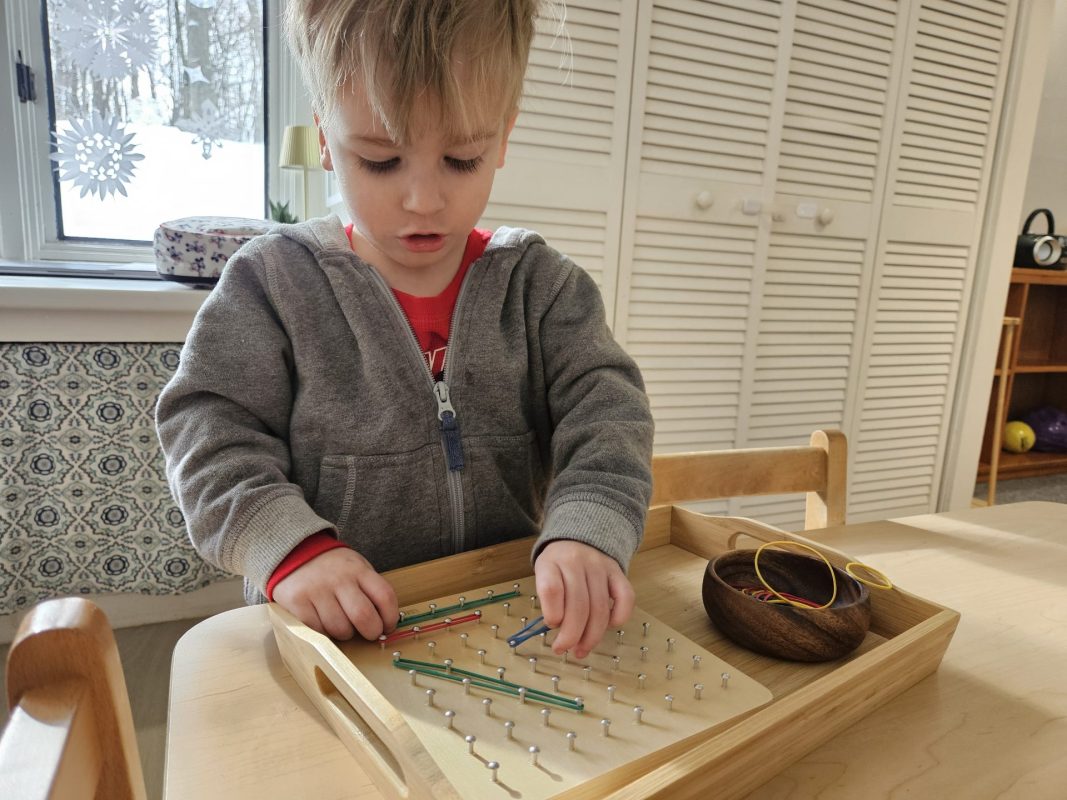
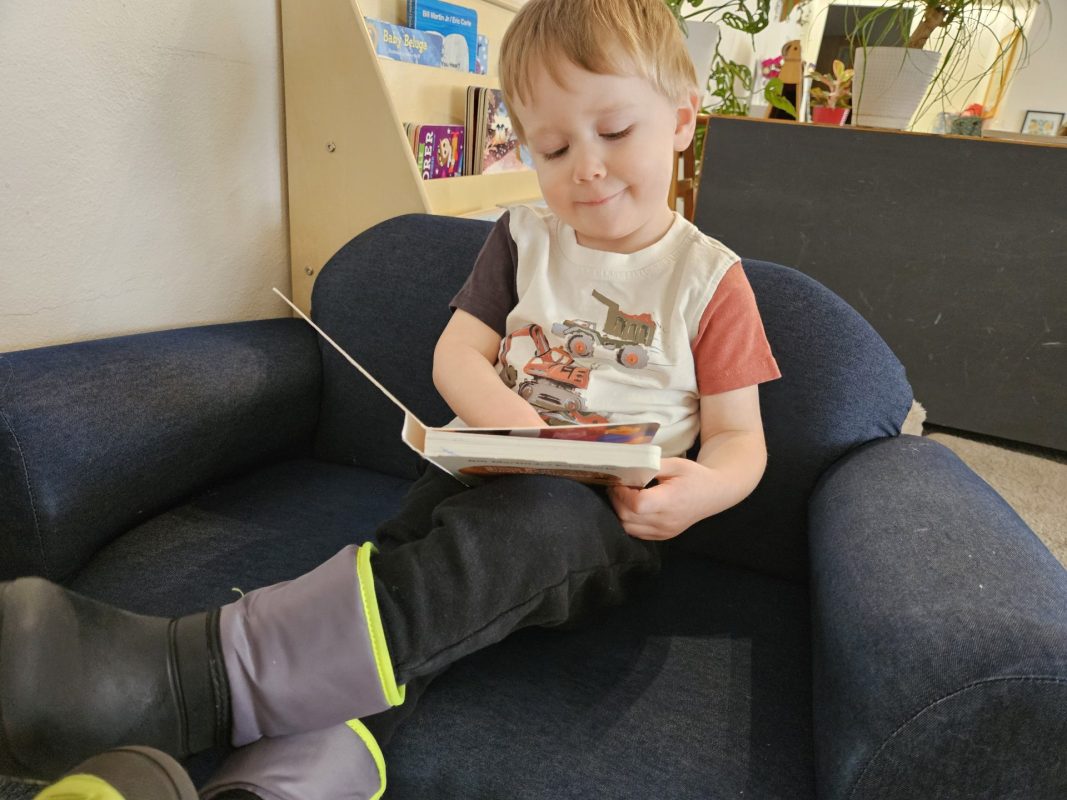
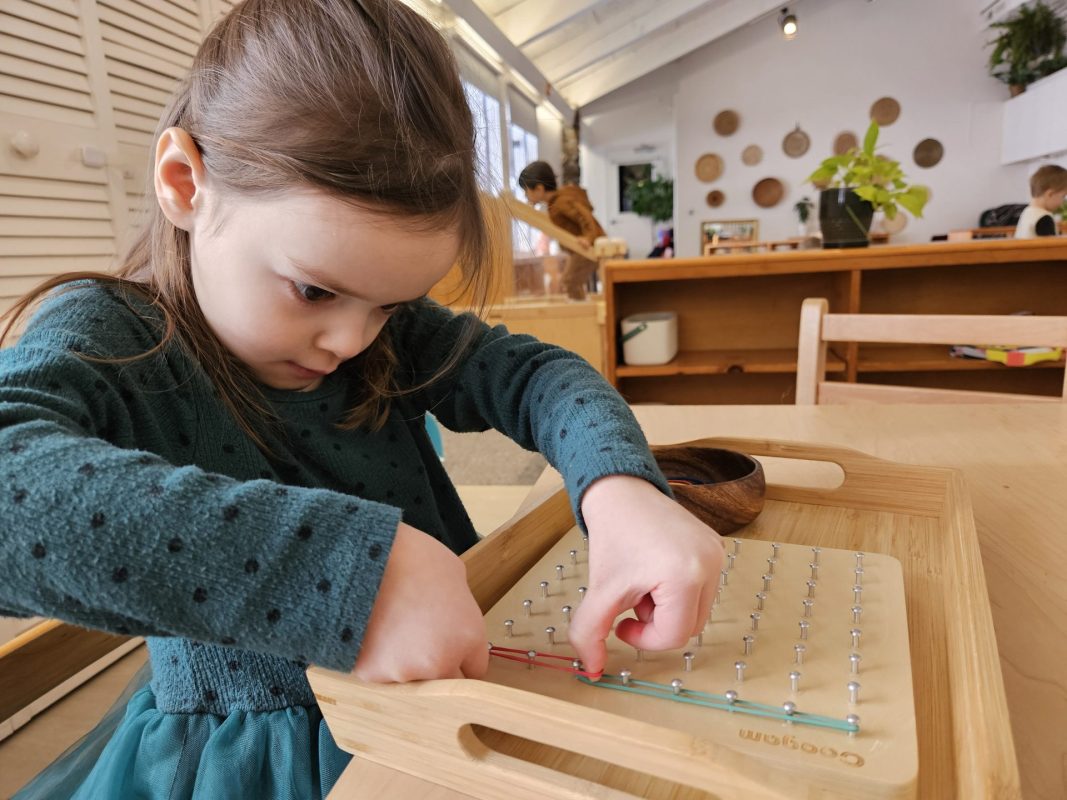
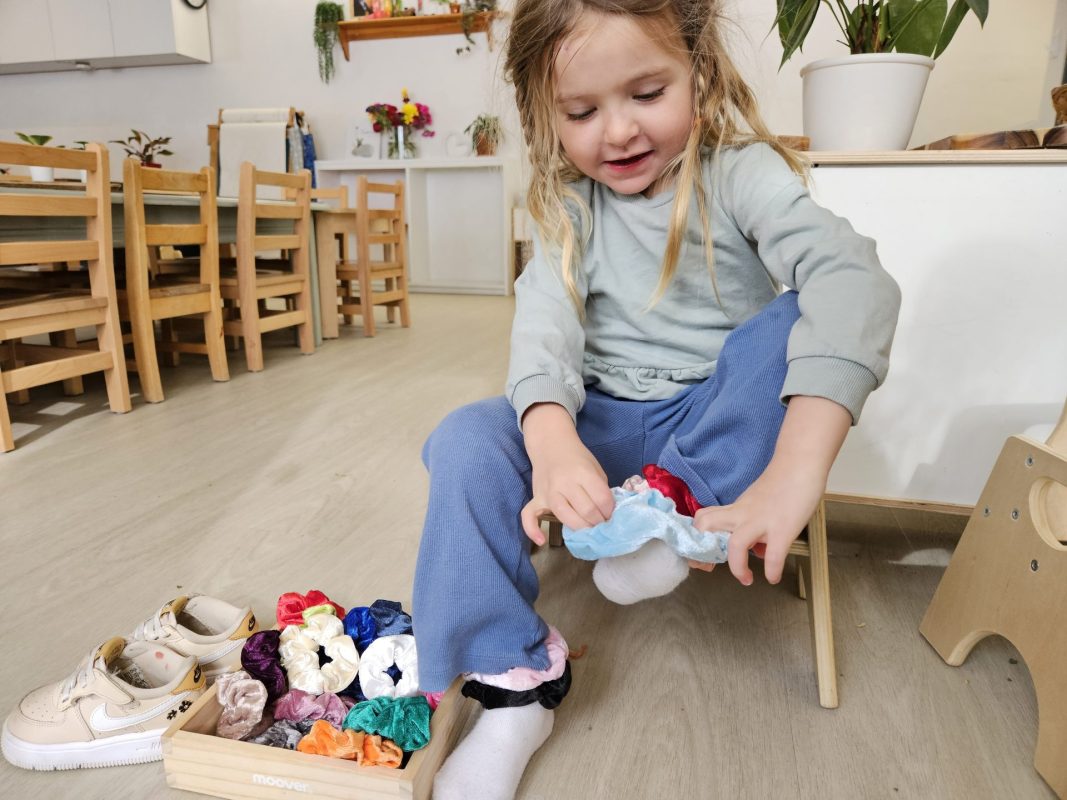
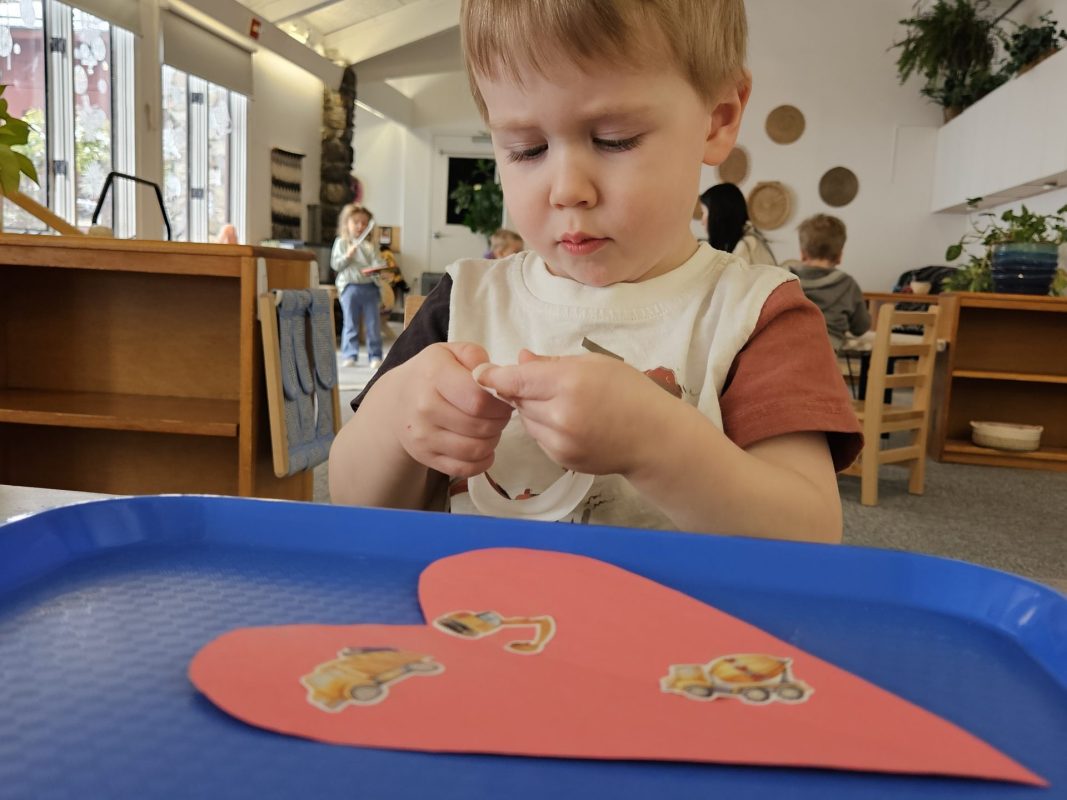
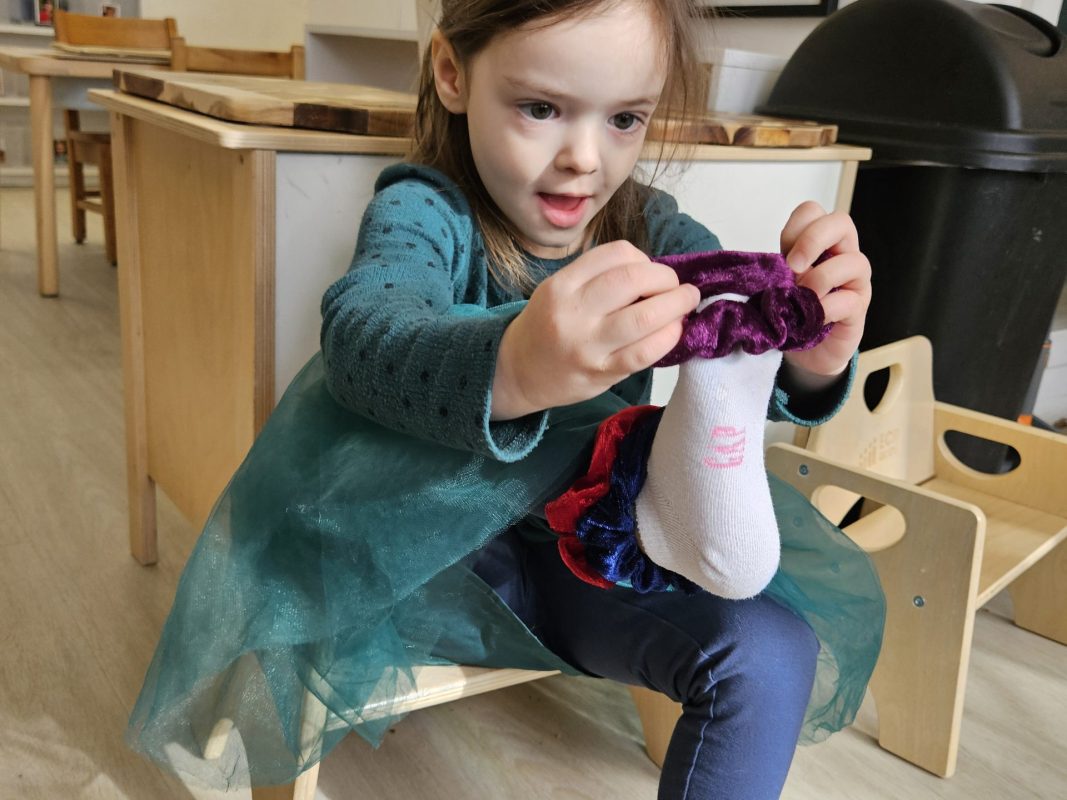
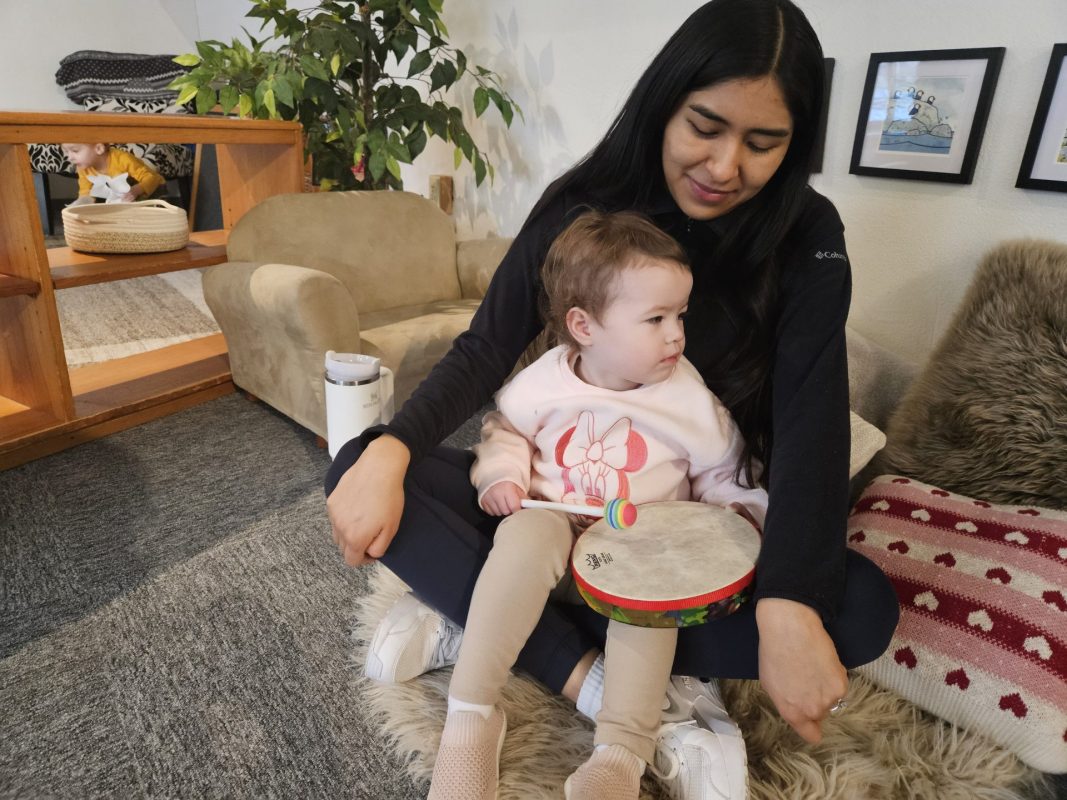
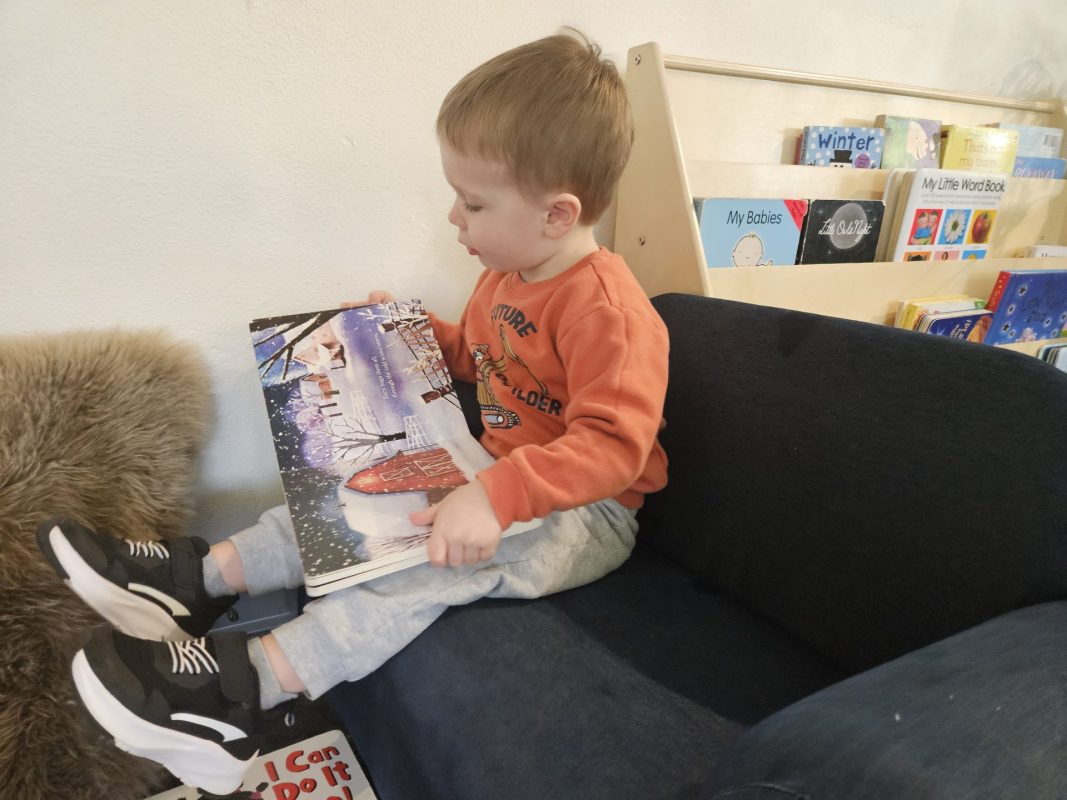
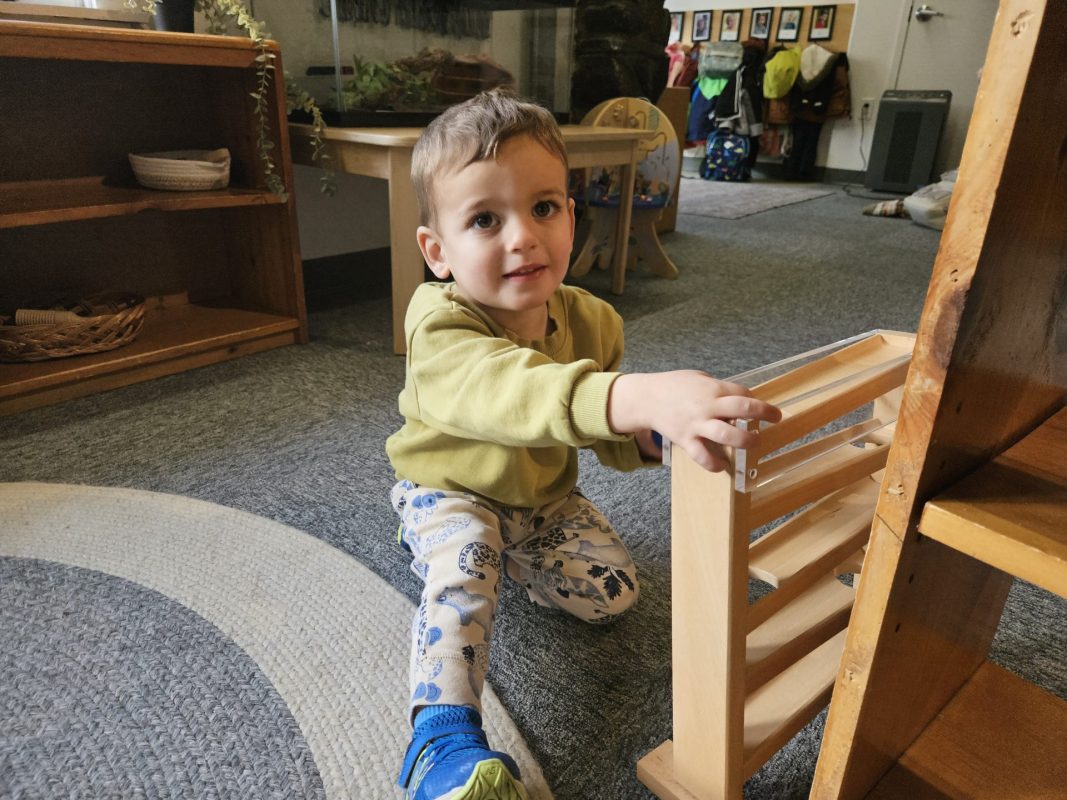
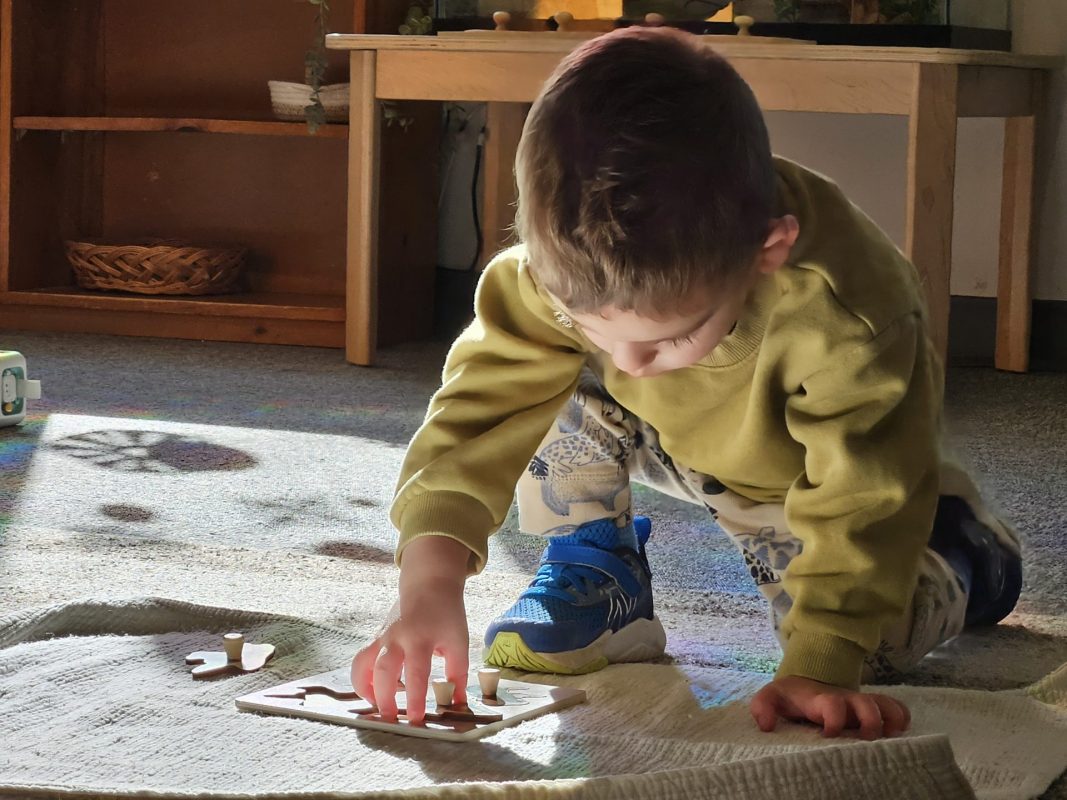
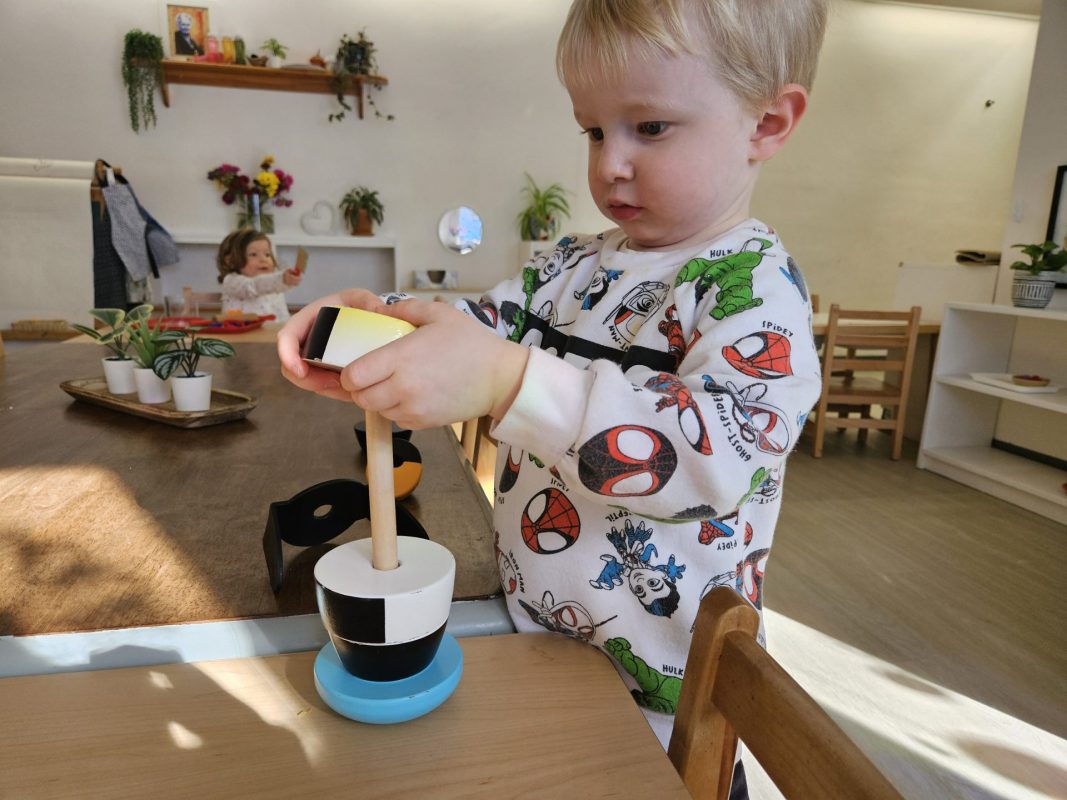
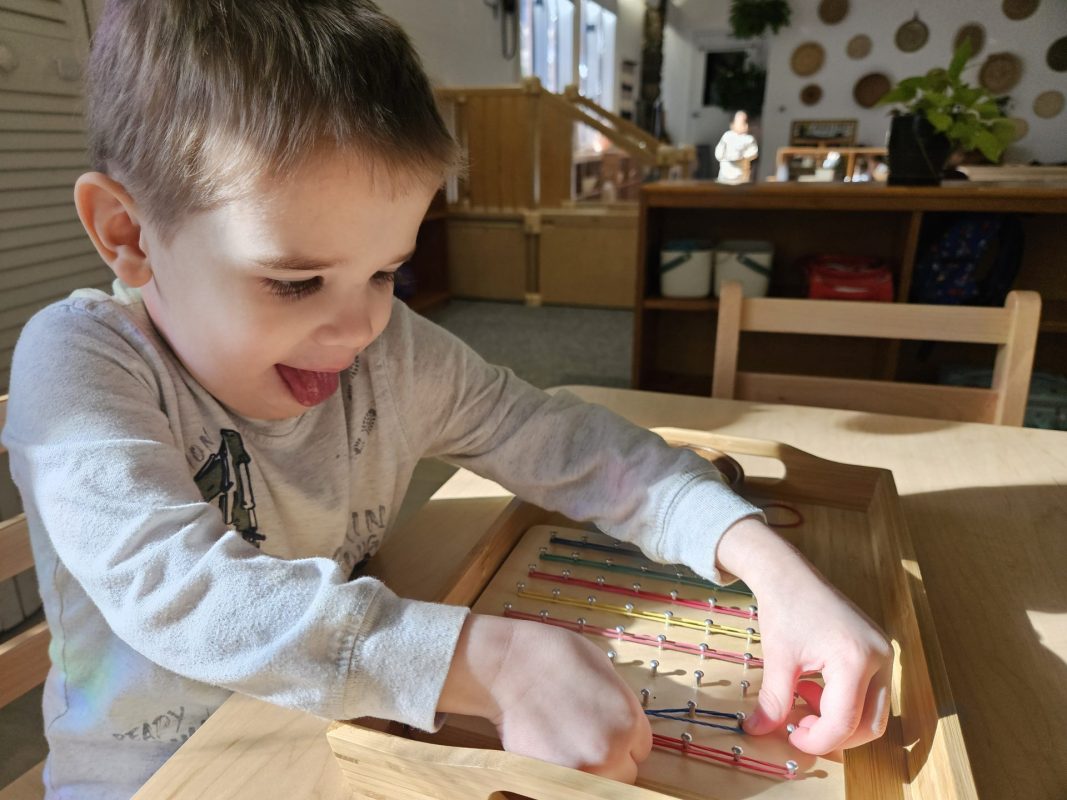
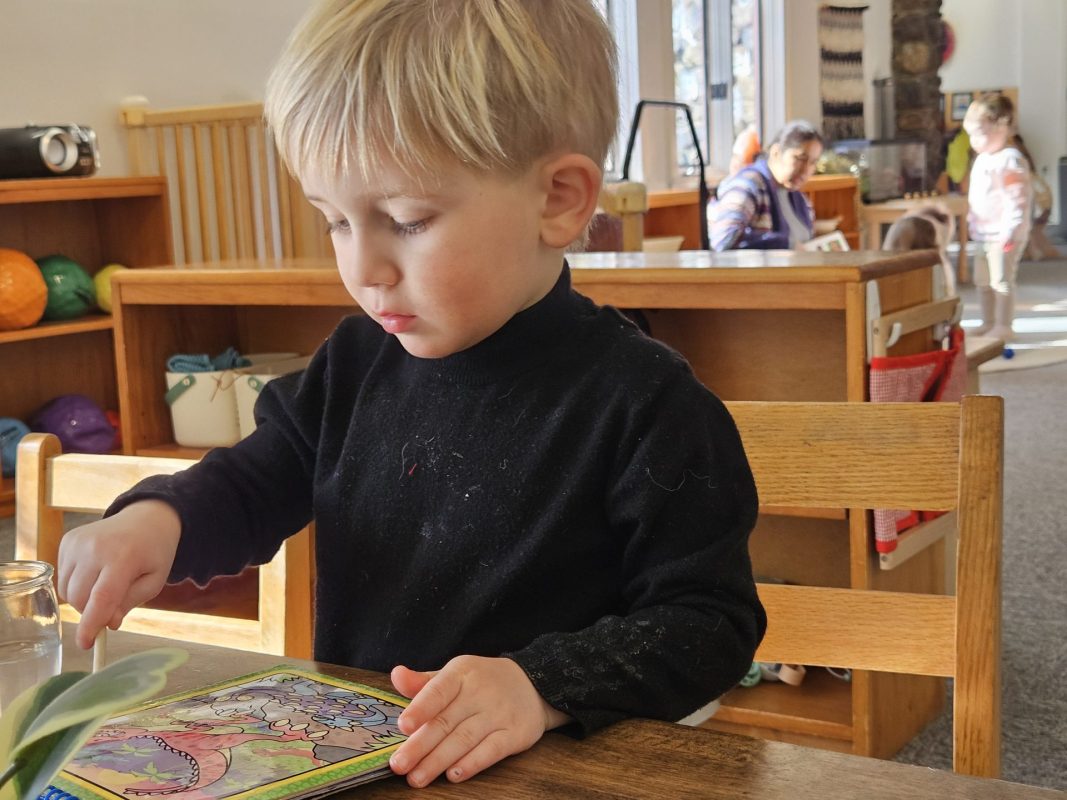
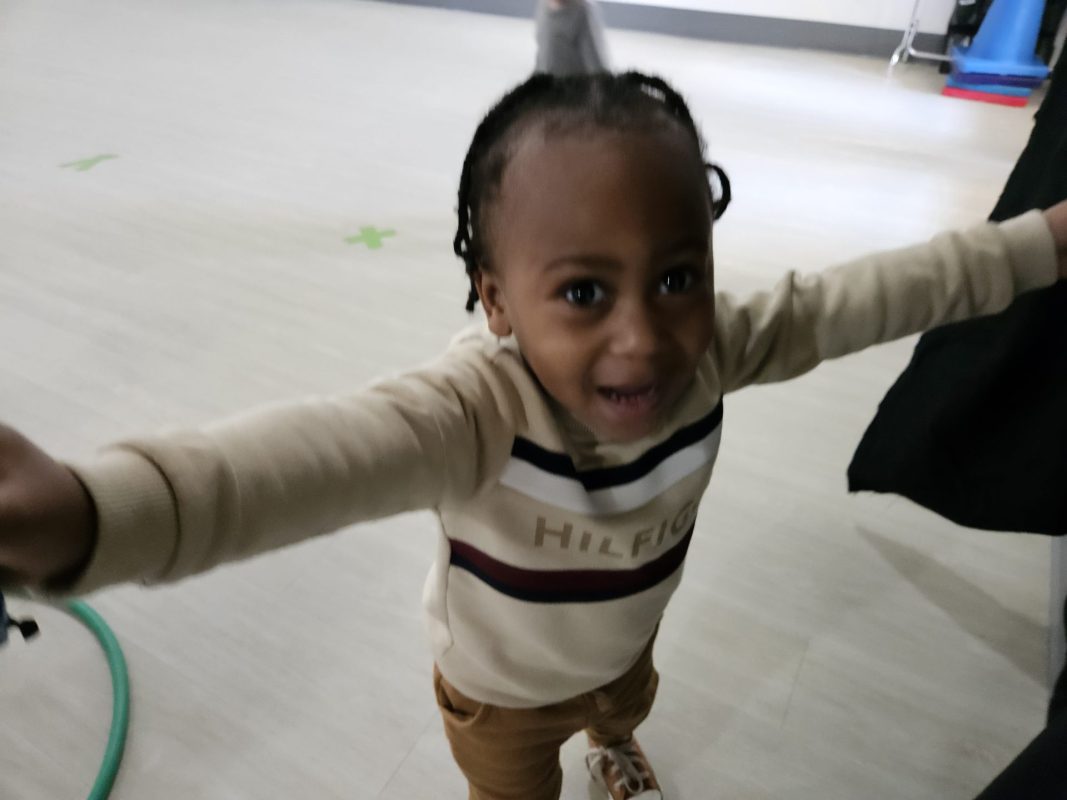
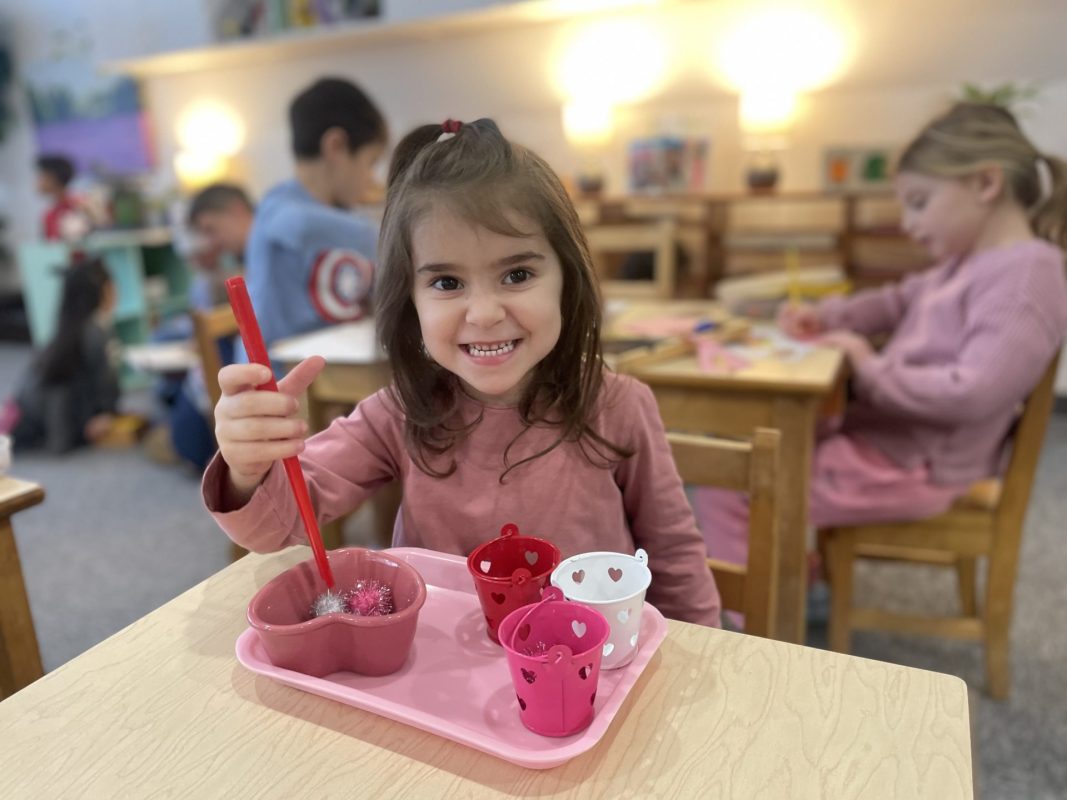
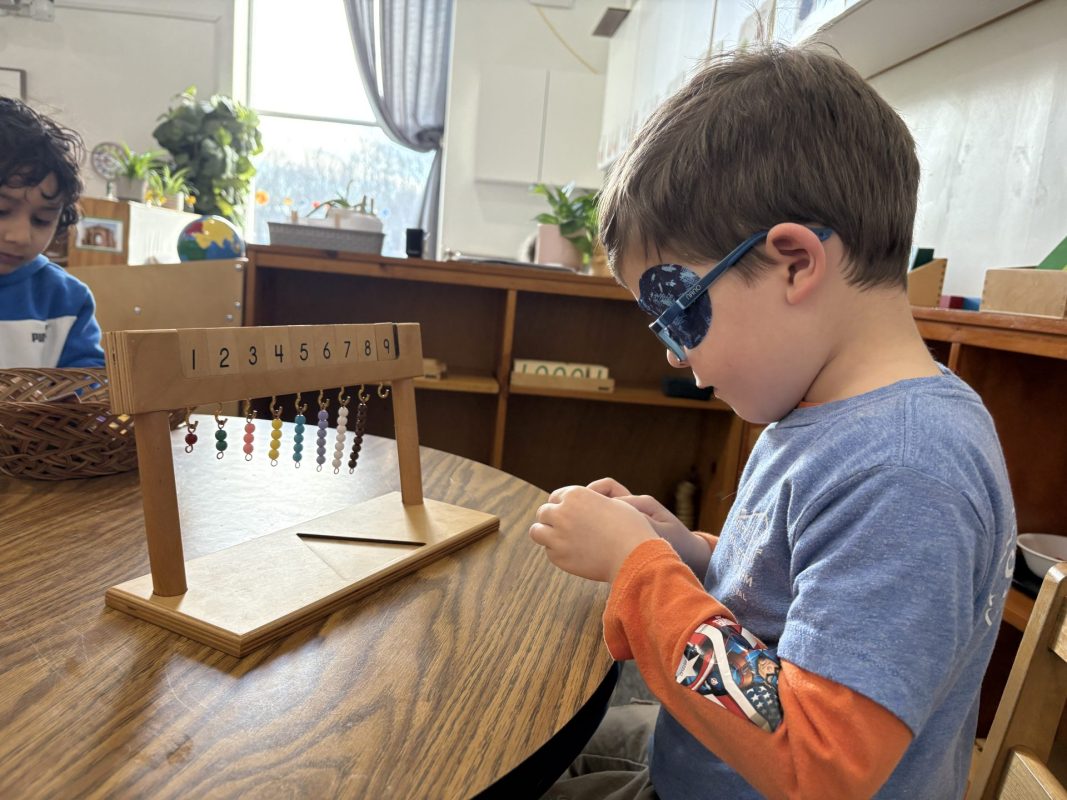
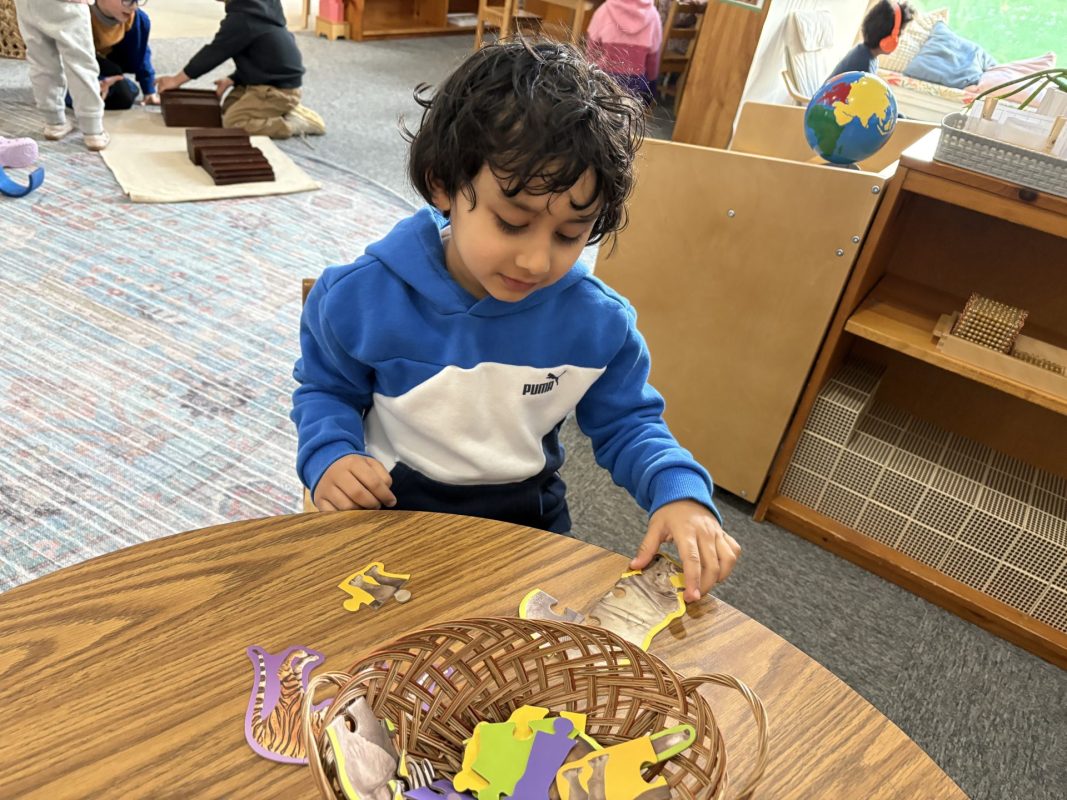
We hope you had a wonderful holiday break filled with relaxation and meaningful time with your loved ones. It has been a joy to welcome your children back to the classroom. They transitioned peacefully after the break, arriving eager and ready to explore their environment and engage with the exciting new works on our shelves.

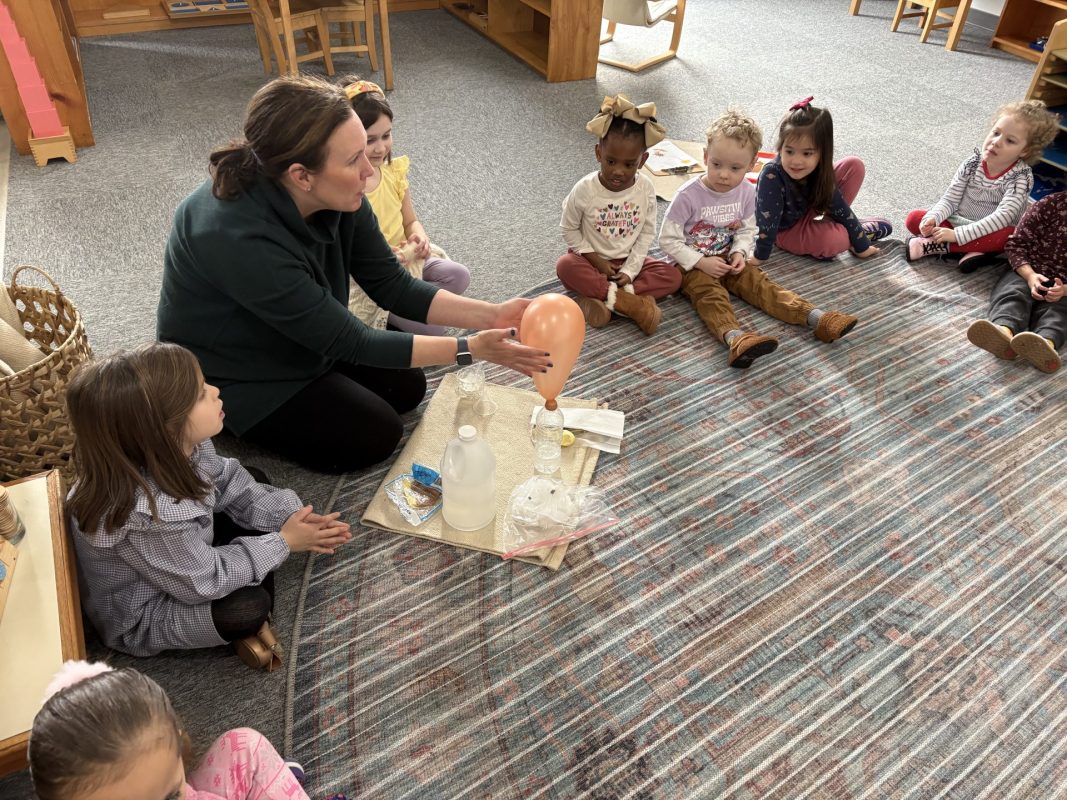
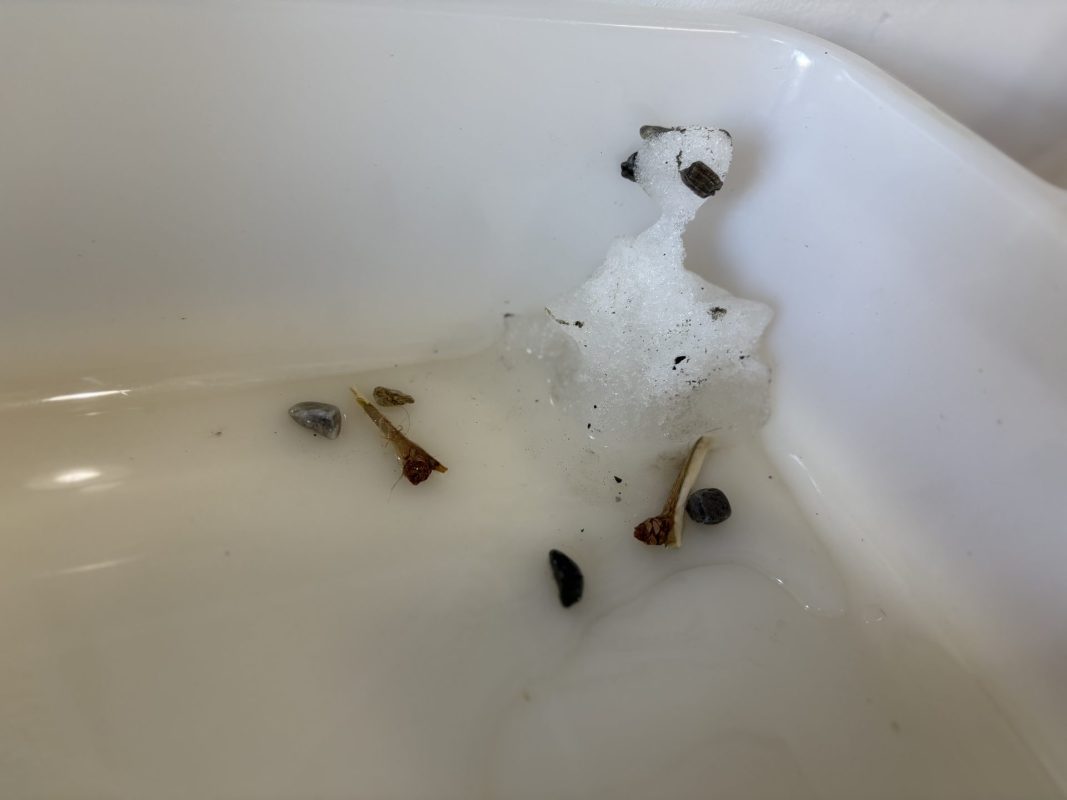
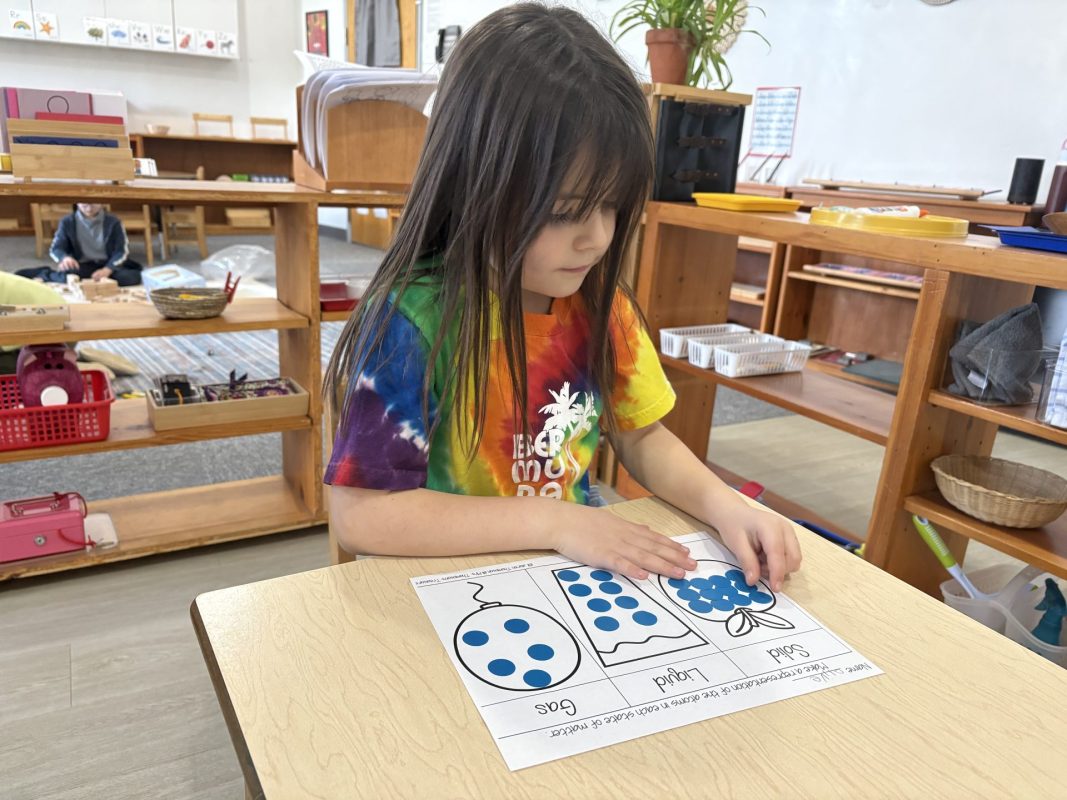
As winter is now in full swing, we’ve embraced the season in our classroom activities and lessons. This month, we are focusing on water and its various stages, offering rich opportunities for conversations and hands-on sensorial experiences.

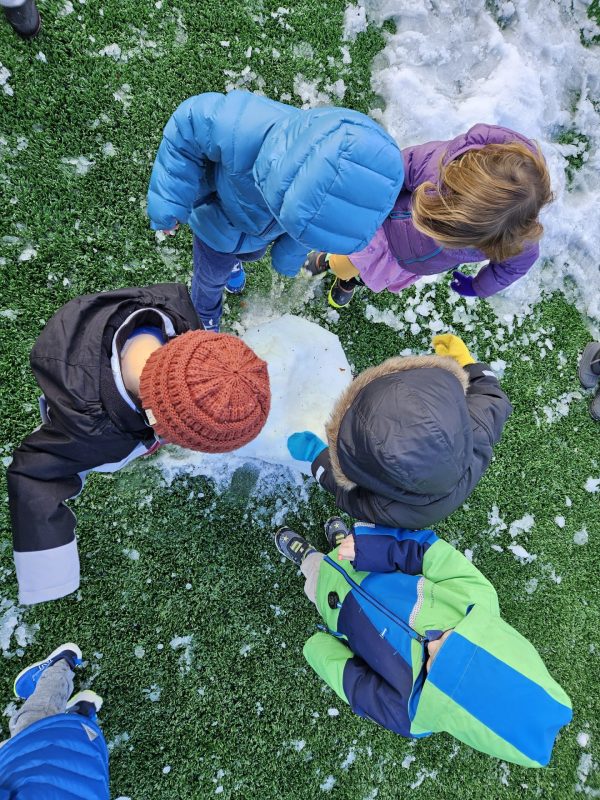
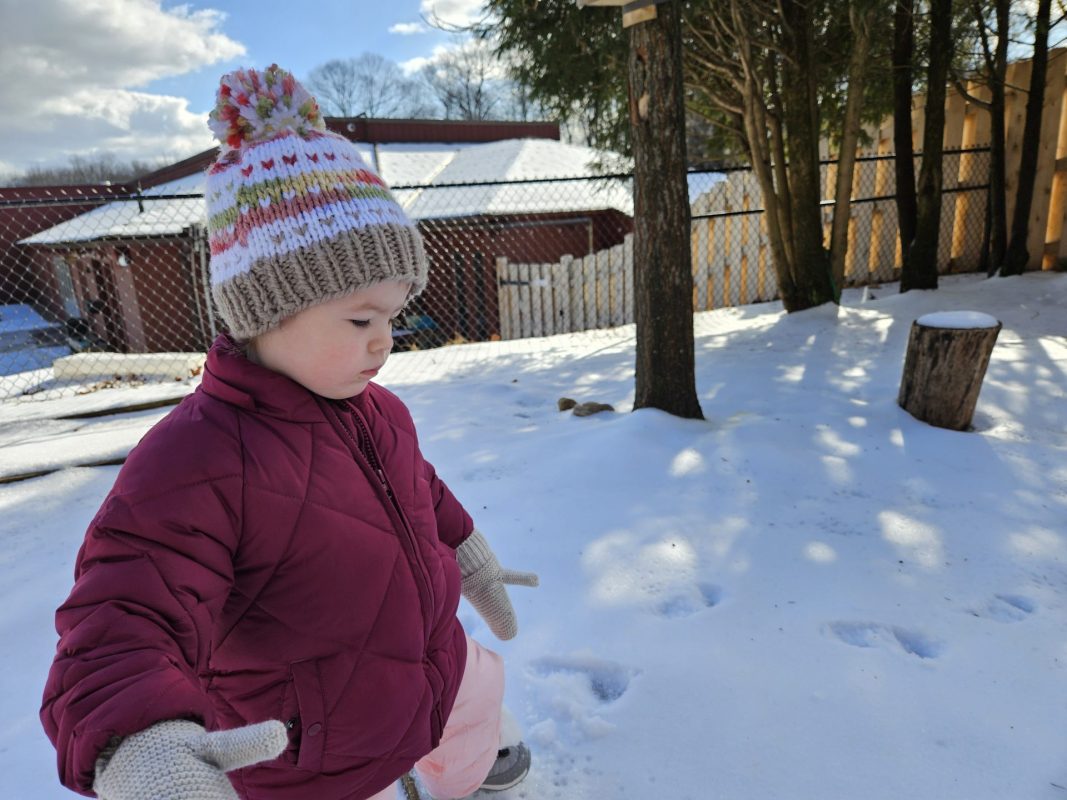
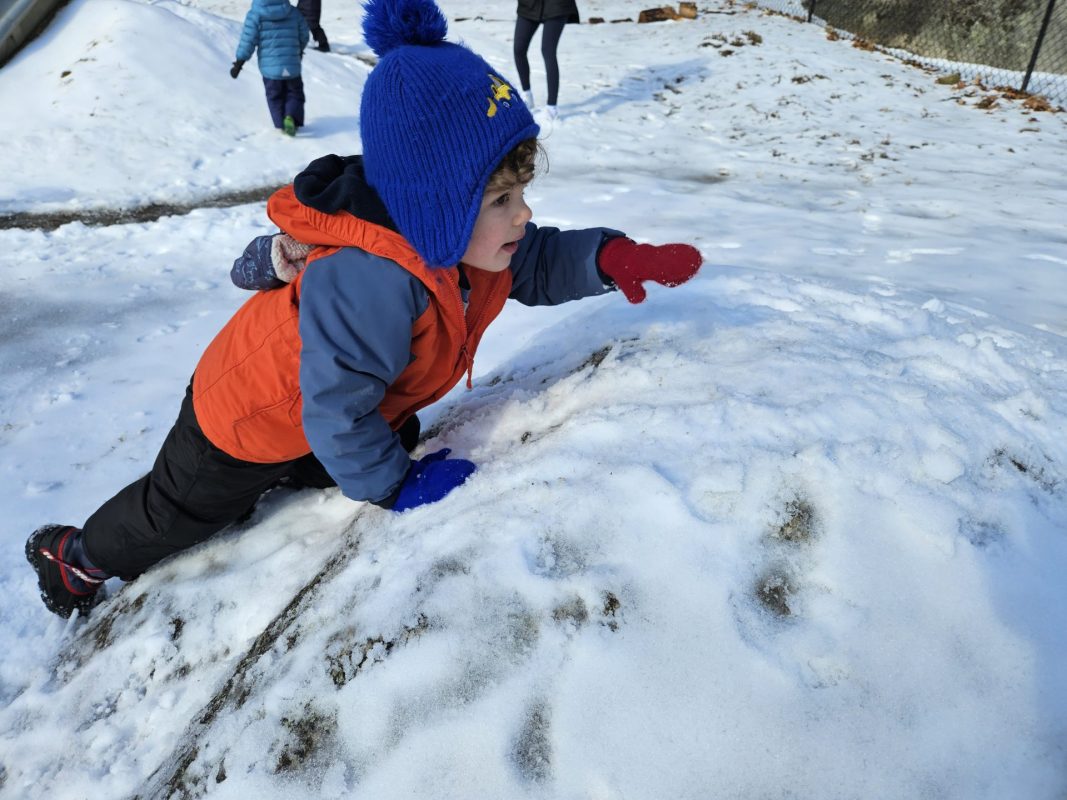
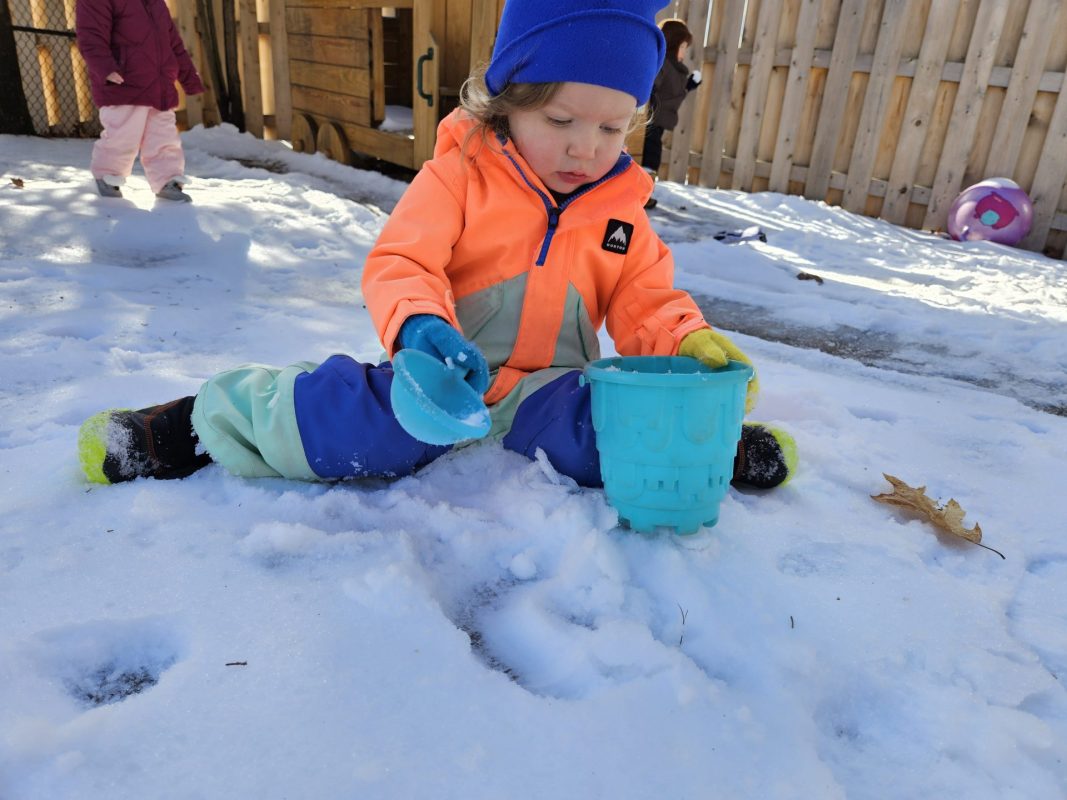
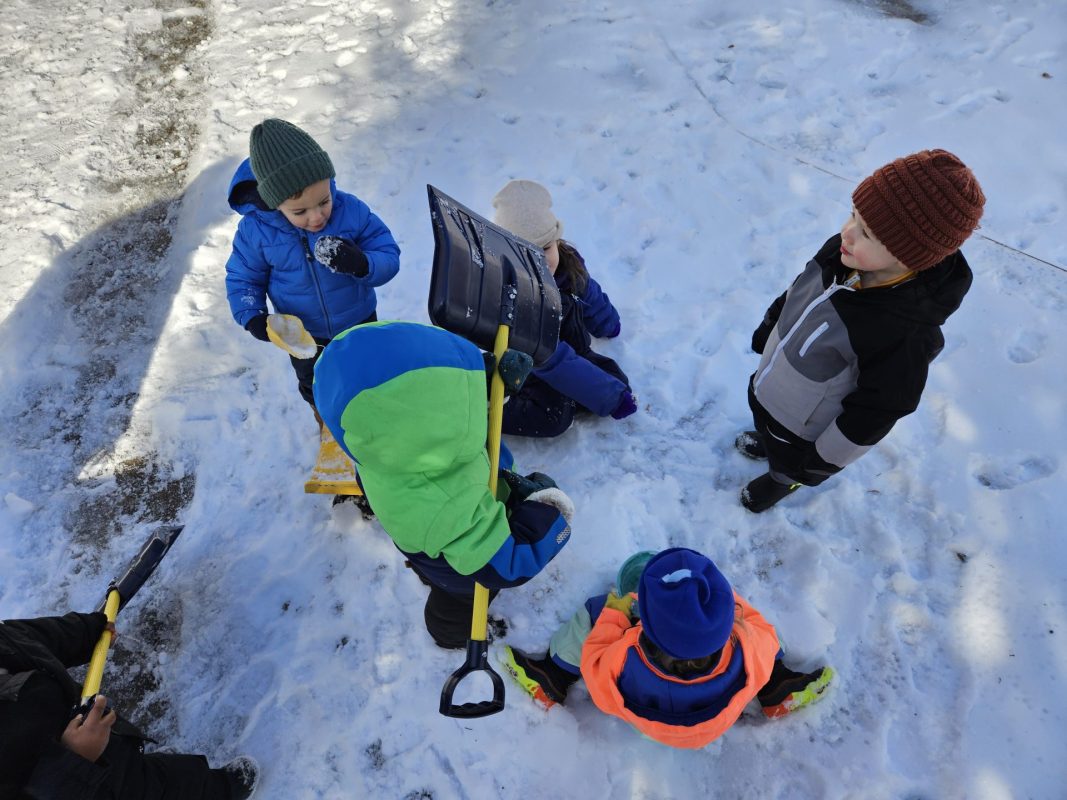
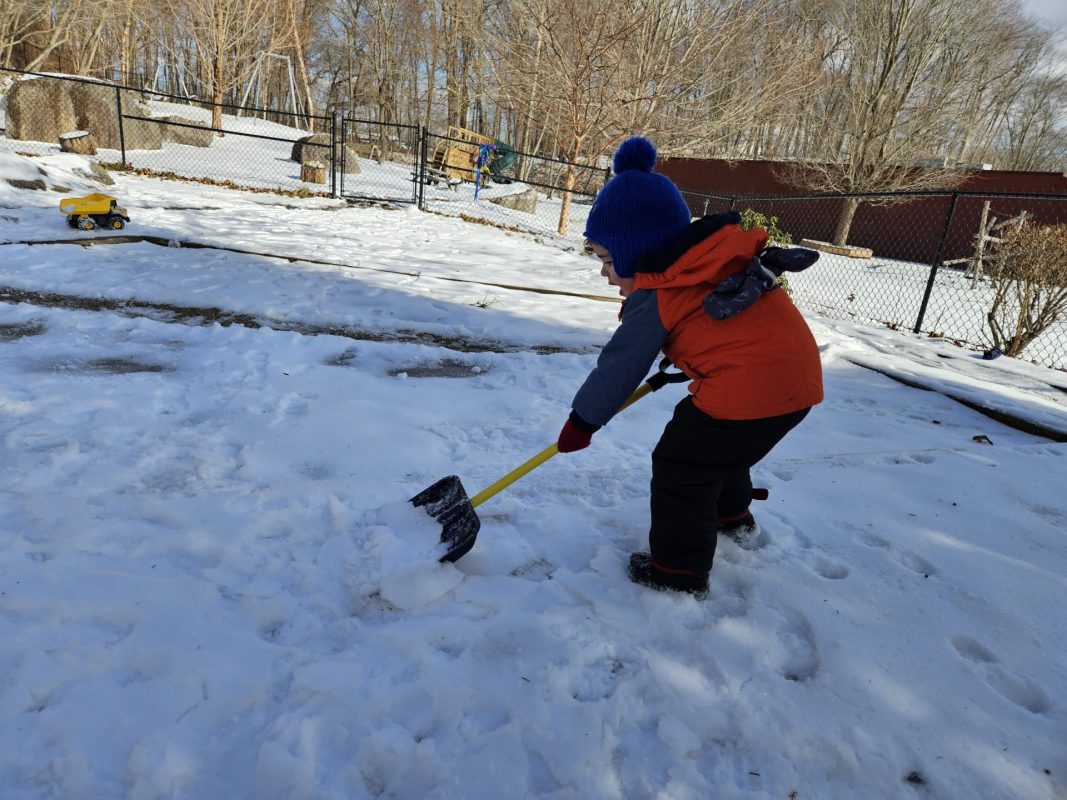
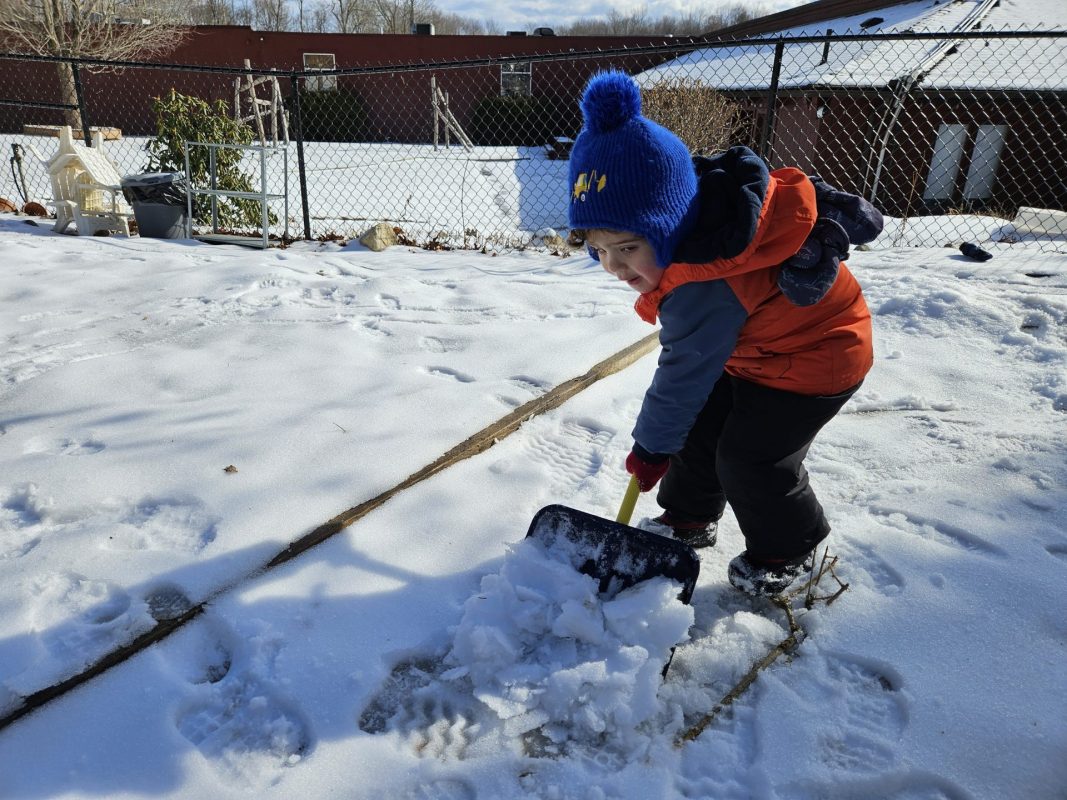
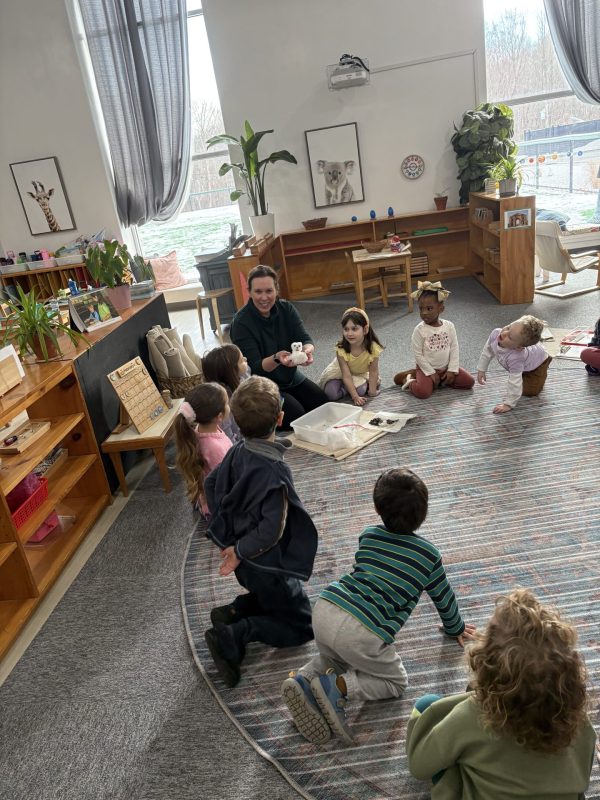
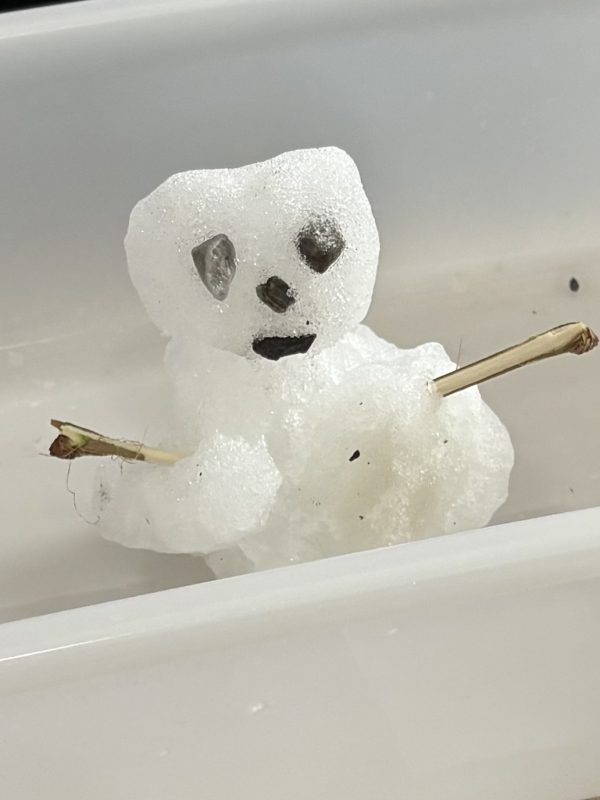
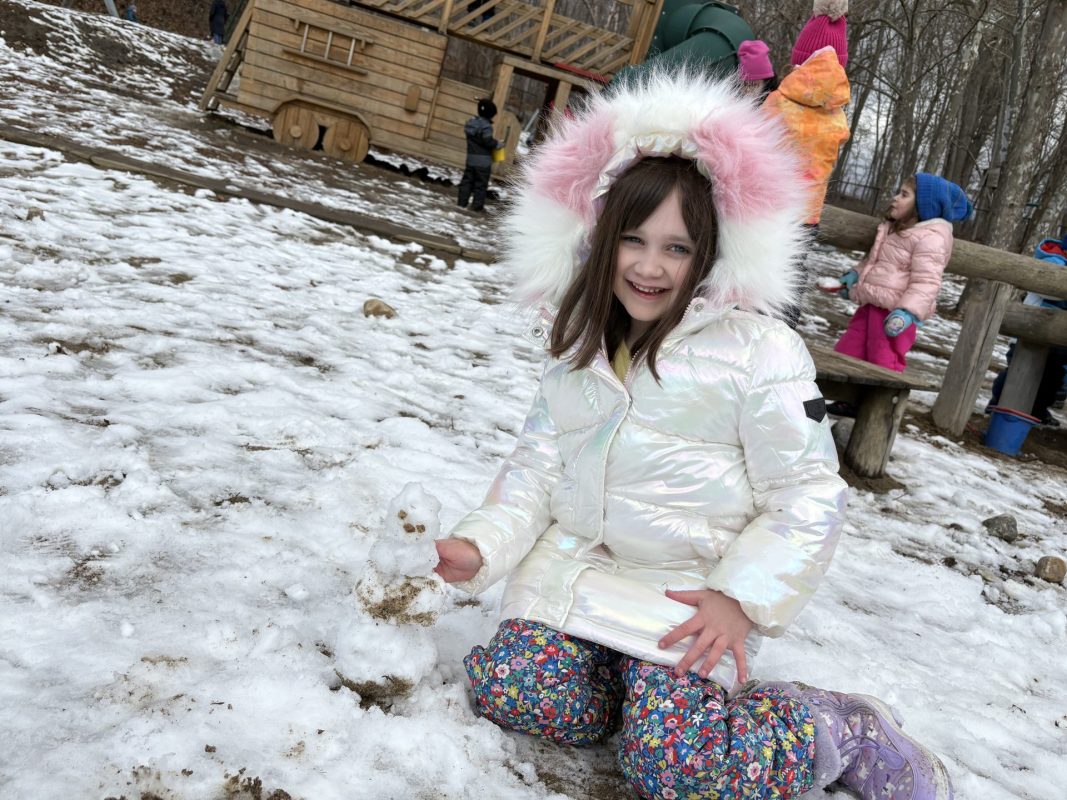
This week, we introduced one of the most magical forms of water: snowflakes. Thanks to the weather, we had a chance to observe snow falling during playground time, and the children enjoyed trying to catch them with their tongues. We also observed snowflakes falling outside the windows, sparking curiosity and awe. (We’re hoping for more snow soon so we can enjoy it even more hands-on!)

Through simple and relatable language, we explained that while all snowflakes share symmetry and a hexagonal structure, each one is unique. This concept fascinated the children, who eagerly observed examples of snowflake structures displayed around the classroom. They spent time marveling at their differences and expressing their observations. This exploration of snowflakes feels like a beautiful metaphor for your children—each one unique, precious, and full of their own individual beauty. We feel so grateful to witness and support their growth every day.

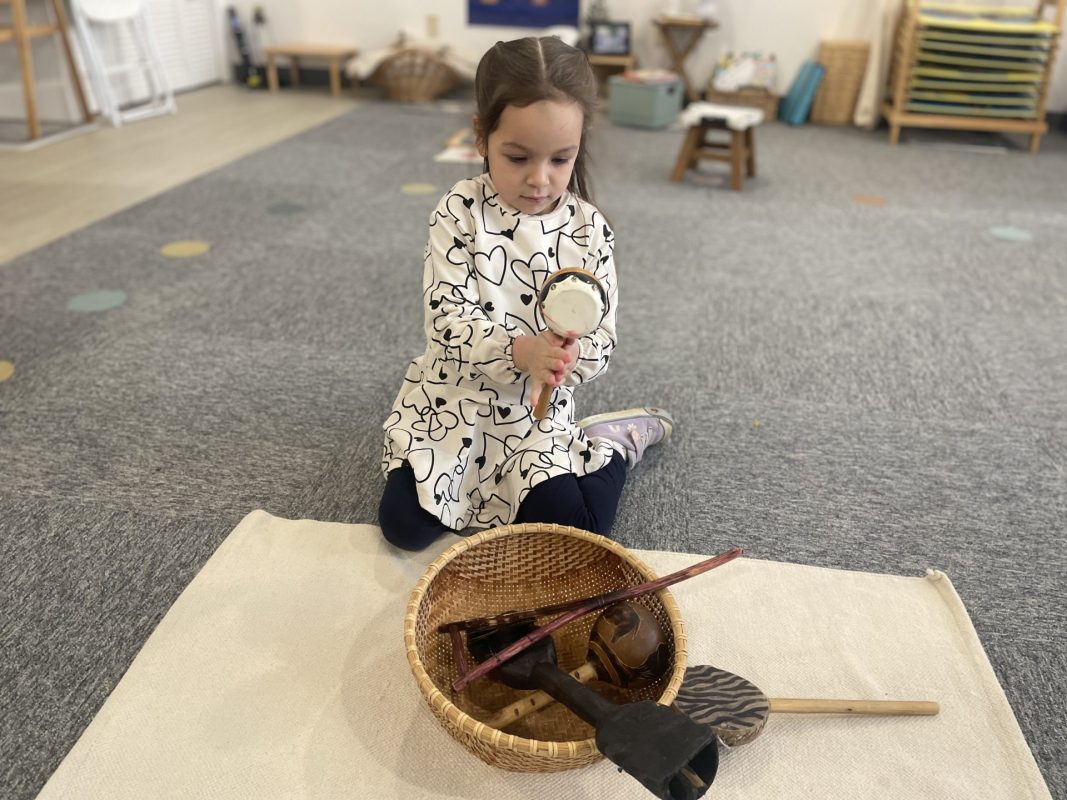
To complement our lesson on snowflakes, we introduced a Spanish song called “Copo de Nieve” (Snowflake) by Super Simple Español. Using pretend snowflakes of various sizes, the children followed the song’s steps and acted out snowflakes falling from the sky. Along the way, they practiced naming body parts in Spanish, such as cabeza (head), nariz (nose), and mano (hand). We encourage you to add this delightful song to your playlist and sing along with your child at home—it’s a fun and engaging way to reinforce Spanish vocabulary together!

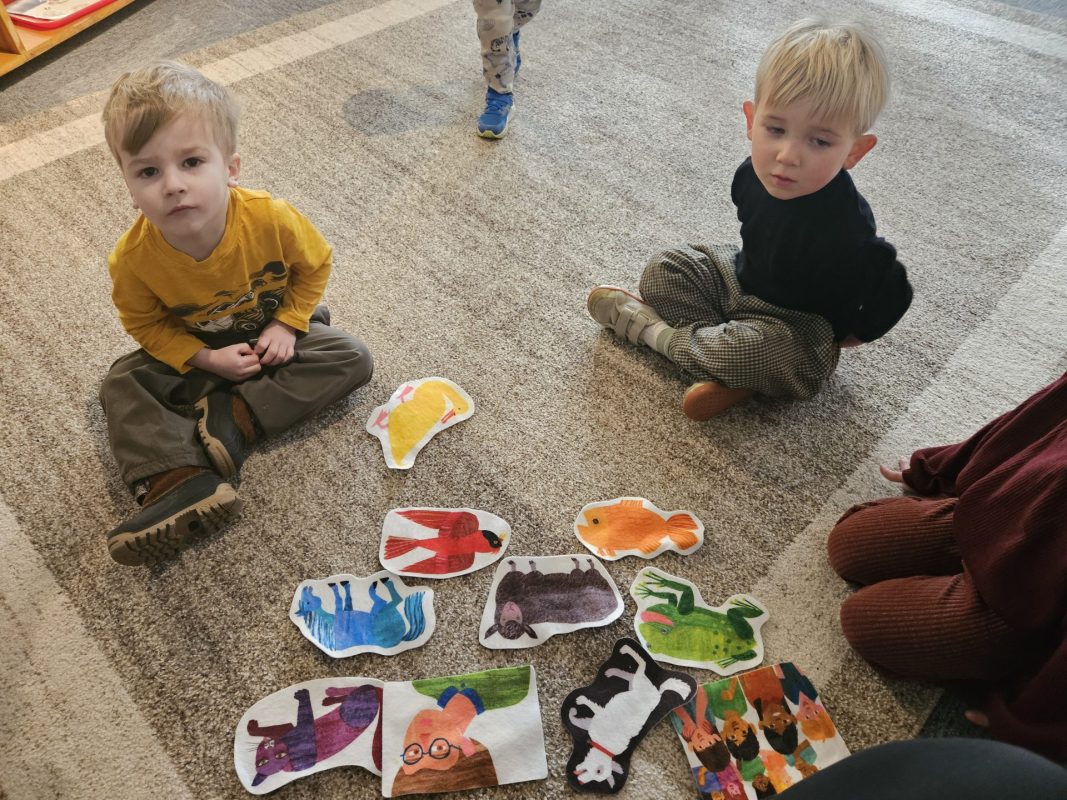
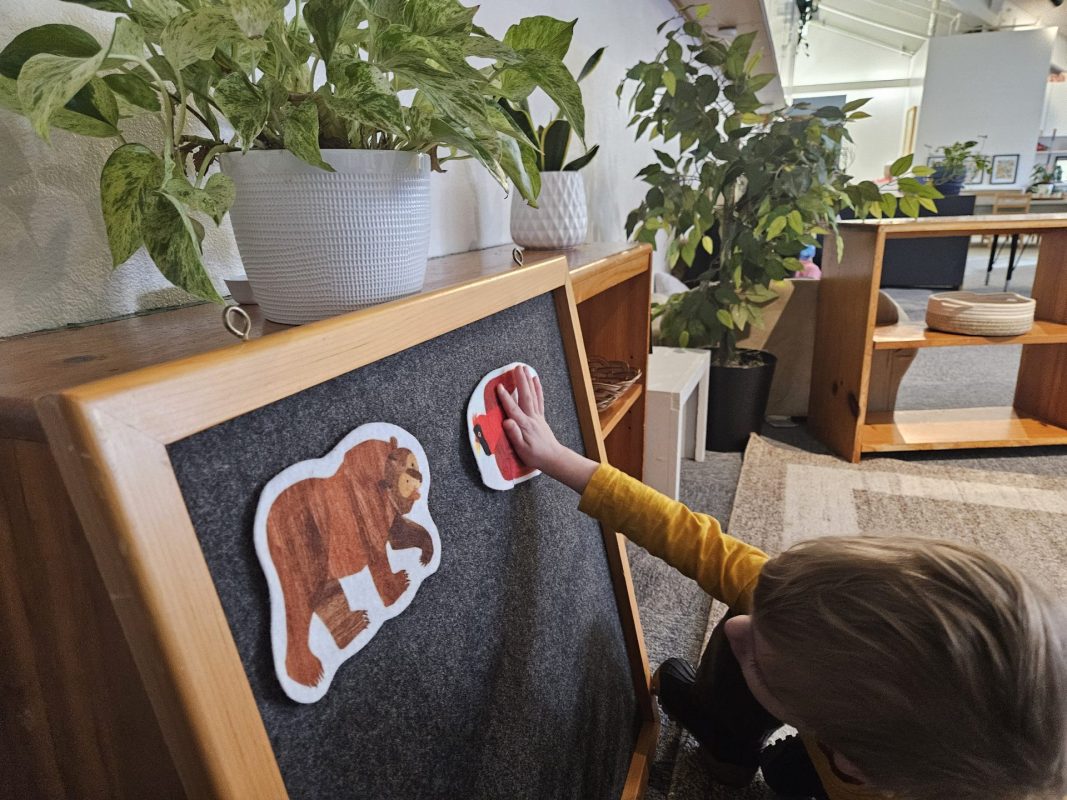
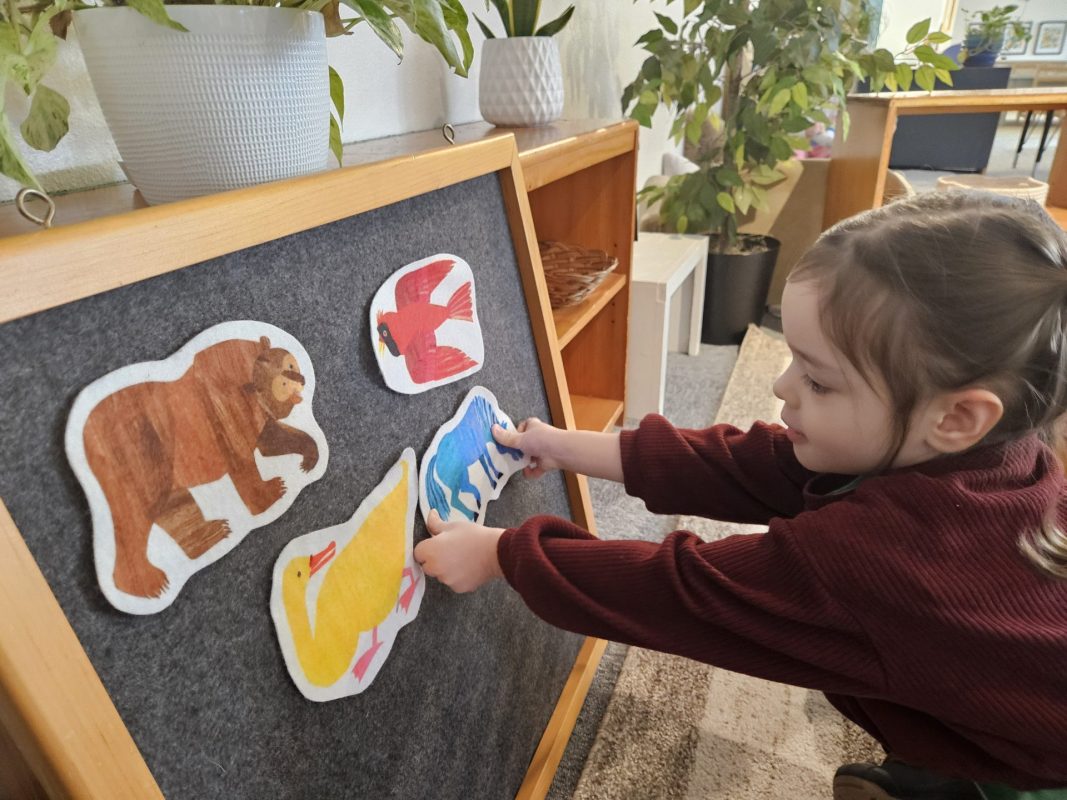
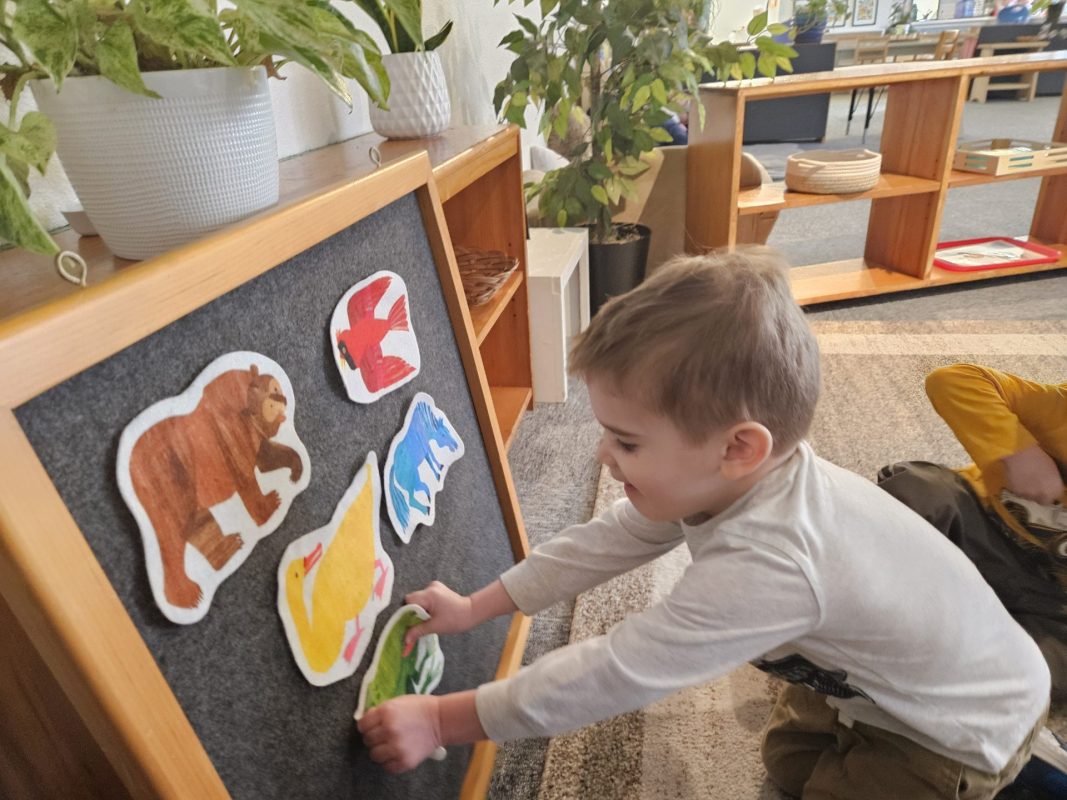
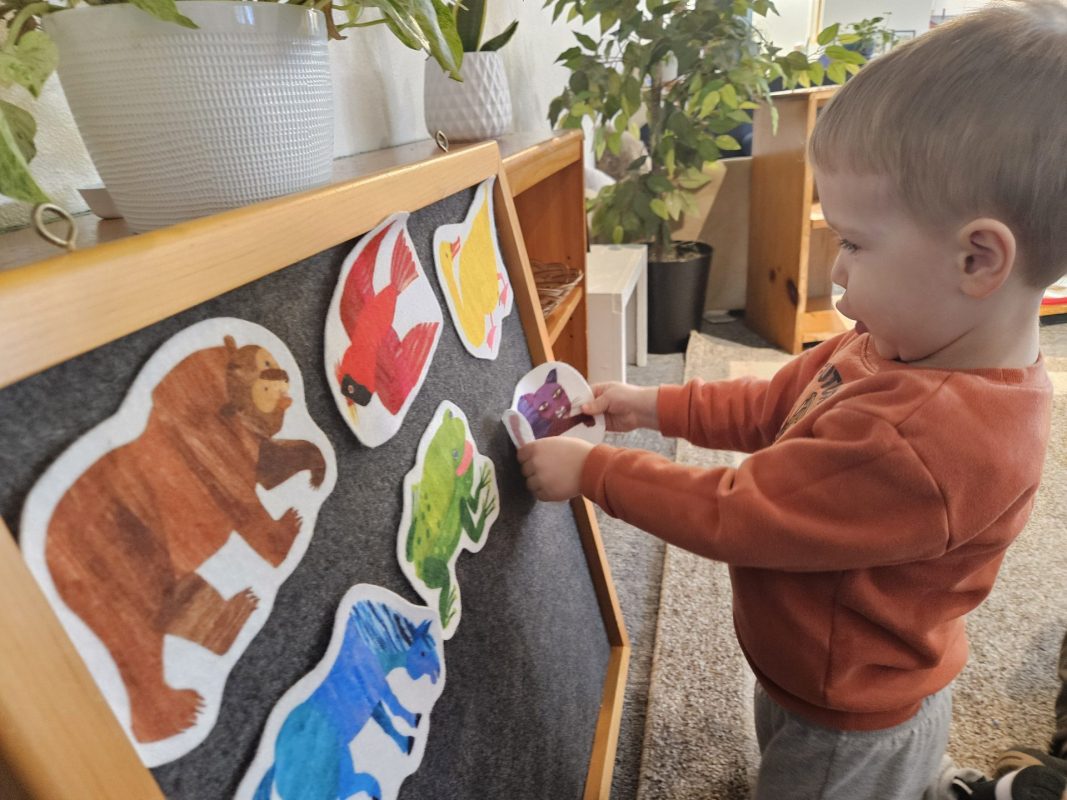
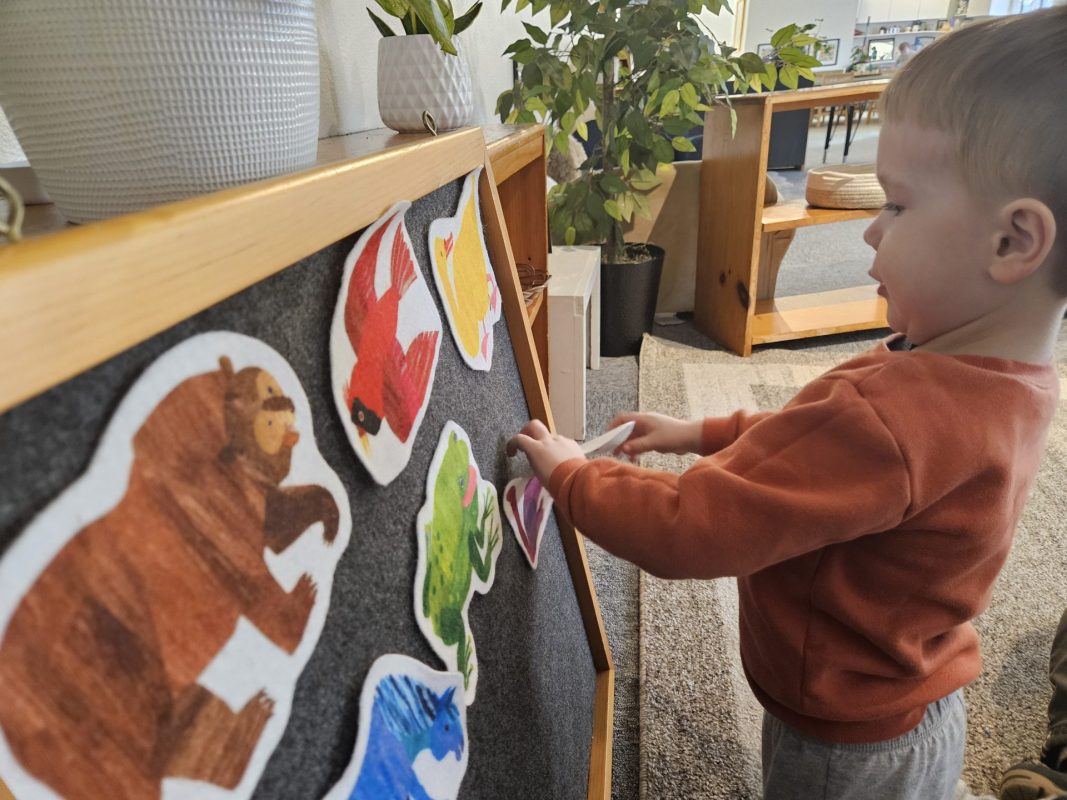
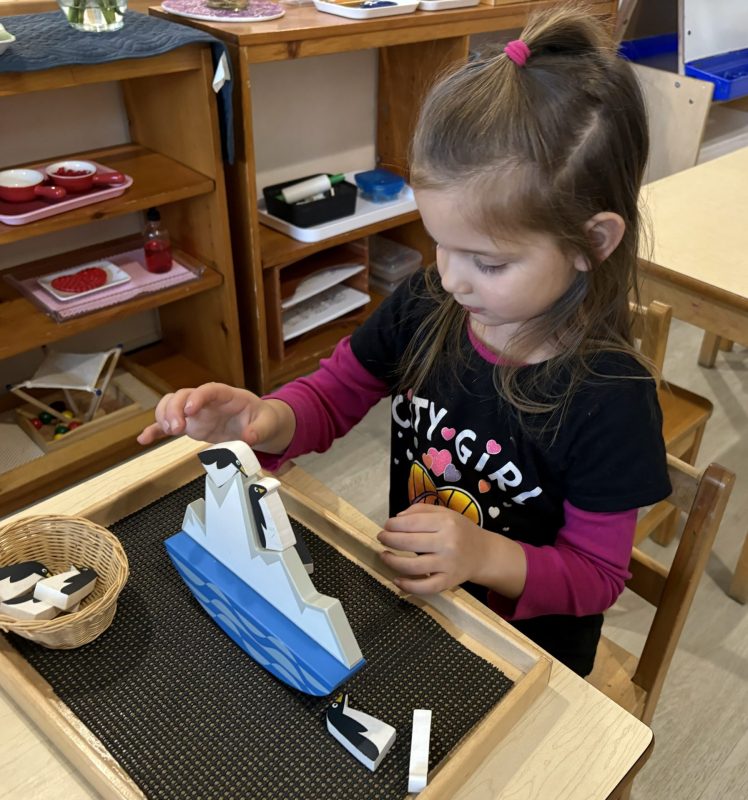
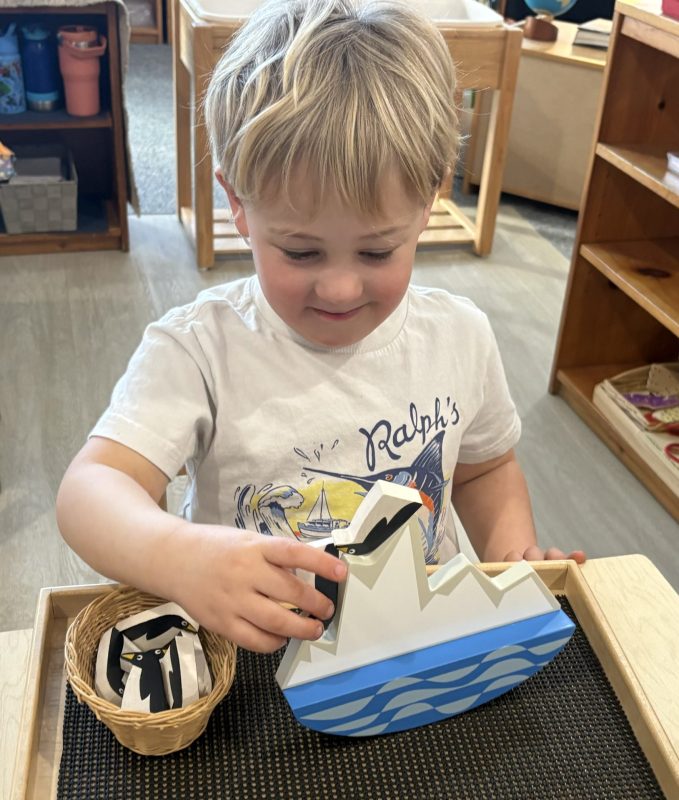
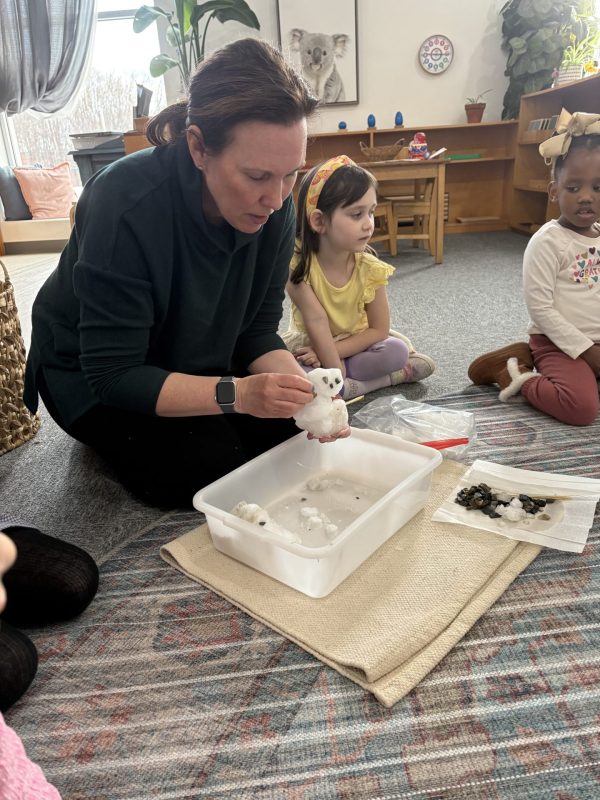
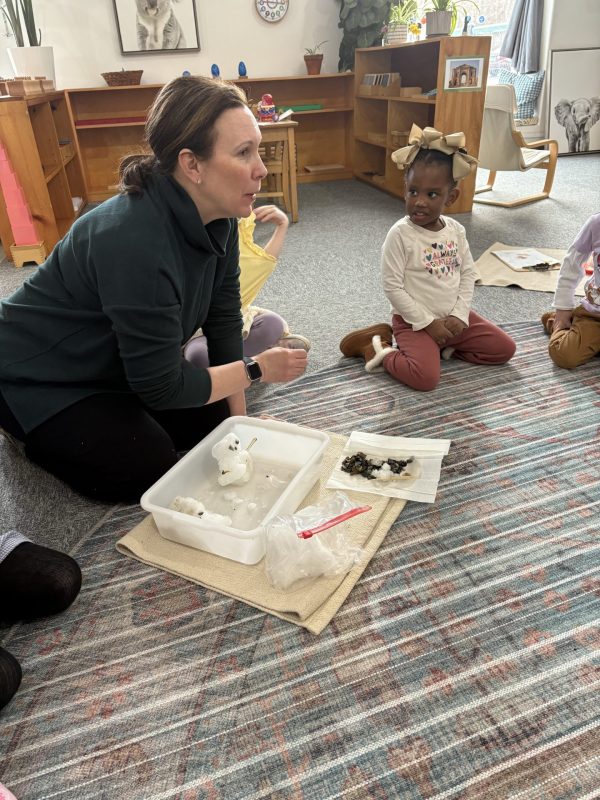
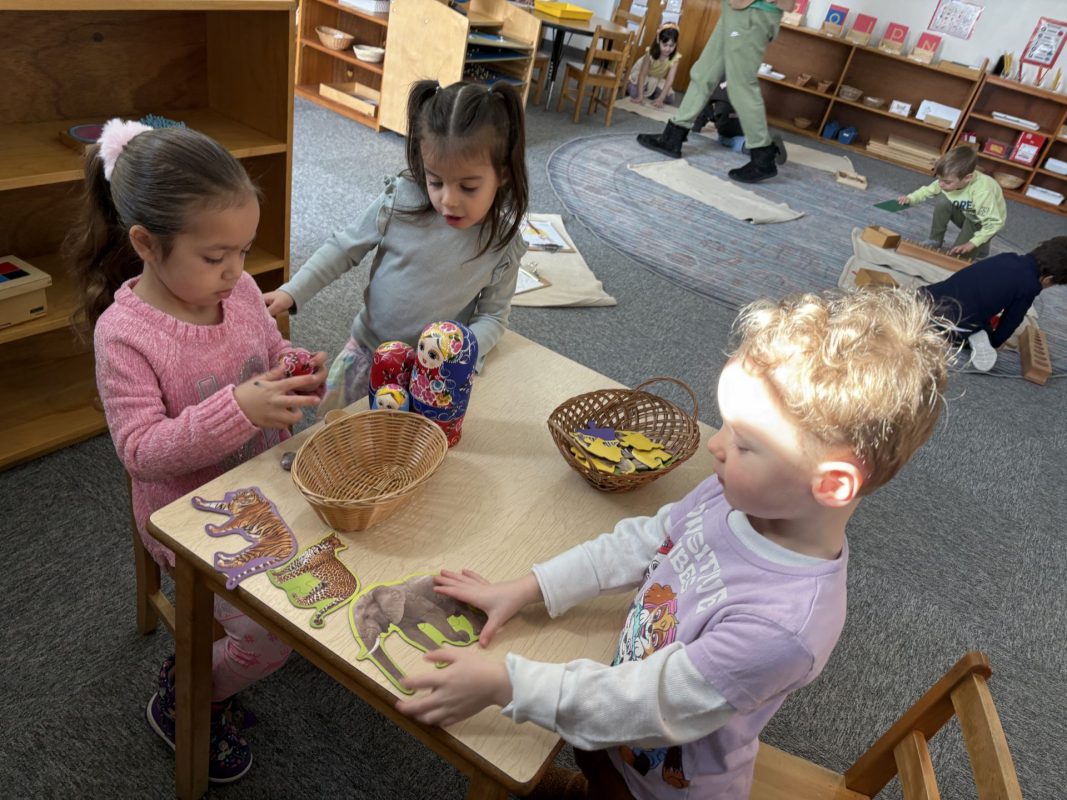
In our language area, we’ve journeyed to the Arctic! The children have been learning about arctic animals, including harp seals, arctic foxes, killer whales, walruses, huskies, caribou, beluga whales, and, of course, polar bears. This week’s focus was on polar bears, sparking curiosity and excitement as we discussed their unique adaptations to life in the cold.

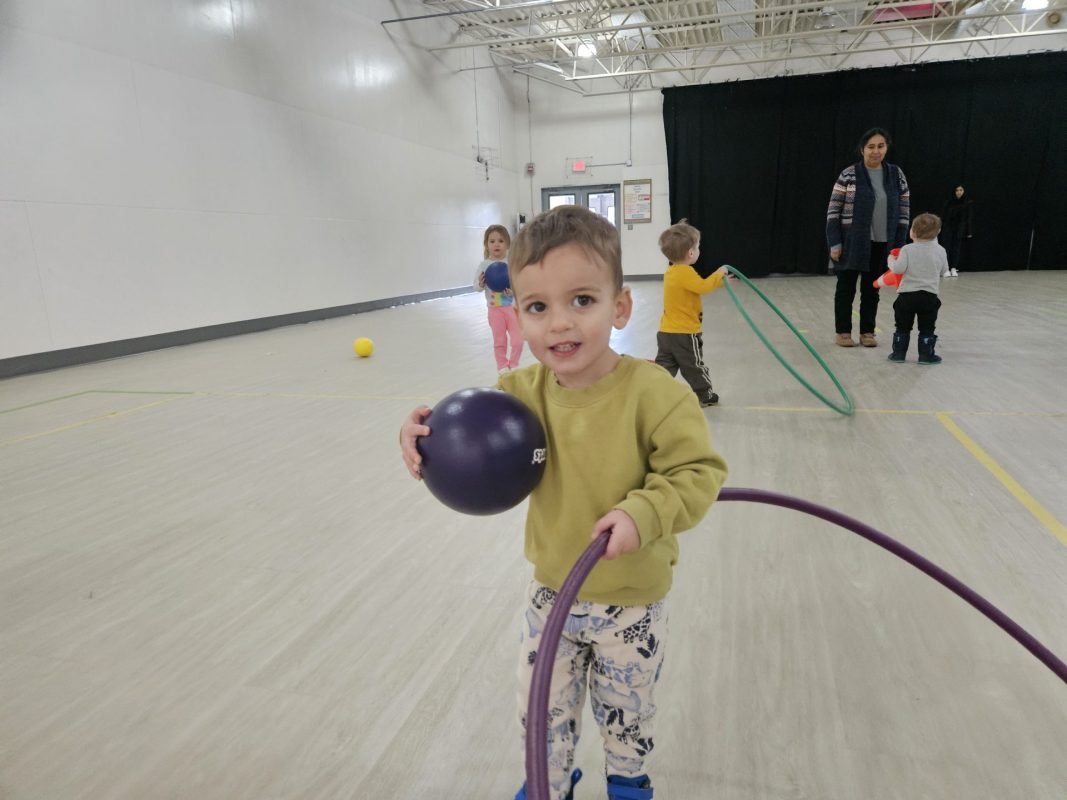
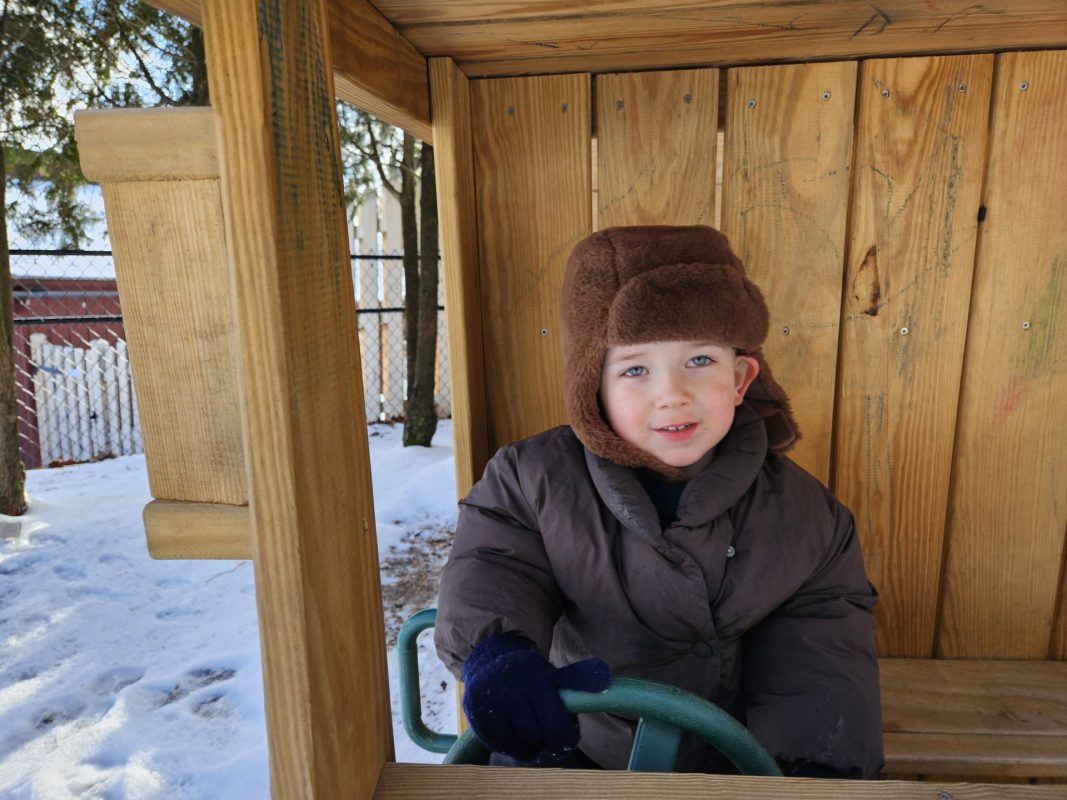
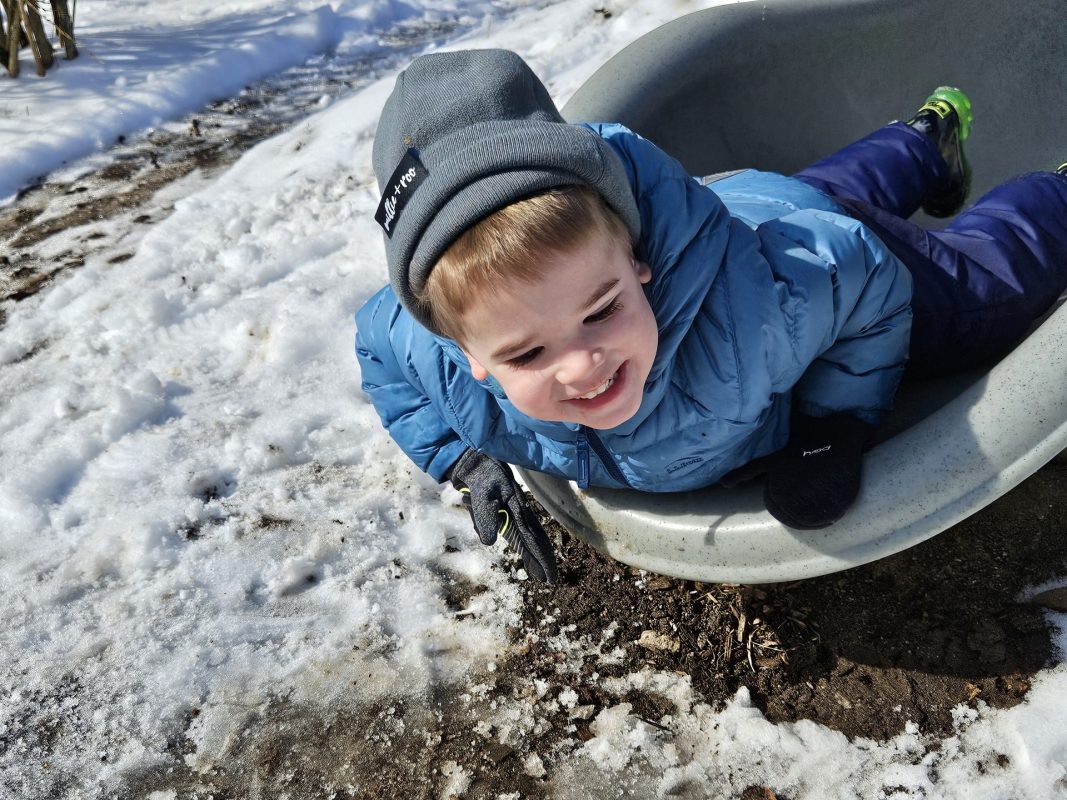
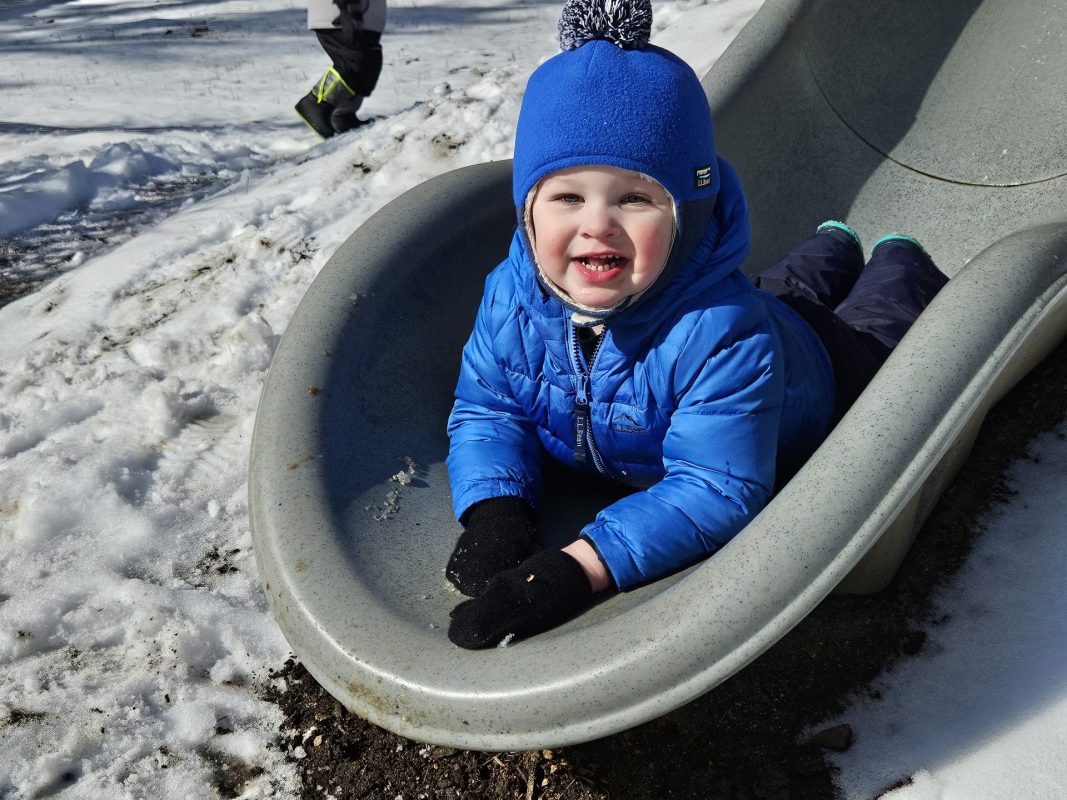
On another note, a new and thrilling addition to our classroom has been the new climbing structure with a taller slide and a swing. If you’re not familiar with the benefits of swinging for toddlers, it’s more than just fun! Swinging promotes physical exercise, enhances sensory integration, and improves balance. As children swing, they engage their vestibular system, which is essential for spatial orientation and coordination. It also provides proprioceptive input, fostering body awareness and control. The rhythmic motion has a calming effect, helping children relax and regulate their emotions. The children have been absolutely captivated by this new movement structure,  spending significant time climbing, sliding, and swinging with joy.

For our food-tasting activity this week, we introduced kale, and it was a resounding success! Every child enjoyed it, thanks to the magic of homemade kale chips. If you haven’t tried this yet, we highly recommend adding kale to your shopping list. Kale chips are easy to make and a wonderful way to introduce this nutritious vegetable to your family. Check the recipe shared by the Micas here.

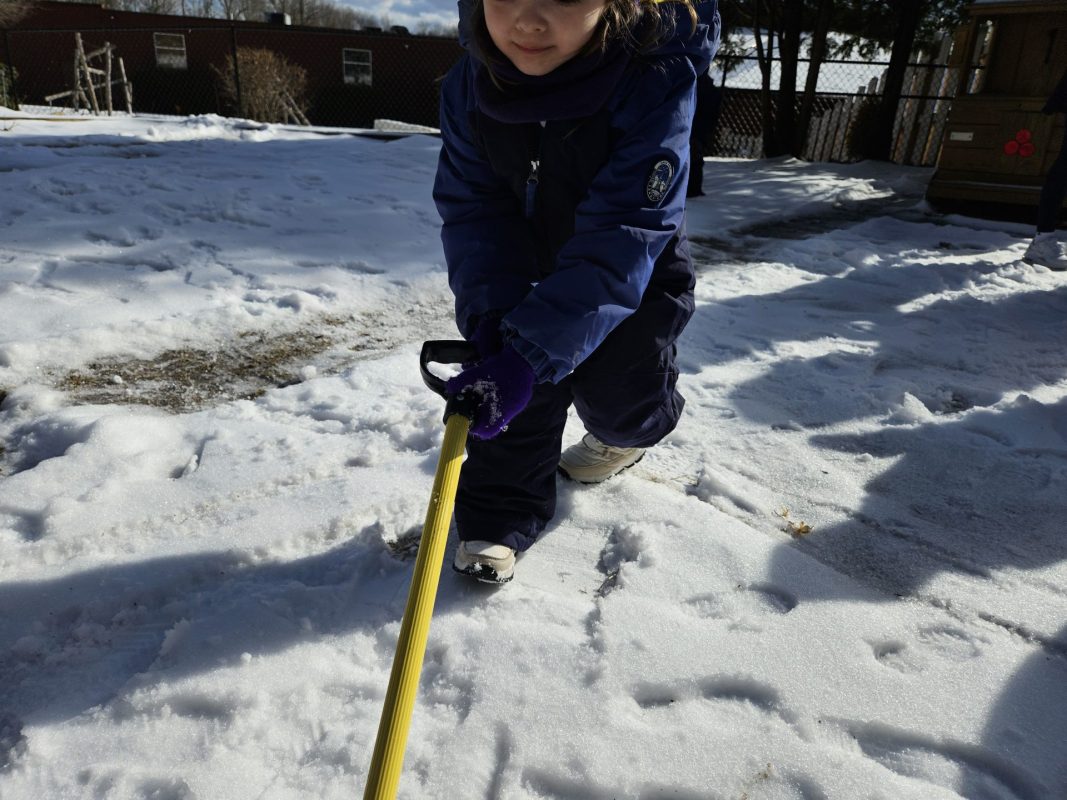
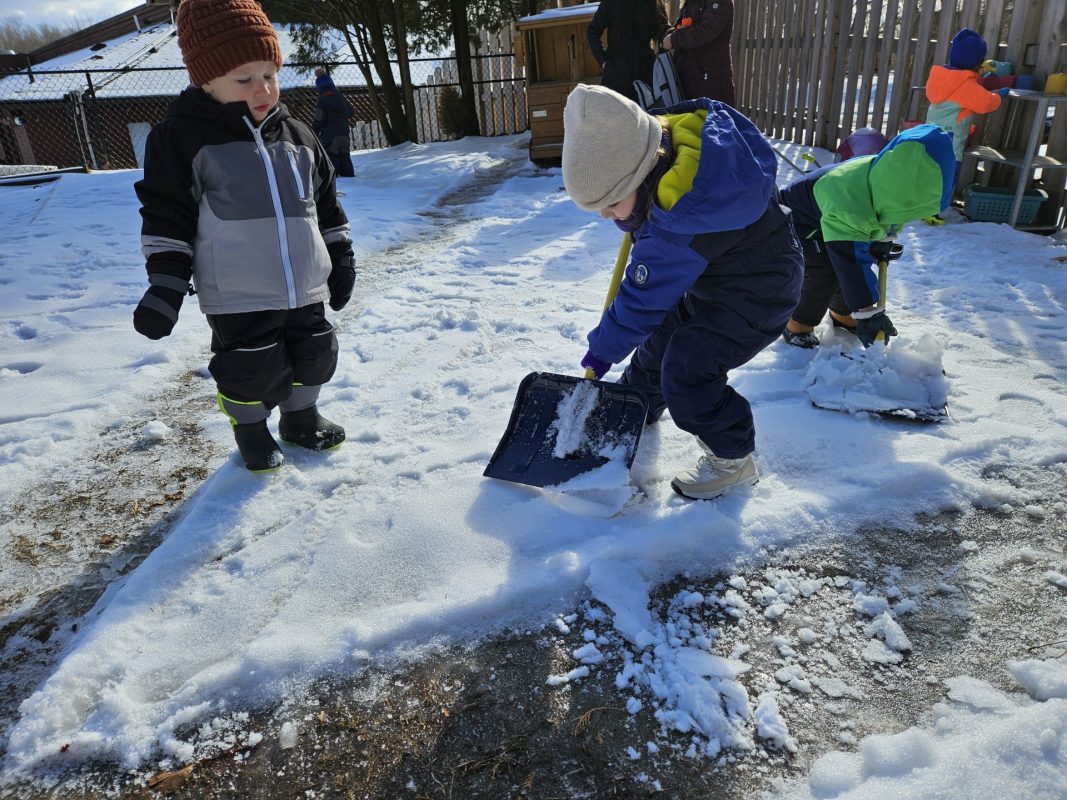
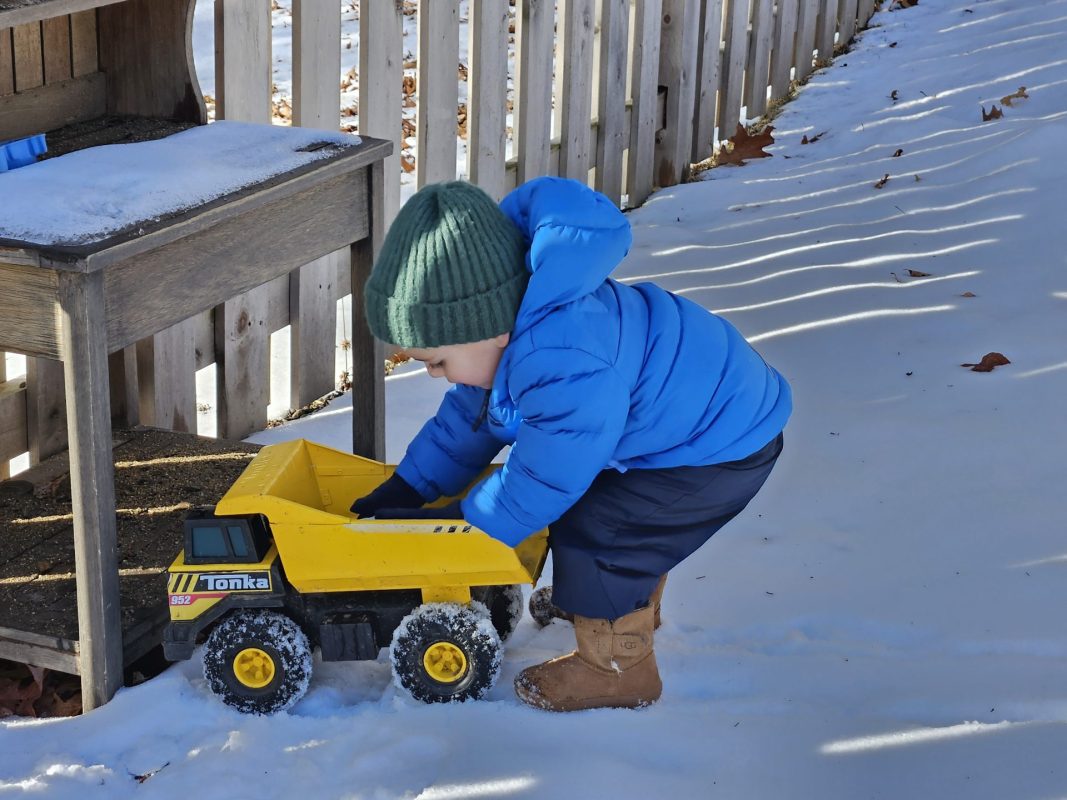
As we look forward to all the fun this month has in store, we’d like to share a gentle reminder to ensure your child has the necessary winter outdoor gear. Please send snow pants, waterproof mittens with mitten clips, snow boots, a winter hat, and a jacket in a labeled reusable bag. These items will allow your child to fully enjoy outdoor play while staying warm and comfortable.

We are so excited to continue this winter journey with your children and can’t wait to share more wonderful experiences in the coming weeks. Thank you for your continued support and partnership.

Warmly,

Mrs. Hood and Ms. Patty


Ms. Handibode’s Happenings: A Normalized Classroom

“Social grace, inner discipline, and joy. These are the birthright of the human being who has been allowed to develop essential human qualities.”  Maria Montessori

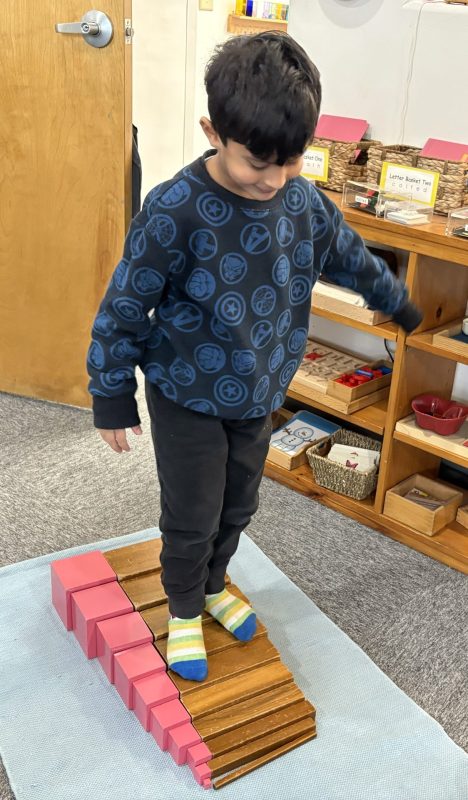
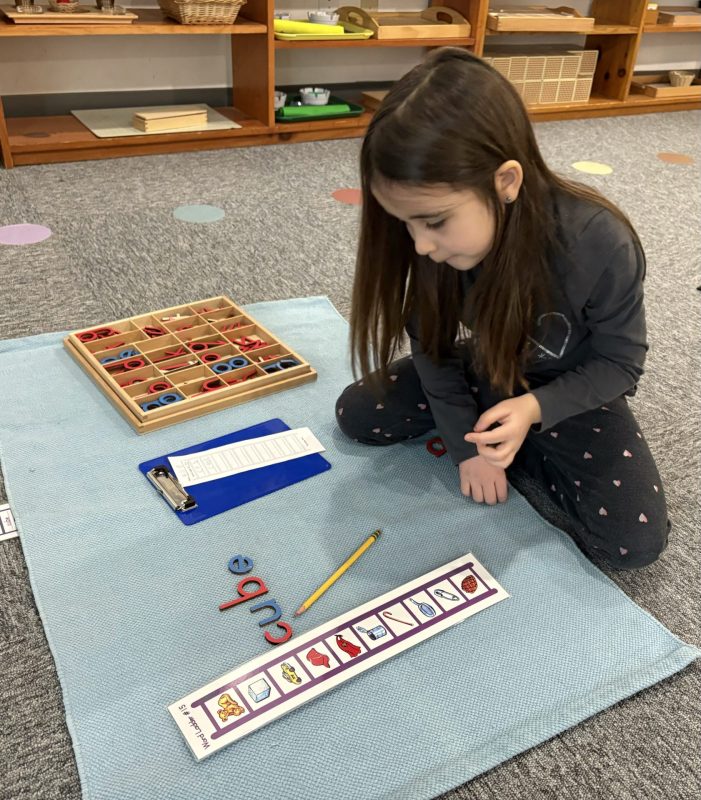
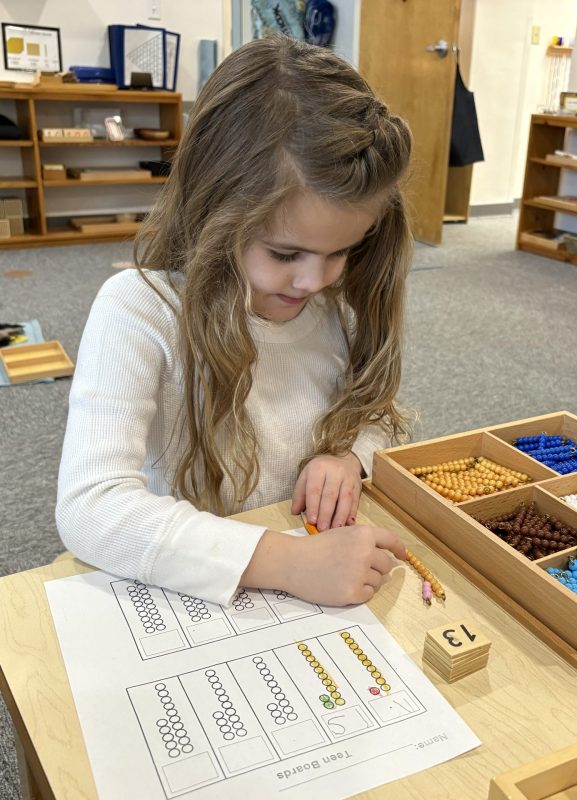
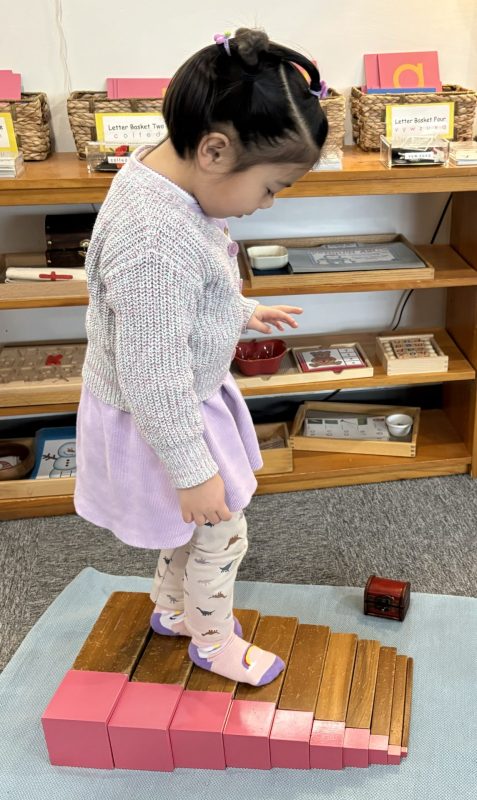
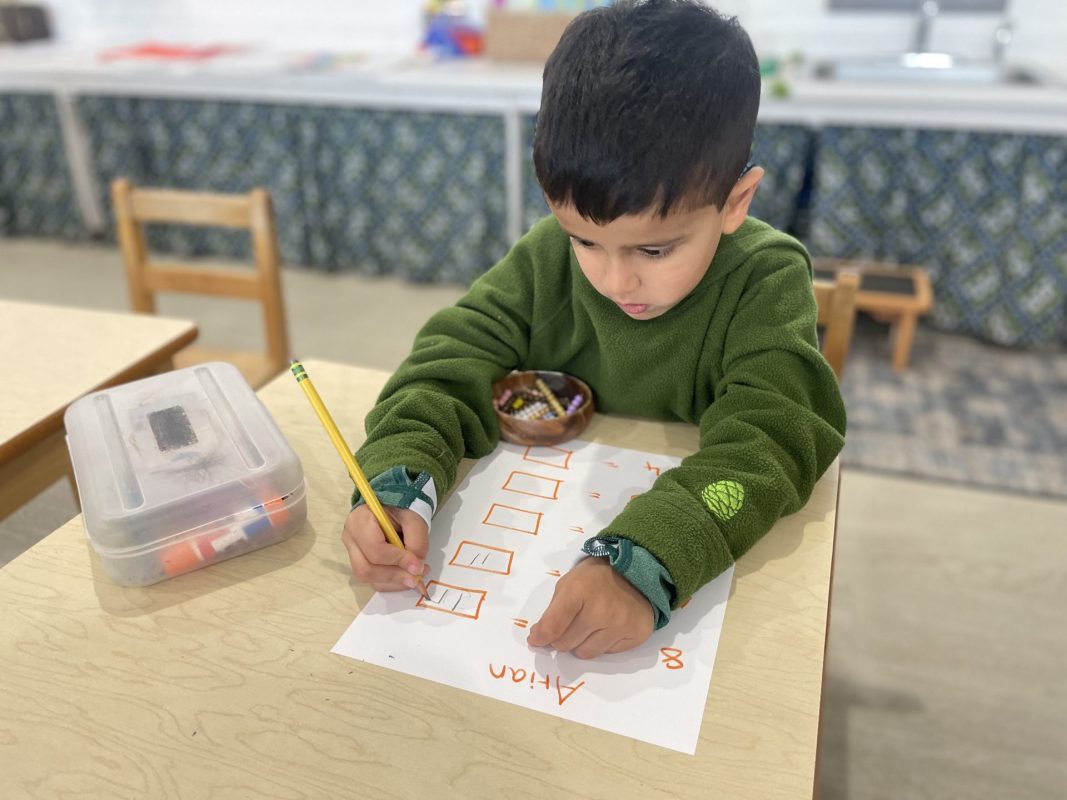
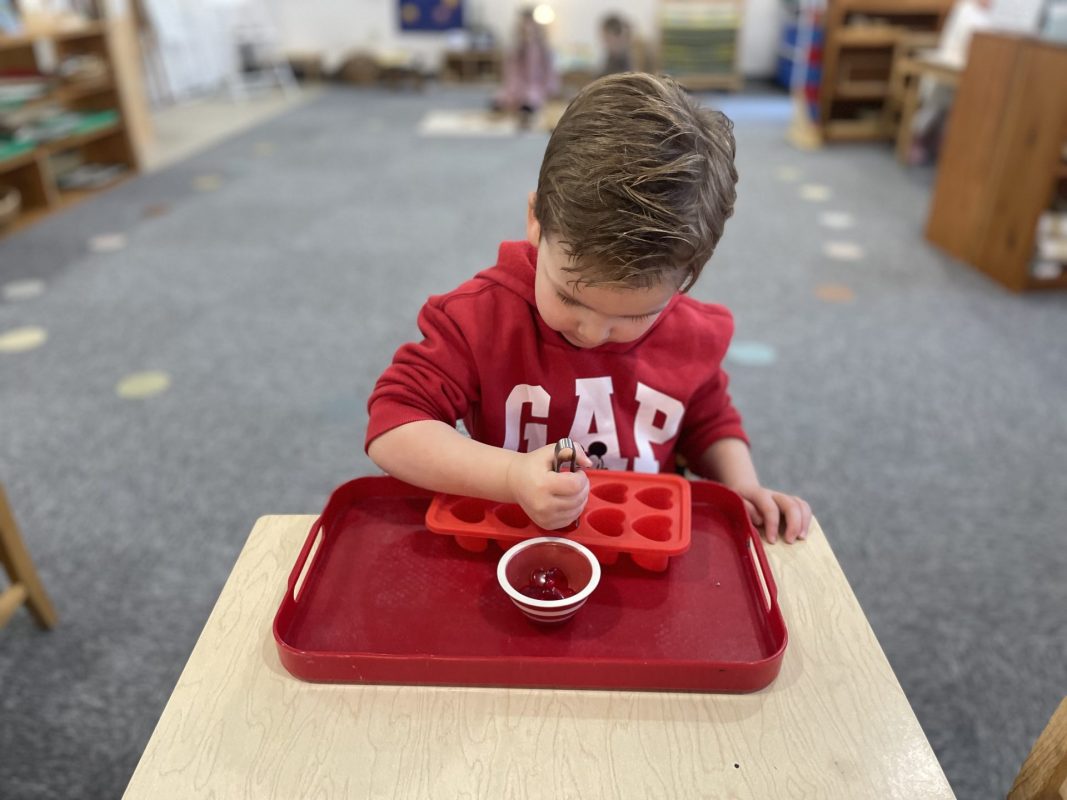
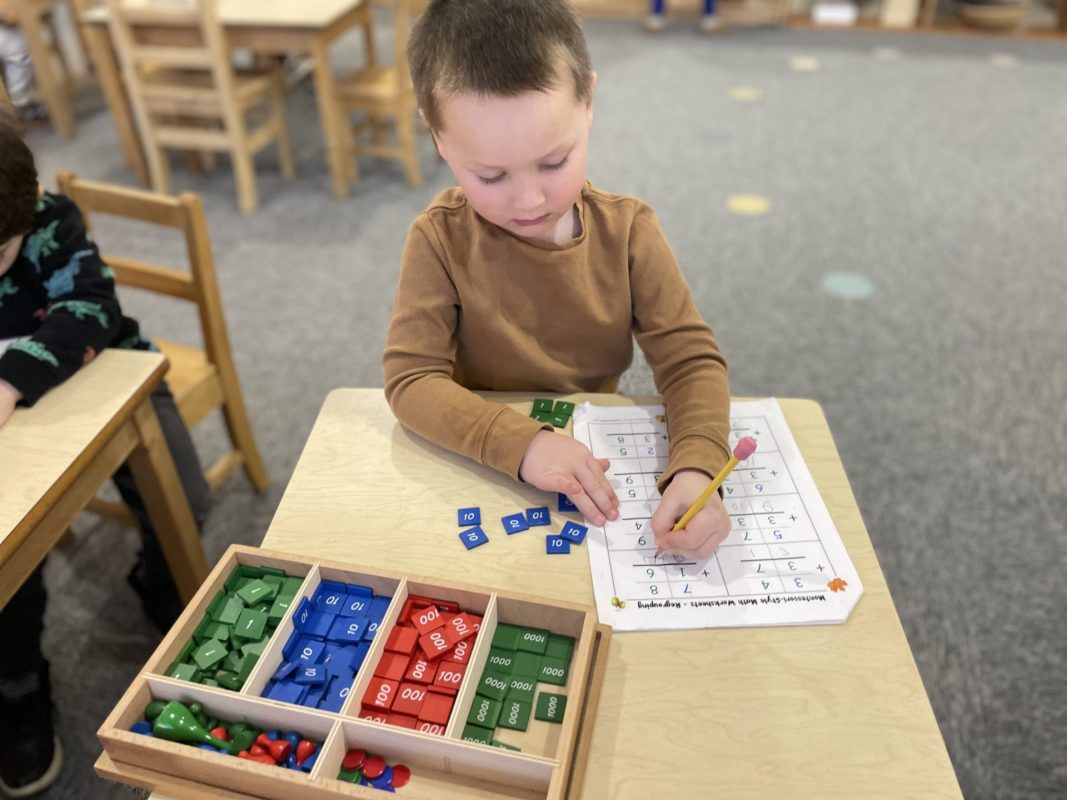
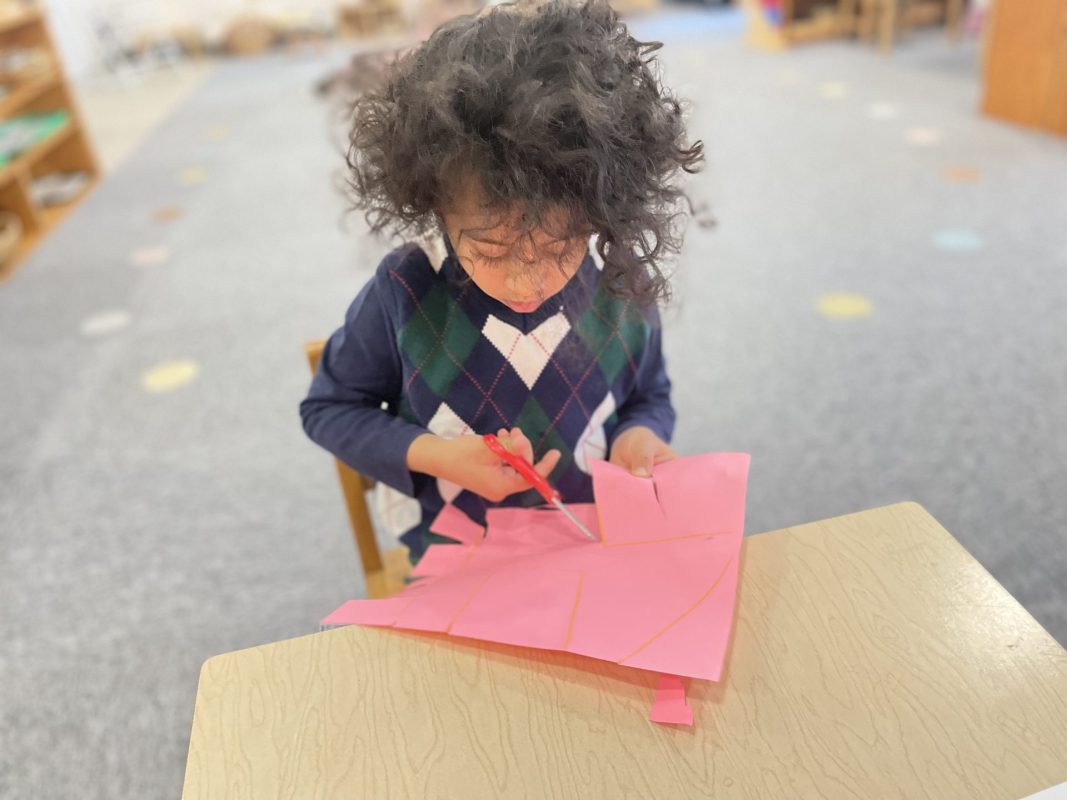
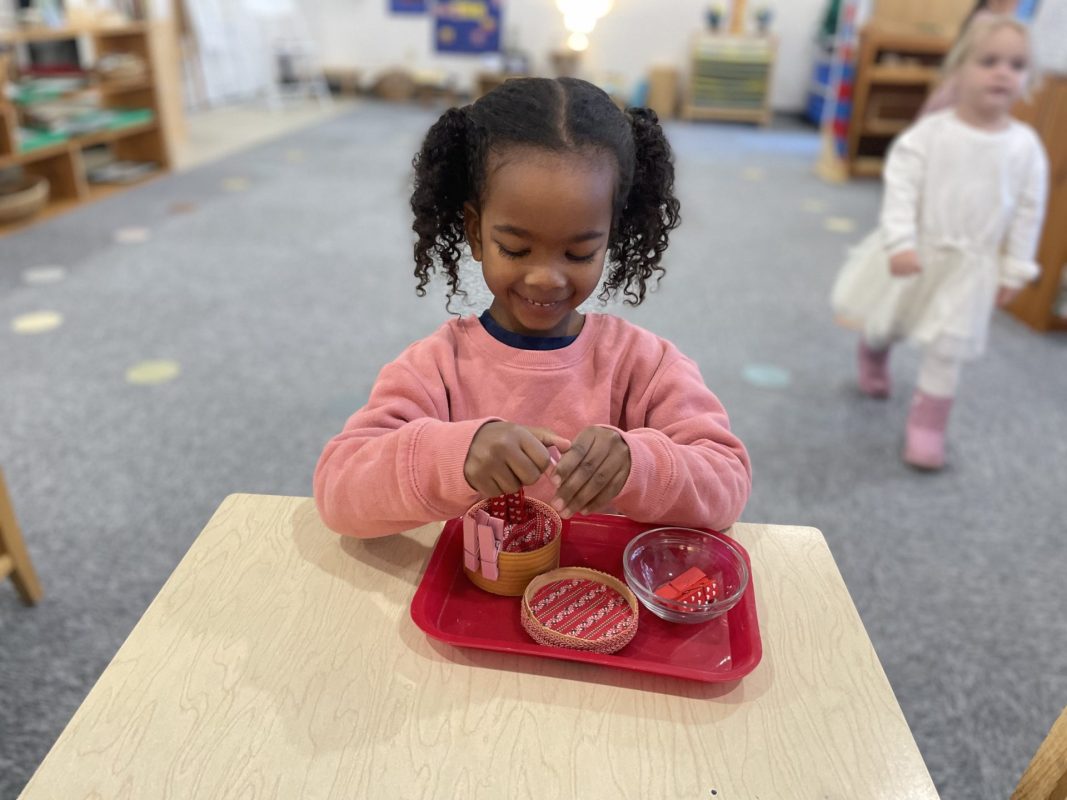
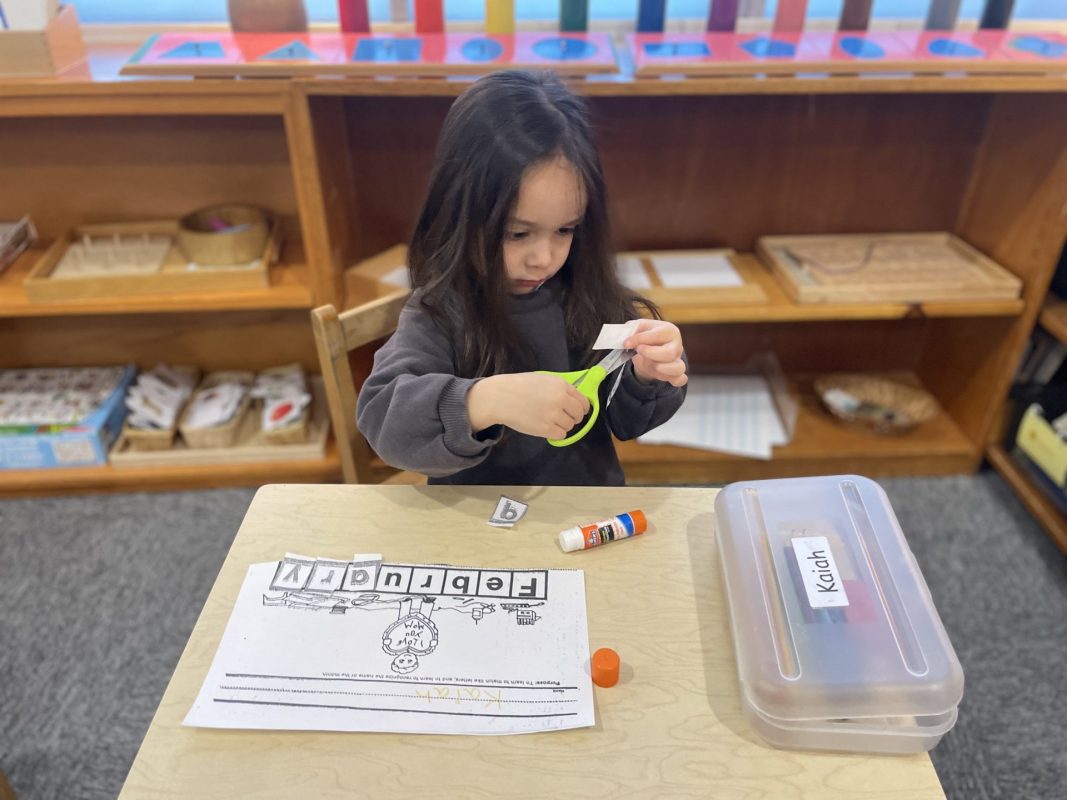
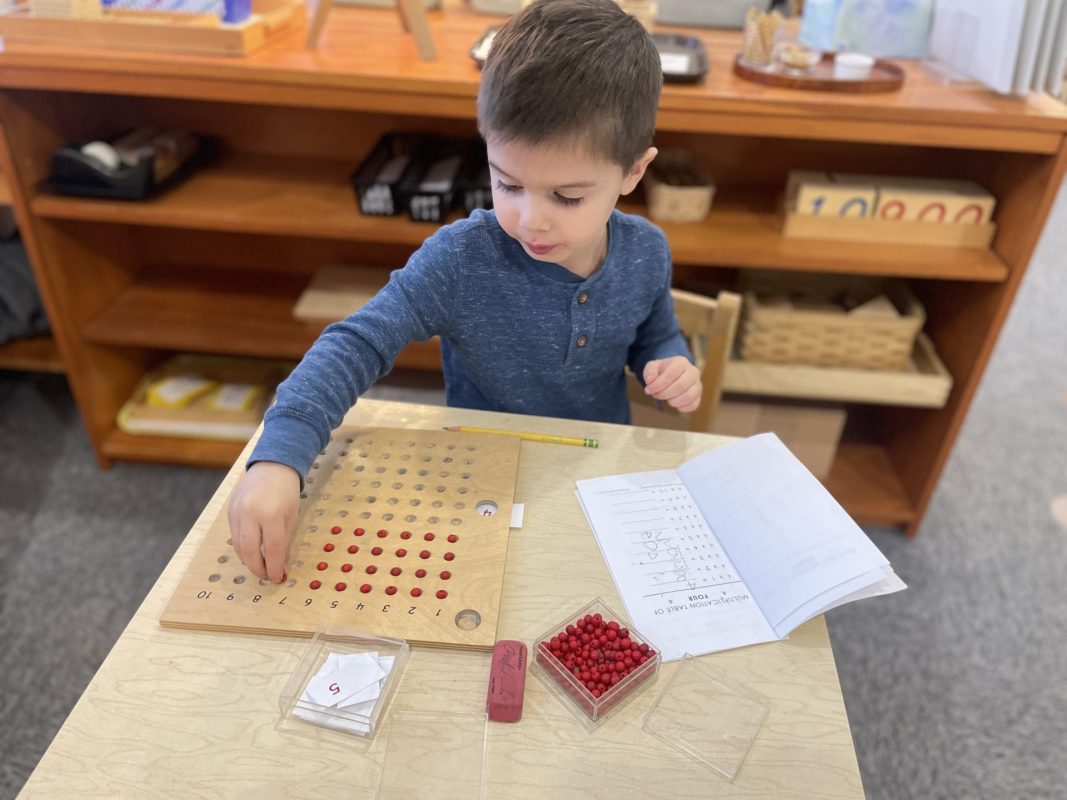
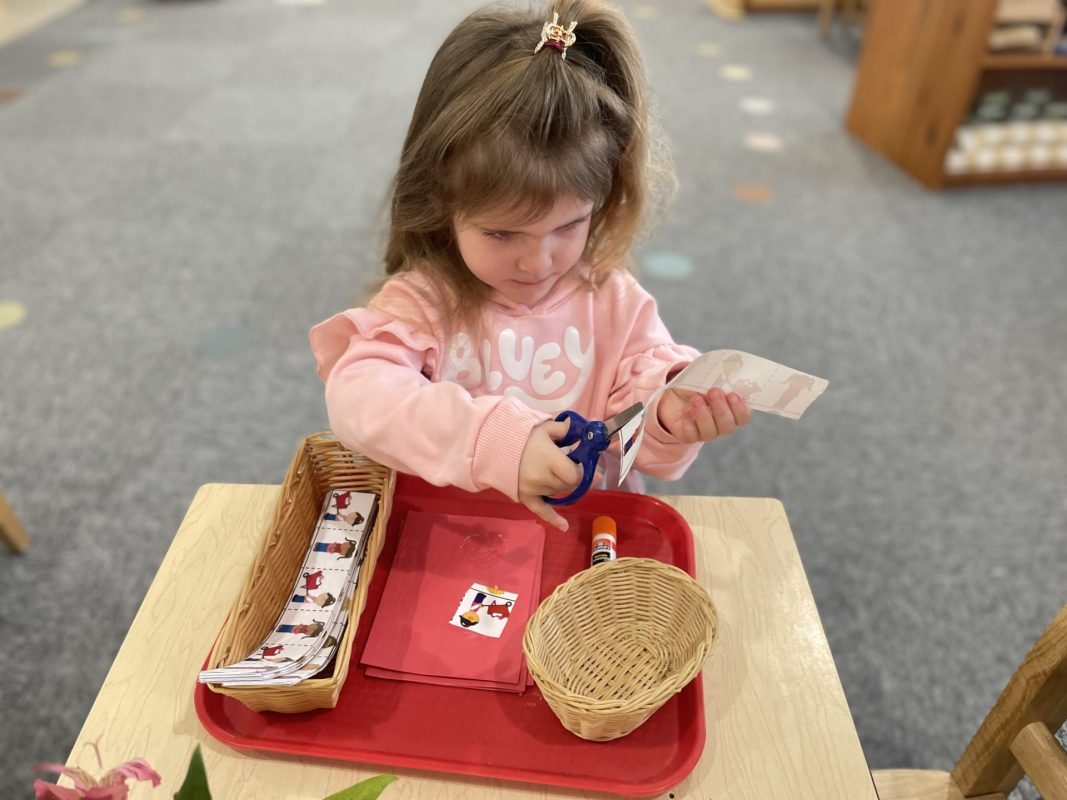
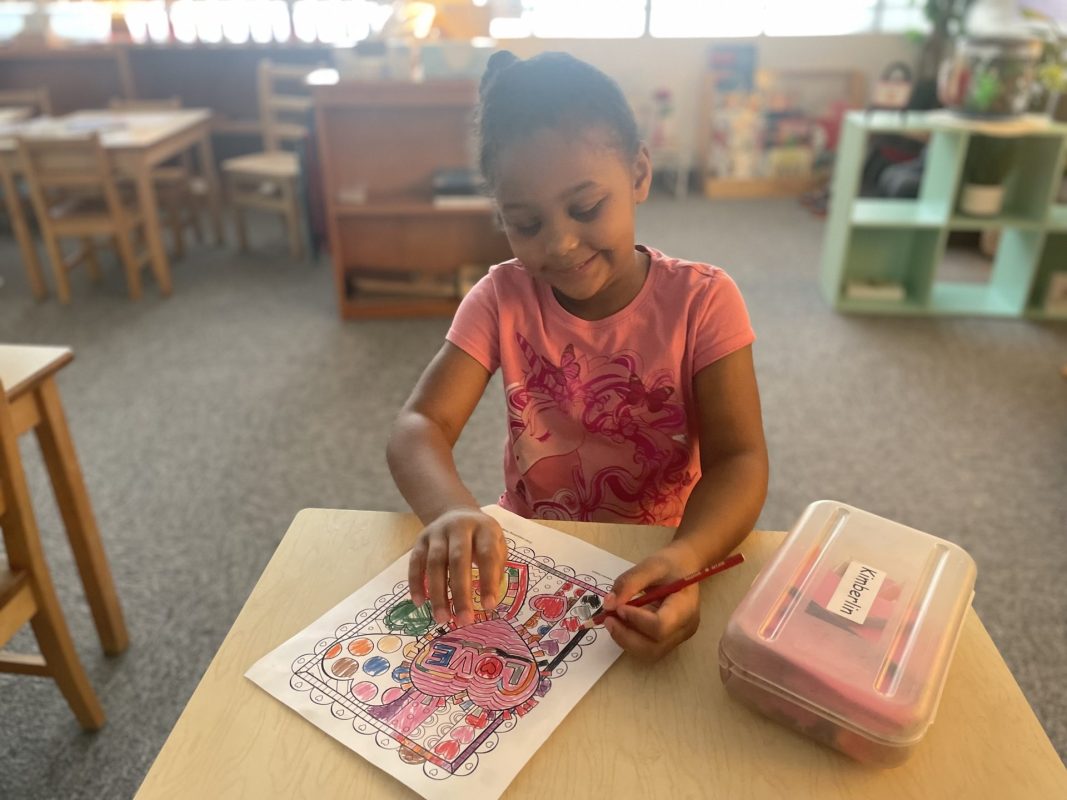
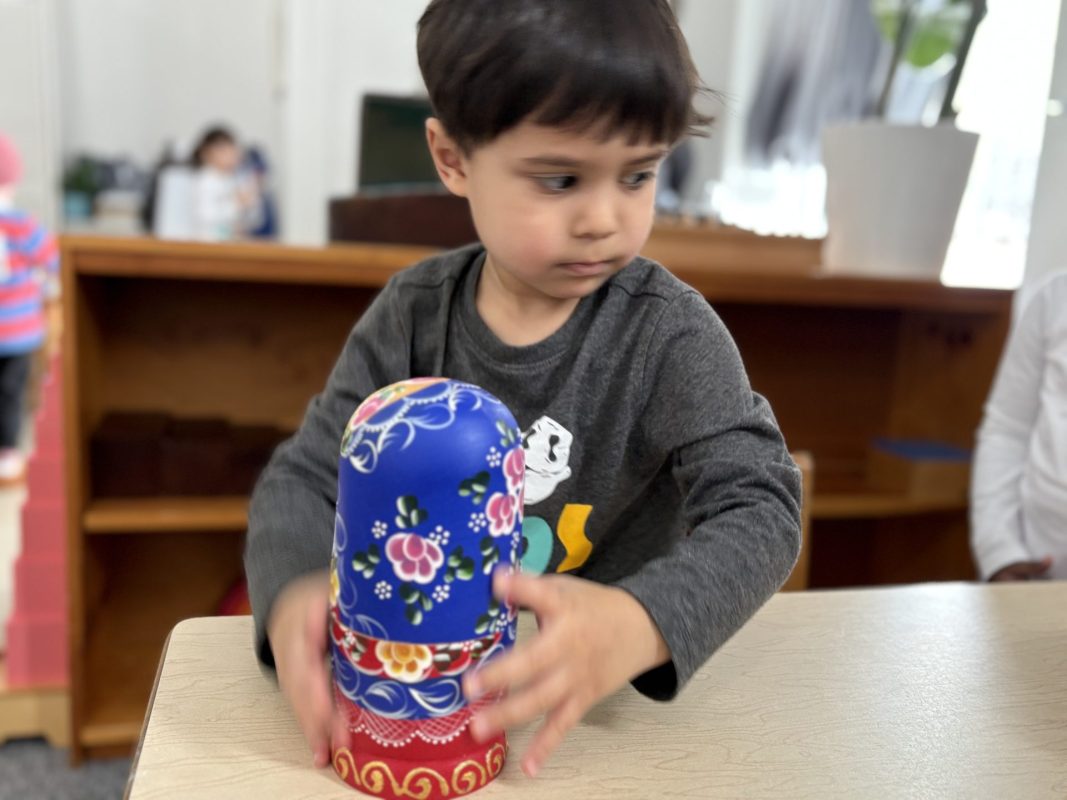
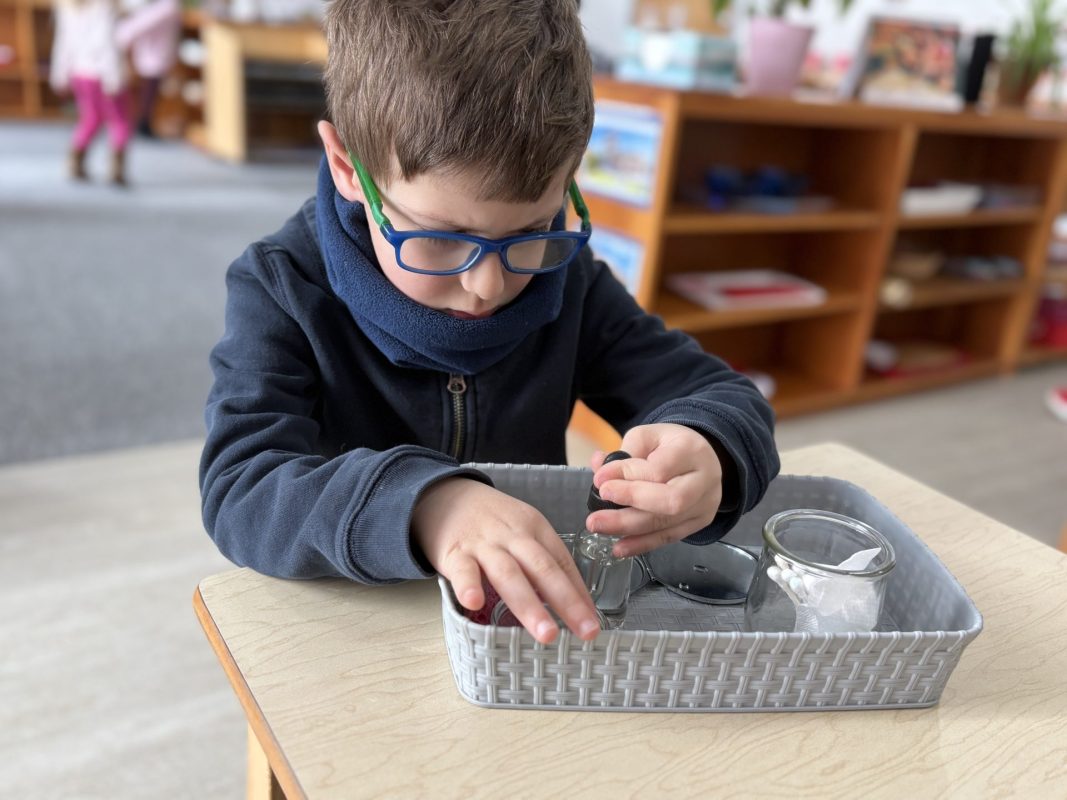
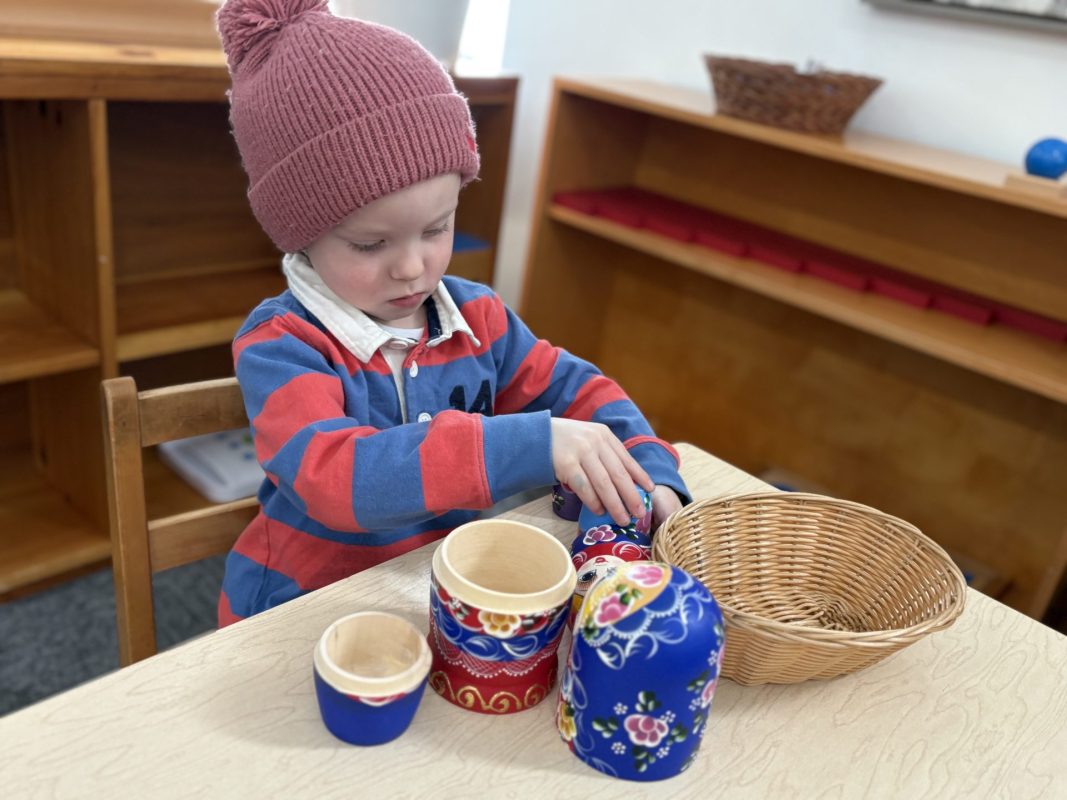
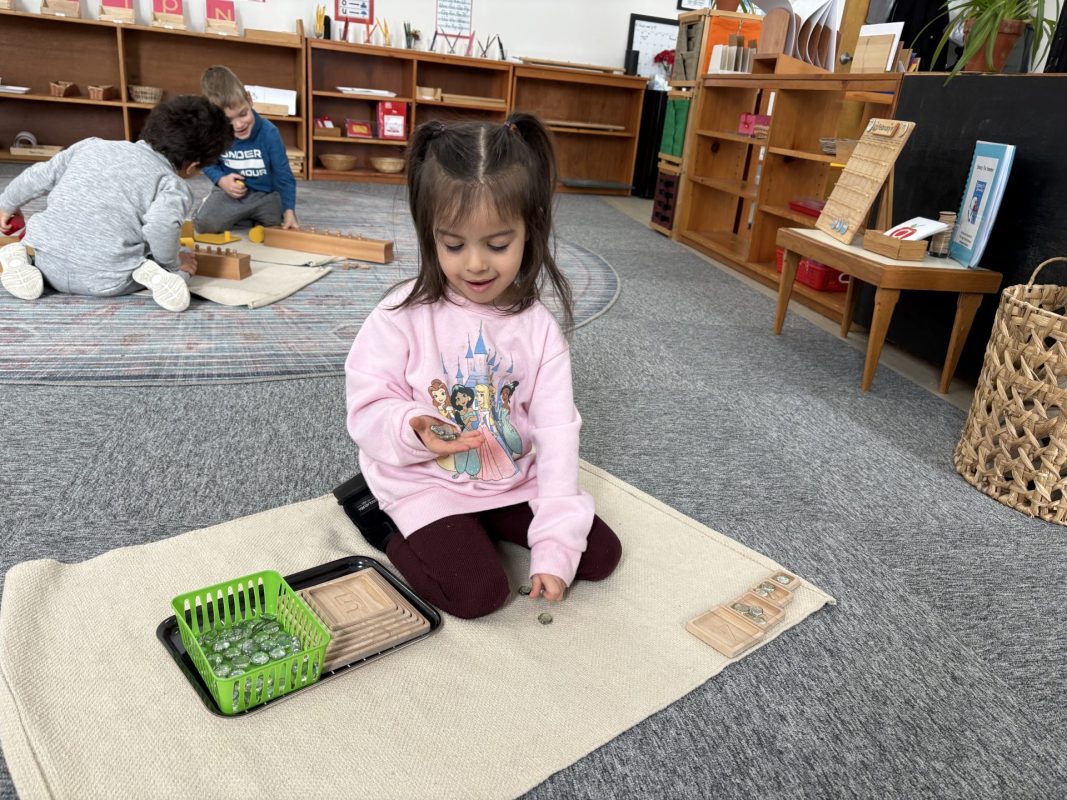
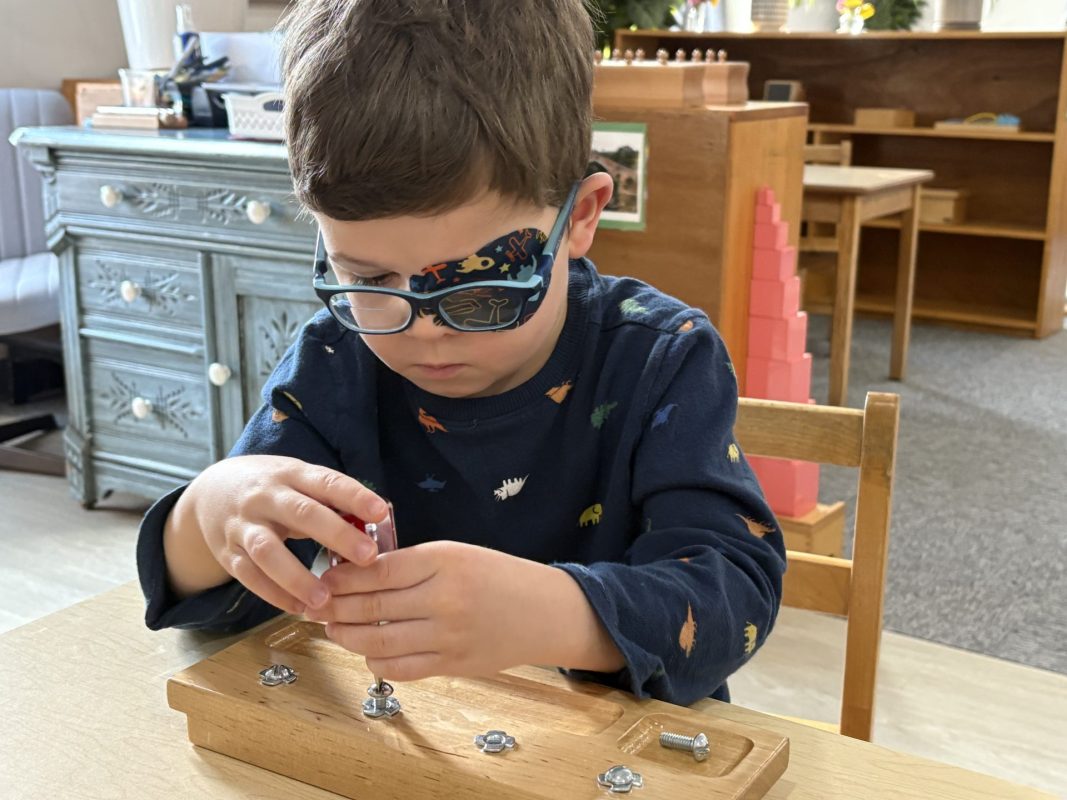
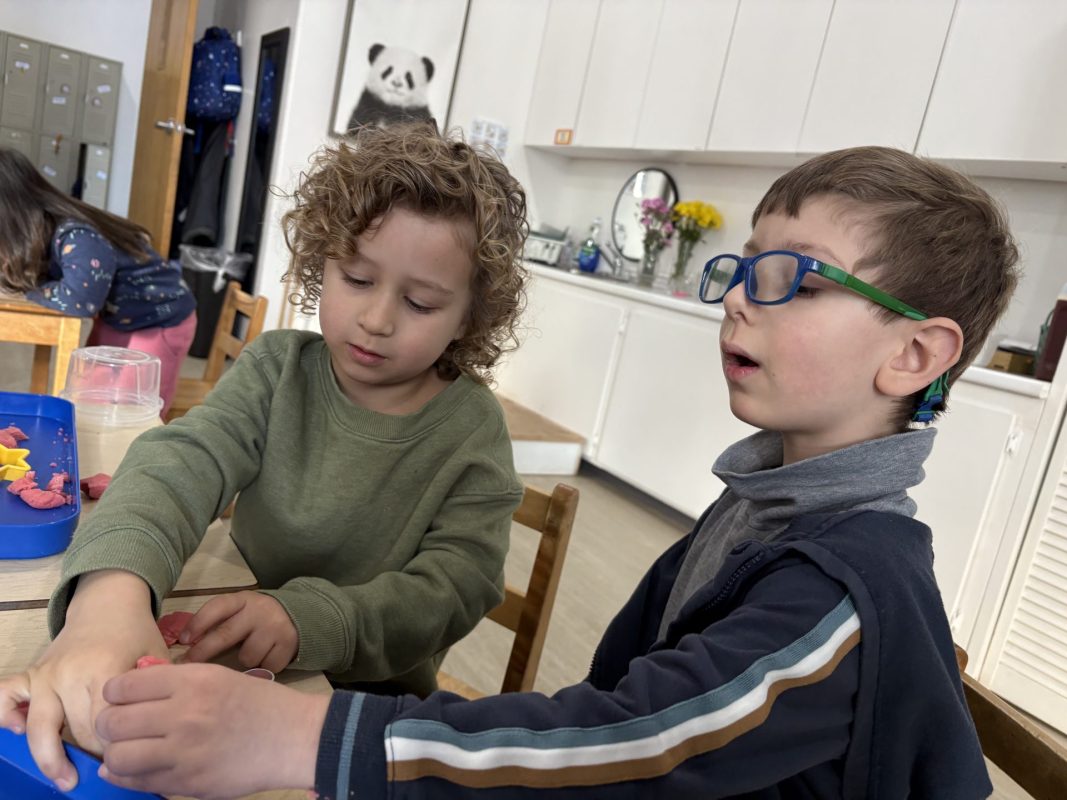
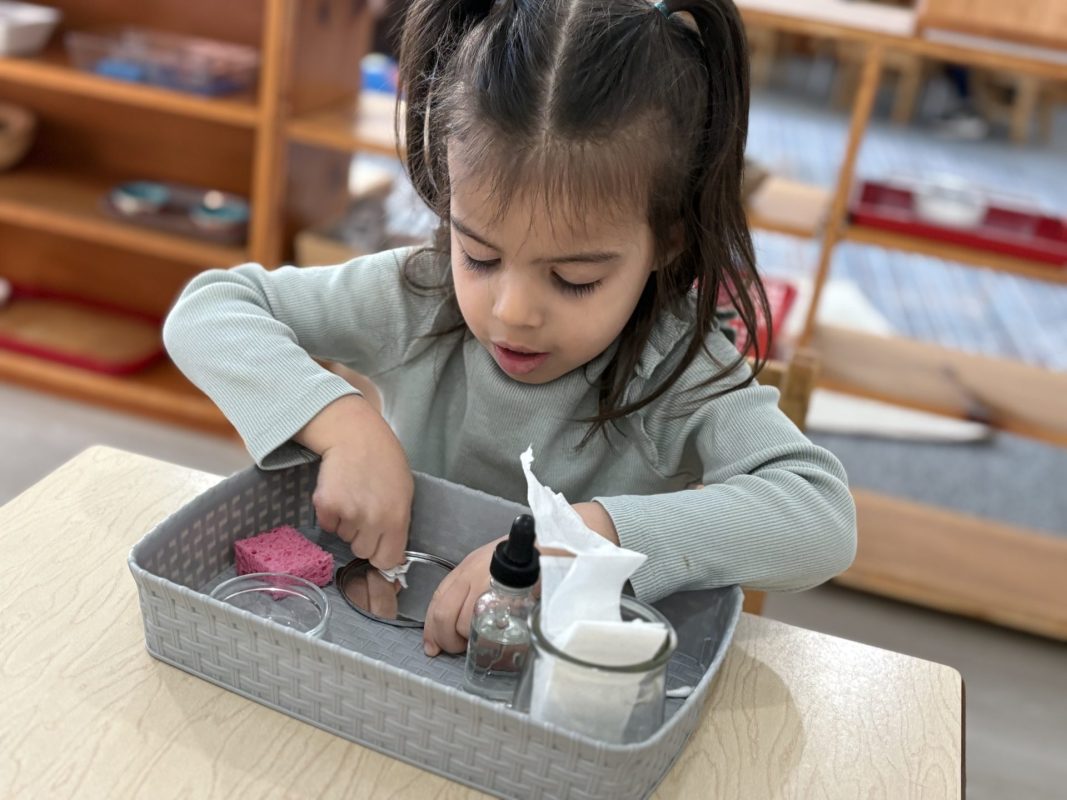
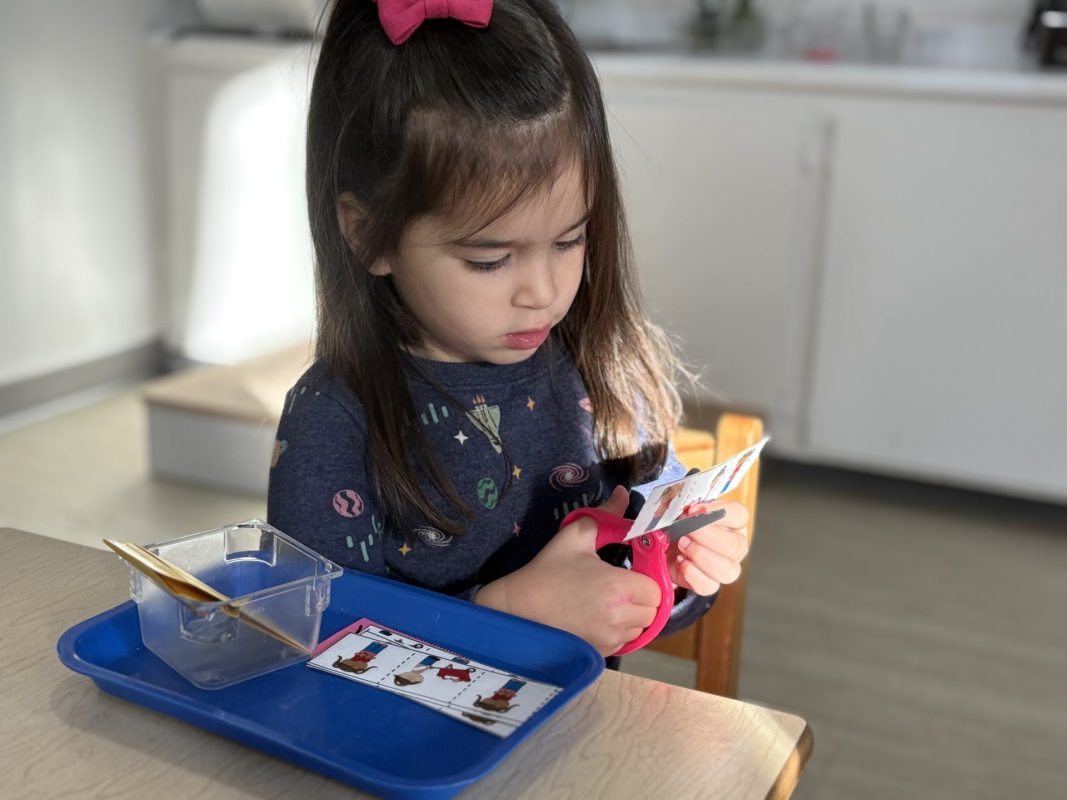
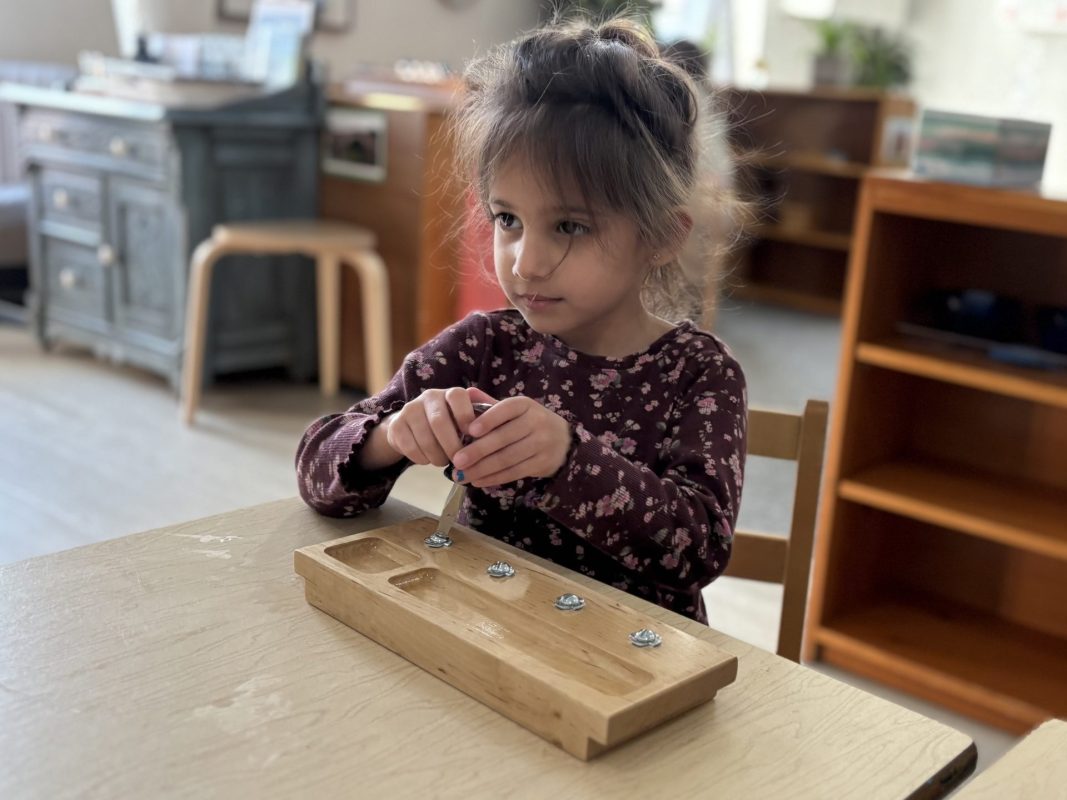
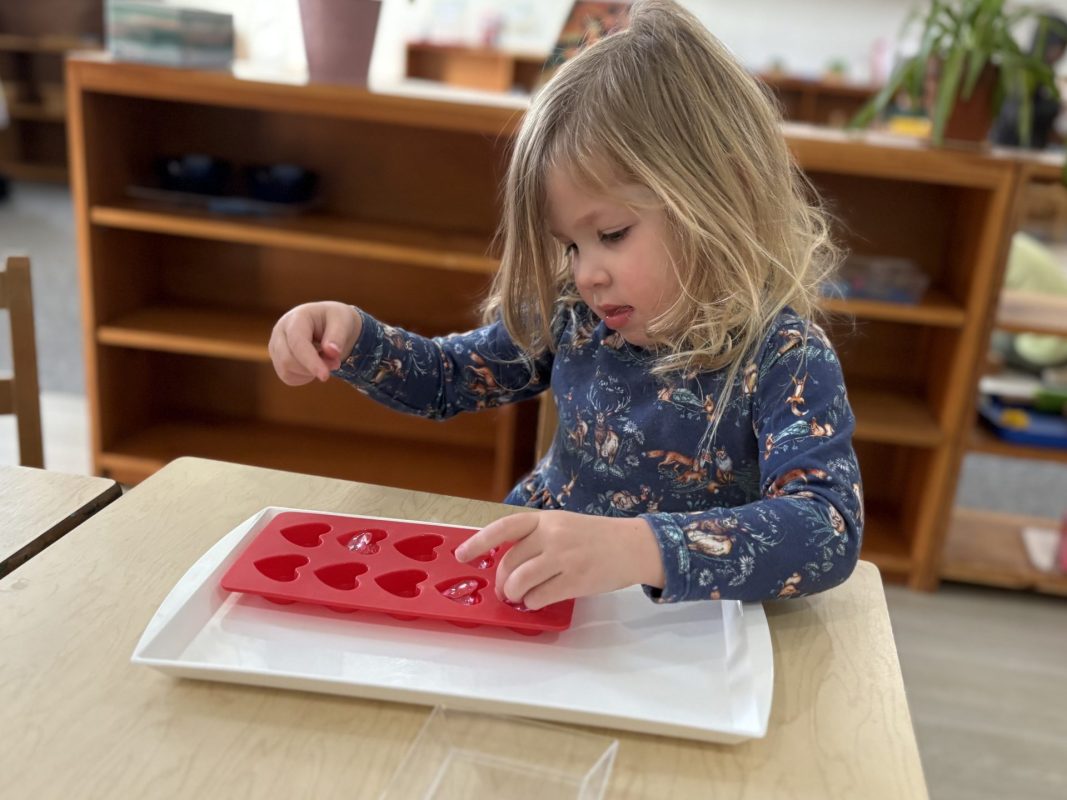
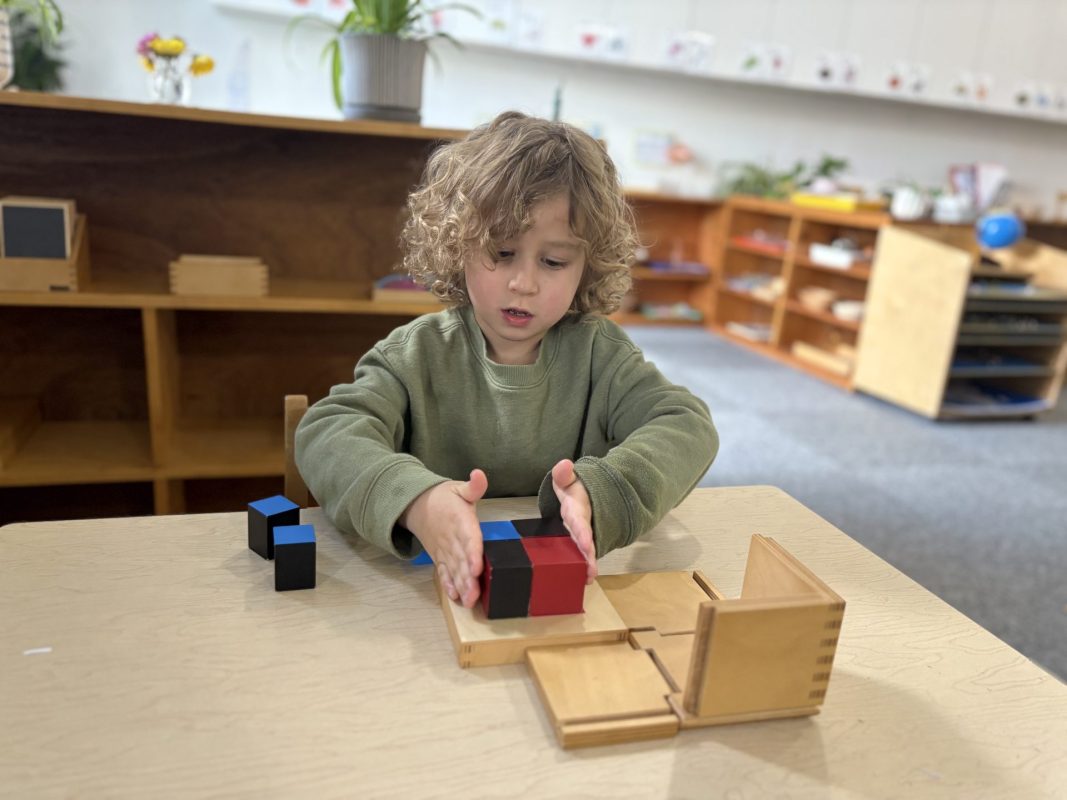
Normalization is a buzzword often used by Montessori teachers everywhere. So, what exactly does it mean, and more importantly, how do we achieve it? When children in a Montessori environment demonstrate deep concentration, self-discipline, social skills, and a true love of work, we describe this as a normalized classroom. Normalization is achieved by consistent and clear ground rules that everyone is familiar with. It is our job to ensure the environment is always well-prepared and designed to meet the needs of the children. As Montessori teachers, we are confident that if we do our job well and the children are free to experience the opportunities provided by the environment and Montessori materials, they will thrive.

After the winter break and upon our return in January, we often see noticeable growth in the children’s social and emotional development. They come back eager to learn and raring to go! In the first half of the year, they have become comfortable and confident with our classroom routines and expectations. They have developed deeper relationships with their peers and teachers. It is always an exciting time and sets the groundwork for the second half of the school year.

Wishing everyone a 2025 filled with much peace and love.

Michelle & Maria


Mrs. Lopes: A Look at Our Week


“Social grace, inner discipline, and joy. These are the birthright of the human being who has been allowed to develop essential human qualities.” 
Maria Montessori

Normalization is a buzzword often used by Montessori teachers everywhere. So, what exactly does it mean, and more importantly, how do we achieve it? When children in a Montessori environment demonstrate deep concentration, self-discipline, social skills, and a true love of work, we describe this as a normalized classroom. Normalization is achieved by consistent and clear ground rules that everyone is familiar with. It is our job to ensure the environment is always well-prepared and designed to meet the needs of the children. As Montessori teachers, we are confident that if we do our job well and the children are free to experience the opportunities provided by the environment and Montessori materials, they will thrive.

After the winter break and upon our return in January, we often see noticeable growth in the children’s social and emotional development. They come back eager to learn and raring to go! In the first half of the year, they have become comfortable and confident with our classroom routines and expectations. They have developed deeper relationships with their peers and teachers. It is always an exciting time and sets the groundwork for the second half of the school year.

Wishing everyone a 2025 filled with much peace and love.

Amanda & Hema


Mrs. Sargeant: A Peek at the Week

“Social grace, inner discipline, and joy. These are the birthright of the human being who has been allowed to develop essential human qualities.”  —Maria Montessori

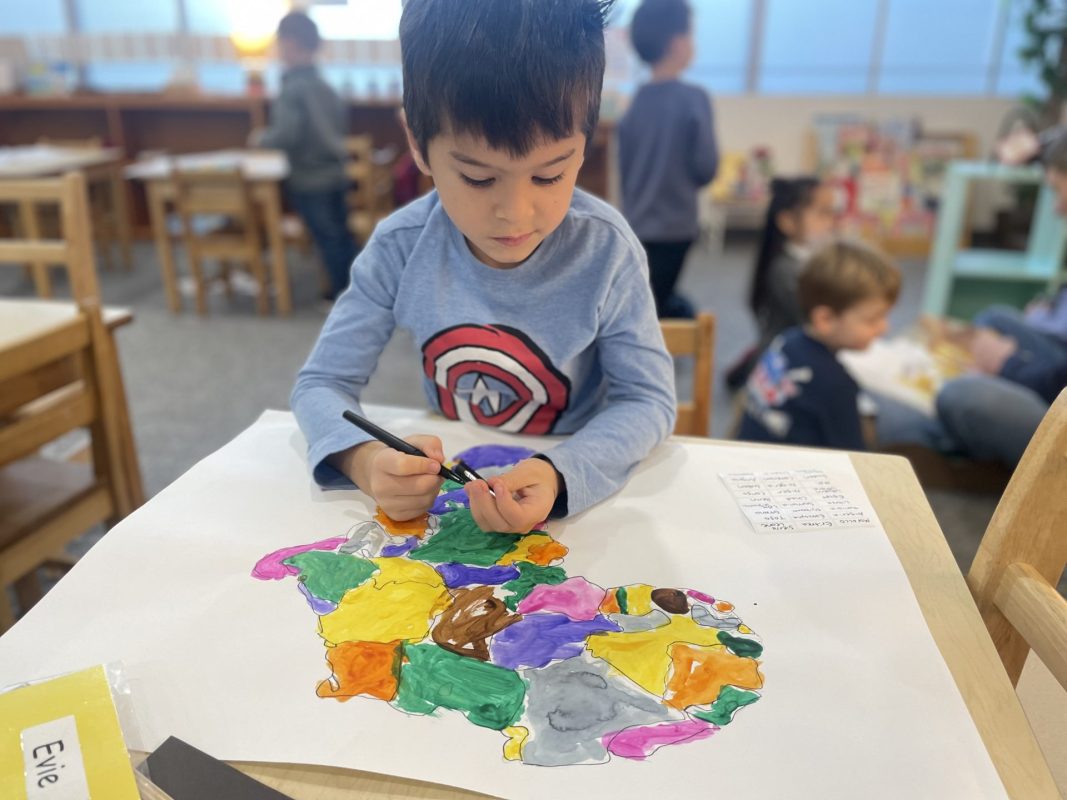
Normalization is a buzzword often used by Montessori teachers everywhere. So, what exactly does it mean, and more importantly, how do we achieve it? When children in a Montessori environment demonstrate deep concentration, self-discipline, social skills, and a true love of work, we describe this as a normalized classroom. Normalization is achieved by consistent and clear ground rules that everyone is familiar with. It is our job to ensure the environment is always well-prepared and designed to meet the needs of the children. As Montessori teachers, we are confident that if we do our job well and the children are free to experience the opportunities provided by the environment and Montessori materials, they will thrive.

After the winter break and upon our return in January, we often see noticeable growth in the children’s social and emotional development. They come back eager to learn and raring to go! In the first half of the year, they have become comfortable and confident with our classroom routines and expectations. They have developed deeper relationships with their peers and teachers. It is always an exciting time and sets the groundwork for the second half of the school year.

It was an exciting week back as we welcomed a new friend into our class. We also enjoyed listening to Aira’s dad read about Hanukkah, in addition to another fun book he brought. Finally, we celebrated a friend’s 4th birthday – and especially loved seeing his baby pictures!

Wishing everyone a 2025 filled with peace and love.

Christine & Fatima


Mrs. Wilson: Happy New Year!

Happy New Year, Everyone!

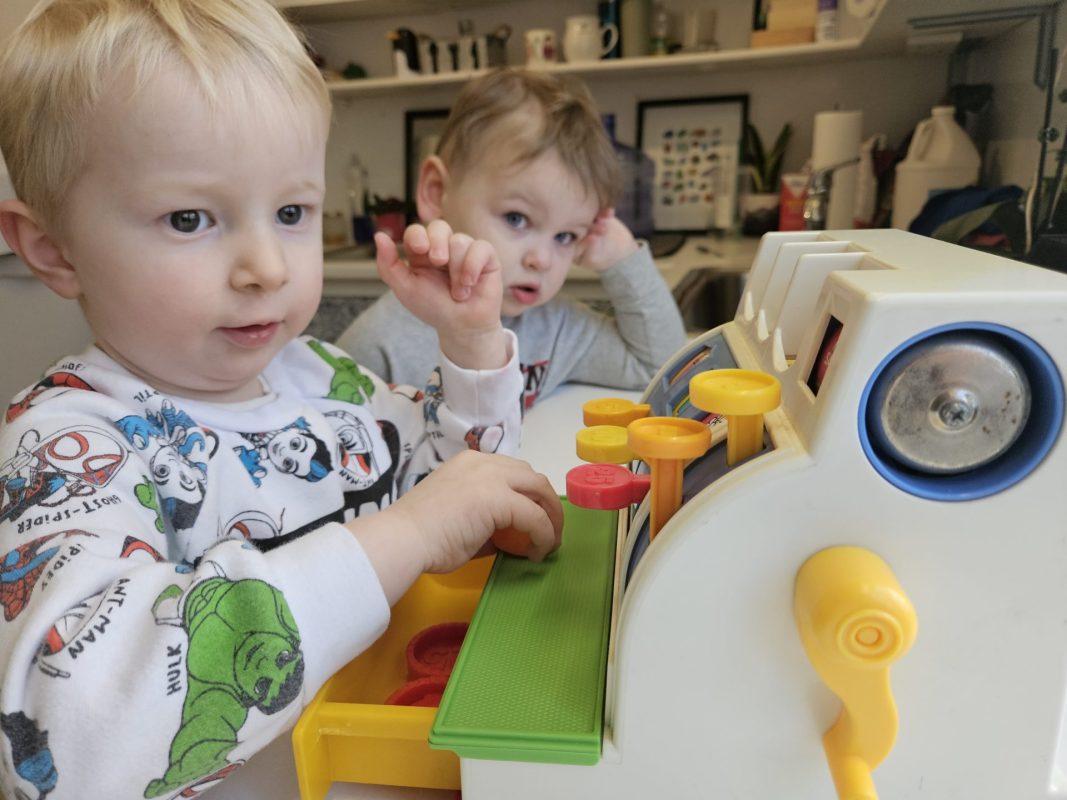
Over the years of working with toddlers, I’ve come to cherish the return from a two-week break. Initially, we worried that the children might struggle to transition back into the environment they had grown to trust or face challenges separating from their parents. However, we’ve learned that the reality is often quite the opposite.

It’s a heartwarming experience to see how much the children have missed their peers and teachers, as well as how quickly they remember their routines. The break also offers a wonderful opportunity to observe how much they have grown—not just physically but also developmentally. Their progress during this time is a beautiful reminder of the incredible potential and resilience of young children.

This January, the children will dive into the theme of Winter Weather. They will explore the types of weather we experience during this season, the clothing we wear to stay warm, and the fun activities we can enjoy in winter. In addition, we will be learning about Arctic animals and their unique adaptations to cold climates.

Our food-tasting activity this week featured a juicy and delicious ruby red grapefruit. The children thoroughly enjoyed this sweet and tangy citrus treat!

We are looking forward to a fantastic month filled with learning, discovery, and wintertime fun!

Love and Light,

Cynthia and Sara


Exploring Nature in Lower Elementary

This week, our Montessori students are diving into exciting lessons about reptiles and plants!

    • First Grade: Our youngest learners are studying the external features of turtles. They’re observing the hard shells that protect their bodies, the webbed feet that help some species swim, and the scales covering their skin. Through models and illustrations,  students are building their scientific vocabulary and sharpening their observation skills.
    • Second Grade: Second graders are delving deeper into the body functions of turtles. They’re exploring how turtles breathe using their lungs, regulate their body temperature as cold-blooded animals, and move in water and on land. Hands-on activities and discussions help students connect these functions to how turtles survive and adapt in the wild.
    • Third Grade: Shifting to plants, our third graders are studying the parts and functions of ferns. They’re learning to identify fronds, stems, and spores while exploring how ferns photosynthesize to create energy, reproduce through spores, and adapt to various environments. By examining fern specimens, they develop a deeper appreciation for plant life.

These lessons spark curiosity, deepen understanding, and connect students with the natural world. Families can join the fun by exploring reptiles and ferns in books, nature shows, or outdoor adventures.


Ms. Marissa: Weekly Update

“Social grace, inner discipline, and joy. These are the birthright of the human being who has been allowed to develop essential human qualities.”  —Maria Montessori

Normalization is a buzzword often used by Montessori teachers everywhere. So, what exactly does it mean, and more importantly, how do we achieve it? When children in a Montessori environment demonstrate deep concentration, self-discipline, social skills, and a true love of work, we describe this as a normalized classroom. Normalization is achieved by consistent and clear ground rules that everyone is familiar with. It is our job to ensure the environment is always well-prepared and designed to meet the needs of the children. As Montessori teachers, we are confident that if we do our job well and the children are free to experience the opportunities provided by the environment and Montessori materials, they will thrive.

After the winter break and upon our return in January, we often see noticeable growth in the children’s social and emotional development. They come back eager to learn and raring to go! In the first half of the year, they have become comfortable and confident with our classroom routines and expectations. They have developed deeper relationships with their peers and teachers. It is always an exciting time and sets the groundwork for the second half of the school year.

We have started our study on frogs and amphibians this month! The children were amazed that “baby frogs,” aka tadpoles, looked so differently from their adult counterparts!


Middle School: Week in Review

Welcome to 2025, Middle School families! We hope you had a nice new year an are excited for what’s to come in 2025.

Here are some dates to keep in mind:

  • Friday, 1/17: Math Carnival in the Gym from 1:30-2:30 pm
  • Tuesday, 1/21- Thursday, 1/30: Middle School Immersion
  • Thursday, 1/30: Middle School Play at 7 pm in the Gym

Math

This has been an exciting week for Middle School math! Students returned from the break eager and refreshed and jumped right into a unit on Probability. Students discovered the difference between theoretical and experimental probability. They calculated the theoretical probability of choosing each color of an M&M and then took data of which color M&M they drew from the bag to calculate the experimental probability. Students worked diligently all week to brainstorm an idea for their own probability game, created a blueprint, and then worked to create the physical game. The Math Carnival will take place on Friday, January 17th, and students cannot wait to put their games to the test.

Humanities

In Humanities classes this week, students worked together to write the plot for this year’s Middle School play. The overarching idea for this full-length play is first decided by the 8th-grade class. This year, the play is about a solved mystery about an object in a museum and the backstory to this object. Then, students created a plot line with the skeleton of the play and scene-by-scene summaries. Next, they developed their characters. This involved writing their personality traits, any particular traits in appearance, an example of what they might say, and how their role contributes to the plot. Next, any relationships between characters are established. Finally, the classes began writing the scenes. Next week students will have the opportunity to write in mixed-grade groups as well as with their class. By next Friday, the script will be drafted!
Beginning on Tuesday, 1/21, the Middle School will spend most of the day immersing themselves in the play they wrote. They will create the set, gather/create props and costumes, block the scenes, and put on a final performance for you on Thursday, Jan. 30th, at 7 pm.


Science

6th grade:
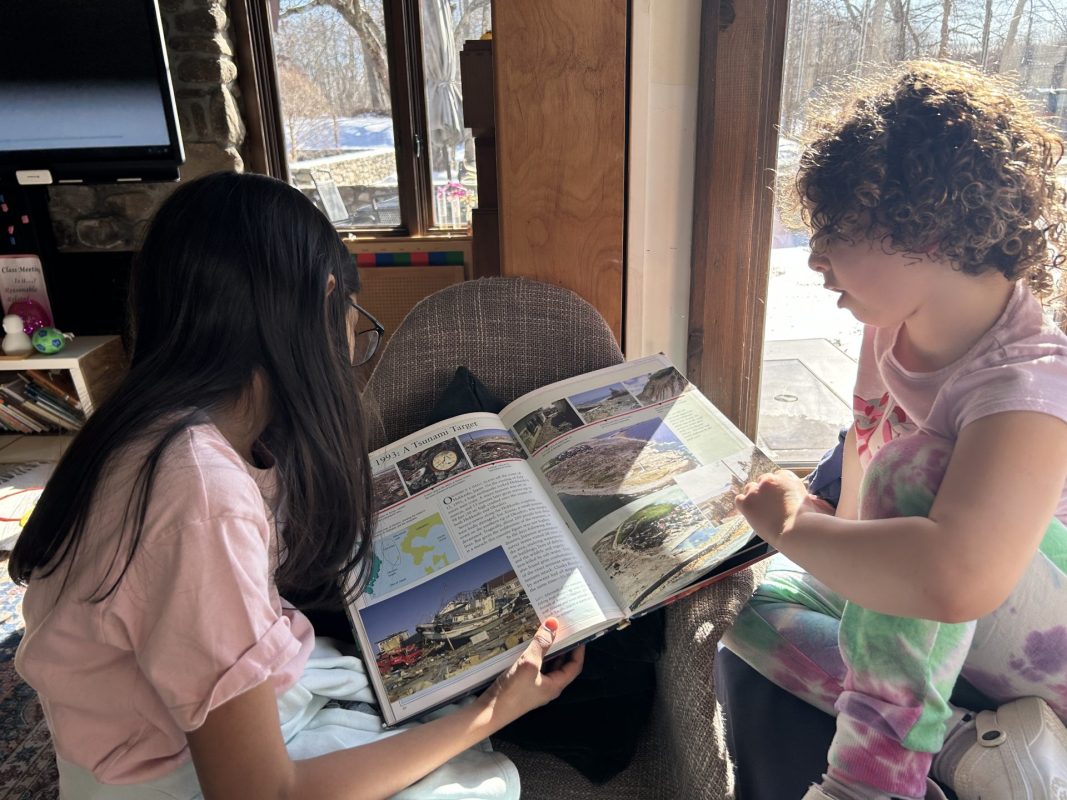
Students this week worked on further understanding earthquakes with the introduction of learning about seismic waves.  They looked at how the energy of an earthquake travels through Earth, what scales are used to measure the strength of an earthquake, and began discussing how scientists locate the epicenter of an earthquake.  Students are excited to begin a lab early next week using slinkies to see P waves, S waves, and surface waves in action. They will also learn how to calculate the epicenter of an earthquake using triangulation.
7th grade:
Students completed work constructing their molecules and posters for their molecule project this week.  The projects came out fantastically well, and every one of them was original, with unique creative design and construction.  Students will proudly display these 3D molecules and posters within the Science classroom as they use the information learned to move into the period table and atomic structure next week.
8th grade:
This week, students finished their work on cellular respiration and photosynthesis.  Students completed and hung their posters within the Science classroom and finished their work by writing formal lab reports for the experiments they conducted showing the relationship between photosynthesis and cellular respiration.  Next week, the class will begin working on cell division.  This will be their last subunit on cells before moving into genetics.