Blog

Mrs. Wilson: Hello Lovely February!

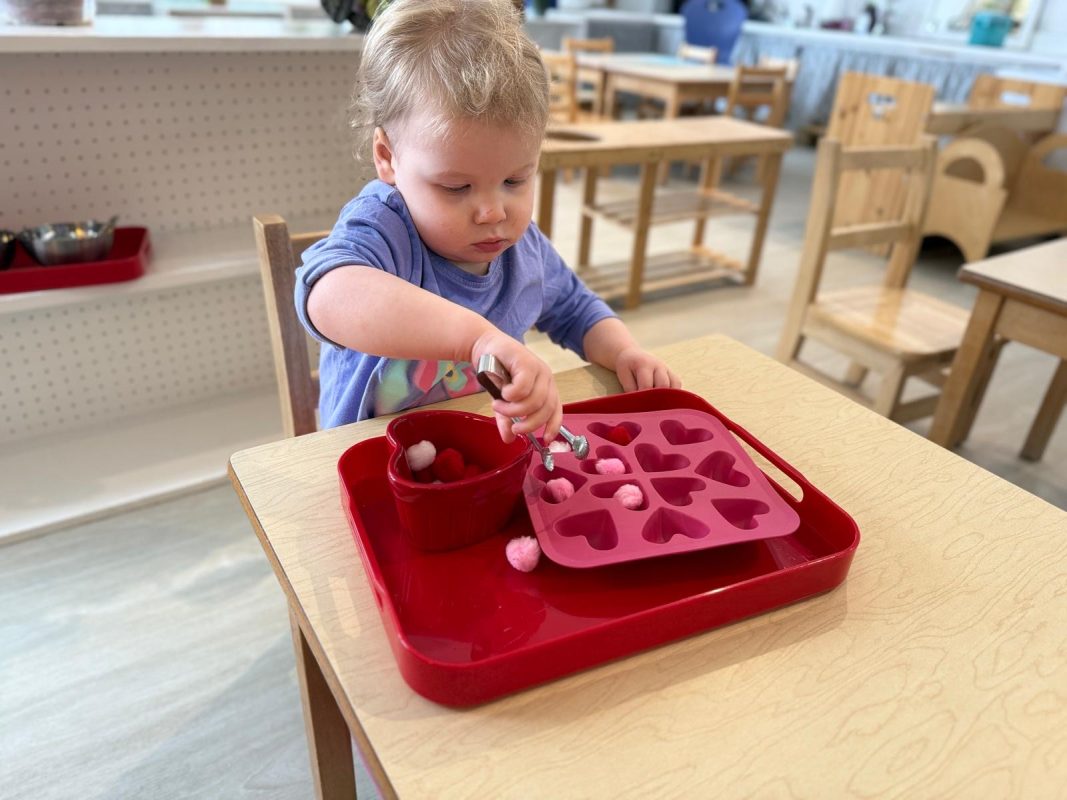
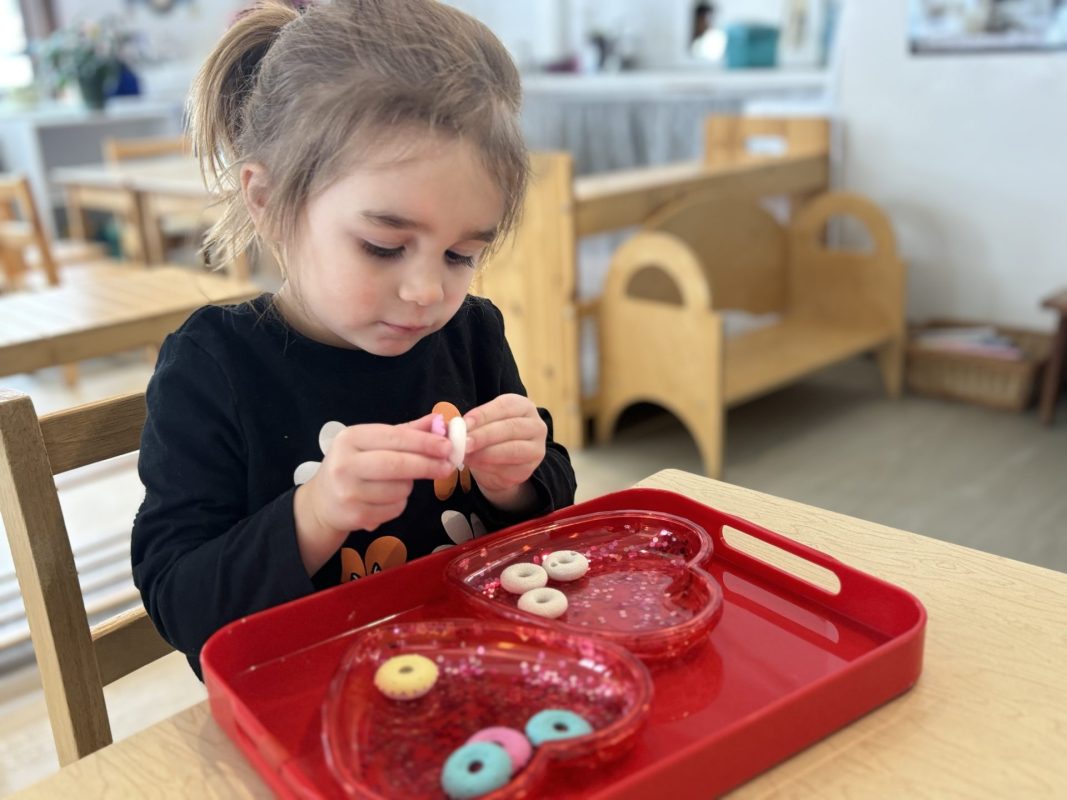
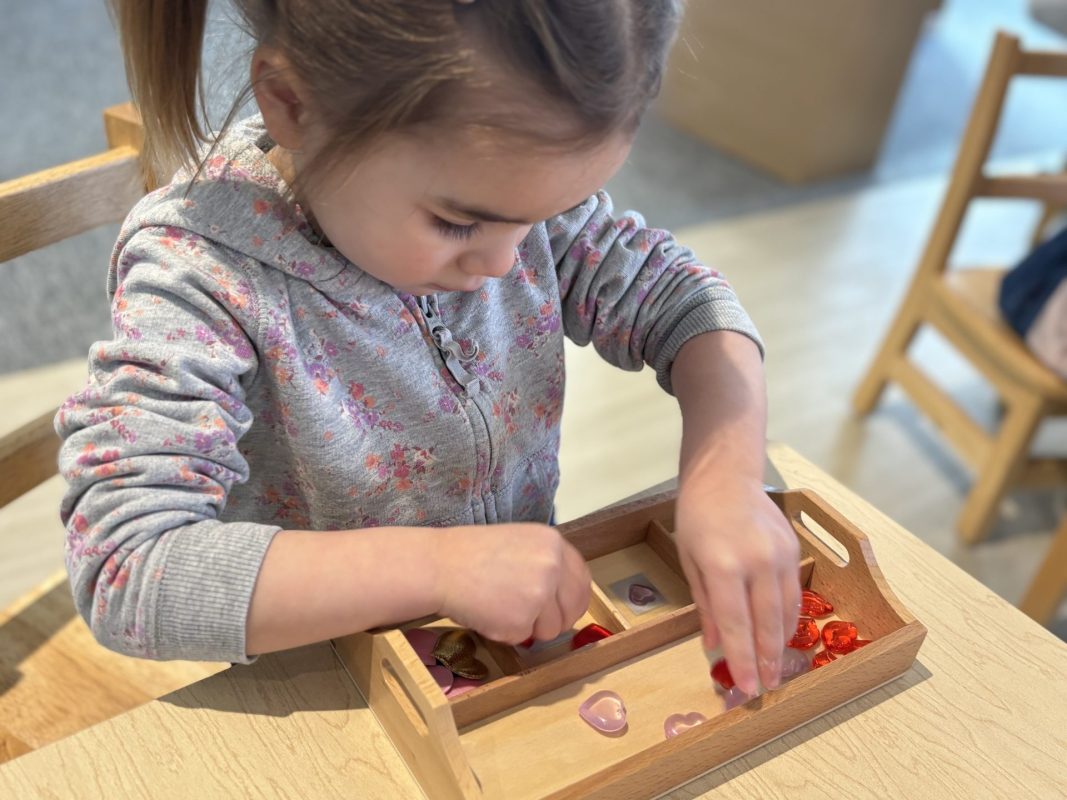
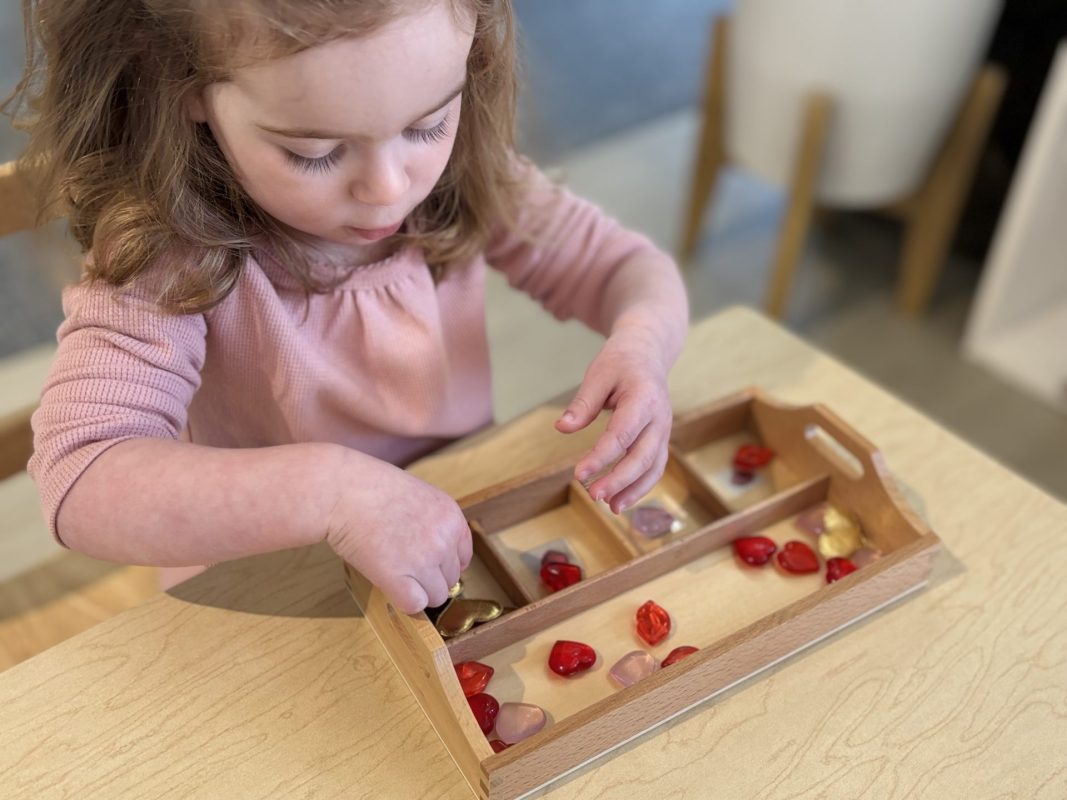
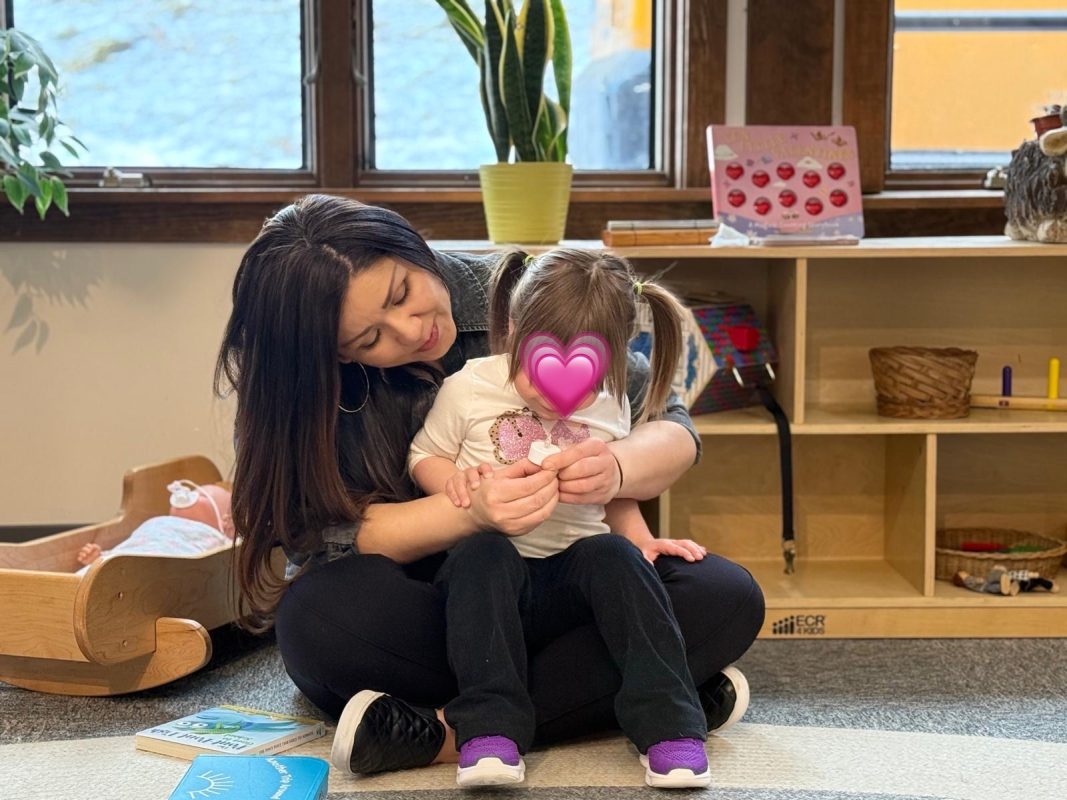
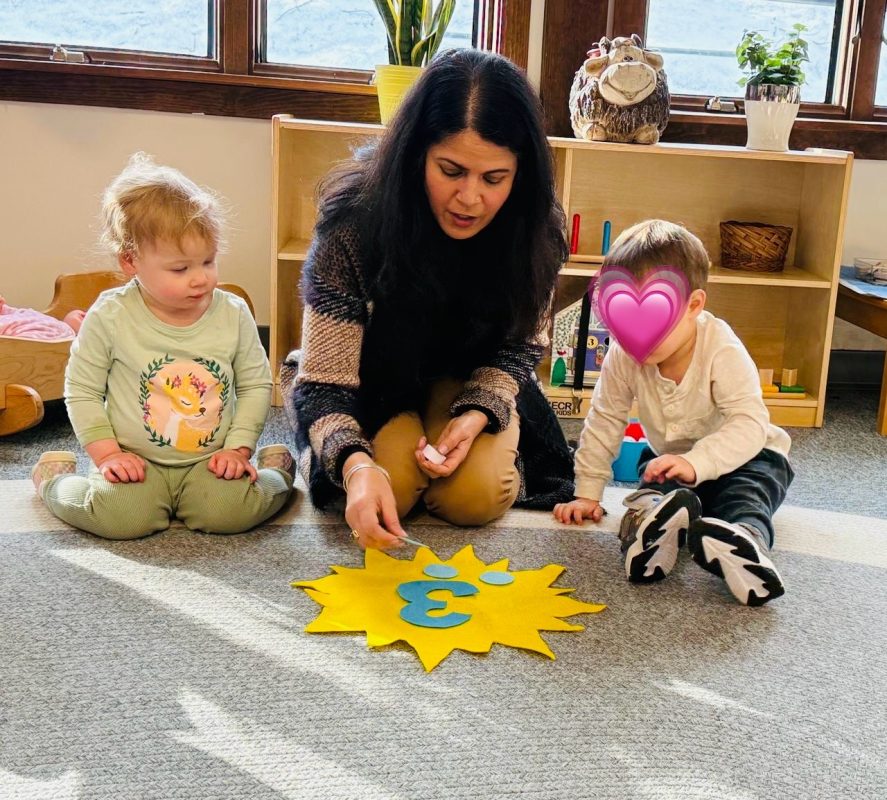
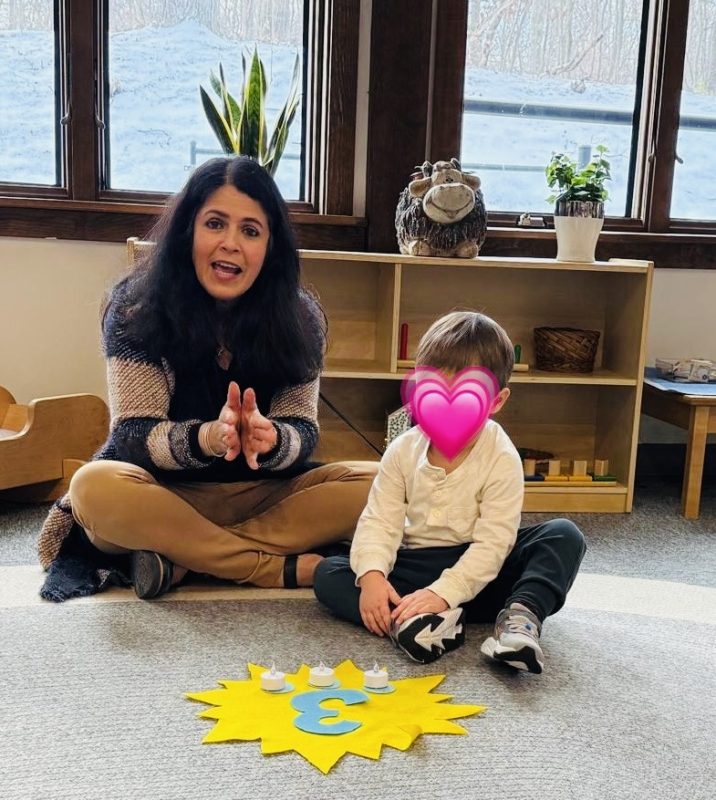
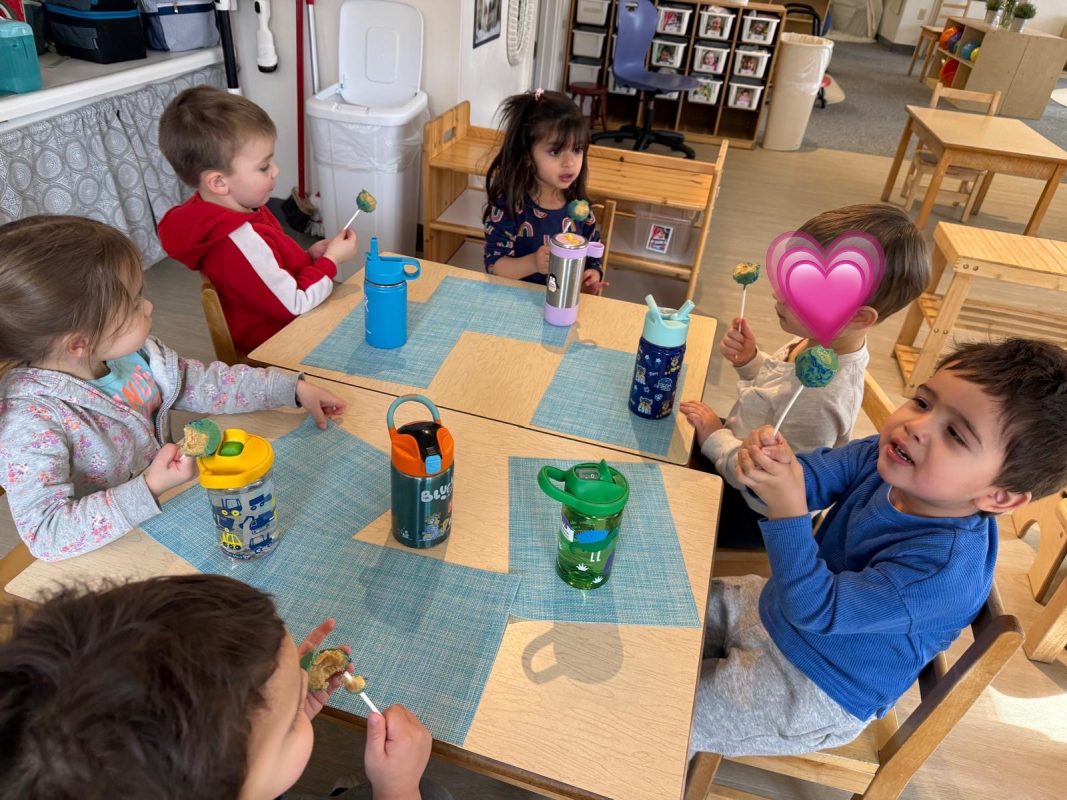
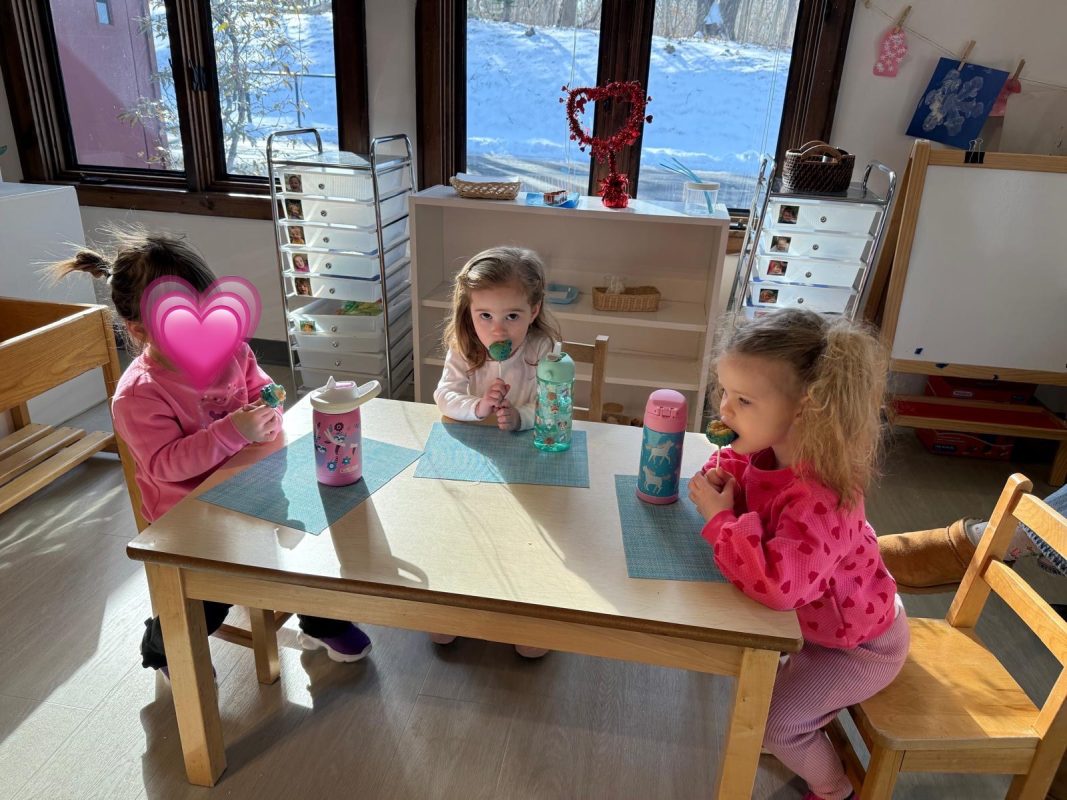
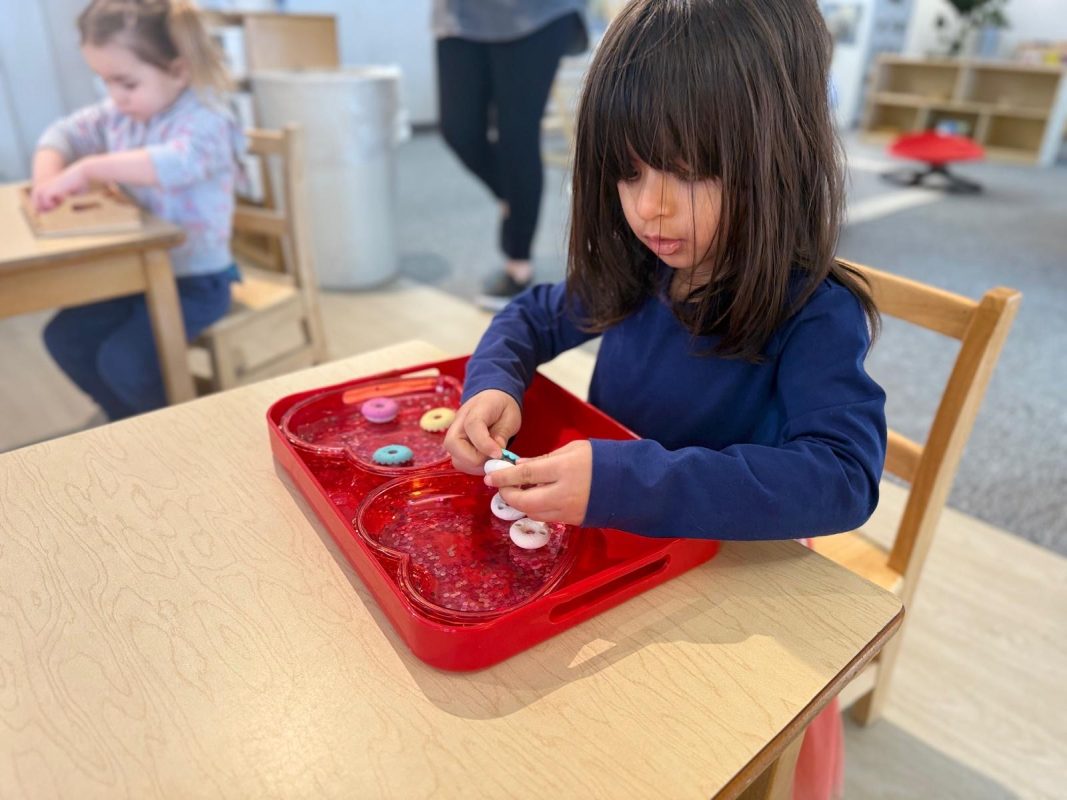
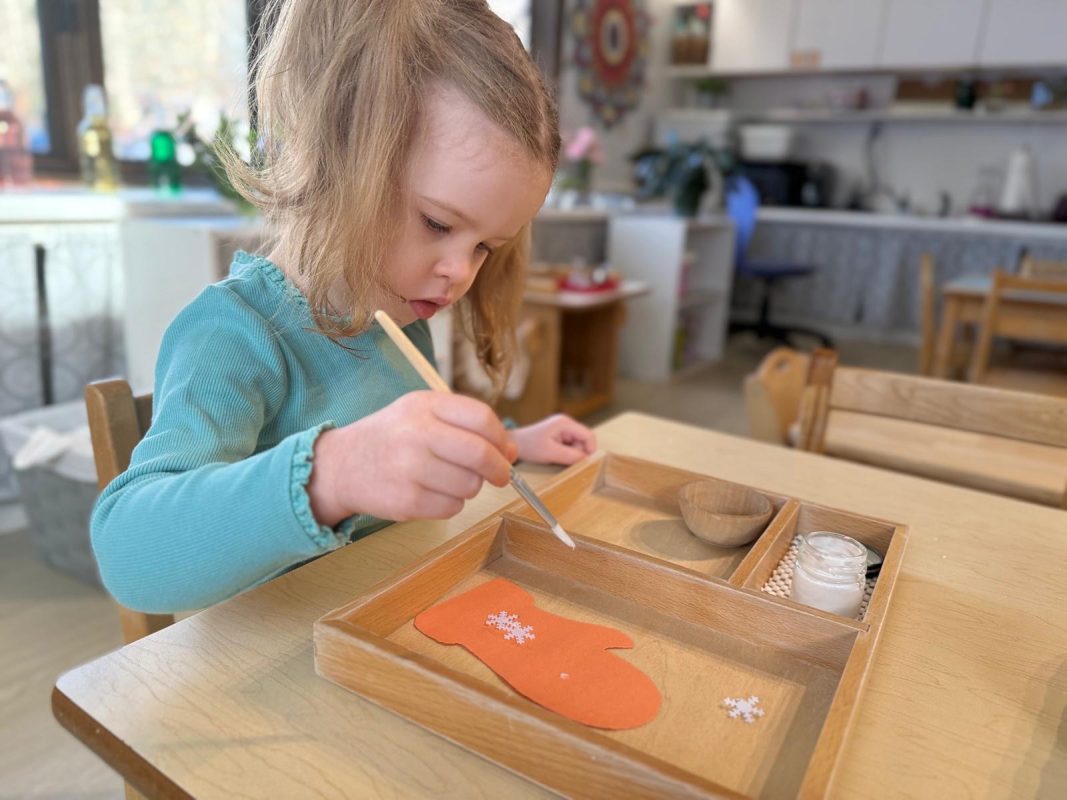
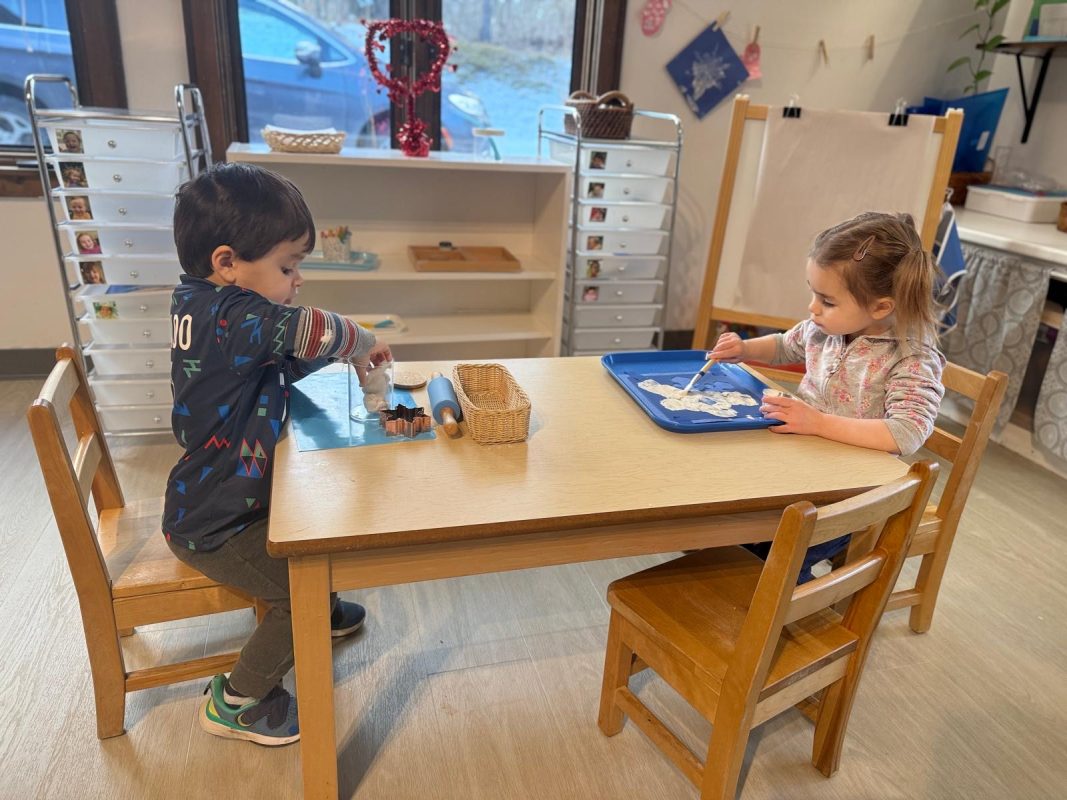
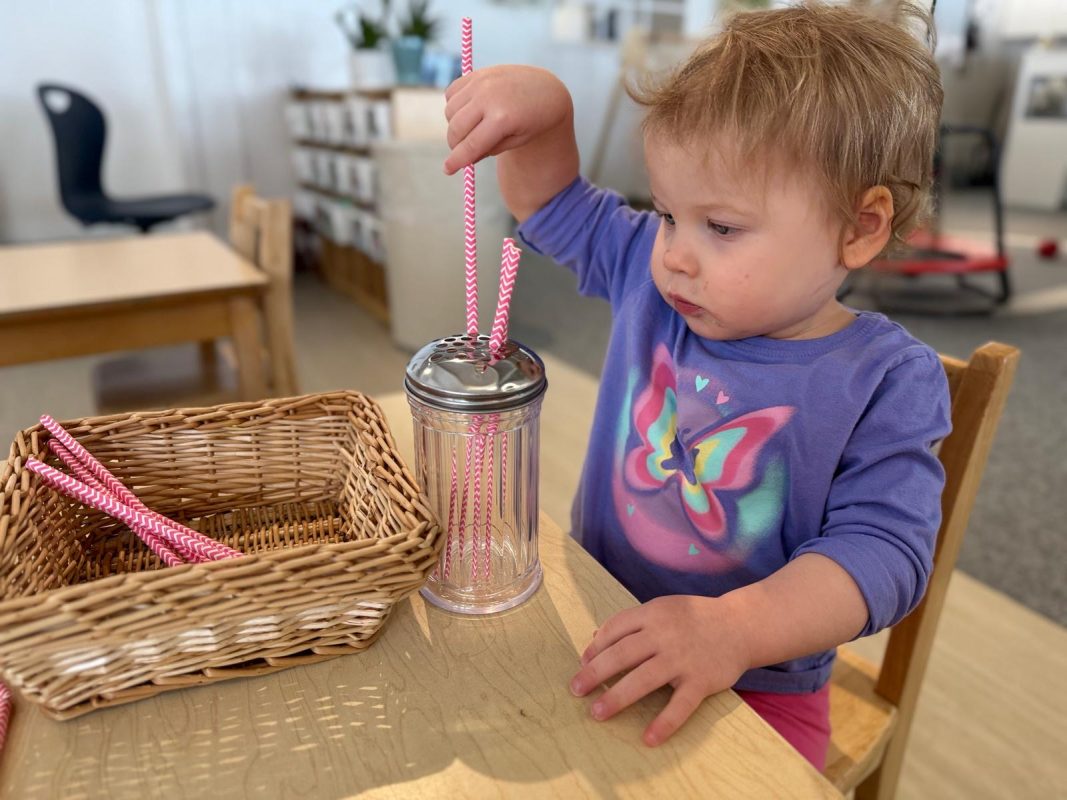
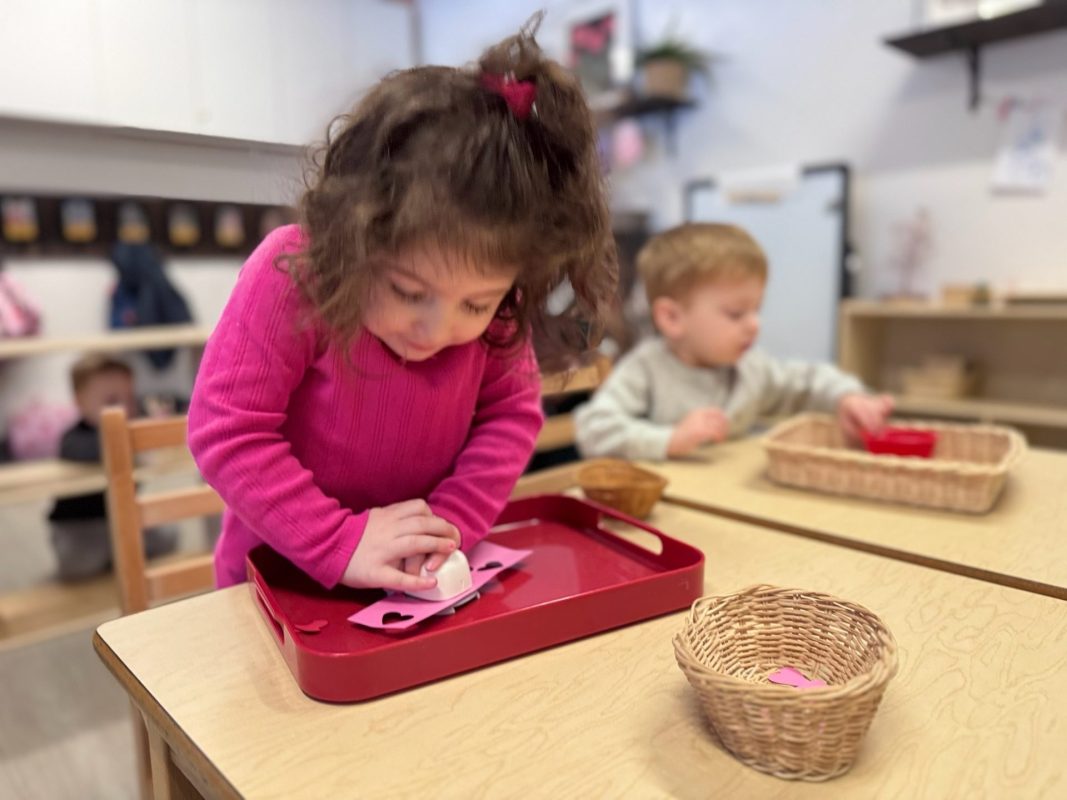
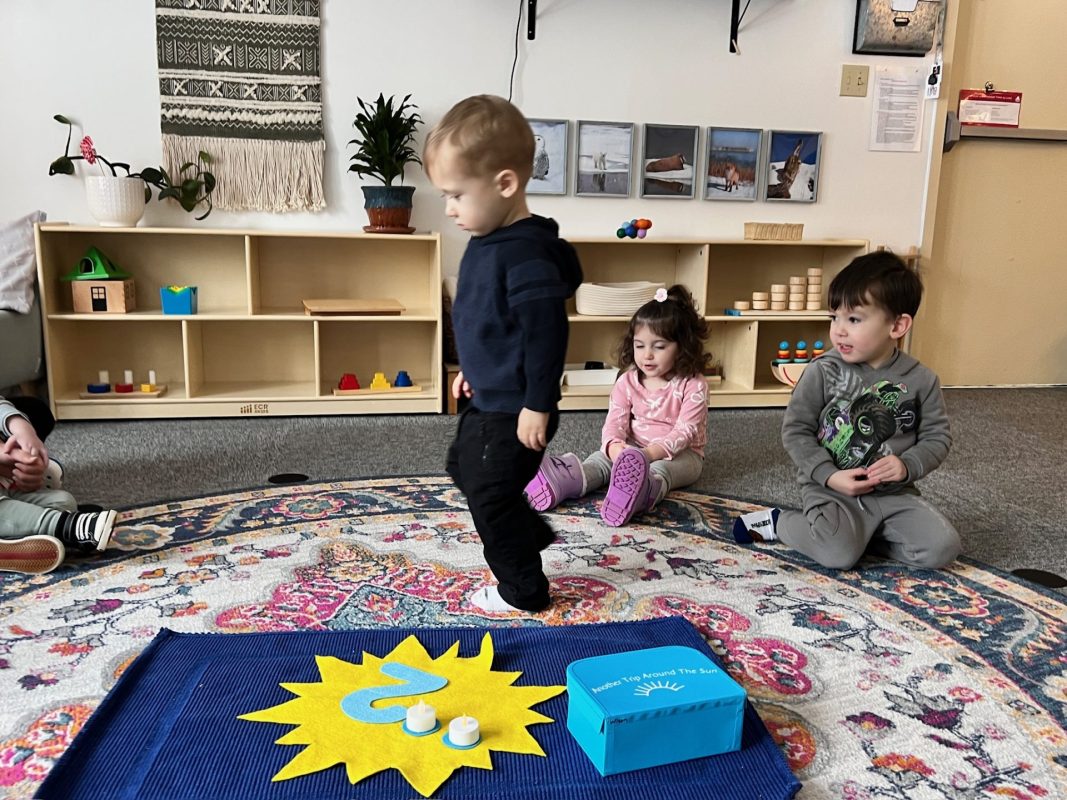
In February, the children will embark on an exploration of Valentine’s Day and its many representations. The lessons will feature objects like hearts and colors such as red, pink, and purple. When we think of Valentine’s Day, we often think of love. This month, we’ll focus on learning to love ourselves, our friends, and our families. We’ll also explore other important feelings, including happiness, sadness, anger, tiredness, and silliness.

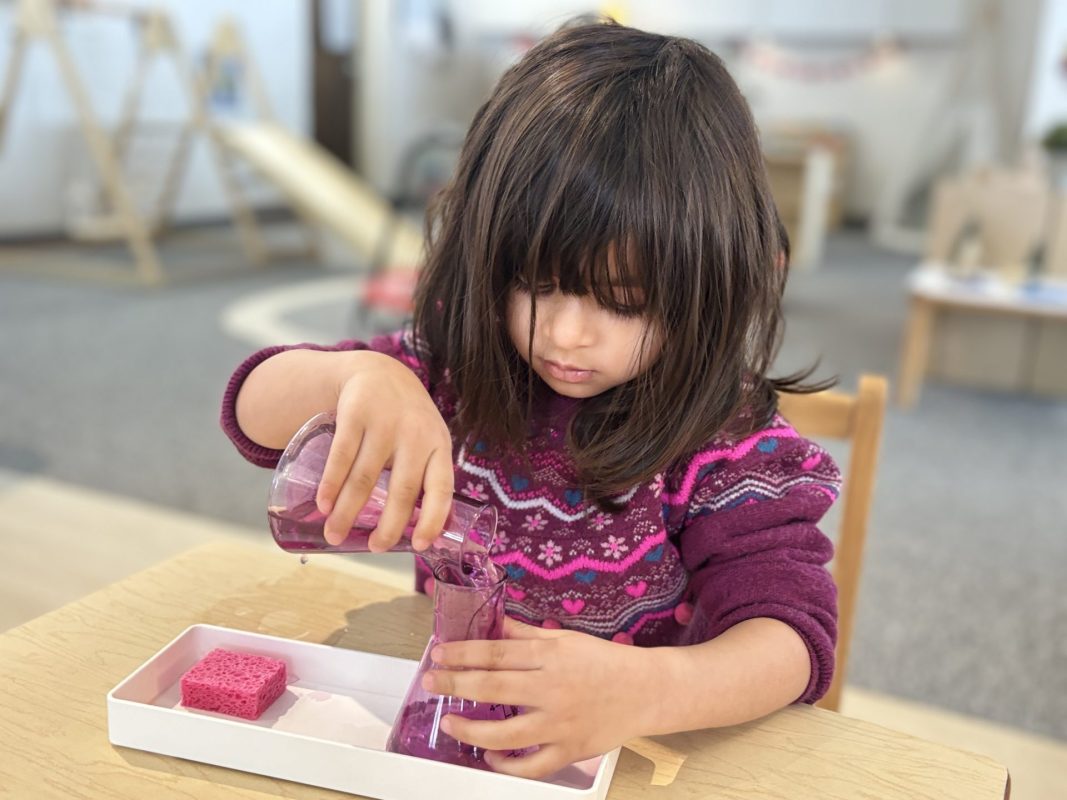
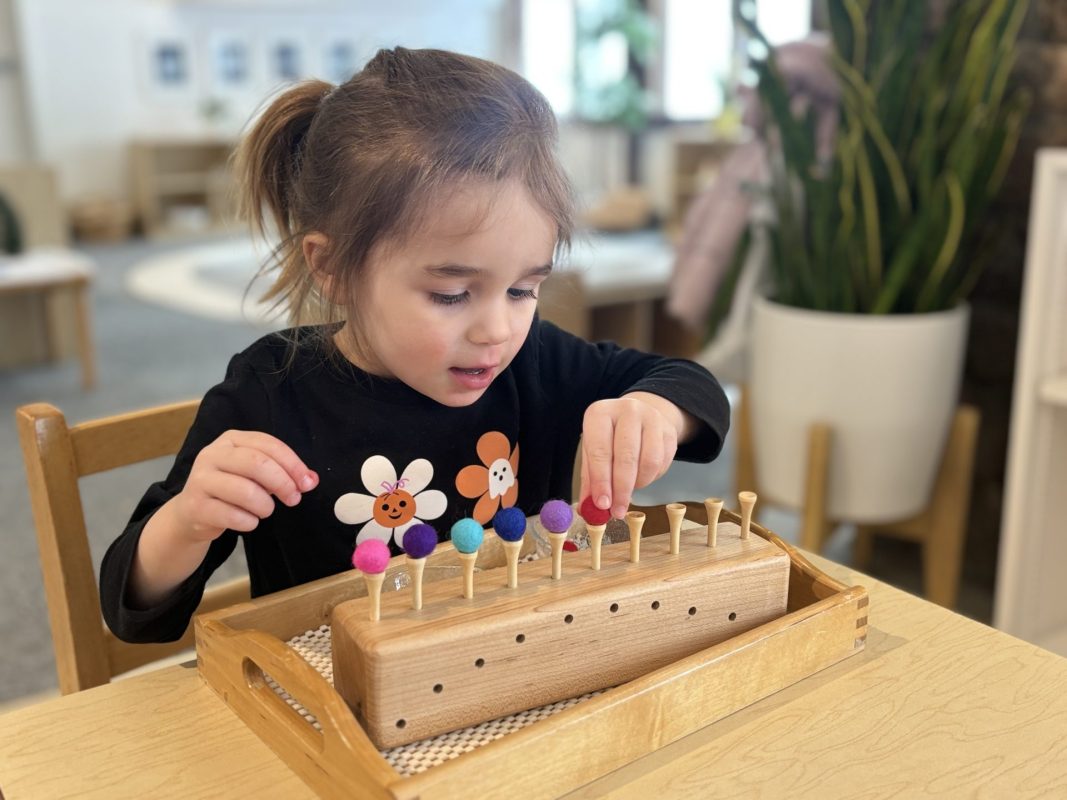
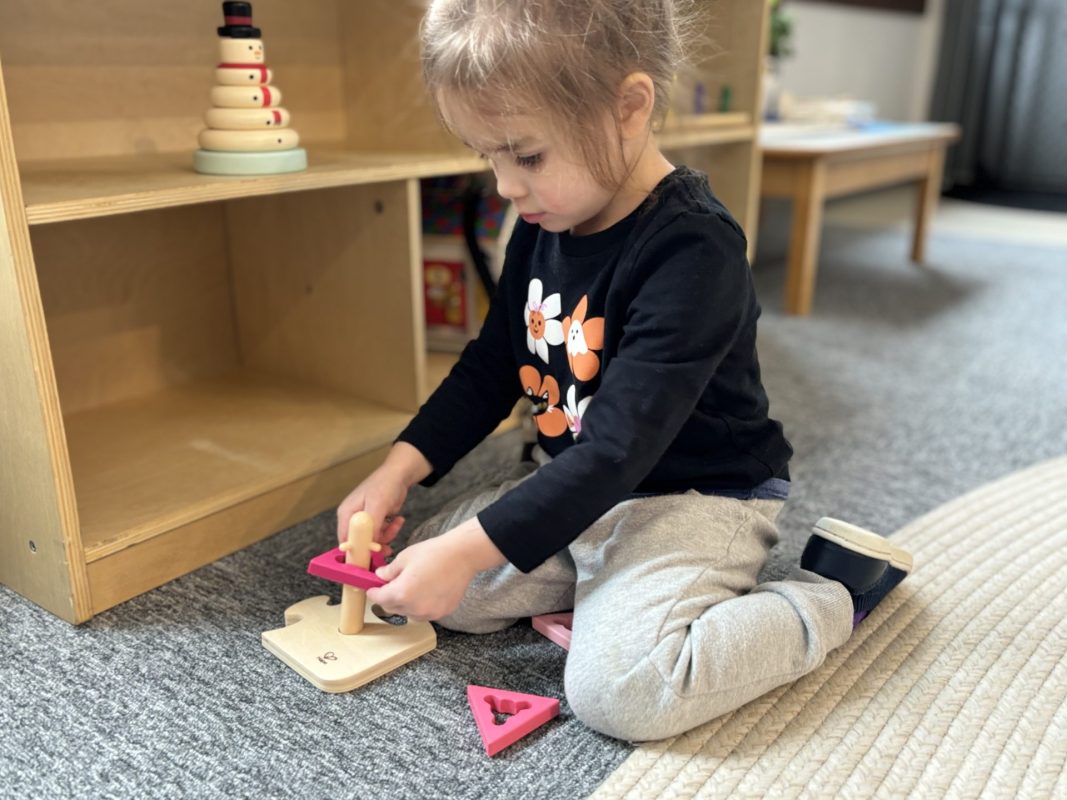
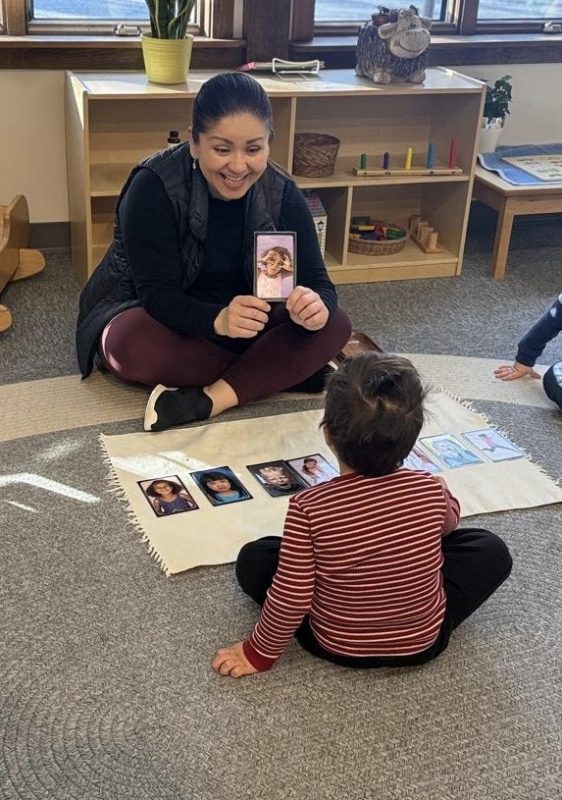
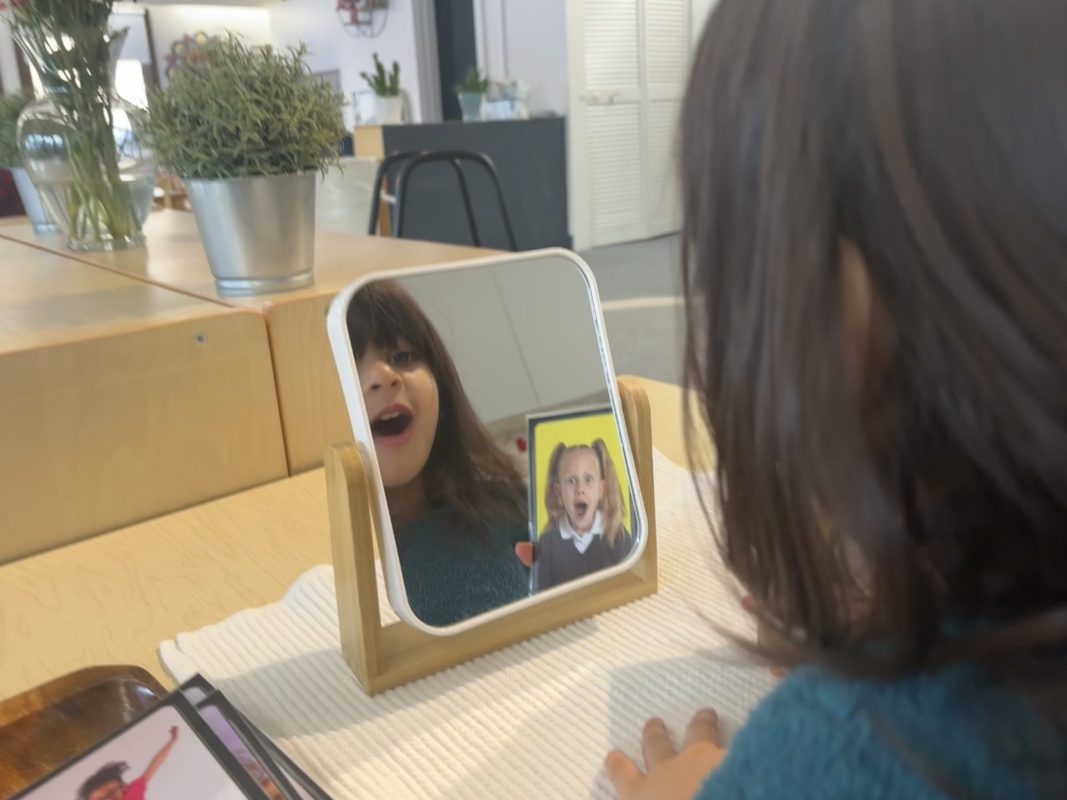
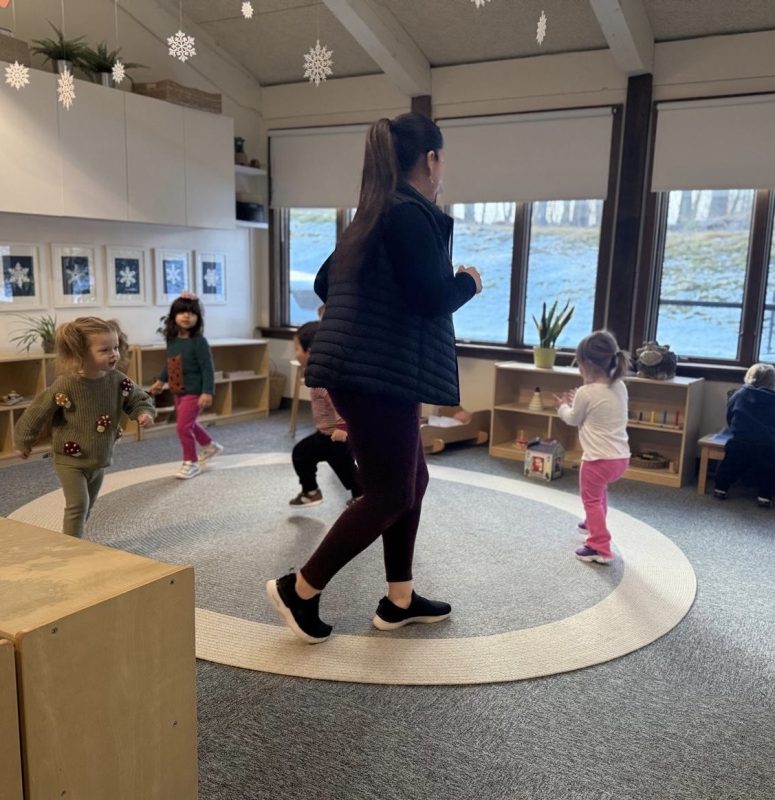
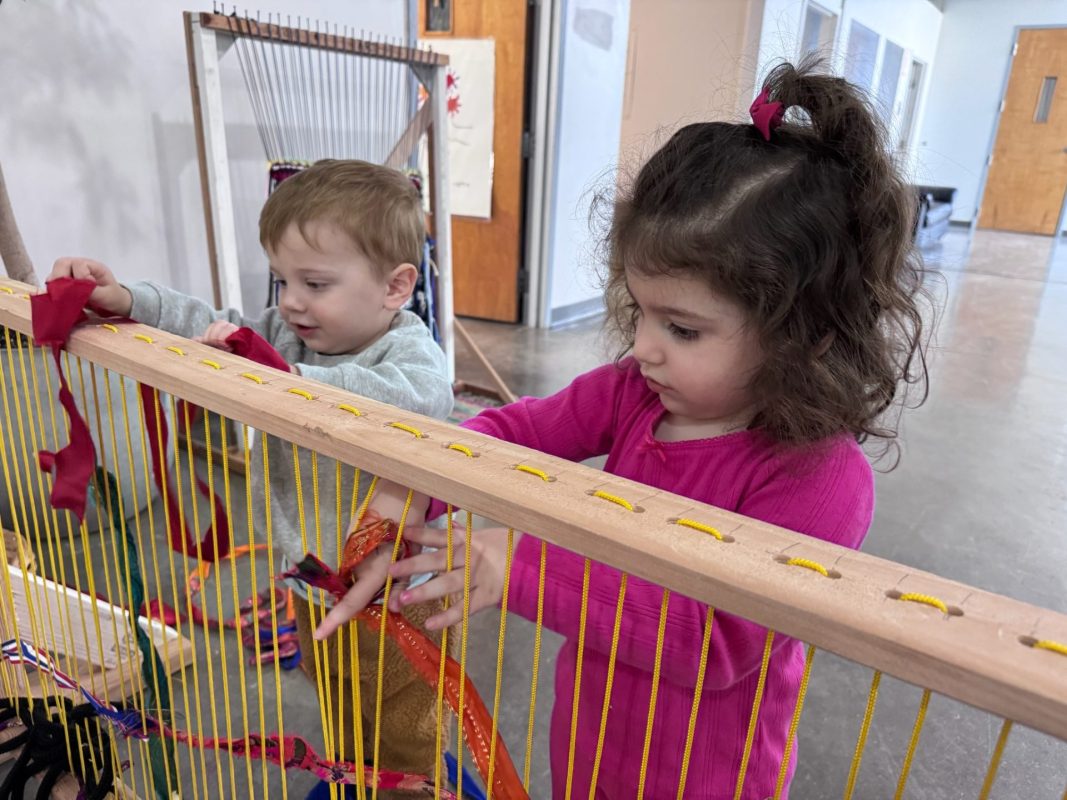
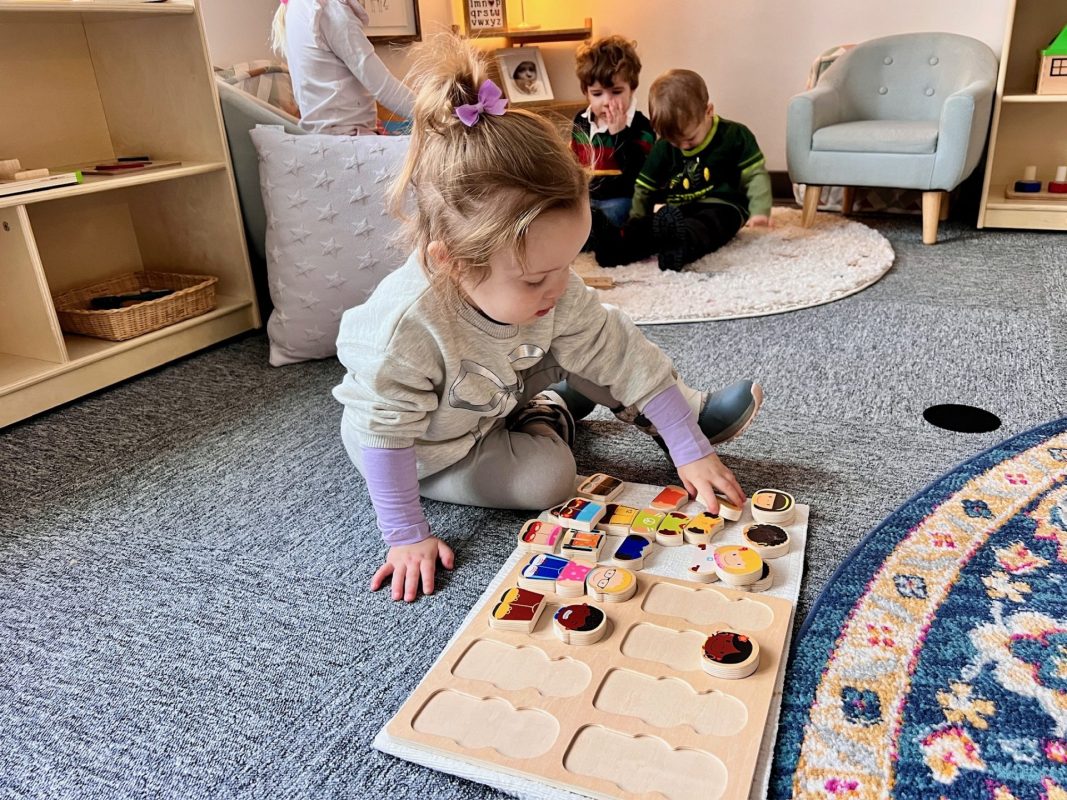
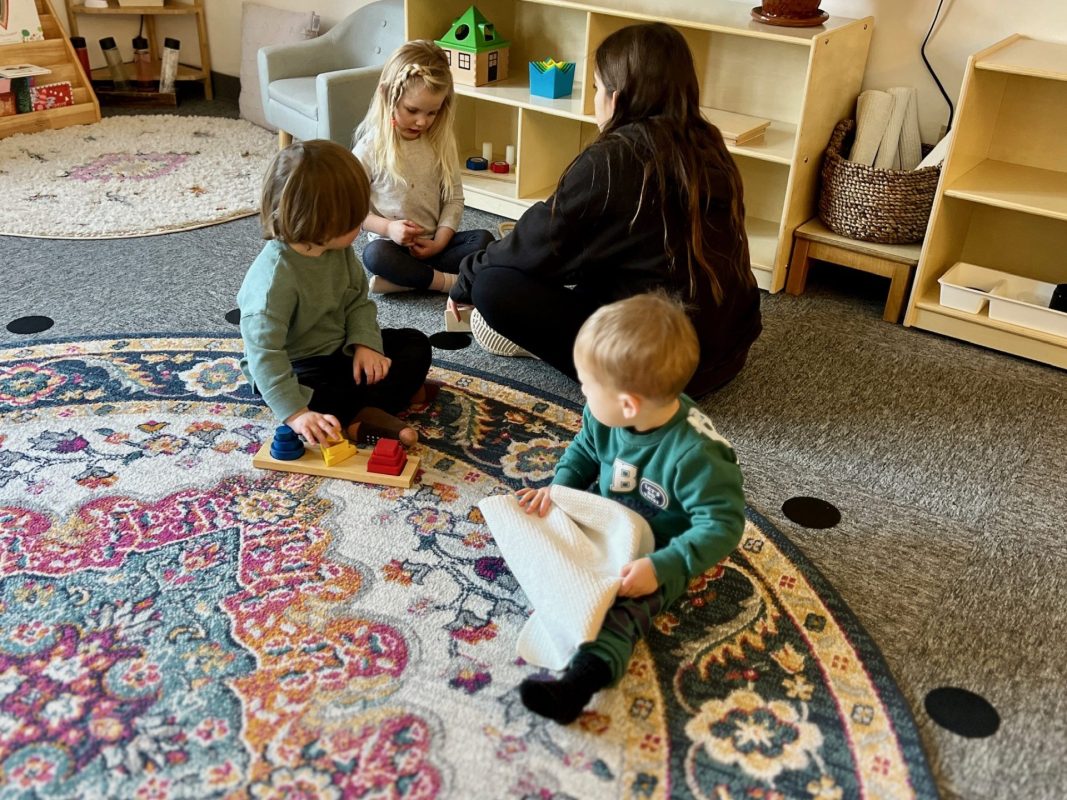
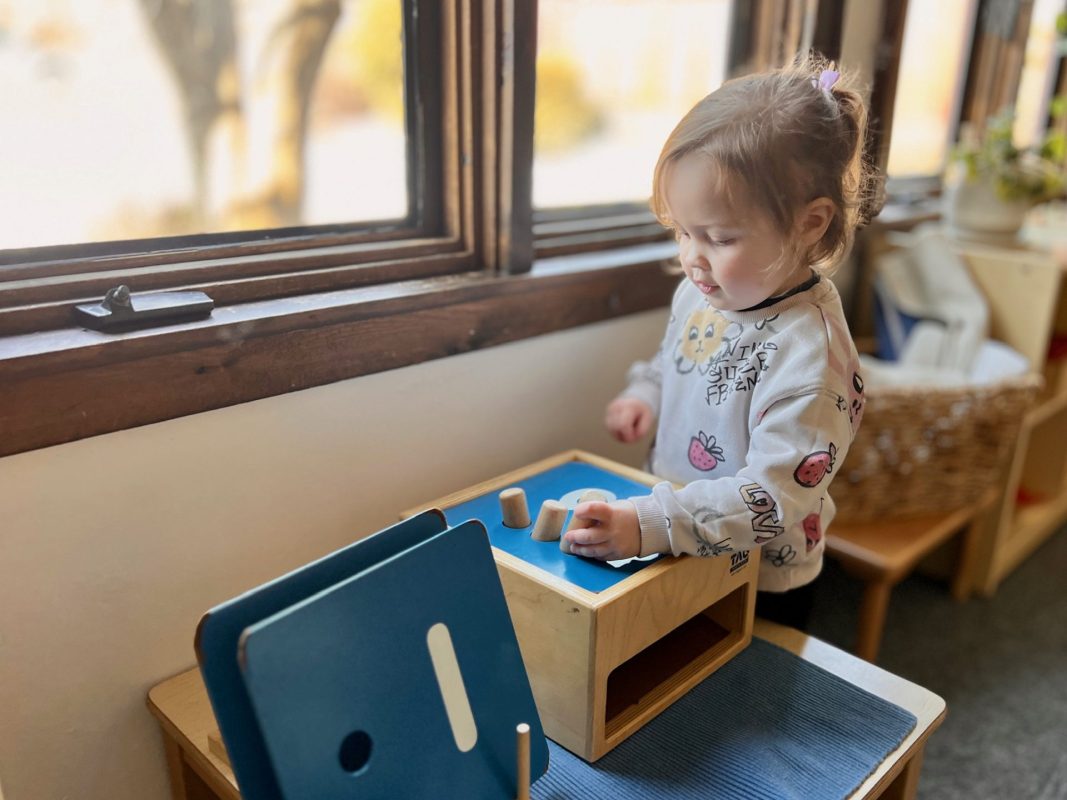
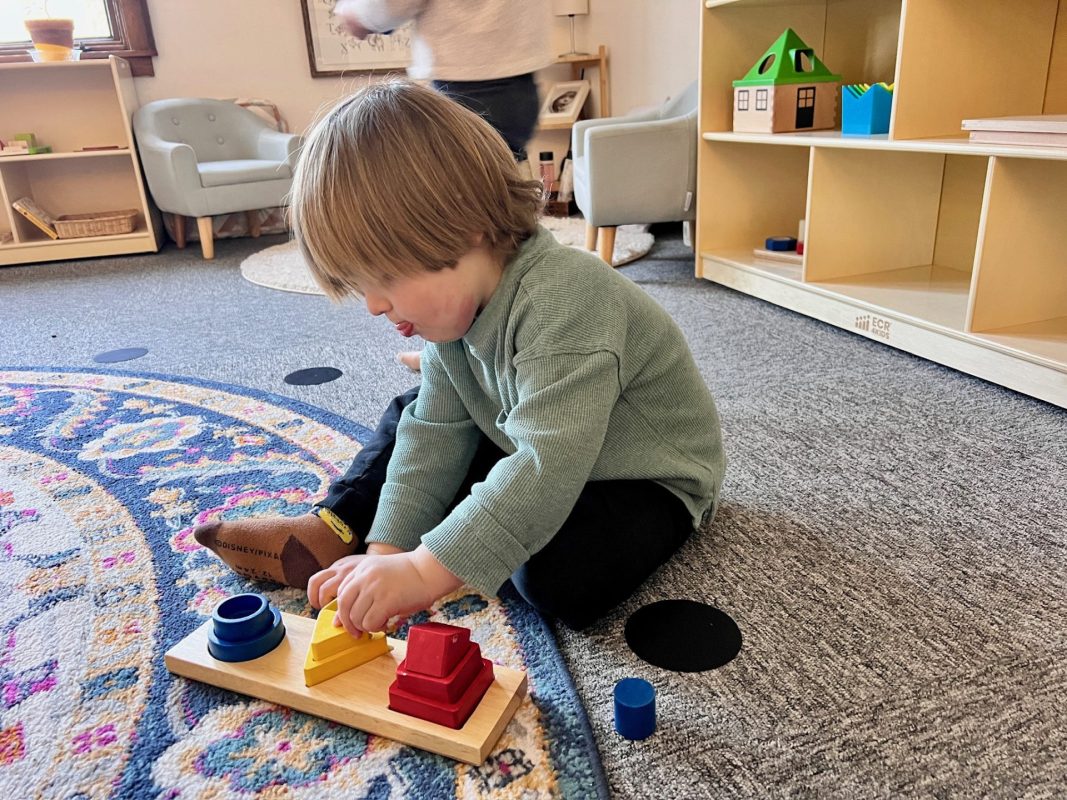
In our Montessori classroom, toddlers will have the opportunity to recognize and explore the facial expressions and body language associated with these emotions. While we practice identifying emotions throughout the year, we will take a deeper dive into this important skill during February, helping the children connect how they feel with how their faces and bodies express those emotions. Along with exploring feelings, we’ll also focus on identifying facial features and other body parts, further building the children’s understanding of themselves and others.

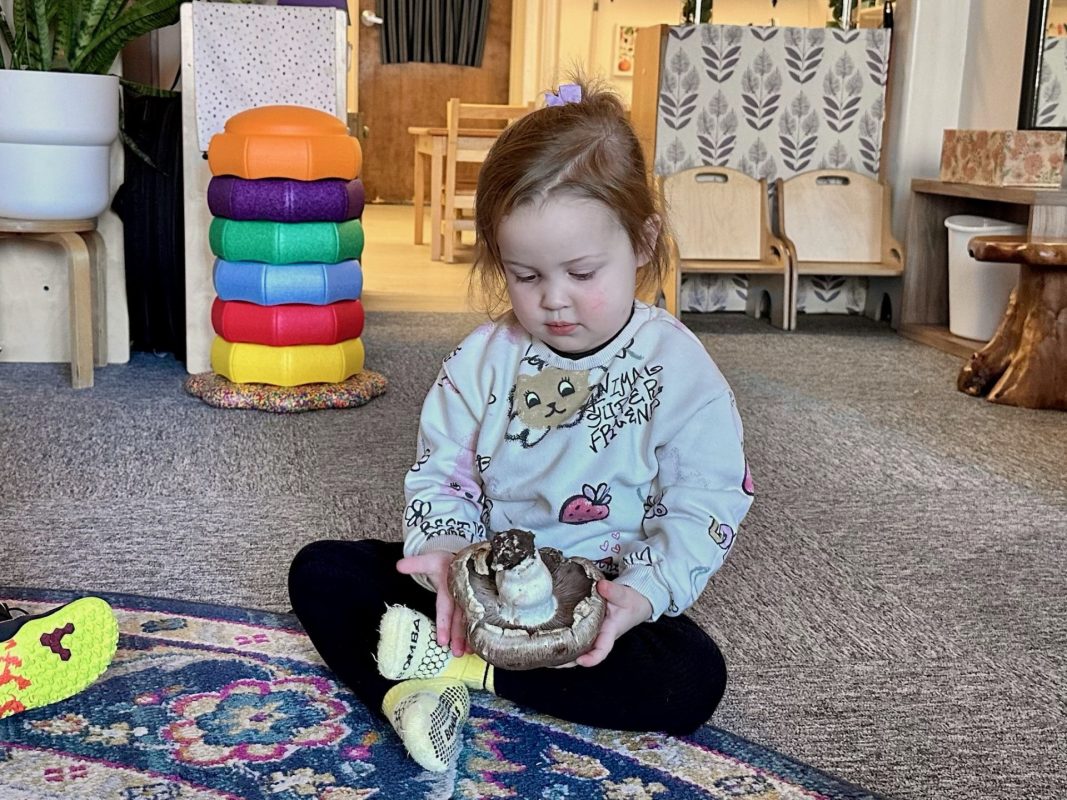
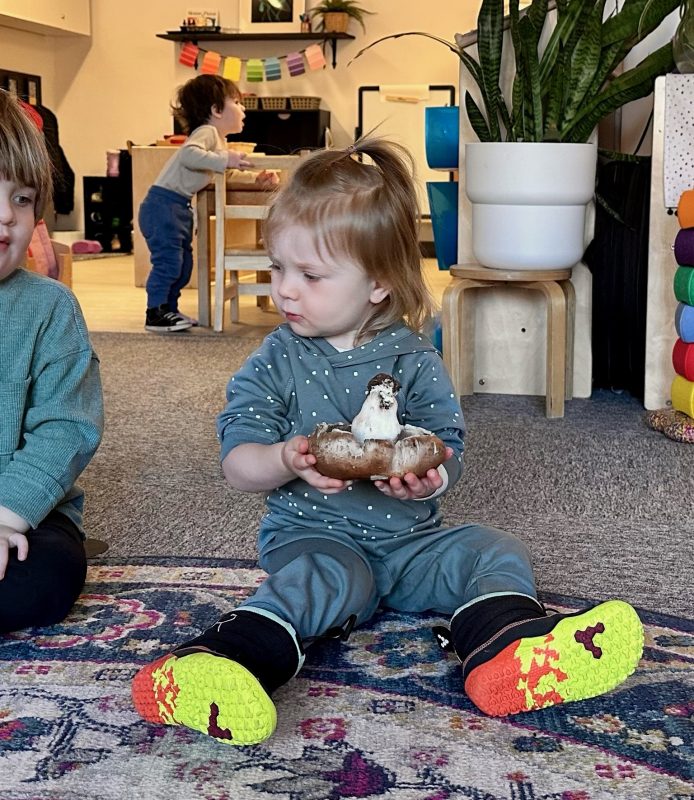
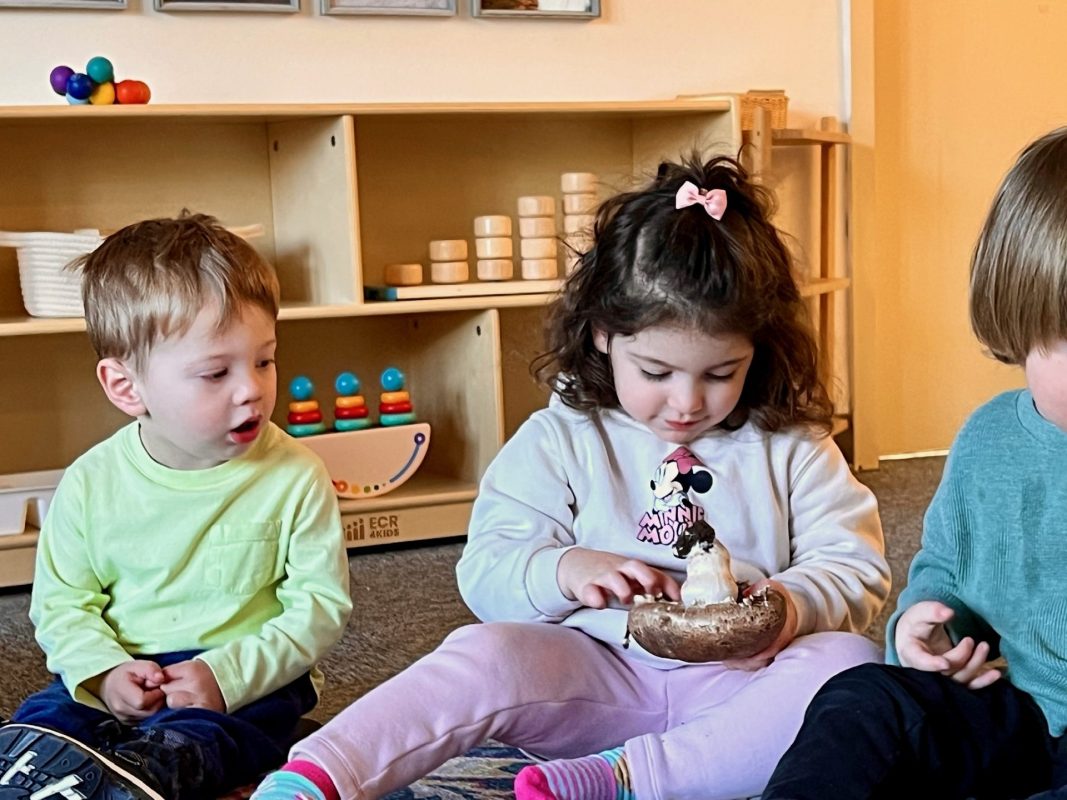
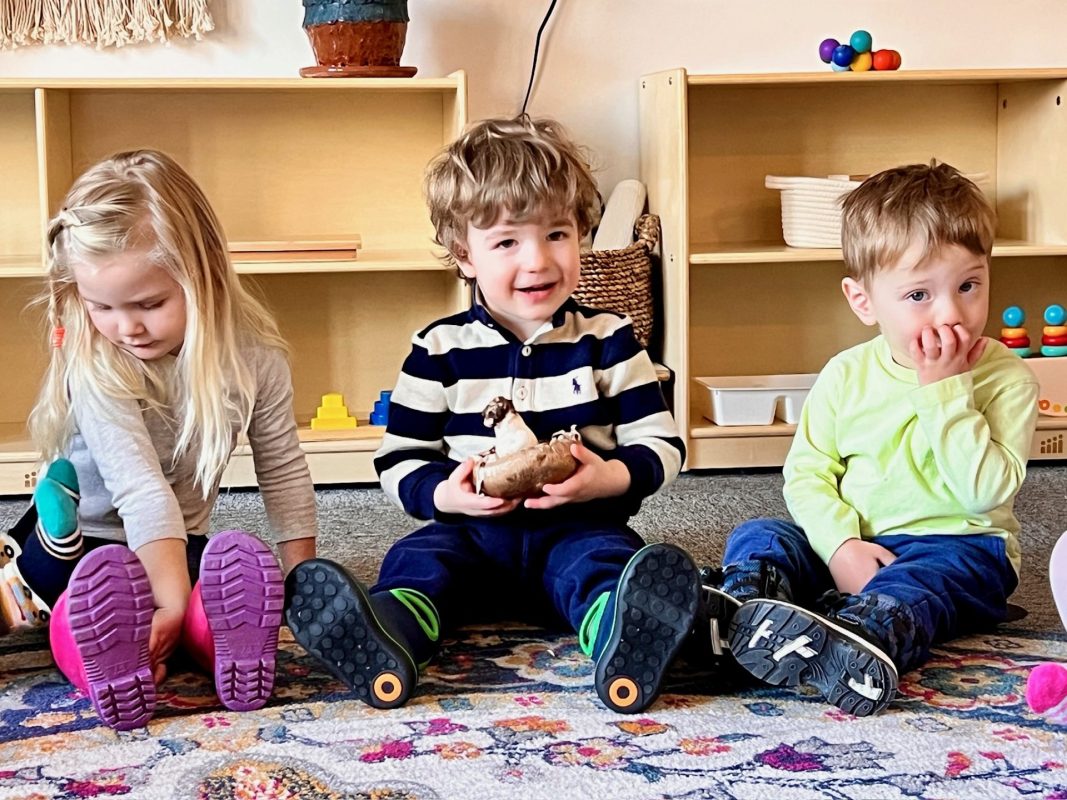
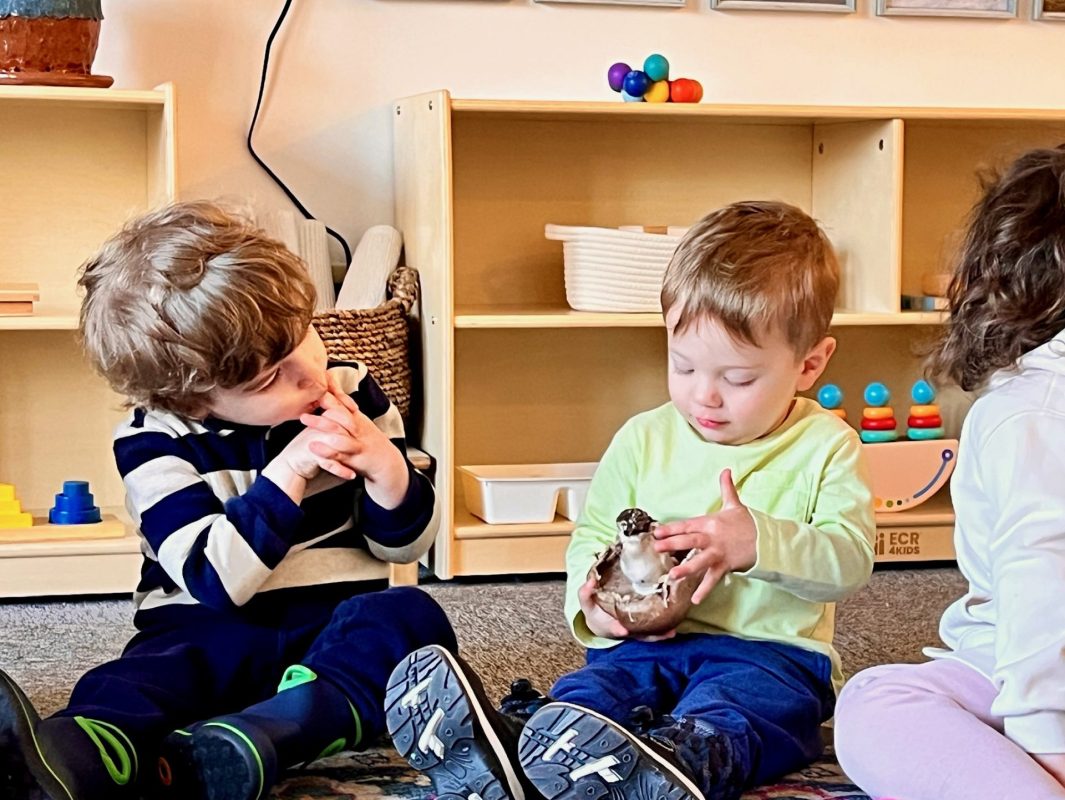
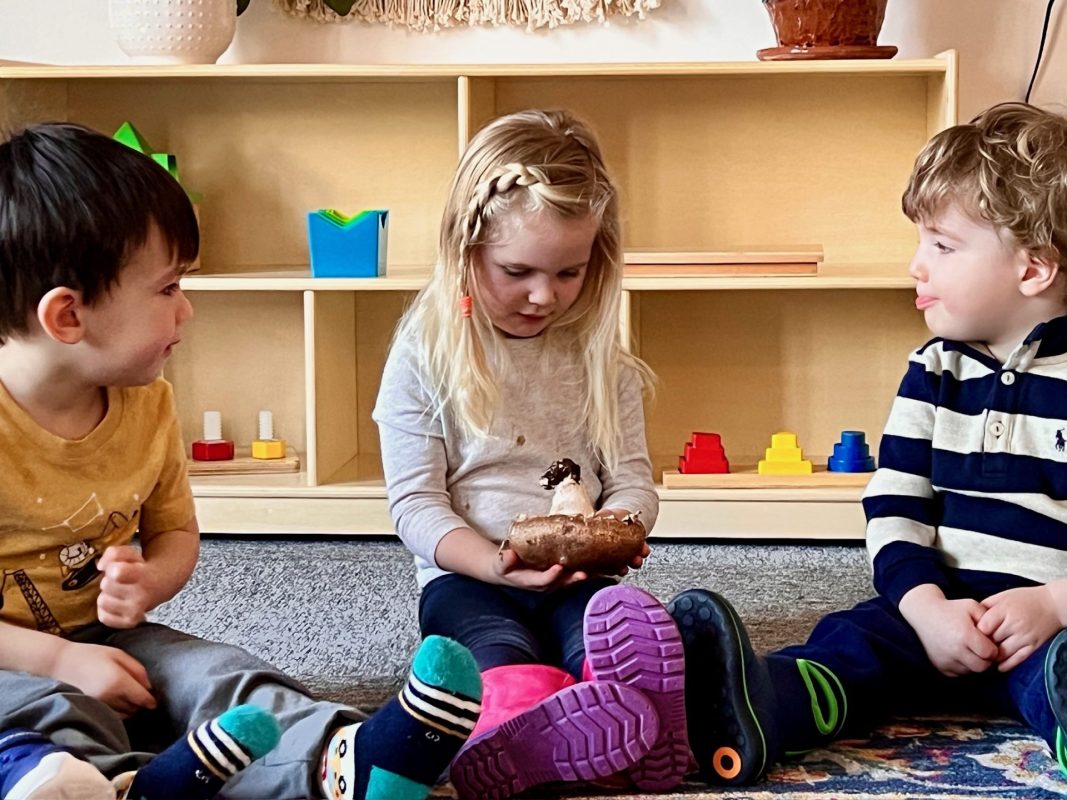
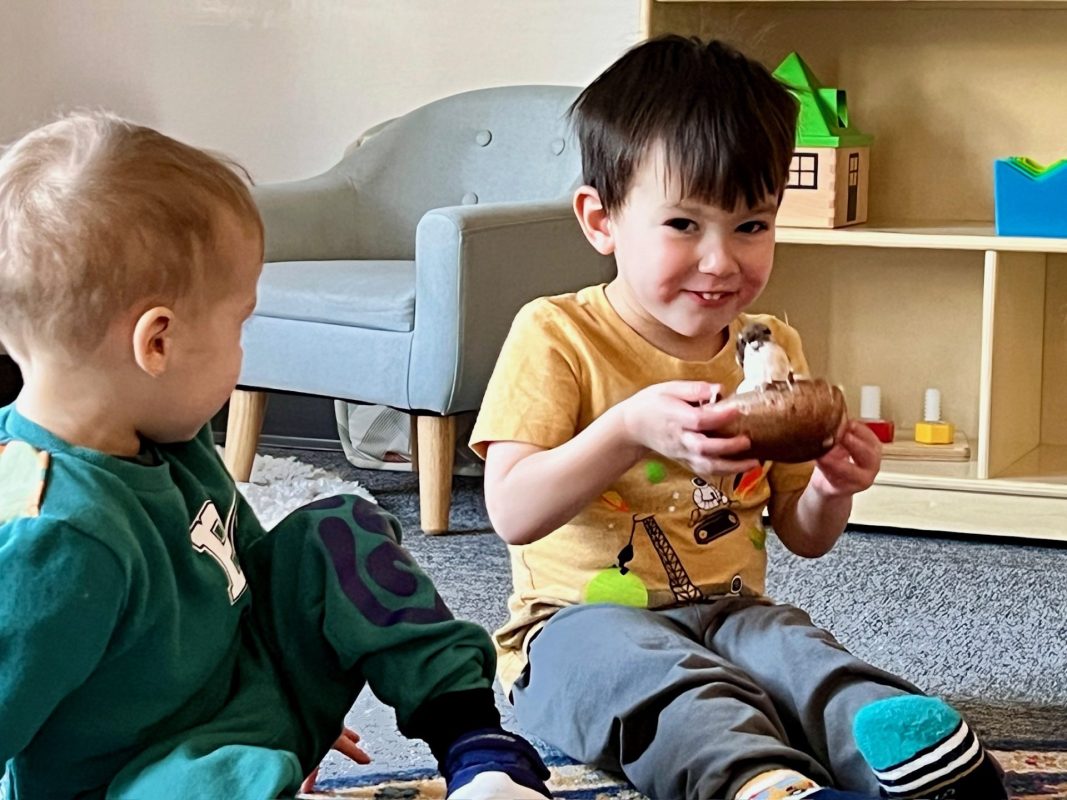
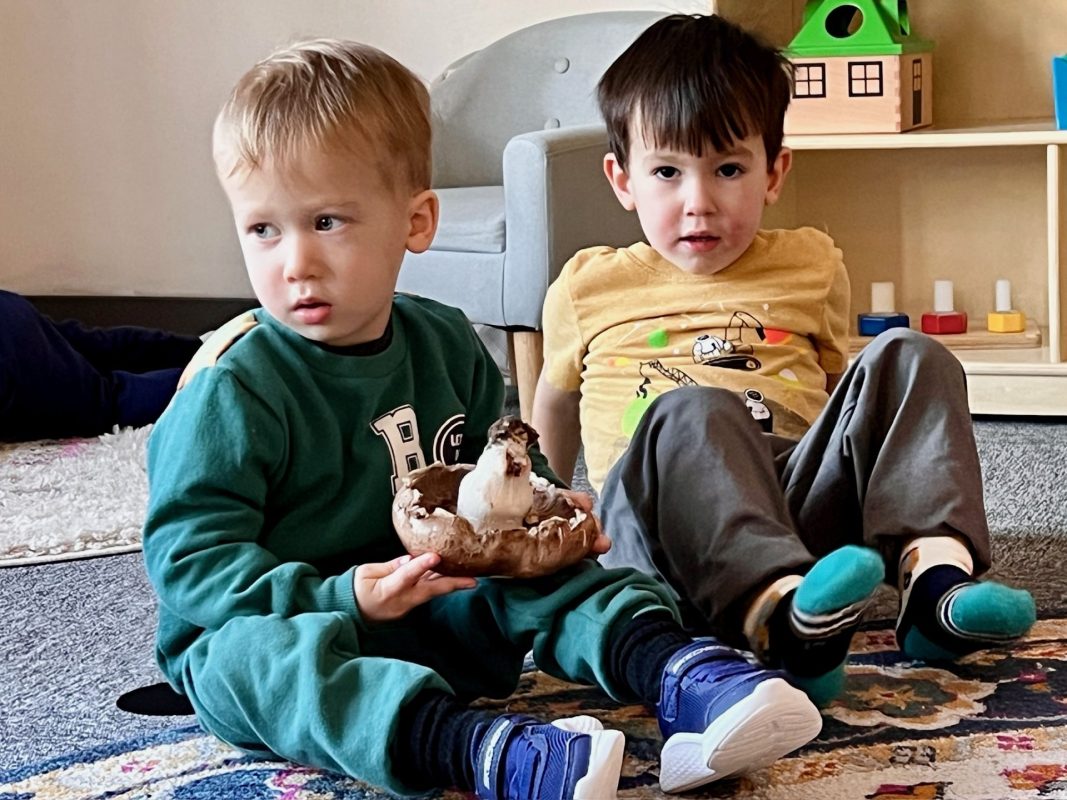
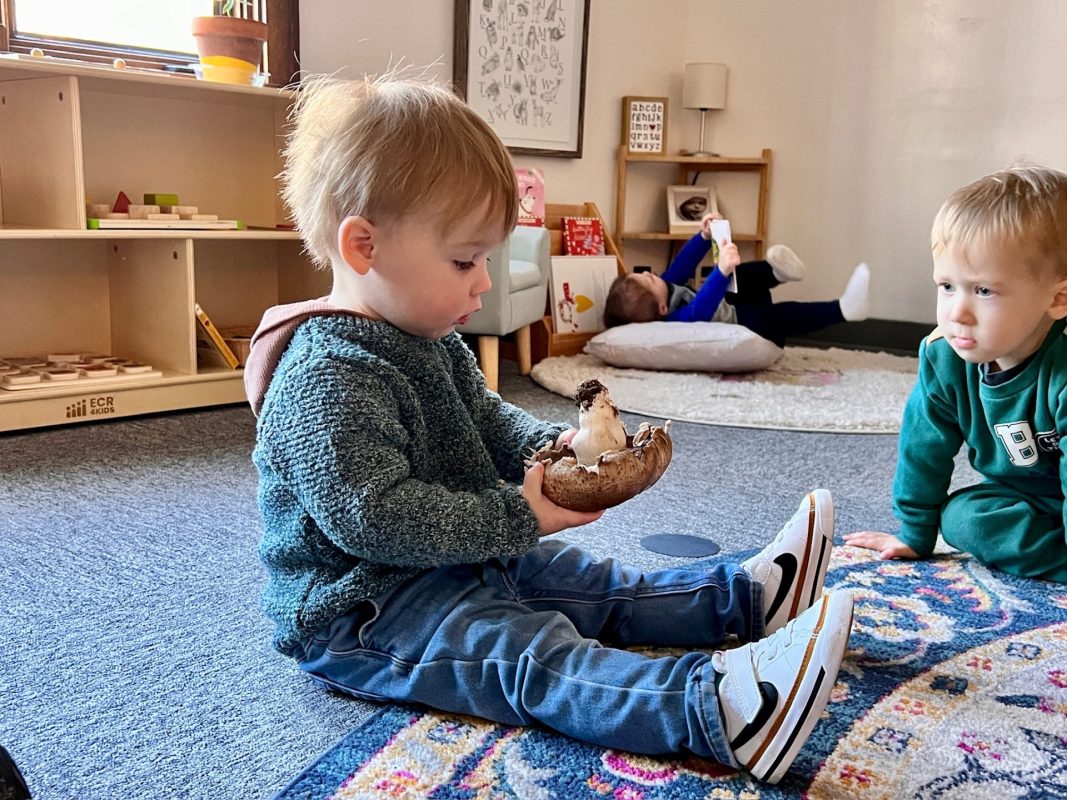
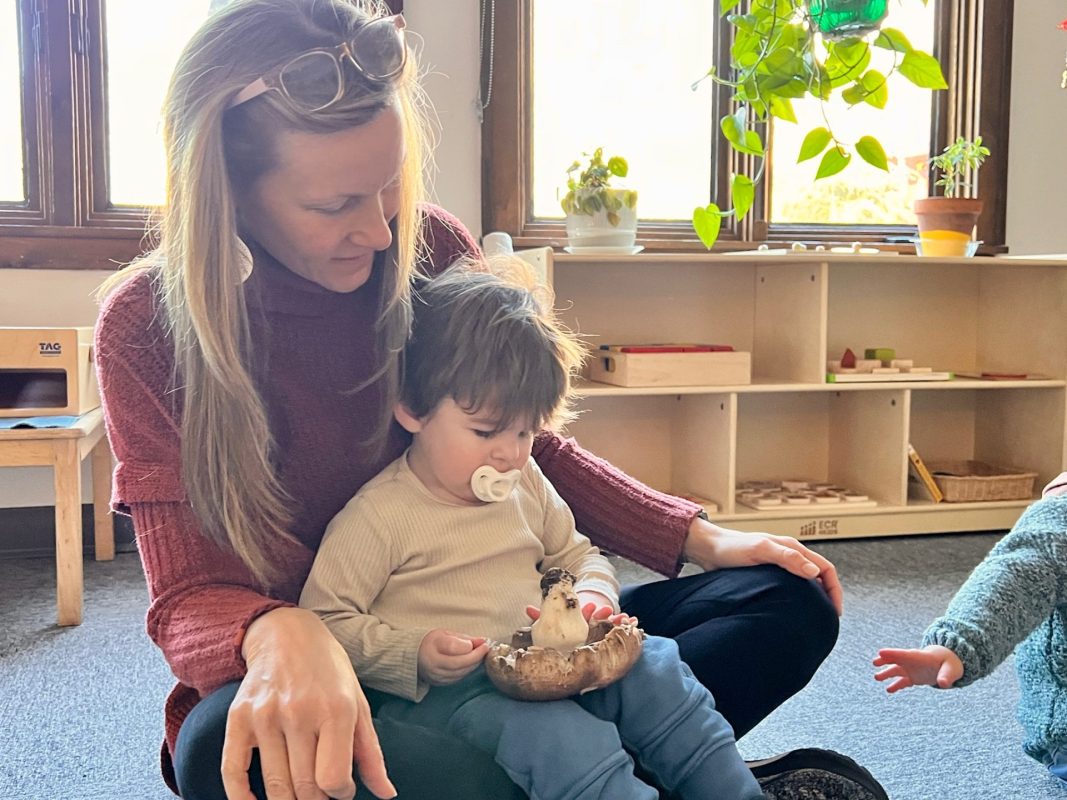
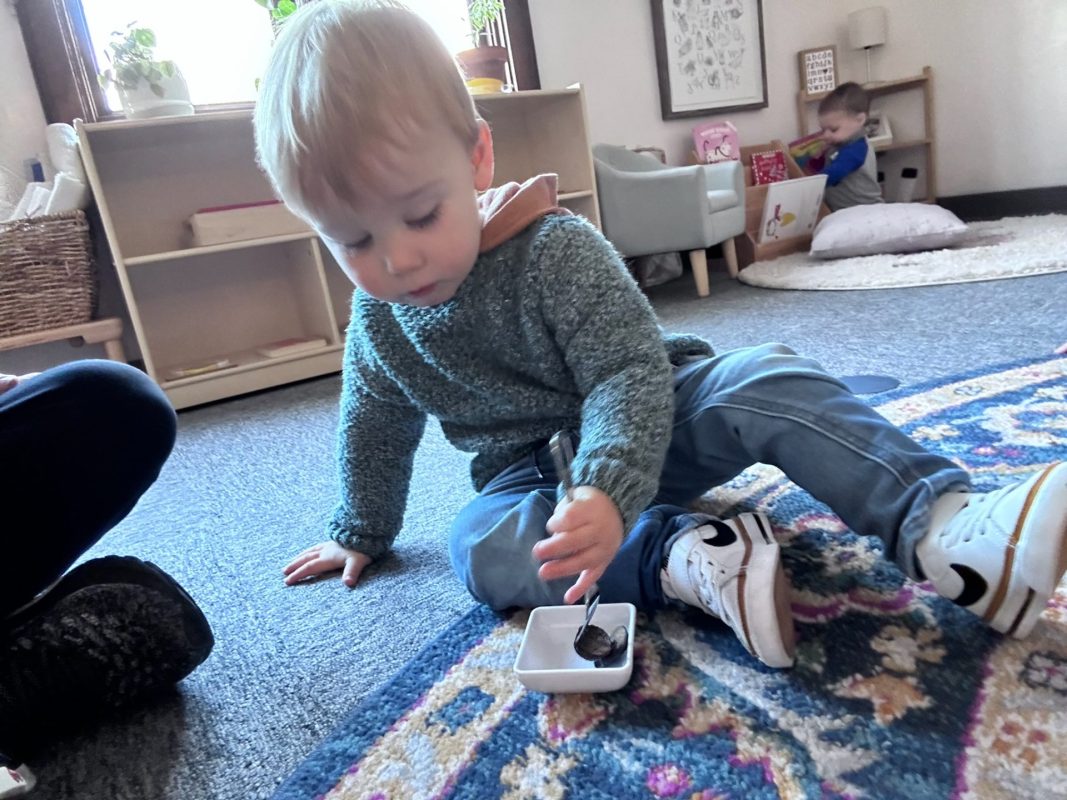
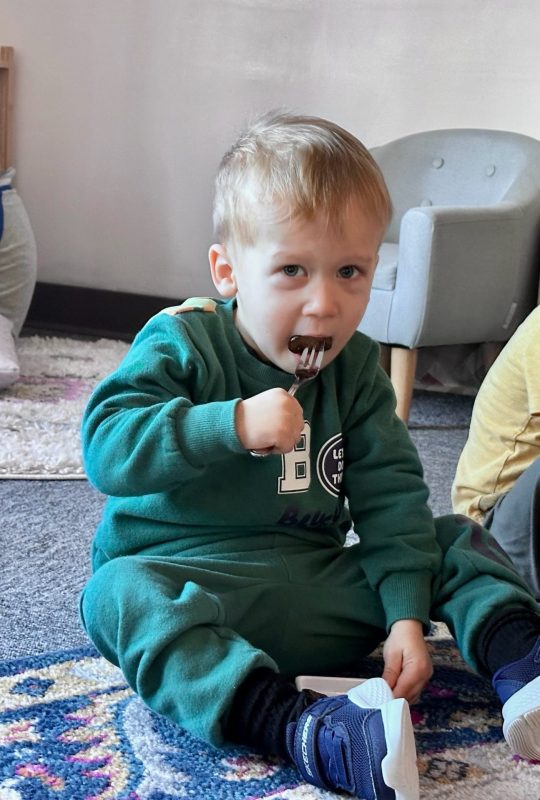
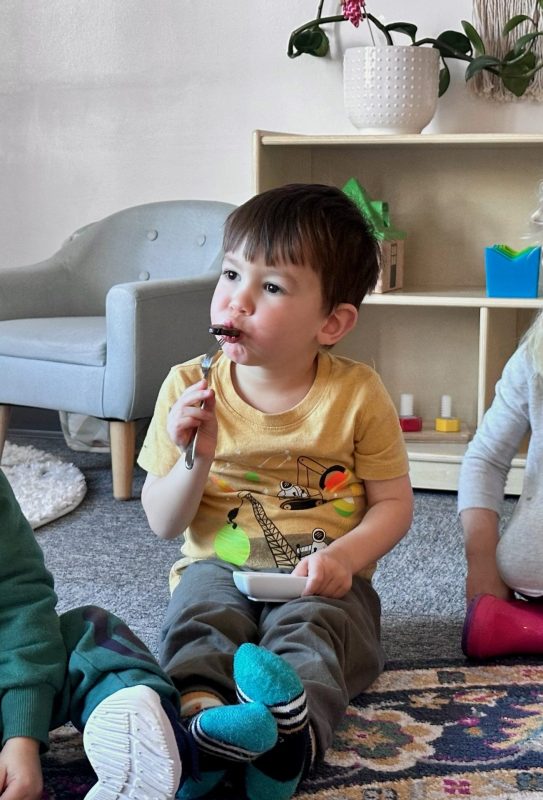
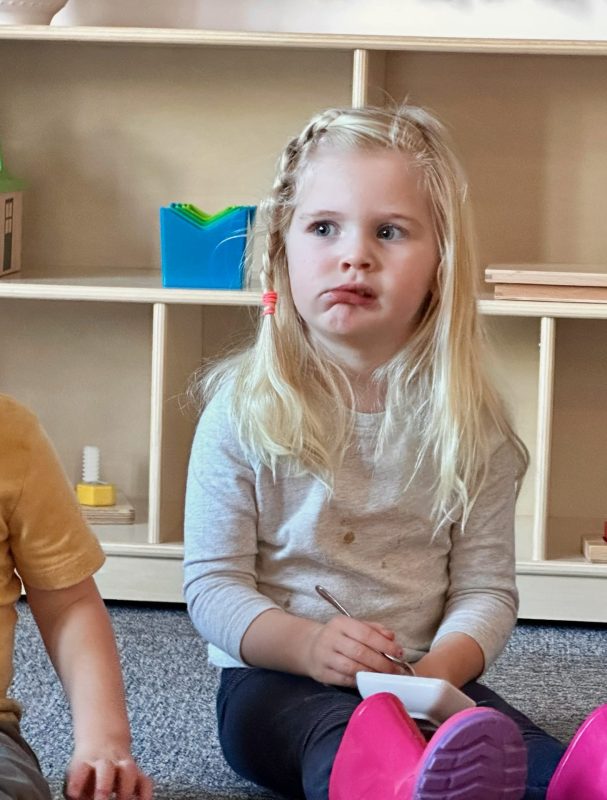
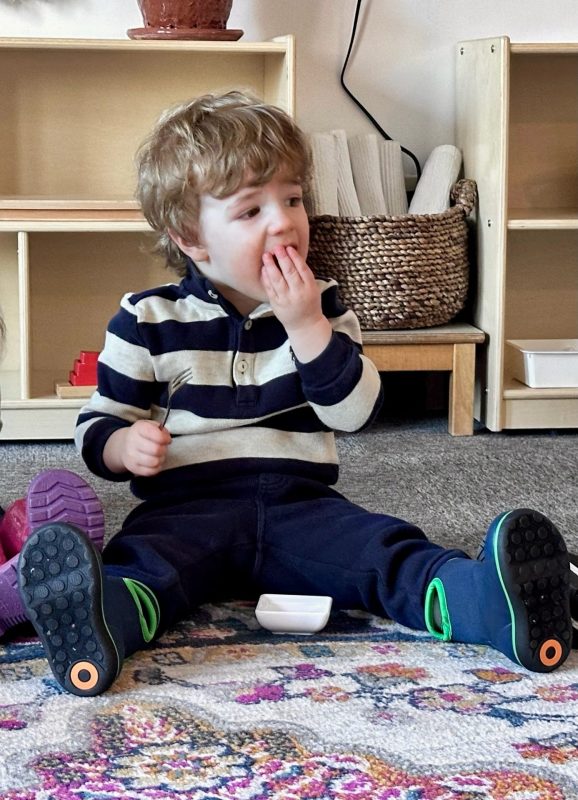
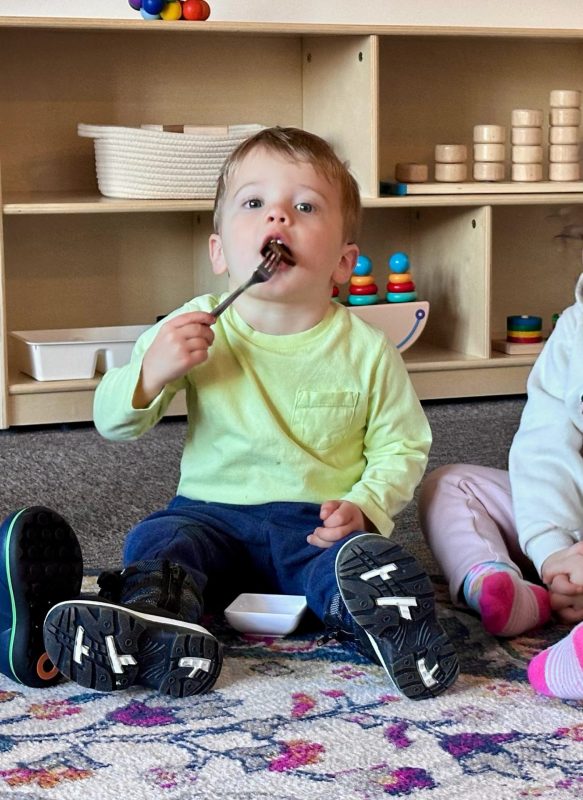
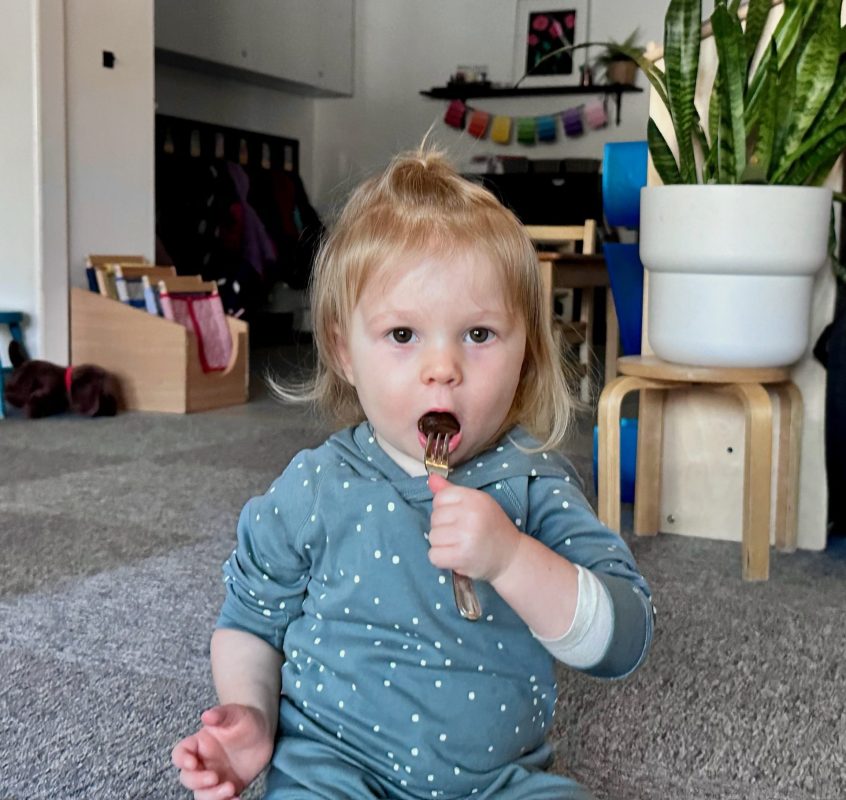
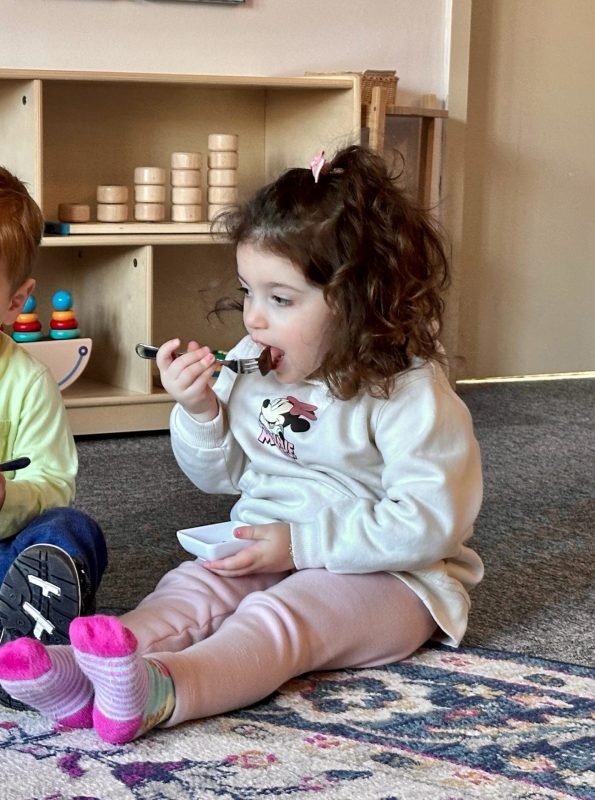
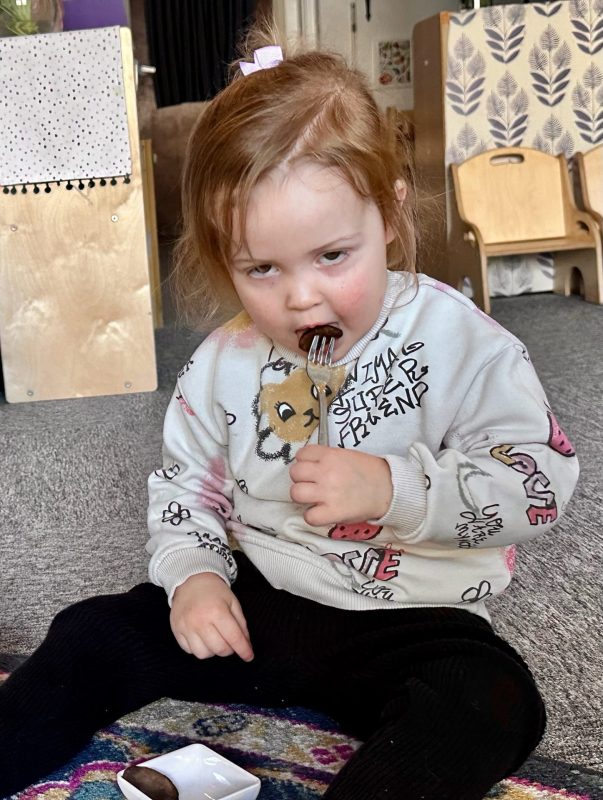
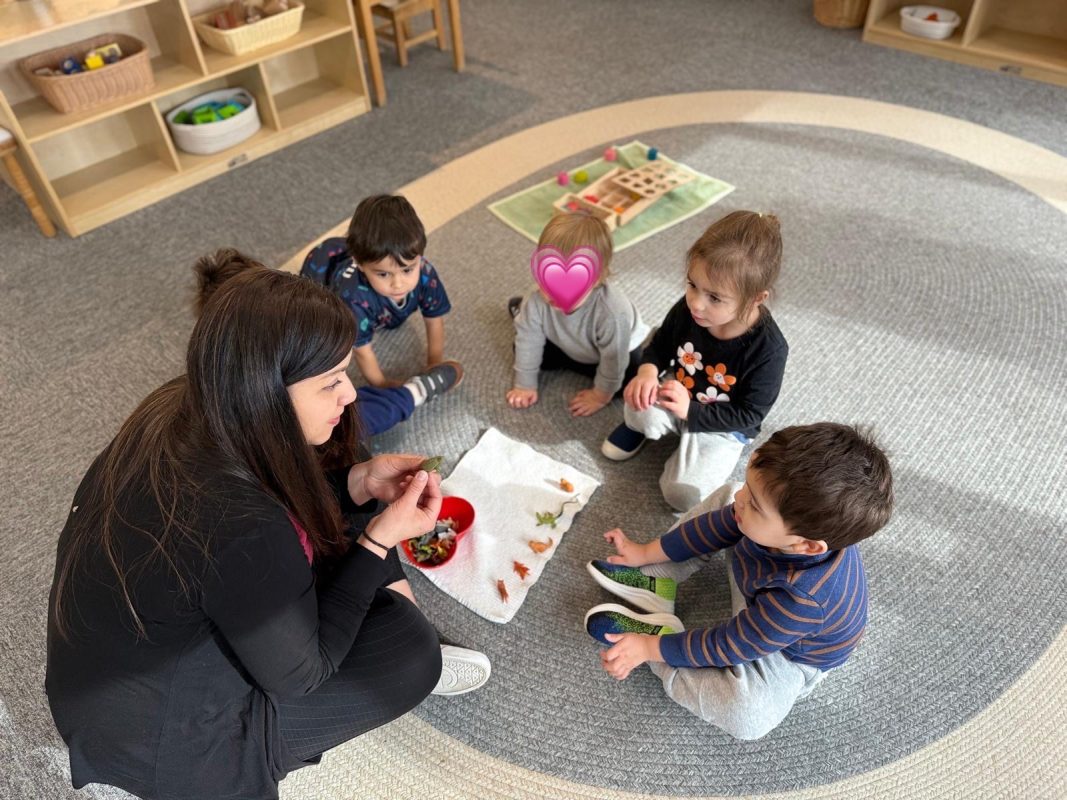
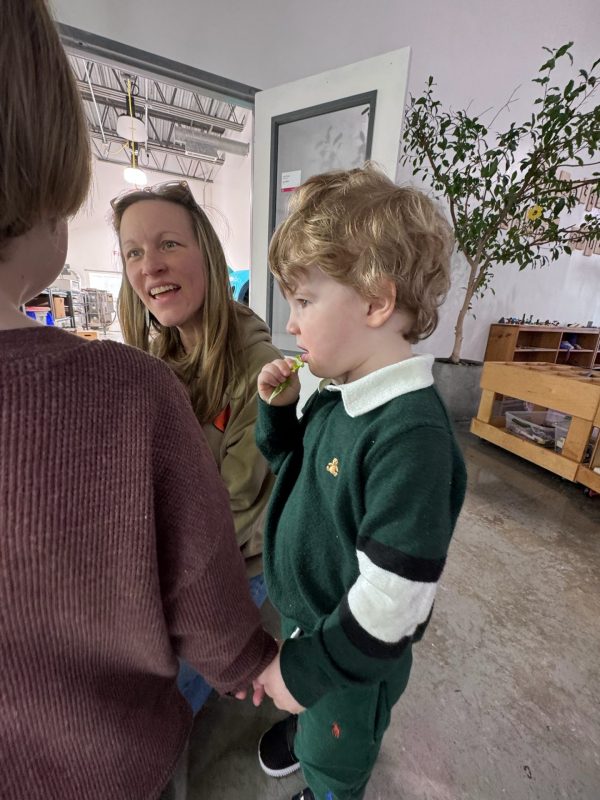
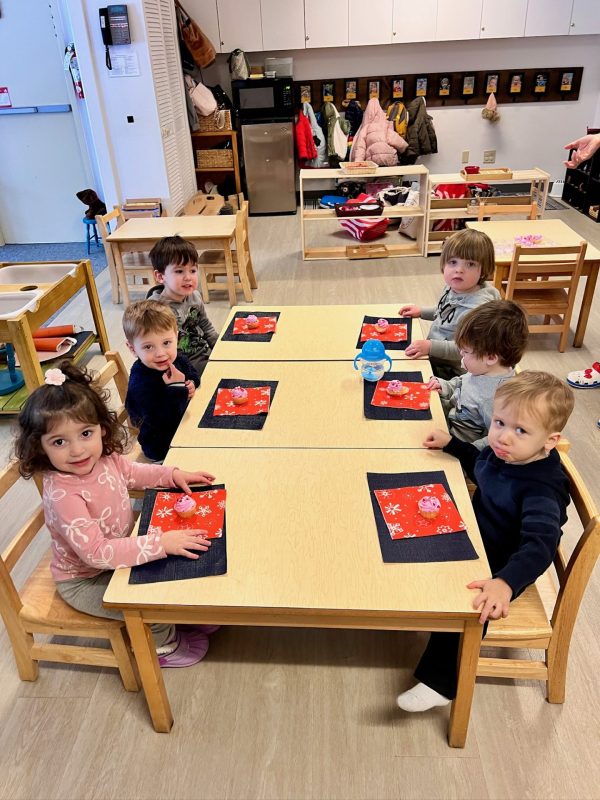
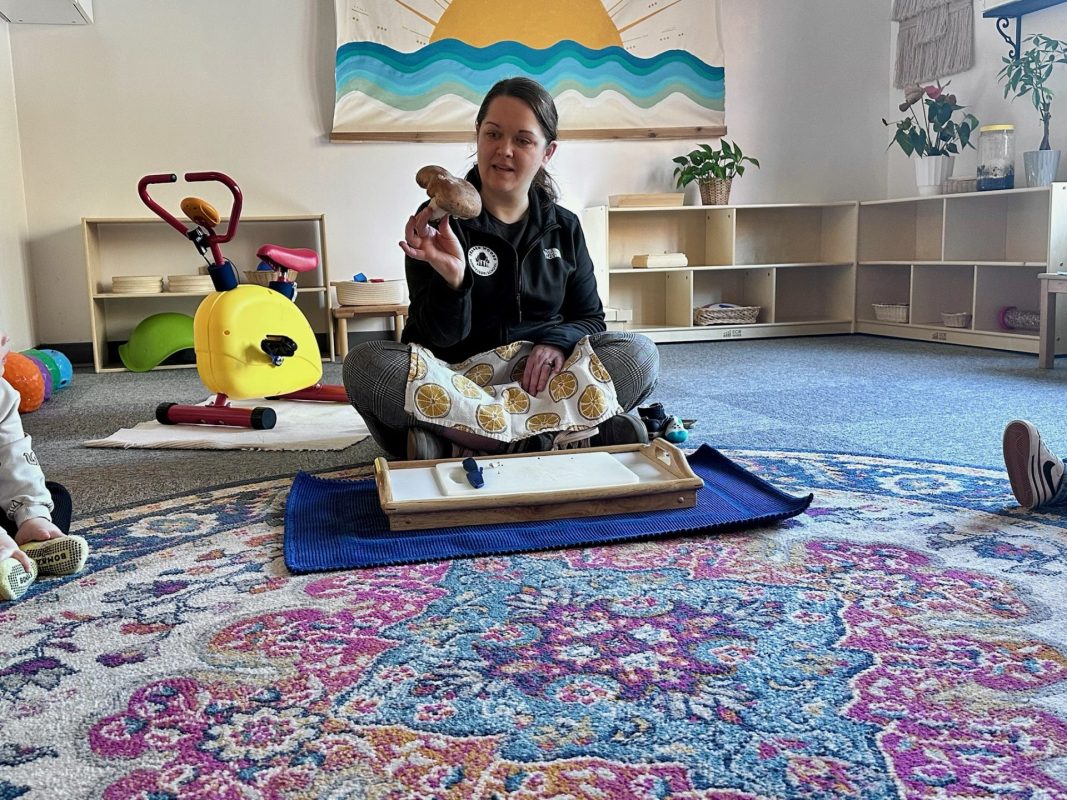
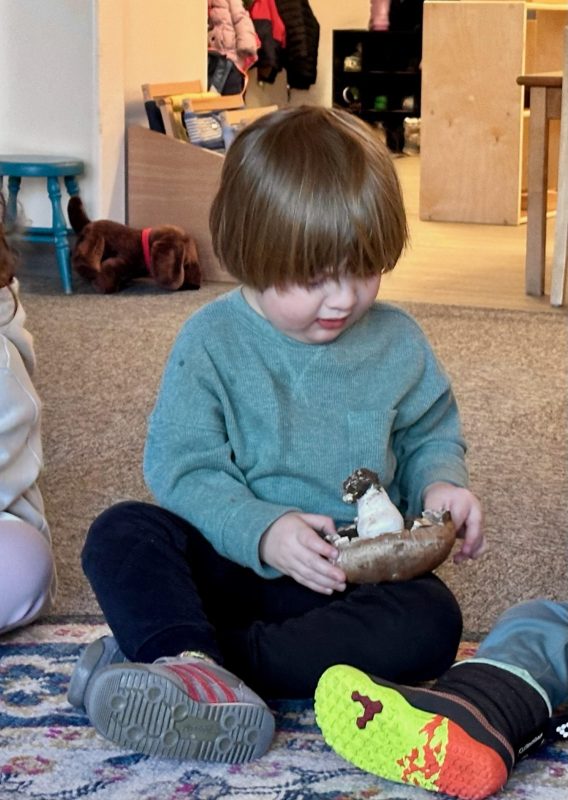
Food Tasting: This week, we explored portabella mushrooms and had the opportunity to taste them cooked. The experience was a mixed one: while some children loved the taste, others weren’t as keen and may have even spit them out. A few children gave the mushrooms a second chance before deciding whether they liked them.
Love and Light,

Cynthia and Sara
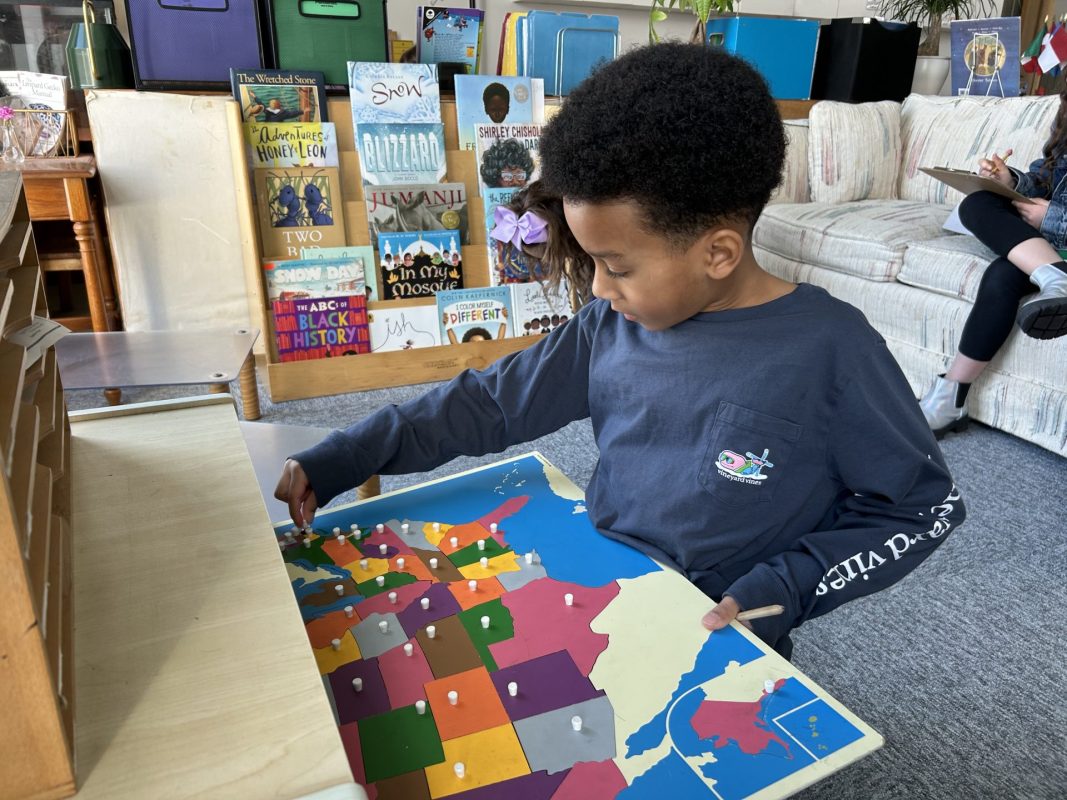

Growth, Leadership, and Collaboration in Lower Elementary

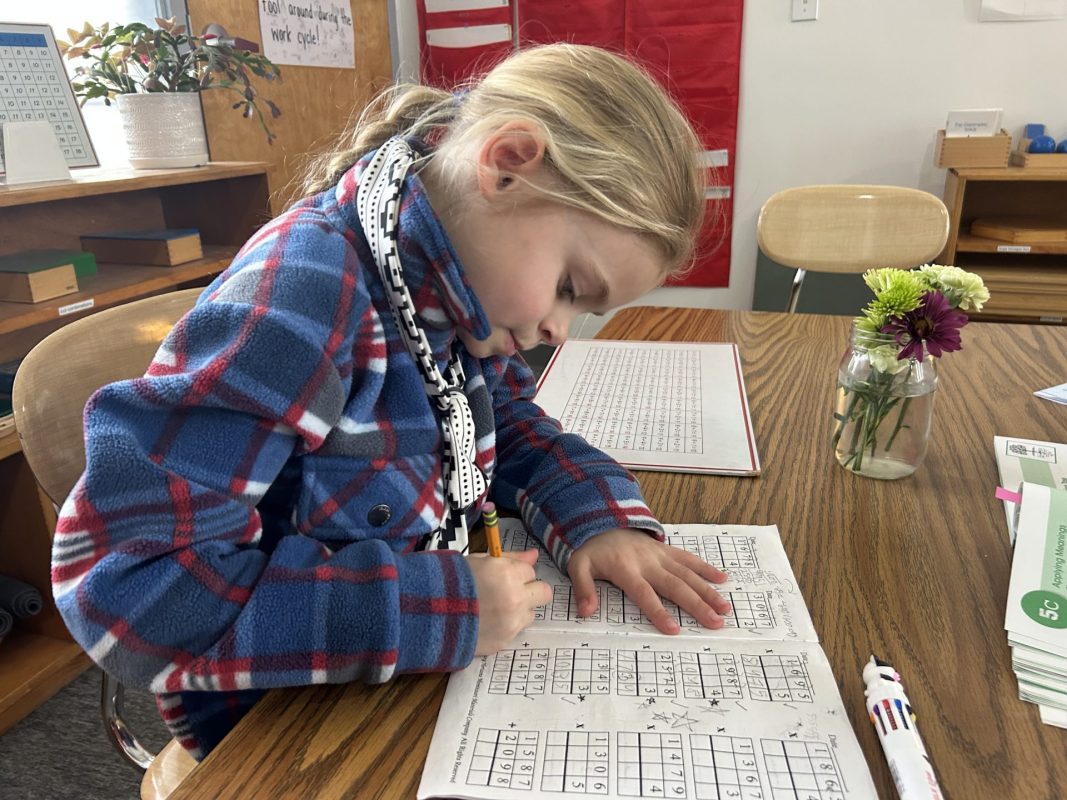
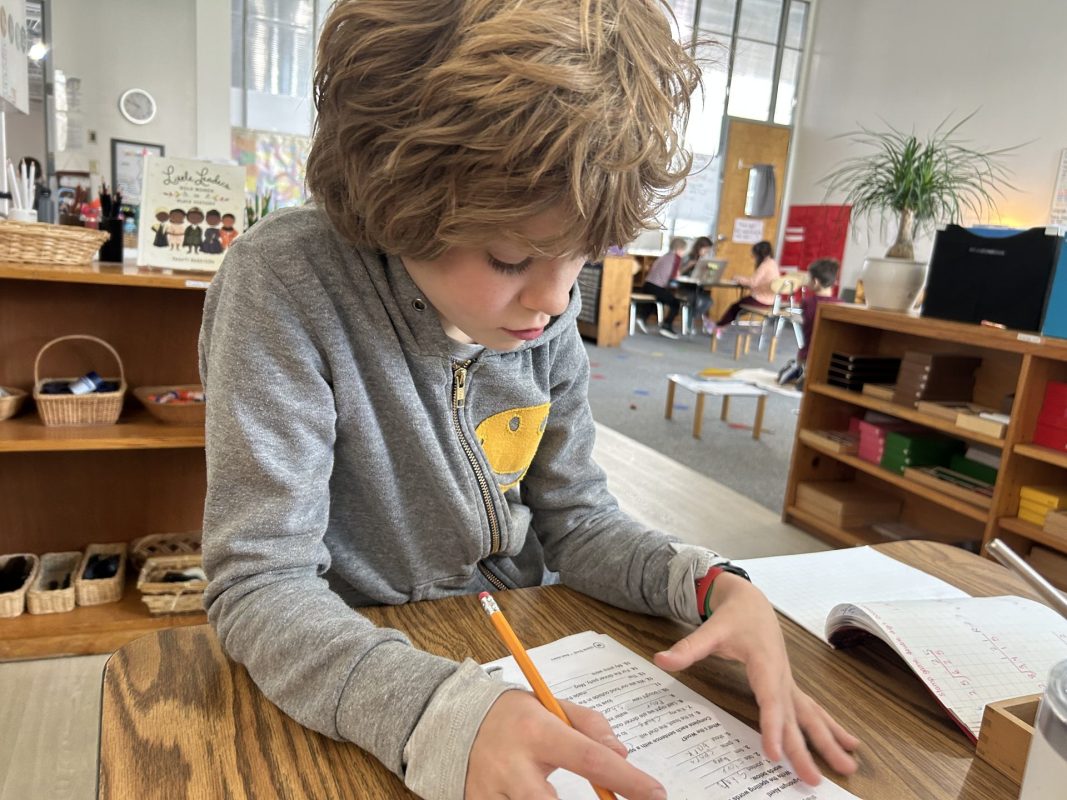
The Montessori three-year cycle fosters academic, social, and emotional growth within a mixed-age classroom. Each year plays a crucial role:

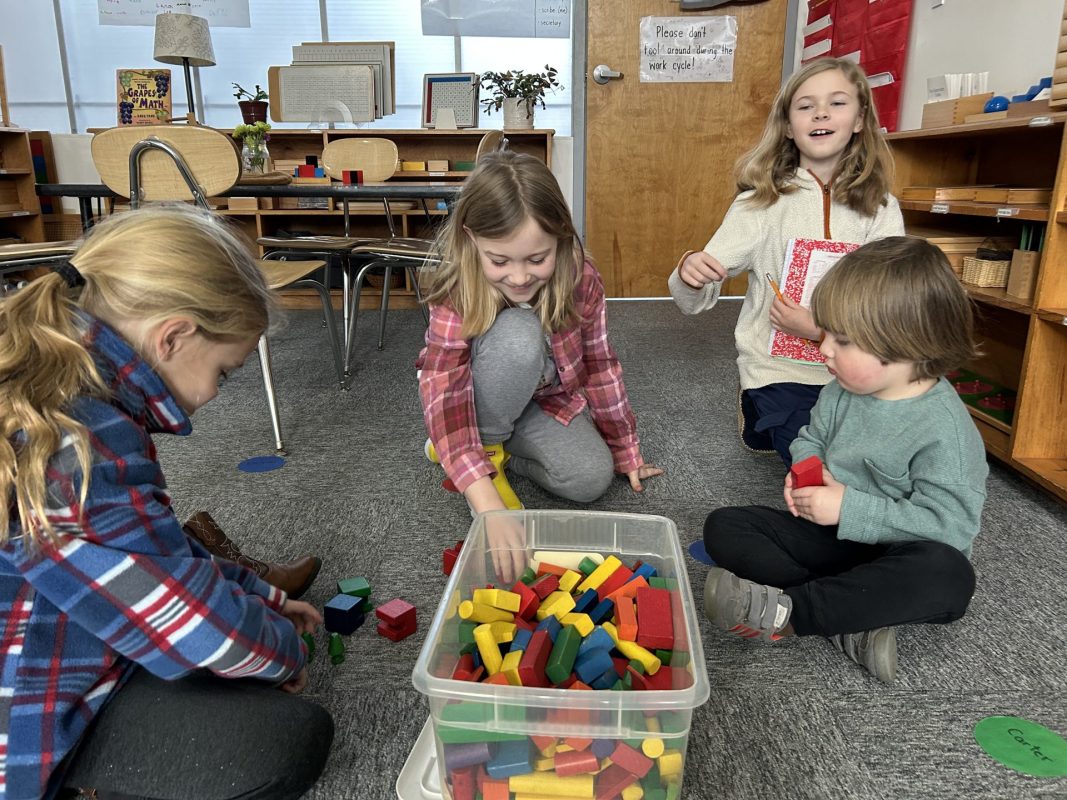
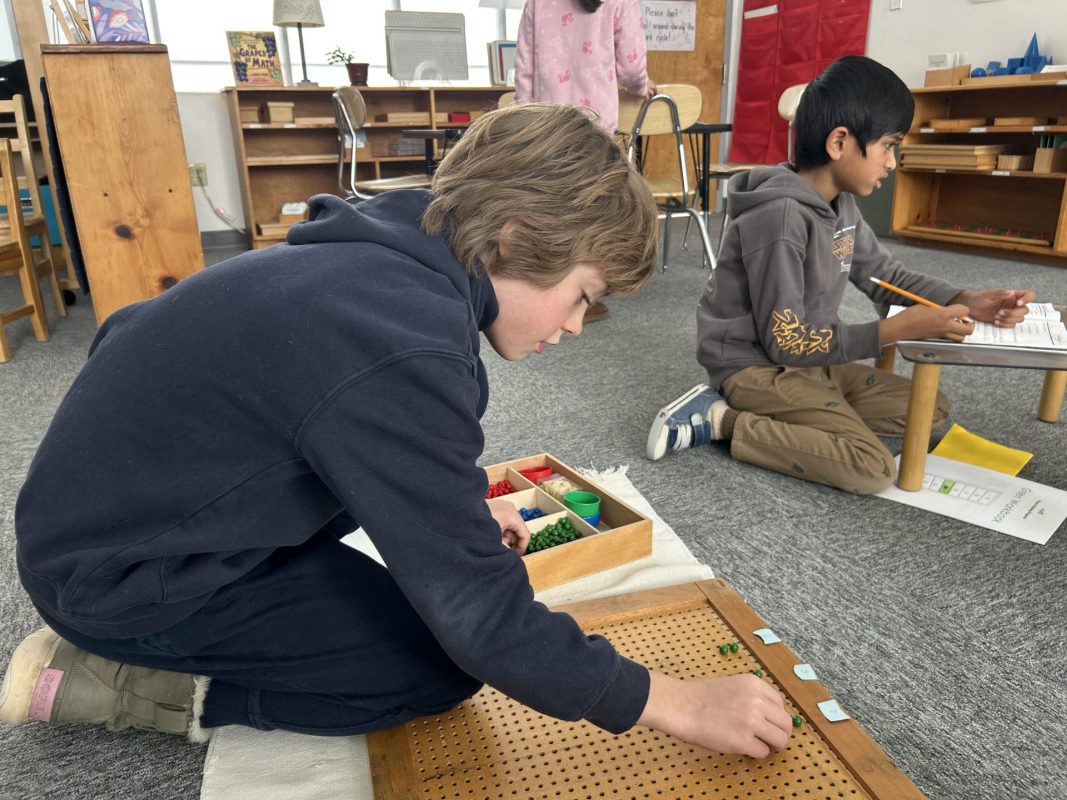
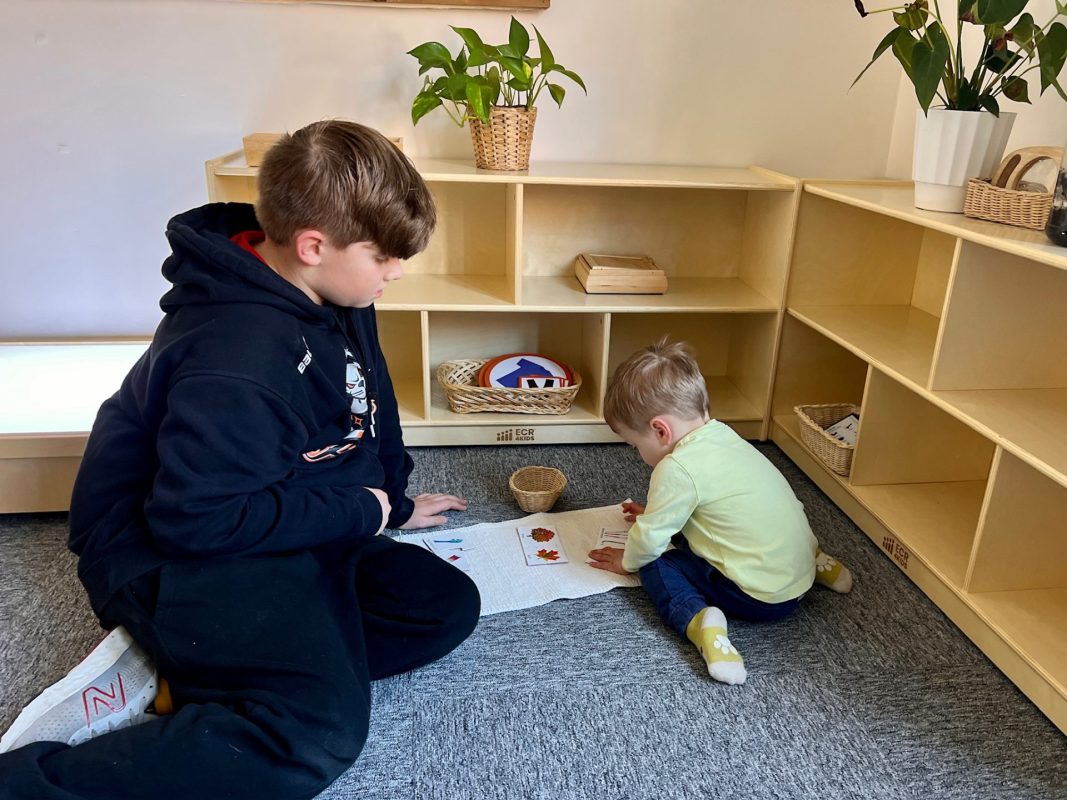
    • First-Year Students: These newcomers are observers, absorbing knowledge and adjusting to the classroom environment. They learn by watching older peers, gradually building confidence as they engage with Montessori materials and classroom routines.
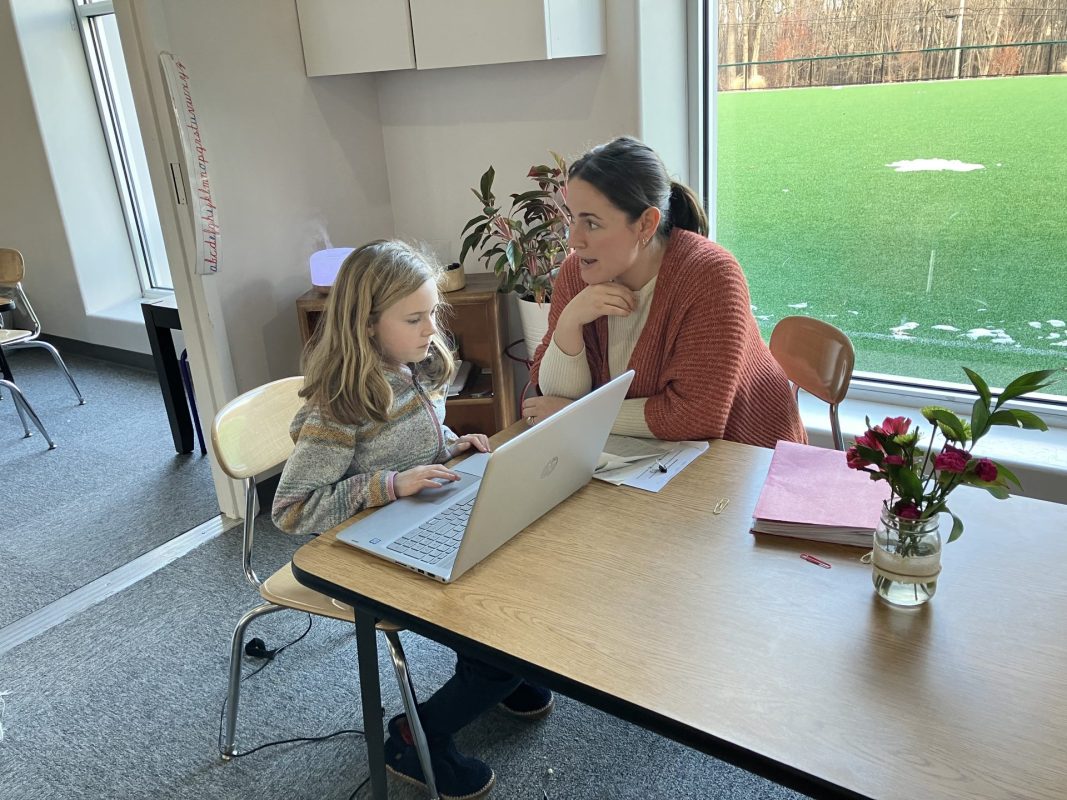
    • Second-Year Students: In this transitional phase, students refine their skills and begin taking on small leadership roles. They reinforce their knowledge by assisting younger classmates and developing patience, empathy, and responsibility while continuing to learn from the oldest students.
    • Third-Year Students: As the oldest in the classroom, these students become mentors and role models. They take on leadership roles, guiding younger peers, solidifying their own learning by teaching, and gaining confidence in their abilities.

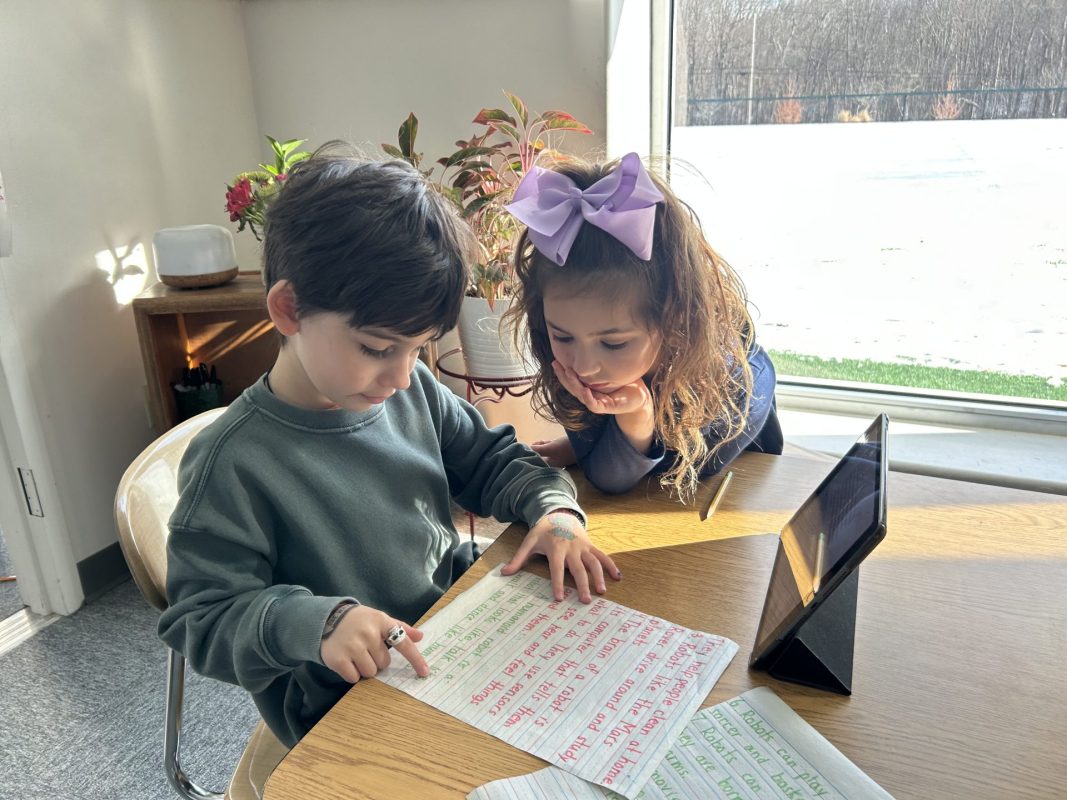
This cycle is evident in collaborative research projects, where students naturally practice teamwork, respect, and communication. Younger students learn by observing, second-years refine skills, and third-years guide the process. Through this experience, children build independence, responsibility, and confidence.

By the end of the cycle, students leave with a strong sense of community, leadership skills, and a love of learning—essential qualities that prepare them for future success.

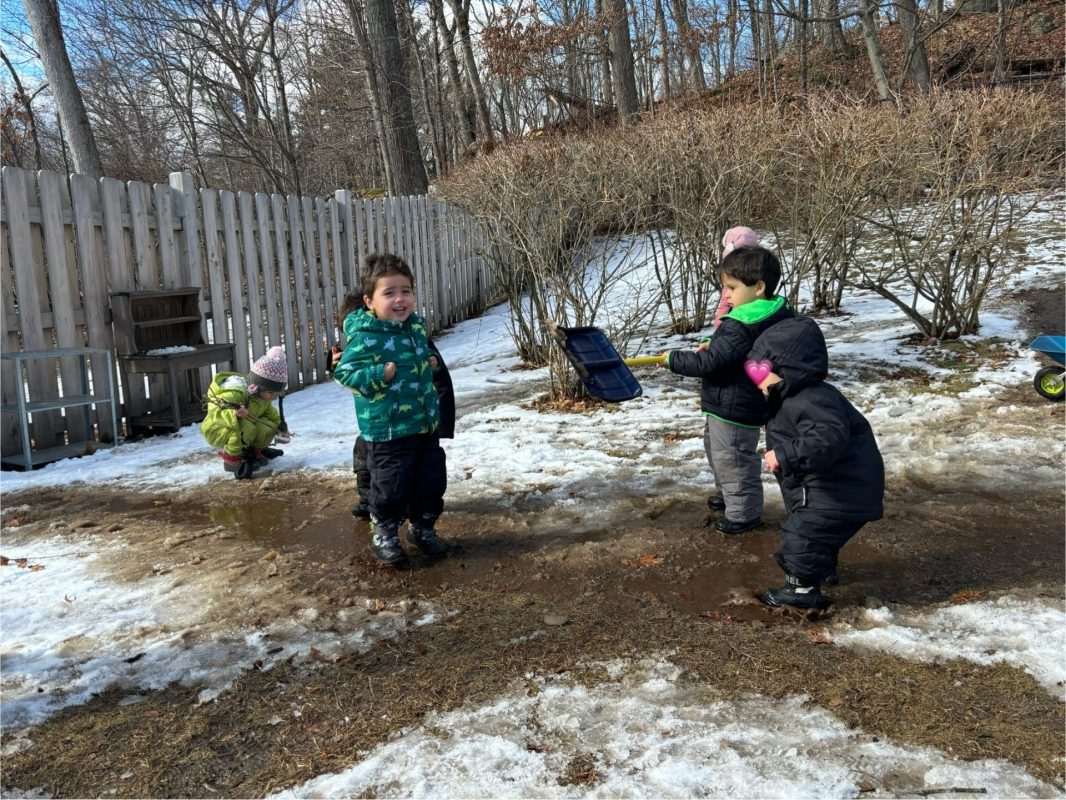
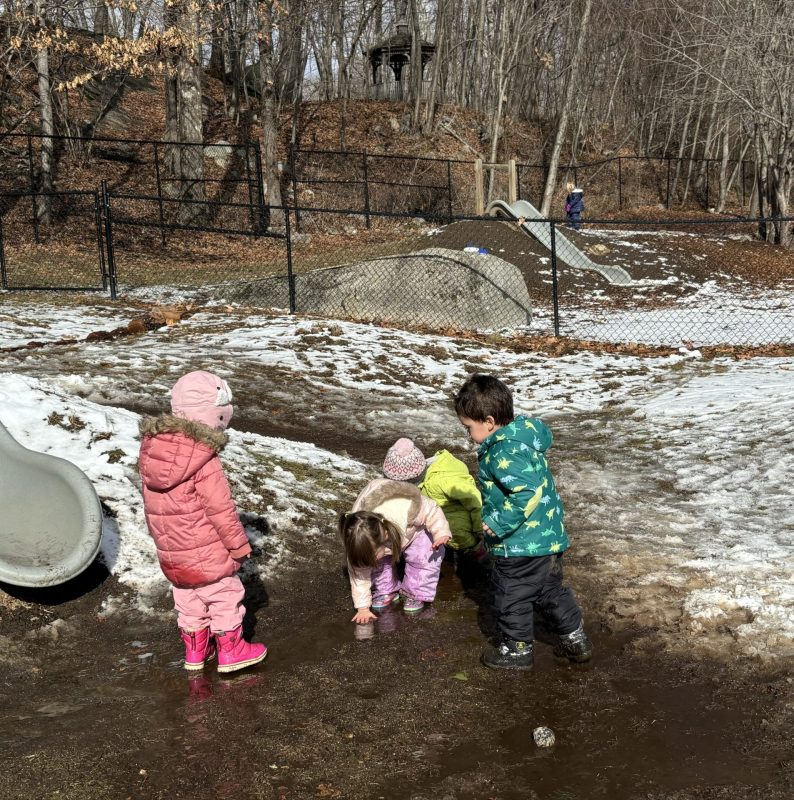
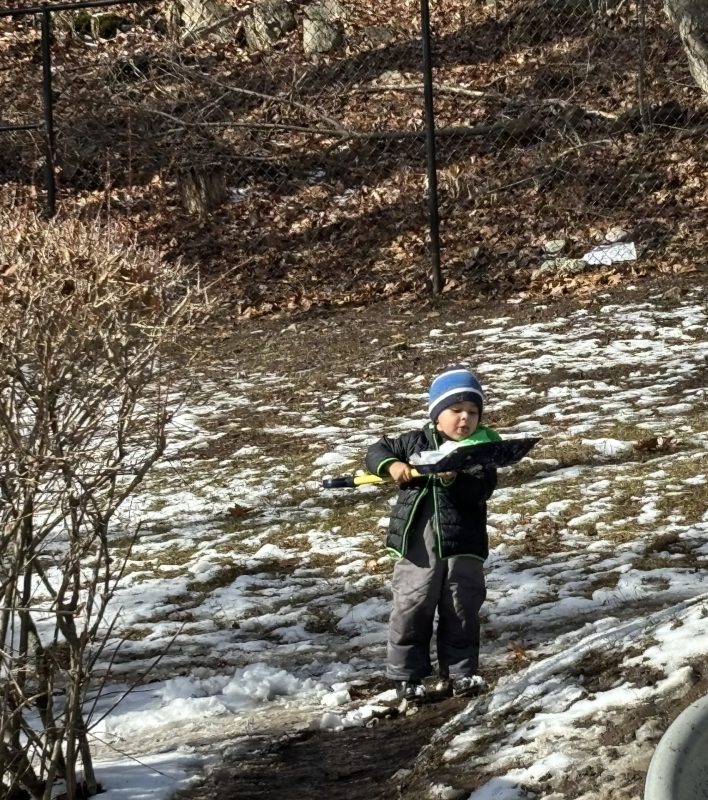
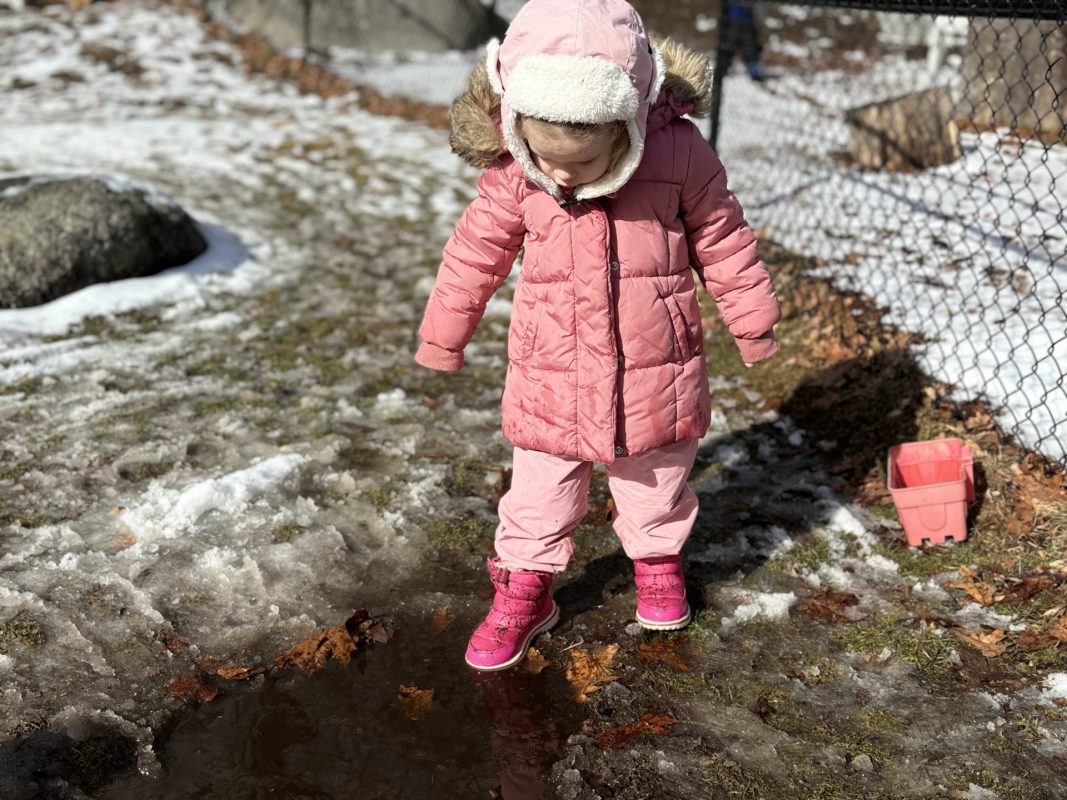
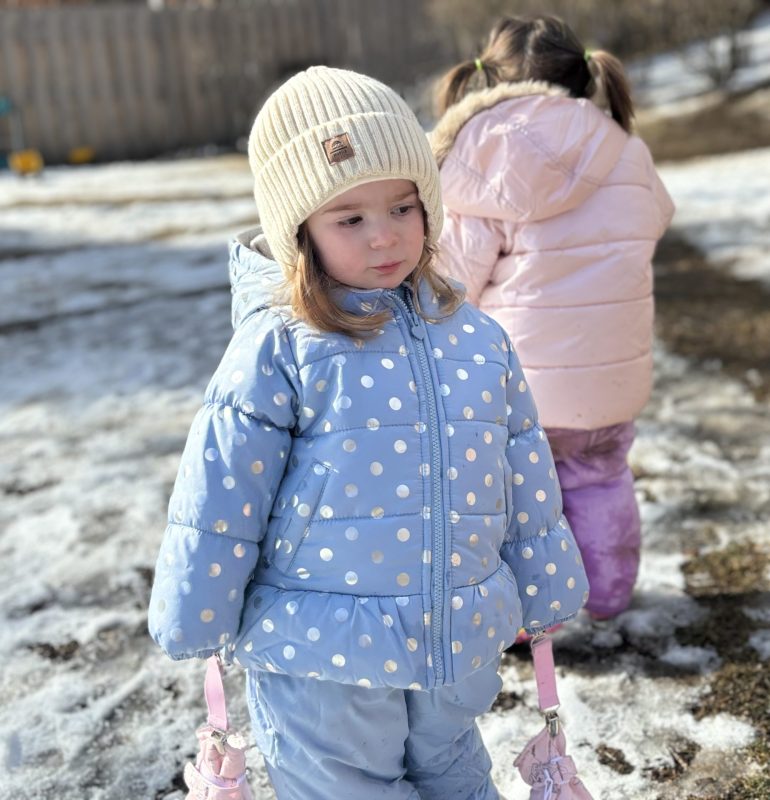
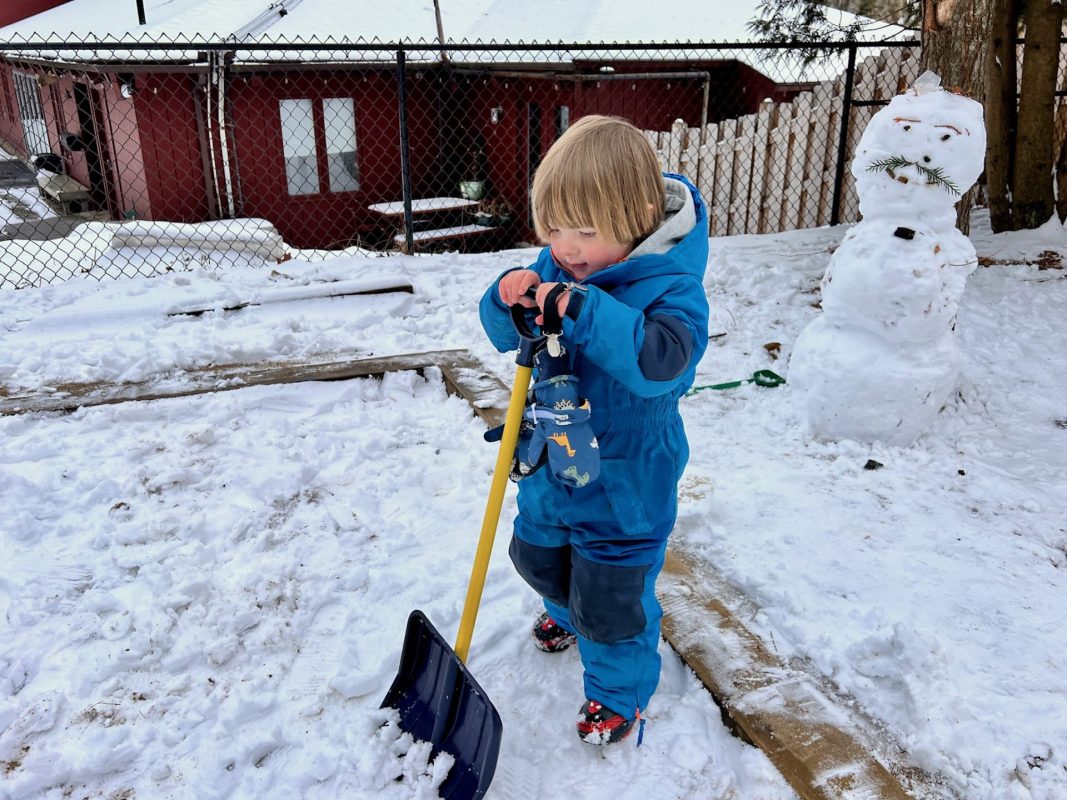
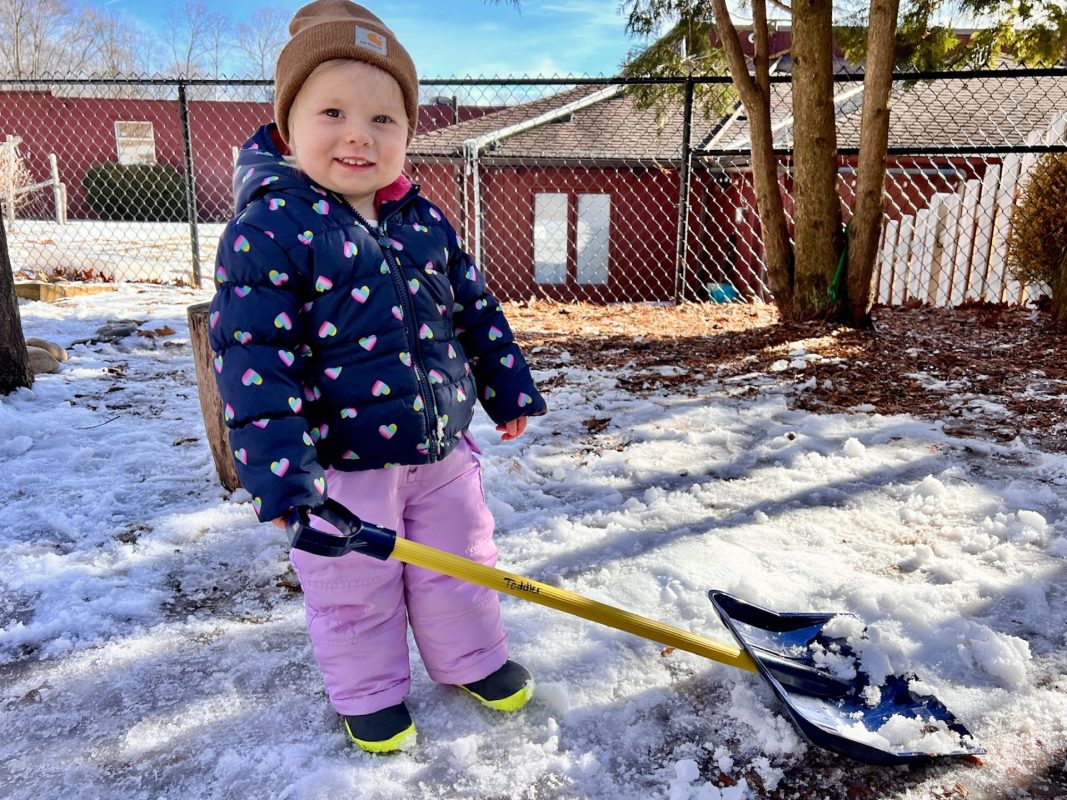
Winter Reminder: Please ensure students come to school with appropriate winter gear, especially when there is snow on the ground. Snow gear is necessary to keep them comfortable and able to participate in outdoor activities. Also, please make sure your child has an extra set of clothes here at school so they can change if necessary. Thank you!

Mrs. Hood: Emotional Intelligence!

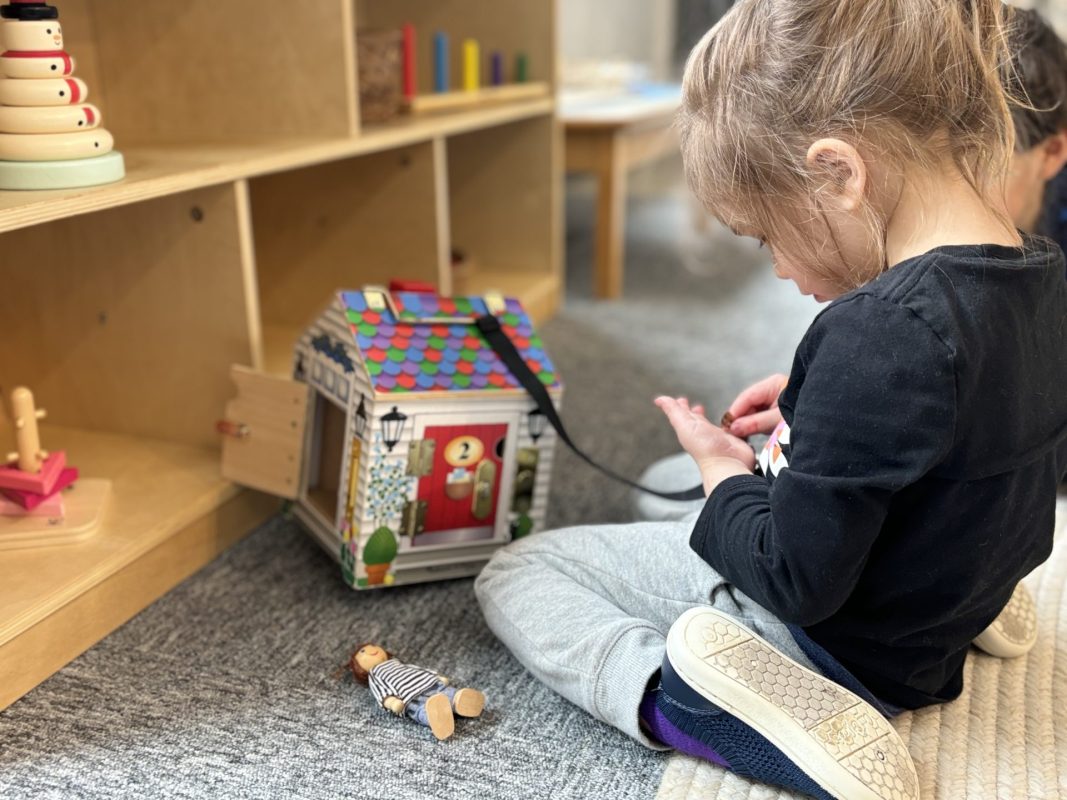
Human emotion. It’s a fascinating and complex experience, and we are so lucky to feel such a wide range of emotions in our lives. However, for toddlers, this emotional journey can sometimes feel like a roller coaster! As they navigate big feelings in their little bodies, it’s our job as teachers and caregivers to guide them in understanding, expressing, and managing their emotions in a healthy and supportive way.
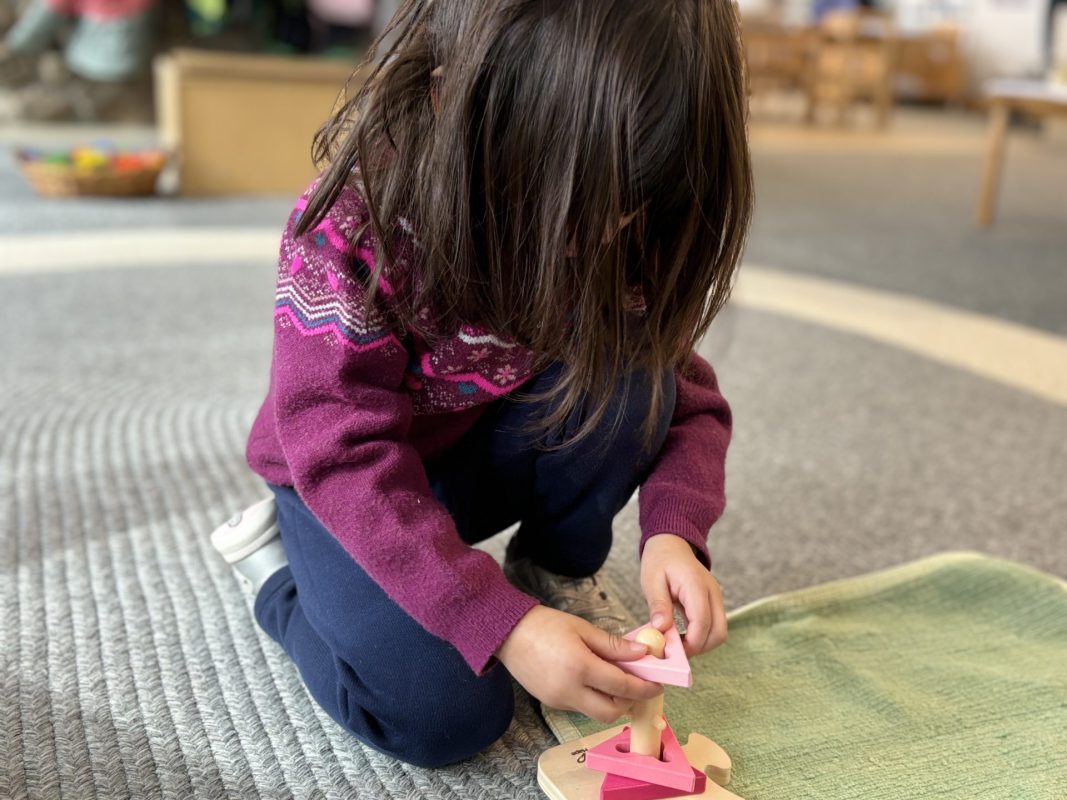
One of our main goals in our toddler classroom is to foster emotional intelligence. We do this by first helping children identify and name emotions—their own as well as those of others. Recognizing and labeling emotions is a critical skill that empowers children to express themselves effectively and feel heard and understood. Most importantly, we emphasize that all emotions are valid.

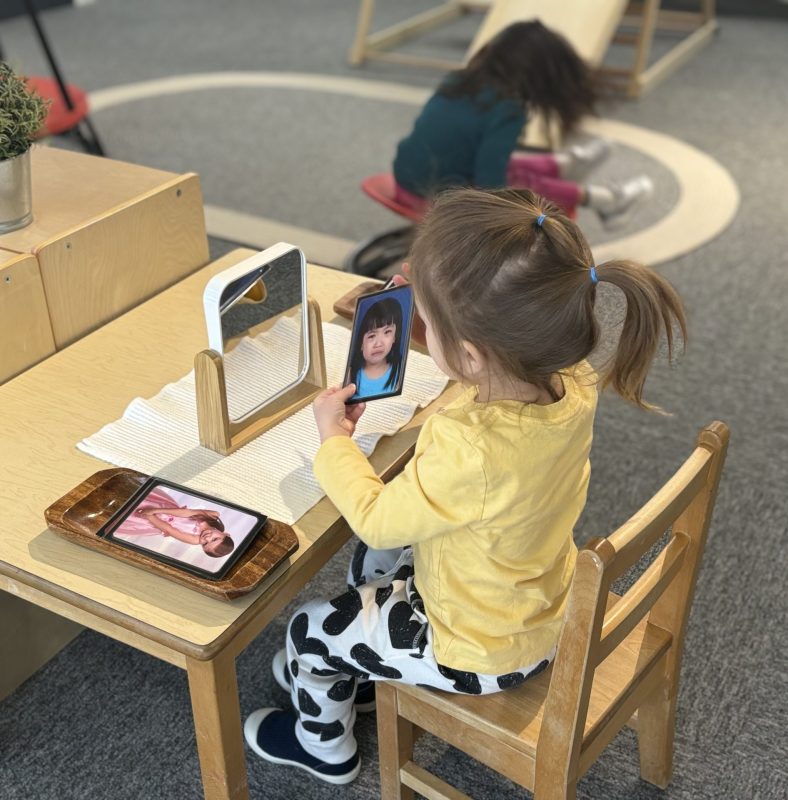
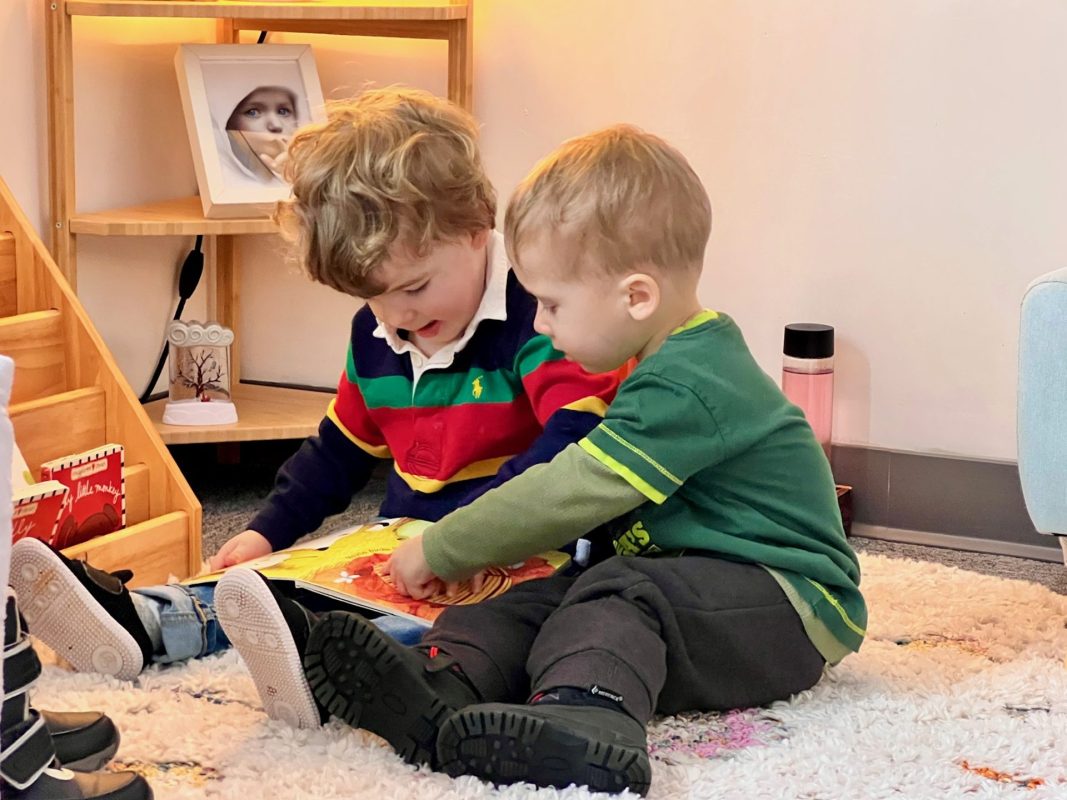
While emotional learning is woven into our daily routines, this month, we are placing an extra emphasis.  This week, we introduced some new songs, emotion cards, and new captivating books to reinforce emotional vocabulary and expressions.  Some of the emotions we explored included happiness, sadness, anger, excitement, shyness, silliness, fear, and surprise.

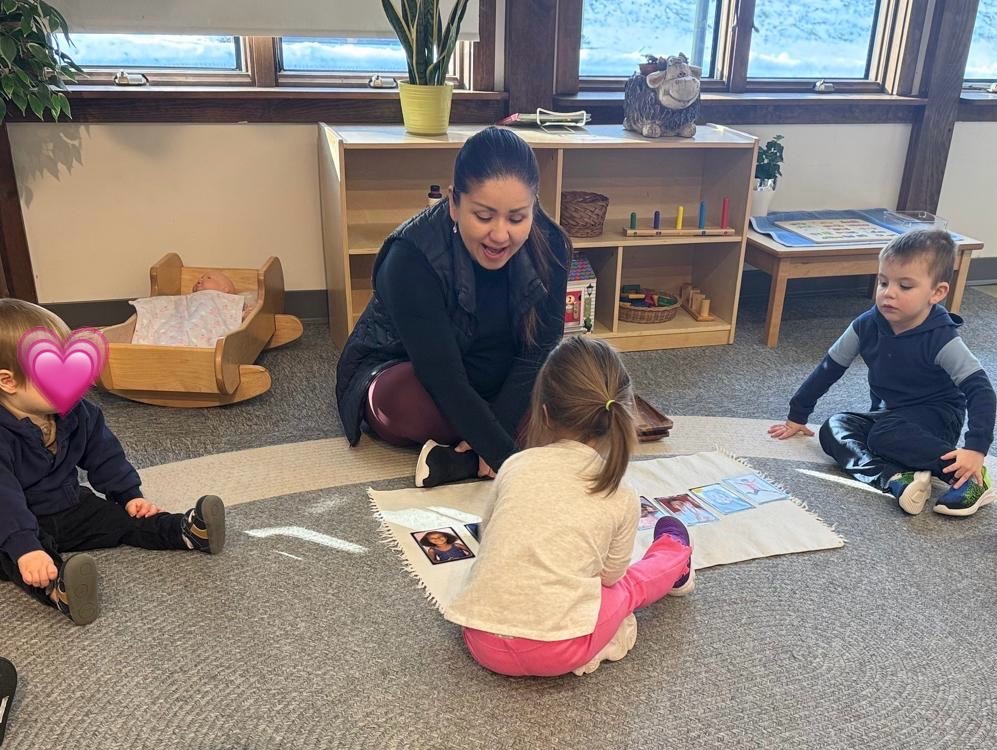
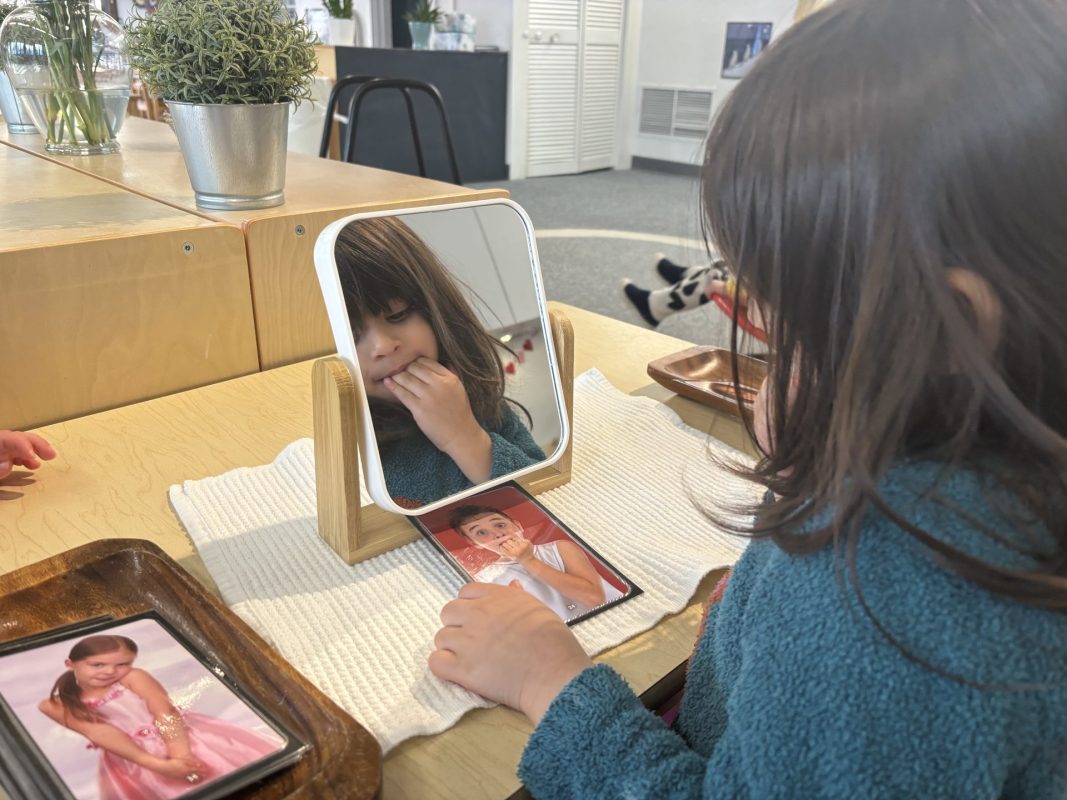
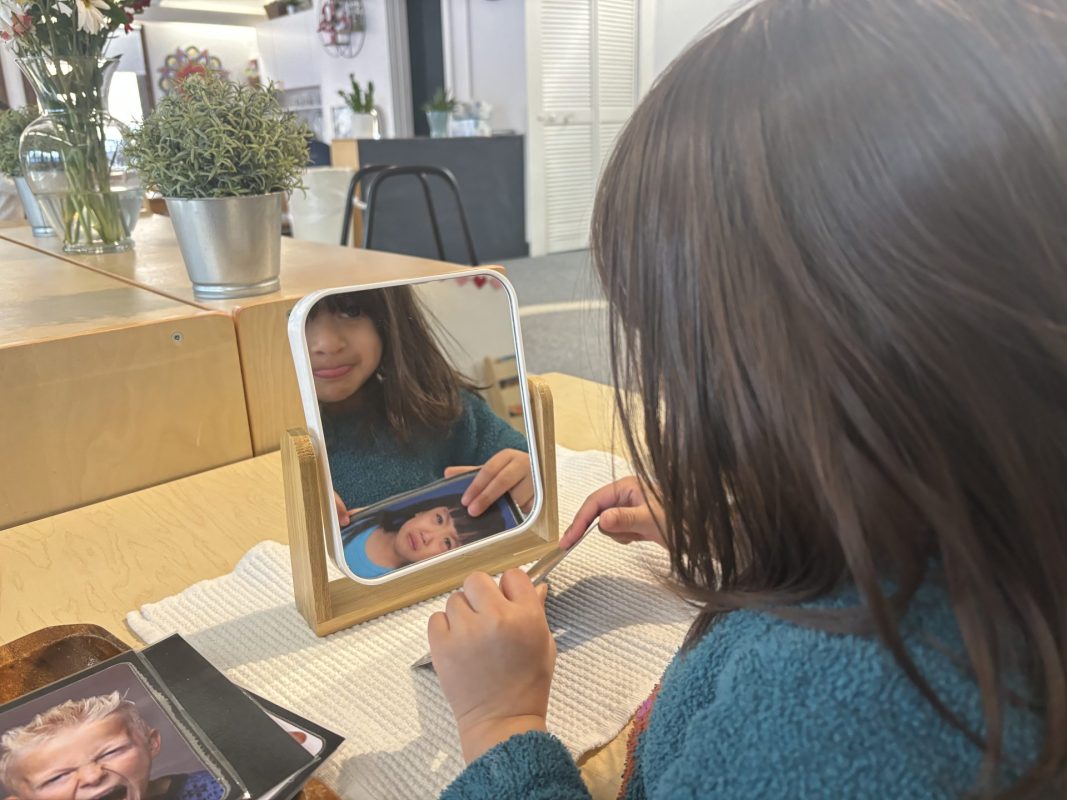
The children were especially drawn to using emotion cards with a table mirror—observing the images and mimicking facial expressions were both fun and insightful for them! We love seeing their curiosity as they recognize and explore their own emotions through play.

As we continue expanding our emotional vocabulary in the coming weeks, we will also explore the themes of love, friendship, family, pets, and even body awareness. These topics naturally tie into our discussions about emotions, helping children build connections between their feelings and the people and experiences that shape their daily lives.

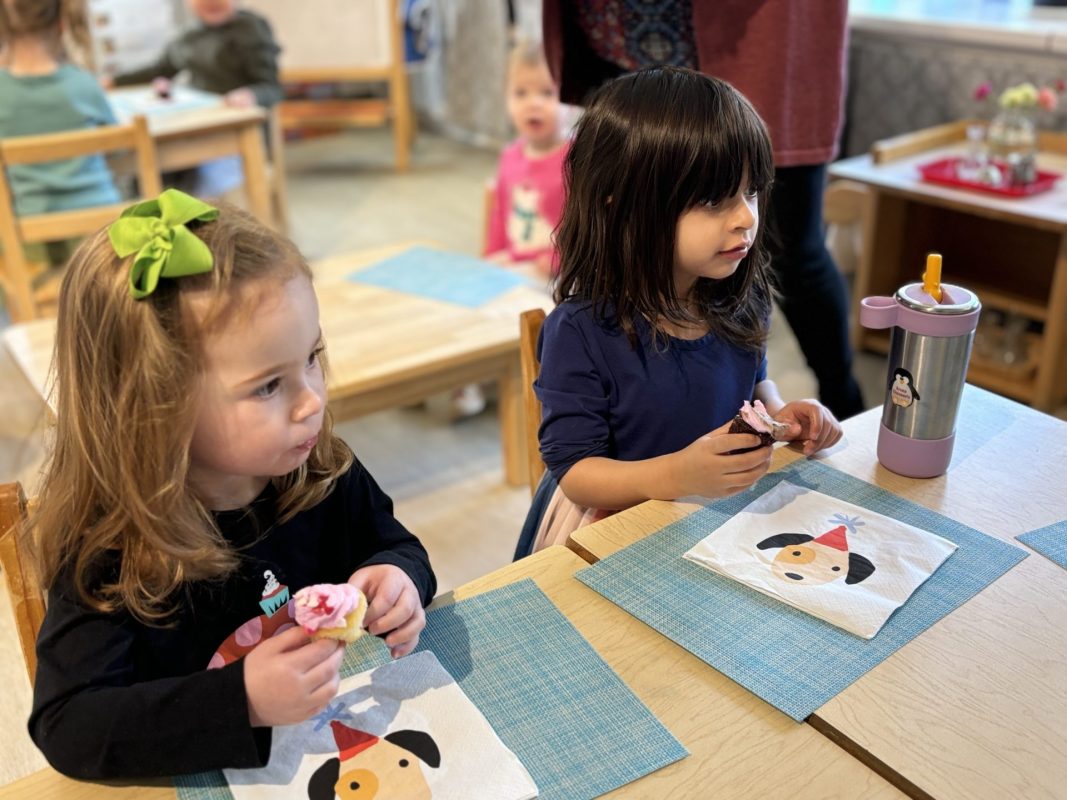
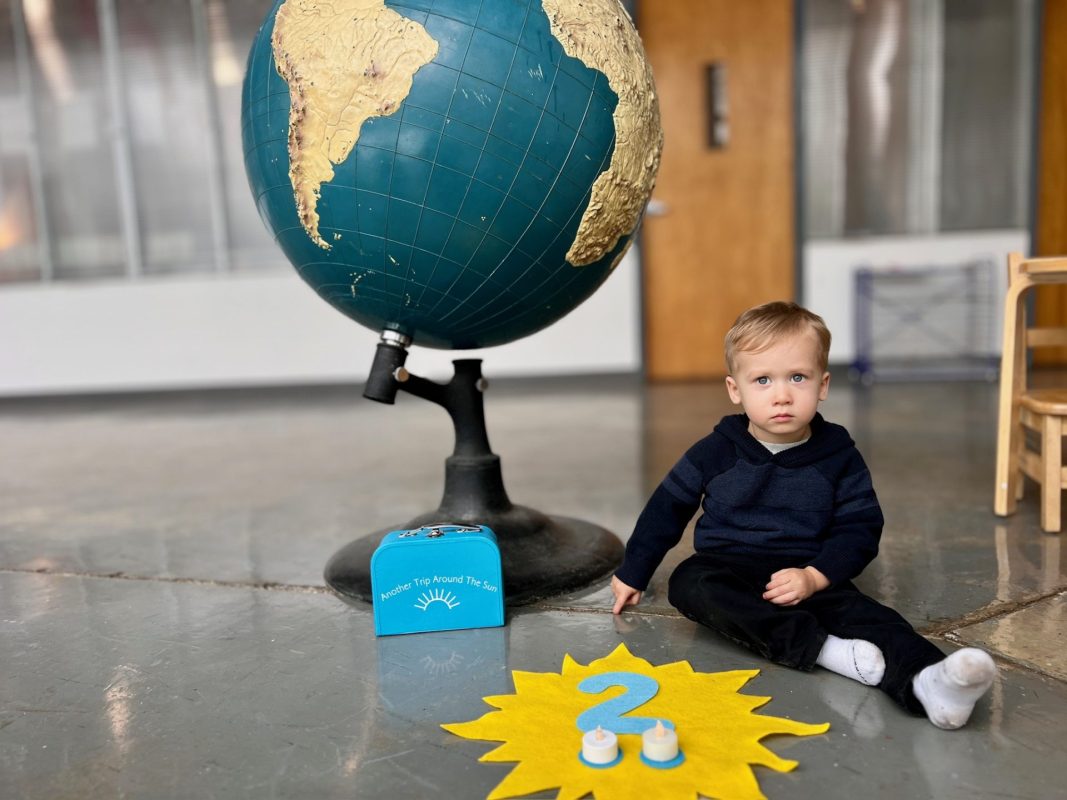
In addition to all this wonderful learning, we also had two birthdays to celebrate this week! Birthday celebrations are always a special time in our classroom, and we made sure to honor each child in a meaningful way. We will be sending photos of these celebrations directly to their families so they can share in the joy.

We are so proud of the emotional growth we see in our students each day. Thank you for your continued support in nurturing these important skills at home. We look forward to another enriching and heartwarming month ahead!

Have a wonderful weekend,

Mrs. Hood and Ms. Patty

Reminder for next week: Friendship celebration on Thursday, February 13.


Middle School: That’s a Wrap for Set in Stone!

MORE AWESOME PICTURES OF THE SHOW HERE

Reminders:

  • Tuesday, 2/4 9:15-1:30pm-MS & UE field trip to The Aldrich Contemporary Art Museum in Ridgefield, CT. Please send your student(s) with a bagged lunch.

Wow! After an incredible two weeks of immersion, Thursday night’s final show of  Set in Stone was a huge success. As the set and curtains started going up on the stage during week two, students really became focused and zoned in on their acting. With the addition of mics and costumes, the characters came to life!

It is always wonderful to hear the students speak about the process in the Q & A segment after the show with the audience. It is a way of reflection. Another way we reflect on what worked and what challenges we had during immersion is by writing about it, which students did on Thursday and Friday.

Something that really stood out this year was the number of parents who said their MS child/children kept details of the production a surprise. While there has never been a conversation about keeping our production a secret, hearing this just proves how incredibly proud they were to show you their hard work.

It’s hard to take the set down and go back to normal, but the benefits of Middle School immersion will be present for the rest of the year. Going through the experience brings the Middle School even closer to a cohesive team. We have already noticed it!

We ended the week with bagels, pajamas, ice cream sundaes, and a watch party.

Thank you for all of your support. We hope you enjoyed the show! Back to the regular schedule and classes on Monday.


This Week in Upper El

On Tuesday, February 4, we will go to the Aldrich Contemporary Art Museum in Ridgefield. We will leave school at 9:30 and return at 1:30. Students need to pack a bagged lunch and wear clothing appropriate for painting that day.

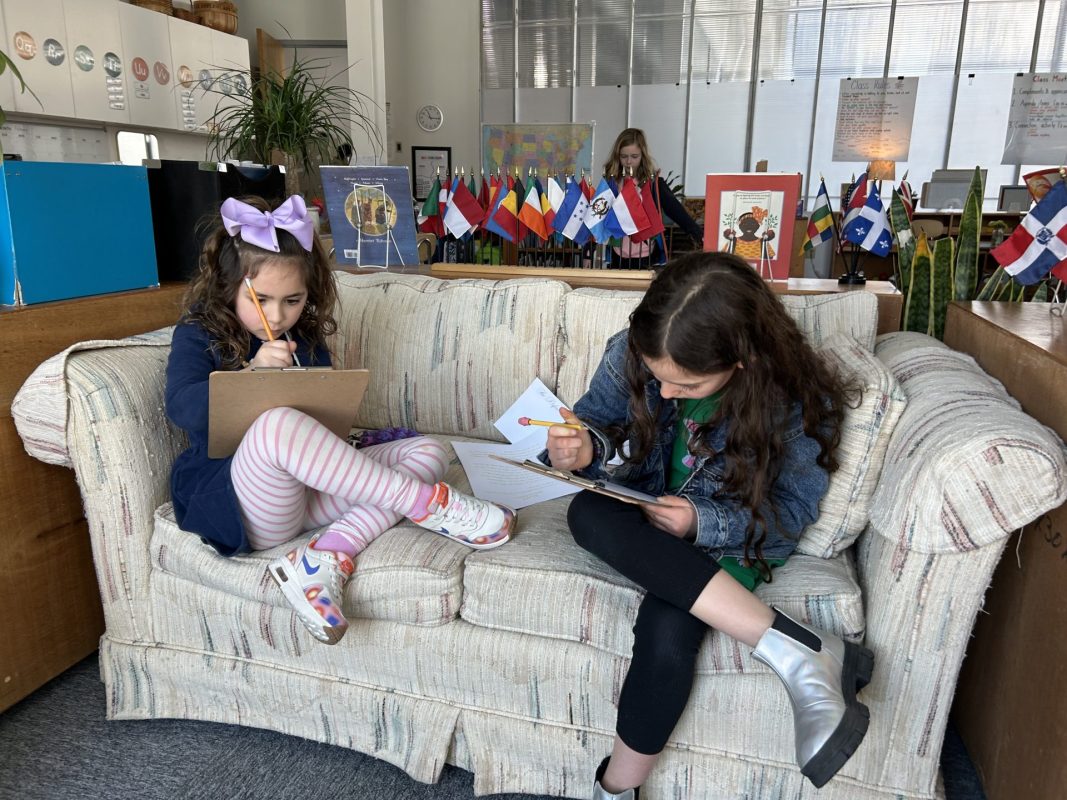
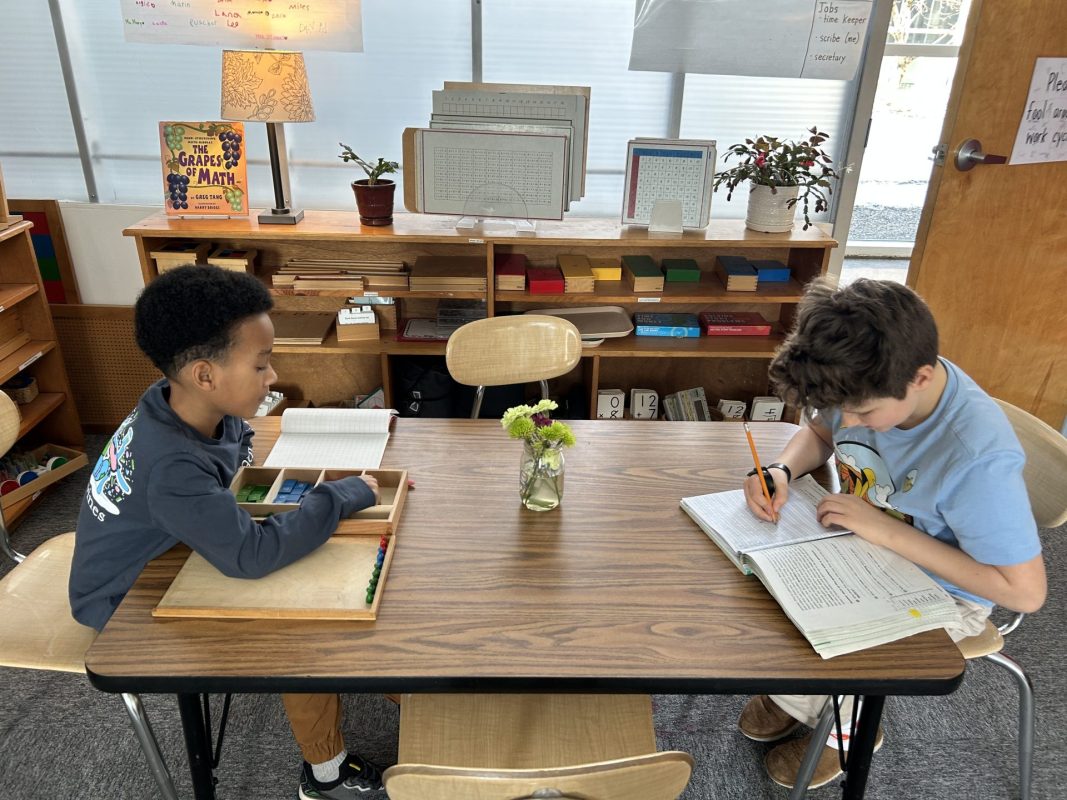
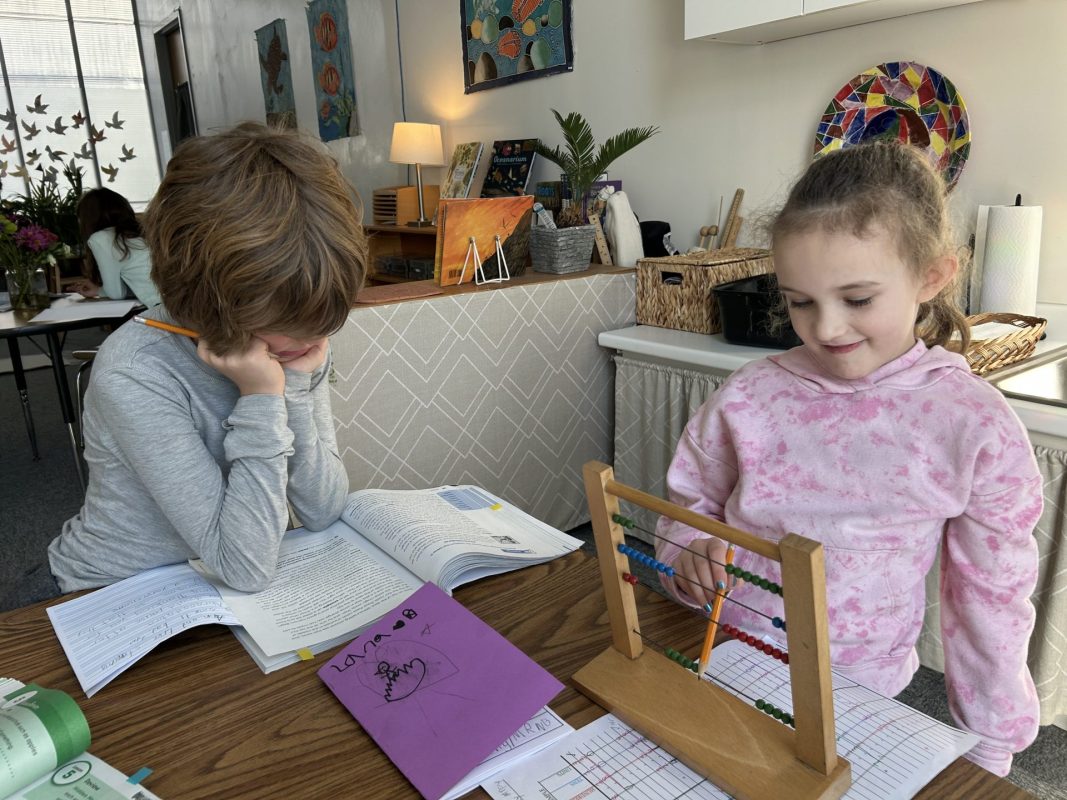
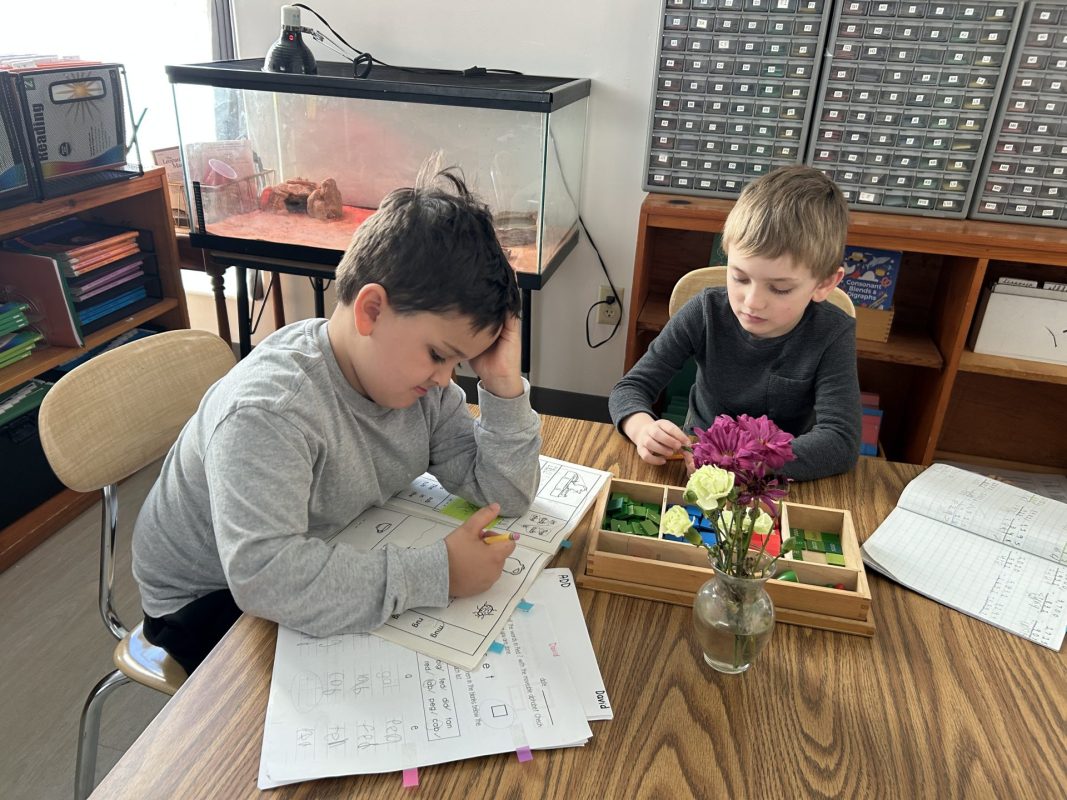
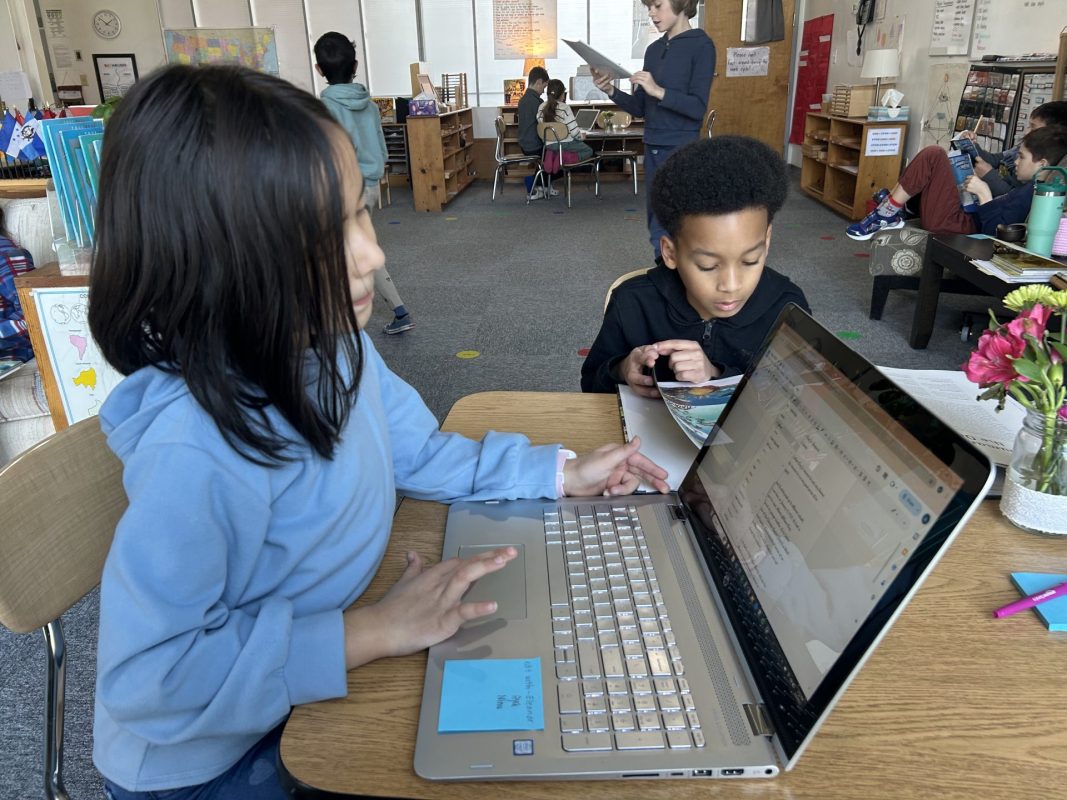
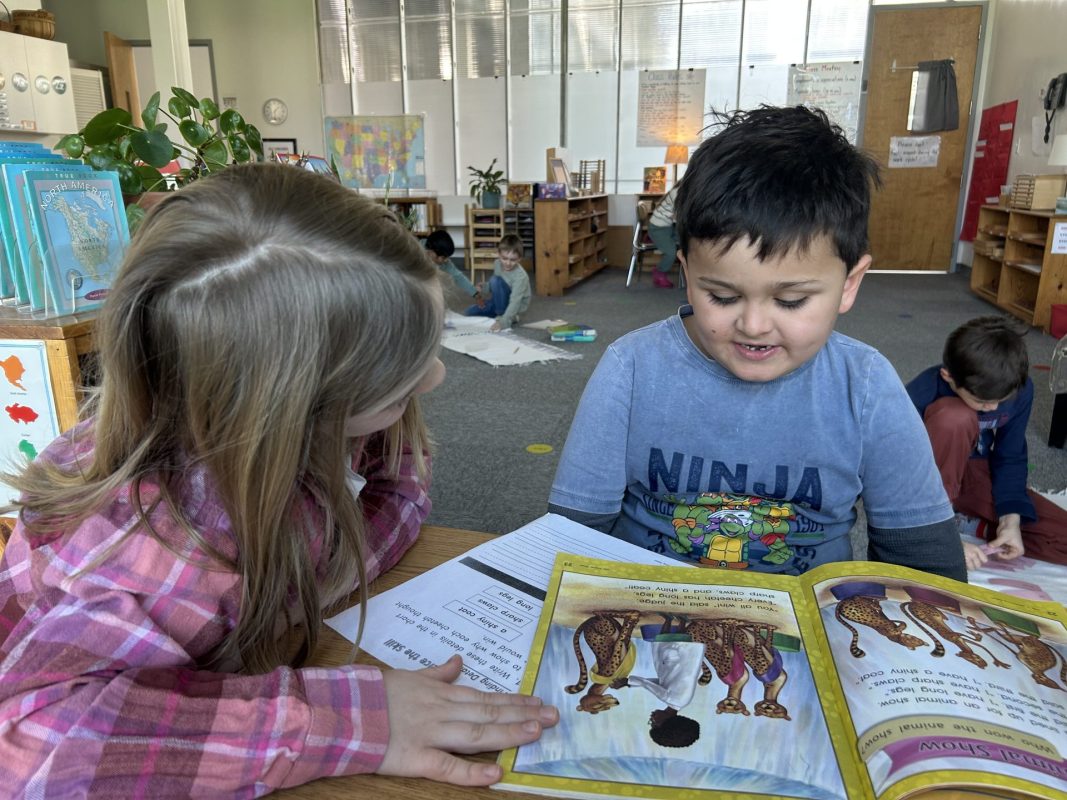
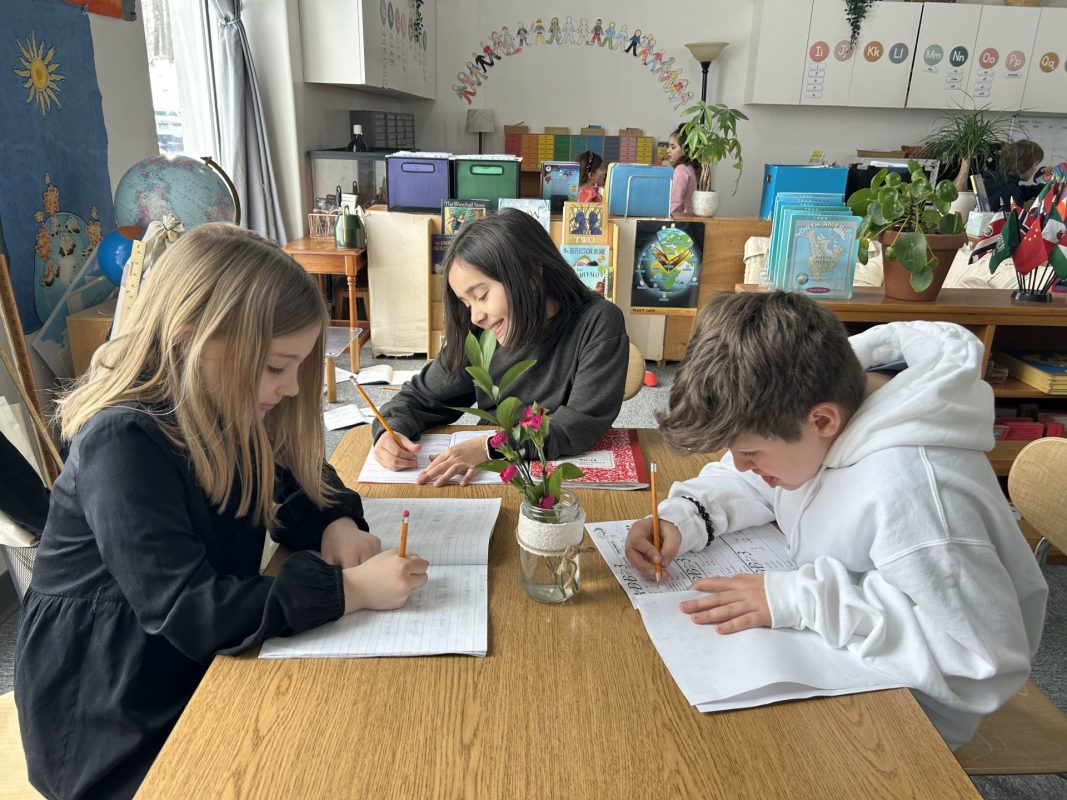
An observer in our Upper Elementary classroom would notice that most children are working together on their tasks; this collaboration is intentional. Montessori elementary communities are designed to foster teamwork because it is recognized as a vital need for this age group. Elementary children seek interaction not only in social settings but also in organized groups where they can focus on common goals with their peers. At this stage, children form strong friendships and prefer to be surrounded by their classmates. For this reason, the majority of their work is collaborative, except when they are honing individualized skills.

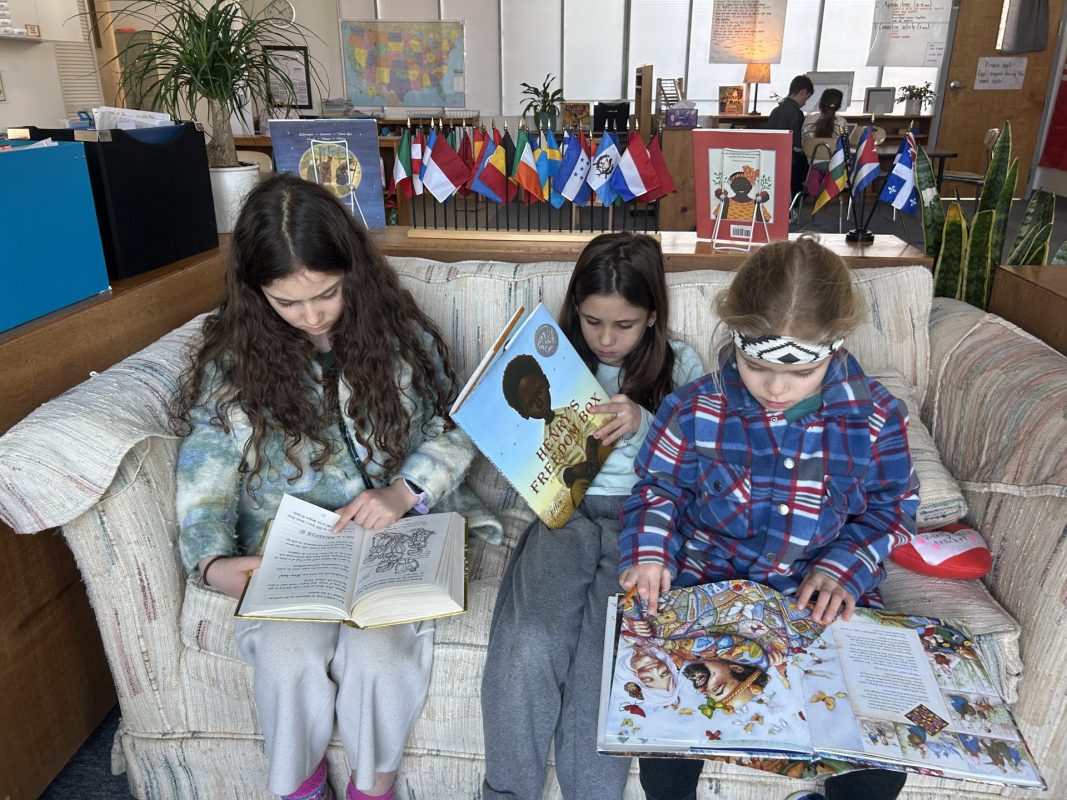
This phase also represents the “acquisition of culture” in Montessori education. There is a significant emphasis on learning about how individuals throughout history have contributed to society. As children absorb this new historical knowledge, they also learn how to contribute positively to their own environment, both within the classroom and beyond.

We had our second week of Friday Book Buddies this past week. The Upper Elementary students spent their Friday Fun decorating bookmarks for their kindergarten friends. They will finish the bookmarks this week and present them to their buddies during their next Book Buddies session on Friday. Both Upper Elementary and Kindergarten students seemed to enjoy this week’s session even more than last week. Everyone is becoming more comfortable and relaxed while reading. It is heartwarming to see the connections being made, as well as the Upper Elementary students taking on leadership roles with their younger friends.


Ms. Handibode: Moving Like Molecules

We are just beginning our science unit on States of Matter. Matter is all around us. Everything that you can touch, taste, smell, and see is made of matter. The three main states of matter are solids, liquids, and gases.

Solids have a definite shape because these molecules are very close together and do not move very much. The shapes of solids do not change unless some type of force makes them change. Liquid matter does not have its own shape. The tiny molecules in liquids are not as close together as solid molecules, and they move around more. Liquids take the shape of the container they are in. Gas matter also does not have its own shape. The molecules in a gas are far apart, and they move around a lot. Gases spread out and fill up their container, too.  We did several experiments to learn more about the states of matter, including “dancing raisins,” where we watched raisins dance up and down when put into a container with carbonated water.  We also blew up a balloon using a water bottle filled with vinegar and baking soda.

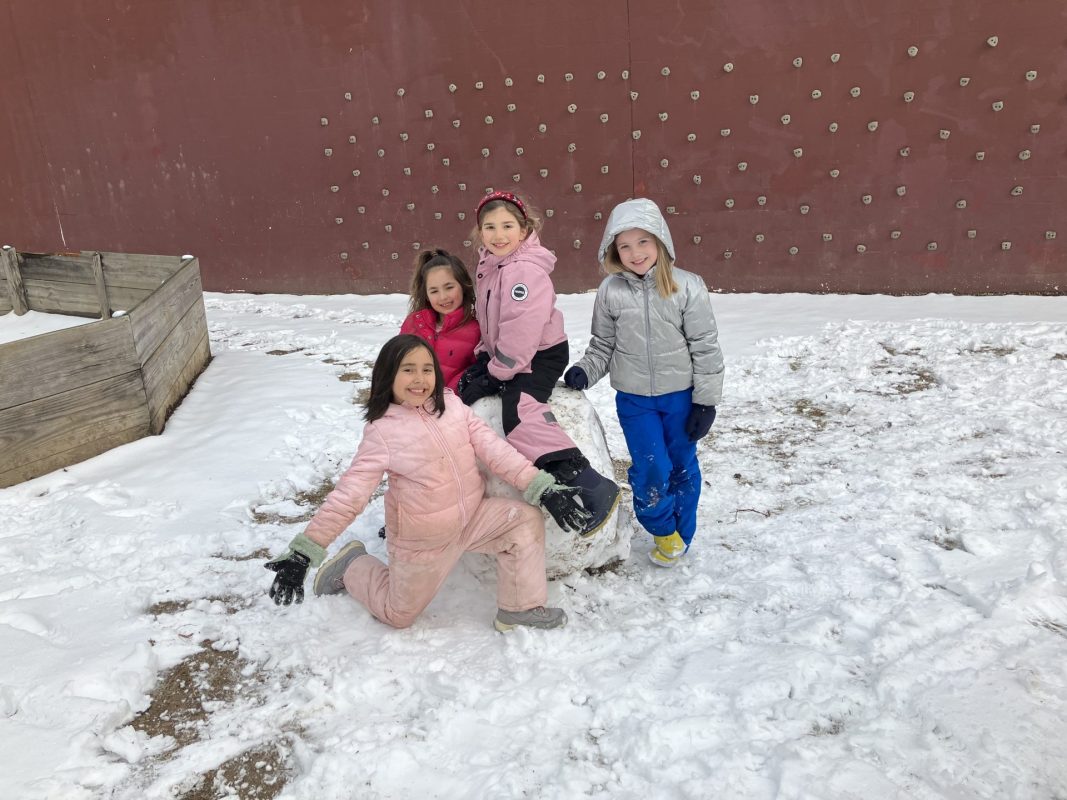
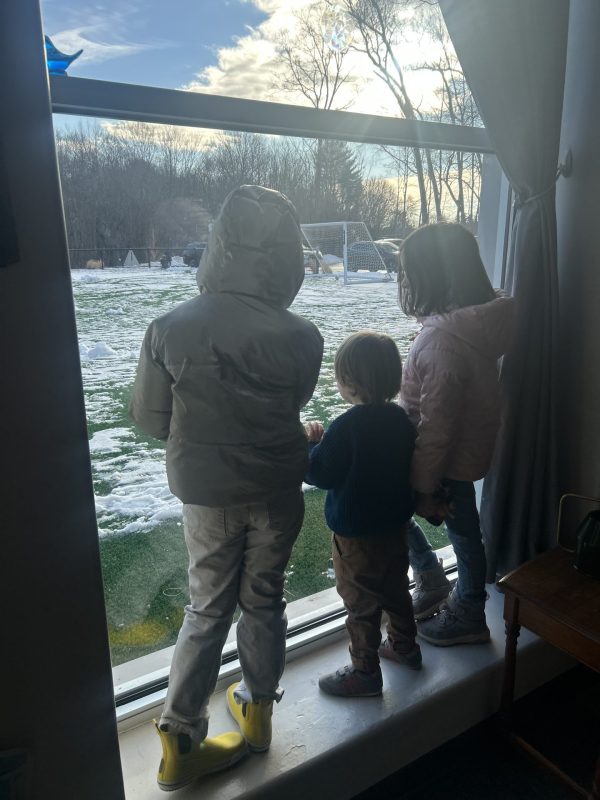
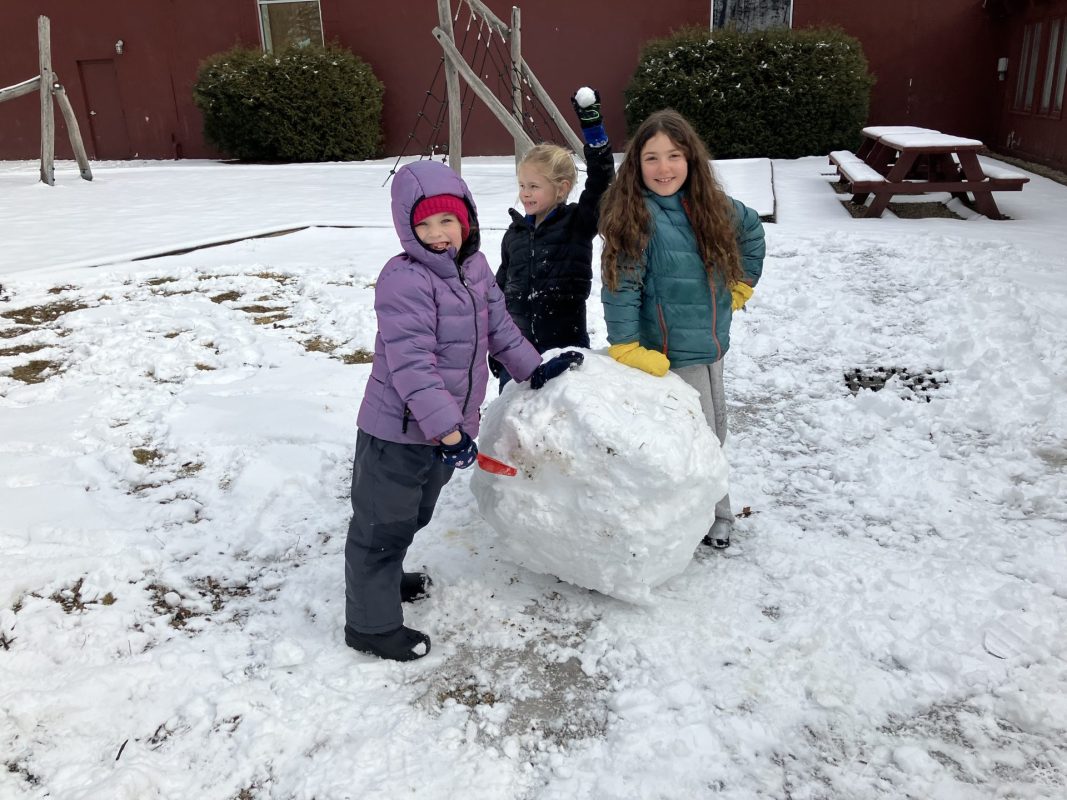
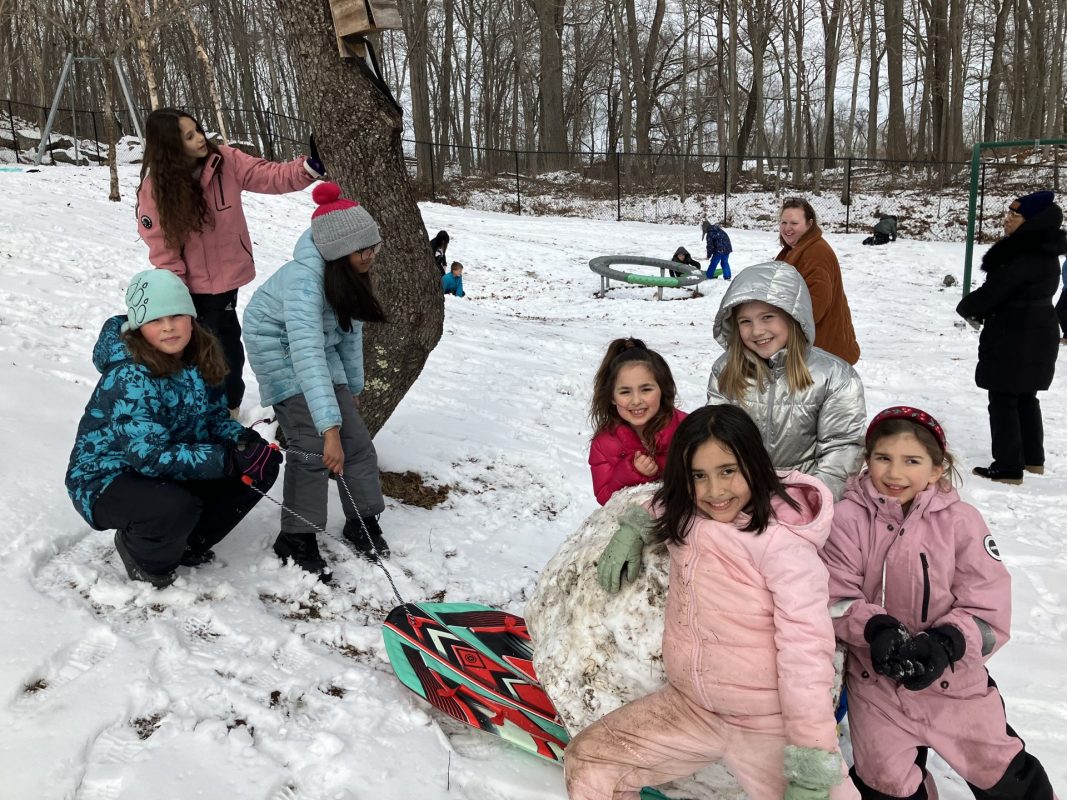
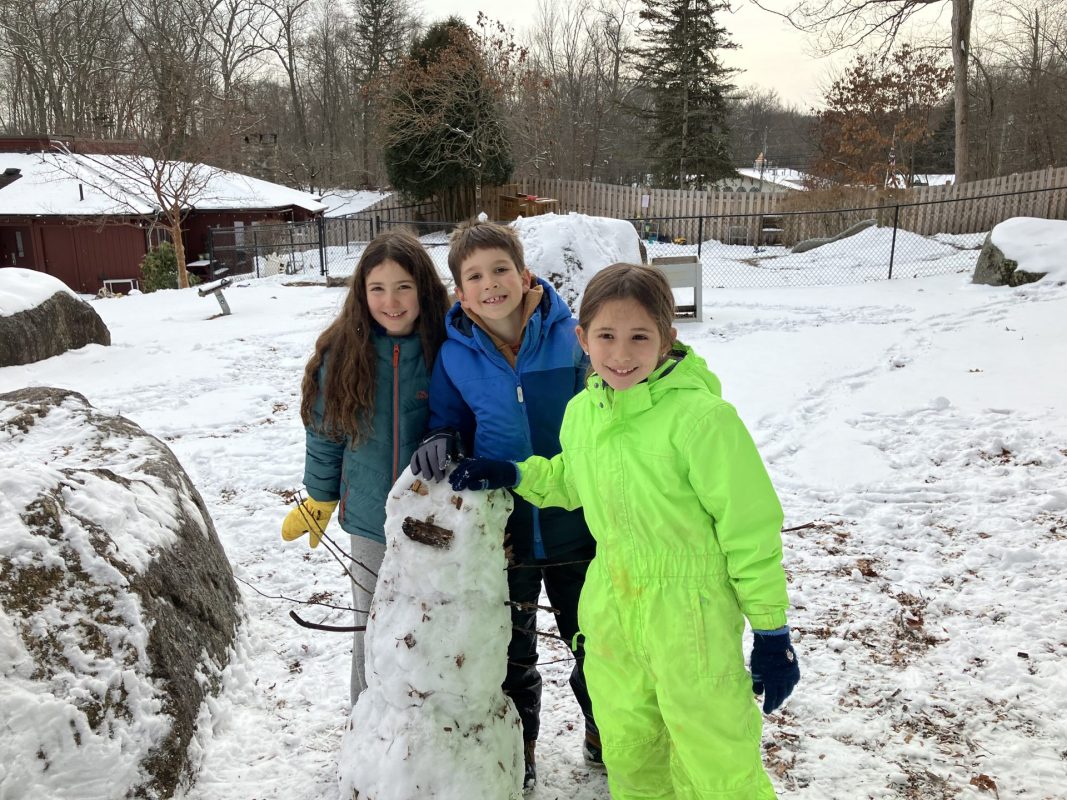
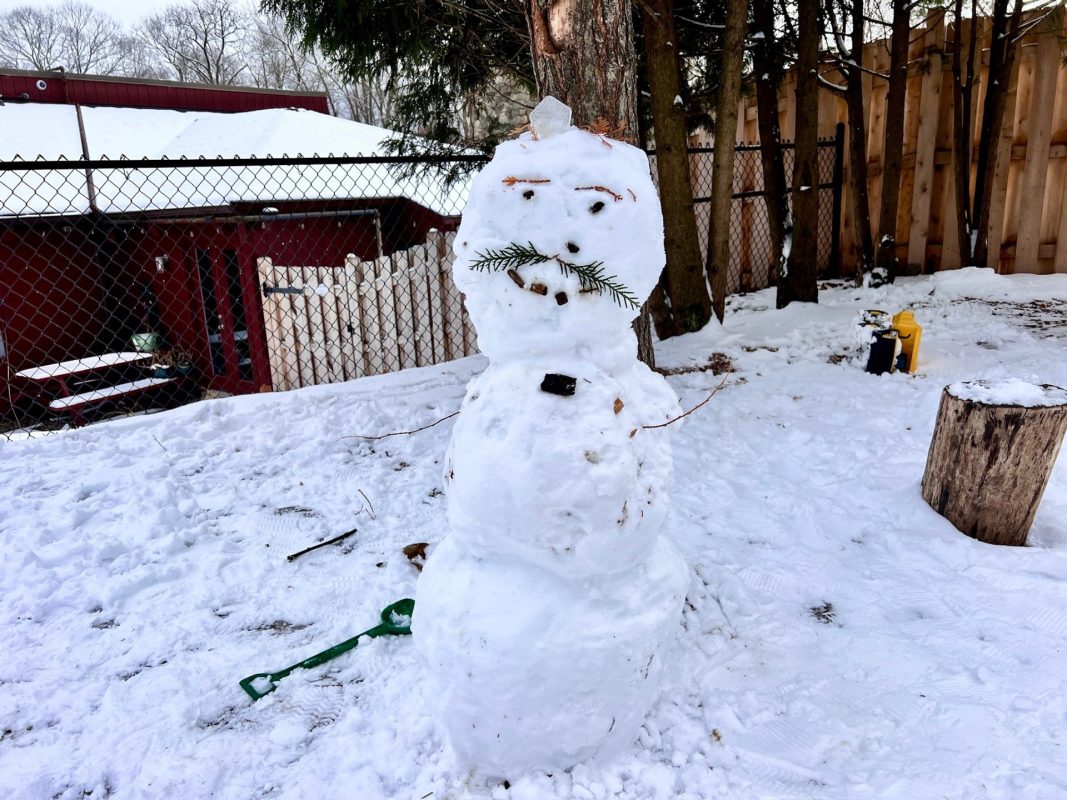
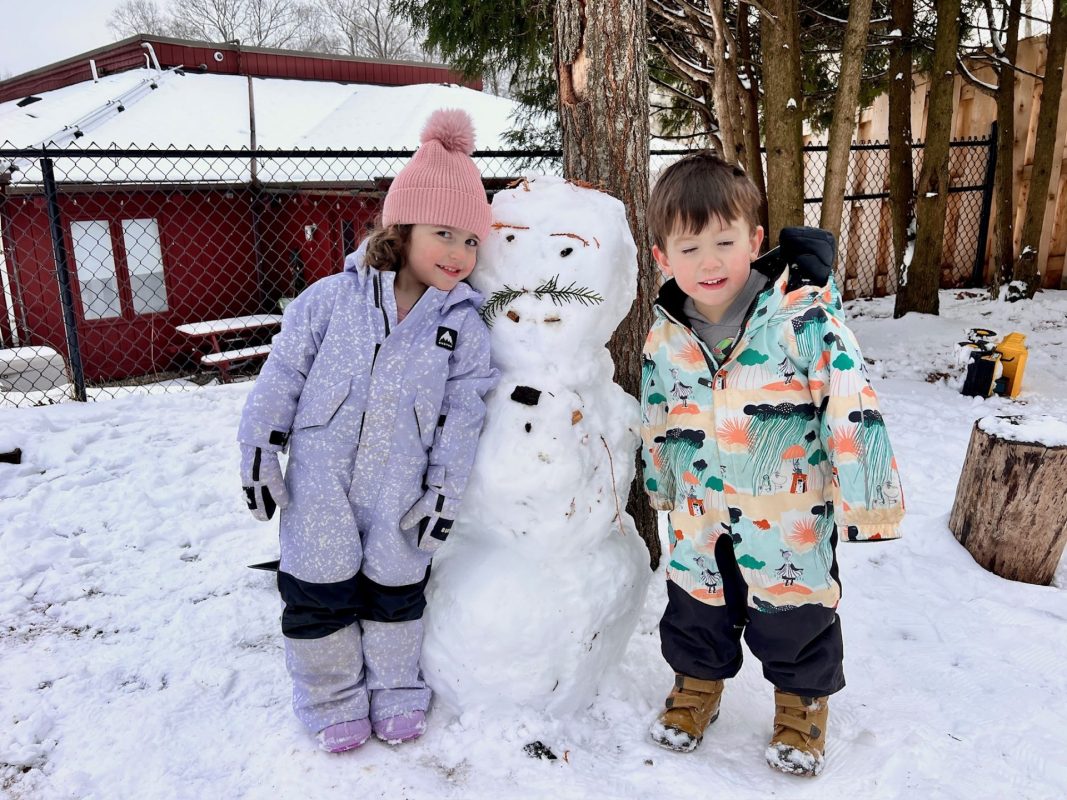
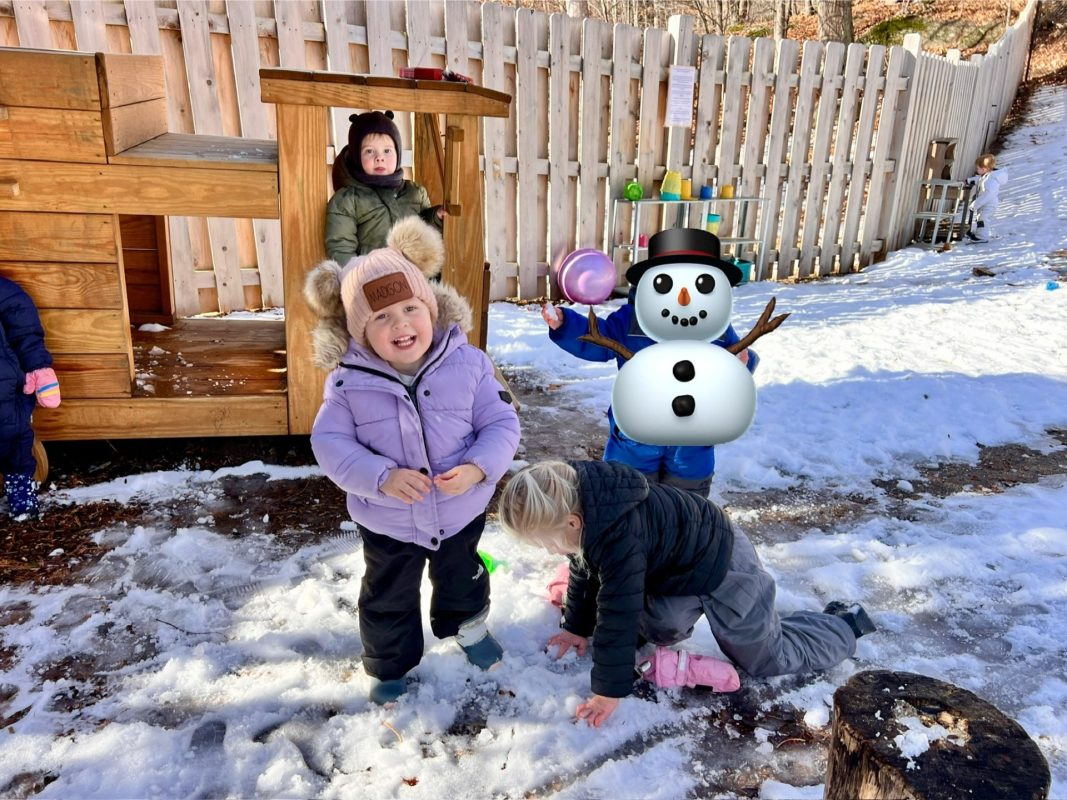
We are eagerly waiting for some snowfall so that we can build a snowman, bring him inside, and observe how he will change from a solid to a liquid and finally a gas.

Wishing everyone a week filled with peace and love!

Michelle & Maria


Mrs. Lopes: A Look at Our Week

We are just finishing up our science unit on States of Matter. Matter is all around us. Everything that you can touch, taste, smell, and see is made of matter. The three main states of matter are solids, liquids, and gases.

Solids have a definite shape because these molecules are very close together and do not move very much. The shapes of solids do not change unless some type of force makes them change. Liquid matter does not have its own shape. The tiny molecules in liquids are not as close together as solid molecules, and they move around more. Liquids take the shape of the container they are in. Gas matter also does not have its own shape. The molecules in a gas are far apart, and they move around a lot. Gases spread out and fill up their container, too. We did several experiments to learn more about the states of matter, including “dancing corn kernels,” where we watched the kernels dance up and down when put into a container with water and Alka seltzer.  We also blew up a balloon using a water bottle filled with water and Alka seltzer.

We are eagerly waiting for some snowfall so that we can build a snowman, bring him inside, and observe how he will change from a solid to a liquid and finally a gas.

Wishing everyone a week filled with peace and love!

Amanda & Hema


Mrs. Sargeant: A Peek at the Week

We have begun a science unit on States of Matter. Matter is all around us. Everything that you can touch, taste, smell, and see is made of matter. The three main states of matter are solids, liquids, and gases.

Solids have a definite shape because these molecules are very close together and do not move very much. The shapes of solids do not change unless some type of force makes them change. Liquid matter does not have its own shape. The tiny molecules in liquids are not as close together as solid molecules, and they move around more. Liquids take the shape of the container they are in. Gas matter also does not have its own shape. The molecules in a gas are far apart, and they move around a lot. Gases spread out and fill up their container, too.

This week, we talked about experiments and making predictions. We blew up a balloon using something other than our mouths – we poured vinegar into a bottle, then added baking soda to the balloon, put it right on top, and watched the reaction as the balloon filled.

We are eagerly awaiting a snowfall so that we can build a snowperson, bring them inside, and observe the transformation from a solid to a liquid and finally a gas.

We also took a trip to the gym this week to watch the Middle Schoolers’ performance of Set in Stone. It was such a treat, and your children were a very respectful audience!

Wishing everyone a fabulous week!

Christine & Fatima