Blog

Mrs. Sargeant: A Peek at the Week

“Social grace, inner discipline, and joy. These are the birthright of the human being who has been allowed to develop essential human qualities.”  —Maria Montessori

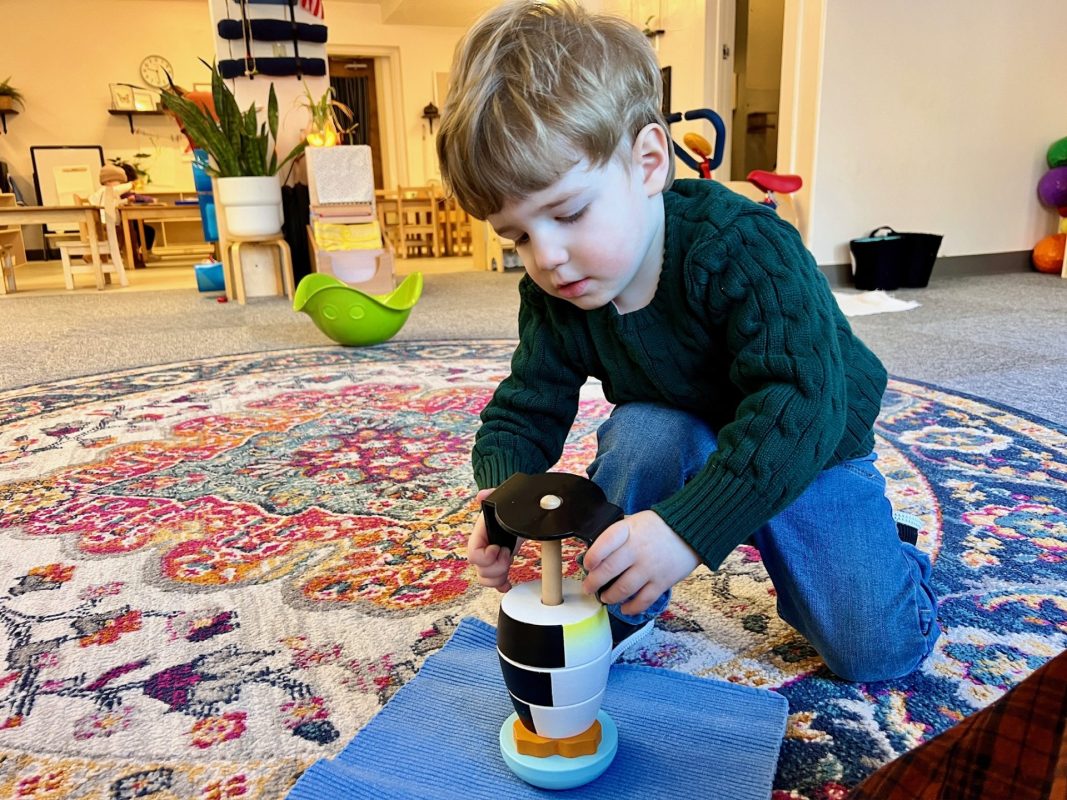
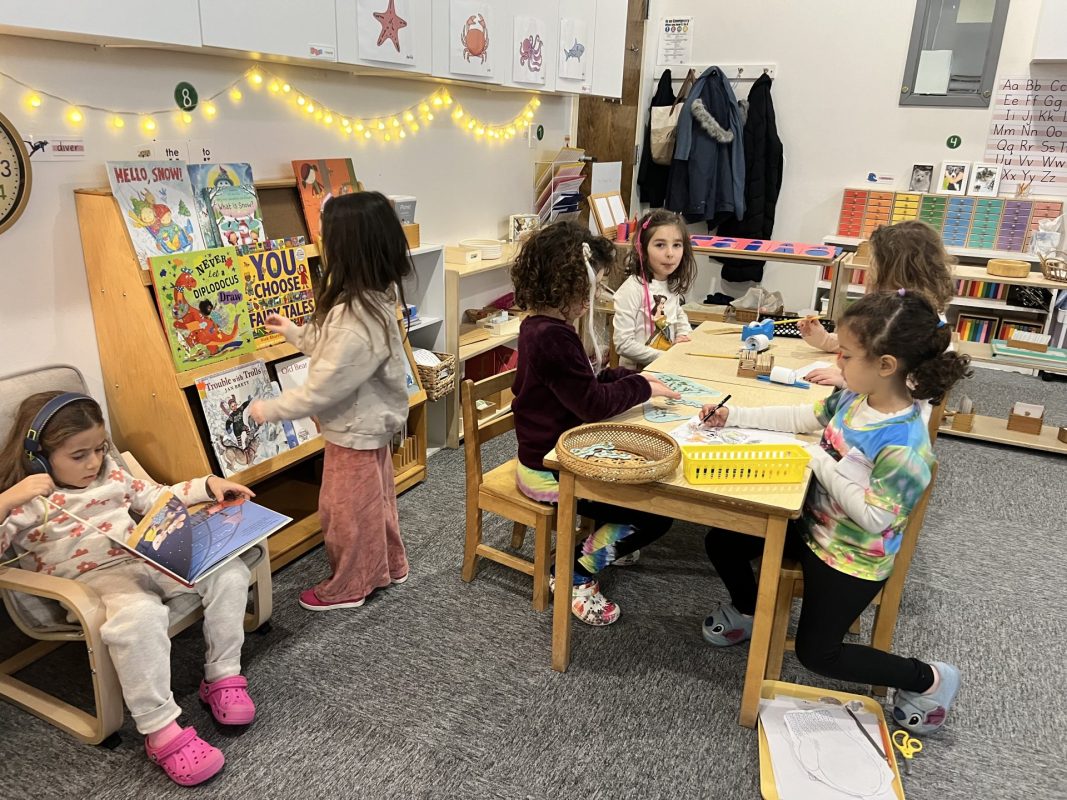
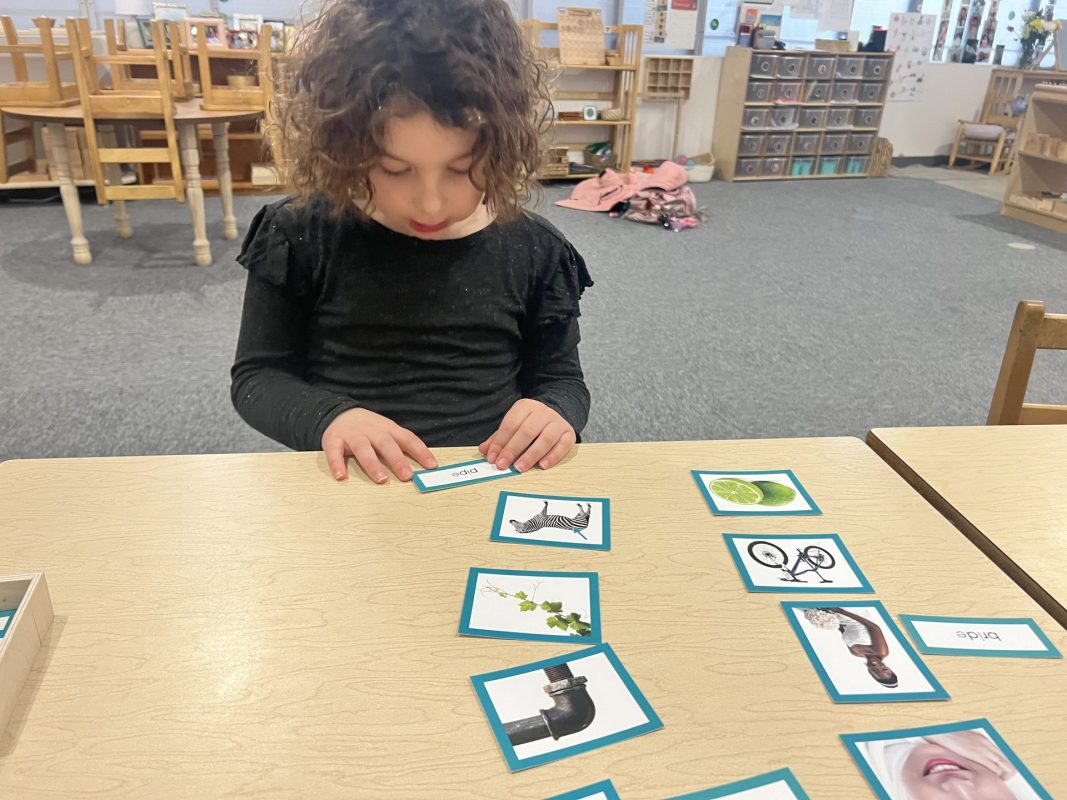
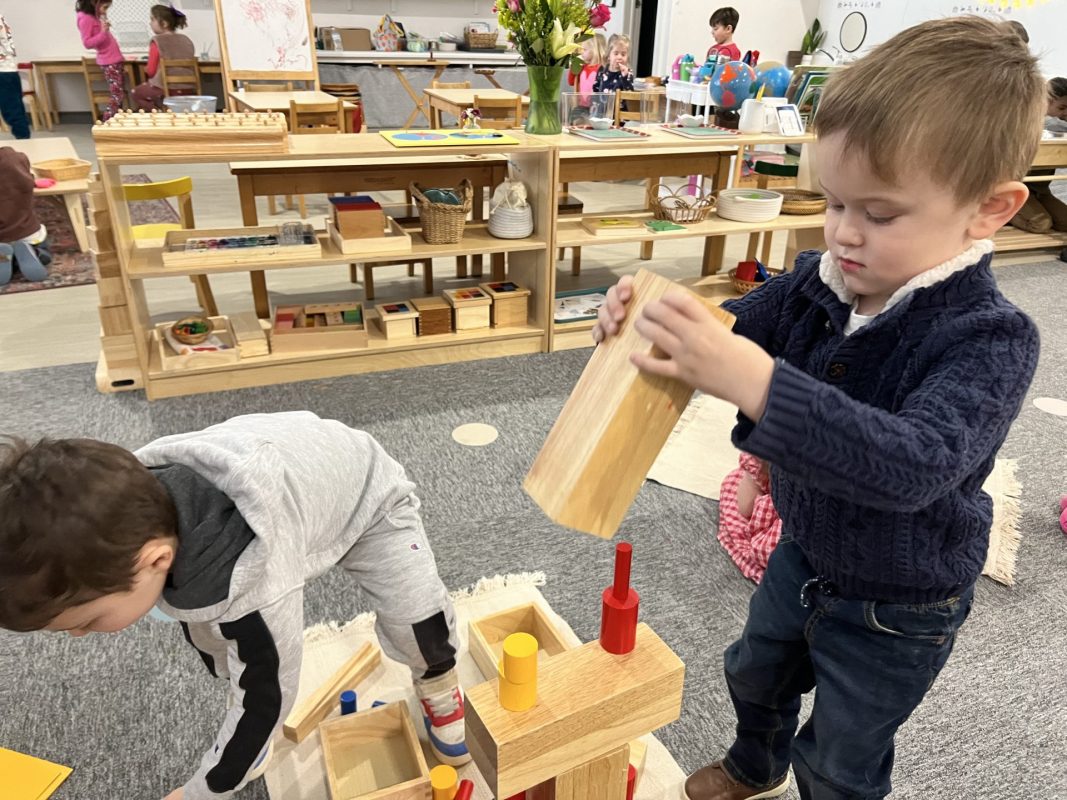
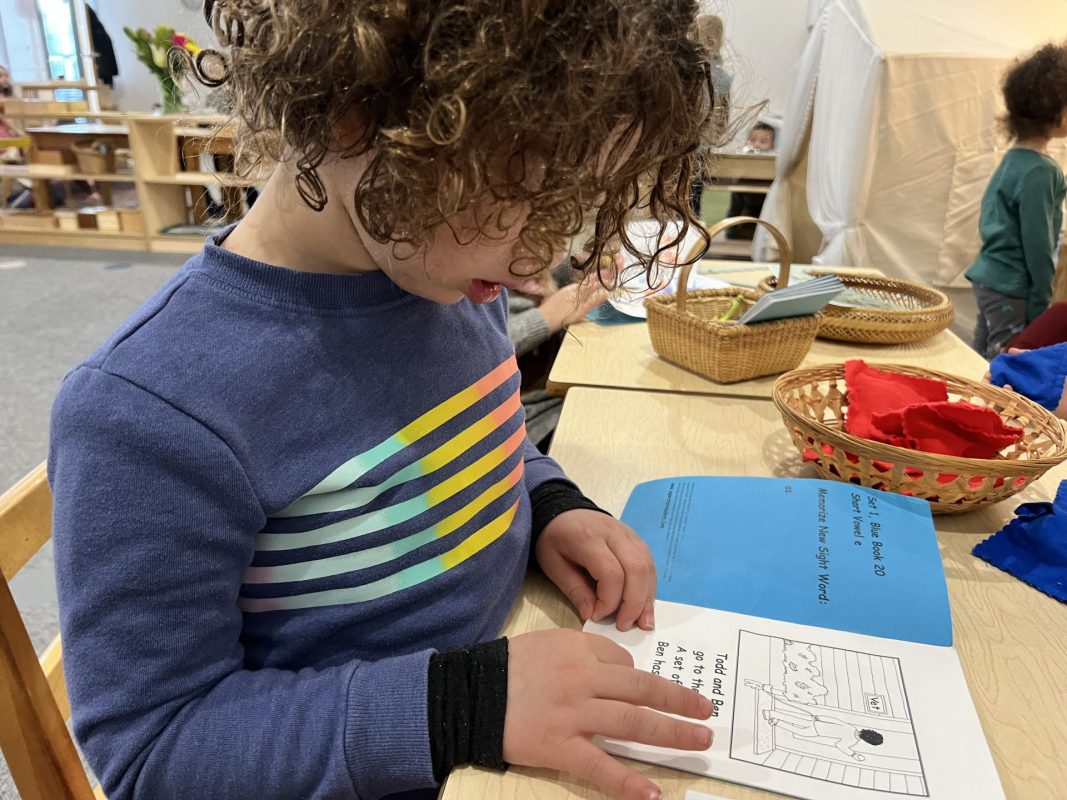
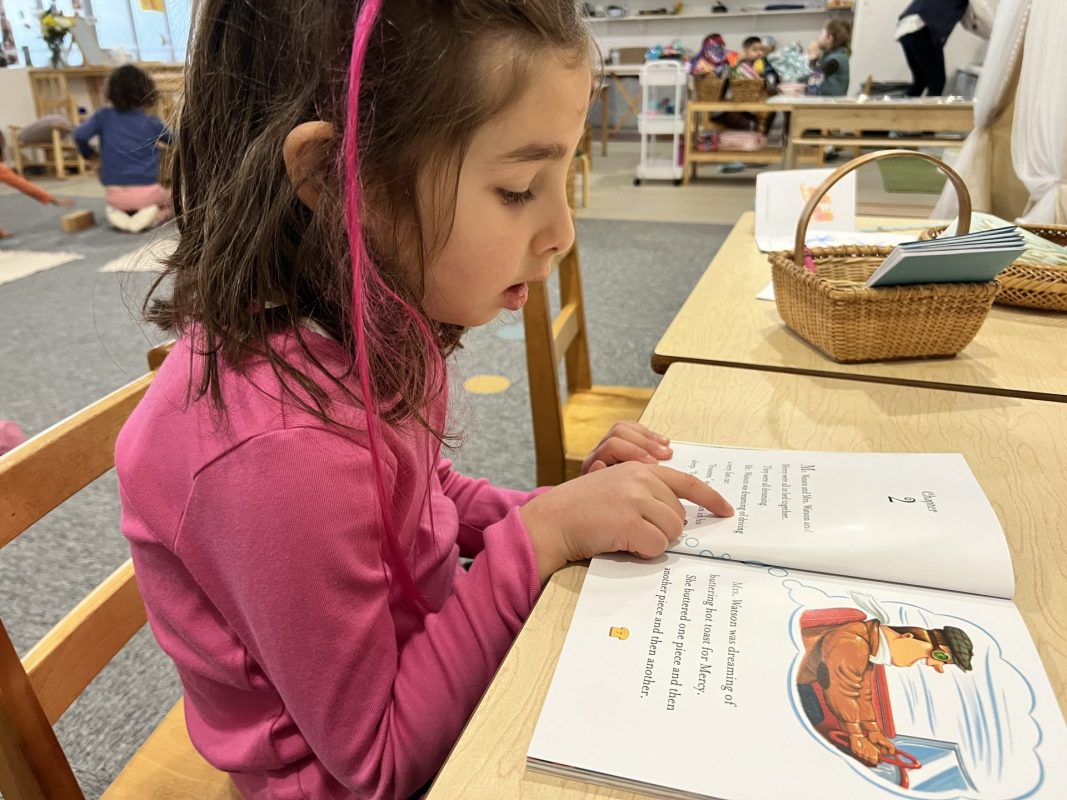
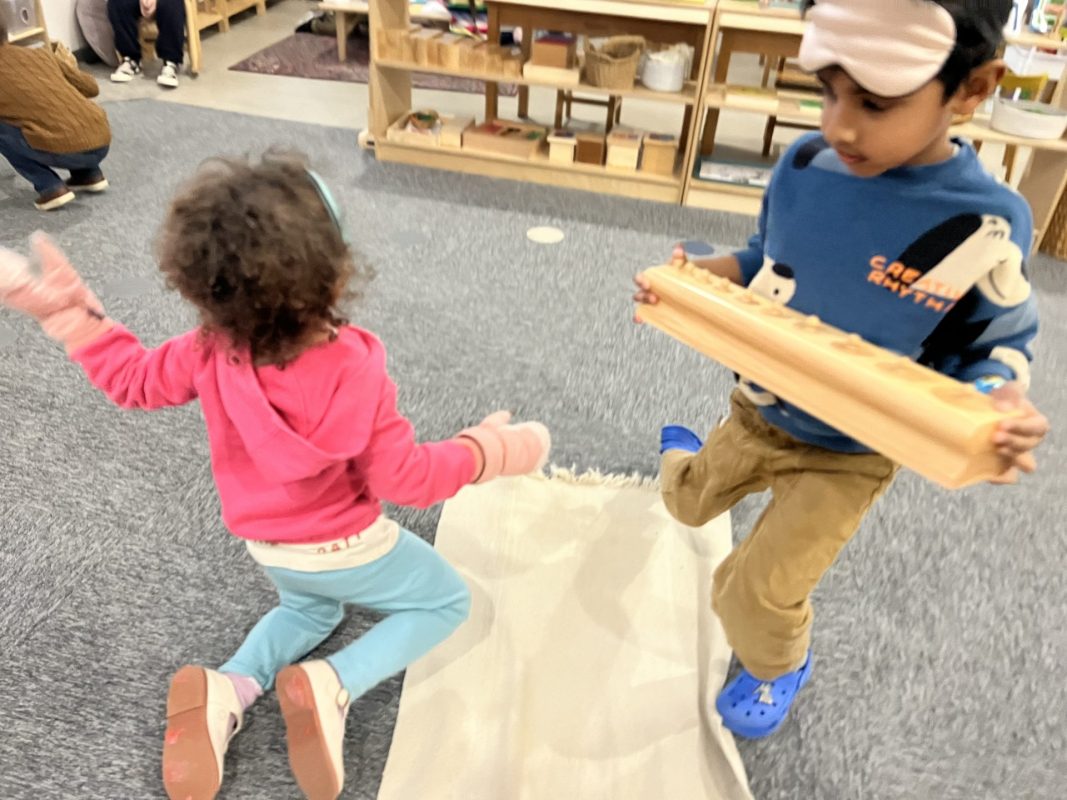
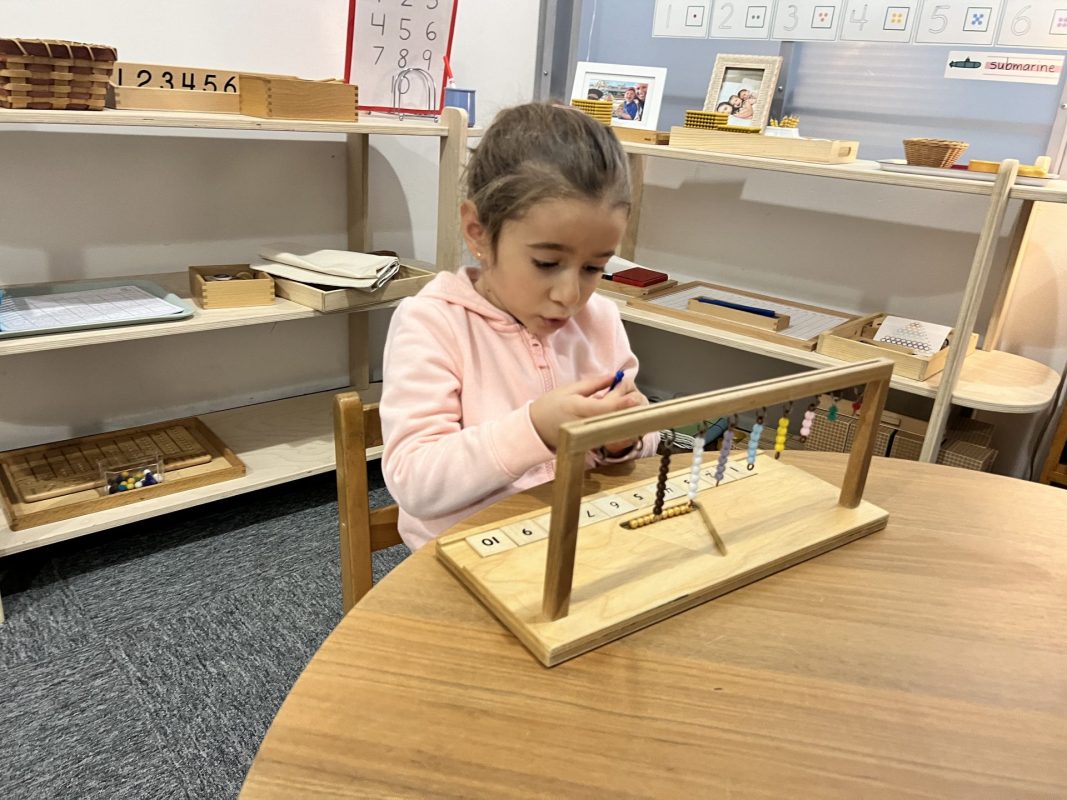
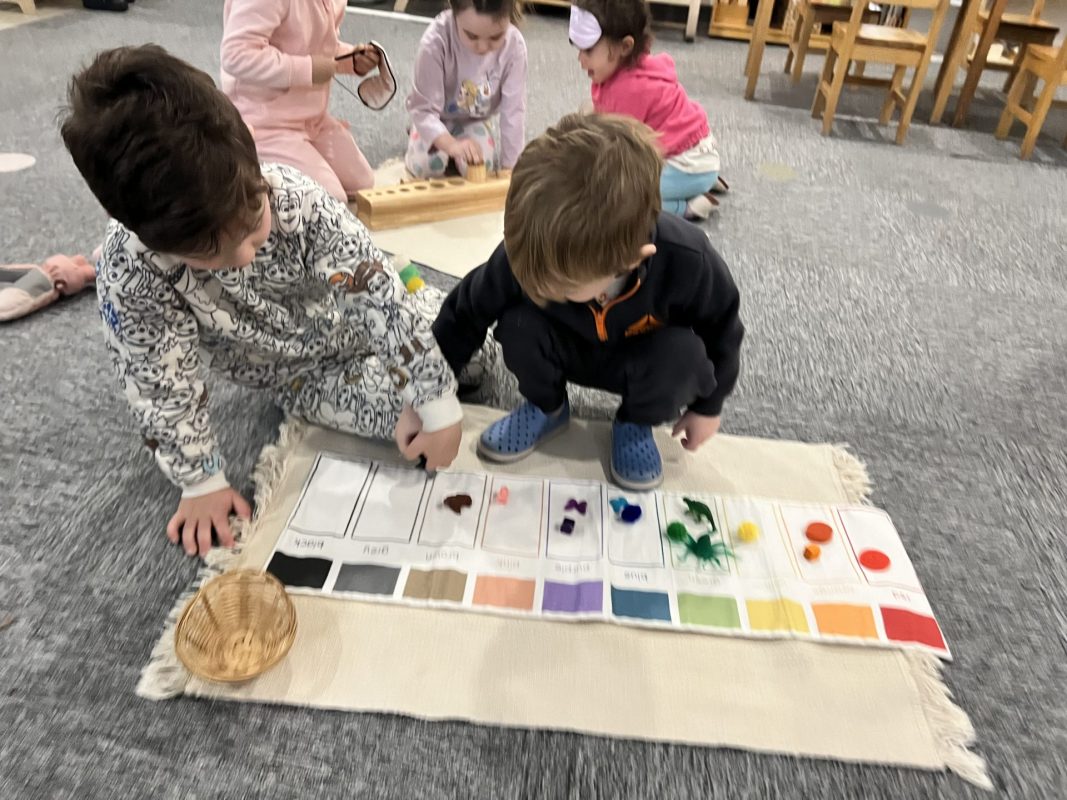
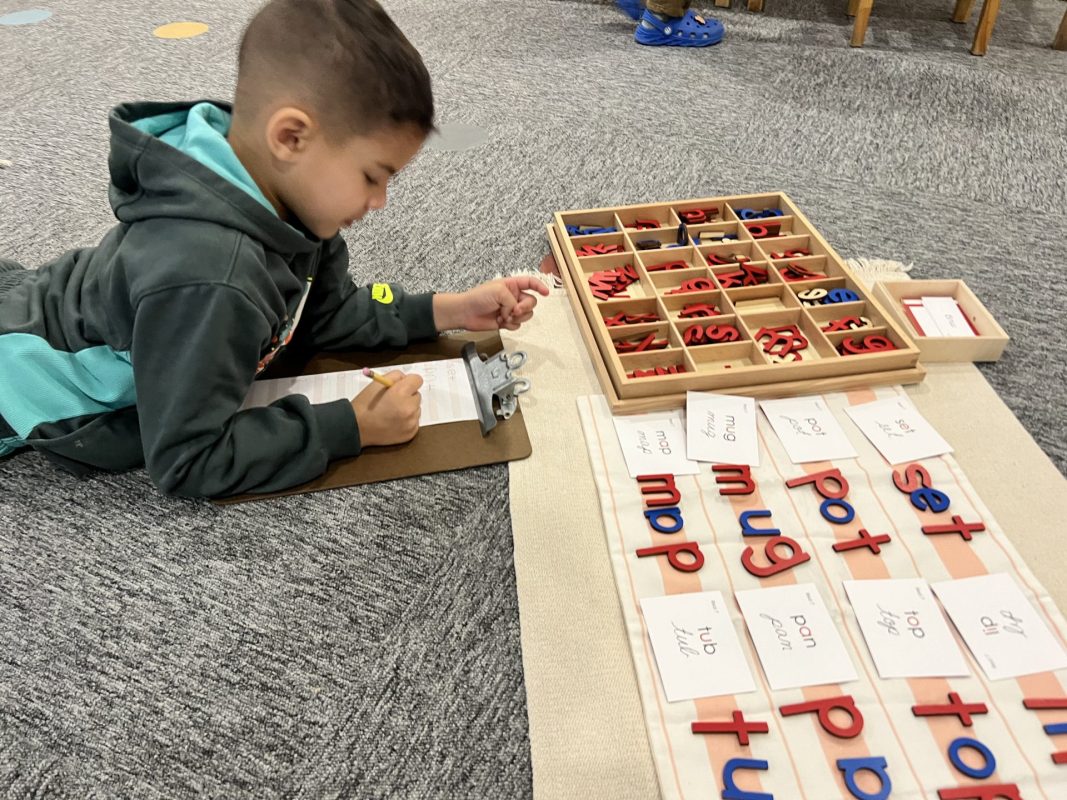
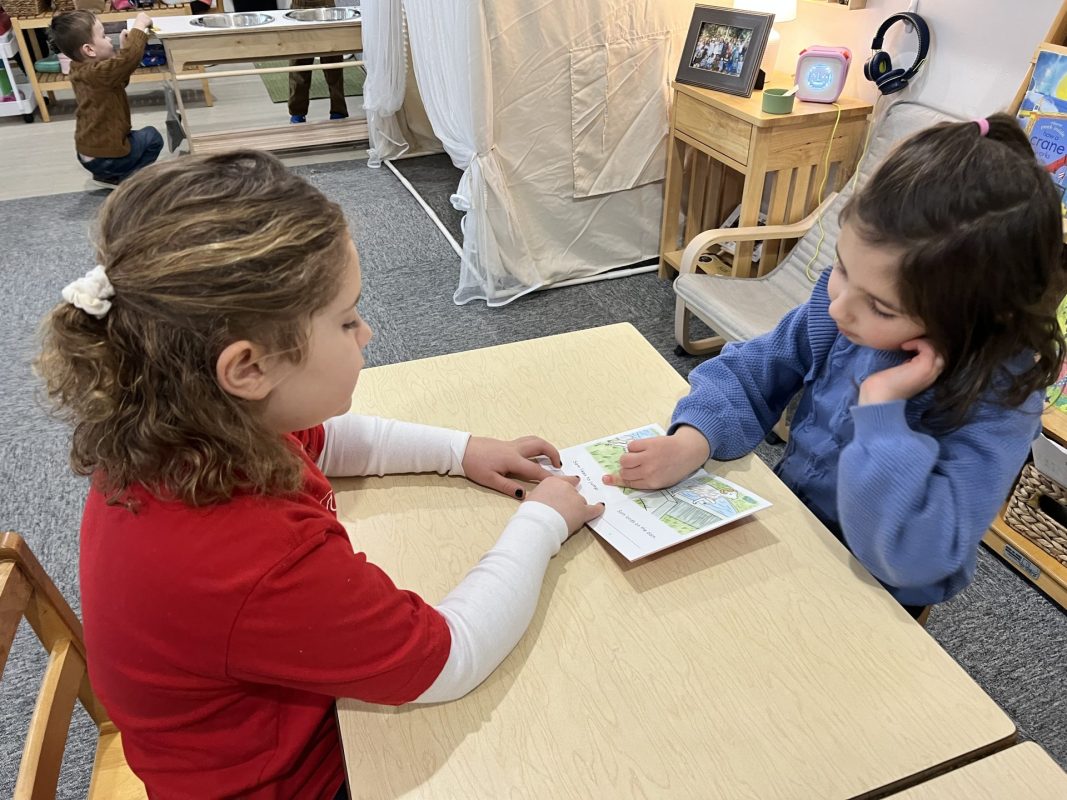
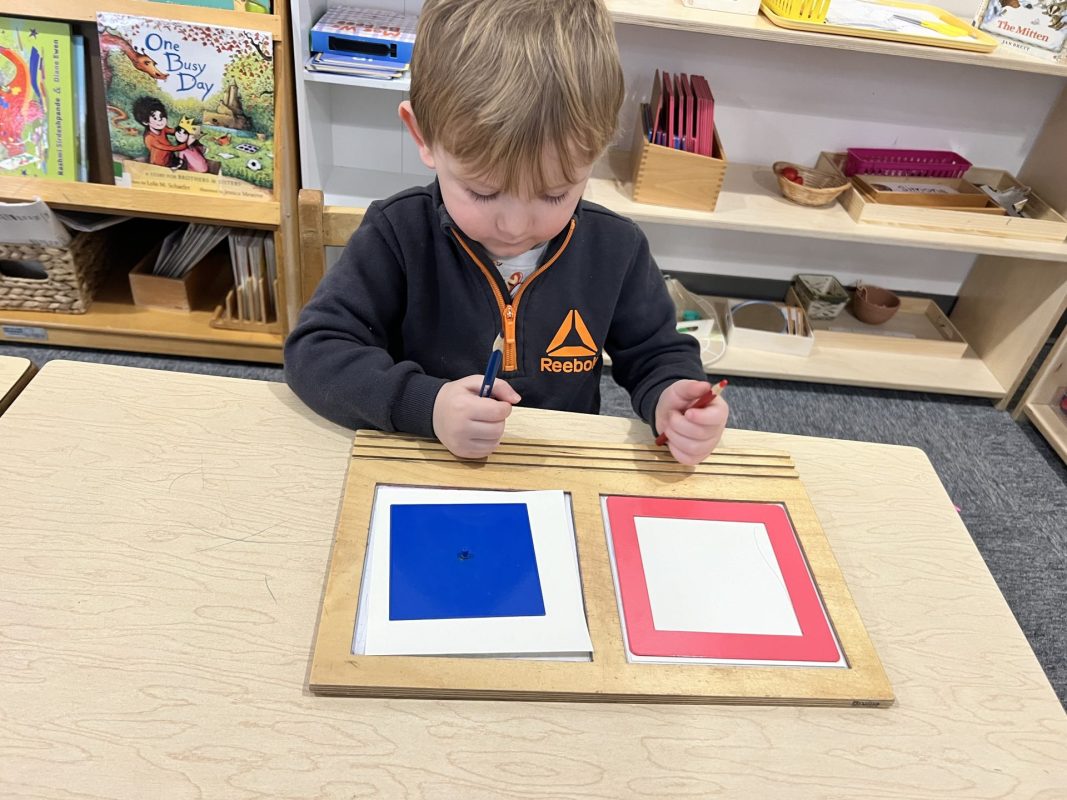
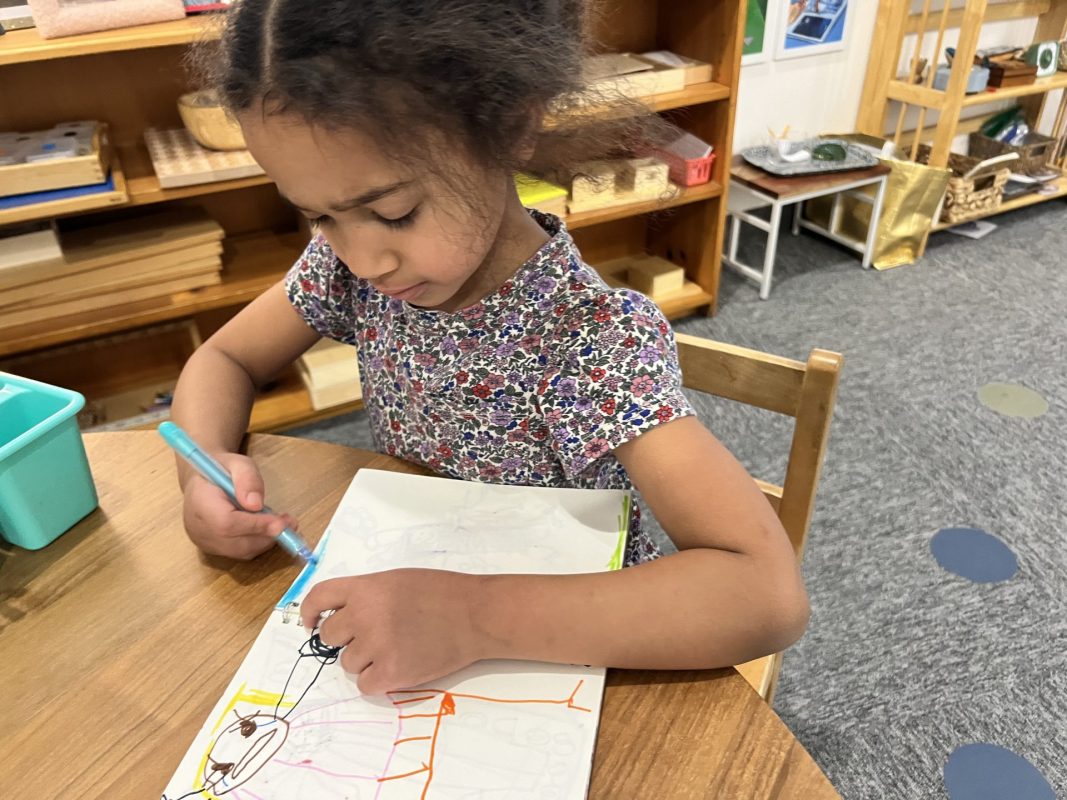
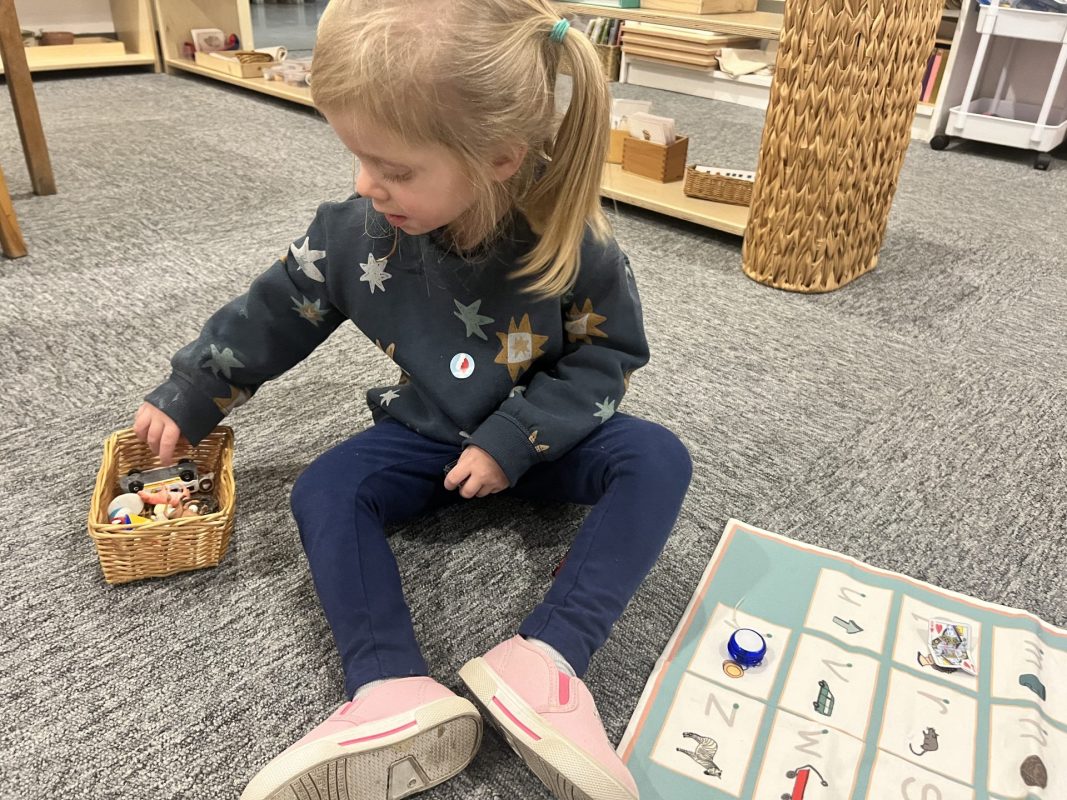
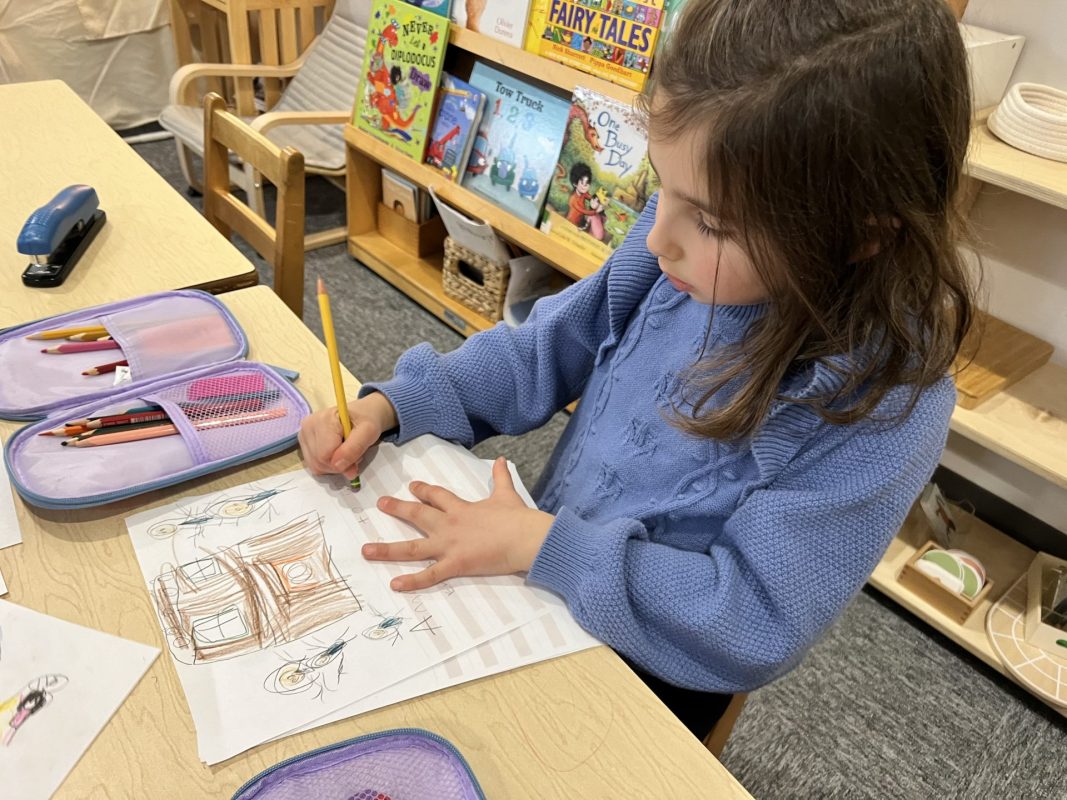
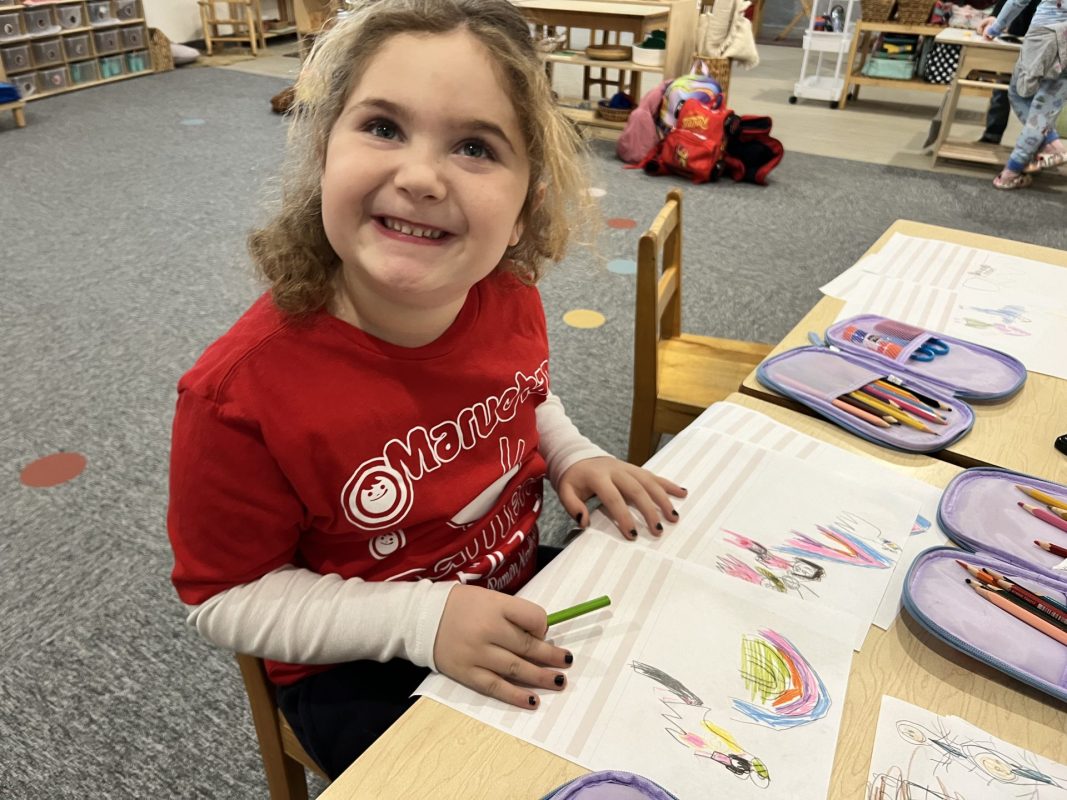
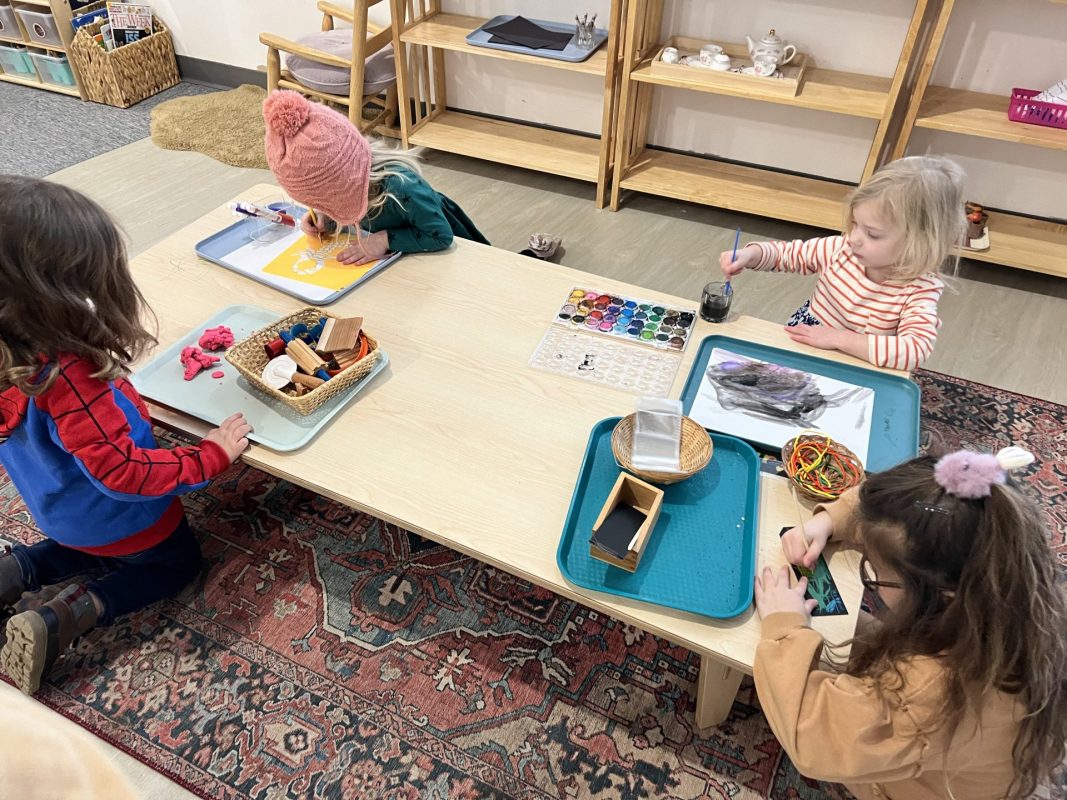
Normalization is a buzzword often used by Montessori teachers everywhere. So, what exactly does it mean, and more importantly, how do we achieve it? When children in a Montessori environment demonstrate deep concentration, self-discipline, social skills, and a true love of work, we describe this as a normalized classroom. Normalization is achieved by consistent and clear ground rules that everyone is familiar with. It is our job to ensure the environment is always well-prepared and designed to meet the needs of the children. As Montessori teachers, we are confident that if we do our job well and the children are free to experience the opportunities provided by the environment and Montessori materials, they will thrive.

After the winter break and upon our return in January, we often see noticeable growth in the children’s social and emotional development. They come back eager to learn and raring to go! In the first half of the year, they have become comfortable and confident with our classroom routines and expectations. They have developed deeper relationships with their peers and teachers. It is always an exciting time and sets the groundwork for the second half of the school year.

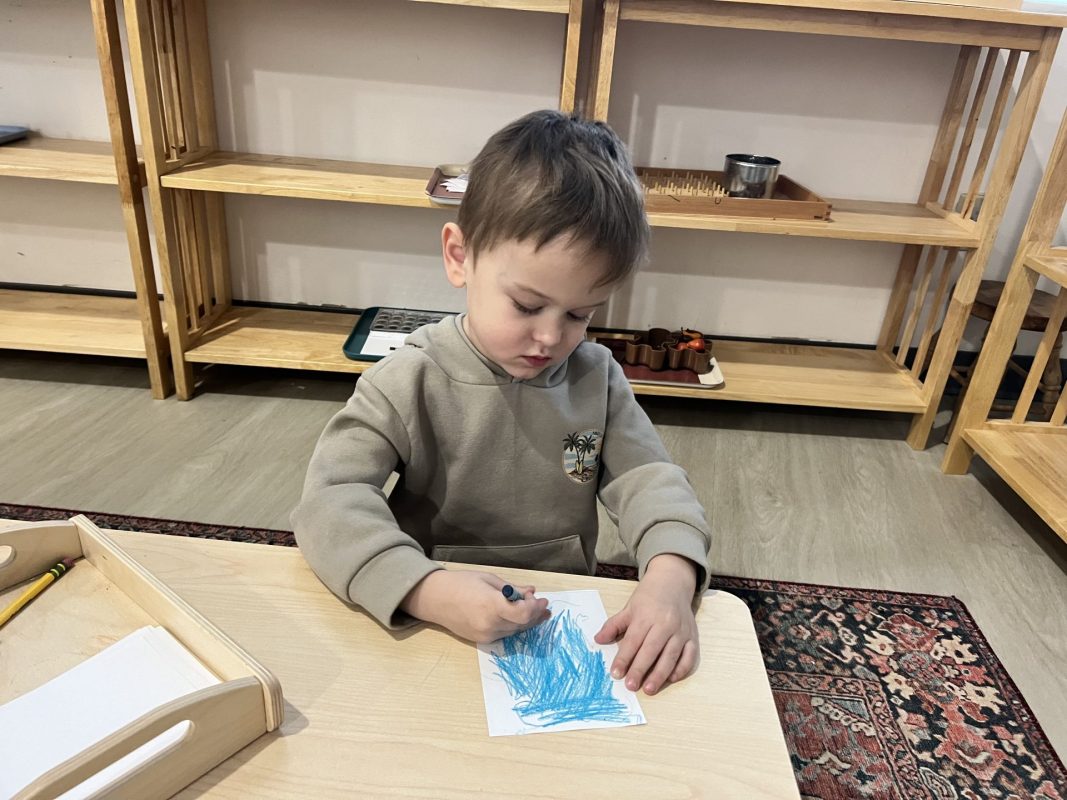
It was an exciting week back as we welcomed a new friend into our class. We also enjoyed listening to Aira’s dad read about Hanukkah, in addition to another fun book he brought. Finally, we celebrated a friend’s 4th birthday – and especially loved seeing his baby pictures!

Wishing everyone a 2025 filled with peace and love.

Christine & Fatima


Mrs. Wilson: Happy New Year!

Happy New Year, Everyone!

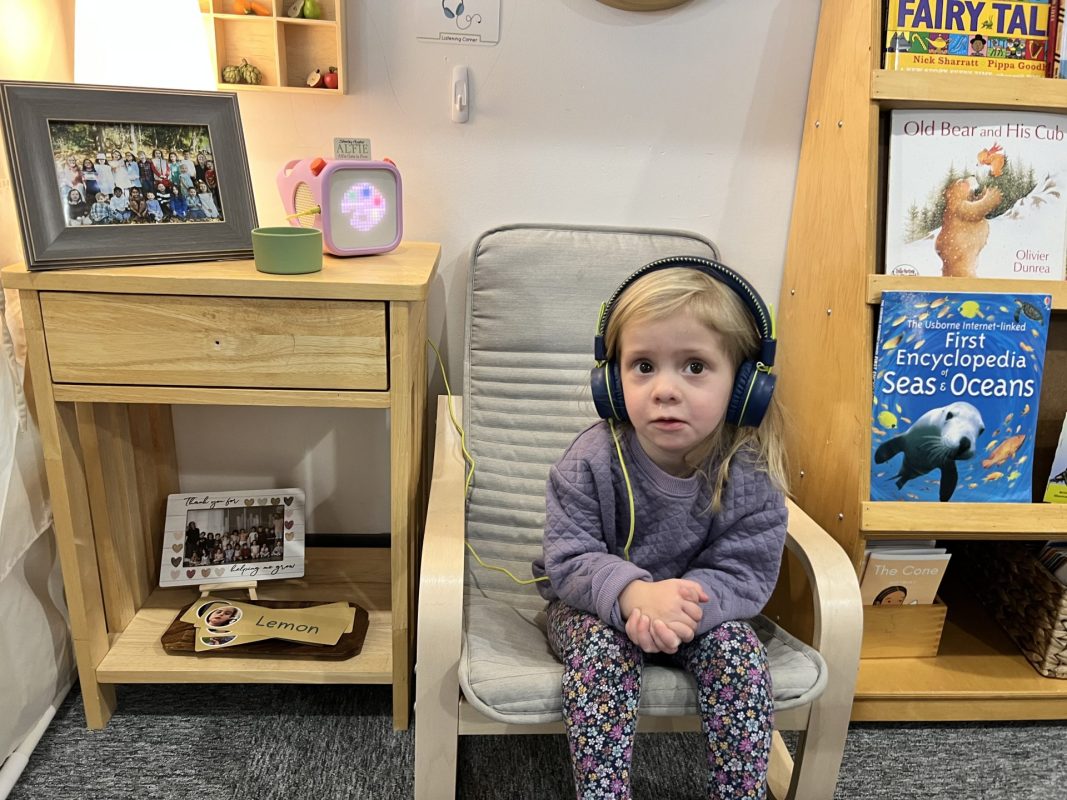
Over the years of working with toddlers, I’ve come to cherish the return from a two-week break. Initially, we worried that the children might struggle to transition back into the environment they had grown to trust or face challenges separating from their parents. However, we’ve learned that the reality is often quite the opposite.

It’s a heartwarming experience to see how much the children have missed their peers and teachers, as well as how quickly they remember their routines. The break also offers a wonderful opportunity to observe how much they have grown—not just physically but also developmentally. Their progress during this time is a beautiful reminder of the incredible potential and resilience of young children.

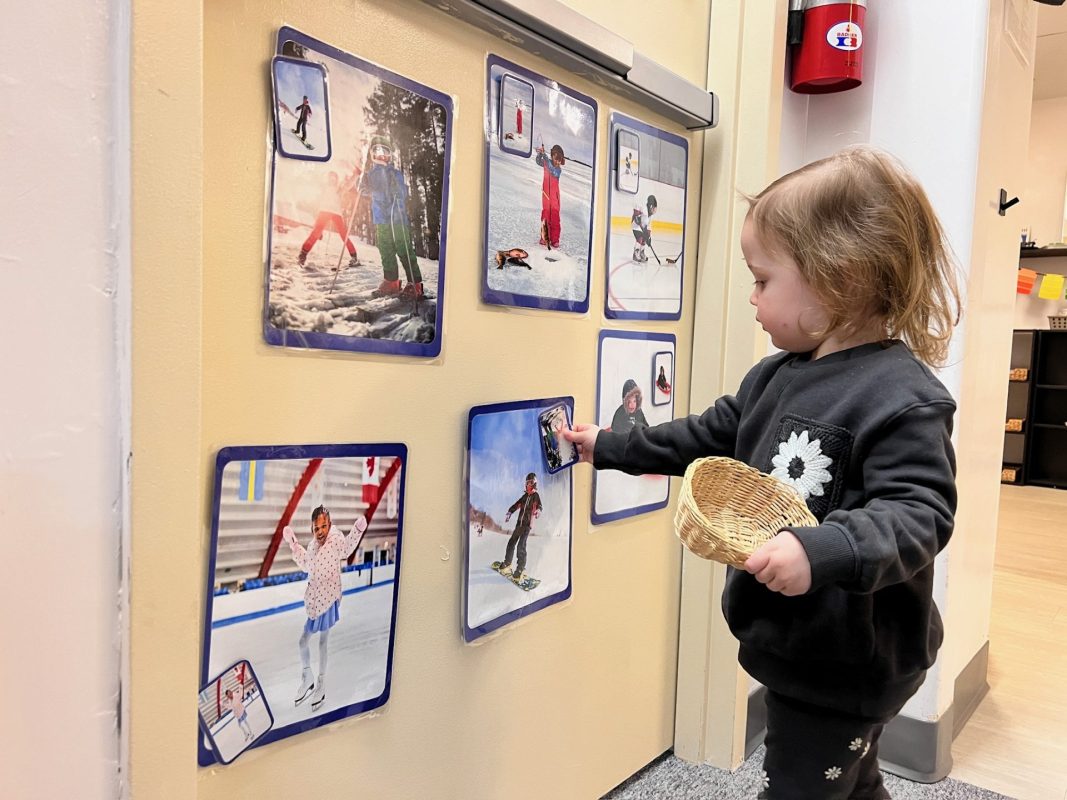
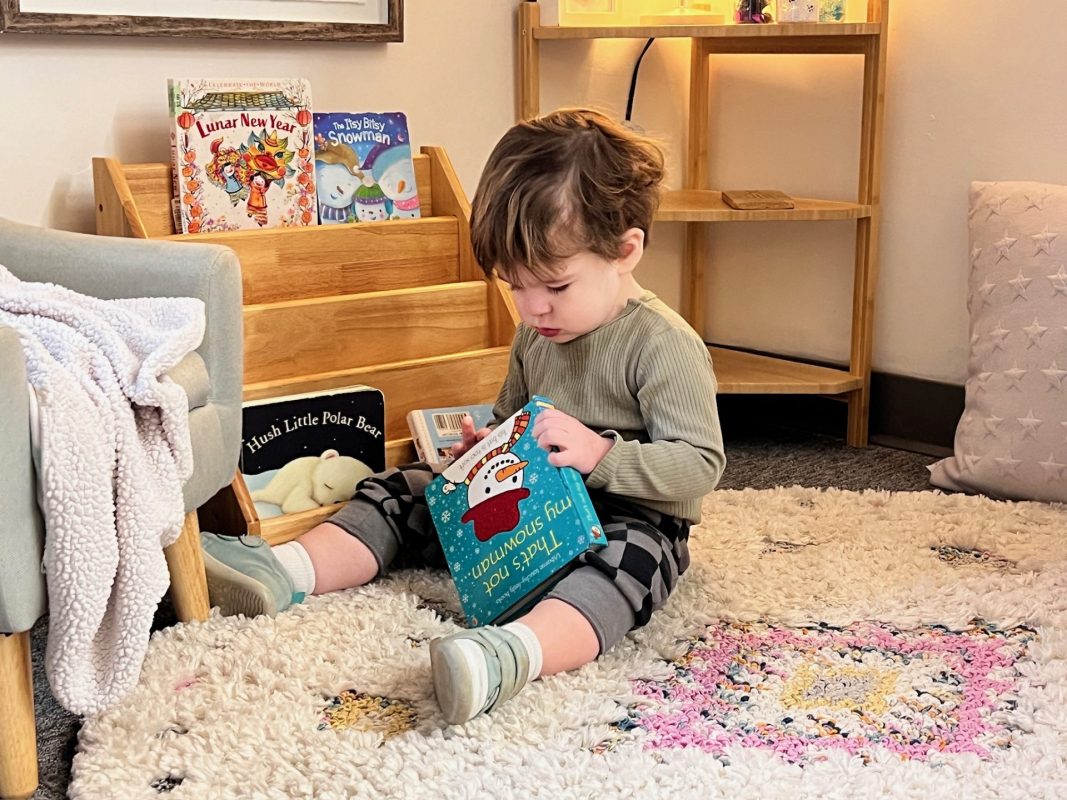
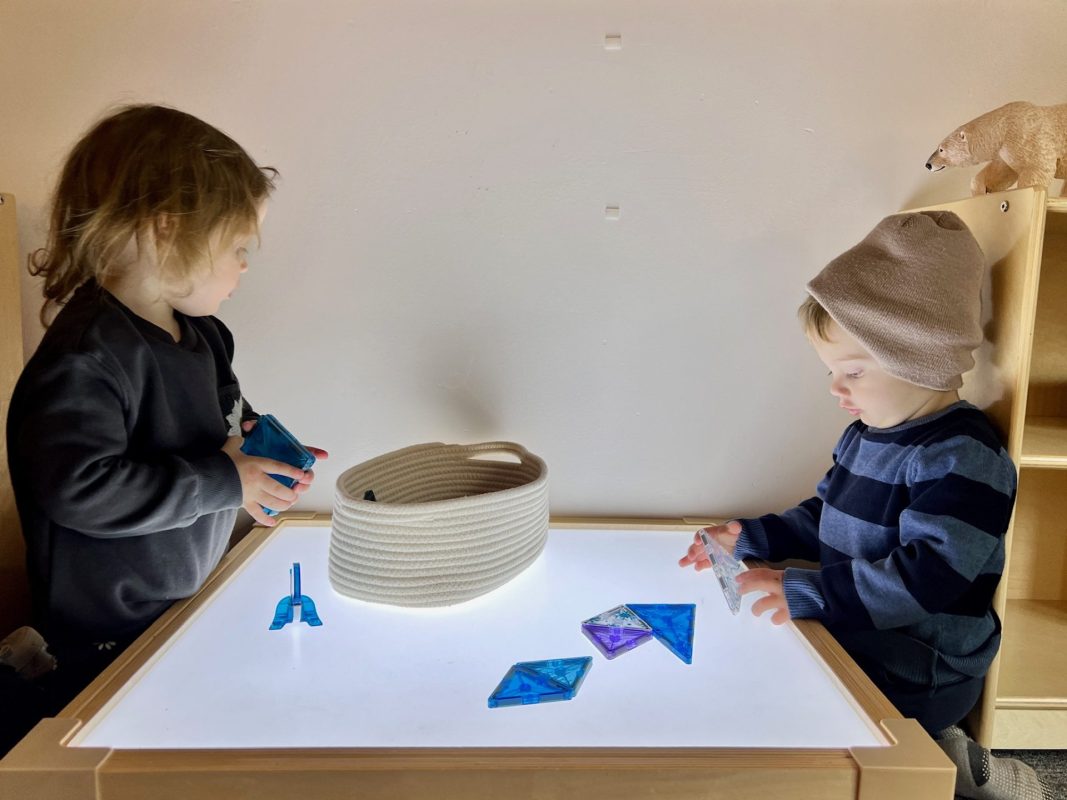
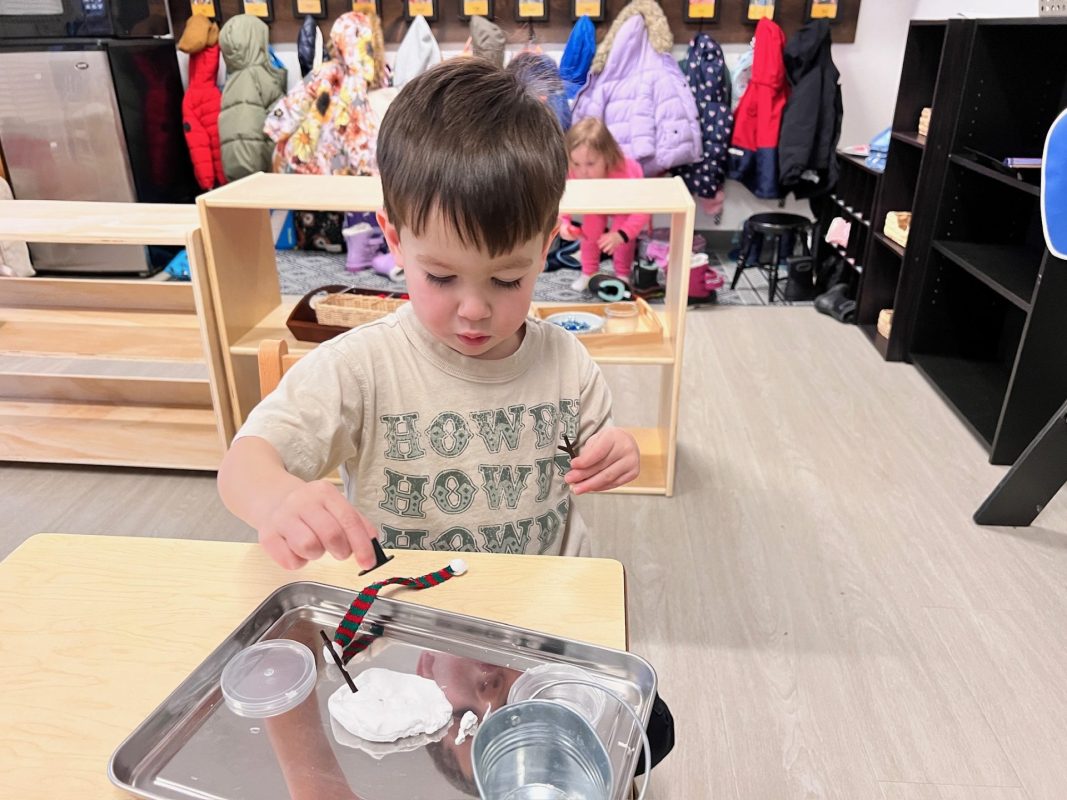
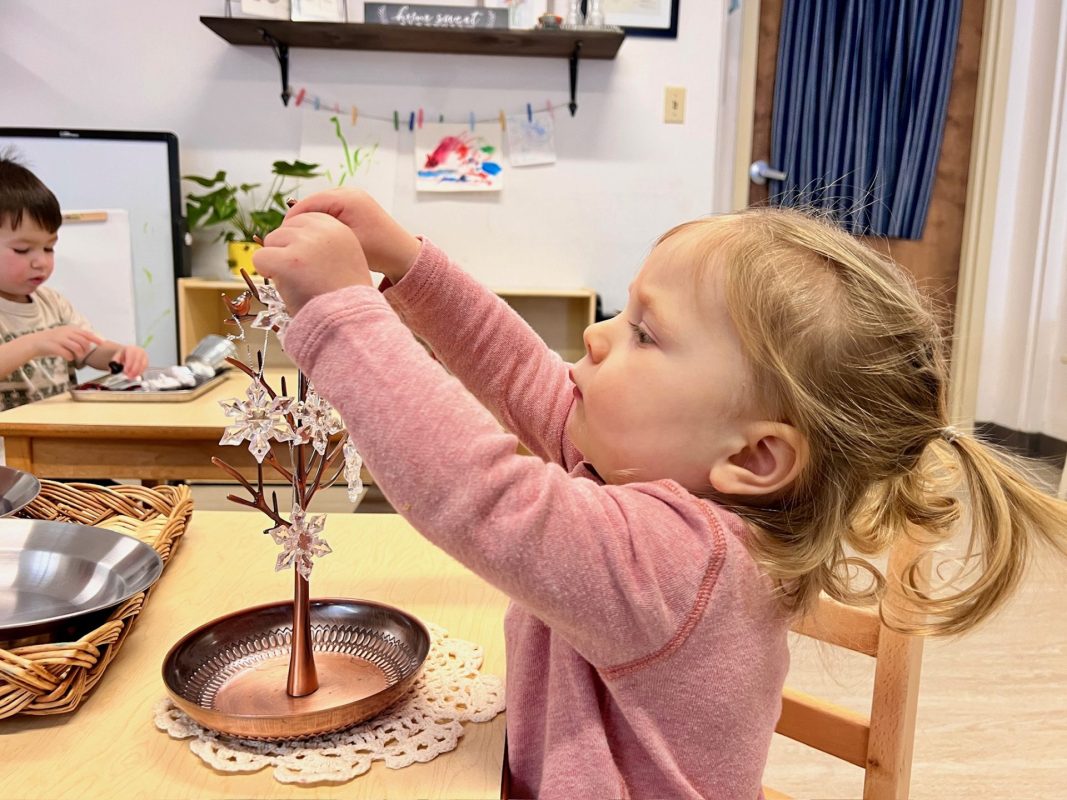
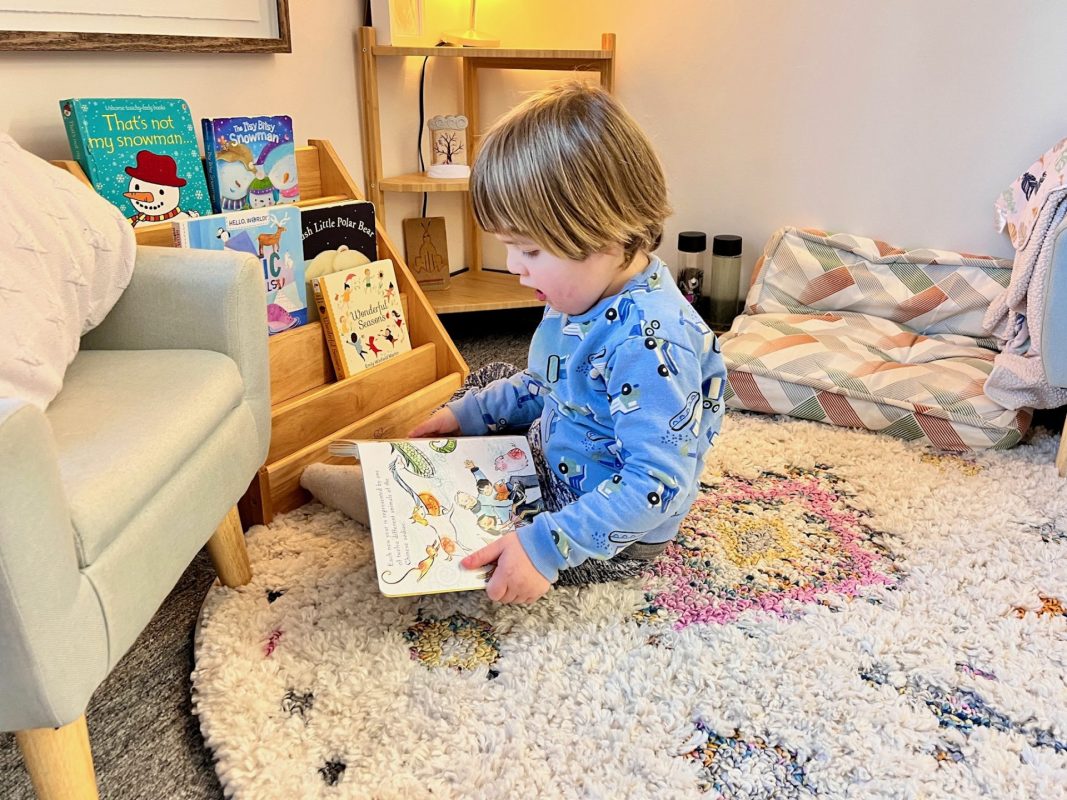
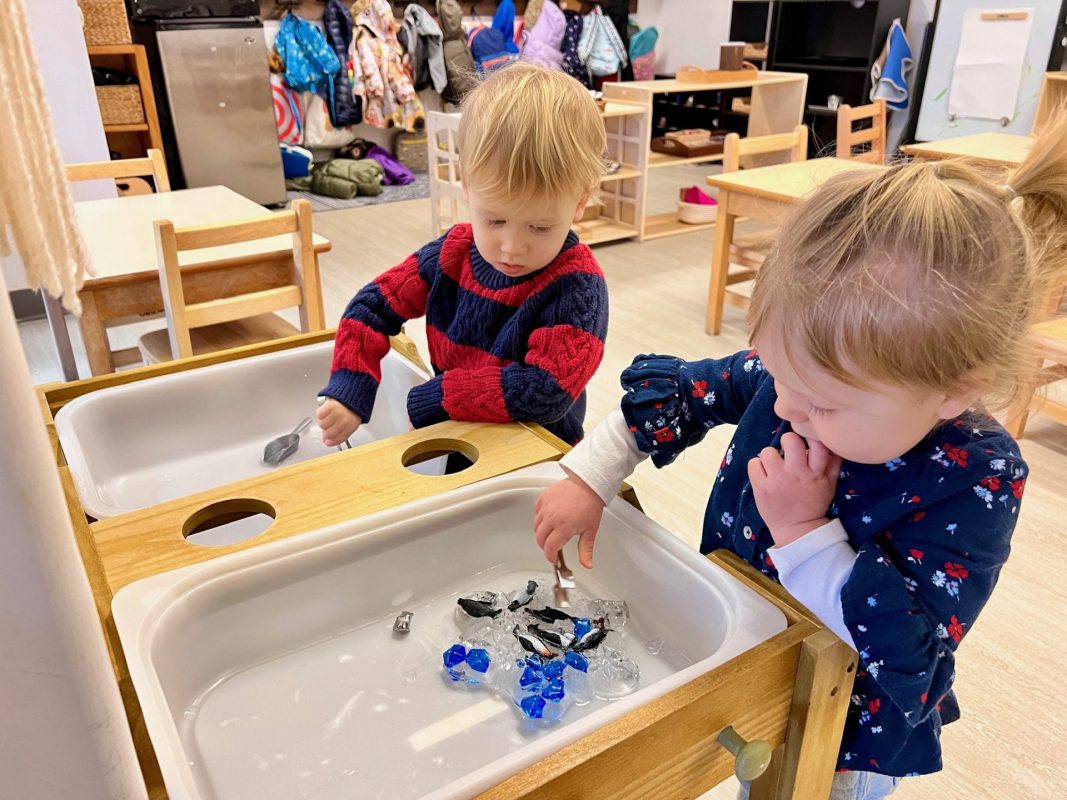
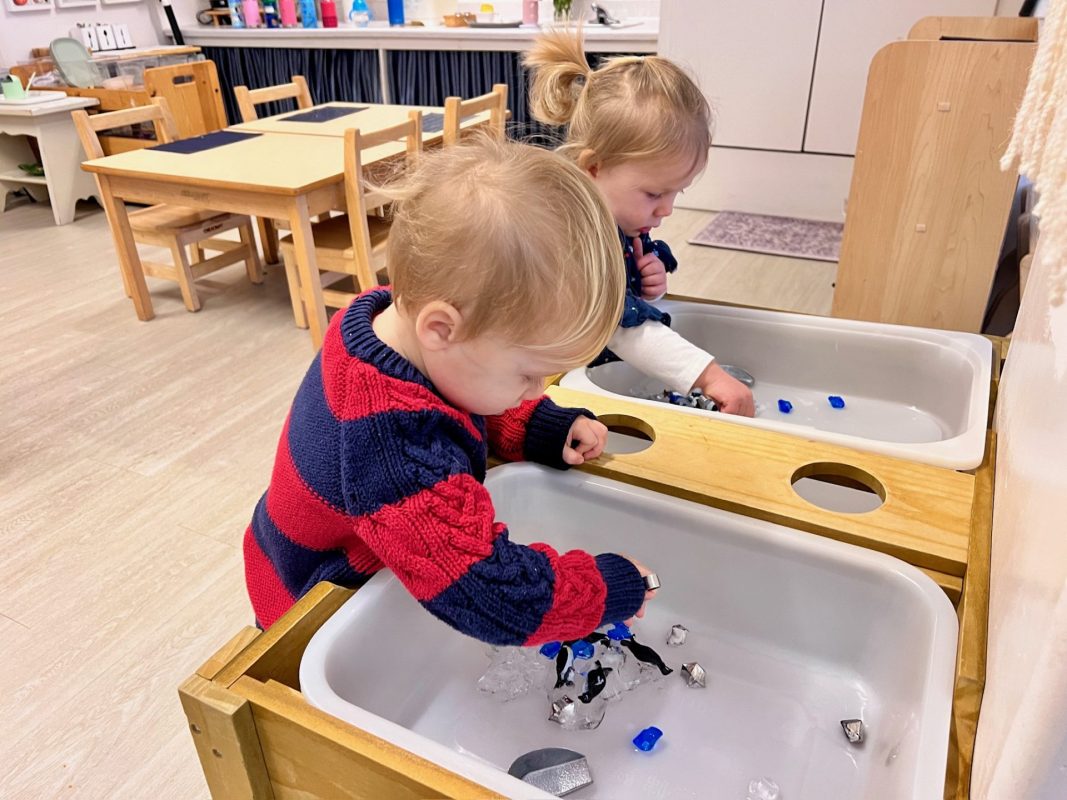
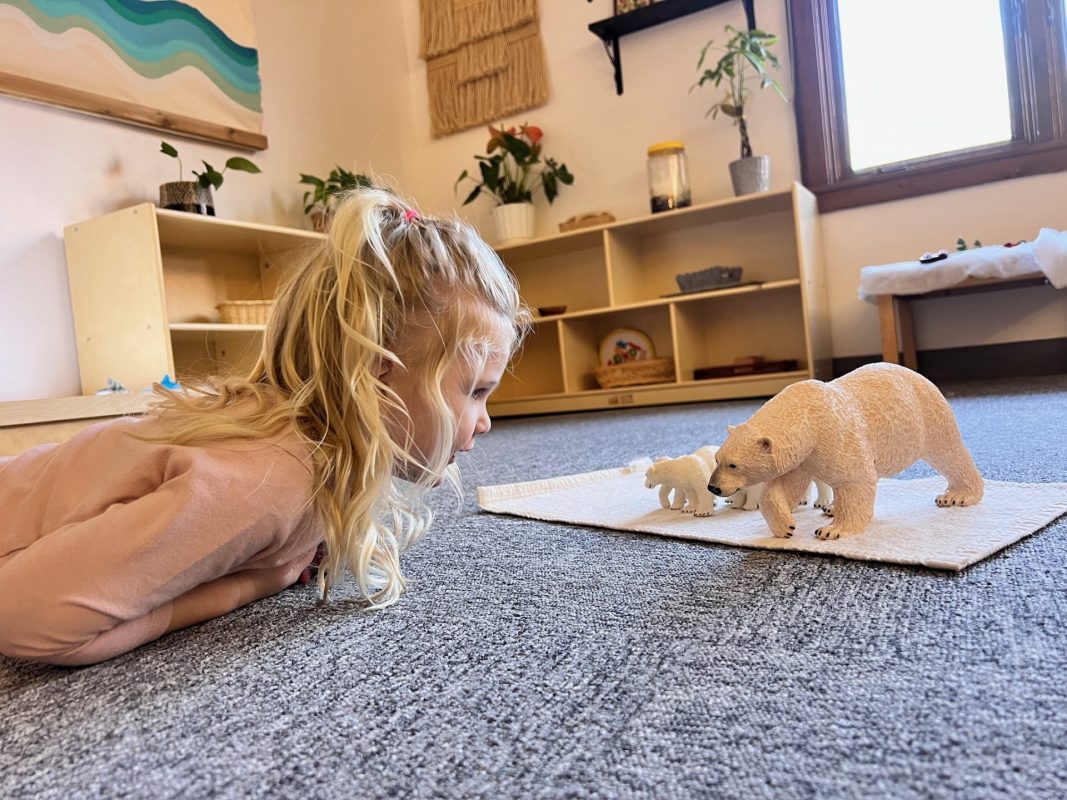
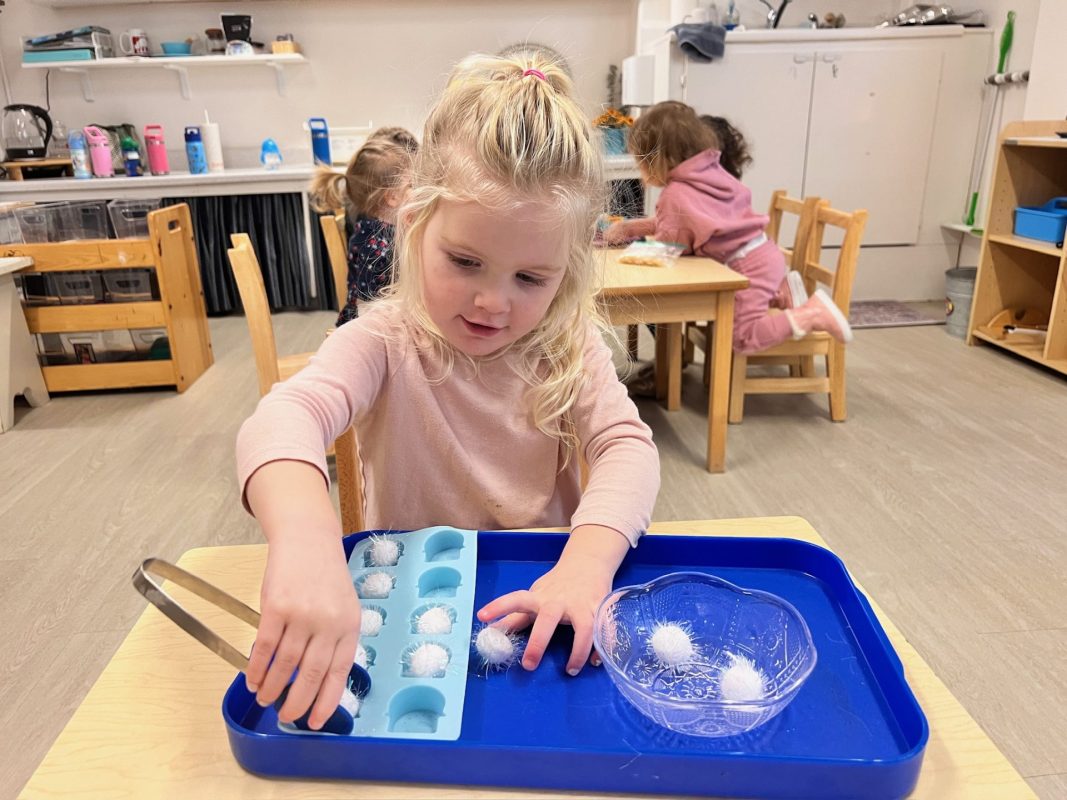
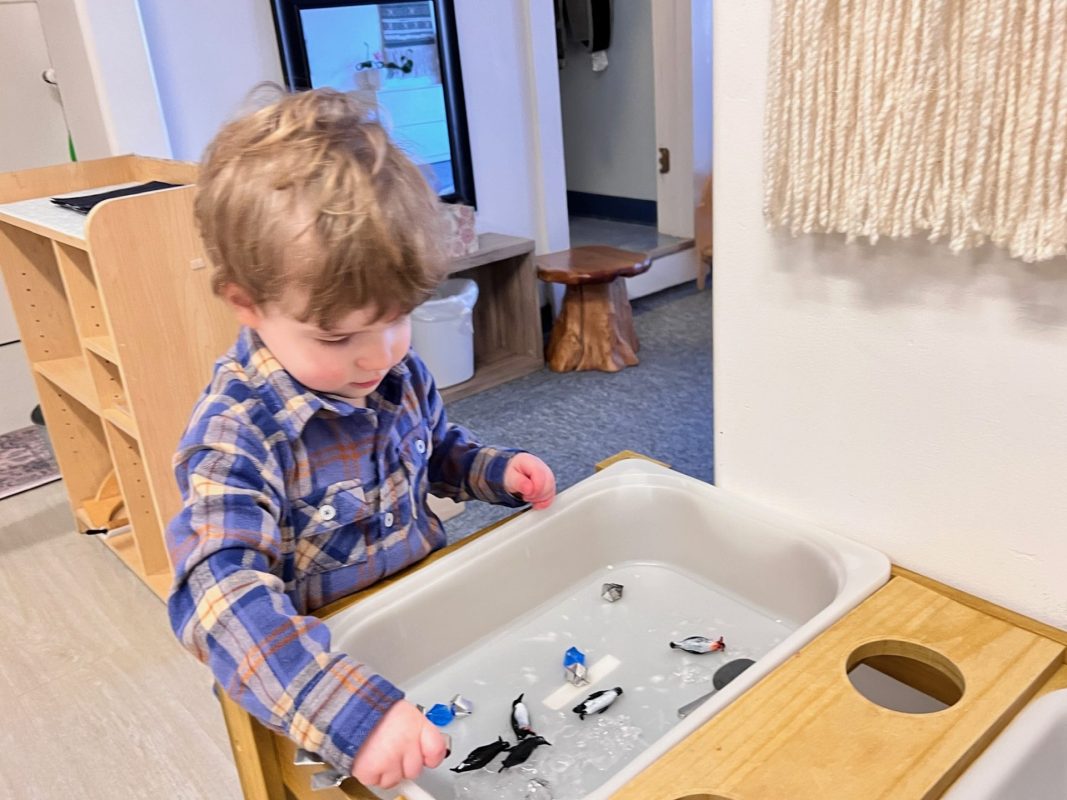
This January, the children will dive into the theme of Winter Weather. They will explore the types of weather we experience during this season, the clothing we wear to stay warm, and the fun activities we can enjoy in winter. In addition, we will be learning about Arctic animals and their unique adaptations to cold climates.

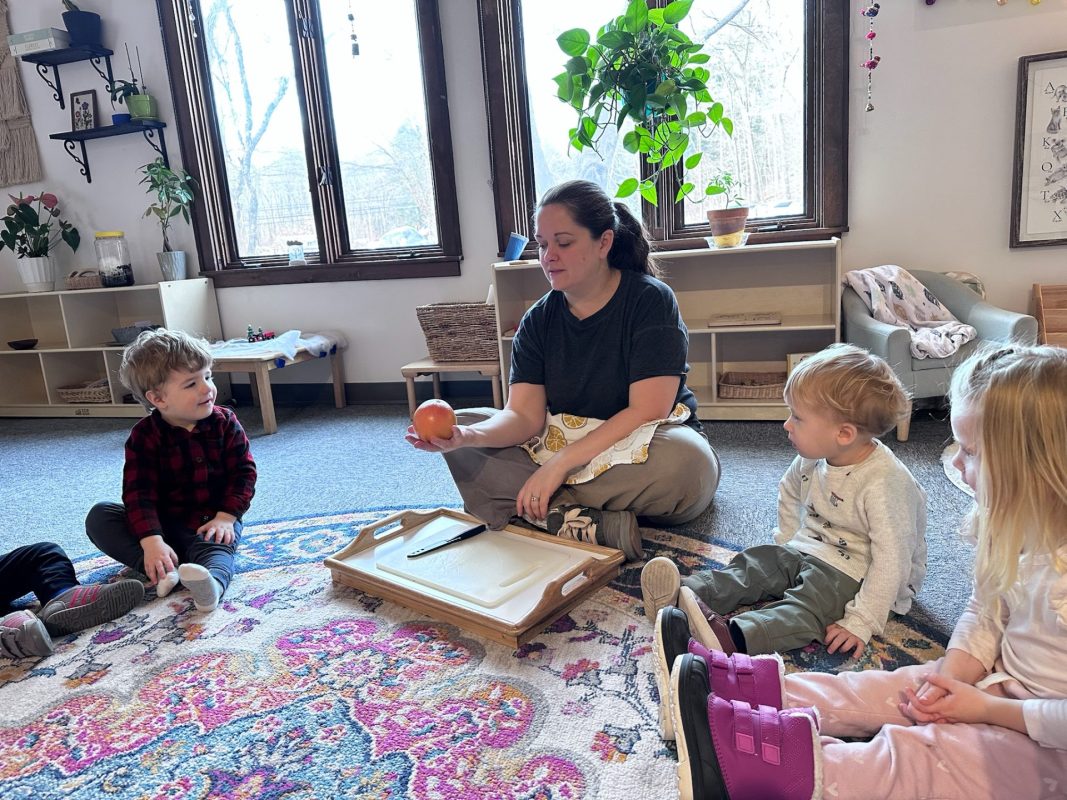
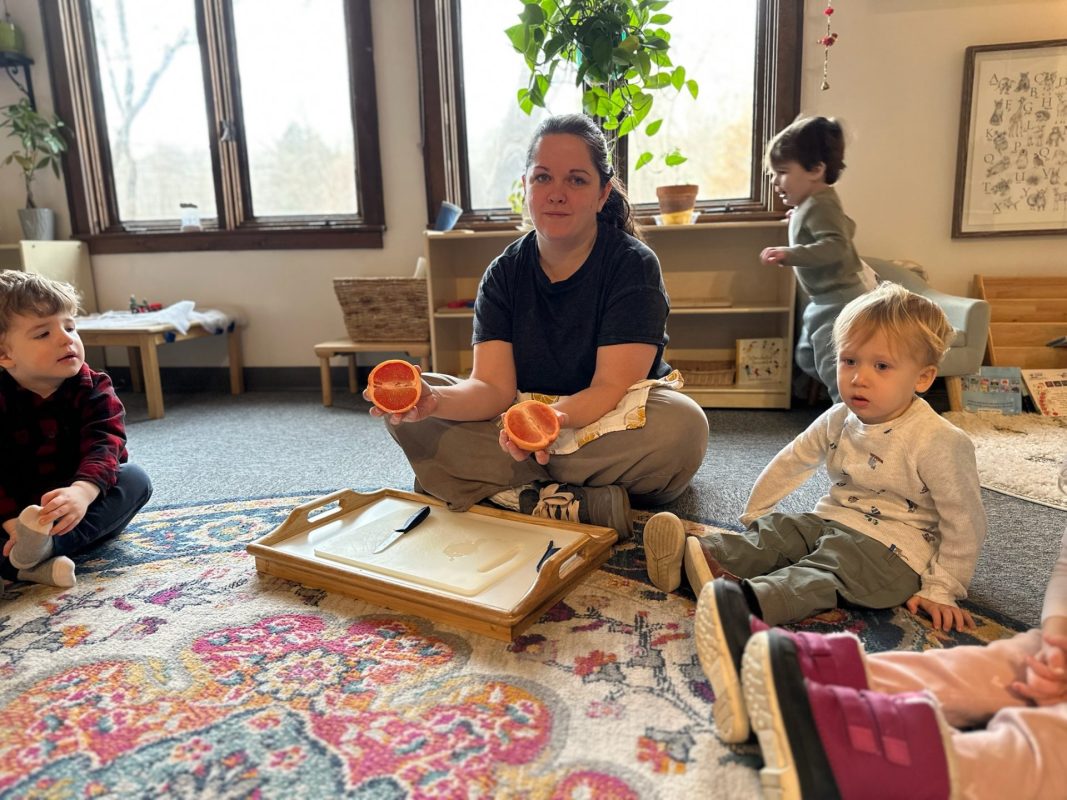
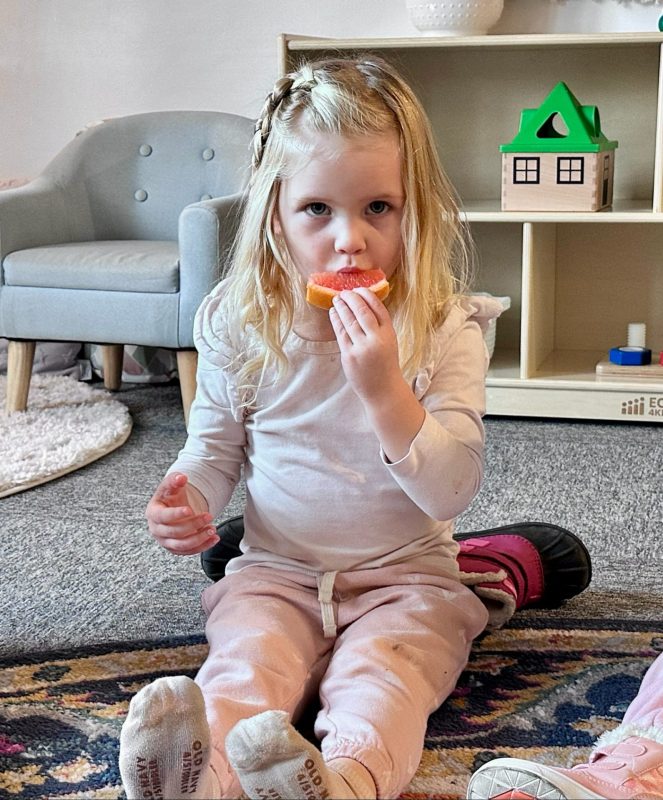
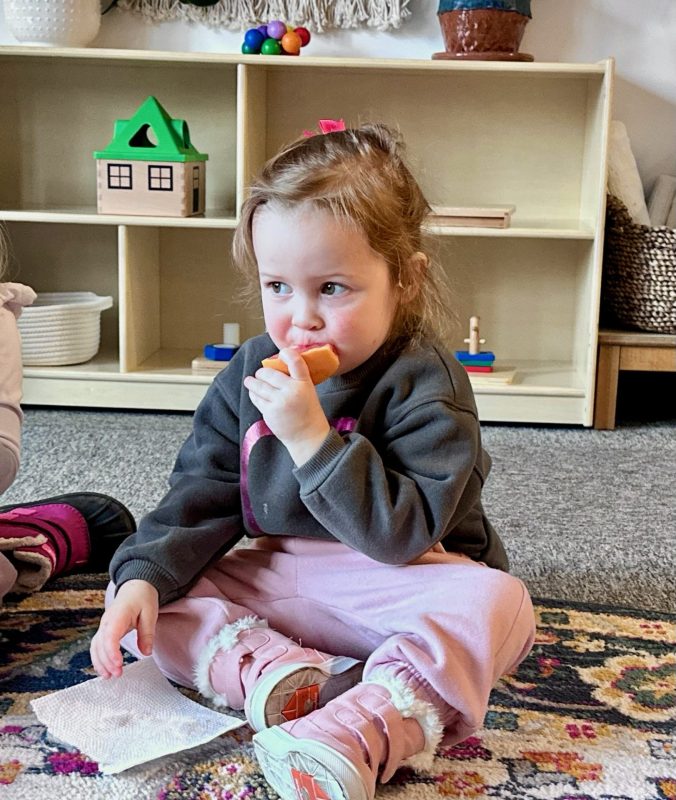
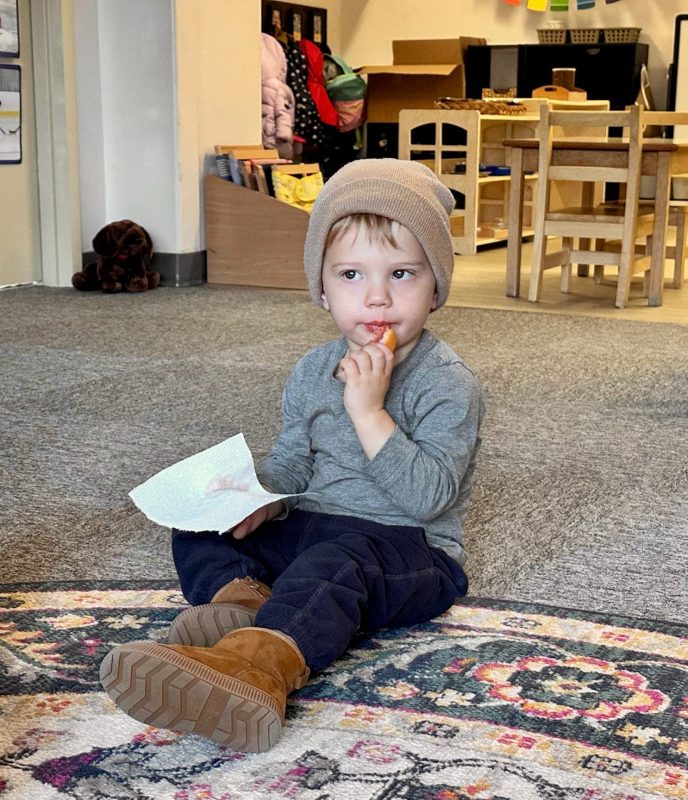
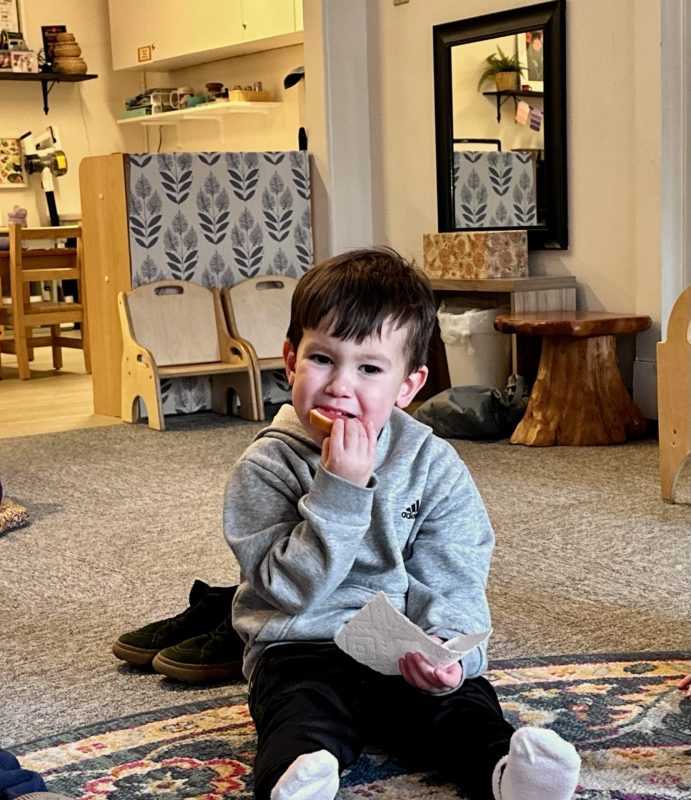
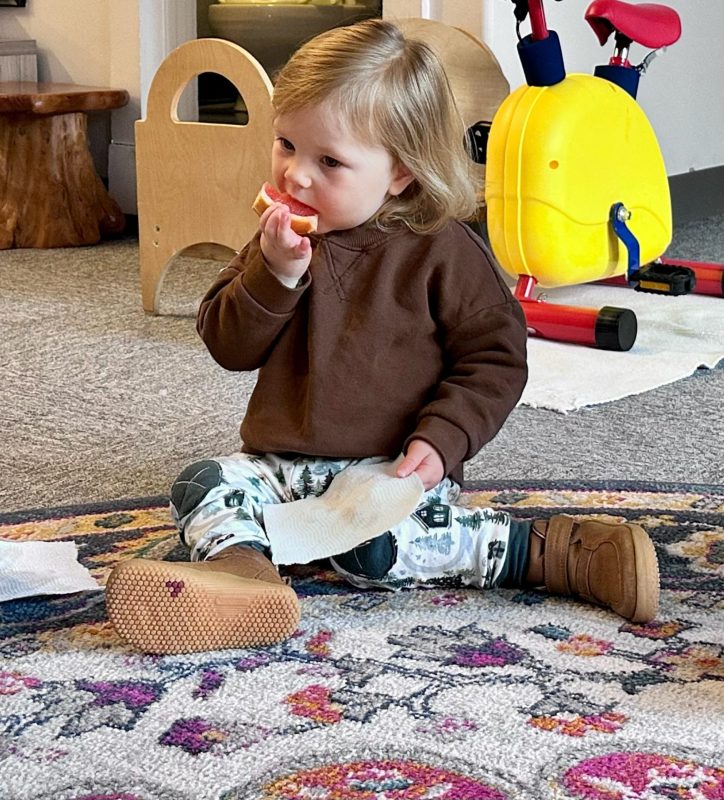
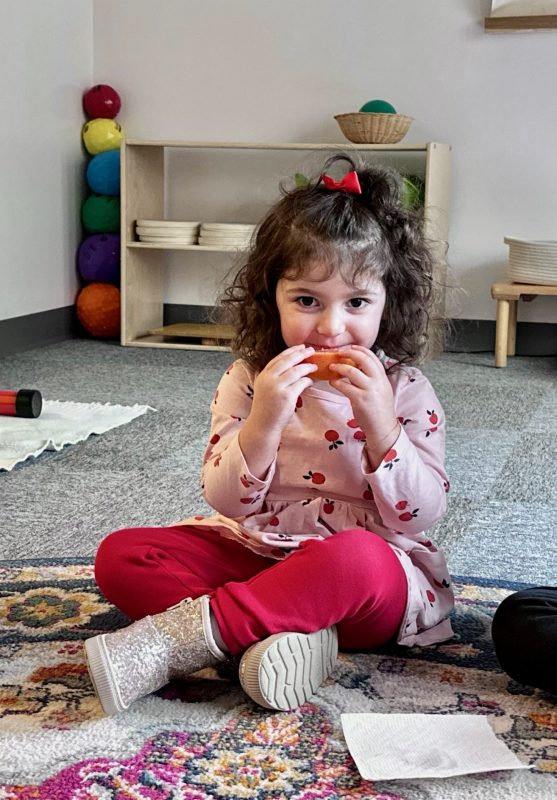
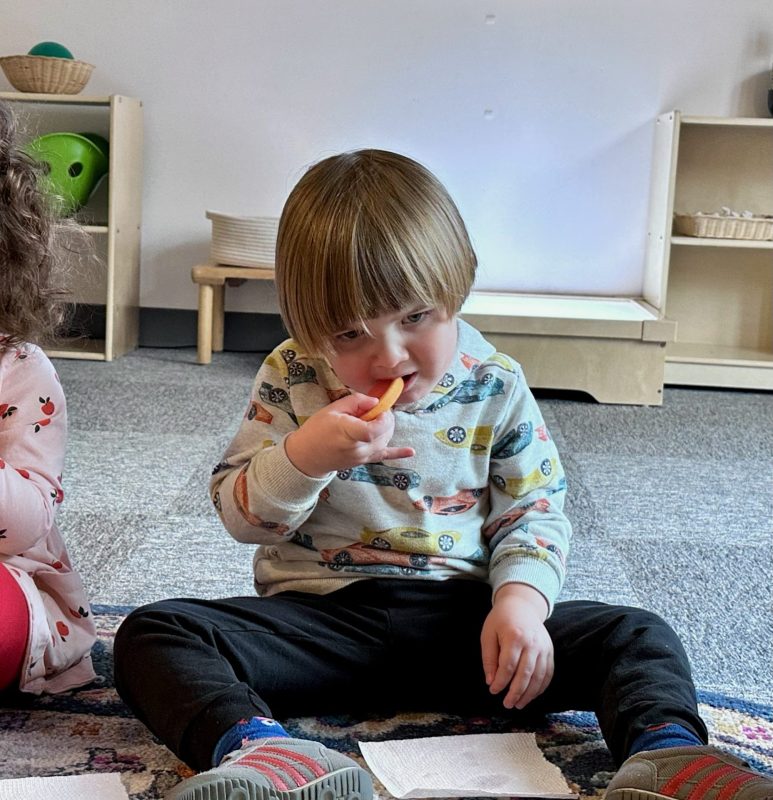
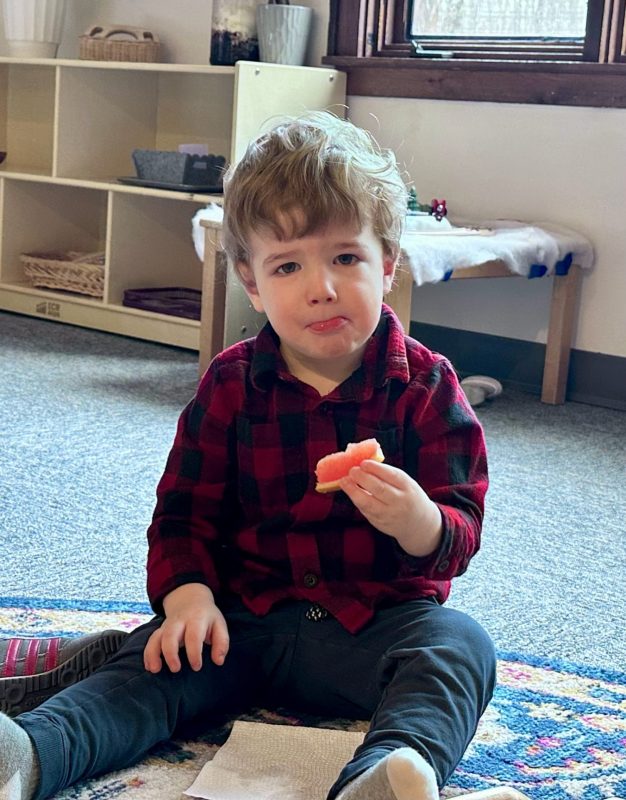
Our food-tasting activity this week featured a juicy and delicious ruby red grapefruit. The children thoroughly enjoyed this sweet and tangy citrus treat!

We are looking forward to a fantastic month filled with learning, discovery, and wintertime fun!

Love and Light,

Cynthia and Sara


Exploring Nature in Lower Elementary

This week, our Montessori students are diving into exciting lessons about reptiles and plants!

    • First Grade: Our youngest learners are studying the external features of turtles. They’re observing the hard shells that protect their bodies, the webbed feet that help some species swim, and the scales covering their skin. Through models and illustrations,  students are building their scientific vocabulary and sharpening their observation skills.
    • Second Grade: Second graders are delving deeper into the body functions of turtles. They’re exploring how turtles breathe using their lungs, regulate their body temperature as cold-blooded animals, and move in water and on land. Hands-on activities and discussions help students connect these functions to how turtles survive and adapt in the wild.
    • Third Grade: Shifting to plants, our third graders are studying the parts and functions of ferns. They’re learning to identify fronds, stems, and spores while exploring how ferns photosynthesize to create energy, reproduce through spores, and adapt to various environments. By examining fern specimens, they develop a deeper appreciation for plant life.

These lessons spark curiosity, deepen understanding, and connect students with the natural world. Families can join the fun by exploring reptiles and ferns in books, nature shows, or outdoor adventures.


Ms. Marissa: Weekly Update

“Social grace, inner discipline, and joy. These are the birthright of the human being who has been allowed to develop essential human qualities.”  —Maria Montessori

Normalization is a buzzword often used by Montessori teachers everywhere. So, what exactly does it mean, and more importantly, how do we achieve it? When children in a Montessori environment demonstrate deep concentration, self-discipline, social skills, and a true love of work, we describe this as a normalized classroom. Normalization is achieved by consistent and clear ground rules that everyone is familiar with. It is our job to ensure the environment is always well-prepared and designed to meet the needs of the children. As Montessori teachers, we are confident that if we do our job well and the children are free to experience the opportunities provided by the environment and Montessori materials, they will thrive.

After the winter break and upon our return in January, we often see noticeable growth in the children’s social and emotional development. They come back eager to learn and raring to go! In the first half of the year, they have become comfortable and confident with our classroom routines and expectations. They have developed deeper relationships with their peers and teachers. It is always an exciting time and sets the groundwork for the second half of the school year.

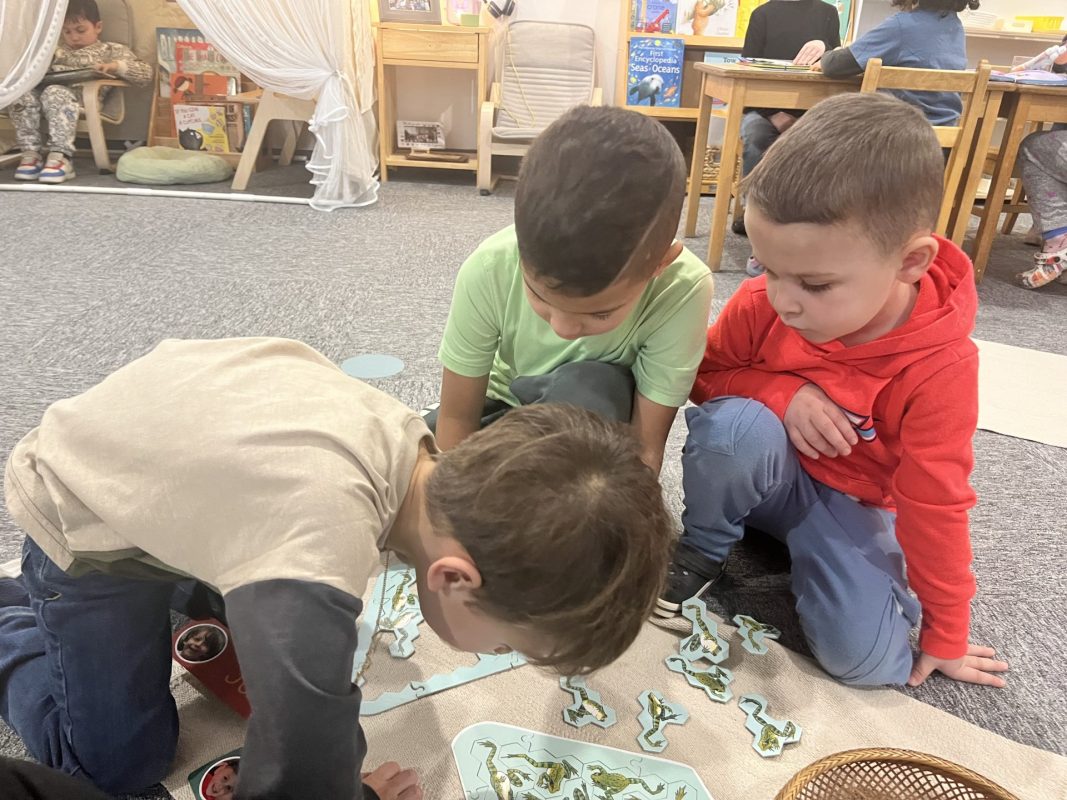
We have started our study on frogs and amphibians this month! The children were amazed that “baby frogs,” aka tadpoles, looked so differently from their adult counterparts!


Middle School: Week in Review

Welcome to 2025, Middle School families! We hope you had a nice new year an are excited for what’s to come in 2025.

Here are some dates to keep in mind:

  • Friday, 1/17: Math Carnival in the Gym from 1:30-2:30 pm
  • Tuesday, 1/21- Thursday, 1/30: Middle School Immersion
  • Thursday, 1/30: Middle School Play at 7 pm in the Gym

Math

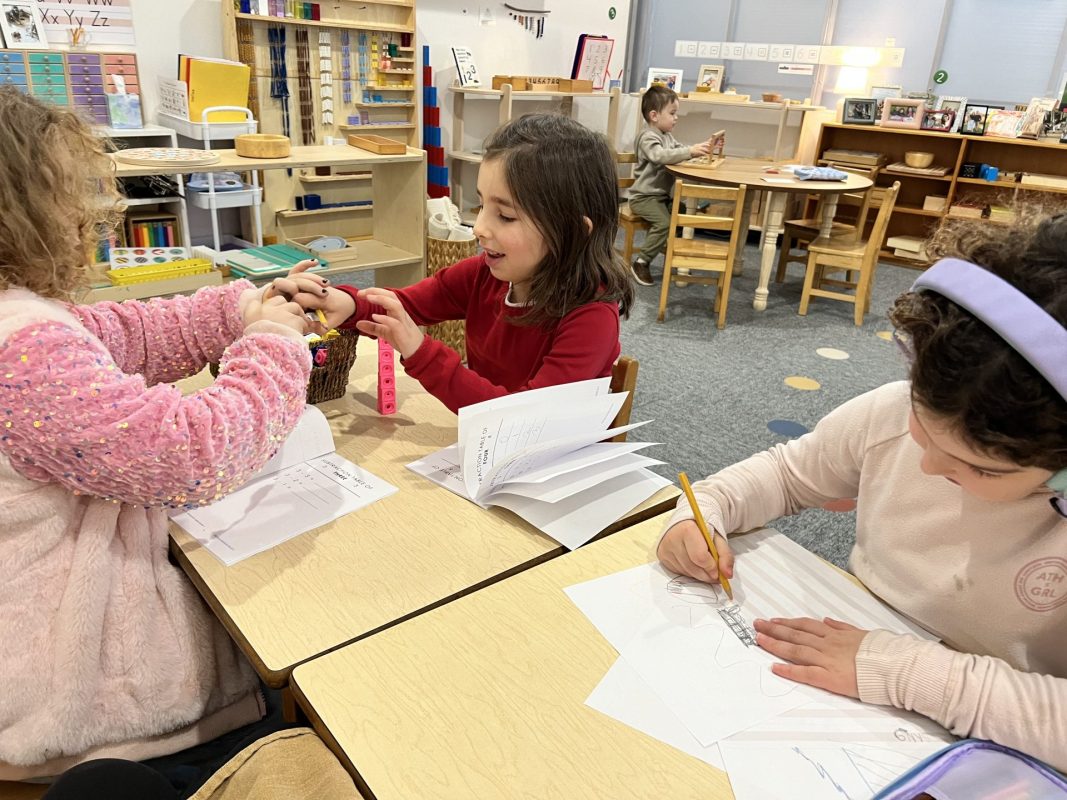
This has been an exciting week for Middle School math! Students returned from the break eager and refreshed and jumped right into a unit on Probability. Students discovered the difference between theoretical and experimental probability. They calculated the theoretical probability of choosing each color of an M&M and then took data of which color M&M they drew from the bag to calculate the experimental probability. Students worked diligently all week to brainstorm an idea for their own probability game, created a blueprint, and then worked to create the physical game. The Math Carnival will take place on Friday, January 17th, and students cannot wait to put their games to the test.


Humanities

In Humanities classes this week, students worked together to write the plot for this year’s Middle School play. The overarching idea for this full-length play is first decided by the 8th-grade class. This year, the play is about a solved mystery about an object in a museum and the backstory to this object. Then, students created a plot line with the skeleton of the play and scene-by-scene summaries. Next, they developed their characters. This involved writing their personality traits, any particular traits in appearance, an example of what they might say, and how their role contributes to the plot. Next, any relationships between characters are established. Finally, the classes began writing the scenes. Next week students will have the opportunity to write in mixed-grade groups as well as with their class. By next Friday, the script will be drafted!

Beginning on Tuesday, 1/21, the Middle School will spend most of the day immersing themselves in the play they wrote. They will create the set, gather/create props and costumes, block the scenes, and put on a final performance for you on Thursday, Jan. 30th, at 7 pm.


Science

6th grade:
Students this week worked on further understanding earthquakes with the introduction of learning about seismic waves.  They looked at how the energy of an earthquake travels through Earth, what scales are used to measure the strength of an earthquake, and began discussing how scientists locate the epicenter of an earthquake.  Students are excited to begin a lab early next week using slinkies to see P waves, S waves, and surface waves in action. They will also learn how to calculate the epicenter of an earthquake using triangulation.
7th grade:
Students completed work constructing their molecules and posters for their molecule project this week.  The projects came out fantastically well, and every one of them was original, with unique creative design and construction.  Students will proudly display these 3D molecules and posters within the Science classroom as they use the information learned to move into the period table and atomic structure next week.
8th grade:
This week, students finished their work on cellular respiration and photosynthesis.  Students completed and hung their posters within the Science classroom and finished their work by writing formal lab reports for the experiments they conducted showing the relationship between photosynthesis and cellular respiration.  Next week, the class will begin working on cell division.  This will be their last subunit on cells before moving into genetics.

Spanish Class December 2024-January 2025

Primary and LE: “Dias de la semana, Navidad y Los Meses del Año”; UE: “Las Estaciones del Año, Navidad y La Ropa”; MS: SOMOS UNIT2 “El Encierro de San Fermin, La Carrera de San Silvestre” y “La Cumbia.”  FWM students learned about the Christmas (Navidad) celebration, which is a traditional holiday in Latin America.

During this couple of months at FWM, students kept working on their usual conversations about feelings, Spanish greetings, the calendar, and weather descriptions. They are continuously improving their Spanish listening and vocabulary. Students from Primary, Lower Elementary, Upper Elementary, and Middle School listened carefully to Spanish books and songs and participated in interactive games that were displayed during class.

Primary students focused on learning about “Dias de la semana” (Days of the Week), Navidad (Christmas), and “Los Meses del Año” (Months of the Year). They learned these lectures through Montessori lessons that were left on the language shelves of each class for the students to practice for a couple of weeks.

Lower Elementary students also learned about “Dias de la semana” (Days of the Week), Navidad (Christmas), and “Los Meses del Año” (Months of the Year).  They learned these lectures through Montessori lessons and worksheets to support the lessons learned in class.

Upper Elementary Students put in hard work learning the ABCs in Spanish, they are learning the pronunciation of each letter of the alphabet that is leading them to get better pronunciation of the words, increasing their vocabulary and understanding. They also learned about “Las Estaciones del Año” (Seasons), “Navidad” (Christmas), and “La Ropa” (Clothing). UE students are practicing the writing and pronunciation of a lot of new vocabulary through songs and worksheets to support the acquisition of these new words.

Middle Schoolers learned about “El Encierro de San Fermin y La Carrera de San Silvestre.” These are two famous races that are very important traditions and are very popular, the first one in Spain and the other one throughout Latin America. Also, students were able to learn new vocabulary and started the construction of sentences using nouns, verbs, and adjectives.  They also learned about “La Cumbia,” which is a very popular dance and rhythm that is traditional and characteristic in all Spanish-speaking countries.

I am very pleased by the progress accomplished in Spanish class at every level. All the students from FWM are doing an amazing job in Spanish.


Ms. Mollie’s Class: Hello January!

Hello January! 

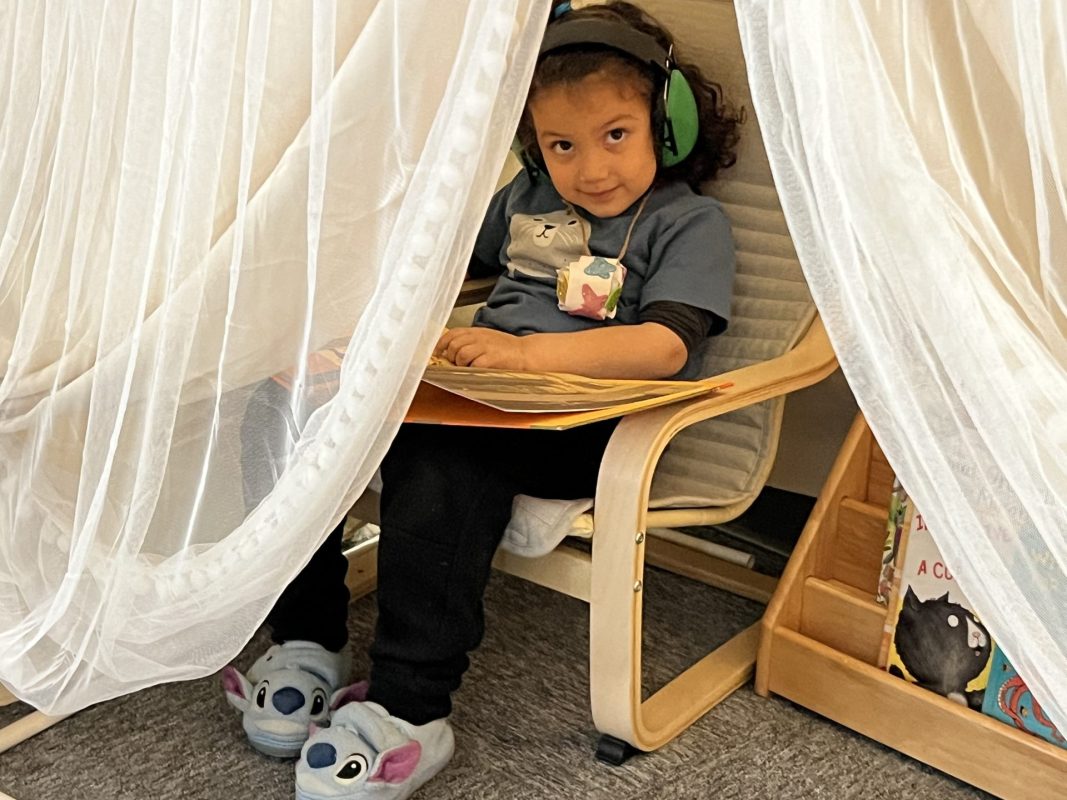
As I watch the snow gently fall this morning, I can’t help but reflect on the wonderful week we have had in our classroom. The first week back after a long break would seem like it was harder than most, the children have been absolutely resilient, they have come into school with grace, and the children crave order, routine, and structure,e all of which are in the very fiber of what we do and provide daily here at Fraser Woods. 

This week, we welcomed two new children and our second assistant, Ms. Anabelle, into our classroom, which has allowed us to open our classroom environment, practice our communication skills, and, most importantly, open our hearts to new friends who help complete our classroom. The children have been so enthusiastic to welcome them each day, wanting to help and play with them. Having our new children join us has really enforced grace and courtesy, practicing our kindness and thoughtfulness. It’s been very heartwarming to watch the children with such open arms welcome the new children.

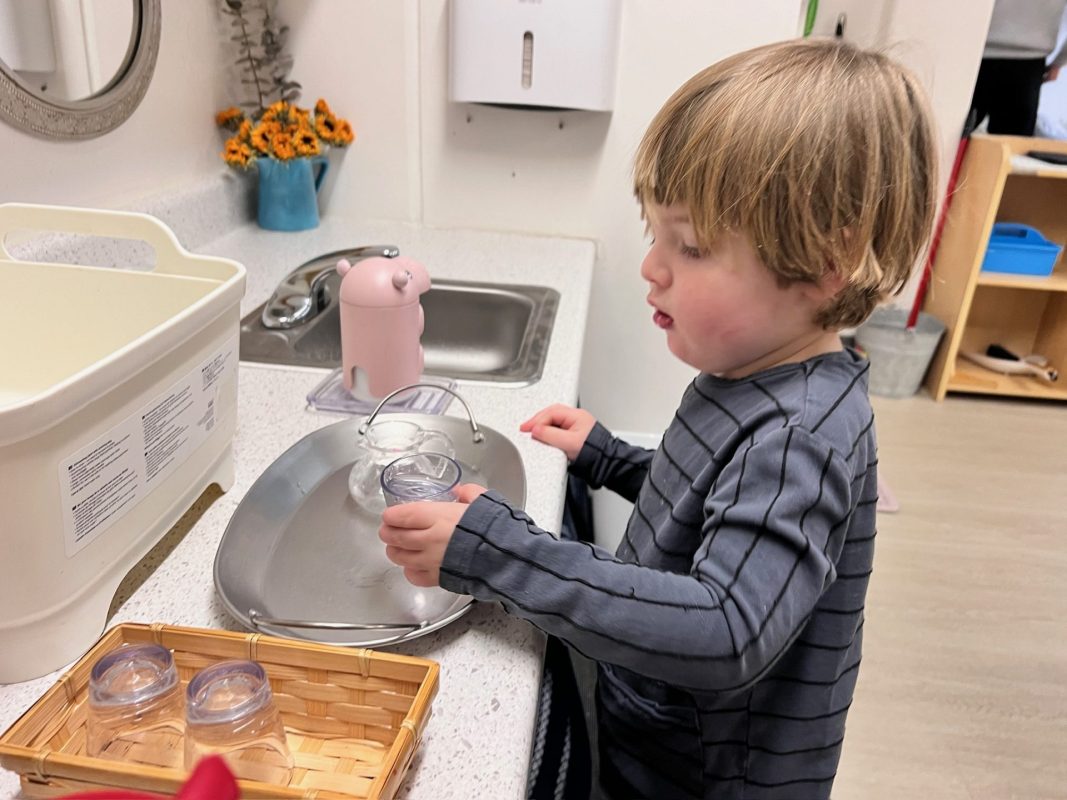
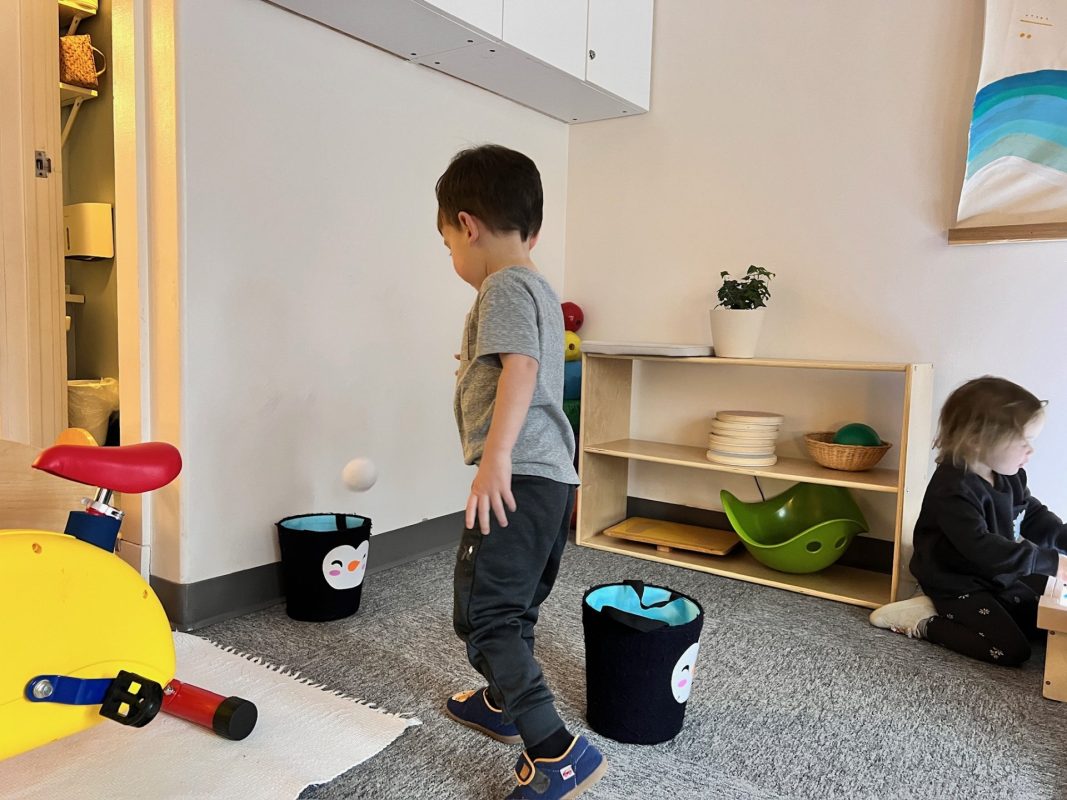
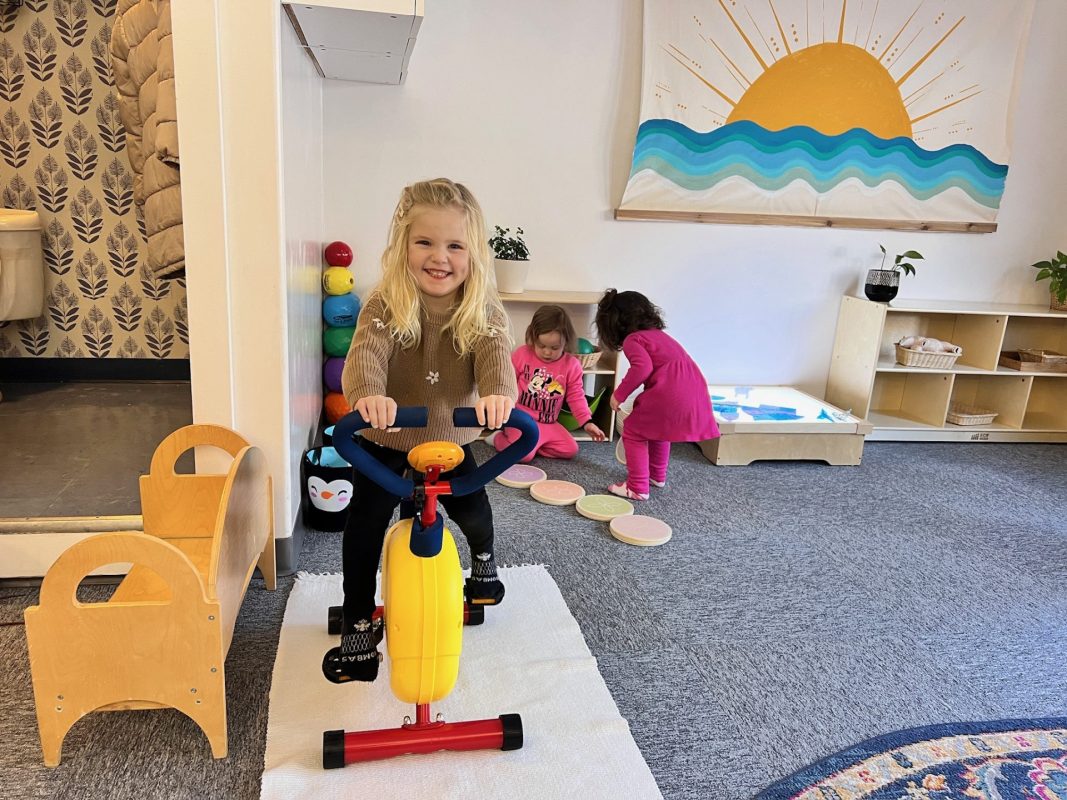
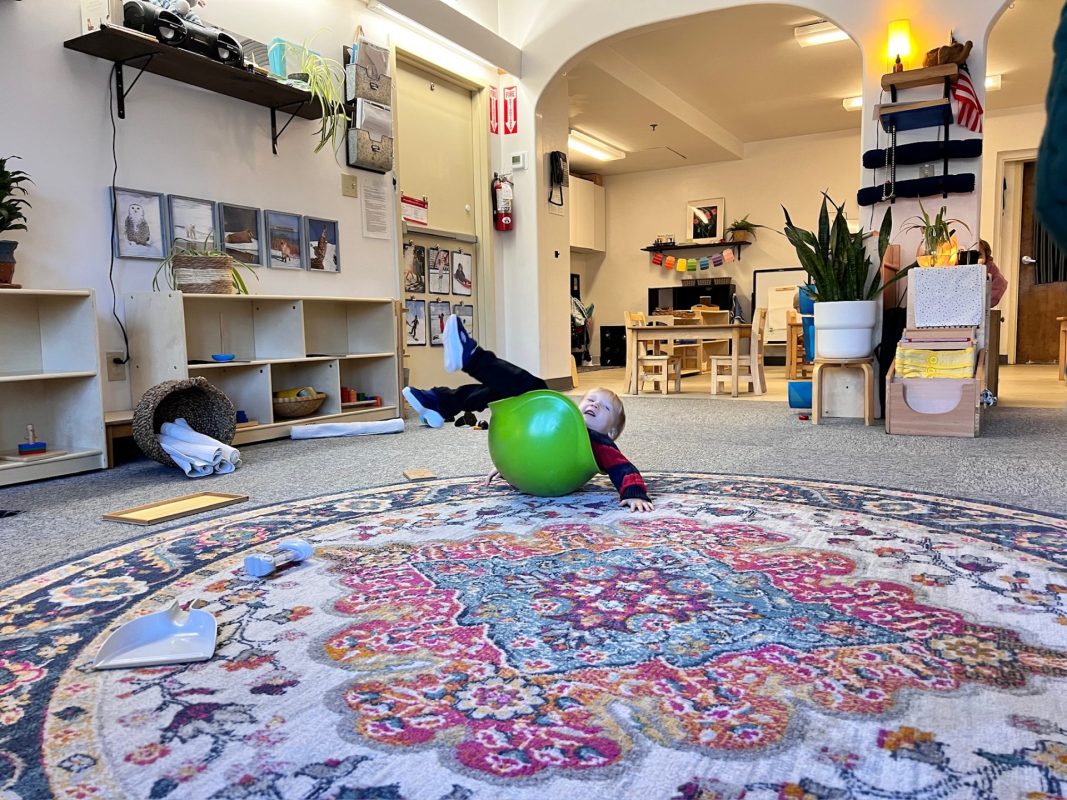
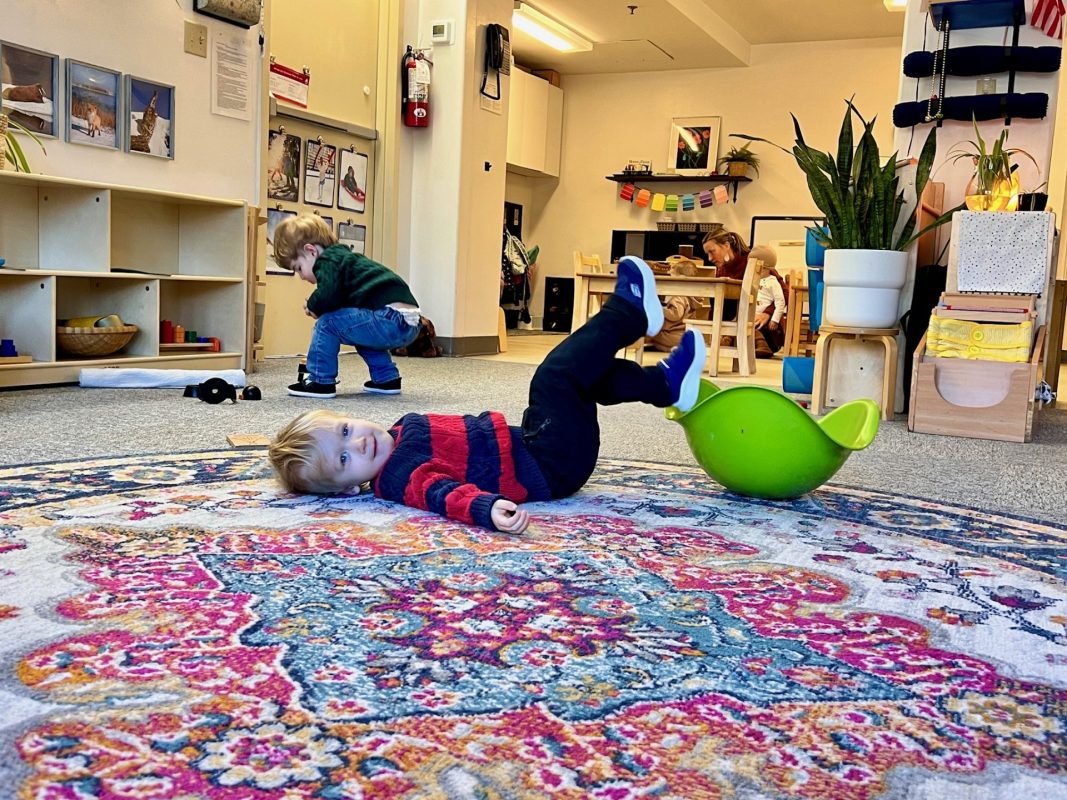
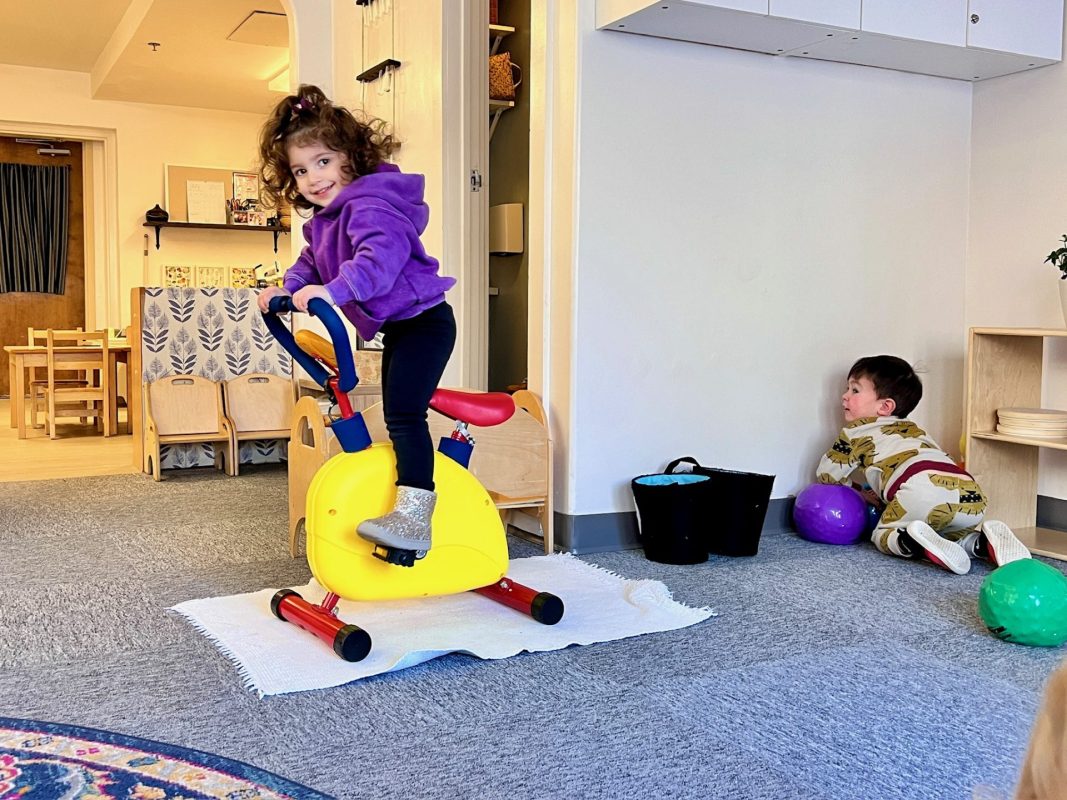
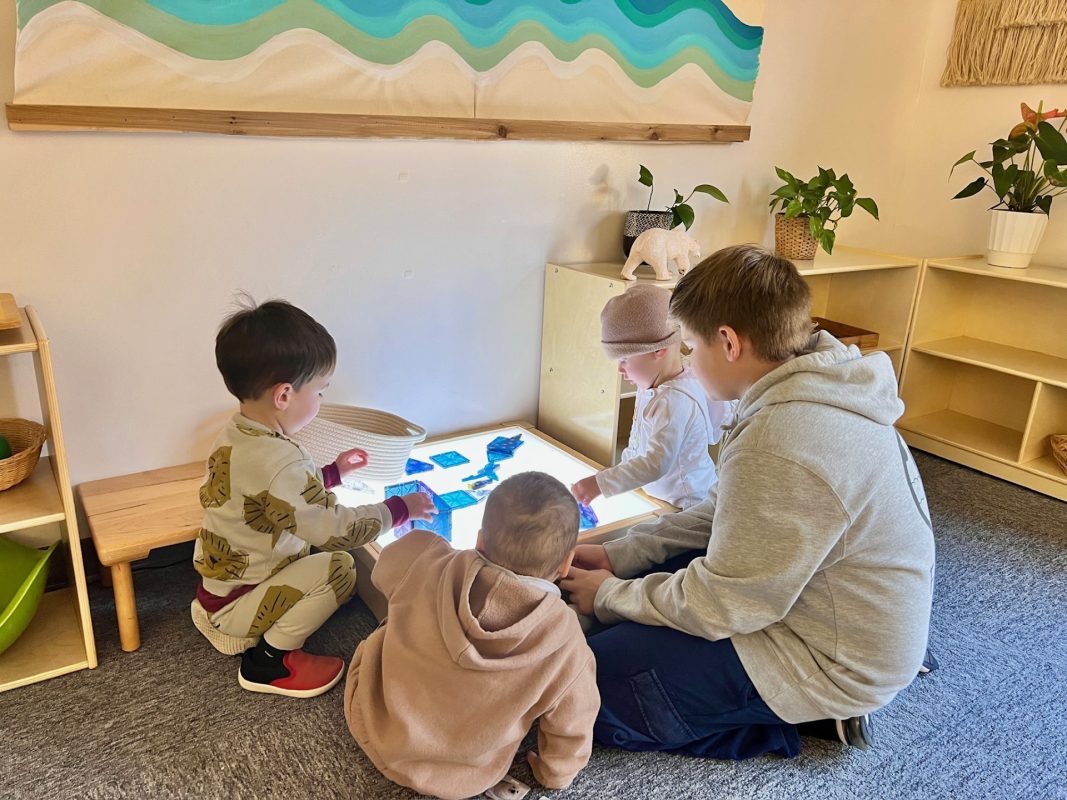
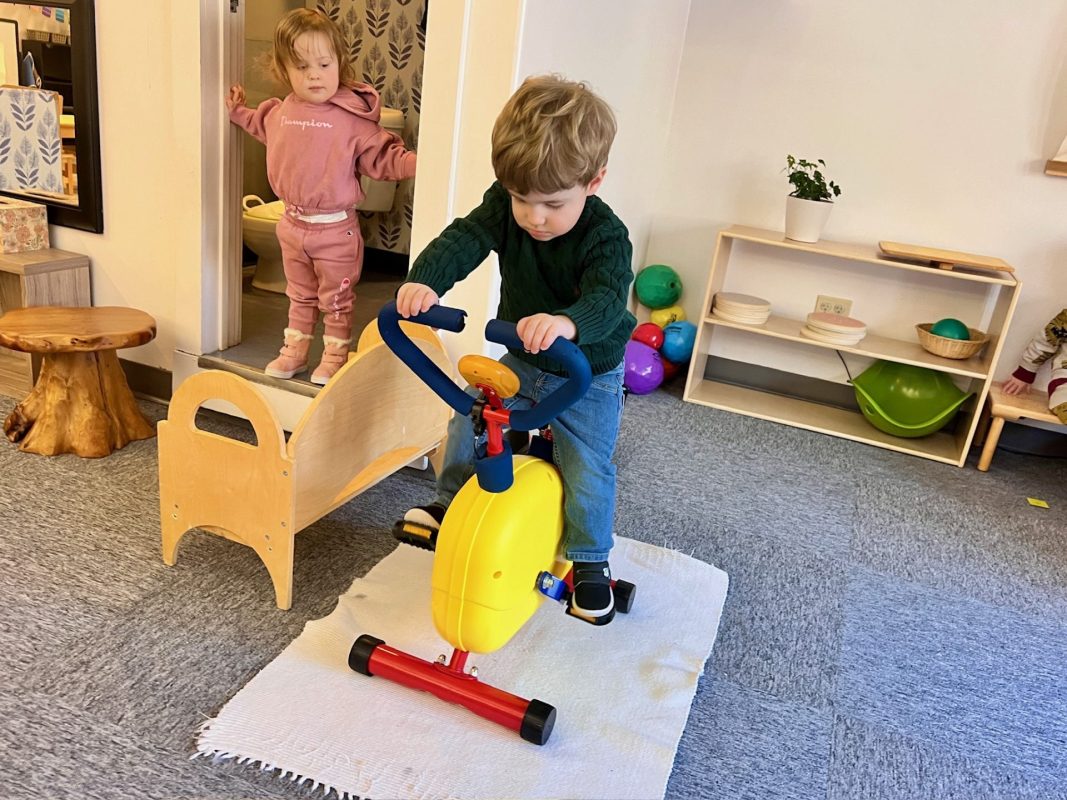
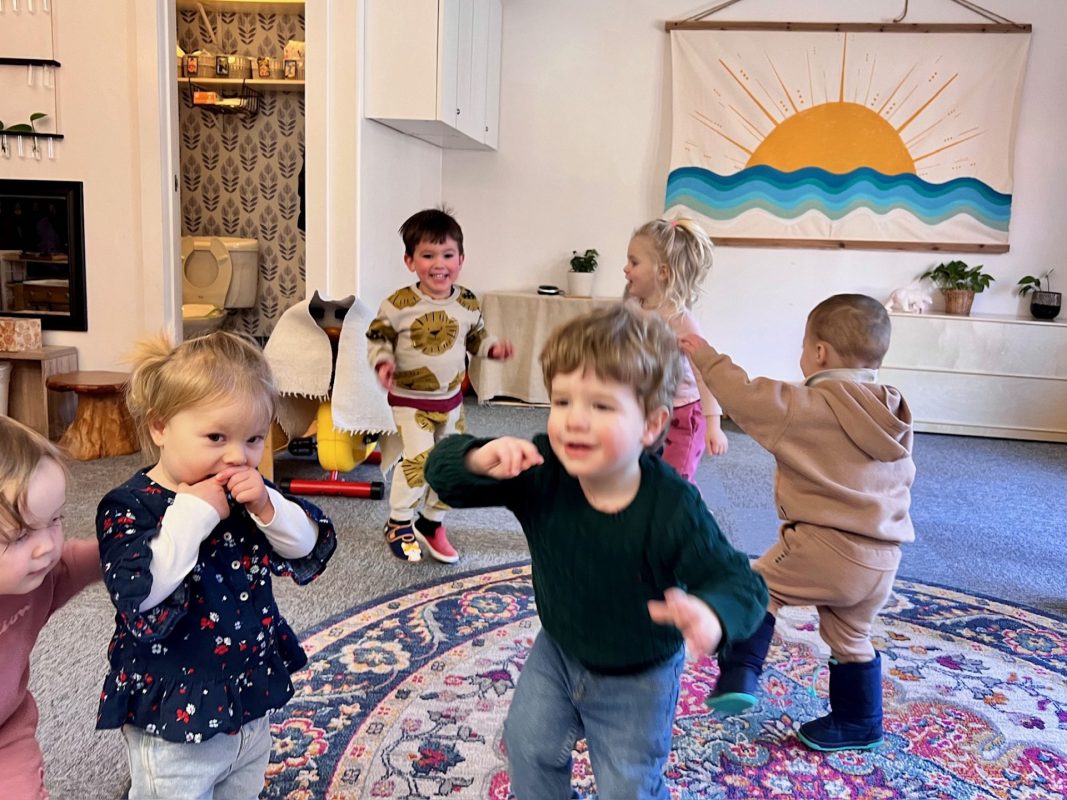
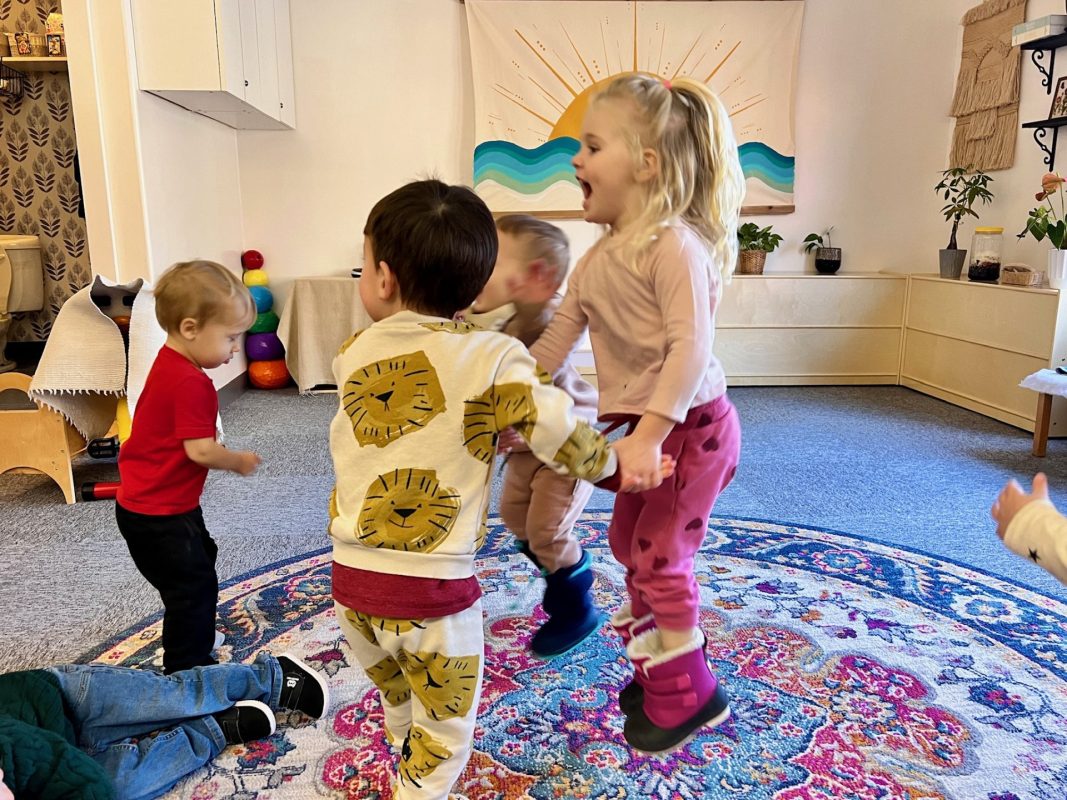
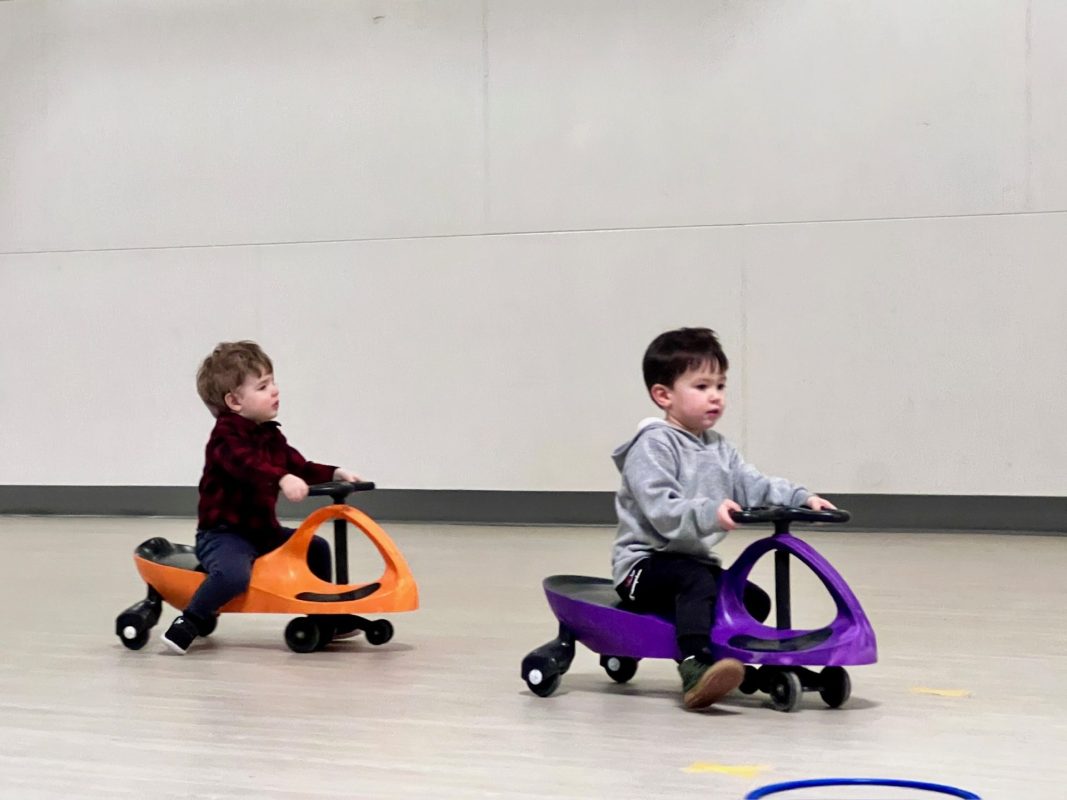
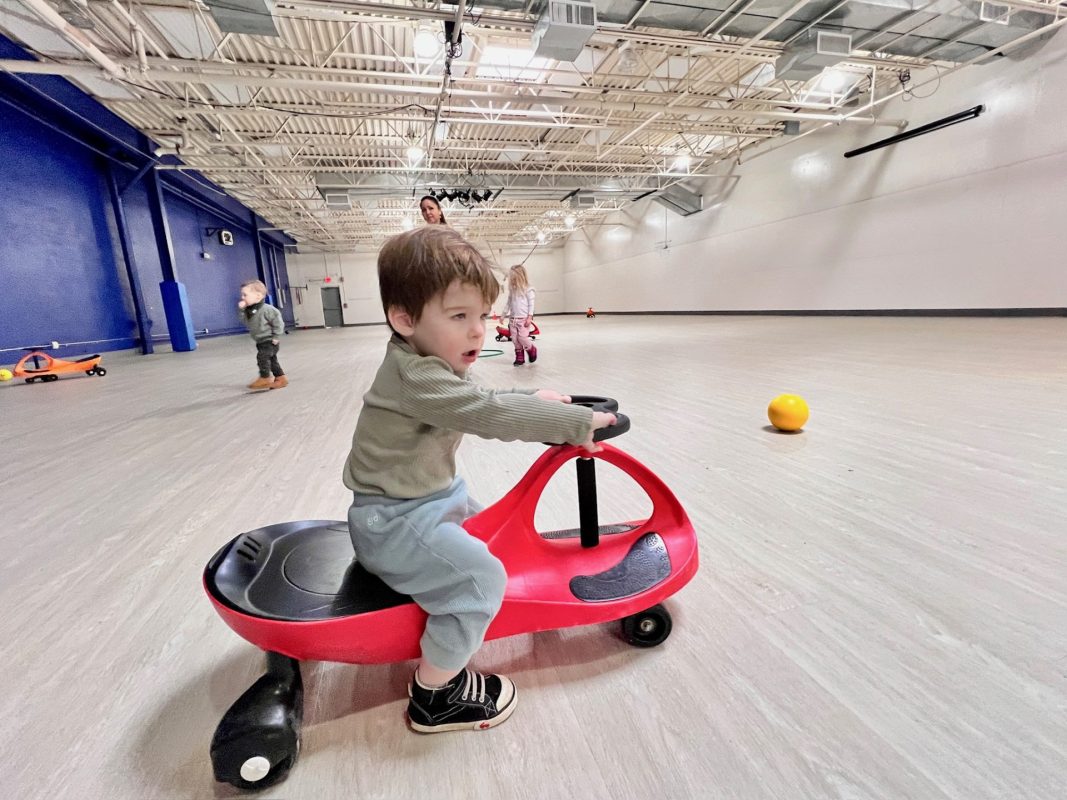
Many things this week needed to be flexible due to the weather, so we were able to enjoy the gym each day! One thing I have recognized with toddlers is the need to run, climb, and chase daily. With more flexibility, we were also able to start our weekly baking! The children were so happy to make blueberry scones; the children helped with each step of the process and were very happy to enjoy the eating part, too! Our daily classroom work allowed the children to practice their skills, enforce concentration, and simply be content. 

With Full Hearts and Wishing you all a Happy New Year, 

Ms. Mollie, Ms. Lizette, and Ms. A


This Week in Upper El

Ancient Egyptians believed that upon death they would be asked two questions and their answers would determine whether they could continue their journey in the afterlife. The first question was, ‘Did you bring joy?’ The second was, ‘Did you find joy?’ -Leo Buscaglia

Upper Elementary students returned to school this week, enthusiastic about our new history studies on Ancient Civilizations.

We began our study with discussions about the definitions of society and civilization, followed by an introduction to the building blocks of civilization. We learned that each stage in the evolution of human culture builds on the foundations of previous societies, with each stage showing advancements from earlier ones. The stages we examined included big game hunting, foraging, farming, trading, and the formation of cities.

Next, we looked at the timeline of the Holocene Epoch, divided into 500-year segments, and features a map highlighting some of the world’s earliest civilizations. The upper part of the timeline focuses on Eurasia and Africa, while the lower part emphasizes developments in the Americas. The Africa-Eurasia map highlights the Mesopotamian civilizations along the Tigris and Euphrates Rivers in the Middle East, the Egyptian civilization along the Nile in northwestern Africa, the Indus River civilization in northwest India, and the Shang civilization north of the Yellow River in China. Meanwhile, the Americas map highlights Mesoamerica and the highlands of Peru. This timeline clearly illustrates that civilizations developed in various ways and at different rates, depending on the conditions of their environments.

Upper Elementary students study ancient civilizations to understand them as an evolutionary stage and to relate to the process of civilization development. They are encouraged to challenge the notion of a simplistic, linear progression of human advancement and to identify significant events in civilization’s history. We will explore the contributions of different cultures, hoping to inspire each student’s curiosity for further studies in this area. As we learn about the development of civilizations, we will examine how each group addressed specific fundamental needs and expressed basic human tendencies, comparing and contrasting different societies. Each study will focus on geography, cultural activities, everyday life, and political and economic systems.

Next week, we will choose four ancient civilizations, and students will begin work in small groups, each focusing on one civilization. Over the next seven weeks, they will collaborate to complete their research at school and will present their findings to peers and parents at Research Night on Wednesday, March 5, at 5:30.


This upcoming Wednesday, Upper El students have been invited to participate in National Hat Day by wearing their favorite hats to school.