Blog

It Takes a Village

The Montessori Schools of Connecticut Annual Professional Development Conference was held on Friday, Nov. 1, here at FWM. Our staff came together with over 400 Montessori educators from all over the state to focus on the theme: From the Individual to the Community – Building a Culture of Belonging.

The keynote Speaker, Andrea Fleener, spoke on building collaboration, cooperation, and community with the overarching theme: “It takes a village.”

She discussed Maria Montessori’s quote, “It’s the process, not the product.” Shifting the focus from the end result to the learning journey encourages children to value their own efforts and progress rather than striving for a perfect end product. 

Andrea also talked about the quote by former Alabama University coach Nick Saban. He said, “Becoming a champion is not an easy process. It is done by focusing on what it takes to get there–and not on getting there.” This means that in order to be successful in whatever you choose, one must commit to a process, not just a goal. She also shared Nick Saban’s description of the football community and drew a parallel to our school community and how each member of the community contributes to the process that leads to each child’s success.

To truly support children, we need a strong foundation of cooperation, teamwork, and community among the adults in our school. By coming together with a shared purpose, we create a safe, caring environment for every child we serve, whether we work directly with them or not.

As we aim to build the best “village” possible, we focus on the needs of children. We rely on the support structures we have built, from the Head of school to our teachers, to our Parents Association, class parents, etc. In doing that, we can shape a school community that encourages each child’s growth. It is the intentional action and the role of the adults that create our nurturing community. 


Ms. Mollie: November Gratitude

Our week has been a very busy week! We had so much fun and many celebrations; this week, we enjoyed Veterans Day, reading books about heroes, our military men and women, and doing all the Red, White, and Blue paintings! We also had the privilege of attending our first Diwali celebration, Fraser’s style! We were amazed by the beauty of the celebration, the colorful clothes, the lights, and the Dancing! The children were delighted to see Ms. Paromita dancing with other children and parents in the most upbeat, happy dance! We also got to try the most delicious foods, rice, and gulab jamun- a sweet treat! At the end of the celebration, our small friends were invited to dance! So many thanks to all the families and children and to Paromita for a wonderful celebration!

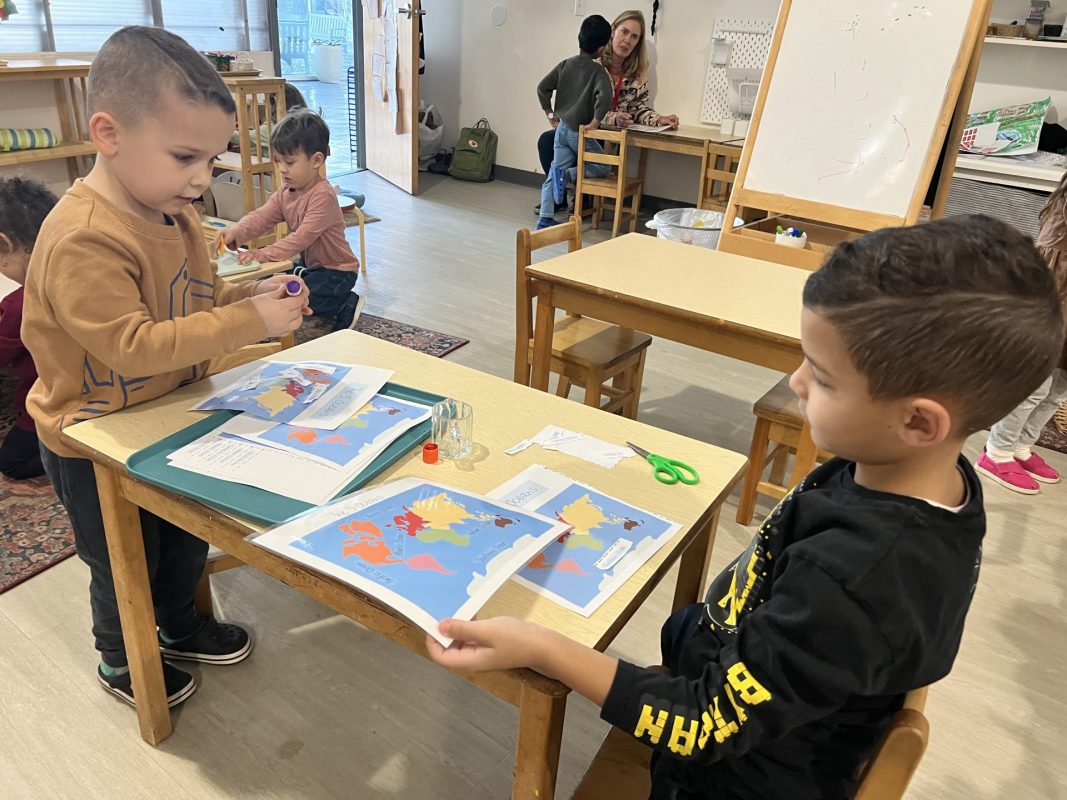
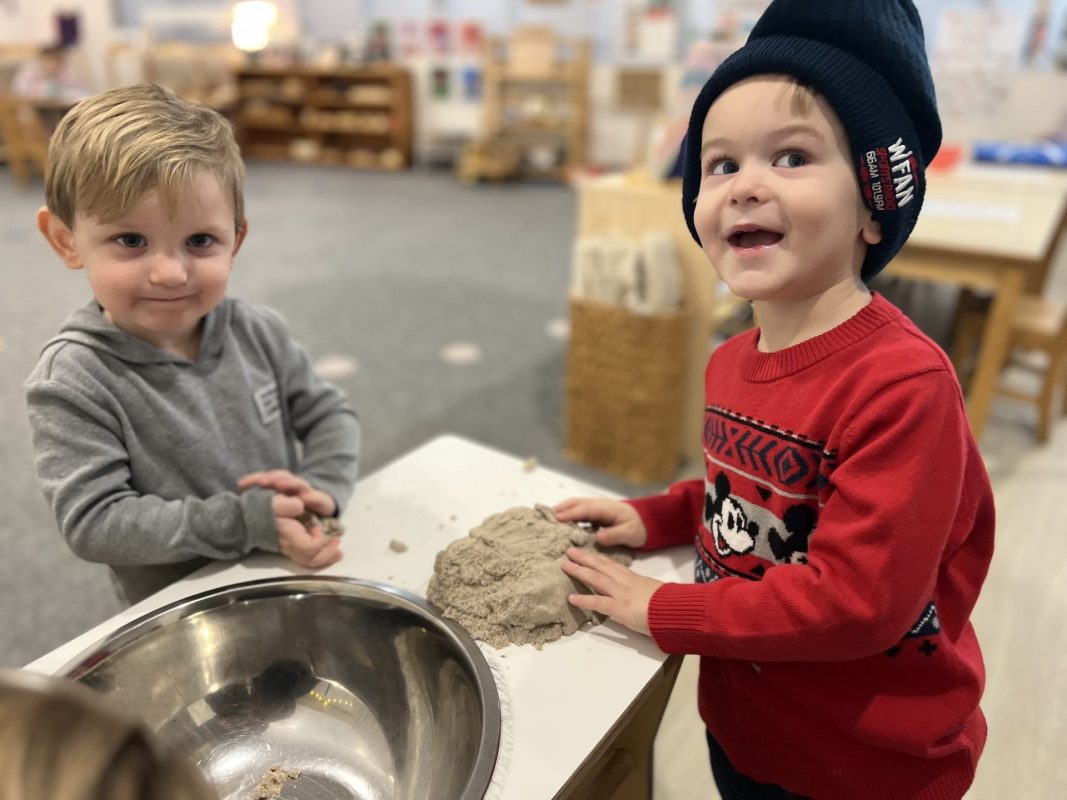
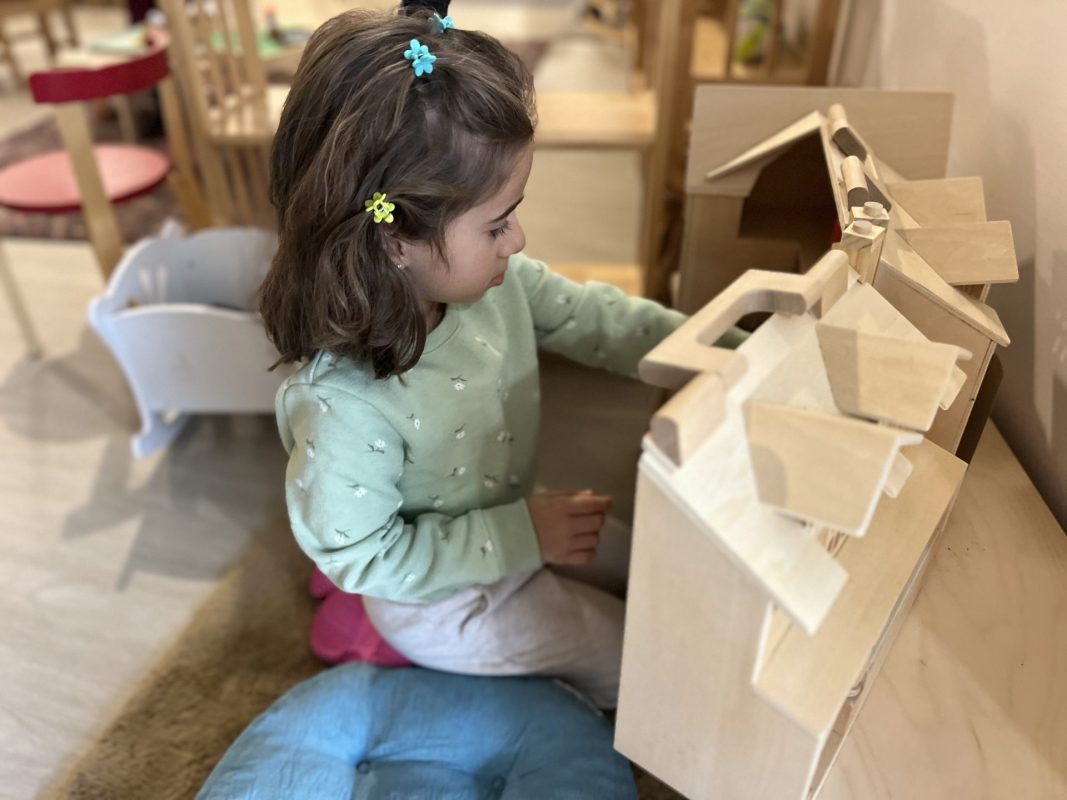
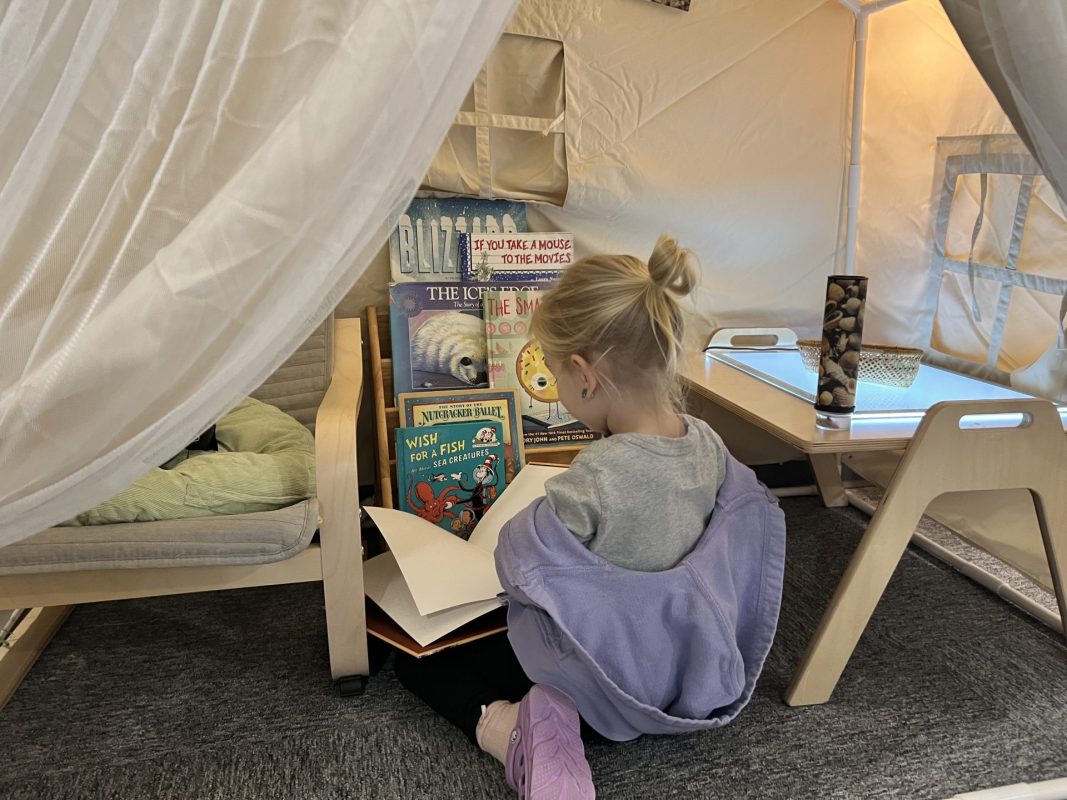
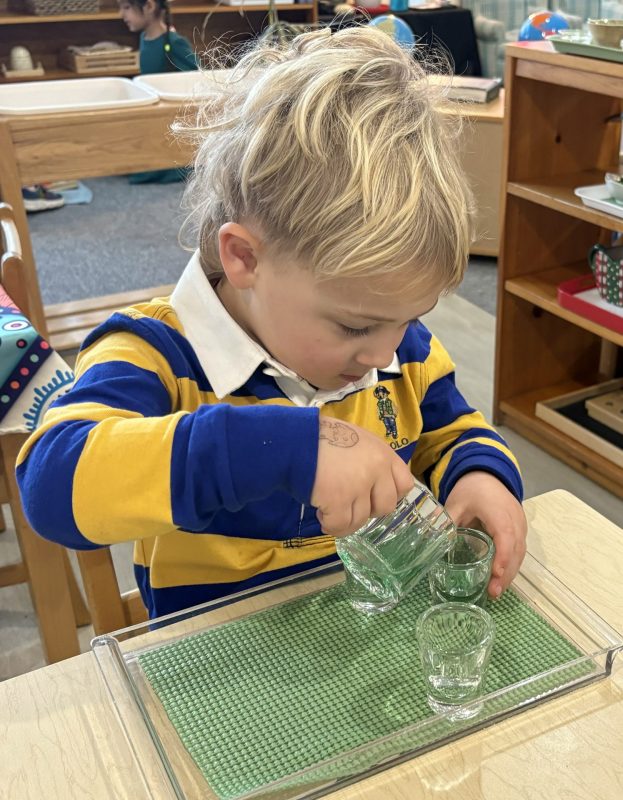
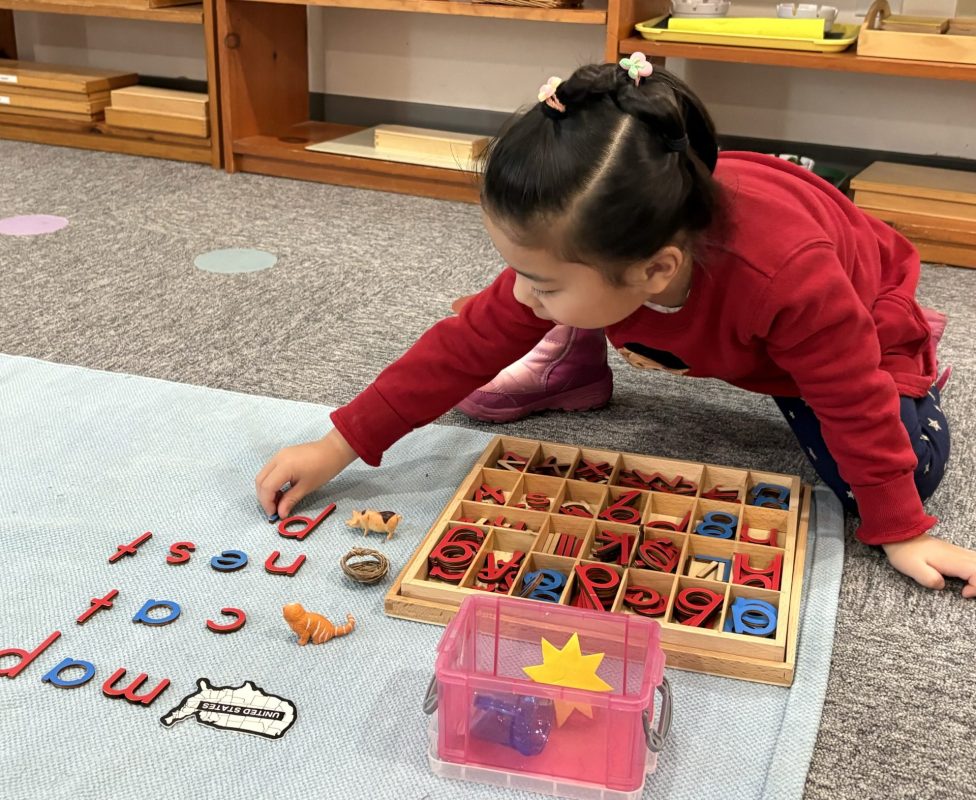
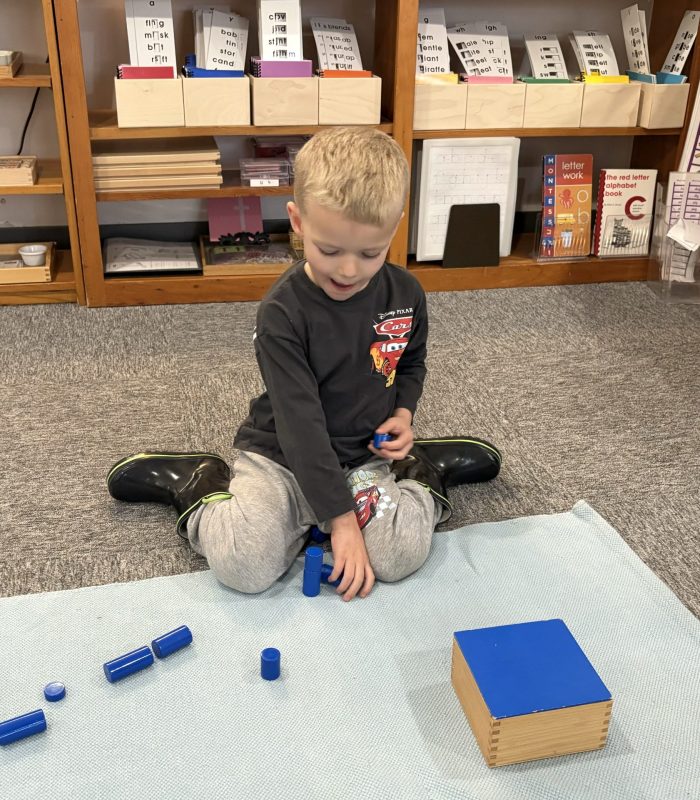
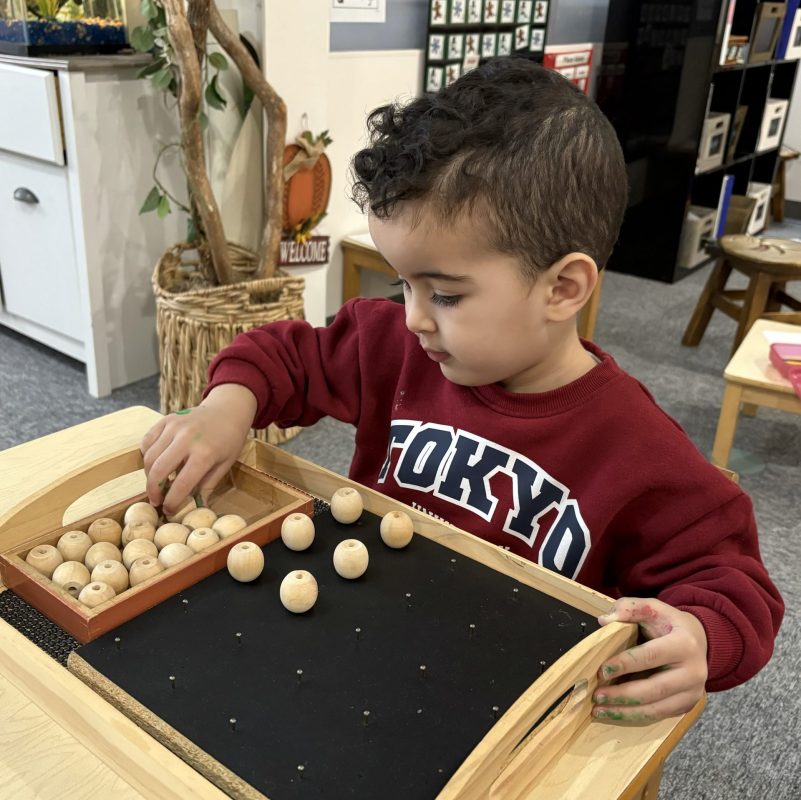
After such a busy two days, we settled into our daily flow in the classroom. The children, like always, went right to work exploring the materials and found contentment in the work that they did. I do apologize for less pictures, we lived in the moment this week and enjoyed one another.

With full hearts,
Ms. Mollie and Ms. Lizette


Mrs. Hood: Let the festivities begin!

As families around the world eagerly embrace the holiday season, we at the school are equally excited to join in the festive spirit! This week was particularly special as we celebrated the beautiful Festival of Lights—Diwali!

Diwali is a magical time symbolizing new beginnings and the victory of light over darkness, good over evil, and knowledge over ignorance. This five-day celebration is observed across the globe, with unique rituals in every region. Homes glow warmly with diyas (candles) and oil lamps, while vibrant rangoli patterns adorn entrances, adding splashes of color. Families dress in beautiful new clothes, often with shimmering jewelry, and gather to share joy, laughter, and delectable treats.

Our little ones embraced the joy of Diwali! They were captivated by a colorful presentation and a mesmerizing Indian dance performance by some of our own FWM students, administration members, teachers, and parents. Of course, no Diwali celebration is complete without sweets! The children savored the soft, syrupy deliciousness of gulab jamun and enjoyed the flavorful goodness of rice pulao.

In the classroom, creativity bloomed as the toddlers designed and decorated their very own diyas using vibrant colors and a sprinkle of imagination.

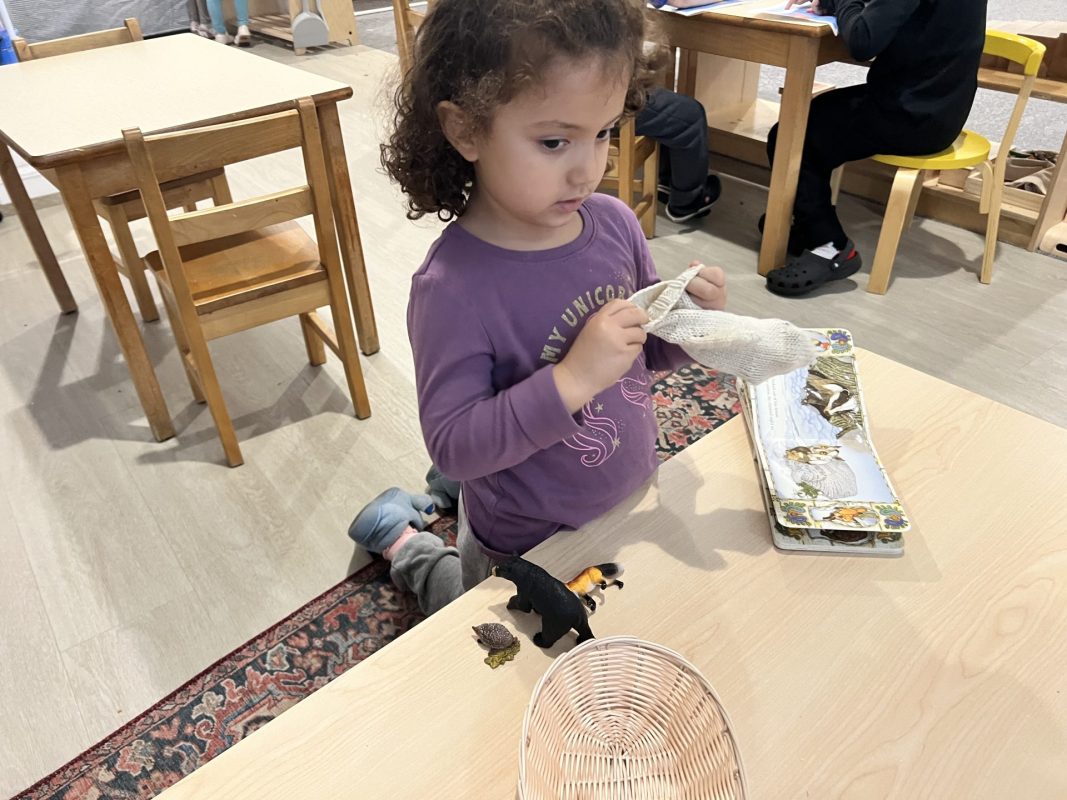
Switching gears, we’ve also started exploring the wonders of the forest with our new unit on woodland animals. This week, the children met five fascinating creatures and learned a couple of facts about them:

  • Black Bear: A big, furry animal that loves to munch on berries, fish, and honey. We learned how they hibernate in cozy dens during the winter!
  • Moose: The tallest animal in the forest with long, strong legs and huge antlers. Moose enjoy munching on leaves, twigs, and even water plants.
  • Fox: A sly and clever animal with a bushy tail. Foxes are excellent at sneaking around to find their dinner. I told them the story of a fox that comes every day to my home to see if he can eat one of my chickens!
  • Beaver: A hardworking animal with big teeth and a flat tail. Beavers build homes, called lodges, using sticks and mud!
  • Owl: night-loving bird with big, glowing eyes. The toddlers were amazed to learn that owls can turn their heads almost all the way around!

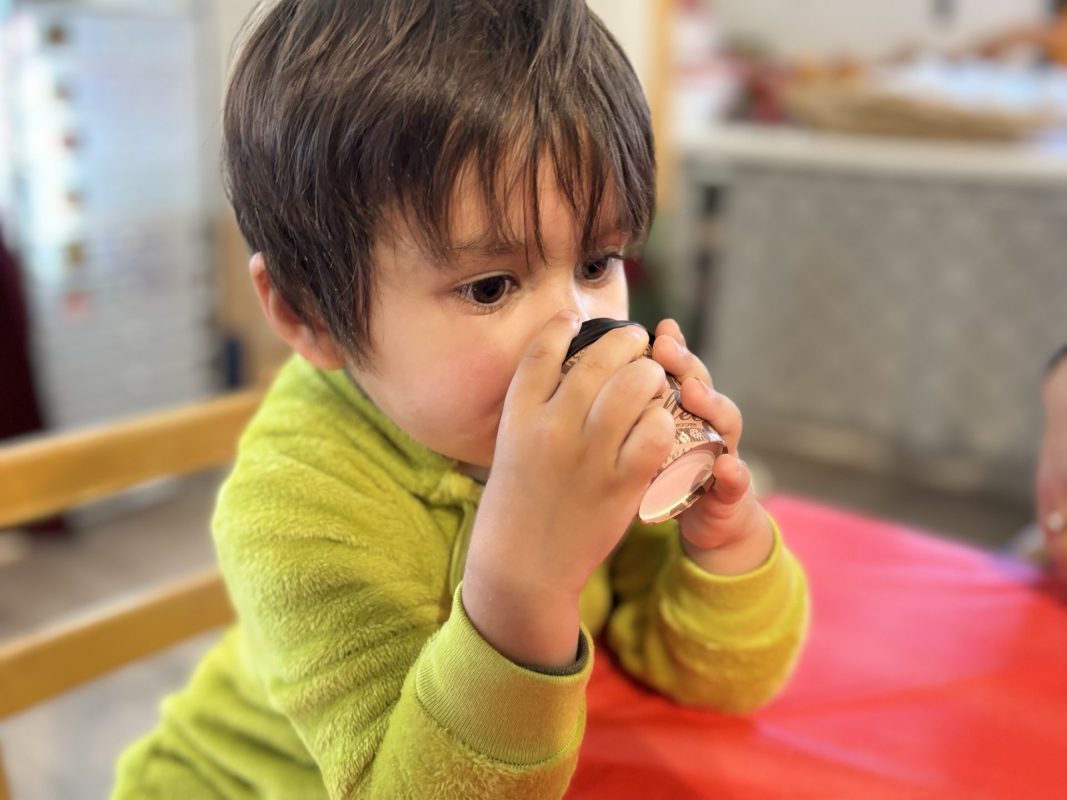
Finally, our week ended on a sweet note during the food-tasting lesson! The children sampled juicy pears, and this fresh, yummy fruit was a hit—earning a 99% approval rating from our toddlers.

Enjoy the weekend,

Mrs. Hood and Ms. Patty


Mrs. Sargeant: A Peek at the Week

On Tuesday, the entire Primary level gathered in the gymnasium for a Diwali celebration. Diwali is a five-day festival that is observed around the world, and its rituals vary by region. Diwali represents new beginnings and the victory of light over darkness, good over evil. It is the triumph of righteousness, knowledge in place of ignorance. Homes are brightly illuminated with diyas (candles) and oil lamps, and people decorate their homes with rangoli. People also often wear new fine clothes and jewelry and celebrate with family and friends.

Ms. Paromita and Ms. Hema, along with several parents from our community – including some of our very own students’ Moms -were dressed in traditional Indian attire and provided our children with a wonderful opportunity to experience the beauty of Indian culture. A few students from lower and upper elementary read a book about Diwali.  Our children were mesmerized by the sights and sounds! Ms. Paromita danced to Indian music in her gorgeous attire, and the gymnasium was decorated with beautiful and meaningful items related to Diwali.  The children were able to taste traditional Indian food and decorate diyas to take home. We are so grateful to all who shared their culture!
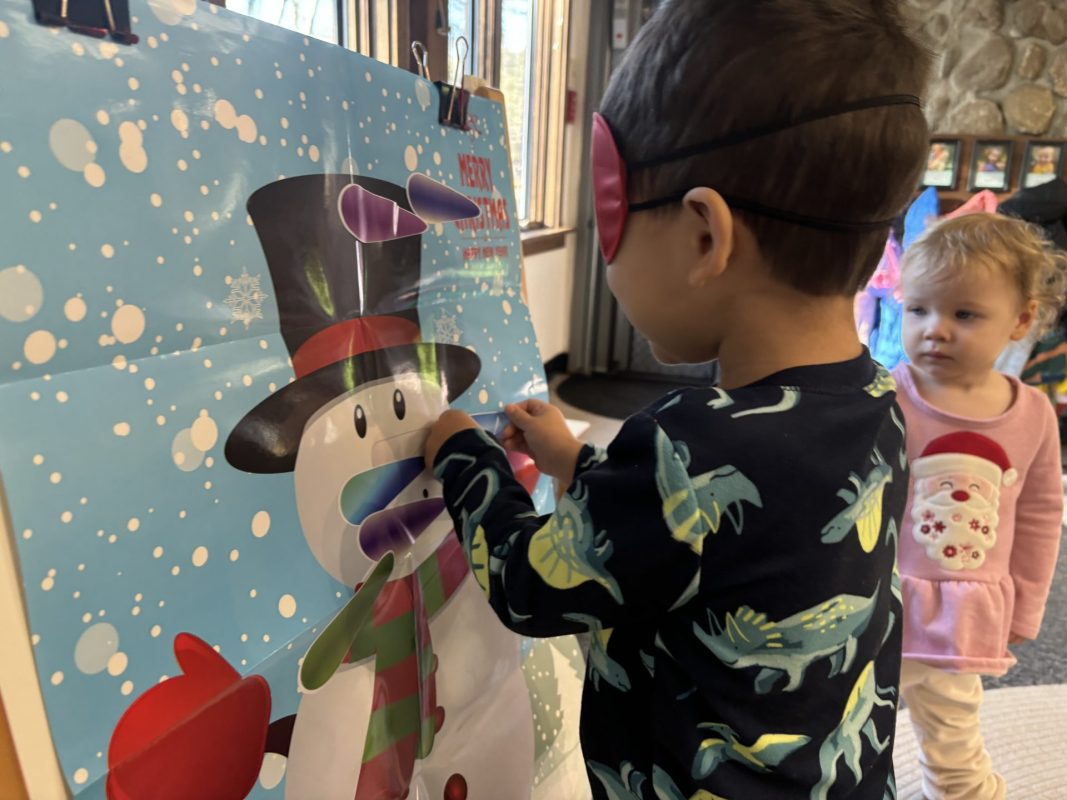
Earlier in the week, we celebrated Ms. Tima’s birthday. She was delighted to receive so many wishes, flowers, and cards. Hayes’ Mom even baked a delicious coffee cake, which we shared as a group, as Ms. Tima blew out a candle and made a wish. We had a lovely week in the classroom.

Wishing everyone a week filled with peace and love. -Christine & Fatima


This Week in Upper El

In the Montessori story of the human being, there are three gifts humankind has been given that distinguish us from the rest of the animals – a mind with which to think, a heart with which to love, and hands with which to work. These gifts are given to us to know, love, and serve our world and ourselves. Maria Montessori felt that this was the cosmic task of our species. This is the basis upon which human work ought to be founded. (Lecture, University of Madras, 1940.)

The following is an excerpt from The Coming of Humans.

Human beings have a different kind of love than other animals. Other animals can love as well, but humans don’t only have one kind of it. We have the kind of love that two people share – the kind where people may be in love with each other – but we also have a different sort of love. Humans have love at a distance. We can even love someone we may never see. We may help others that we hardly ever know, just because they’re human beings. This love has an origin, and the origin is in the depths of time, when at some point in the past, people began to care for one another in a way that went beyond what other animals do. Our capability to love is our second gift. You and I and any other human can show our love for others. When something terrible happens to other people, we can support them in some way by giving them something – even if it may be that we will never know them, never know who they are, never meet them. We can do this without ever even expecting thanks. That’s a kind of love for others that other animals don’t have. We have that transcendent kind of love, when we choose to use it. 

Over the next two weeks, we will wrap up our study of early humans with lessons and discussions about fourteen cultures of modern humans who lived in Europe during the last 40,000 years: the Upper Paleolithic, Mesolithic, and Neolithic Ages.


I want to extend a special thank you to the families and Paromita, who contributed to our beautiful Diwali celebration this week. We enjoyed the Diwali stories, dancing, and delicious food!


Mrs. Wilson: Diwali Presentation

On Tuesday, November 12th, Ms. Paromita and a few students from all grade levels gave a presentation about Diwali, the Festival of Lights celebrated in India and other countries. The children listened to a story read by one of the students and then enjoyed a Bollywood-style dance performance. Afterward, the children had the opportunity to taste an Indian sweet called Gulab Jamun. To further explore the theme of Diwali, the students later in the week colored a diya lamp using dot markers. Thank you to Ms. Paromita and the children and their families for gifting us this beautiful experience.

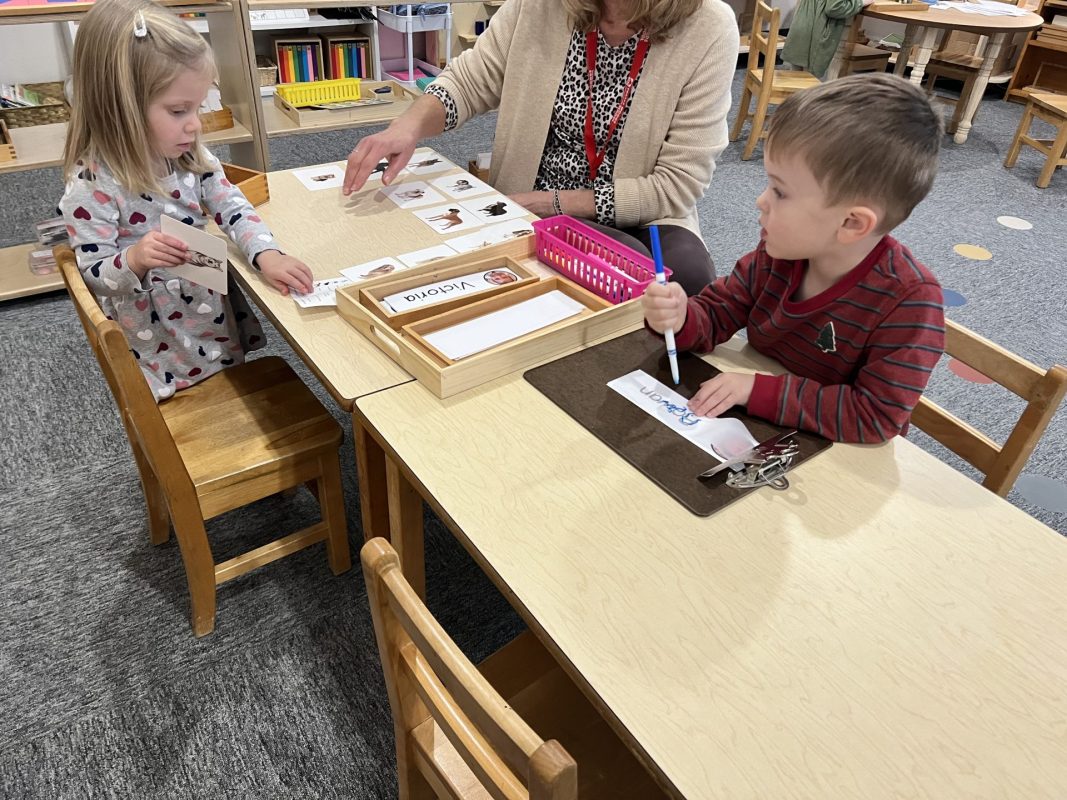
In addition to learning about the fall season, the children are exploring topics related to cooking. With Thanksgiving approaching, they are learning cooking-related vocabulary through activities like object-to-picture matching for cooking utensils and sorting mini forks, spoons, and knives. They are also practicing how to set a table as part of their practical life lessons.

For this week’s food tasting, the children tried pomegranate. They waited patiently as I opened the fruit and removed the seeds. Everyone seemed to enjoy the juicy, tiny seeds, making it a fun and educational experience.


Ms. Handibode’s Happenings: Diwali Celebration

On Tuesday, the entire Primary level gathered in the gymnasium for a Diwali celebration. Diwali is a five-day festival that is observed around the world, and its rituals vary by region. Diwali represents new beginnings and the victory of light over darkness, good over evil. It is the triumph of righteousness, knowledge in place of ignorance. Homes are brightly illuminated with diyas (candles) and oil lamps, and people decorate their homes with rangoli. People also often wear new fine clothes and jewelry and celebrate with family and friends.

Ms. Paromita and Ms. Hema, along with several parents from our community, were dressed in traditional Indian attire and provided our children with a wonderful opportunity to experience the beauty of Indian culture. A few students from lower and upper elementary read a book about Diwali.  Our children were mesmerized by the sights and sounds! Ms. Paromita danced to Indian music in her gorgeous attire, and the gymnasium was decorated with beautiful and meaningful items related to Diwali.  The children were able to taste traditional Indian food and decorate diyas to take home. We are so grateful to all who shared their culture!

Wishing everyone a week filled with peace and love.

Michelle & Maria