Blog

Mrs. Lopes: Friday Folder Fun Facts
 

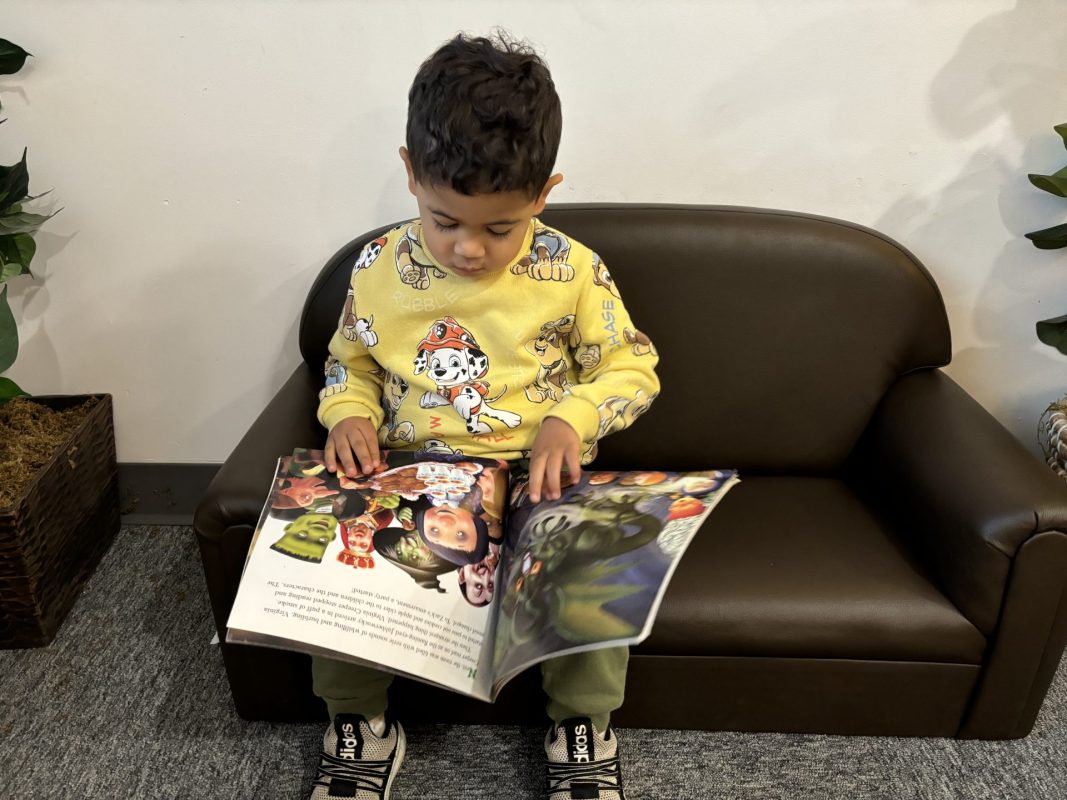
As adults, we must remember that we want things done as quickly as possible so they are finished and out of the way. In contrast, the child is interested and content in the doing, not the done.” –Margaret Stephenson, The Art of Montessori in the Home.
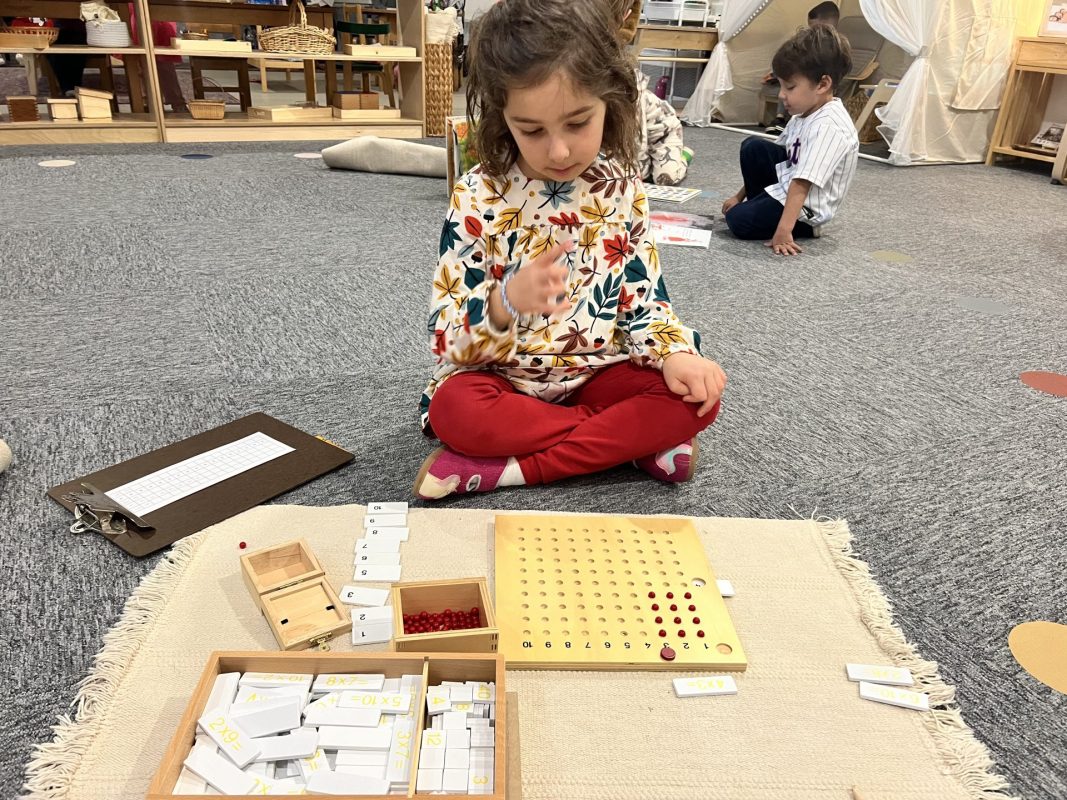
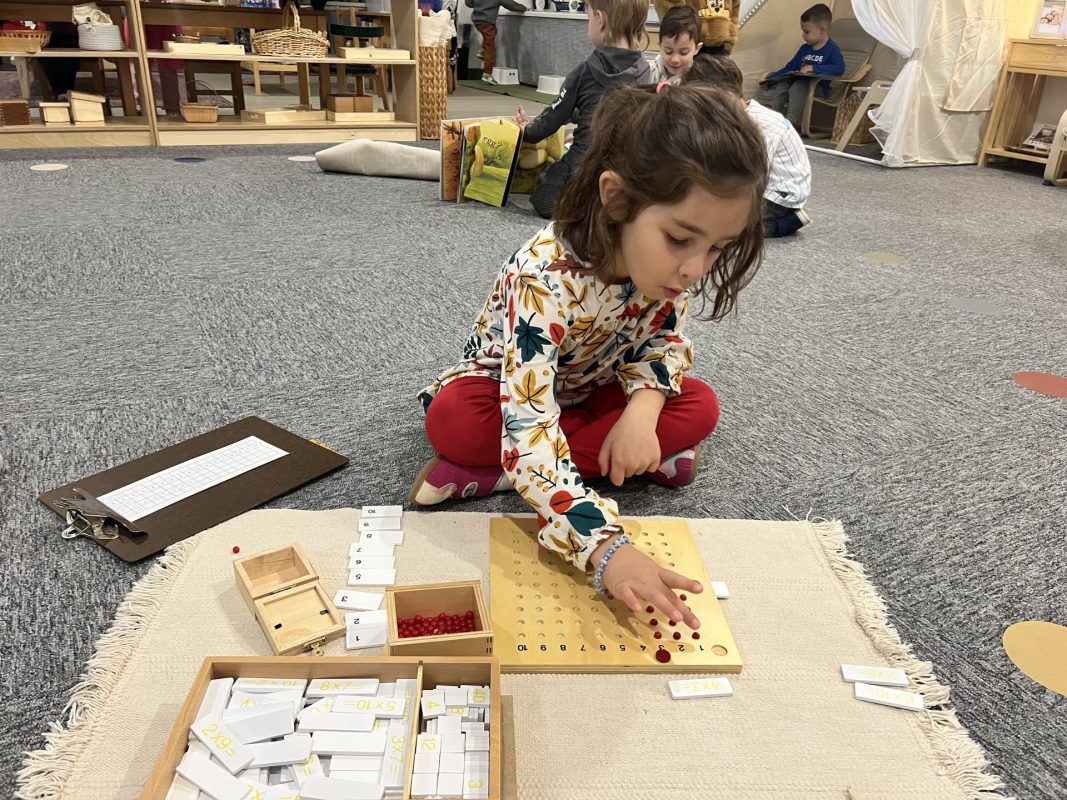
Every Friday we send home the blue folders that contain the work the children have completed over the past week. We often receive emails asking why there was so little work inside and what exactly the children are doing.

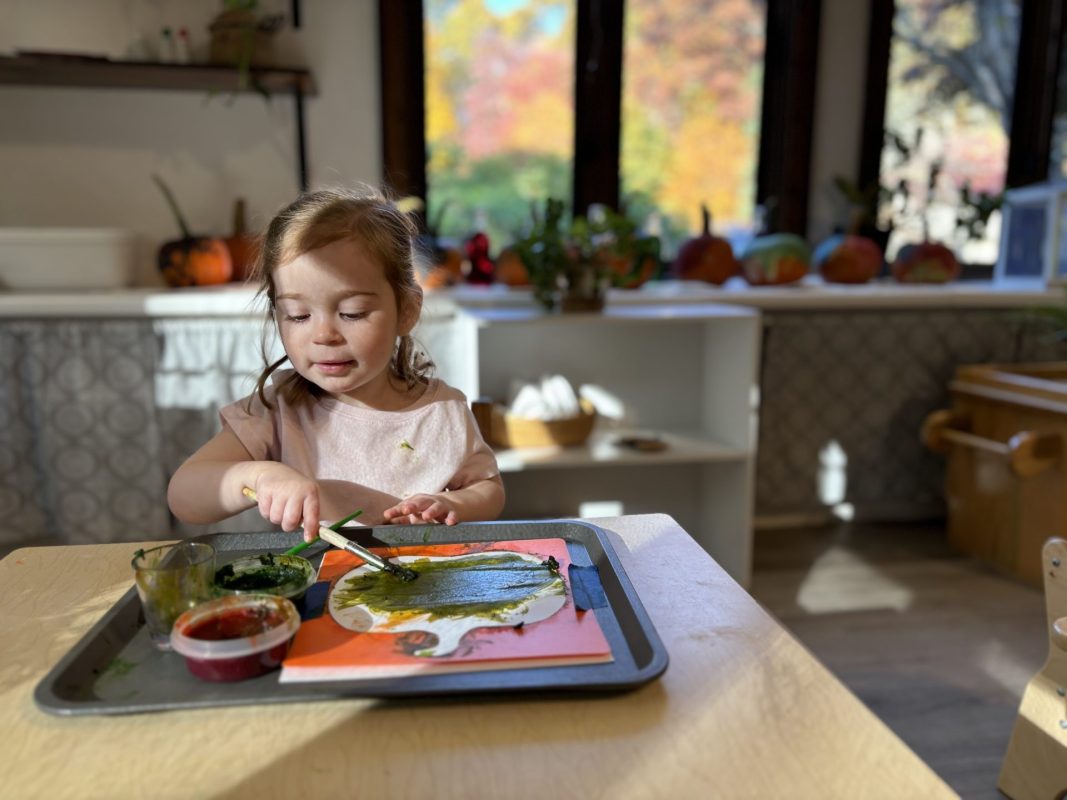
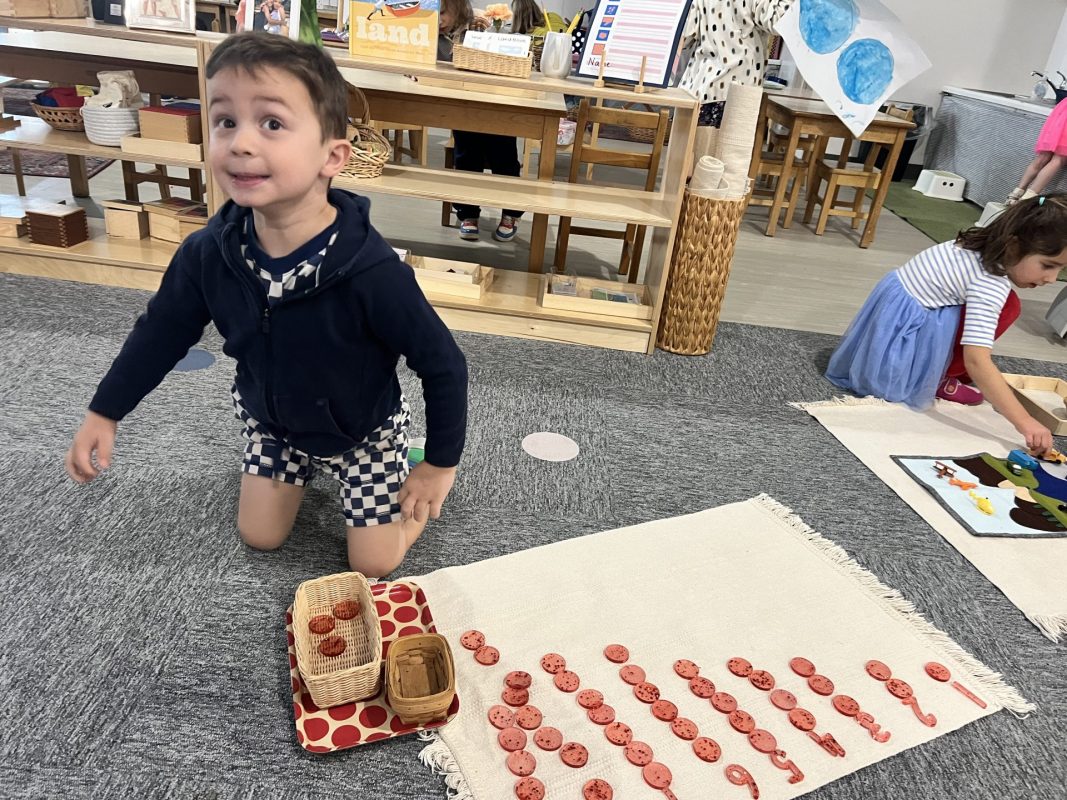
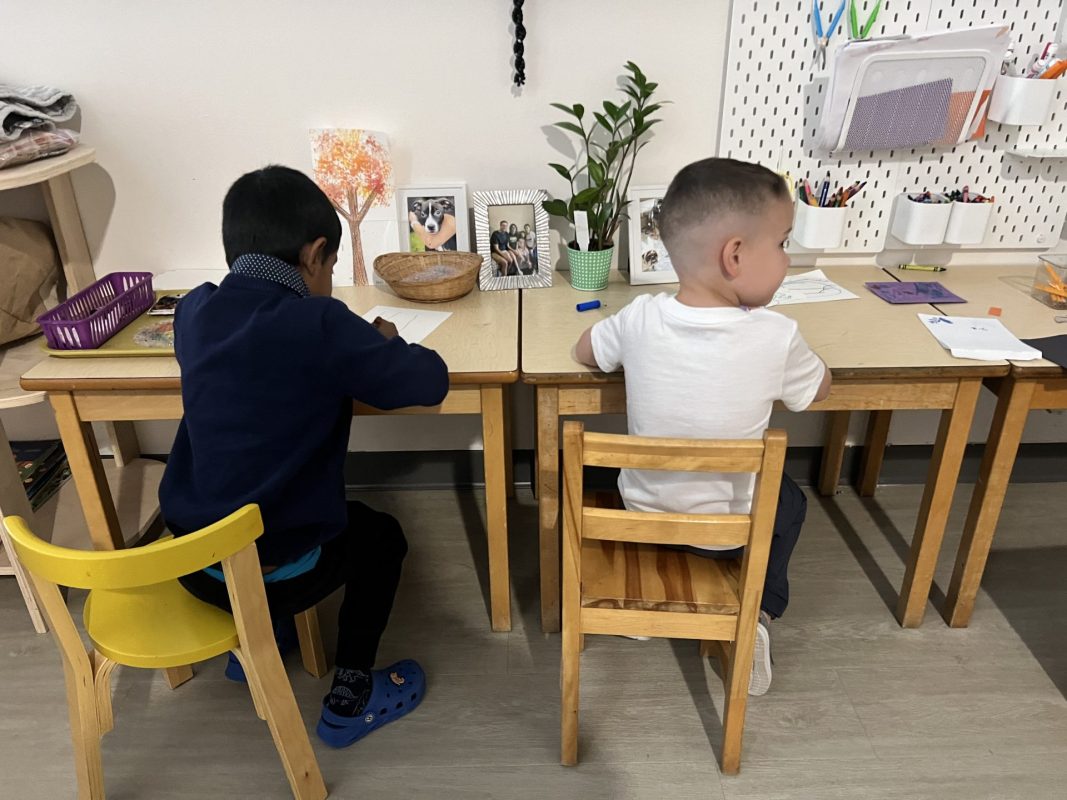
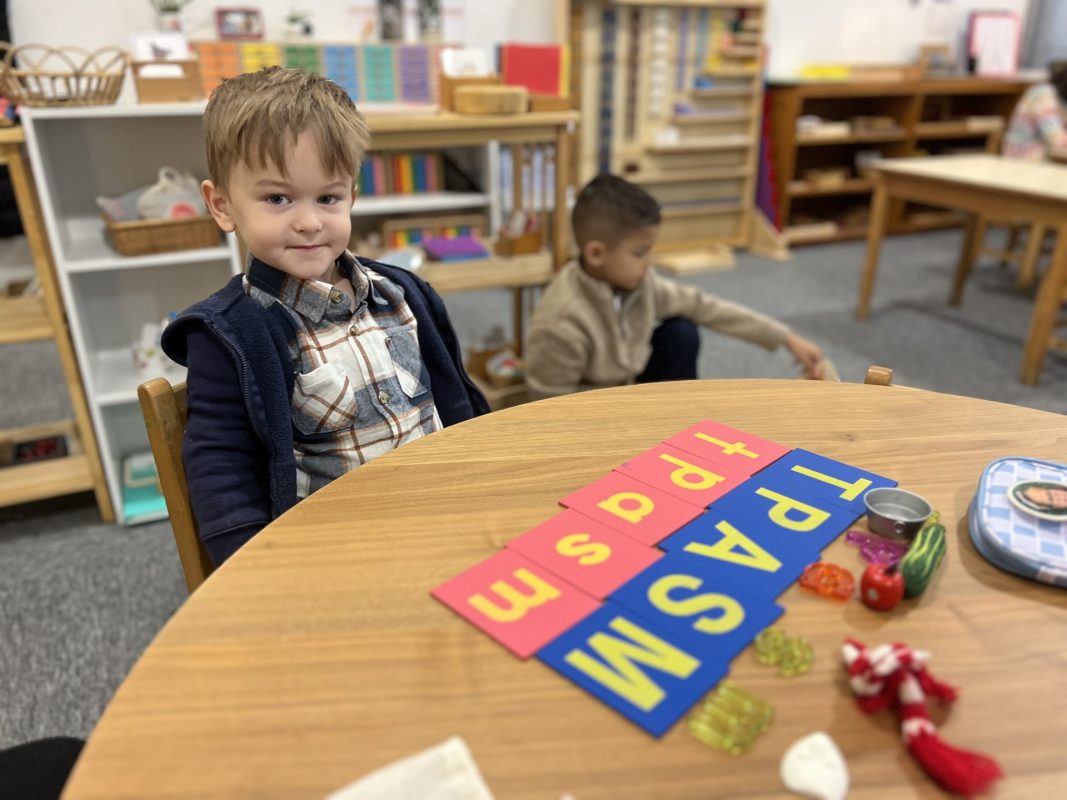
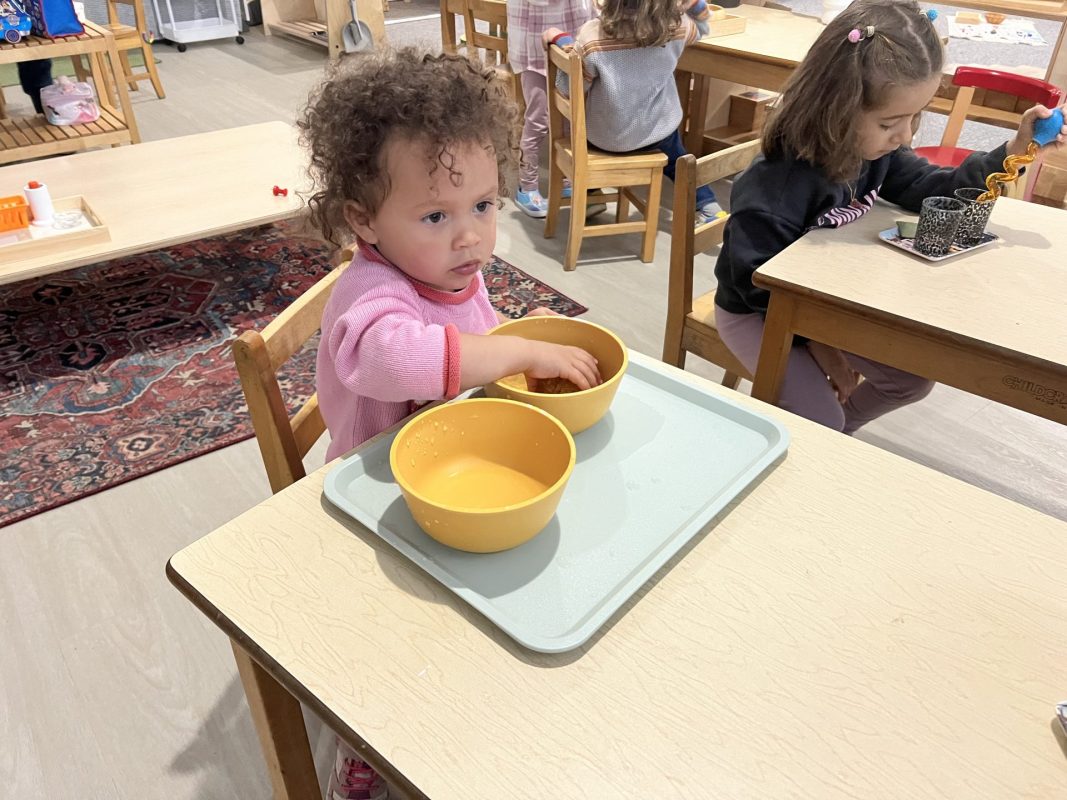
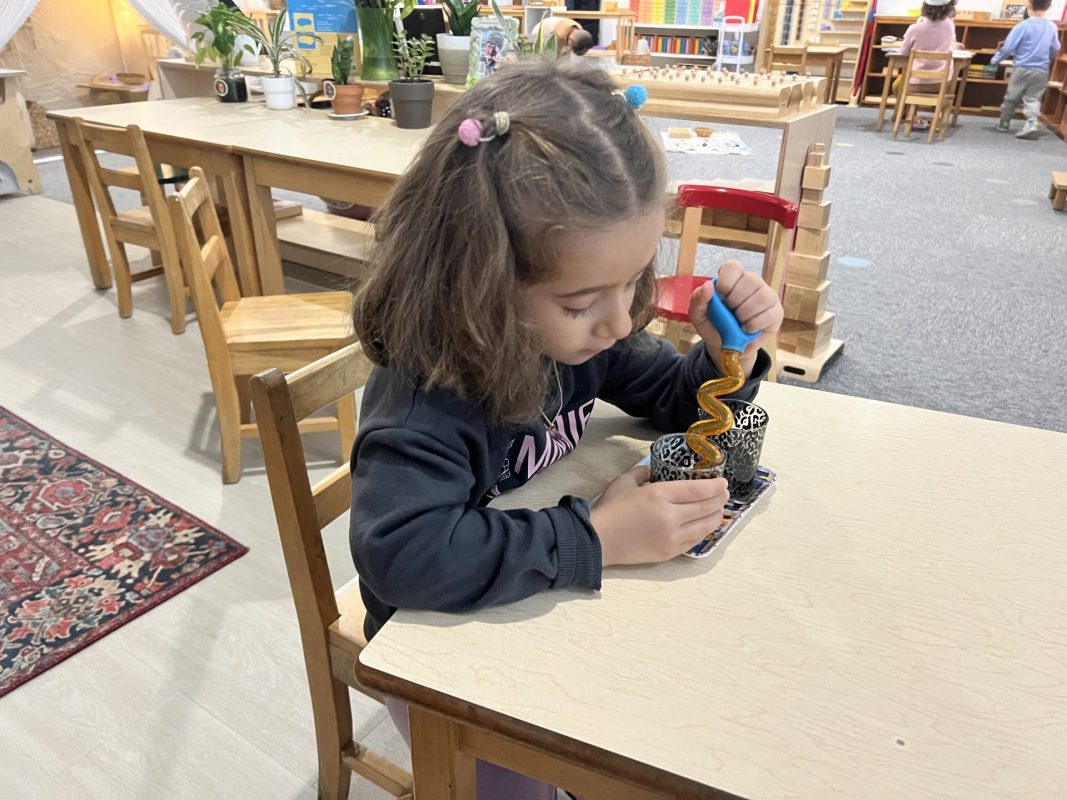
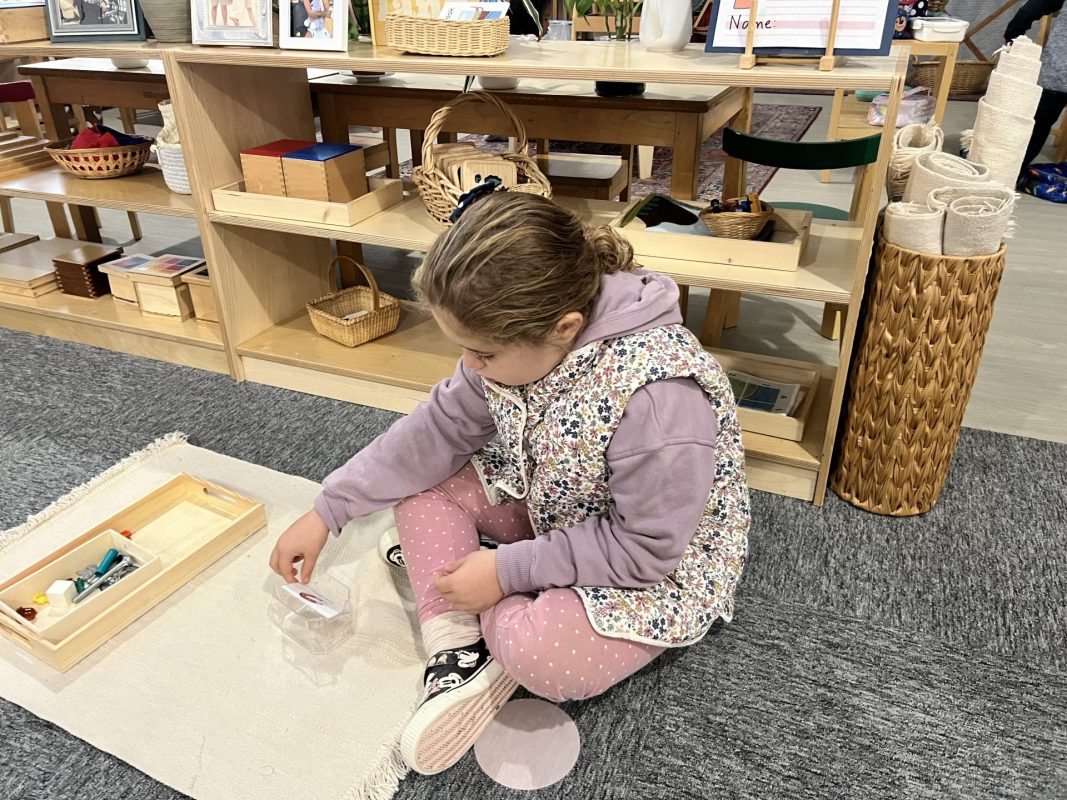
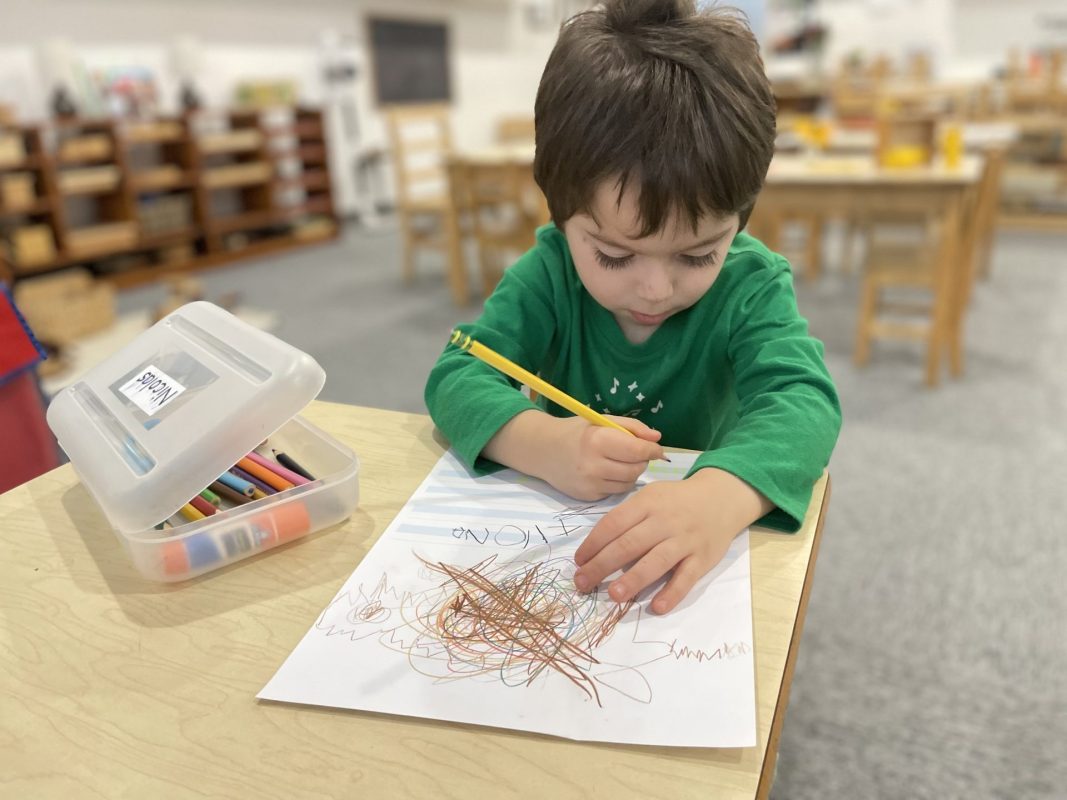
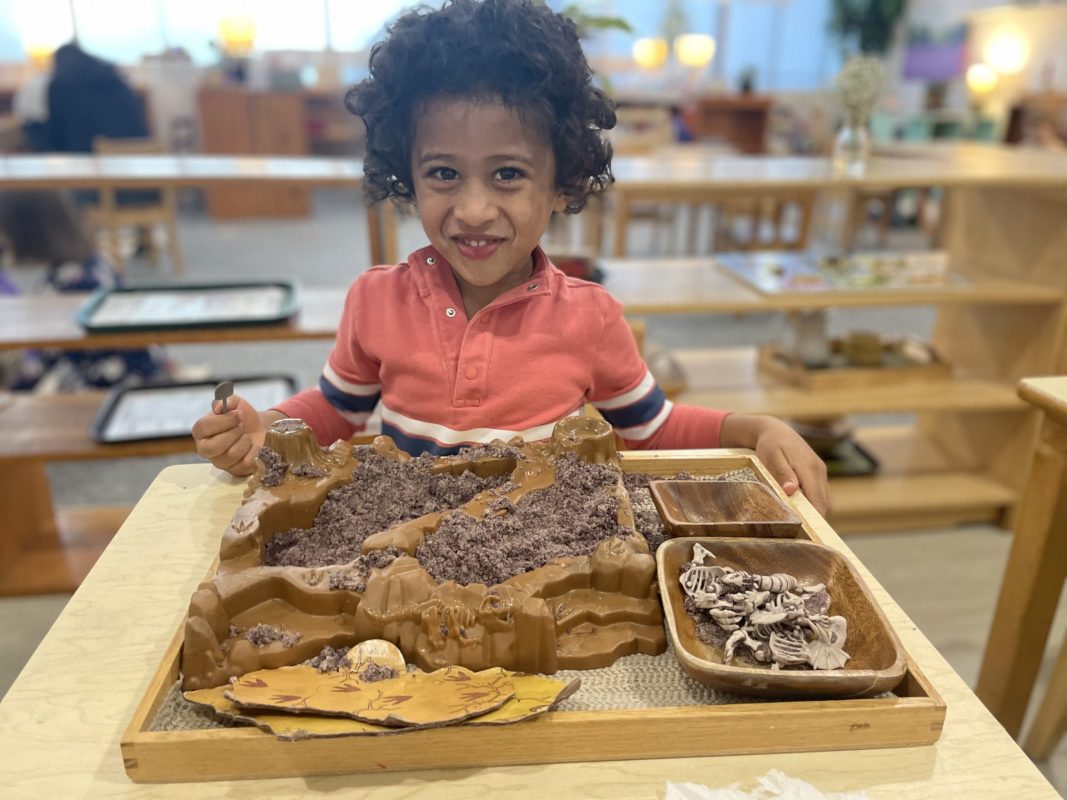
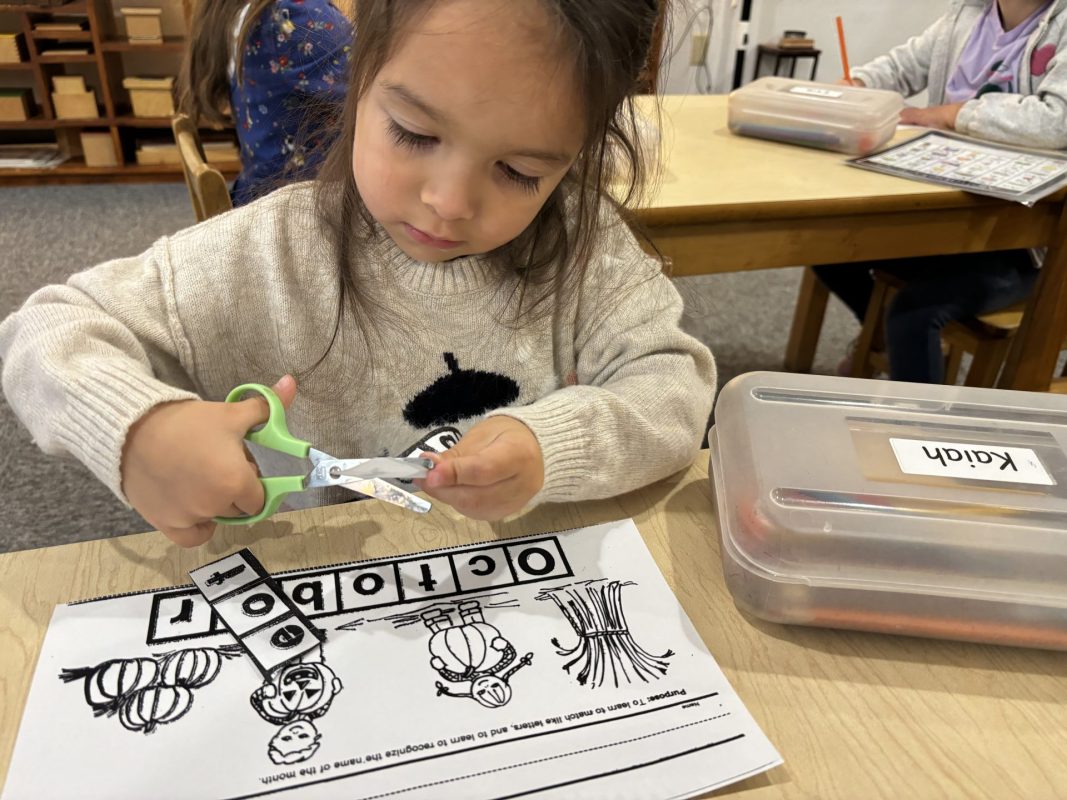
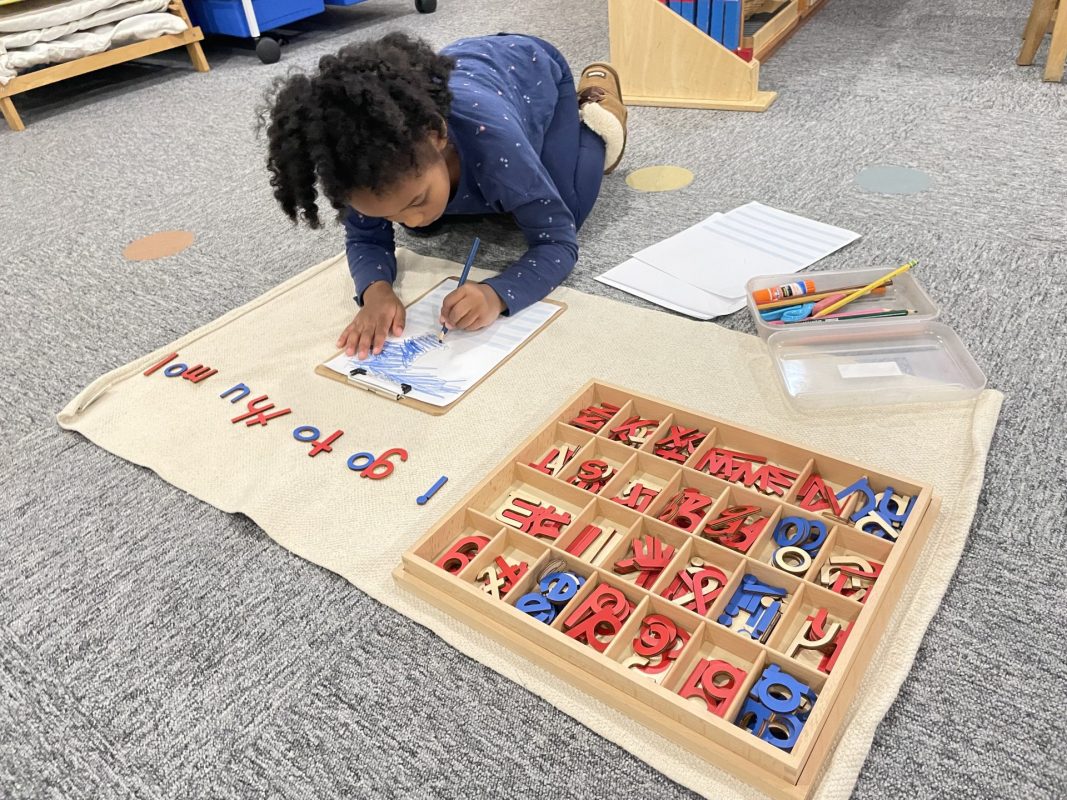
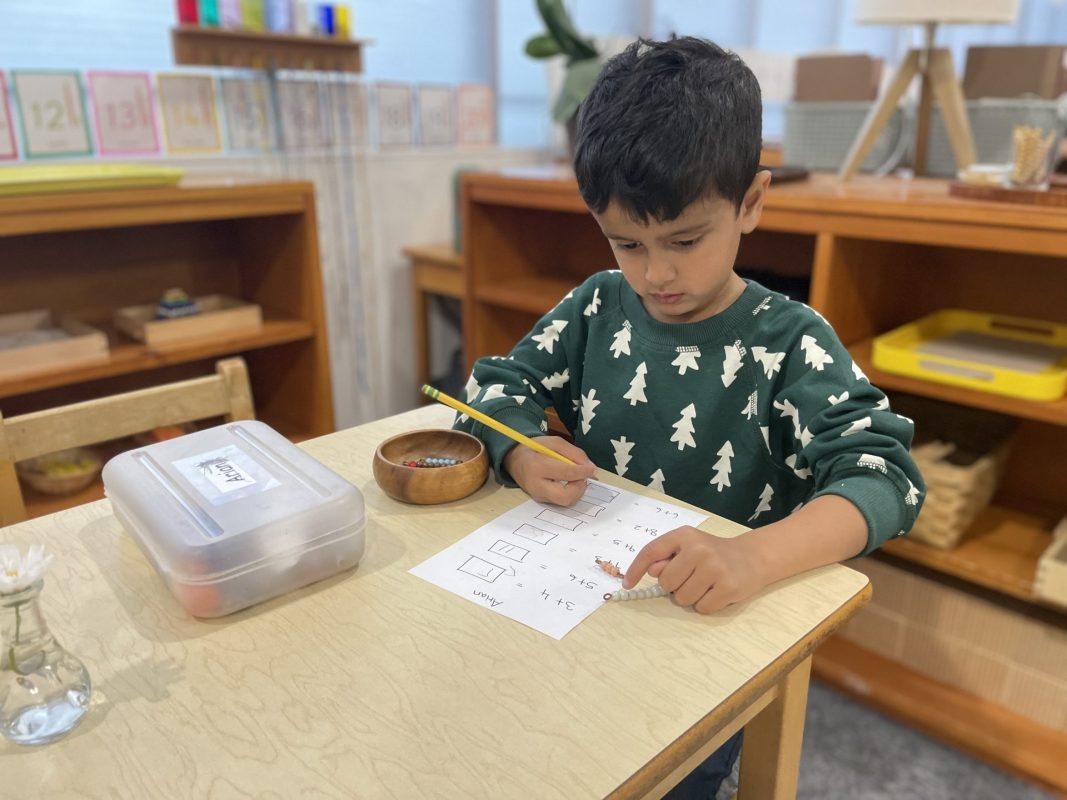
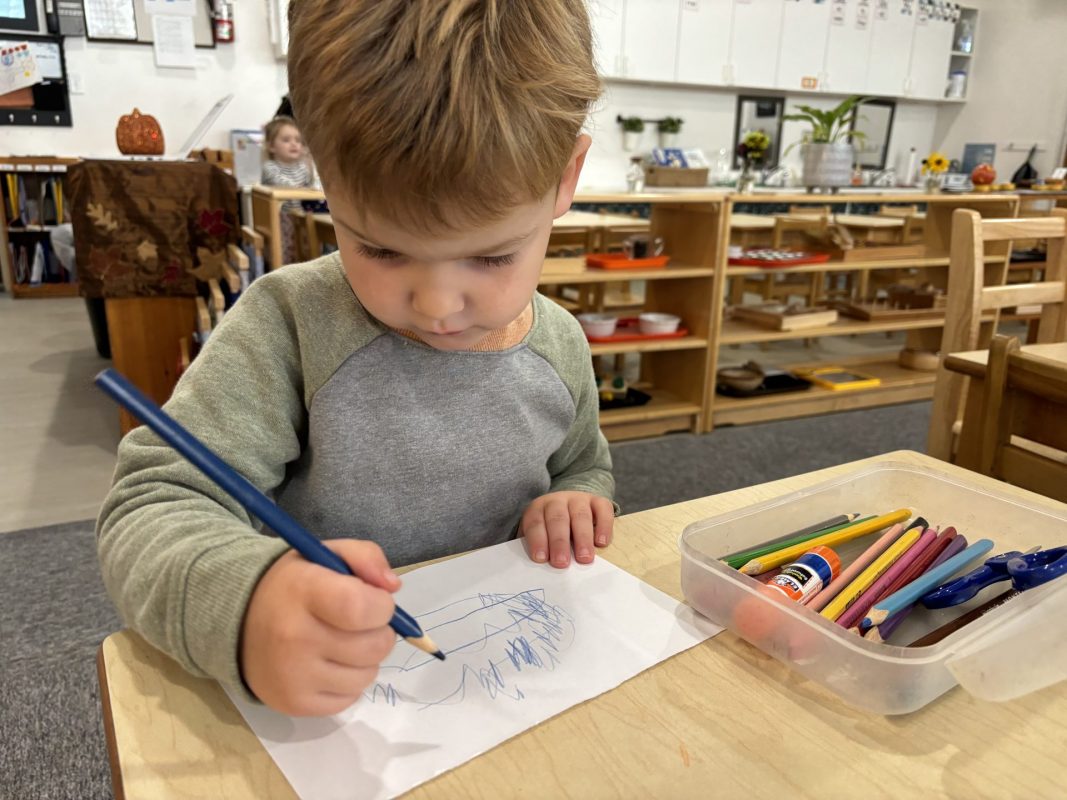
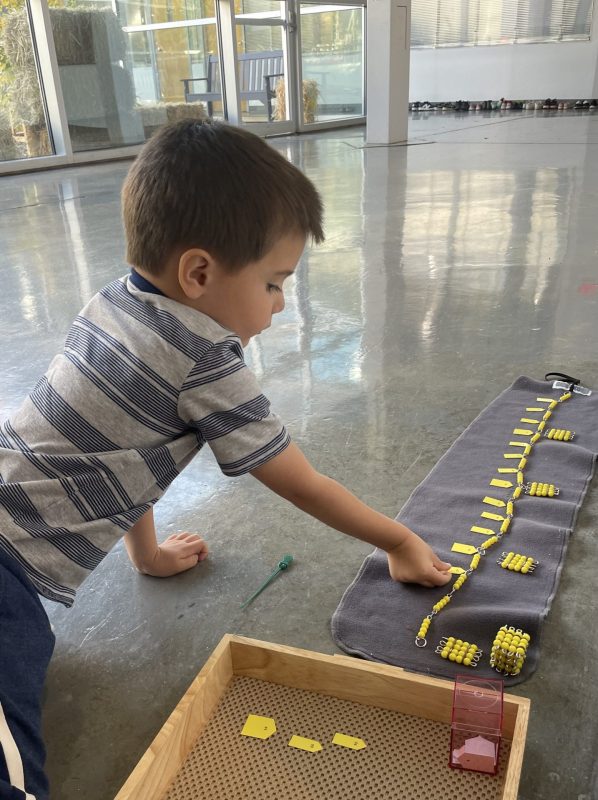
Sometimes, it can be difficult to accept the idea of focusing on the process, not the product. What exactly does that mean? Many works in the Montessori classroom do not end with a physical product the children will bring home to share with everyone. There is often no way to visually assess what a child is learning. Overall, as a society, we are product-driven and often base our success on this factor. The experience a child has when working with the materials is truly what is most important. However, it can often be unsettling when you hear they did “nothing” day after day.

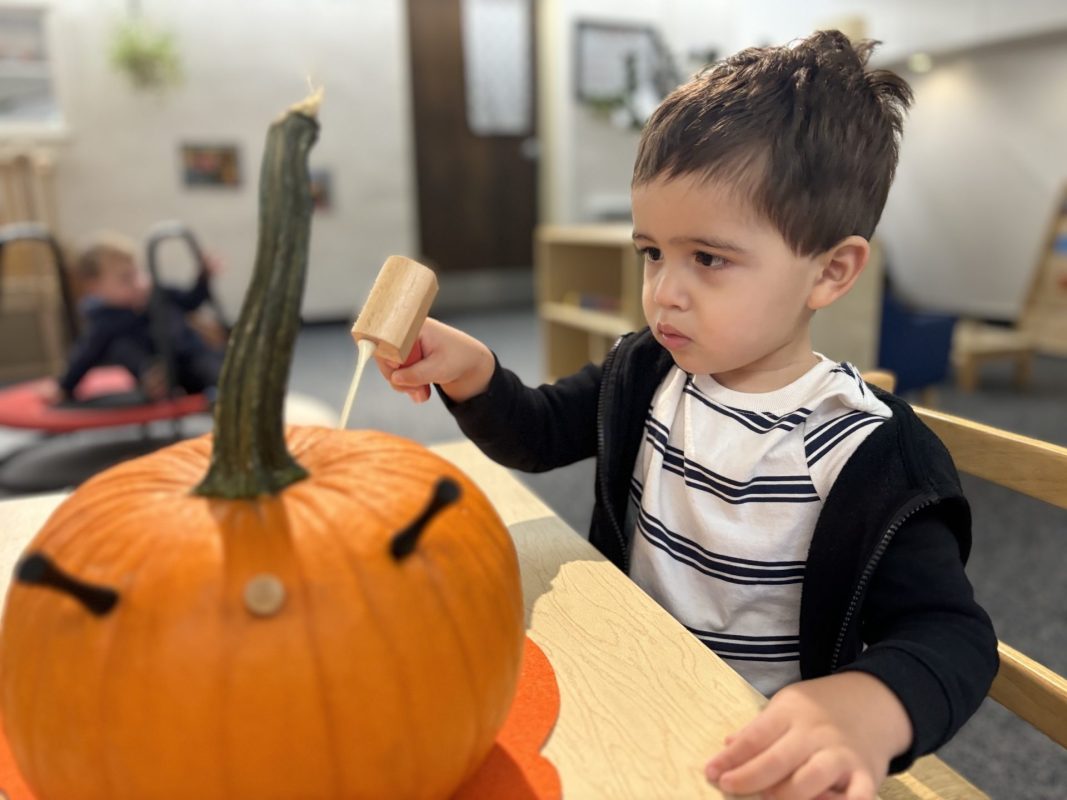
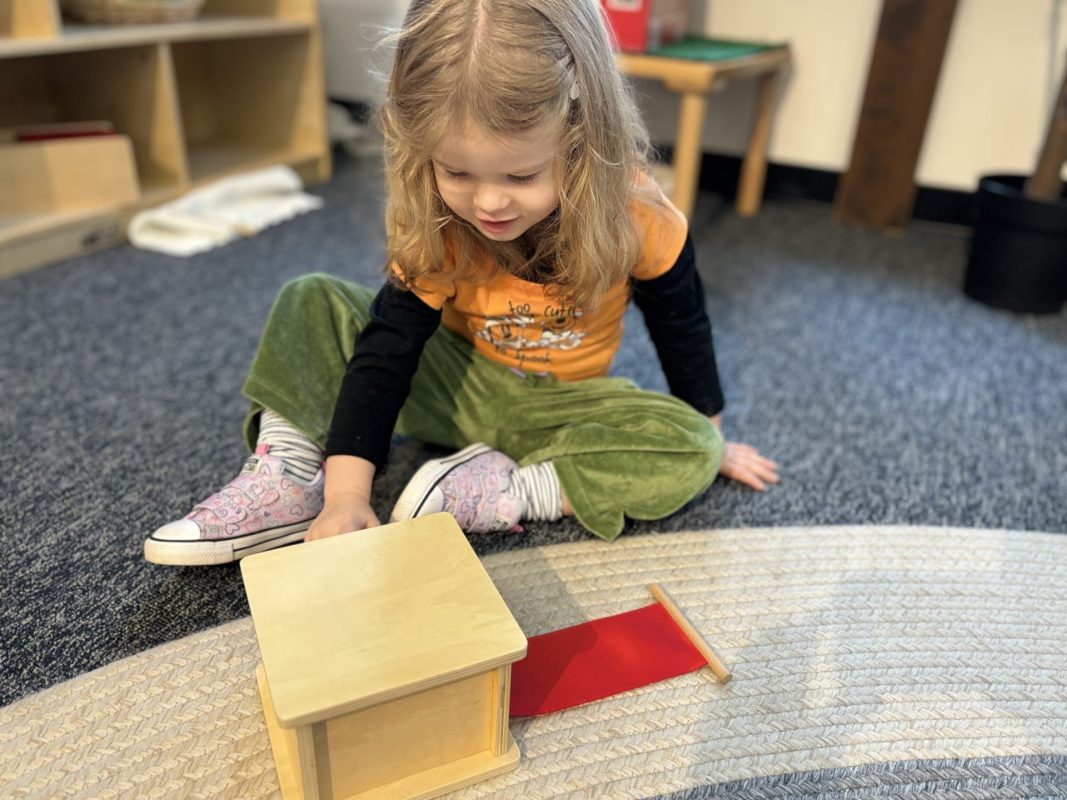
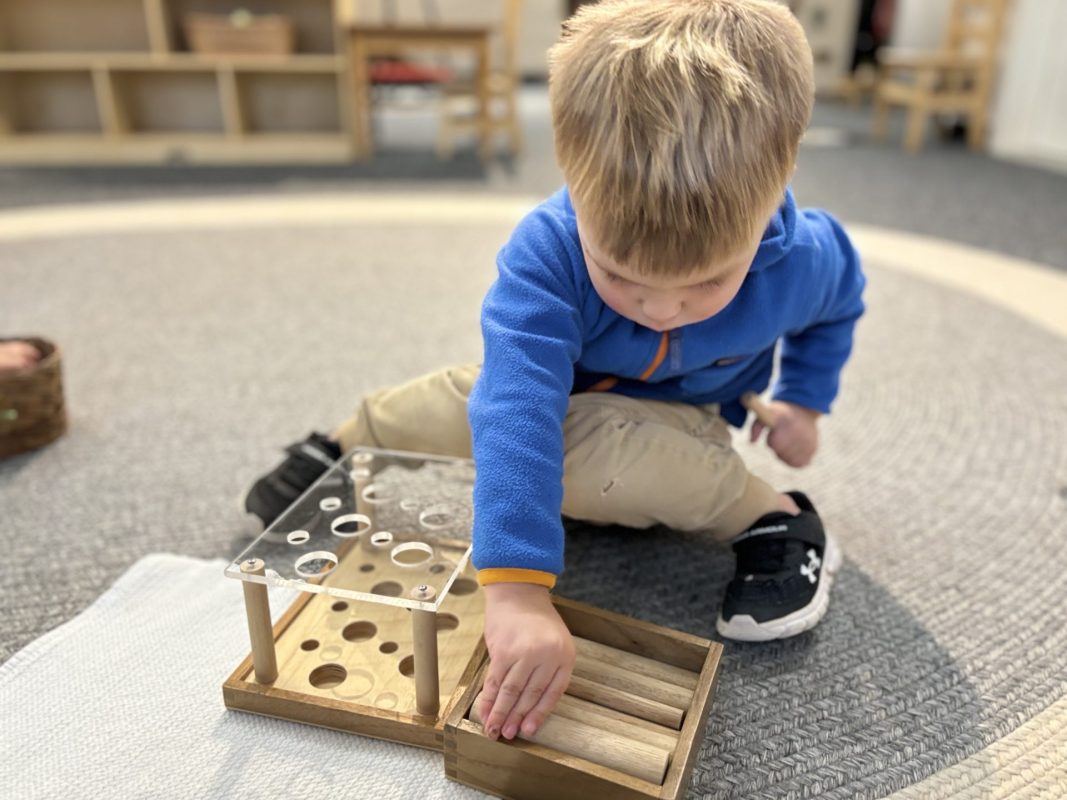
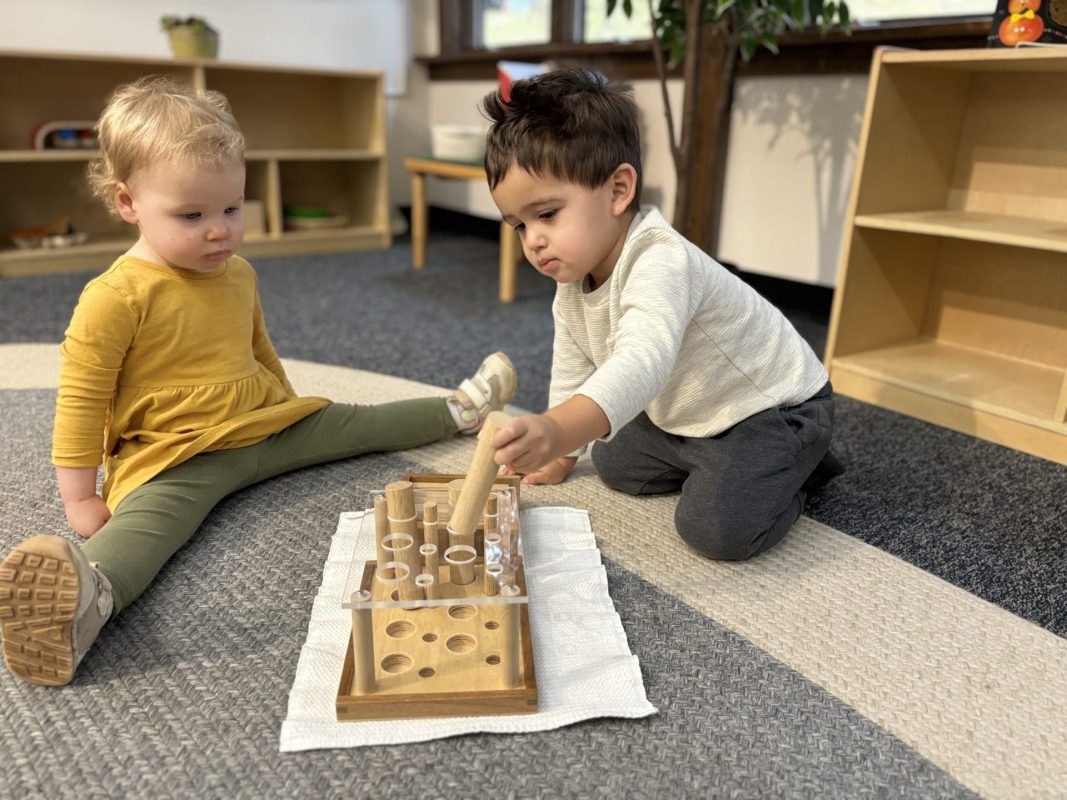
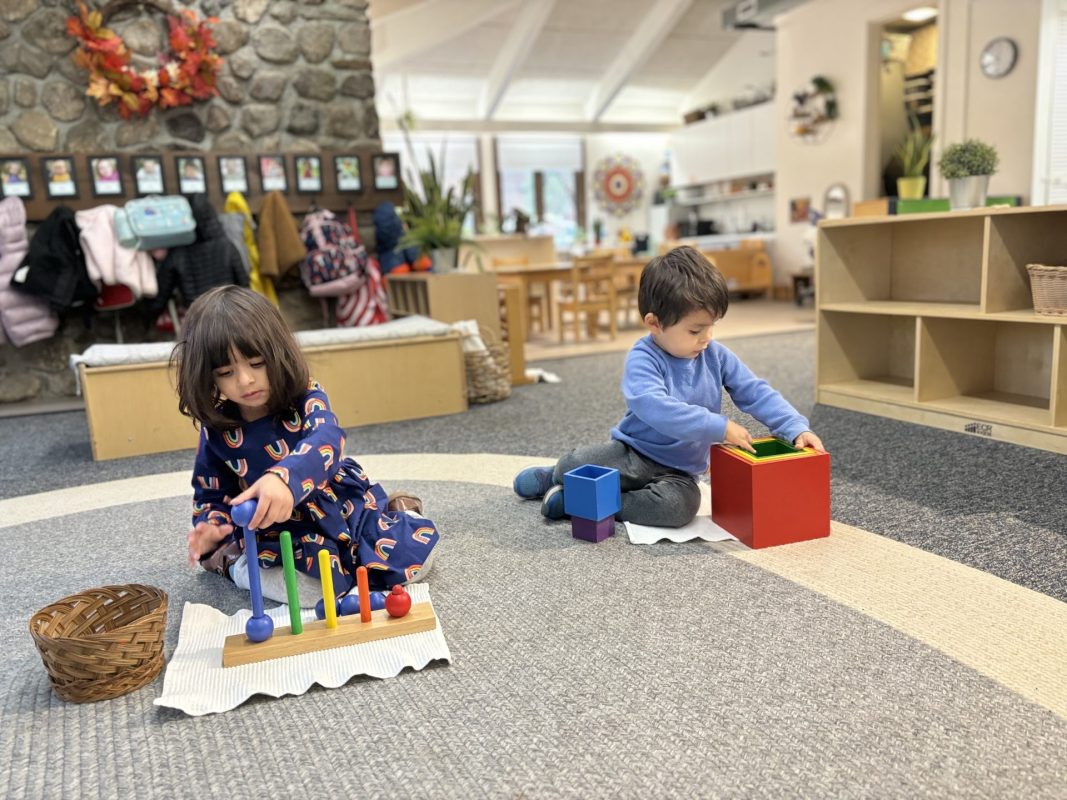
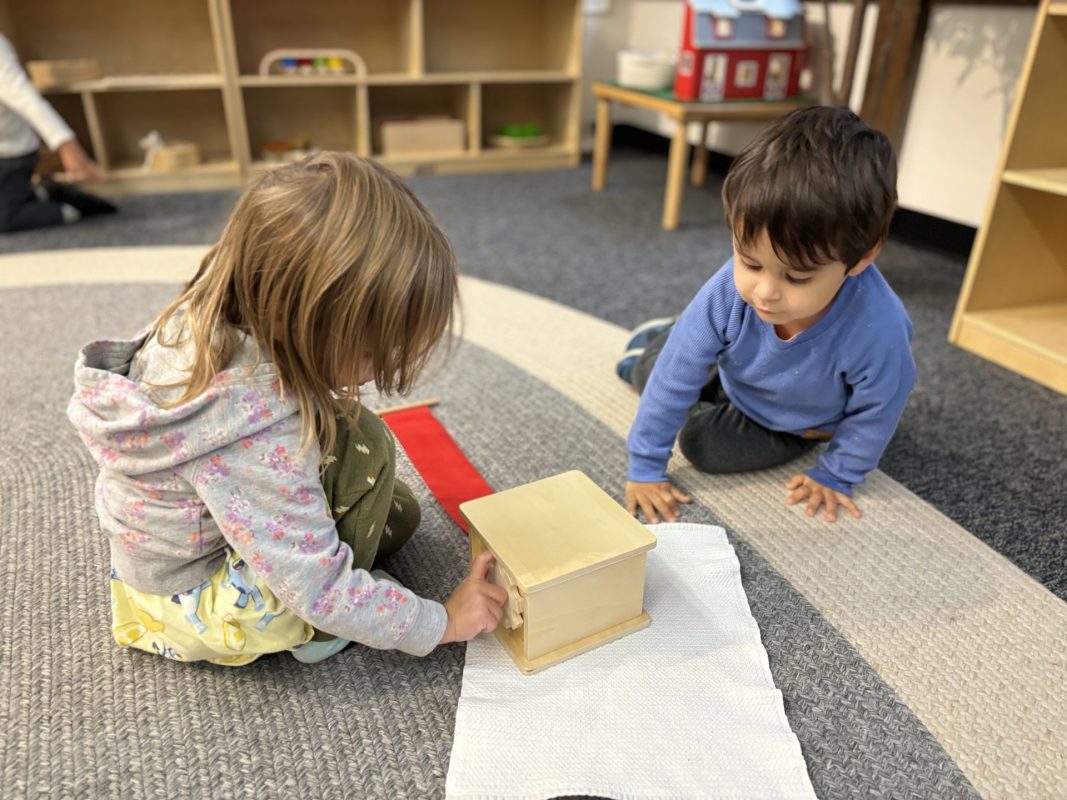
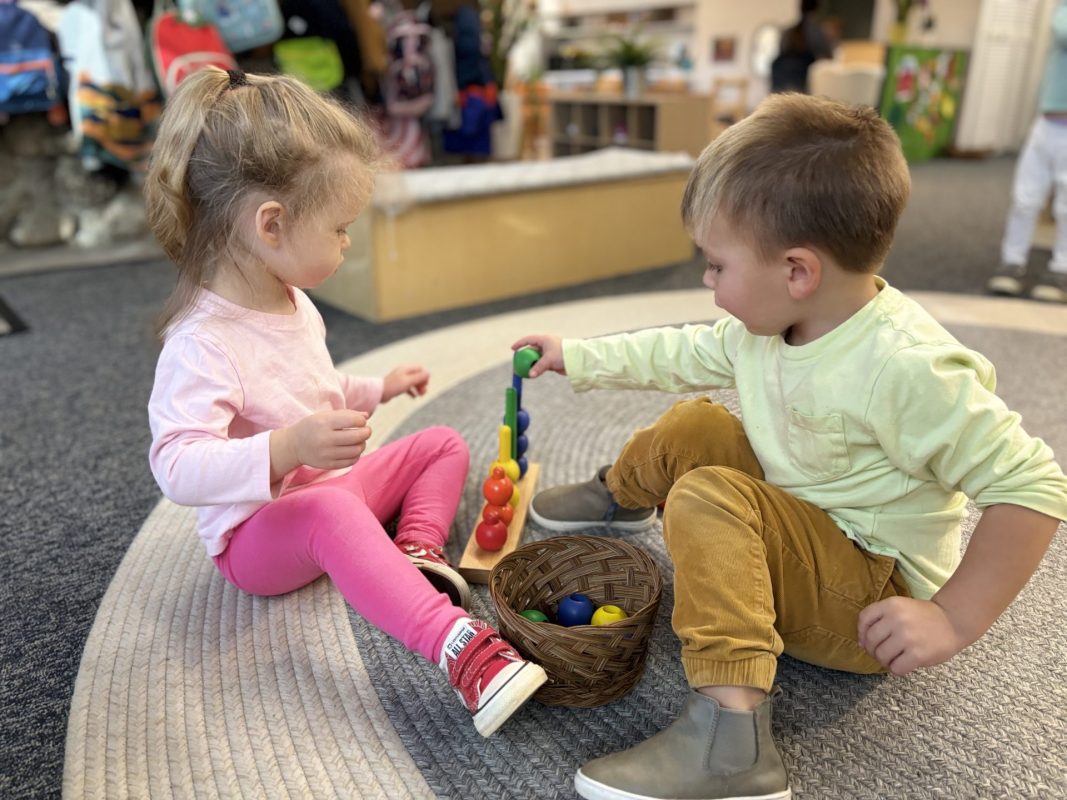
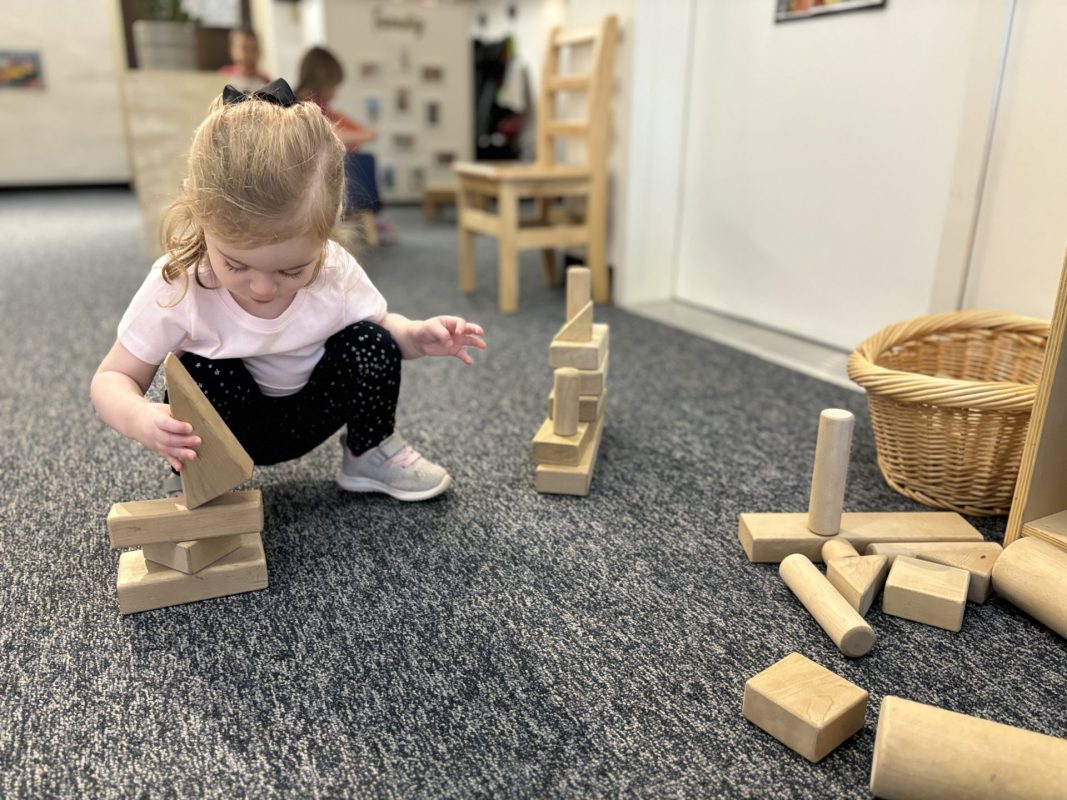
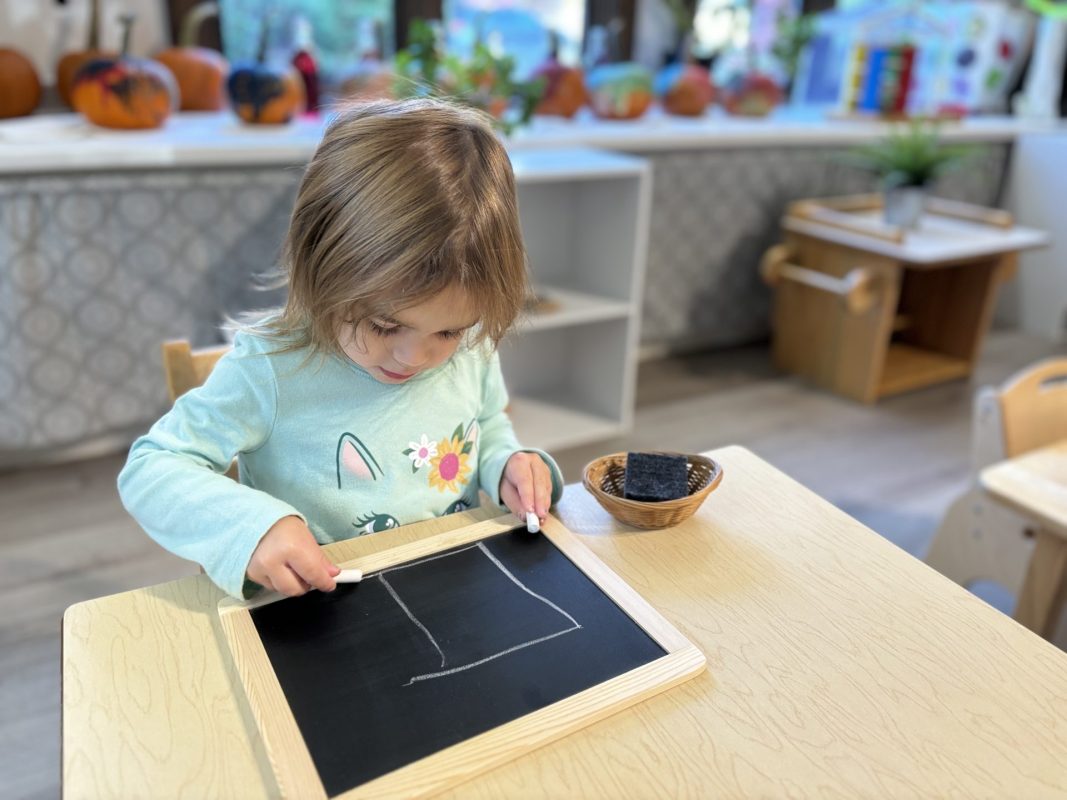
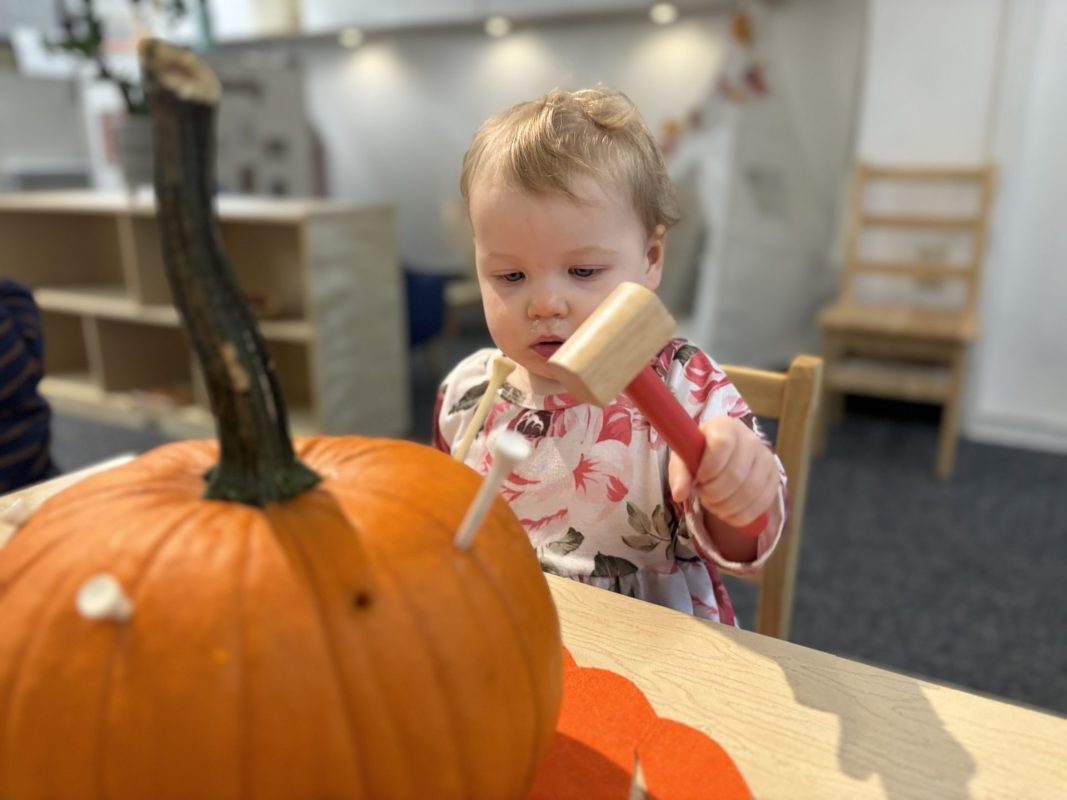
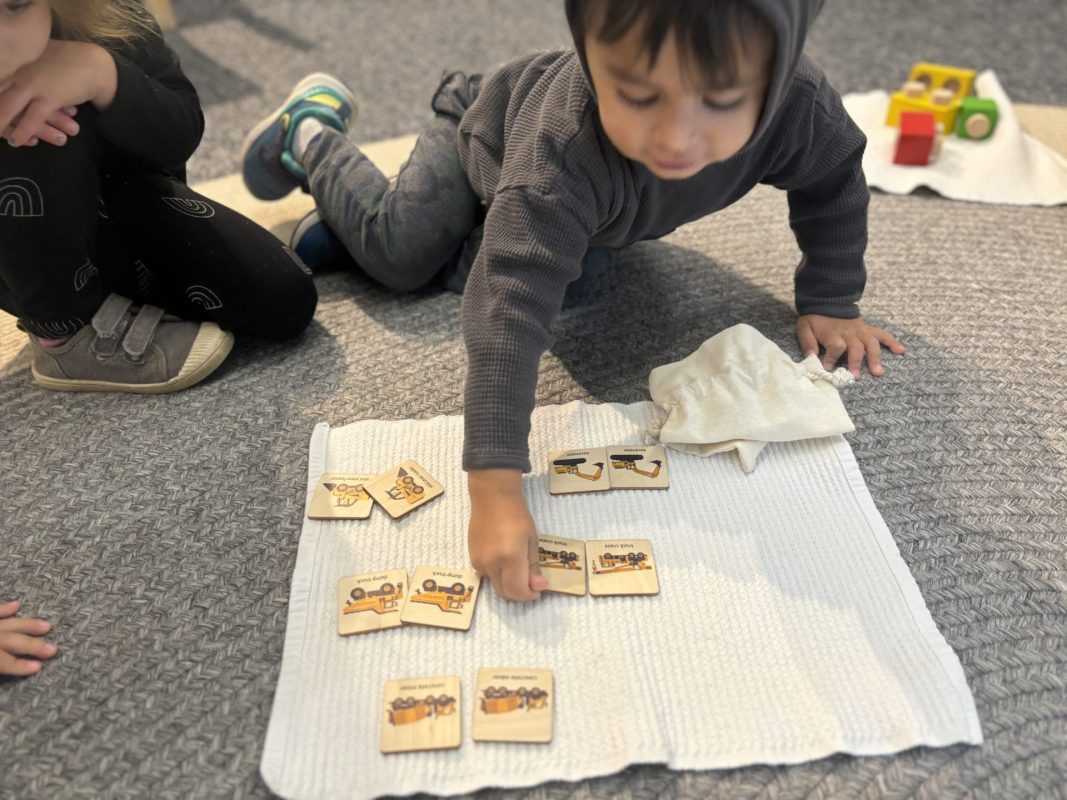
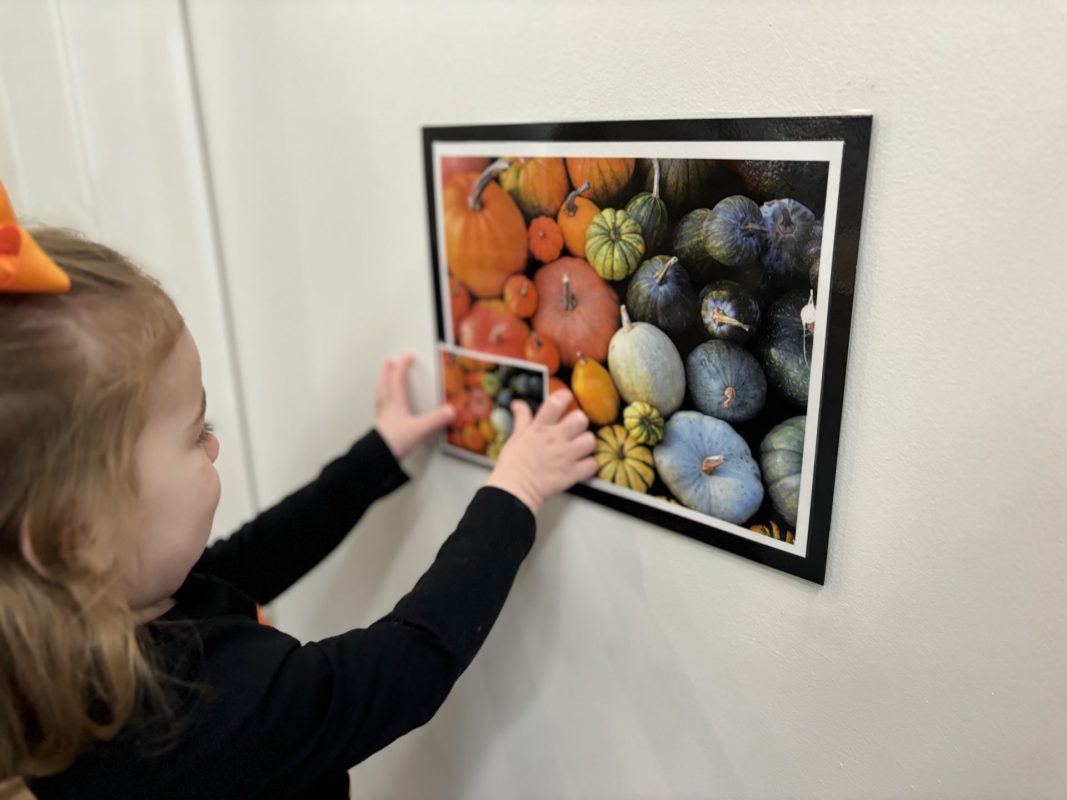
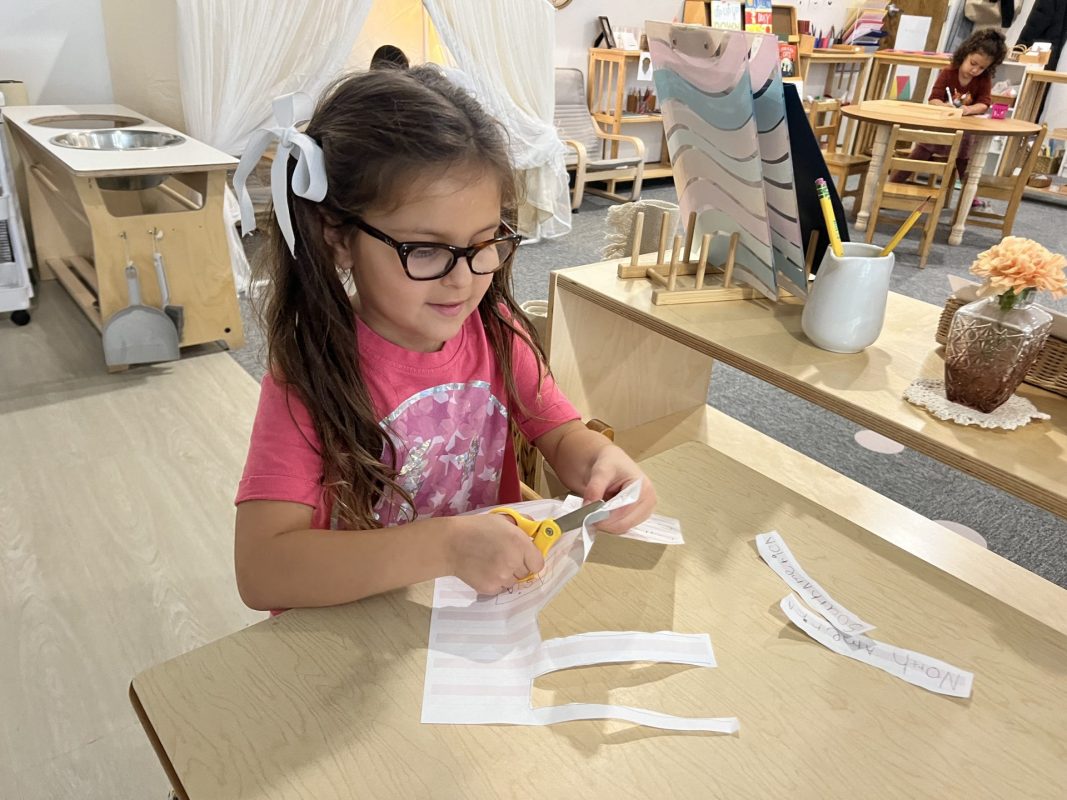
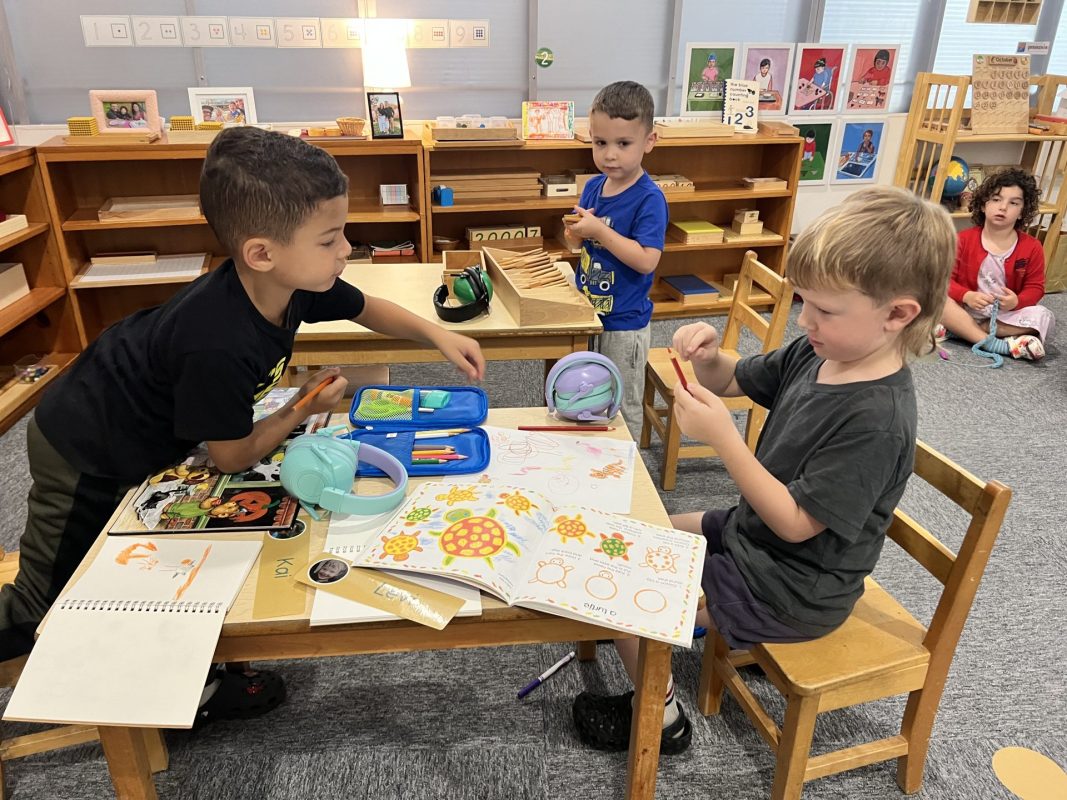
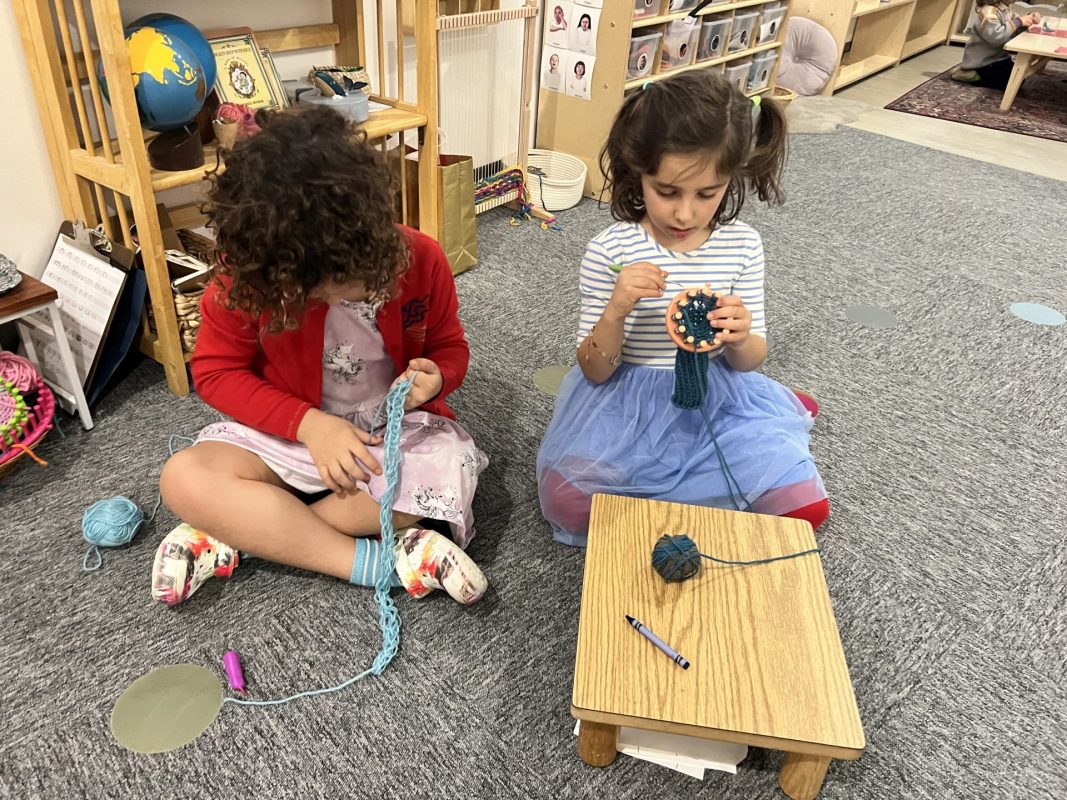
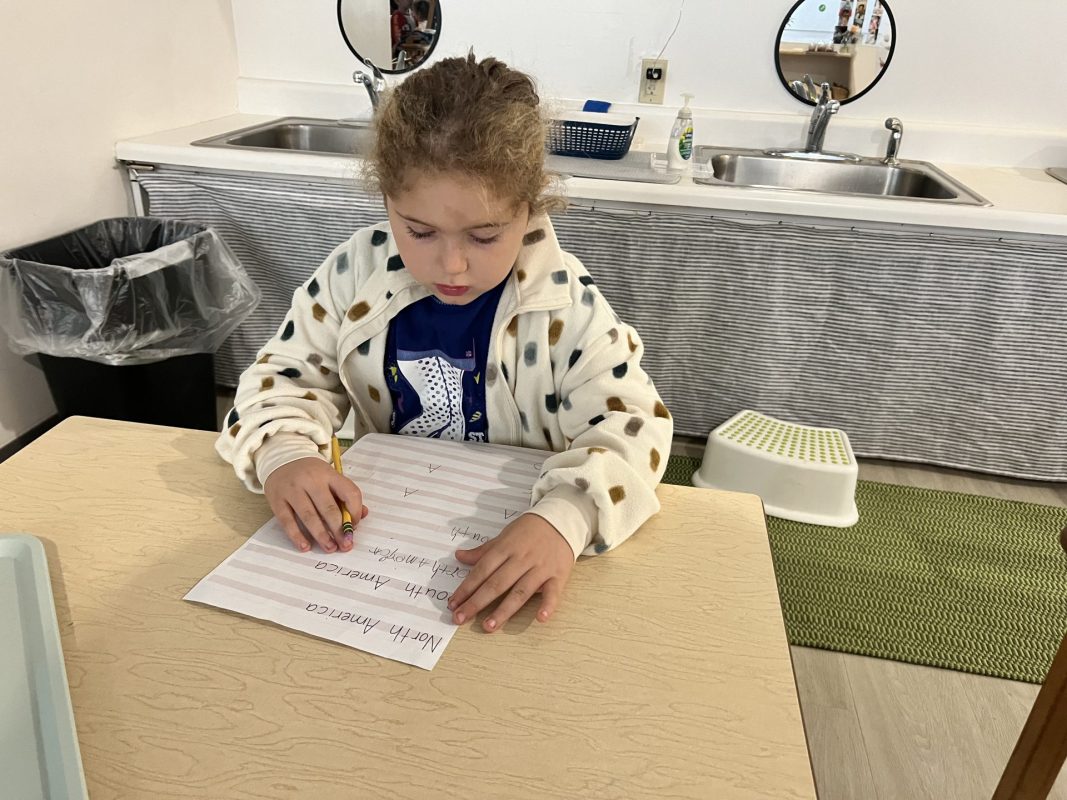
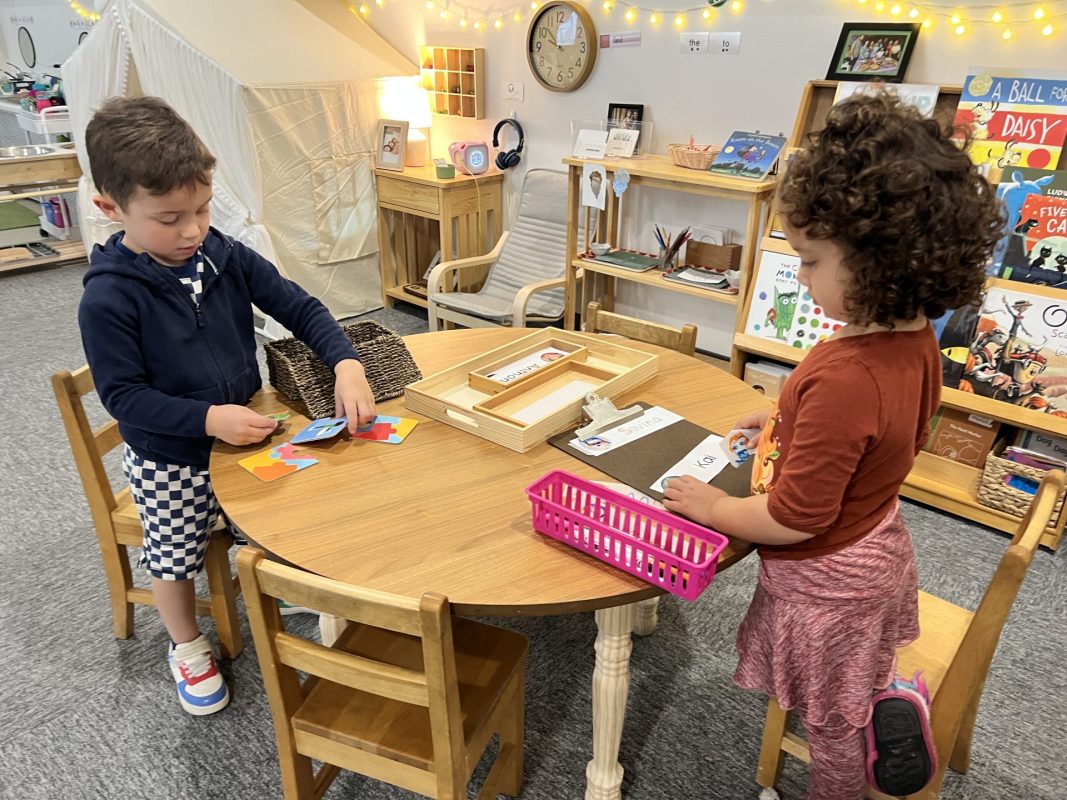
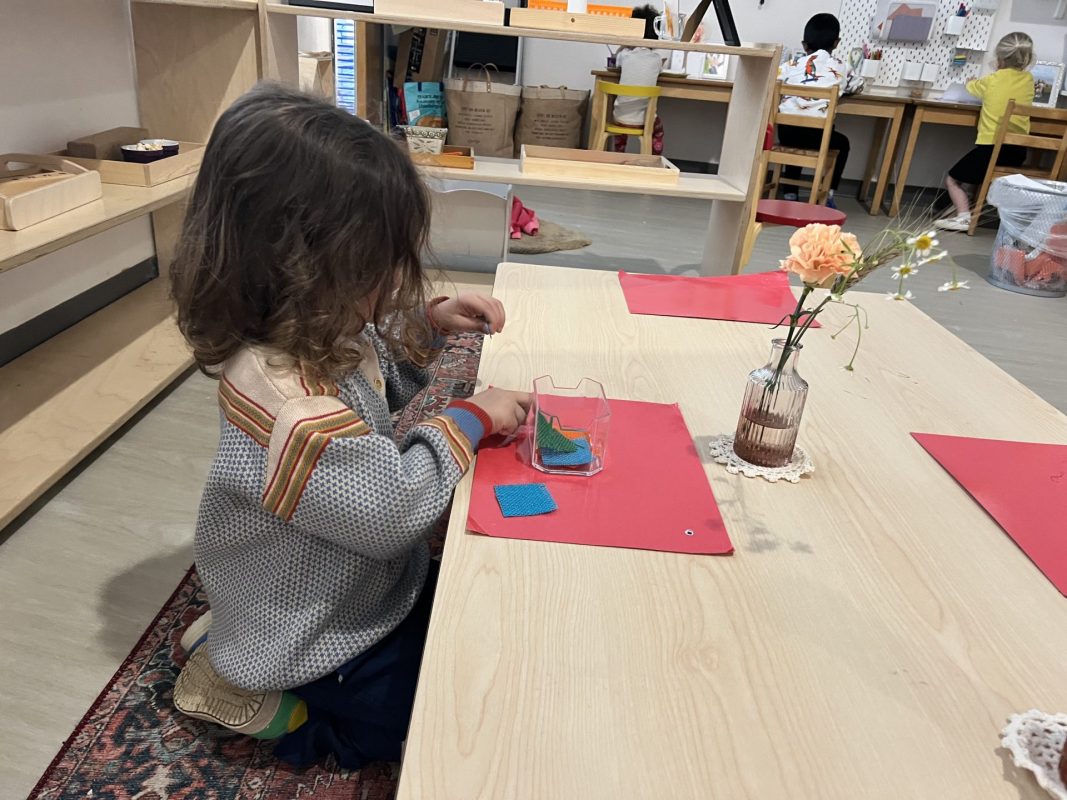
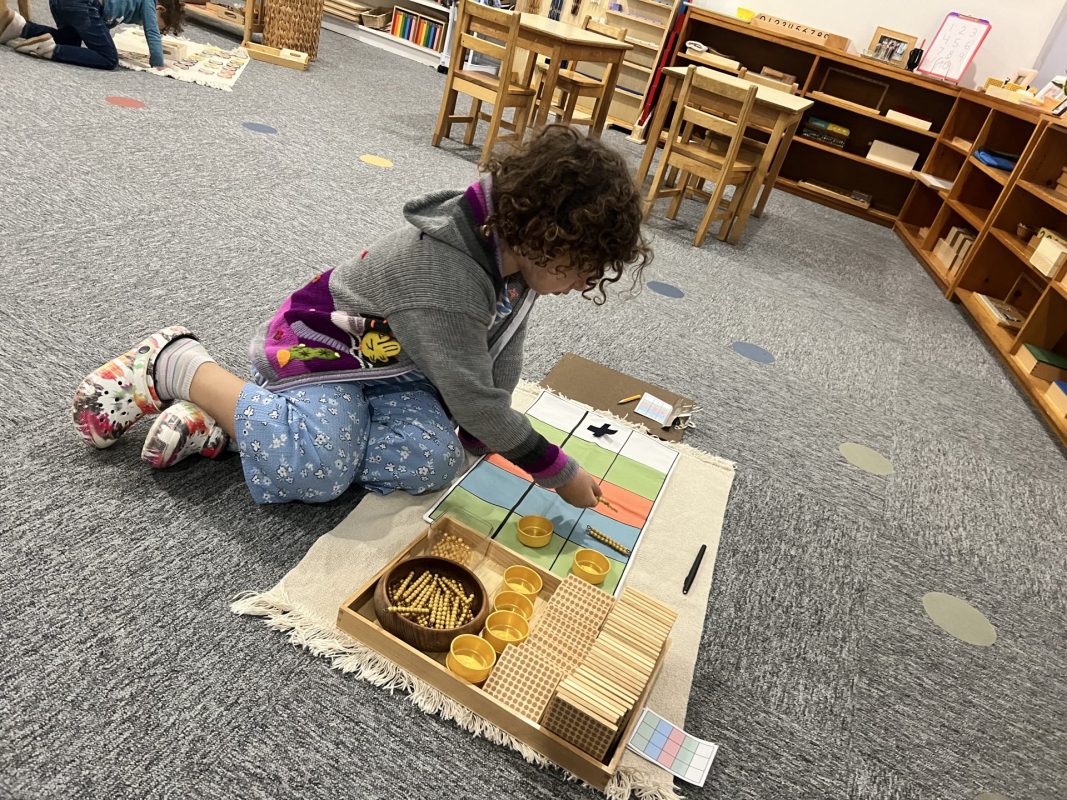
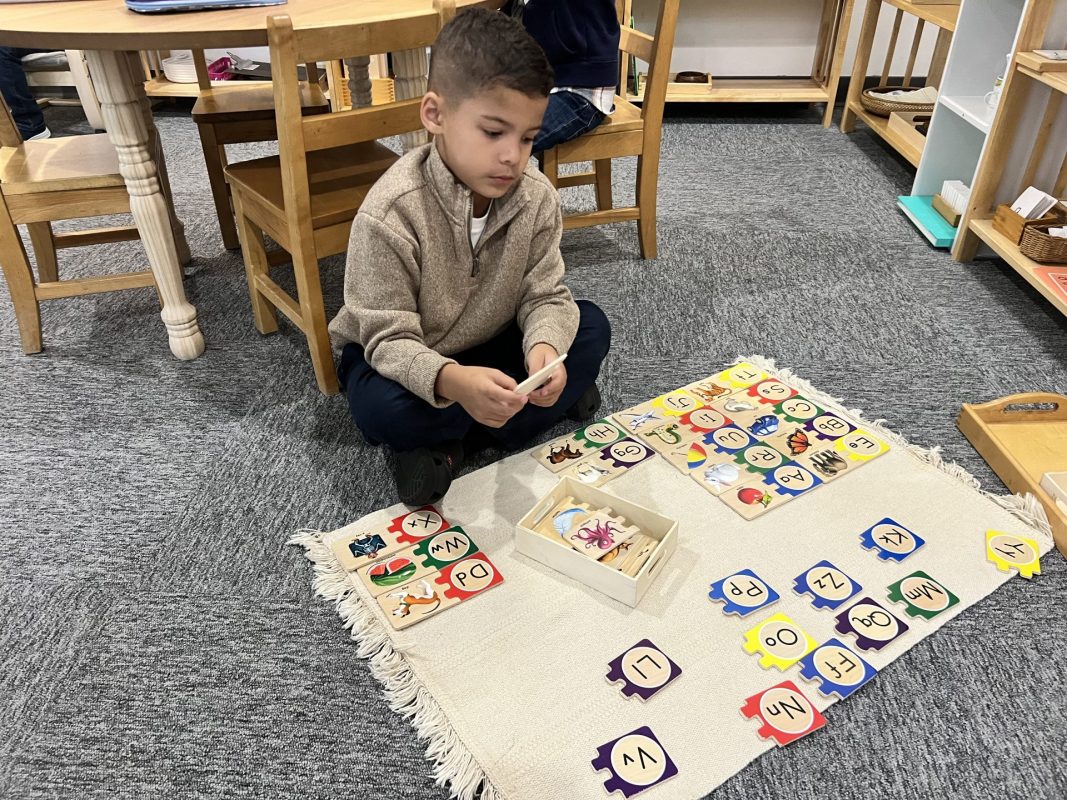
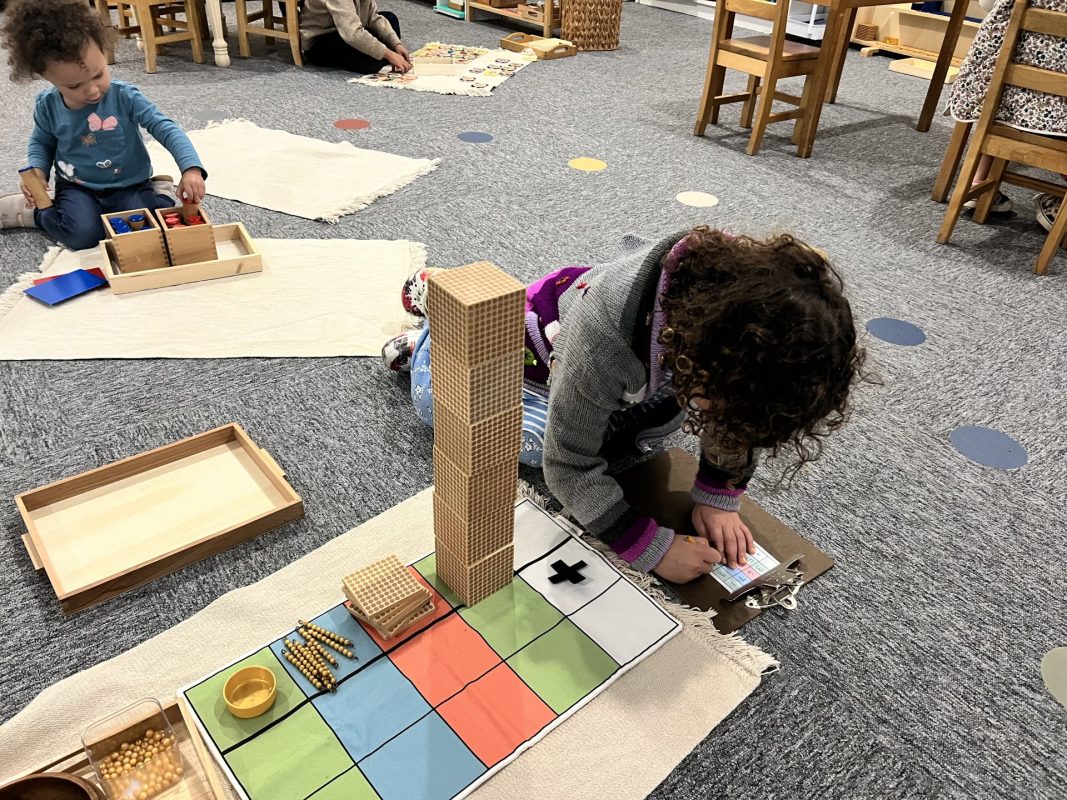
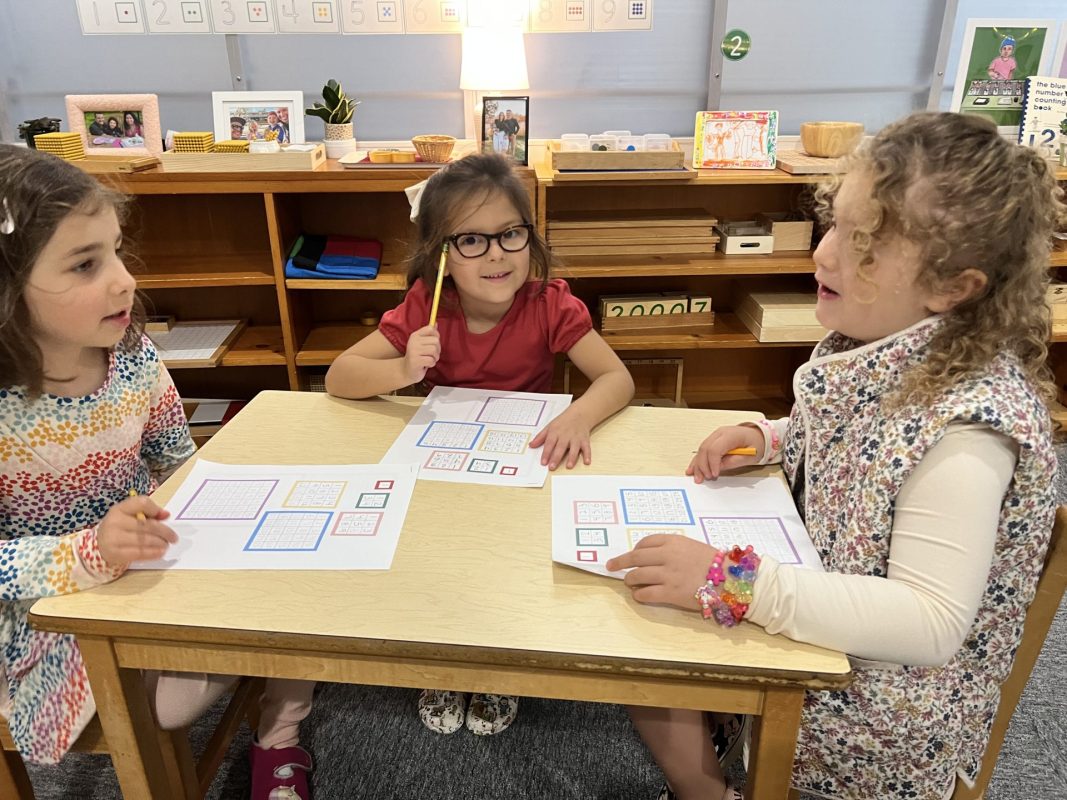
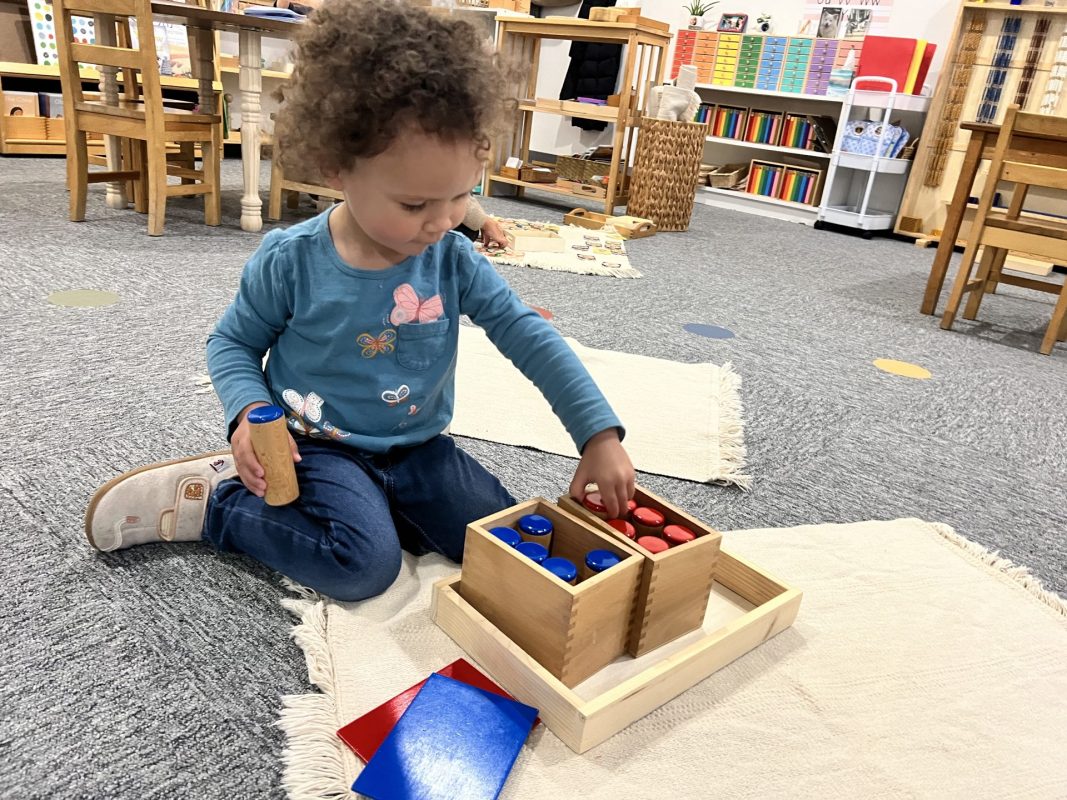
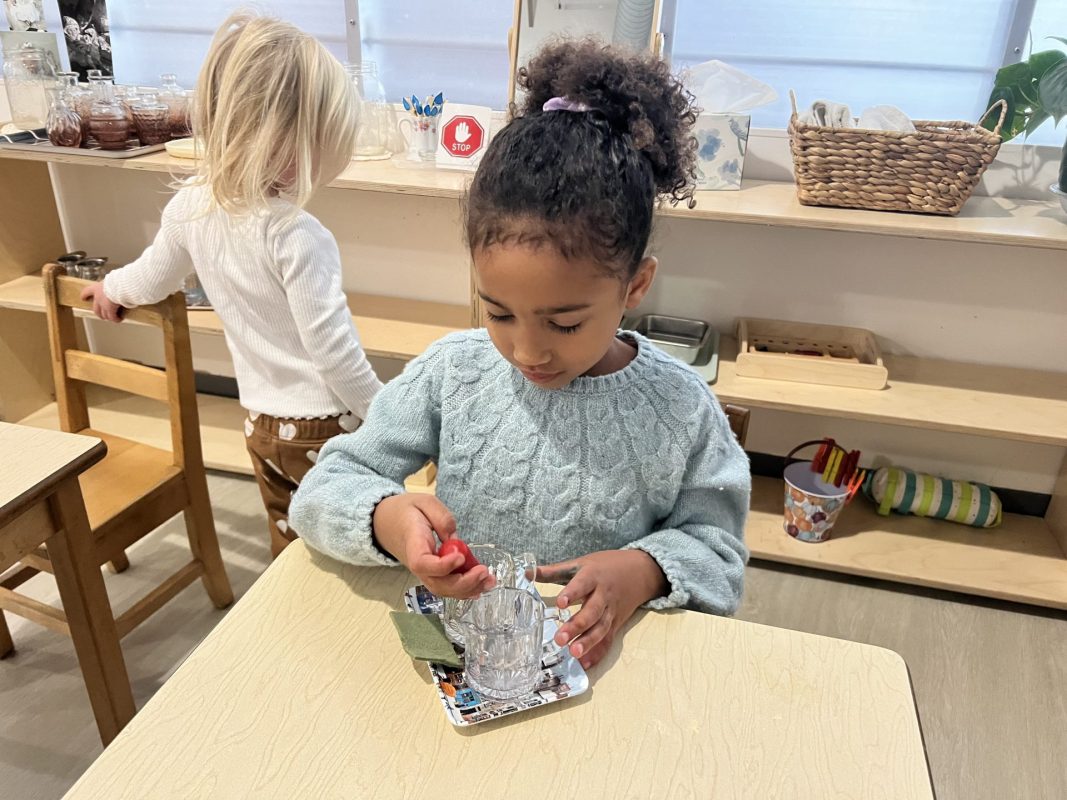
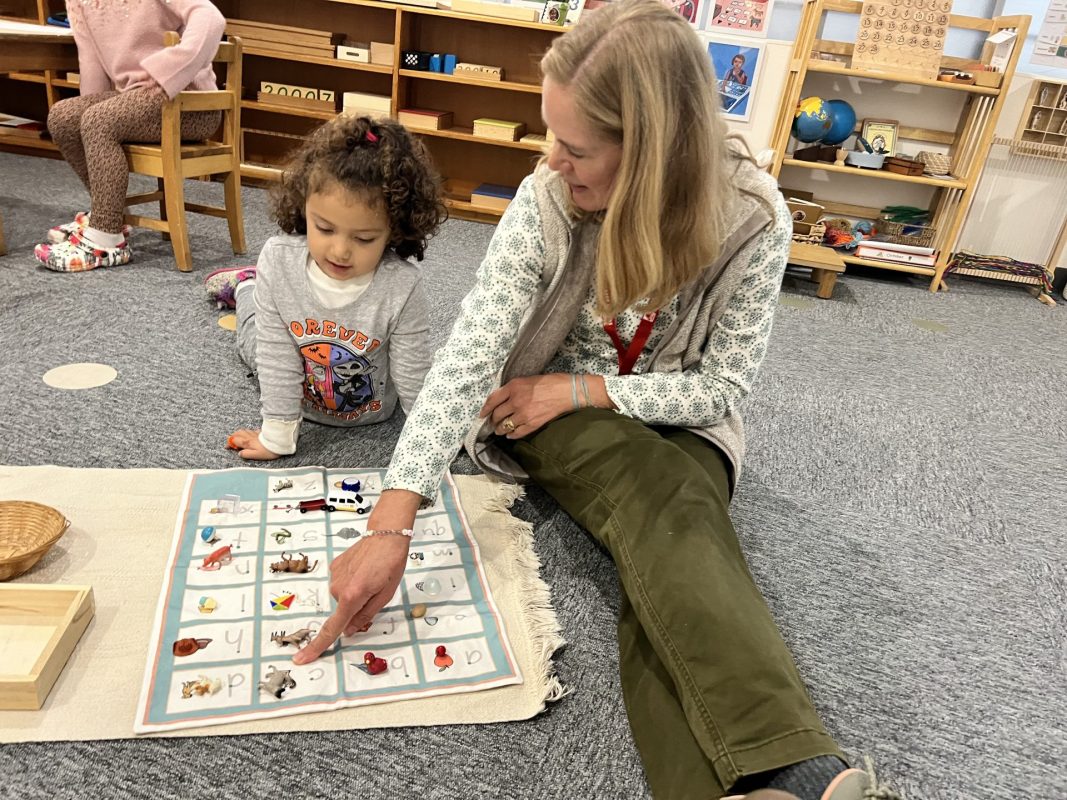
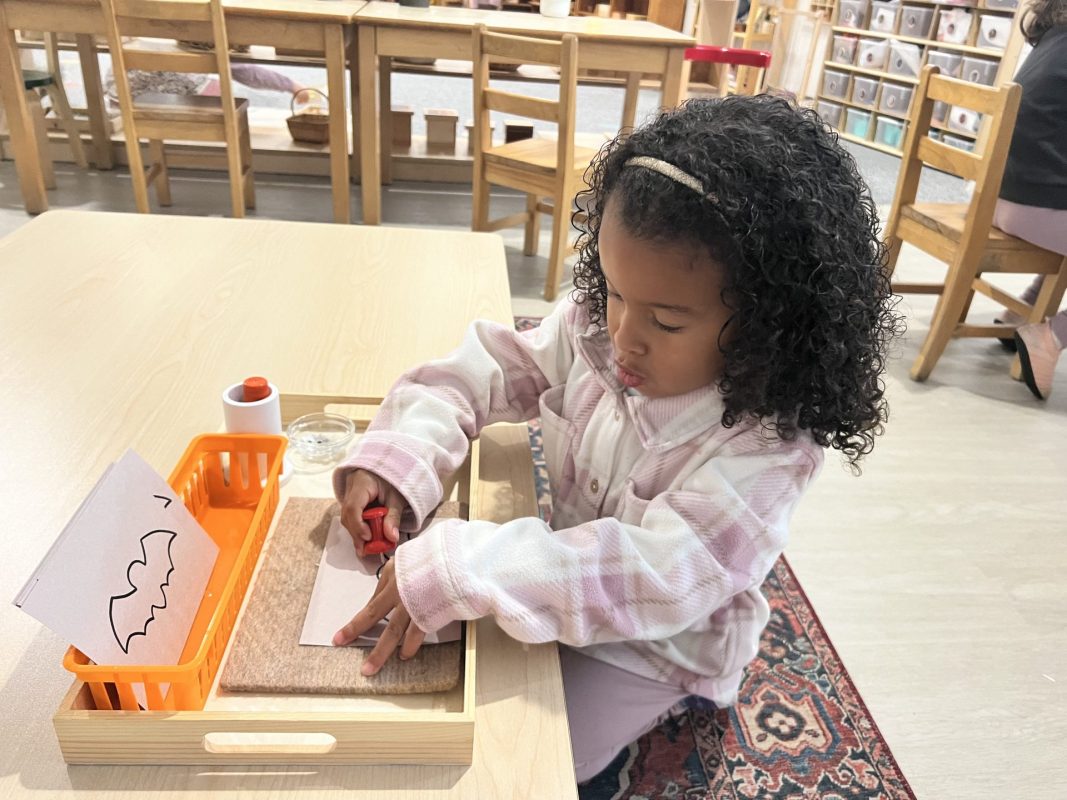
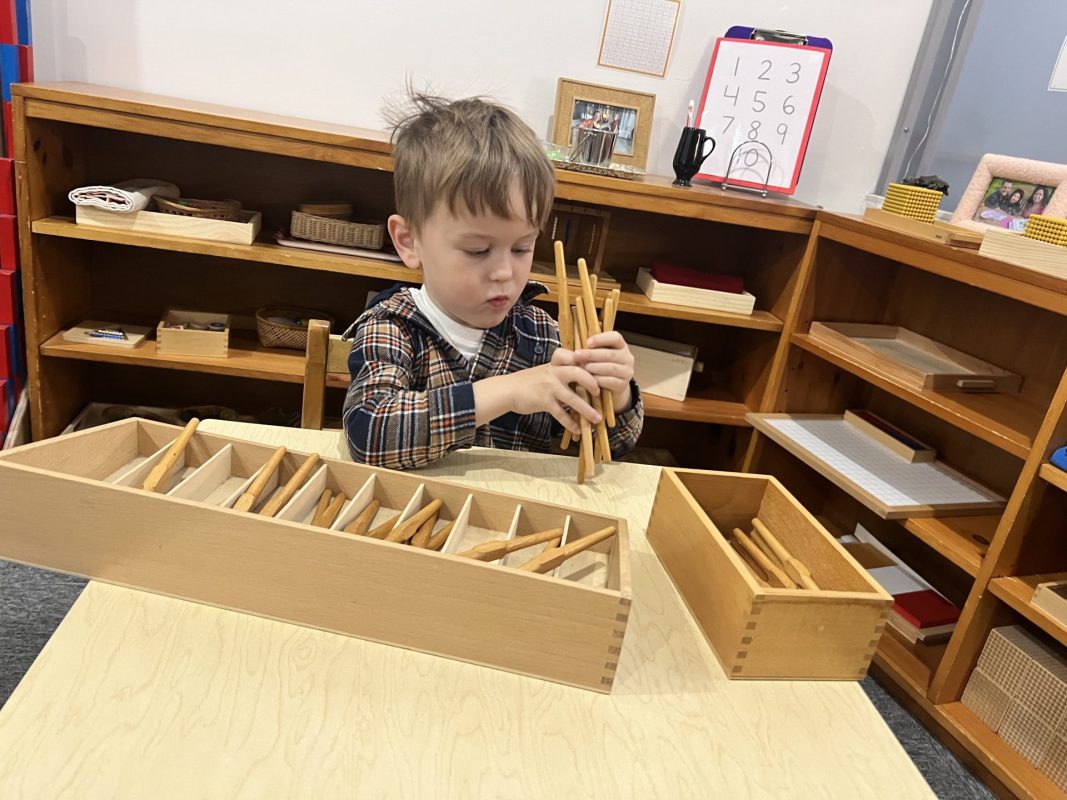
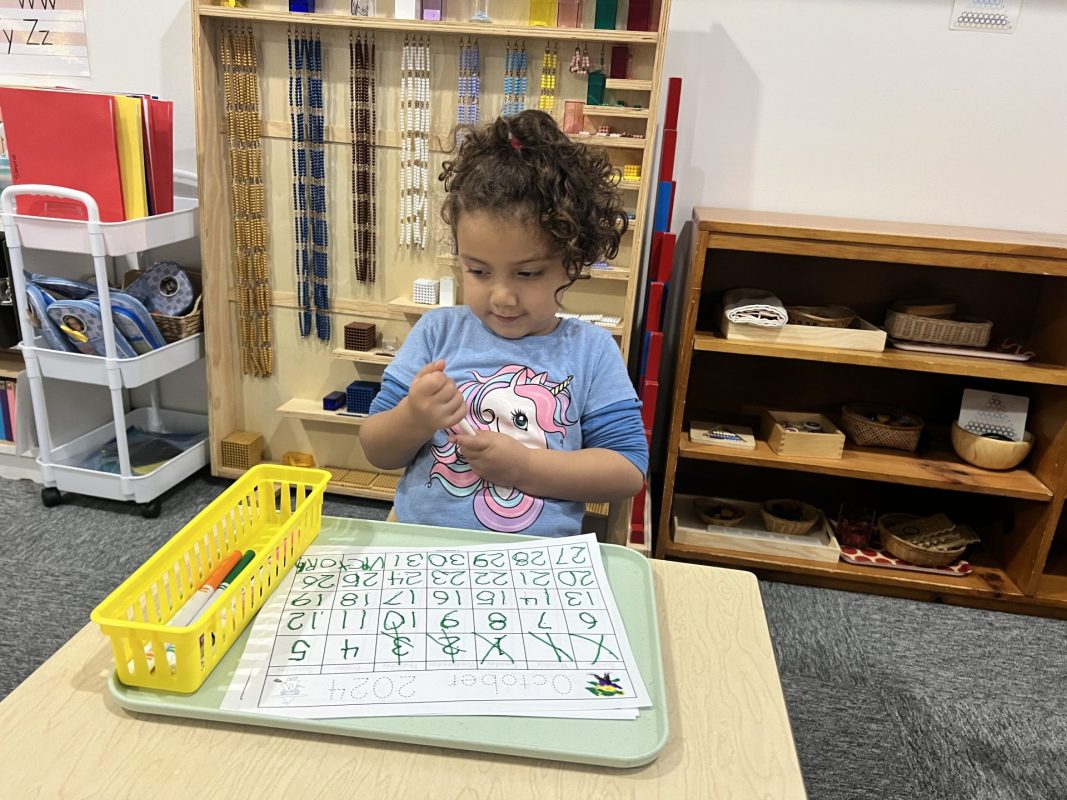
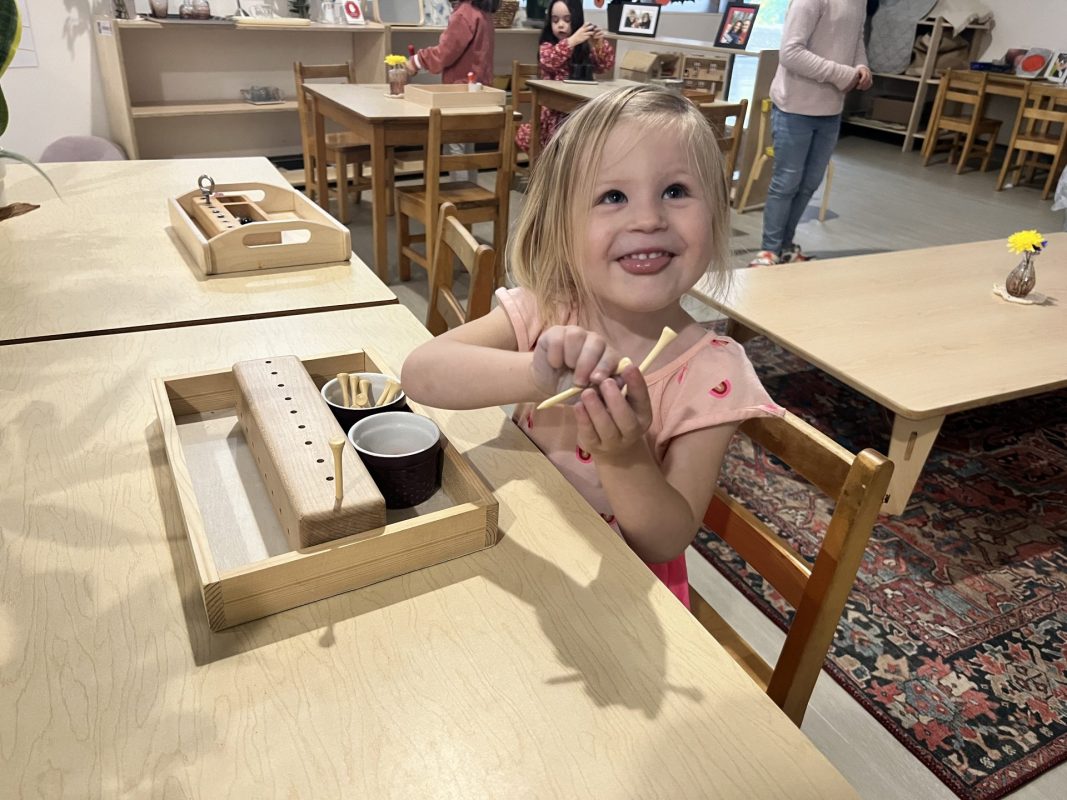
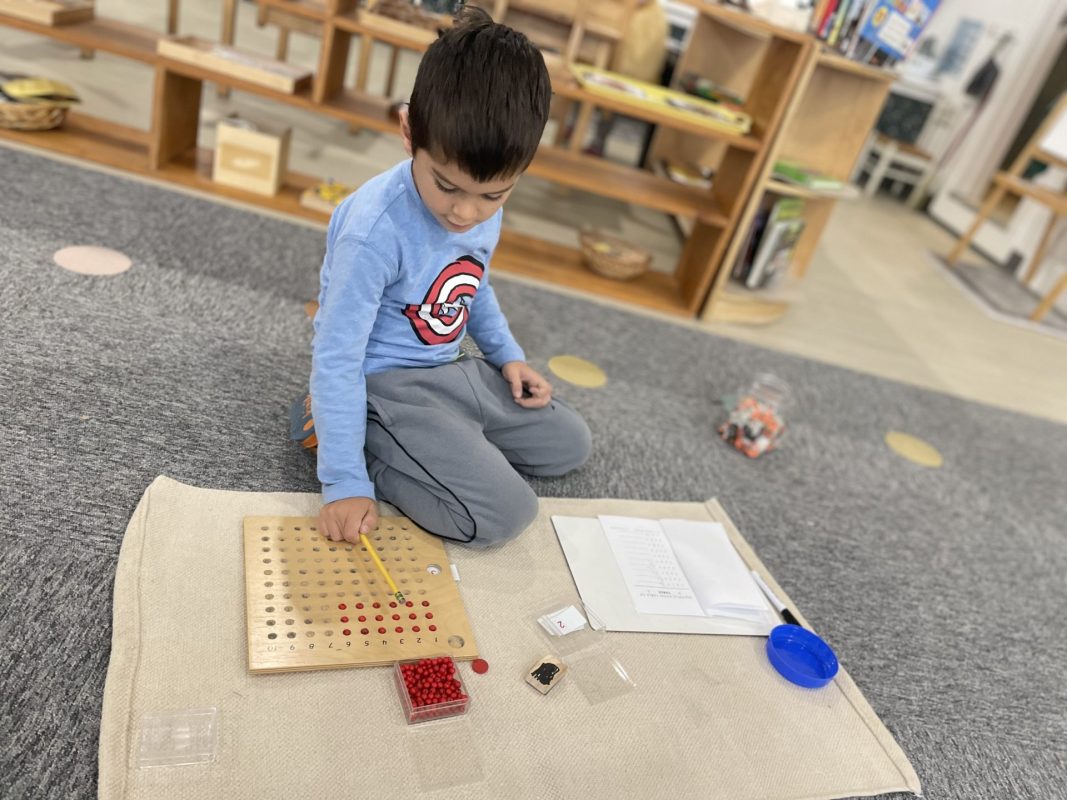
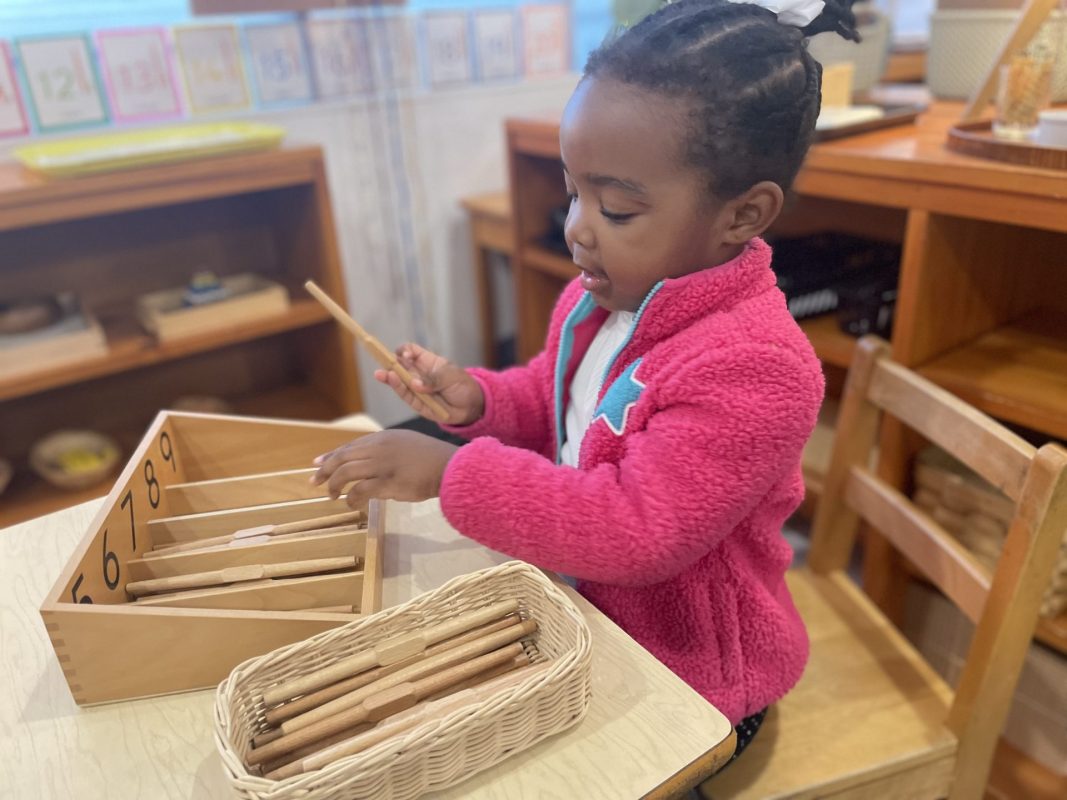
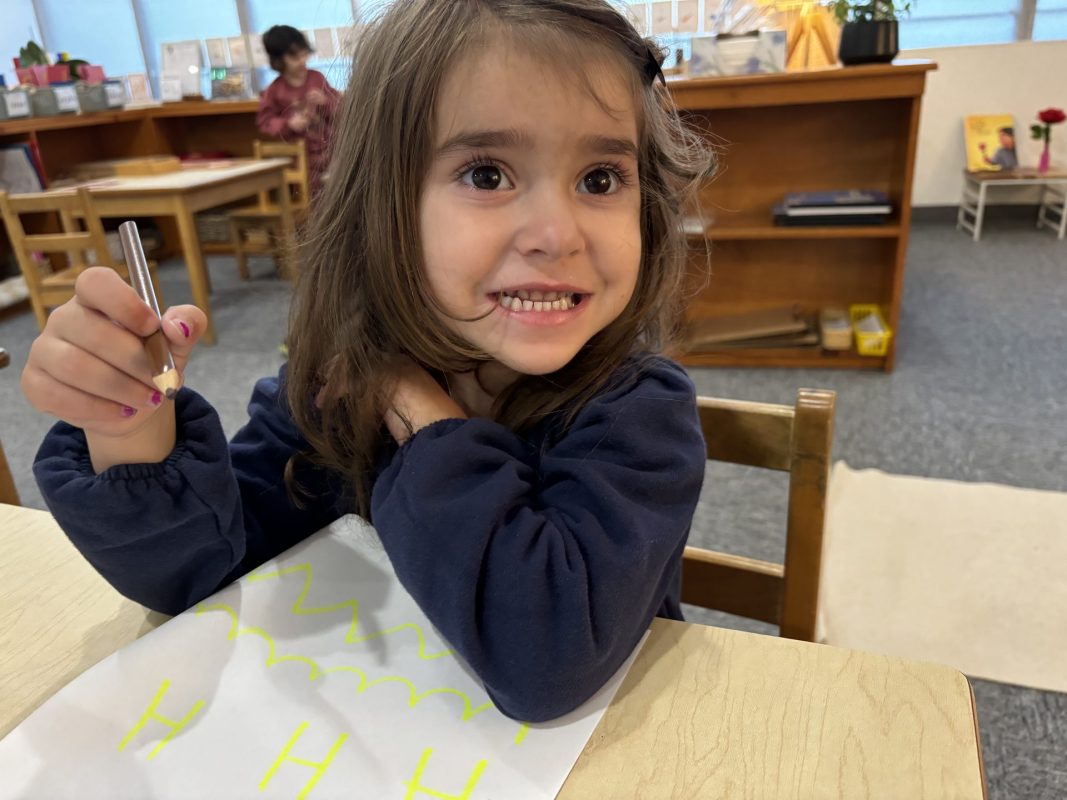
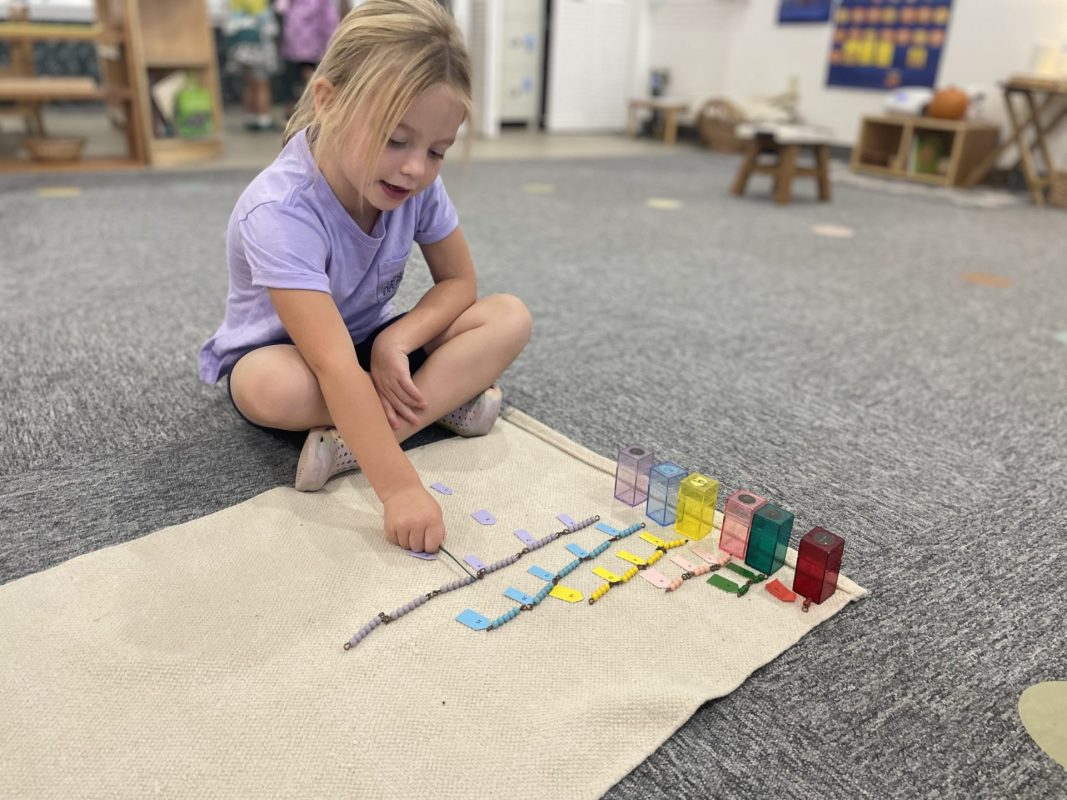
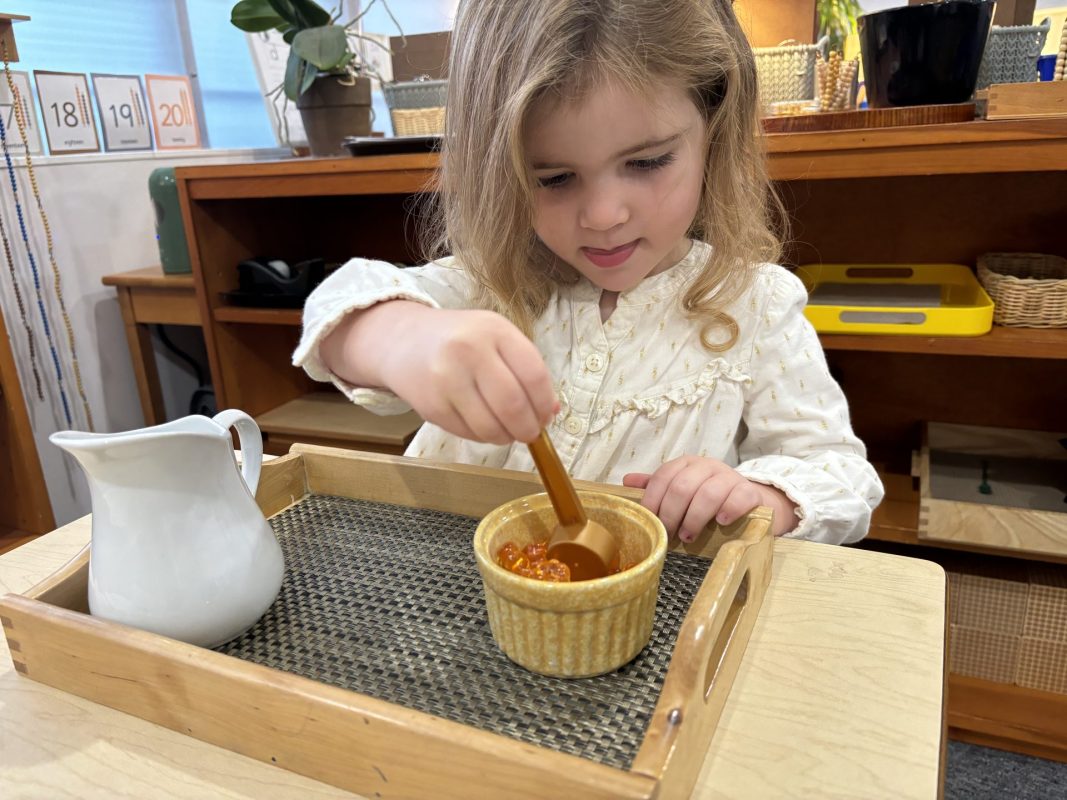
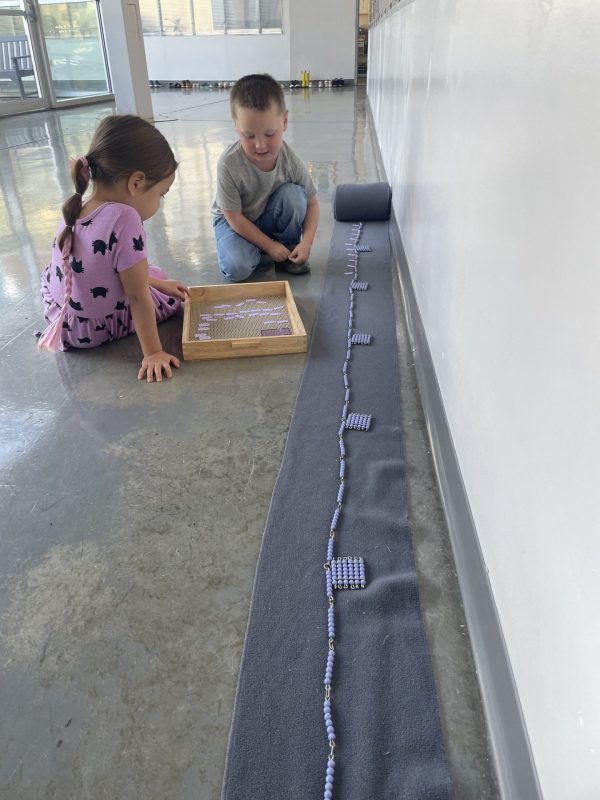
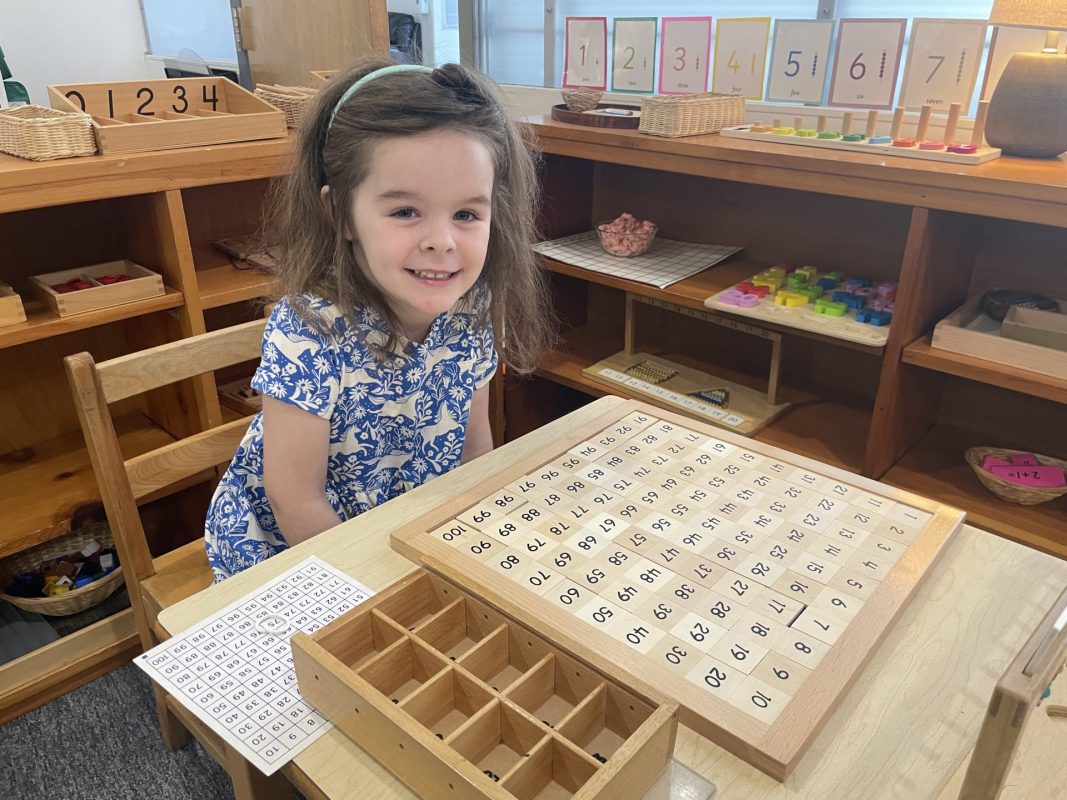
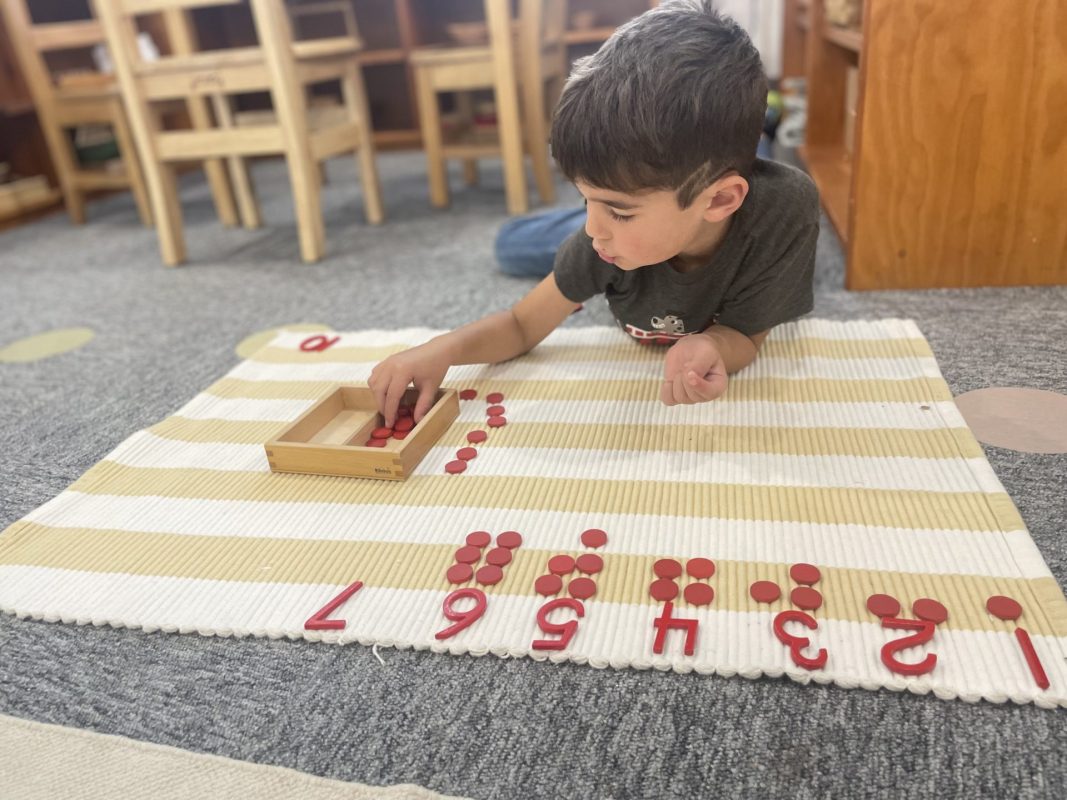
Research shows children ages three to six learn best through their hands. To truly understand a concept, they need to explore it through touch. This is why so many lessons in the Montessori environment are not based on memorization alone. Most concepts we teach involve tracing, manipulating, and exploring with their hands. Perhaps most importantly, focusing on the process protects the child’s intrinsic motivation to learn and understand. External factors such as recognition, praise, or reward do not influence it. We truly value and encourage the time and experience with the materials.

So, if your child’s folder comes home with little to no work, know that their accomplishments can’t always ‘fit’ in that folder. Maybe after weeks and weeks of trying, they learned how to zipper their coat, or perhaps they can finally carry a work without it dropping. Maybe after observing a lesson day after day, your child tried it independently for the first time. The list of skills each child can accomplish will never be fully represented in the Weekly Folder. So please enjoy the work in there, but know it will never be an accurate portrayal of all the children are learning and accomplishing.

Wishing you a week filled with peace and love.

Amanda and Hema


We look forward to seeing you at Parent-Teacher Conferences on October 25. Please sign up for your conference here.


Ms. Handibode: Friday Folder Fun Facts

As adults, we must remember that we want things done as quickly as possible so they are finished and out of the way. In contrast, the child is interested and content in the doing, not the done.” –Margaret Stephenson, The Art of Montessori in the Home.

Every Friday we send home the blue folders that contain the work the children have completed over the past week. We often receive emails asking why there was so little work inside and what exactly the children are doing.

Sometimes, it can be difficult to accept the idea of focusing on the process, not the product. What exactly does that mean? Many works in the Montessori classroom do not end with a physical product the children will bring home to share with everyone. There is often no way to visually assess what a child is learning. Overall, as a society, we are product-driven and often base our success on this factor. The experience a child has when working with the materials is truly what is most important. However, it can often be unsettling when you hear they did “nothing” day after day.

Research shows children ages three to six learn best through their hands. To truly understand a concept, they need to explore it through touch. This is why so many lessons in the Montessori environment are not based on memorization alone. Most concepts we teach involve tracing, manipulating, and exploring with their hands. Perhaps most importantly, focusing on the process protects the child’s intrinsic motivation to learn and understand. External factors such as recognition, praise, or reward do not influence it. We truly value and encourage the time and experience with the materials.

So, if your child’s folder comes home with little to no work, know that their accomplishments can’t always ‘fit’ in that folder. Maybe after weeks and weeks of trying, they learned how to zipper their coat, or perhaps they can finally carry a work without it dropping. Maybe after observing a lesson day after day, your child tried it independently for the first time. The list of skills each child can accomplish will never be fully represented in the Weekly Folder. So please enjoy the work in there, but know it will never be an accurate portrayal of all the children are learning and accomplishing.

Wishing you a week filled with peace and love.

Michelle and Maria


We look forward to seeing you at Parent-Teacher Conferences on October 25. Please sign up for your conference here.


Class Who Am I Activity in Lower Elementary

An exciting highlight of our week was working together to create the class “Who Am I” material. This is a special set of Montessori biology resources designed to introduce the five kingdoms of life—animals, plants, fungi, protists, and prokaryotes. As a fun and personalized beginning-of-the-year project, we focused on making this material all about the children in our classroom.

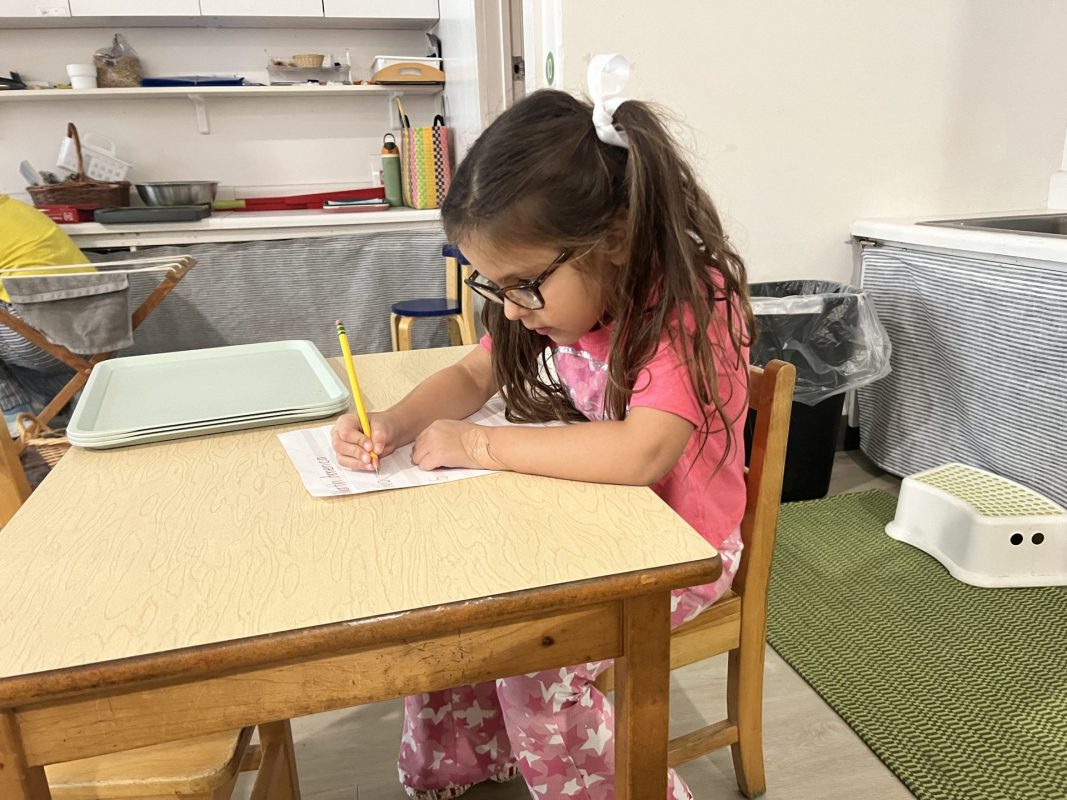
The process began with each child answering a series of questions about themselves, which was then compiled and typed up to create a unique material for our work cycle. Several children also had the opportunity to participate in cutting, gluing, and laminating the cards, adding their own creative touches to the final product.

The “Who Am I” material has quickly become a favorite activity in the classroom, offering a blend of classification, comprehension, and fluency work. It’s not only an engaging way to explore these concepts but also a wonderful tool for helping the children learn more about each other and build a sense of community!


We look forward to seeing you at Parent-Teacher Conferences on October 25. Please sign up for your conference here.


Mrs. Wilson: A Flavorful Week

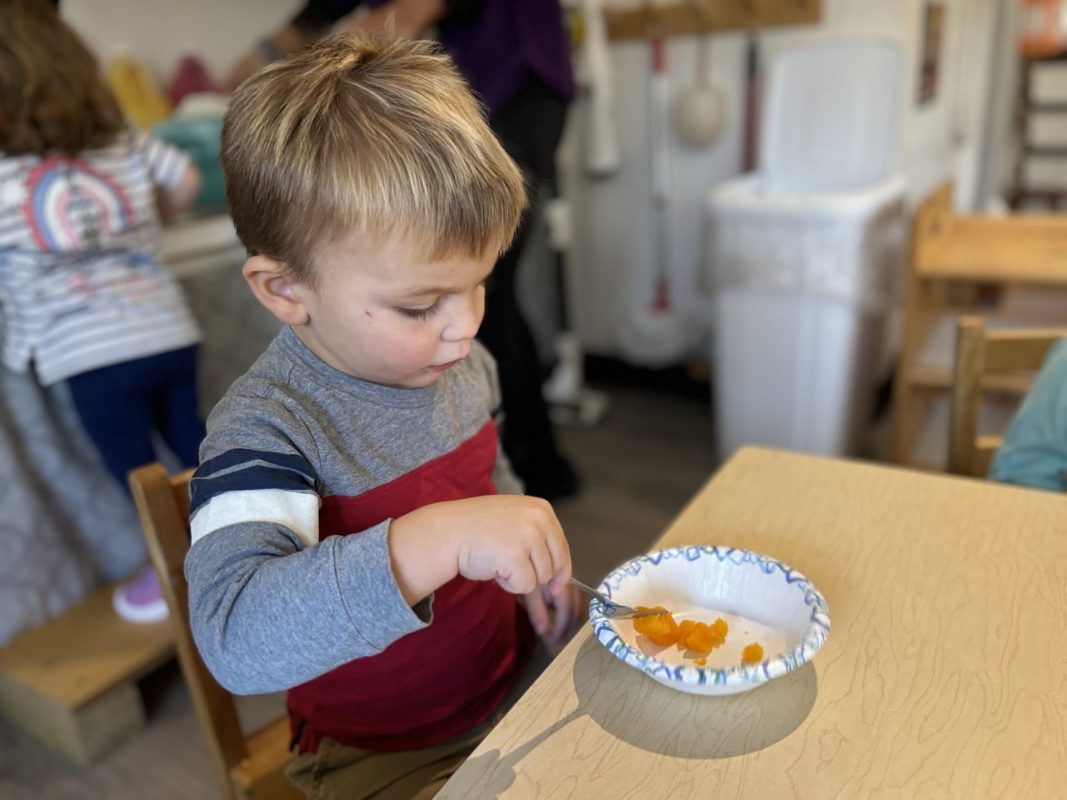
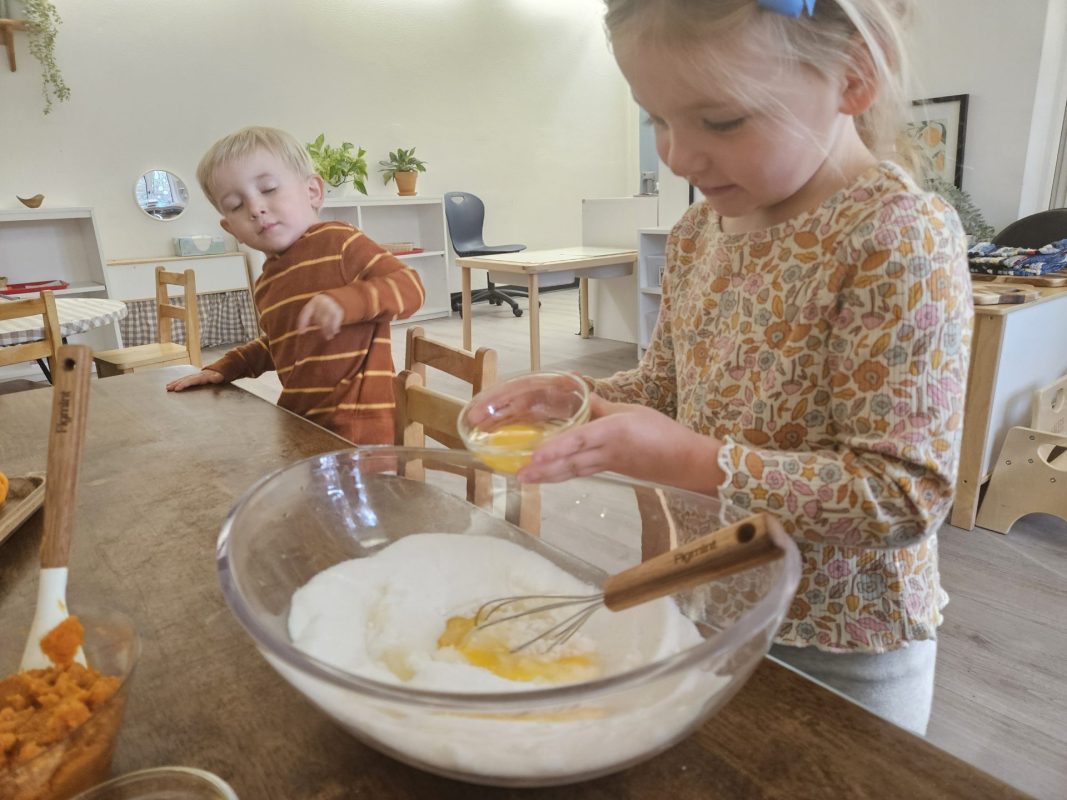
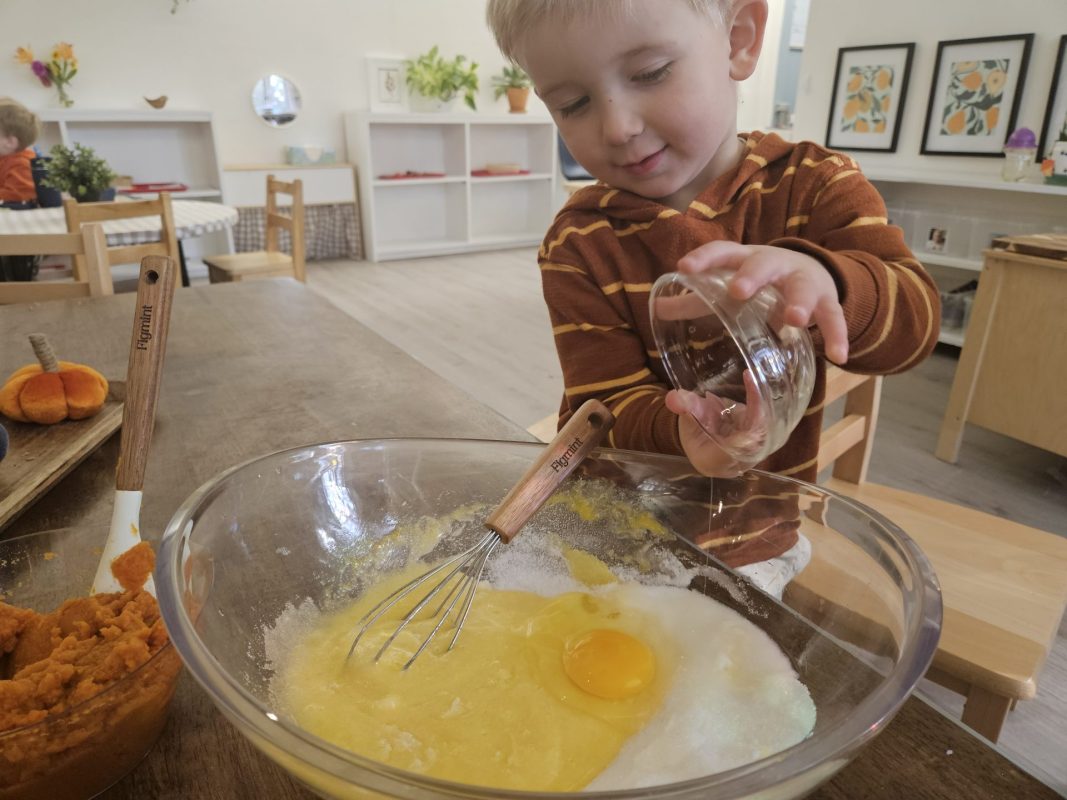
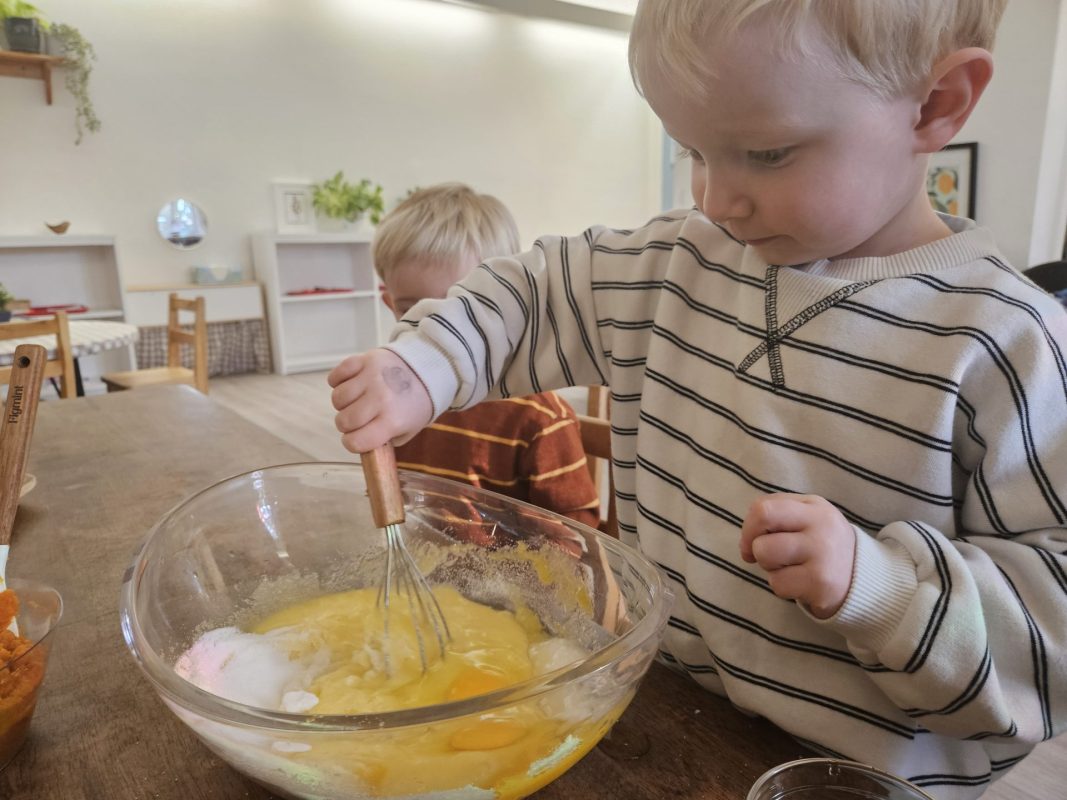
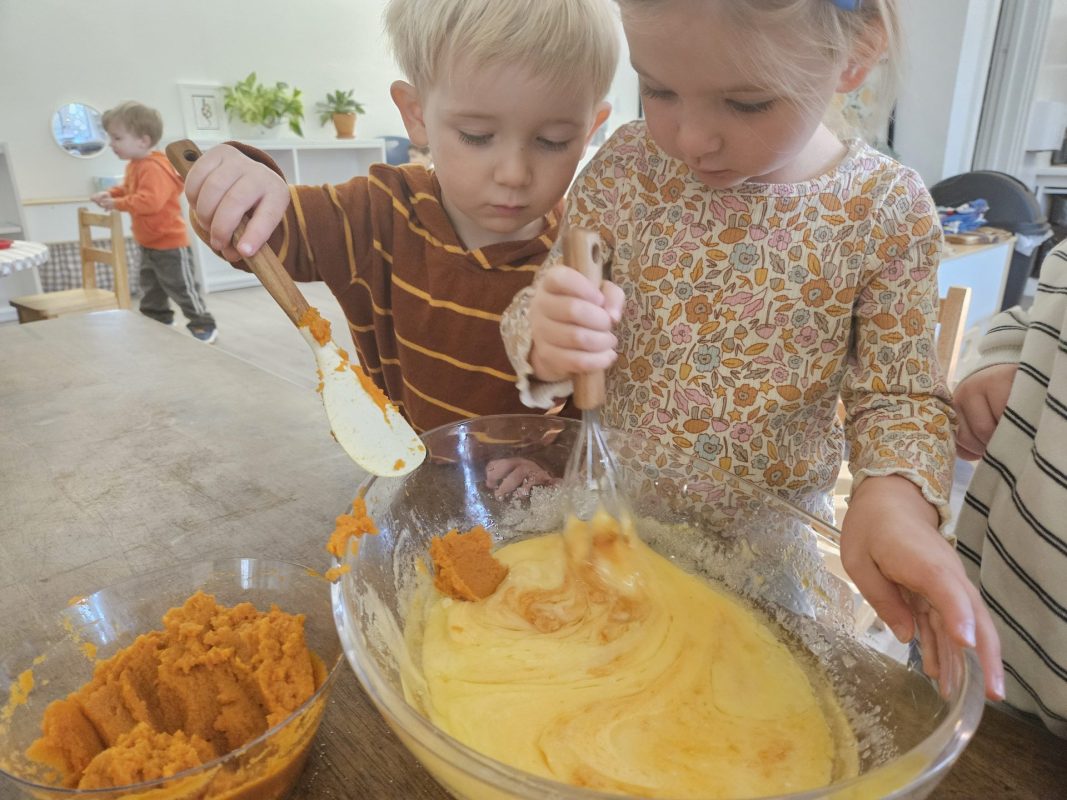
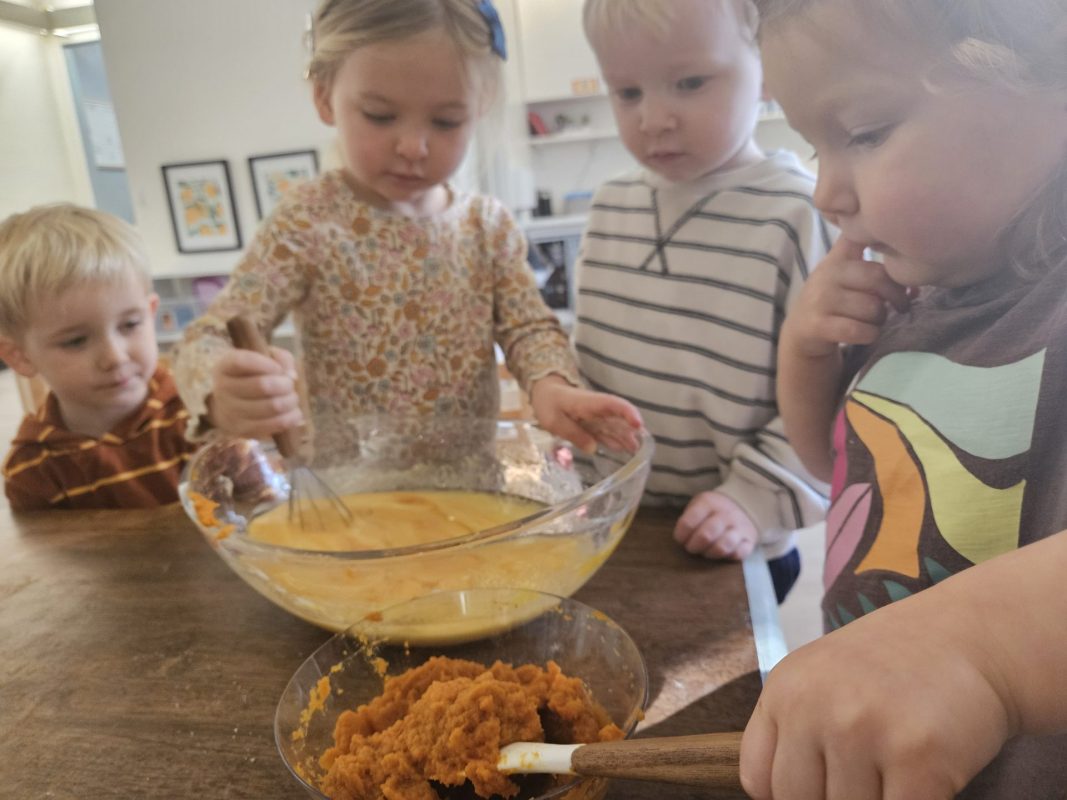
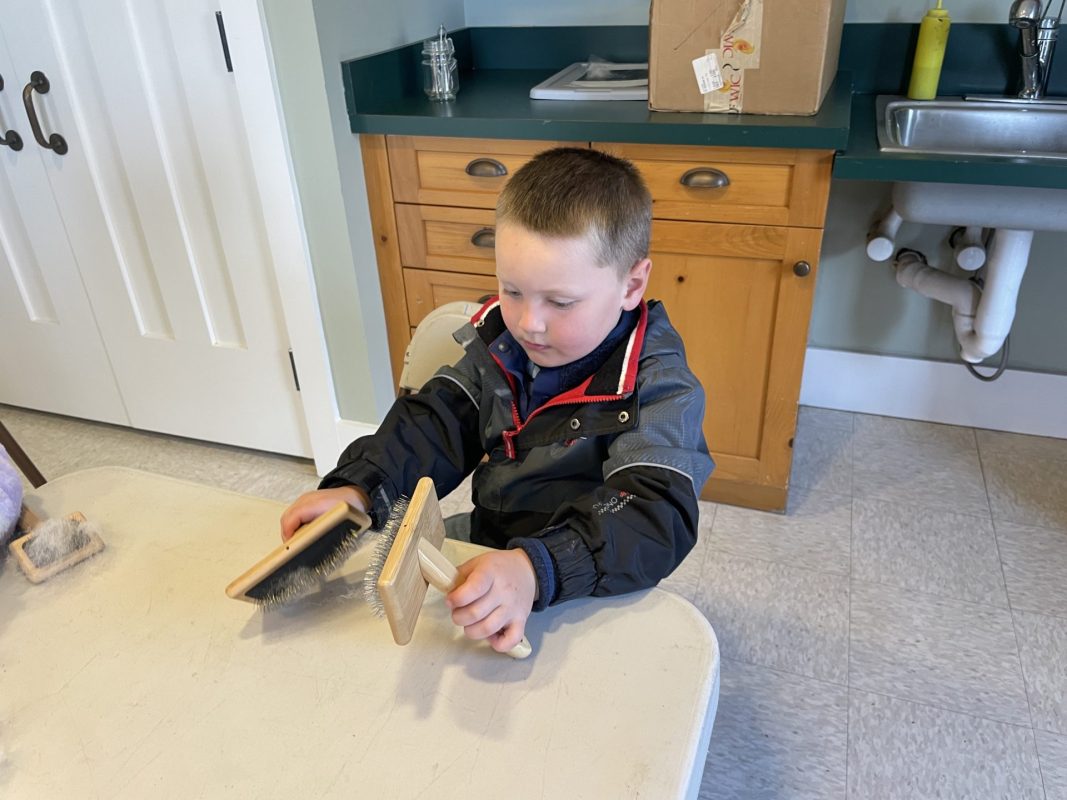
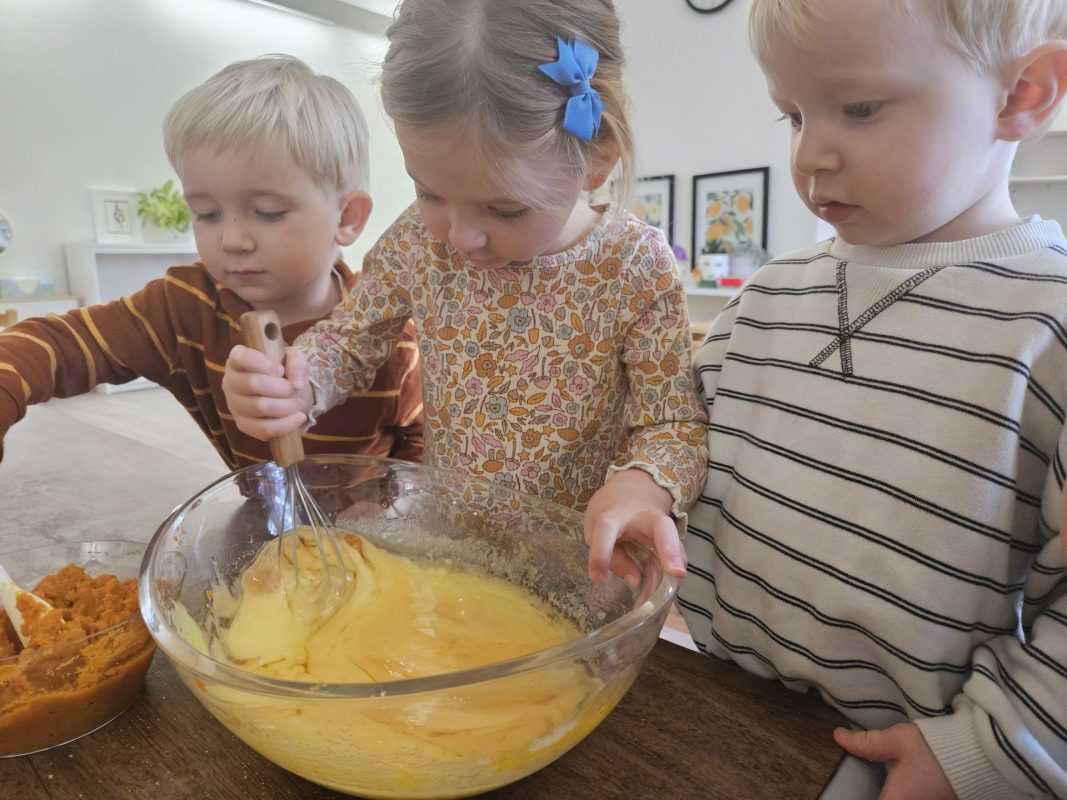
We are now at the end of September, and we wrapped up the week with a fun applesauce preparation activity. Over the past two weeks, the children have enjoyed sampling both red and green apples and watching a demonstration of the apple peeler and corer. This week, they had the chance to help make applesauce, filling our room with the delightful aroma of warm cinnamon and apples.

We also kicked off the week by celebrating the birthdays of two of our friends. Happy Birthday to our two friends!

It’s heartwarming to see the children becoming more comfortable in our classroom and forging stronger bonds with one another and their teachers. I’m pleased to report that, aside from a few small tears at drop-off, their days are filled with joy and laughter.

Love and Light,

Cynthia and Sara


We look forward to seeing you at Parent-Teacher Conferences on October 25. Please sign up for your conference here


Mrs. Sargeant: Friday Folder Fun Facts

As adults, we must remember that we want things done as quickly as possible so they are finished and out of the way. In contrast, the child is interested and content in the doing, not the done.” –Margaret Stephenson, The Art of Montessori in the Home.

Every Friday we send home the blue folders that contain the work the children have completed over the past week. We often receive emails asking why there was so little work inside and what exactly the children are doing.

Sometimes, it can be difficult to accept the idea of focusing on the process, not the product. What exactly does that mean? Many works in the Montessori classroom do not end with a physical product the children will bring home to share with everyone. There is often no way to visually assess what a child is learning. Overall, as a society, we are product-driven and often base our success on this factor. The experience a child has when working with the materials is truly what is most important. However, it can often be unsettling when you hear they did “nothing” day after day.

Research shows children ages three to six learn best through their hands. To truly understand a concept, they need to explore it through touch. This is why so many lessons in the Montessori environment are not based on memorization alone. Most concepts we teach involve tracing, manipulating, and exploring with their hands. Perhaps most importantly, focusing on the process protects the child’s intrinsic motivation to learn and understand. External factors such as recognition, praise, or reward do not influence it. We truly value and encourage the time and experience with the materials.

So, if your child’s folder comes home with little to no work, know that their accomplishments can’t always ‘fit’ in that folder. Maybe after weeks and weeks of trying, they learned how to zipper their coat, or perhaps they can finally carry a work without it dropping. Maybe after observing a lesson day after day, your child tried it independently for the first time. The list of skills each child can accomplish will never be fully represented in the Weekly Folder. So please enjoy the work in there, but know it will never be an accurate portrayal of all the children are learning and accomplishing.

Wishing you all a wonderful week,

Christine & Fatima


We look forward to seeing you at Parent-Teacher Conferences on October 25. Please sign up for your conference here.


Ms. Marissa: Mr. Moon, Mr. Moon


Now that we have been in the classroom for many weeks, returning students are finding their rhythm and picking up right where they left off! Our new Kindergarteners are settling into their new roles as classroom leaders, and they all take it very seriously! Our new students are internalizing our rhythms and routines and looking forward to many parts of our day.

We continue our study of the Solar System. We have learned some interesting facts about our solar system. Did you know that the sun is the ONLY star in our solar system? We were amazed! All the other stars we see at night are far far away, not in our solar system.

Try to recite this poem we have been practicing with your child:

“Mr. Moon, Mr. Moon,

You’re out too soon, the sun is still in the sky!

Go back to bed and cover your head

And wait for the day to pass by.”

Next month, we will zoom closer into life and change our focus from the Solar System to planet Earth!


We look forward to seeing you at Parent-Teacher Conferences on October 25. Please sign up for your conference here.


Mrs. Hood: La Vaca Lola!

Have you heard of La Vaca Lola?

Maria Montessori believed that the first six years of life are crucial for a child’s language development, and research backs her up. From birth, children thrive on the right kinds of stimulation, especially when it comes to language. Many specialists agree, particularly when discussing the benefits of learning foreign languages at an early age.

Studies show that learning a second language boosts problem-solving, critical thinking, and listening skills. It also improves memory, concentration, and even multitasking! Bilingual children often show signs of enhanced creativity and mental flexibility, which is why we immerse your toddler in Spanish every day in our environment.

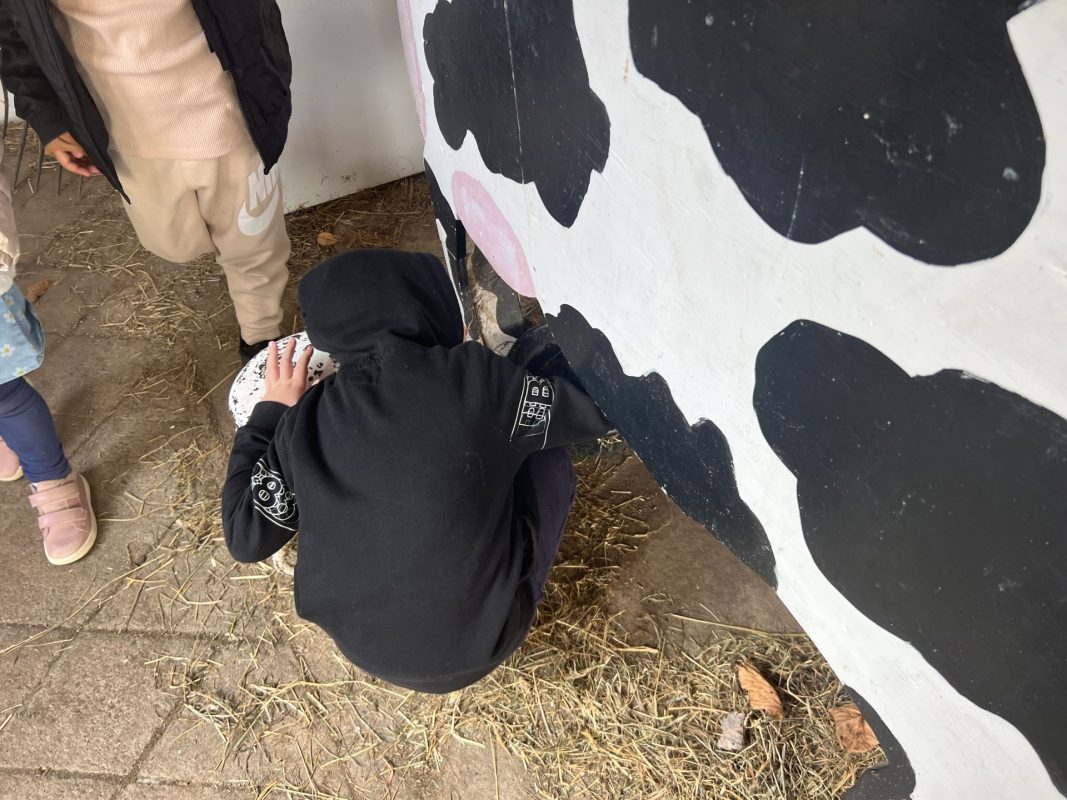
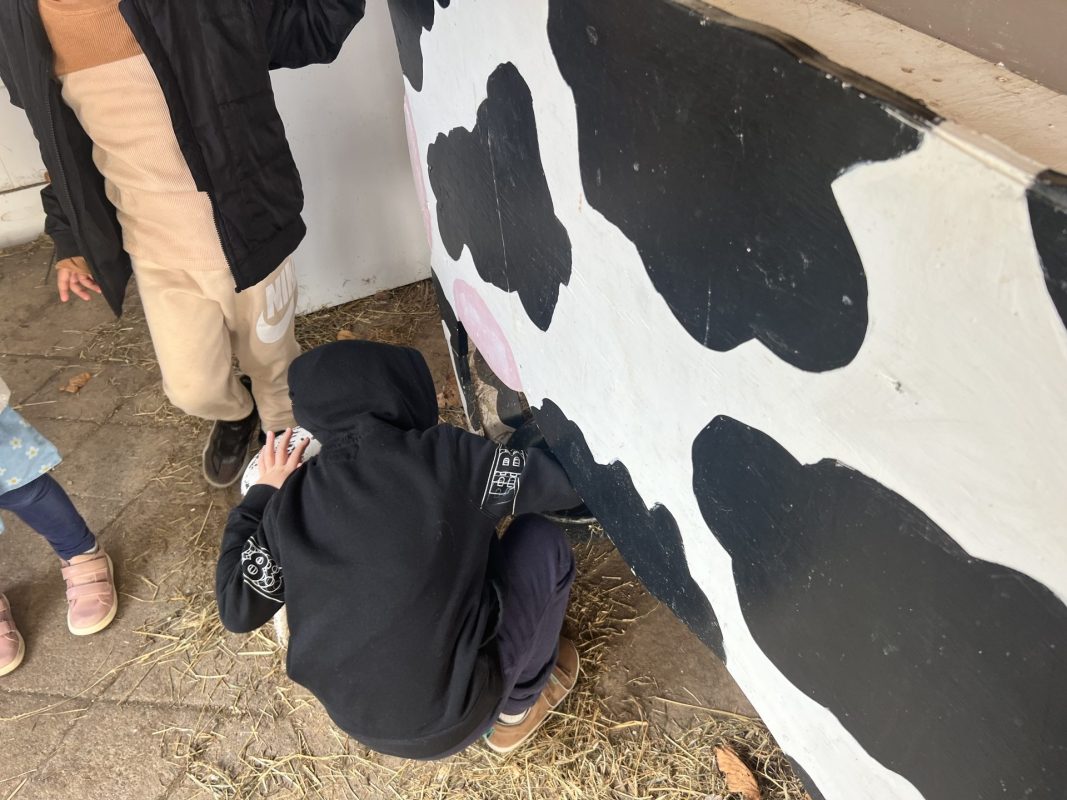
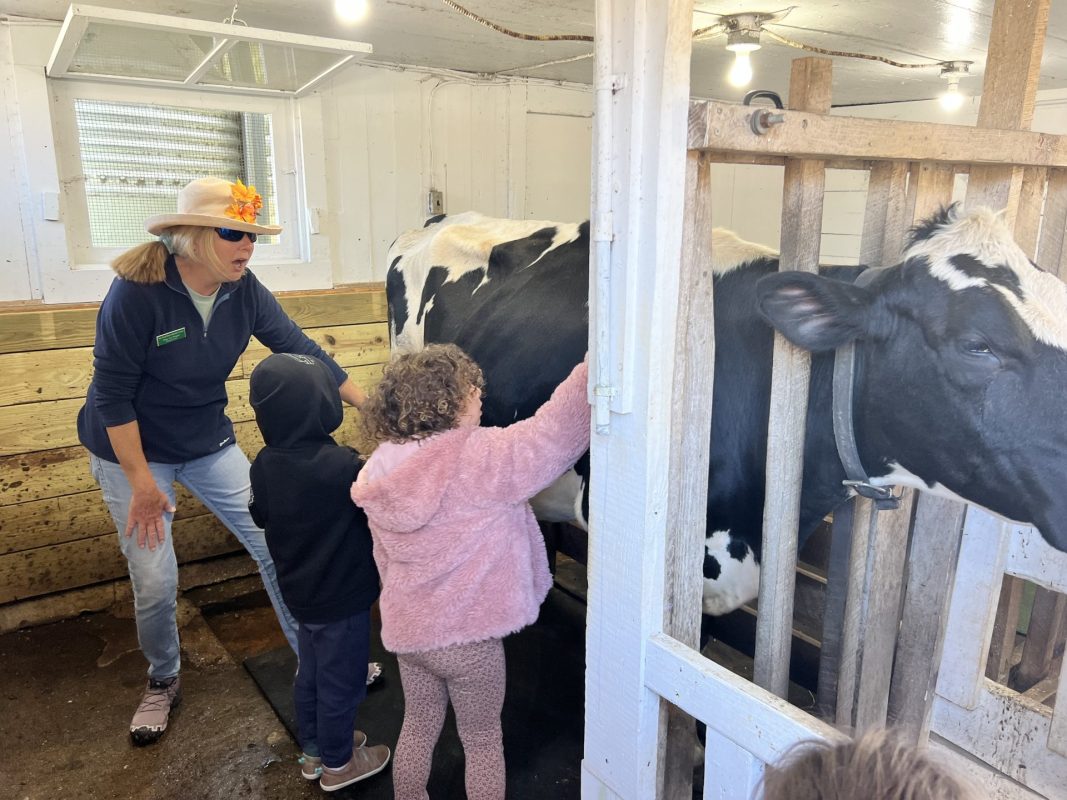
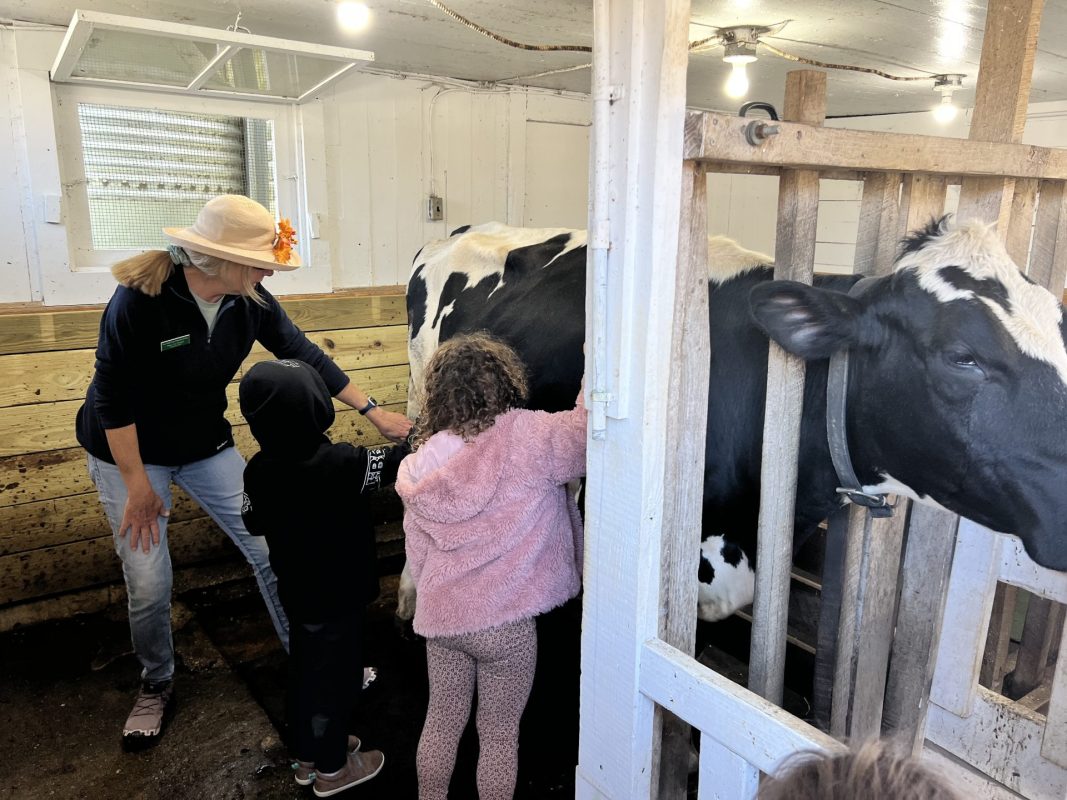
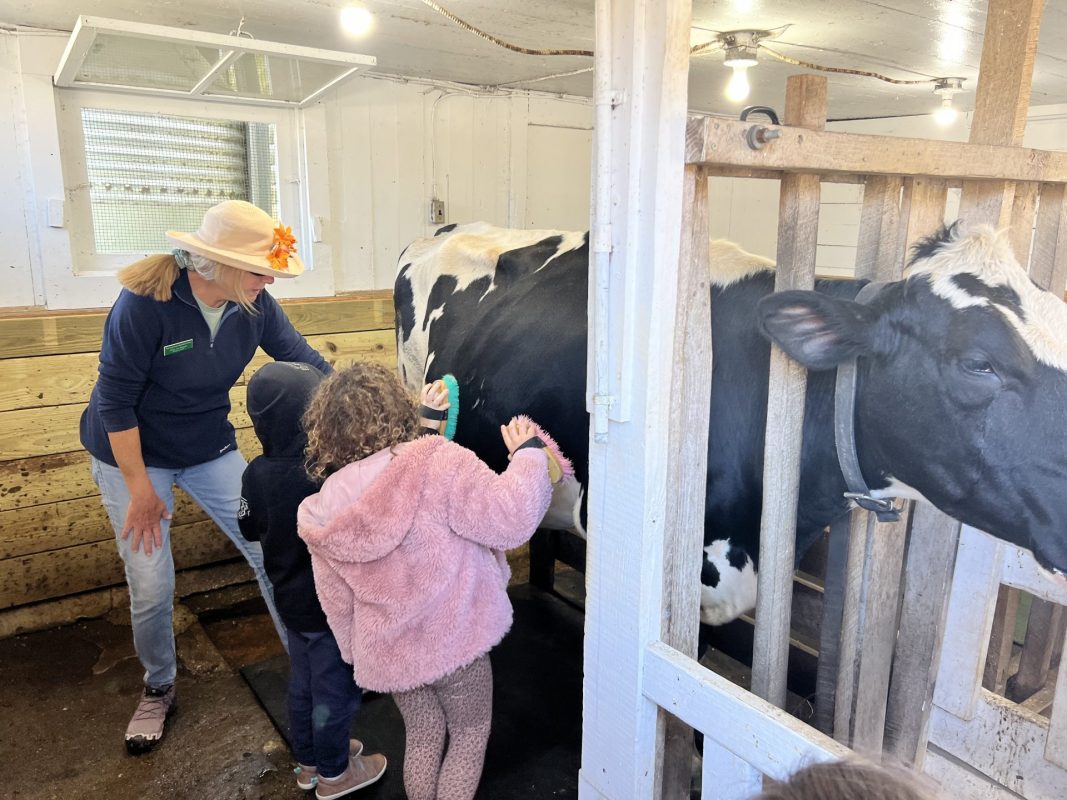
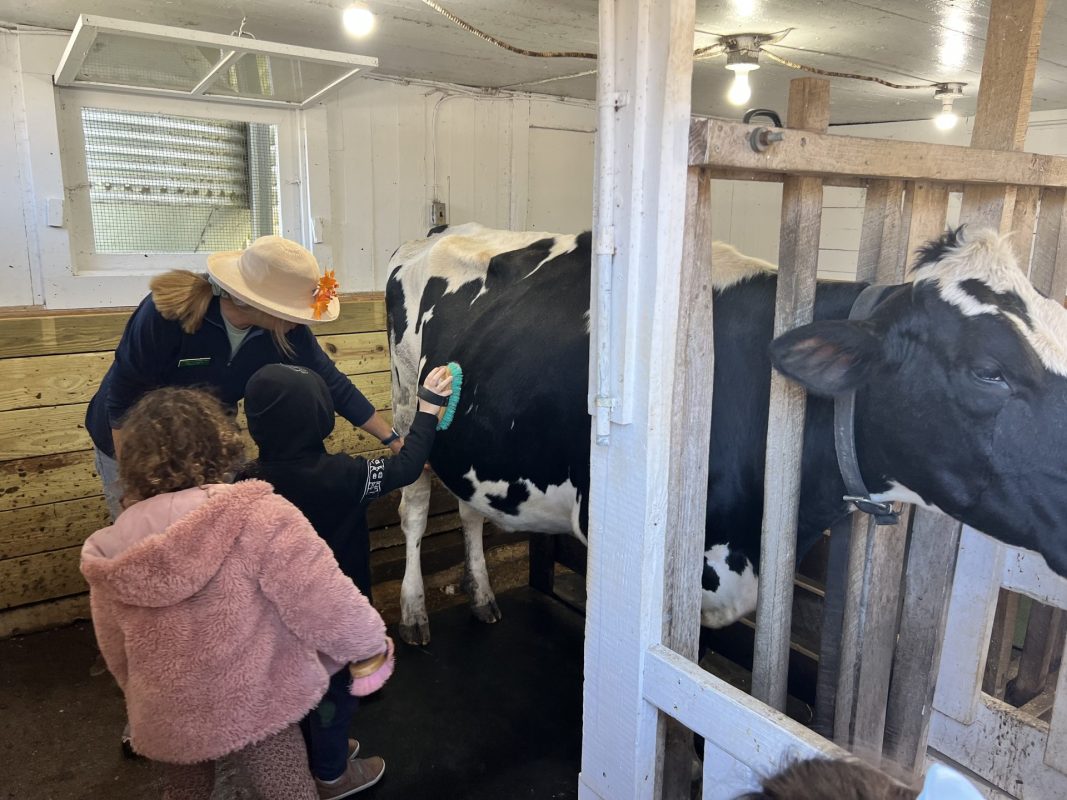
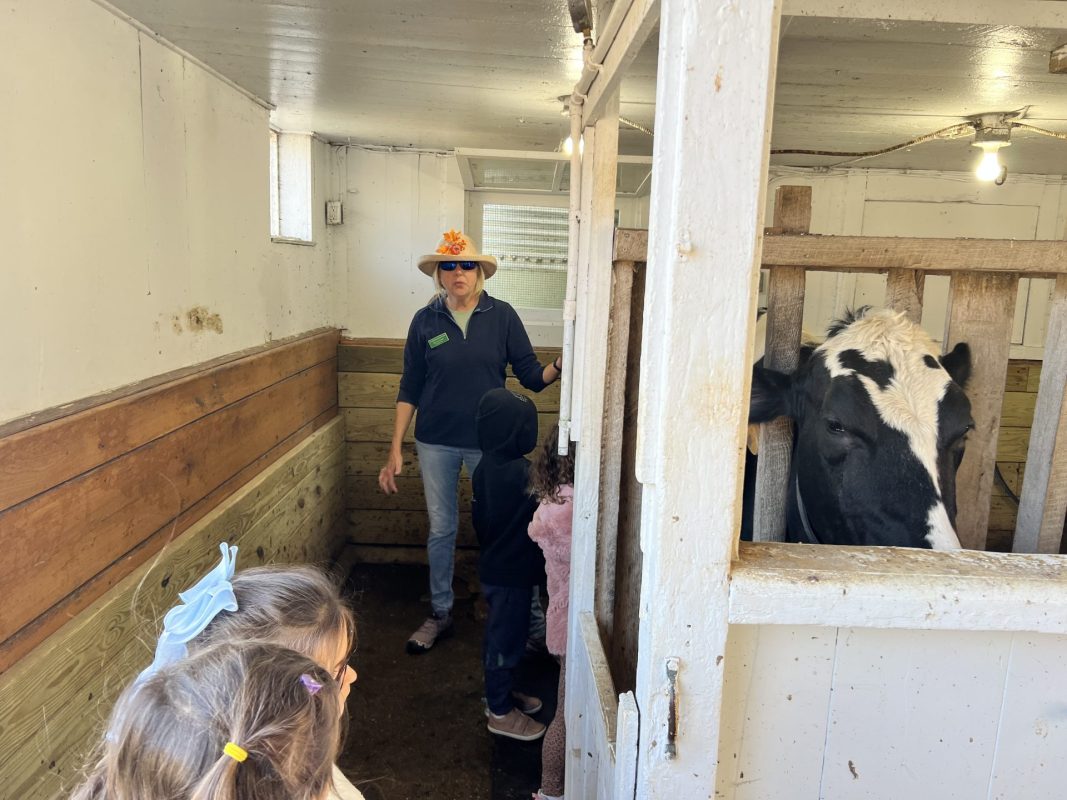
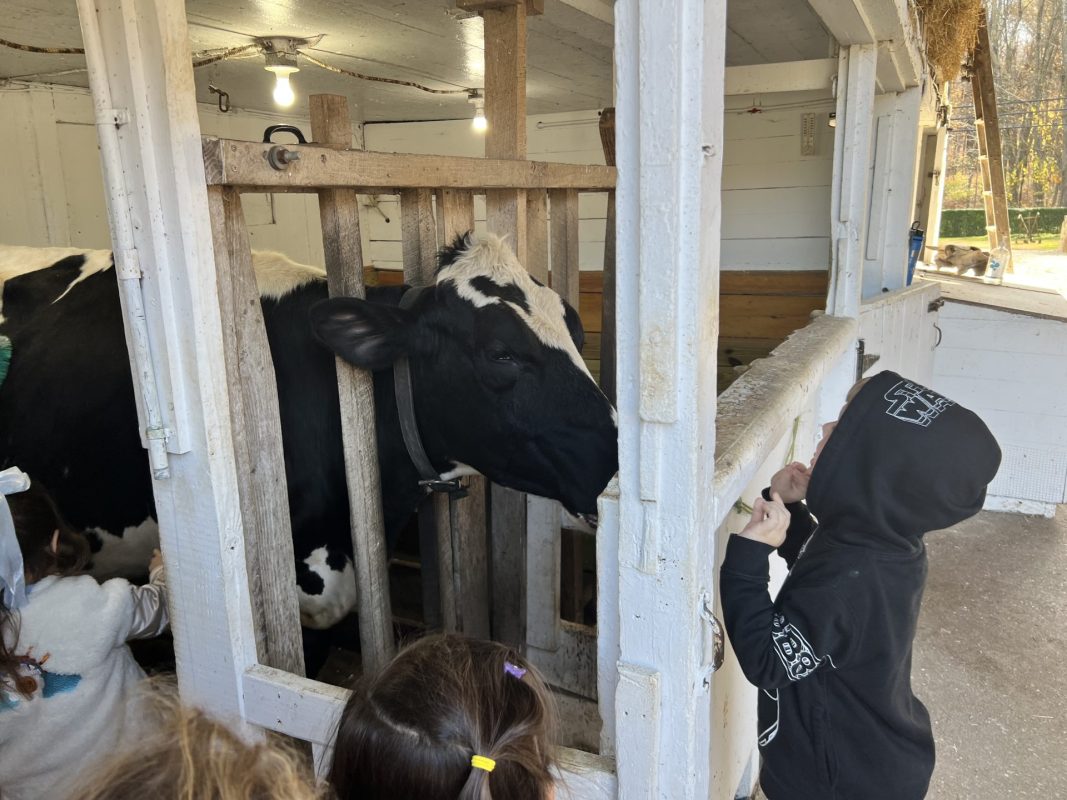
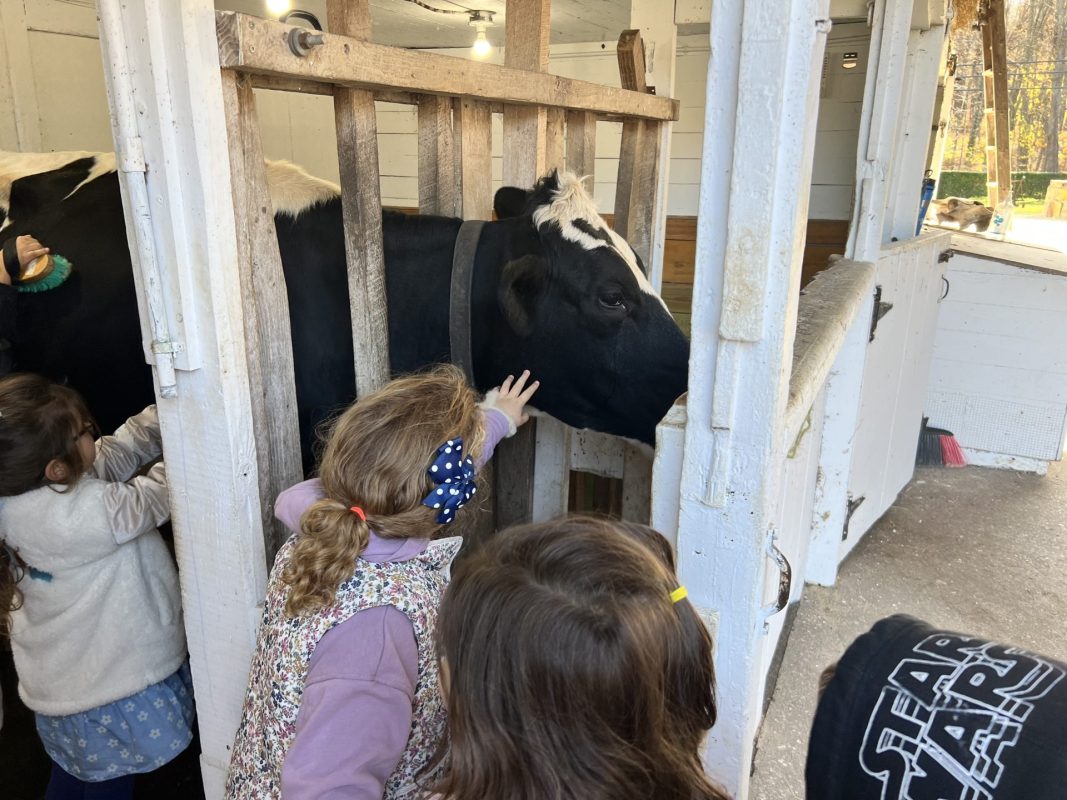
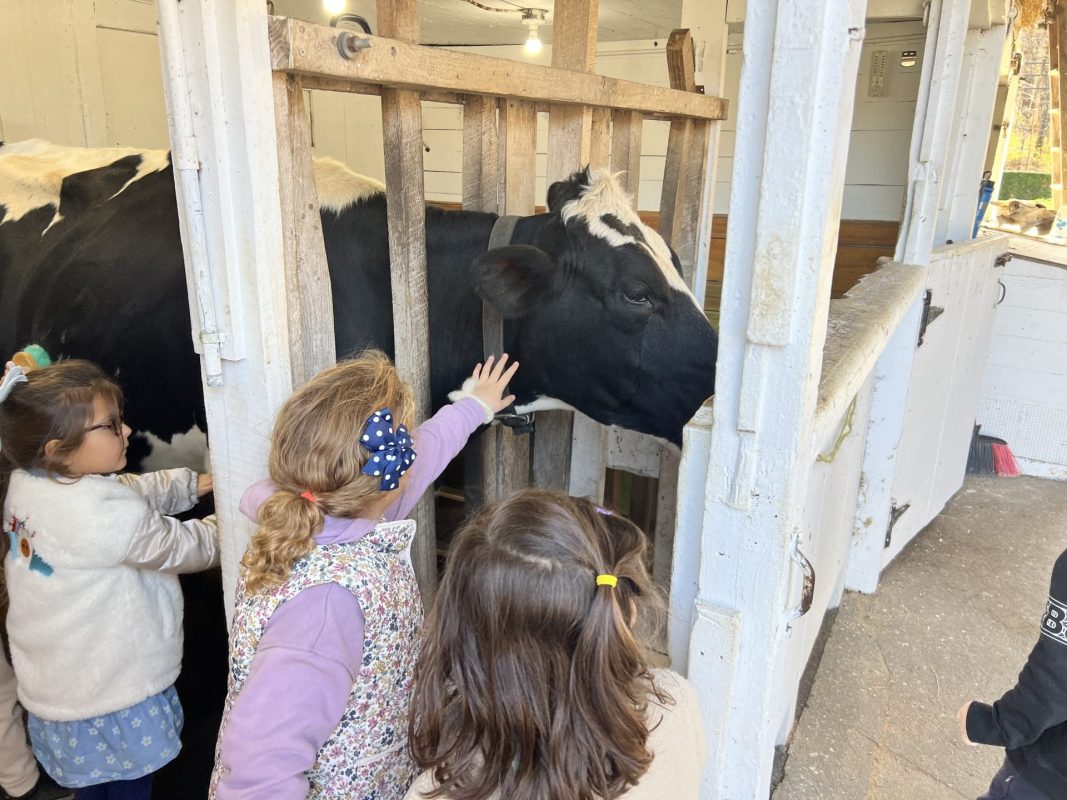
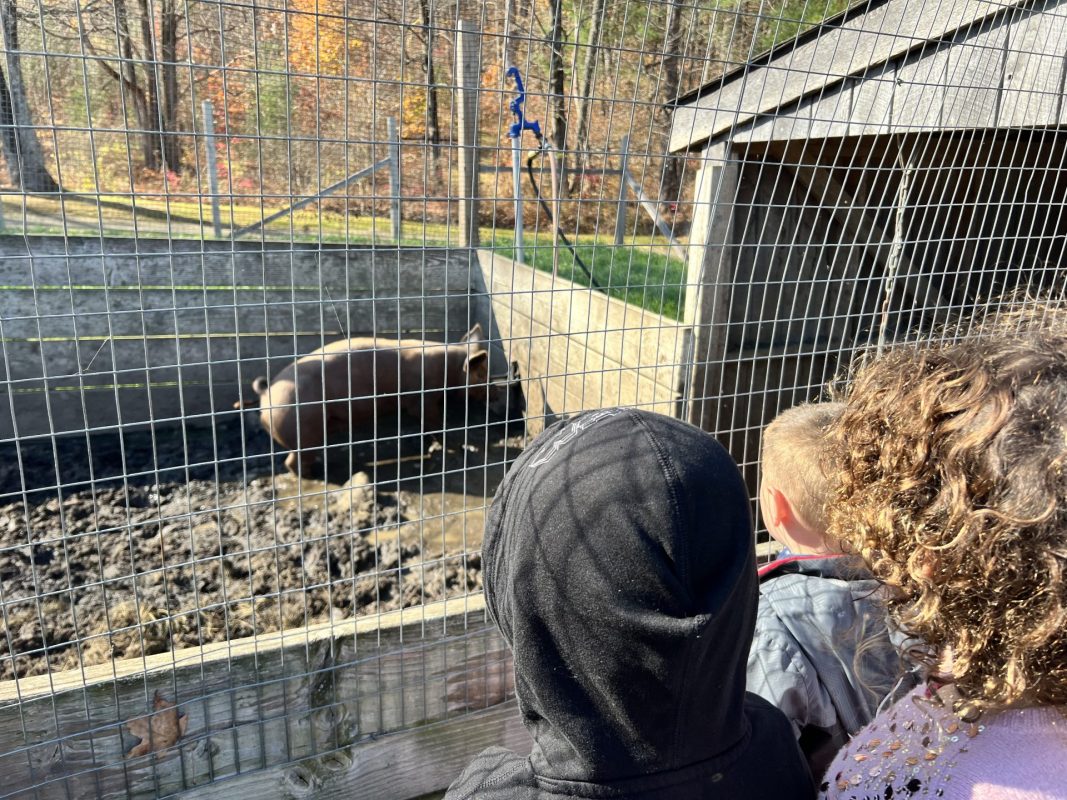
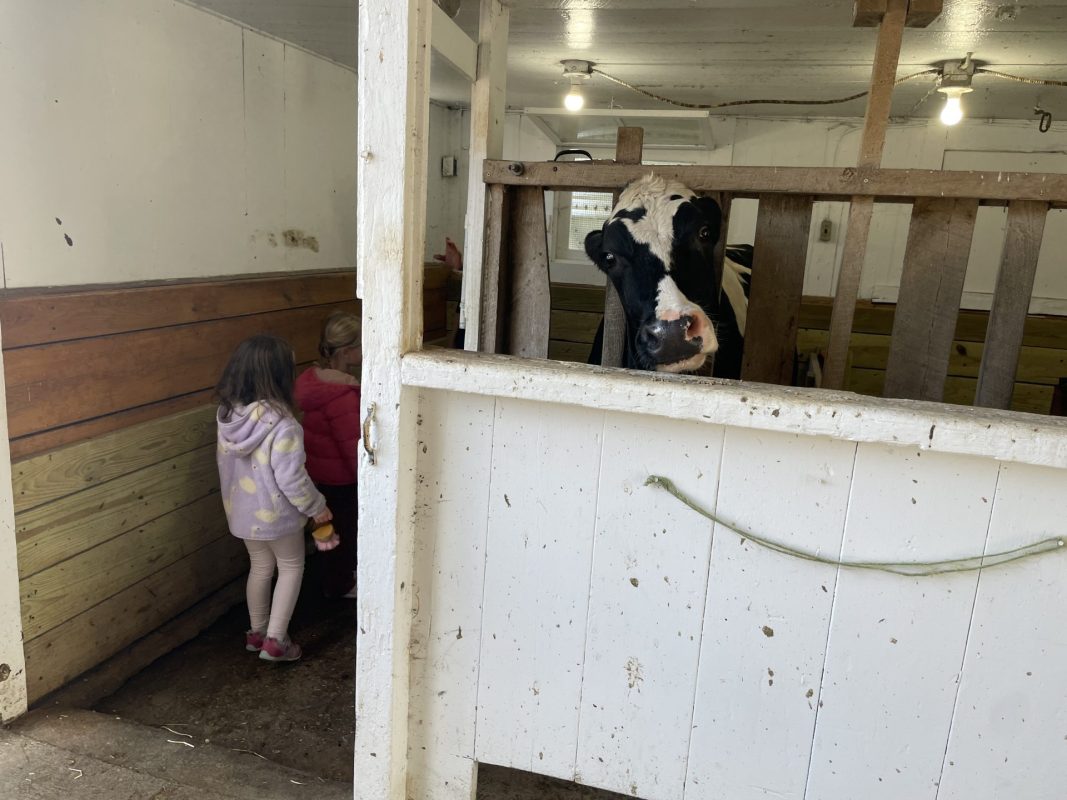
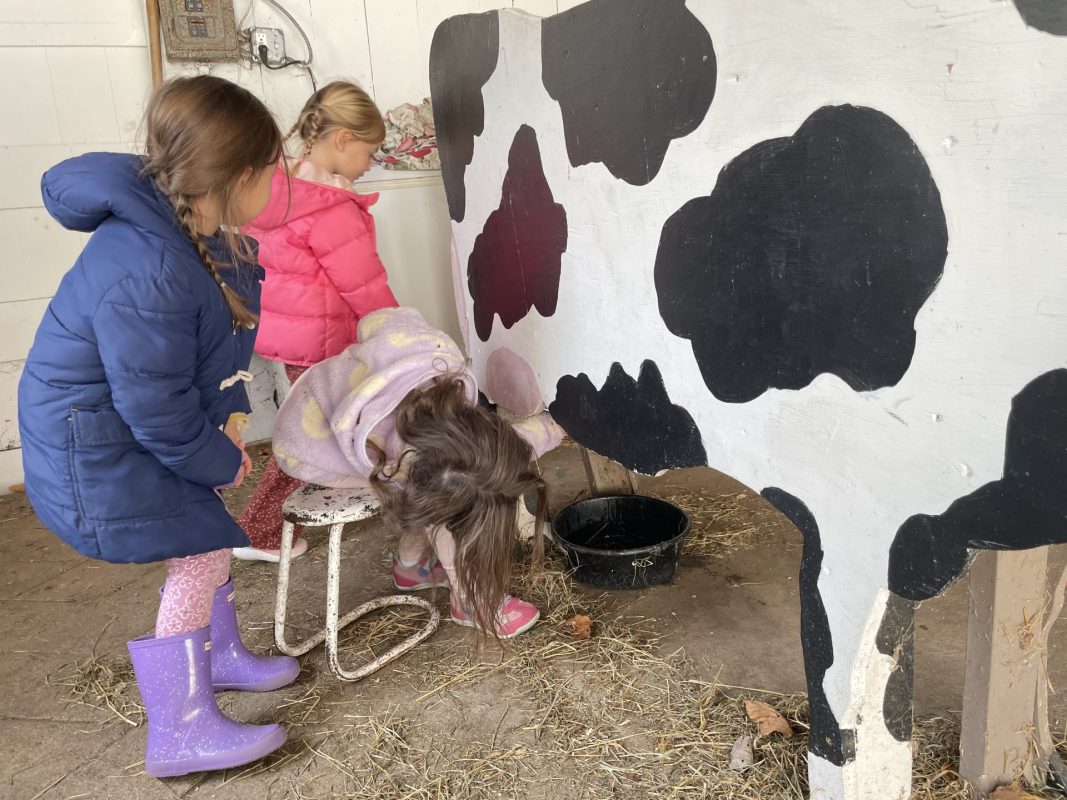
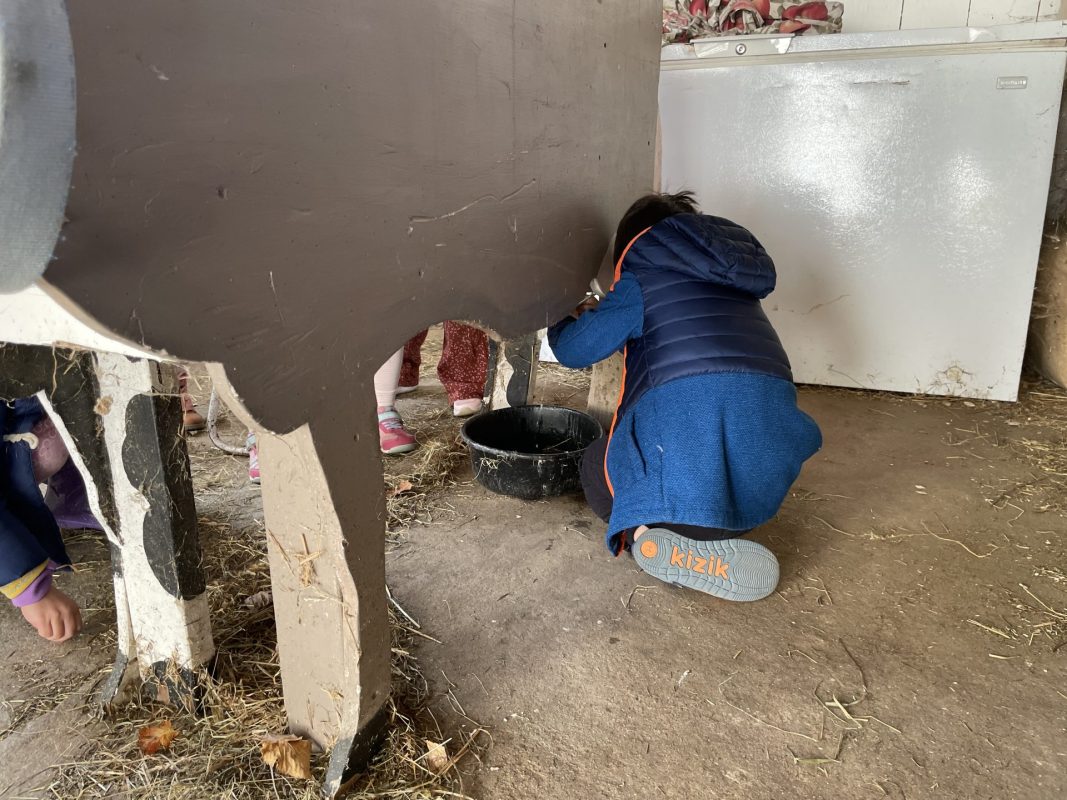
For the past few weeks, we’ve been exploring farm life and animals with the children. Mimicking animal sounds, like “moo” or “baa,” helps toddlers practice the rhythm and cadence of speech. These simple, repetitive sounds are easy for them to reproduce, strengthening their ability to form and articulate words. They also sharpen auditory discrimination, a key skill for distinguishing between similar sounds as their vocabulary grows.

To tie our farm theme with learning Spanish, we introduced “La Vaca Lola” (The Cow Named Lola) this week, a lively song that instantly caught the children’s attention! It’s been wonderful to see some of our students already singing the words in Spanish while others watch closely and listen as I sing. To keep the fun going at home, I encourage you to take advantage of this beautiful weather and visit a farm nearby! Point out the animals, name them, and practice their sounds with your child. You’ll be amazed at how quickly they catch on.

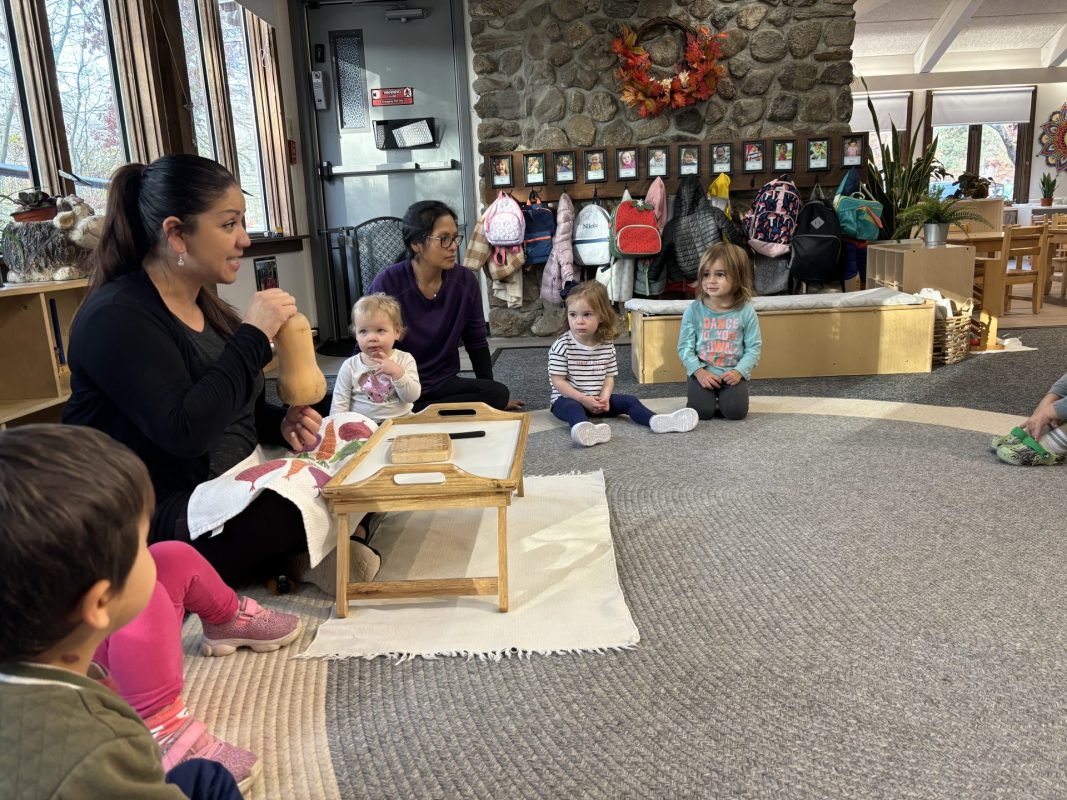
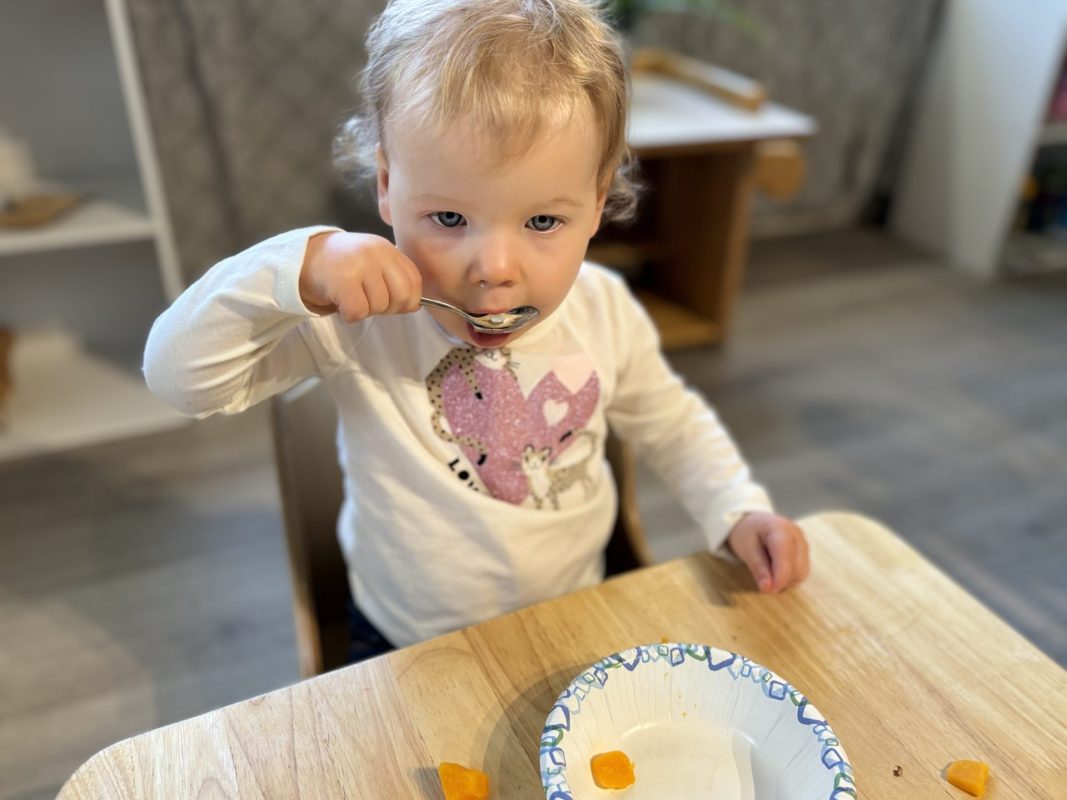
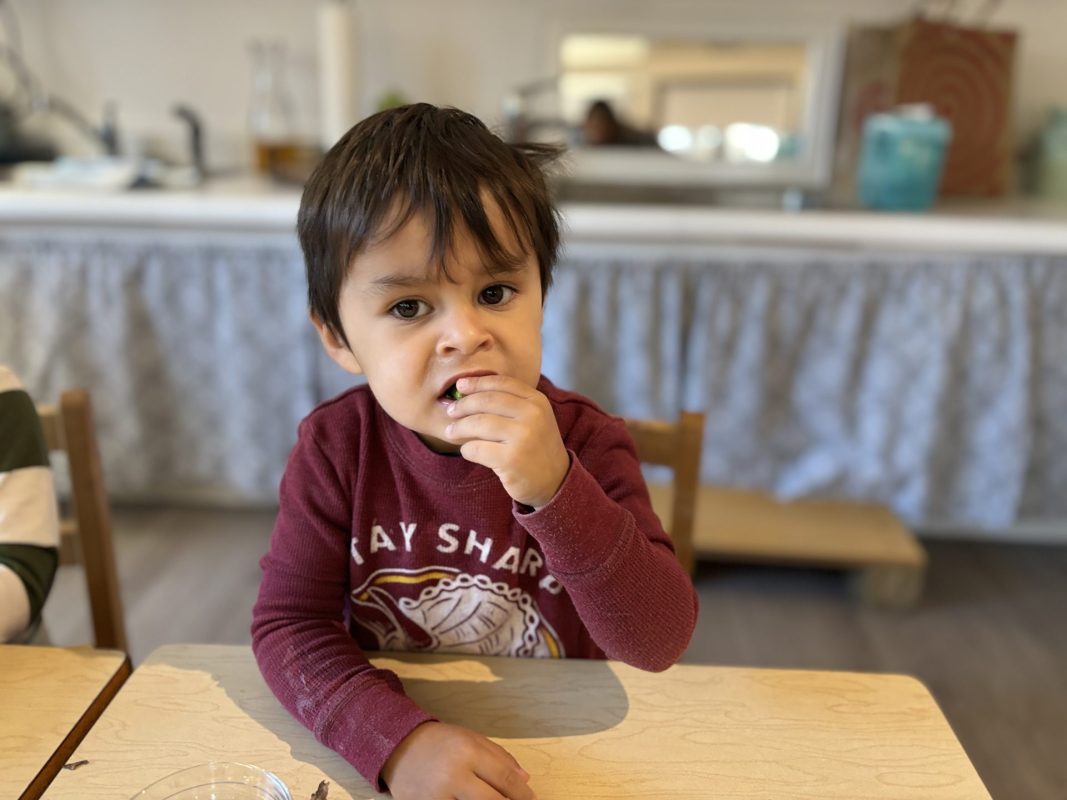
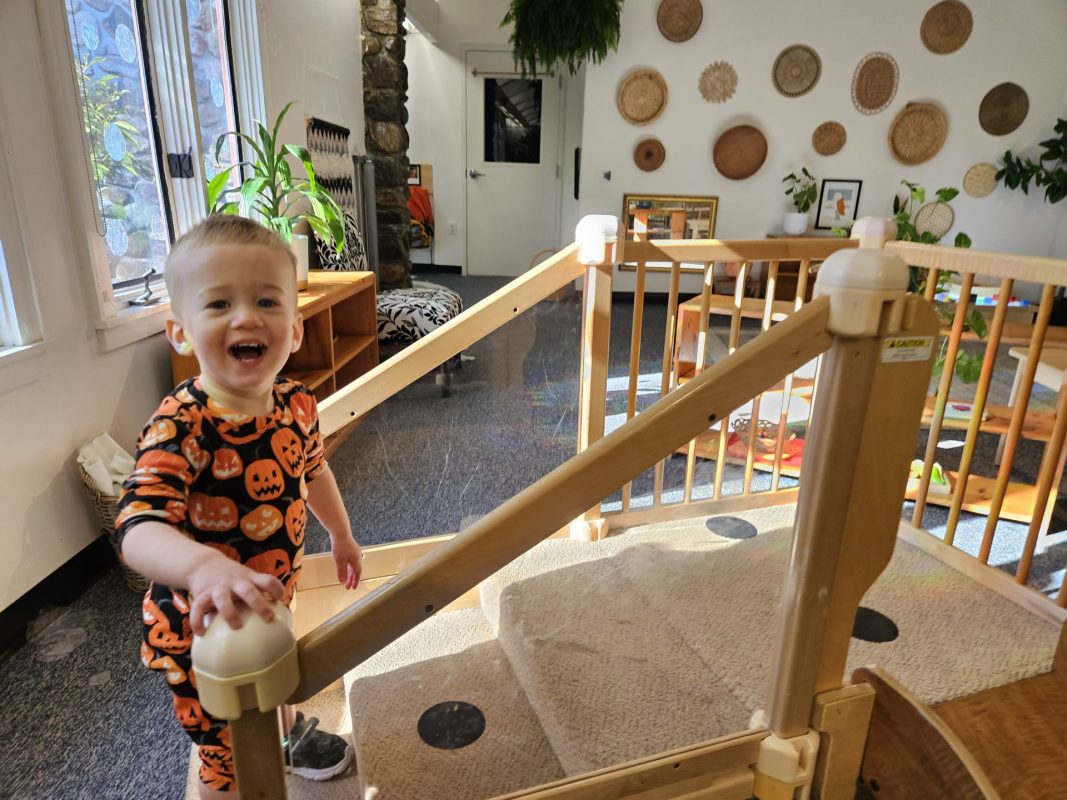
On another note, we had a big highlight this week: the introduction of our first food-tasting lesson! The excitement was high as I placed the food-tasting tray in front of the children, especially for our second-year students, who knew what was coming. The children gathered quietly, eyes wide with anticipation, as I slowly lifted the towel to reveal the surprise underneath—an apple!

First, I showed the apple whole, then cut it in half, and finally, served it in slices. We used descriptive words like “cold,” “smooth,” “red,” and “tasty” to expand their vocabulary while they touched and examined the fruit. I took a piece and tasted it slowly and dramatically, building their curiosity and excitement before inviting them to taste. Everyone joined in and enjoyed some delicious apple slices. This food-tasting activity is a favorite every year, and we can’t wait to explore new flavors each week.

We also had a special celebration this week—our first classroom birthday! It’s amazing to watch how much our little friends grow in such a short time.

And just for some extra fun at home, I’ve included the music video of “La Vaca Lola” below. Go ahead, turn up the volume, and enjoy it with your little ones!

Enjoy the weekend,

Mrs. Hood and Ms. Noelle

La vaca Lola (The cow named Lola)

La vaca Lola (The cow named Lola)

Tiene cabeza (has a head)

Y tiene cola (and it has a tail)

Y hace moo! (and she says moo)


We look forward to seeing you at Parent-Teacher Conferences on October 25. Please sign up for your conference here.


Hello Fall with Ms. Mollie’s Class


Hello Fall

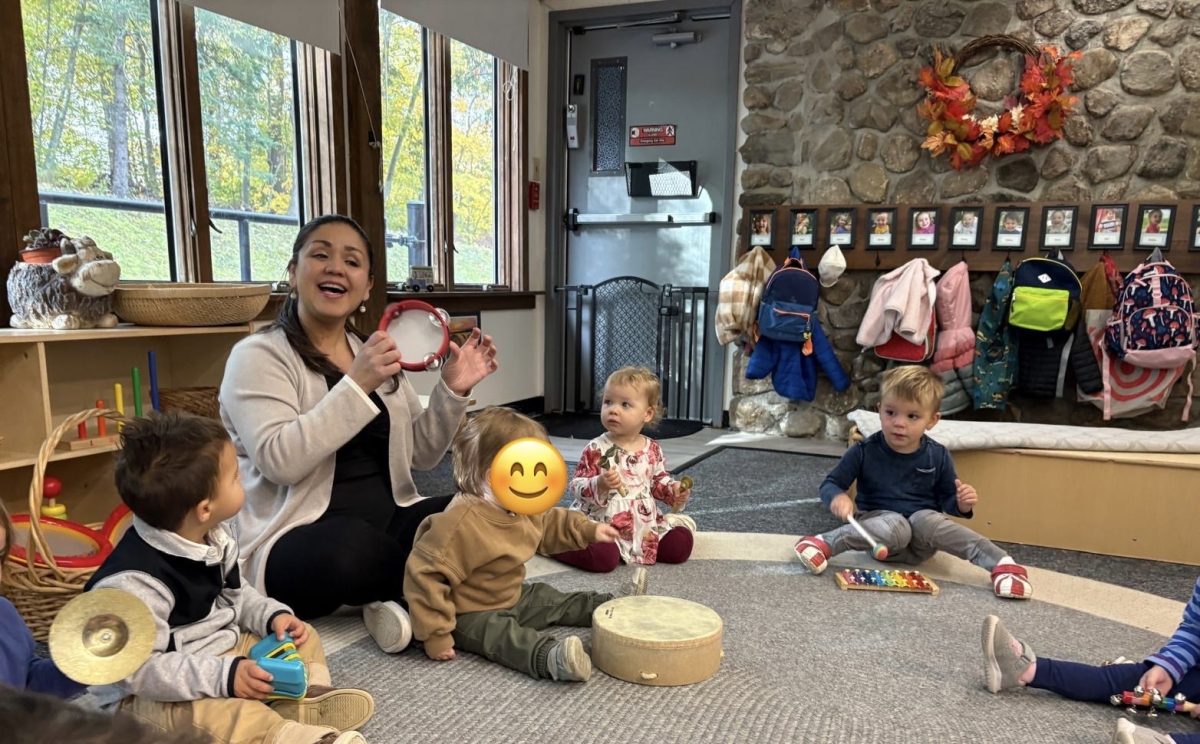
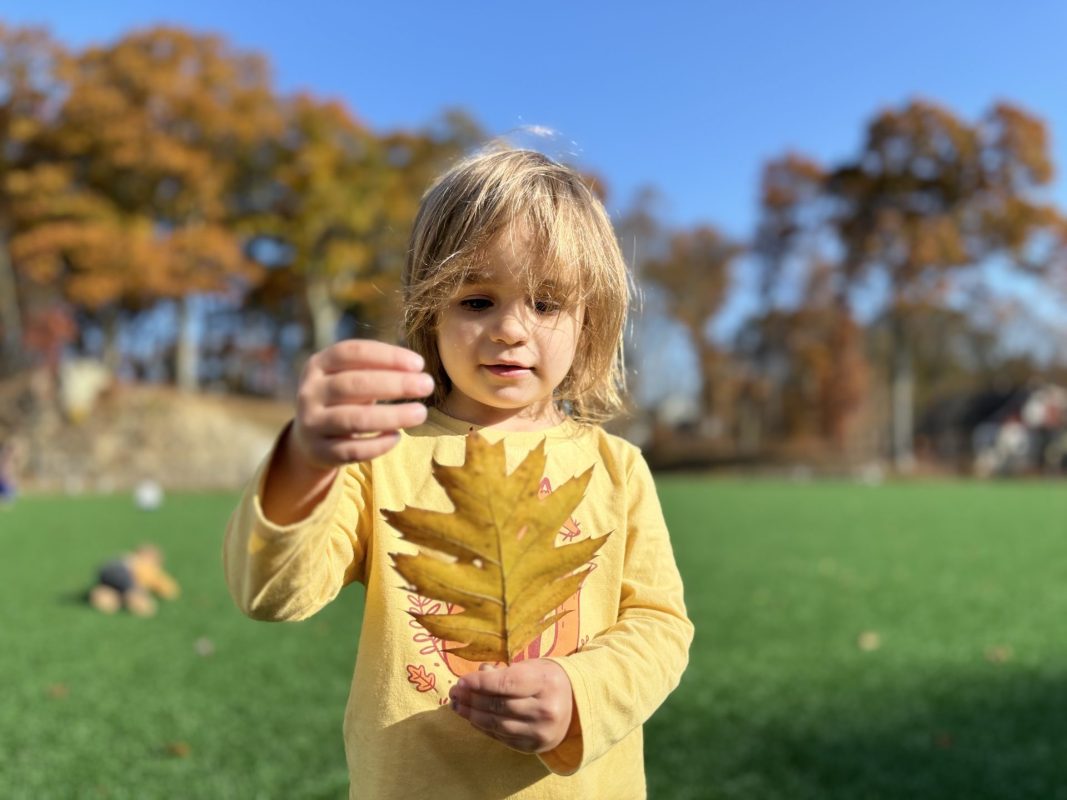
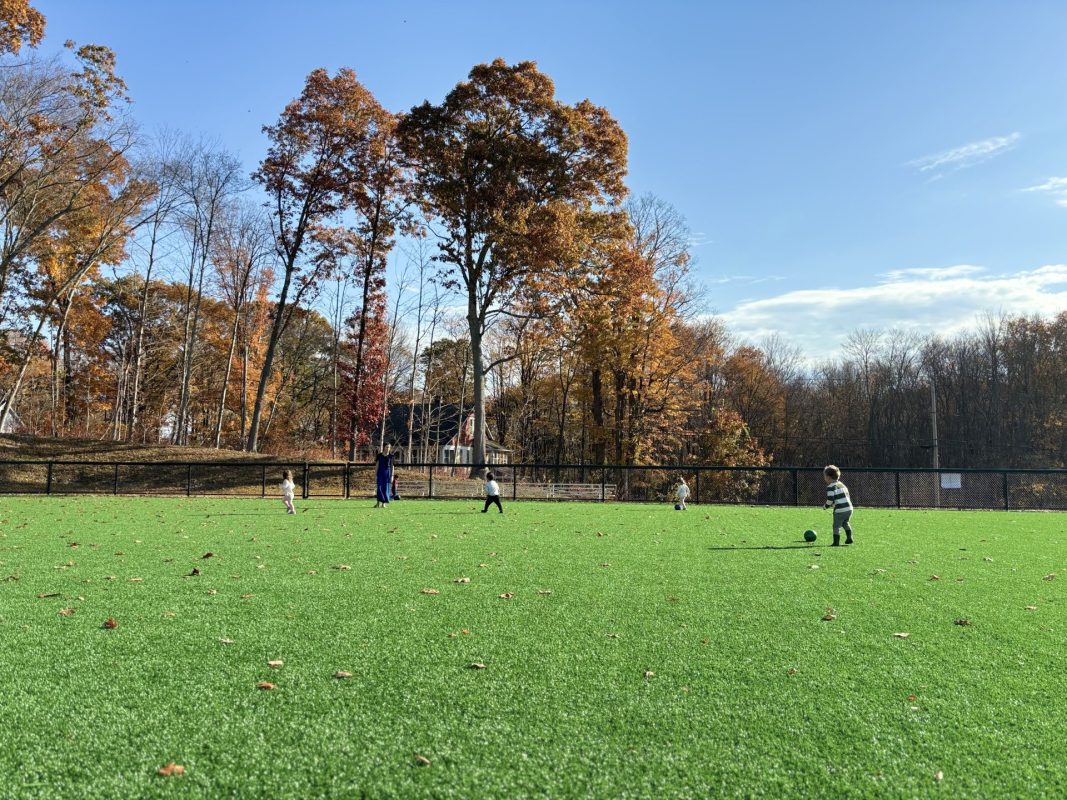
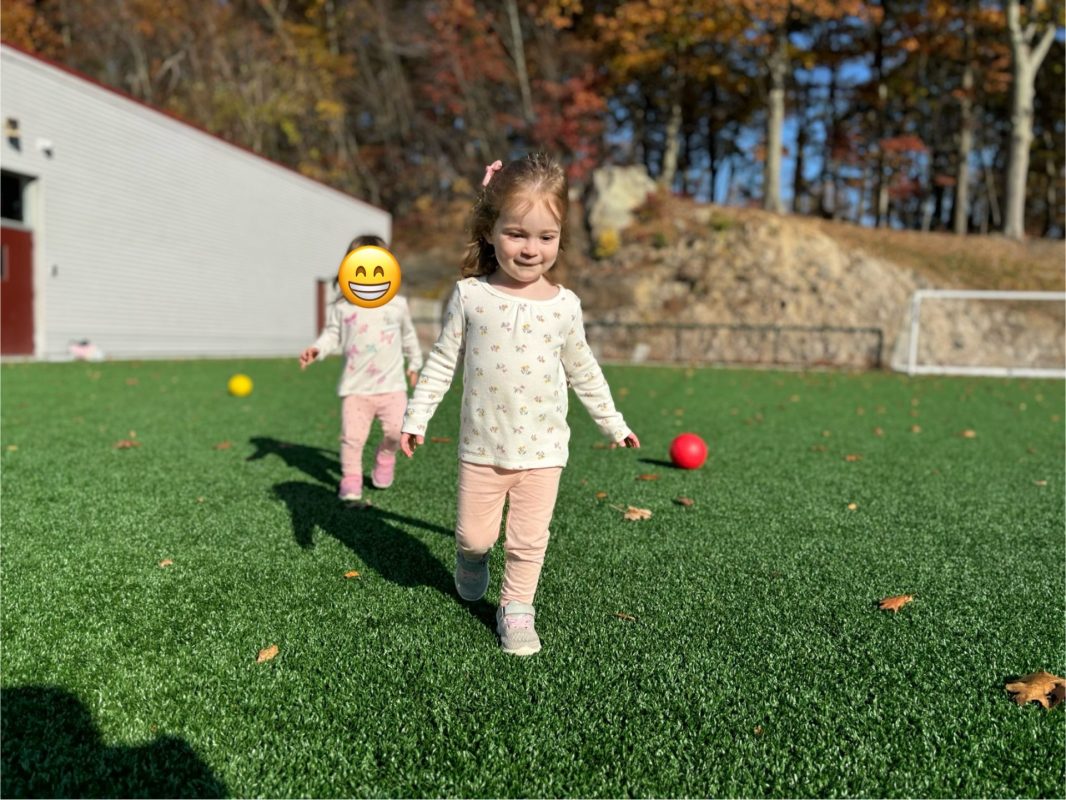
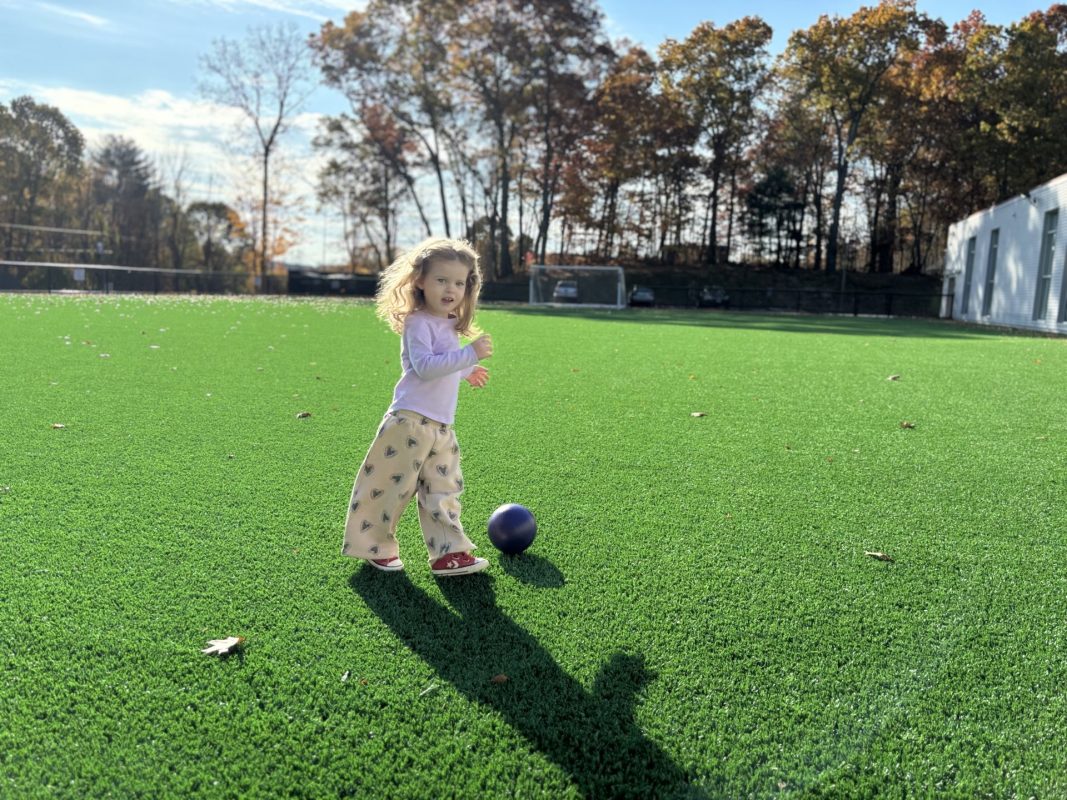
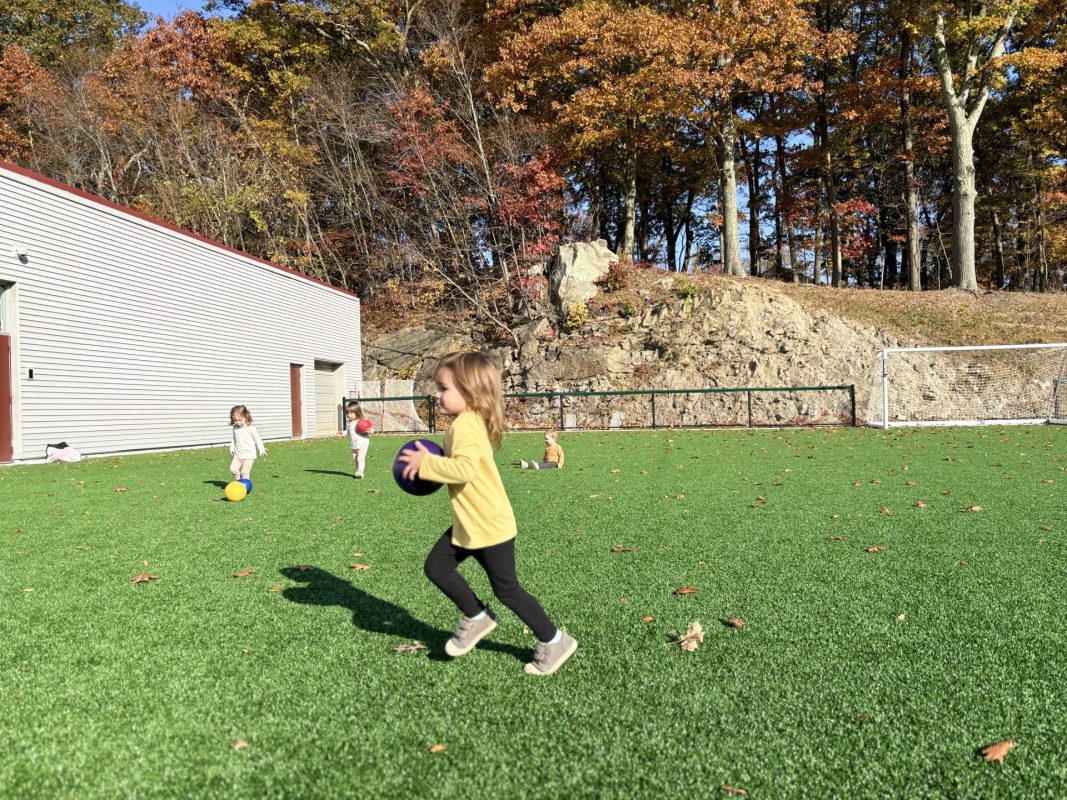
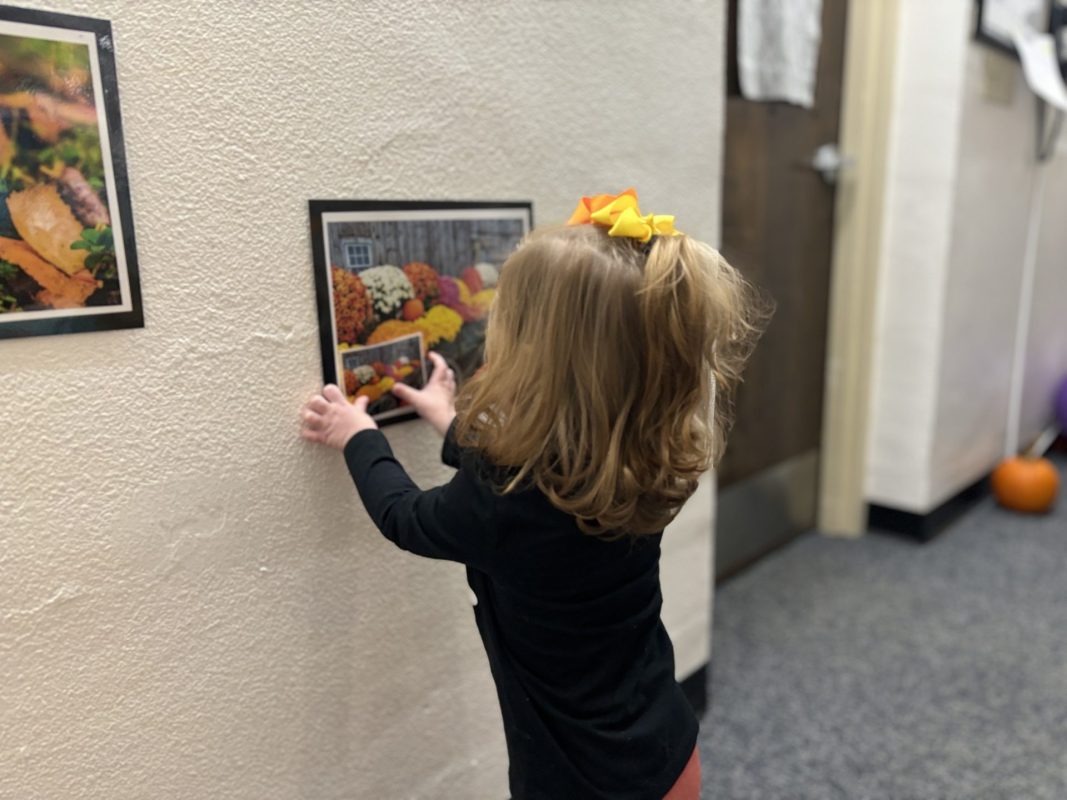
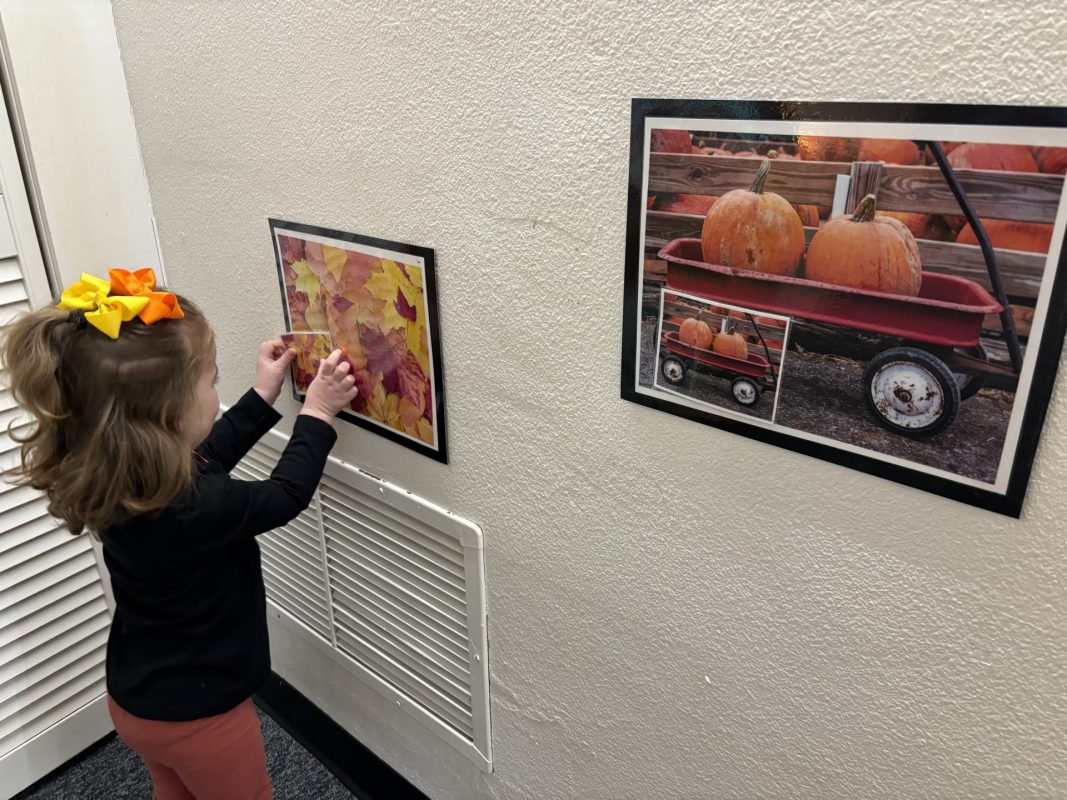
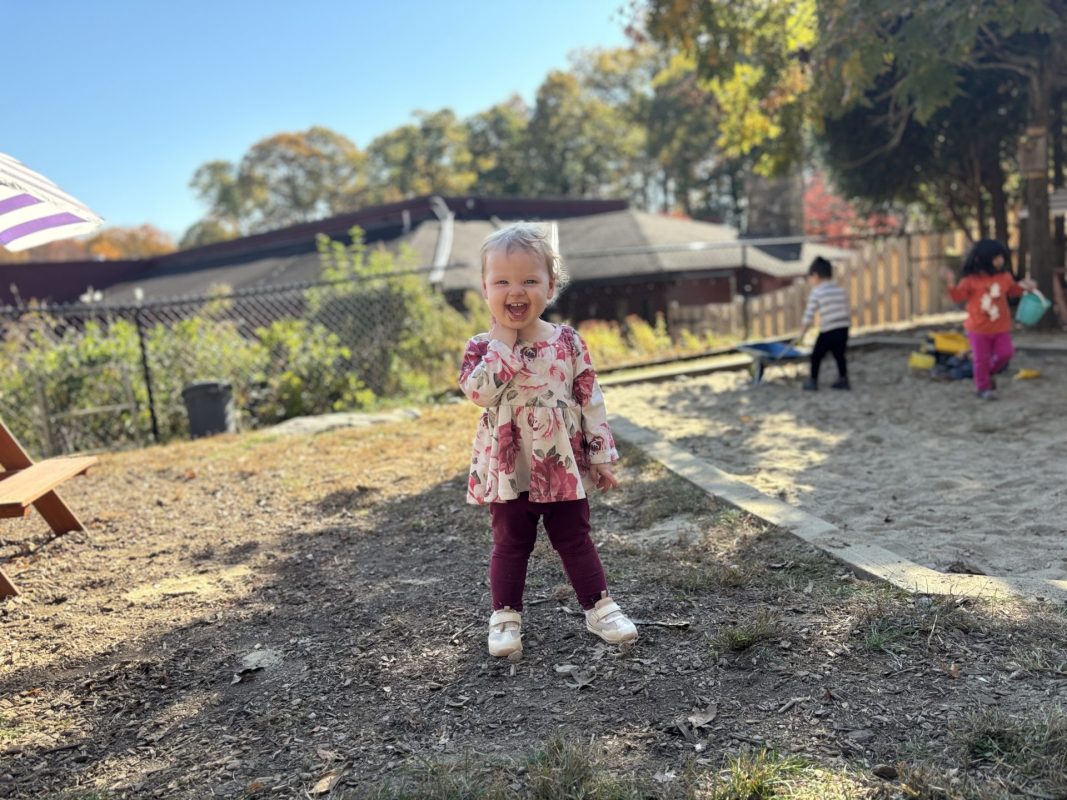
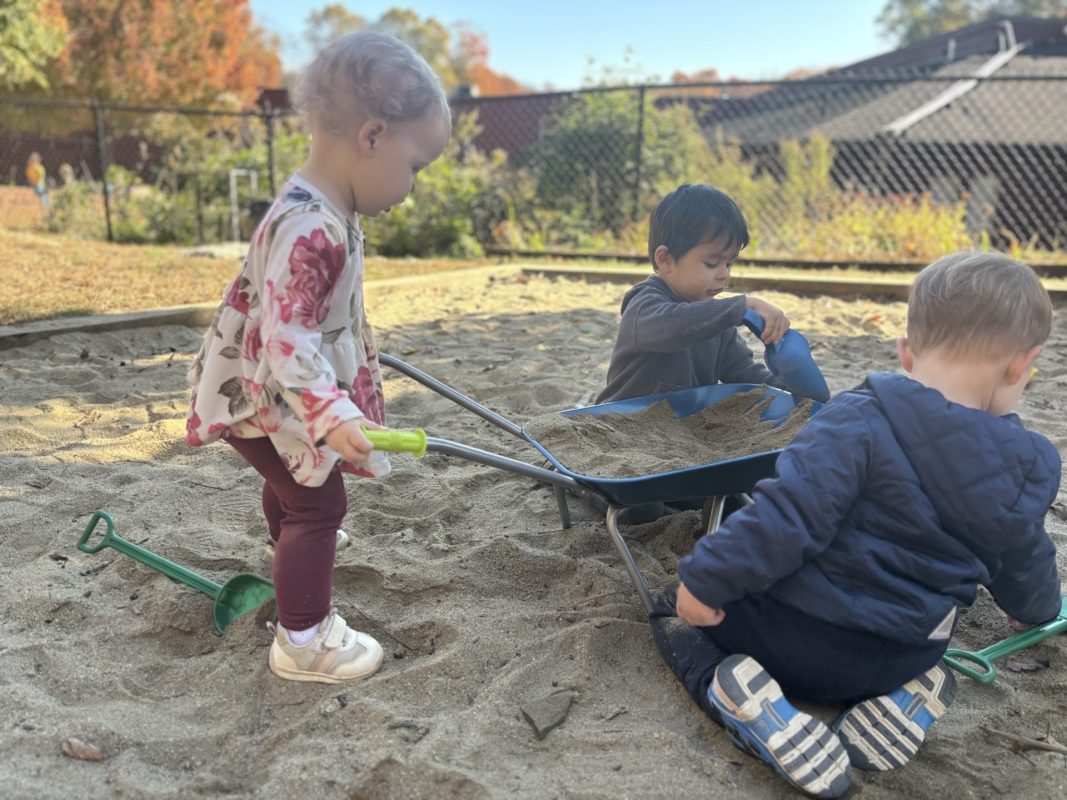
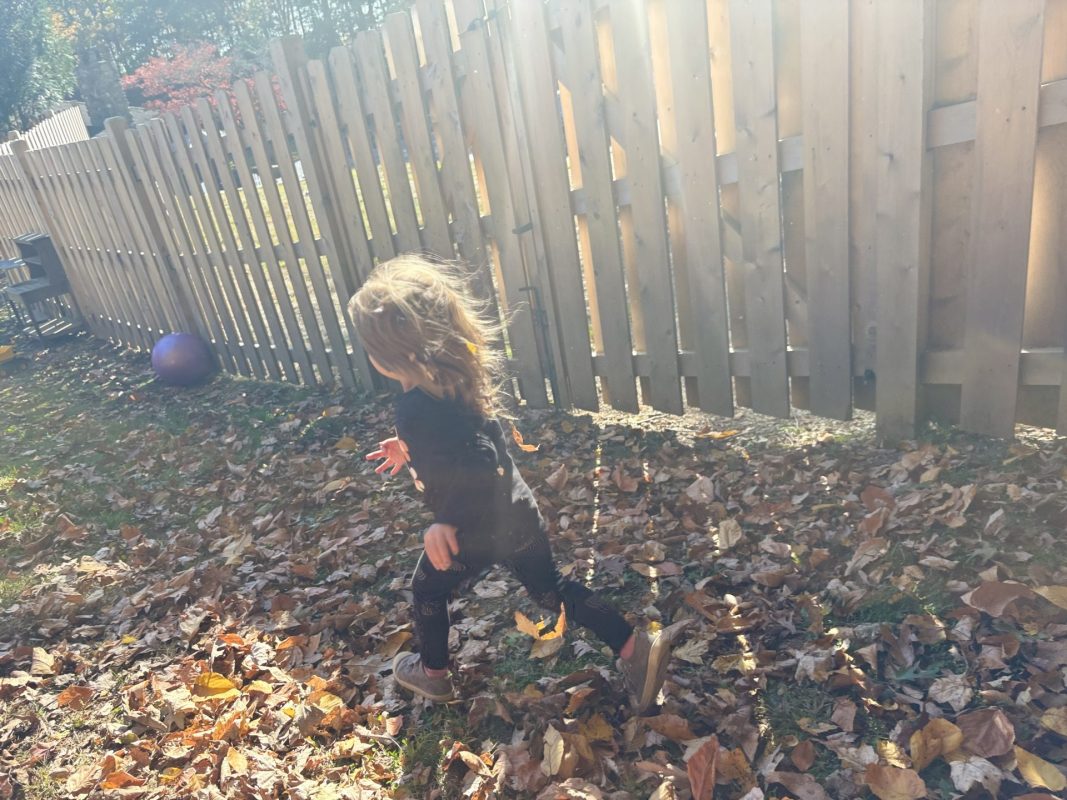
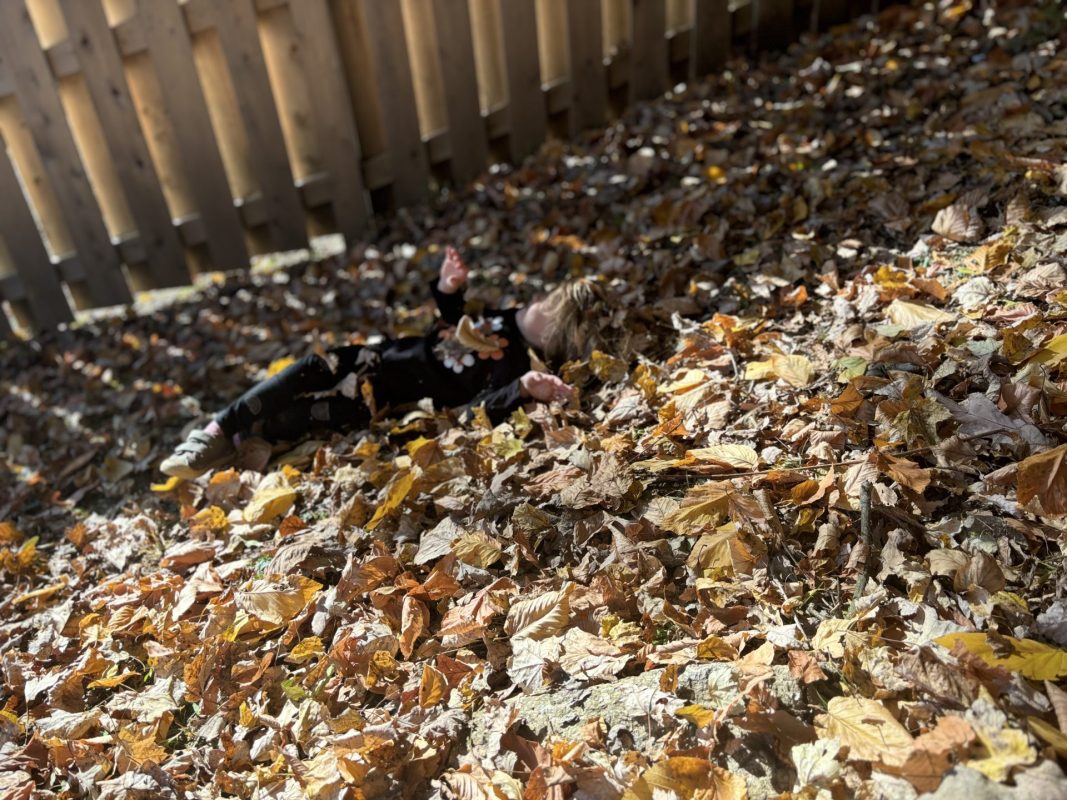
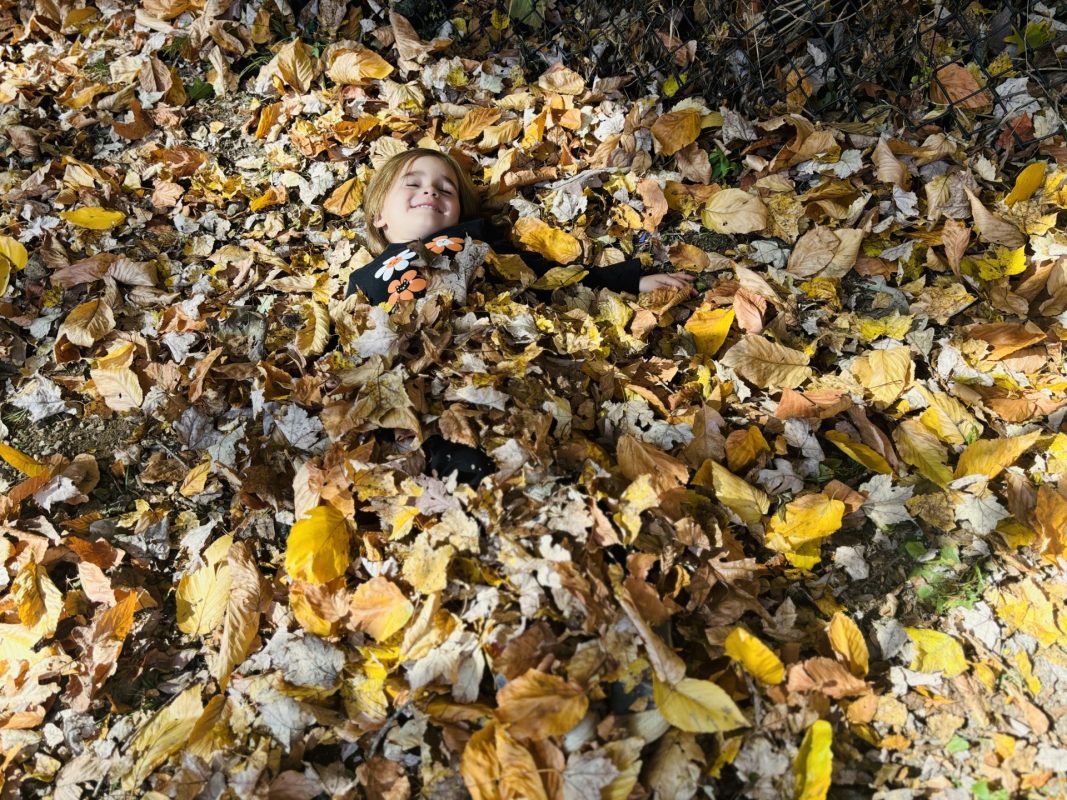
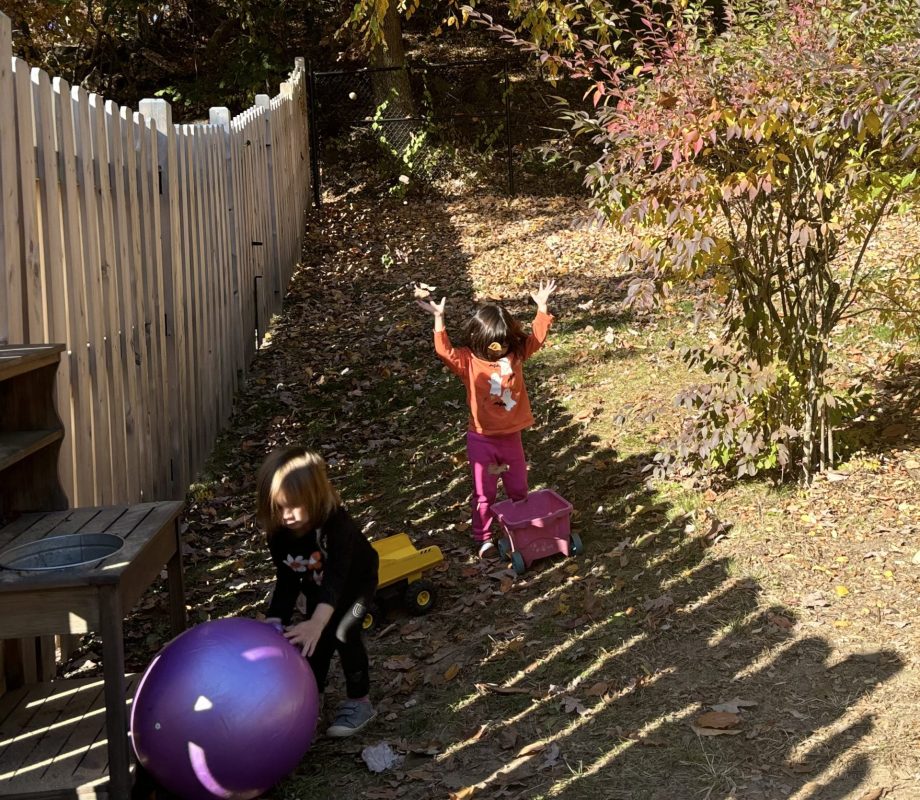
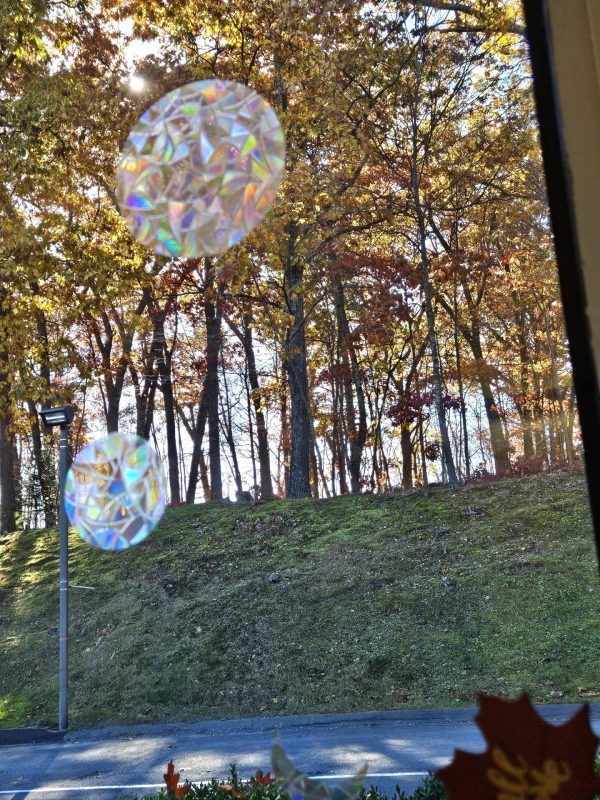
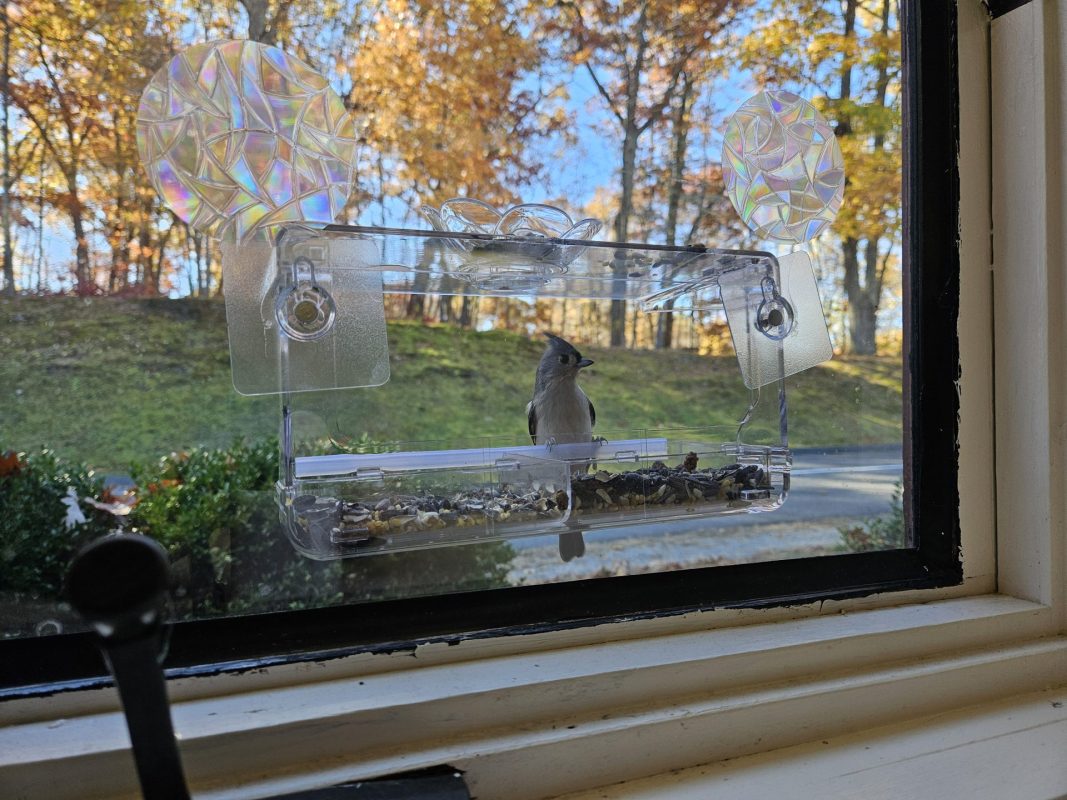
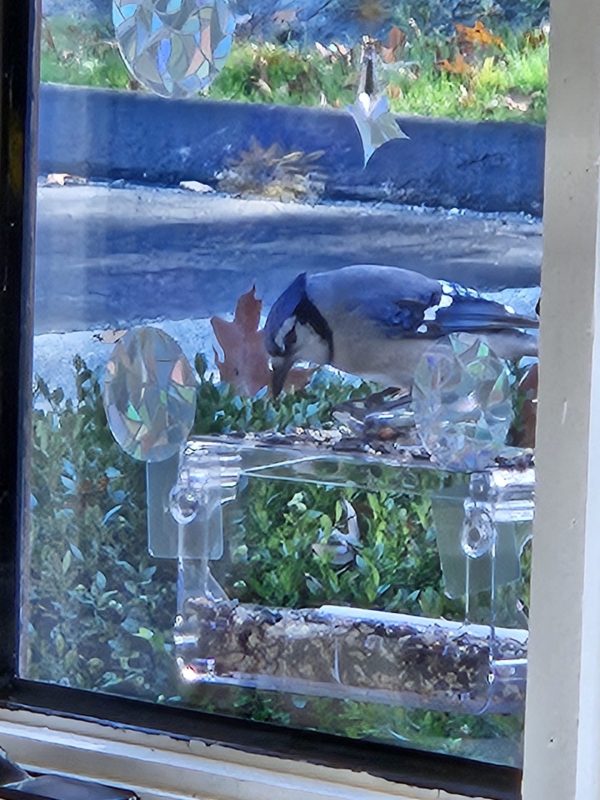
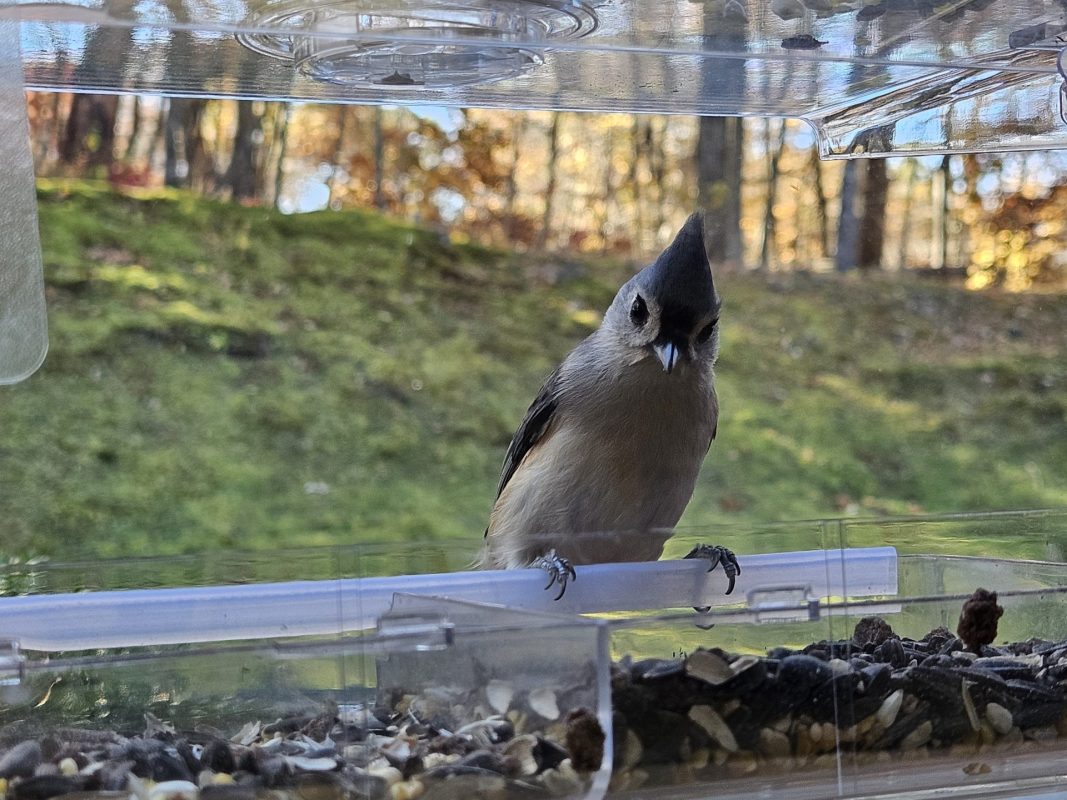
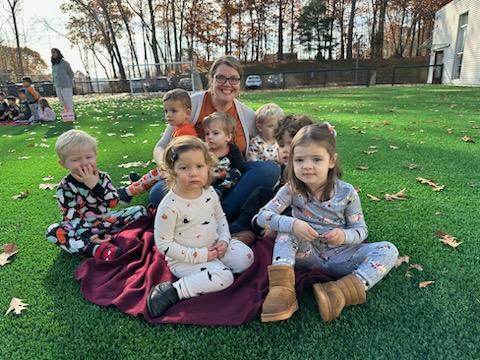
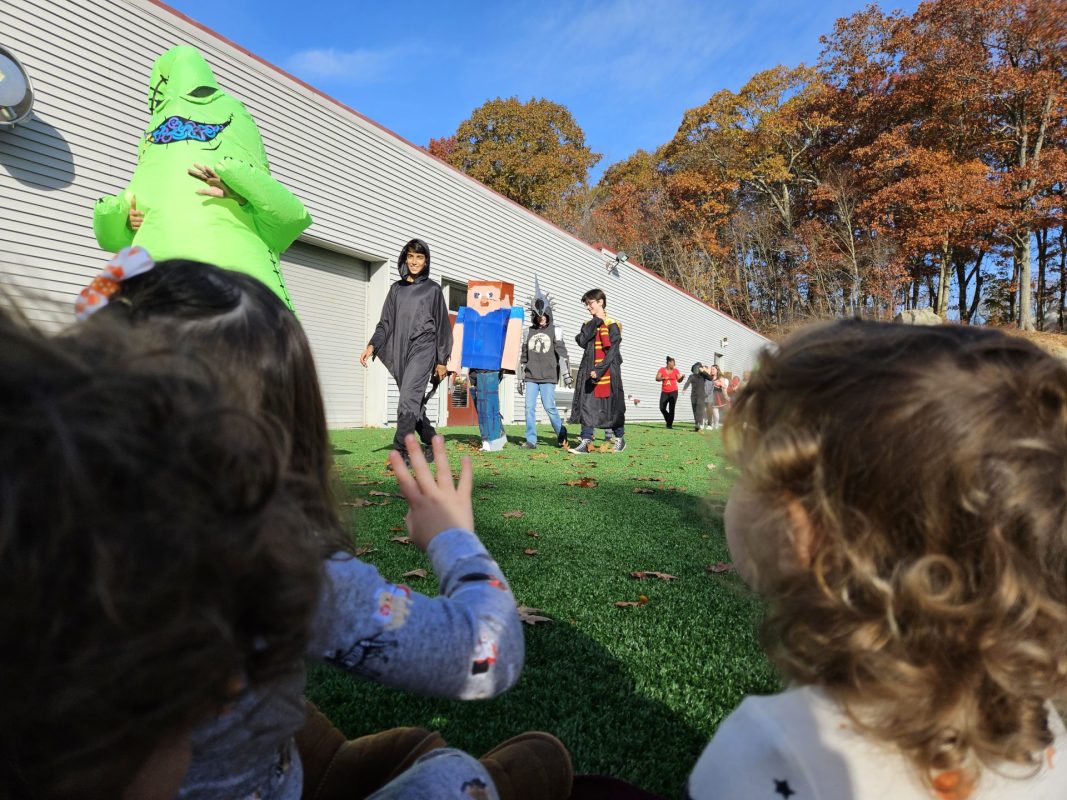
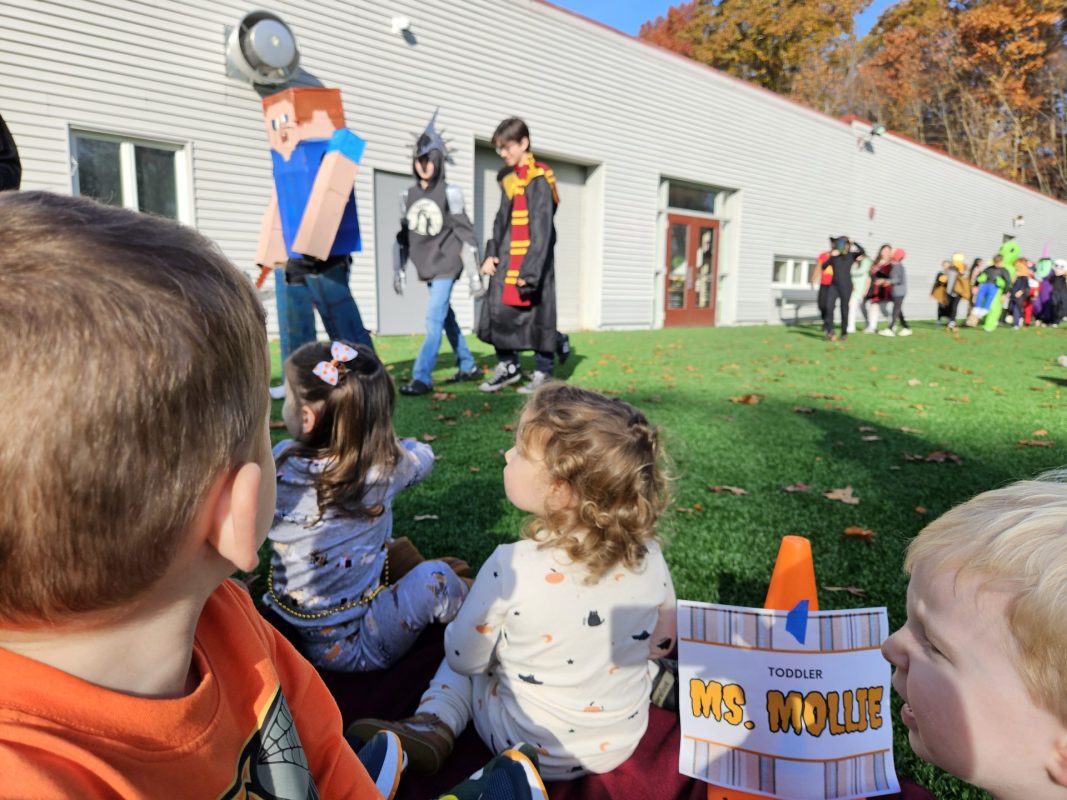
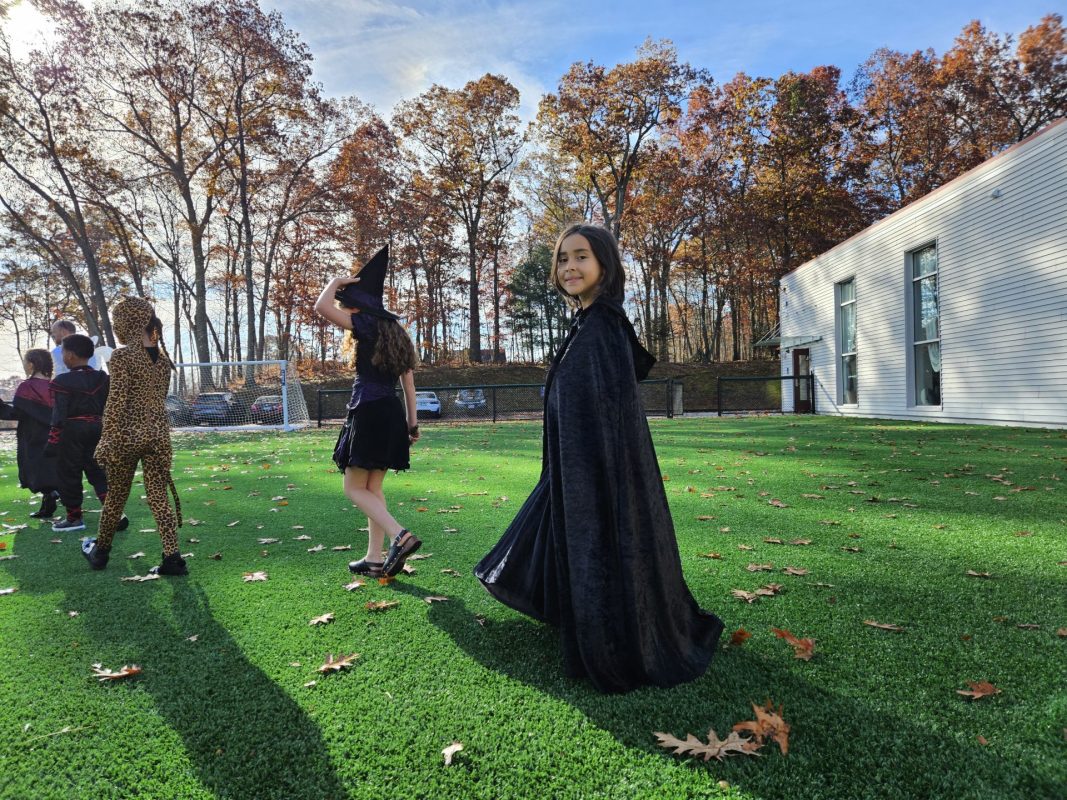
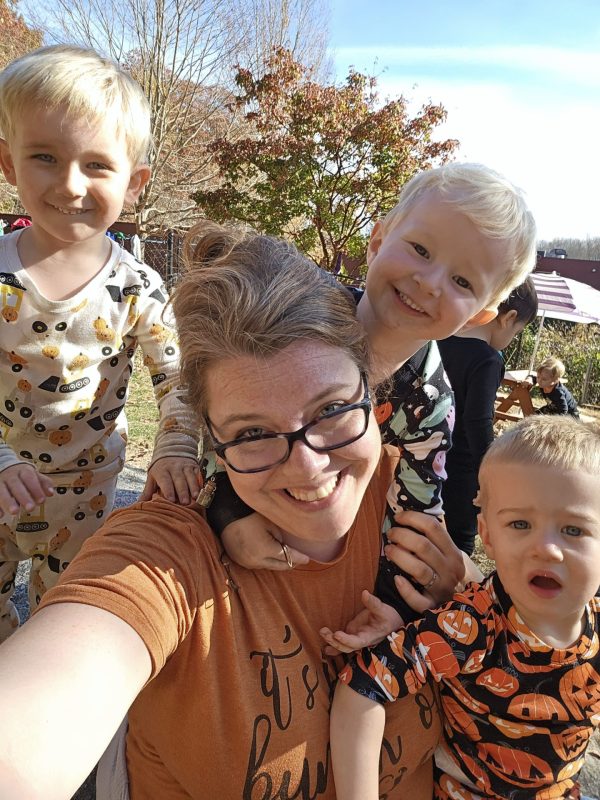
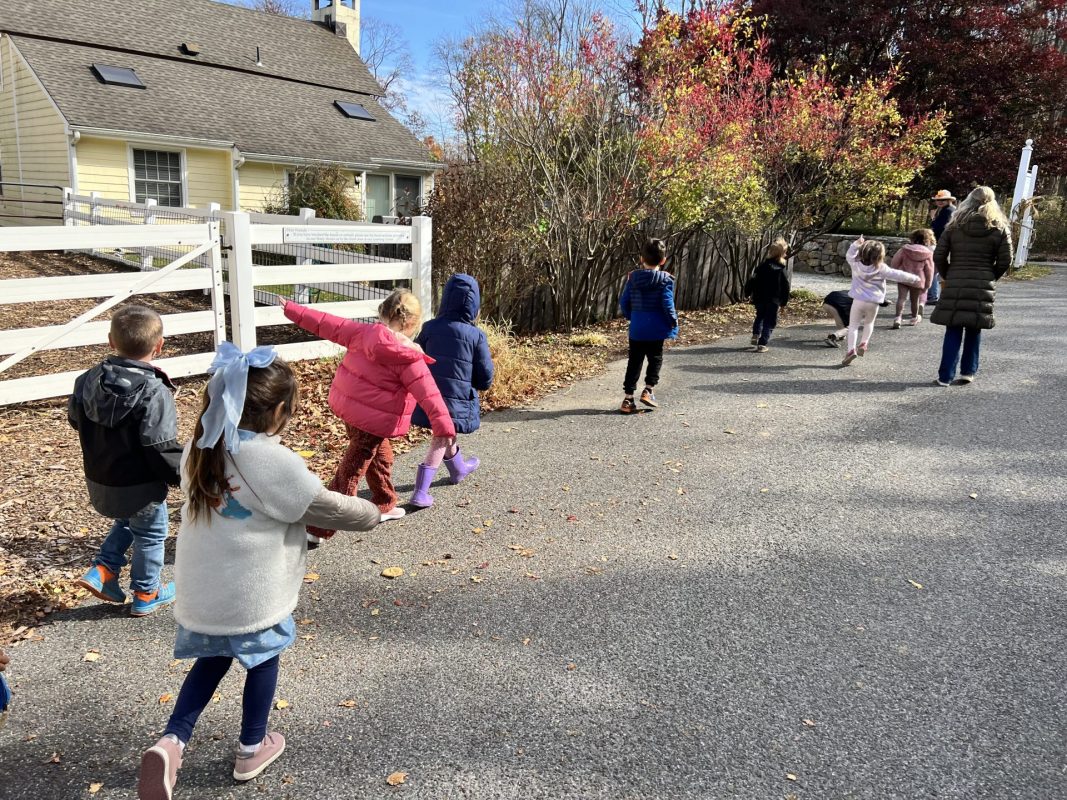
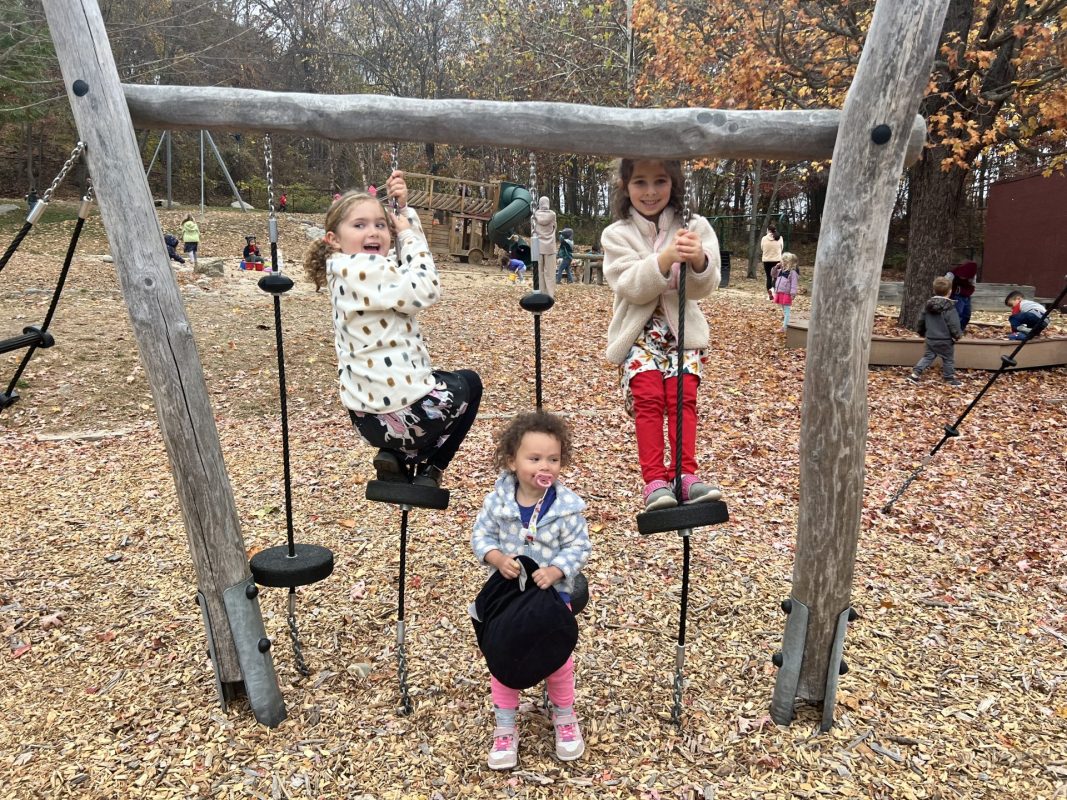
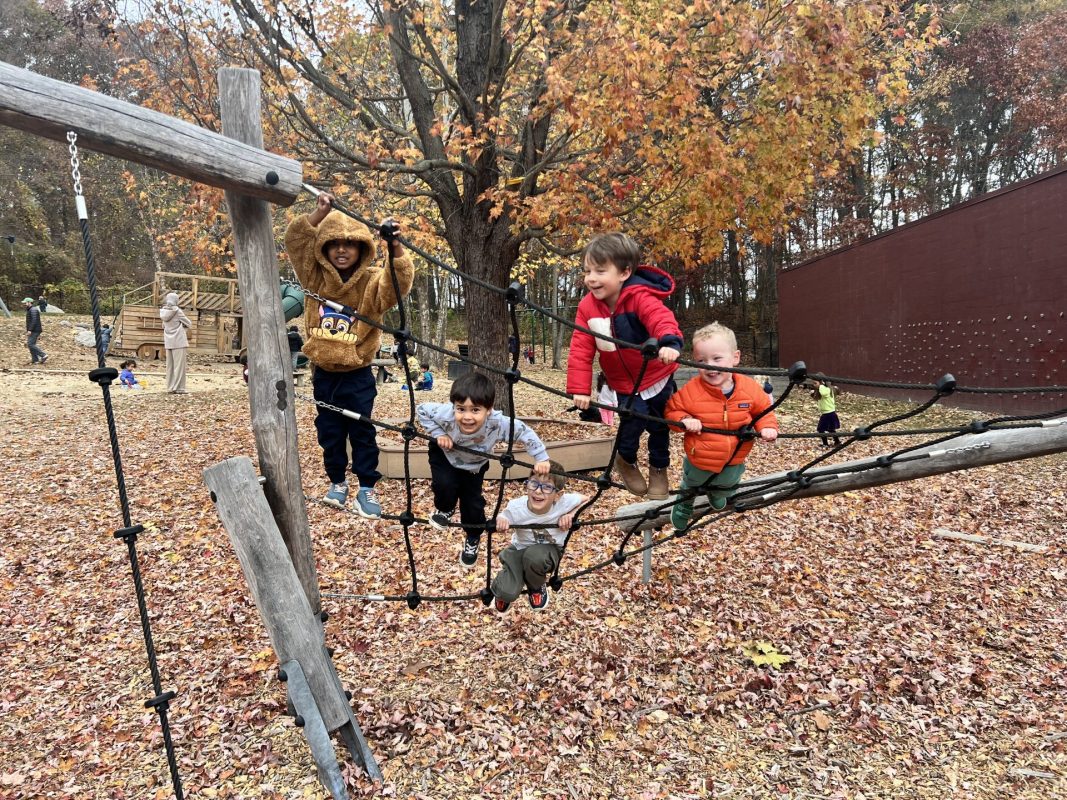
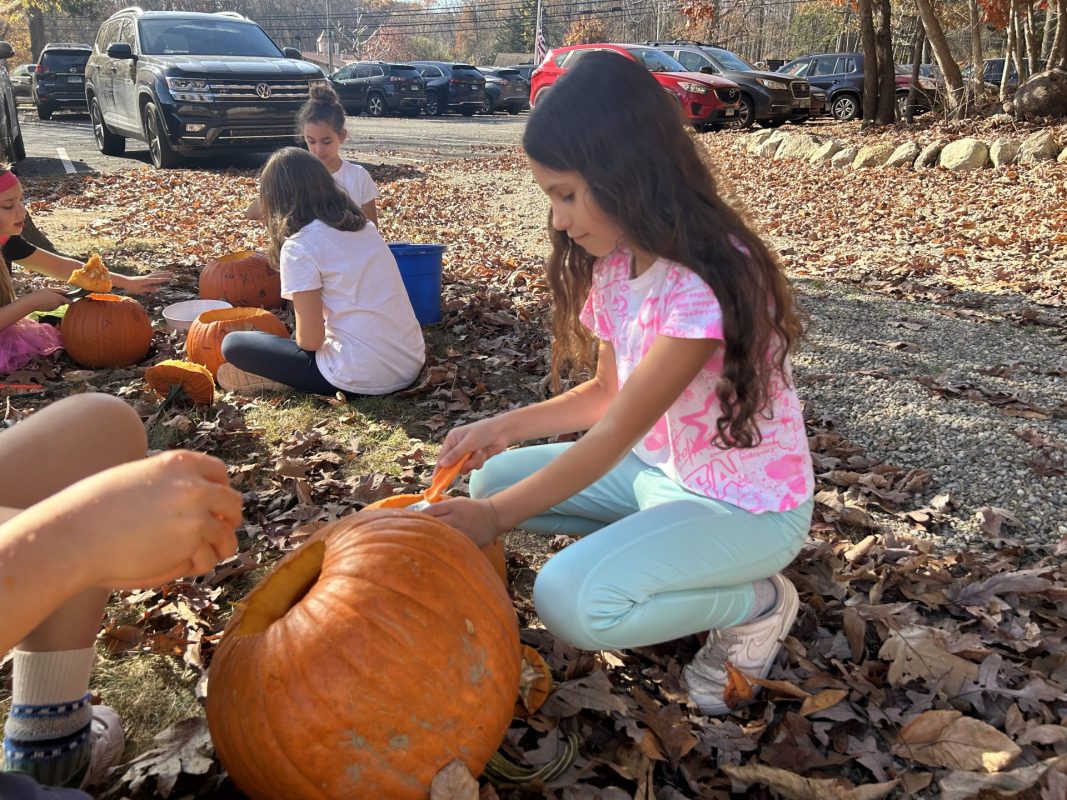
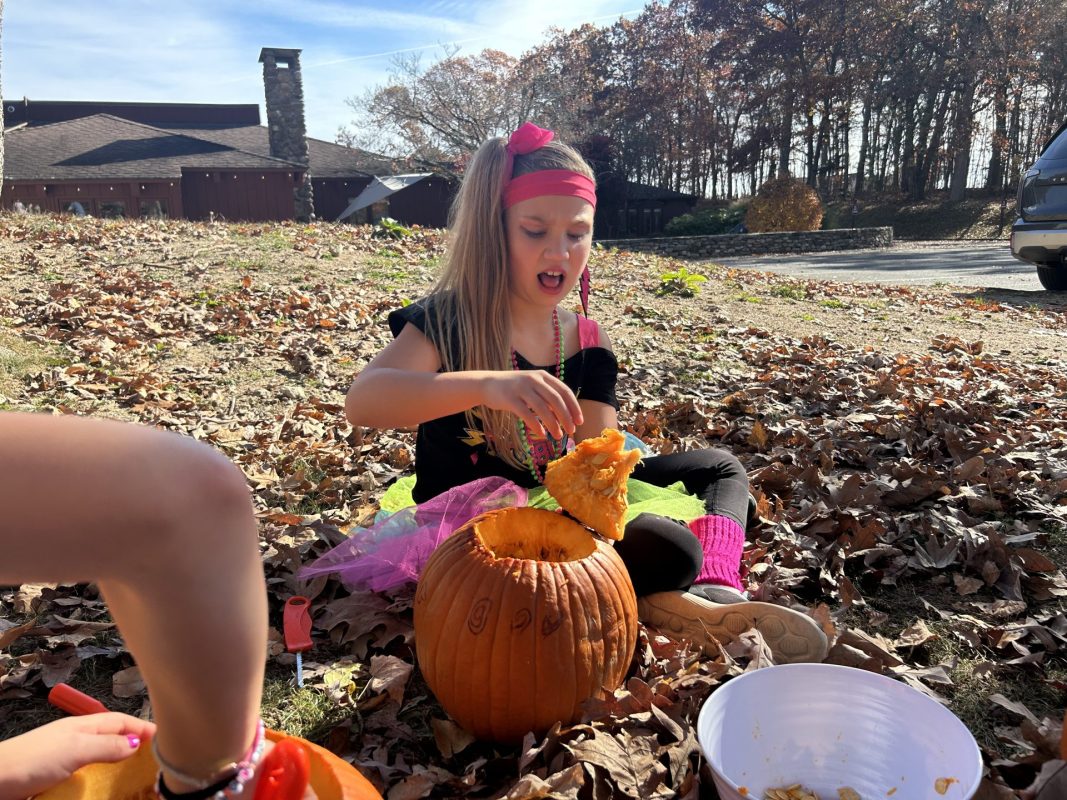
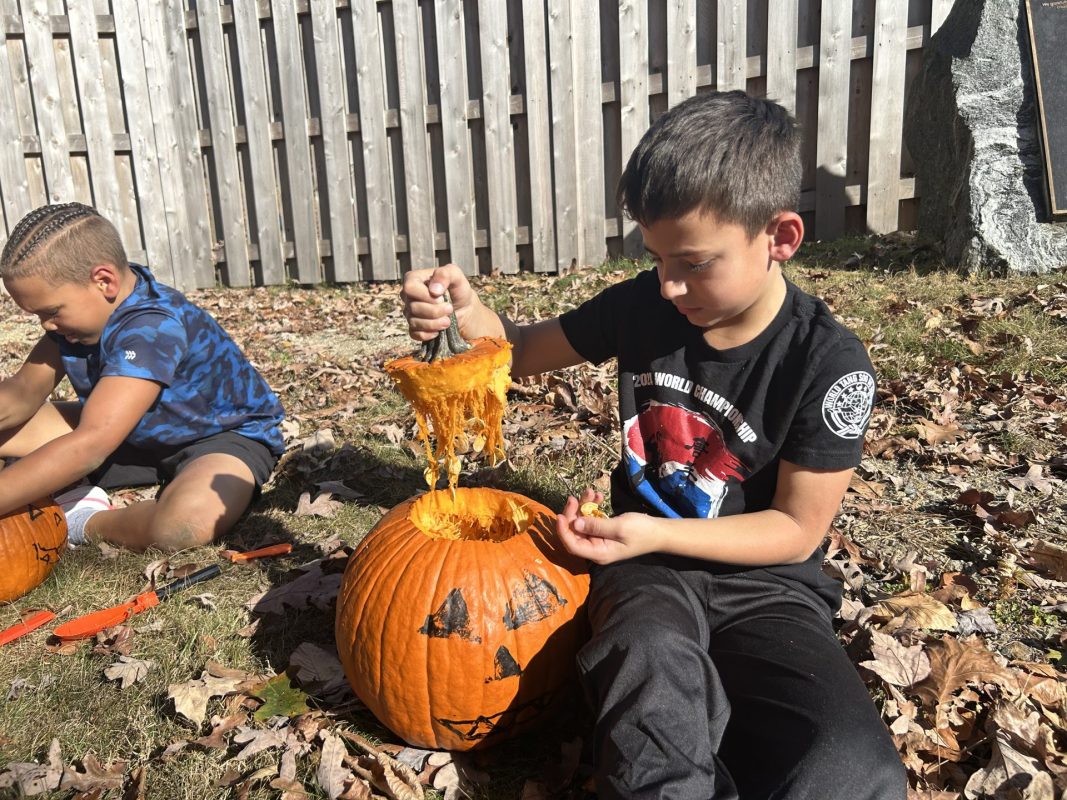
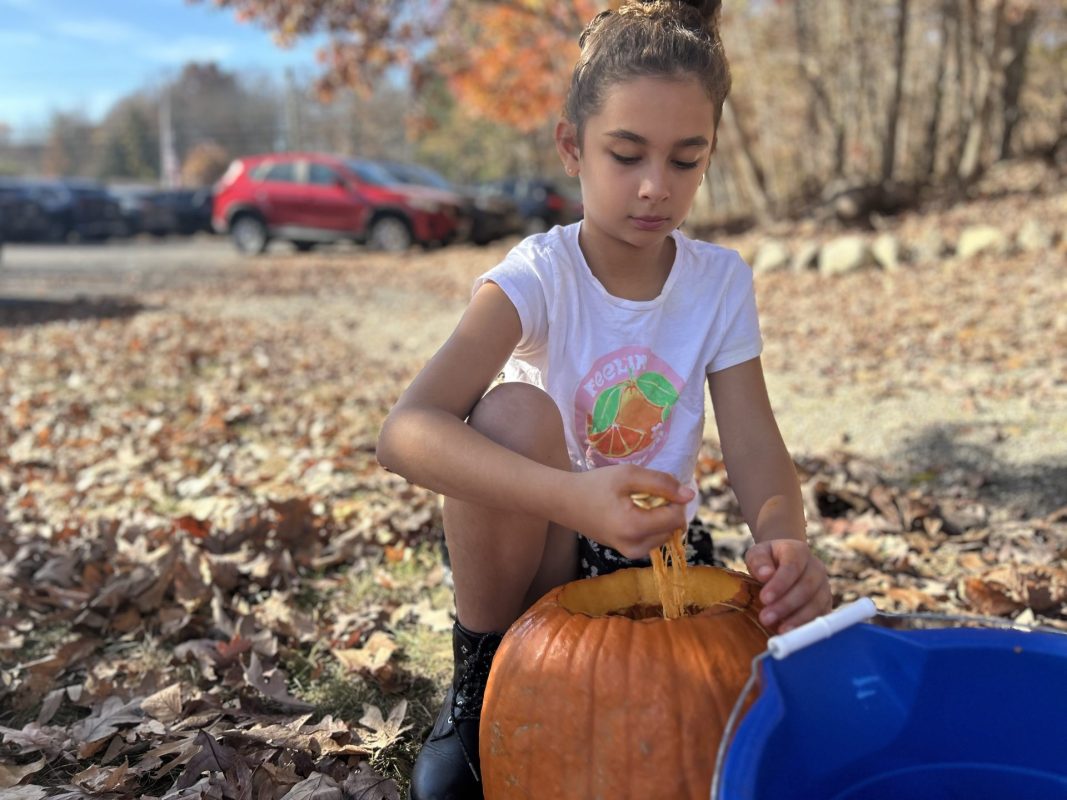
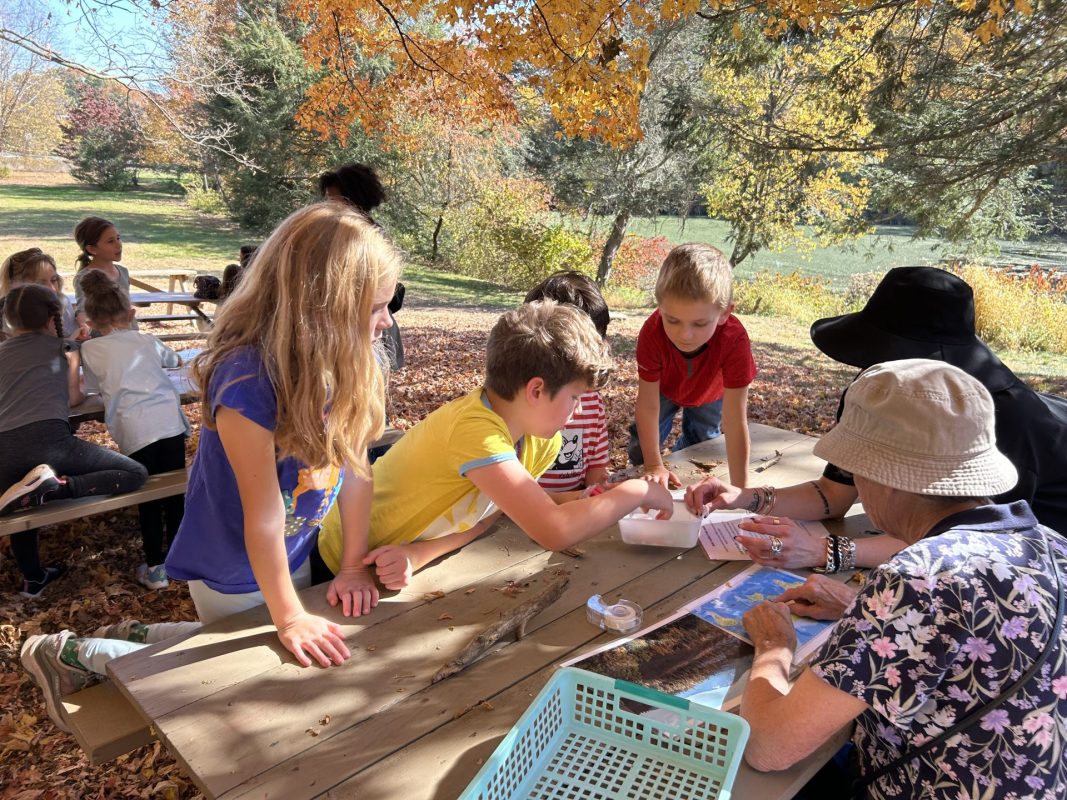
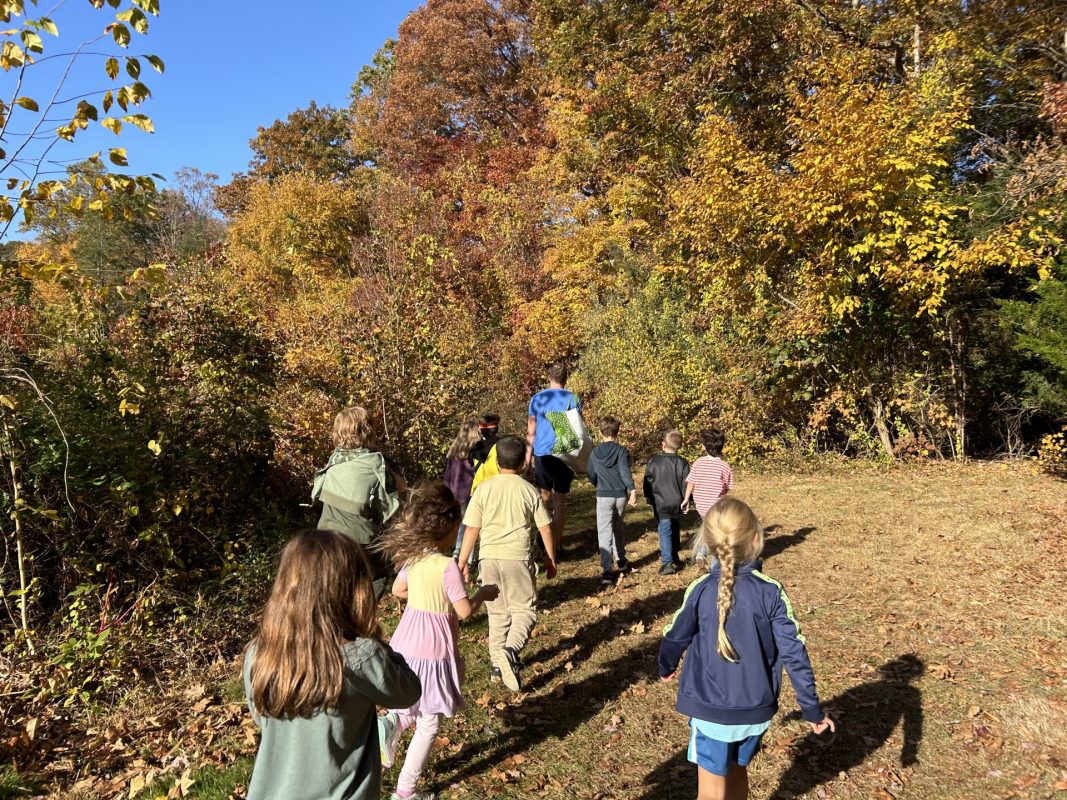
This week has been a week of exploration, observation, and enjoying the fall weather. We have been enjoying the cool but warm days on the playground, collecting different colored leaves, and watching leaves fall from the trees.  Our bird feeder on our window outside the classroom is one of our greatest joys; the children are so excited when a bird comes to the feeder, sometimes scaring the bird away with pure excitement. The black-capped chickadee is by far a favorite. The children are now in the natural rhythm of coming into school; the tears that we once had are now replaced with giggles and the “why” of the day. At this age, the children are so inquisitive, asking “Why?” the beauty of Montessori is that instead of brushing off the question, we take our time and explain and encourage more exploration. It has been a wonderful week with your children, and I  feel so lucky to be with them each day!

With full hearts,

Ms. Mollie and Ms. Lizette


We look forward to seeing you at Parent-Teacher Conferences on October 25. Please sign up for your conference here.