Blog

Mrs. Wilson: Highlights From Our Week

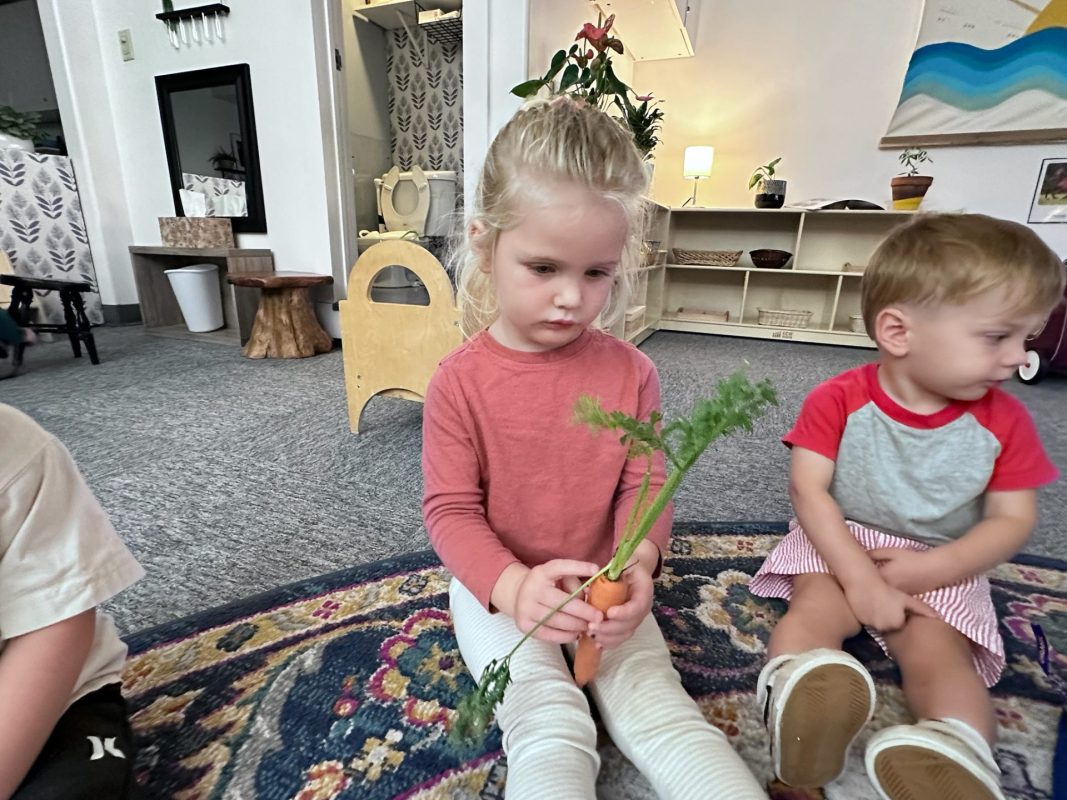
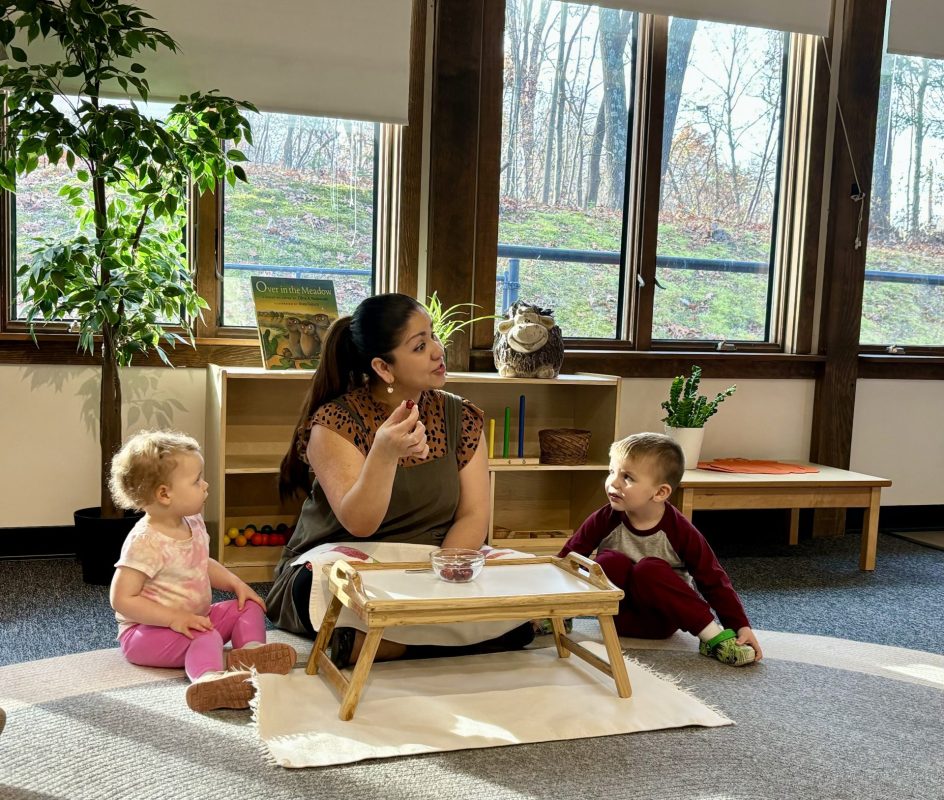
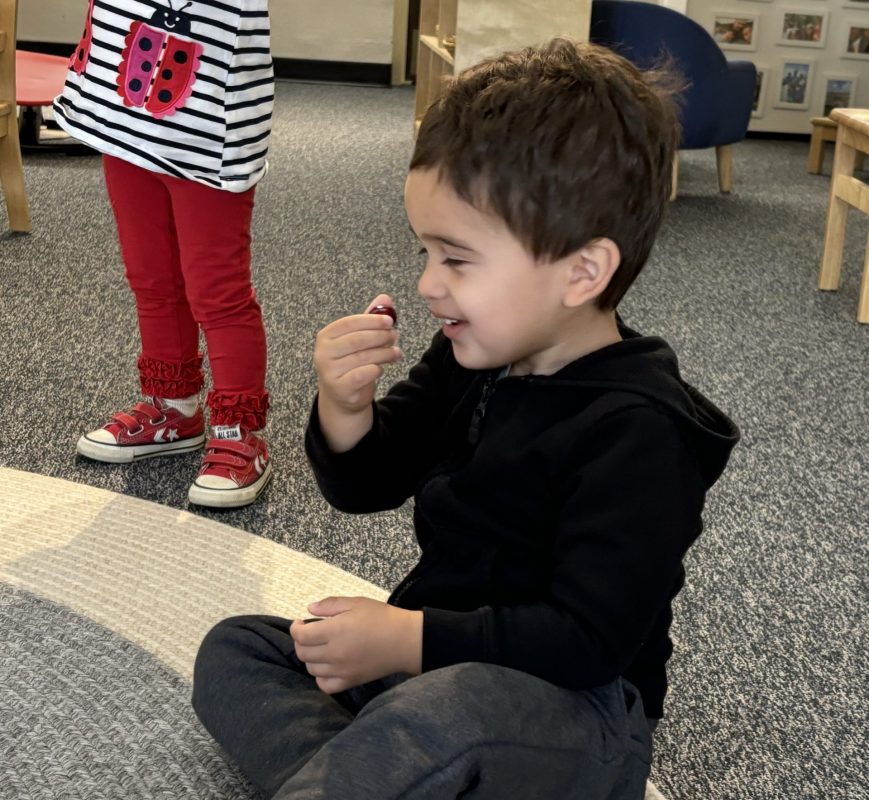
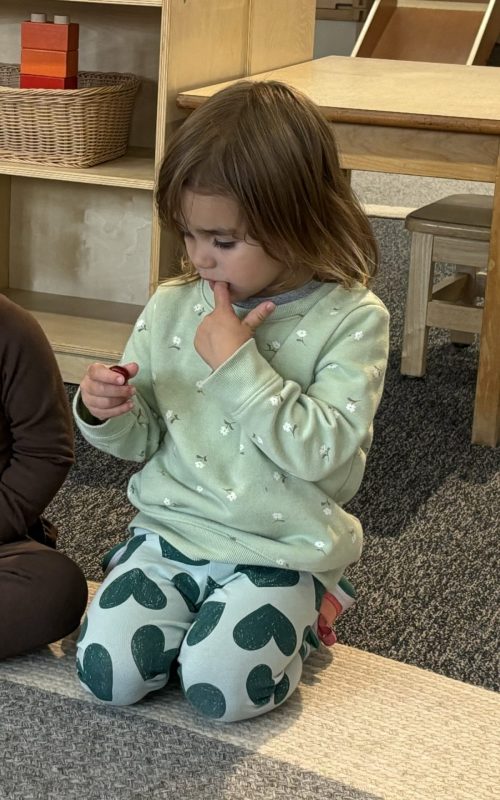
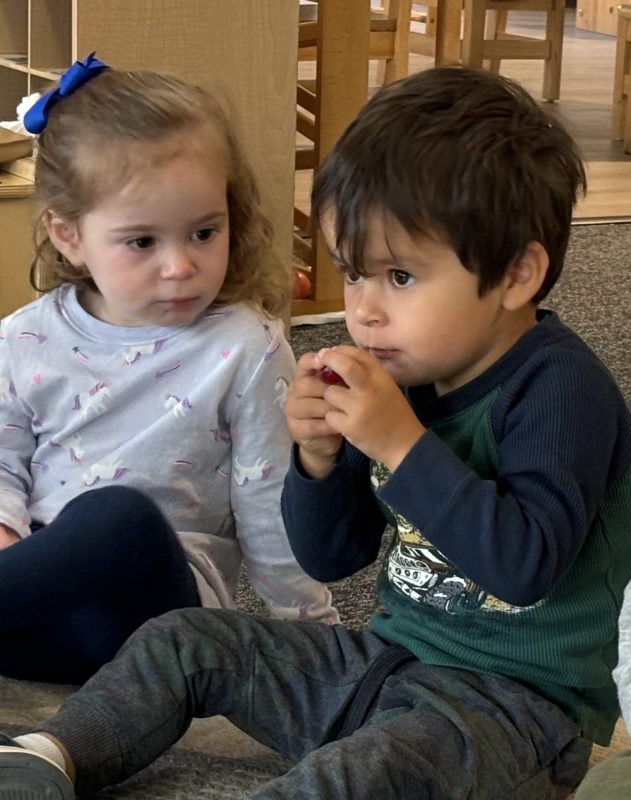
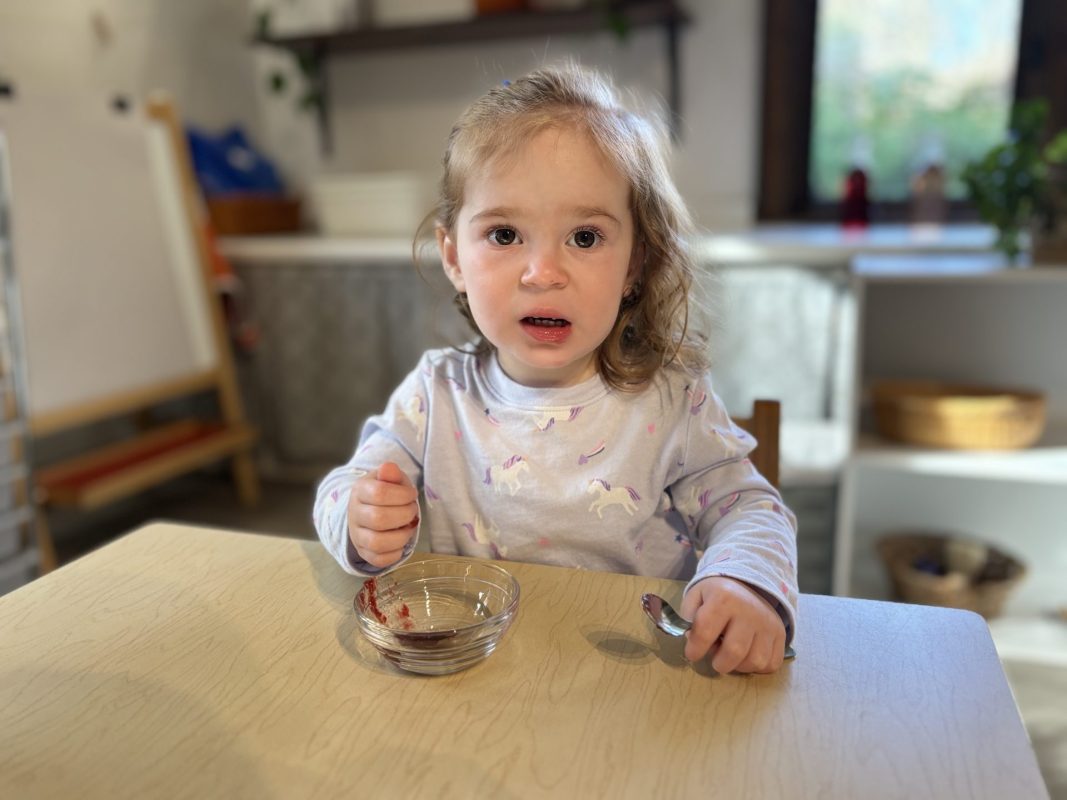
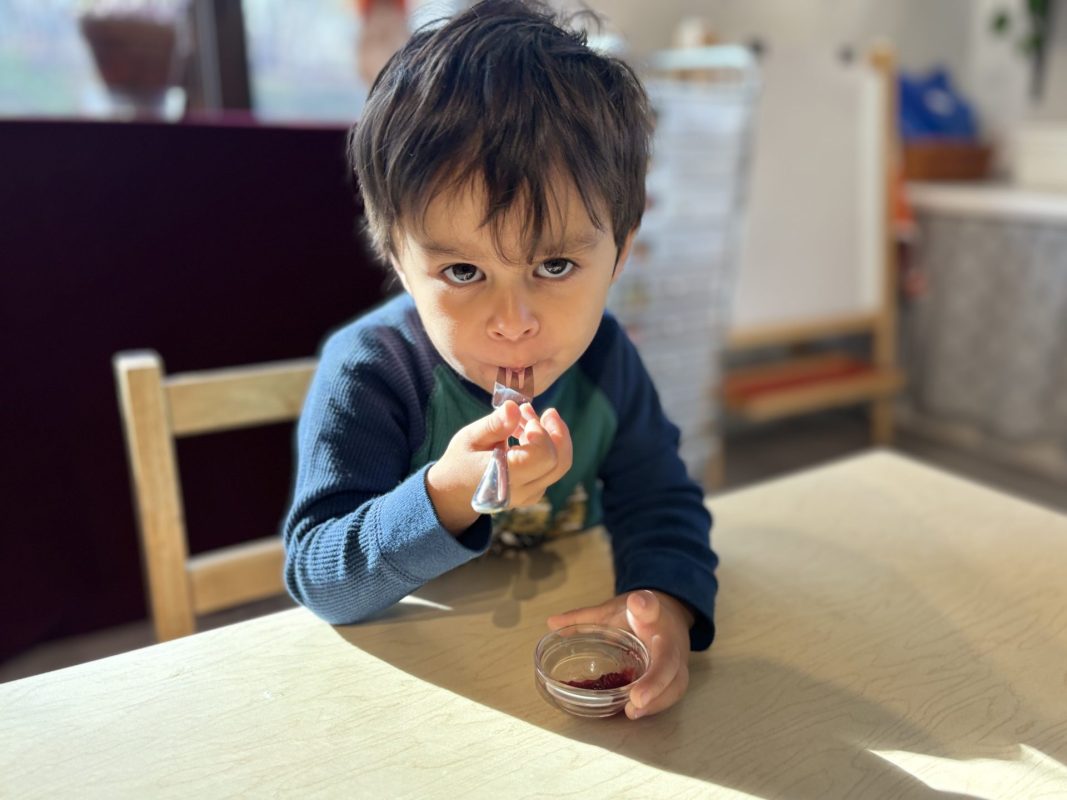
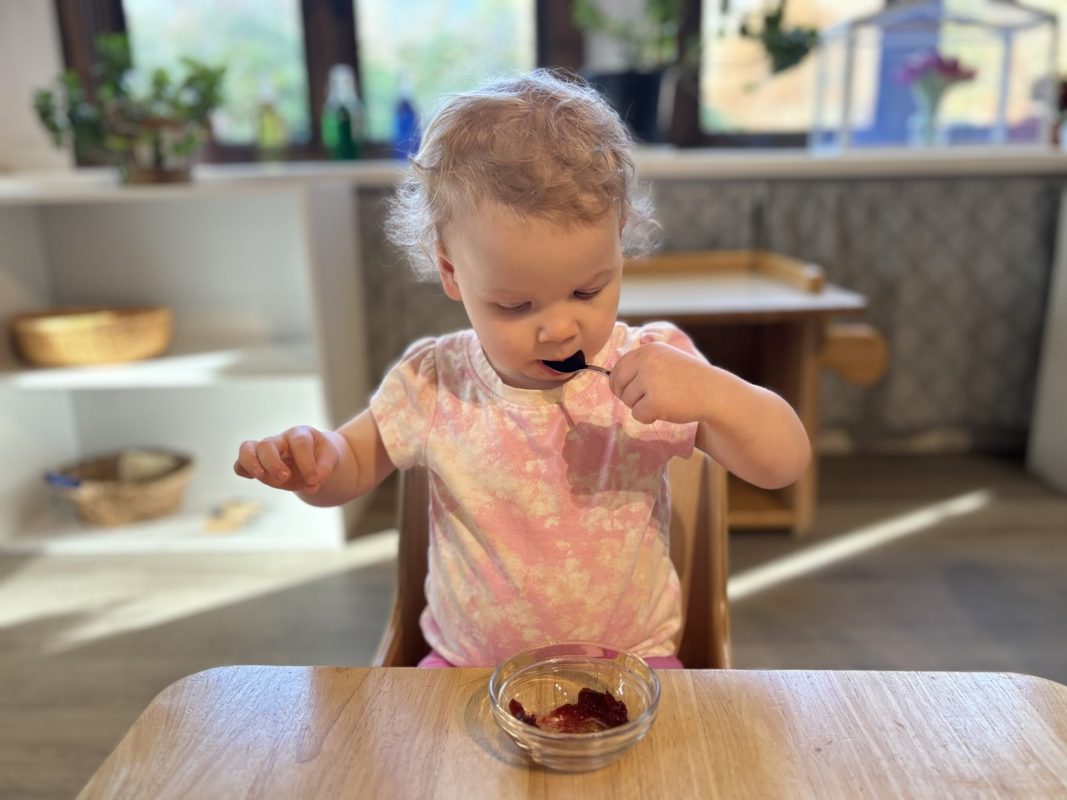
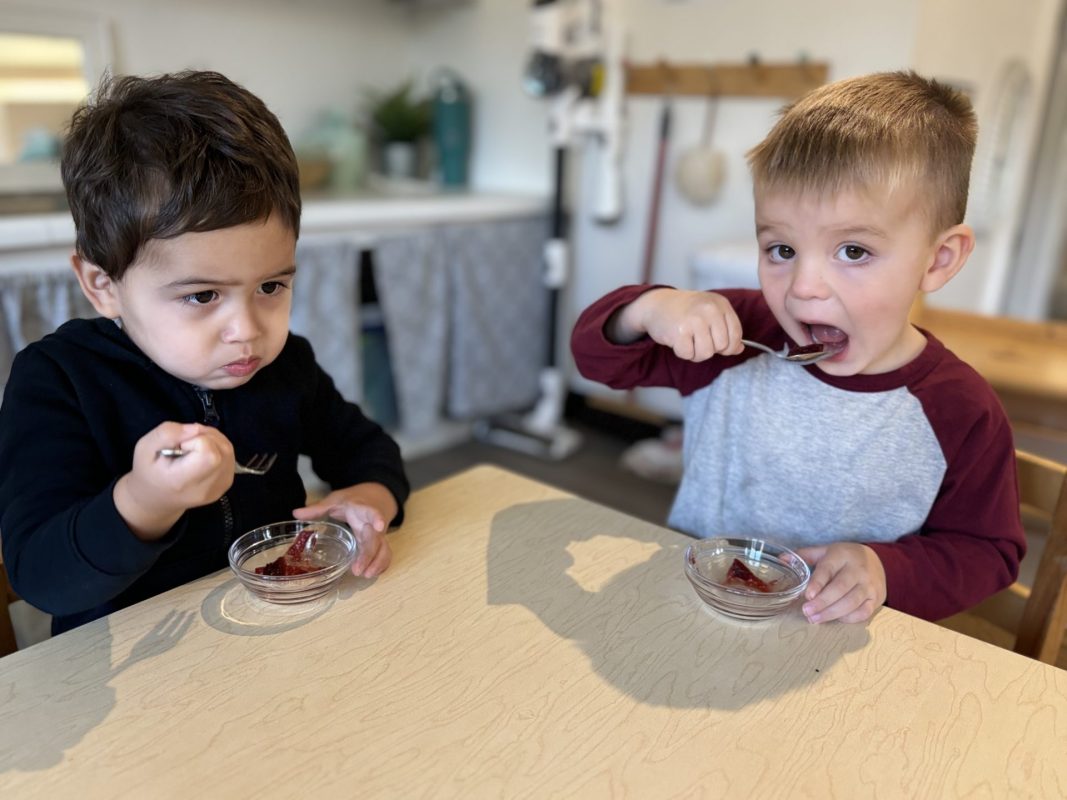
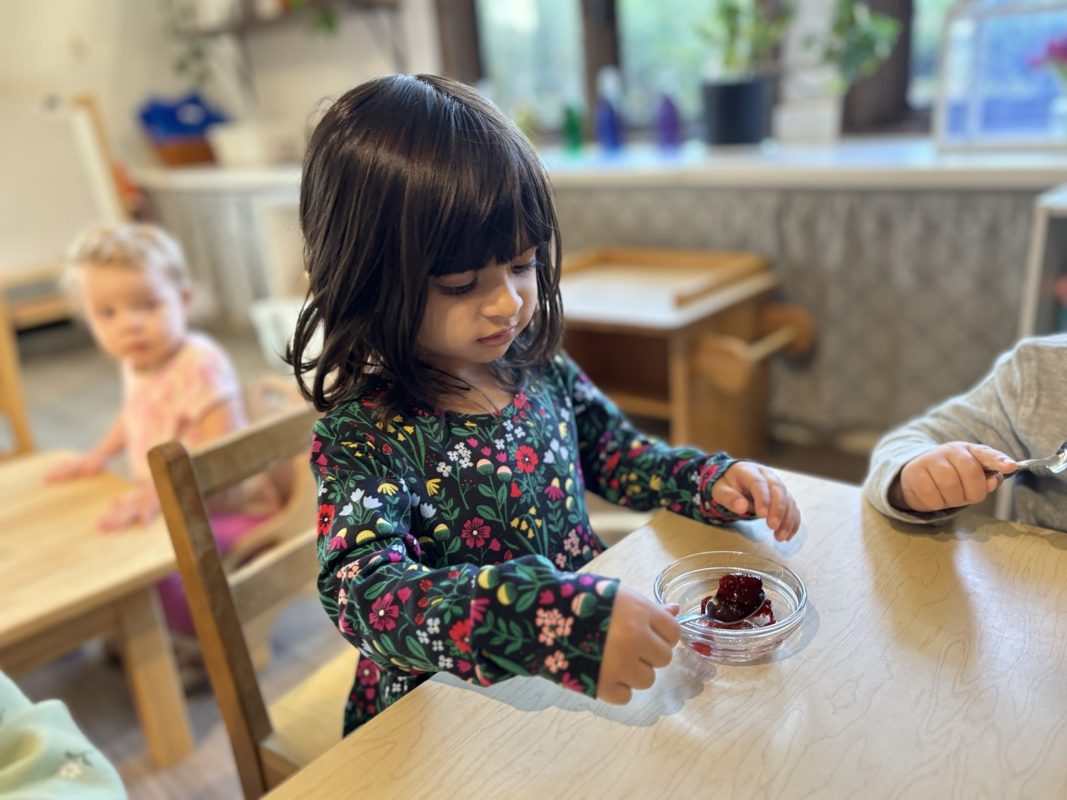
This week, we began by savoring the fruits of our labor. Since the applesauce was still cooking last week, we decided to wait until Tuesday to enjoy it together. Most of the children loved their treat, and many had two servings!

We also conducted our first fire drill of the year. To avoid startling the children, we held this drill without an alarm. They were briefed on what to expect and what actions to take. Once the announcement was made, they held onto the walking rope and walked to our designated spot beautifully. While the whole school was outside for the drill, we took a school-wide photo. I can’t wait to see our community captured in one photograph!
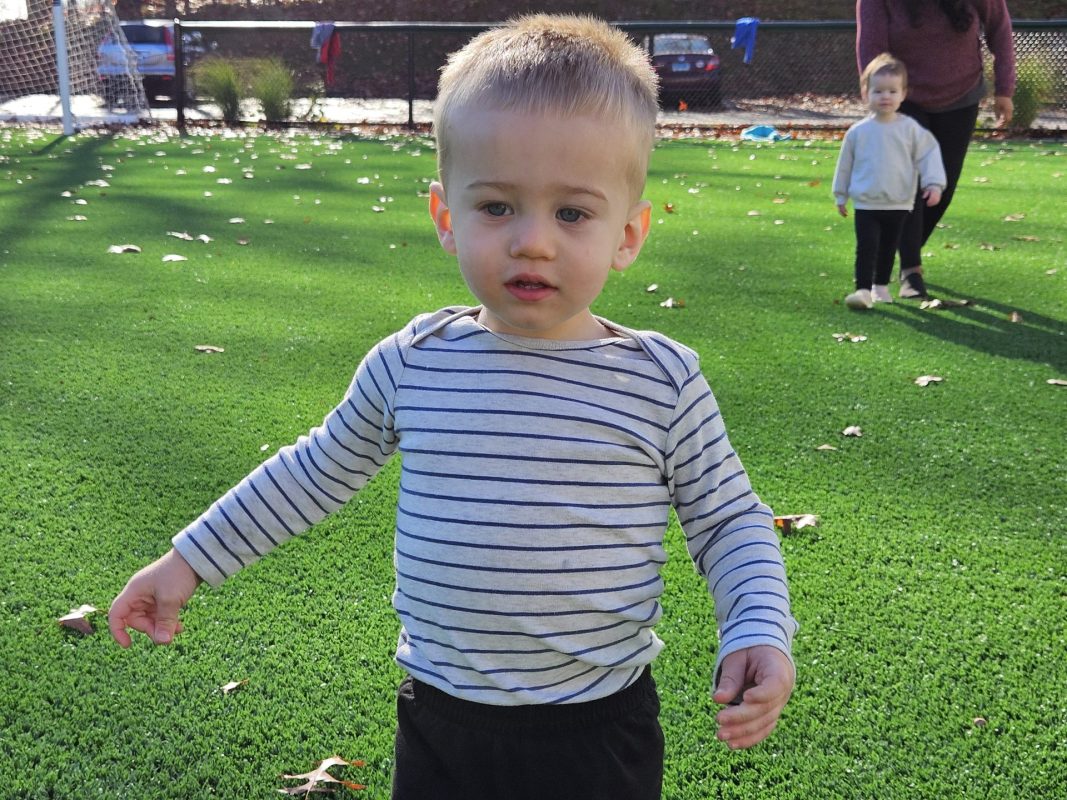
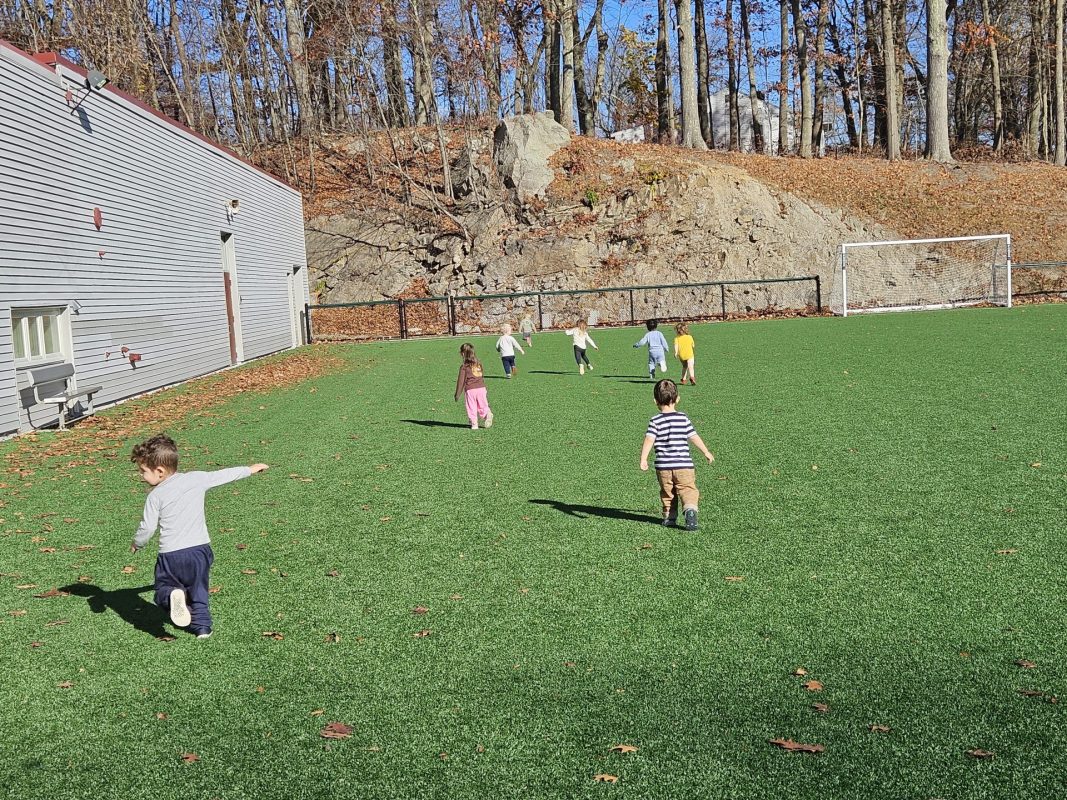
After the fire drill and photo, our class decided to stay outside and use the new turf field for recess. The children were filled with excitement as they ran around with the balls—it was a great time for everyone.
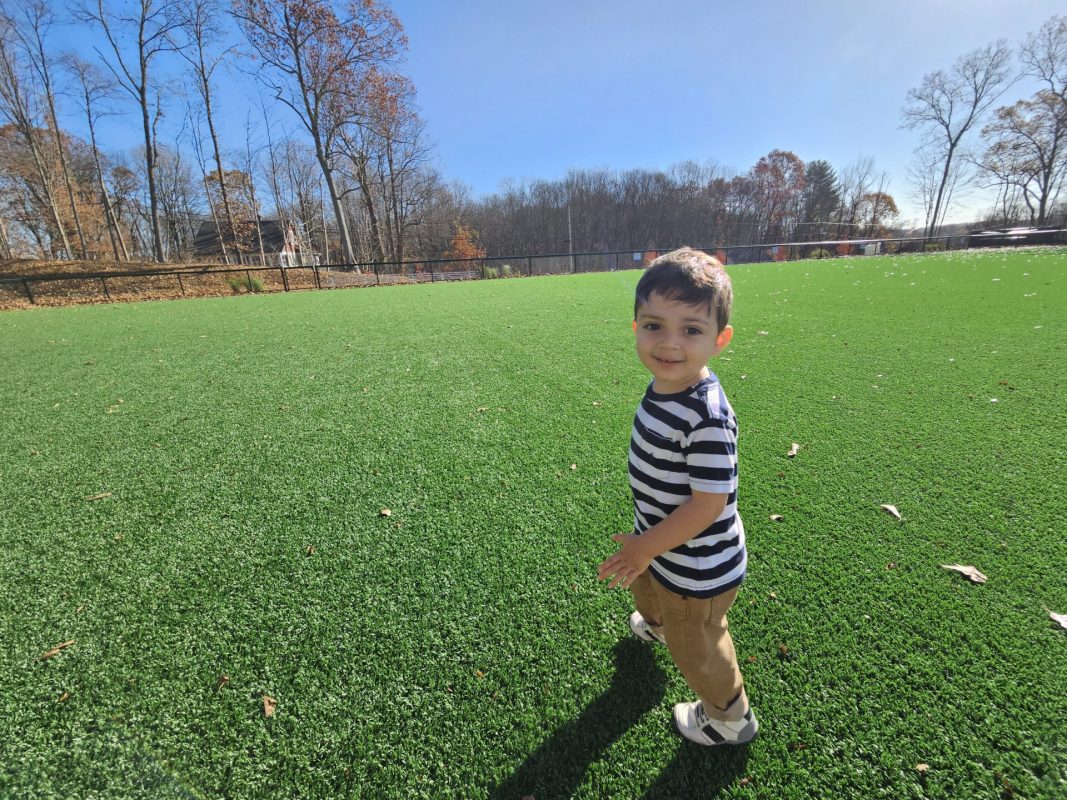
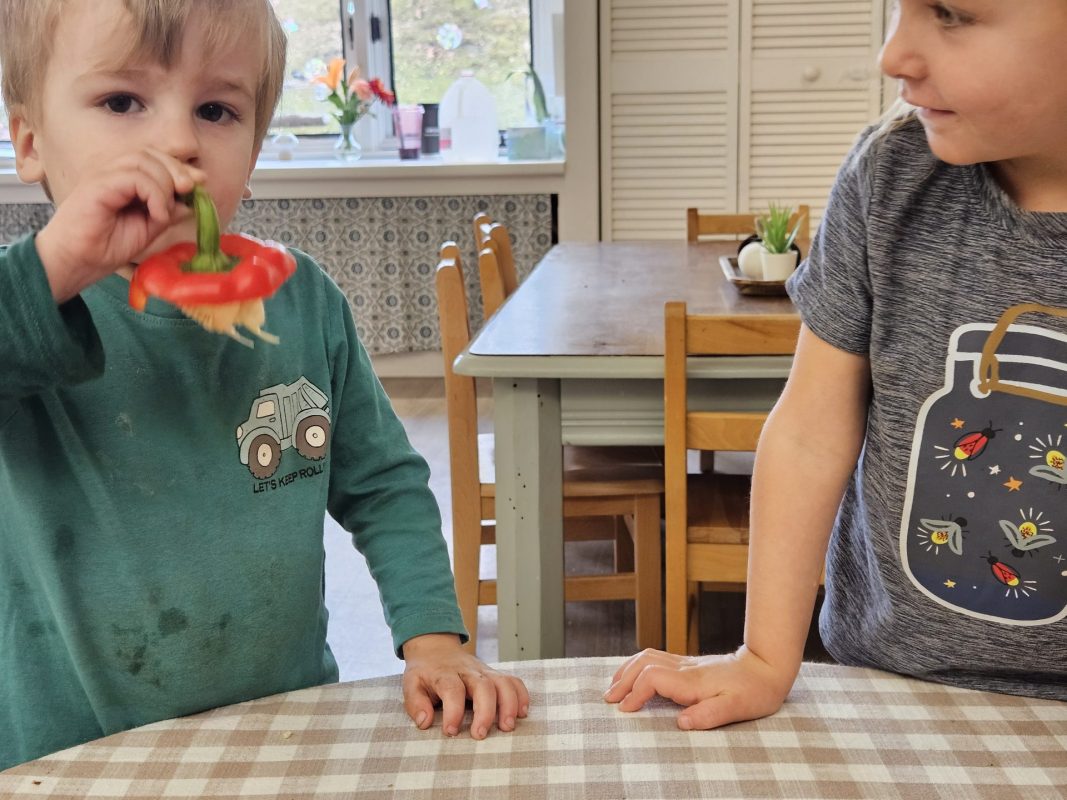
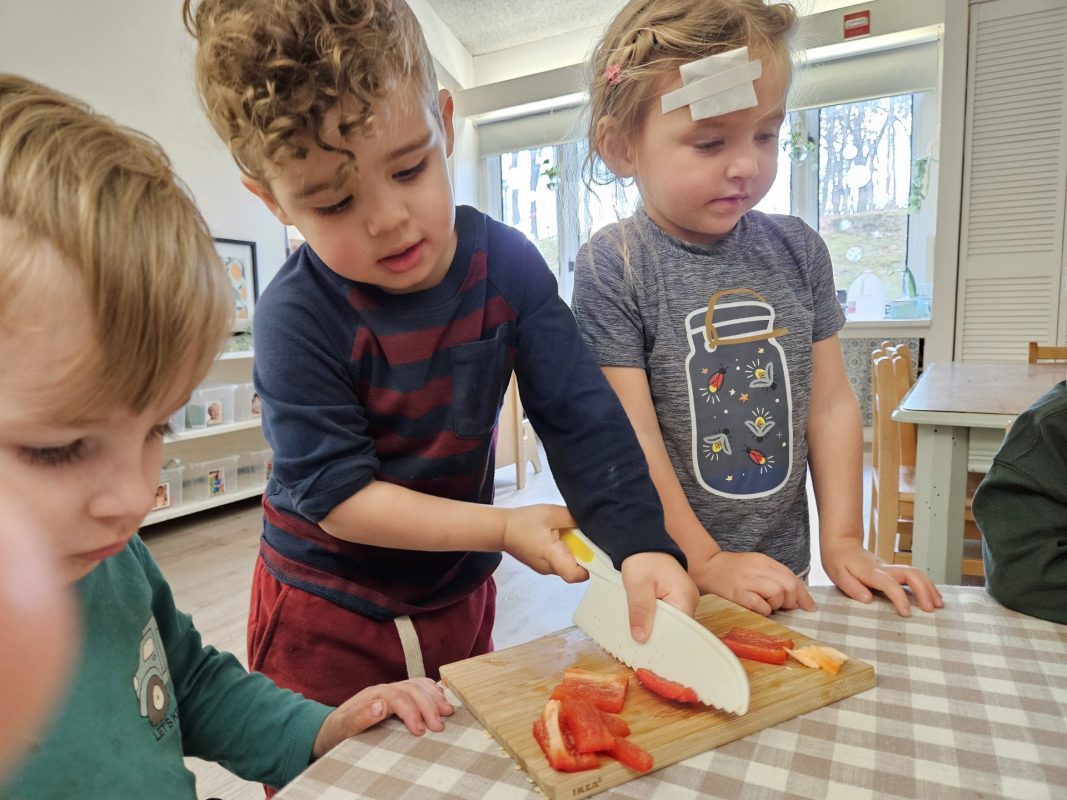
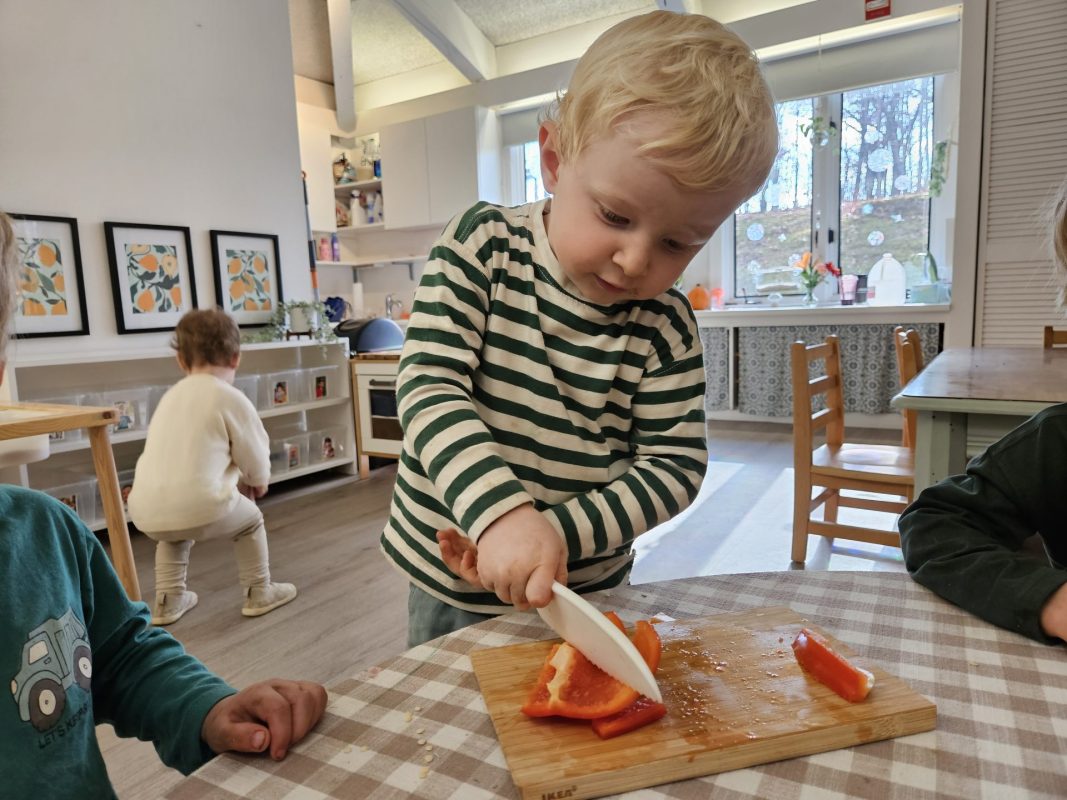
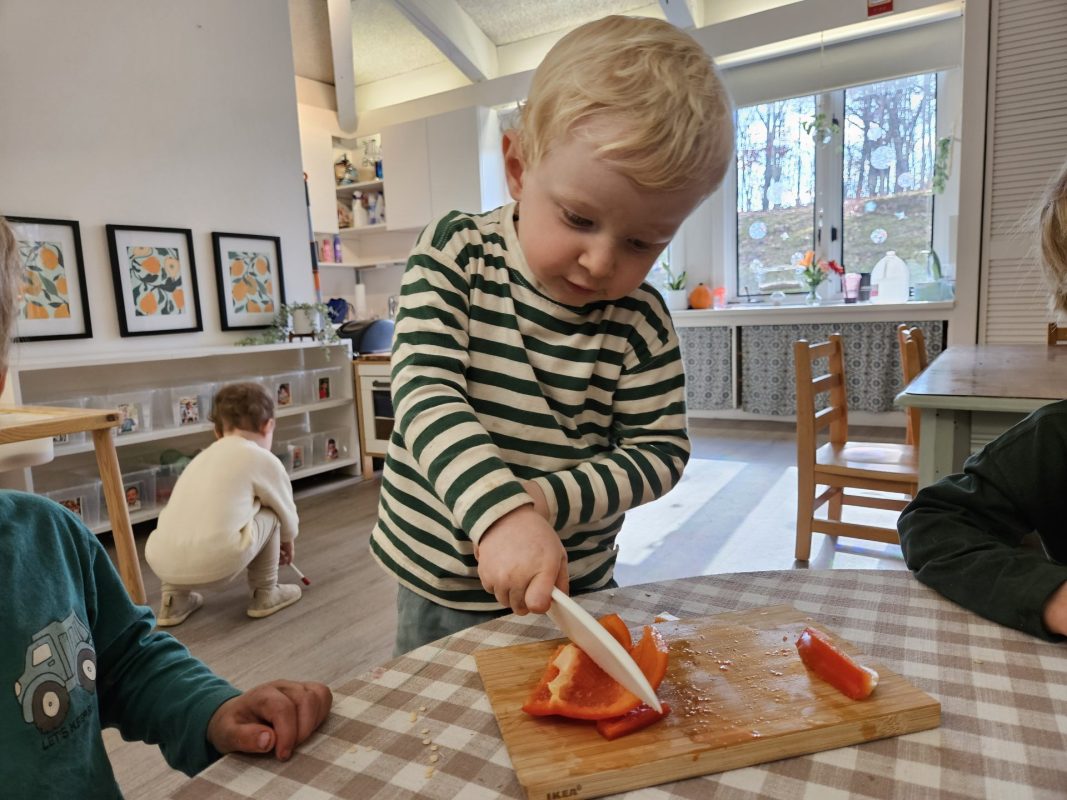
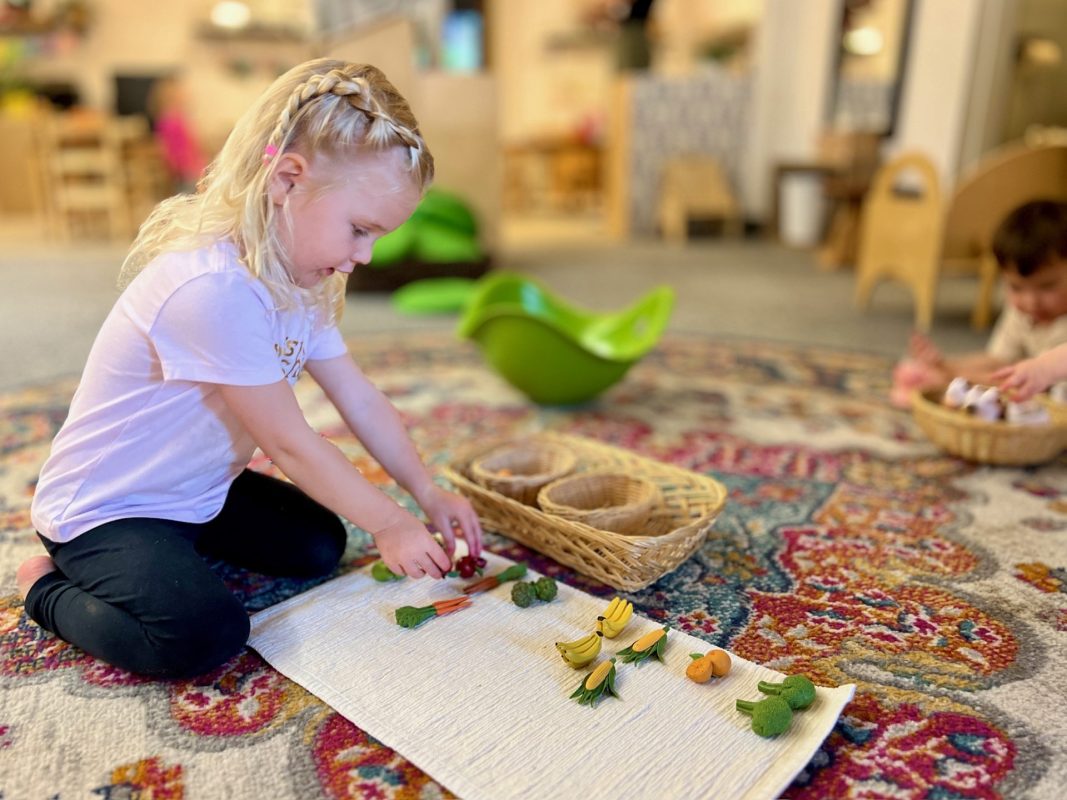
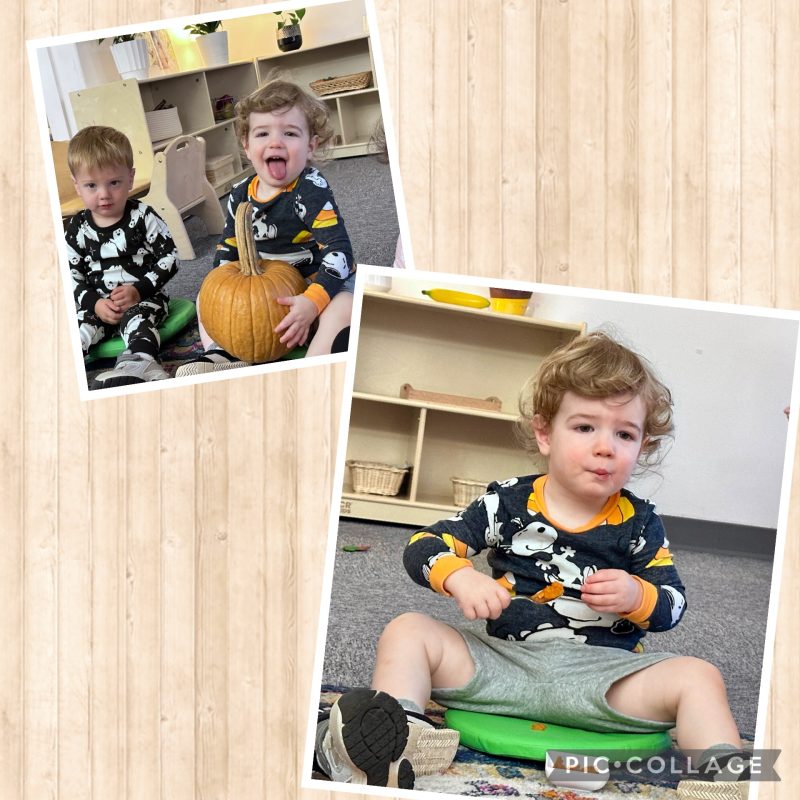
In our food tasting activity, the children participated in food prep by peeling bananas before tasting them. While some children tried to skip this step and dive right into eating, it was a fun and engaging experience overall.


Mrs. Sargeant: A Peek at the Week

The Montessori approach to teaching Geography is unique and comprises two components: physical geography and political geography, also known as Culture. From the beginning of the school year, we weave Geography lessons and terminology into our day as we learn about our physical world. The Geography materials are always fascinating to the children and are a springboard for wonderful discussions.

Early in our school year, we categorized the planet Earth into air, land, and water.  We then sorted what we would find in each of these different components of our world.  Next, we introduced the geometric solid known as a sphere to the children and compared it to the shape of the globe.  We start with a sandpaper globe that helps to distinguish land and water.  The colored globe comes next, and we begin to teach the continent names.  We make a sphere out of play dough and cut it in half to help them visualize the concept of a hemisphere.  Simultaneously, the children are learning about landforms that introduce the concept of lake, island, bay, cape, peninsula, gulf, isthmus, strait, archipelago, and a system of lakes.  These sensory experiences help the children learn about their physical world.

After learning the continent names, we introduce the puzzle maps for each continent, starting with North America in November. We learn that there are many countries in North America.  The older children will trace and paint each of the puzzle maps. We will learn about the animals, people, and climate often associated with each of the continents.  Our goal is to encourage the children to appreciate the beauty and wonder found in the similarities and differences around the world.
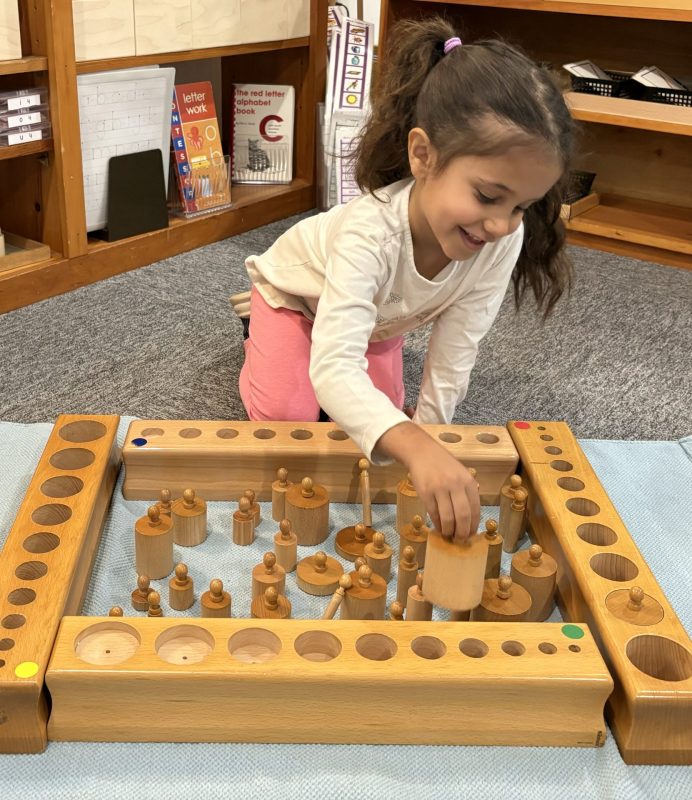
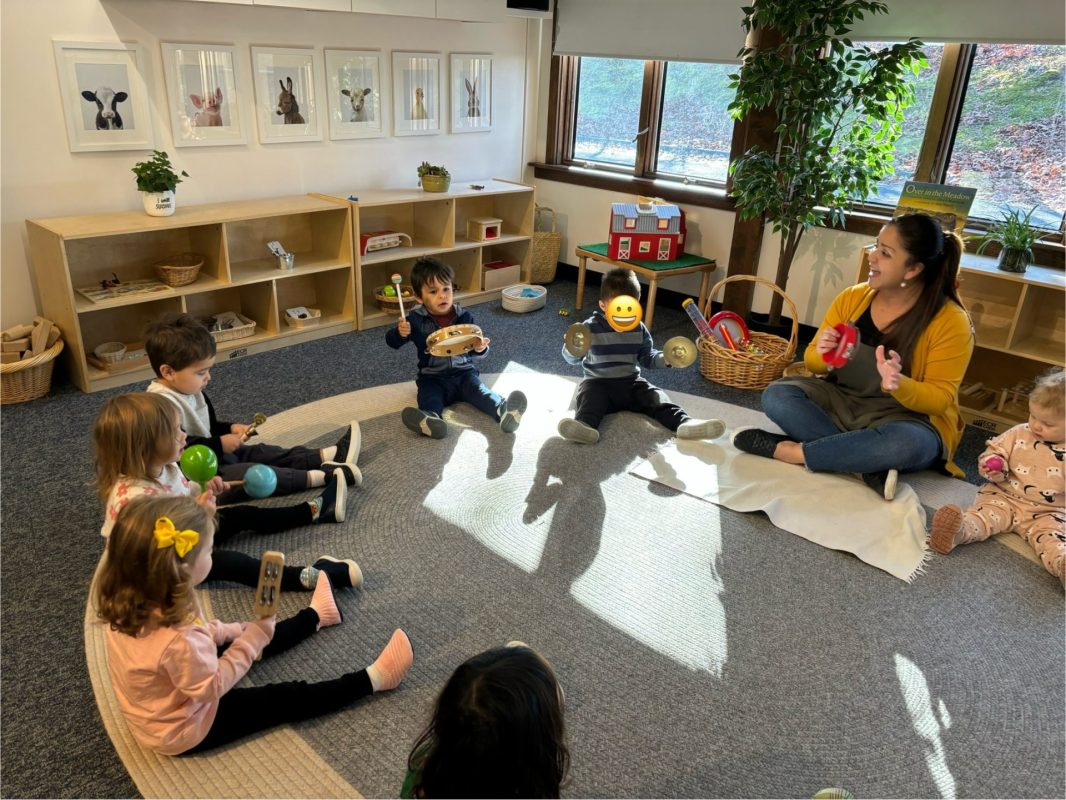
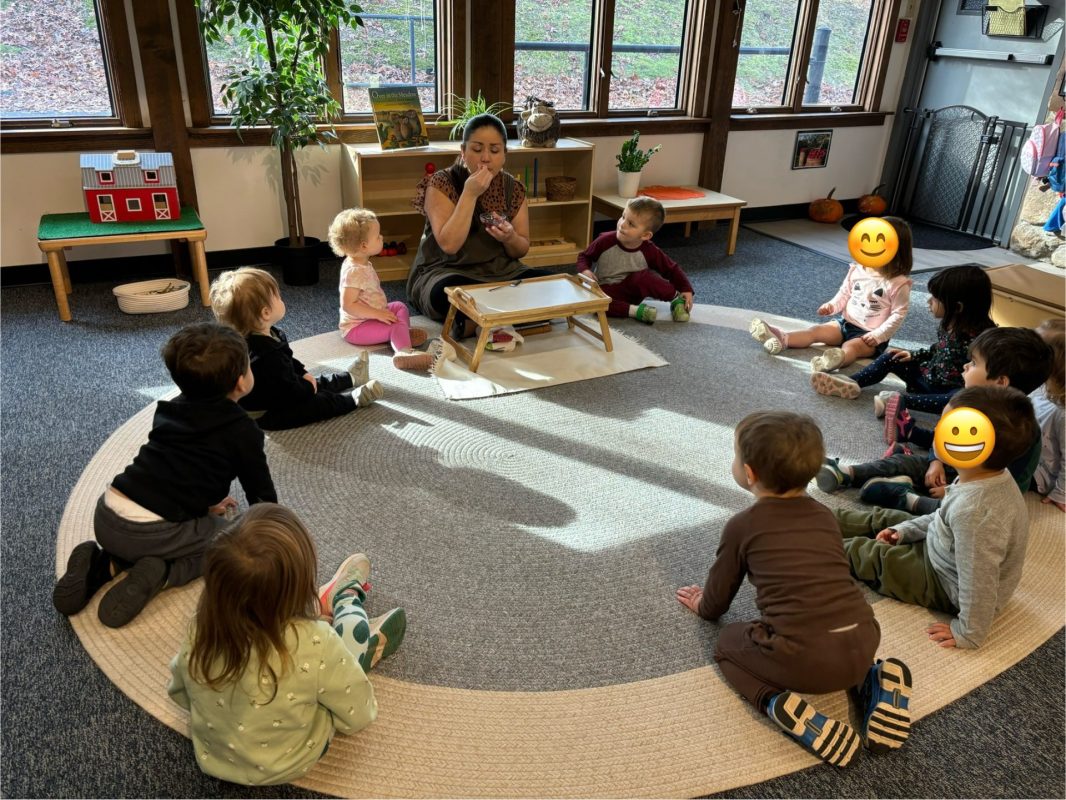
As part of our daily circle time routine, we sing a variety of Hello/Good Morning songs. One of our current favorites is a catchy movement song, which the children absolutely love. I’ll share it in case you’d like to listen at home. Maybe they’ll even share some of their dance moves with you!
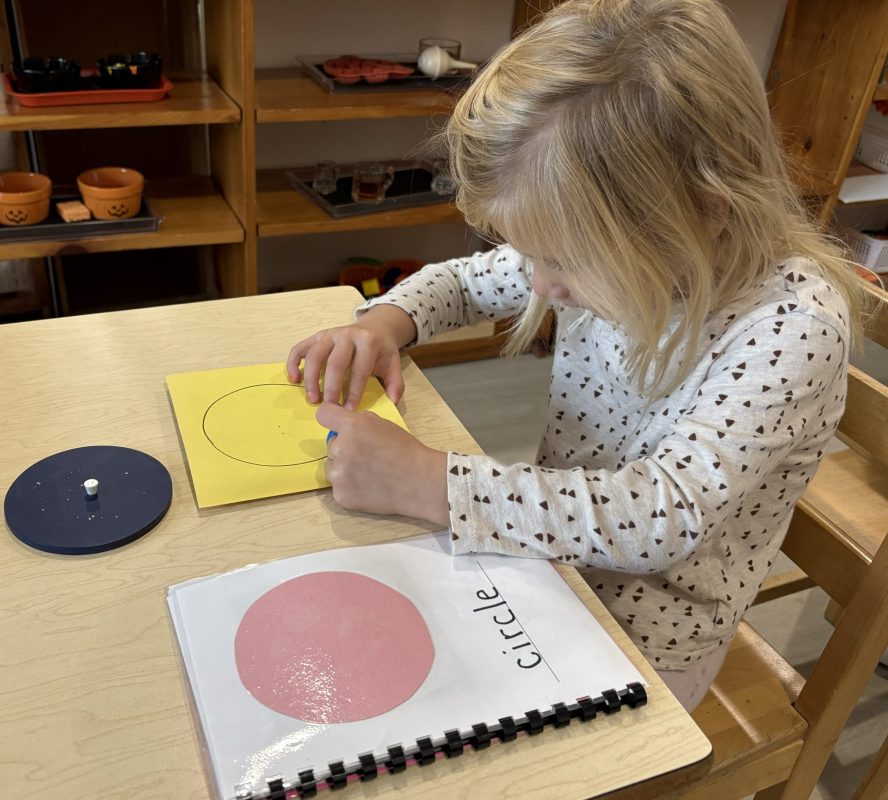
Wishing your families a wonderful week and a sweet new year to all who celebrate Rosh Hashanah -Shanah Tovah!

Christine & Fatima


Ms. Marissa: Archipelagos and Isthmuses

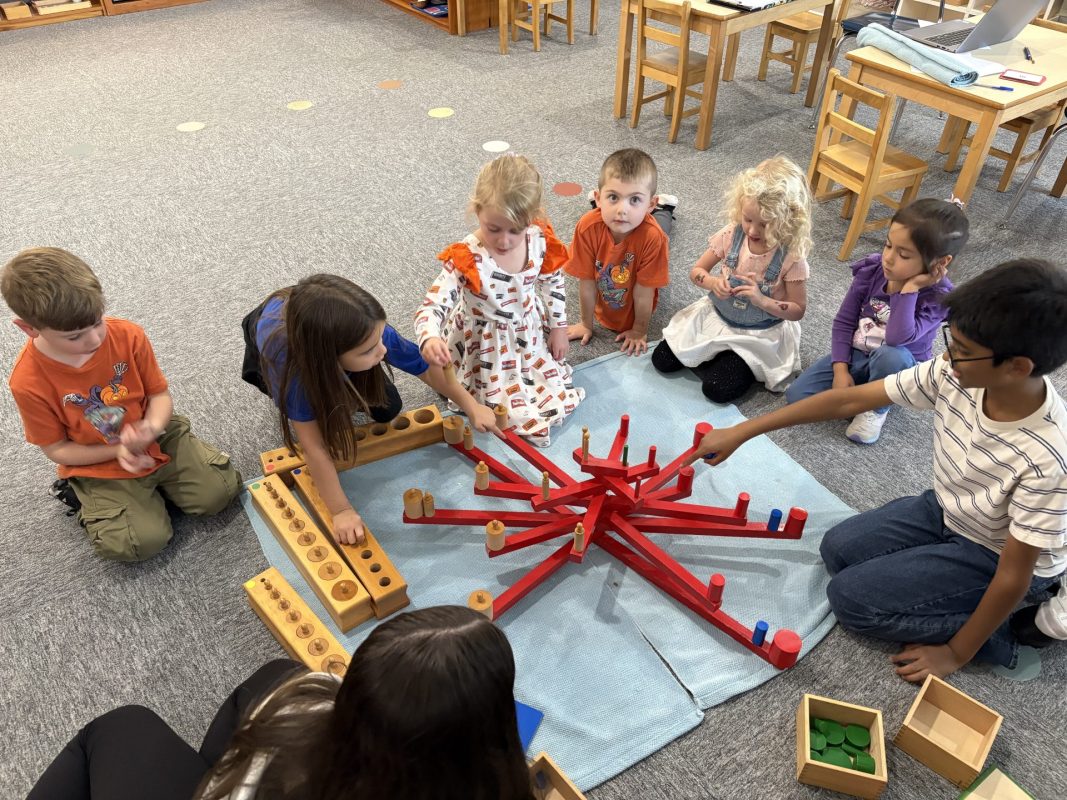
October has kicked off our study of the planet Earth. We are talking about what makes our Earth special—in particular, land, air, and water. Thinking about what animals and vehicles occupy those spaces is so interesting, and we are having a lot of fun categorizing them all. We are exploring land and water forms as well. Do you know the opposite of a system of lakes? No? It’s an archipelago—a cluster of islands!

Here are other land and water forms we’ve talked about:

  • Isthmus and Strait
  • Island and Lake
  • Cape and Bay
  • Peninsula and Gulf

It is so fitting that we are talking so much about our planet because we are celebrating our first class birthday this week! The birthday child walks around the sun while holding the globe, representing the passing of a year and turning another year older.

Our Kindergarteners are leaning into their roles as class leaders. They are willingly and enthusiastically giving lessons, guiding others, and being the best role models for our younger students.

The poem we began practicing this week is:

In October I’ll be host
To witches, goblins and a ghost!
I’ll serve them chicken soup on toast.
Whoopy once,
Whoopy twice,
Whoopy chicken soup with rice!

-Maurice Sendak

Warmly,

Marissa & Sue


This Week in Upper El

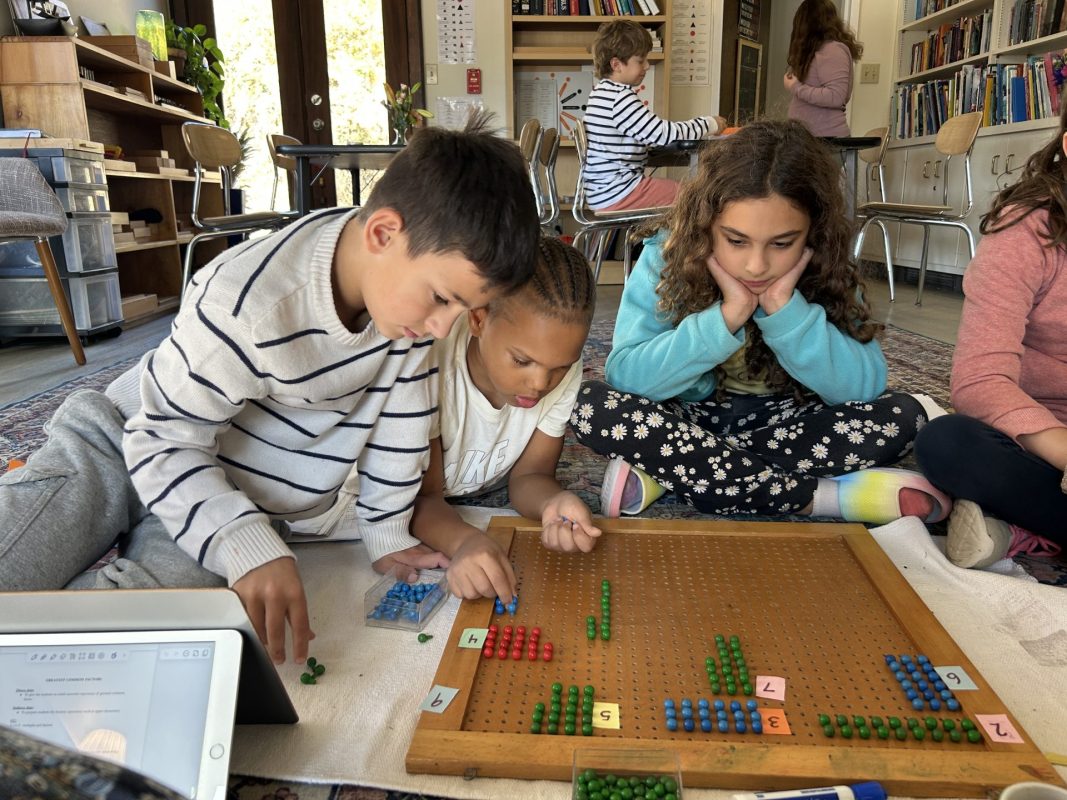
Conferences are coming up on October 25. At the Upper Elementary level, students prepare for and participate in their conference. Please sign up for your conference here.


We had a busy and beautiful week in Upper El.

In biology, we learned about the theories of Empedocles, a Greek philosopher and statesman who claimed 2,500 years ago that all things are made up of four “ultimate elements”: fire, air, water, and earth. We discovered that, after all this time, his theories were not far off the mark. We also learned about the nutrients that plants use to make their food and build their bodies: gases in the air, minerals in the water and soil, and the energy of the sun.

In history, we learned about Homo neanderthalensis, who lived from 430,000 to 40,000 years ago. We saw that Neandertals were people like us, with brains as large as our own. We looked at their homes, clothing, tools, hunting, and burials.

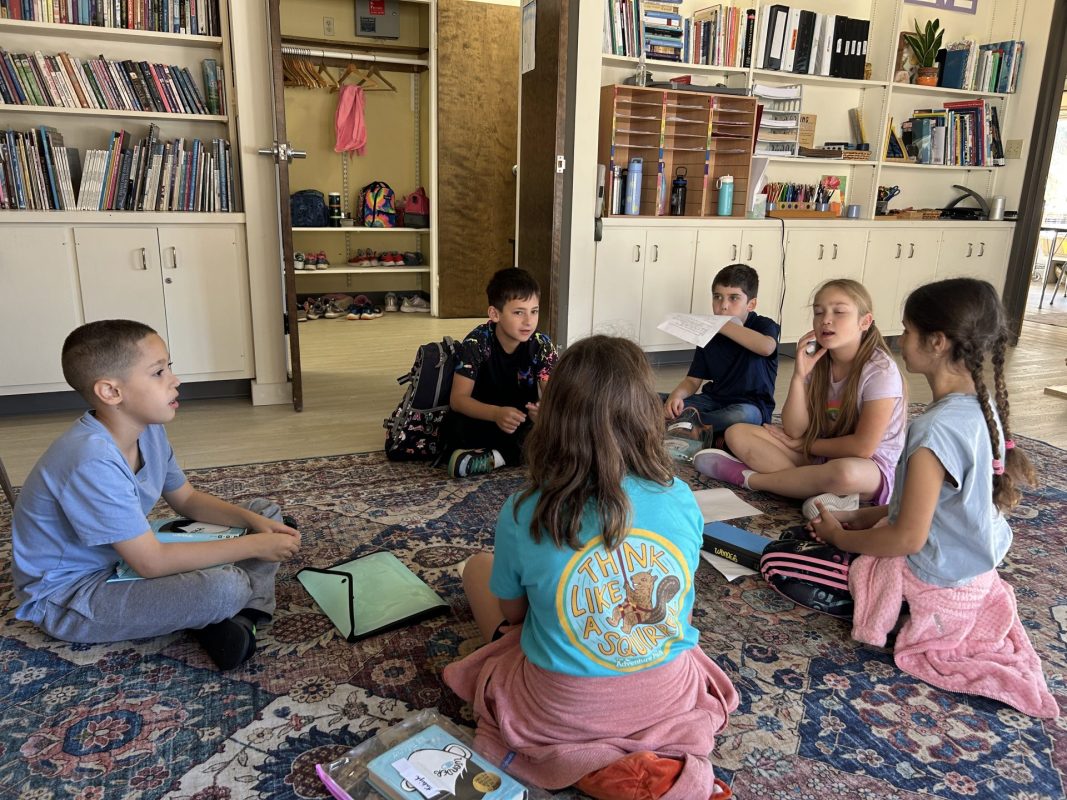
Our inaugural Literature Circle for the year was held on the recently constructed patio. I was pleased to observe the students engaging in lively discussions about the pages they had read and their assigned role sheets. The level of focus displayed by both groups as they delved into their respective books was truly impressive. Additionally, during our language lesson, we delved into the historical development of the alphabet through an enthralling story titled “The Ox and the House.”


Middle School: Week in Review

Another beautiful fall week went by in Middle School. It was a Community Service week, so our 6th and 7th graders visited their younger peers in their classrooms. 8th-grade Leadership led their first tour of the school for a visiting Admissions Director from the Canterbury School and baked about 100 snickerdoodle cookies for this weekend’s Oktoberfest. Hope to see you there!

Here’s the rundown of what went on in classes this past week:

Humanities

6th grade Humanities students began their first novel, Becoming Naomi Leon, by Pam Munoz Ryan. This book takes place in Southern California and Oaxaca, Mexico, so students began to learn about the region. Cultural and geographic lessons will continue as students read the novel. They also completed their first book discussions and reading assignments and learned about the parts of the plot. Additionally, students wrote their first On Demand piece, a “show-me-what-you-know” writing assessment, to establish individual writing goals.

7th-grade Humanities classes finished and presented their research of the Chinese Dynasties spanning almost 4,000 years!  Then, they looked at the history and significance of the Great Wall of China. Finally, 7th-grade students continued reading their class novel, Ties That Bind, Ties That Break.

8th-grade students spent a few classes presenting their first round of current events. Topics covered a variety of topics and issues, and the students had respectful conversations offering perspective to each other. Next, in continuing our unit on the Indigenous perspective of US history, they have developed their own unique way of studying and demonstrating knowledge surrounding the effects of European contact. Beginning with the Powhatan Confederacy, the class is creating a graphic book that demonstrates their research. They have decided what information should be researched to create a comprehensive Indigenous perspective, as well as the roles each class member will play in completing the work. Finally, the students worked on analyzing a primary source journal entry from the UK National Archives and answering questions about its content.

Math

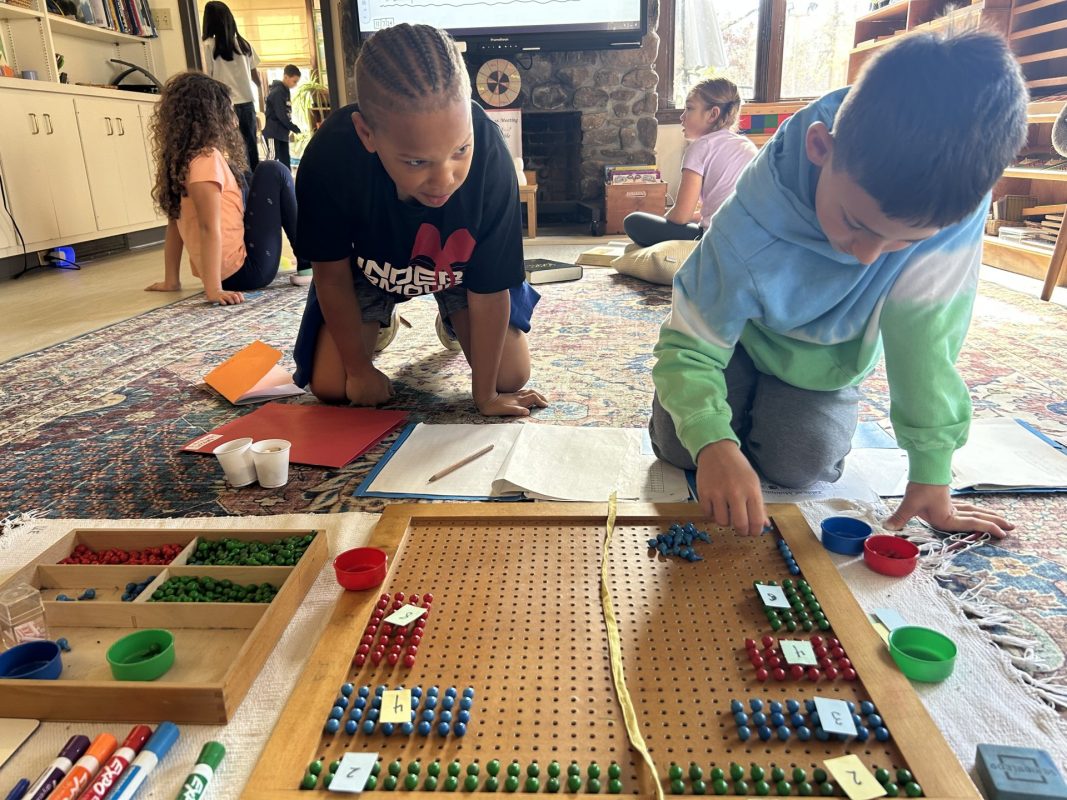
Pre-Transition: This week, students concluded their learning on Chapter 1 and wrote the first Unit Assessment. They reviewed concepts such as ordering integers, graphing simple fractions on a number line, and interpreting positive and negative situations. They will begin learning Chapter 2 next week, “Decimals and Percents.”

Transition: This week, students explored how to use scientific notation and practiced solving problems with order of operations. They wrapped up the week with a chapter review and completed the self-test in the UCSMP textbook to review key concepts. Ms. Sutherland encourages all students to prepare for their first chapter assessment, scheduled for Tuesday, October 8th.
Algebra: Students discovered the difference between mean and mean absolute deviation this week. They worked through a variety of problems that included graphing ordered pairs, evaluating absolute values, and determining equivalent expressions. The Algebra class has officially learned all the Chapter 1 concepts and will start investigating Chapter 2 next week.
Geometry: This week, students worked through the first few lessons of Chapter 2 titled, “Language and Logic of Geometry”. Students can now determine the difference between convex and non-convex figures, write conditional statements, and use and interpret Venn Diagrams. They will write the Chapter 2 Quiz on Thursday, October 10th.
Science
Students in all grades were given their first literacy lab this week.  This weekly homework assignment is handed out on Monday and expected back by Friday.  Be sure to ask your student for the details.
6th grade students completed their experimental design packets this week in class. They have learned the basics of the scientific method and how to design a scientific investigation. Next week, students will use this knowledge as they design their first experiment, using an observation already made in class.
The 7th and 8th grade students conducted their very own experiments this week.  They were provided with an observation: some students listened to music while working and reported performing better on assignments and exams.  Students were then asked to use their previous week’s learning to design and conduct an experiment of their writing, investigating this observation.  They spent the beginning of the week testing their peers and the latter portion of the week compiling and analyzing data to begin writing a formal lab report.

This Week in Upper El

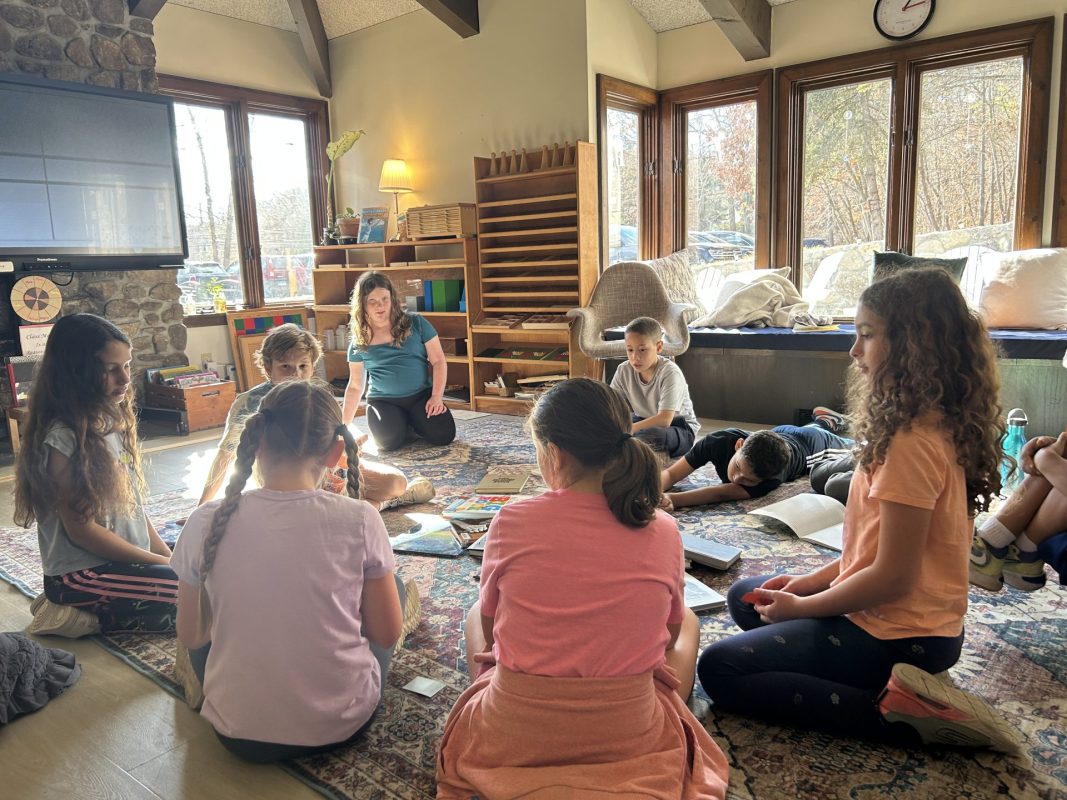
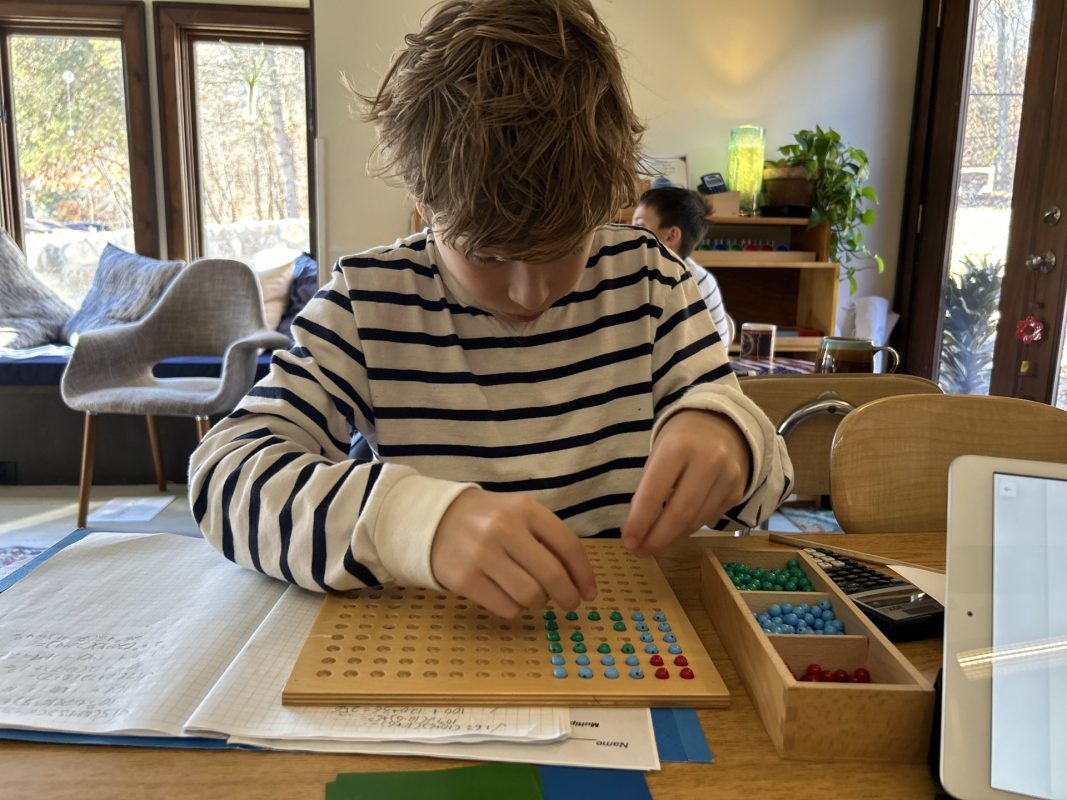
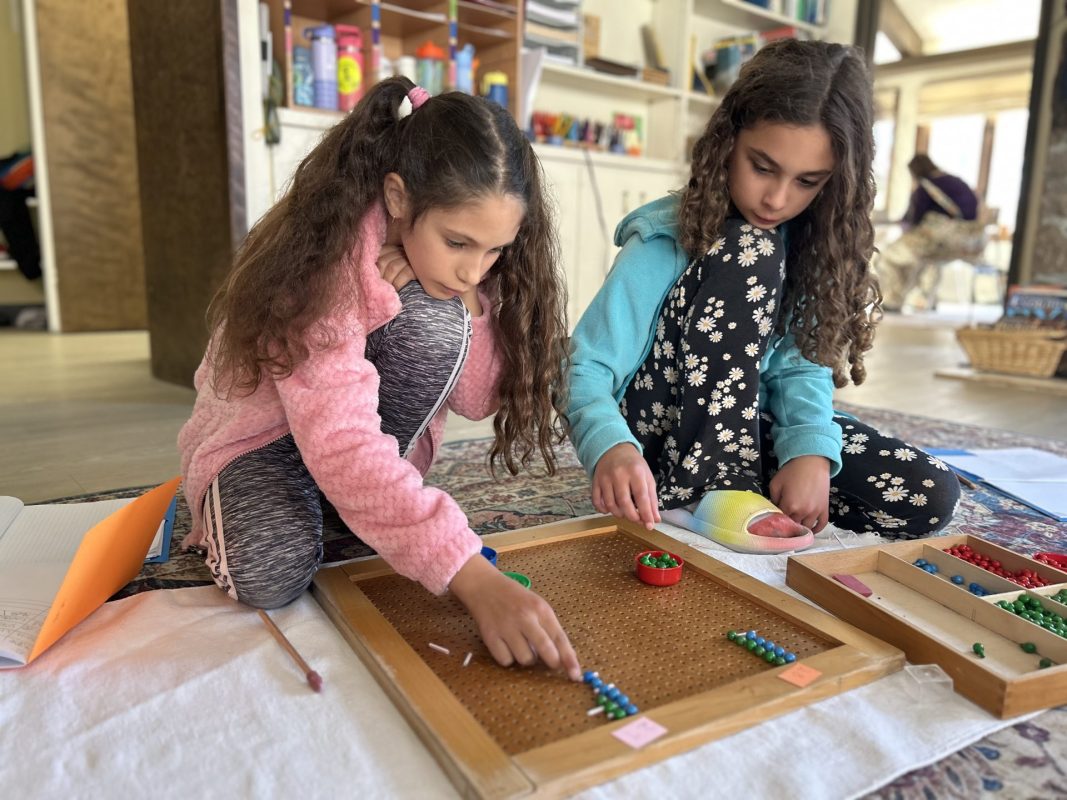
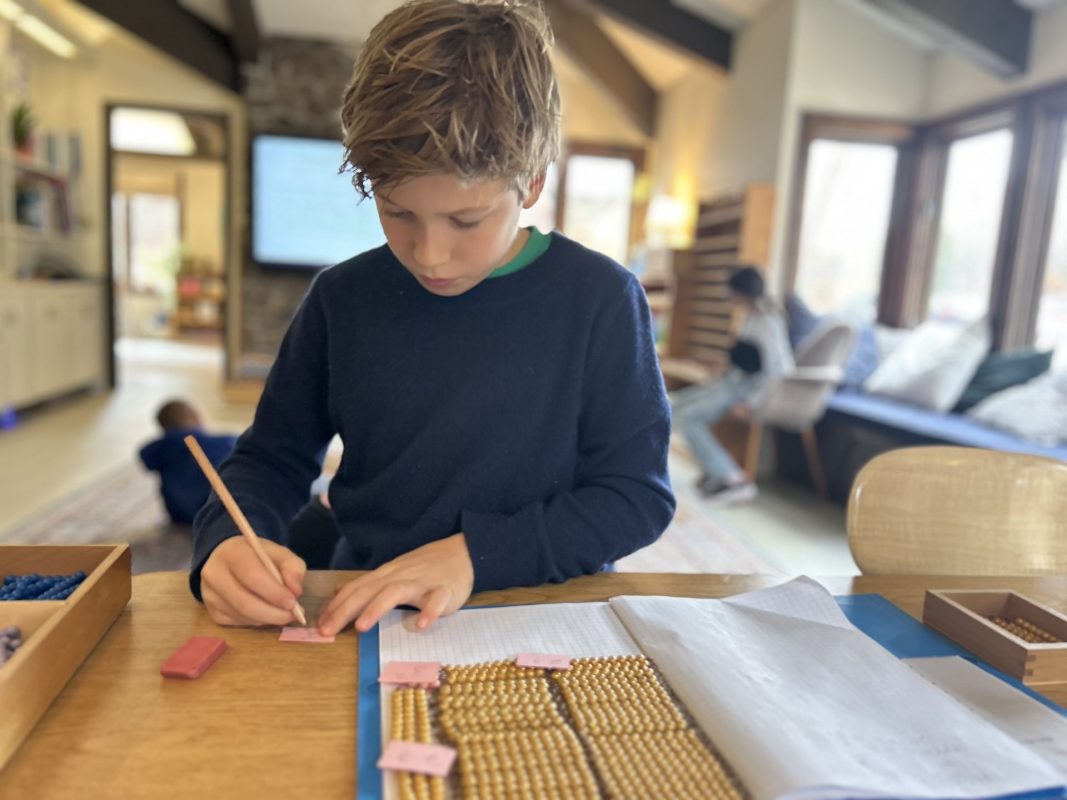
This week, we settled more into our Upper Elementary routines. During the work cycle, we reviewed math work and prepared for new lessons. We also worked on our first Wordly Wise assignment and continued our spelling work. In large group lessons, we started a history unit on human evolution: The Time Line of Early Humans. This work involves a hands-on creation of a timeline of human cultures. The Time Line of Early Humans is an overview of four human groups: Homo habilis, Home erectus, Home sapiens, and Homo sapiens sapiens. This week we focused on Homo habilis, who lived from about two and a half million to about one million years ago. We learned about their climate, where they lived, their shelters, food sources, weapons, and tools.

We will be visiting the outdoor classroom in the woods regularly. Please send insect repellent with your child to keep at school for our outdoor time, as mosquitos and ticks are in the woods.

We look forward to an exciting school year with your children and to supporting them as they move through the curriculum at a pace that will help them master the Upper Elementary material.


This Week in Upper El

“The clearest way into the Universe is through a forest wilderness.” -John Muir

We had a great time at The Adventure Park this week. It was the perfect first field trip of the year, offering real opportunities for the children to bond, encourage, and support one another outside the classroom. Helping each other on the high ropes course created natural opportunities for teamwork. I observed children challenging themselves to try courses with intimidating and challenging elements.

Overall, field trips are beneficial for children. They can practice grace and courtesy with each other and the people we encounter outside Fraser Woods on the trip. Going on trips helps develop children’s resilience, courage, and independence and teaches them about our interconnectedness with nature and the world. Field trips also provide opportunities for children to apply their knowledge in real-world settings and help them develop responsibility, manners, and cooperation.


We look forward to seeing you at the Parent-Student-Teacher Conferences on October 25. Students at the Upper Elementary level participate in these conferences. Please sign up for your conference here.


Middle School: Week in Review

**Don’t forget to join us at FWM’s Annual Oktoberfest on Saturday 10/5 from 4-6:30 pm.**

What a great week! While it did bring our first rainy, indoor day of the school year, we ended the week flying in the trees at the Adventure Park at the discovery Museum in Bridgeport. It was also great to see those of you who could make it to Curriculum Night. It was nice to have conversations with you and discuss your wonderful children.

Here’s what went on in classes this week:

Humanities

In 6th through 8th grade Humanities classes, students completed their identity maps, which are artistic representations of what they want the community to know about what defines them this year. Anyone can view these in the Middle School area outside of the Humanities room.

6th grade Humanities began the week with another activity to help students listen and speak to each other with respect. By completing a personal shield with some information about themselves, students sat in small groups and were asked to choose one piece of the shield they wished to elaborate upon to the group. They each had 60 seconds to speak about this while the rest of the group members quietly and actively listened without responding. Additionally, the 6th grade class completed a writing lesson reviewing the components of a well-developed paragraph, composing a group example and an independent one. Students had their first chance to workshop writing with the class, and most of them took advantage of the opportunity. Next week, students will begin their first class novel, Becoming Naomi Leon by Pam Munoz Ryan.

7th grade Humanities classes began the week with their first current events presentations. Next, they continued to read Lensey Namioka’s Ties That Bind, Ties That Break as part of their China unit of study. The book surrounds the Chinese Revolution occurring in 1911-1912 that ended the Qing dynasty and creating the Republic of China. Students completed research surrounding Chinese dynasties and will present this next week. The 7th grade students also read Pablo Neruda’s, “Ode to the Apple” and completed drafts in his style about an inanimate object. Students received a round of feedback, completing second drafts before the week’s end.

8th grade students discussed early America, particularly Mesoamerican civilizations. They began by watching a visual representation of human migration, beginning from the first Homo sapiens over 200,000 years ago to present day. This may not sound like the beginning of US history, but it is important to understand that while the United States is a “new” country, the land has been long inhabited. Next, their reading from the young adult version of Roxanne Dunbar-Ortiz’s An Indigenous Peoples’ History of the United States, had students focus on the significance of corn to the history of both Mesoamerica and the land that is now the United States. It also reminded students of the complex societies and nations living on the land that had established governments, road systems, trade, agriculture, etc. before Europeans entered the picture. Stewardship was also an important component of Indigenous life mentioned in their reading this week, so students wrote about who the stewards of today might be. Finally, the class completed an independent essay in class to help establish some writing goals.

Science

In Science this week, grade 6-8 students worked on learning the scientific method and experimental design. Students learned that the scientific method helps students learn how to think like scientists. The scientific method is a cornerstone of STEM education and involves the following steps:
  • Observe: Make an observation
  • Ask a question: Ask a question about something observed
  • Research: Do background research to learn what is already known about the topic
  • Hypothesize: Form a hypothesis, or testable explanation
  • Predict: Make a prediction based on the hypothesis
  • Experiment: Test the prediction by conducting an experiment
  • Analyze: Analyze the data from the experiment
  • Draw conclusions: Draw conclusions based on the analysis
  • Iterate: Use the results to make new hypotheses or predictions
Students learned that experimental design is a process that involves creating a set of procedures to test a hypothesis by manipulating variables and measuring their impact.  It is a complex subject that helps students learn how to create robust experiments and involves the following steps:
  1. Define the variables and how they are related
  2. Write a specific, testable hypothesis
  3. Design treatments to manipulate the independent variable
  4. Assign subjects to groups
  5. Plan how to measure the dependent variable
  6. Select a representative sample
  7. Control any extraneous variables that might influence the results

Math

Pre-Transition: This week, students continued their study of integers and fractions. They explored how to rewrite mixed units into single units, how to simplify fractions and how to find equivalent fractions using fraction blocks. The Pre-Transition students wrote their first quiz this week and do not have any assigned homework for the weekend. 

Transition: This week, students learned more about powers and order of operations. They worked through how to convert powers into word names and decimals. In addition, this class practiced how to use PEMDAS to solve different arithmetic problems. The Transition students wrote their first quiz this week and do not have any assigned homework for the weekend.
Algebra:  This week, students discovered new ways to find patterns in algebraic expressions. They reviewed how to graph ordered pairs on a coordinate grid and how to evaluate expressions involving absolute values. They continued the week by learning about range and mean absolute deviation. Students should start to prepare for their first Unit Assessment next week. 
Geometry: This week, students explored more properties of Euclidean Geometry. This class can recognize the use of undefined terms, find the point of intersection of two lines, and determine distance on a number line. They continued learning all the lessons in Chapter 1 and will begin our study of Chapter 2 next week. 
Have a beautiful week!