Blog

Middle School: Week in Review

The Middle School students had a great week. Here are some Save-the-Dates:

  • Friday, 10/18: Middle School pictures RESCHEDULED
  • Friday, 10/25,  6-8:30 pm @ FWM: MS Gathering: Classic Halloween Movie Night (Look for the upcoming Evite)
  • Thursday, 10/31: MS Halloween Party in School (Costumes welcome! Look out for more info next week)

Here is what went on this week:

Humanities

In 6th grade Humanities, students continue to read their class novel Becoming Naomi Leon and are getting used to regular reading assignments and expectations from Mrs. Lamb. Class book discussions are lively and showcase the students’ ability to relate to the text and make parallels. While students learned the parts of plot last week, they focused on conflict in literature this week. Using their class novel, they identified the different types of conflict that exist in the plot. With Ms. Sara, students worked on creating soap carvings just as the novel’s protagonist, Naomi, does.

7th-grade Humanities classes finished their first class novel, Tie That Bind, Ties That Break. With that, they have been studying 19th century China and the events that contributed to the fall of the Qing dynasty. They learned about The Opium Wars, the Taiping Rebellion, and the Boxer Rebellion. Students also used their annotation skills when reading articles surrounding each of these. Finally, the 7th graders completed a written discussion about cultural perspective.

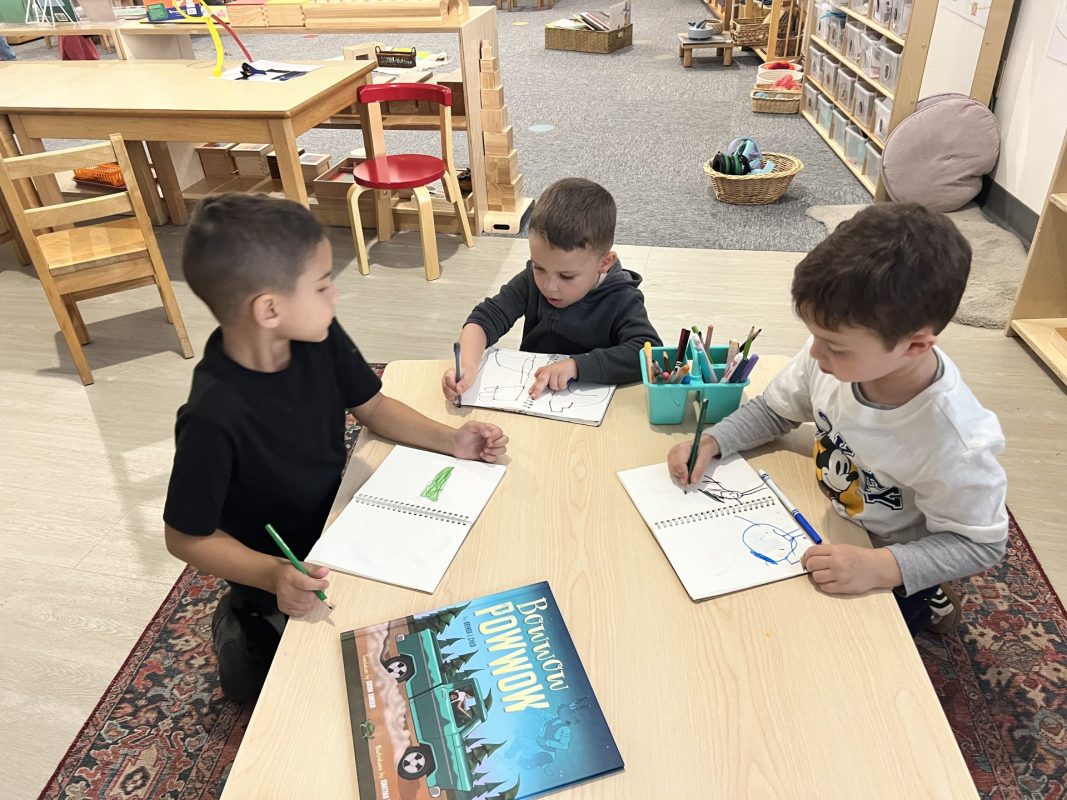
The 8th-grade Humanities class worked on their Powhatan Confederacy picture book project that they had designed and planned. They completed all of the research surrounding the content of the book and are currently laying it out and drafting their pages. They also lead two tours and had discussions with vistors from Abbott Technical School and Northfield Mount Hermon School.
Science

6th grade :
Students wrote and conducted their very own experiment this week.  They were provided with an observation, some students listen to music while working and report performing better on assignments and exams while doing so.  The basics of scientific method and experimental design were then reviewed before putting students to work on writing an experiment to investigate this problem.  Investigations were conducted on Thursday and Friday of this week in class.  Next week, they will work with analyzing their data and developing conclusions.
This week, students in all grades were given a literacy lab. This weekly homework assignment is handed out on Monday and is expected back by Friday. Be sure to ask your student for the details.
7th and 8th grade:
The classes have now moved on to the last topic of their introductory unit, data analysis, and graphing.  This week, students worked with data to develop visual representations.  They learned the importance of graphing in science and how it is used to show the relationship between two related values, the independent and dependent variables.  Students learned to look for patterns and speak to how entities are related to each other.  They also learned to distinguish what kind of graph is appropriate for different types of data.
Math
Pre-Transition: This week, students began their learning of Chapter 2, “Decimals and Percents.” They explored ways to identify place values in a decimal number and how to graph and read decimals on a number line. Students were eager to know and apply the Substitution Principle for decimals and percents, as well as multiply decimals by 1/10, 1/100, and so on. They will continue learning about decimals and percents next week and will write the Chapter 2 quiz.
Transition: This week, students wrote their Chapter 1 test and confidently demonstrated their understanding of all Chapter 1 concepts. The class then dove into Chapter 2, “Using Variables.” Students began exploring how to write descriptions of patterns using variables, how to represent a relationship between two variables using a table, and ways to write numerical expressions involving arithmetic. Next week, they will continue their learning by evaluating algebraic expressions and calculating variable expressions.
Algebra: This week, students began exploring Chapter 2, “Using Algebra to Explain.” The class practiced using the Distributive Property to expand and combine like terms and apply it to real-world situations. They also began exploring the use of Opposite Properties and how to test the equivalence of expressions using spreadsheets and technology. They will conclude the week by writing the Chapter 2 quiz.
Geometry: This week, the class discovered how to write the converse of a conditional statement, practiced and applied the properties of a good definition, and began using and interpreting union and intersection of two sets. They also became experts in using and interpreting Venn diagrams. Students will conclude the week by writing the Chapter 2 quiz.

Ms. Mollie: October Adventures

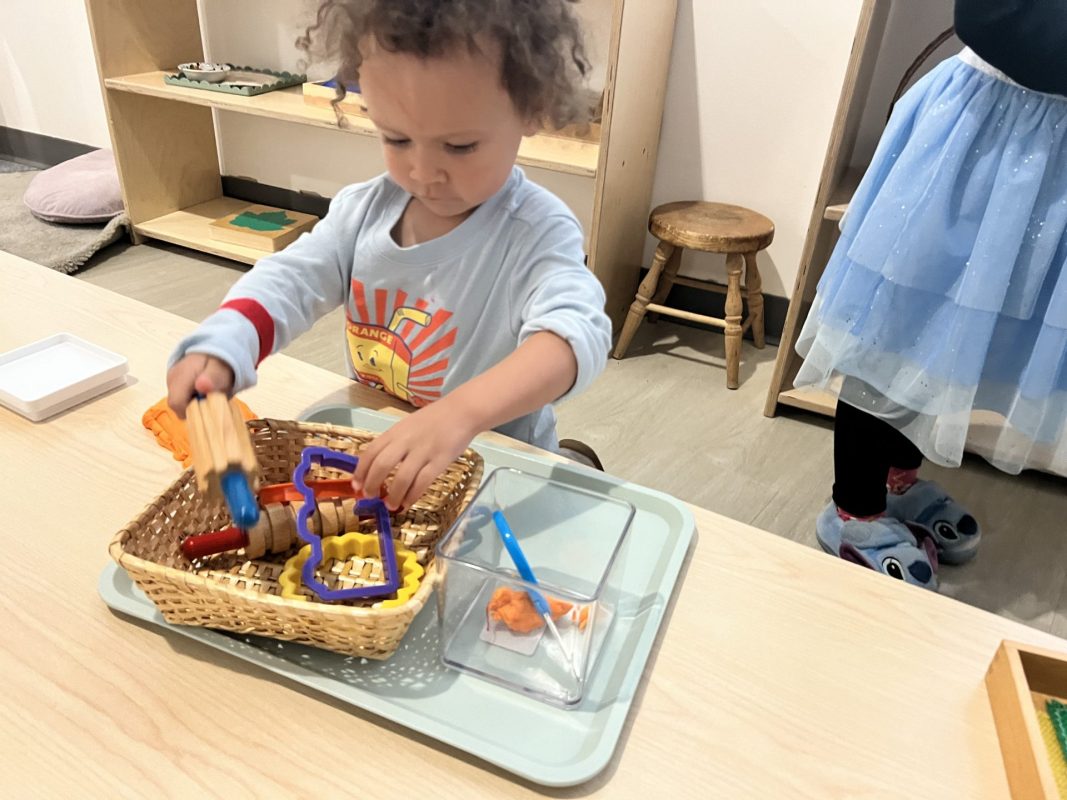
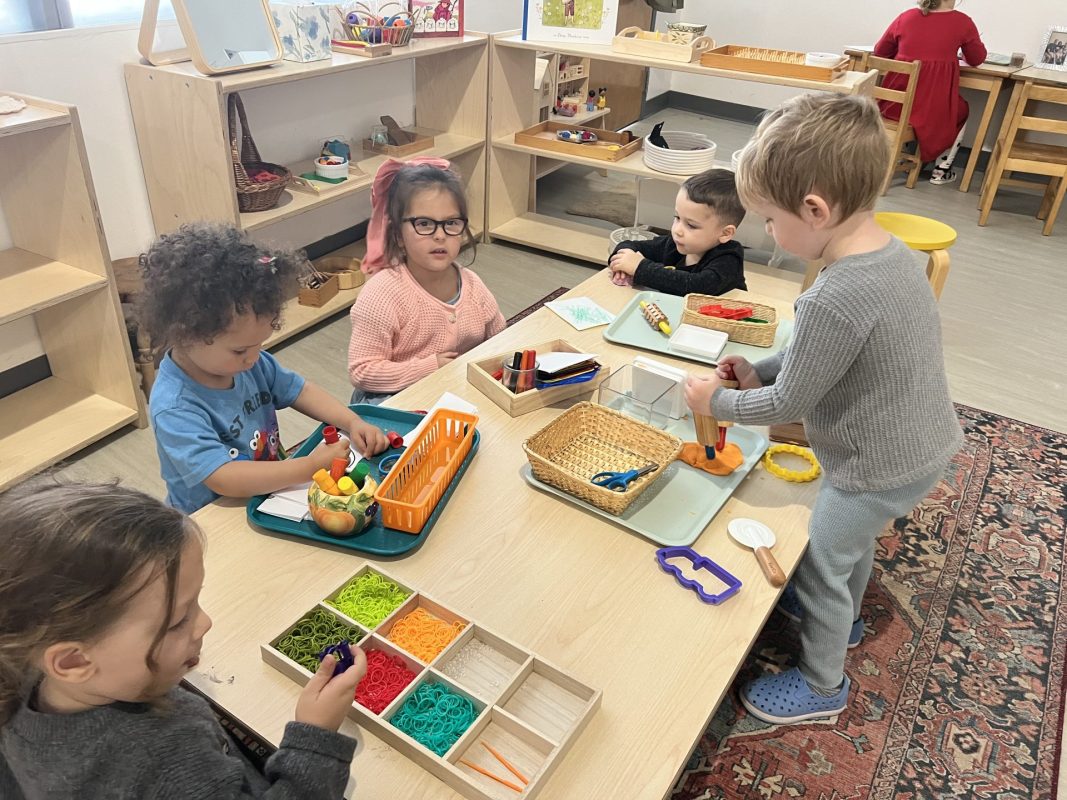
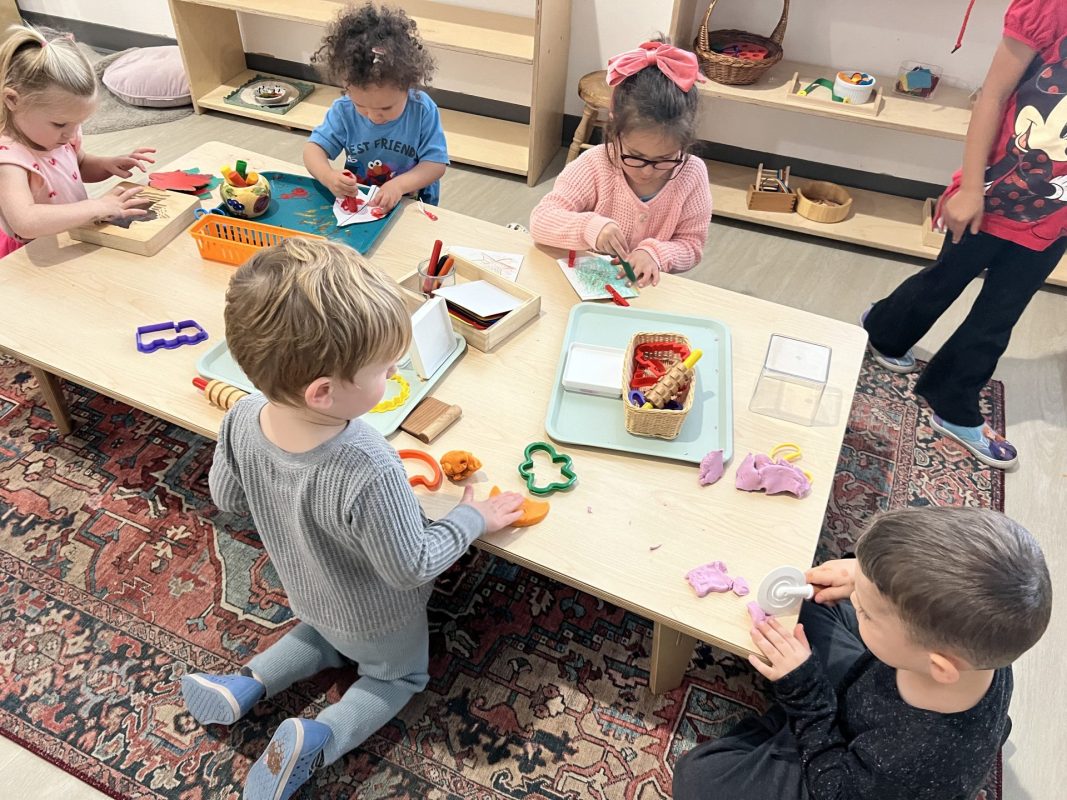
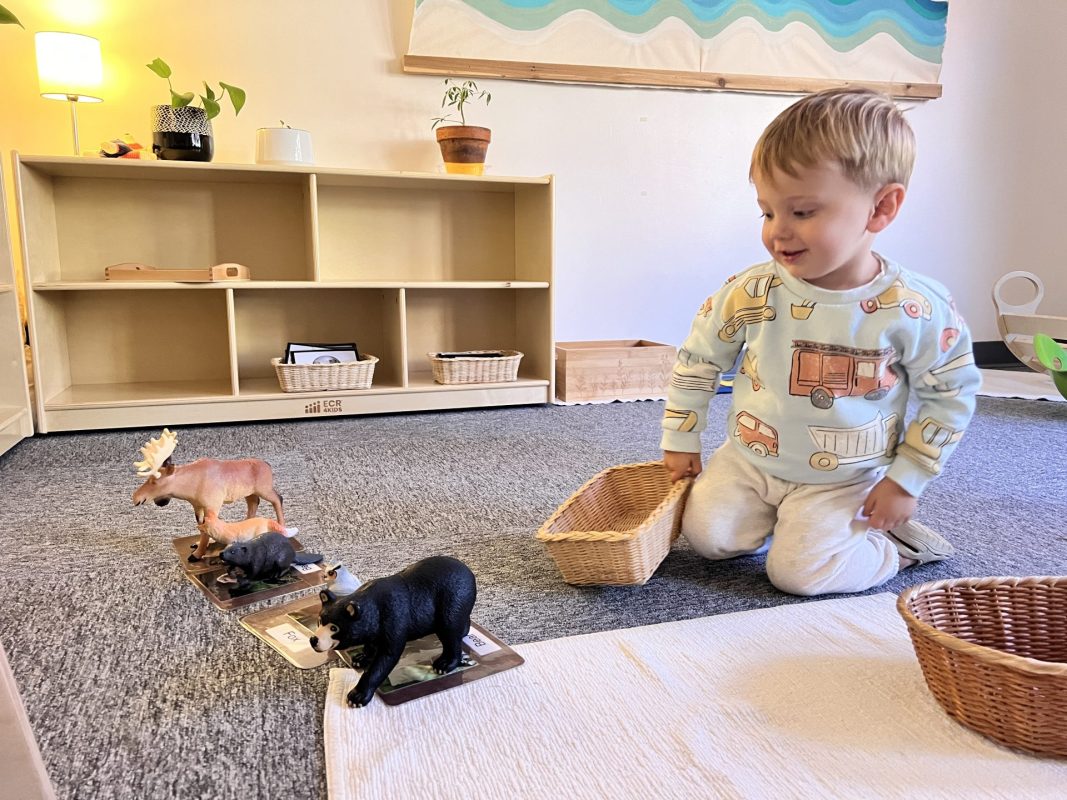
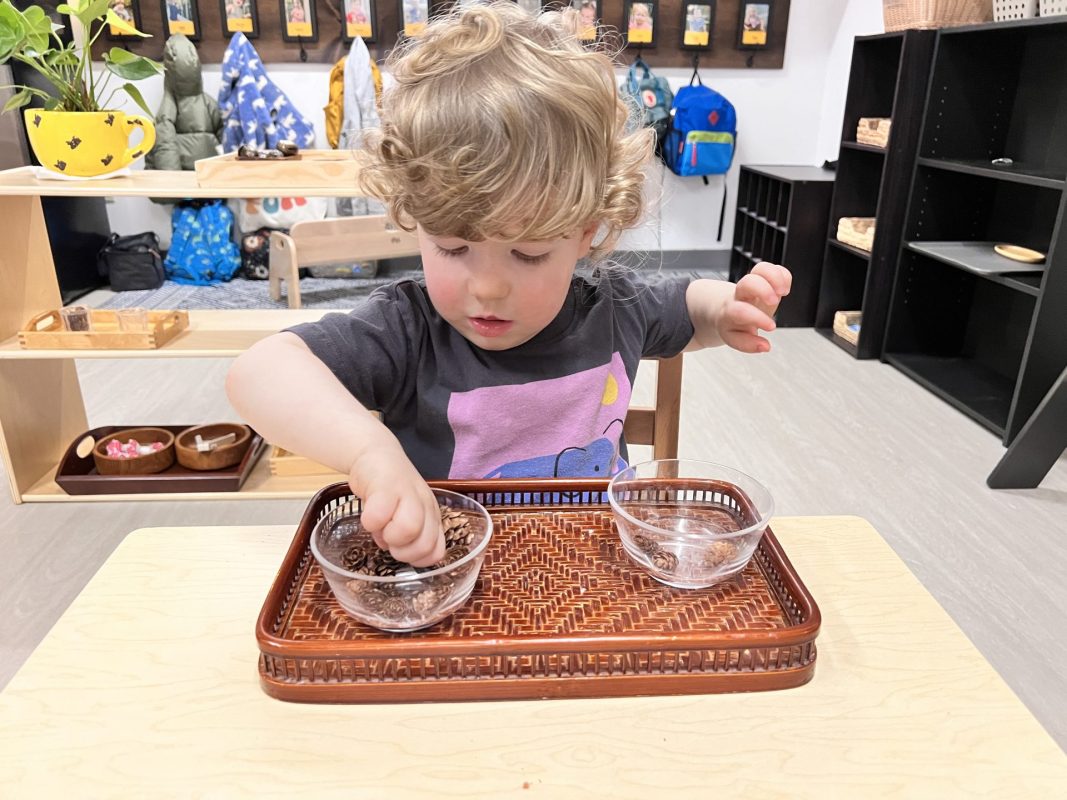
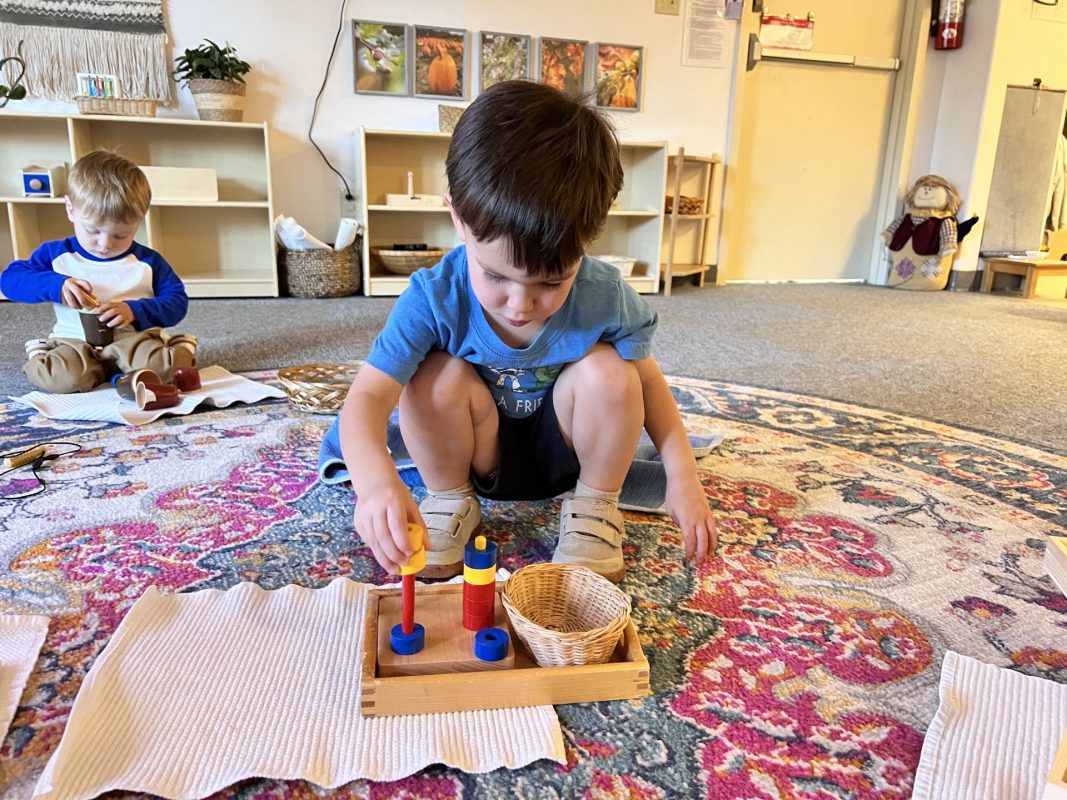
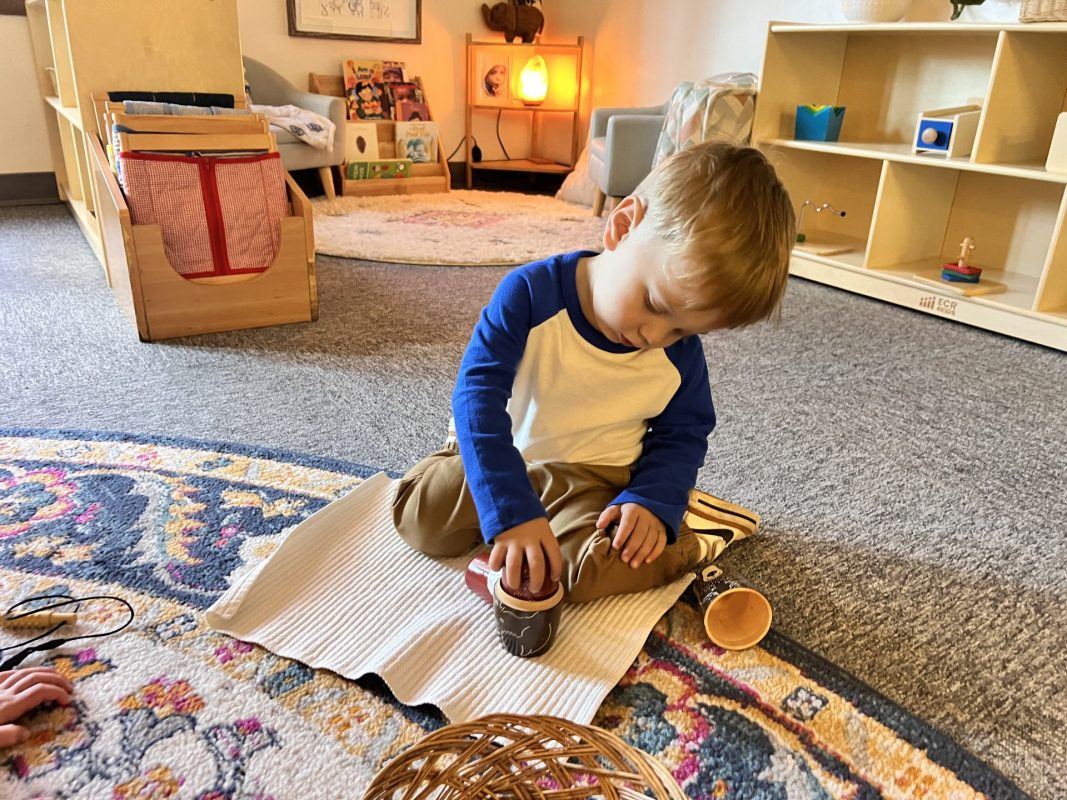
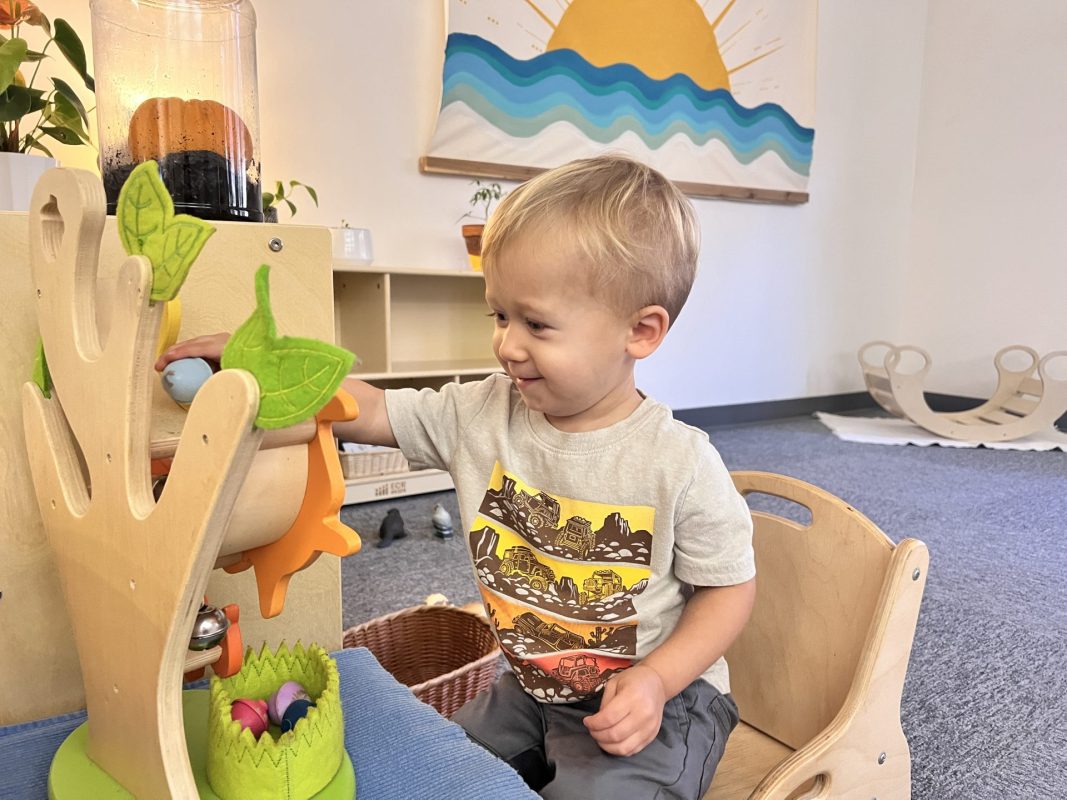
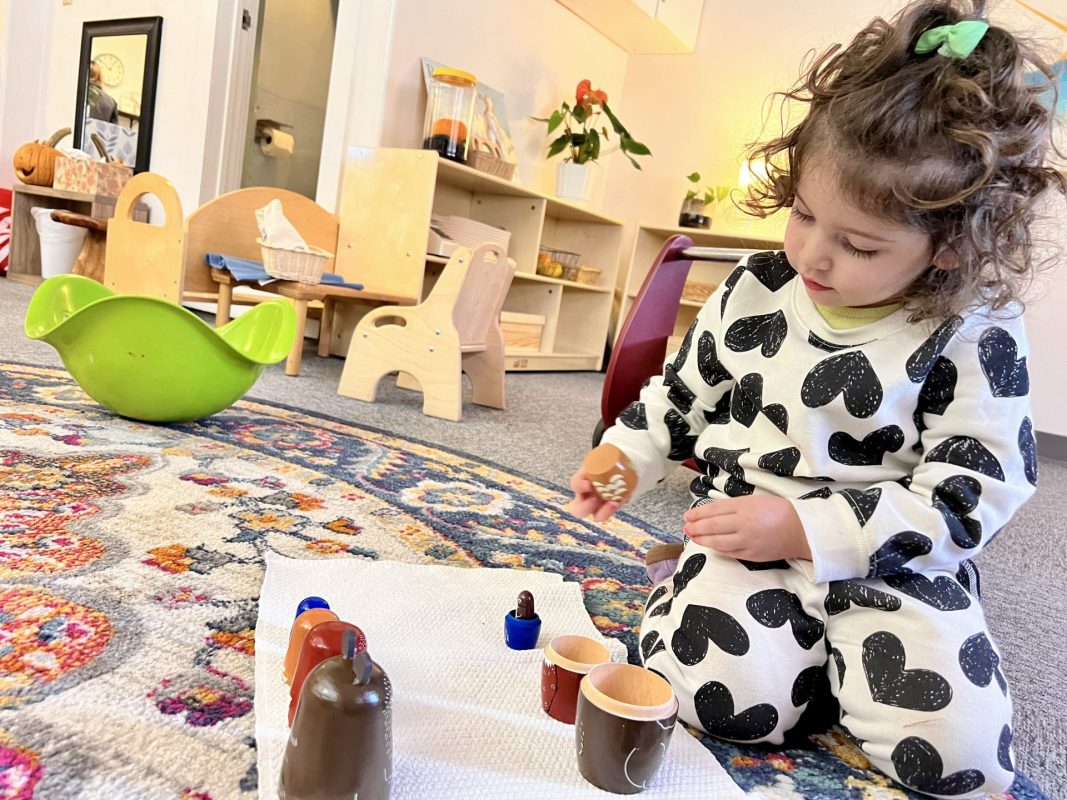
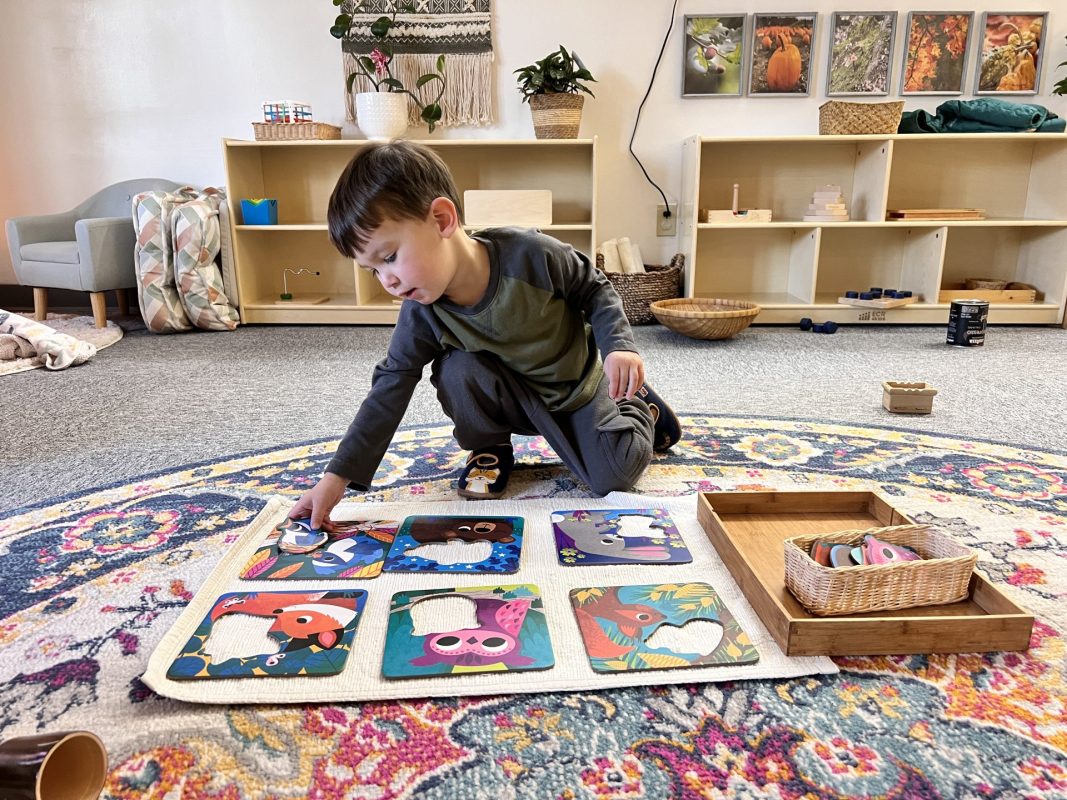
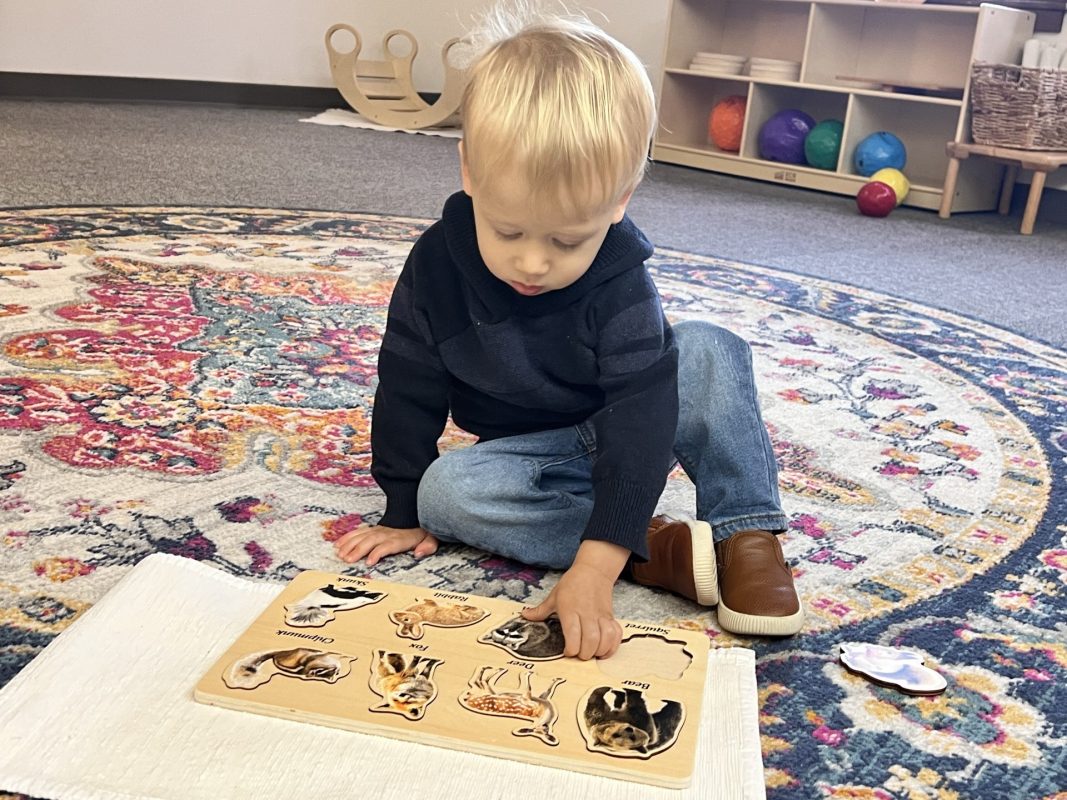
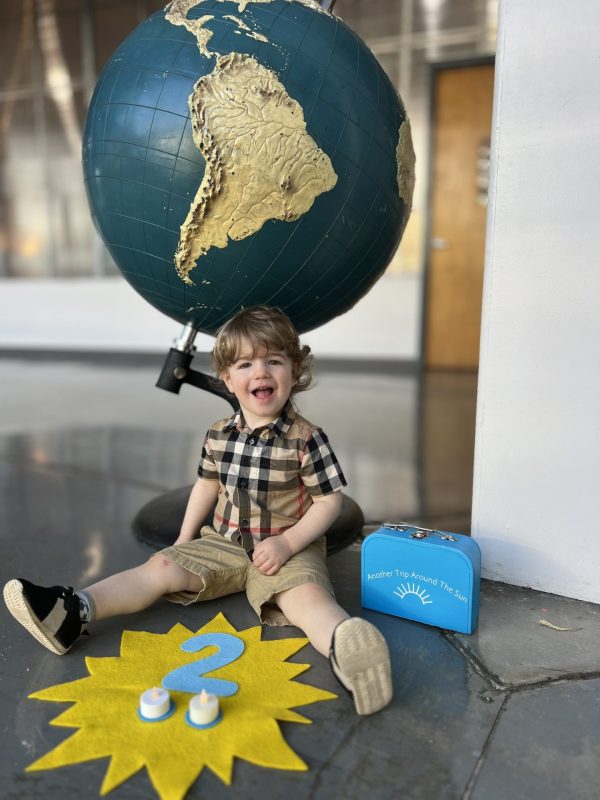
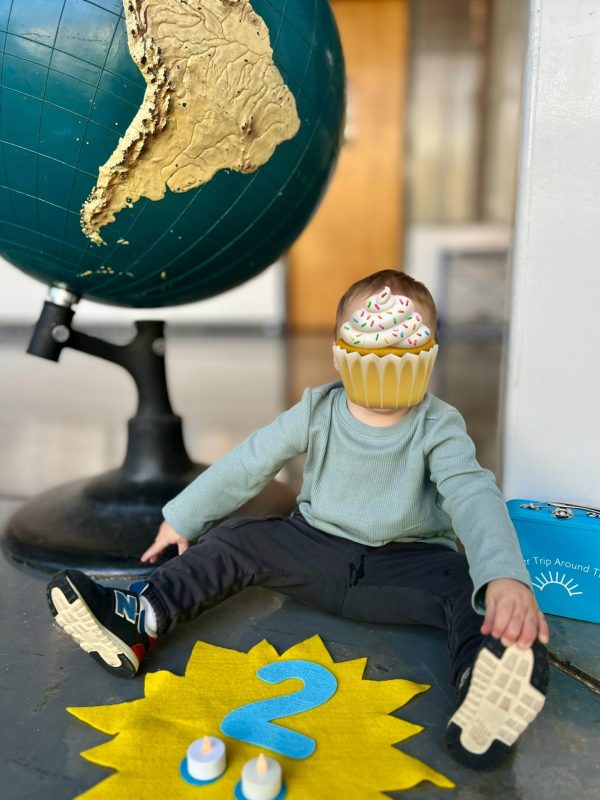
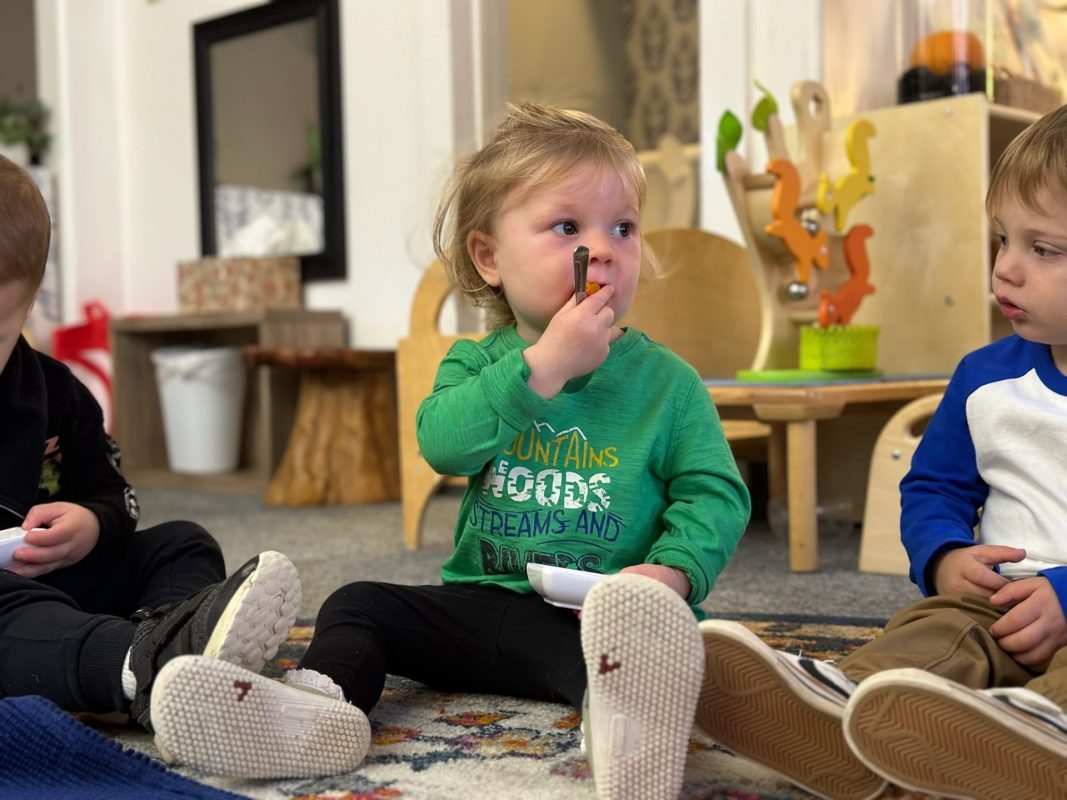
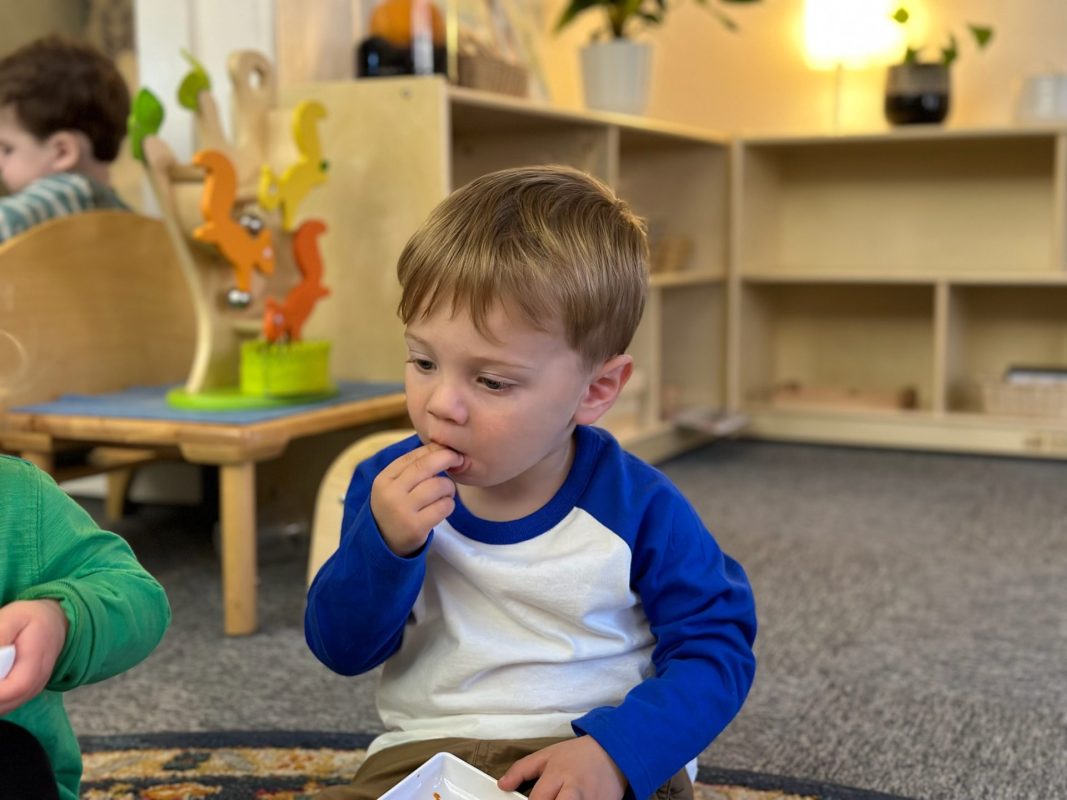
What a wonderful week! There are so many new adventures and experiences; I know how lucky I feel to share them with your children. The children were so excited to make apple sauce together; it took three days till we could finally try it; the result was well worth it!  The children help in each step, cutting the apples, adding the cinnamon stick,  putting the apples in the crock pot, putting the apples through the sieve, and then eating them the next day! In the Montessori classroom, you will always hear teachers say, ” Your child is so capable.” Give the children the right tools, and they will show us how capable they really are. This week, we focused on the “Grace and Courtesy Lessons” by introducing statements for communication, “This is my work,” “No thank-you,” “Please don’t touch my work,” “Walk around,” “This is my mat,” giving those words and modeling how we use them helps the child to understand how to communicate while being respectful, and confident.  This is another way that we give our toddlers the tools for success!  This week, we also had our first classroom birthday, in which all the children shared joy with their friends with deep enthusiasm! Turning two is a big deal, and we all wish our friend a year of love, light, and growth!

With full hearts,

Ms. Mollie and Ms. Lizette


Ms. Mollie: Falling into October

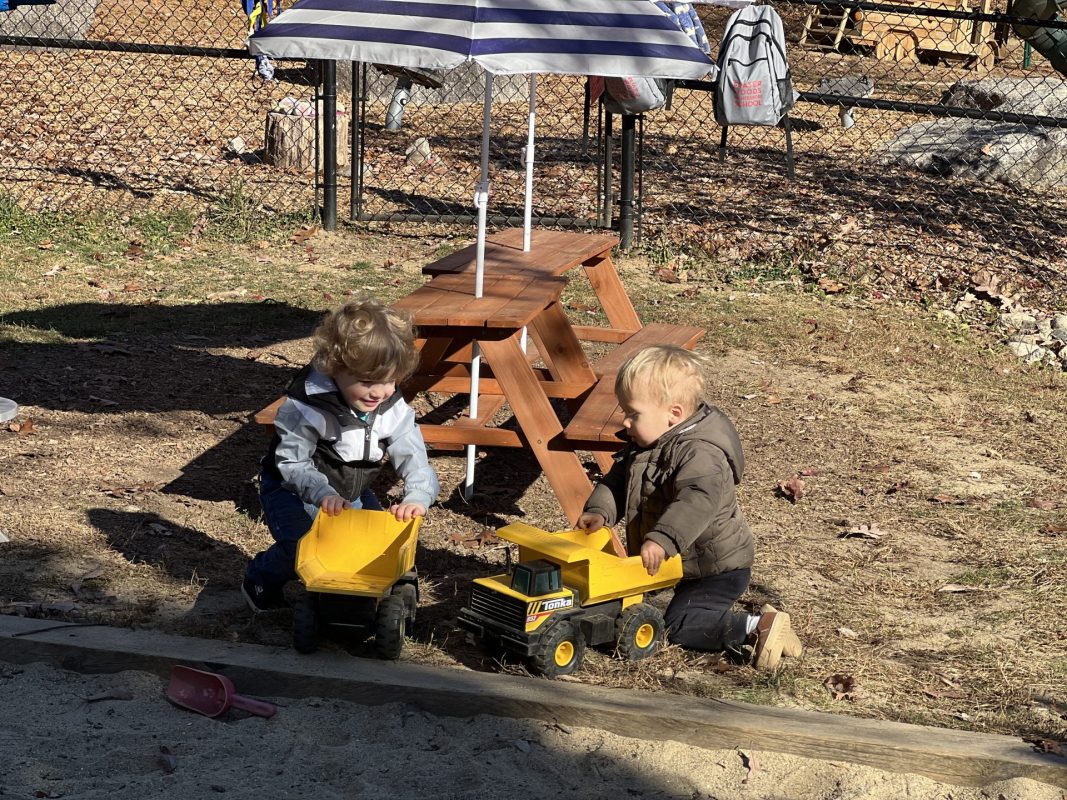
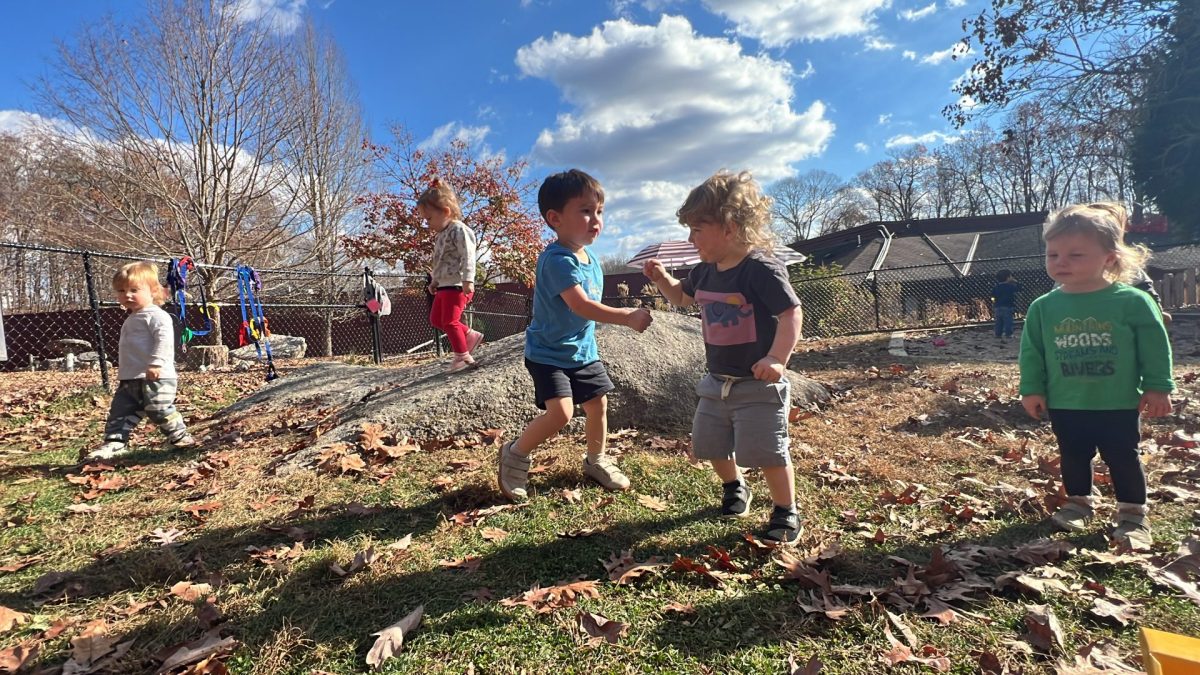
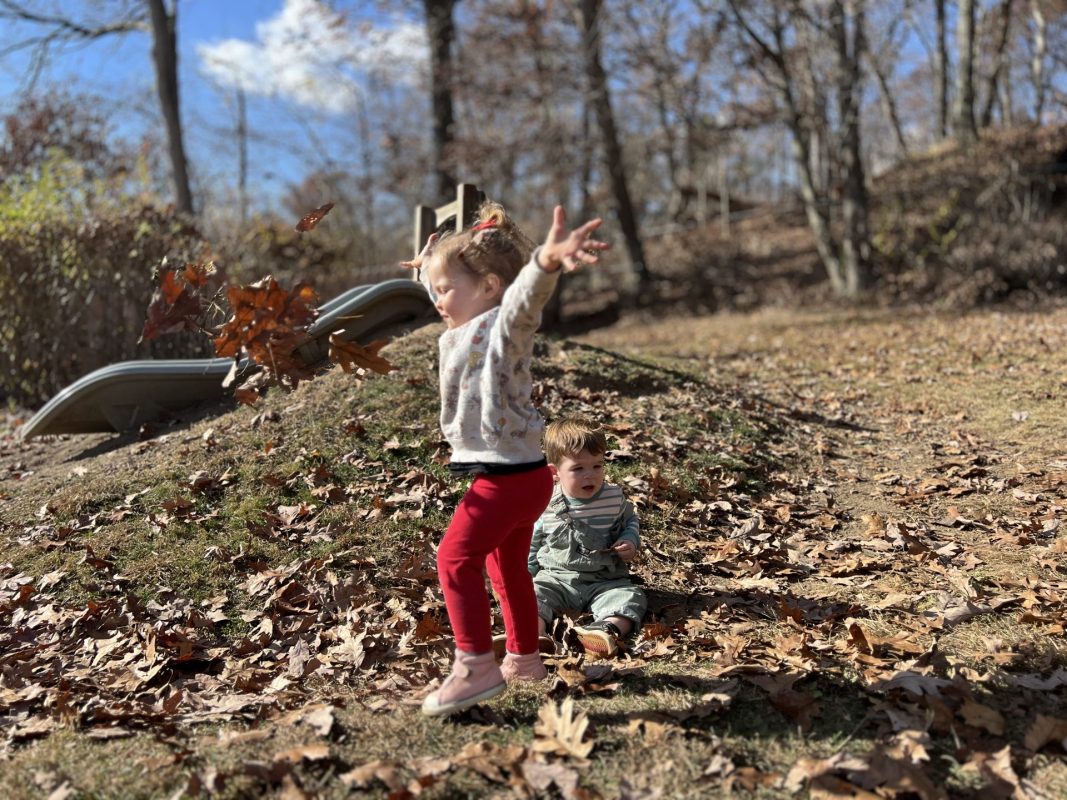
October is finally here!! It’s only been a few days, and we have been exploring and learning all about what “Fall” is.  The easiest way for young children to learn about nature is to give them many concrete experiences and allow for unlimited exploration.  Our school campus has provided many experiences to see what Fall truly has to offer; we have been holding insects, collecting leaves, and spreading milkweed seeds. The milkweed provided many tactile experiences, along with the pure magic of watching it float so high into the sky, with the hope that it will feed future monarchs for years to come. As a classroom we also got to all experience a ladybug crawling on a leaf and then flying away, the children had a range of emotions, joy, excitement, curiosity, and sadness when it took flight.

This week we also welcomed in our first cultural celebration and gratitude, we enjoyed learning about the traditions of Rosh Hashanah! The children explored a honeycomb, apples, and the sweetest honey…..but most of all, they loved eating our apples and honey together to symbolize the hope for a sweet new year! Rosh Hashanah is a time of reflection, future thinking, and gratitude! We wish all who observe a “Shana Tova”!  A special thank you to “Nini’ for gifting us honey and honeycomb from your very own bee hives! 

We will be focused on a variety of activities, many of which will include fall themes. We will be specifically emphasizing in our vocabulary what we see occurring in nature, leaves color changing, leaves falling, using words like Autumn, Fall, Halloween, Pumpkins, Corn and Acorn.

With full hearts,

Ms. Mollie and Ms. Lizette


Ms. Handibode’s: Do You Know The Continents?


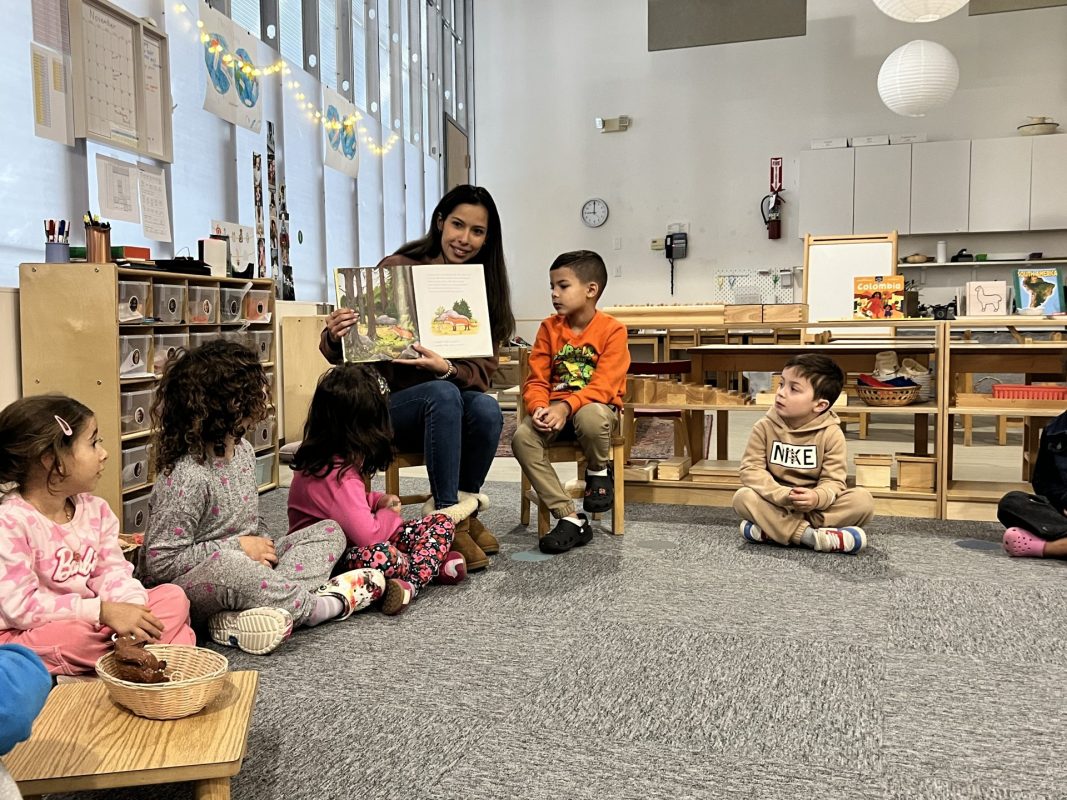
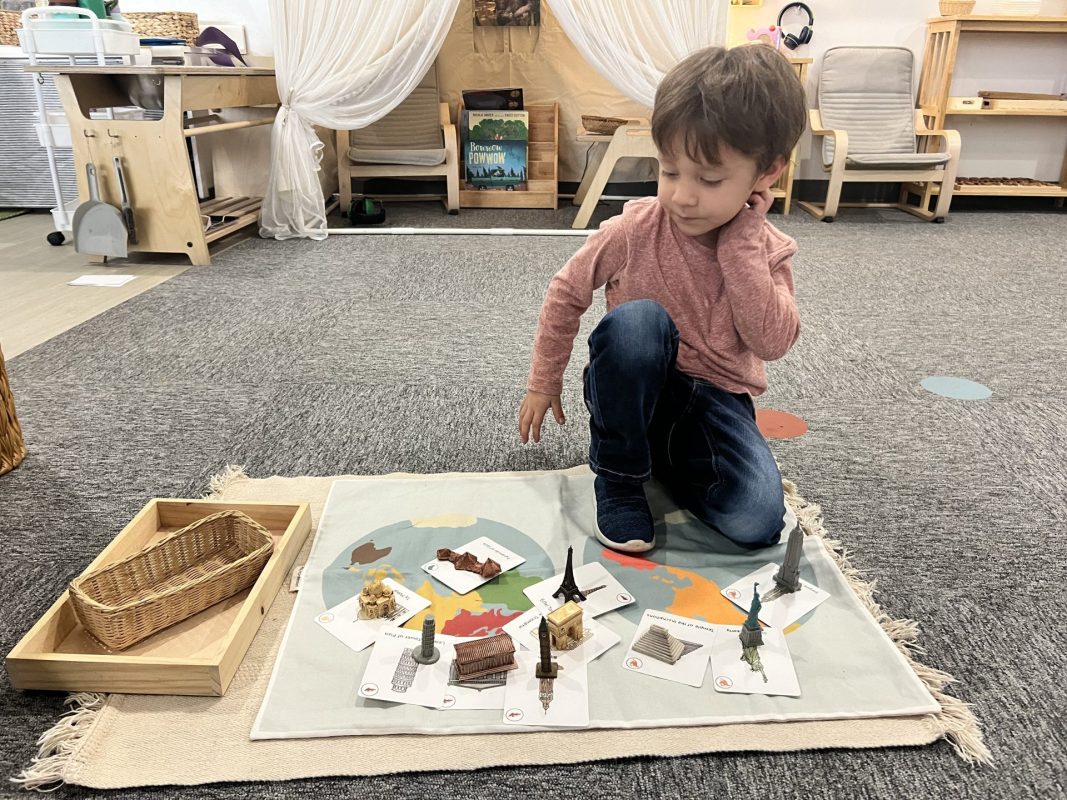
The Montessori approach to teaching Geography is unique and comprises two components: physical geography and political geography, also known as Culture. From the beginning of the school year, we weave Geography lessons and terminology into our day as we learn about our physical world. The Geography materials are always fascinating to the children and are a springboard for wonderful discussions.

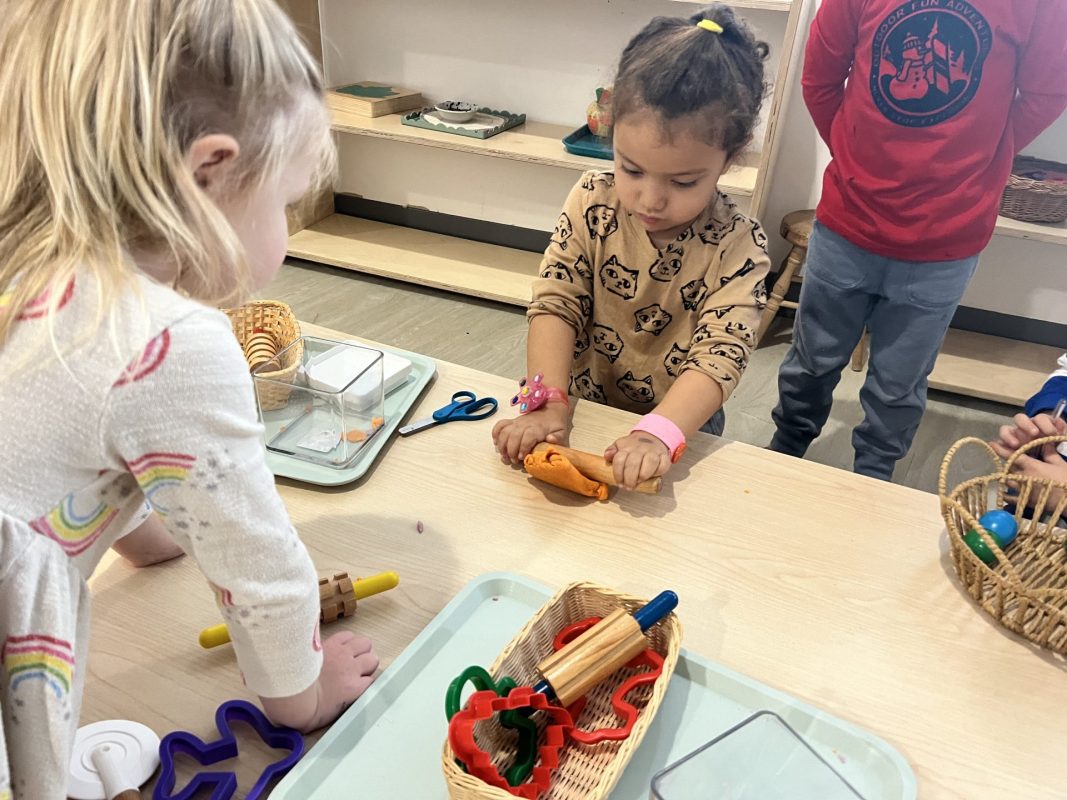
Early in our school year, we categorized the planet Earth into air, land, and water.  We then sorted what we would find in each of these different components of our world.  Next, we introduced the geometric solid known as a sphere to the children and compared it to the shape of the globe.  We start with a sandpaper globe that helps to distinguish land and water.  The colored globe comes next, and we begin to teach the continent names.  We make a sphere out of play dough and cut it in half to help them visualize the concept of a hemisphere.  Simultaneously, the children are learning about landforms that introduce the concept of lake, island, bay, cape, peninsula, gulf, isthmus, strait, archipelago, and a system of lakes.  These sensory experiences help the children learn about their physical world.

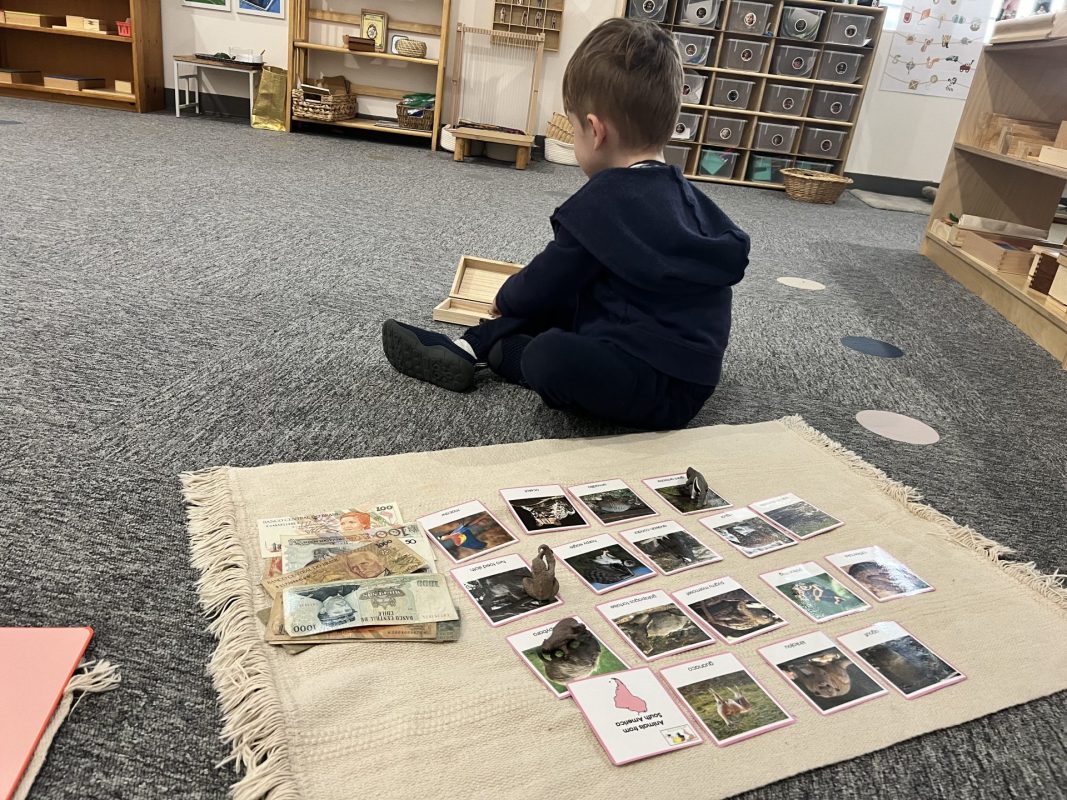
After learning the continent names, we introduce the puzzle maps for each continent, starting with North America in November. We learn that there are many countries in North America.  The older children will trace and paint each of the puzzle maps. We will learn about the animals, people, and climate often associated with each of the continents.  Our goal is to encourage the children to appreciate the beauty and wonder found in the similarities and differences around the world. In our classroom, we have a cultural shelf with artifacts from each continent.

Last week, we introduced the song “Do You Know The Continents,” and we often hear the children singing it quietly to themselves as they work. Below are the words if you would like to sing along with your child.

Do you know the continents, the continents, the continents?
Do you know the continents in our world?
There’s North America, South America, Africa, Asia, Europe,
Don’t forget Australia. What about Antarctica?
Yes, I know the continents, the continents, the continents.
Yes, I know the continents in our world.

Wishing all of you a week filled with peace and love!

Michelle & Maria


Mrs. Hood: Toileting the Montessori Way!

“Learning to use the toilet is a natural process that begins when your child’s desire to be grown up and his neurological development have reached the point where he can control his bladder and bowels. We don’t train children to use the toilet, we support them when they are ready.” (How to Raise an Amazing Child: The Montessori way to bring up caring confident children, by Tim Seldin)

As children continue to work on their self-care skills, we want to focus our attention this week on a special topic (and sometimes a dreaded one) between parents: potty training.

In our Montessori environment, we call it “toilet learning” since we believe that using the toilet is a very natural and gradual process that develops at the child’s pace, rather than when the adult decides the child is going to be toilet ‘trained.’ In our experience as Montessorians, we have witnessed toddlers as early as 20 months to as late as closer to three years old master these skills. Also, we have observed that apart from the developmental stage the child is in, one of the main factors for success relies on the parent’s commitment early on to support this process at home by making their child an active participant in the diaper changing process as we do in our environment.

You might be asking yourself, “But how do we do this? How can we support our child at home?”

As this topic can be extensive due to the fact that this type of support can start even when your child is a young baby, we are going to leave you here with some important tips focused on your toddlers and their stage of development:

  1. Ditch the changing table and start changing your child in the bathroom area. This is important as it sends a clear message to the child that this is where we go to be changed and use the toilet.
  2. Prepare the environment. You may use a potty to start if you feel your child needs more balance, or you may add a toilet seat to your regular toilet. If using the latter, please find a stable stool where your child will feel secure and encouraged to use the toilet. Add a basket with clean diapers, wipes, and books so children are encouraged to sit on the toilet and wait when needed. If your child is showing signs of readiness, a basket of clean training underwear and a basket for wet underwear should be part of this area.
  3. Incorporate CONSISTENT toileting into your child’s routine. Offer the potty/toilet at times when the child normally urinates or has bowel movements (after waking up, before going outside, after coming in from outside, after lunch/before nap, etc.)
  4. Say, “It’s time to use the toilet,” rather than “Do you want to go to the toilet?” (The answer will usually be no.) As the child becomes more aware of their body, they will be able to tell you, “No, I don’t need to go.” You can then say something like, “Of course, I know you will tell me if you need any help when you need to go.” You can also use an alarm clock set at regular intervals to remind them to go, “The clock says it’s time to use the toilet.”
  5. Never force a child to use the toilet or potty.
  6. Do not interrupt the child to use the toilet—for example, wait until they have finished their puzzle, etc. before offering the toilet.
  7. Focus on encouraging your child to be an active part of the process by asking them to push their pants down, open the tabs of their diaper, and recognize if they have had a bowel movement or not (we always ask this to teach the children that if they have had a bowel movement, they will need our support to remove the diaper), wipe (when having a bowel movement we provide a small stool where they can turn around and put their hands on it for stabilization and the adult will clean them), place diaper in the trash, pull their pants up after receiving a new diaper and wash/dry hands. This is a daily routine in our environment. As soon as you incorporate this at home, we believe your child will increase their interest, and signs of readiness will become more obvious.
  8. Provide clothing that supports the process. Avoid zippers, buttons, tight clothing, dresses, onesies, jeans, overalls, rompers, etc. Reminder: Please avoid this type of clothing on your child for school as well.

When should my child transition into wearing underwear?

When your child is staying dry for long periods, telling you when they are wet or soiled and they are having consistent success using the toilet at home and at school, it may be time to transition into underwear. The thick, quilted training pants work best as they allow the child to feel the wetness and are more absorbent than the thinner cotton underwear. When circumstances allow, you may let the child go bare bottom at home. This can help them see and understand what is happening. Please be aware that toddlers usually show signs of readiness at home first, and as they become more confident in the process, the transition into school life is usually peaceful and successful.

Communication between home and school is vital in this process. Please always reach out with any questions you may have! We will be more than happy to assist you!

Have a great weekend,

Mrs. Hood and Ms. Noelle

“There should be no pressure, no reward or punishment, no adult deciding when the child should learn to use the potty. The environment is prepared, and the child is free to explore and imitate in these natural developmental stages.” (The Joyful Child)


Mrs. Lopes: A Look at Our Week

The Montessori approach to teaching Geography is unique and comprises two components: physical geography and political geography, also known as Culture. From the beginning of the school year, we weave Geography lessons and terminology into our day as we learn about our physical world. The Geography materials are always fascinating to the children and are a springboard for wonderful discussions.
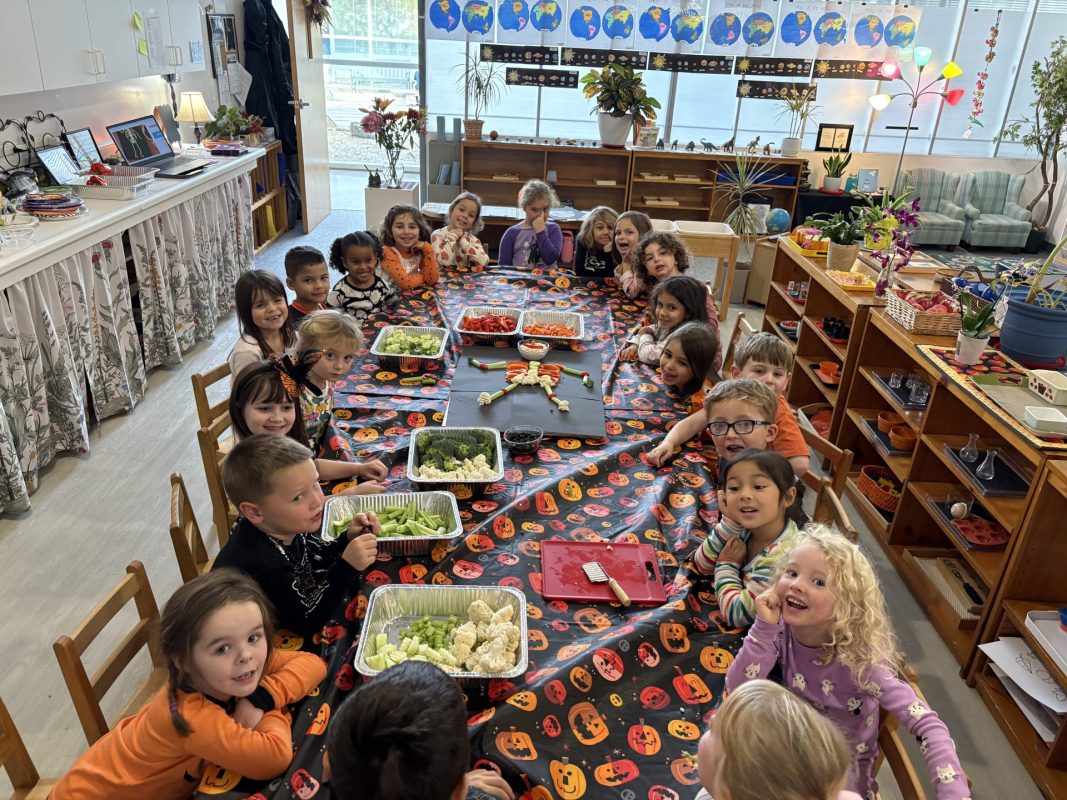
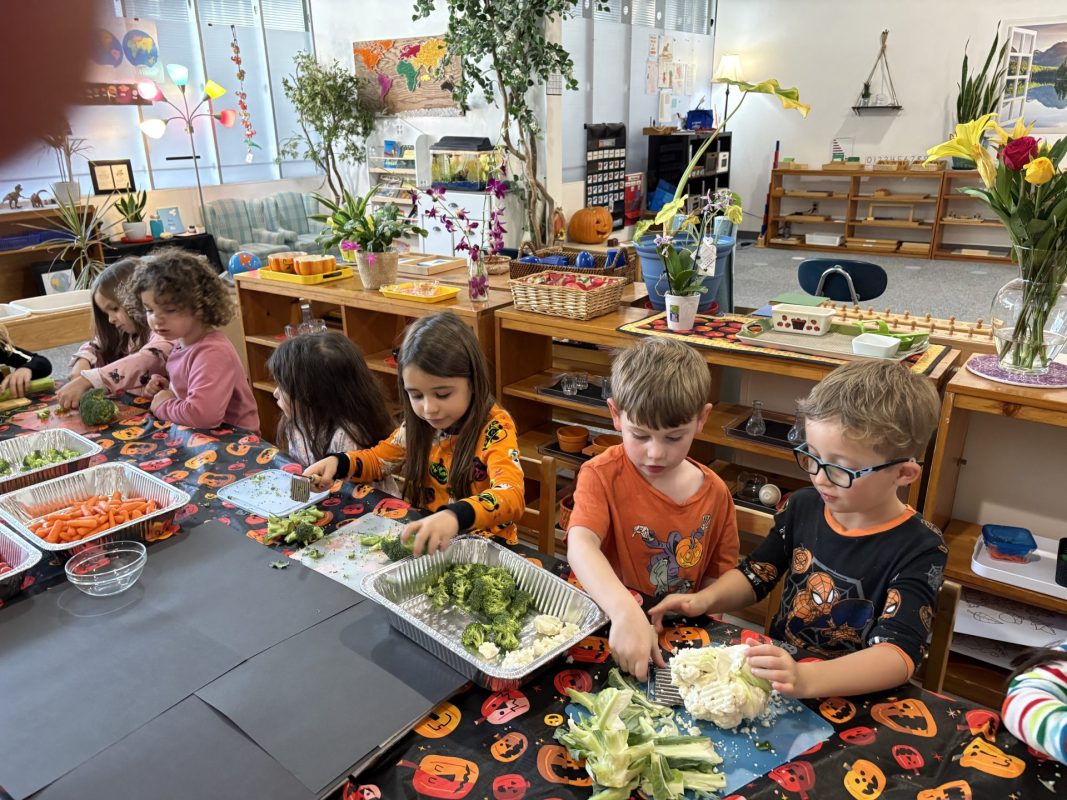
Early in our school year, we categorized the planet Earth into air, land, and water.  We then sorted what we would find in each of these different components of our world.  Next, we introduced the geometric solid known as a sphere to the children and compared it to the shape of the globe.  We start with a sandpaper globe that helps to distinguish land and water.  The colored globe comes next, and we begin to teach the continent names.  We make a sphere out of play dough and cut it in half to help them visualize the concept of a hemisphere.  Simultaneously, the children are learning about landforms that introduce the concept of lake, island, bay, cape, peninsula, gulf, isthmus, strait, archipelago, and a system of lakes.  These sensory experiences help the children learn about their physical world.
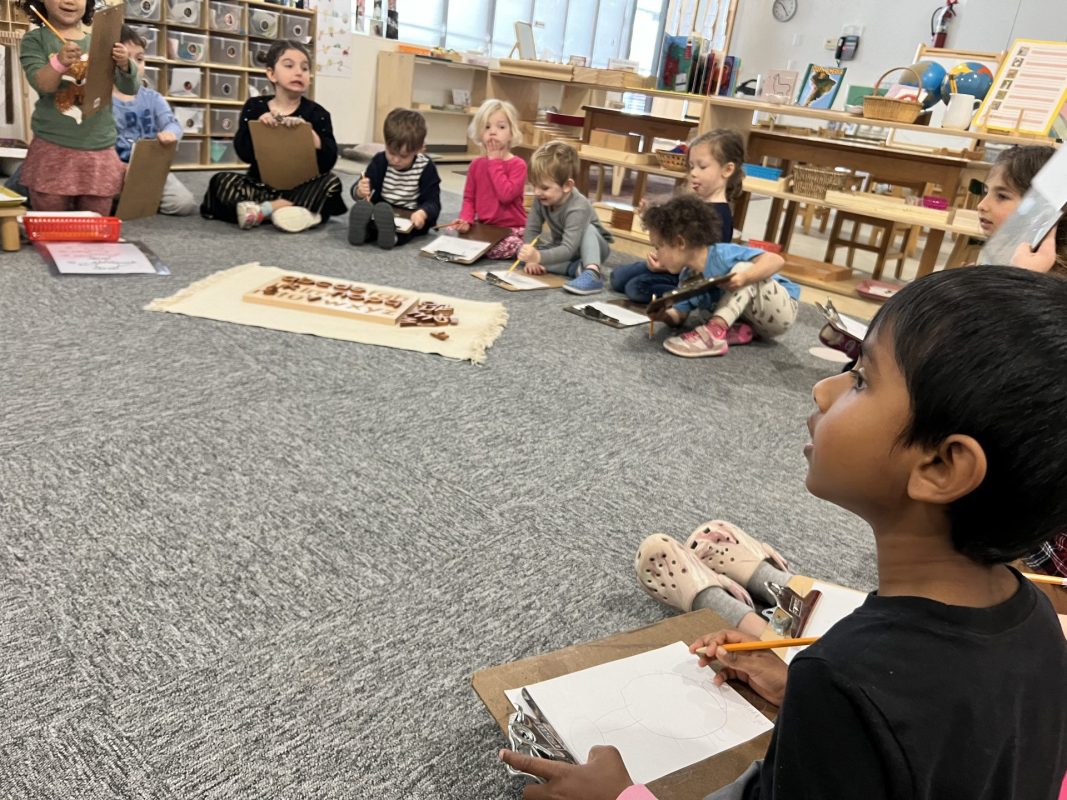
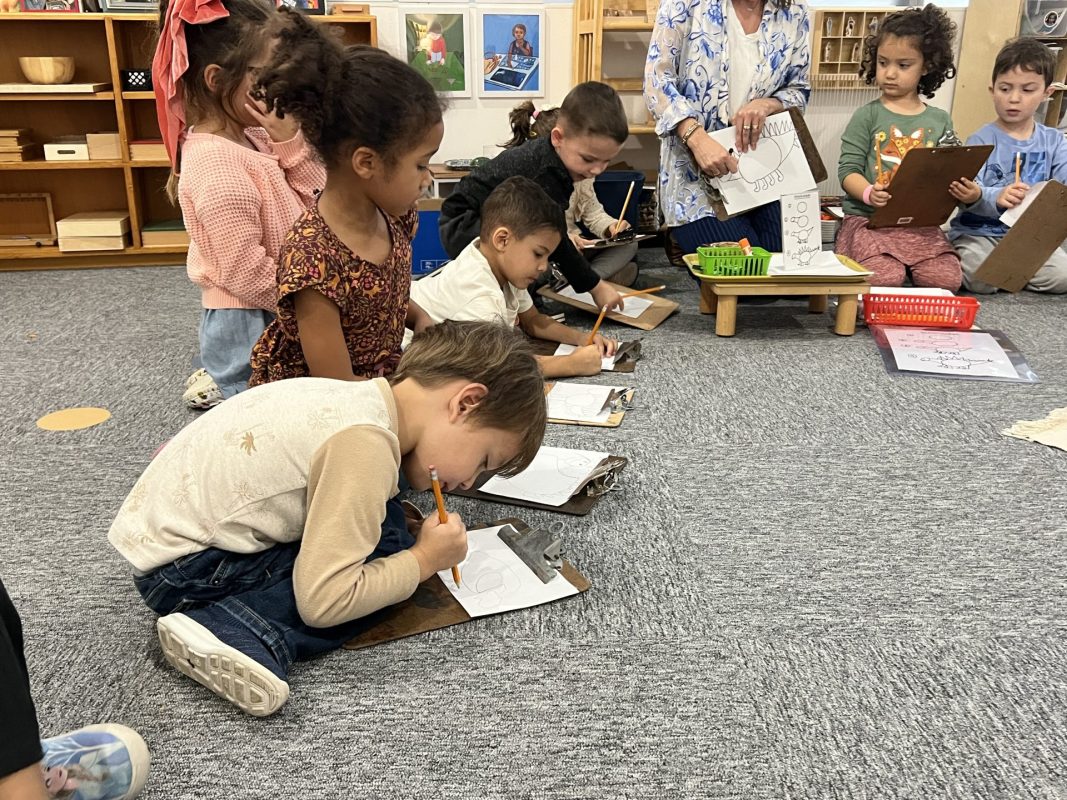
After learning the continent names, we introduce the puzzle maps for each continent, starting with North America in November. We learn that there are many countries in North America.  The older children will trace and paint each of the puzzle maps. We will learn about the animals, people, and climate often associated with each of the continents.  Our goal is to encourage the children to appreciate the beauty and wonder found in the similarities and differences around the world. In our classroom, we have a cultural shelf with artifacts from each continent.

This week, we introduced the song “Do You Know The Continents,” and we often hear the children singing it quietly to themselves as they work.  Here are the words if you would like to practice it at home:

(Sung to the tune of “Do You Know the Muffin Man?”)

Do you know the 7 continents, the 7 continents, the 7 continents
Do you know the 7 continents, of the world,
Asia, Africa, North America, South America, Europe, Australia, Antarctica

Wishing all of you a week filled with peace and love!

Amanda & Hema


Lower Elementary: Exploring the Creation Story Through Science

This week, we embarked on an exciting journey to explore the creation story through a series of captivating science demonstrations. Each demonstration serves as a vivid illustration of the fundamental concepts intertwined with the story of the universe’s formation, offering tangible insights into the forces that shaped our world.

The creation narrative provides a profound glimpse into the very origins of life itself. It invites us to reflect on the mysteries of the cosmos and our place within it. More than just a story, it sparks a dialogue between science and wonder, highlighting the intricate tapestry of events that have unfolded over billions of years. Our overarching goal is to evoke a sense of awe, nurture an appreciation for the complexity of the universe, and ignite a genuine curiosity for scientific inquiry.

These science demonstrations are carefully designed to build up to the culminating lesson on the creation of the universe, which will be presented by the third graders and me. Each experiment serves as a stepping stone, gradually introducing key concepts such as the Big Bang, the formation of stars, and the birth of our planet. By experiencing these moments through hands-on learning, we hope to inspire a deeper understanding of the natural world and foster an environment where curiosity leads to discovery.


Spanish Class-September 2024

Learning another language is beneficial for memorization development in a child’s brain, making it more efficient and flexible. This month, children from Fraser Woods Montessori School were able to review and learn basic Spanish phrases and words. Primary and Lower Elementary students recalled greetings, self-introductions, and how to express their basic feelings in Spanish. In addition, children were able to practice the new words learned in class. Upper Elementary students, as well as all the students, had a review of Spanish learned in previous years. Also, they are learning feelings in Spanish and practicing handwriting. They are also learning pronunciation and vocabulary through songs. Middle school students are working the “SOMOS” curriculum, learning more vocabulary, grammar, and cultural aspects. Also, we are using interactive games, videos and other fun activities in class. In addition, Middle School Students are learning about the “Hispanic Heritage Month” in part by reading a very special book for middle schoolers called “The Bluest Sky” by Christina Diaz Gonzalez a Cuban American author.