Have you heard of La Vaca Lola?
Maria Montessori believed that the first six years of life are crucial for a child’s language development, and research backs her up. From birth, children thrive on the right kinds of stimulation, especially when it comes to language. Many specialists agree, particularly when discussing the benefits of learning foreign languages at an early age.
Studies show that learning a second language boosts problem-solving, critical thinking, and listening skills. It also improves memory, concentration, and even multitasking! Bilingual children often show signs of enhanced creativity and mental flexibility, which is why we immerse your toddler in Spanish every day in our environment.
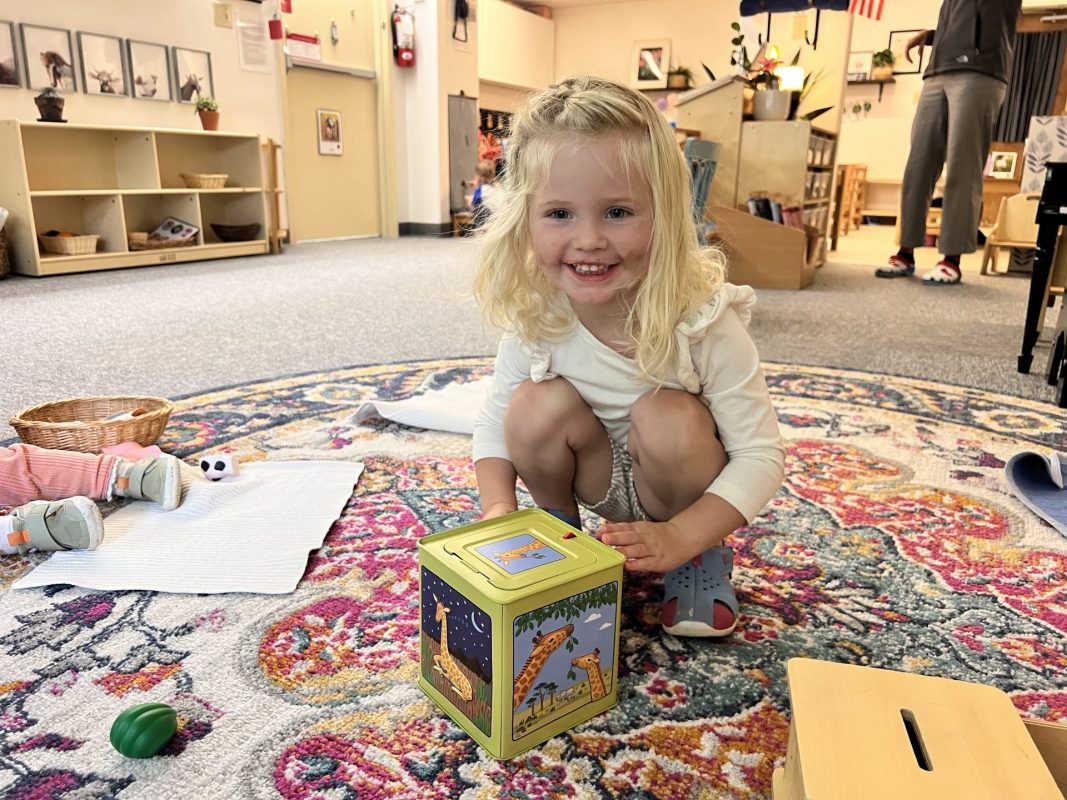
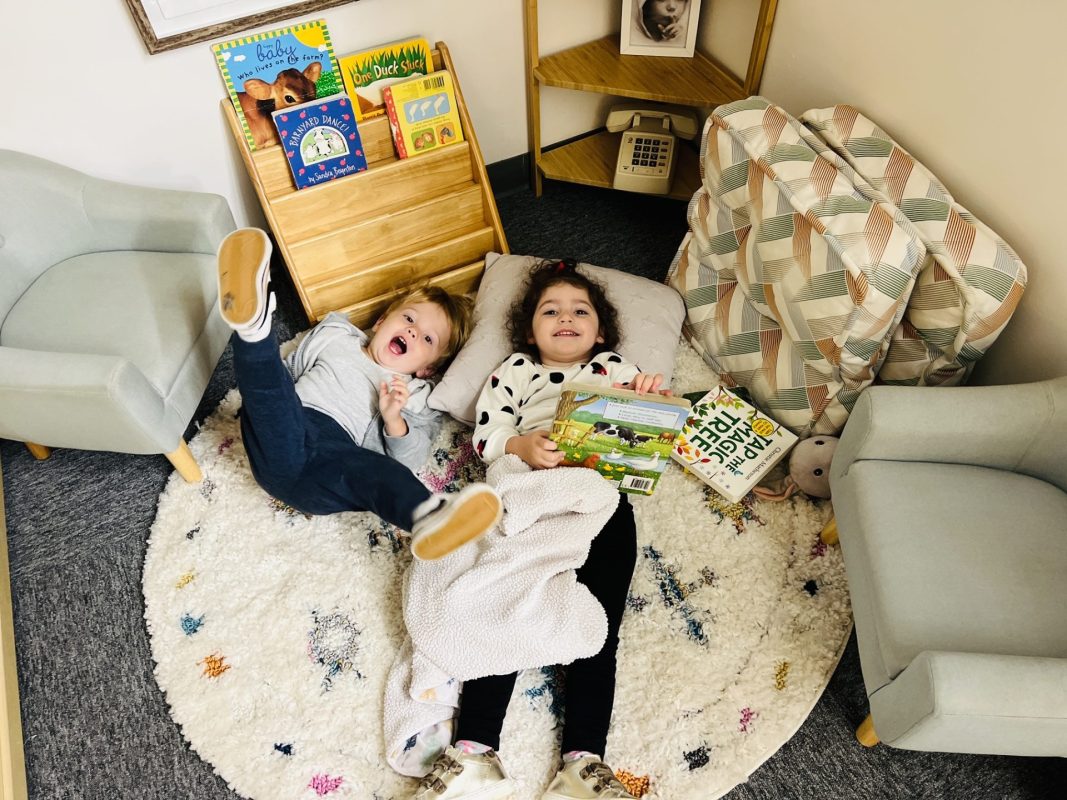
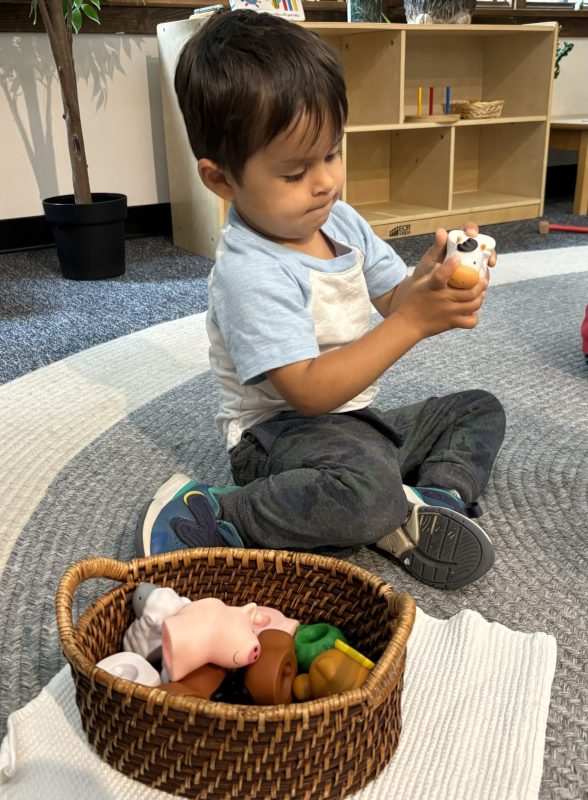
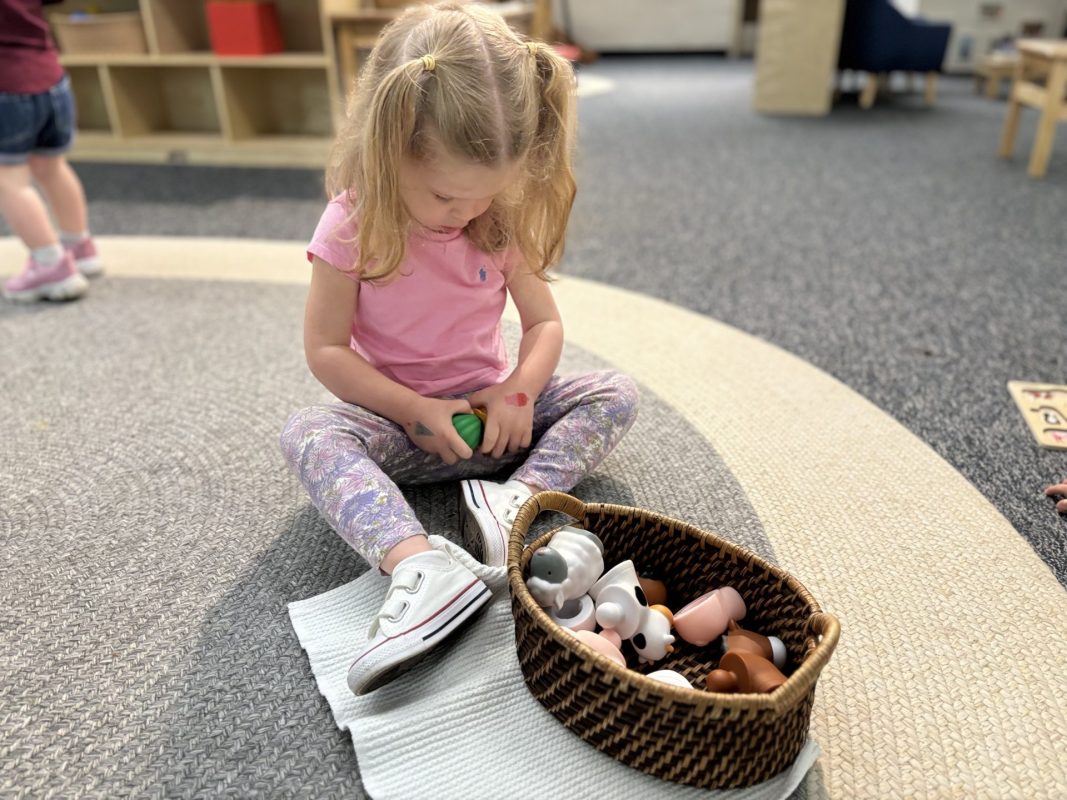
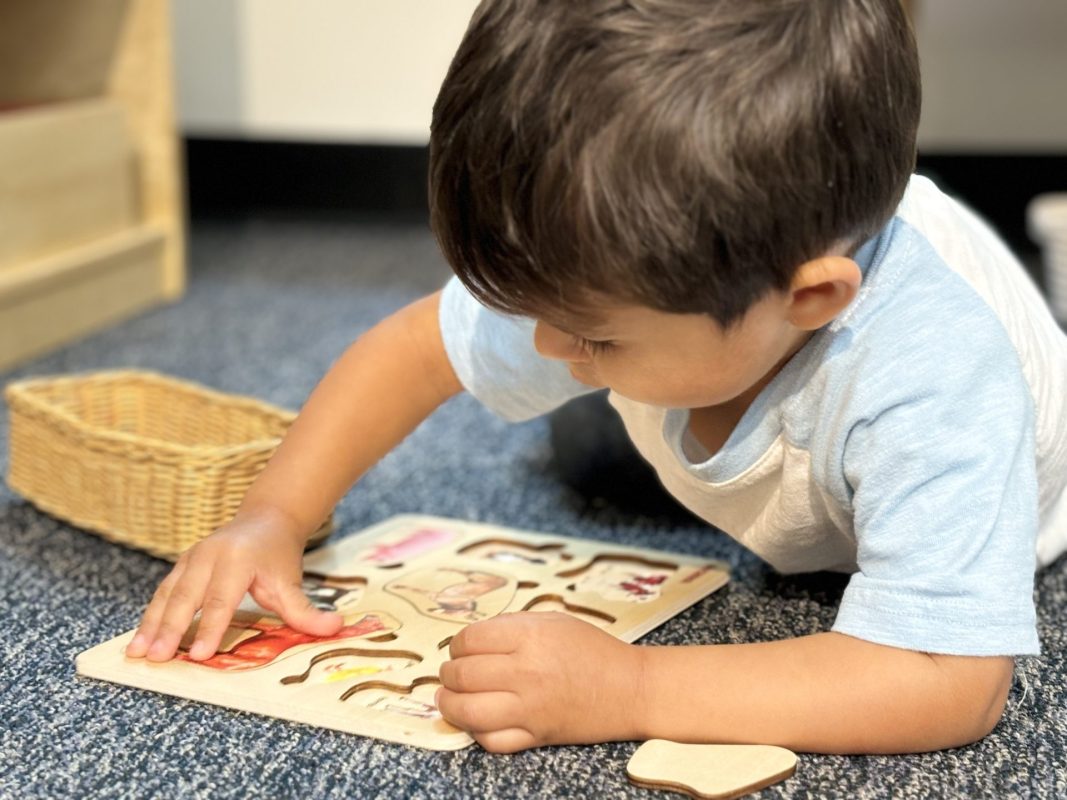
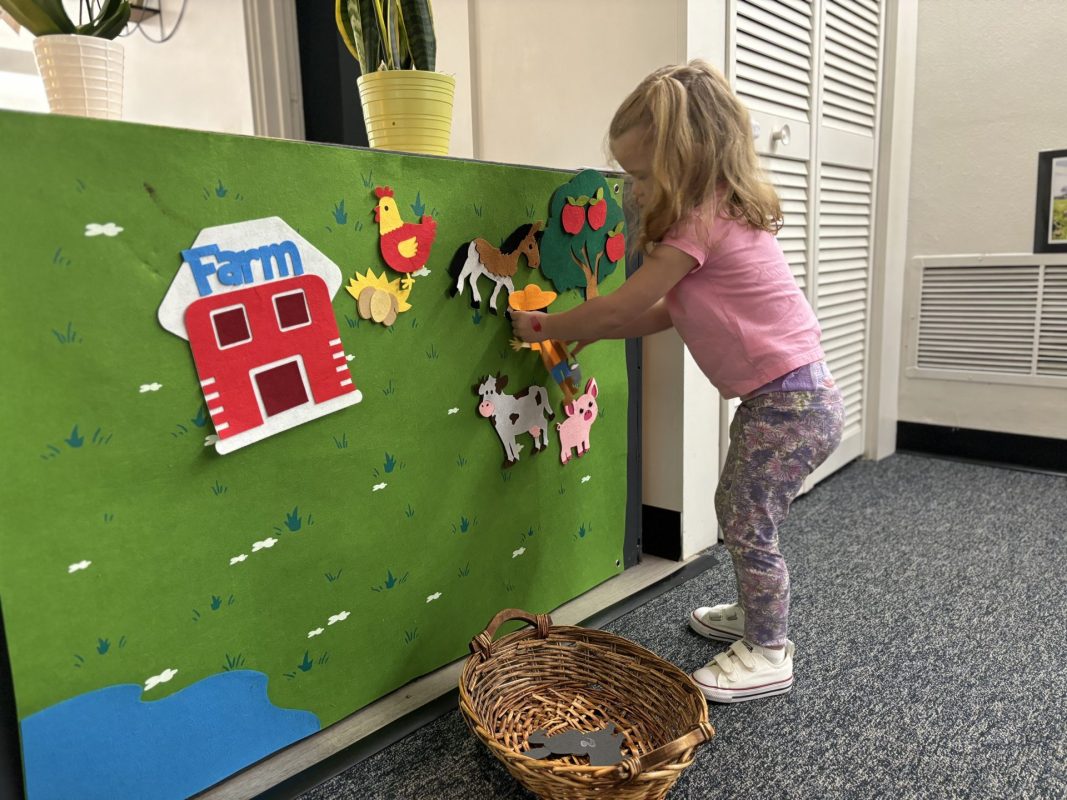
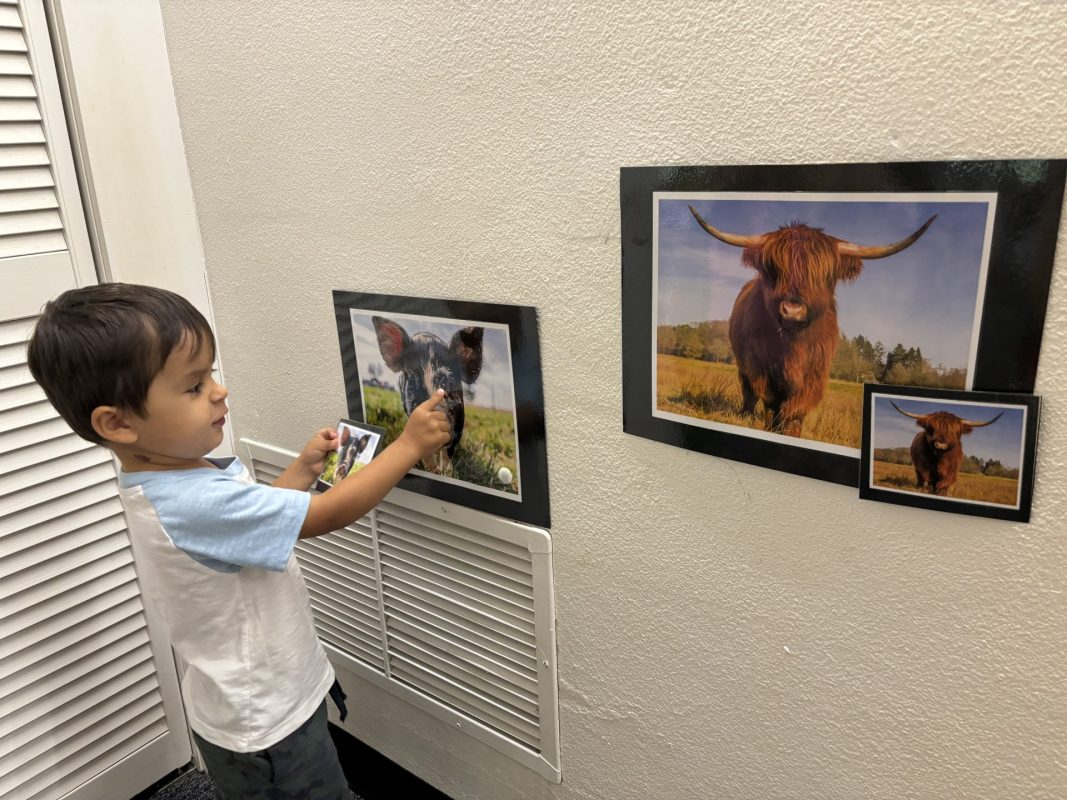
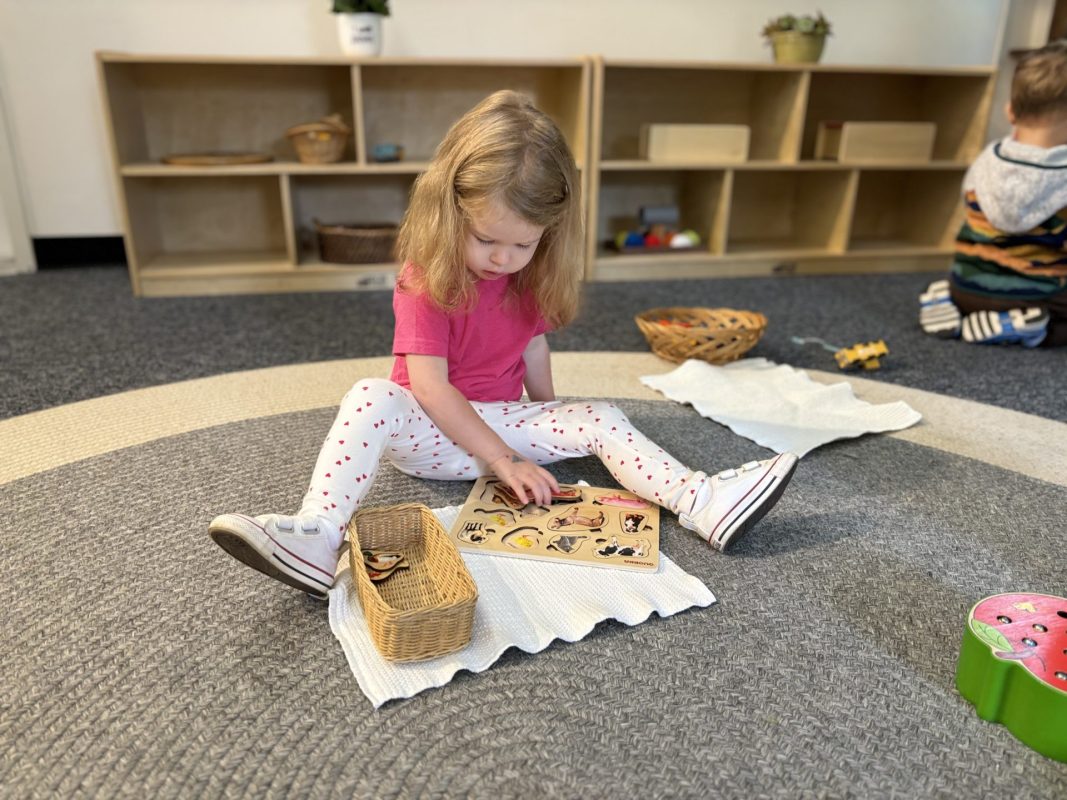
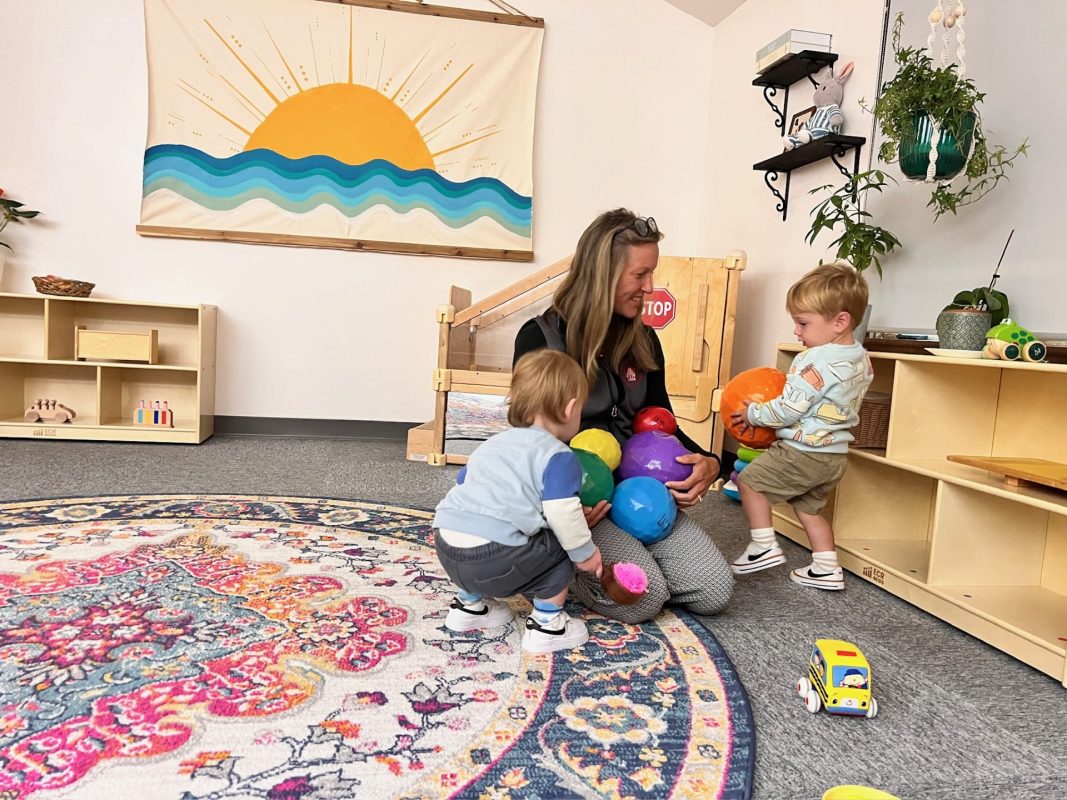
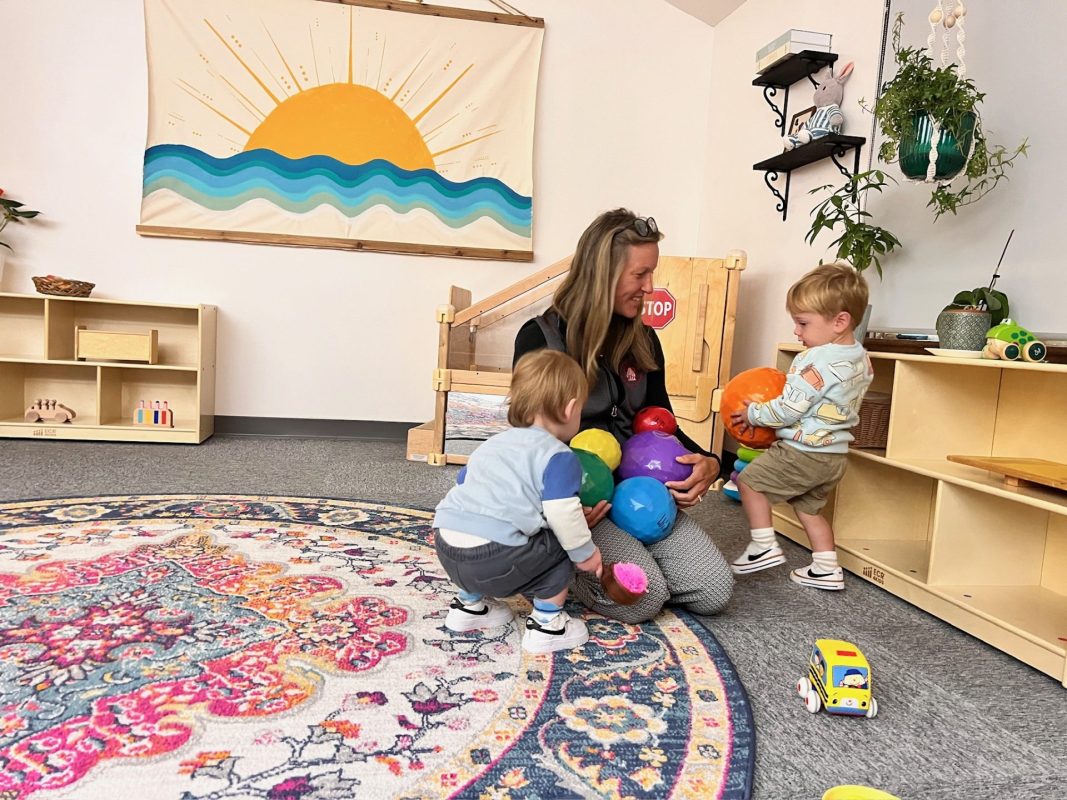
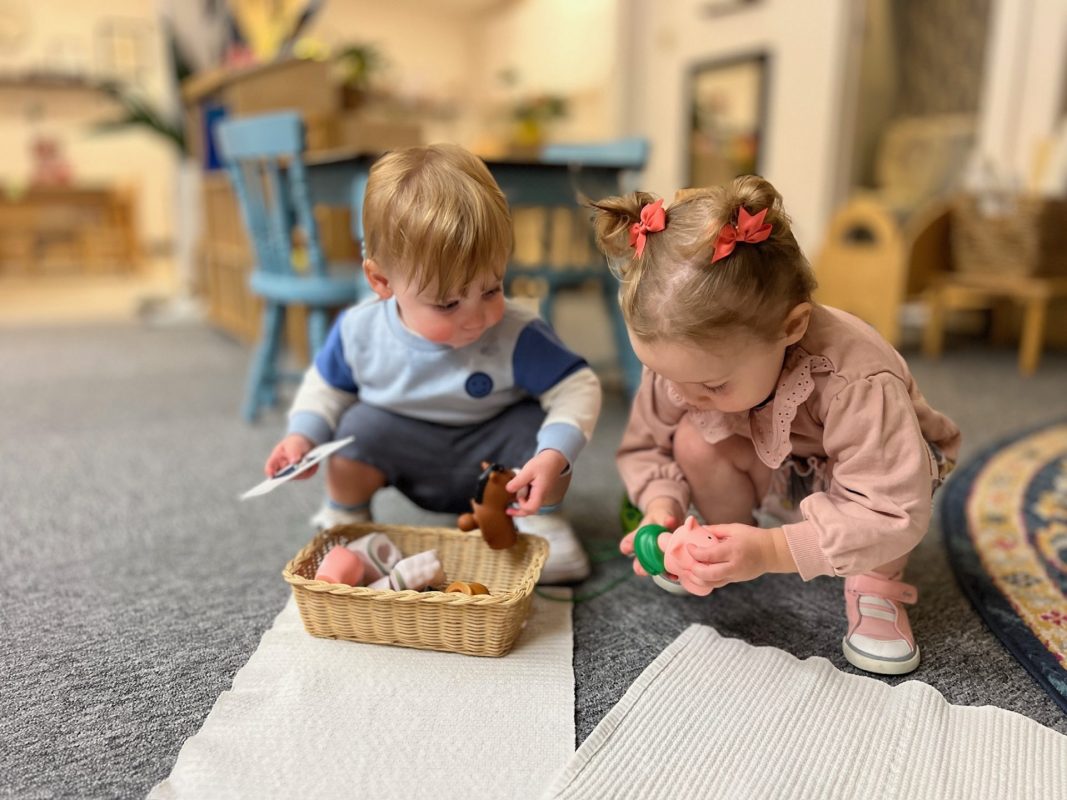
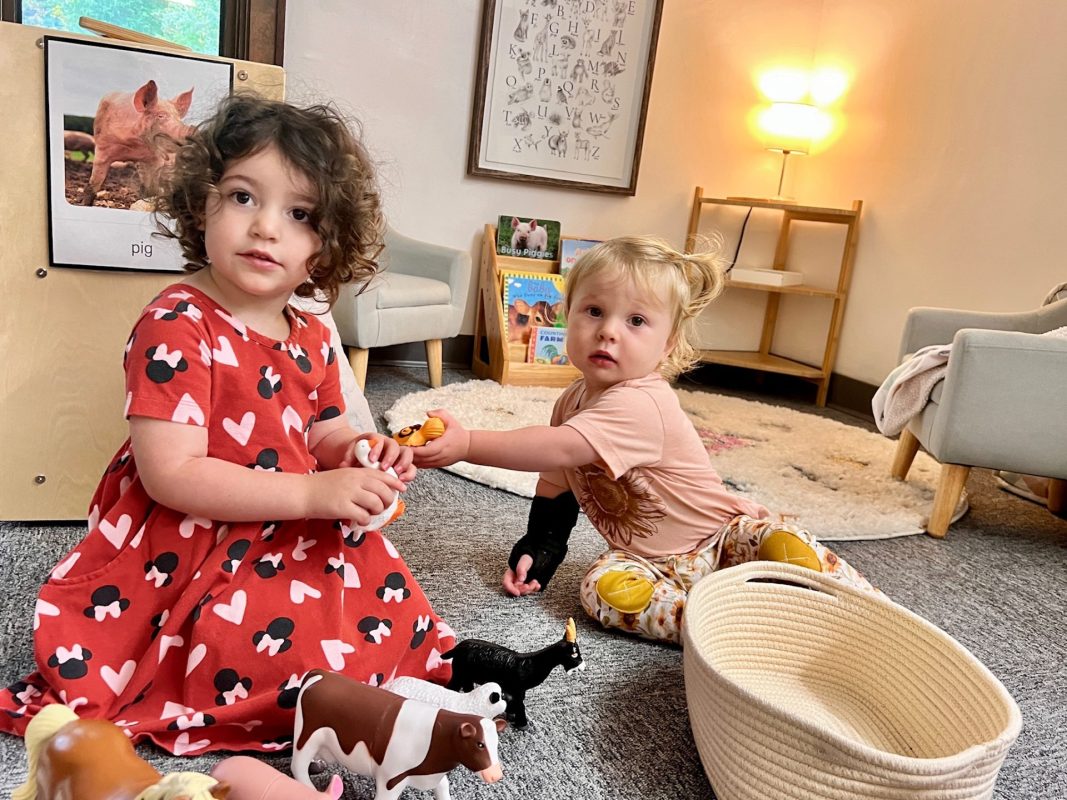
For the past few weeks, we’ve been exploring farm life and animals with the children. Mimicking animal sounds, like “moo” or “baa,” helps toddlers practice the rhythm and cadence of speech. These simple, repetitive sounds are easy for them to reproduce, strengthening their ability to form and articulate words. They also sharpen auditory discrimination, a key skill for distinguishing between similar sounds as their vocabulary grows.
To tie our farm theme with learning Spanish, we introduced “La Vaca Lola” (The Cow Named Lola) this week, a lively song that instantly caught the children’s attention! It’s been wonderful to see some of our students already singing the words in Spanish while others watch closely and listen as I sing. To keep the fun going at home, I encourage you to take advantage of this beautiful weather and visit a farm nearby! Point out the animals, name them, and practice their sounds with your child. You’ll be amazed at how quickly they catch on.
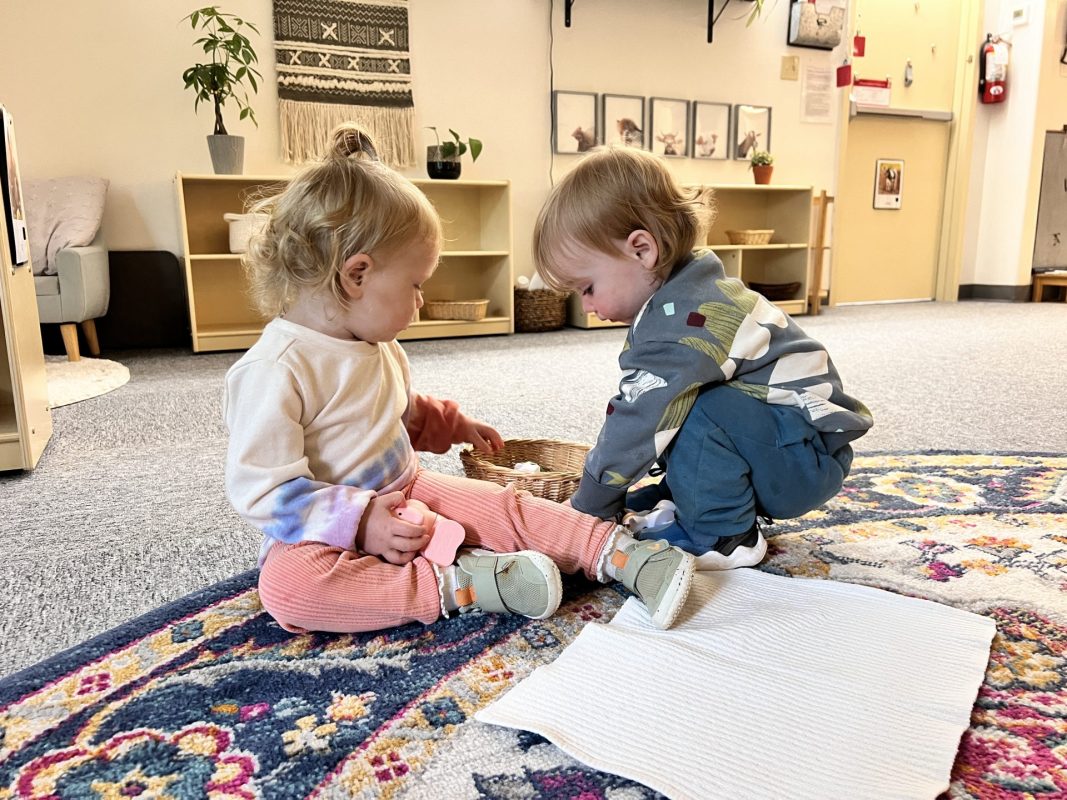
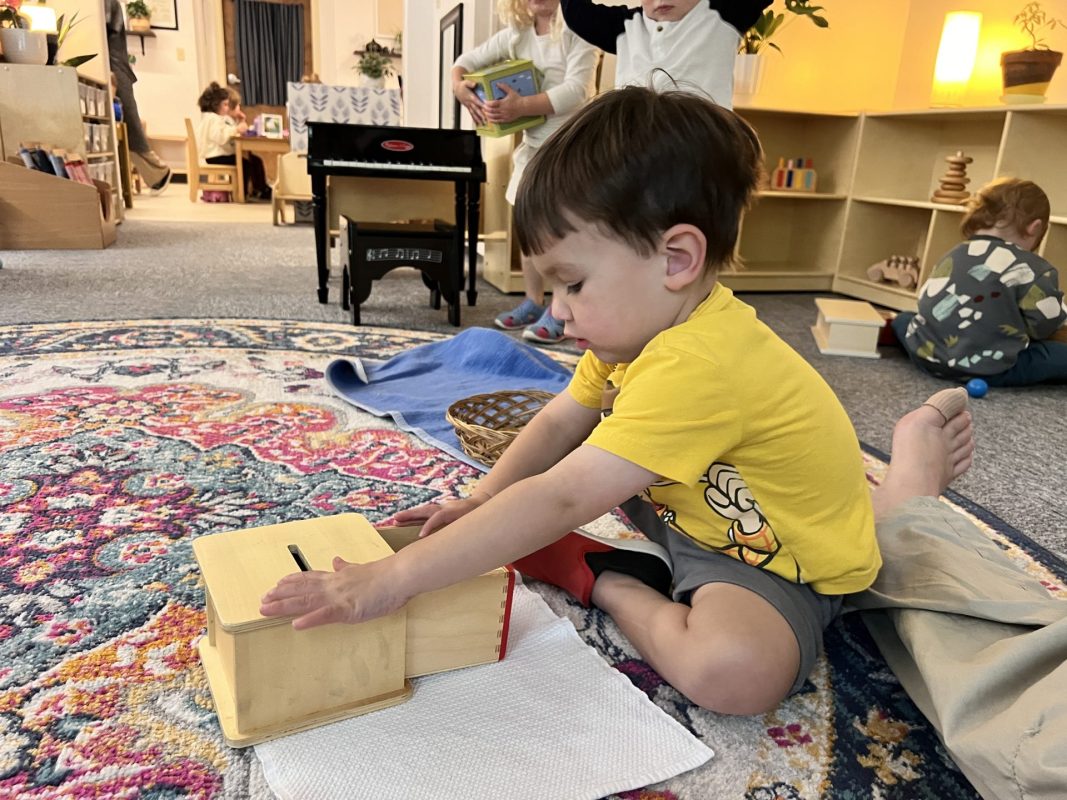
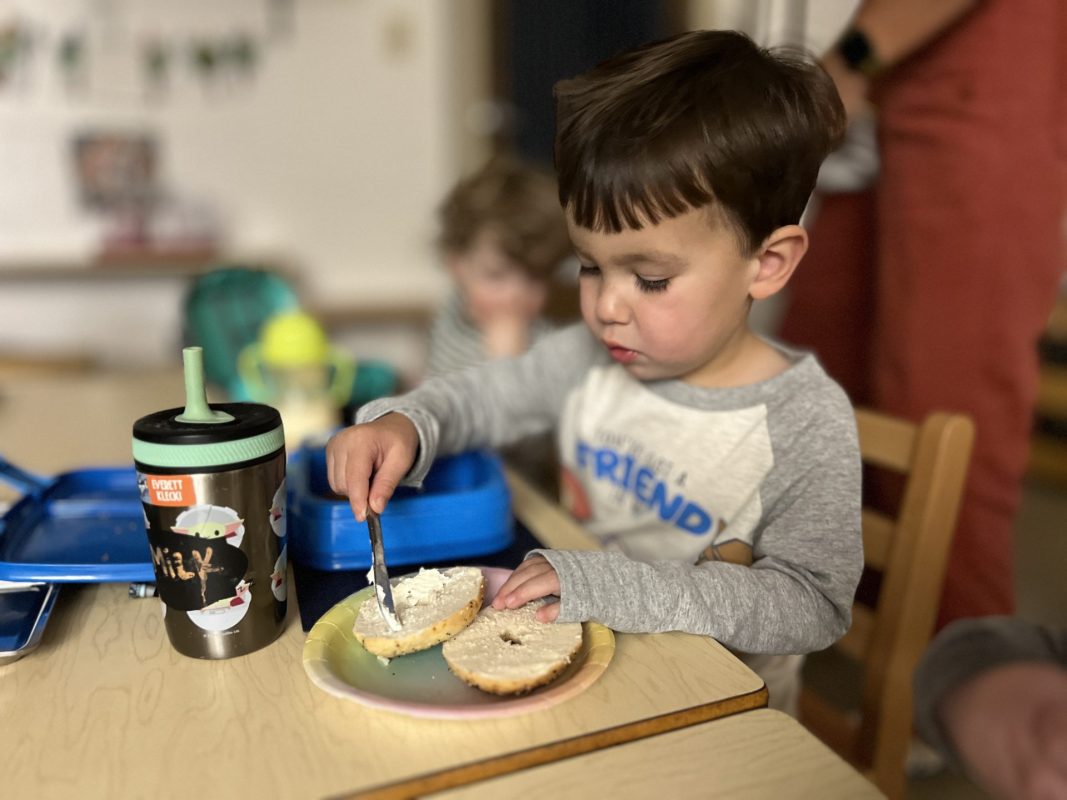
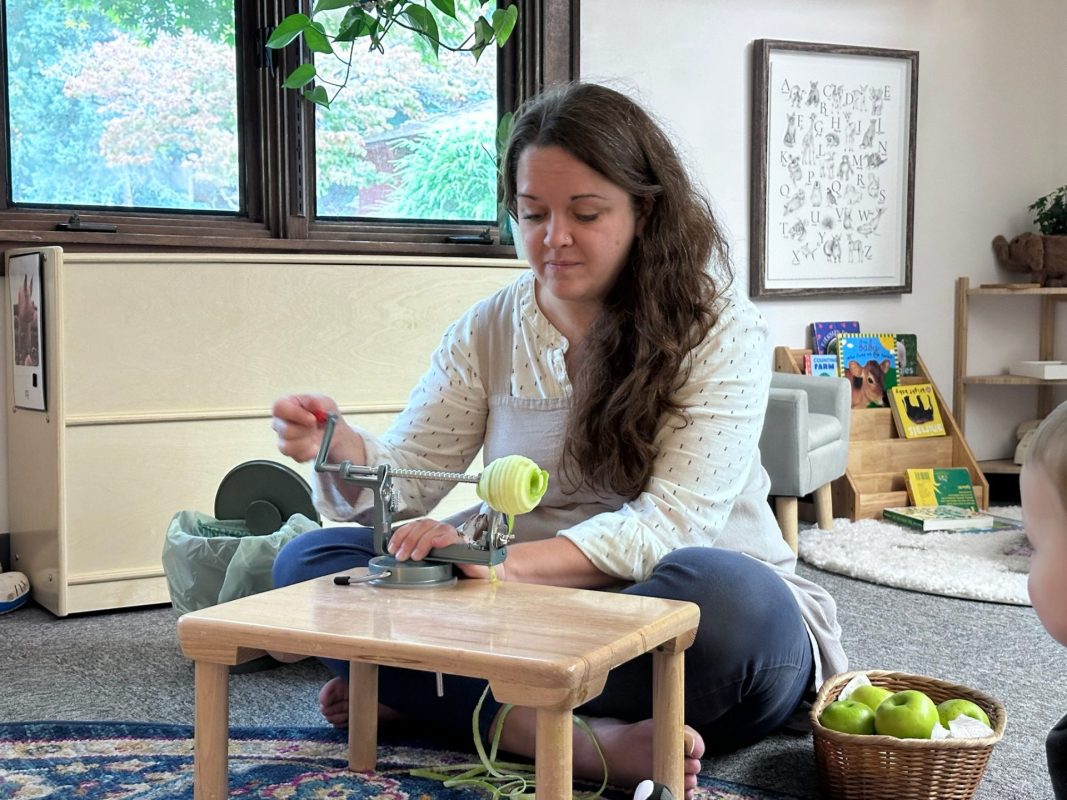
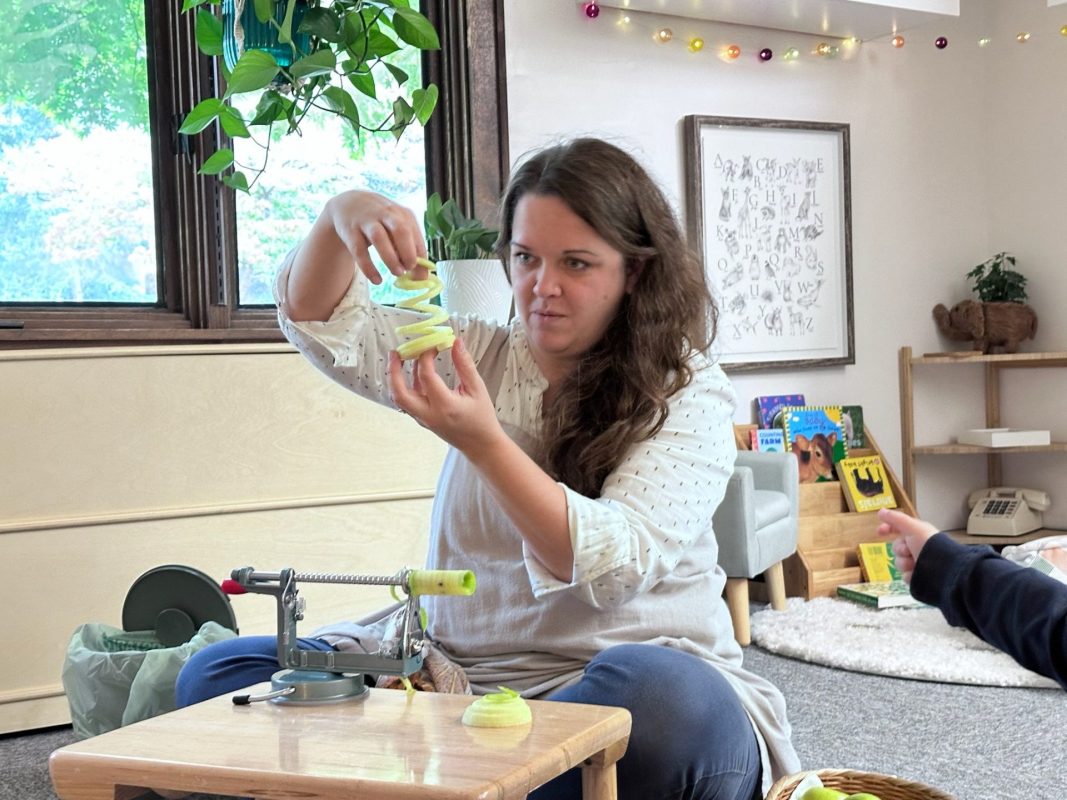
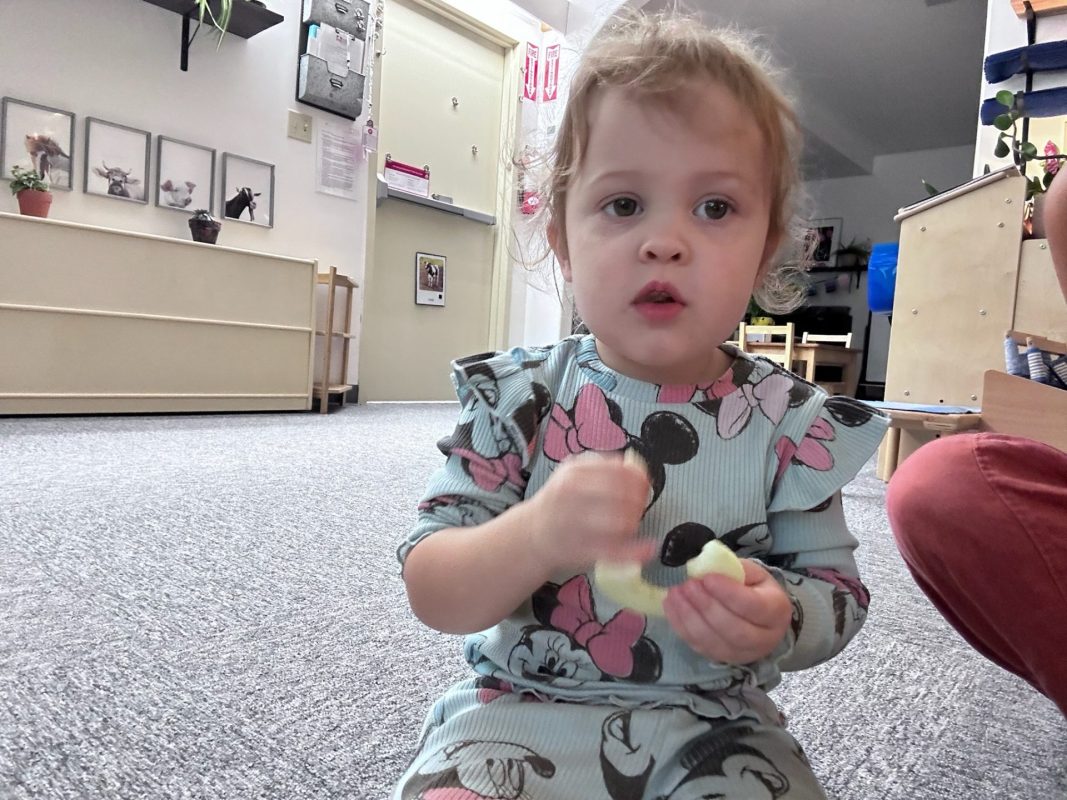
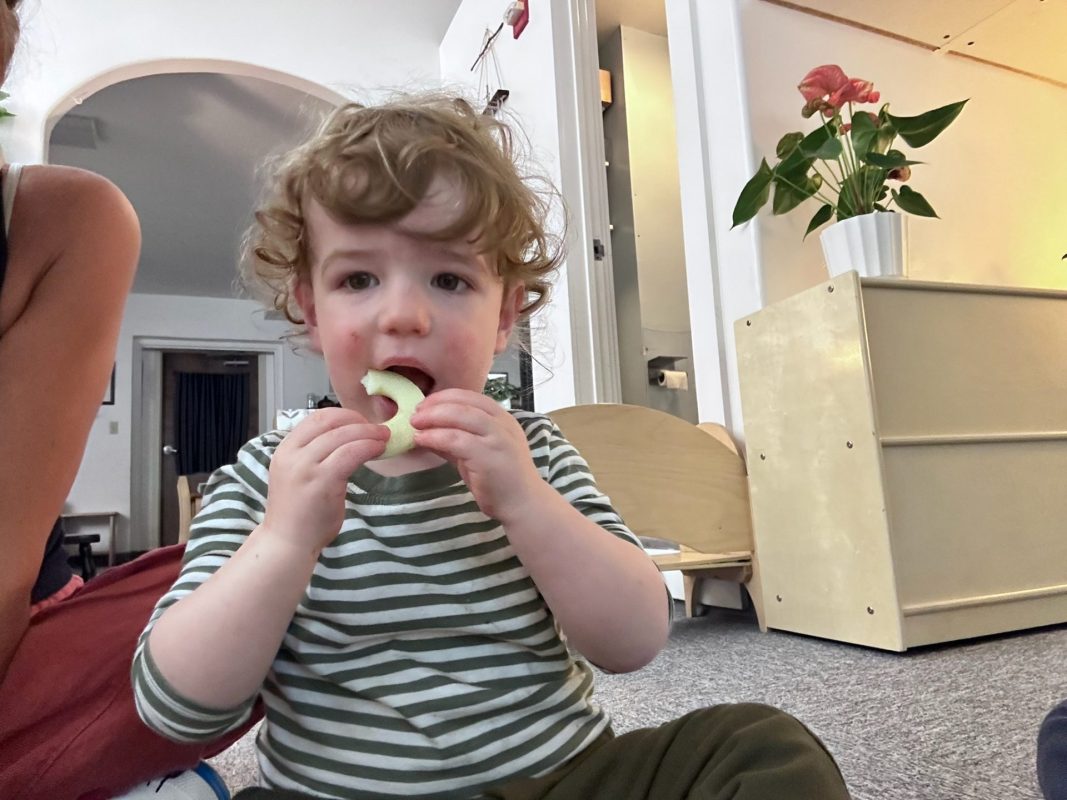
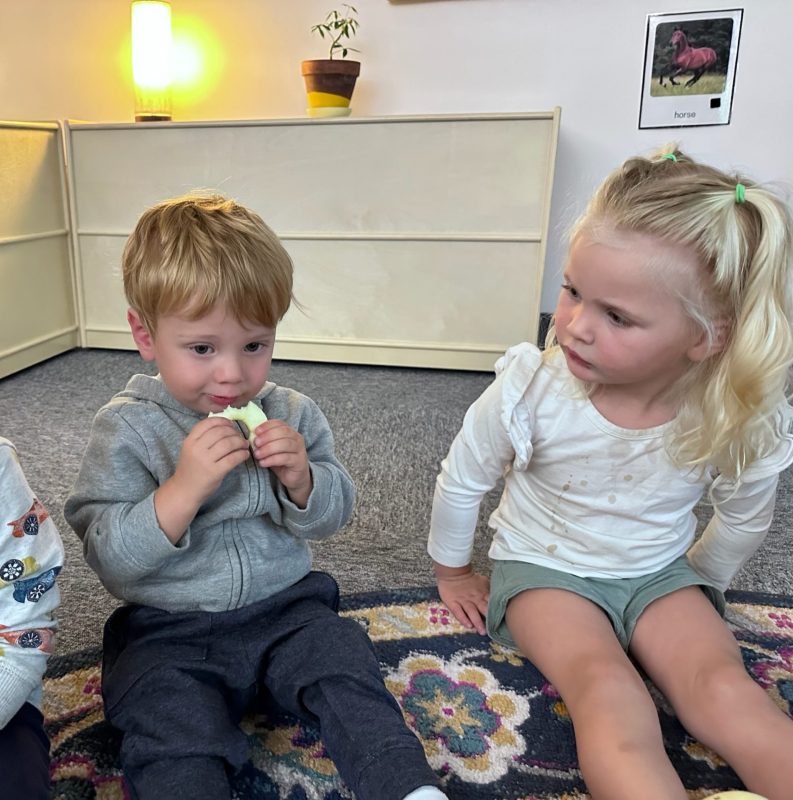
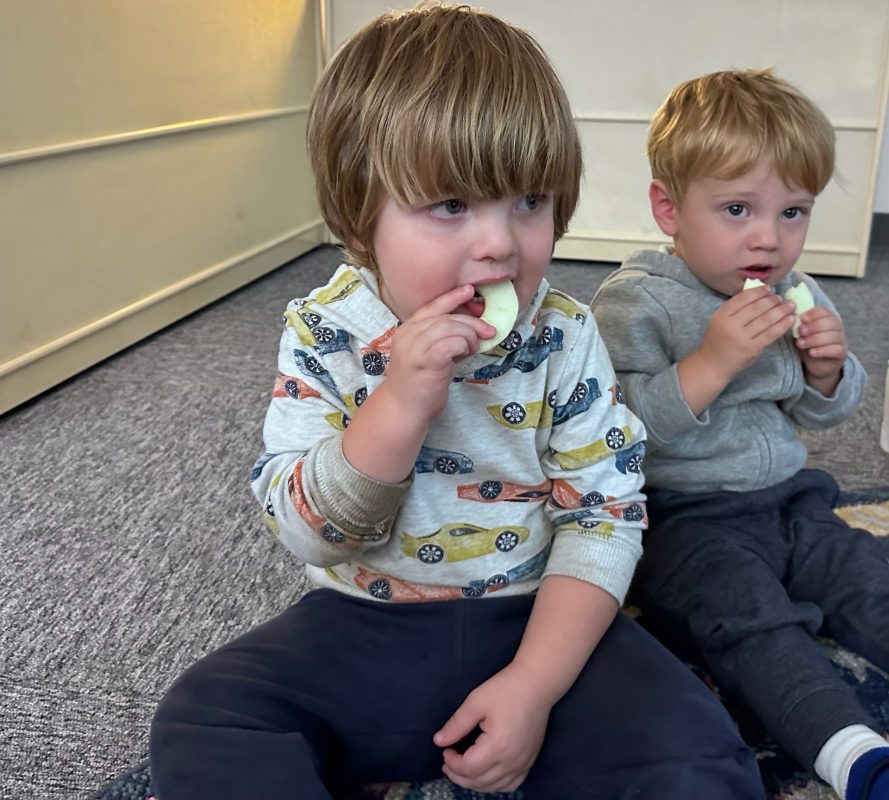
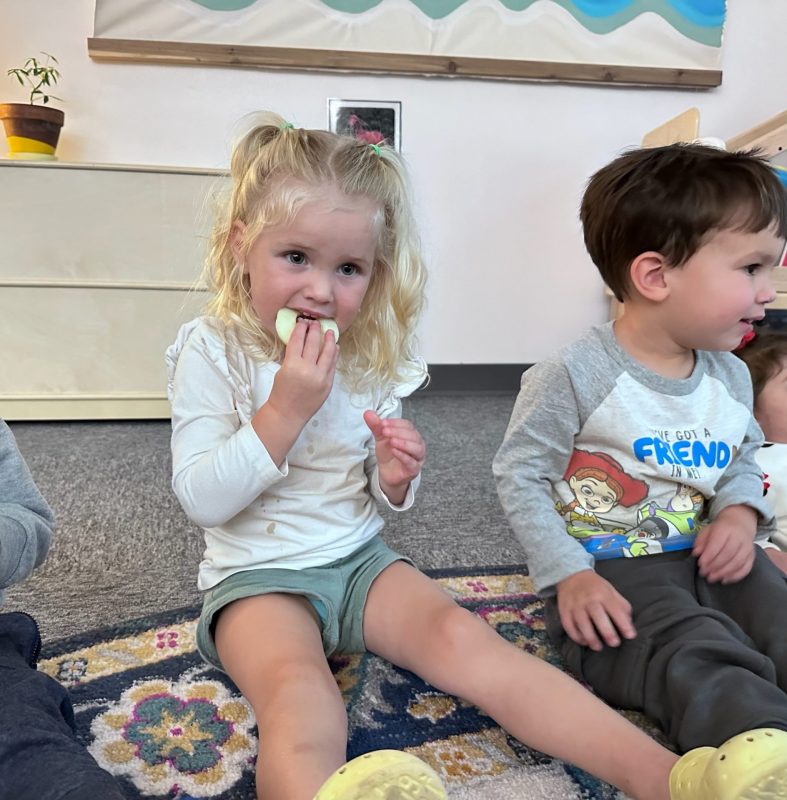
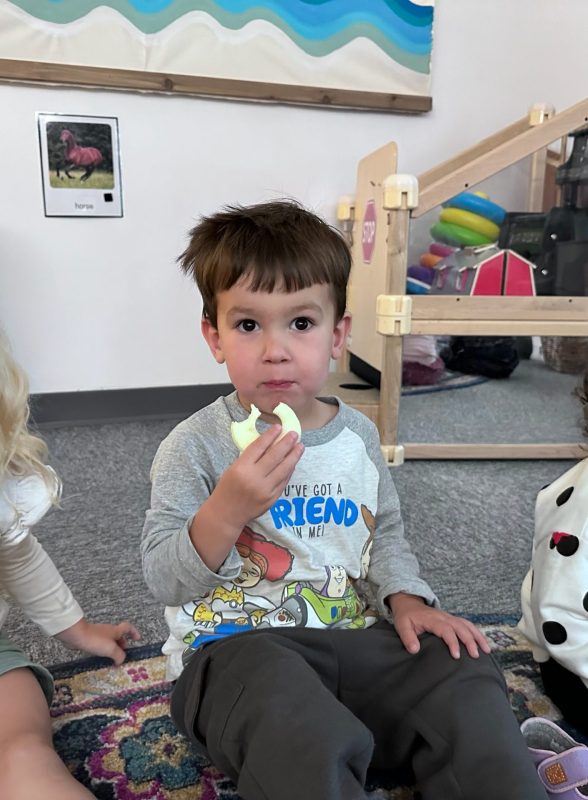
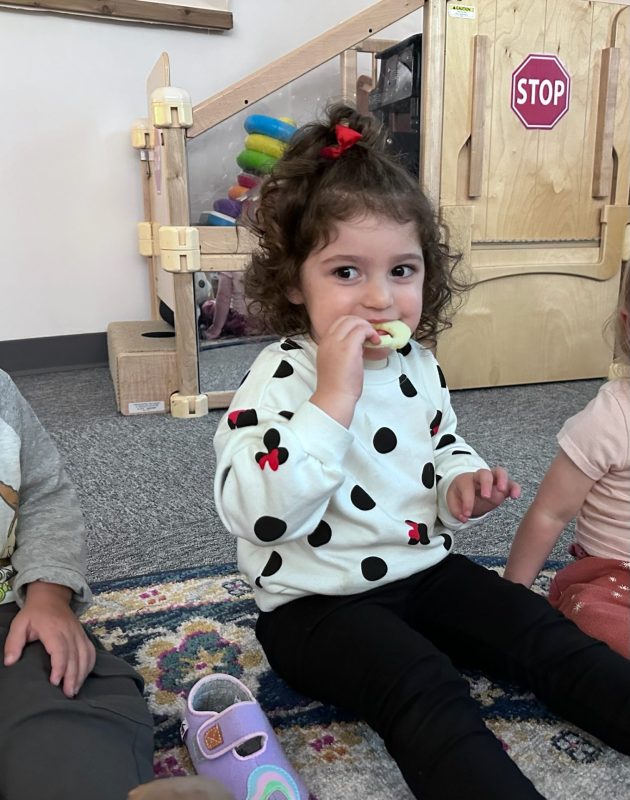
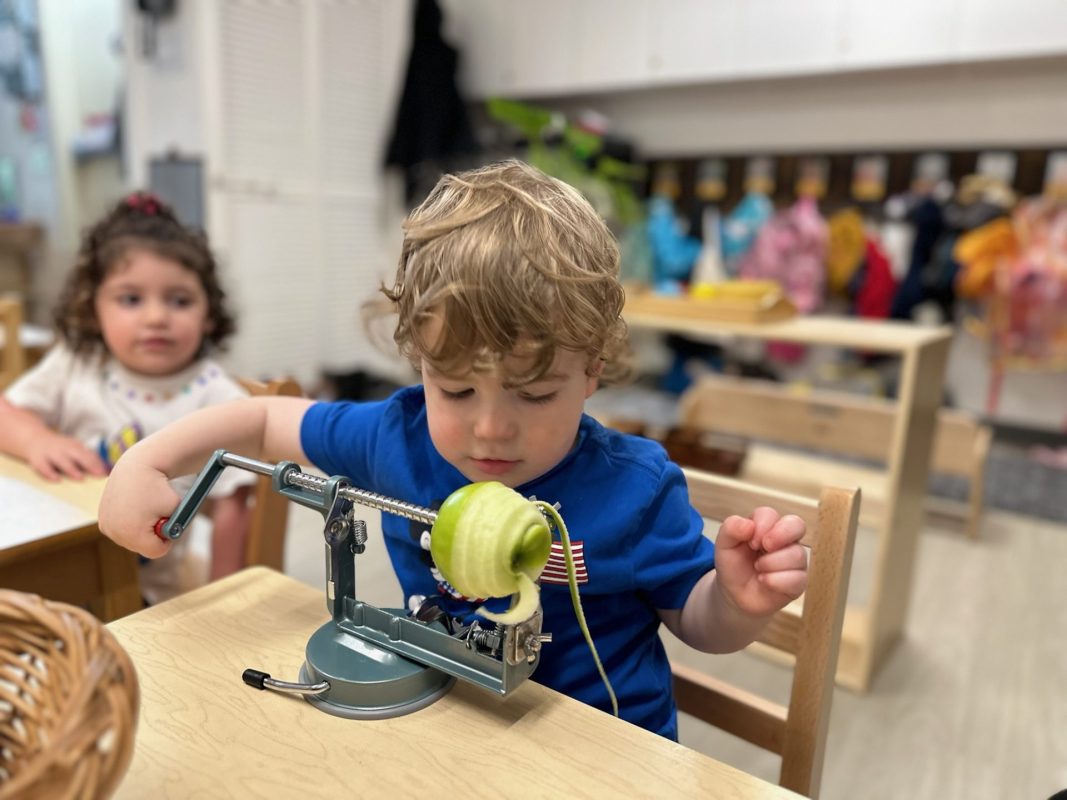
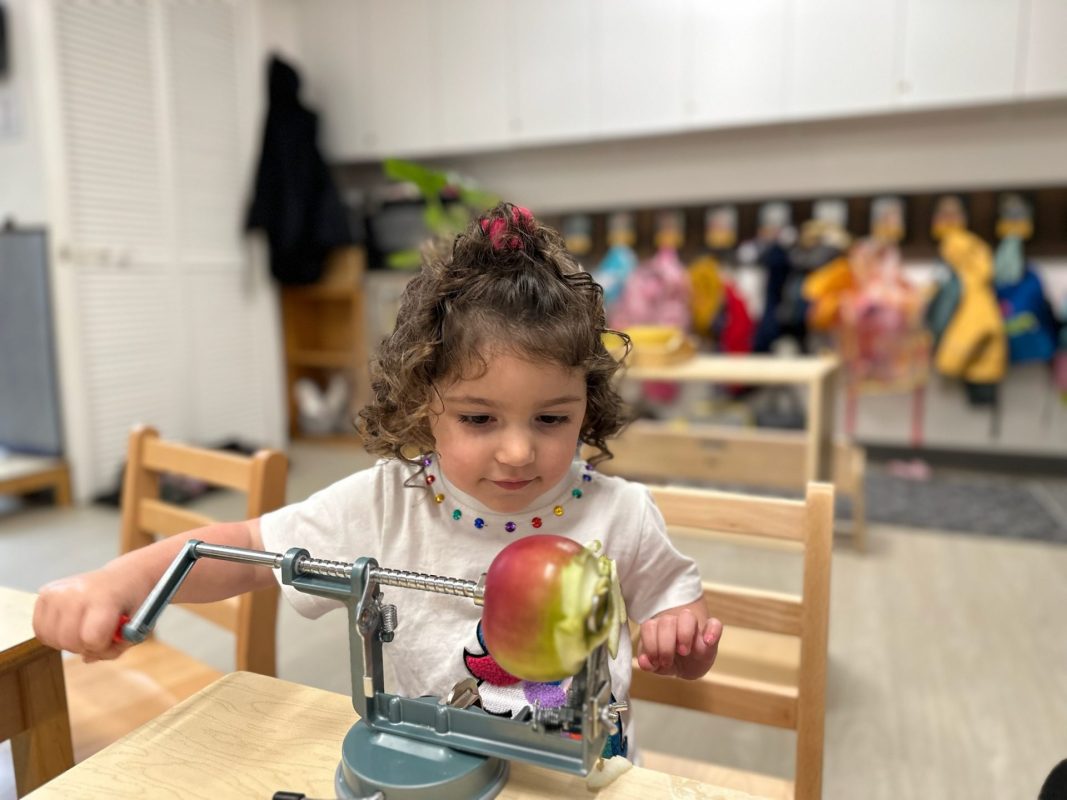
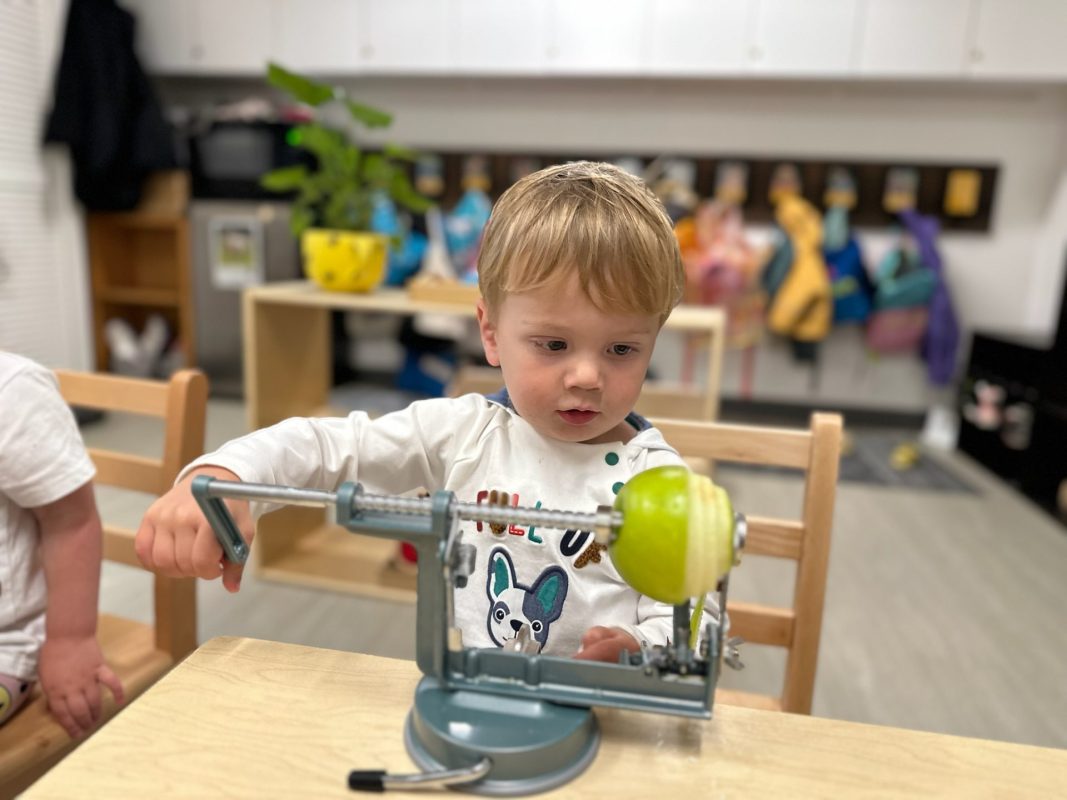
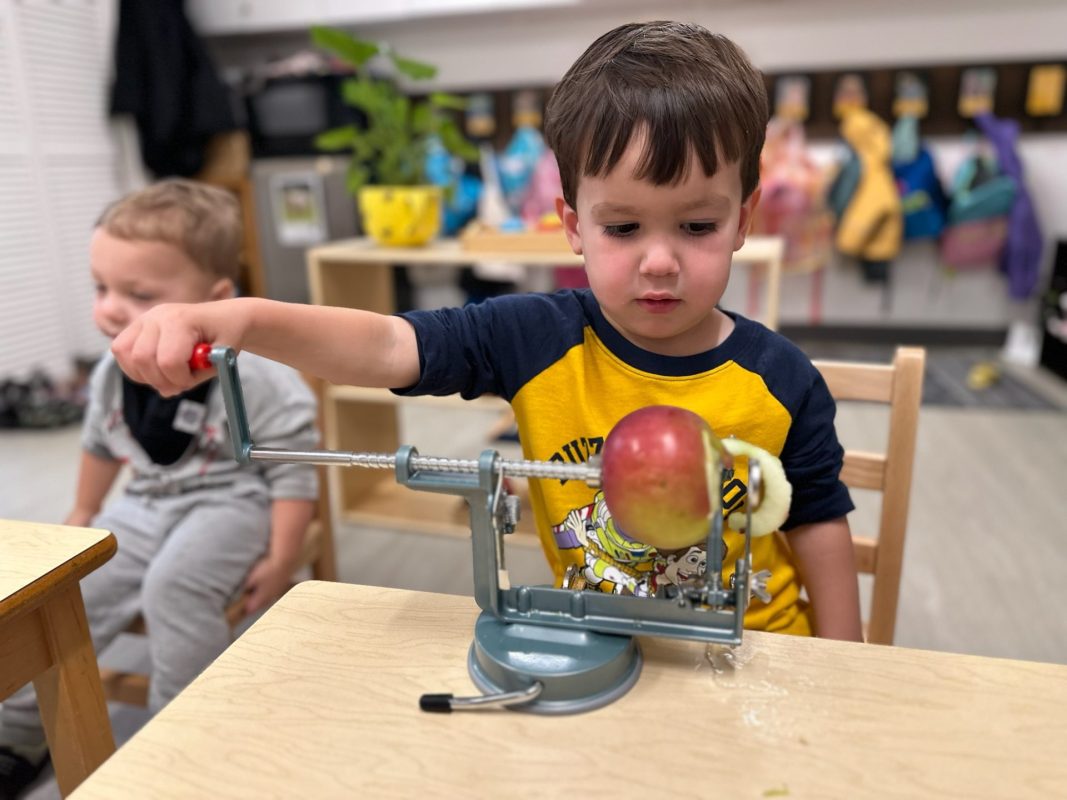
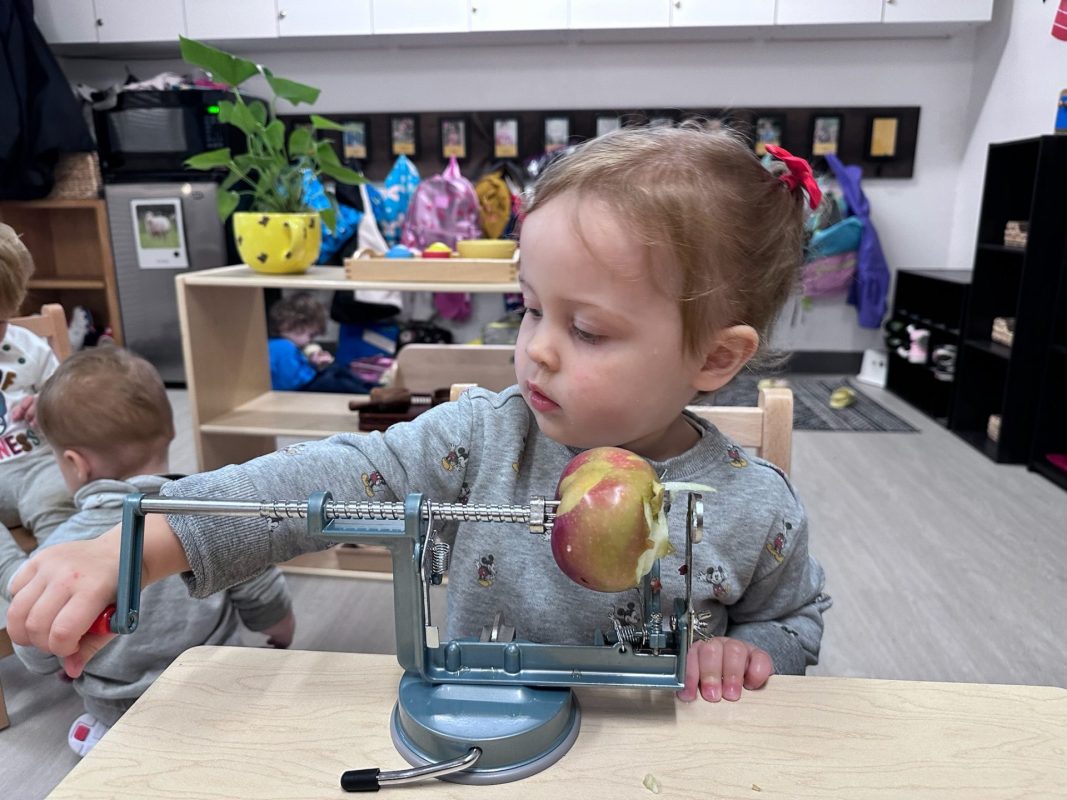
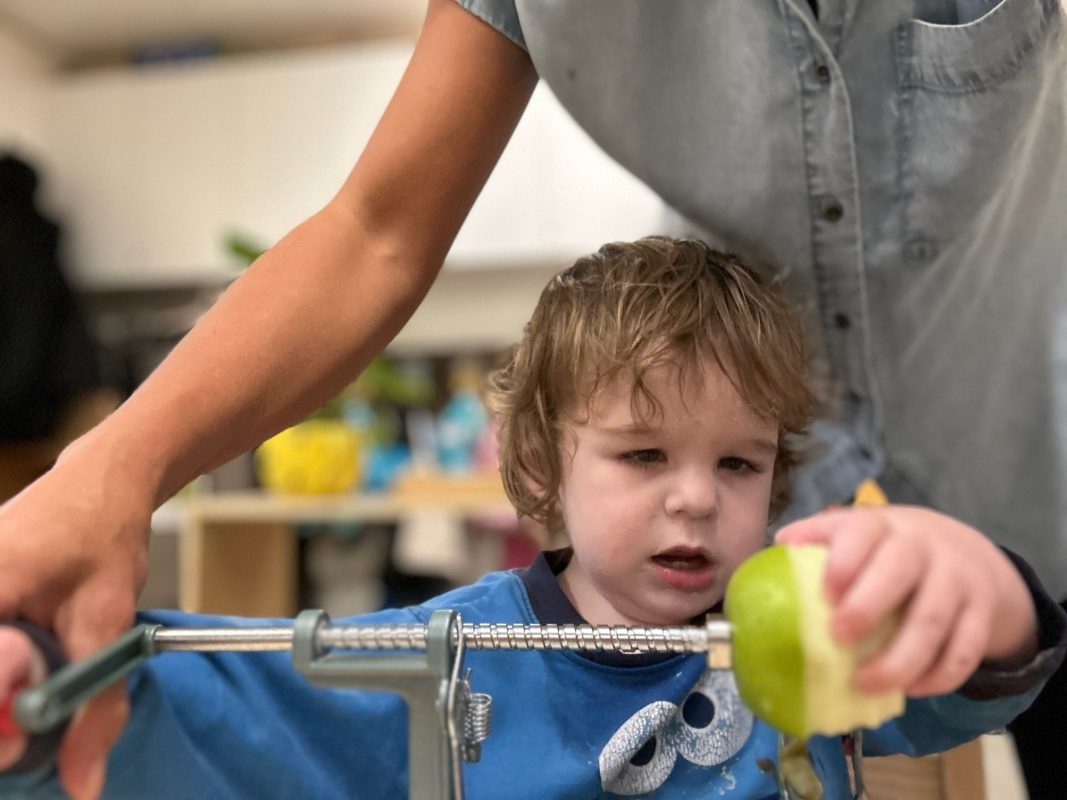
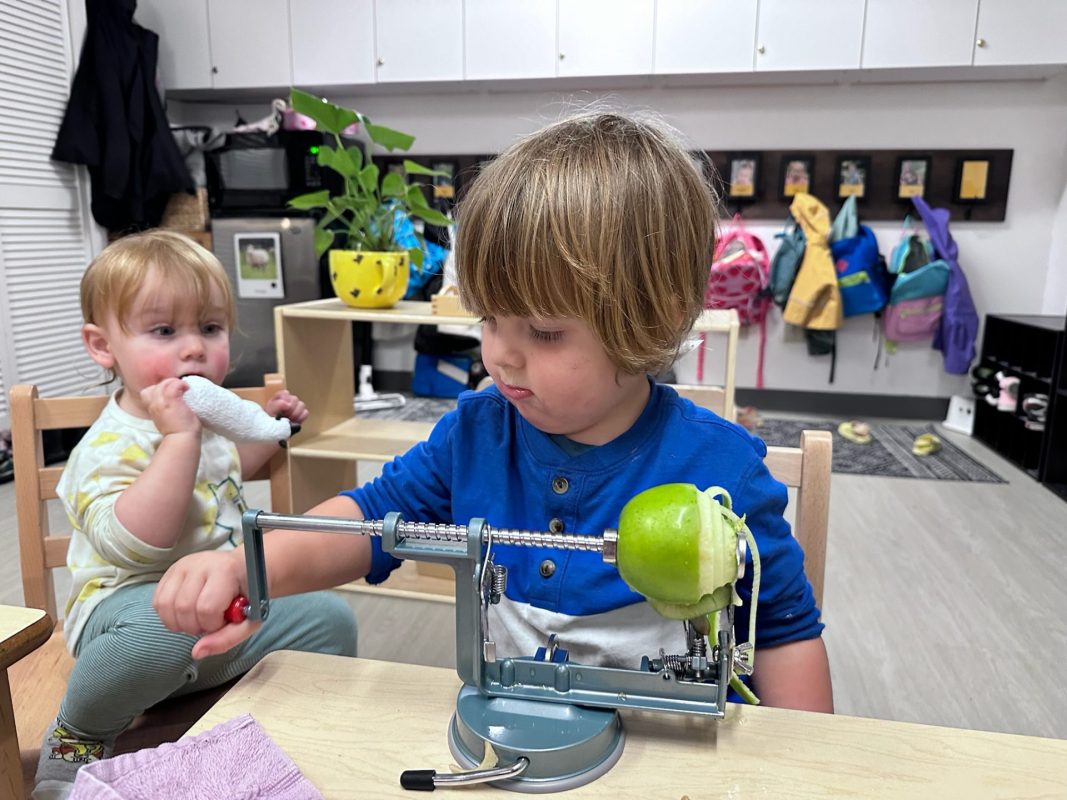
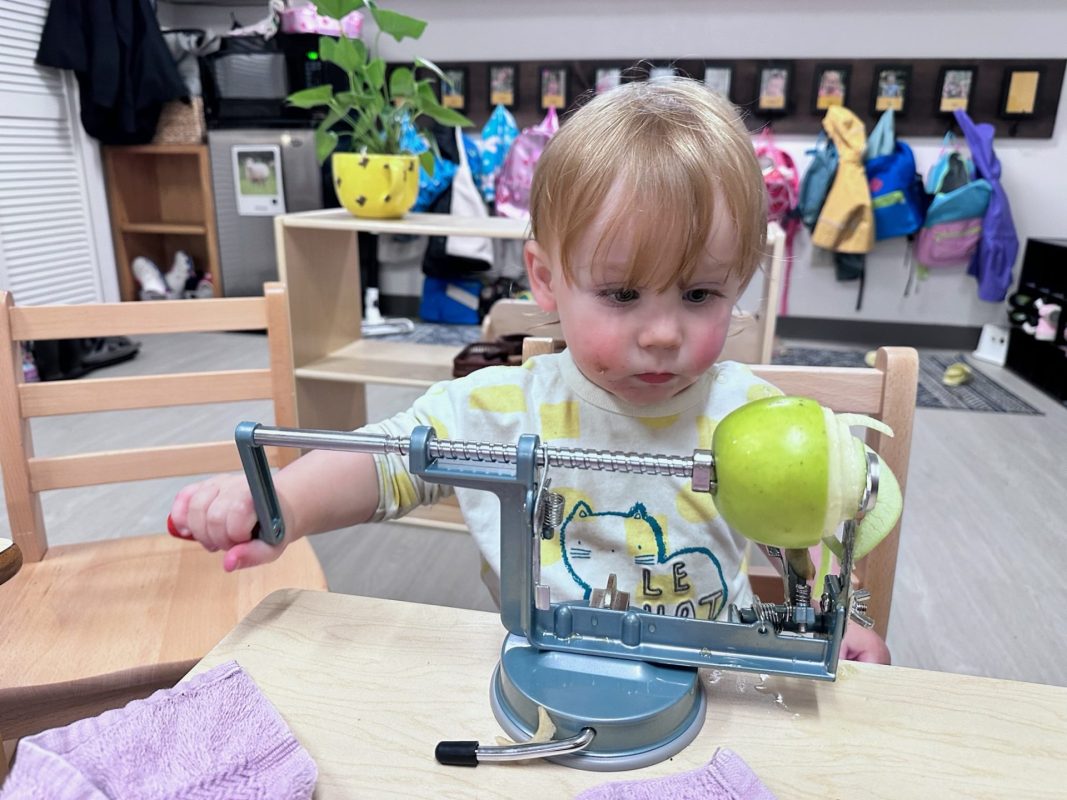
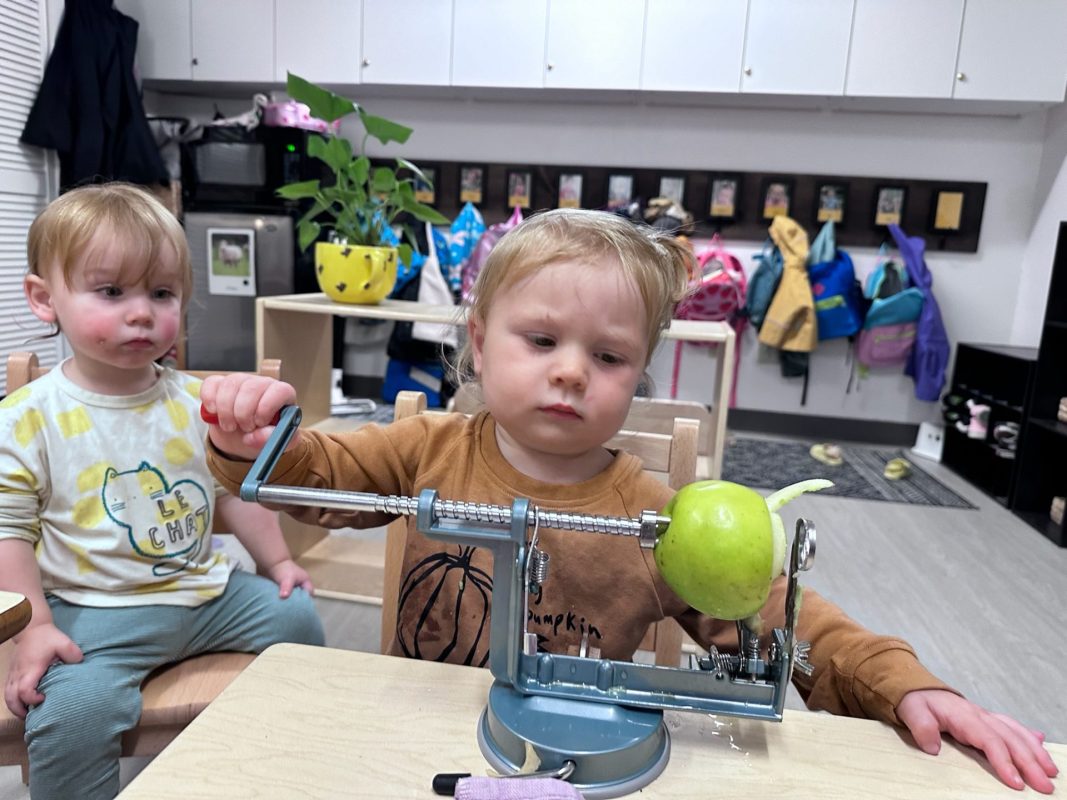
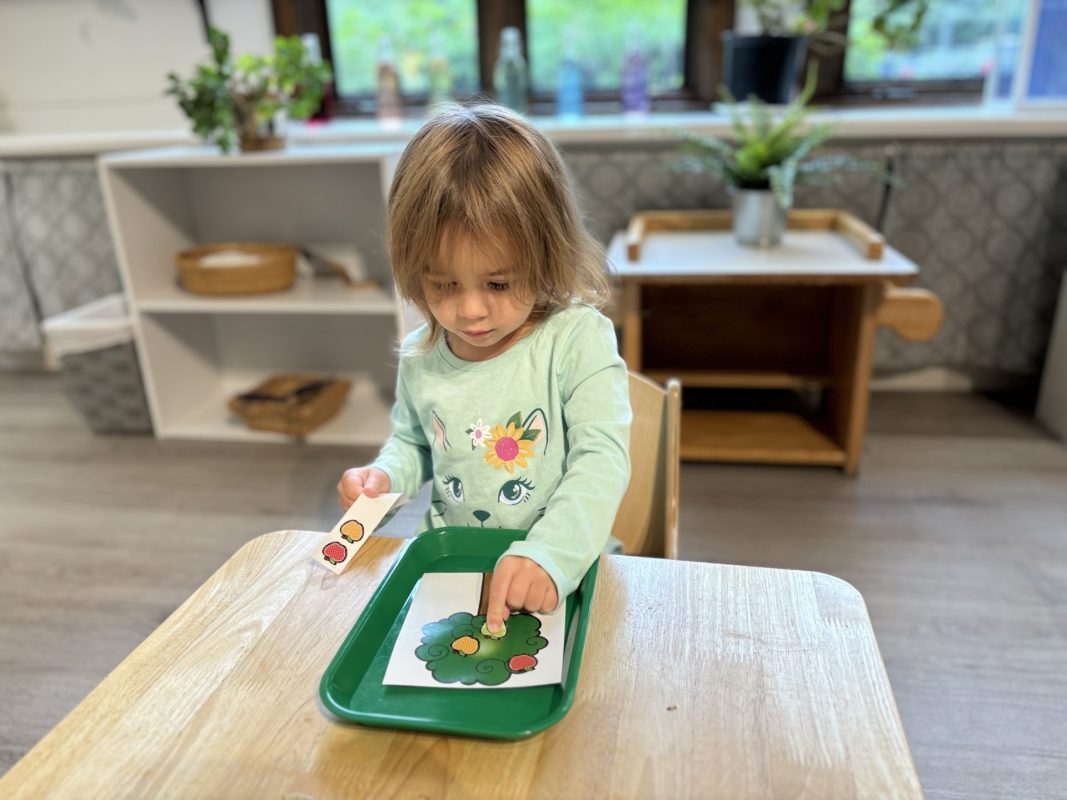
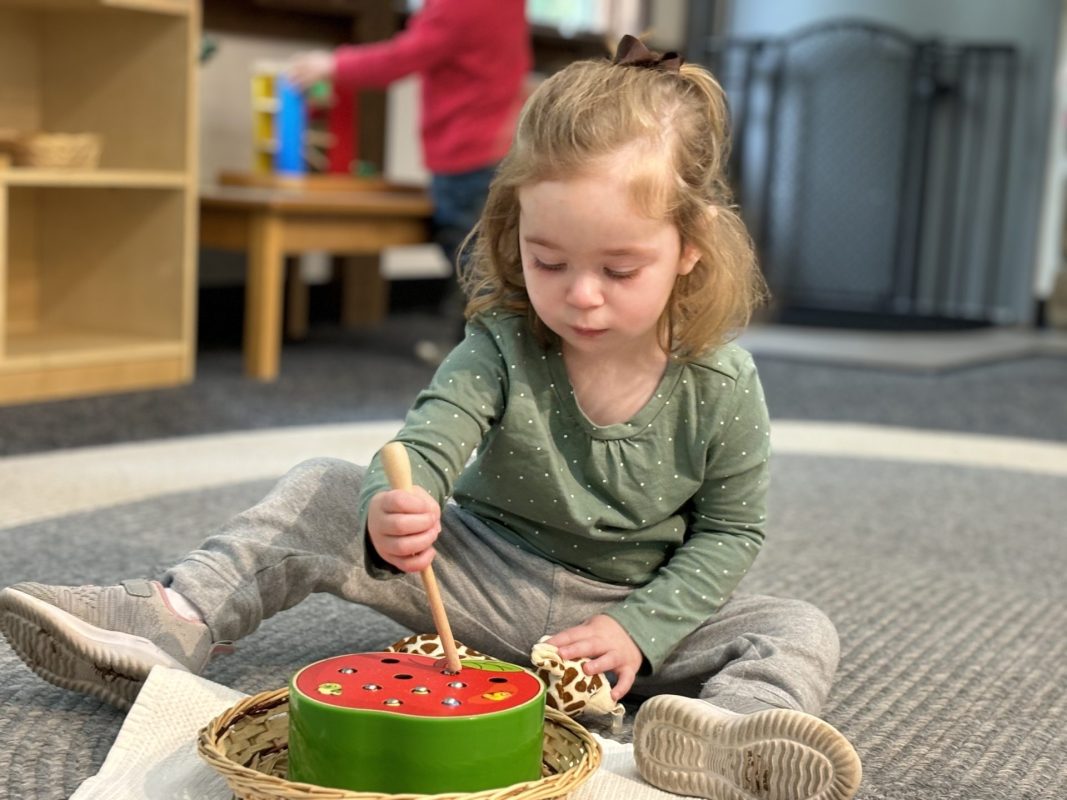
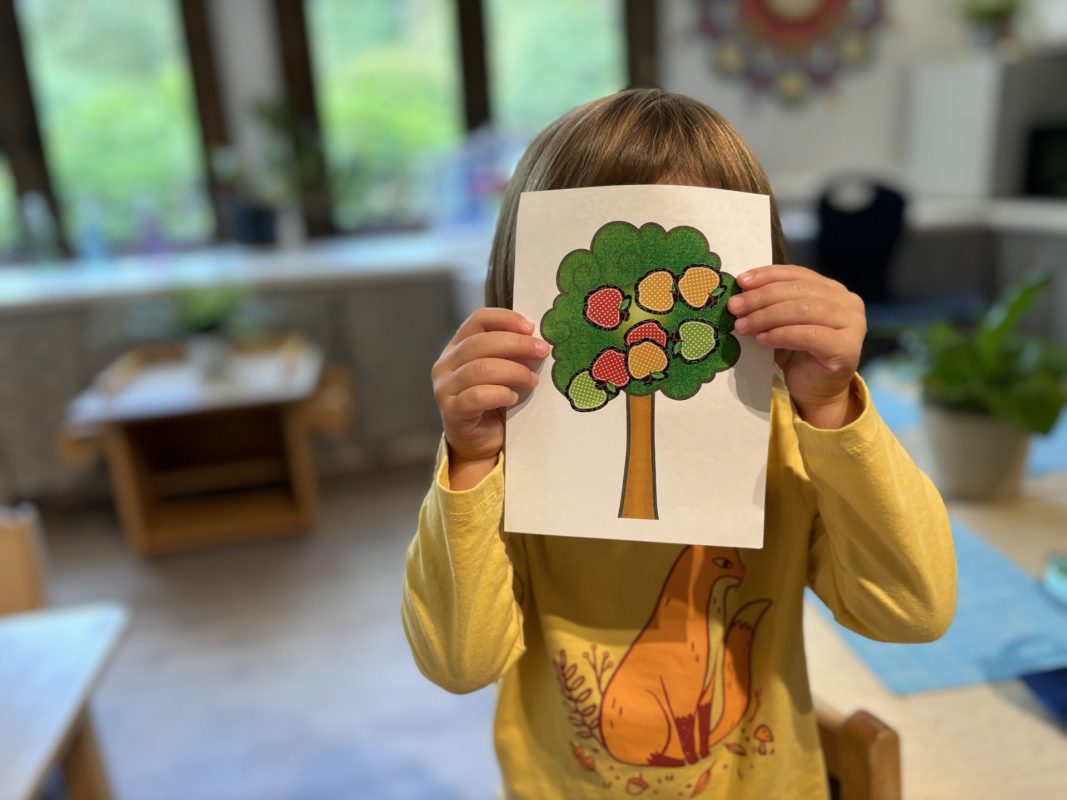
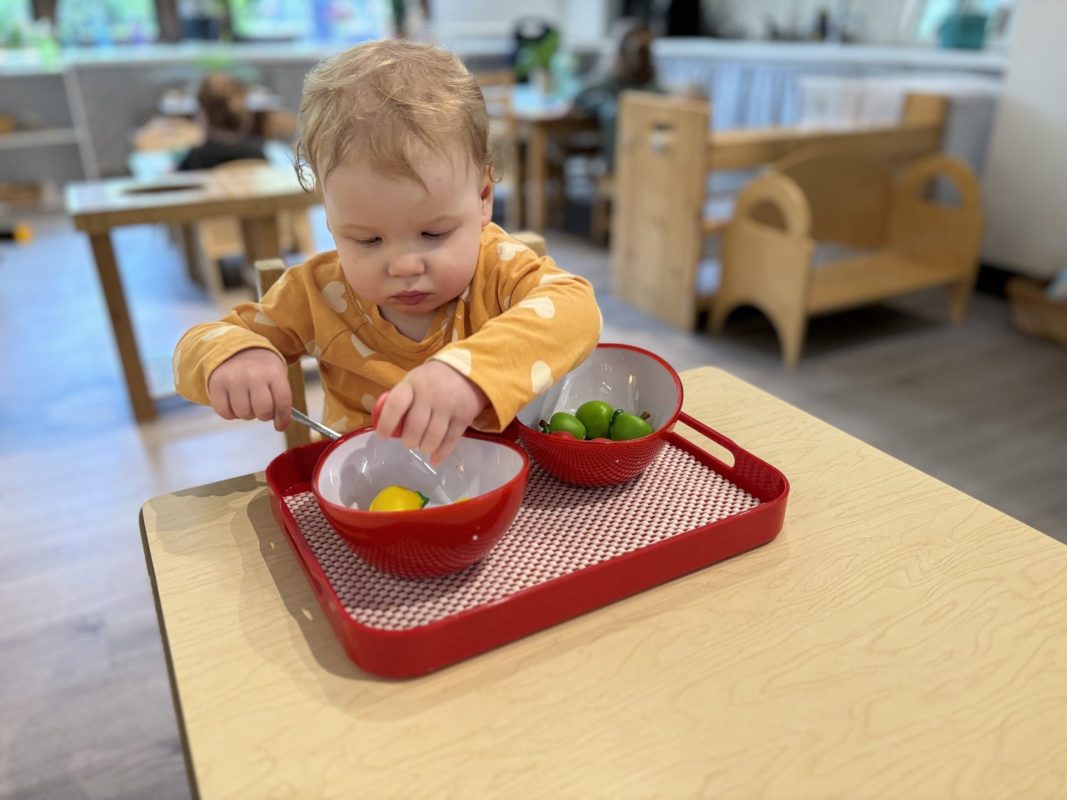
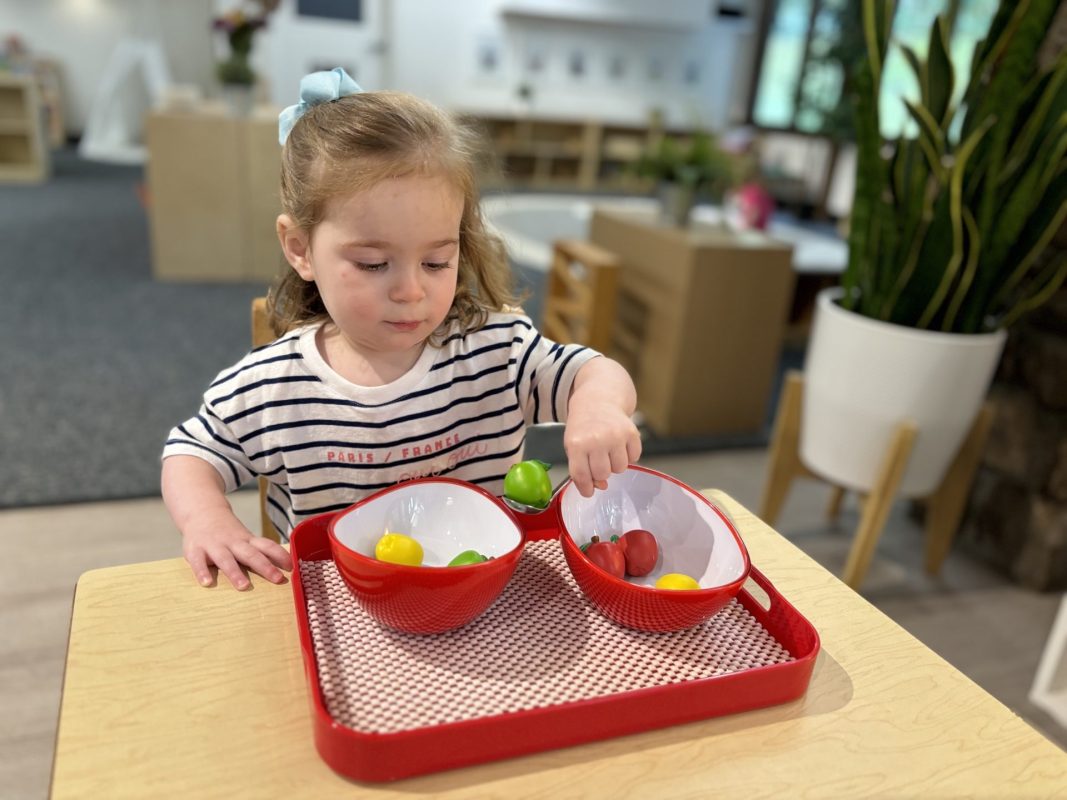
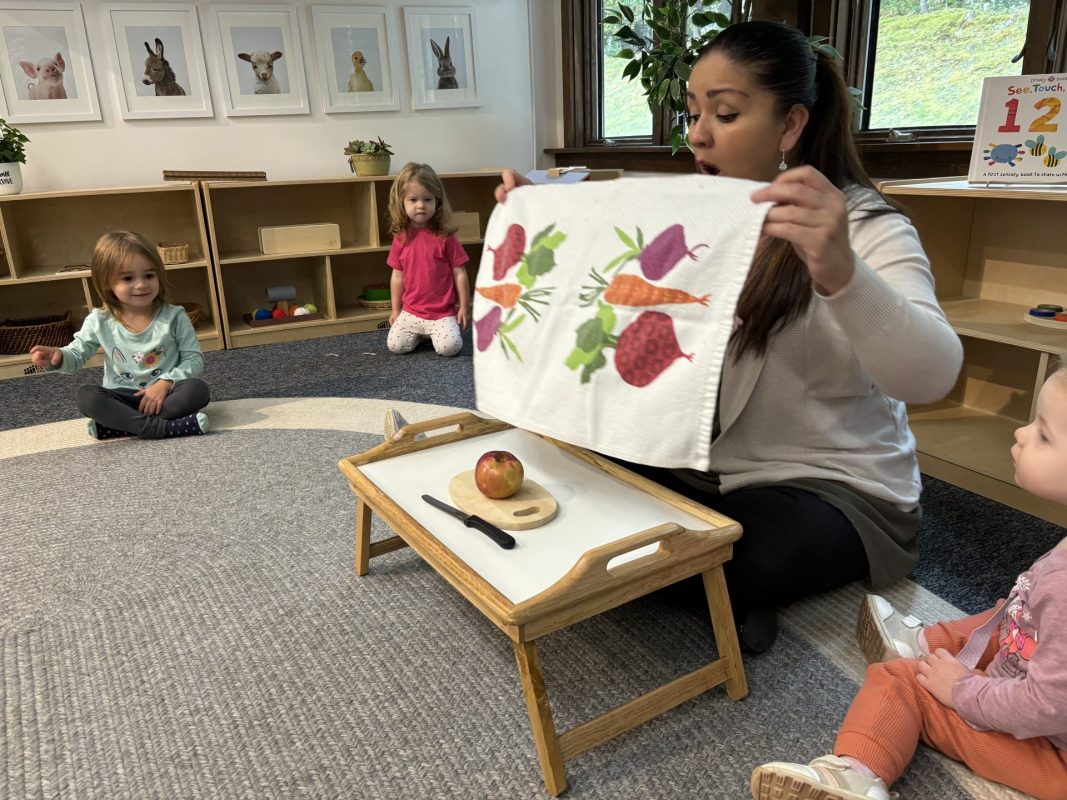
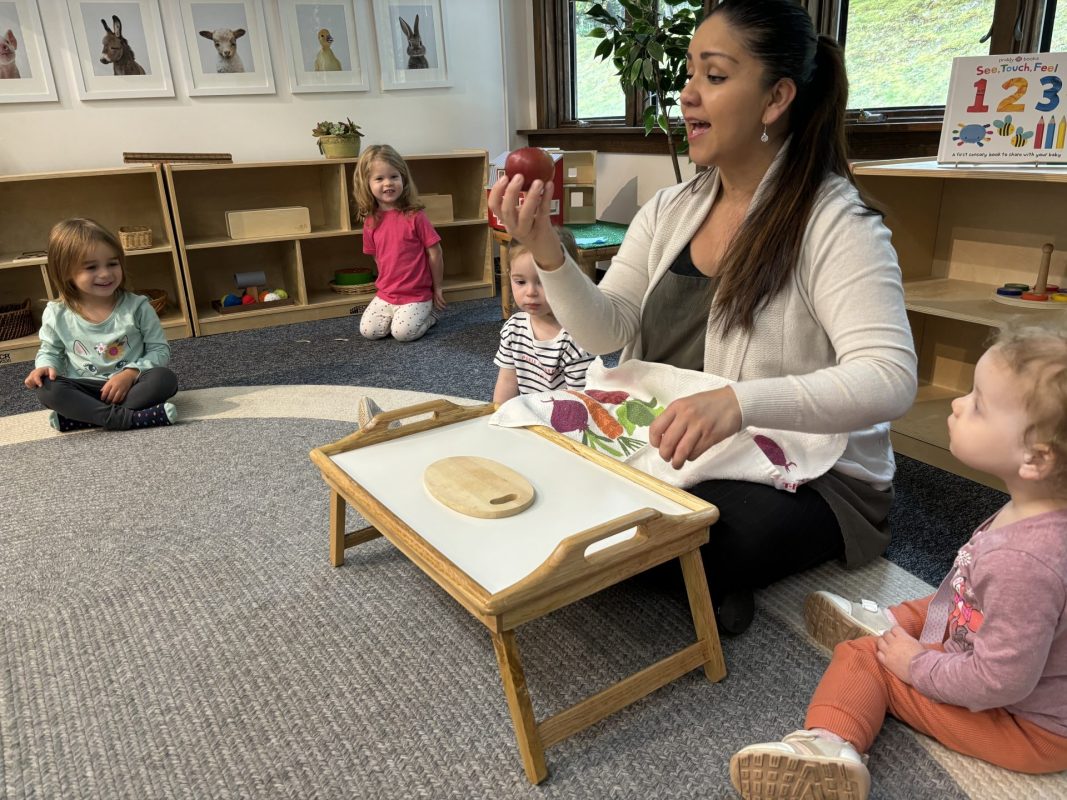
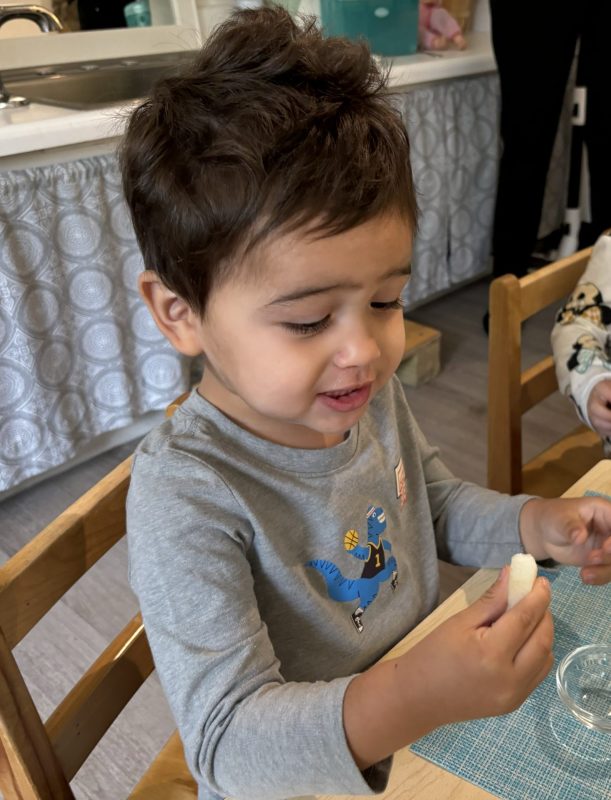
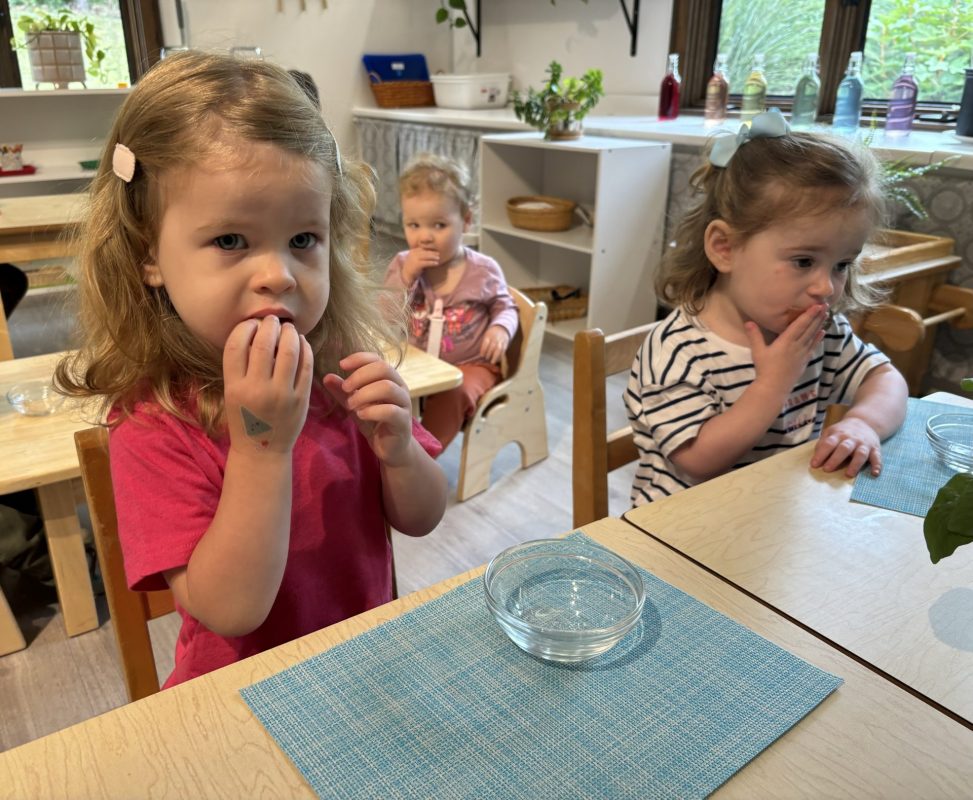
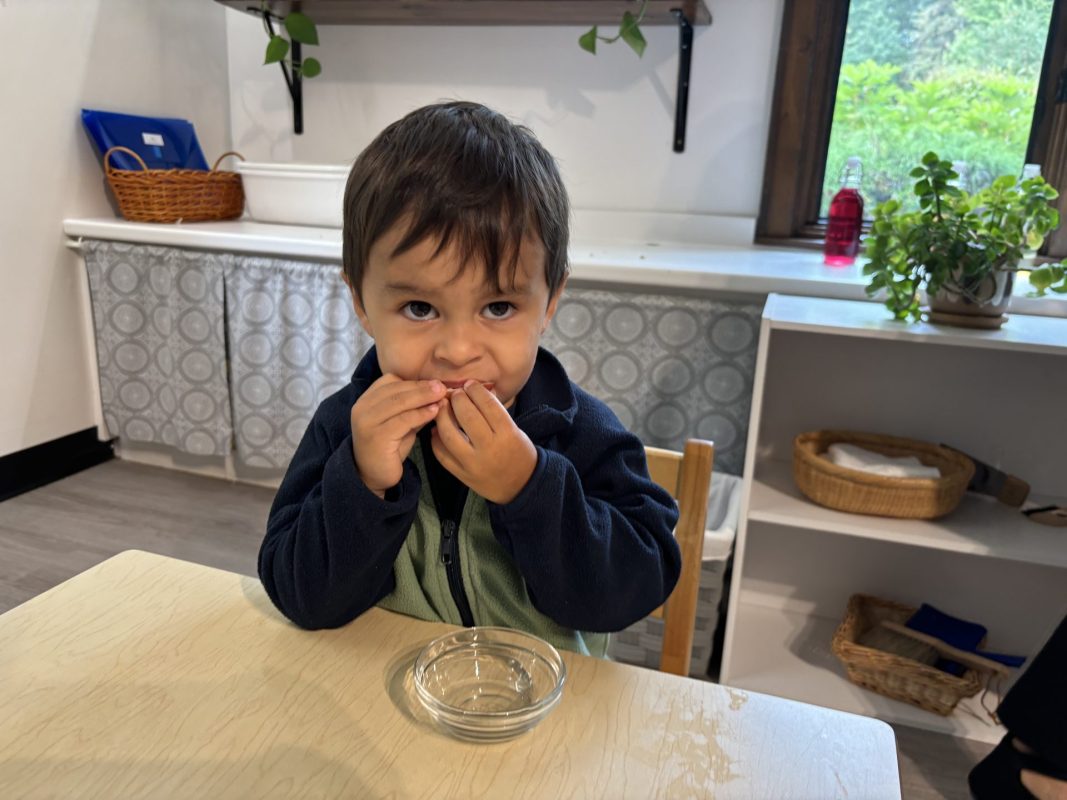
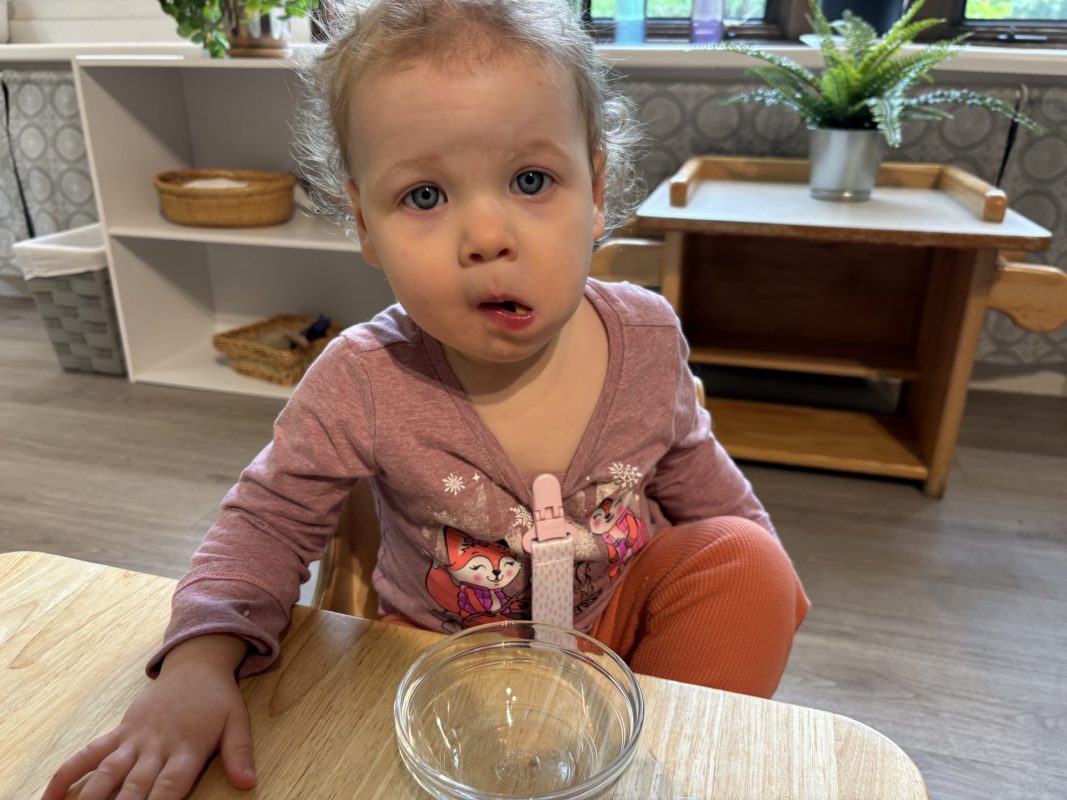
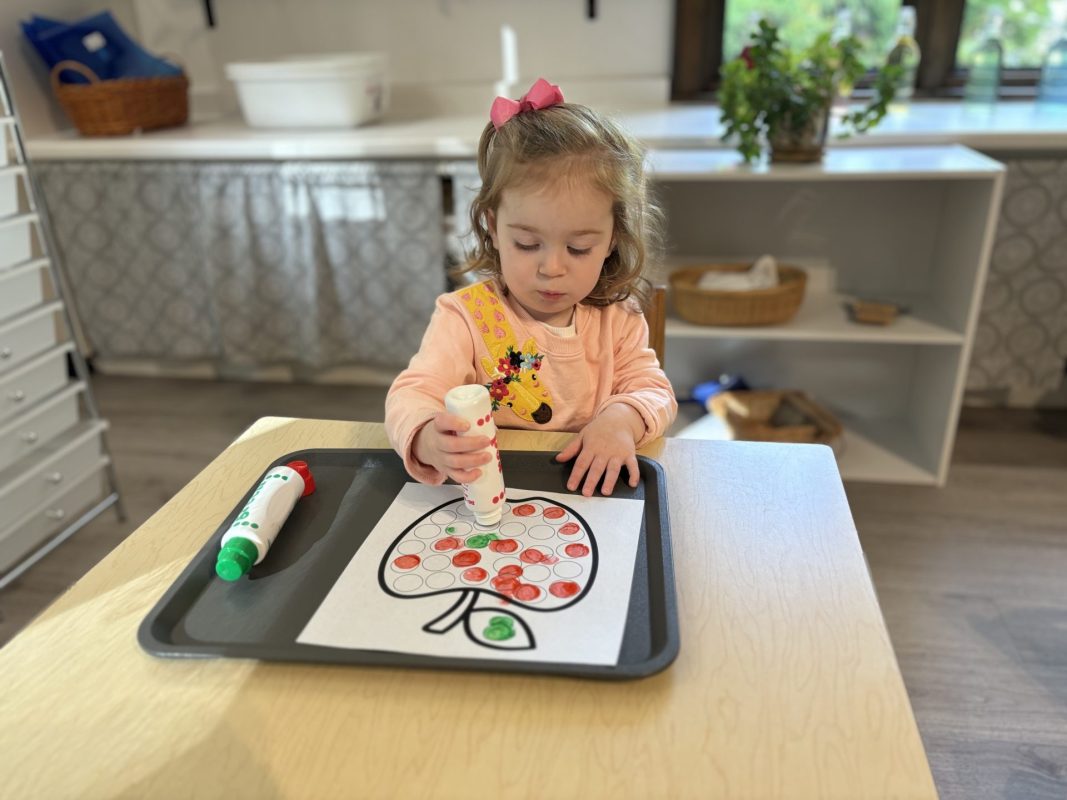
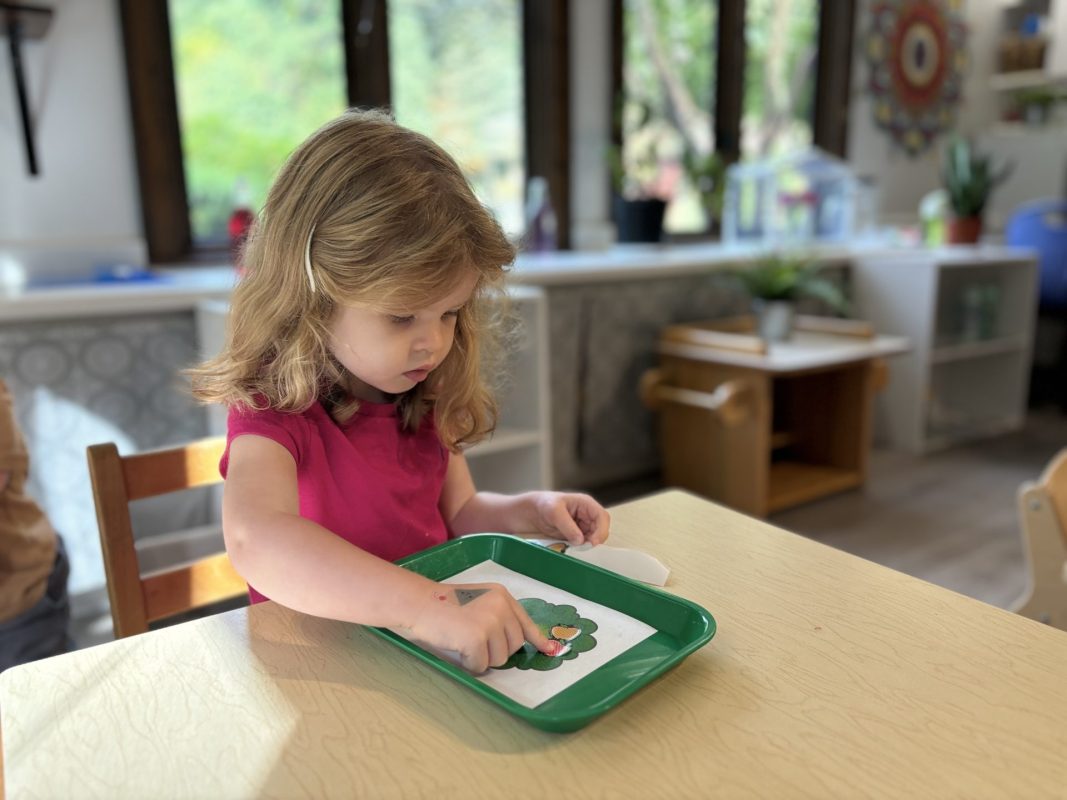
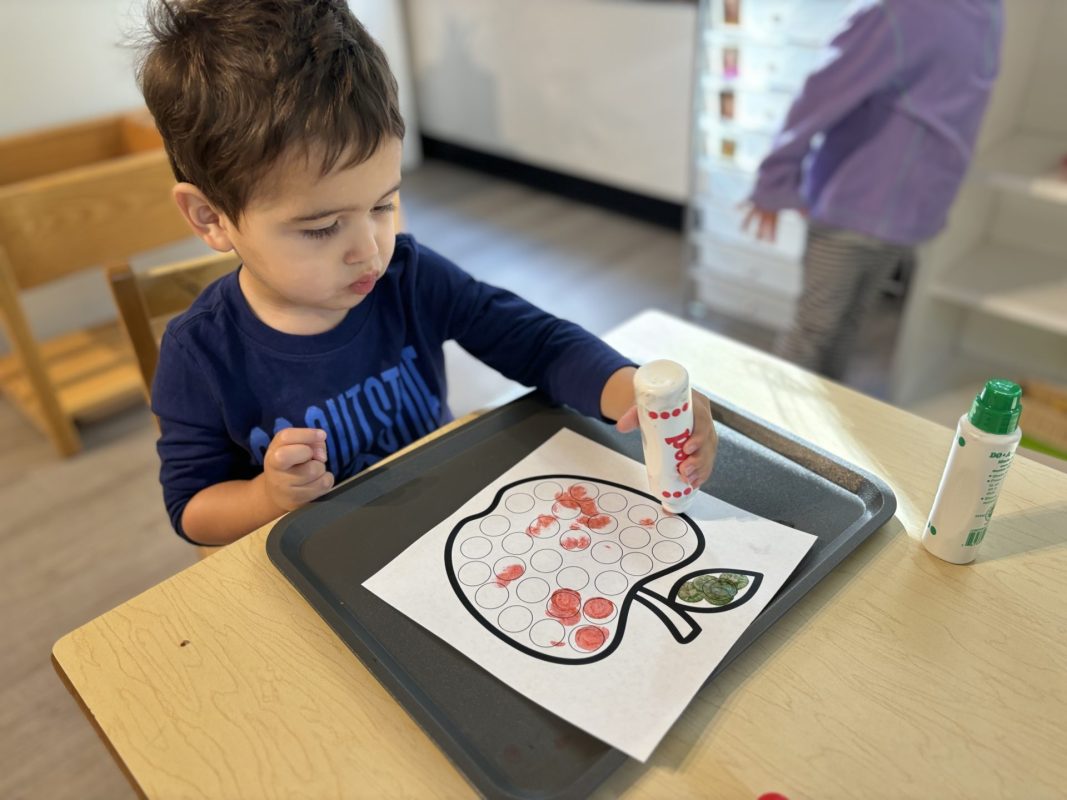
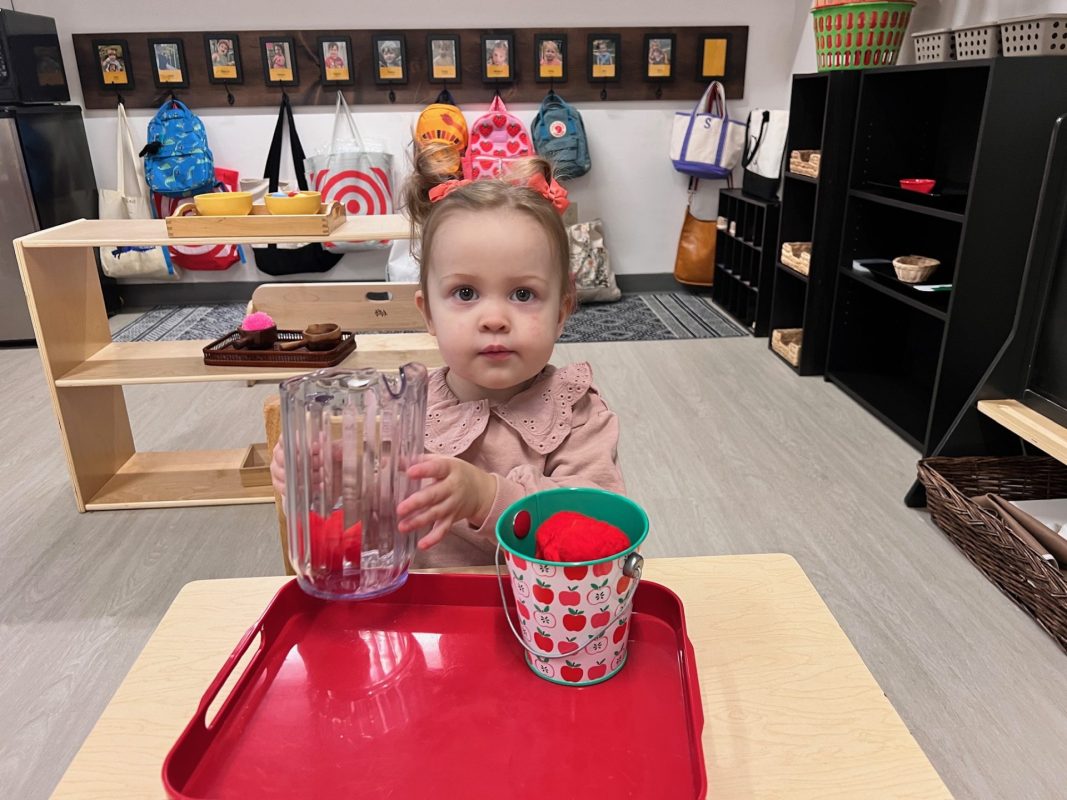
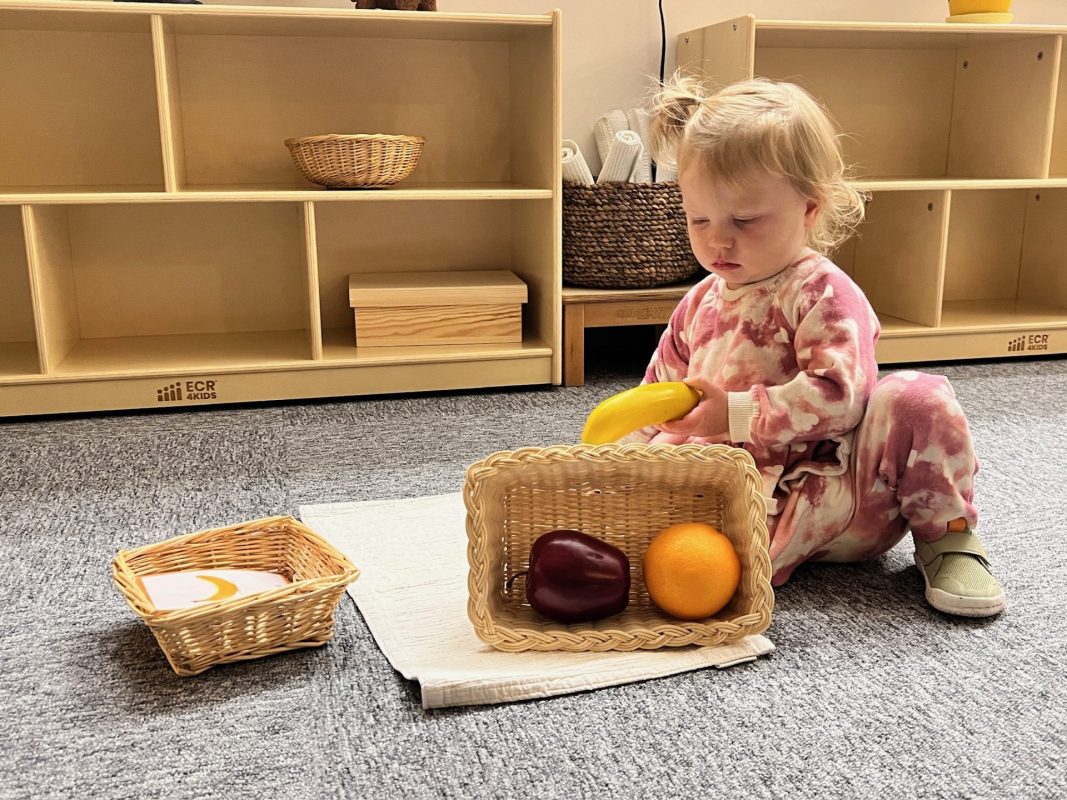
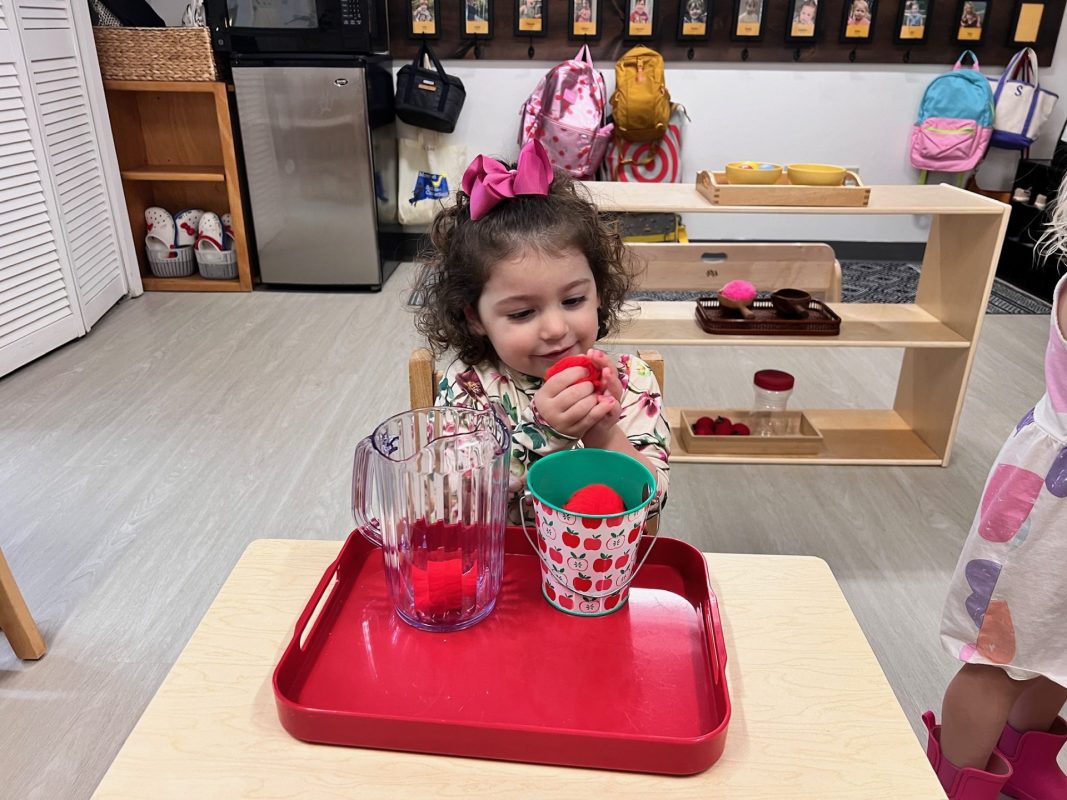
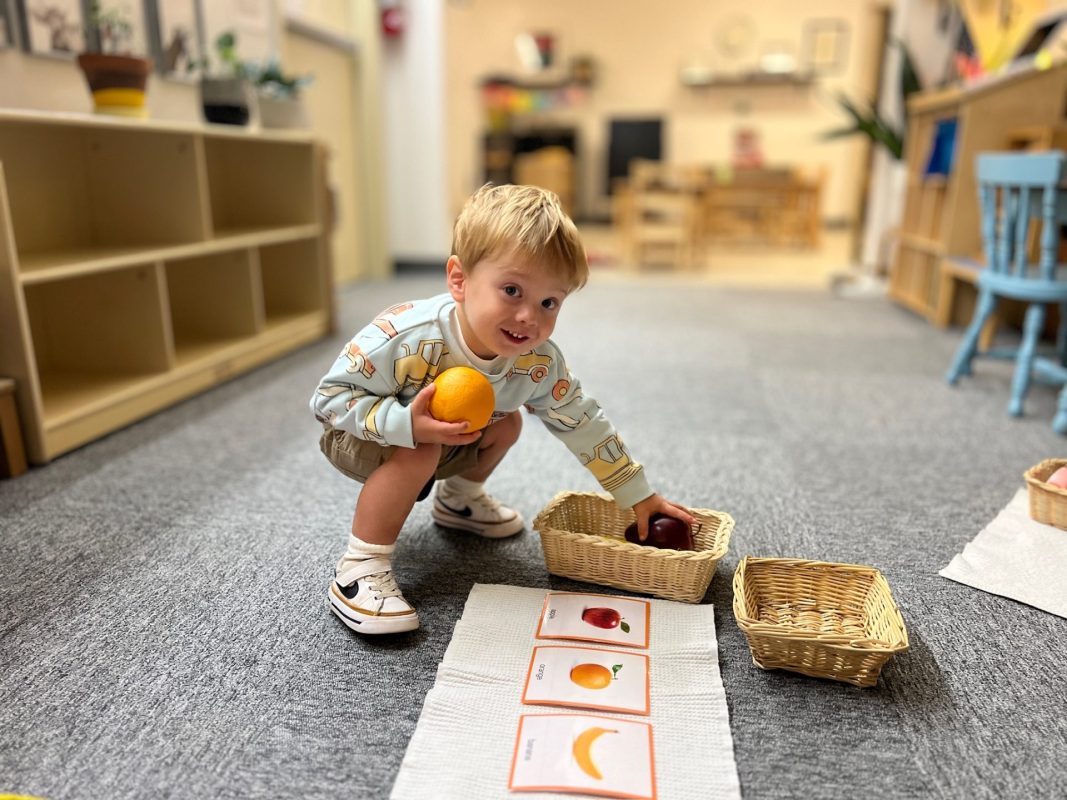
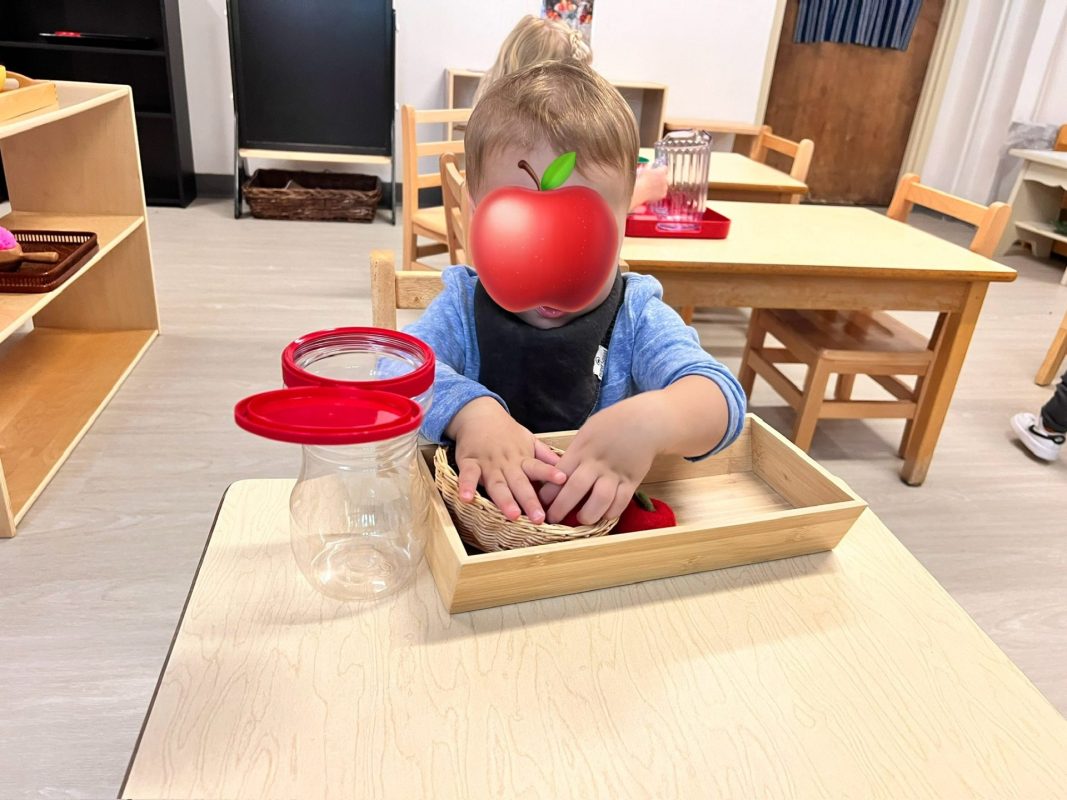
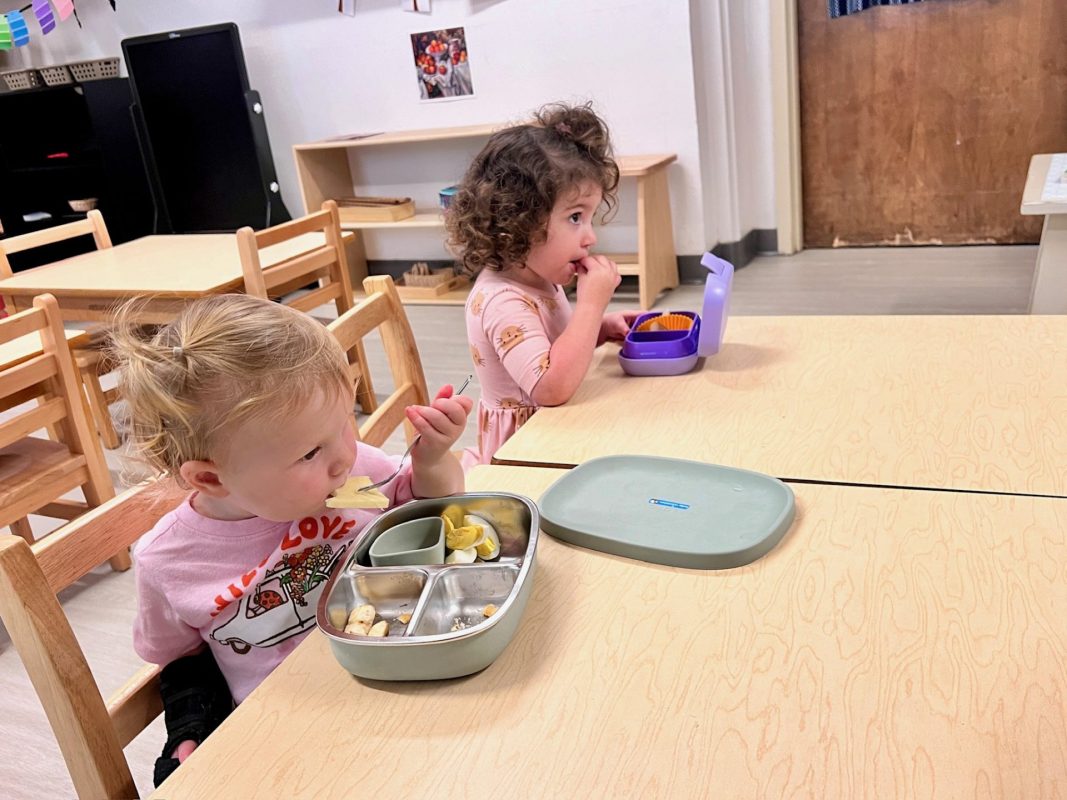
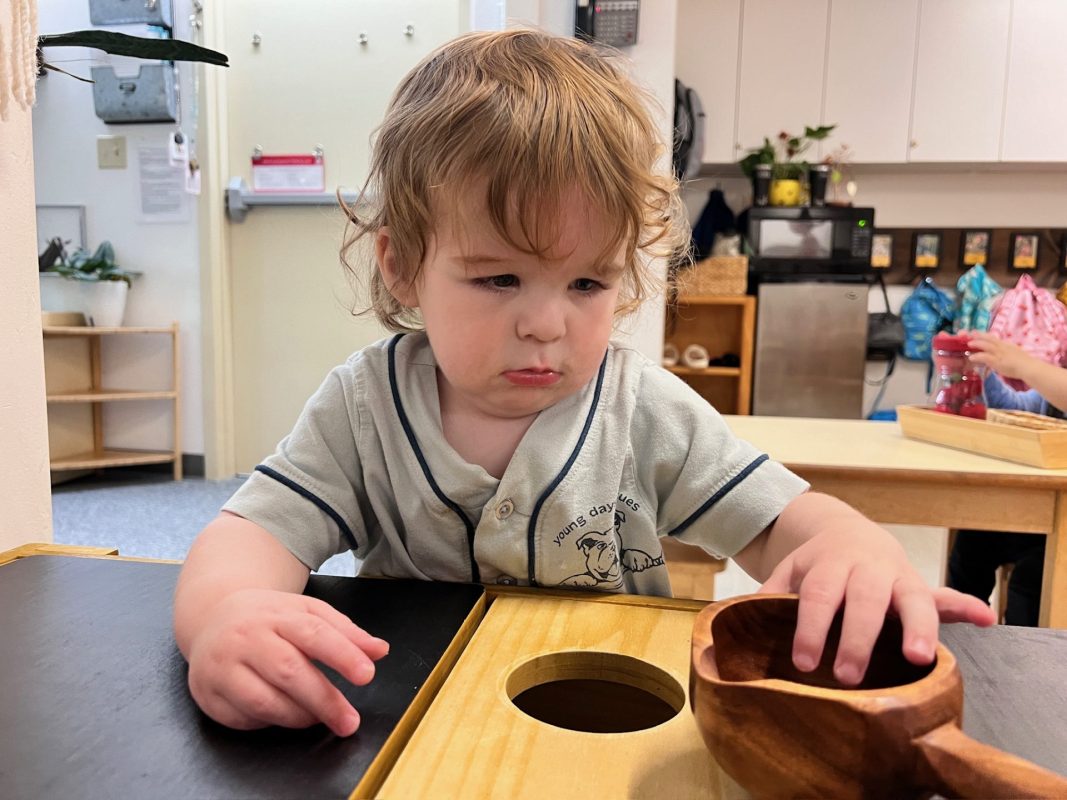
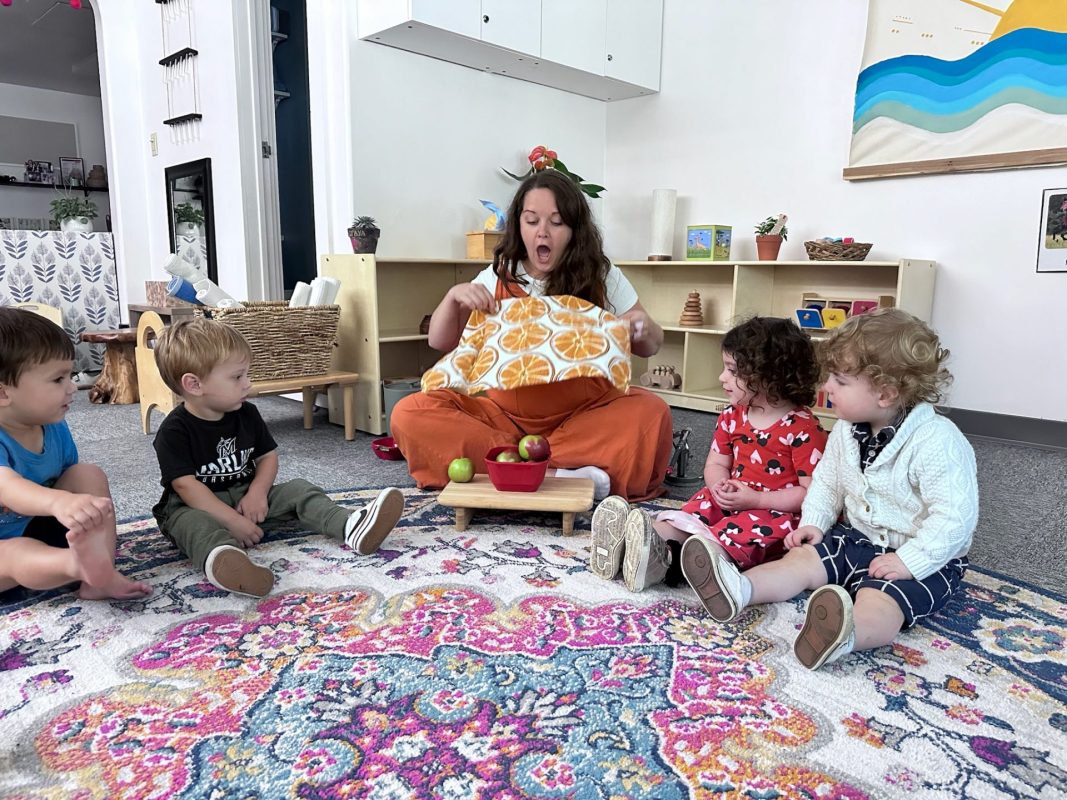
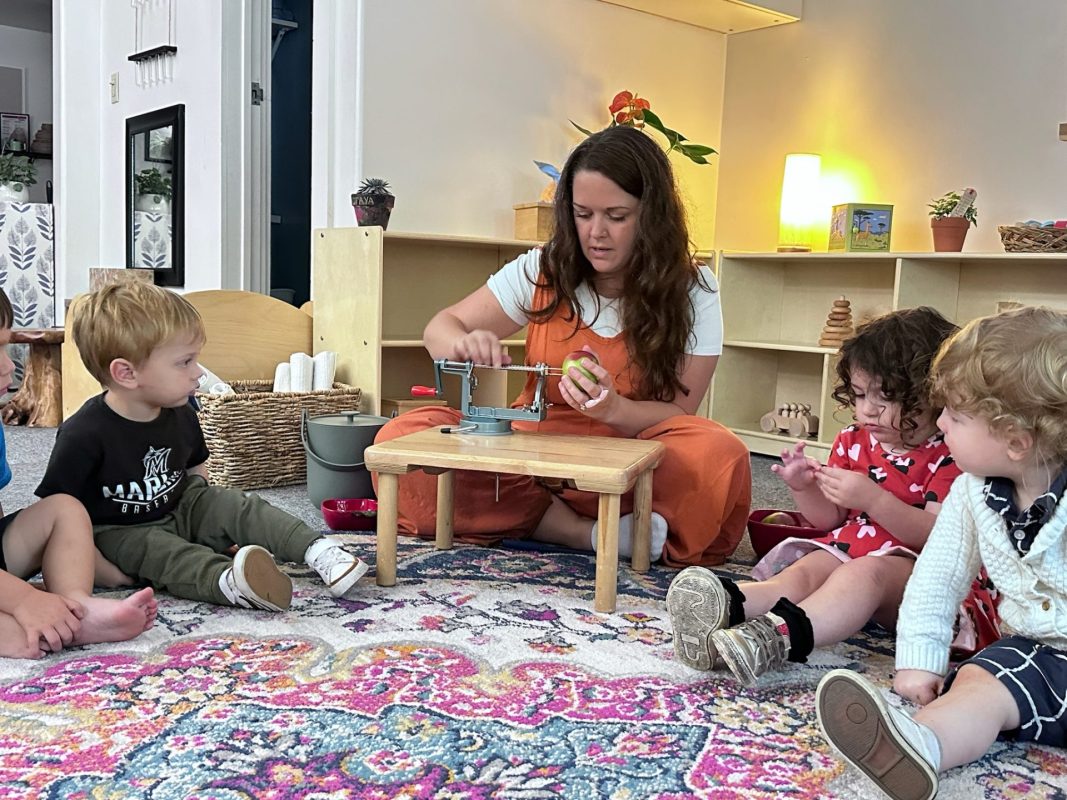
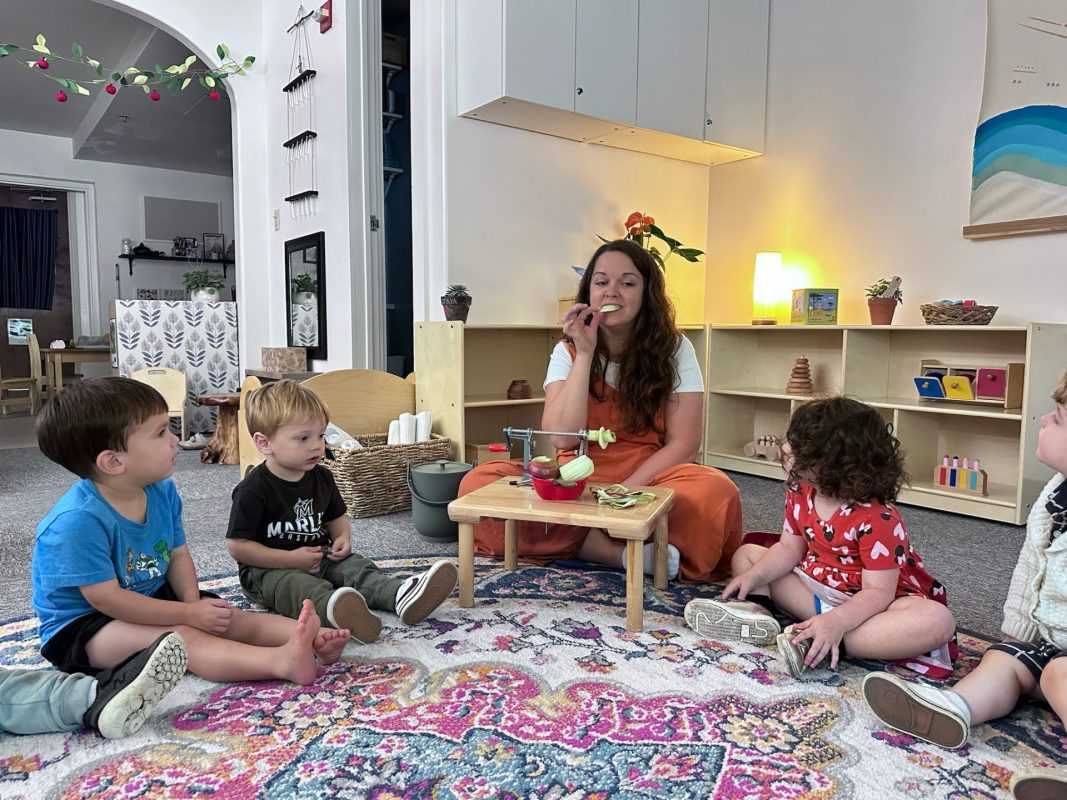
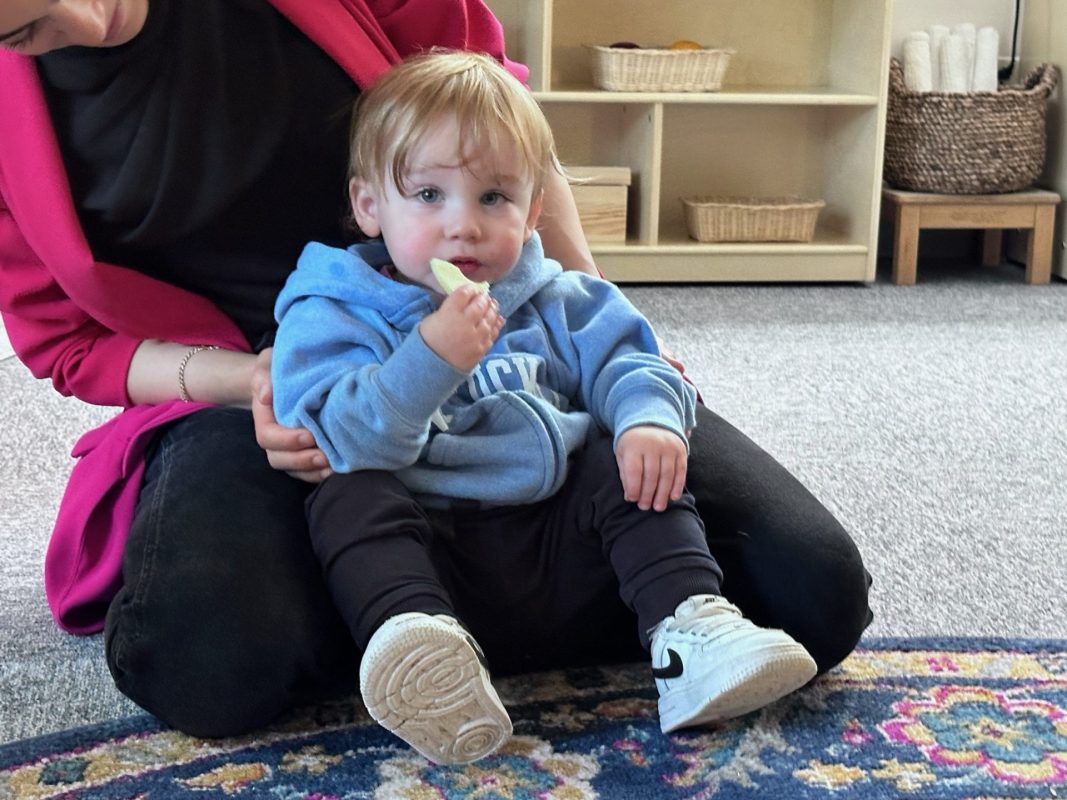
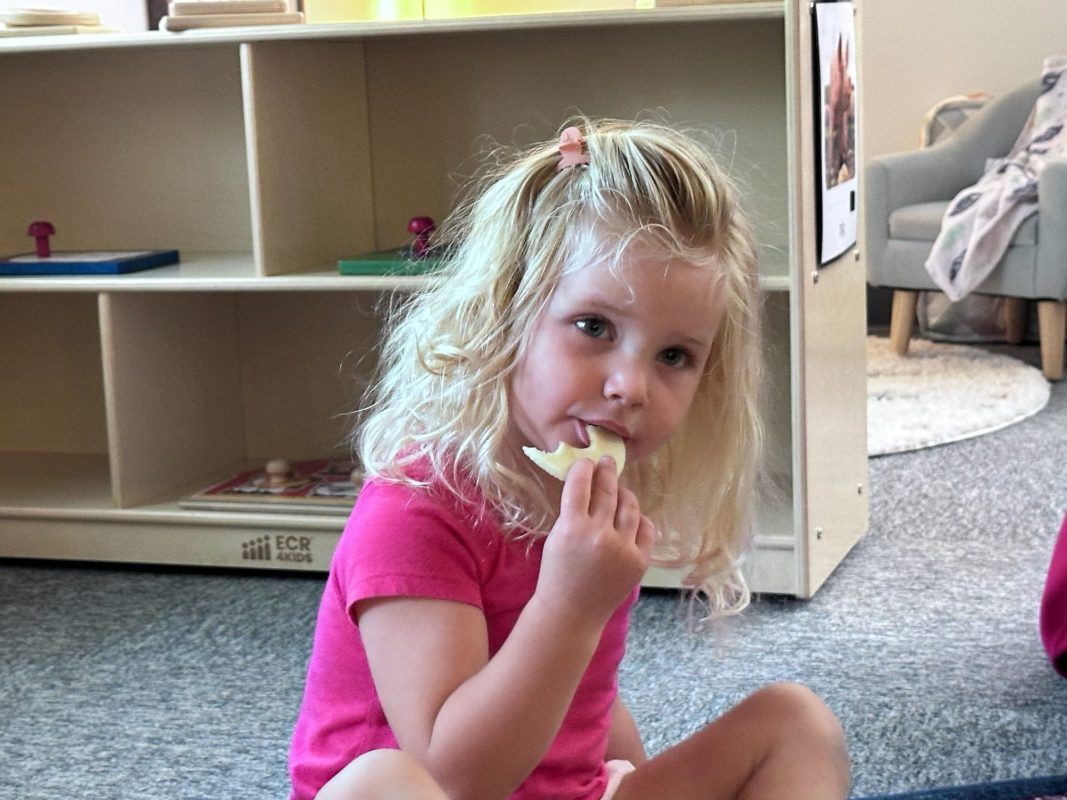
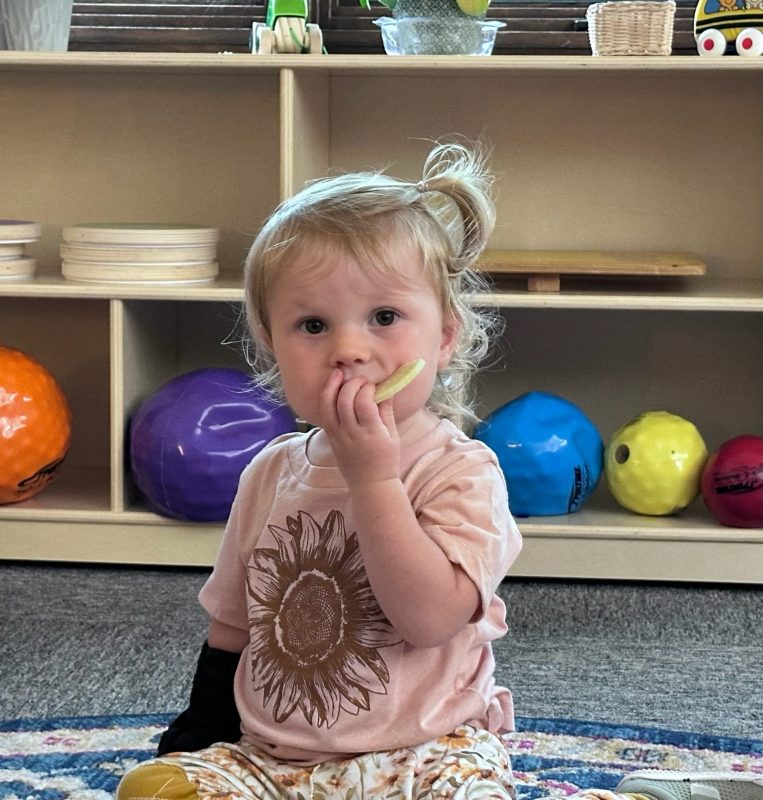
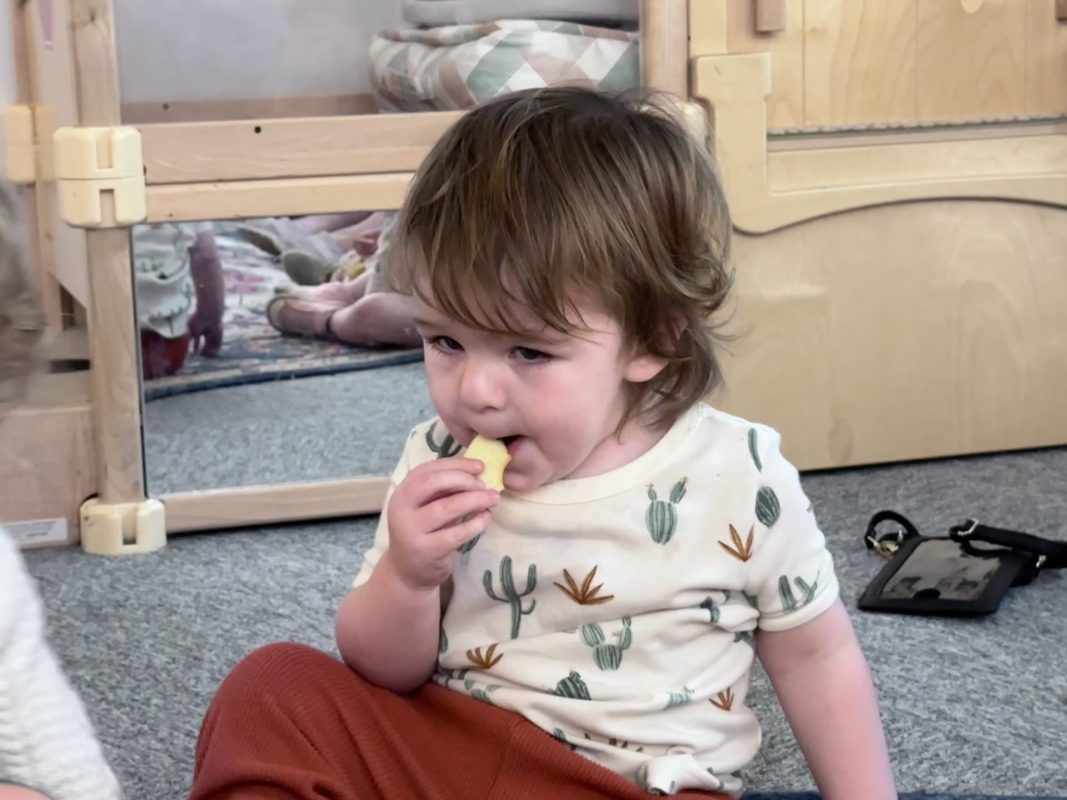
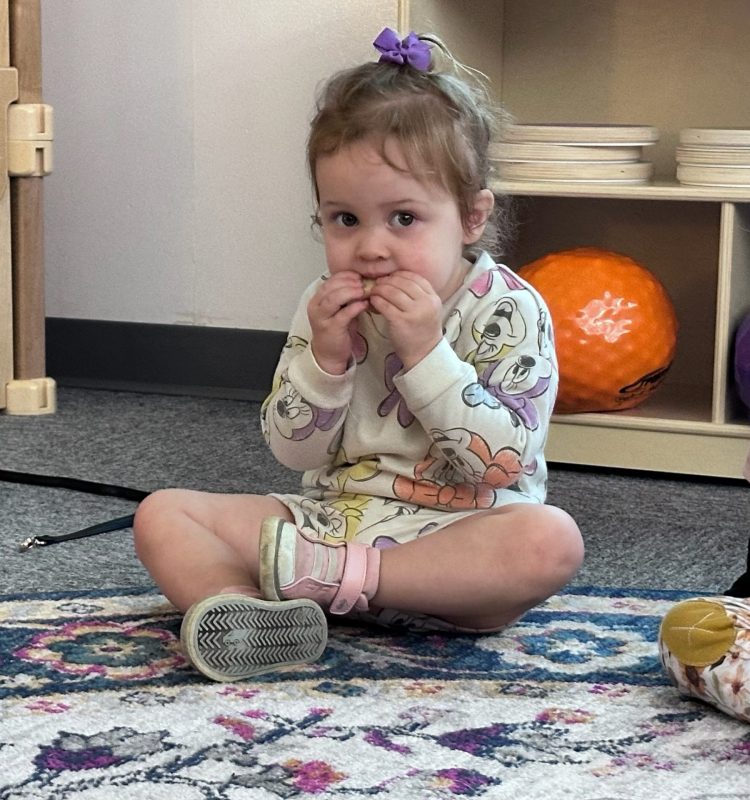
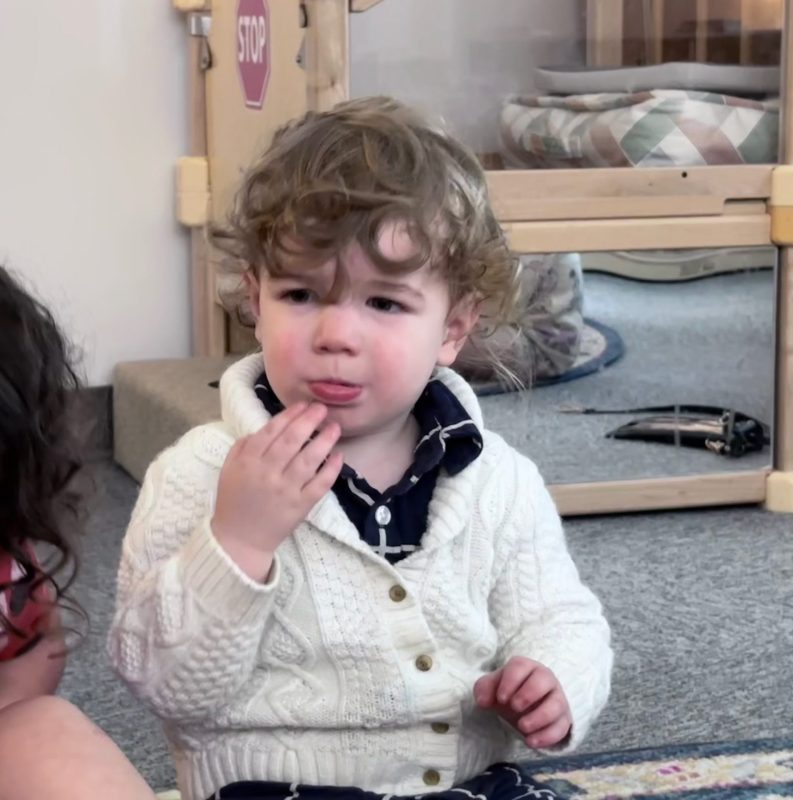
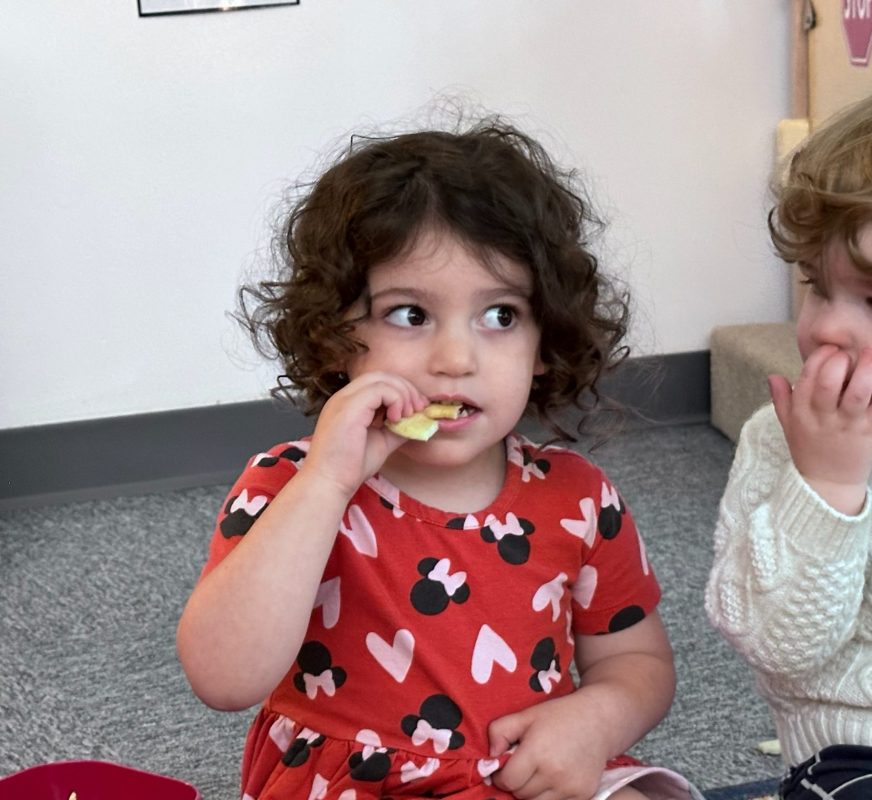
On another note, we had a big highlight this week: the introduction of our first food-tasting lesson! The excitement was high as I placed the food-tasting tray in front of the children, especially for our second-year students, who knew what was coming. The children gathered quietly, eyes wide with anticipation, as I slowly lifted the towel to reveal the surprise underneath—an apple!
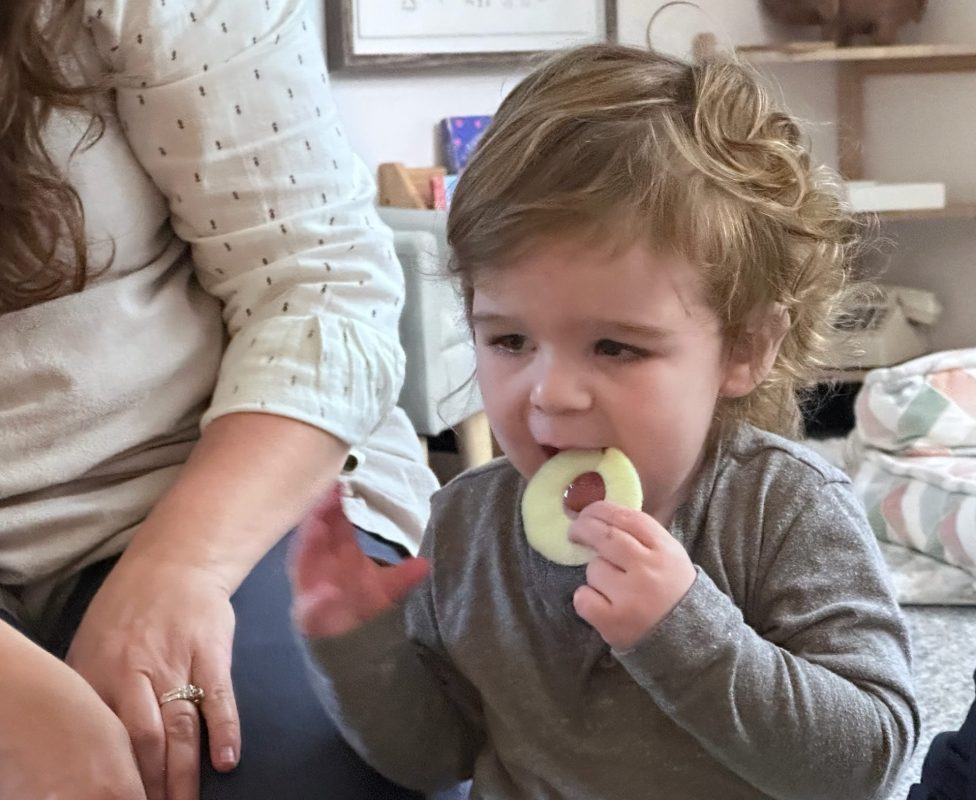
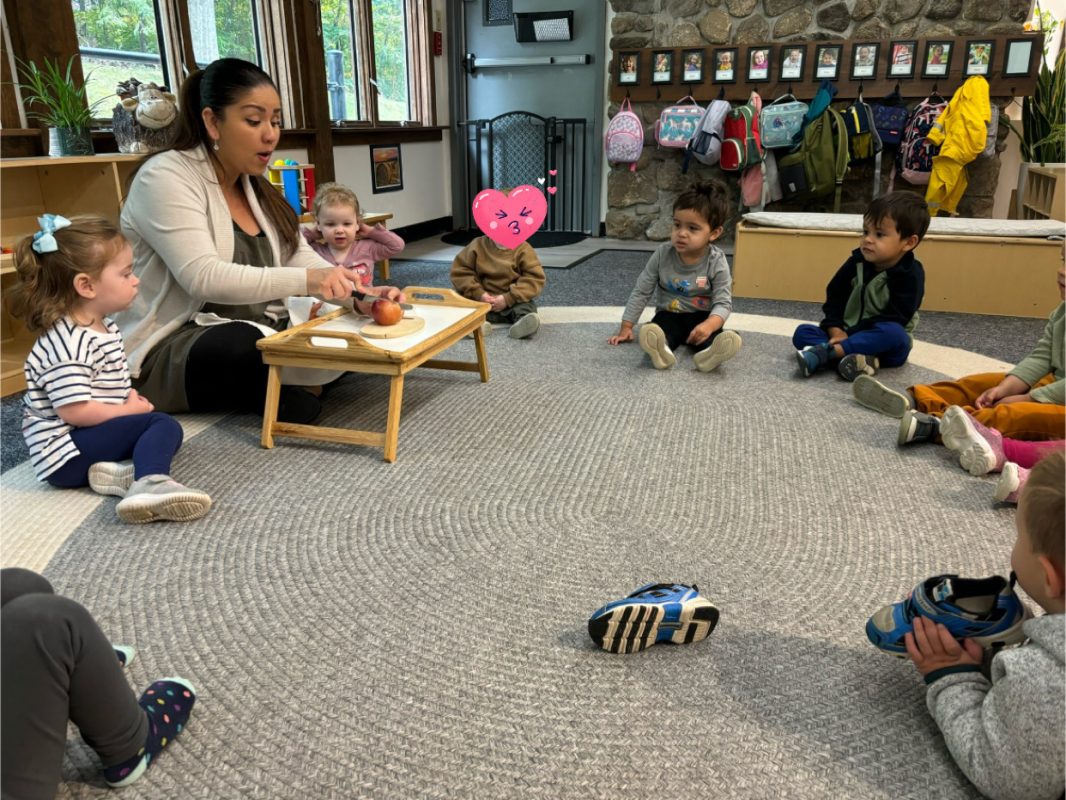
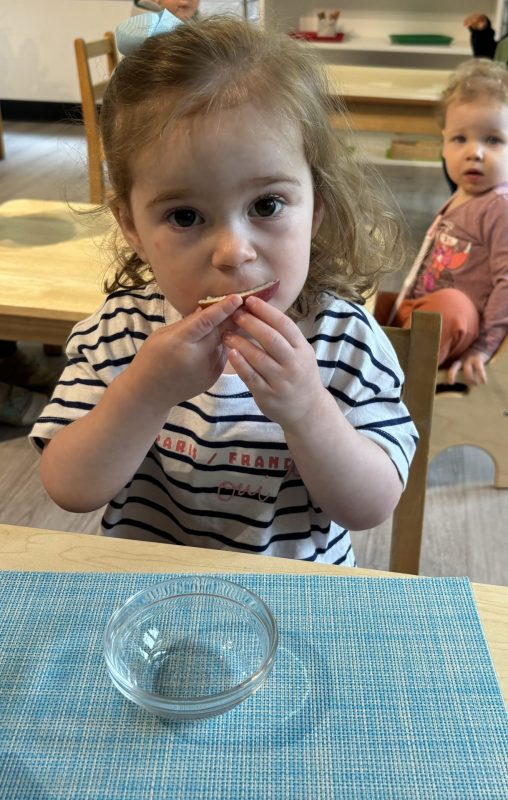
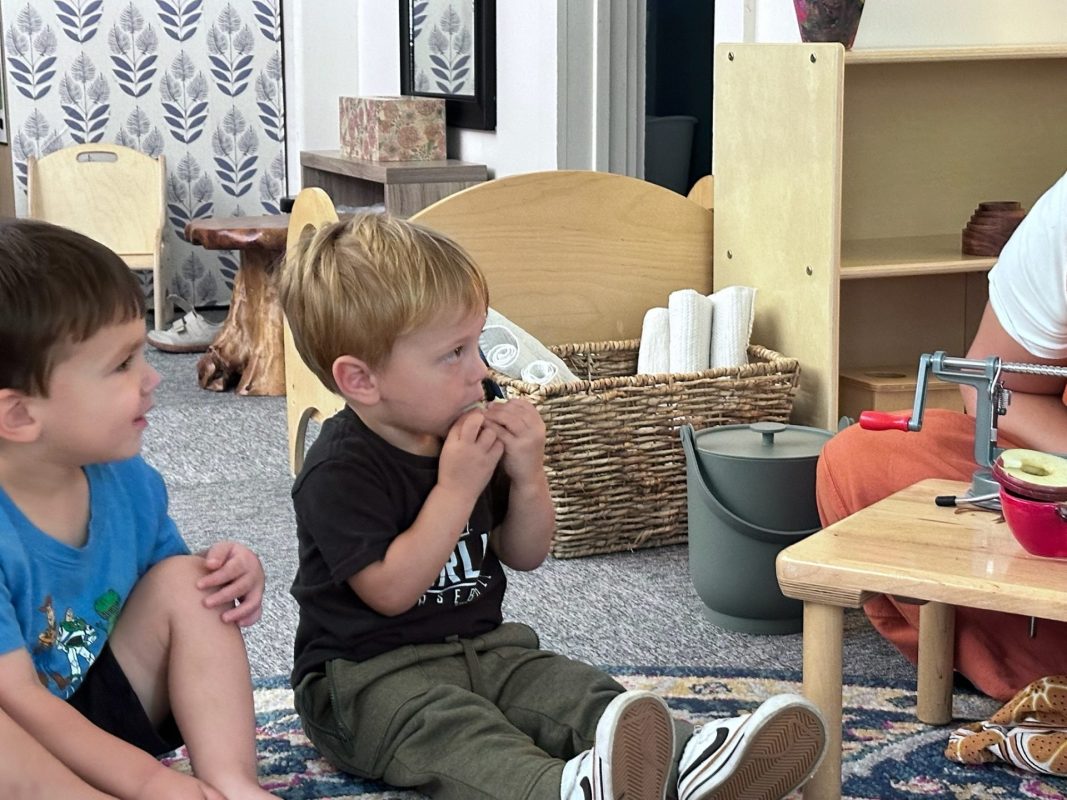
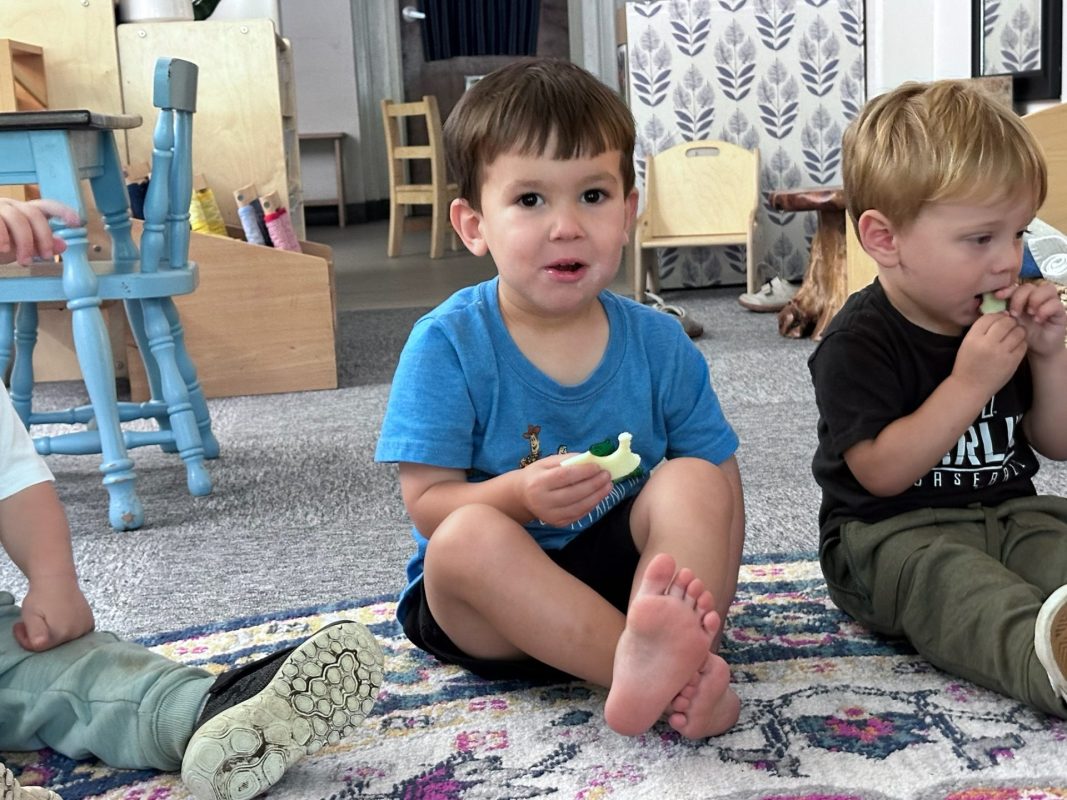
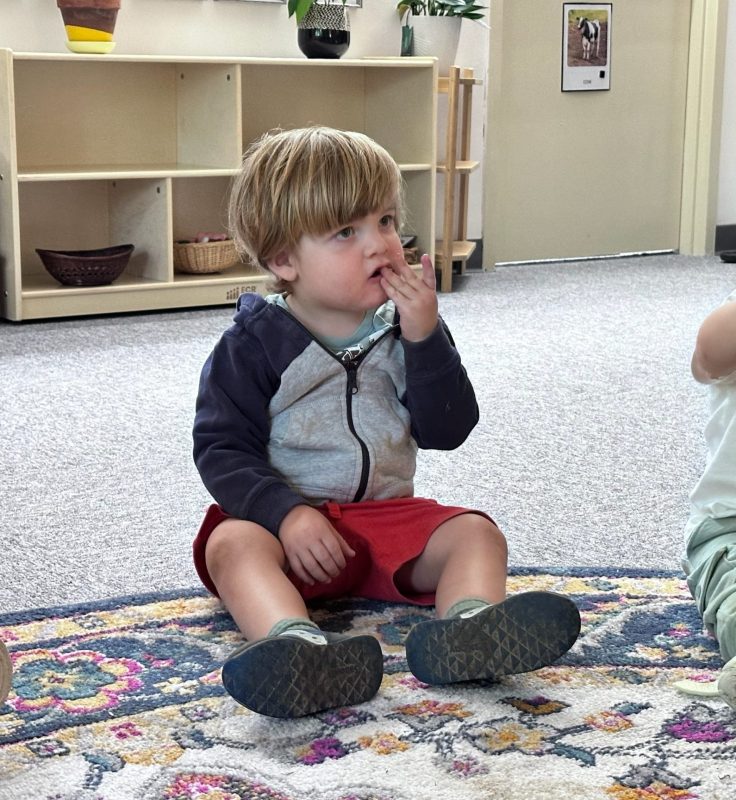
First, I showed the apple whole, then cut it in half, and finally, served it in slices. We used descriptive words like “cold,” “smooth,” “red,” and “tasty” to expand their vocabulary while they touched and examined the fruit. I took a piece and tasted it slowly and dramatically, building their curiosity and excitement before inviting them to taste. Everyone joined in and enjoyed some delicious apple slices. This food-tasting activity is a favorite every year, and we can’t wait to explore new flavors each week.
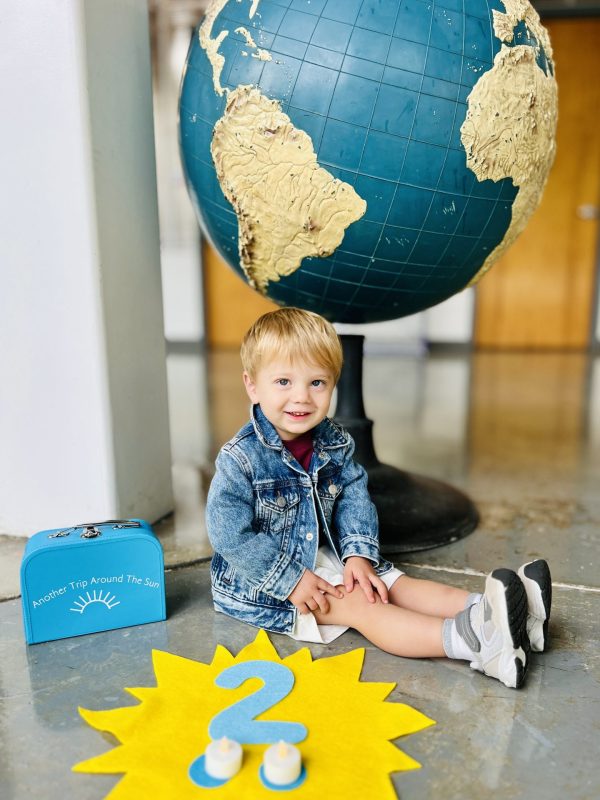
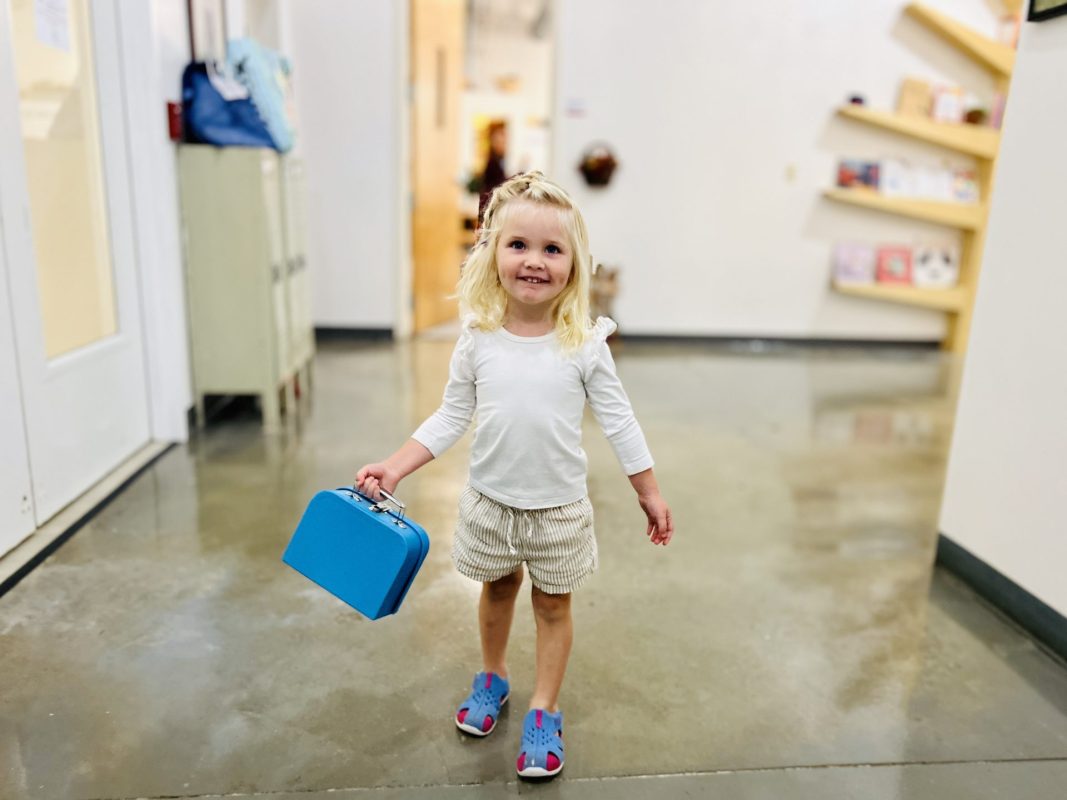
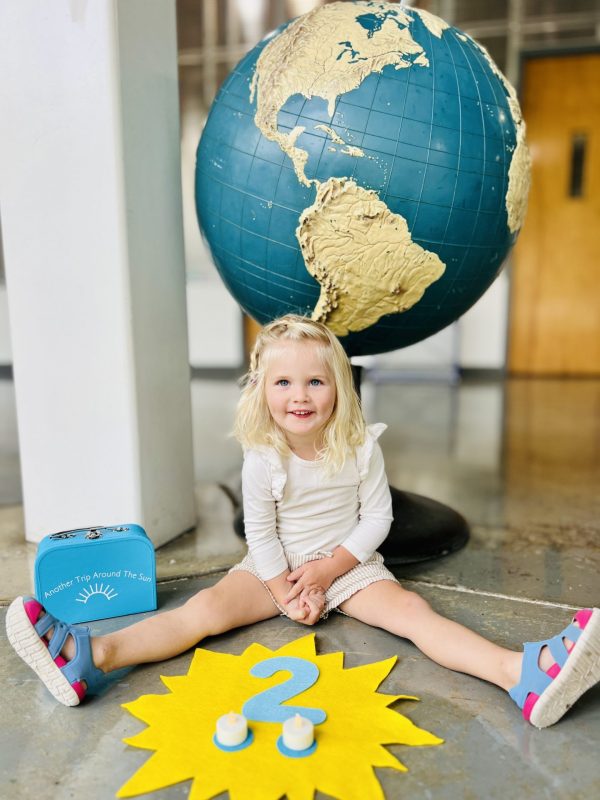
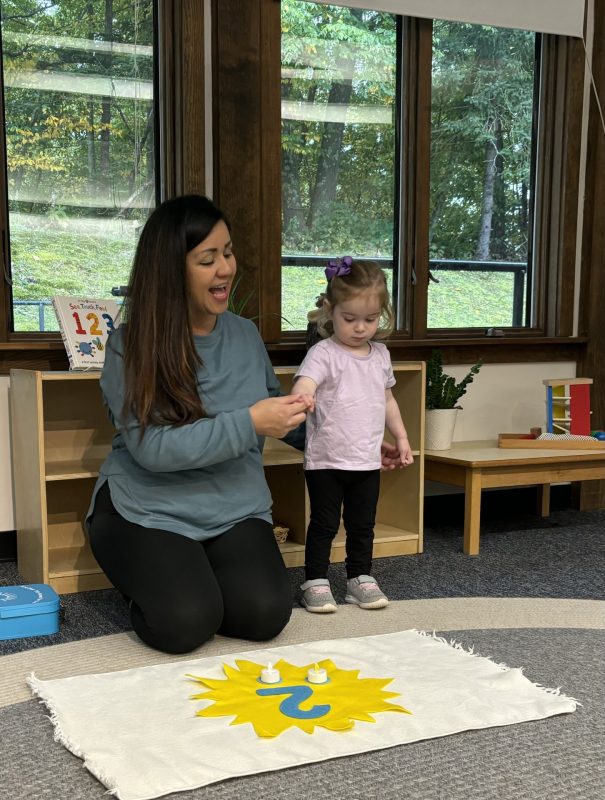
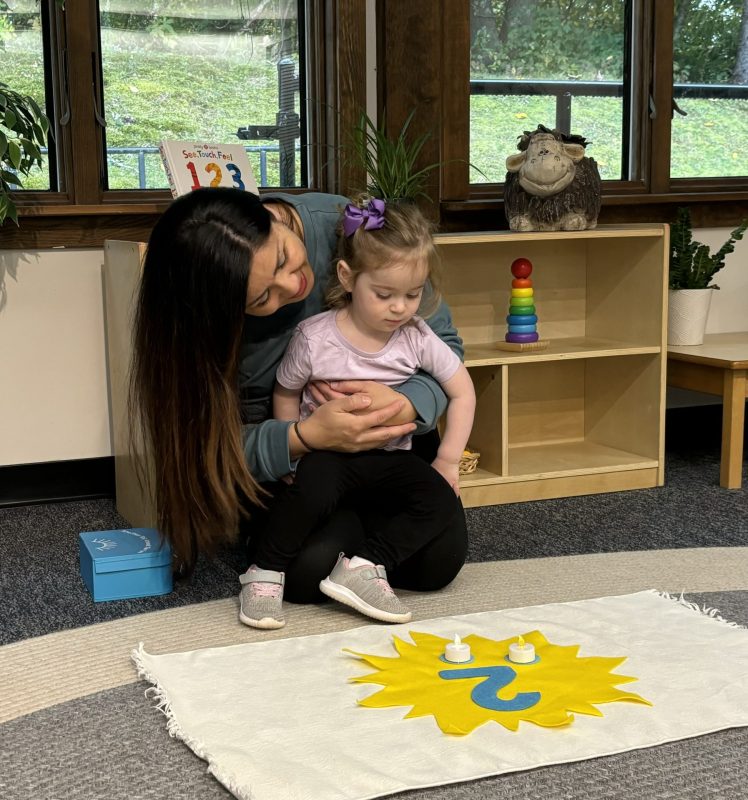
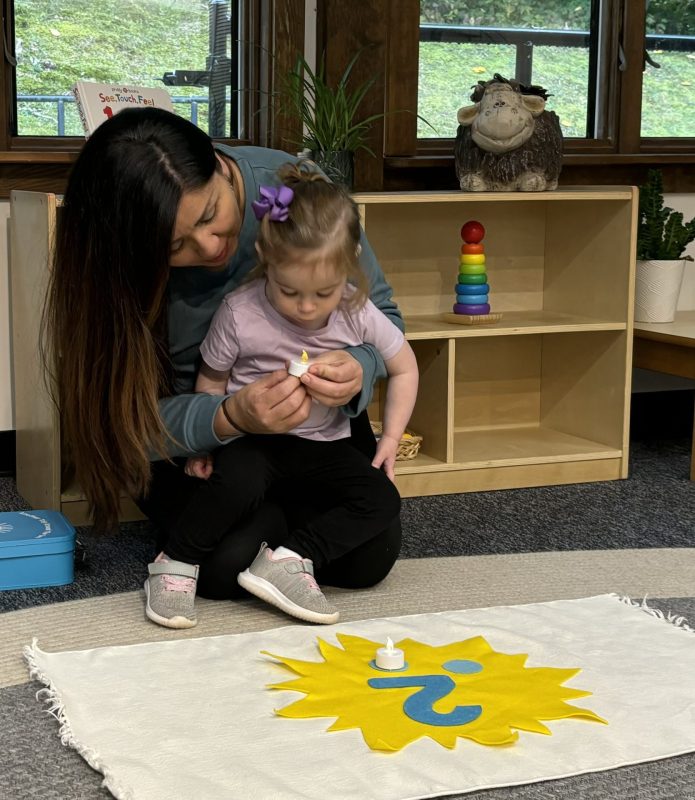
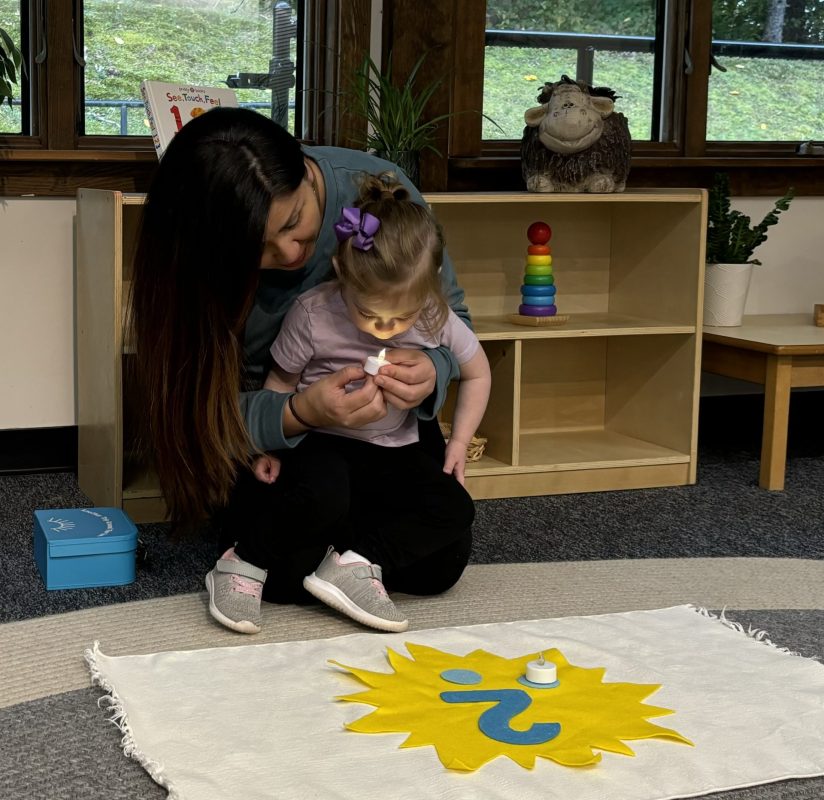
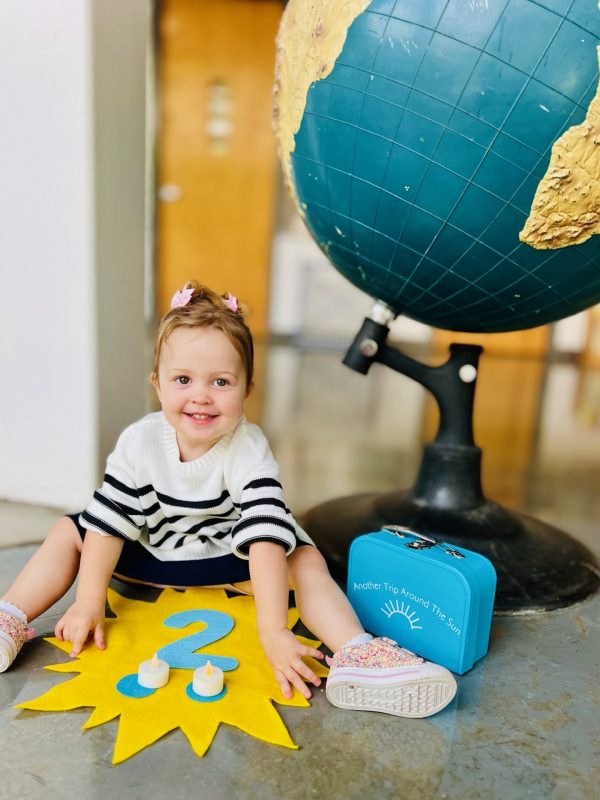
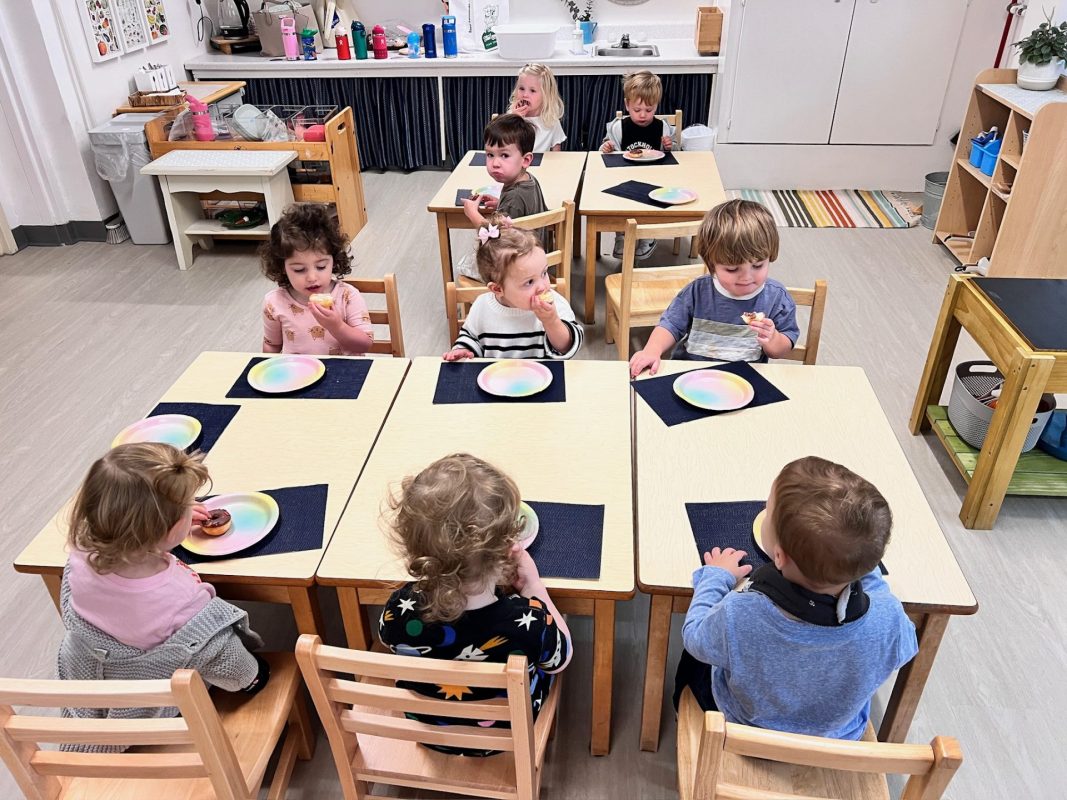
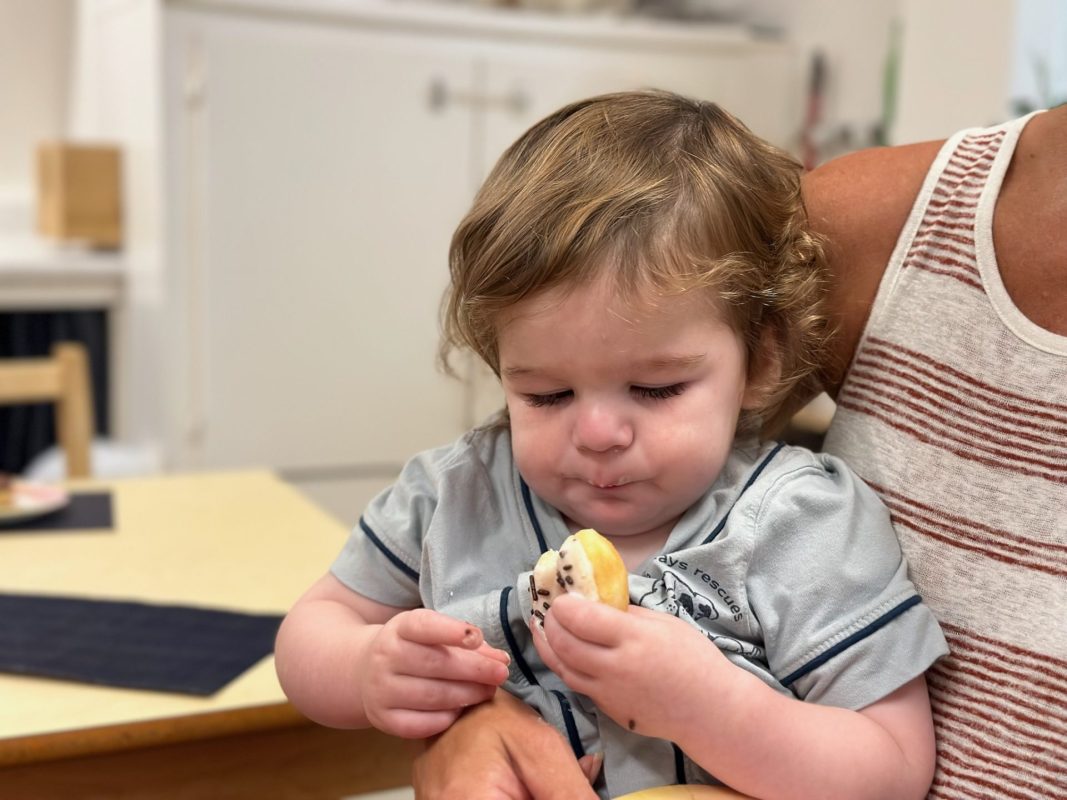
We also had a special celebration this week—our first classroom birthday! It’s amazing to watch how much our little friends grow in such a short time.
And just for some extra fun at home, I’ve included the music video of “La Vaca Lola” below. Go ahead, turn up the volume, and enjoy it with your little ones!
Enjoy the weekend,
Mrs. Hood and Ms. Noelle
La vaca Lola (The cow named Lola)
La vaca Lola (The cow named Lola)
Tiene cabeza (has a head)
Y tiene cola (and it has a tail)
Y hace moo! (and she says moo)
We look forward to seeing you at Parent-Teacher Conferences on October 25. Please sign up for your conference here.