Blog

Mrs. Doyle: Fun At Flanders


On Wednesday, the Kindergarten children spent time at Flanders Nature Center in Woodbury. We began by taking a hike through the woods to the Botany Pond. The children then had the opportunity to catch and identify amphibians, reptiles, and insects. We found tadpoles, beetles, newts, giant water bugs, and salamanders. We observed turtles resting on a rock, fish swimming, and even found one of those elusive frogs. When we were done, we released any living thing we had collected and climbed aboard for a tractor ride. We were able to get up close to a beaver lodge and get a peek at a nest with three-day-old baby birds. It was informative and impressive to speak with a Flanders volunteer, who explained how and why the beavers dam up a culvert each night. Walking back, several children shared what a great day it was! Flanders is open to the public, and we encourage you to take advantage of this amazingly beautiful nature center. They also offer several summer programs. You can find more information on their website.

Wishing you all a week filled with much peace and love.

Michelle & Maria


May is Mental Health Awareness Month

As a Montessori school, we are proud of our mixed-age classrooms that foster community, cooperation, and empathy among students. The opportunity for self-directed learning and freedom of choice not only boosts self-esteem and confidence but also nurtures a sense of agency, all of which are vital to positive mental health.

Honoring individual differences and avoiding comparisons creates a supportive environment where children feel valued and accepted.  Practical life skills promote independence, self-care, and a sense of competence, which enhance children’s self-confidence and emotional resilience. 

We incorporate lessons and activities that promote social-emotional skills, such as conflict resolution, communication, and empathy. Children learn to recognize and regulate their emotions, understand others’ perspectives, and navigate social interactions successfully.

When children experiencing emotional distress receive support from caring adults, they are better able to build a strong foundation for emotional well-being. 

As May is Mental Health Awareness Month, we want to share ways to support your child’s emotional well-being. 

Did you know that hugs lasting 6 seconds or more are best for soothing our minds and calming our bodies?

In Gretchen Rubin’s book The Happiness Project, it is explained that as hugging time elapses, levels of the oxytocin hormone increase.

Oxytocin (the “feel-good hormone”) calms the nervous system and boosts positive emotions. The flow of oxytocin after a six-second hug has some positive effects.

According to Rubin:

  • It lowers blood pressure and helps with anxiety
  • It lowers cortisol (the stress hormone)
  • It increases your social connections and sense of belonging.

Did you also know that laughter really is the best medicine?

According to Maria Heveran, a physician assistant at Geisinger’s Lewisburg clinic, your body releases feel-good chemicals called endorphins when you laugh. “Releasing endorphins can help increase the body’s natural painkilling response,” says Heveran. “This helps with chronic pain and can improve your mood.”

As we approach summer, let’s remember the power of hugs and laughter. These simple acts can bring immense joy and contribute to our children’s emotional well-being. So, take a moment to hug your children a little longer and find the joy in laughter! 

Parents and teachers are essential in helping children explore their feelings and build a strong emotional well-being foundation by promoting nurturing relationships.

Books for adults:

Reader’s Digest Laughter is the Best Medicine: All Time Favorites: The funniest jokes, stories, and cartoons from 100 years of Reader’s Digest.

The Happiness Project

Books for children:

My Joyful Robot

Be Mindful of Monsters: A Book for Helping Children Accept Their Emotions

The Feelings Book: The Care and Keeping of Your Emotions

Guy Stuff Feelings: Everything you need to know about your emotions

If you’re feeling worried about your child’s mental health, it’s more than okay to ask for support!

Resources:

Compiled by The American Psychological Association (www.apa.org/topics/children).


Mrs. Hood: Awe, Wonder and Big Smiles!

Another vibrant week has flown by, and I can’t believe how fast time is moving! Here’s a peek into all the wonderful things we’ve been up to:

Apart from exploring new works in the environment, our little learners keep delving into the fascinating world of butterflies. With match-work cards and model objects, the children  learned about the stages of a butterfly’s life cycle. Egg, Caterpillar, Chrysalis and Butterfly are vocabulary words that we have used over and over in our environment.  We observed  our own caterpillars munching on the food and were super thrilled to watch as the caterpillars formed “J” shapes, signaling the start of their metamorphosis, then we got to watch them as they  transformed  into chrysalises! To say that our environment  has been filled with awe and wonder, is an understatement.

Through lively discussions, we explored the importance of butterflies in the insect family and learned about their body parts—head, thorax, abdomen, six legs, antennae, and wings. Children have also explored and learned about  grasshoppers, ladybugs, ants, dragonflies, flies and bees through object models and live insects as we find during our outdoor explorations.

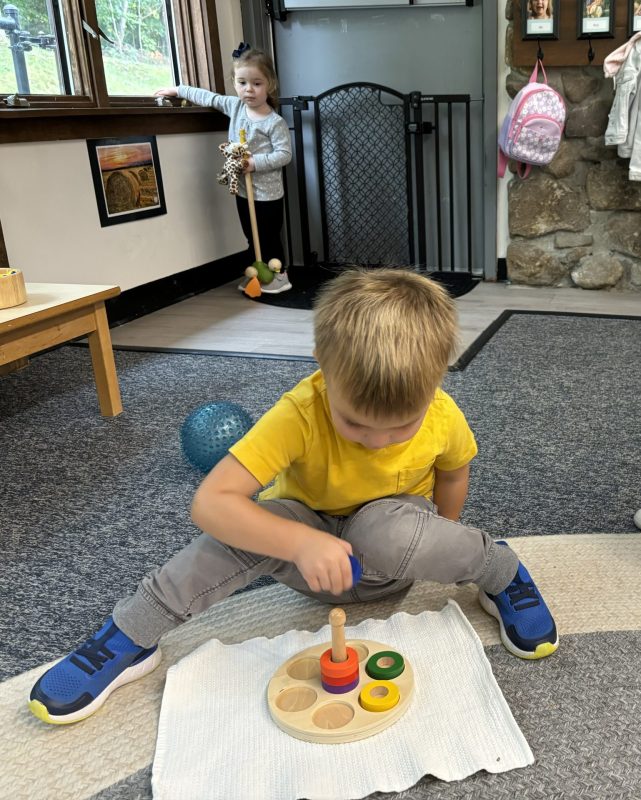
On another note, This week  we welcomed a delightful new addition to our classroom—a dollhouse! It quickly became a favorite spot for language work as the children learned about different parts of a house and the names of family members. With so much  enthusiasm, they explored each room, identified familiar objects, and interacted with the tiny family members. The dollhouse sparked creativity and imagination, becoming a beloved centerpiece of our classroom.

Of course, our week wouldn’t be complete without some sensory exploration and celebration. We savored the sweet delights of cherries during our food tasting lesson, and what better way to celebrate than with a special birthday? We joyously marked the milestone of our youngest student turning two years old, a reminder of how swiftly time flies when surrounded by love and learning.

Please, find below the butterfly dance the children have been learning this week. They really enjoy the song and ask for it often. I encourage you to put the volume up as ask your children to show you the dance steps, I bet they would love that!

Enjoy the weekend,

Mrs. Hood and Mrs. Mollie


Ms. Marissa: Pollinator Appreciation!

We have so enjoyed watching our caterpillars transform into butterflies over the last couple of weeks! We set them free, and the children were able to see them fly out into nature. After learning about butterflies, we became interested in knowing more about pollination and other animals that help. Kindergarteners had the chance to hand-pollinate cucumber plants in Makerspace and told us how that experience was! We learned that hummingbirds, honey bees and even bats are also pollinators!

As we are enjoying our last few weeks together in the classroom we are appreciating our time together and getting excited for what is ahead! The Kindergarteners had an opportunity to visit Lower Elementary last week and we started the discussion of what “moving up” looks like. The children are all excited to move up to their next step in the year ahead.

Have a wonderful weekend, and keep a lookout for our classroom butterflies flying around town!

Marissa & Sue


Middle School: Project Learning

**REMINDER: 8th Grade Expert Project Presentations are next Wednesday, 5/22 at 6 pm in the Commons**

**REMINDER: Spring Concert and End of Year Picnic next Friday, 5/24. Drop off for kids @ 5pm, concert @ 5:30**

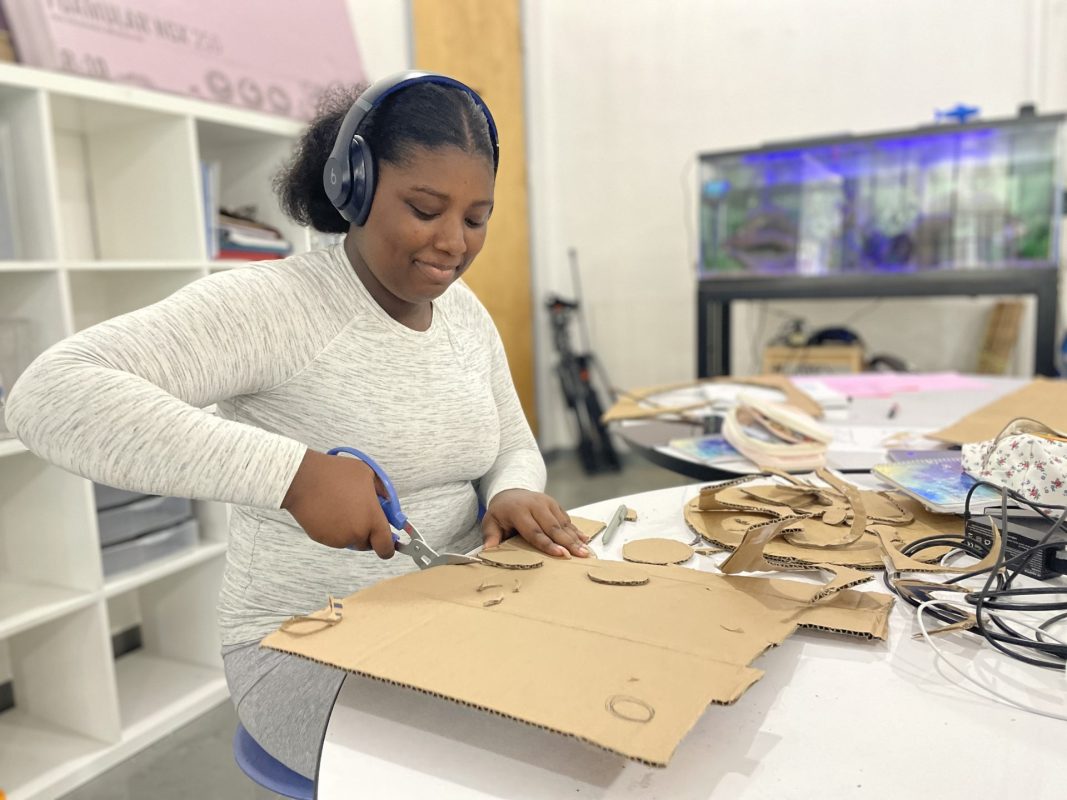
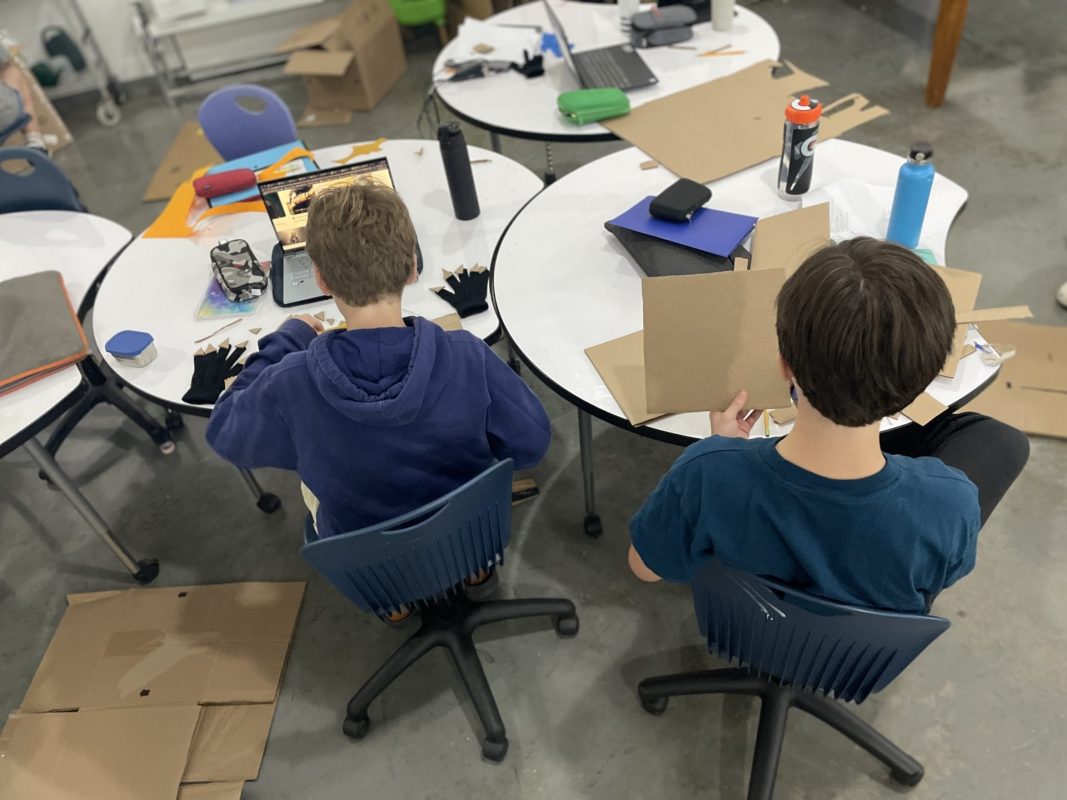
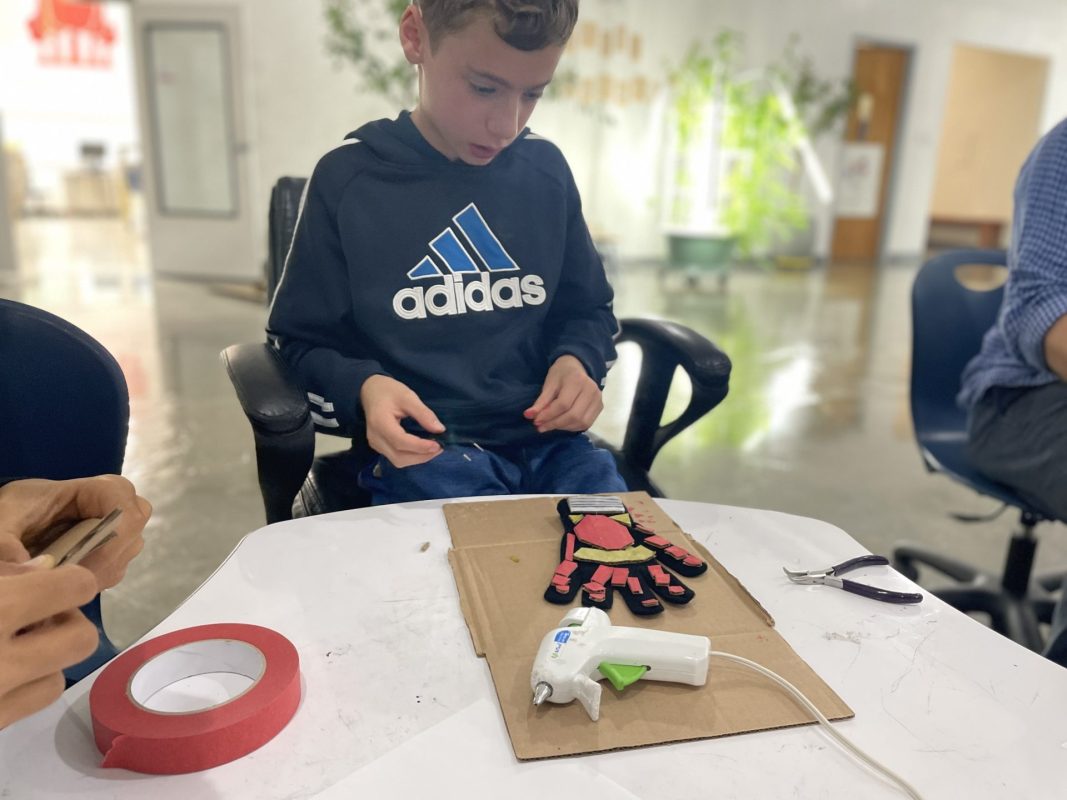
What an exciting time of year! This week were the culminating project presentations for Independent Study and Science Fair.

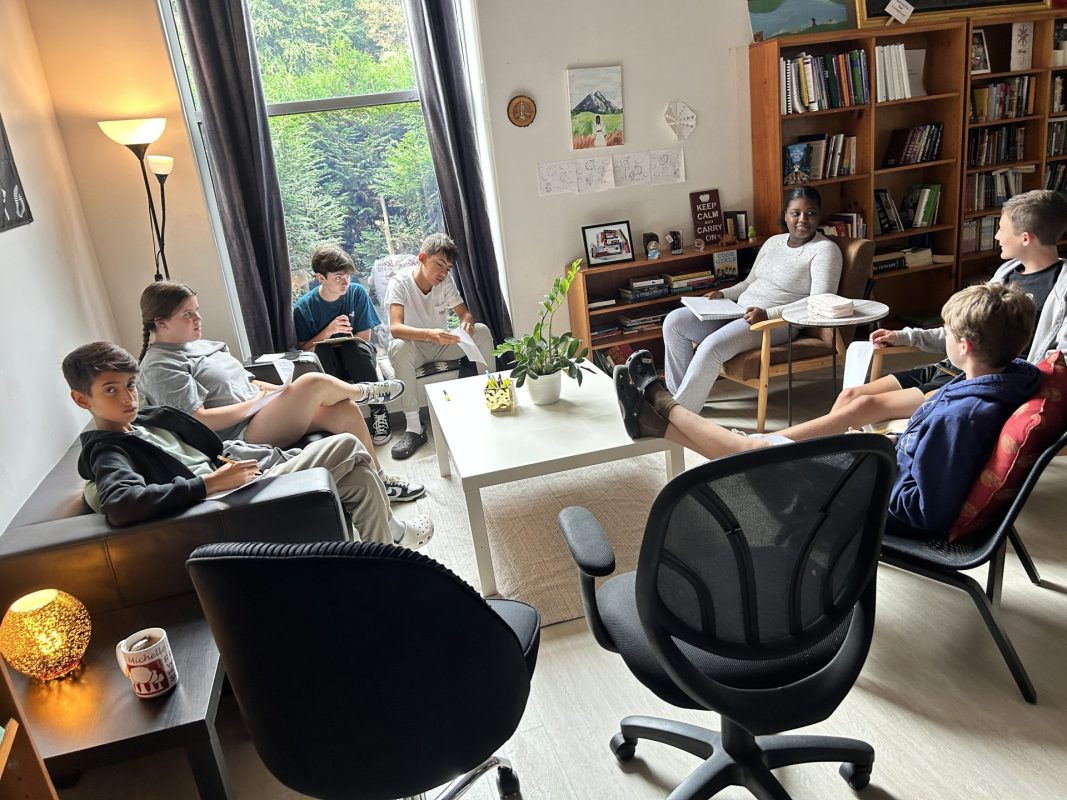
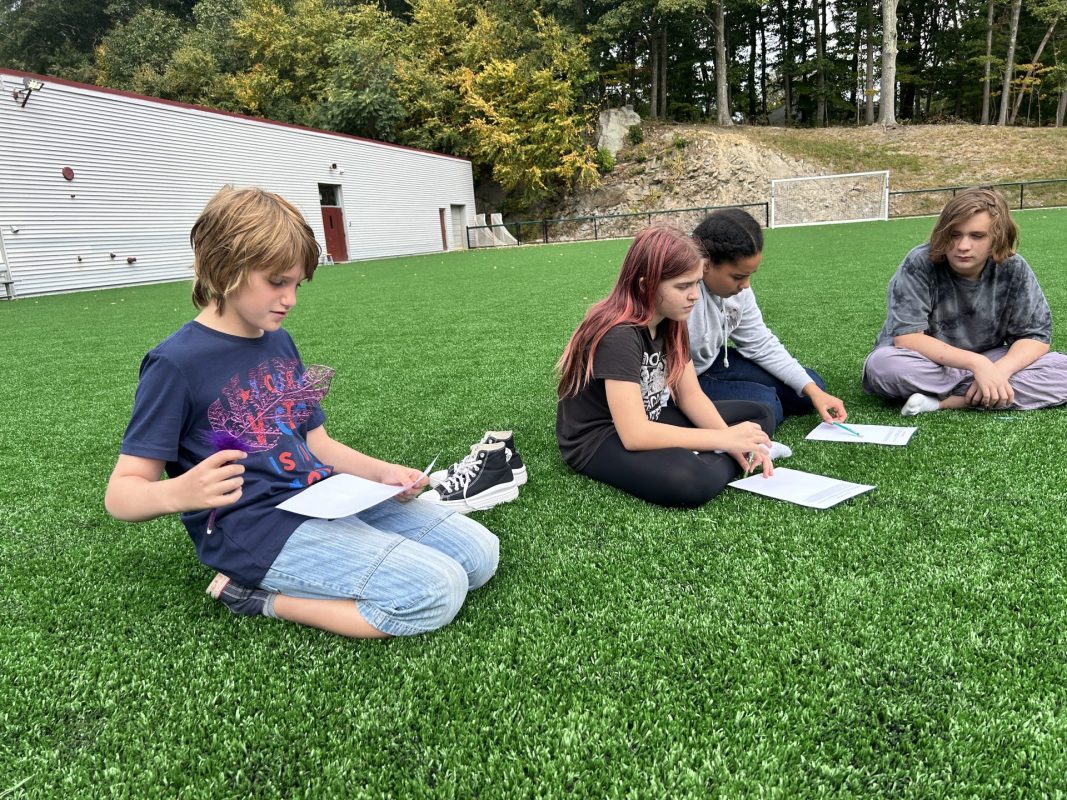
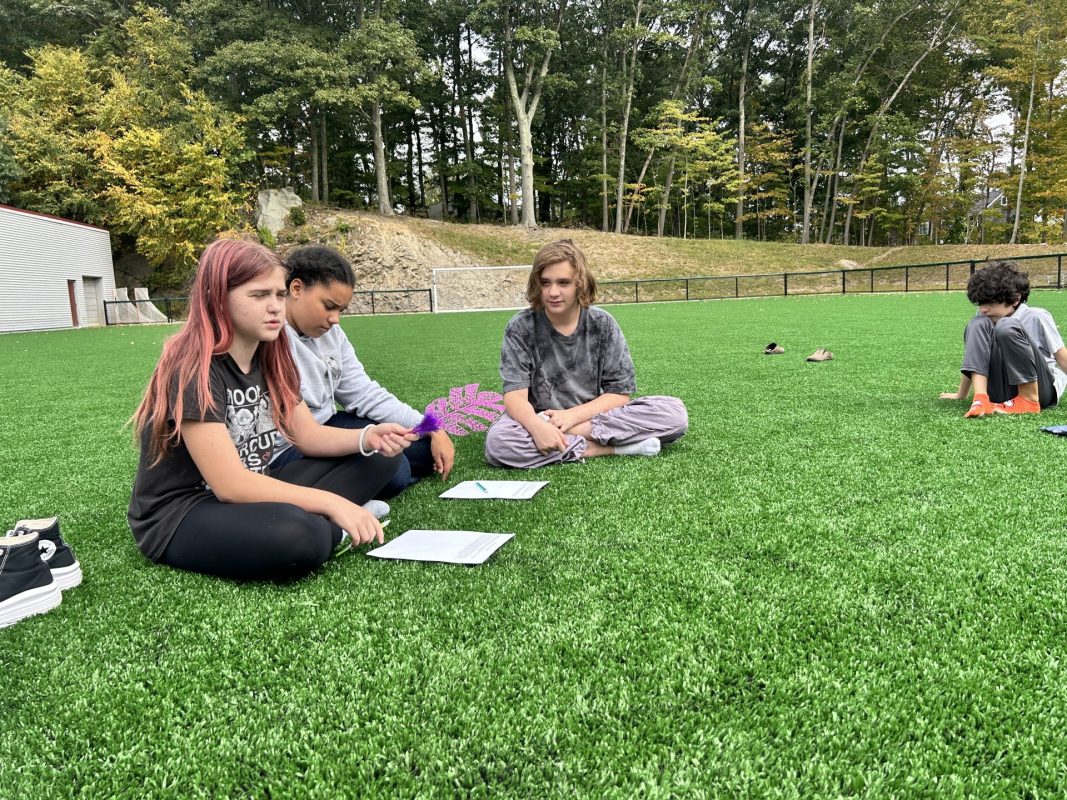
In Independent Study, 6th and 7th grade students wrote project proposals at the start of the trimester for something they would like to study, build, or showcase. There were a variety of topics including building a raised bed and growing carrots, building a March Madness bracket, and creating the plan for a historical non-fiction book. This week, students presented their work to their classmates.

This week, both the 6th-year Earth Science and 7th-year Physical Science students completed their research and preparation for their science fair topics and poster boards. The main goal of this science fair was to spark curiosity in a topic of their choice, identify a question or problem related to that topic, and carry out a scientific investigation. Each student went through the process of identifying a question or problem, formulating a hypothesis, creating a procedure, conducting the experiment or research, analyzing the data, and drawing a conclusion.

I am thrilled to see the effort and dedication each student put into this project. It was wonderful to see their interests merge with academic learning. For instance, one student explored why different colors are only visible at specific depths concerning fishing lure colors for specific fish species, while another student researched the structural components of acoustic guitars and their impact on sound.

Thank you for supporting your child throughout these projects!


This Week in Upper El

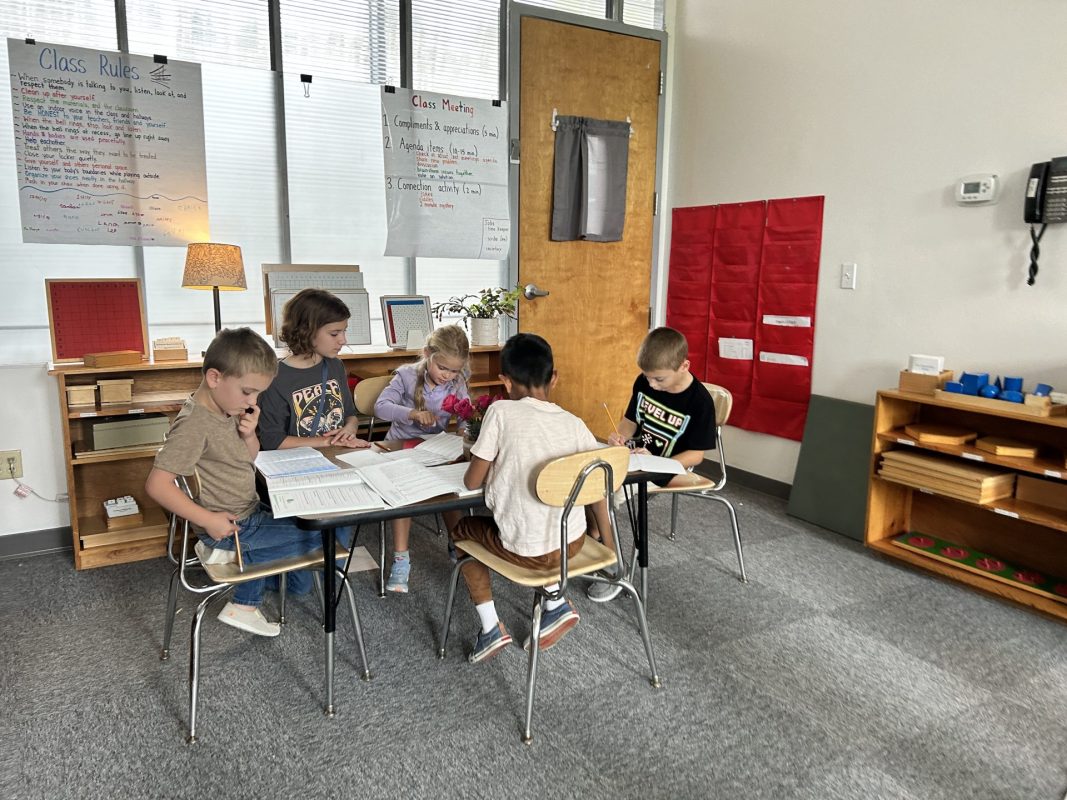
The Upper Elementary students’ determination to have as many math lessons as possible before the end of the school year is truly inspirational. We are working on a variety of lessons, including adding and subtracting fractions with different denominators, multiplying and dividing fractions, dividing decimals, squaring binomials and trinomials, and learning to find the square root of numbers. Our study of square roots began with a lesson on the history of the radical sign and Fibonacci.

In geometry, fourth graders are working on different ways to find the area of acute triangles. Fifth graders finished their study of the apothem and are now learning to find the circumference of circles. We began this study by measuring the circumference of different circles with string. Next week, we will compare a circle’s circumference with its diameter to introduce the irrational number Pi.

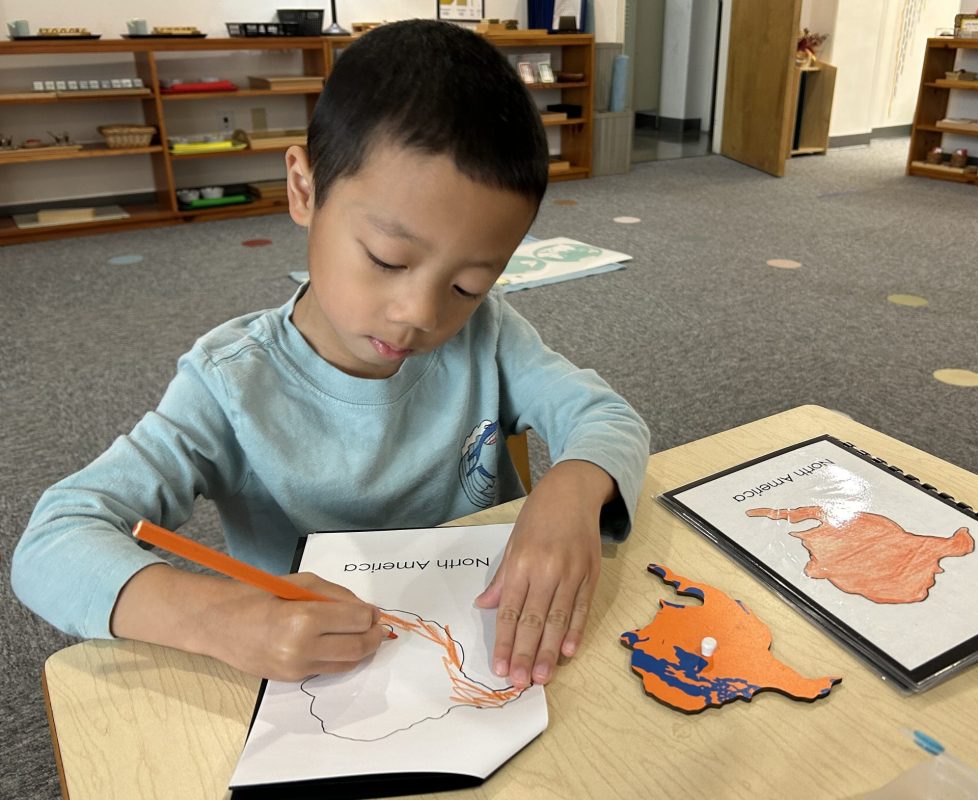
In geography this week, we worked with maps’ legends and learned how legends convey critical information to the map. Our work included locating the state capitol, types of highways, county boundaries, route markers, airports, campsites, and rest areas. We also located mountains, valleys, and bodies of water.

I hope you have an amazing week ahead and I look forward to seeing you at the Spring Concert and Picnic on Friday at 5:15!


Mrs. Sargeant: A Peek at the Week

“Learning to use the toilet is a natural process that begins when your child’s desire to be grown up and his neurological development have reached the point where he can control his bladder and bowels. We don’t train children to use the toilet, we support them when they are ready.” (How to Raise an Amazing Child: The Montessori way to bring up caring confident children, by Tim Seldin)

With summer being just around the corner, we have received a few questions about toilet learning. Here are some Montessori tips:

-Once the child is showing interest in using the toilet, the bathroom can be set up to give the child as much independence as possible. Keeping a supply of dry clothes in the bathroom is convenient. Consider a stool so that the child can reach both the toilet and sink. Rags for cleaning up can be helpful.

When a child has involvement in the process, the child has ownership of the process too, not the adult.

-Incorporate using the toilet into the child’s routine. Invite them to sit on the toilet upon waking, before going out, after lunch, etc. 

-Choose clothing that supports independence.  Clothing needs to be easy to put on and take off. Bottoms need to be loose-fitting to make it easier to independently pull up and push down (i.e., no skinny jeans). Elastic waistbands are great.  Your toddler also needs to be able to remove clothes quickly to make it to the toilet in time. It can be difficult to push clothes down quickly if they are too small/tight or if there are buttons, snaps, or buckles to undo first. 

Because children are in control of whether or not they use the toilet, the language you use with your child is very important. The goal is to empower them and their growing desire for independence without starting a power struggle or inadvertently causing feelings of shame or failure.

When they don’t make it in time…
If a child becomes wet, stay calm and reassuring.
For example, you might say, “I see you are wet. Let’s go get some dry clothes.”  Your child can get them from the supply in the bathroom and even help wipe the floor and wash their hands. Let them change at their own pace and provide help if they ask or if they are overwhelmed.

It is important to create a supportive, respectful environment that encourages your child’s natural progression toward toilet independence. We are always happy to answer questions or offer guidance with toileting.

Highlights from our week:

The caterpillars have started to form chrysalises. The children have been very excited to observe the changes. We can’t wait to see what will happen next!

We explored kiwi this week as our Food Tasting experience. It was well-received!

We’ve been learning the names of birds and insects.

We celebrated a friend’s 2nd birthday and read one of his favorite books, Dragons Love Tacos. Then we shared a special birthday snack of Milano cookies. 

It was a great week! Enjoy the weekend with your families. 

-Christine & Lizette


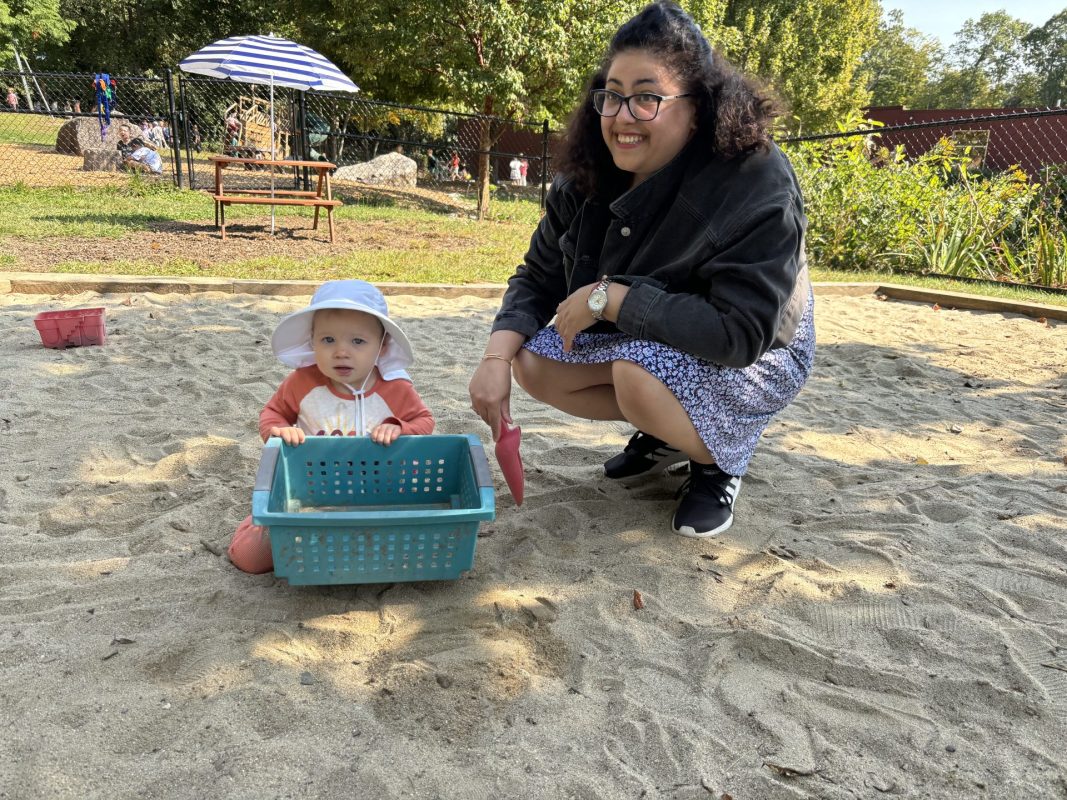
Mrs. Doyle: Outdoor Fun!

“There must be provision for the child to have contact with nature; to understand and appreciate the order, the harmony and the beauty in nature,”- Maria Montessori 

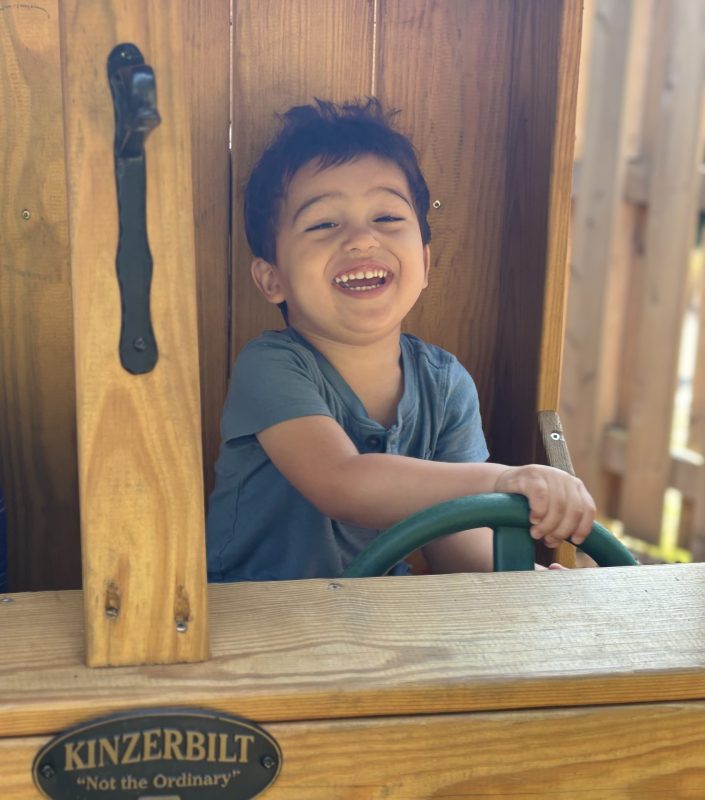
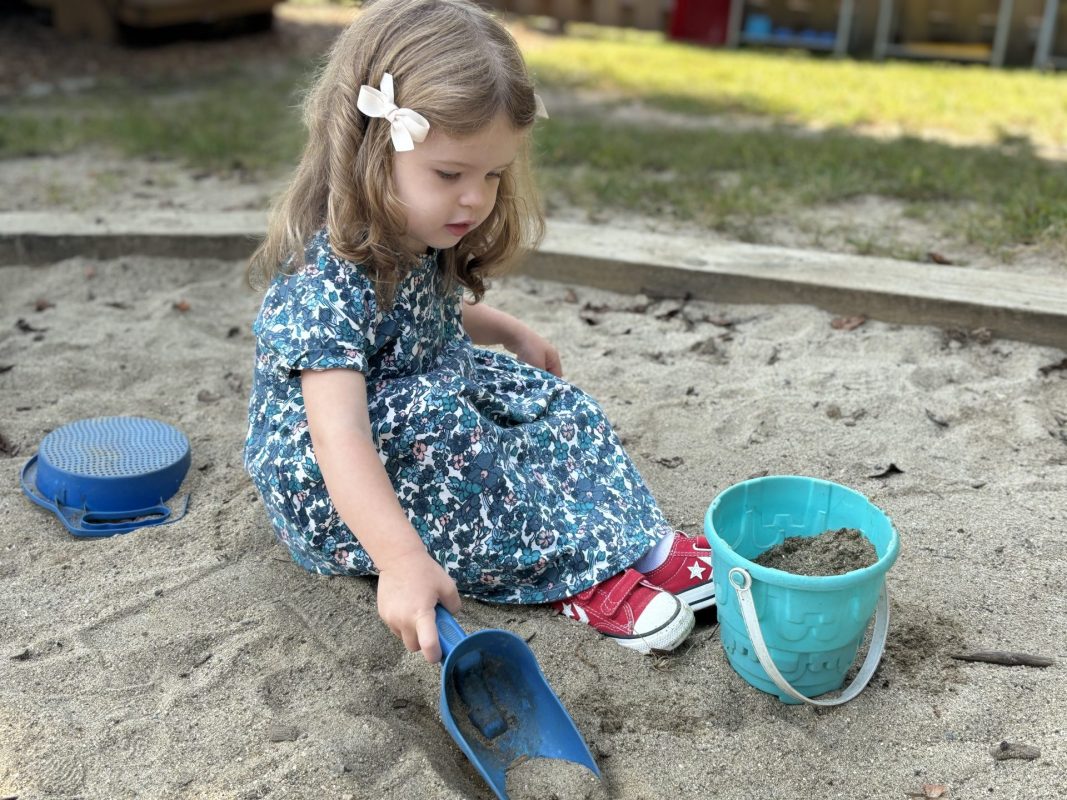
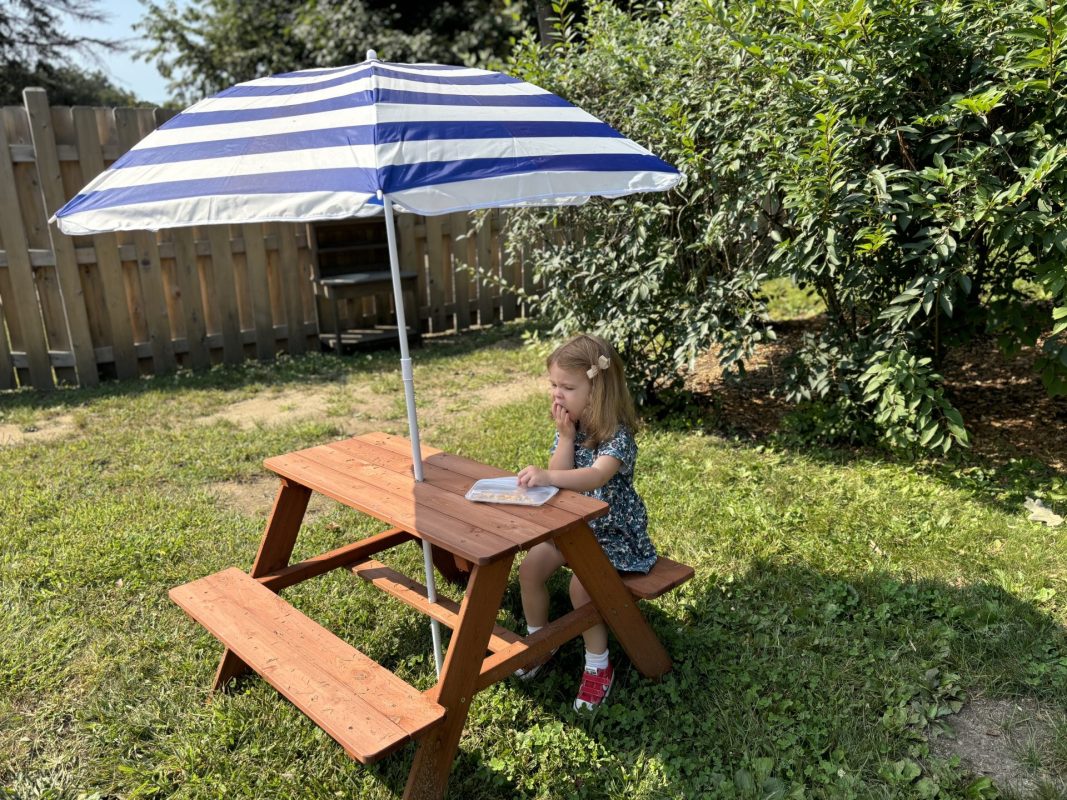
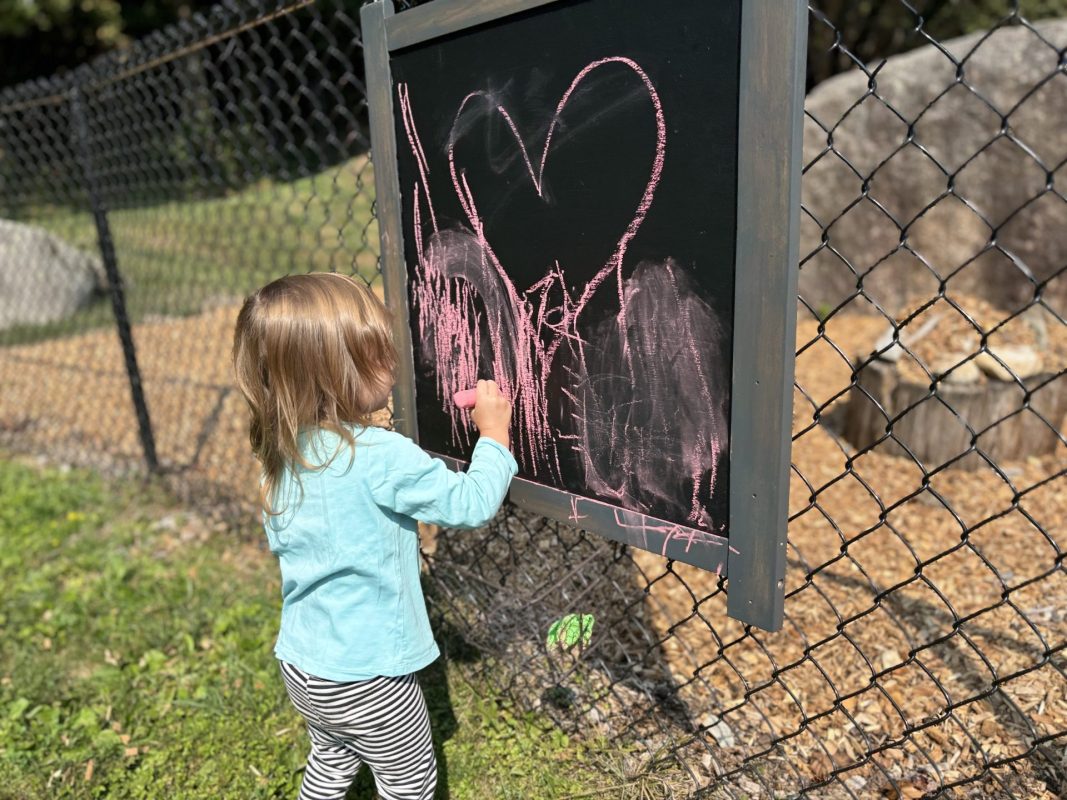
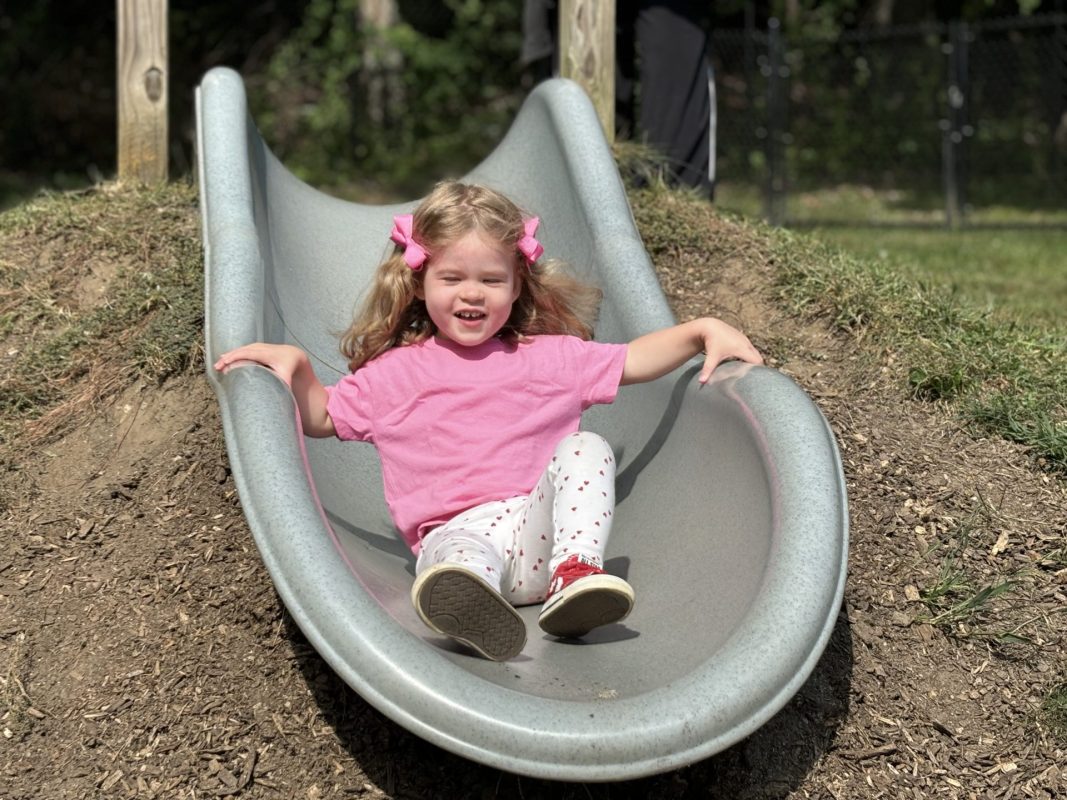
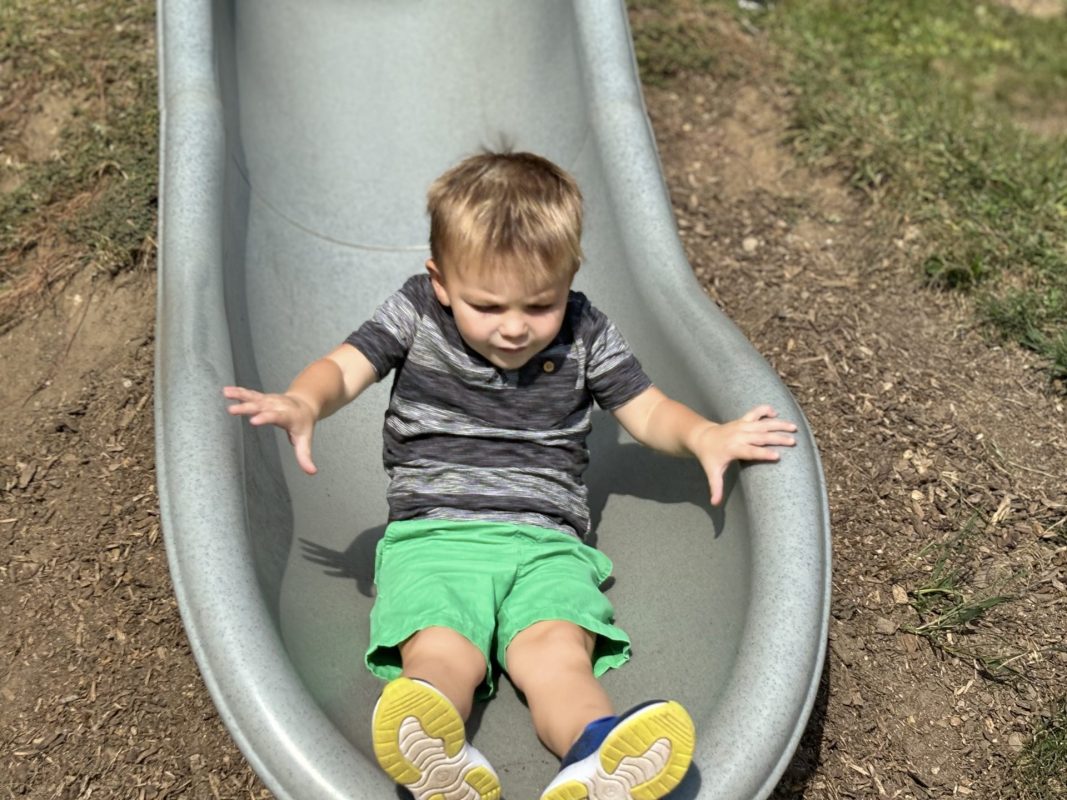
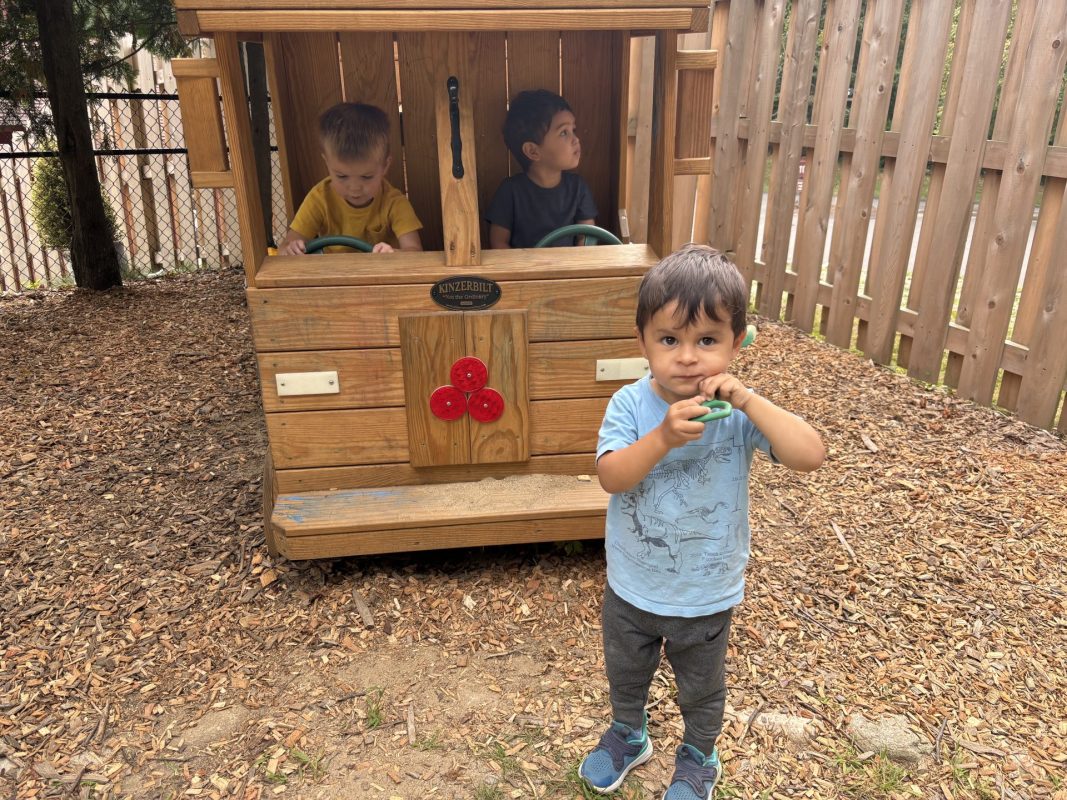
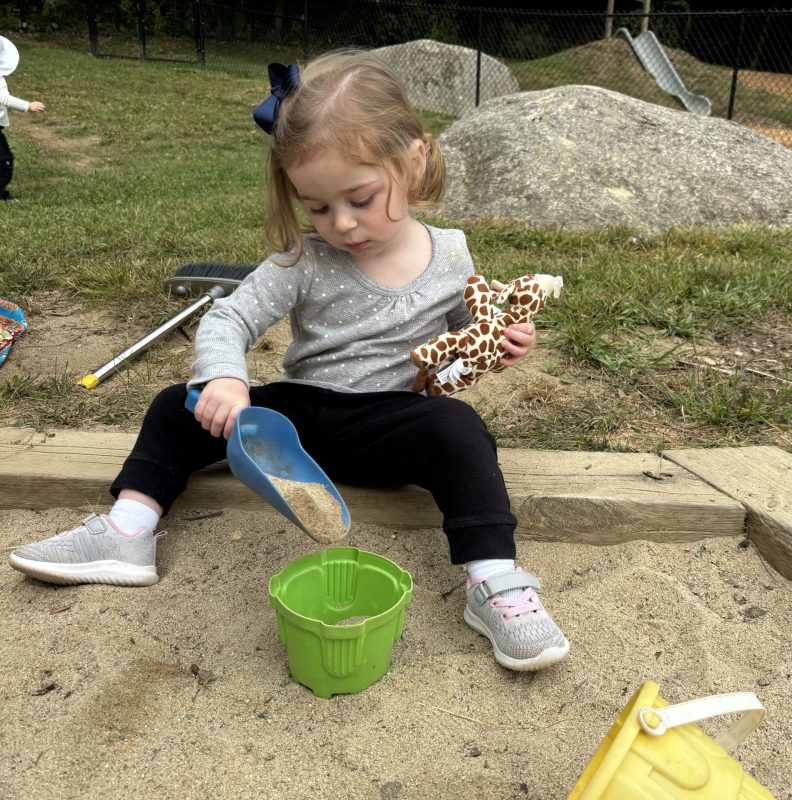
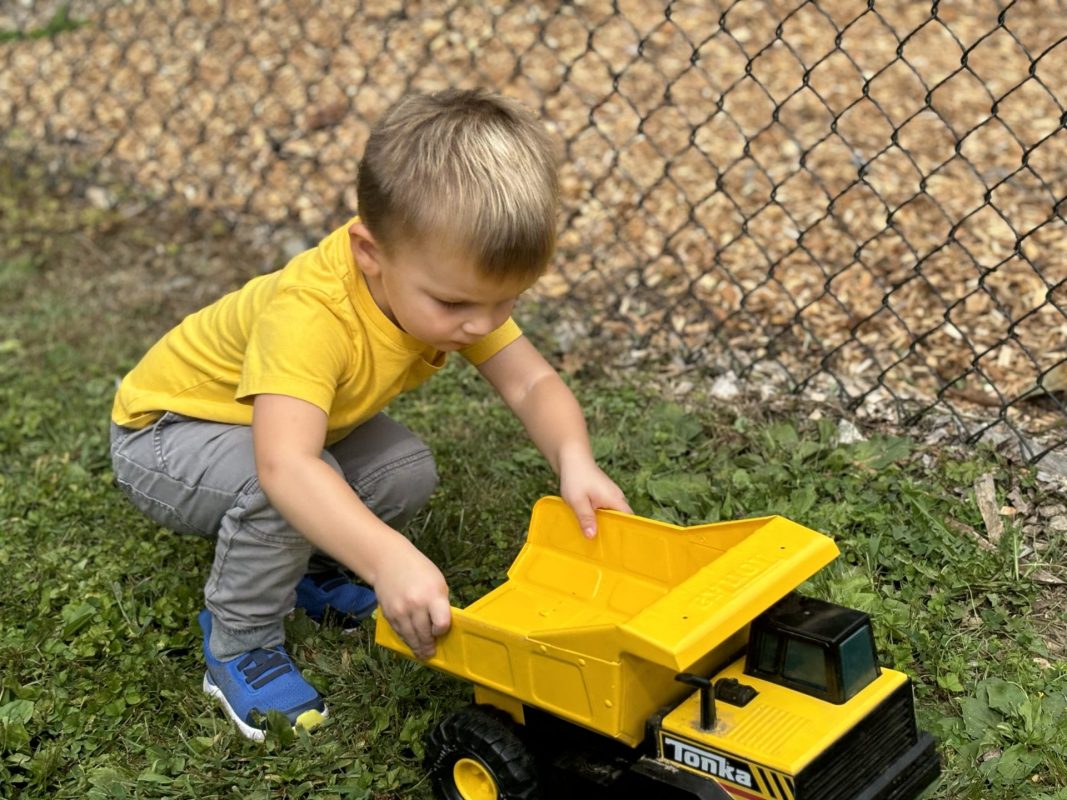
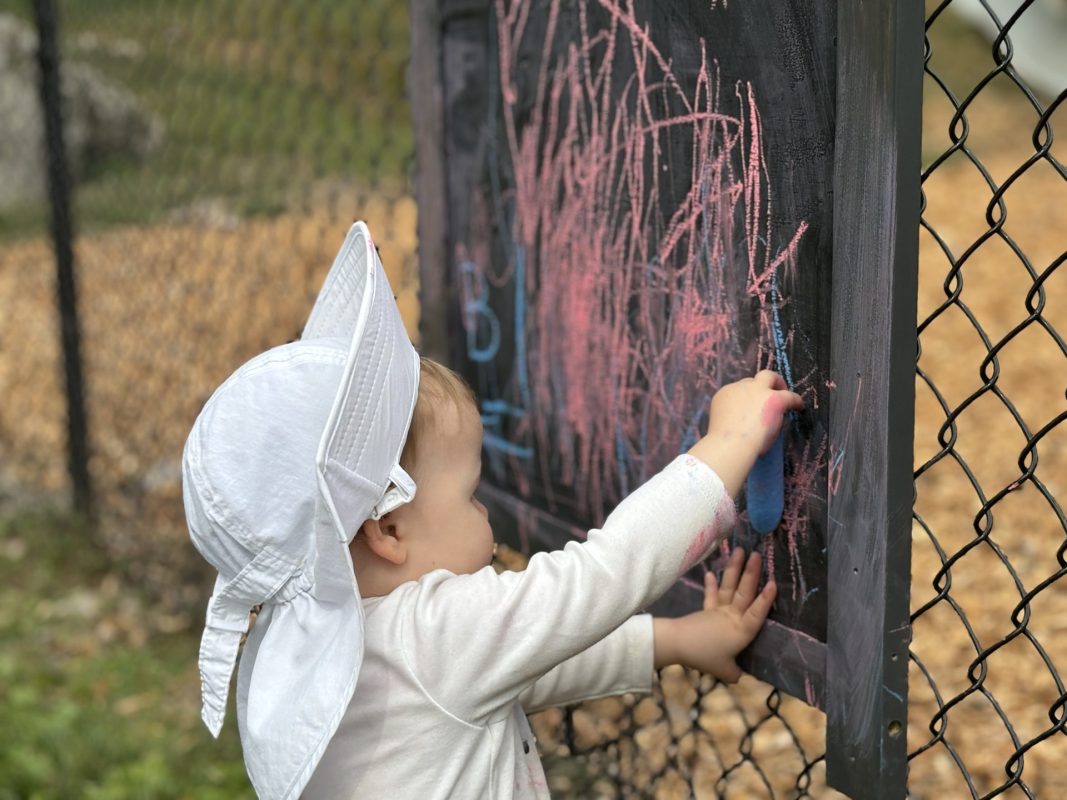
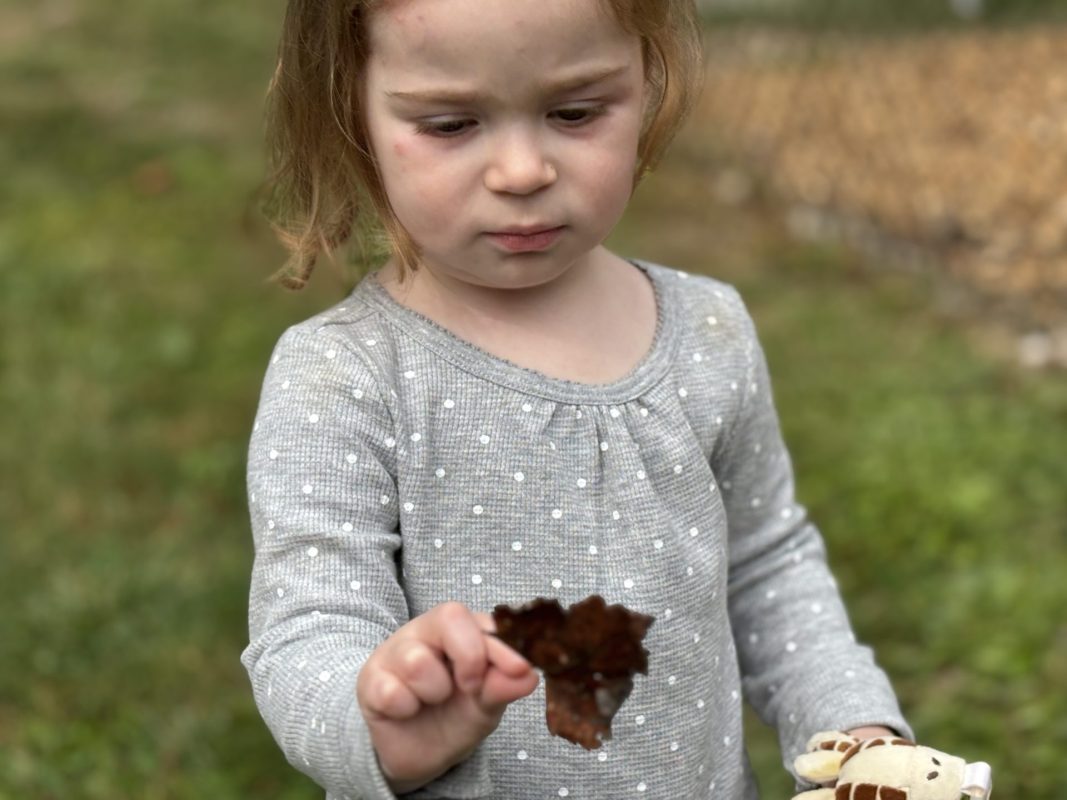
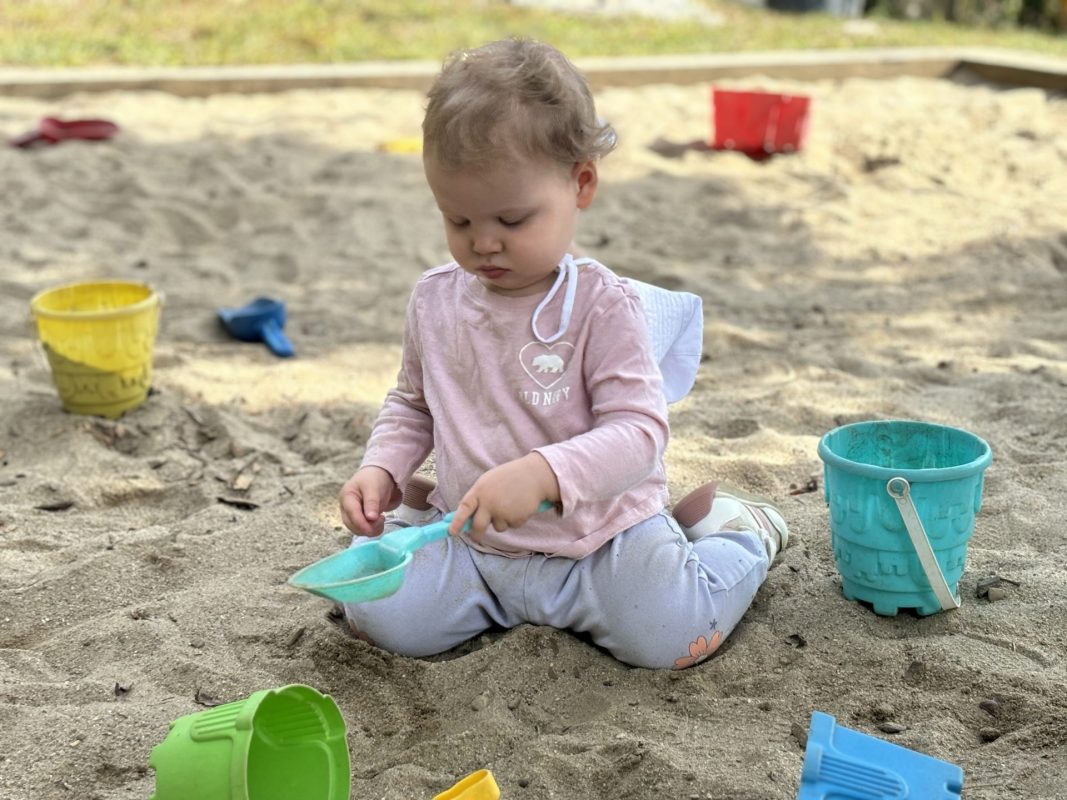
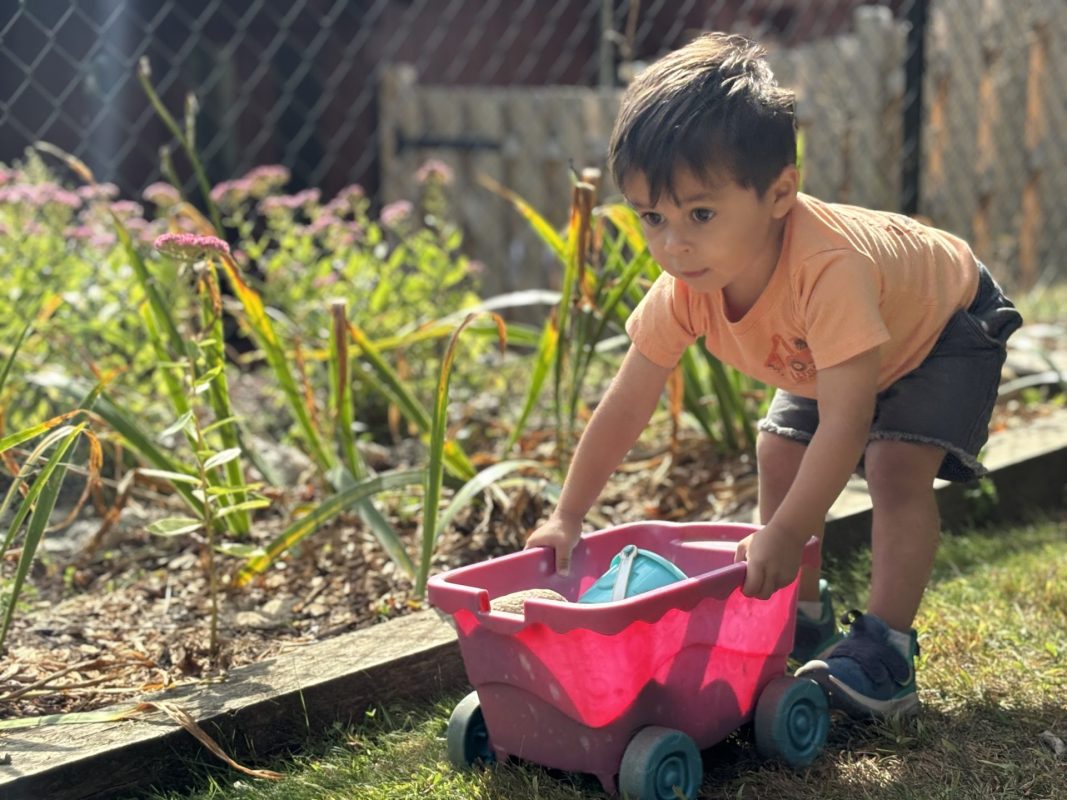
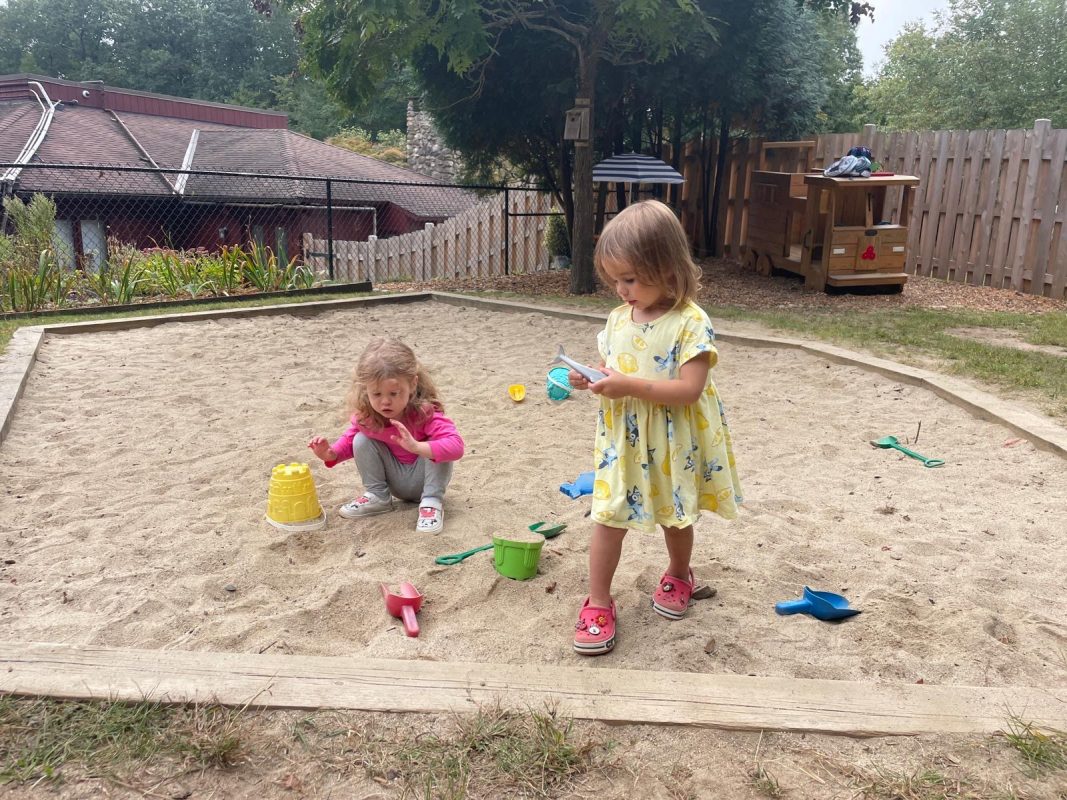
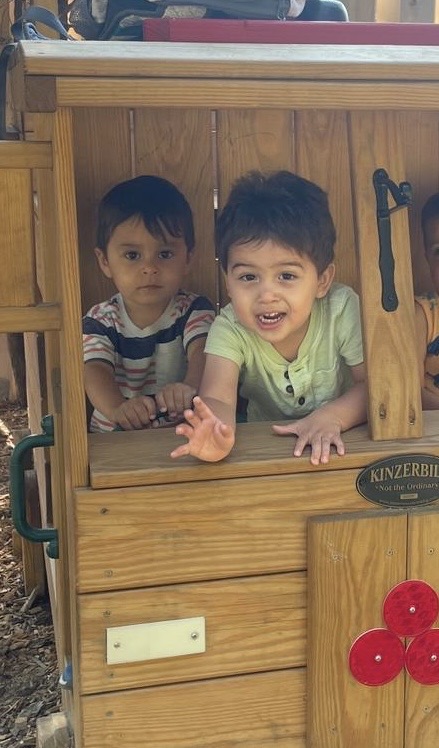
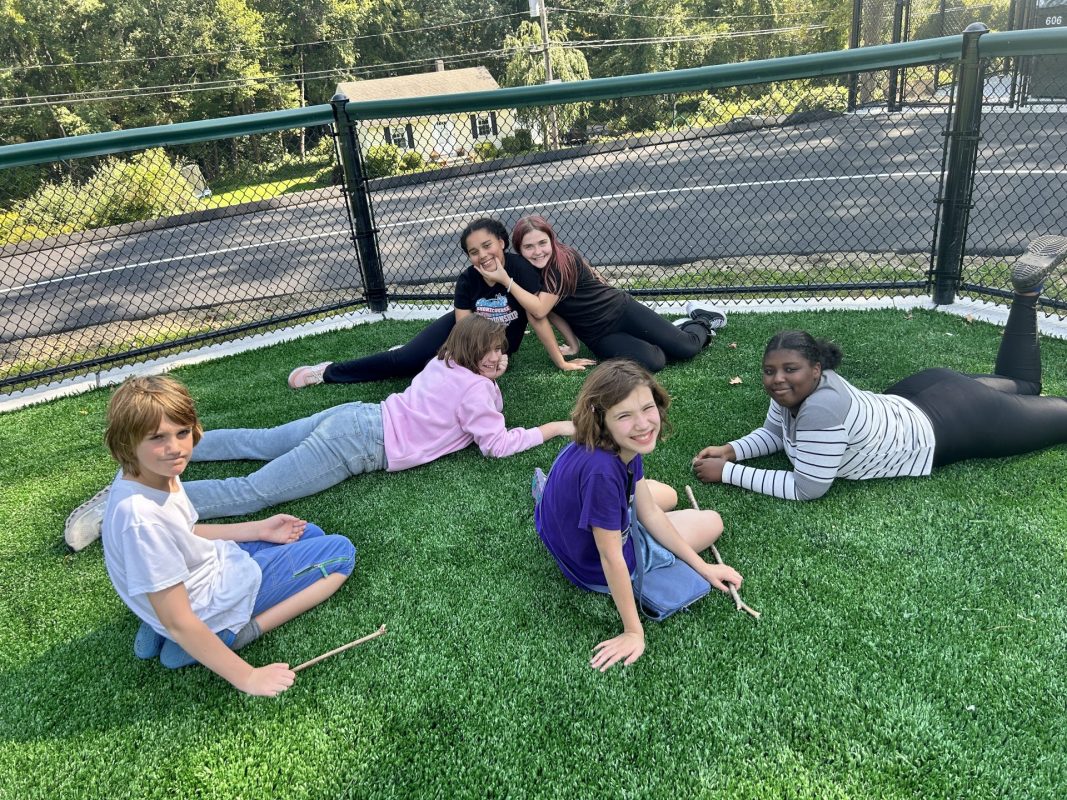
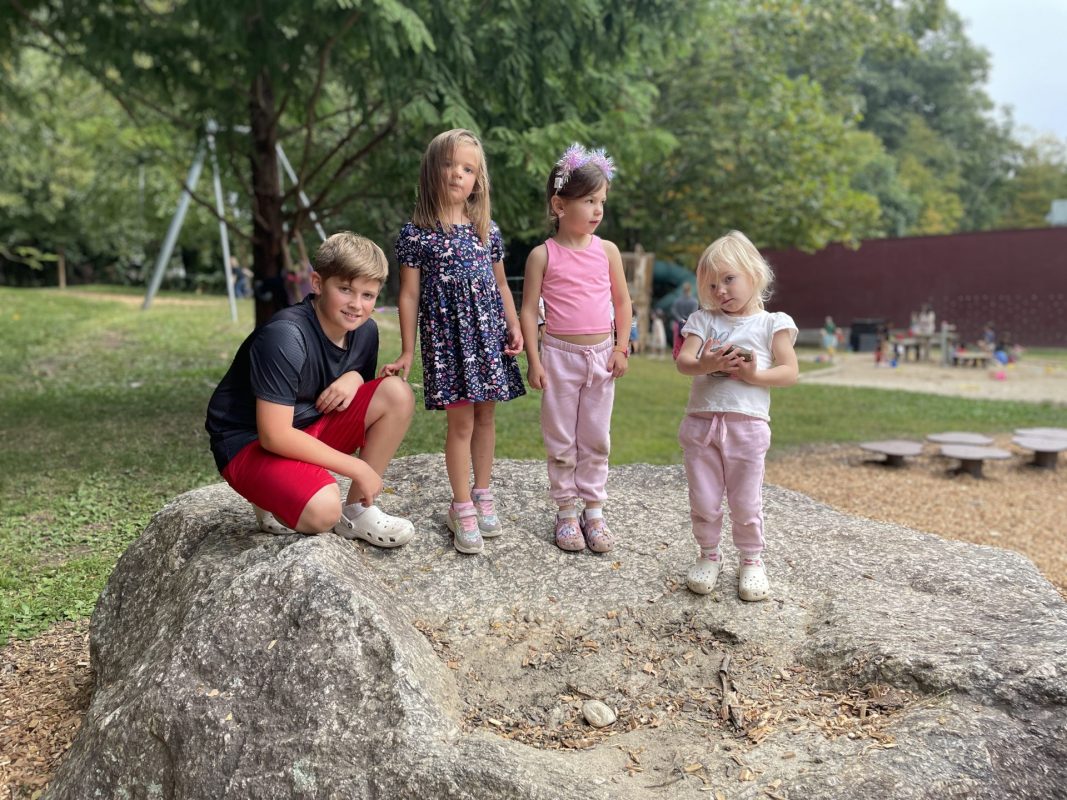
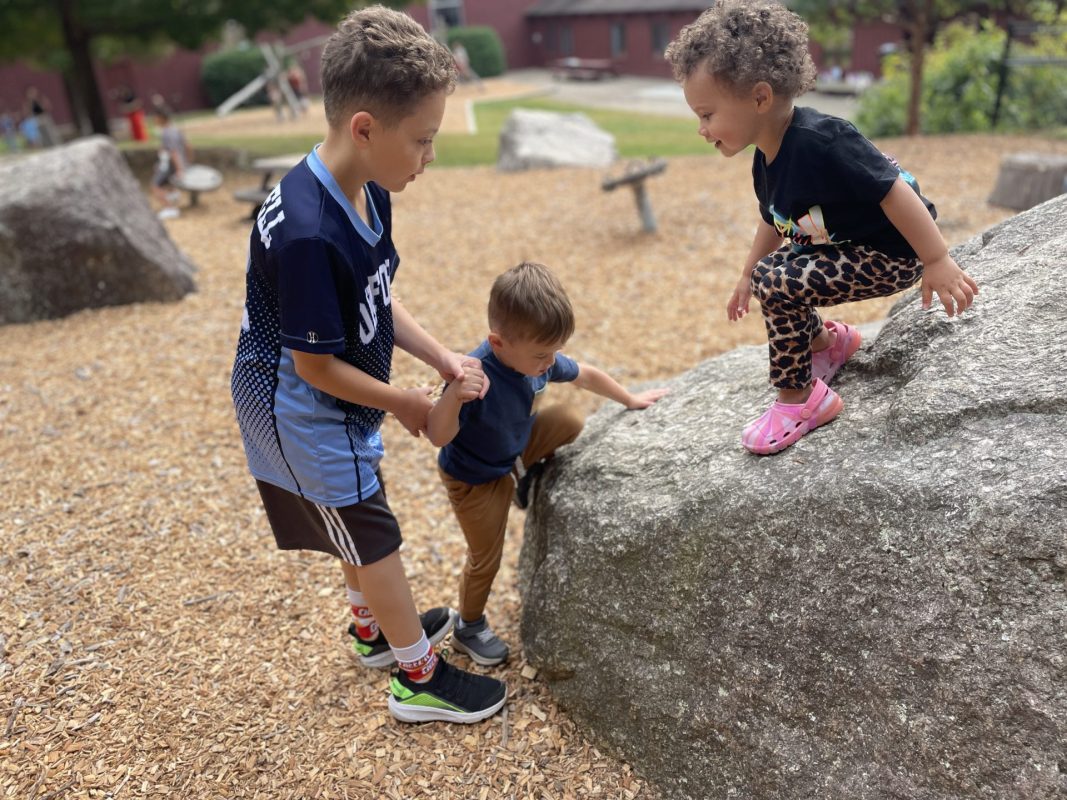
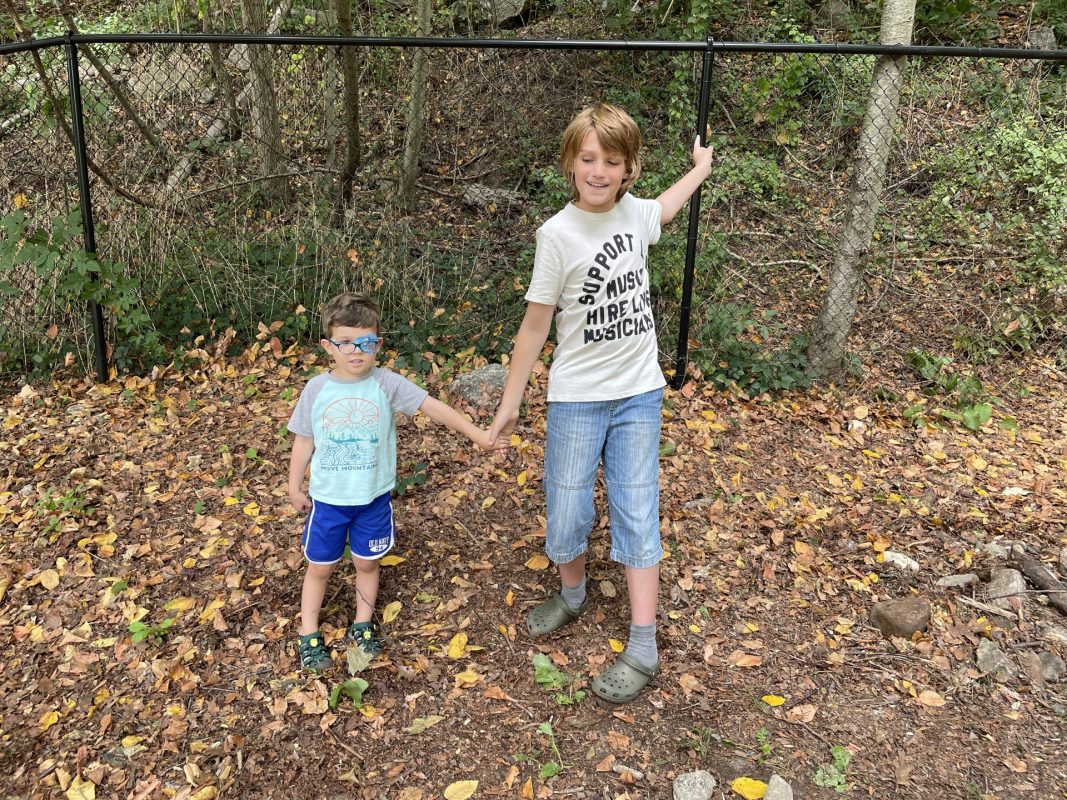
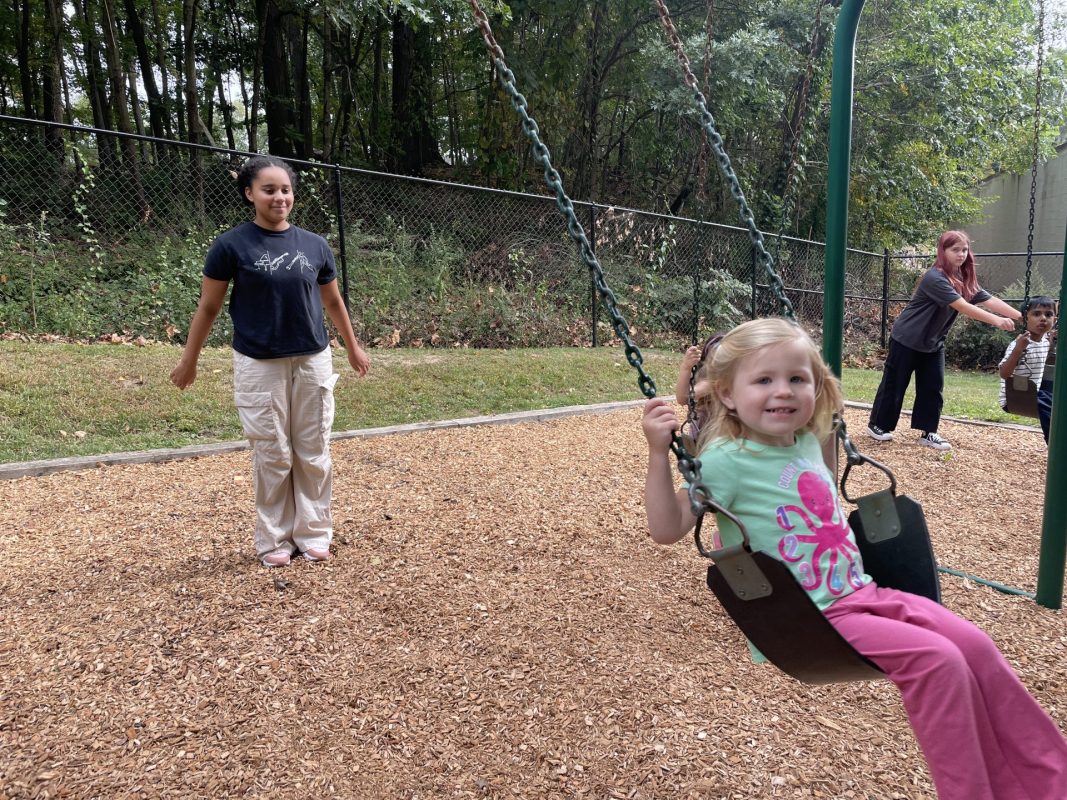
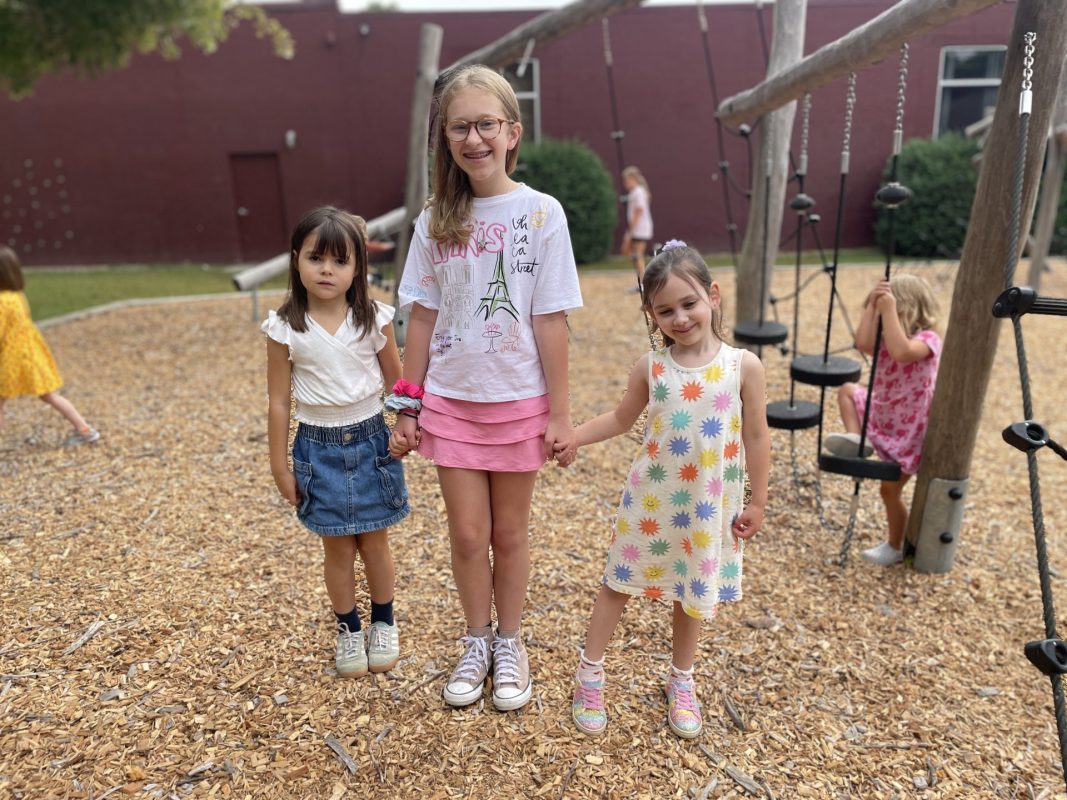
Every day, your children spend time learning, working together, and exploring our natural playground. Daily outdoor learning helps to develop healthy, active lifestyles and routines for the children, while providing them with hands-on experiences in our natural world. Our beautiful natural playground provides unique experiences to stimulate the children’s creativity and contribute to their appreciation of nature.

Helping children develop an appreciation for the outdoors is one of the significant benefits of regular outdoor play. The outside world is full of beautiful sounds, sights, textures, and life. Exposing children early on to the beauty of the world around them can be the perfect way to boost the aesthetic development of a child, allowing them to be more aware of all the beauty around them.

Here’s to rising temperatures, longer days, and the opportunity to spend extra time exploring the outdoors!

Wishing you a week filled with peace and love!

Michelle & Maria