Blog

Mrs. Wilson: Earth Day and Grandparents and Special Friends Day!

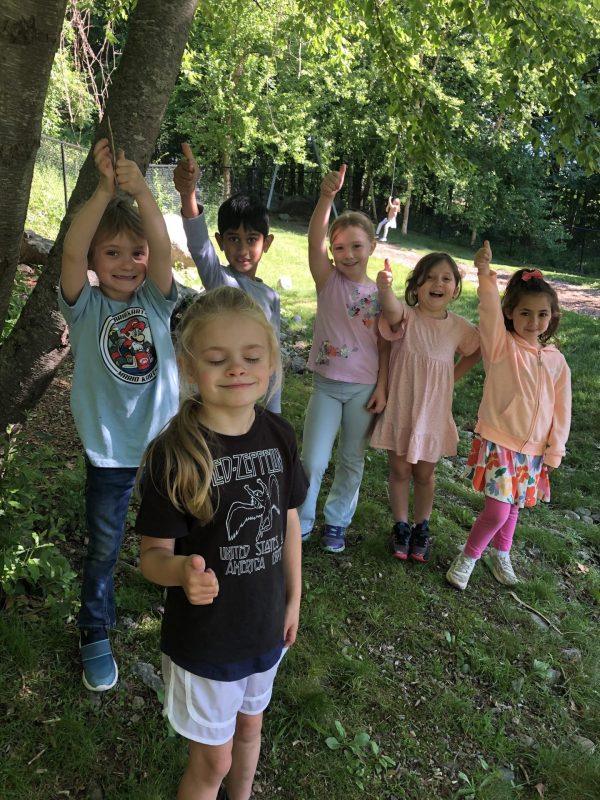
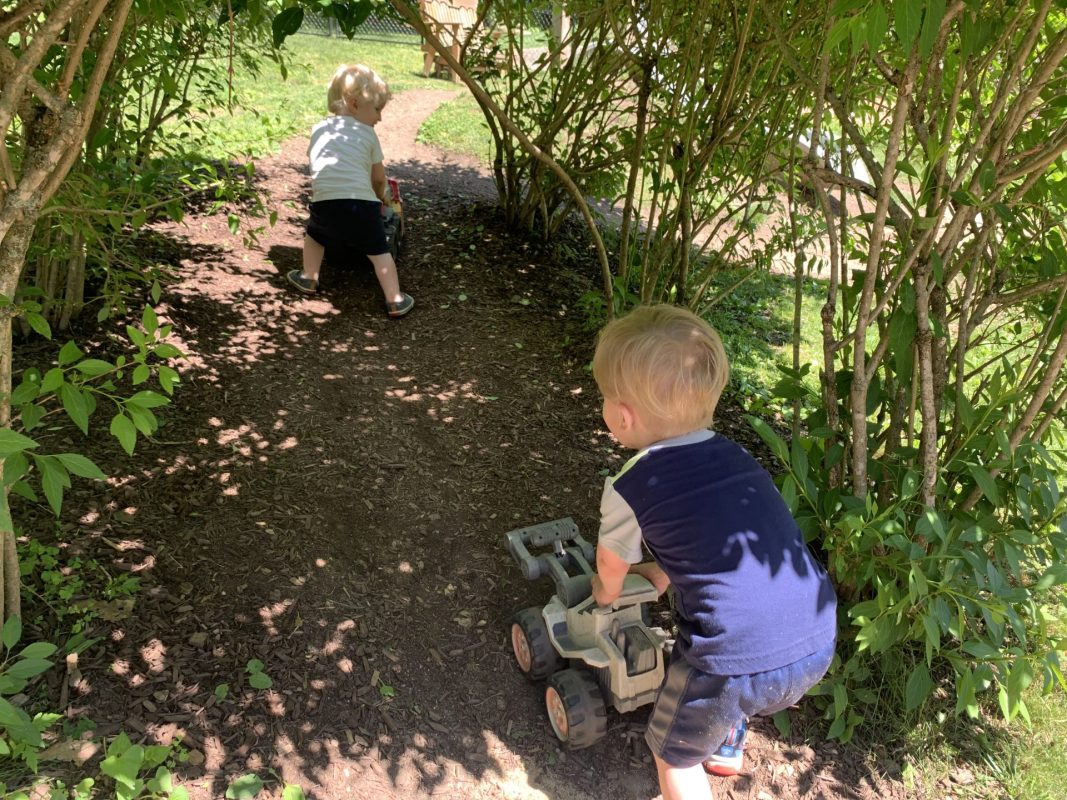
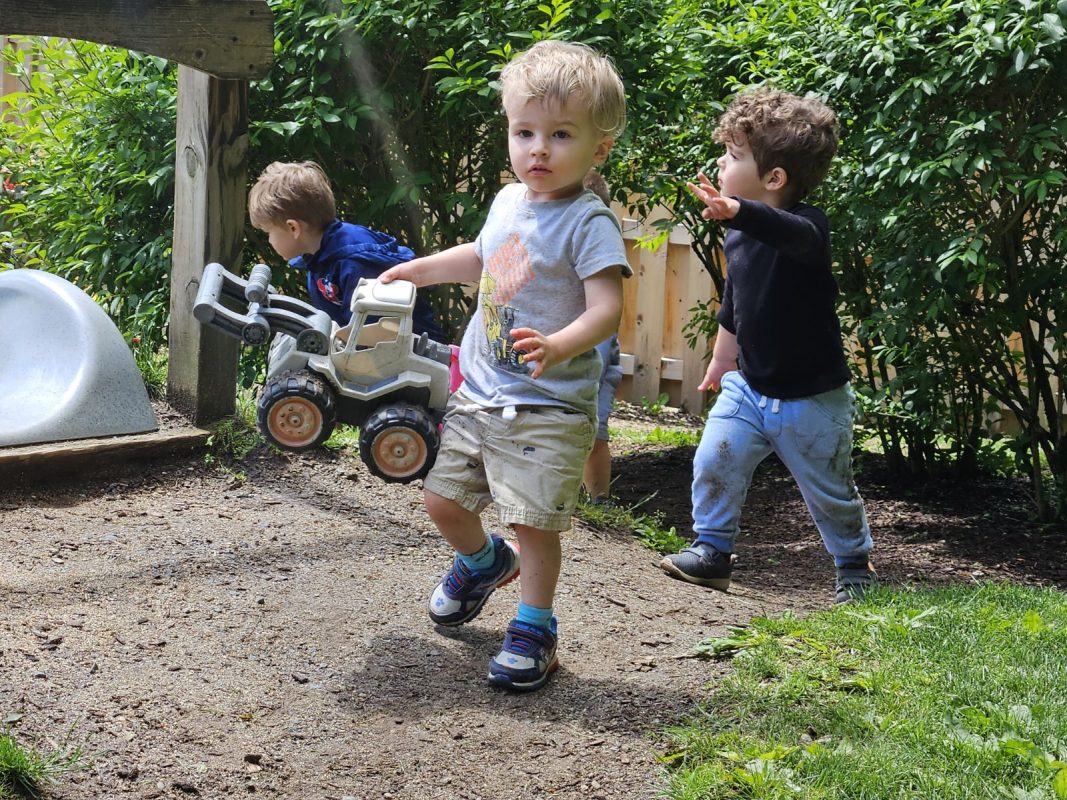
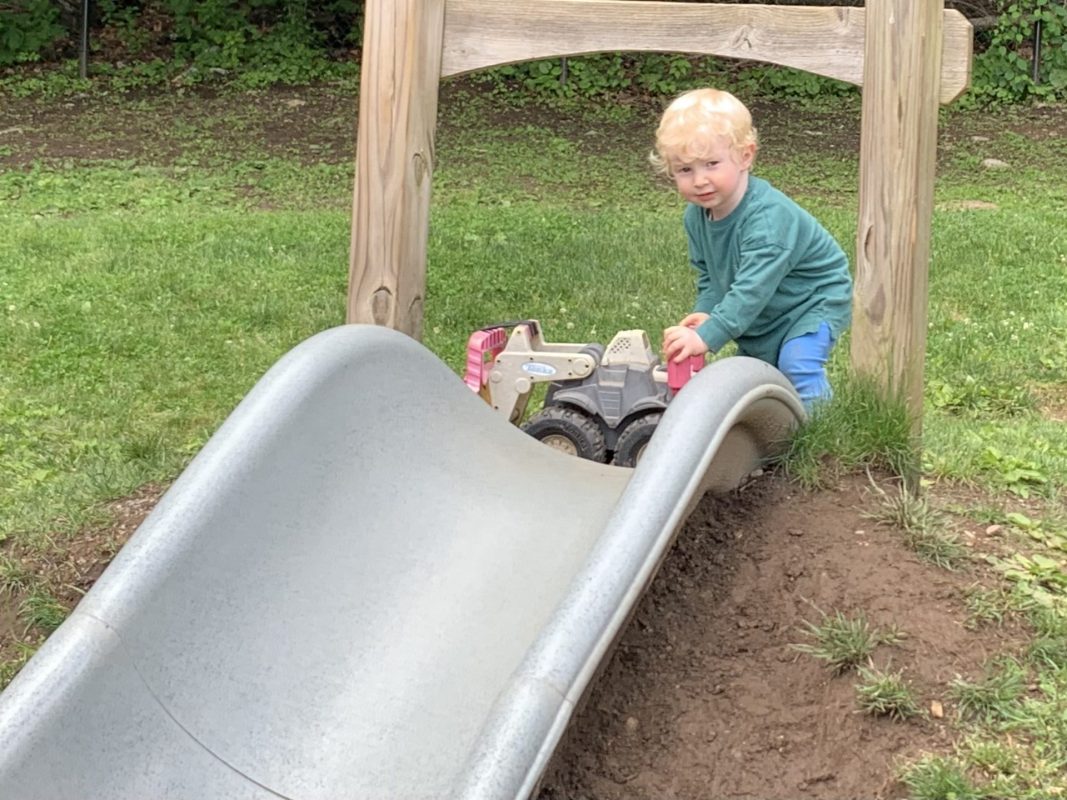
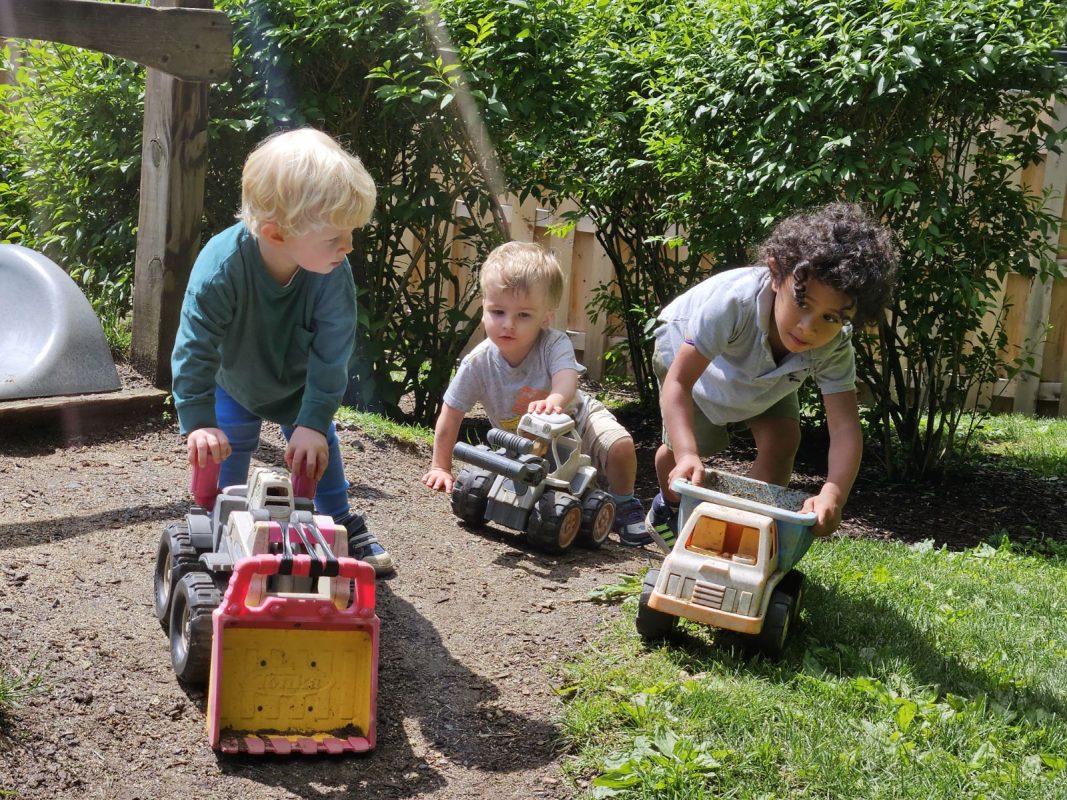
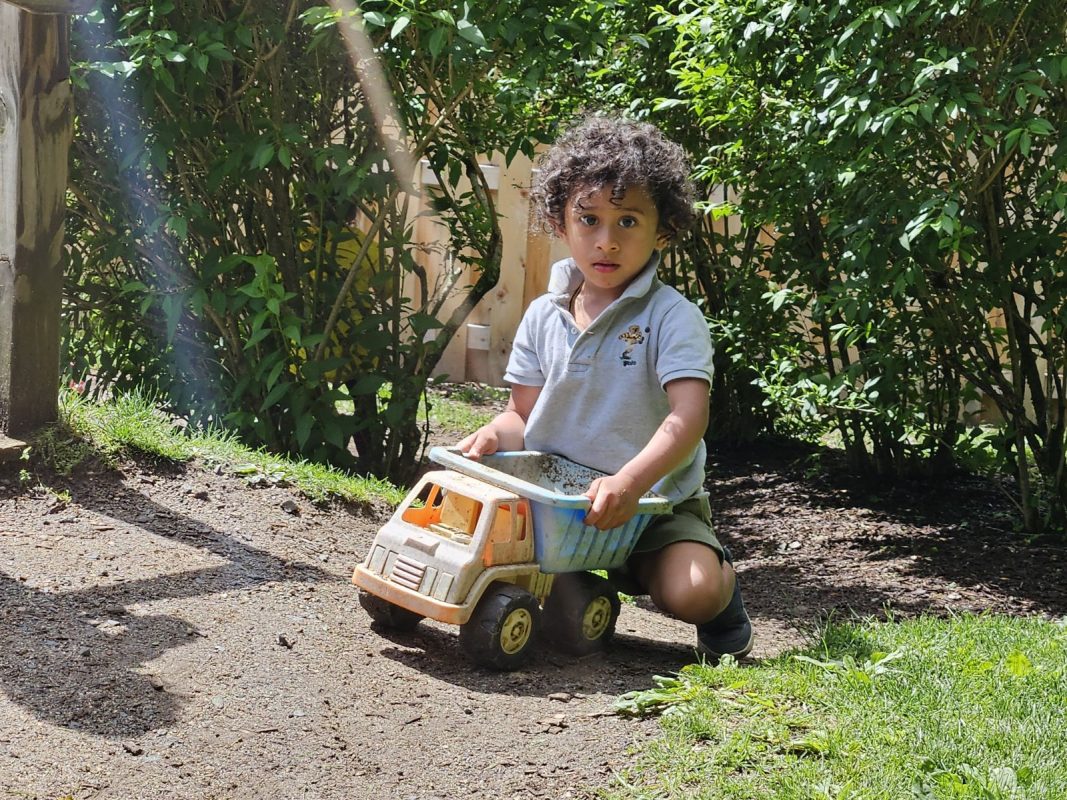
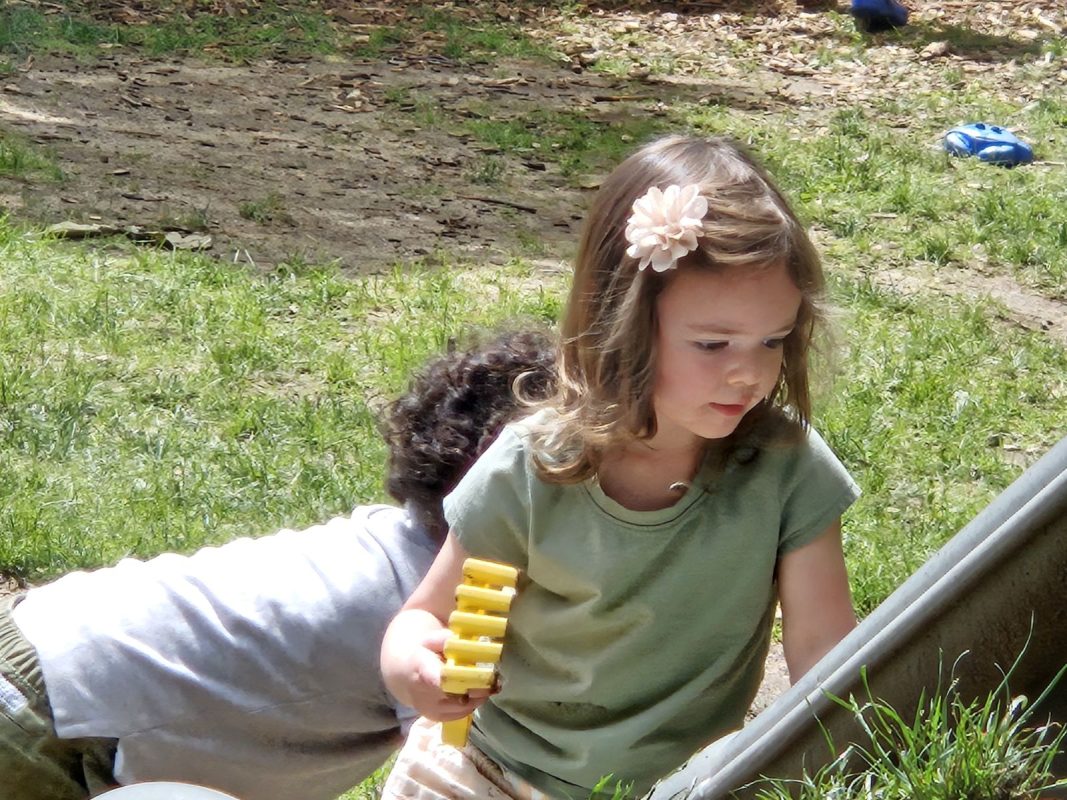
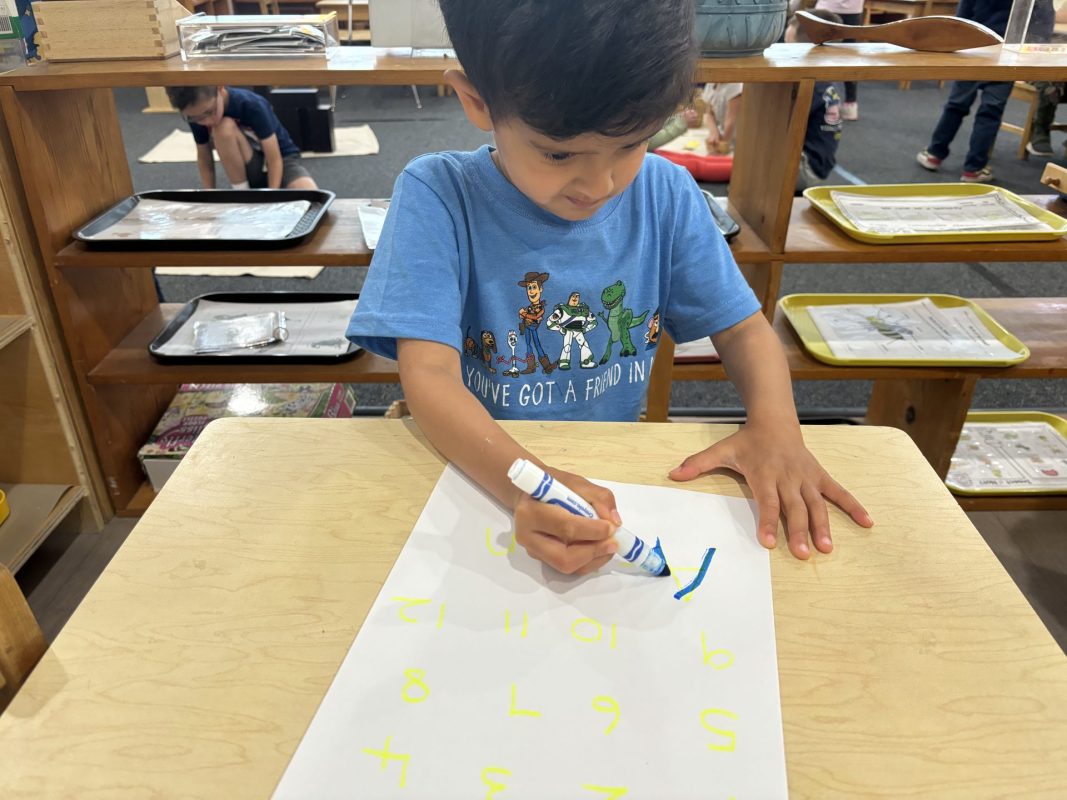
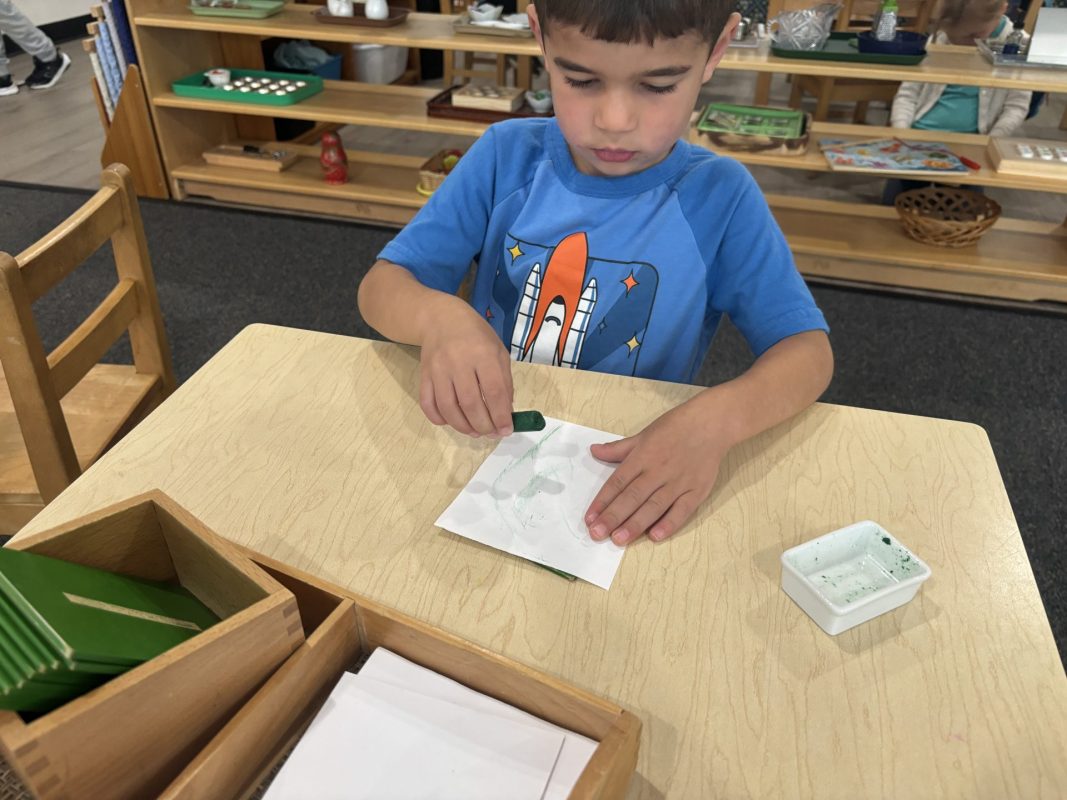
This week, we started by making Earth Day placemats. We used green and blue markers on a coffee filter and sprayed it a few times to watch the colors spread and create a beautiful Earth-like pattern. In addition, we have started recycling plastic, paper, and cardboard packaging as our contribution towards the environment. During recess time, the children pretended to clean up the trash (sticks, rocks, and mulch) on the ground and filled up the dump trucks together.

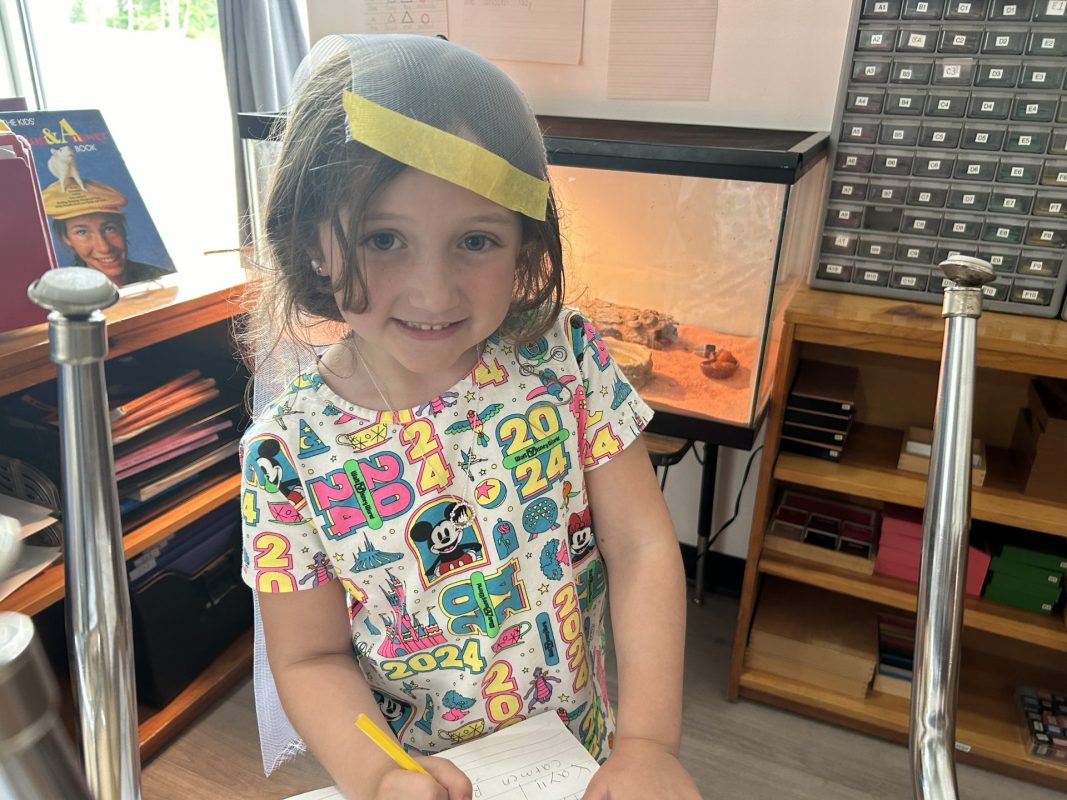
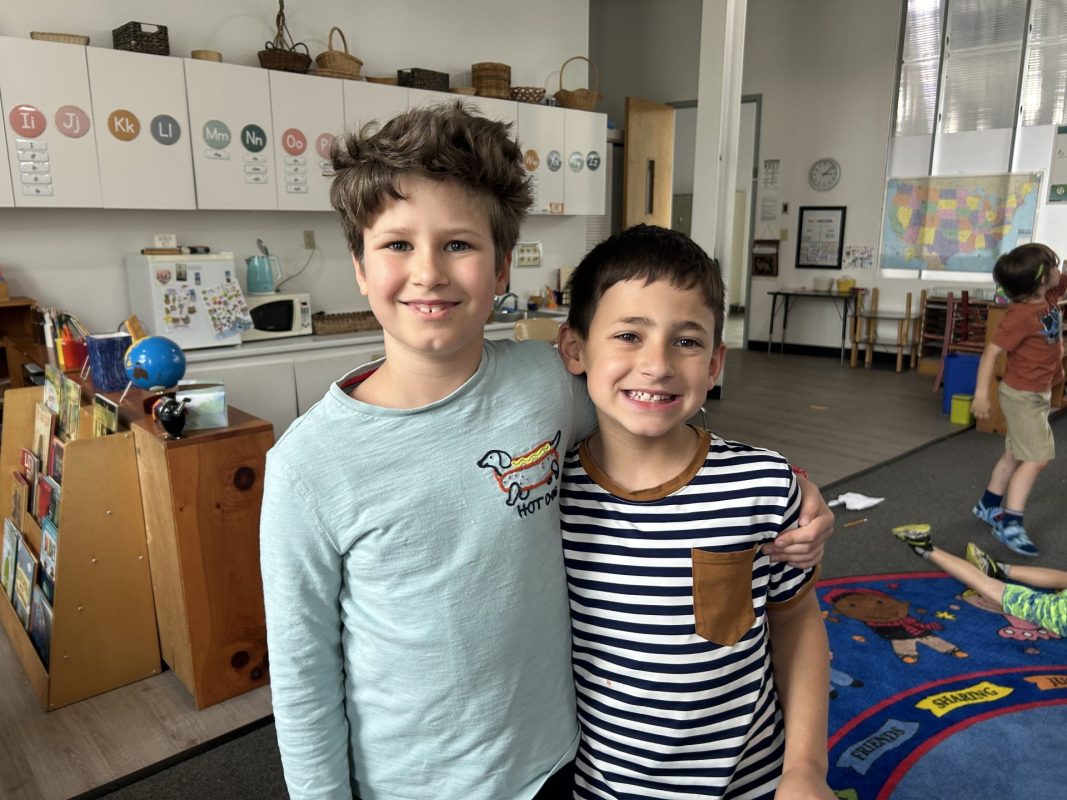
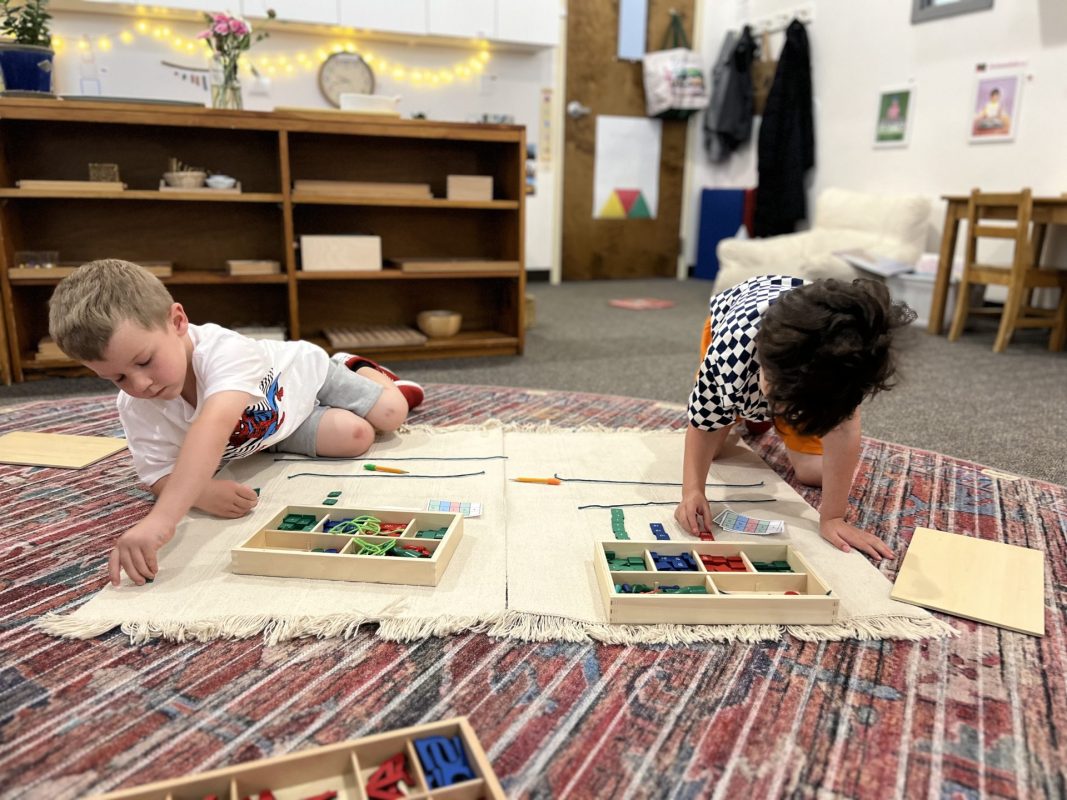
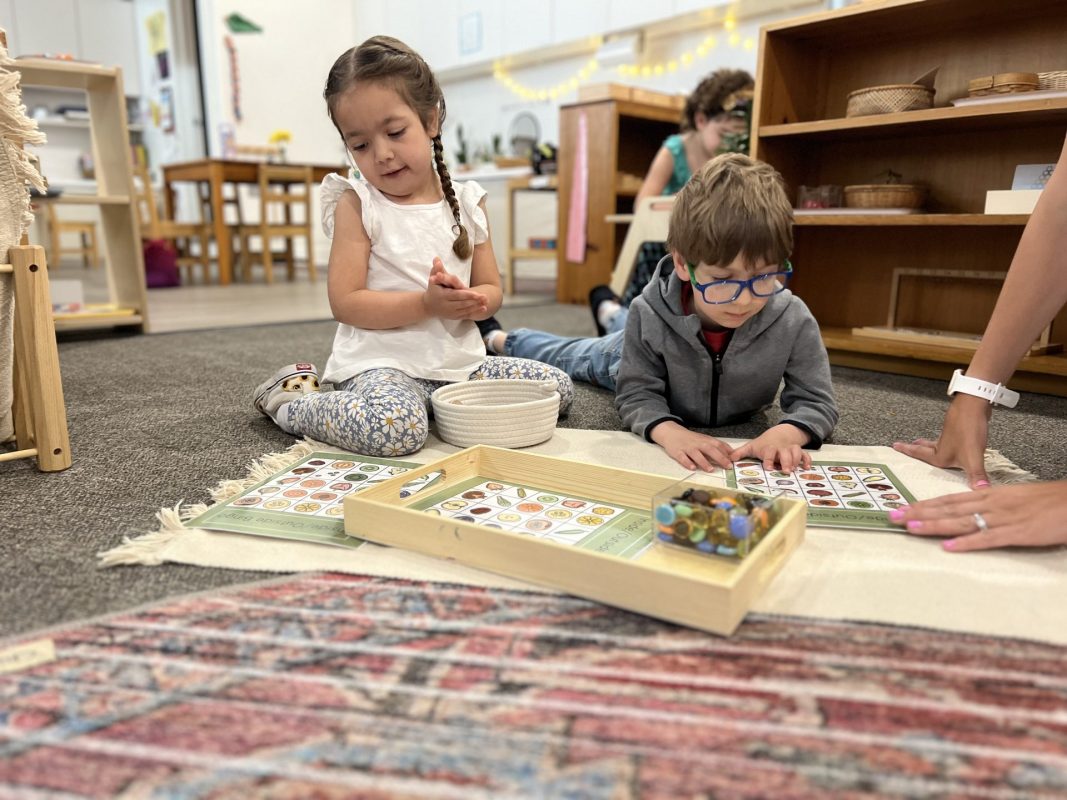
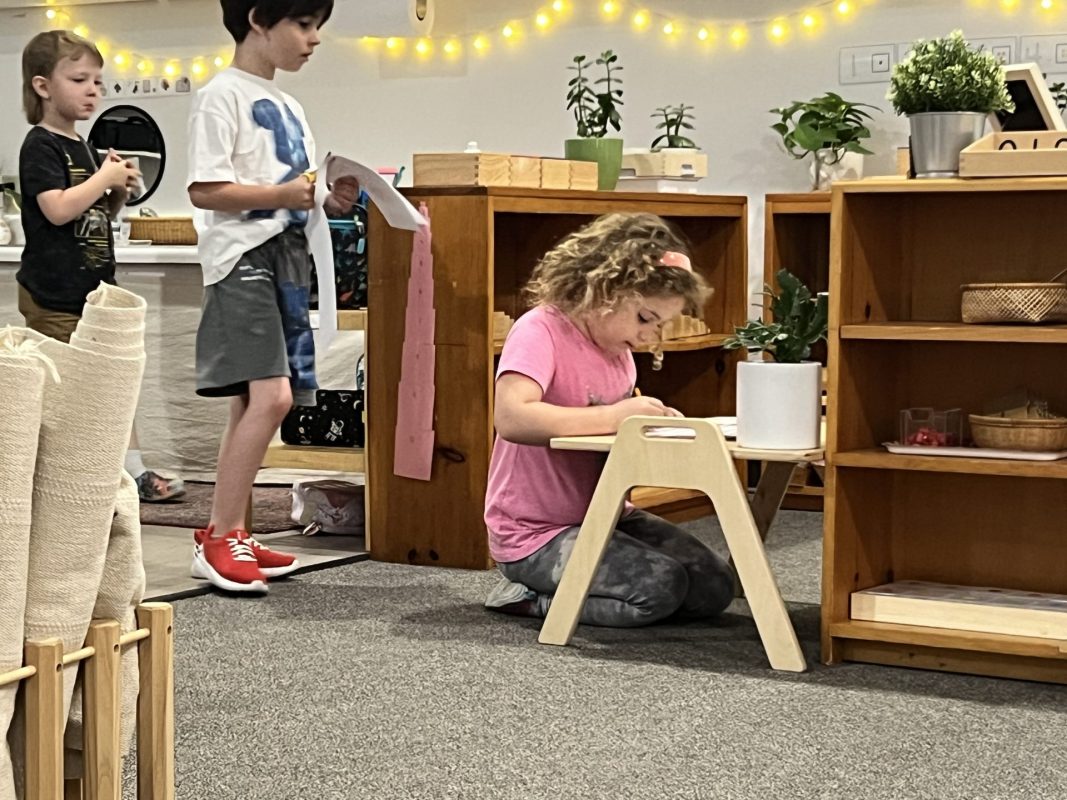
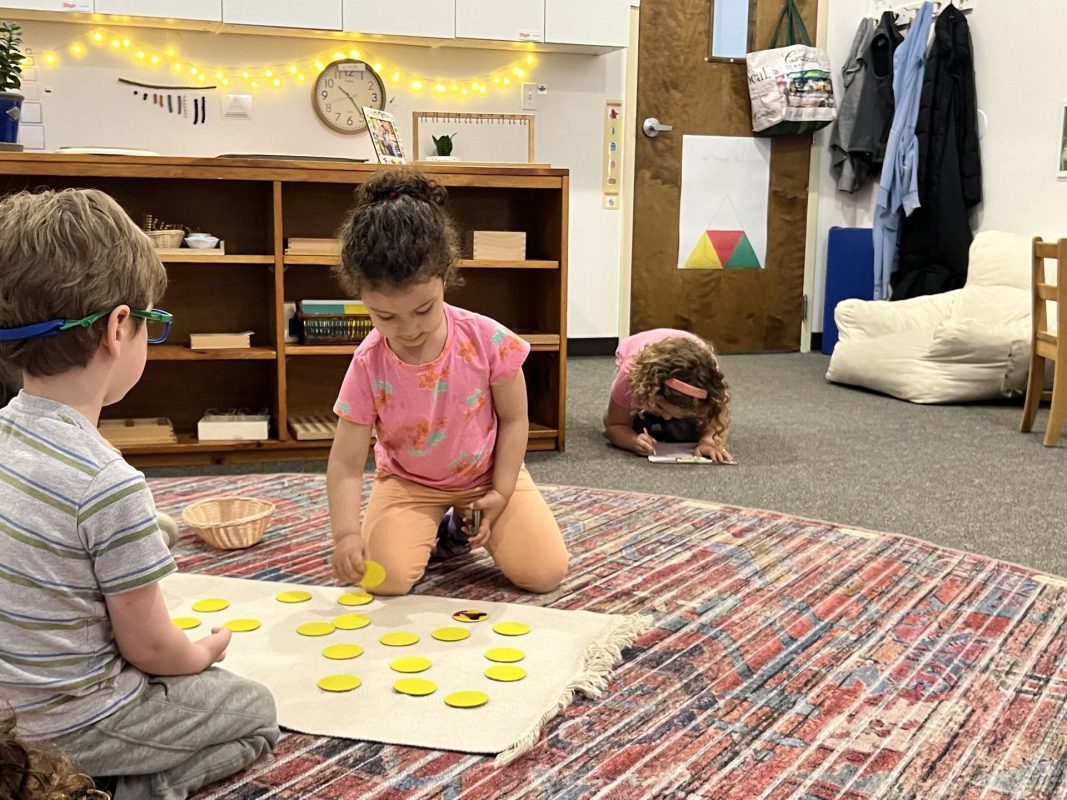
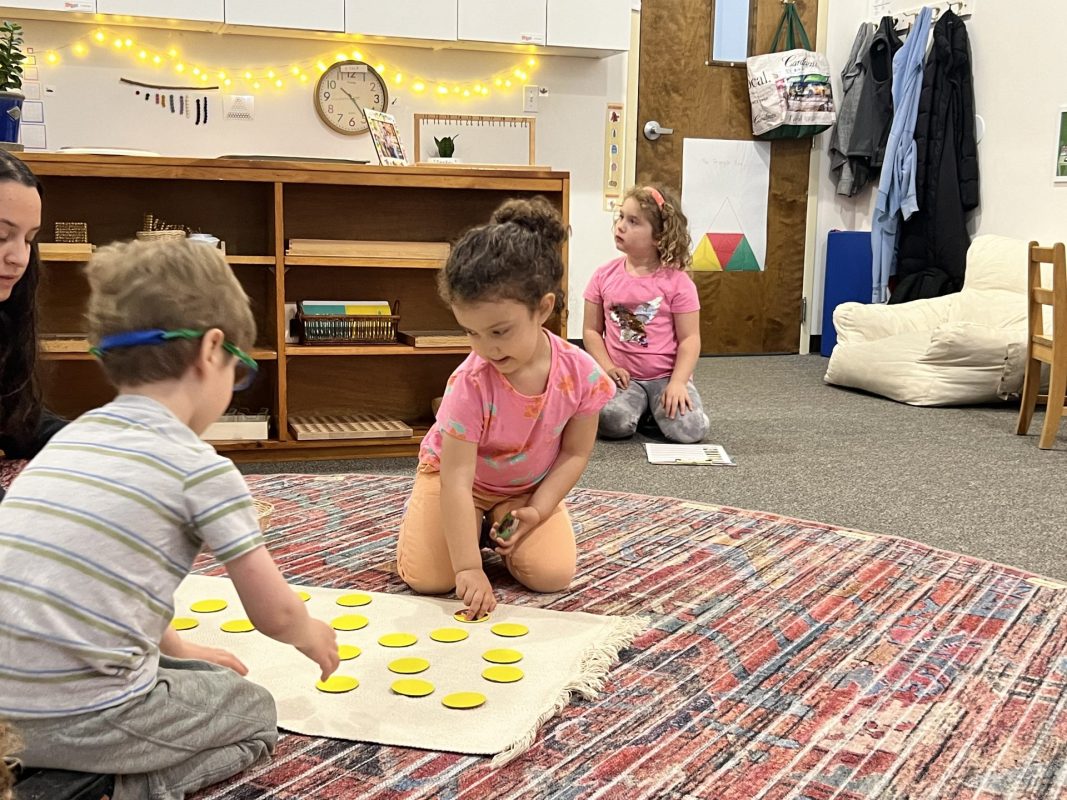
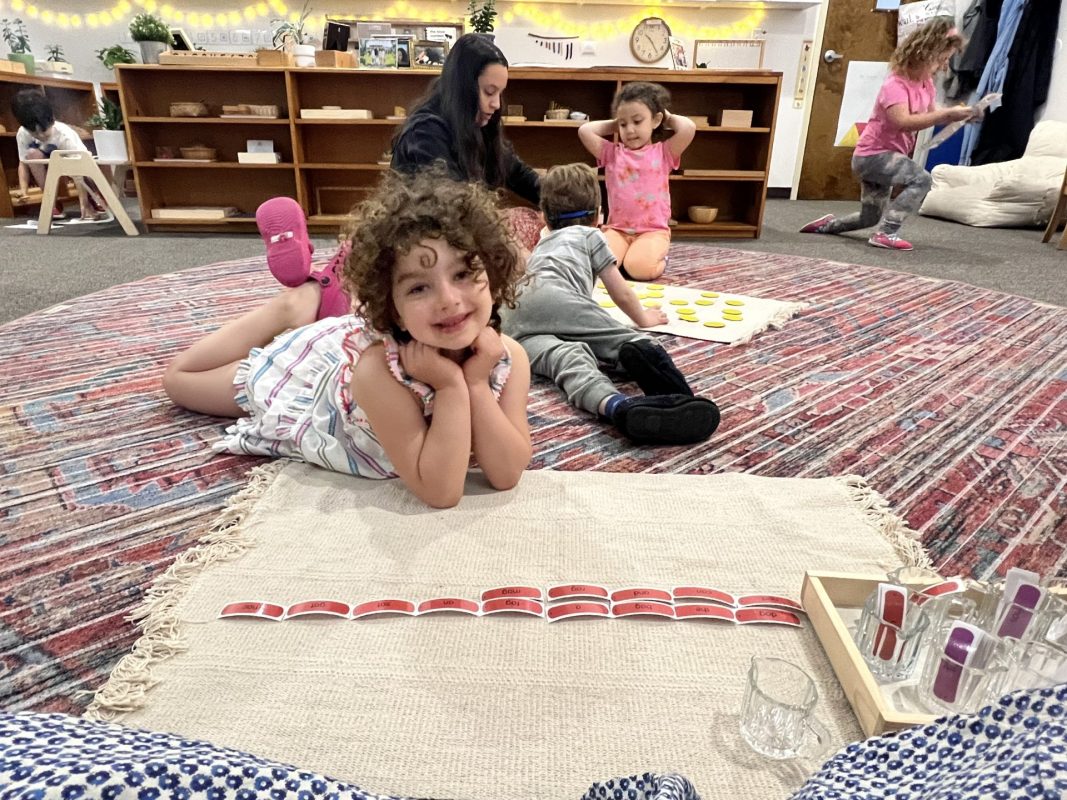
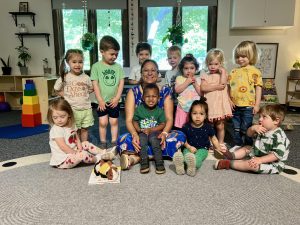
It was lovely to have all of the grandparents and special friends. The children were excited to show off all their favorite lessons and to introduce their friends and teachers. We hope they had as much fun as we did!

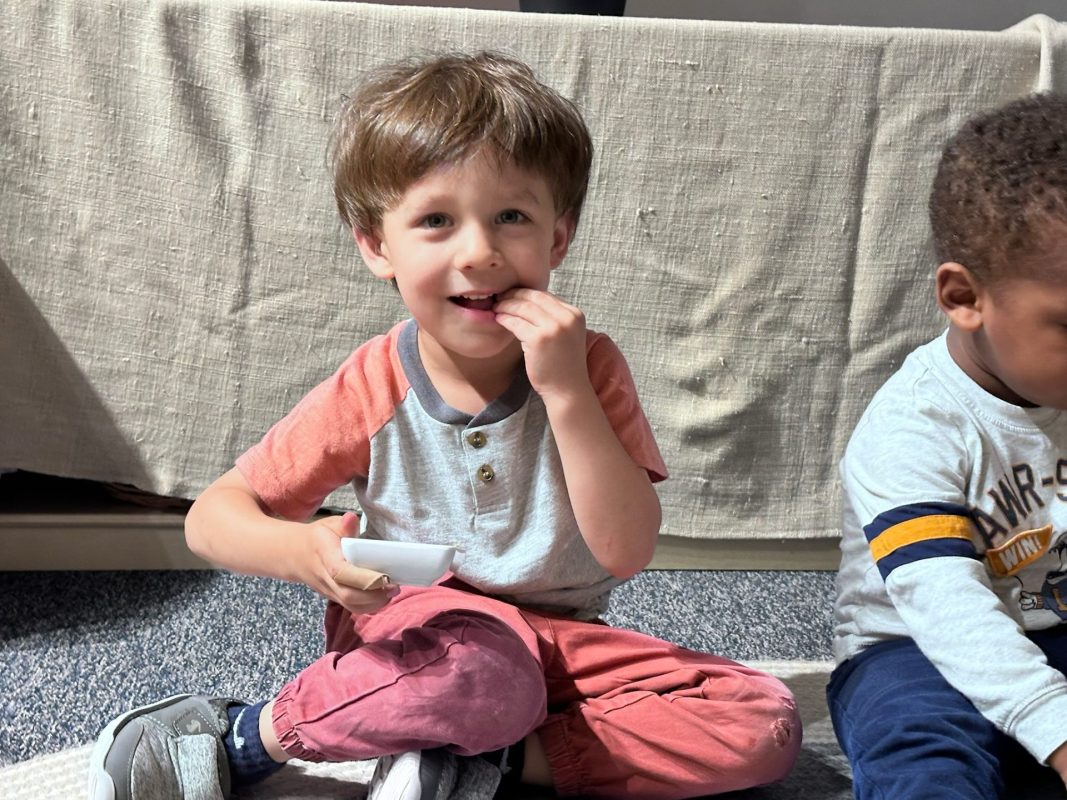
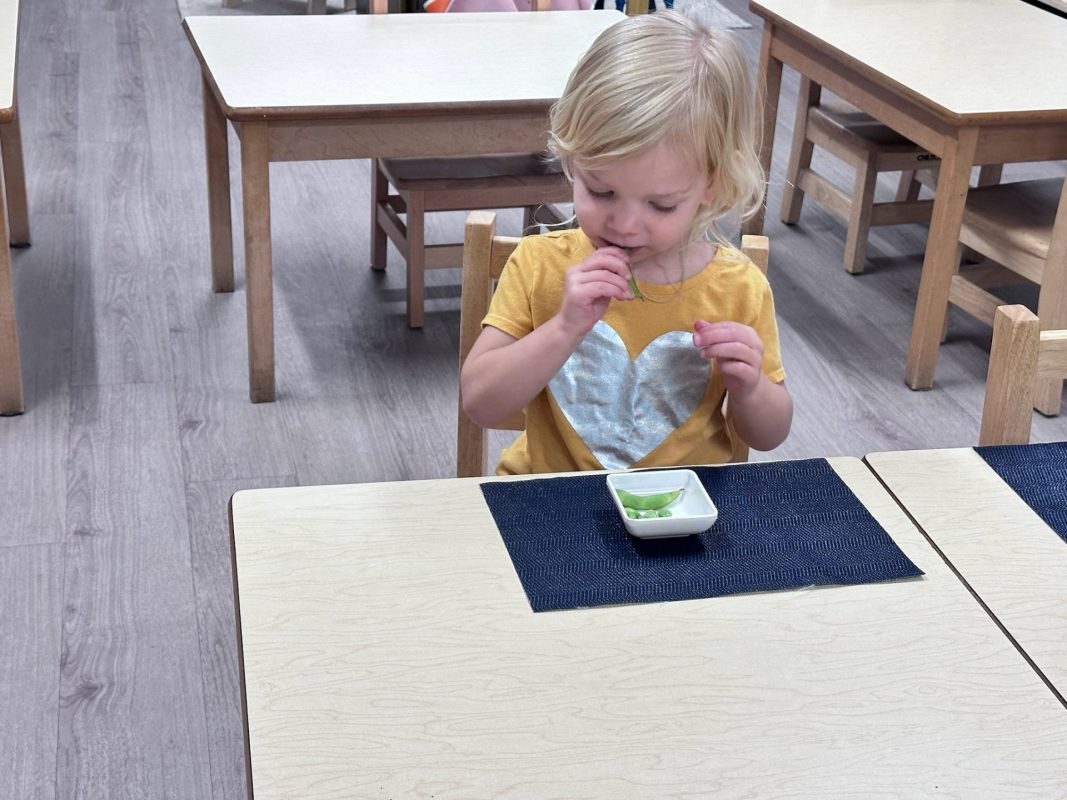
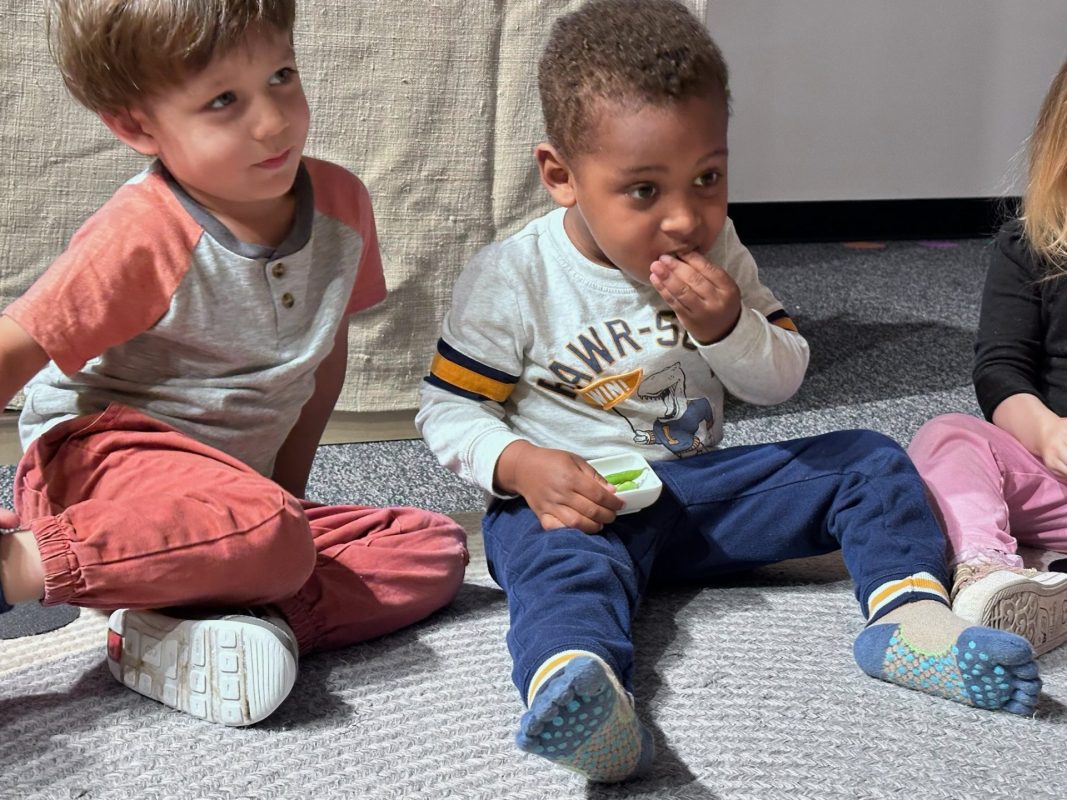
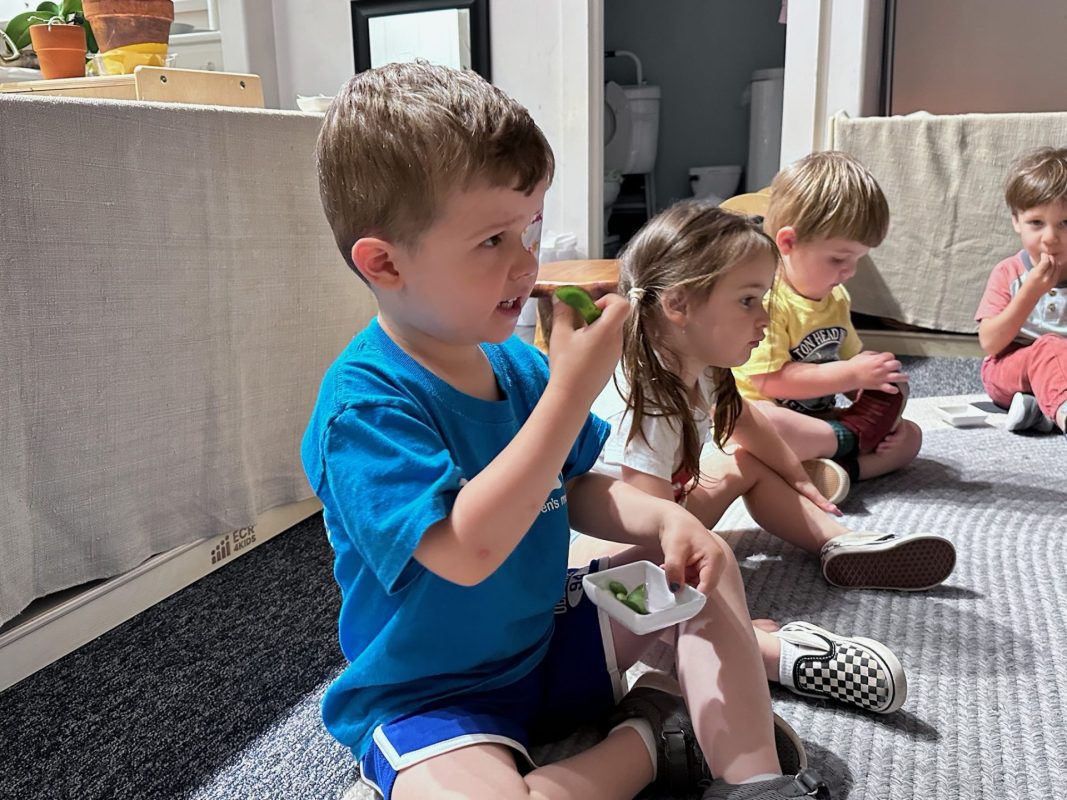
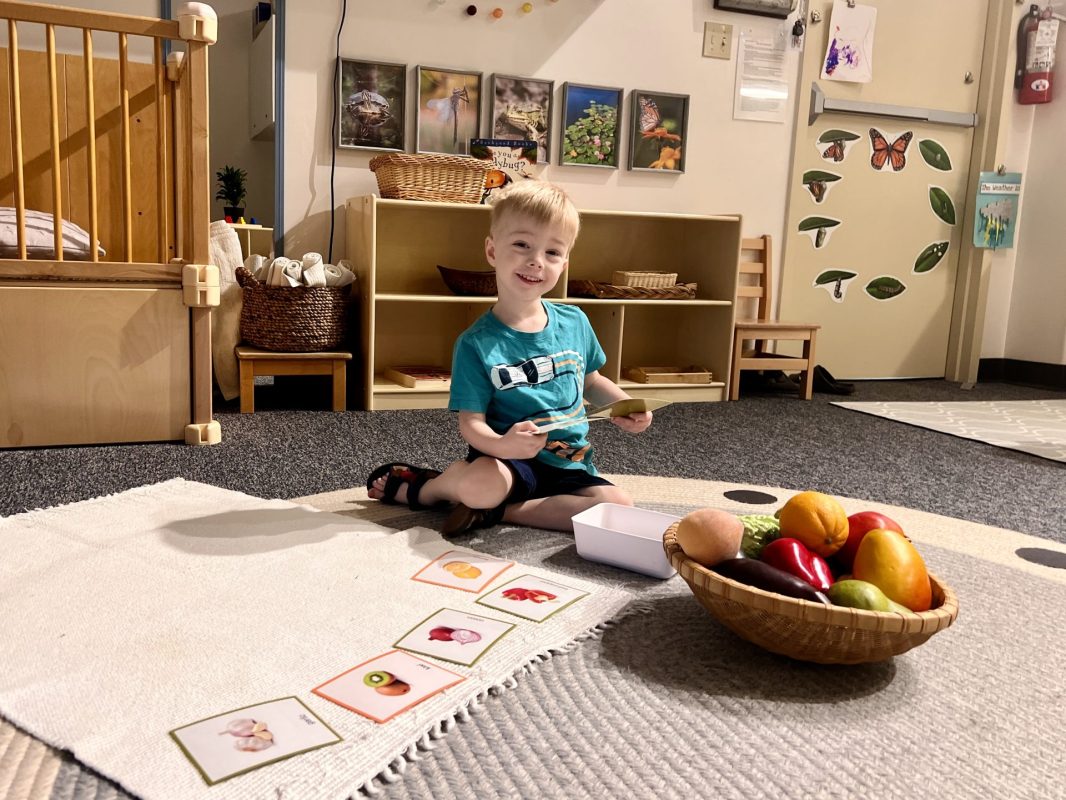
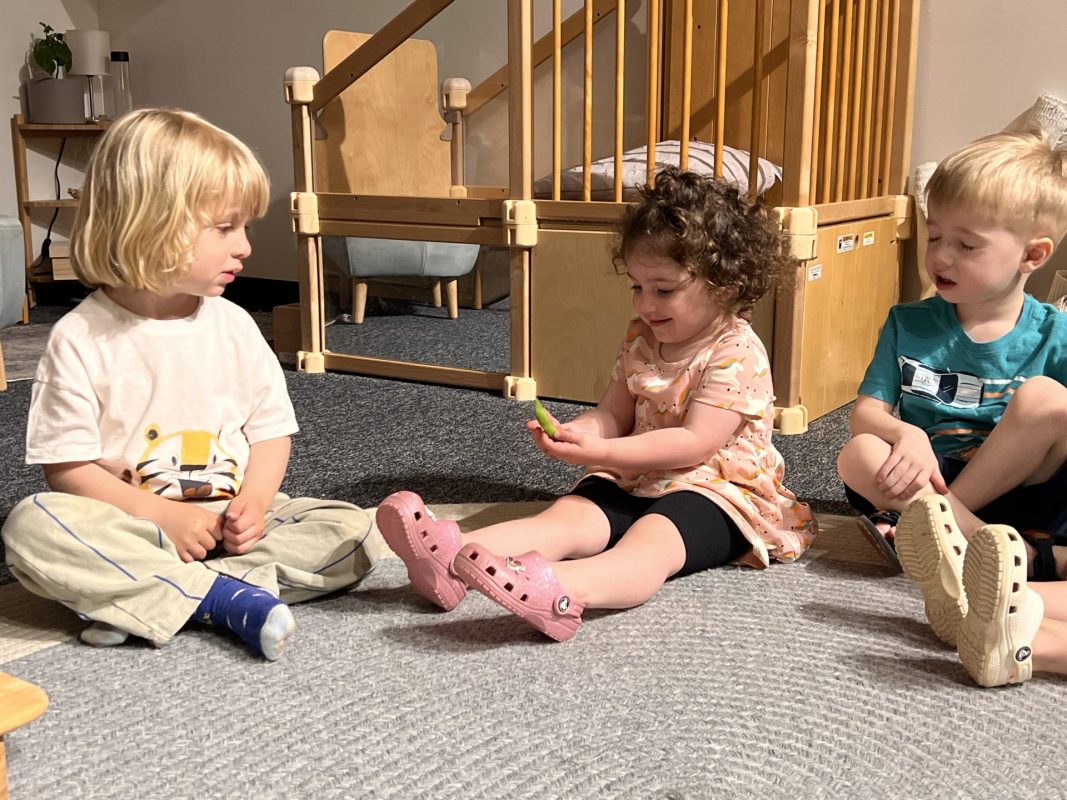
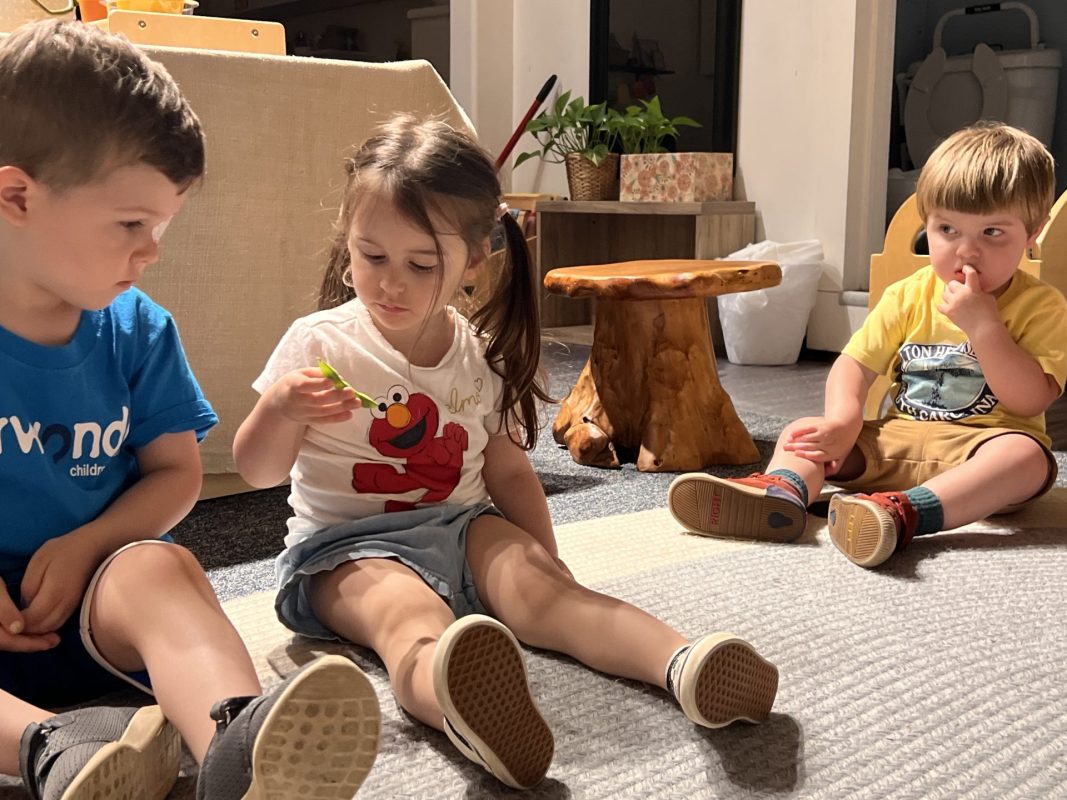
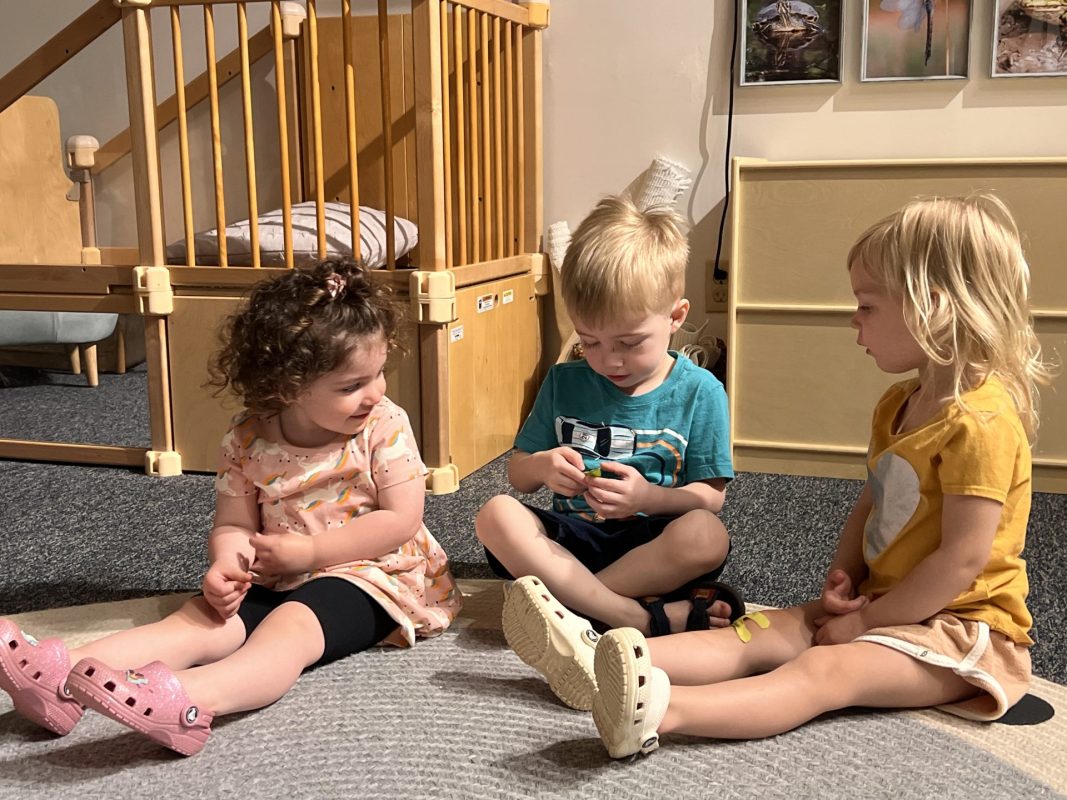
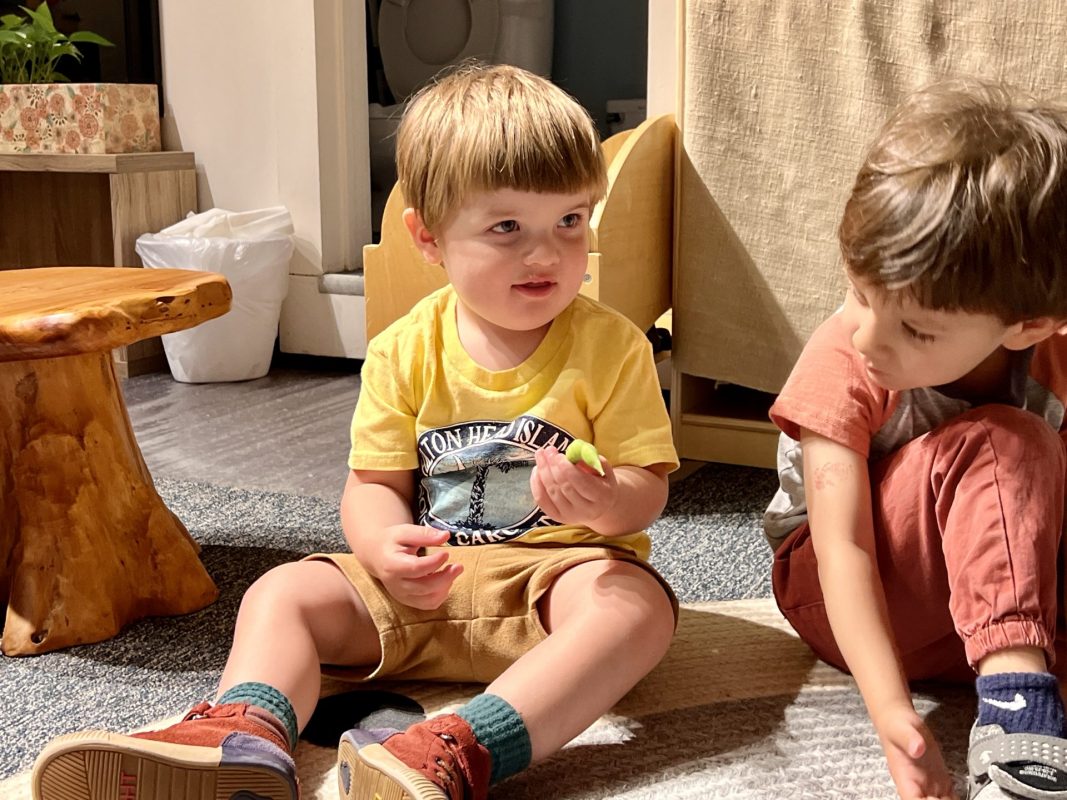
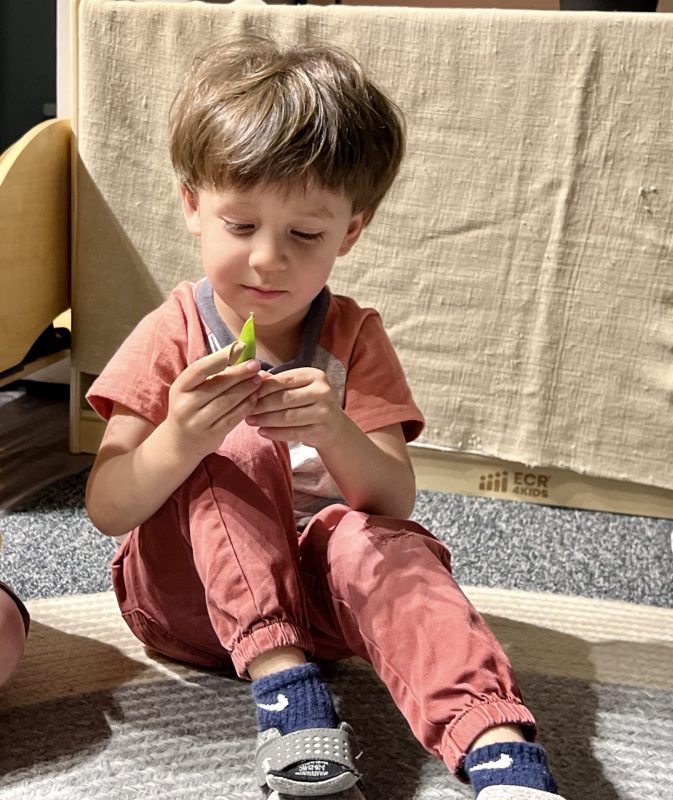
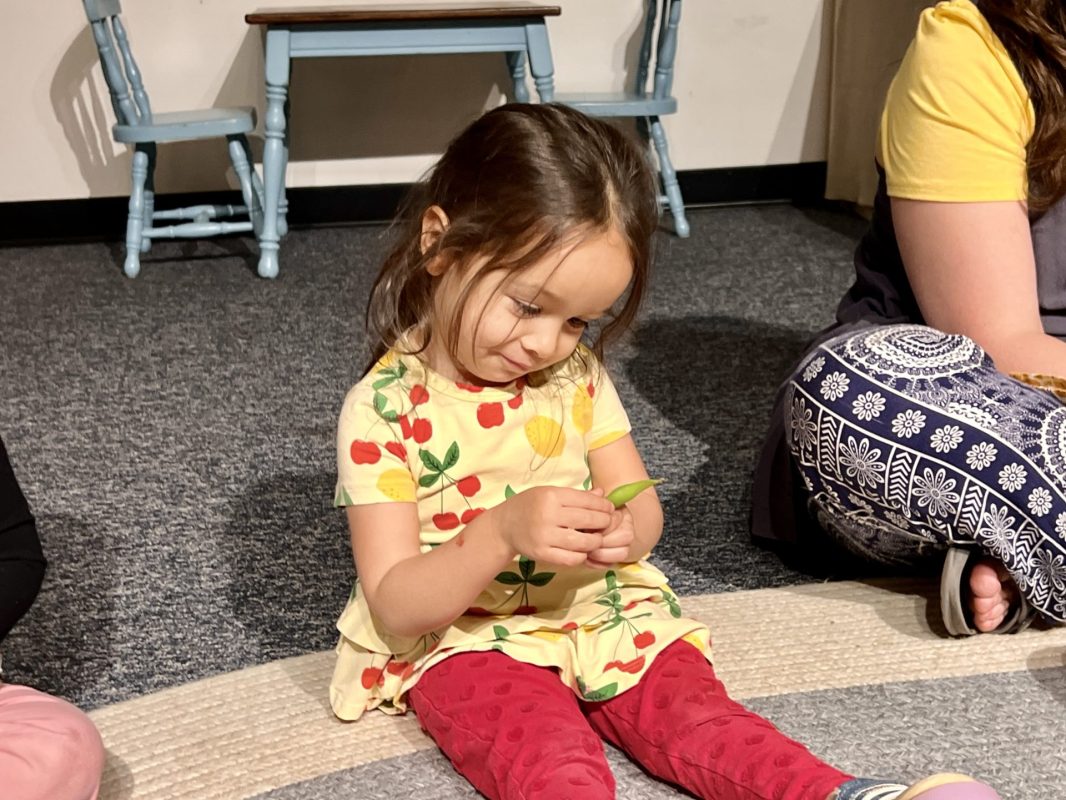
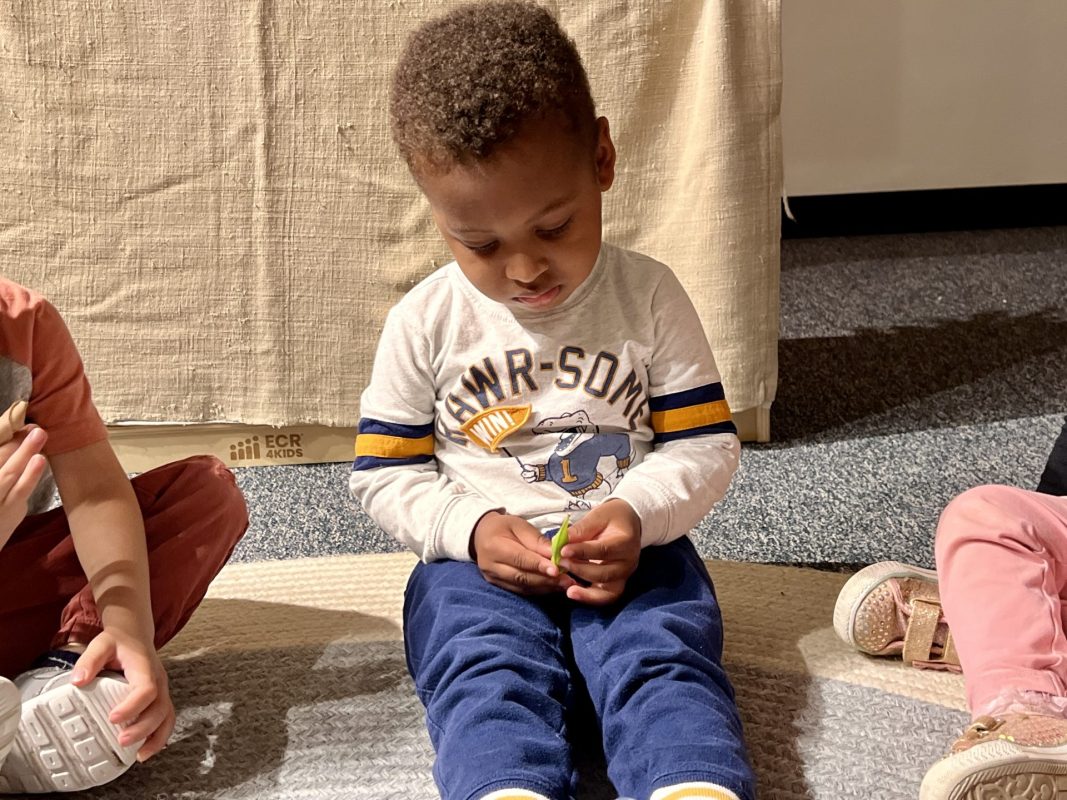
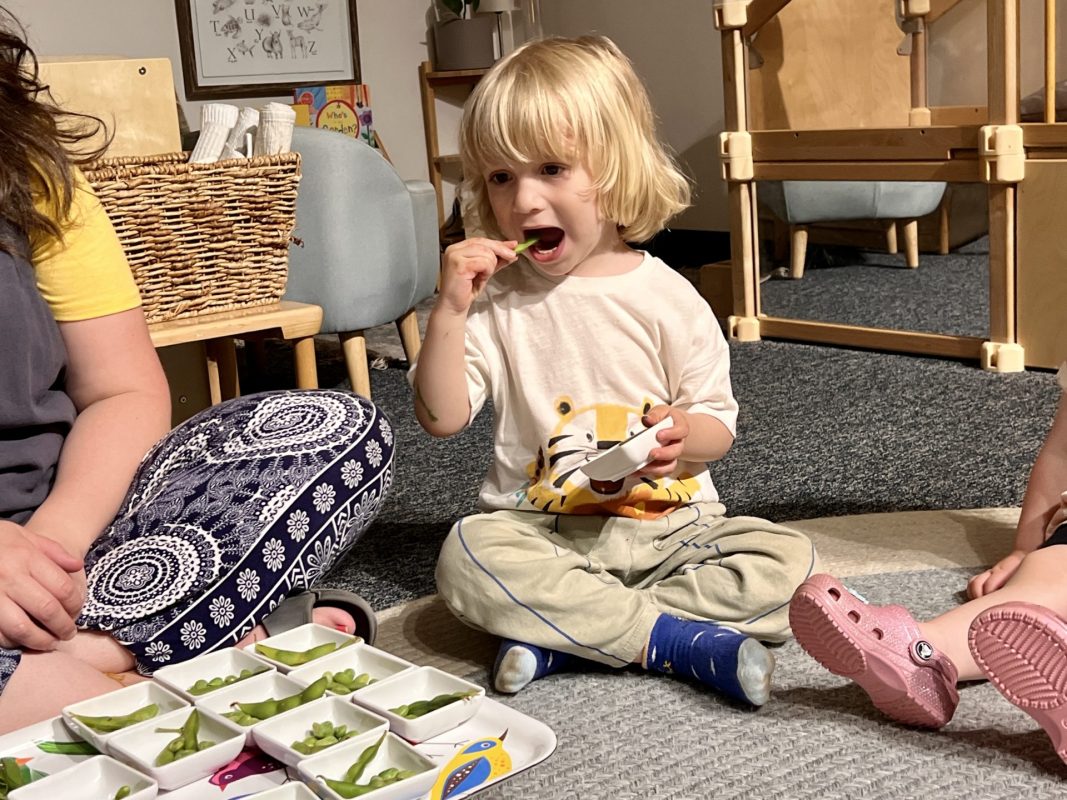
Food Tasting: This week, we tasted black and Spanish olives. The majority of the children liked the black olives the best.


Mrs. Lopes: Head, Thorax, Abdomen, Abdomen!

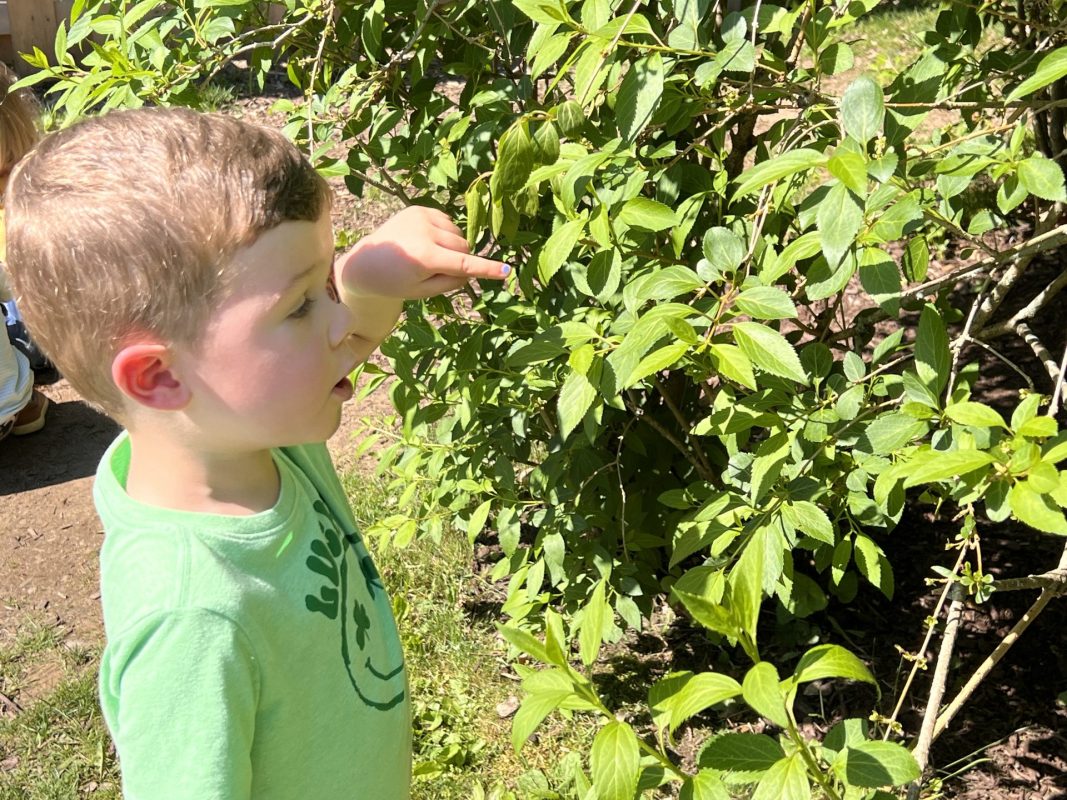
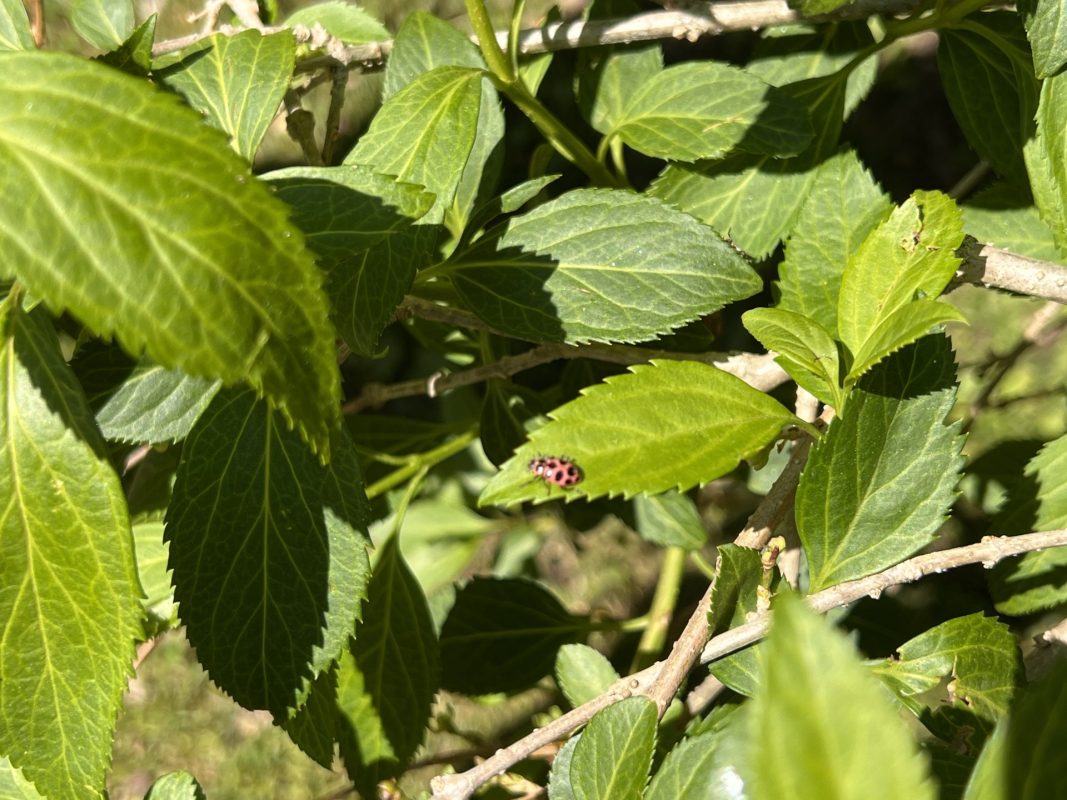
We are hard at work becoming entomologists. This is always a favorite unit of study for the children. An entomologist is a scientist who studies insects. We began our unit by discussing what we already know about insects, what they are, and what they can do. We discovered that insects are slimy, little, gross, soft, and hard. Insects can crawl, sting, bite, eat, fly, walk upside down, and jump. We learned that insects lay eggs and have antennae and three main body parts: a head, thorax and abdomen, eyes, and six legs. Insects are also cold-blooded, have an exoskeleton, and many have wings. Finally, we found out why a spider is not an insect. Ask your child to see if they know why.

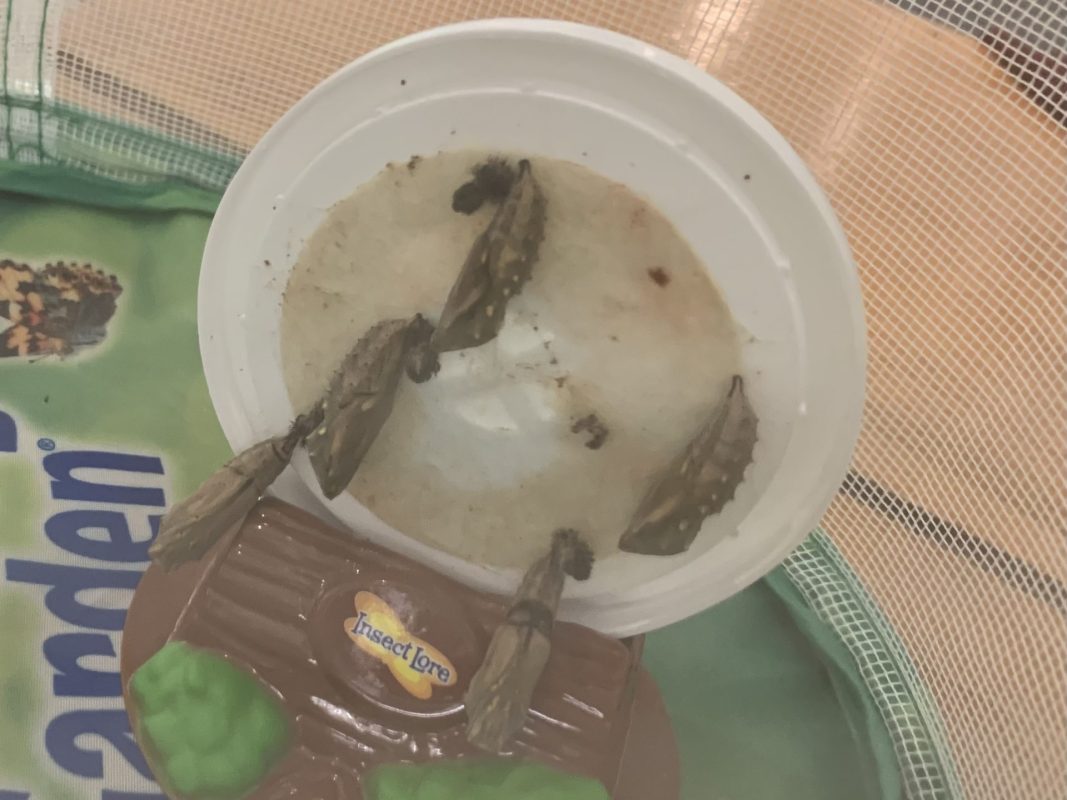
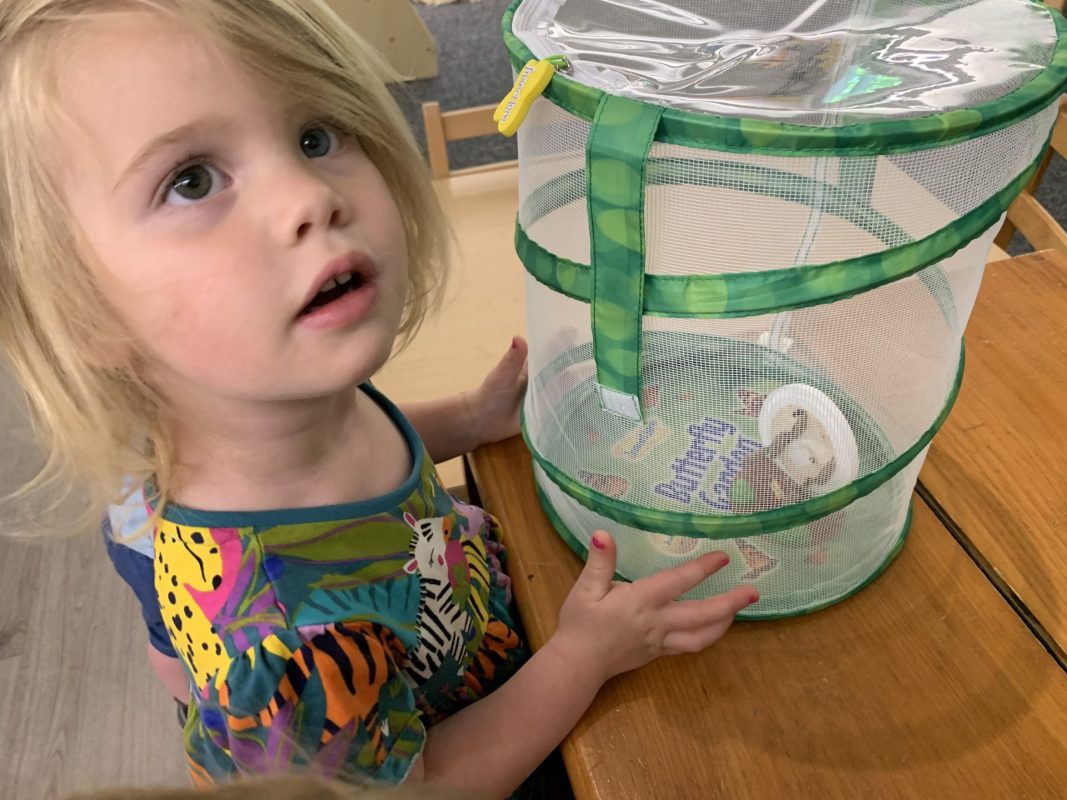
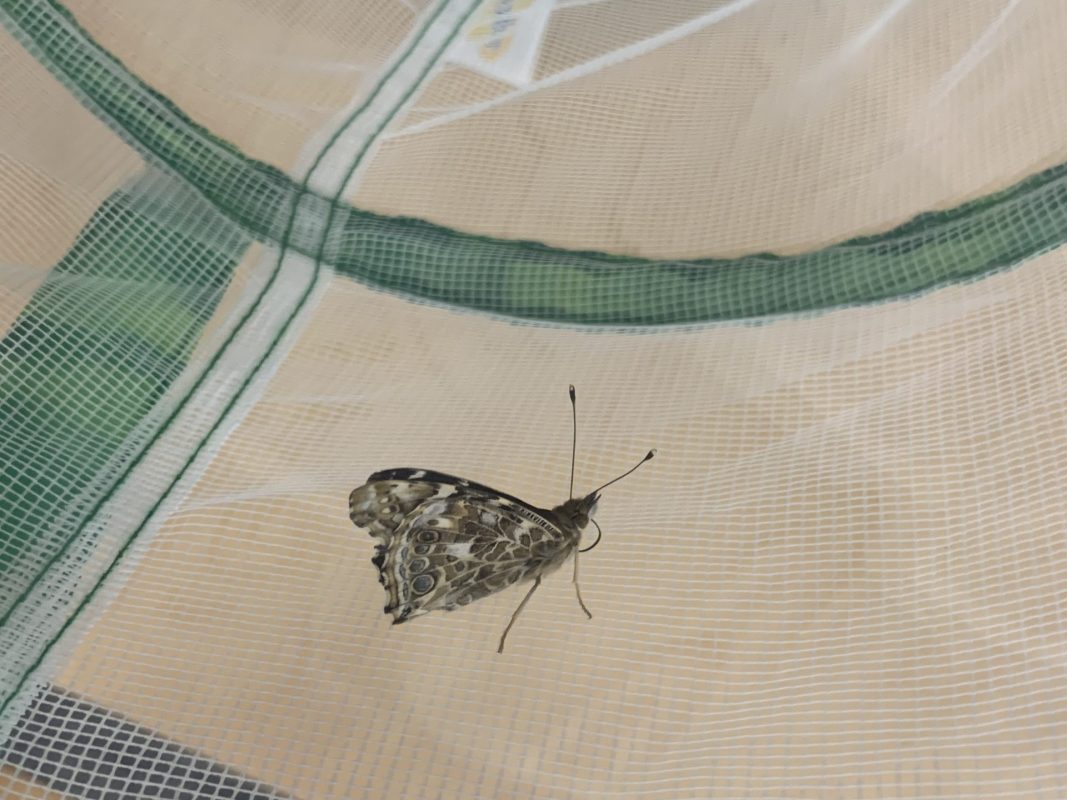
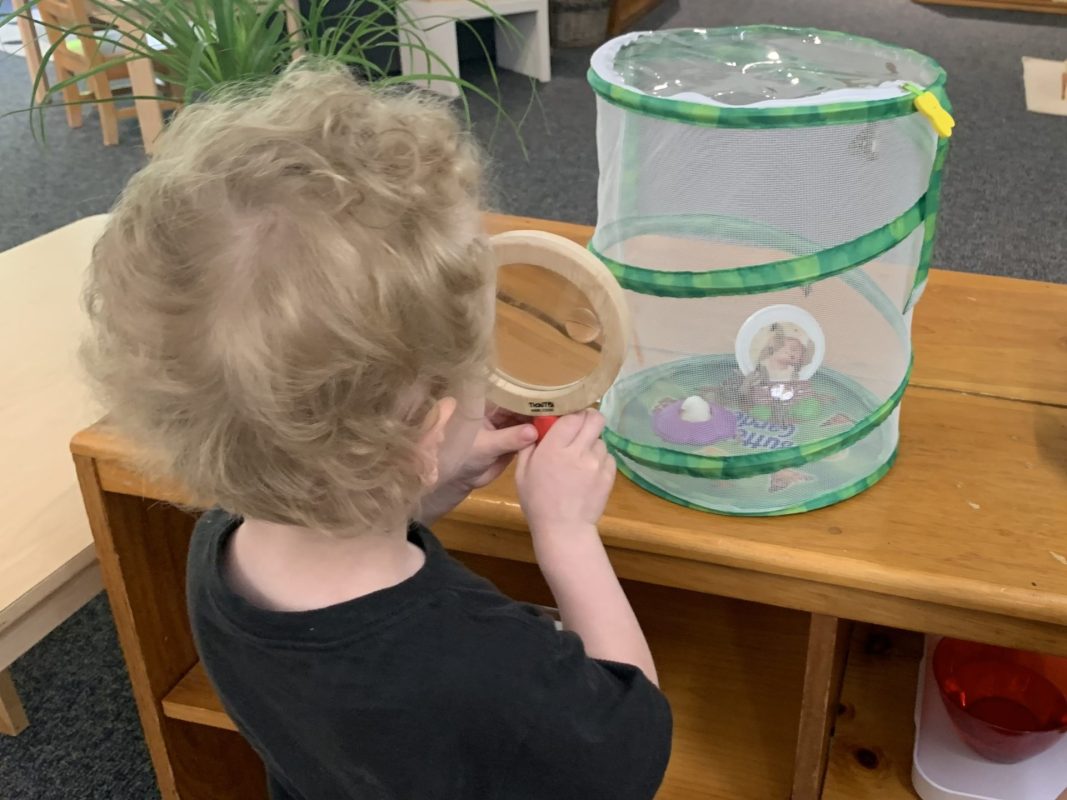
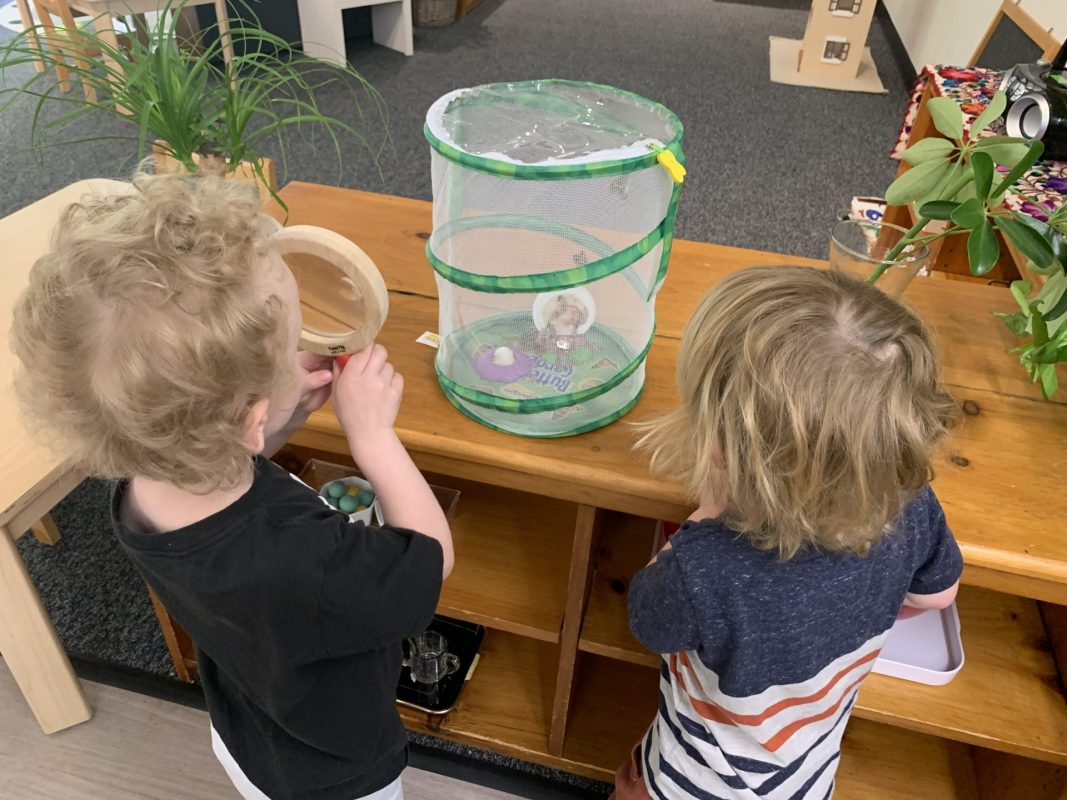
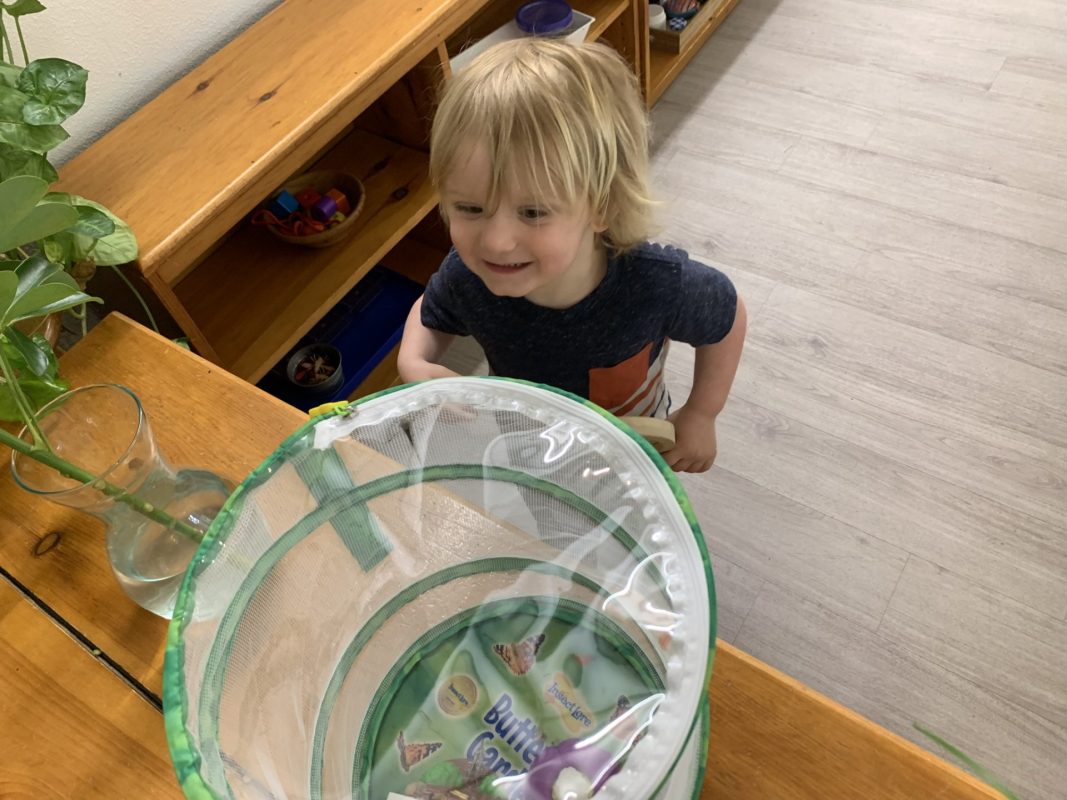
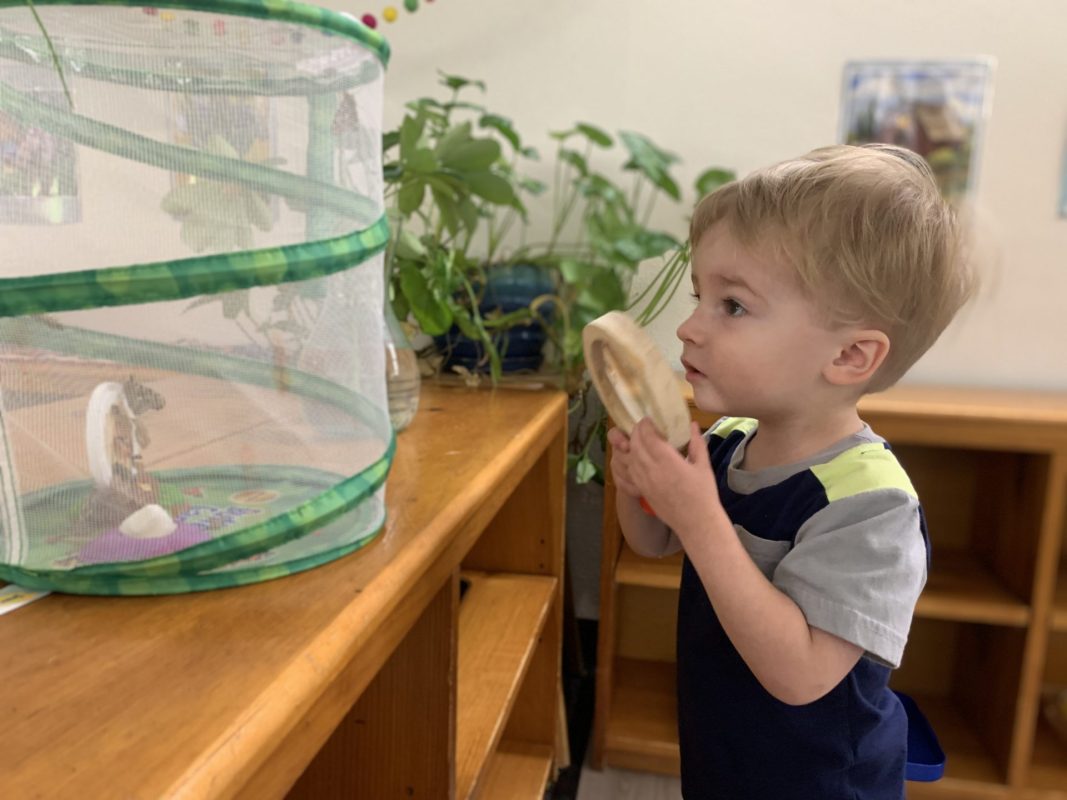
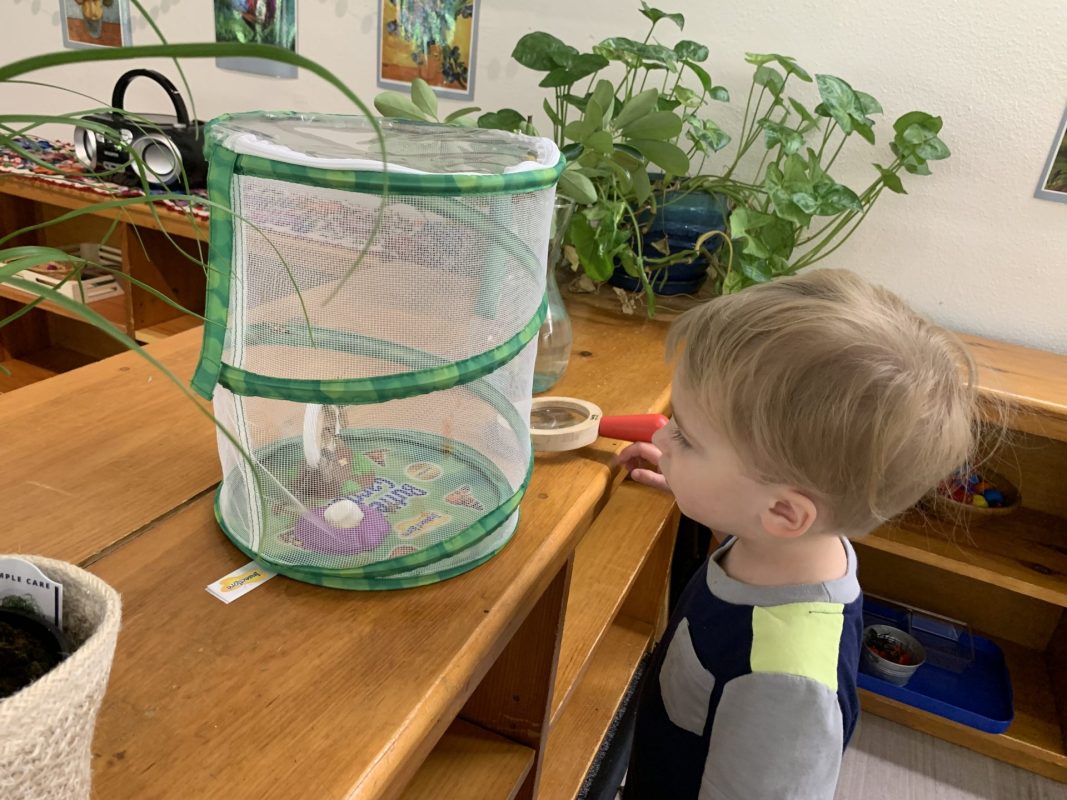
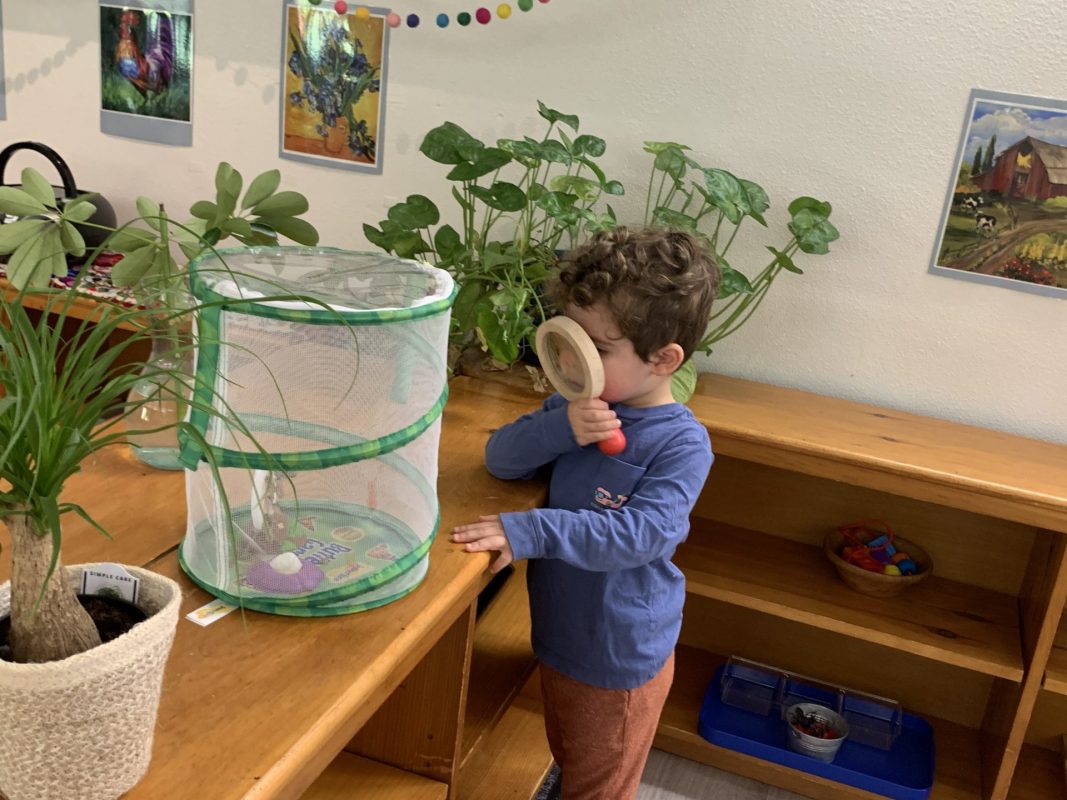
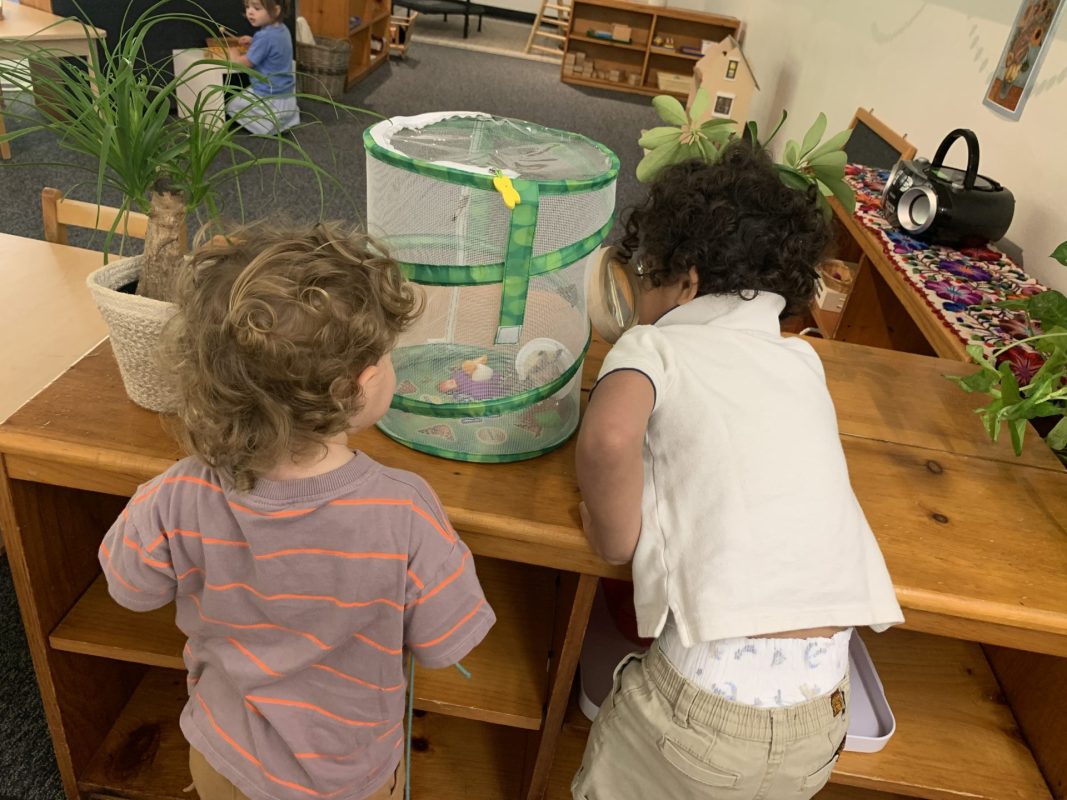
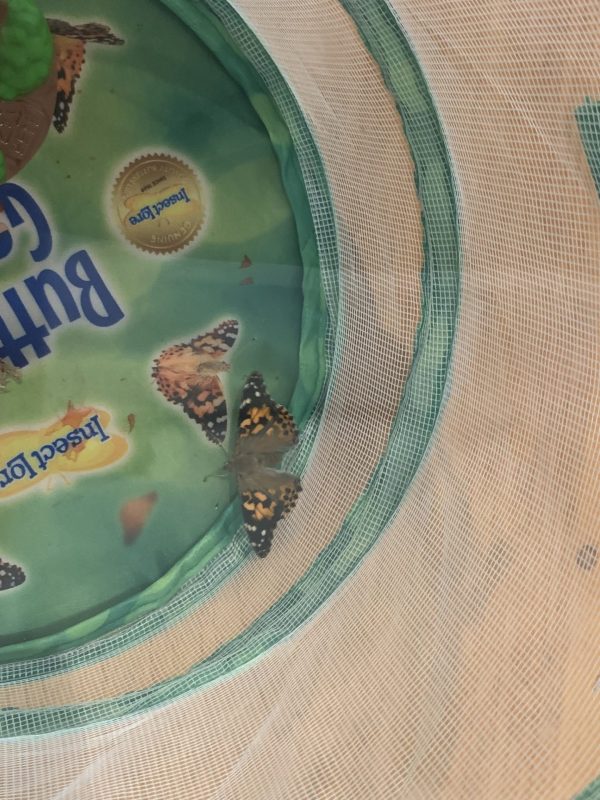
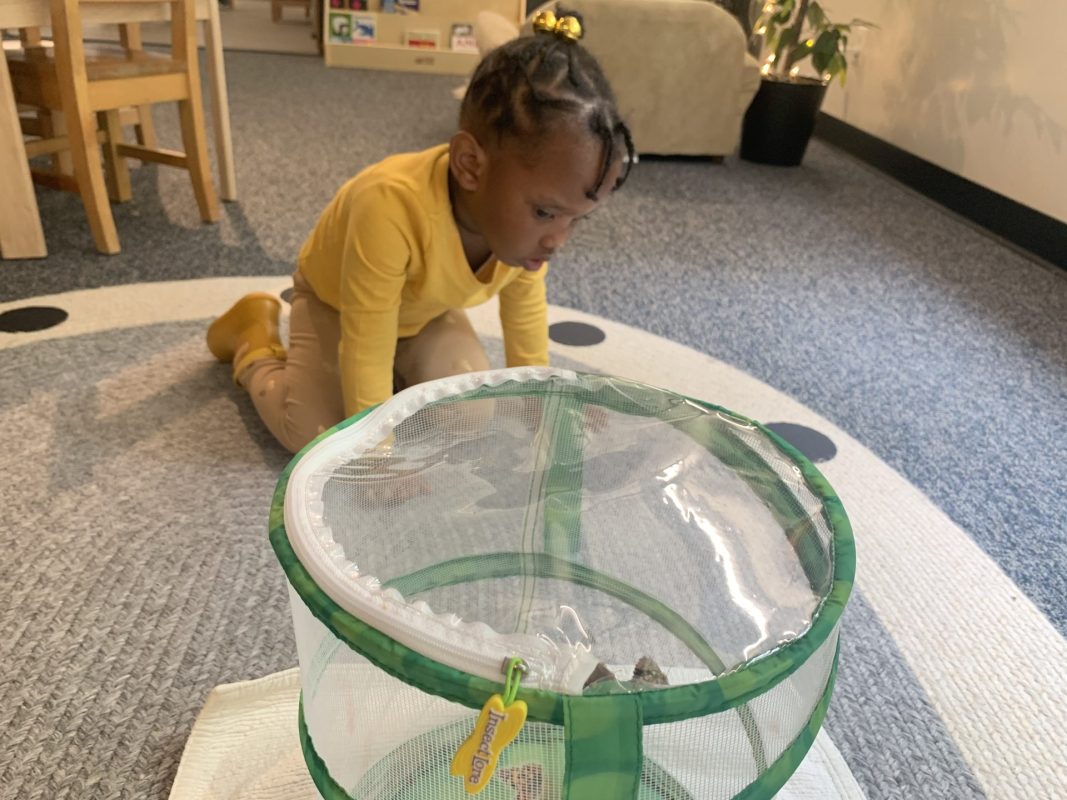
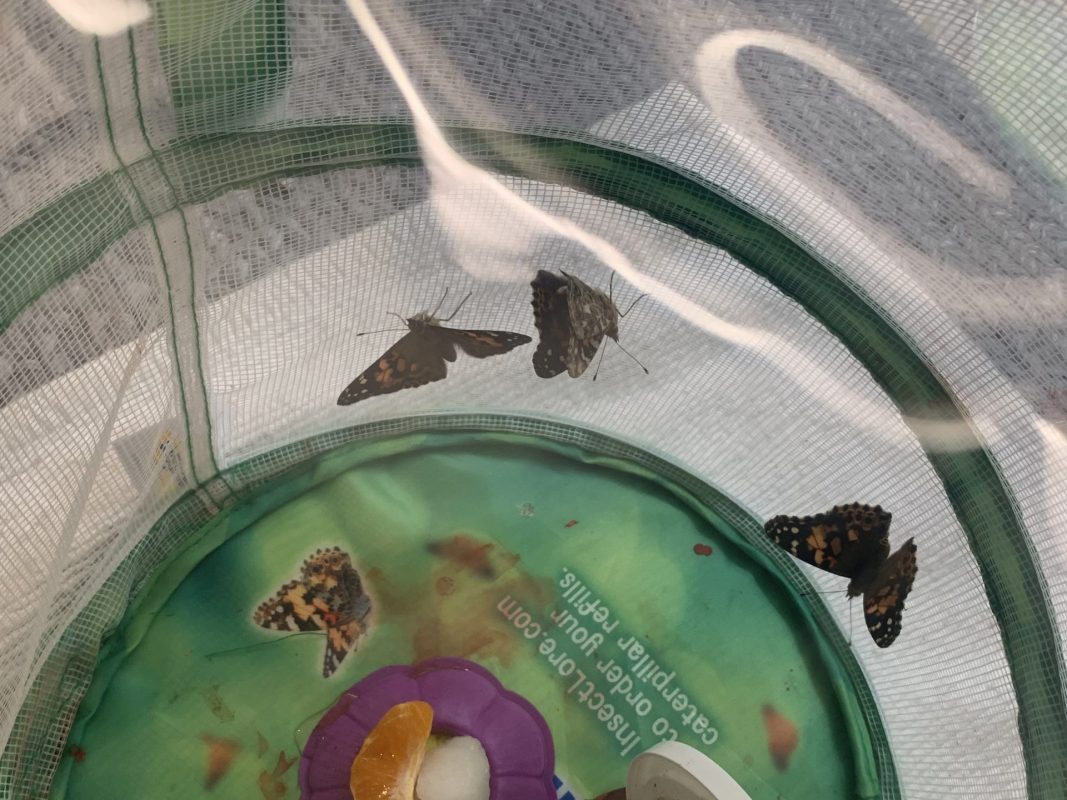
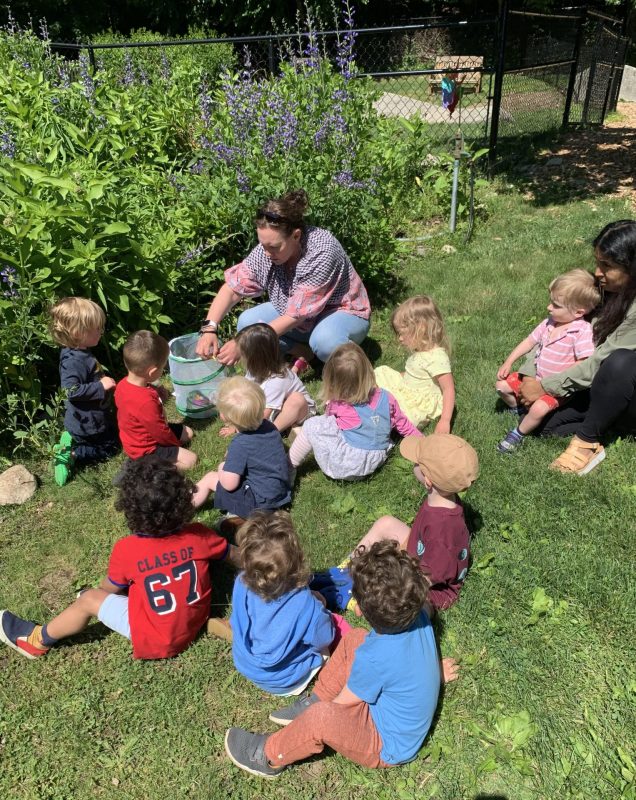
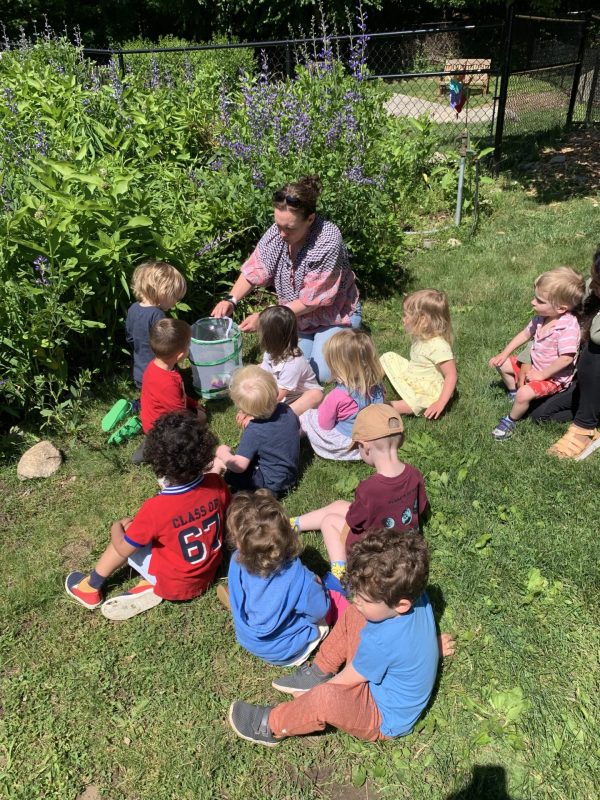
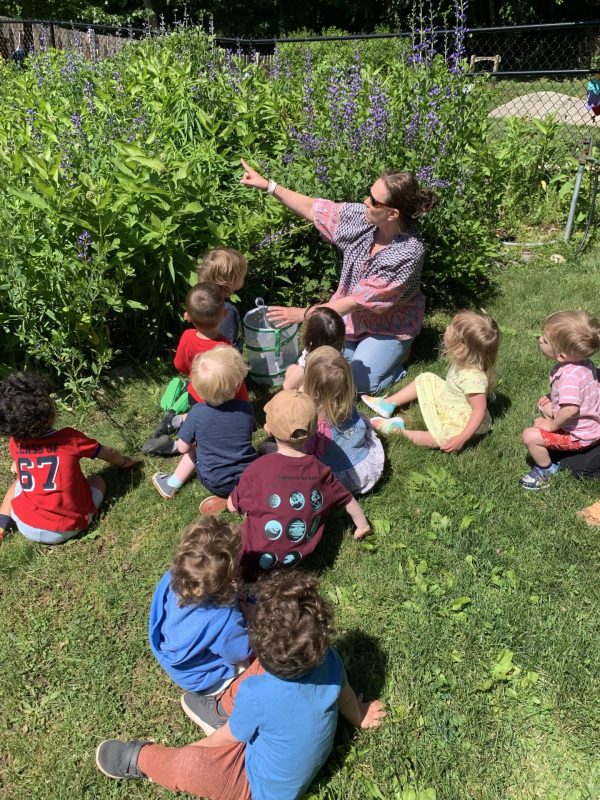
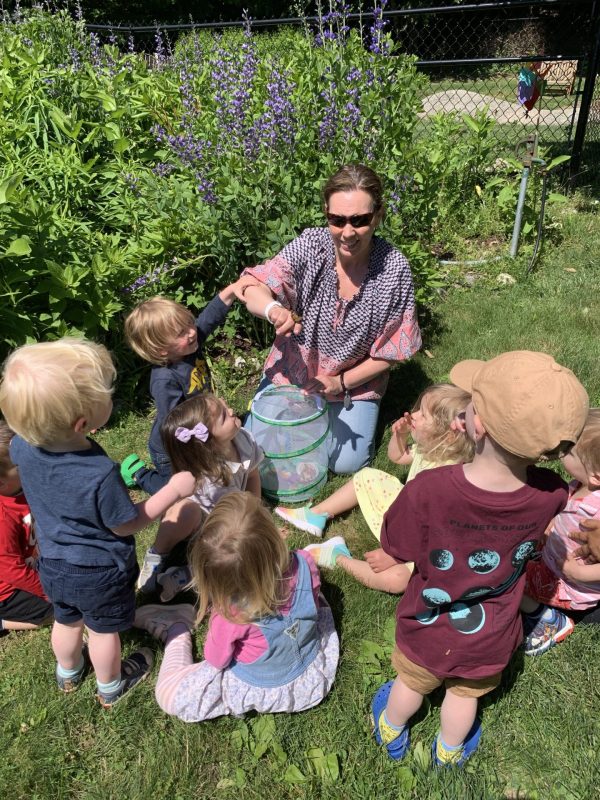
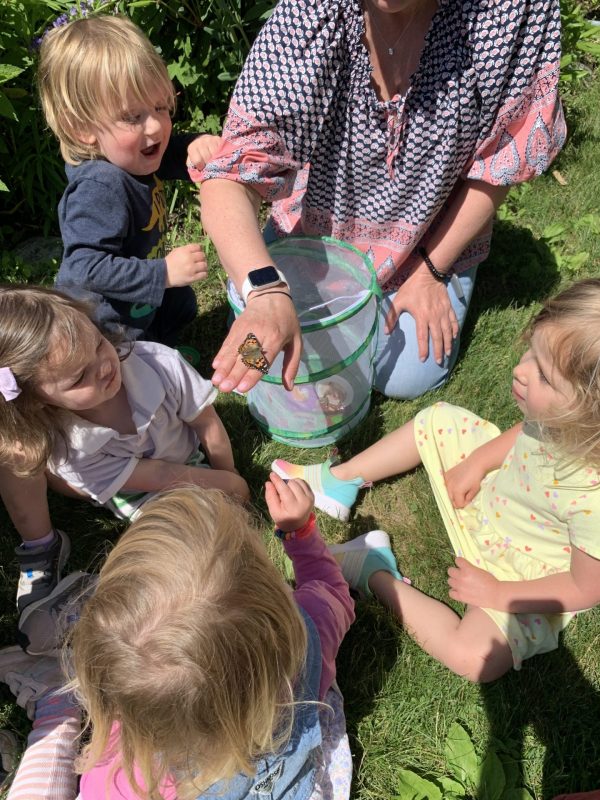
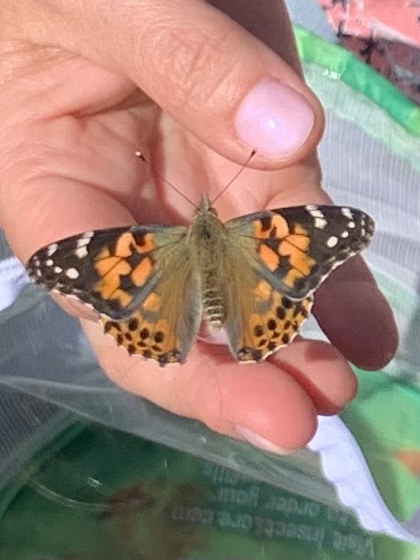
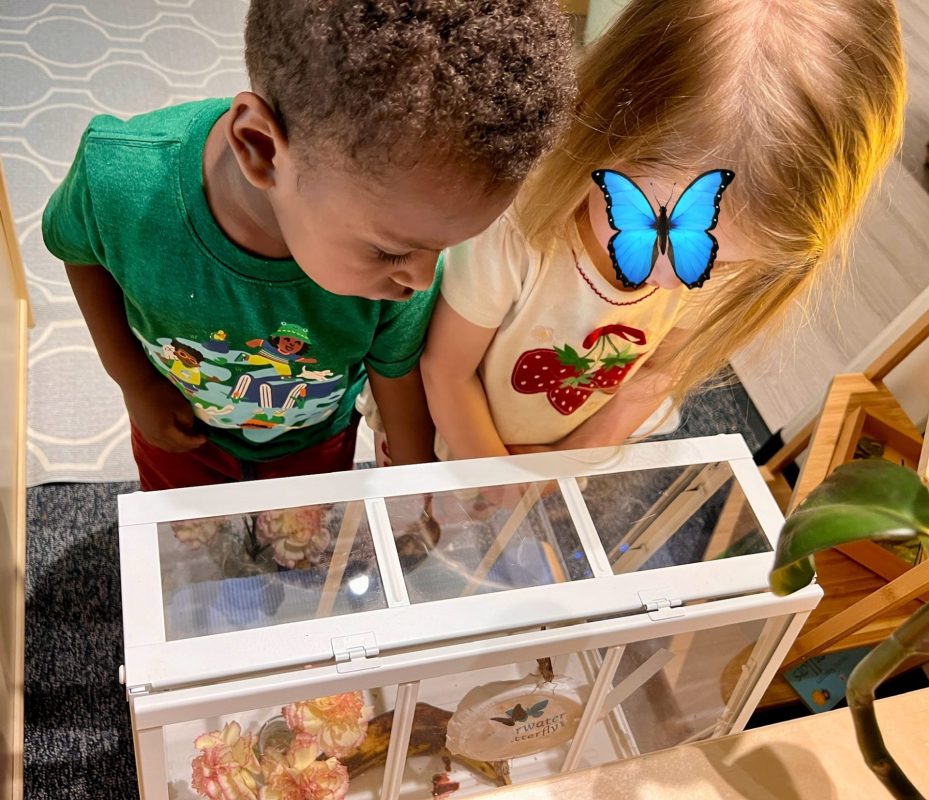
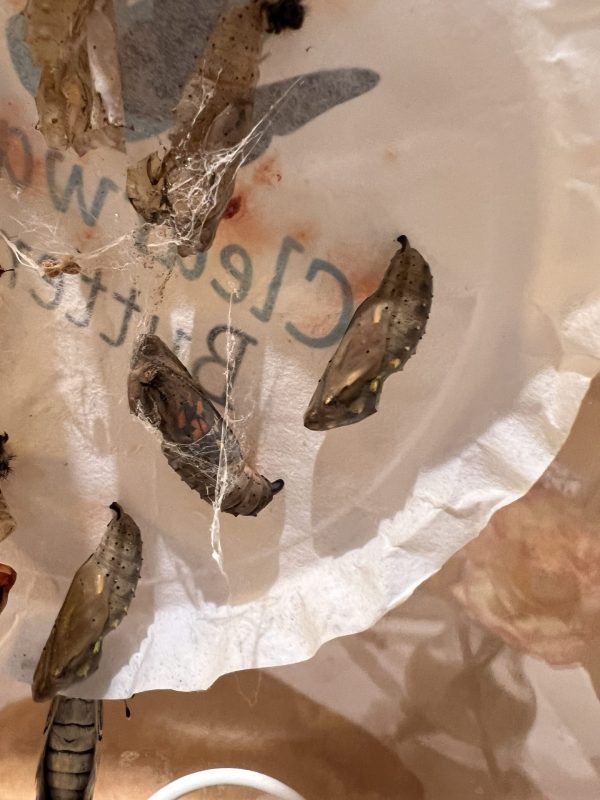
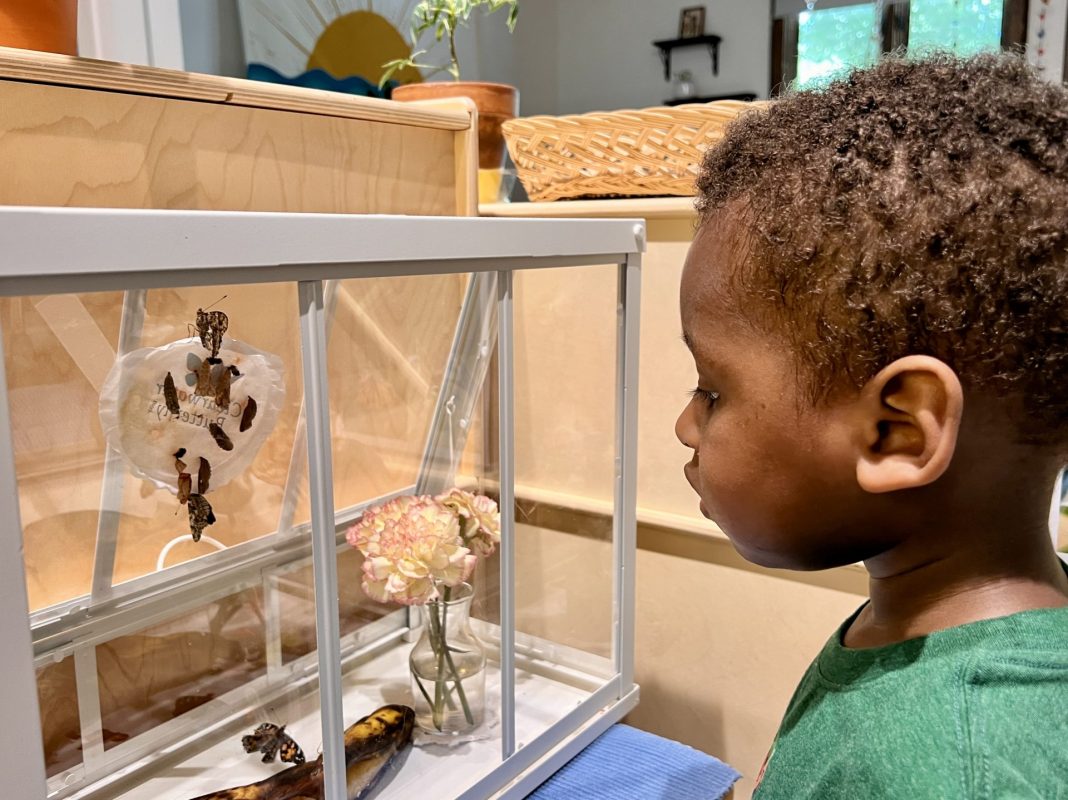
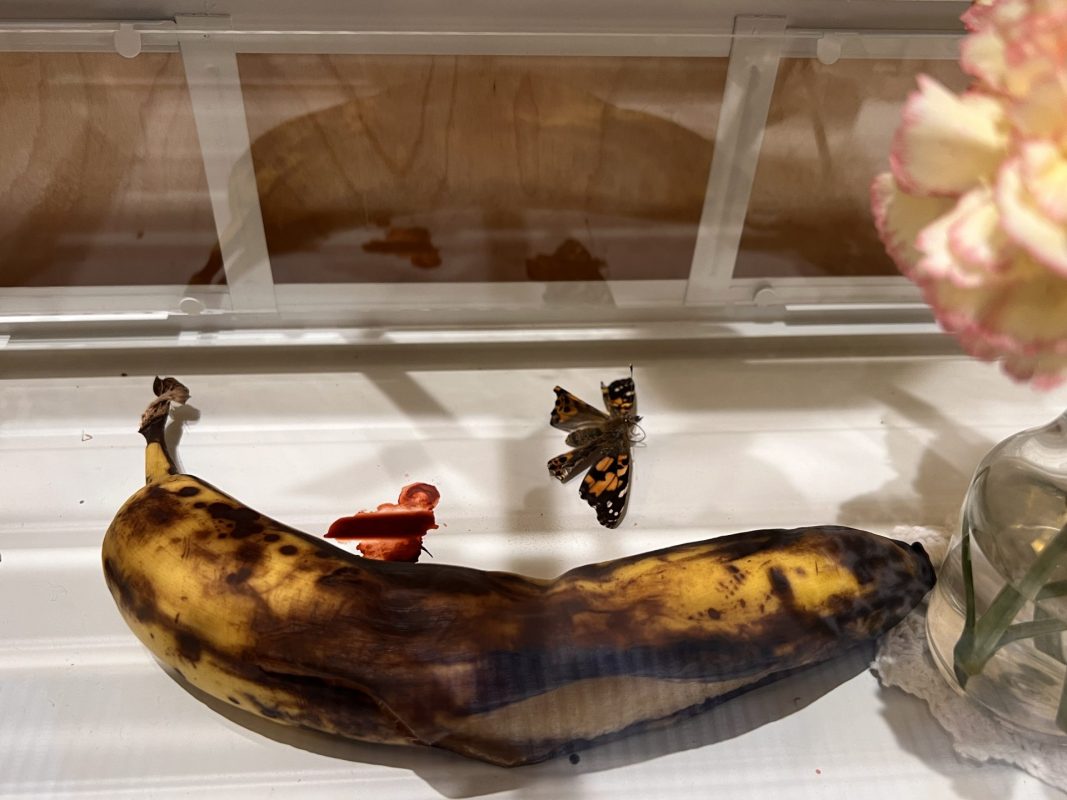
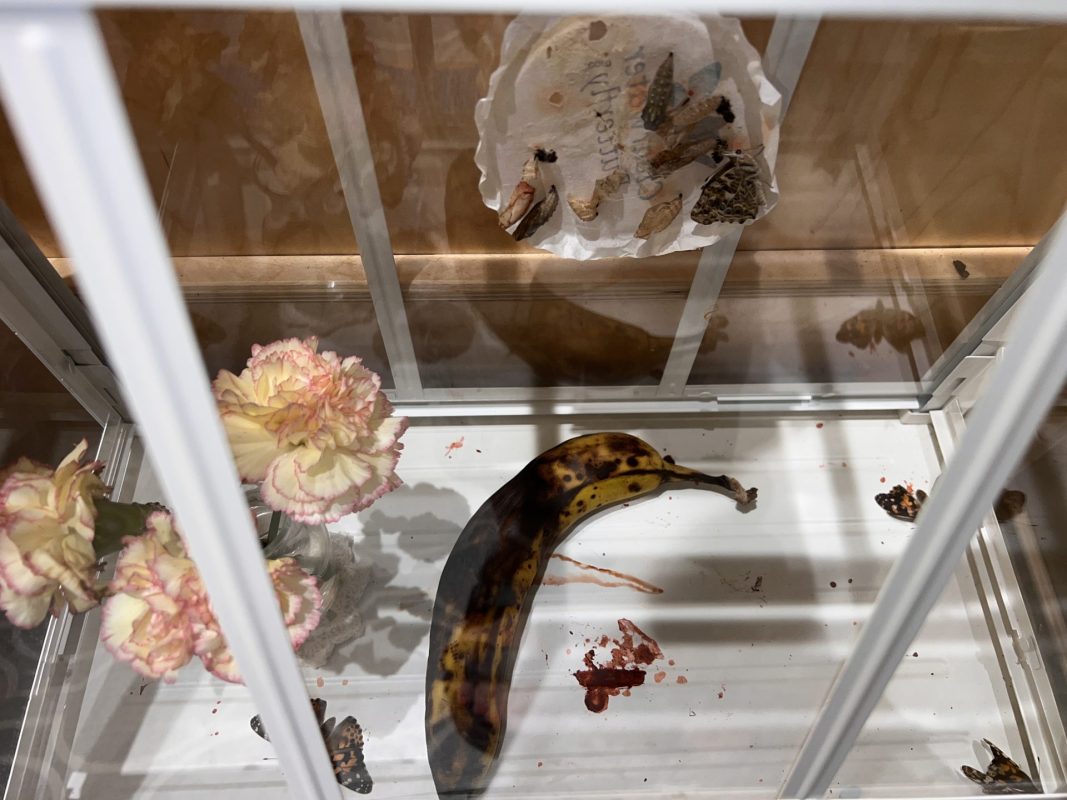
We also welcomed five tiny caterpillars to our classroom. It is so exciting to observe each step of the fascinating life cycle of the painted lady butterfly. Right now, our caterpillars are busy eating, spinning silk, and growing bigger every day. During this incredible period of growth, they will shed their exoskeletons four times and grow more than ten times their original size! When they have finished growing, the caterpillars will climb to the top of the cup. Once there, they will hang from the paper disk in a “j” shape under the lid. Finally, they will shed their exoskeletons one last time before they pupate and form a chrysalis.

On Wednesday, to enhance our unit on South America, we had a special presentation about Brazil from a classmate’s mom, Vanessa.  She shared some interesting information about Brazil, brought in a Brazilian specialty called “pão de queijo” for us to try, and helped the children make a paper plate macaw.  Thank you again for a wonderful presentation Vanessa!

Wishing you a week filled with peace and love!

Amanda & Hema


Makerspace: Monthly Update

As spring rolls along, we’ve had all grade levels help revive our aeroponic tower garden. The Kindergarteners planted seeds in January, which grew large enough to transfer into the tower garden in early March. We currently have beans, tomatoes, bell peppers, cucumbers, and lettuce growing. As time allows, everyone has been doing their best bumblebee impression, helping to hand pollinate the cucumber flowers, which will hopefully culminate in a small harvest in the coming months.
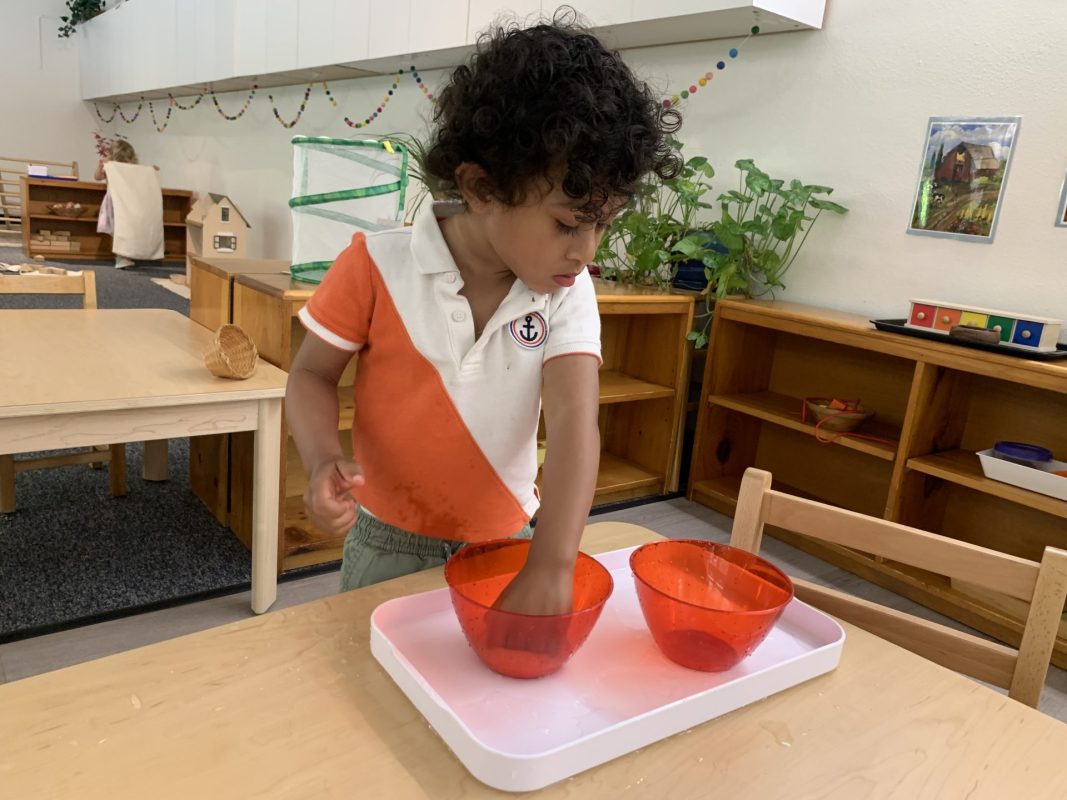
Kindergarteners have taken on a variety of challenges. We worked on finger knitting in January and February, which requires incredible focus and hand-eye coordination to successfully complete all of the steps. More recently, they began a joint project with the Middle Schoolers, where they drew and colored an animal or character, which the Middle Schoolers are currently working on sewing into stuffies as gifts. They’ve asked many times to see how theirs are progressing, but it will be a fun surprise once they are finished in the coming weeks.
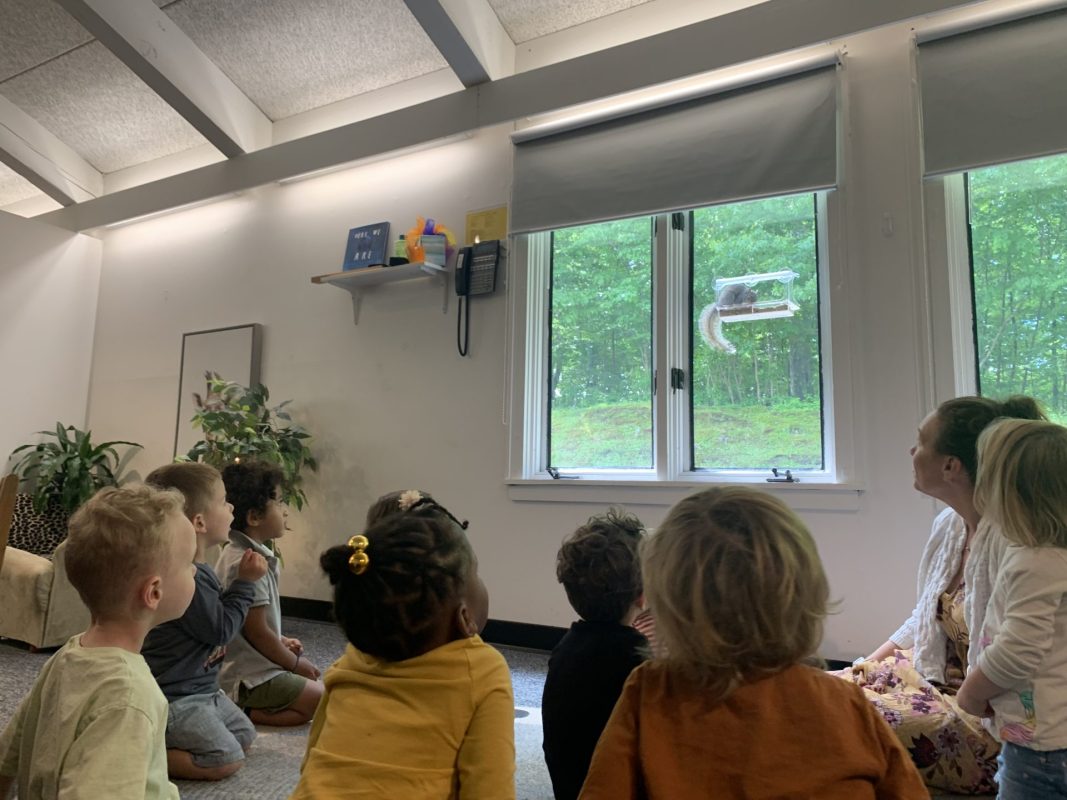
Lower El also began the year with knitting. We began with the basics, learning finger knitting and then progressing to small circular looms, which the Third Graders made themselves. Once everyone was proficient with the small circular looms, we began on the larger circular looms, which resulted in a variety of completed projects such as pillowcases, scarves, bags, and arm warmers. Most recently, Lower El has been very interested in what their older peers are working on in Robotics class, so we’ve worked on various Lego challenges that utilize the same obstacles and lessons, such as ramps and our paper airplane launcher.

Upper El has just completed a larger mask project, choosing an animal and utilizing cardboard as the main material. They’ve been passionate about the details and final touches for the last few weeks, and the results are impressive. In Robotics prior to Spring Break, they were challenged to make the longest car possible in teams of 2-3 students. We then connected all of the cars together to make one incredibly long car, totaling over 24 feet in length. It was exciting to see their creation make its way down the hallway. Since Spring Break, Robotics has focused on smaller, seemingly simple challenges that require very innovative solutions, such as making a vehicle go up the steepest ramp possible, creating a gondola to go up a tight line, and using gear ratios to make the fastest car possible.

Middle Schoolers are in the midst of a number of projects. A furniture design challenge presented in February has progressed from sketches to 3D modeling and 3D printing, then refining to finalize dimensions with a preliminary design cut on the laser cutter. The final step will be a ⅓ scale model version, which will have all of the needed detail to assemble as if it were a real piece of furniture. At the moment, they are busy working to turn the Kindergartener’s drawings into stuffies. This involves cutting pattern pieces before cutting fabric to ensure the proportions and details are correct. They are now working to get those pieces sewn up, stuffed, and adding any final touches to make the Kindergartener’s drawings come to life. In Robotics, they’ve spent some time brushing up on some construction and coding basics with the Lego Spike kits and some more advanced tutorials. Using that as a foundation, additional challenges have been presented to push their creativity and come up with innovative solutions.


Ms. Marissa: Head, Thorax, Abdomen, Abdomen!

We are closing our Bird study and beginning our study of butterflies and honey bees! To kick off this next month, we welcomed five tiny caterpillars to our classroom. It is so exciting to observe each step of the fascinating life cycle of the painted lady butterfly. Right now, our caterpillars are busy eating, spinning silk, and growing bigger every day. During this incredible period of growth, they will shed their exoskeletons four times and grow more than ten times their original size! When they have finished growing, the caterpillars will climb to the top of the cup. Once there, they will hang from the paper disk in a “j” shape under the lid. Finally, they will shed their exoskeletons one last time before they pupate and form a chrysalis.

On Wednesday, a classmate shared the wonderful traditions of celebrating the New Year in Sri Lanka during the month of April. He showed us his special outfit, shared homemade Sri Lankan snacks, and gave each child a keychain representing Sri Lanka. Thank you so much to his family for sharing a little piece of their culture with us!

Wishing you a week filled with peace and love!

Marissa & Sue


Grandparents and Special Friends Day in Lower El!

Of all things, love is the most potent.
― Maria Montessori

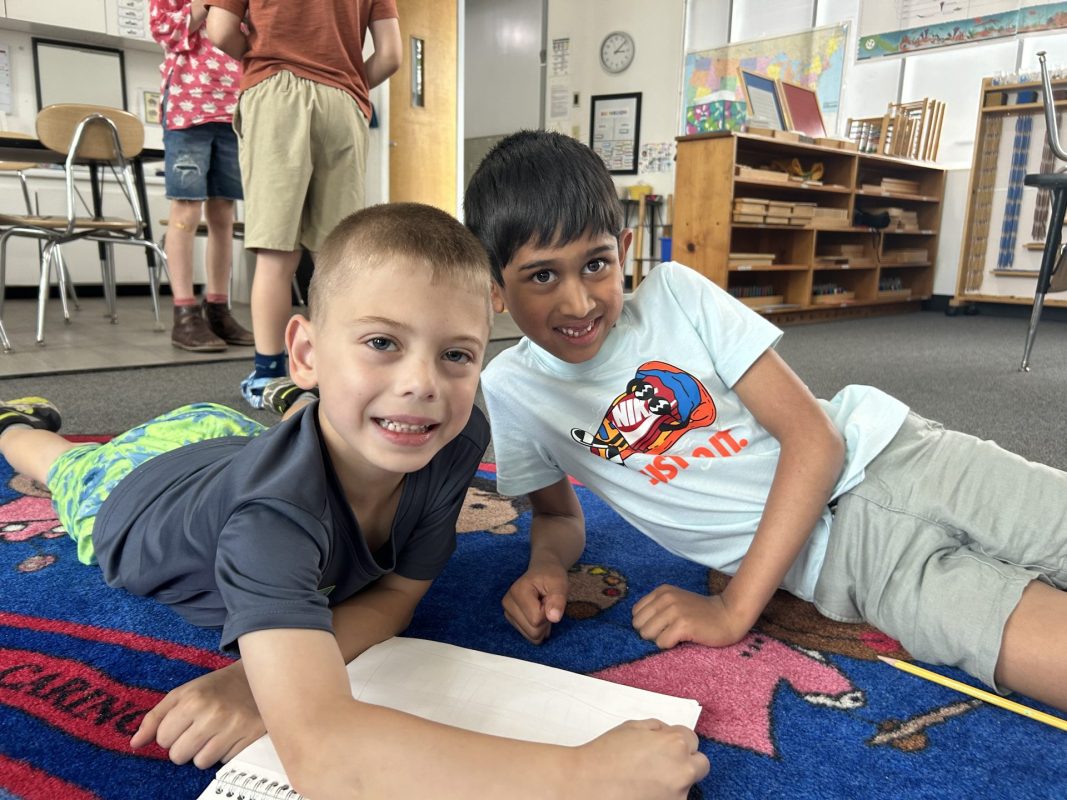
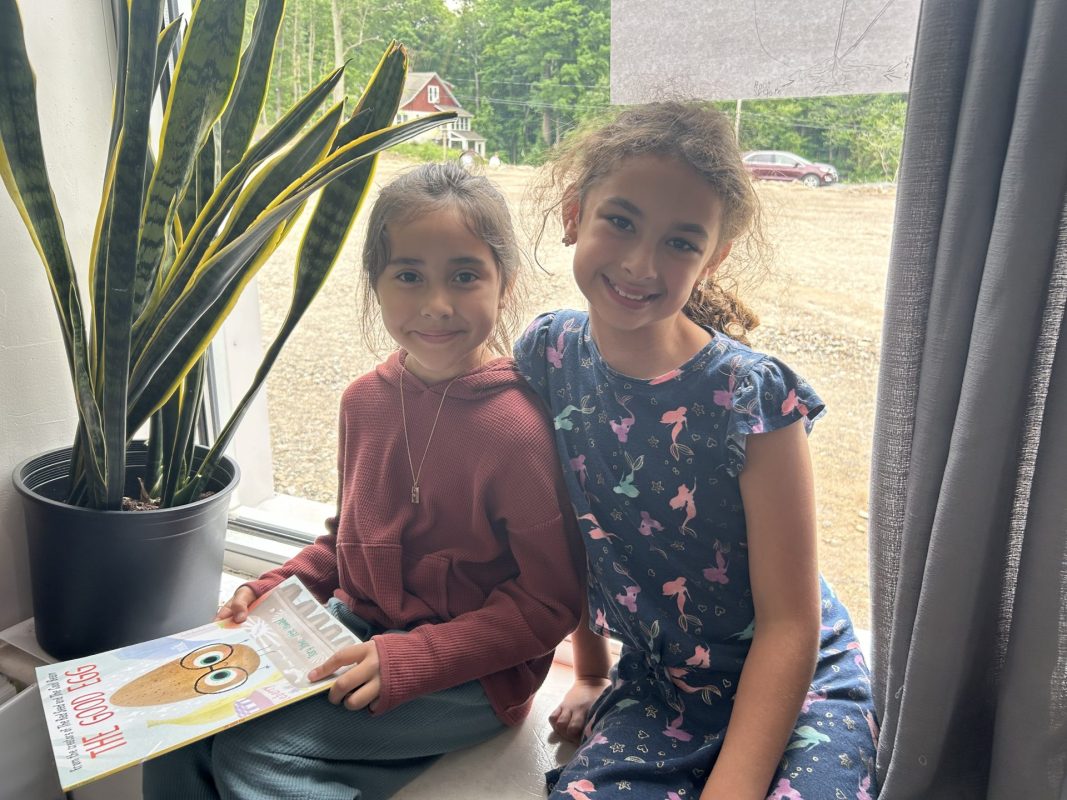
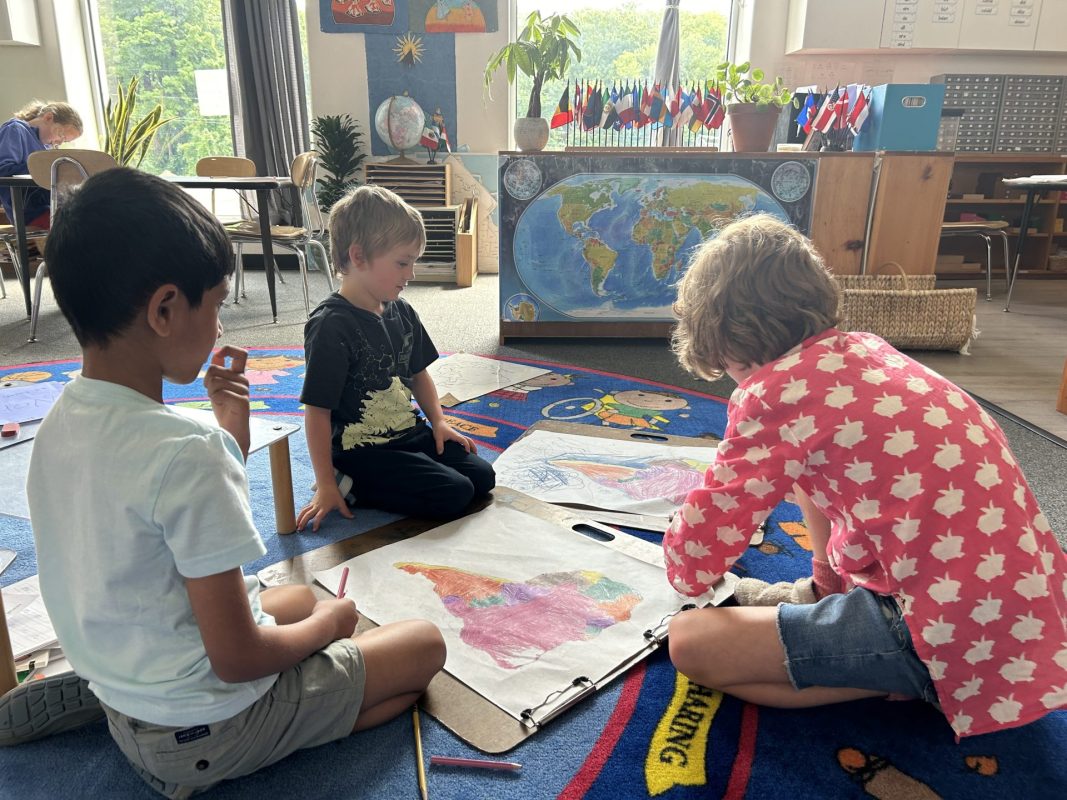
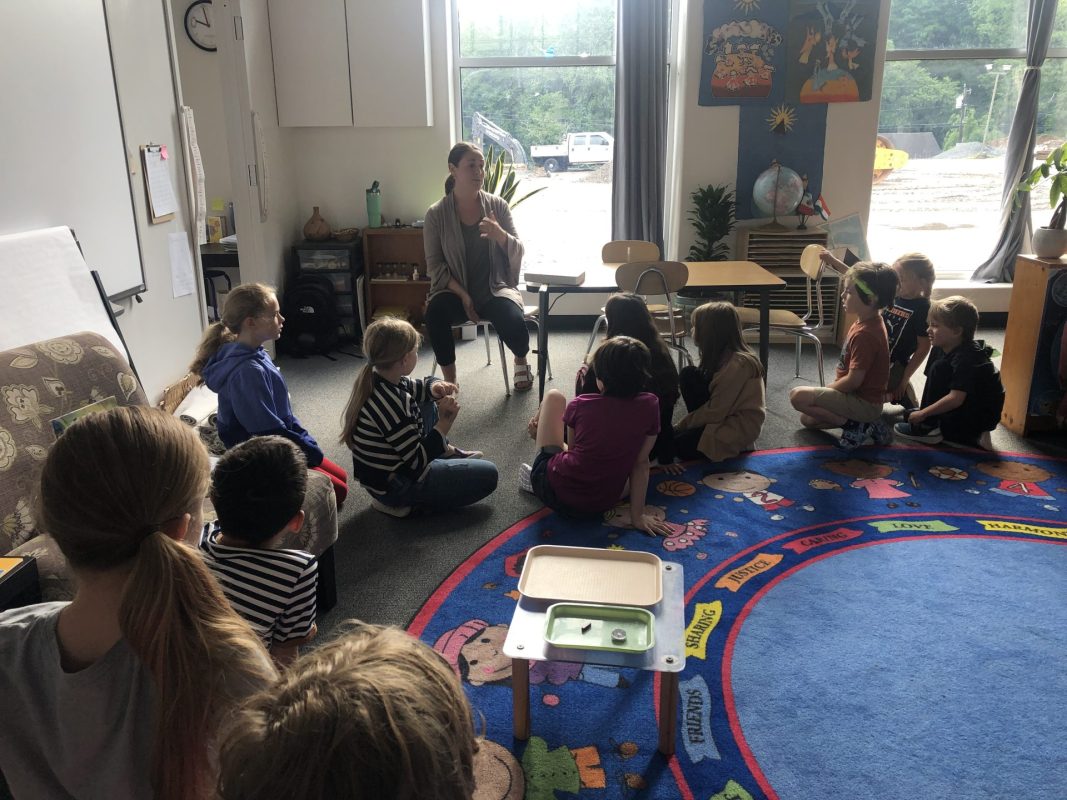
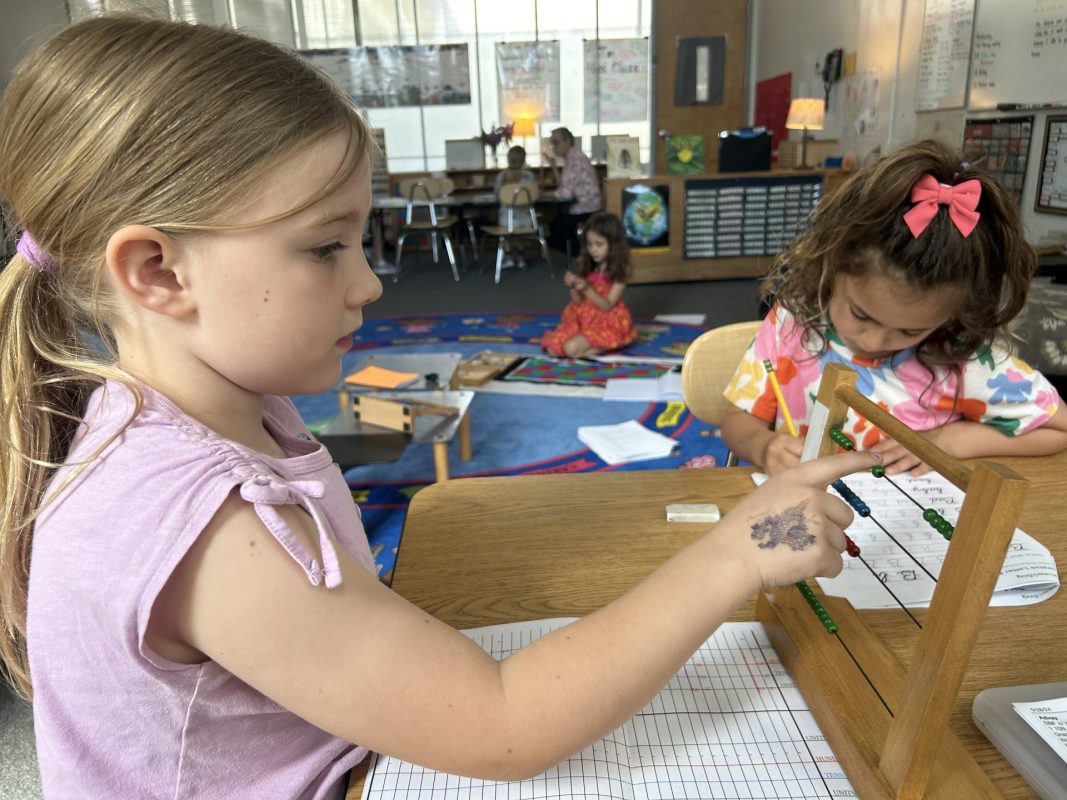
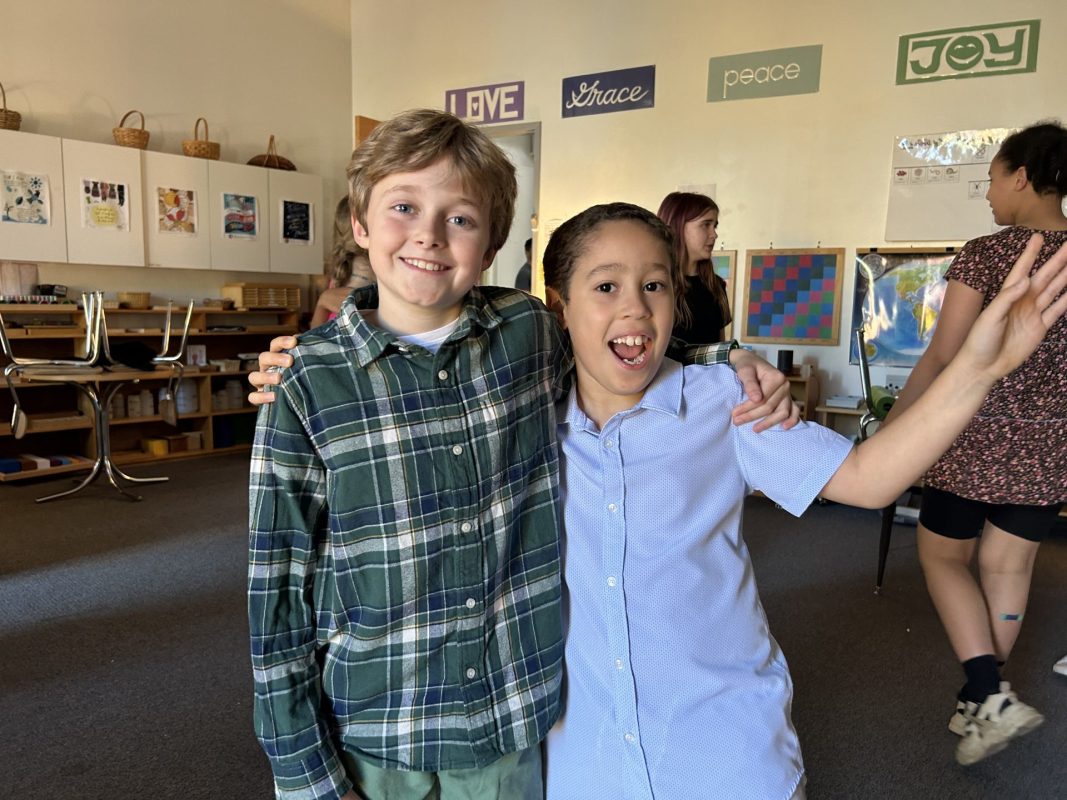
In the bustling room of Lower Elementary, there are few occasions as heartwarming and joyful as Grandparents Day. On this special day, the classroom came alive with the laughter and chatter of children excitedly showing off their beloved grandparents and special friends. It’s a celebration of family, love, and the cherished bond between generations. The children enthusiastically showcased their work to their guests, filling the room with delightful energy and beaming smiles. Witnessing the children actively engaging with those who hold such a special place in their hearts was truly heartwarming. Grandparents’ Day is undoubtedly an event cherished by all!


Mrs. Sargeant: A Peek at the Week

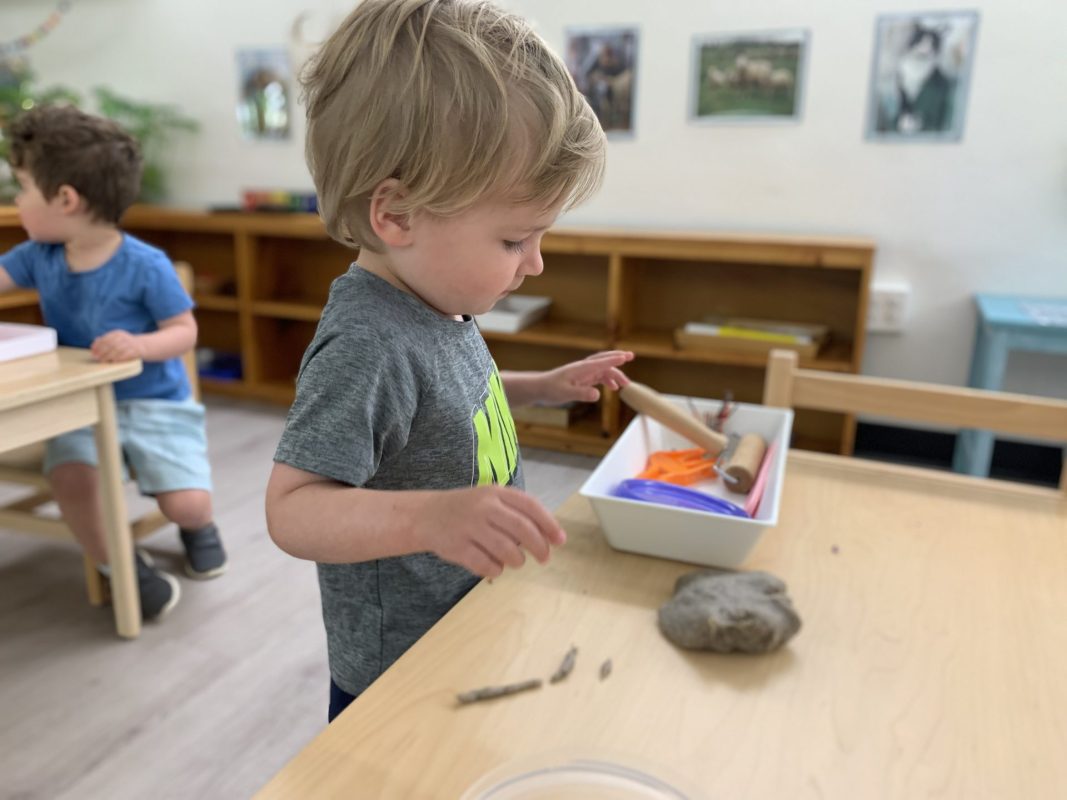
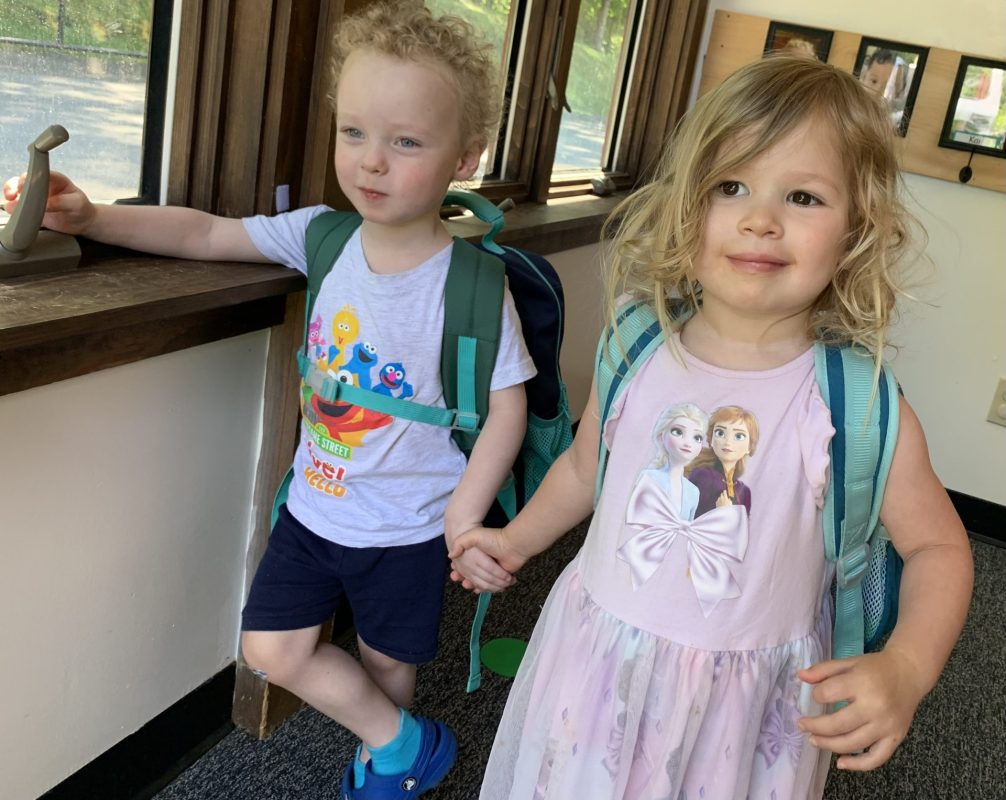
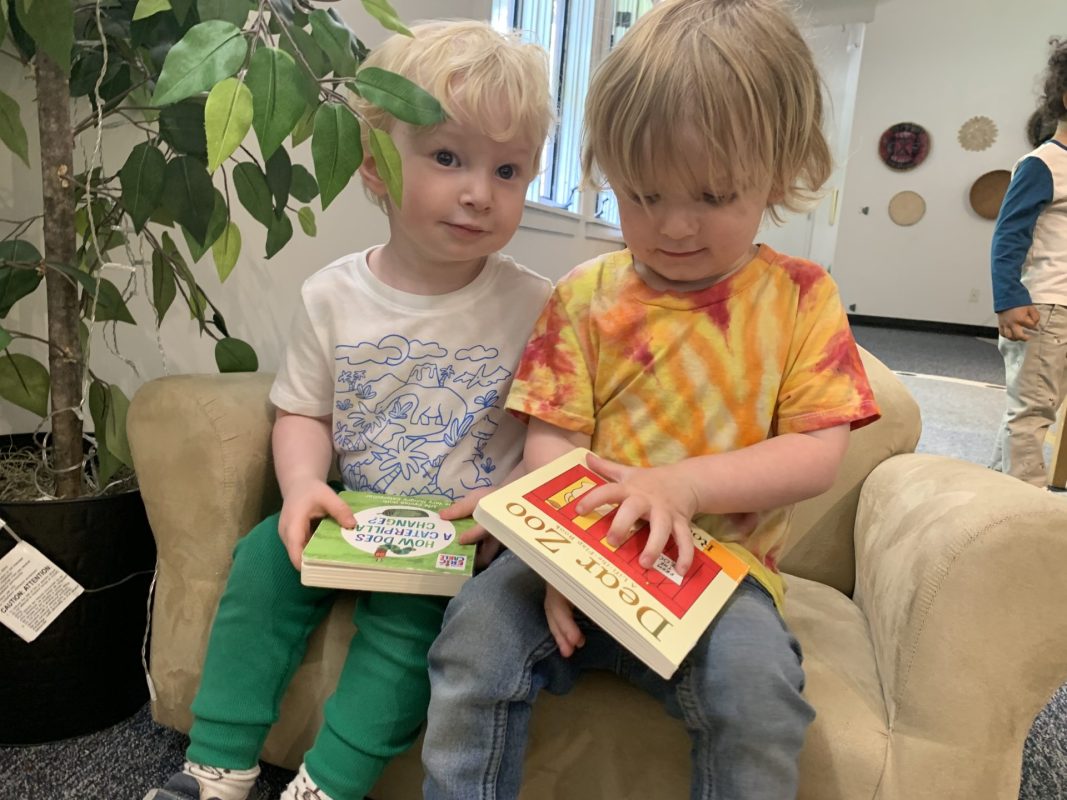
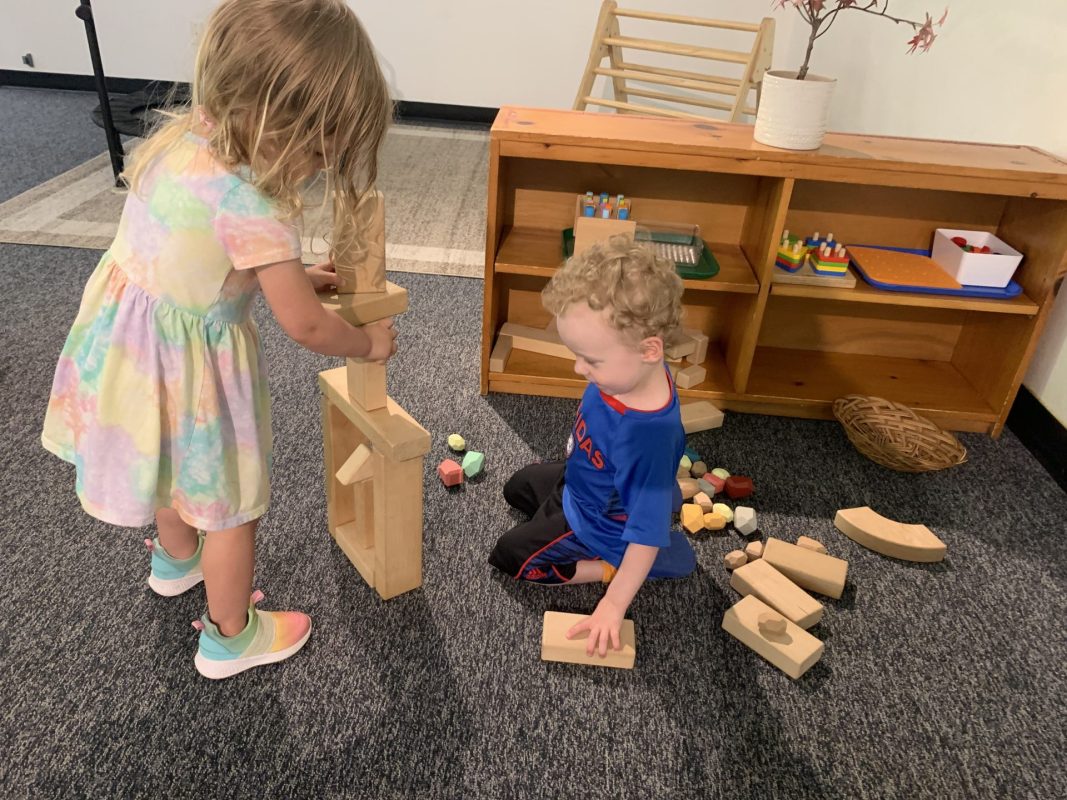
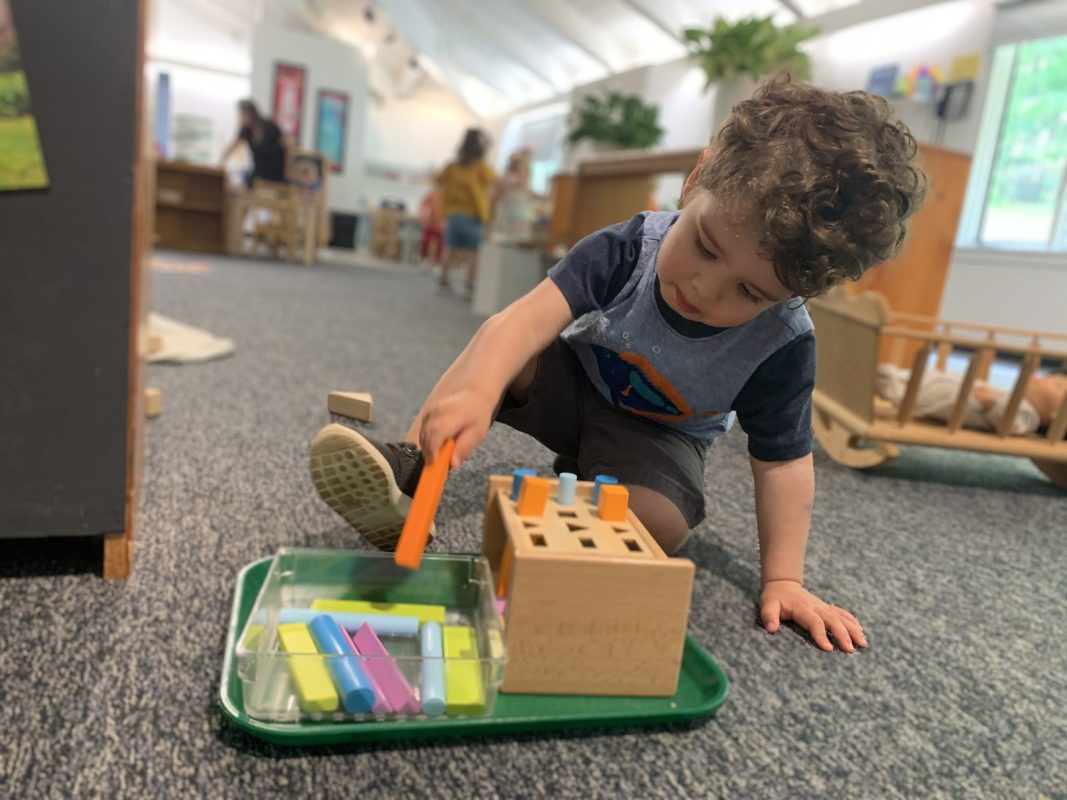
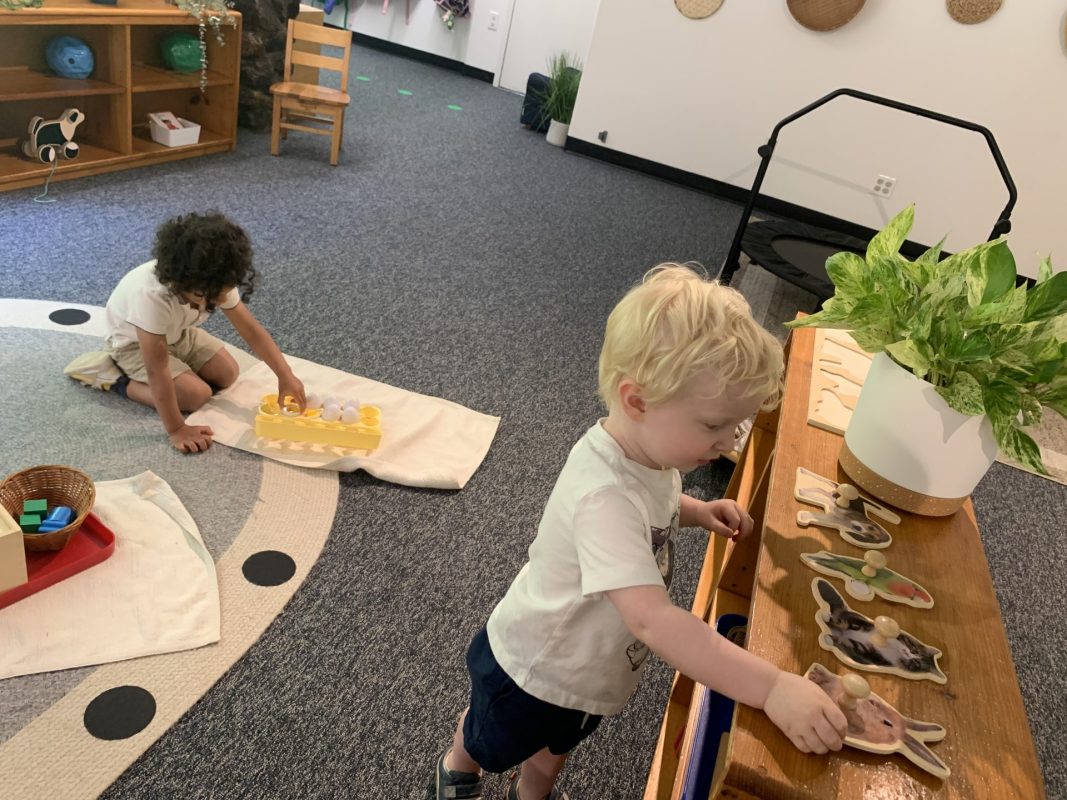
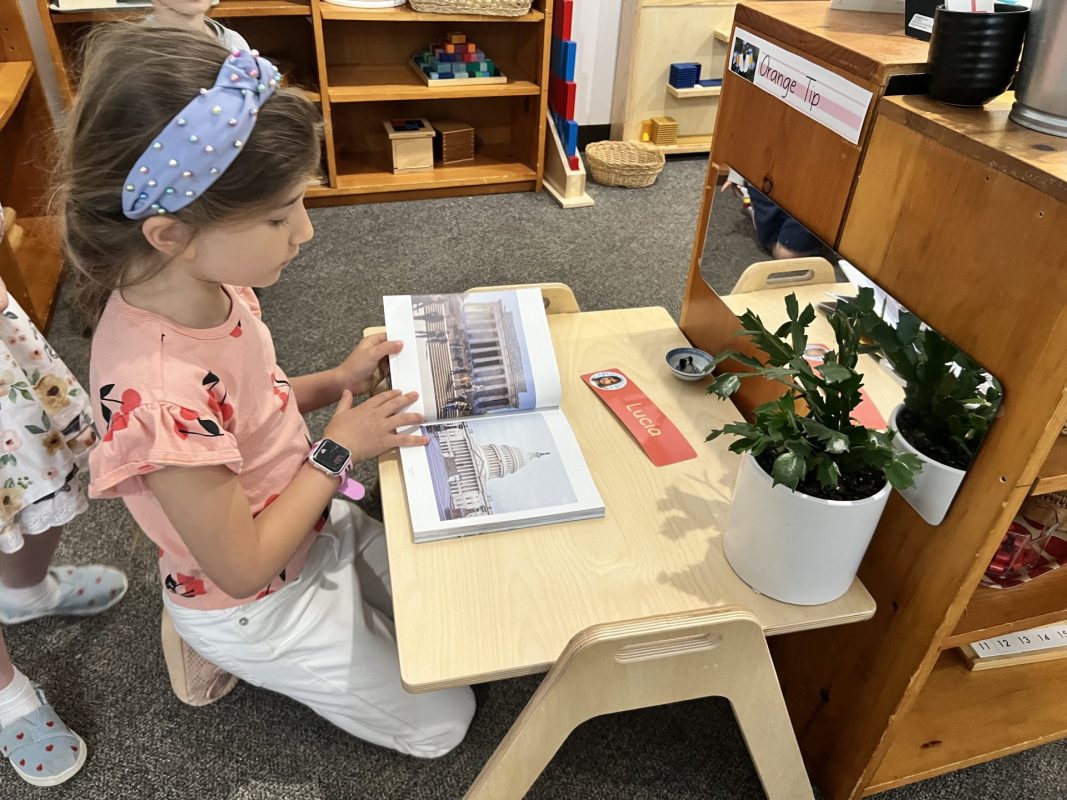
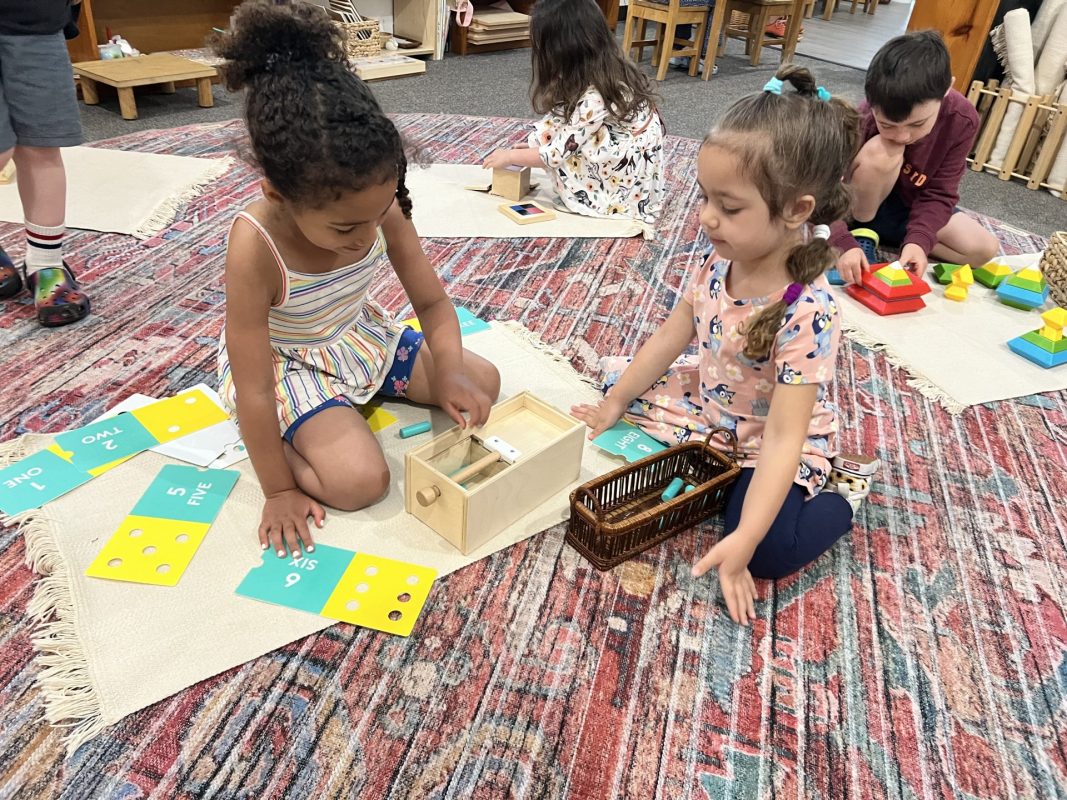
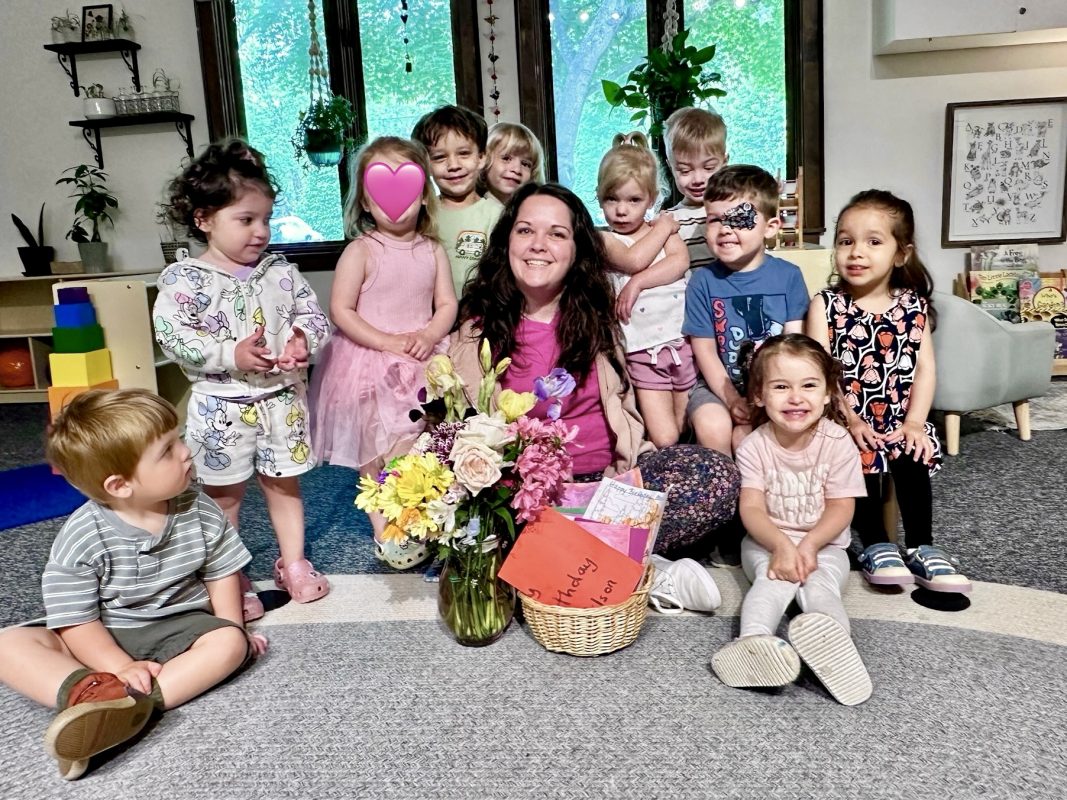
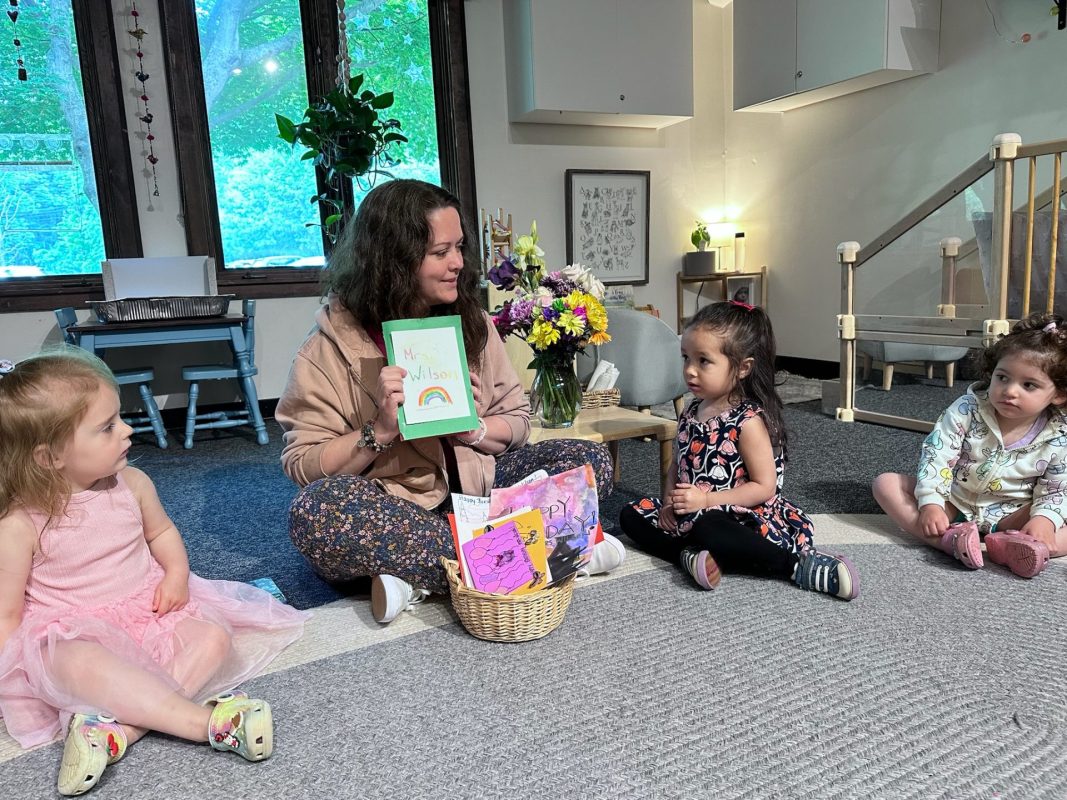
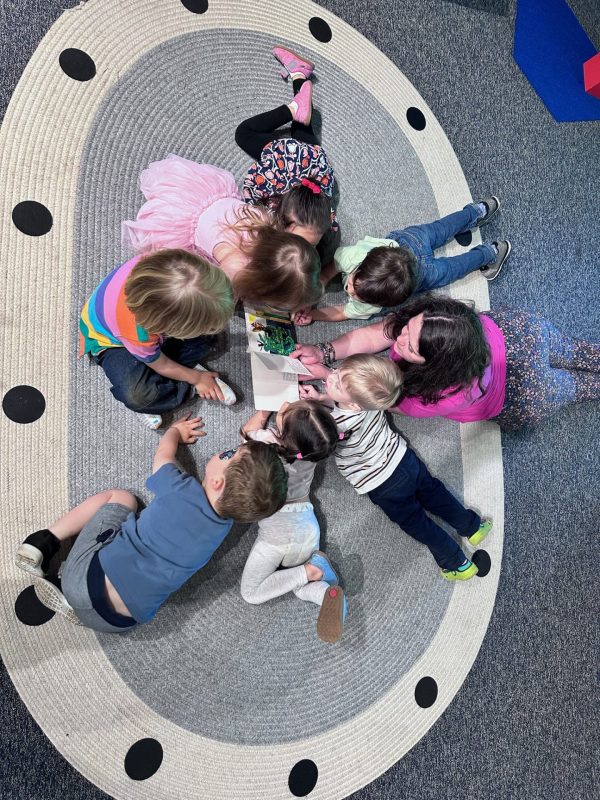
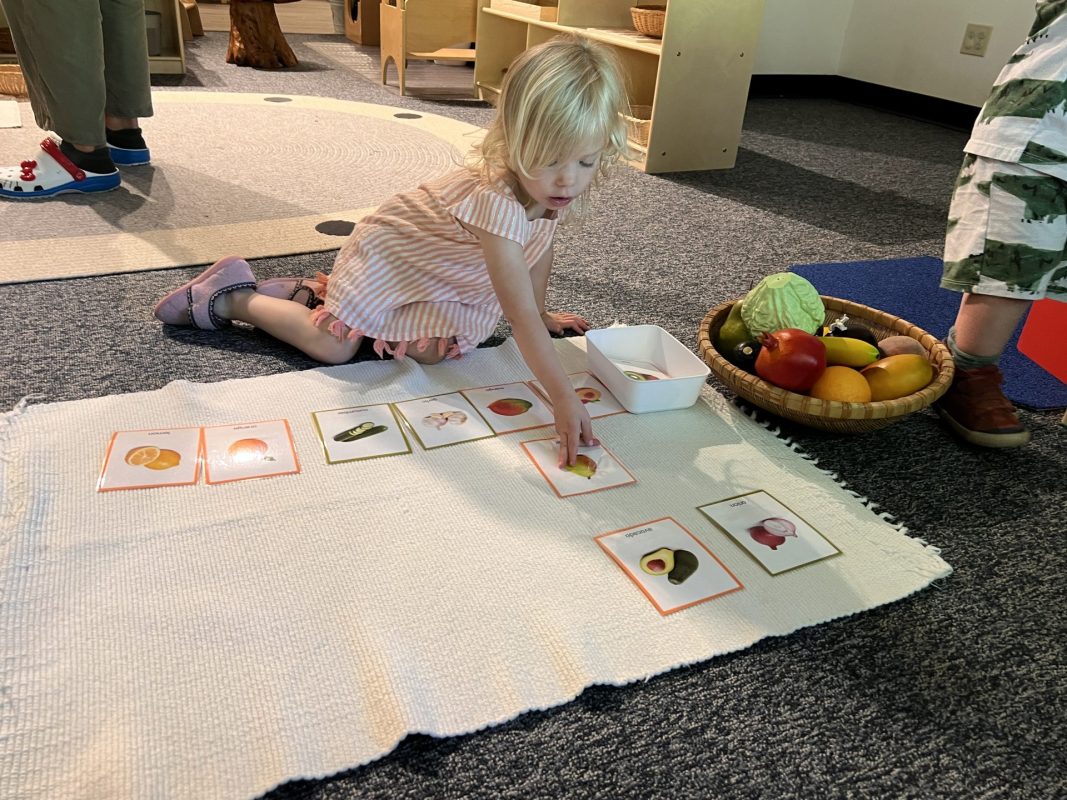
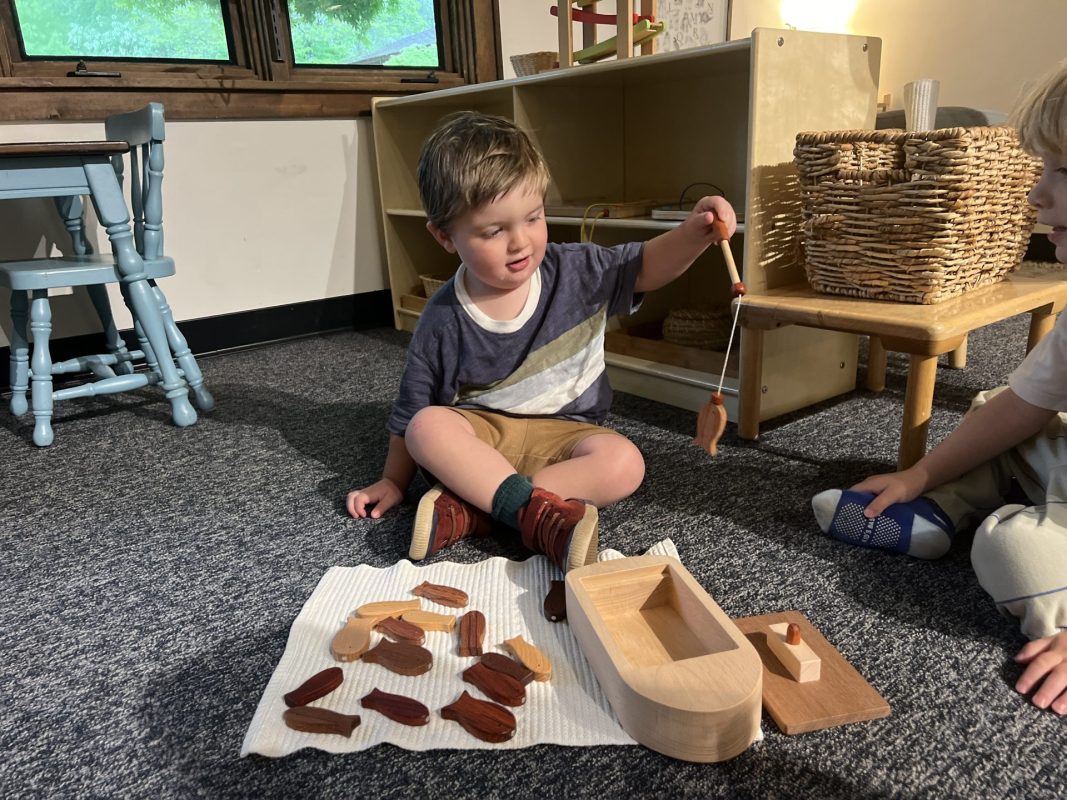
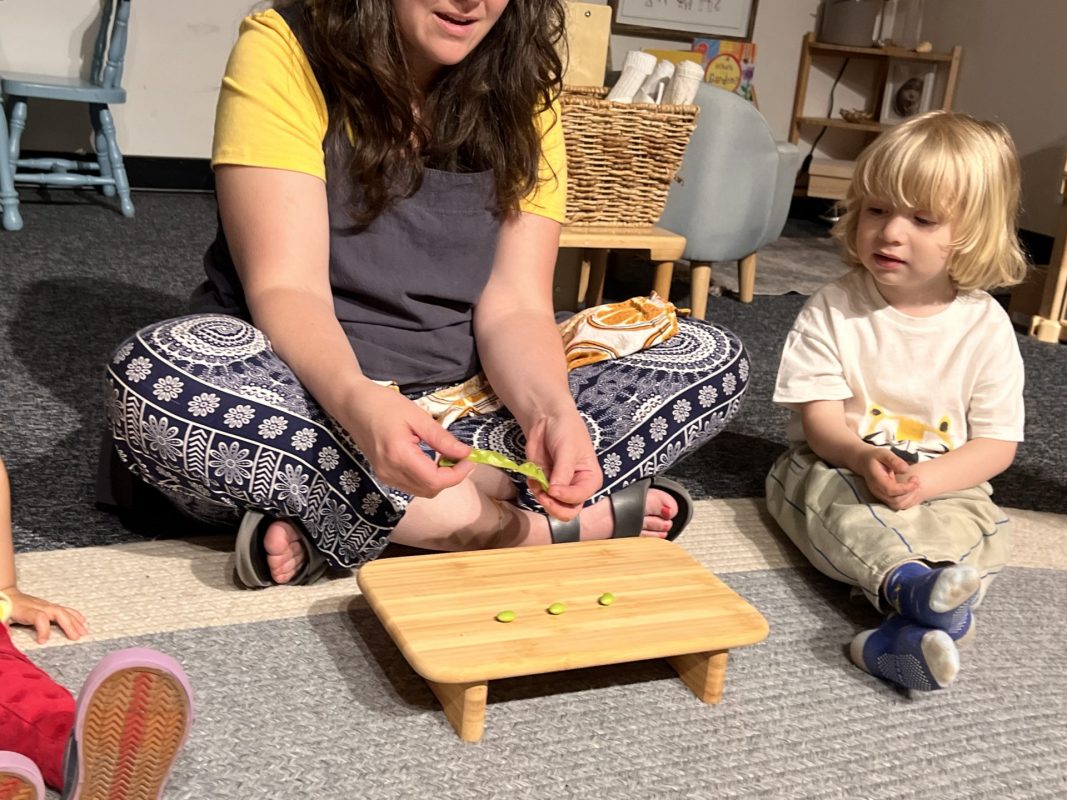
The highlight of the week was Grandparents and Special Friends Day. We saw true joy on the children’s faces as they showed their loved ones around the classroom. Thank you all for coming and taking an interest and spending some special time with your beloved toddlers. 

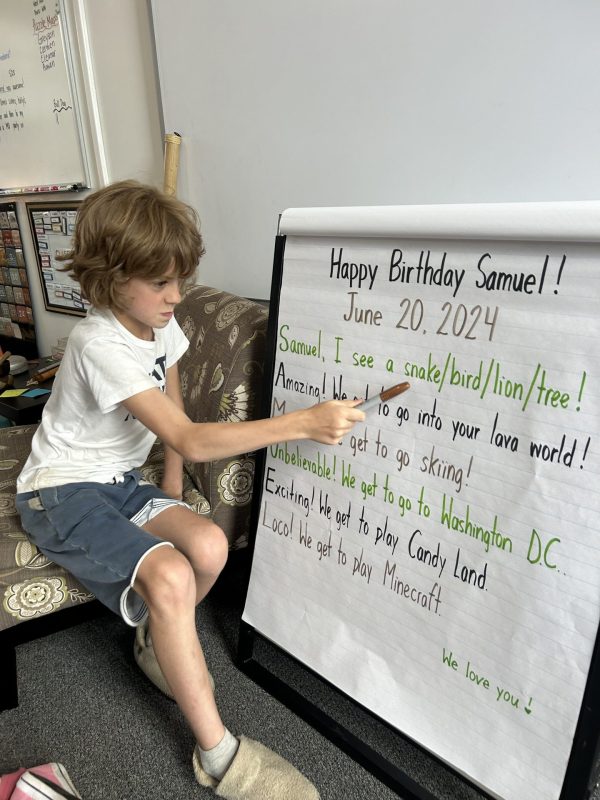
We also celebrated a friend’s birthday this week. This birthday was a little different, as he was the first to turn three years old! We enjoyed doughnut holes as we listened to Happy Birthday by the Ting Tings and read a book about a dinosaur who played baseball. The children’s favorite part of celebrating their friends’ birthdays is to look at their baby photos. It is truly heartwarming to see them take such an interest.

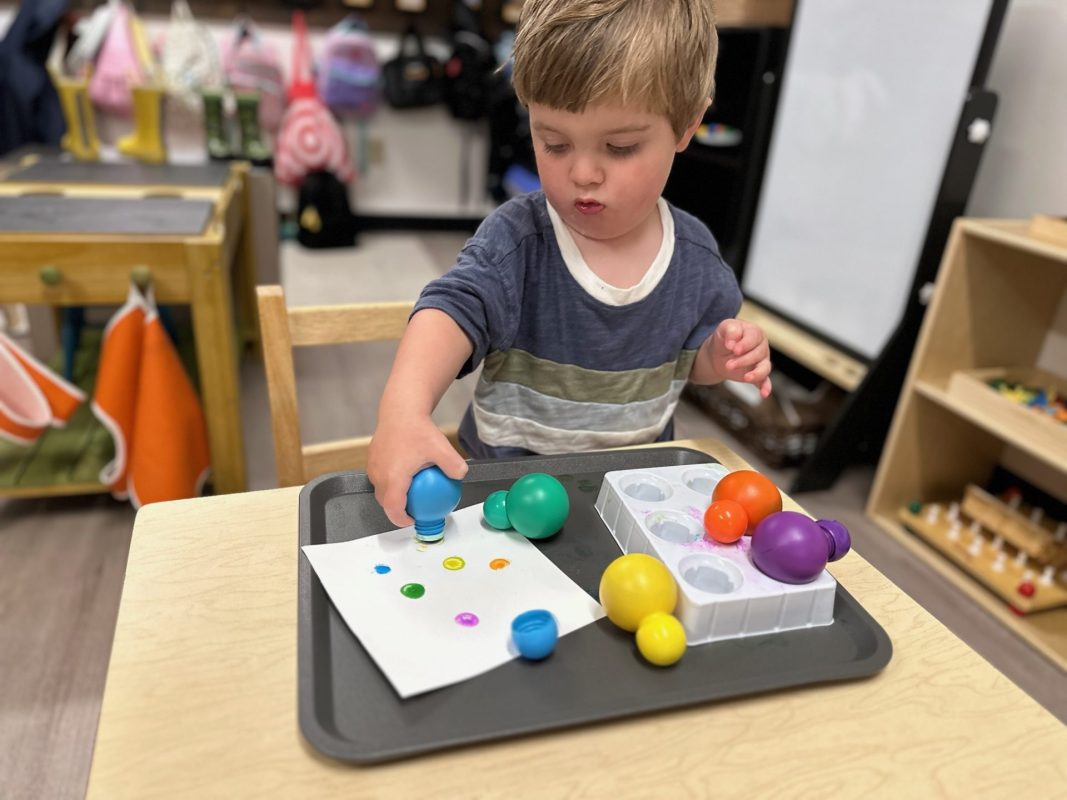
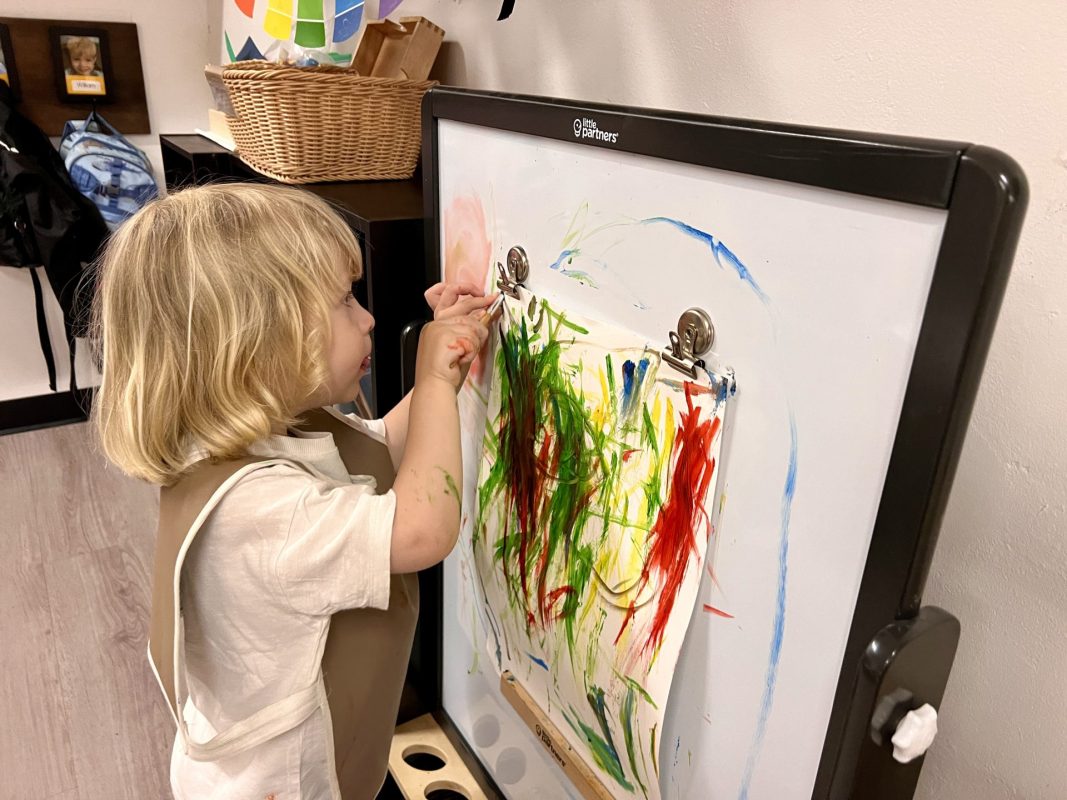
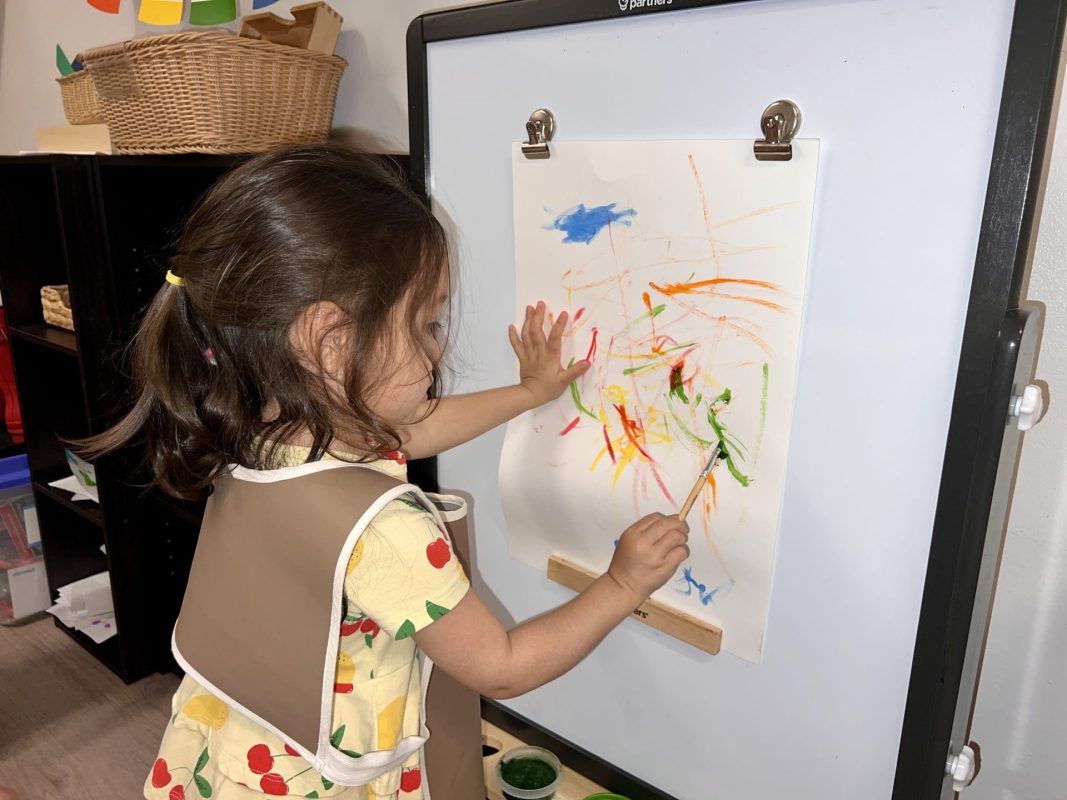
In celebration of Earth Day this week,  we delved into discussions about our precious planet and the importance of taking care of it. We emphasized the significance of properly disposing of trash in either the garbage or recycling bins. The children had the opportunity to paint Earth using blue and green paint, which represented water and land. 

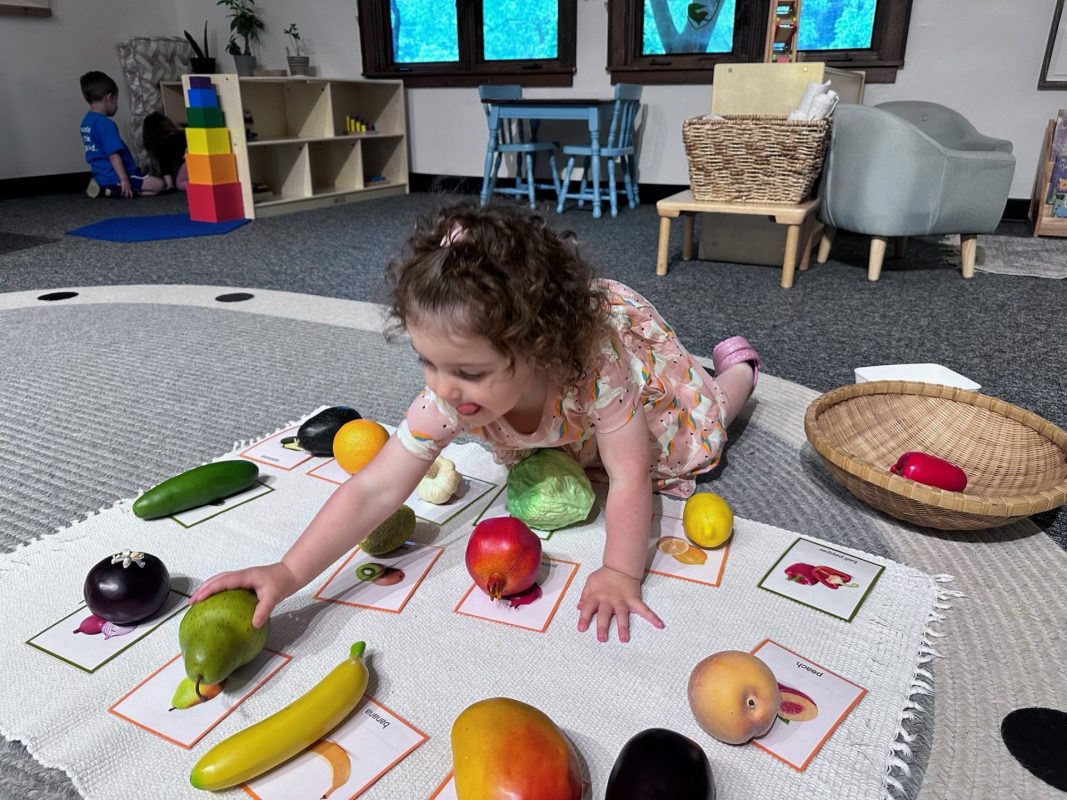
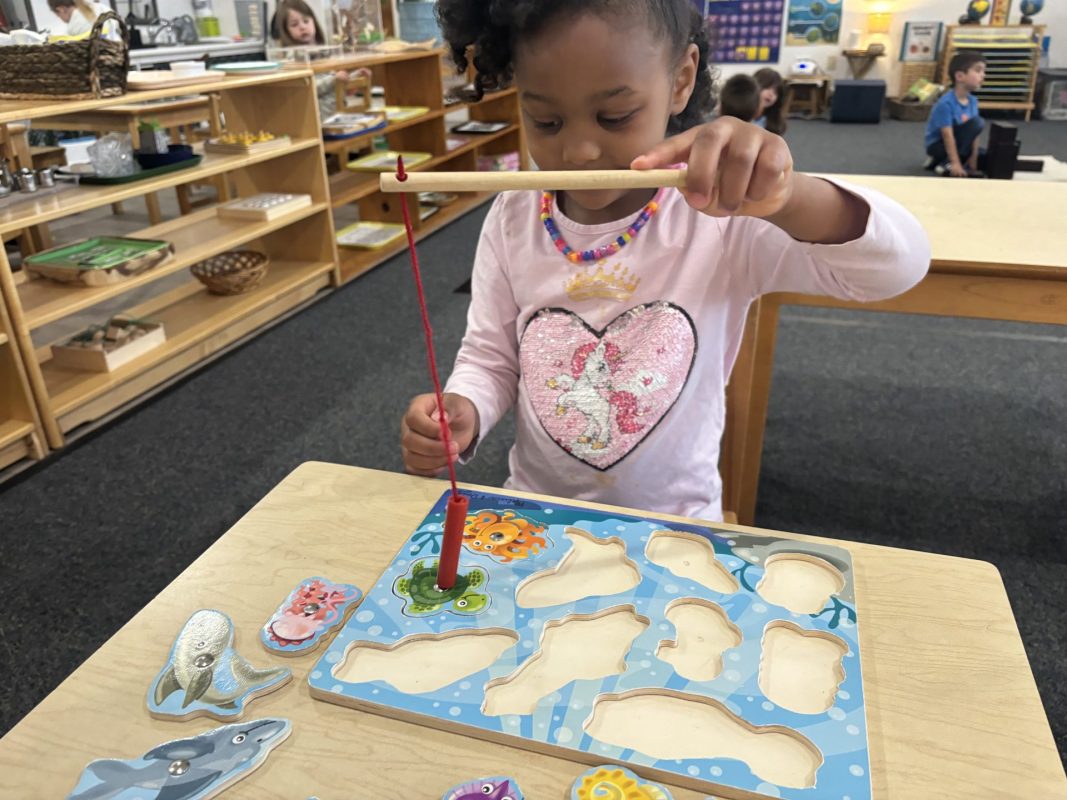
We’ve been exploring fascinating African wildlife, including zebras, giraffes, hippopotamuses, rhinoceroses, elephants, and more. Our learning journey has involved reading books, visual matching activities, puzzles, and, of course, vocabulary enrichment. 

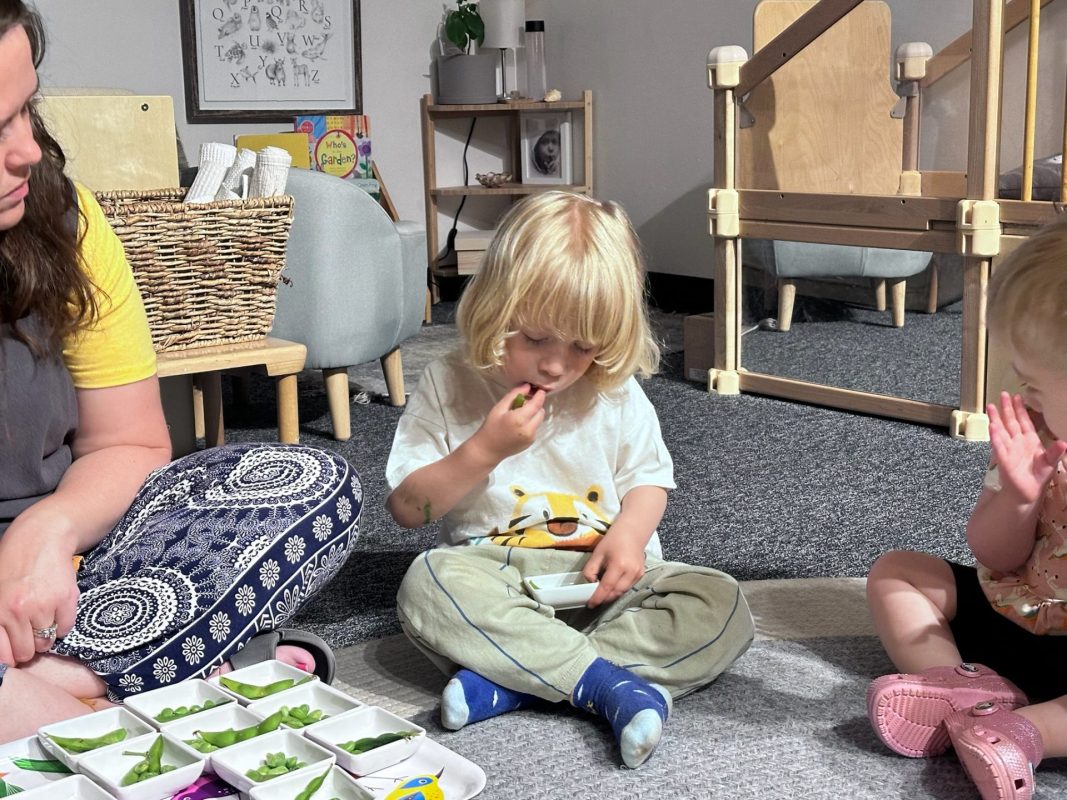
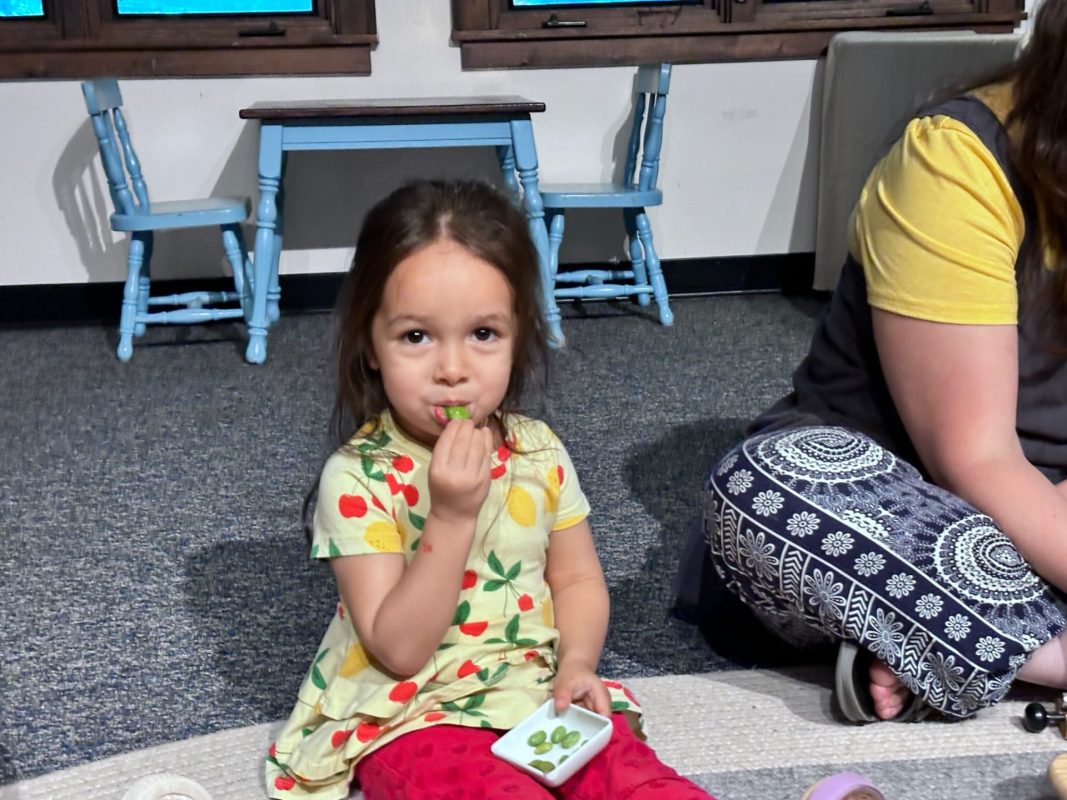
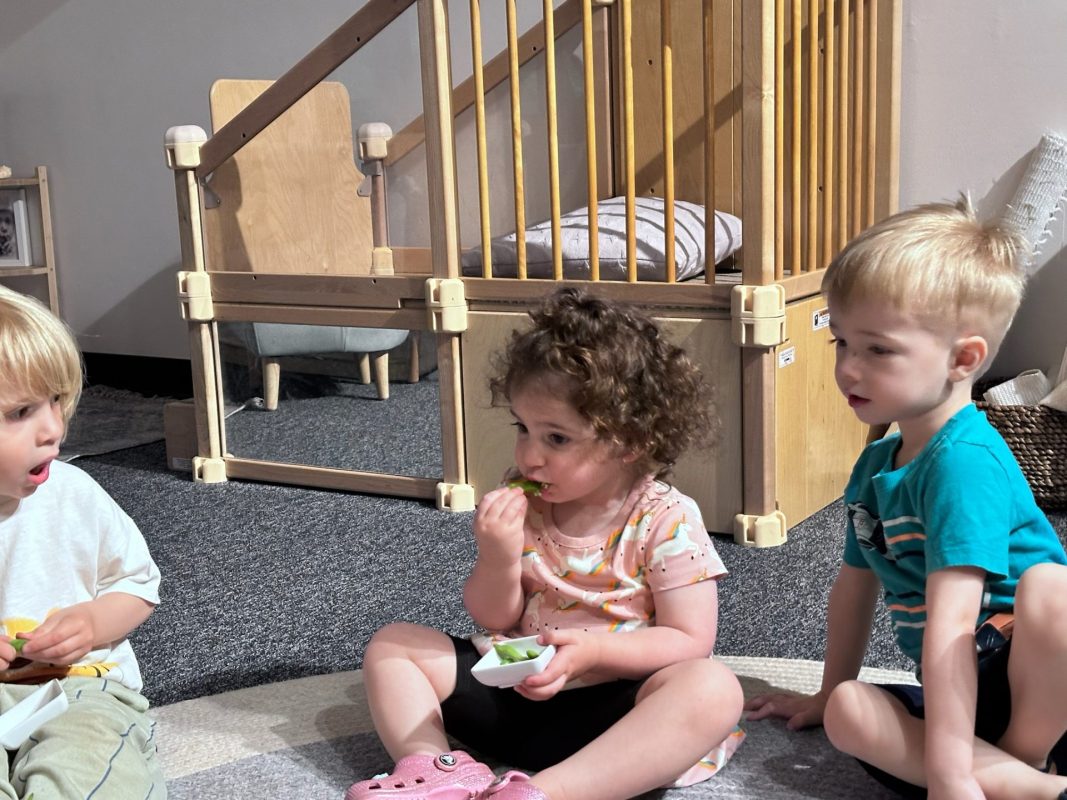
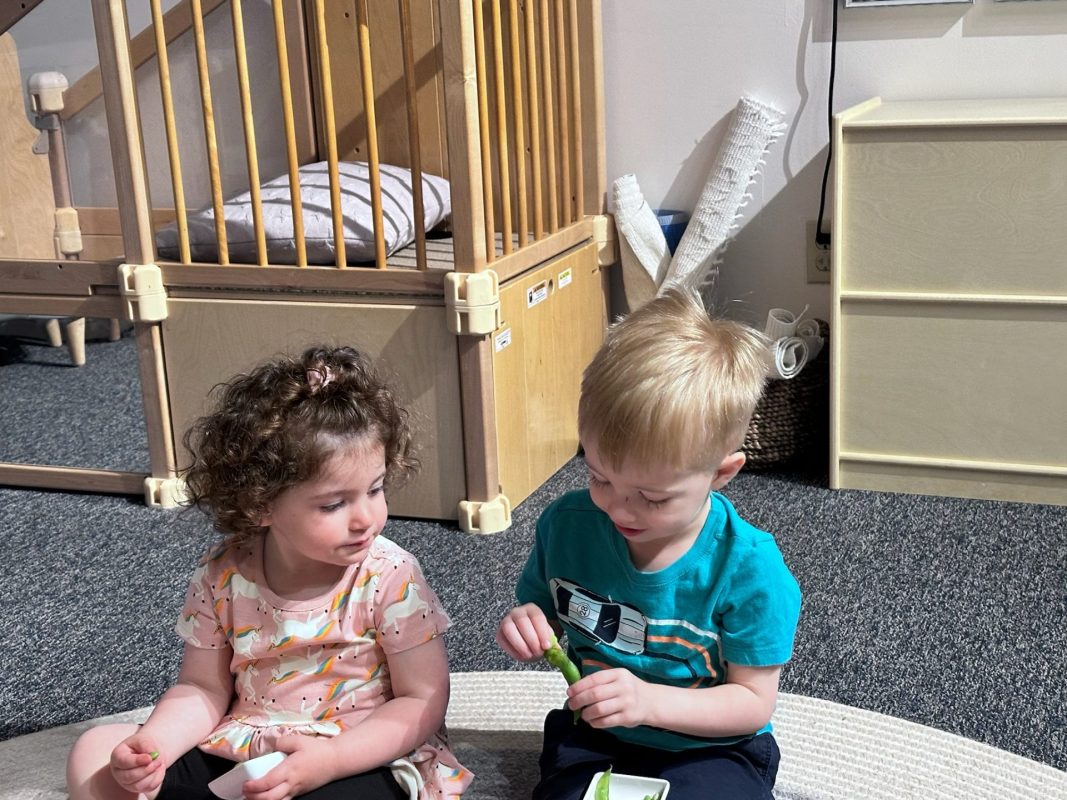
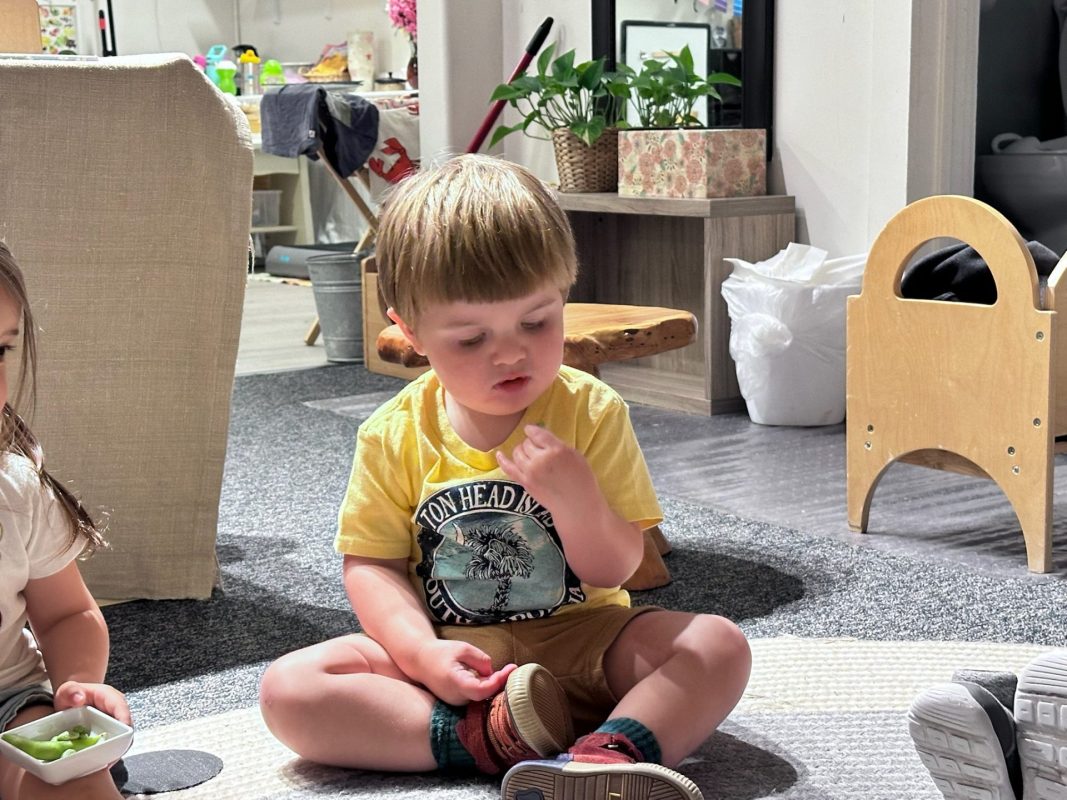
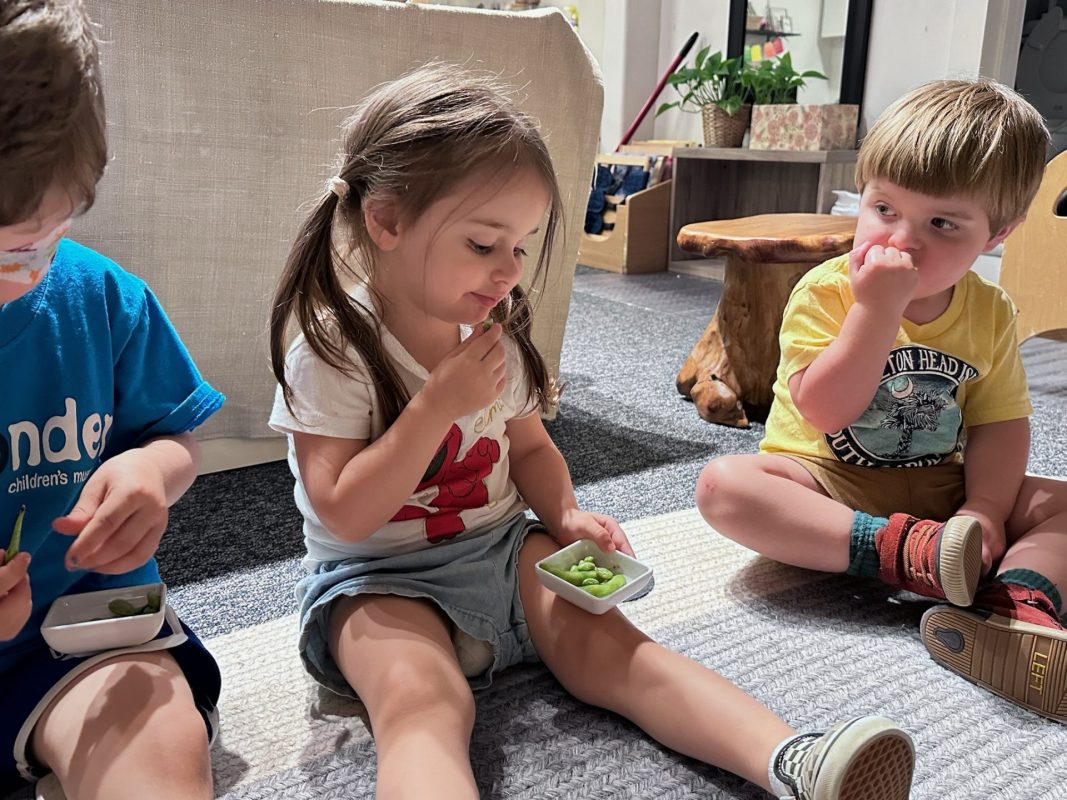
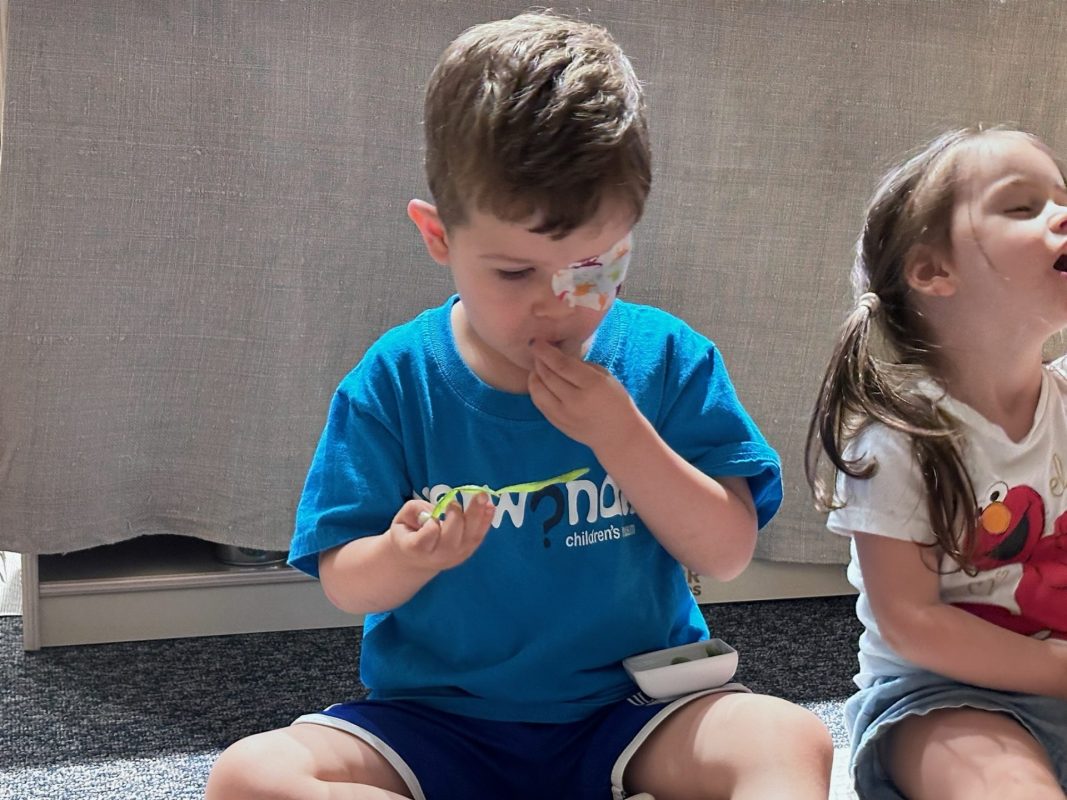
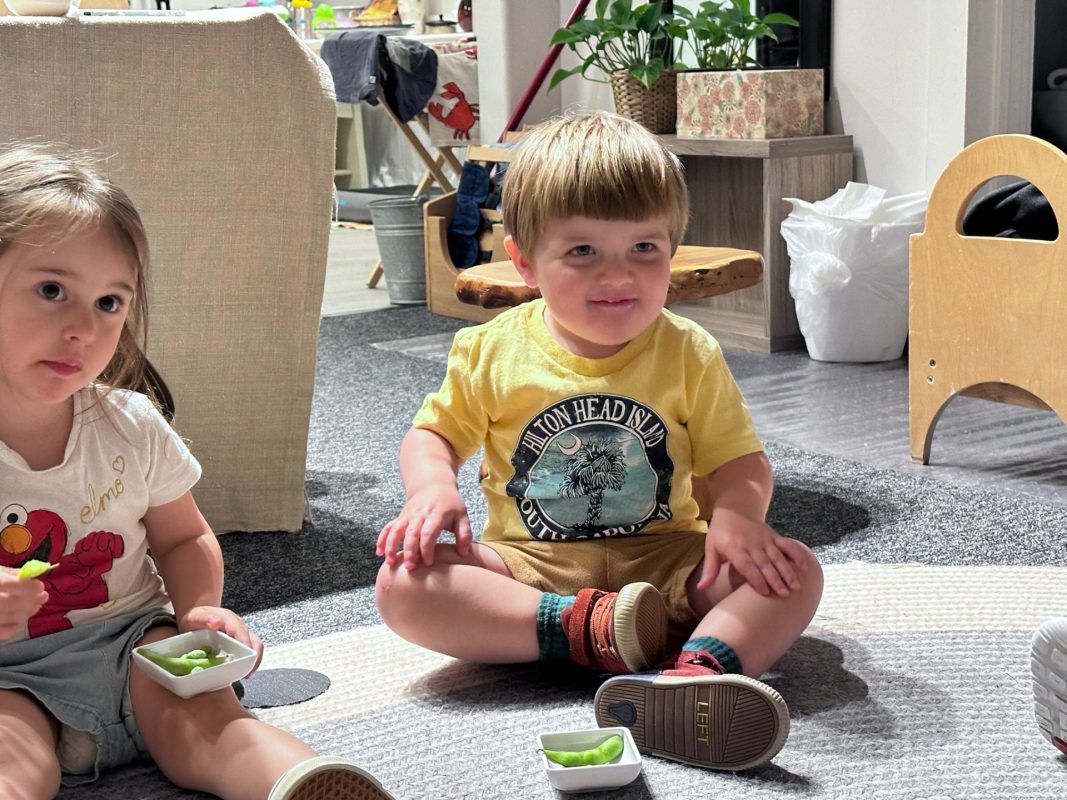
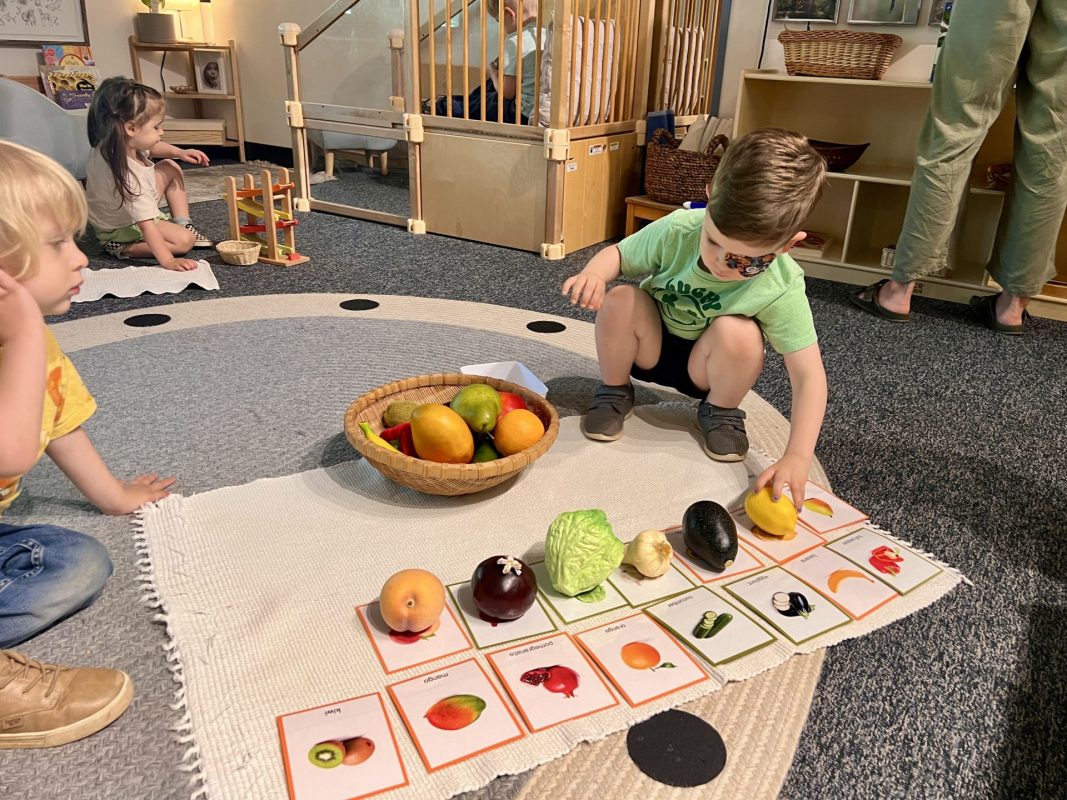
We tasted both black and green olives this week. A handful of the children could not get enough of the green ones; a few seemed to like the black, and another group did not appear to be fond of either type. There are hundreds of different types of olives, so we encouraged the children to try others at home. We discussed olive oil, as the connection was brought up by one of the children. 

Enjoy the weekend! Christine & Lizette


This Week in Upper El

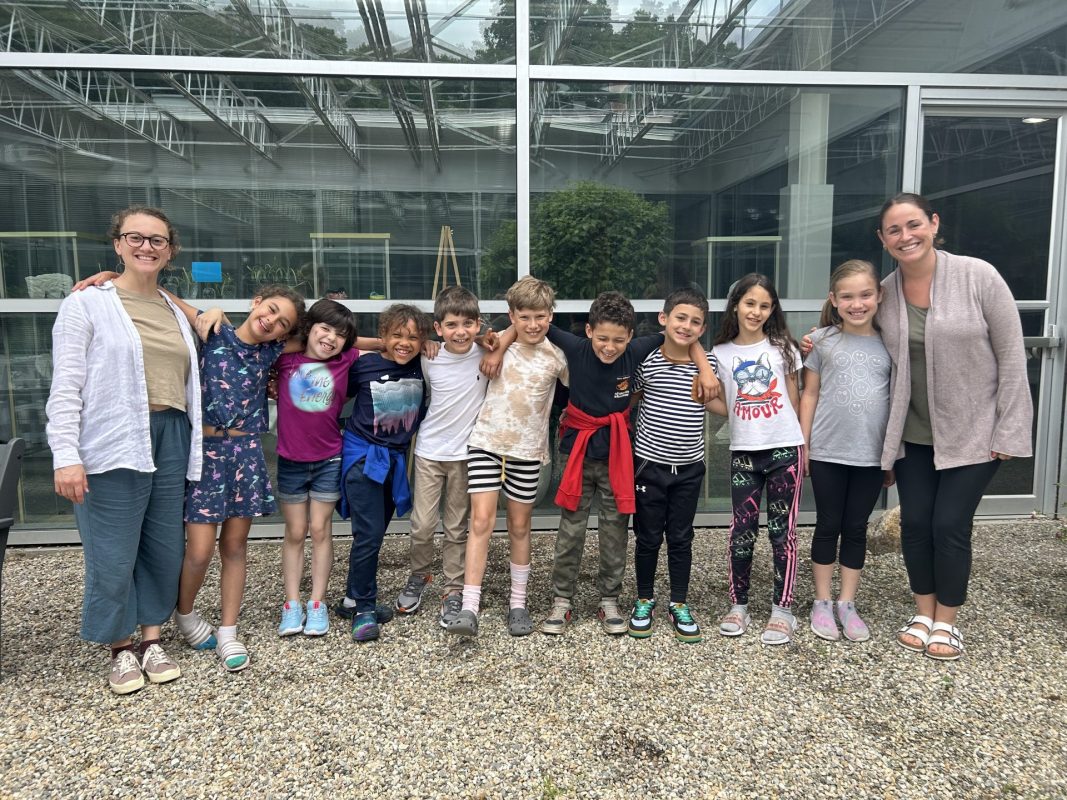
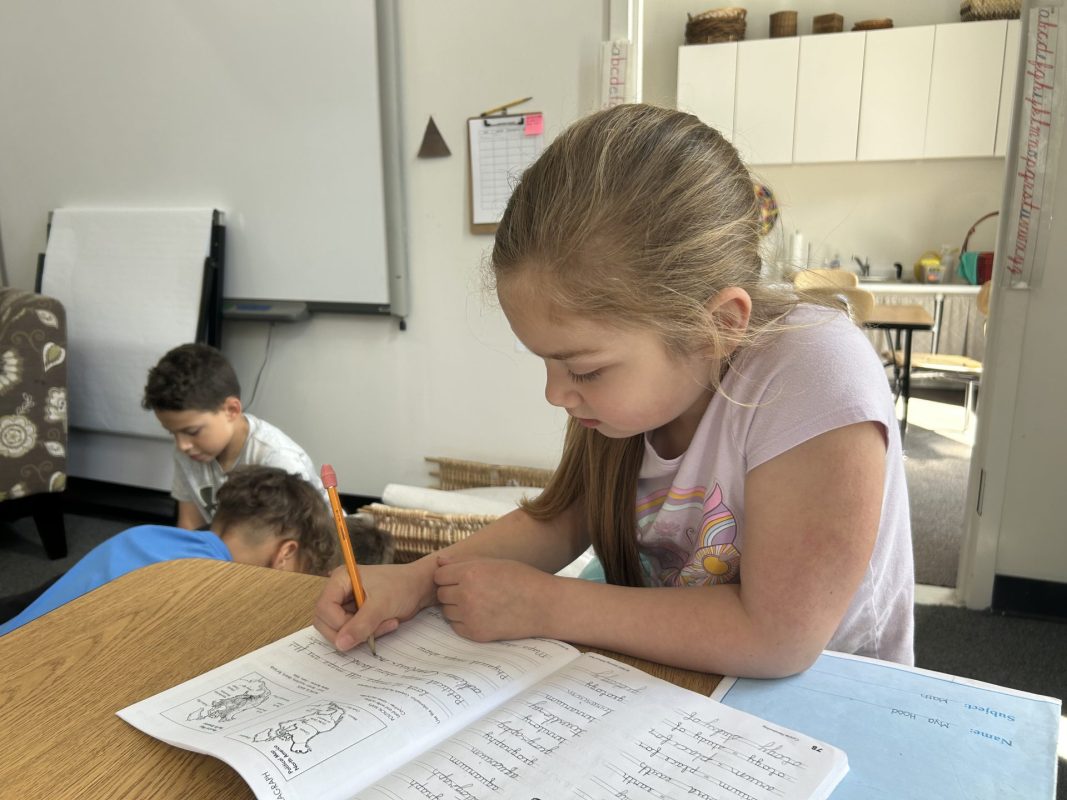
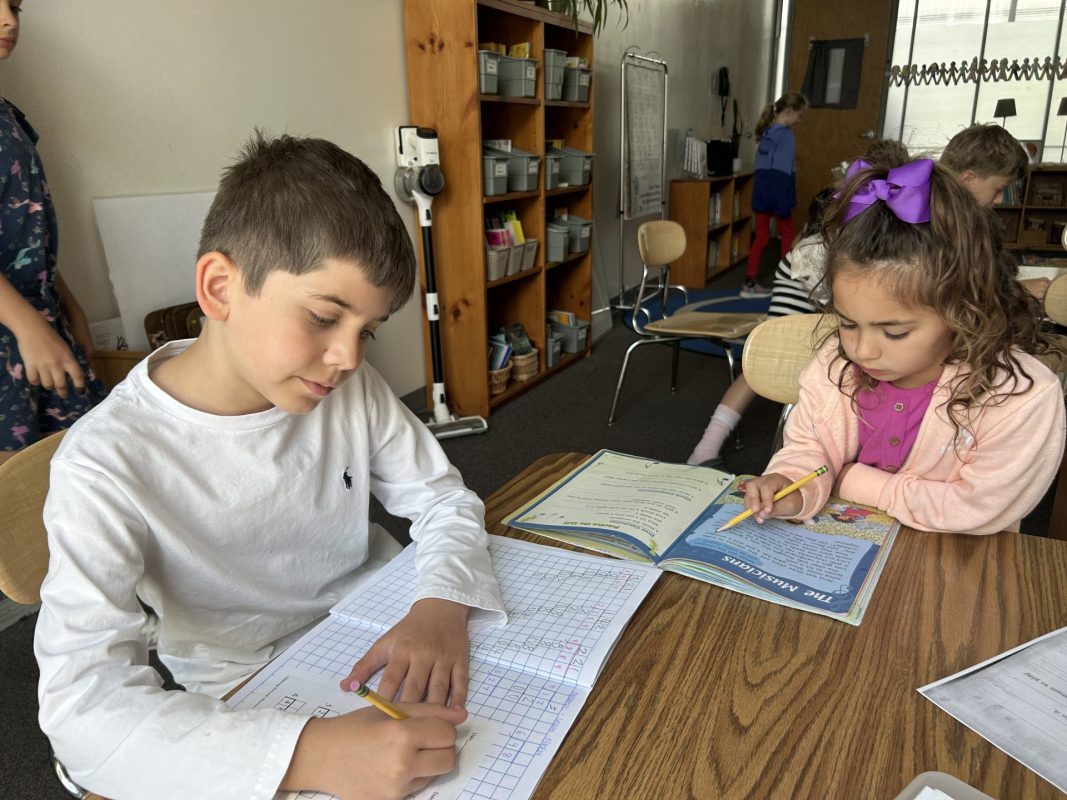
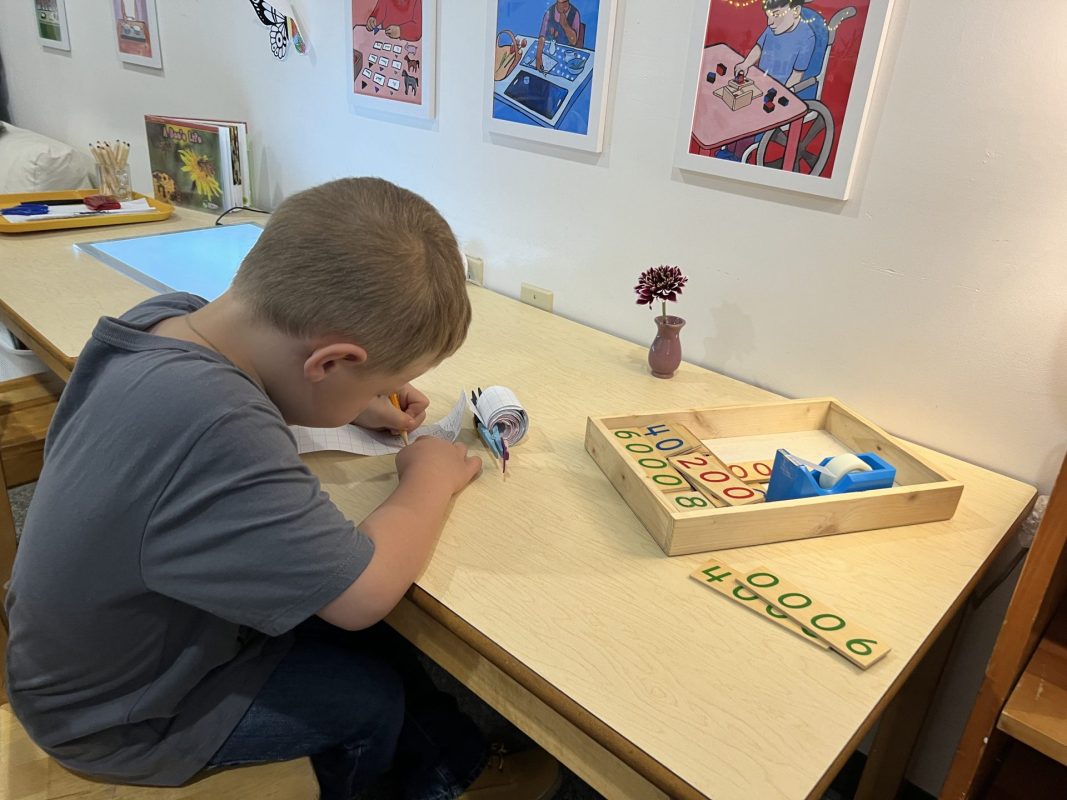
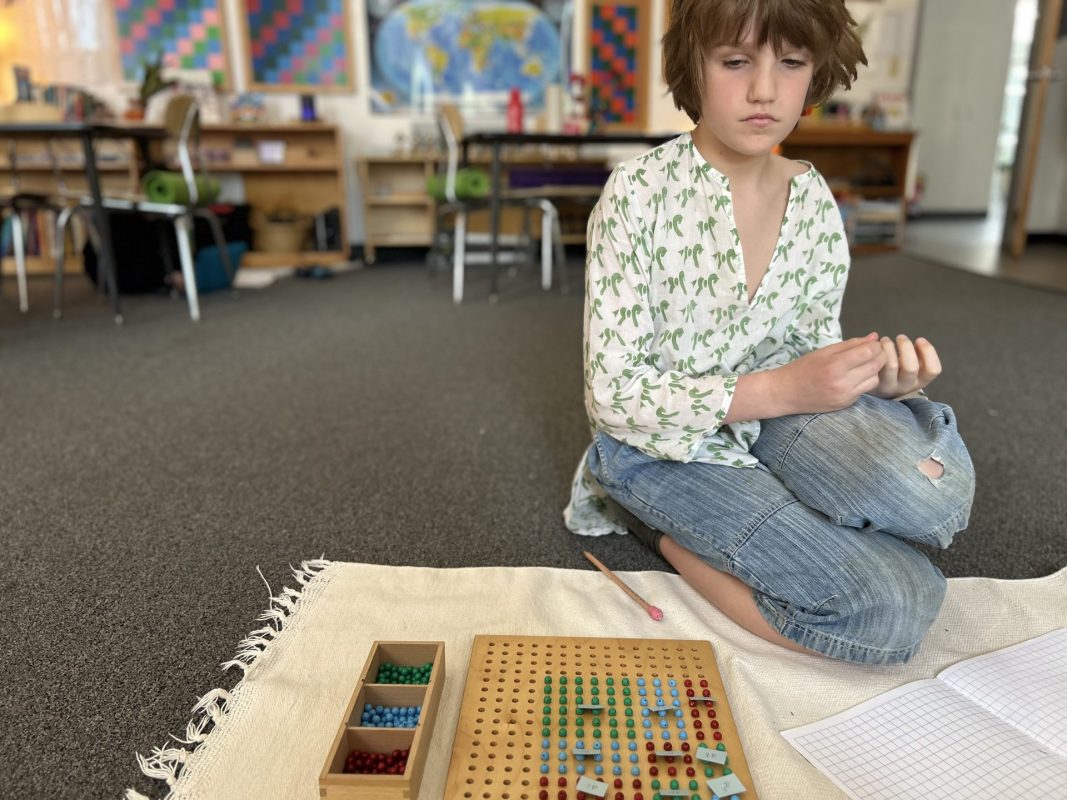
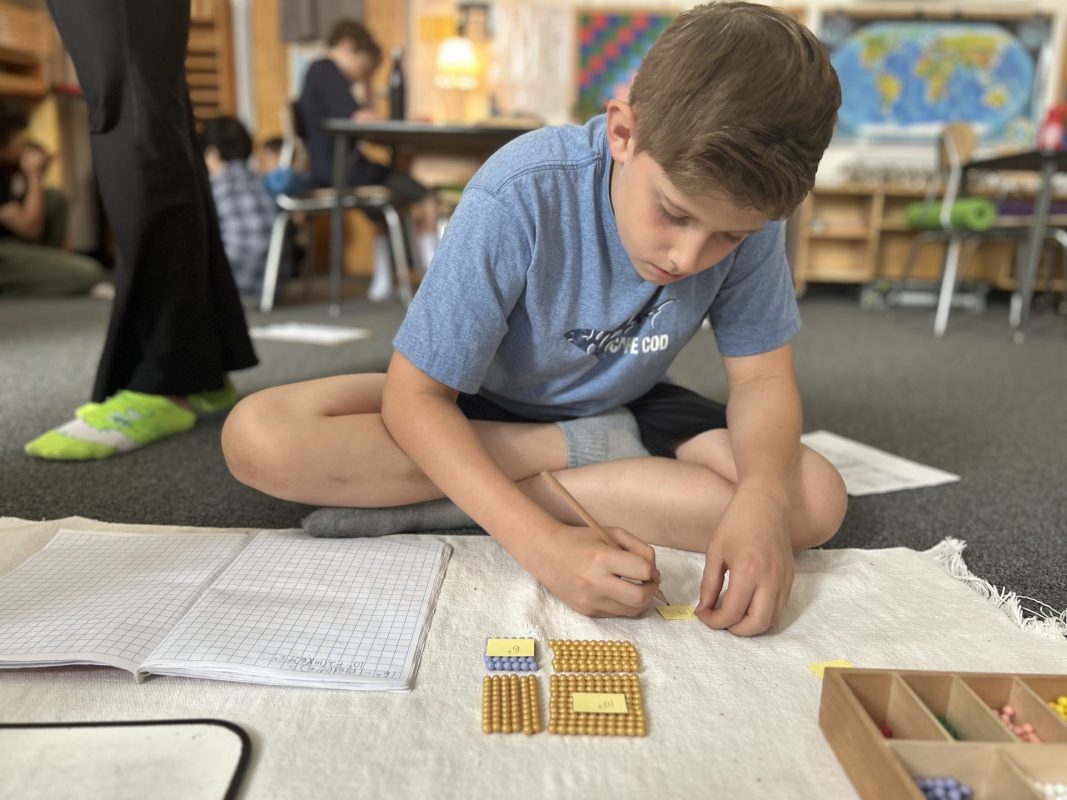
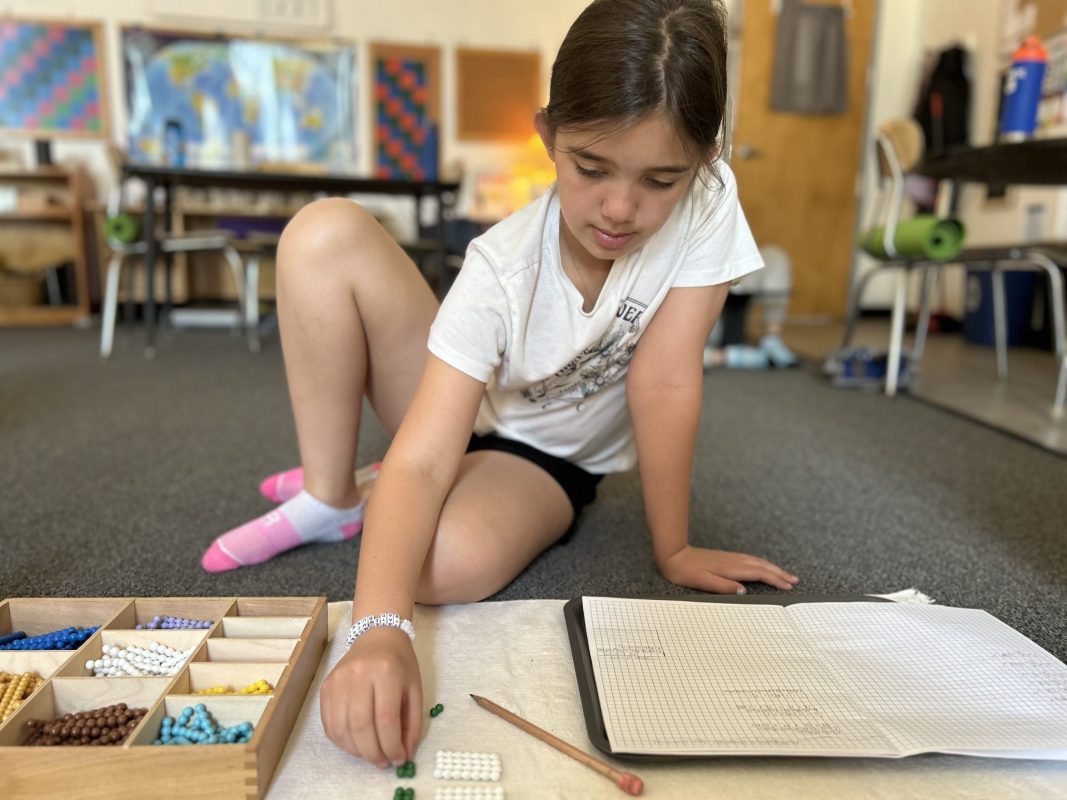
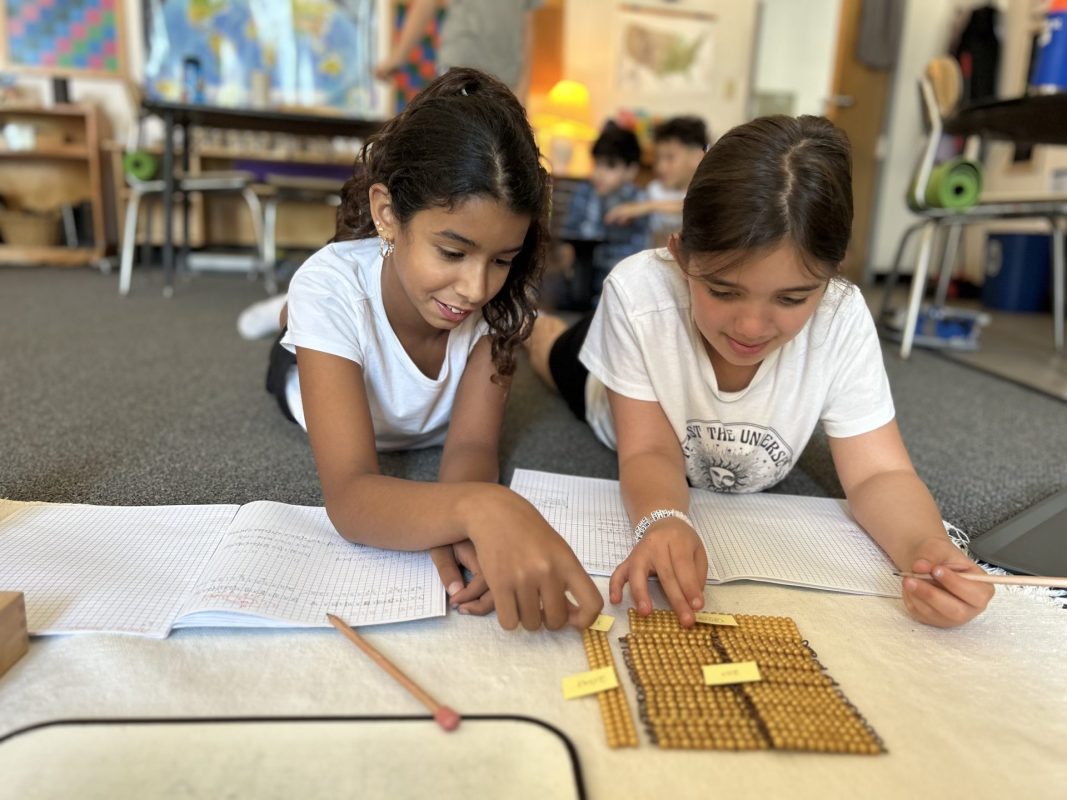
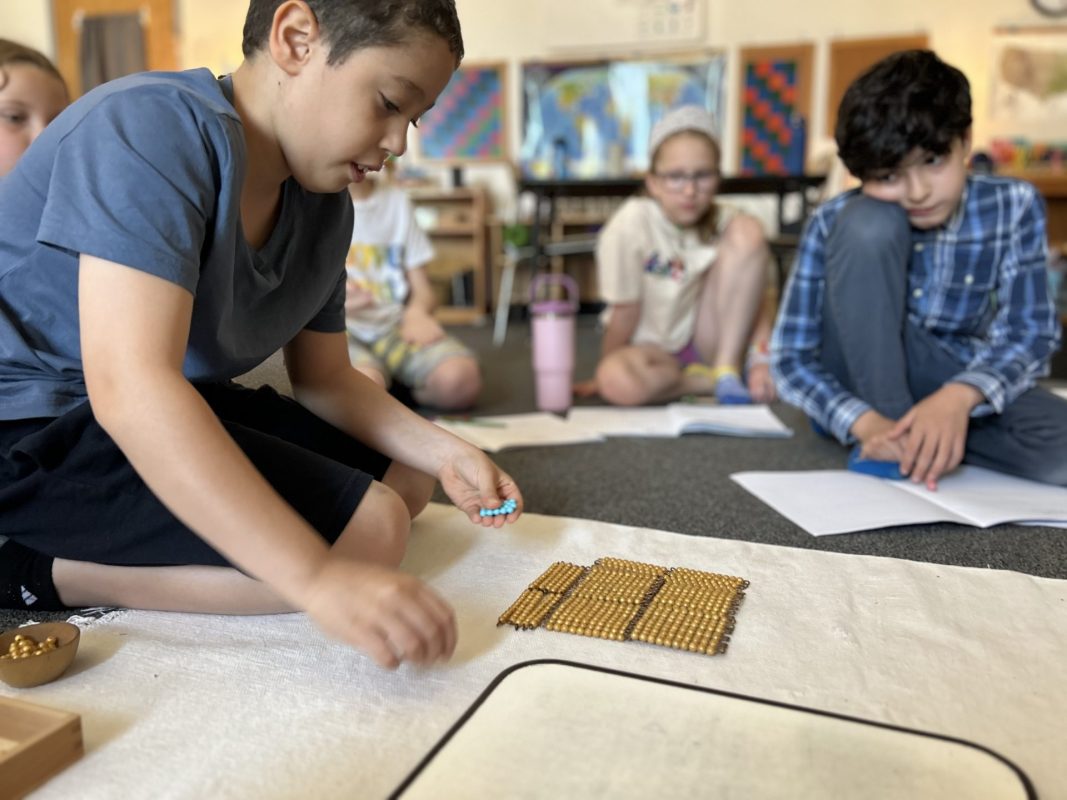
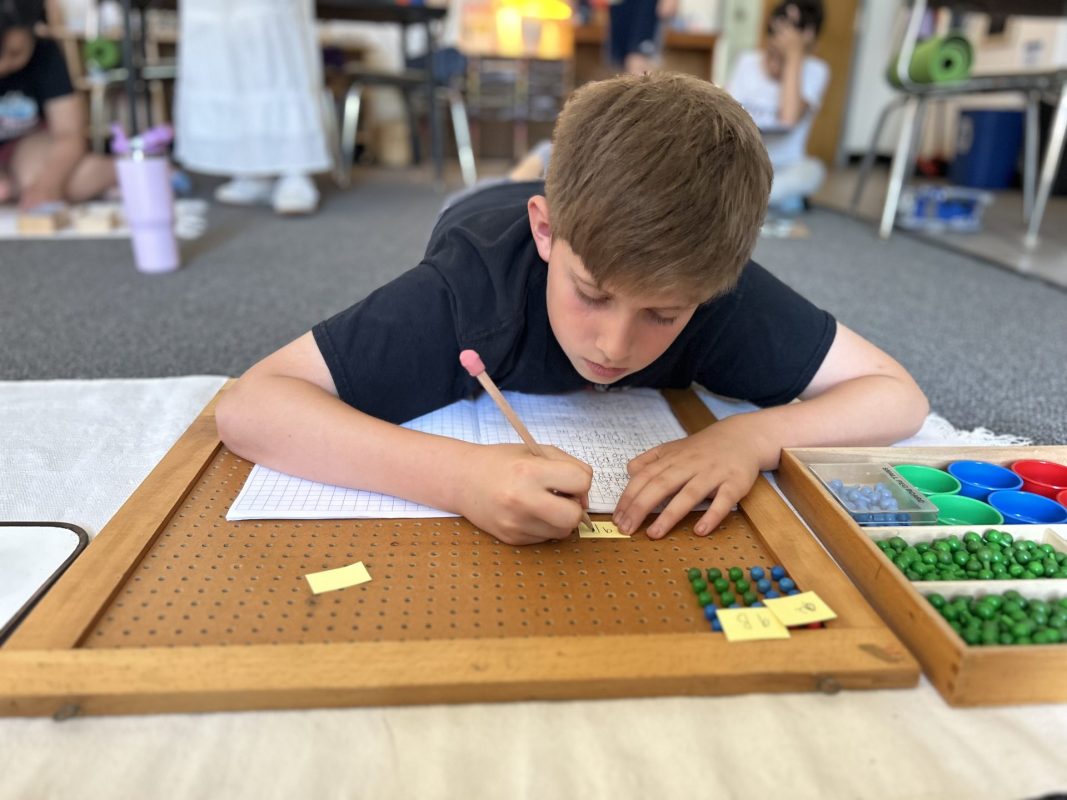
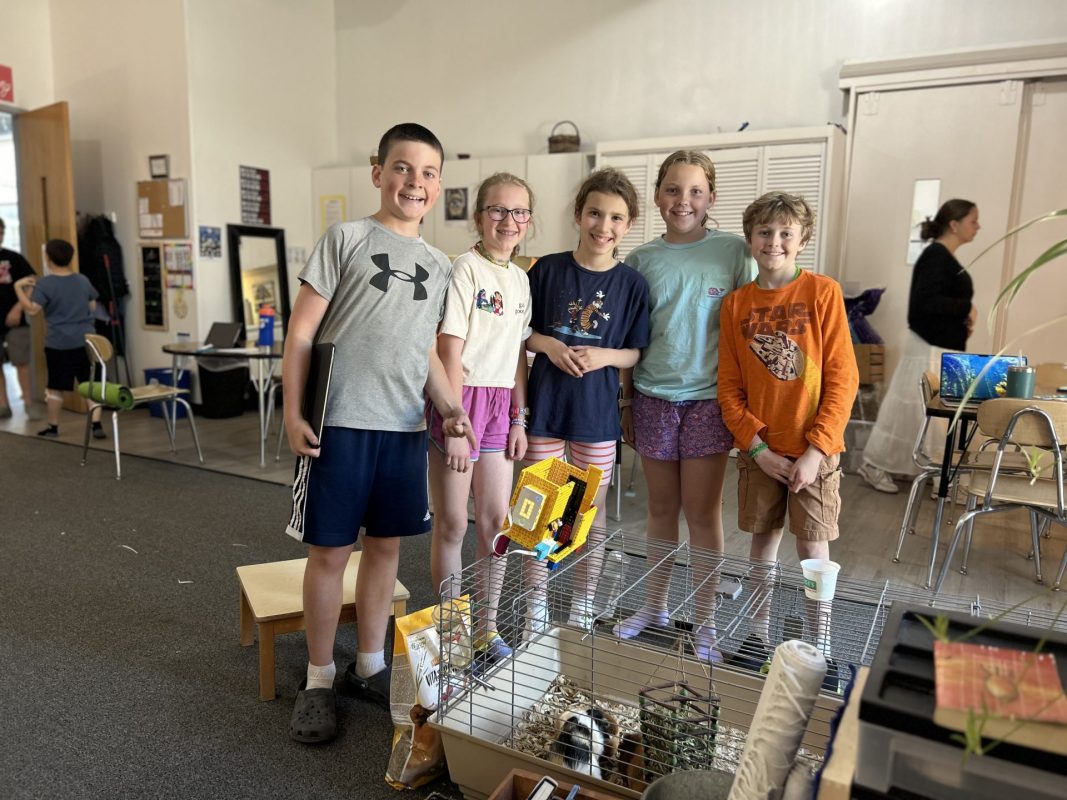
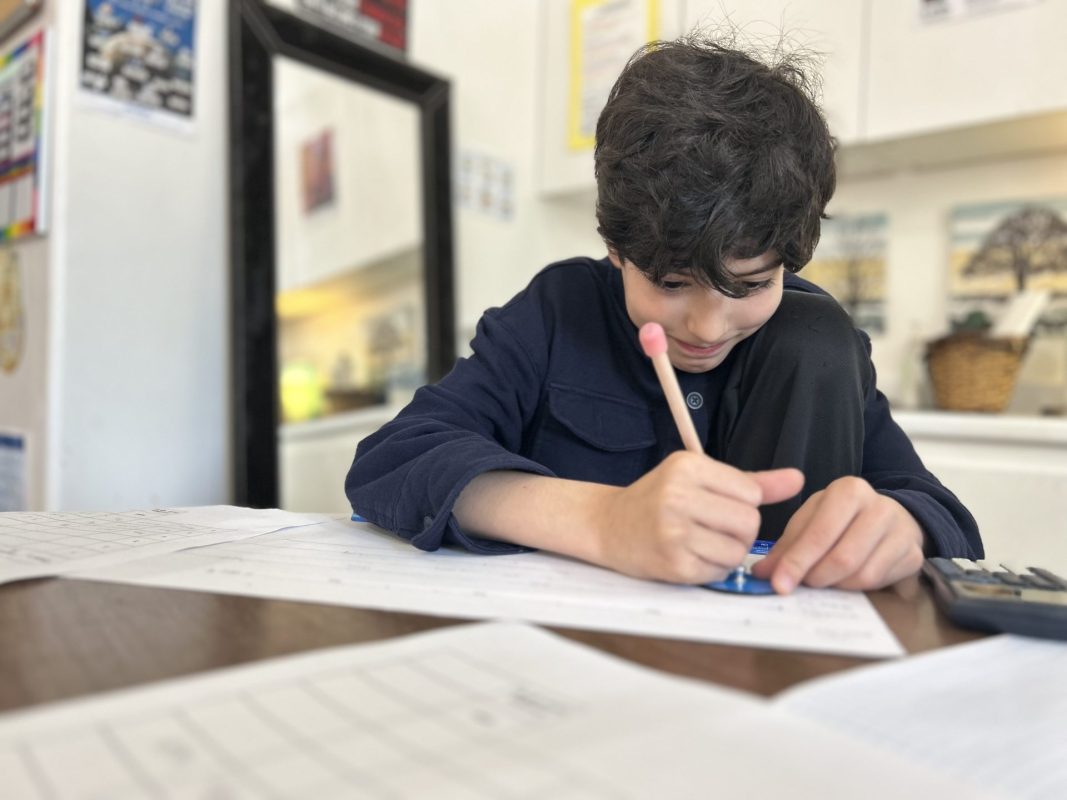
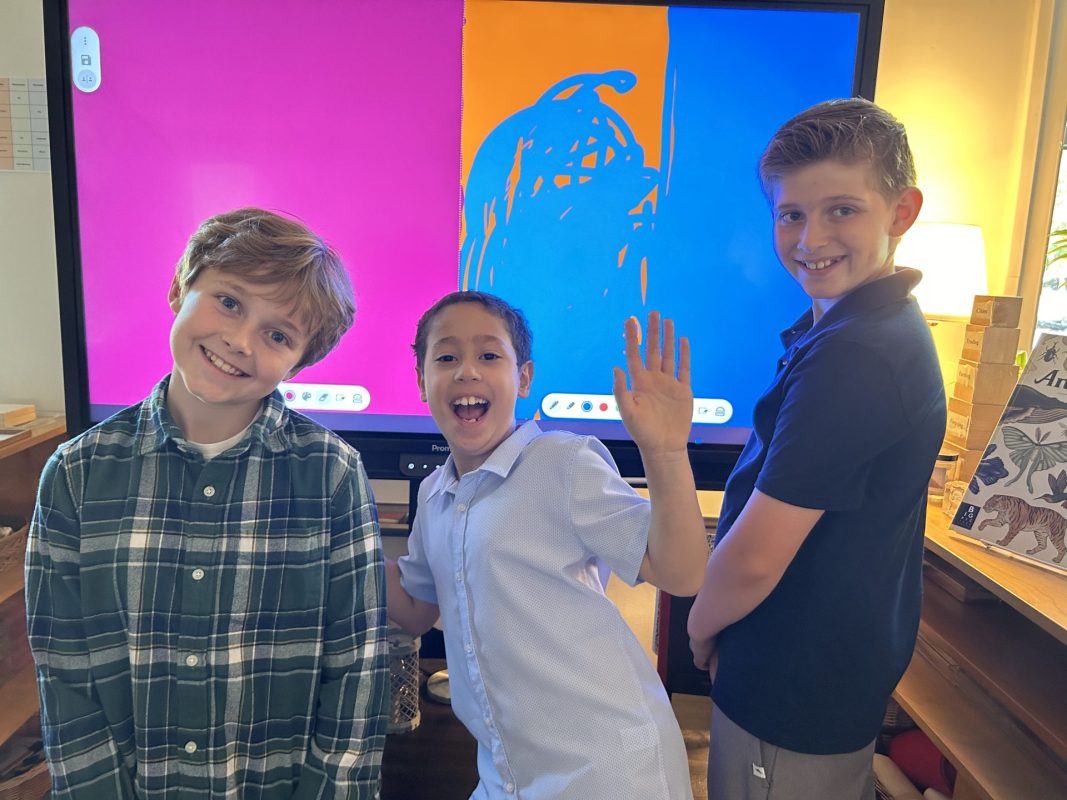
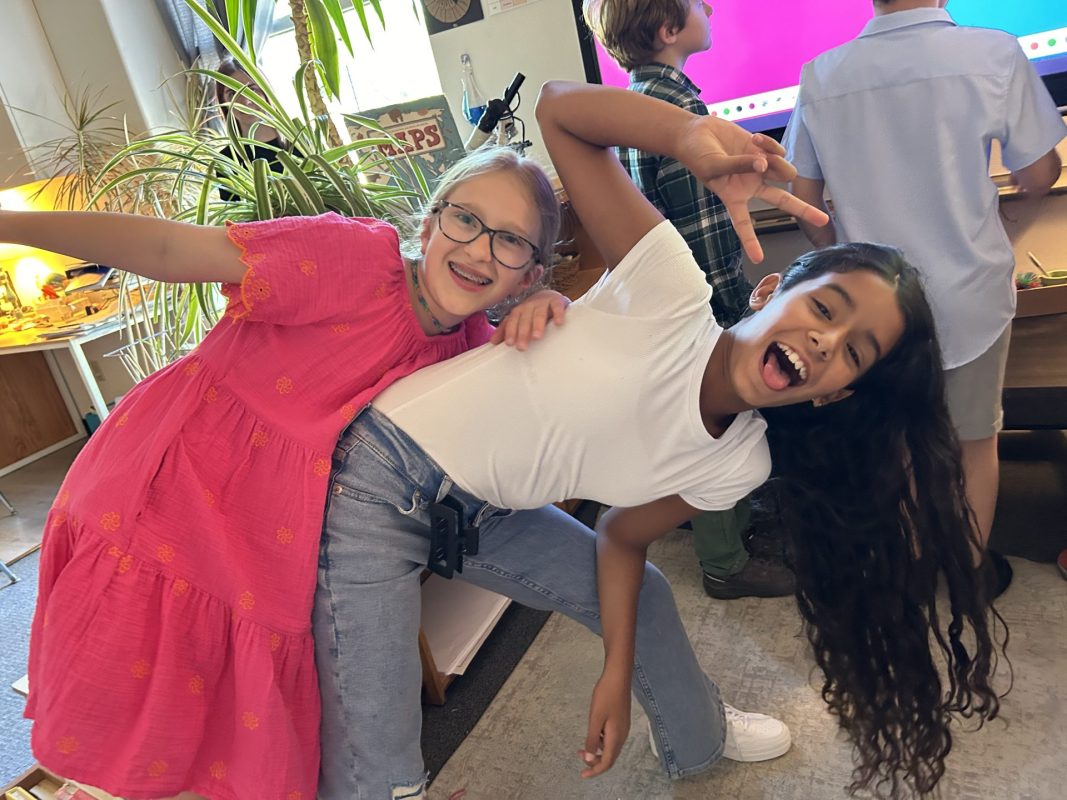
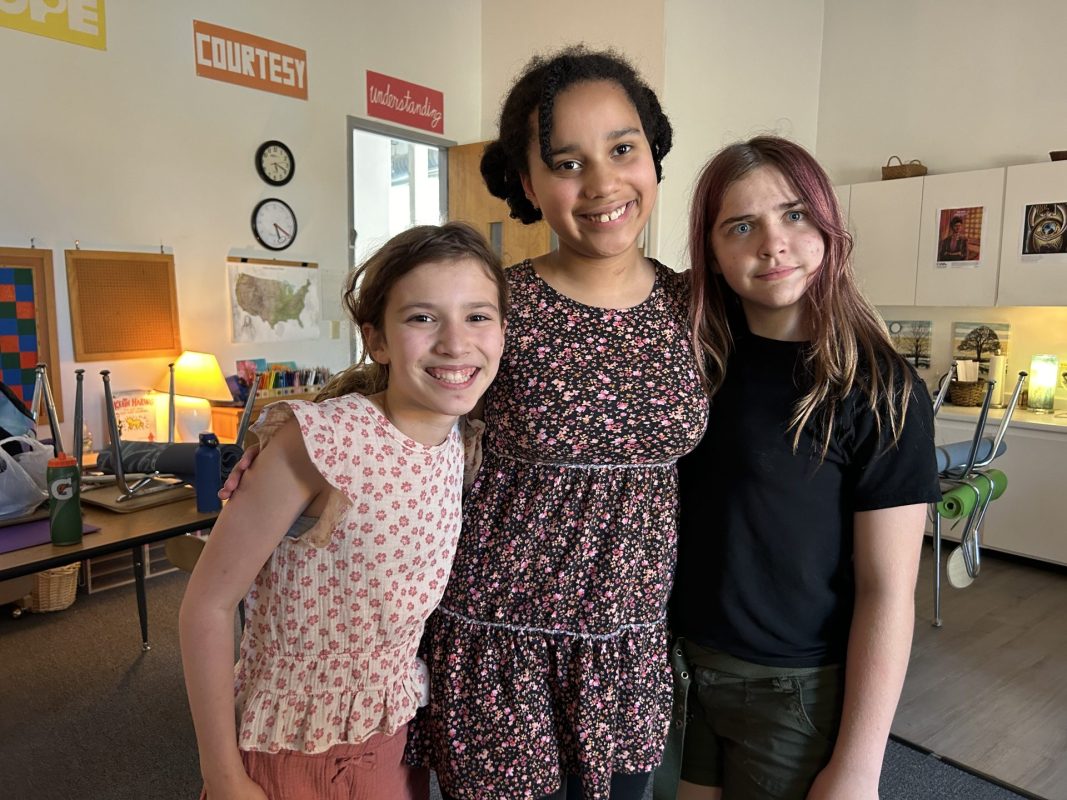
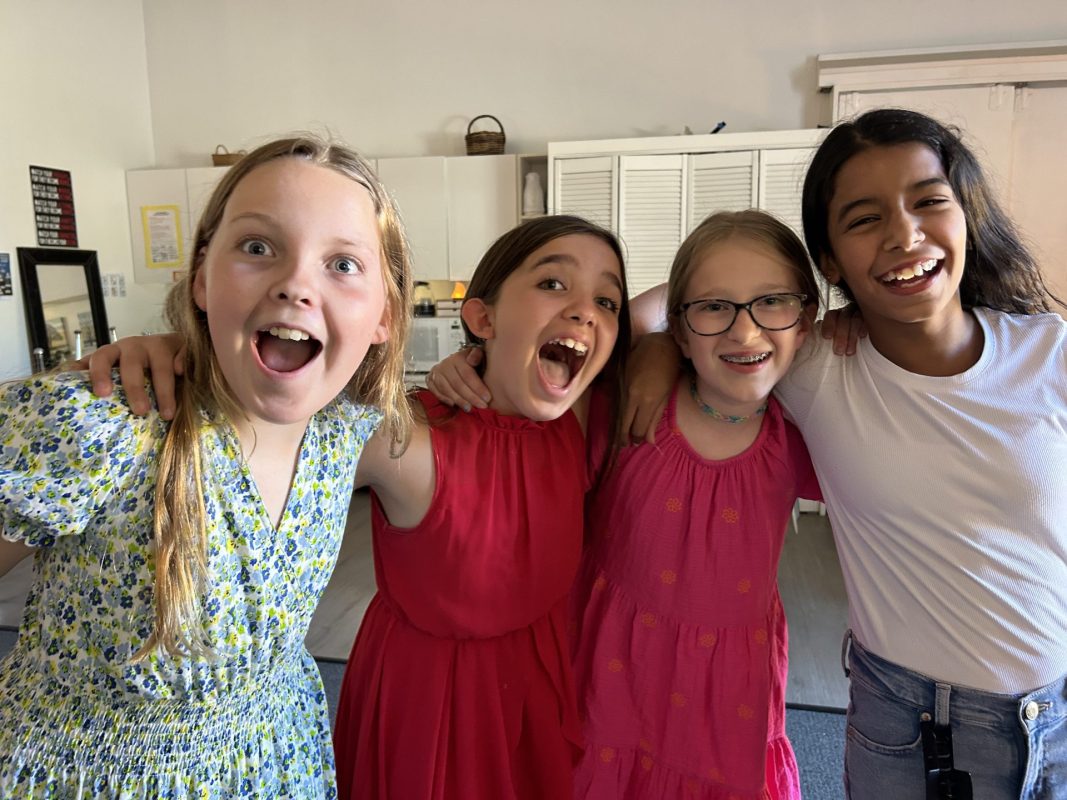
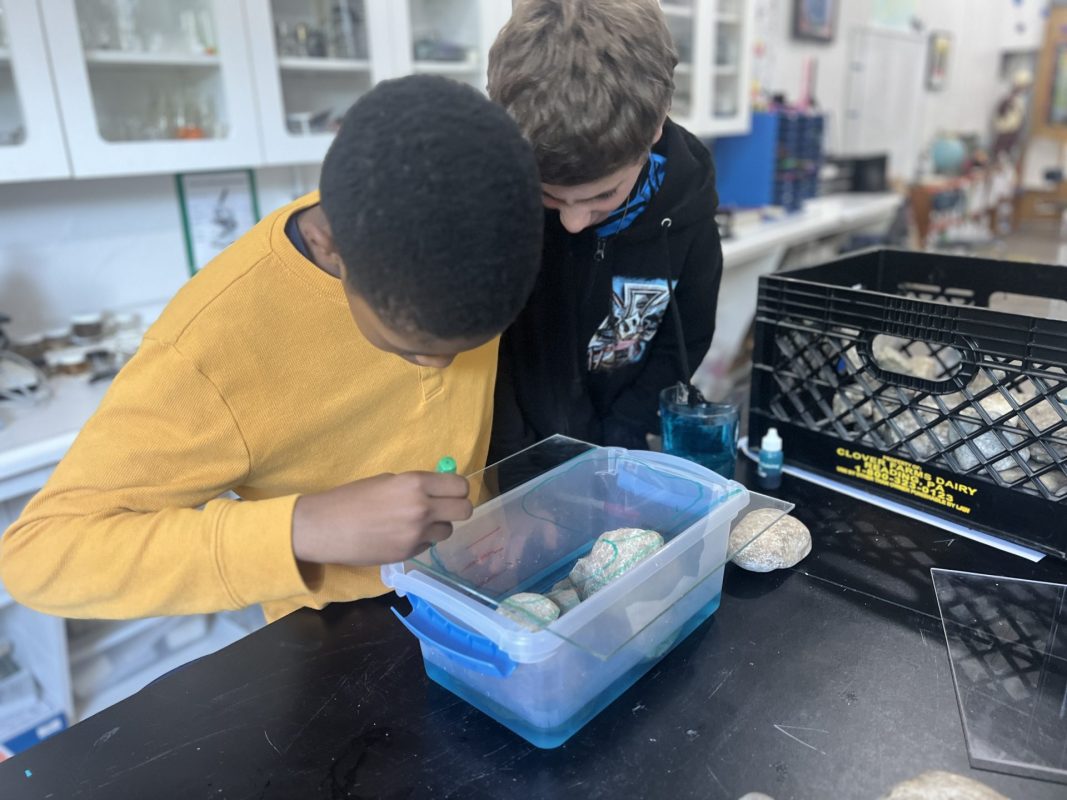
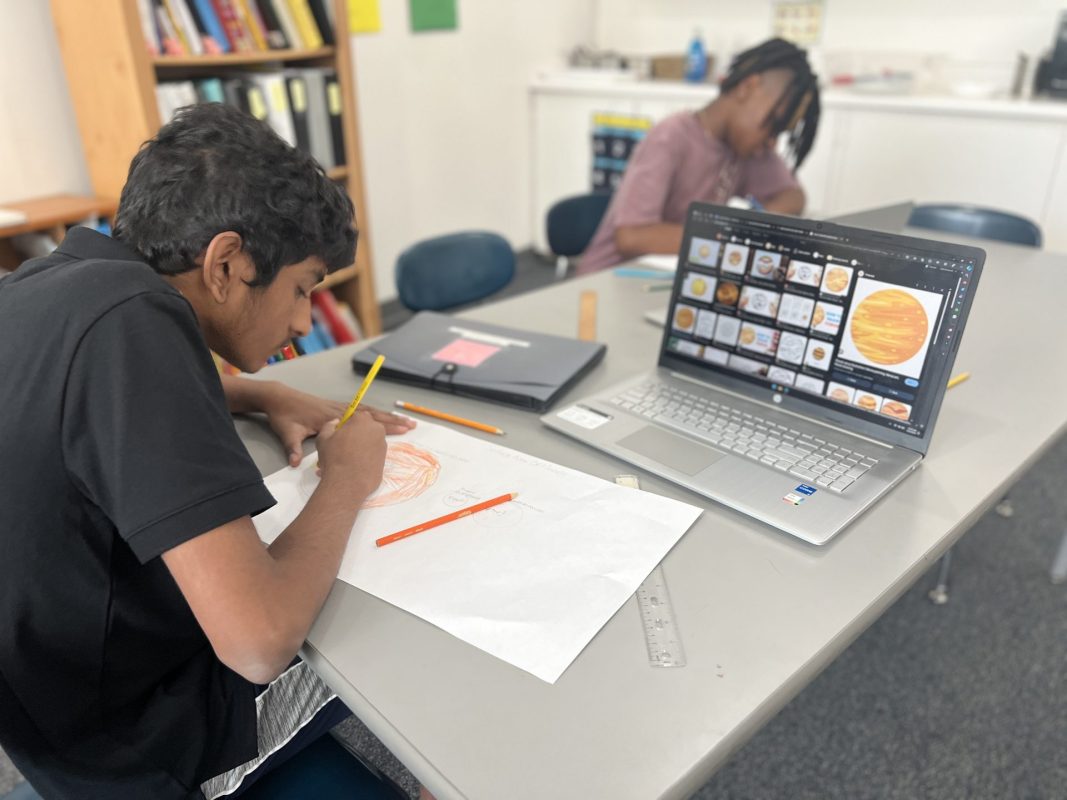
After a week of spending our mornings taking standardized tests, we enjoyed spending Friday welcoming grandparents and special friends to our classroom. Upper El students enthusiastically prepared, laying out activities they wanted to do with their guests. They shared their work with joy and pride, demonstrating how they used the materials to complete their lessons. During the week, we also enjoyed baking banana bread and celebrating Olive’s birthday!


Mrs. Doyle: Head, Thorax, Abdomen, Abdomen!

We are hard at work becoming entomologists. This is always a favorite unit of study for the children. An entomologist is a scientist who studies insects. We began our unit by discussing what we already know about insects, what they are, and what they can do. We discovered that insects are slimy, little, gross, soft, and hard. Insects can crawl, sting, bite, eat, fly, walk upside down, and jump. We learned that insects lay eggs and have antennae and three main body parts: a head, thorax and abdomen, eyes, and six legs. Insects are also cold-blooded, have an exoskeleton, and many have wings. Finally, we found out why a spider is not an insect. Ask your child to see if they know why.

We also welcomed five tiny caterpillars to our classroom. It is so exciting to observe each step of the fascinating life cycle of the painted lady butterfly. Right now, our caterpillars are busy eating, spinning silk, and growing bigger every day. During this incredible period of growth, they will shed their exoskeletons four times and grow more than ten times their original size! When they have finished growing, the caterpillars will climb to the top of the cup. Once there, they will hang from the paper disk in a “j” shape under the lid. Finally, they will shed their exoskeletons one last time before they pupate and form a chrysalis.

Wishing you a week filled with peace and love!

Michelle & Maria