

Blog

Mrs. Doyle: Nature’s Classroom


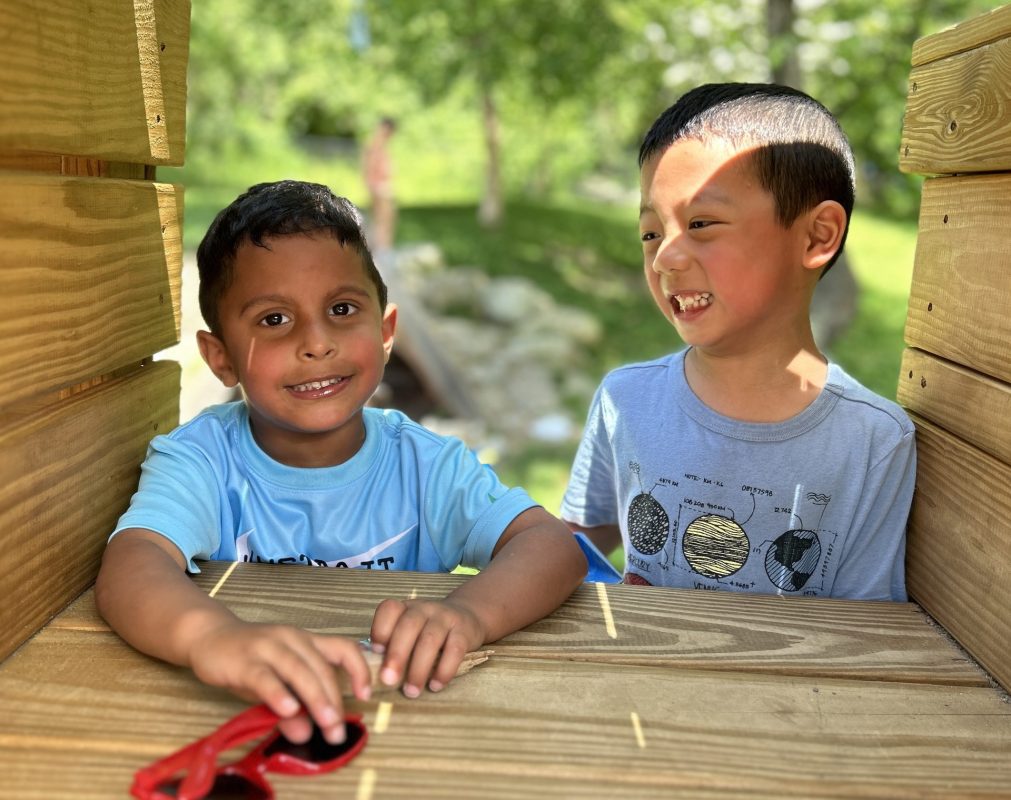
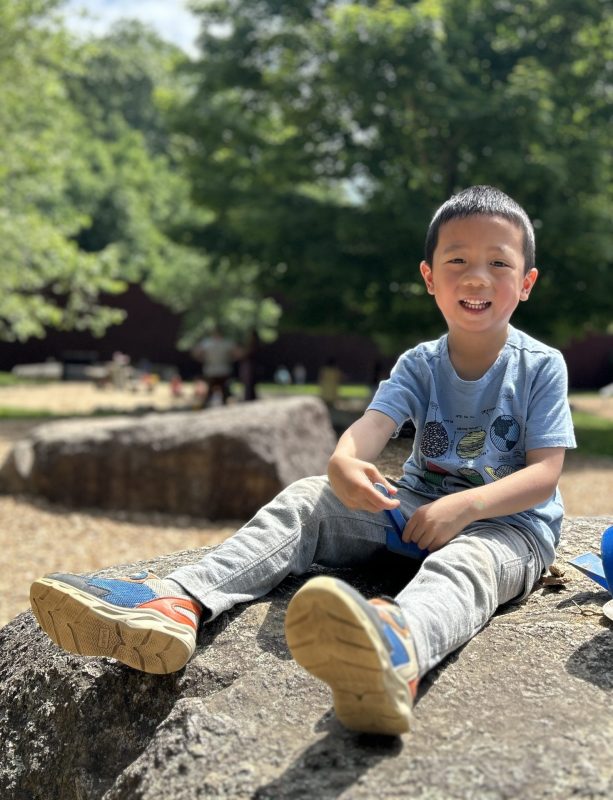
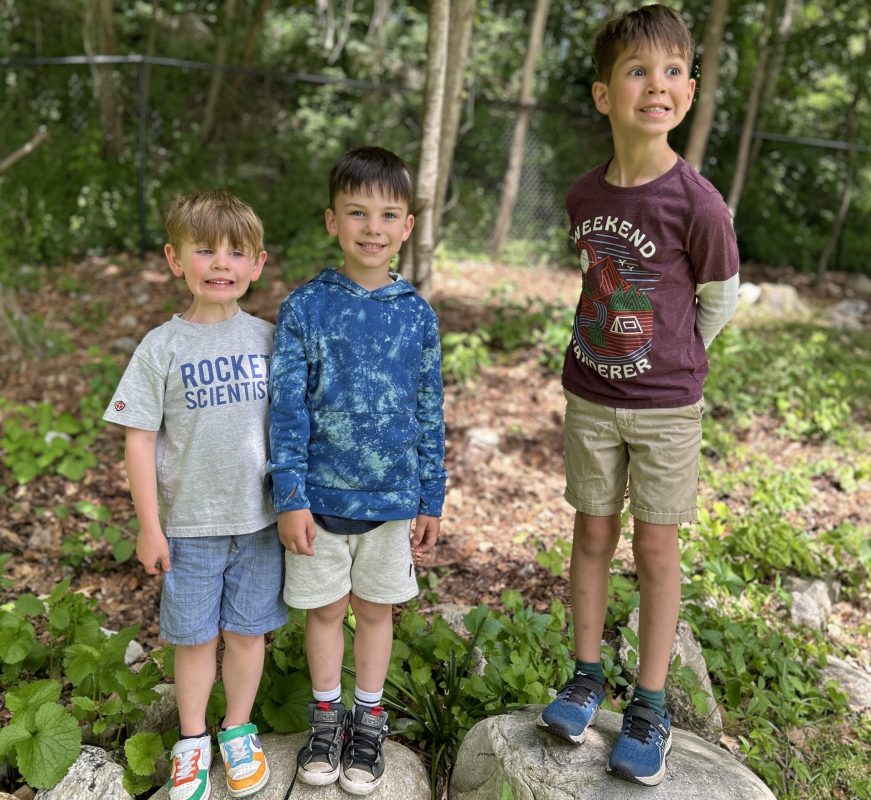
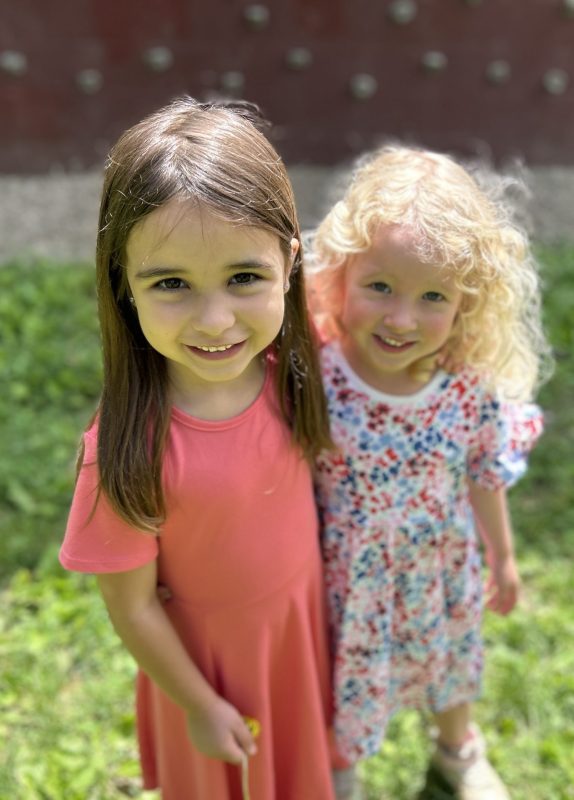
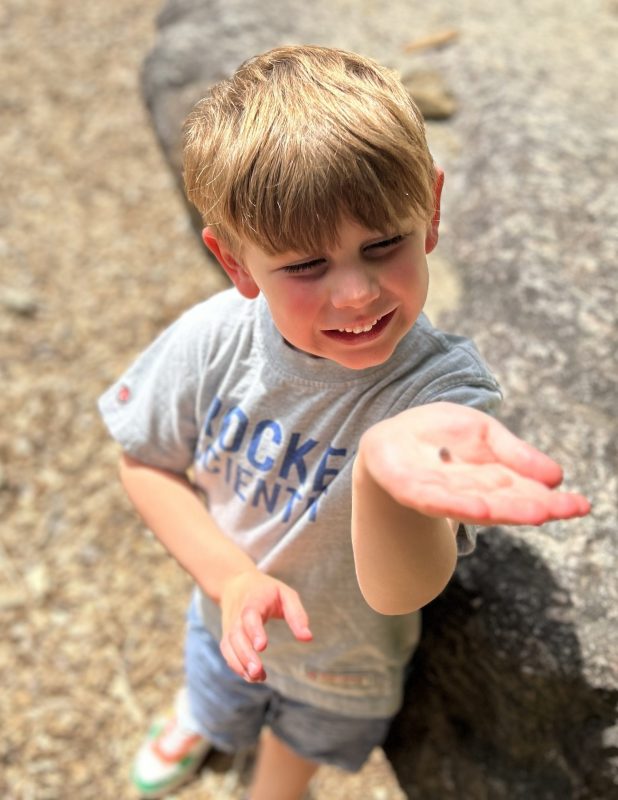
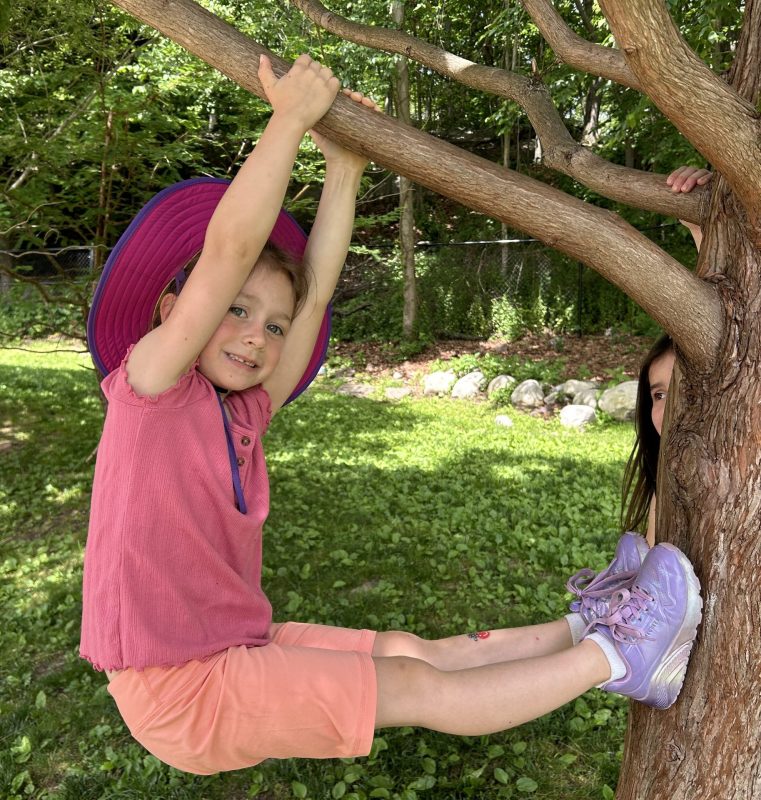
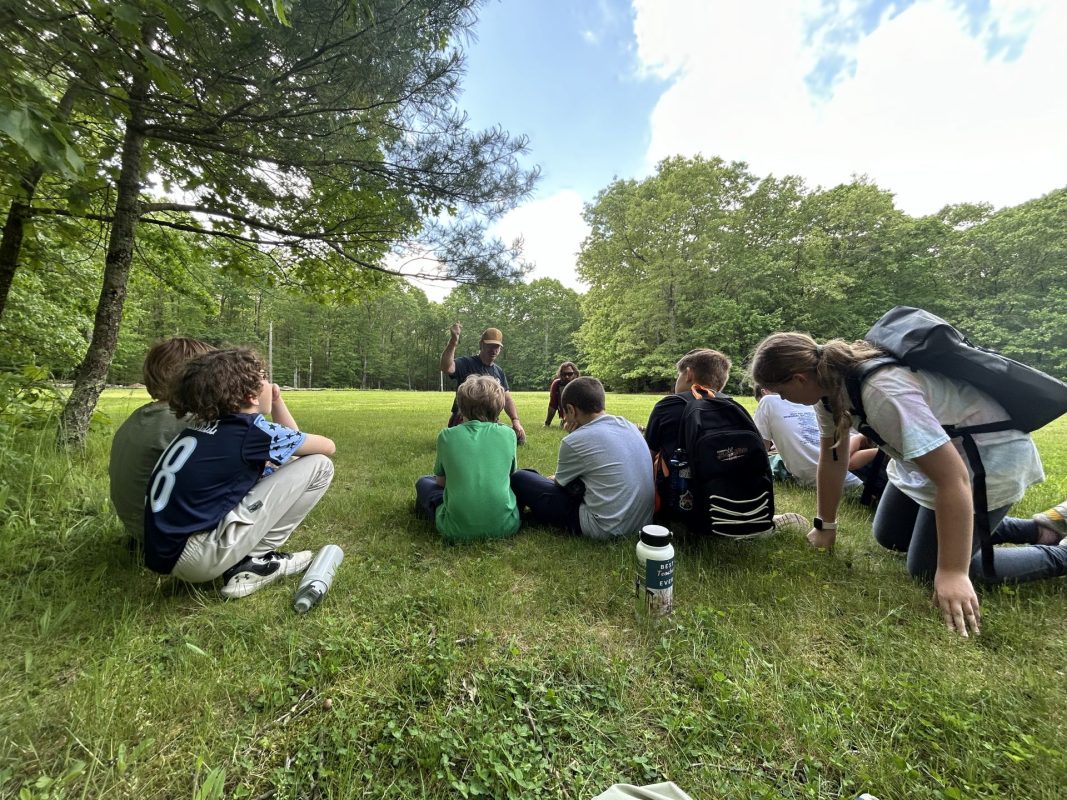
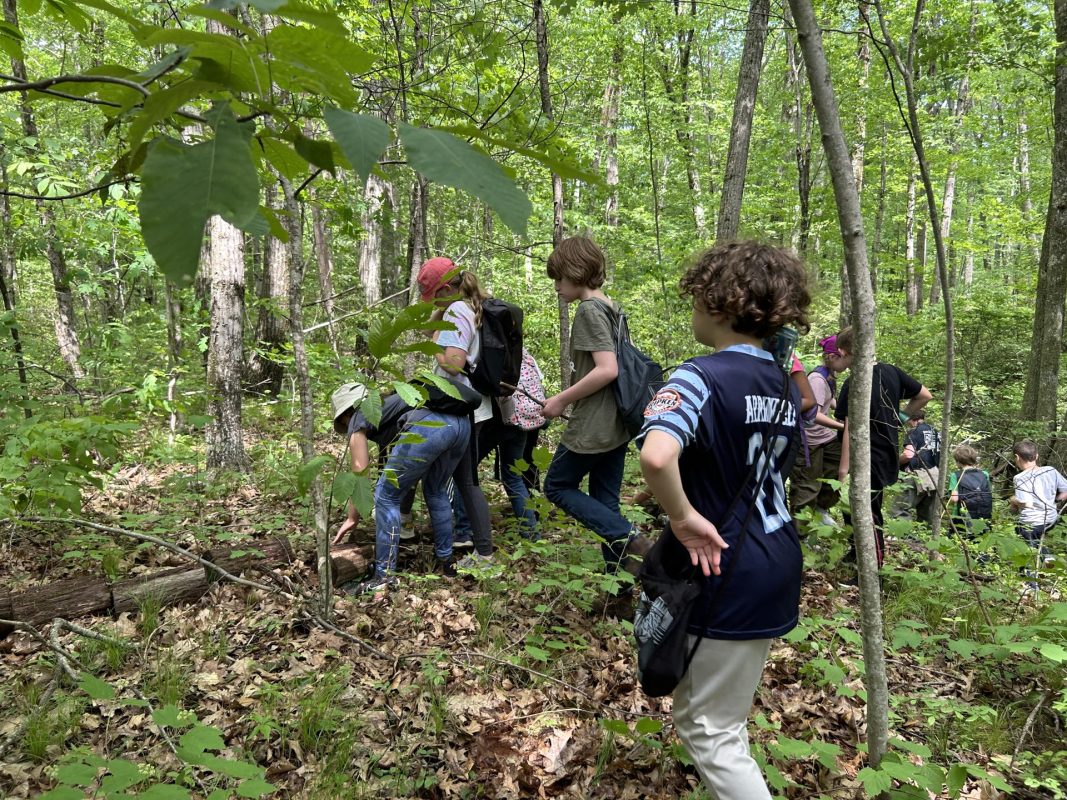
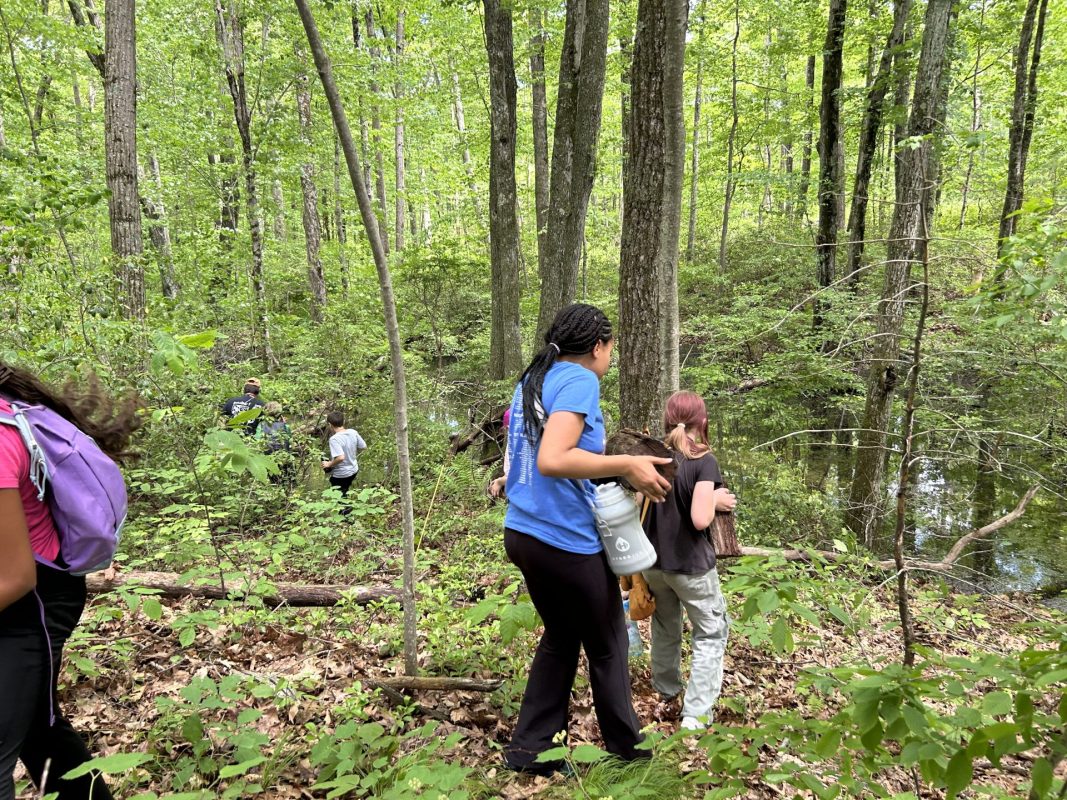
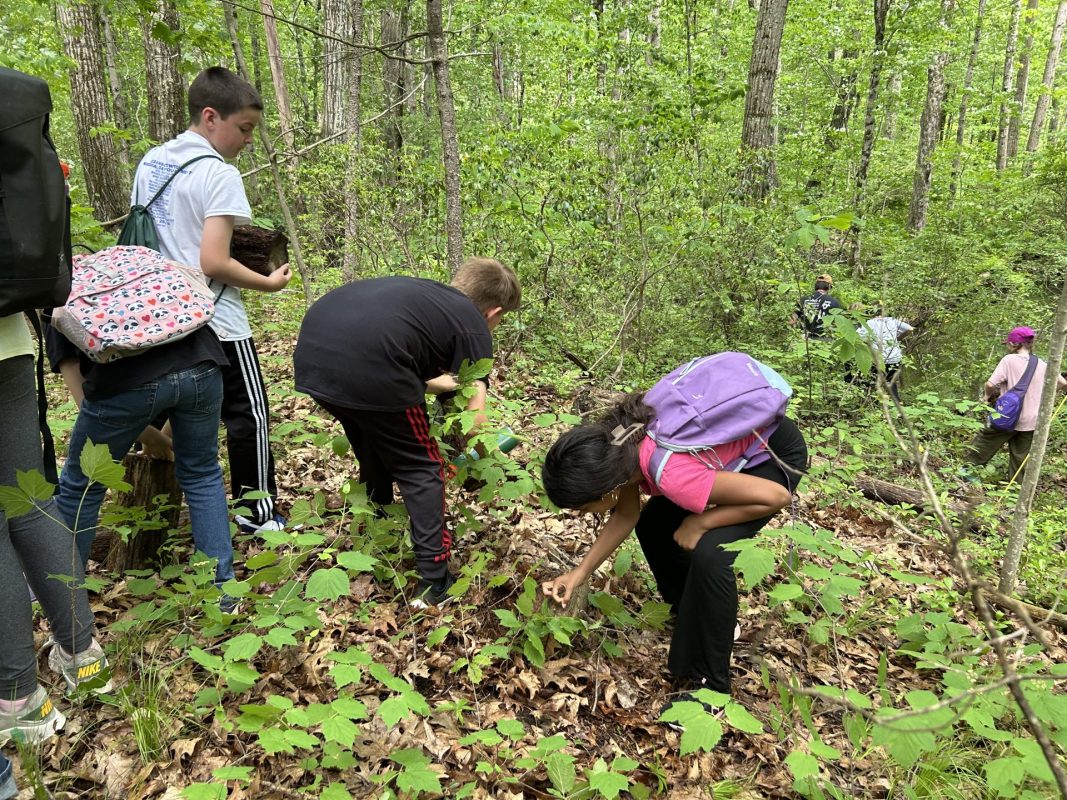
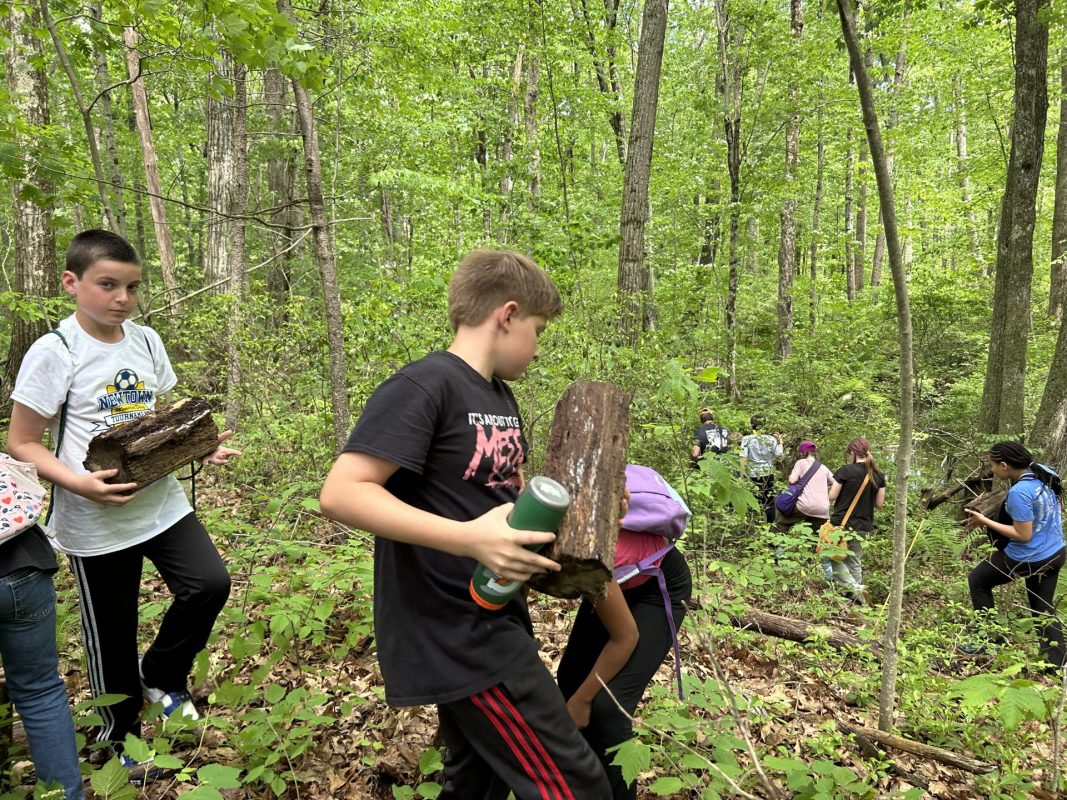
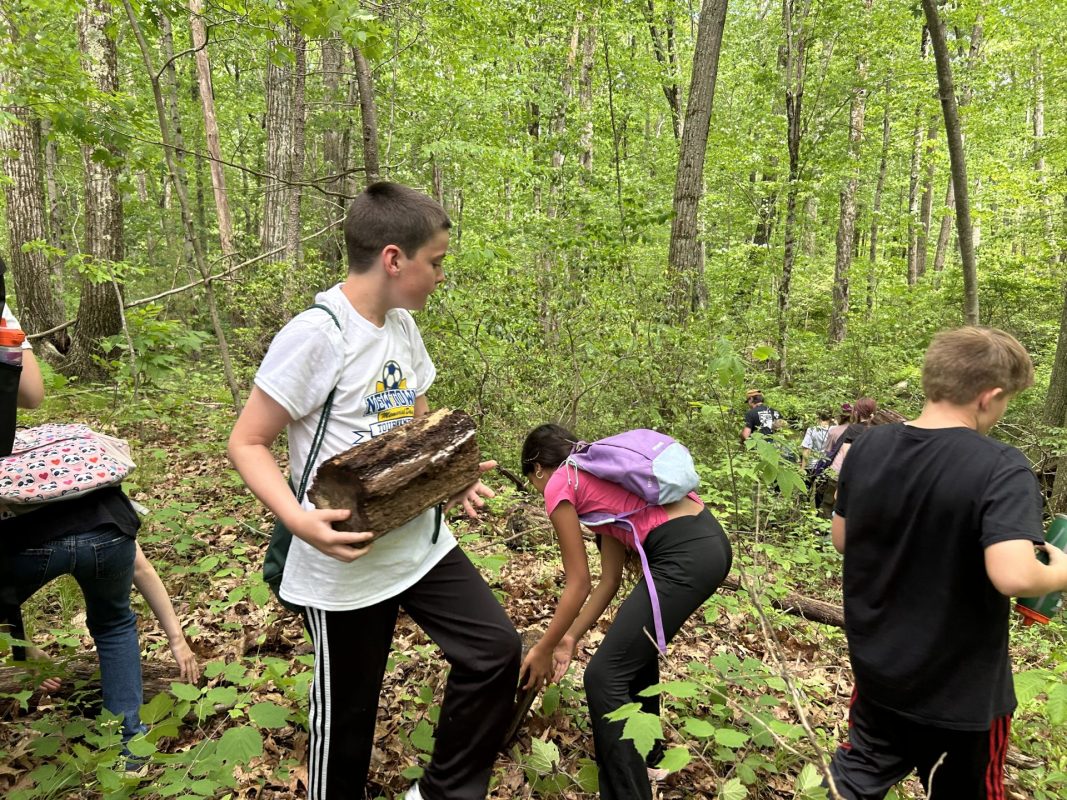
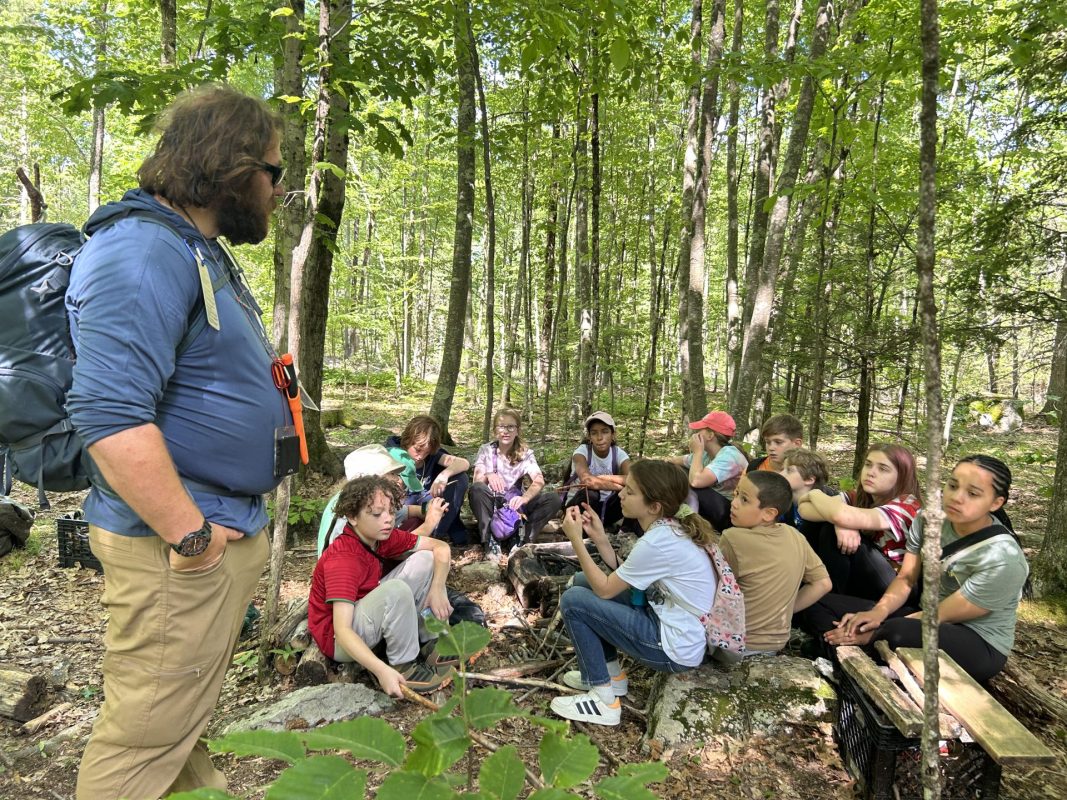
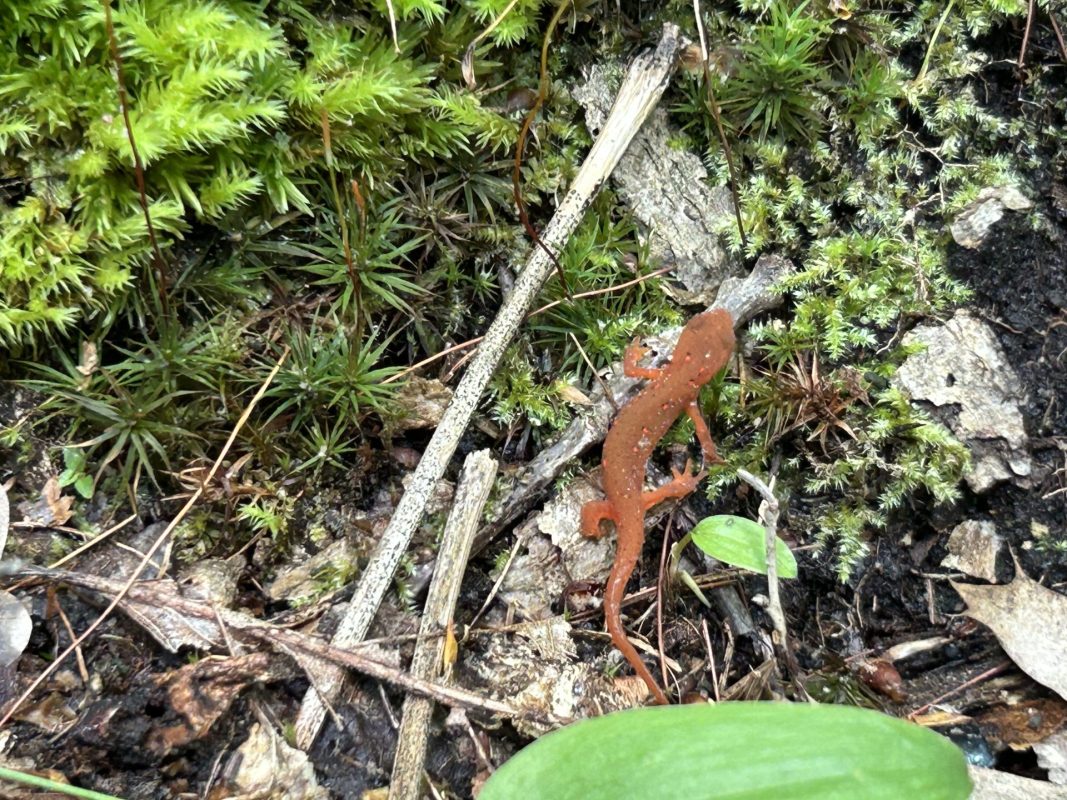
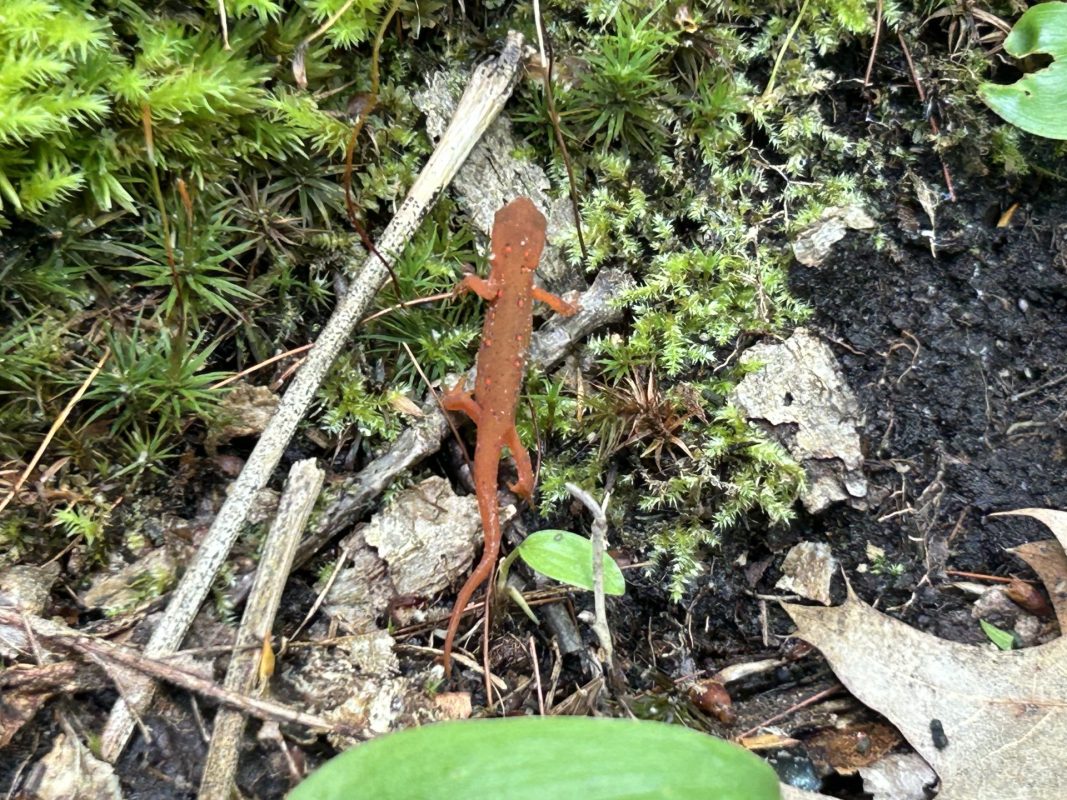
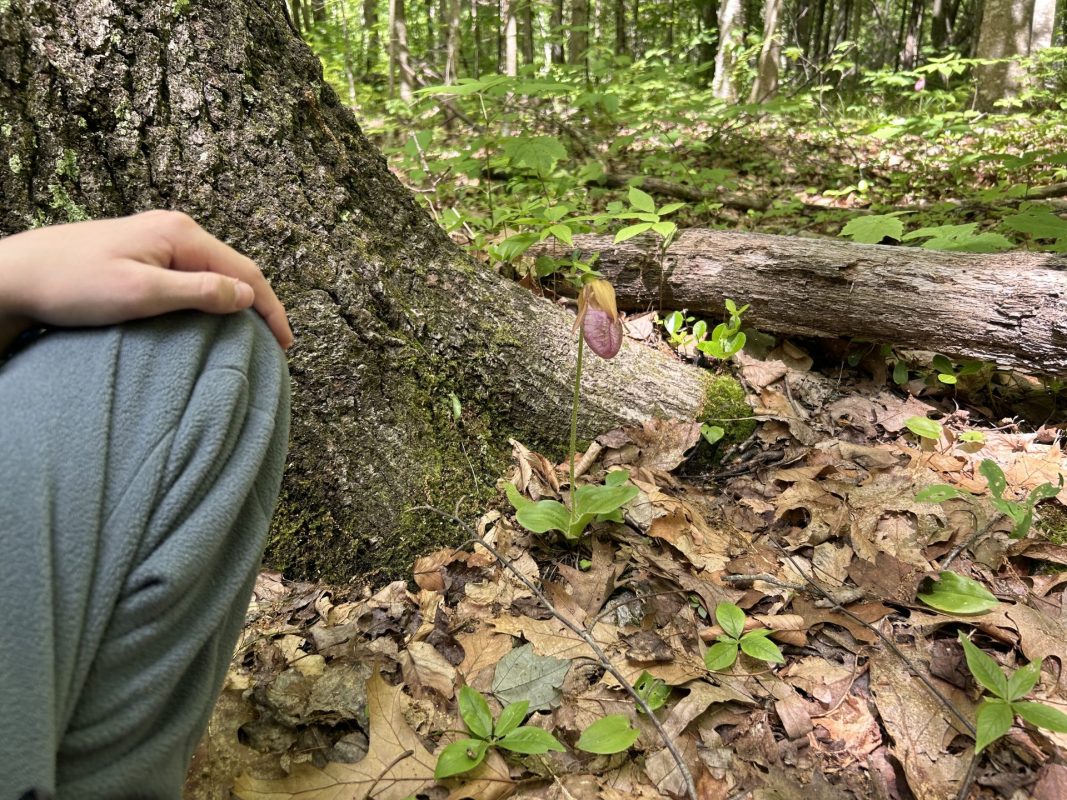
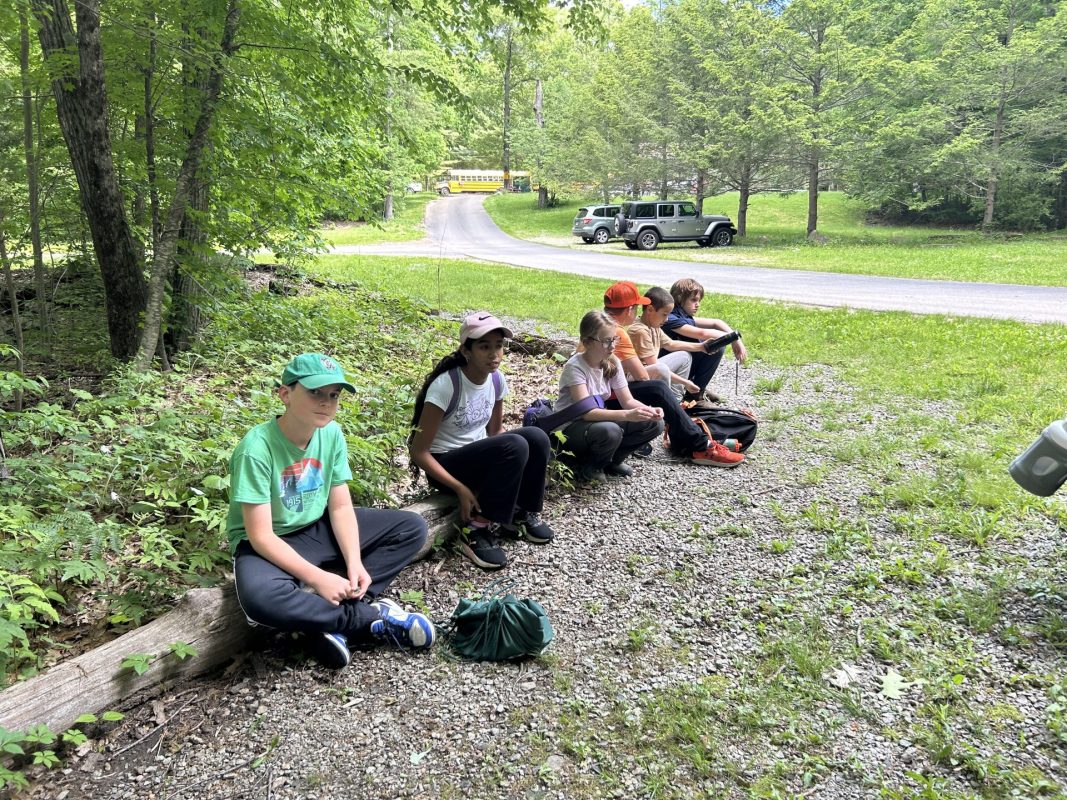
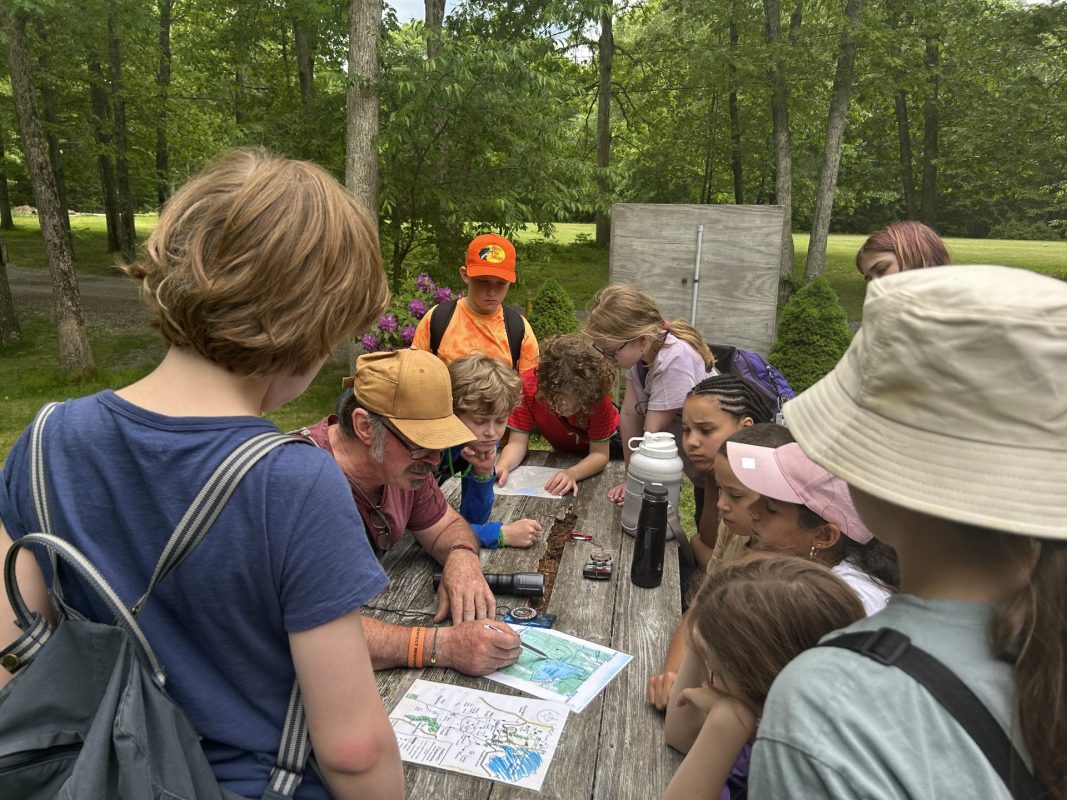
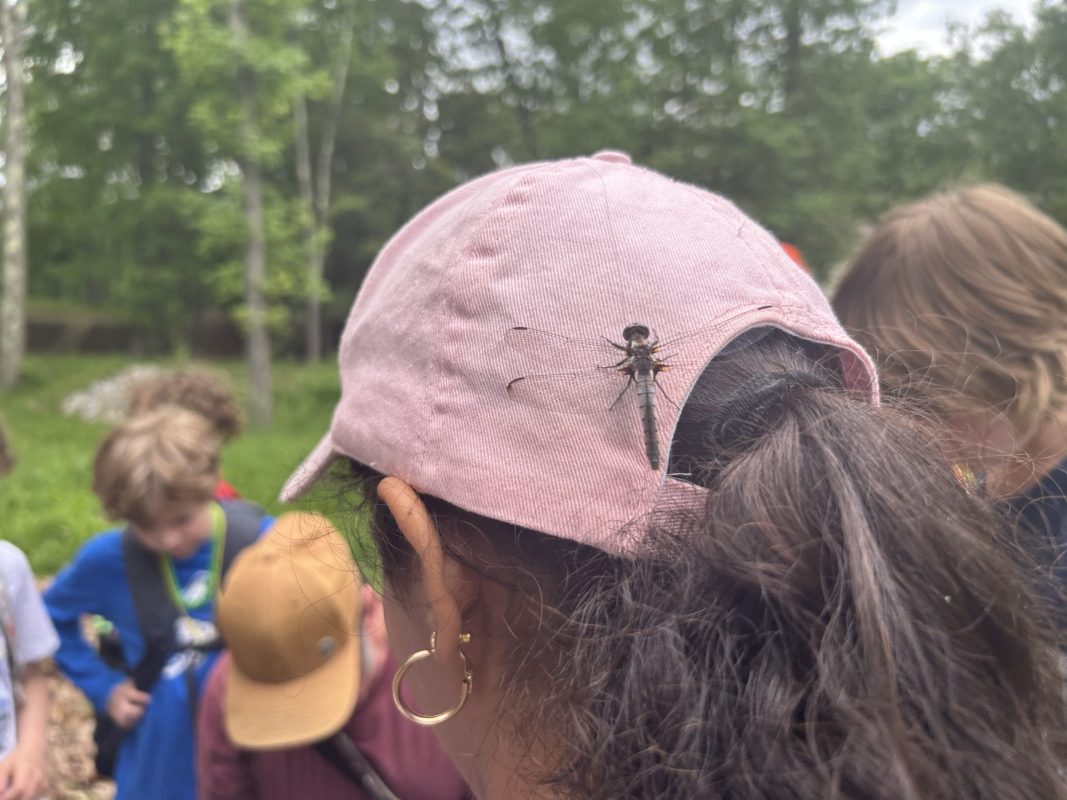
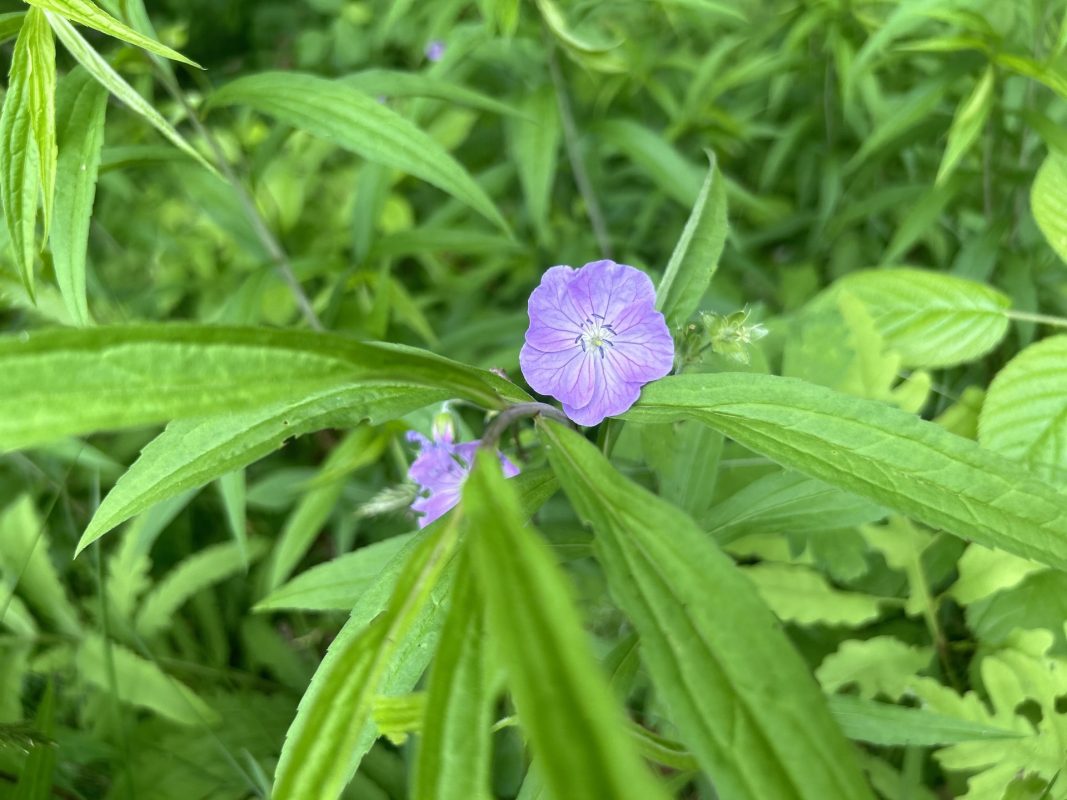
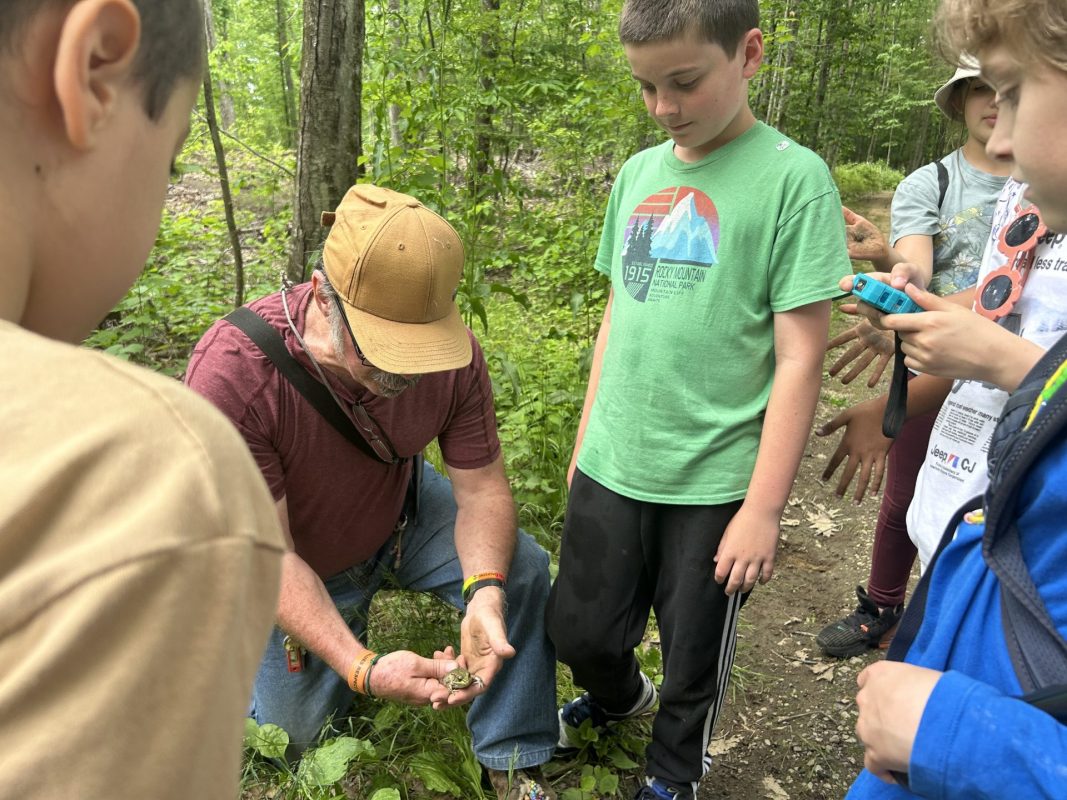
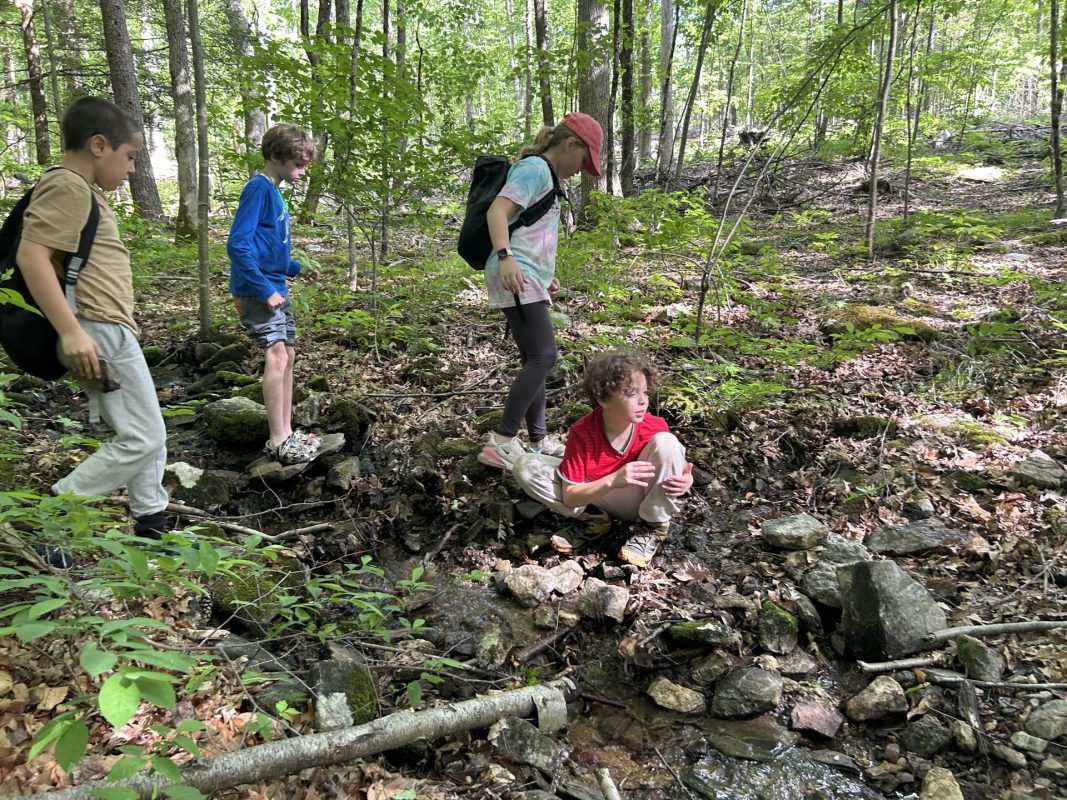
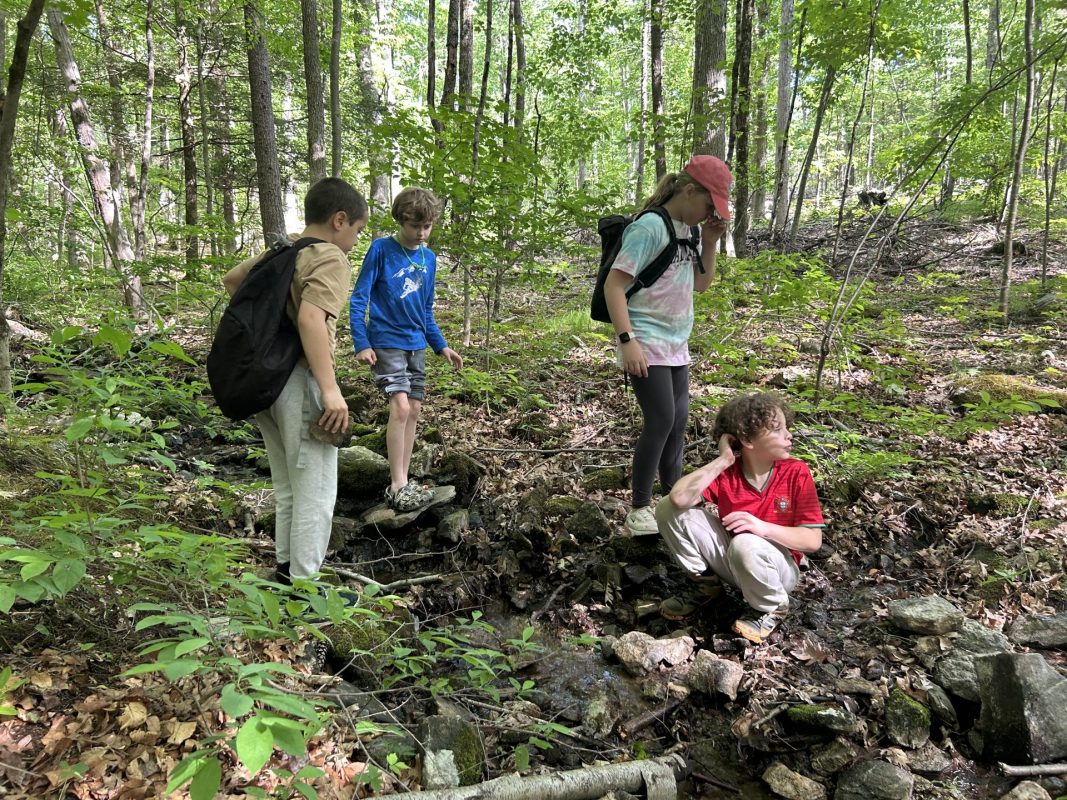
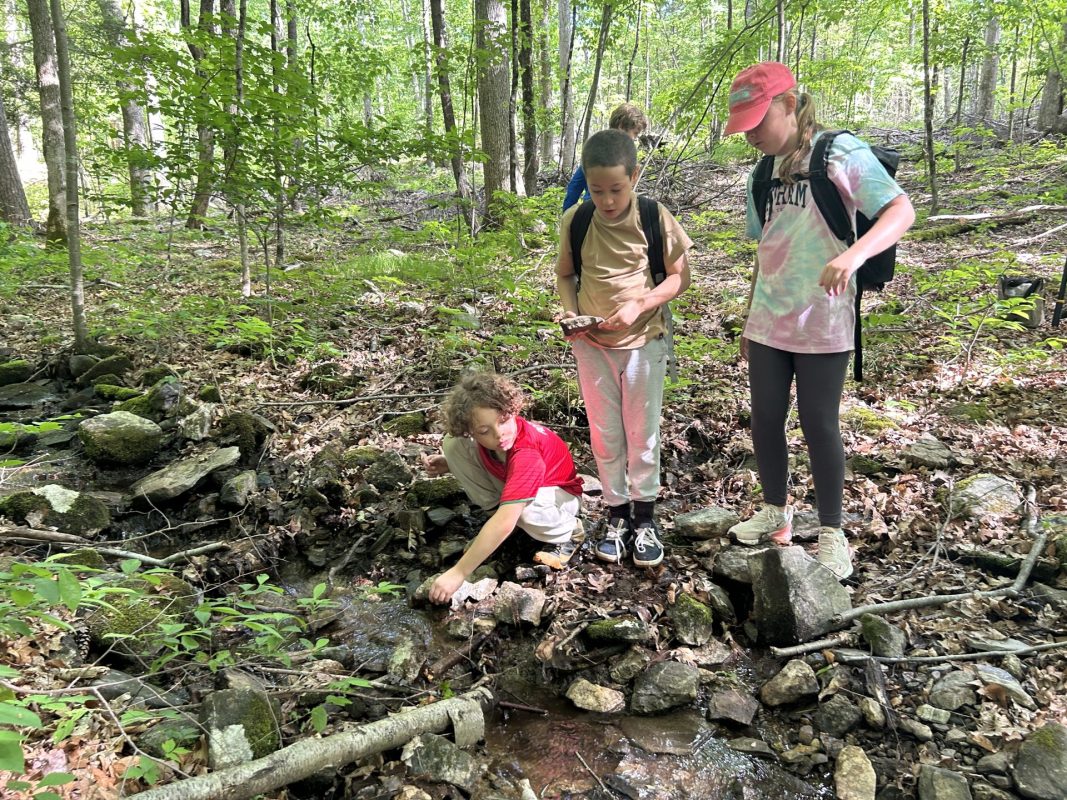
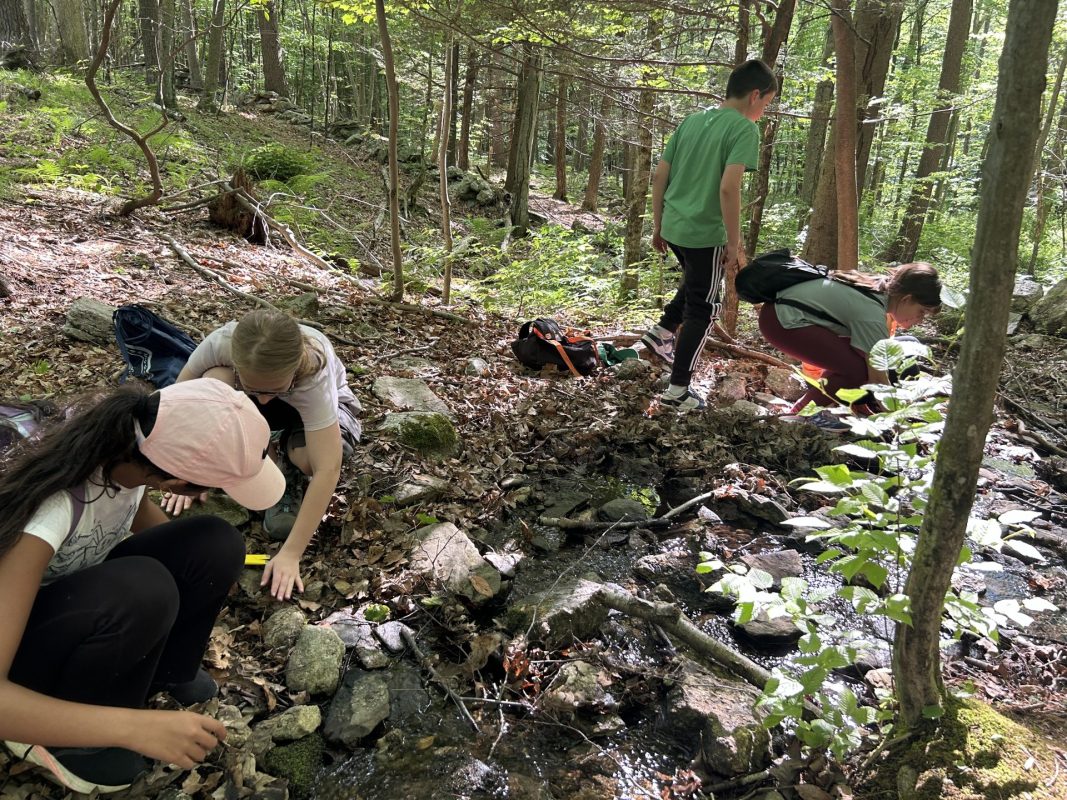
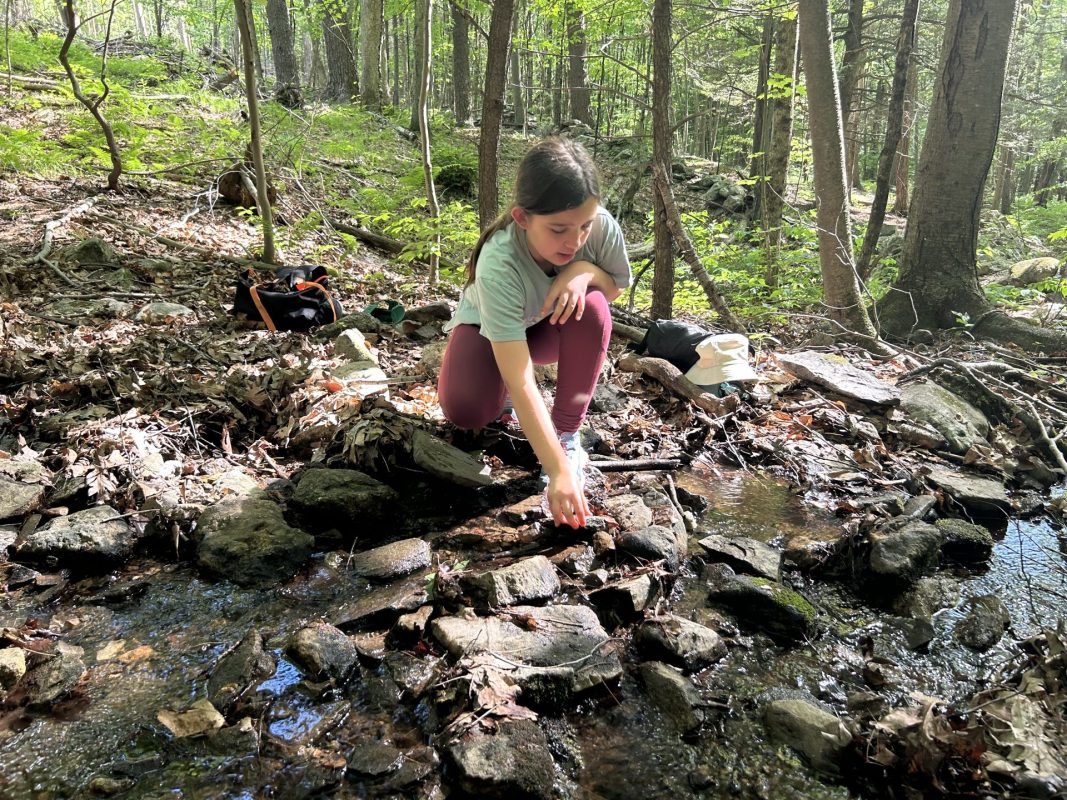
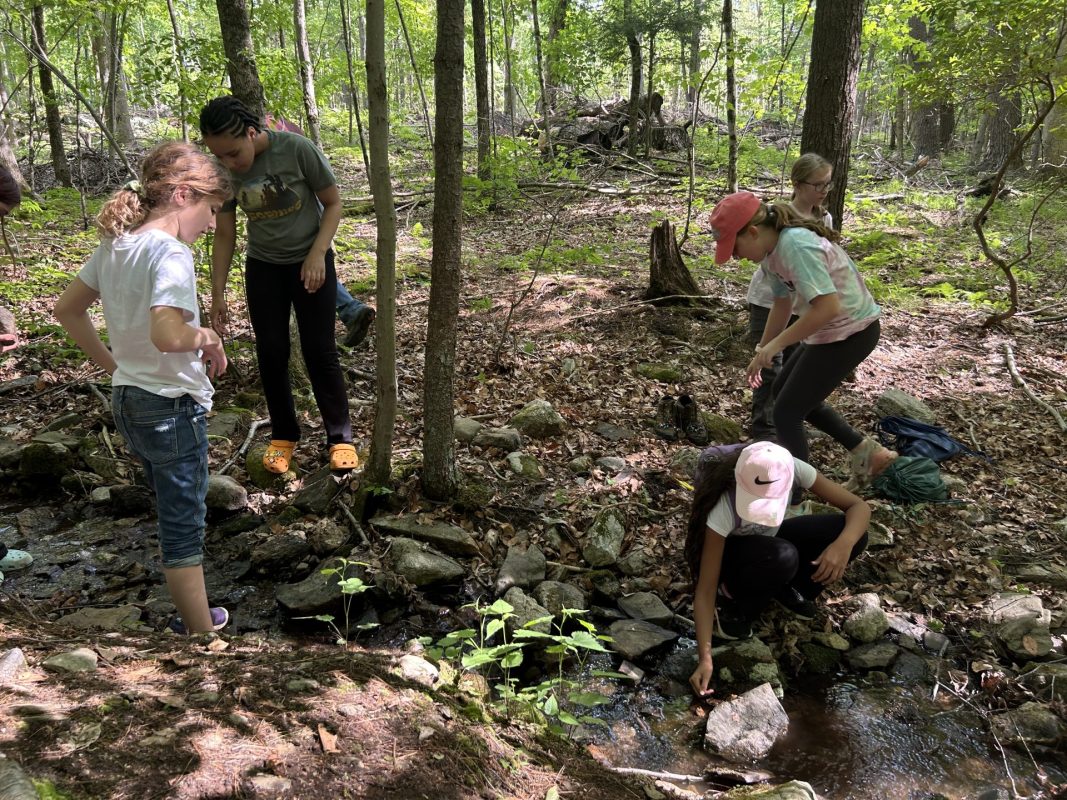
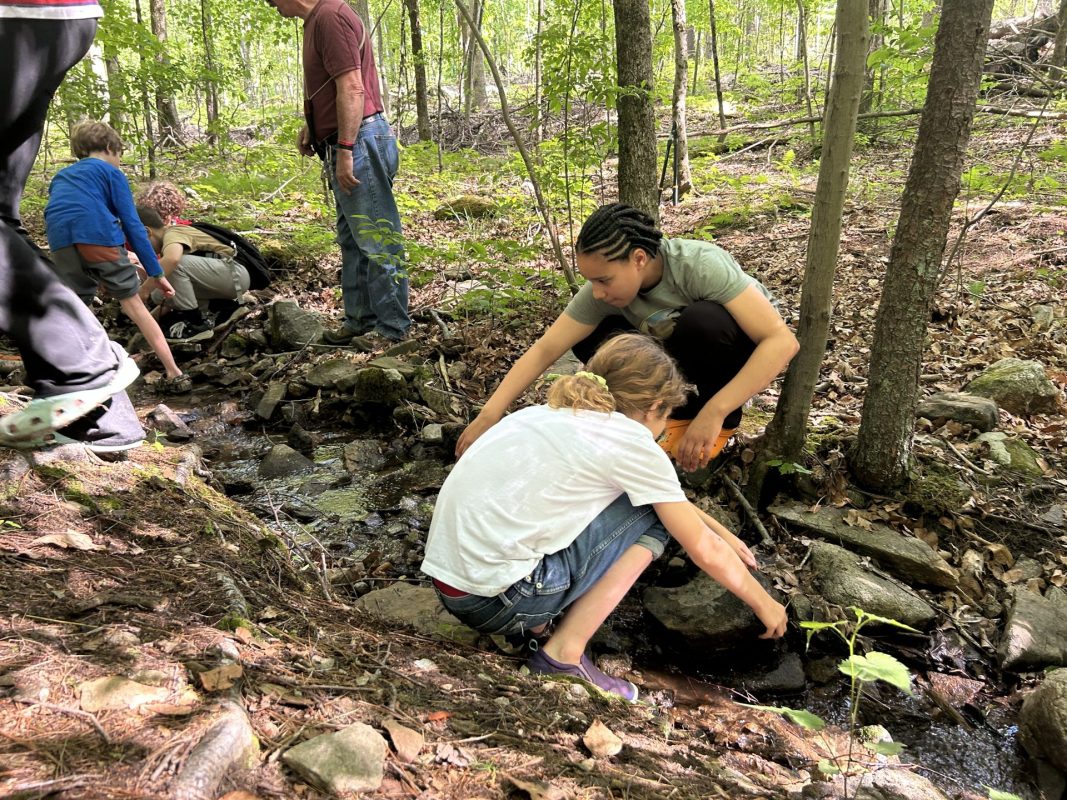
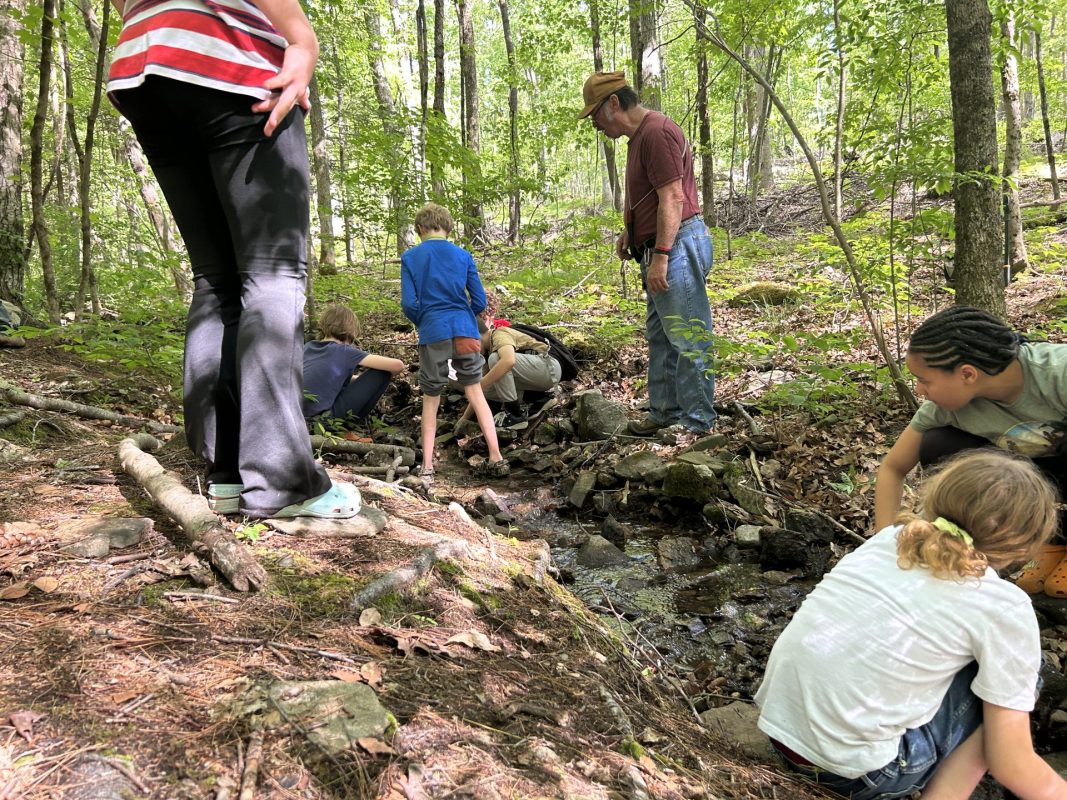
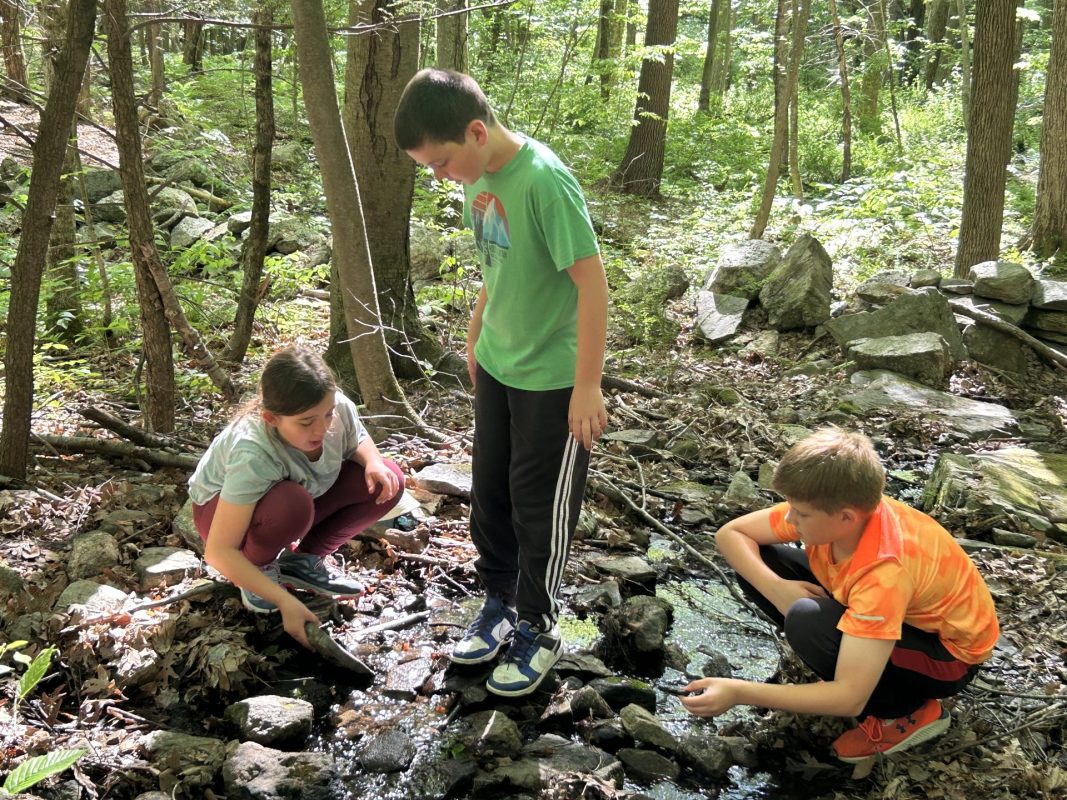
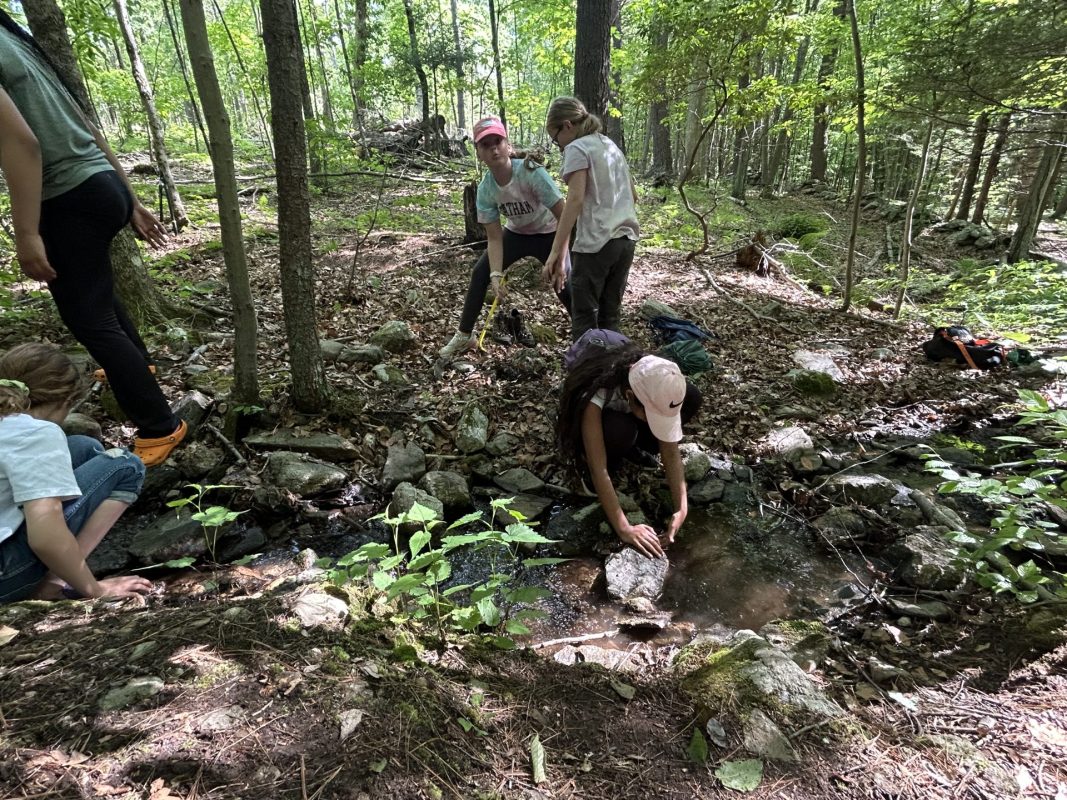
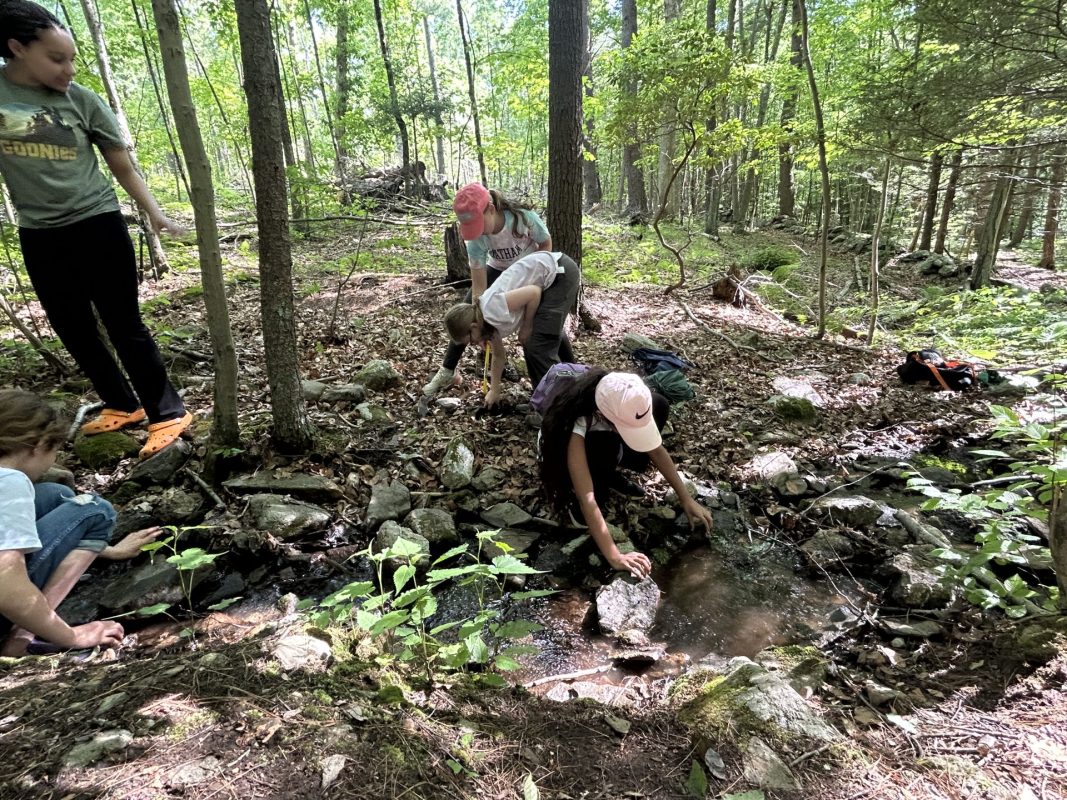
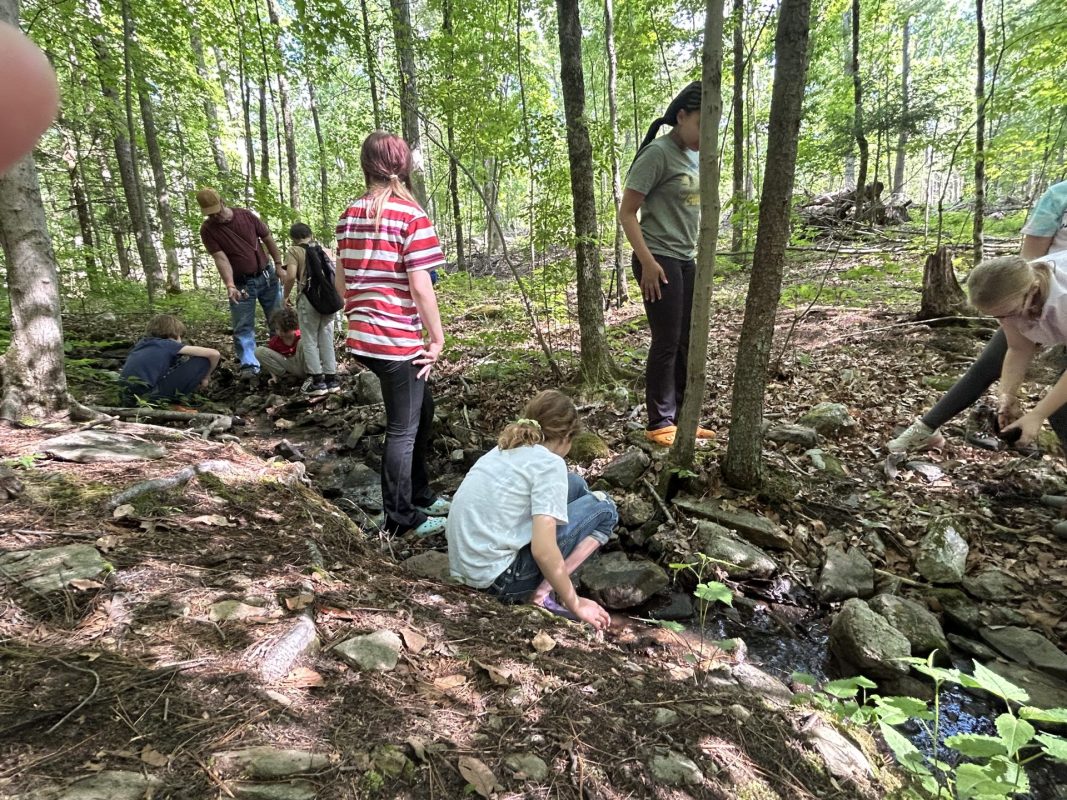
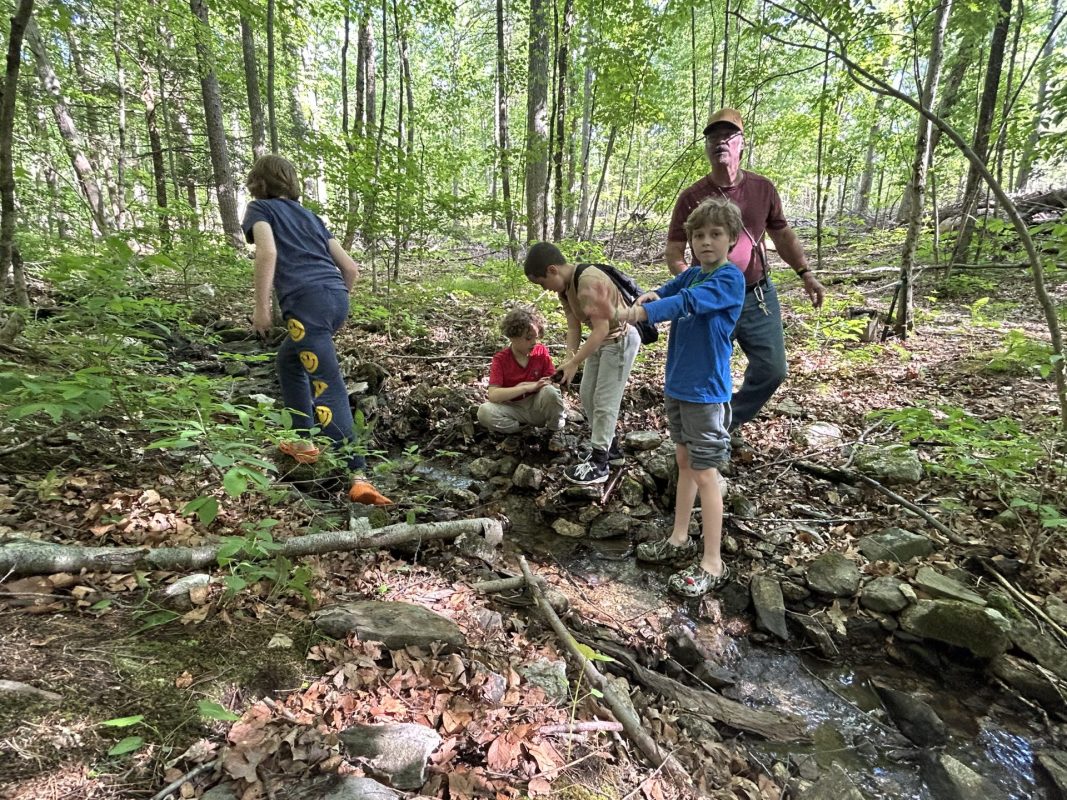
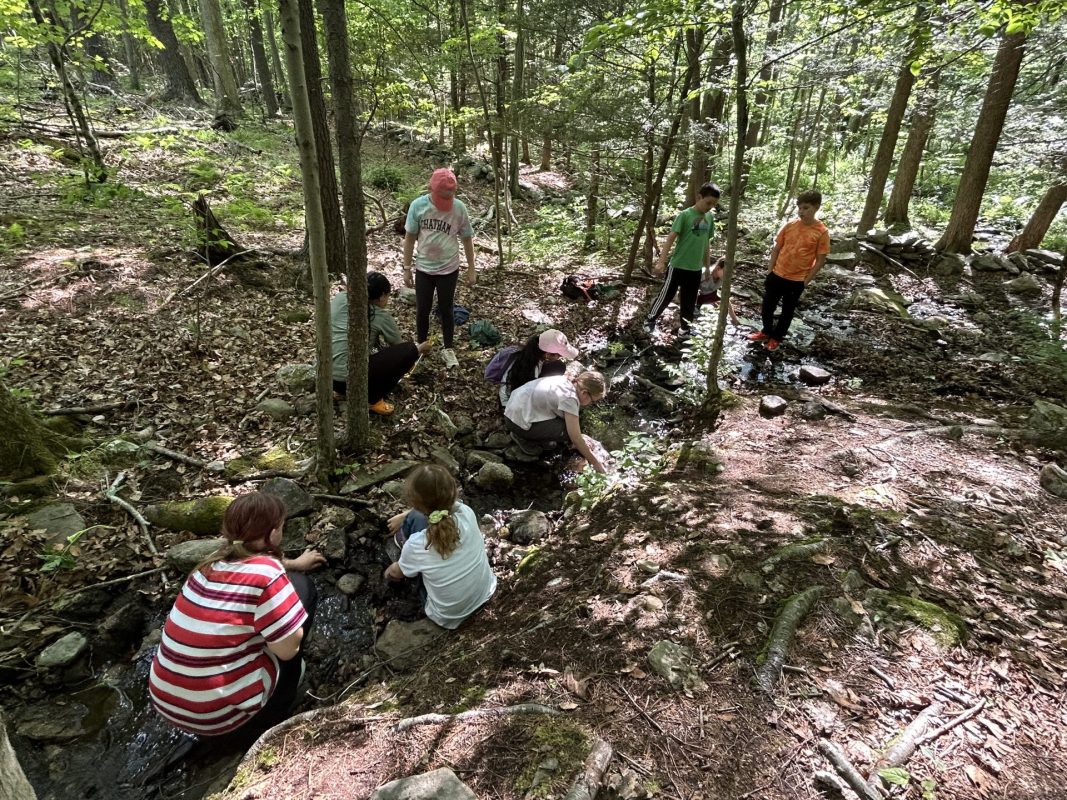
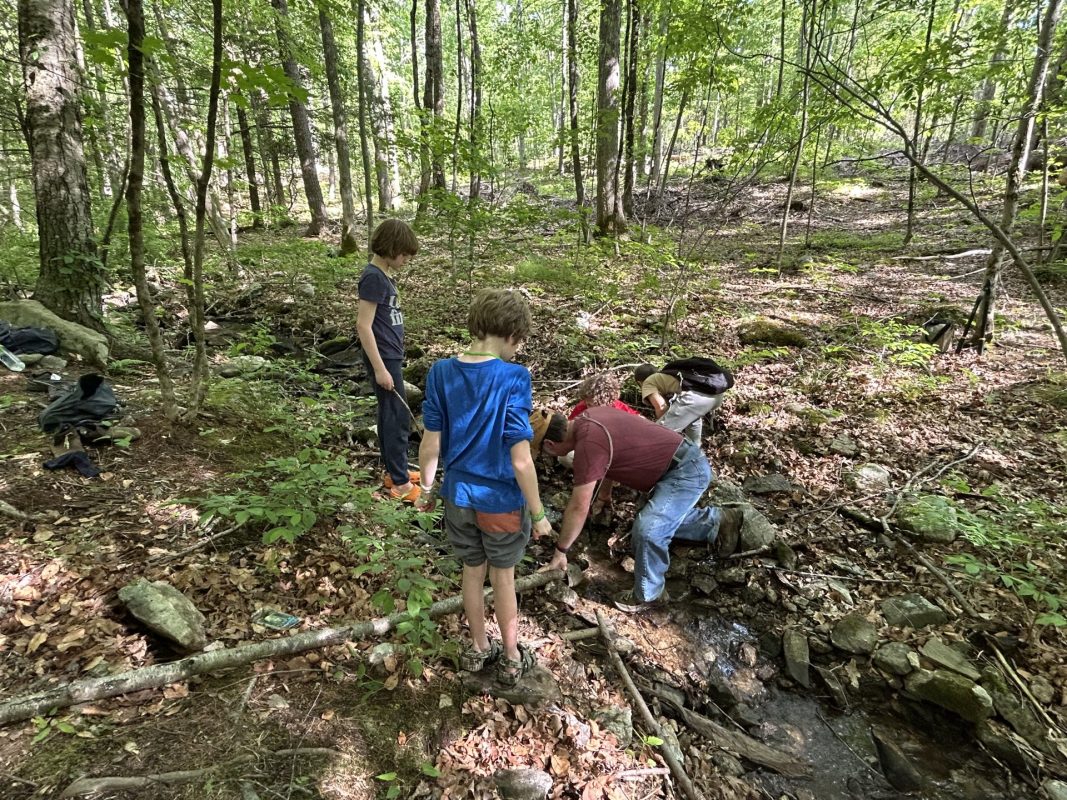
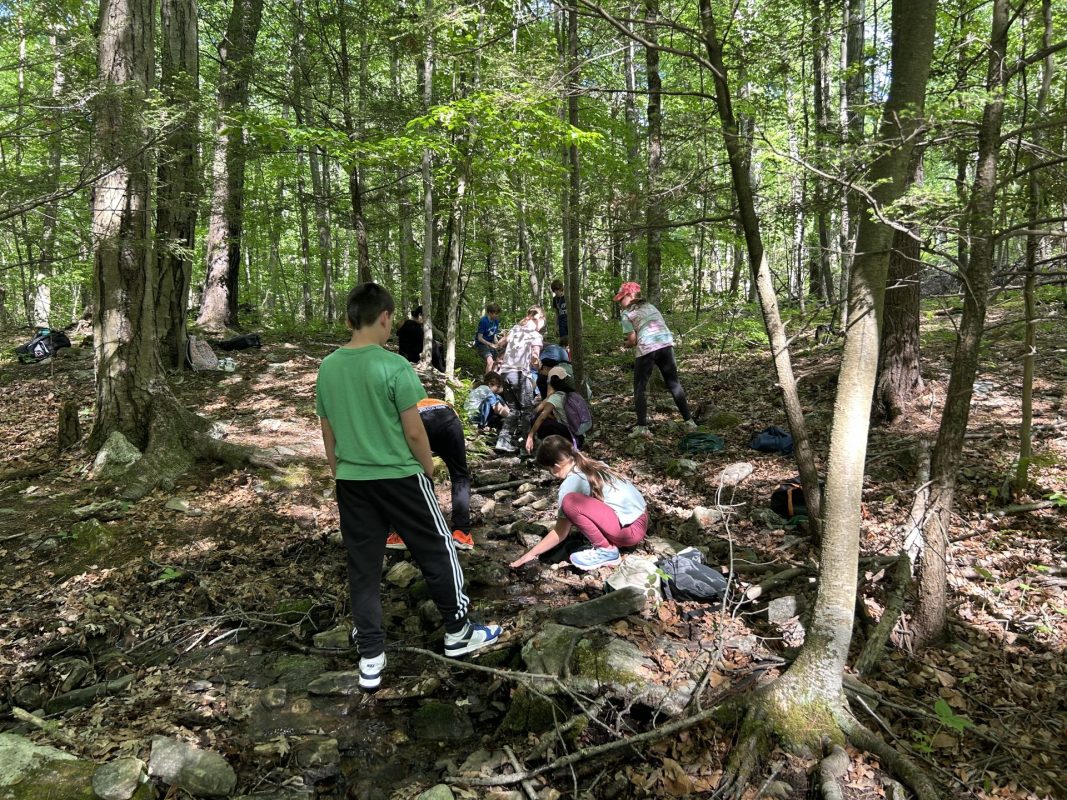
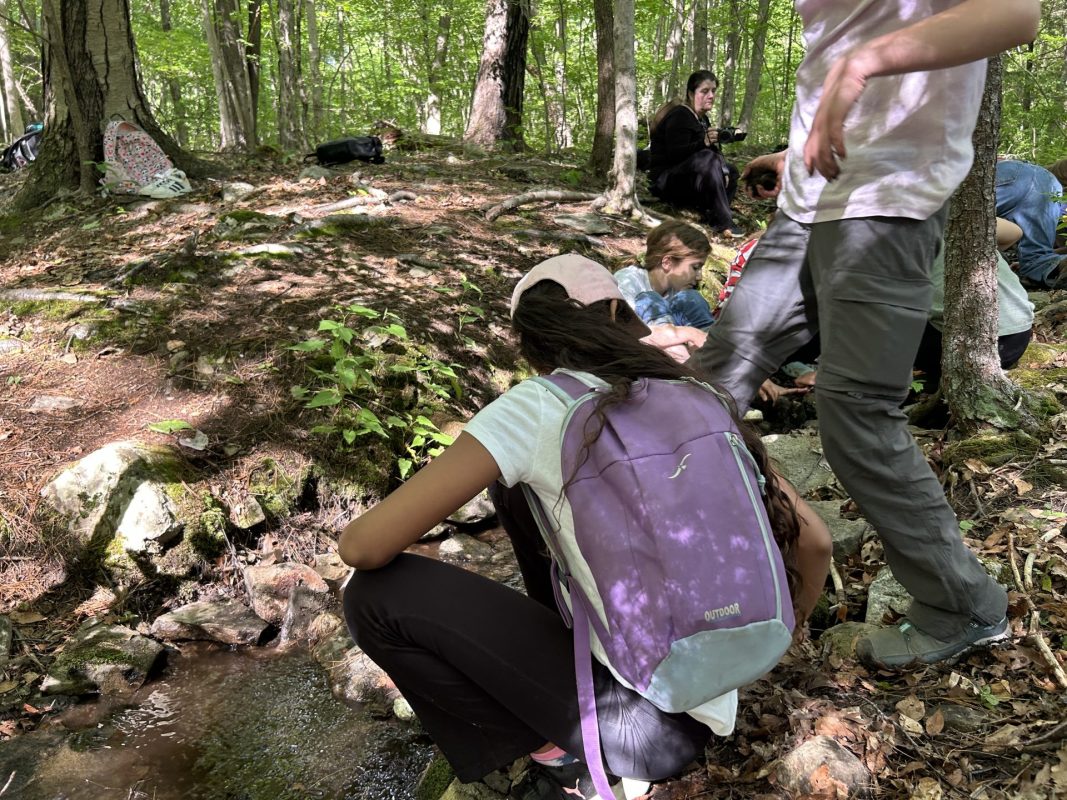
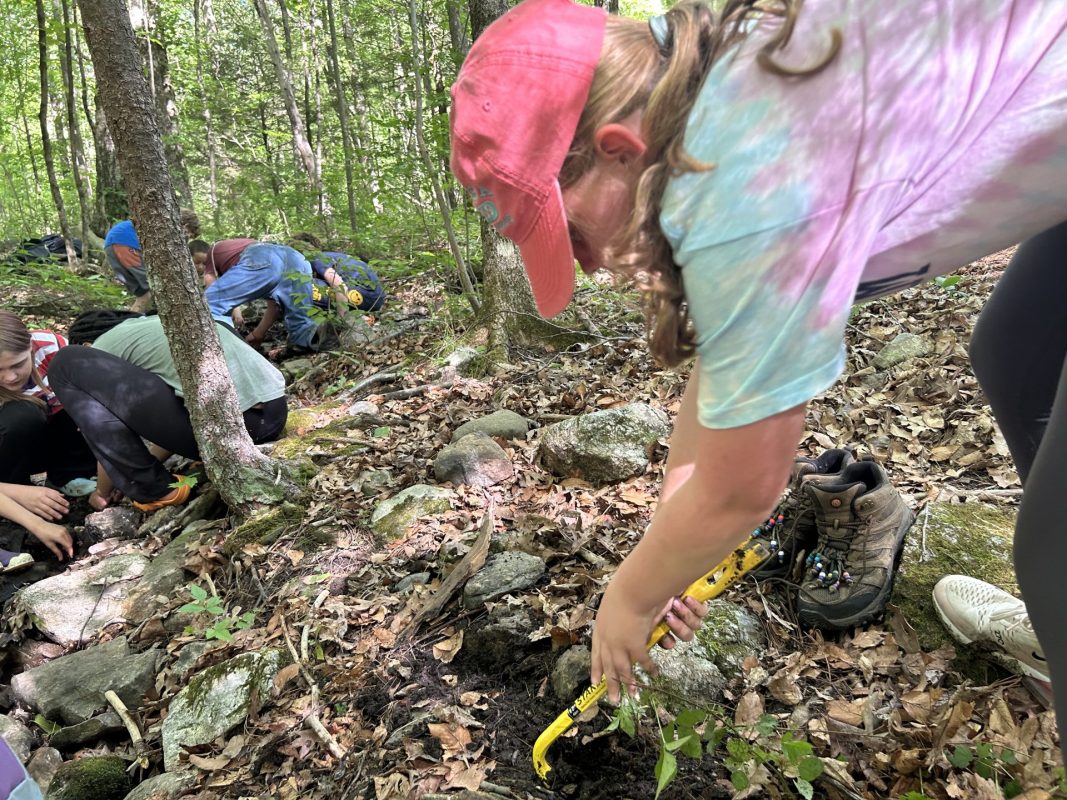
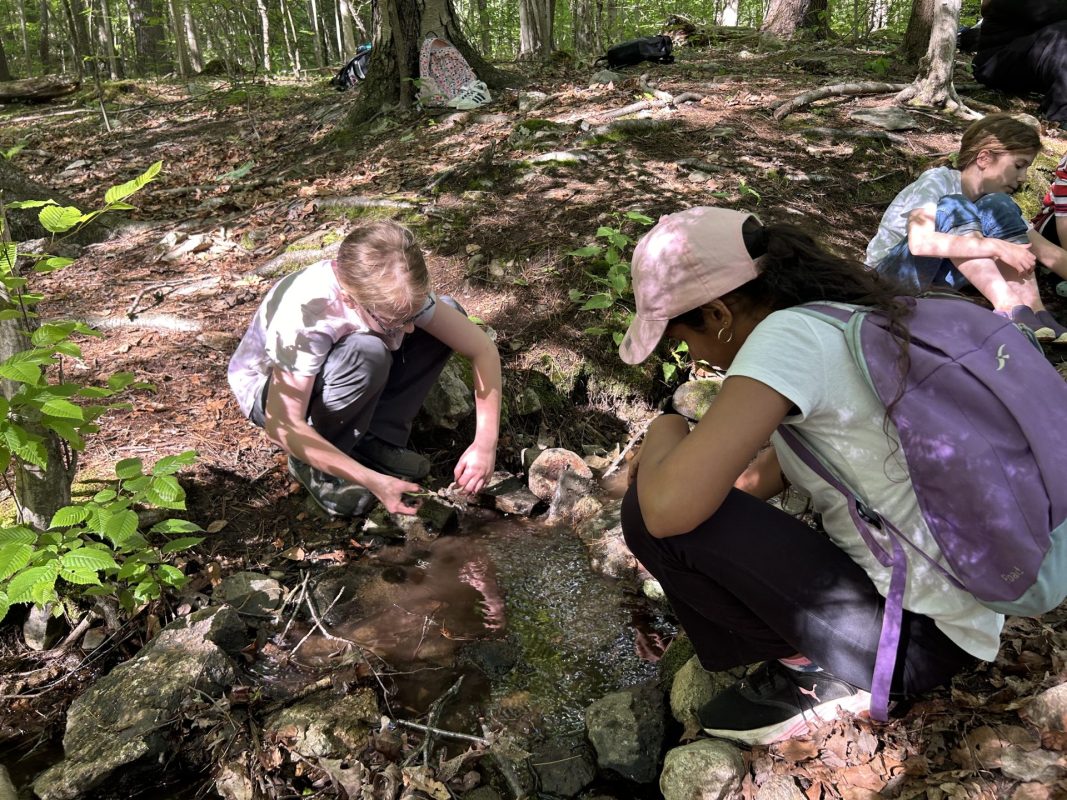
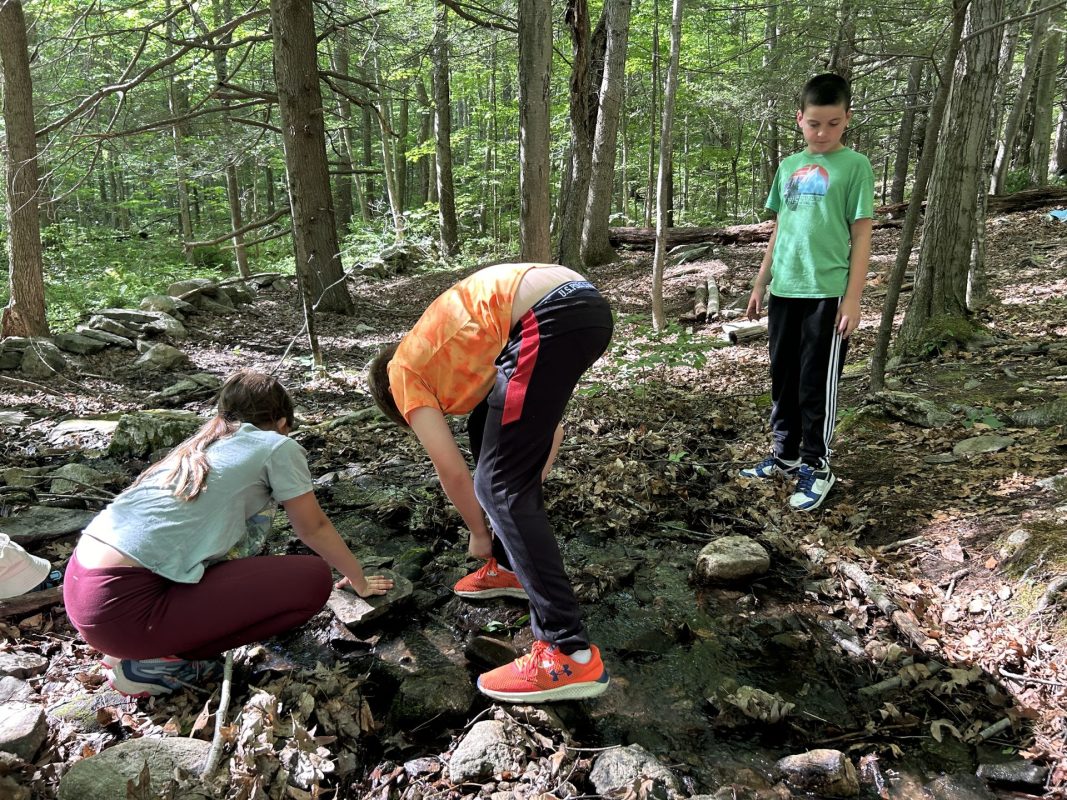
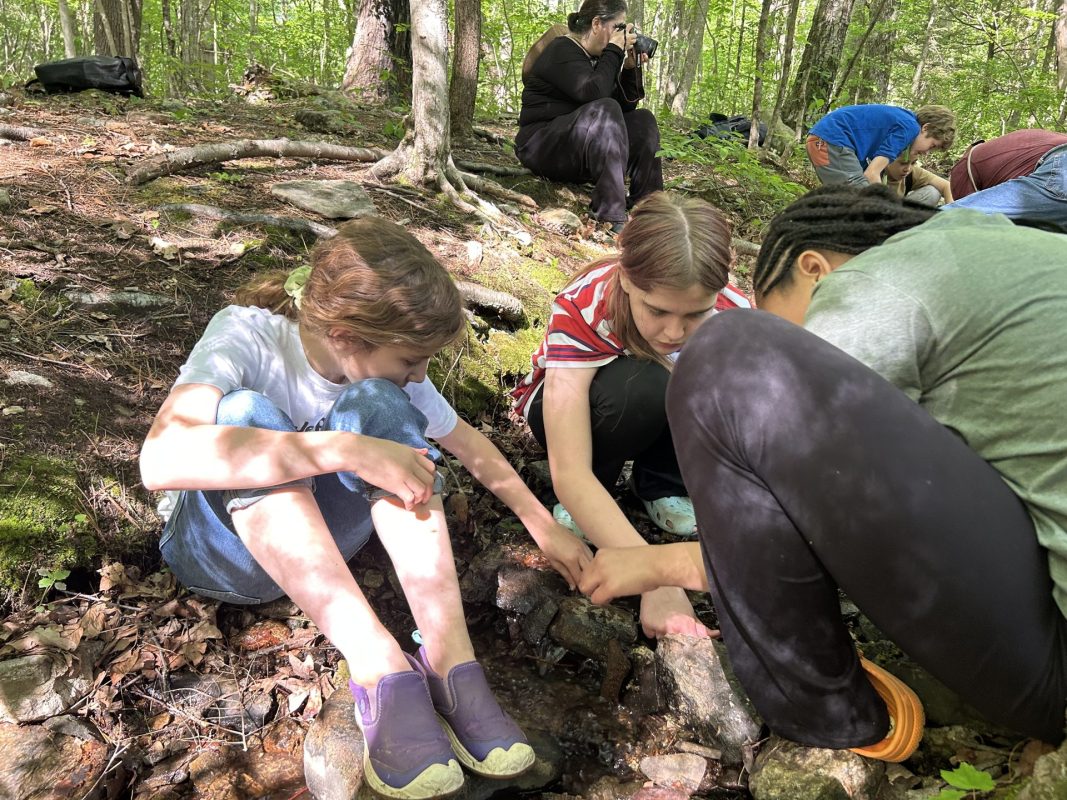
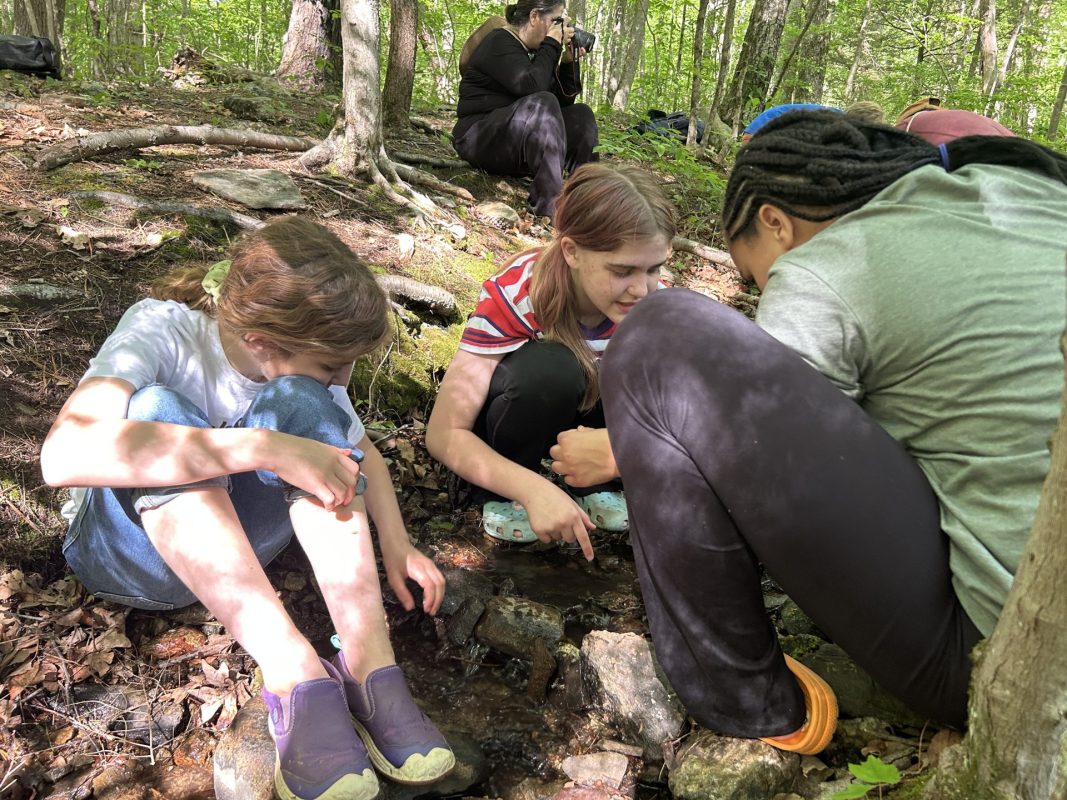
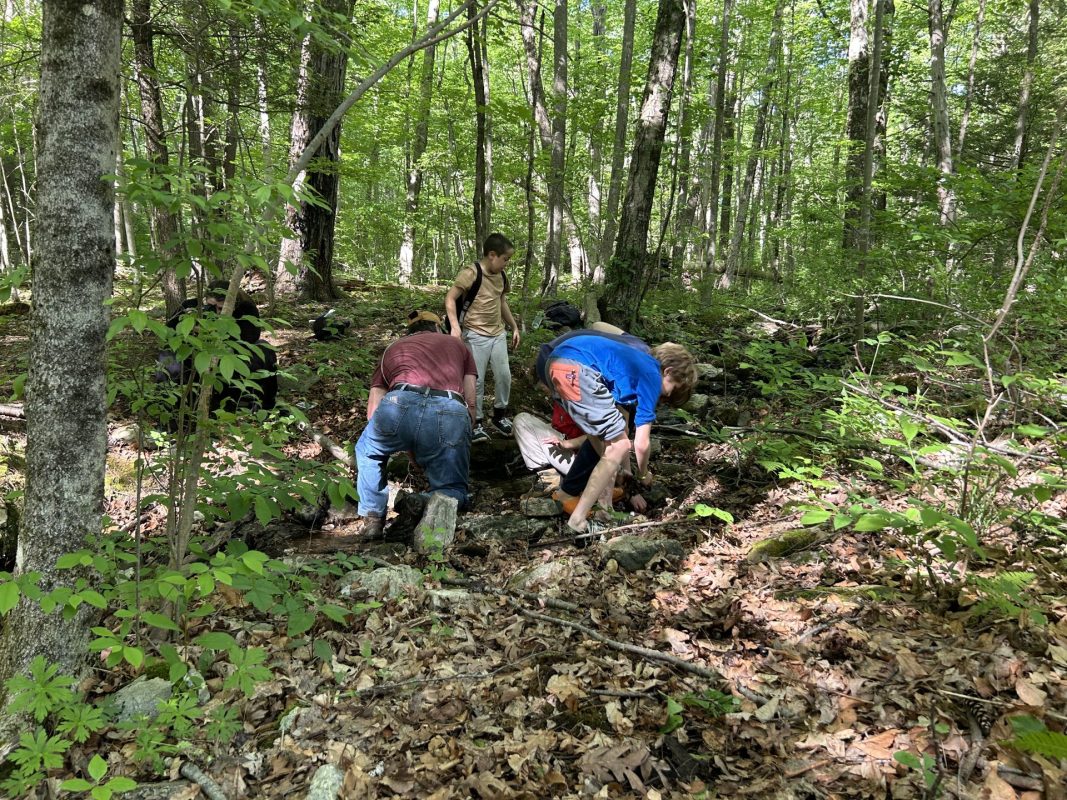
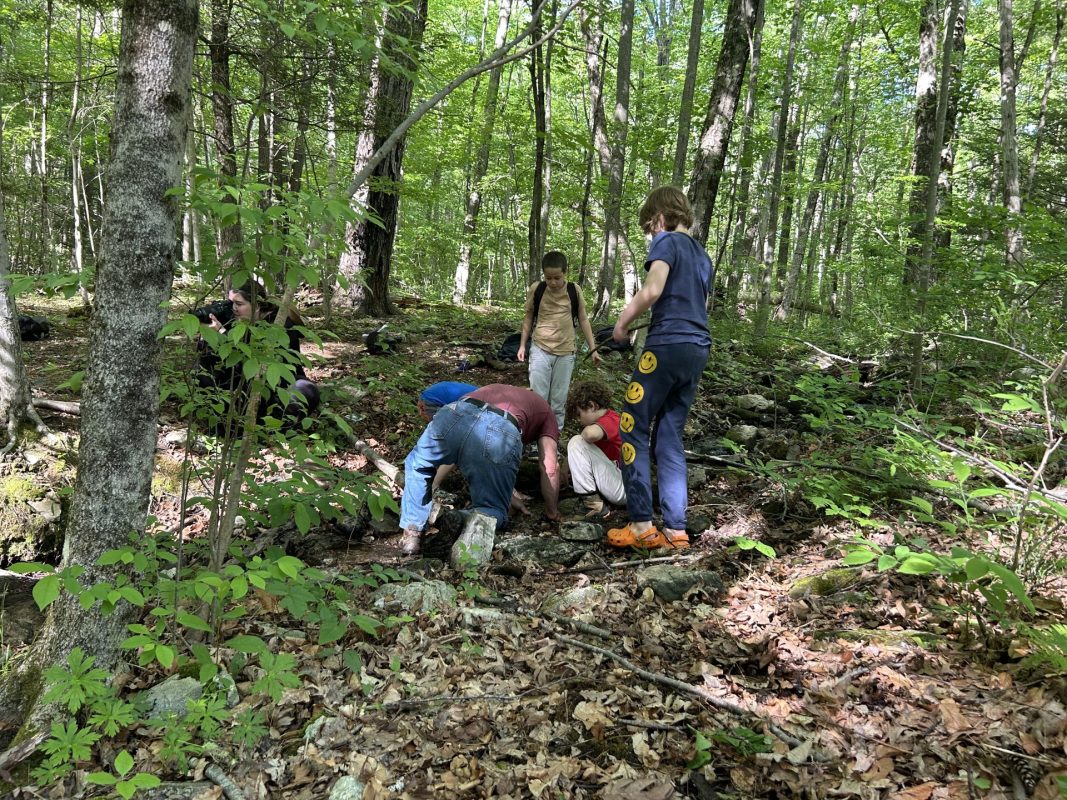
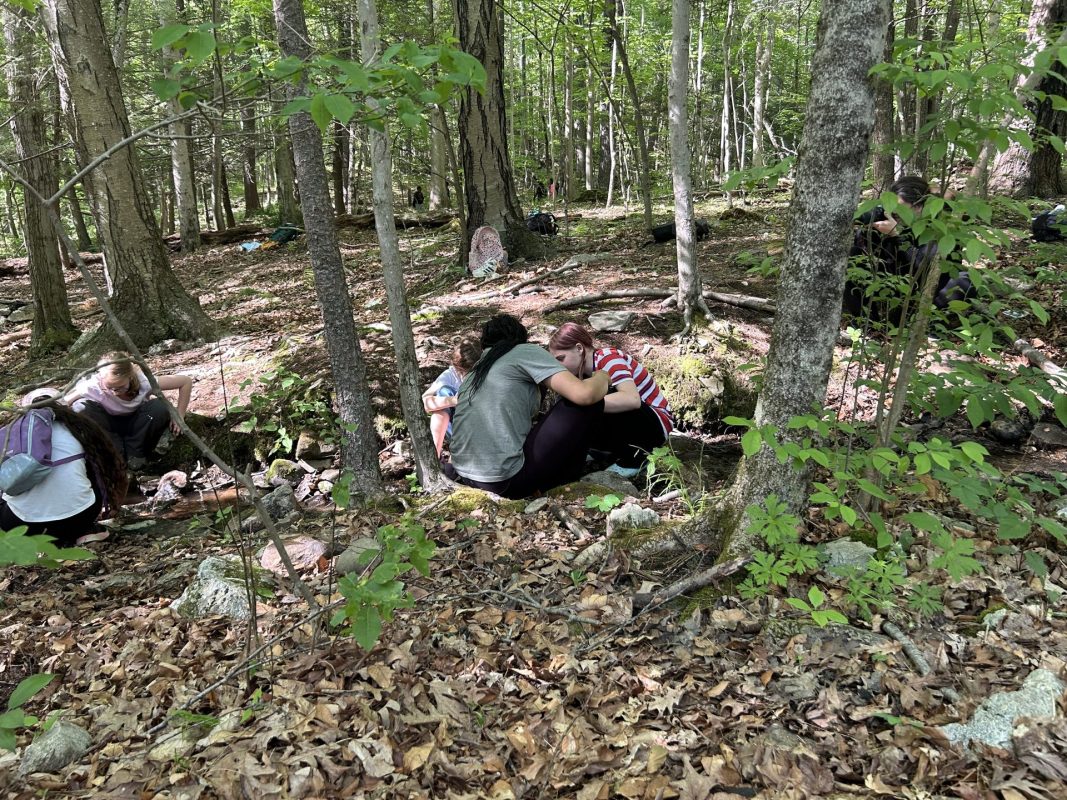
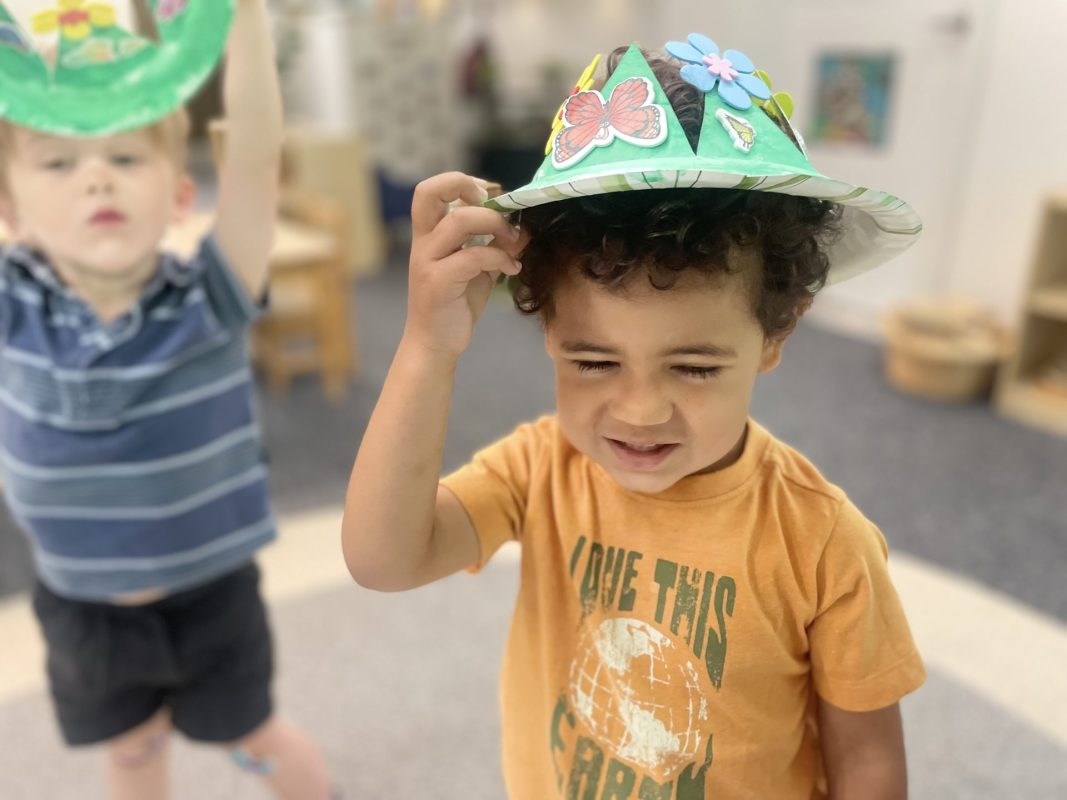
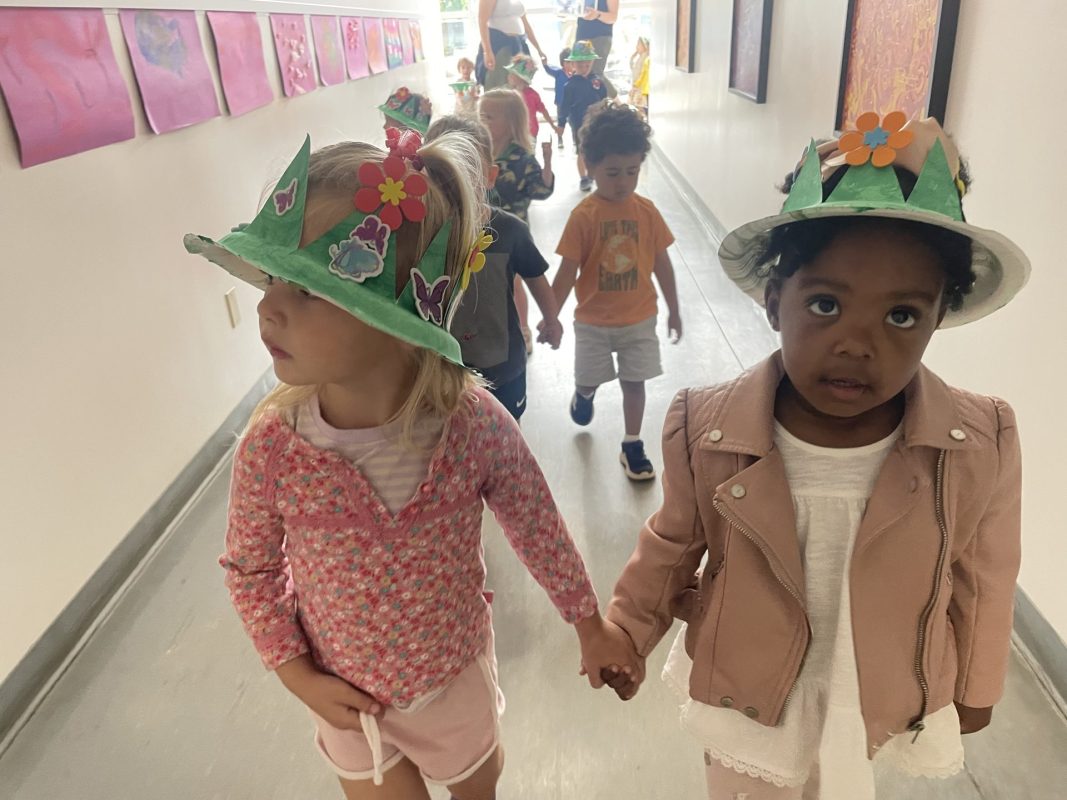
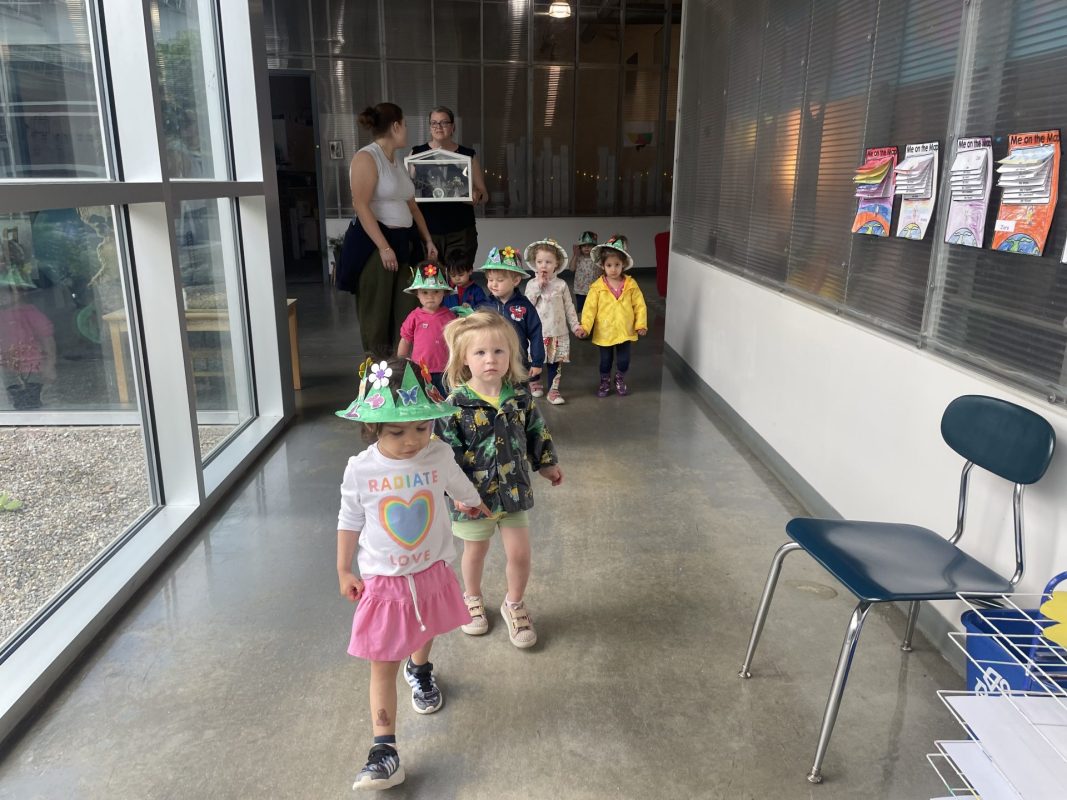
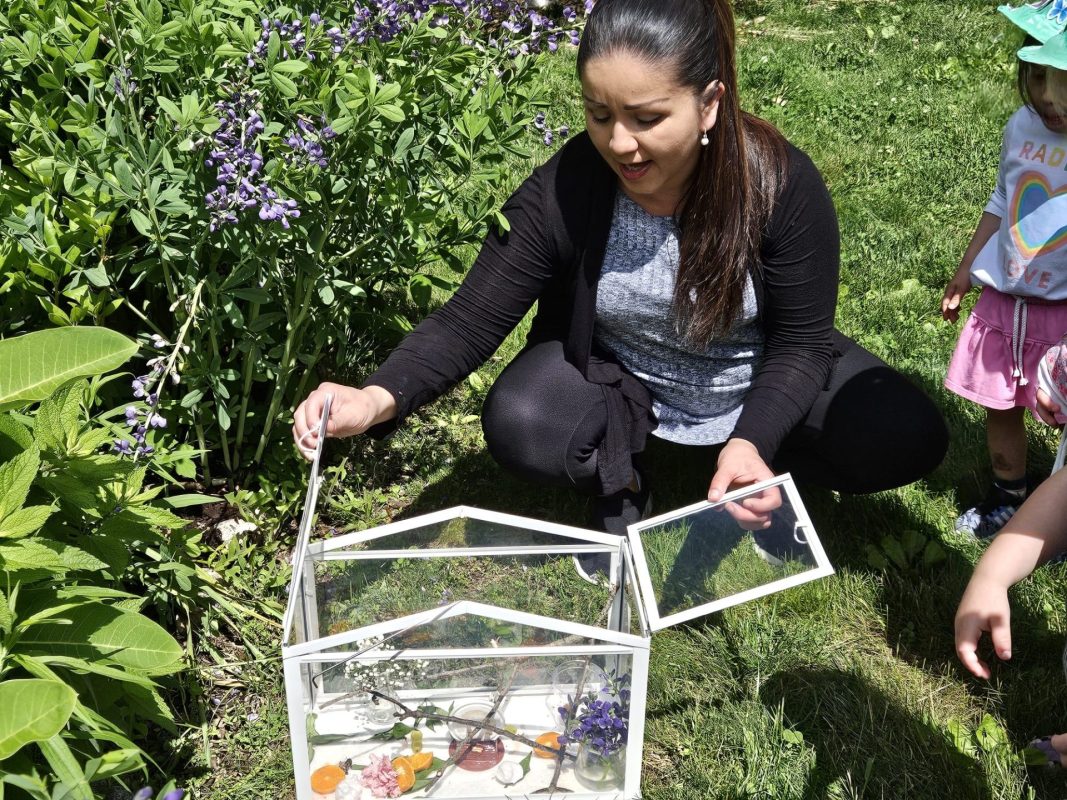
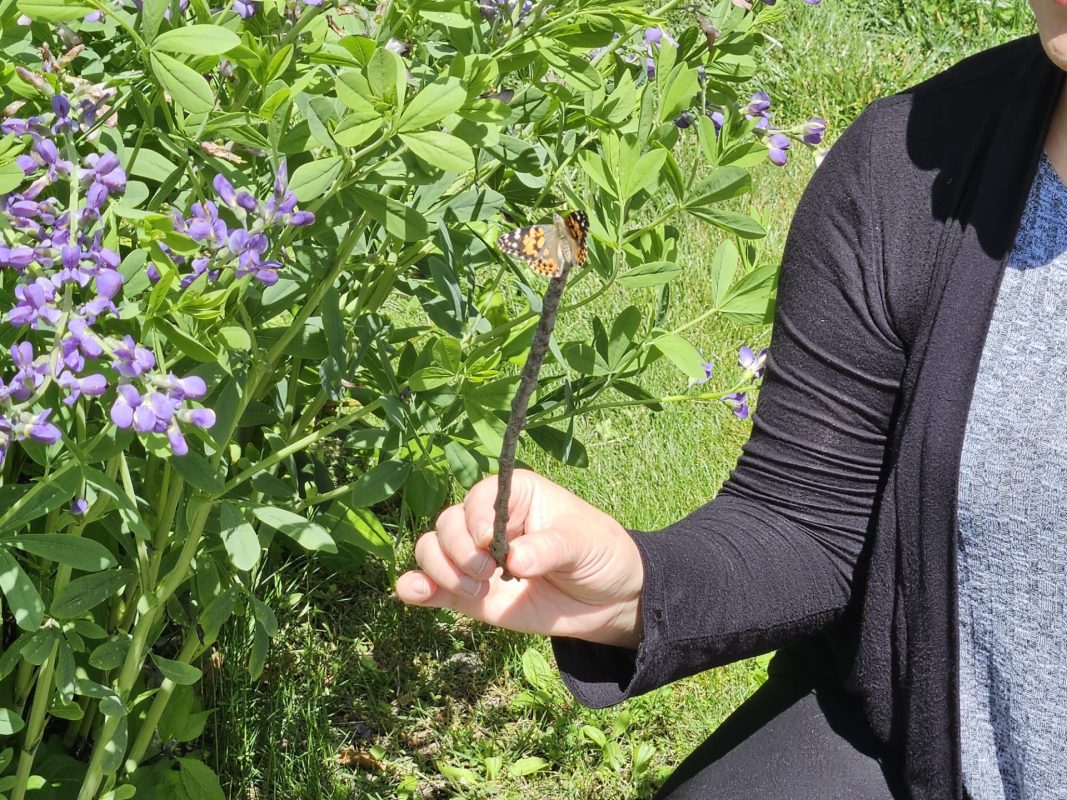
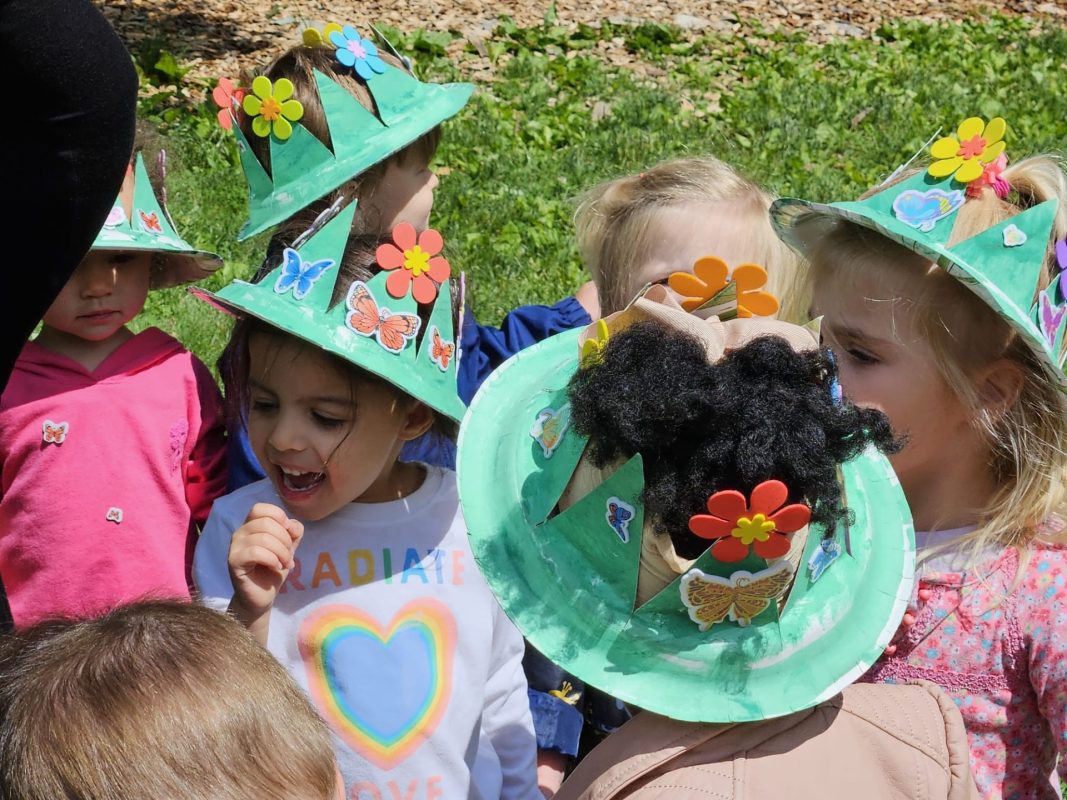
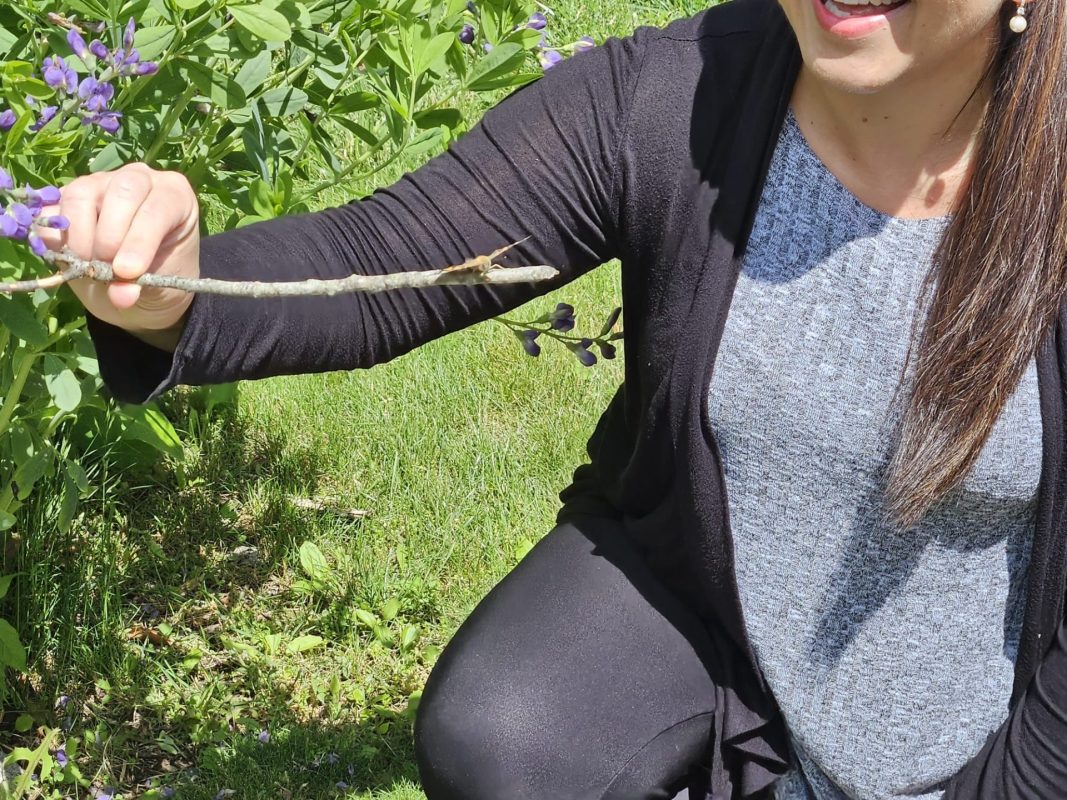
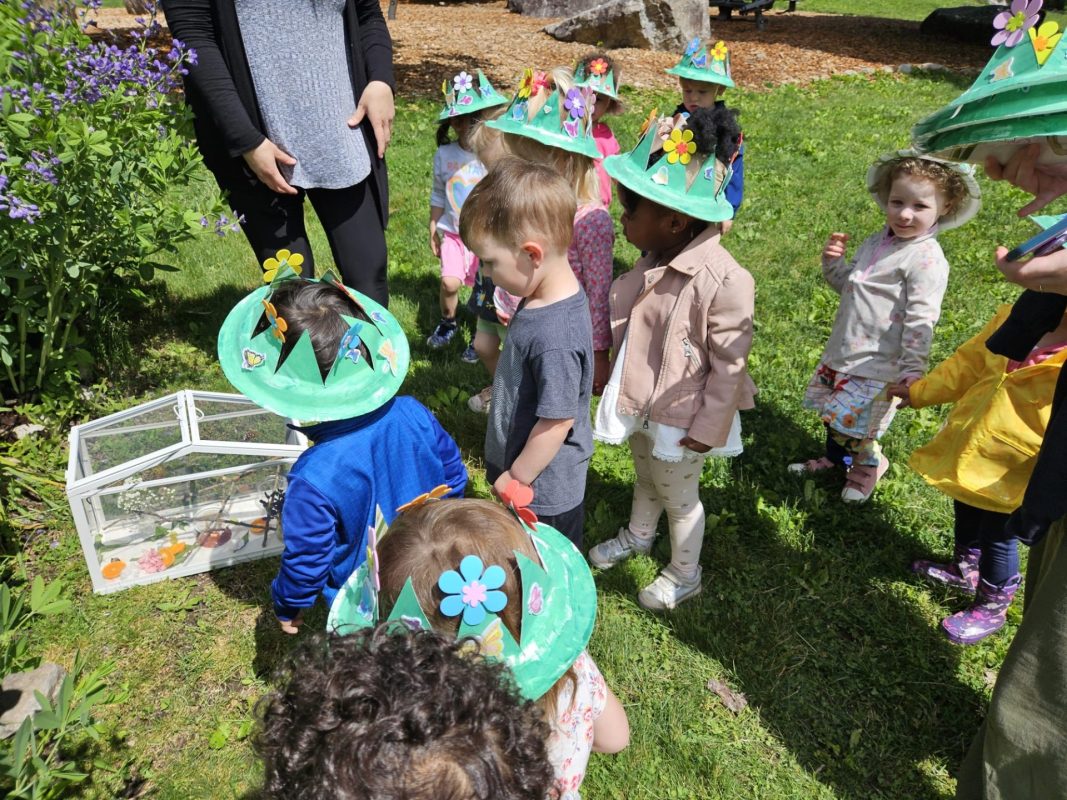
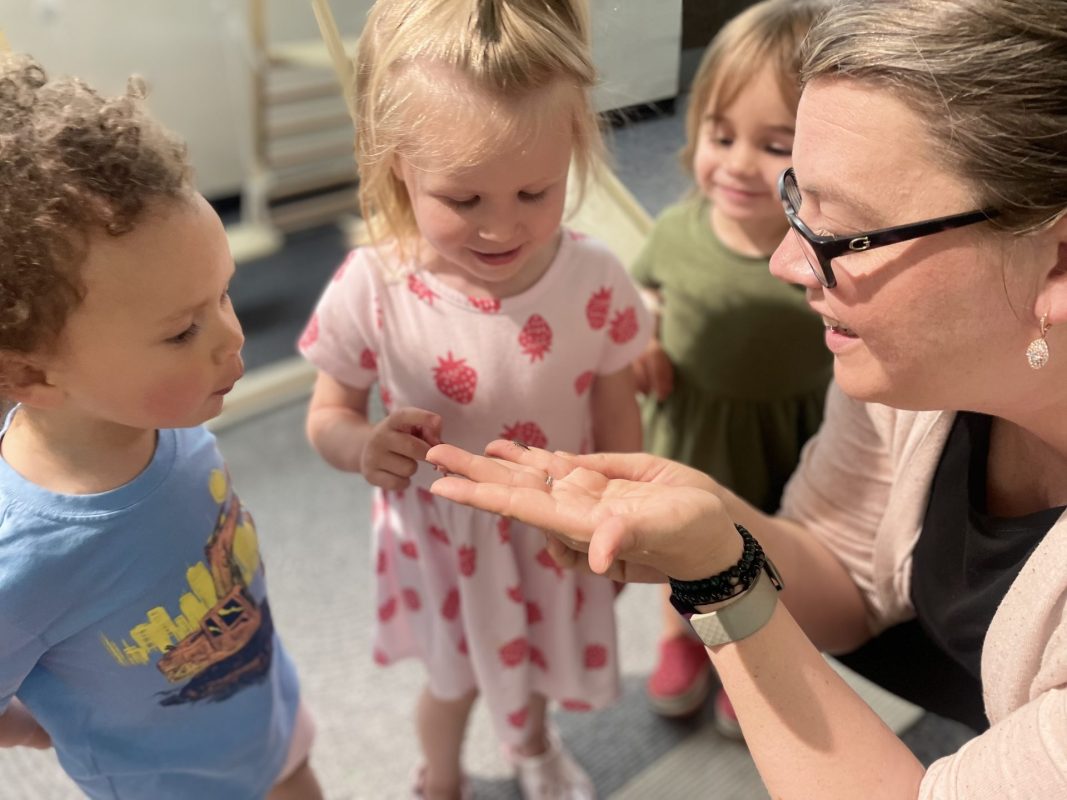
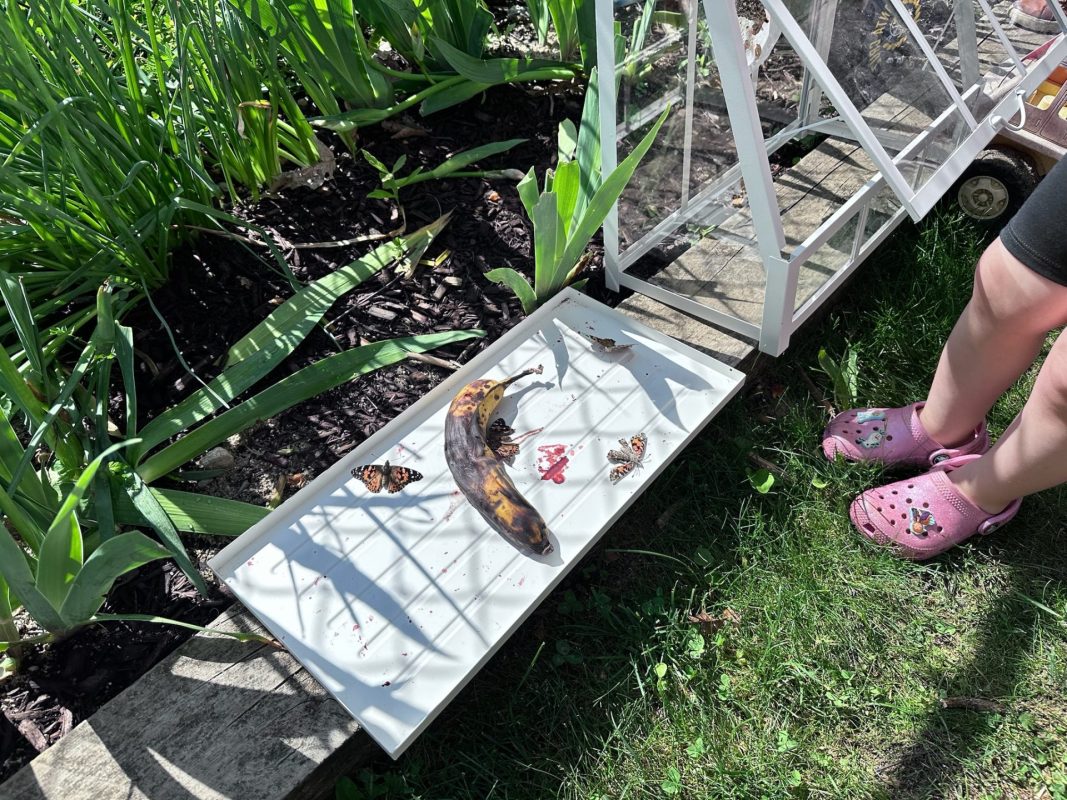
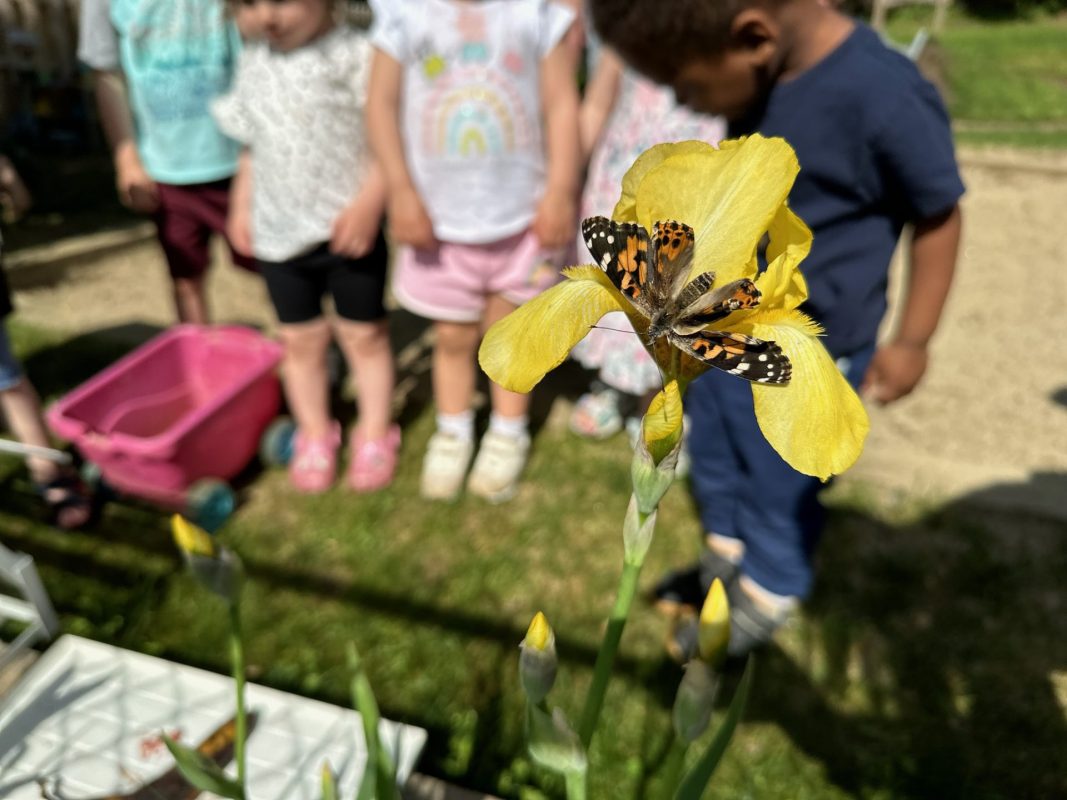
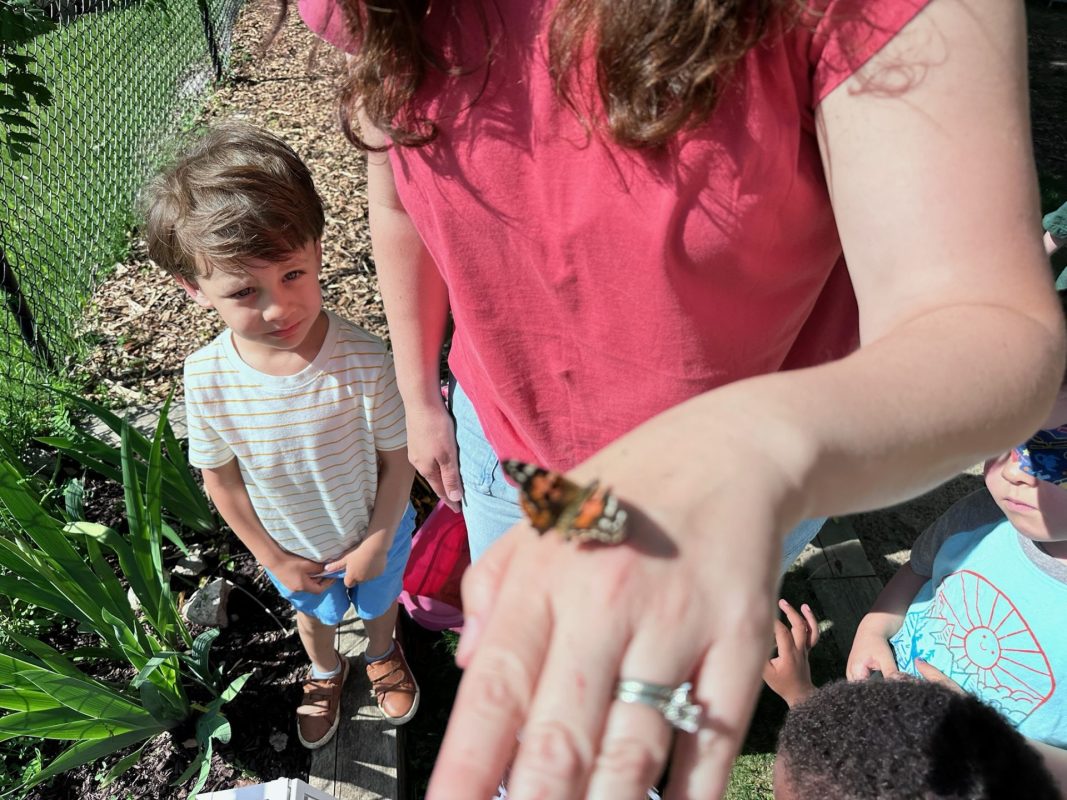
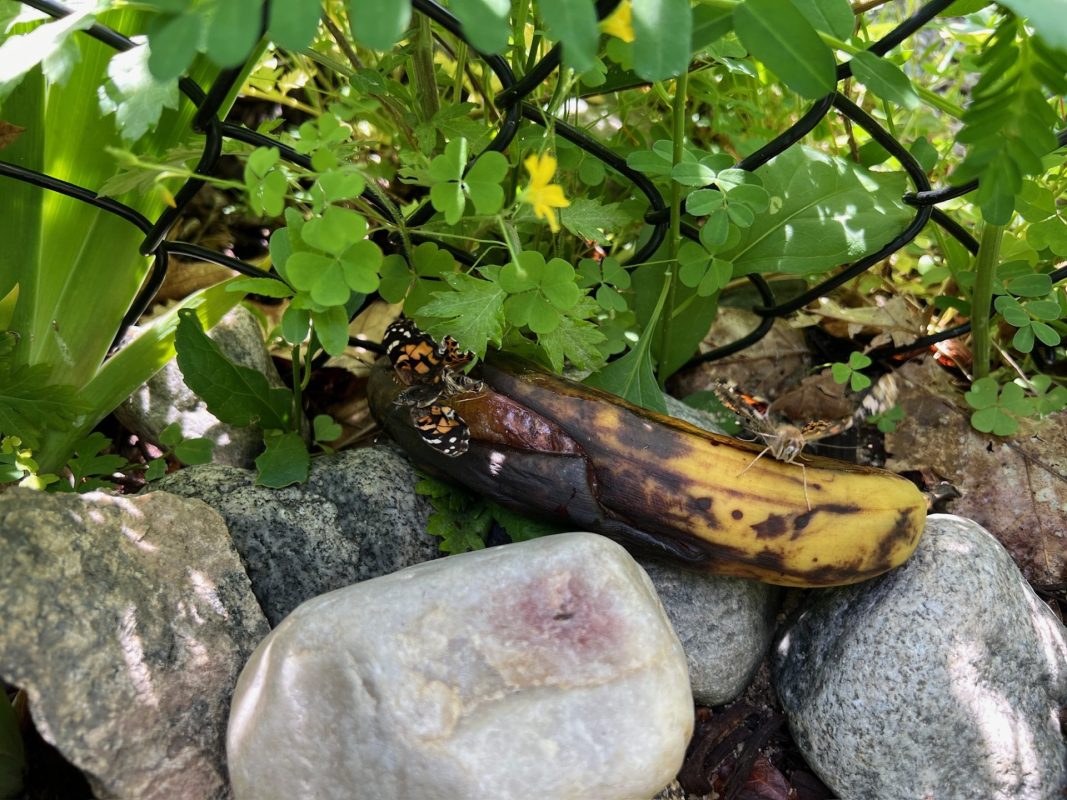
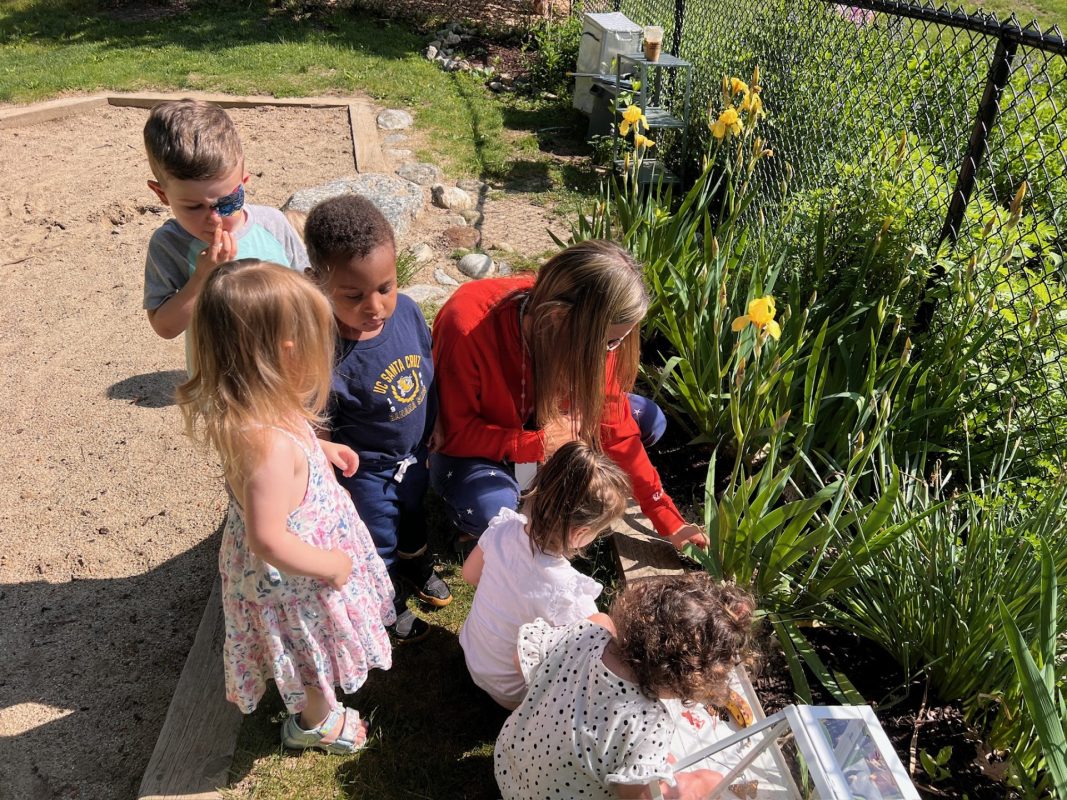
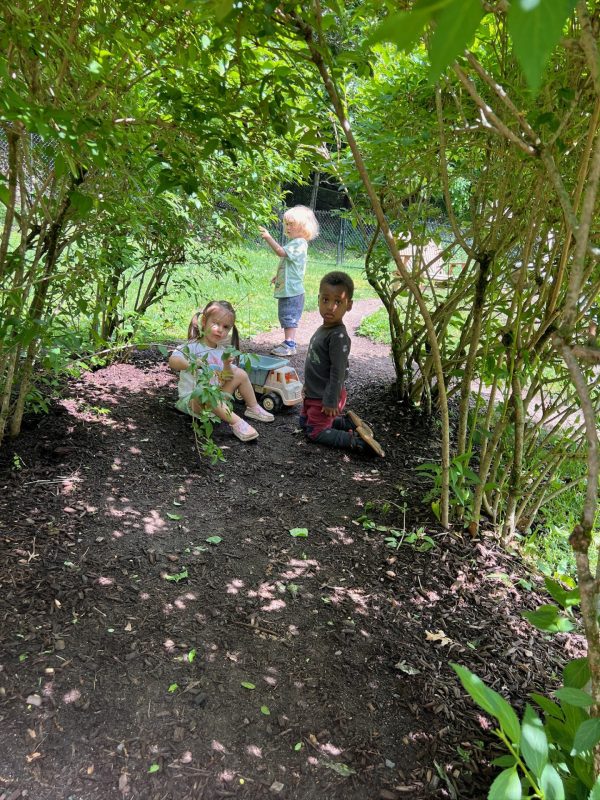
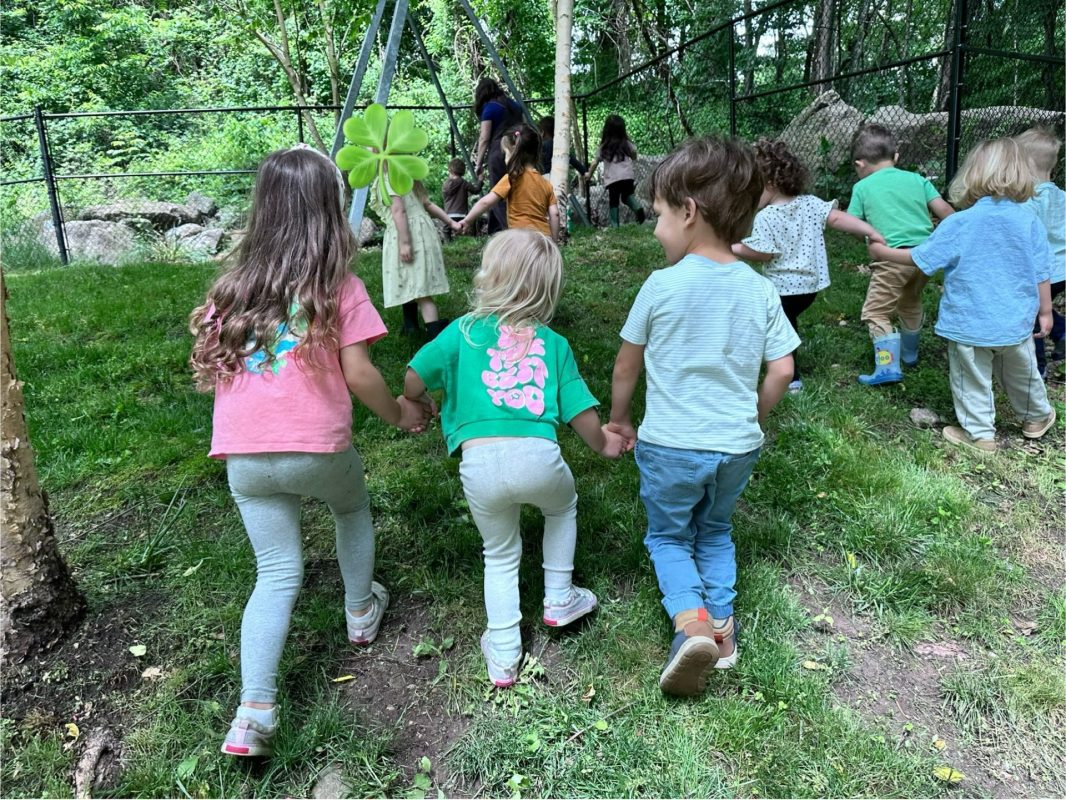
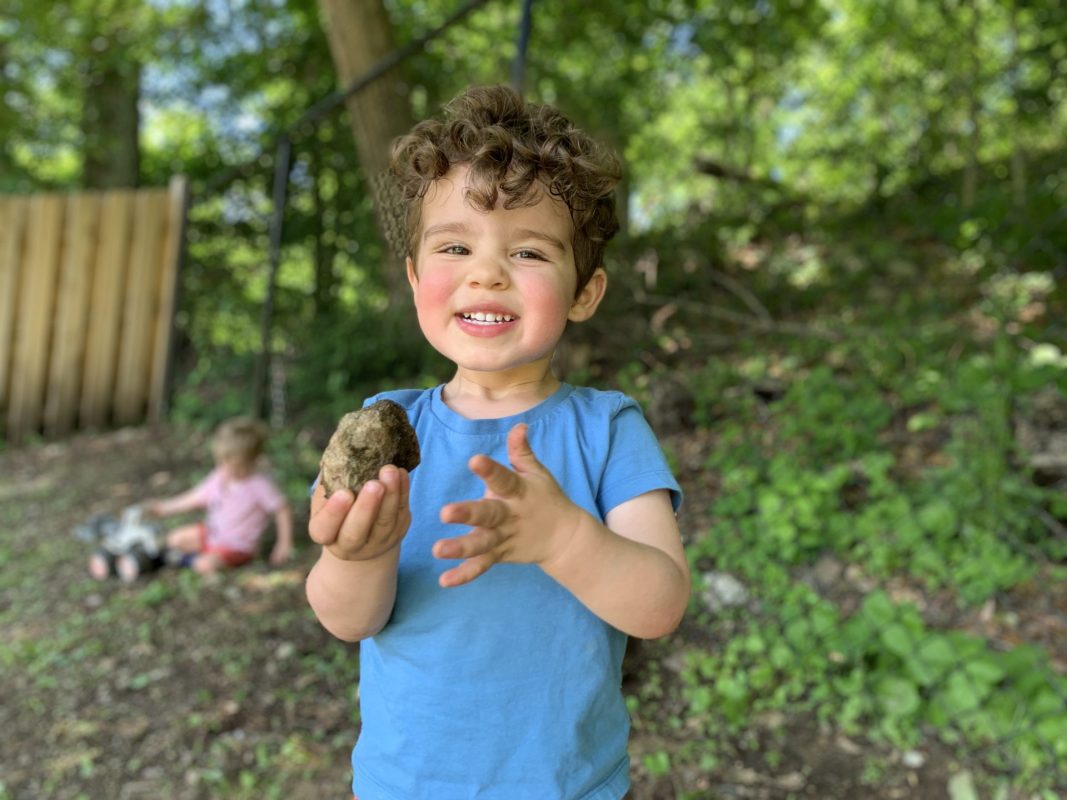
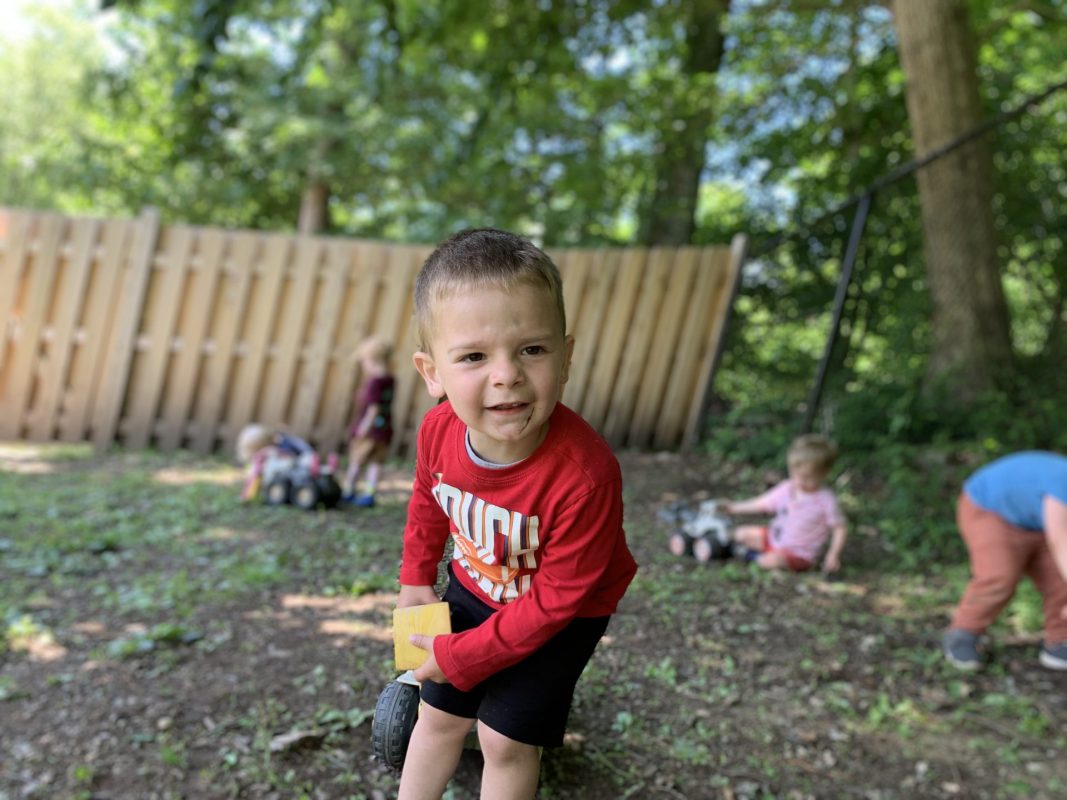
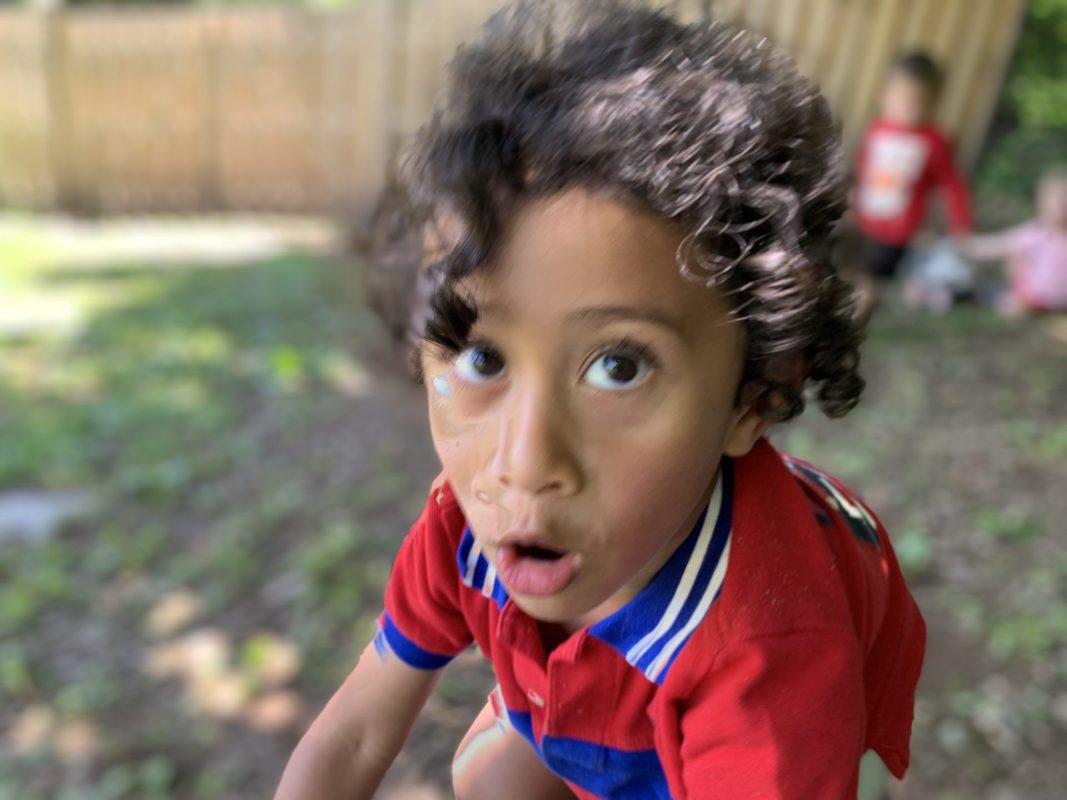
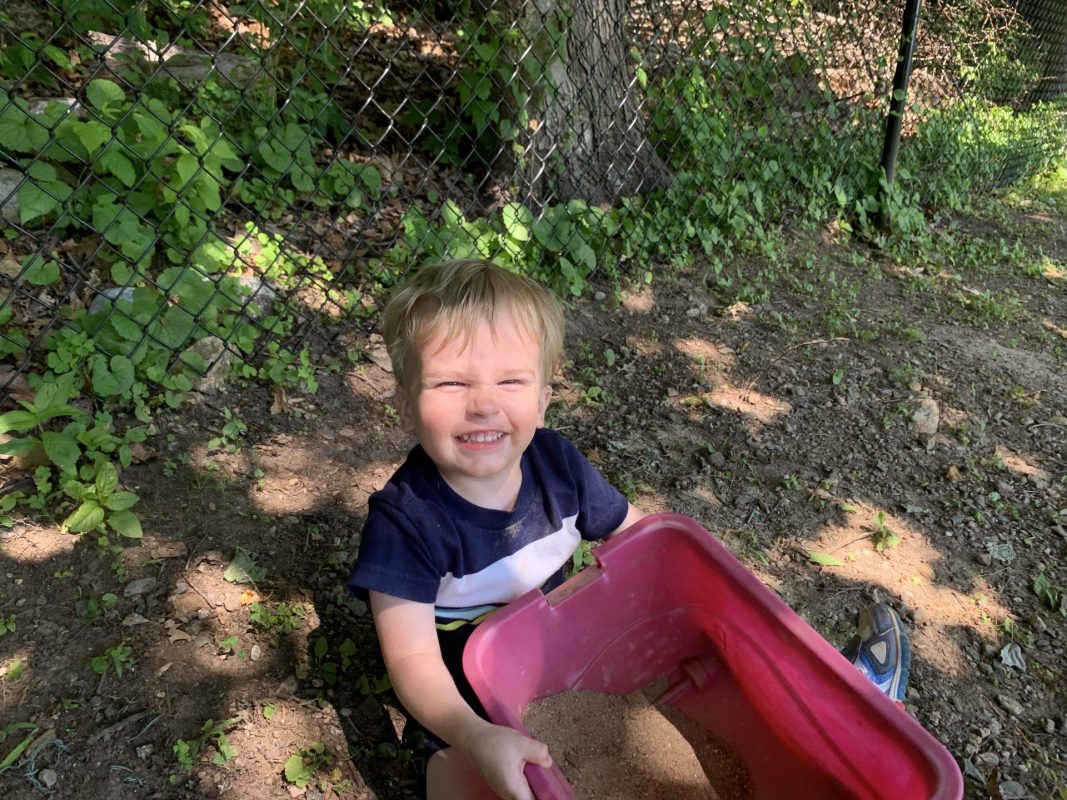
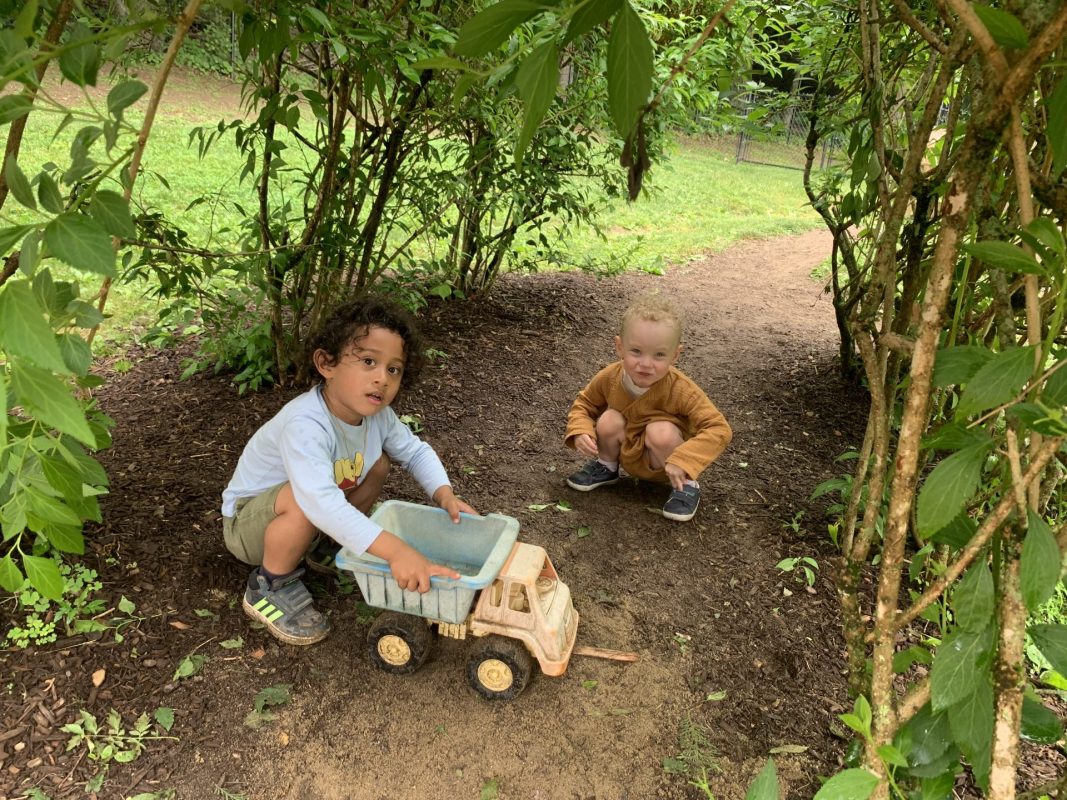
Spring is the perfect time to go for a nature walk and bug hunt, and that’s exactly what we did this week. Going on a nature walk is a simple, fun, and meaningful way to spend time outdoors. A bug hunt is a really fun way to help incorporate what we are learning about insects inside the classroom and what we observe outside in nature. The best thing about a bug hunt? Once the children get in the habit of learning, observing, and studying insects, their reaction is less likely to be, “Aarrghhhh, a bug!”

Wishing you a week filled with peace and love,

Michelle and Maria


Middle School: Week in Review

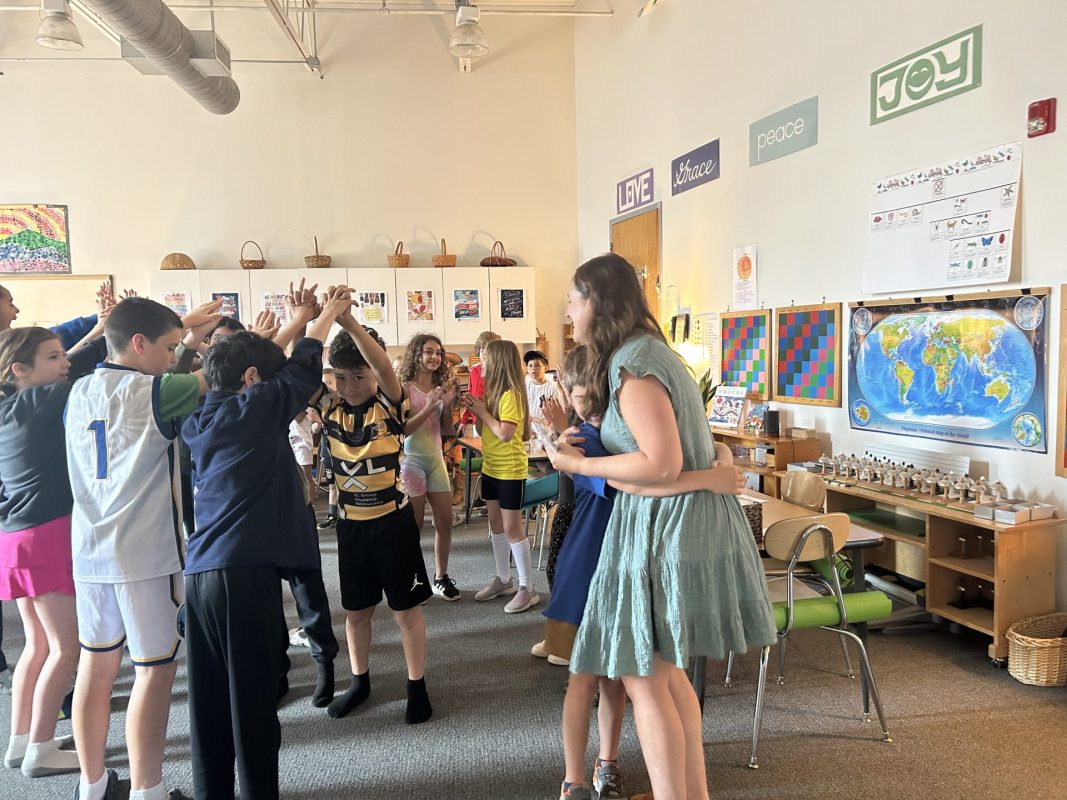
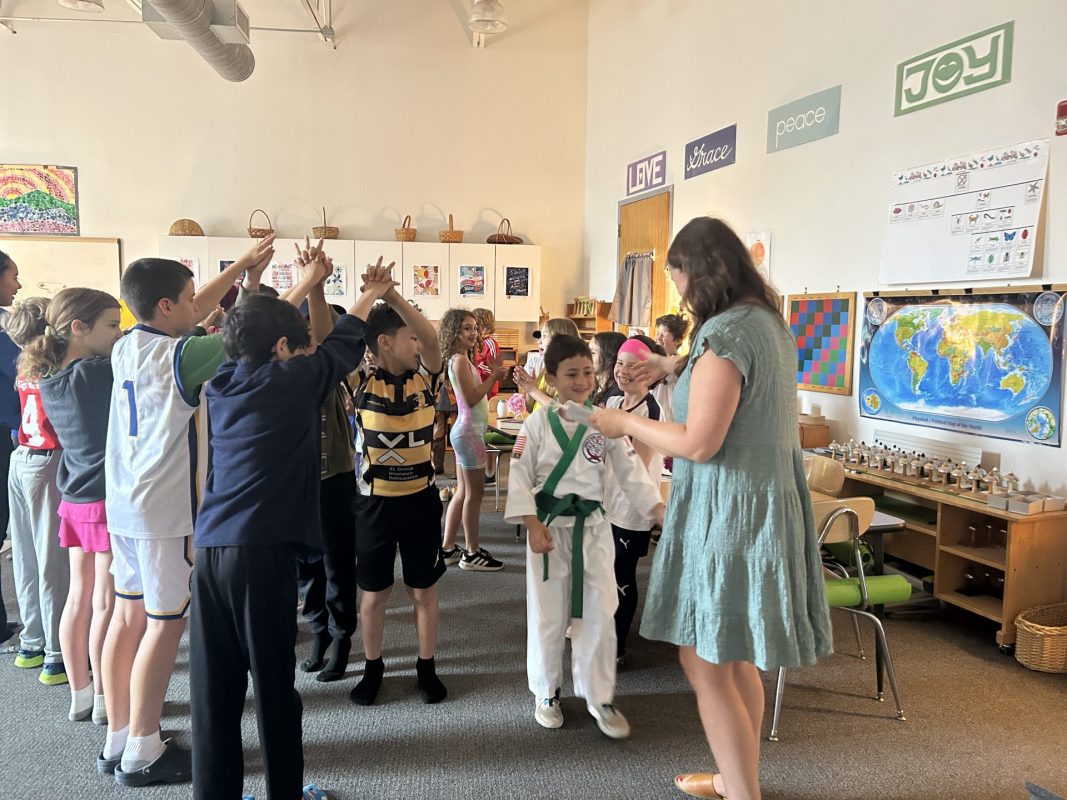
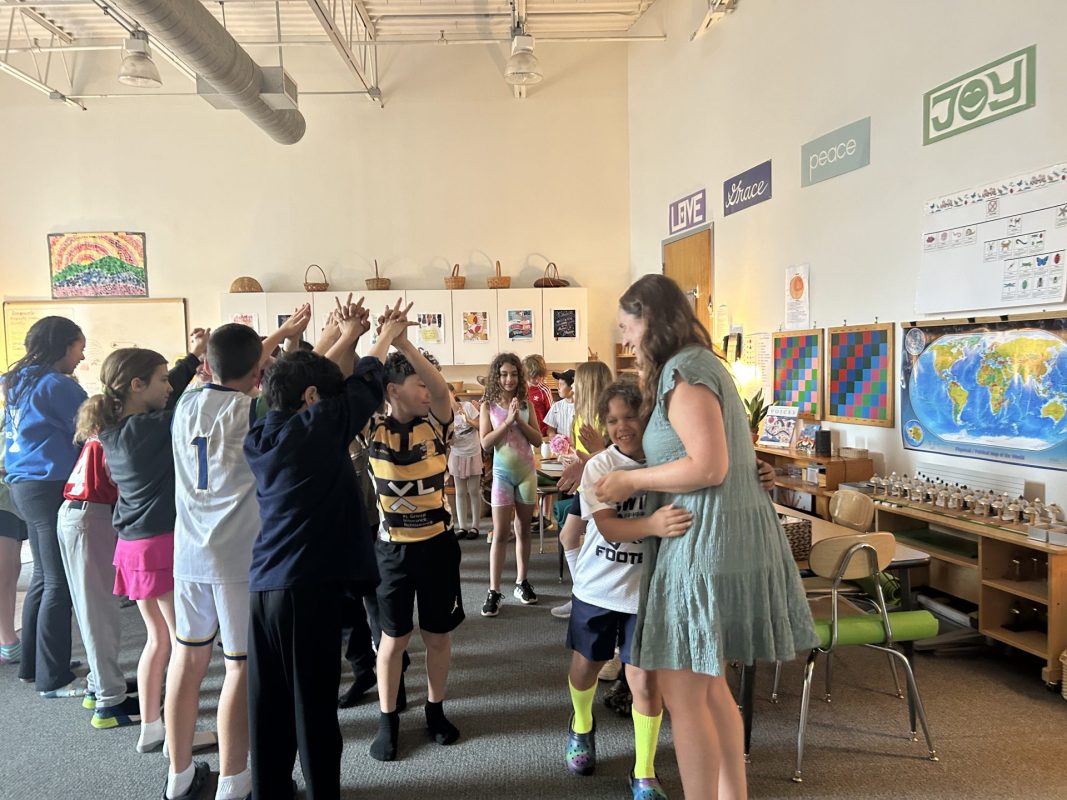
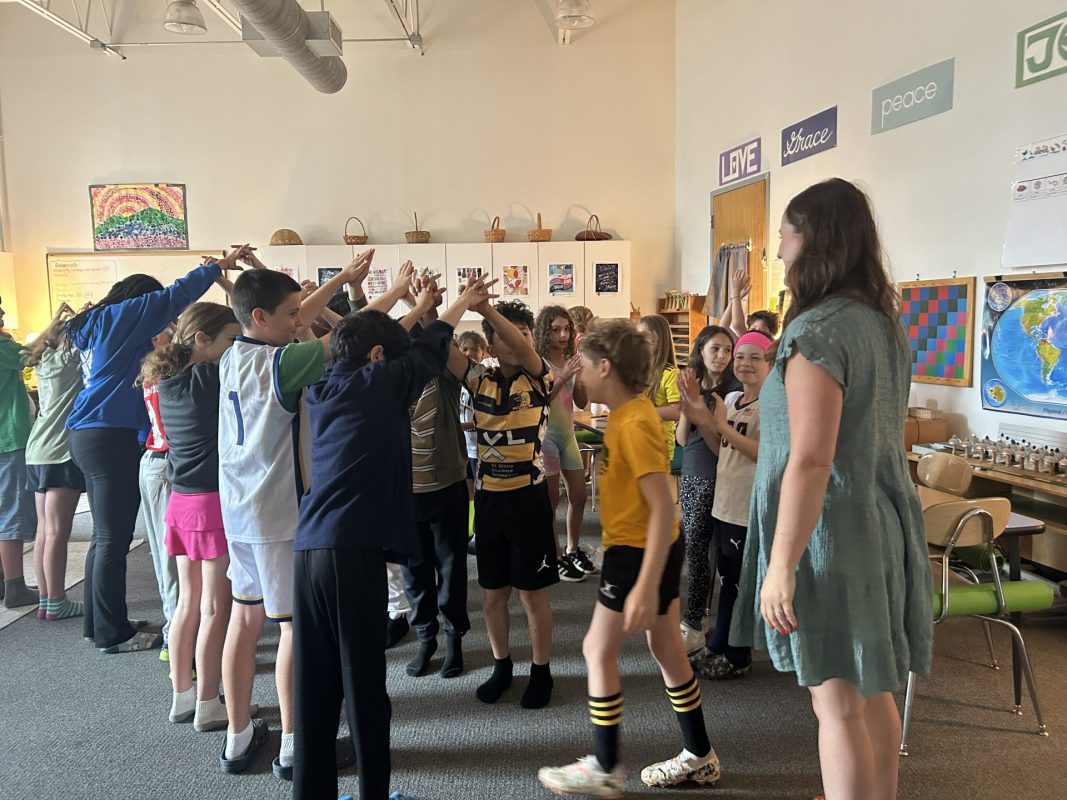
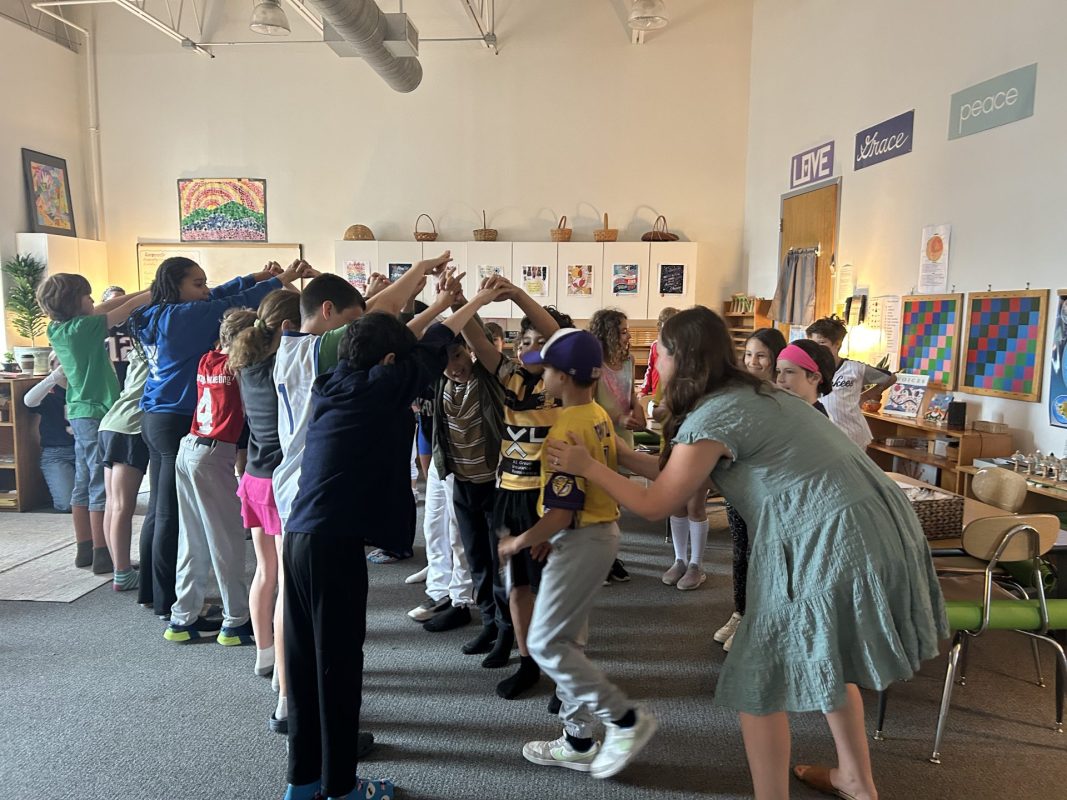
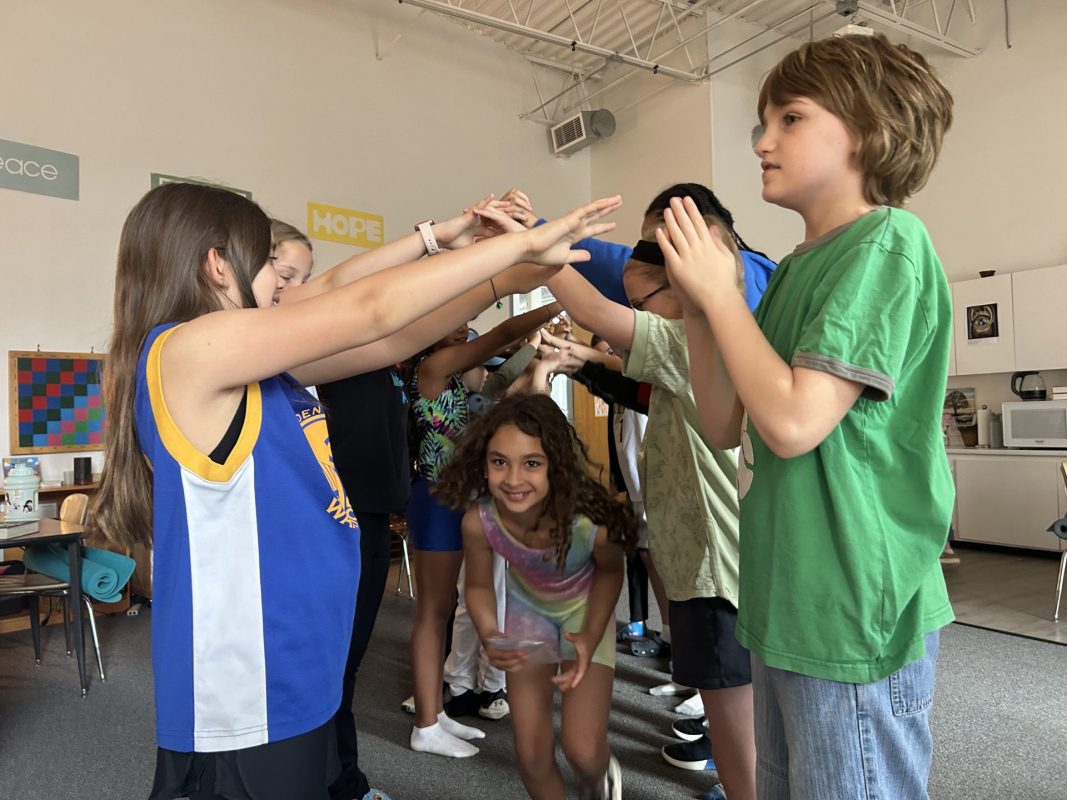
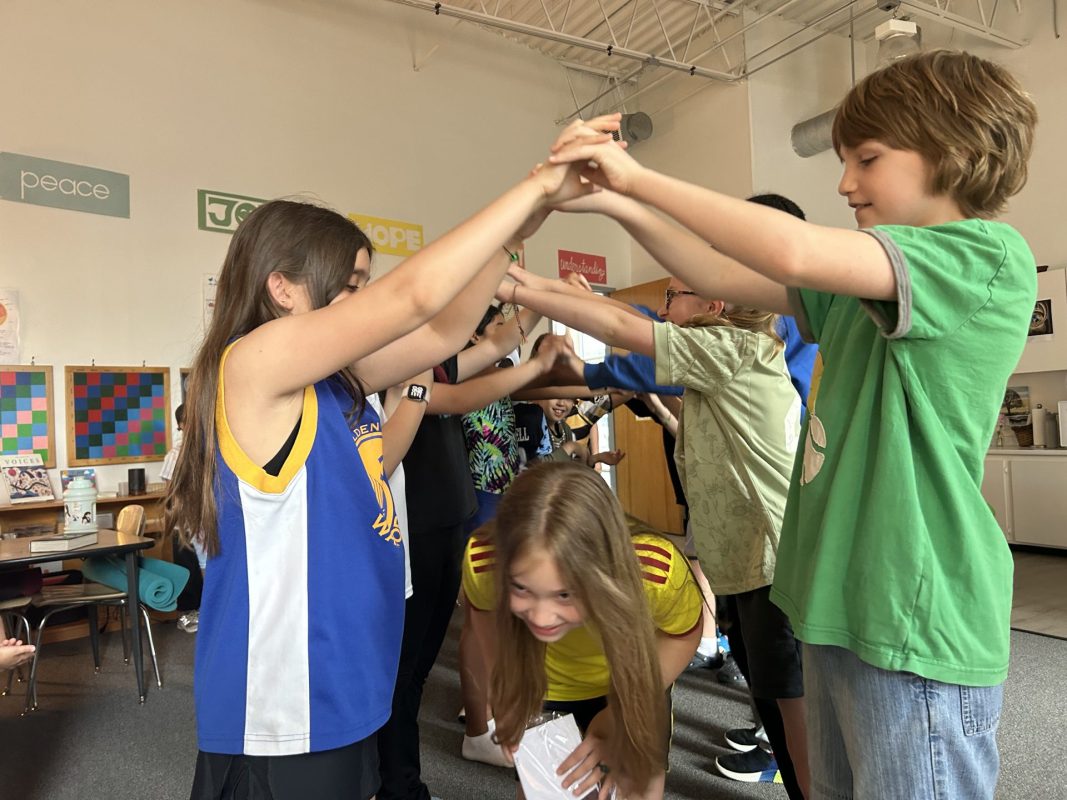
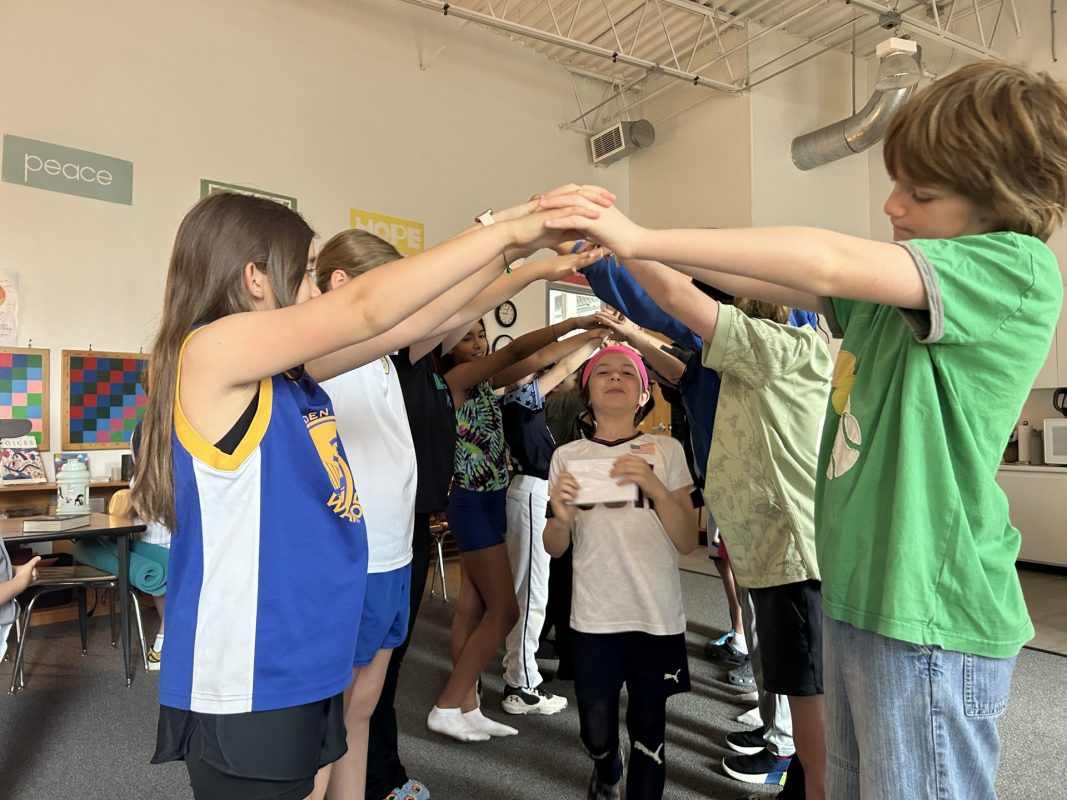
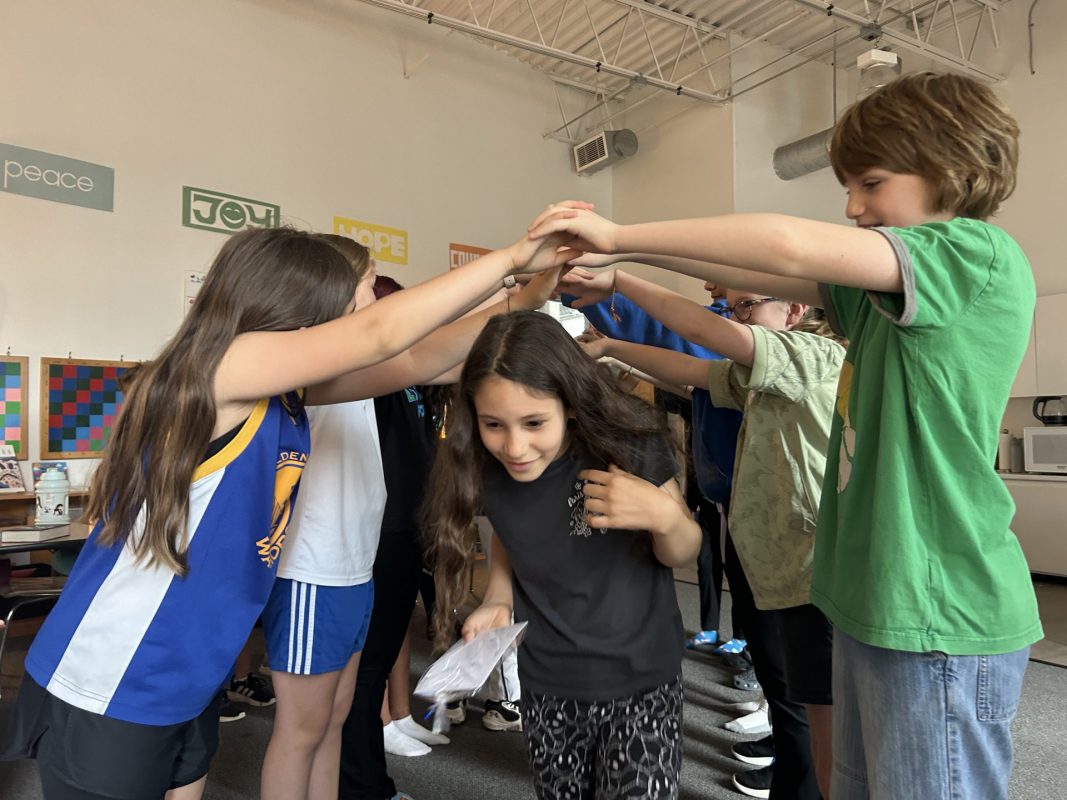
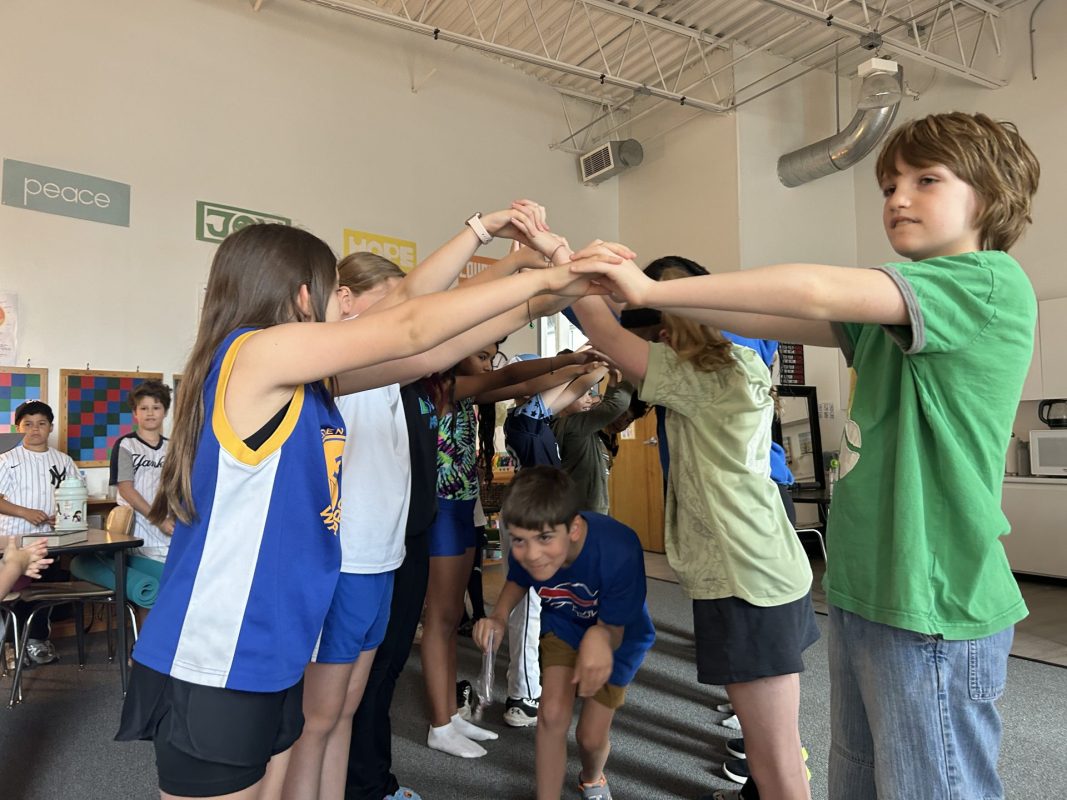
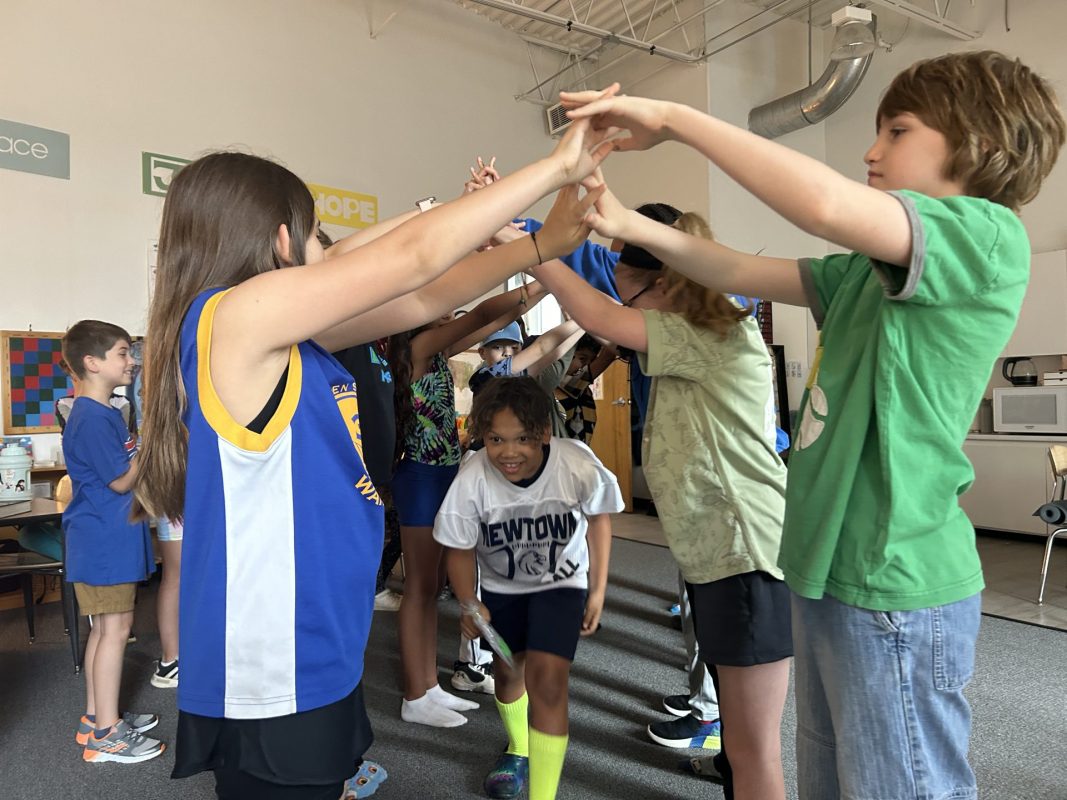
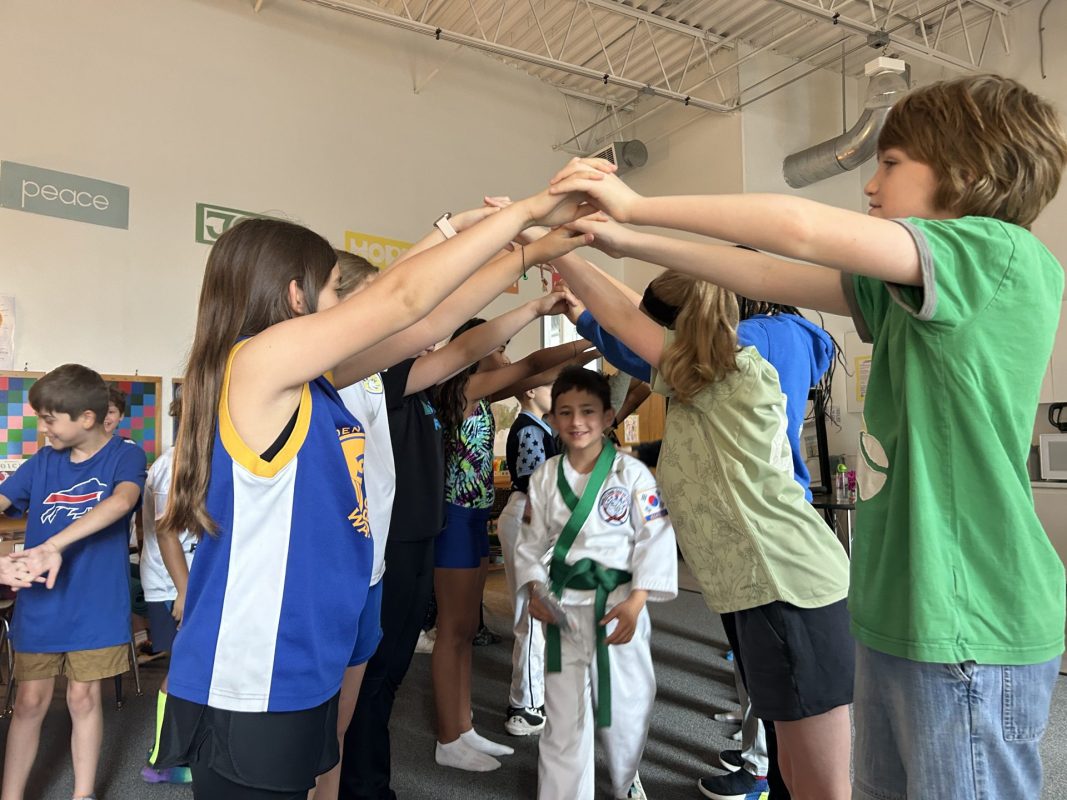
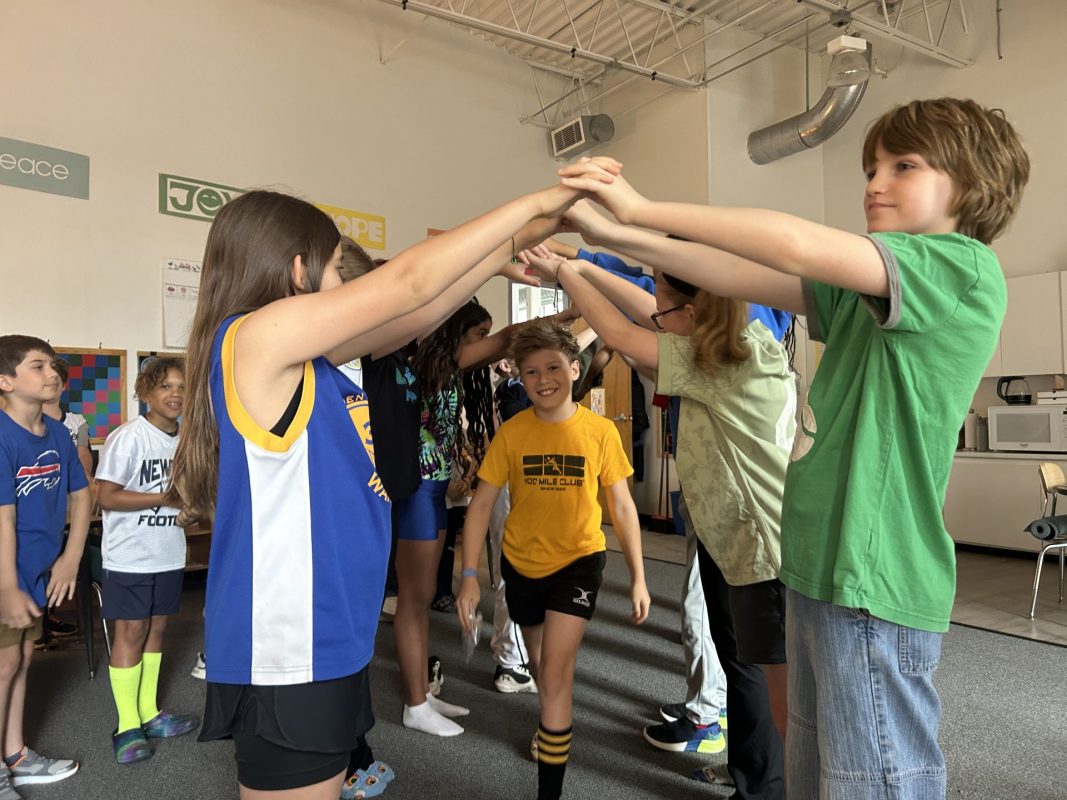
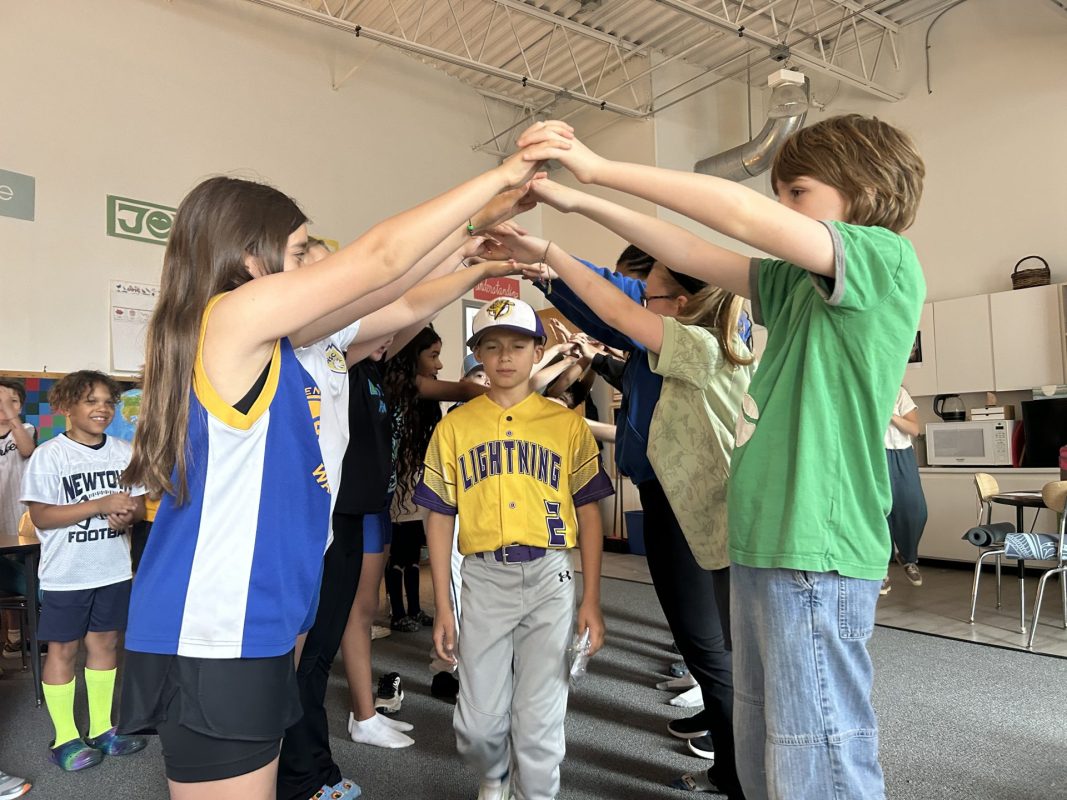
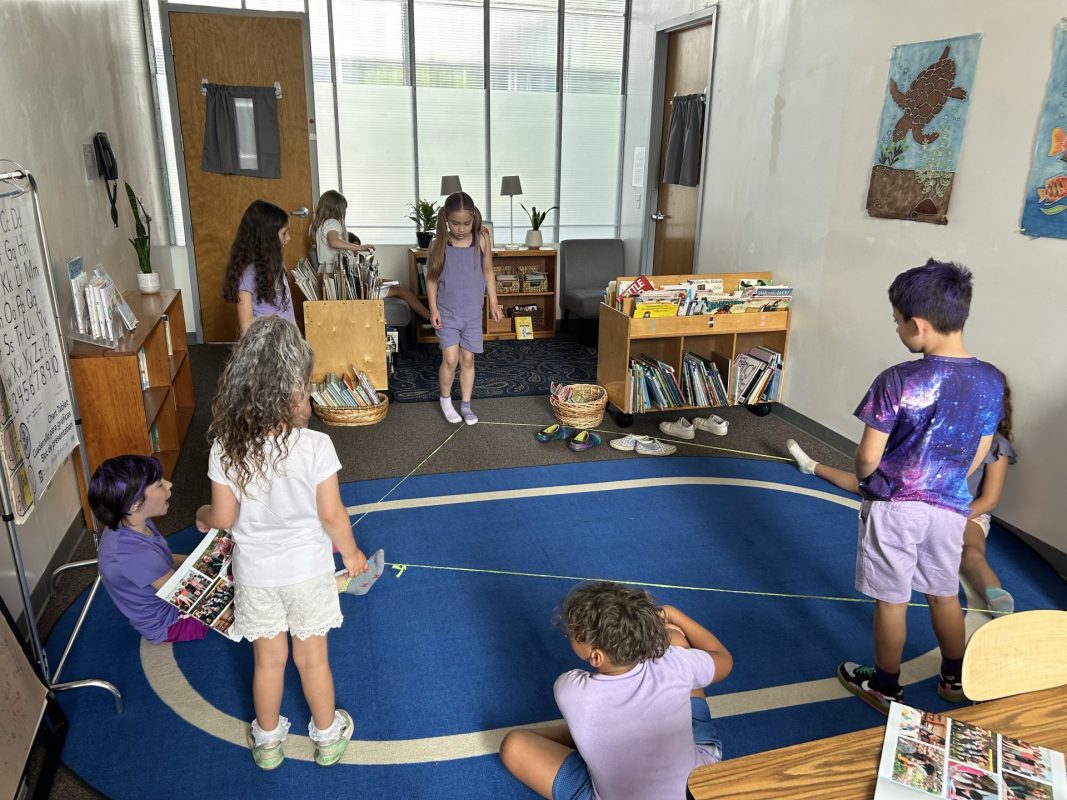
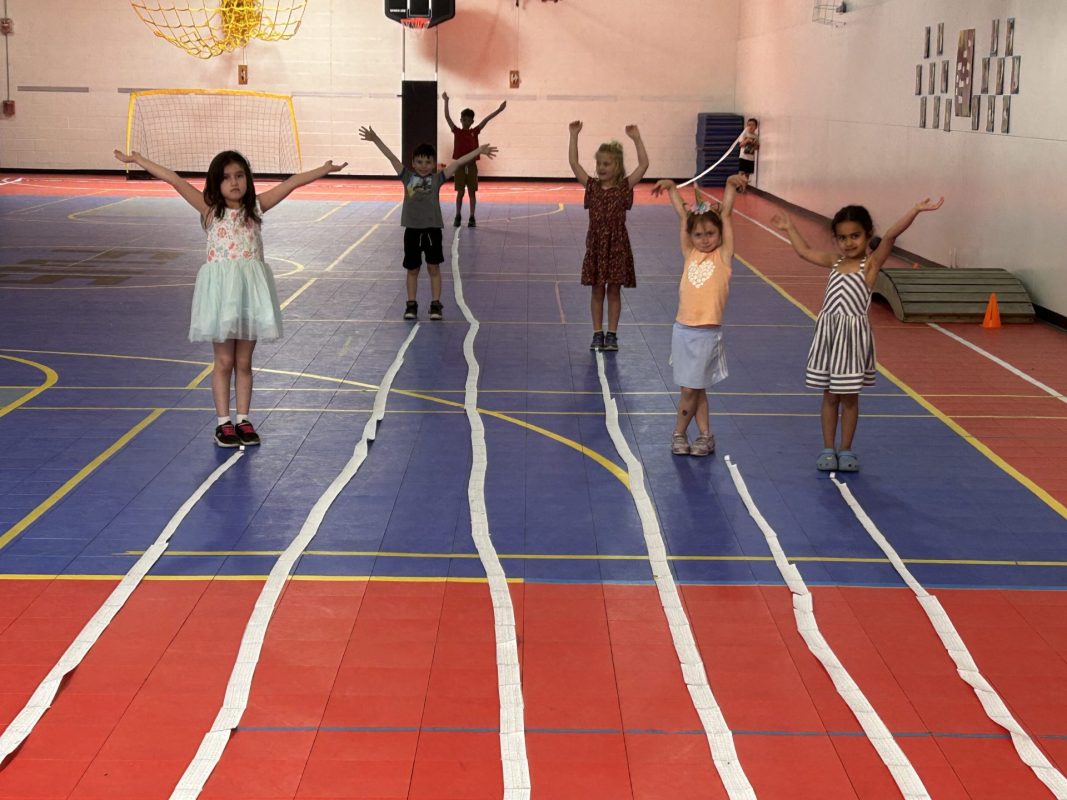
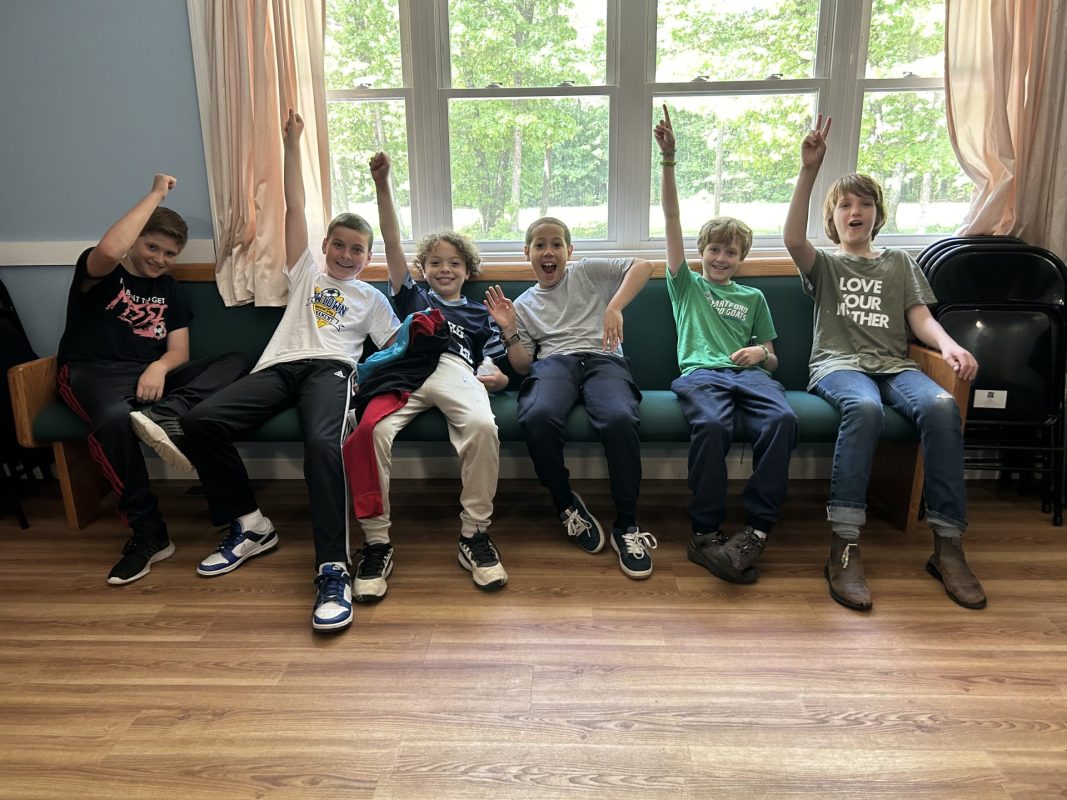
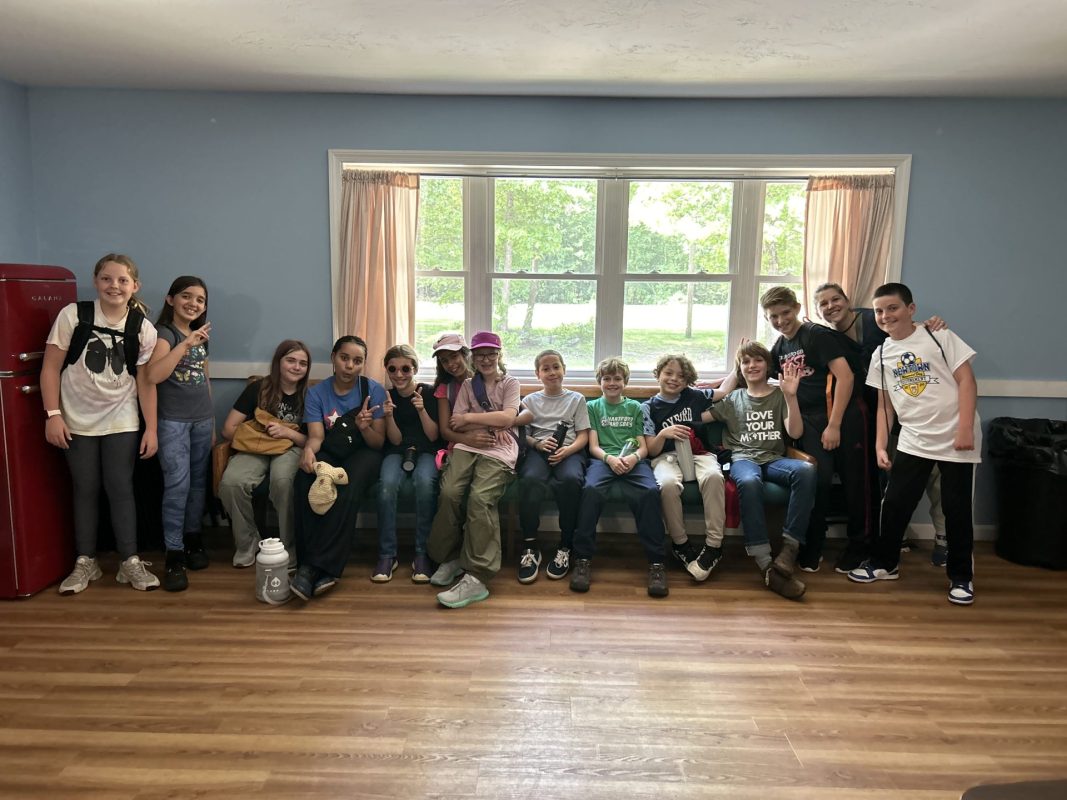
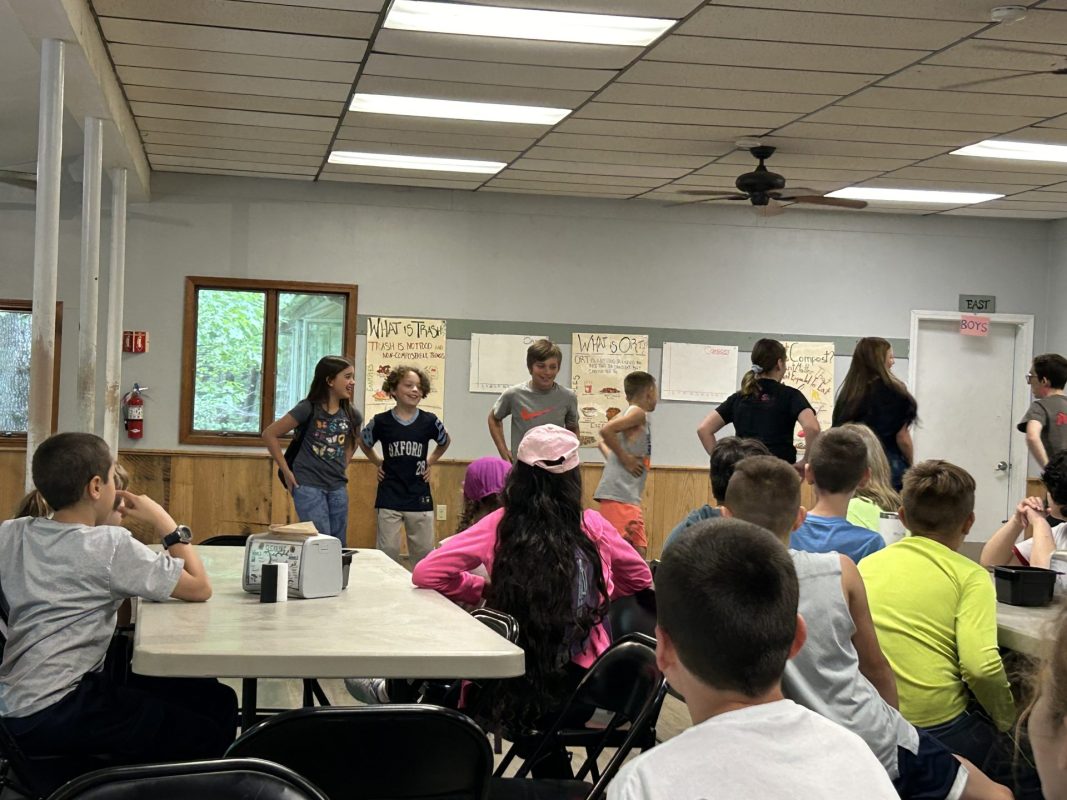
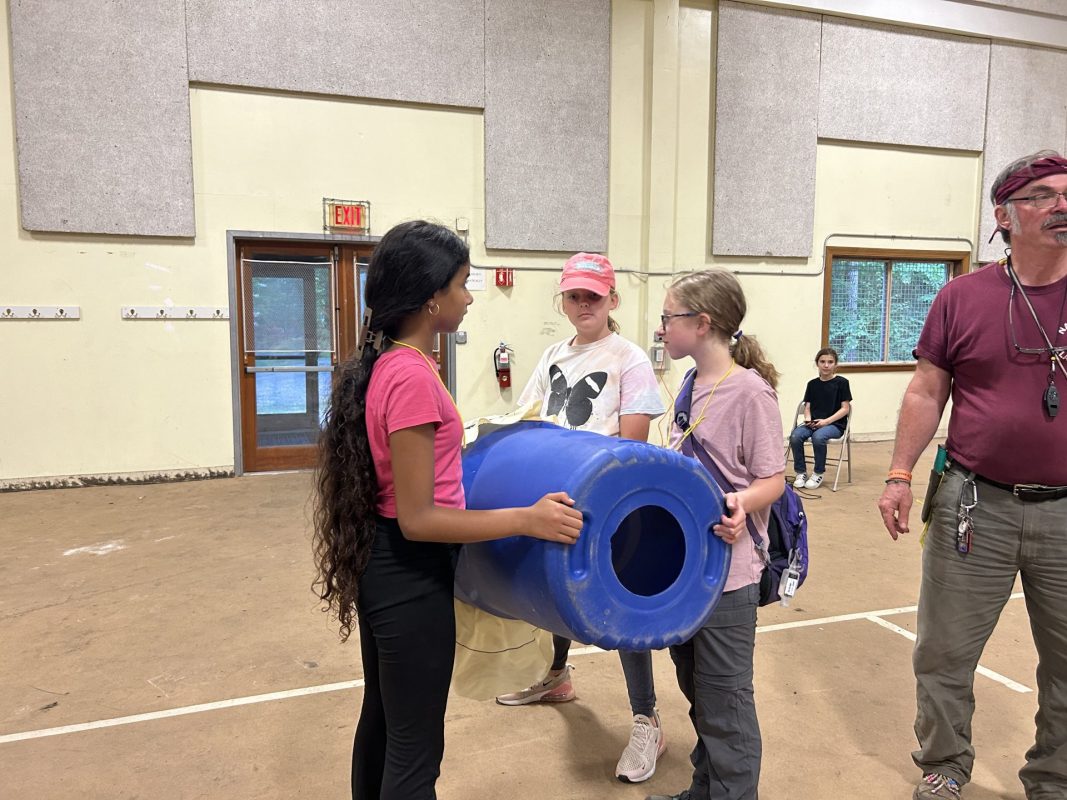
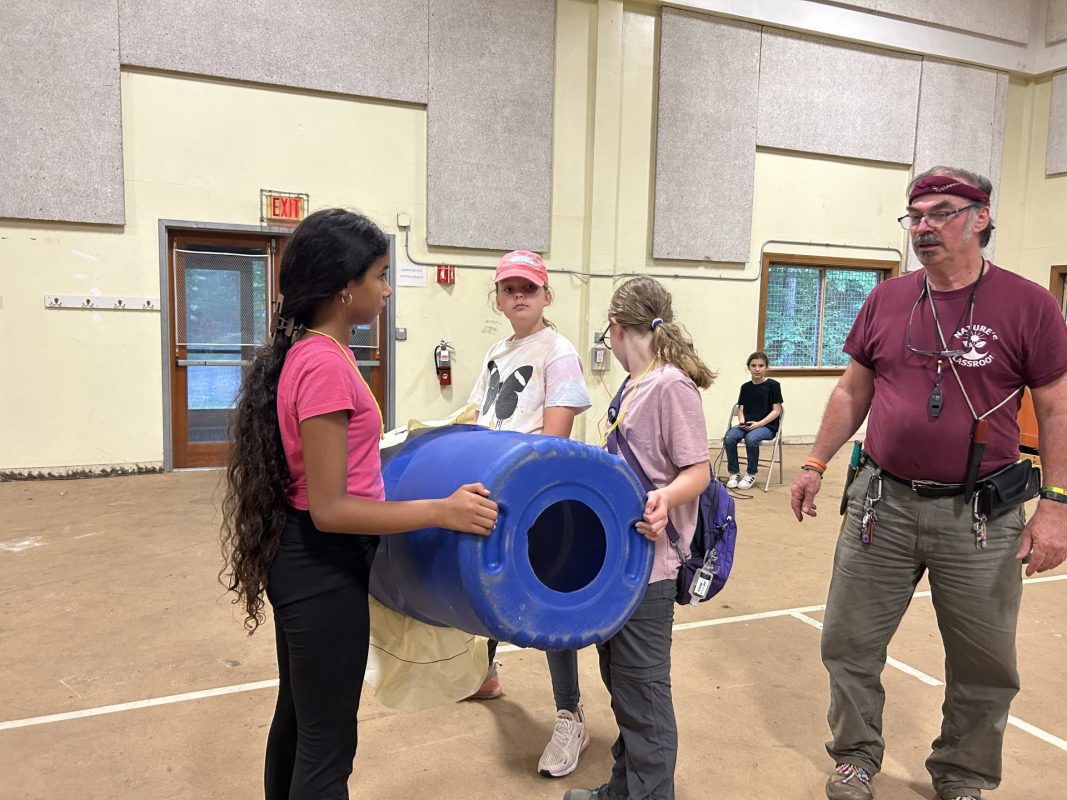
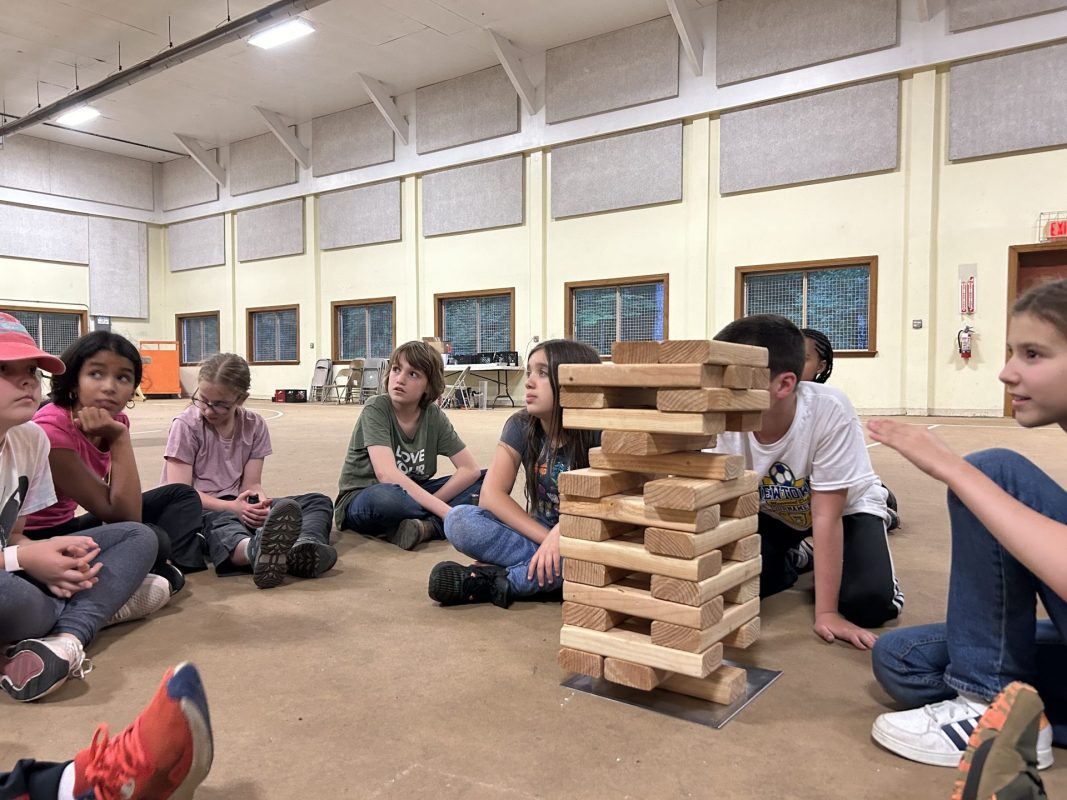
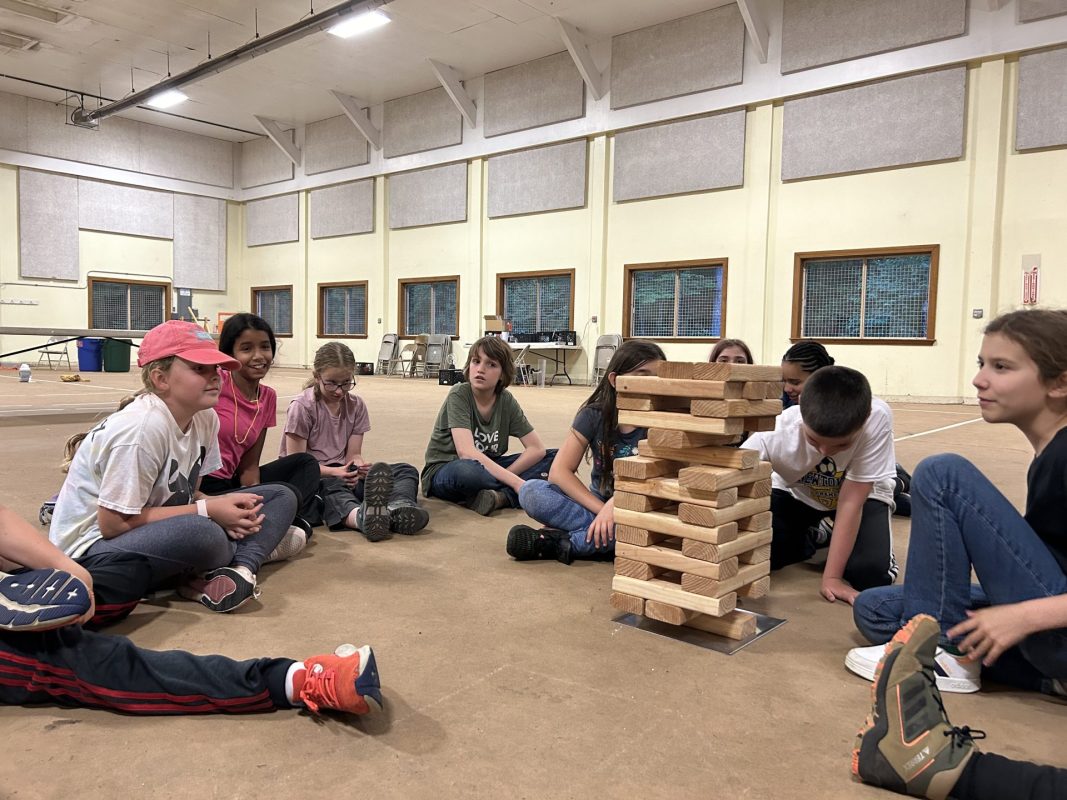
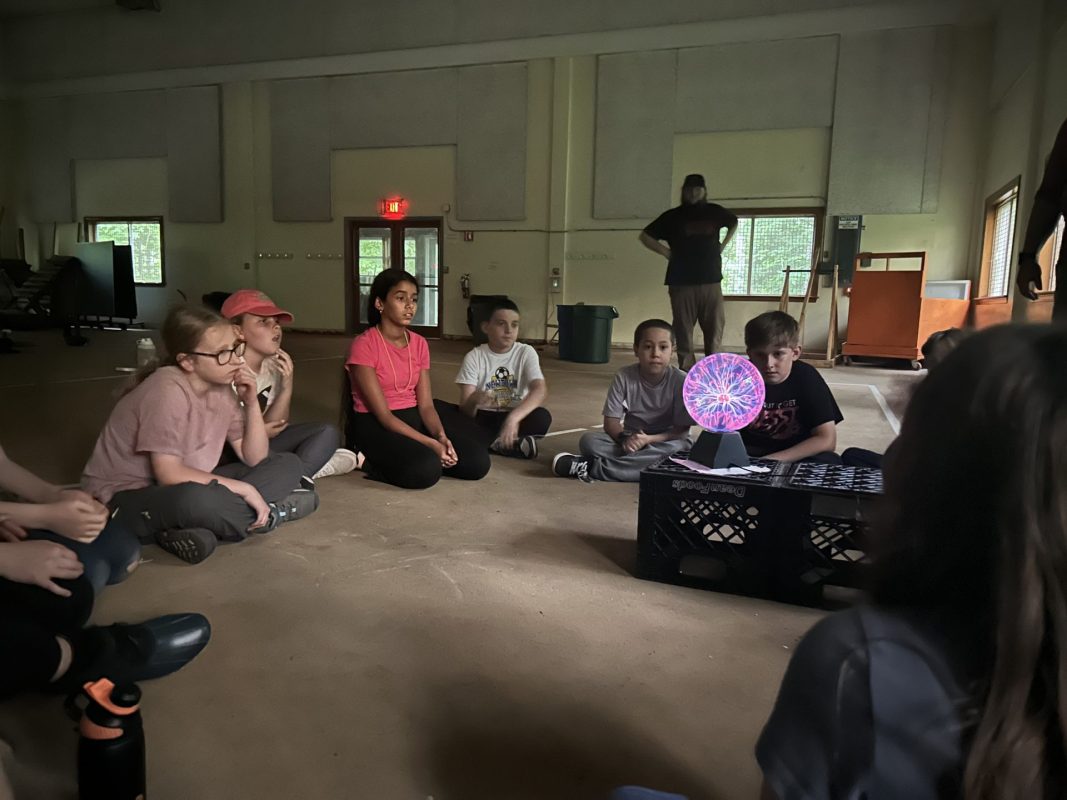
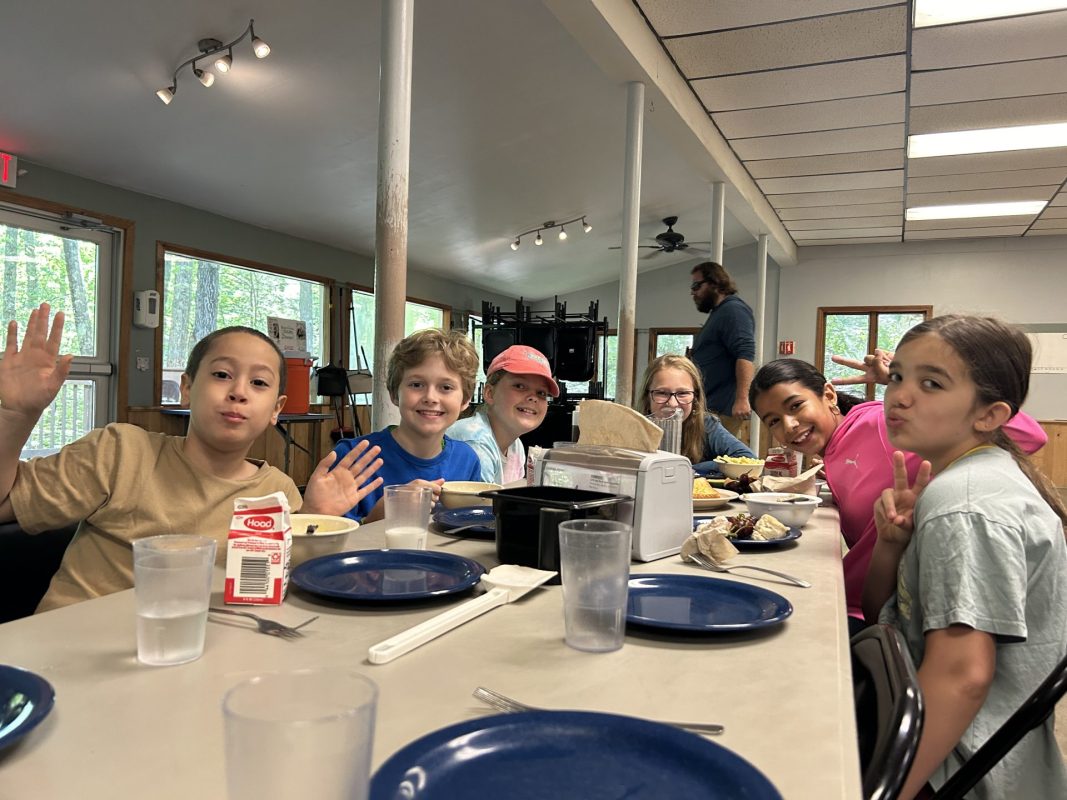
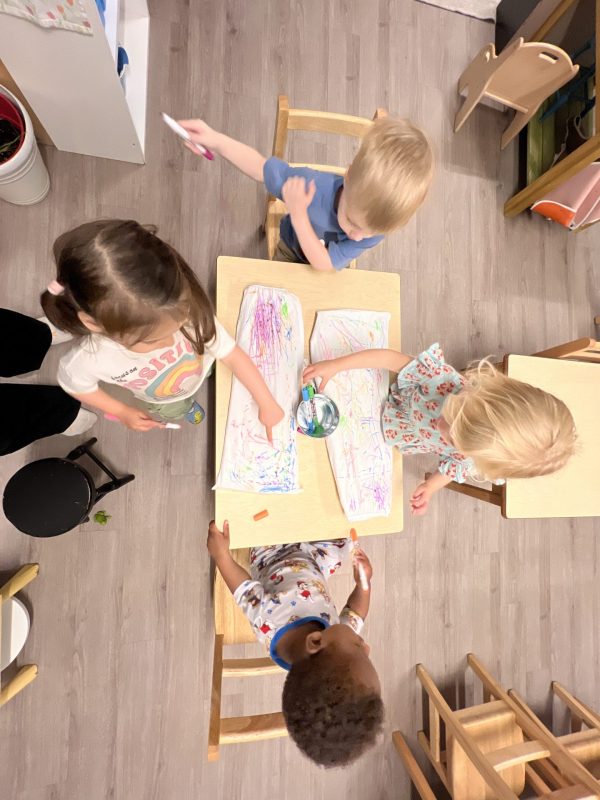
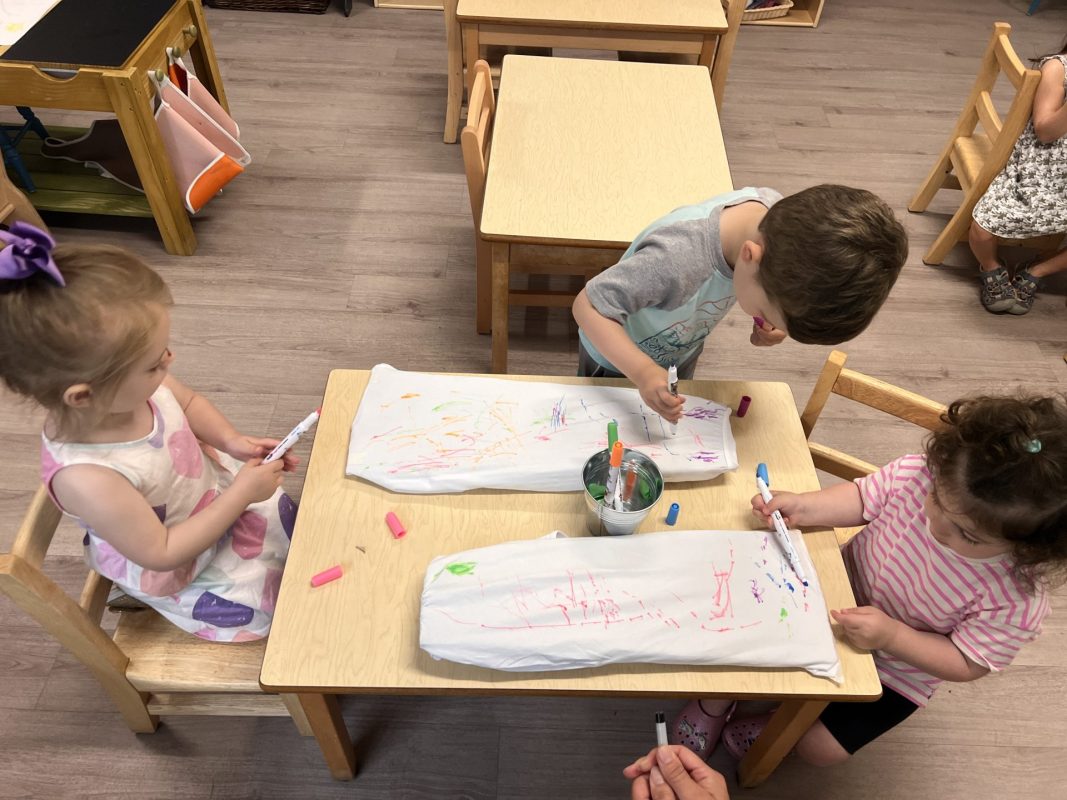
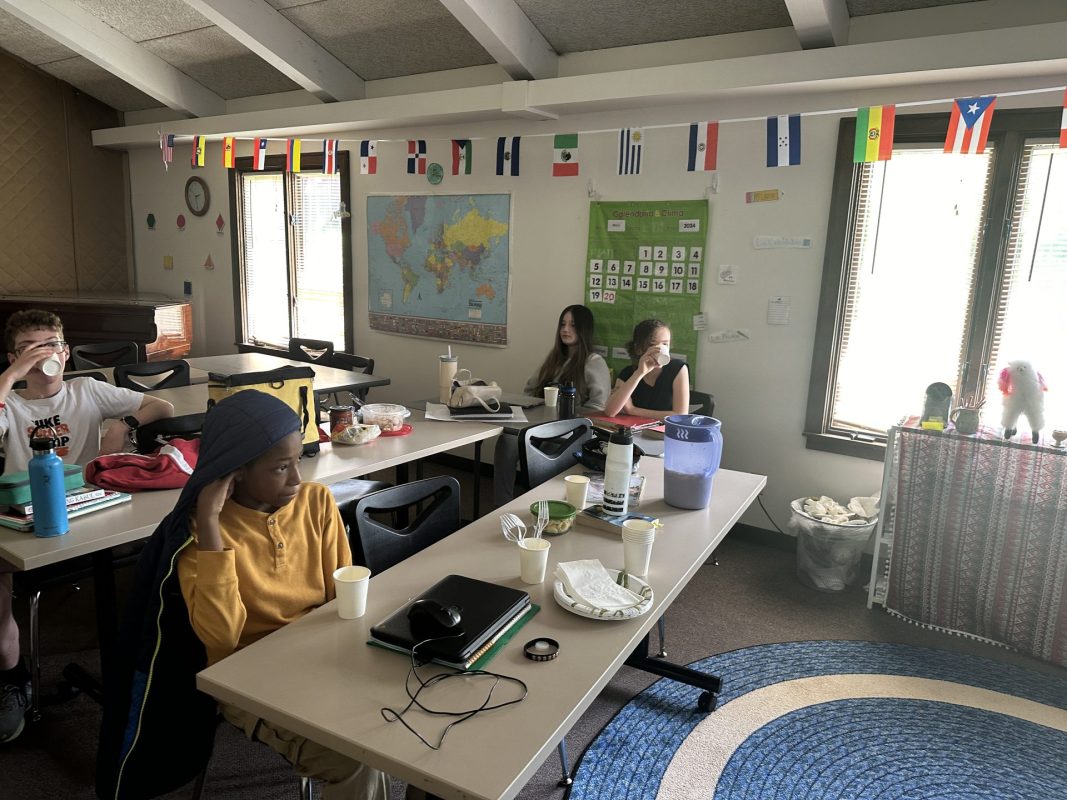
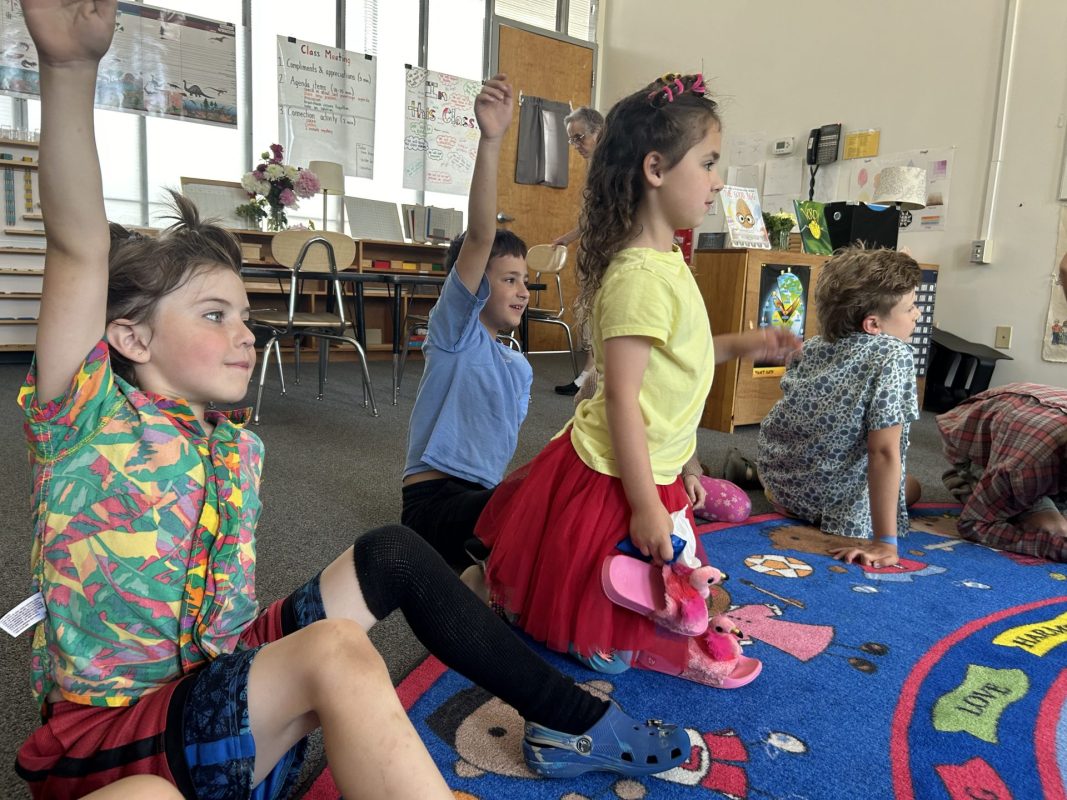
The Middle School started the week off trying progressive muscle relaxation, a form of moving meditation to calm the body, releasing tension (seen in pictures). We also said farewell to the old field and look forward to the new one in the fall! Now that the weather is nicer, we have had lunch outside daily with plenty of time to run around and hang out with friends. We are in for a busy month ahead, so be on the lookout for upcoming informational emails about the Middle School Social on 5/17, Honoring the Class of 2024 on 6/5, and the Boston trip on 5/29-5/31! Exciting events ahead!

Here’s the week in review:

Humanities

6th-grade Humanities class has transitioned to Subcontinental Asia for their final unit of study. They learned the geography of the region and used Google Earth to explore different areas in each country. They were also curious about the demographics, especially the population, languages spoken, and religions practiced. This led nicely to our study of two of the predominant religions of Subcontinental Asia, Islam and Hinduism. We will begin our final novel, Shooting Kabul, by N.H. Senzai in the coming week.

7th-grade Humanities classes have been reading A Gift From Childhood by Baba Wague Diakite. This memoir looks at the Malian tradition of storytelling and generational life lessons using proverbs and metaphors. As students read, they use their annotations to highlight important information, ask questions, and identify the proverbs and metaphors. They are keeping an index of these figurative sayings to use for a future writing piece. Students also read about the colonization of West Africa by the French, and how European colonization throughout the continent of Africa influenced culture.

8th-grade Humanities classes have just about finished She Came to Slay. They spent some time learning about the Great Migration, an important time of history that corresponds with Harriet Tubman’s life and work. Additionally, they are working hard on their expert presentations. Students will run through them for the first round of feedback next week with Mrs. Lamb. In US history with Mr. Newman, the class is transitioning from the Gilded Age to the 1920s and The Great Depression. Many of the advancements during the Gilded Age led to prosperity and the “Roaring Twenties,” which in turn set the country up for an economic crash. The class will be studying the causes and effects of the economic crisis of the late 20s and early 30s.

Math

In the final stretch of Chapter 10, “Linear Equations and Inequalities,” Transition math students are learning about the properties of graphing with equations like Ax+By=C and inequalities such as Ax+By<C. This week, they are mastering the art of representing time-distance relationships graphically and visualizing formulas through graphs. Their next chapter (11) is titled “Geometry in Space.”

Pre-transition math students have successfully completed Chapter 9 on Area and Volume this week, expanding their understanding of geometric concepts. Moving forward, the upcoming chapter on Probability will delve into exciting new topics. Students will be introduced to fundamental principles such as the multiplication counting principle, sample spaces, probability calculations, the use of probability tree diagrams, and the concept of fair games. This new chapter will engage students in a thought-provoking exploration of mathematical probability.

In the world of Algebra, students have just wrapped up their exploration of Polynomials in Chapter 11. Now, as they embark on Chapter 12, “More Work with Quadratics,” they will discover new concepts that will deepen their understanding of quadratic equations. They will learn to graph equations in the form y-k=a(x-h)², master the skill of completing the square, and unravel the mysteries of factoring quadratic equations. This chapter promises to be a journey full of challenges and discoveries as students continue to sharpen their algebraic skills.

The eighth-grade geometry class continues to explore the facets of pyramids and cones. They can identify the apex, lateral edges, lateral faces, base edges, and slant height. They apply previously learned theorems and special right triangles to find these edges, bases, and altitudes.

Science

In 6th grade Earth Science, students are exploring the consequences of human actions on our planet. This week, the focus is on identifying various ways in which humans negatively affect the environment, such as pollution and deforestation. Students are challenged to think critically and propose sustainable alternatives that can achieve the same goals without harming nature. By exploring these concepts, students are not only learning about environmental issues but also developing crucial problem-solving skills for a more sustainable future.

In 7th grade Physical Science, students continued to work on discovering the properties of reflection as they investigated various surfaces like smooth, rough, concave, and convex. Through hands-on activities, students designed experiments to determine whether mirrors or foil would cause a greater temperature change in water when exposed to a heat lamp. Prior to the experiment, students formulated hypotheses, fostering critical thinking and scientific reasoning skills essential to the exploration of reflective surfaces.

In 8th year Life Science, students researched the role of our nervous system, unraveling its impact on our daily lives. Through research, they discovered the two primary systems that compose our nervous system—the central and peripheral nervous systems—recognizing the distinct functions each system carries out in our bodies. Additionally, students were asked to identify and present information on the three different types: motor neurons governing movement, interneurons facilitating communication between neurons, and sensory neurons responsible for transmitting sensory information to the brain.

Have a great weekend!


Sense of Community in Lower Elementary

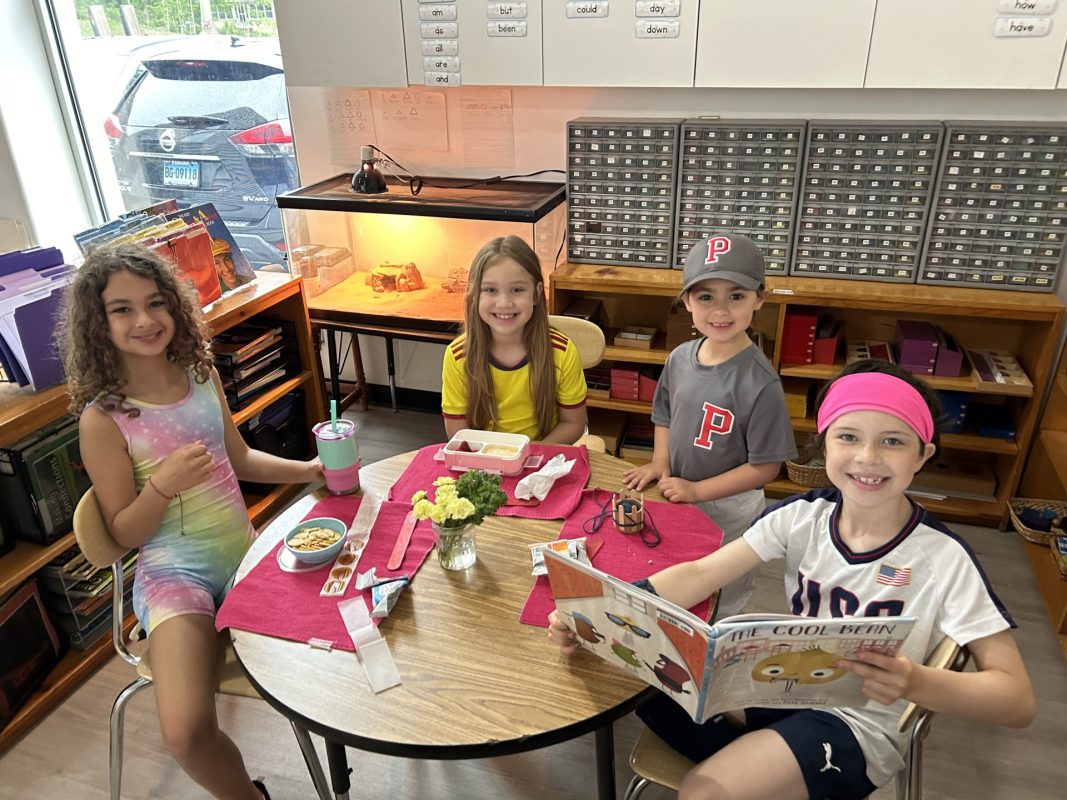
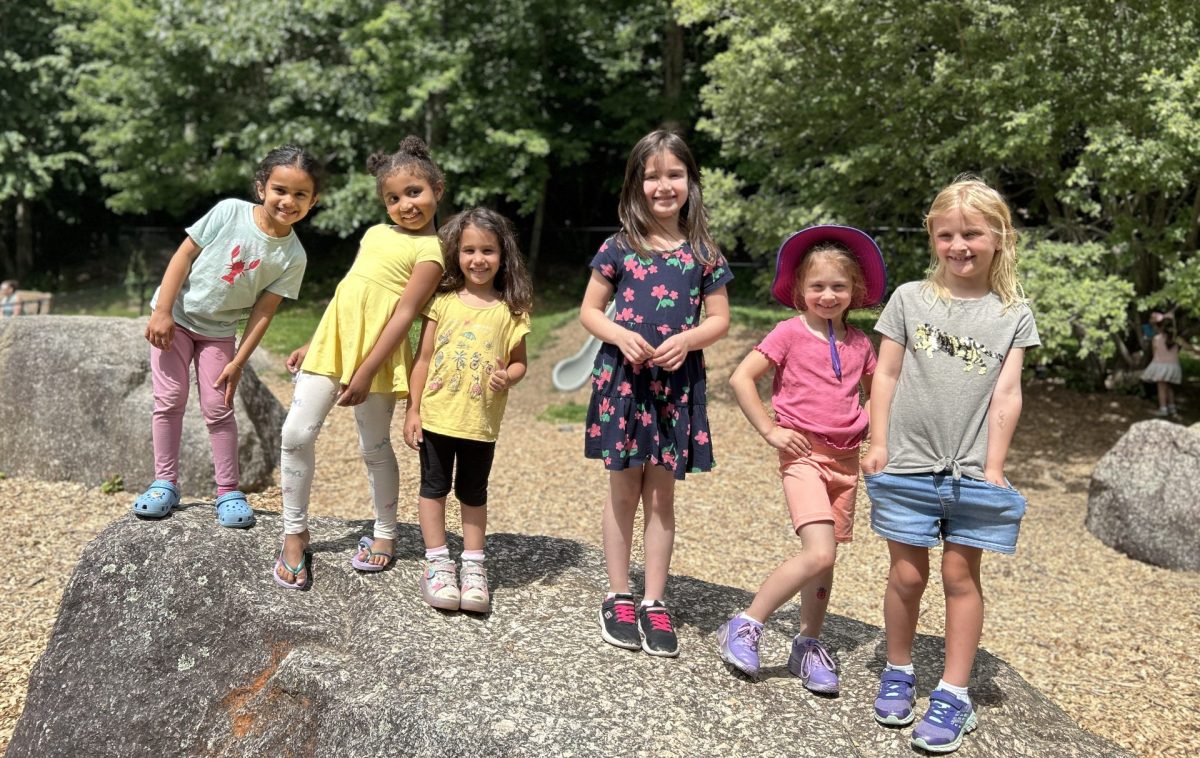
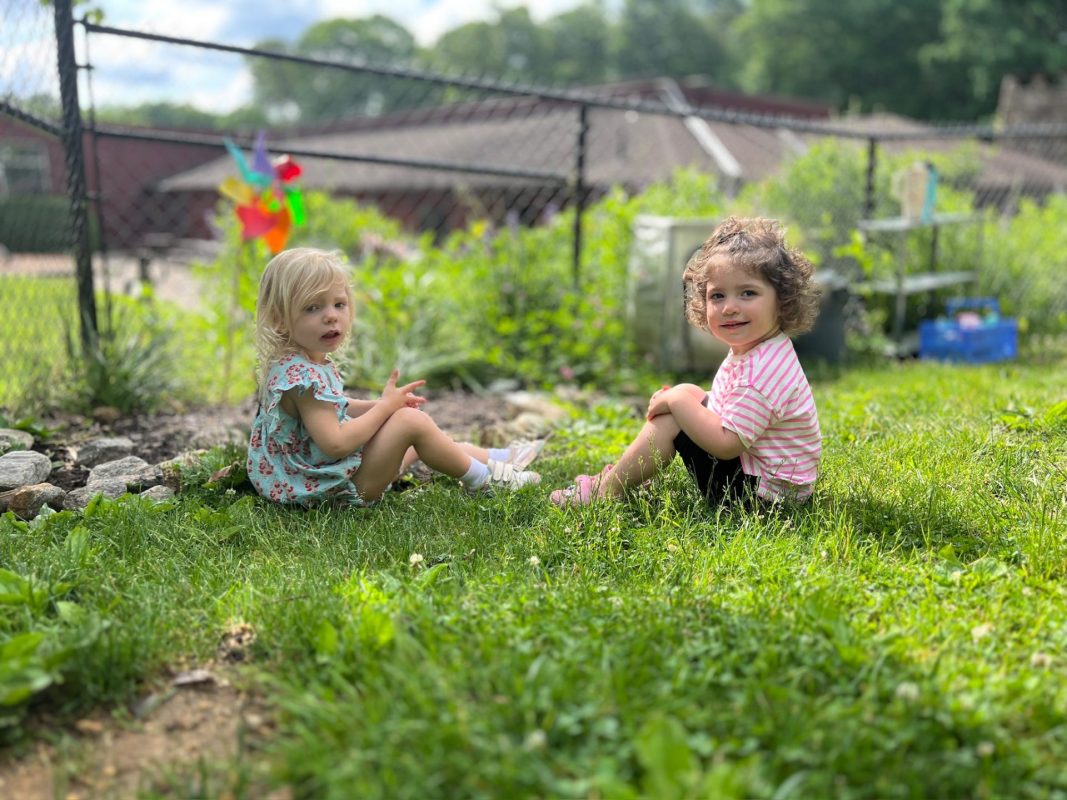
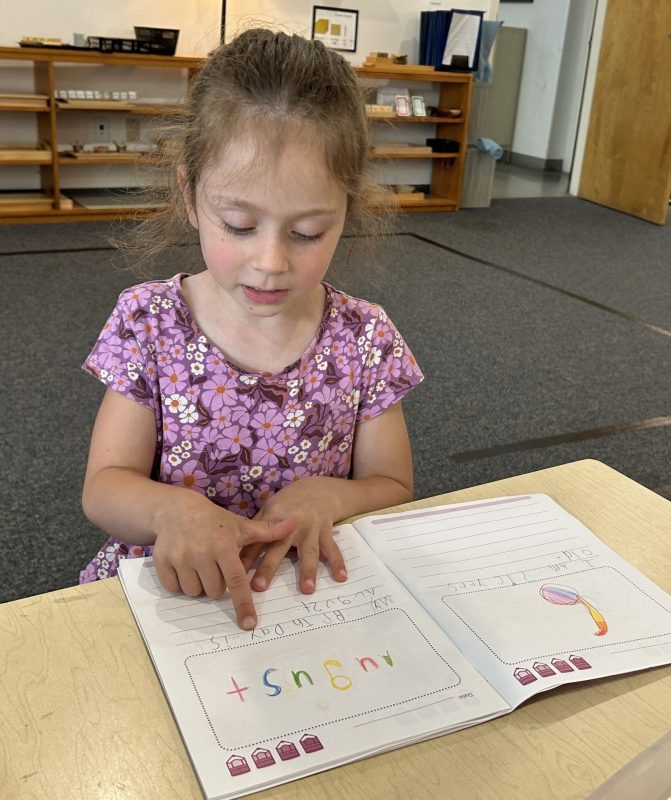
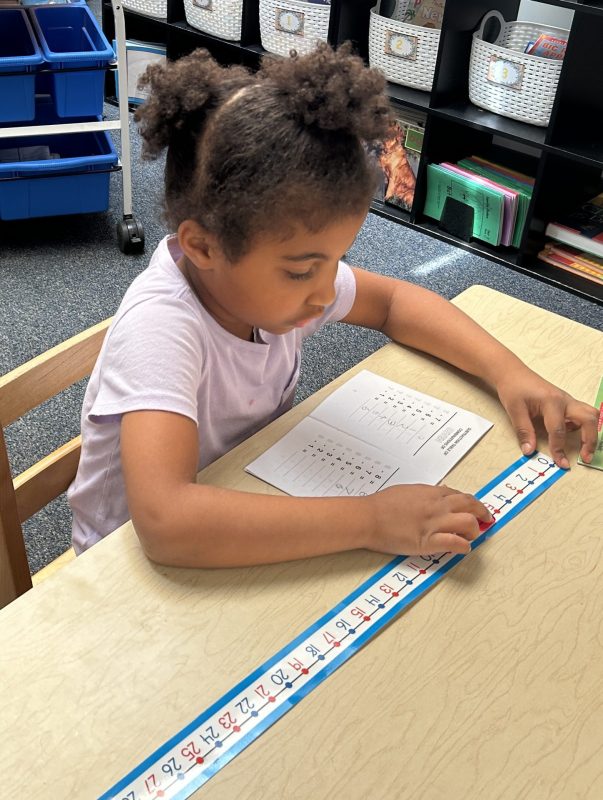
There is such a great sense of community in our school. Within the class, the children love just spending time with one another. Every Thursday, we have community-building time in the outdoor classroom at the end of the day. The children play games, build with sticks, and get creative with friends. Most children play with different classmates each week, and, as a result, many friendships are being cultivated! I think that is part of the beauty of a Montessori classroom; the chance to collaborate with children from different age groups. Children of various ages, working together, will learn from each other, both as students and as teachers. Just as siblings learn and grow together, so do children in a mixed-age classroom environment! Our Lower Elementary classroom is very much a family!

In essence, a lower elementary classroom community is like a microcosm of society, where students learn essential social and emotional skills that will serve them well beyond their academic years. It’s a place where they not only grow academically but also develop into empathetic, responsible, and collaborative individuals.


Mrs. Hood: Observing and waiting!

“We cannot create observers by saying ‘observe’, but by giving them the power and the means for this observation and the means are procured through education of the senses” – Maria Montessori 

The grass is getting greener, the birds are chirping louder, and after a long winter, we continue to happily observe how the Earth wakes up from its deep slumber. Even though we witness this season every year, it feels so magical every time!

Like Dr. Maria Montessori, we believe that nature is a patient teacher and that Earth is our classroom. Corresponding to how we teach children in the Montessori tradition, nature provides us with both concrete and abstract learning for students of all ages. At our level, children have experiences that introduce them to marvelous wonders by using all five of their senses to comprehend concrete things and build a foundation for understanding the processes of natural life, plus children absolutely love the outdoors! Lately, even the shoes come off!

On that note, we have great news: Our very small, hungry caterpillars have arrived, and the children seem in awe!  The amazement in your children’s eyes is indescribable, but we can tell you that they seem very excited about our new visitors. For the next few days, your children will be able to observe the metamorphosis of a butterfly. Meanwhile, our bird studies have provided endless fascination as our feathered friends grace us with their presence at the window feeder, accompanied by the occasional comical squirrel.

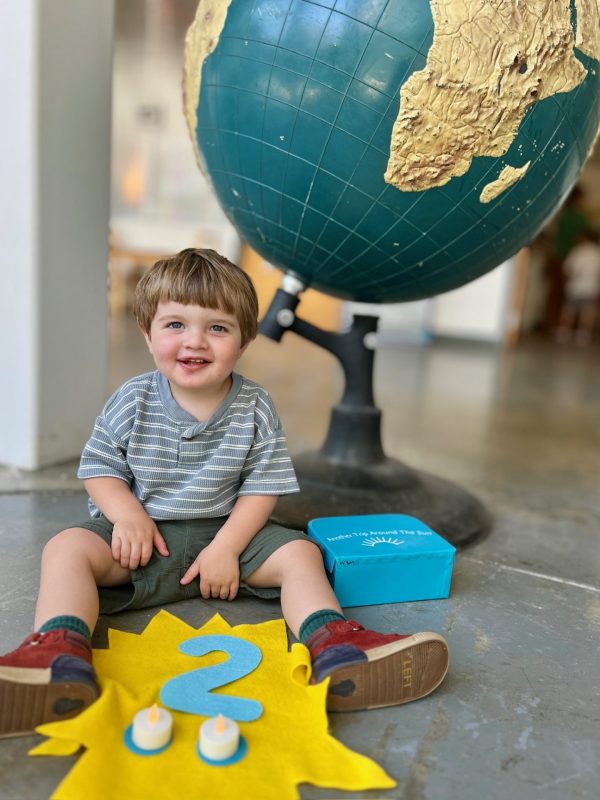
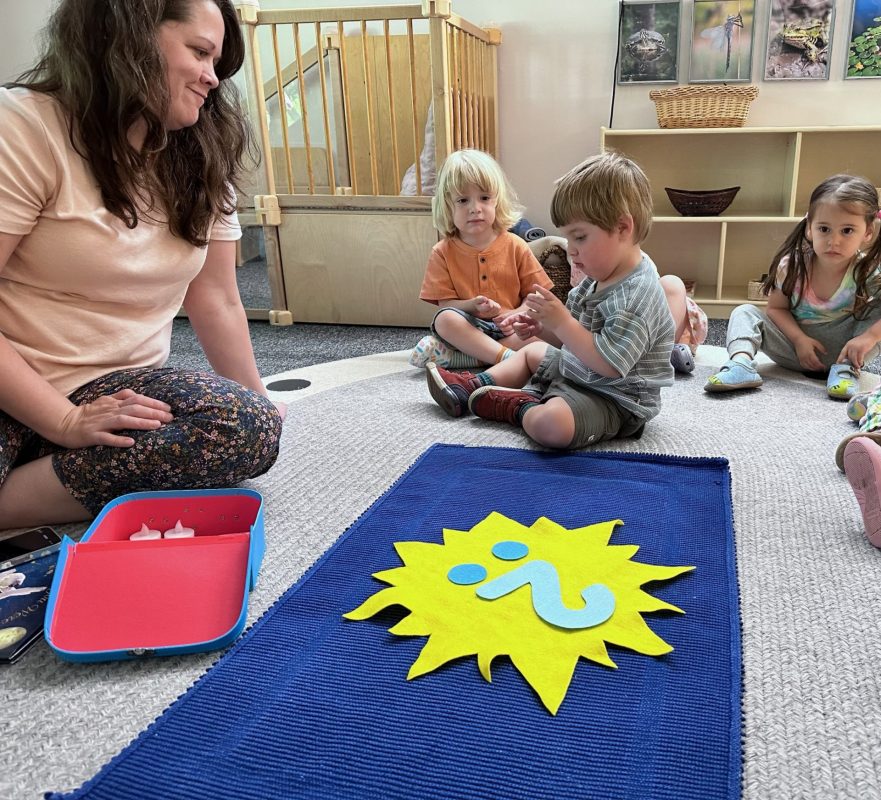
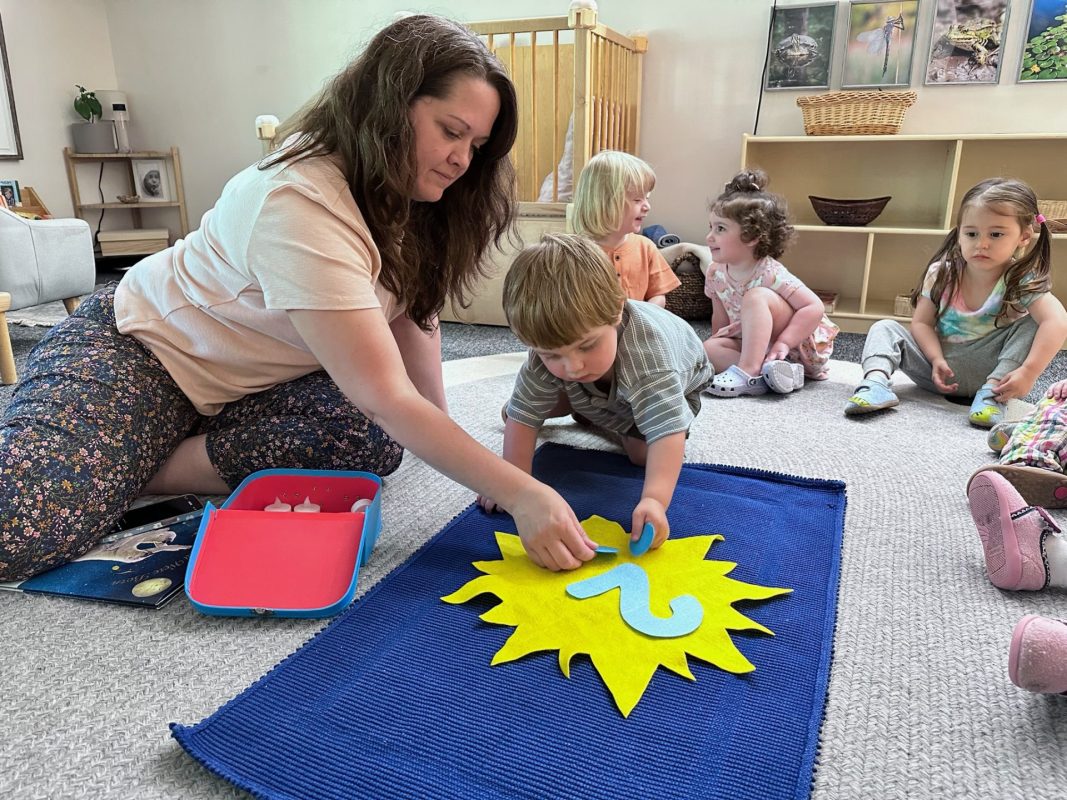
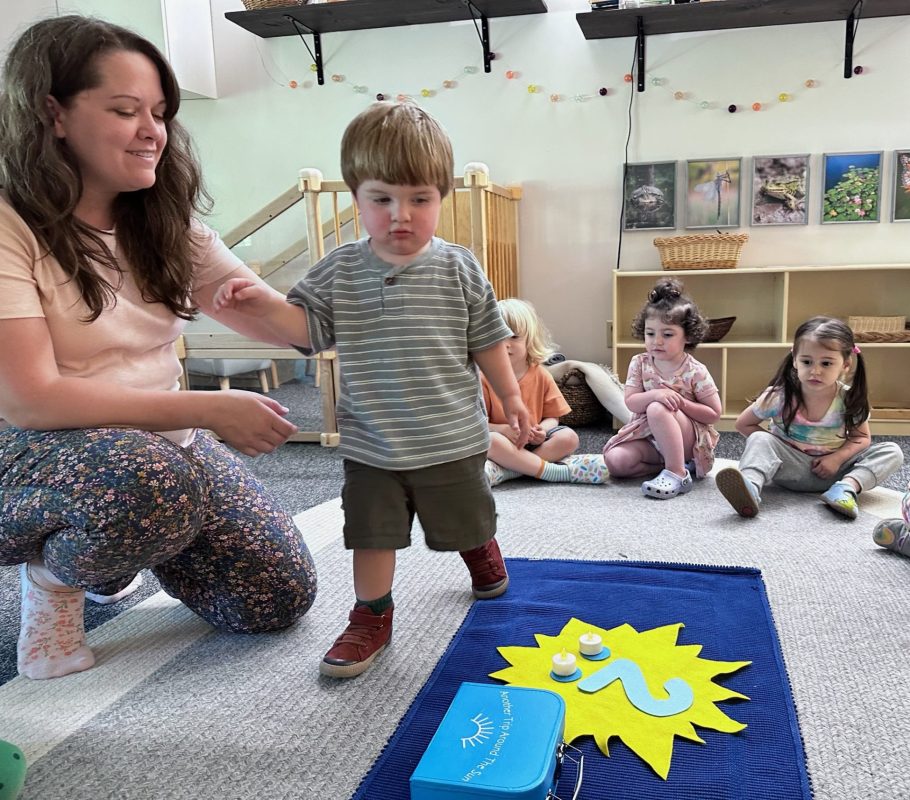
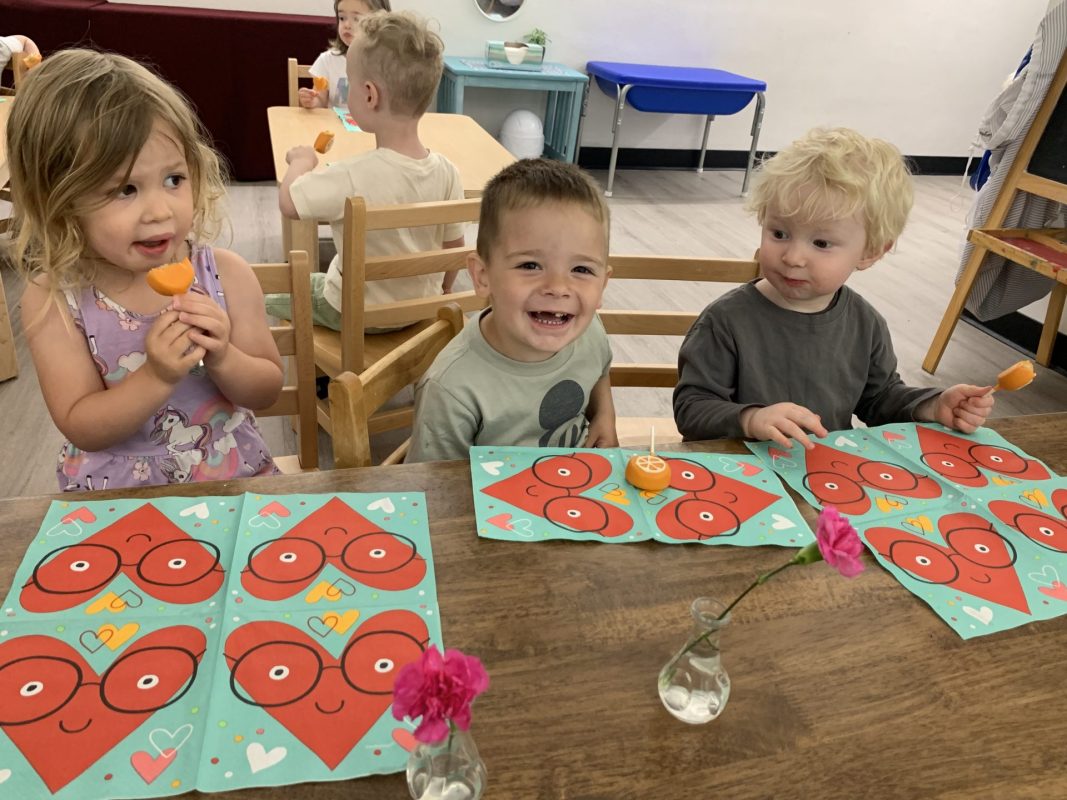
This week, as we savored the sensory delights of juicy kumquats, marveled at the treasures of nature brought from home, and came together to celebrate one of our youngest students’ second birthday, we were and are reminded of the richness of our curriculum and the sense of community that binds us all together.

In these moments of shared discovery and wonder, we hope you find as much joy and fulfillment as we do. May the magic of springtime infuse your days with warmth and wonder, and may you enjoy every precious moment with your loved ones.

Enjoy the weekend,

Mrs. Hood and Ms. Mollie


Mrs. Sargeant: A Peek at the Week

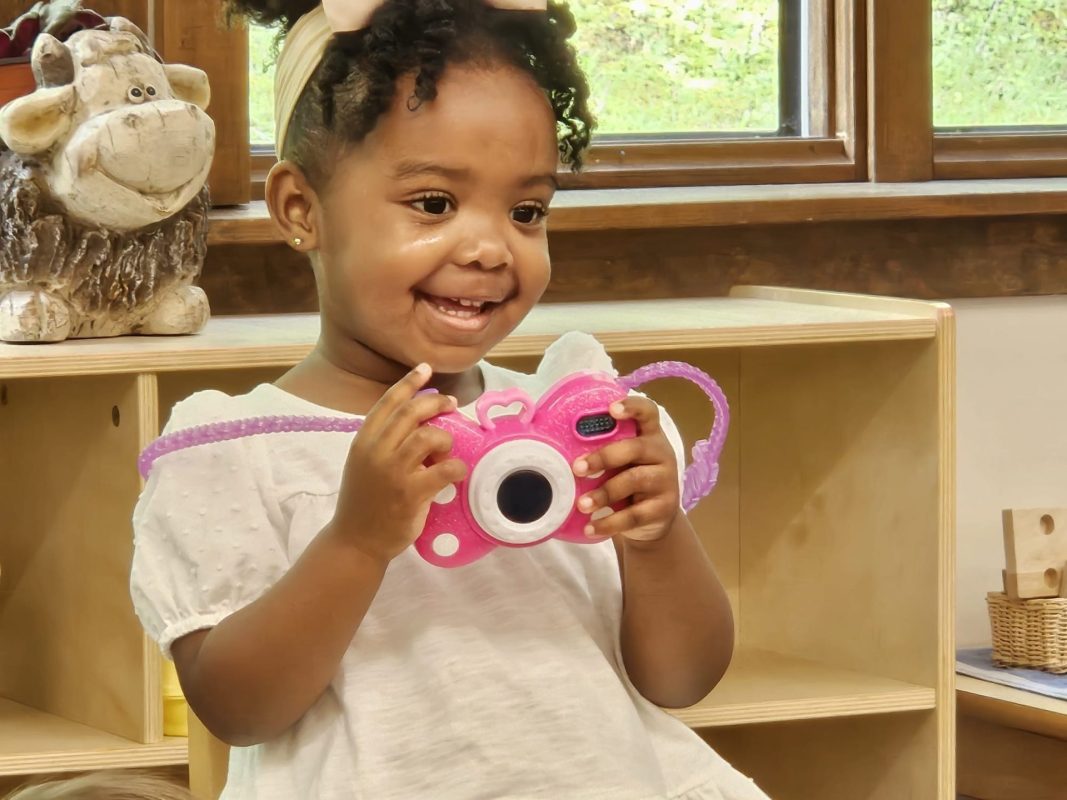
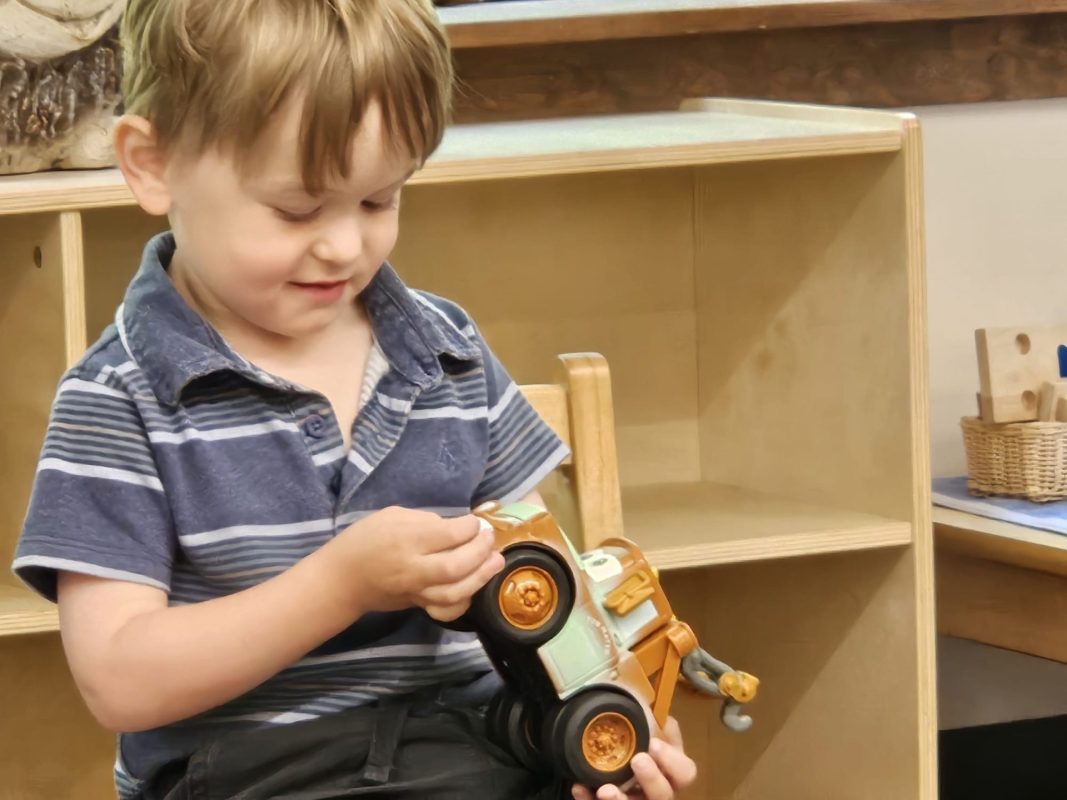
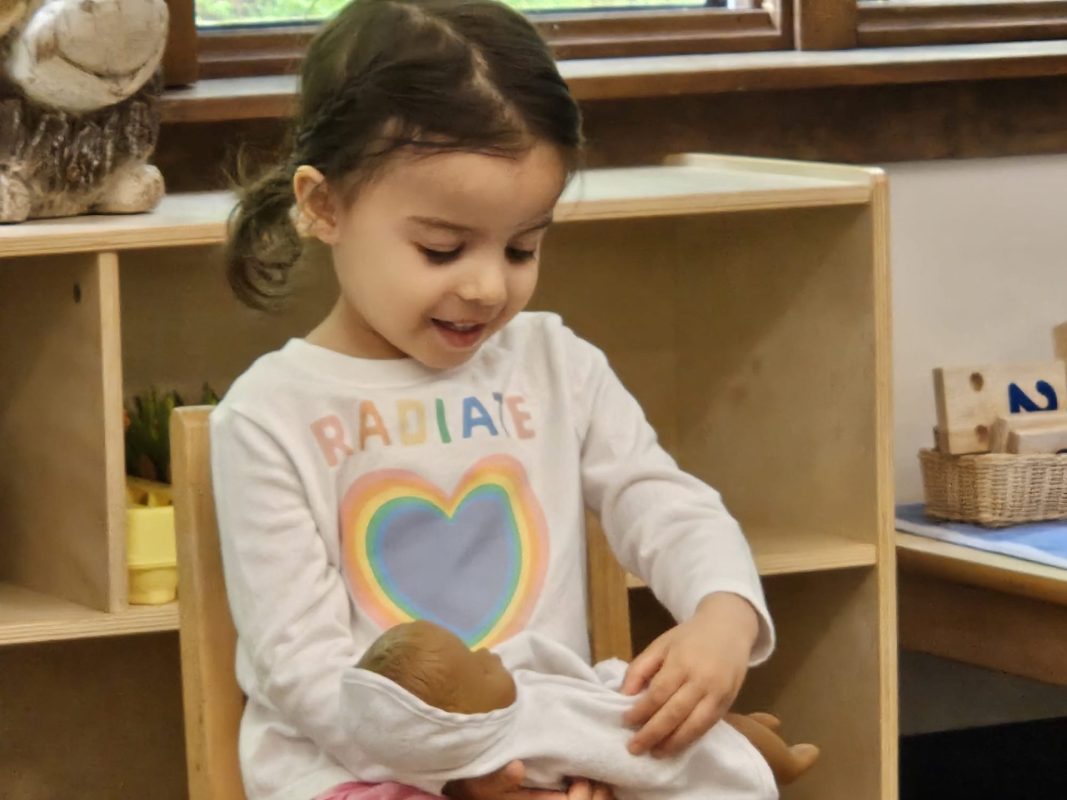
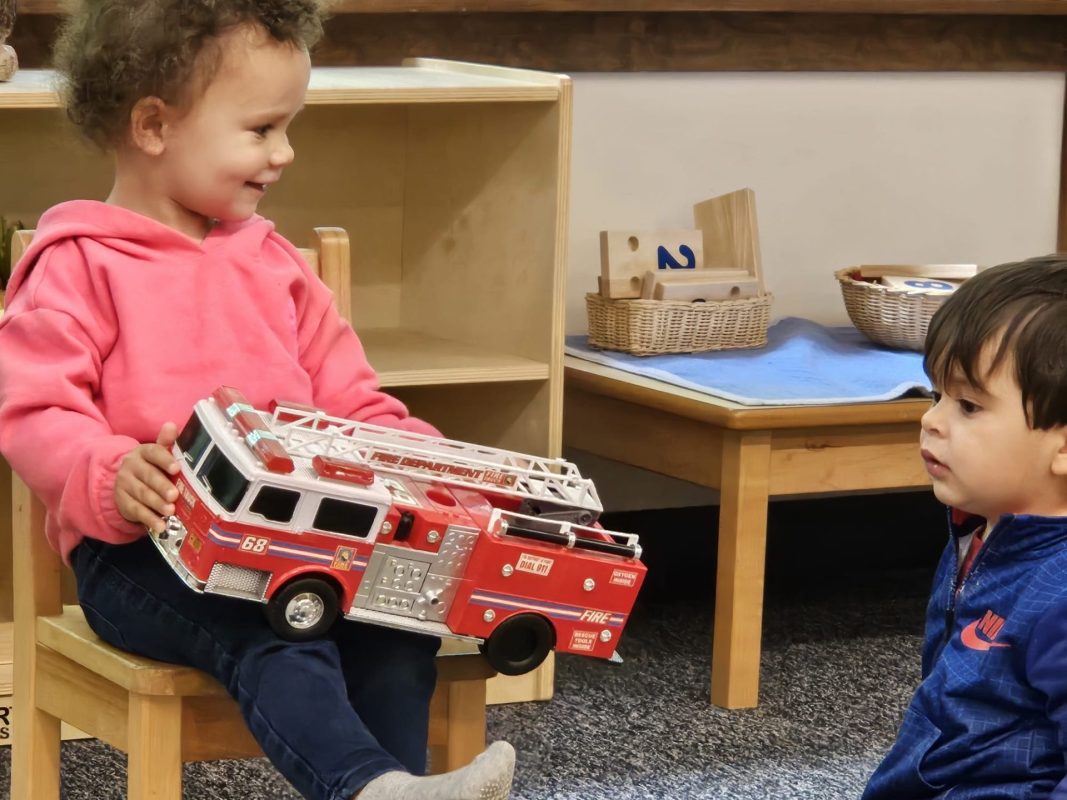
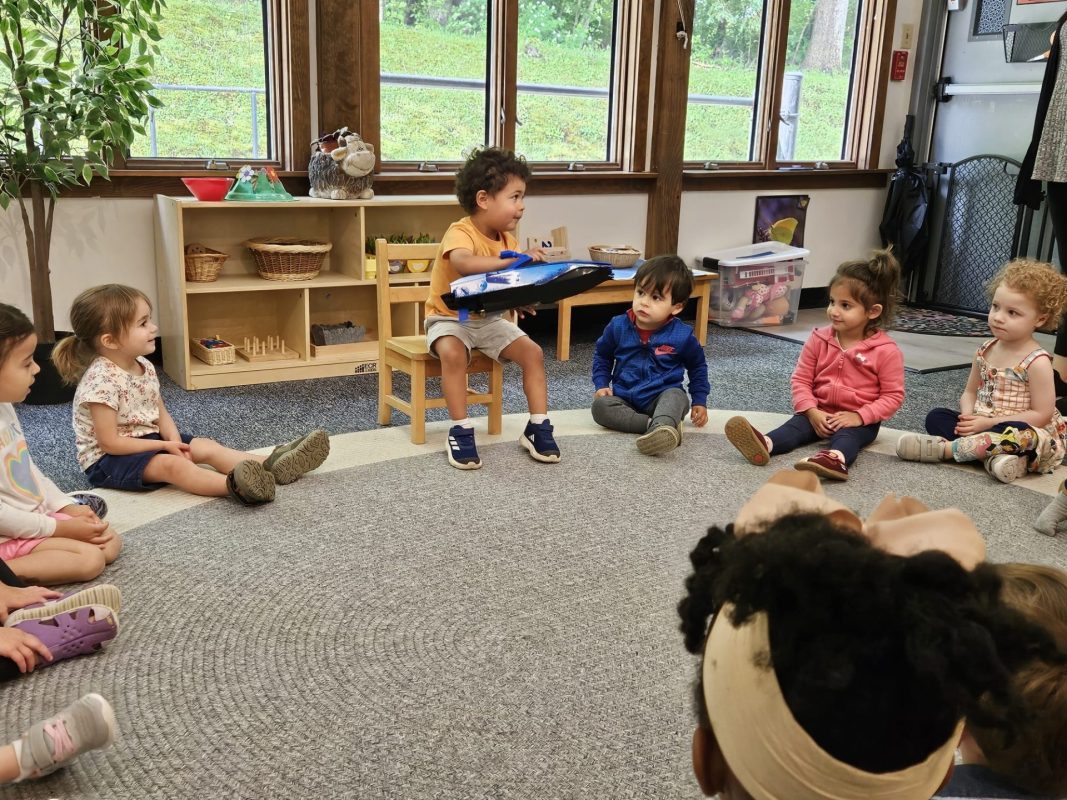
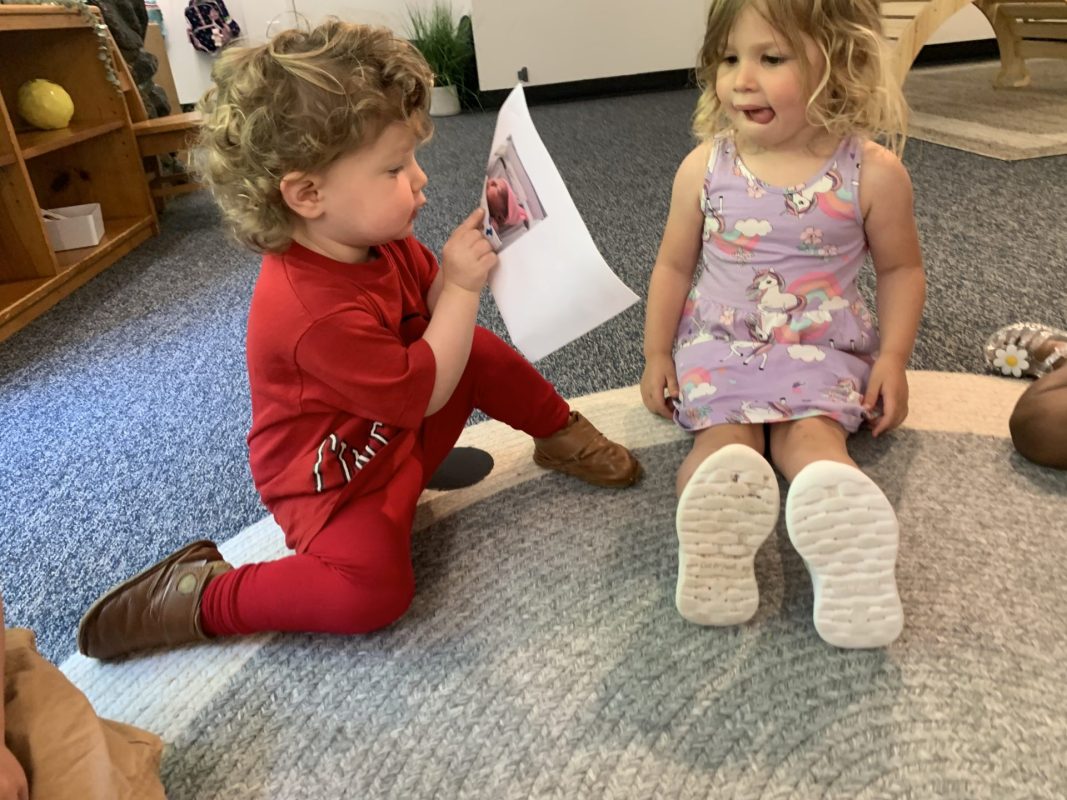
Friendship development in toddlers is an intriguing process, marked by significant milestones and stages. Here’s a breakdown of how it typically unfolds:

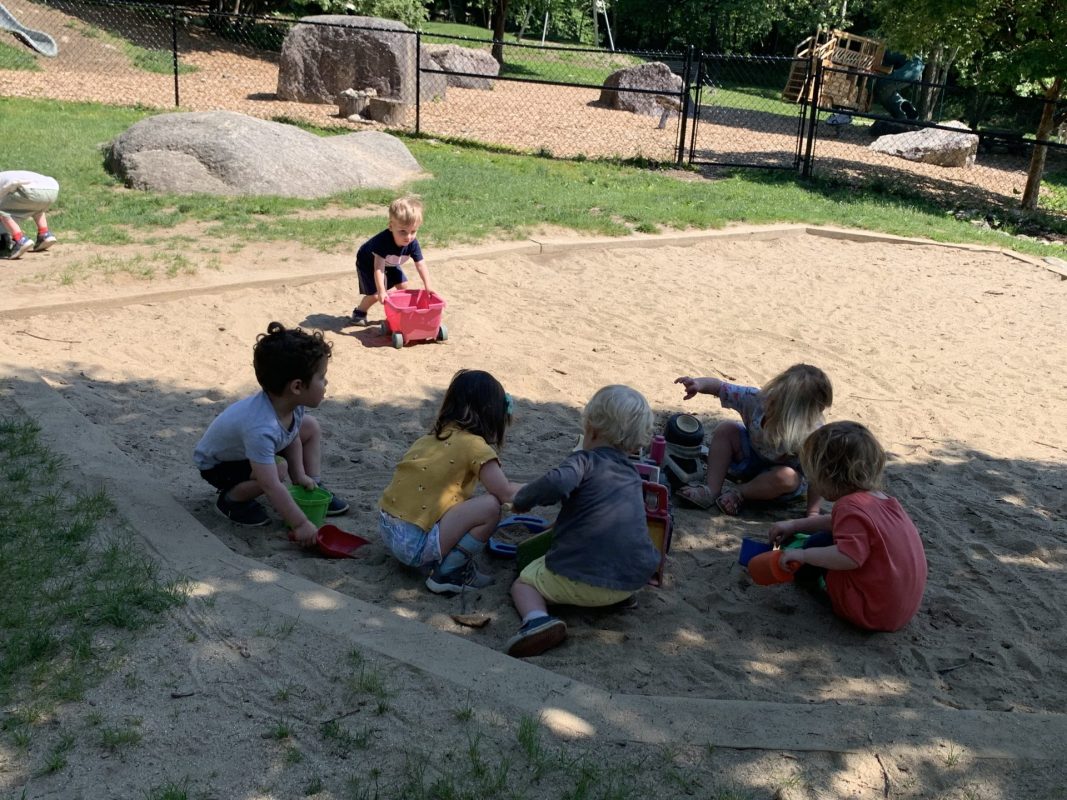
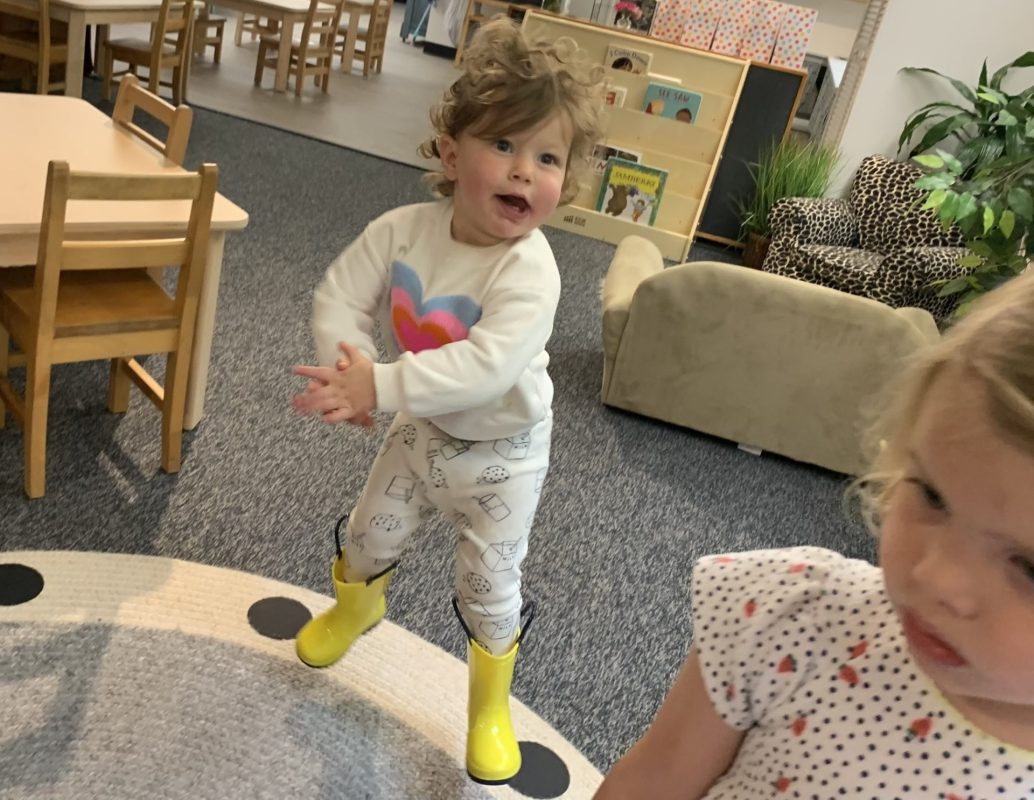
In the early stages, toddlers engage in parallel play, where they play alongside each other without much interaction. They may observe each other’s activities but don’t actively engage together.

As toddlers grow, they start to engage in associative play, where they begin to interact with each other during playtime. They may share toys, take turns, or mimic each other’s actions.

As children mature and develop social skills, they start to engage in cooperative play, where they interact with peers to achieve common goals or participate in group activities. This stage encourages collaboration, communication, negotiation, and empathy.

These stages of play are not strictly sequential, and children may engage in multiple stages simultaneously or move back and forth between them based on their interests and developmental needs. In a Montessori classroom, the environment is carefully prepared to support and facilitate each stage of play, allowing children to learn and grow at their own pace.

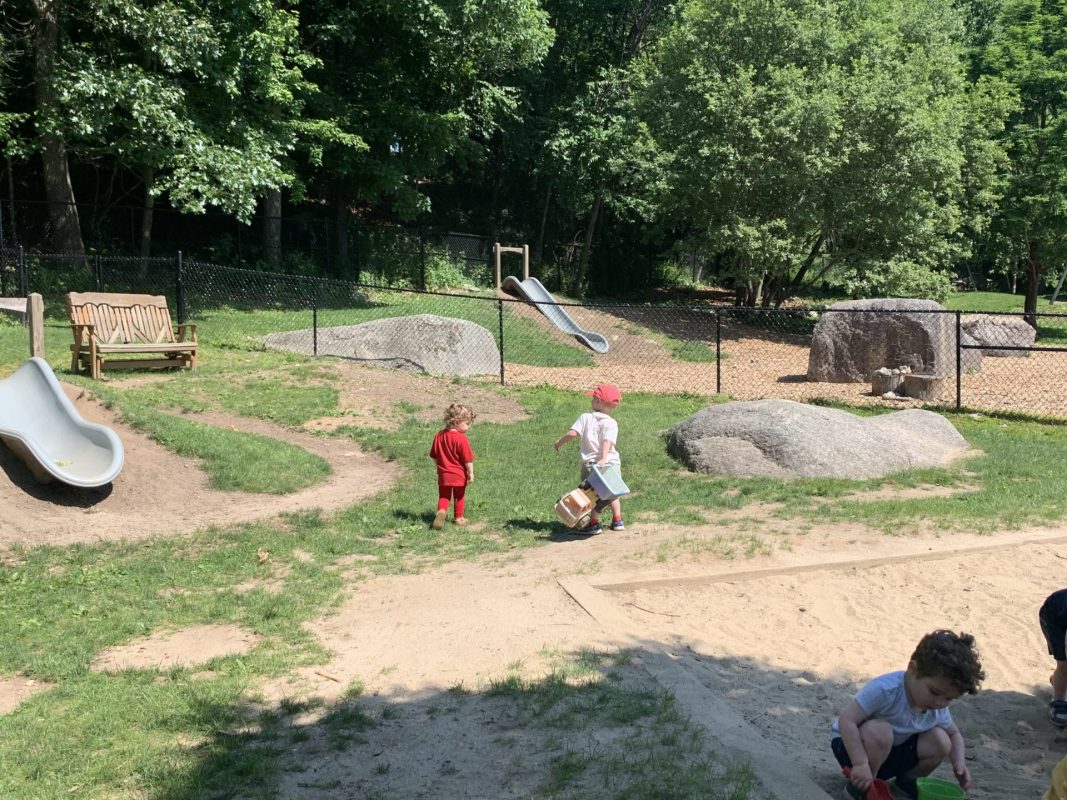
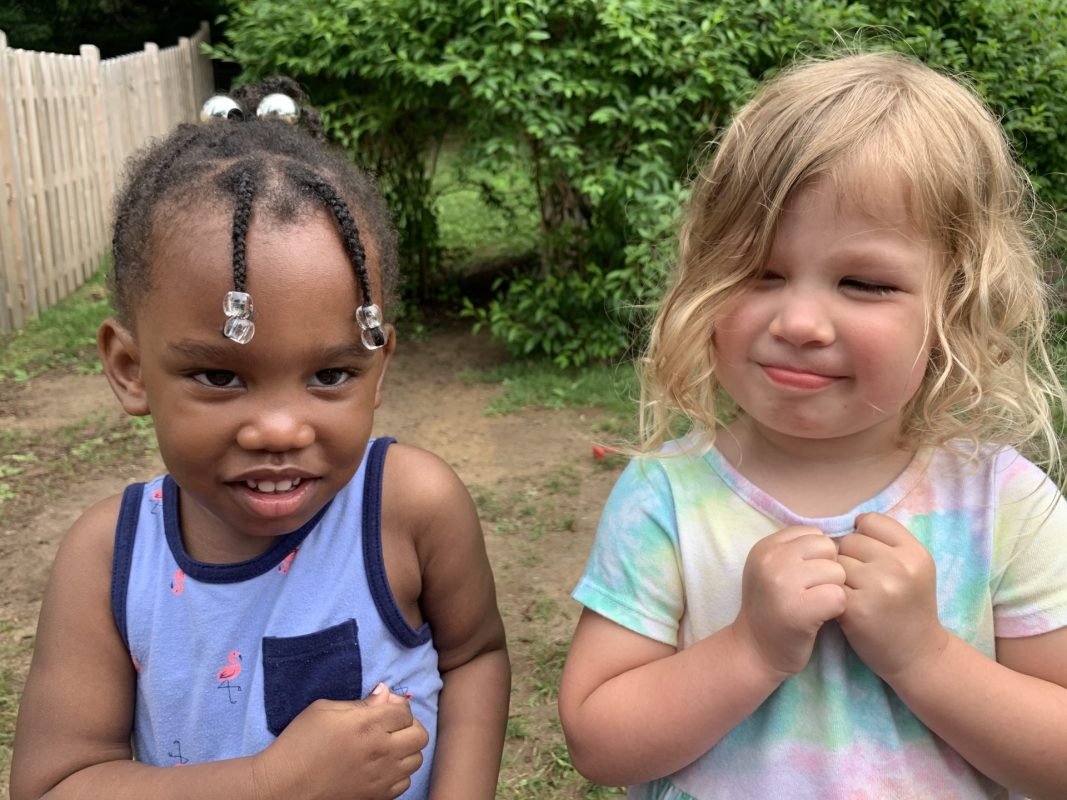
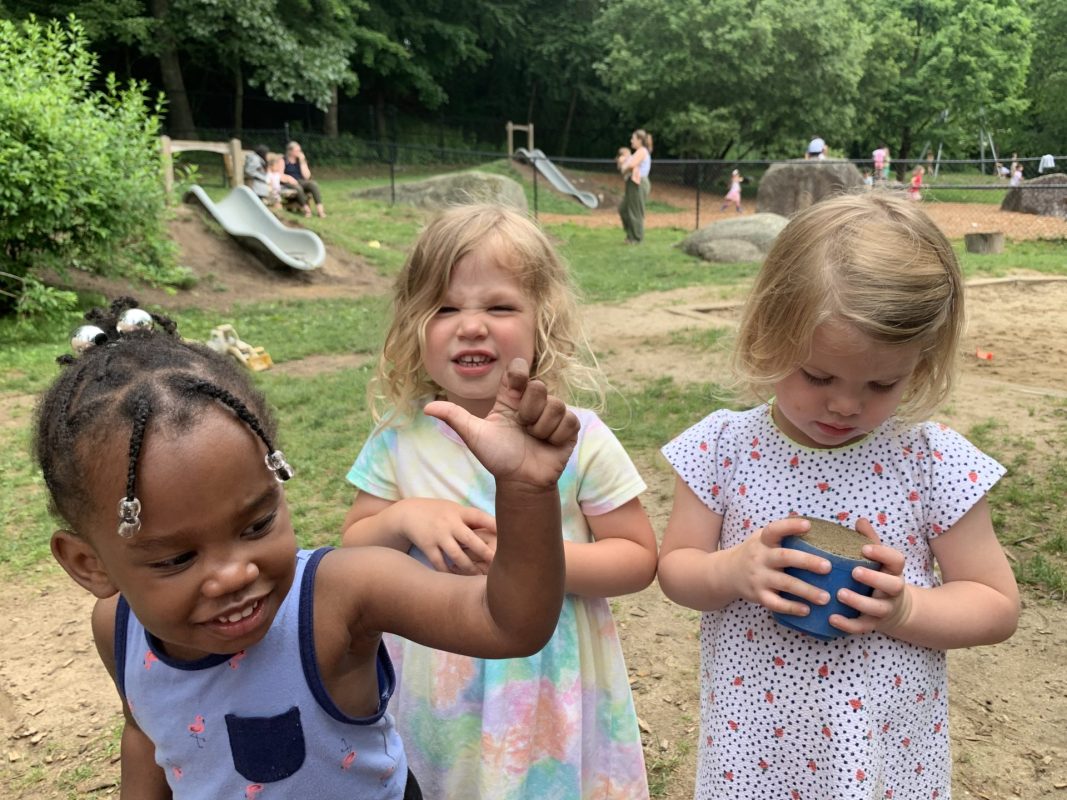
It has been exciting to witness the blossoming of friendships among the children both in the classroom and on the playground. 

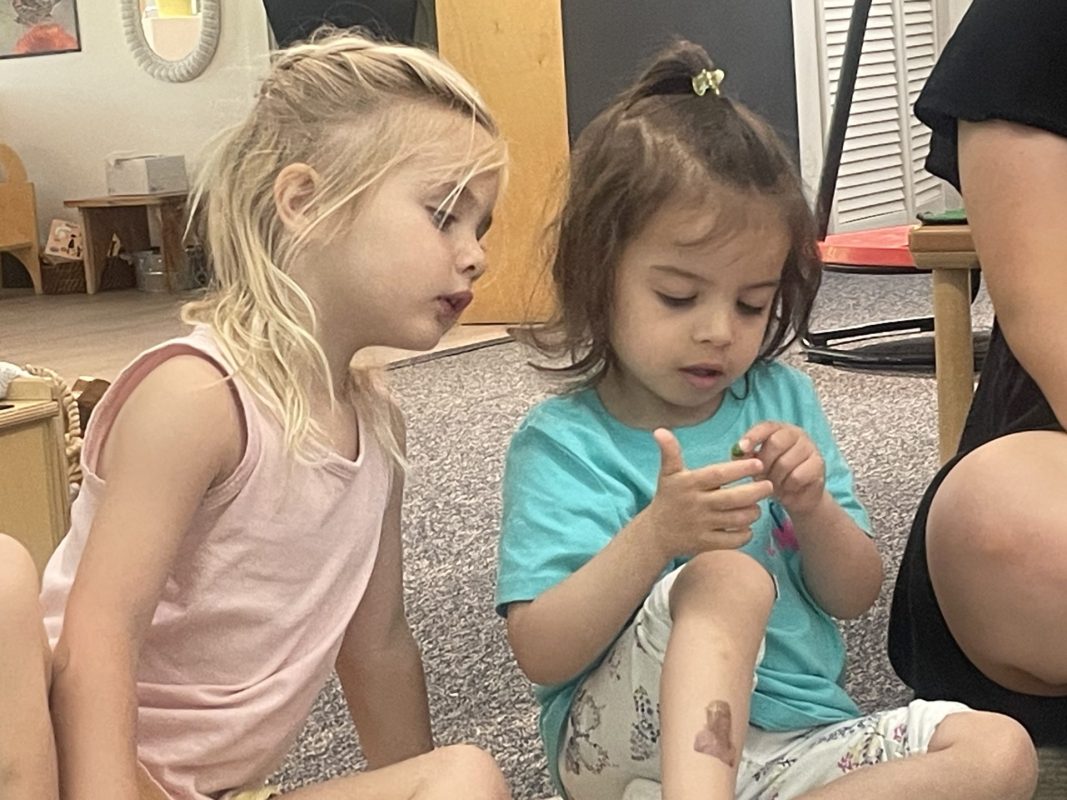
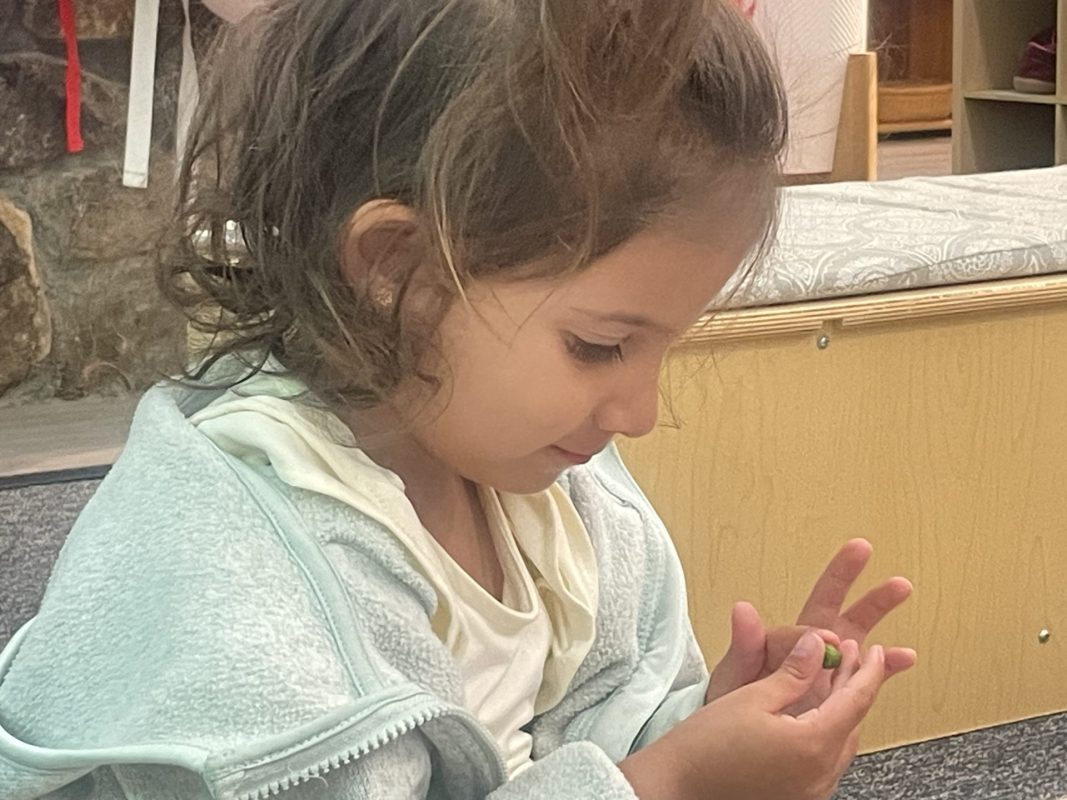
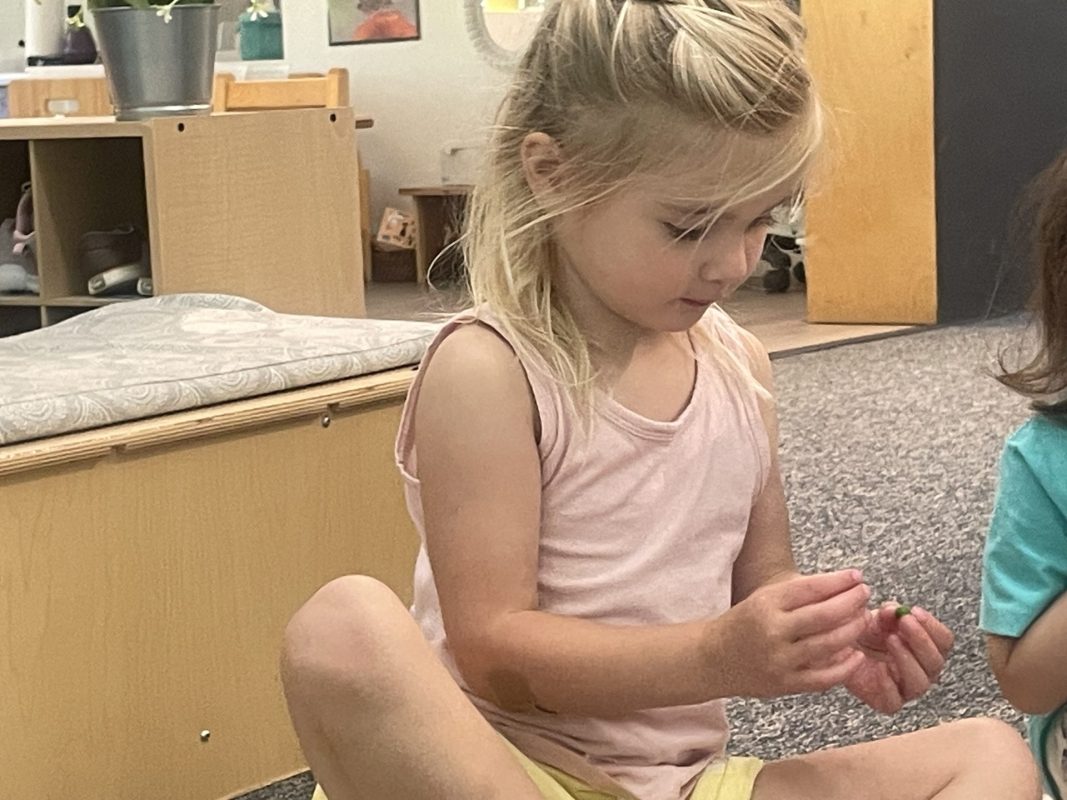
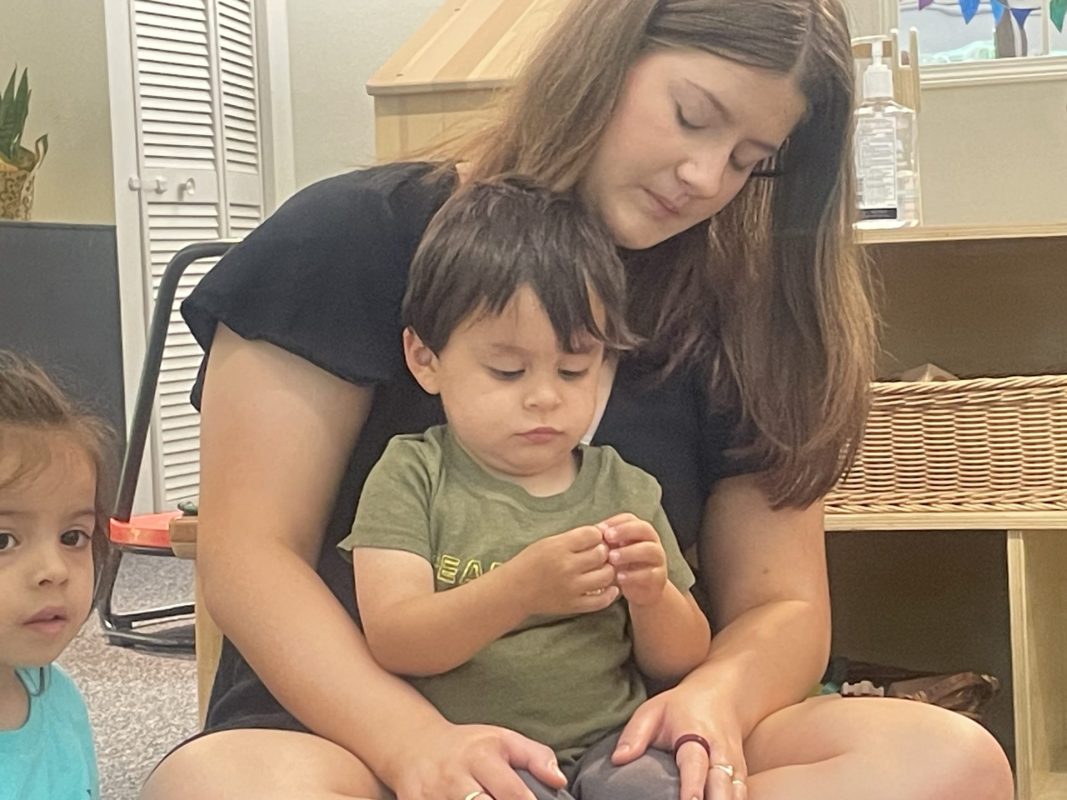
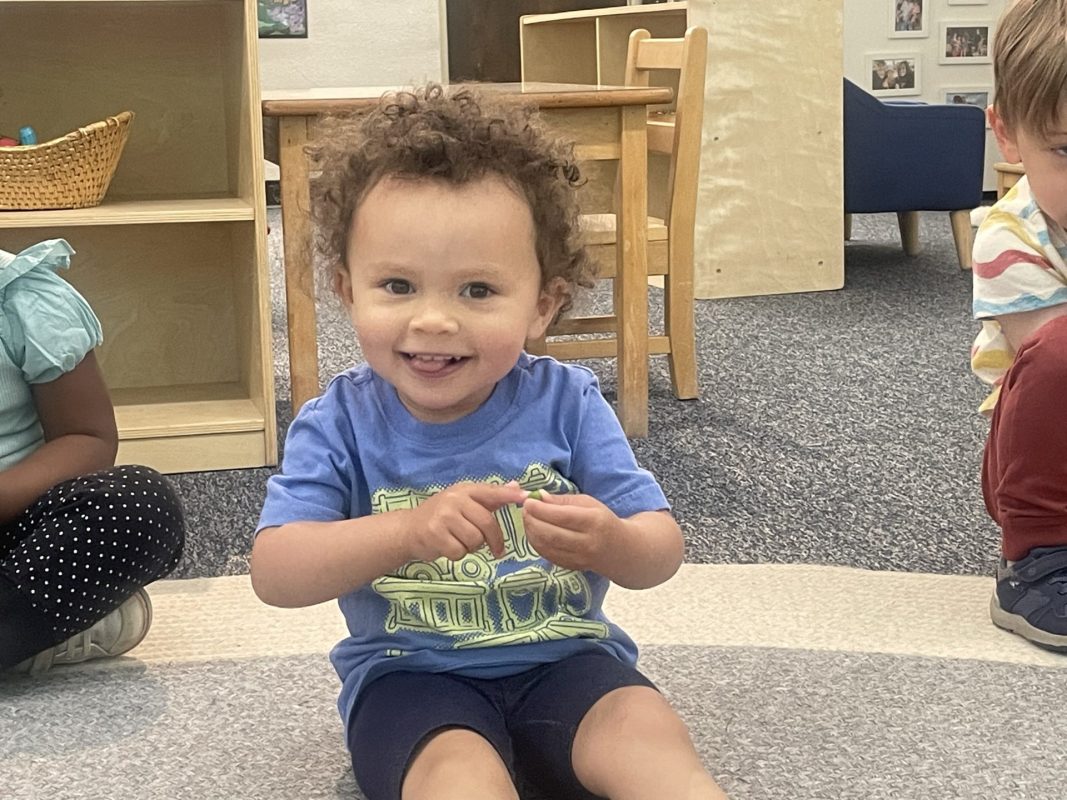
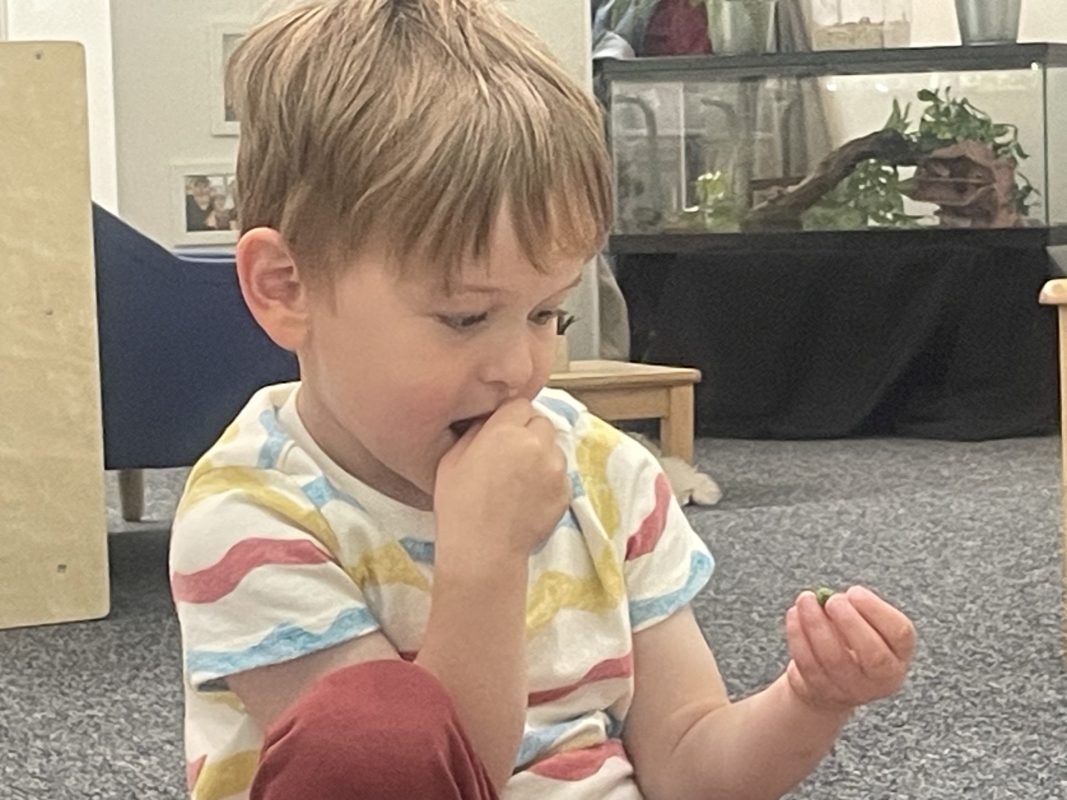
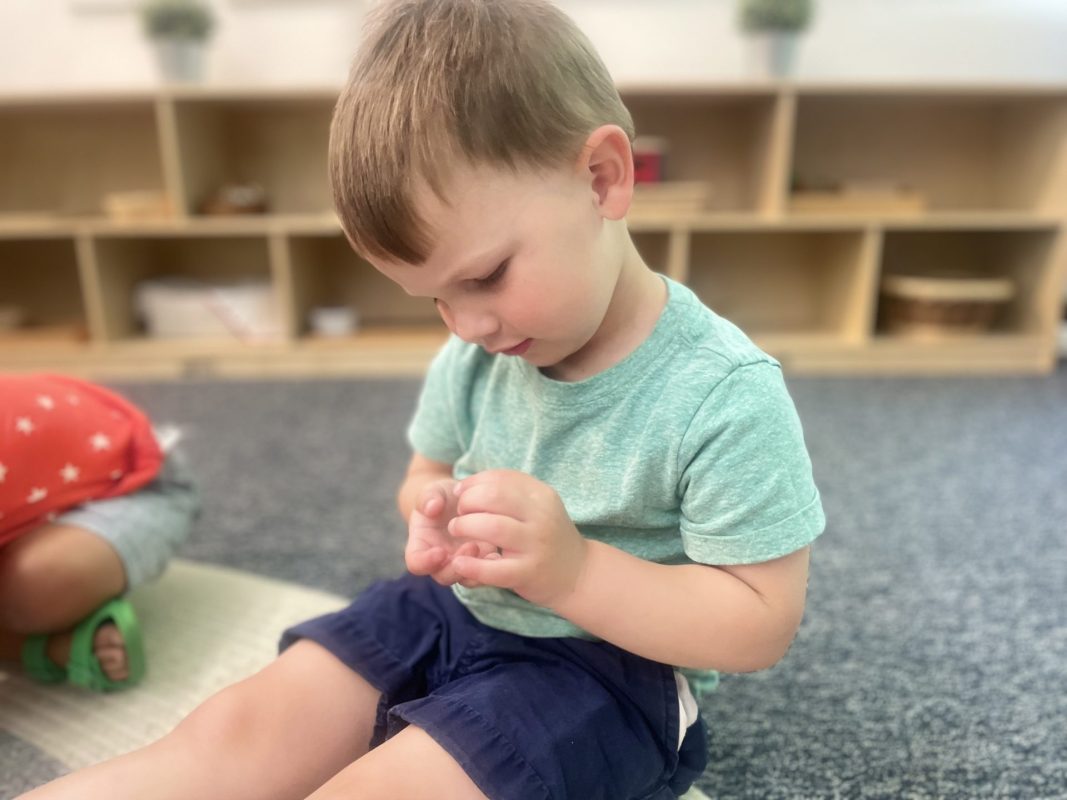
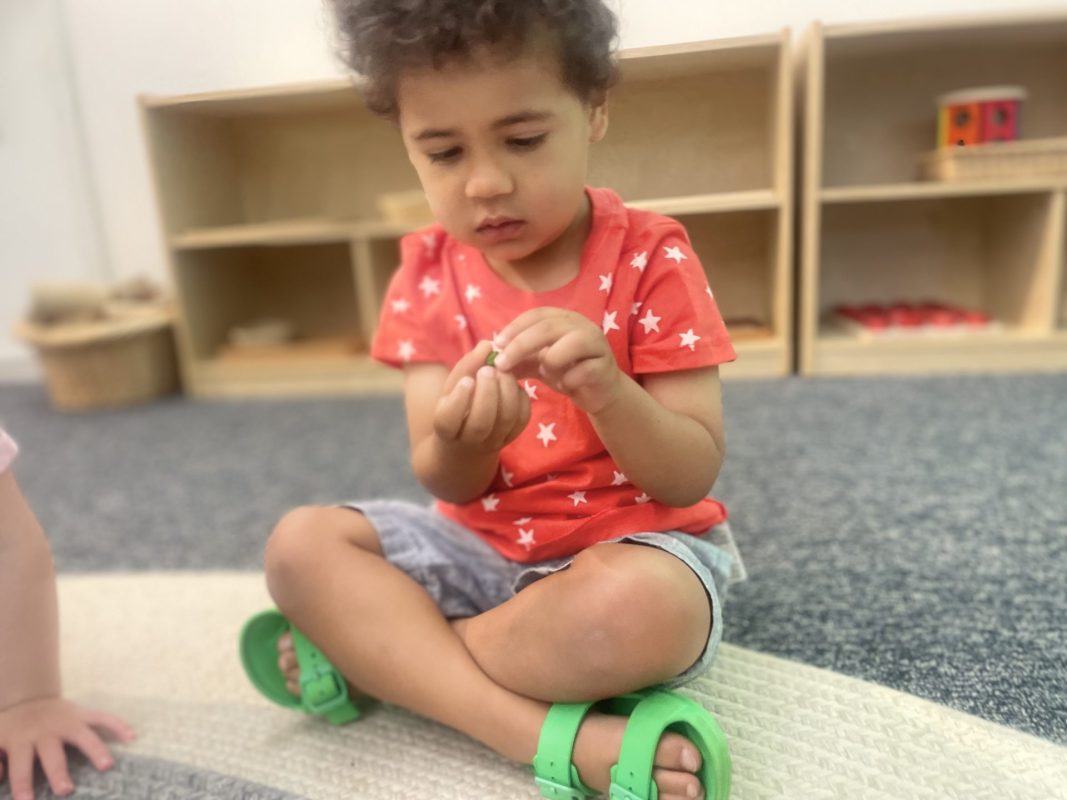
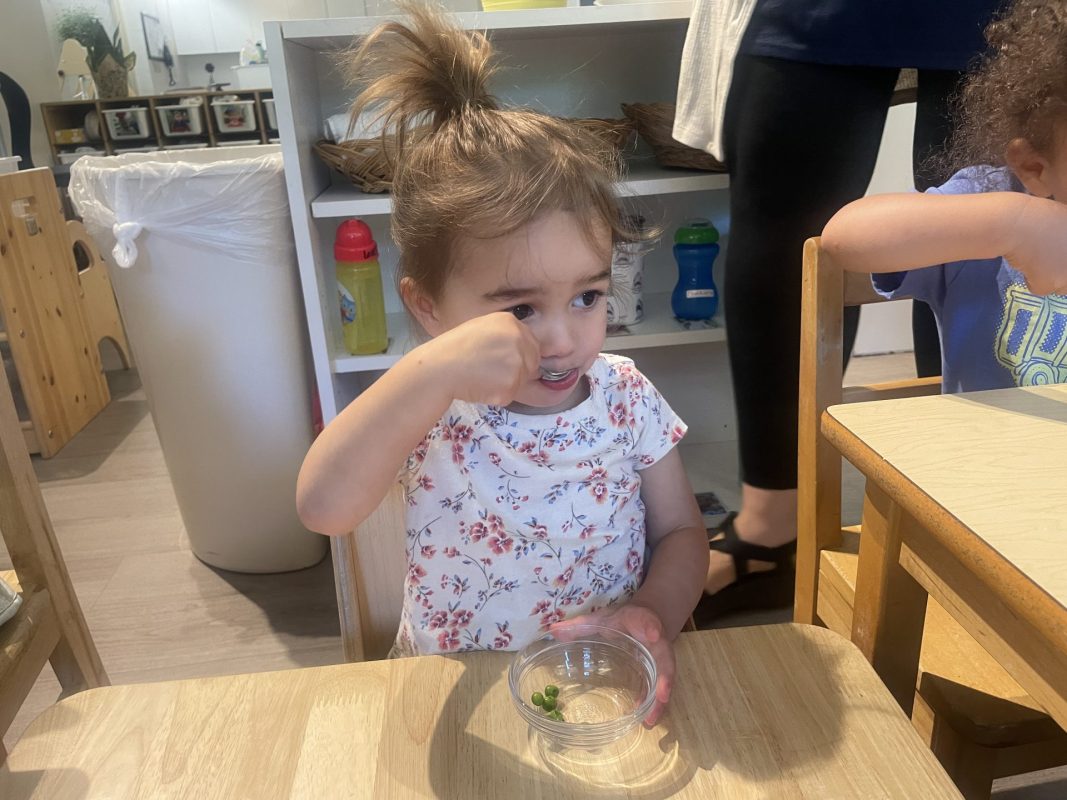
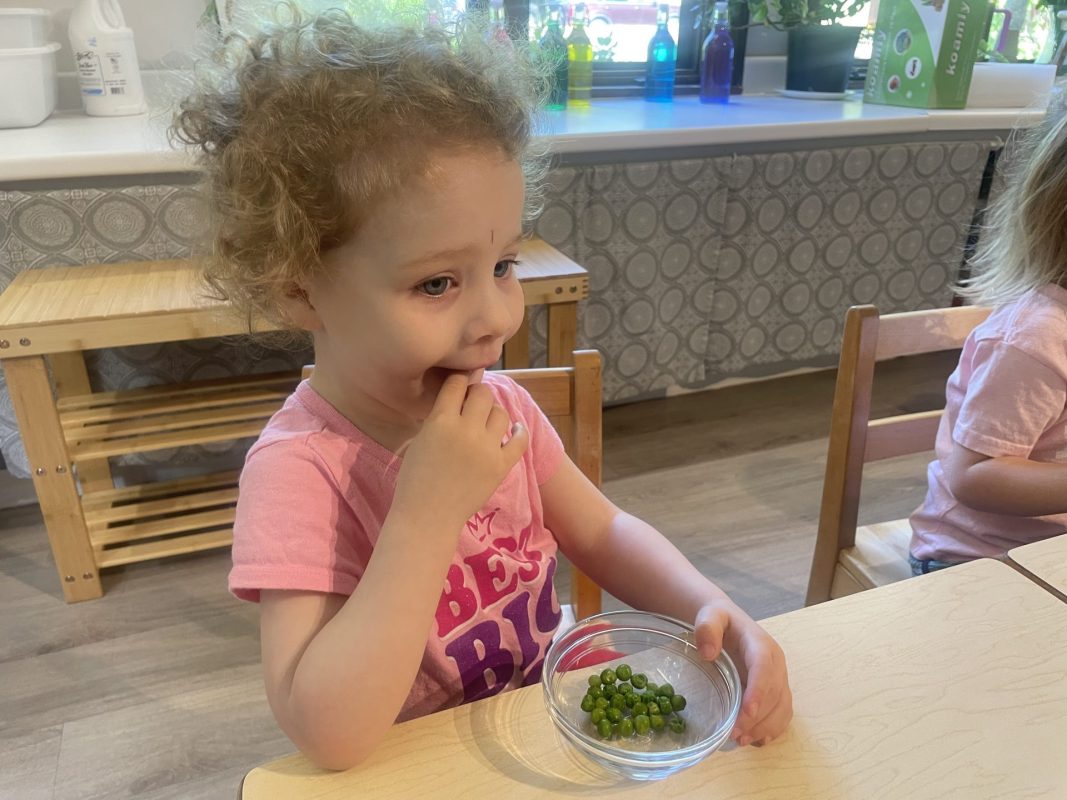
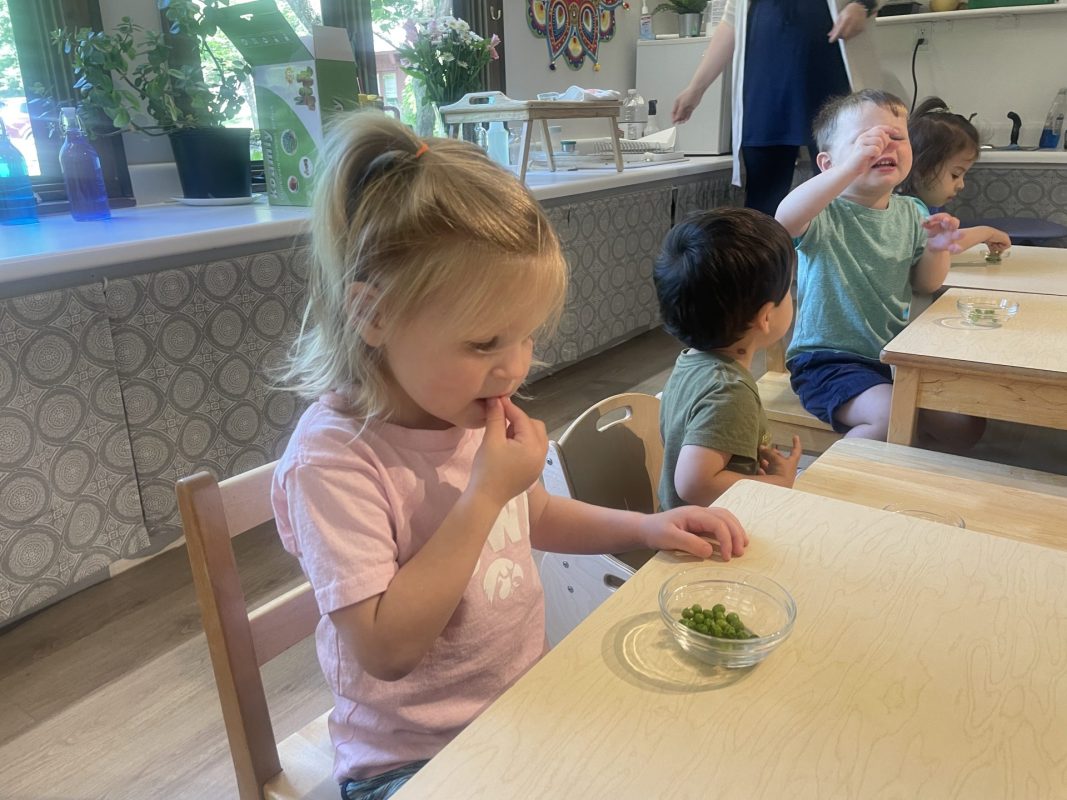
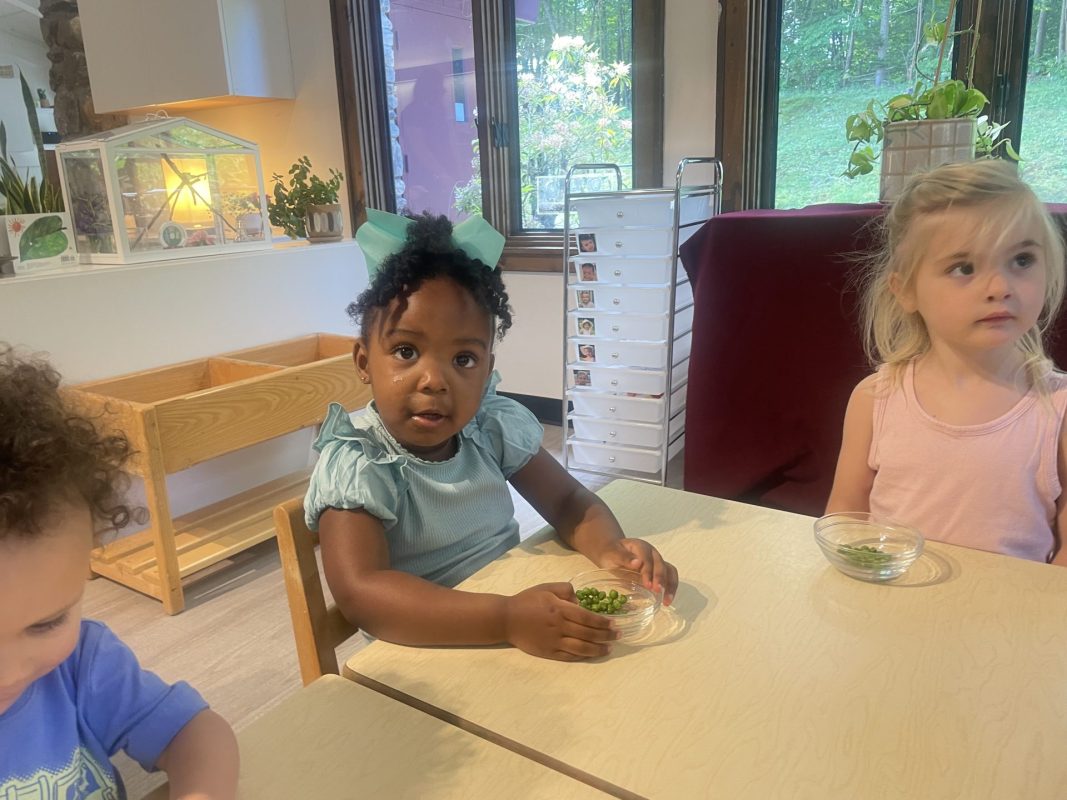
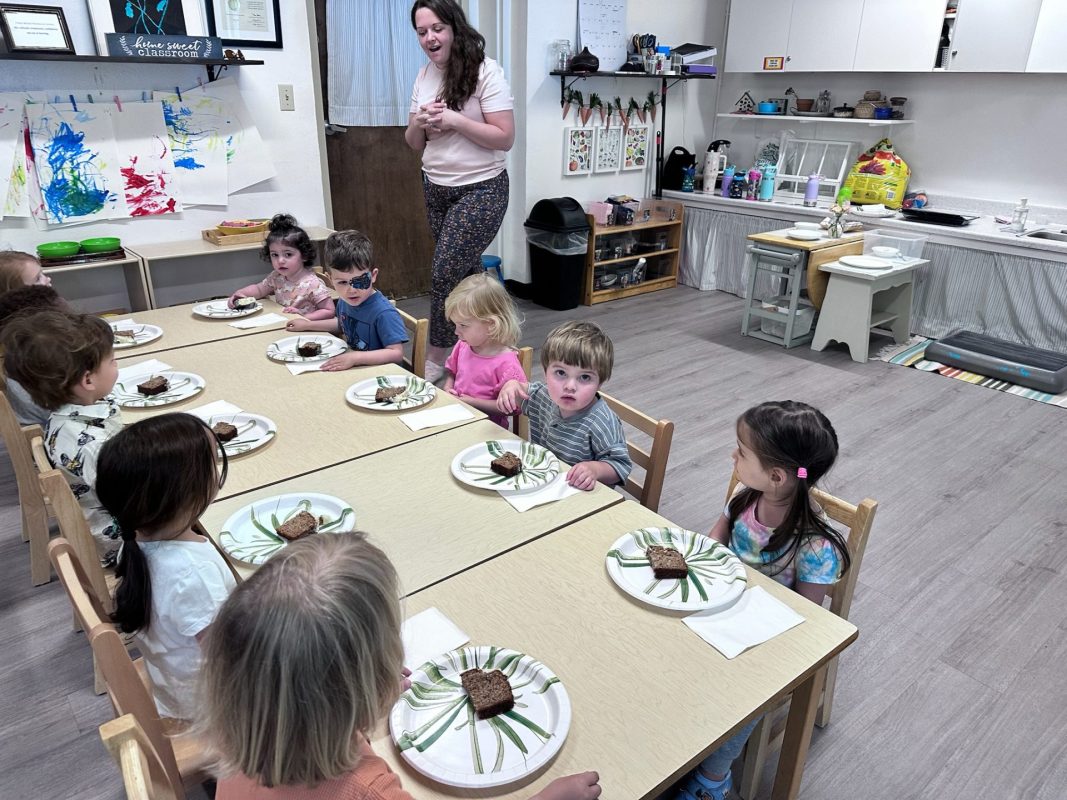
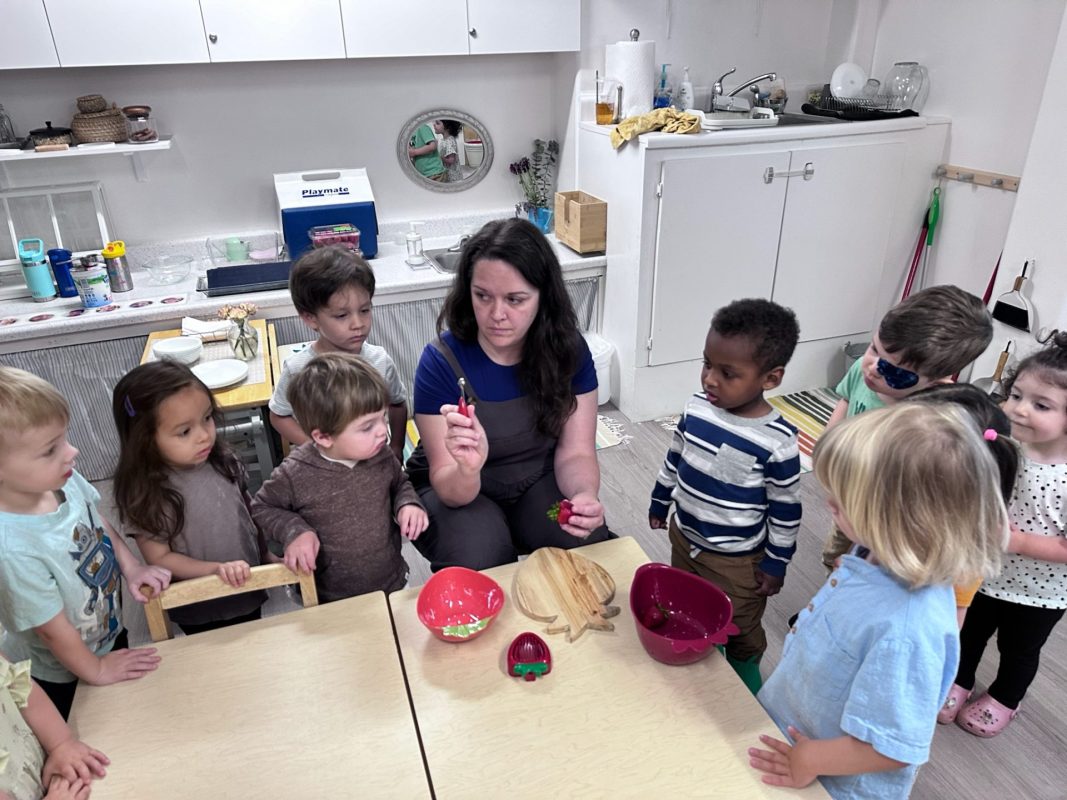
This week, we learned about white button mushrooms. If you ask your children where they grow, they will probably tell you, “in the dark, in the dirt.” They may also tell you that their teachers both love mushroom pizza! We examined the stem and the cap, and the children enjoyed taking a closer look using a magnifying glass. Not everybody was willing to try a piece of mushroom, but we kept offering – we engaged in our food-tasting lesson all week long! The class was fascinated by the mushrooms and truly enjoyed exploring them.

Looking forward to an exciting week ahead! Christine & Lizette

Ms. Marissa: Can You Say “Metamorphosis”?

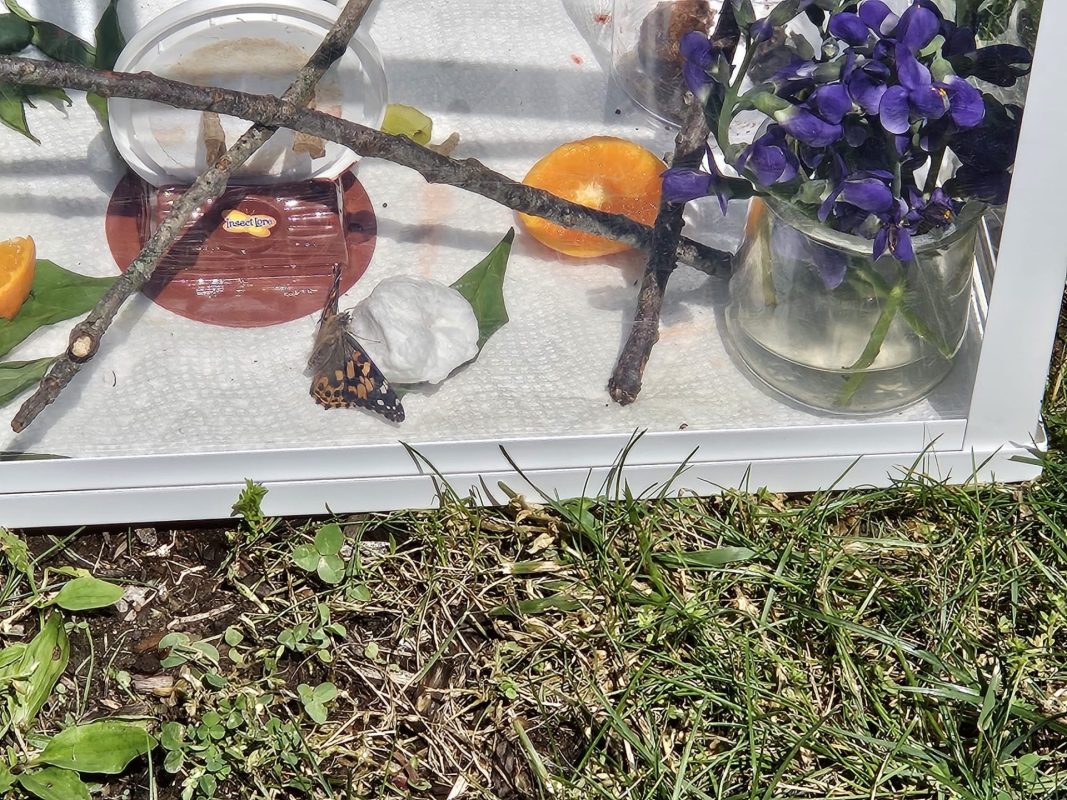
We continue to admire our Painted Lady caterpillars each day. We have an observation station set up where children are invited to draw and document the growth of the caterpillars. While we are watching this metamorphosis in real time, we are also using hands-on materials to visualize the life cycle of a butterfly.

Learning about the different stages of a butterfly’s life: adult, egg, larva, and pupa has been so interesting and eye-opening! Some questions I have received from students are:

“Do butterflies have families once the eggs hatch?”

“Well, is it a full cycle if the butterfly or caterpillars die?”

“Is “larva” and “pupa” a fancy word for caterpillar and chrysalis?”

“What is the difference between a chrysalis and a cocoon?”

Do you know the answers to these questions? These would be great conversation starters with your children!

We also continue our journey through Chicken Soup with Rice by Maurice Sendak. This month’s poem goes like this:

In May, I truly think it best
To be a robin lightly dressed
Concocting soup inside my nest.
Mix it once, mix it twice,
Mix that chicken soup with rice!

Have a wonderful weekend,

Marissa & Sue


This Week in Upper El

“Trees are poems that the Earth writes upon the sky.” –from “Sand and Foam” by Kahlil Gibran

We enjoyed an active week in Upper El. Highlights included gardening, an Arbor Day presentation, and new math, geometry, and chemistry lessons.

Students began the week moving the raised bed flowers to pots in preparation for relocating those beds during the field construction. As is typical of these students, they tackled the project with joy and enthusiasm. We are hopeful the plants will survive the move, and we can replant them in the fall when the field is complete.

We had a visit from Charlie Arrindell, who gave a captivating presentation about the benefits and anatomy of trees and Arbor Day. He gifted each of us a sapling to plant at our homes. Thank you for sharing your time, generosity, and knowledge with us, Charlie!

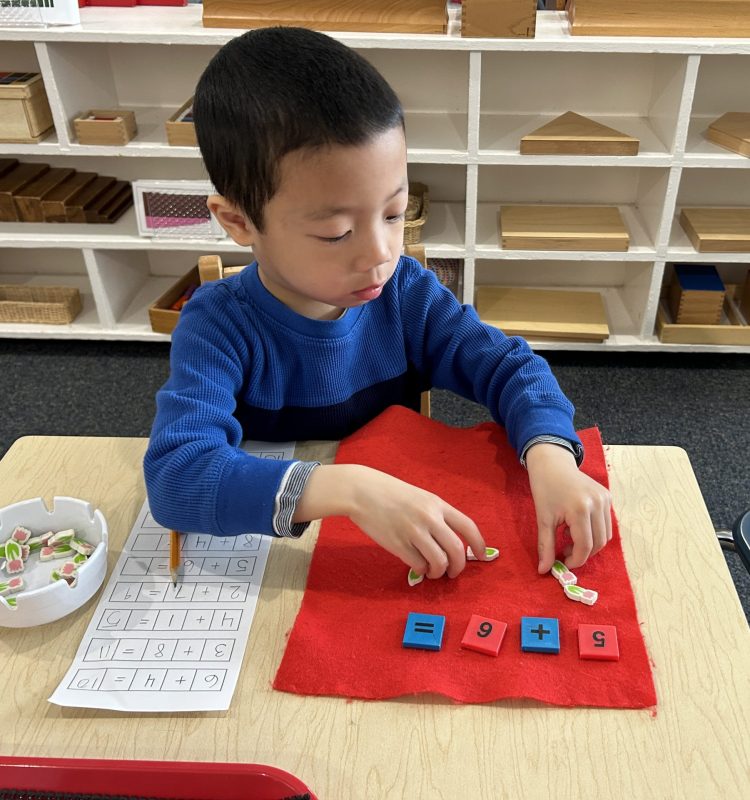
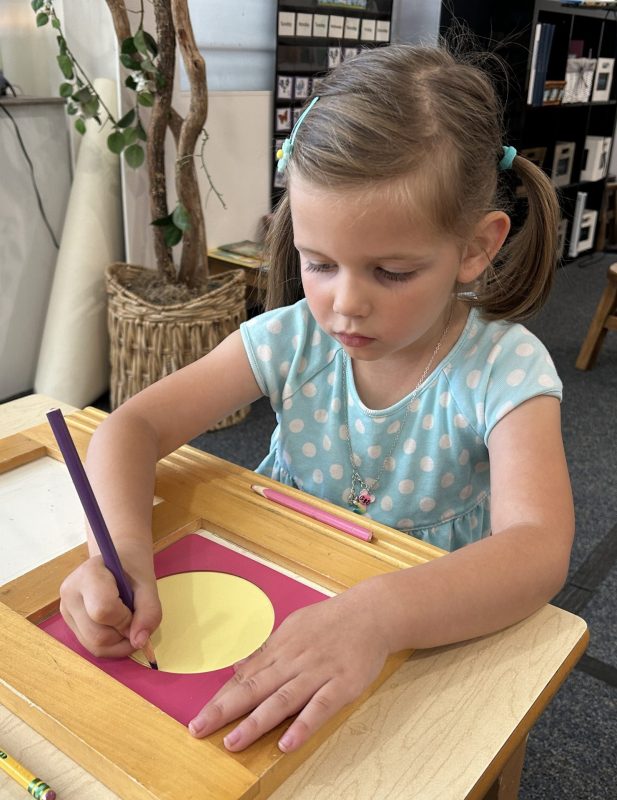
In geometry this week, fourth graders learned to find the area of a parallelogram and discovered they use the same formula they used to find the area of a rectangle. Fifth graders learned about the concept of the circle as the limit of regular polygons. They researched this with Montessori insets of each plane figure, three through ten sides, and a circle and learned that each “side” of a circle is a point on the curved line that forms the circle’s circumference. They identified the circle as the “ultimate polygon.” Their follow-up work was to translate the nomenclature of regular polygons into the nomenclature of the circle. Fifth graders also prepared for next week’s lesson by beginning a study of the apothem of each figure, triangle through decagon. They drew each figure and traced their apothem, radius, and base.
This week in chemistry, we learned about the sun’s nomenclature and discovered some amazing facts about its distance from Earth, temperature, size, mass, gravity, age, and core reactions.

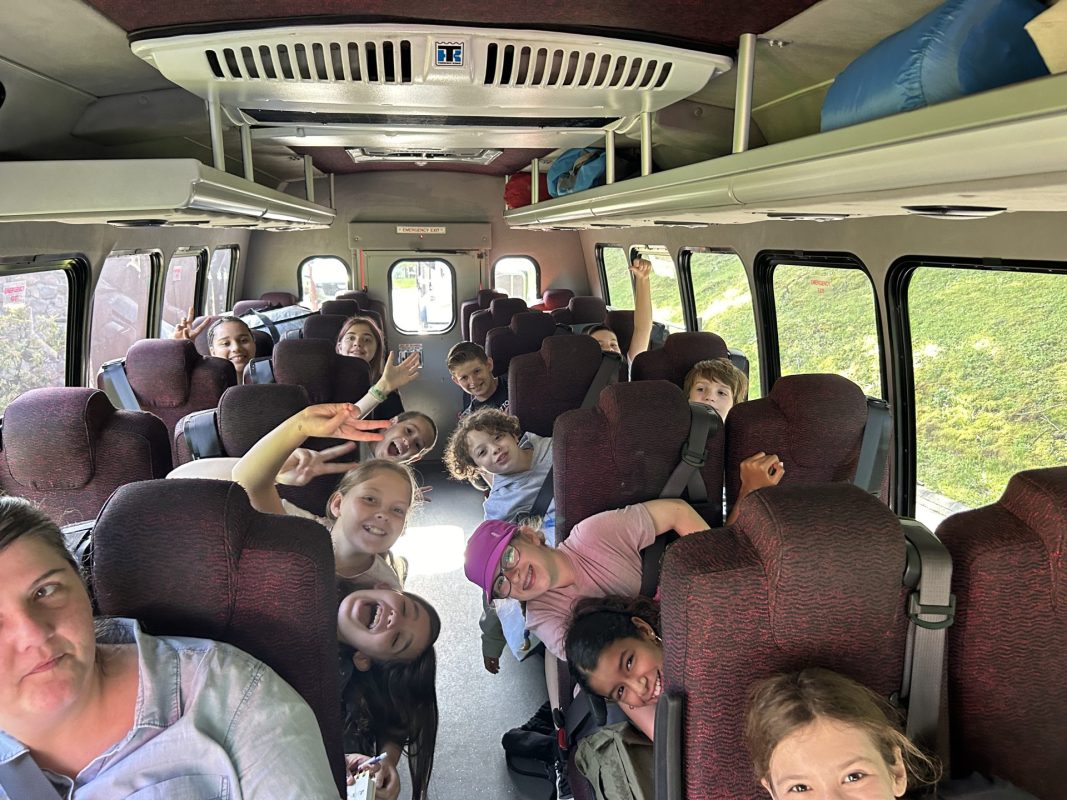
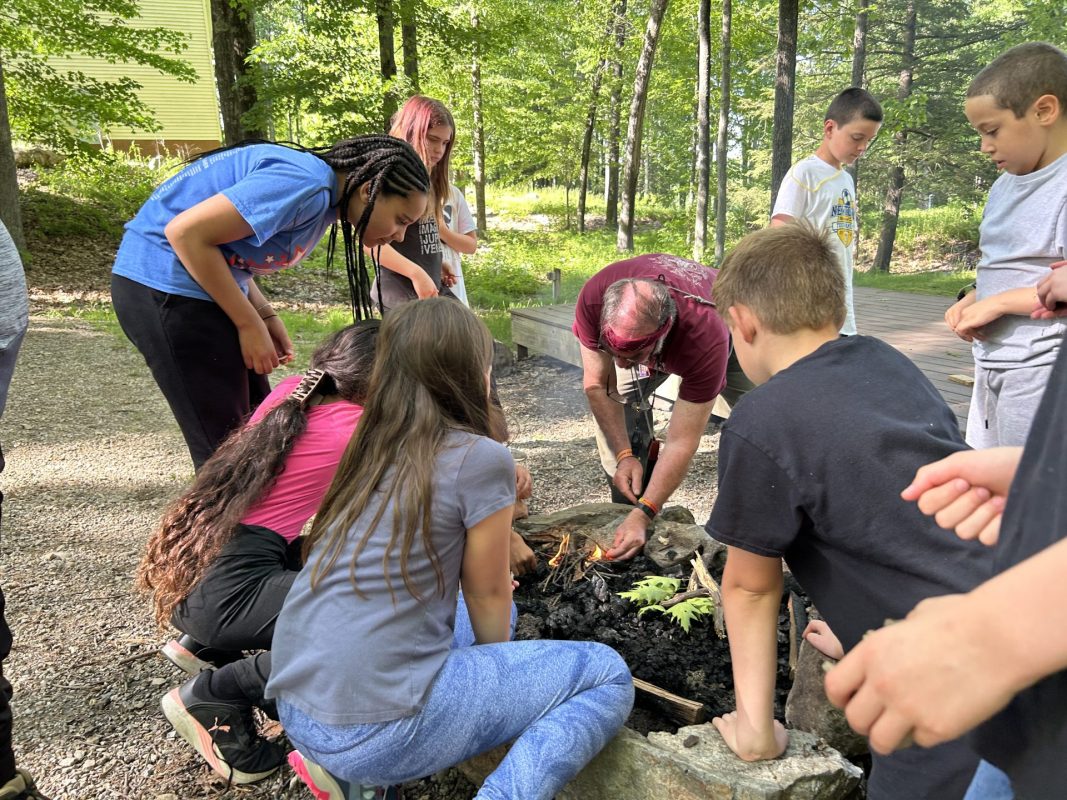
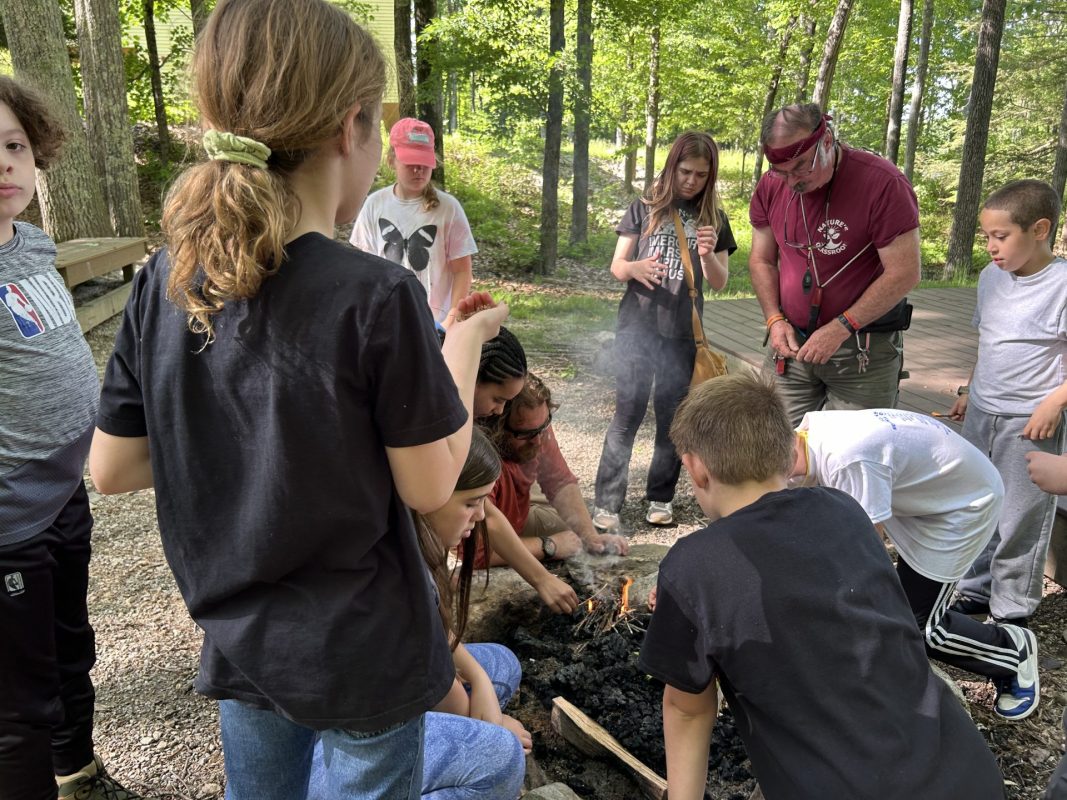
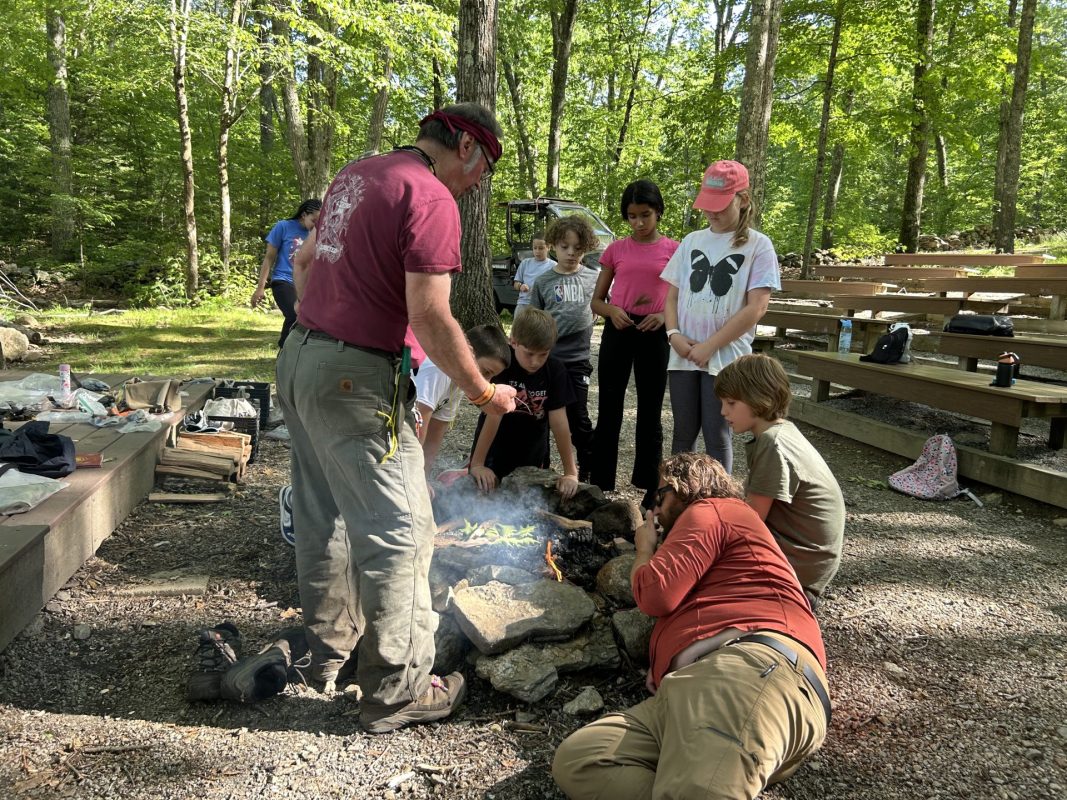
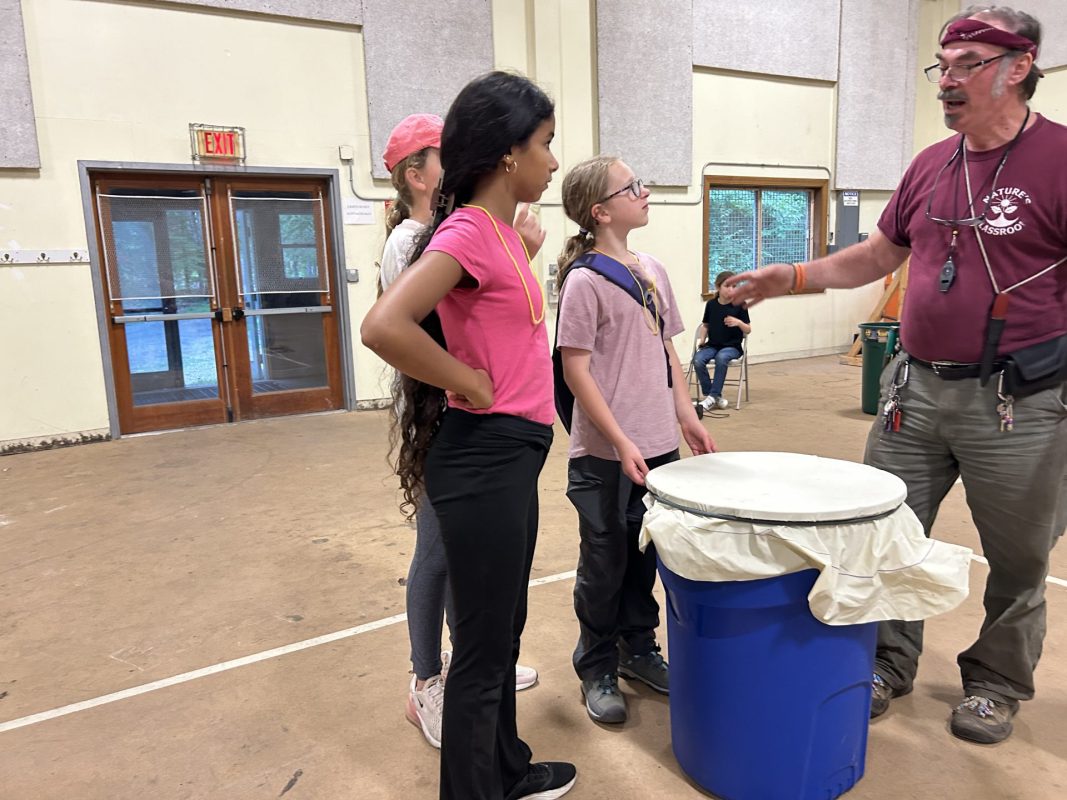
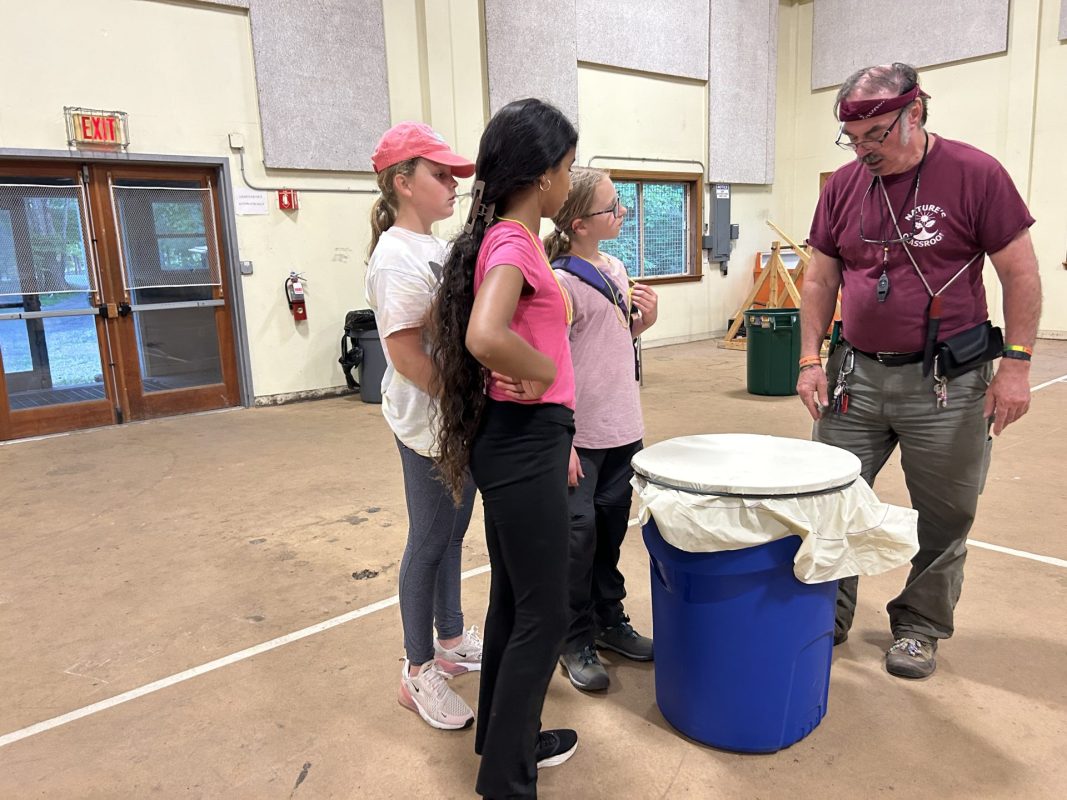
We are still waiting to hear back from the bus company on their cost for our trip to Nature’s Classroom. I will email you your final cost as soon as they confirm.

Wishing you a lovely weekend,
Karen and Deb


Mrs. Hood: Listen Up!

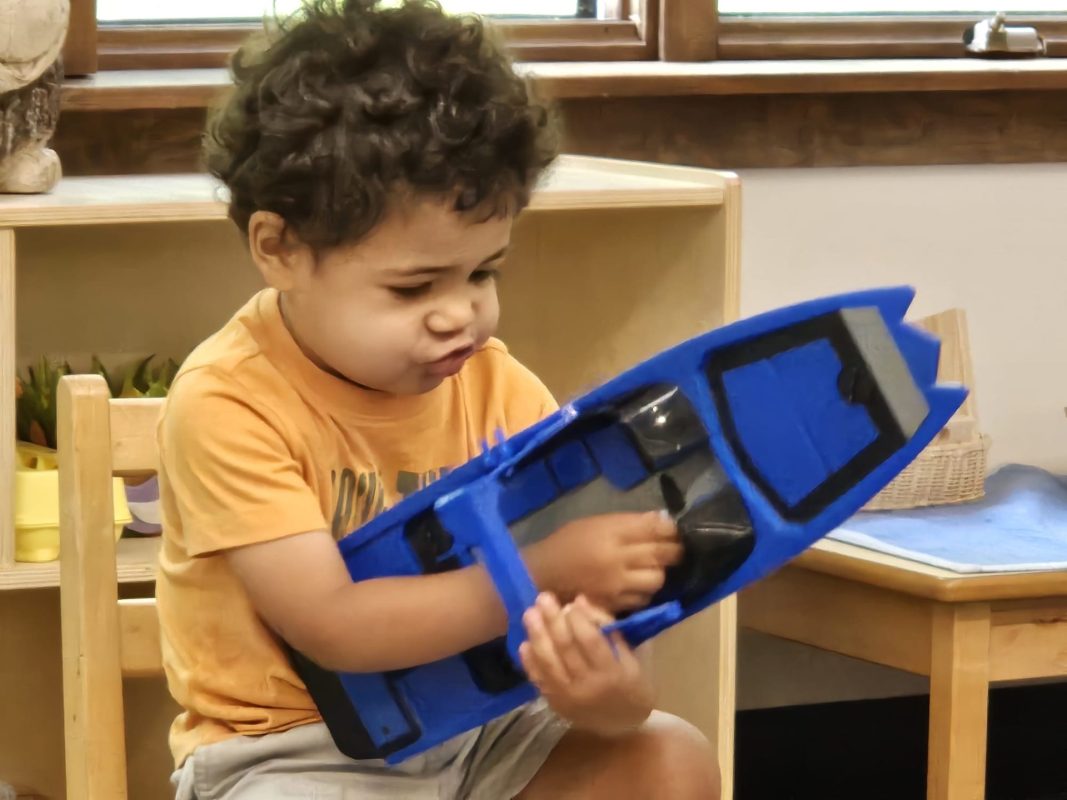
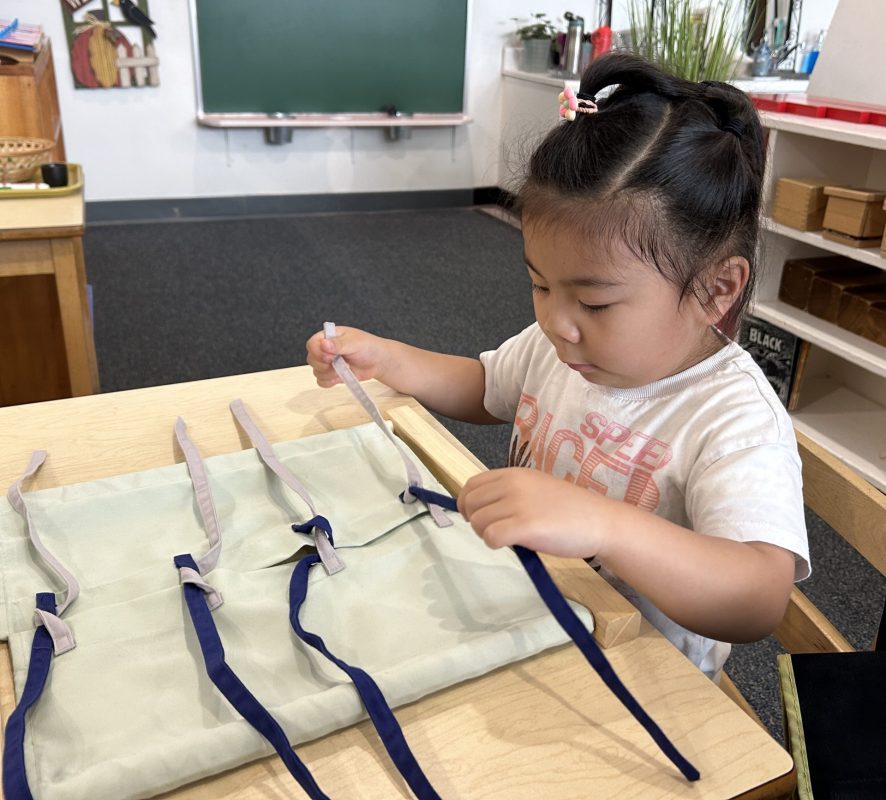
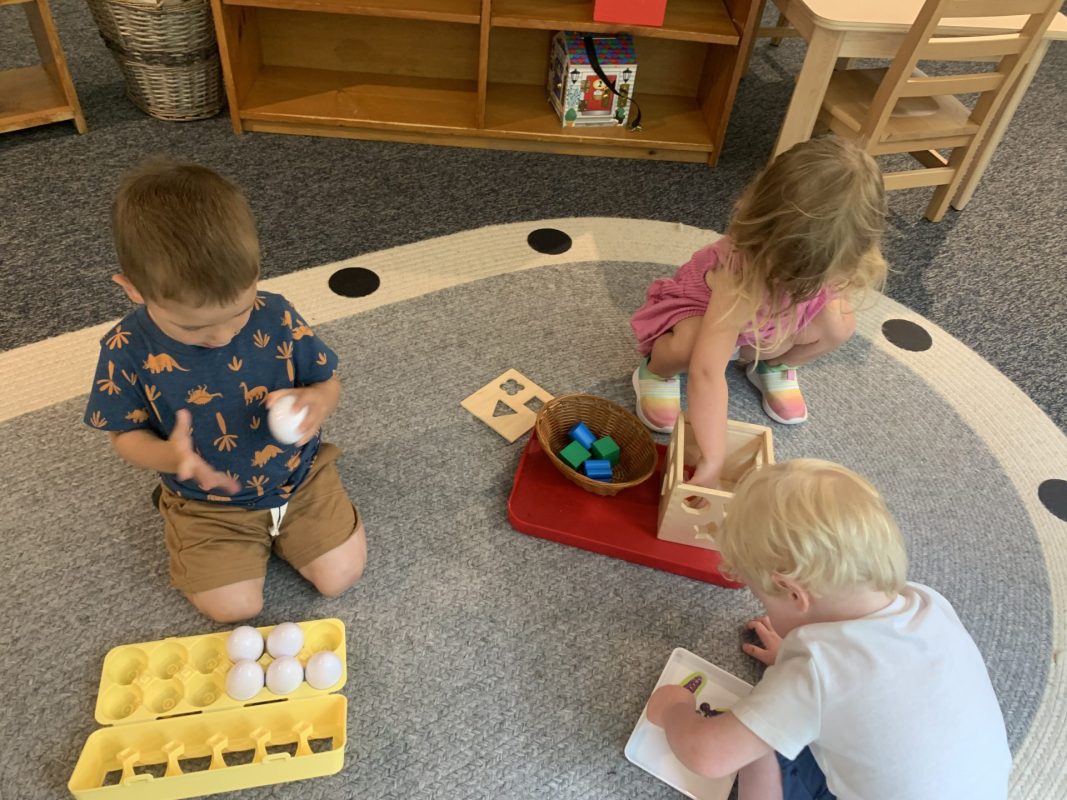
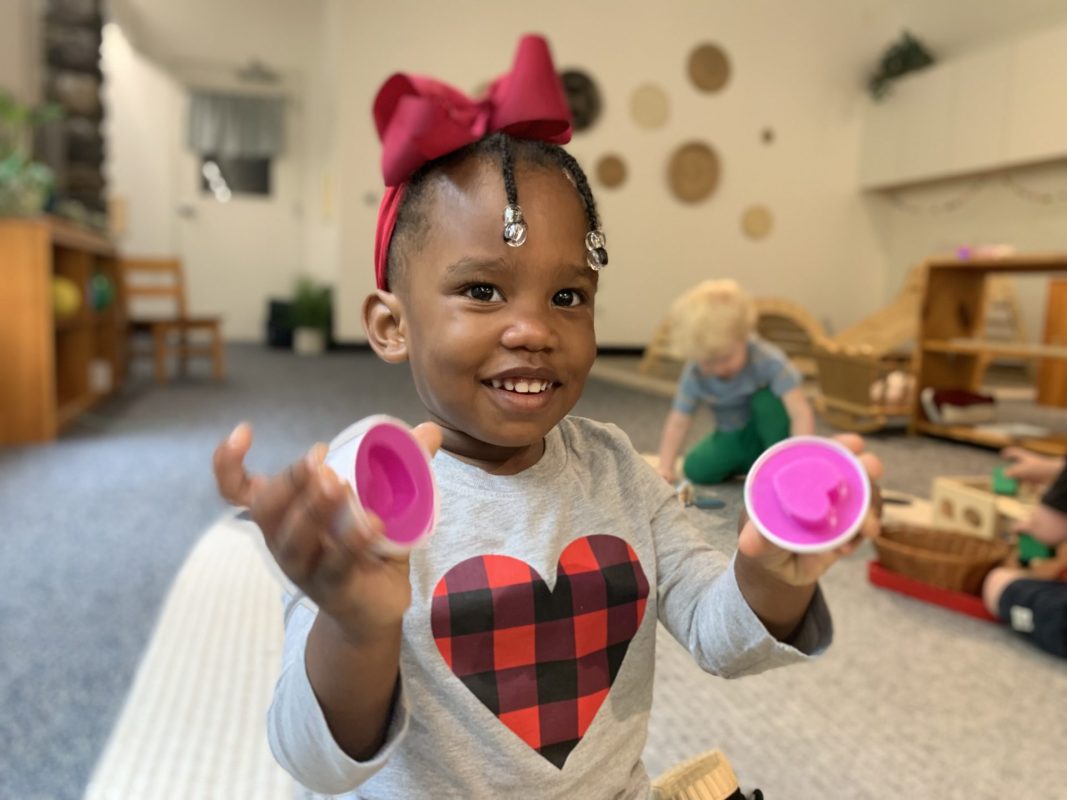
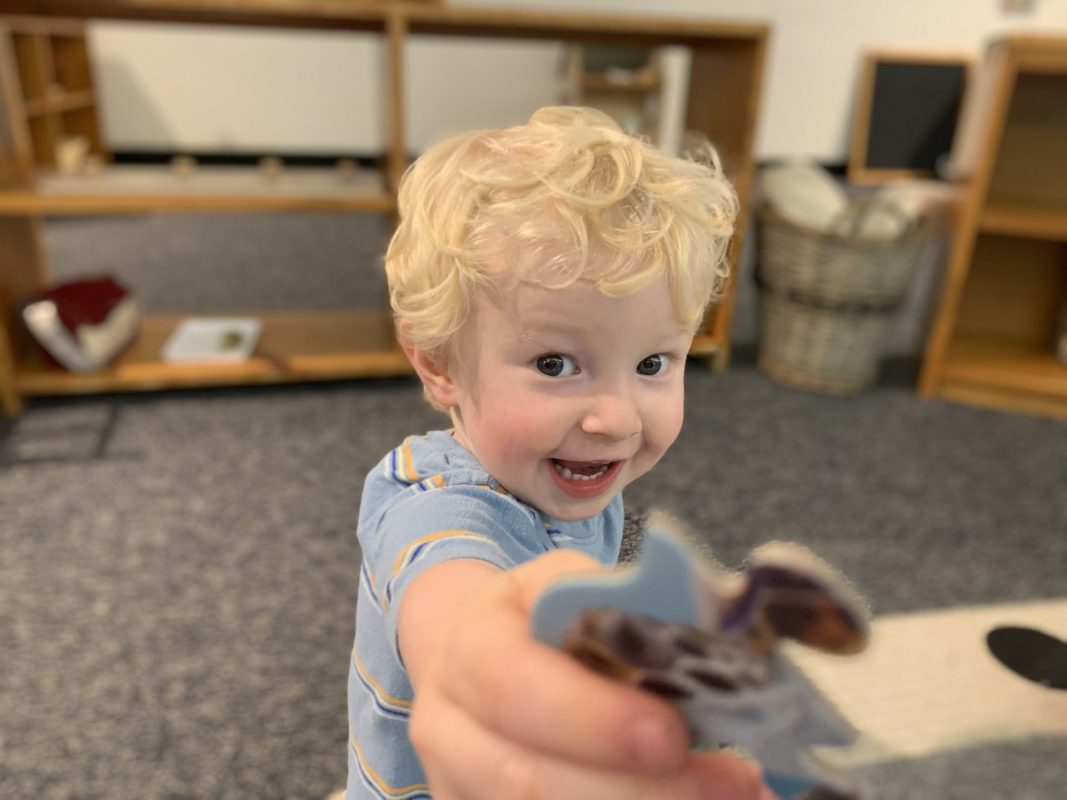
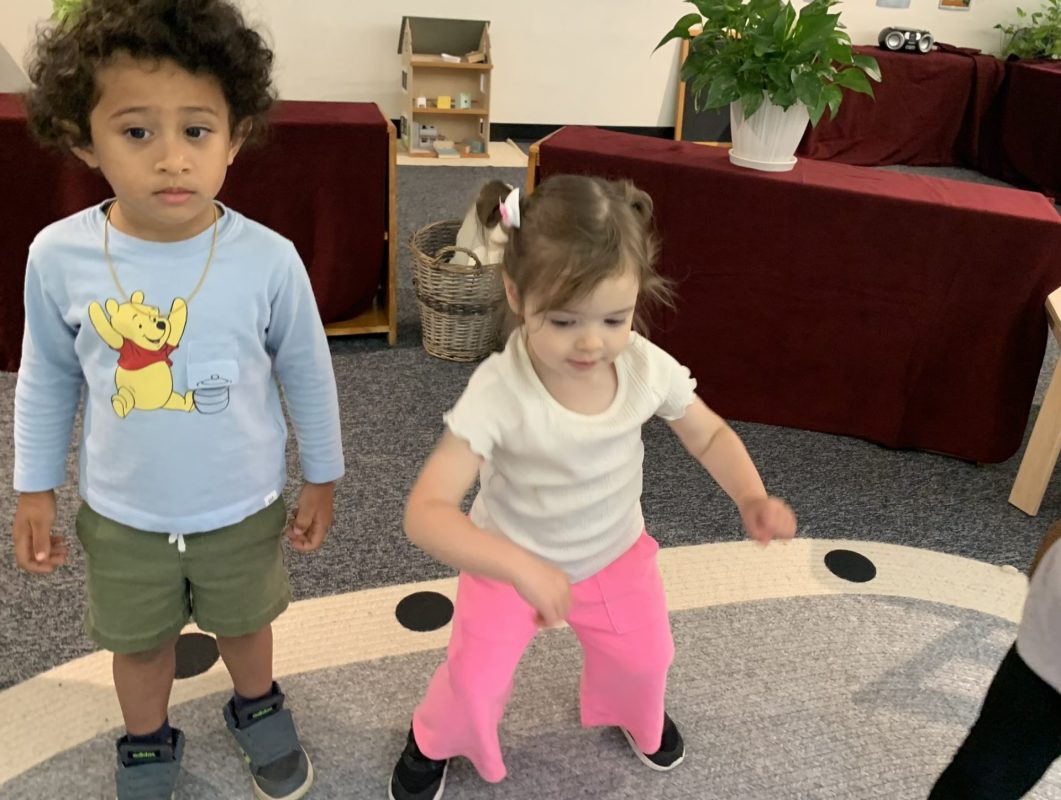
In a world filled with distractions, developing concentration and focus is becoming increasingly challenging for young children. Sensorial works in Montessori education promote the development of these essential skills. Toddlers engage in activities that require sustained attention, such as sorting objects by size or shape, arranging objects in a specific order, completing puzzles, and more. These tasks demand concentration, enabling toddlers to develop their ability to focus for extended periods, a skill that will benefit them in all areas of life.
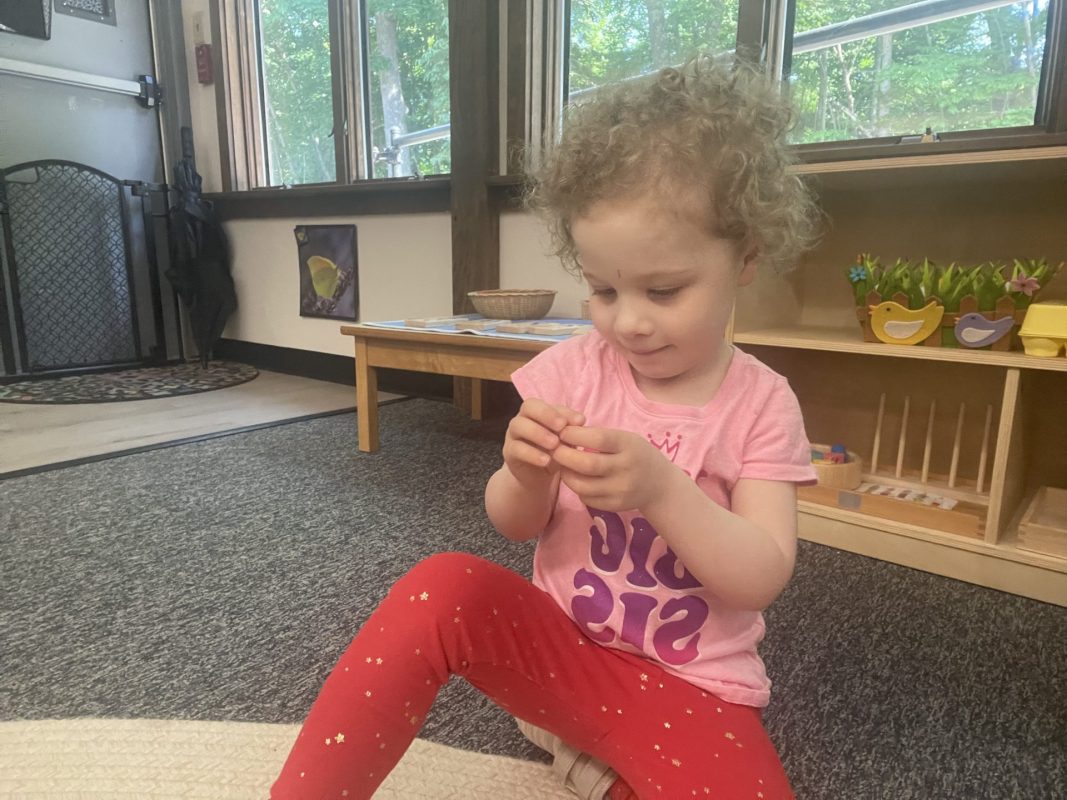
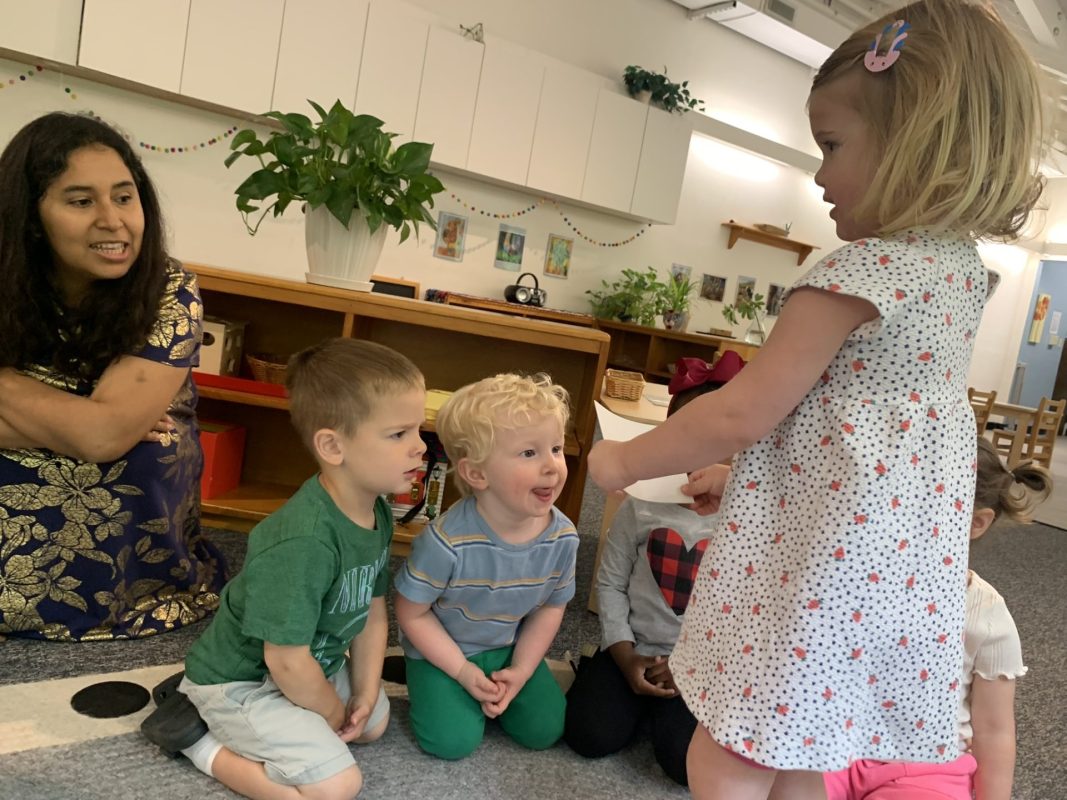
This week, we initiated our studies on birds. Cardinal, blue jay, woodpecker, robin, warbler, indigo bunting, and oriole are names you hear over and over in our environment. The children also received a lesson on the birds’ calls and songs. Children are learning to identify each bird sound through a fun work where the children press a button, hear the bird, and have to match the picture card with the sound. As every work in our environment has a control of error built within it, the child has the opportunity to self-correct by matching the color dot behind the card to the color of the button, helping the child to match the sound to the correct bird. As children practice this work, they will learn to identify the birds just by listening, and they won’t need to look at the back of the card anymore to be successful. After the children have matched the sound to the picture, they reinforce their visual skills by matching the picture to the model of the bird, learning to recognize them visually as well.  To say that this has been a big favorite work is an understatement! It has been precious observing the children taking the time to listen carefully and observe the details of the birds’ pictures. We hope you can take time with your toddler around your backyard and listen to some birds singing! Your toddler might surprise you by recognizing the name of the bird!

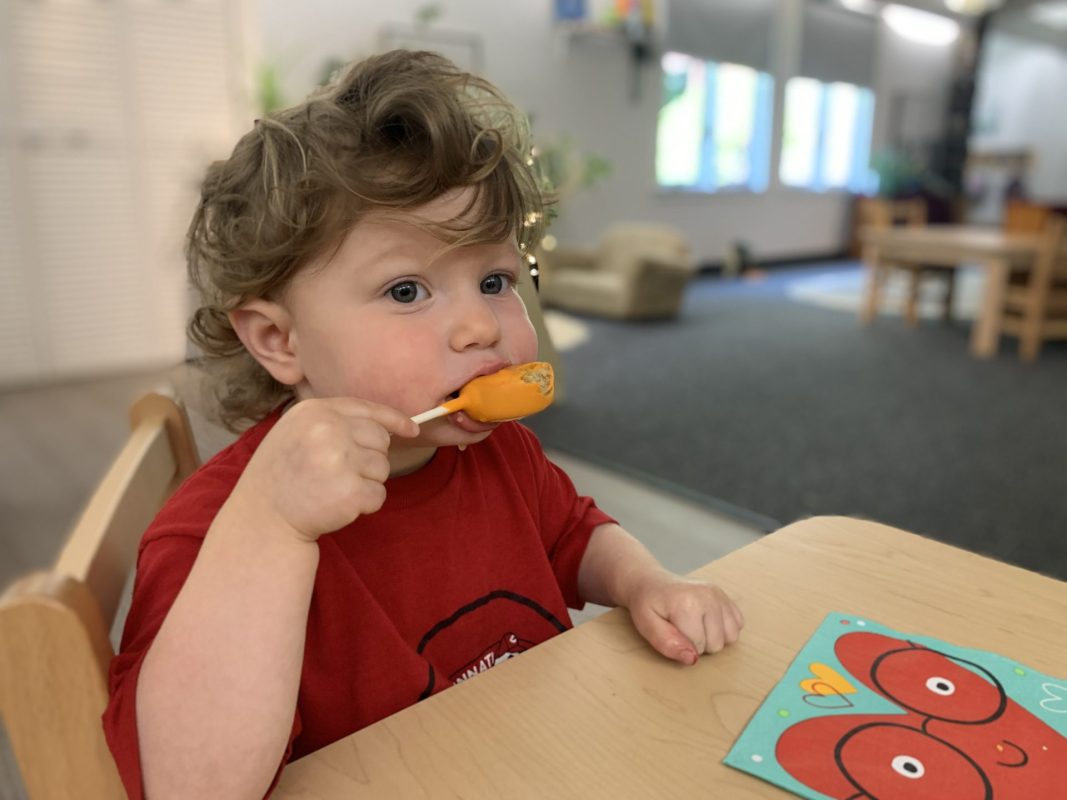
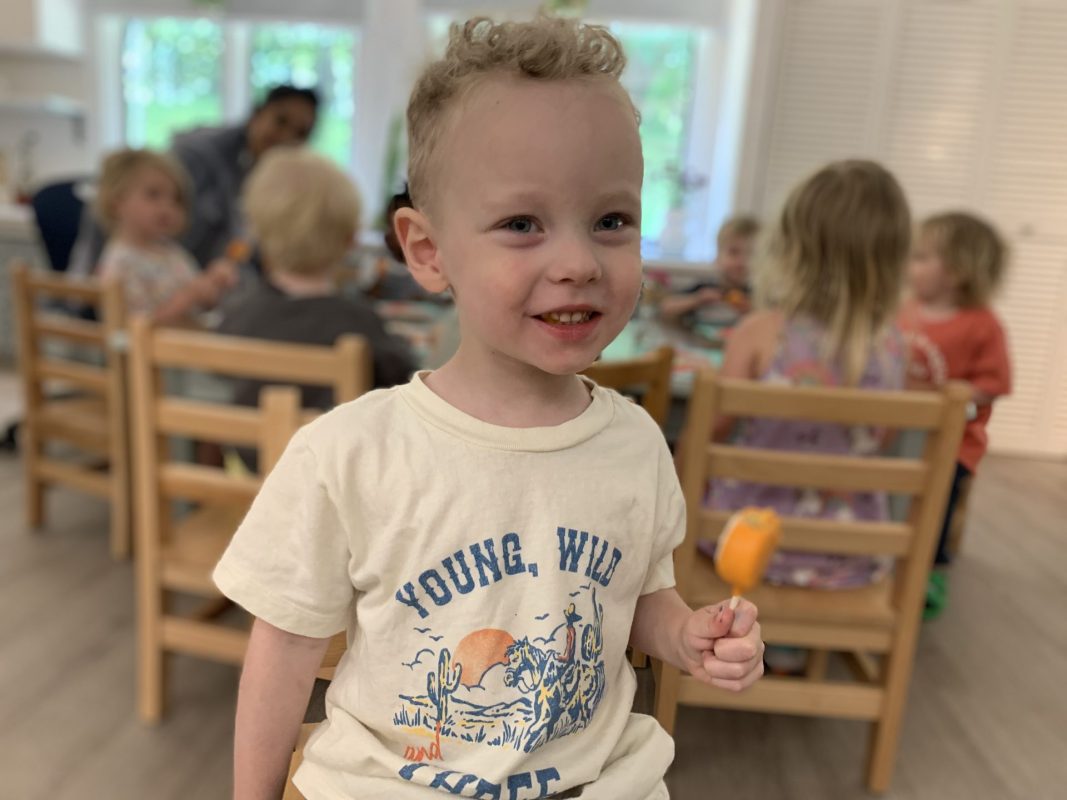
On another note, we had a super fun food-tasting lesson this week. We explored mushrooms! Thanks to the Calcagnini family, we enjoyed some special mushrooms from their mushroom farm! The children explored lion’s mane, trumpet, and oyster mushrooms. They enjoyed the tactile sensation of these different mushrooms. Some of them really enjoyed the taste and kept asking for more.

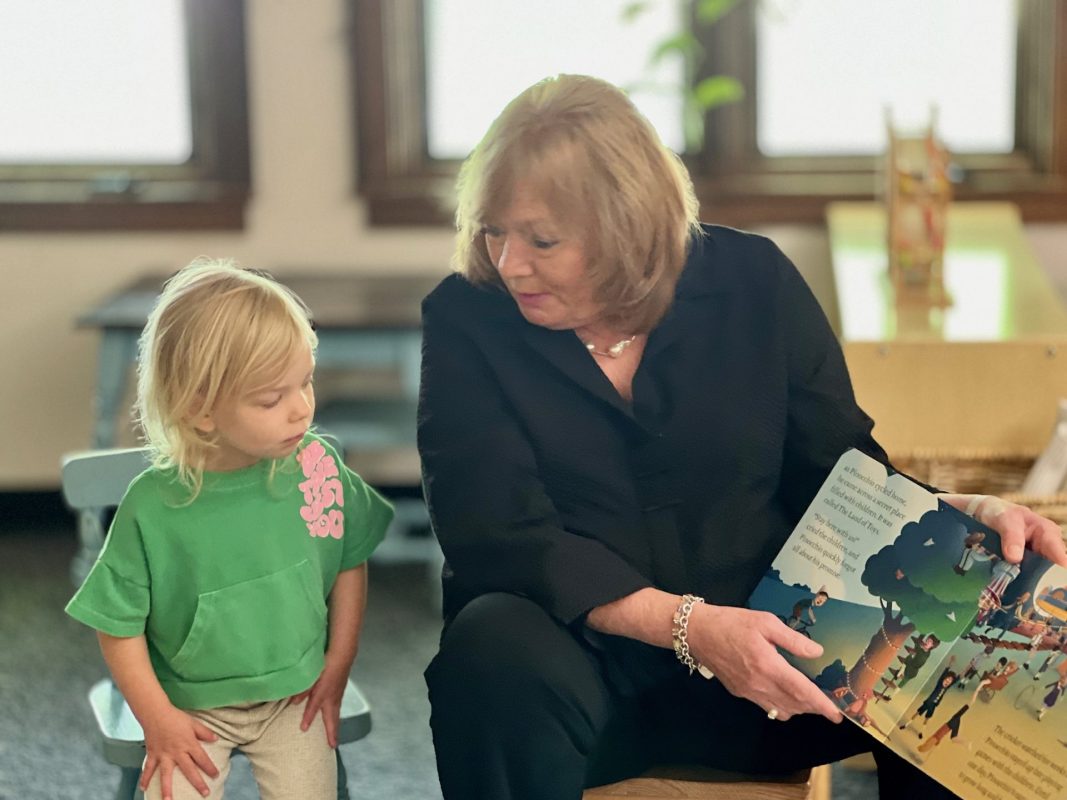
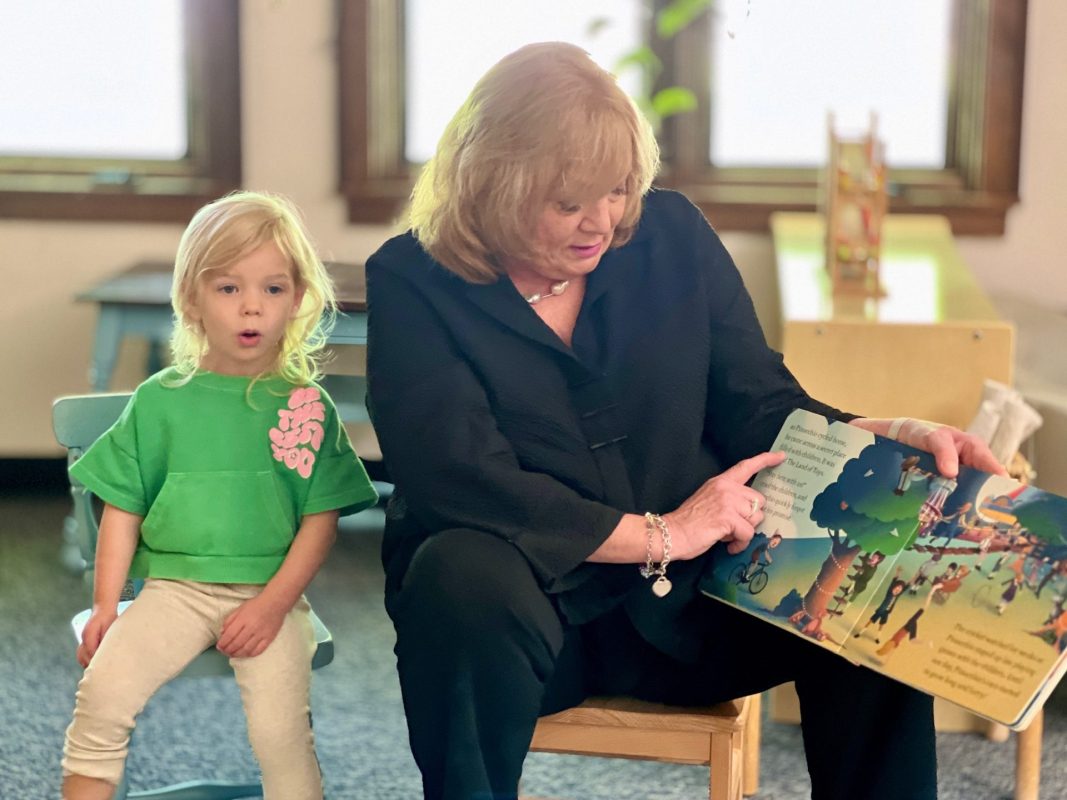
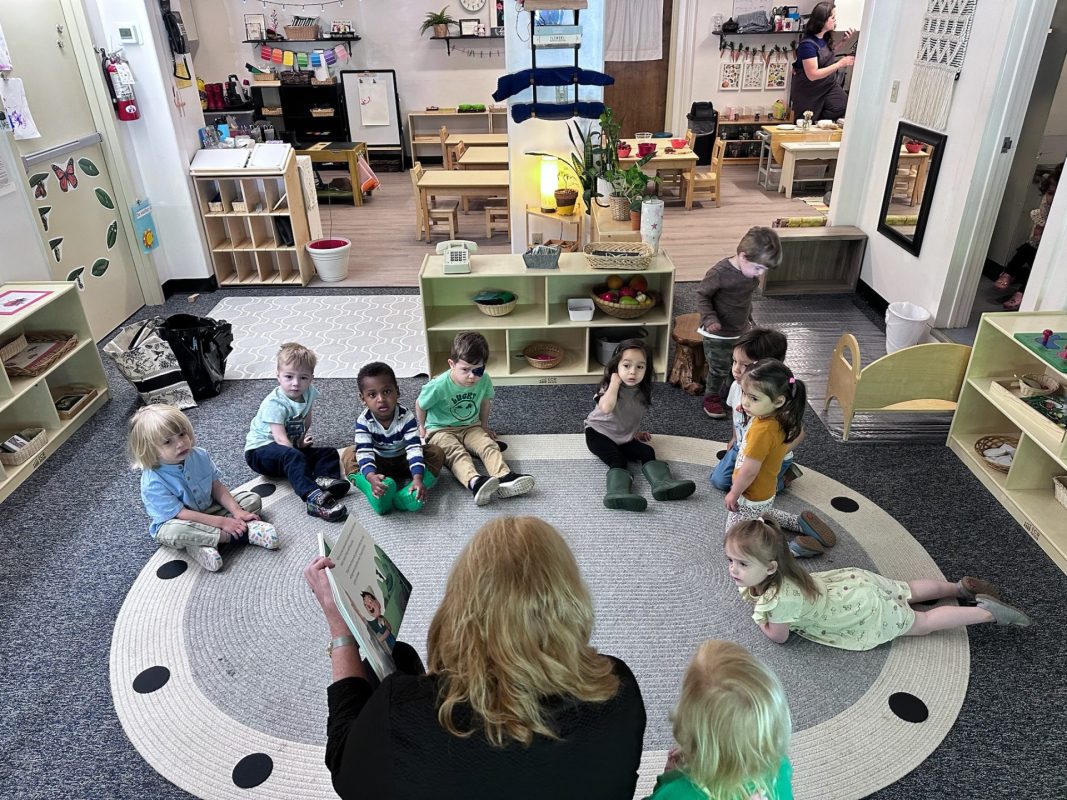
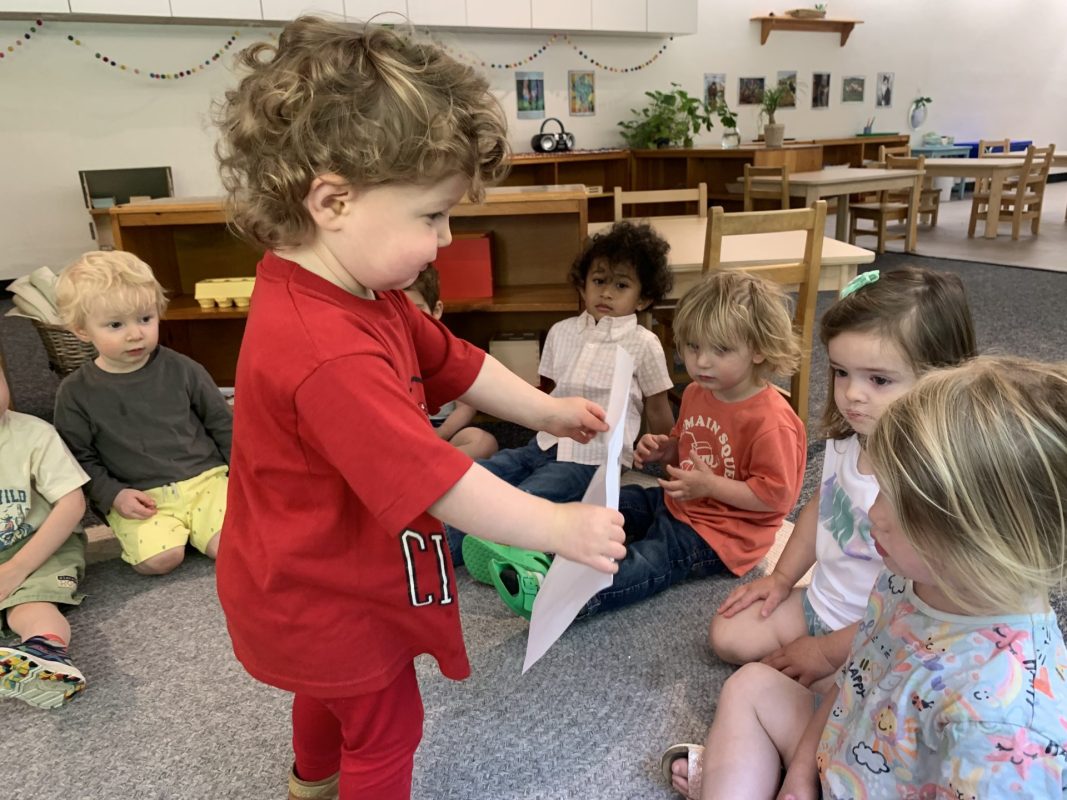
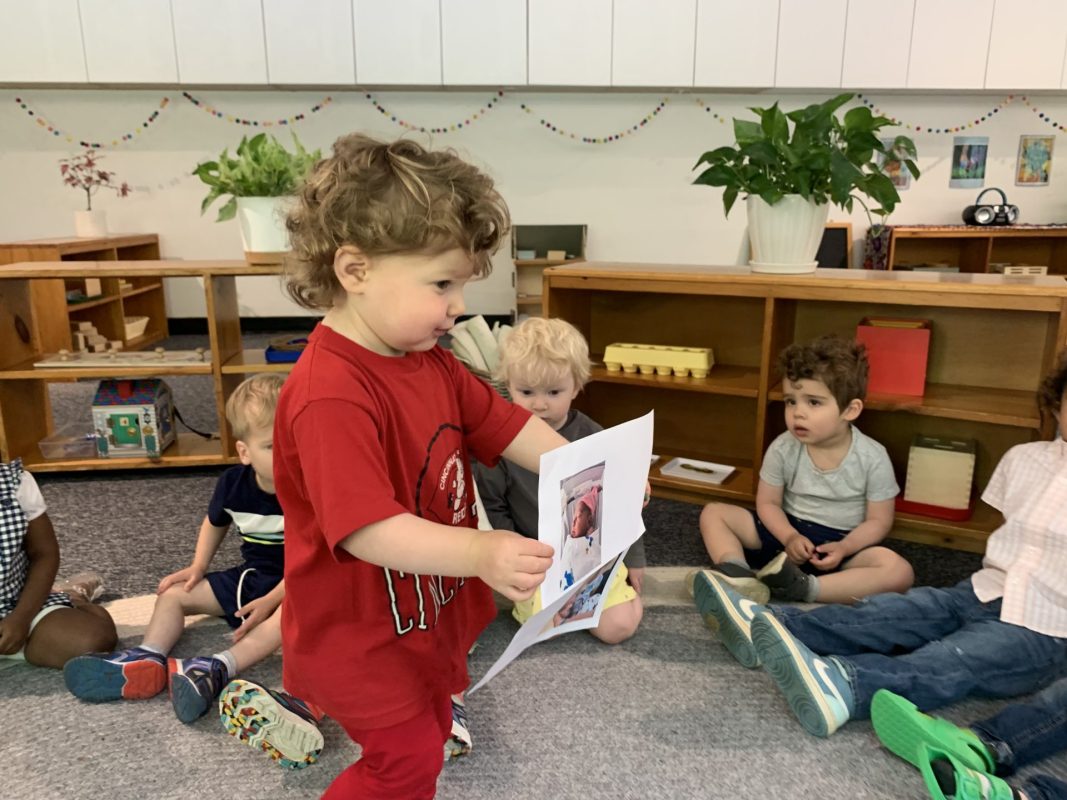
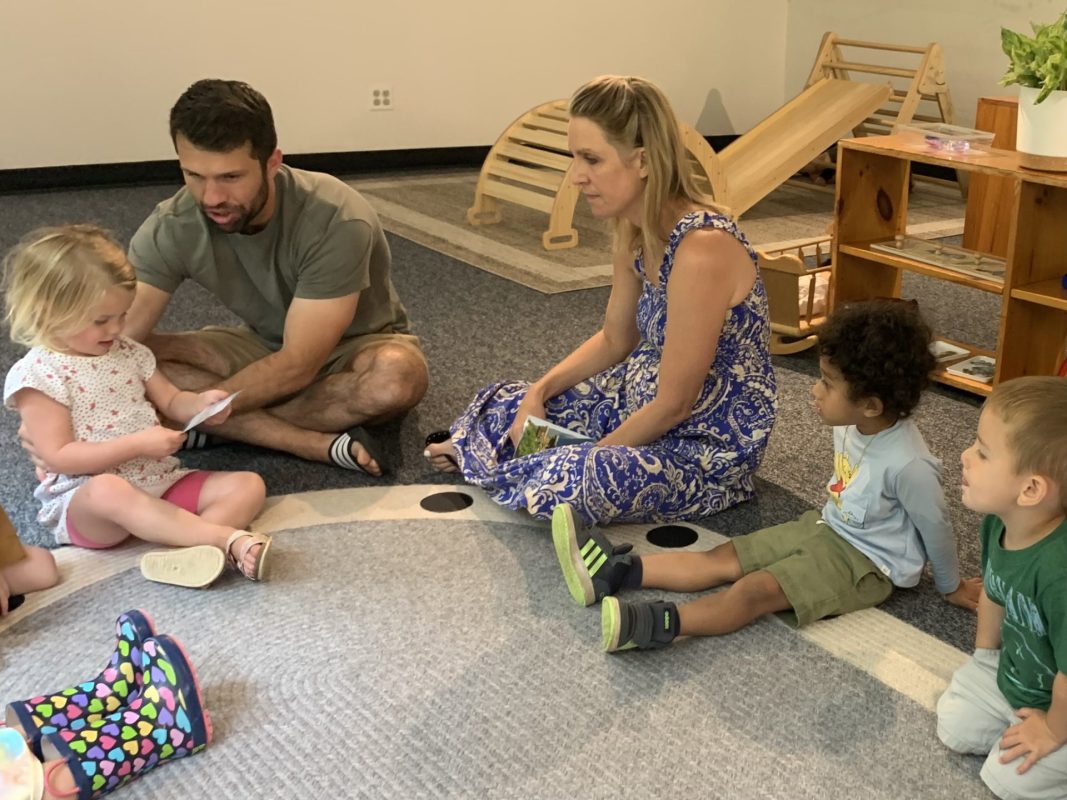
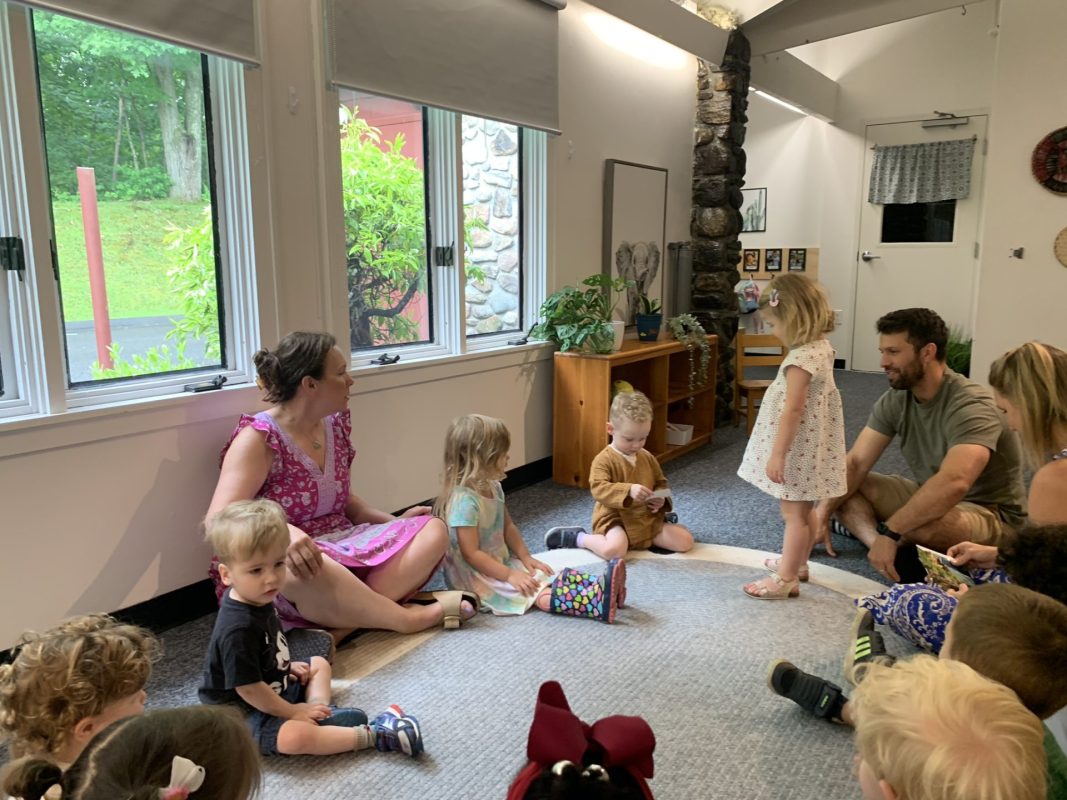
Lastly, Grandparents and Special Friends Day was a success! Thanks to all the families that participated! The children are always so excited to show off all that they can do!

Enjoy the weekend,

Mrs. Hood and Ms. Mollie