Blog

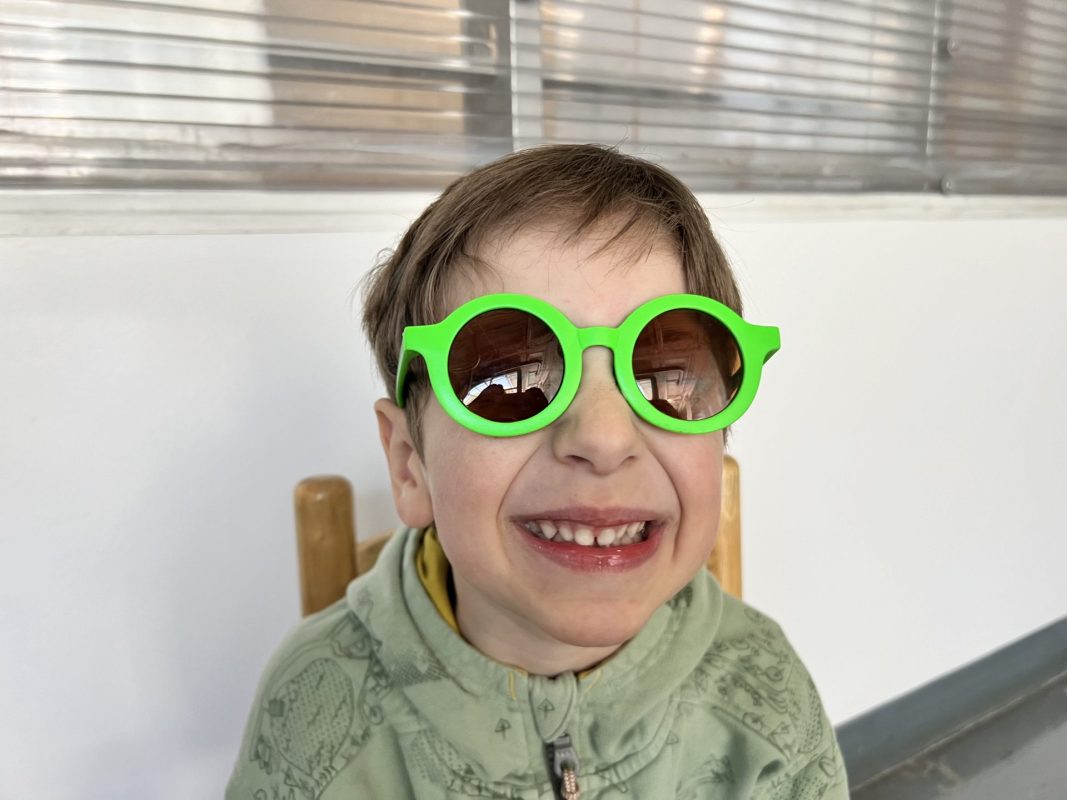
Ms. Marissa: The Future Is So Bright You Need To Wear Shades!

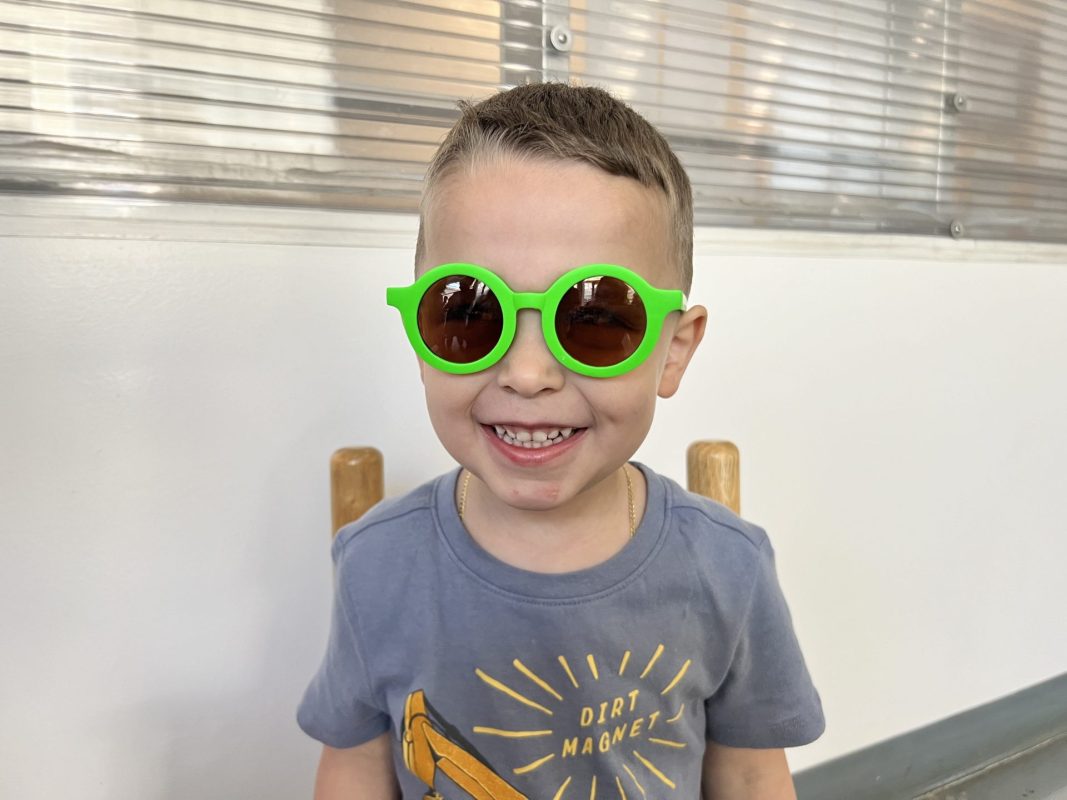
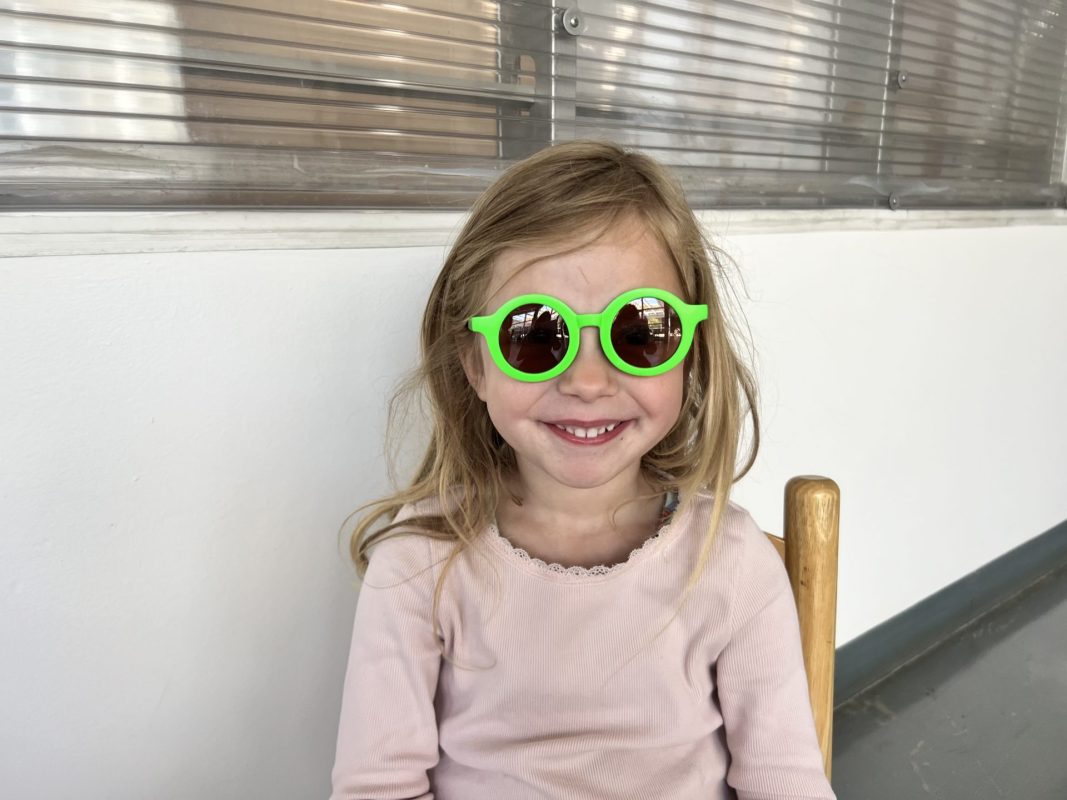
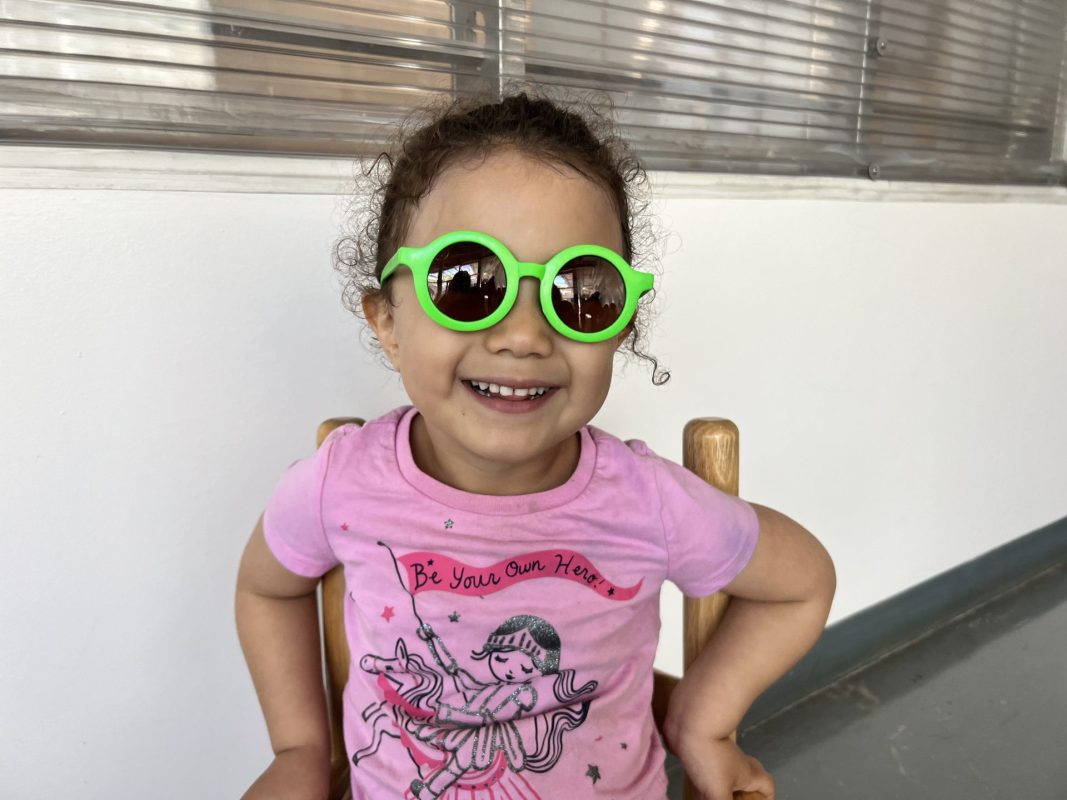
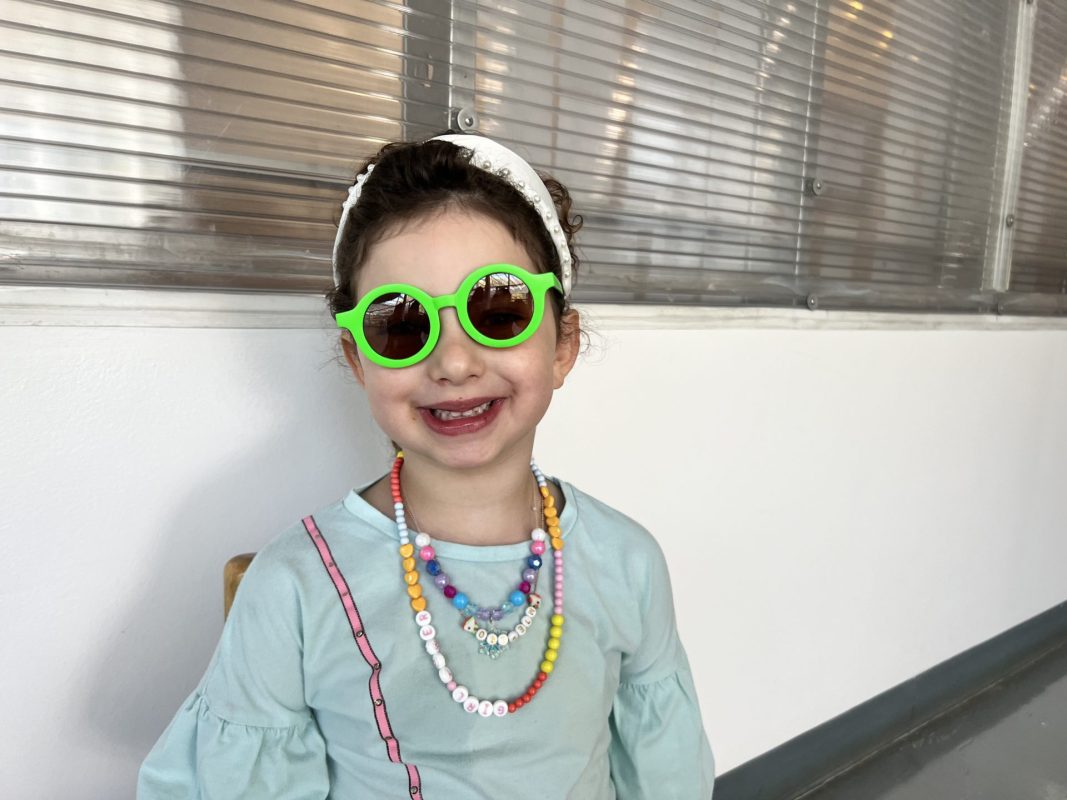
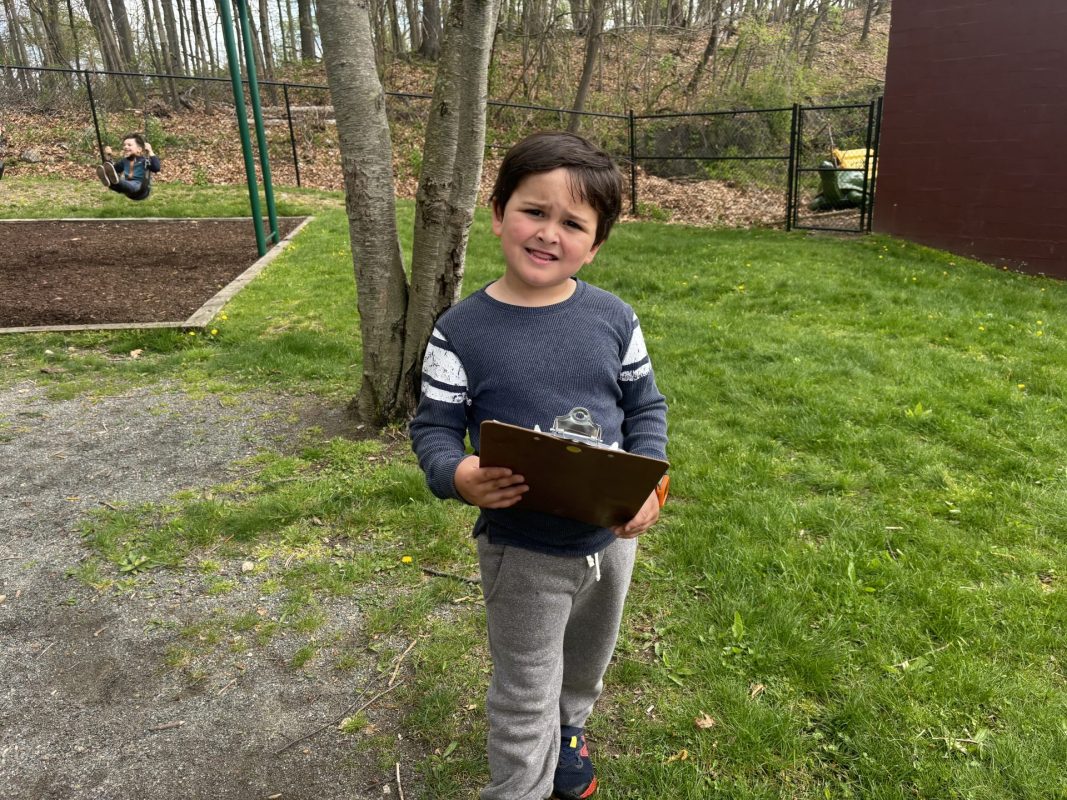
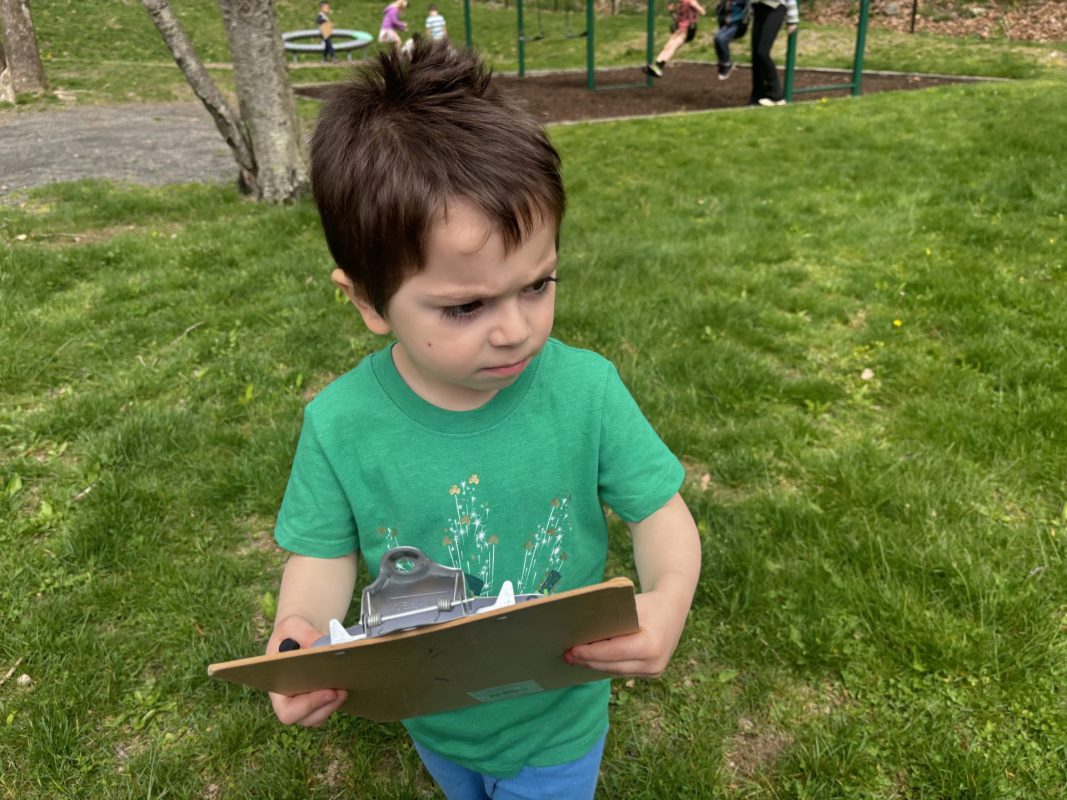
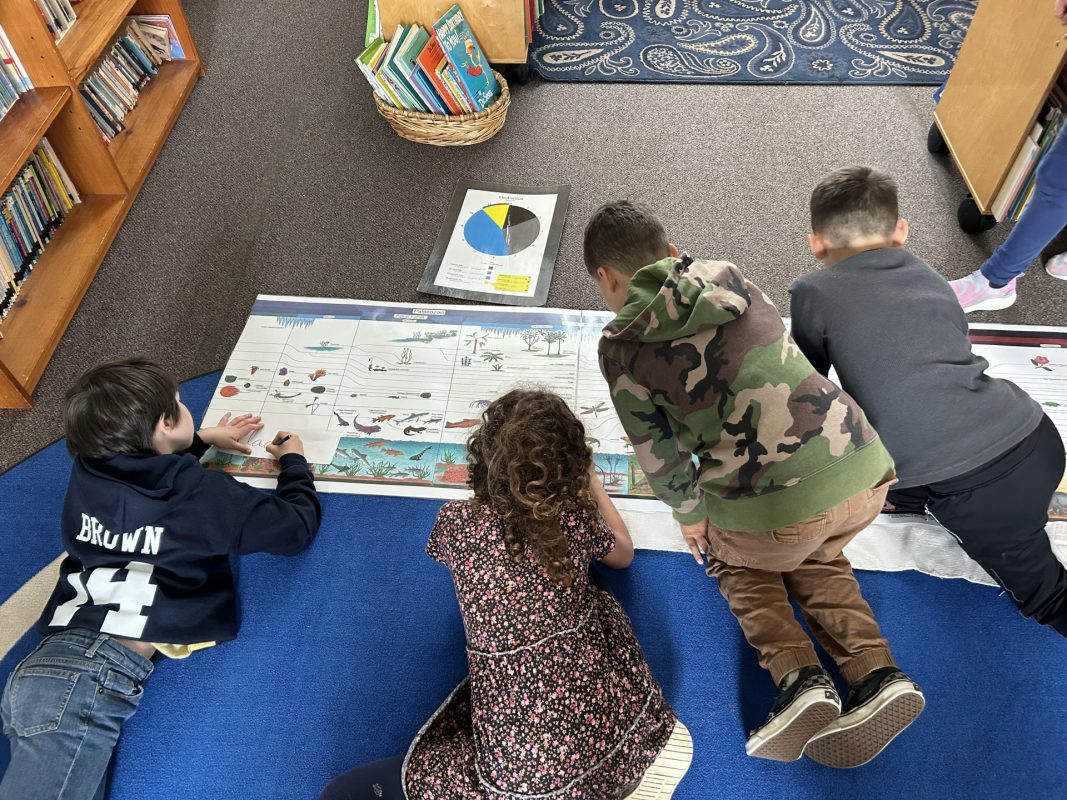
It’s always a little startling to realize that the end of the school year is quickly approaching. May is an amazing month because we look back to see all that we have accomplished and take stock of what we have left to do. Each child’s learning at this point is very much cumulative and continues to build upon all of the skills that have been mastered since August. A perfect example of this is the kindergarten animal research project the children have been working on for several weeks. We start this project in late spring because we need a foundation of reading, writing, geography, science, and even math in order to be successful. I was ‘interviewing’ the kindergartners for the About The Author section of their books, and, as typically happens, several other children quickly wanted to be interviewed and share their future career aspirations. Their answers are sure to brighten everyone’s day.

Matteo: Scientist
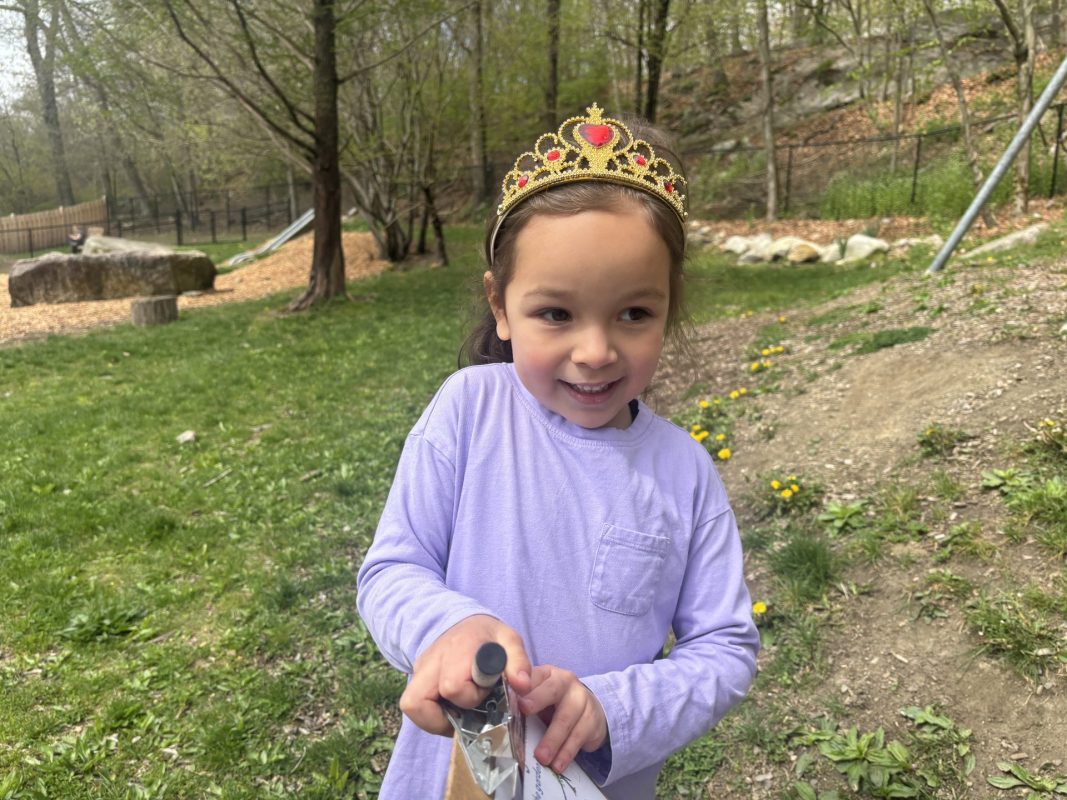
Eowyn: Princess
Ava: Policeman
Charlotte: Princess
Brinley: Baker
Conor: Wild Thing
Victoria: Scientist
Anthony: Scientist
Carter: Veterinarian
Simone: Veterinarian
Shea: Fireman
Ruscher: Construction Worker
Katie: Veterinarian
Levi: Astronaut
Lemon: Makeup Artist
Soren: Scientist and a Construction Worker
Lucia: Mom and a Horseback Rider
Savina: Swimming Teacher and an Artist
Charlotte: Princess
Elsie: Movie Producer

A special thank you for all the beautiful flowers and thoughtful notes sent in this week.  We felt very loved!

Wishing you all a week filled with peace and love!

Marissa & Sue


May 2024 Family Connection Newsletter

This month’s Family Connection Newsletter discusses the three-period lesson in Montessori education, a fundamental daily tool to present new information to children. The three periods are naming, recognizing, and remembering. Édouard Séguin, a physician and educator who worked with neurodivergent children, developed the three-period lesson and inspired Maria Montessori. Montessori teachers at all levels use the three-period lesson.

The article also discusses the power of an apology, how to encourage children to empathize with others, and how to help them begin to understand the value and meaning of making amends.

Warm regards,

Karen Sankey
Director of Montessori Education


Spanish-April 2024

Primary and LE: “Mi cuerpo” & “La Primavera”; UE: “La Comida” & “La Primavera”; MS: “Verbo Tener” & “La Primavera,” reading, comprehension, listening, and vocabulary from each topic.

A general review of all we have learned to this point in this school year has been done at every level. In addition, FWM students are still working on their usual conversation skills, such as Spanish greetings, feelings, the calendar, and descriptions of the weather, as repetition is the key to learning another language. They are continuously improving their Spanish understanding. Students from Primary, Lower Elementary, Upper Elementary, and Middle School listened carefully to Spanish books and songs and participated in interactive games that were displayed during class.

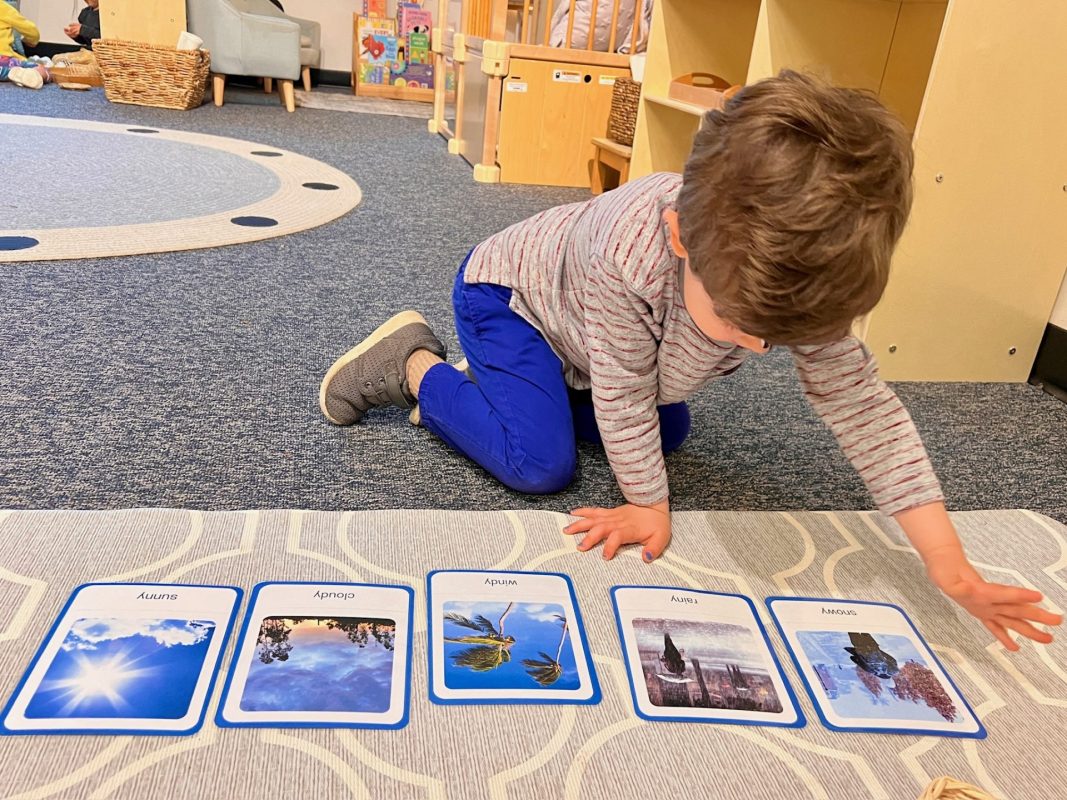
Primary and Lower Elementary students started to learn names of some parts of the human body in Spanish, the lesson is called “Mi cuerpo;”: cabeza, hombros, rodillas, pies, codo, ojos, orejas, boca y manos. In addition, Primary students and Lower elementary students learned some new vocabulary that we use in “La Primavera”such as:  pájaro, patito, nido, abeja, mariposa, mariquita, oruga, tulipán, hoja, semillas, sol, Lluvia, arco iris and many more depending of the grade. The same type of Montessori lessons, such as the three-part learning cards and matching cards, were used to reinforce concepts. The children also really enjoyed singing and participating in classroom games. Spanish Montessori Lessons were presented in class and left in their classroom to be practiced during the week, in addition to some worksheets.

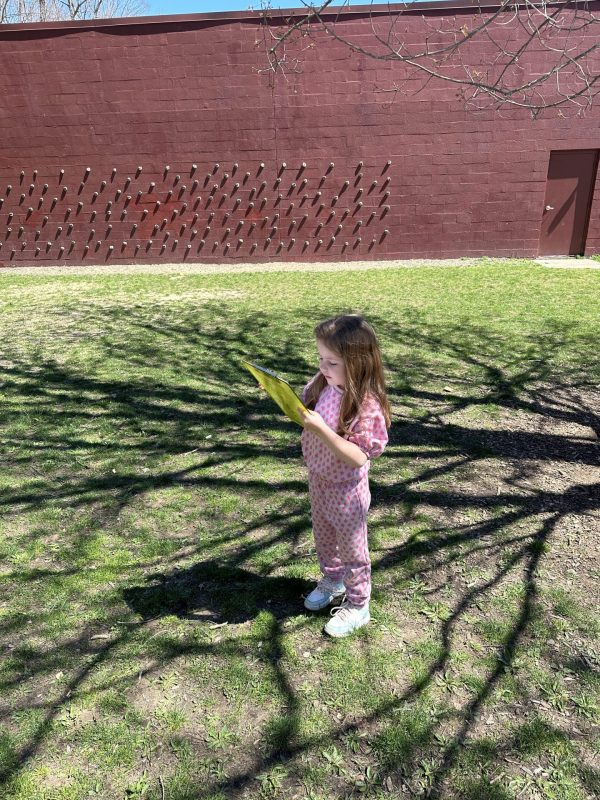
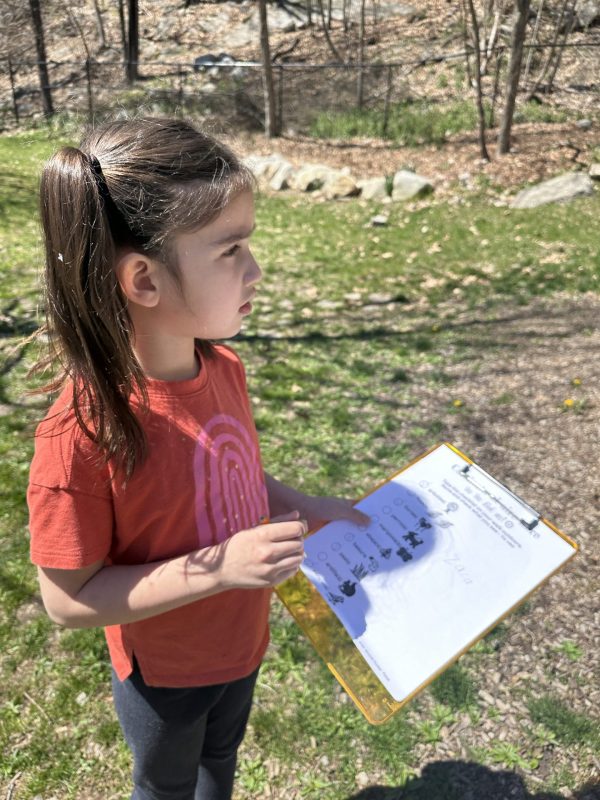
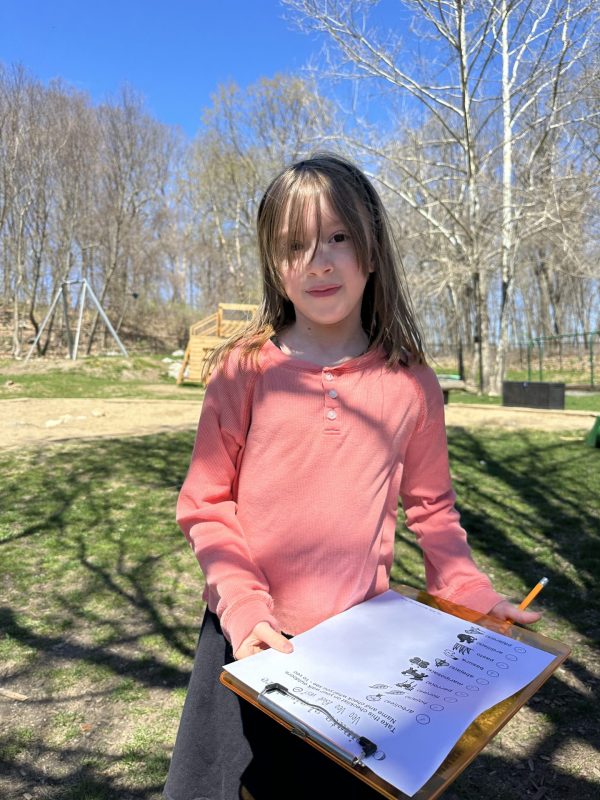
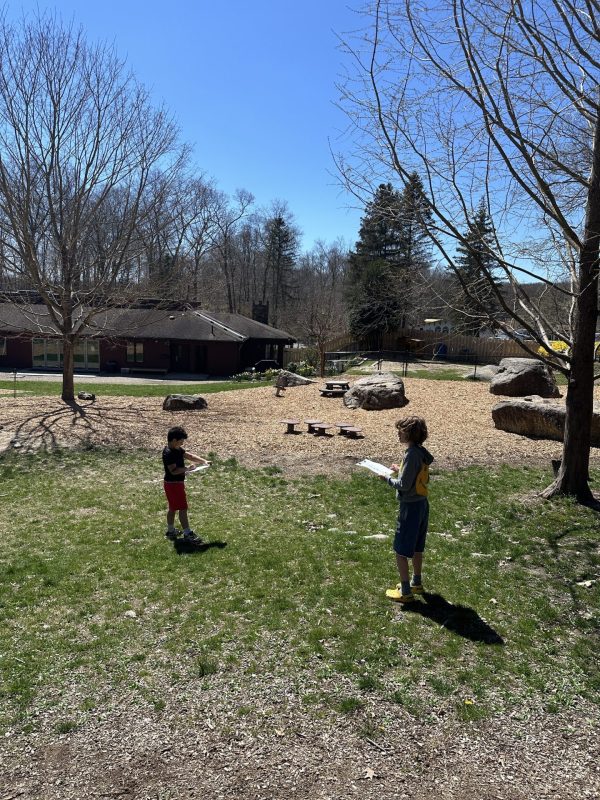
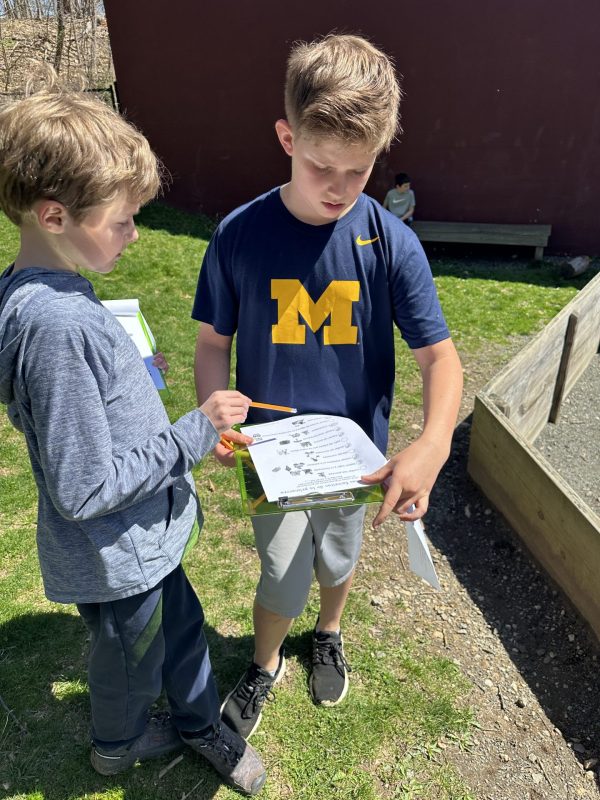
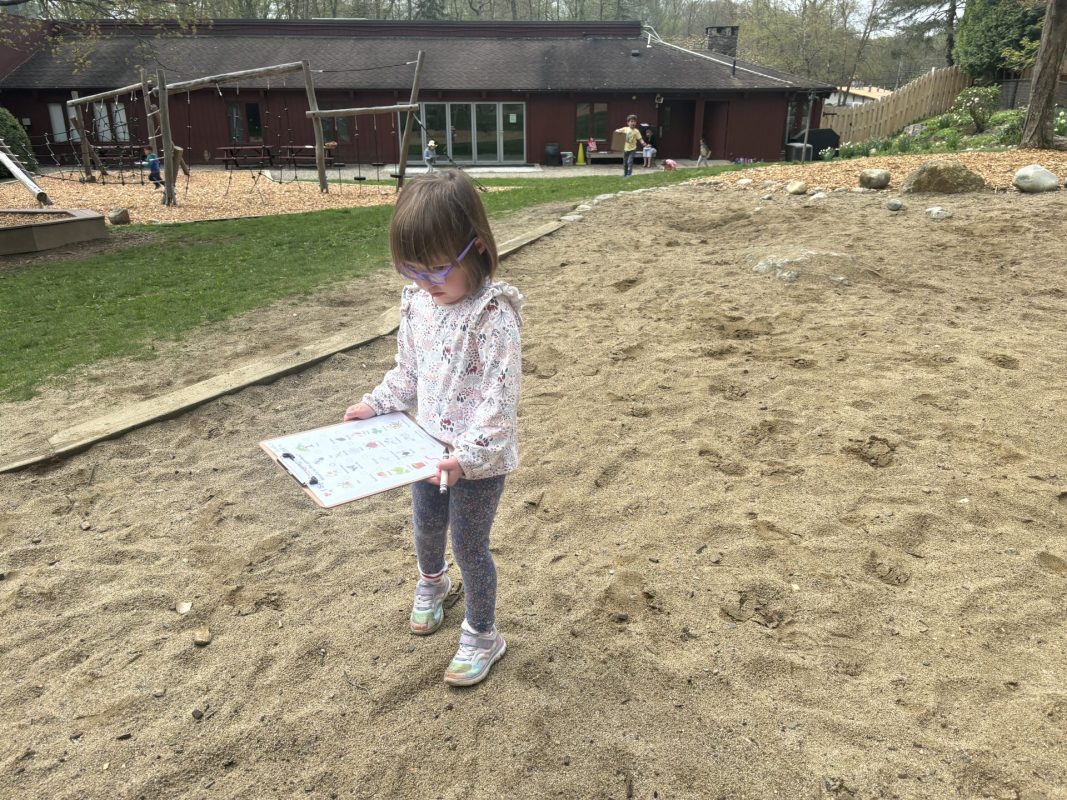
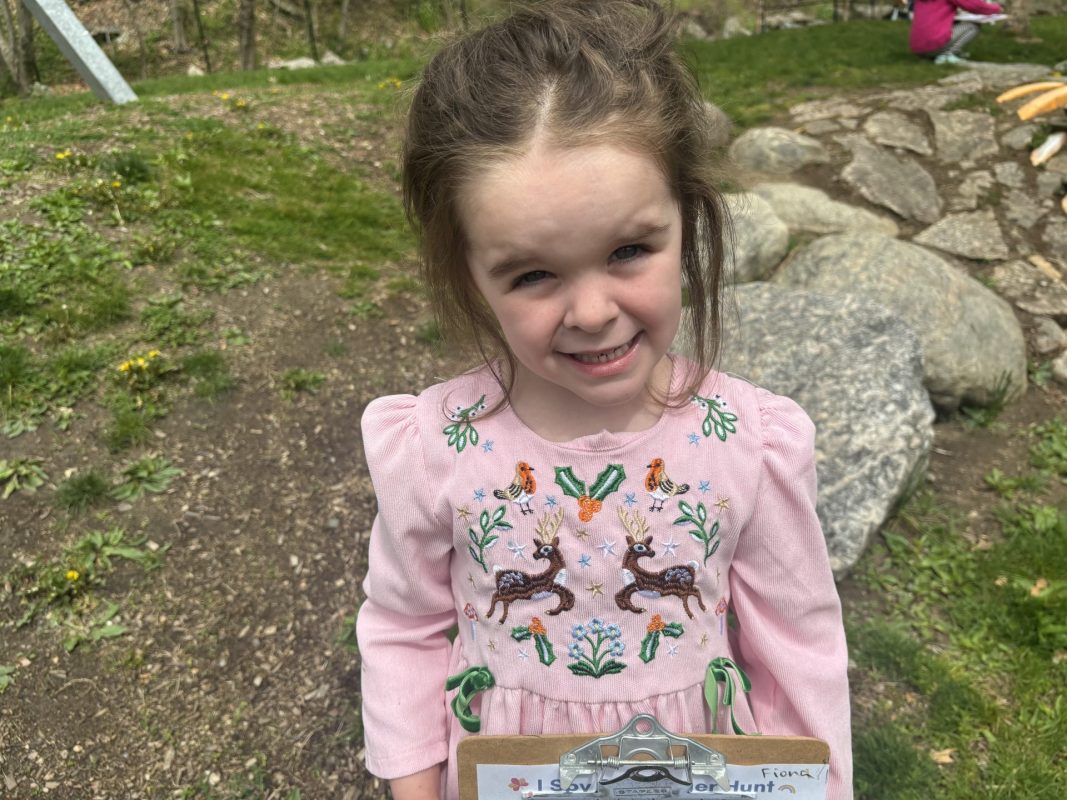
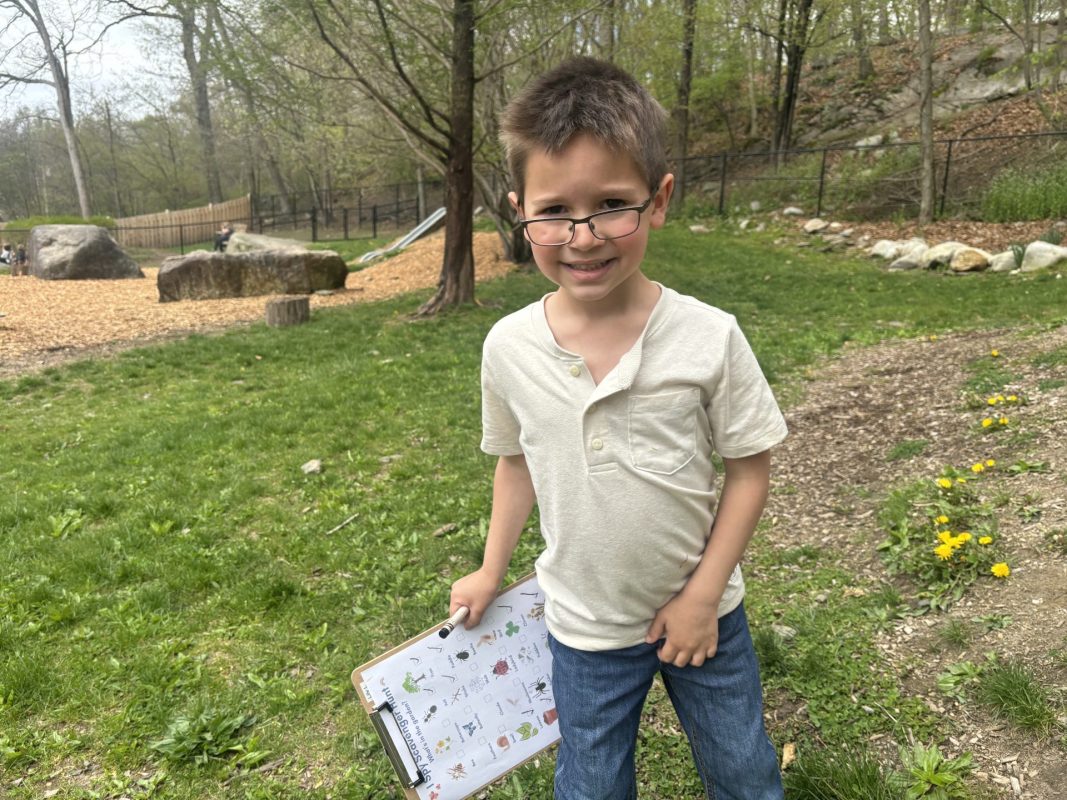
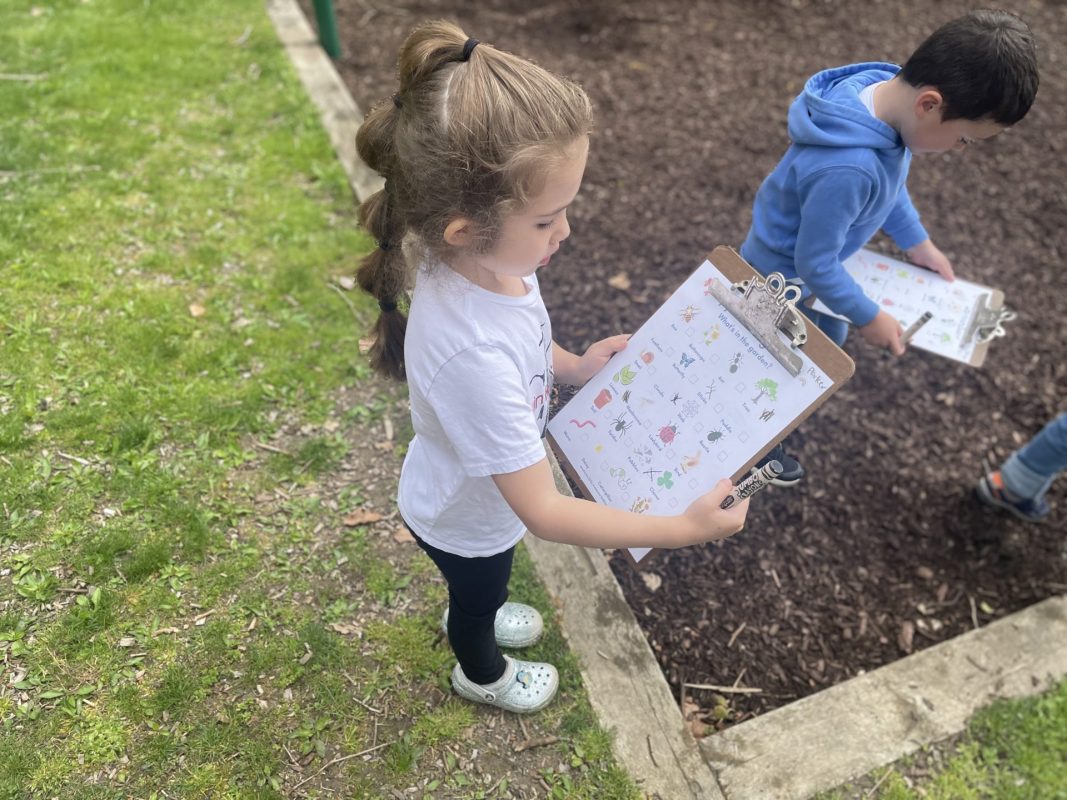
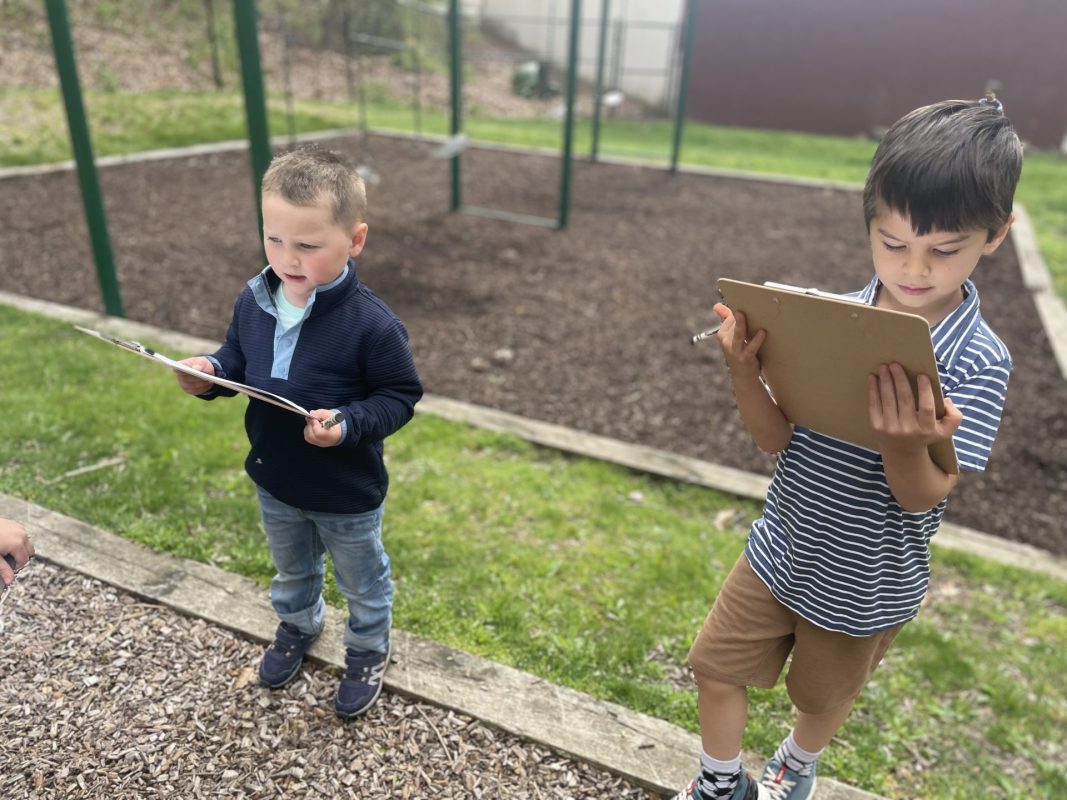
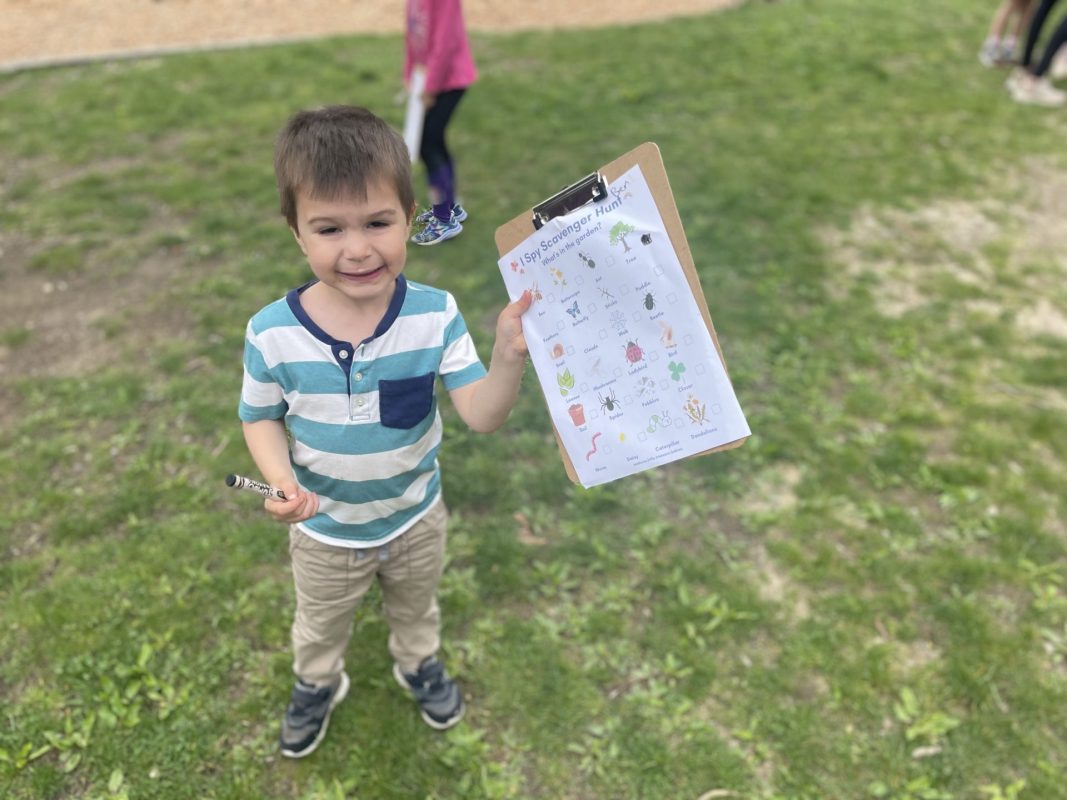
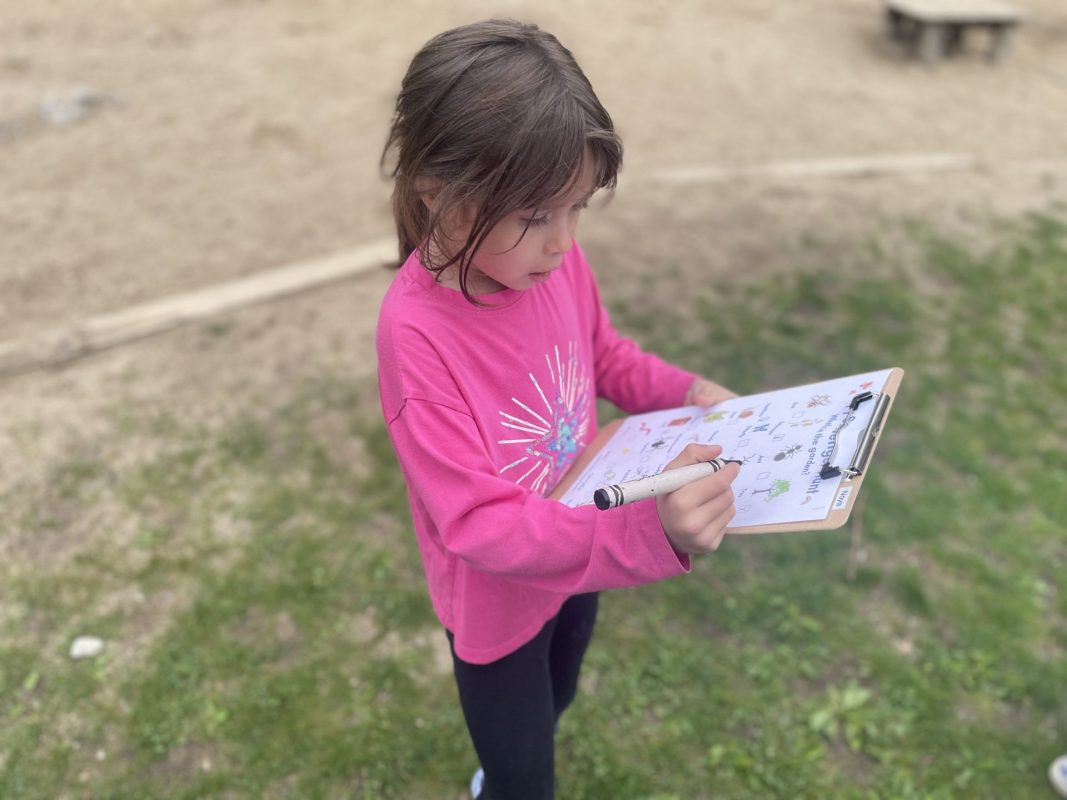
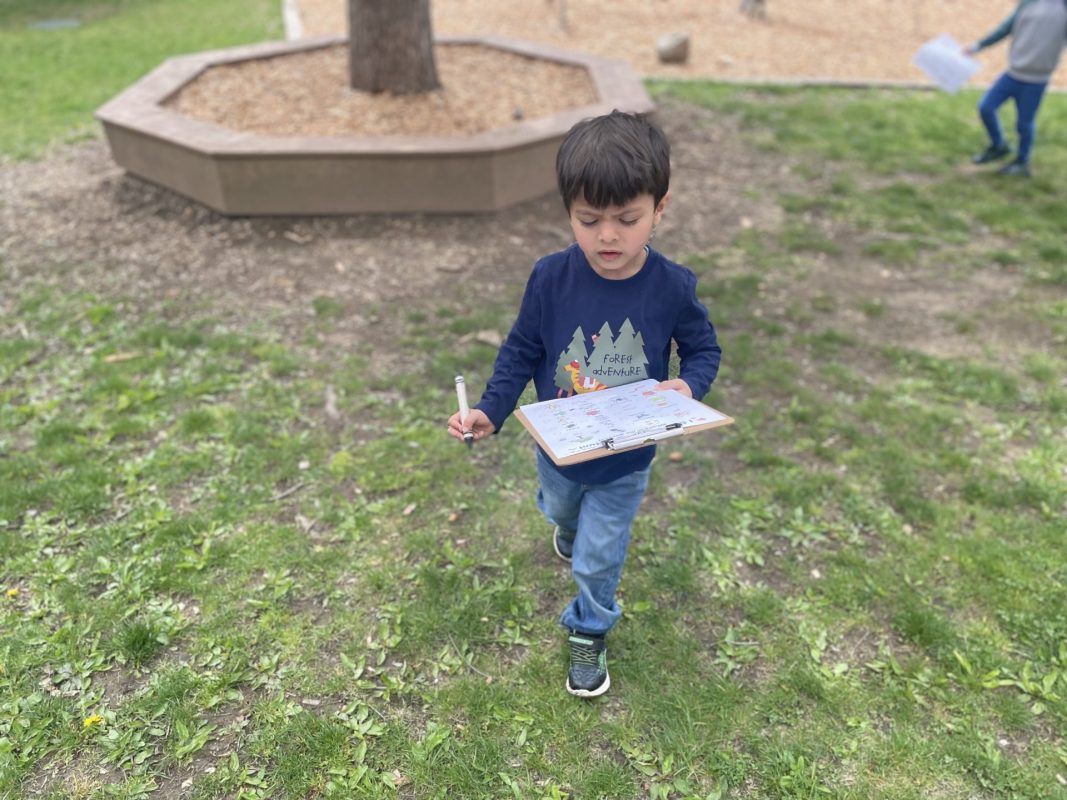
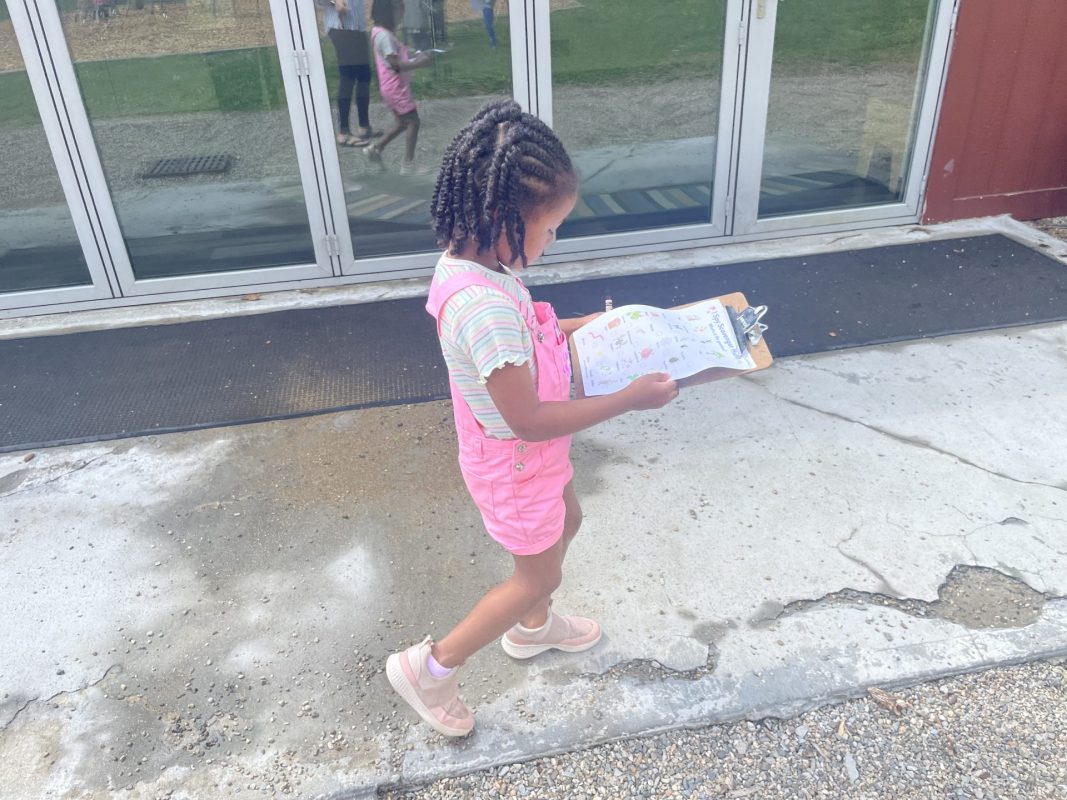
Upper Elementary Students continued practicing the use of the articles (el, los, la, las) in Spanish. In addition, they are learning about food in Spanish “La Comida”. They continue practicing their writing, listening and vocabulary through activities, worksheets, and games we used in class. We also learned new vocabulary to use in our lesson about “La Primavera”. Children enjoyed the outdoor Spanish scavenger hunt, singing about “La Primavera,” enhancing recognition and repetition of the sounds that help with the pronunciation of the language.

Middle School students also continue working year-round on their Spanish greetings, description of weather, feelings, and their daily calendar, including days of the week, months, and seasons. Students continue working on the Spanish curriculum in the “Avancemos” program. They also focused on learning the verb “Tener” (to have) and its different conjugations depending on the pronoun used. When they learn a new verb, such as “Tener,” they practice it in worksheets that include exercises focusing on listening and comprehension.  We are reading short stories for youth in Spanish to enhance their vocabulary, reading, listening, and comprehension.

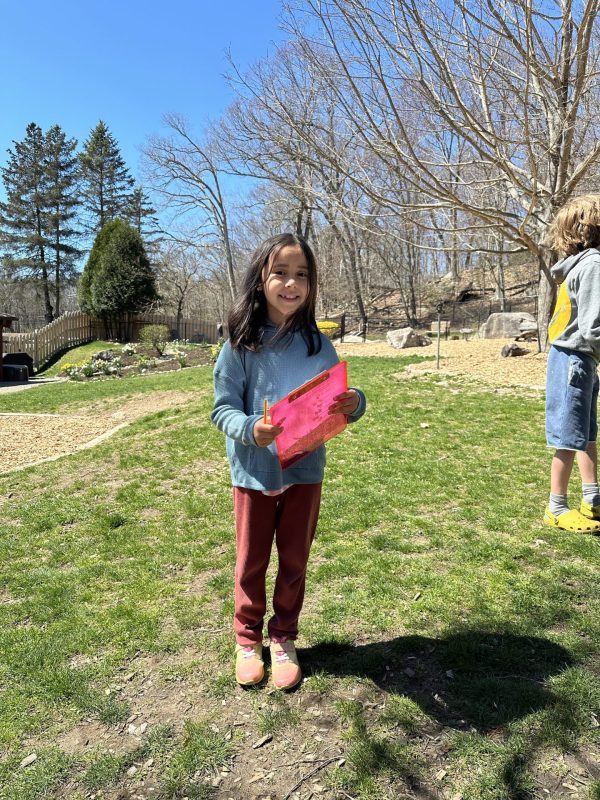
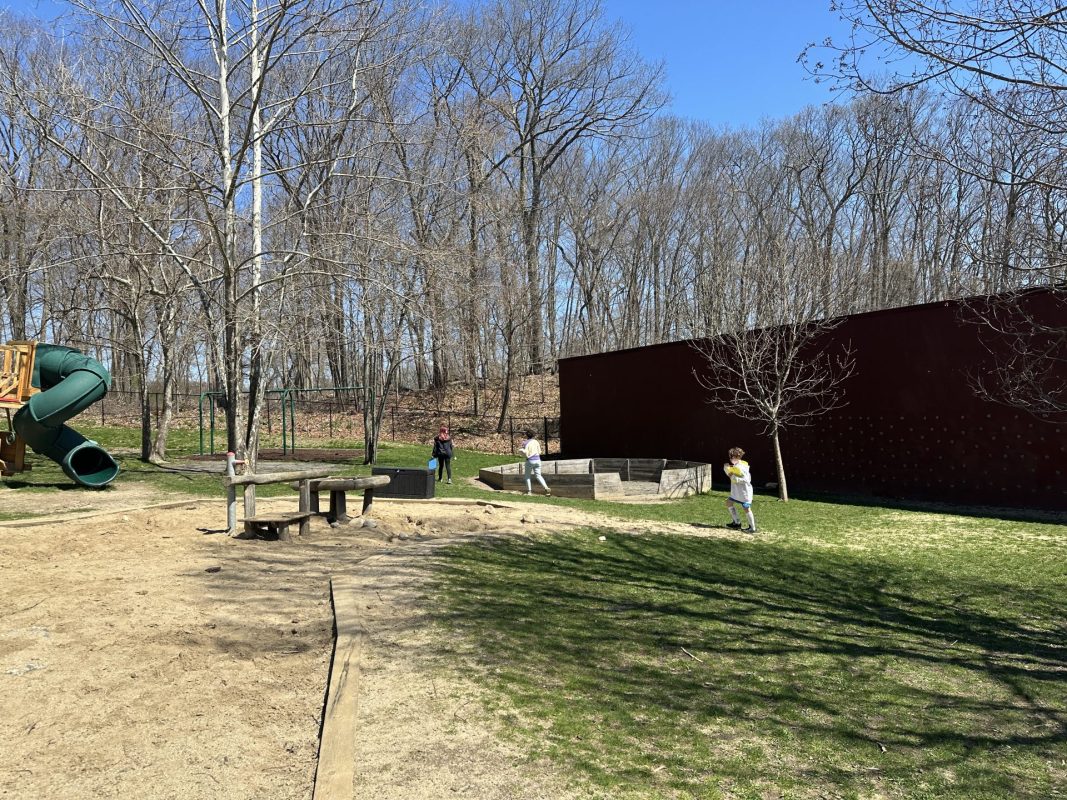
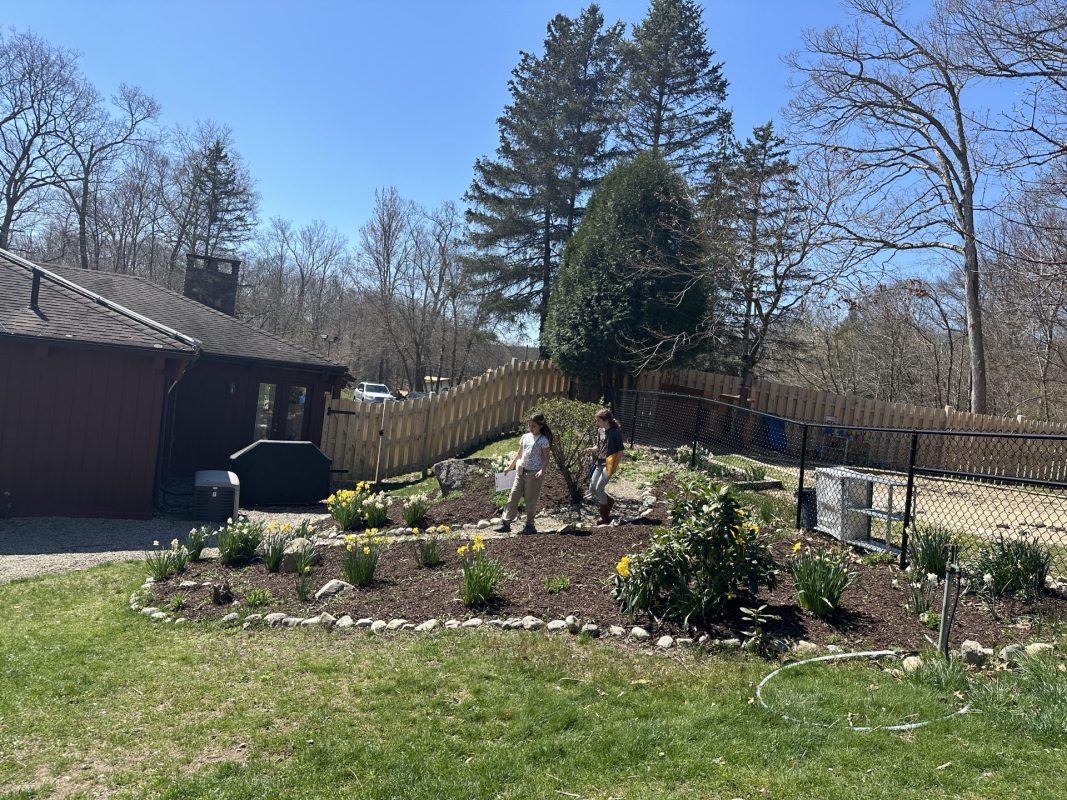
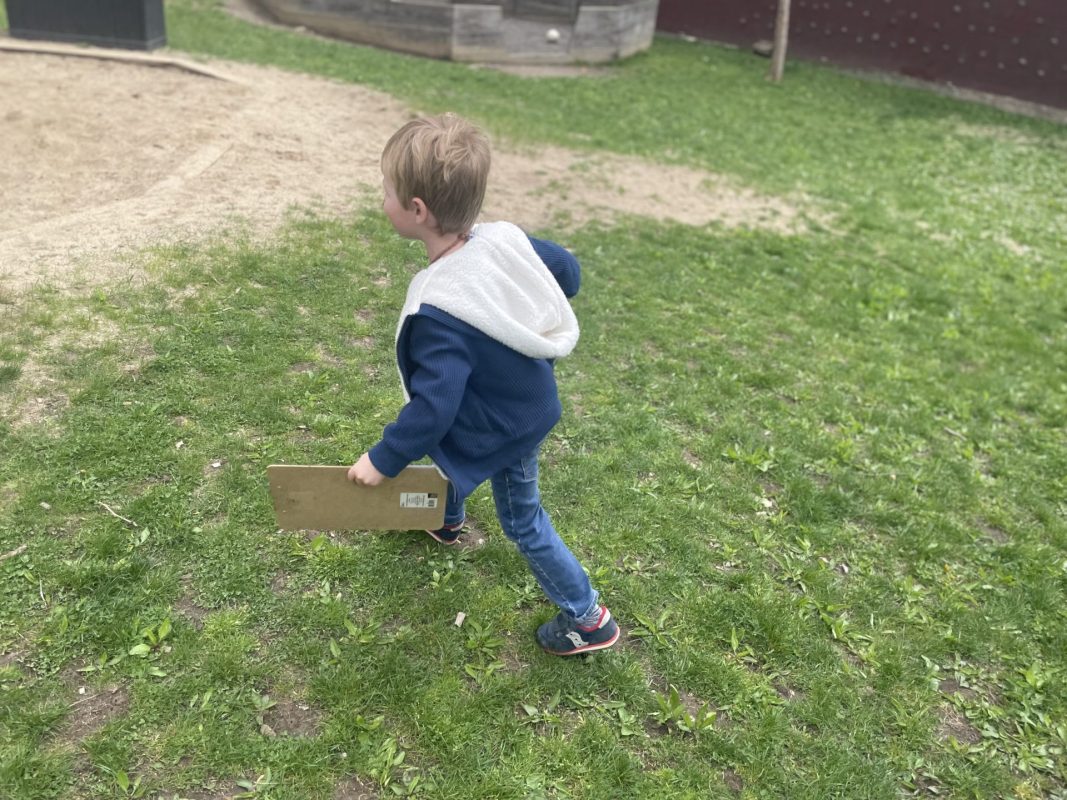
Children in all grades enjoyed the beautiful weather, learning about “La Primavera,” participating in an outdoor Scavenger Hunt, and reading some stories outside. All the students at FWM are enjoying learning Spanish, and I am very pleased with their progress in accomplishing goals in my class.


Mrs. Lopes: Nature’s Classroom

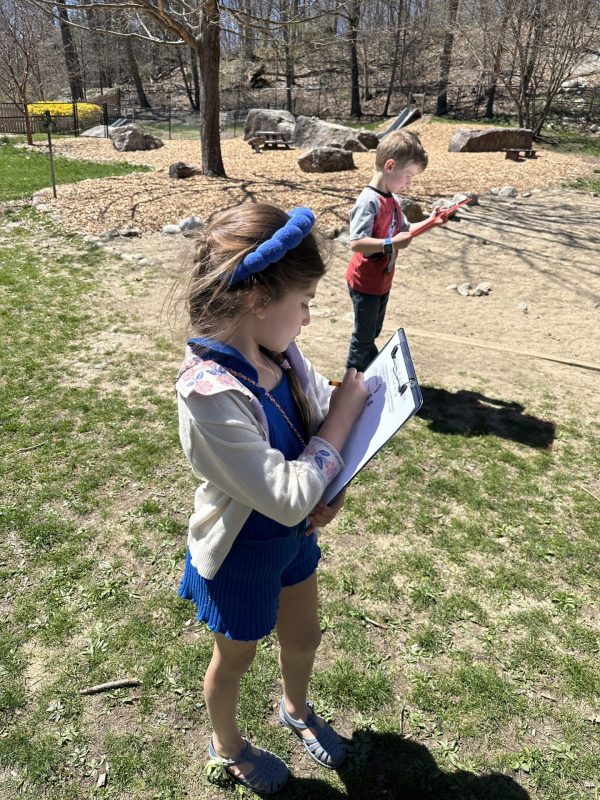
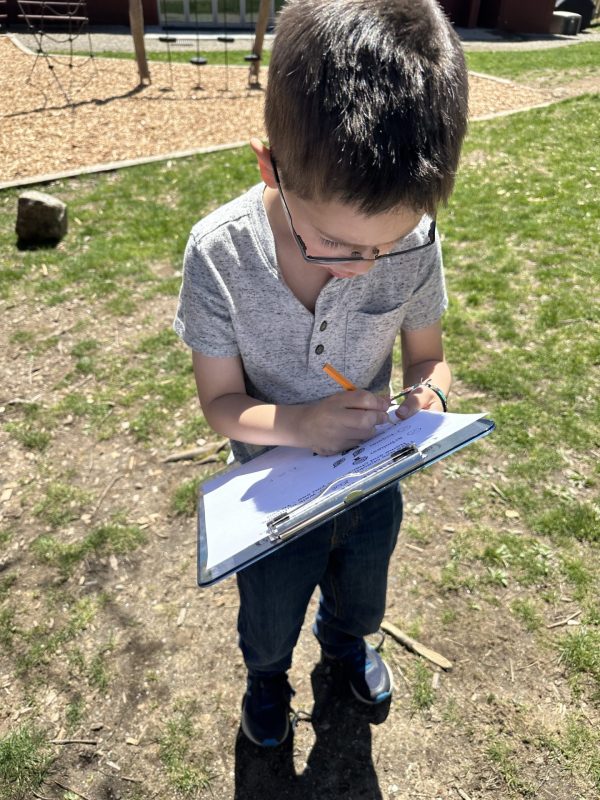
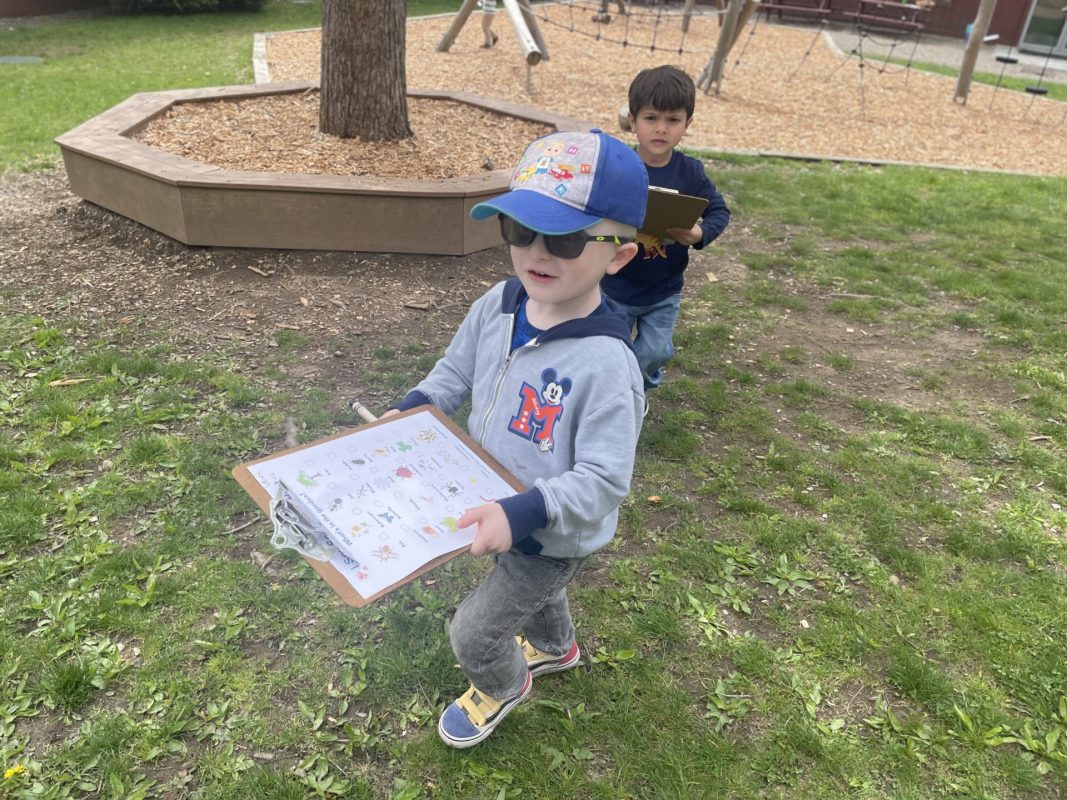
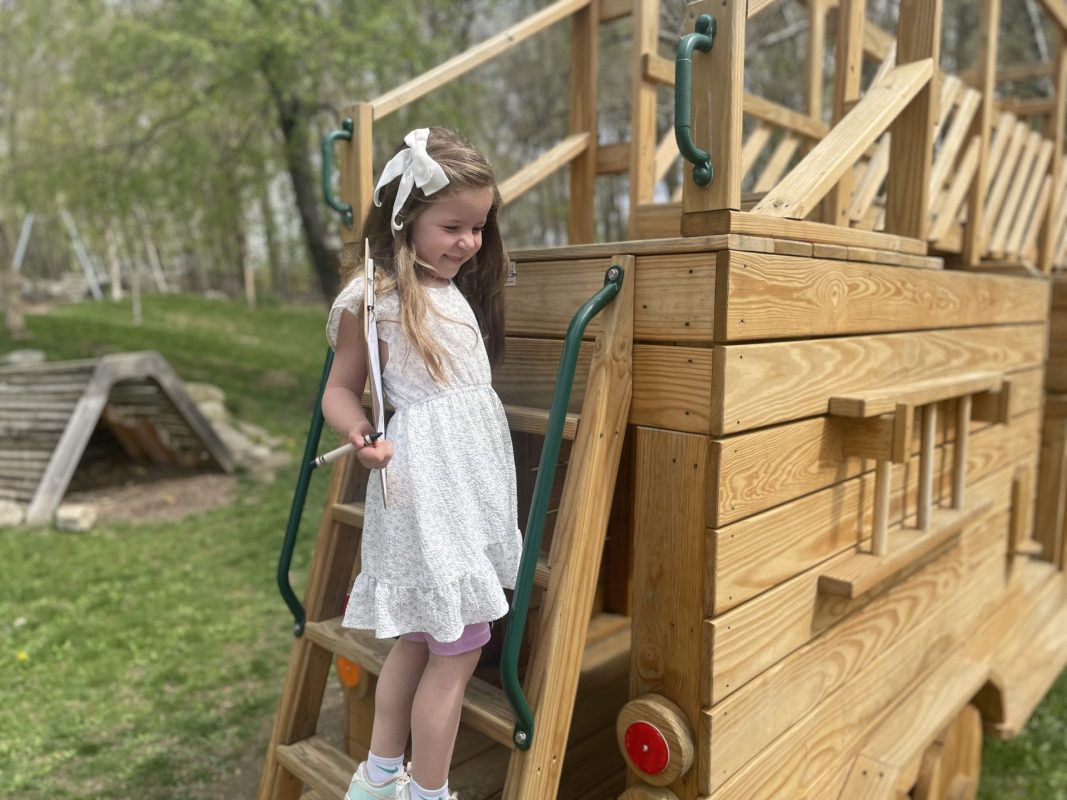
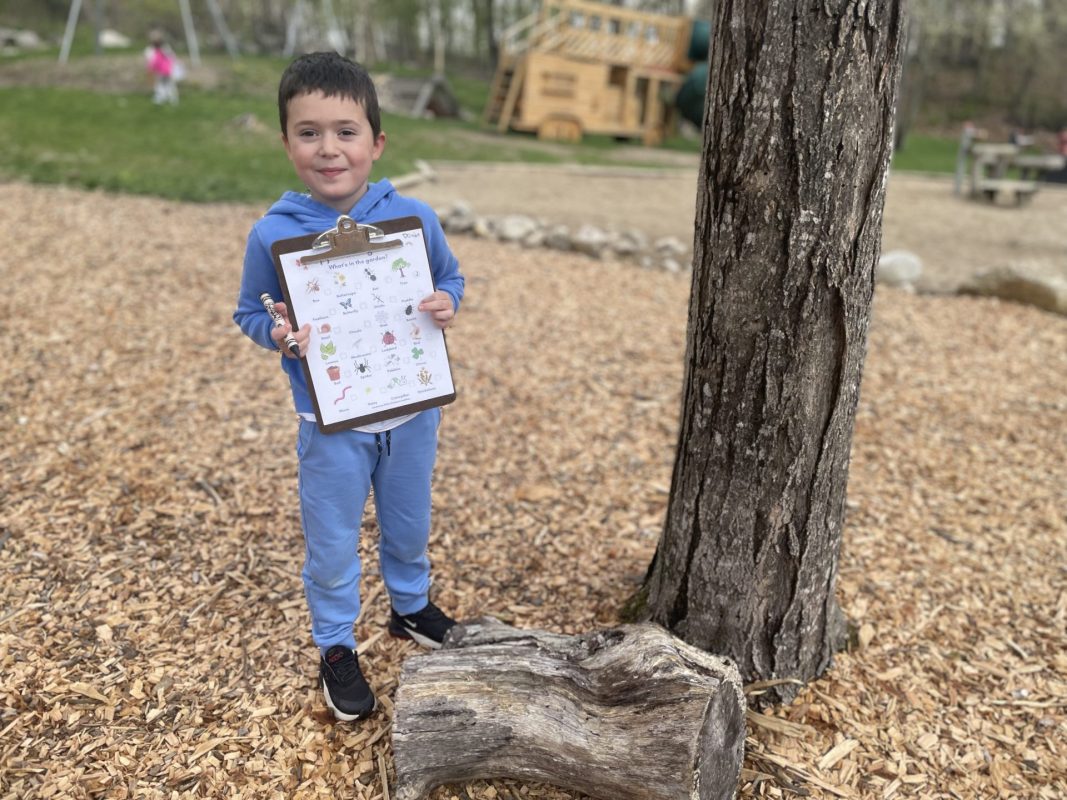
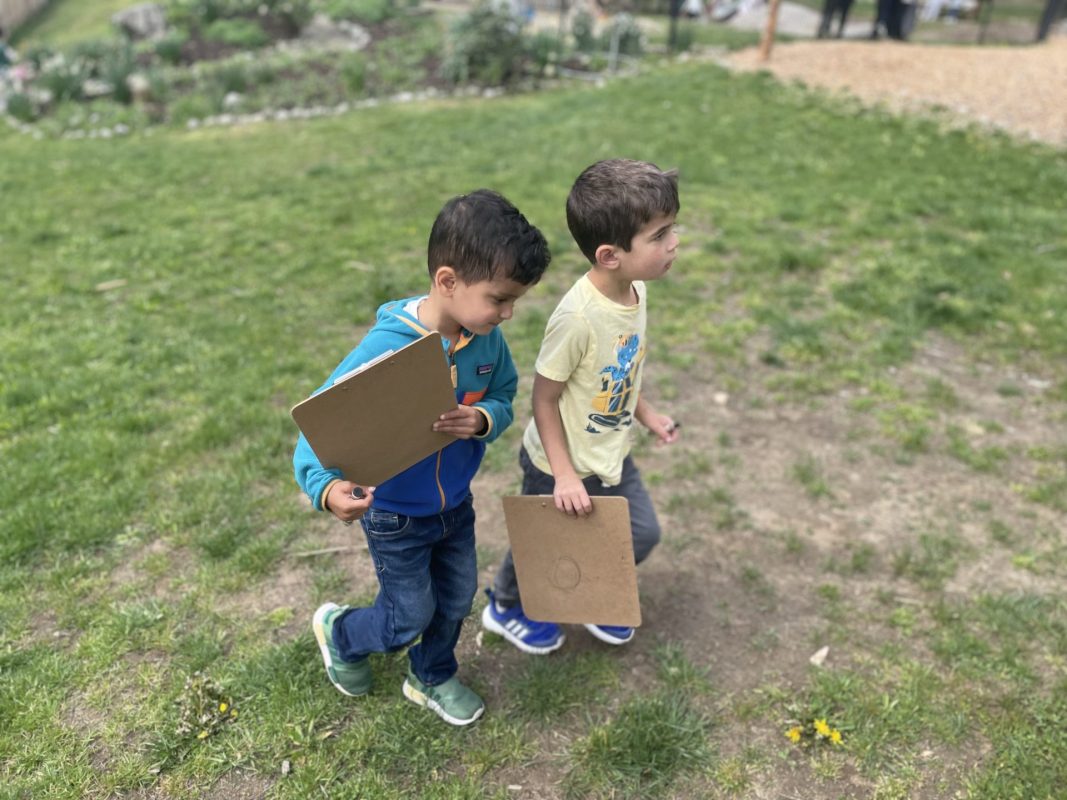
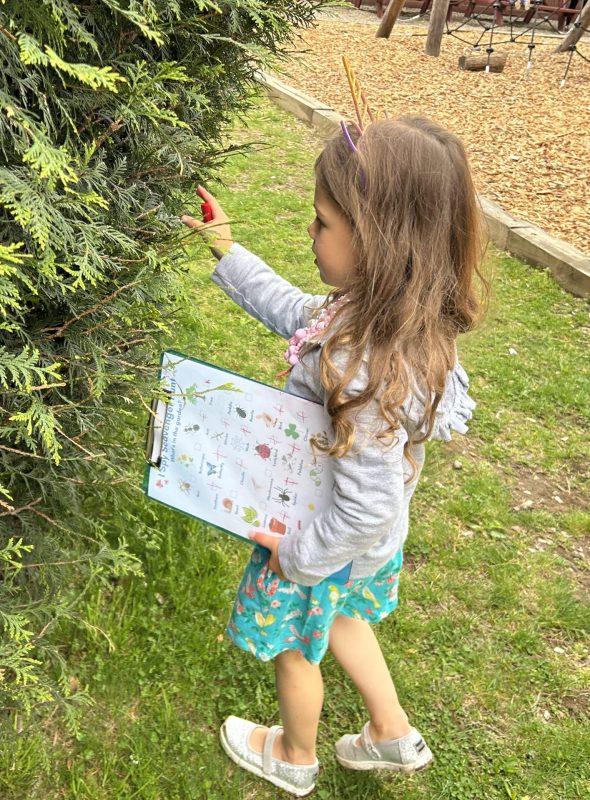
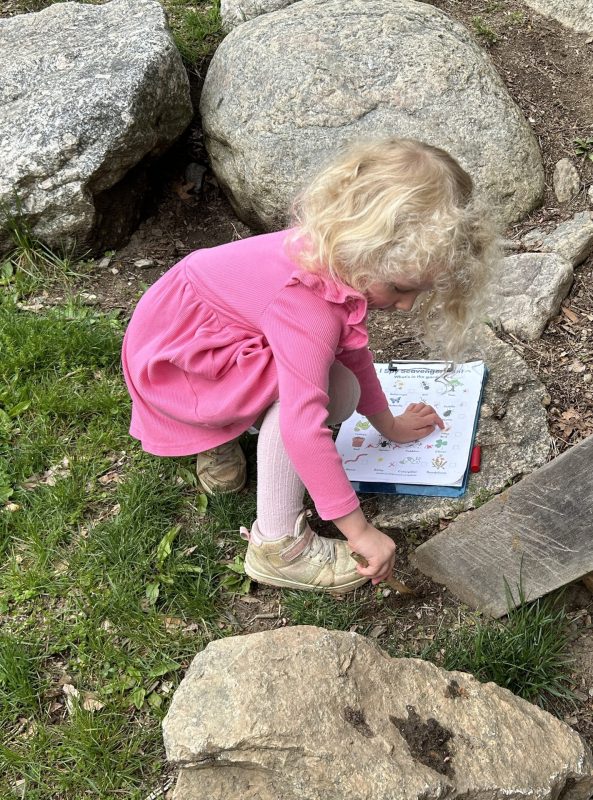
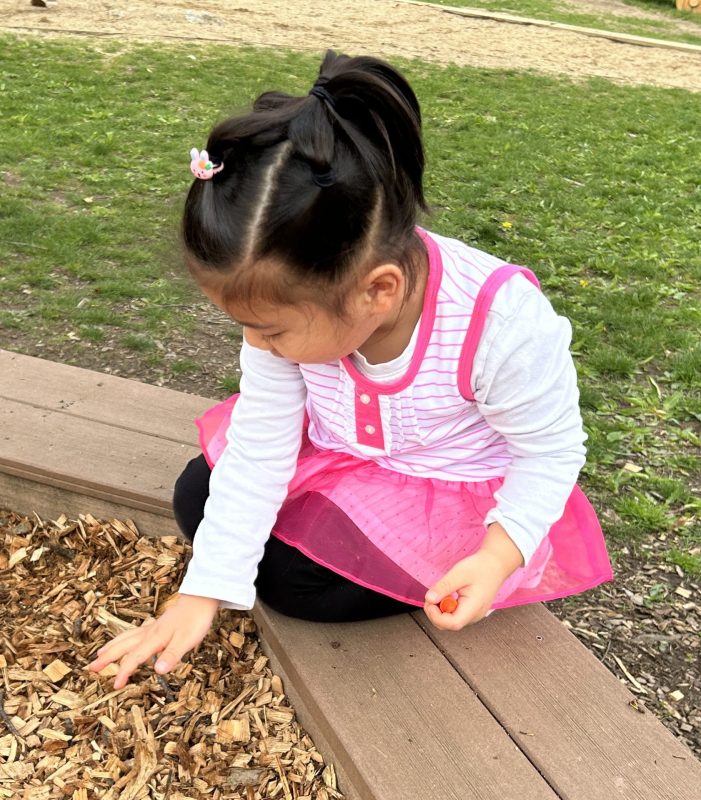
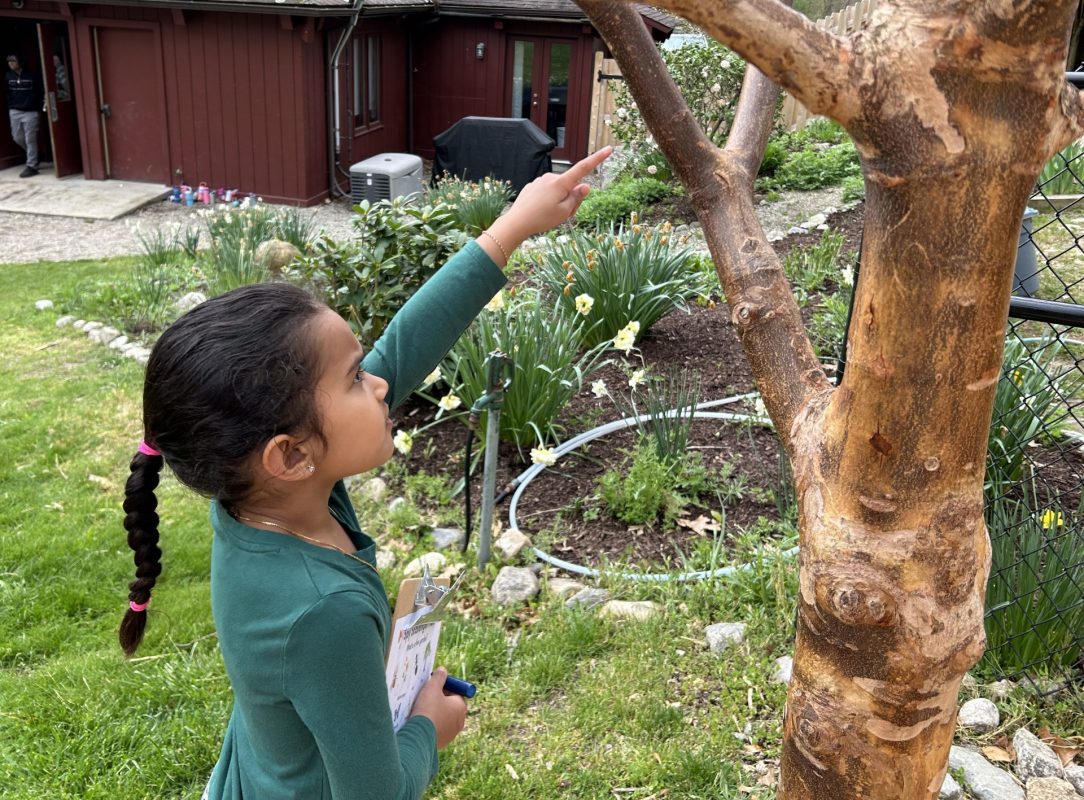
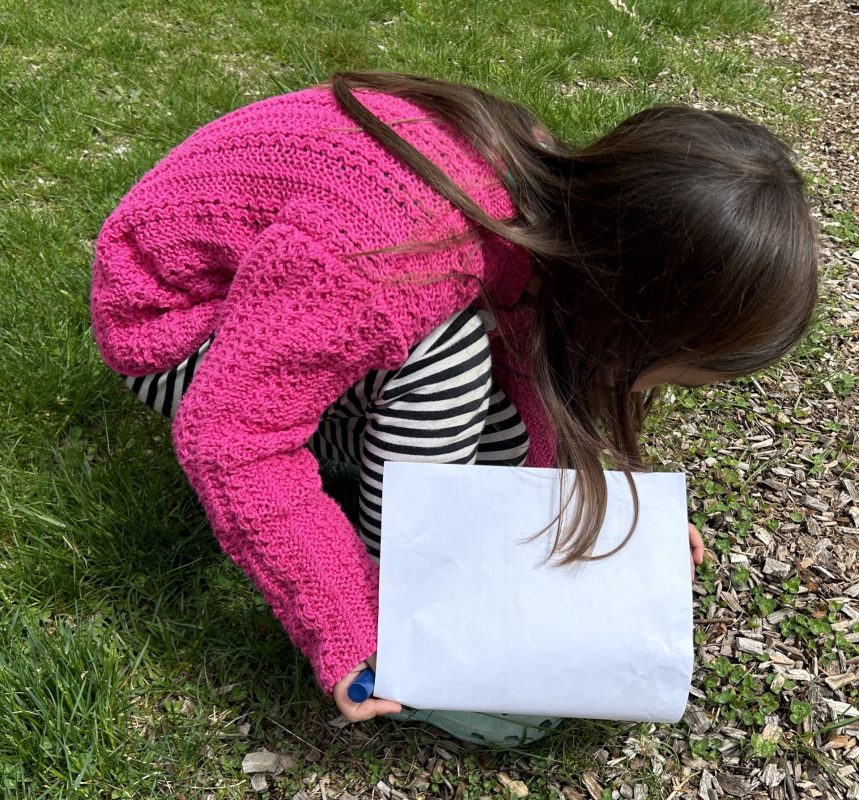
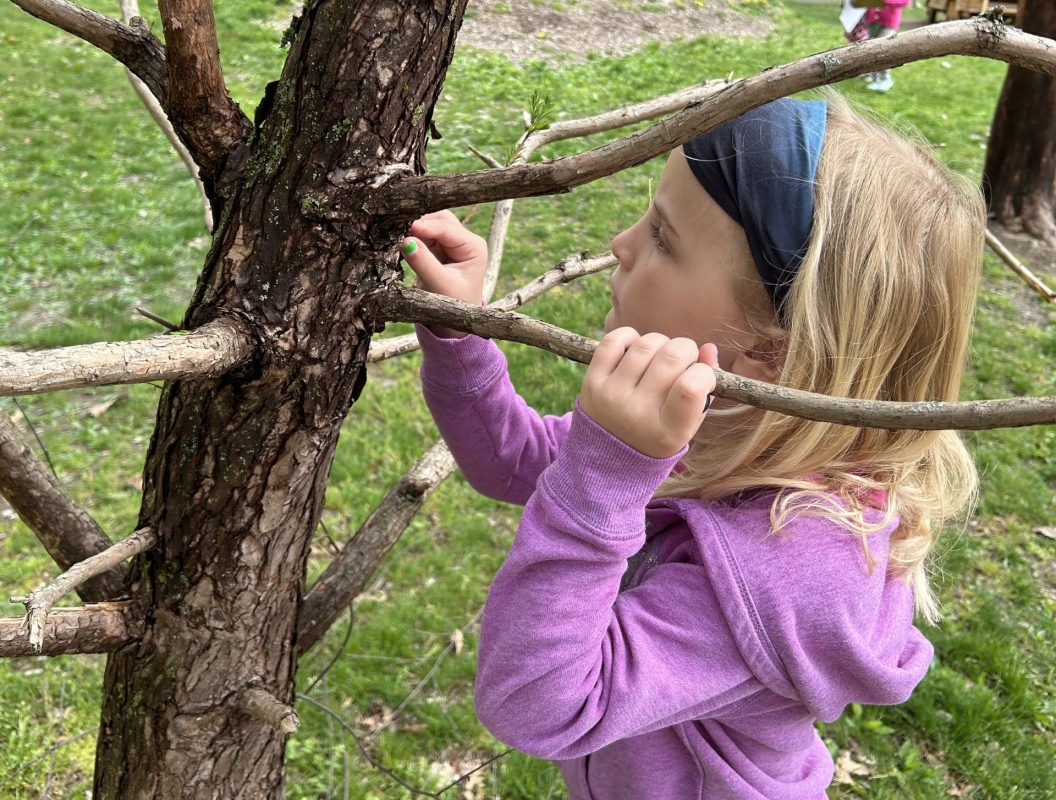
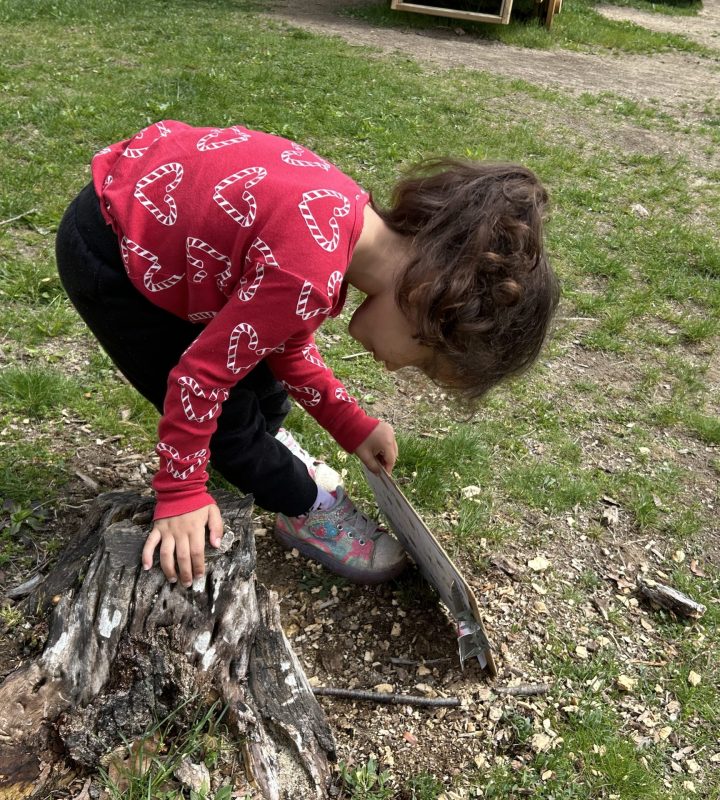
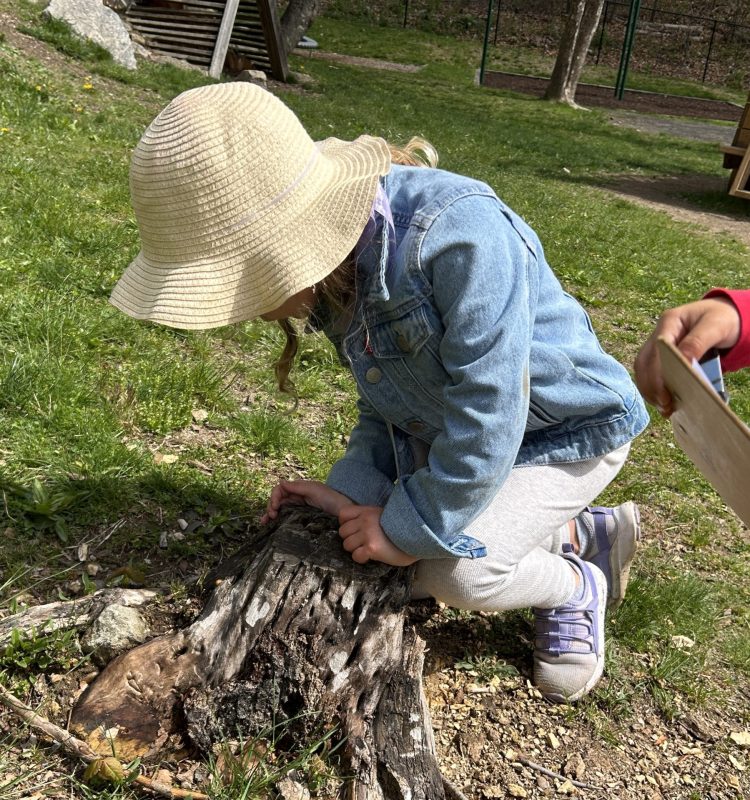
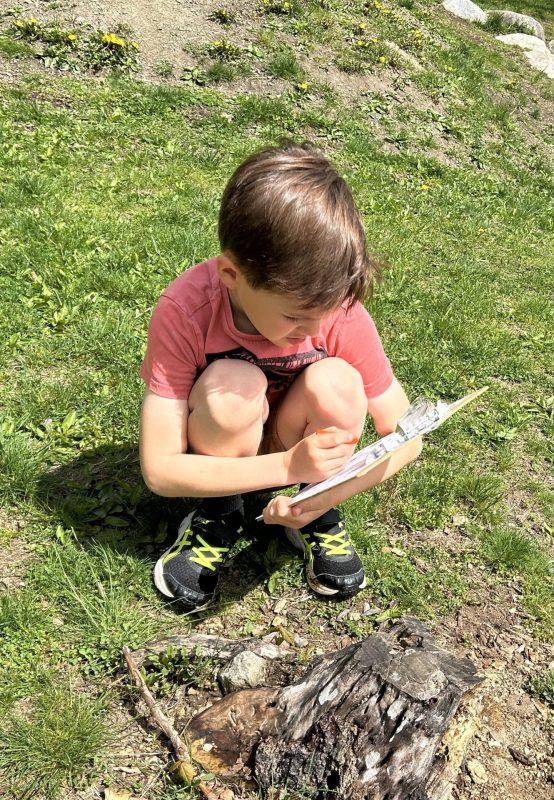
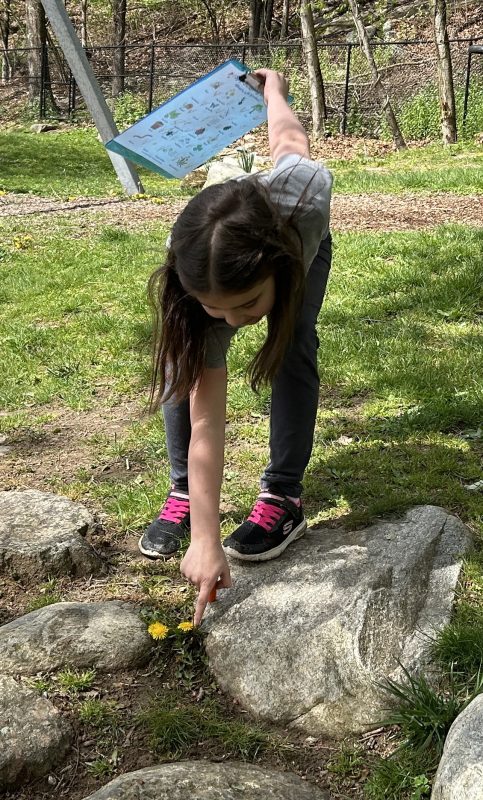
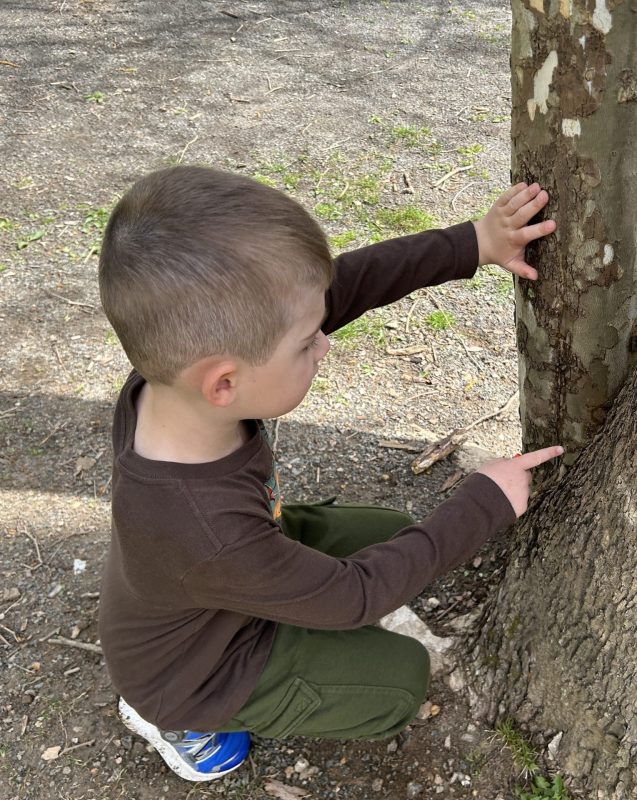
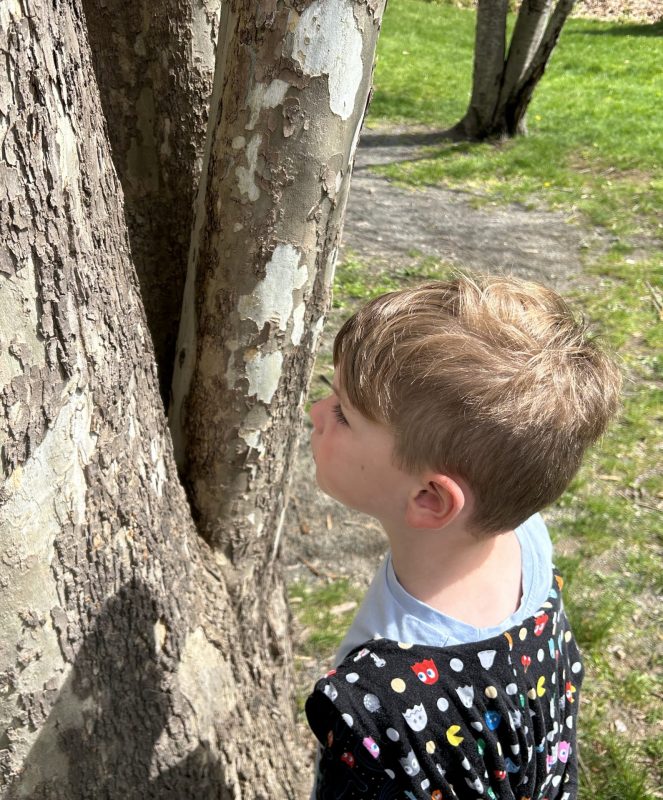
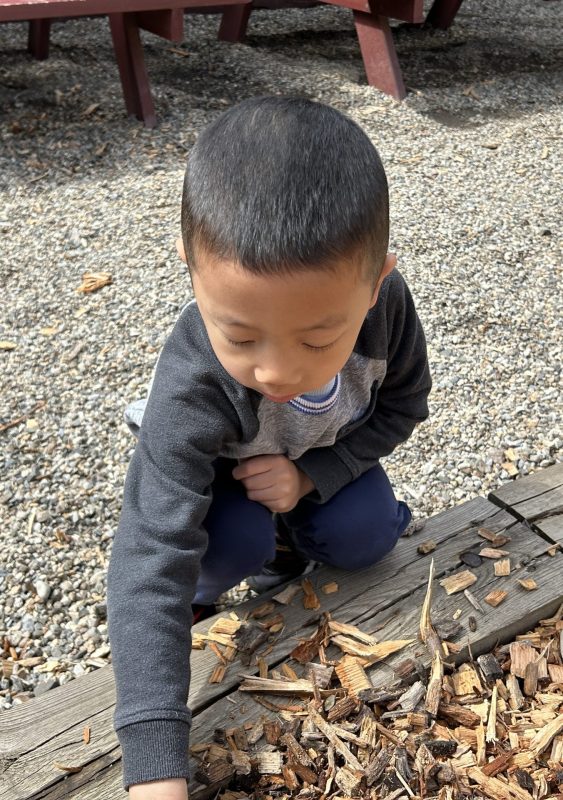
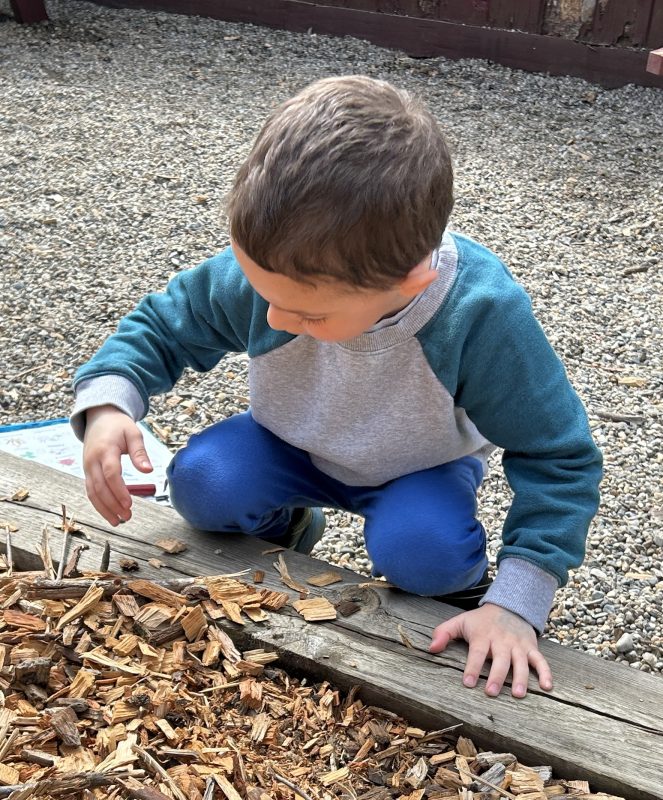
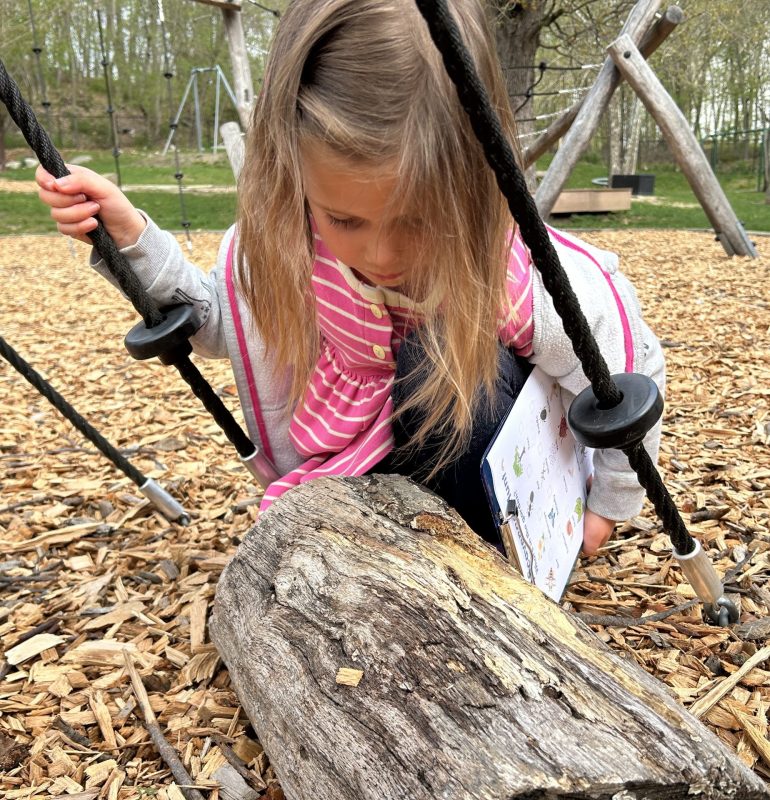
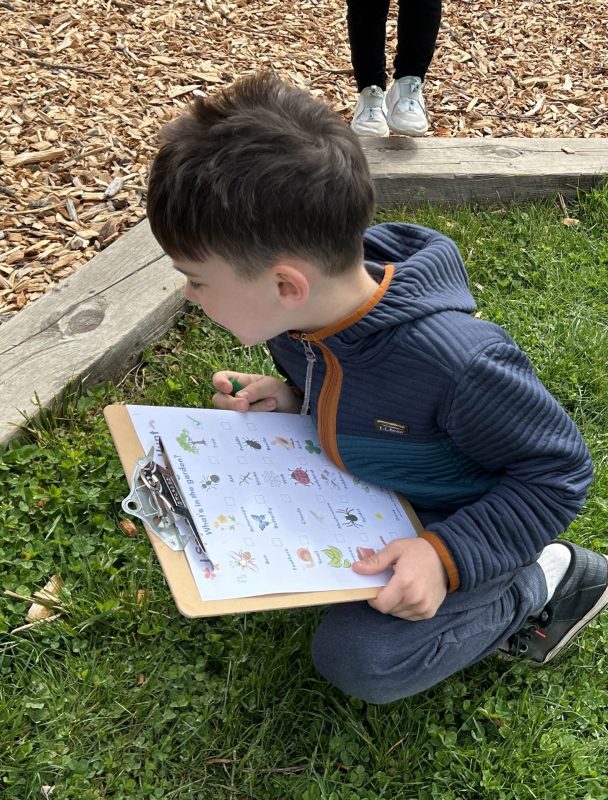
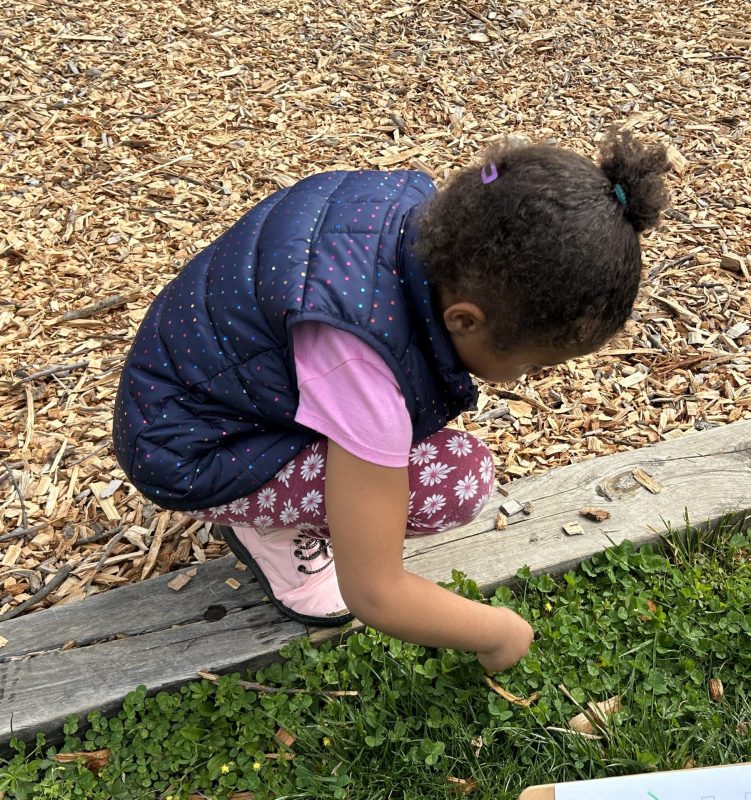
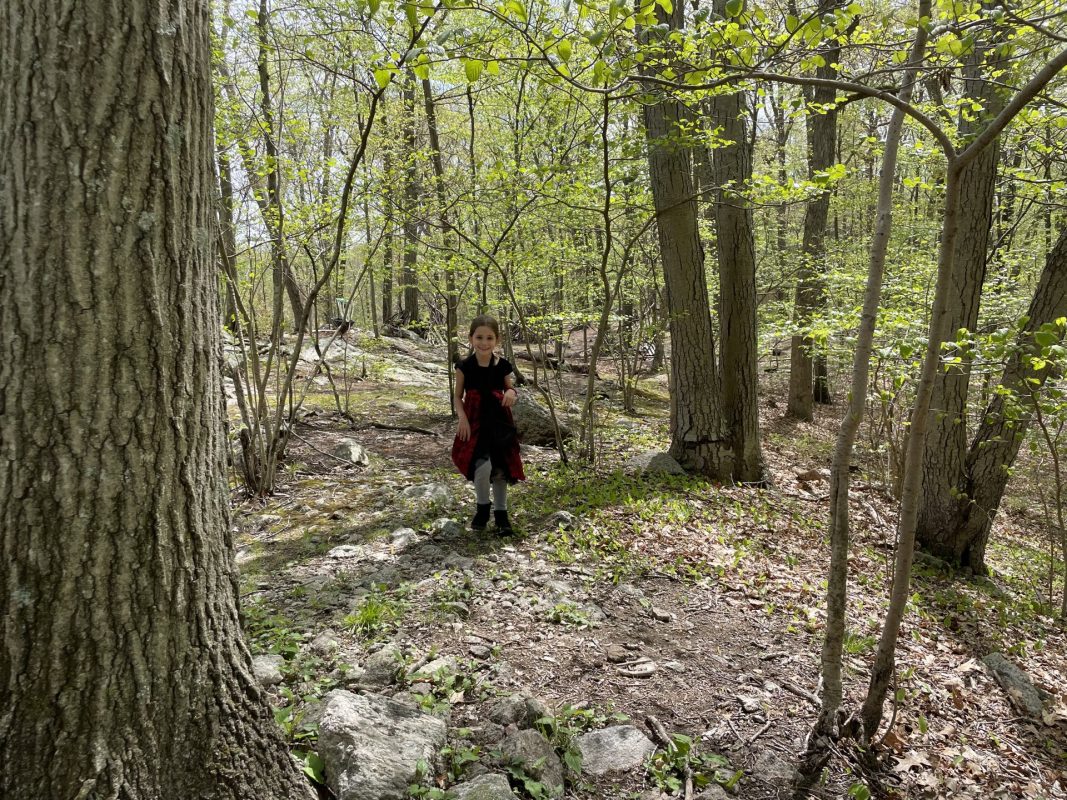
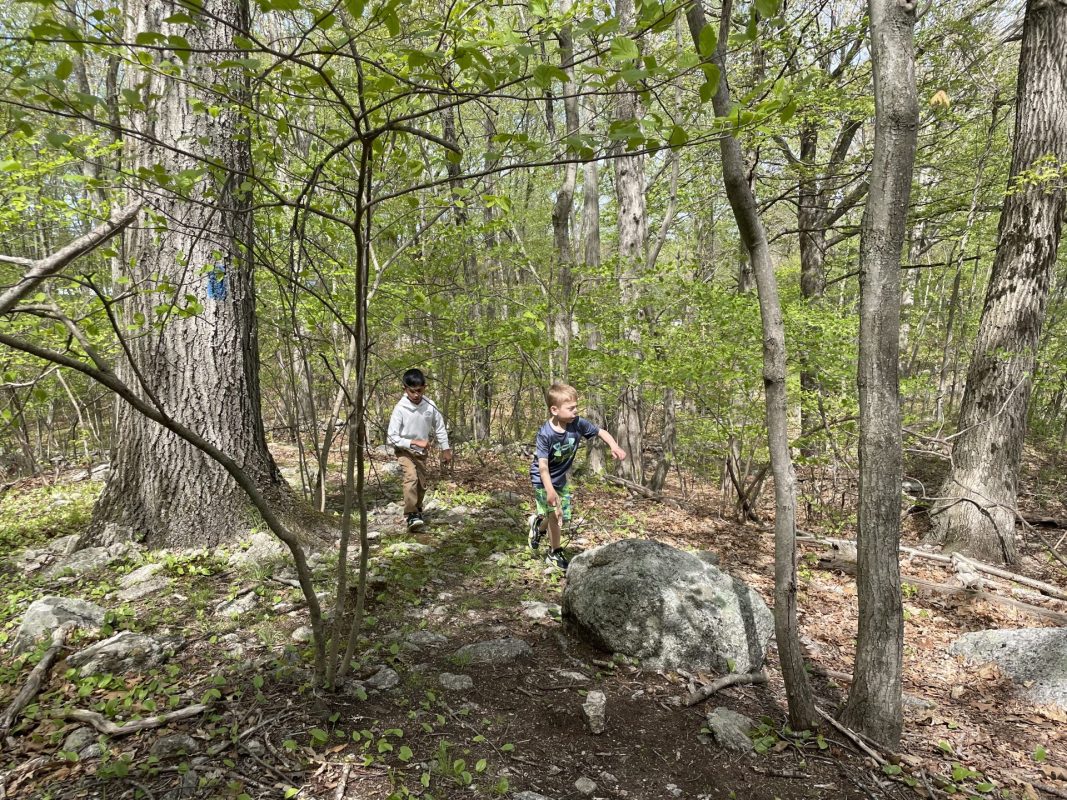
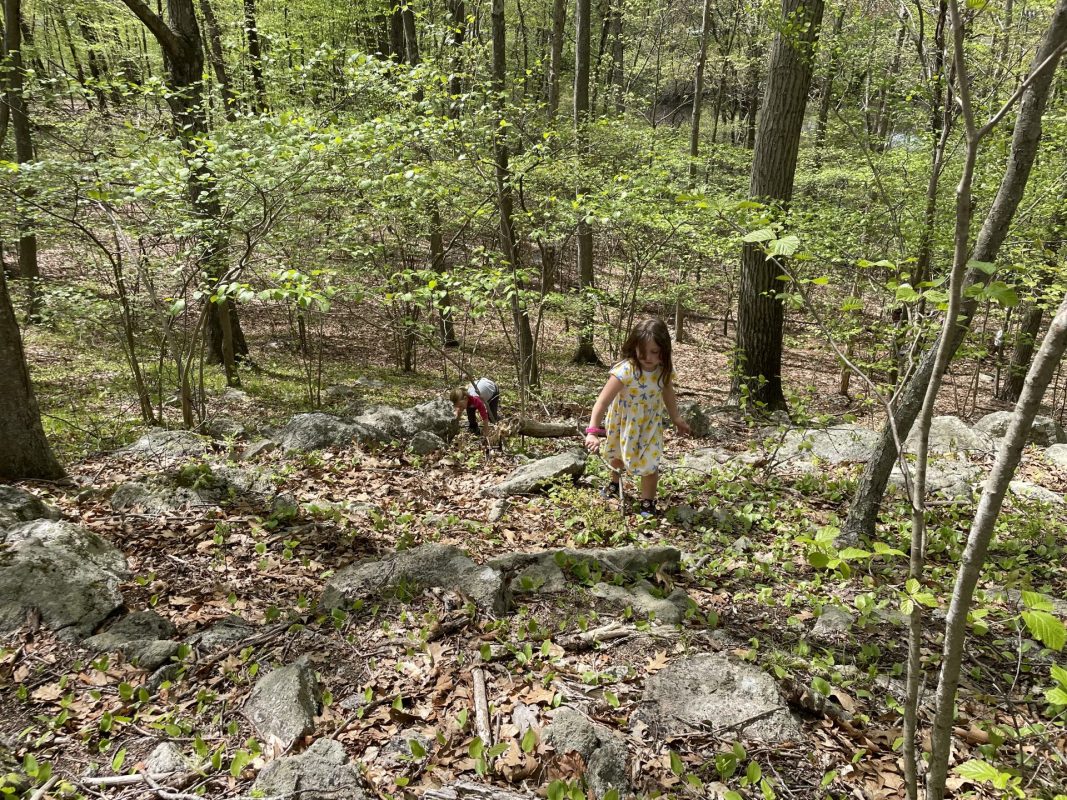
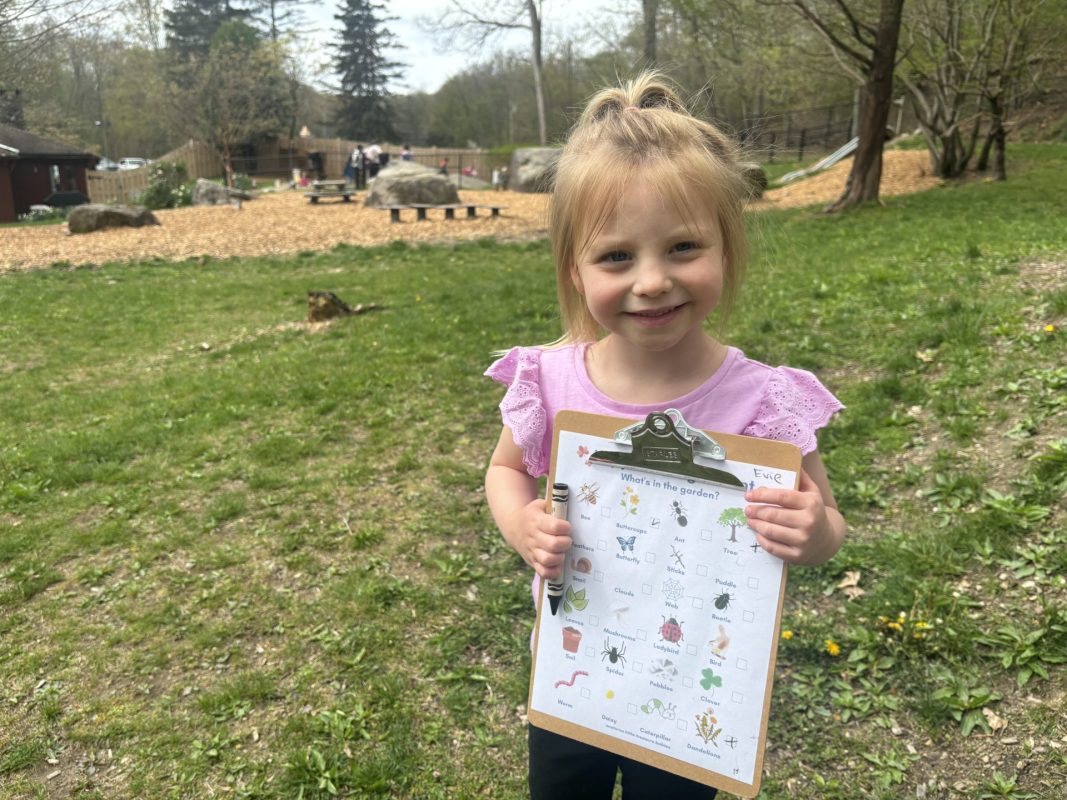
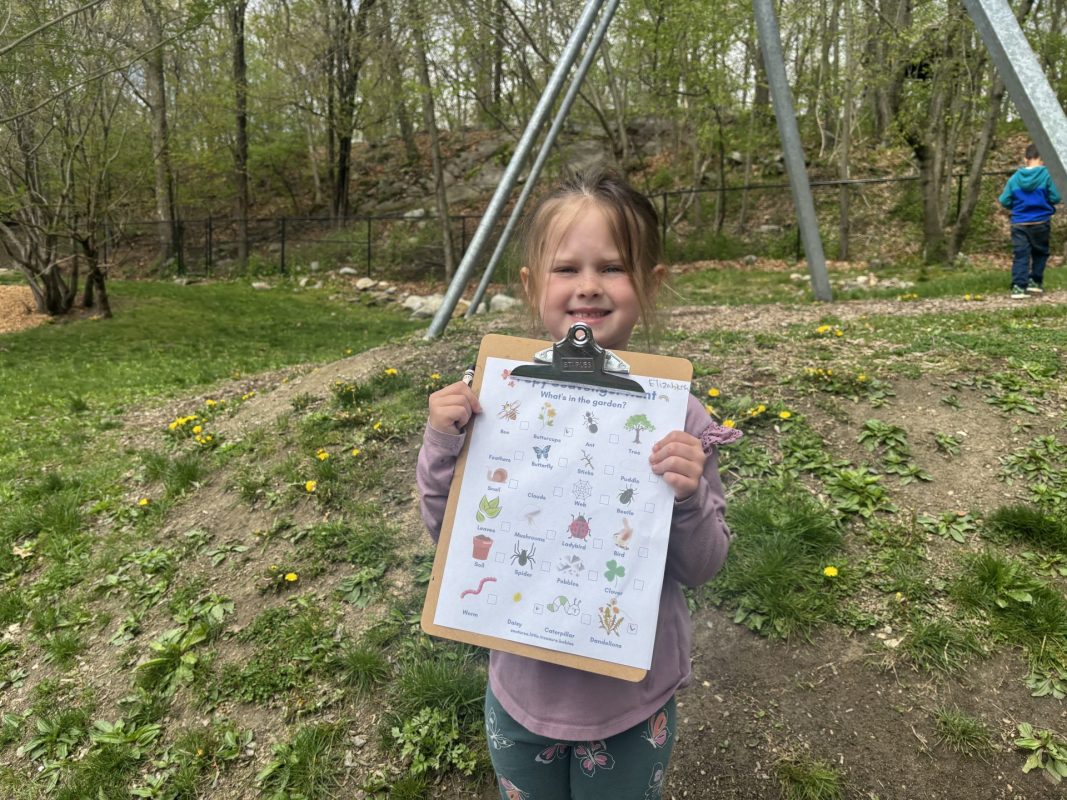
Spring is the perfect time to go for a nature walk and bug hunt, and that’s exactly what we did this week. Going on a nature walk is a simple, fun, and meaningful way to spend time outdoors. A bug hunt is a really fun way to help incorporate what we are learning about insects inside the classroom and what we observe outside in nature. The best thing about a bug hunt? Once the children get in the habit of learning, observing, and studying insects, their reaction is less likely to be, “Aarrghhhh, a bug!”

Wishing you a week filled with peace and love,

Amanda & Hema


Mrs. Wilson: Fascinating World of Pond Life and Insects


“There must be a provision for the child to have contact with nature; to understand and appreciate the order, the harmony, and the beauty in nature.”

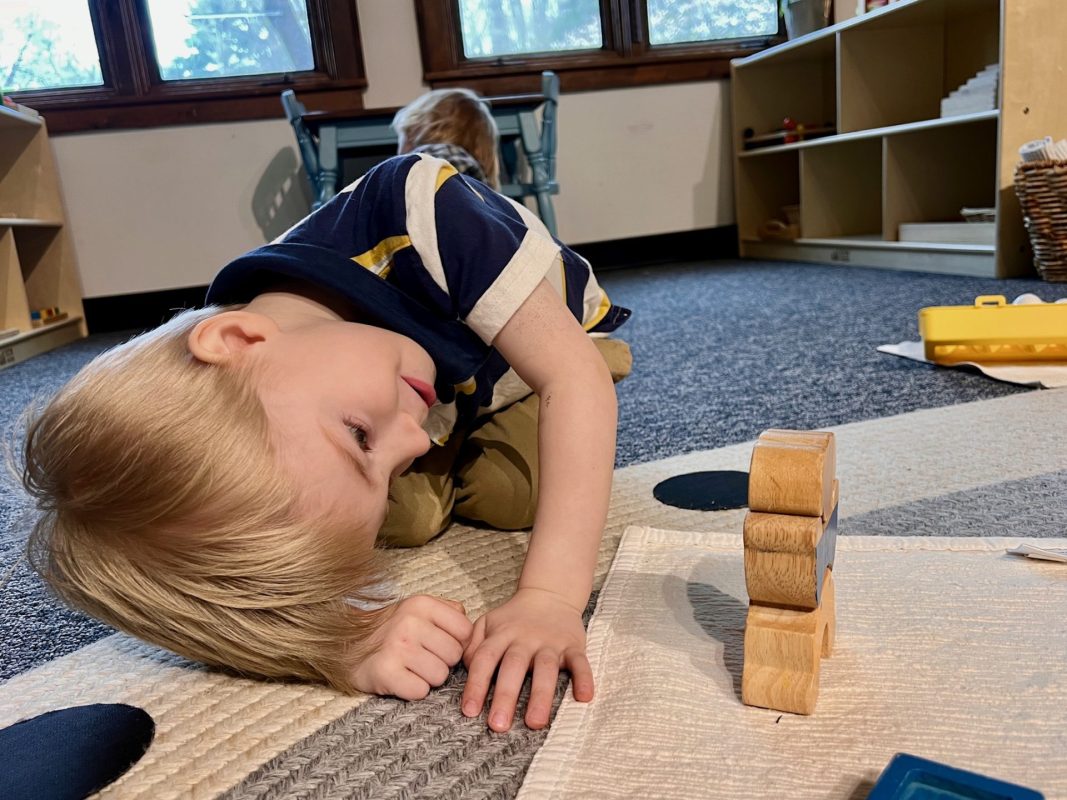
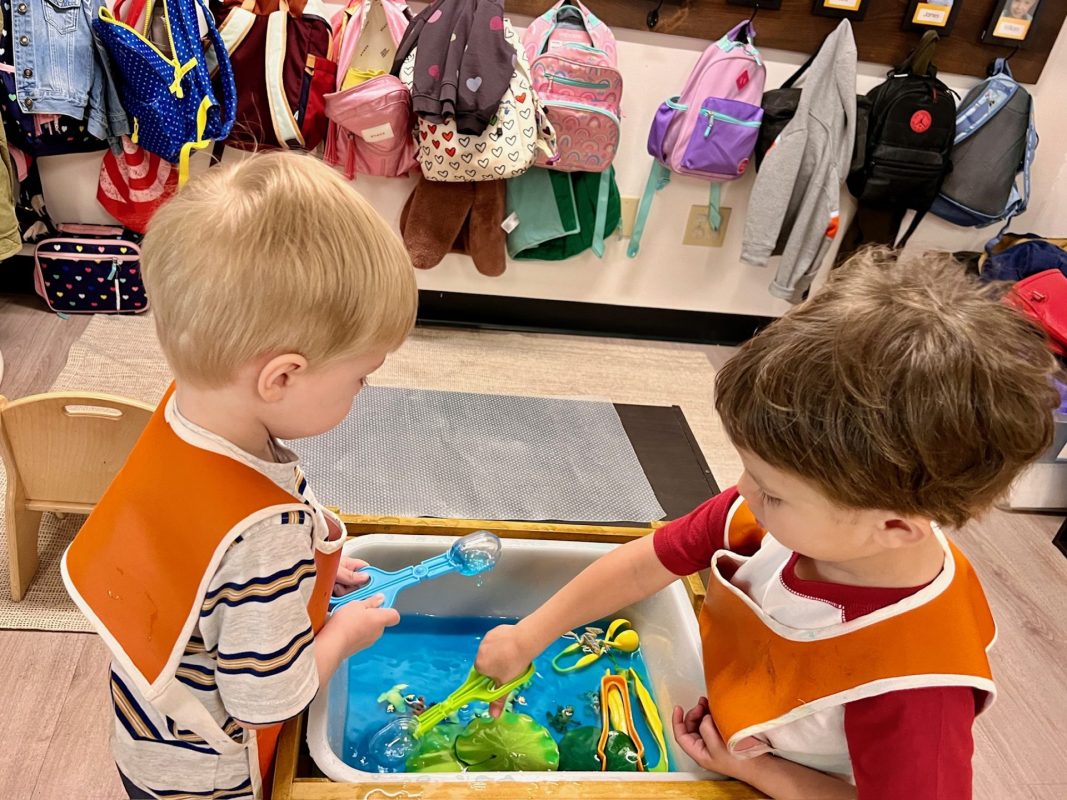
In the month of May, we are exploring the fascinating world of pond life and insects. This week, we started by teaching the children the names of some common backyard insects and their body parts. To help them remember, we sang a song called “Head, Thorax, and Abdomen” to the tune of “Head, Shoulders, Knees, and Toes.” With the weather getting warmer, we have been observing a few insects outside, and we constantly remind the children to be kind to all living things, including insects.

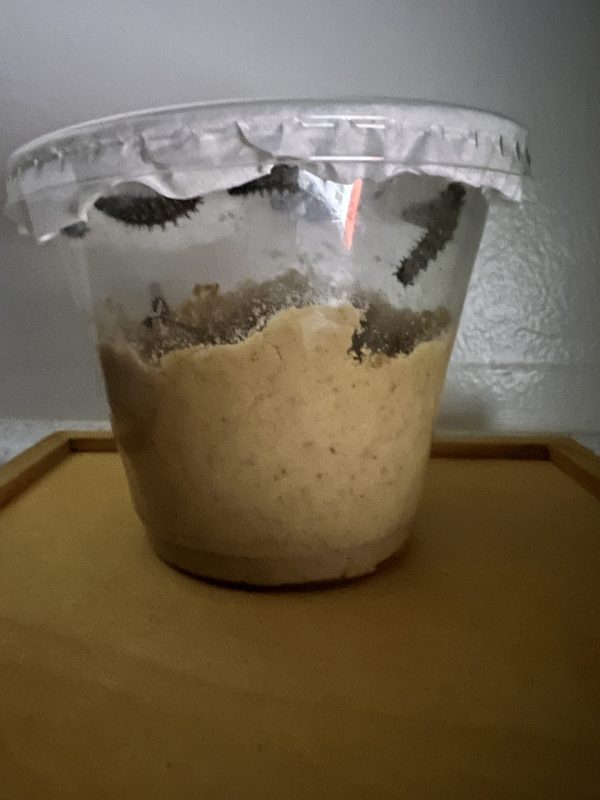
On Monday, we received teeny tiny caterpillars, and every day, the children have been observing them closely to see how much they have grown. We are currently learning about the lifecycle of a butterfly and new vocabulary words such as “chrysalis” and “metamorphosis.” Encourage your child to tell you all about the life cycle of a butterfly!

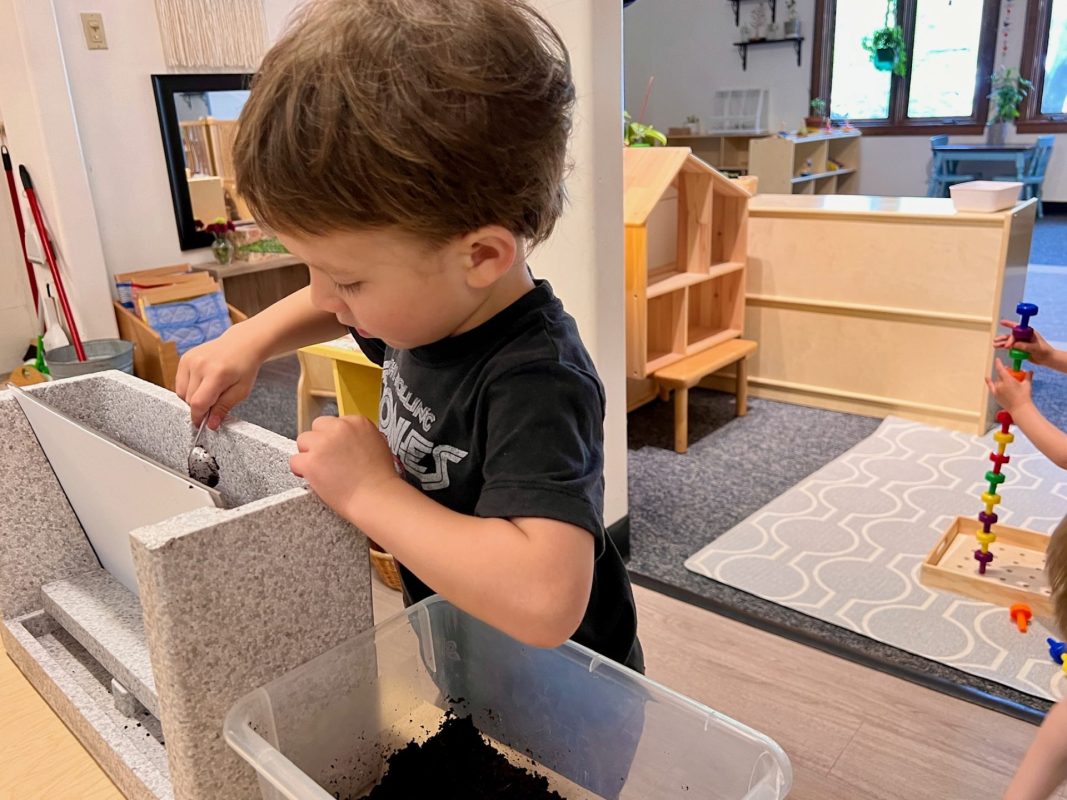
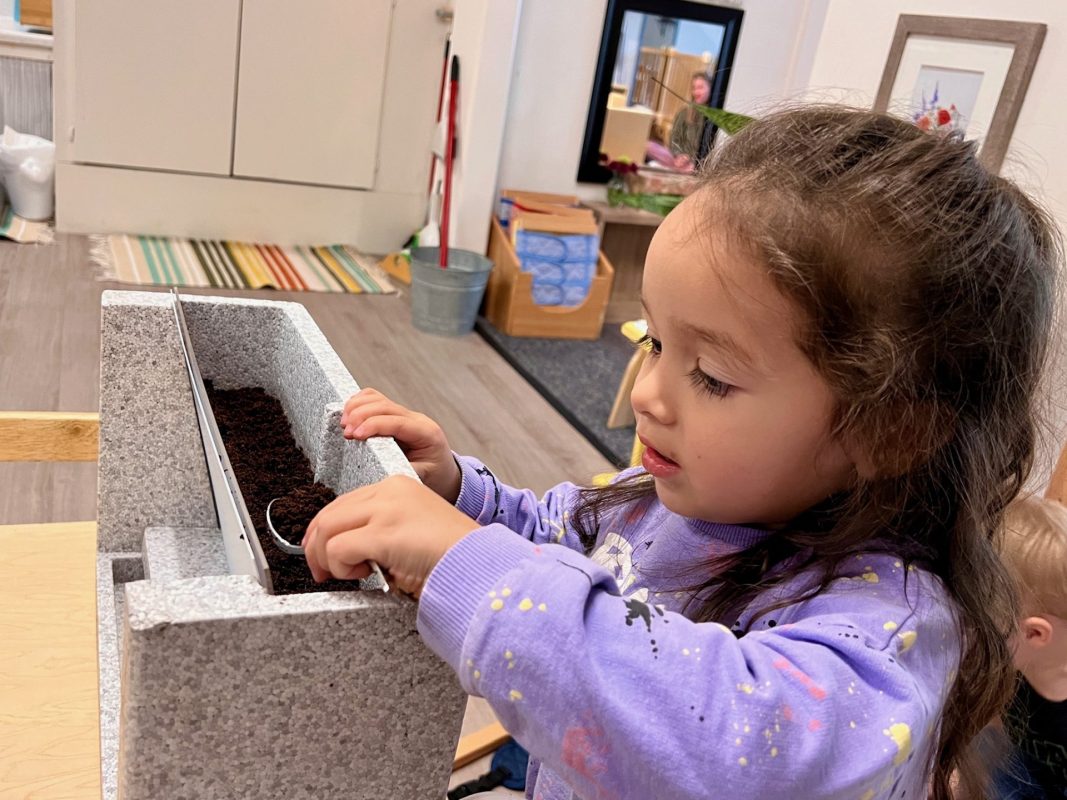
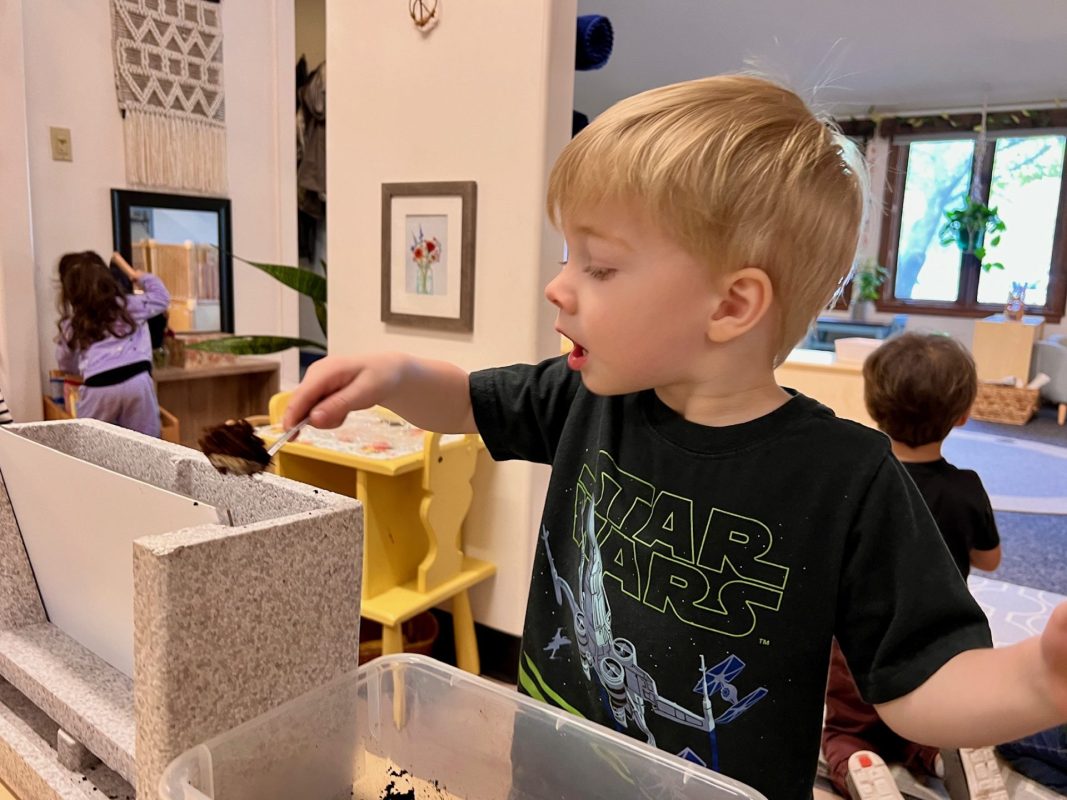
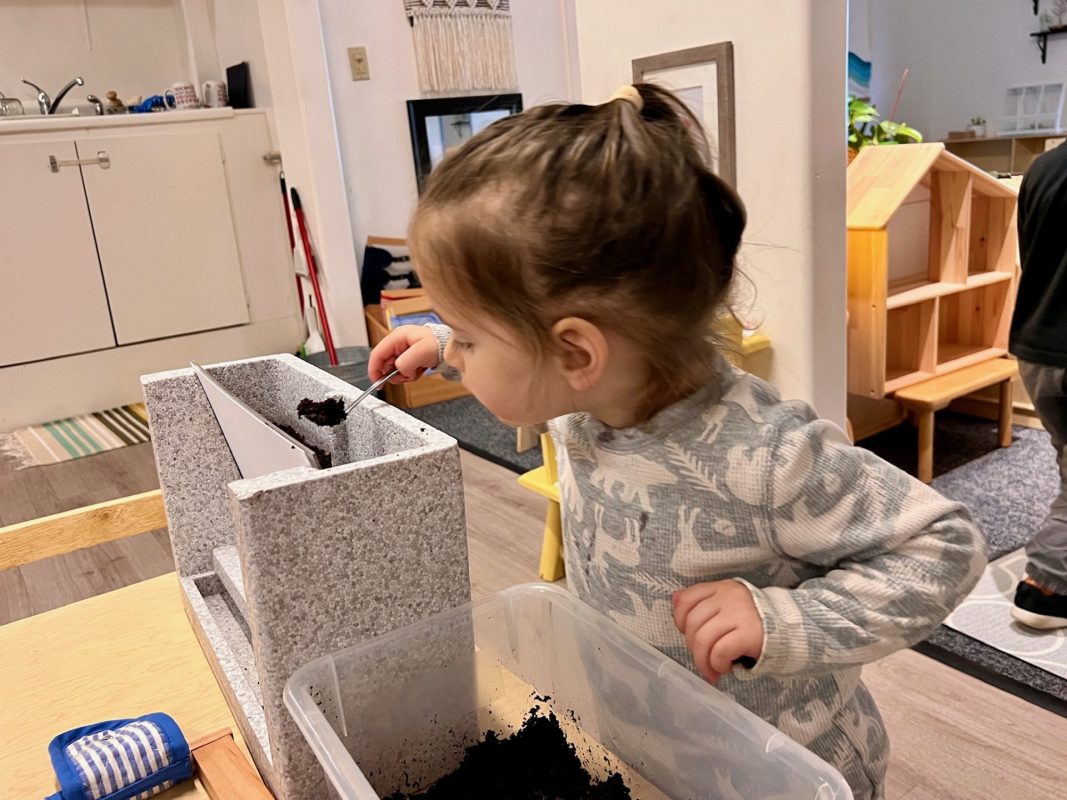
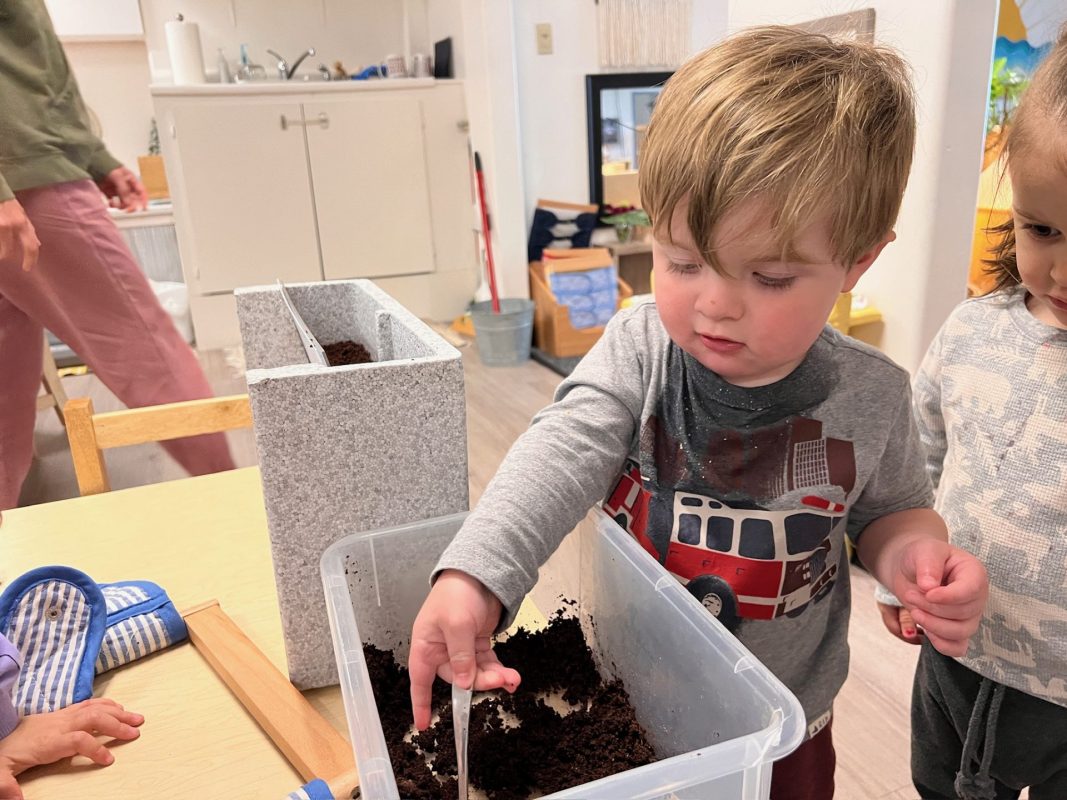
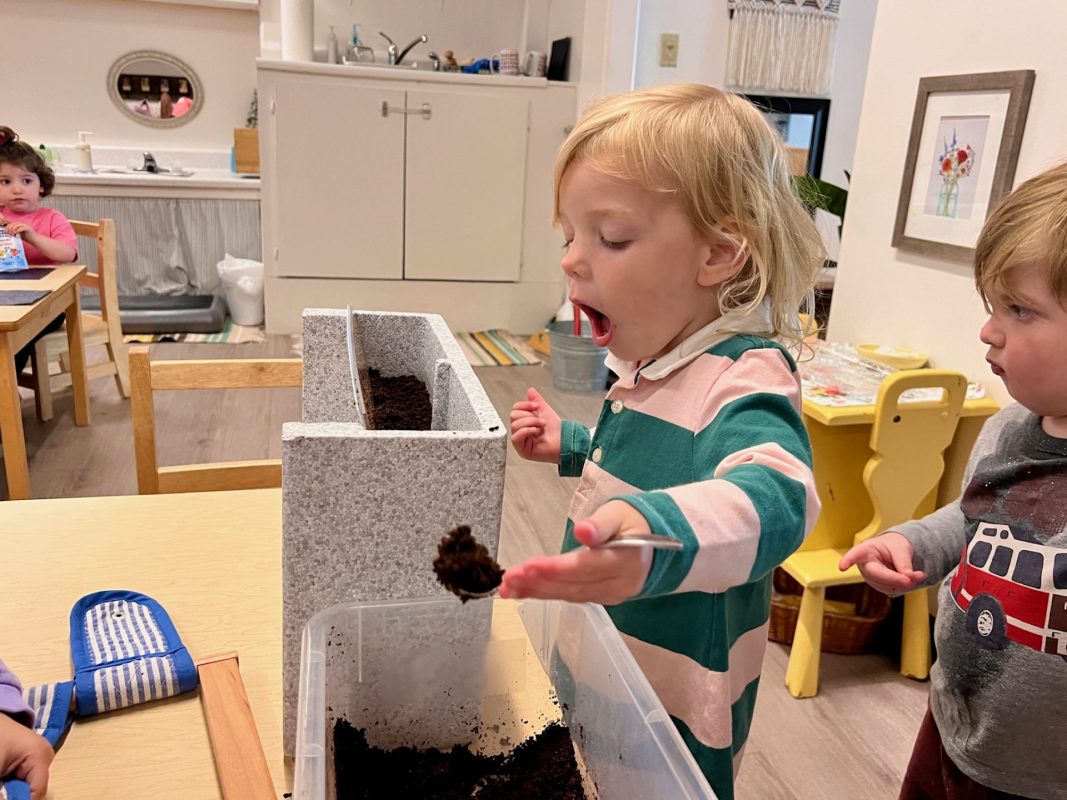
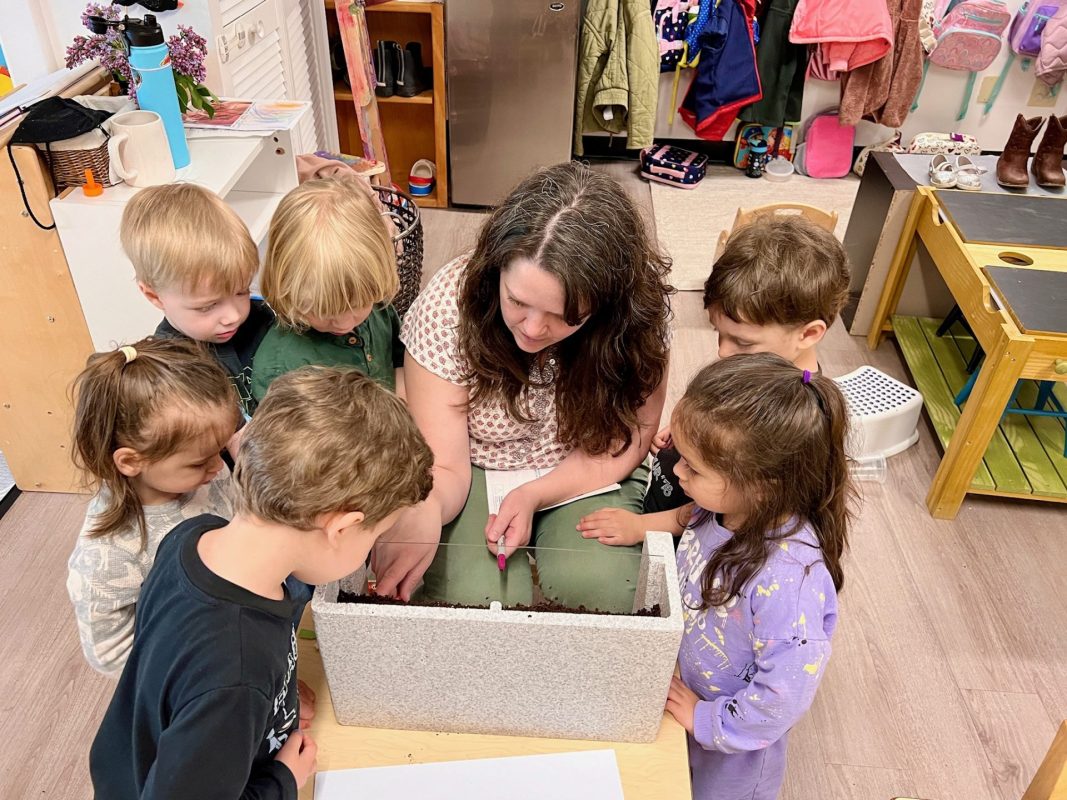
We would like to express our gratitude to the Raia family for generously donating a Root View Farm to our classroom. The children were thrilled to participate in setting up the garden, where they helped by scooping in the soil. Together, we planted onions, carrots, and radishes, and now the Root View Farm will allow the children to observe what these root vegetables look like when they grow in the soil.

Sara and I want to express our sincere gratitude to all of you who attended this year’s gala. It was truly a memorable night, and we both had an amazing time. Your presence and support made it all possible, and we couldn’t have done it without you. For those who were unable to attend, we missed you, but we hope to see everyone at next year’s event. Let’s make it another unforgettable night!

Cynthia and Sara


Mrs. Doyle: Nature’s Classroom


Spring is the perfect time to go for a nature walk and bug hunt, and that’s exactly what we did this week. Going on a nature walk is a simple, fun, and meaningful way to spend time outdoors. A bug hunt is a really fun way to help incorporate what we are learning about insects inside the classroom and what we observe outside in nature. The best thing about a bug hunt? Once the children get in the habit of learning, observing, and studying insects, their reaction is less likely to be, “Aarrghhhh, a bug!”

Wishing you a week filled with peace and love,

Michelle and Maria


Middle School: Week in Review

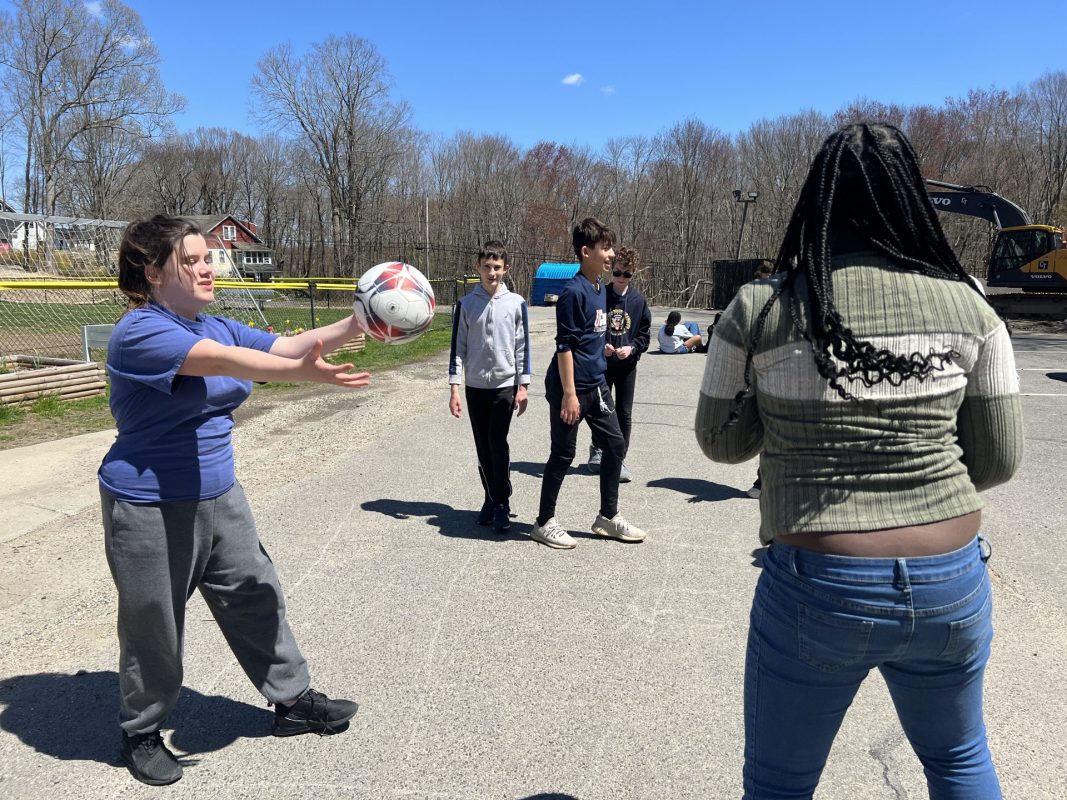
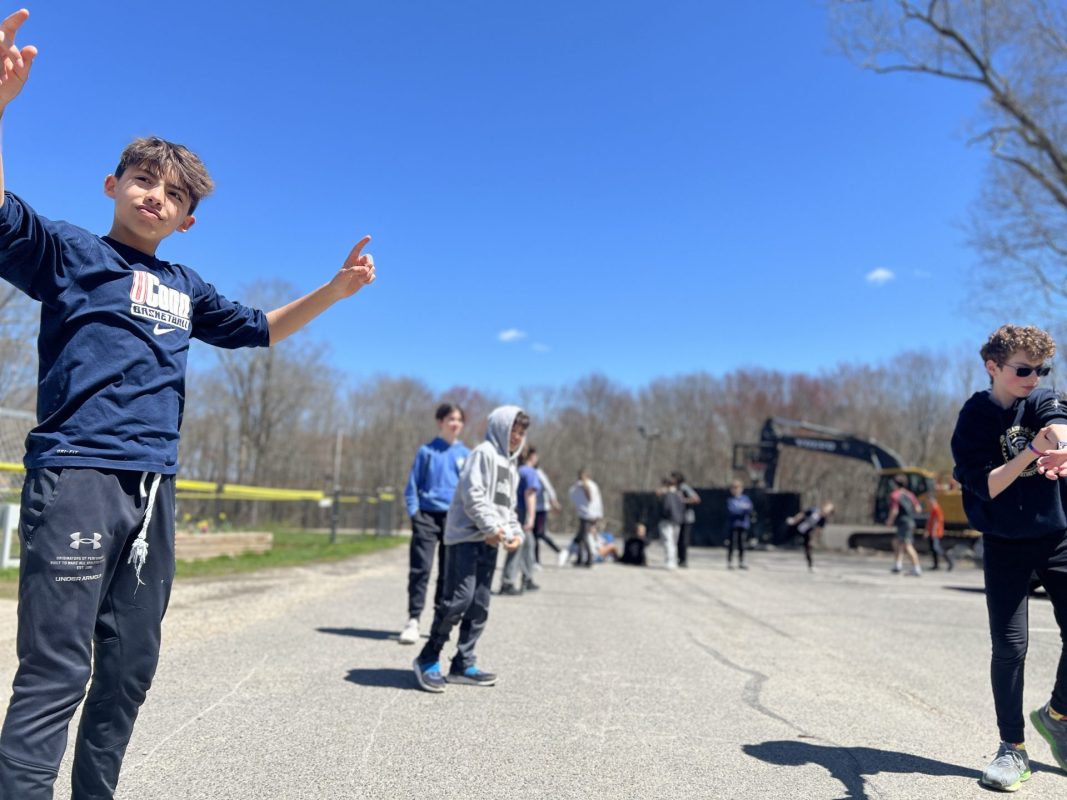
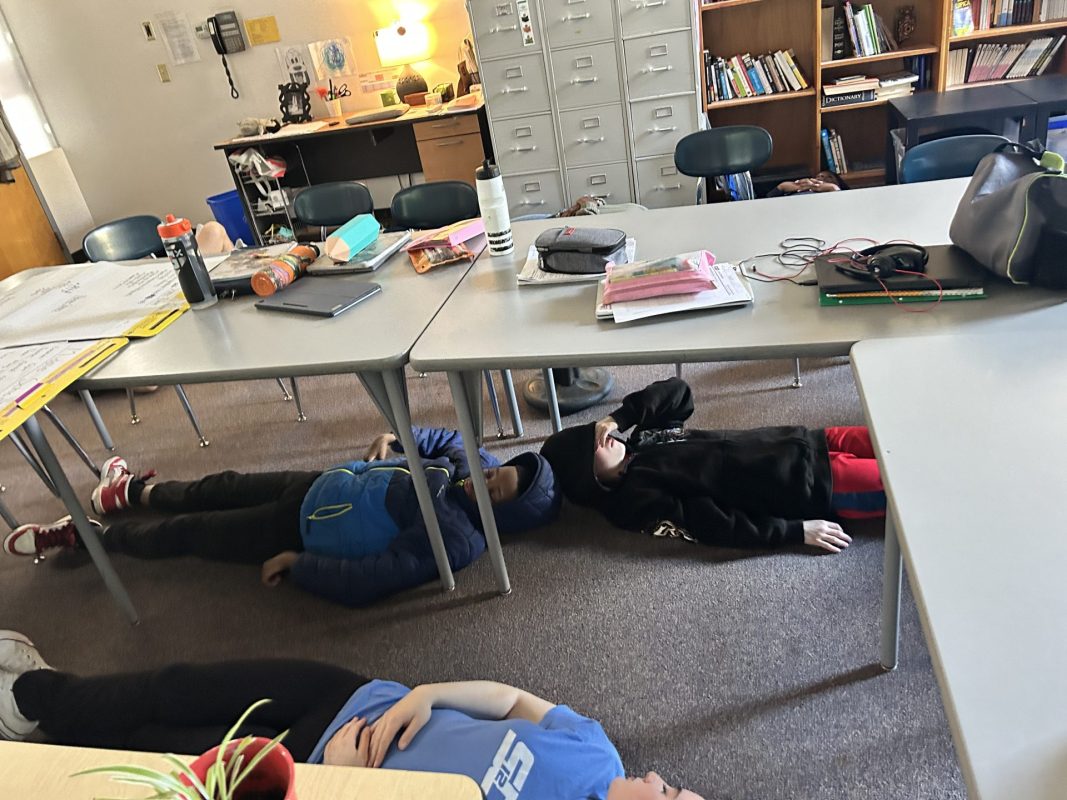
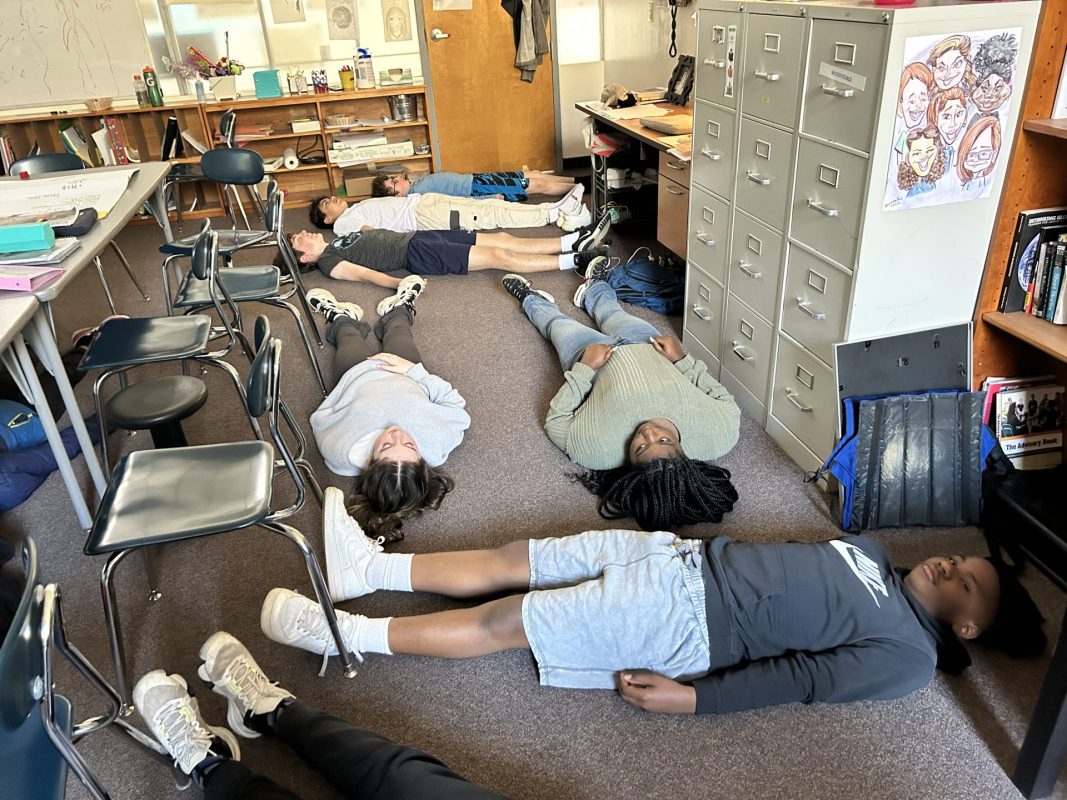
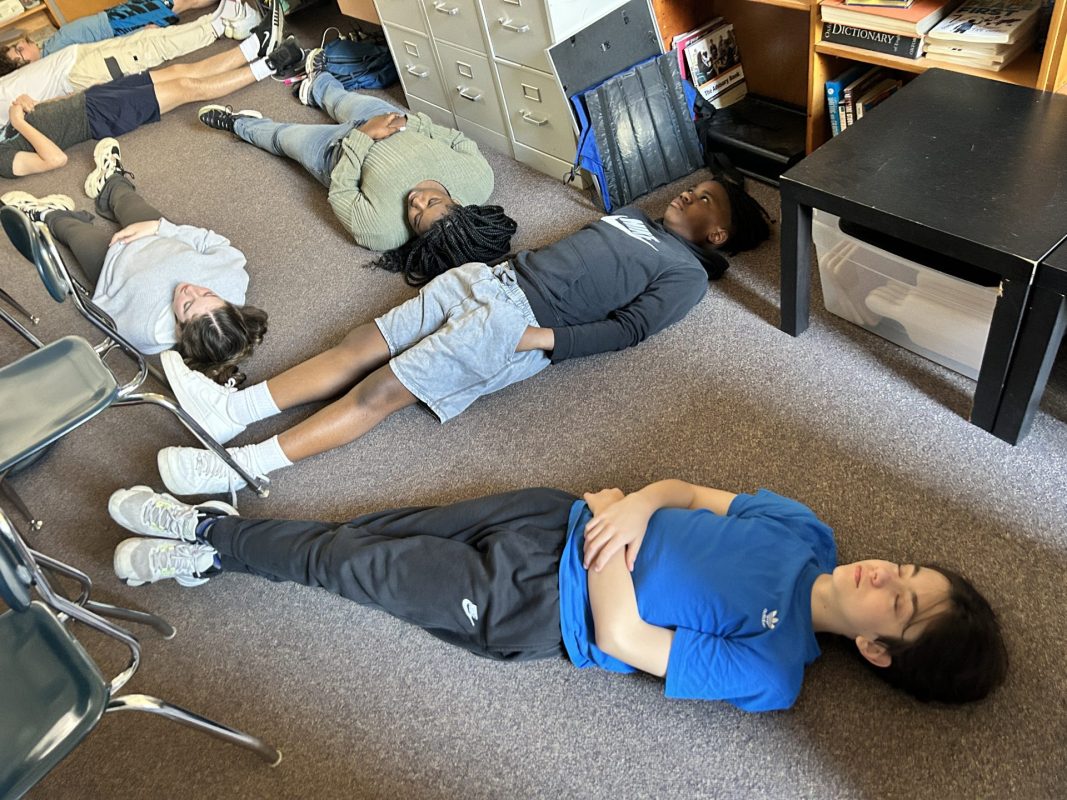
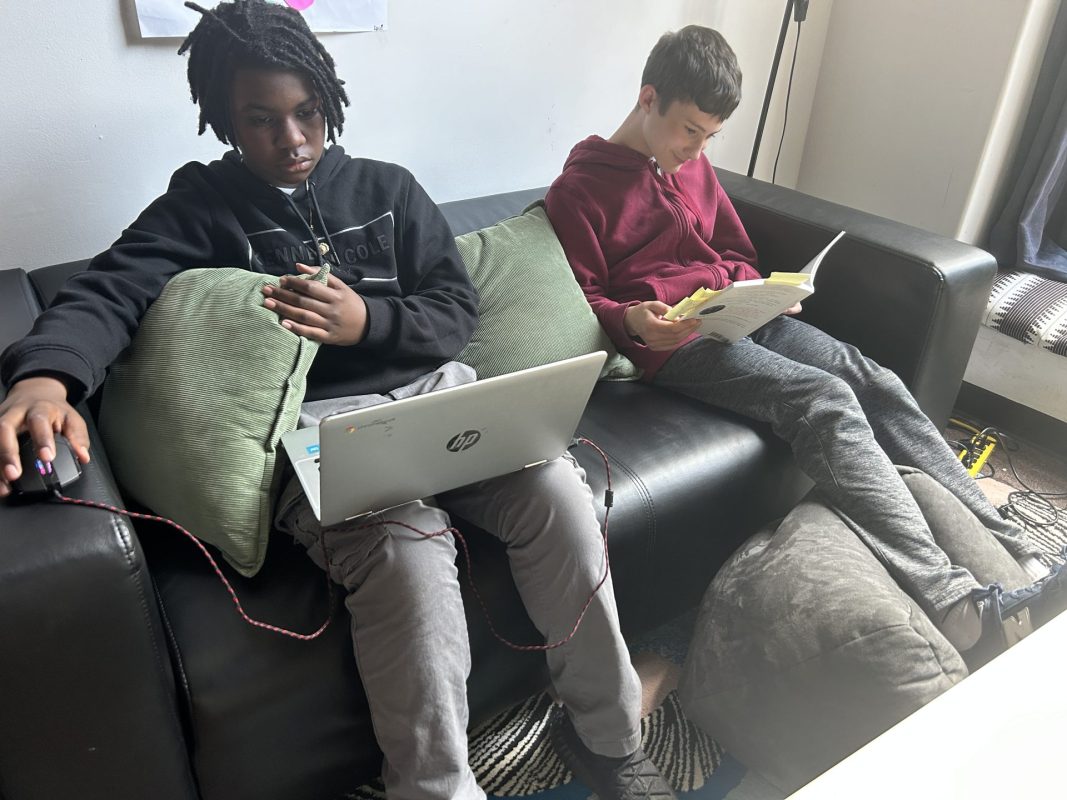
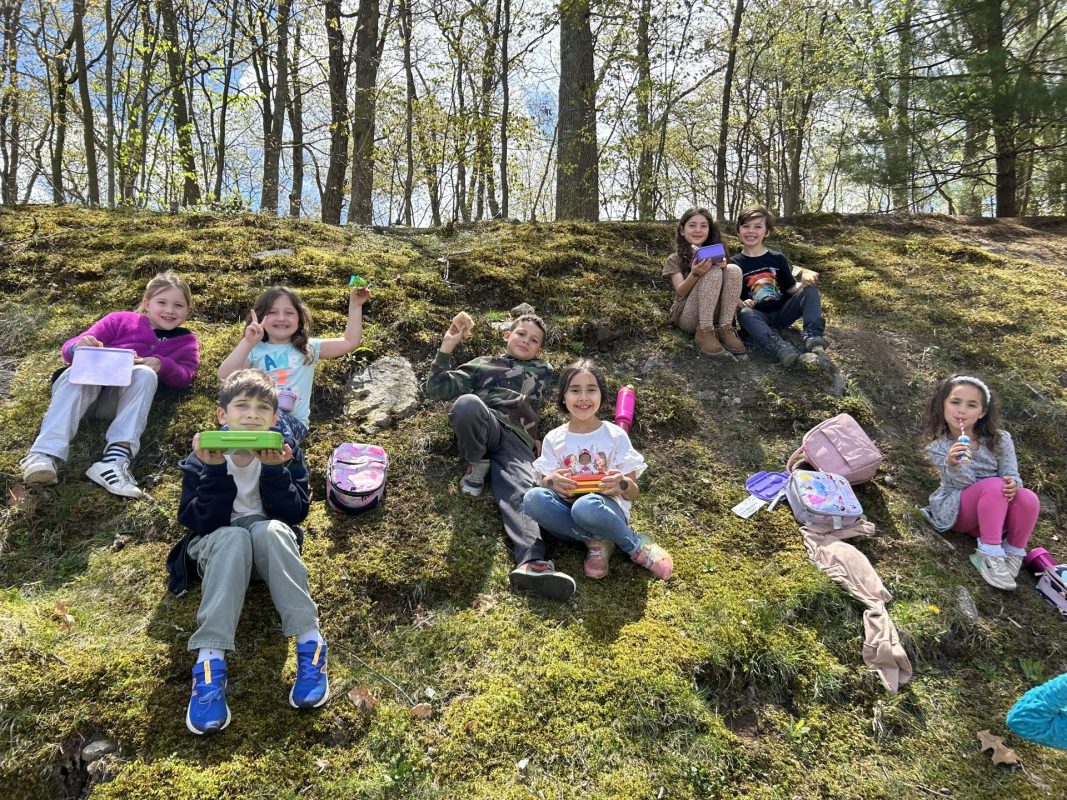
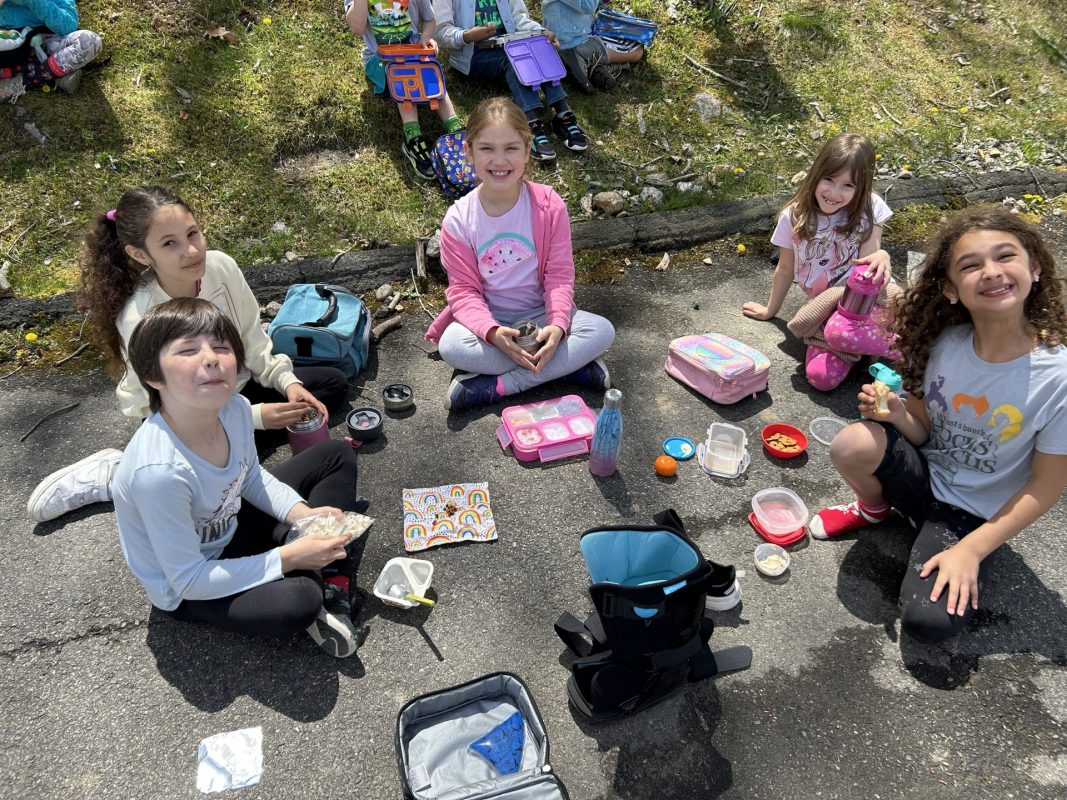
The Middle School started the week off trying progressive muscle relaxation, a form of moving meditation to calm the body, releasing tension (seen in pictures). We also said farewell to the old field and look forward to the new one in the fall! Now that the weather is nicer, we have had lunch outside daily with plenty of time to run around and hang out with friends. We are in for a busy month ahead, so be on the lookout for upcoming informational emails about the Middle School Social on 5/17, Honoring the Class of 2024 on 6/5, and the Boston trip on 5/29-5/31! Exciting events ahead!

Here’s the week in review:

Humanities

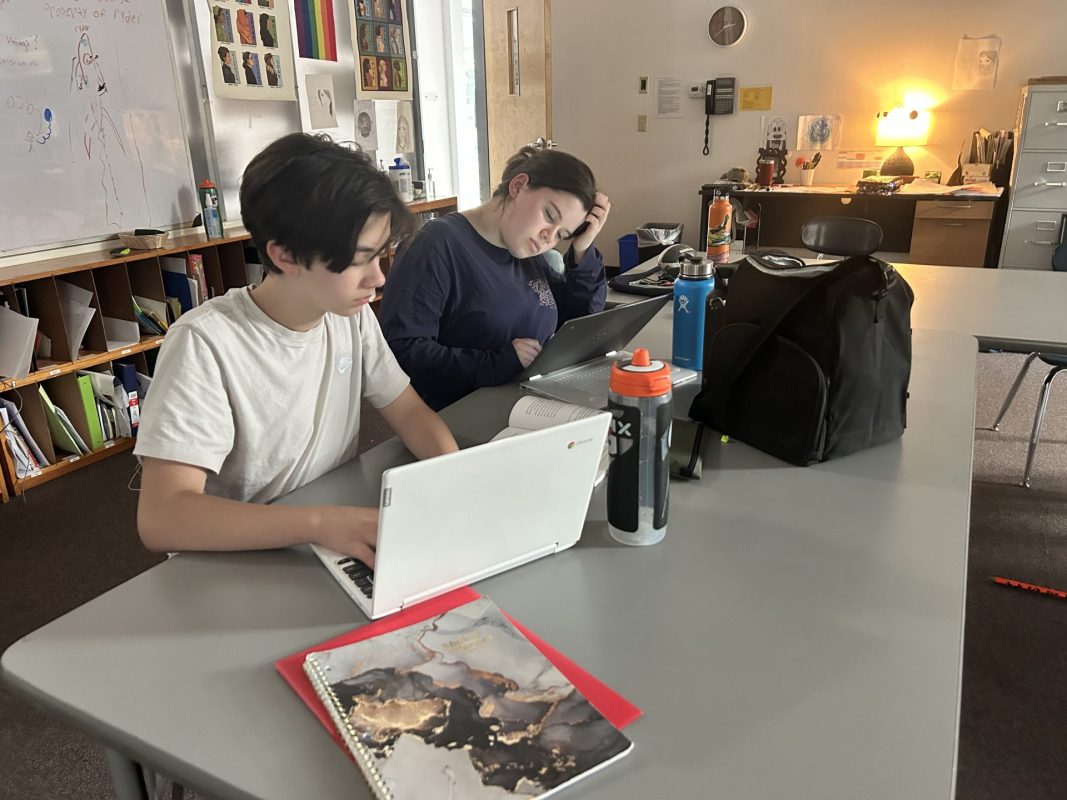
6th-grade Humanities class has transitioned to Subcontinental Asia for their final unit of study. They learned the geography of the region and used Google Earth to explore different areas in each country. They were also curious about the demographics, especially the population, languages spoken, and religions practiced. This led nicely to our study of two of the predominant religions of Subcontinental Asia, Islam and Hinduism. We will begin our final novel, Shooting Kabul, by N.H. Senzai in the coming week.

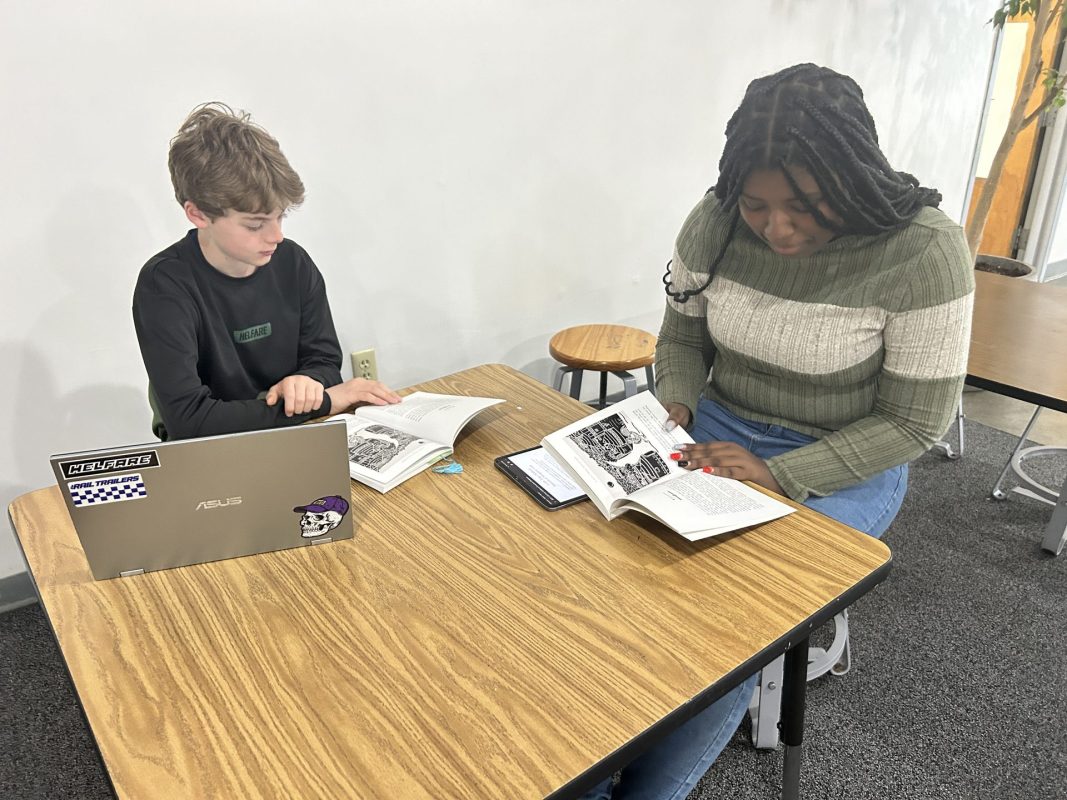
7th-grade Humanities classes have been reading A Gift From Childhood by Baba Wague Diakite. This memoir looks at the Malian tradition of storytelling and generational life lessons using proverbs and metaphors. As students read, they use their annotations to highlight important information, ask questions, and identify the proverbs and metaphors. They are keeping an index of these figurative sayings to use for a future writing piece. Students also read about the colonization of West Africa by the French, and how European colonization throughout the continent of Africa influenced culture.

8th-grade Humanities classes have just about finished She Came to Slay. They spent some time learning about the Great Migration, an important time of history that corresponds with Harriet Tubman’s life and work. Additionally, they are working hard on their expert presentations. Students will run through them for the first round of feedback next week with Mrs. Lamb. In US history with Mr. Newman, the class is transitioning from the Gilded Age to the 1920s and The Great Depression. Many of the advancements during the Gilded Age led to prosperity and the “Roaring Twenties,” which in turn set the country up for an economic crash. The class will be studying the causes and effects of the economic crisis of the late 20s and early 30s.

Math

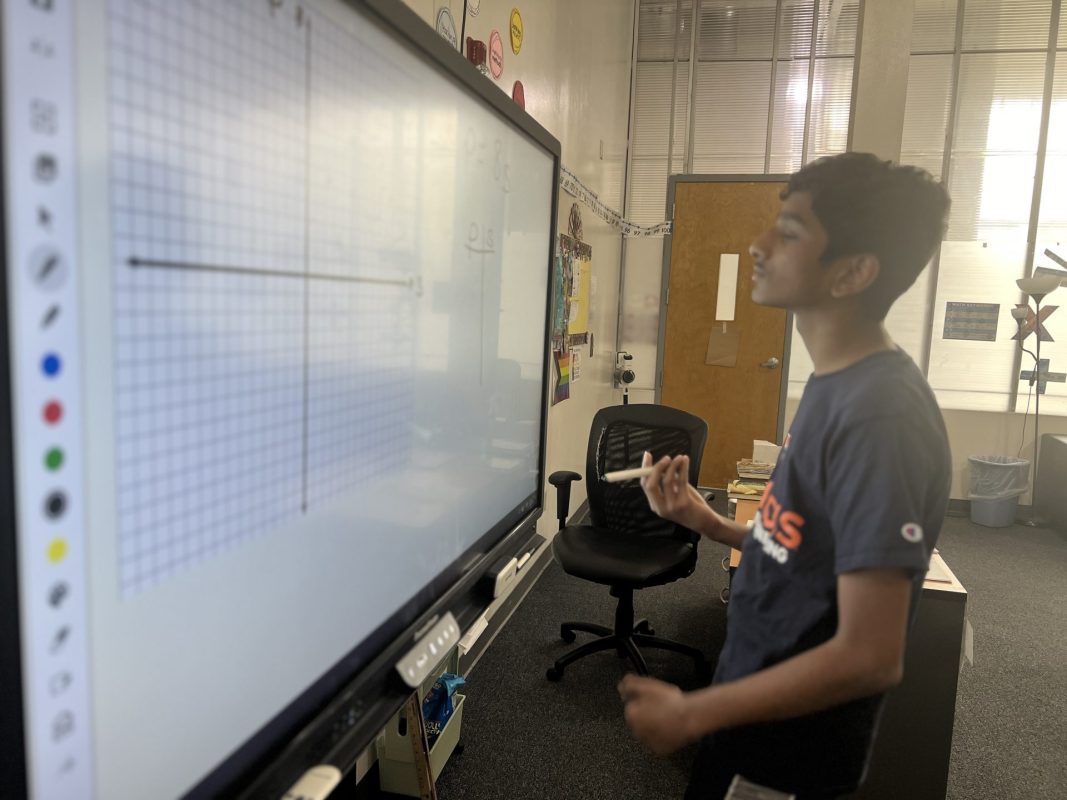
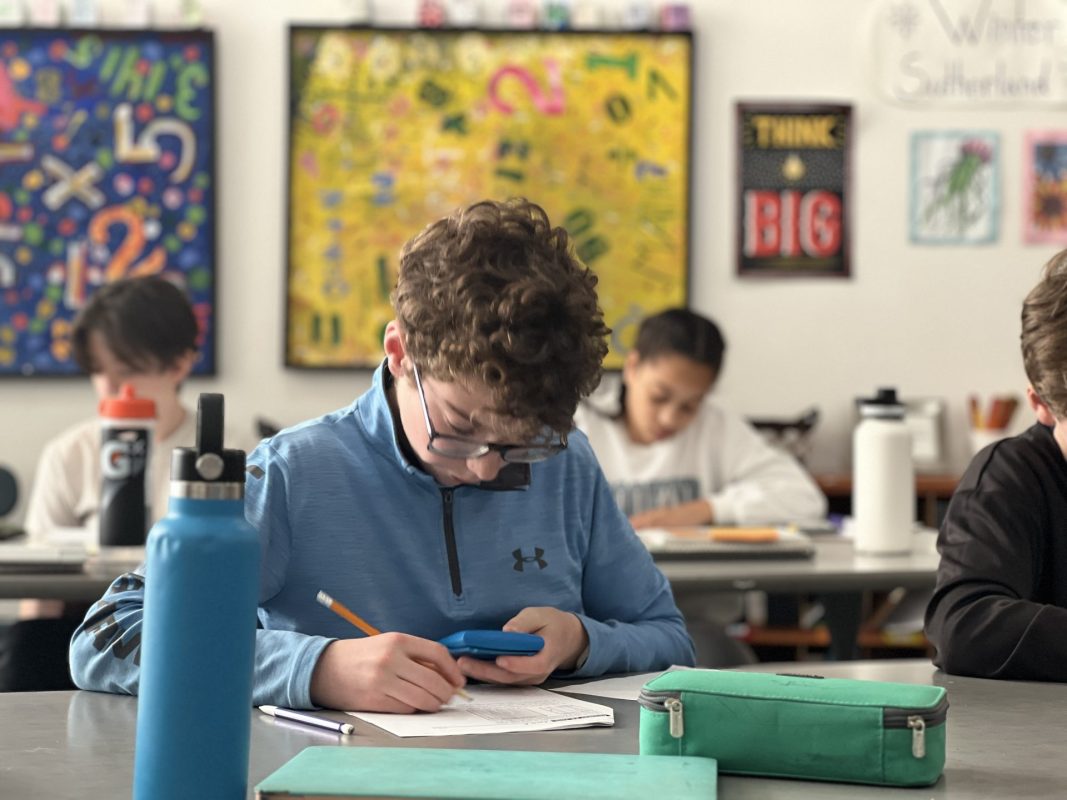
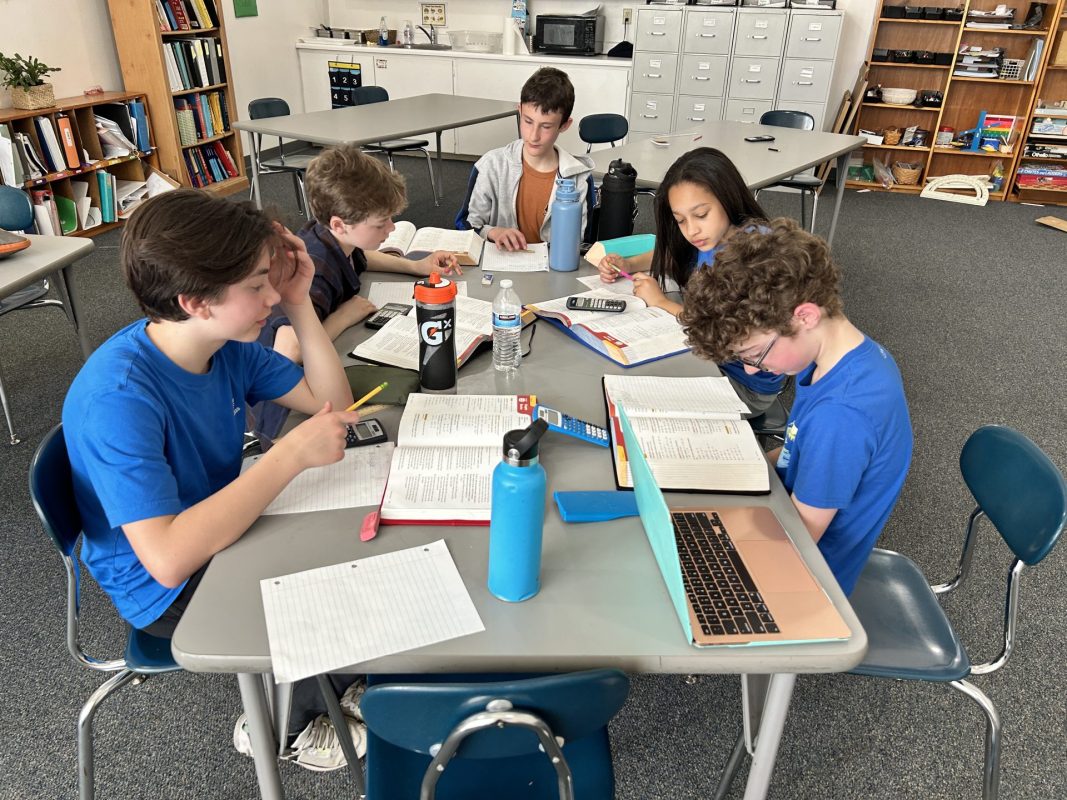
In the final stretch of Chapter 10, “Linear Equations and Inequalities,” Transition math students are learning about the properties of graphing with equations like Ax+By=C and inequalities such as Ax+By<C. This week, they are mastering the art of representing time-distance relationships graphically and visualizing formulas through graphs. Their next chapter (11) is titled “Geometry in Space.”

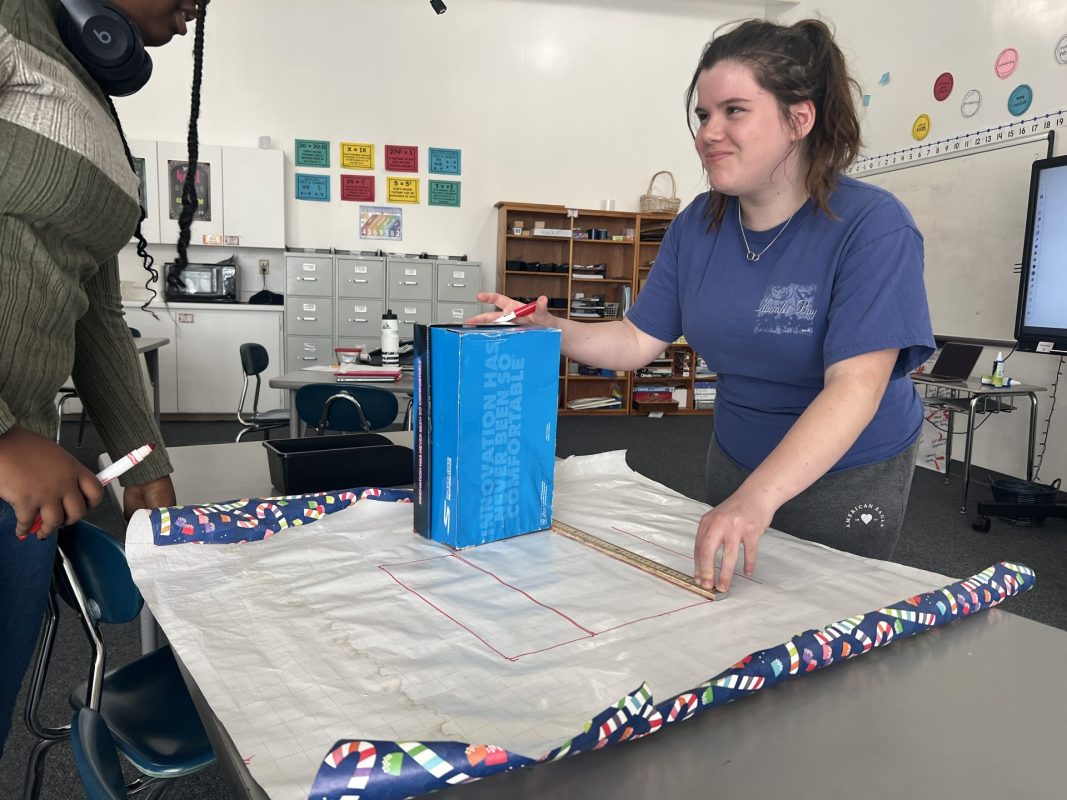
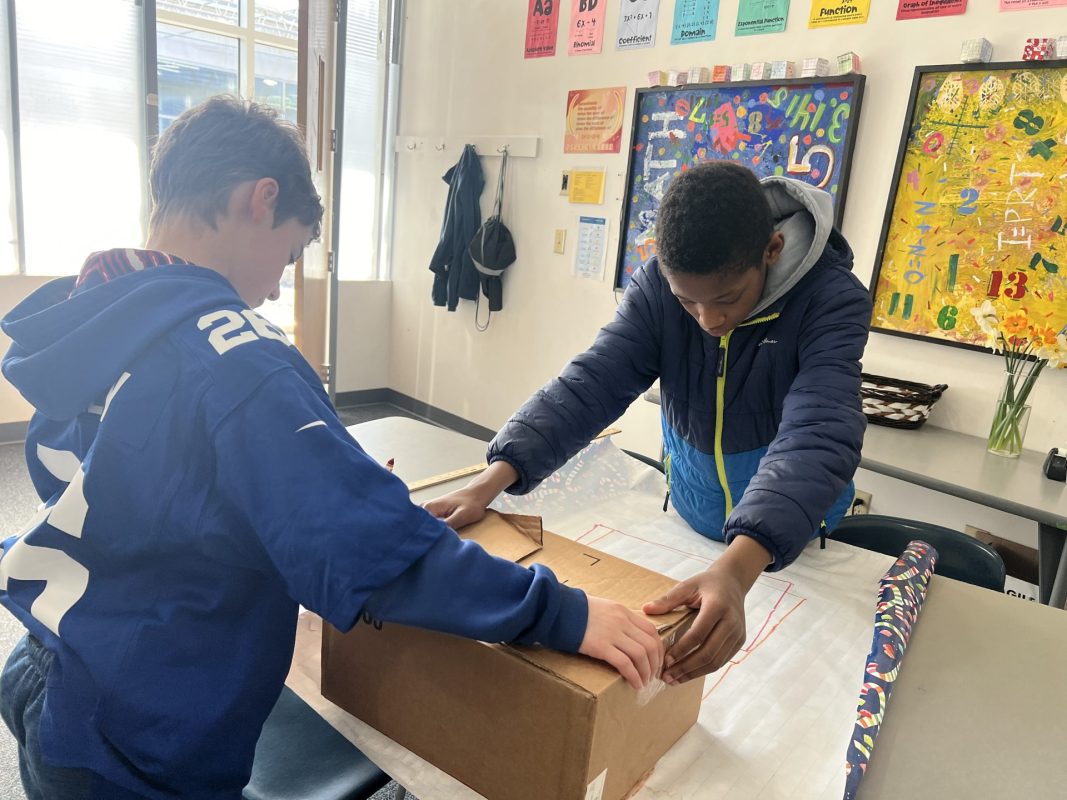
Pre-transition math students have successfully completed Chapter 9 on Area and Volume this week, expanding their understanding of geometric concepts. Moving forward, the upcoming chapter on Probability will delve into exciting new topics. Students will be introduced to fundamental principles such as the multiplication counting principle, sample spaces, probability calculations, the use of probability tree diagrams, and the concept of fair games. This new chapter will engage students in a thought-provoking exploration of mathematical probability.

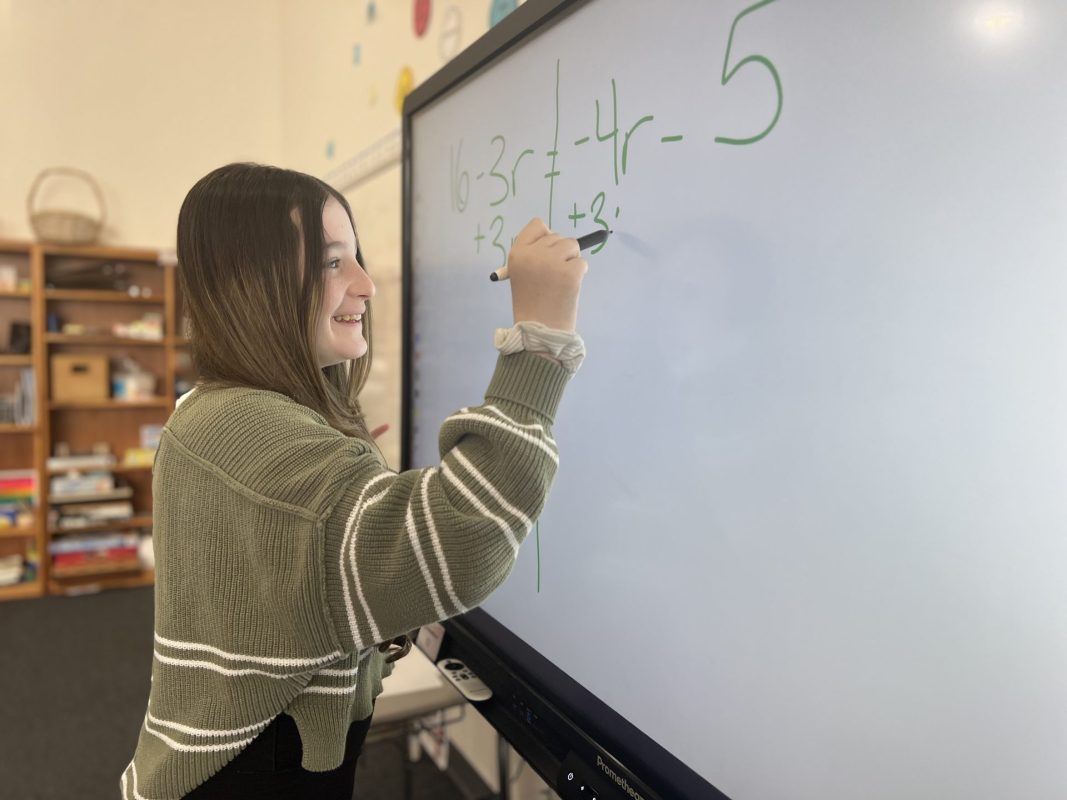
In the world of Algebra, students have just wrapped up their exploration of Polynomials in Chapter 11. Now, as they embark on Chapter 12, “More Work with Quadratics,” they will discover new concepts that will deepen their understanding of quadratic equations. They will learn to graph equations in the form y-k=a(x-h)², master the skill of completing the square, and unravel the mysteries of factoring quadratic equations. This chapter promises to be a journey full of challenges and discoveries as students continue to sharpen their algebraic skills.

The eighth-grade geometry class continues to explore the facets of pyramids and cones. They can identify the apex, lateral edges, lateral faces, base edges, and slant height. They apply previously learned theorems and special right triangles to find these edges, bases, and altitudes.

Science

In 6th grade Earth Science, students are exploring the consequences of human actions on our planet. This week, the focus is on identifying various ways in which humans negatively affect the environment, such as pollution and deforestation. Students are challenged to think critically and propose sustainable alternatives that can achieve the same goals without harming nature. By exploring these concepts, students are not only learning about environmental issues but also developing crucial problem-solving skills for a more sustainable future.

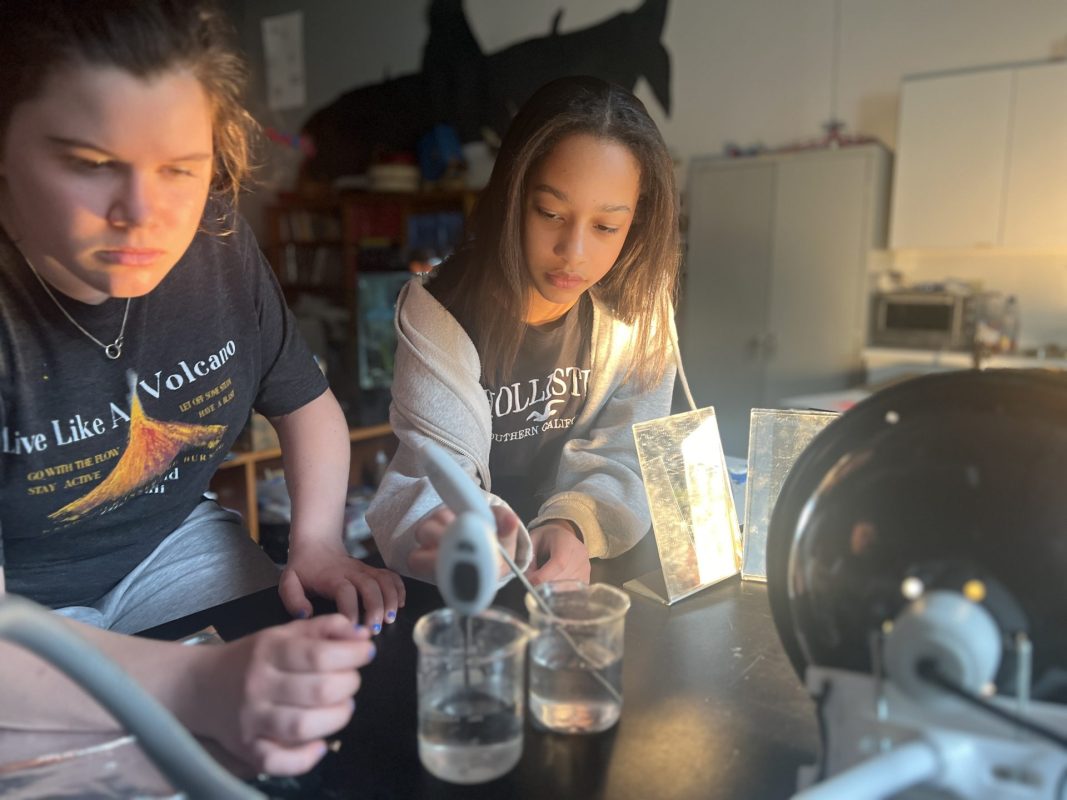
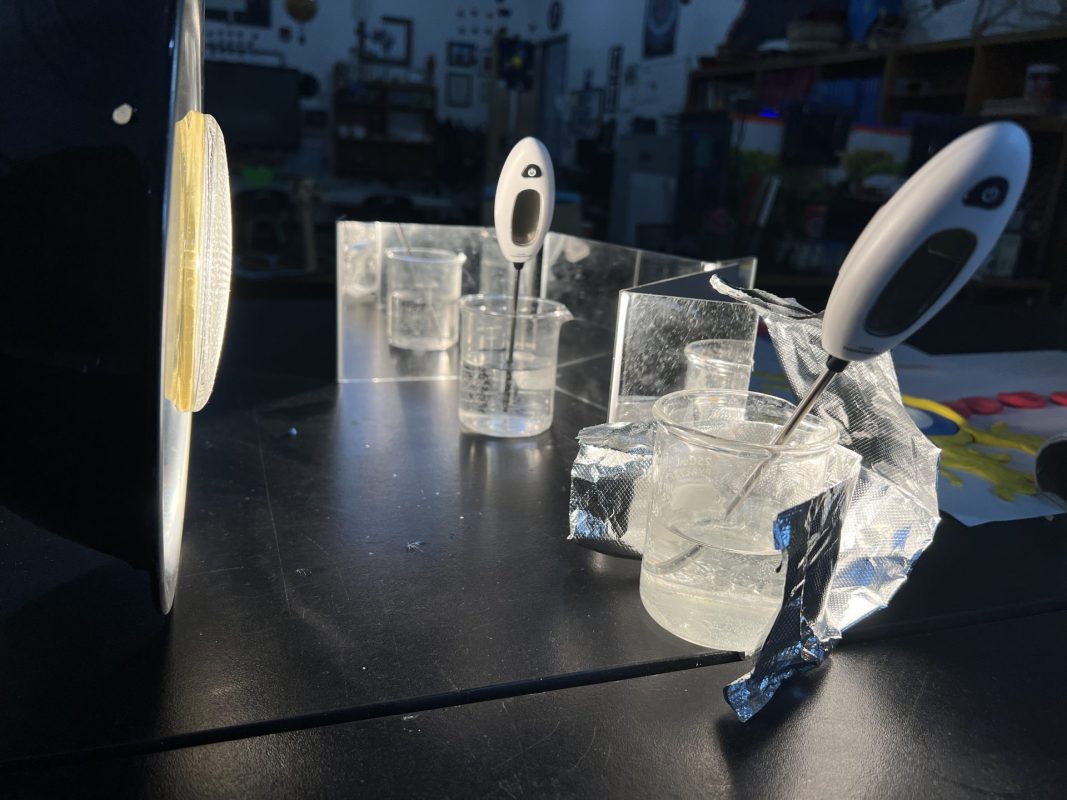
In 7th grade Physical Science, students continued to work on discovering the properties of reflection as they investigated various surfaces like smooth, rough, concave, and convex. Through hands-on activities, students designed experiments to determine whether mirrors or foil would cause a greater temperature change in water when exposed to a heat lamp. Prior to the experiment, students formulated hypotheses, fostering critical thinking and scientific reasoning skills essential to the exploration of reflective surfaces.

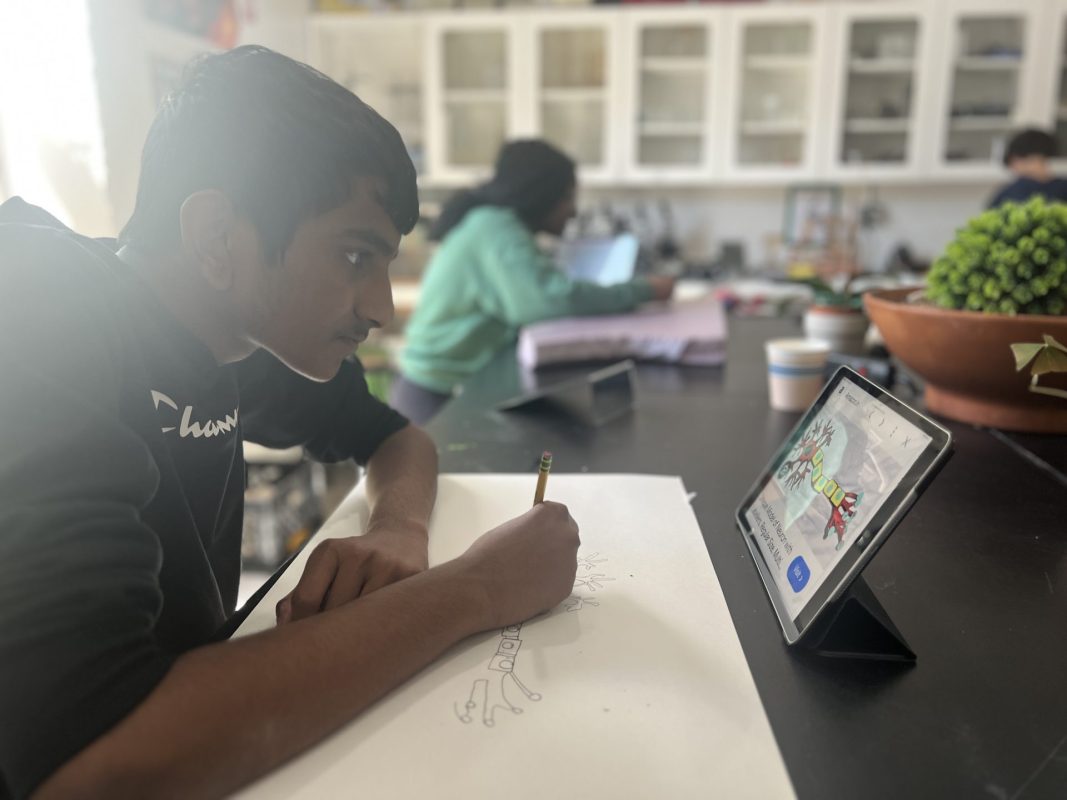
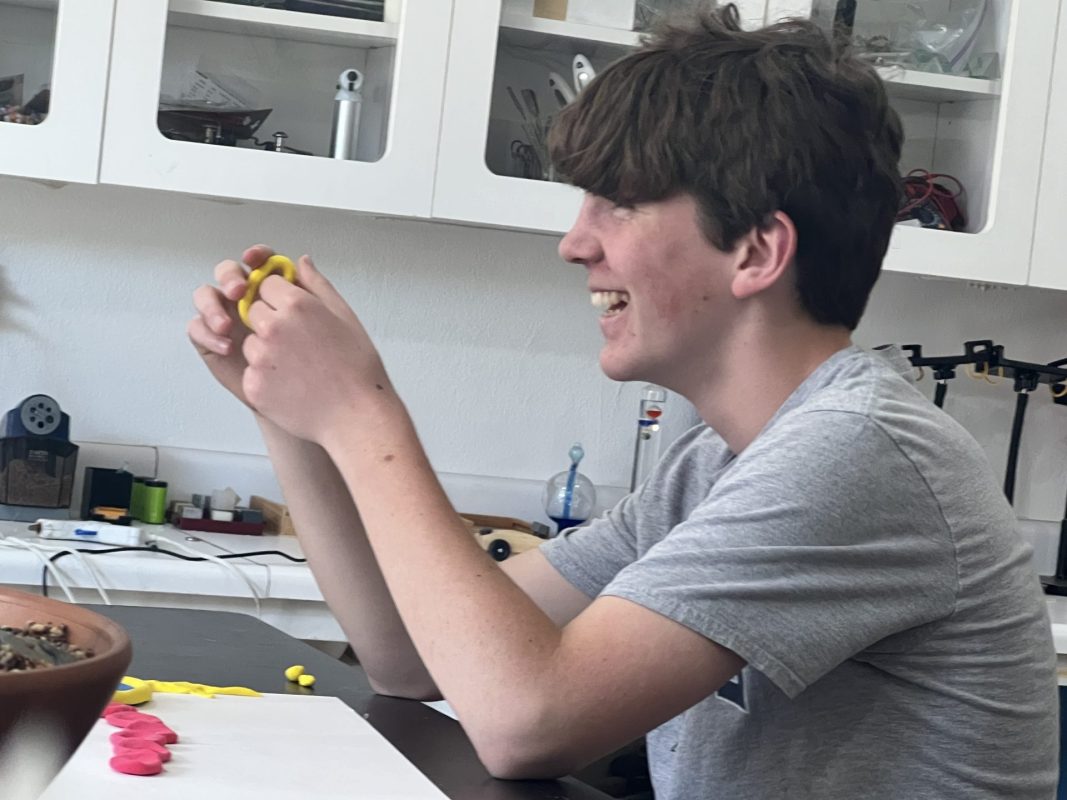
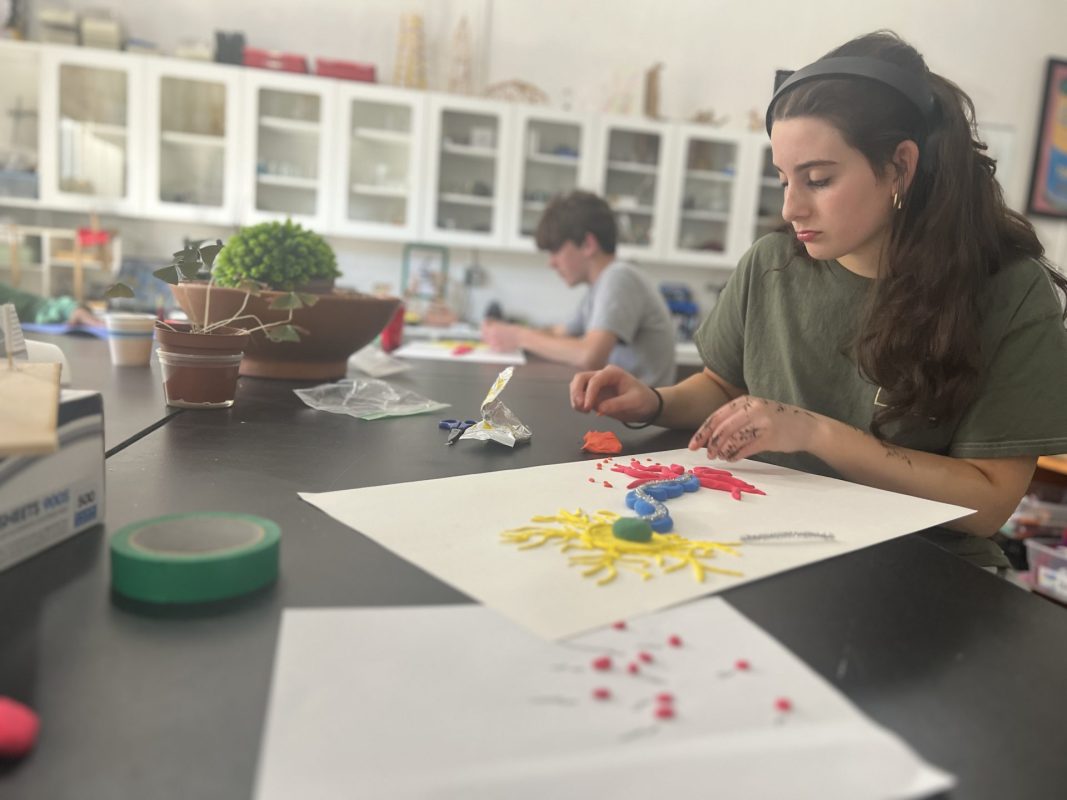
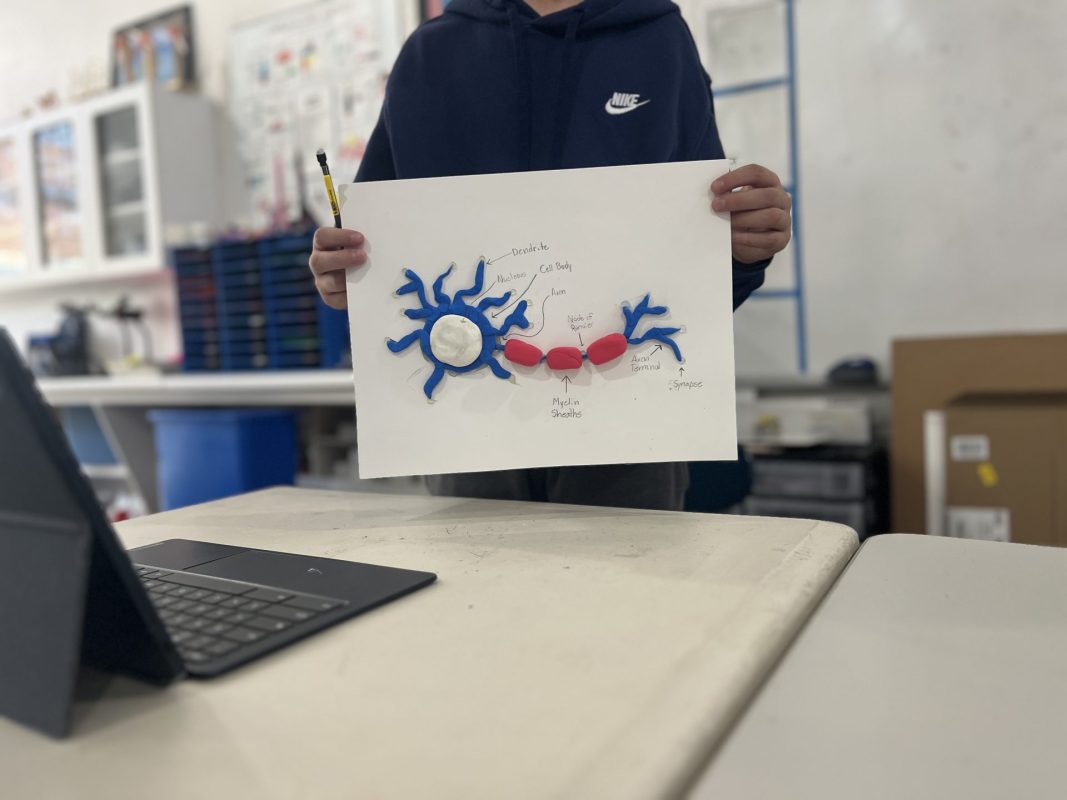
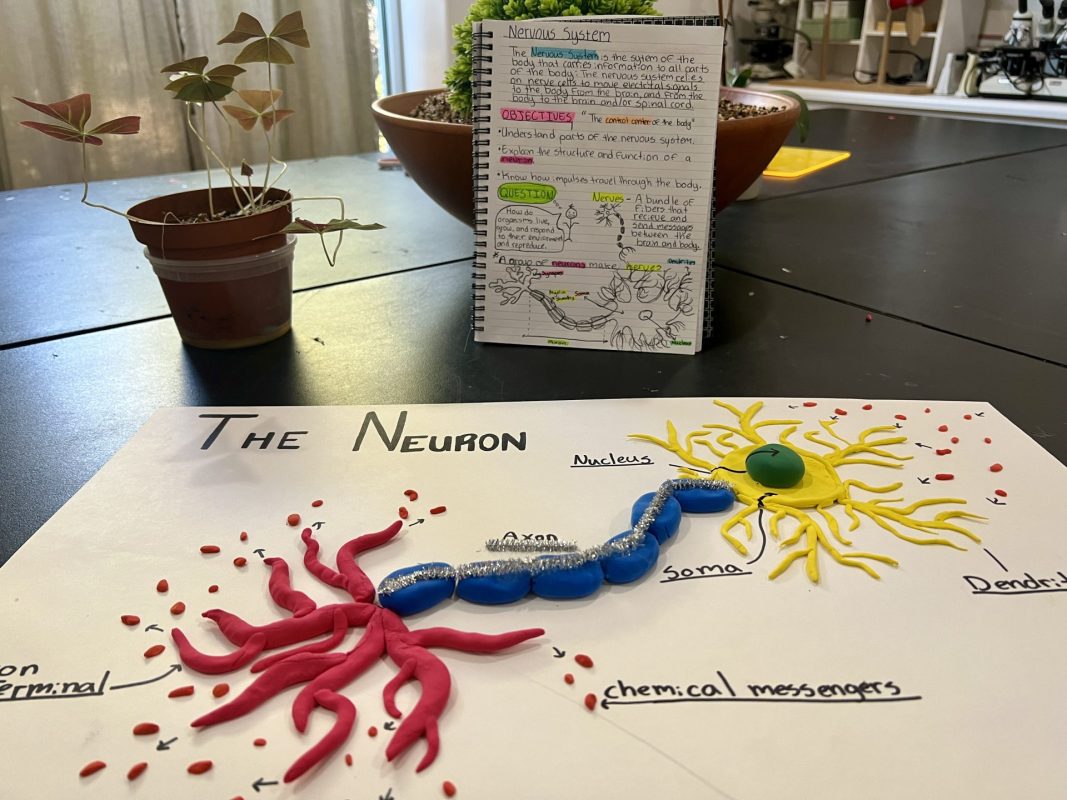
In 8th year Life Science, students researched the role of our nervous system, unraveling its impact on our daily lives. Through research, they discovered the two primary systems that compose our nervous system—the central and peripheral nervous systems—recognizing the distinct functions each system carries out in our bodies. Additionally, students were asked to identify and present information on the three different types: motor neurons governing movement, interneurons facilitating communication between neurons, and sensory neurons responsible for transmitting sensory information to the brain.

Have a great weekend!

Sense of Community in Lower Elementary

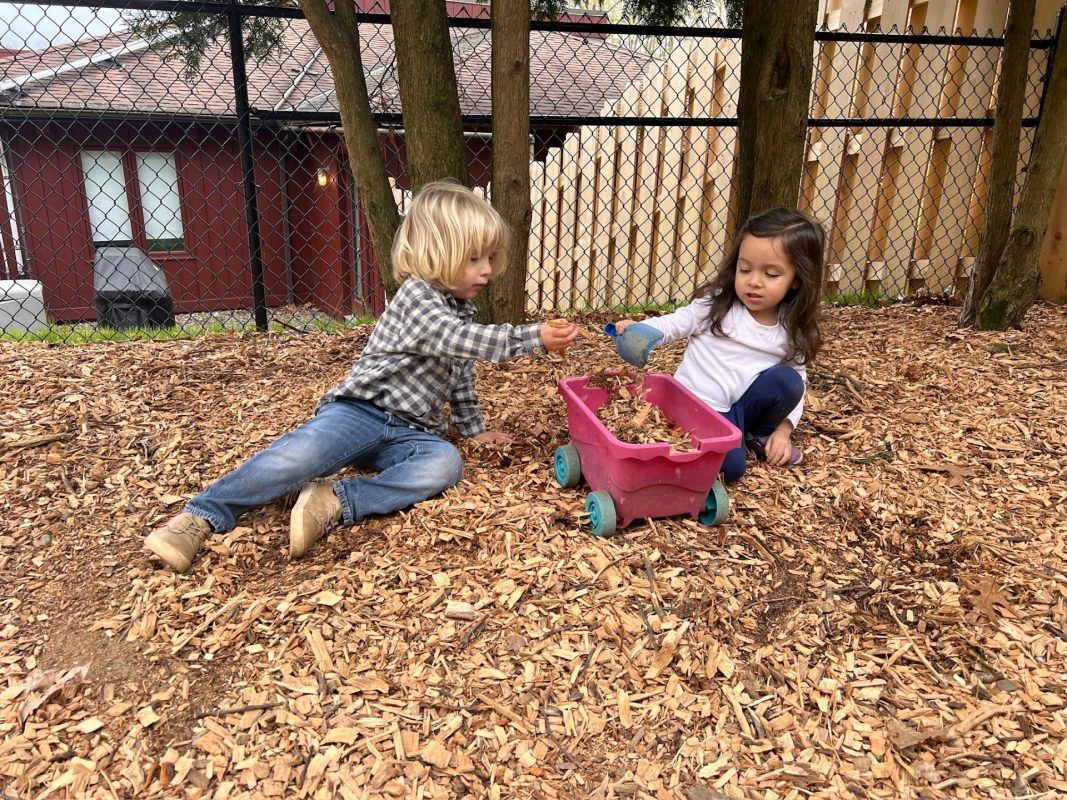
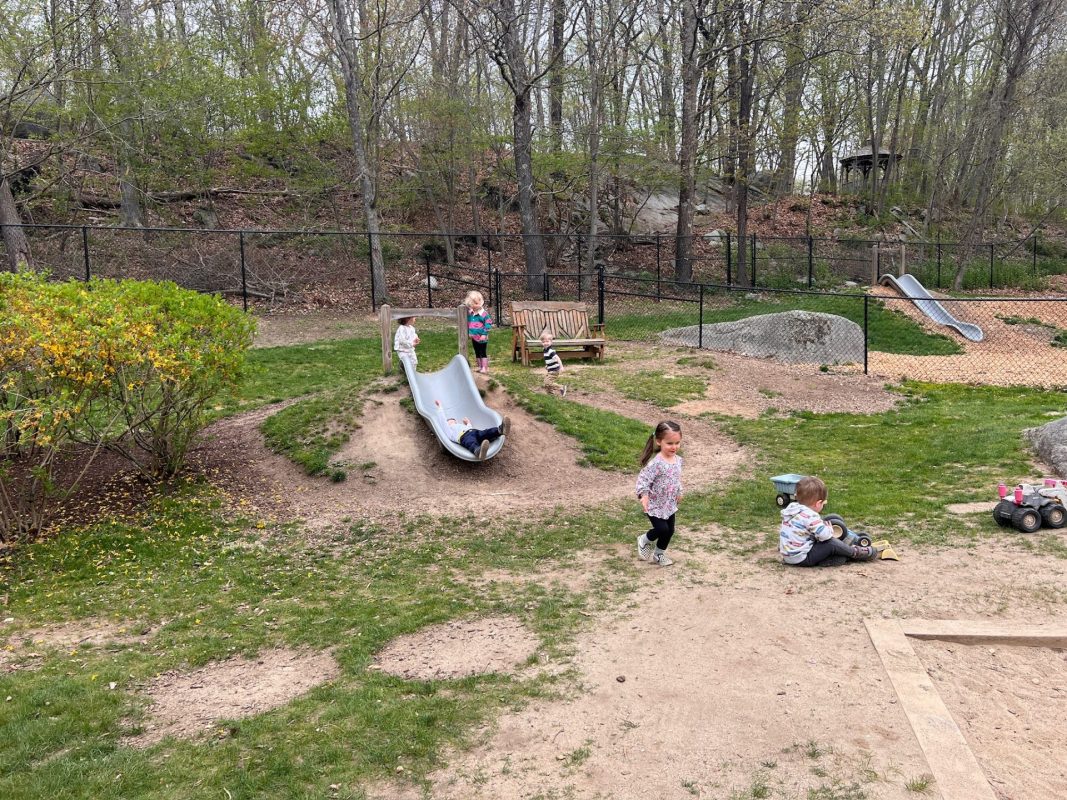
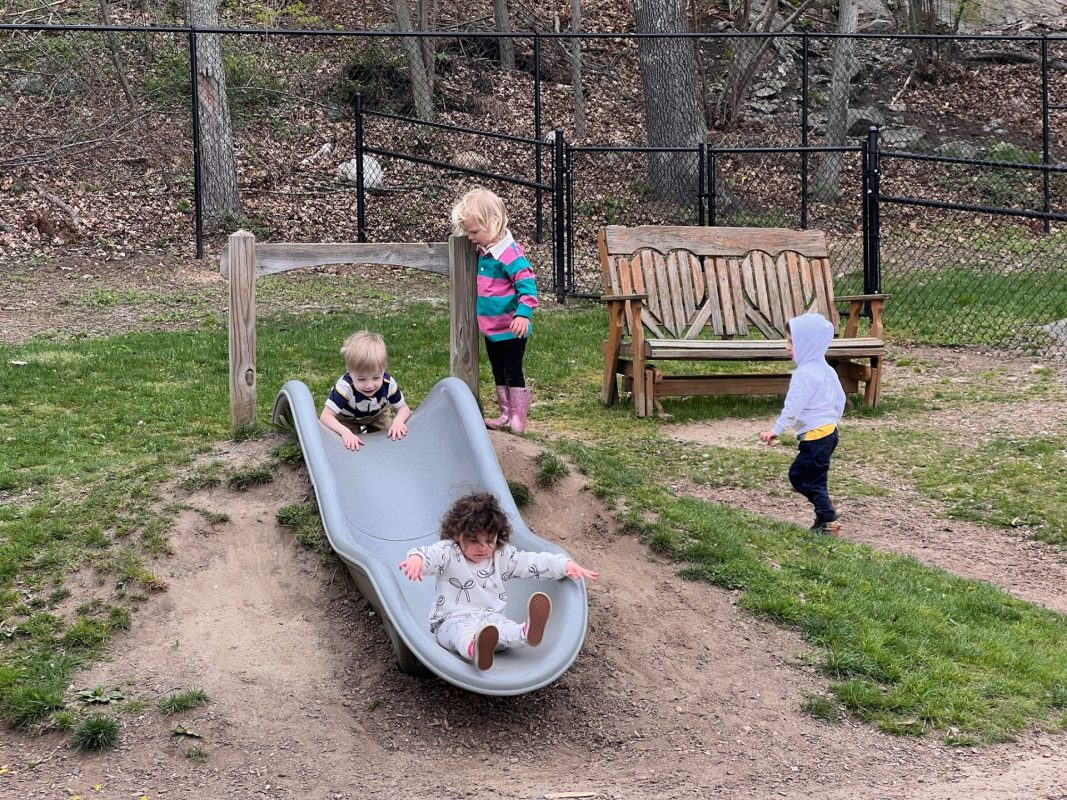
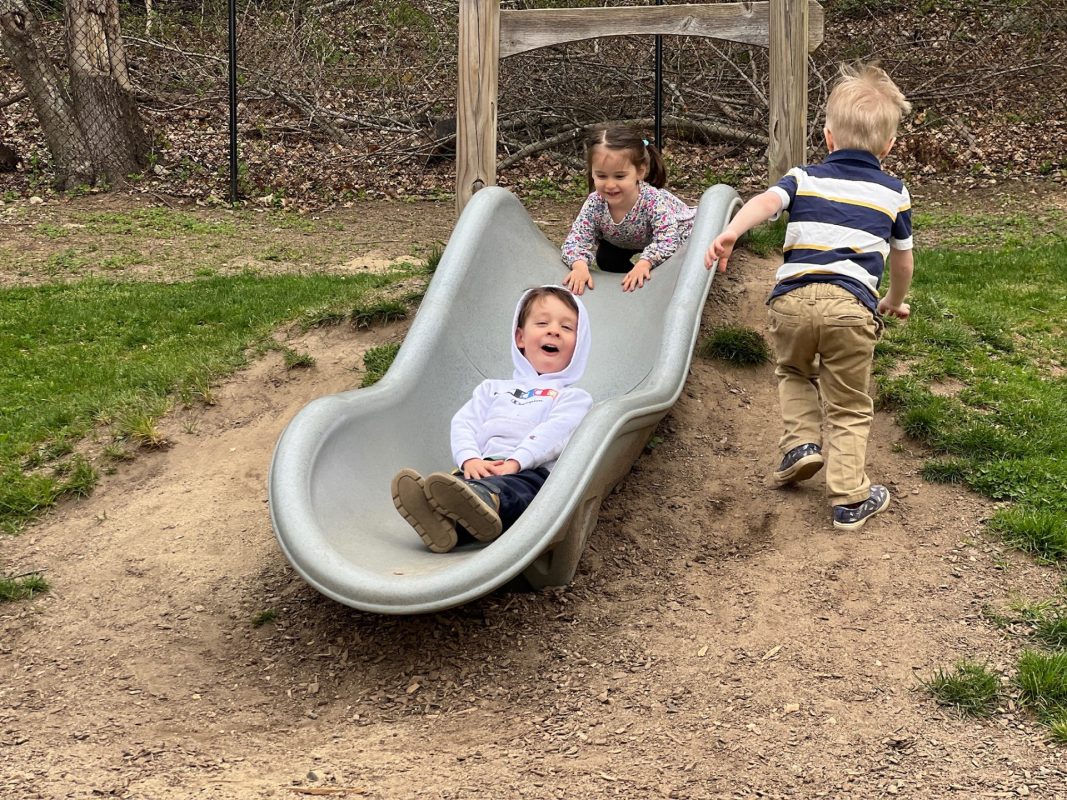
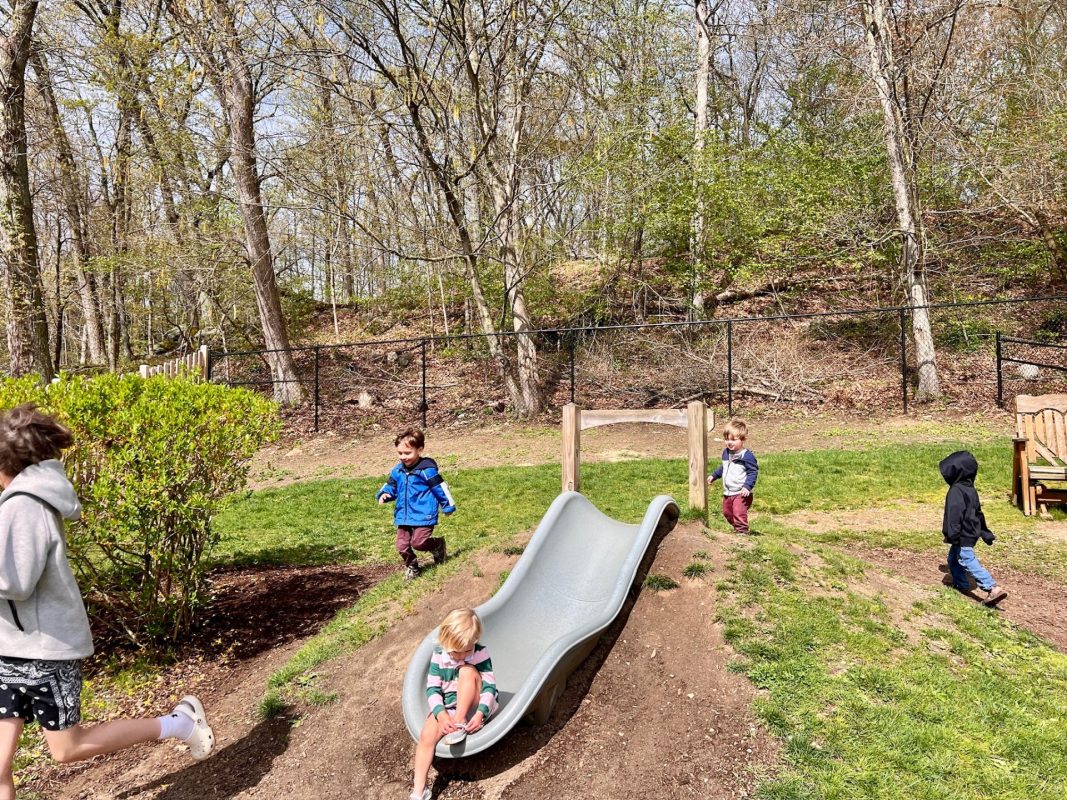
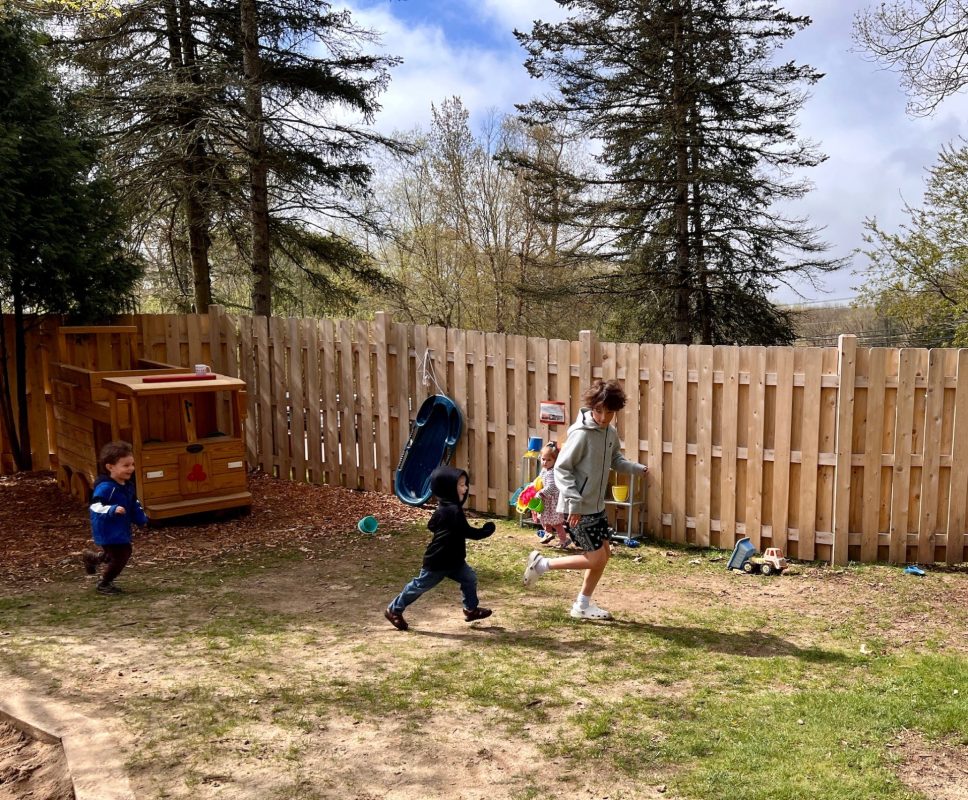
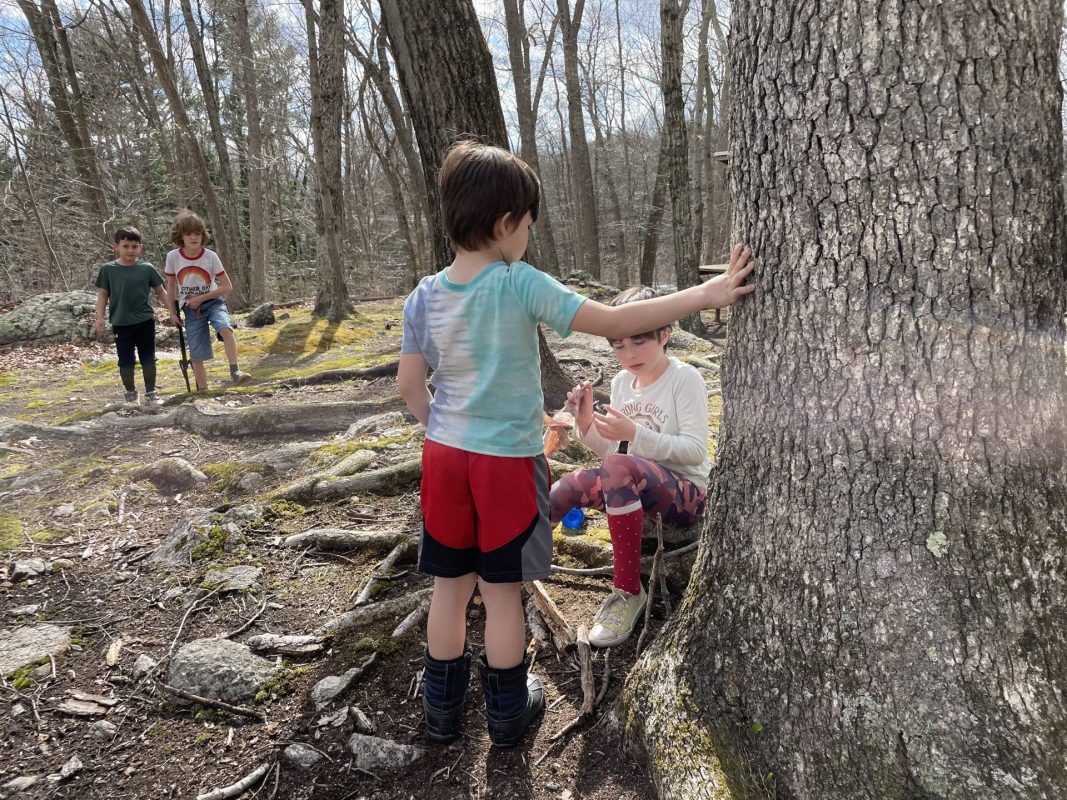
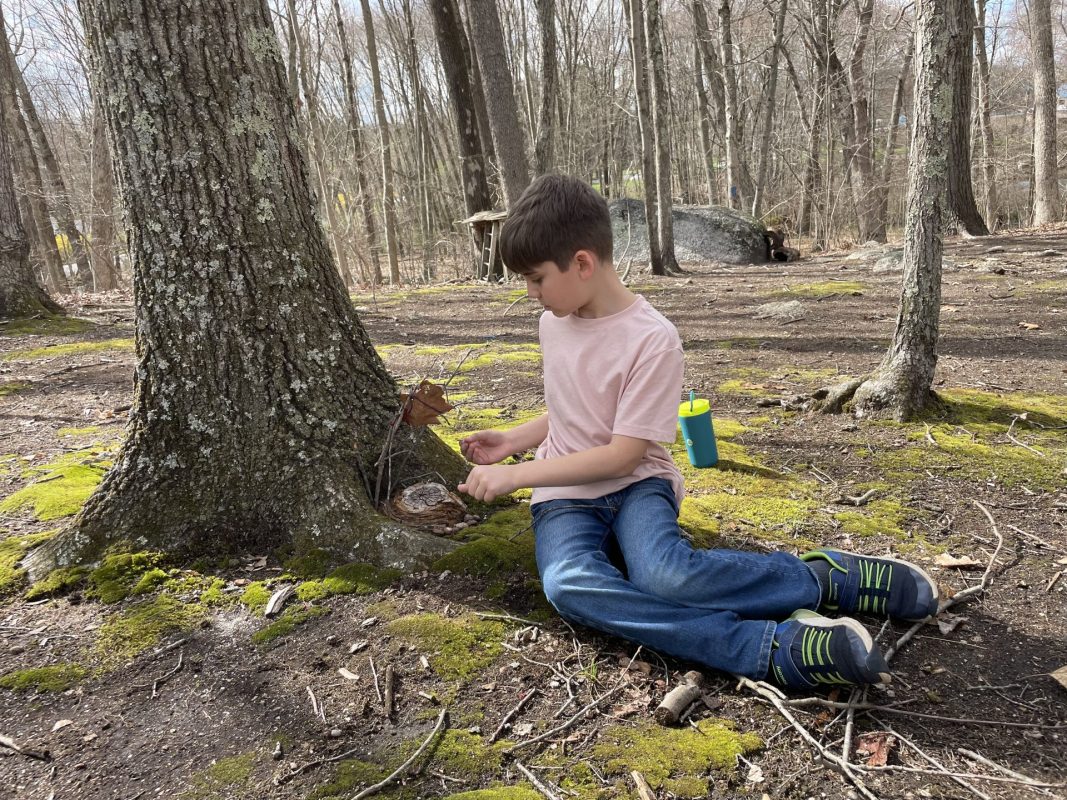
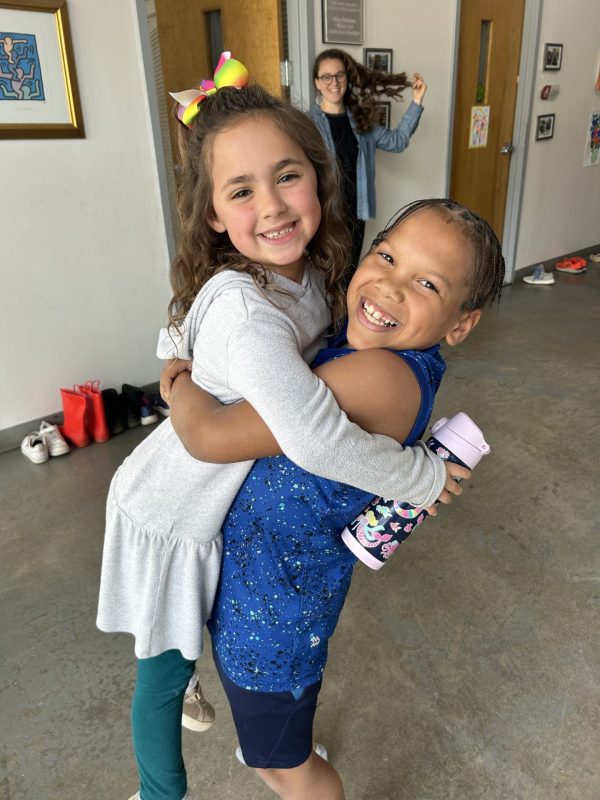
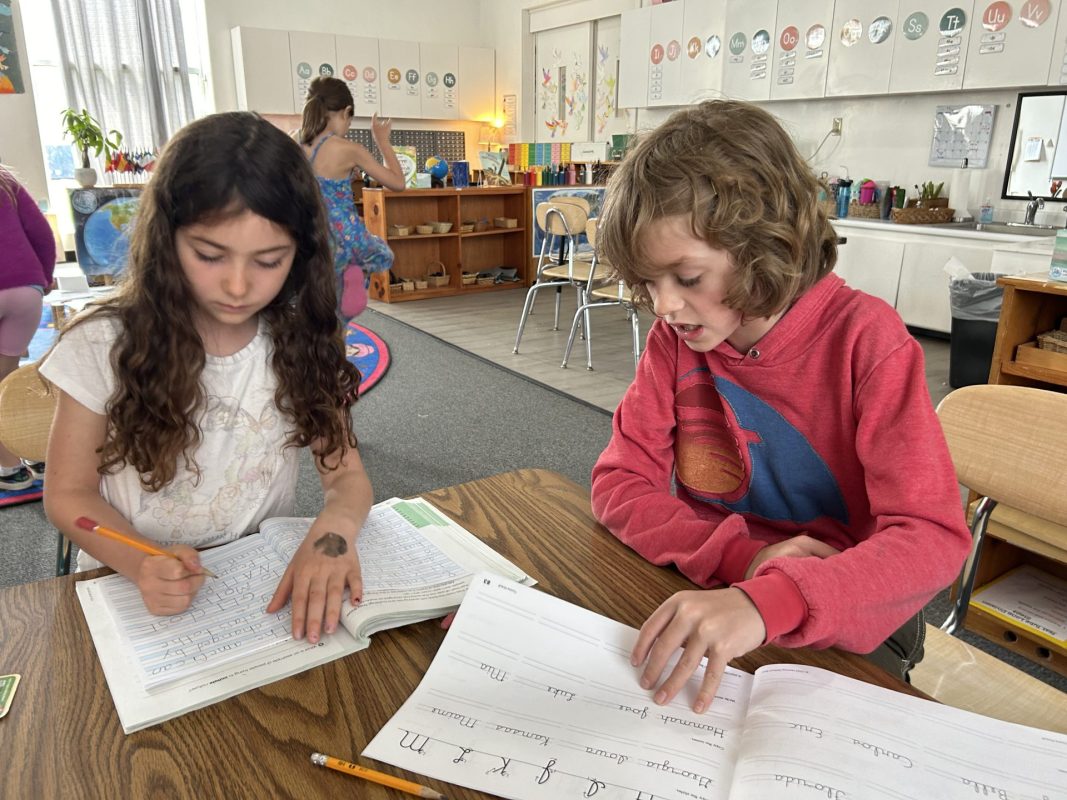
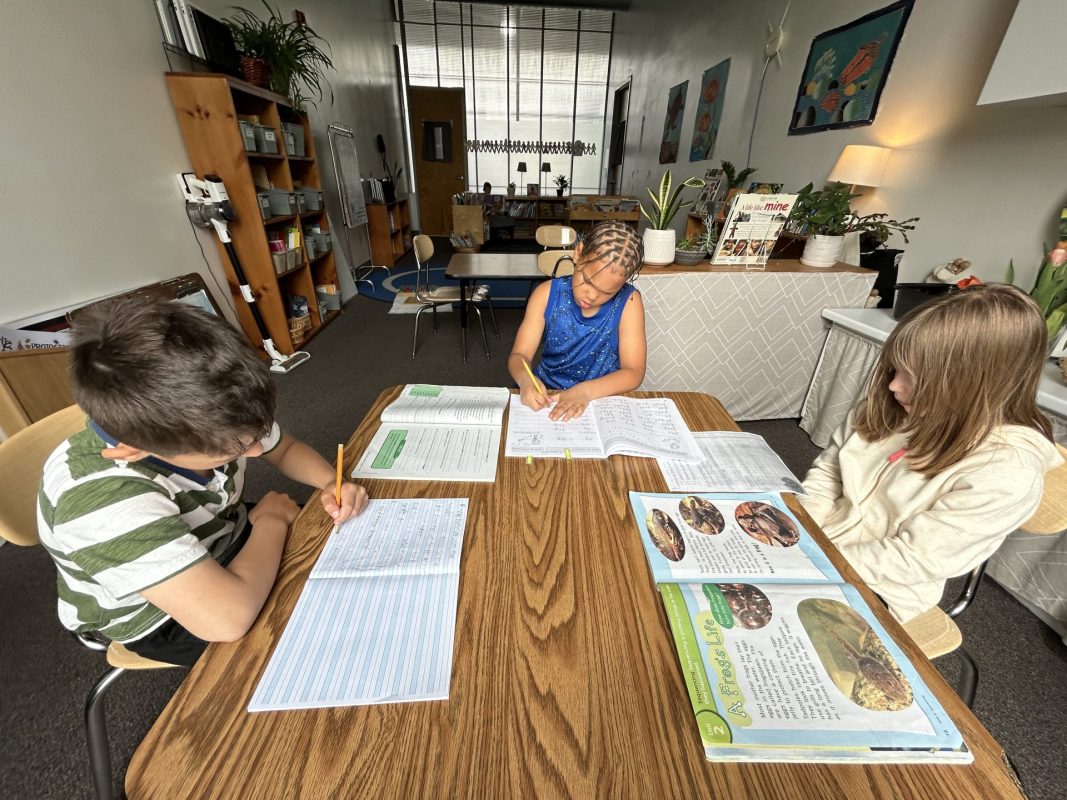
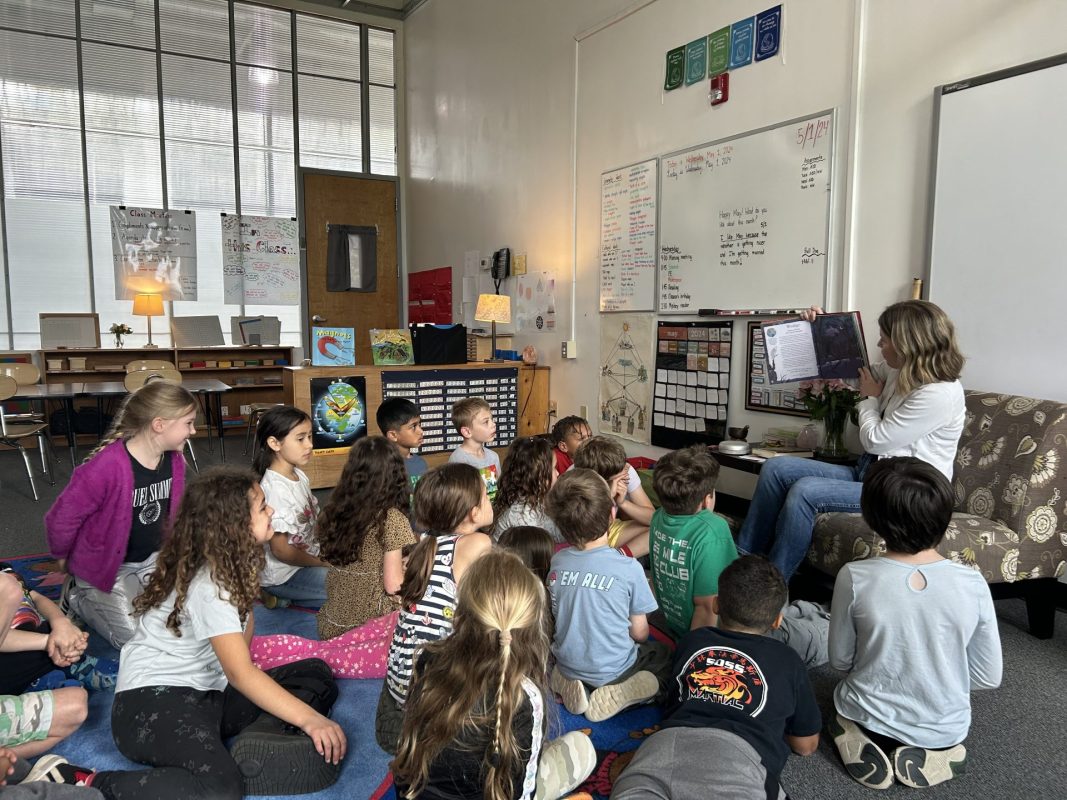
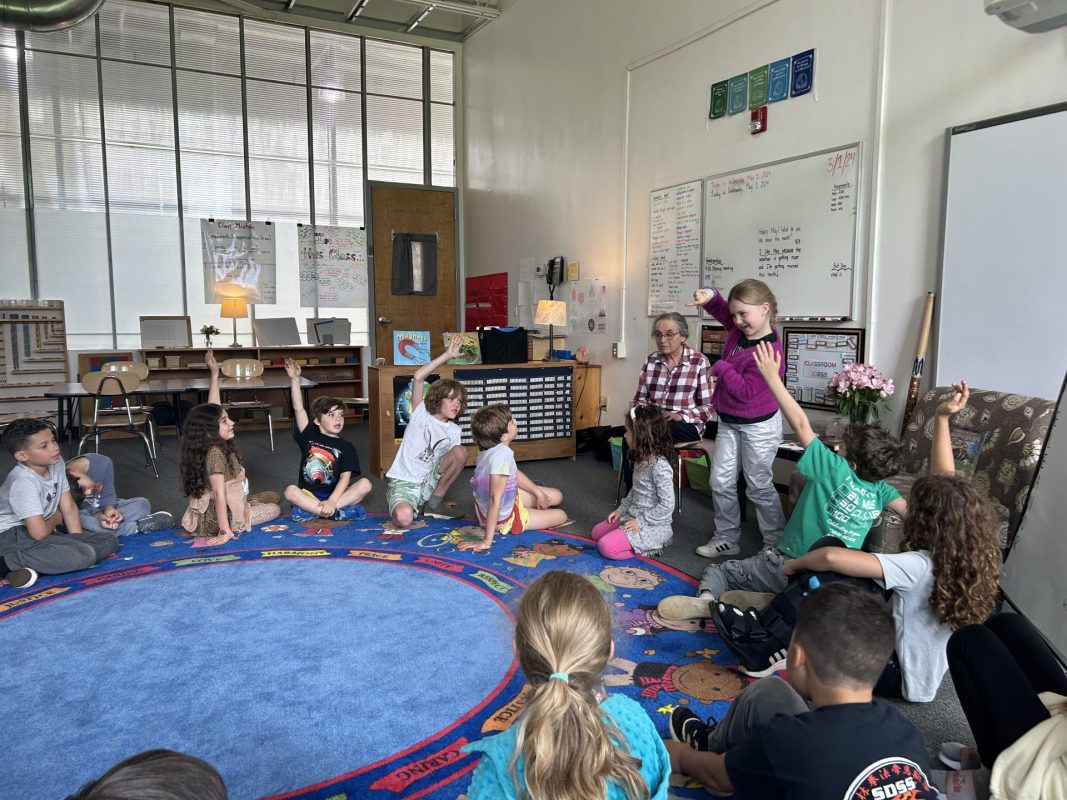
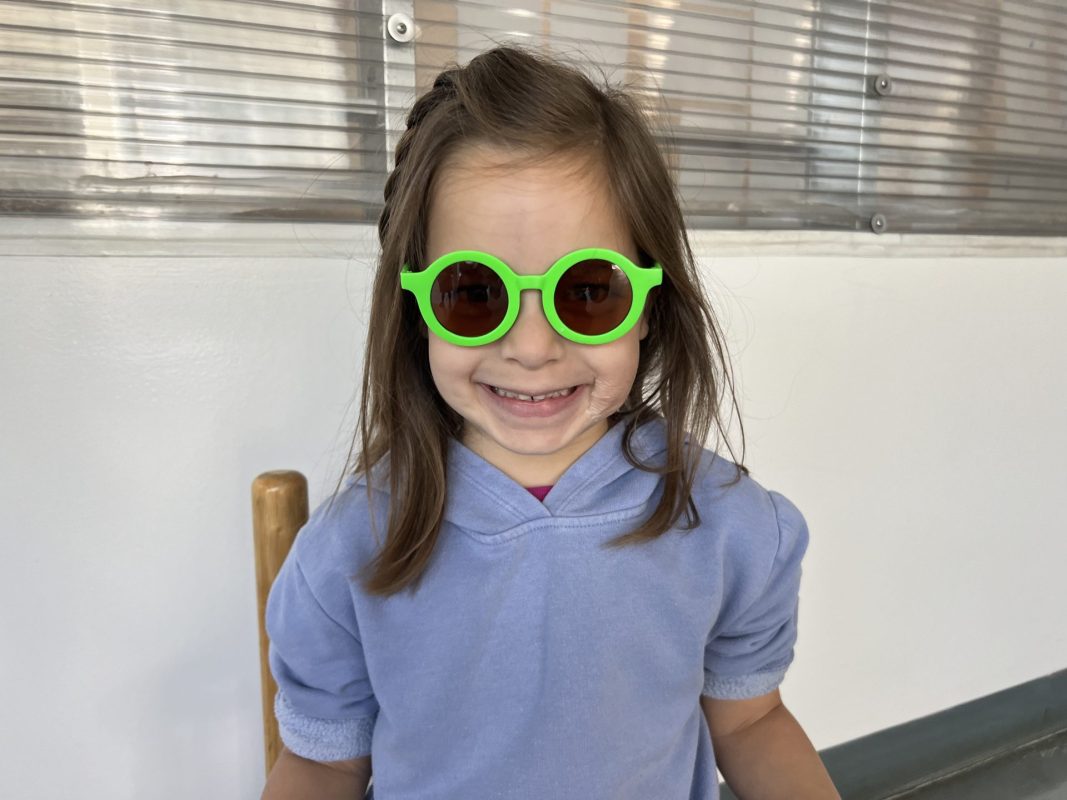
There is such a great sense of community in our school. Within the class, the children love just spending time with one another. Every Thursday, we have community-building time in the outdoor classroom at the end of the day. The children play games, build with sticks, and get creative with friends. Most children play with different classmates each week, and, as a result, many friendships are being cultivated! I think that is part of the beauty of a Montessori classroom; the chance to collaborate with children from different age groups. Children of various ages, working together, will learn from each other, both as students and as teachers. Just as siblings learn and grow together, so do children in a mixed-age classroom environment! Our Lower Elementary classroom is very much a family!
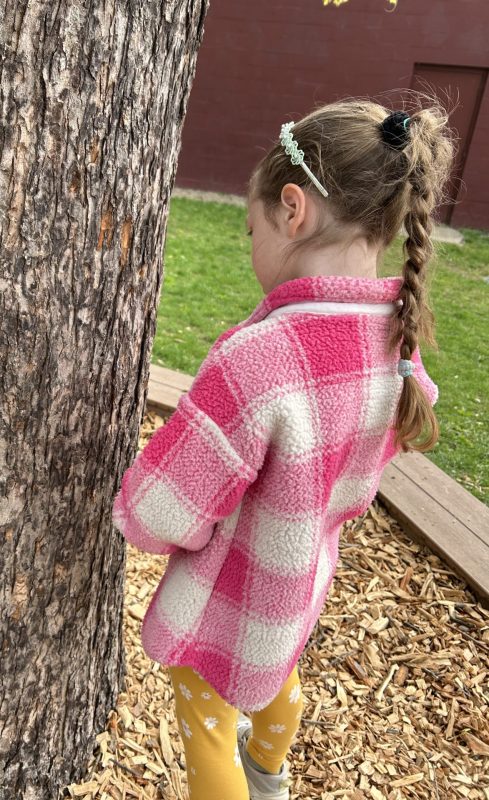
In essence, a lower elementary classroom community is like a microcosm of society, where students learn essential social and emotional skills that will serve them well beyond their academic years. It’s a place where they not only grow academically but also develop into empathetic, responsible, and collaborative individuals.