Blog

This Week in Upper El


This short week was happily busy with exciting new lessons and a trip to Southern Connecticut State University to listen to the New Haven Symphony Orchestra.
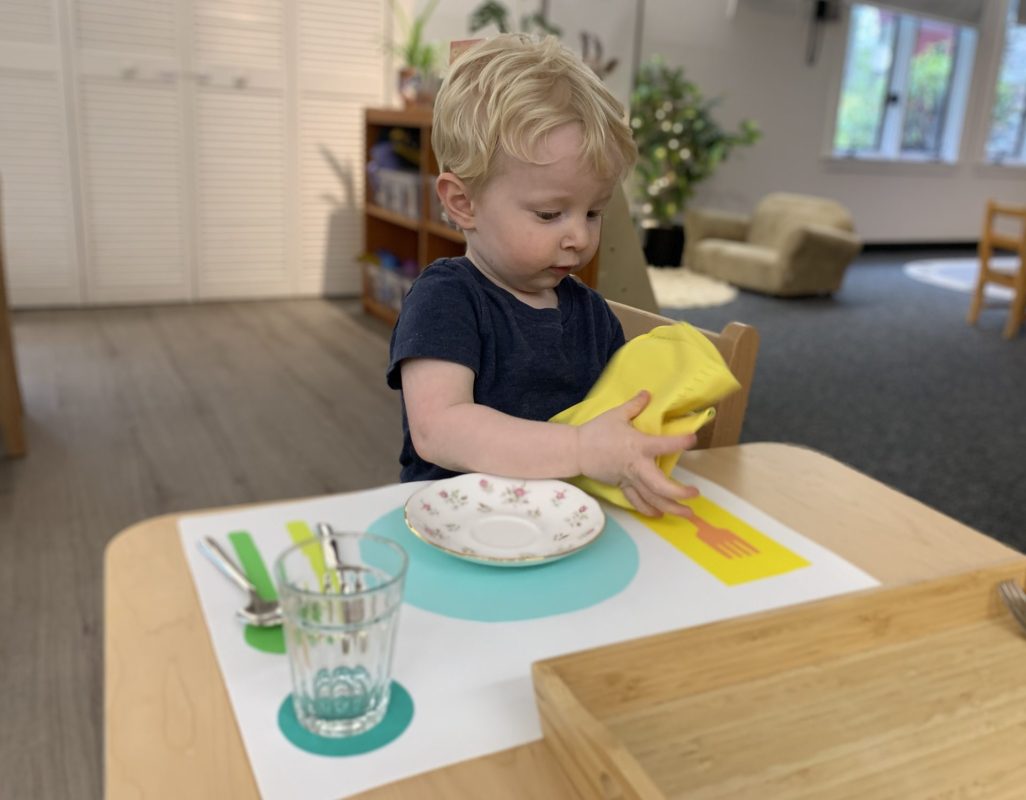
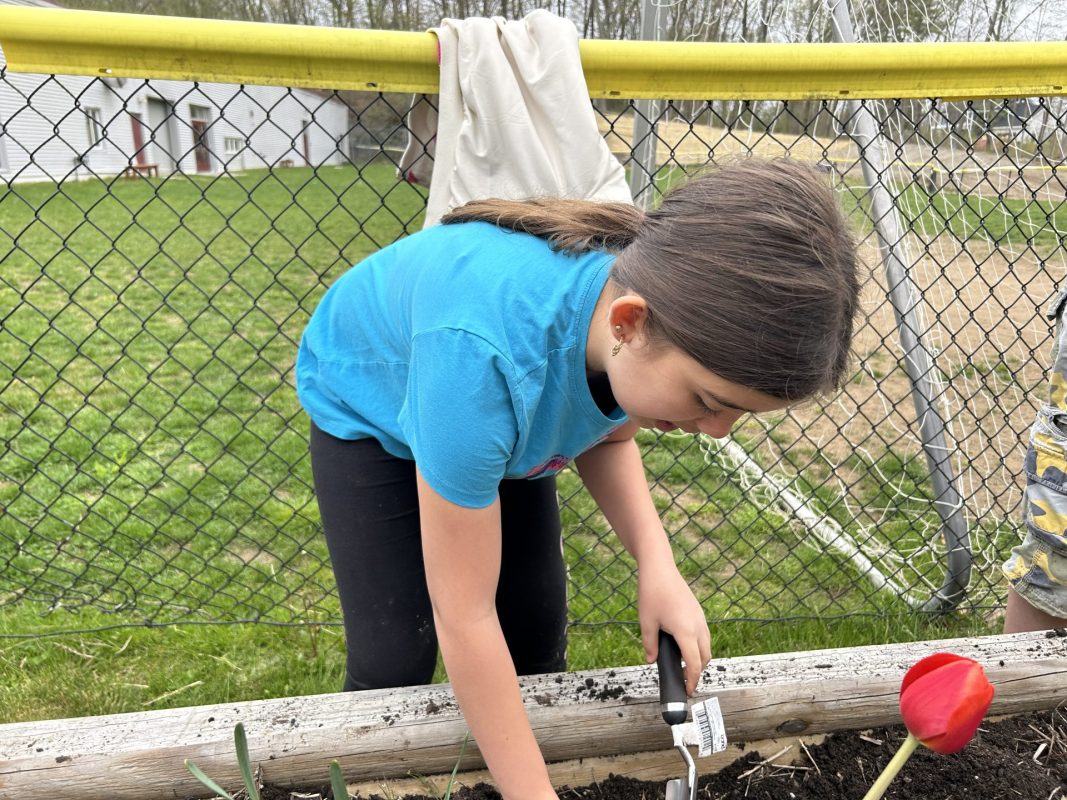
At SCSU’s Lyman Center for Performing Arts, we participated in an interactive program where we listened to some beautiful music and learned about all of the instruments in an orchestra. We heard selections from Carmen, West Side Story, and other delightful pieces. The conductor provided biographical, historical, and musical information about each piece and the instruments played throughout the concert. Thank you to Sarah and Jennifer for joining us on this field trip!

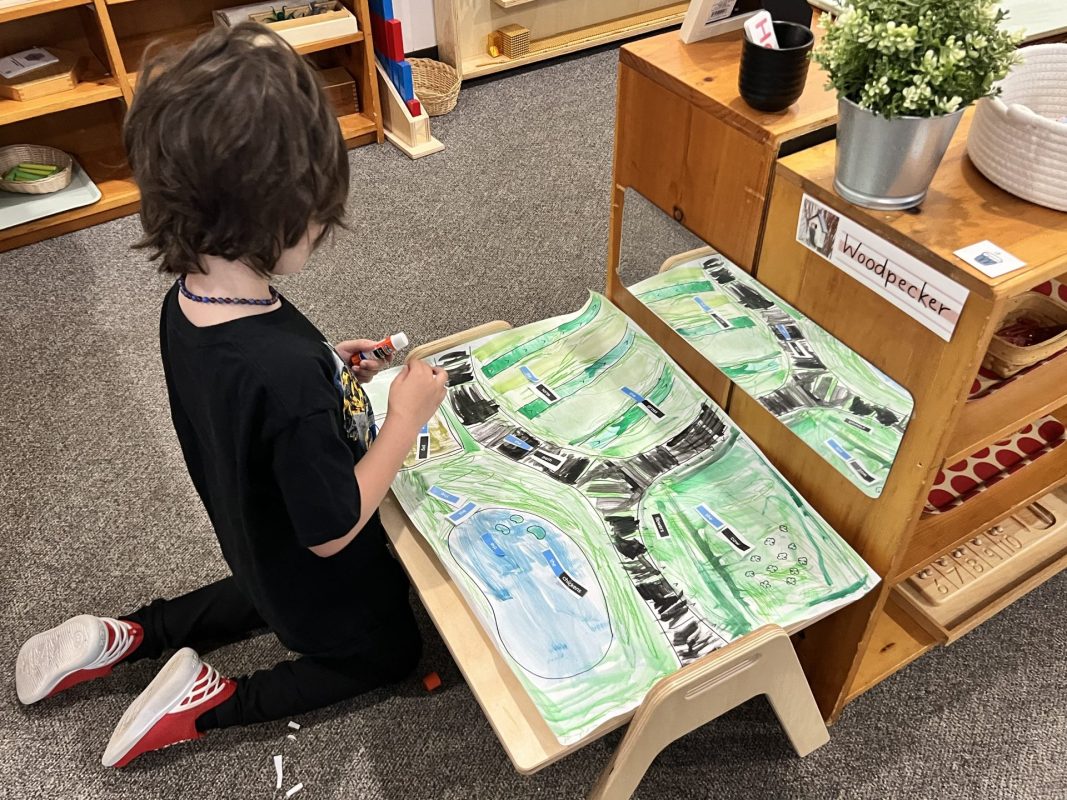
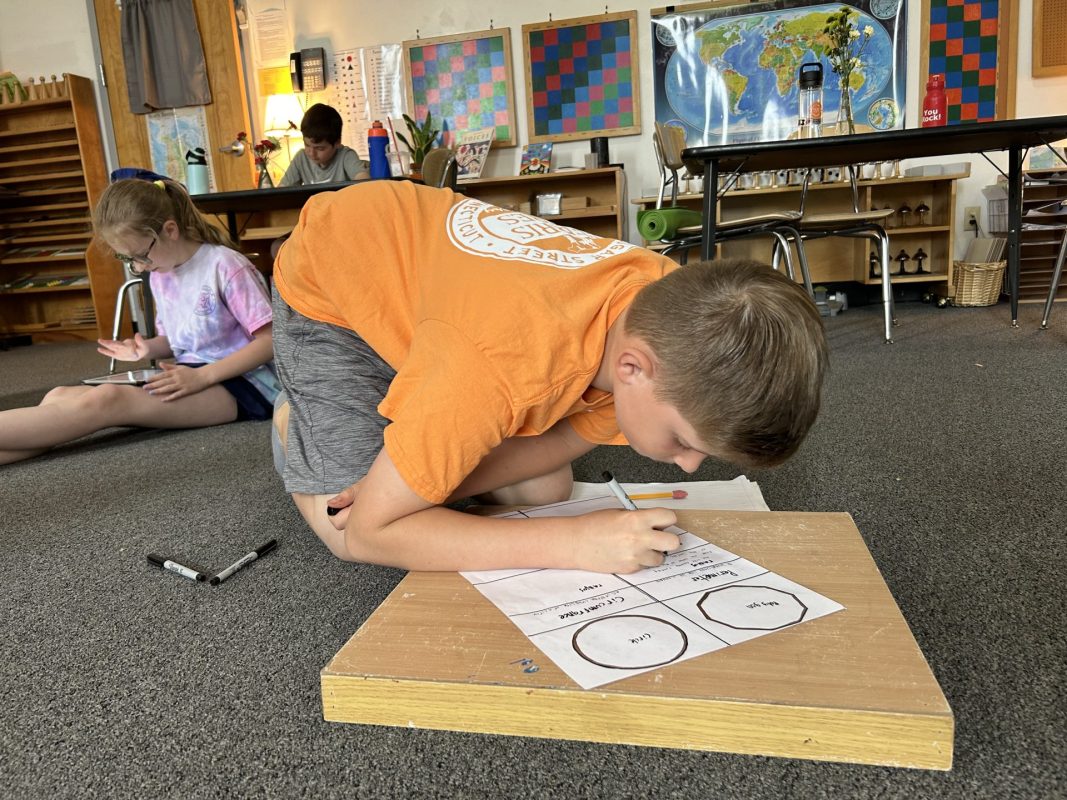
In geography this week, we learned what maps show and about reading a map by looking at three types of maps: shaded relief, road, and topographical. We used actual maps of the Salt Lake City area to learn the uses of different kinds of maps. We began learning basic map reading skills, getting comfortable looking at a map, and understanding directions.

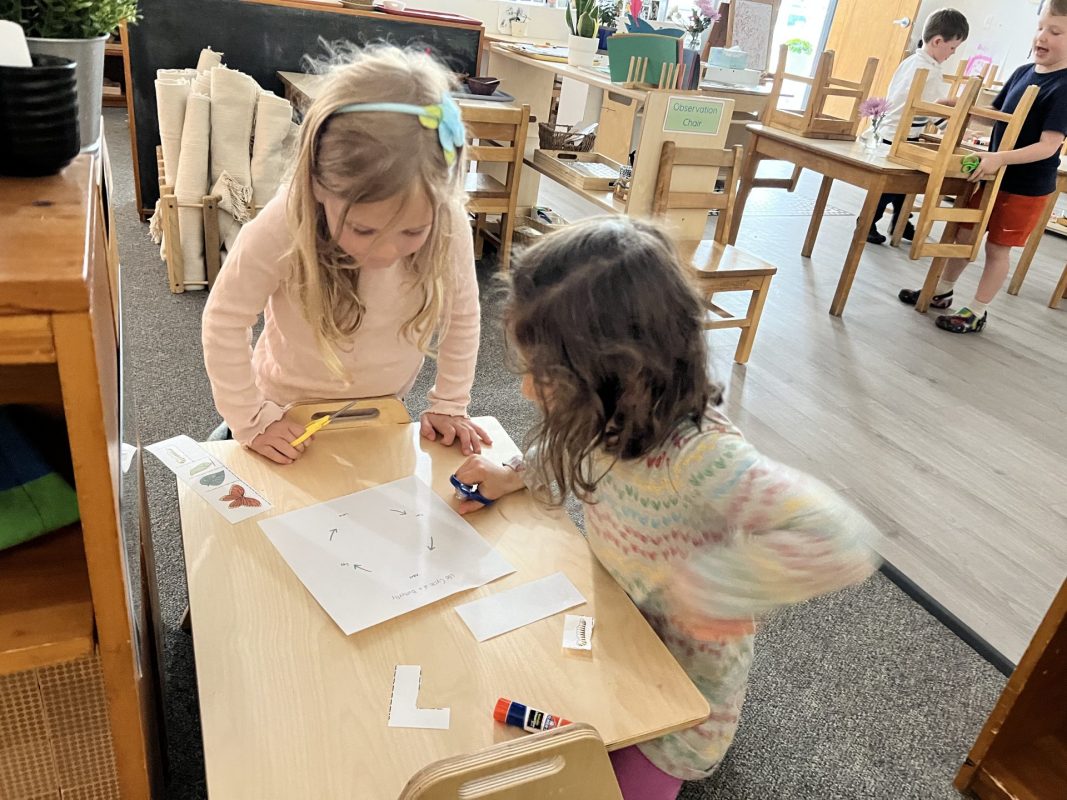
Our biology lessons focused on an introduction to taxonomy. Students learned about the purposes, challenges, and techniques of taxonomy while being introduced to binomial taxonomic names of animals. We also learned about homology vs. analogy. In this lesson, students learned the criteria for placing an animal into a group. To illustrate the differences between animals, we examined charts of butterfly and bird wings. To explain similarities, we looked at charts of the forelimbs of humans, crocodiles, birds, whales, horses, and bats, who use their forelimbs differently; however, their similar structure shows that they originated from the same ancestors, so we consider the animals similar.

In writing, we began our poetry unit this week. We started by sharing poems, an activity that students enthusiastically embraced. It was beautiful to hear the wide variety of poems that spoke to each of us. Some students even chose to write their own to share! We learned about the different types of poems and their elements. Students enjoyed taking turns sharing examples of similes, metaphors, idioms, proverbs, onomatopoeia, alliteration, and hyperbole.

Finally, in grammar lessons, fourths learned about indefinite, demonstrative, and possessive adjectives, and fifths learned about personal pronouns and their antecedents.

Our big trip to Nature’s Classroom is from May 28 through May 30. Before the break, students brought paperwork home that needed to be filled out and returned to school. Here are the details:

  • The Nature’s Classroom portion of the trip costs $347. This cost will increase a little when we factor in the cost of the bus, which will be divided among the students participating. I will update you with the final price when I have the final count.
  • If your child will be attending this trip, please email me and send in a deposit of $50 by Friday, April 5.
  • If you have questions before you decide whether your child will attend, please email me, and I will be happy to meet with you individually. If there is interest, I will schedule an informational meeting.
  • Let me know if you need another copy of the paperwork, and I will send it home with your child on Monday.
  • Here is more information about Nature’s Classroom.

For those who celebrate, Happy Easter!

Wishing you a beautiful weekend,

Karen & Deb


Mrs. Doyle: I Sense Something Amazing in our Class!


What the hand does, the mind remembers. —Maria Montessori

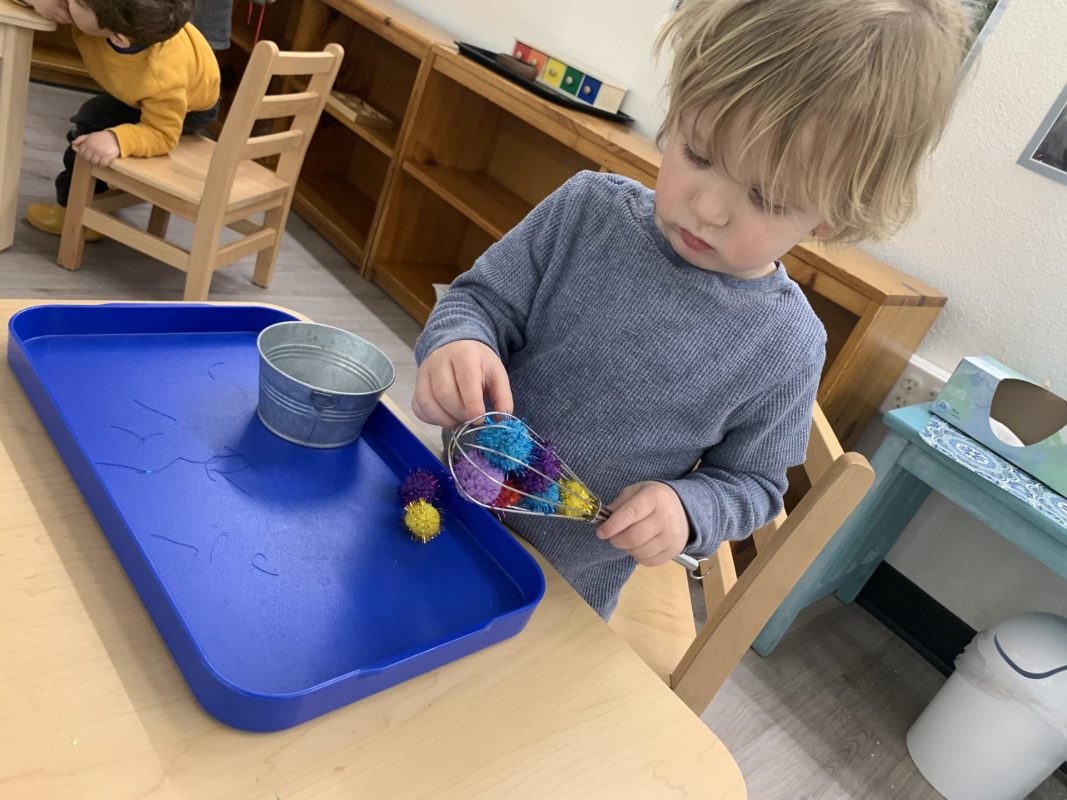
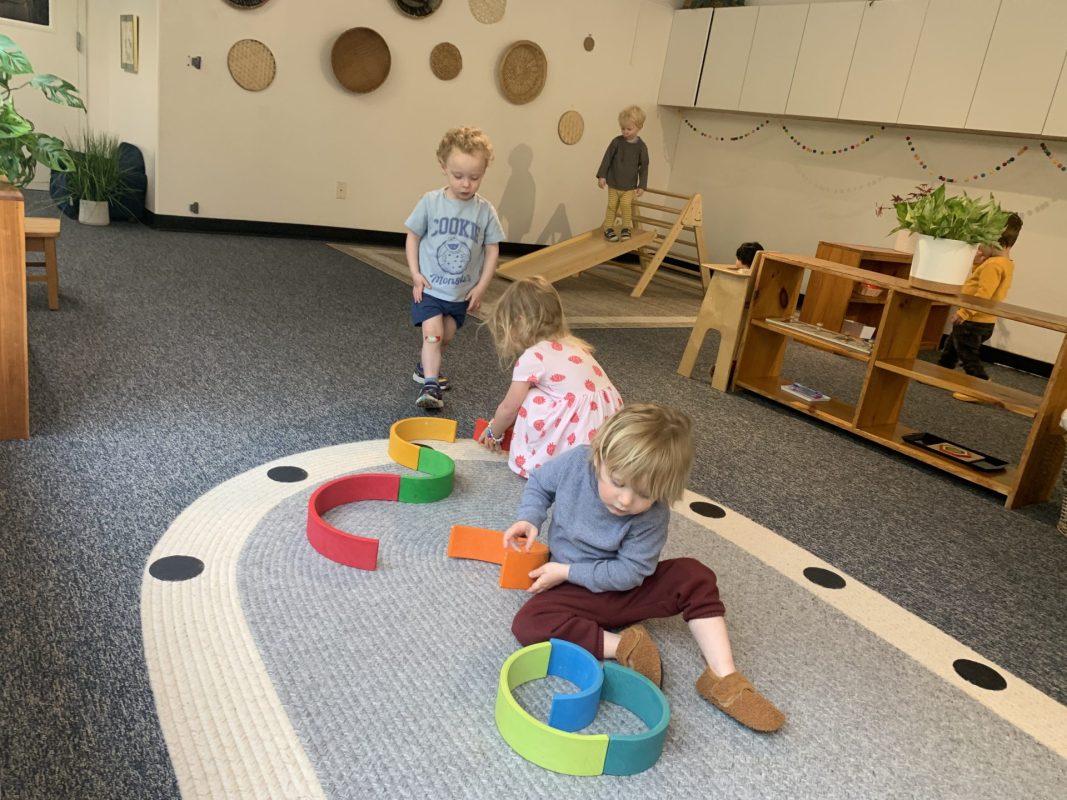
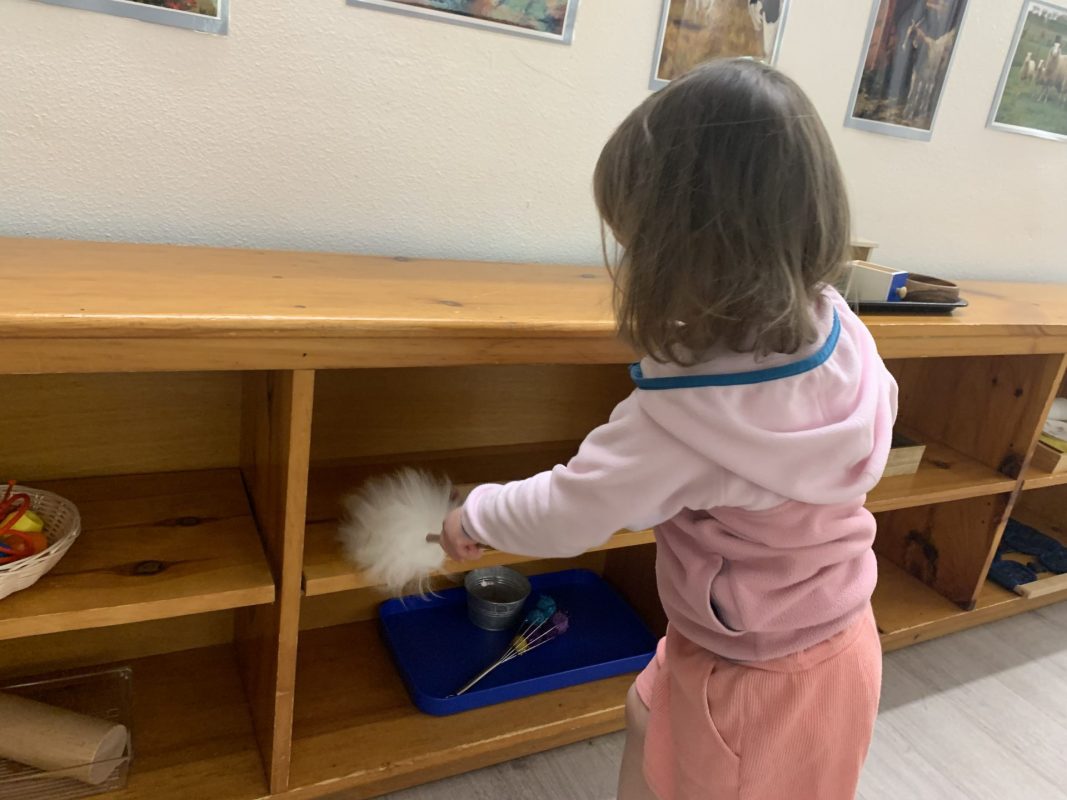
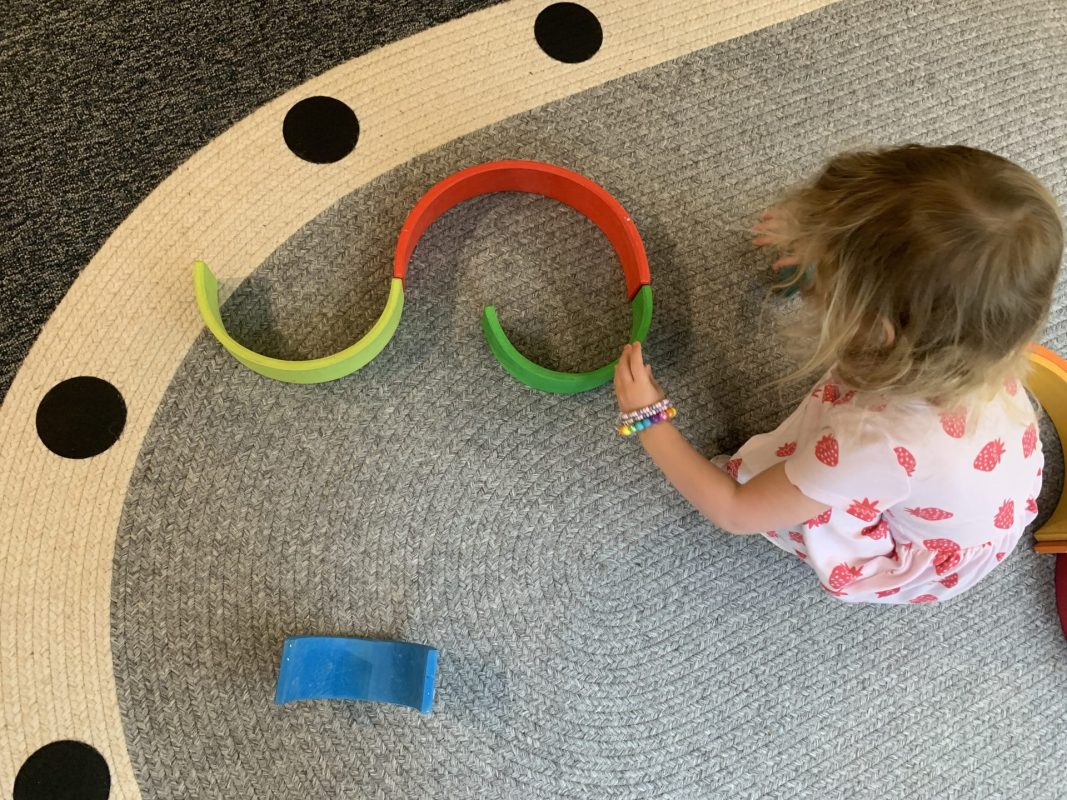
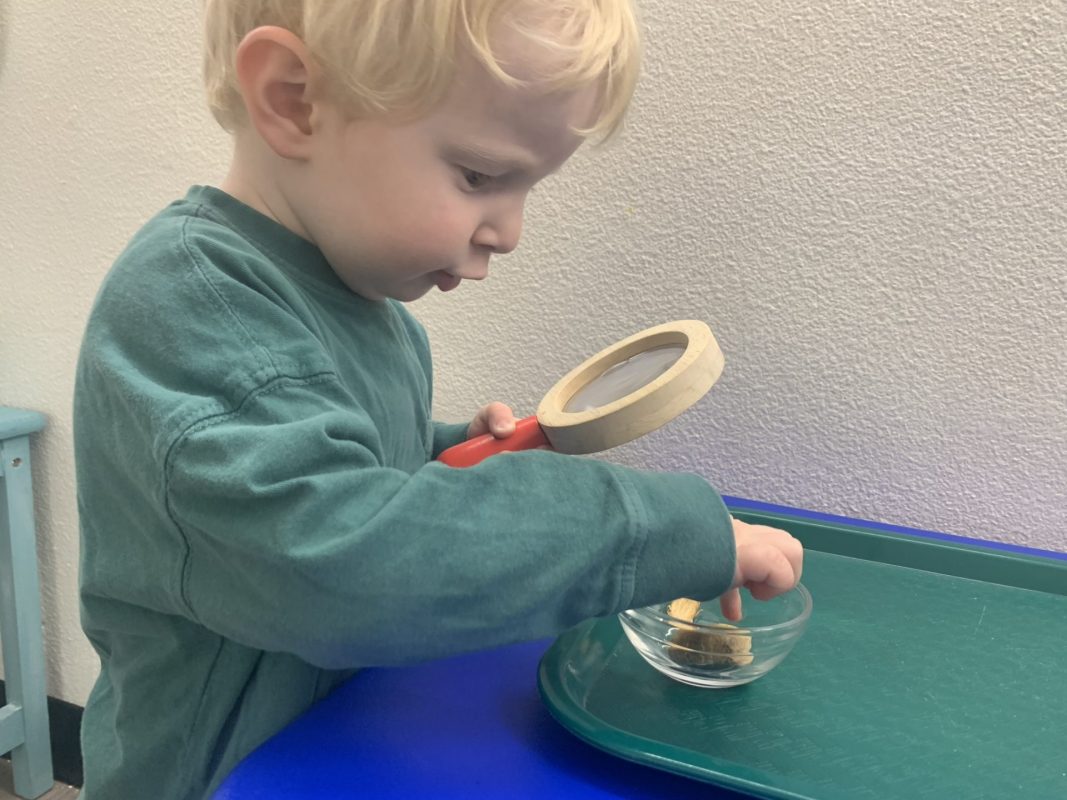
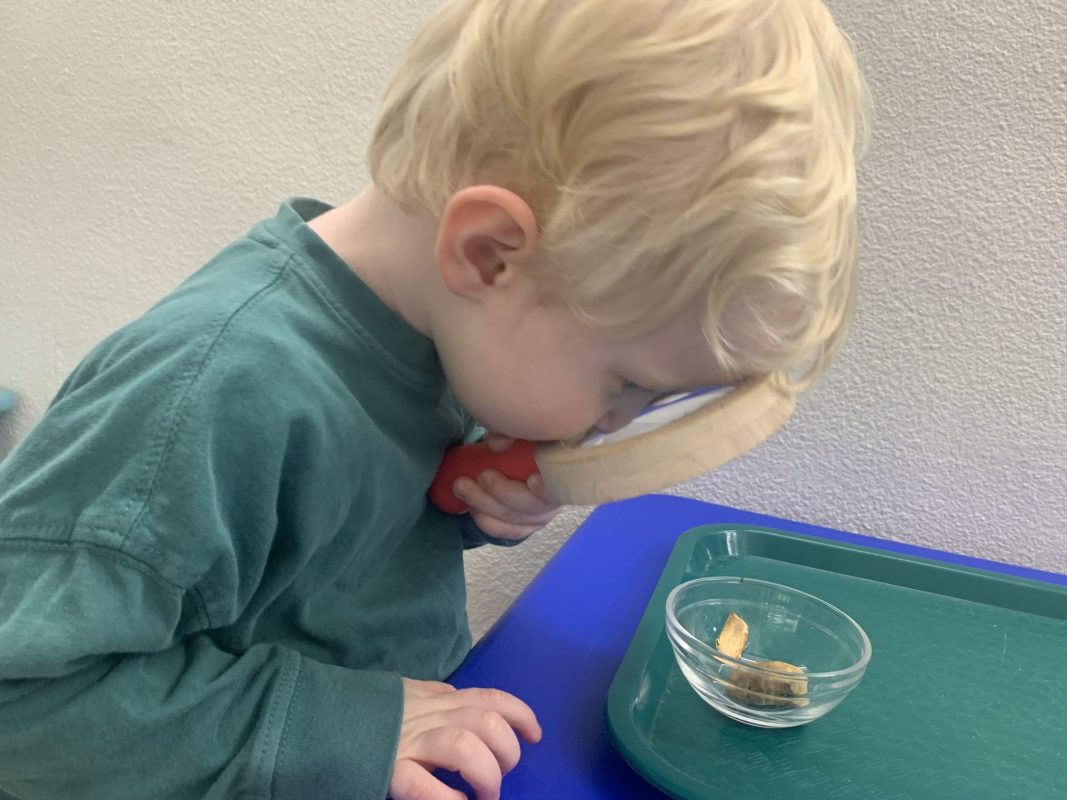
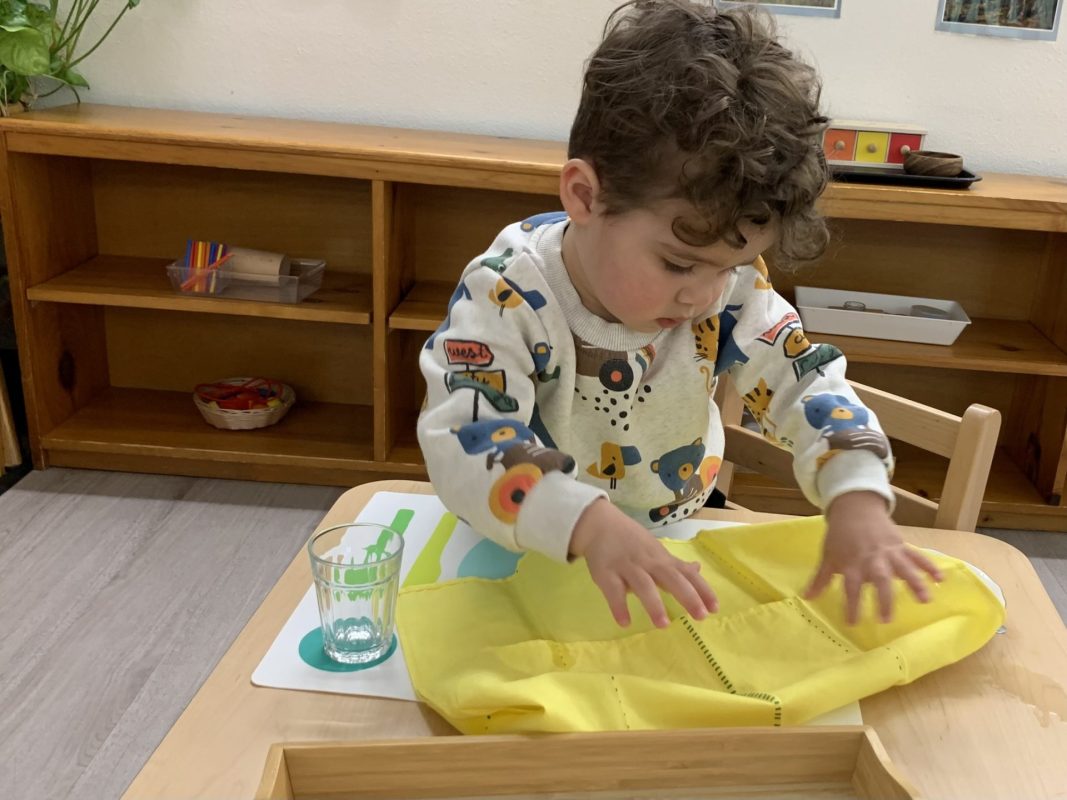
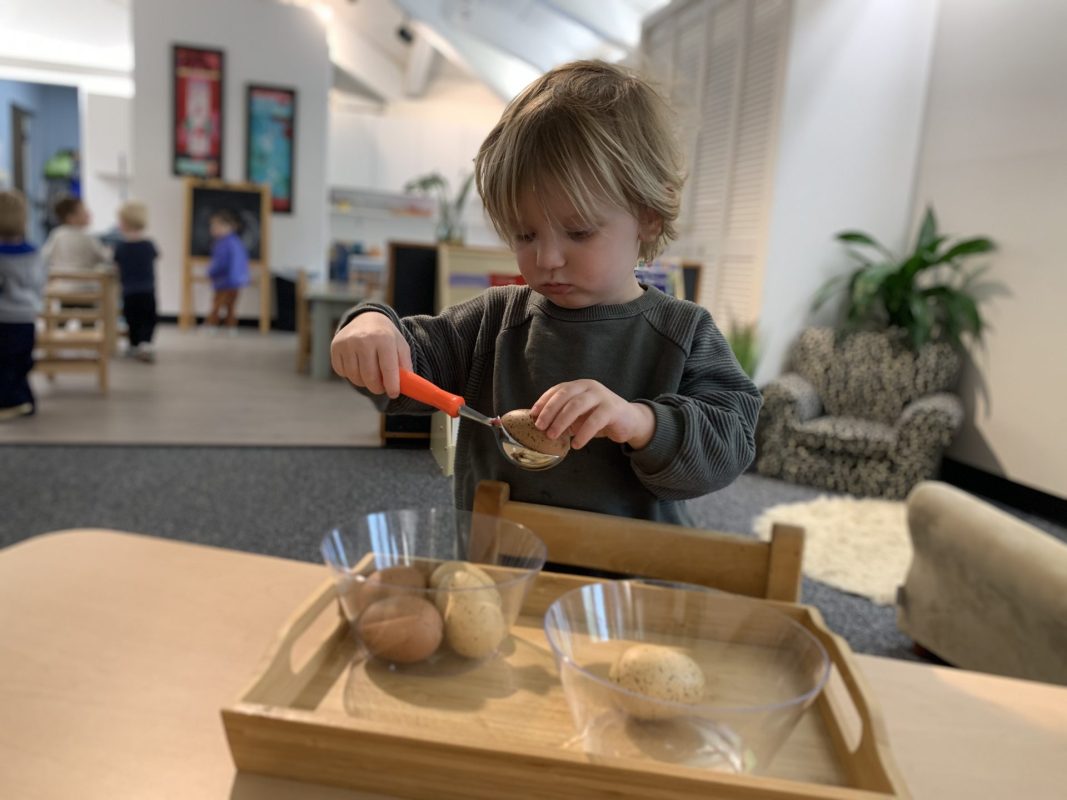
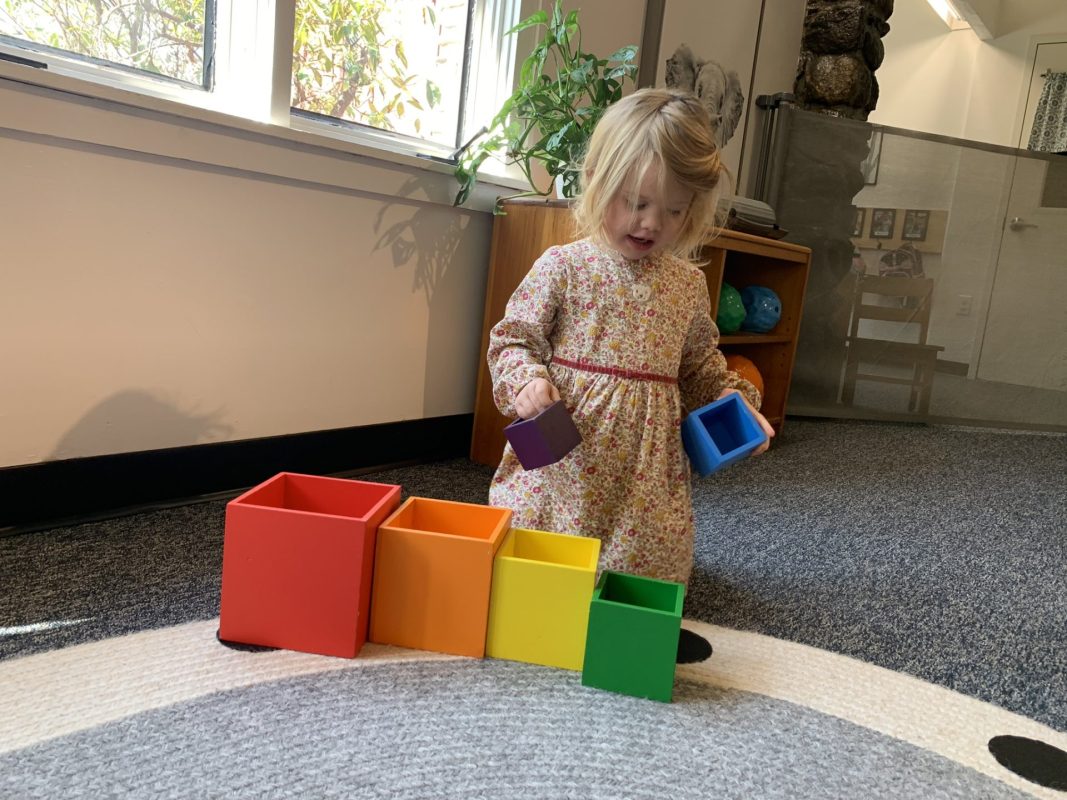
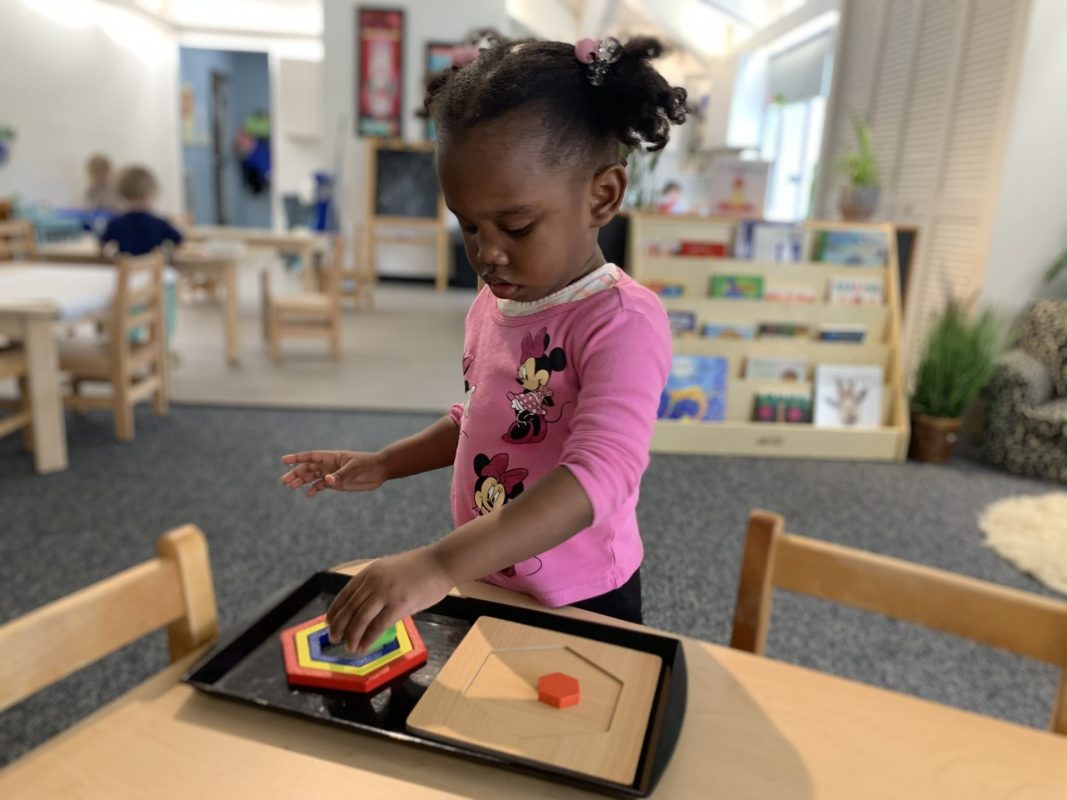
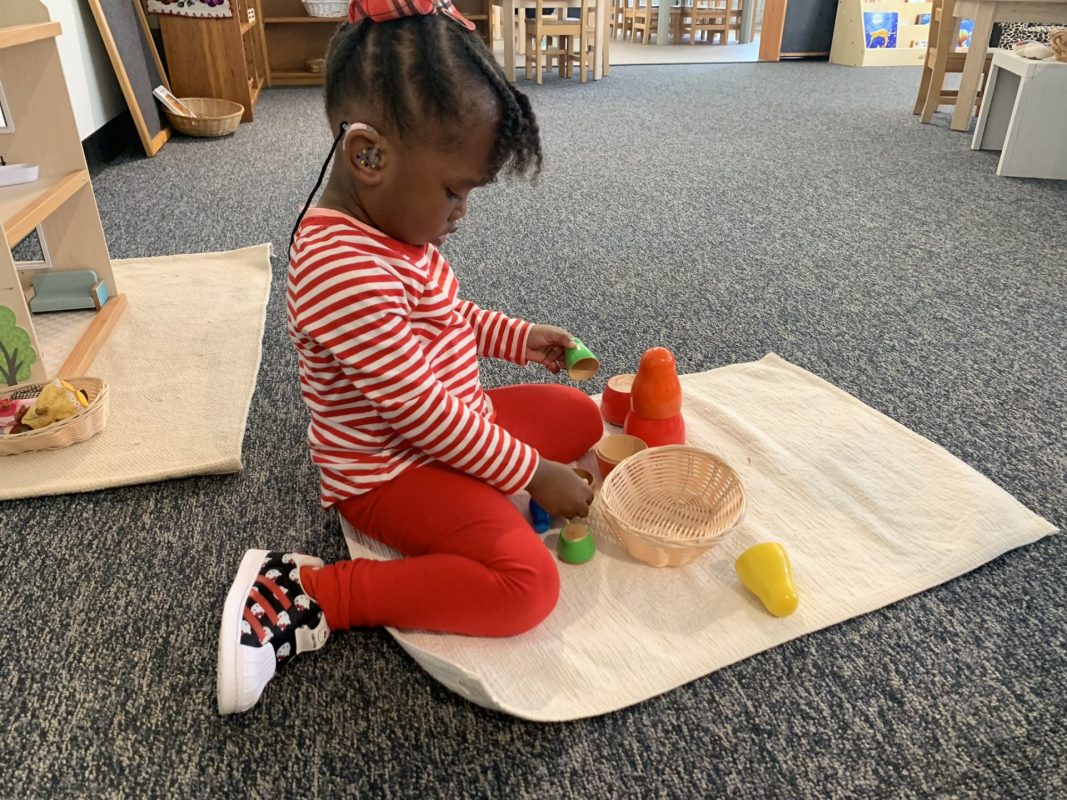
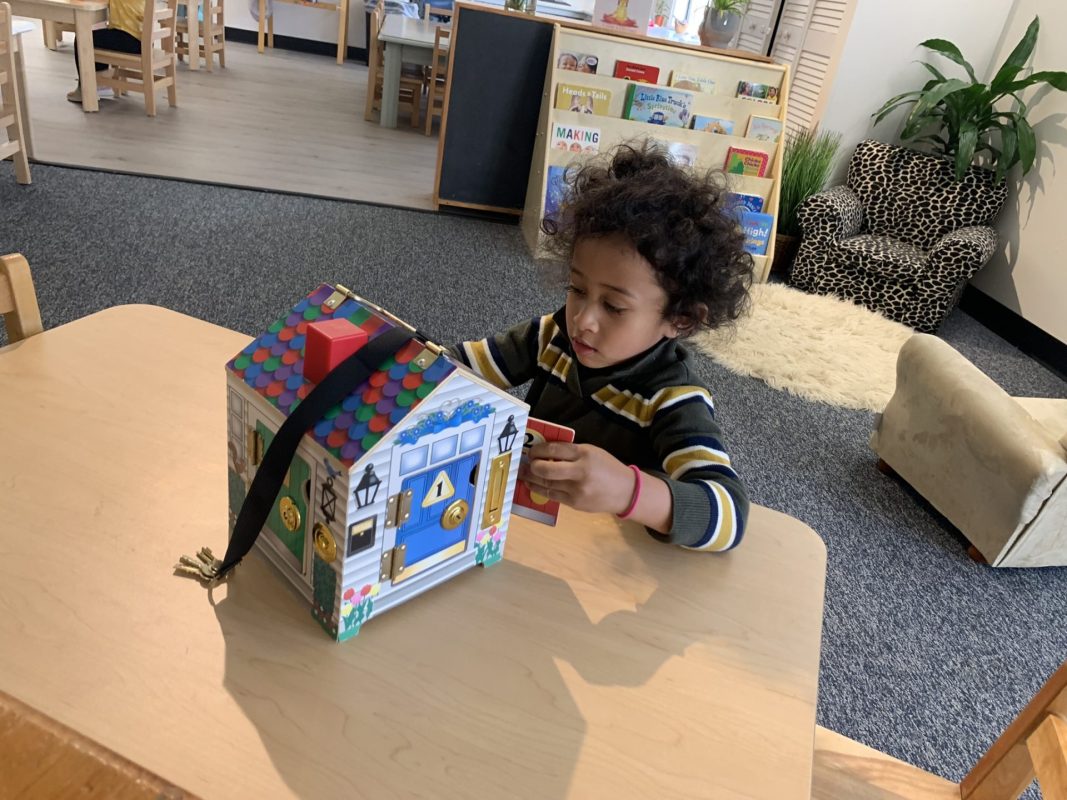
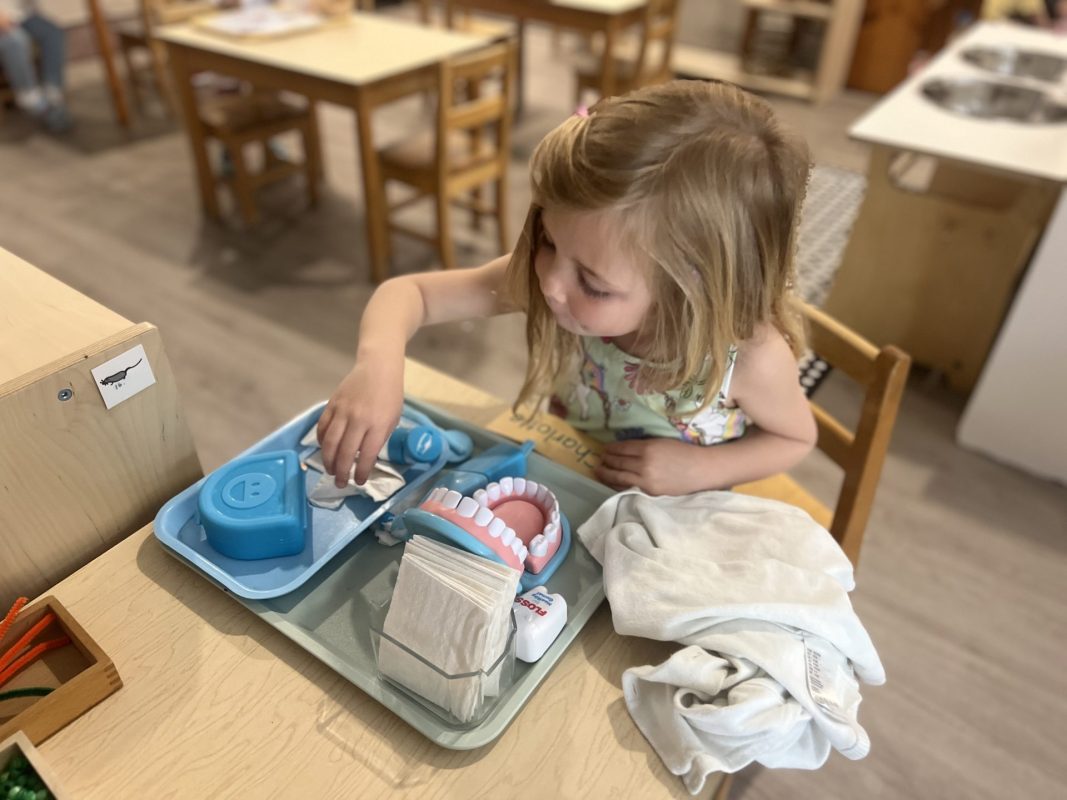
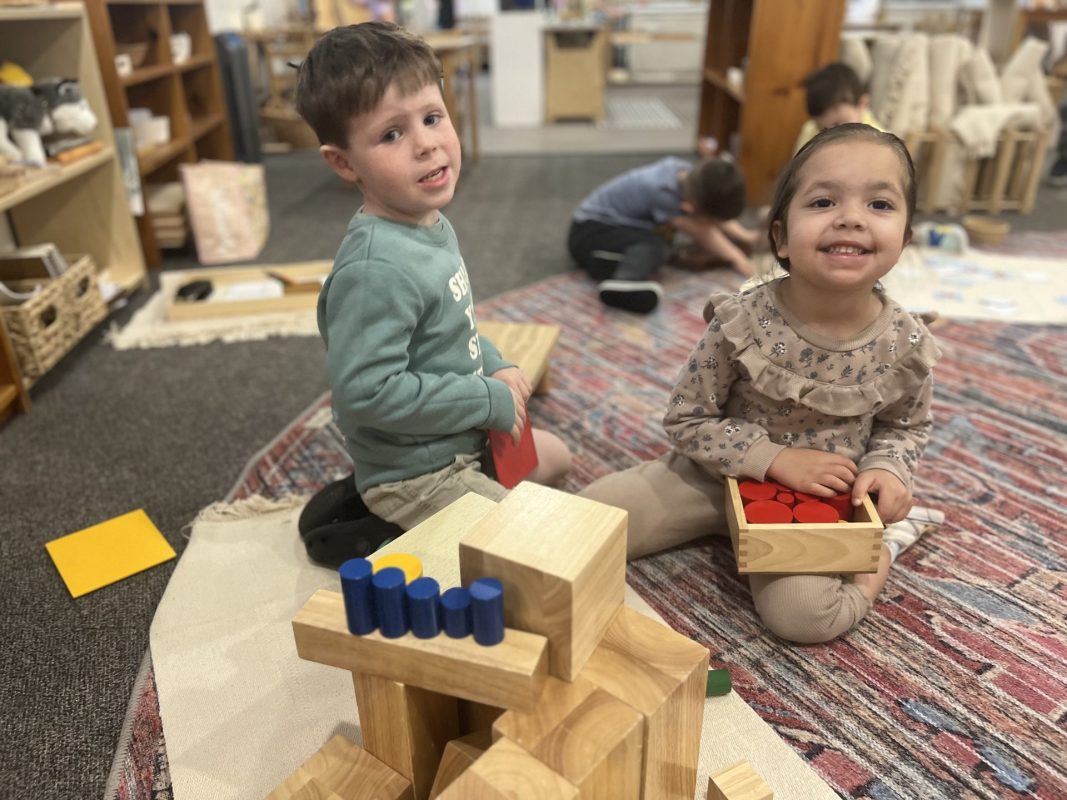
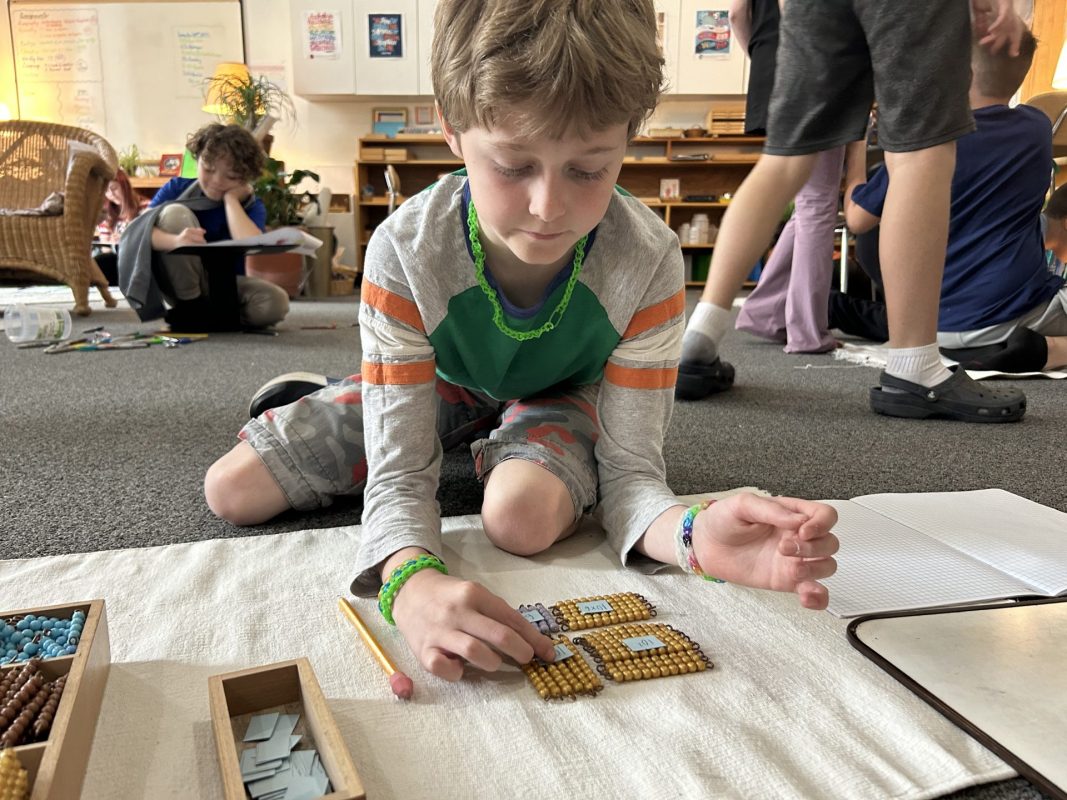
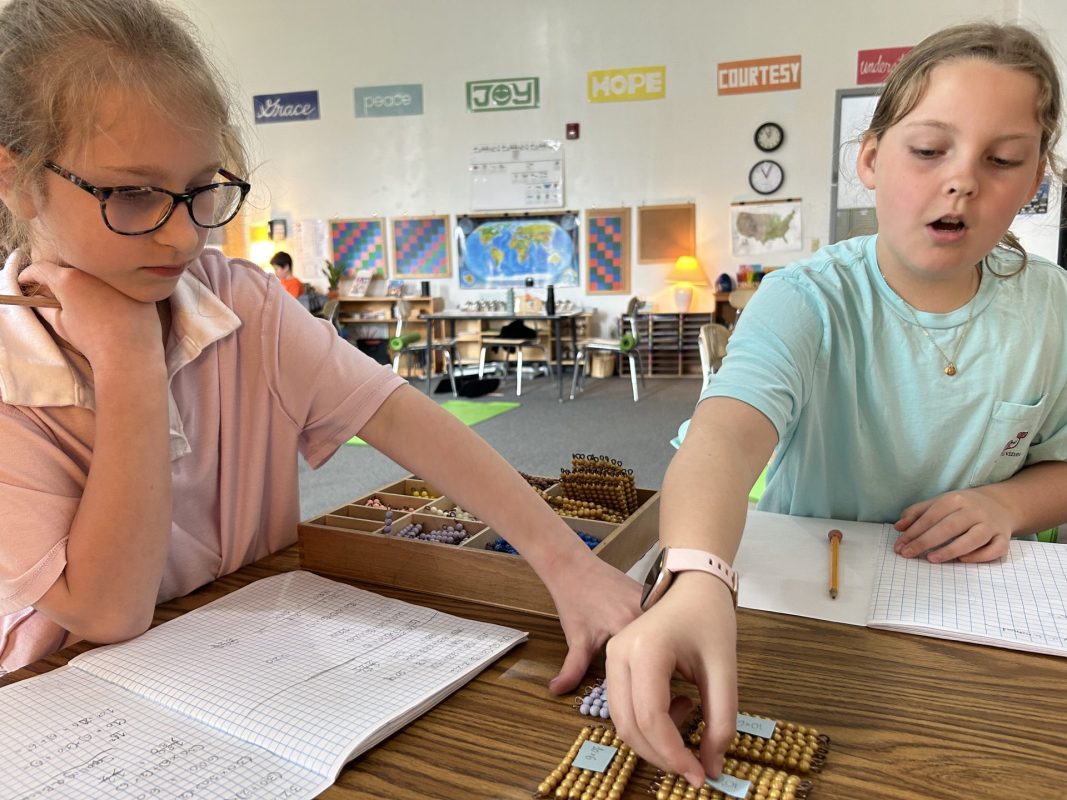
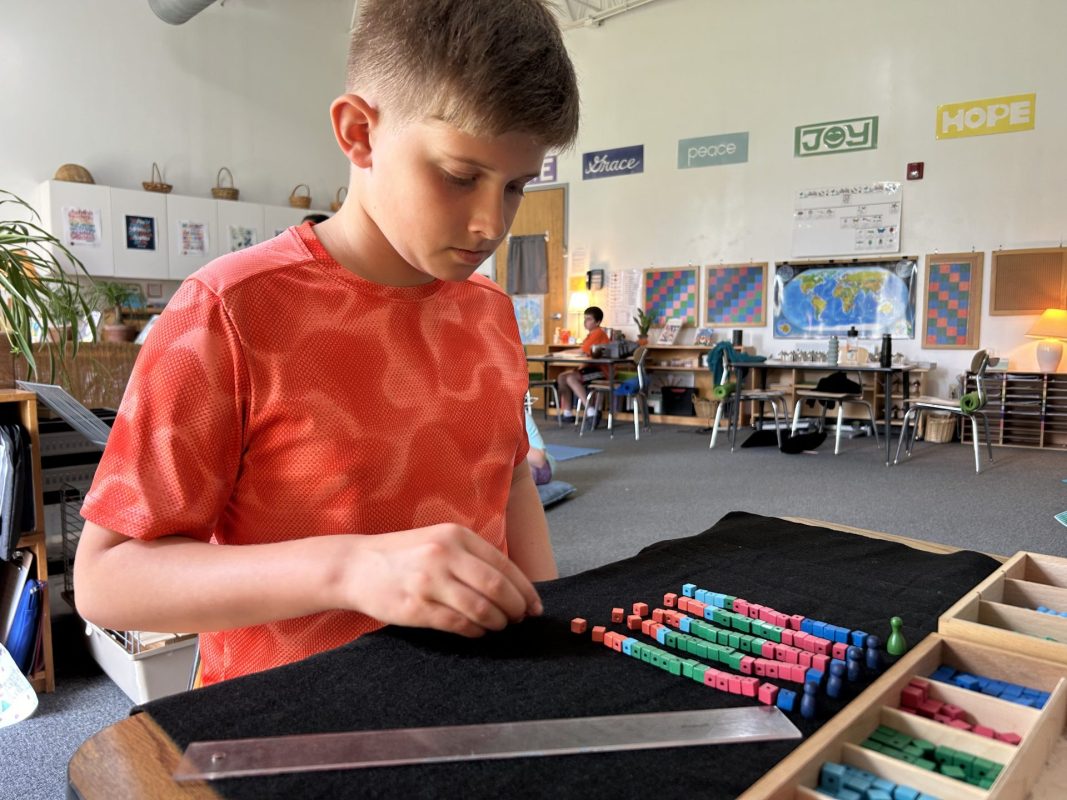
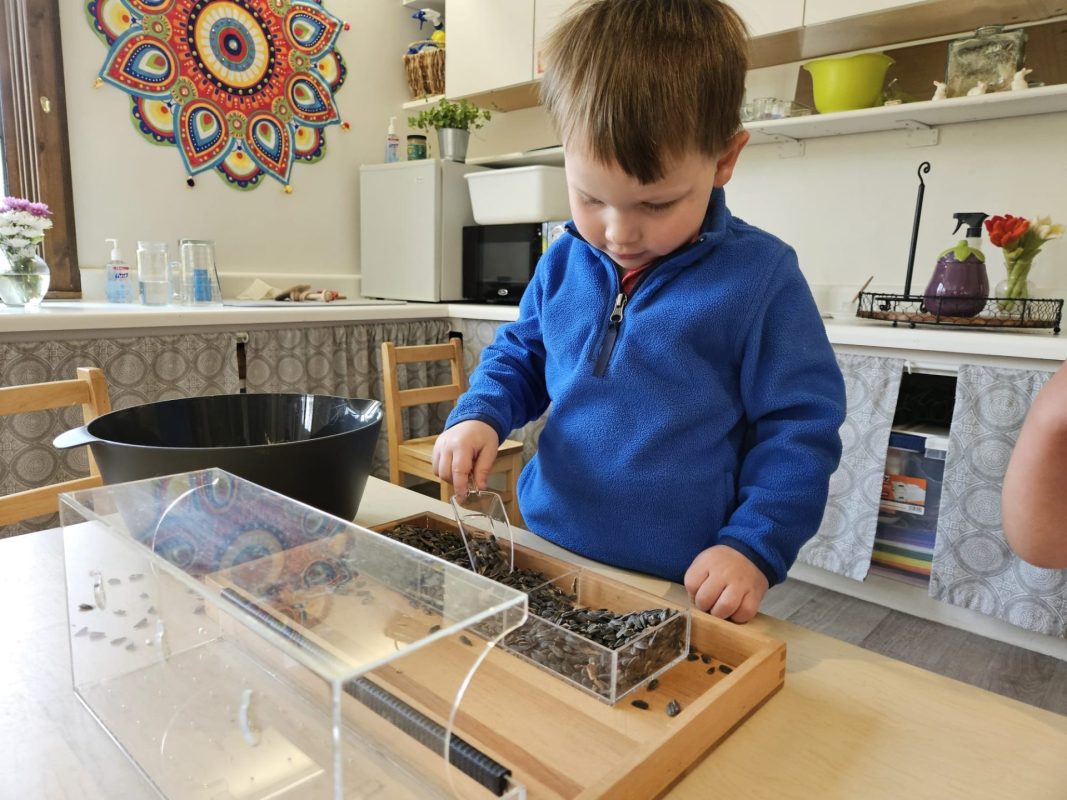
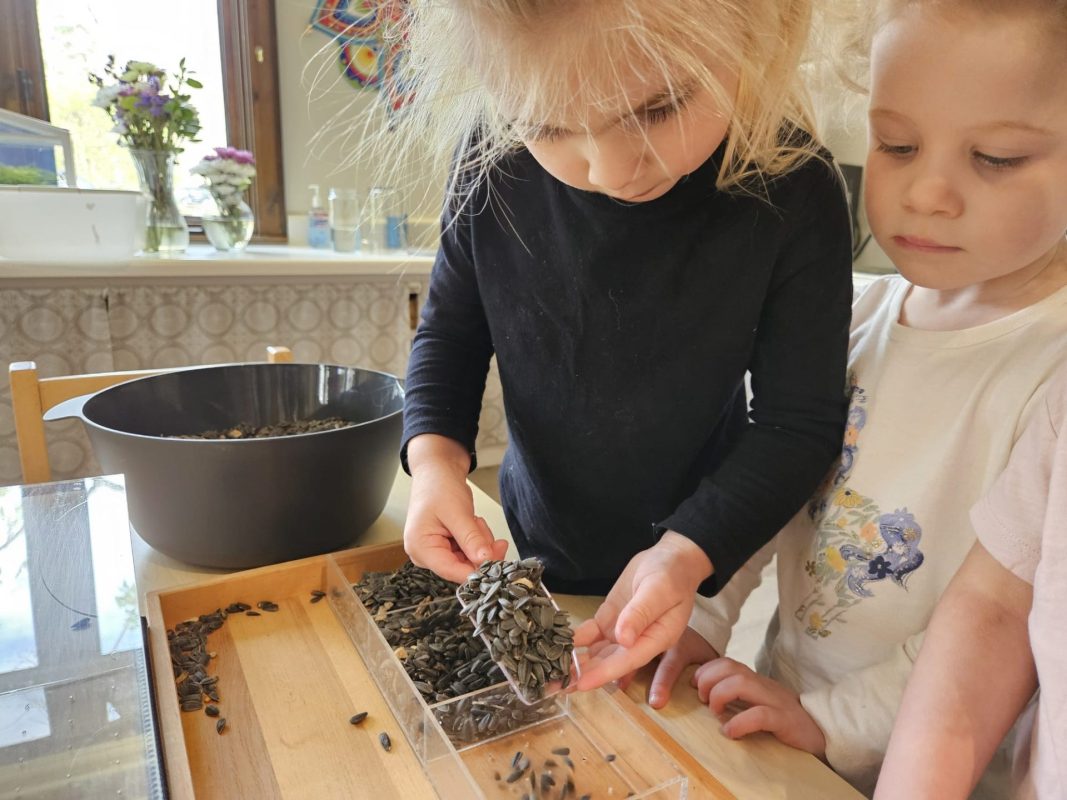
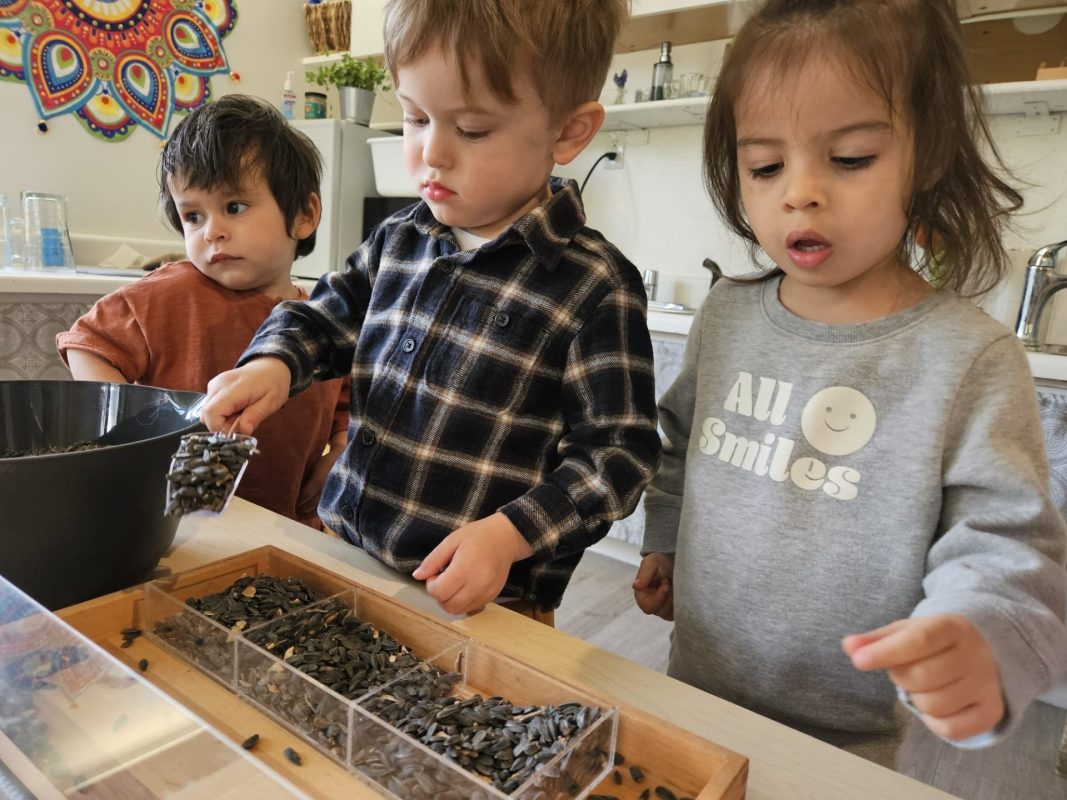
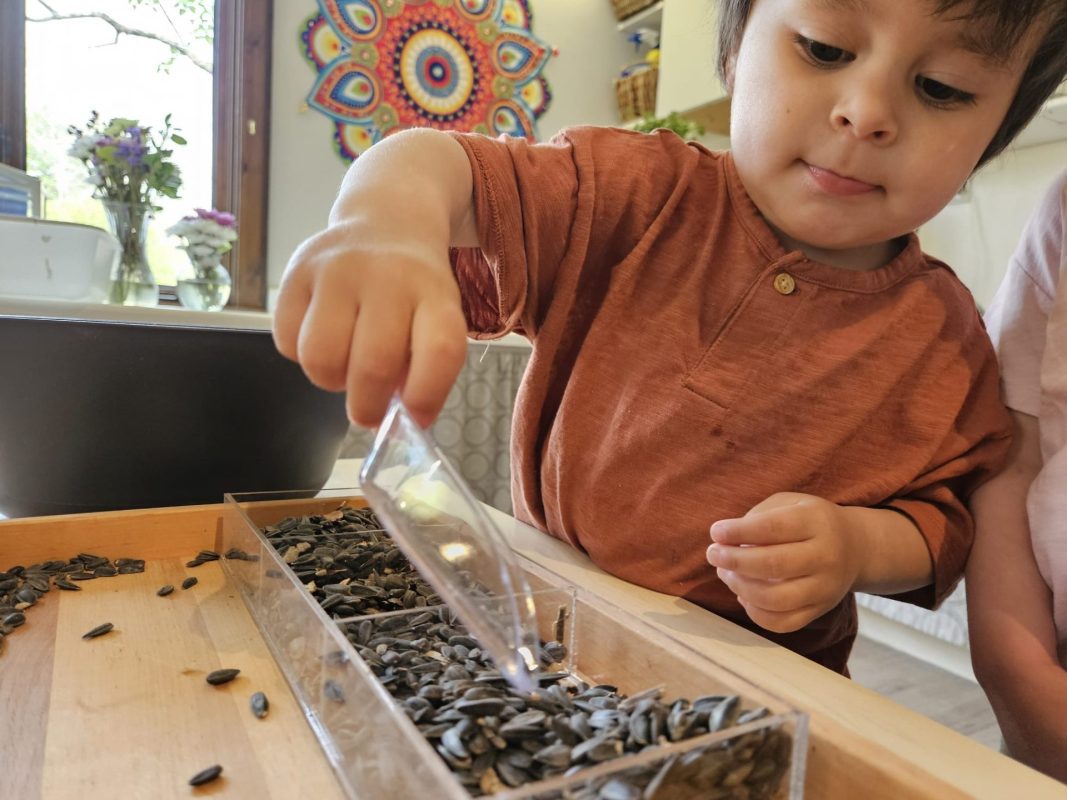
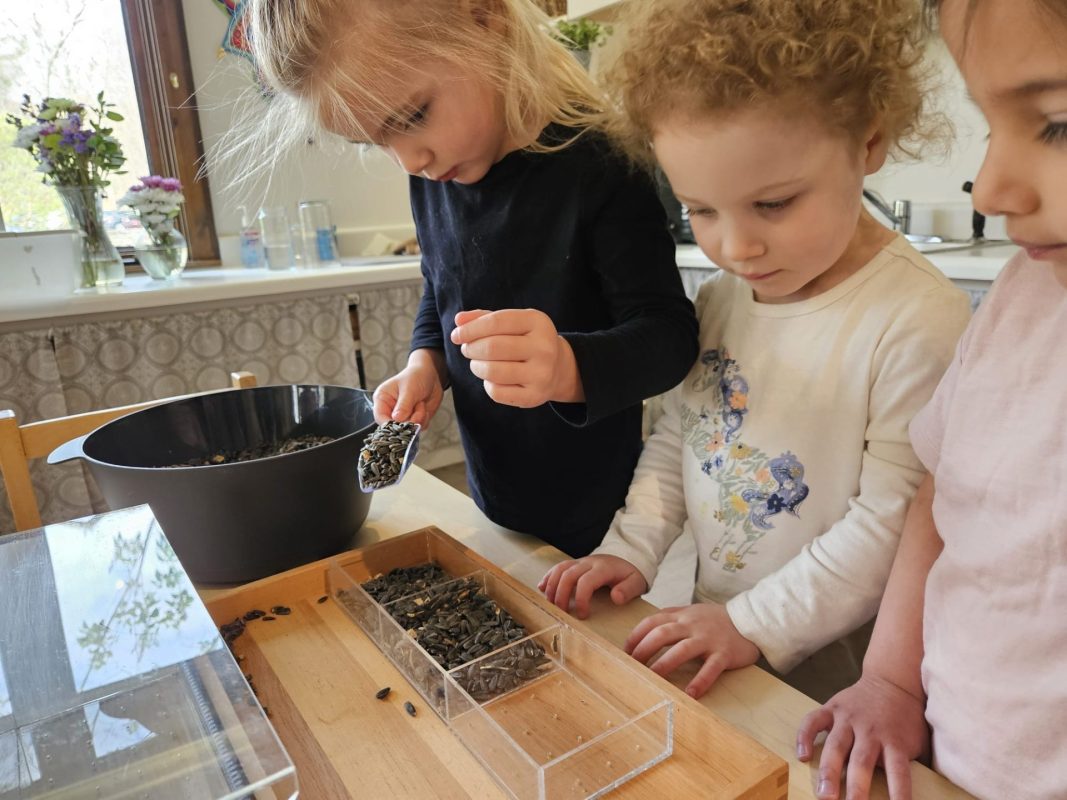
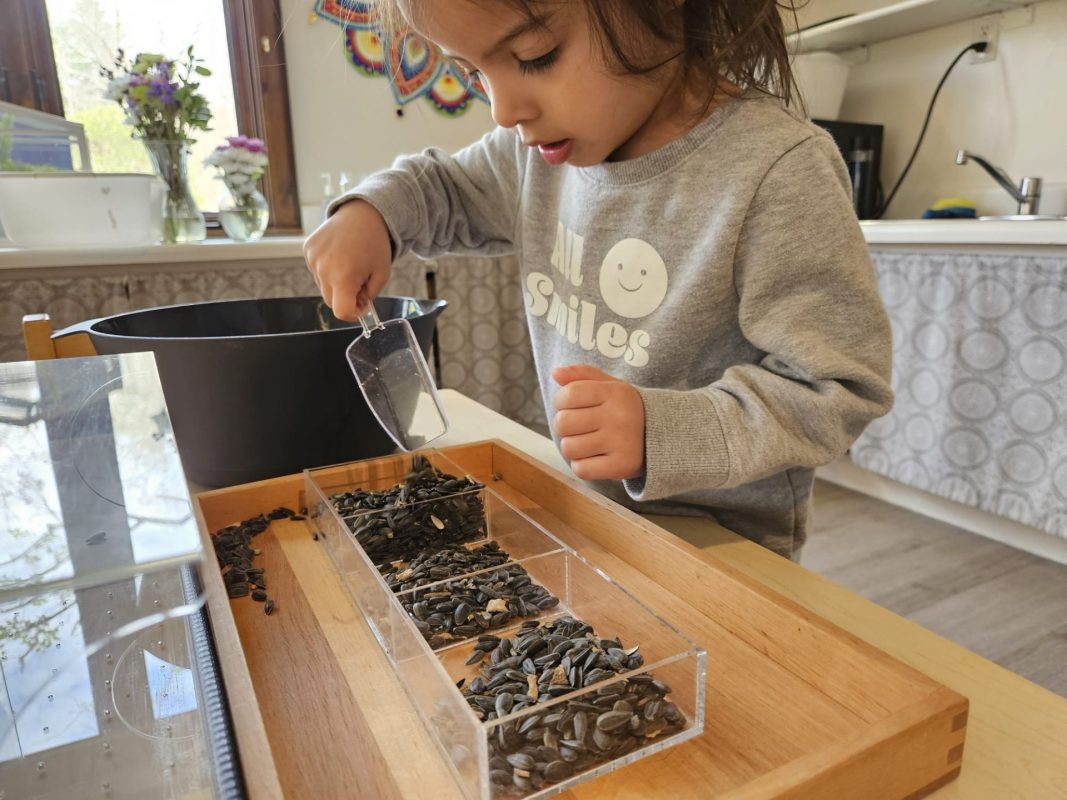
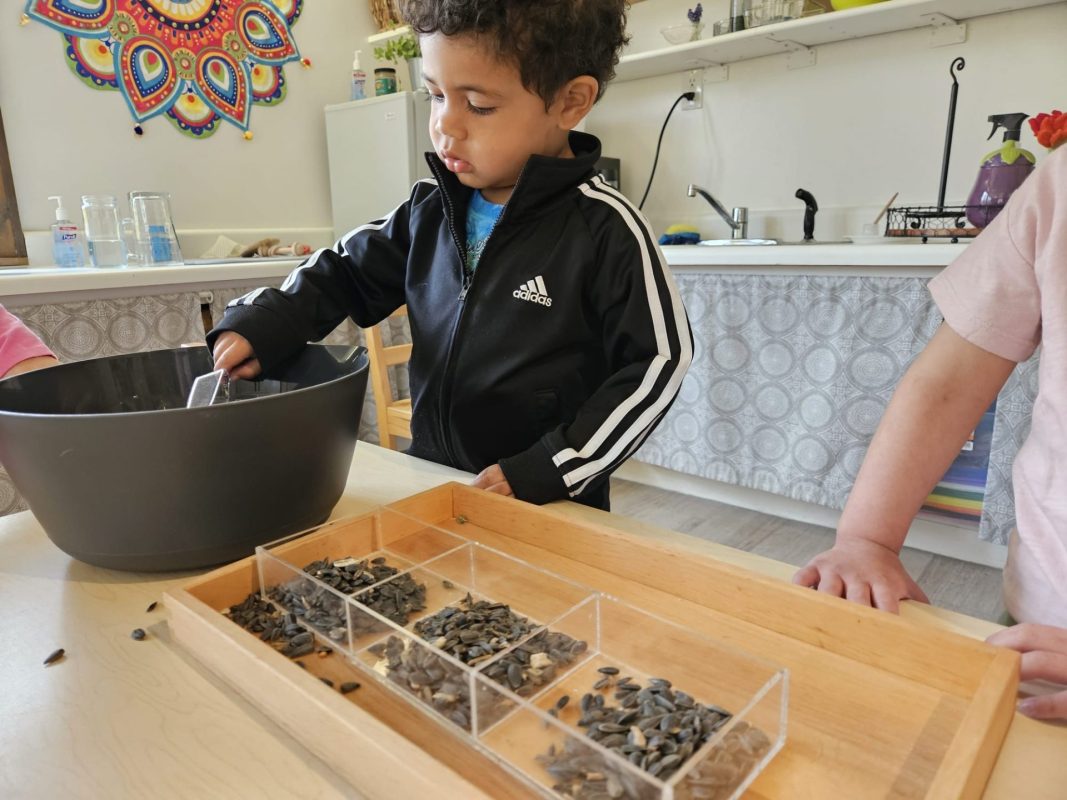
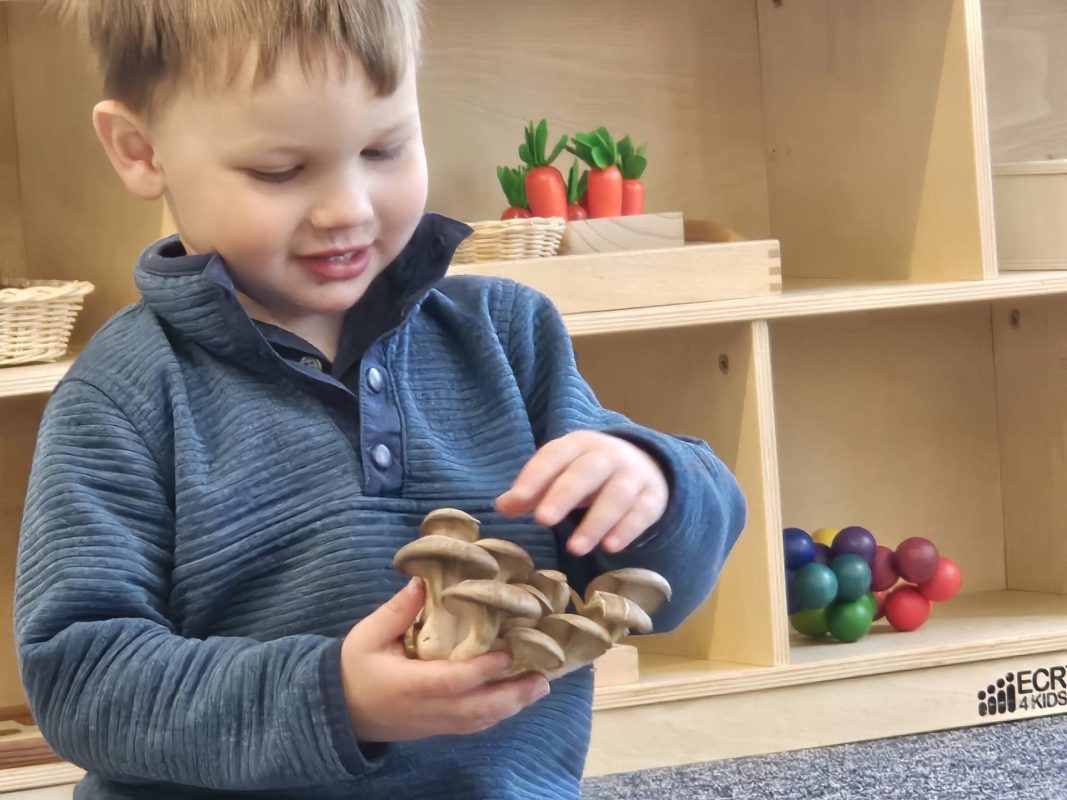
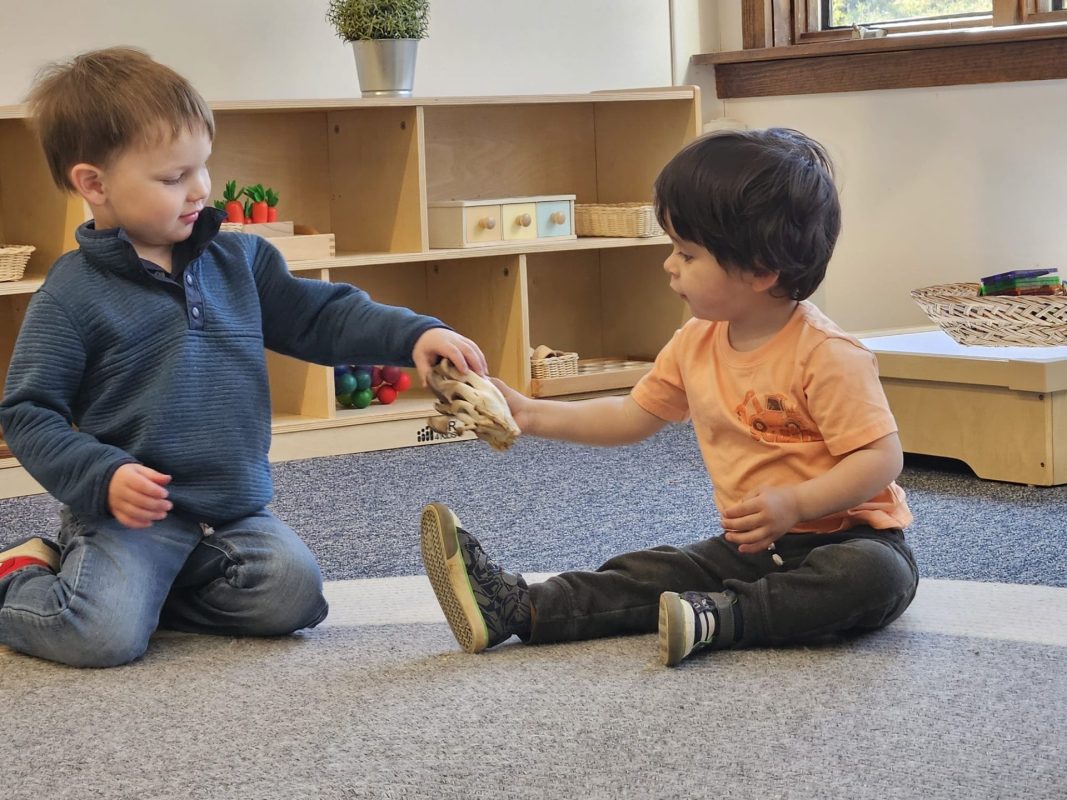
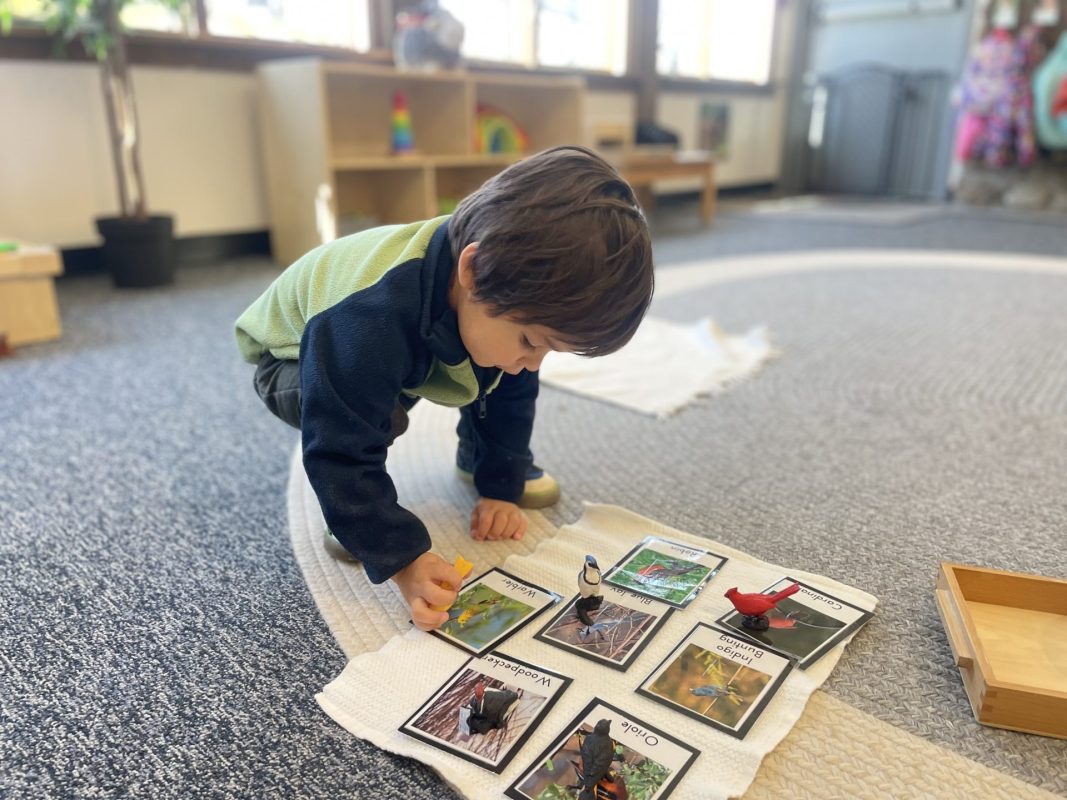
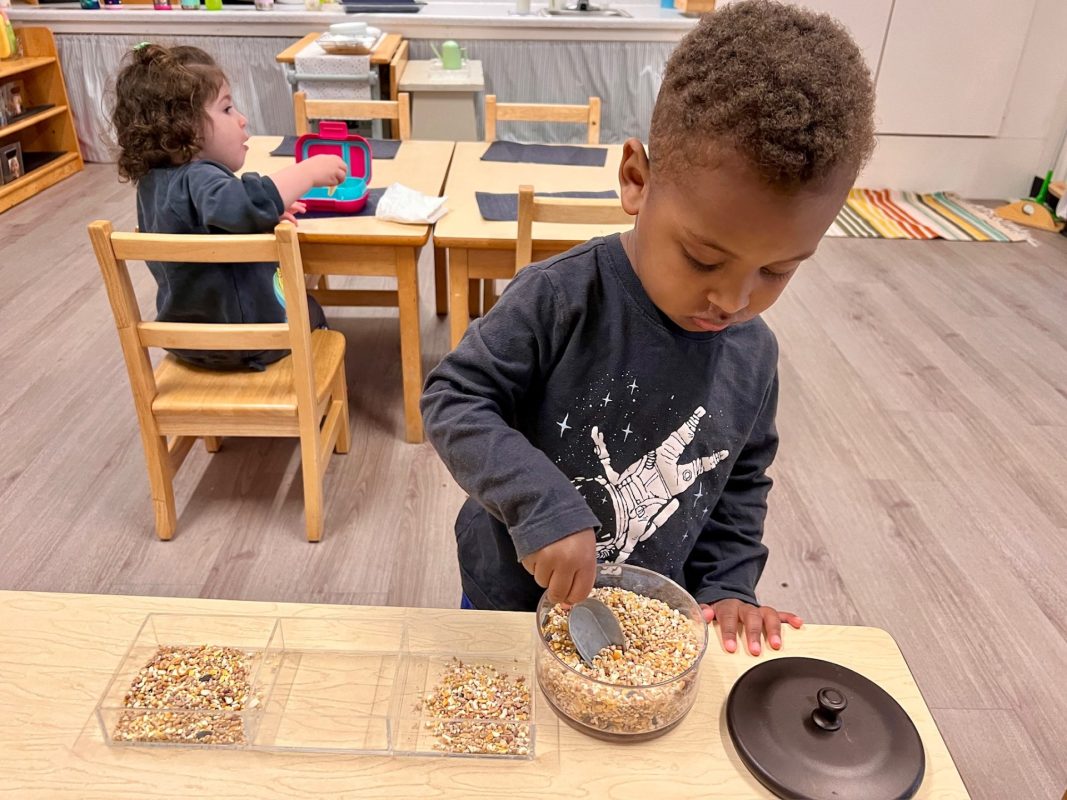
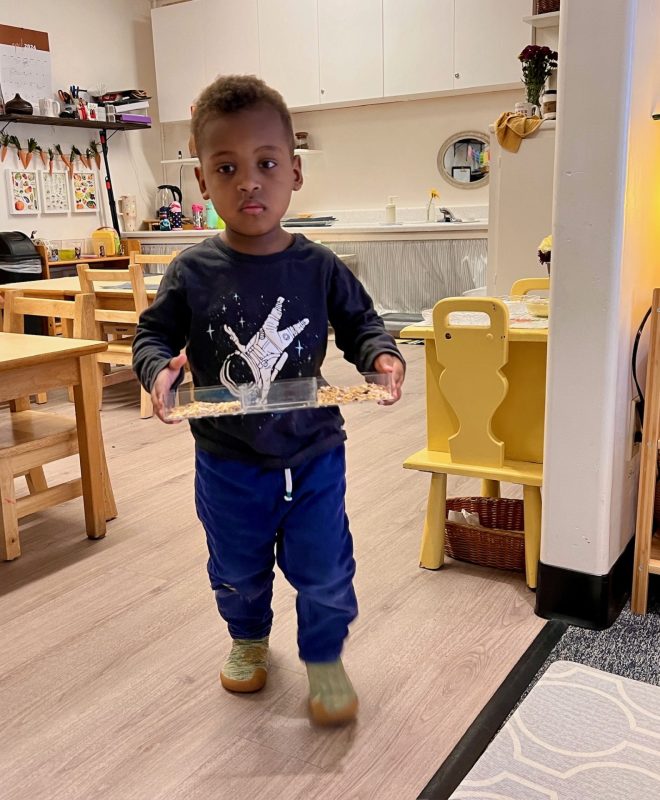
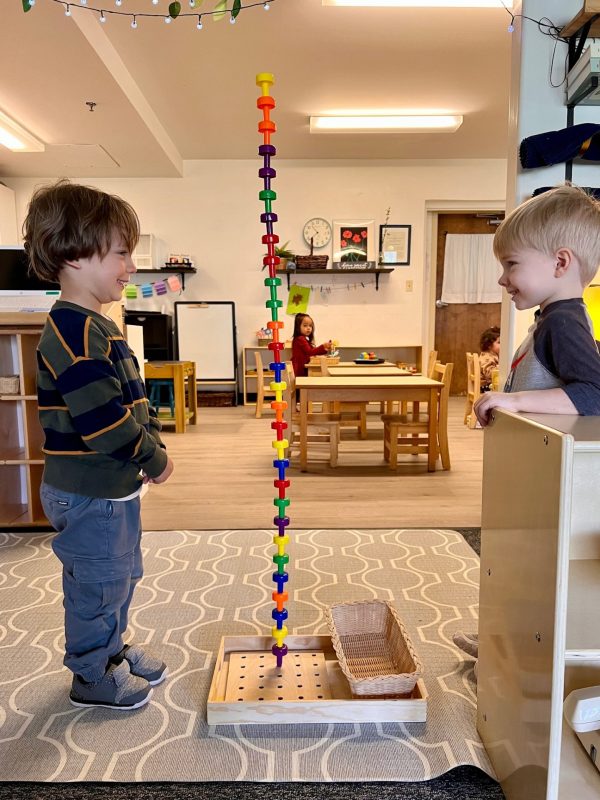
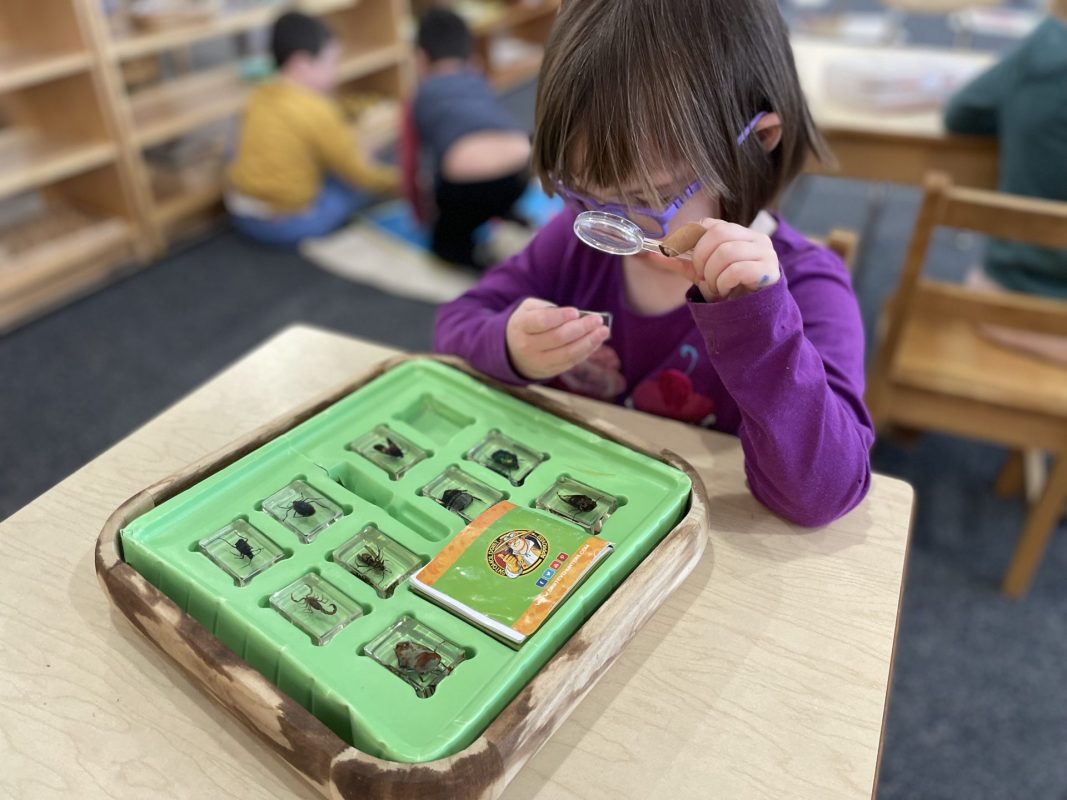
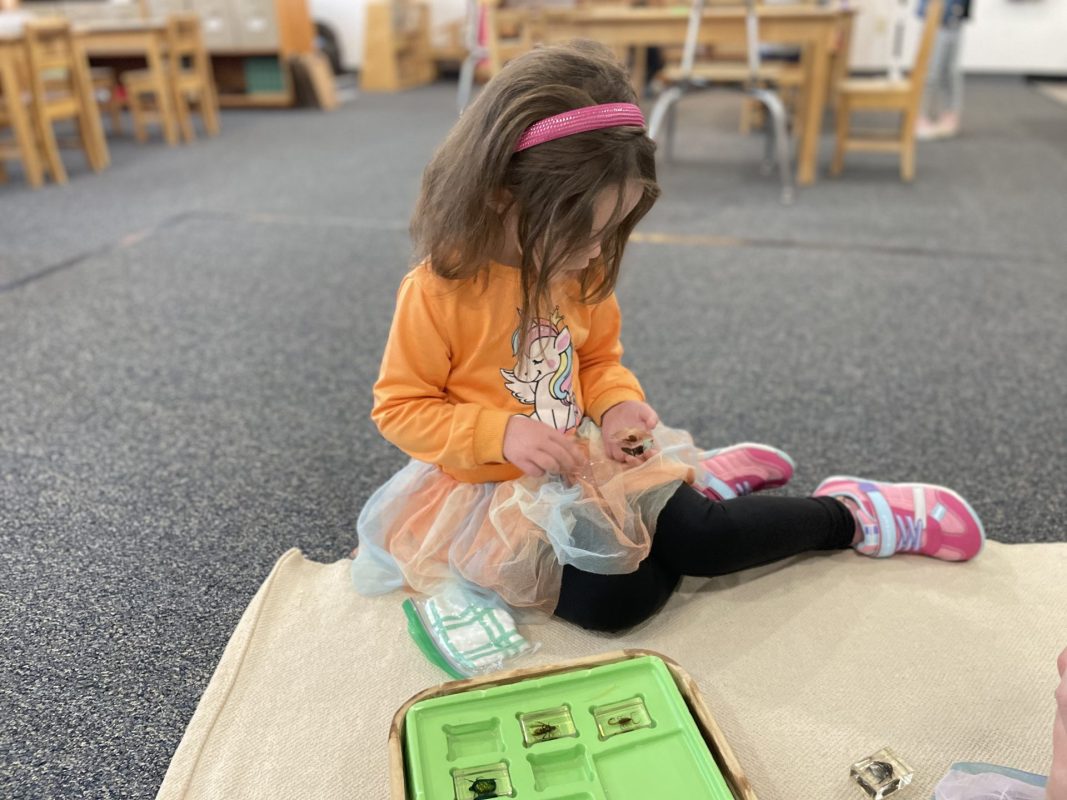
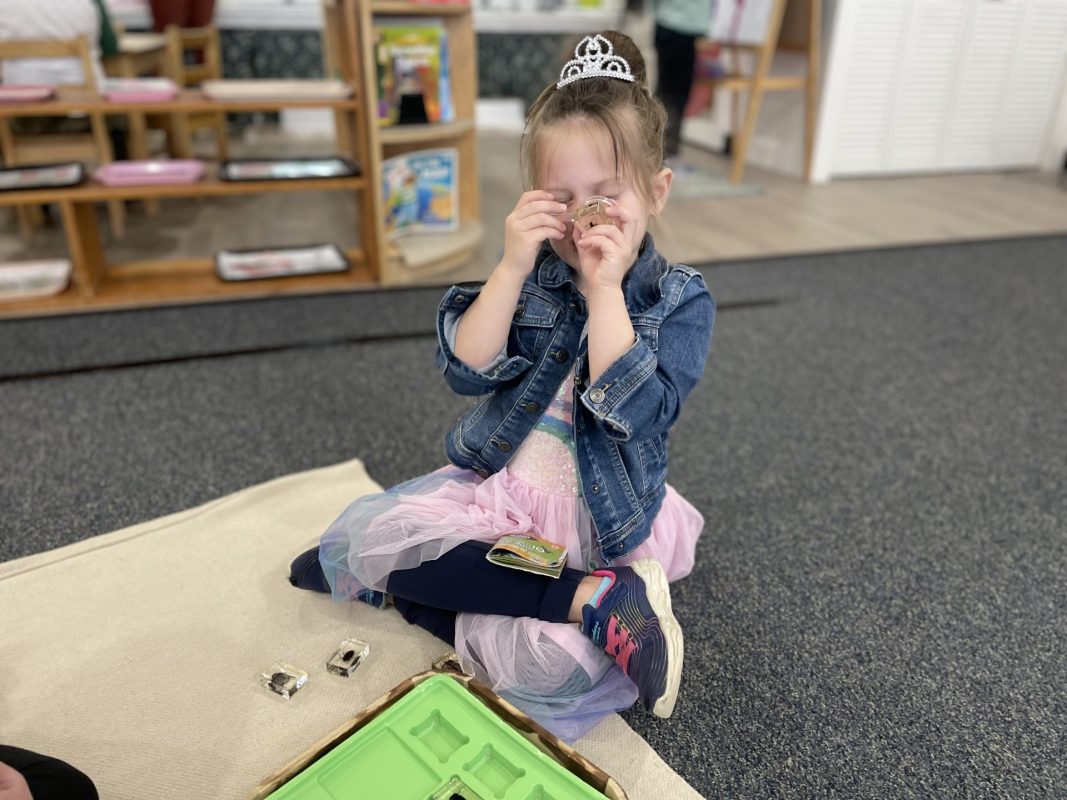
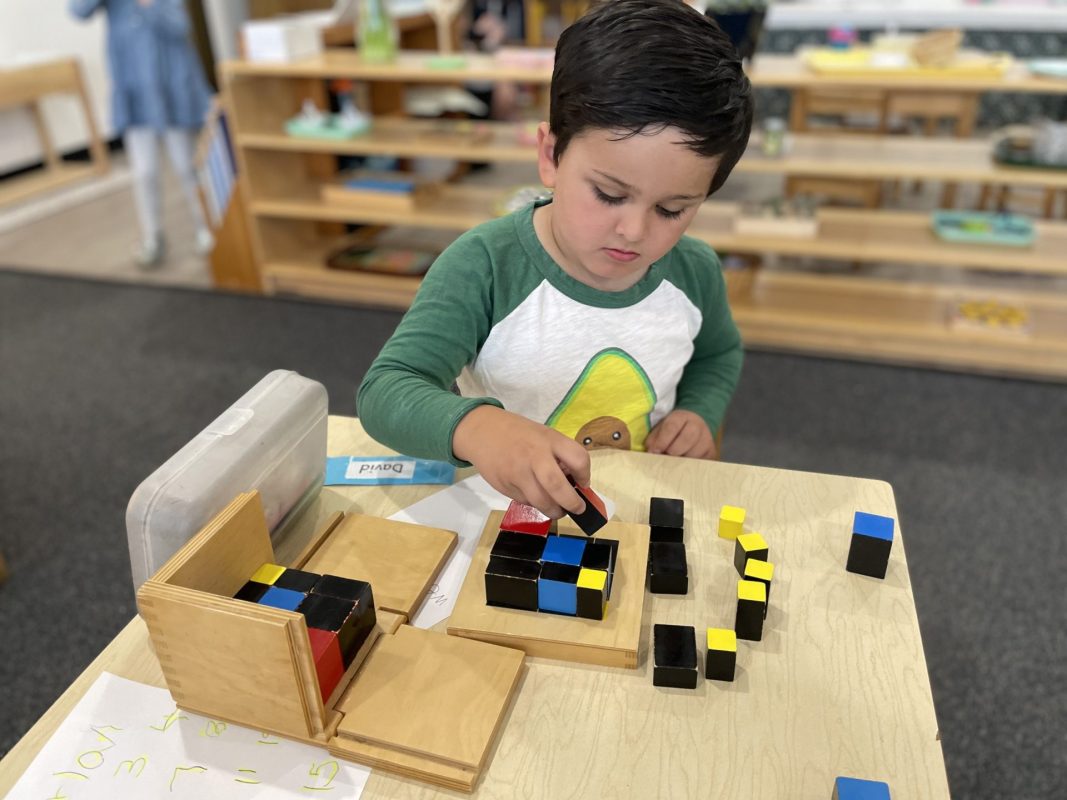
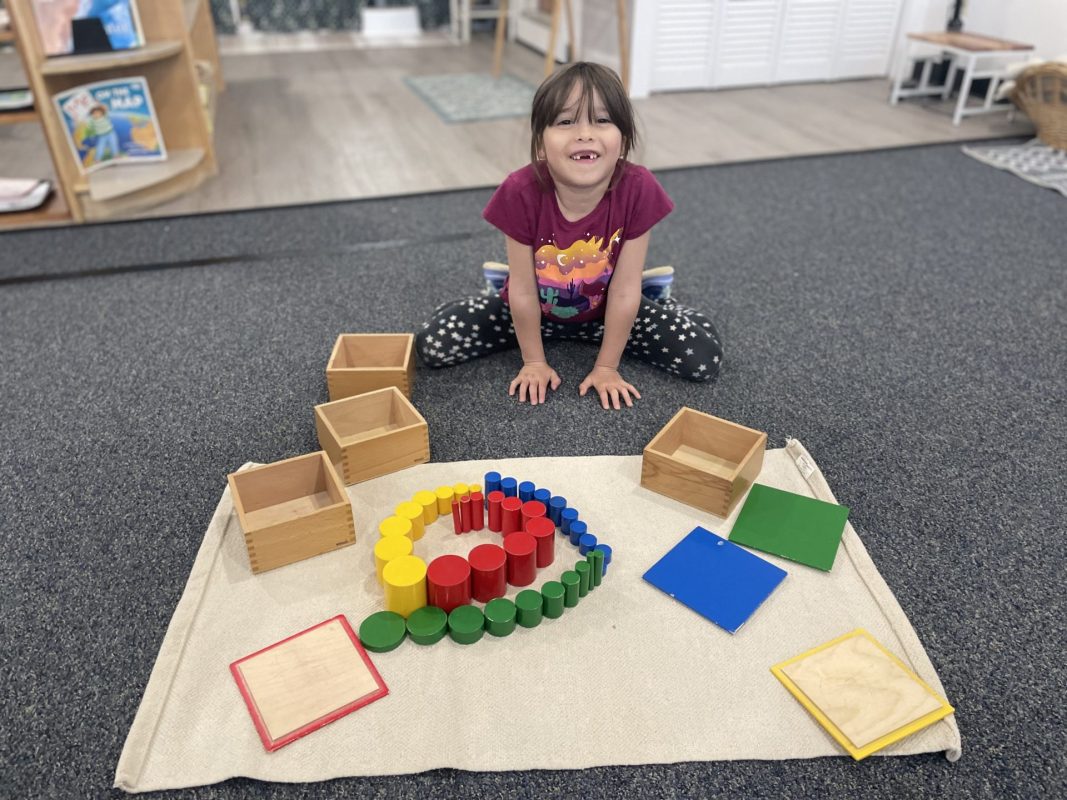
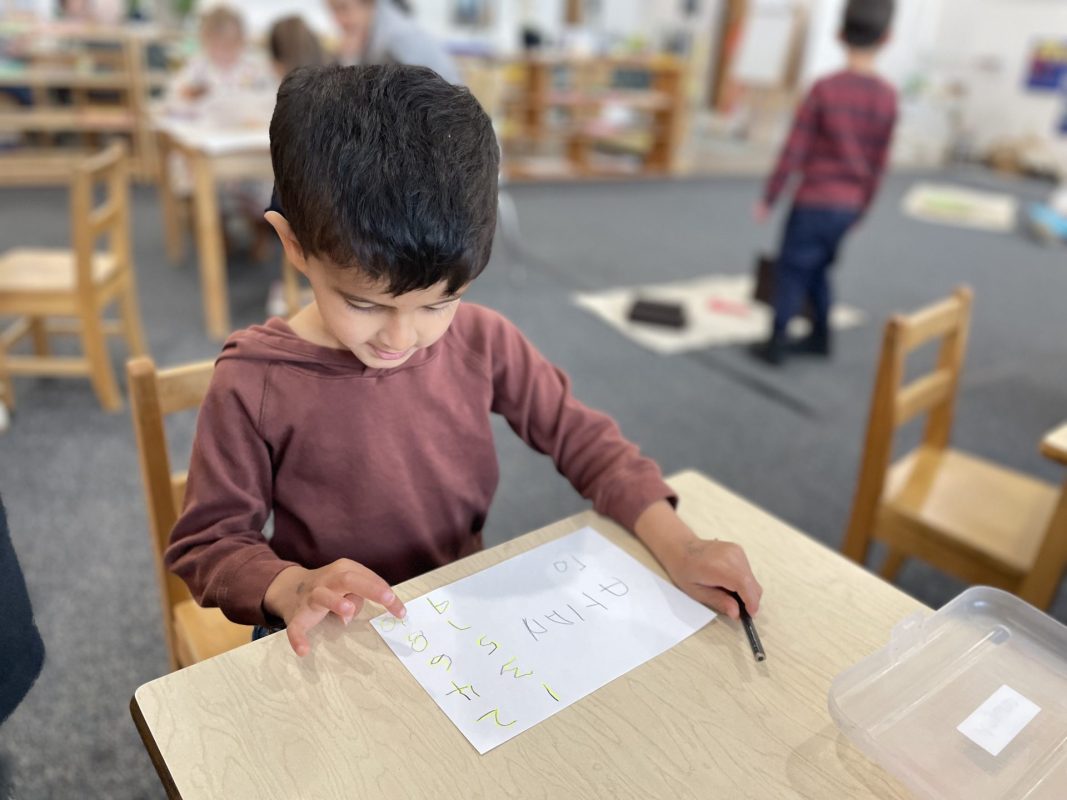
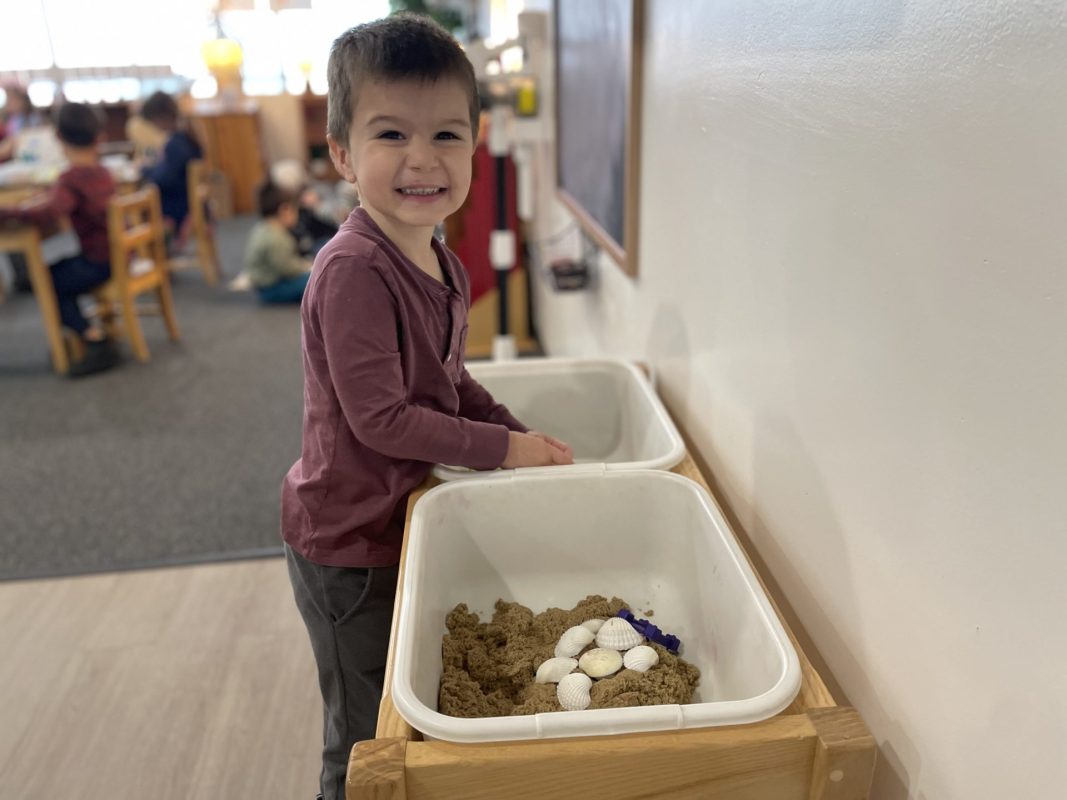
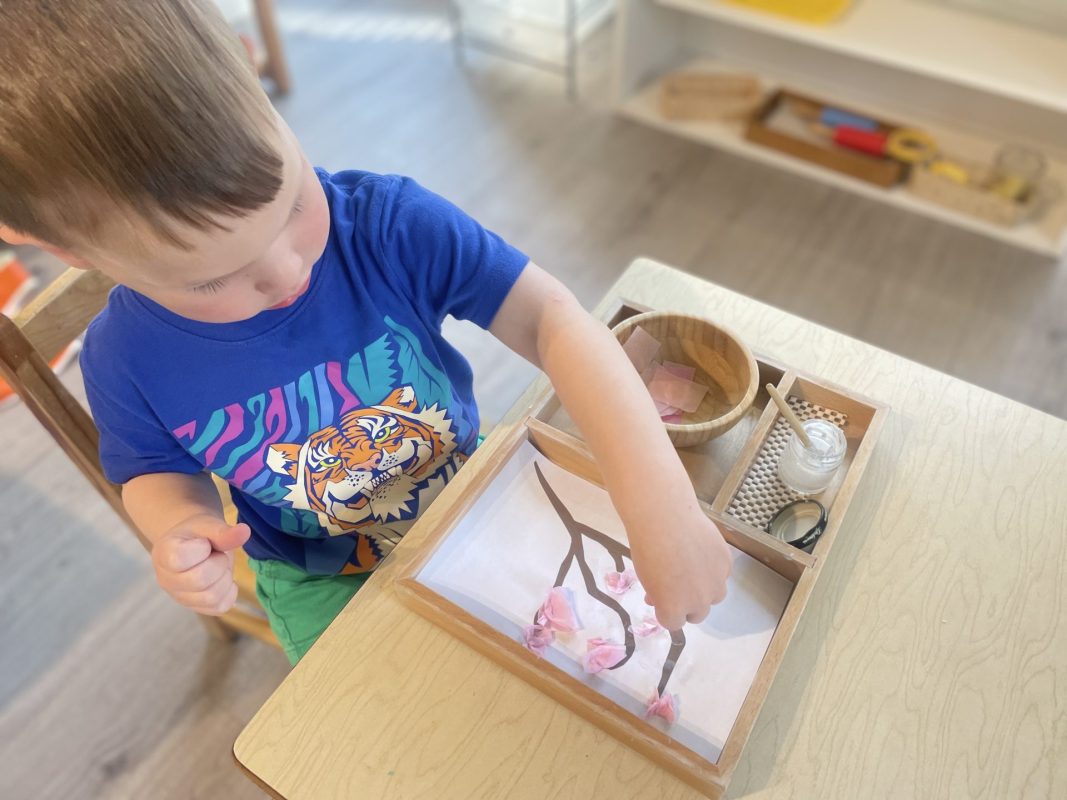
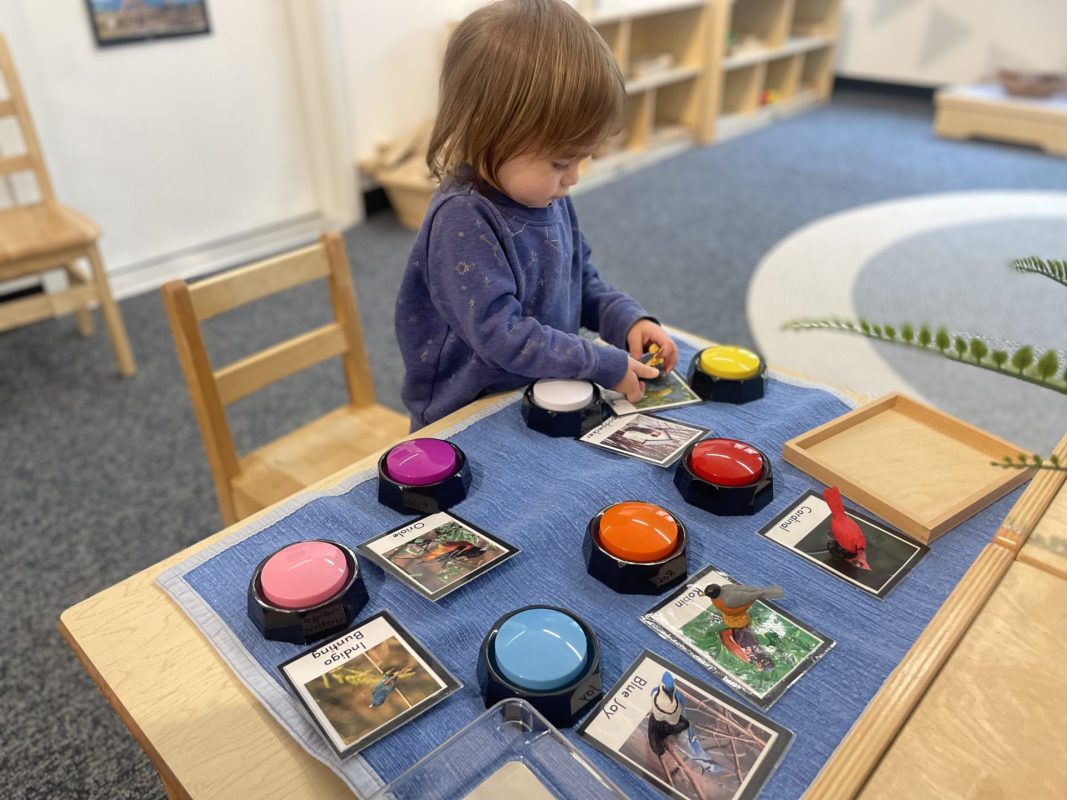
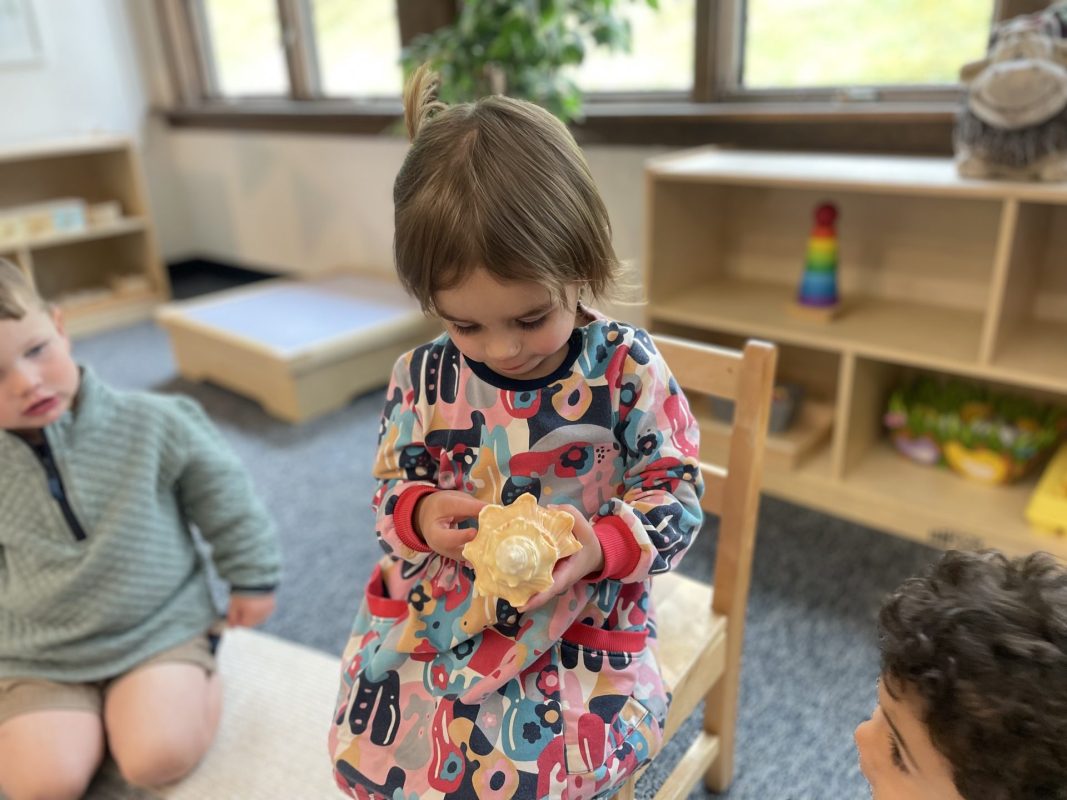
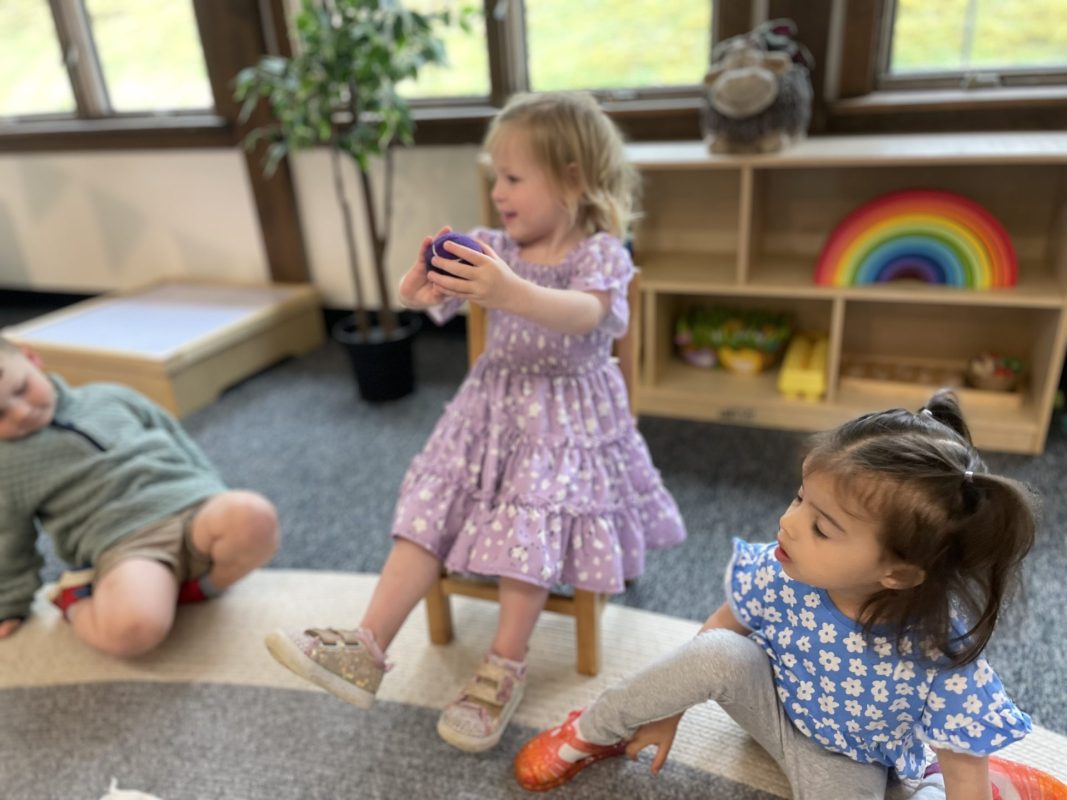
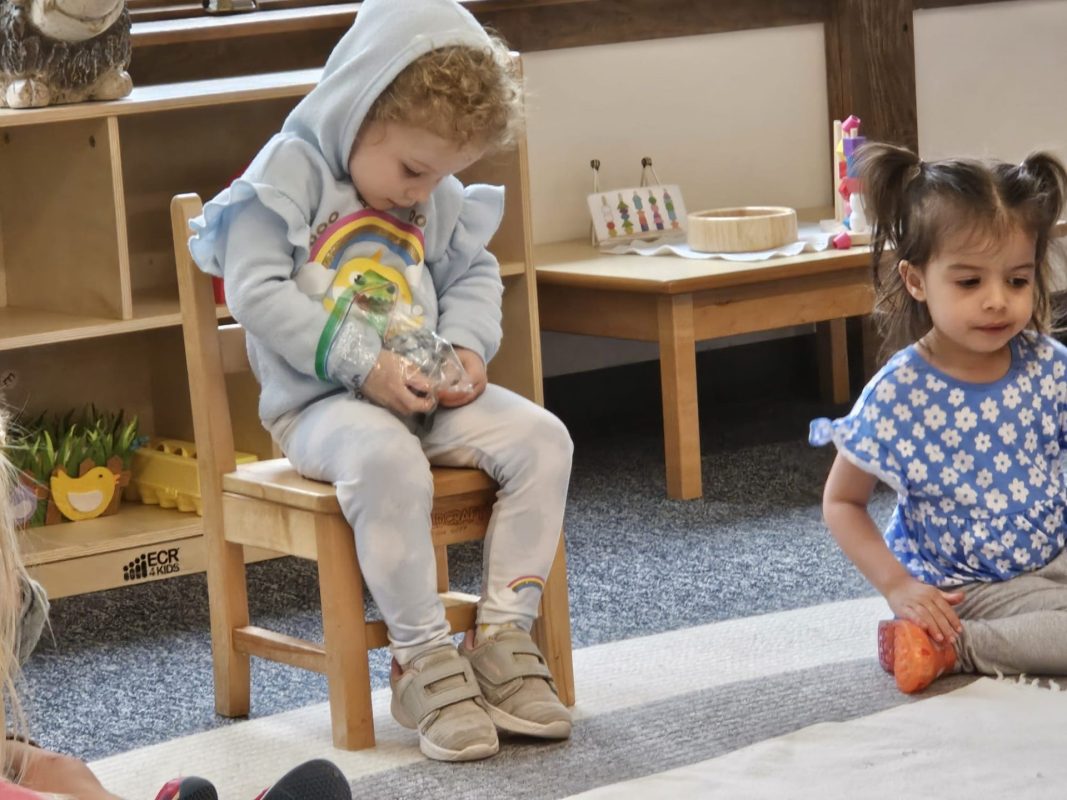
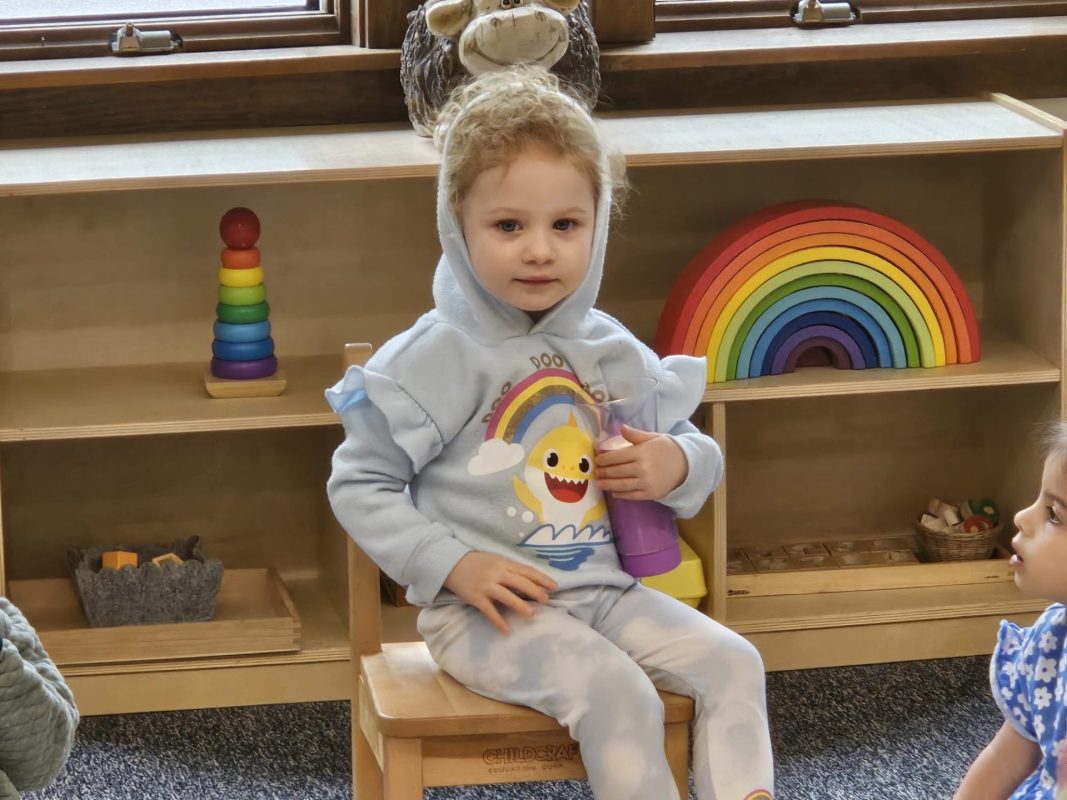
Every Montessori classroom has a Sensorial area, and it is filled with materials that help the child study their environment through their five senses. Maria Montessori believed that sensorial experiences begin at birth for every child, and by refining these skills, they begin to understand their surroundings. The sensorial materials allow the child to acquire concise information and classify things around them. They use their senses not only to create their own experiences and knowledge but also to help them figure out different impressions each sense receives. The child is, therefore, a natural “sensorial explorer.”

Each material in this area has a built-in control of error so that after an initial lesson, little teacher direction is needed. This control of error helps a child determine what needs to happen to complete the lesson successfully. The children can distinguish, categorize, and relate new information to what they already know. Each sensorial material isolates one specific quality, such as color, weight, shape, texture, size, sound, or smell. These materials emphasize this particular quality by eliminating or minimizing other differences. Many of the sensorial materials are also the basis of future mathematical concepts the children will learn.

Wishing you a week filled with peace and love.

Michelle & Maria


Mrs. Lopes: I Sense Something Amazing in Our Class


What the hand does, the mind remembers
. —
Maria Montessori

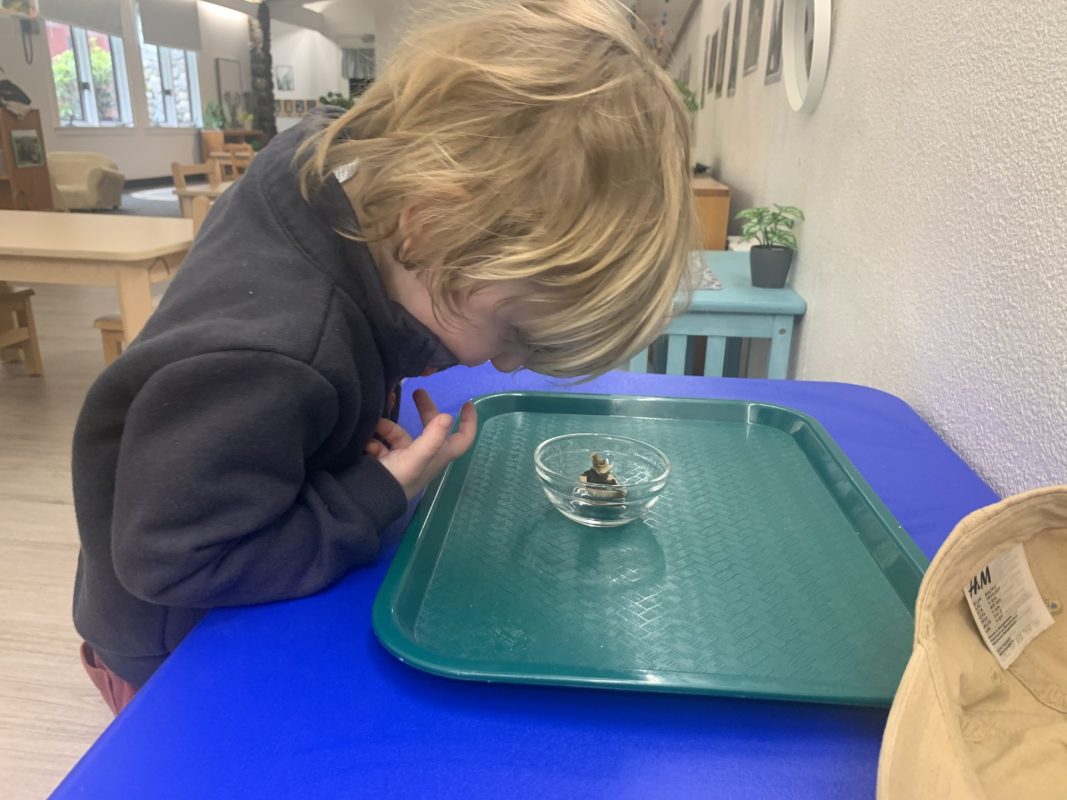
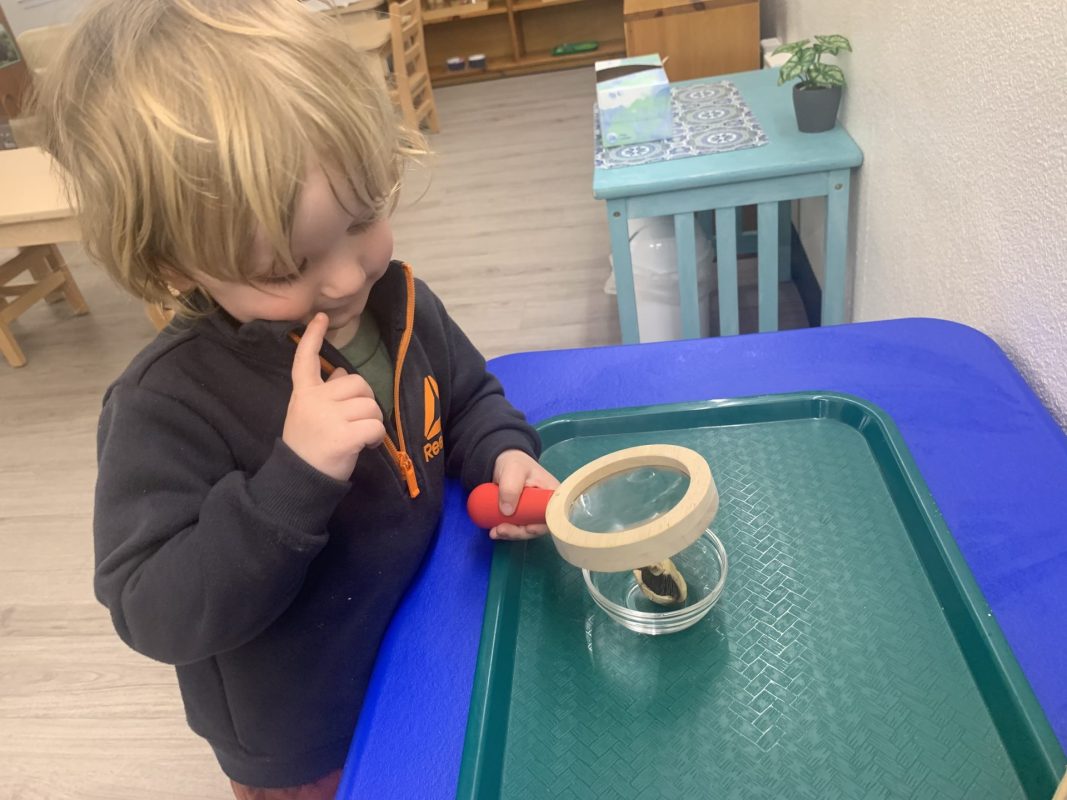
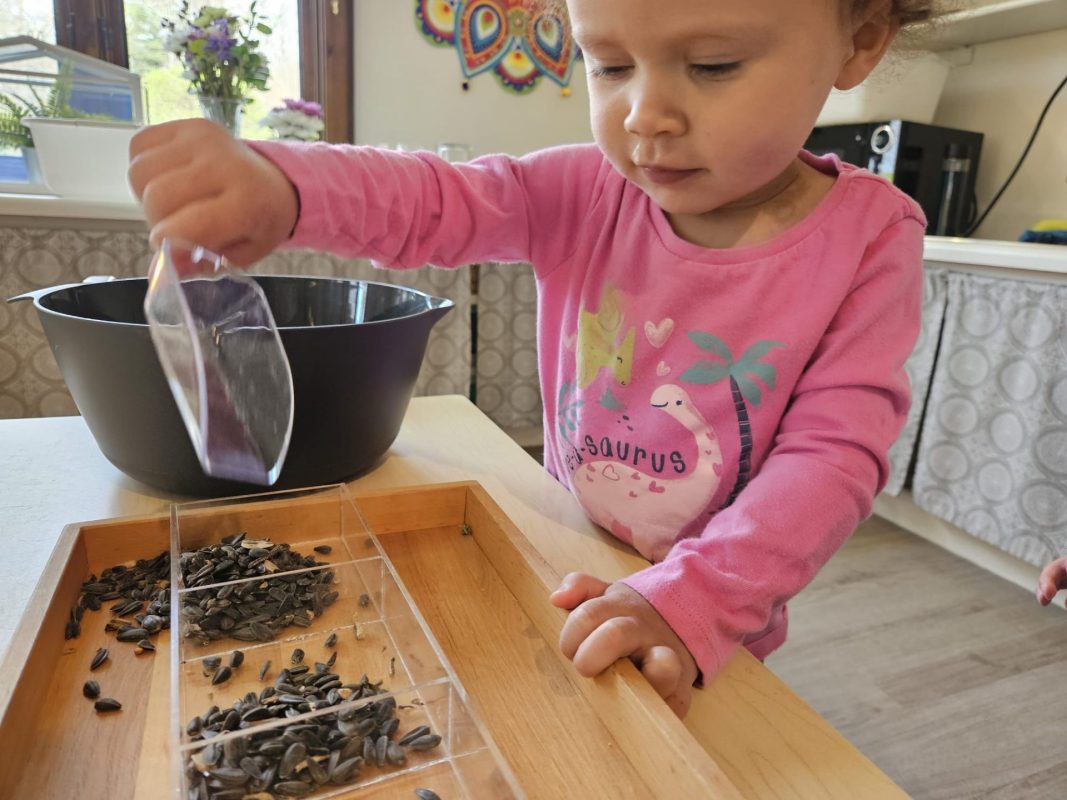
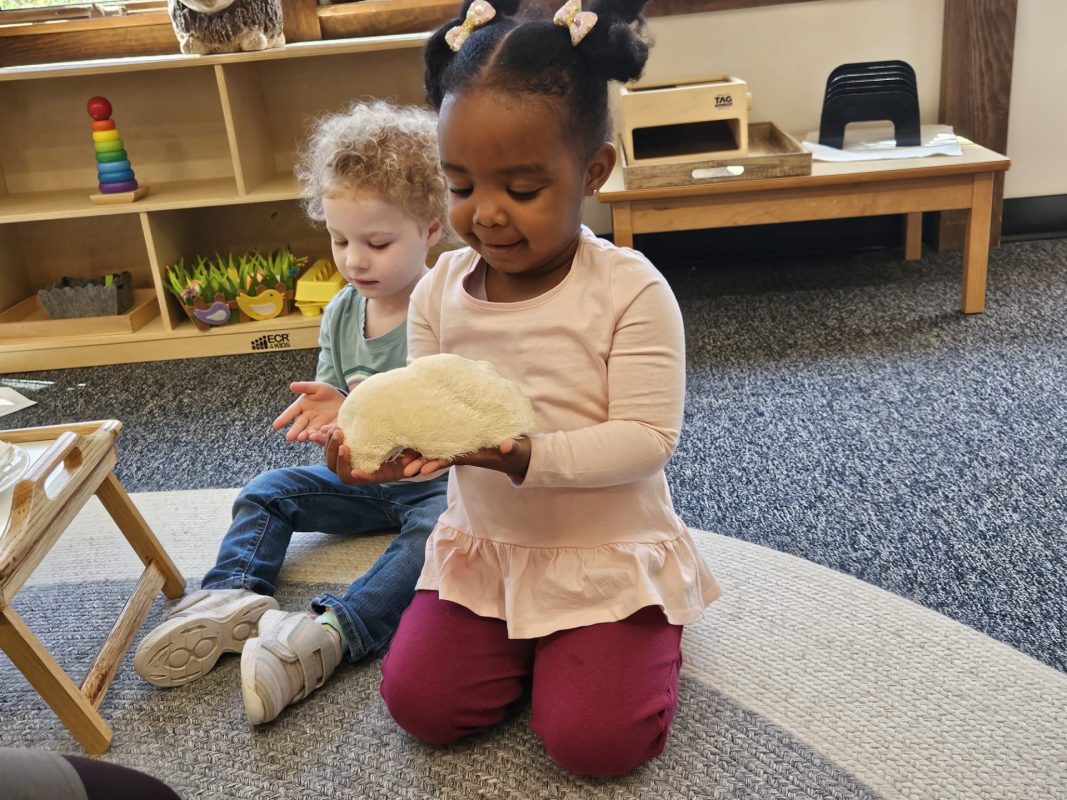
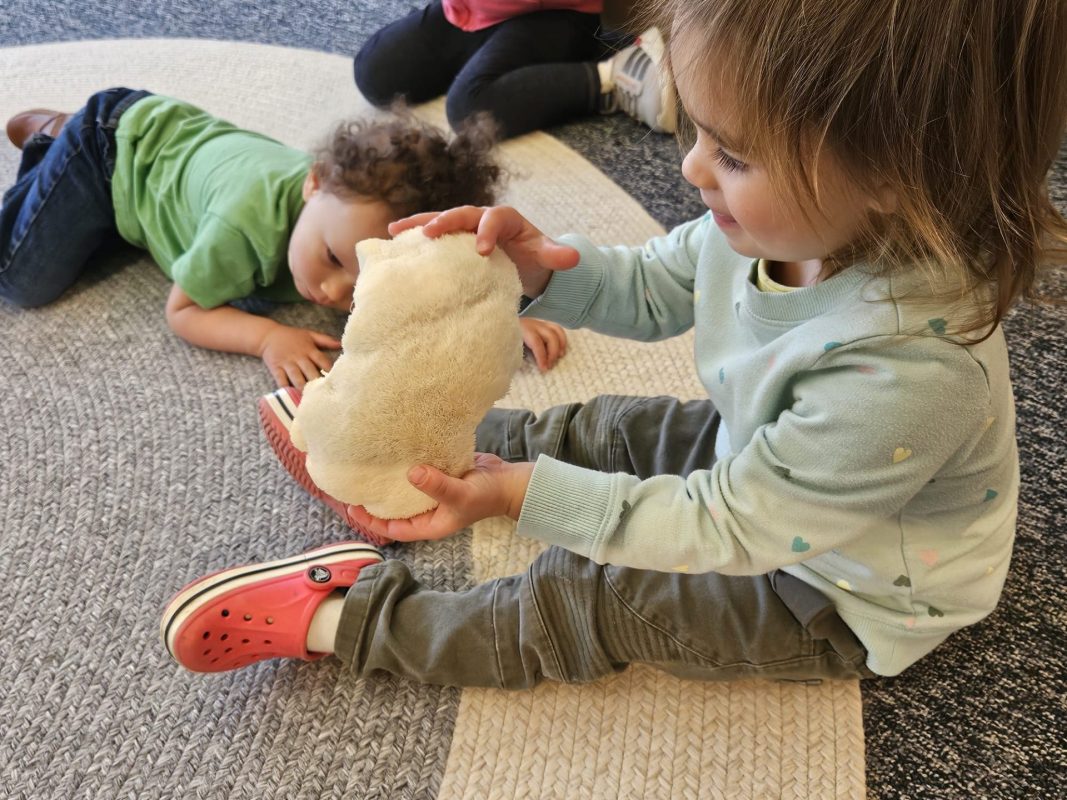
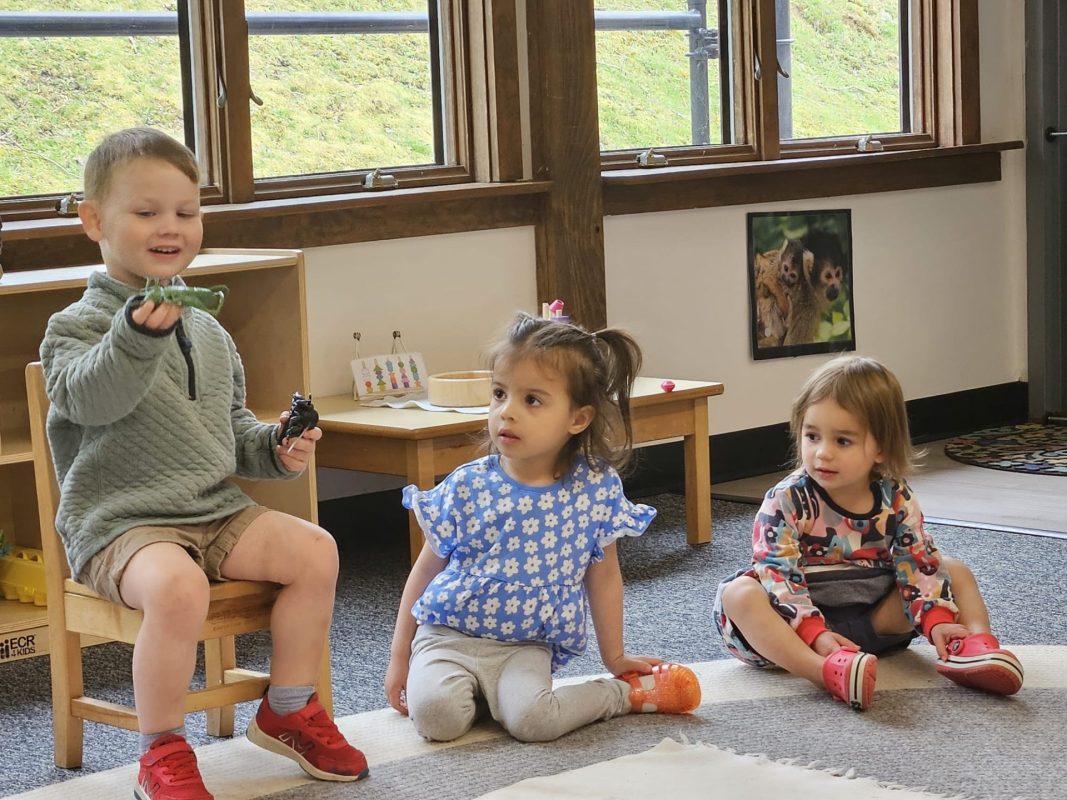
Every Montessori classroom has a Sensorial area, and it is filled with materials that help the child study their environment through their five senses. Maria Montessori believed that sensorial experiences begin at birth for every child, and by refining these skills, they begin to understand their surroundings. The sensorial materials allow the child to acquire concise information and classify things around them. They use their senses not only to create their own experiences and knowledge but also to help them figure out different impressions each sense receives. The child is, therefore, a natural “sensorial explorer.”

Each material in this area has a built-in control of error so that after an initial lesson, little teacher direction is needed. This control of error helps a child determine what needs to happen to complete the lesson successfully. The children can distinguish, categorize, and relate new information to what they already know. Each sensorial material isolates one specific quality, such as color, weight, shape, texture, size, sound, or smell. These materials emphasize this particular quality by eliminating or minimizing other differences. Many of the sensorial materials are also the basis of future mathematical concepts the children will learn.

Wishing you a week filled with peace and love.

Amanda & Hema


Mrs. Wilson: Exploring Color Mixing

March flew by quickly, and the children returned from their two-week break full of energy. They were excited to see their friends and teachers and quickly settled back into their routines, eager to learn new skills.

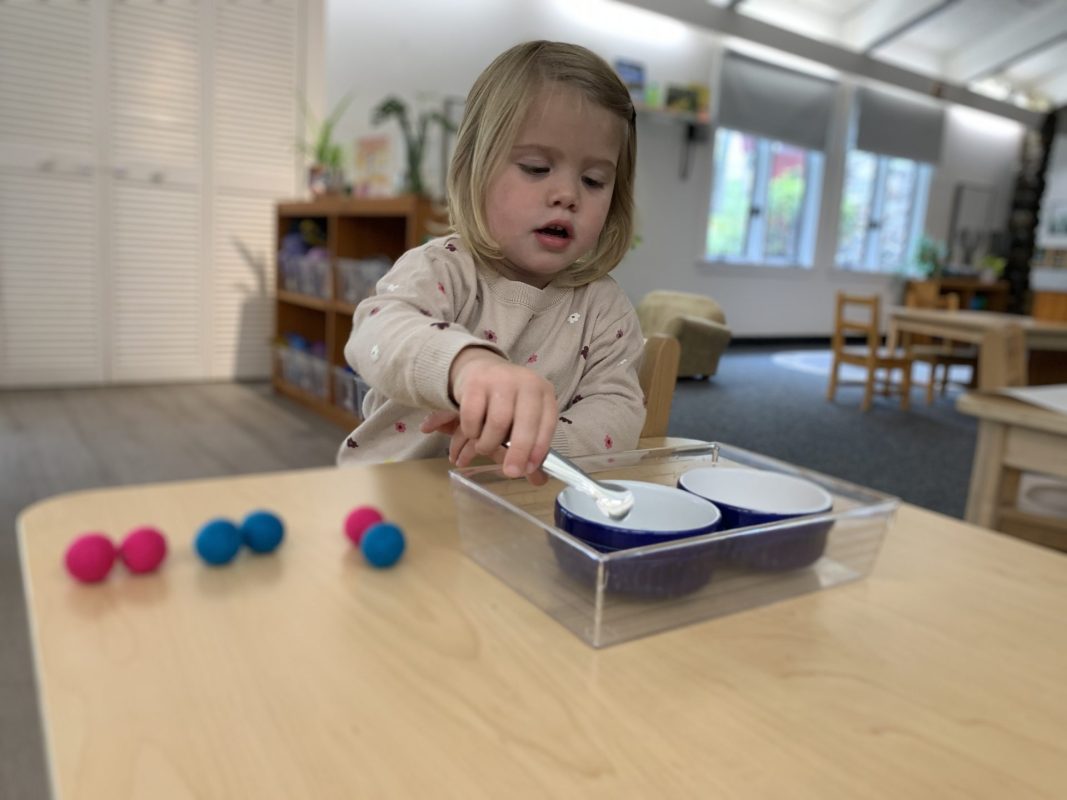
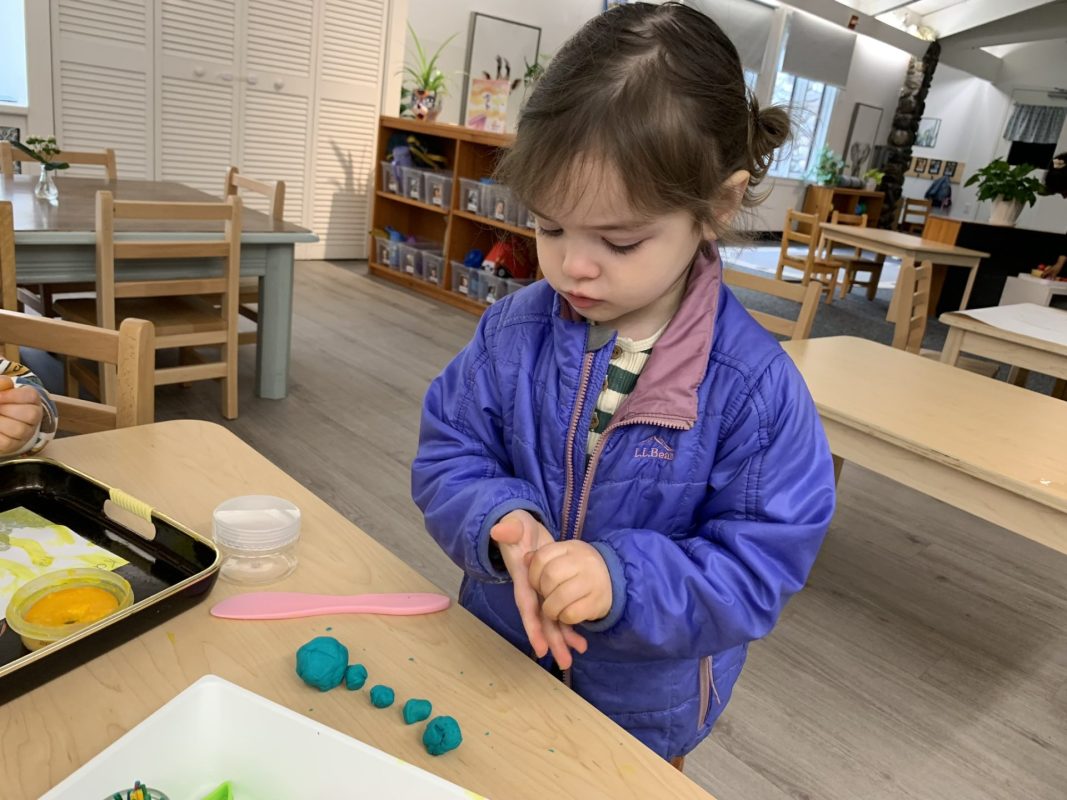
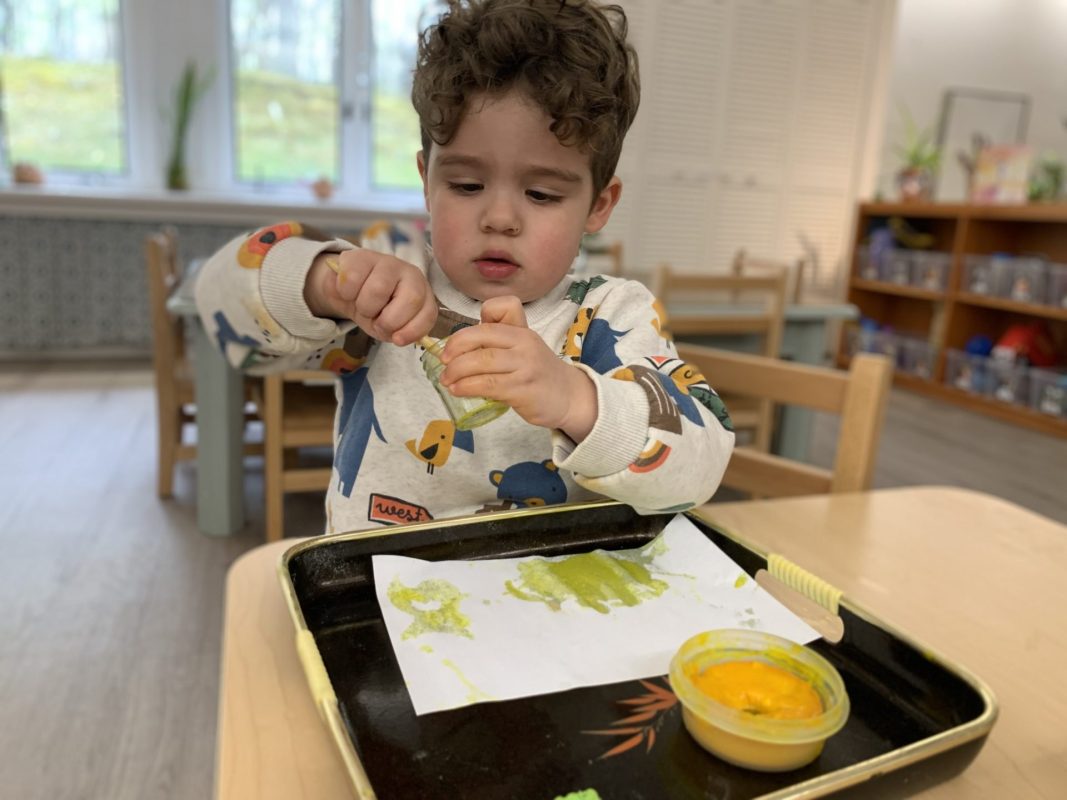
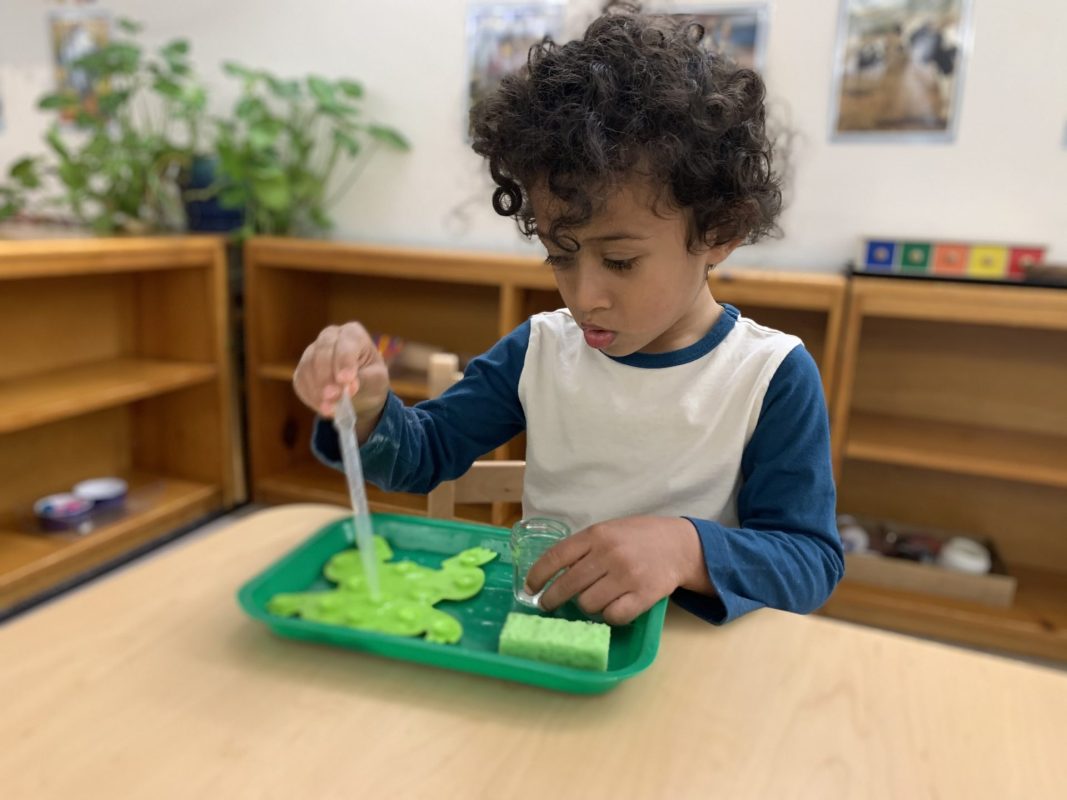
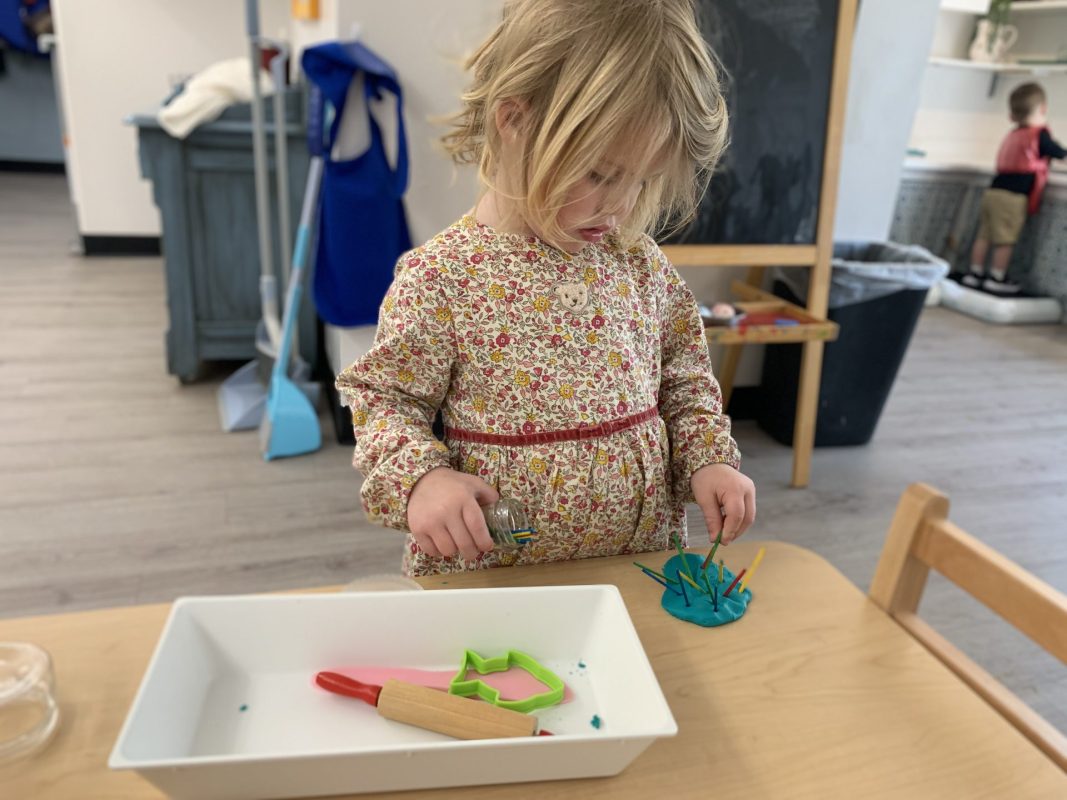
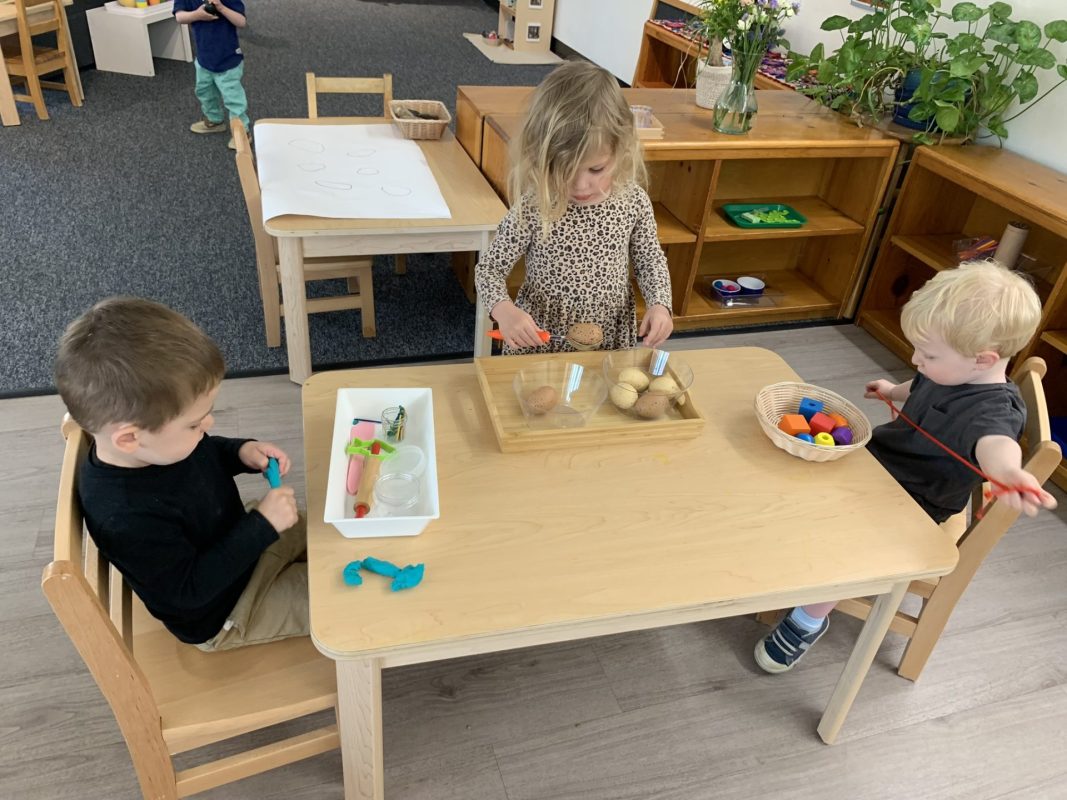
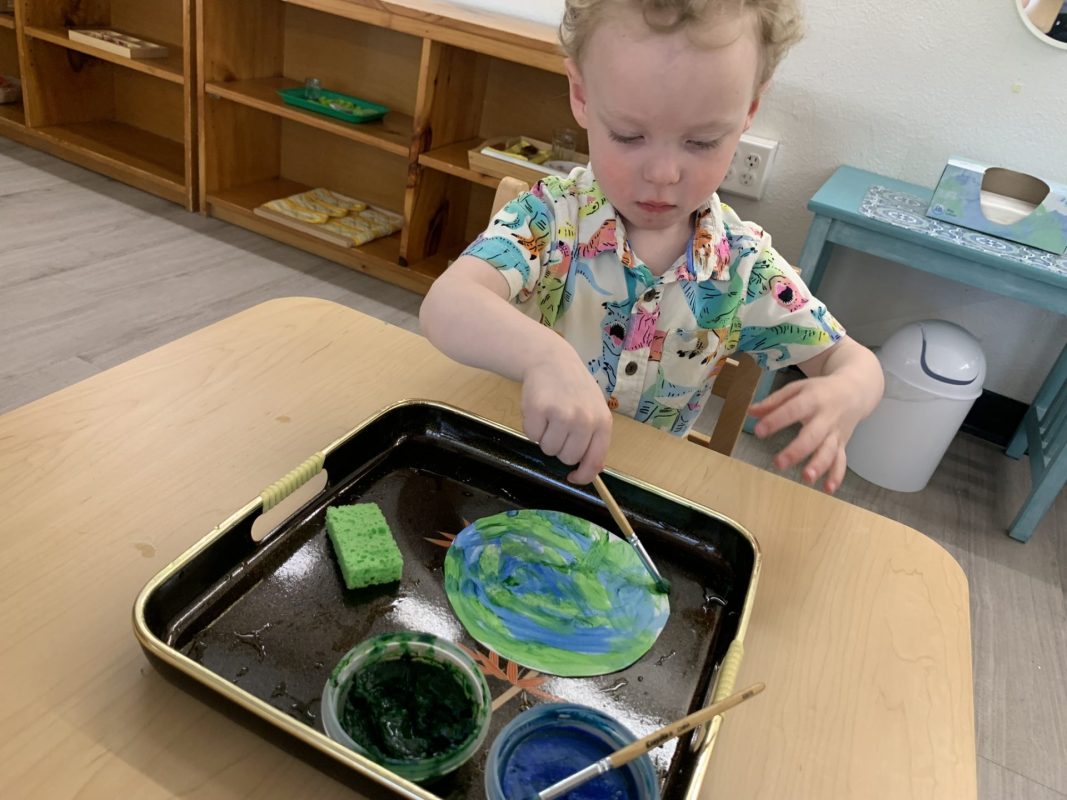
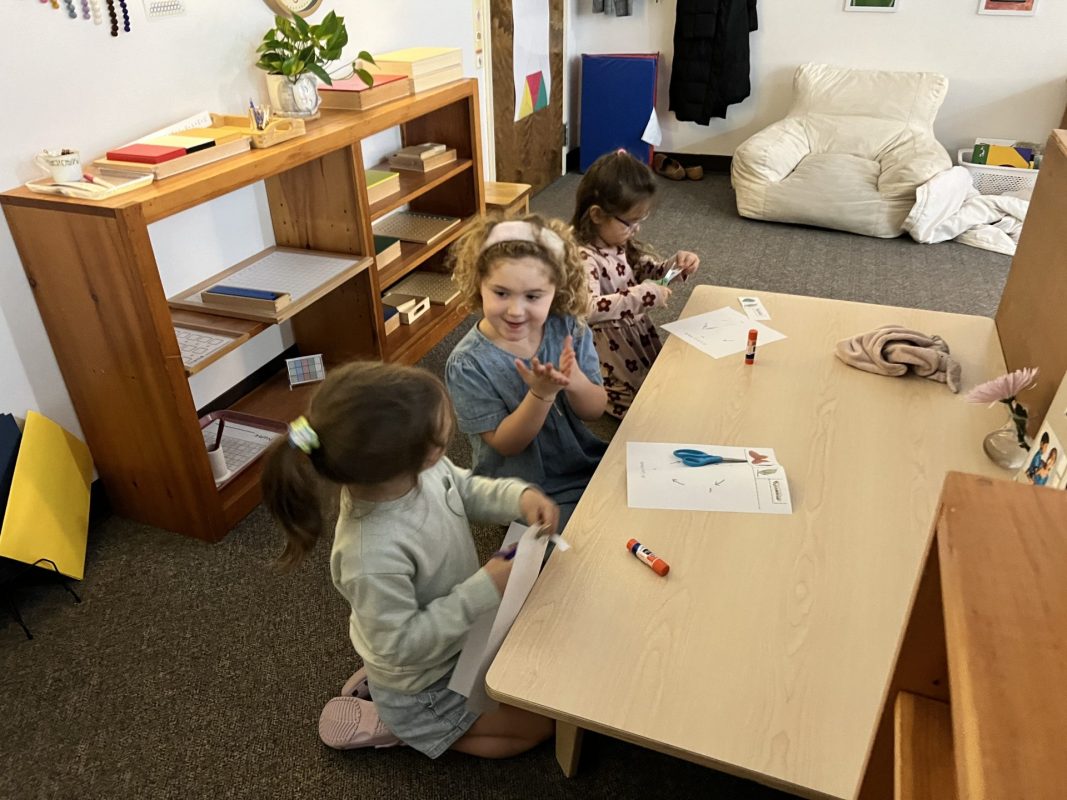
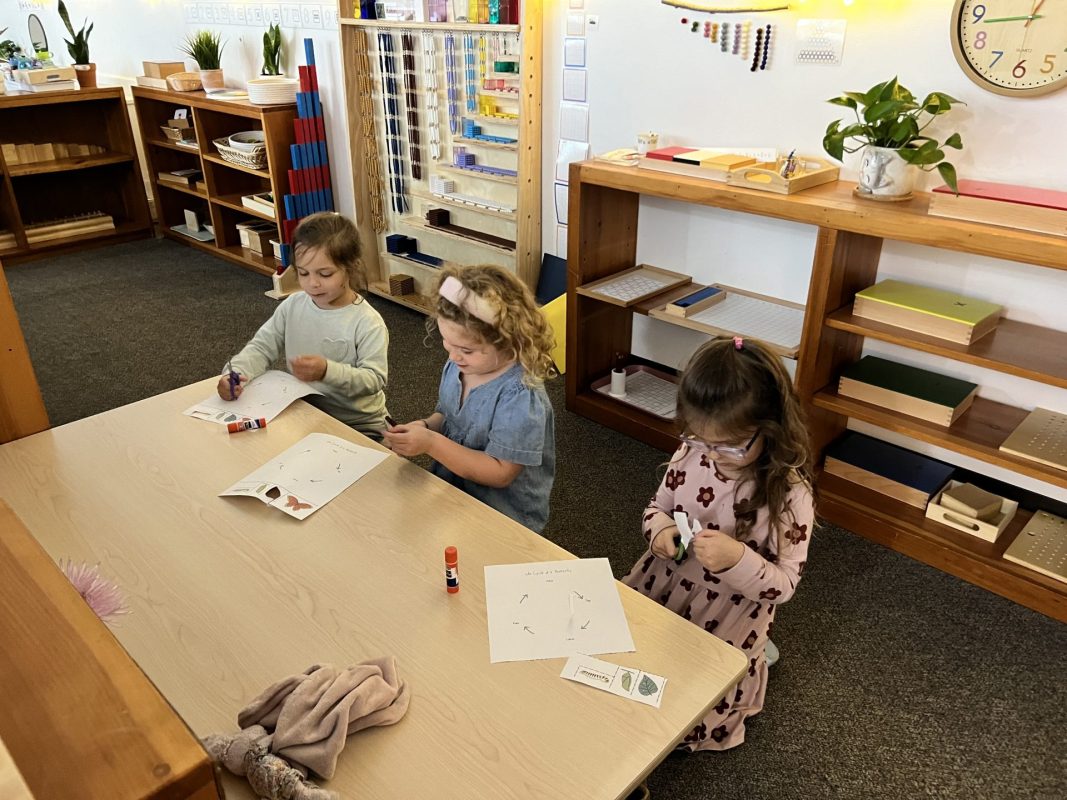
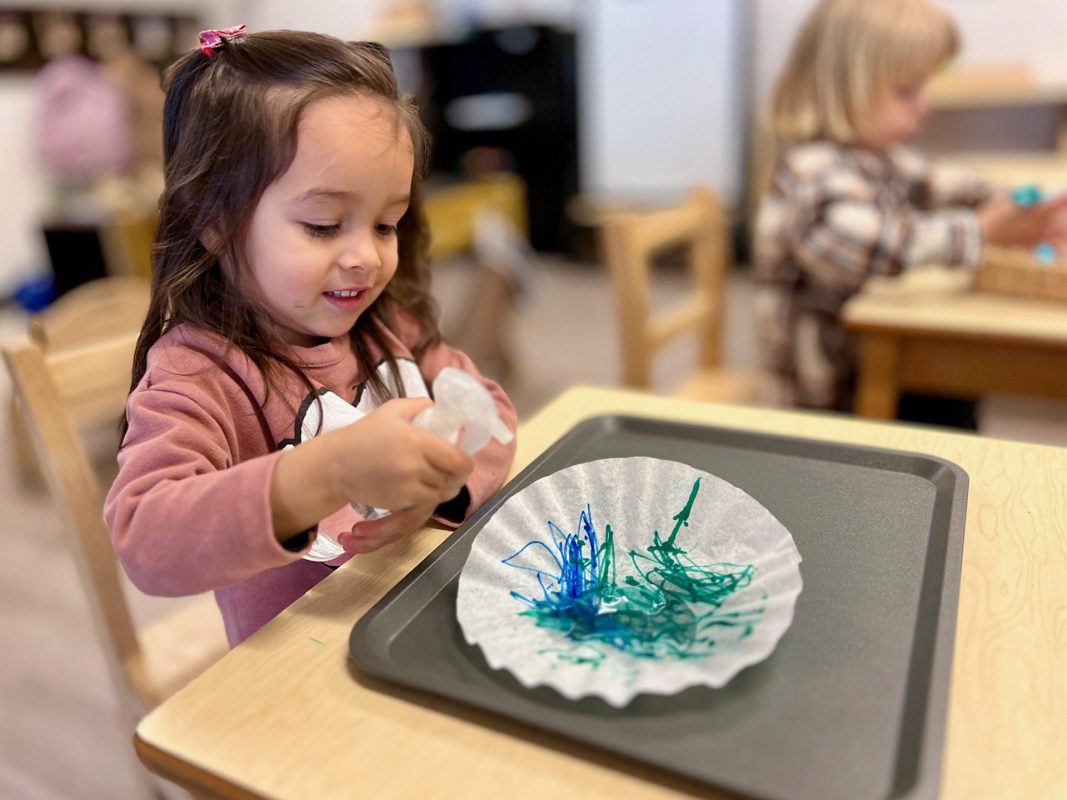
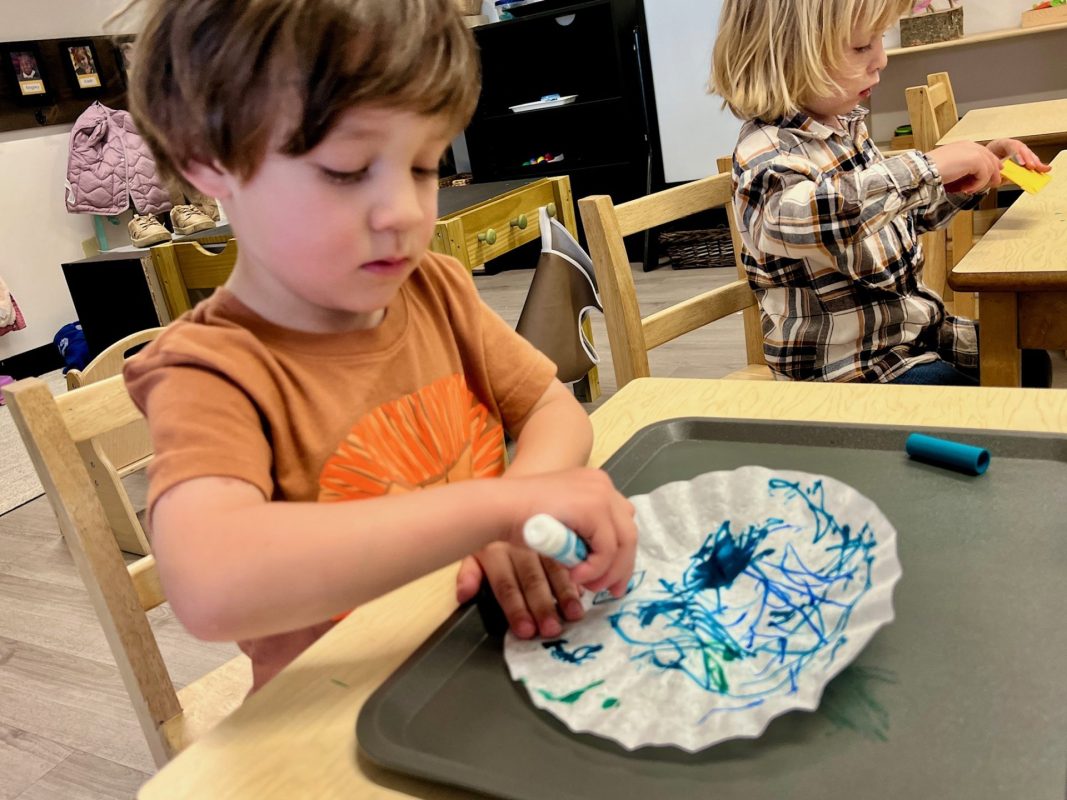
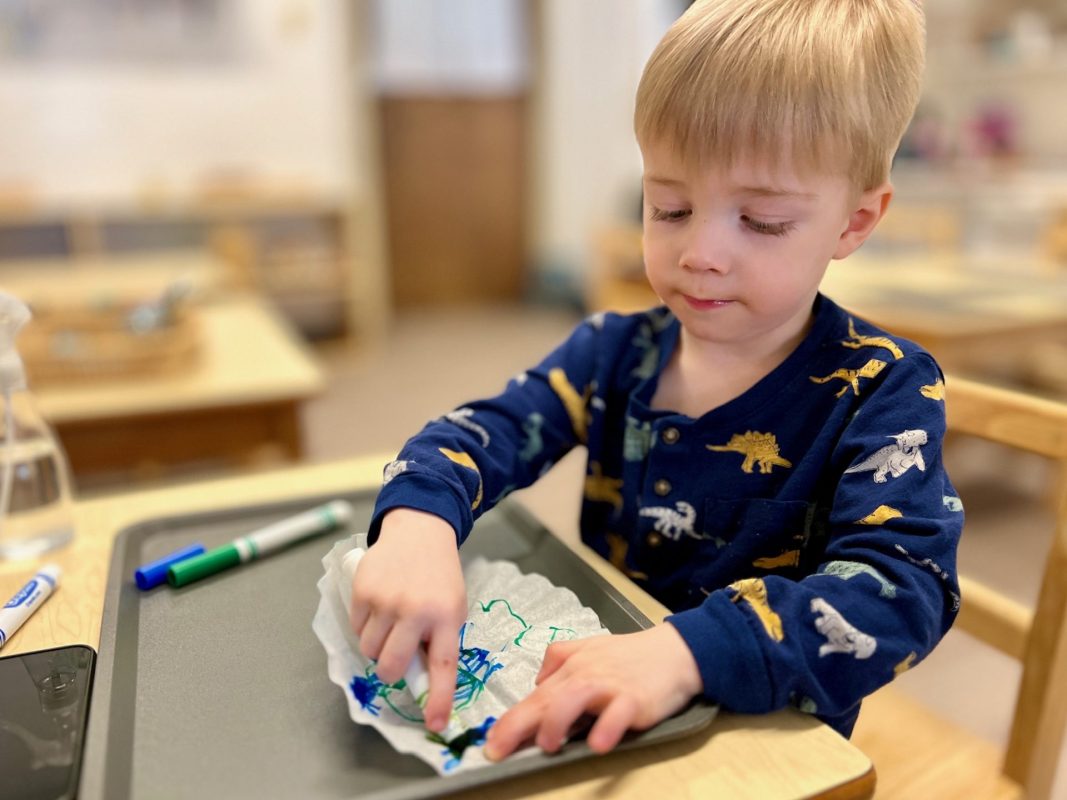
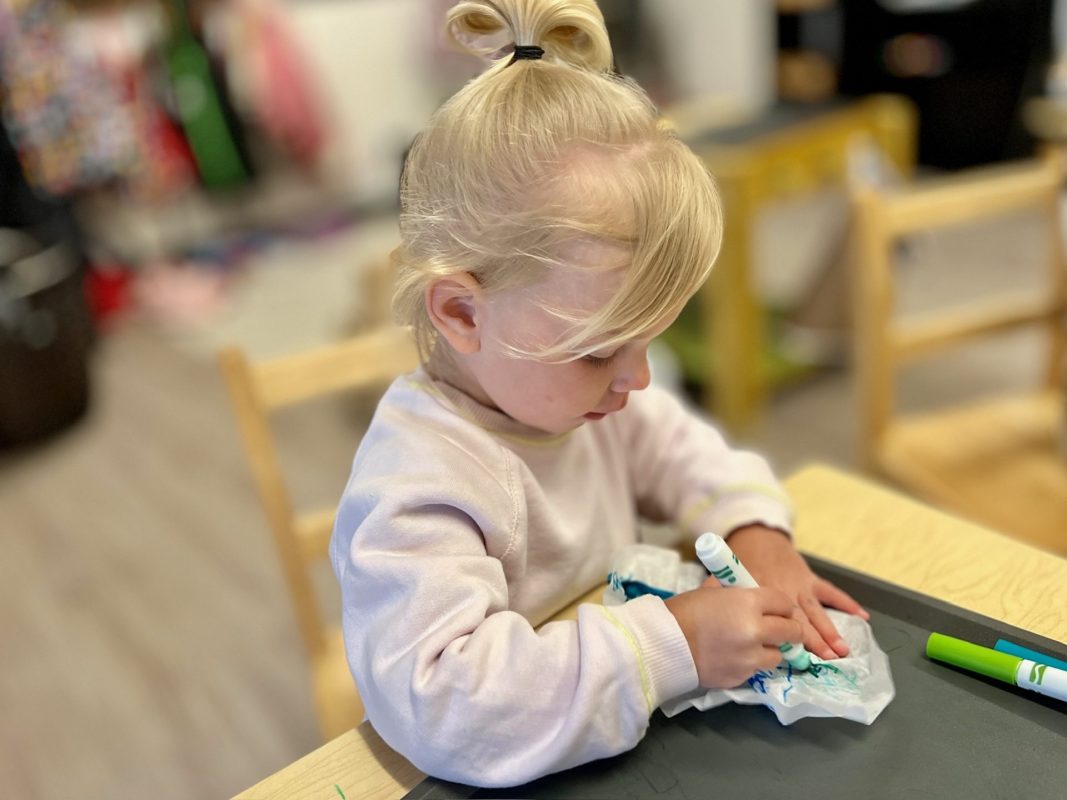
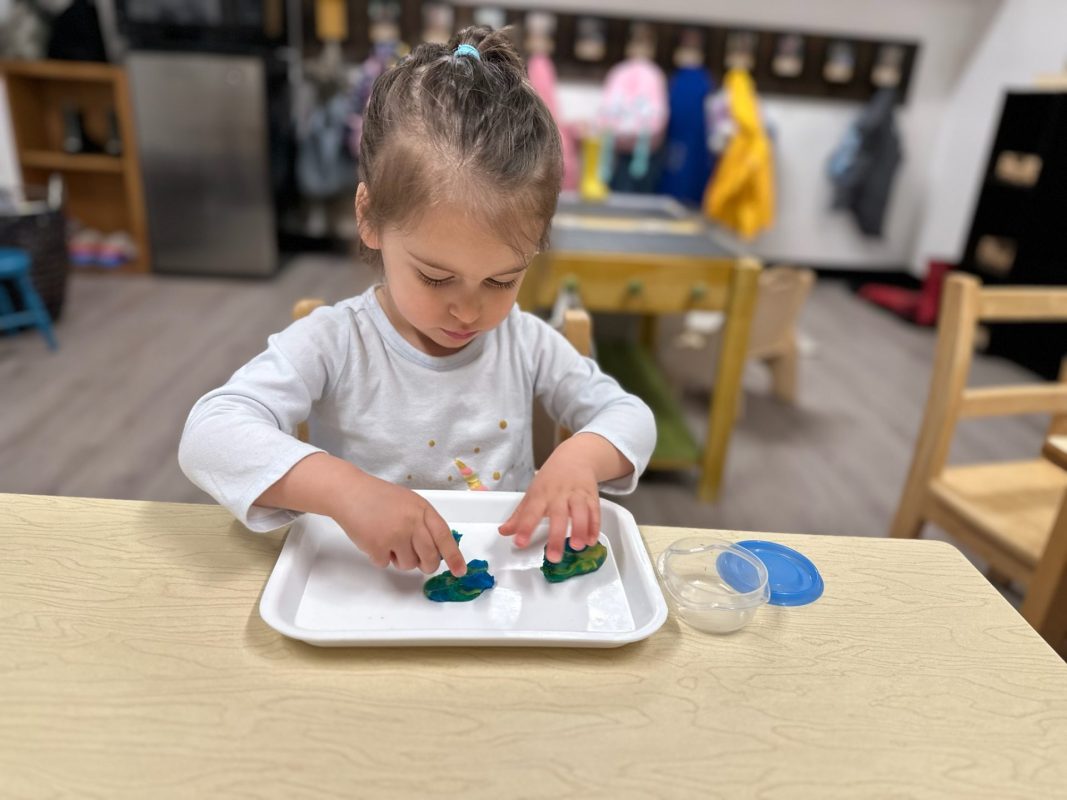
On Monday, they were introduced to two new lessons. The first was based on the book Mouse Paint by Ellen Stoll Walsh, which taught the children about color mixing. They not only listened to the story but also got a visual representation of how primary colors mix. We did this by using food coloring and cotton balls as the mice. To extend this lesson, over the next two weeks, the children will be able to mix their colors using playdough and take it home.

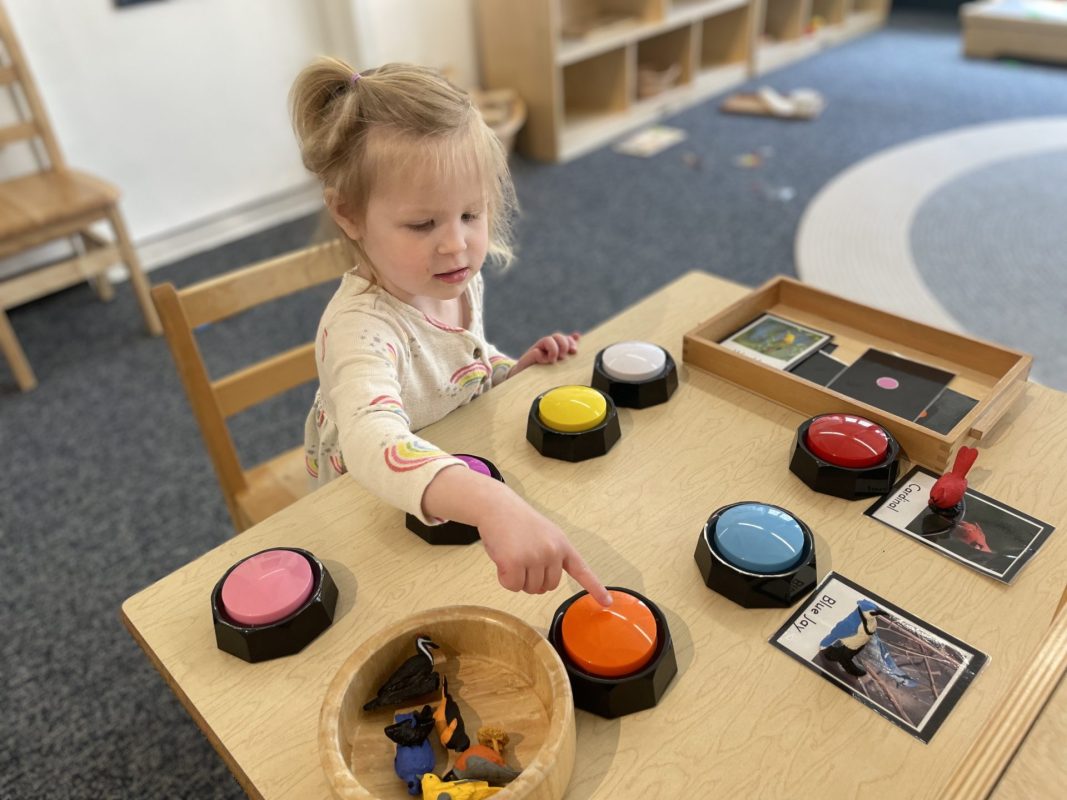
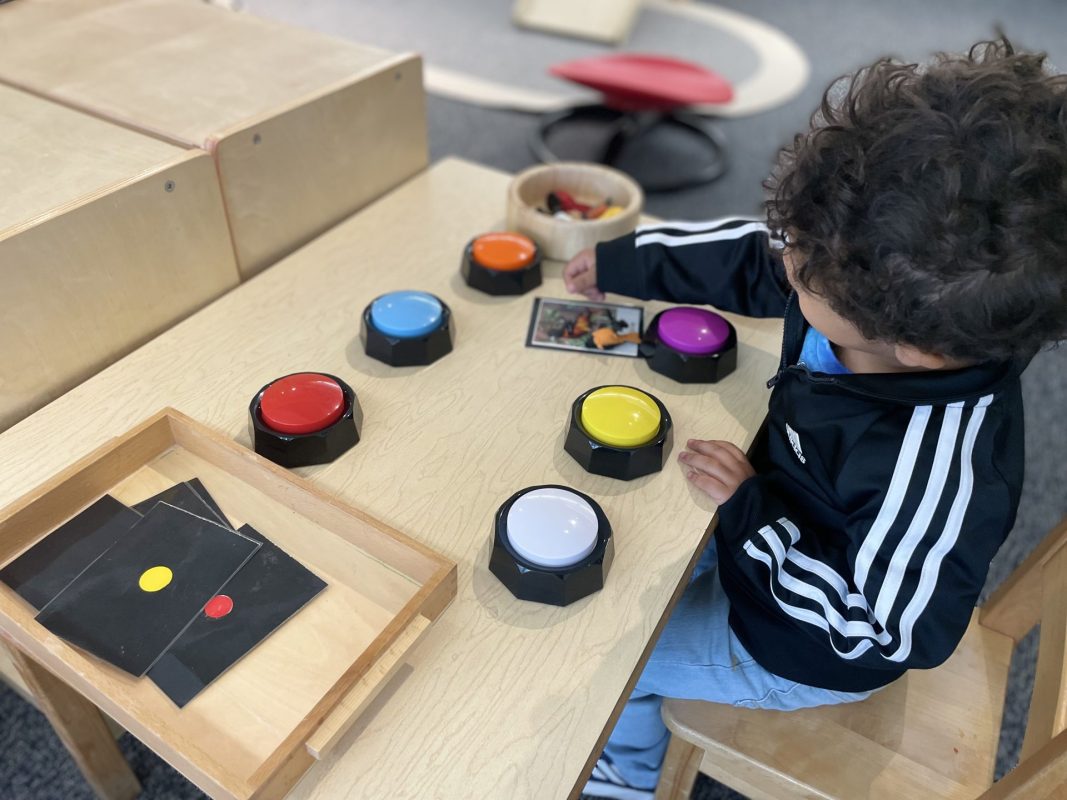
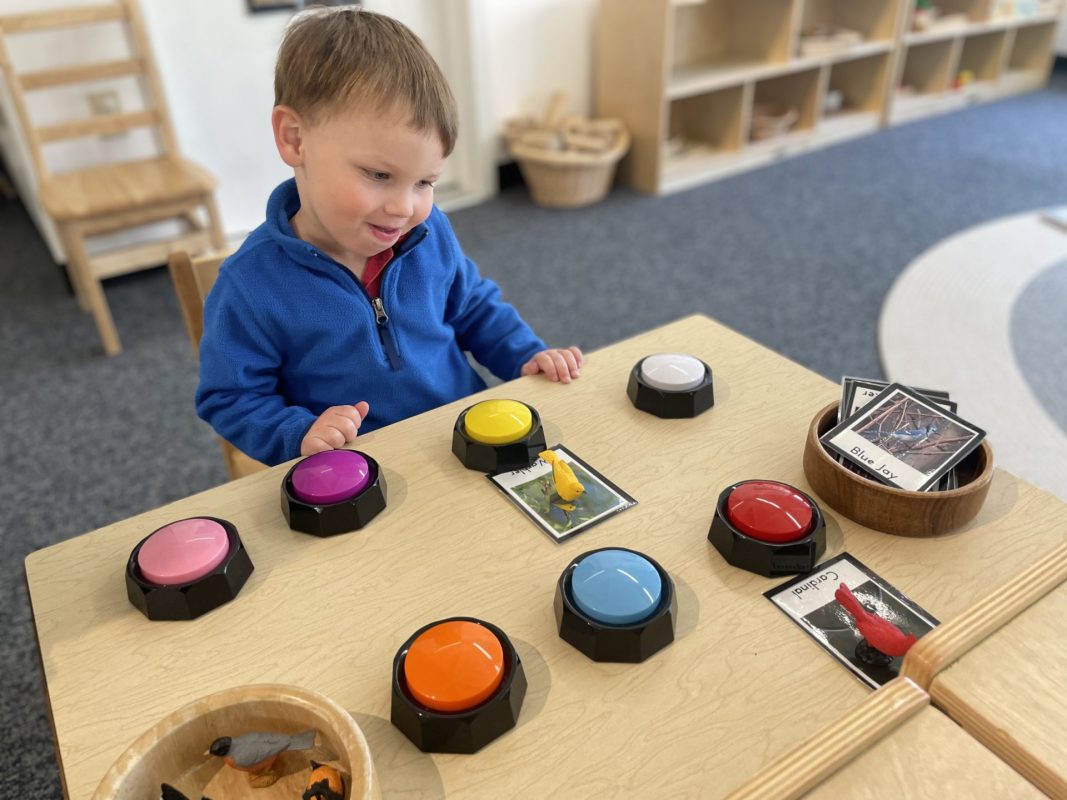
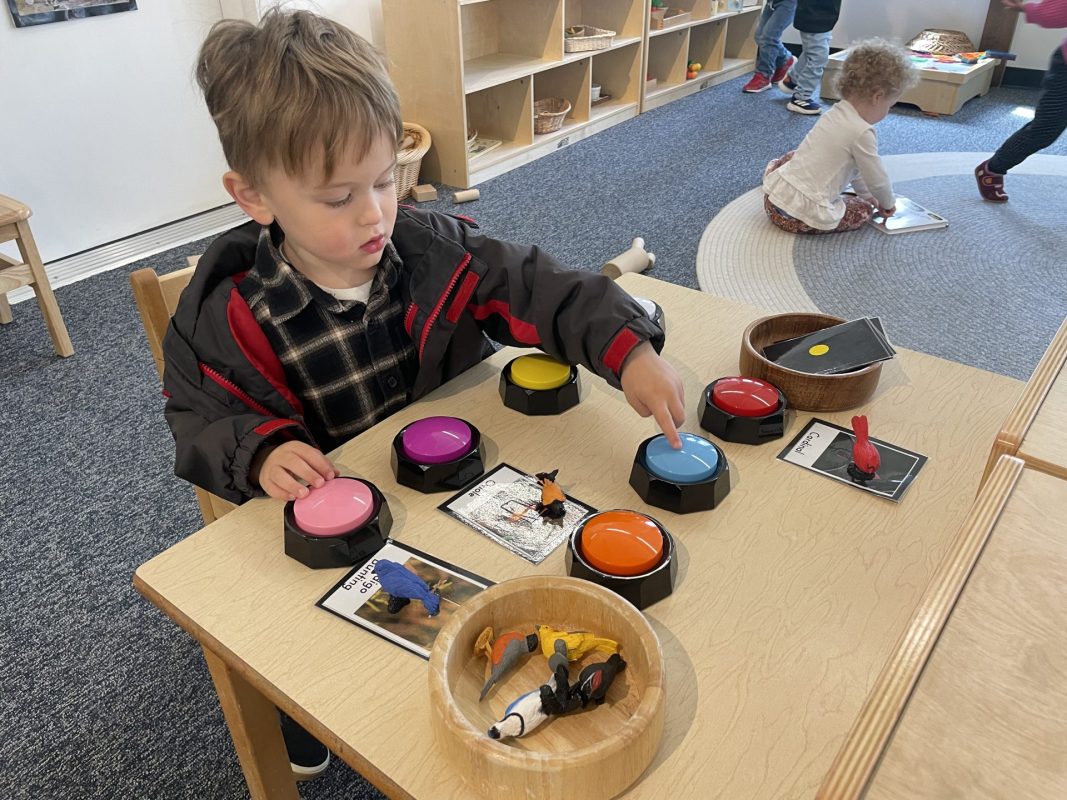
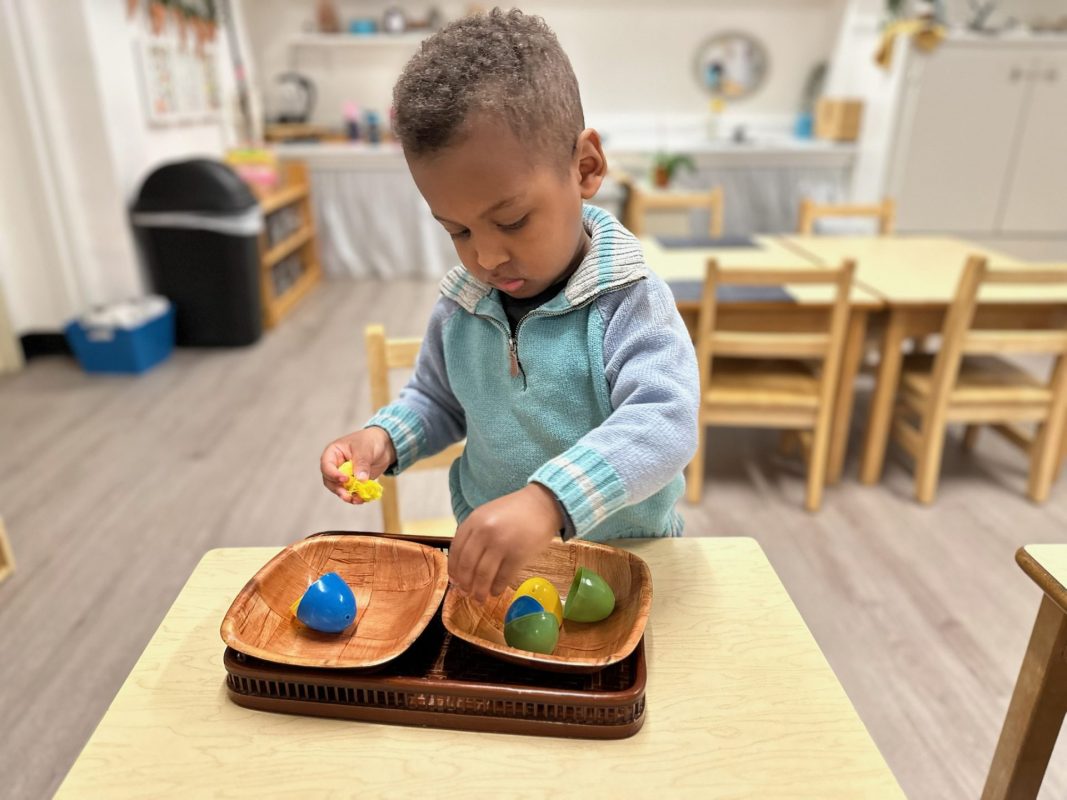
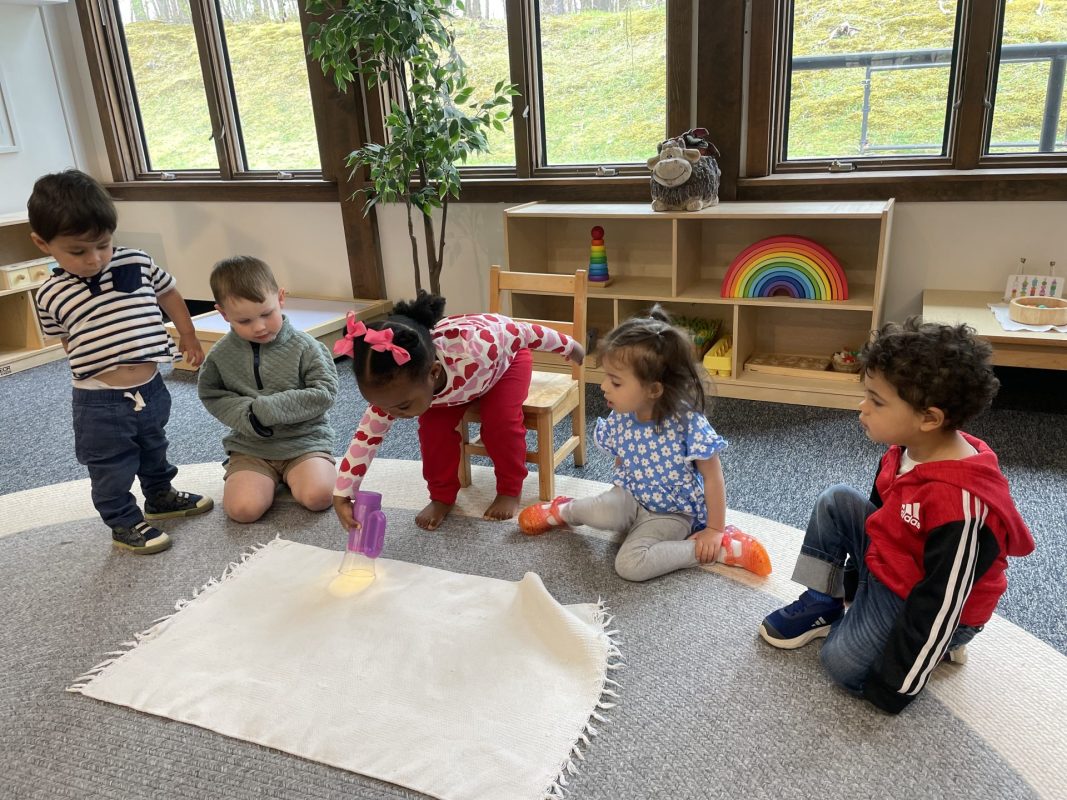
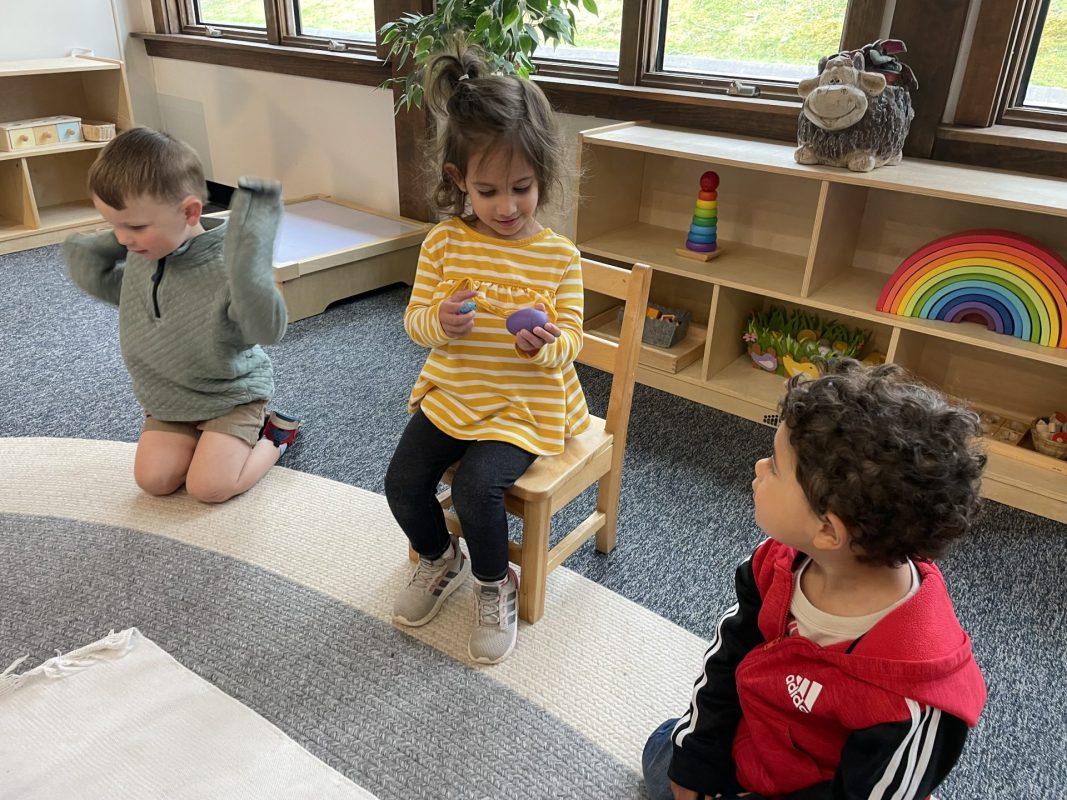
The second lesson involved an animal-matching activity using a flashlight. The children used a flashlight to find a hidden animal on an egg-shaped card and then matched it to the corresponding basket.

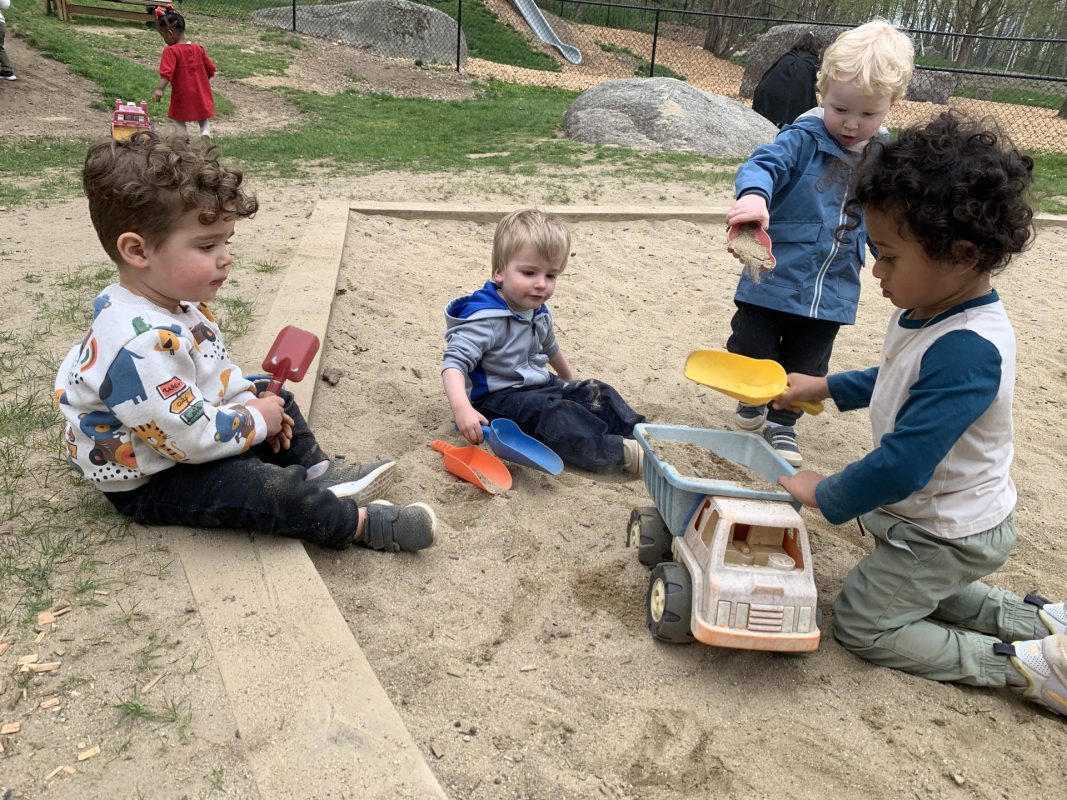
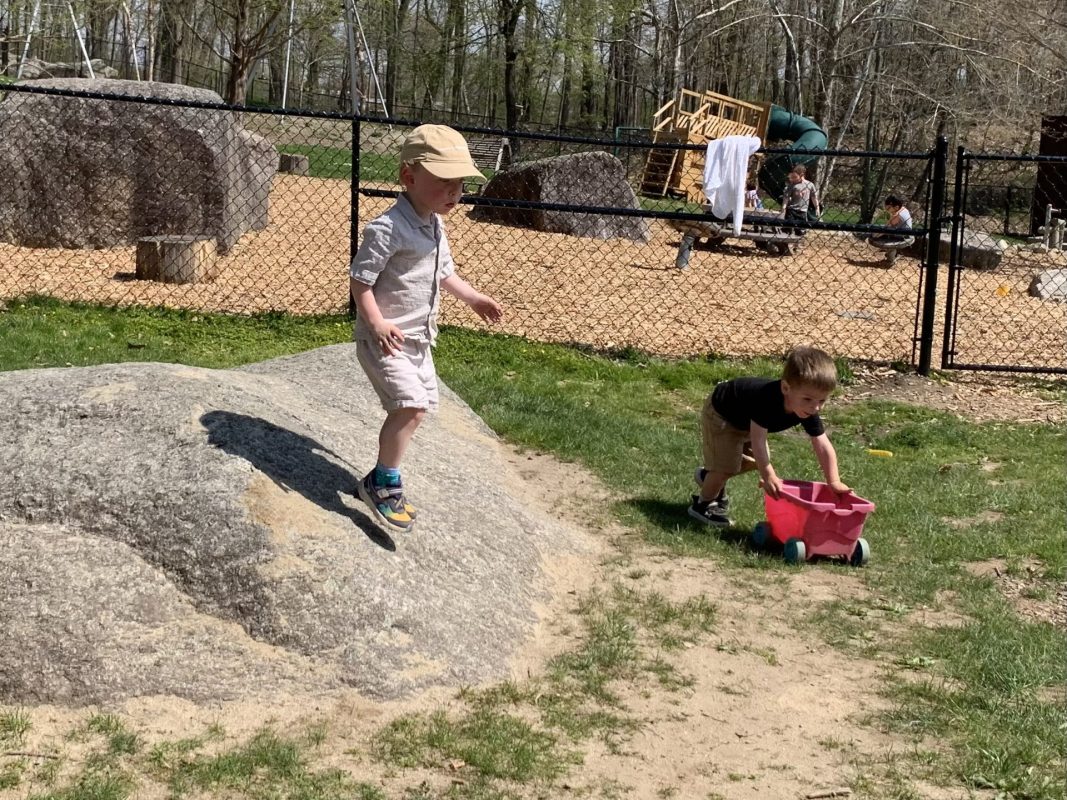
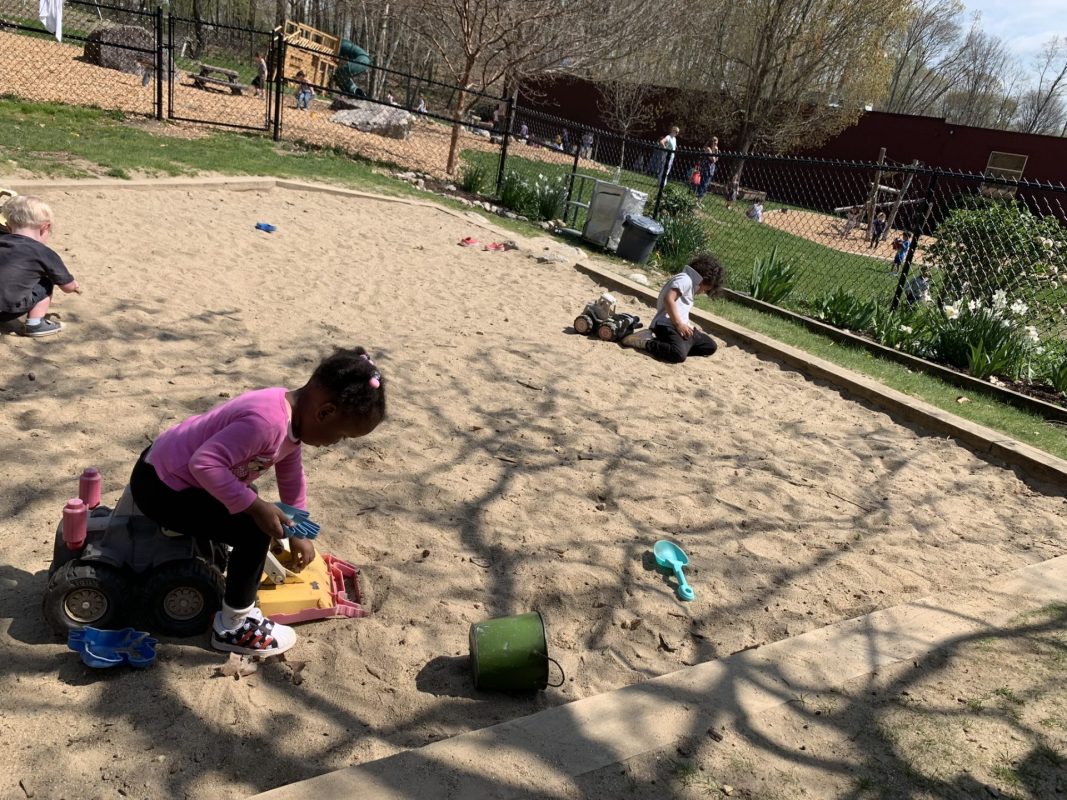
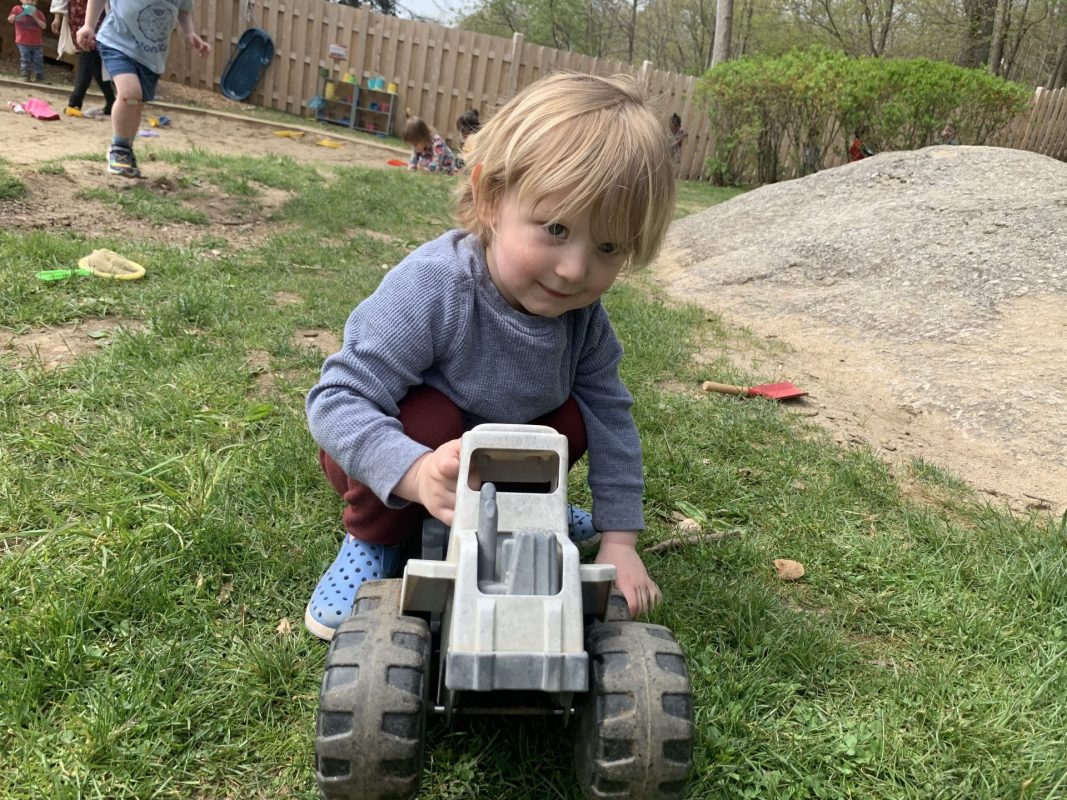
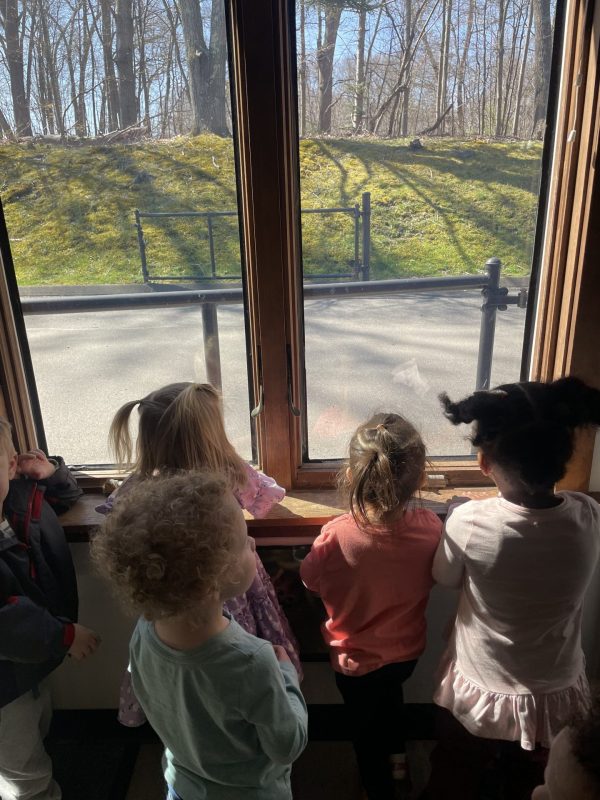
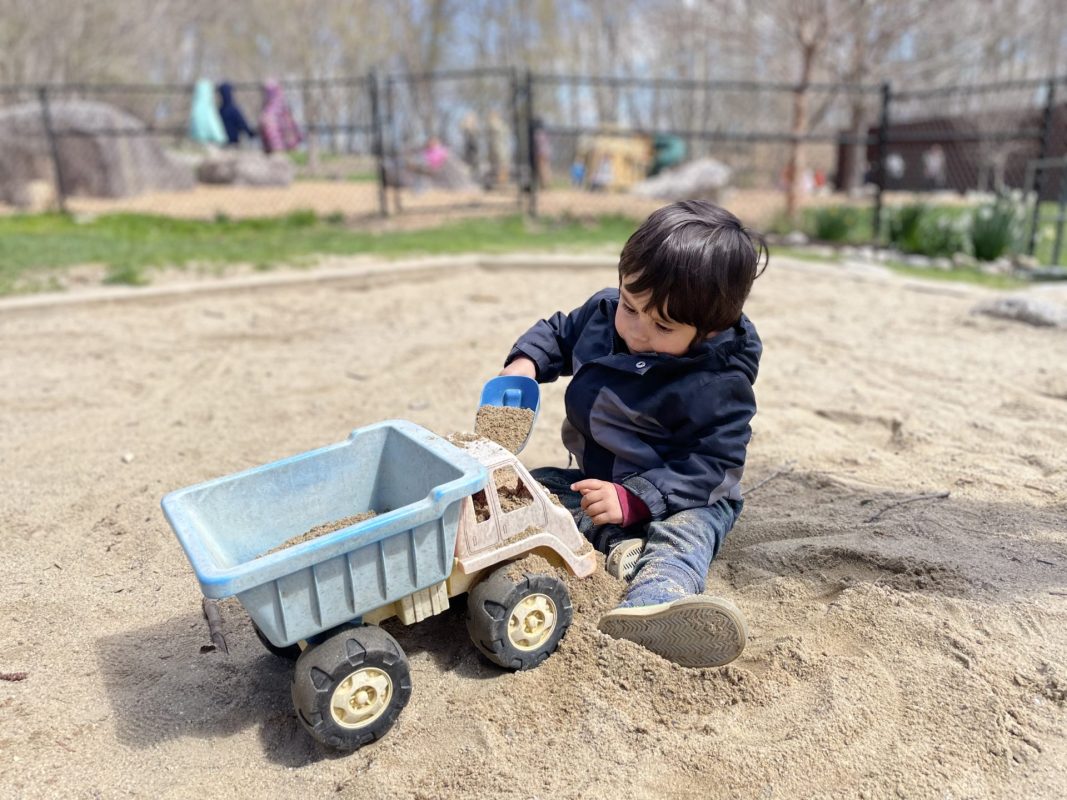
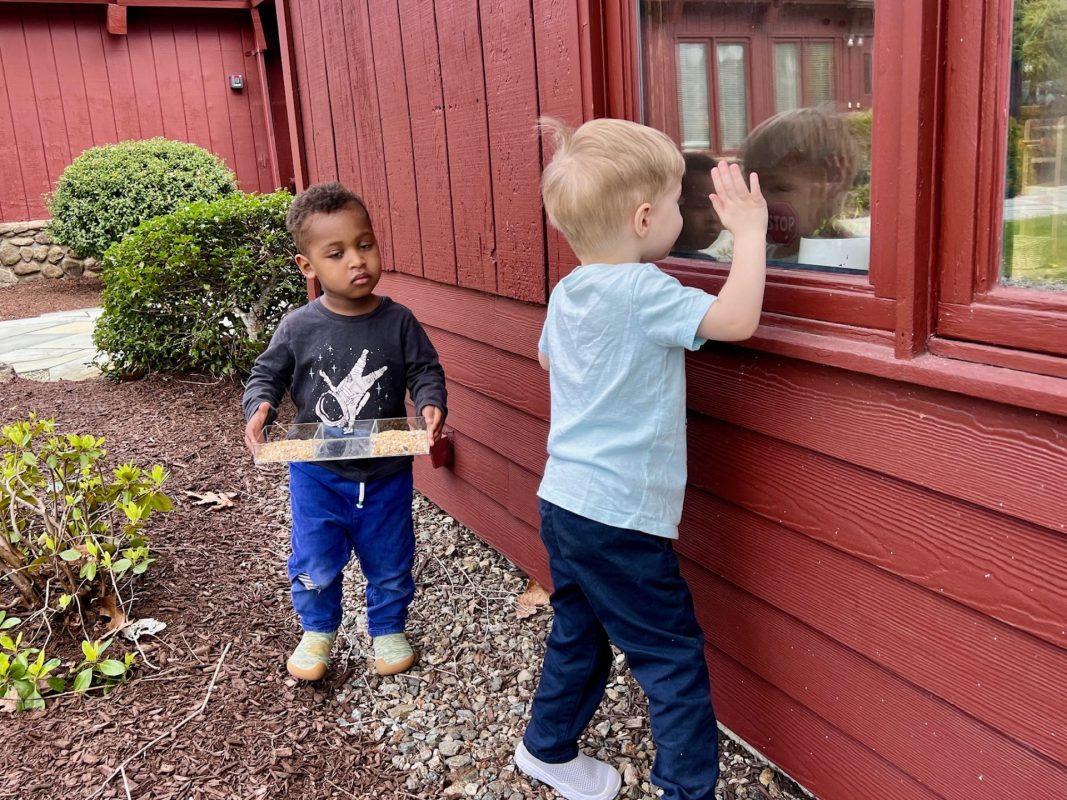
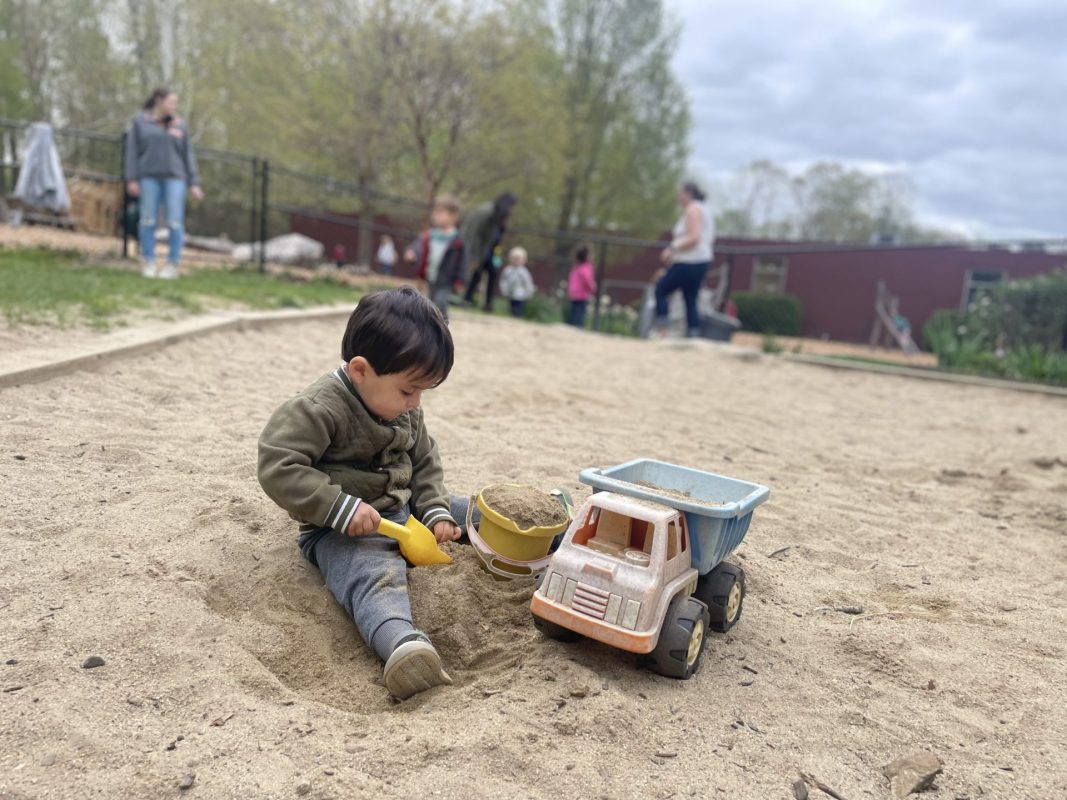
The most exciting moment of the week was when we gathered on the back field to observe the machines working hard. The kids were completely engrossed as the excavator filled up the dump truck. To the delight of the children, the driver of the dump truck honked a couple of times.

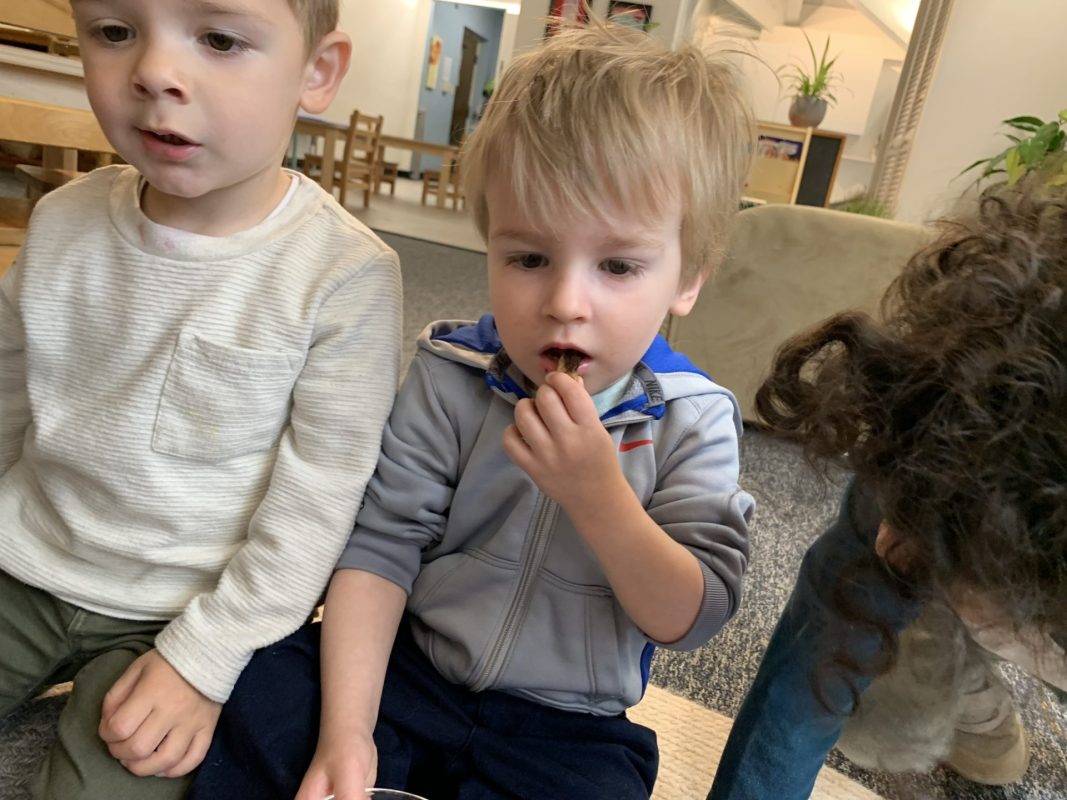
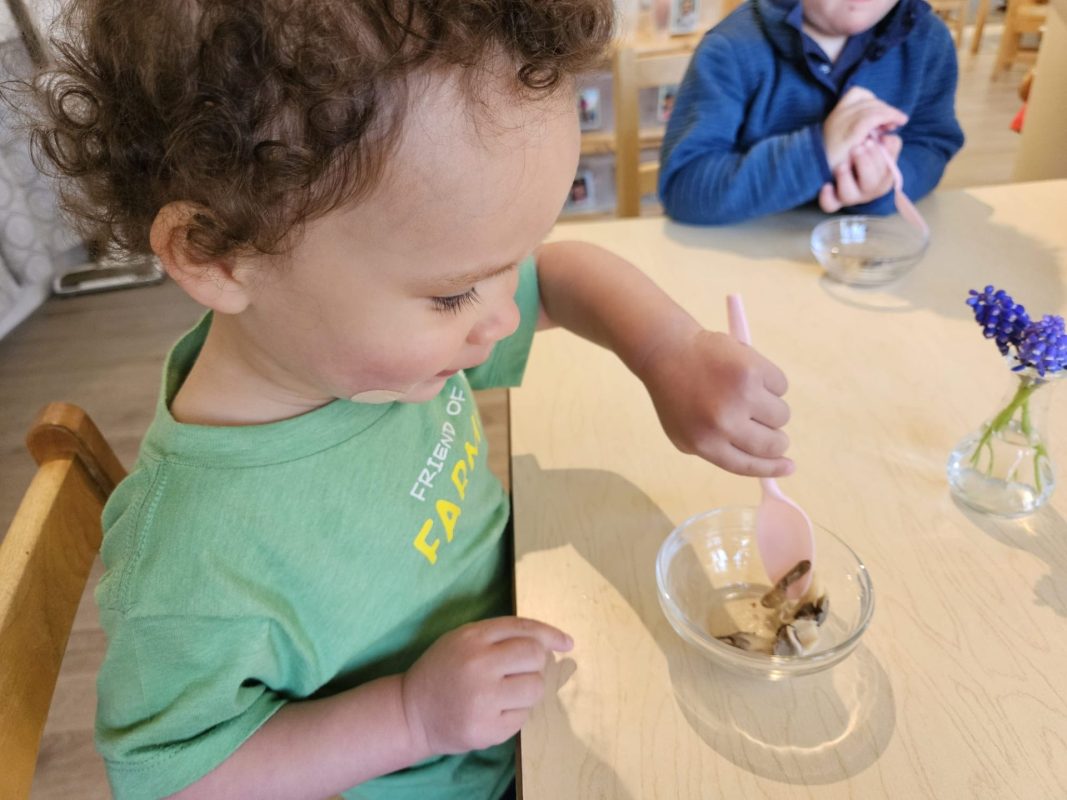
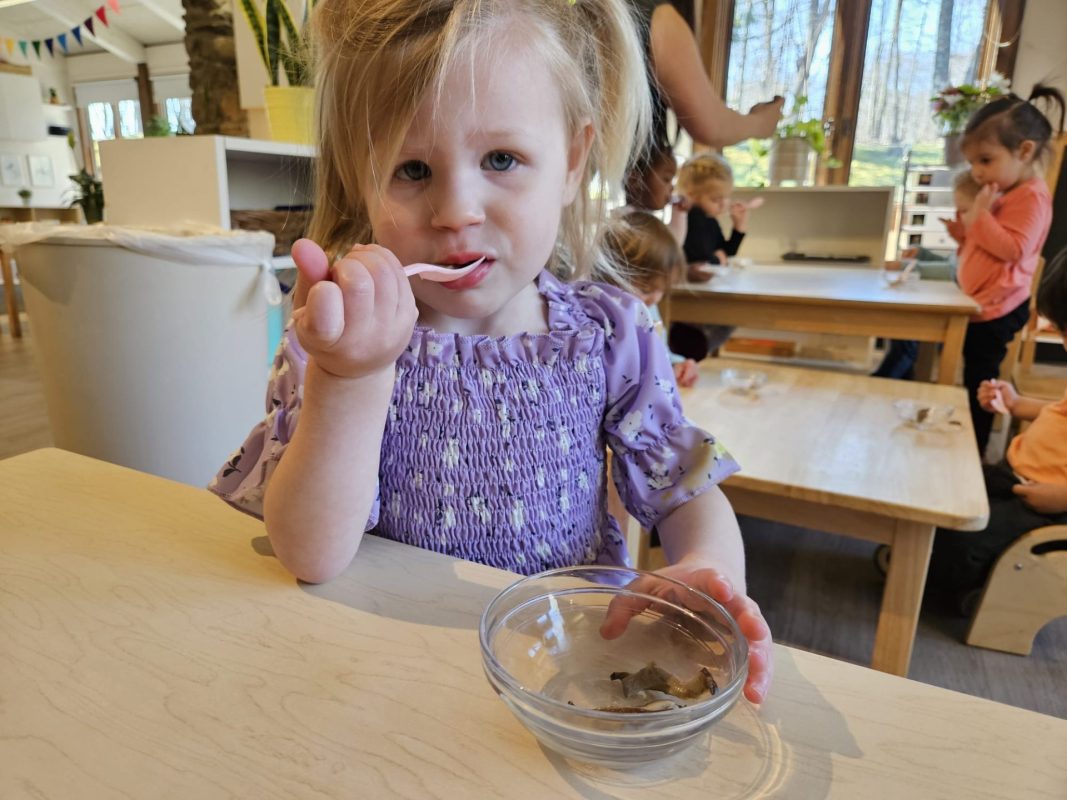
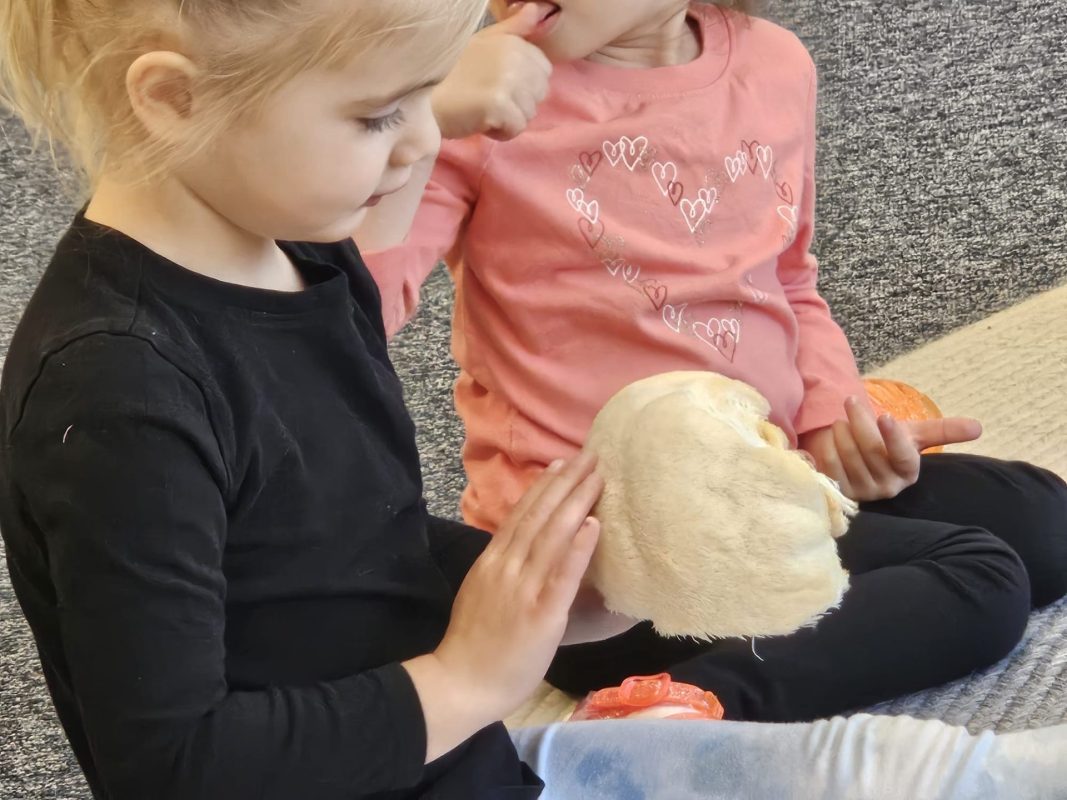
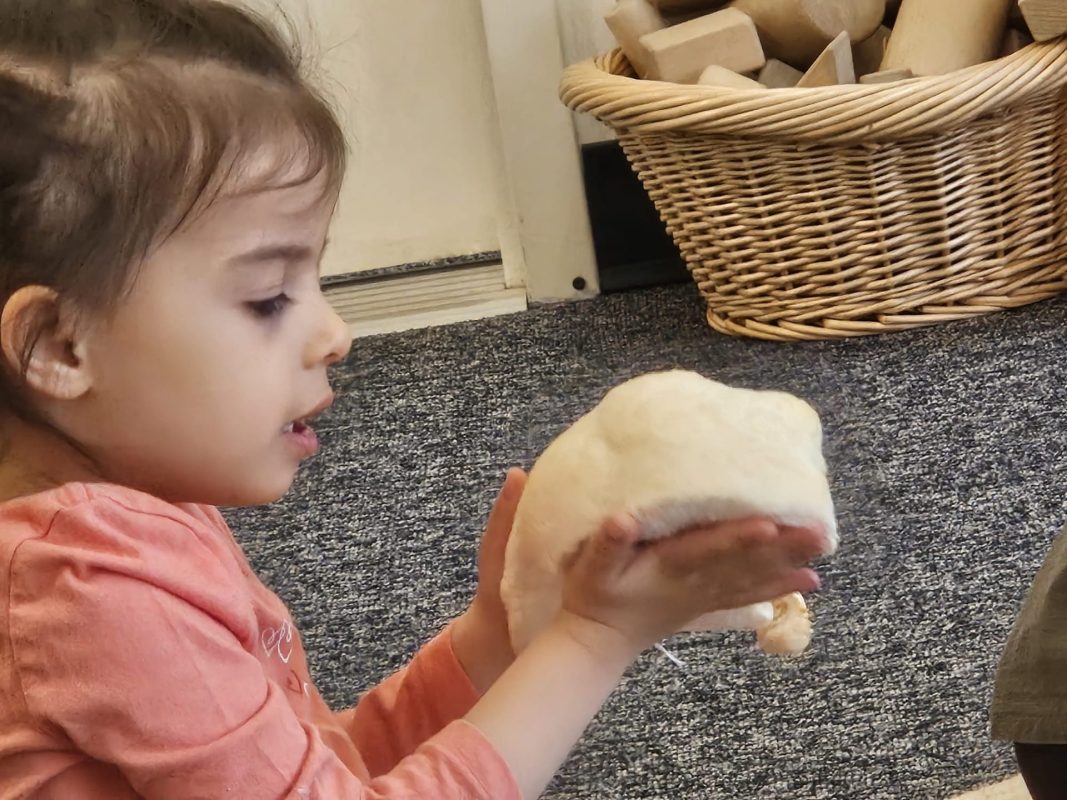
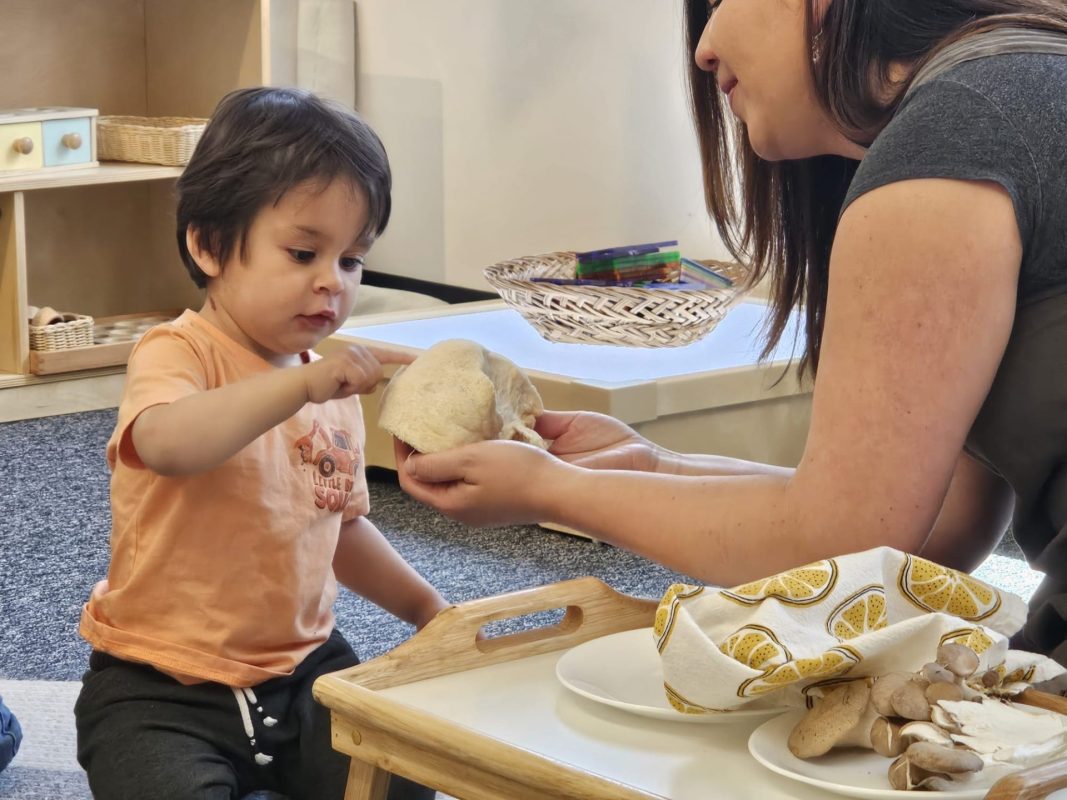
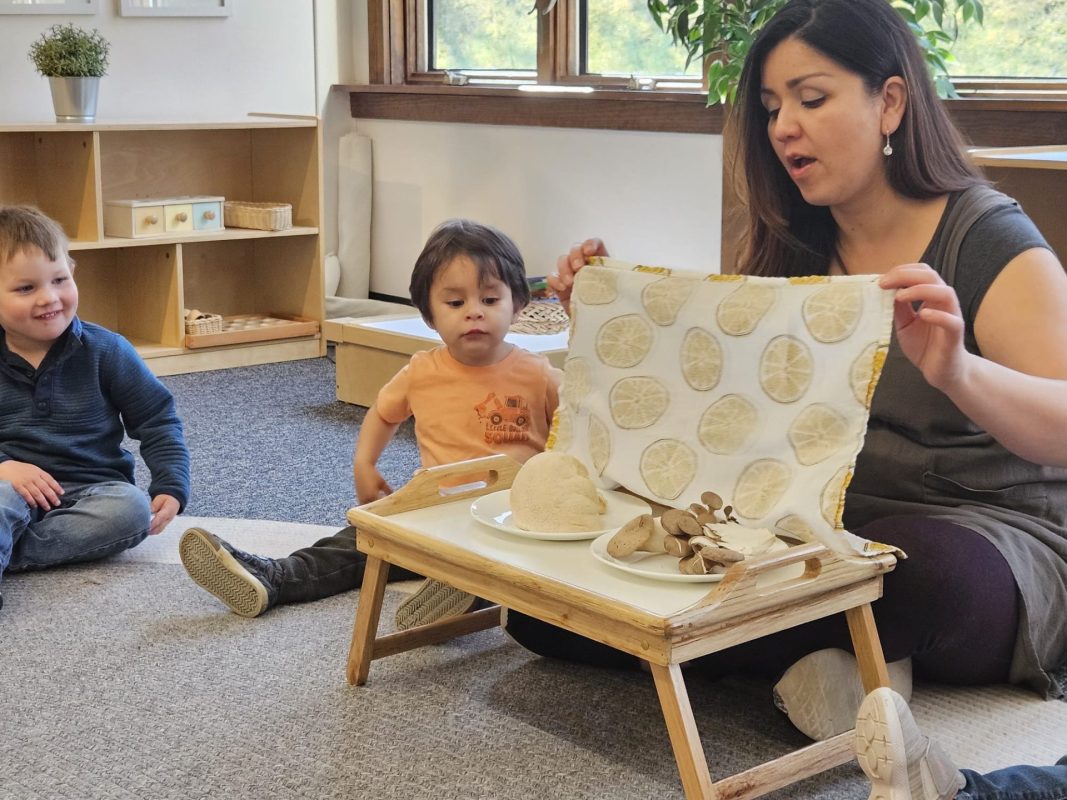
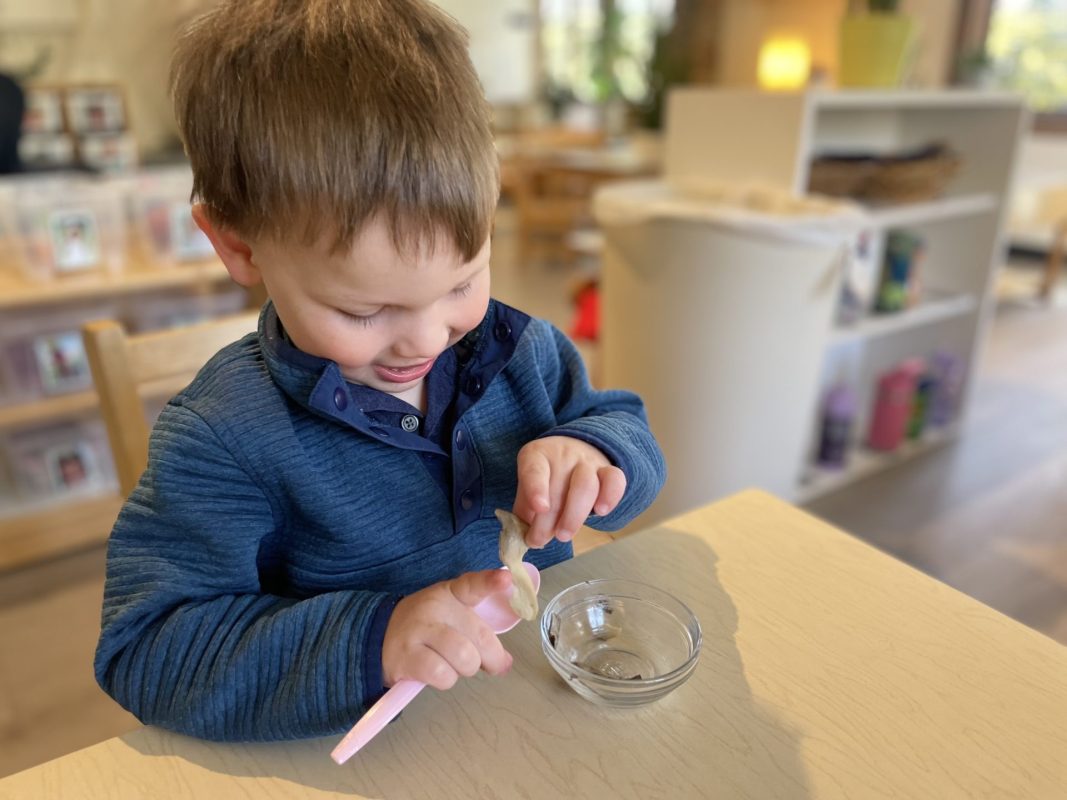
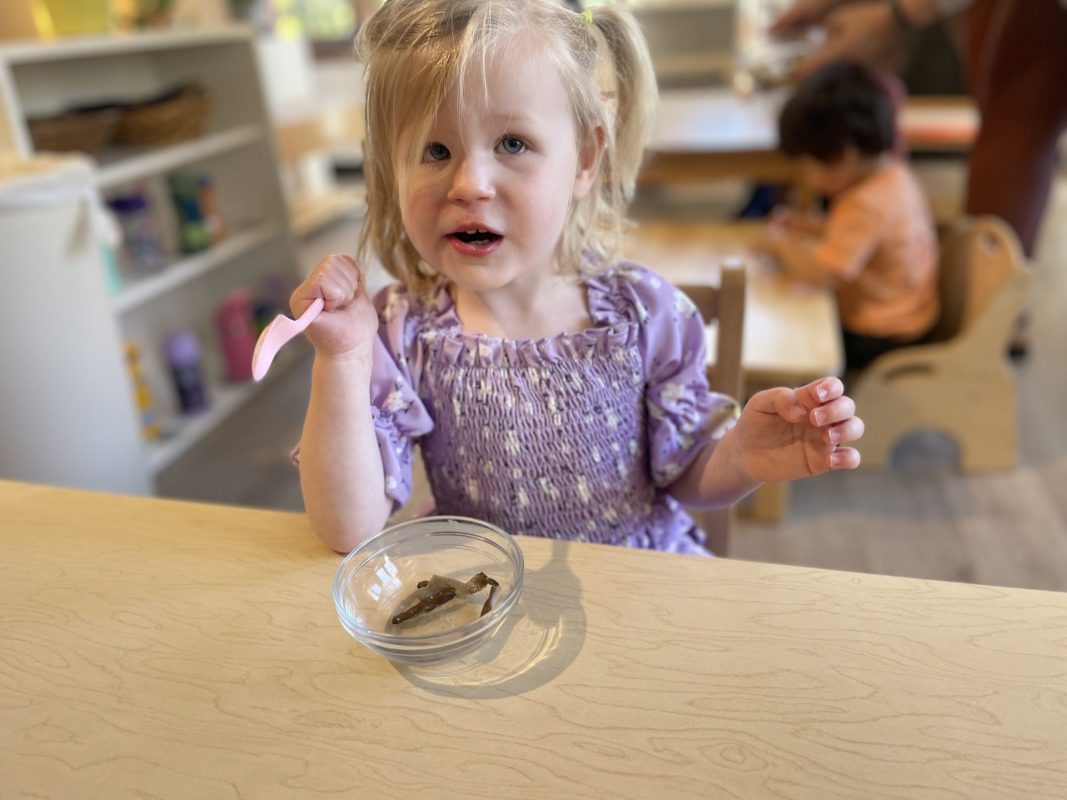
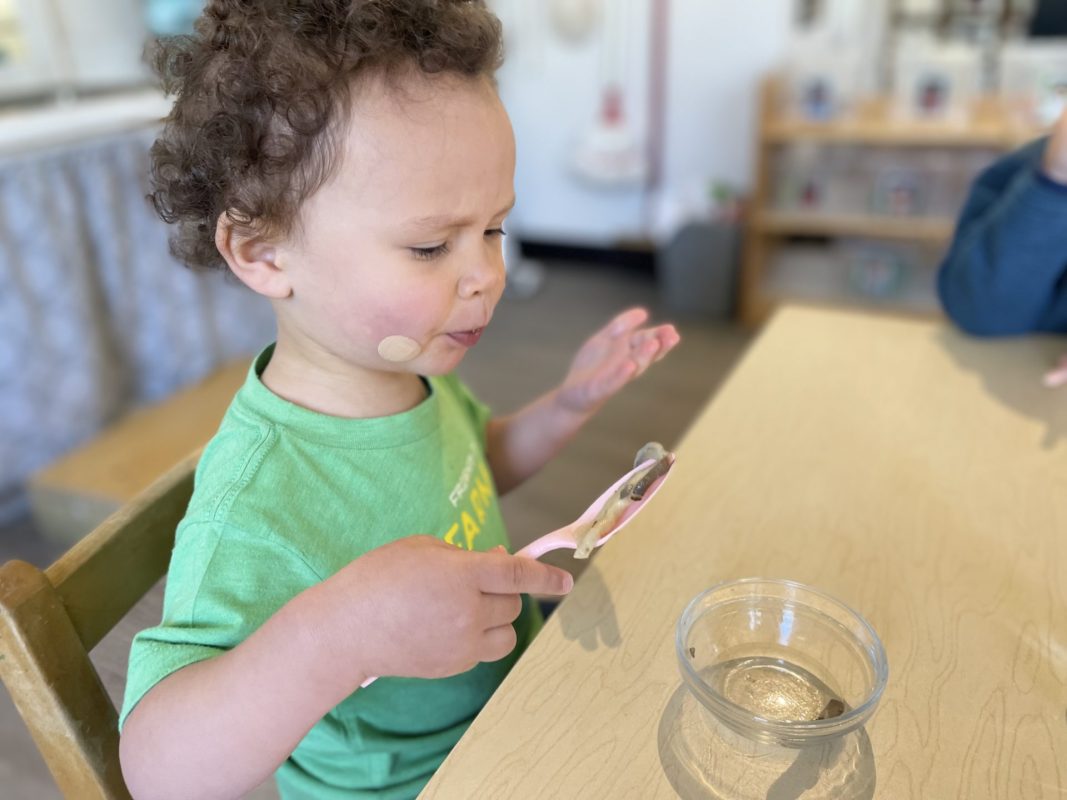
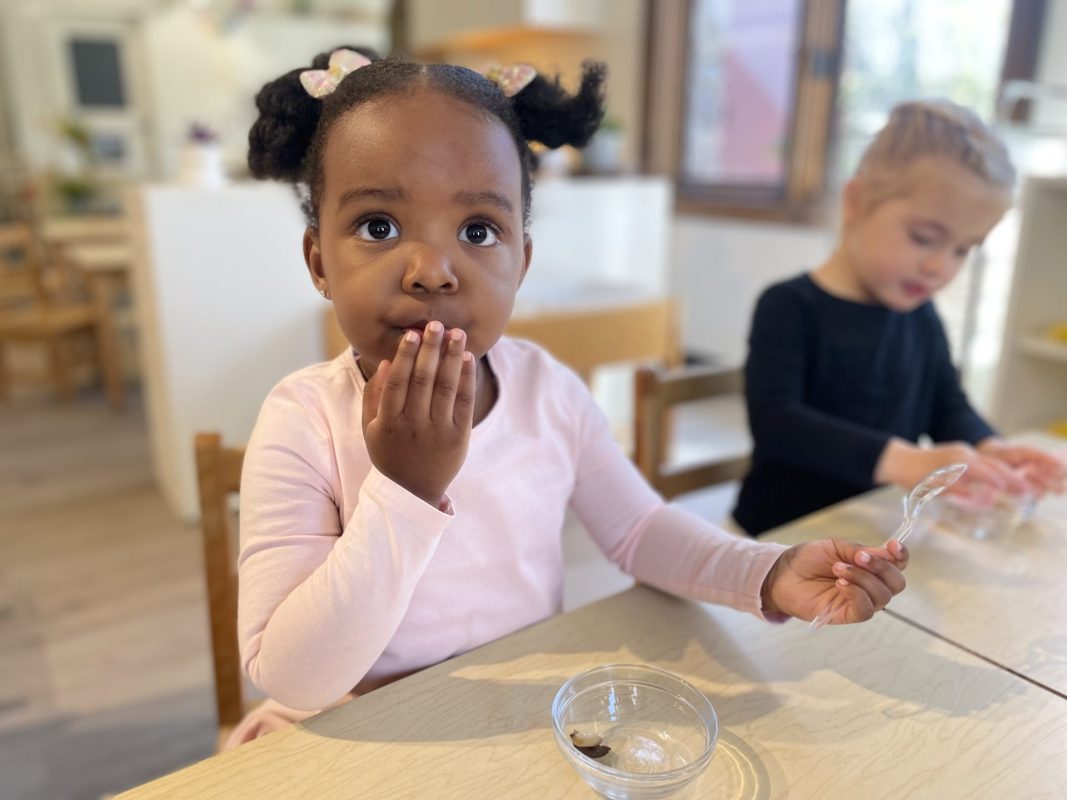
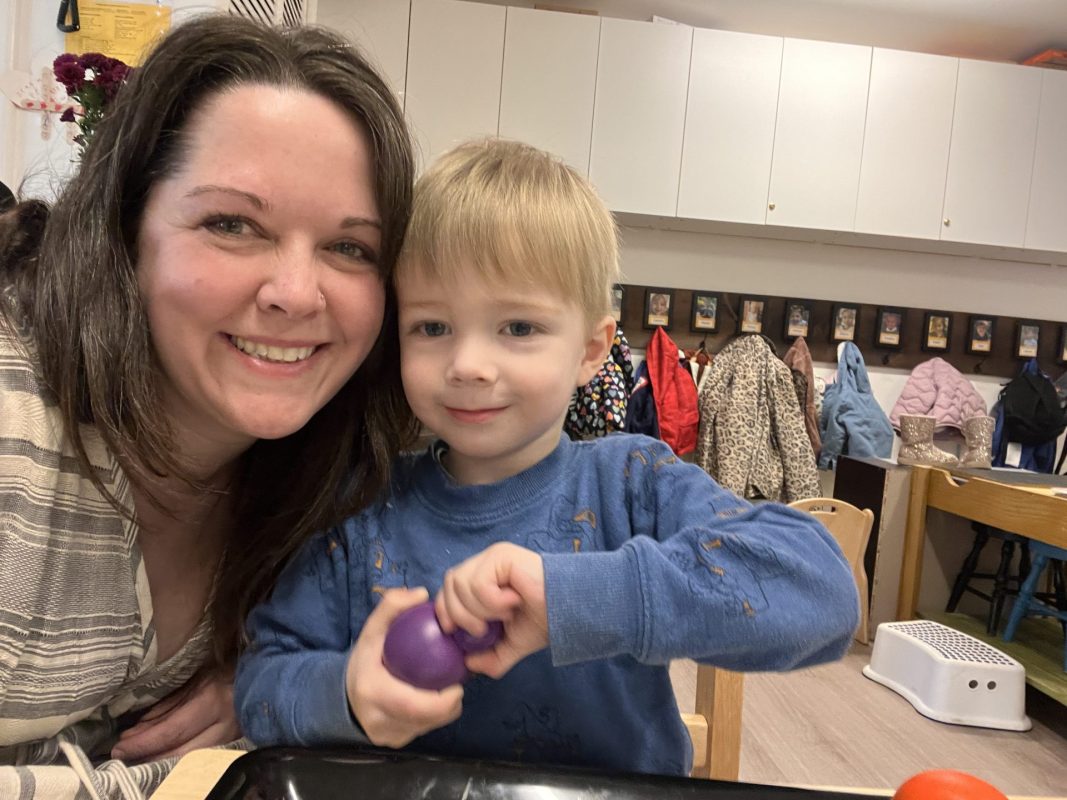
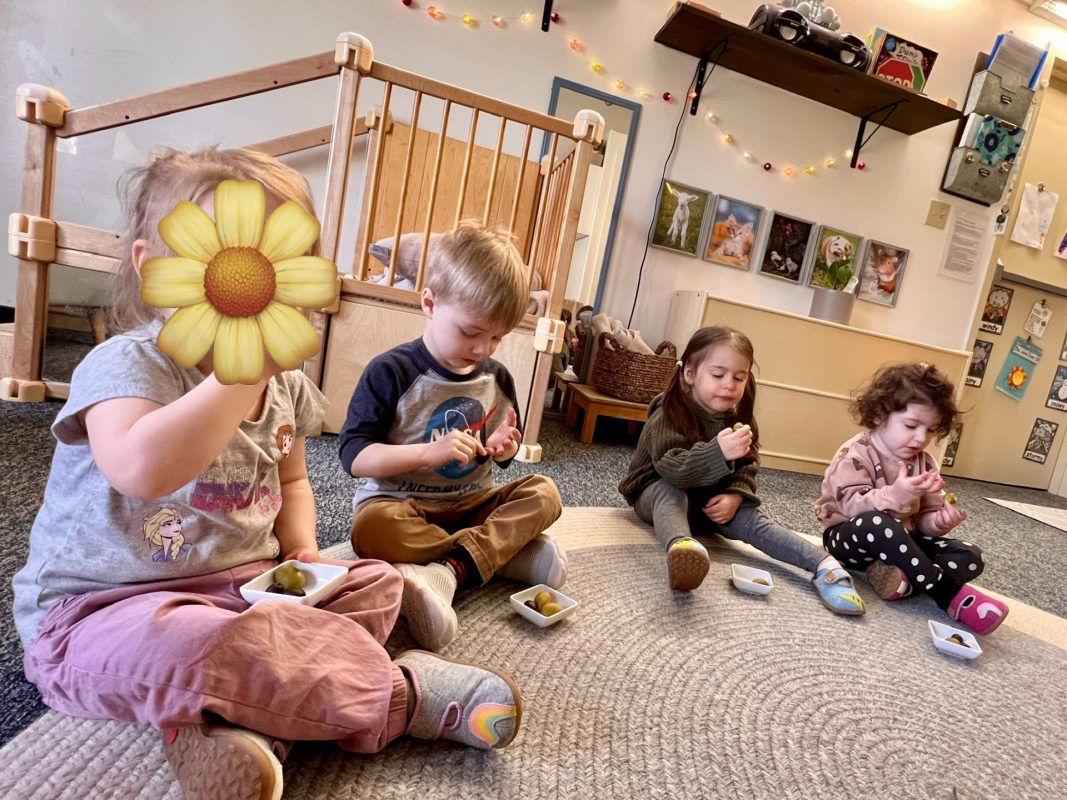
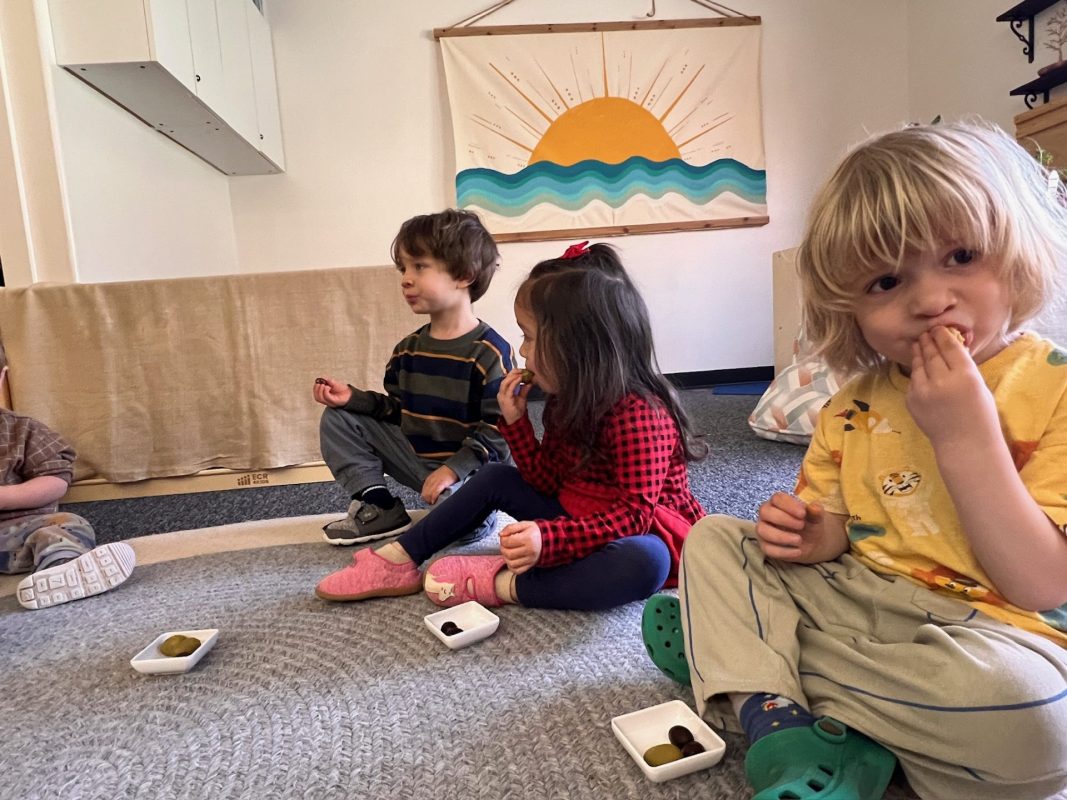
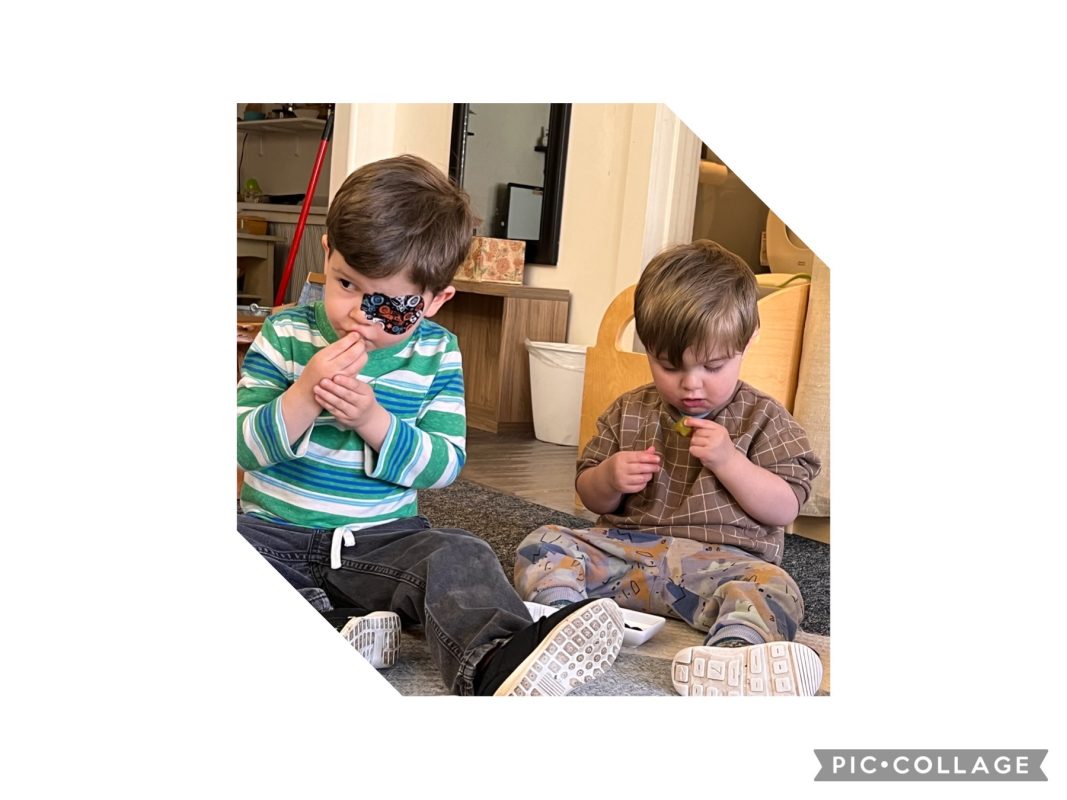
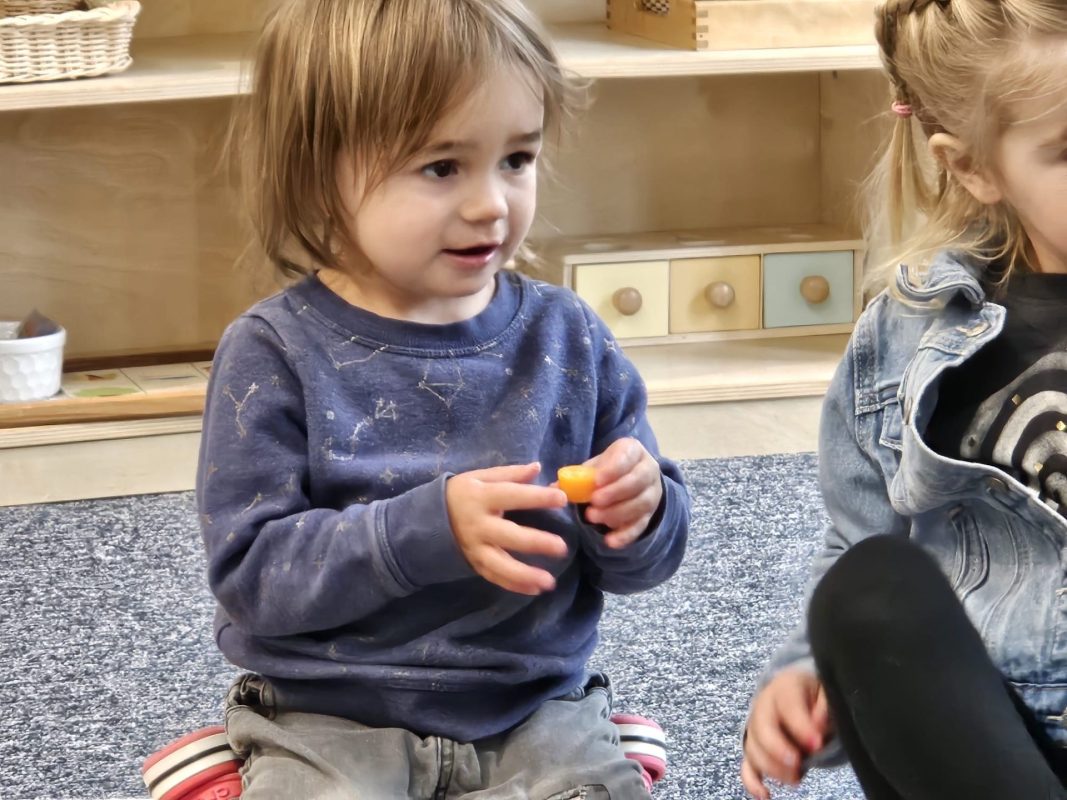
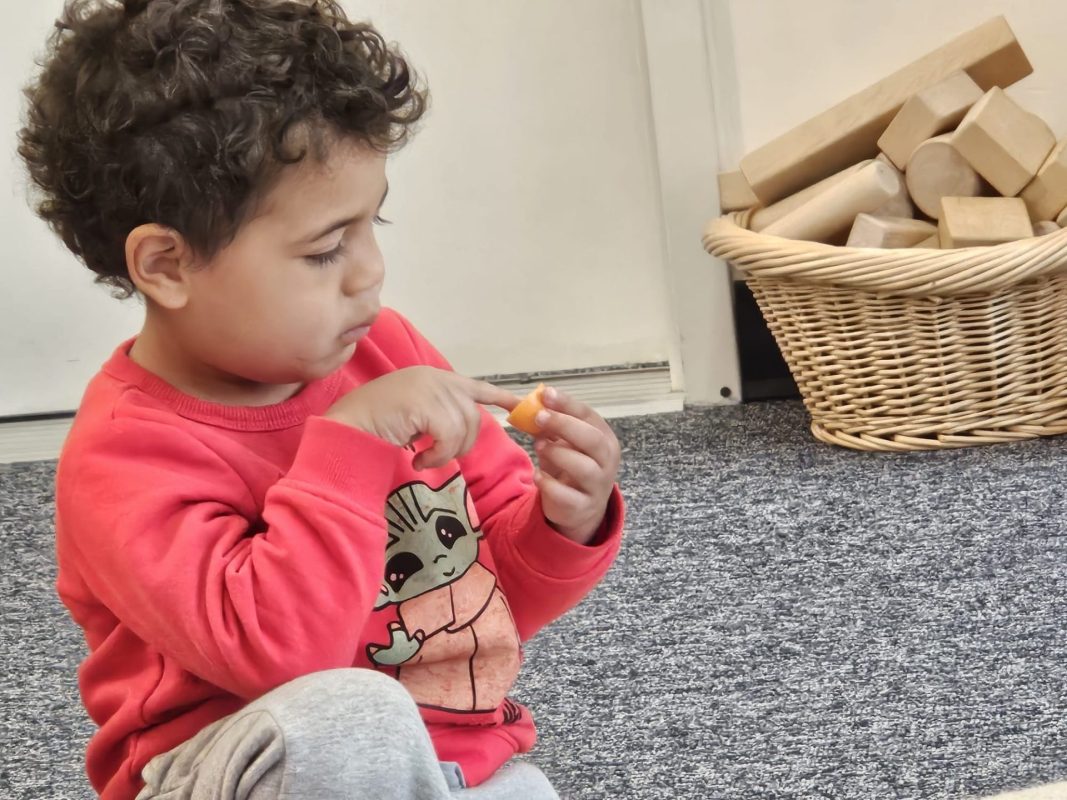
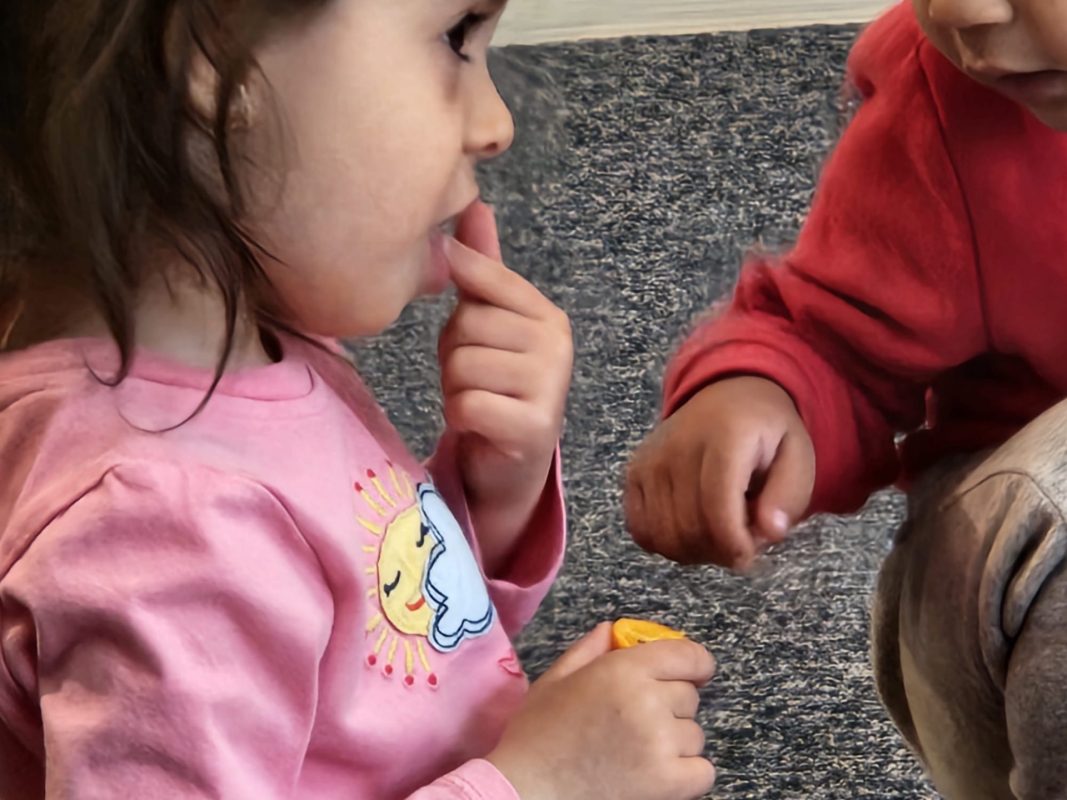
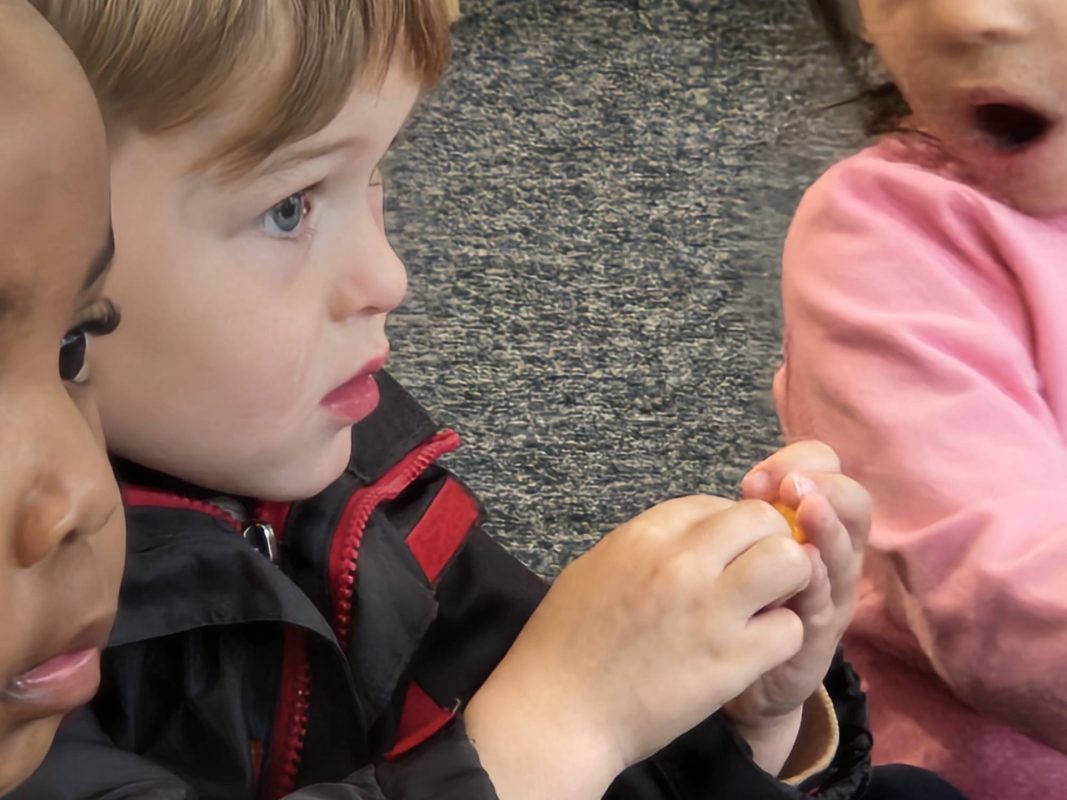
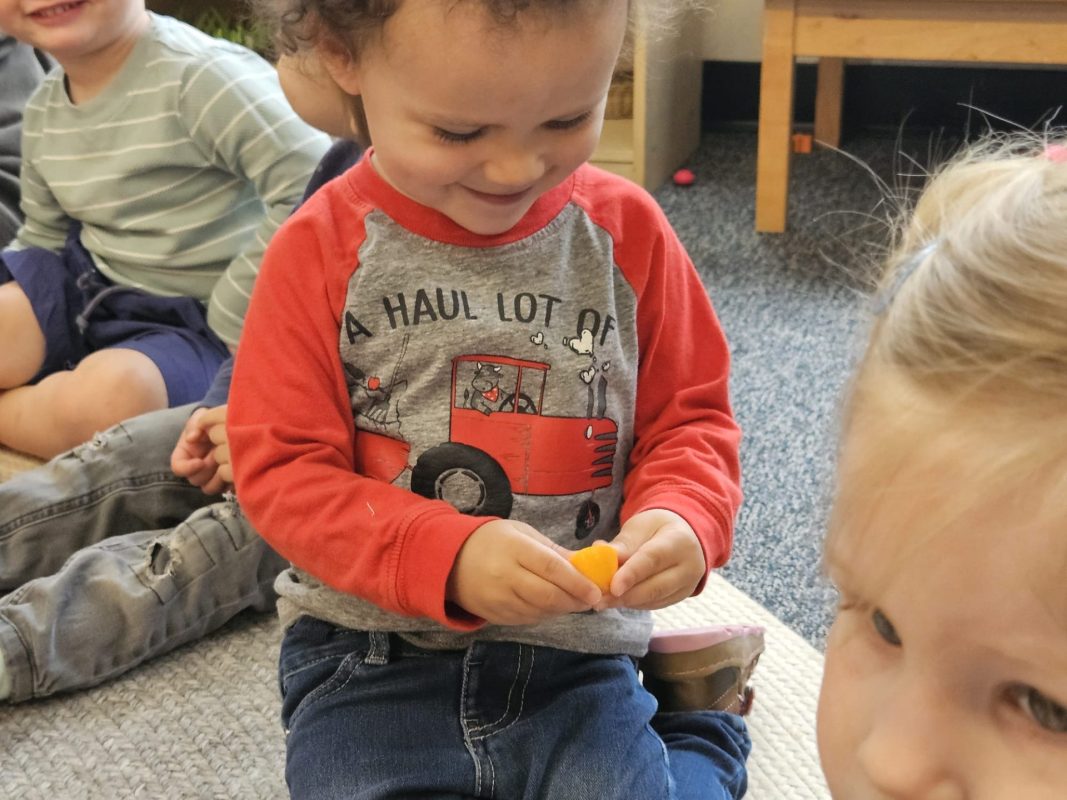
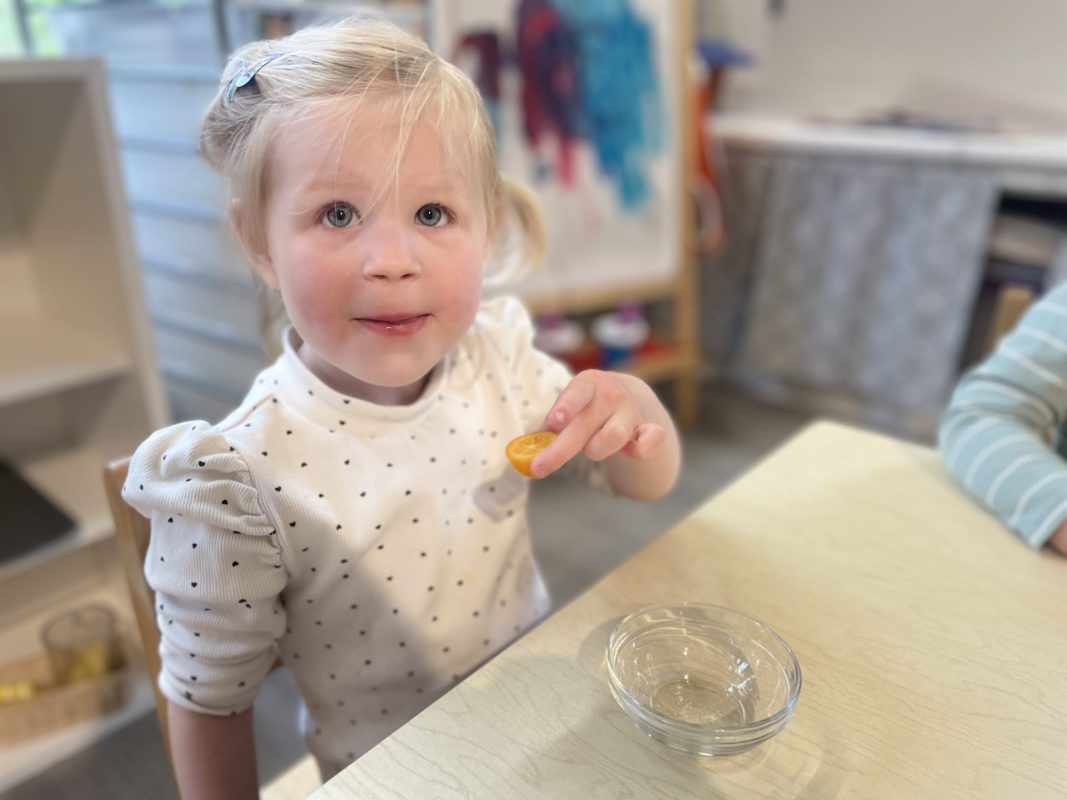
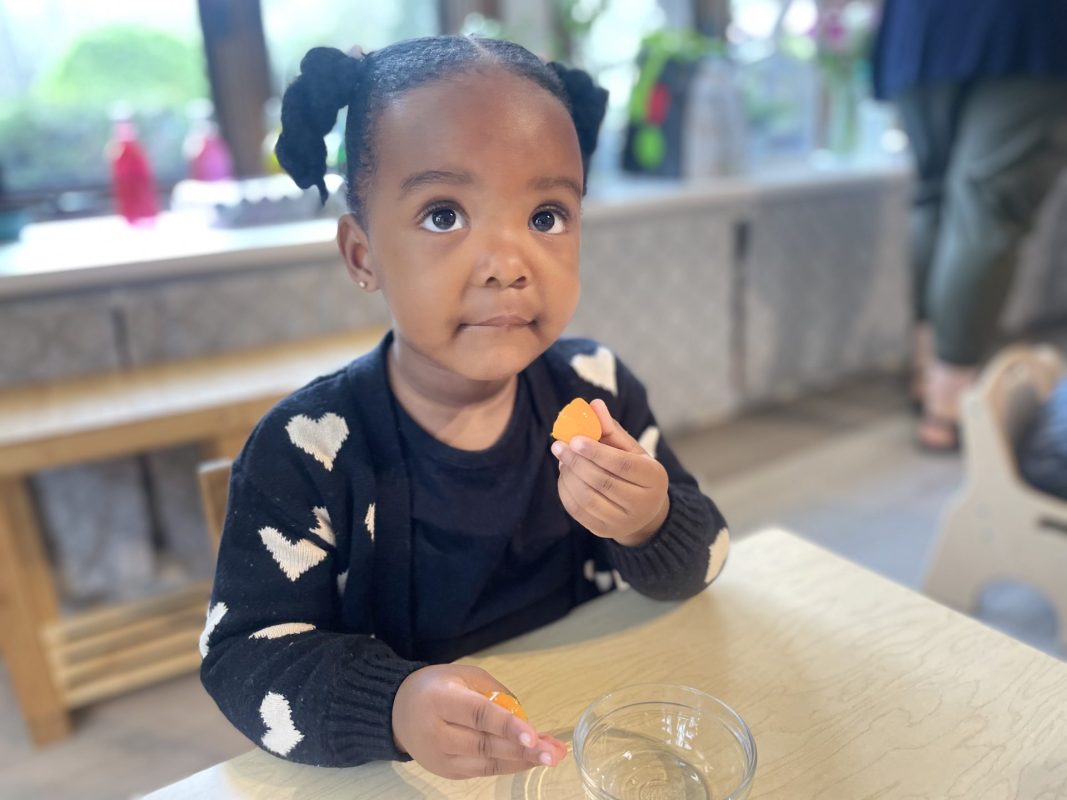
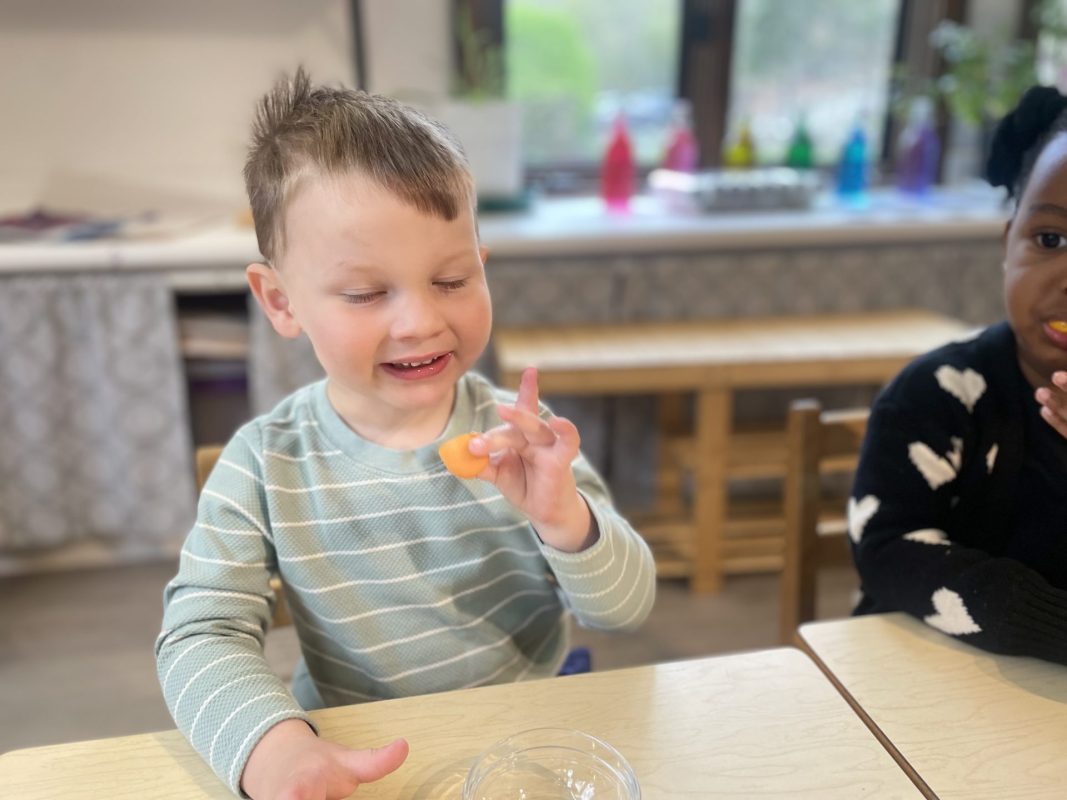
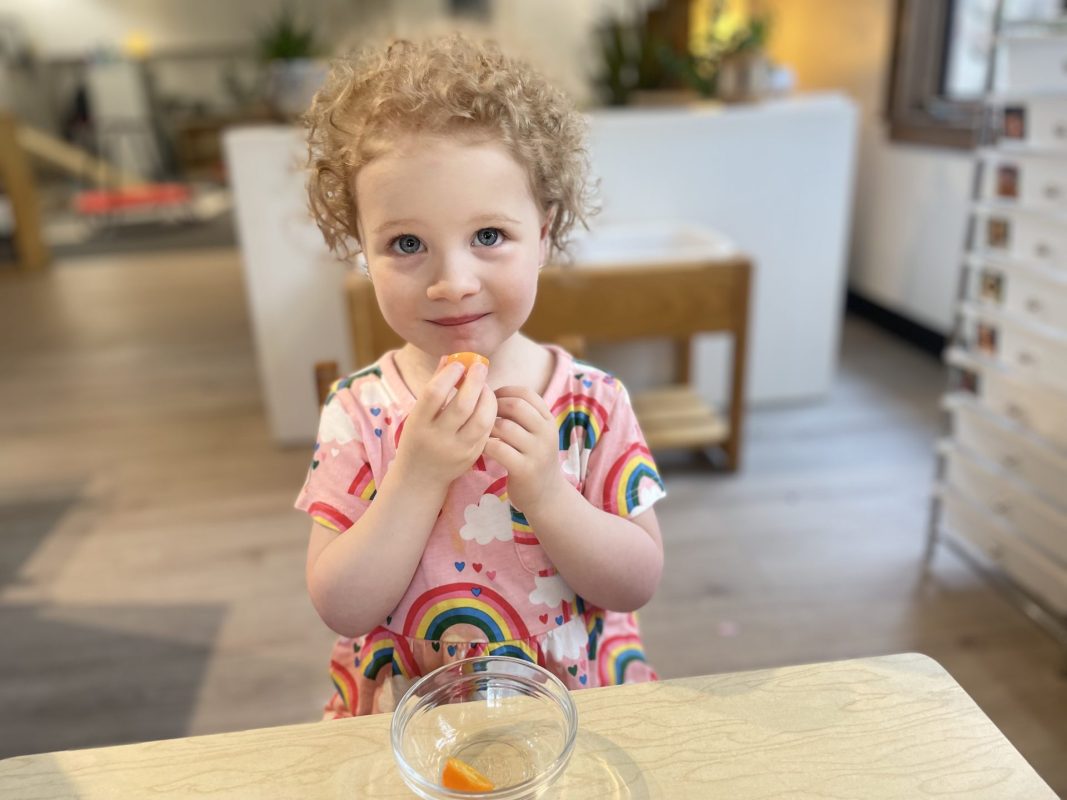
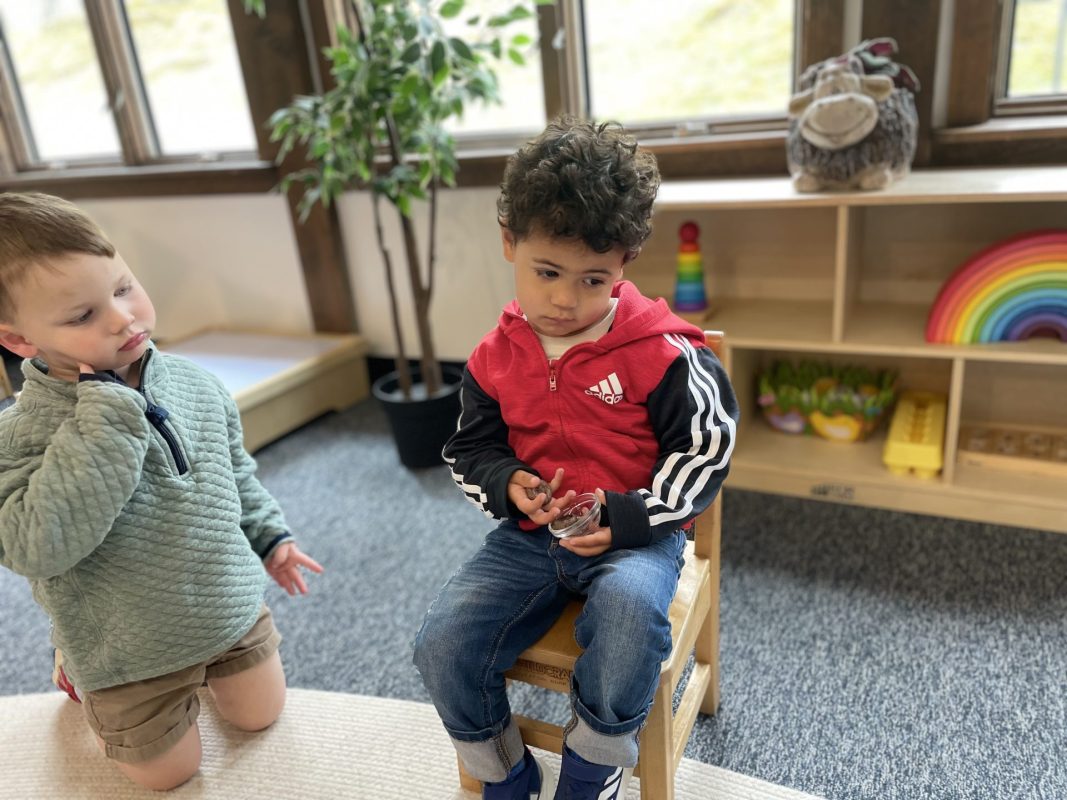
Food Tasting: This week, the children tasted Brussels sprouts. They were each given a whole raw Brussels sprout to explore and eat and also a steamed version to taste. While a few didn’t mind crunching on the raw Brussels sprouts, they all seemed to prefer the steamed version better.

For those who celebrate, have a beautiful Easter weekend.

Cynthia and Sara


Lower El Goes to the Symphony Orchestra!

This week, the lower elementary students had the opportunity to attend a performance by the New Haven Symphony Orchestra at Southern Connecticut State University, following their studies of orchestral instruments in music class. This experience proved to be both enriching and magical for the children, as they were captivated by the symphony’s performance and able to recognize the instruments they had learned about. The outing served as a culmination of their musical education, leaving them with a newfound appreciation for the beauty of orchestral music and inspiring them to continue exploring the world of music with enthusiasm and wonder.


Middle School: Welcome to Spring 2024!

Welcome back, Middle School families! It was a great first week of the spring trimester. The students were refreshed and energized as we entered these last couple of months of school.

Humanities

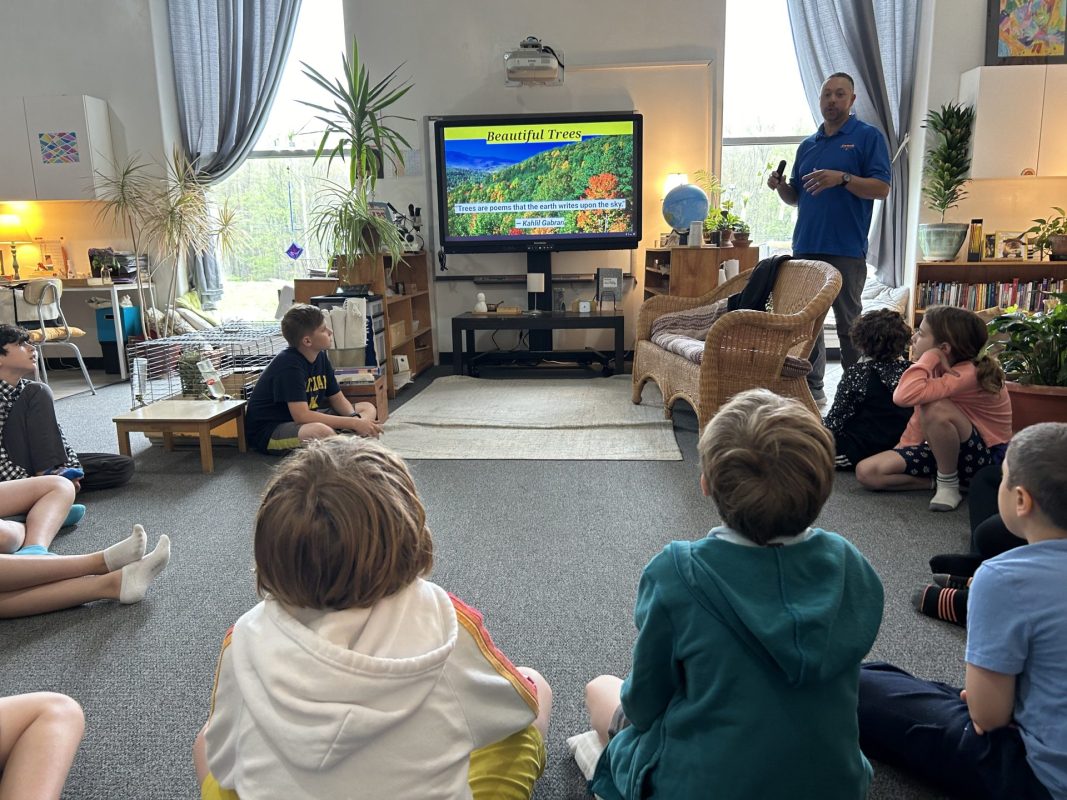
6th grade Humanities classes are studying Ancient Egypt. They researched some specific vocabulary that will be useful in their study of this time of history, as well as building knowledge as they read the novel The Eye of Ra by Ben Gartner. This book surrounds the building of the Pyramid of Djoser and includes the infamous architect Imhotep. The students are learning to make their own annotations as they read in lieu of comprehension questions and will eventually be leading their own book discussions. Finally, we got back to Poetry Tuesdays this week and discussed the many usages of some words as well as etymology.

7th-grade Humanities classes dove right back into their class novel, A Long Walk to Water, by Linda Sue Park. This piece recounts the experience of Salva Dut, a Sudanese man who was part of the Lost Boys of Sudan, fleeing his country to safety from rebel military groups in the late 1980s. The class also watched a video in two parts about the geography of Sudan: political, physical, and human.  They will continue with this region next week, focusing on South Sudan and its independence in 2011. 7th-grade students will be making annotations moving forward with this novel, and we discussed how to do so when reading by recognizing something important, having a reaction, making a connection, and asking a question. Finally, students returned to regular Poetry Tuesday readings with a poem called “Guilt” by Jed Chambers.

8th grade began the week in Mr. Newman’s class. In American History they are continuing their examination of the Civil War and its outcomes. The class will be studying how the country was divided prior to and just after the war and what challenges lay ahead. In conjunction with this, they began a book with Mrs. Lamb called She Came to Slay, by Erica Armstrong Dunsbar. This biography, published in 2019, details the life of Minty (a.k.a Harriet Tubman) and her predecessors. 8th-grade students are annotating and leading class discussions. This book is bringing about many questions about slavery, so they are exploring more about its history in the U.S. as well. Students also checked in with Mrs. Lamb regarding their Expert Interviews and have a big check-in on Tuesday, April 2.

Science

In 6th-year Earth Science, students are delving into the fascinating topic of what causes seasons on our planet. This past week, they dedicated their time to creating artistic representations that capture the essence of the unit’s objectives. Through their creativity, students are gaining a deeper understanding of how the tilt of Earth’s axis and its orbit around the sun contributes to the changing seasons we experience throughout the year.

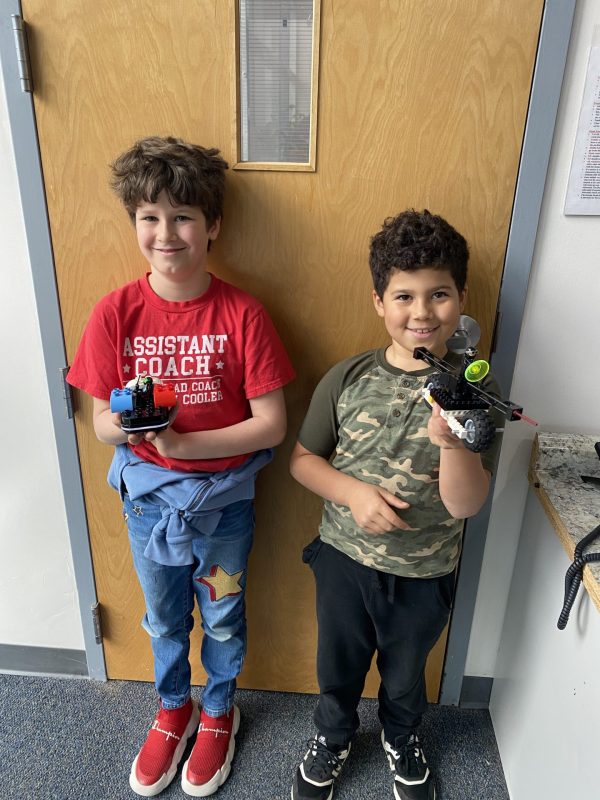
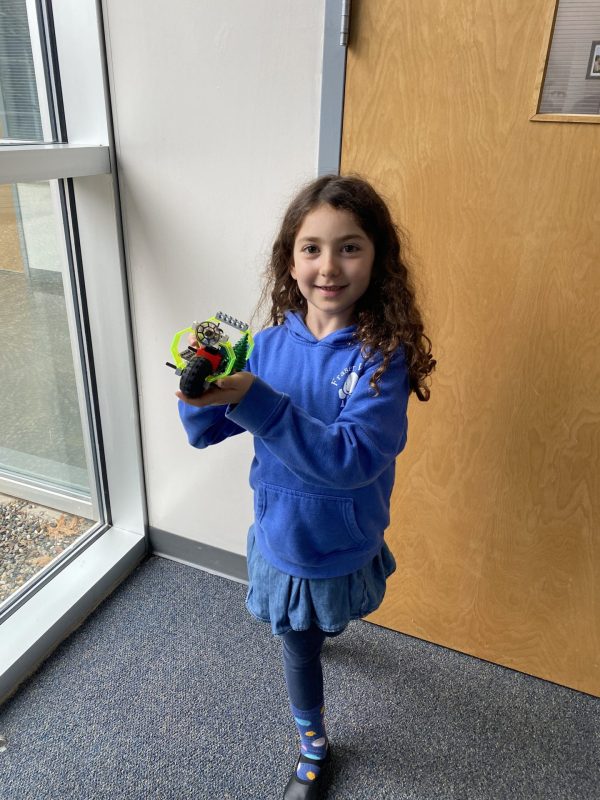
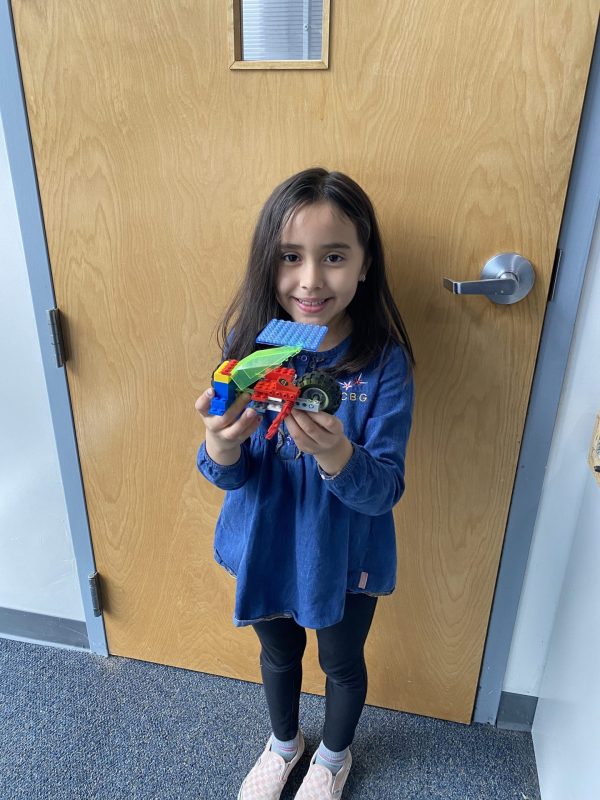
In 7th-year Physical Science class, students have been immersed in a fascinating project constructing pinewood derby cars, all part of the Kinetic Energy unit. Throughout this hands-on experience, each student has been tasked with applying key concepts of both kinetic and potential energy, as well as delving into the relationship between energy, speed, and velocity. Once the young engineers complete their builds, an exhilarating race awaits, putting their newfound knowledge to the test in a thrilling display of scientific principles in action.
8th-year Life Science students have continued to work on our unit, Heredity and Genetics, focusing on genotypes and phenotypes. As students construct their unique “Monsters” family, they witness firsthand how specific traits are inherited by the offspring. This hands-on approach not only brings genetics to life but also deepens students’ understanding of how traits are passed down through generations in living organisms.

Math

In the chapter, Ratio and Proportion, Pre-Transition math students are delving into the world of ratios and proportions which are essential concepts in mathematics. By grasping the ratio comparison model for division, students can effectively compare quantities. Furthermore, they are exploring reciprocals, uncovering the multiplicative inverse property crucial for solving equations. Additionally, students are mastering the division of fractions and mixed numbers, which provides a solid foundation for more complex math problems. Equally important, they are learning to solve equations of the form ax=b, a fundamental skill with broad applications in various mathematical contexts.

Transition math students are currently covering the chapter Patterns Leading to Division. This week’s lessons have been filled with exciting concepts such as integer division, the rate model for division, division of fractions, negative numbers, equations and inequalities, and the ratio-comparison model for division. By exploring these topics, students are building a strong foundation in division that will not only help them solve mathematical problems but also see the connections and patterns that exist within numbers.

Linear systems in Algebra are a fundamental concept where equations involving multiple variables are solved simultaneously to find a common solution. This week, students have been exploring different methods, such as substitution, addition, and multiplication, to solve these systems. They have also learned about the relationship between systems and parallel lines, as well as delving into matrices and matrix multiplication. By mastering these techniques, students are better equipped to solve real-world problems that involve multiple unknowns and variables.

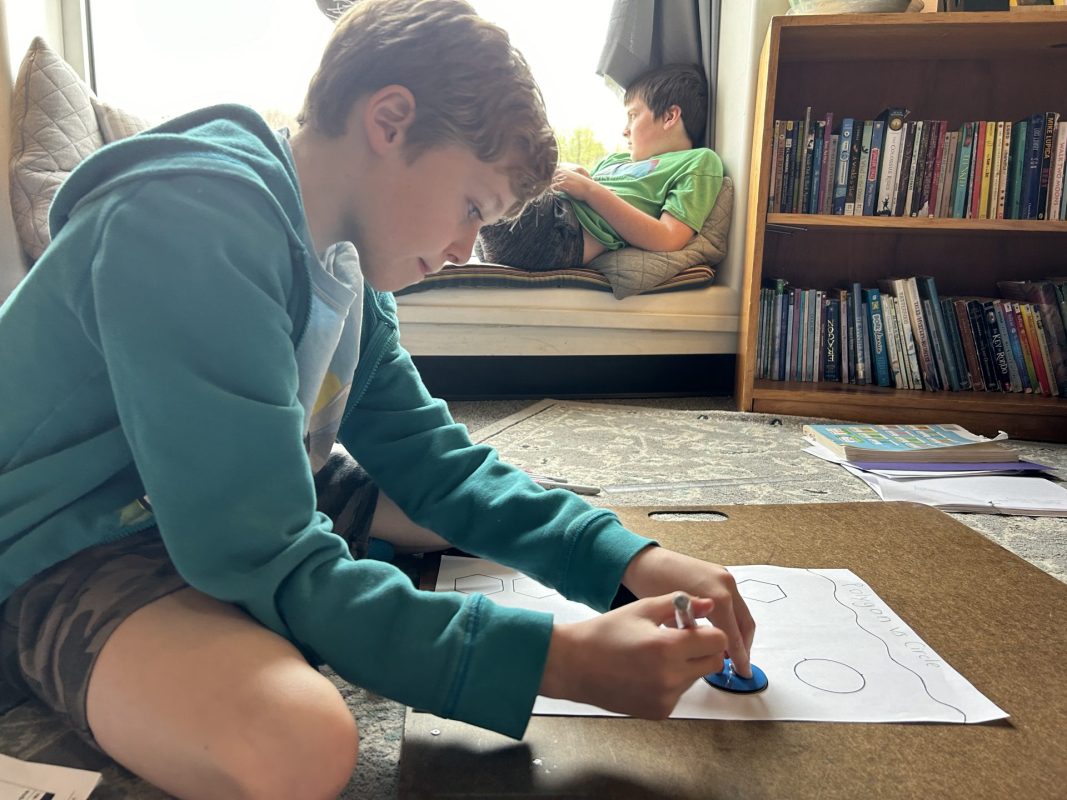
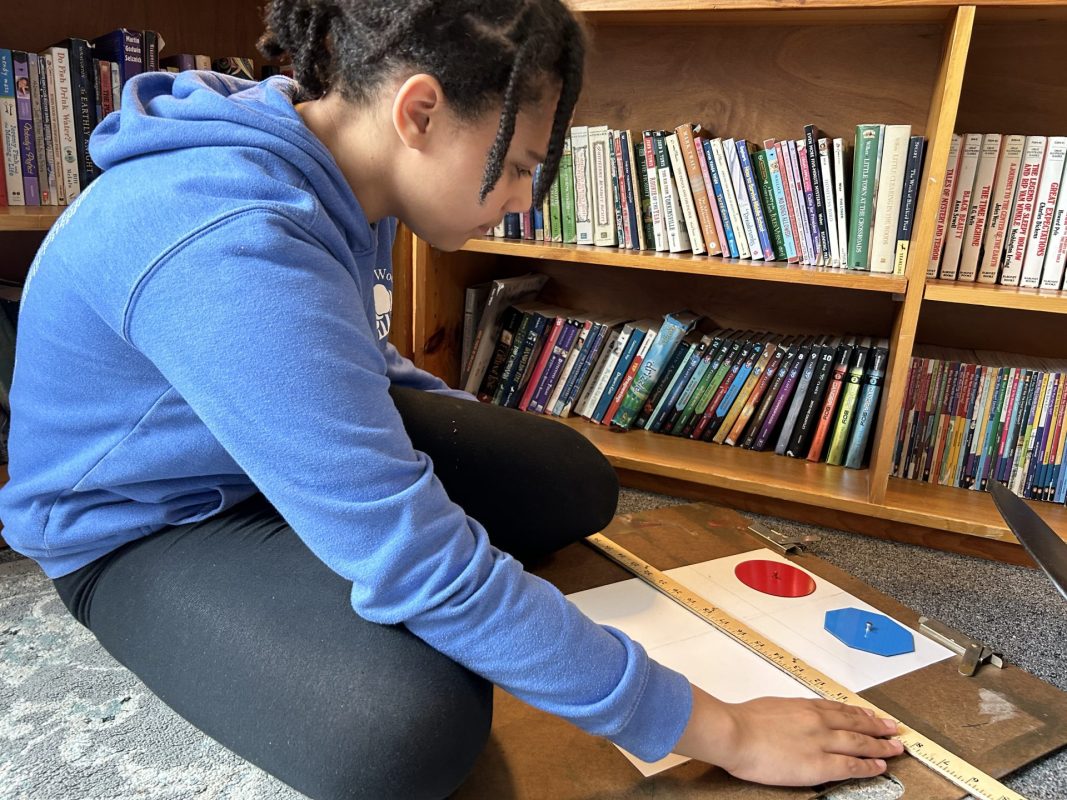
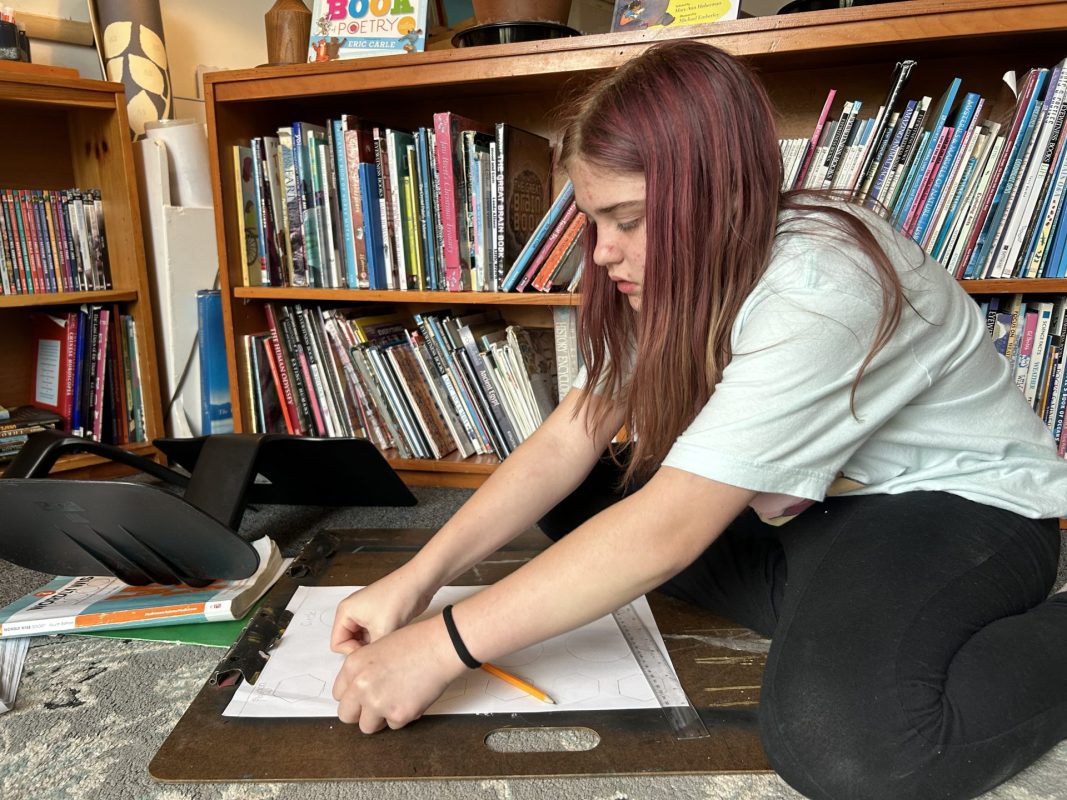
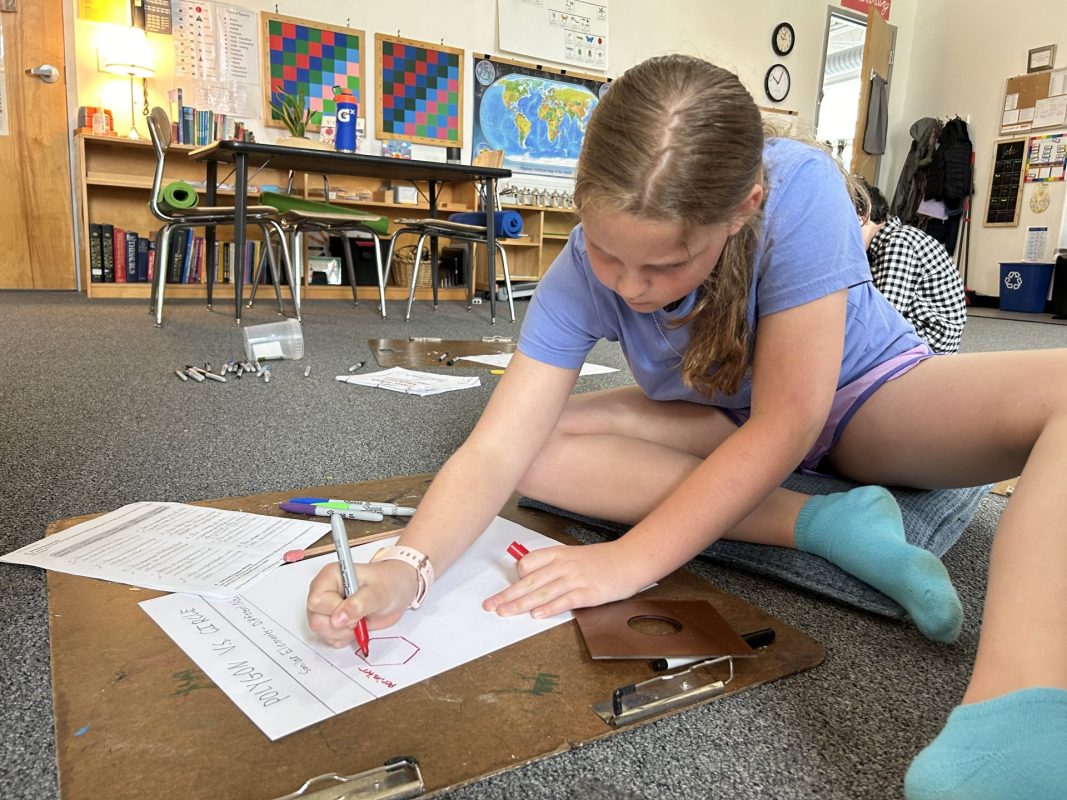
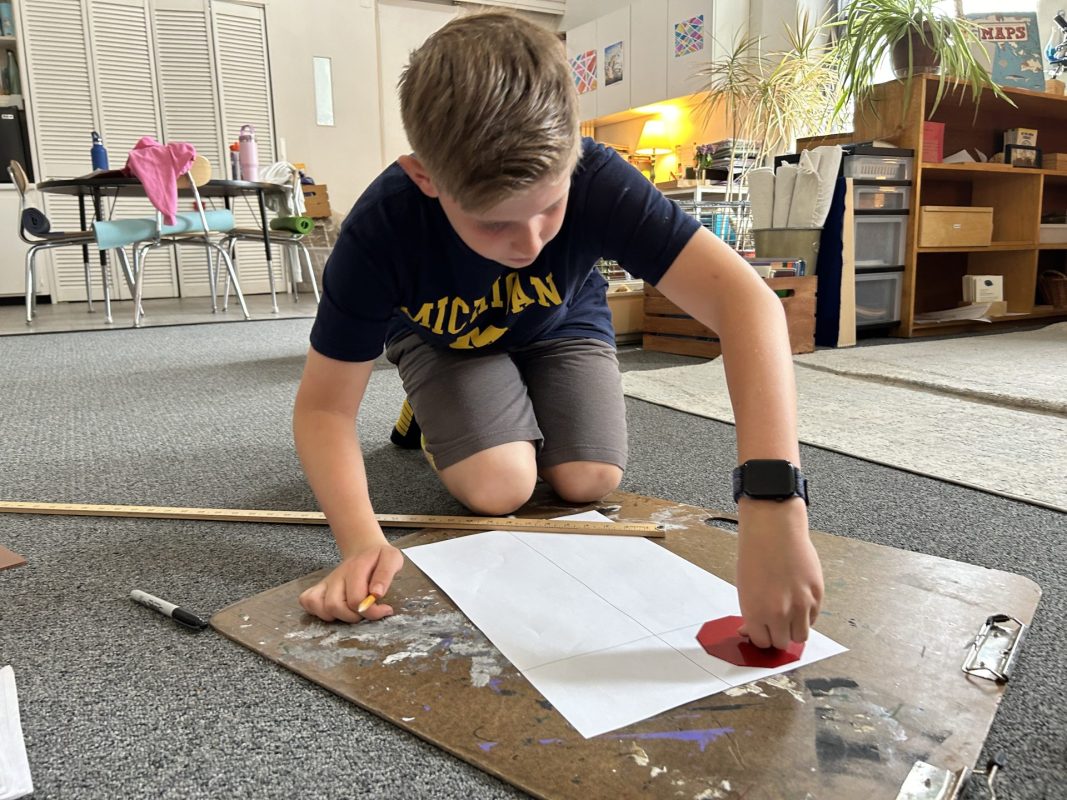
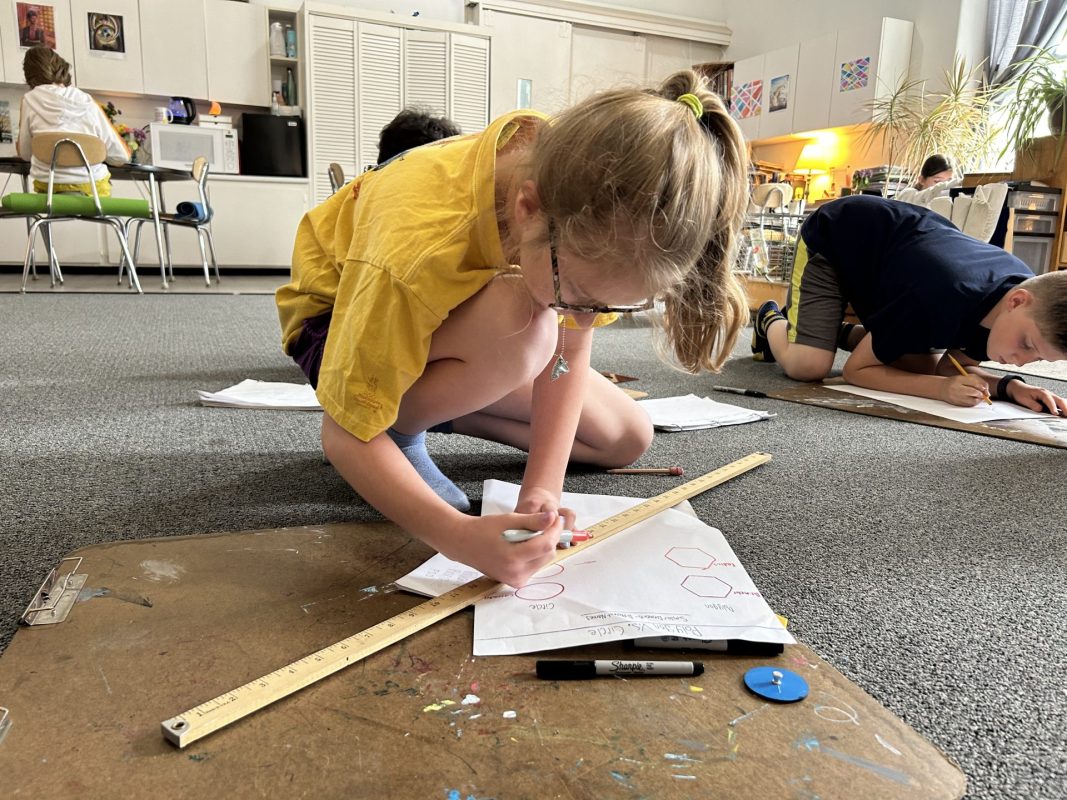
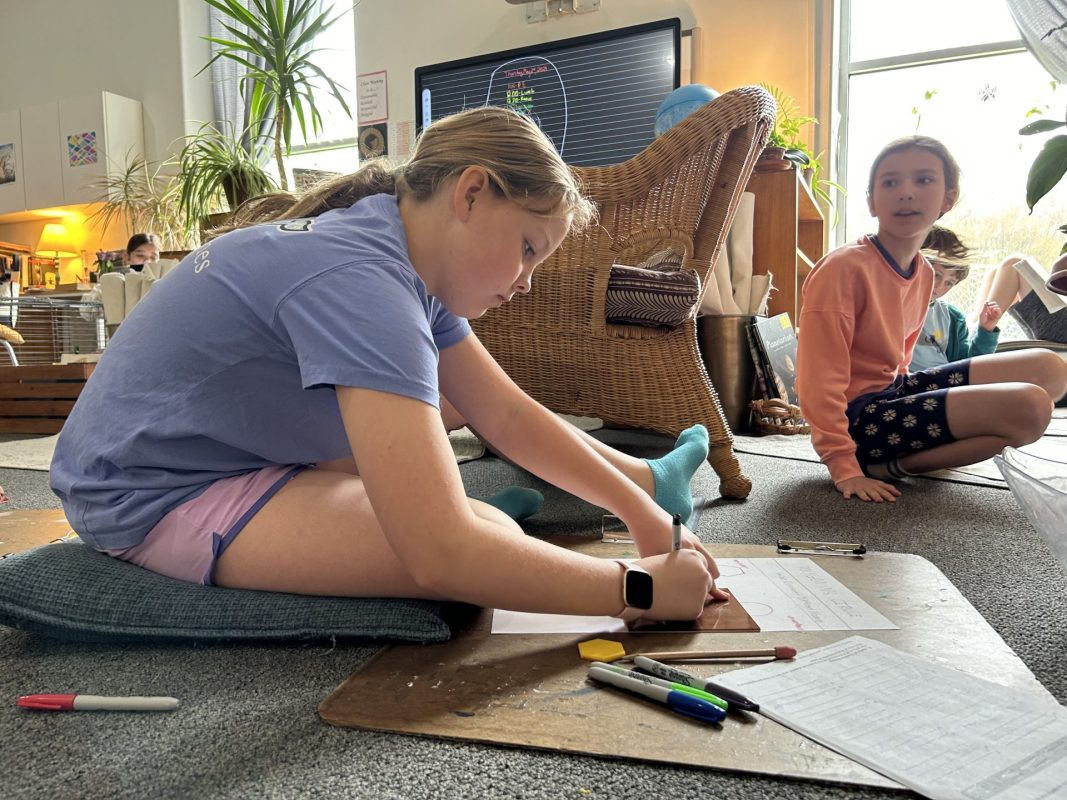
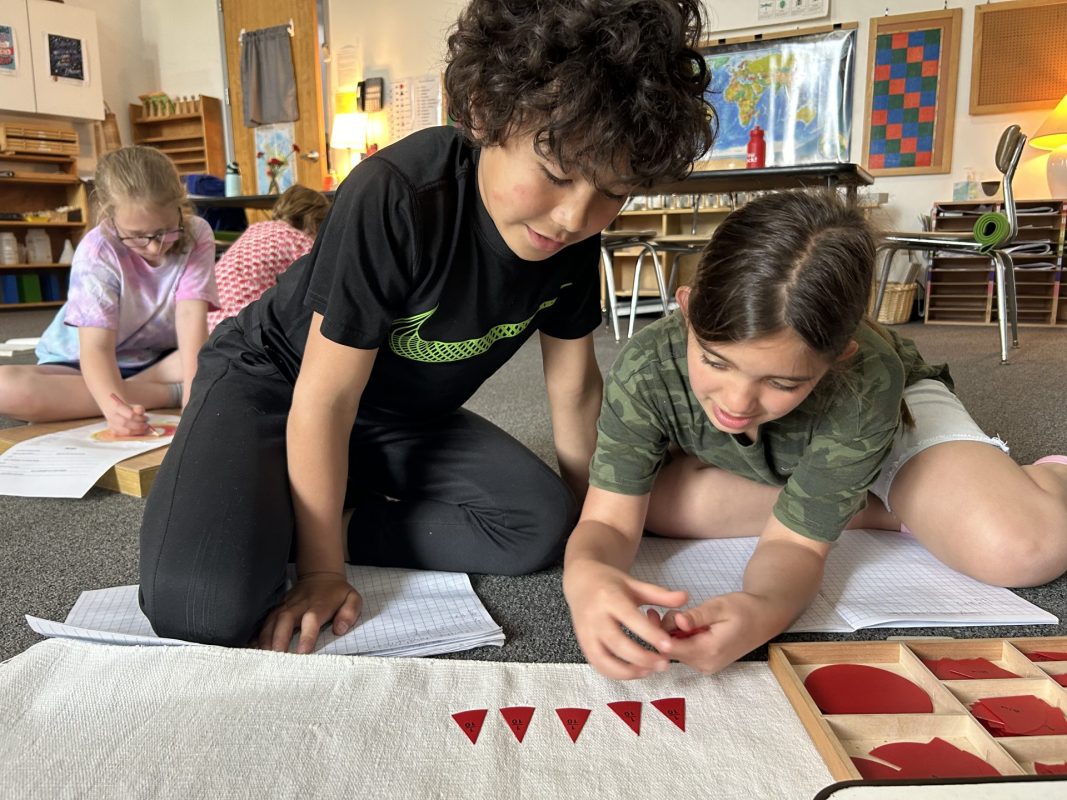
The geometry class has been exploring the area and perimeter of various polygons. They discovered how the formula for the area of a triangle came about. They are applying conversions to finding the same area: square miles to feet, square yards to square feet and square inches, and square miles to square acres. Given tesselations, students can predict its area.

Have a wonderful weekend! To those celebrating, Happy Easter.


Mrs. Sargeant: A Peek at the Week

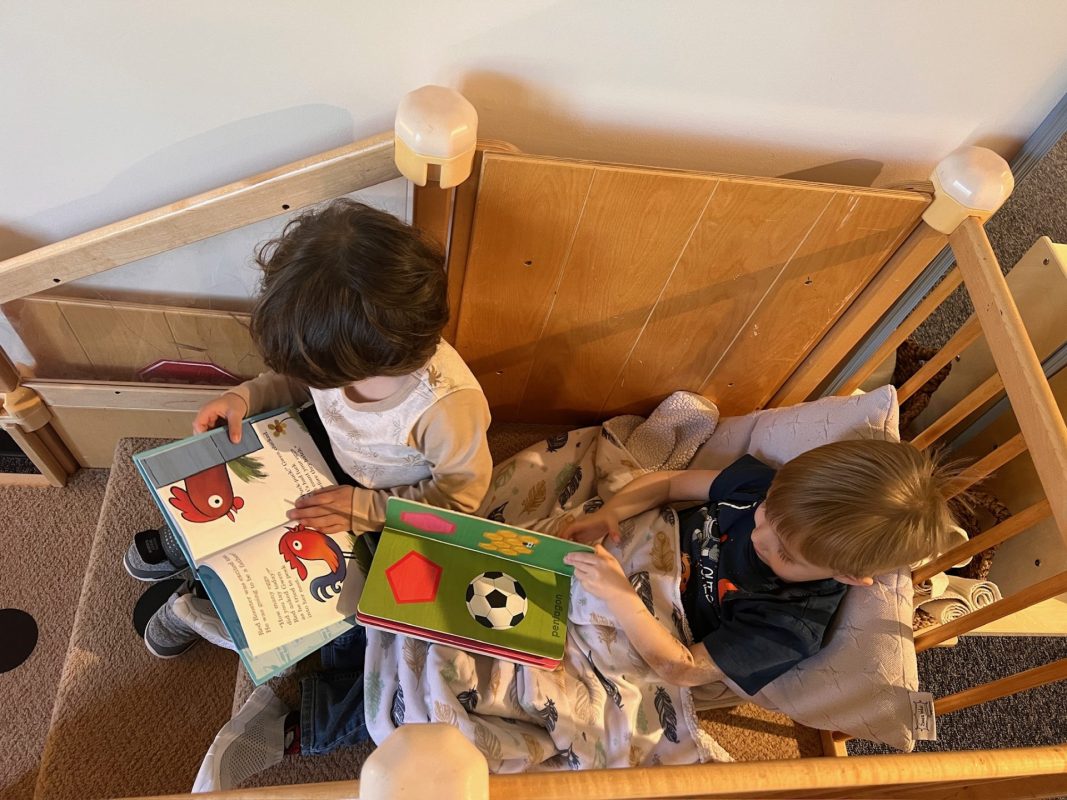
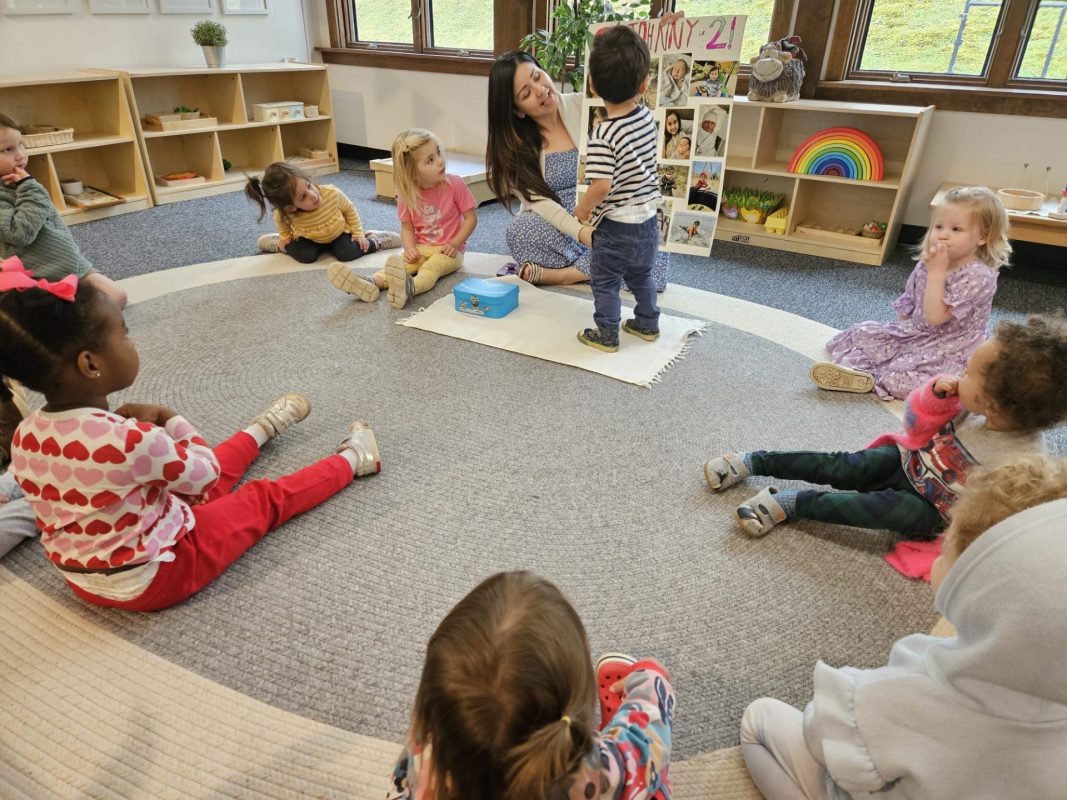
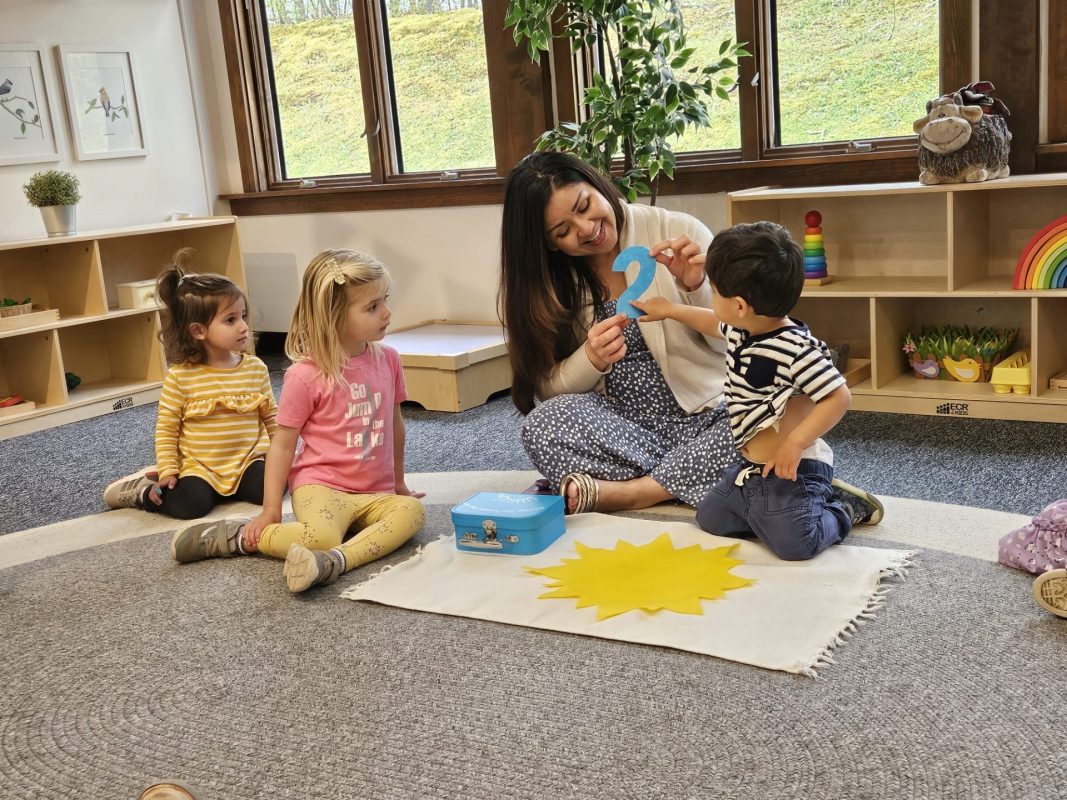
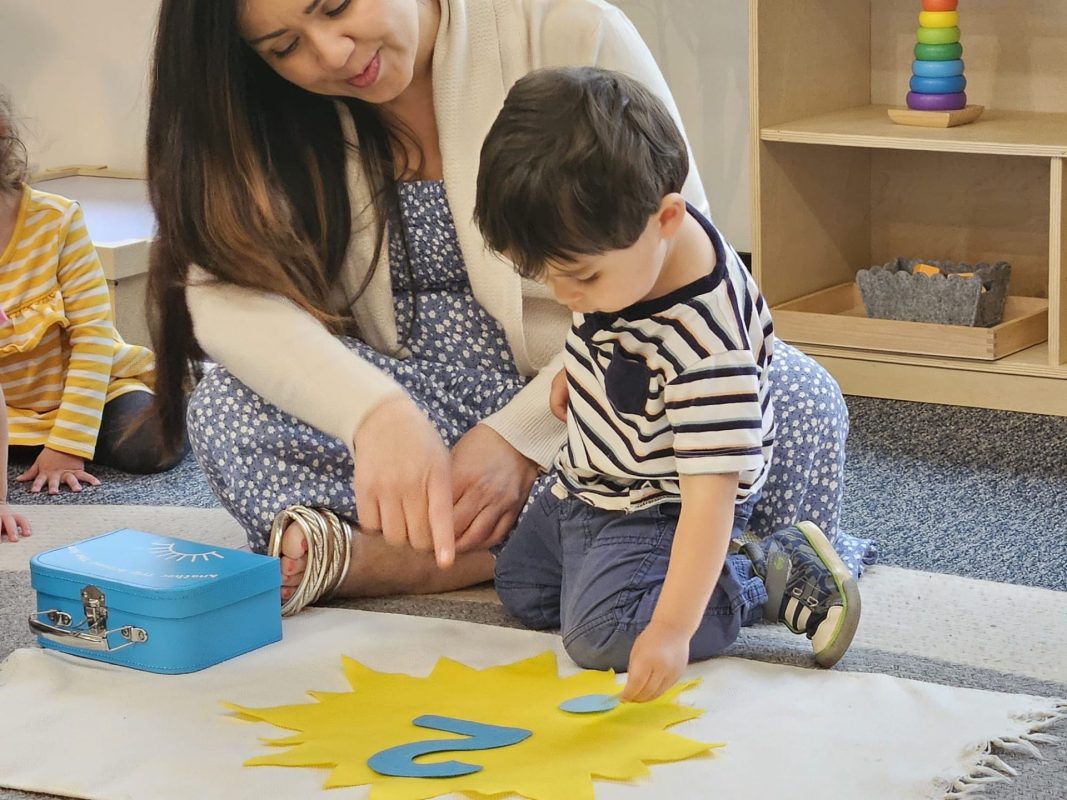
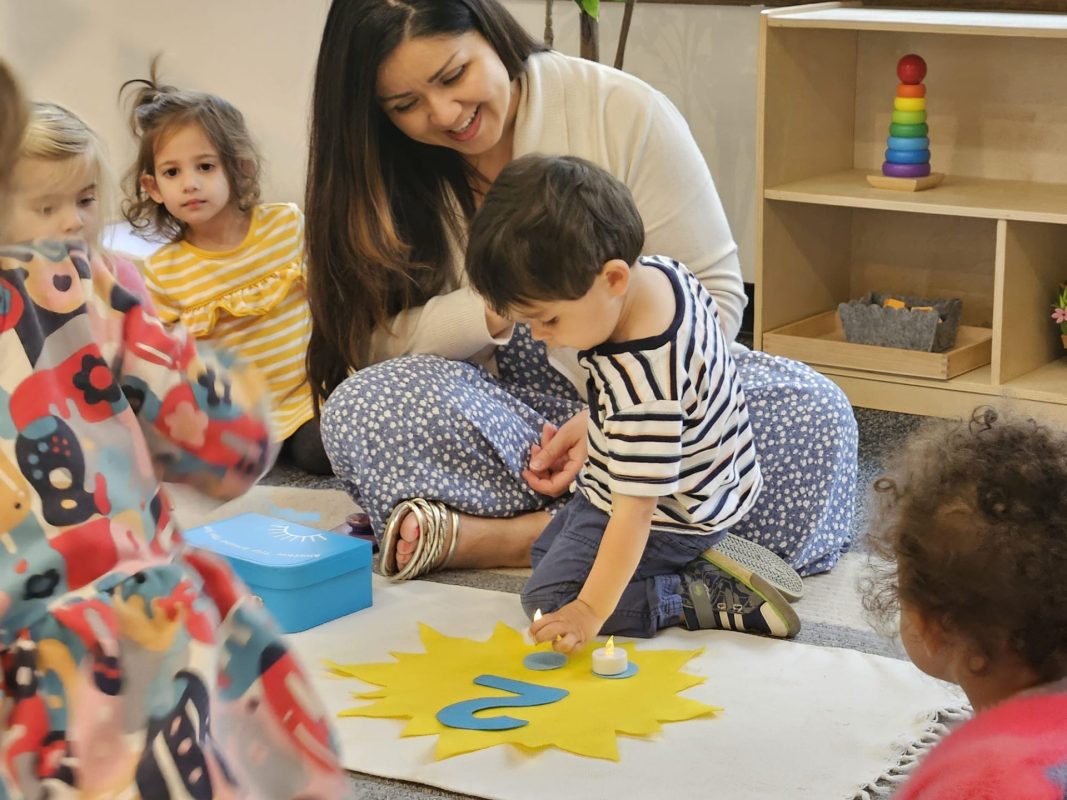
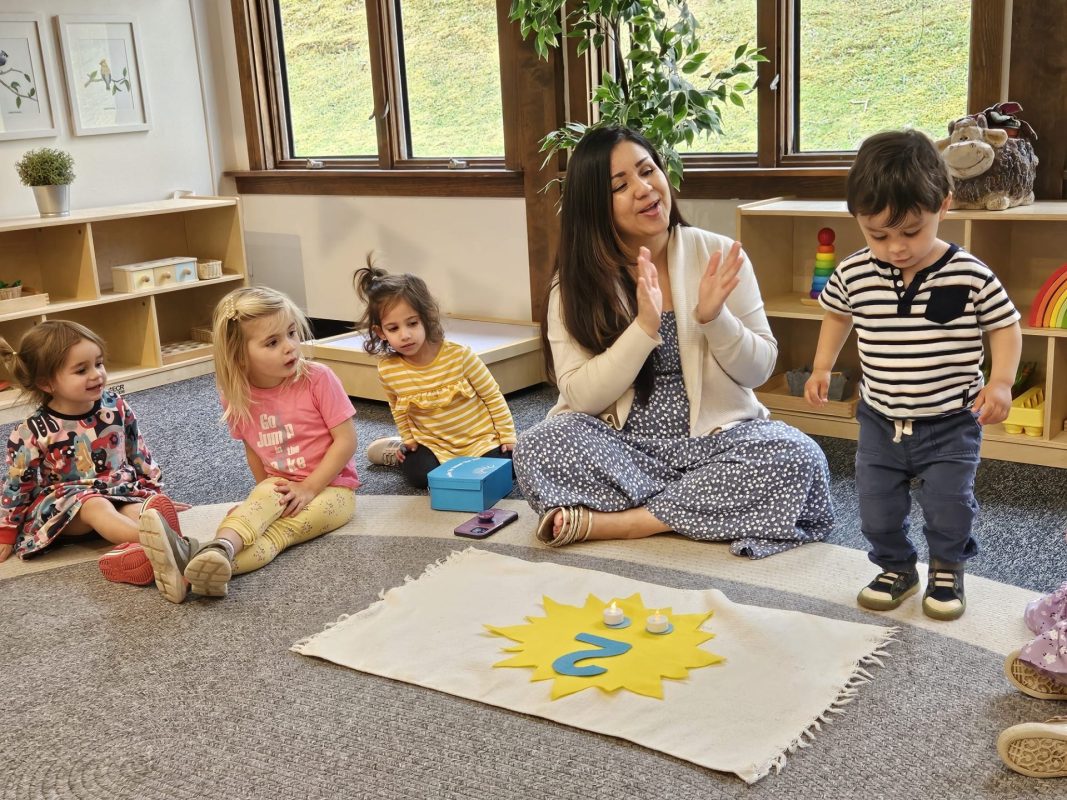
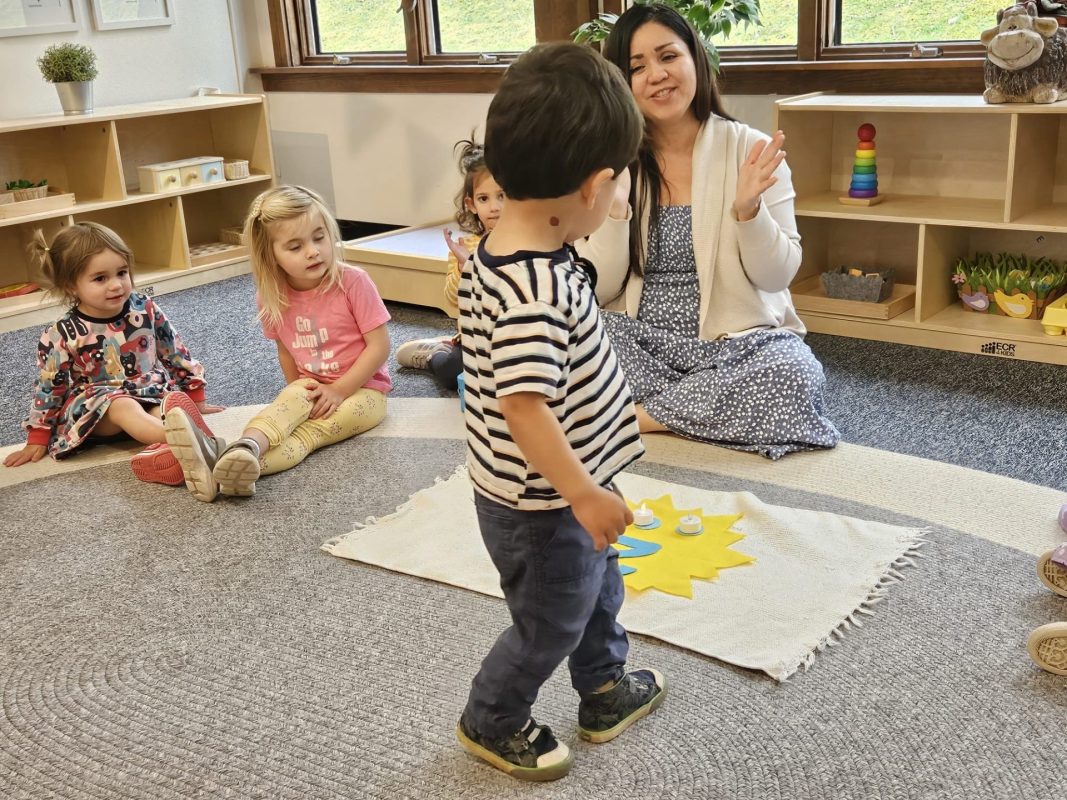
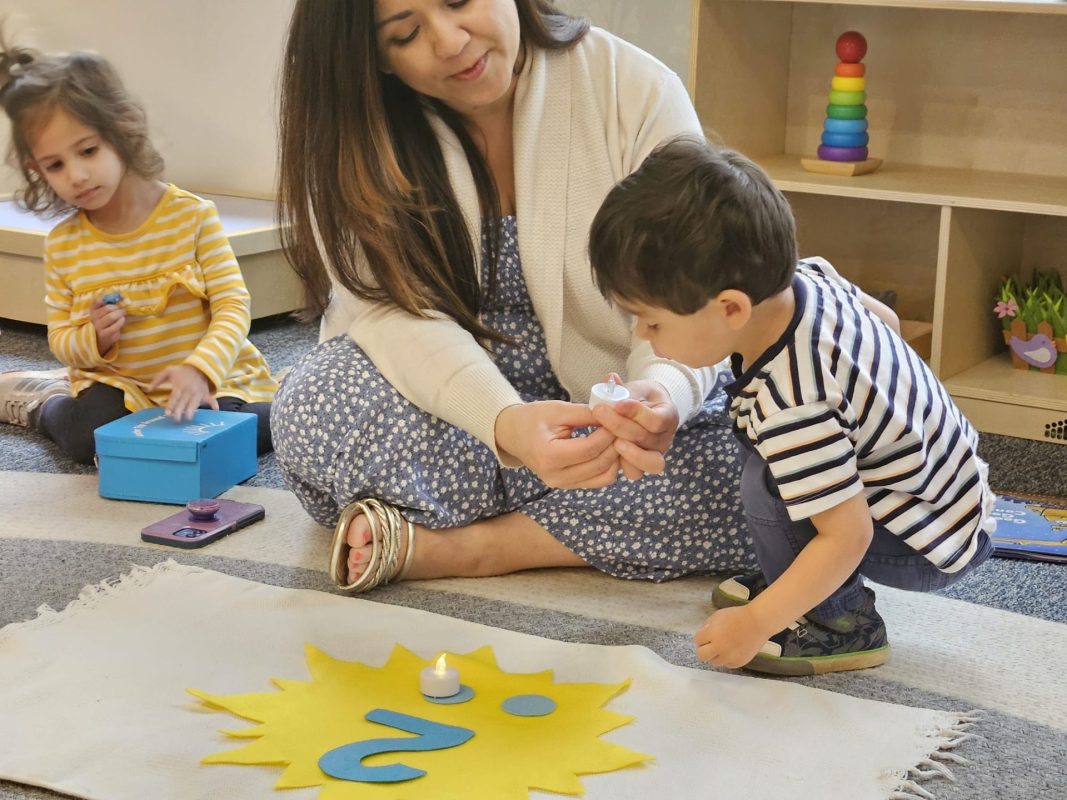
Welcome back! It was exciting for all of us to reunite this week. The children quickly settled right back into our classroom routines. We celebrated Margot’s 2nd birthday this week. She counted two votive candles, and we sang ‘Happy Birthday’ to her as we played our music box. She shared one of her favorite books, The Little Mouse, the Red Ripe Strawberry and the Big Hungry Bear, which captivated the whole group! Then we had a special snack of blueberry scones. The children especially loved looking at Margot’s baby pictures. It was a lovely celebration! We’re looking forward to celebrating a few more birthdays soon!

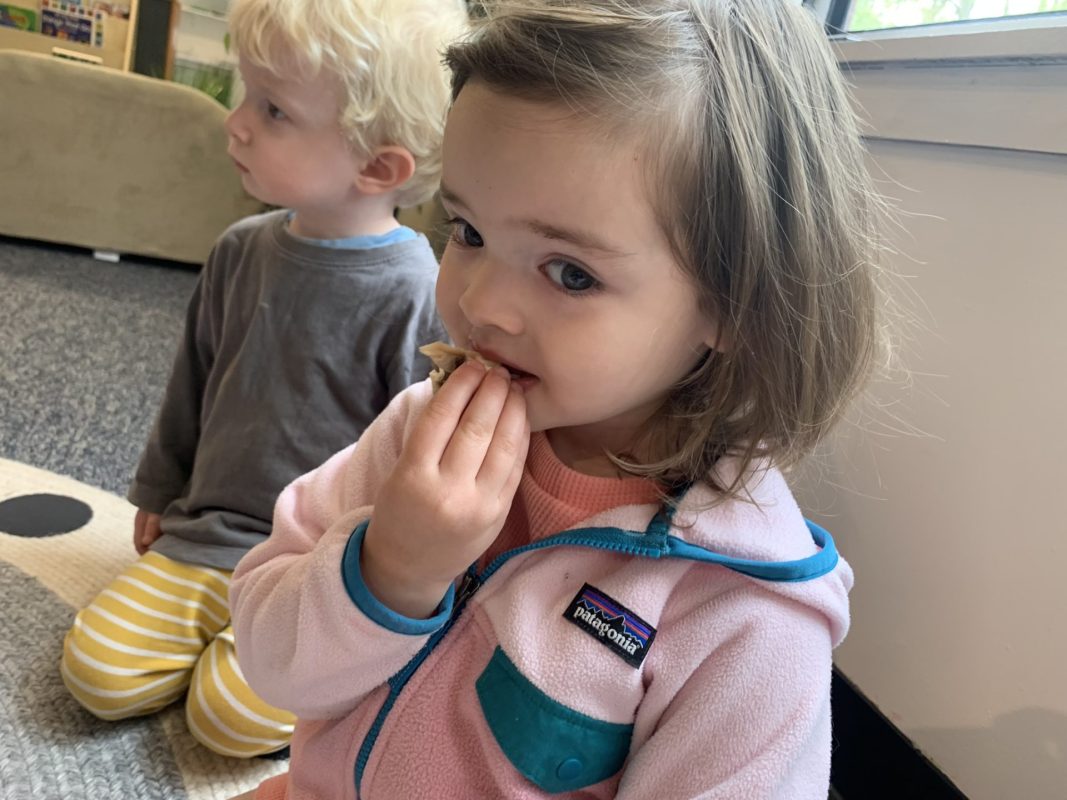
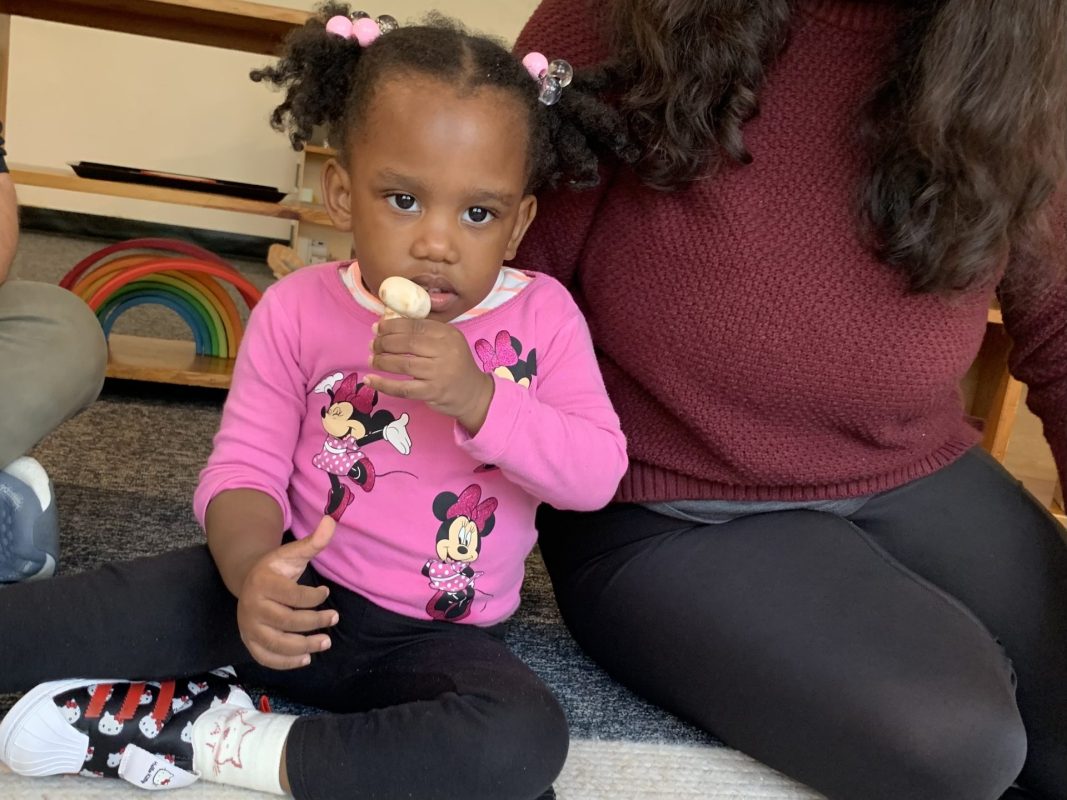
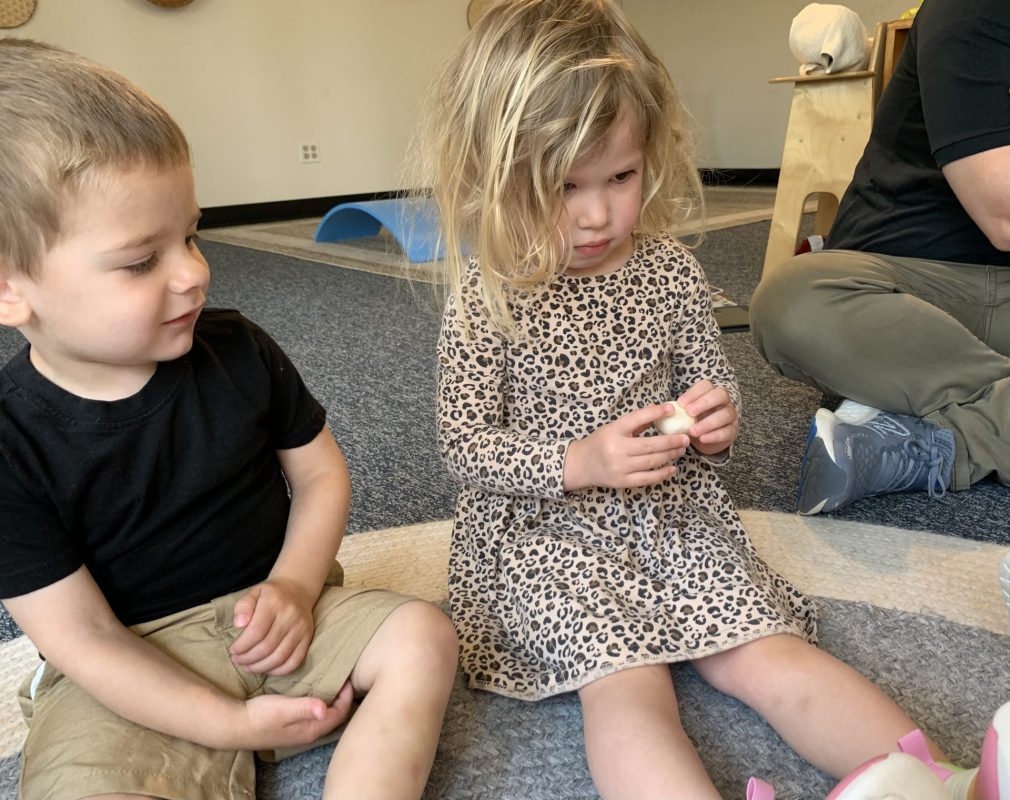
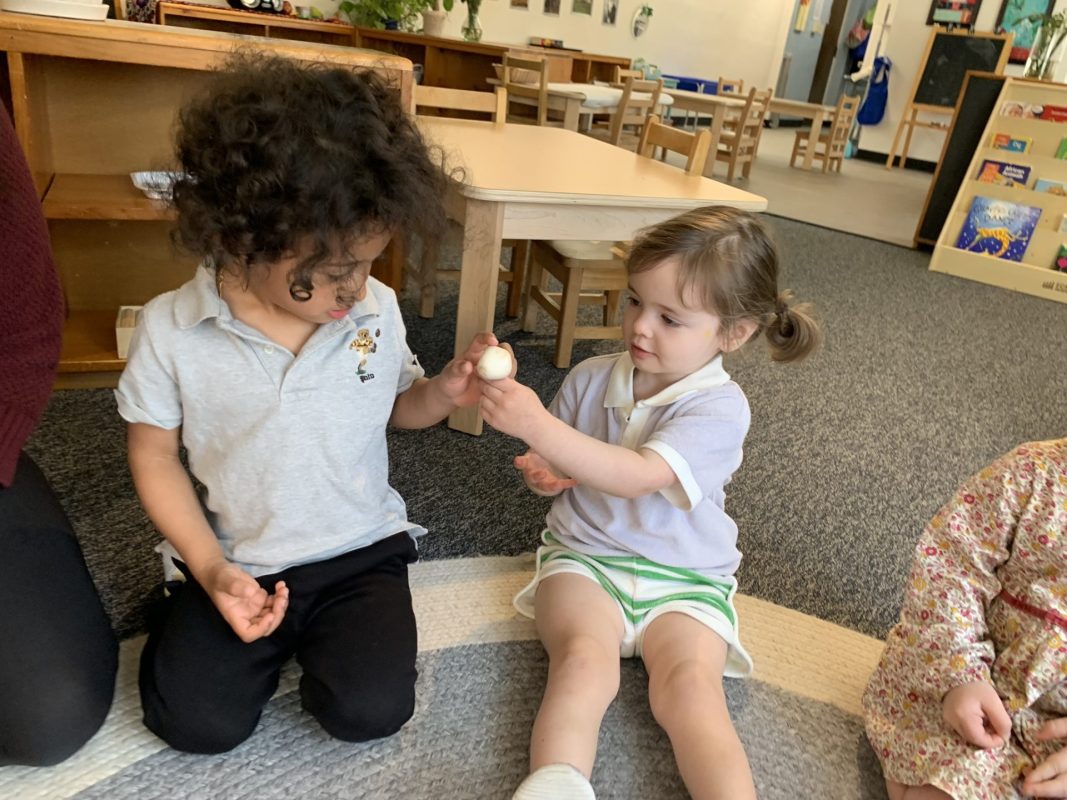
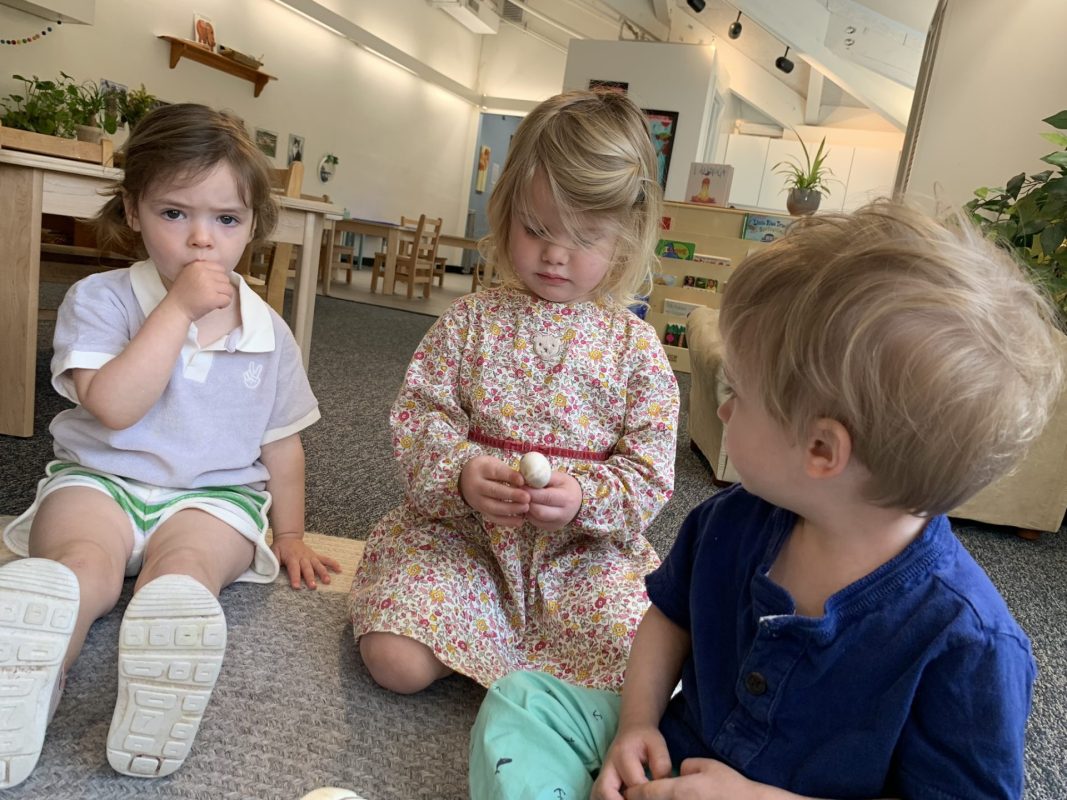
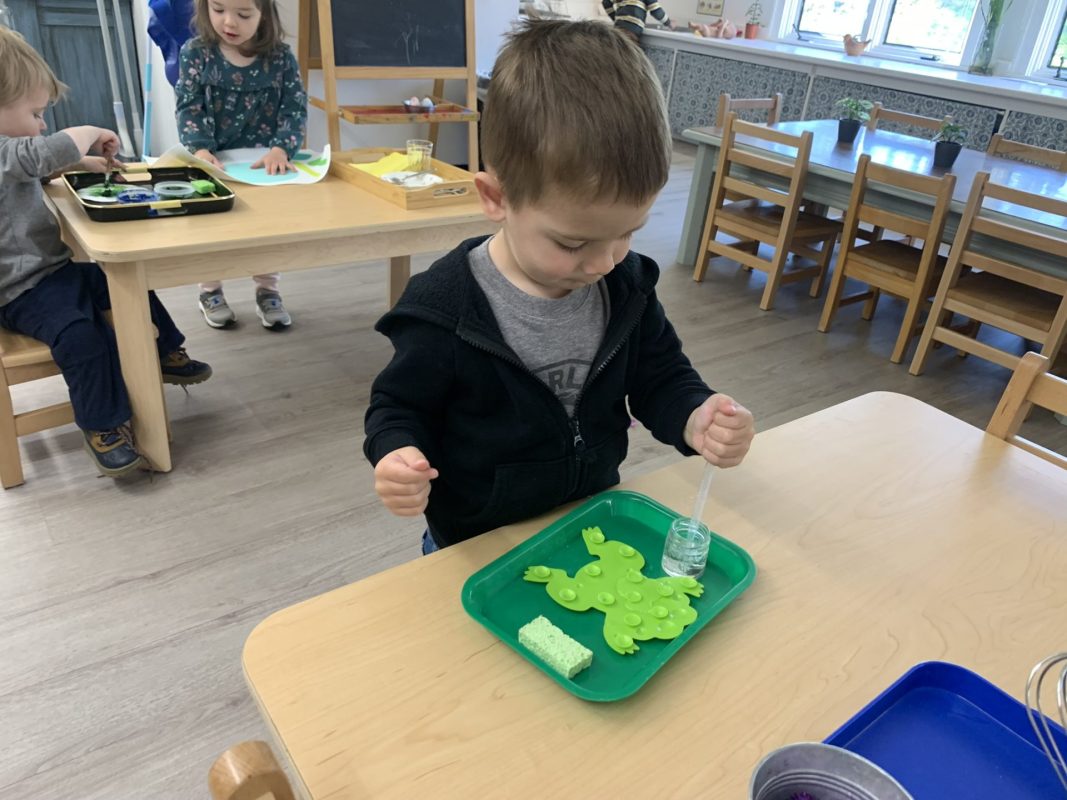
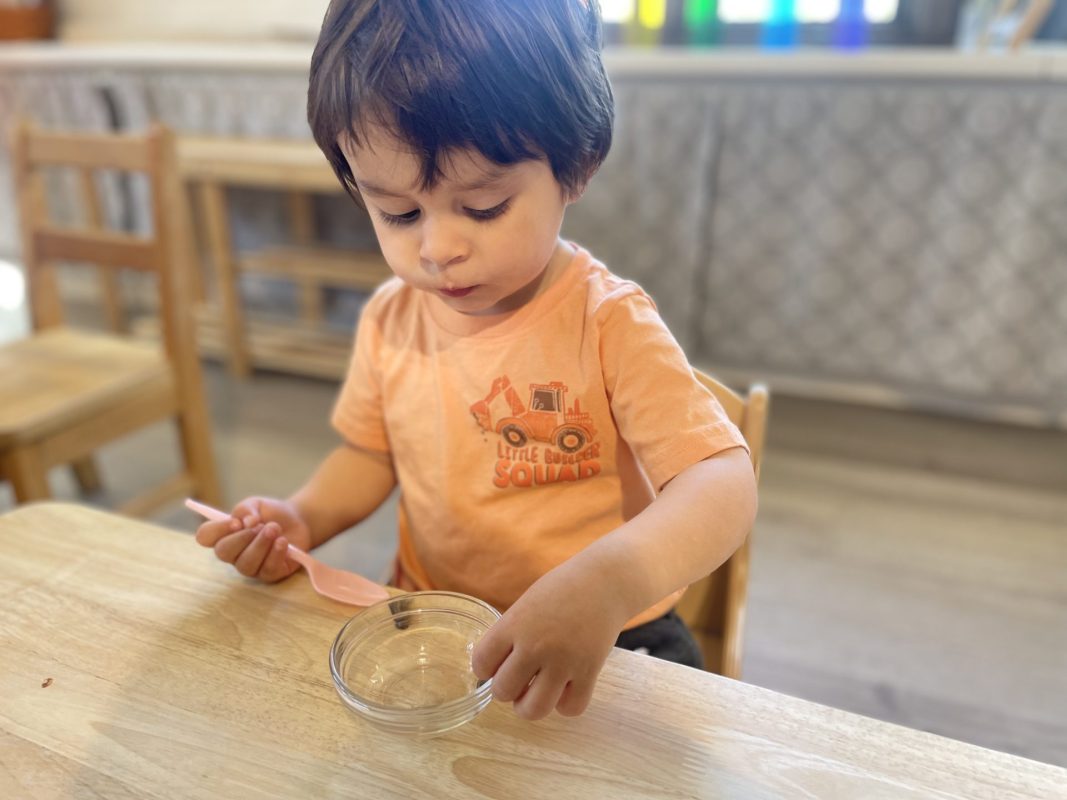
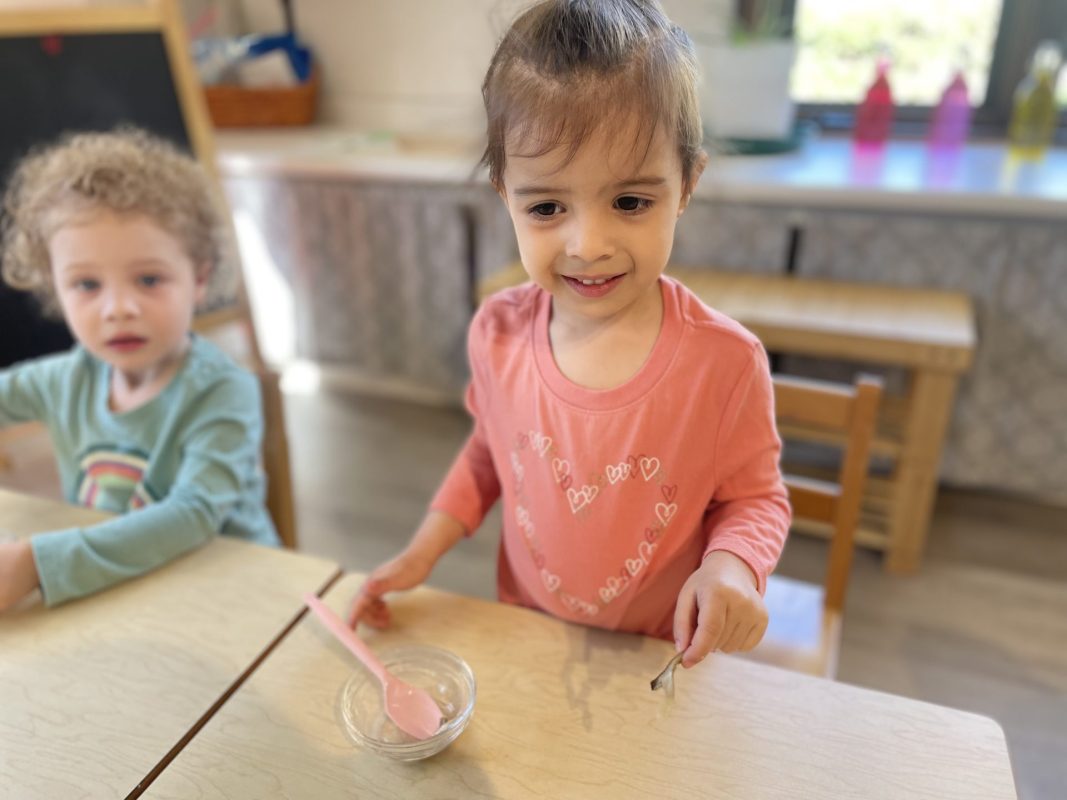
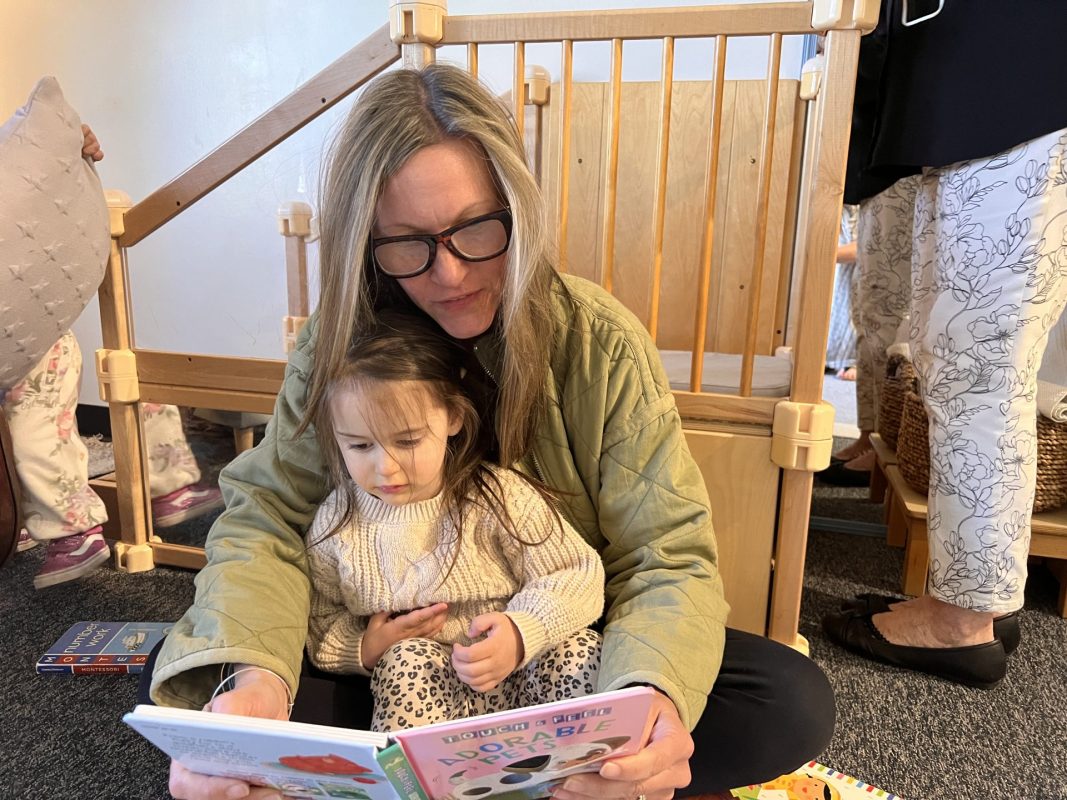
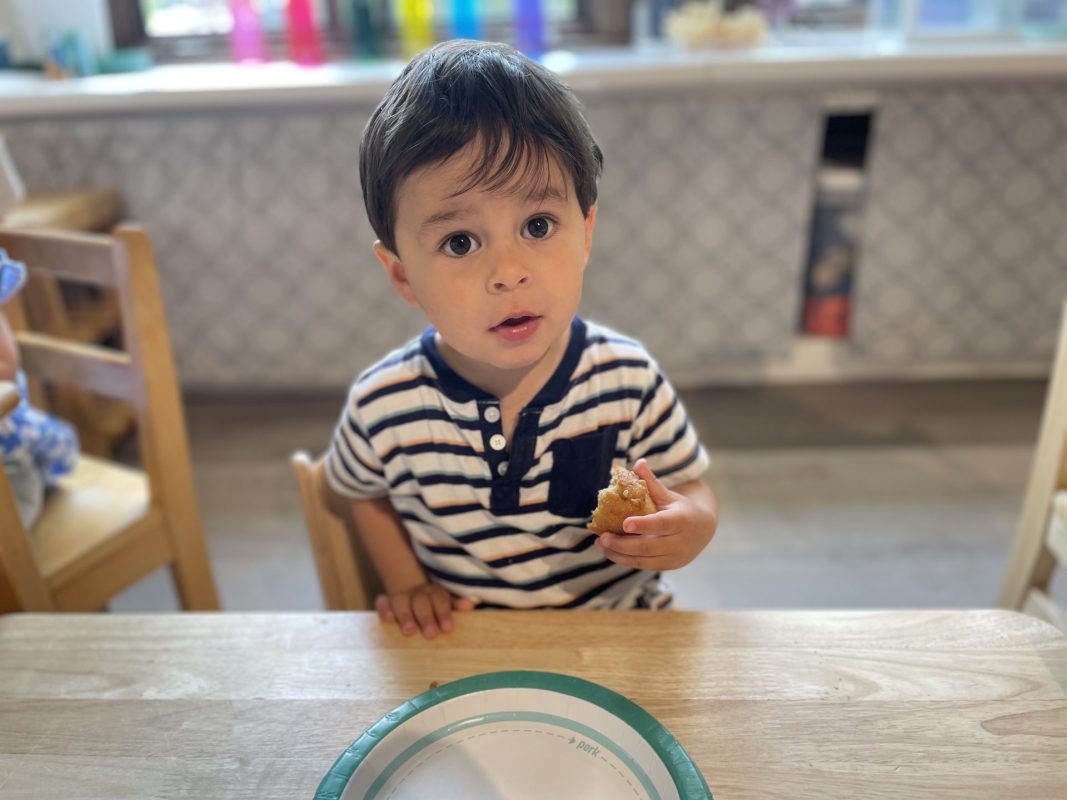
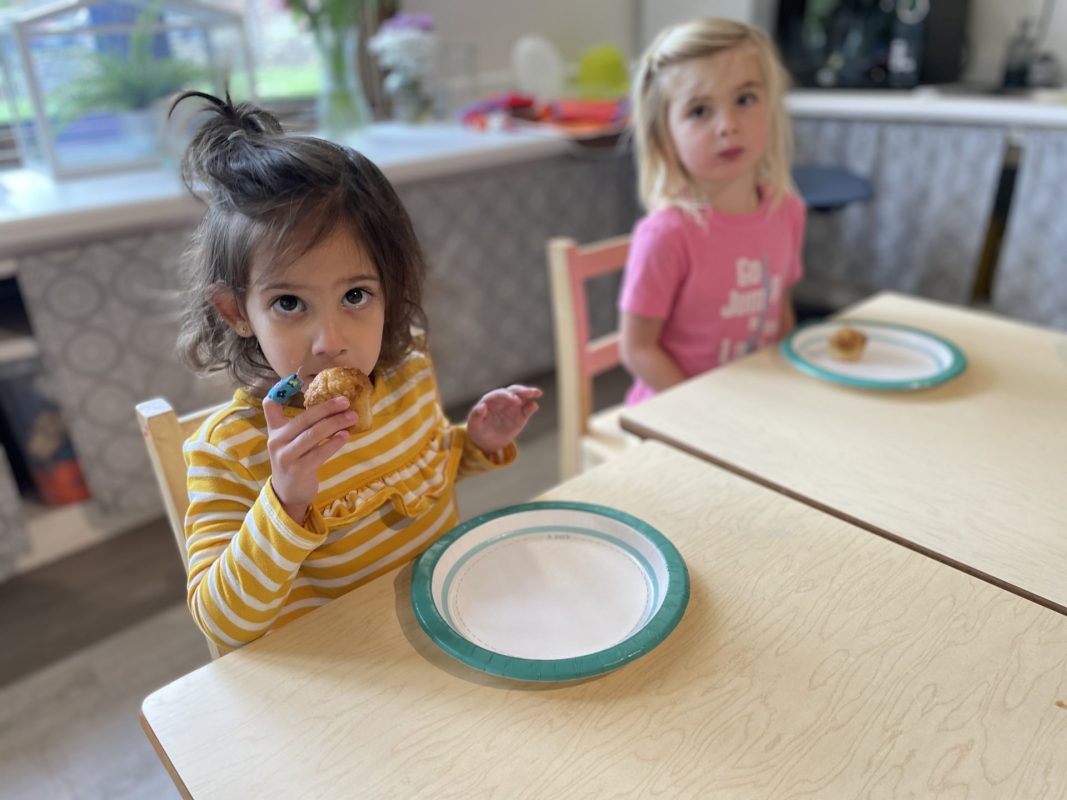
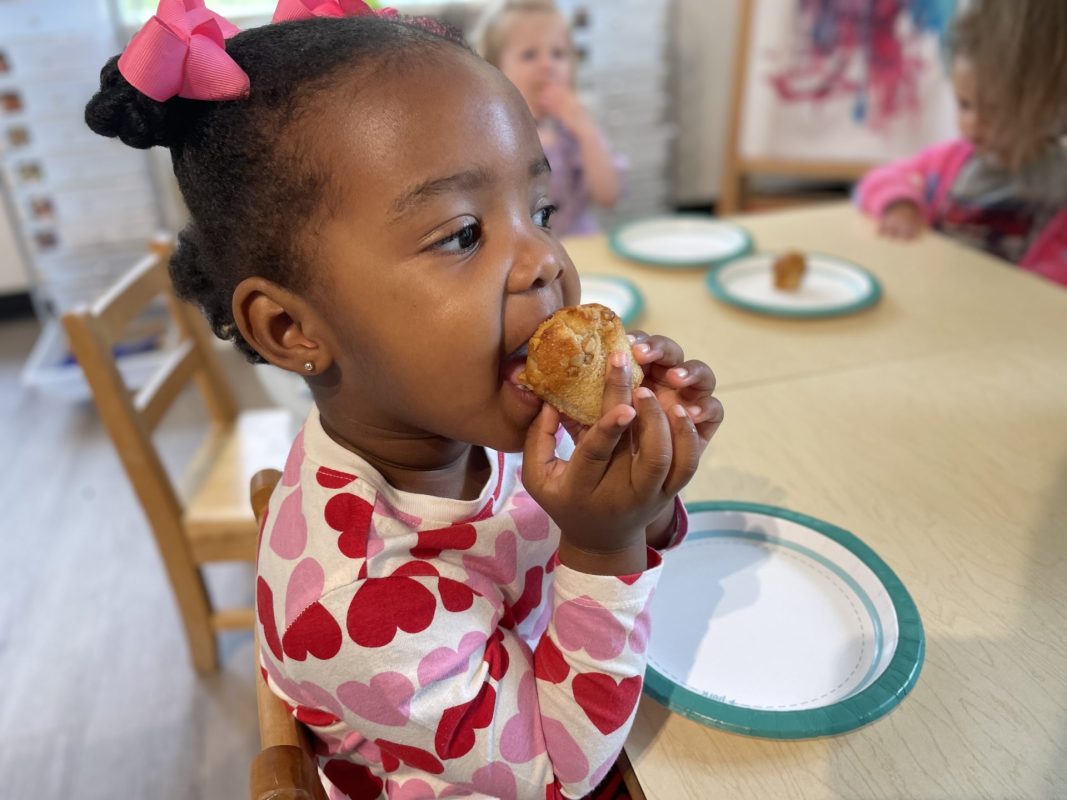
Just before break, we tasted Irish soda bread. The children were given a lesson on spreading butter. They loved the bread, and they loved being able to spread their own butter! An activity such as spreading butter requires a unique rotation of the wrist, which is necessary for learning to write. Spreading requires strength, coordination, and the use of the support hand. It is also very satisfying for young children to participate in preparing their own snacks. The next time you are preparing a snack for your child at home, think about how they can participate. They are so capable! Some ideas for spreading are spreading avocado onto toast, jam or cream cheese on a bagel or rice cake, hummus onto pita, and sun butter onto apple slices or celery. 

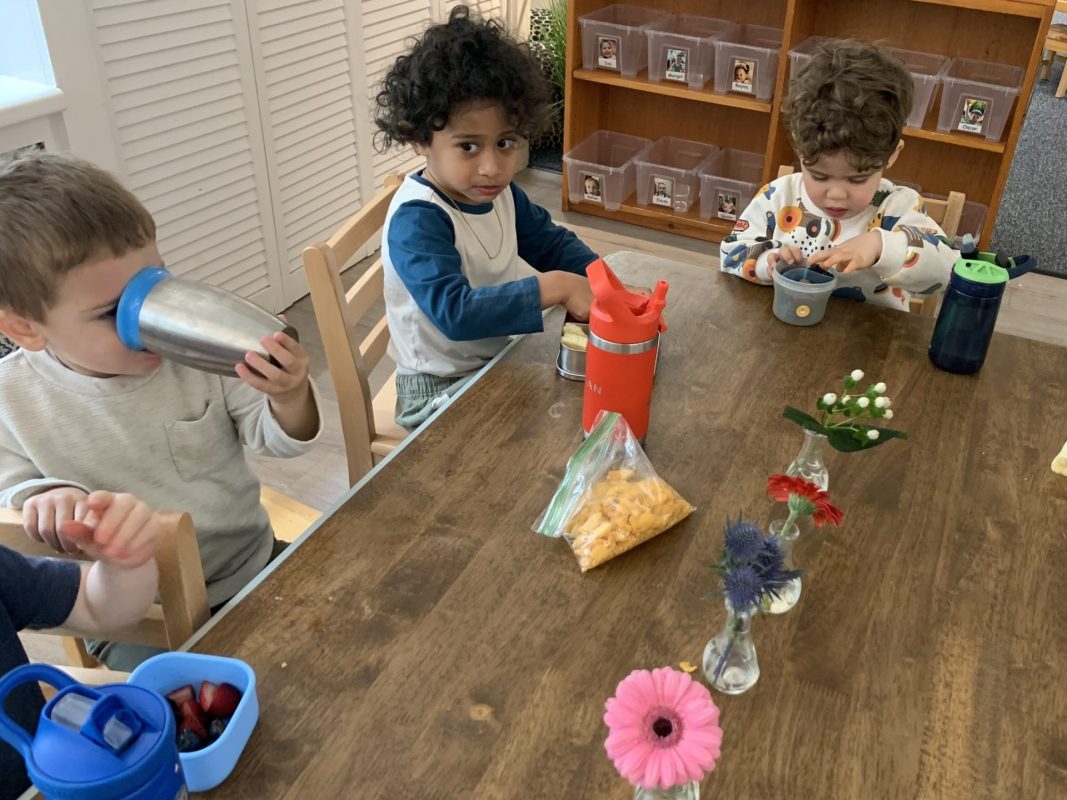
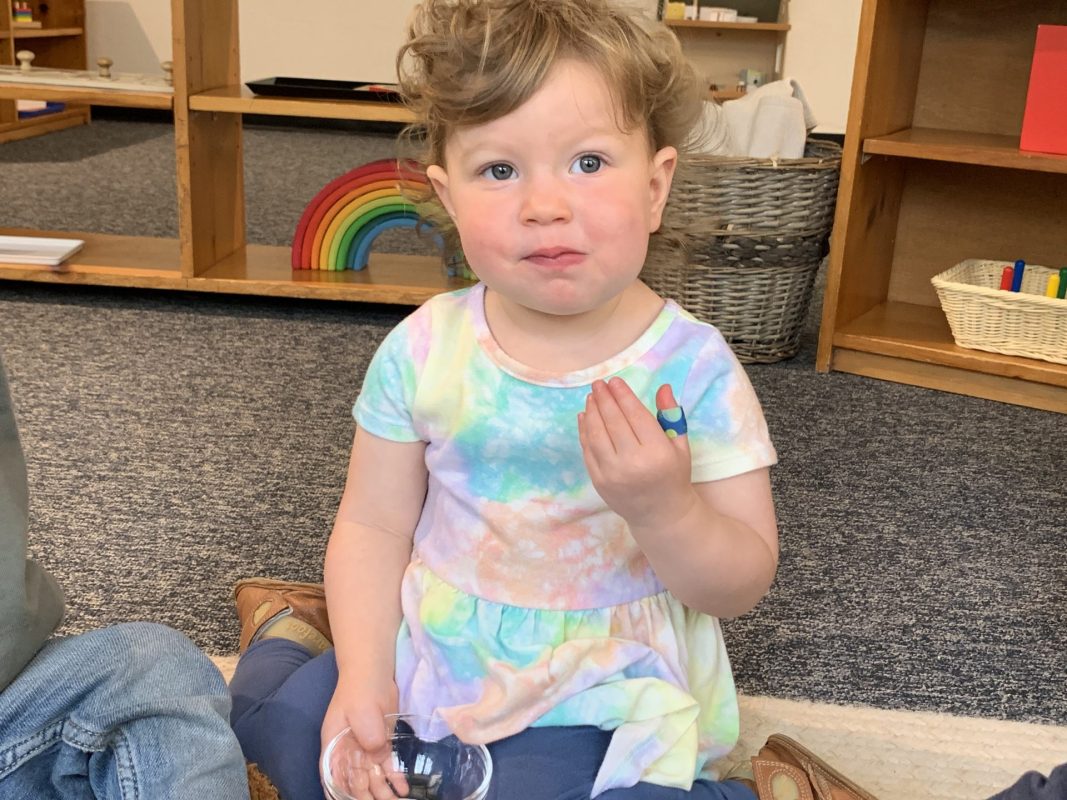
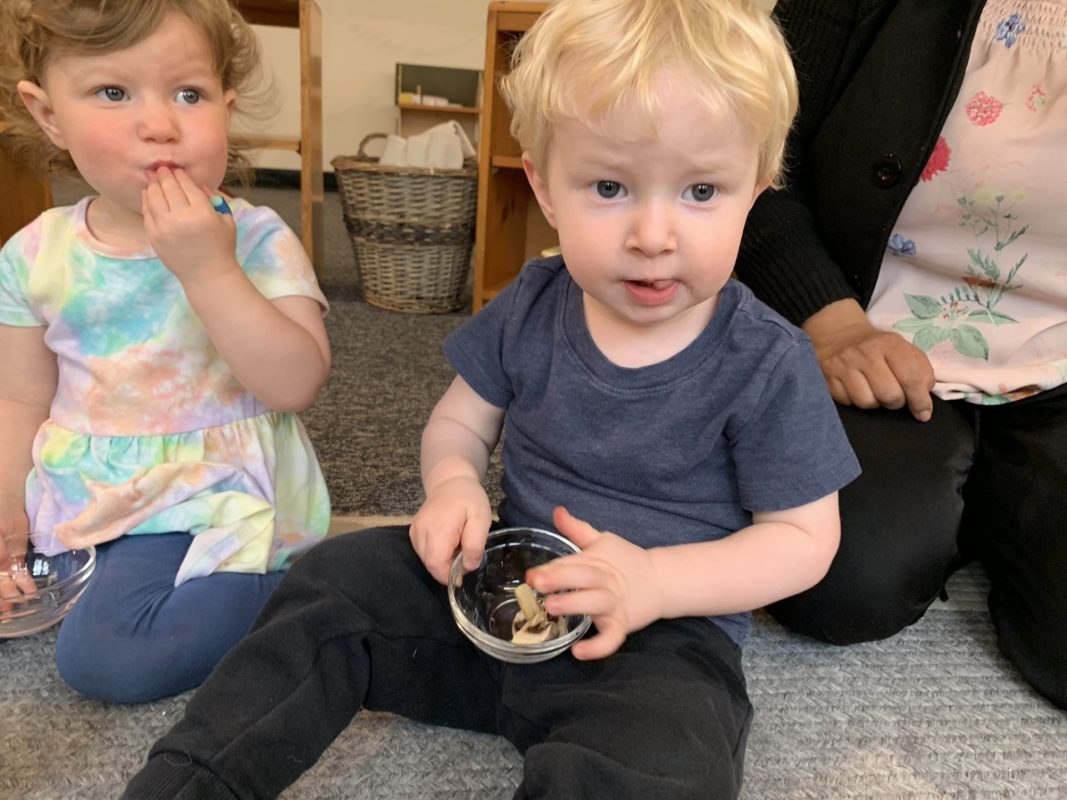
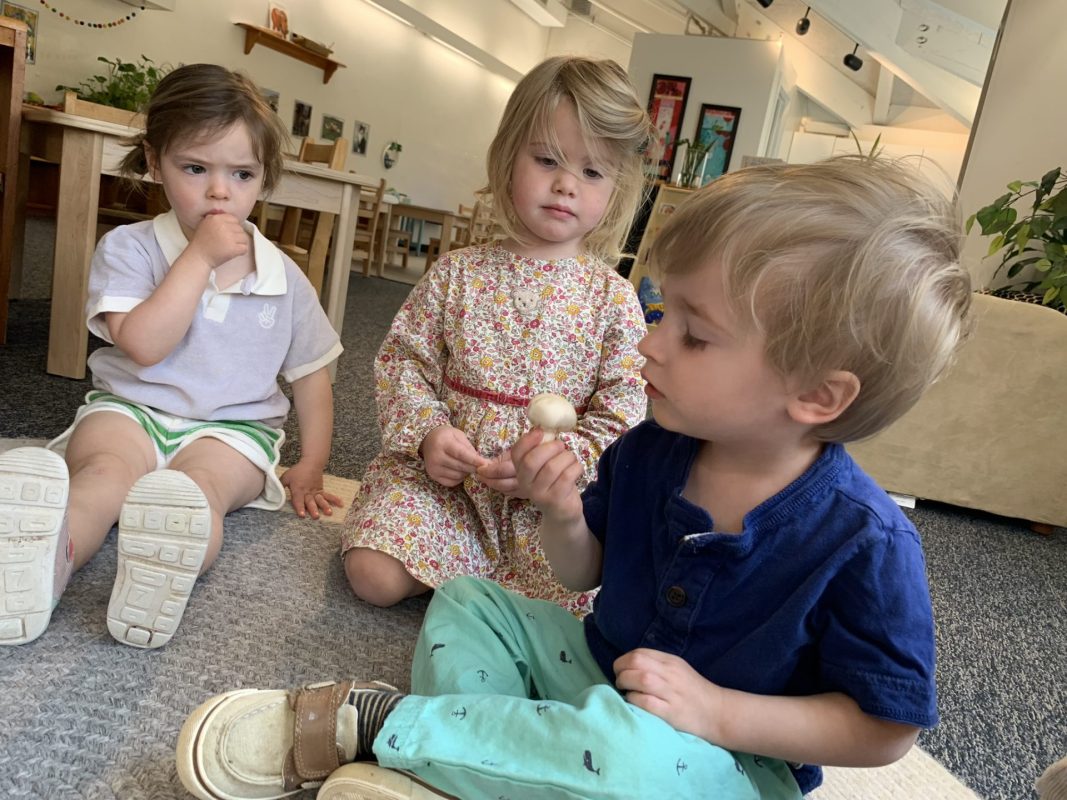
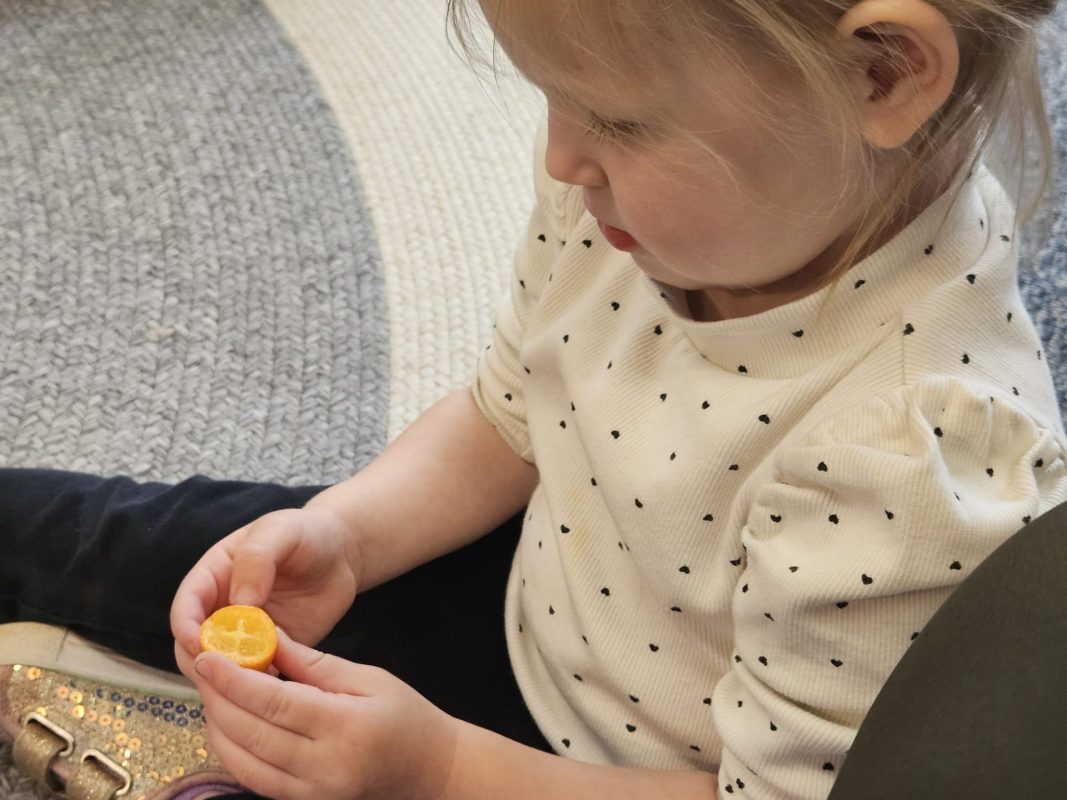
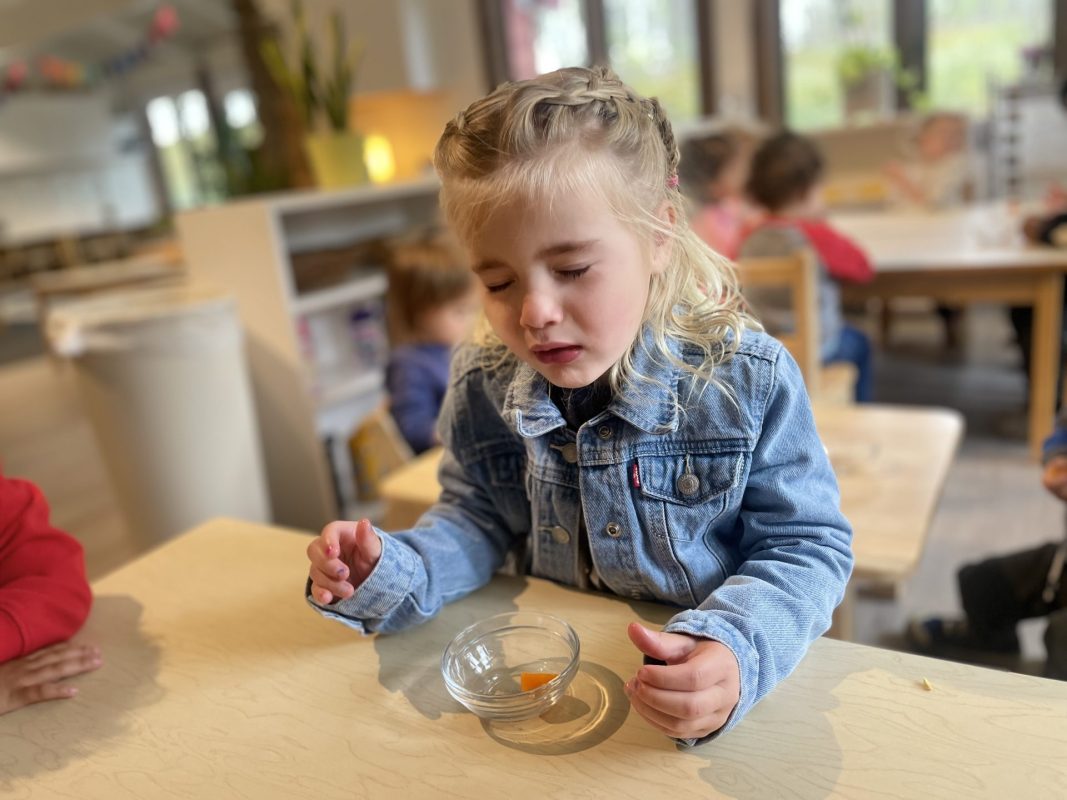
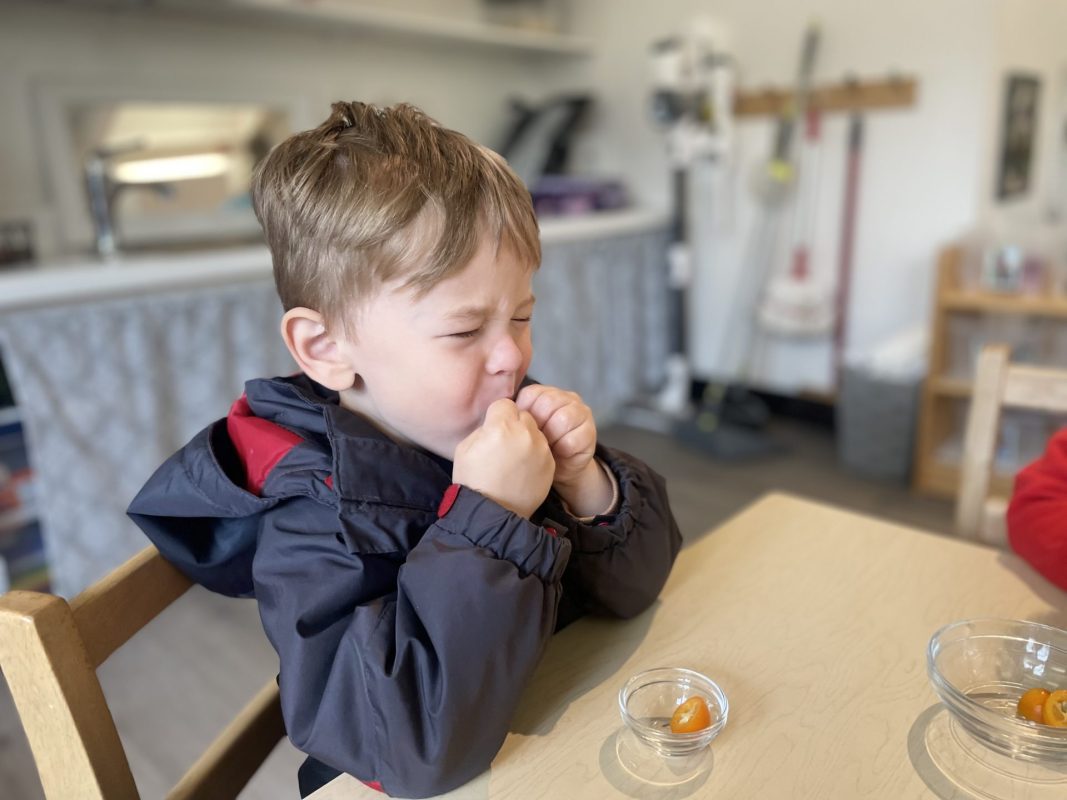
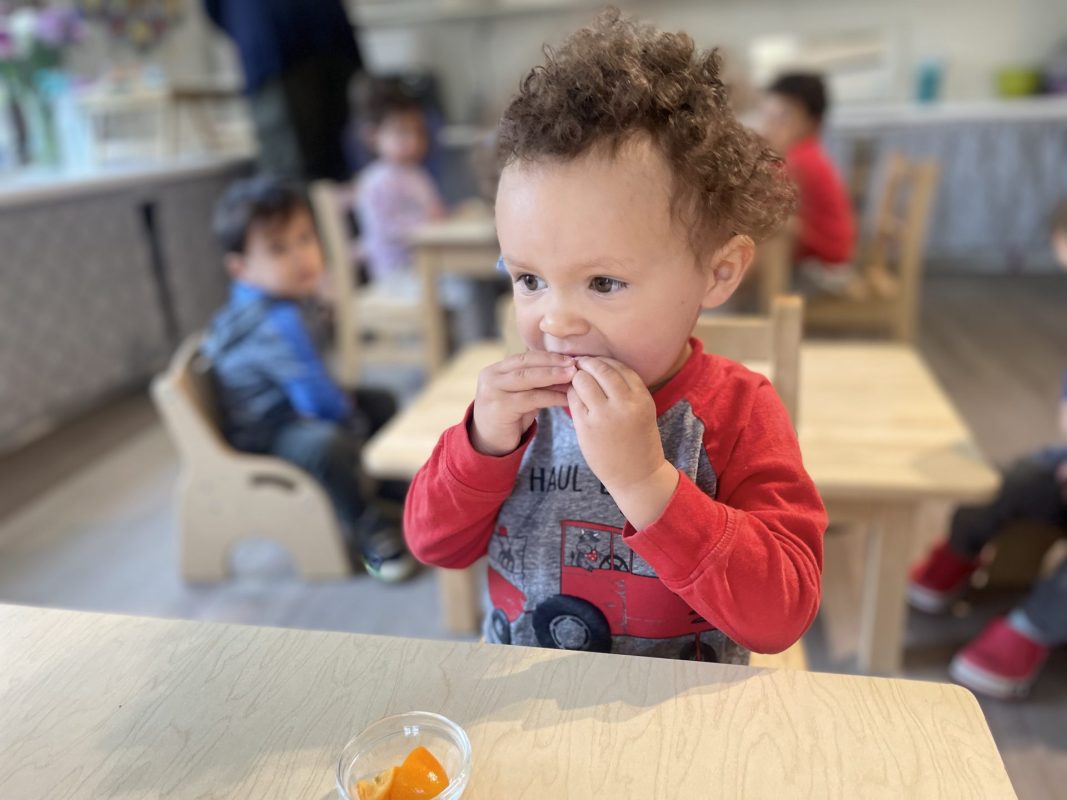
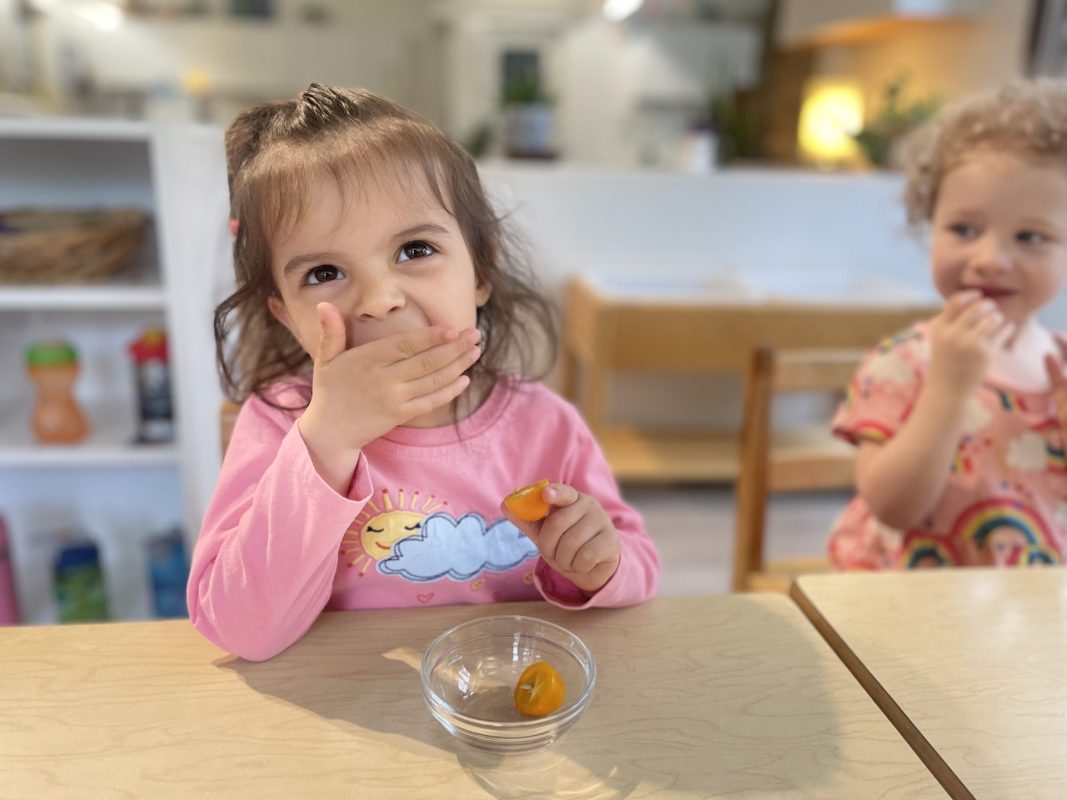
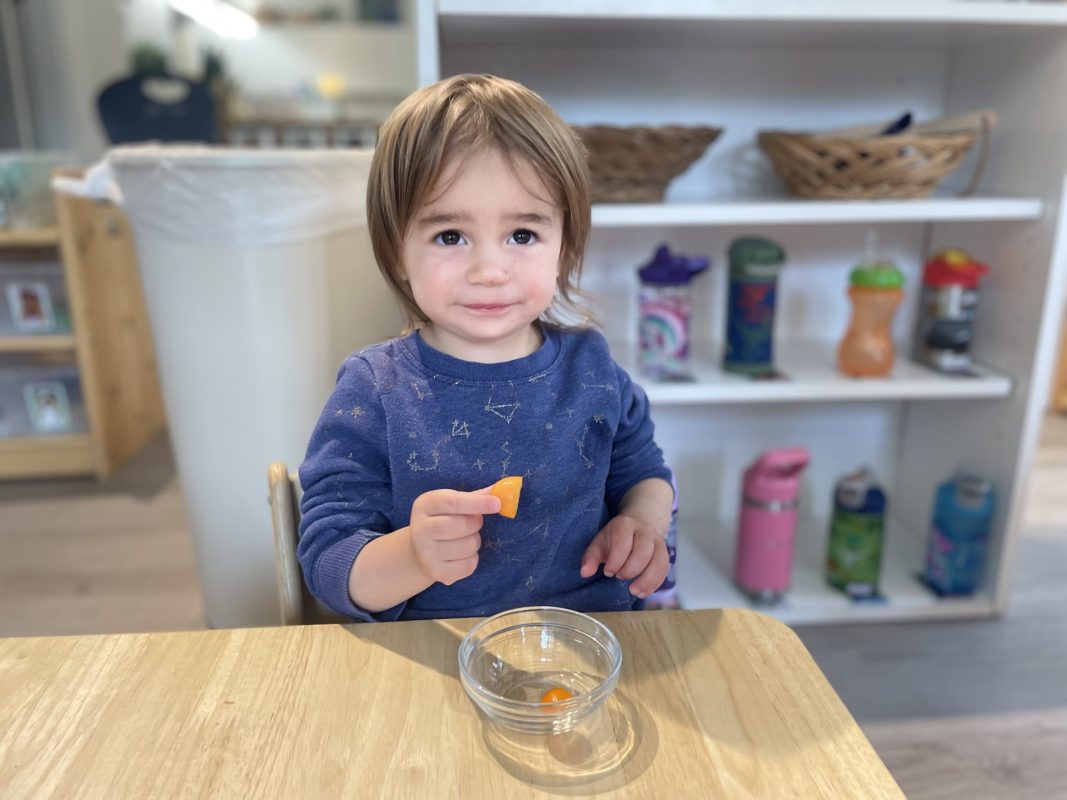
This week, we tasted Brussels sprouts. I’d say it was a 50/50 split. Definitely worth trying again at home. There are so many interesting and delicious recipes that surely did not exist when I was a child!

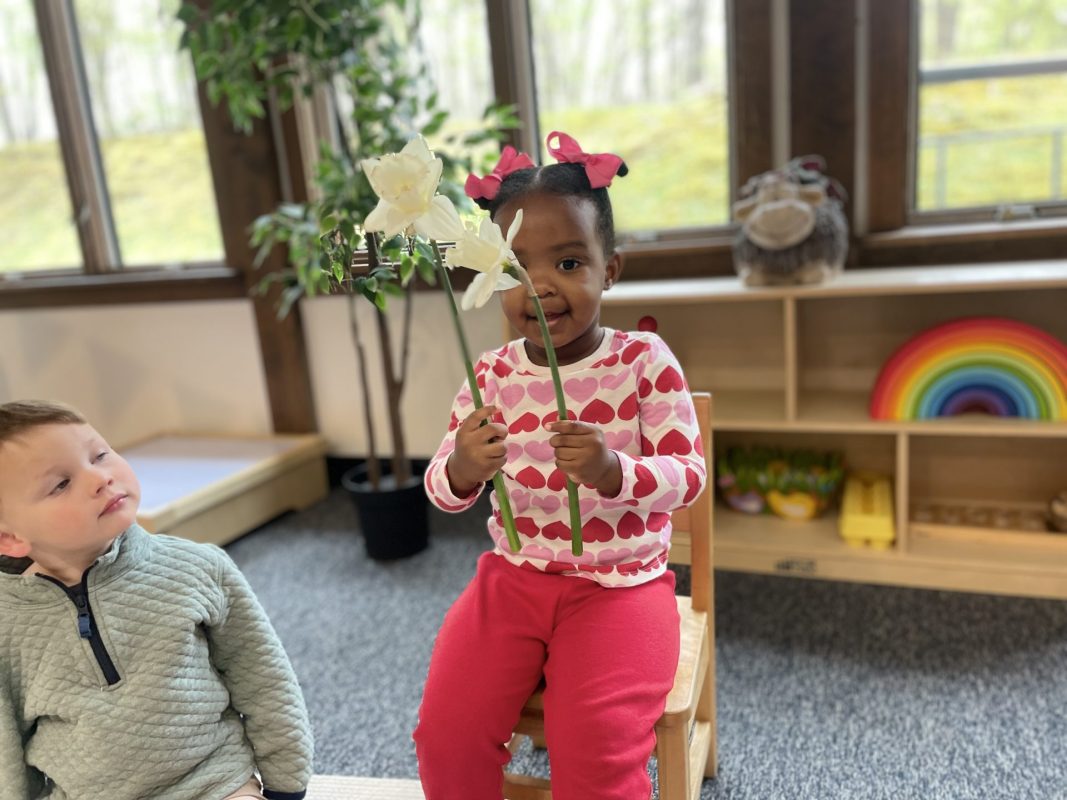
I wholeheartedly thank you all for all that you do for us. Thank you for showing up each week with food for our food-tasting experience and flowers for the children to arrange. Thank you for sharing in the task of doing laundry. I appreciate all of you!

Happy Easter to those who celebrate!

Warmly,

Christine & Lizette


Mrs. Wilson: Hard Working Toddlers

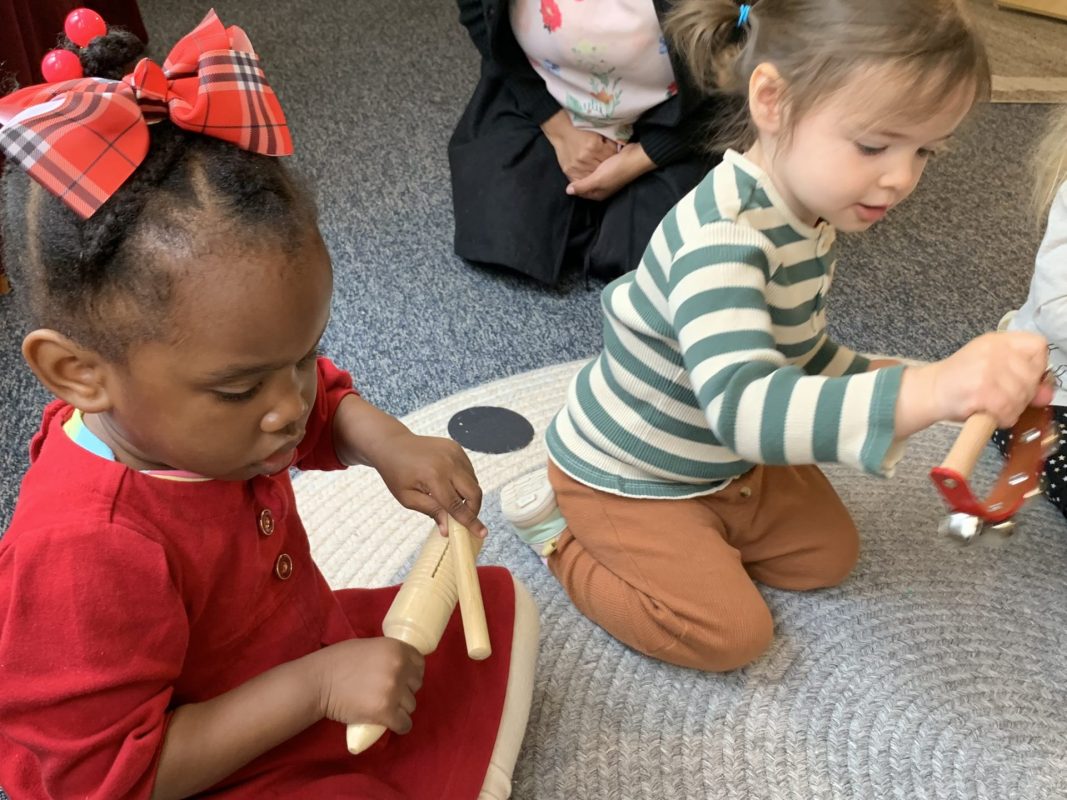
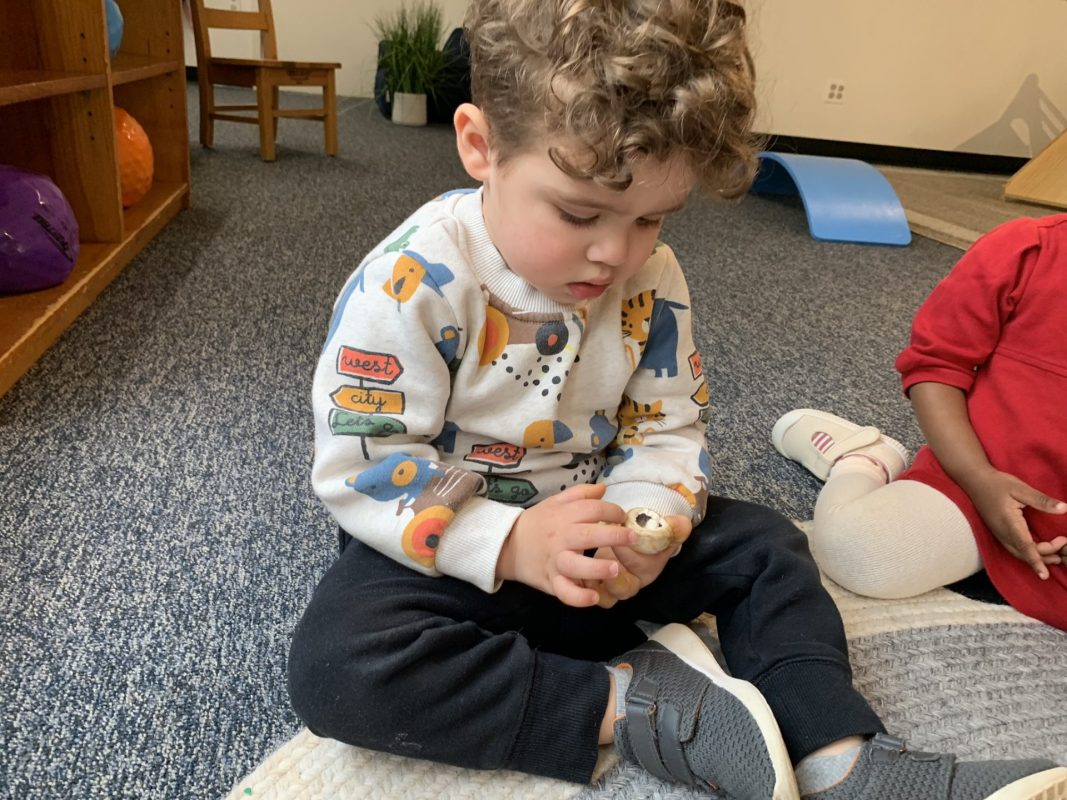
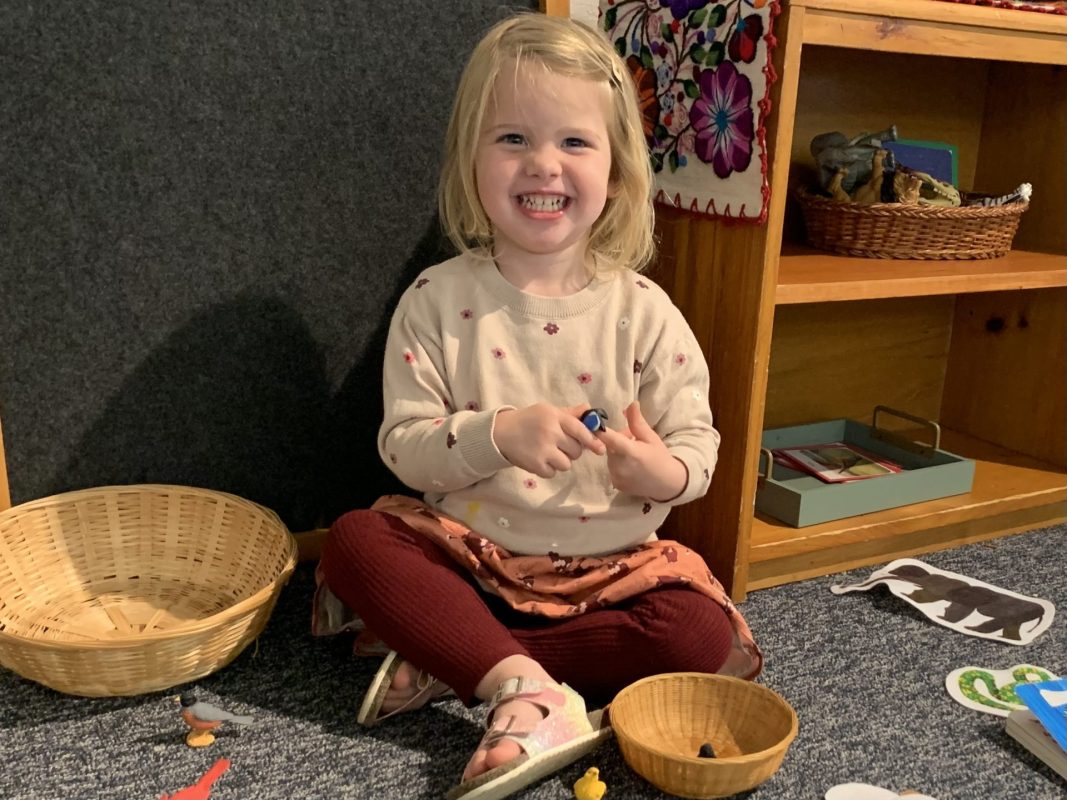
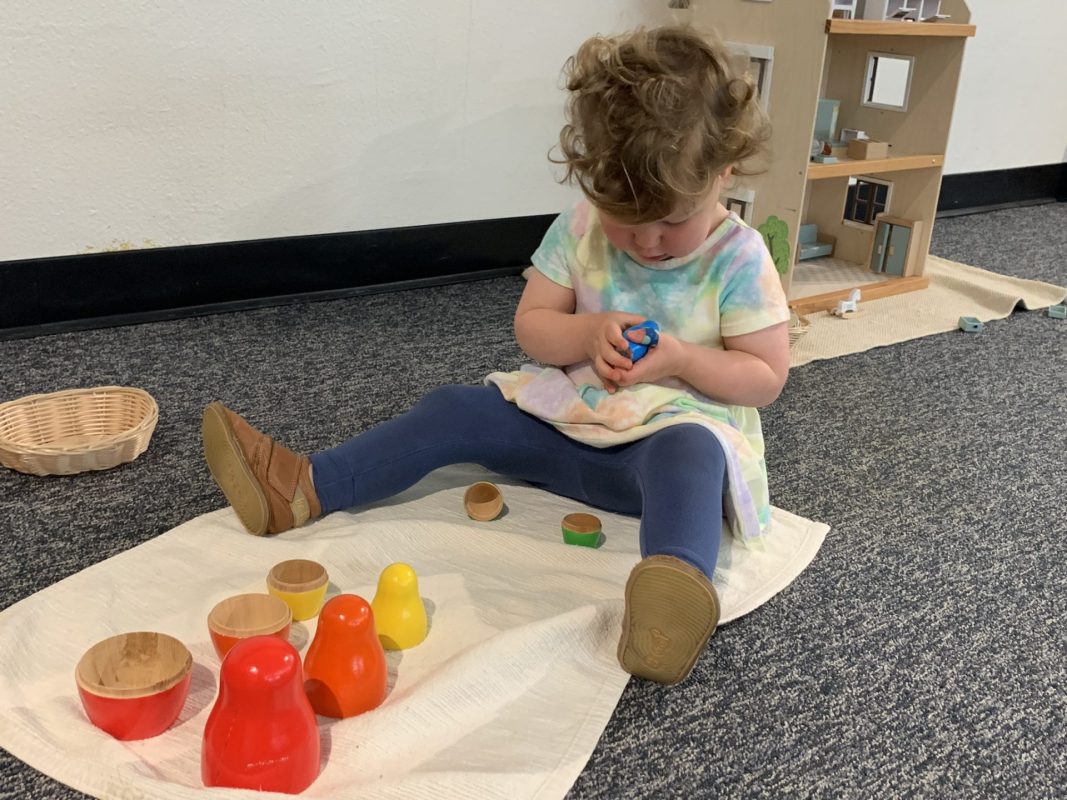
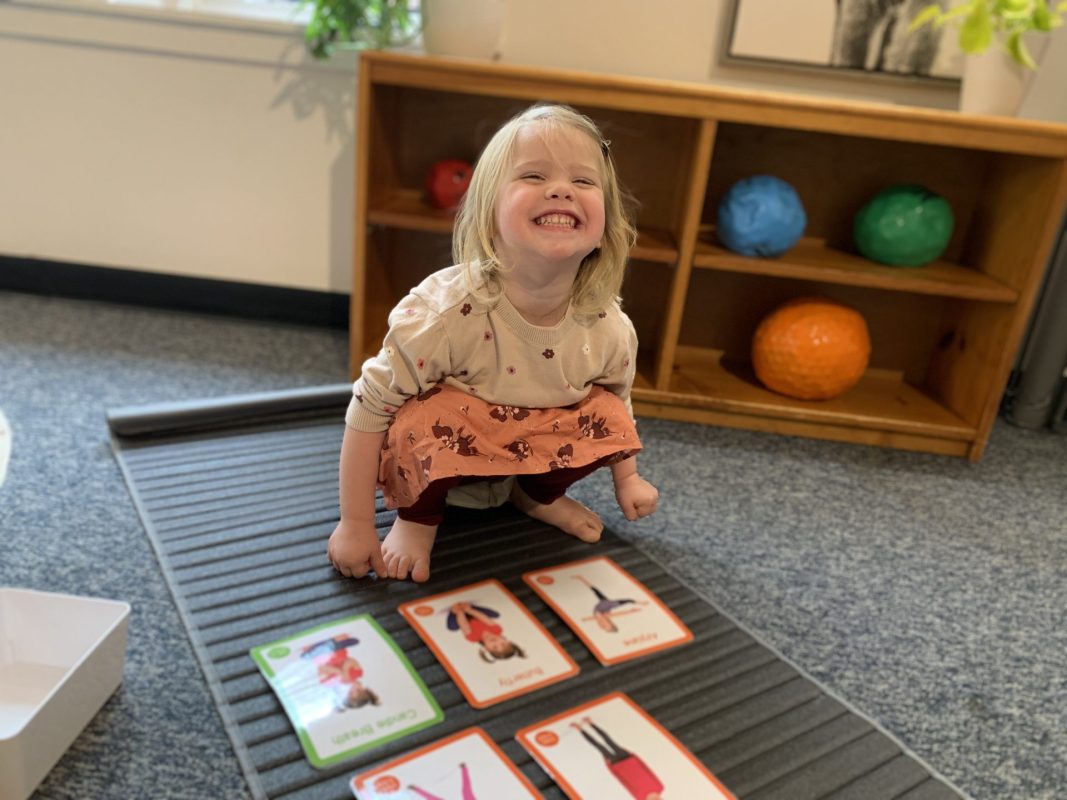
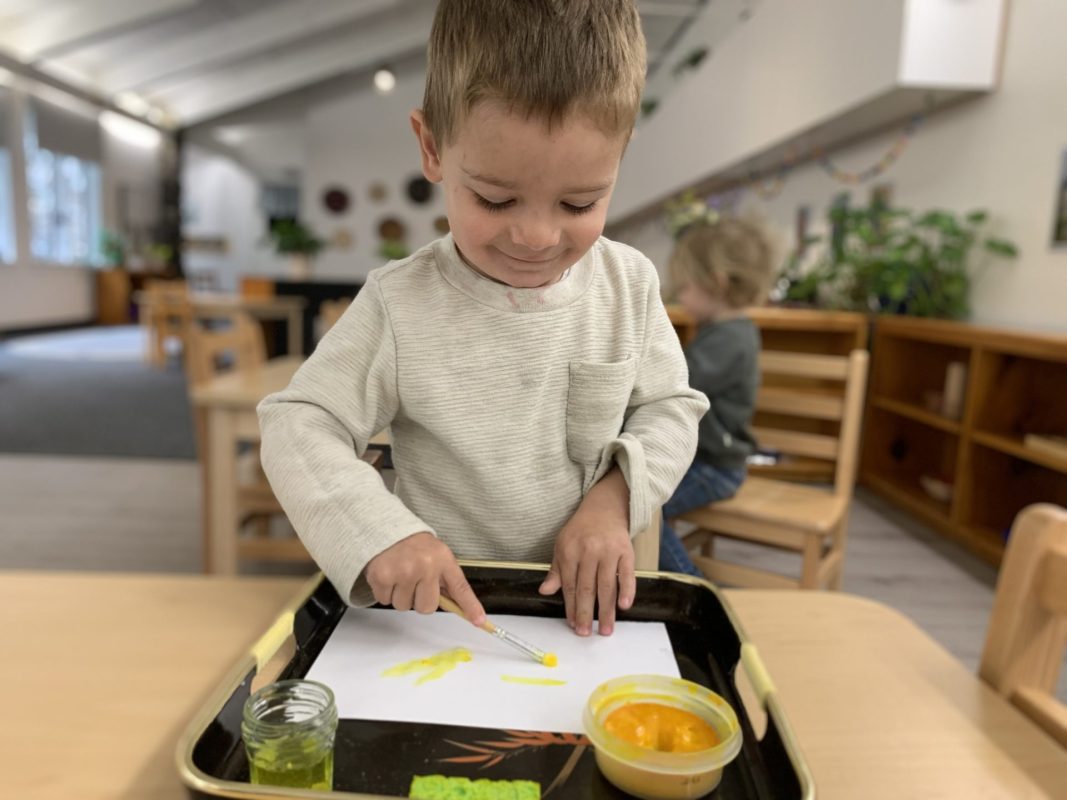
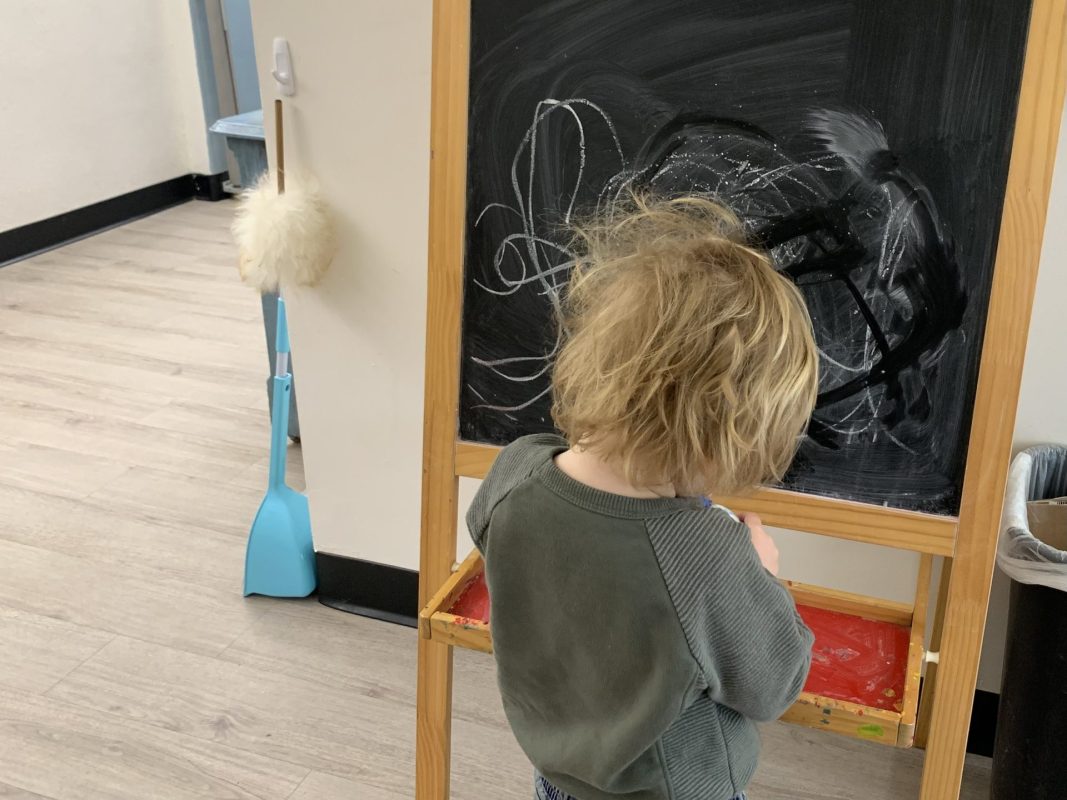
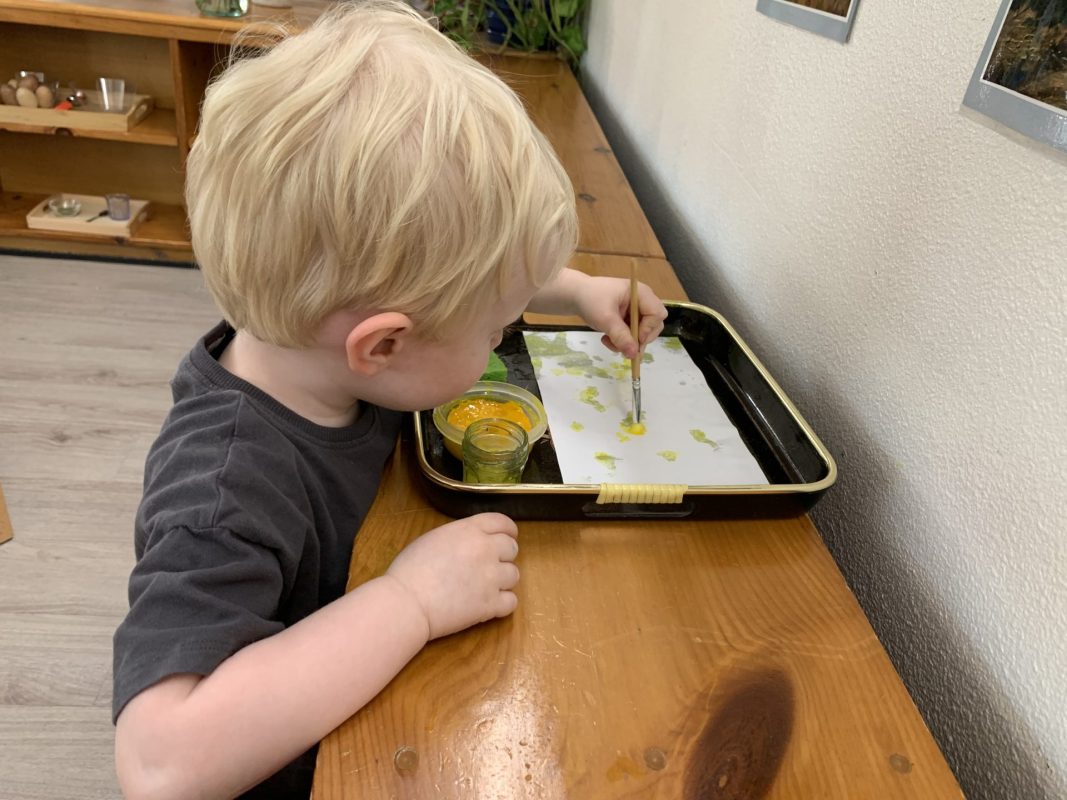
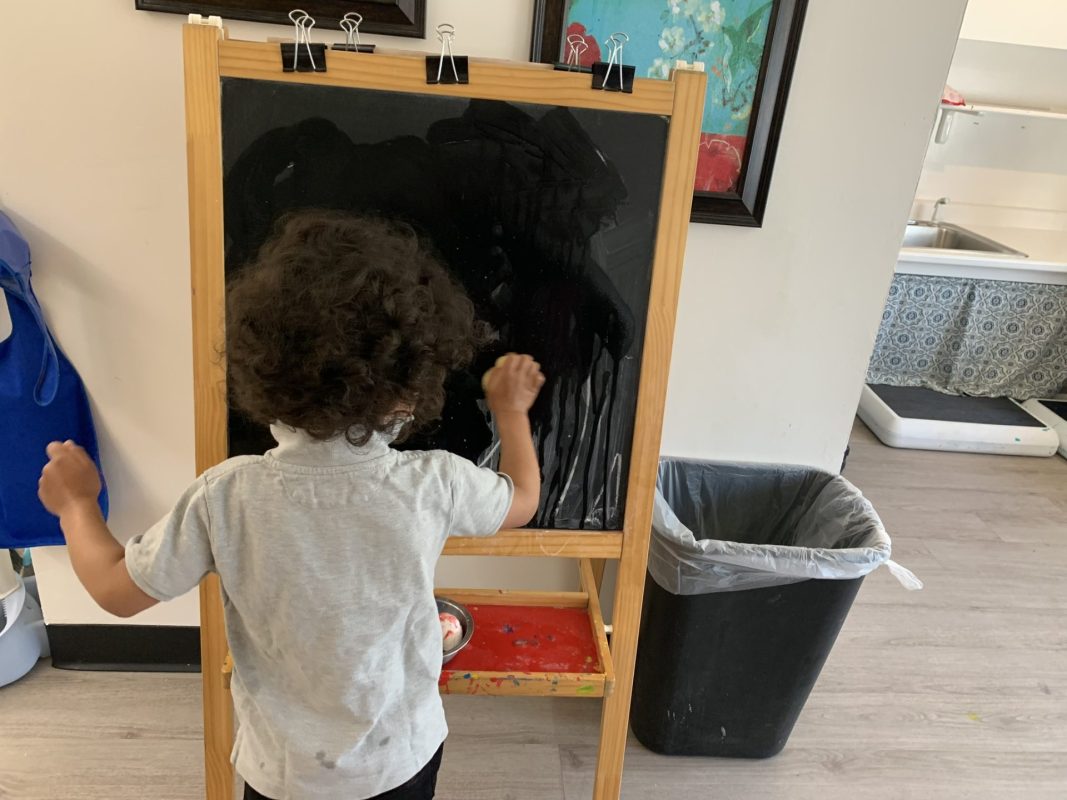
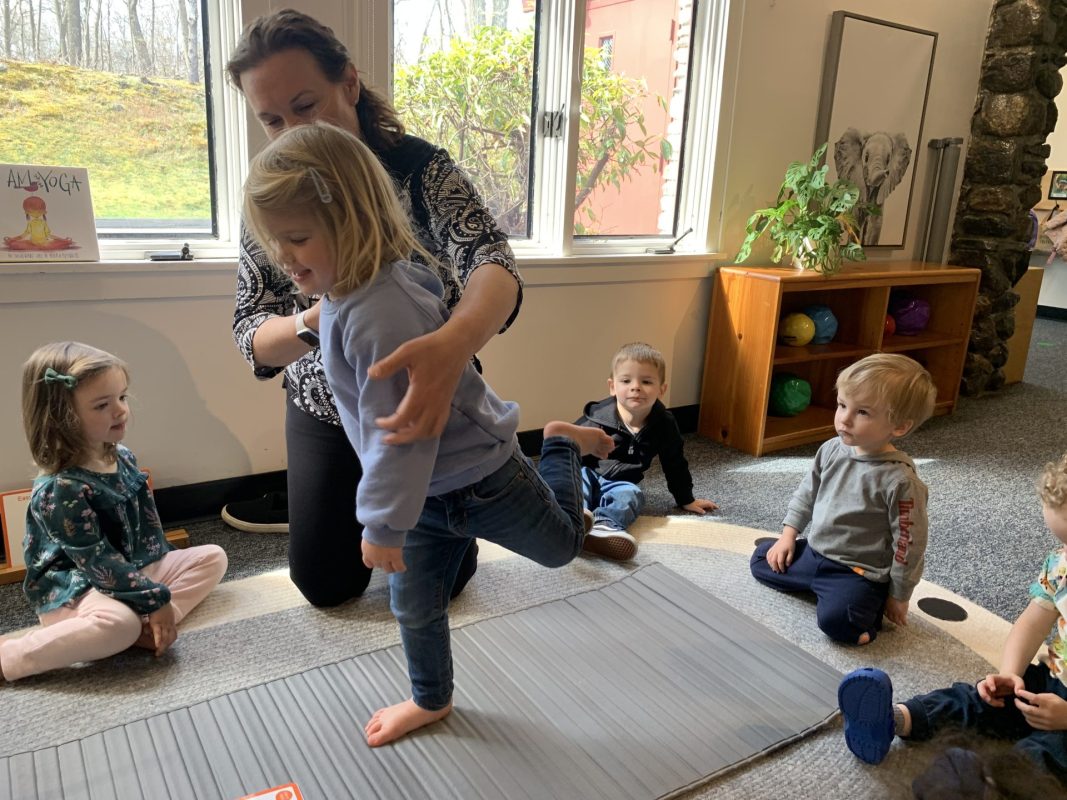
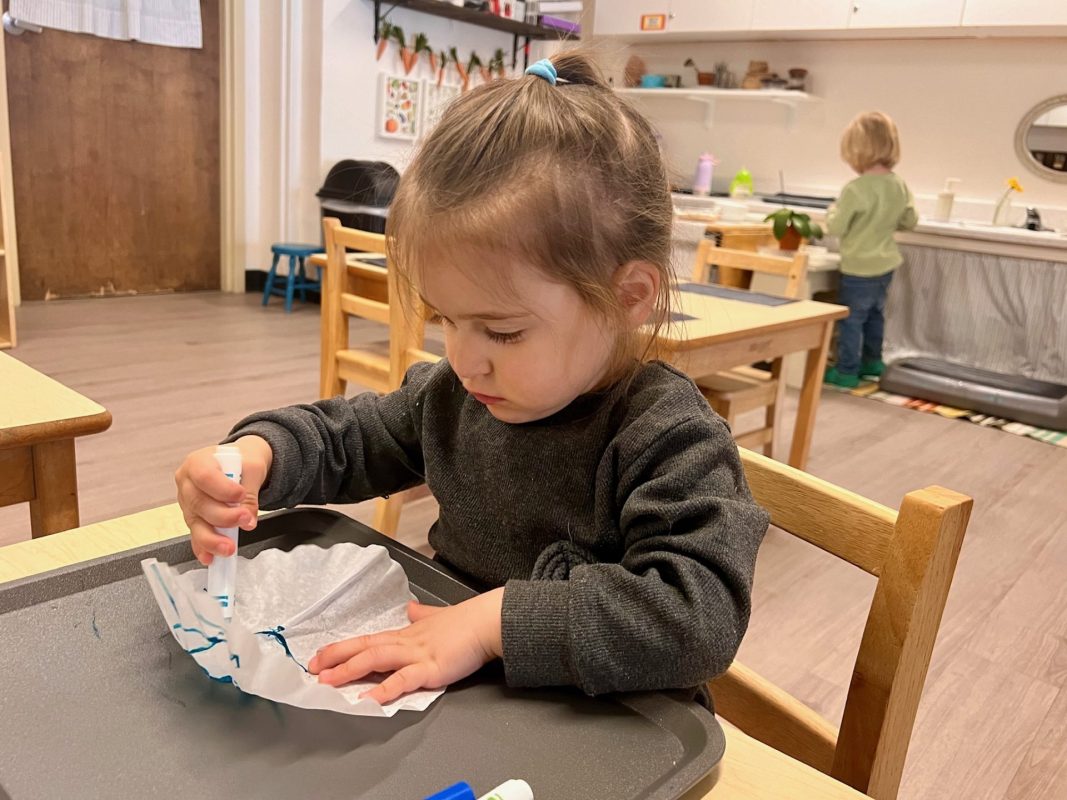
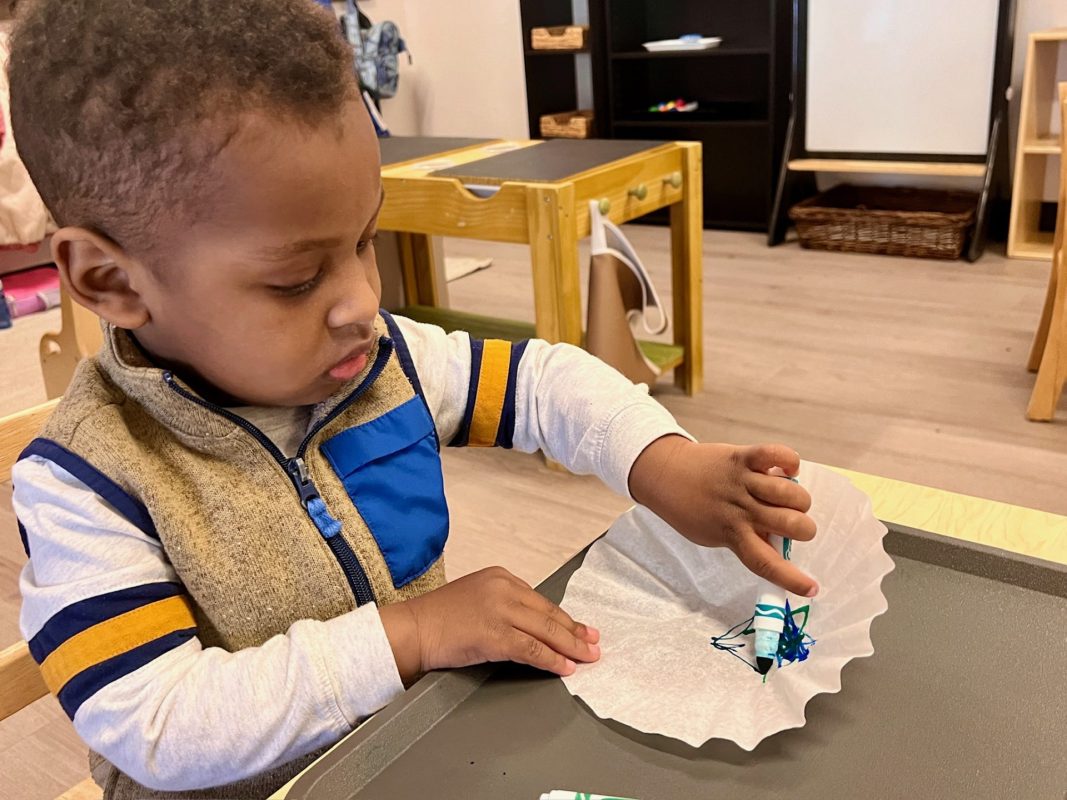
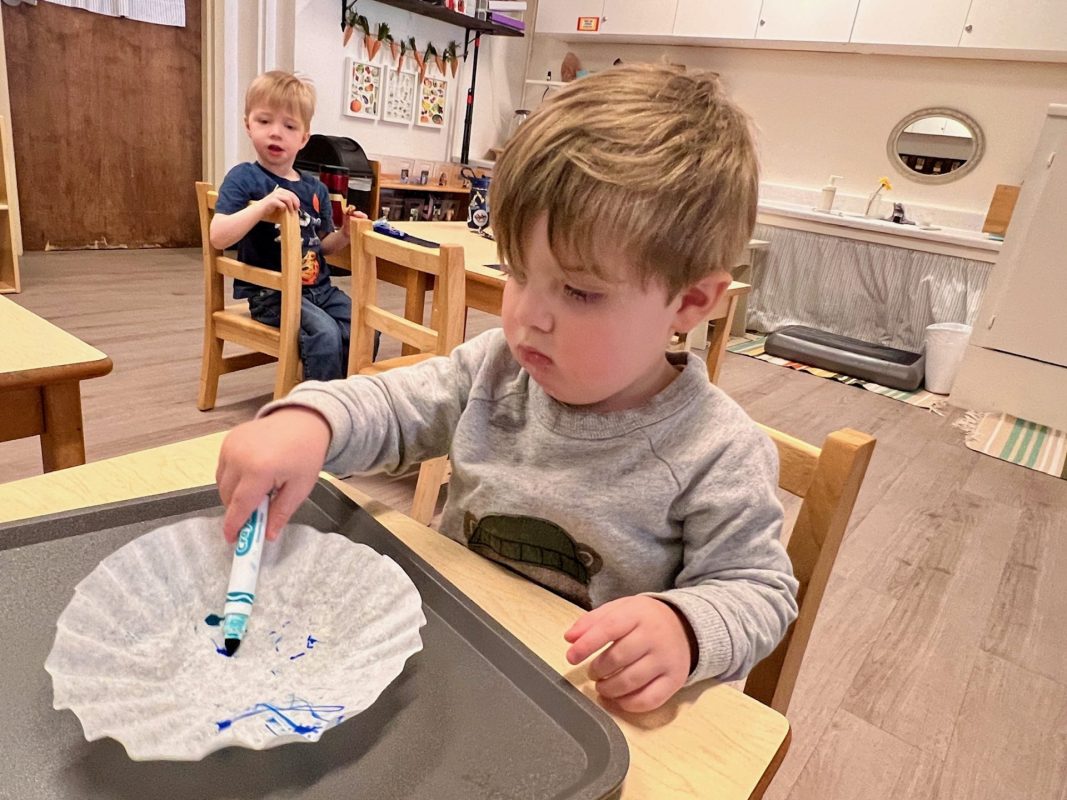
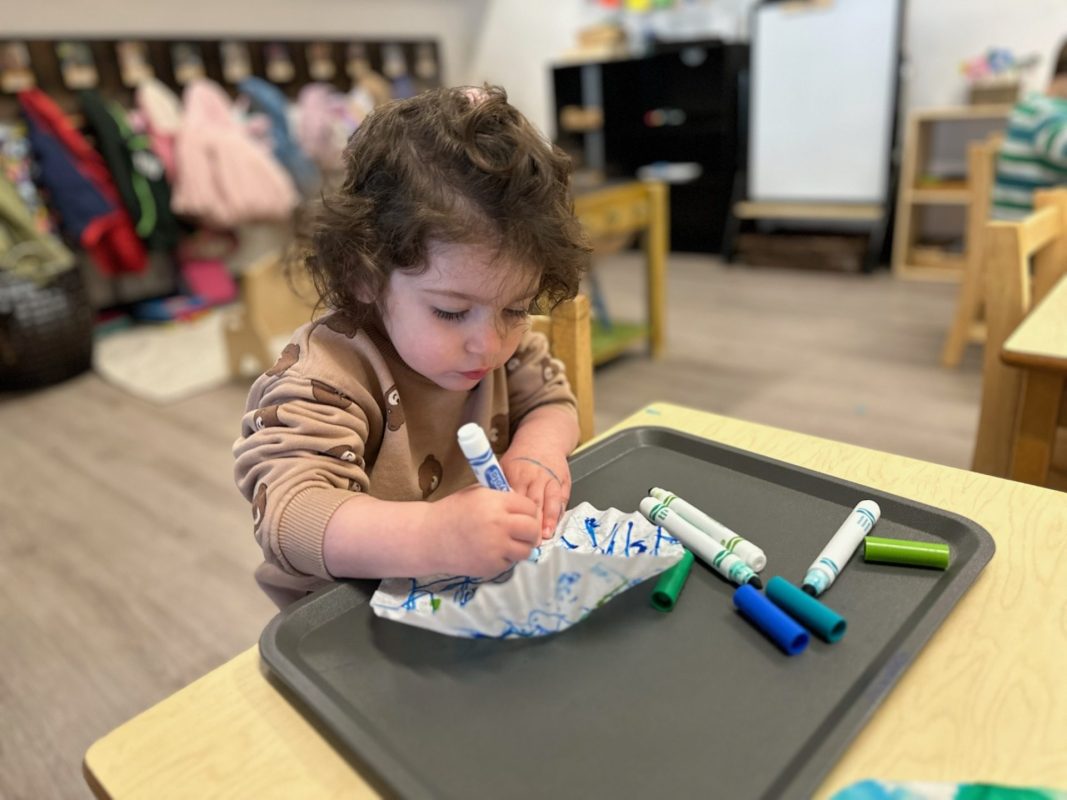
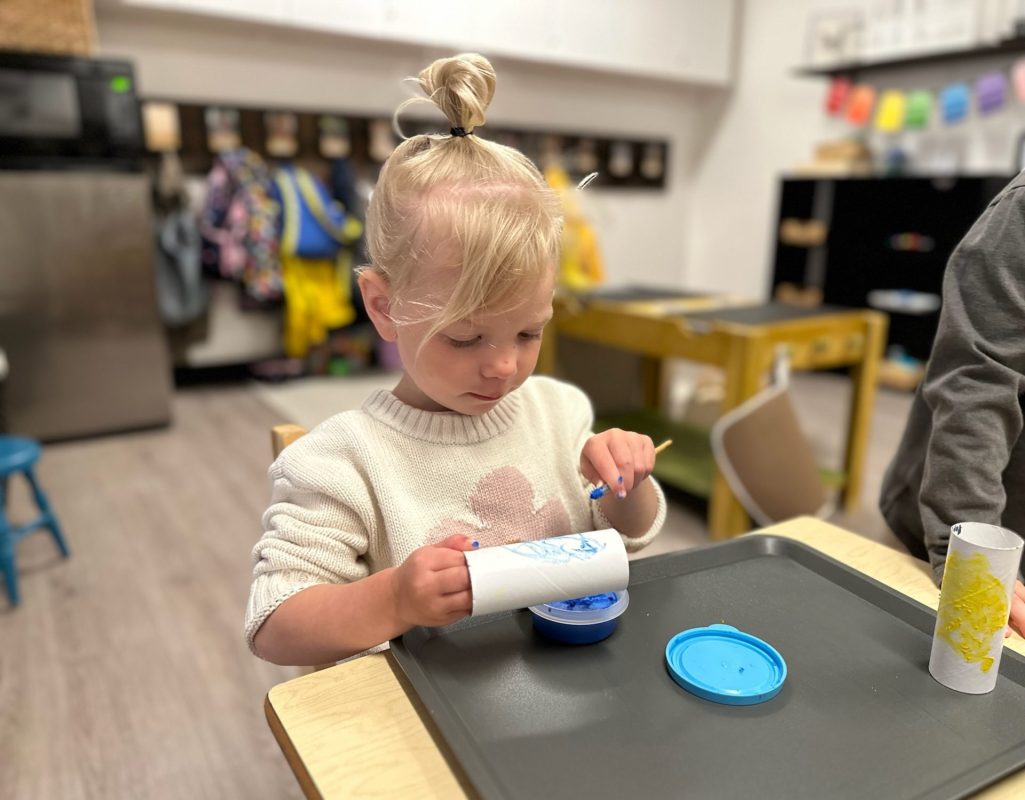
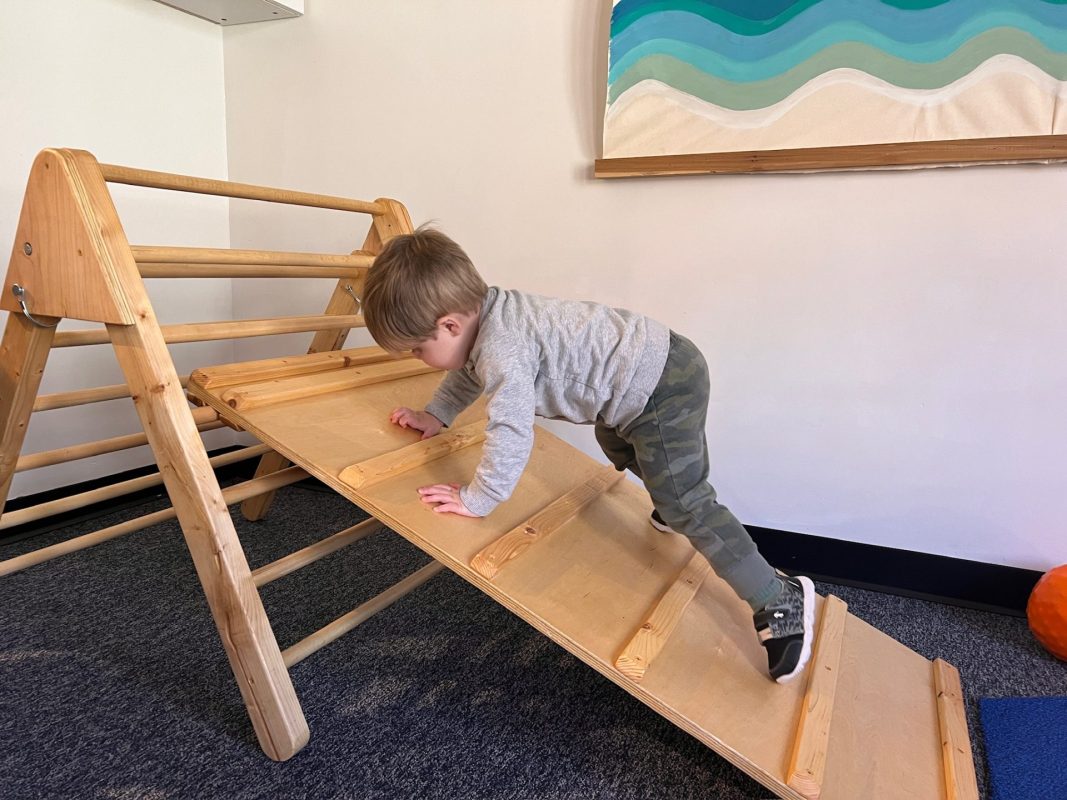
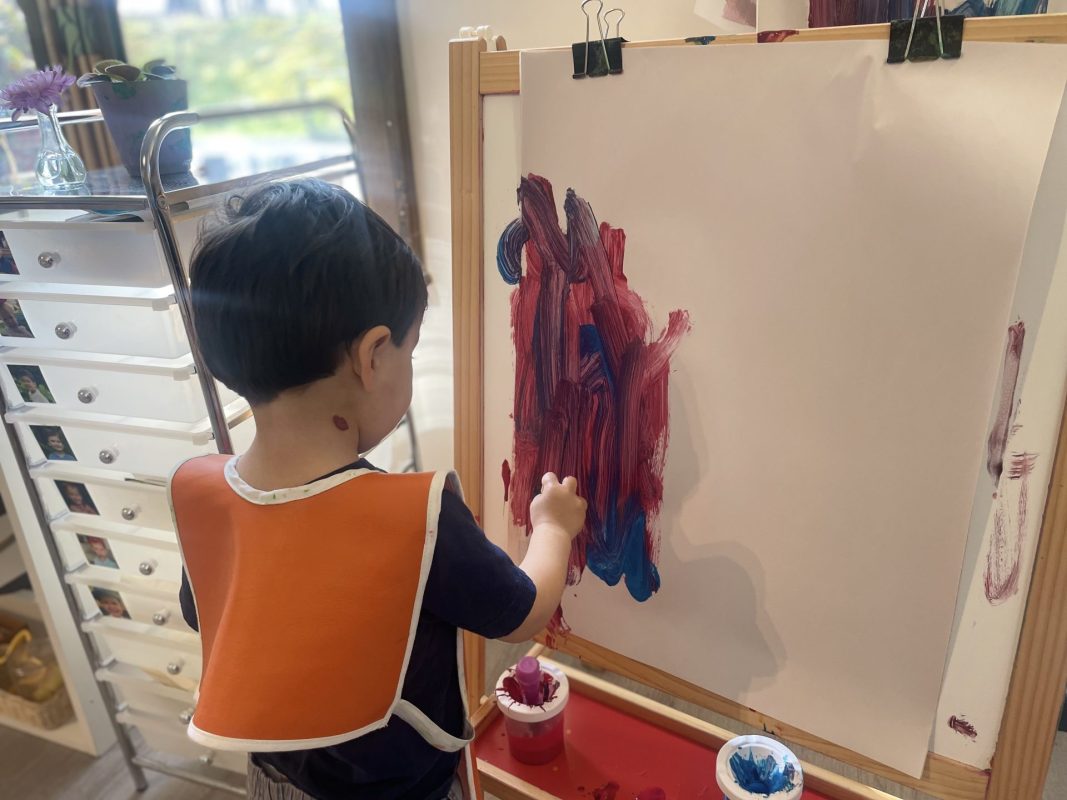
This week was brimming with creativity and delightful activities for our toddlers! We kicked things off by collaboratively painting our class gift—a vibrant see-saw/balance beam. Guided by Mrs. Reid and Miss Eryn, the children explored various paint tools, creating a masterpiece in a kaleidoscope of colors. We didn’t stop there; another class gift emerged: a stunning garden ball adorned in shades of green and blue. The anticipation of discovering the lucky recipient adds an extra layer of excitement.

On Thursday, culinary exploration took center stage as the children actively participated in crafting Irish Soda Bread Muffins. Each little chef contributed to mixing and adding ingredients, turning baking time into a captivating experience. As the muffins baked, a magical moment unfolded with leprechaun rocks (baking soda) meeting vinegar, resulting in fizzing excitement. The finale? Golden coins for all, making this week truly enchanting!