Blog

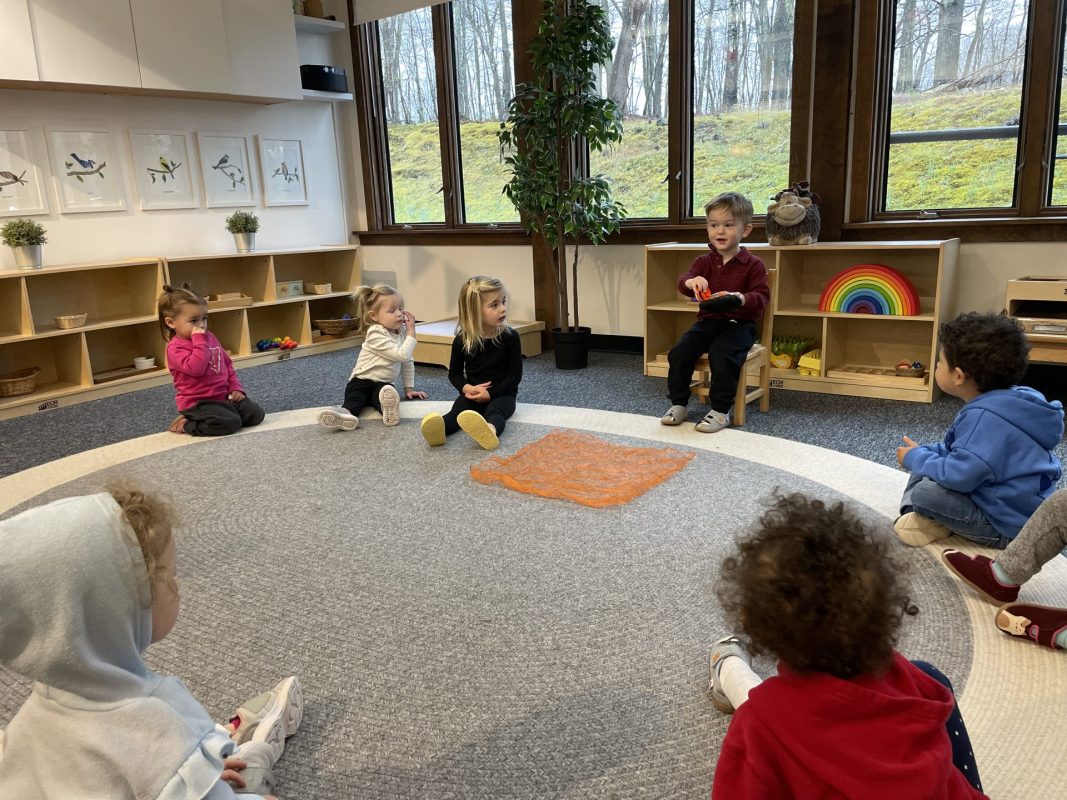
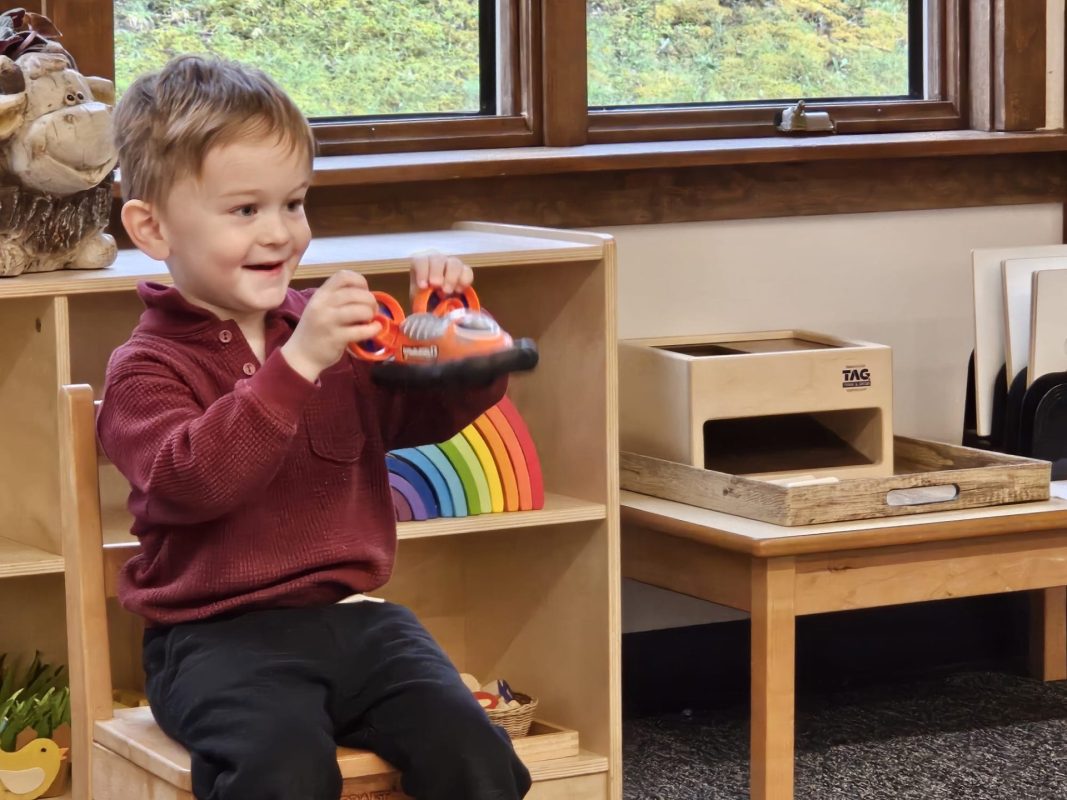
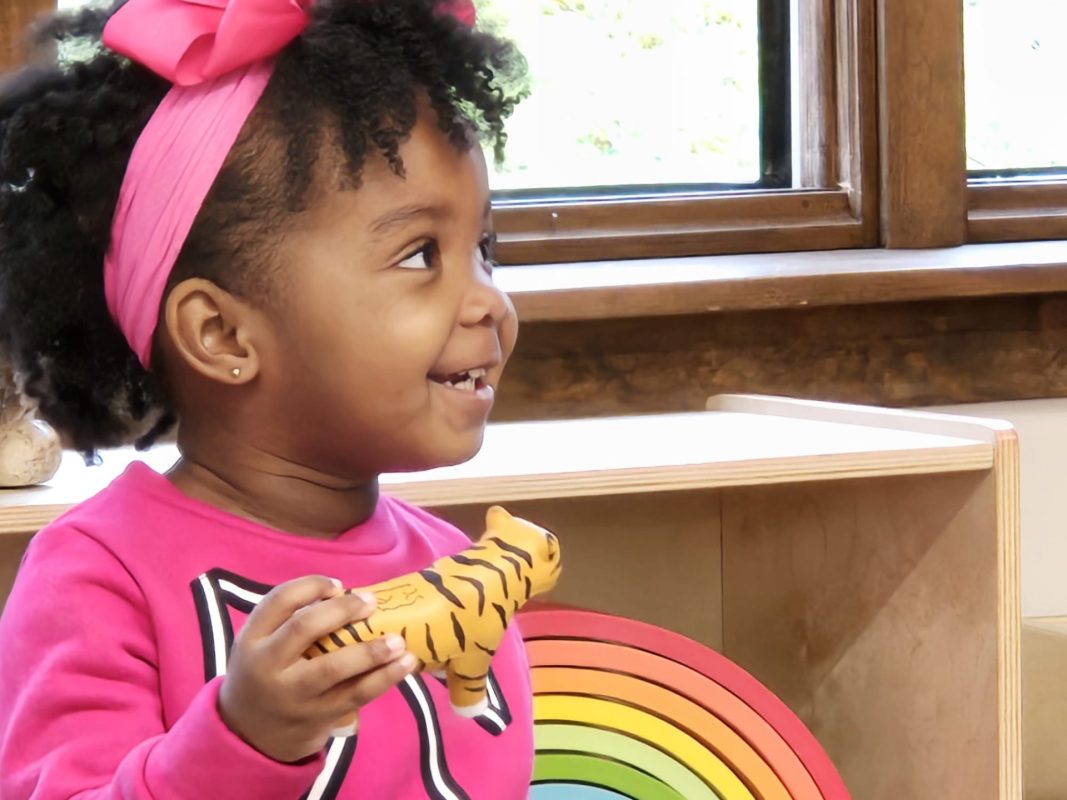
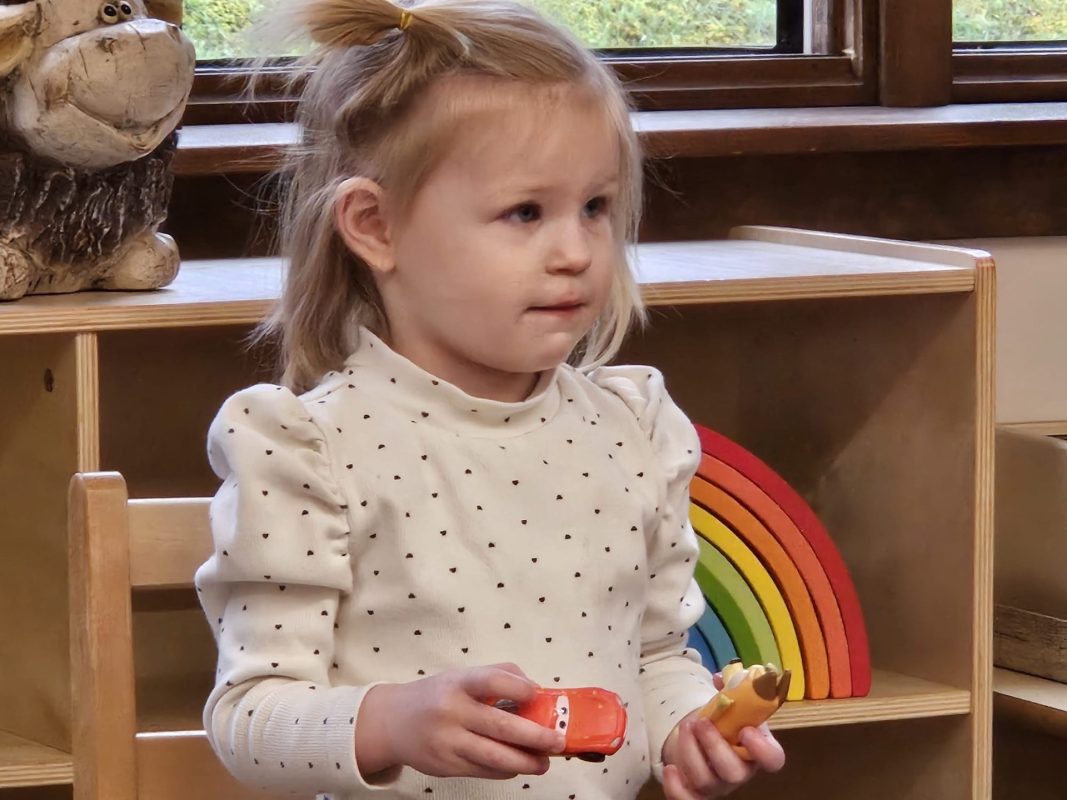
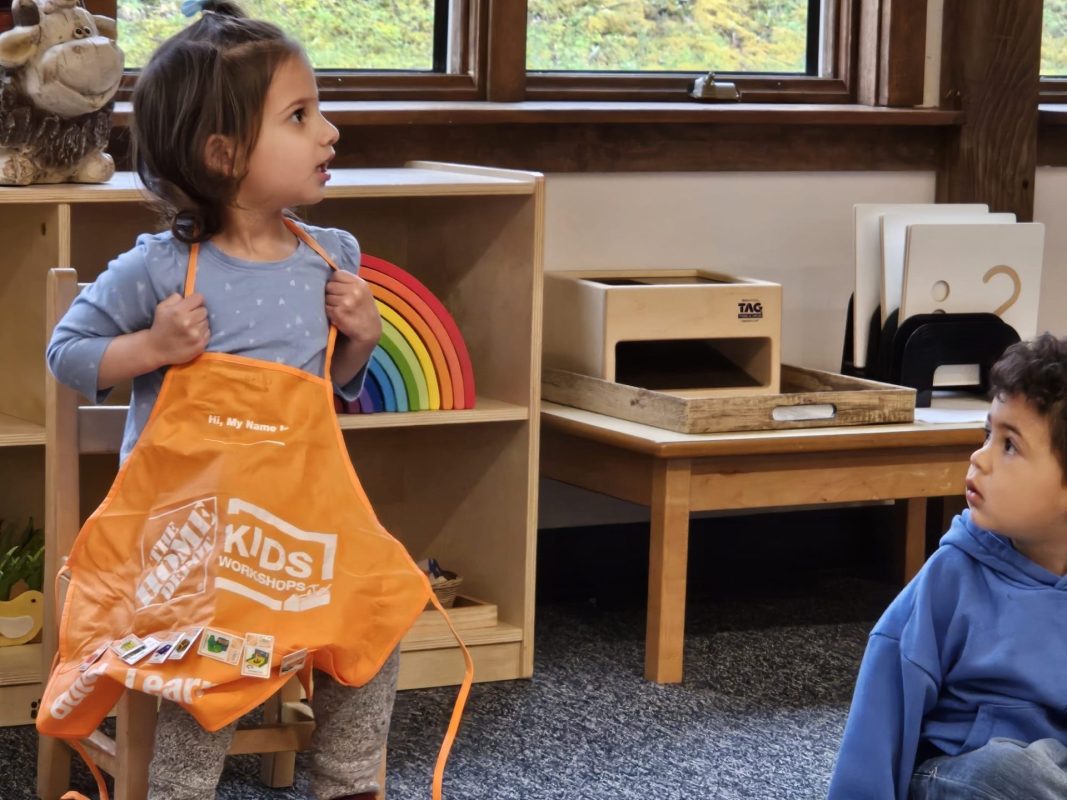
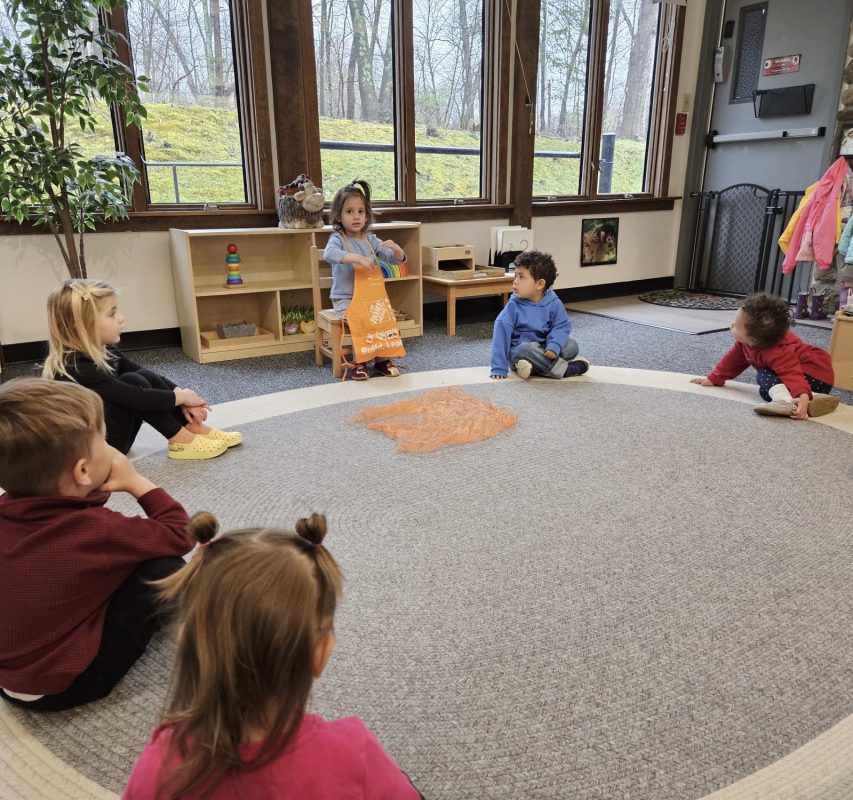
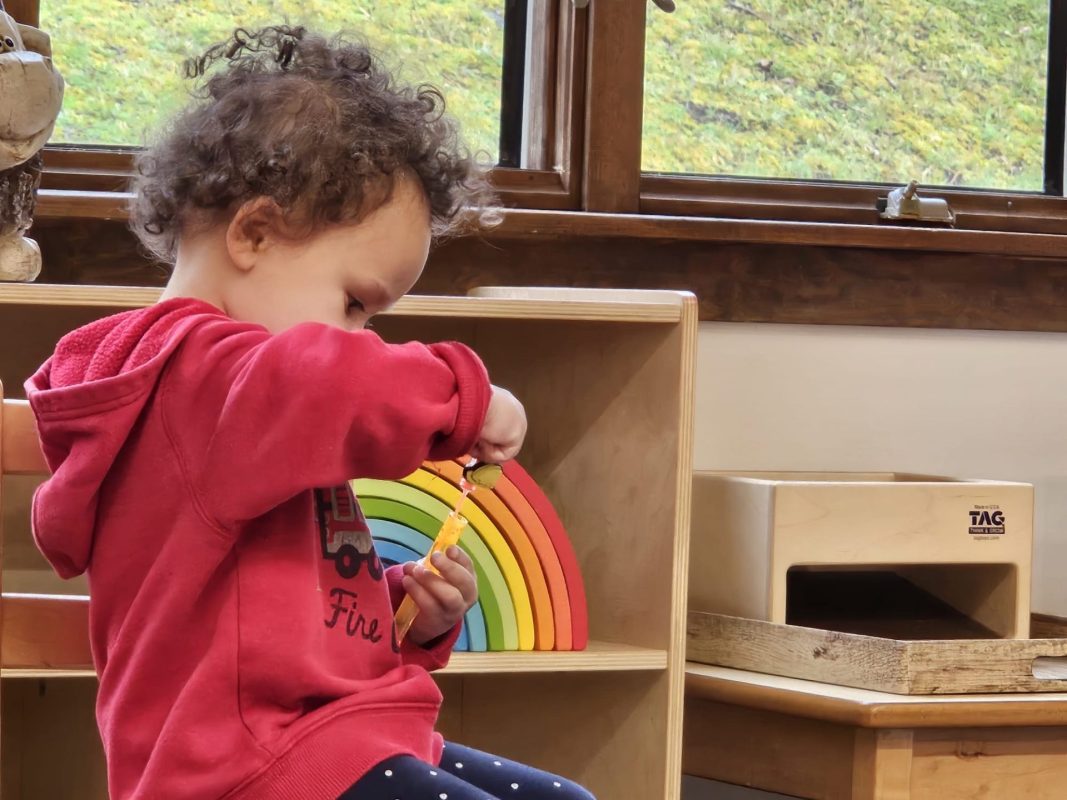
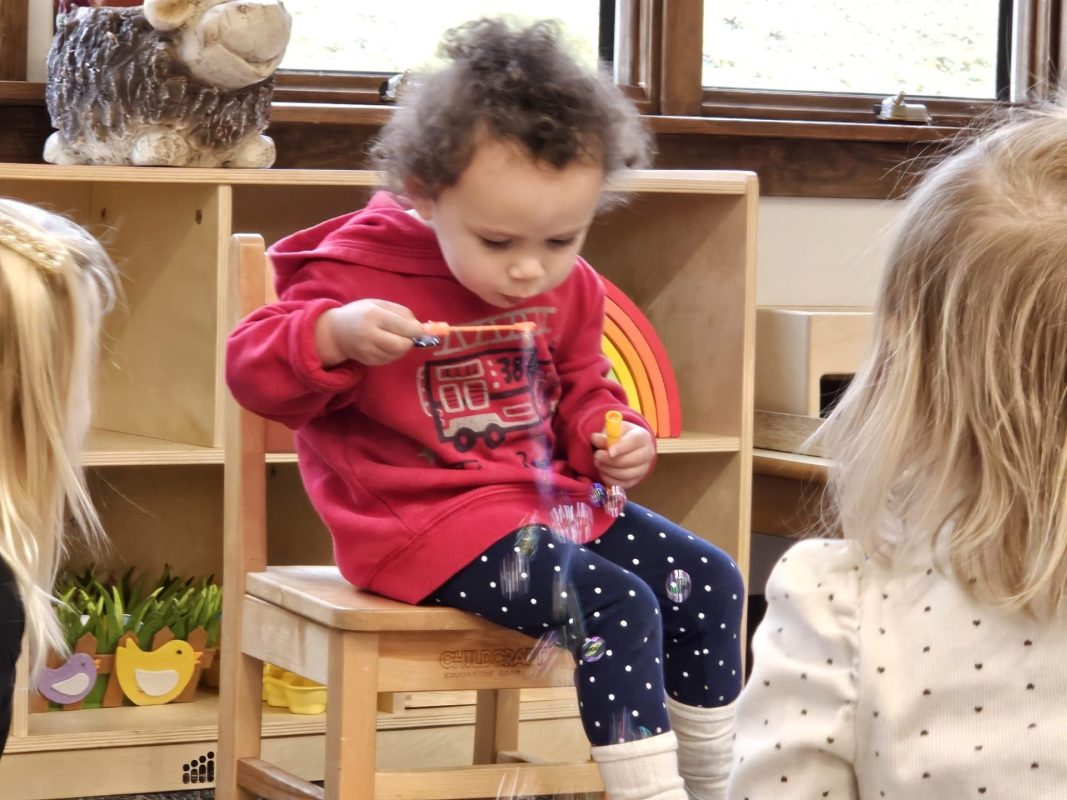
Mrs. Hood: Exploring the Rainbow!

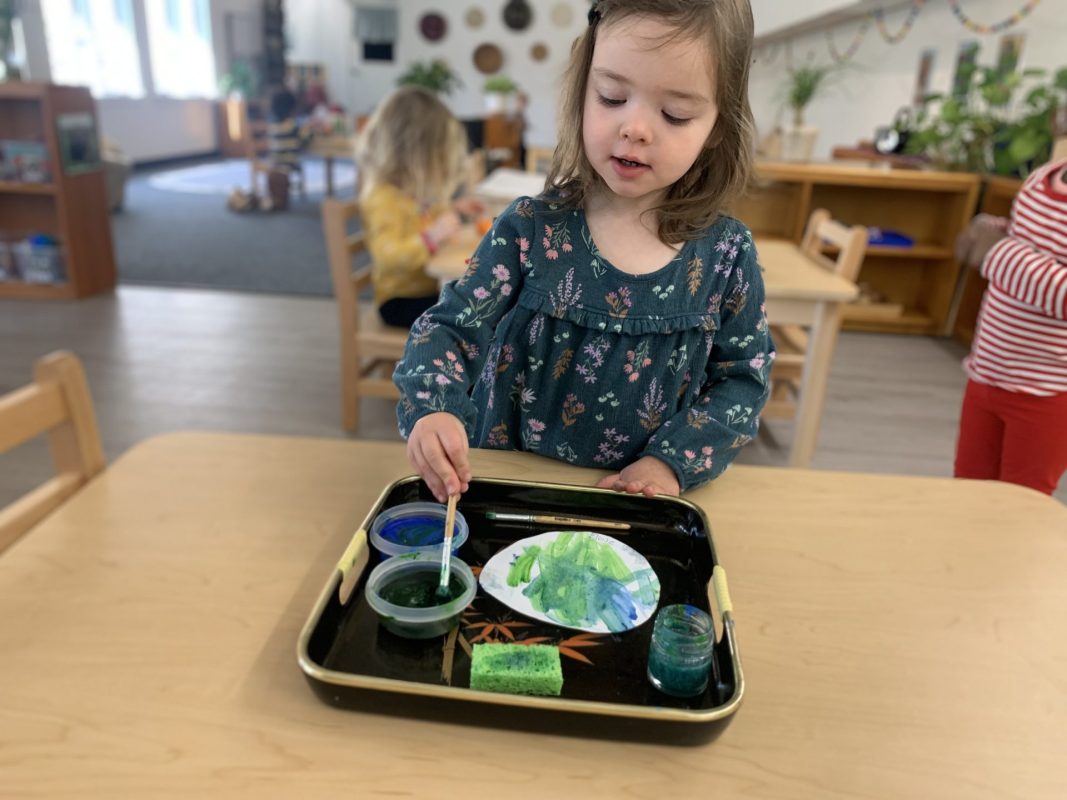
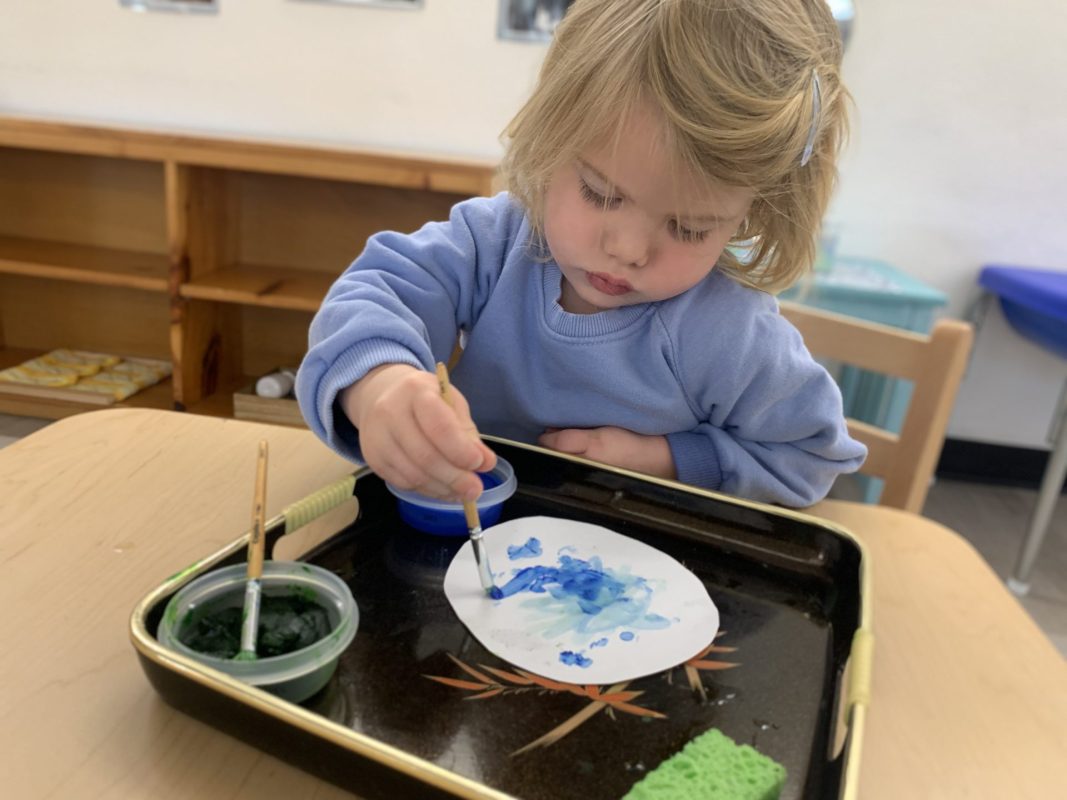
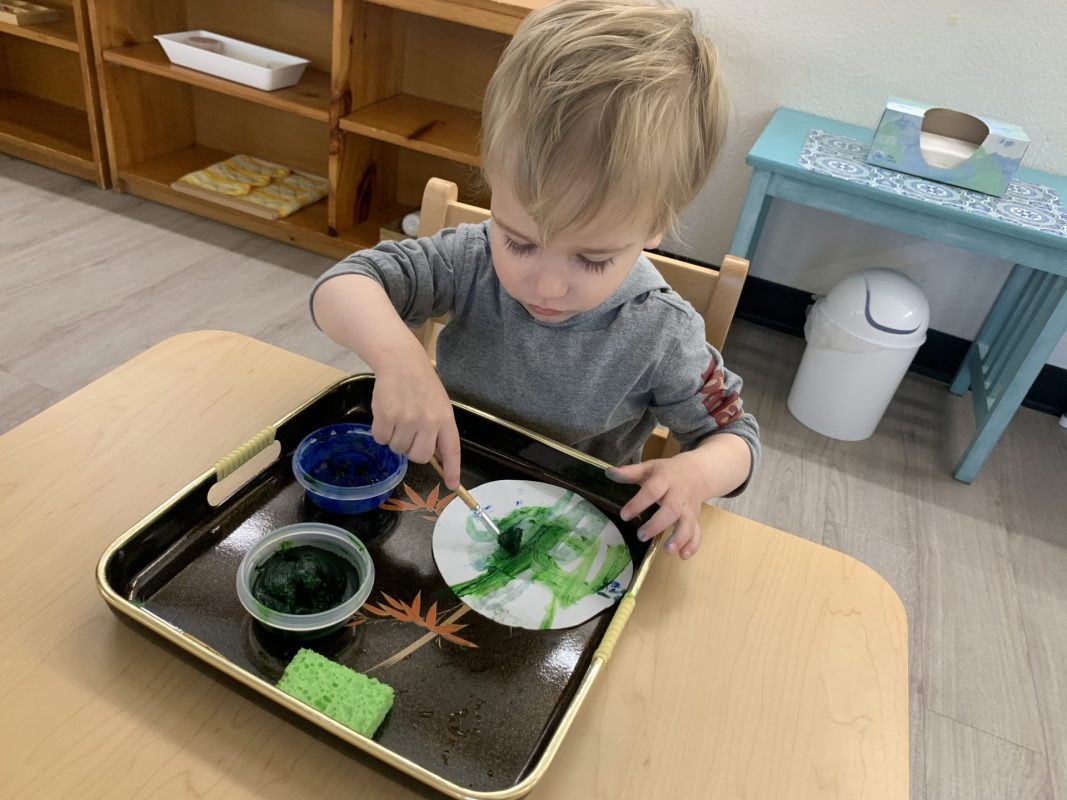
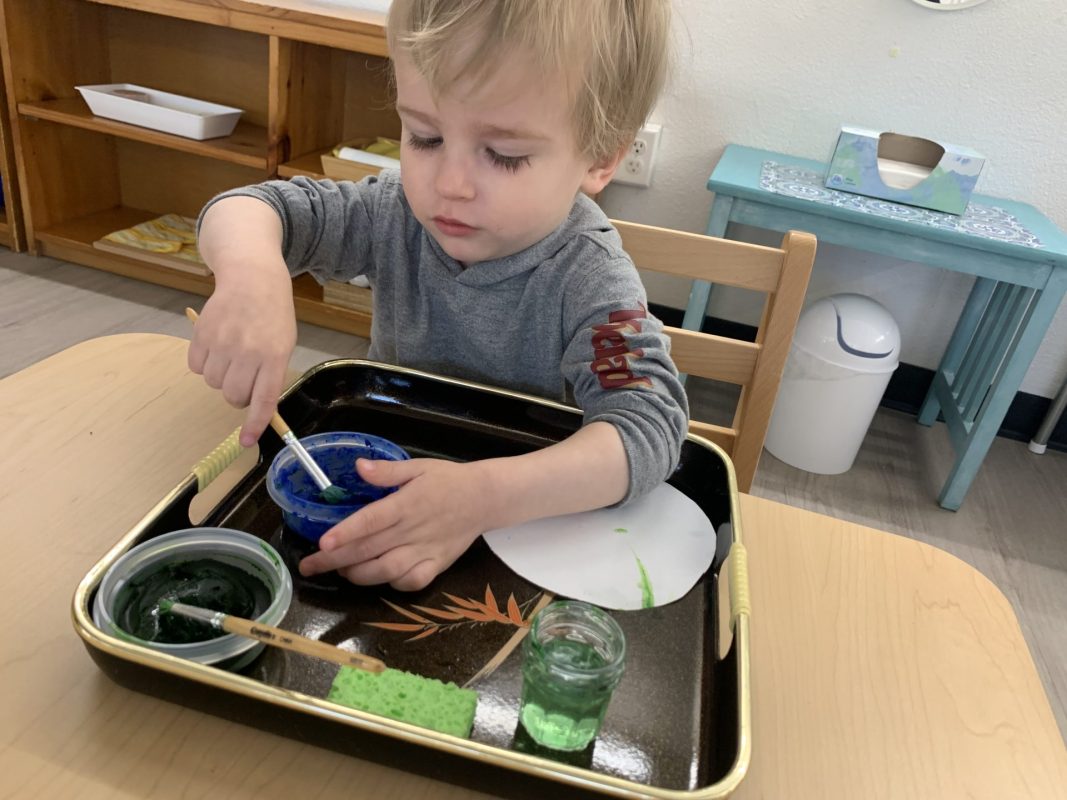
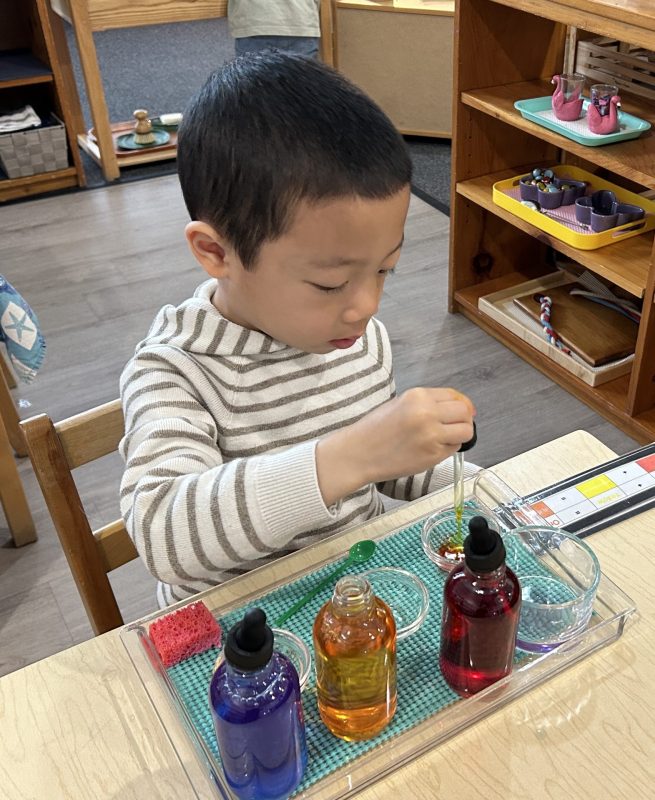
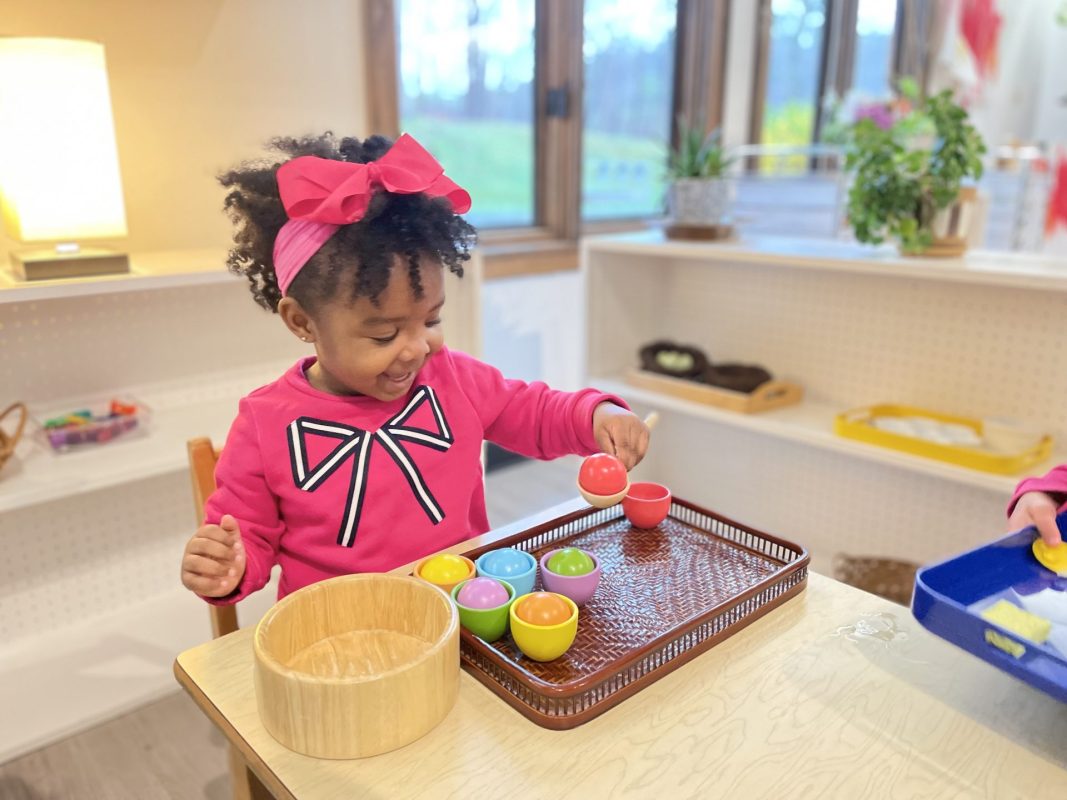
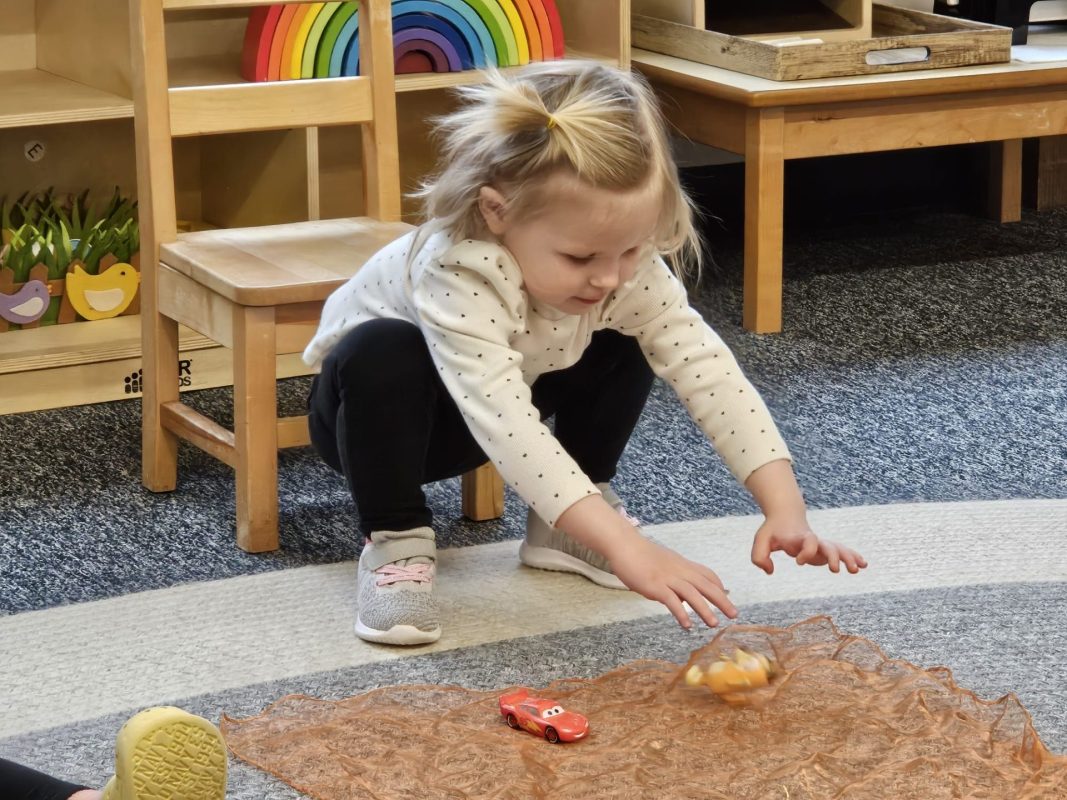
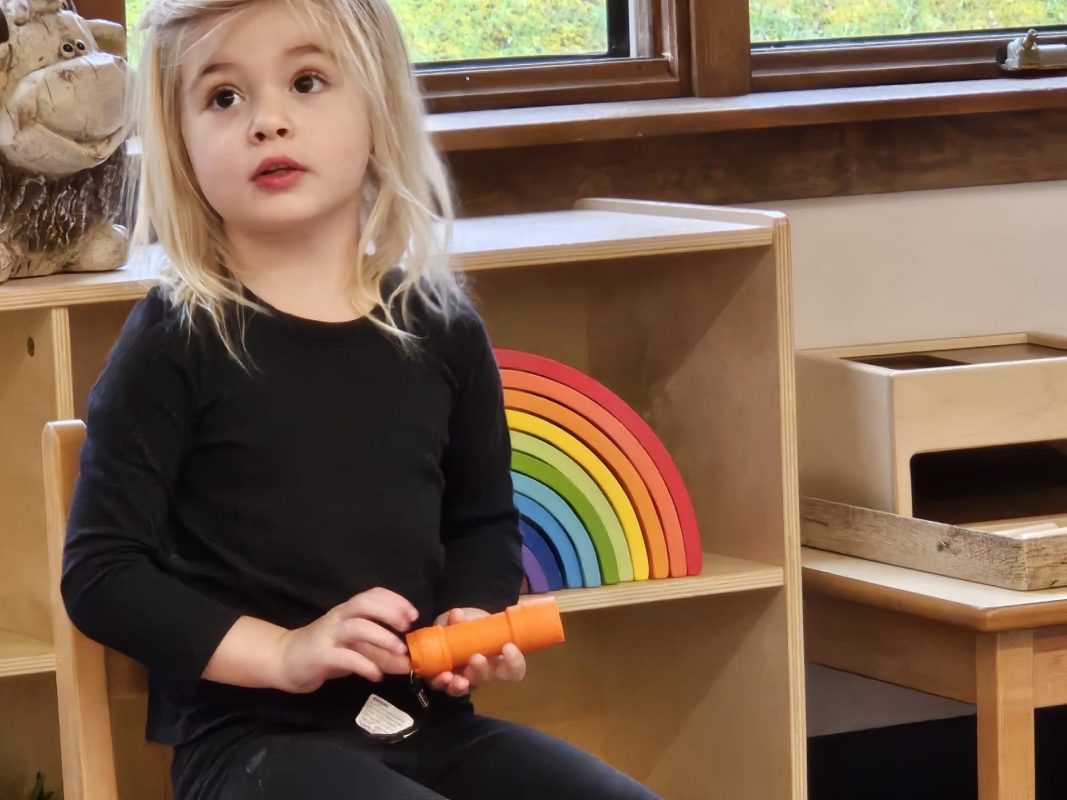
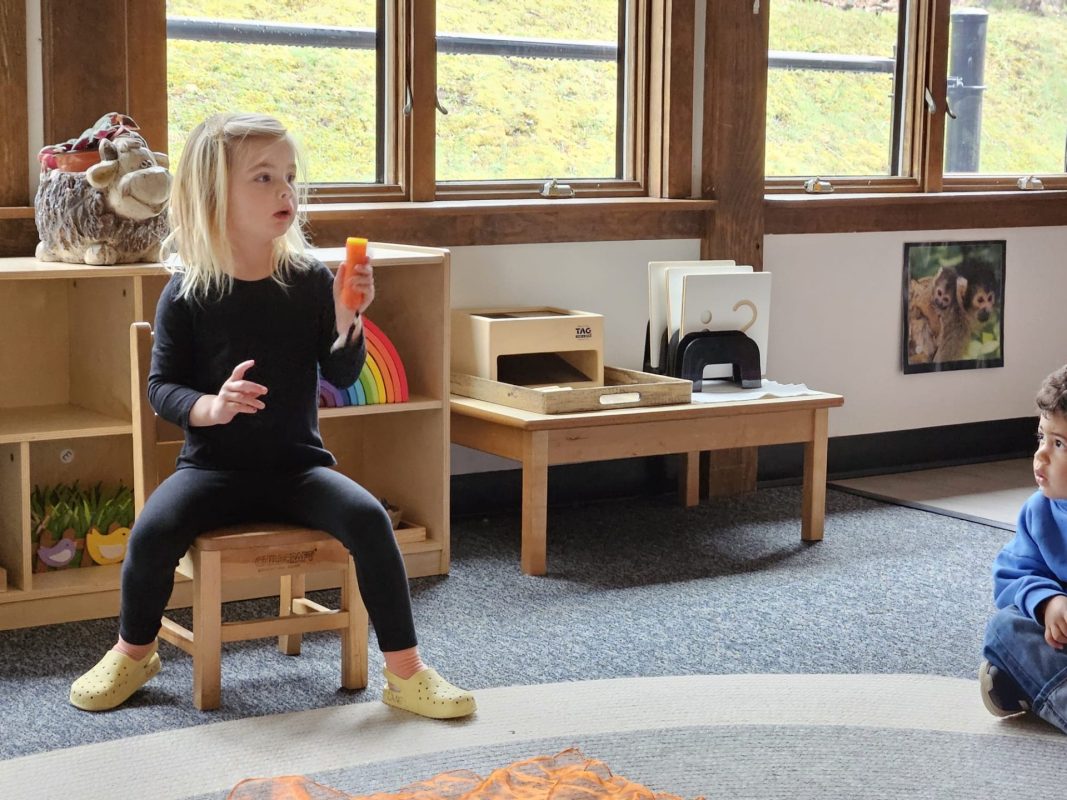
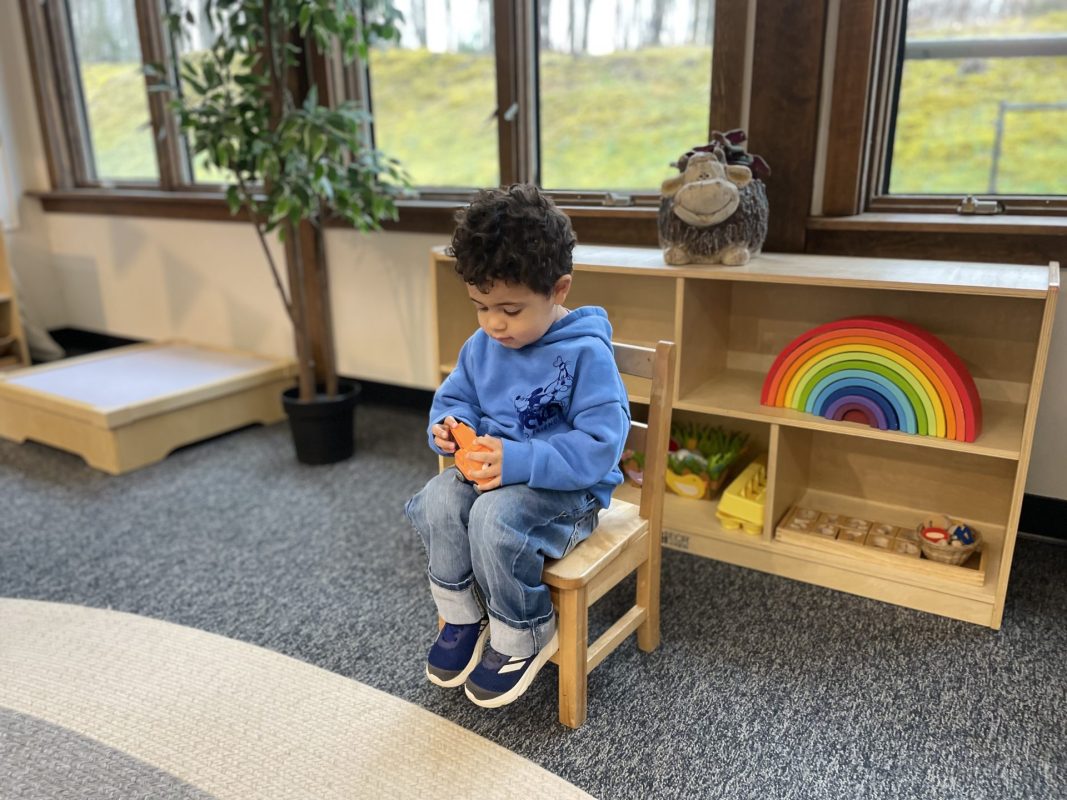
Color recognition can provide children with essential learning tools in life. For example, color recognition is used in mathematics to categorize, sort, compare, and organize. Additionally, as children learn to identify colors and use color as a language tool to describe things, it develops and strengthens their ability to communicate effectively. Recognizing and identifying the color names is important to a child’s development. It is considered a marker and milestone in a child’s cognitive process.

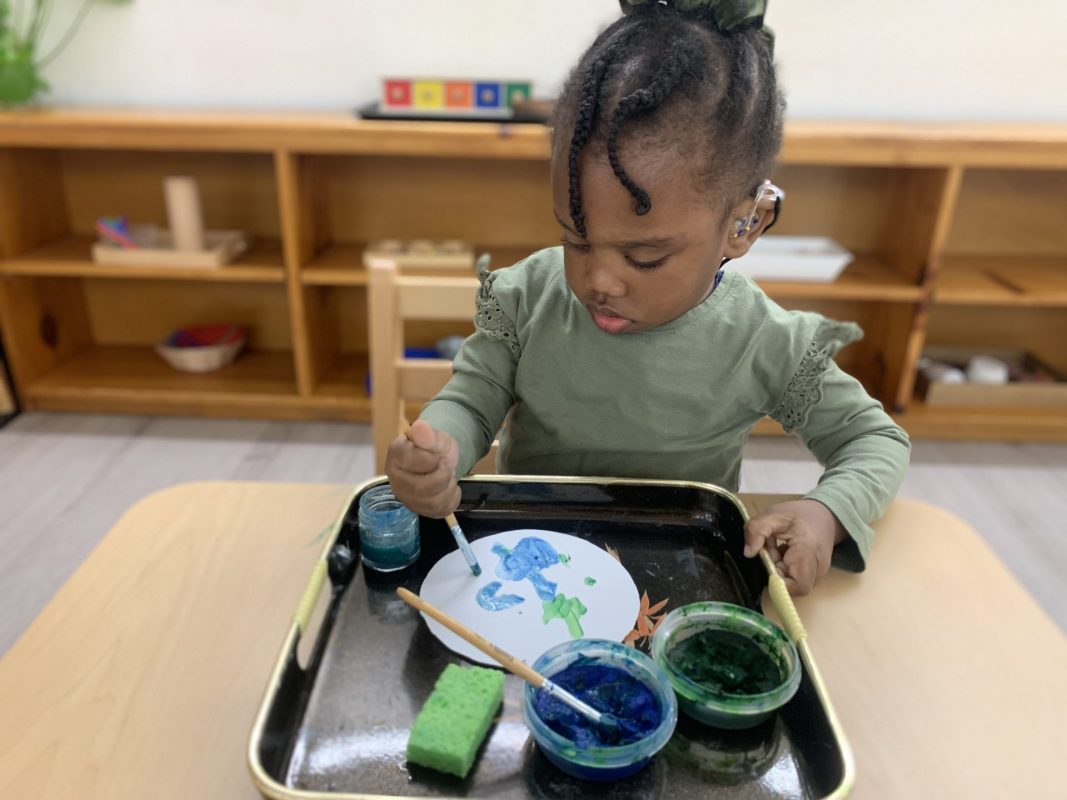
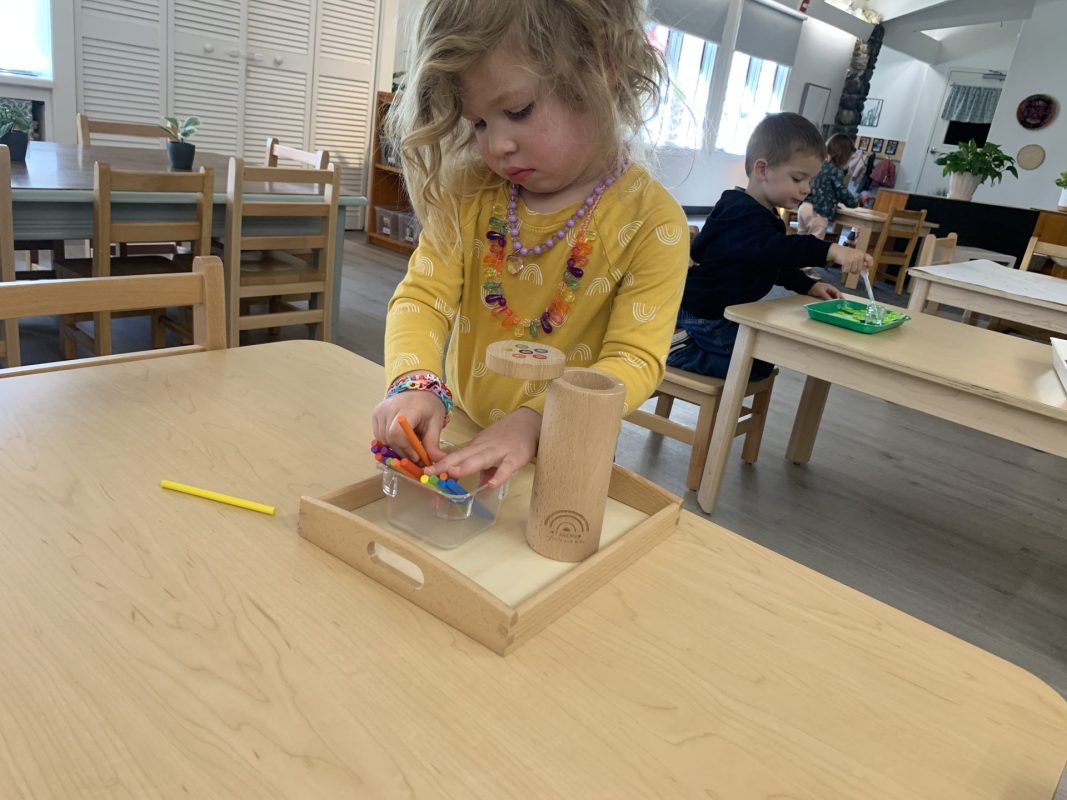
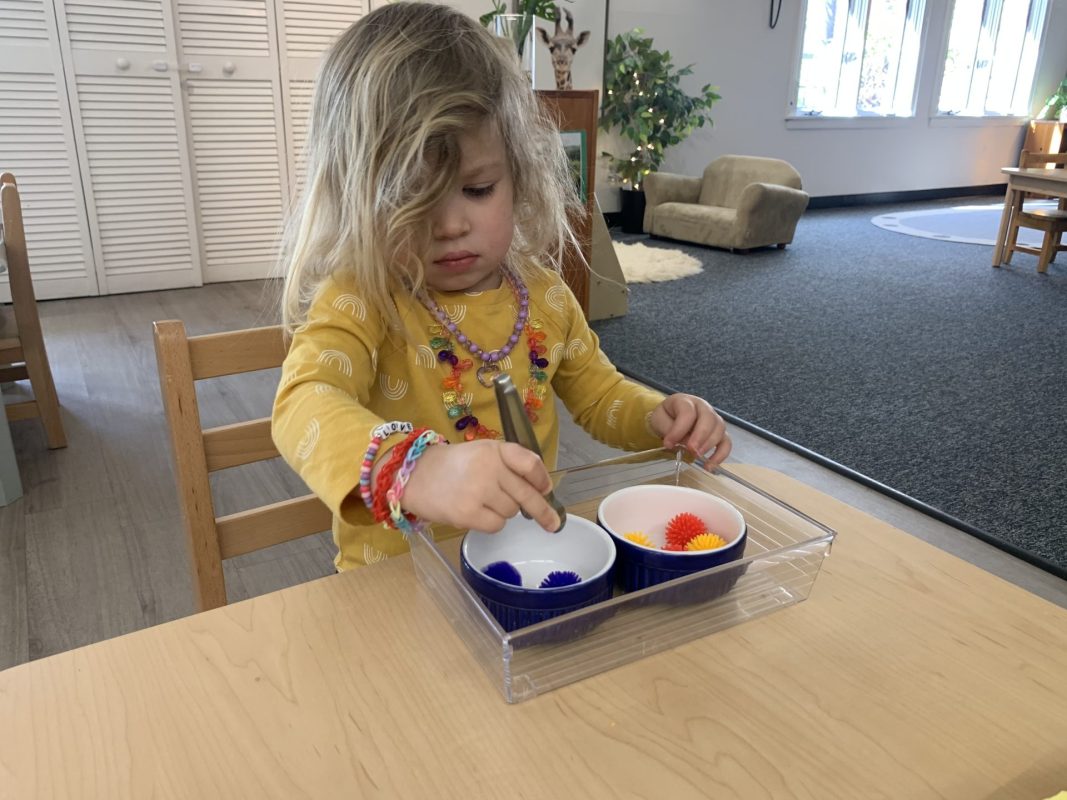
Colors are part of our daily lessons throughout the school year when using the different materials, games, books, songs, and activities in our environment. However, during the next weeks, we will purposely focus on studying the colors of the rainbow.

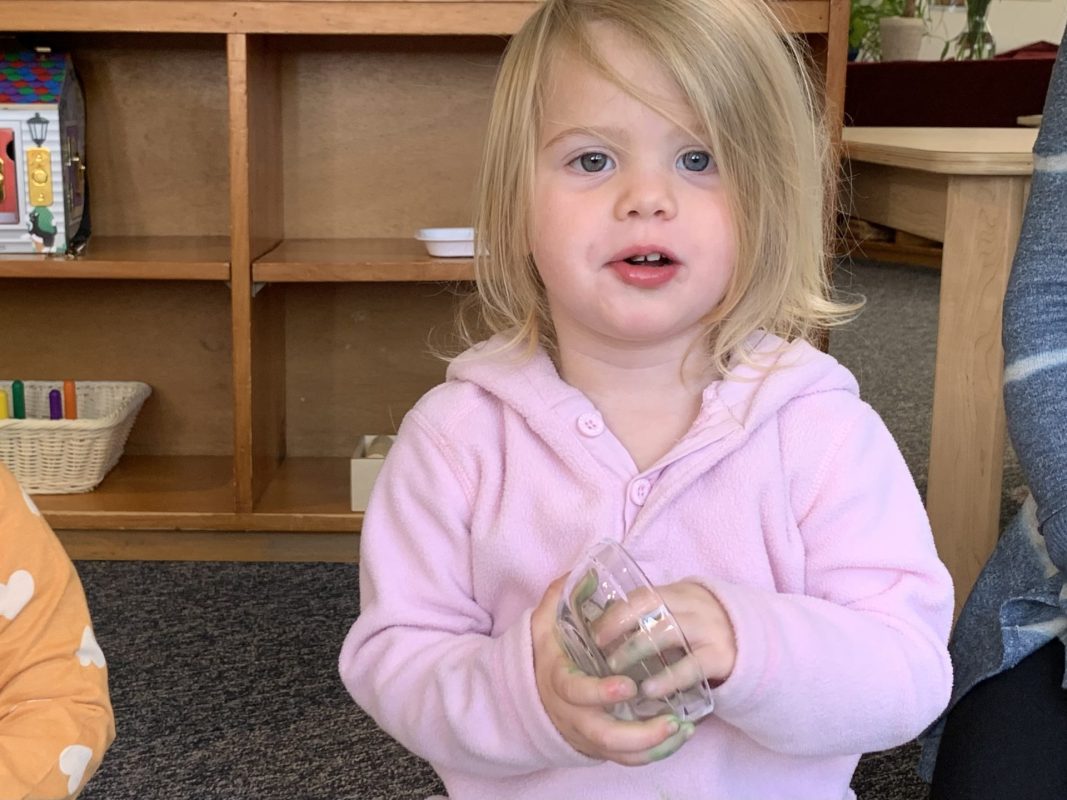
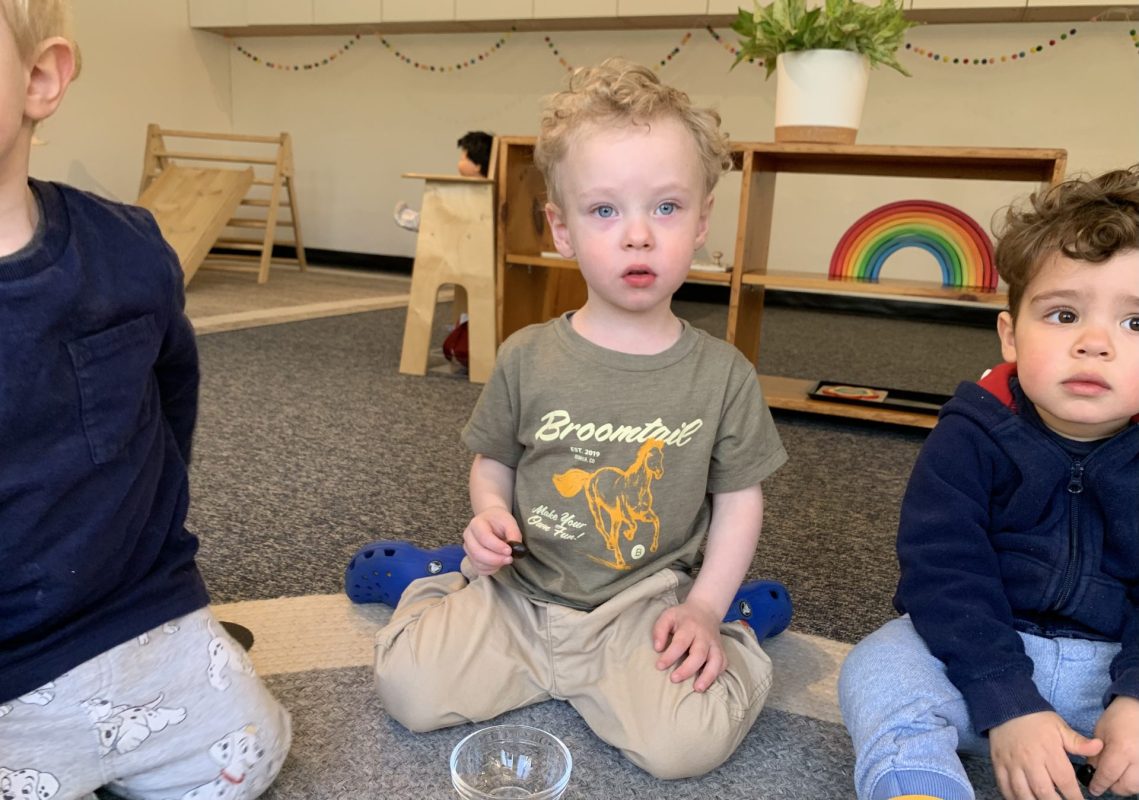
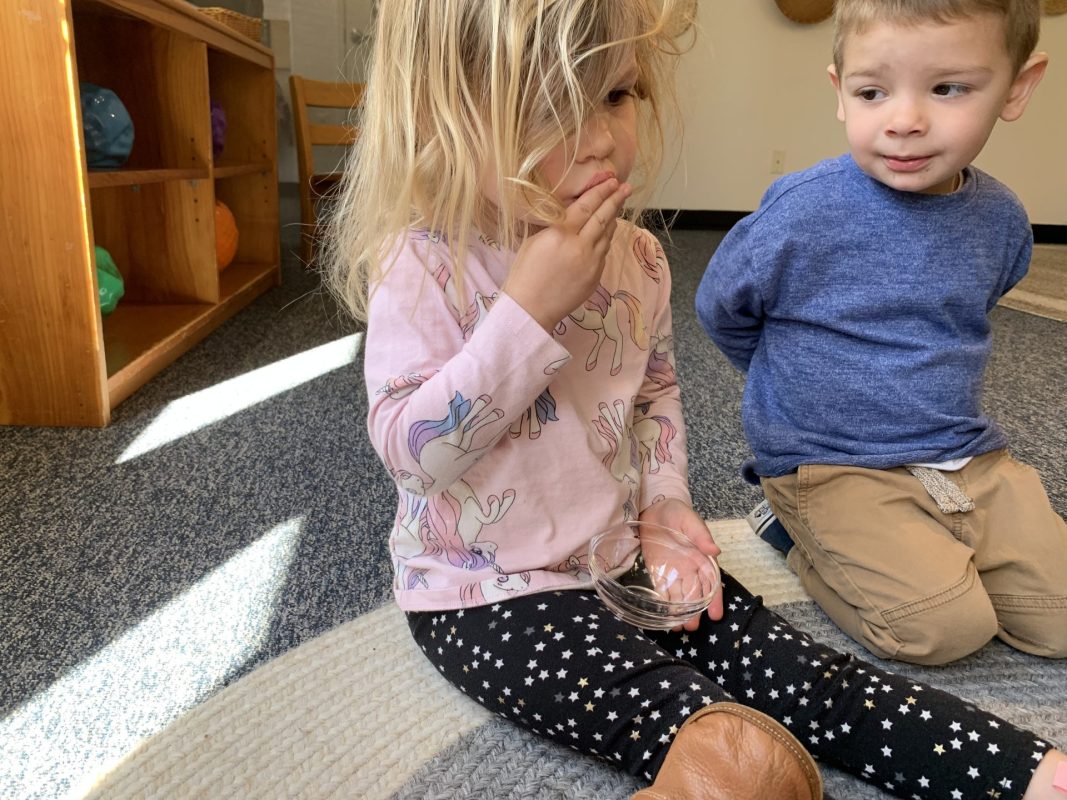
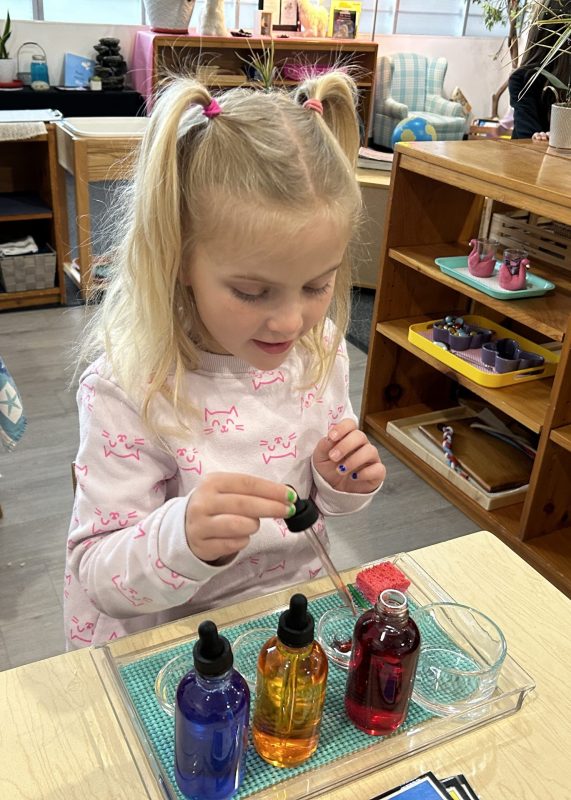
As an introductory activity,  we started this week  by observing a walking rainbow experiment.  Using cups with water, paper towels and red, blue and yellow food coloring, the children got to observe how the water traveled through the paper towel and mixed in the empty cups creating new colors like orange, green and purple.
How does this experiment work? The water moves up the paper towels through a process called capillary action. The paper towel is made from fibers, and the water is able to travel through the gaps in the fibers. The gaps in the paper towel act like capillary tubes and pull the water upward. This is what helps water climb from a plant’s roots to the leaves at the top of the plant or tree. The water is able to move upward against gravity because of the attractive forces between the water and the fibers in the paper towel.

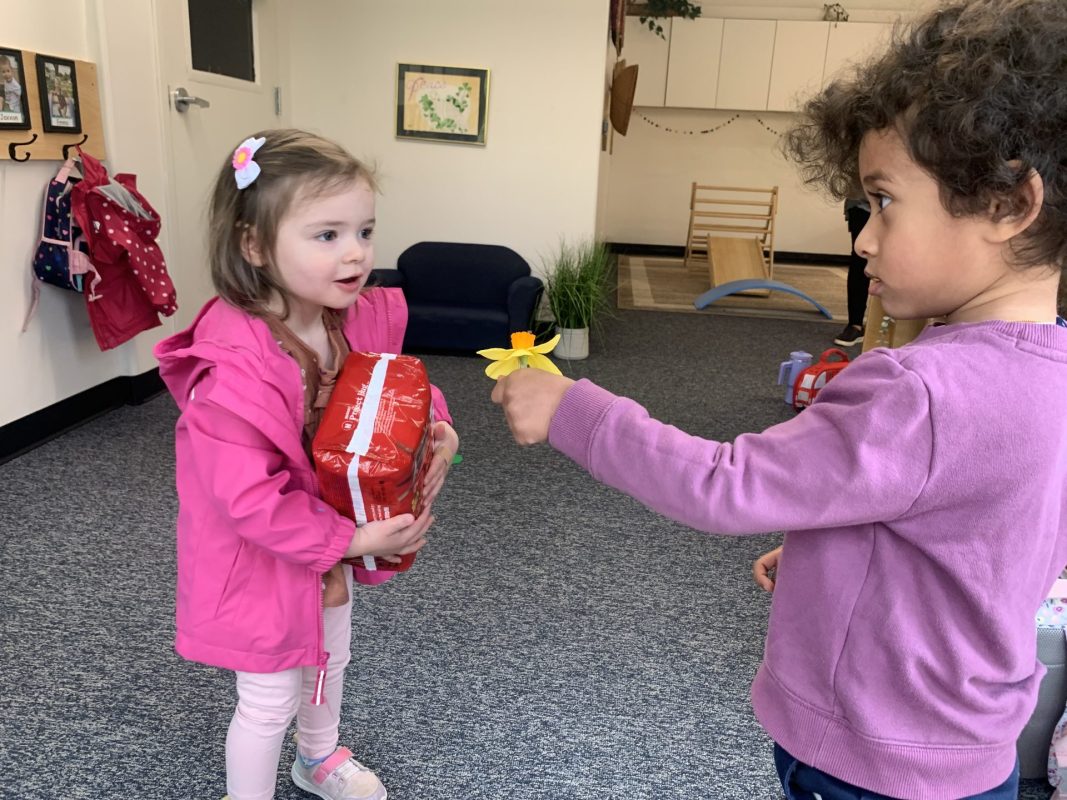
Children observed in awe the different stages of this experiment throughout the week. The main expression used was: Wow! Followed by giggles and little dances.

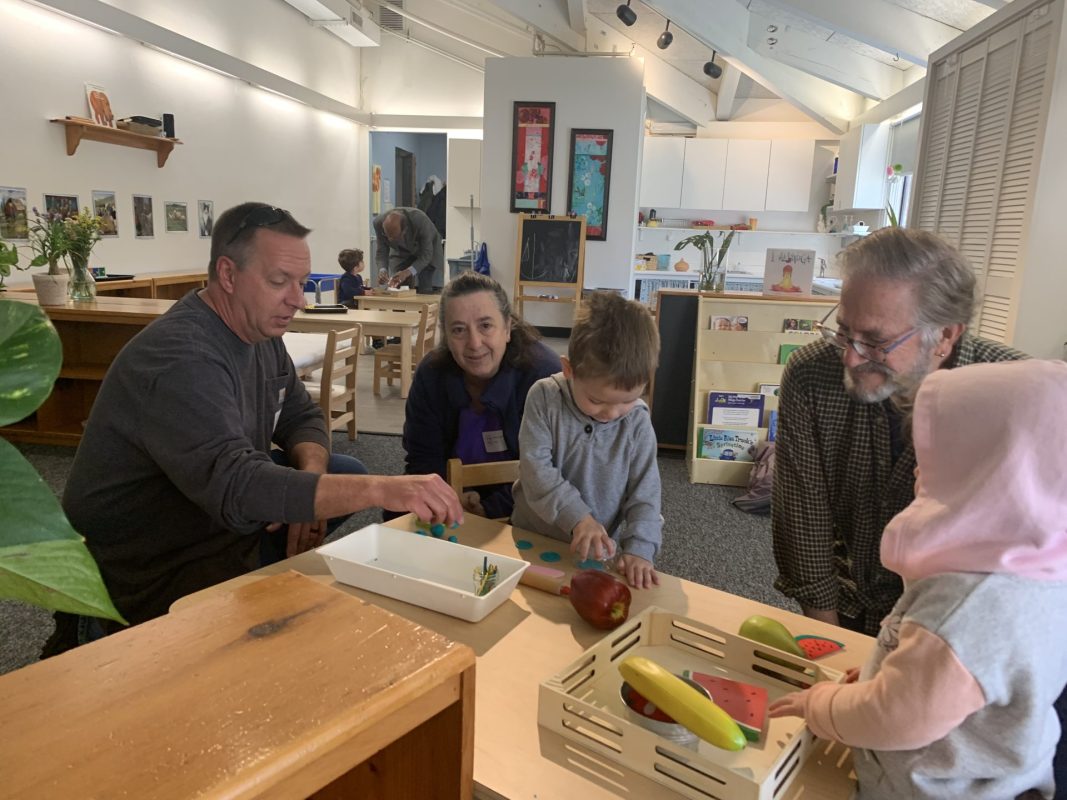
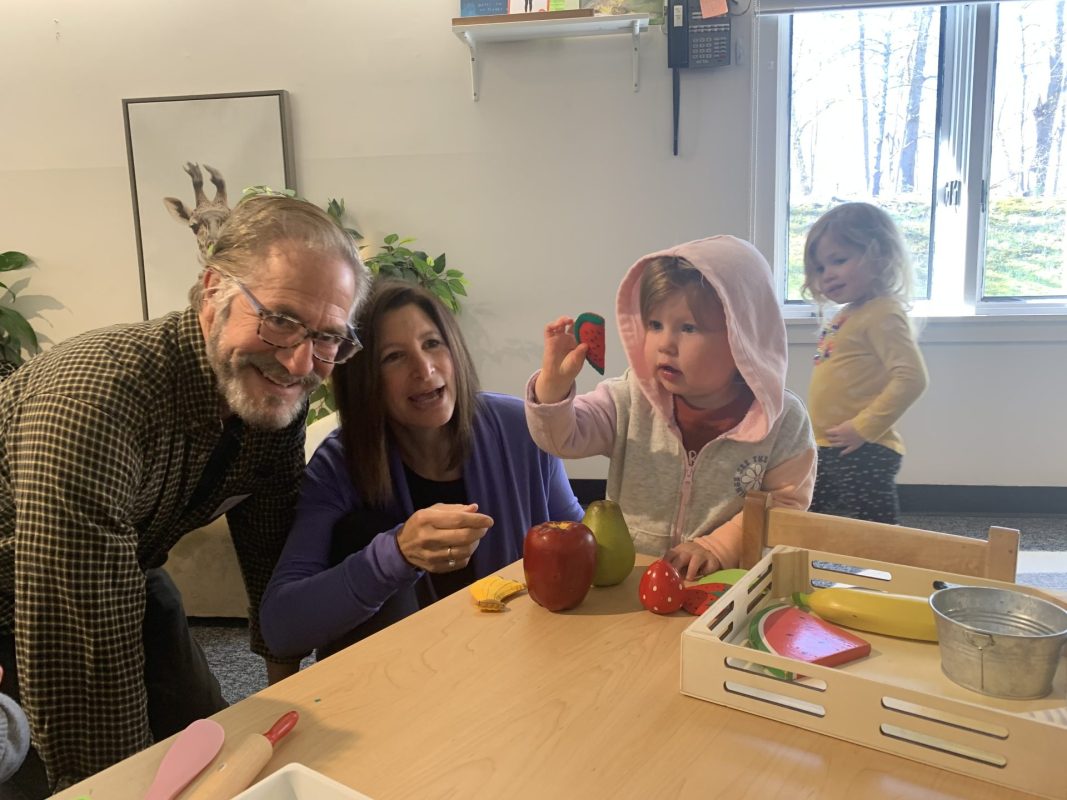
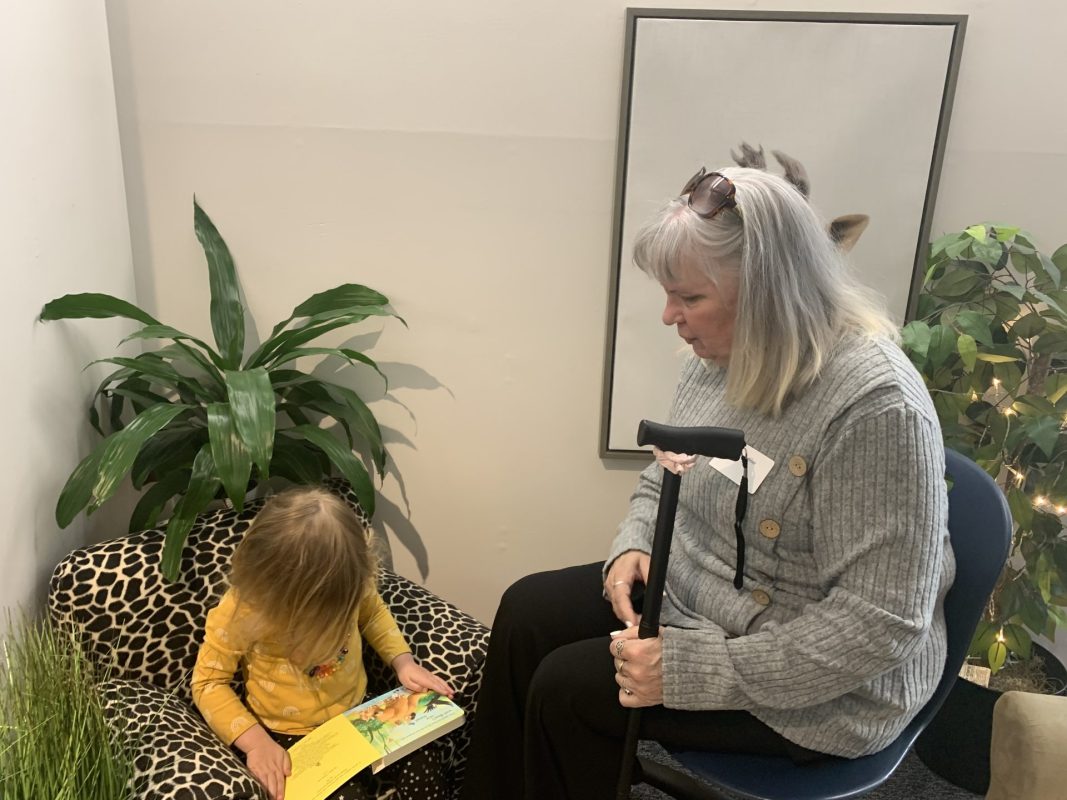
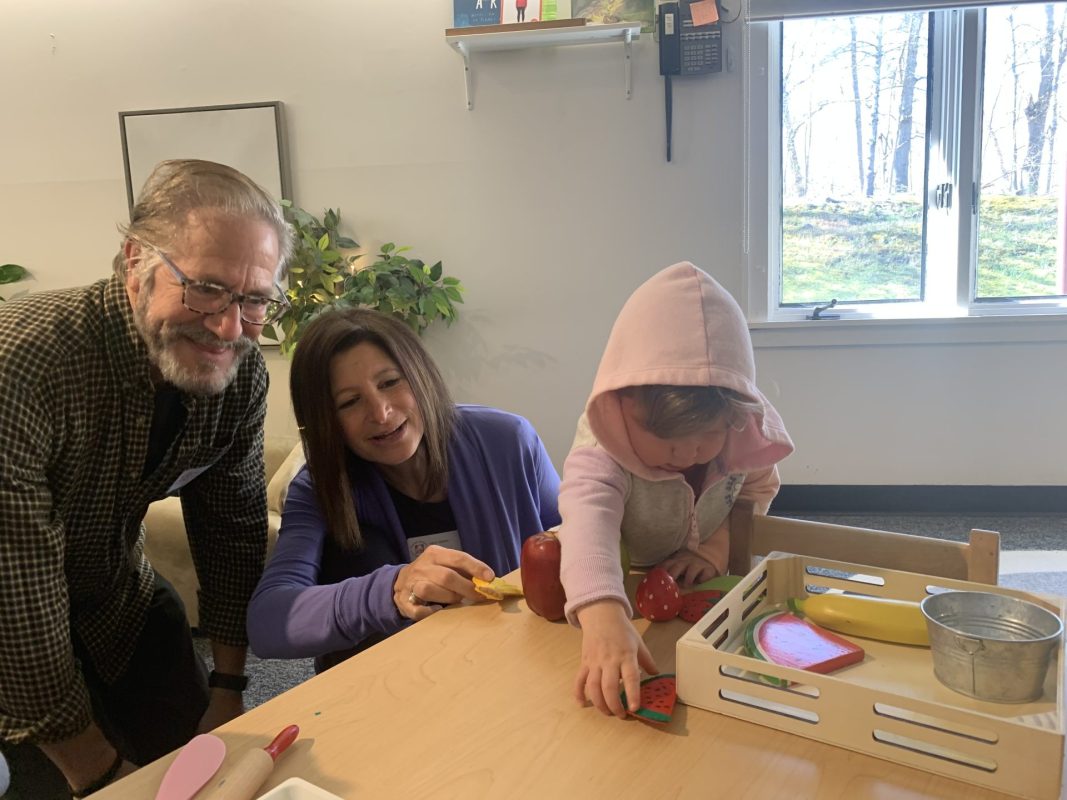
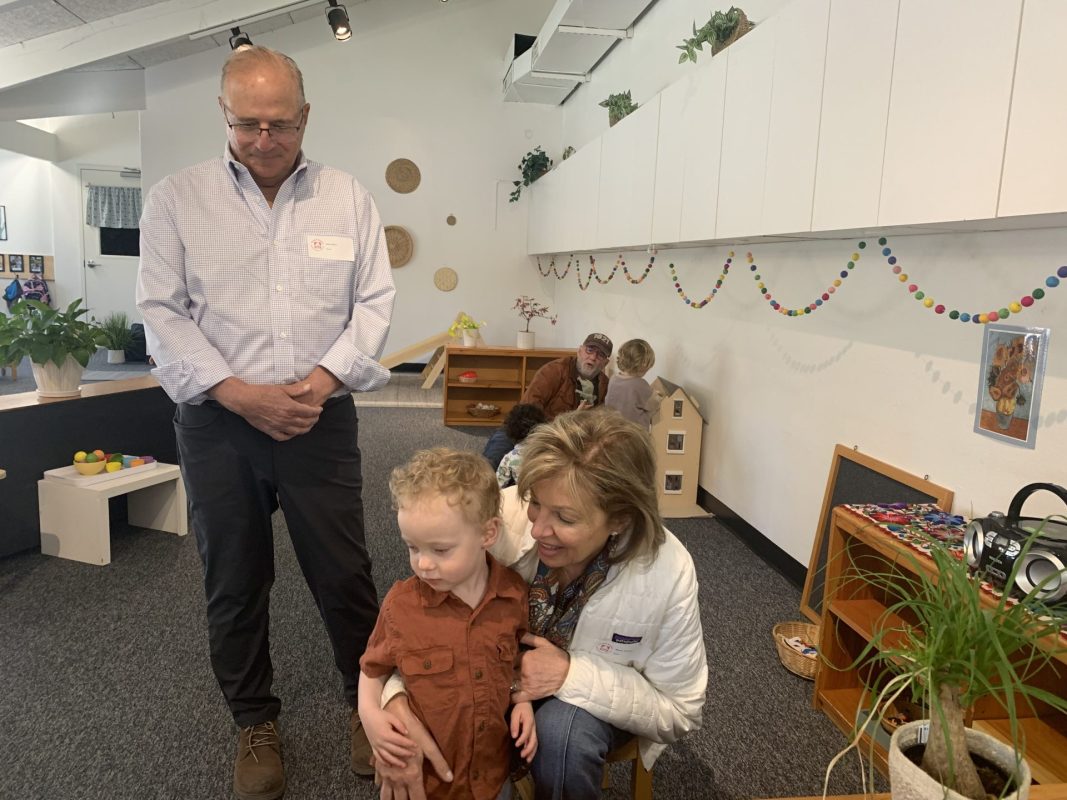
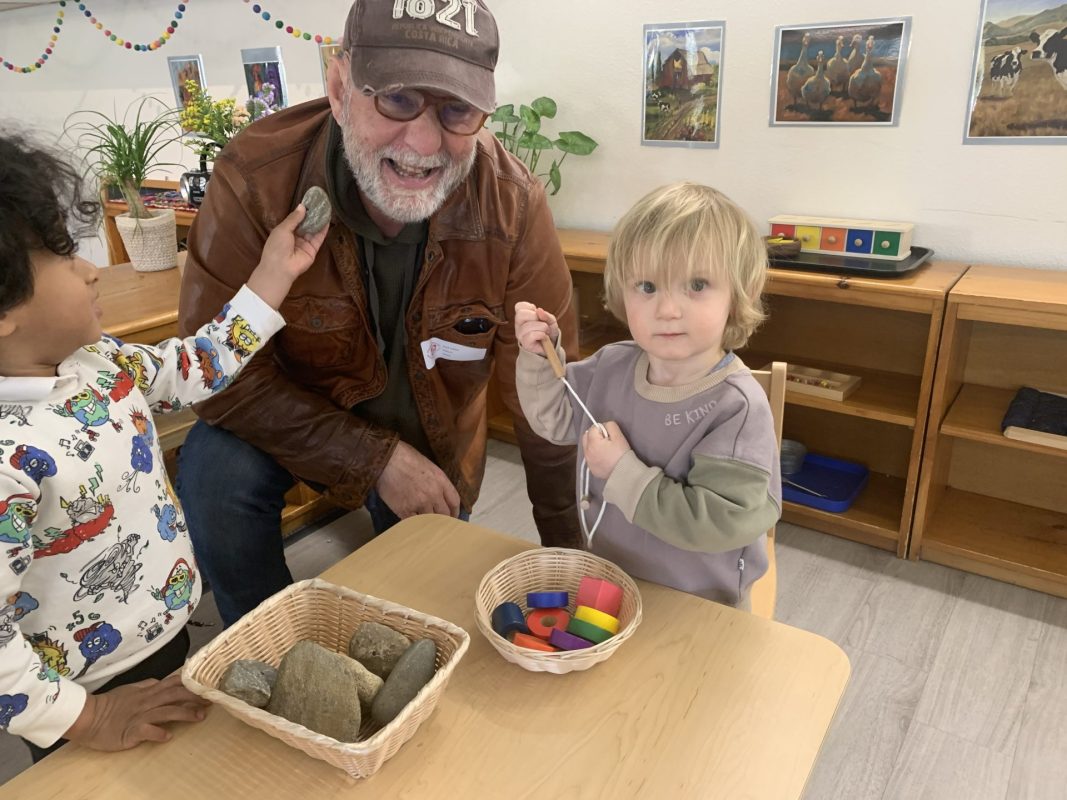
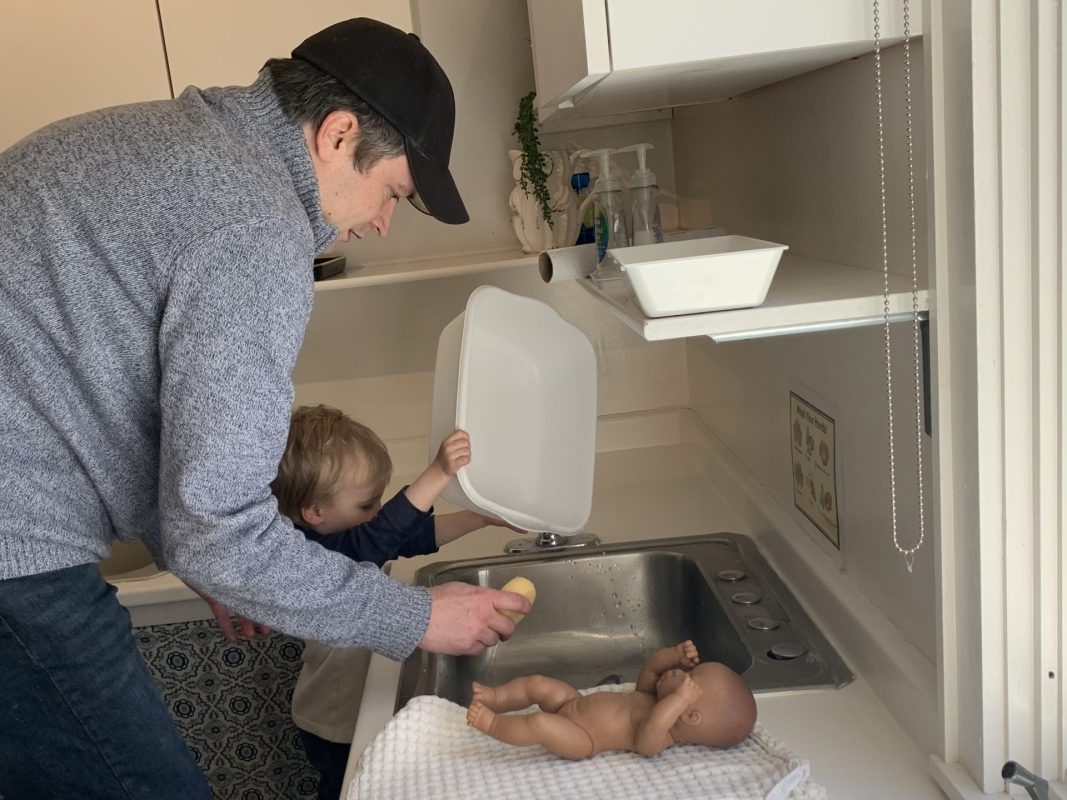
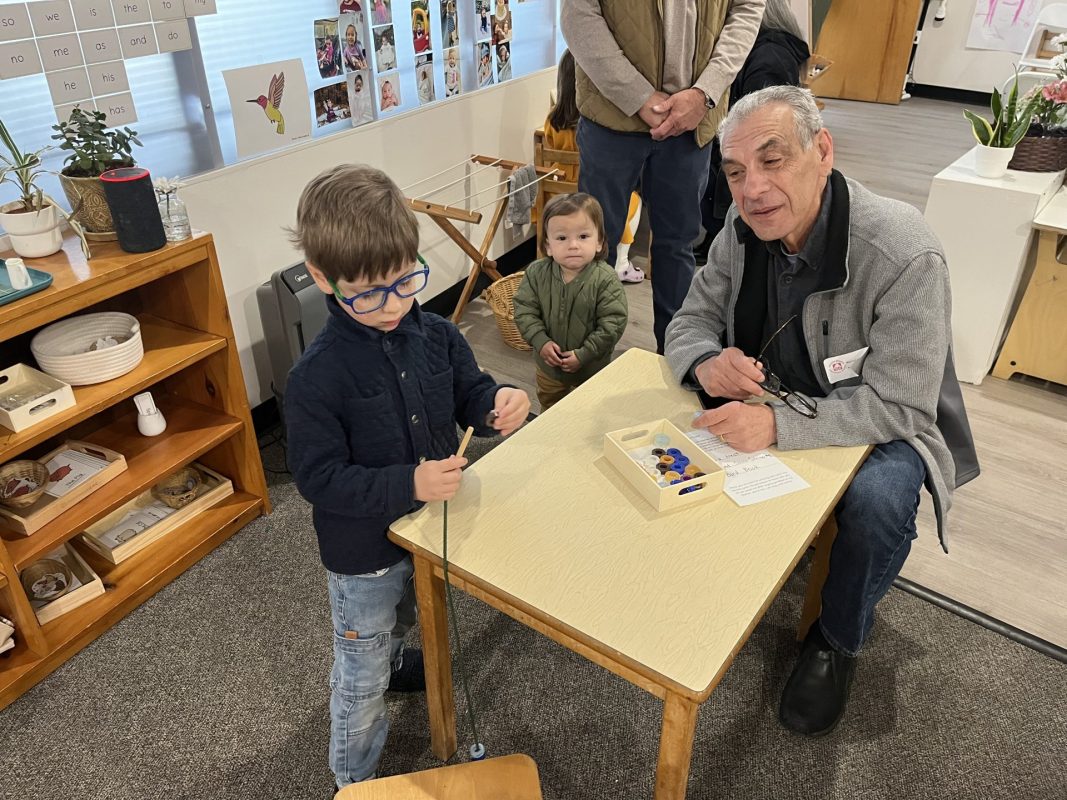
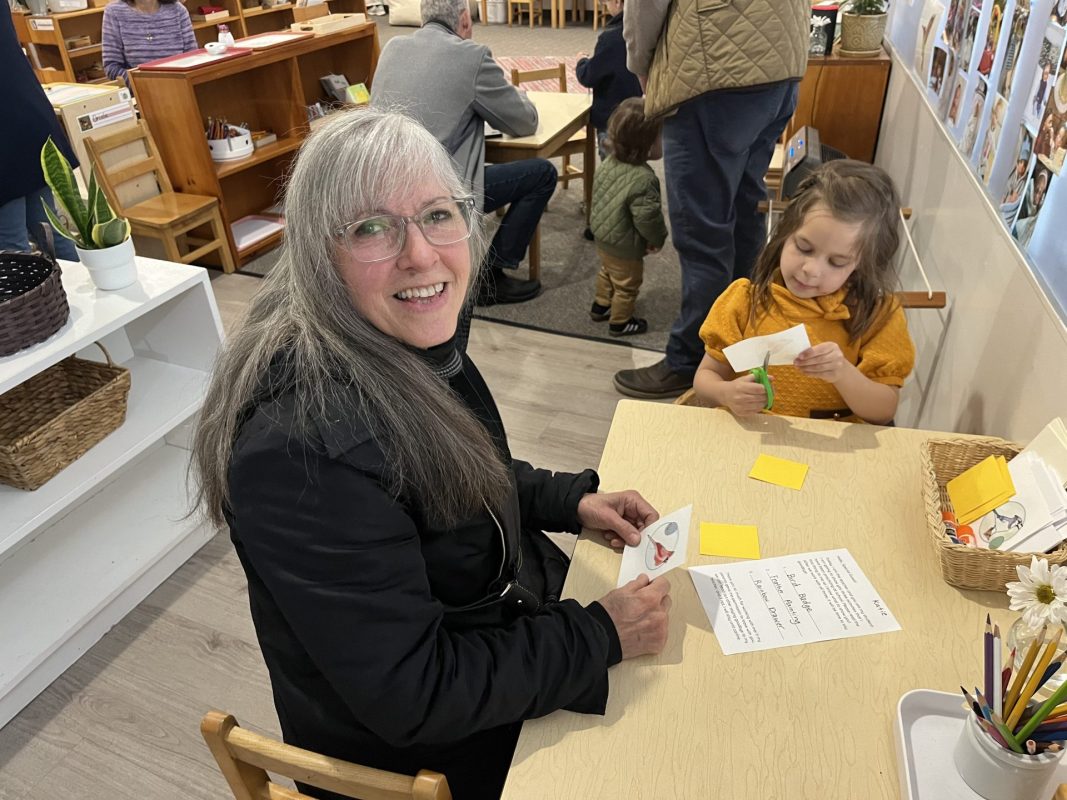
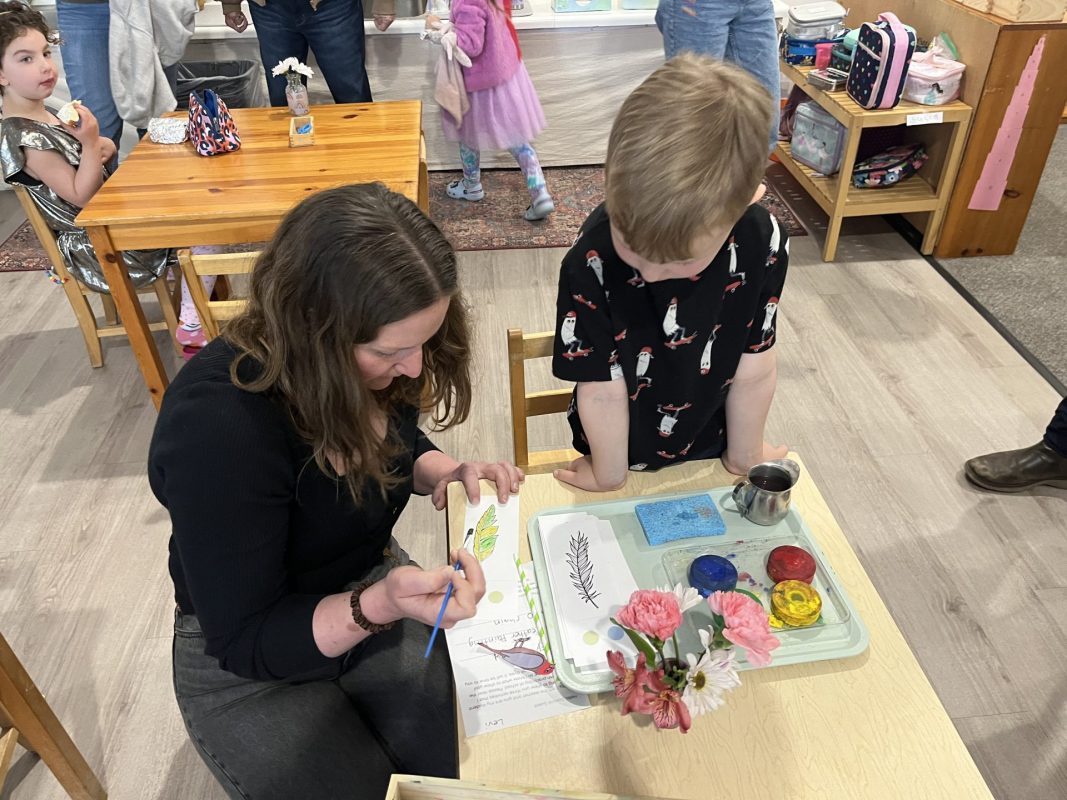
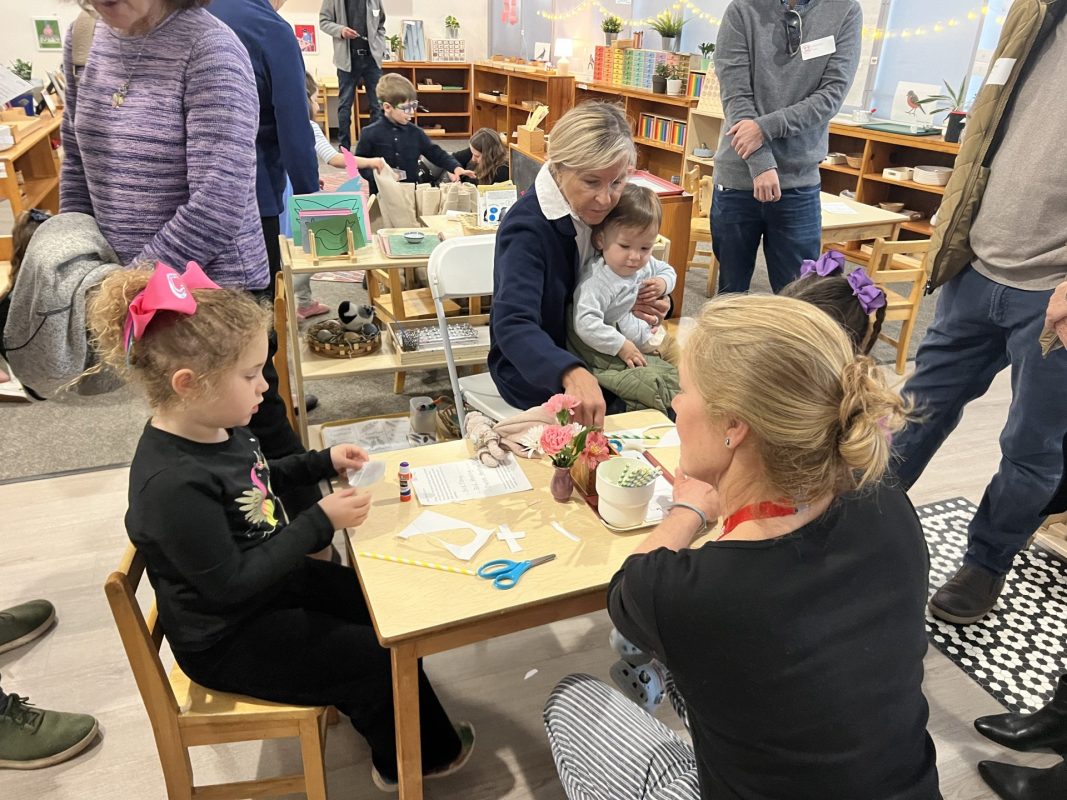
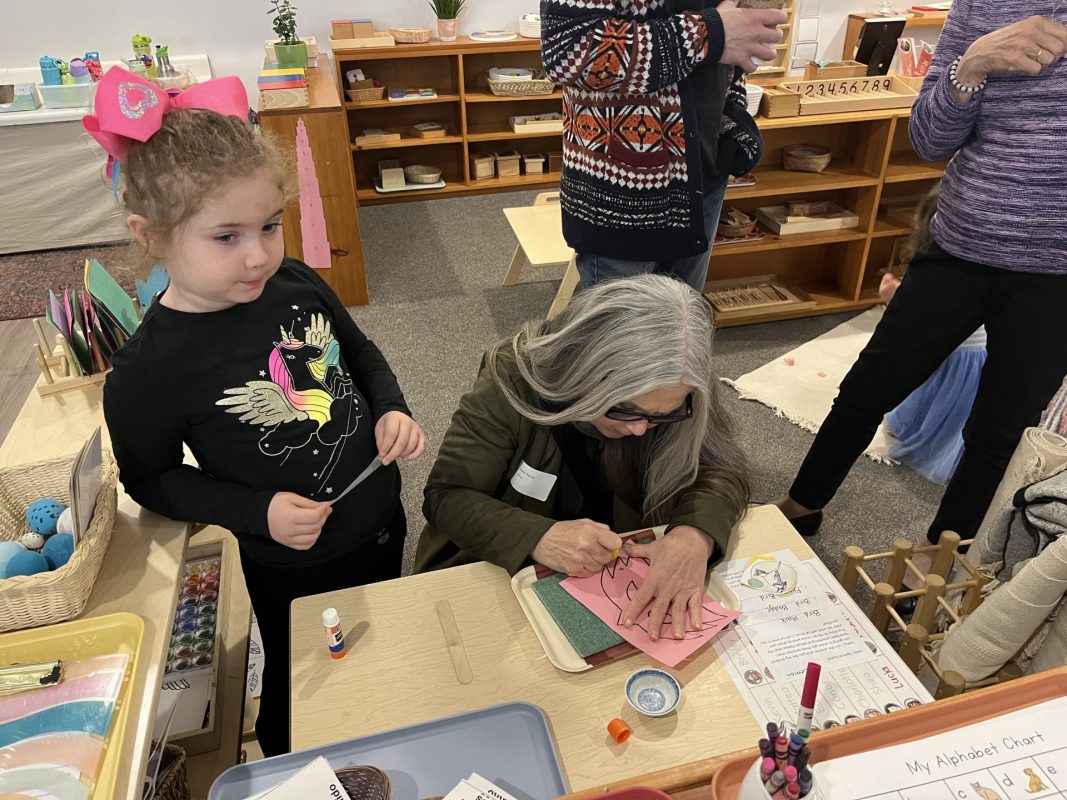
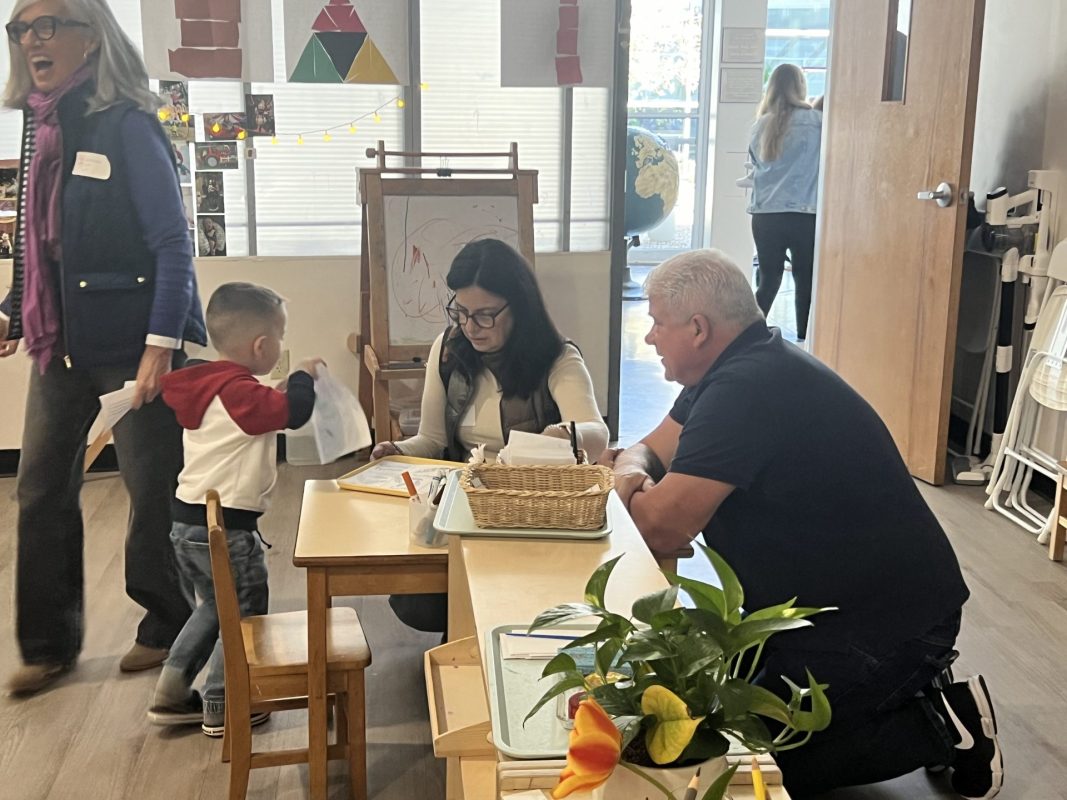
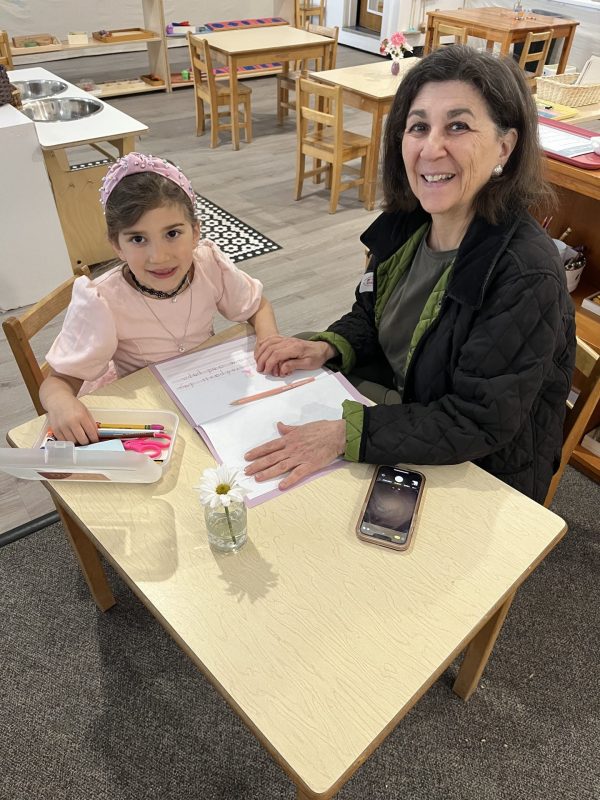
On another note, children worked happily in our class gift for our FWM Annual Gala & Auction. A big shout out to our amazing class moms, Shannon Turkett and Regine Hooper-Campbell, for coordinating and to Roberth VanEgghen, Megan Lang, and Neetha Desai for volunteering their time to come and work with the toddlers on this project! We SO appreciate you! They also had some fun with Miss Sara Hunsucker, our school art teacher, preparing another great project for the auction!

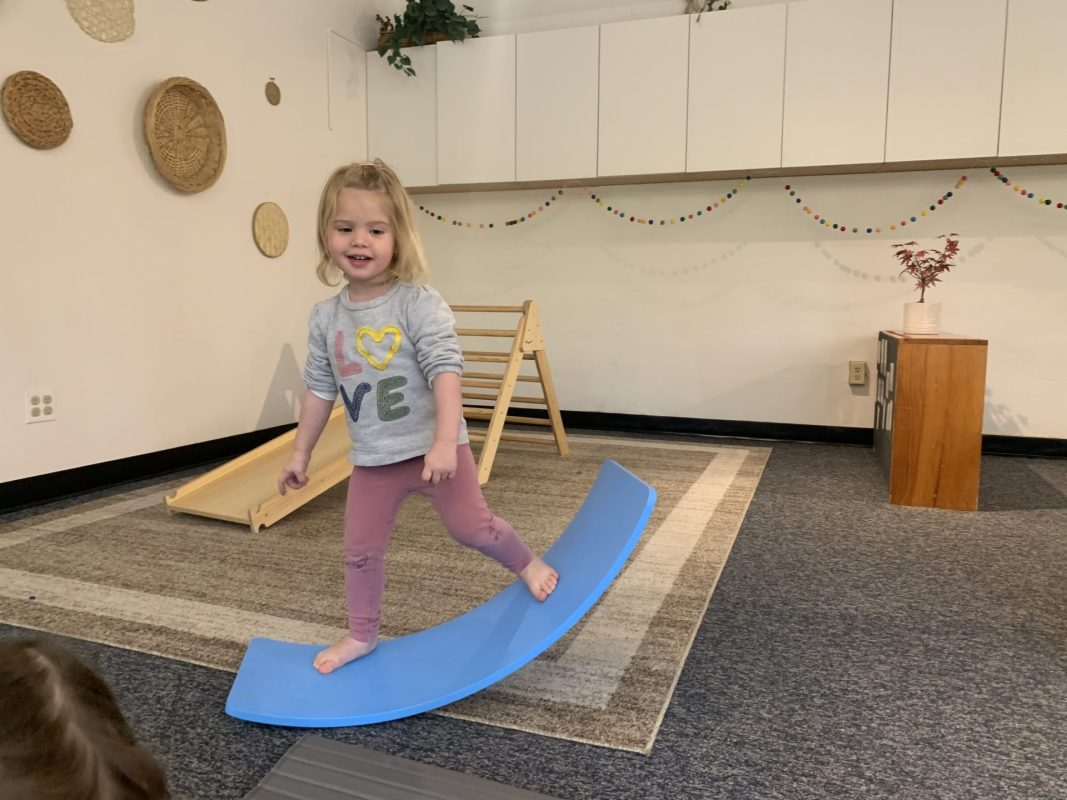
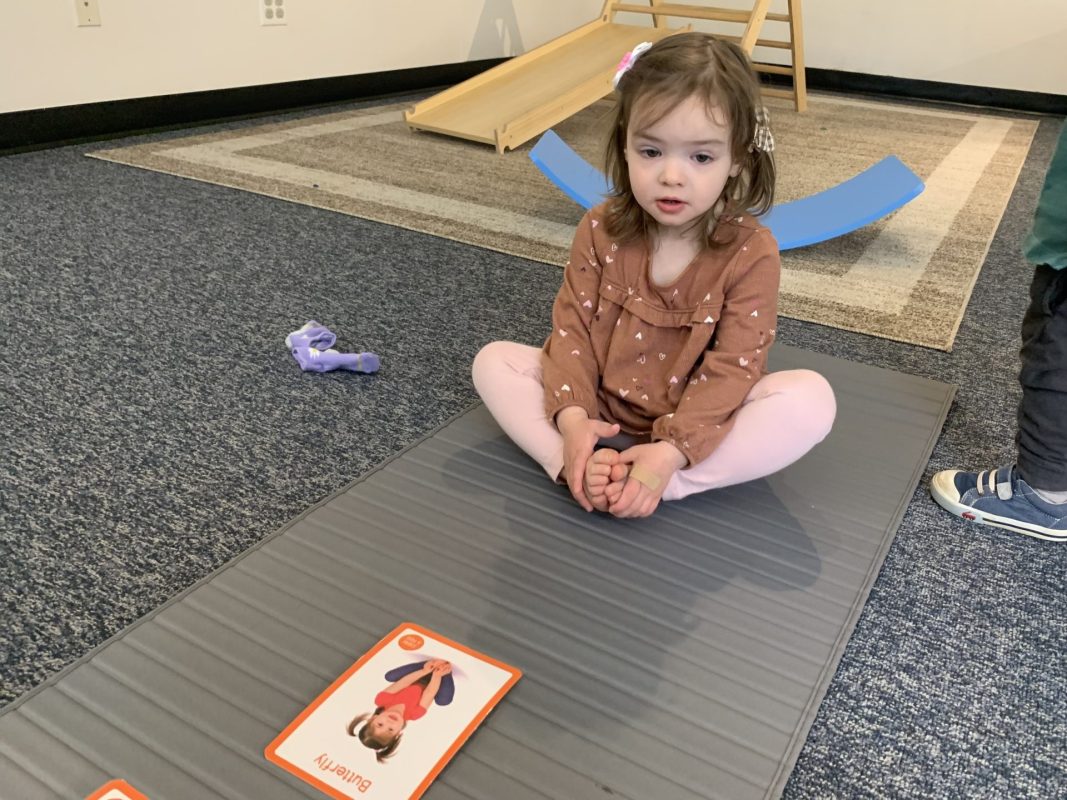
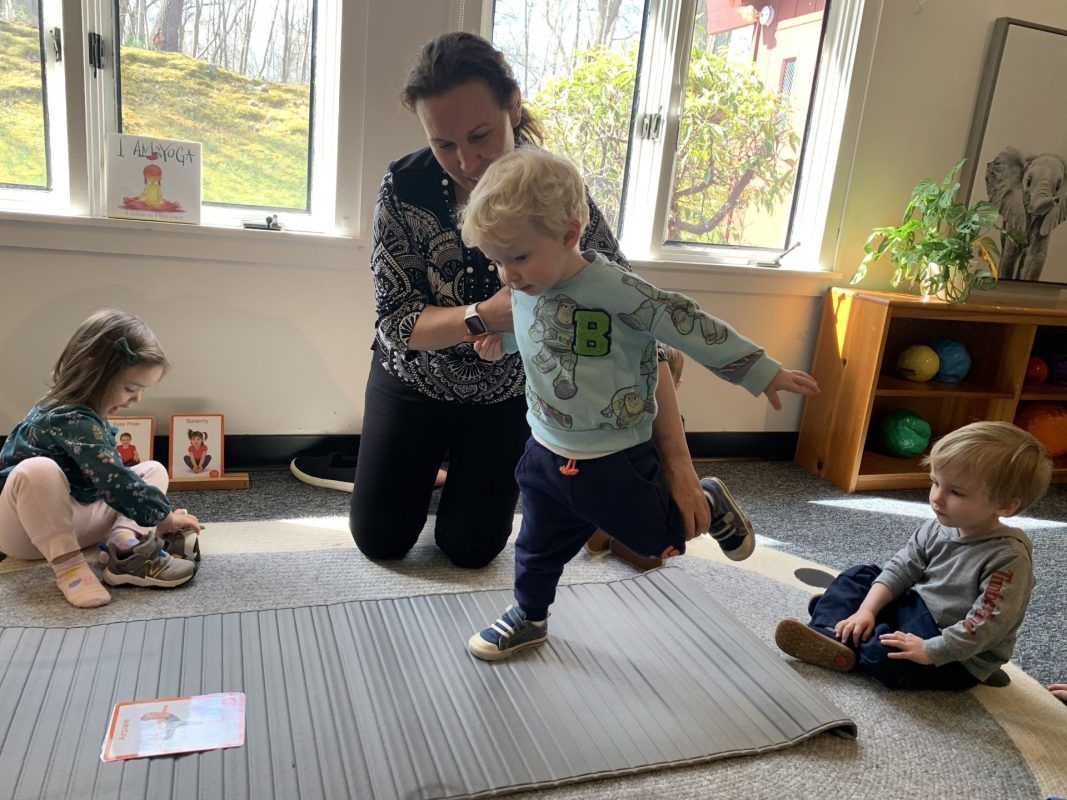
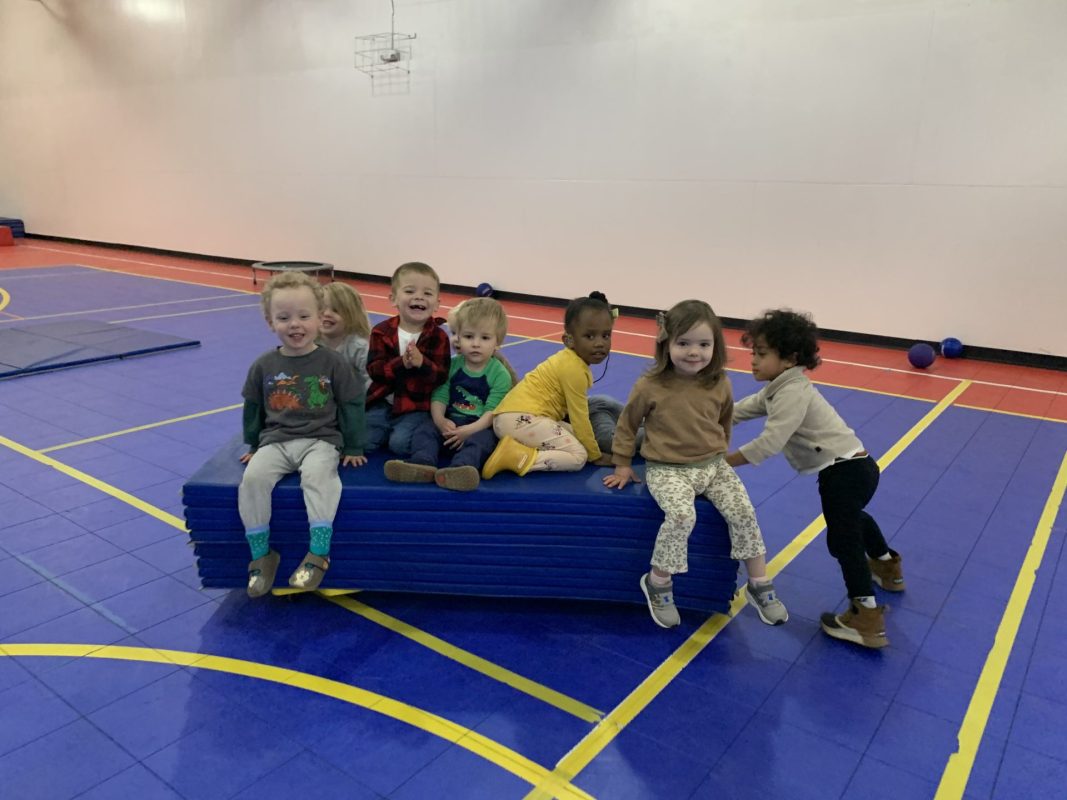
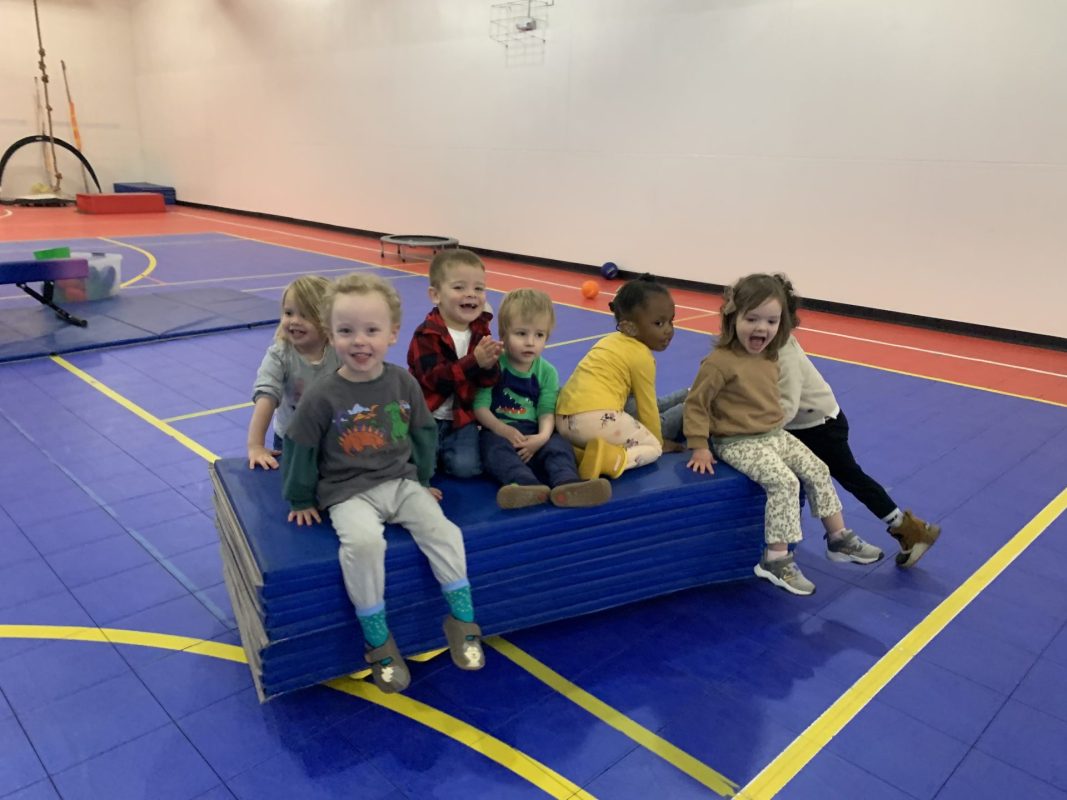
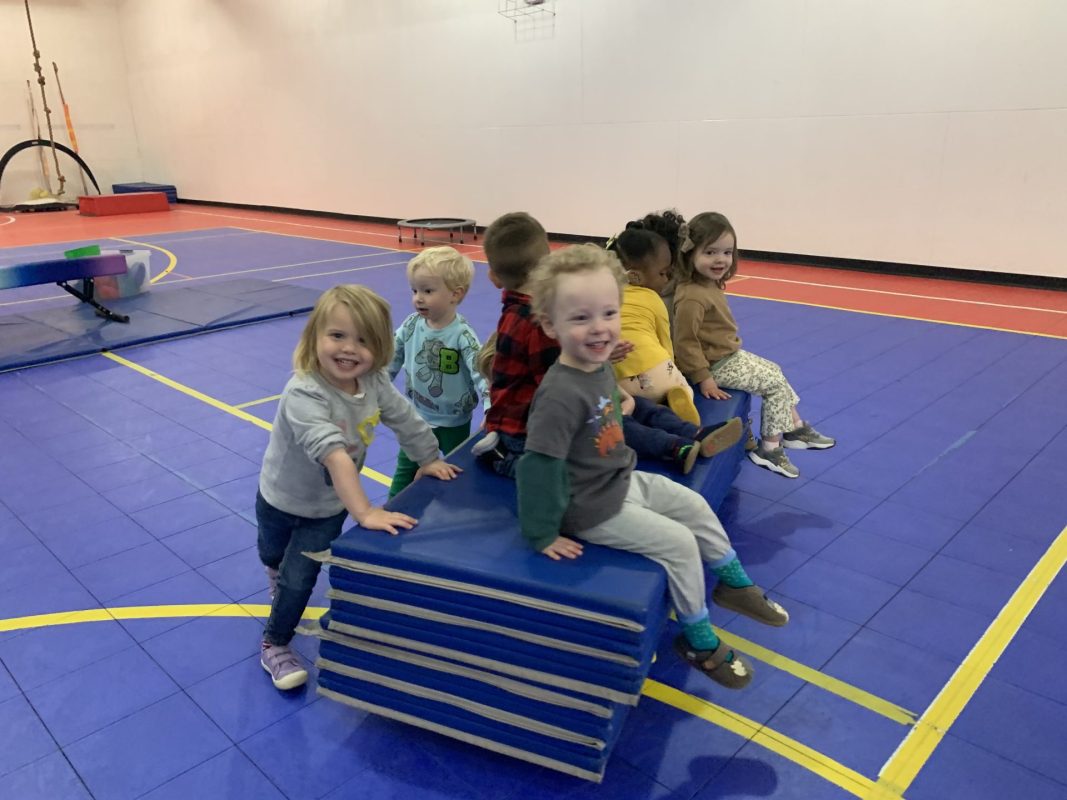
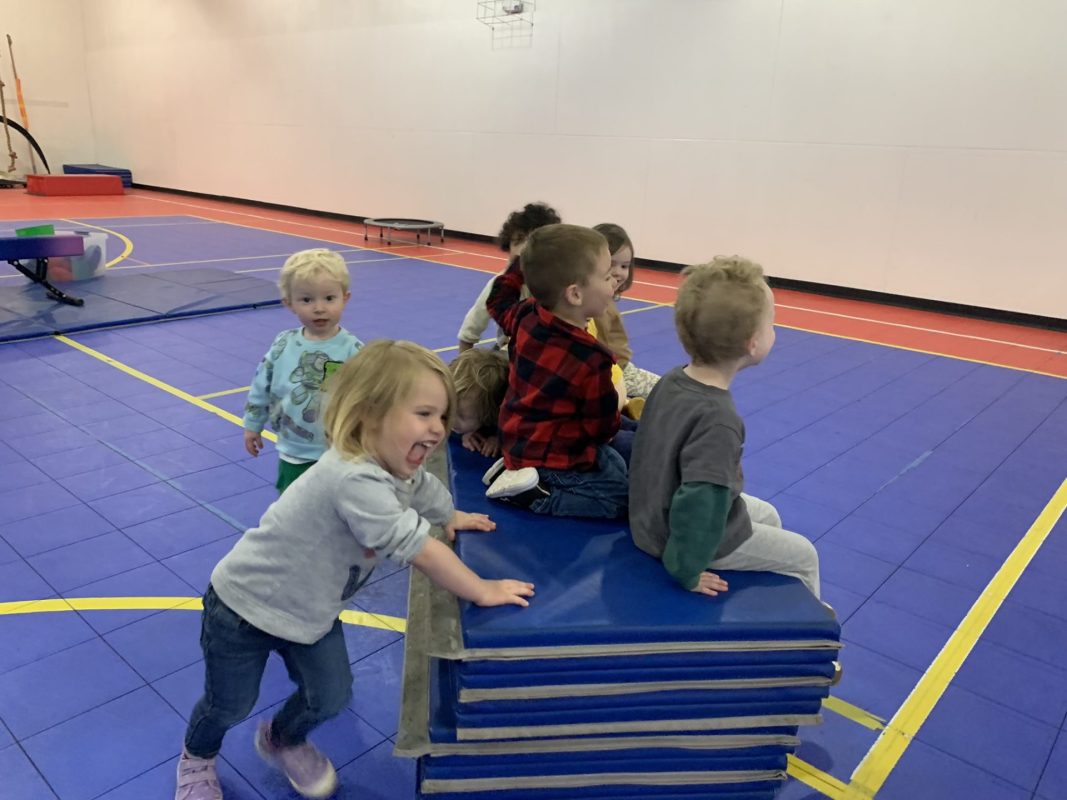
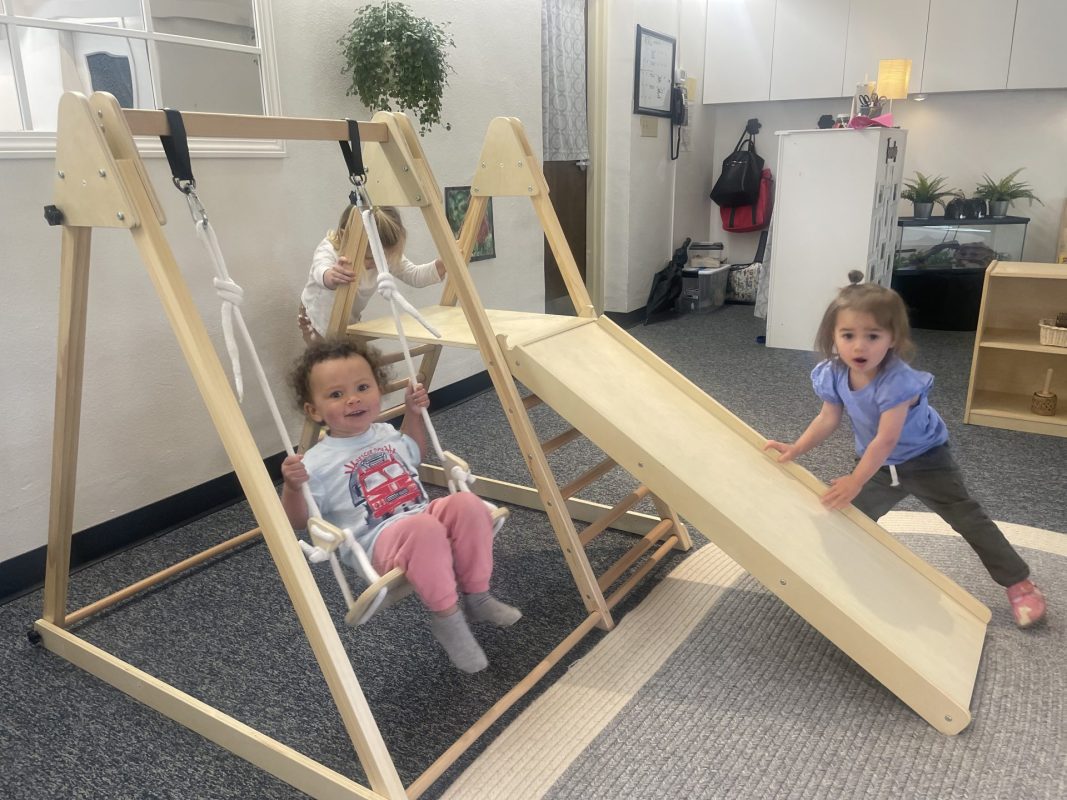
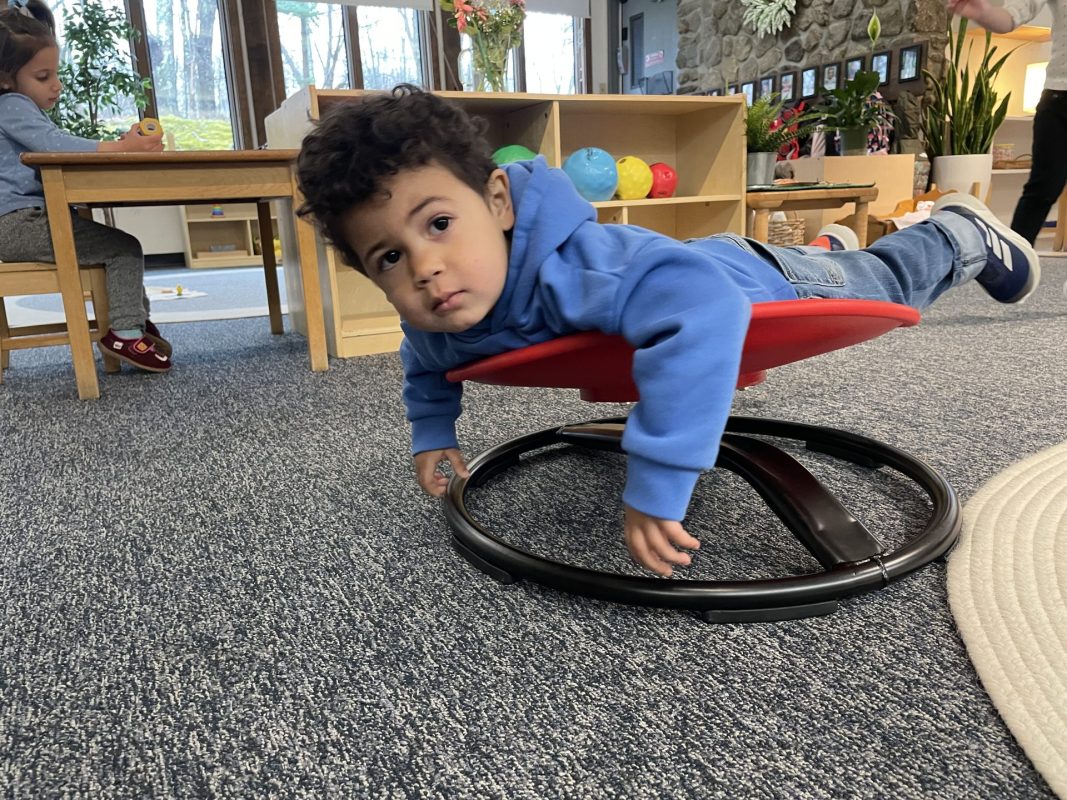
Lastly, a new popular piece of equipment was introduced in the movement area: A sensory spinning chair. Spinning on a chair provides intense vestibular input, which helps toddlers develop their sense of balance and spatial orientation. This stimulation can be calming for some children and can improve their ability to focus and attend to tasks.  Spinning on a chair requires coordination and motor planning, which can help toddlers develop their gross motor skills. It can also improve their core strength and stability, which is important for posture and overall physical development. The repetitive motion of spinning can have a calming effect on toddlers, helping them regulate their emotions and reduce feelings of anxiety or frustration. To say children LOVE this chair is an understatement!

We hope you all have the most wonderful Spring break! See you in two weeks!

Adios!

Mrs. Hood and Ms. Mollie


March Family Connection Newsletter

“Education is a natural process carried out by the child and is not acquired by listening to words but by experiences in the environment.” ~Maria Montessori

The topic of this month’s Family Connection Newsletter from the American Montessori Society is the reasoning mind of the elementary student.

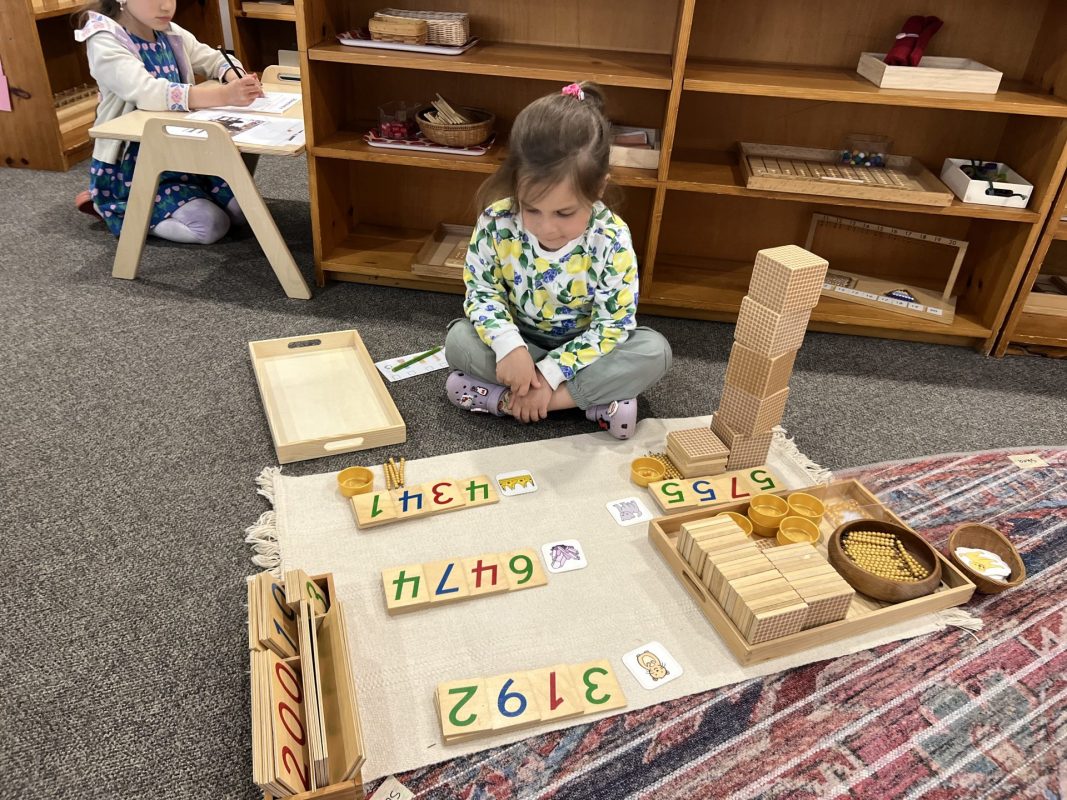
According to Montessori education, the period from birth to age six is known as the absorbent mind, while ages six to twelve are all about the reasoning mind. This is the stage where children take in information through conscious work and memory, and make decisions based on logic and patterns that they have already established in the brain.

Some key attributes of this stage are conscious learning, enthusiasm for learning, the importance of social connection, and the child’s great interest in justice.

I hope you find this information helpful, and I wish you a wonderful March Break!

Best regards,

Karen Sankey
Director of Montessori Education


Mrs. Doyle: Oh, The Places You’ll Go!


You can find magic wherever you look. So sit back and relax, all you need is a book.  

                                                                                                                                                                    —–Dr. Seuss

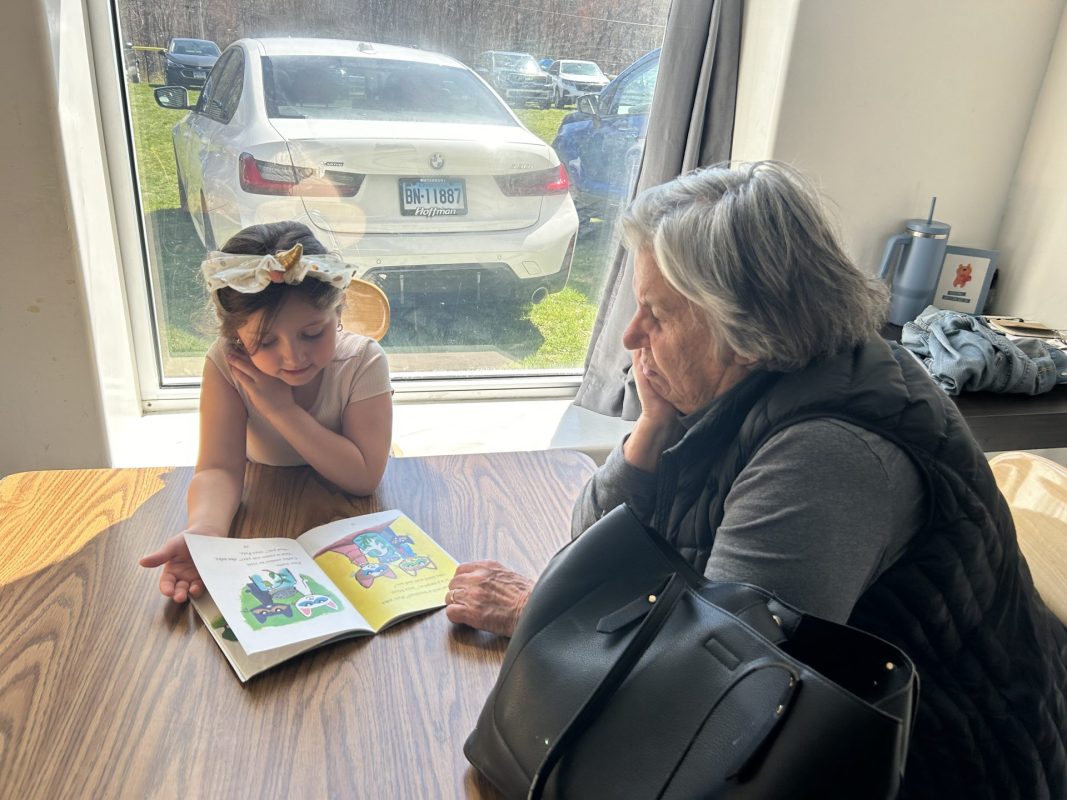
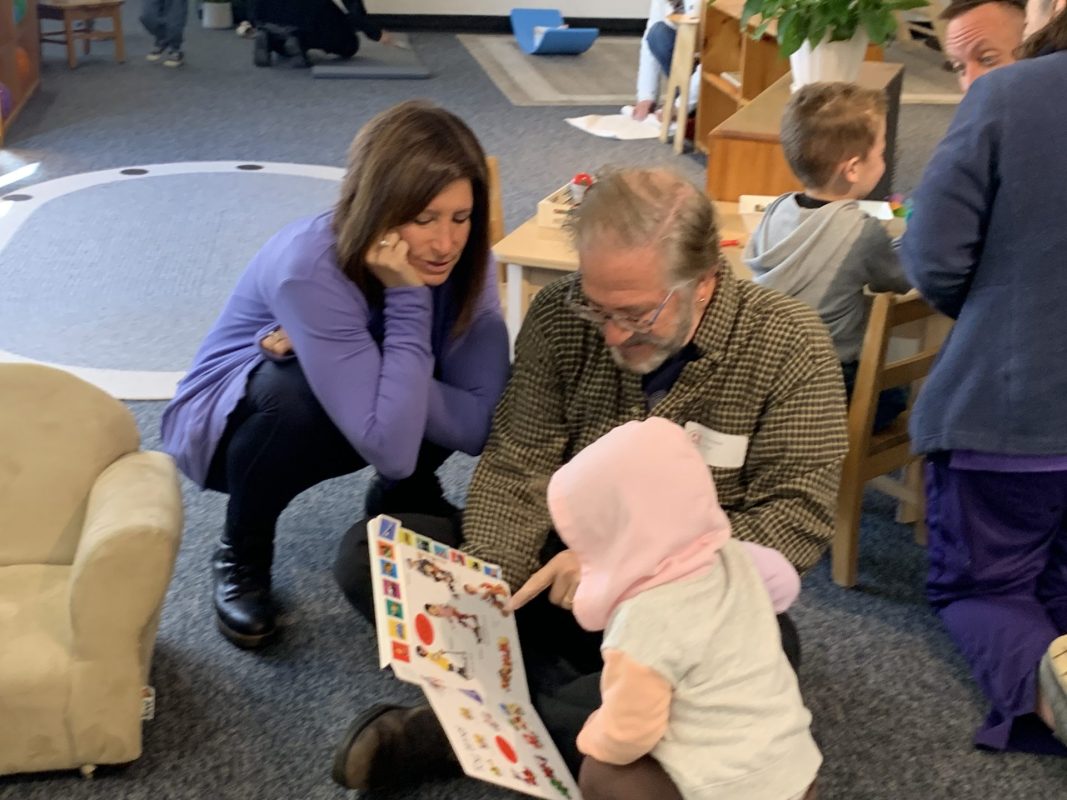
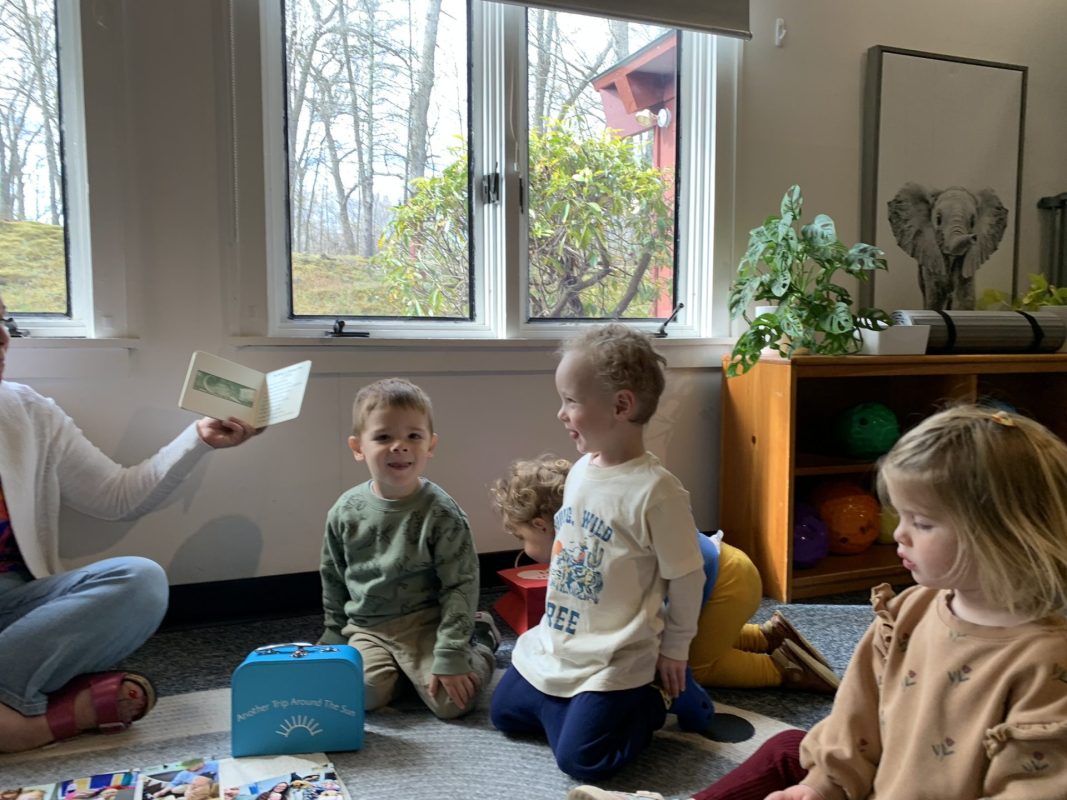
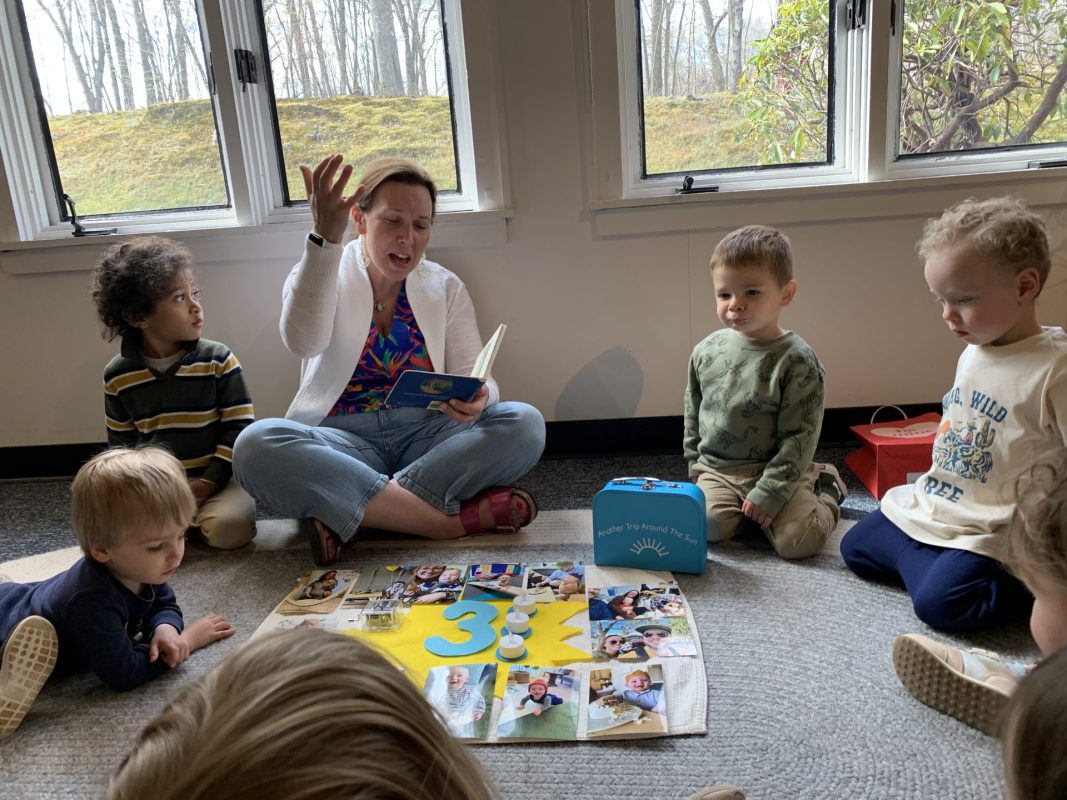
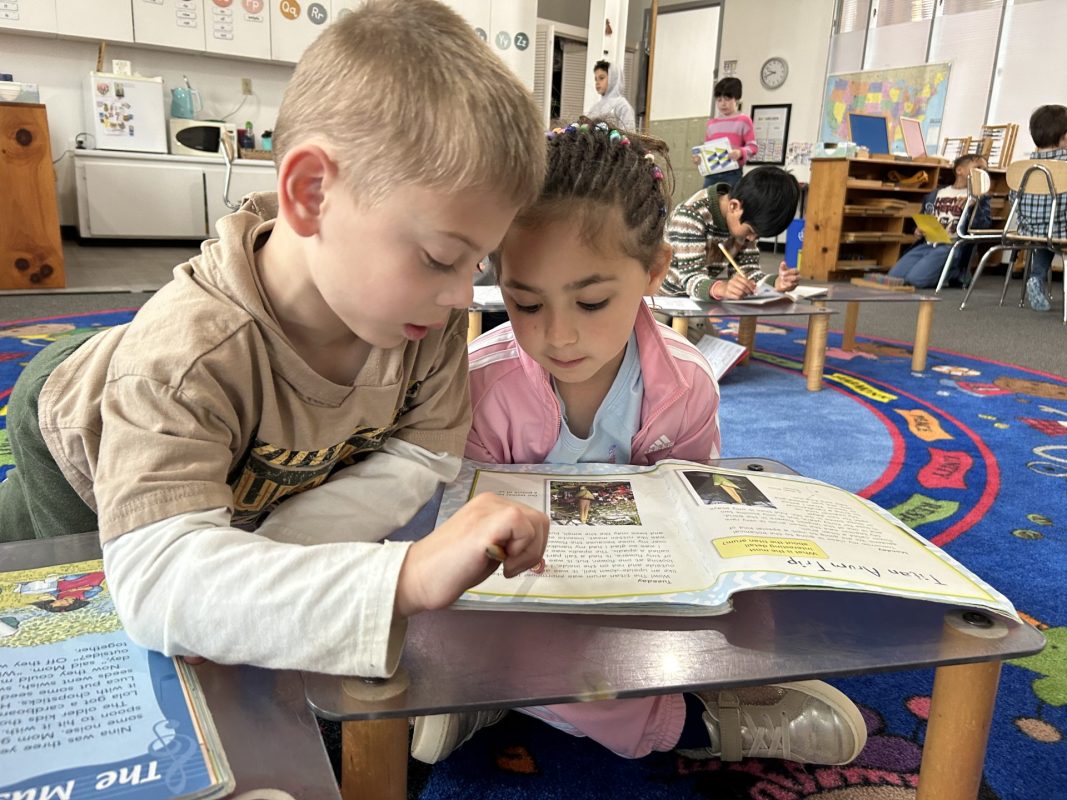
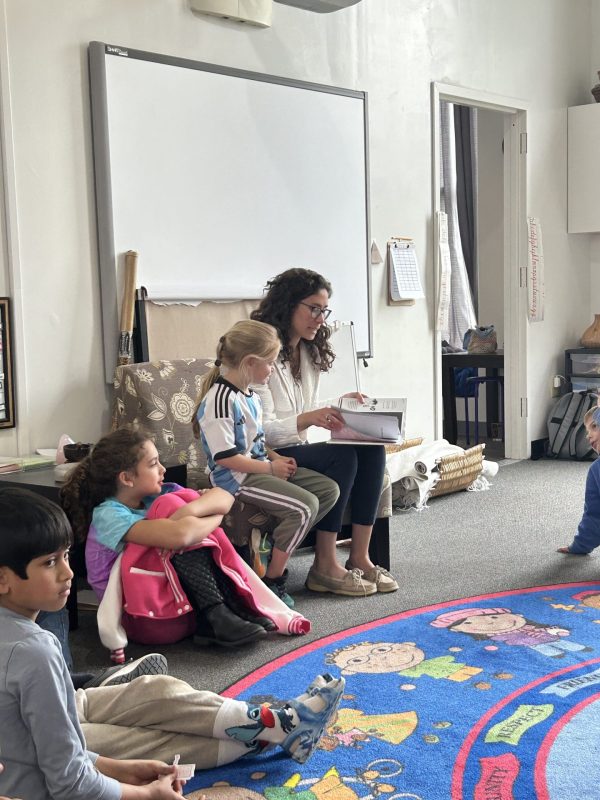
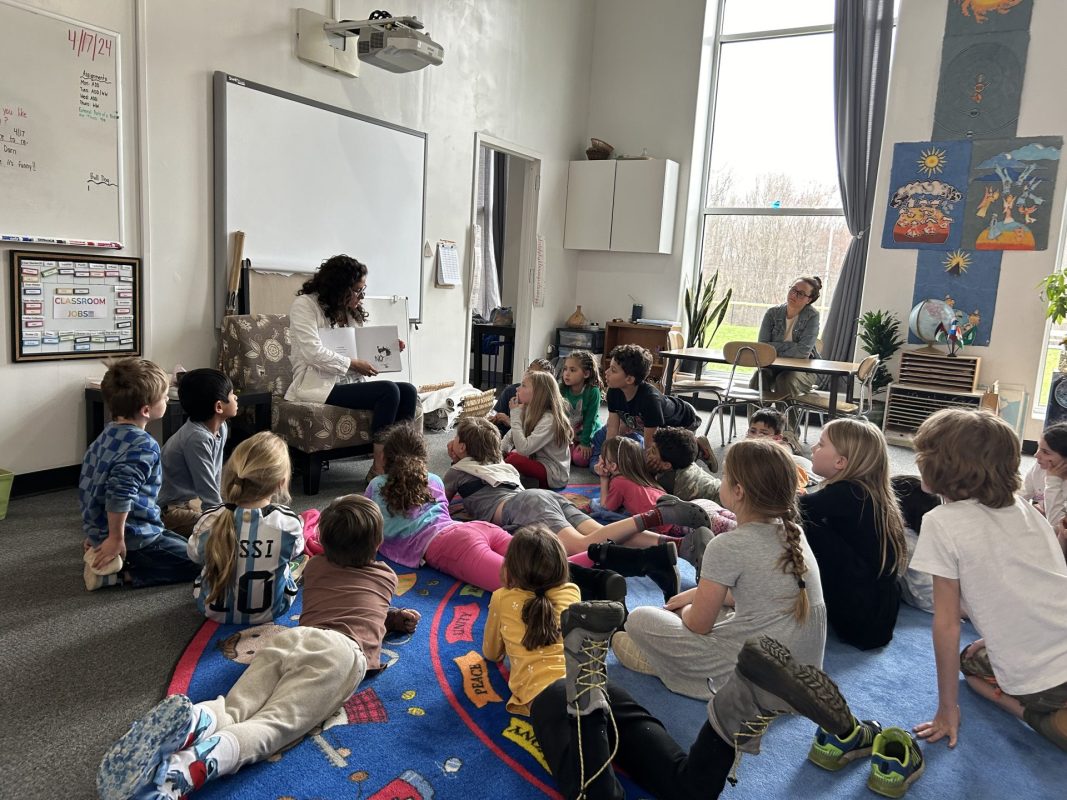
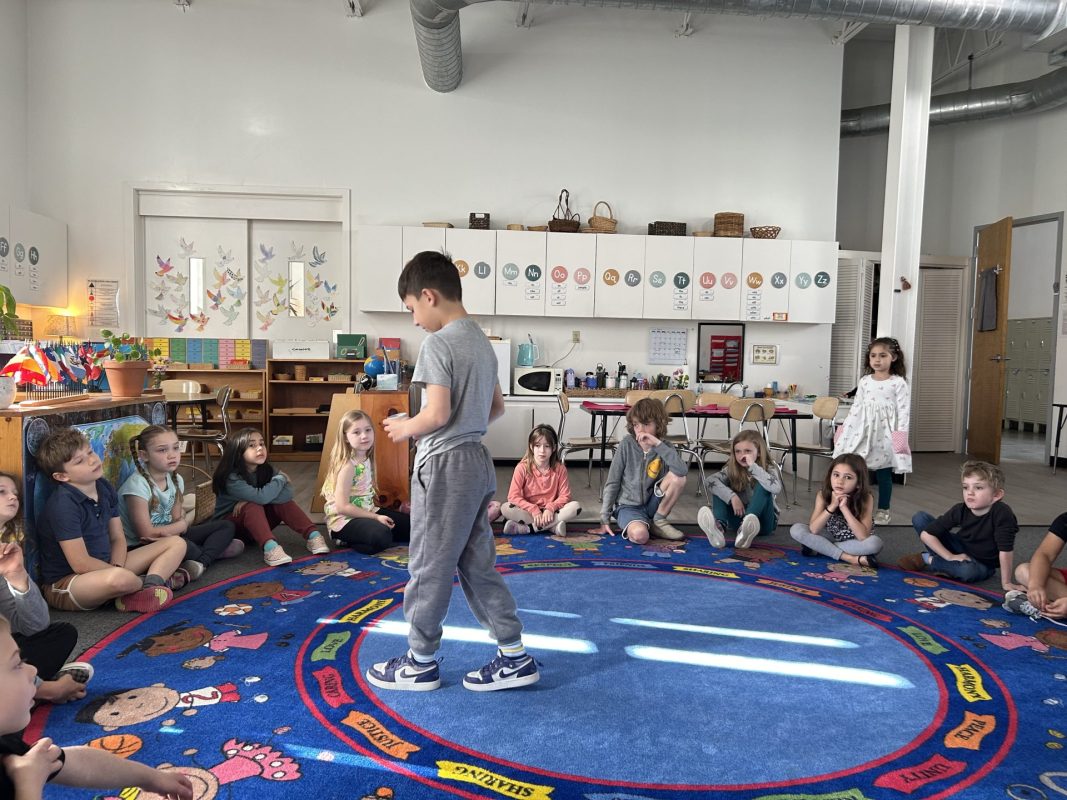
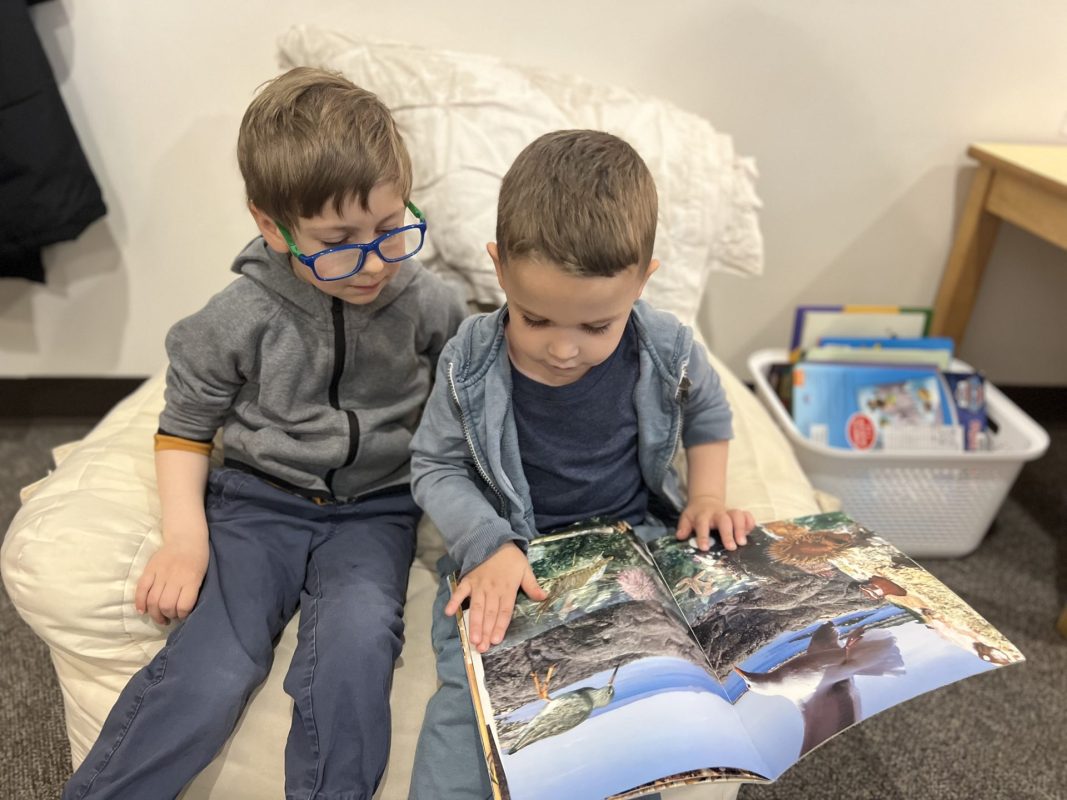
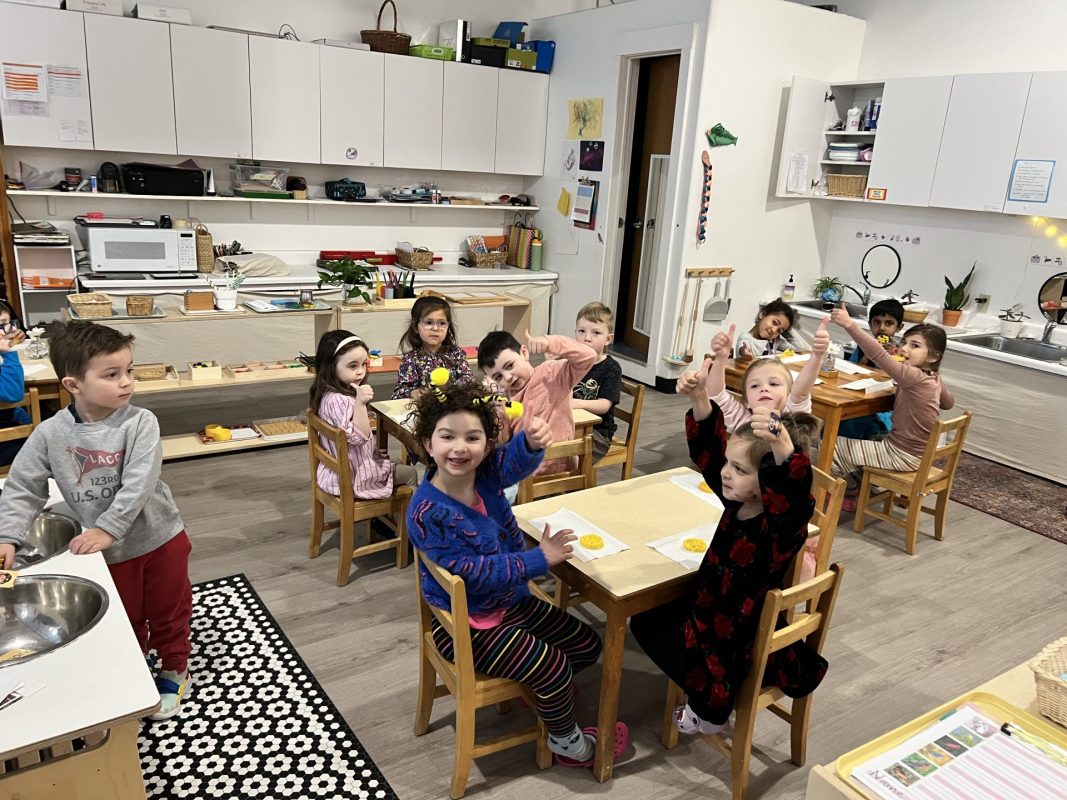
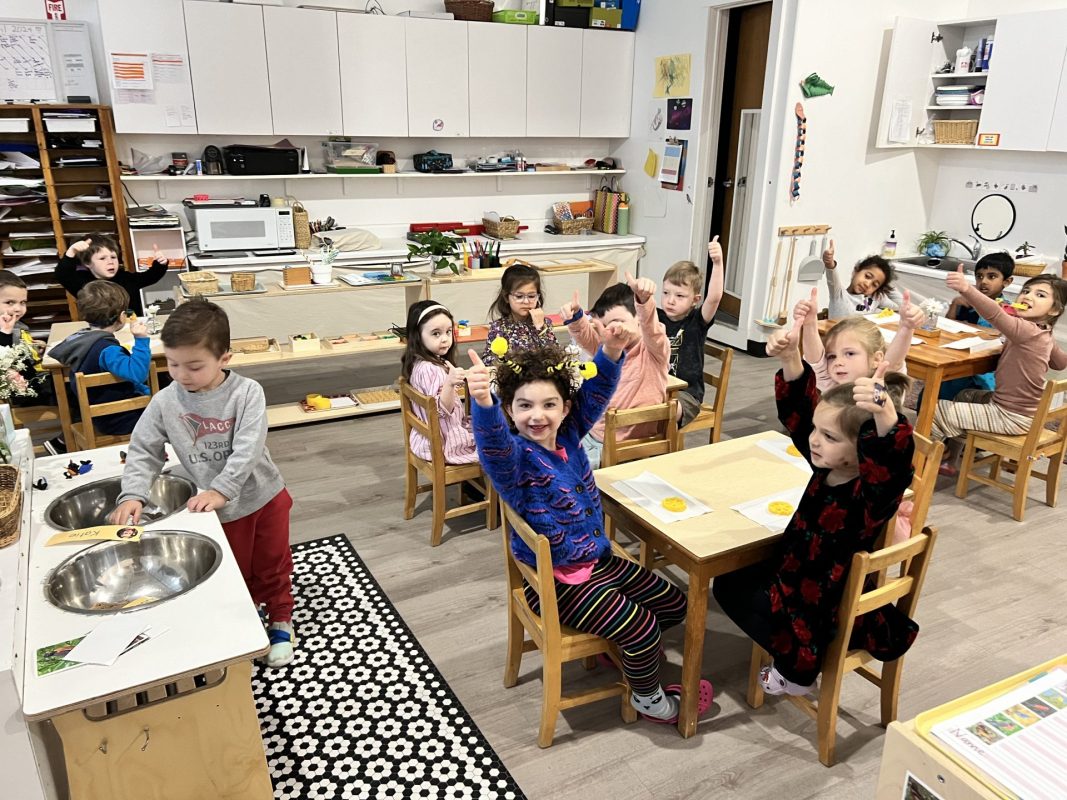
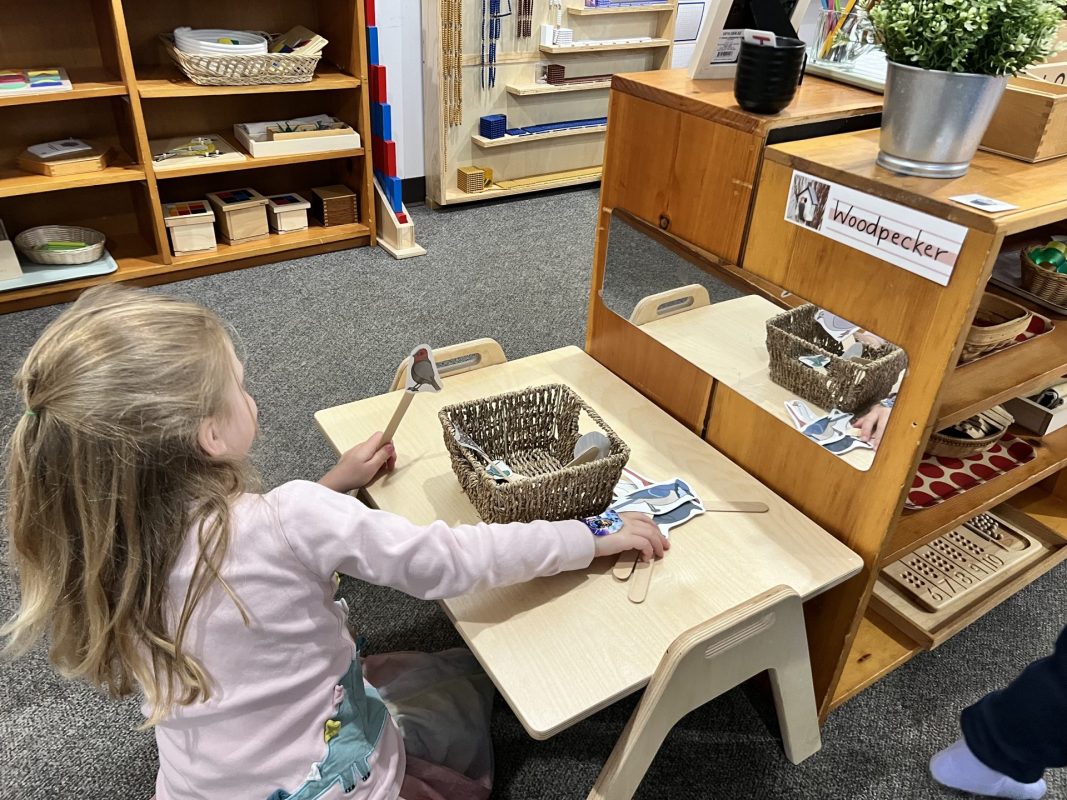
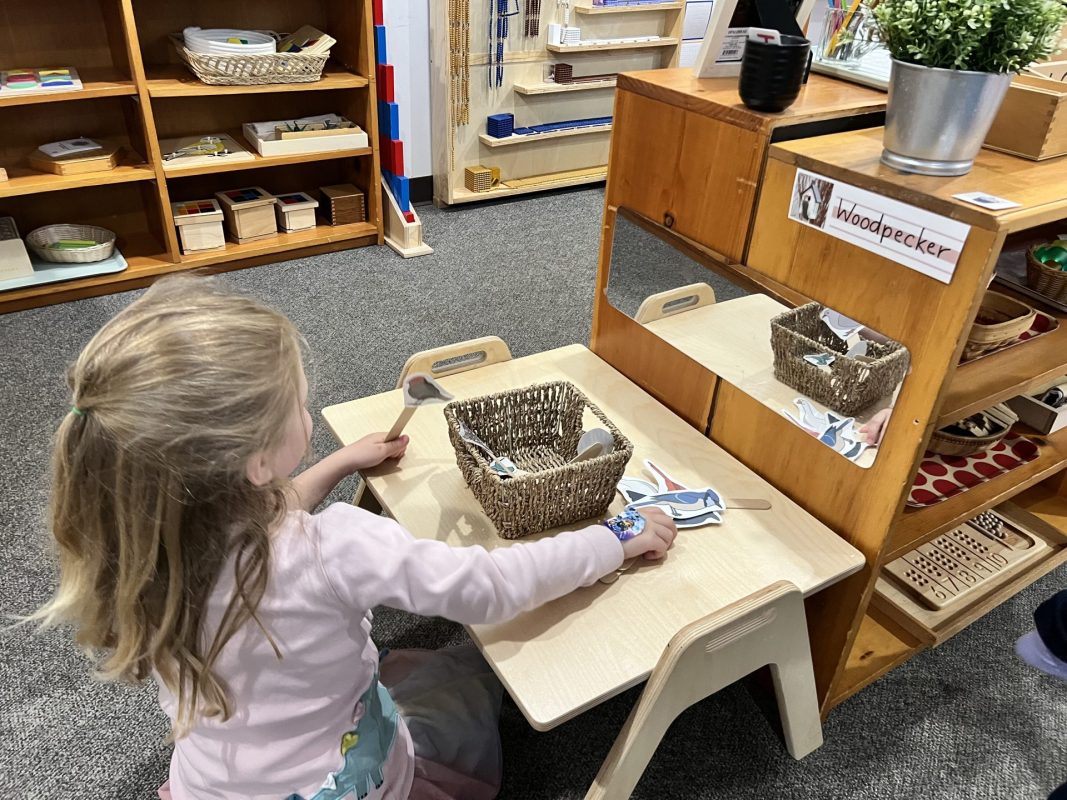
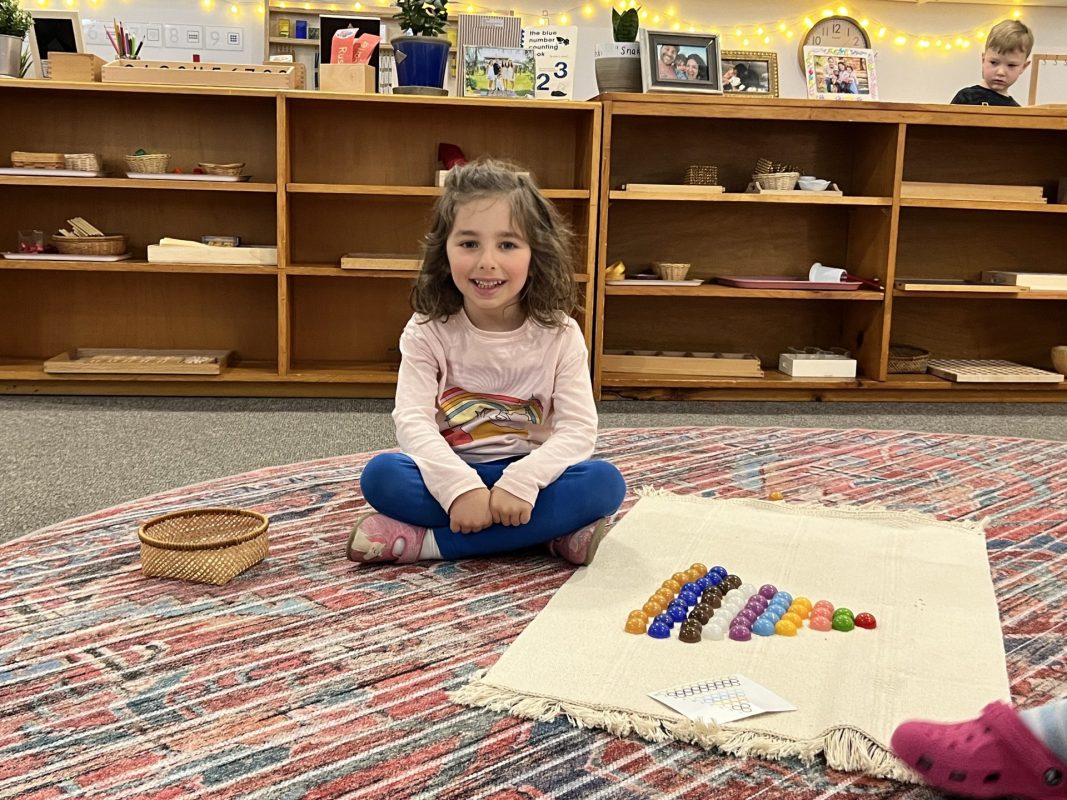
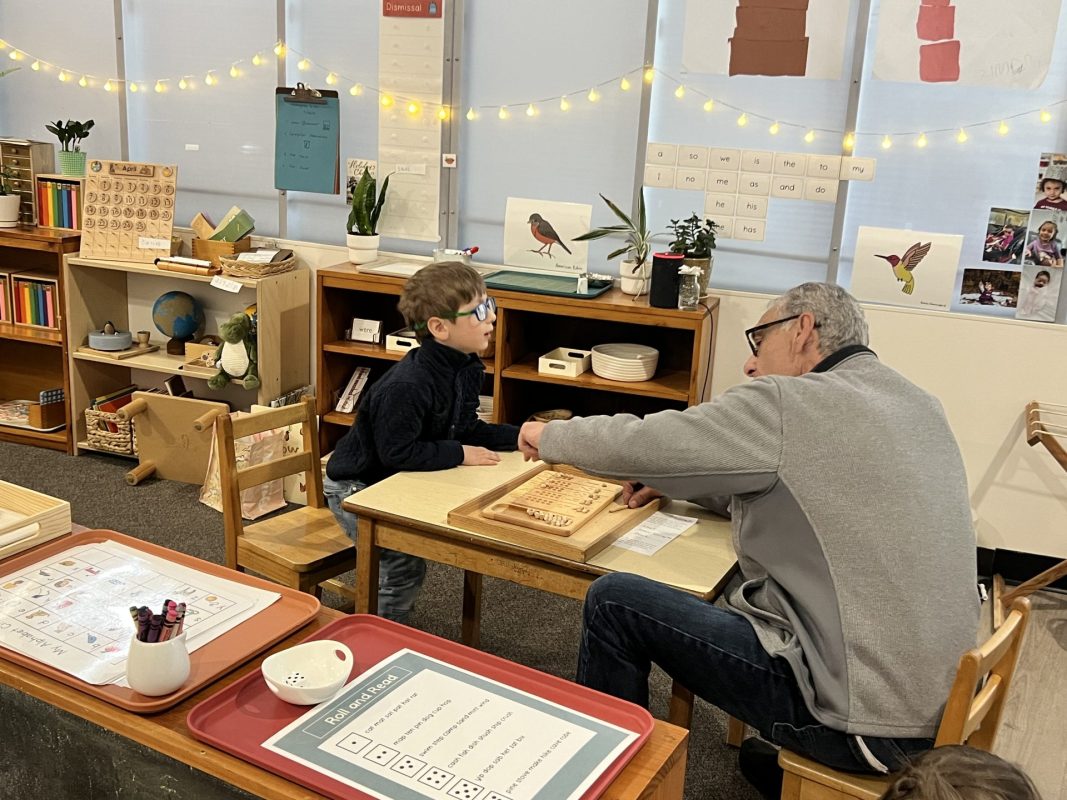
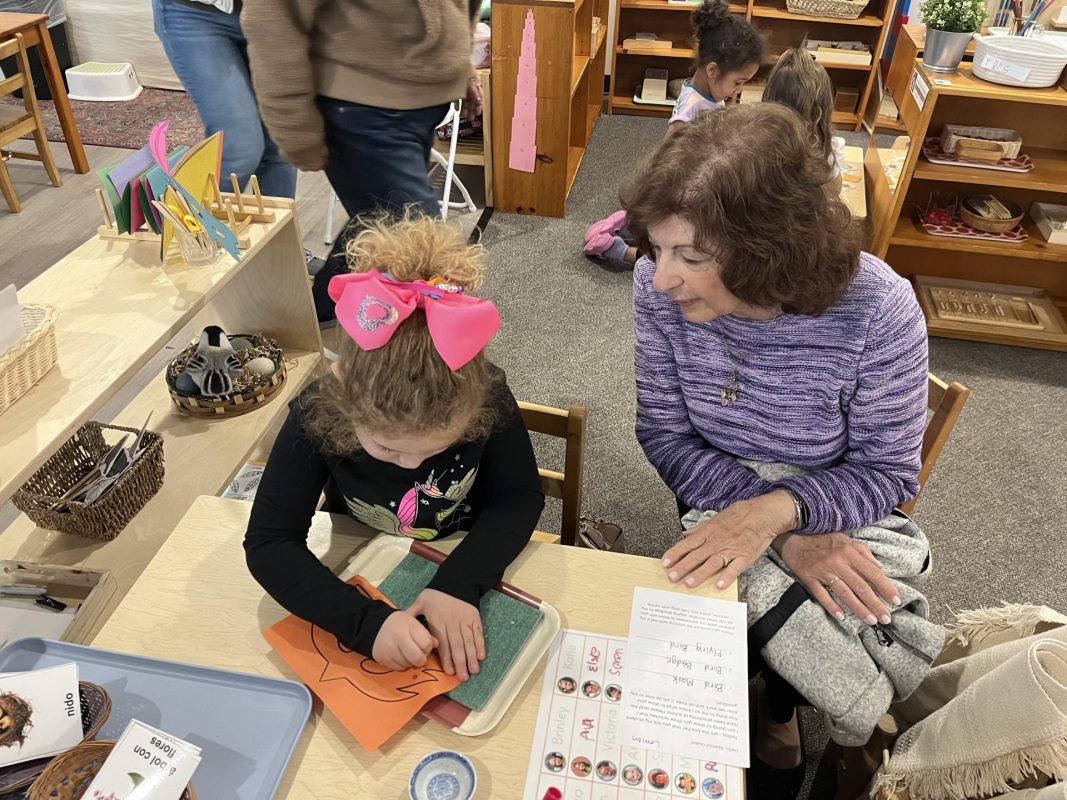
Read Across America is a national event celebrated on March 2nd, the birthday of Dr. Seuss. This initiative was created by the National Education Association and implemented to encourage a love of reading in children. At FWM, we also turn that day into Pajama Day, and the children bring their favorite book to share. We hope you enjoy the pictures.

An online article from nationaldaycalendar.com has some beautiful ideas on how to motivate children to read wherever they are.

  • Keep books everywhere you spend time. Put them in the car, in every room of the house, and tuck them in backpacks and purses. Make them easily accessible.
  • Visit the library often. Knowing how to use the library and learning the benefits of a library fosters a love of reading as well as genuine respect for the services libraries provide.
  • Get caught reading. Children imitate what they see the adults around them do. Whether they see you read a magazine, newspaper, or novel, let them know reading is the cool thing to do.
  • Read to your children. No matter their age, reading aloud strengthens their vocabulary and language skills. It also opens up opportunities for discussion.
  • Have your children read to you, too. You never know what you might learn!

In our classroom, we call books treasures. Reading is an integral part of each school day. I hope that Miss Maria and I can pass on our passion for literature to your children.

Happy Reading!

Michelle & Maria


Mrs. Lopes: Oh The Places You’ll Go!


You can find magic wherever you look. So sit back and relax, all you need is a book.  

                                                                                                                                                                    —–Dr. Seuss

Read Across America is a national event celebrated on March 2nd, the birthday of Dr. Seuss. This initiative was created by the National Education Association and implemented to encourage a love of reading in children. At FWM, we also turn that day into Pajama Day, and the children bring their favorite book to share. We hope you enjoy the pictures.

An online article from nationaldaycalendar.com has some beautiful ideas on how to motivate children to read wherever they are.

  • Keep books everywhere you spend time. Put them in the car, in every room of the house, and tuck them in backpacks and purses. Make them easily accessible.
  • Visit the library often. Knowing how to use the library and learning the benefits of a library fosters a love of reading as well as genuine respect for the services libraries provide.
  • Get caught reading. Children imitate what they see the adults around them do. Whether they see you read a magazine, newspaper, or novel, let them know reading is the cool thing to do.
  • Read to your children. No matter their age, reading aloud strengthens their vocabulary and language skills. It also opens up opportunities for discussion.
  • Have your children read to you, too. You never know what you might learn!

In our classroom, we call books treasures. Reading is an integral part of each school day. I hope that Ms Hema and I can pass on our passion for literature to your children.

Happy Reading!

Amanda & Hema


Ms. Marissa: Oh The Places You’ll Go!

Read Across America is a national event celebrated on March 2nd, the birthday of Dr. Seuss. This initiative was created by the National Education Association and implemented to encourage a love of reading in children. At FWM, we also turn that day into Pajama Day, and the children bring their favorite book to share.

An online article from nationaldaycalendar.com has some beautiful ideas on how to motivate children to read wherever they are.

  • Keep books everywhere you spend time. Put them in the car, in every room of the house, and tuck them in backpacks and purses. Make them easily accessible.
  • Visit the library often. Knowing how to use the library and learning the benefits of a library fosters a love of reading as well as genuine respect for the services libraries provide.
  • Get caught reading. Children imitate what they see the adults around them do. Whether they see you read a magazine, newspaper, or novel, let them know reading is the cool thing to do.
  • Read to your children. No matter their age, reading aloud strengthens their vocabulary and language skills. It also opens up opportunities for discussion.
  • Have your children read to you, too. You never know what you might learn!

In our classroom, we call books treasures. Reading is an integral part of each school day. I hope that I can pass on our passion for literature to your children.

Happy Reading!


Research Night in Lower El!

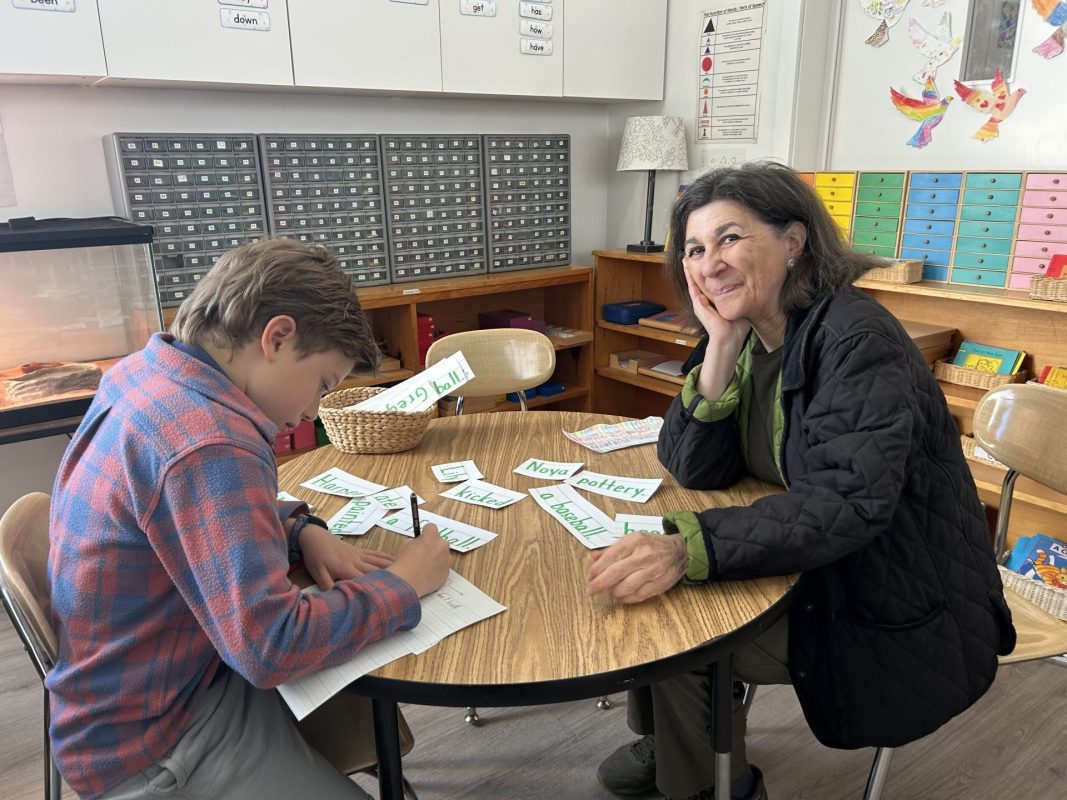
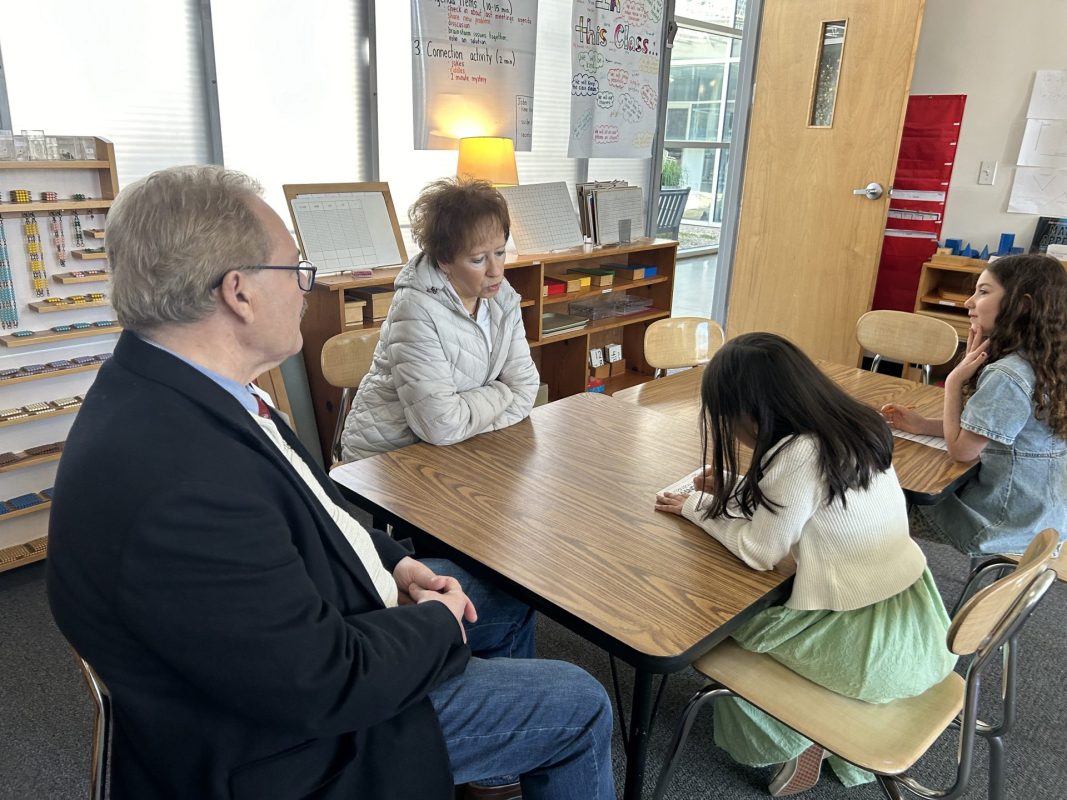
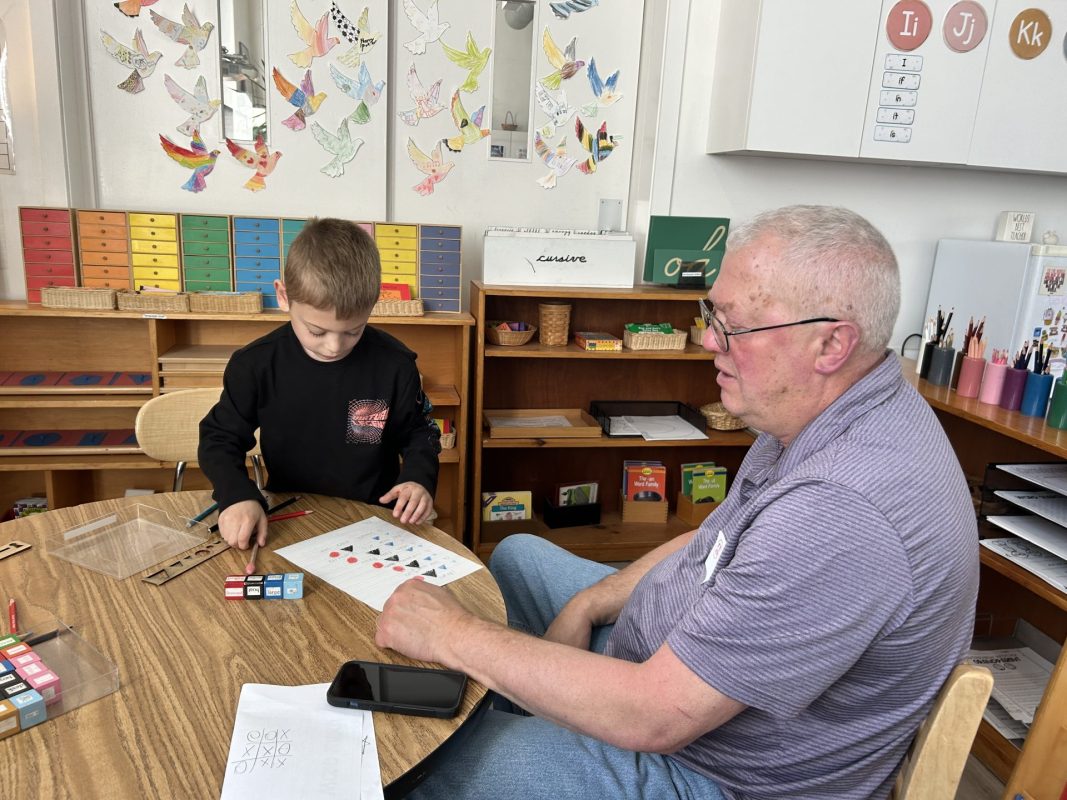
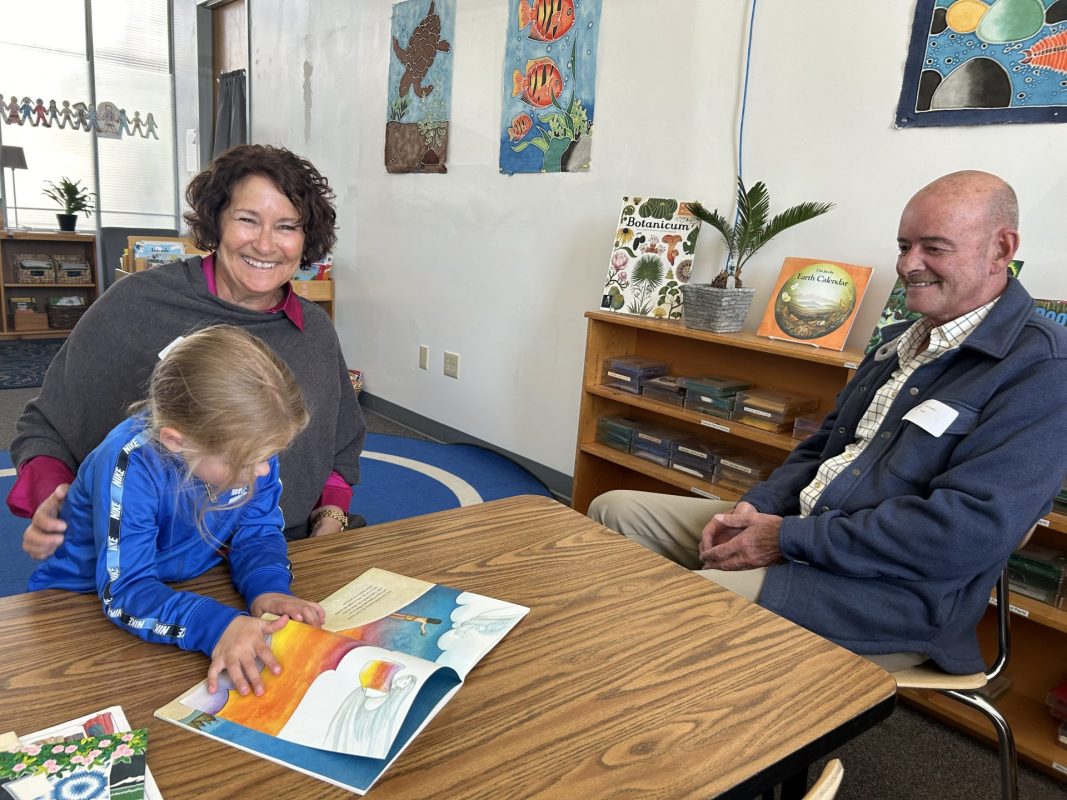
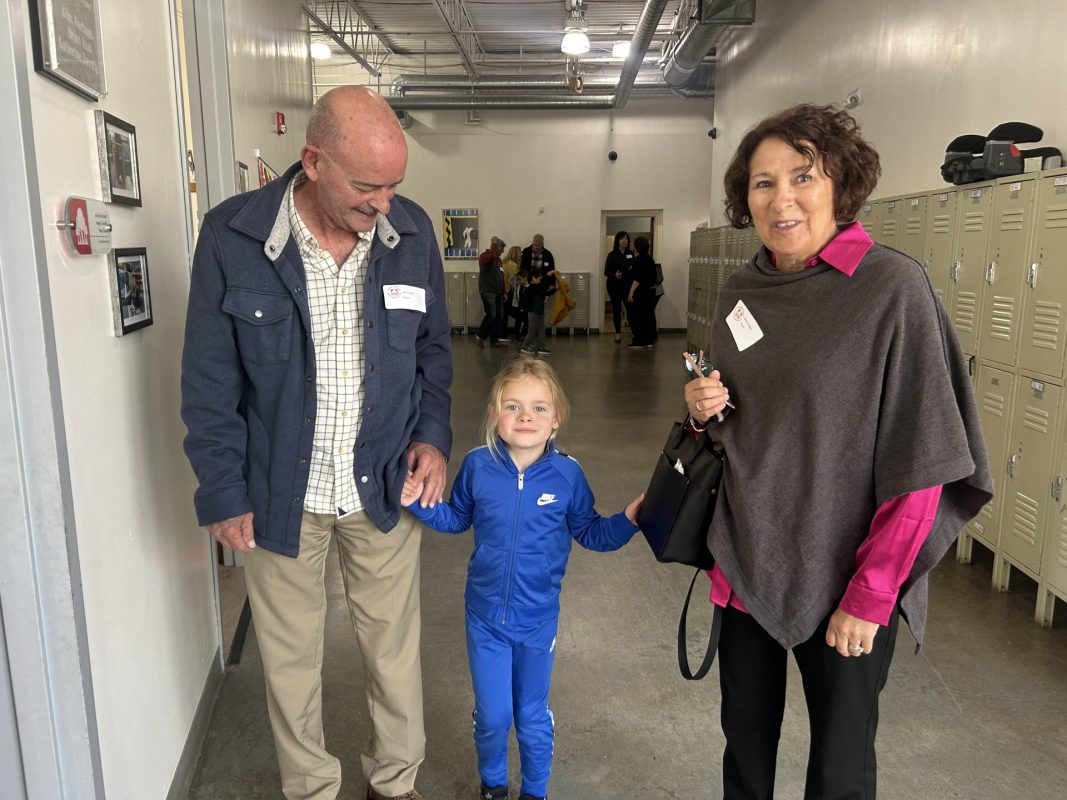
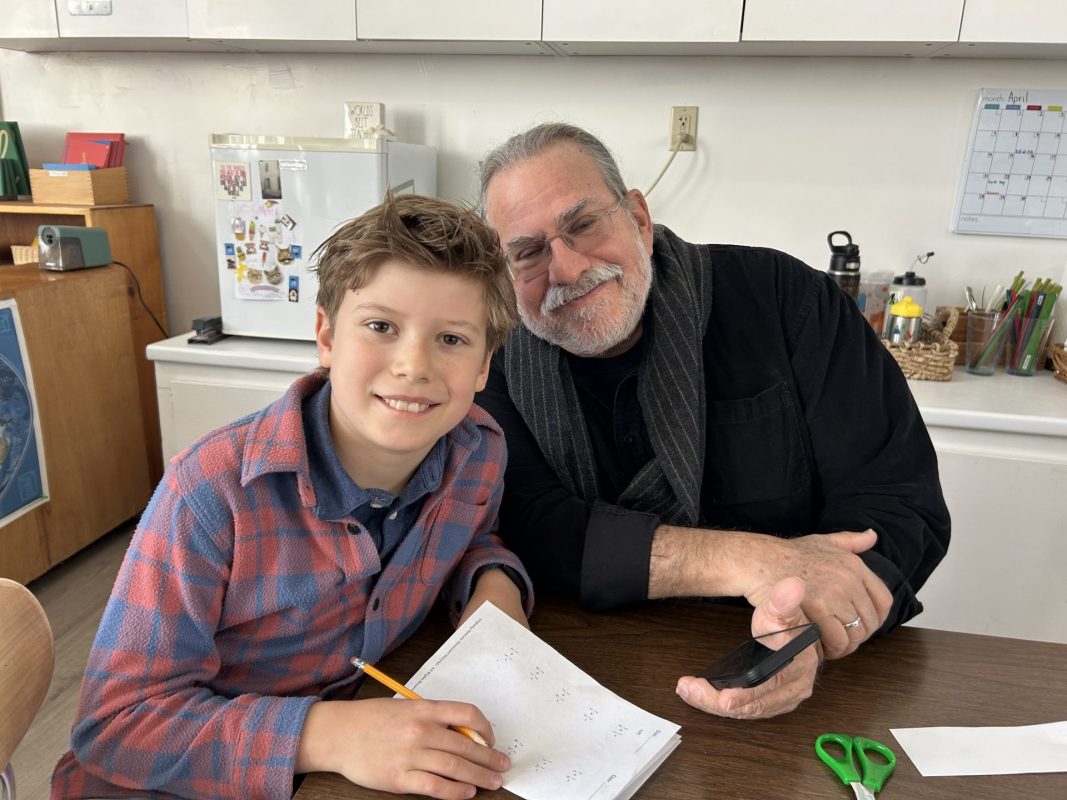
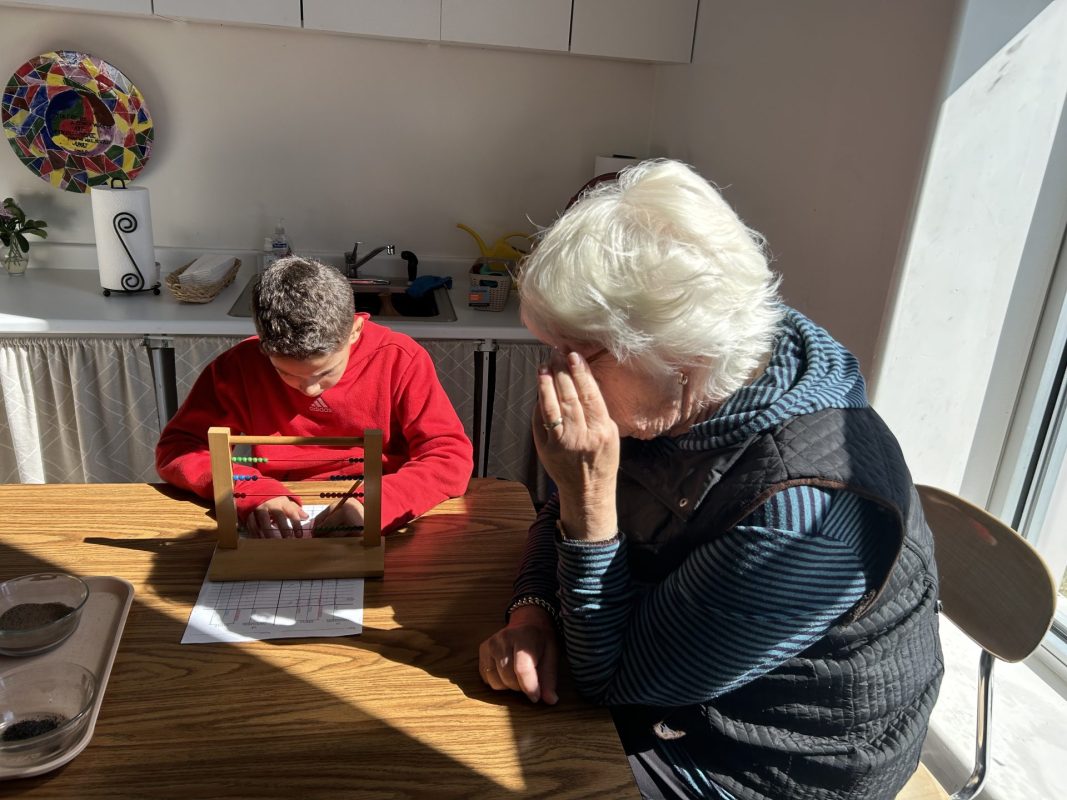
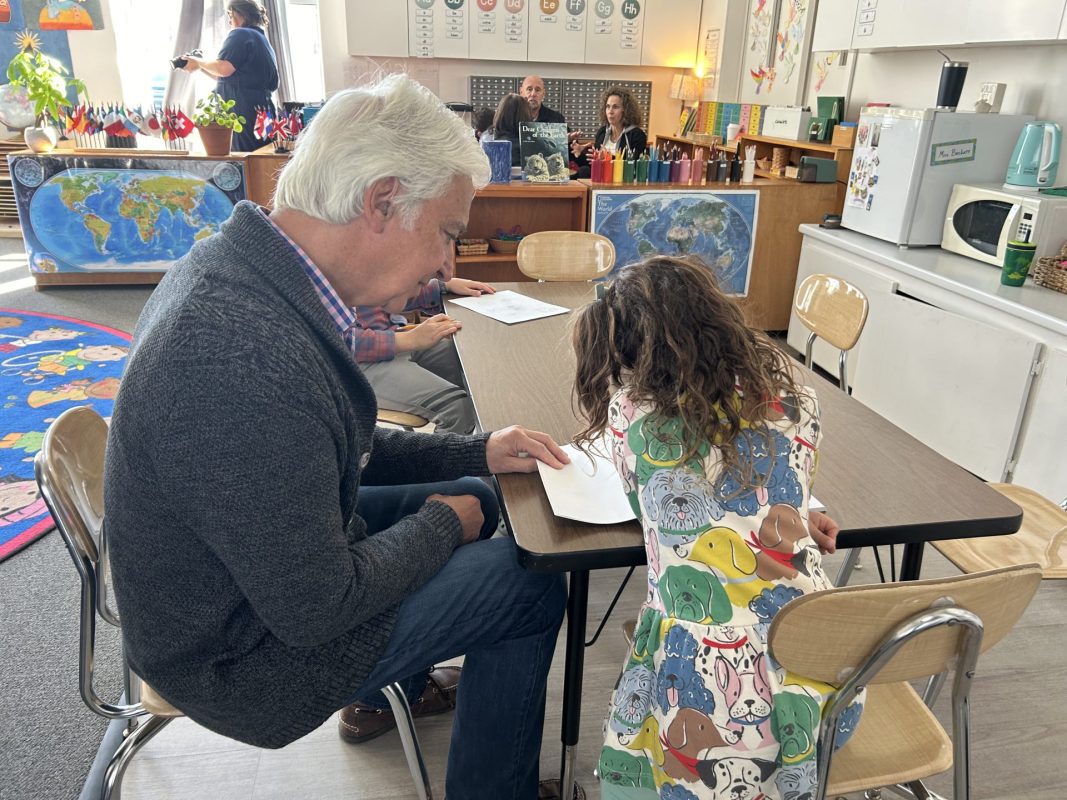
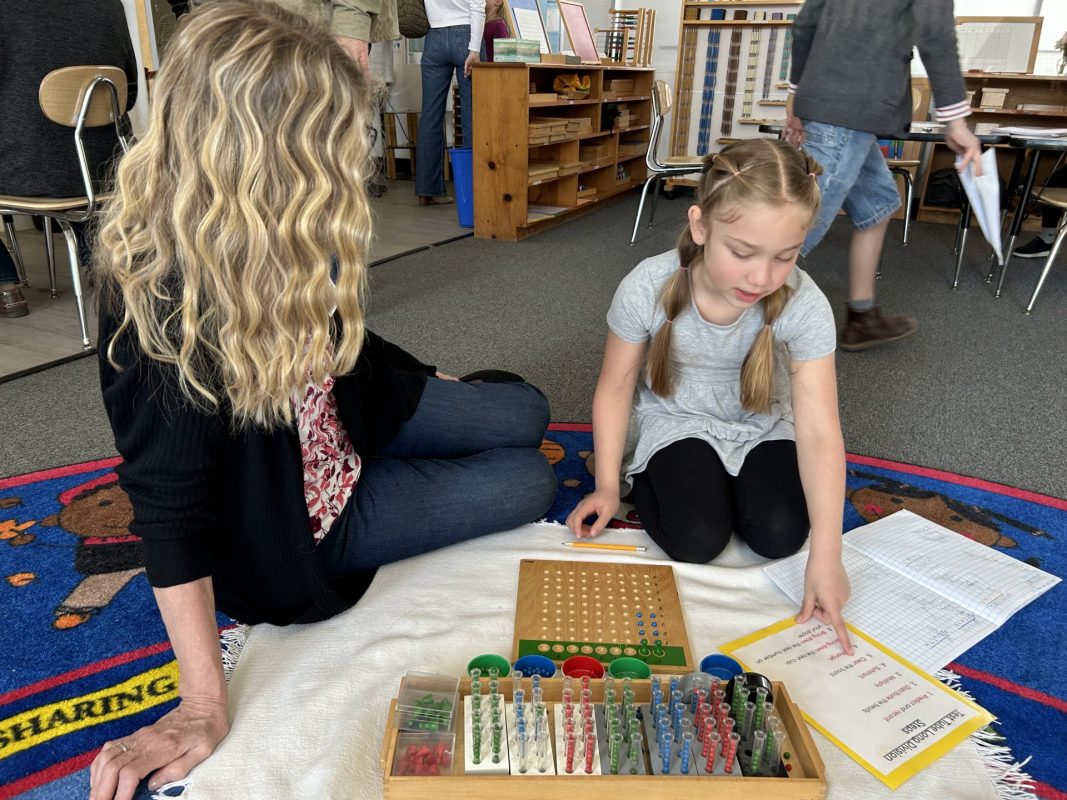
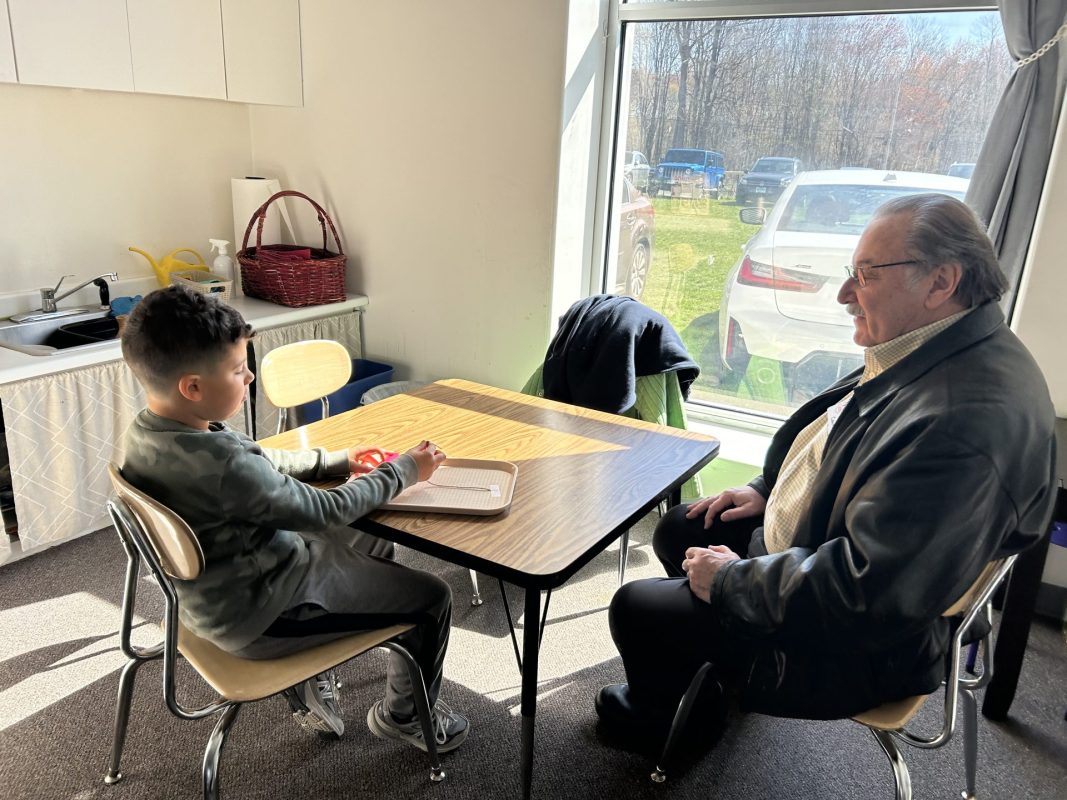
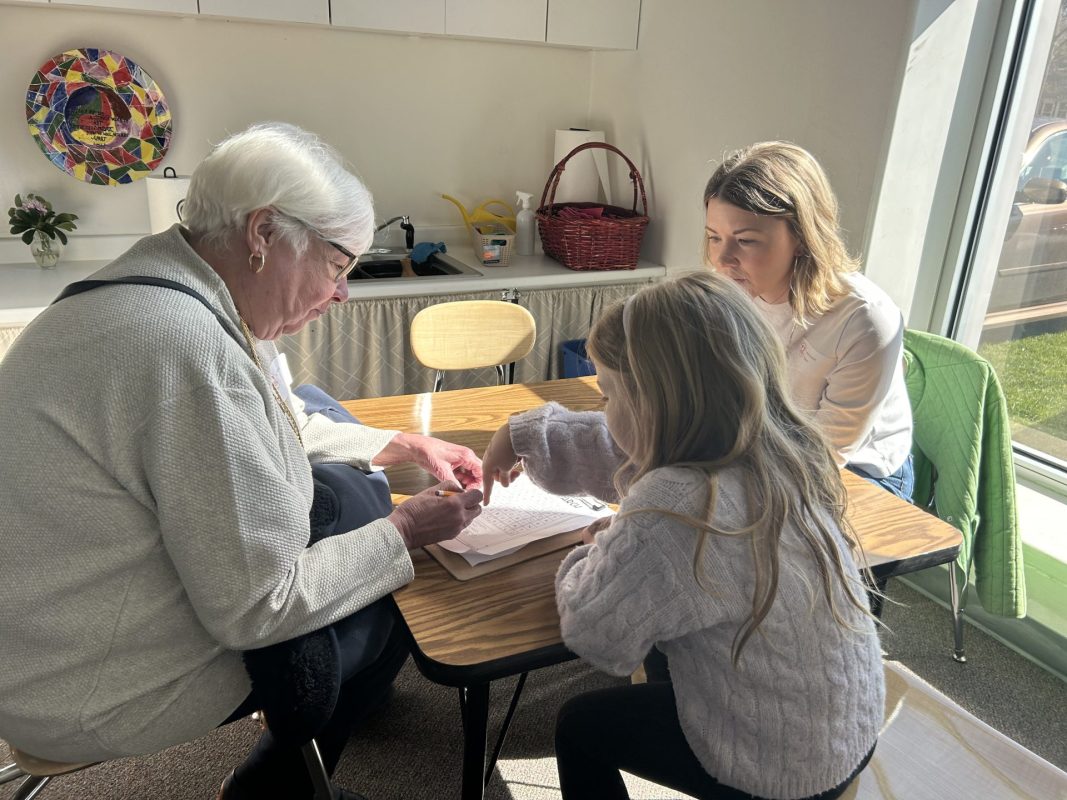
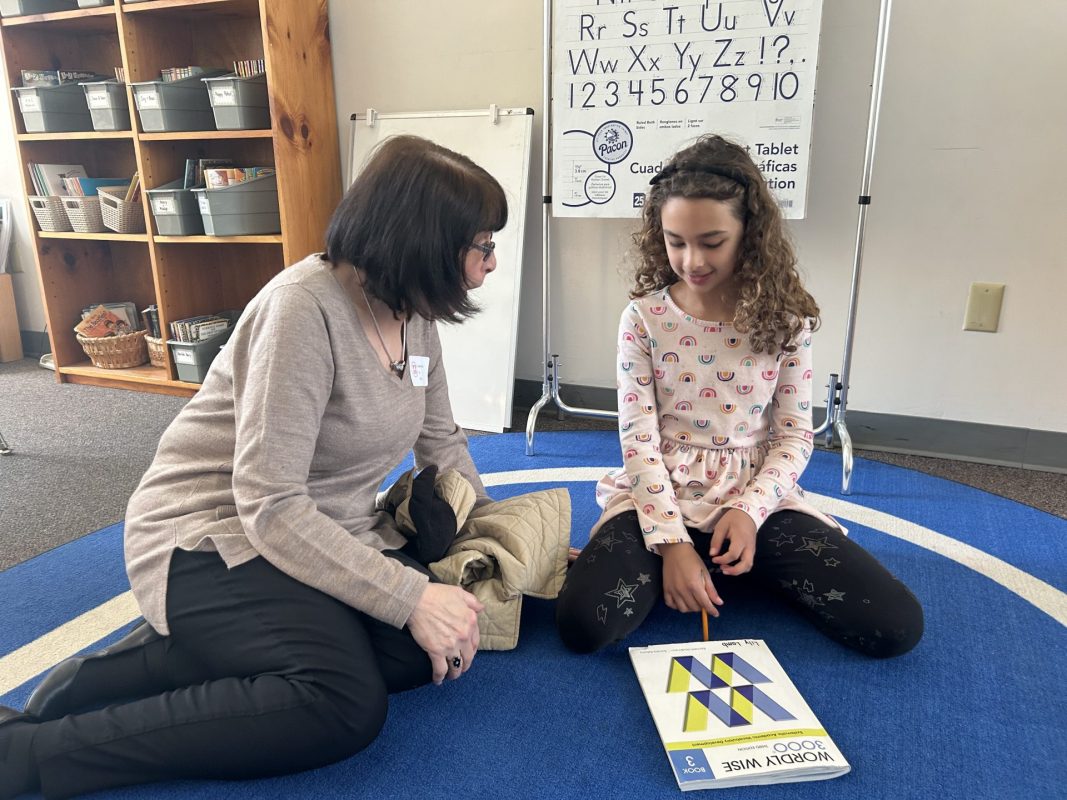
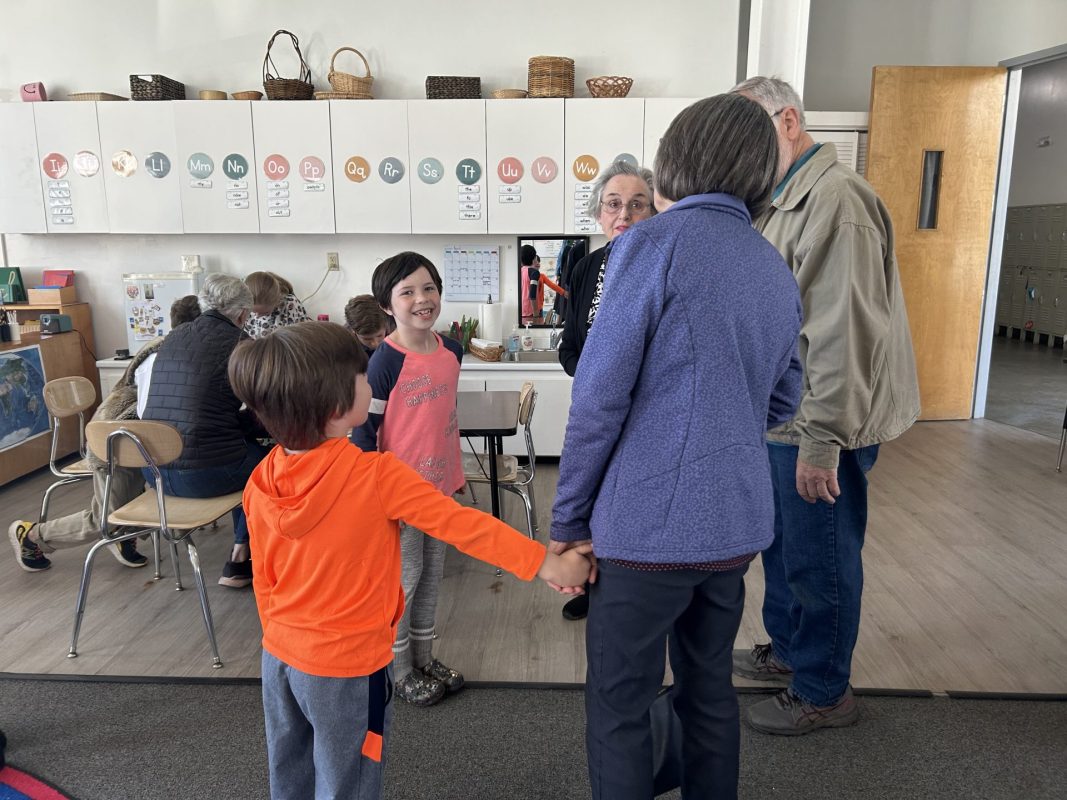
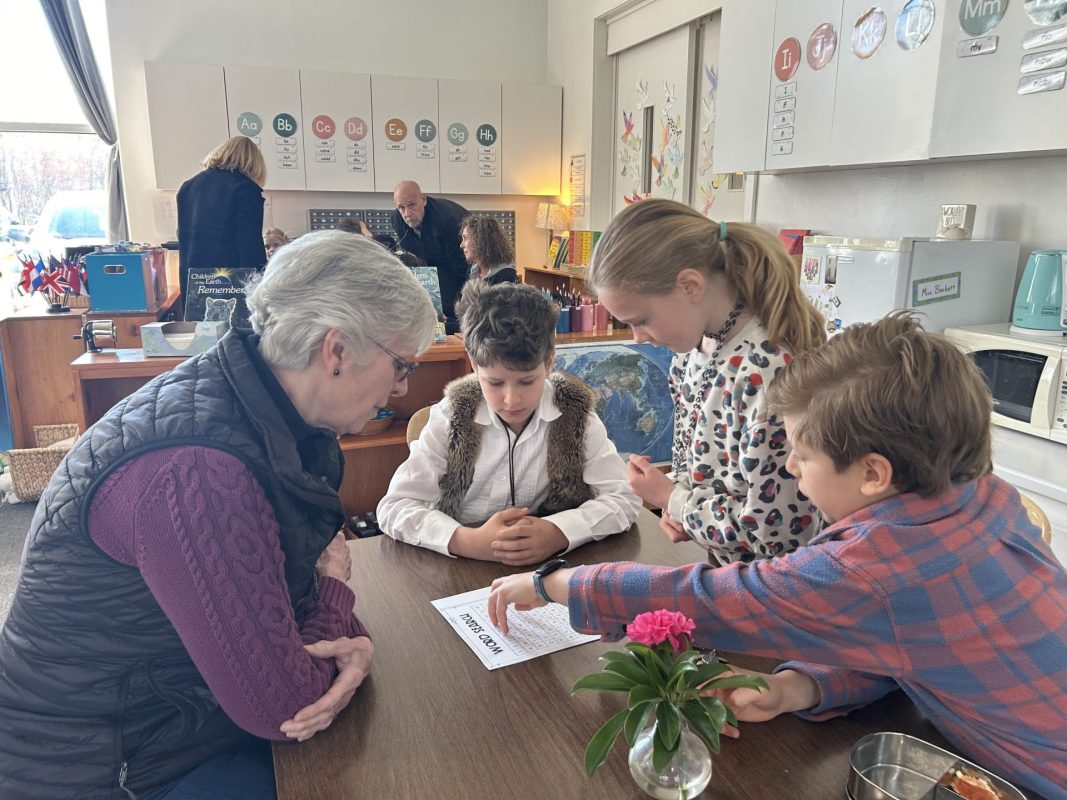
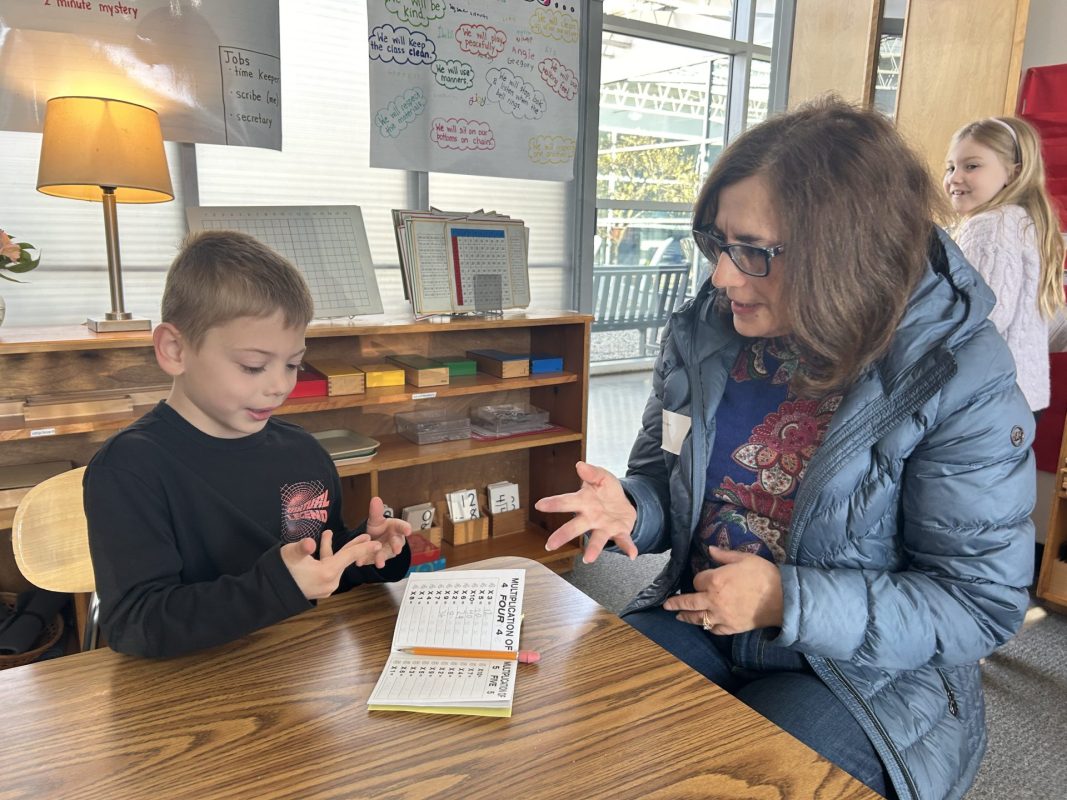
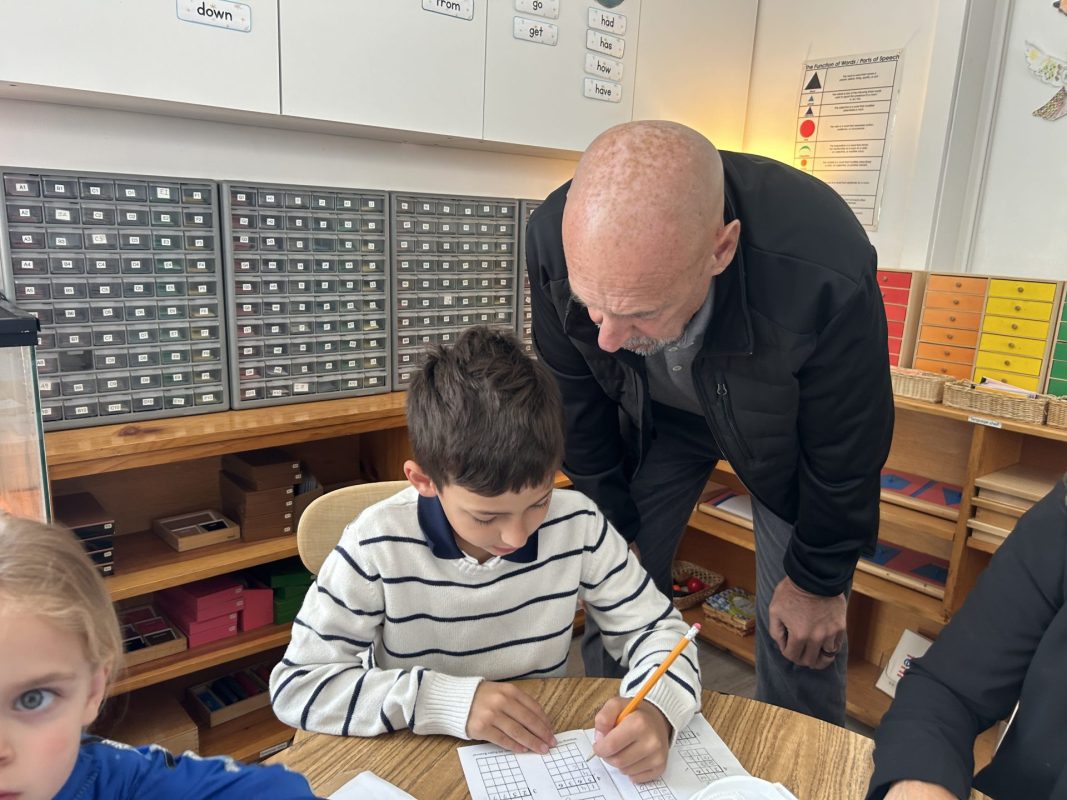
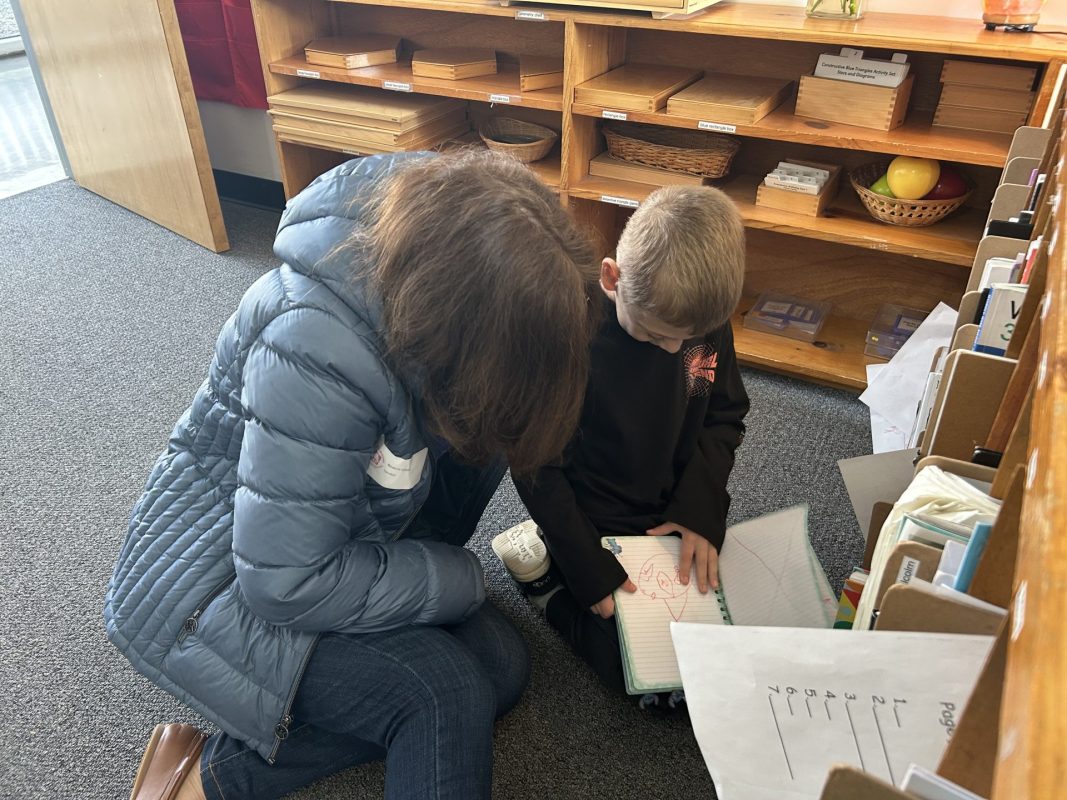
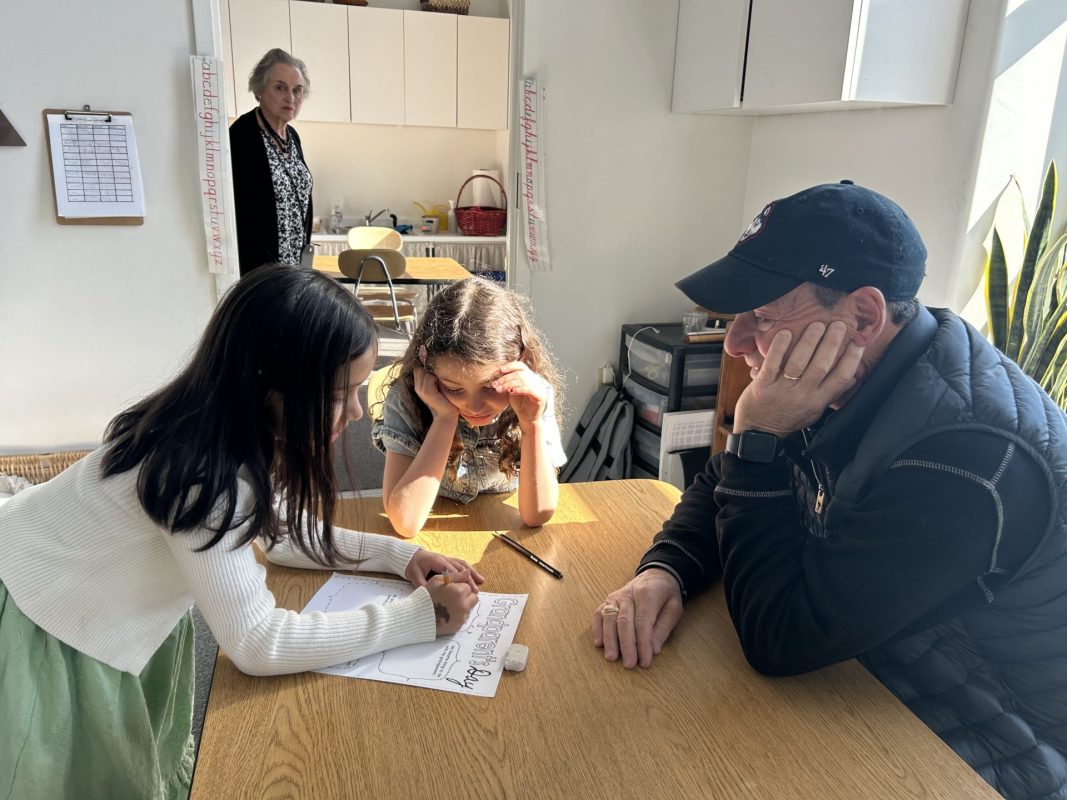
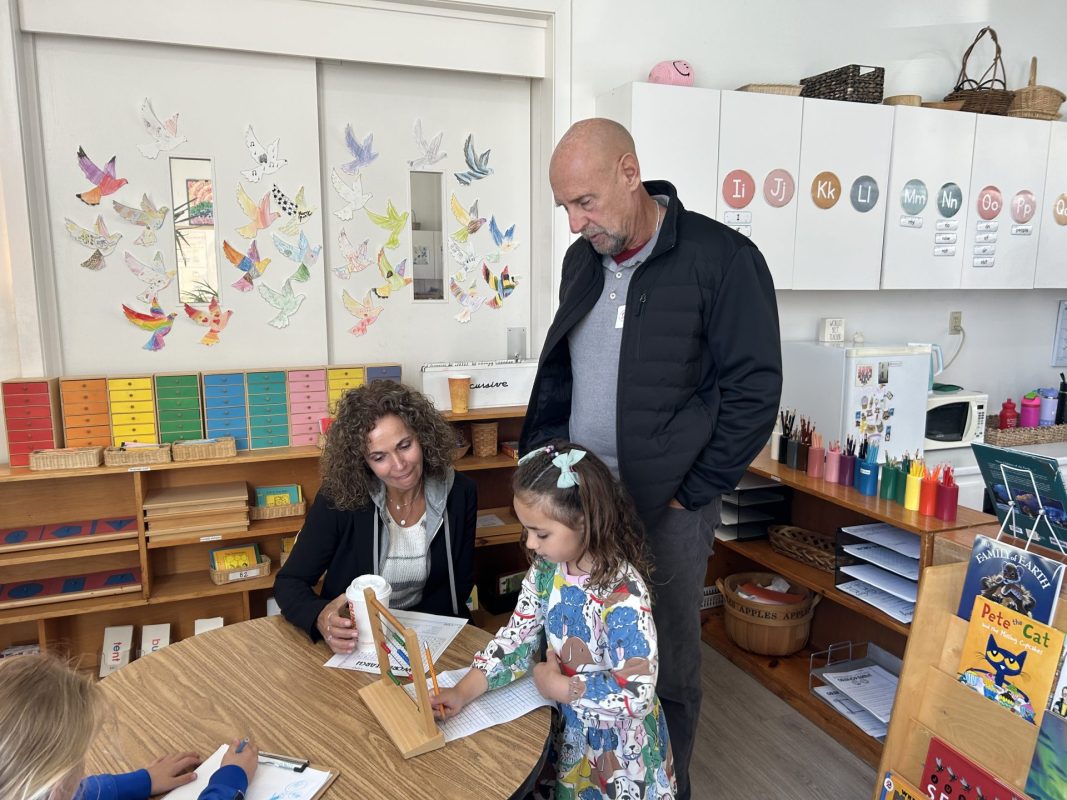
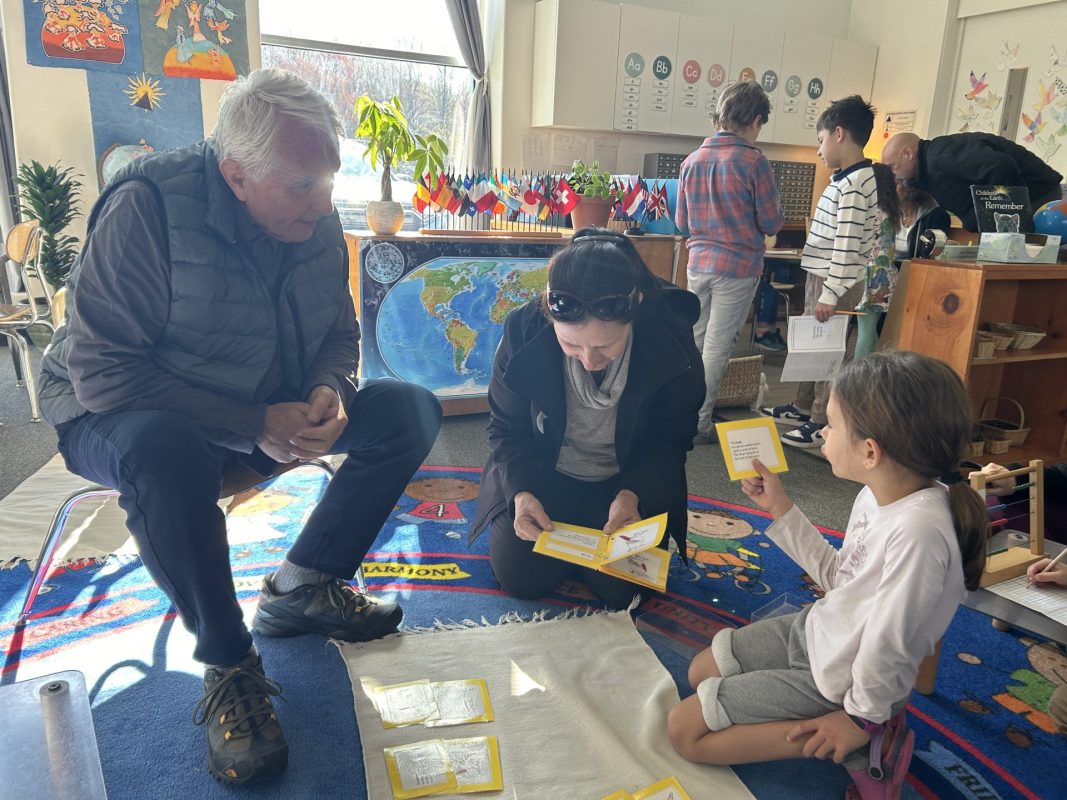
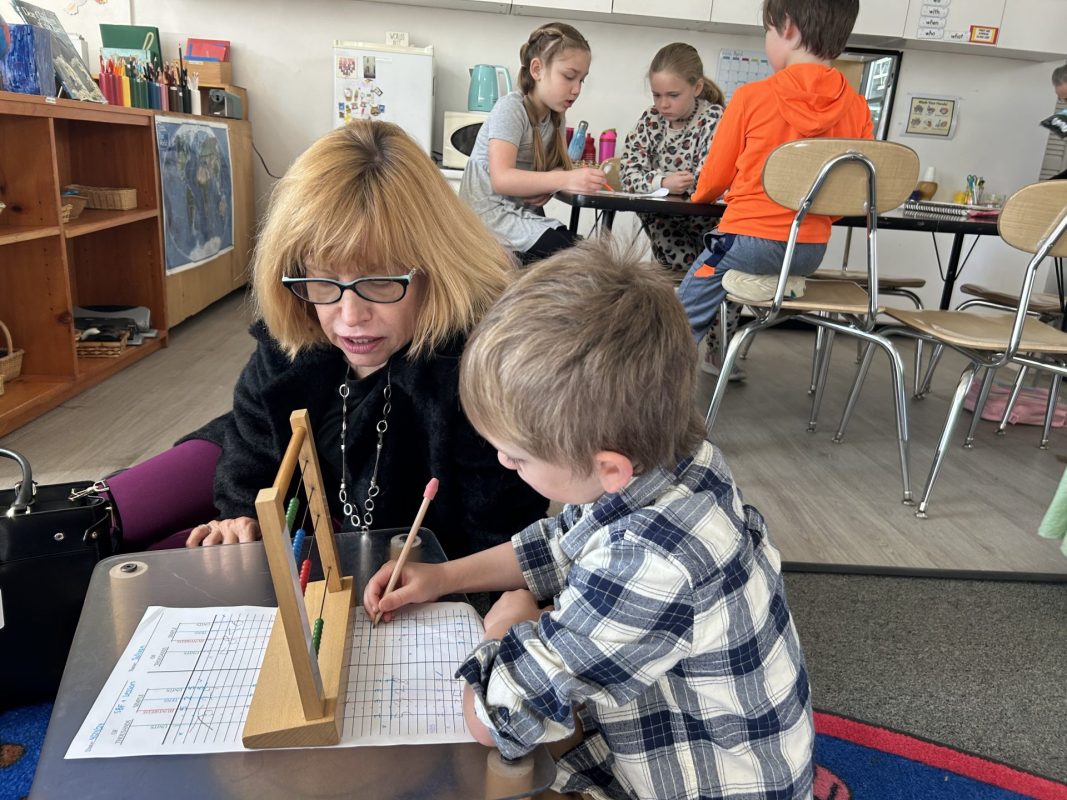
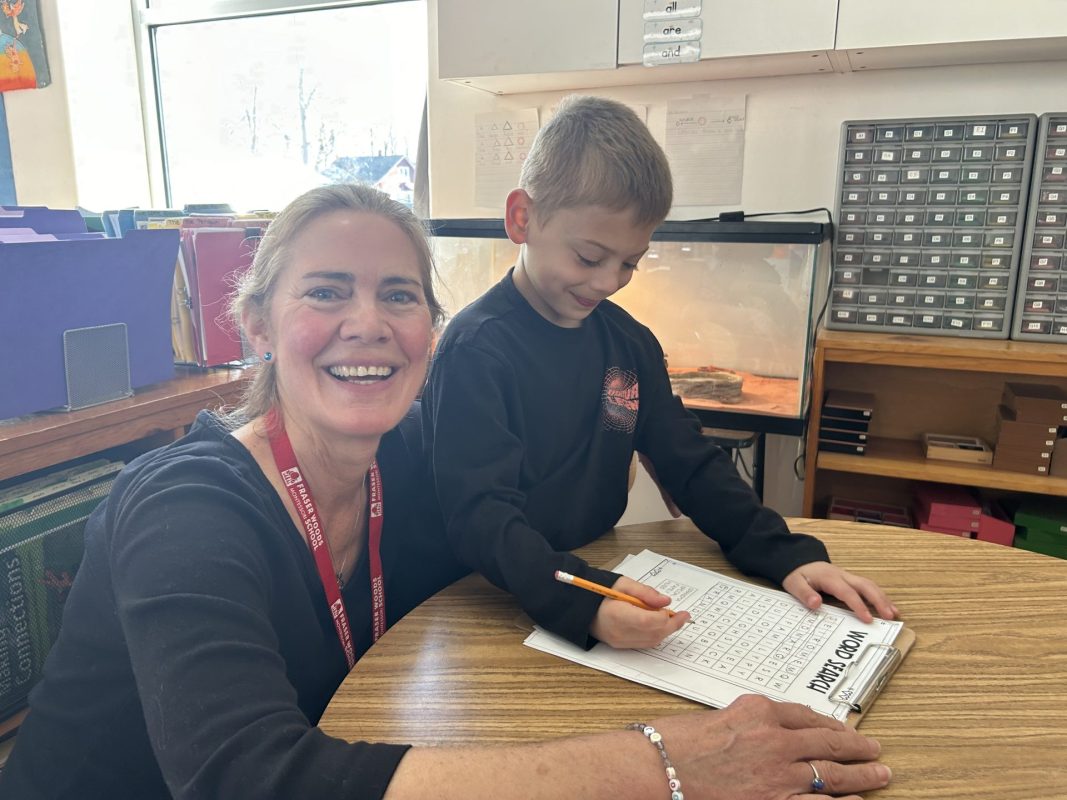
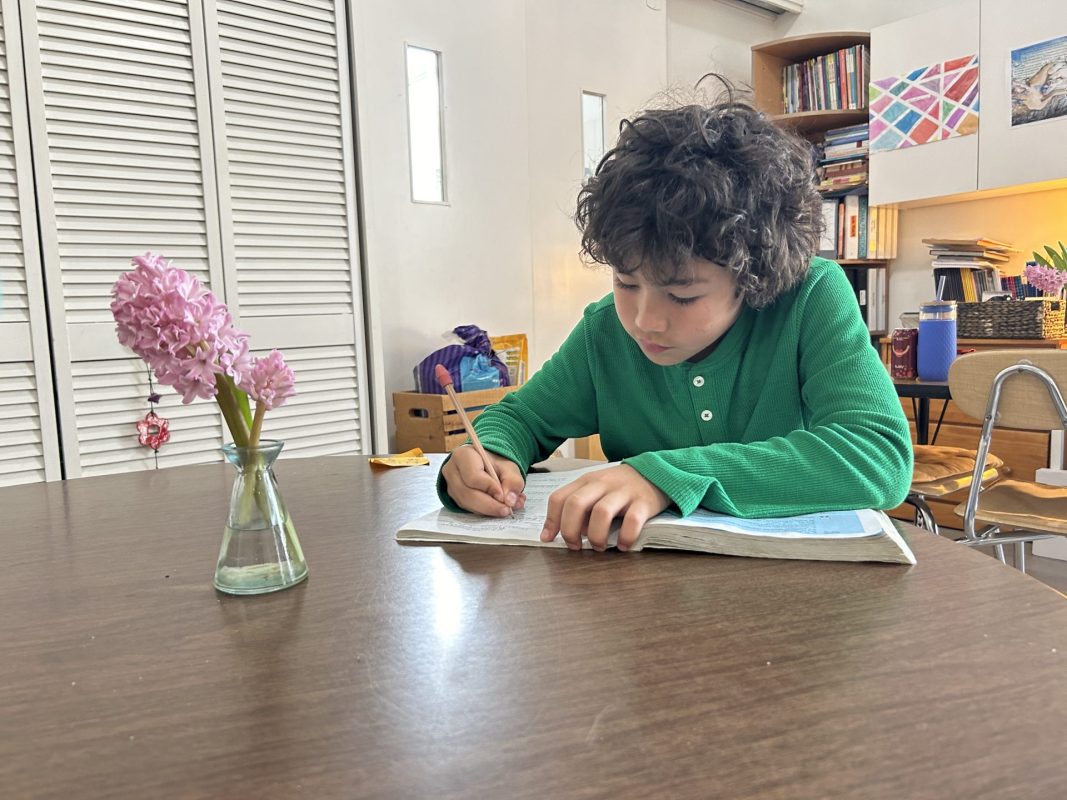
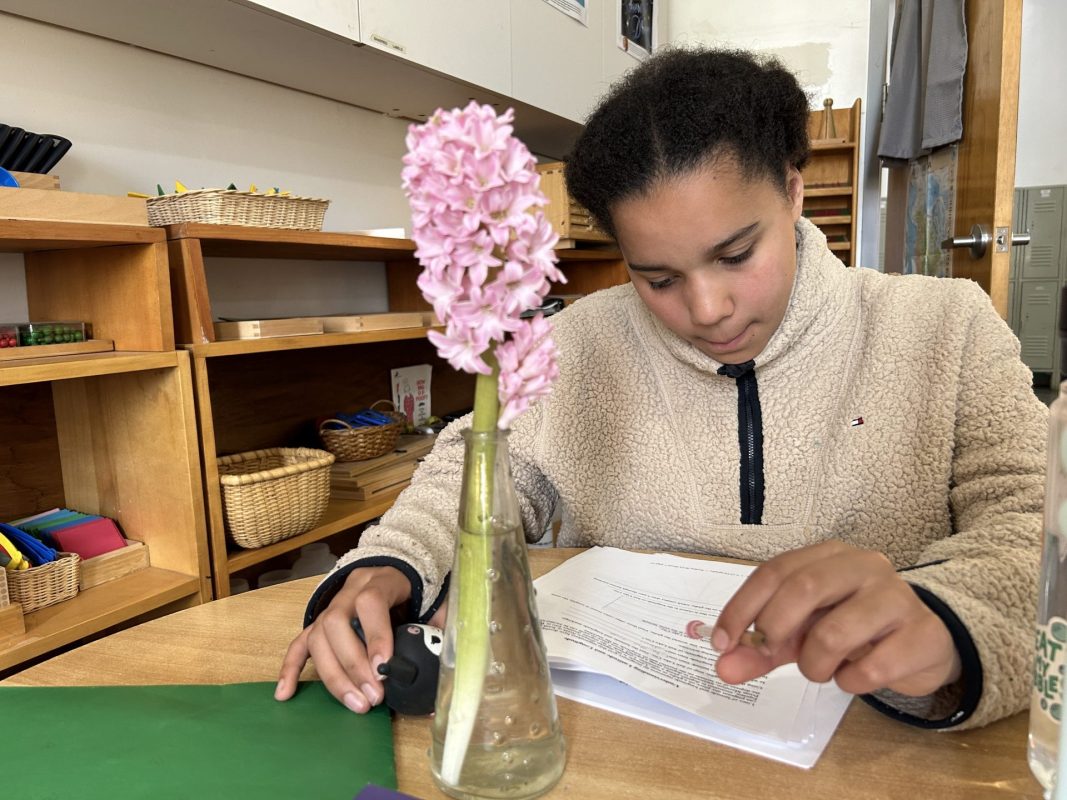
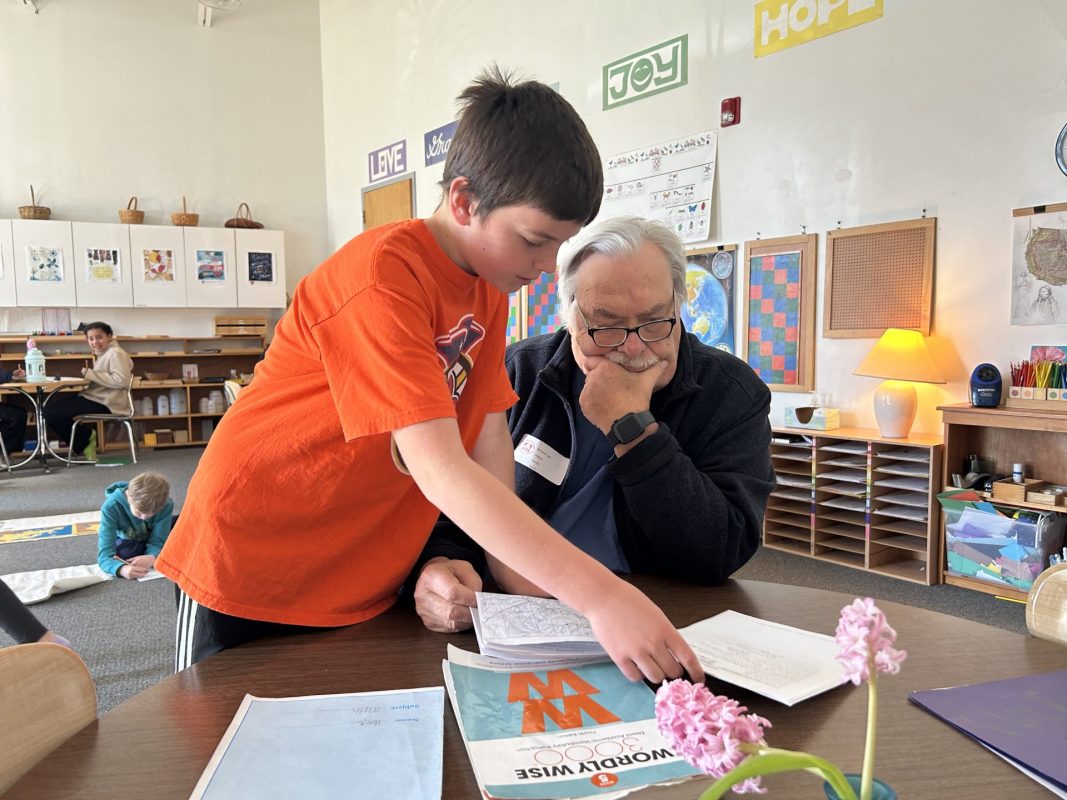
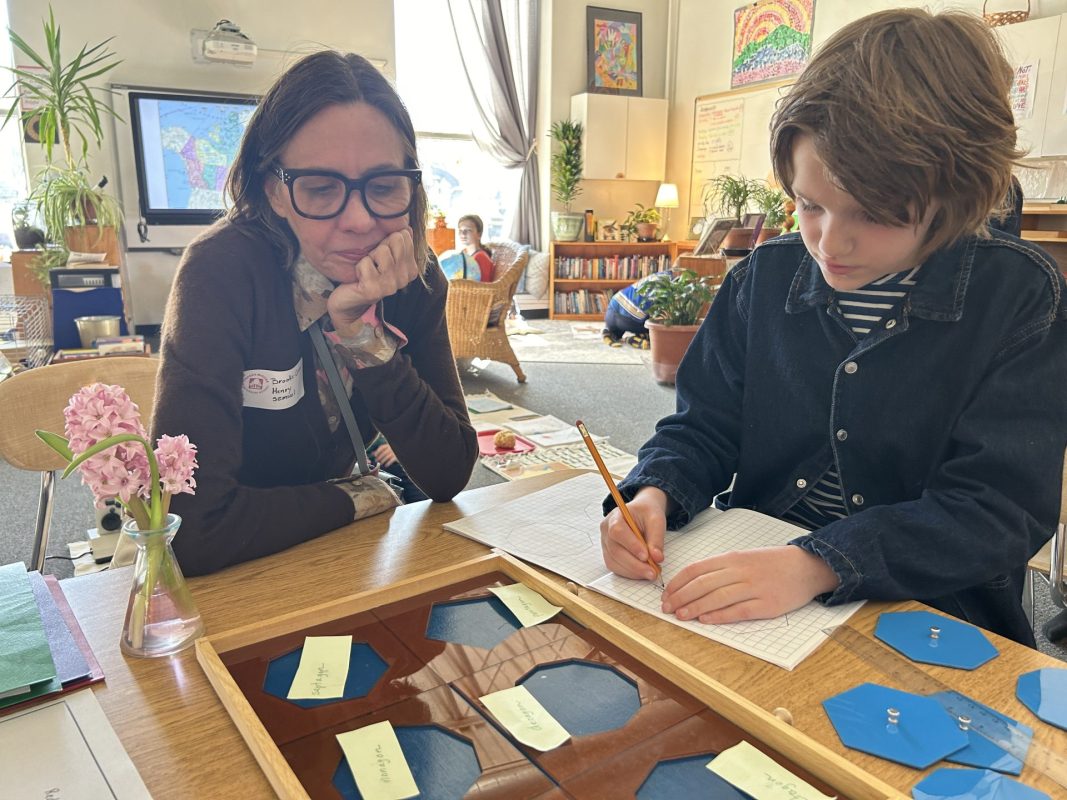
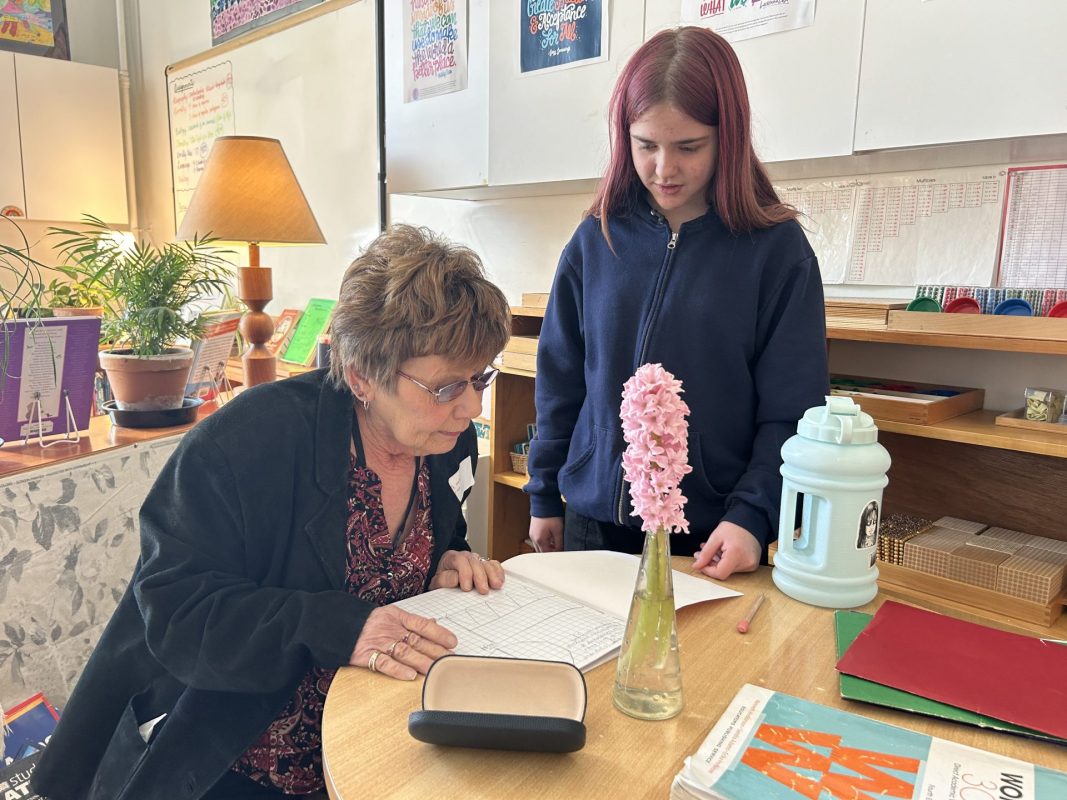
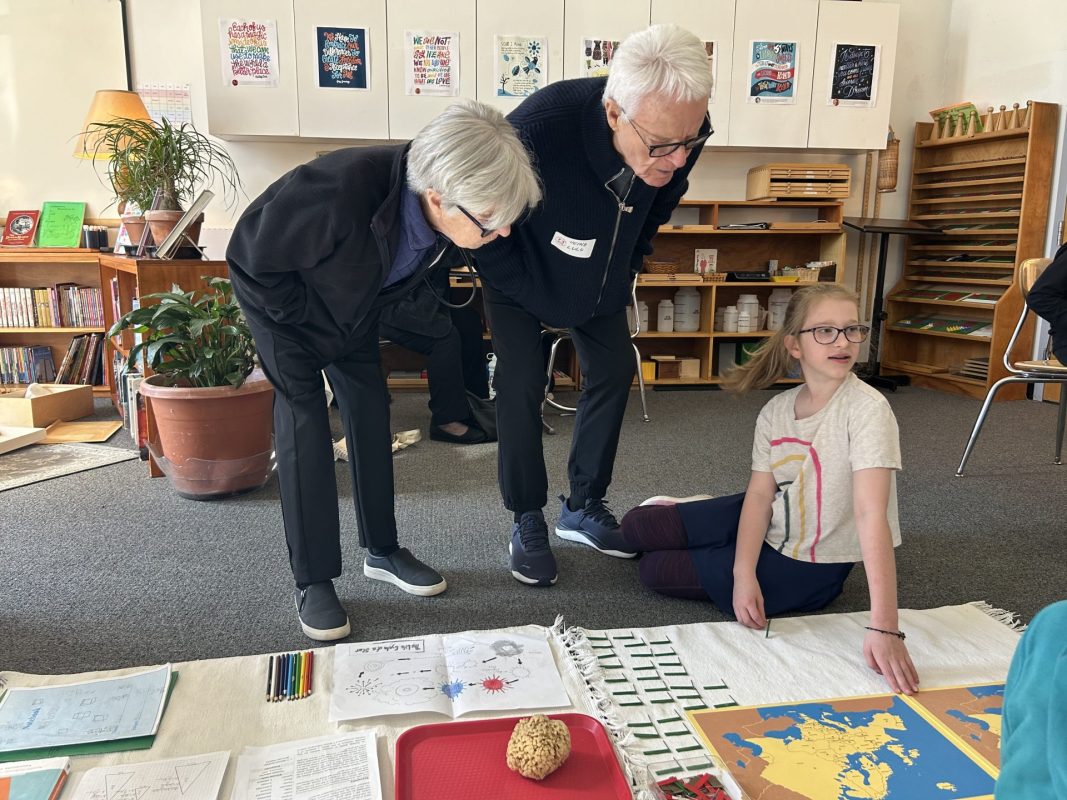
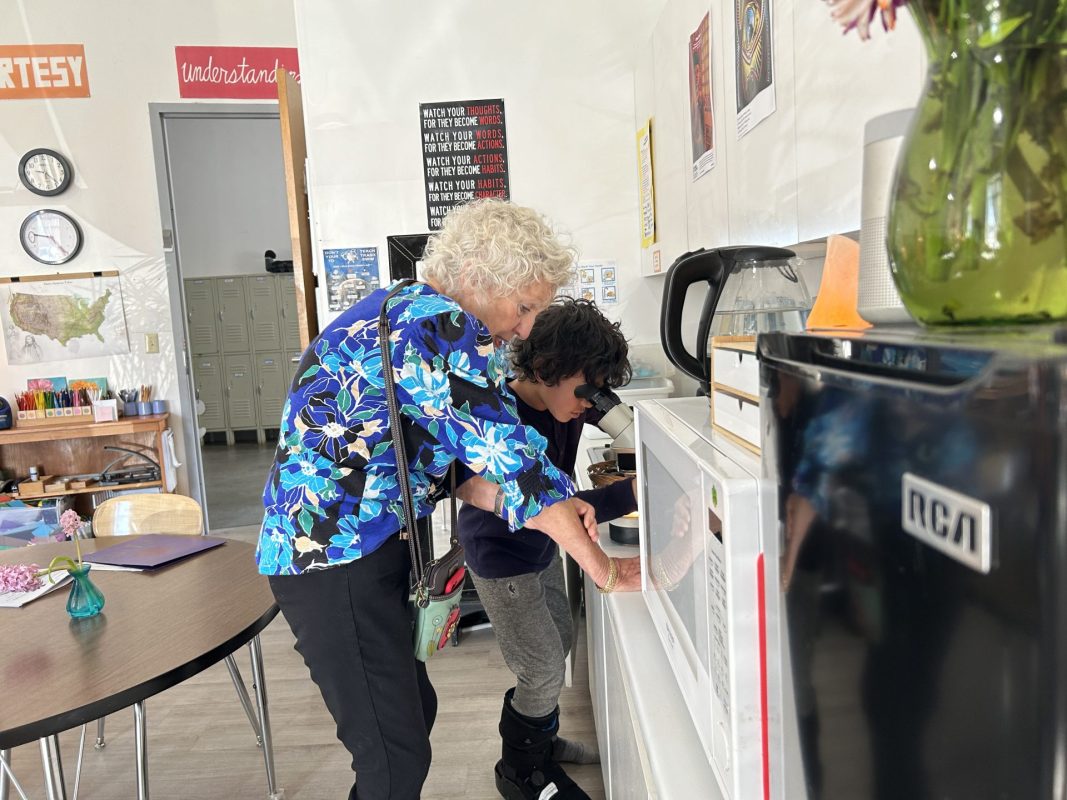
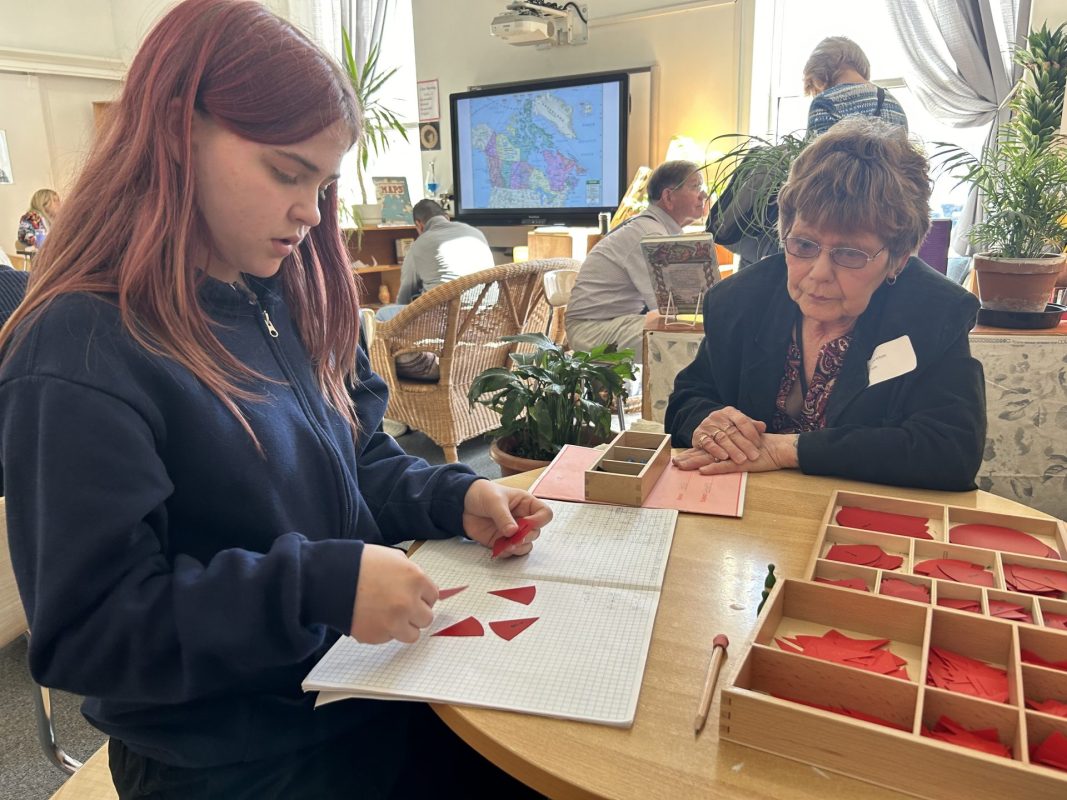
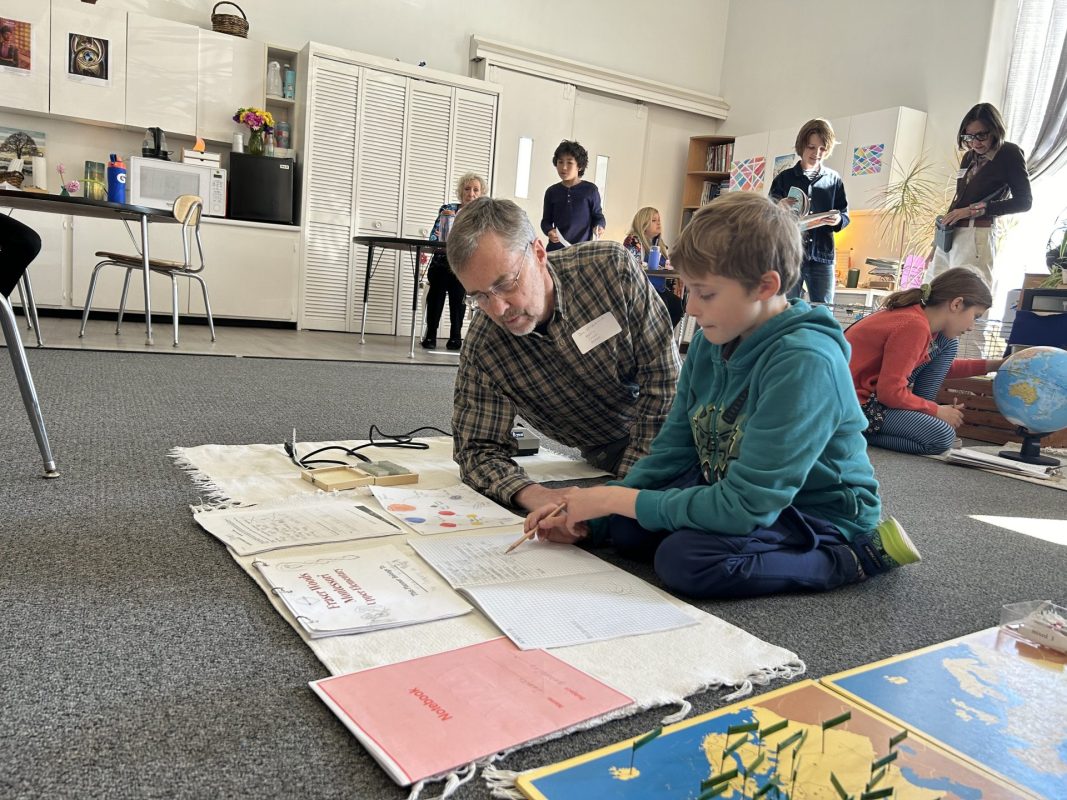
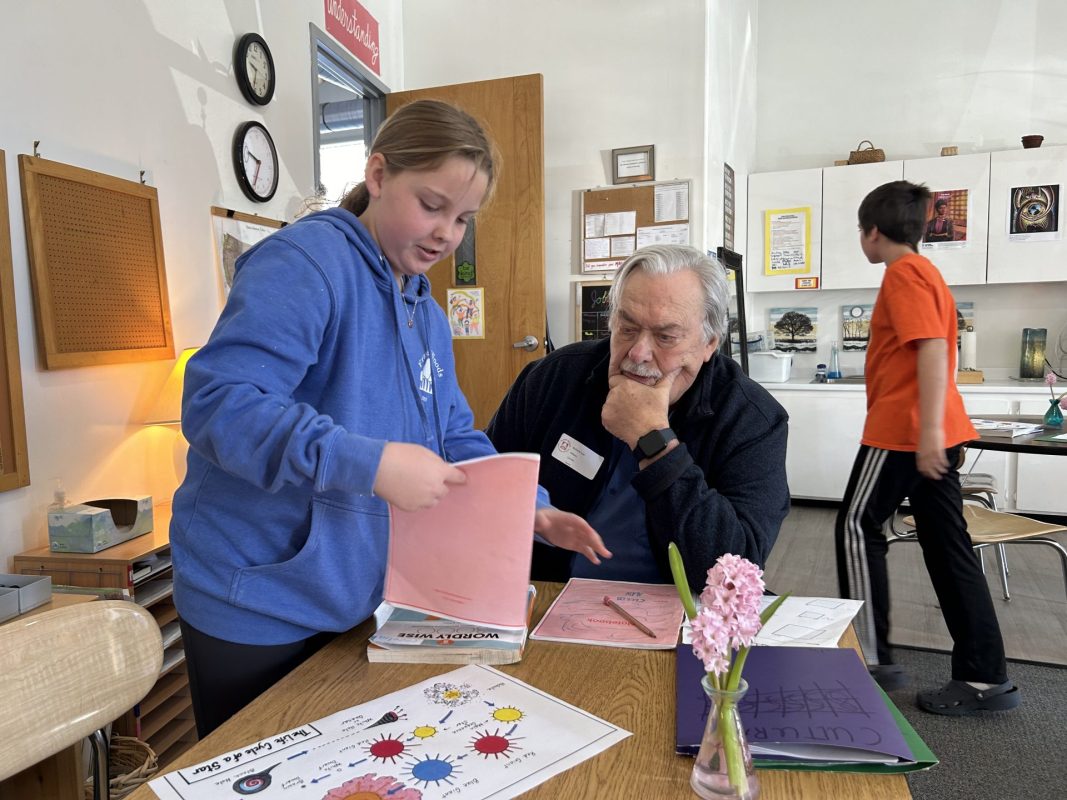
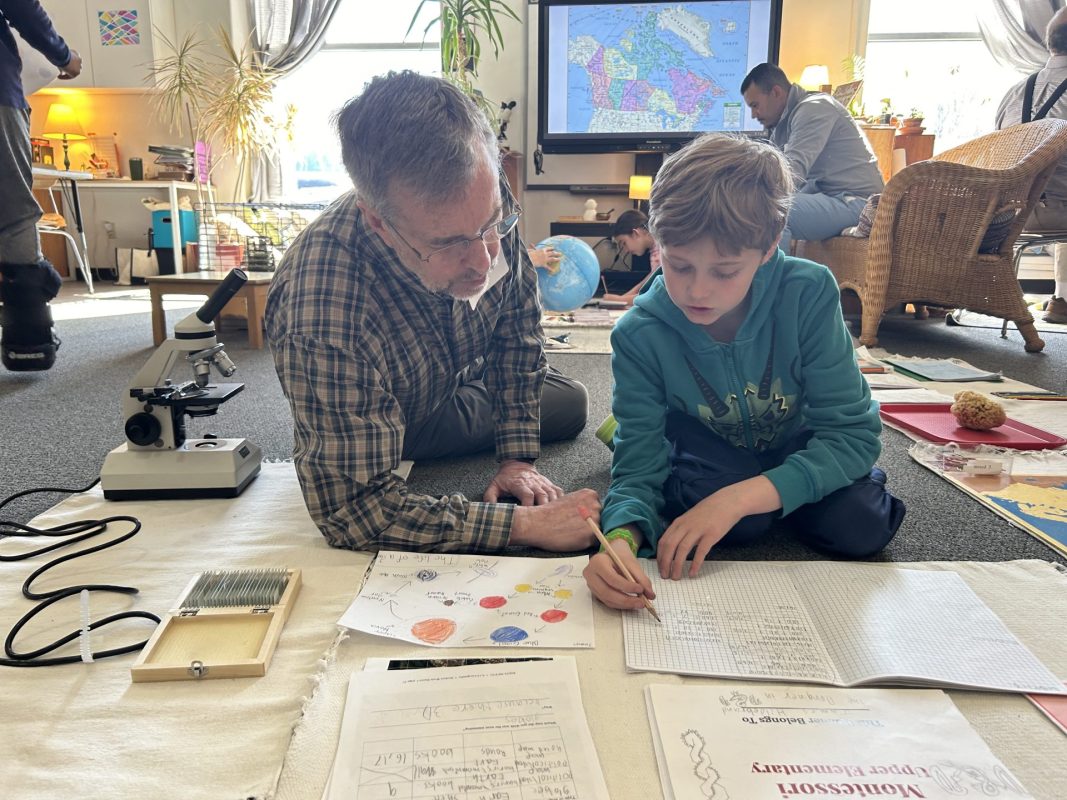
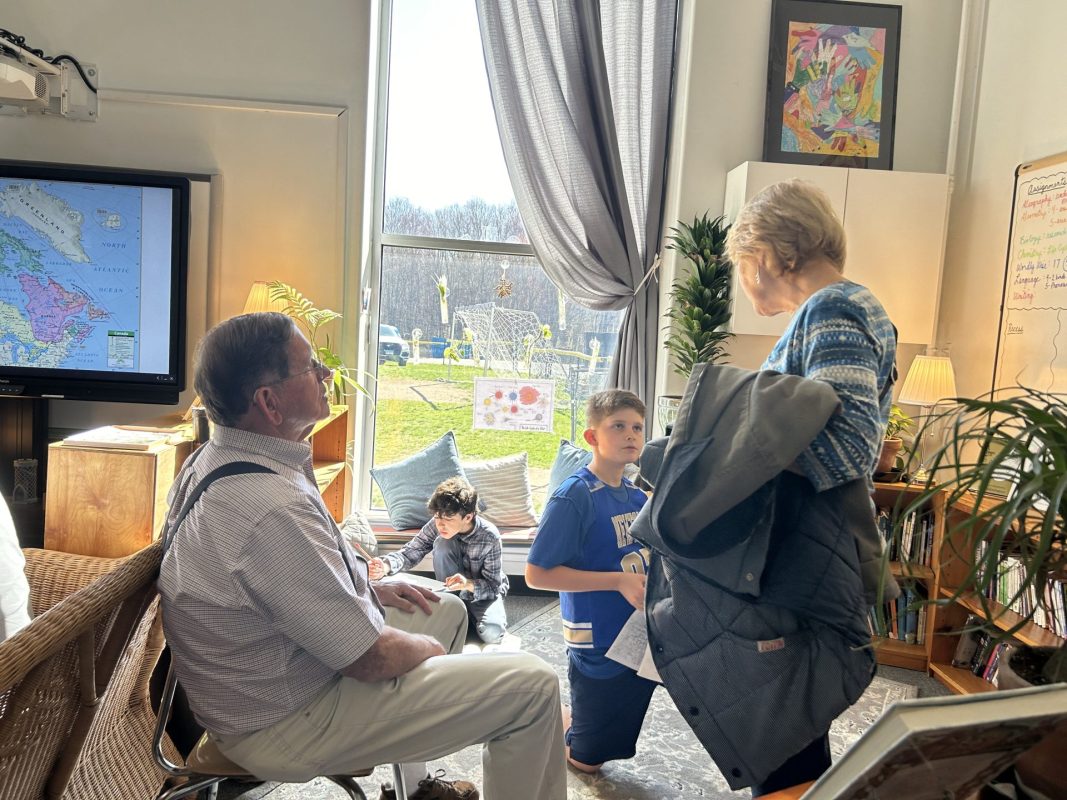
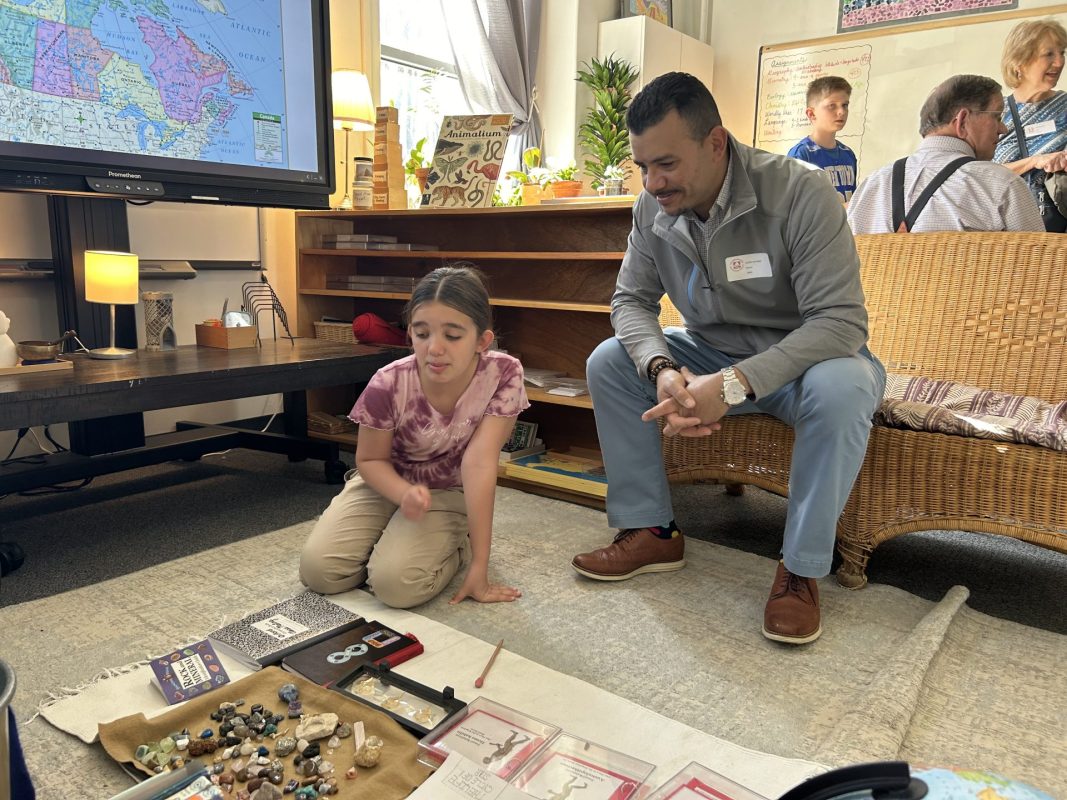
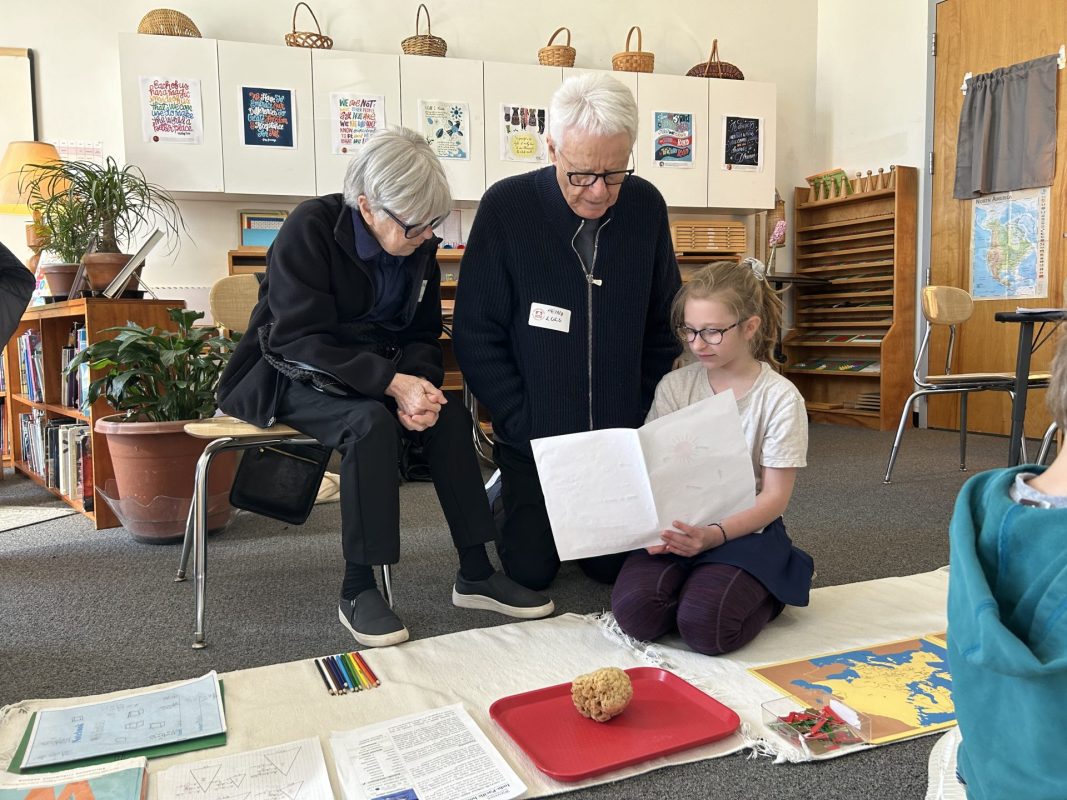
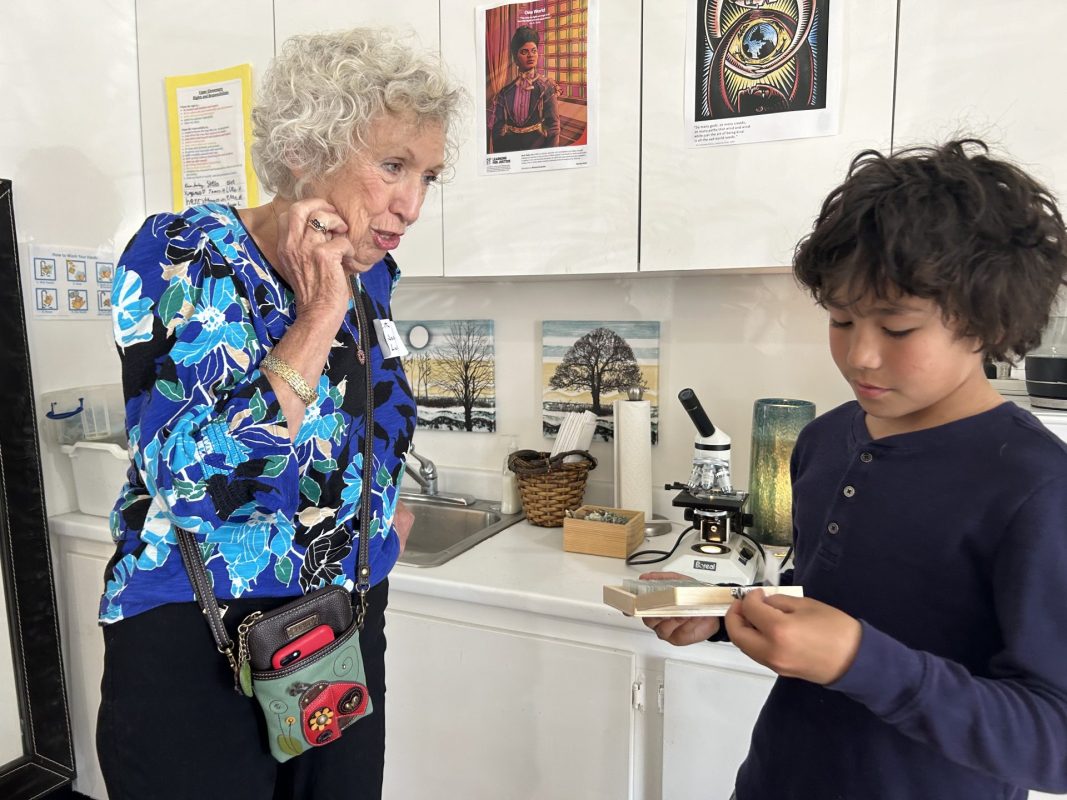
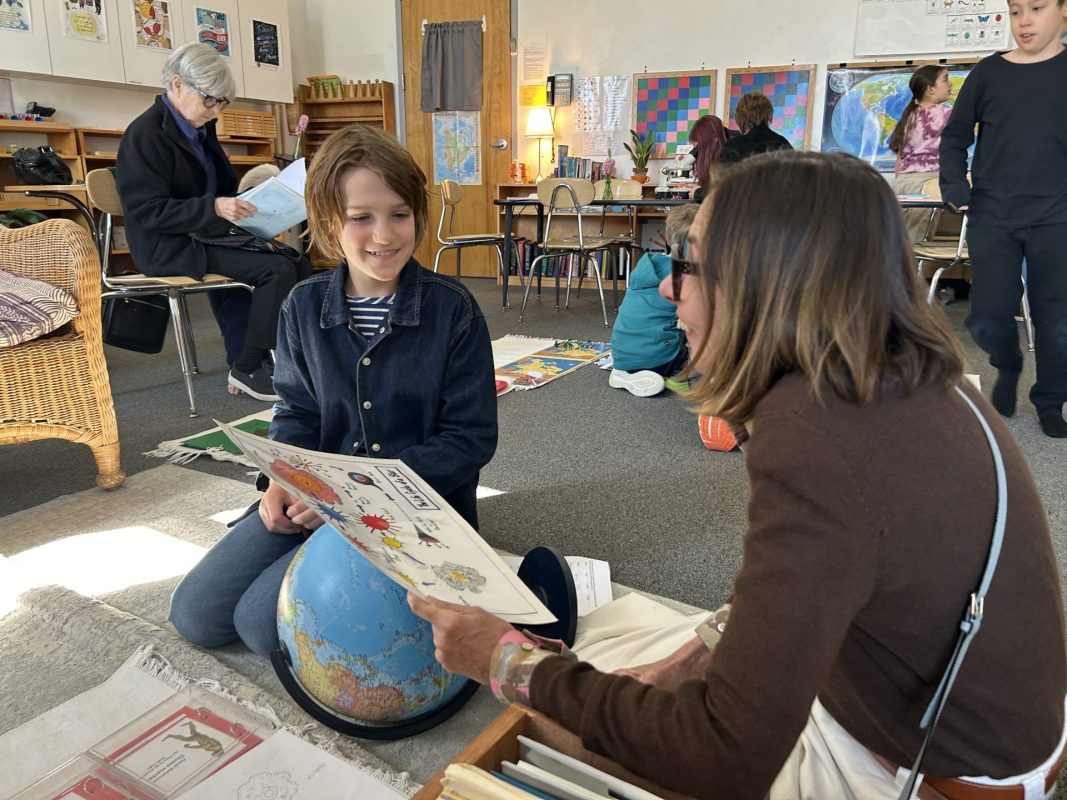
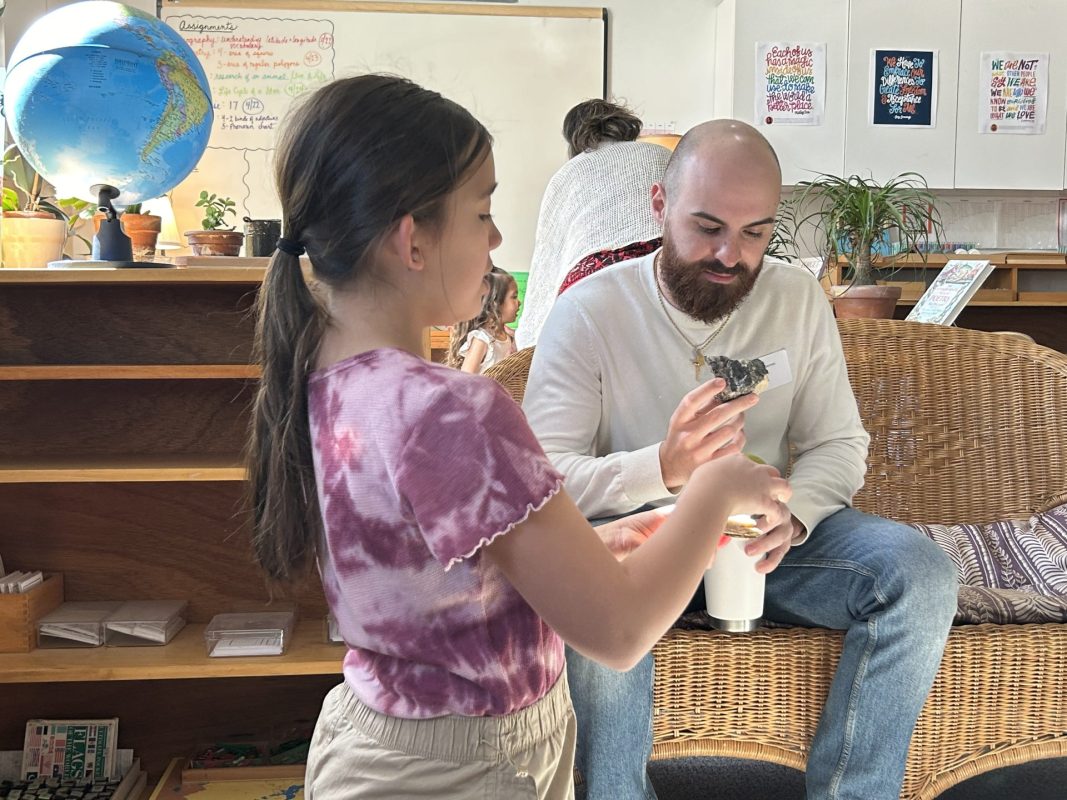
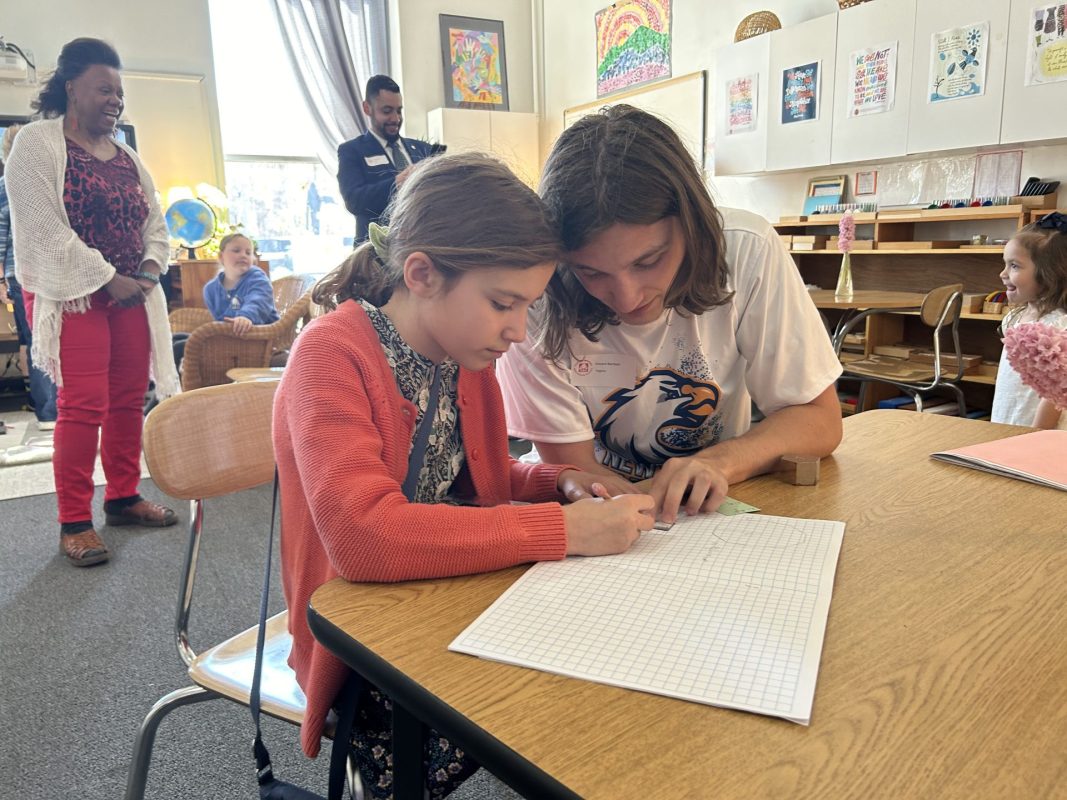
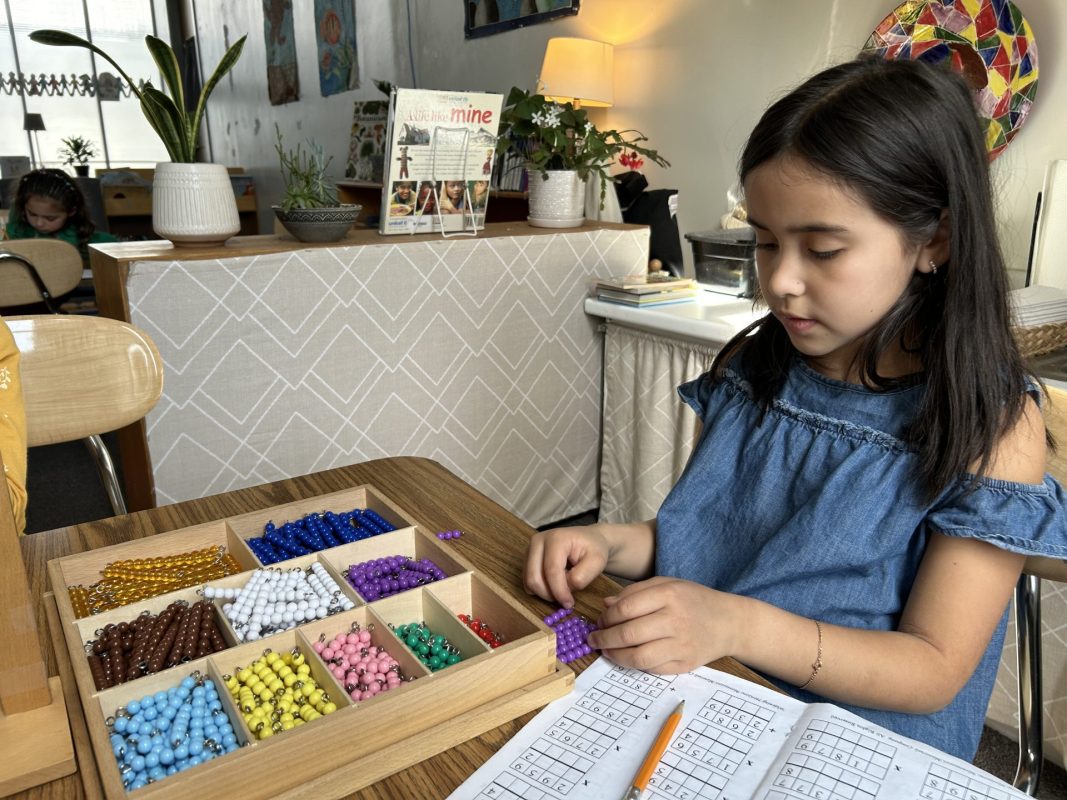
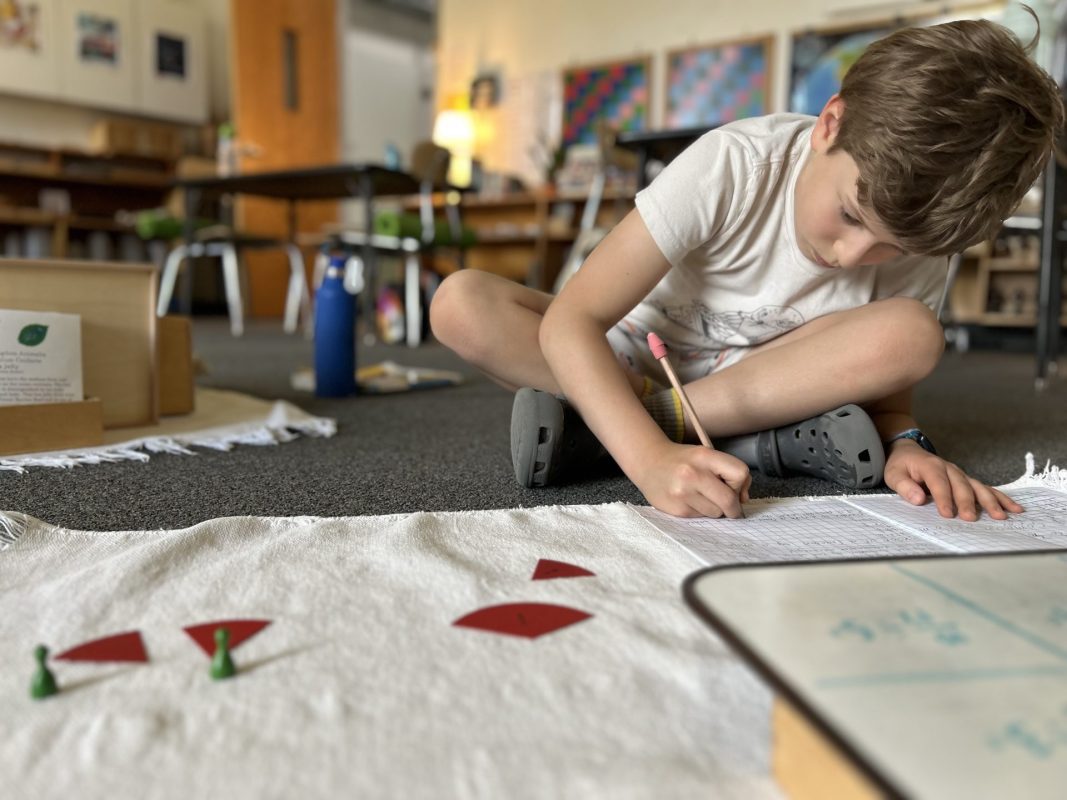
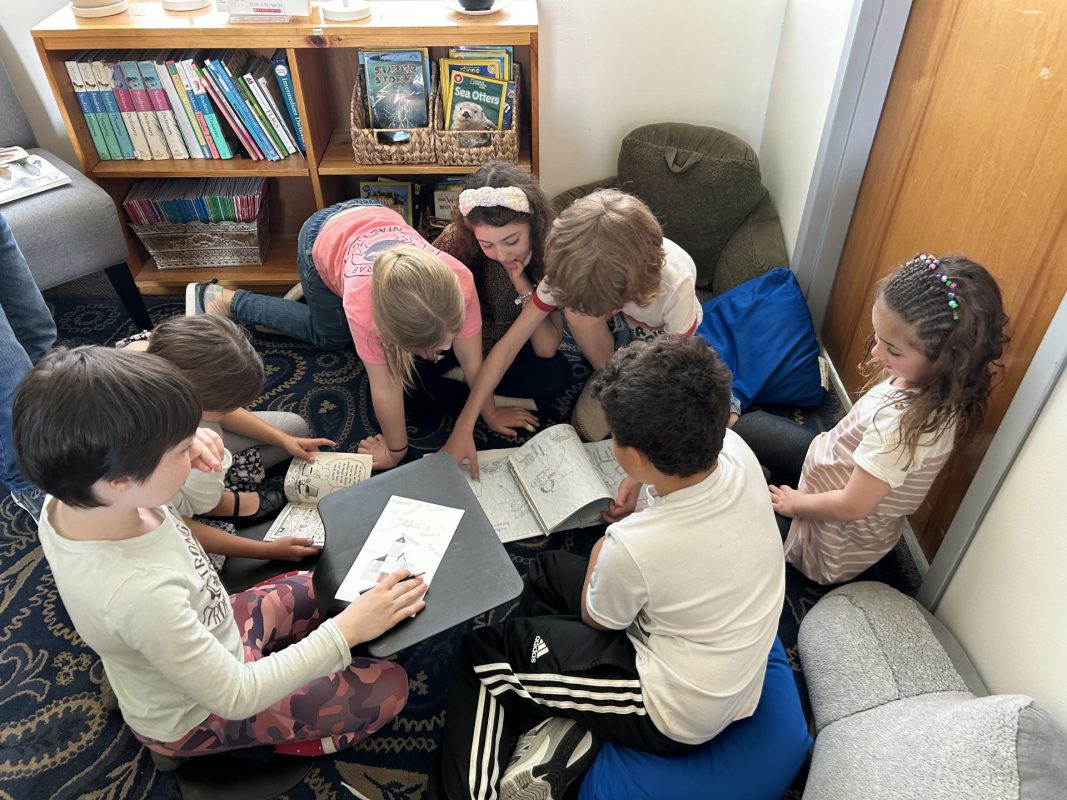
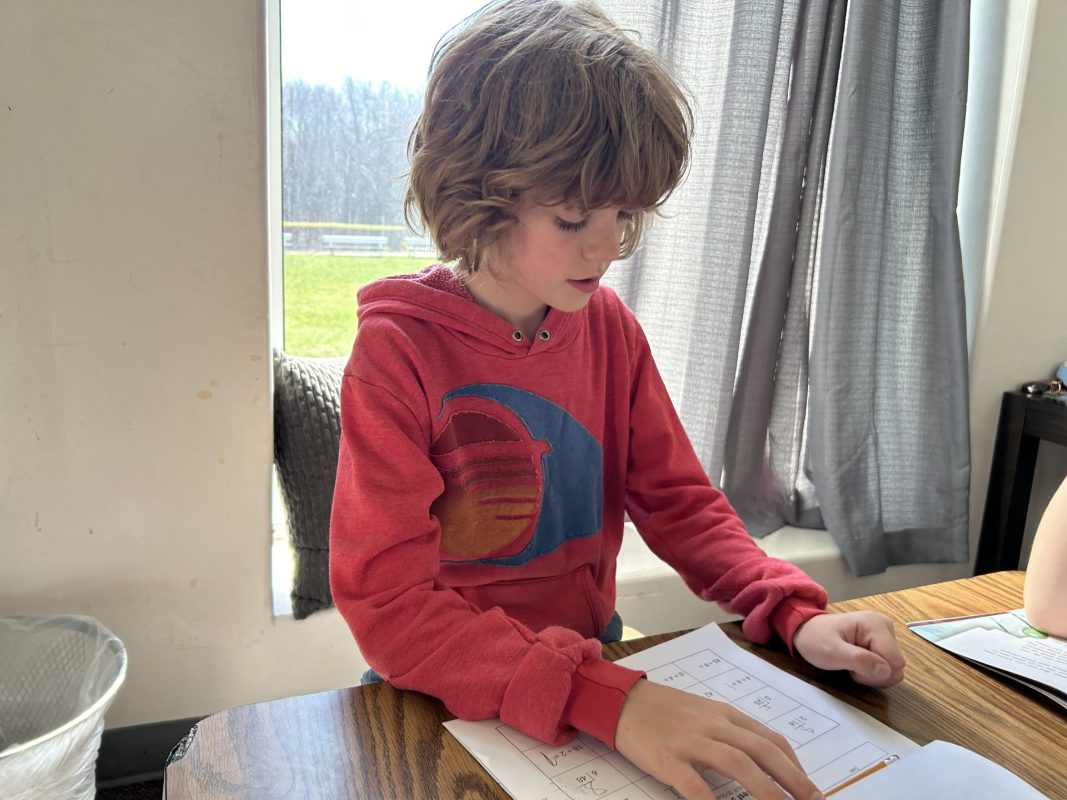
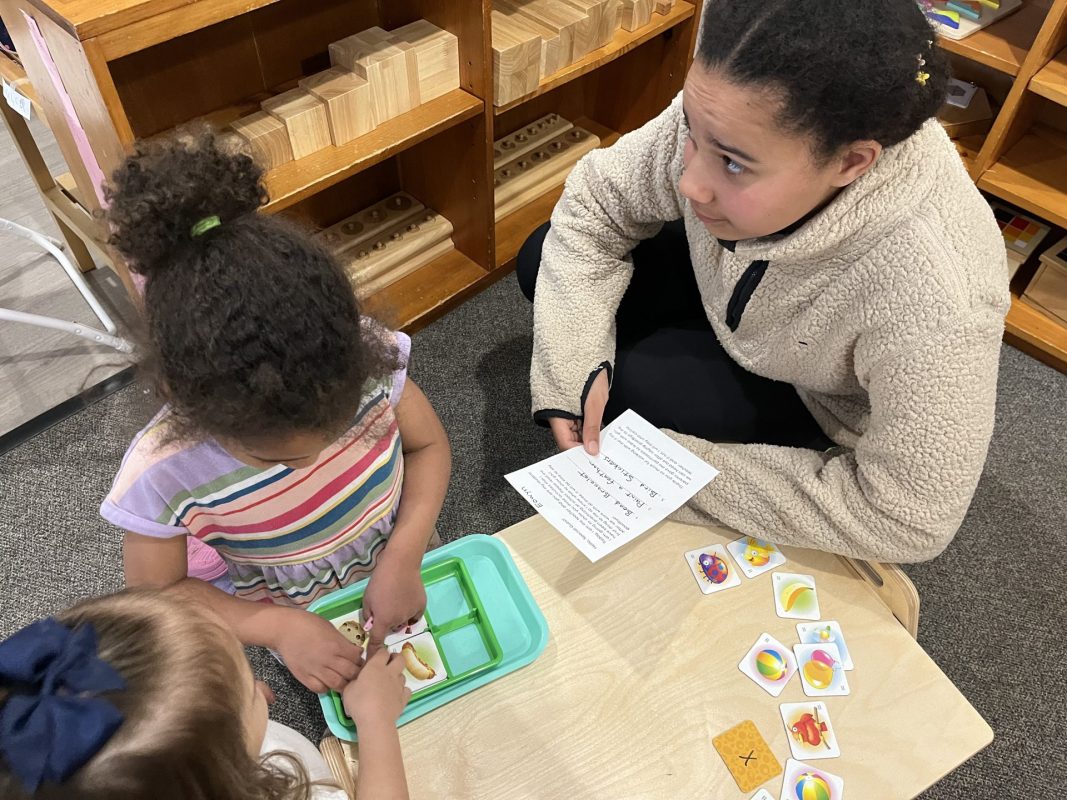
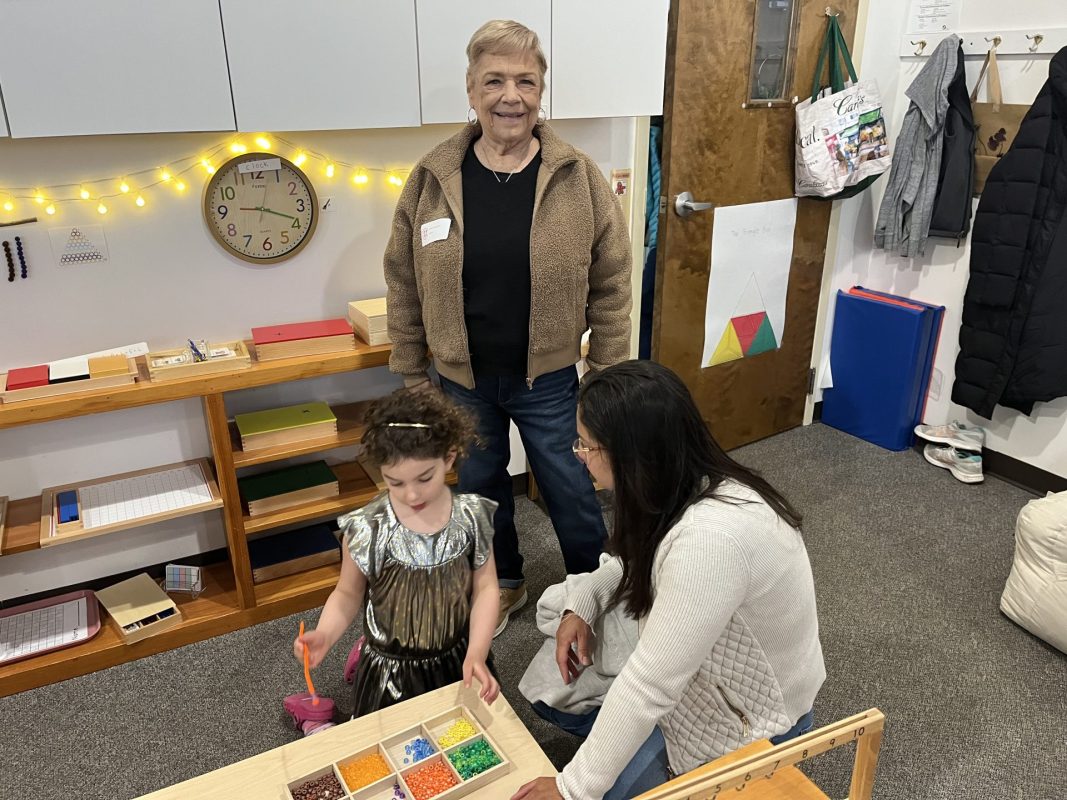
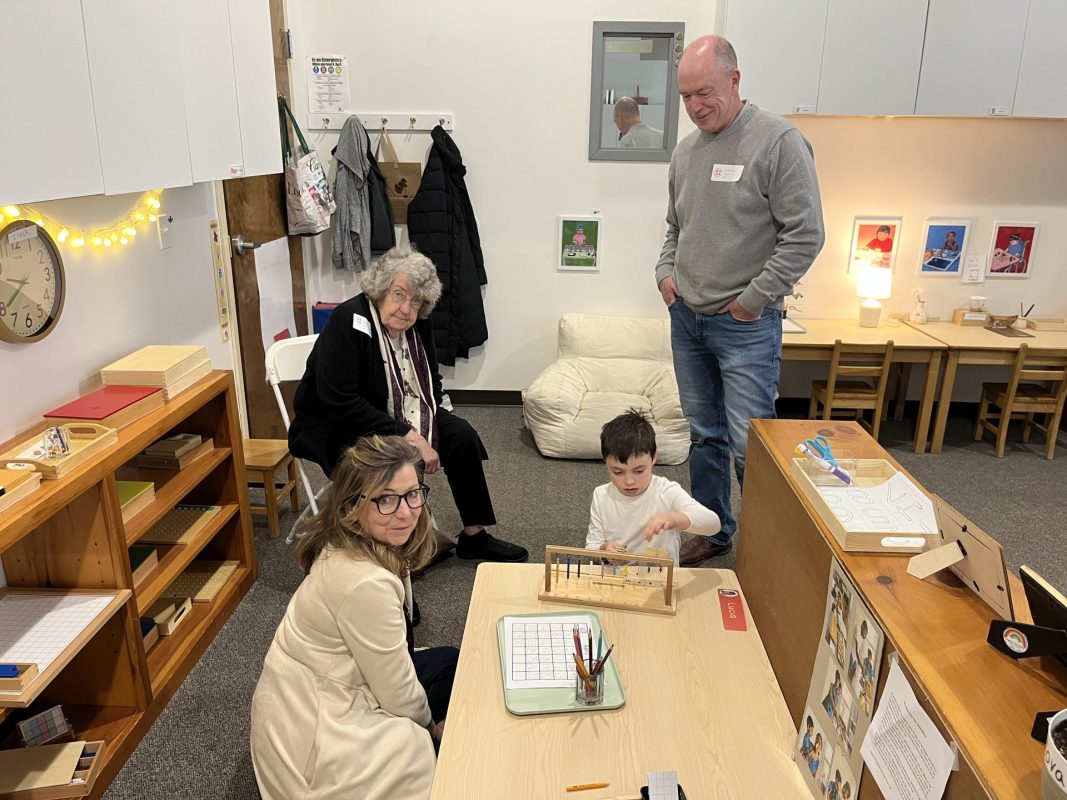
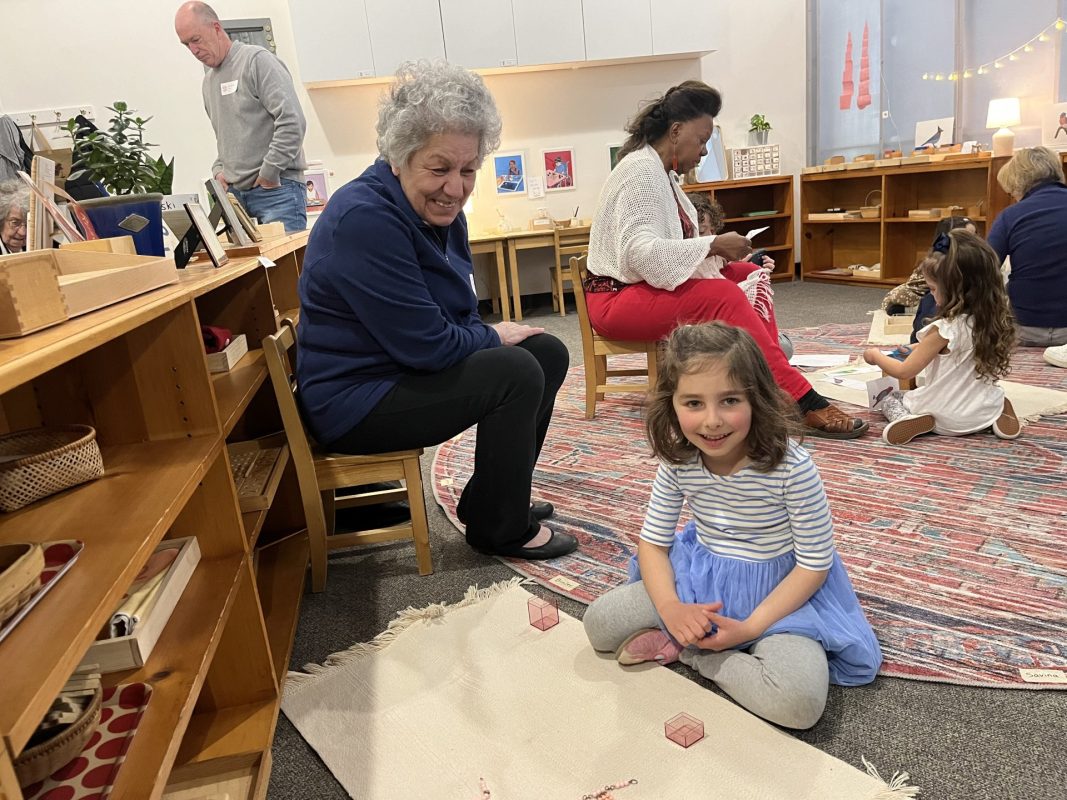
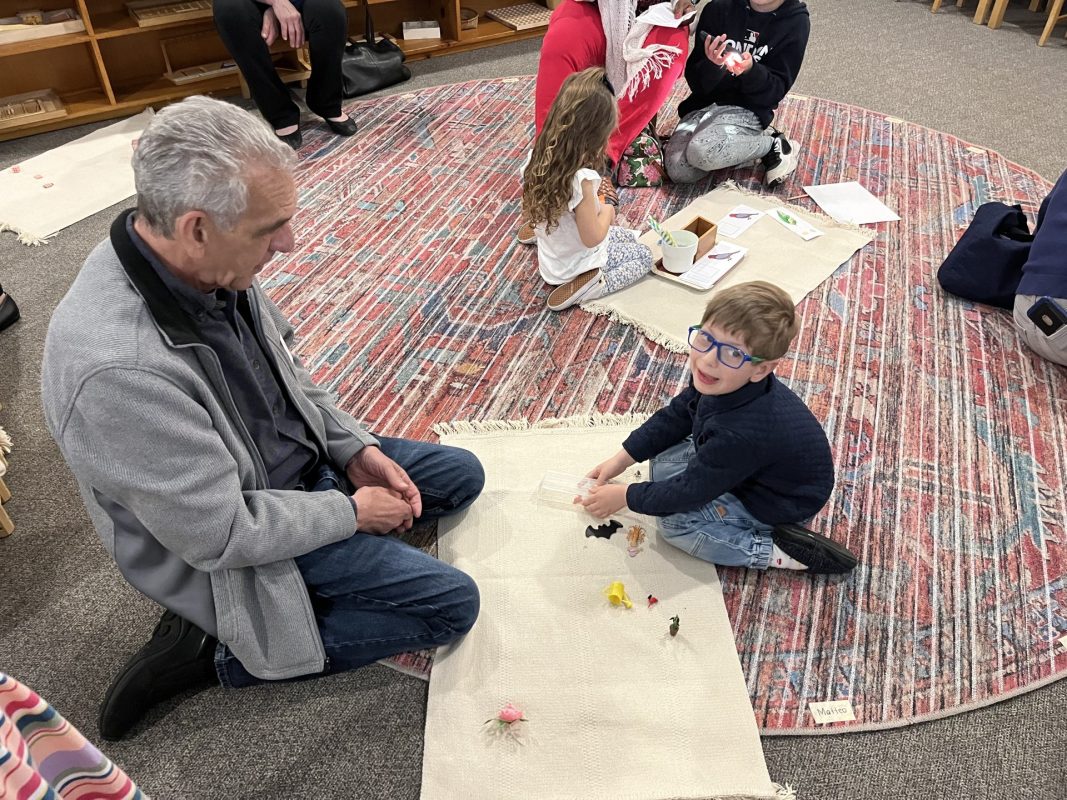
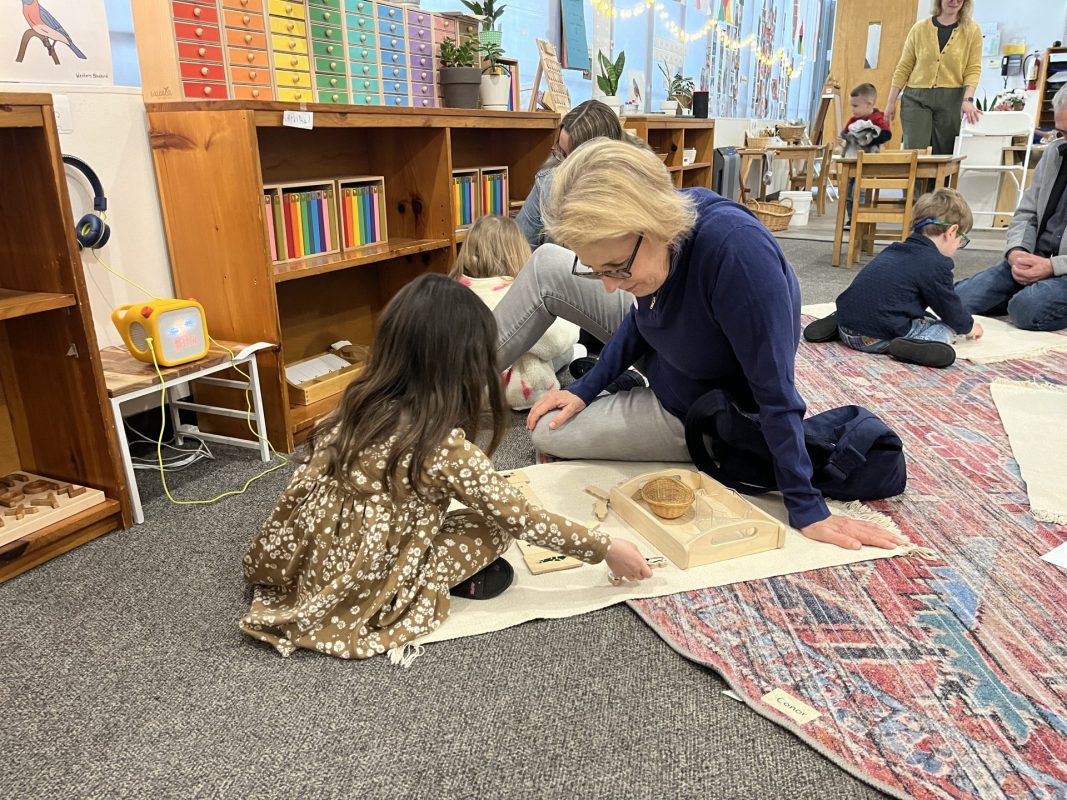
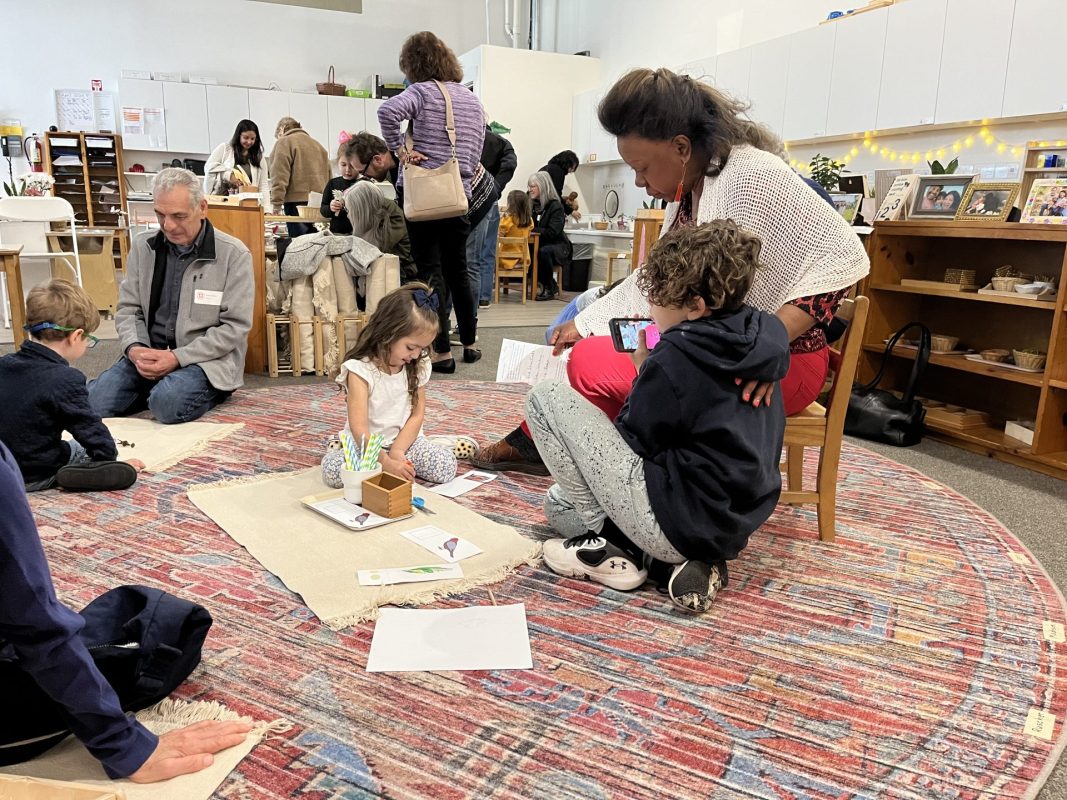
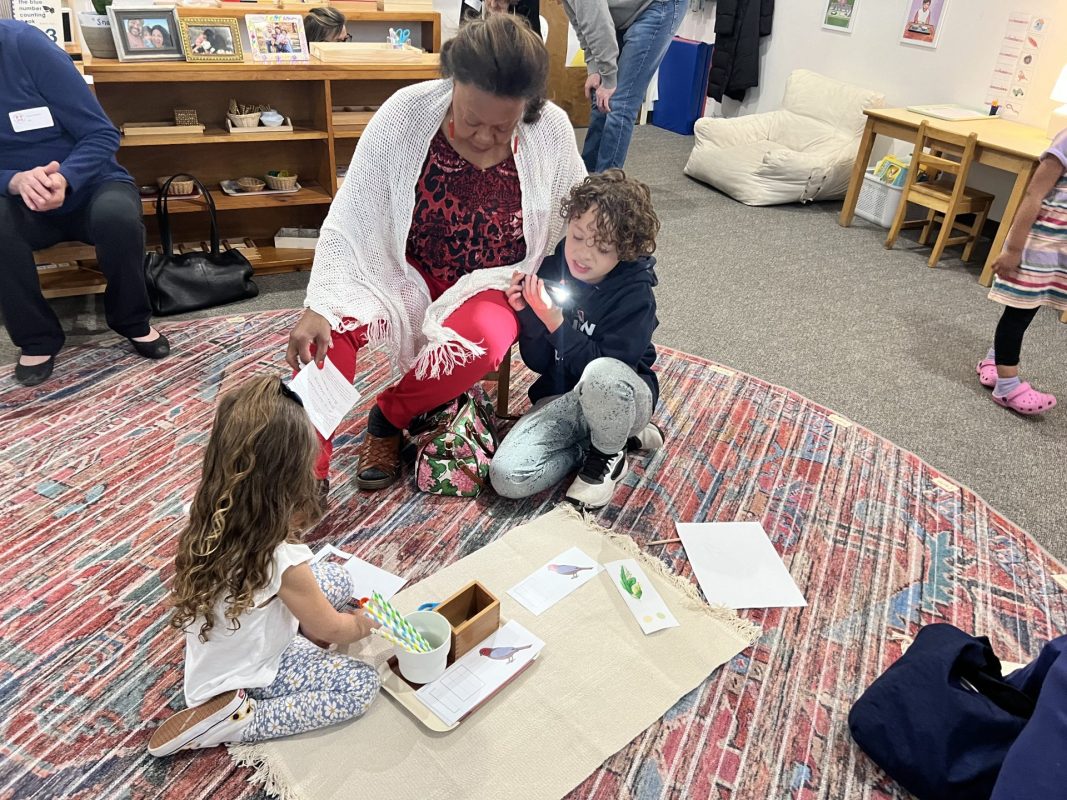
The children were so excited all week as the anticipation of Research Night crept up. They were thrilled to share their projects with people they love deeply. The third-year students had their first public speaking experience, presenting before classmates and families. They were amazing! Although it was optional, some second- and first-year students wanted to present to their peers, too! They were all so brave! The children worked diligently and should be very proud of their work, as are we.

Have a relaxing and peaceful spring break!


Middle School: Week in Review

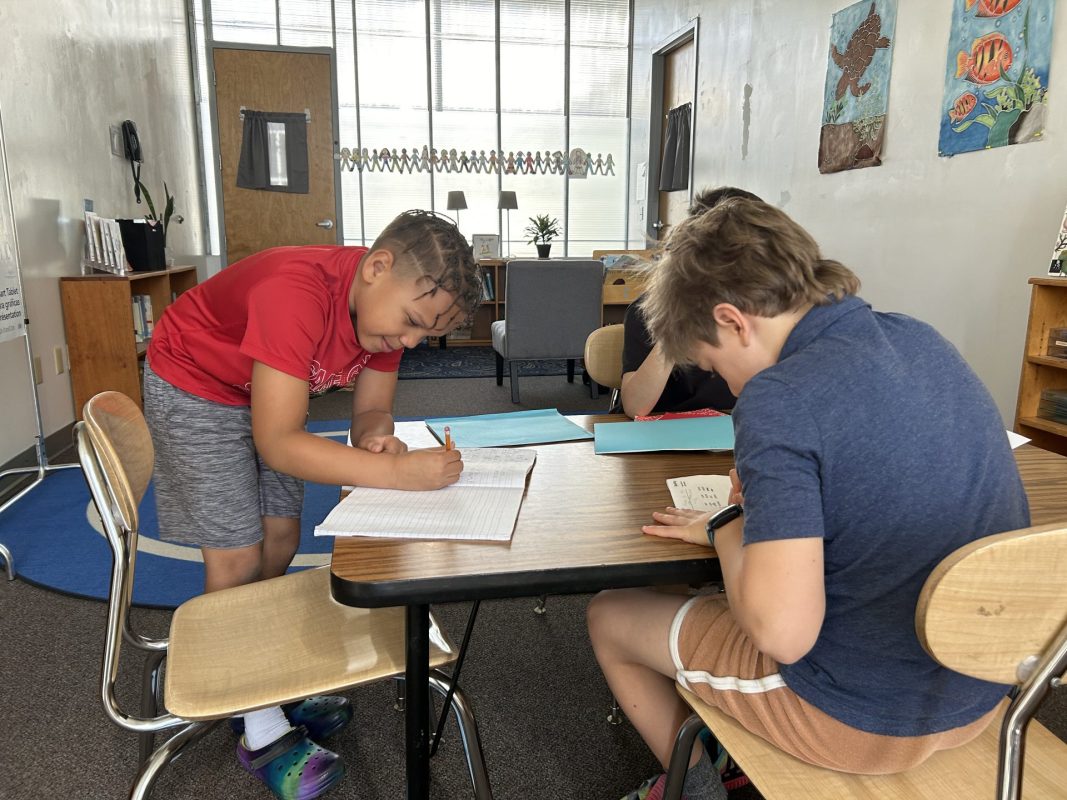
6th and 7th Grade Research Presentations were a great send-off into spring break! Students should feel accomplished with all of their hard work preparing for this project.

Here’s what went on in classes this week:

Humanities

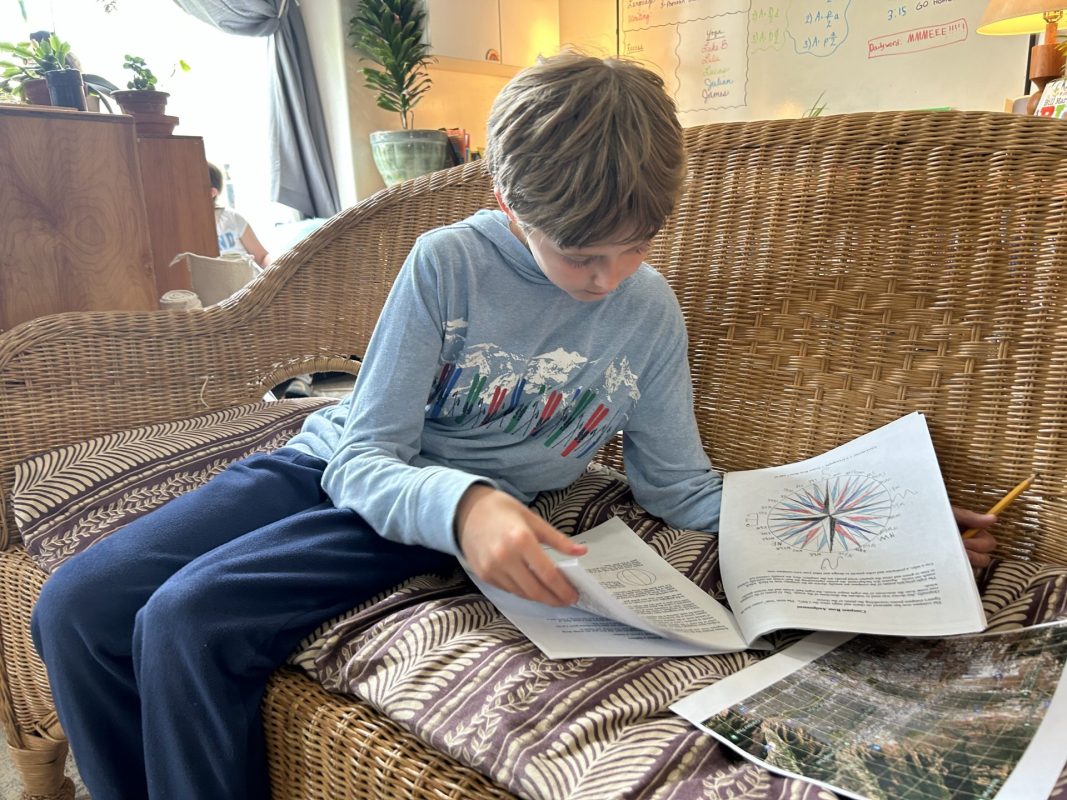
Grades 6 & 7 finalized their presentations and finished revising their essays this week. Some students moved on to other Humanities work when they felt prepared for research night (Grade 6- Ancient Egypt & Grade 7- A Long Walk to Water).

8th-grade Humanities classes sent off their first round of inquiries to potential experts for their final Expert Project. They also completed their final grammar assessment on complex and compound sentences. This week in US History, 8th-grade students presented on their reform topics. As we head into March break, the class will be moving into the start of the Civil War.

Science

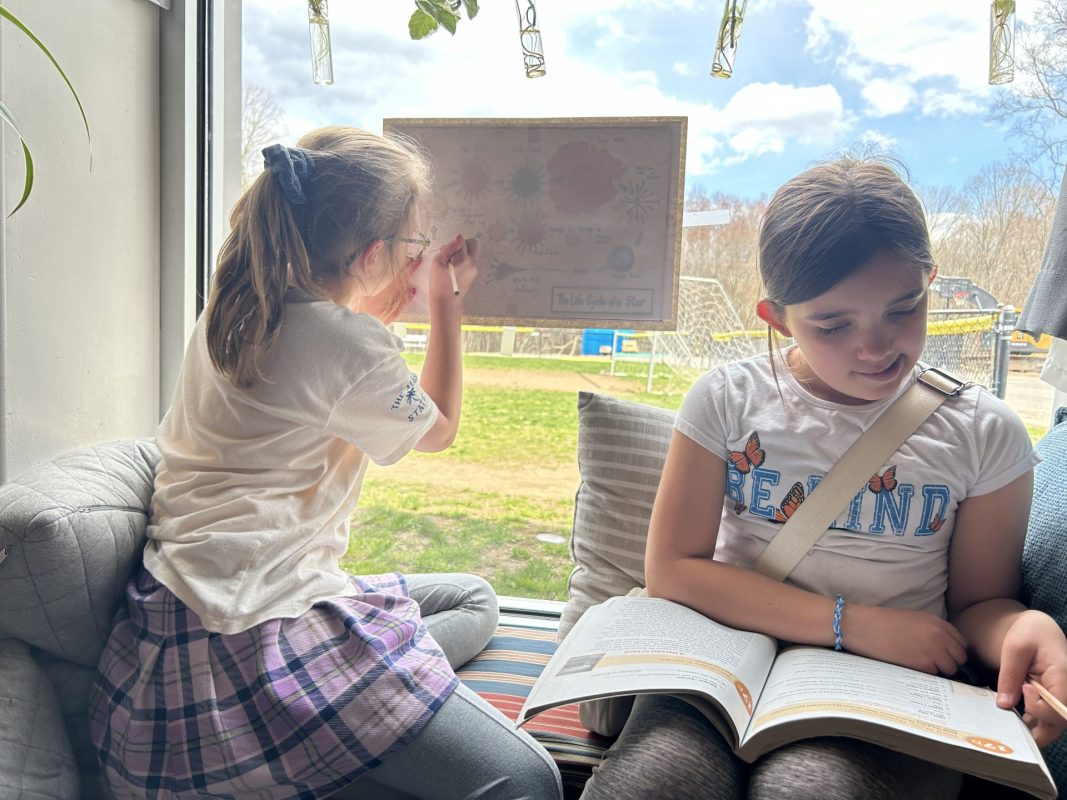
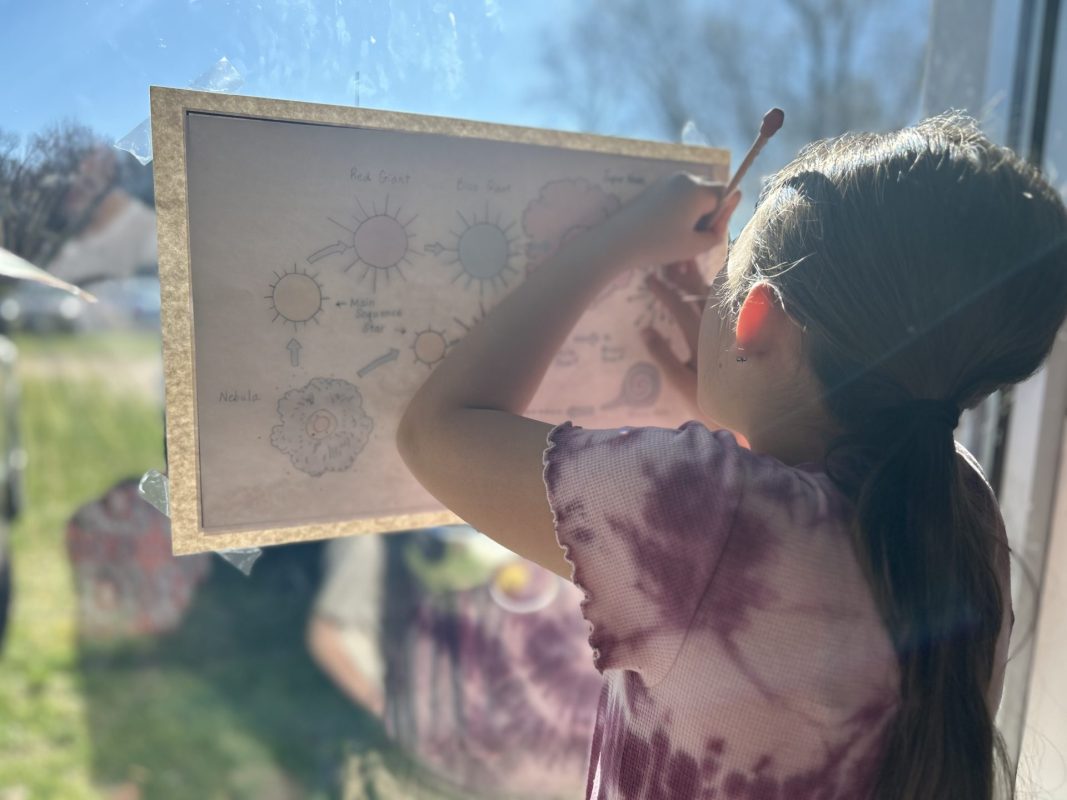
6th-year Earth Science students have recently delved into a fascinating new unit titled Rotations, Orbits, and Seasons. This unit explores fundamental concepts in science and astronomy that are crucial for understanding the world around us. Understanding rotations, orbits, and seasons is essential as it helps students comprehend the reasons behind day and night, the changing seasons, and even the varying lengths of days throughout the year. These concepts lay the groundwork for students to appreciate Earth’s place in the solar system and how it influences life on our planet.

7th-year Physical Science students have recently started the unit on Kinetic Energy. During this unit, students will have the opportunity to apply their understanding by designing and analyzing how kinetic and potential energy are utilized in building a marble roller coaster. Additionally, they have also begun the exciting task of designing their pinewood derby cars. These cars will be tested to see how mass influences the transfer of kinetic energy.

8th-year Life Science students have recently begun the unit, Genes, where they are exploring heredity and the impact of past generations on our present lives. Currently, they are engaged in a fascinating monster genetics lab that delves into alleles, phenotypes, and genotypes to understand how these factors influence the appearance of their unique monsters. To conclude this project, students will creatively depict their monsters artistically.
Math

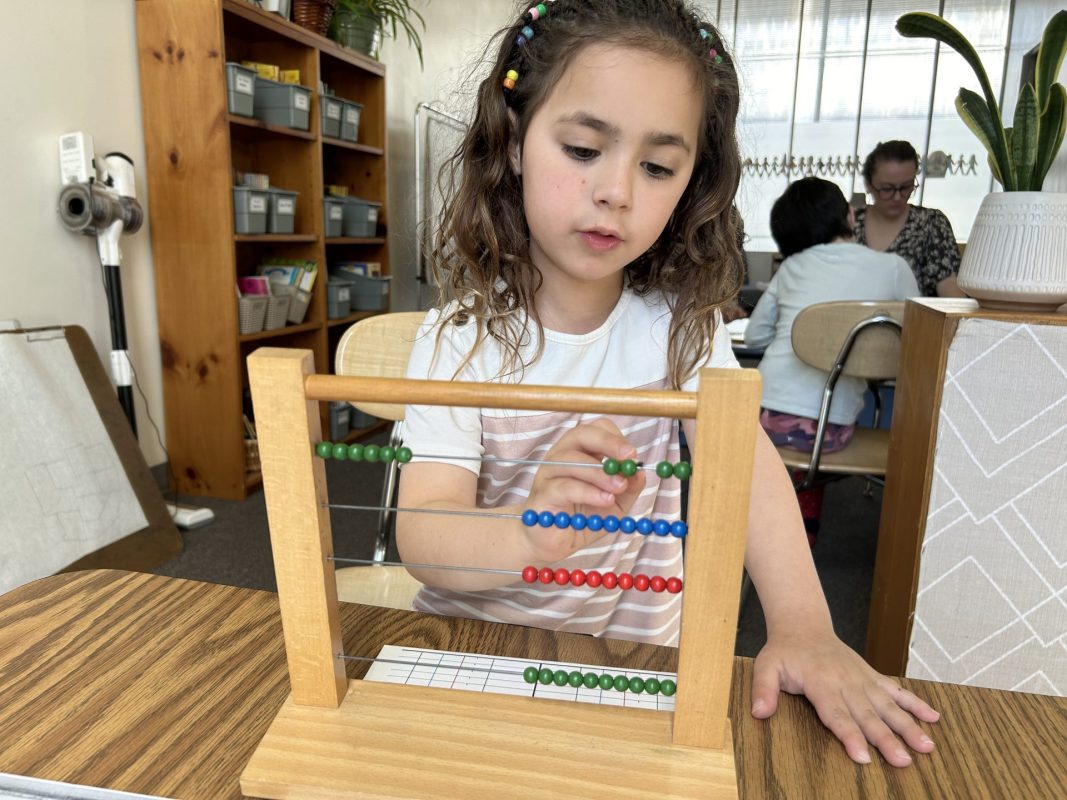
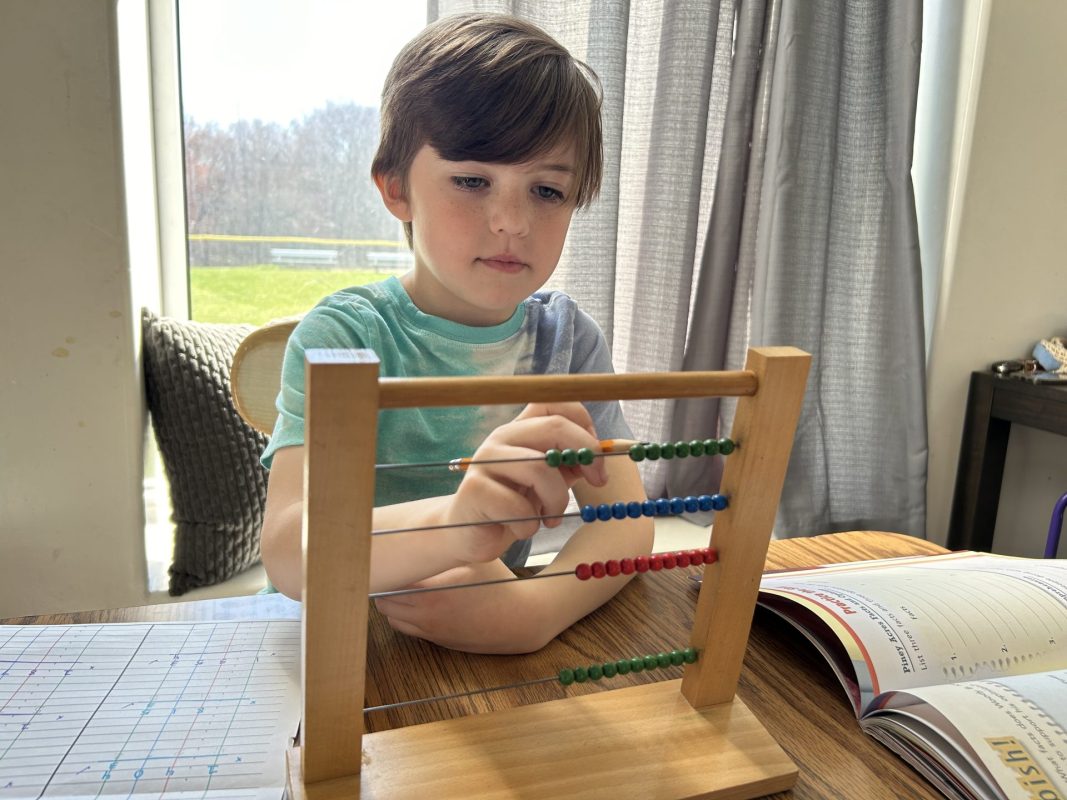
Pre-Transition students recently completed Chapter 7, Division Properties, which included units on the division of decimals (7.8), division of negative numbers (7.9), and solving division and multiplication equations using fact triangles (7.10). They will be moving on to their next chapter (8) on Ratios and Proportions, which are crucial in real-world applications.

Transition students finished Chapter 8 on Multiplication in Algebra, which involved units on Graphing y = ax + b (8.7), Solving c = ax + b (8.8), and Solving c ax + b (8.9). Their upcoming chapter (9) will focus on Patterns Leading to Long Division.

Algebra students are currently immersed in Chapter 10 on Linear Systems, covering units on solving systems using substitution (10.2), more using substitution (10.3), solving systems using addition (10.4), solving systems using multiplication (10.5), systems and parallel lines (10.6), as well as matrices and matrix multiplication (10.7).

The geometry class has explored triangle congruence theorems and the commonality of specific properties that quadrilaterals share. Students have applied these theorems and properties in their proofs. After the break, the class will explore perimeters and areas of triangles, quadrilaterals, and irregular figures. The end of chapter 8 concludes with exploring the Pythagorean theorem, special right triangles, and the arc length,  circumference, and area of a circle.

Have a restful spring break, everyone!


This Week in Upper El

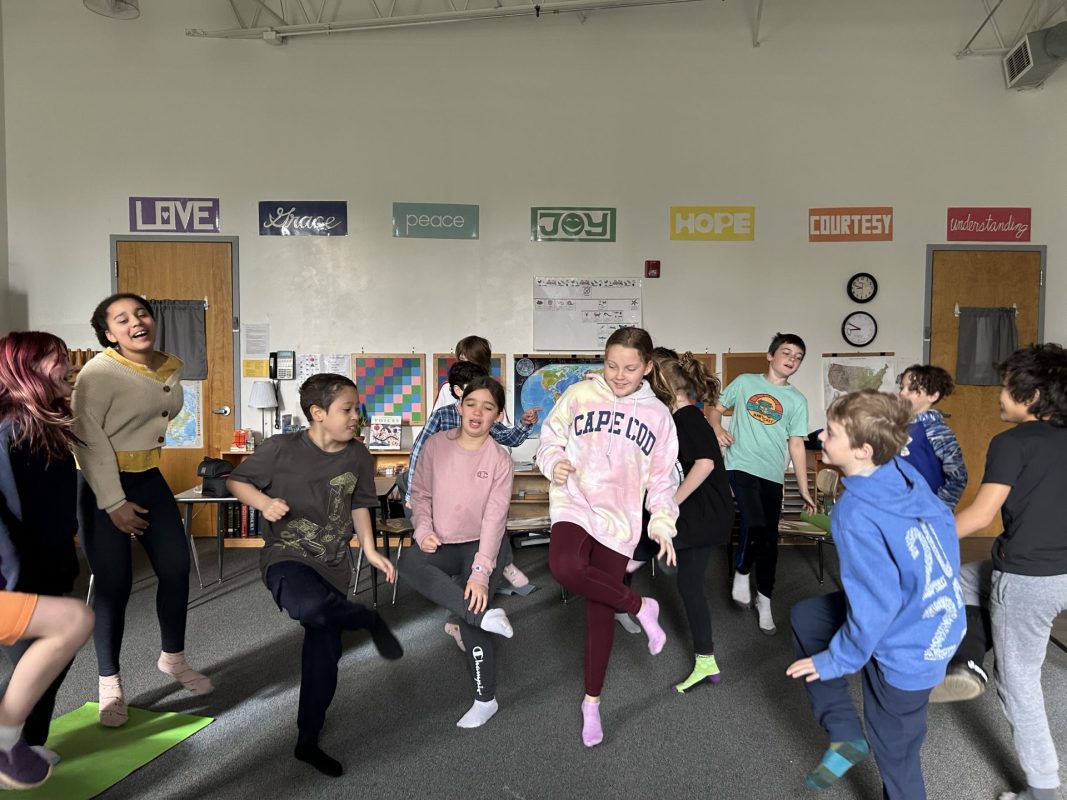
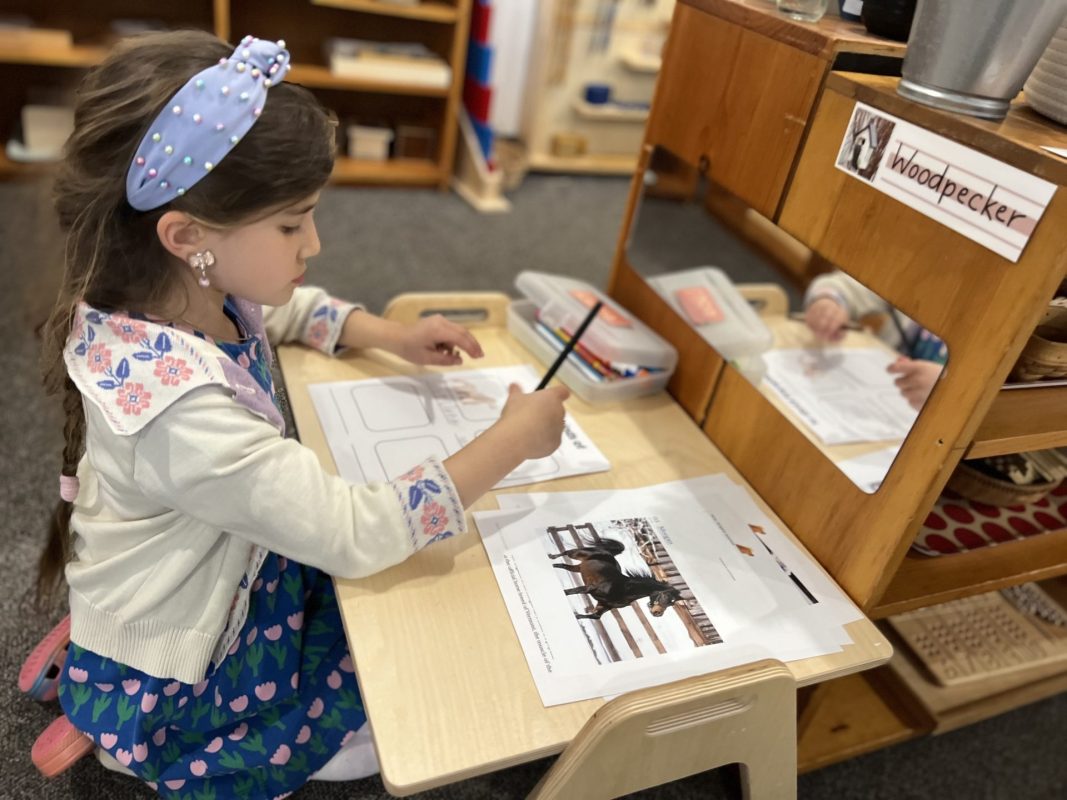
This past week was nothing short of amazing for Upper El students. After weeks of preparation, gathering information, and writing papers that were nine to fifteen pages in length, the students did a fantastic job presenting their autobiographies to a room full of families. They were poised and brave, some presenting in front of a crowd for the first time. It was indeed a proud moment for everyone involved.

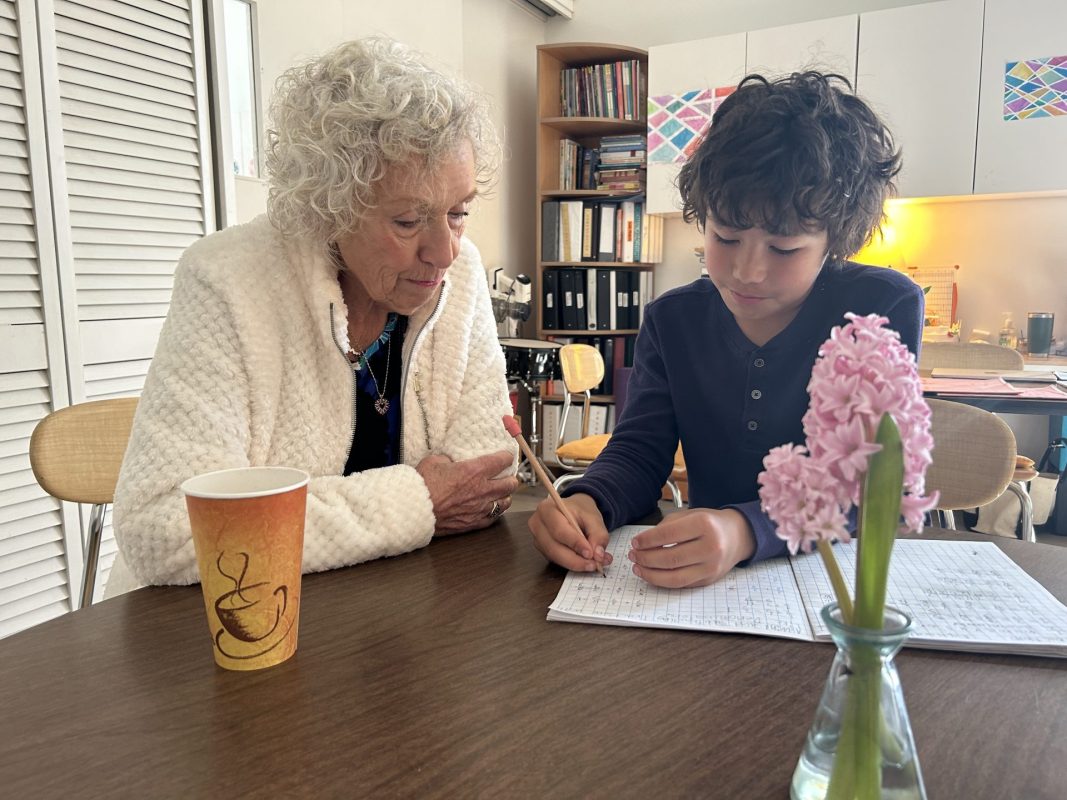
Throughout this project, the children were full of joy and excitement. They spent weeks researching their family history, interviewing relatives, and writing autobiographies. The effort and dedication they put into their work were evident in the final product. Their presentations were engaging and informative, demonstrating a deep understanding of their history. They have every reason to be proud of their accomplishments.

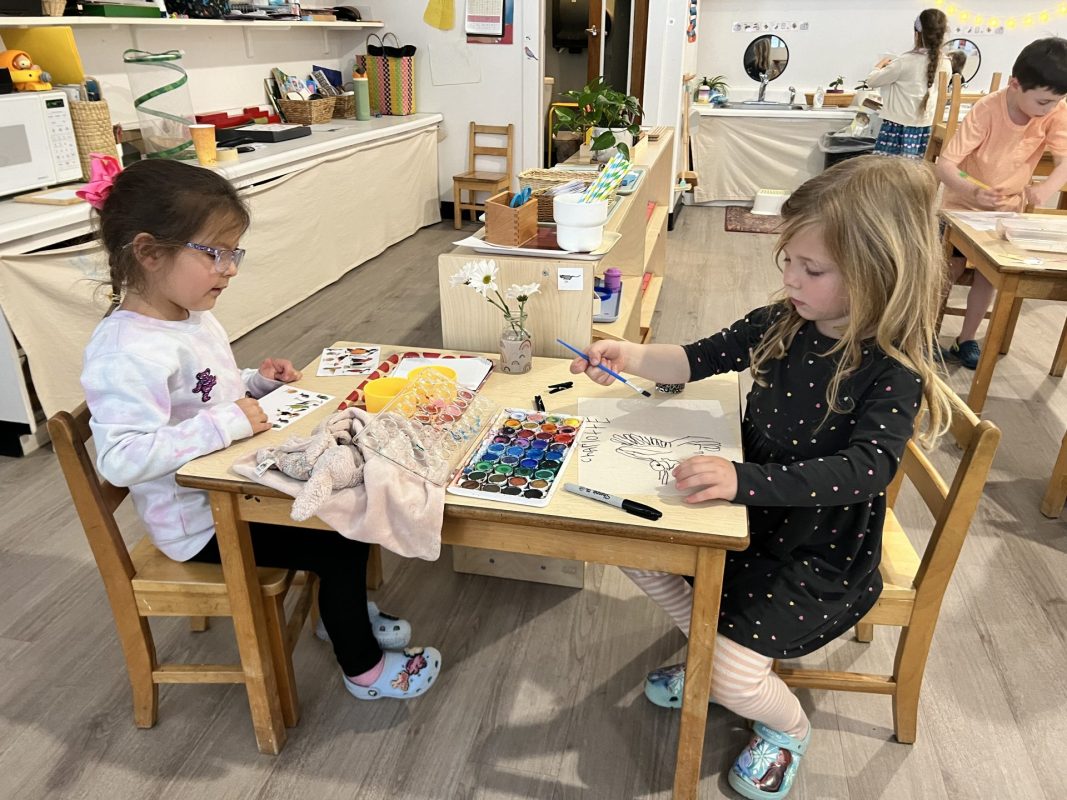
We also managed to squeeze in time this week to create a beautiful canvas for the upcoming Saturday Night Fraser gala. Thank you, Jess and Liz, for taking the time to come in and help us create a gorgeous piece of art!

As a fun end to a week of hard work, Upper El students in Robotics class are attempting to break the world record for the longest-functioning robot! Enjoy the video below, which captured their excitement.

Lastly, I’d like to share that this was Krystin’s last week at Fraser Woods. She is now headed off to take on a new challenge as a preschool director. We’re so excited for her and are sending all our love and best wishes her way! On a happier note, we’re thrilled to welcome Deb back as our Upper Elementary assistant. We are excited for her to join us and are looking forward to all the great things she’ll bring to our classroom.

I hope you have a wonderful two weeks,
Karen