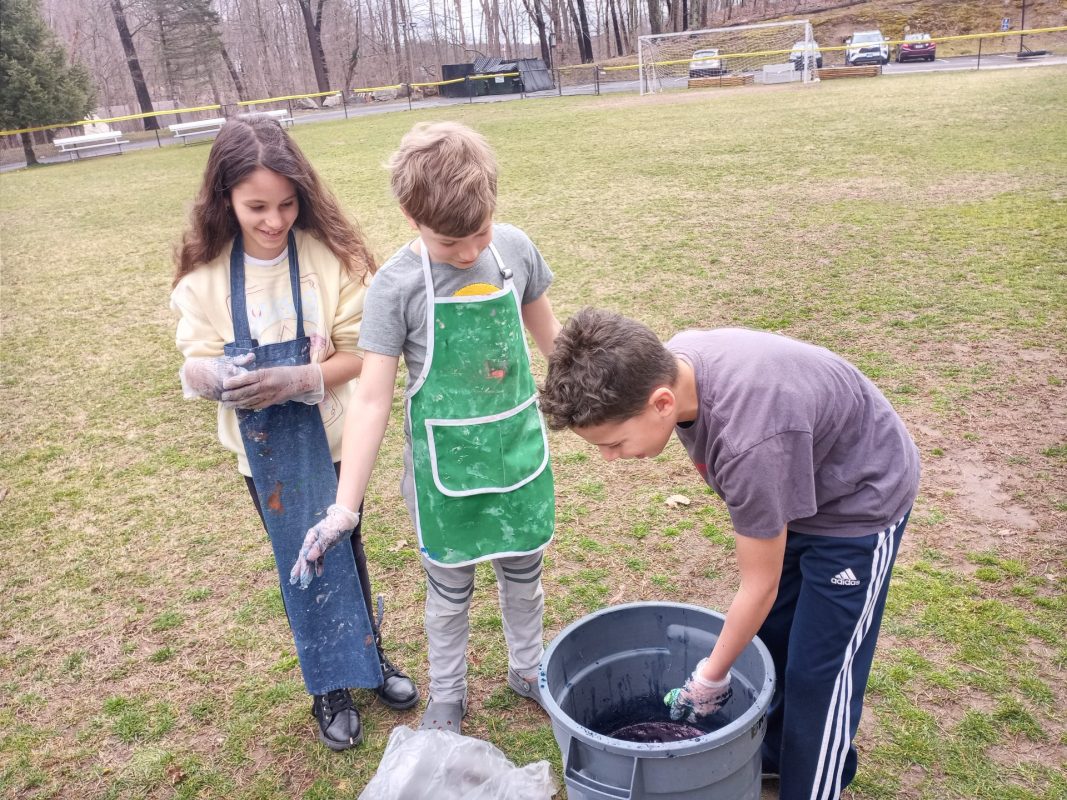
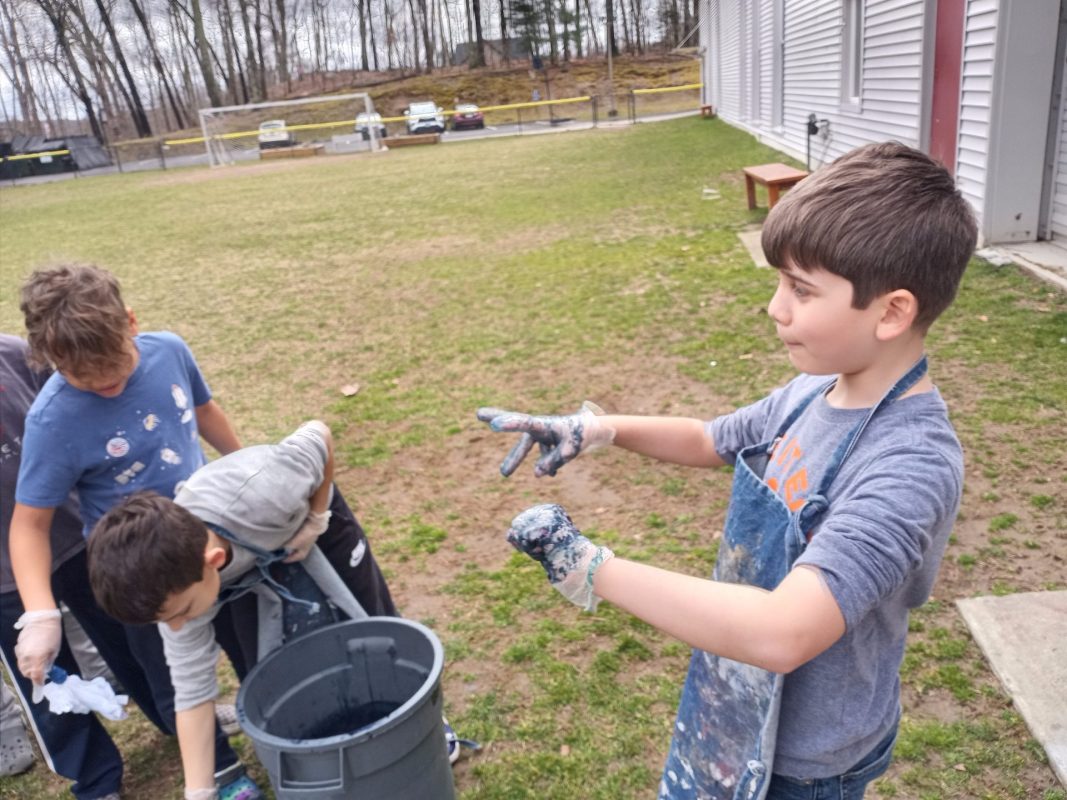
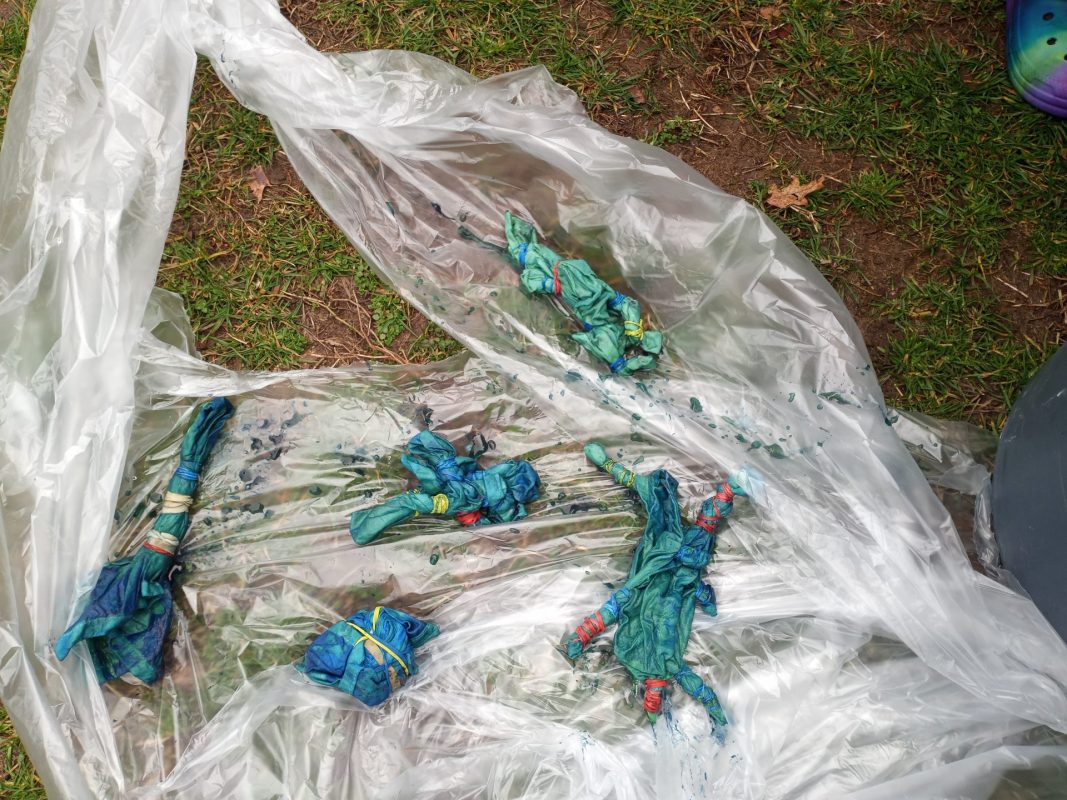
Another busy week!
**If your child is going on the MS trip to Boston, please make sure your health forms are in ASAP! Here are the links:
Humanities
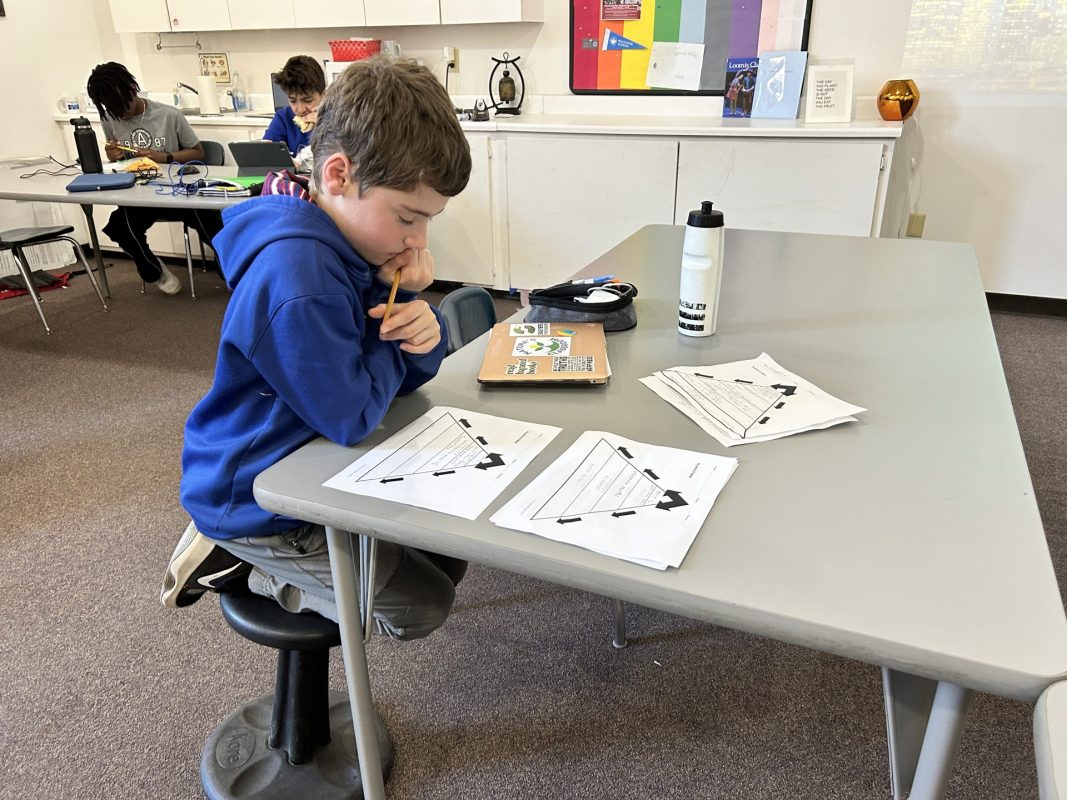
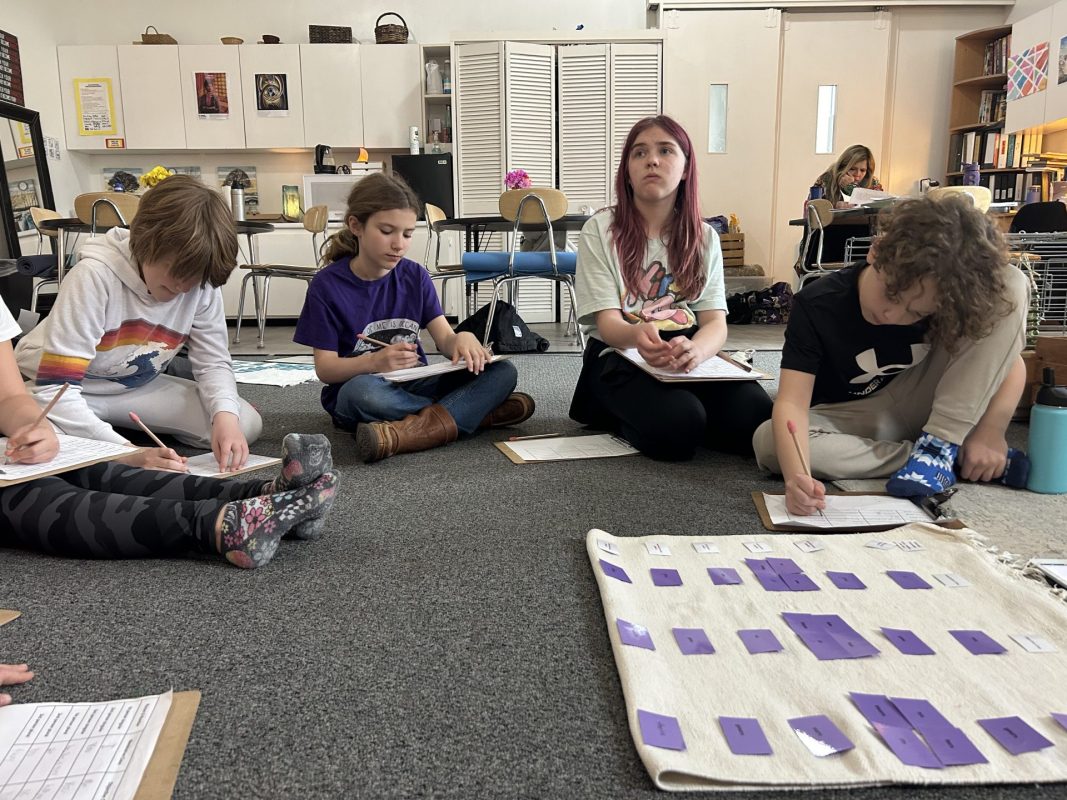
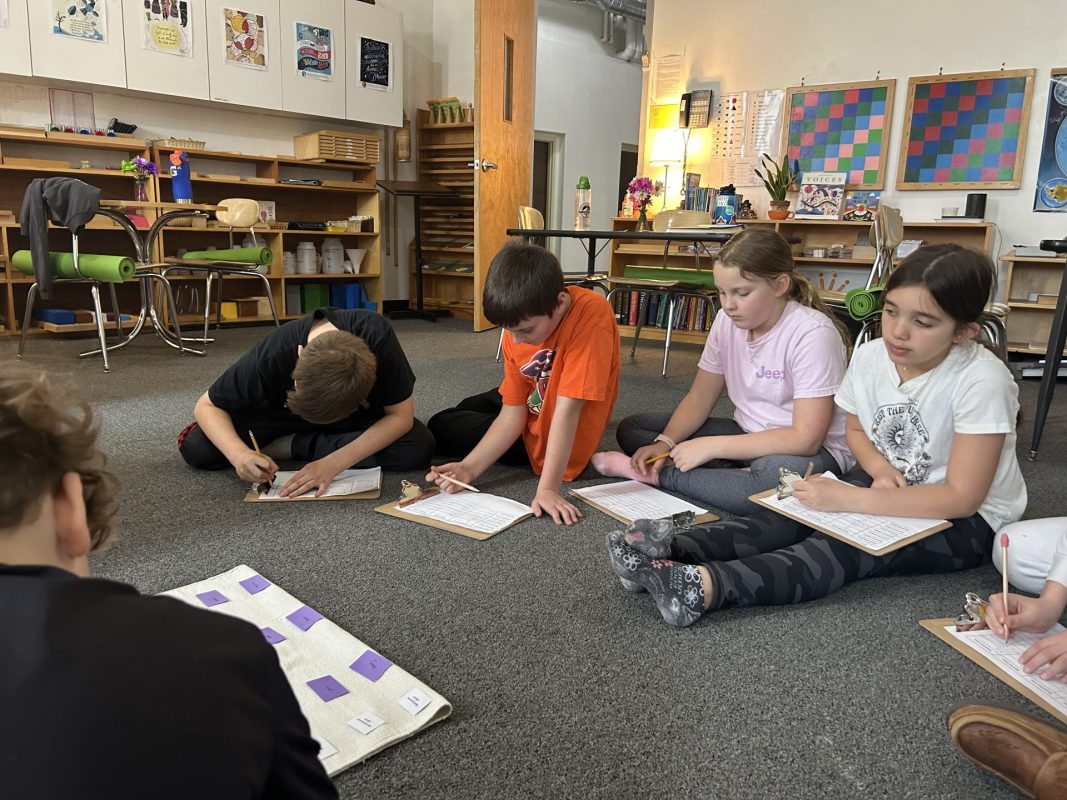
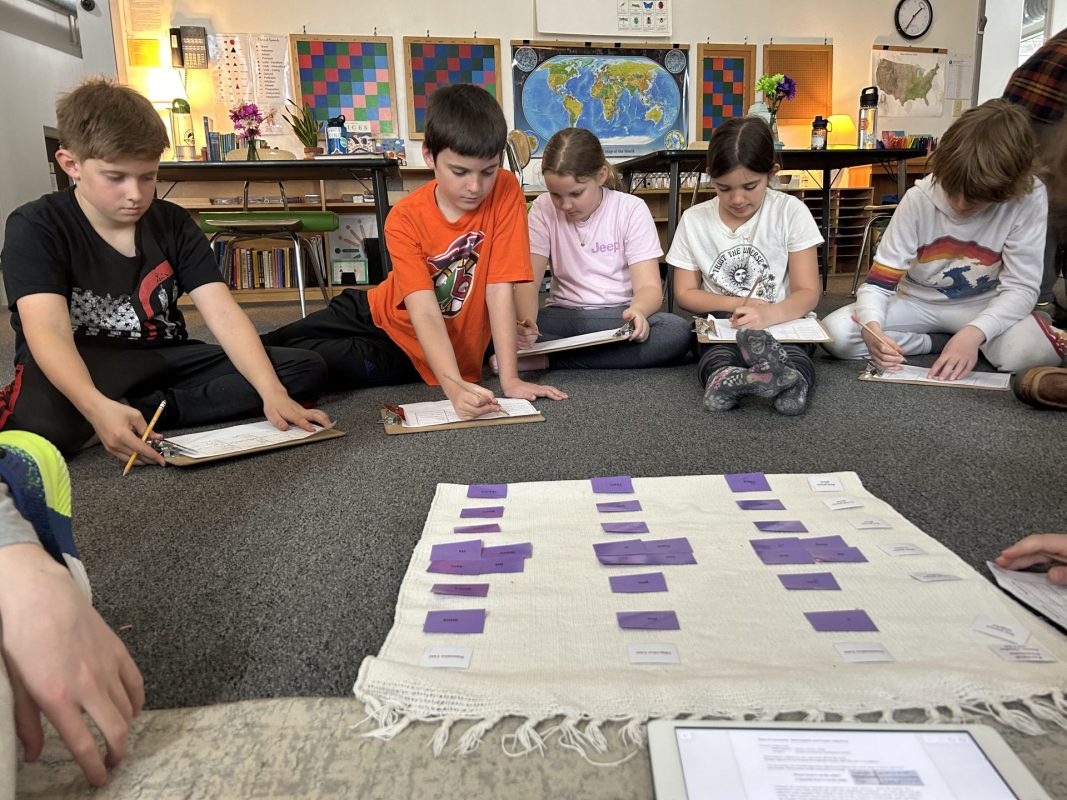
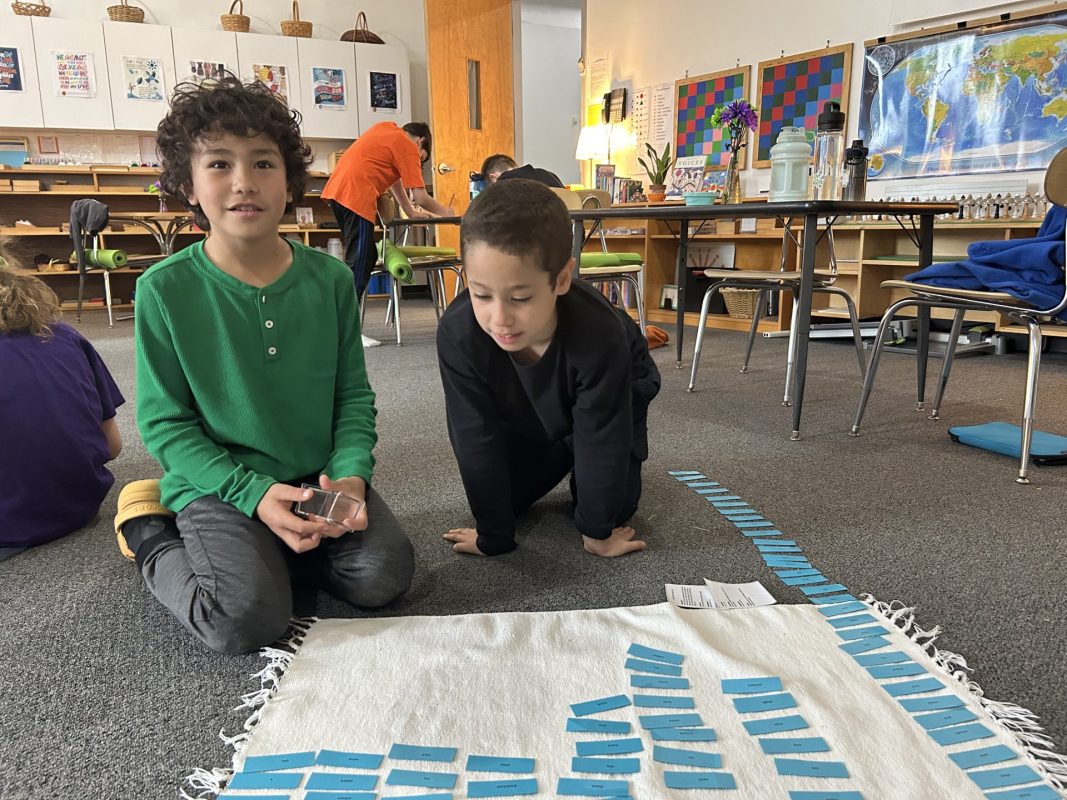
In 6th grade Humanities, students completed their class novel, The Eye of Ra. They also had a great discussion about overall novel reactions. Students mentioned favorite parts, character frustrations, and even parts of the novel they would have written differently or even omitted. Then, students began an essay discussing the character progression of John from the start to the end of the novel. Finally, students have drafted “Where I’m From”-Fraser Woods style poems as well as pet poetry inspired by the poems, “Birch” by Karen Shepard and “Shelter” by R.S. Jones.
Grade 7 Humanities students spent the week working on their drafts for their literary analysis essay using A Long Walk to Water by Linda Sue Park. They have created thesis statements and are using evidence form the novel (including direct quotations) to support the following quotation said by Salva: “Quitting leads to much less happiness in life than perseverance and hope.” Finally, students ended the week building some prior knowledge about the Malian cultural tradition of storytelling using proverbs and metaphors. Students will use this as they begin their next memoir, A Gift From Childhood by Baba Wague Diakite.
In Mr. Newman’s 8th grade History class, students have been learning about the titans of industry in the US during its Gilded Age. The advancements of technology and the ability to move people and goods and services throughout the country not only helped us become an economic power, it also brought new issues of labor force treatment and business regulation that the country was not prepared for. With Mrs. Lamb, students reviewed in-text citations as they finalize their expert research paper drafts for next week. Additionally, students continue to lead book discussion of She Came to Slay about Harriet Tubman’s history and life with their annotations. They also looked at the Fugitive Slave laws and other legislation as it affected Harriet’s journey on the underground railroad.
Math
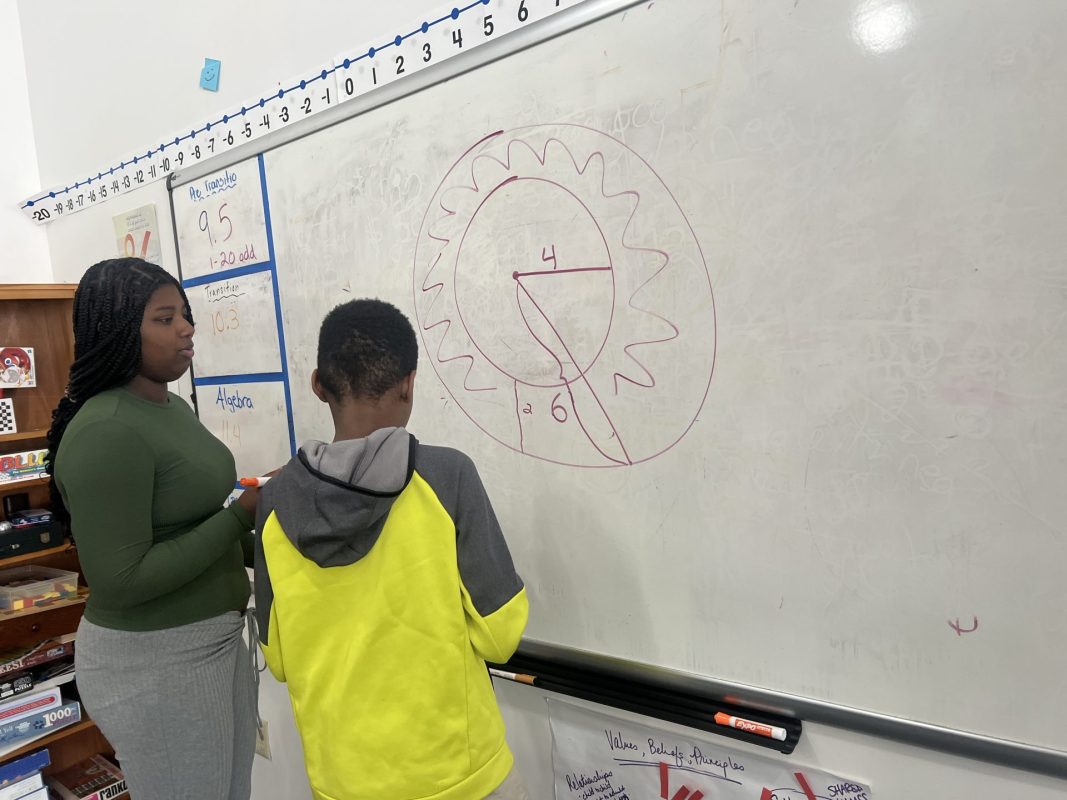
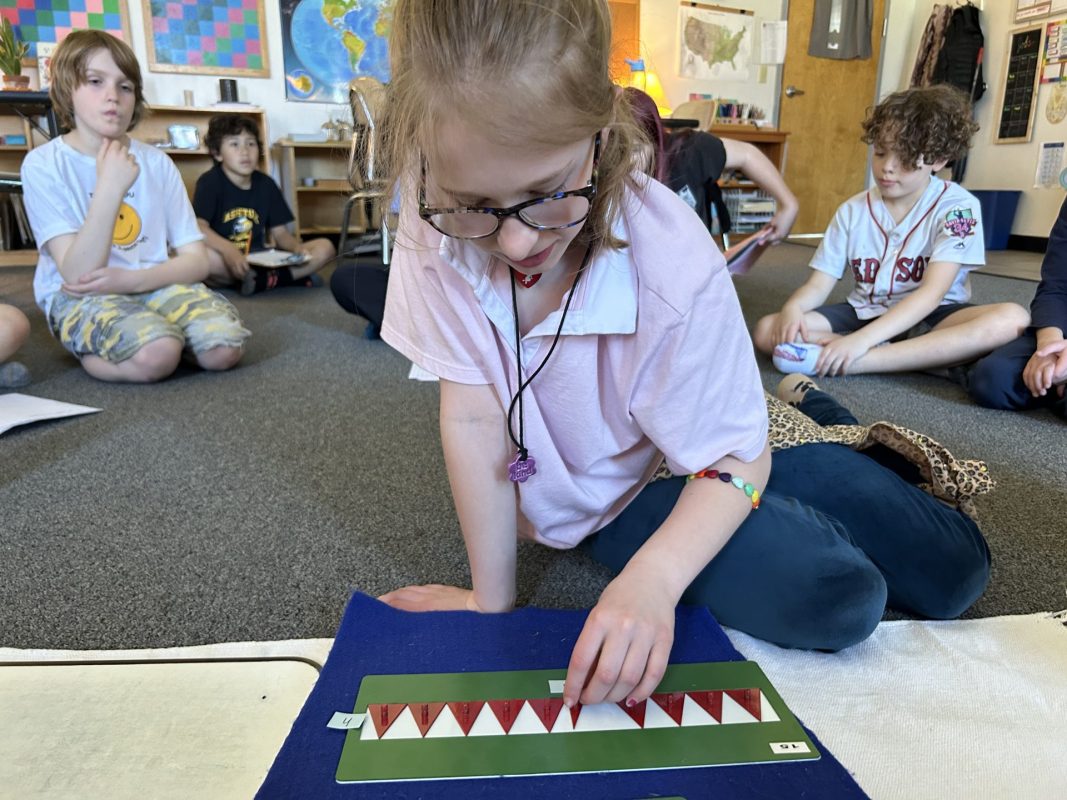
Pre-Transition math students worked this week on chapter 9, Area and Volume. Concepts such as areas of frames and rings, drawing boxes, surface area, and the volume of a cube were introduced as students were able to represent their understanding on multiple levels such as artistic representations. The students put their learning into practice by representing a 3-dimensional box, showcasing their understanding of the lessons learned thus far.
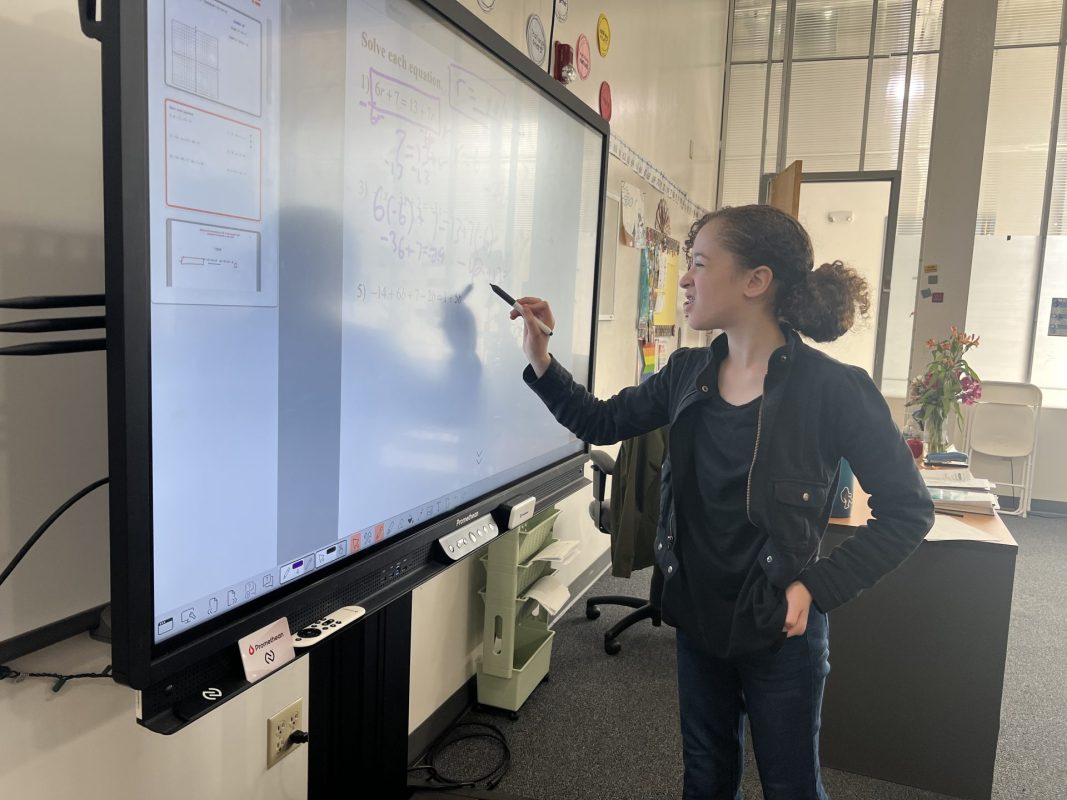
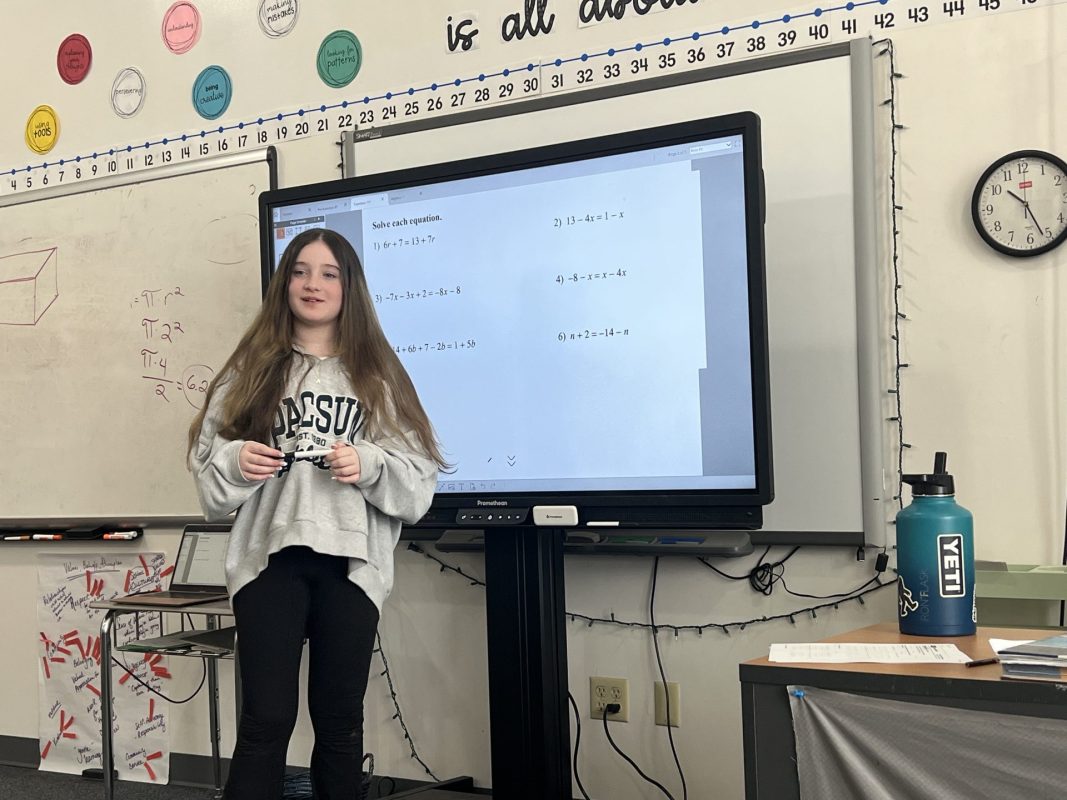
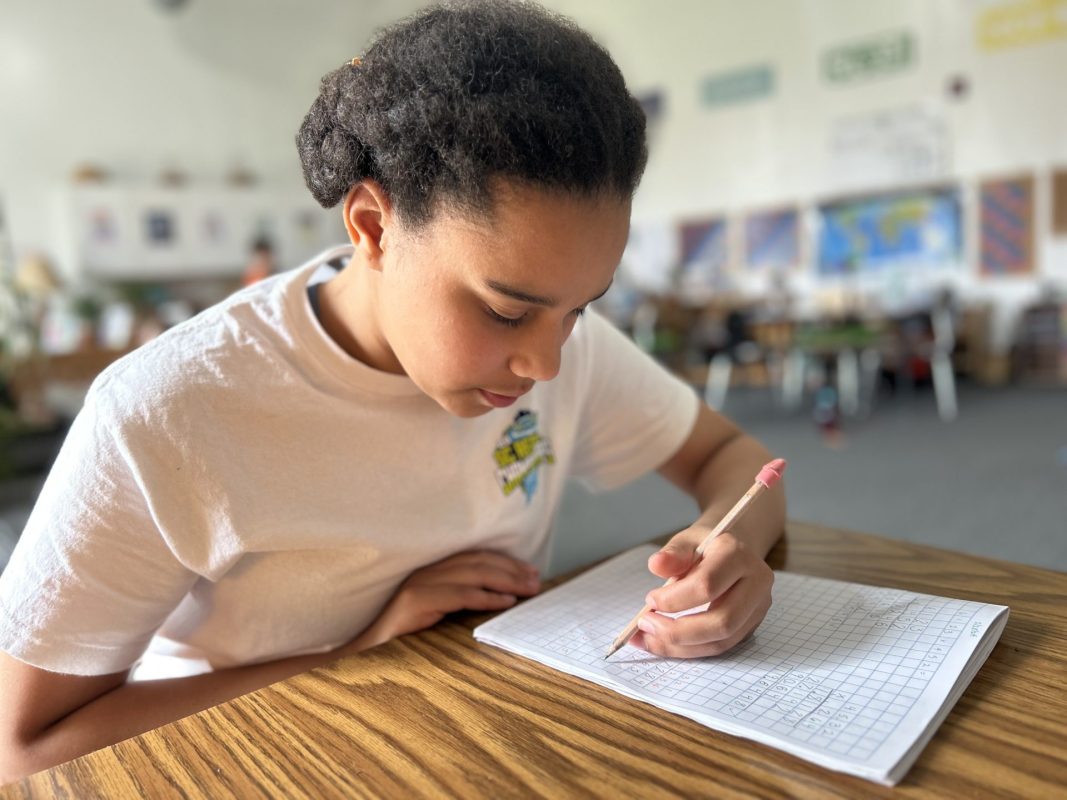
Transition math students continued to work on chapter 10 this week, focusing on Linear Equations and Inequalities. Throughout the week, they tackled various concepts such as solving equations of the form ax + b < cx + d, understanding linear combinations, mastering the art of graphing inequalities, and interpreting time-distance graphs. This exciting journey is helping students develop their problem-solving skills and build a strong foundation in algebraic thinking.
This week, Algebra math students continued their work on chapter 11, Polynomials. They focused on various units such as multiplying polynomials, special binomial products, and permutations, and even learned about the chi-square statistic. Understanding how to manipulate polynomials is a key skill that will help them solve more complex mathematical problems in the future, laying a solid foundation for their algebraic journey.
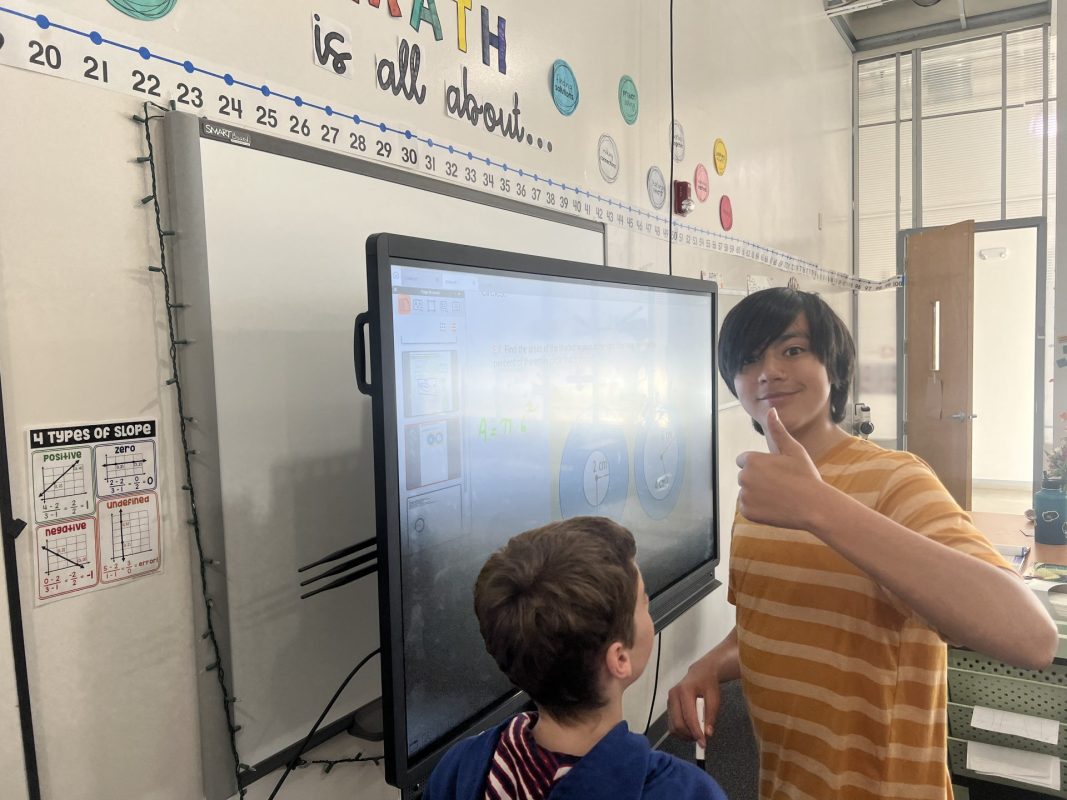
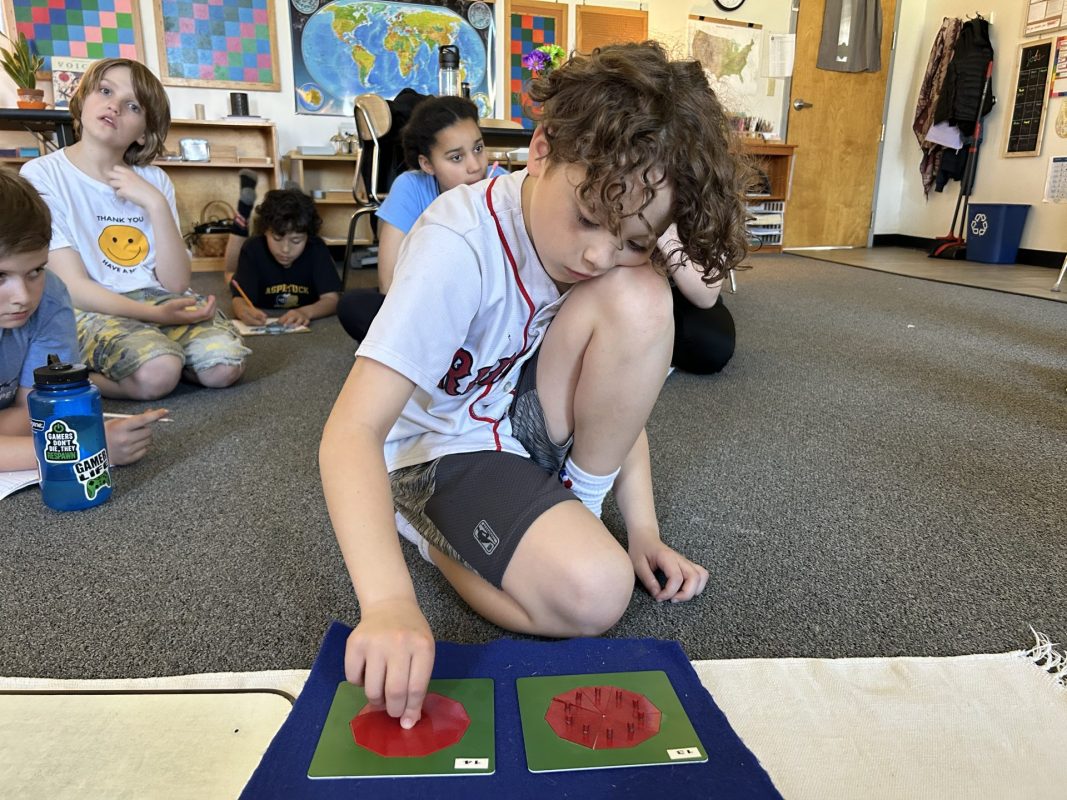
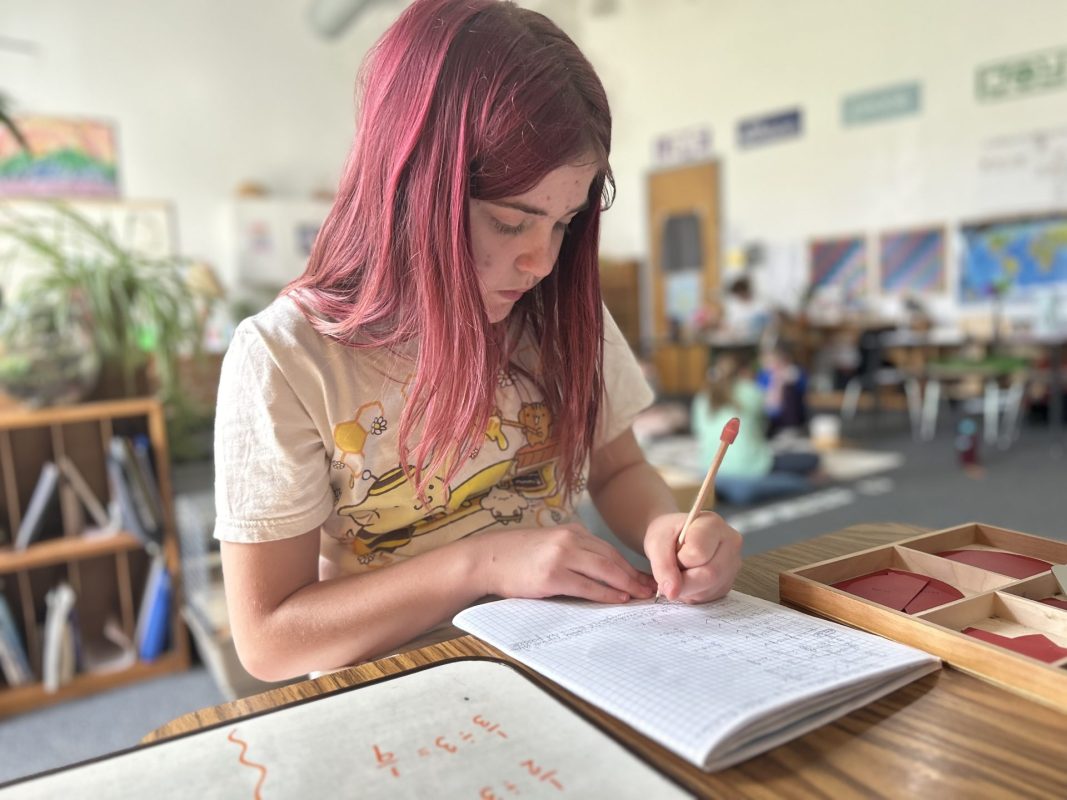
The eighth grade geometry class has been working on finding the area of a circle inscribed and circumscribed around regular polygons. They are finding the apothem by applying the Pythagorean theorem or using special right triangles. The students are calculating the probability of shaded areas. They have done numerous word problems and diagrams involving these topics.
Science
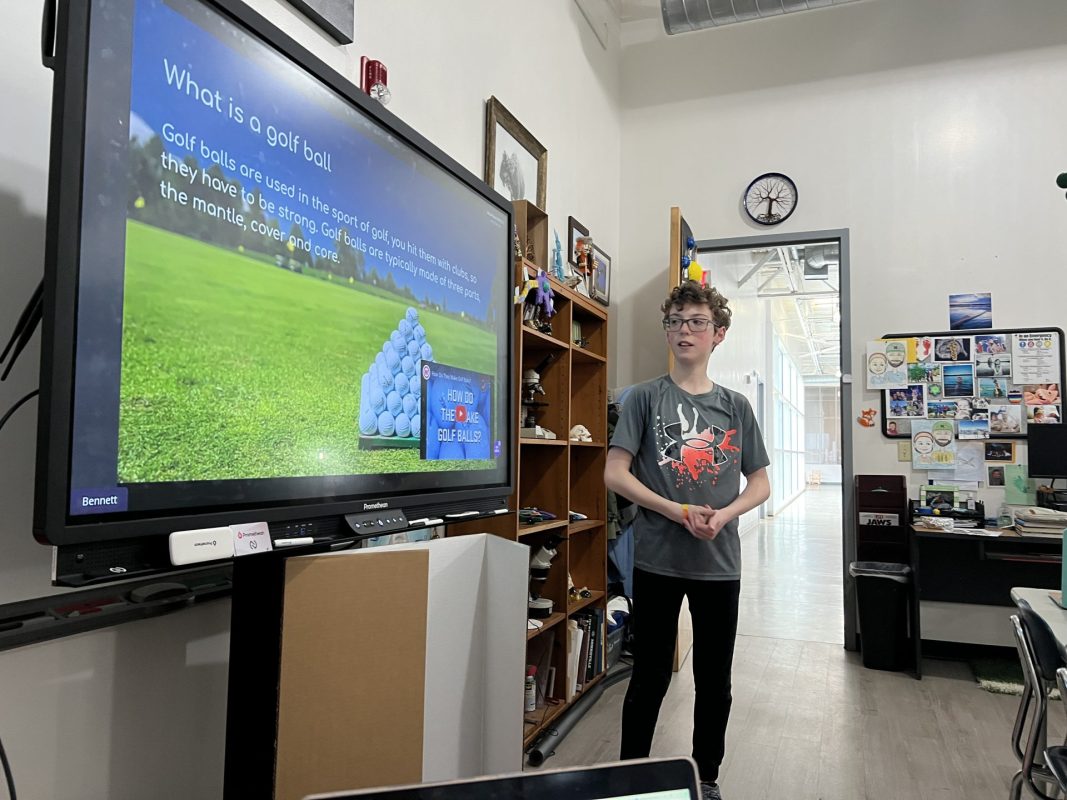
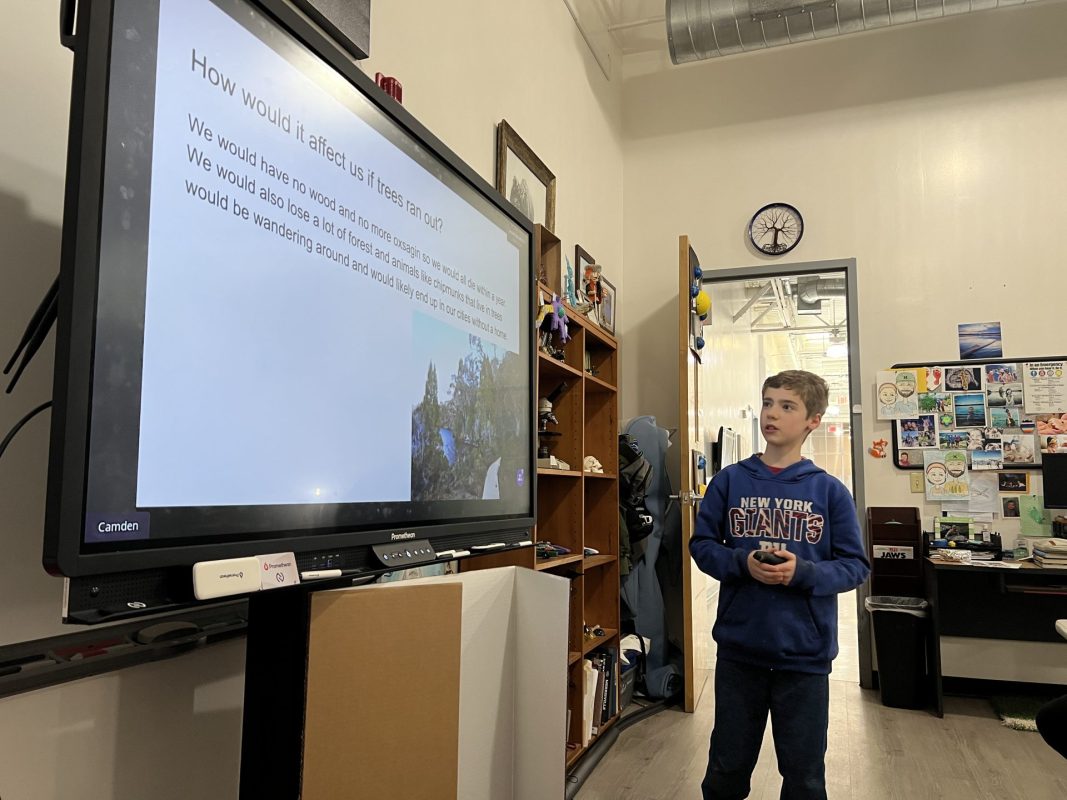
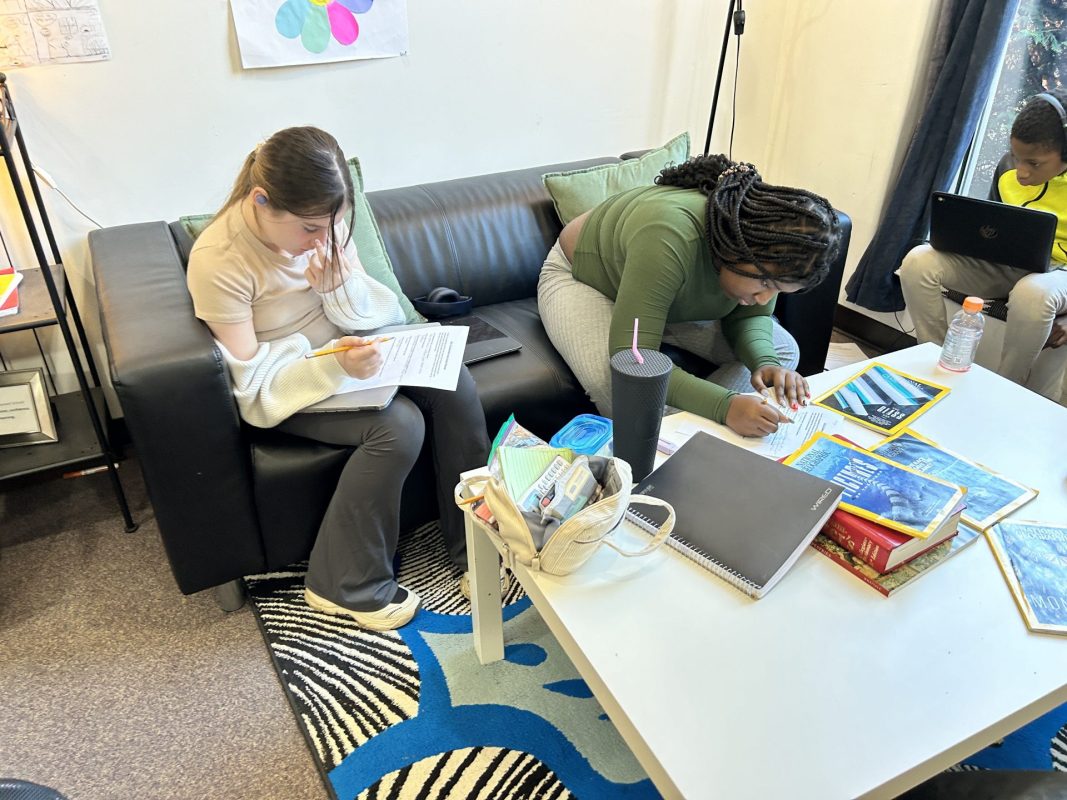
6th-year Earth Science students took their understanding of the impact of human activities on our planet to a new level through a series of formal presentations. Exploring topics such as the utilization of natural resources, the ease of obtaining and replenishing renewable and nonrenewable resources, the effects of human populations and activities on Earth’s systems, and the significance of responsible natural resource management, these presentations not only showcased the students’ knowledge but also highlighted the critical need for sustainable practices to protect our environment for future generations.
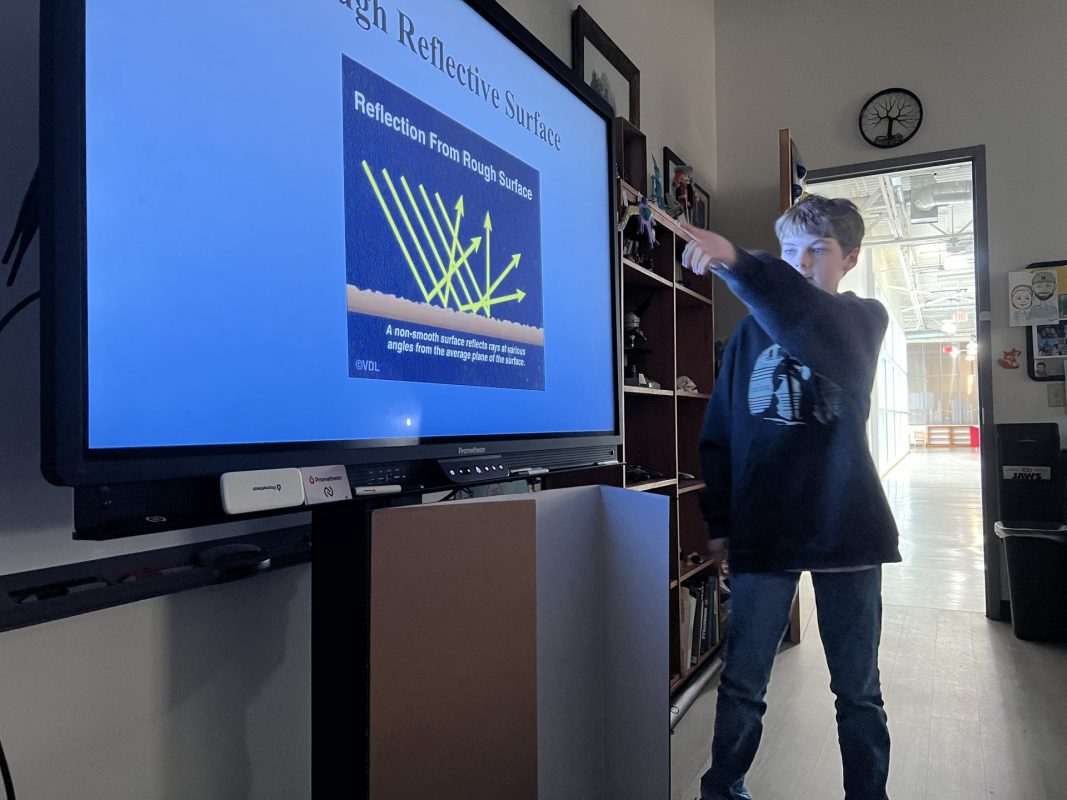
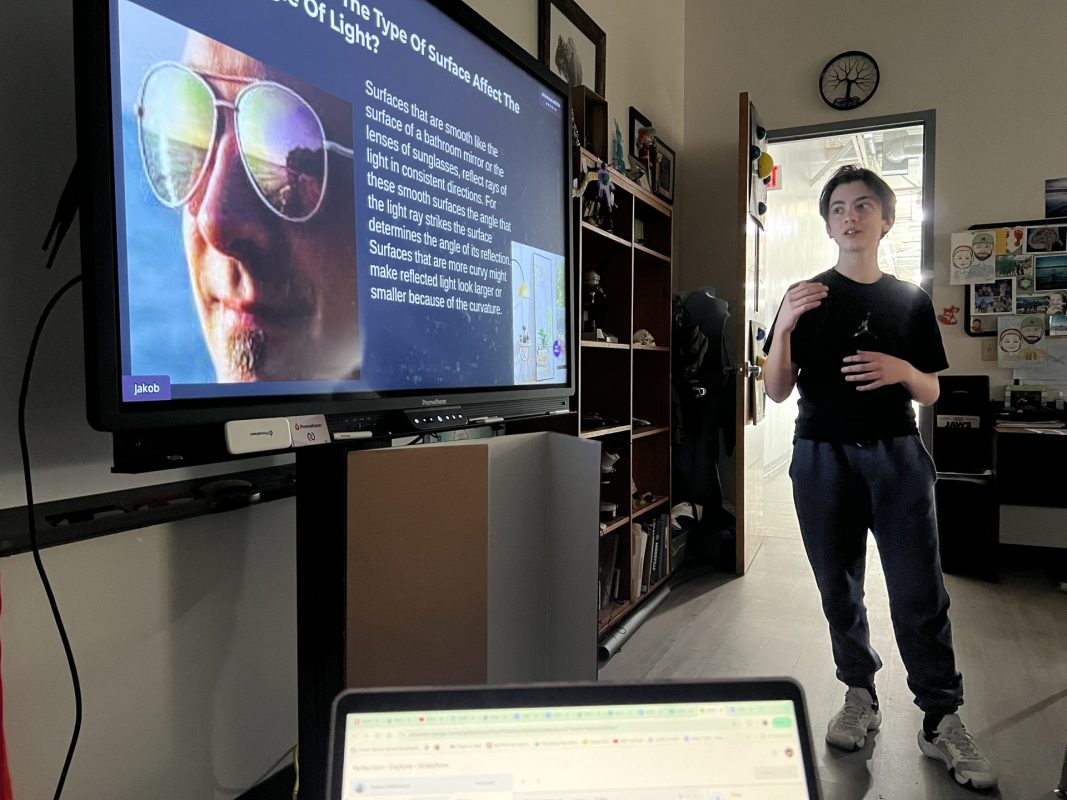
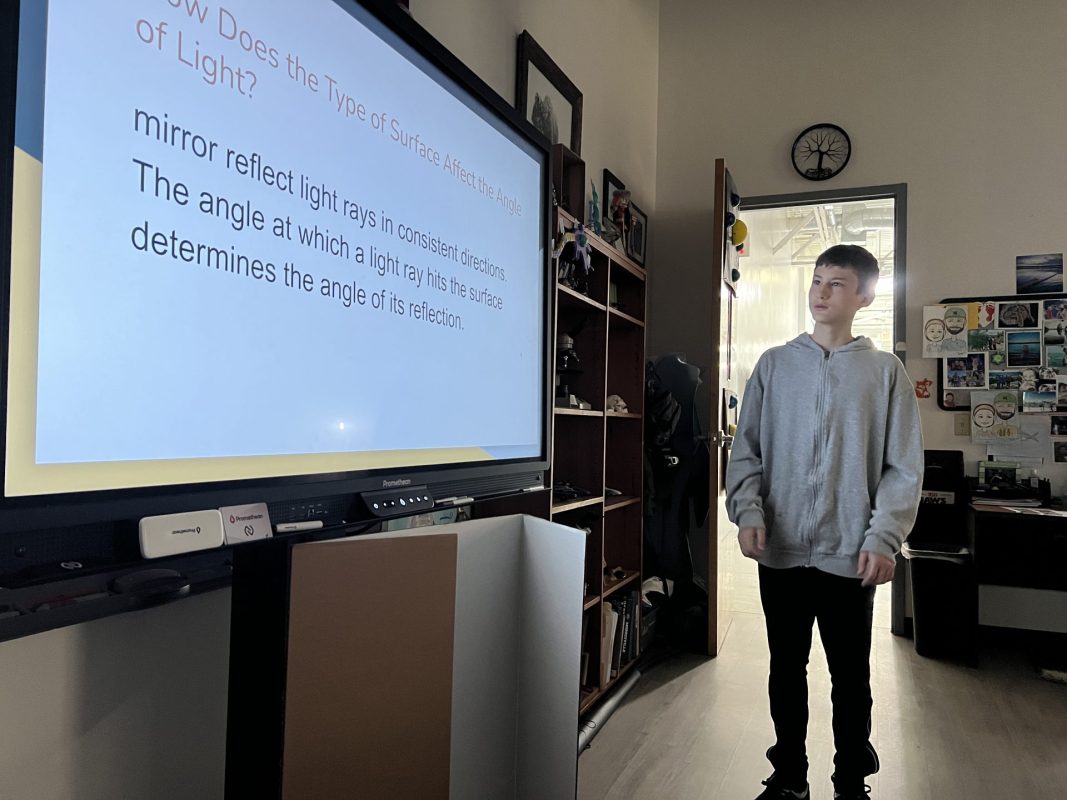
In the 7th year Physical science classroom, students delved into the fundamental concepts of reflection, exploring how light interacts with different mirrors. As they presented key ideas and learning objectives of the unit, Reflection, they also engaged in a hands-on and artistic activity. Using convex and concave mirrors, students had the opportunity to artistically represent images through the lens of reflection. This practical approach not only enhanced their understanding of optical principles but also sparked their creativity in visual representation within the realm of science.
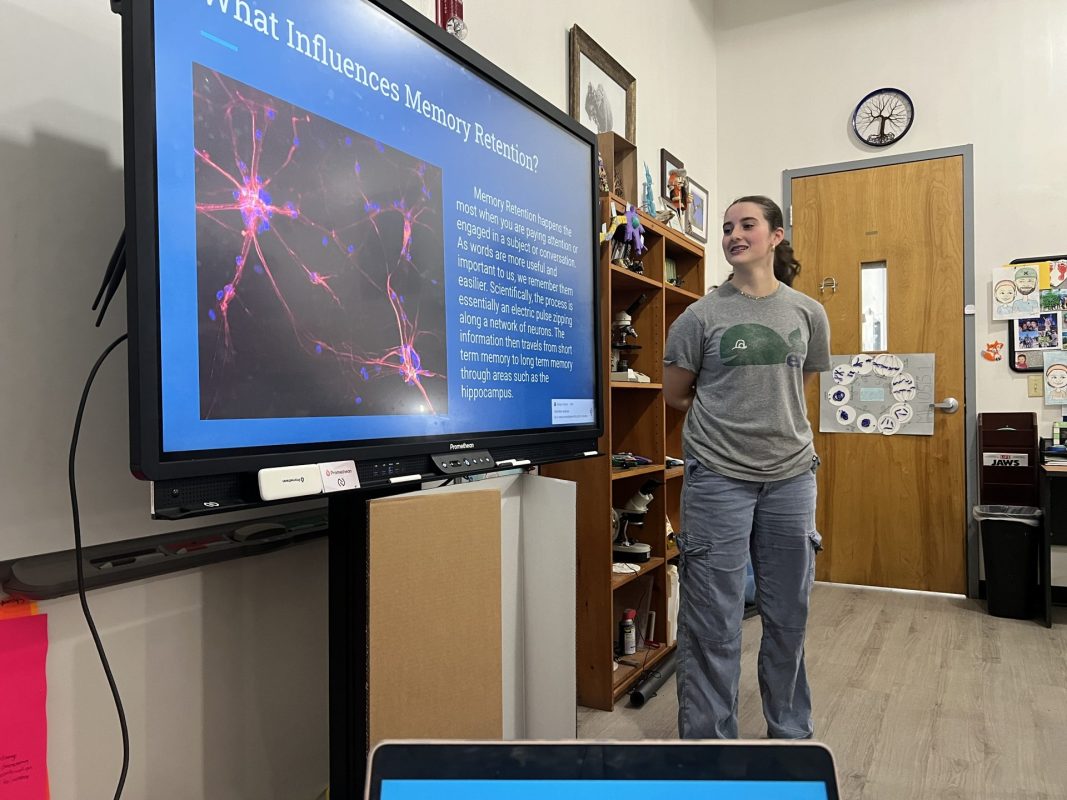
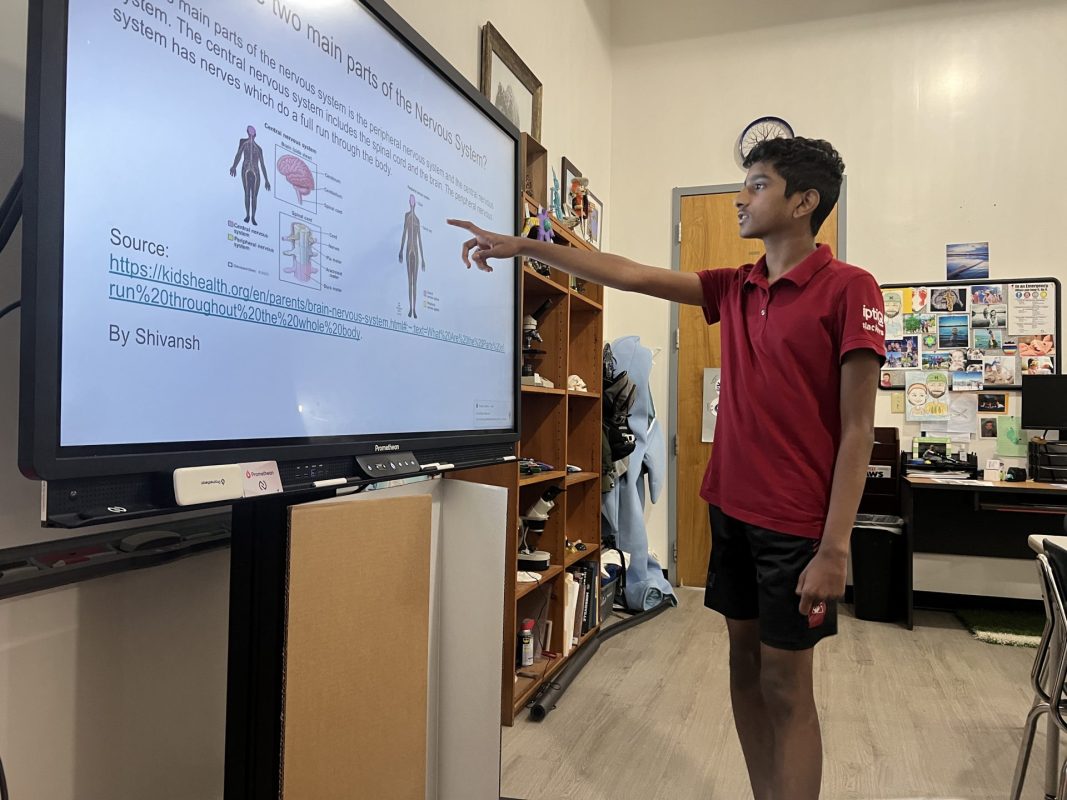
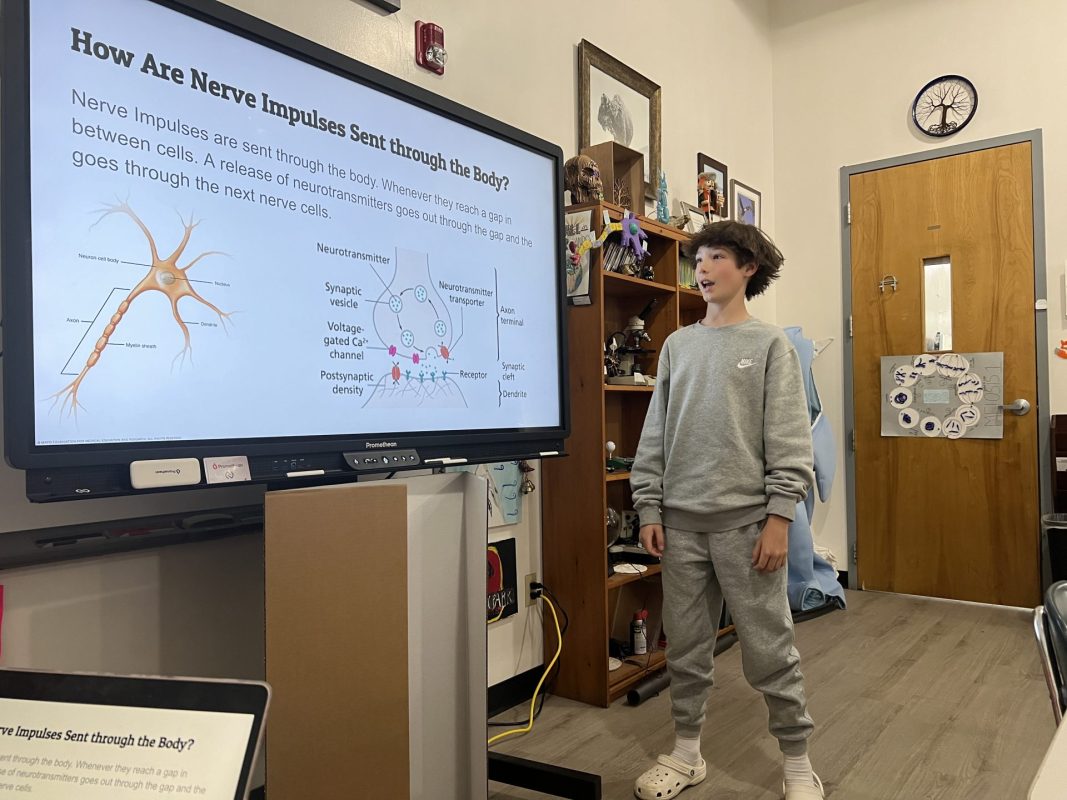
8th-year students explored more of the body’s nervous system, unraveling its complex network of communication pathways. Through research projects, students explored the fundamental objectives of the unit, seeking to grasp the intricate web of the nervous system’s components. Students were able to become more familiar with the various parts of the nervous system, from the brain to the spinal cord and nerves, while unraveling the vital role each element plays in transmitting messages throughout the body. Additionally, students examine the structure and function of neurons, discovering how these specialized cells transmit electrical impulses to facilitate communication.