Blog

Mrs. Sargeant: A Peek at the Week

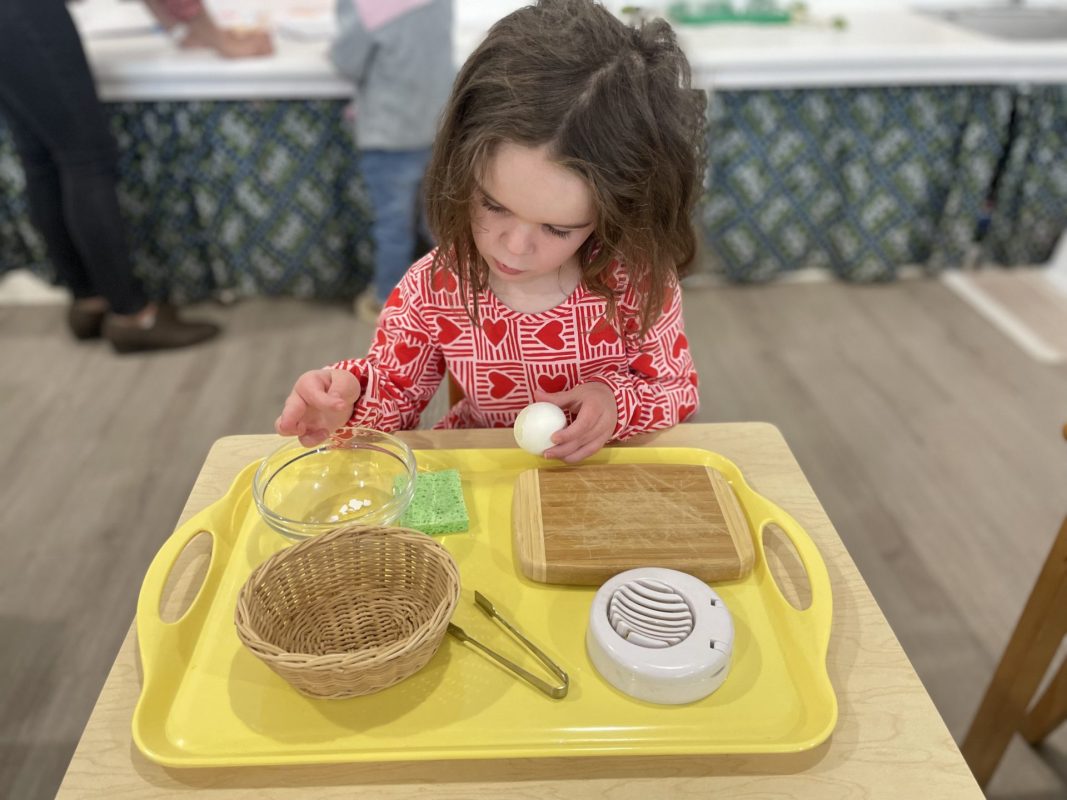
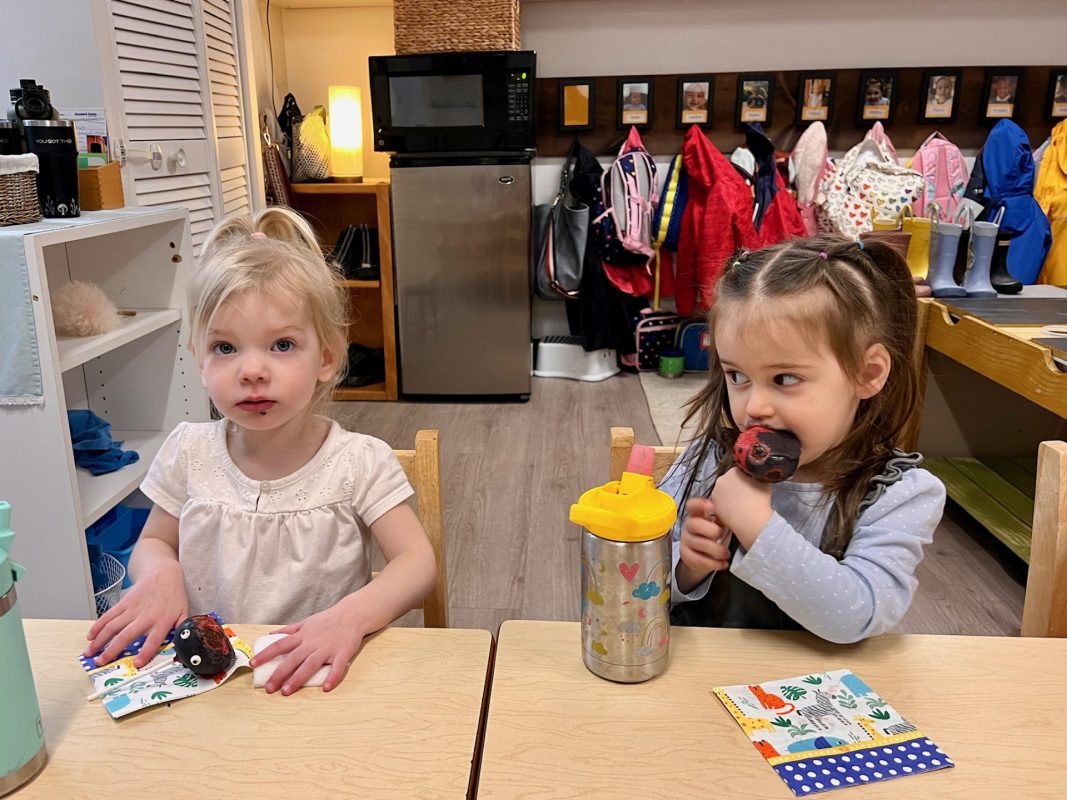
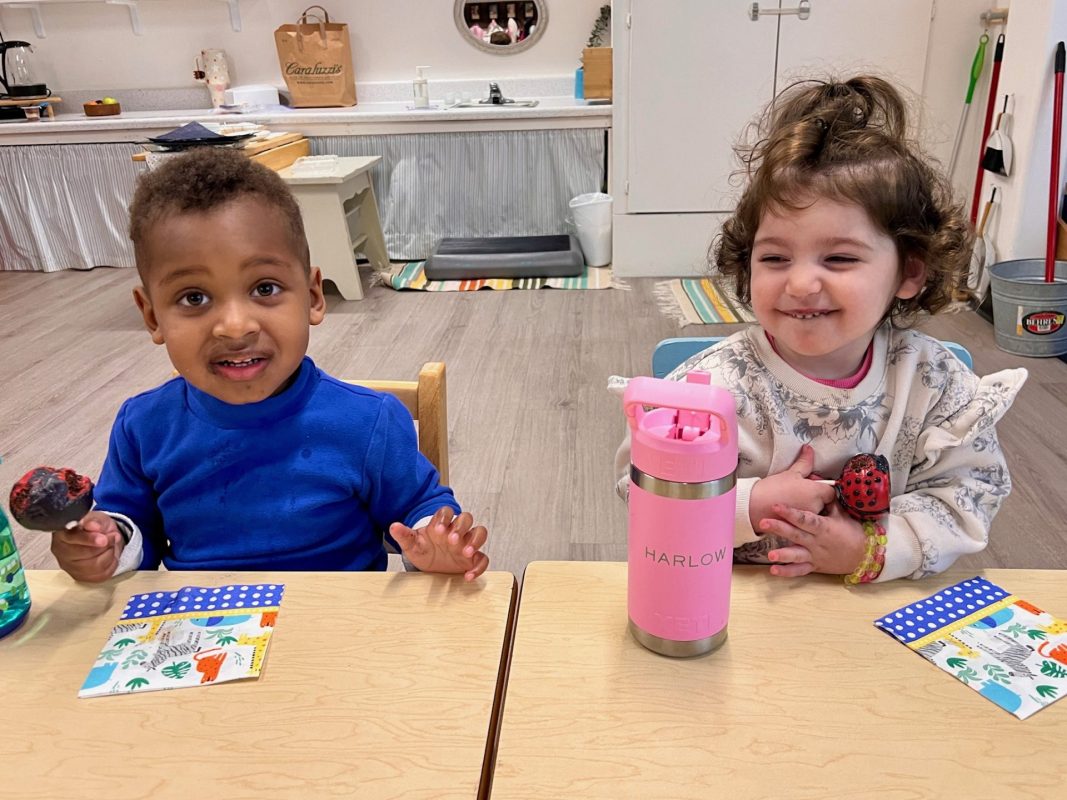
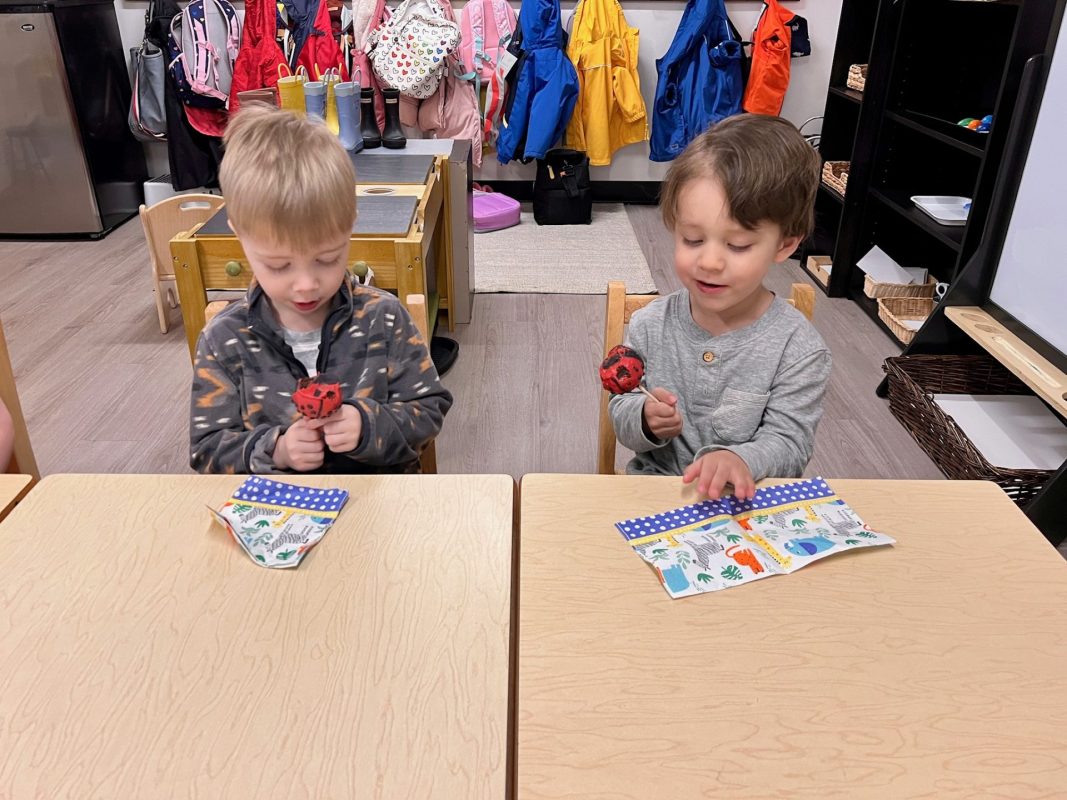
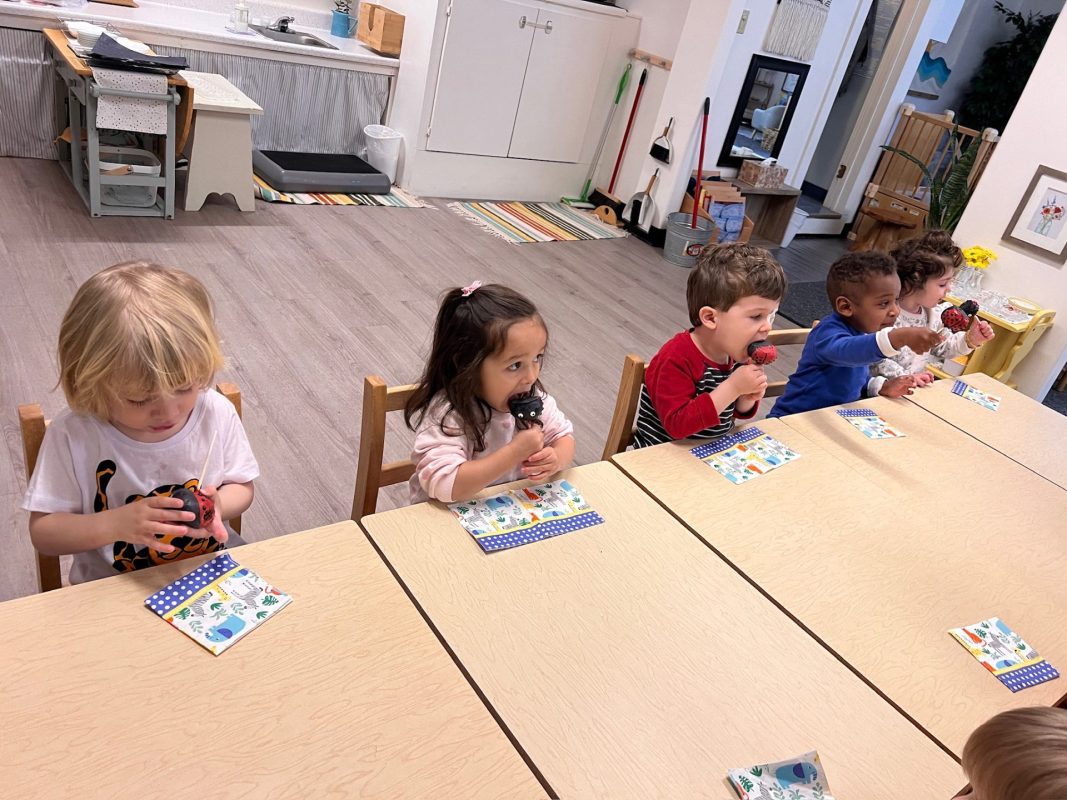
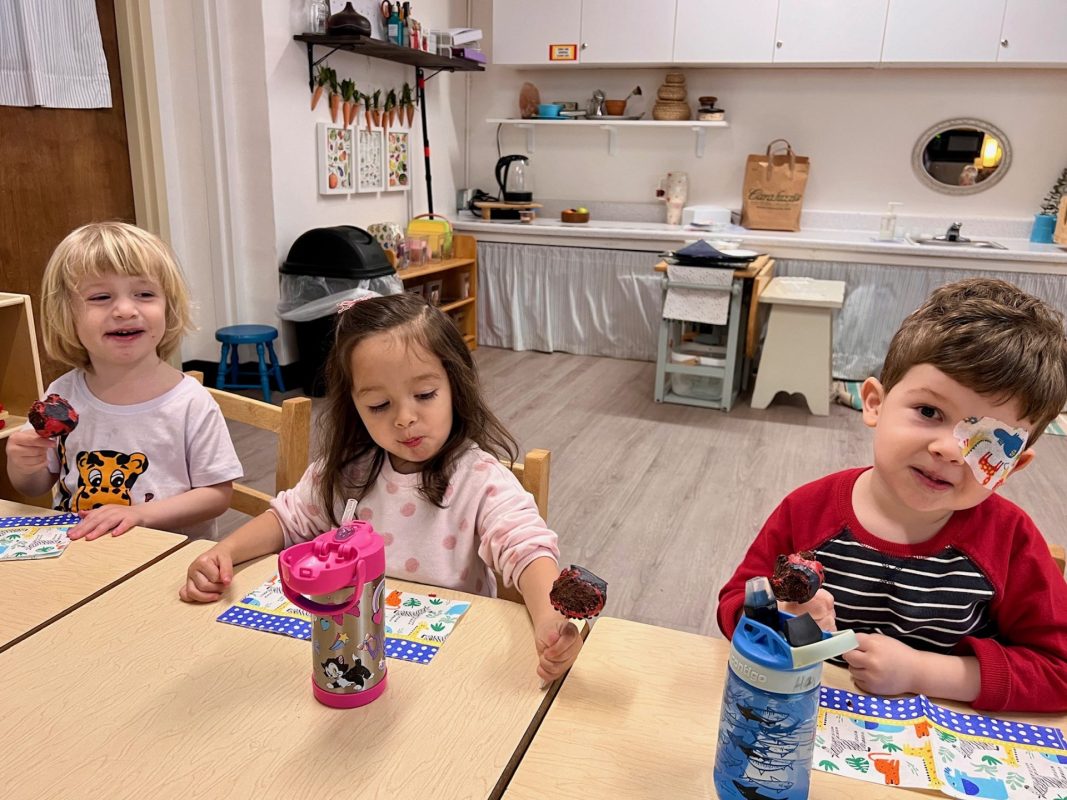
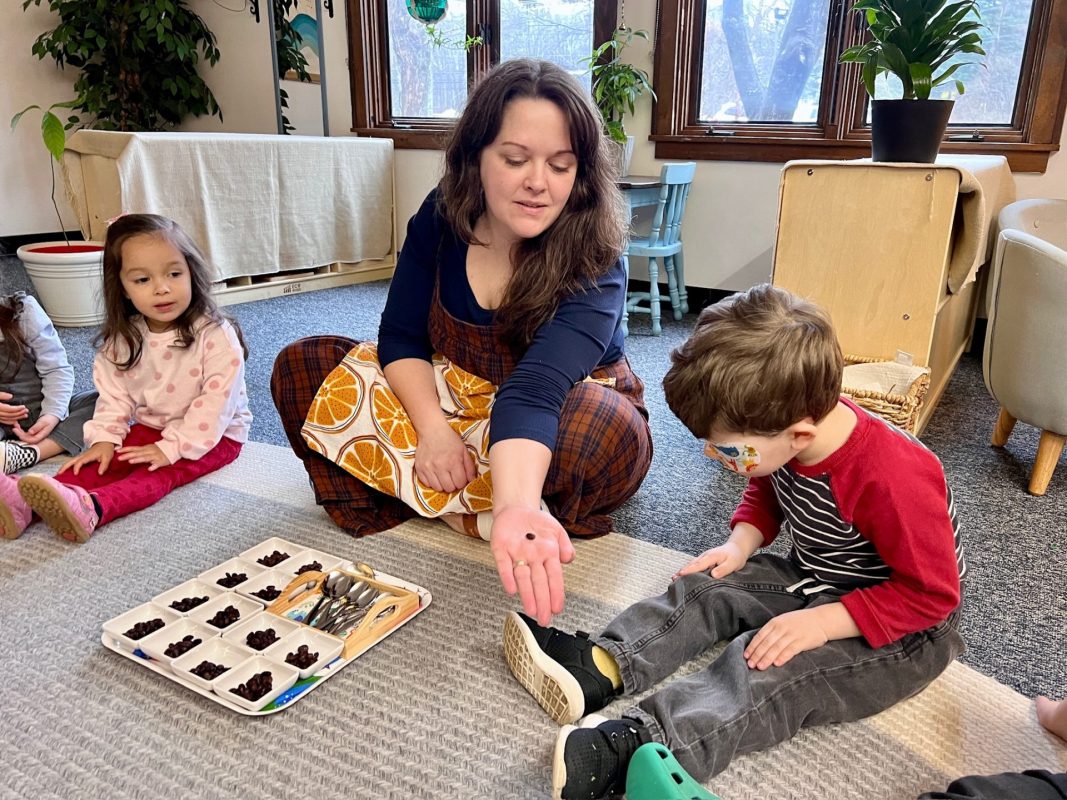
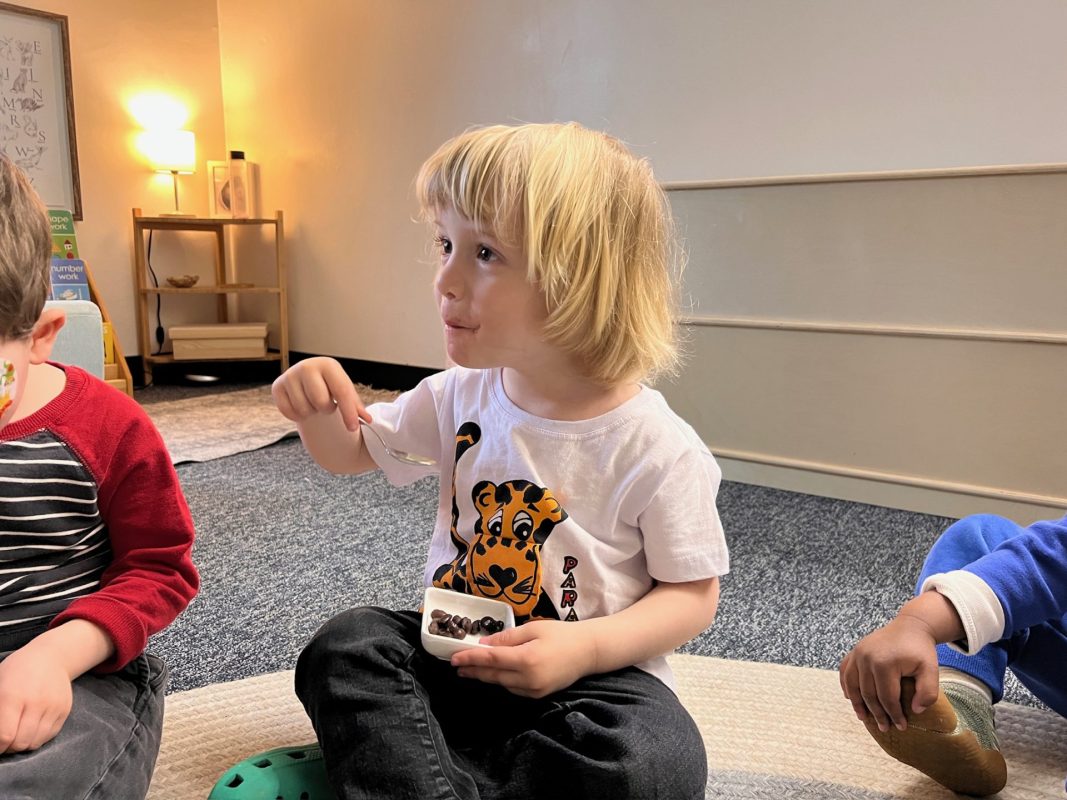
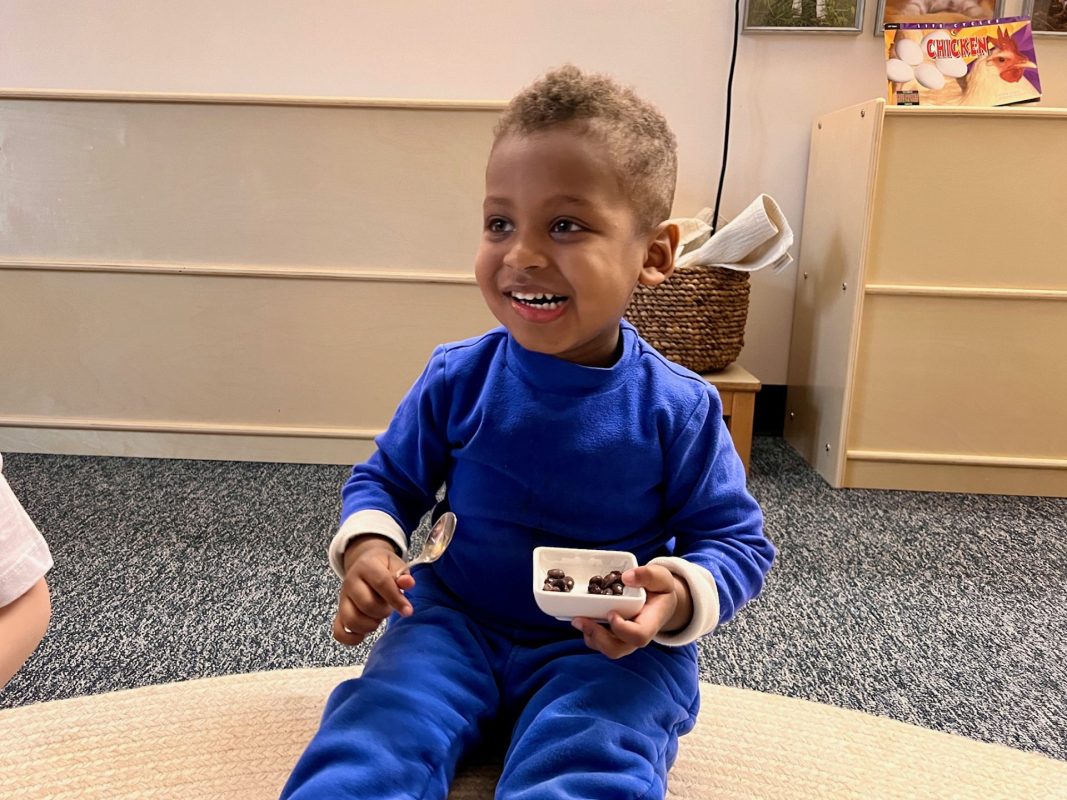
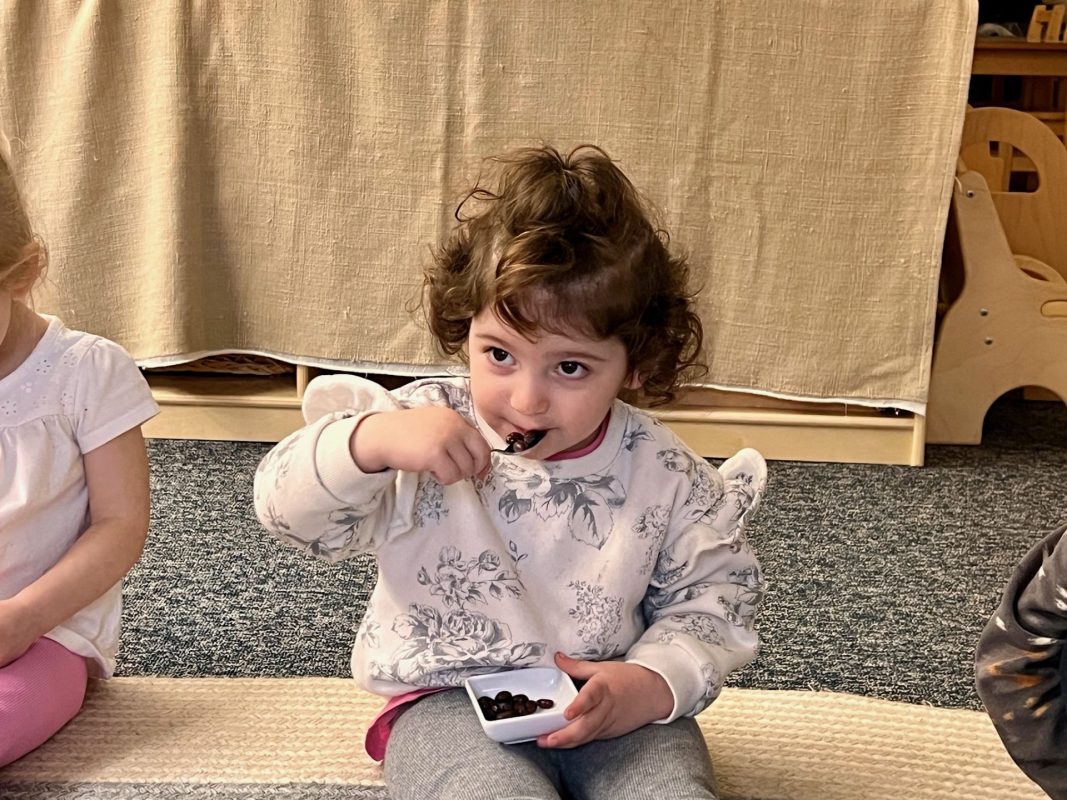
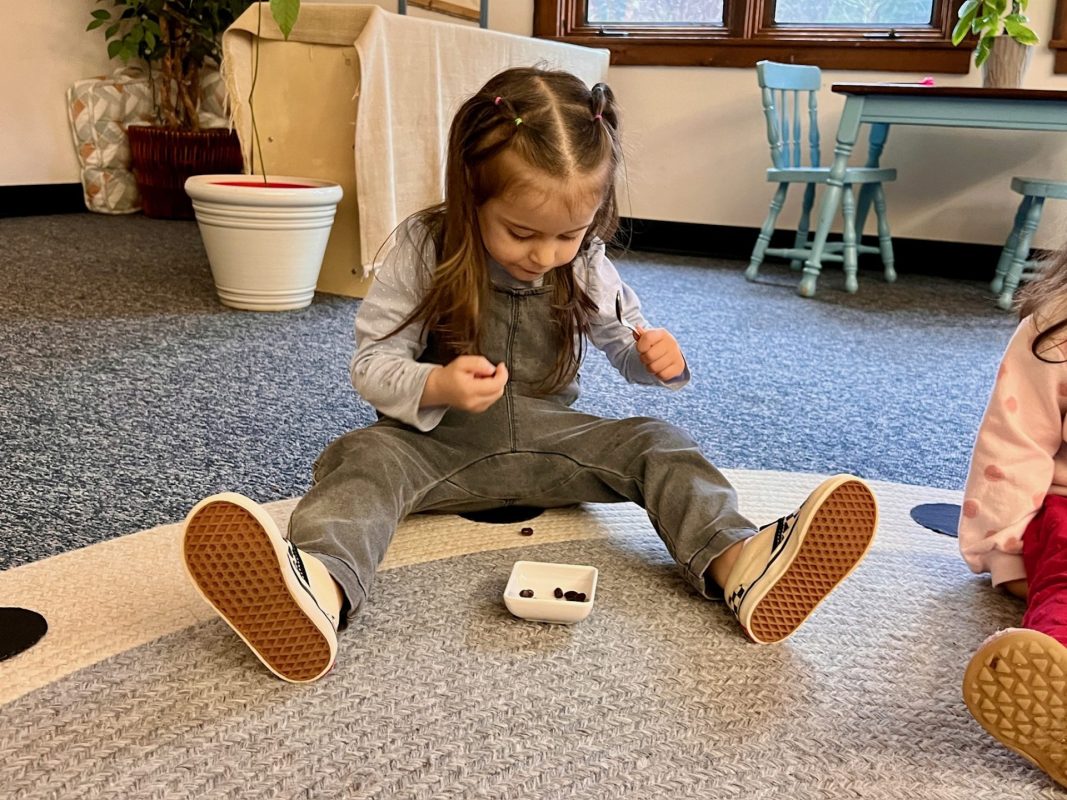
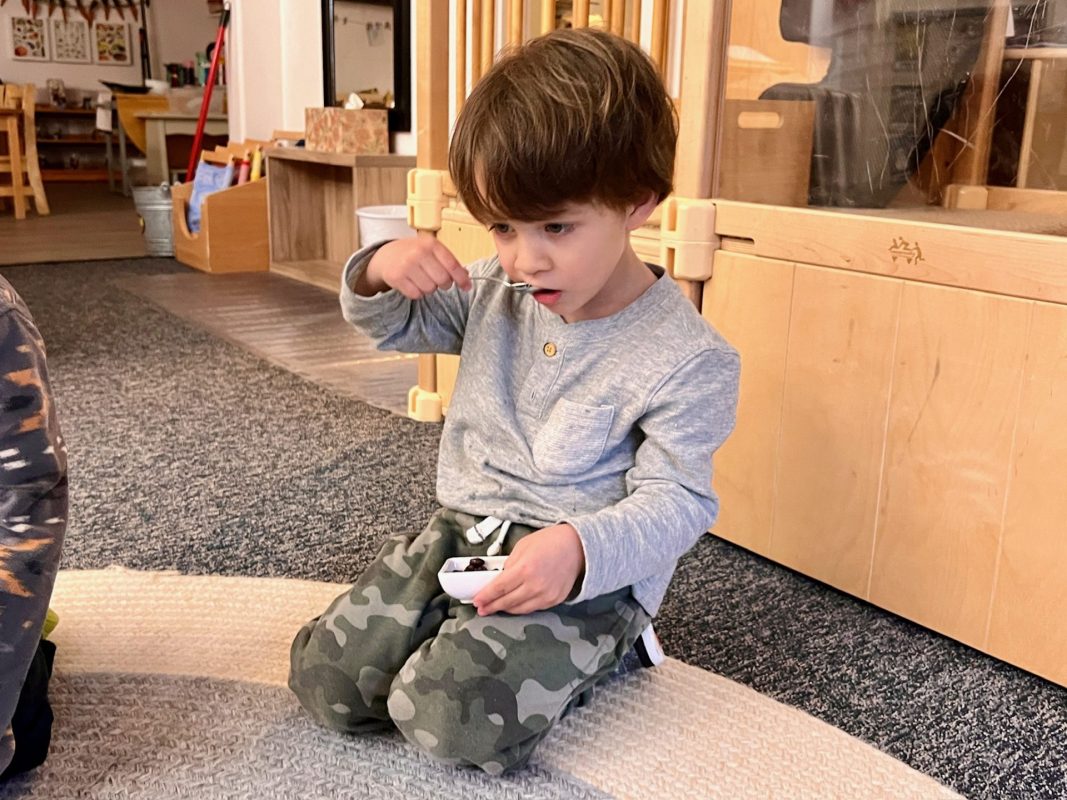
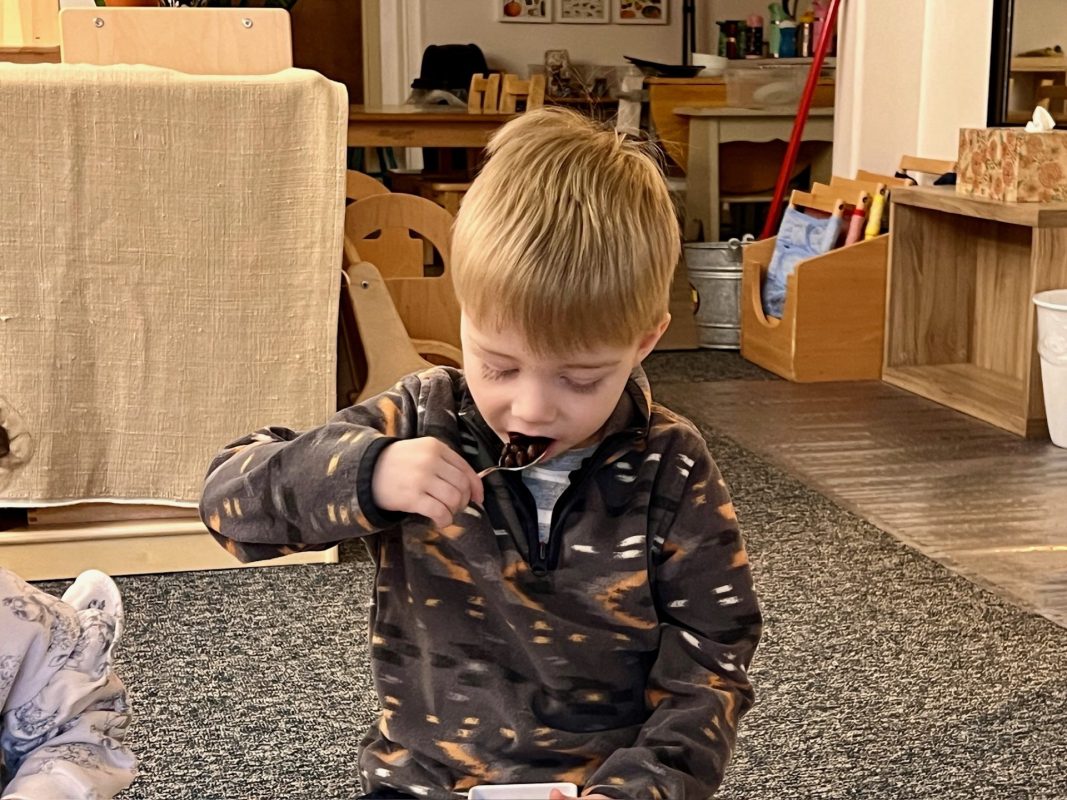
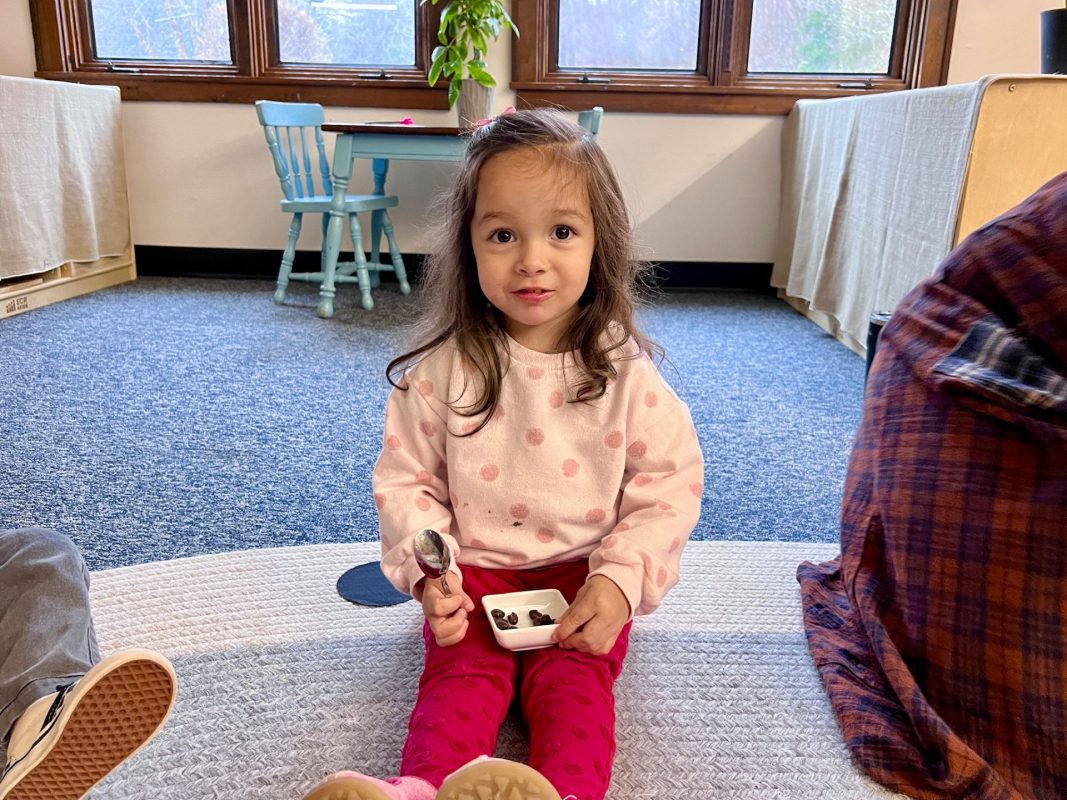
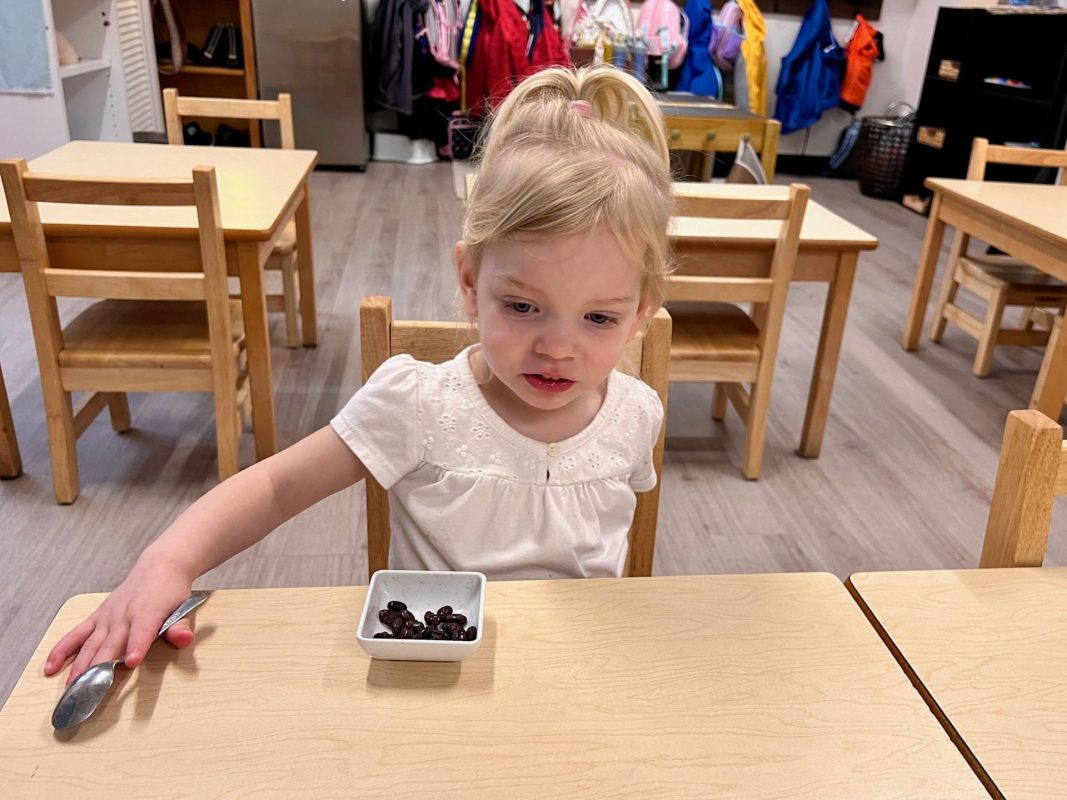
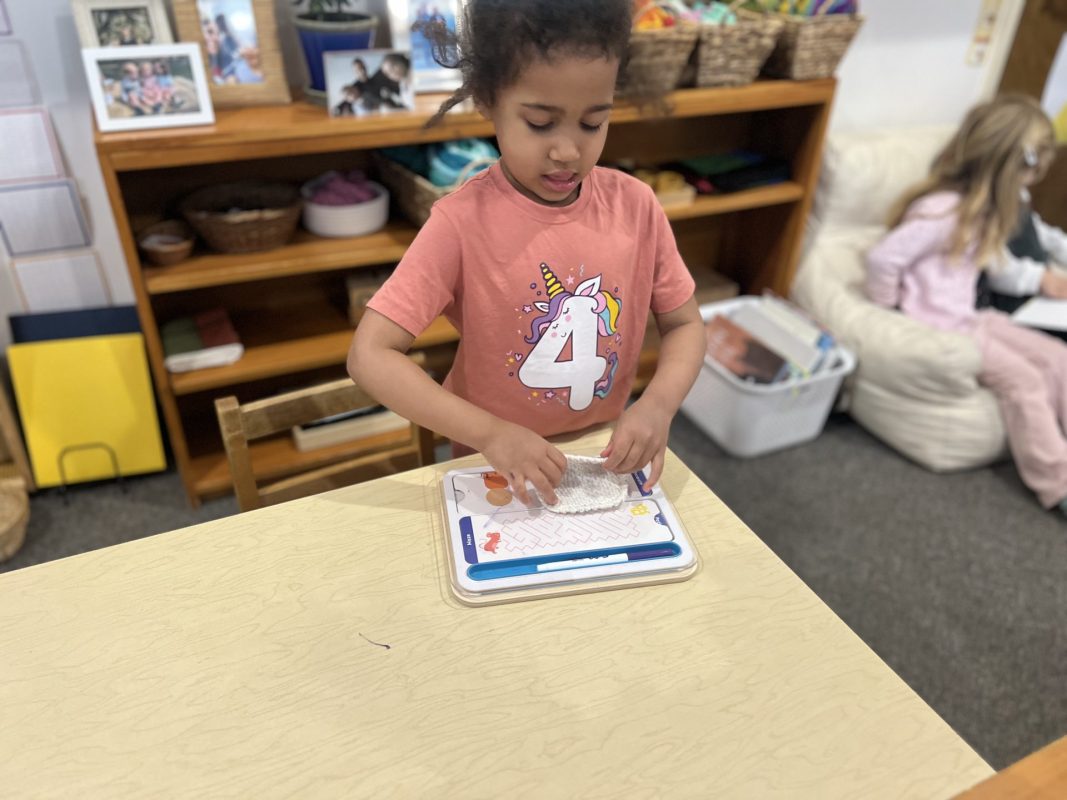
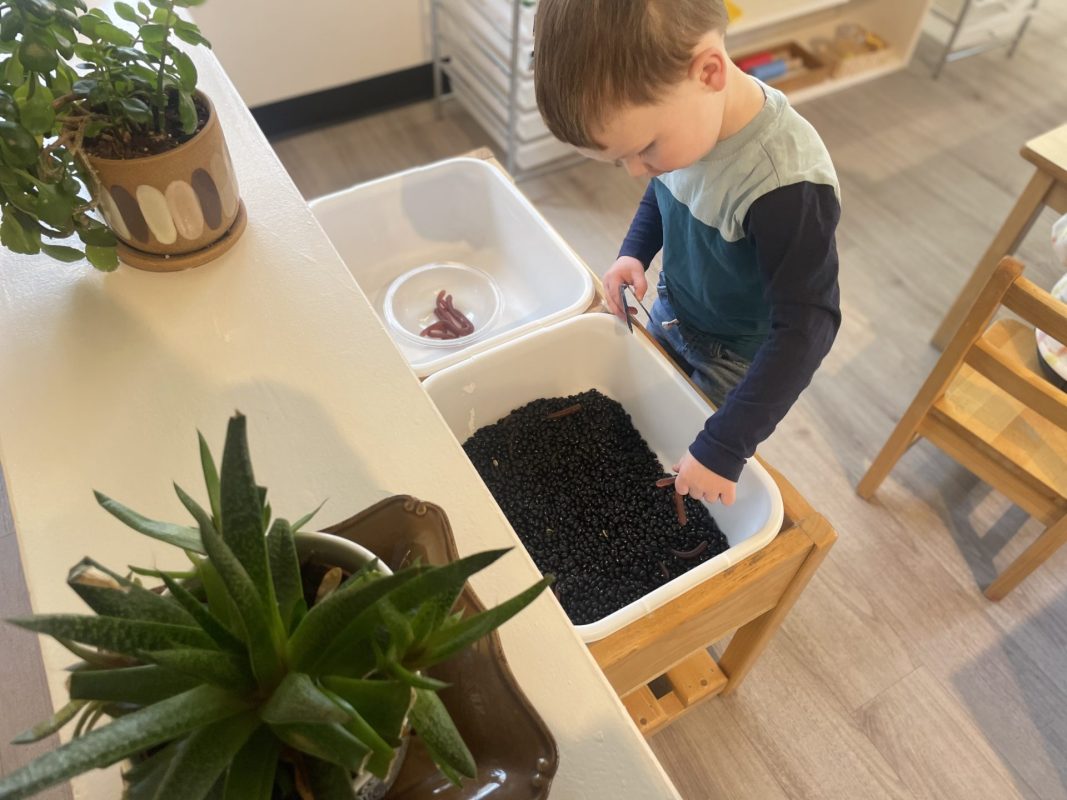
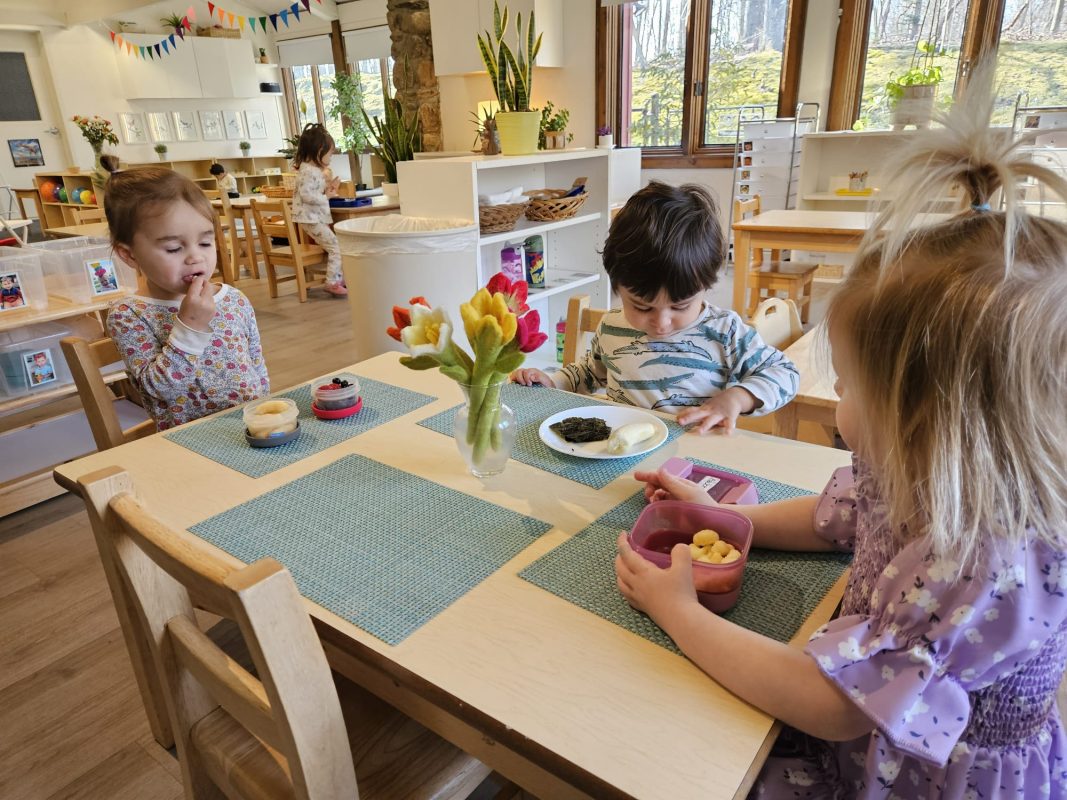
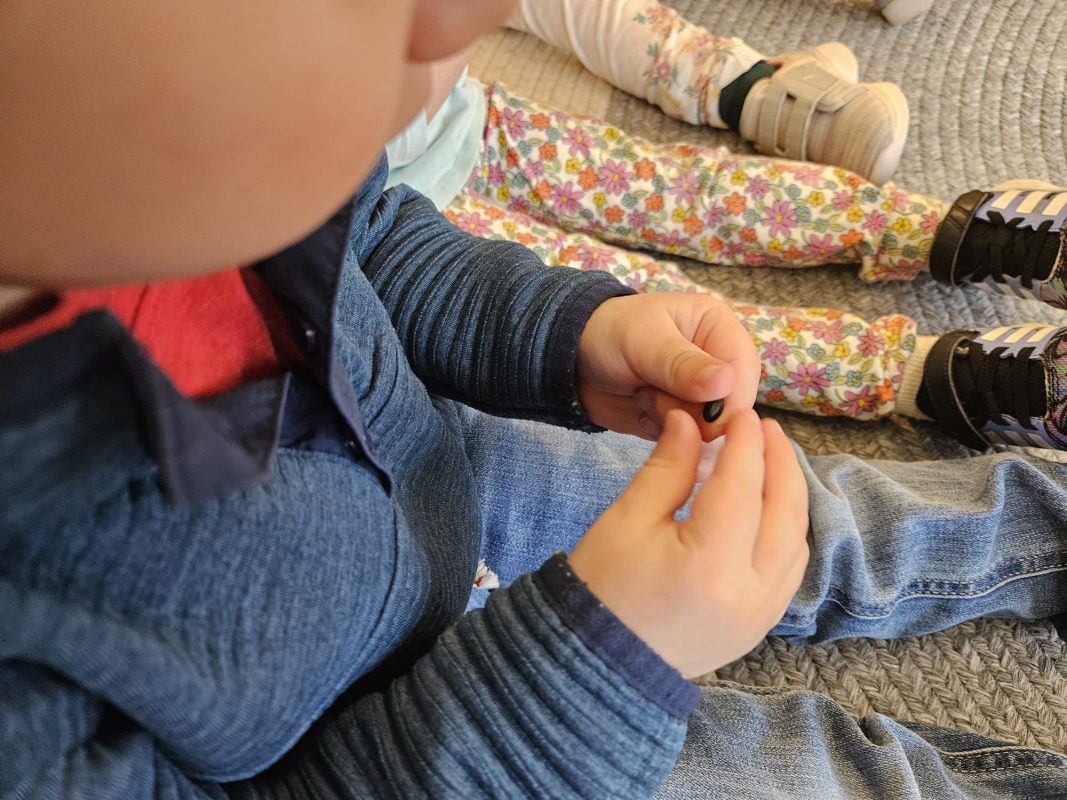
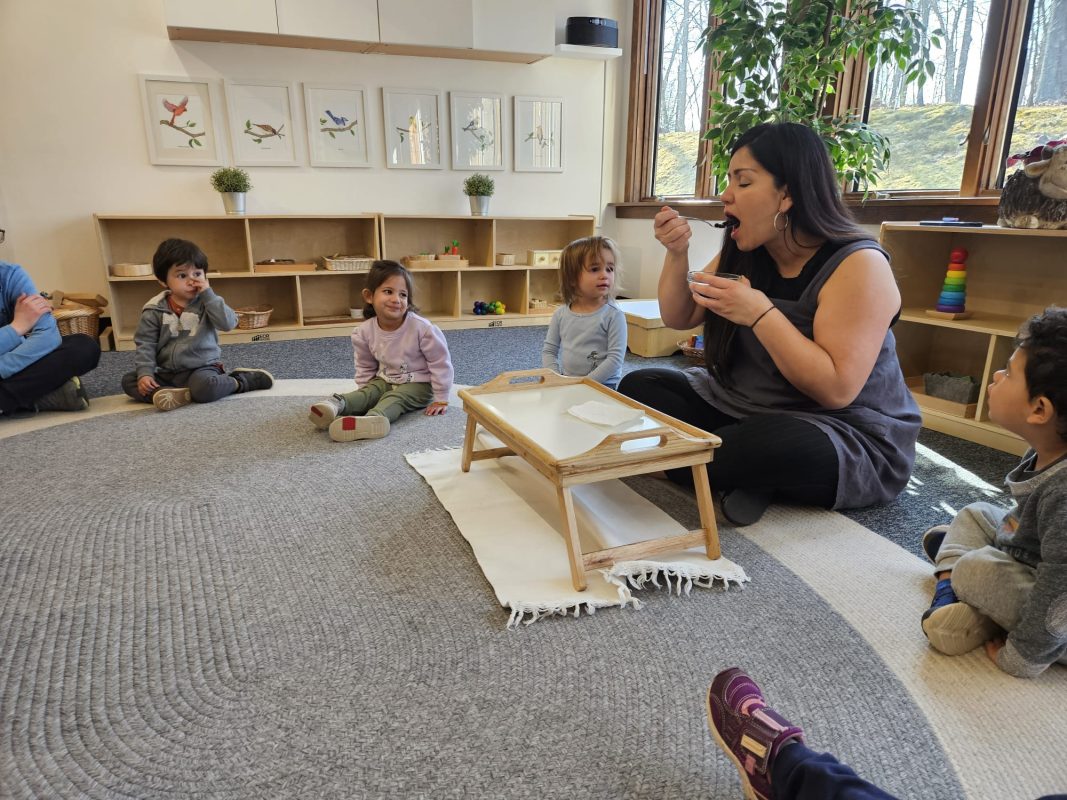
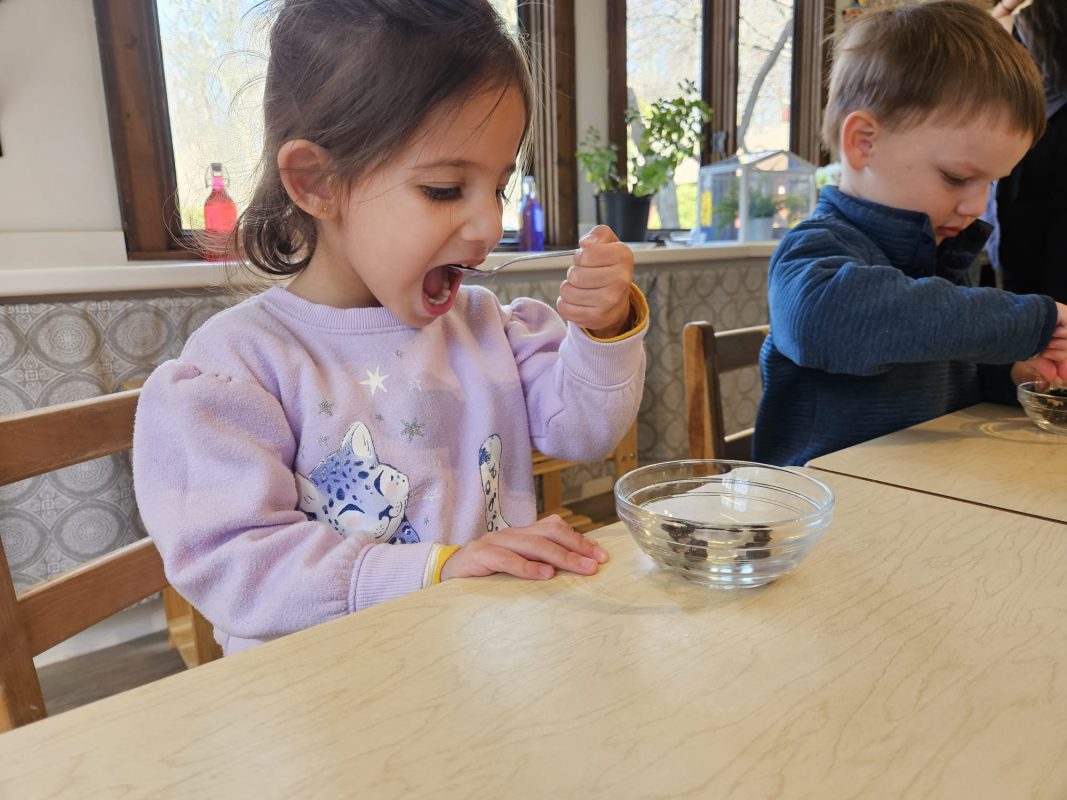
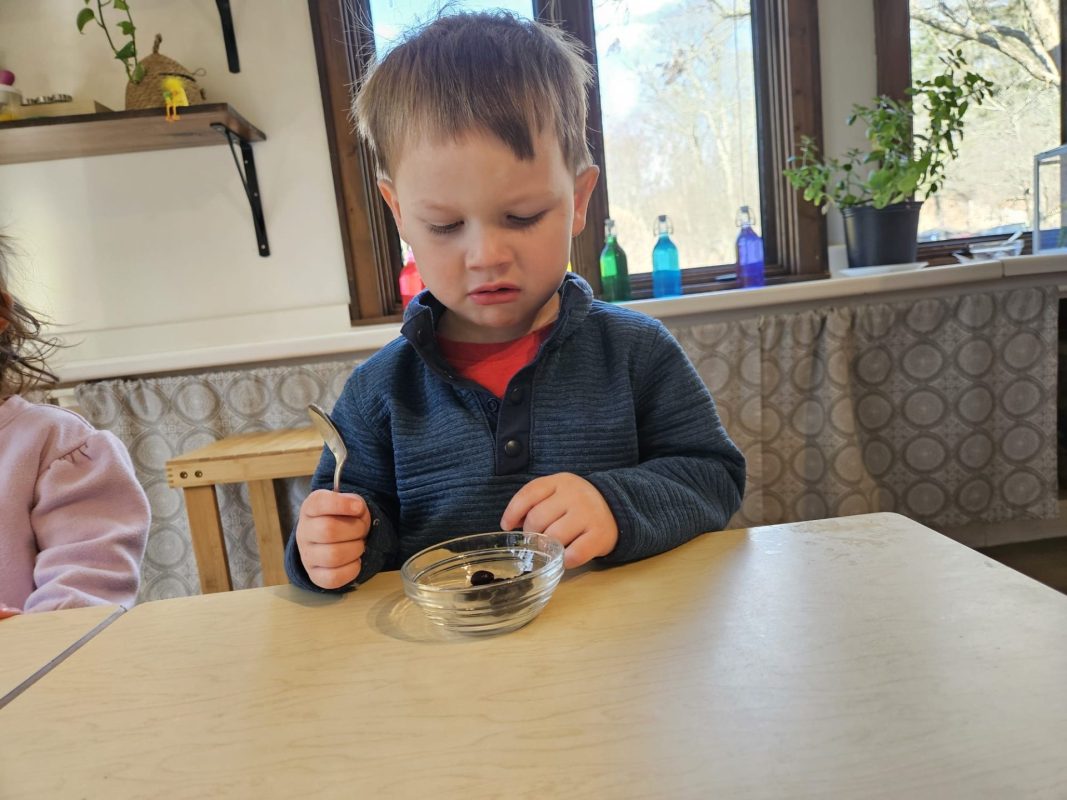
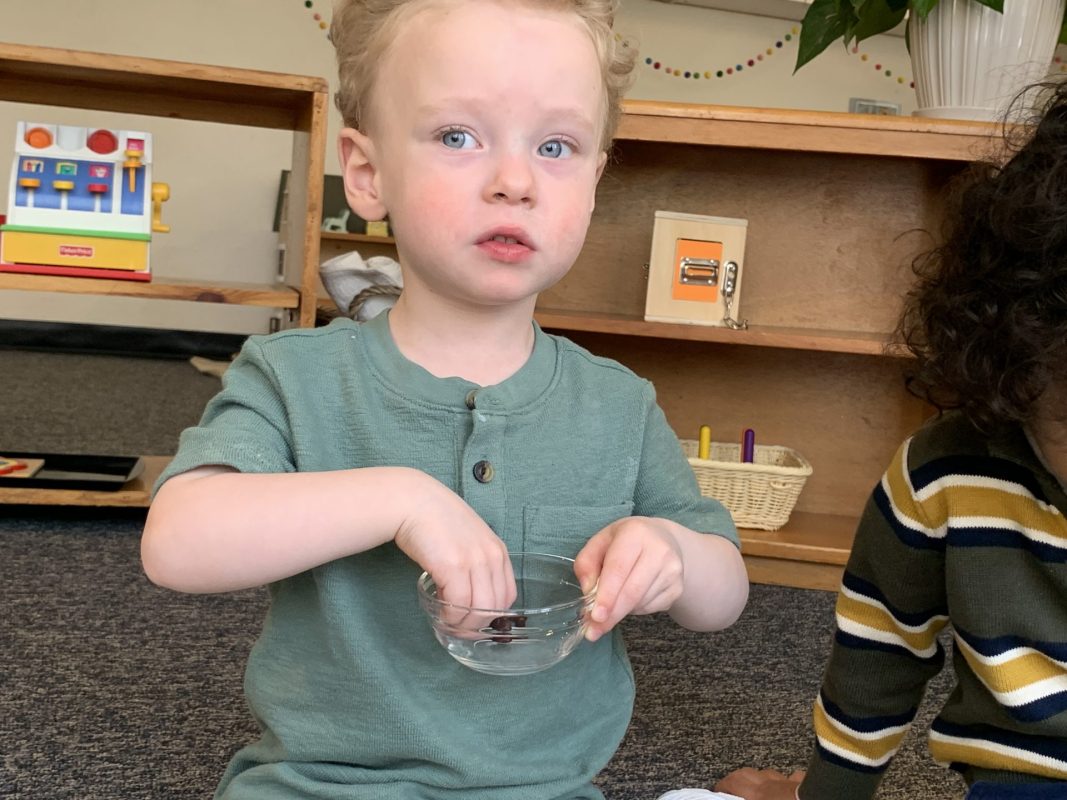
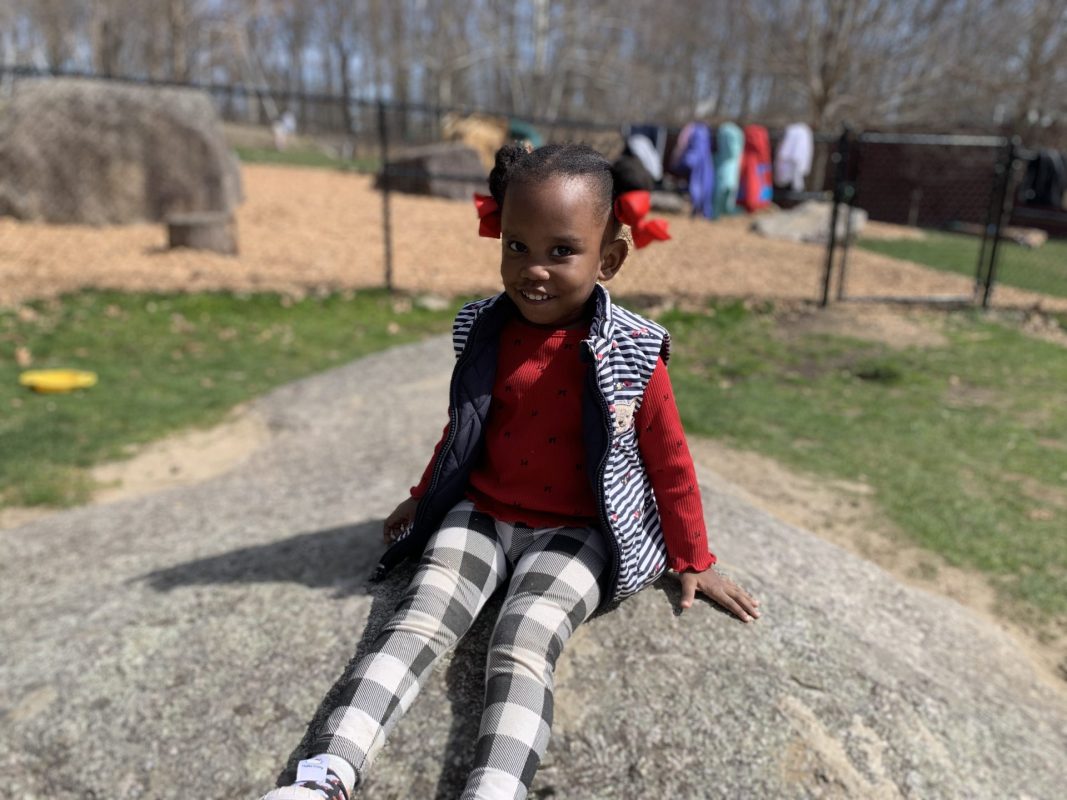
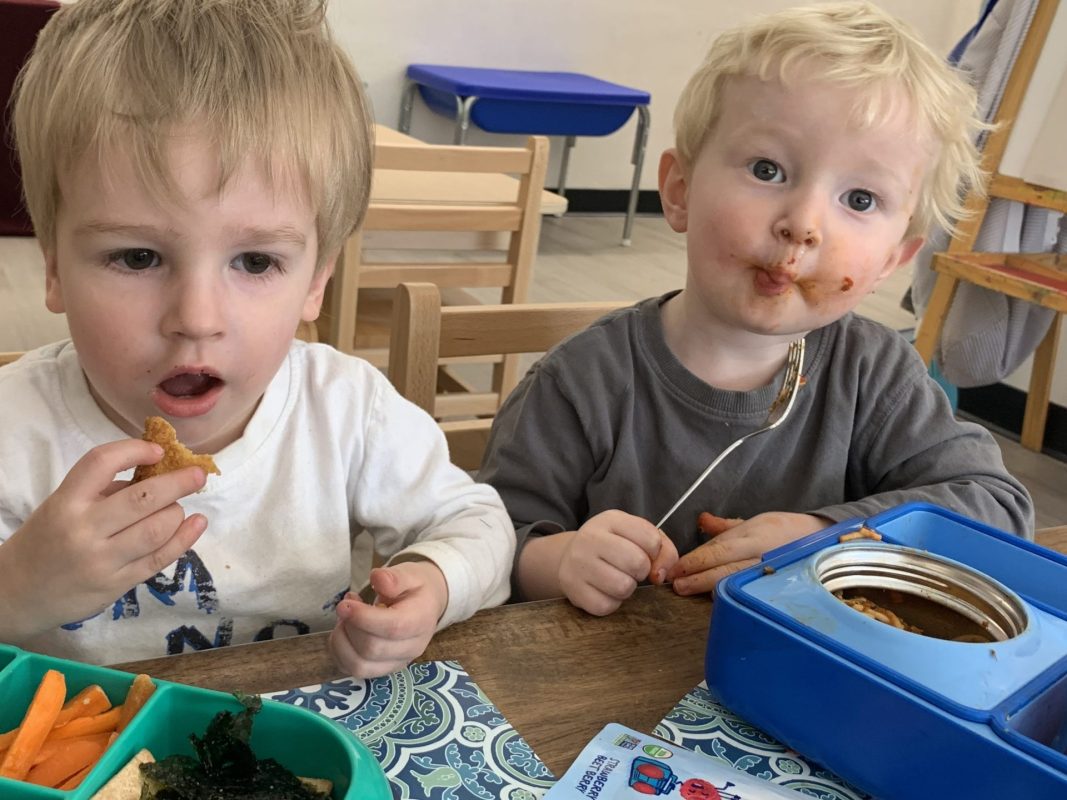
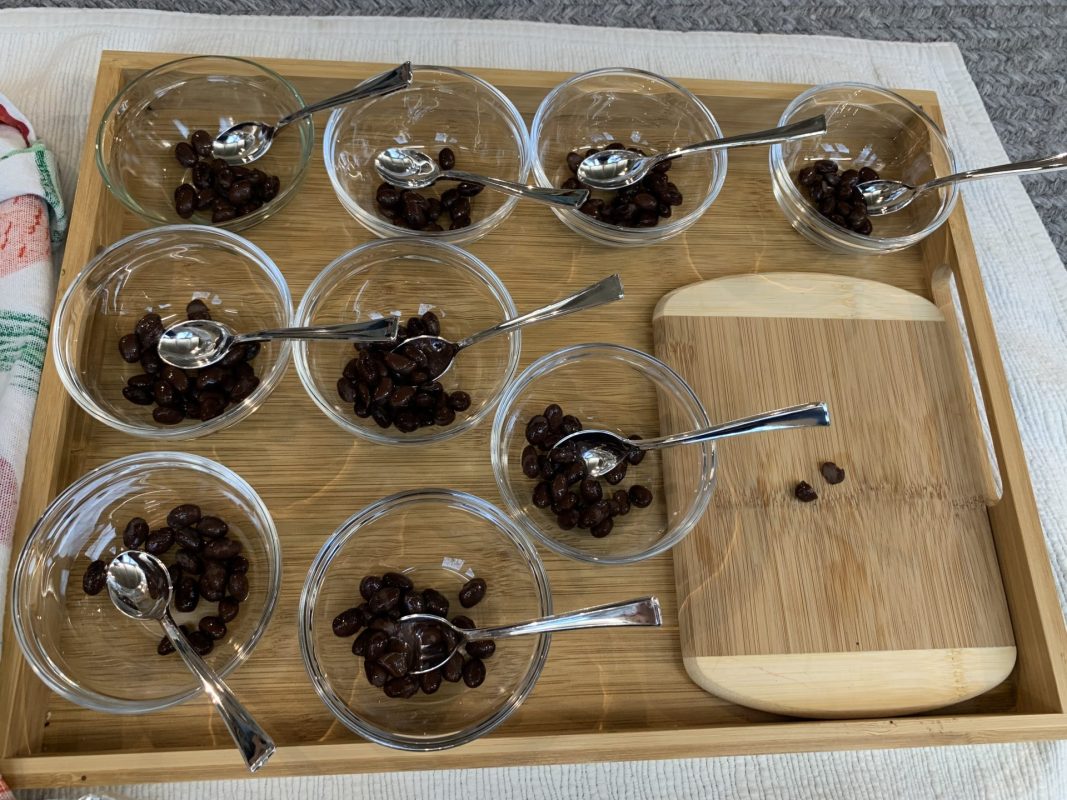
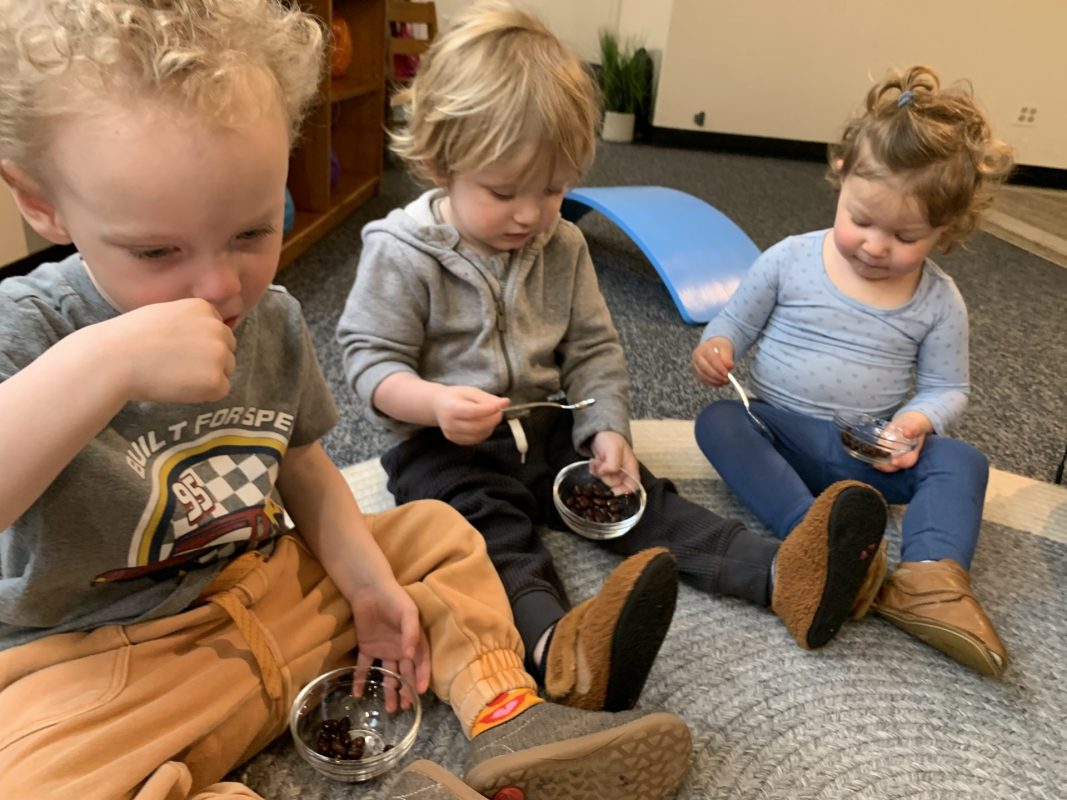
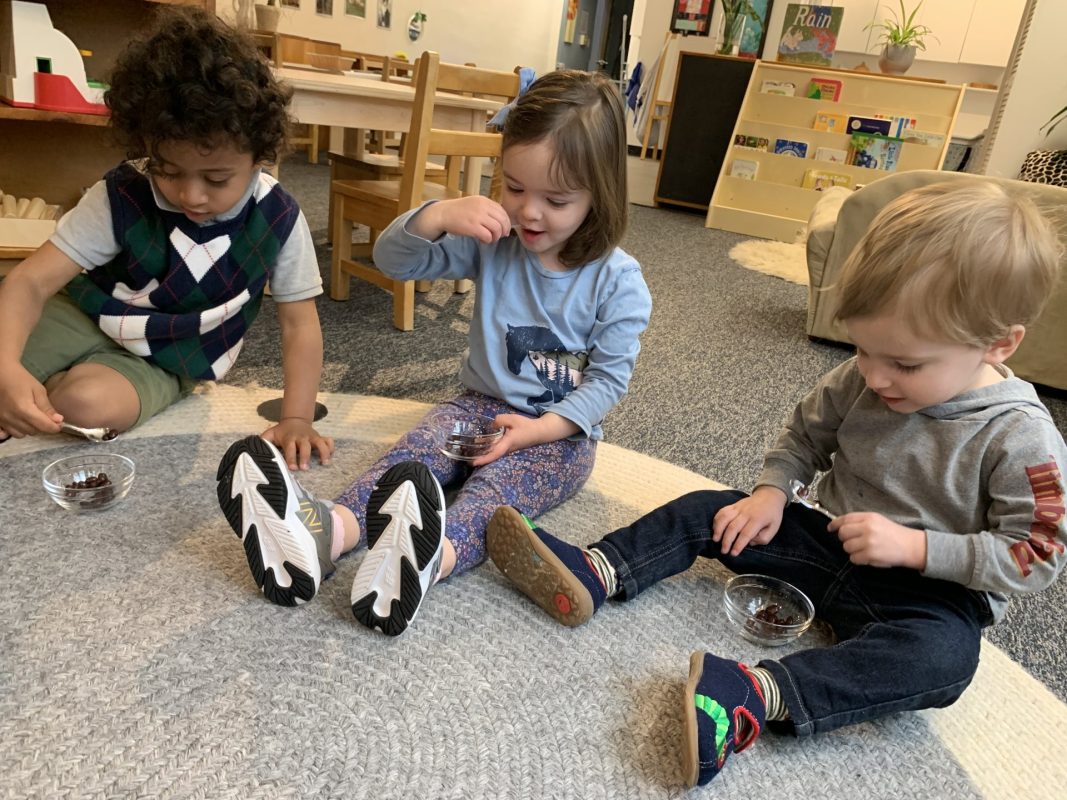
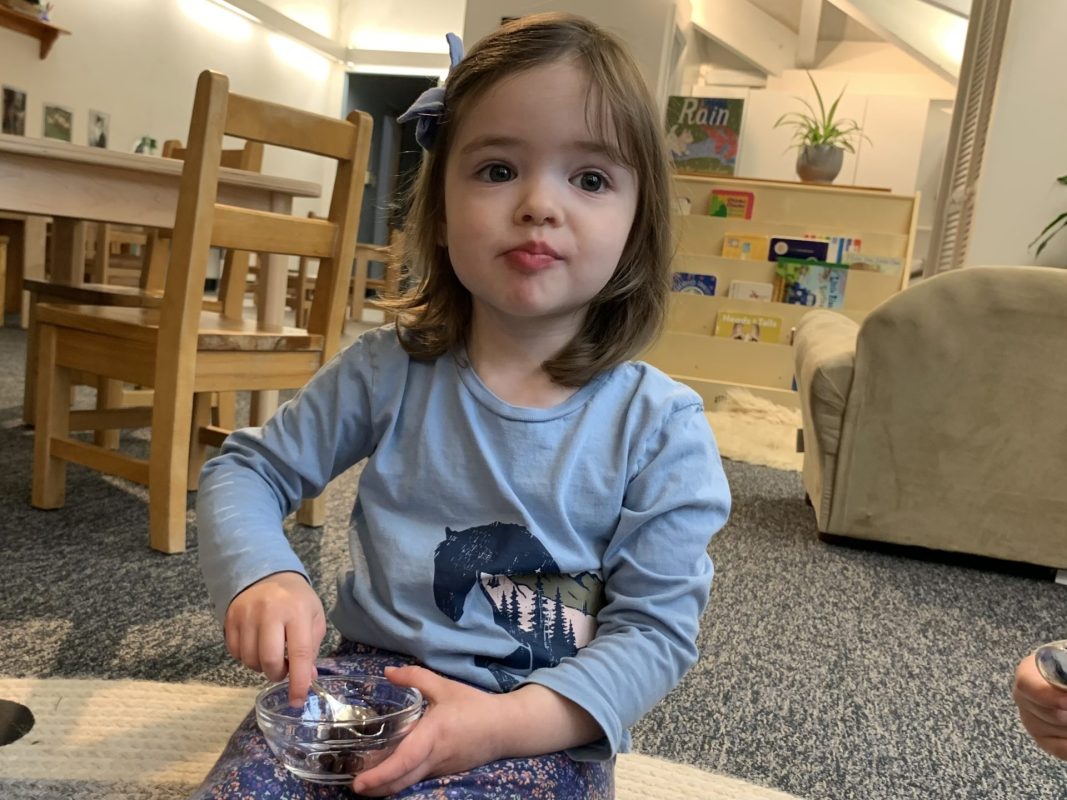
The children enjoyed the sunshine and warmer weather this week. They ended last week tasting lemons, and this week, they gave plantains a try. We discussed the differences between plantains and bananas. Plantains tend to be larger, with thicker skin. They are also a bit starchy, whereas bananas are sweeter. We had the opportunity to taste mangu, which is a Dominican dish consisting of cooked, mashed plantains. We’ll end the week trying plantain chips. 

Stay healthy, and enjoy the first weekend of March! 


Positive Discipline – Family Meeting 

Choosing a favorite exercise from the Positive Discipline parenting library is not easy, but family meetings hold a special place at the top for me. These gatherings around the kitchen table offer children a valuable and enriched learning experience. Family meetings cover important skills like listening, expressing appreciation, respecting differences, problem-solving, focusing on solutions, and understanding the positives of mistakes. 

Reflecting on a personal anecdote, there was a time when my boys, in their early teen years, began convening family meetings before my husband and I to discuss things as a family.

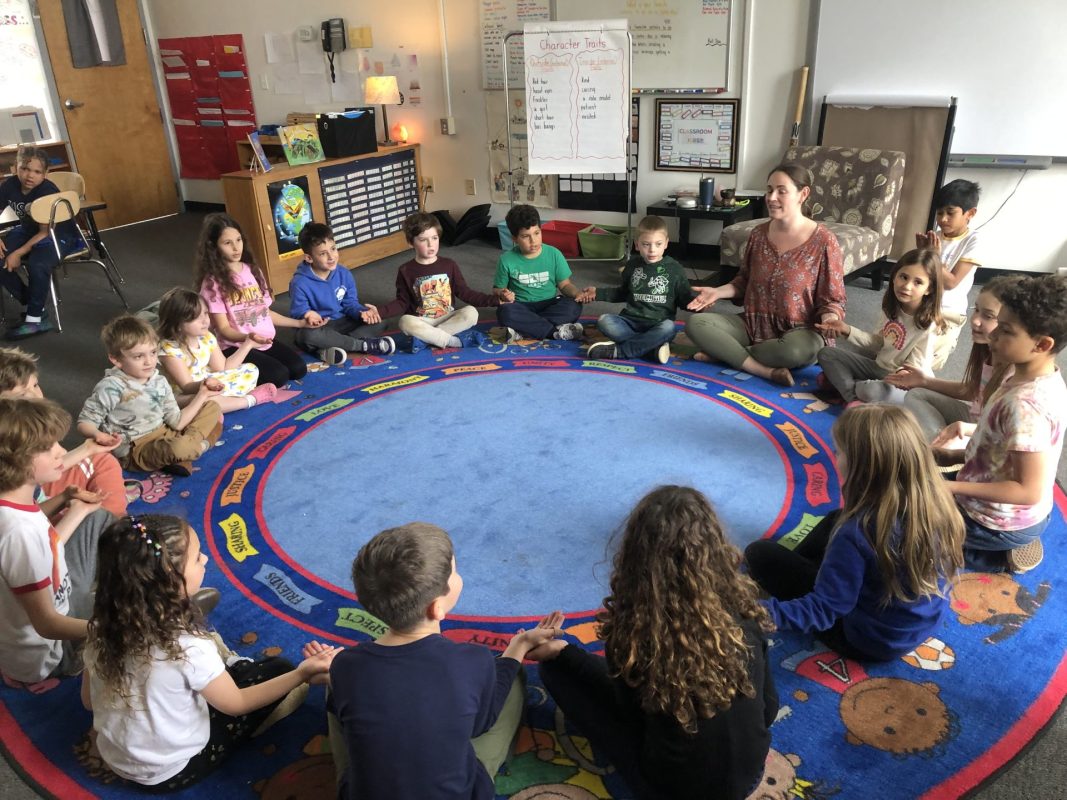
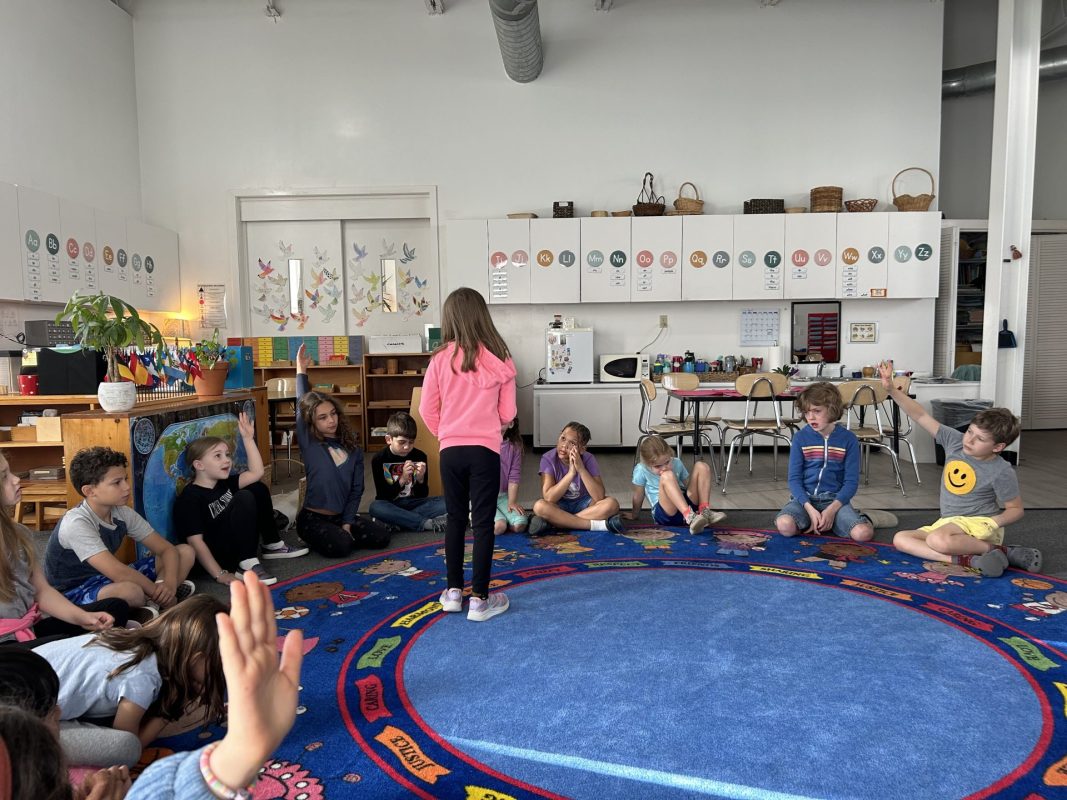
In school, your child may already be actively involved in Class Meetings. Positive Discipline Class Meetings are similar to Family Meetings. Class Meetings and Family Meetings are powerful tools for fostering communication, problem-solving, and positive relationships within their respective settings. They create collaboration, learning, and growth opportunities, ultimately contributing to a more harmonious and supportive environment.

Despite the clear benefits, the question arises: why do many families find family meetings challenging? Part of the issue might be insufficient training, with parents expecting children to possess the necessary skills for effective family meetings right from the start. 

To learn more about facilitating effective family meetings, please join us at our next Parent Education event—date and time to be determined. 

Karen and I hope to see you there!

Gina Tryforos ~ Assistant Head of School | Student Support Coordinator


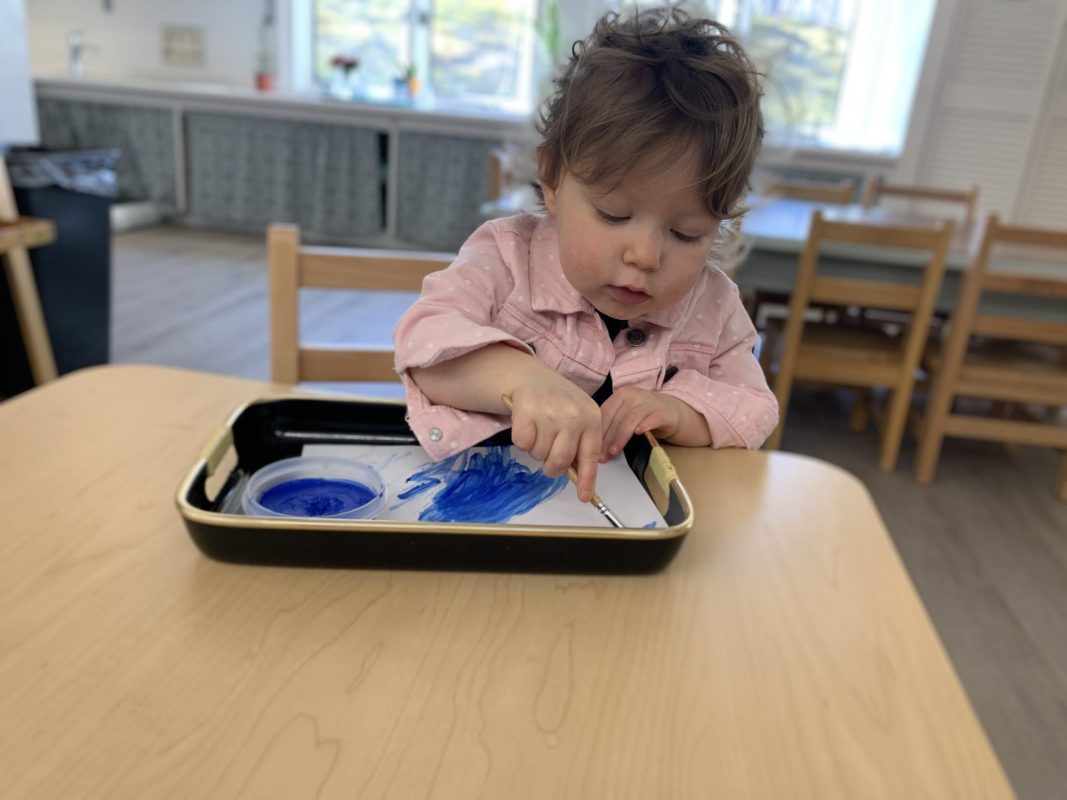
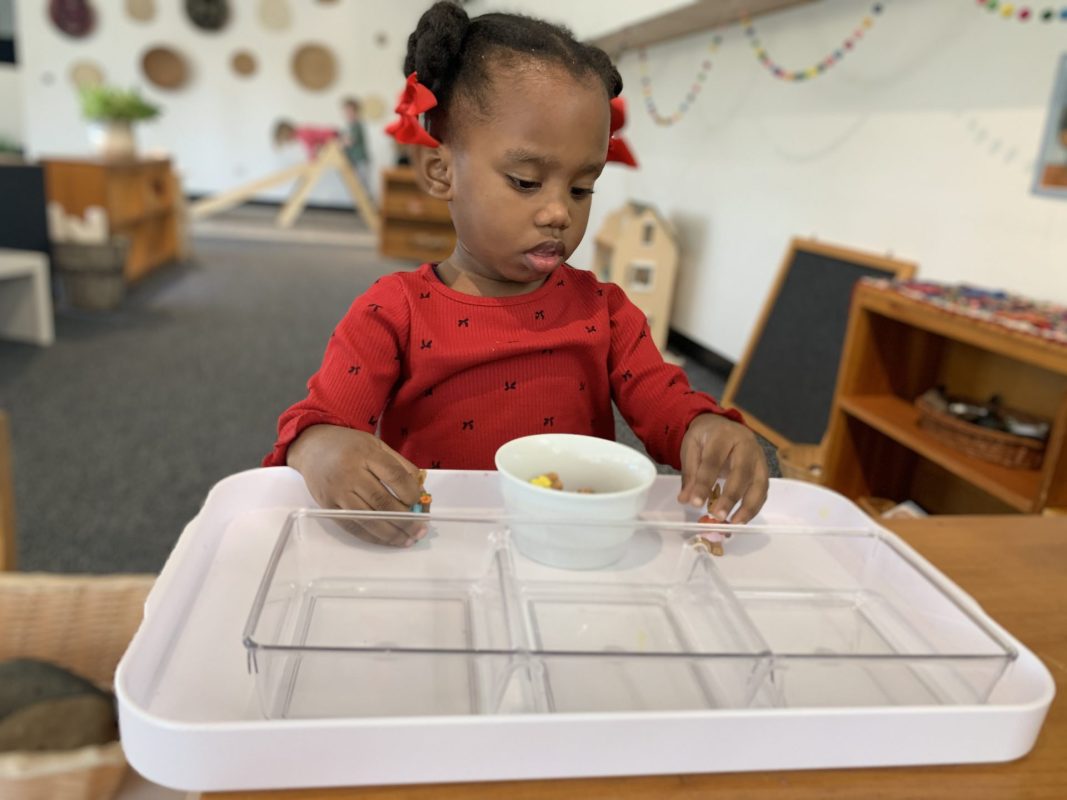
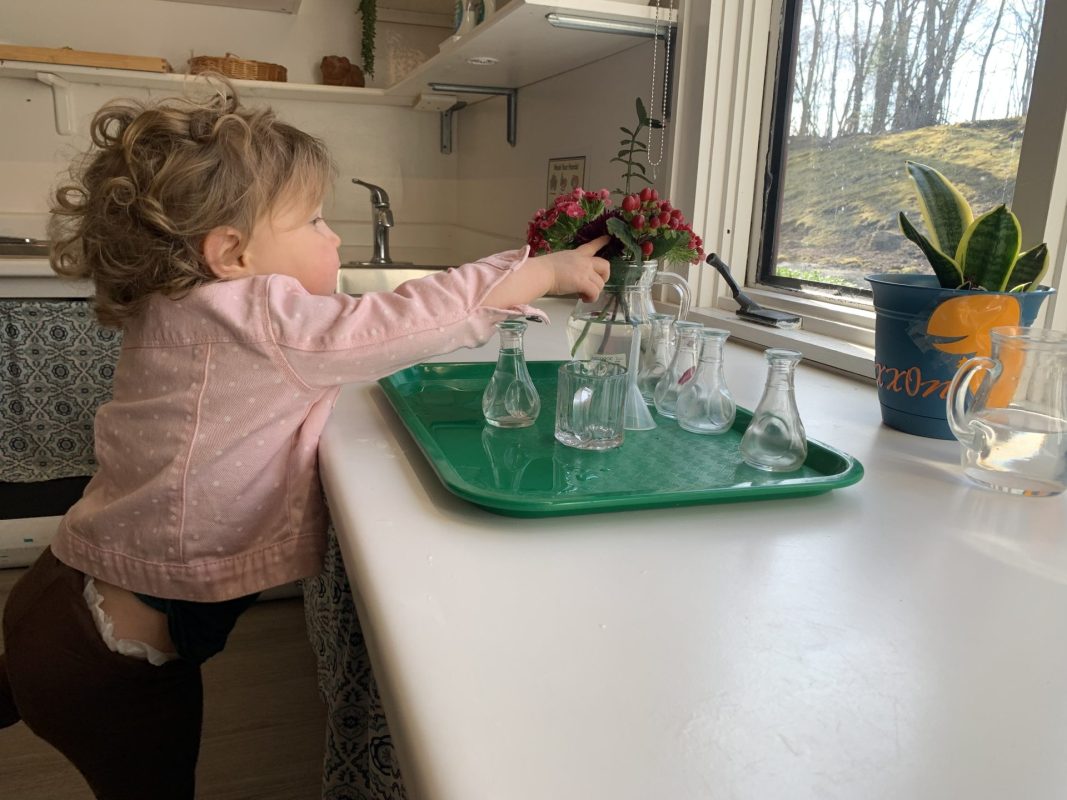
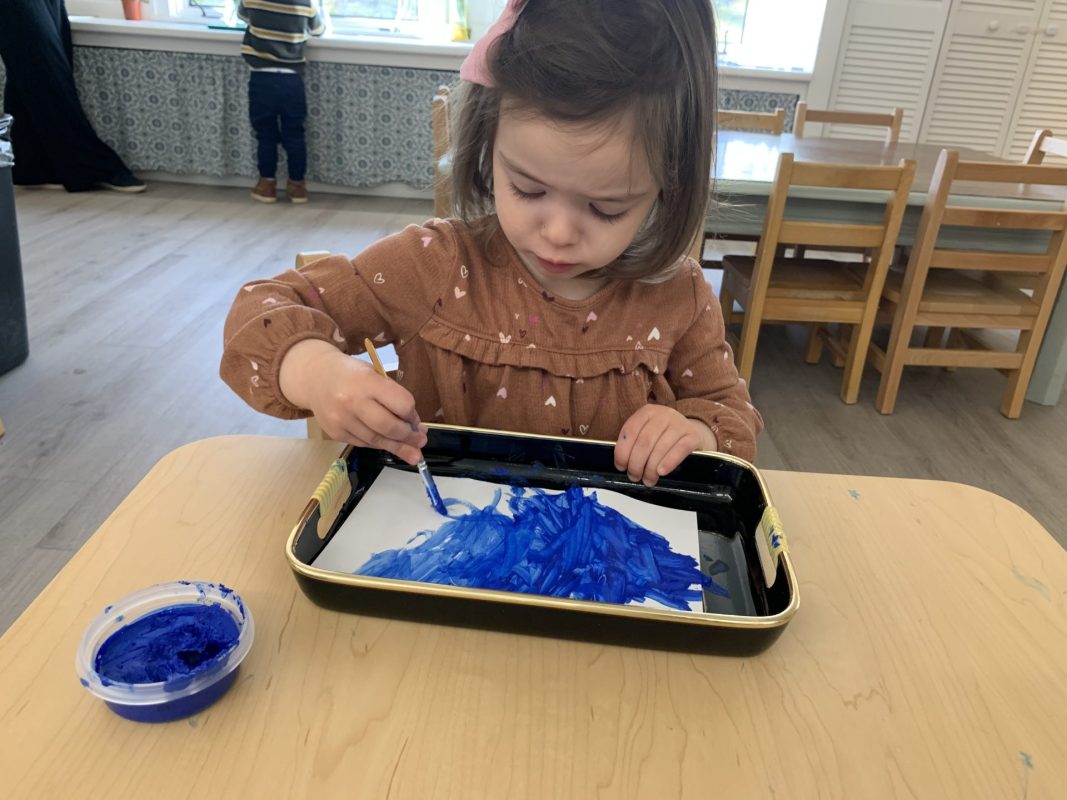
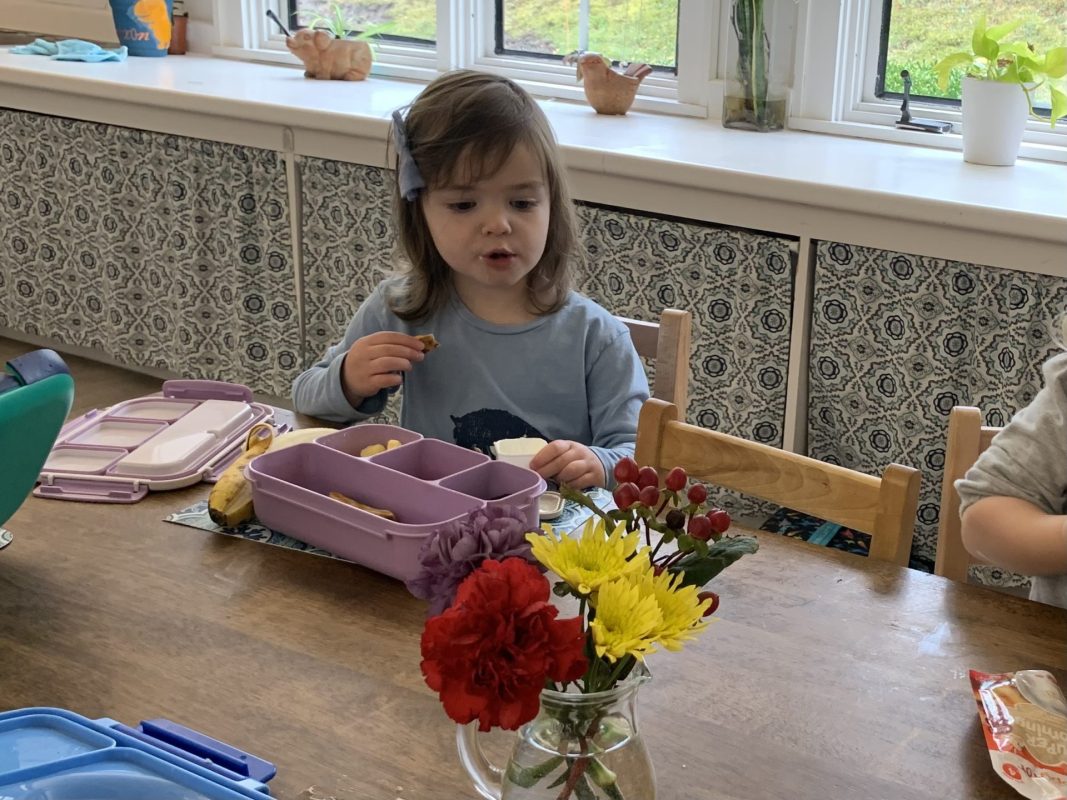
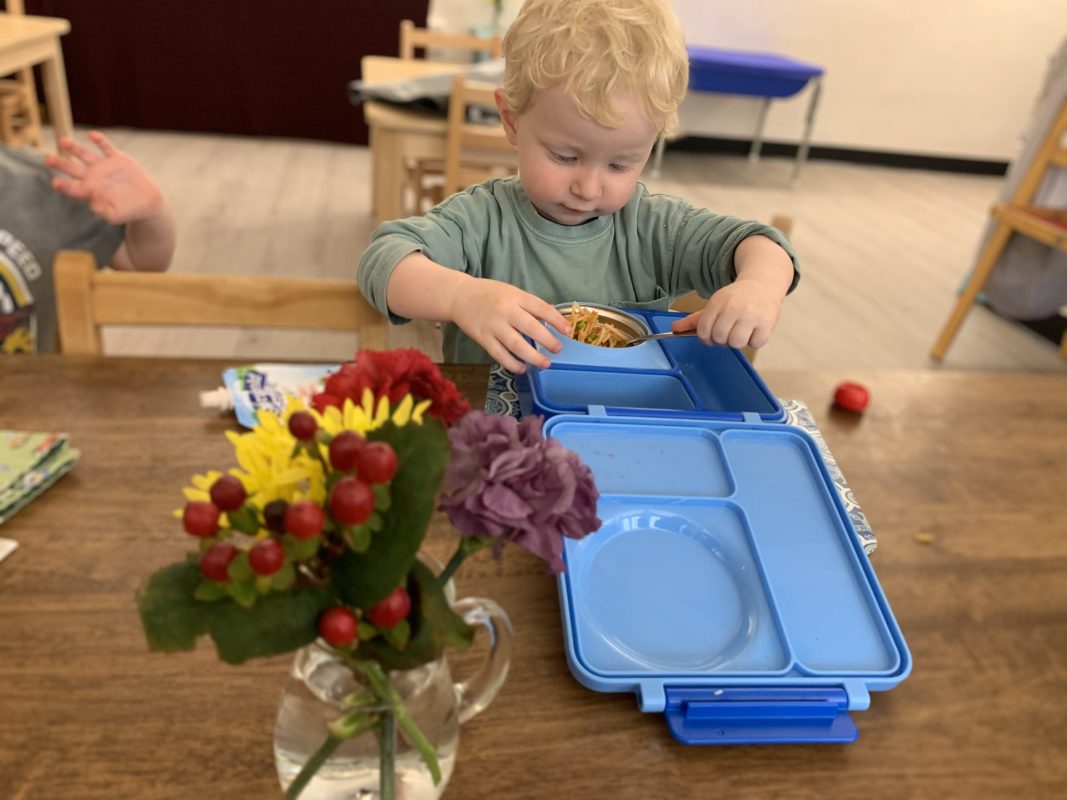
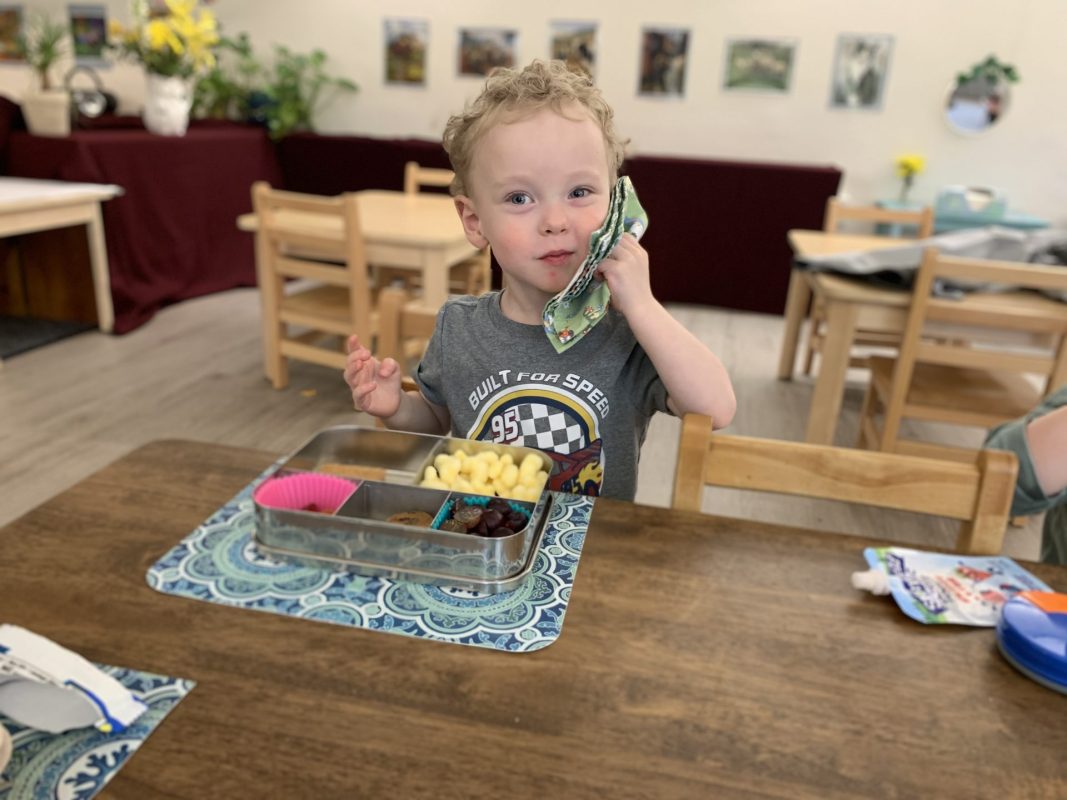
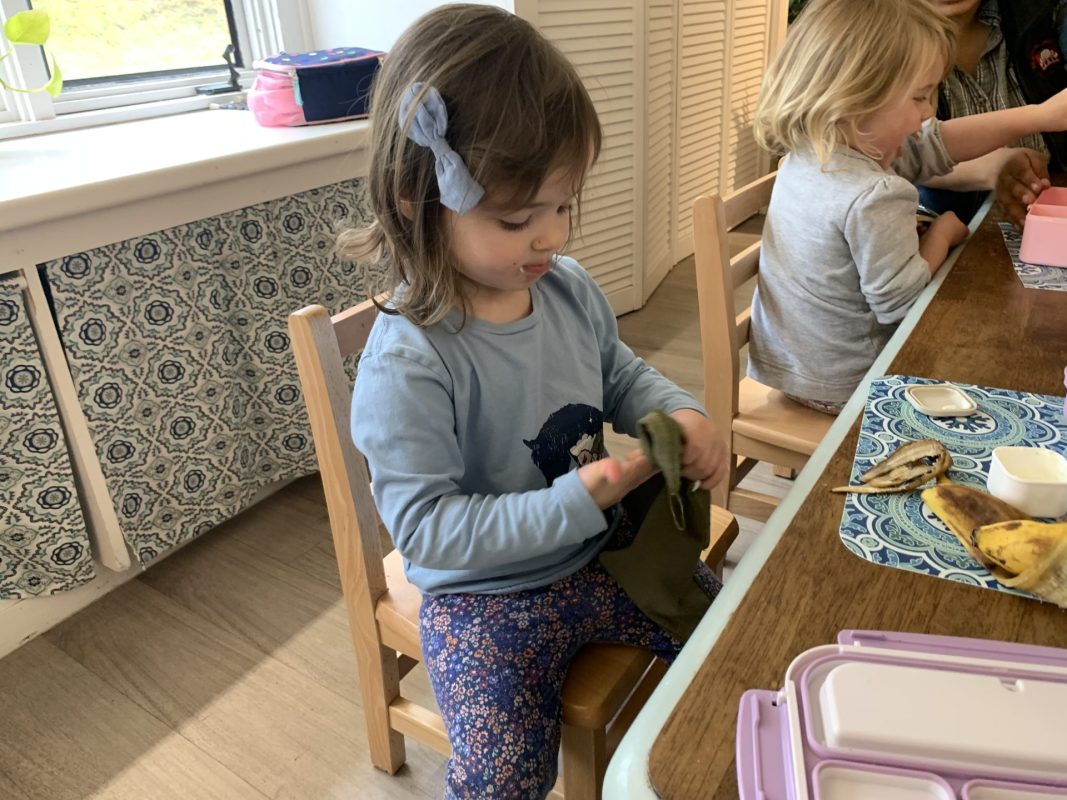
Mrs. Hood’s: Amigos!

“Of all things, love is the most potent.” – Maria Montessori
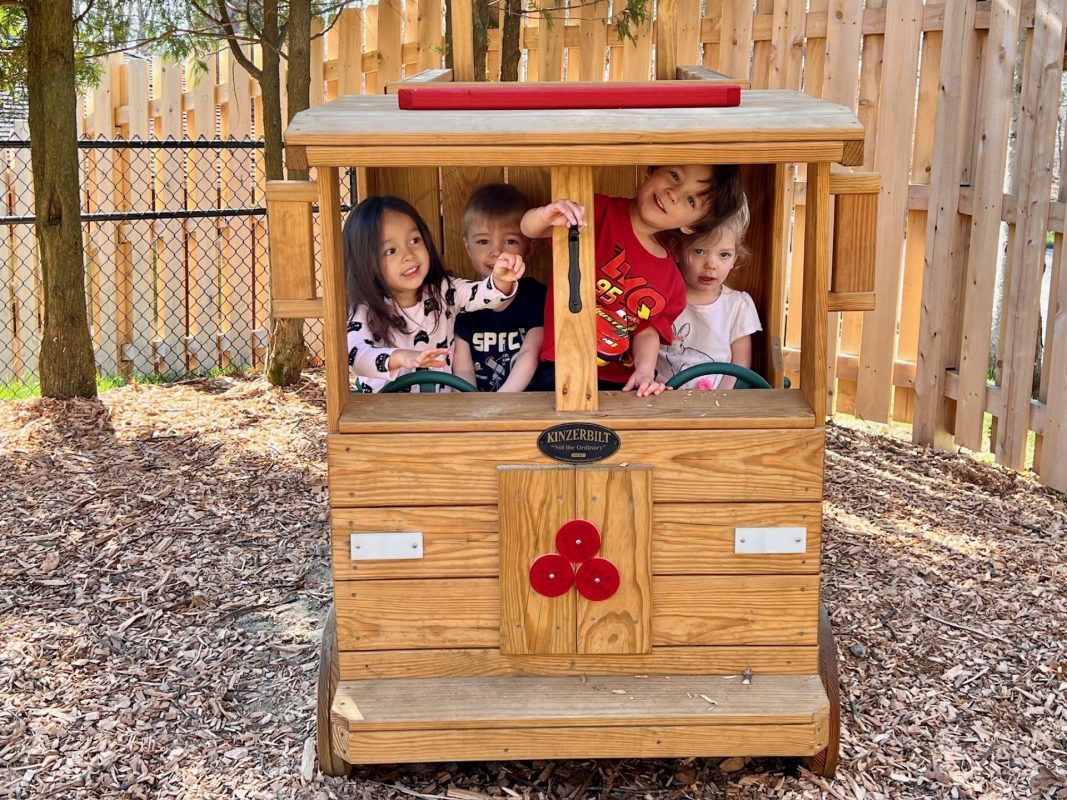
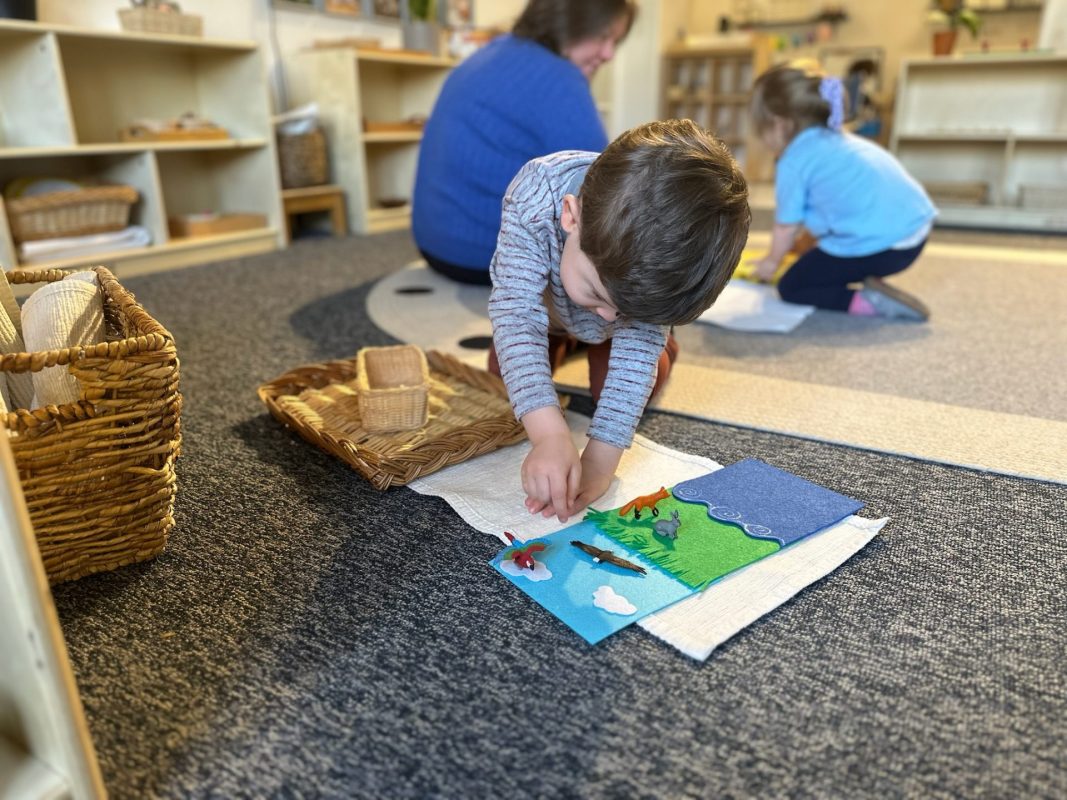
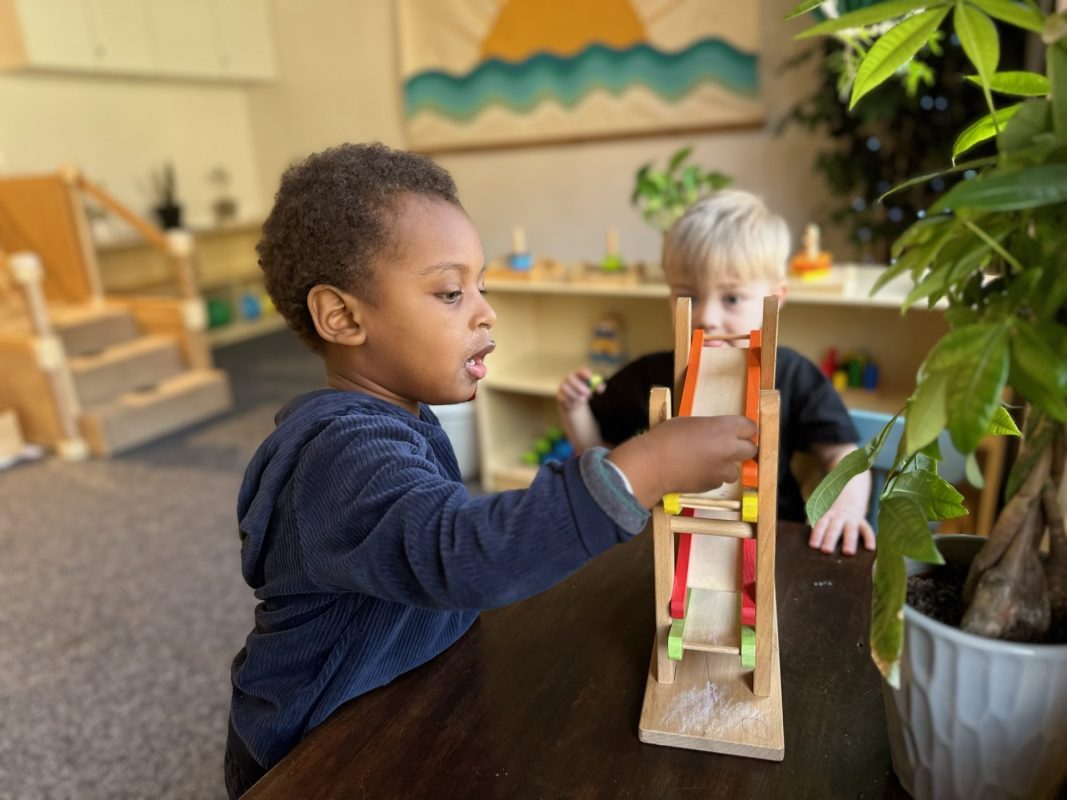
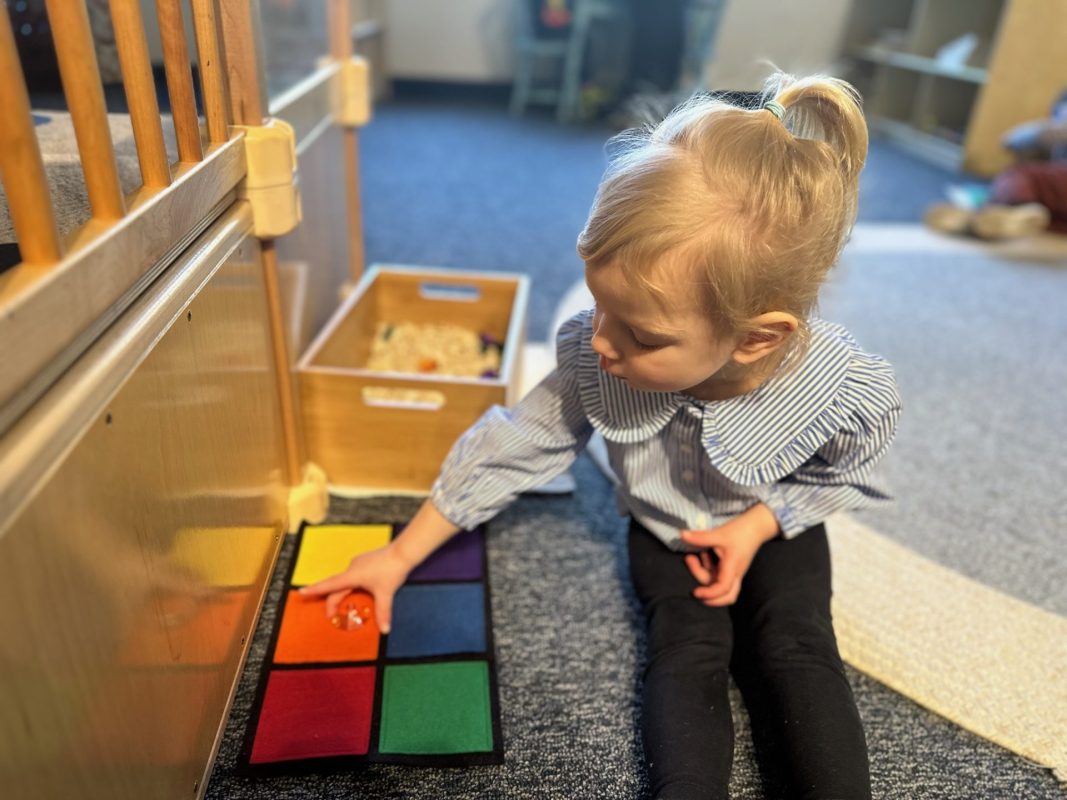
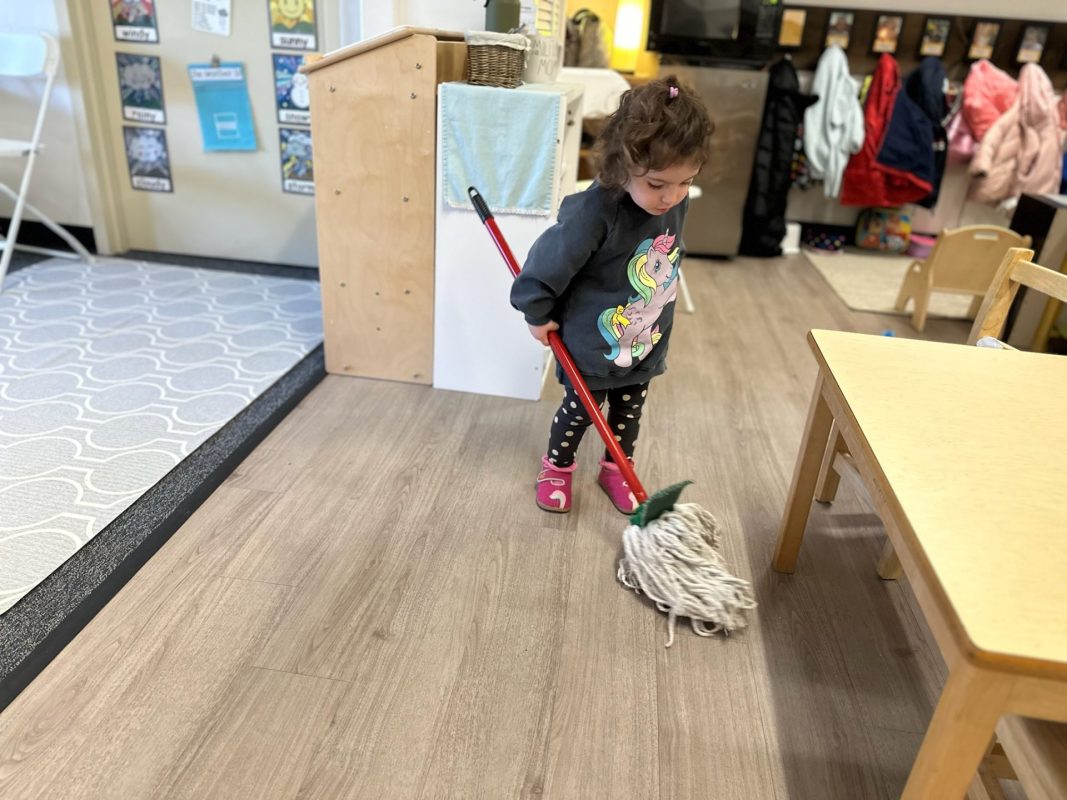
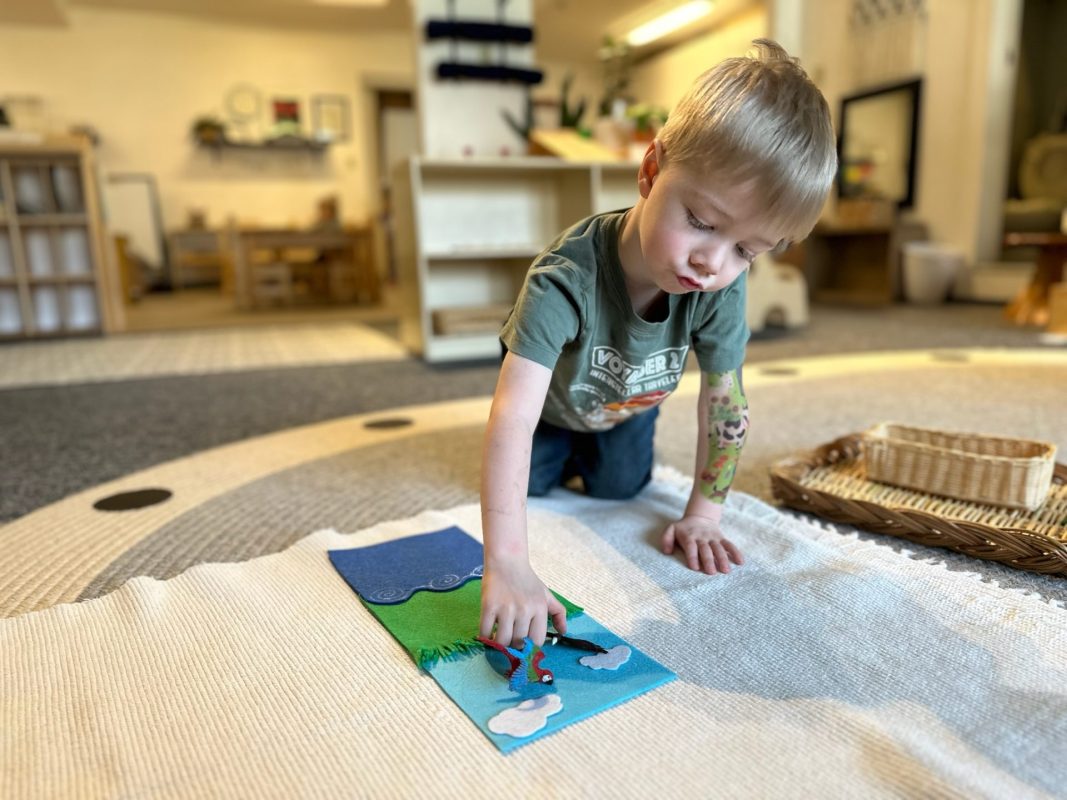
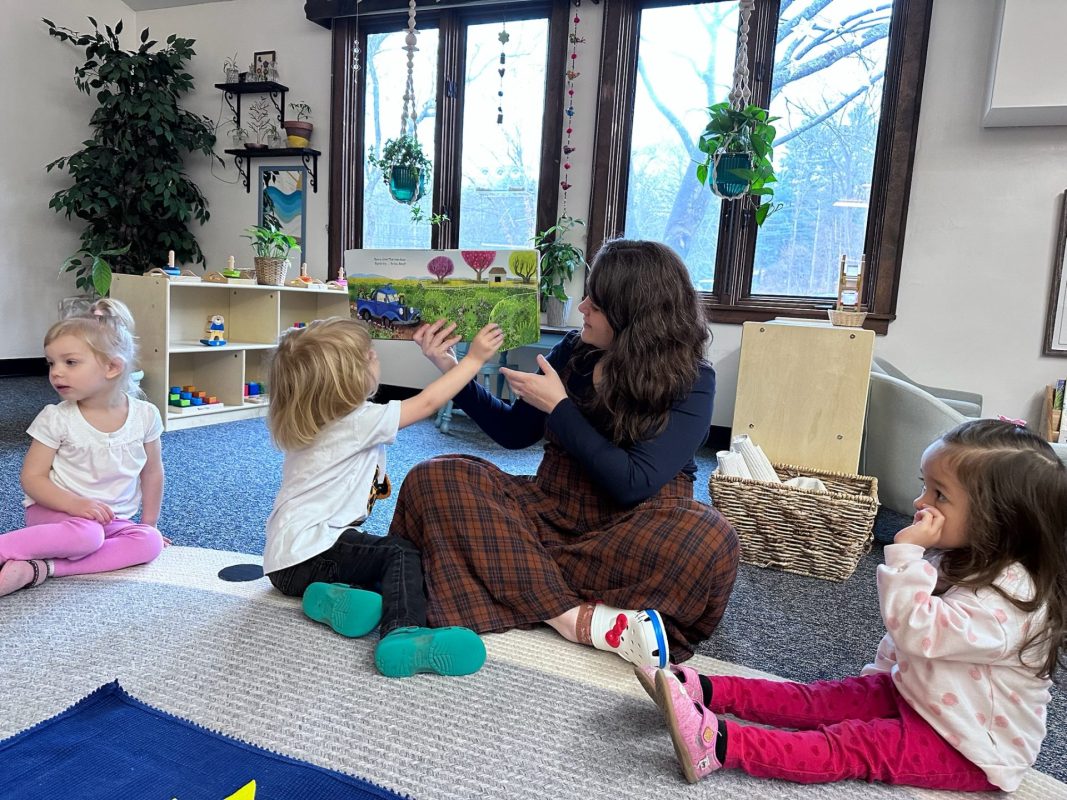
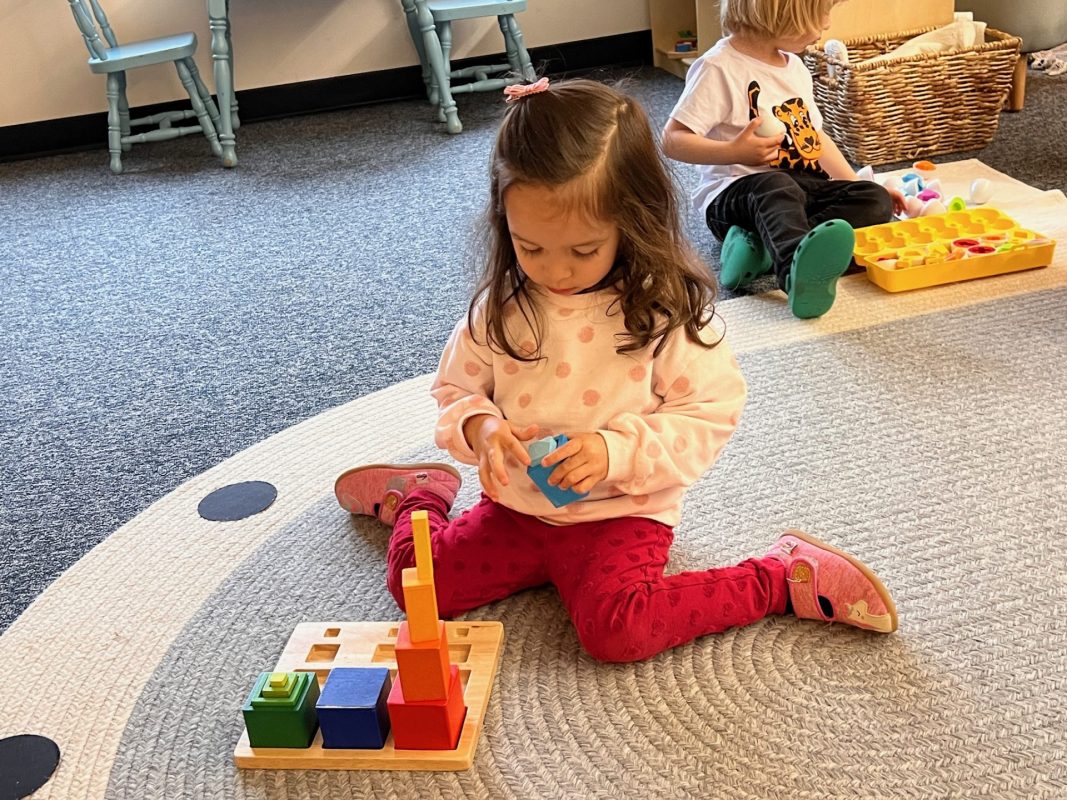
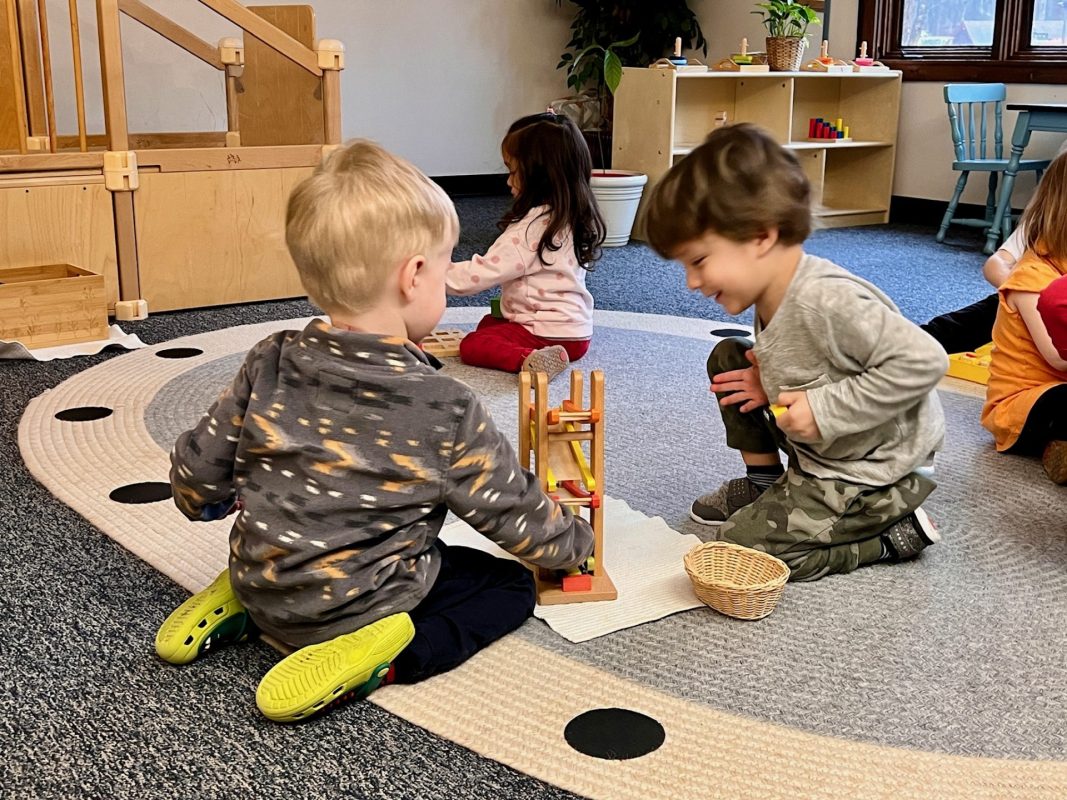
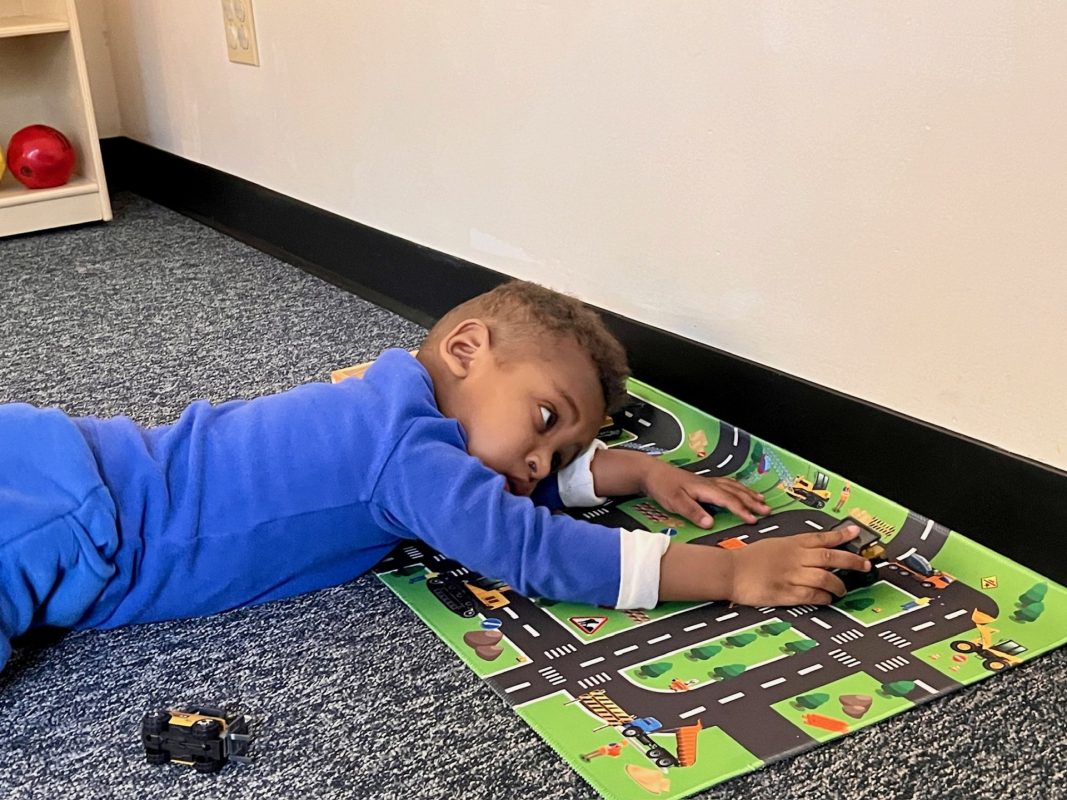
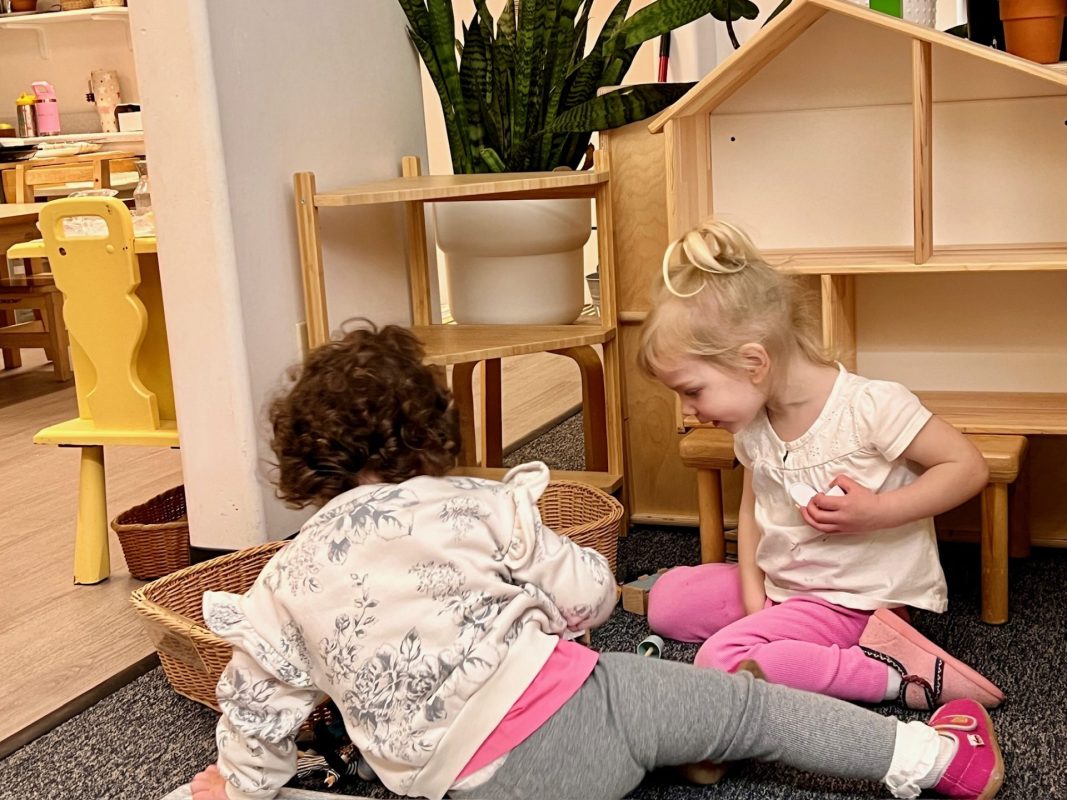
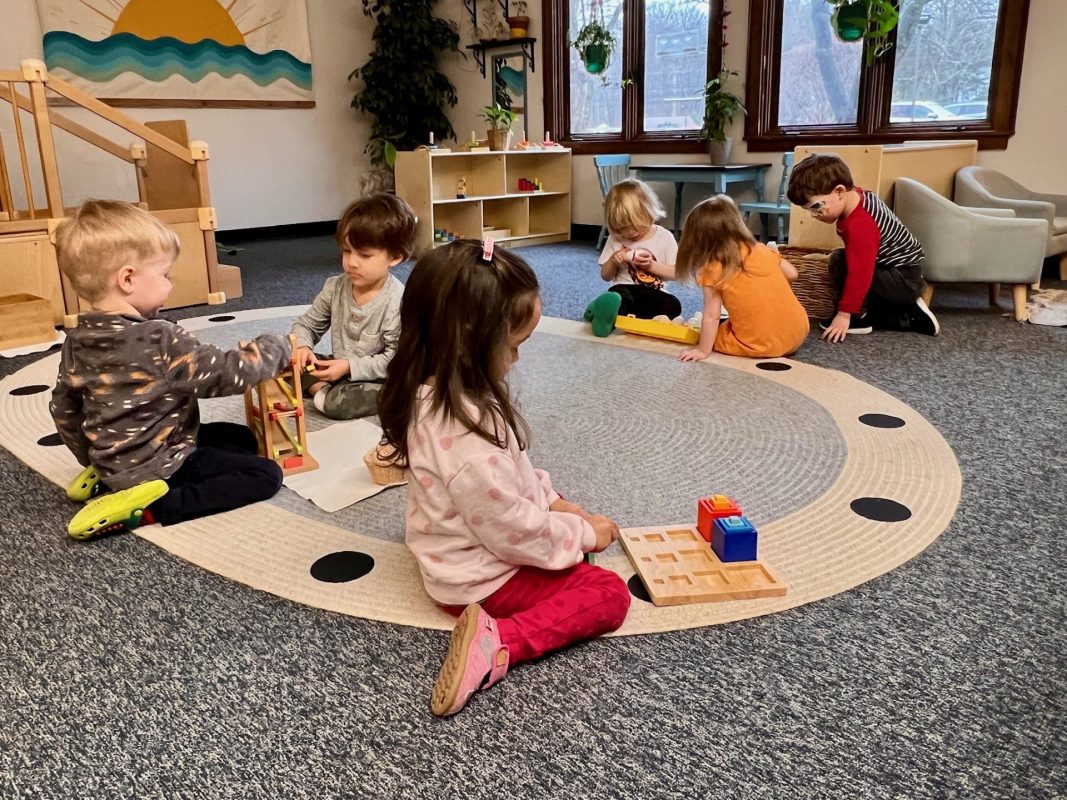
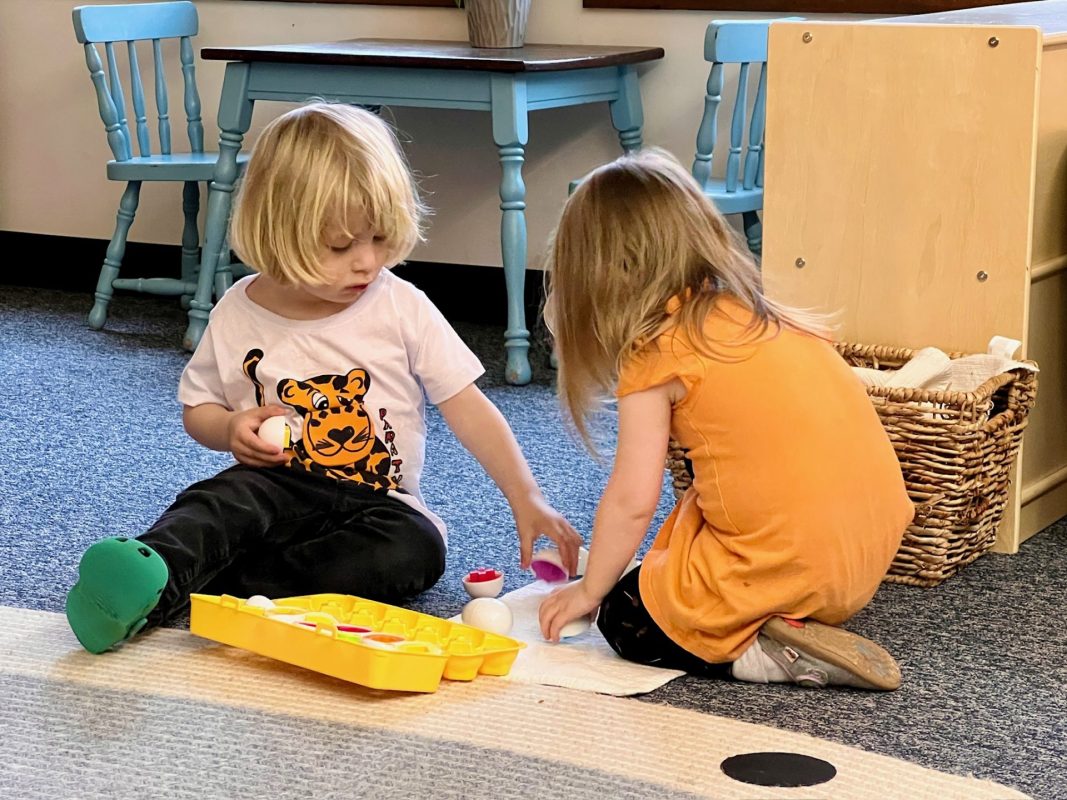
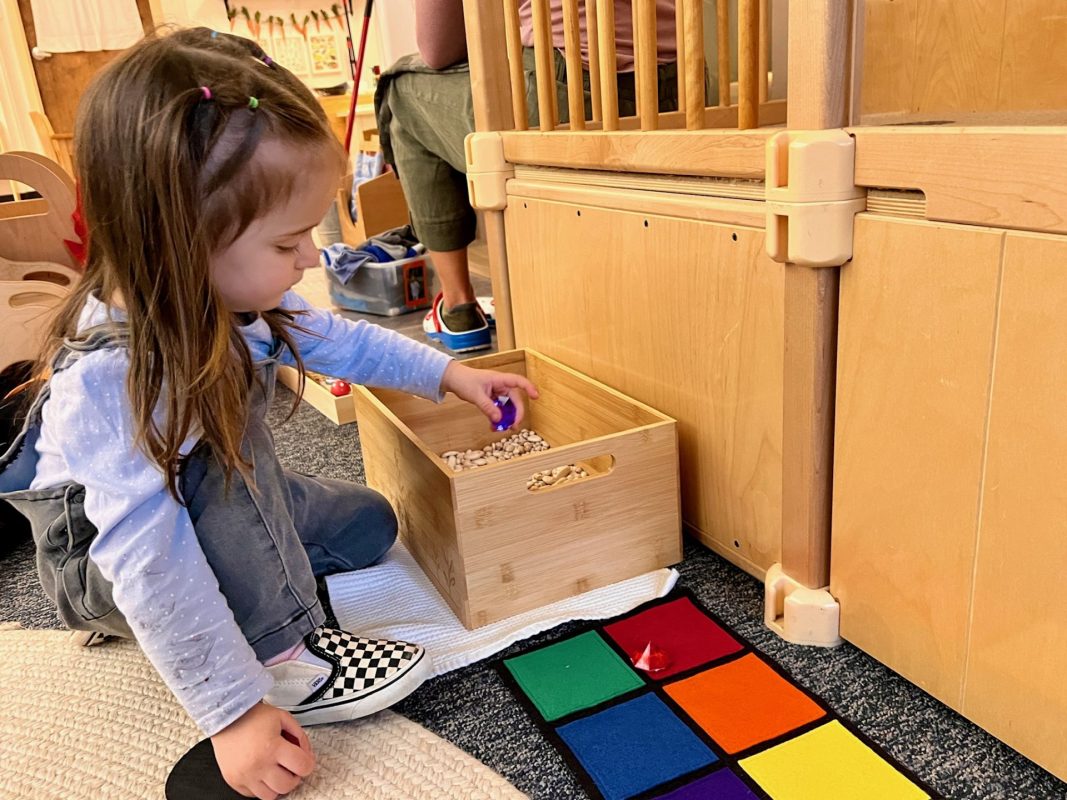
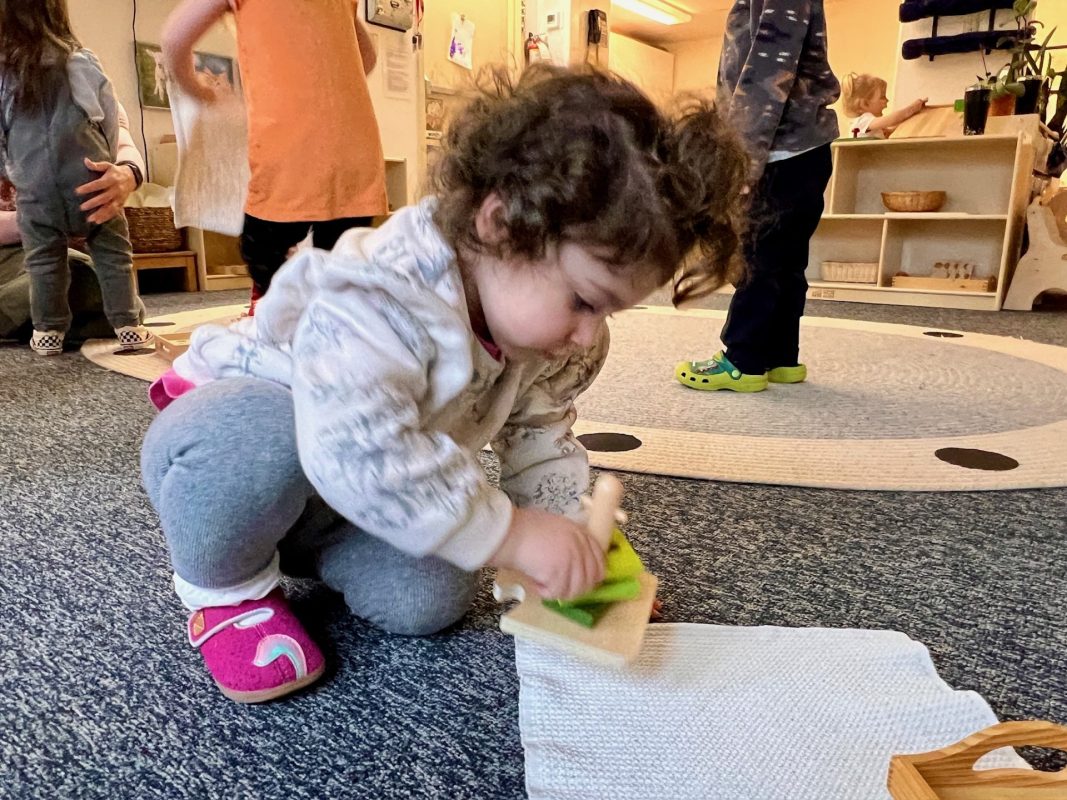
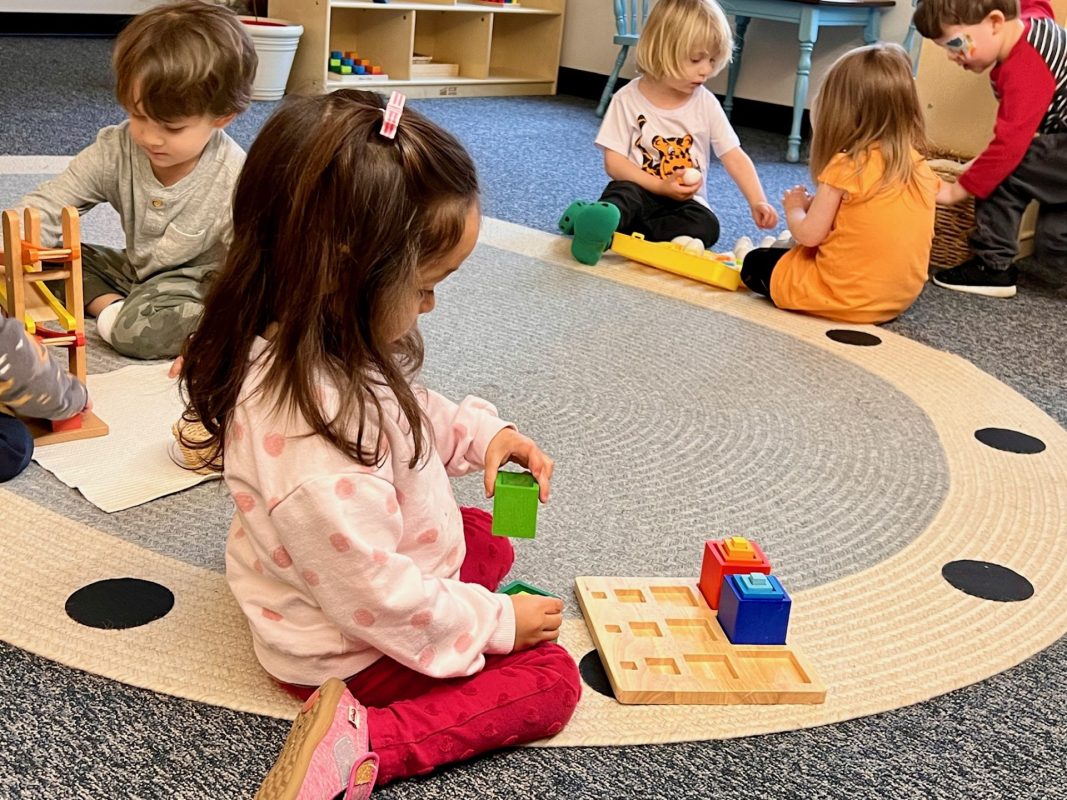
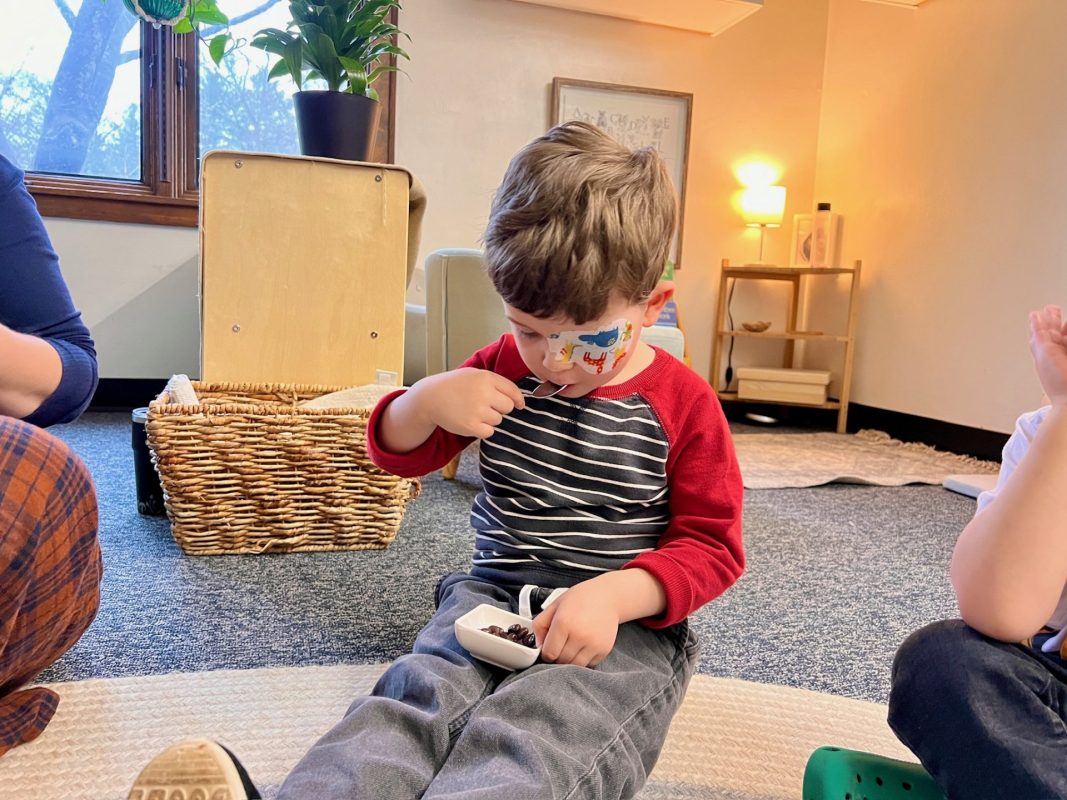
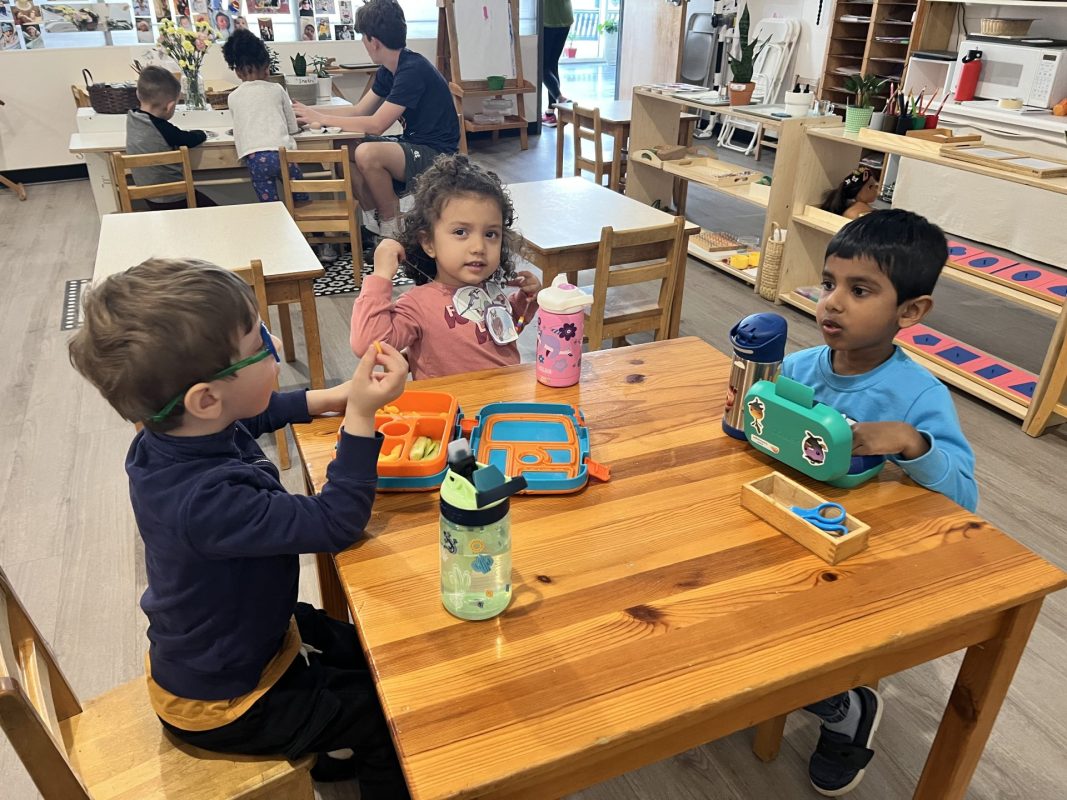
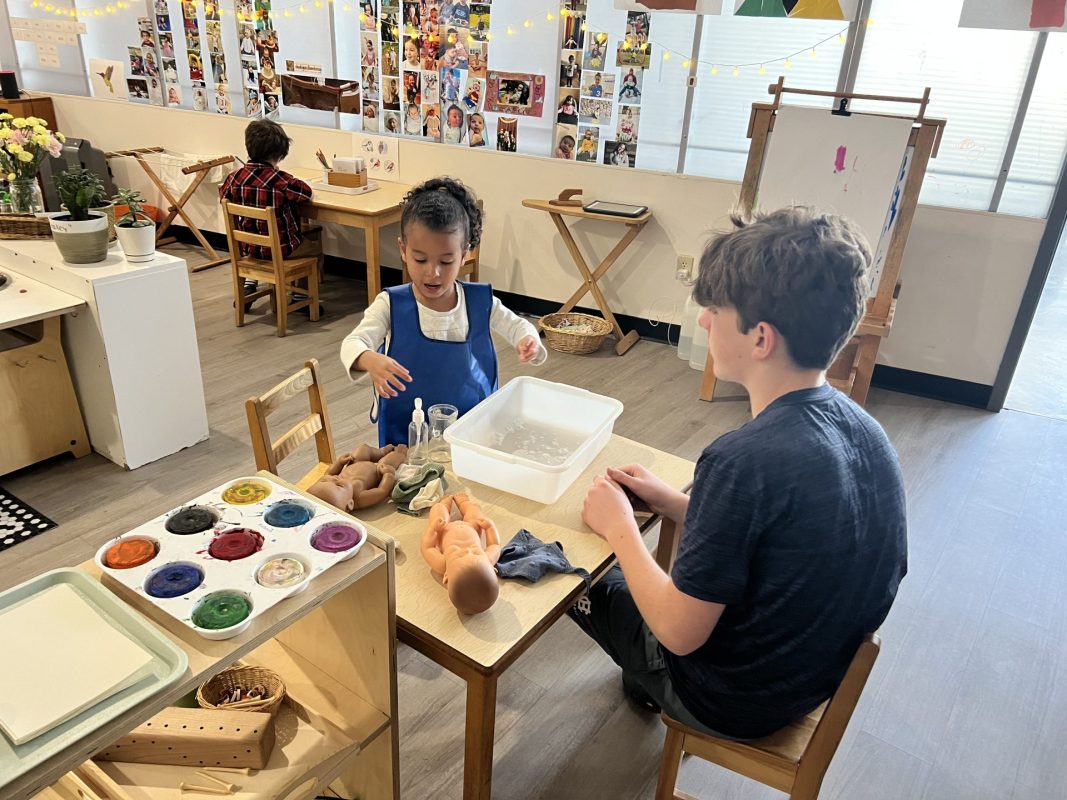
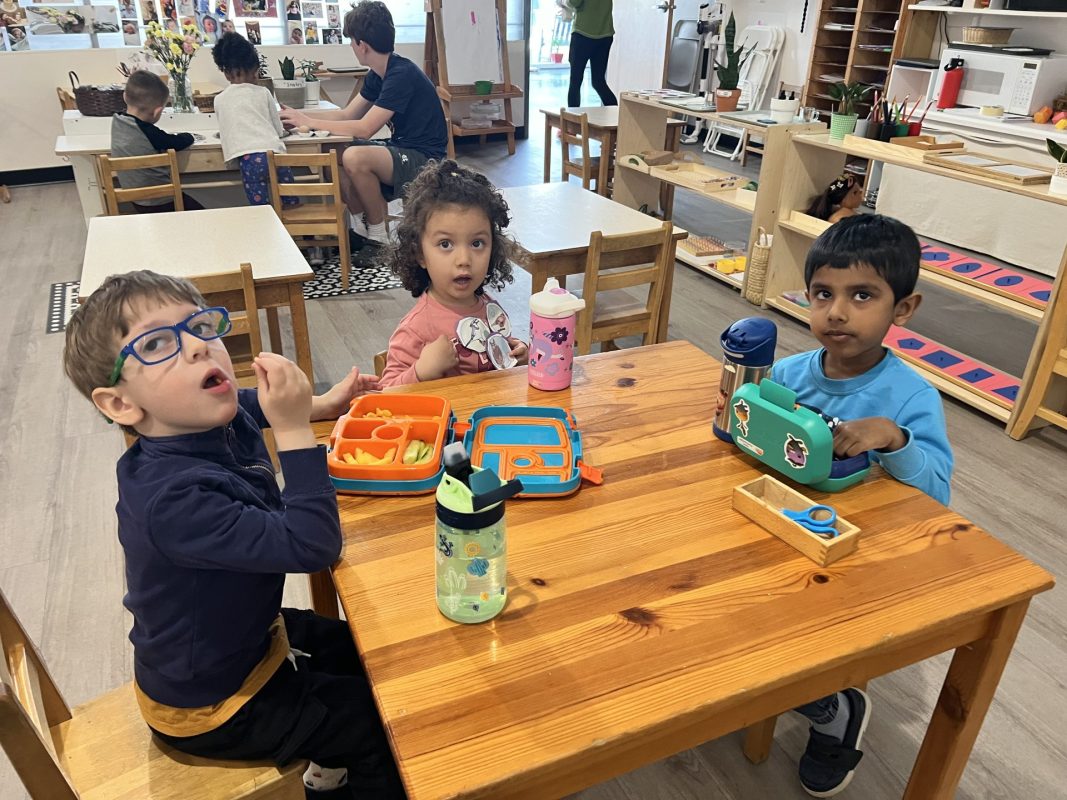
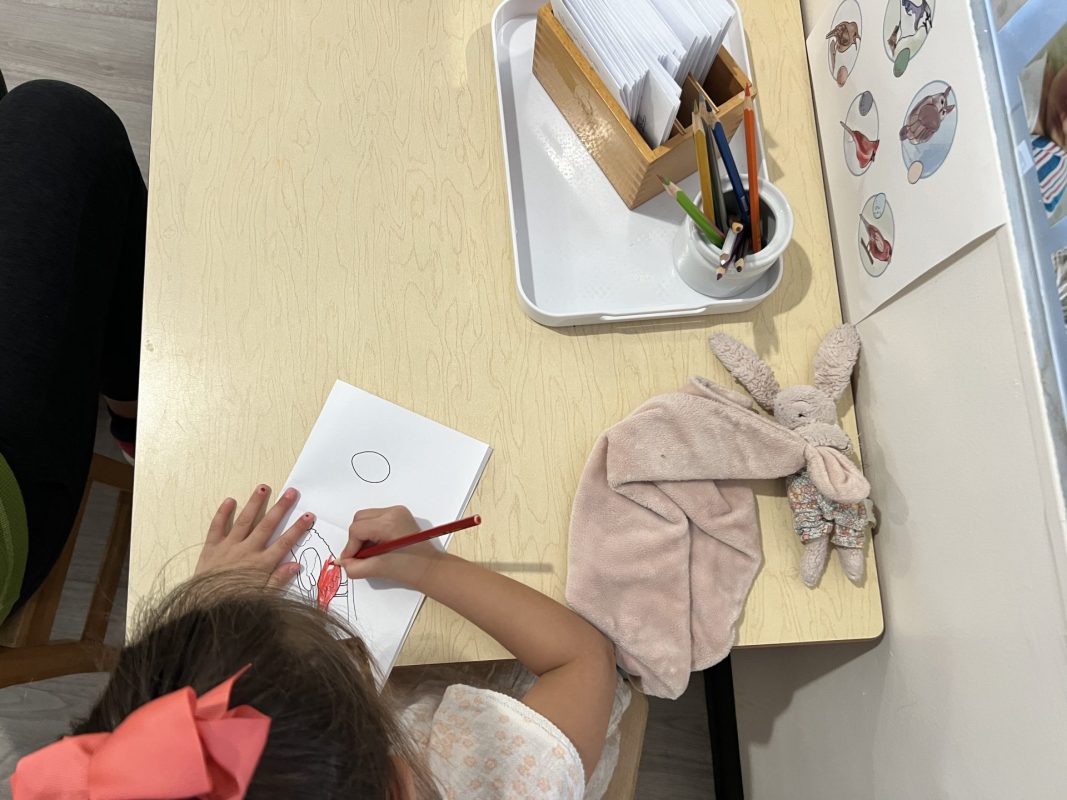
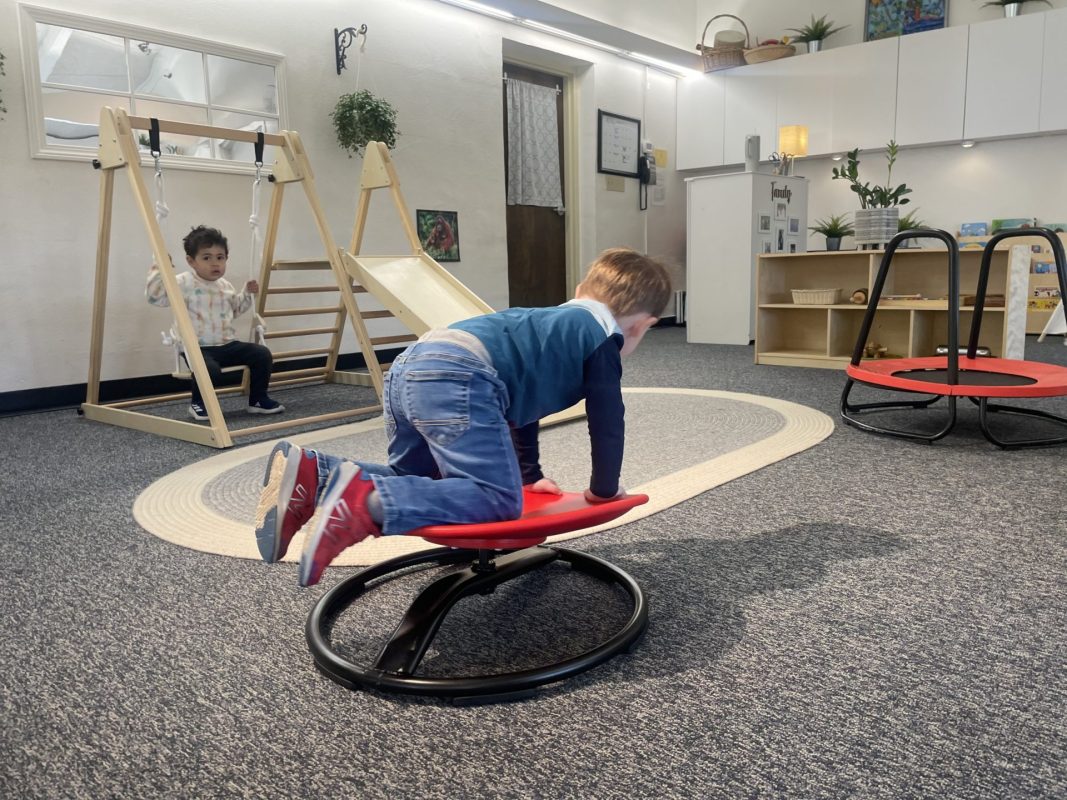
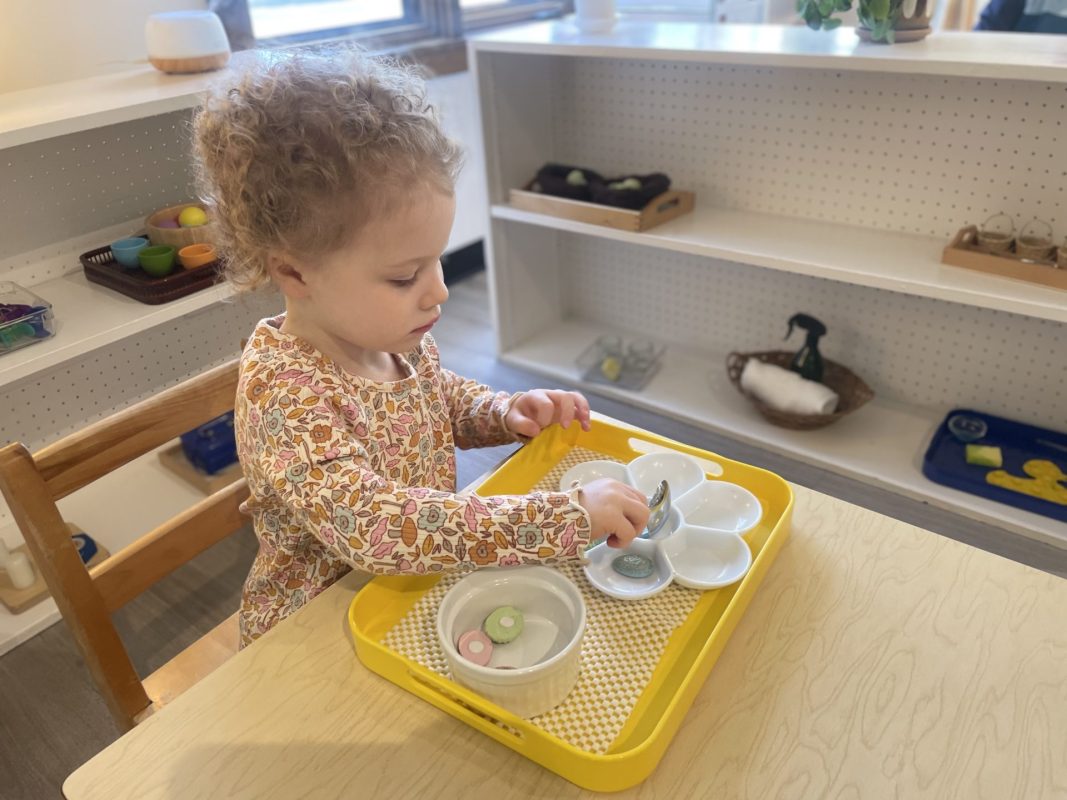
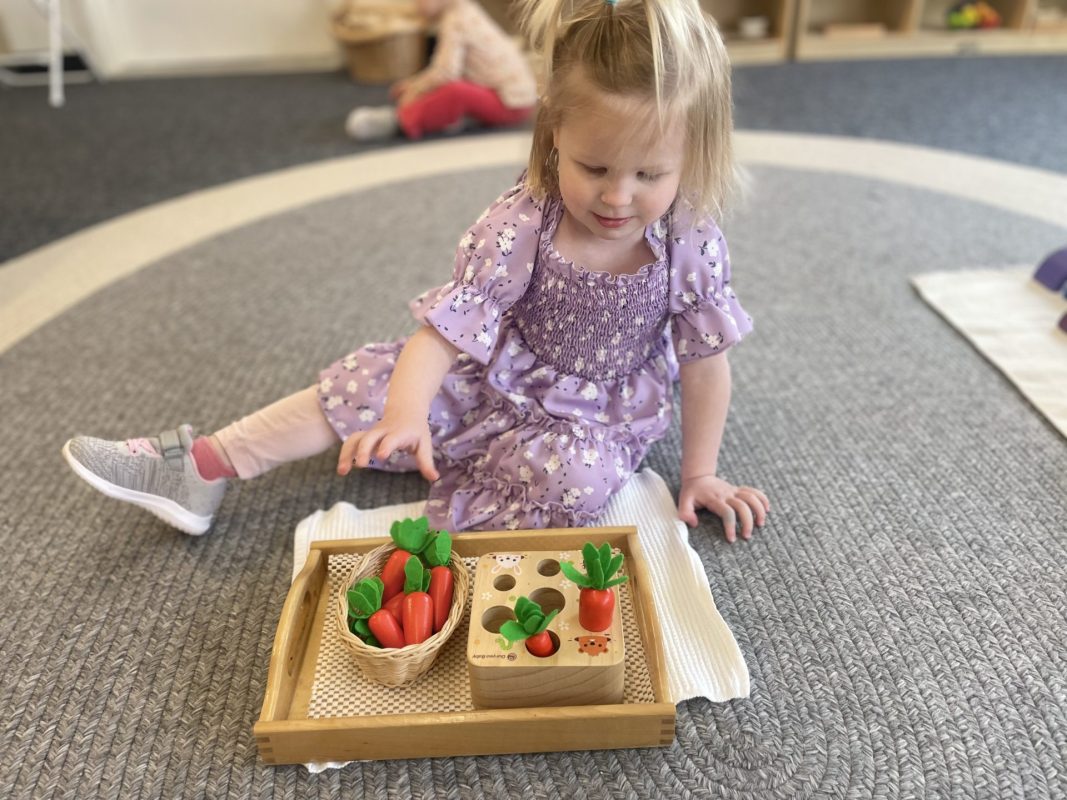
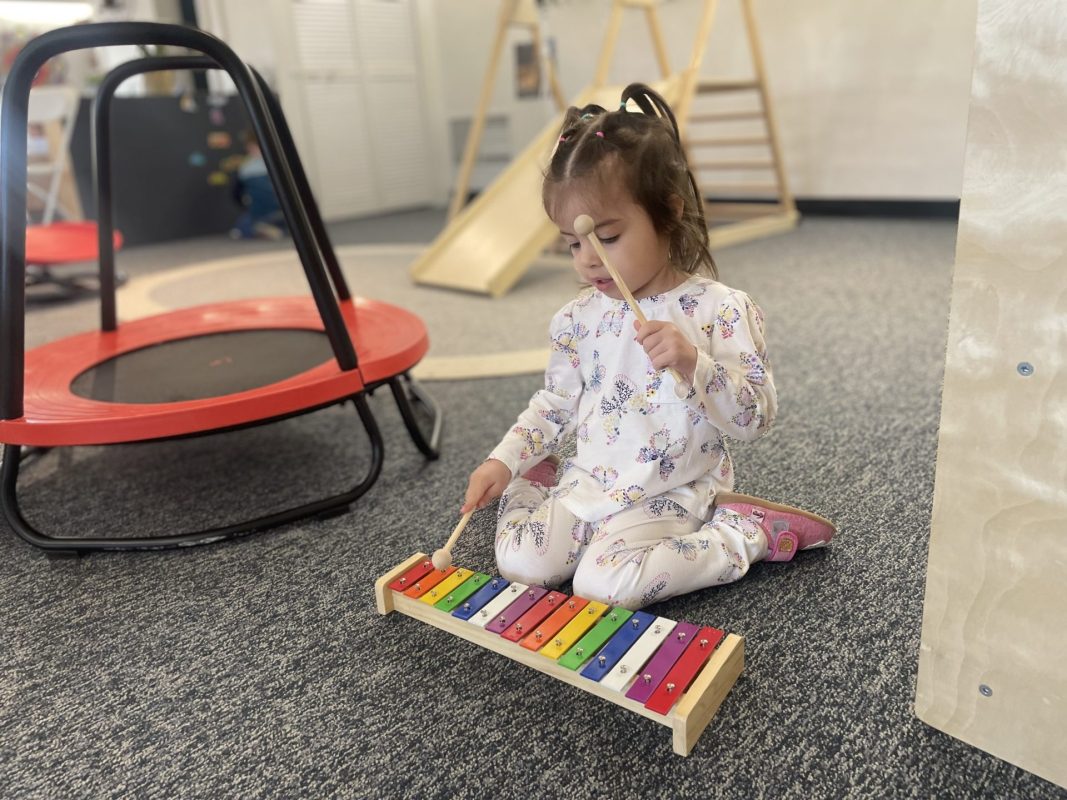
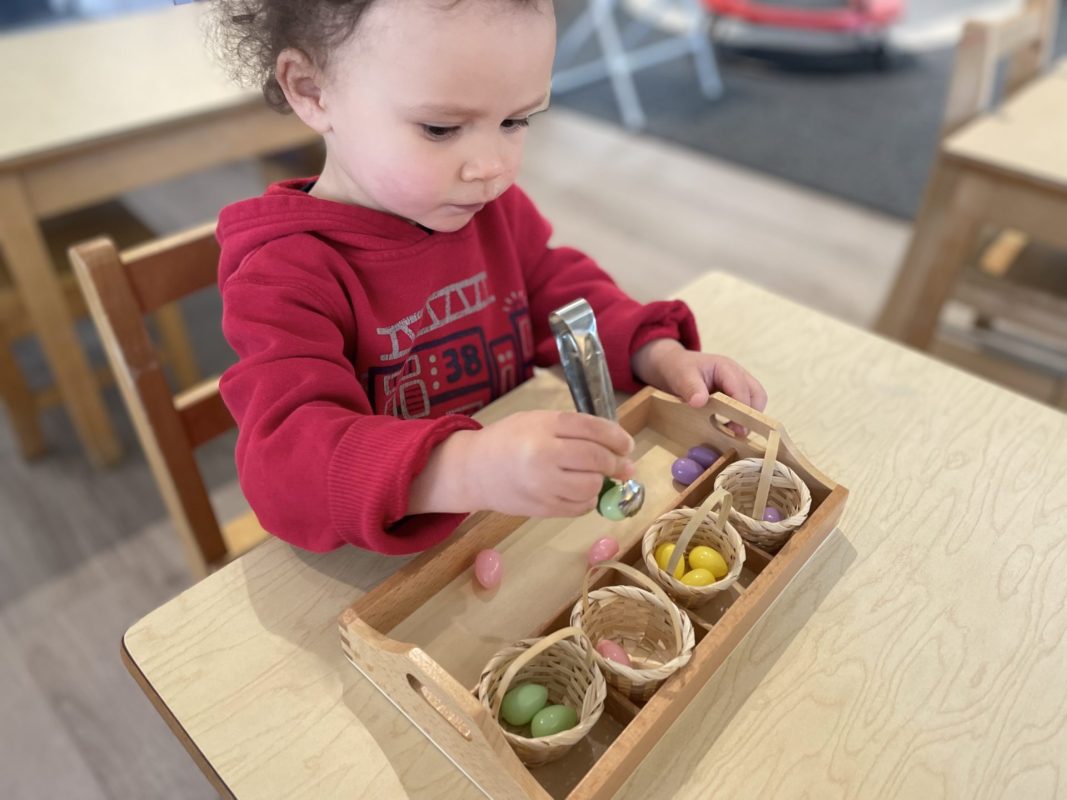
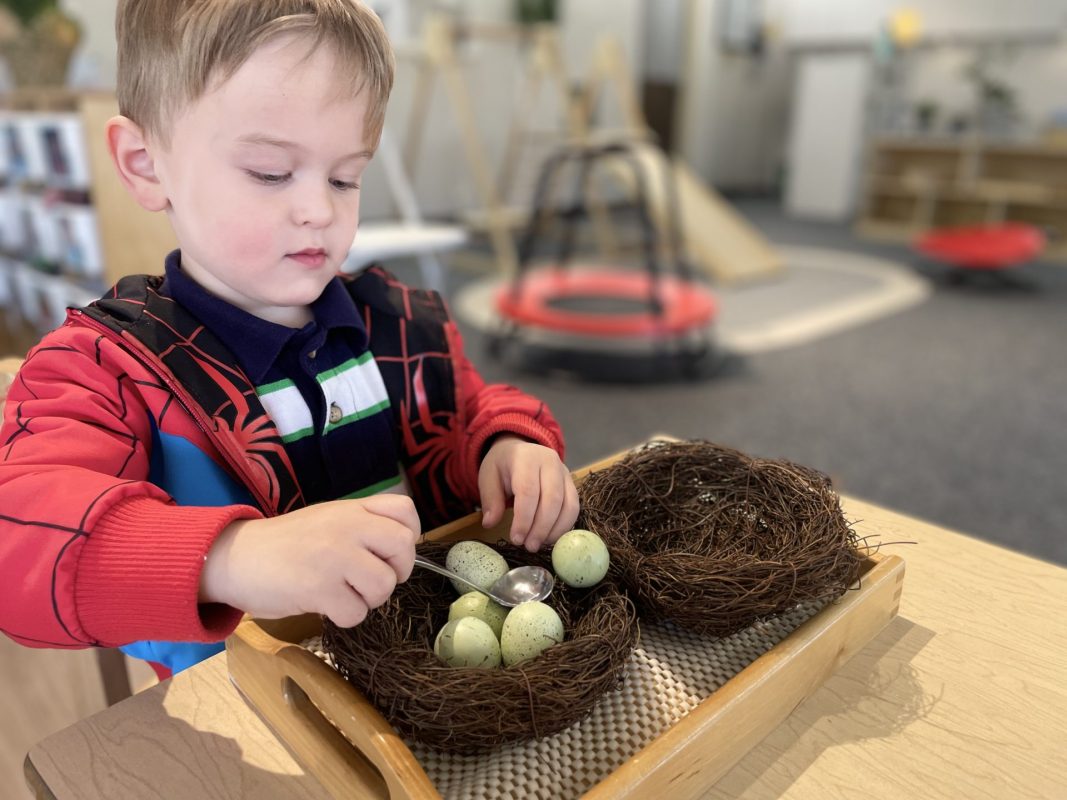
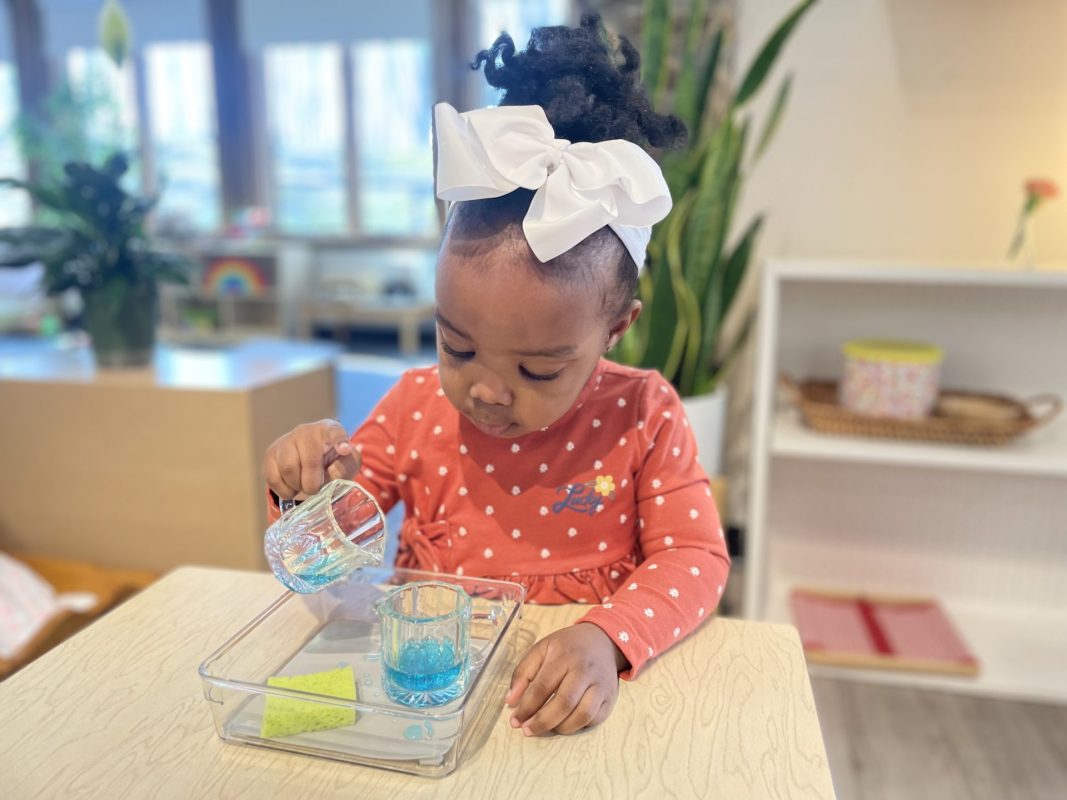
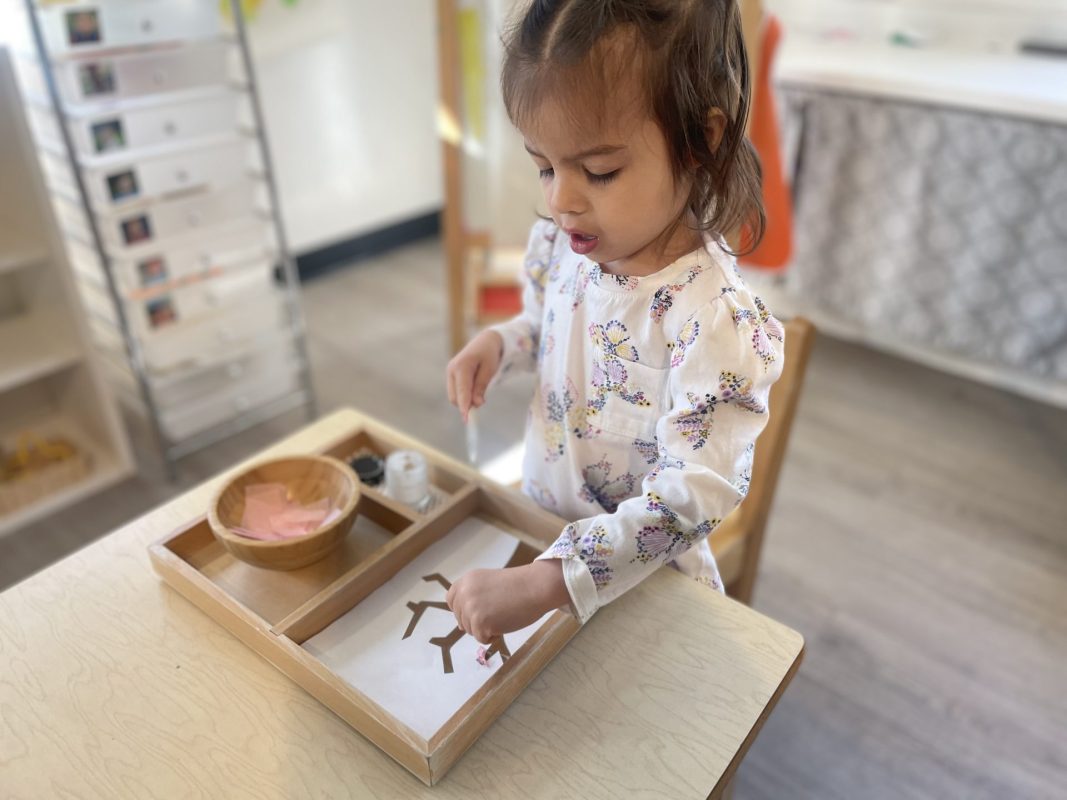
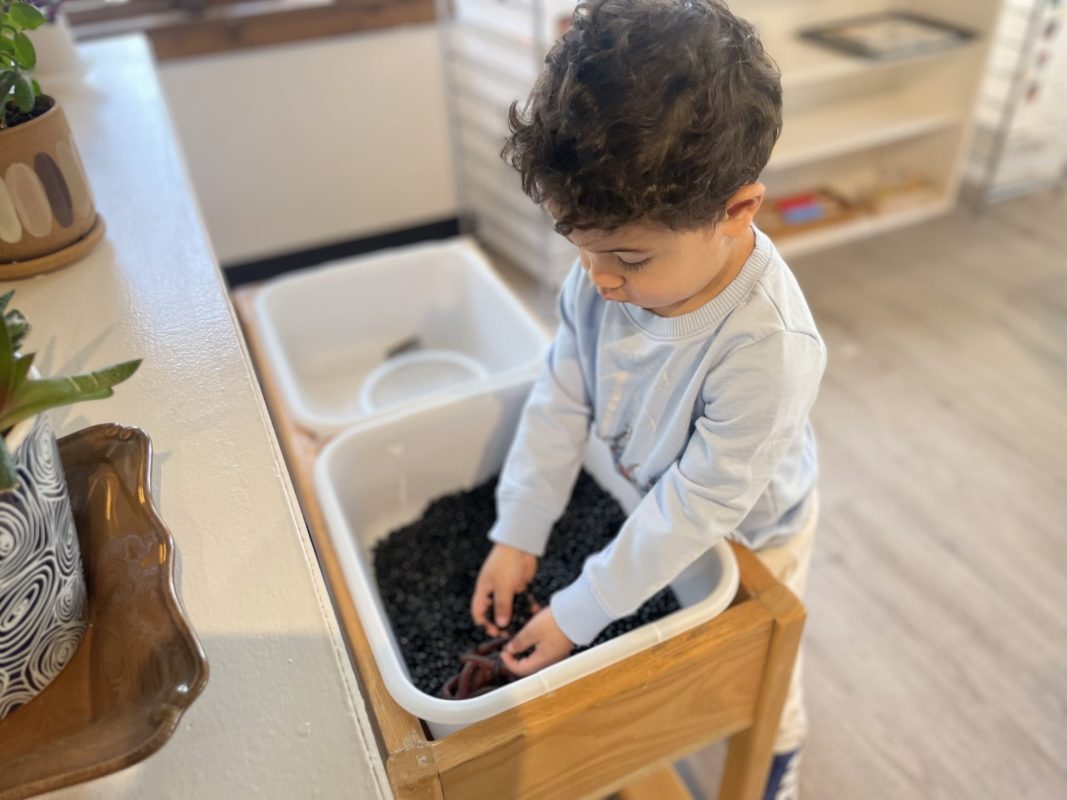
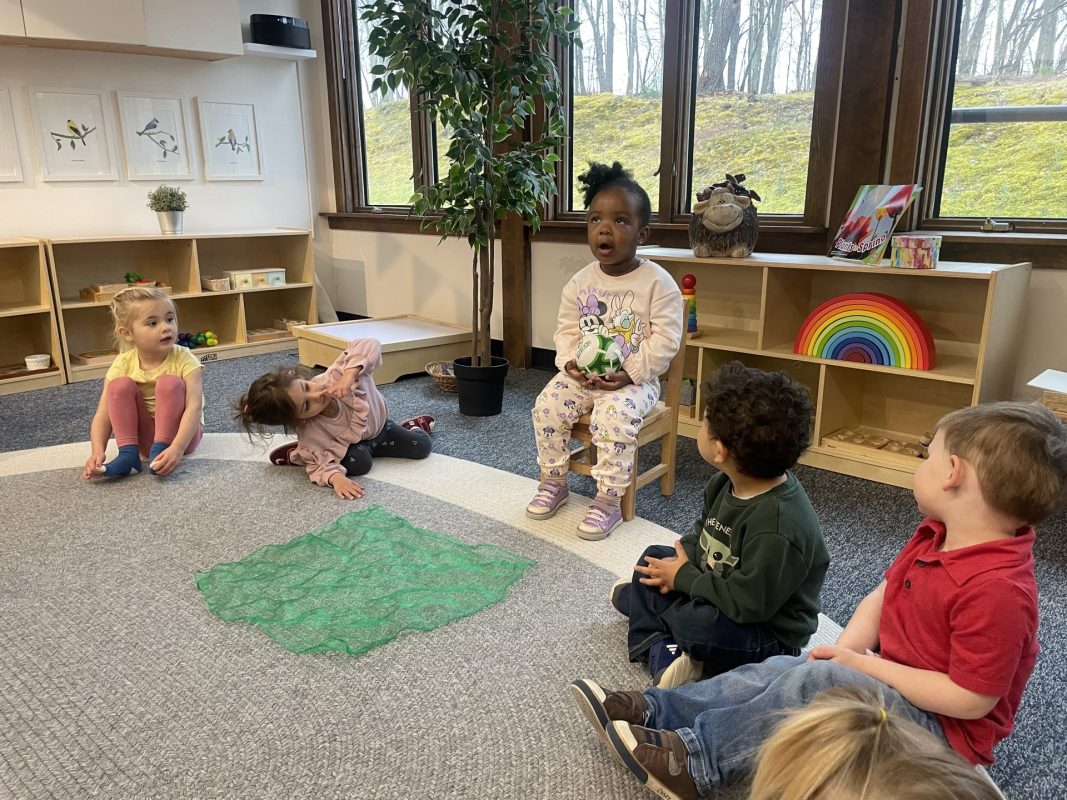
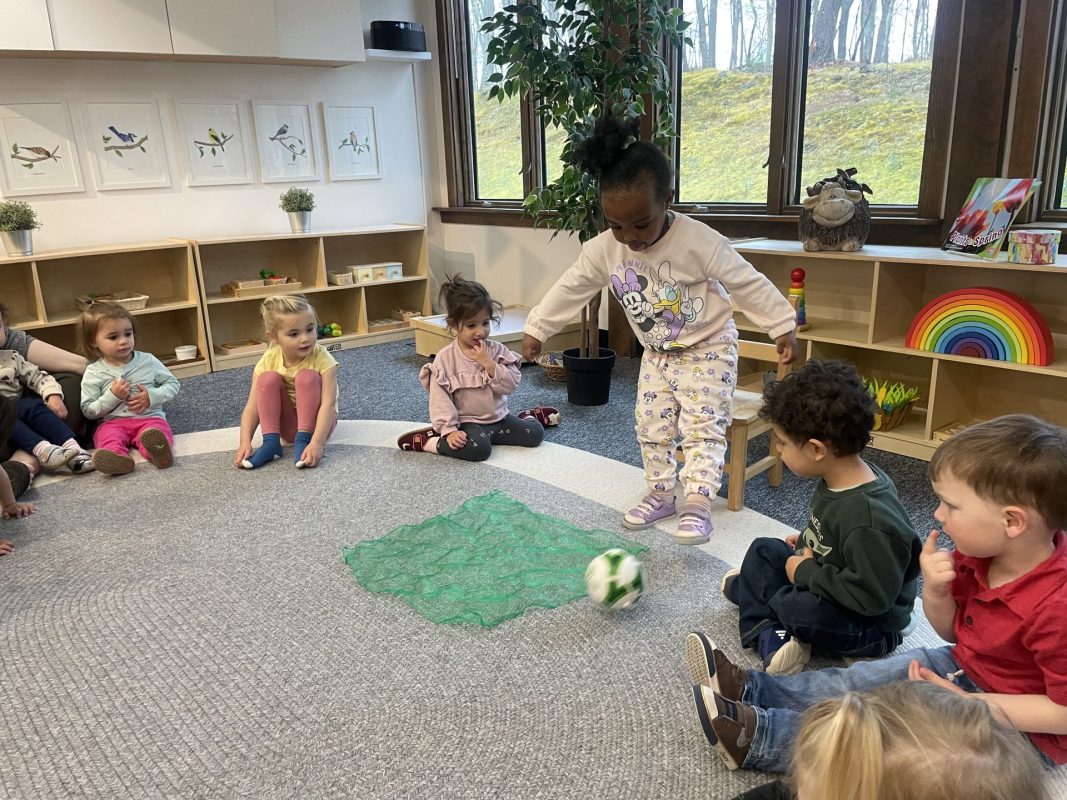
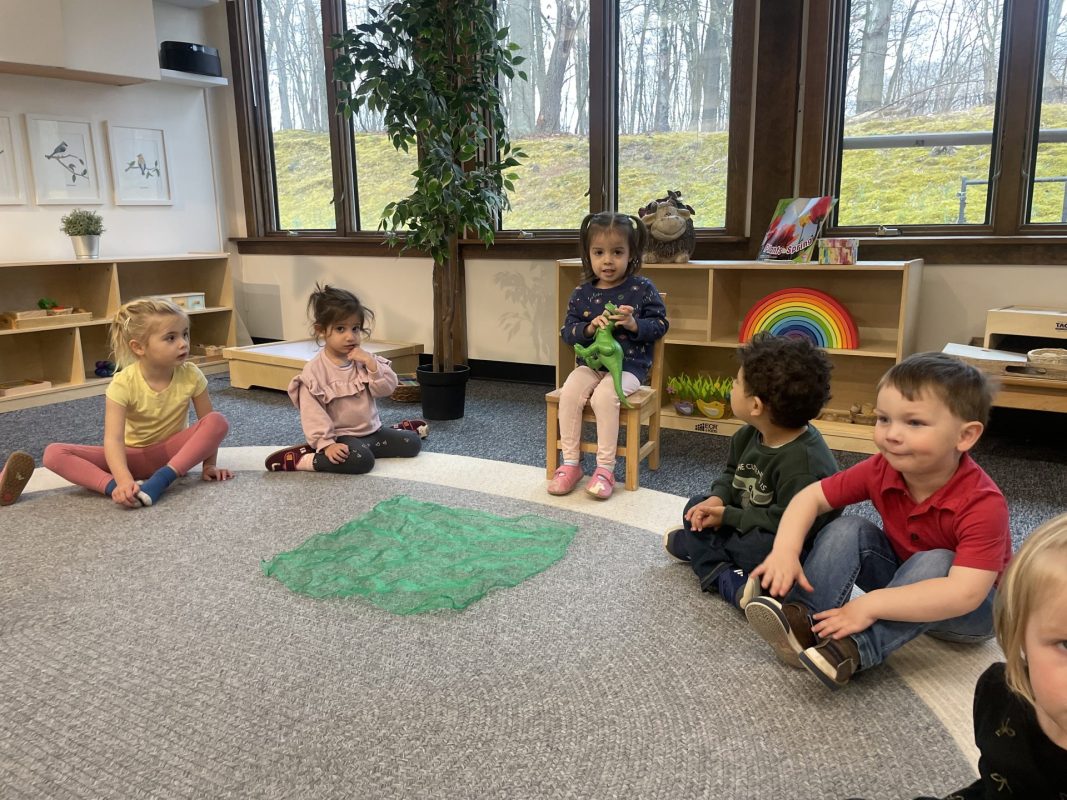
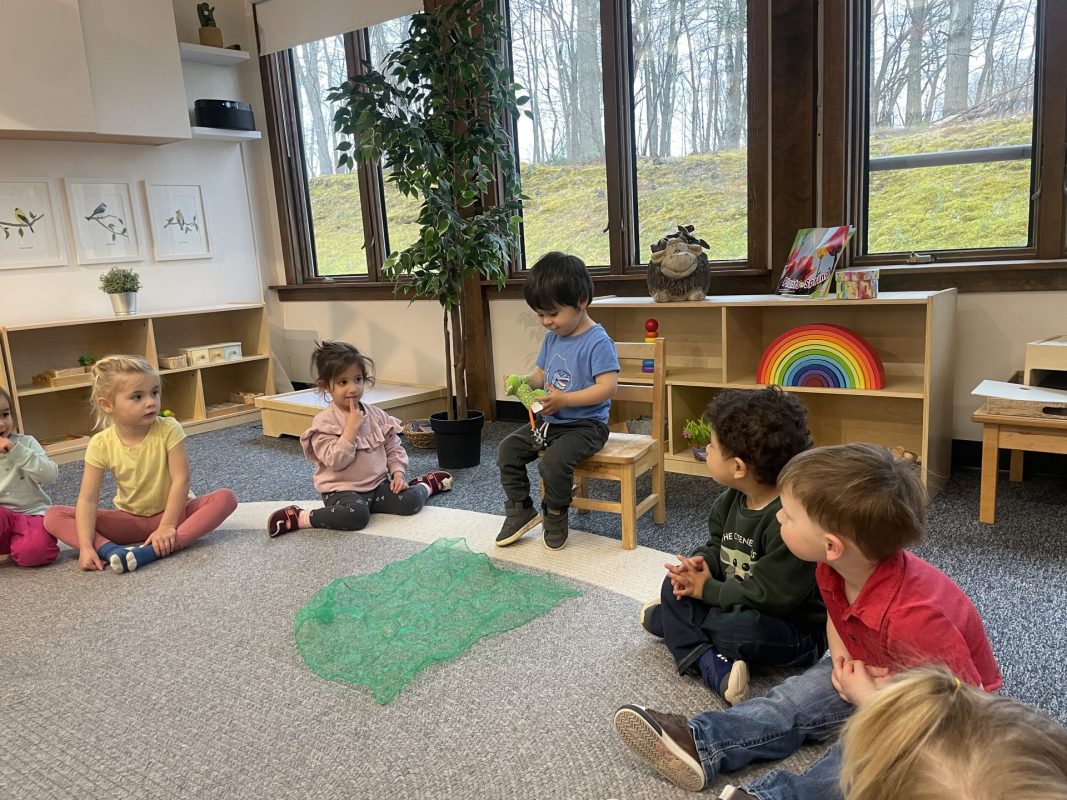
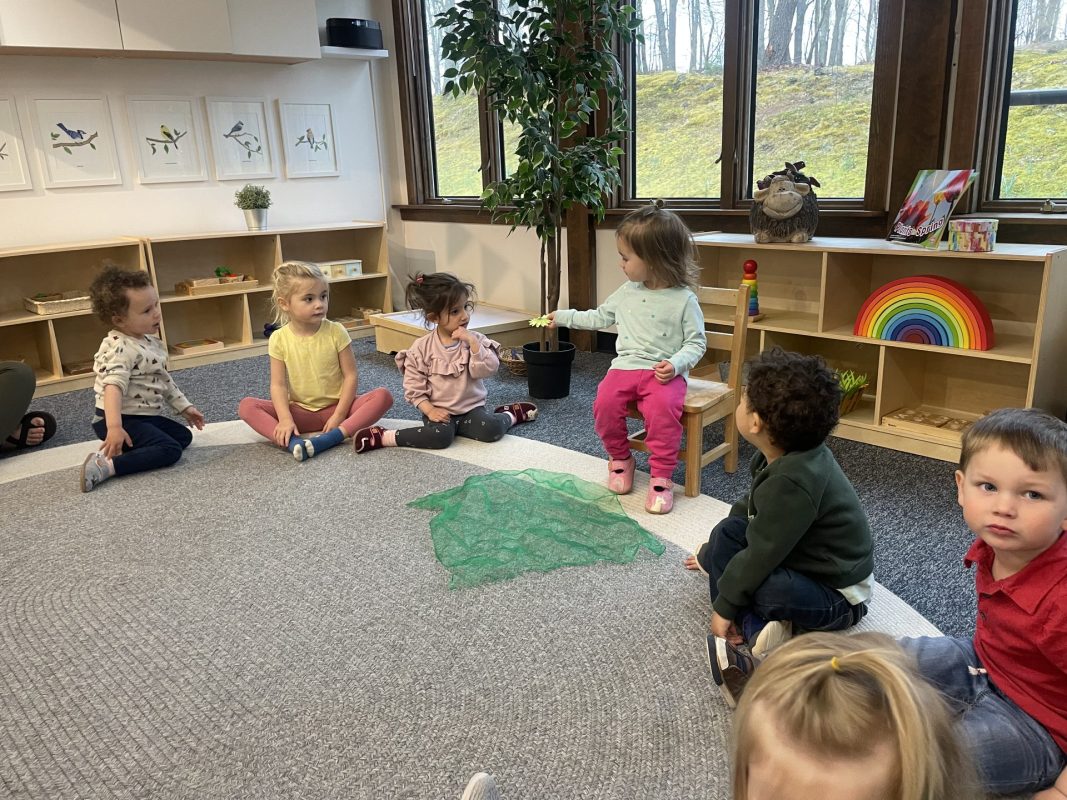
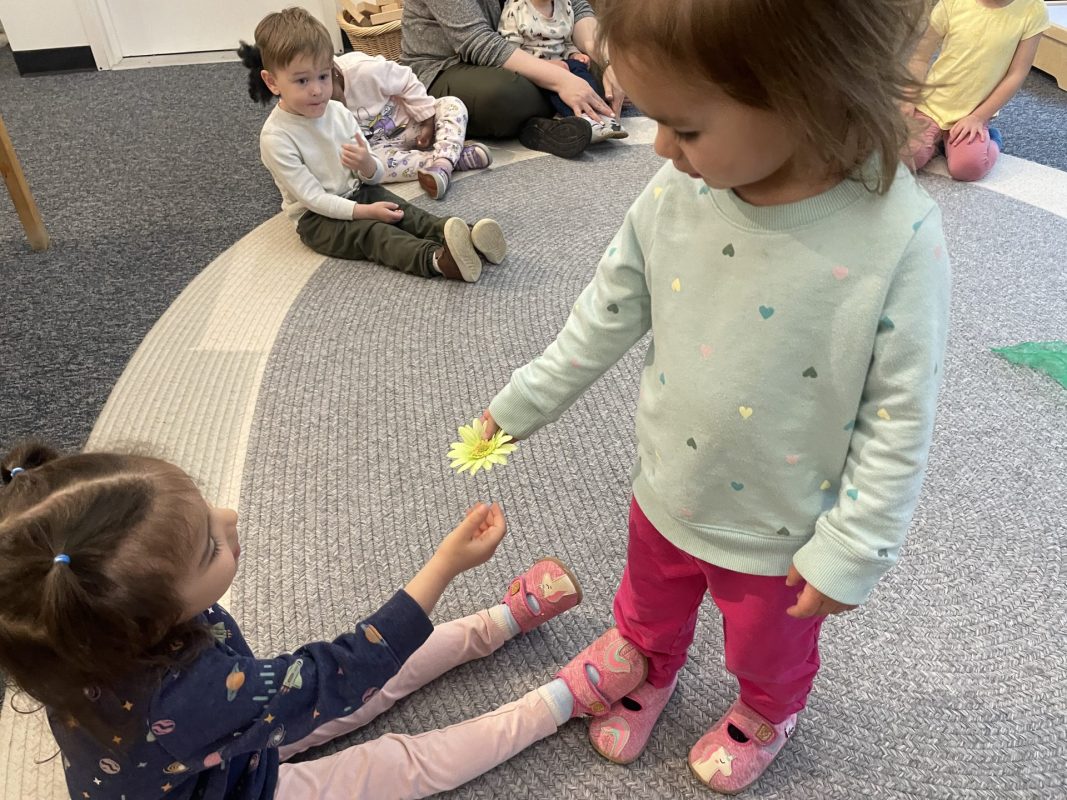
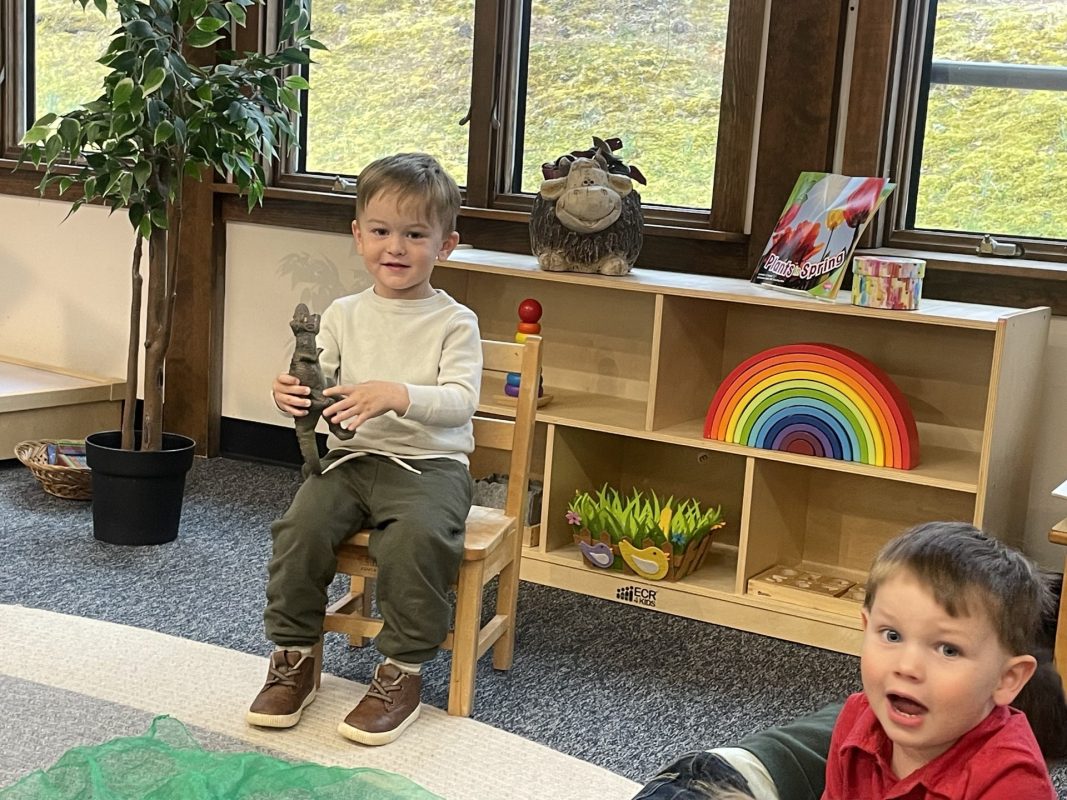
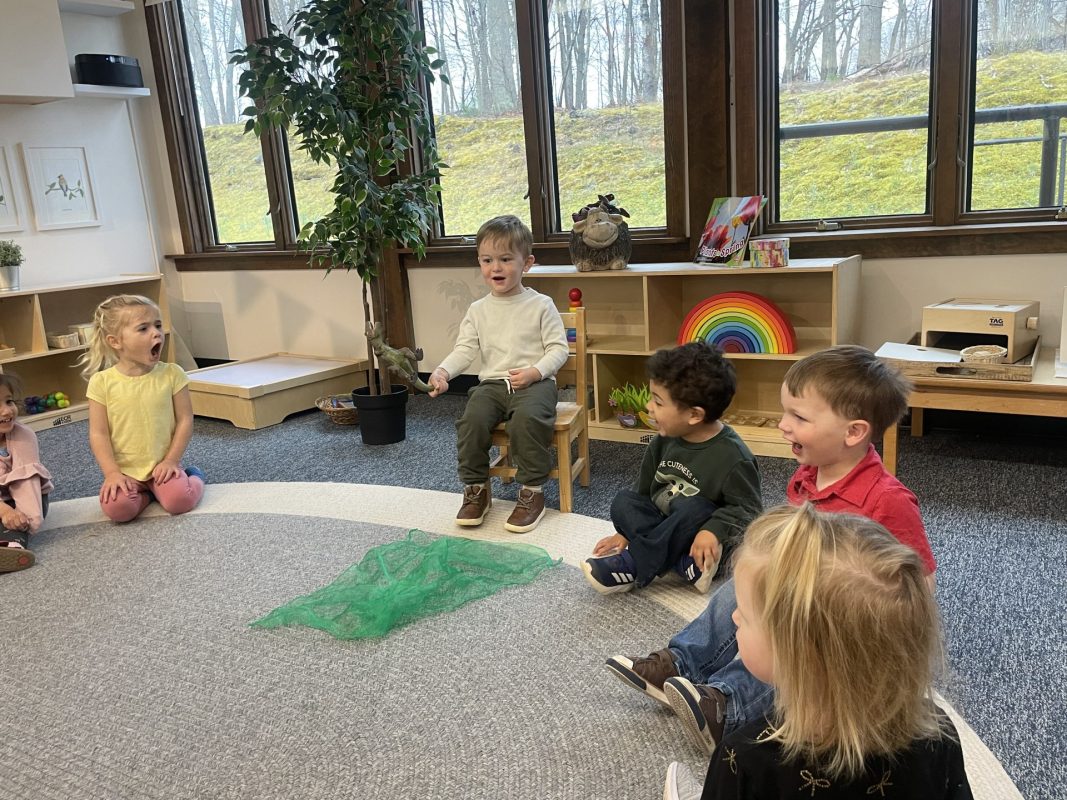
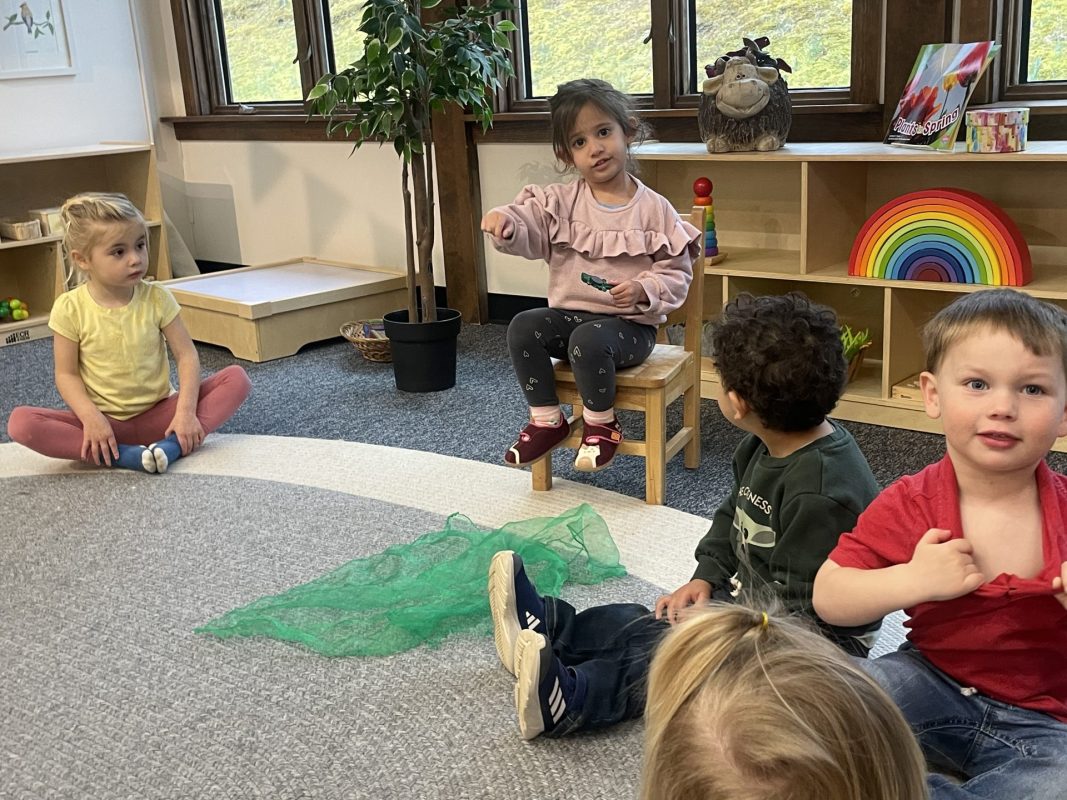
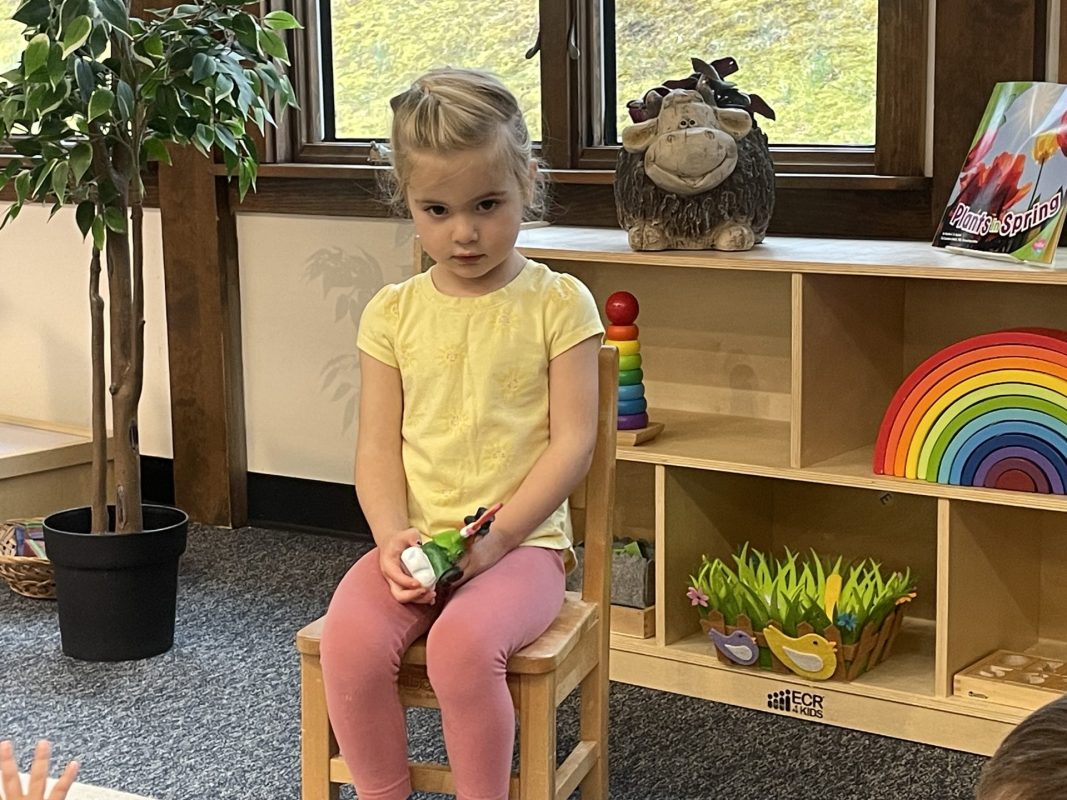
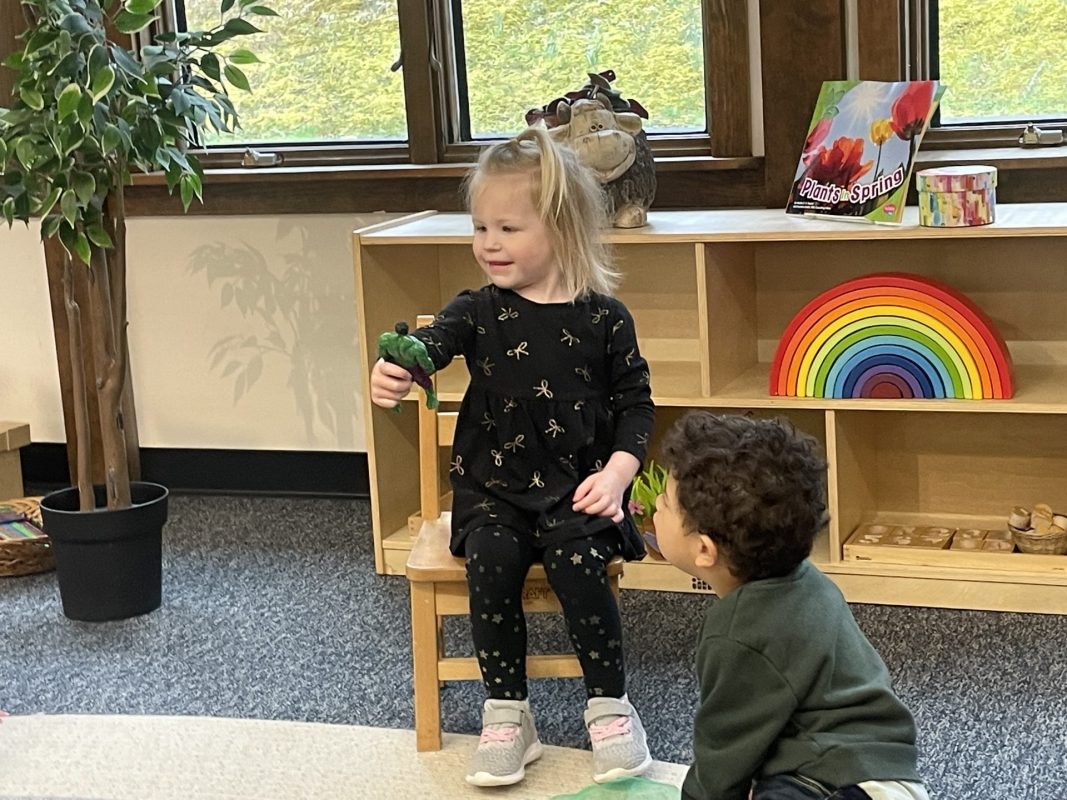
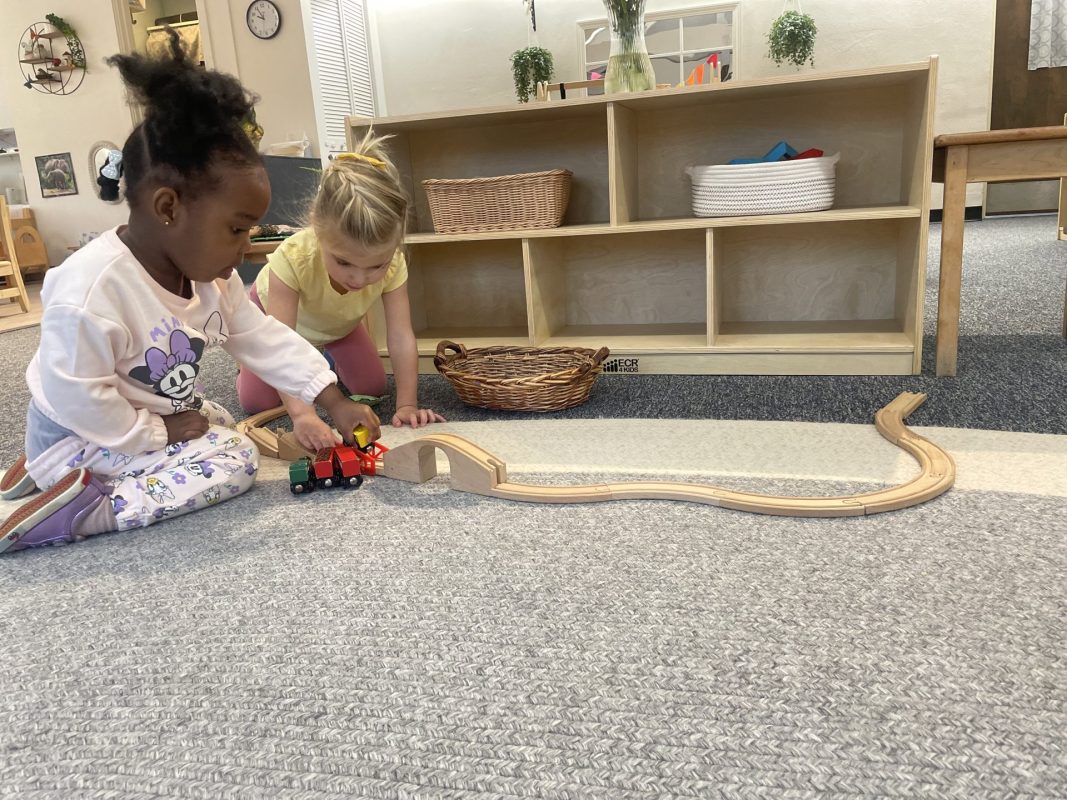
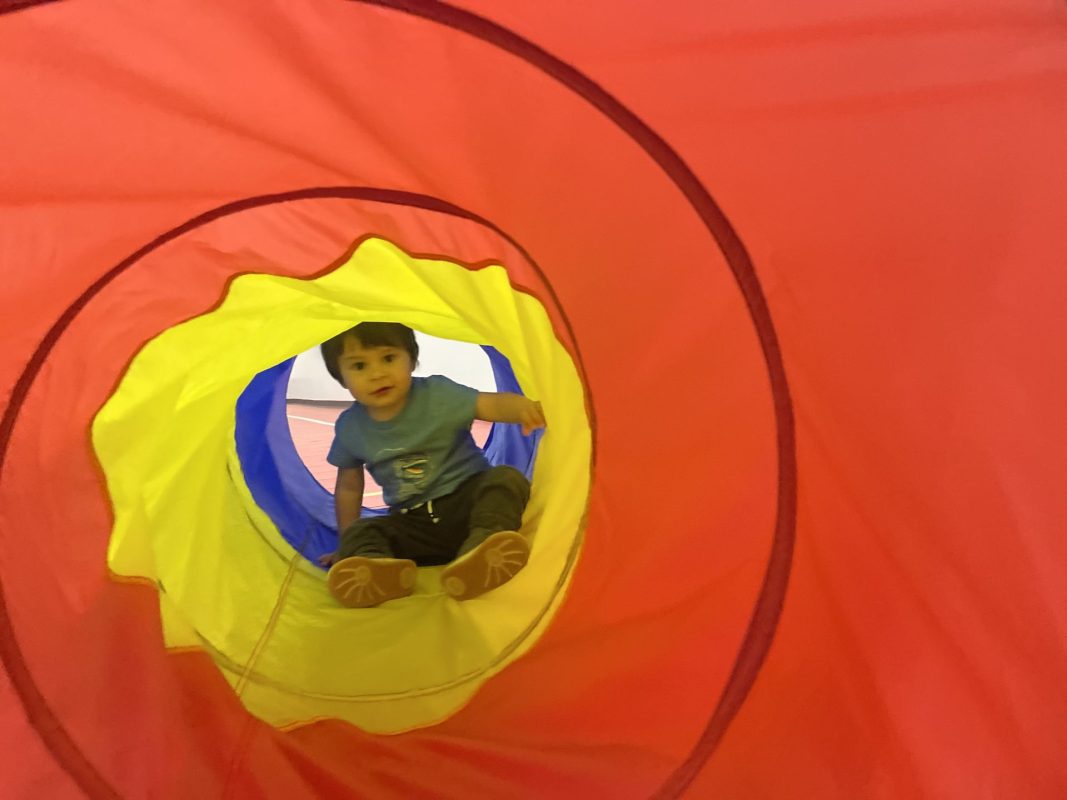
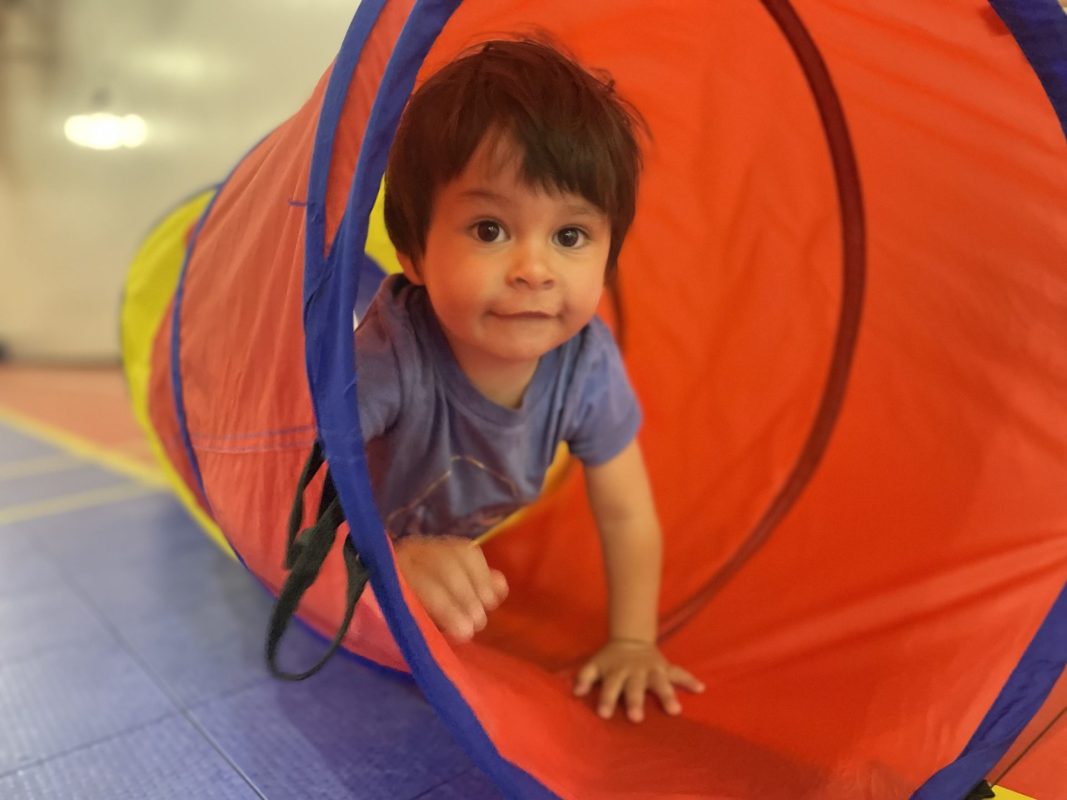
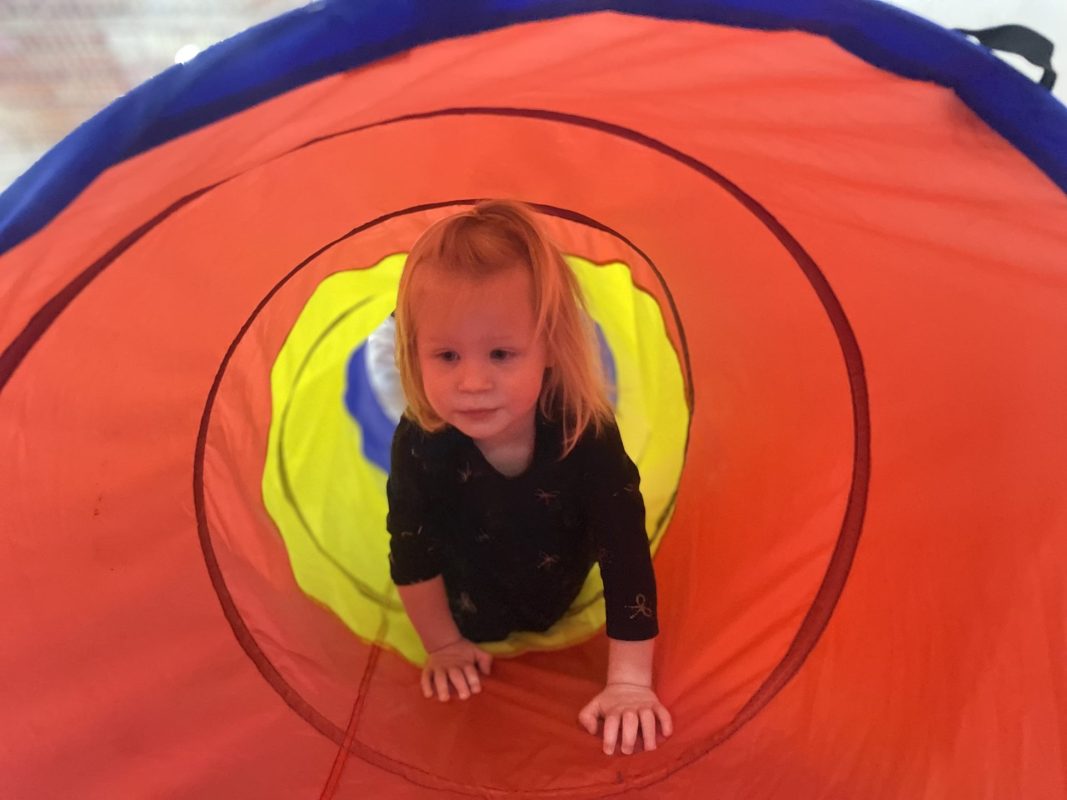
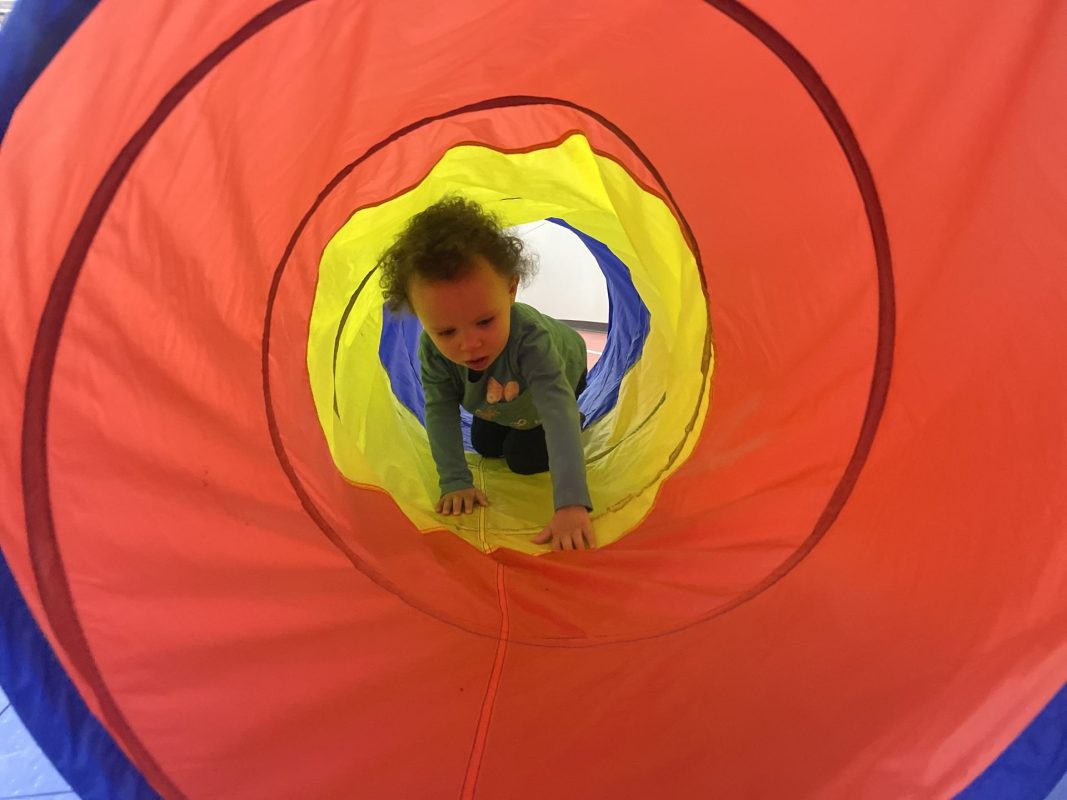
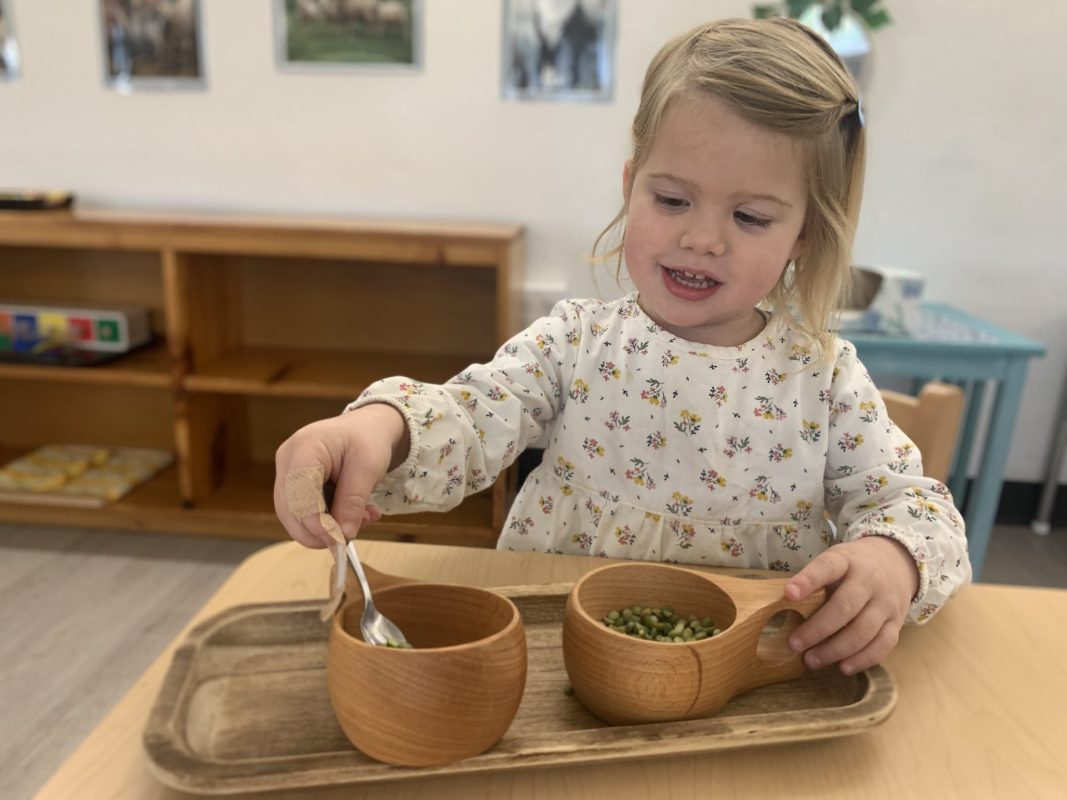
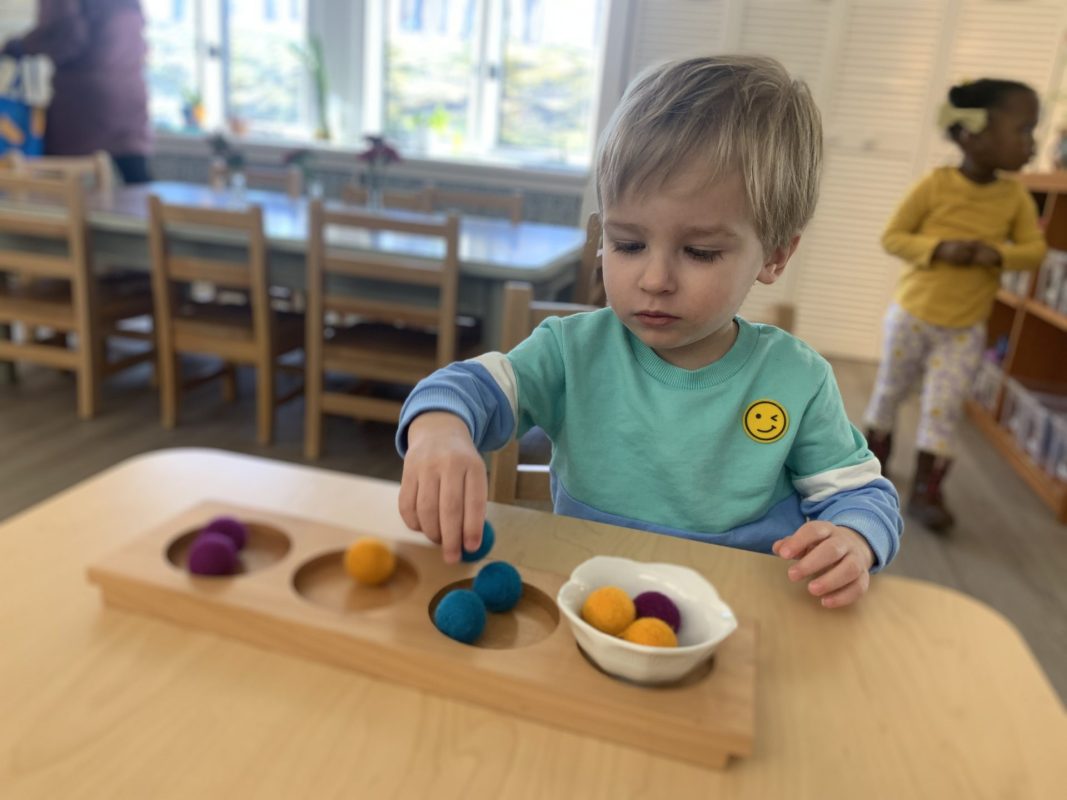
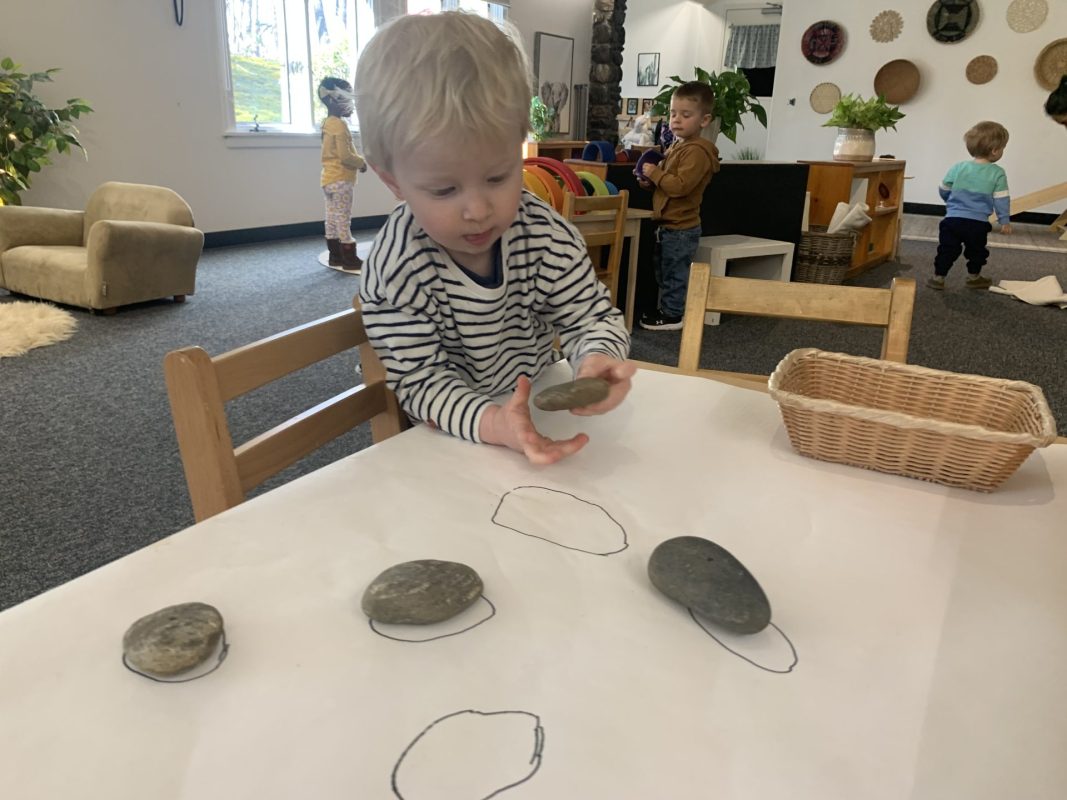
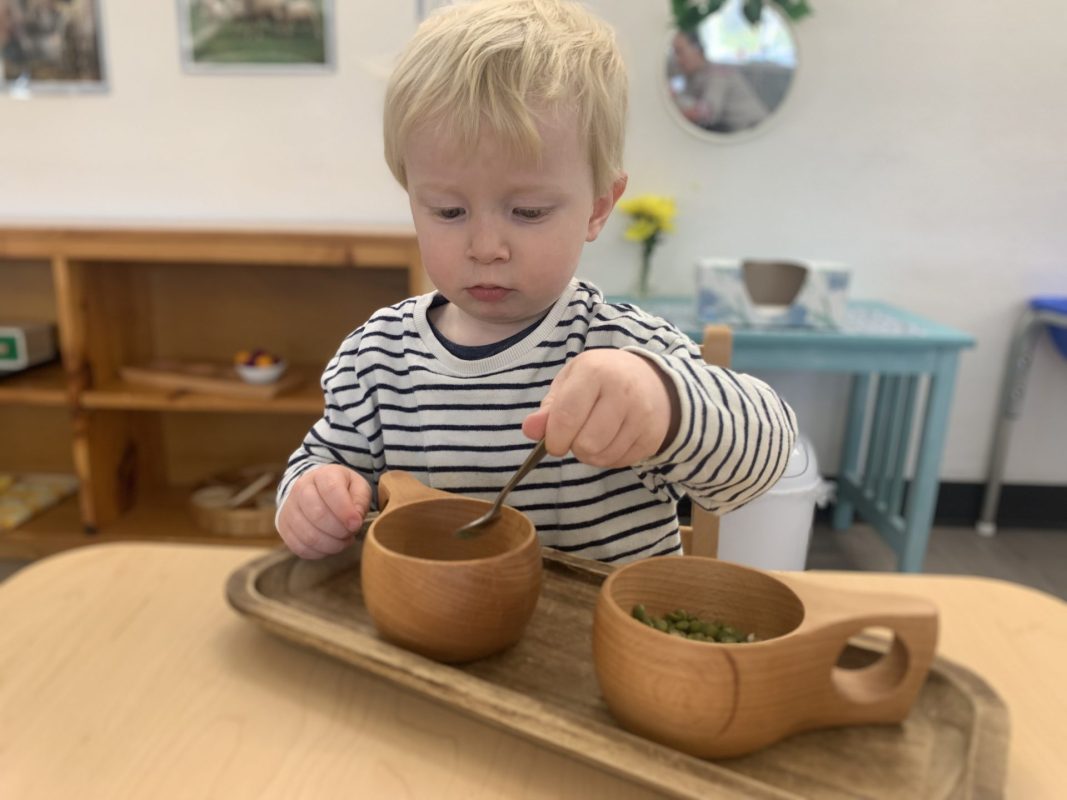
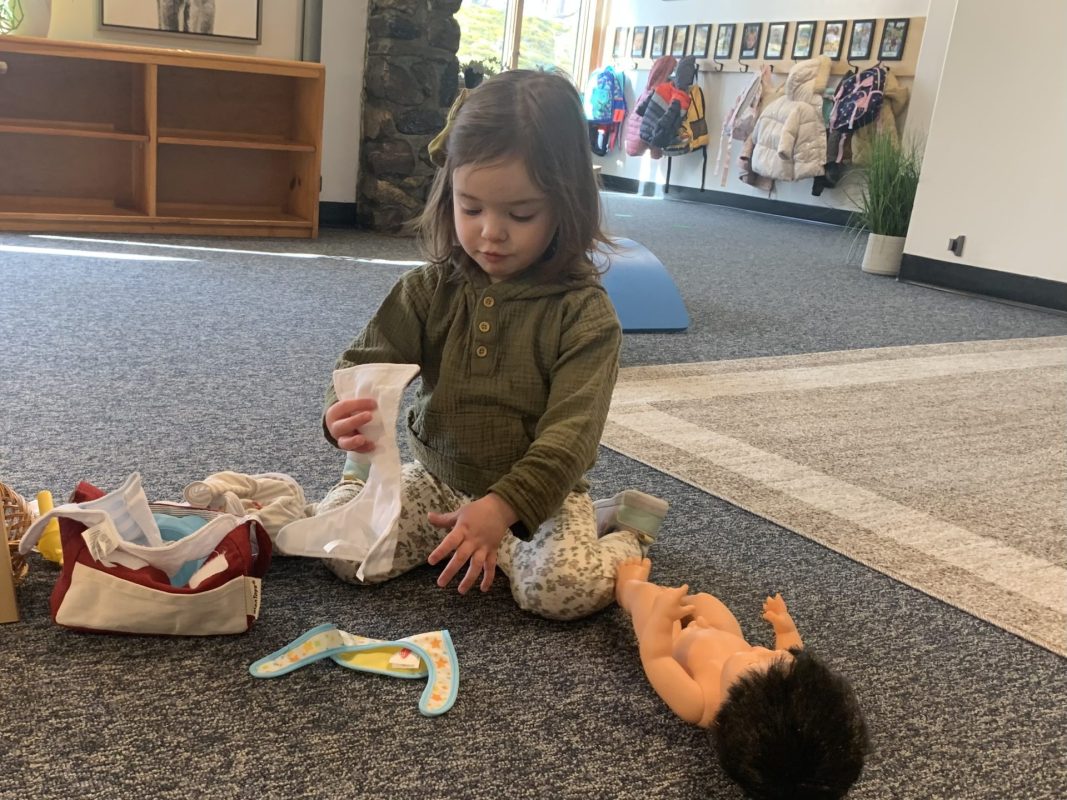
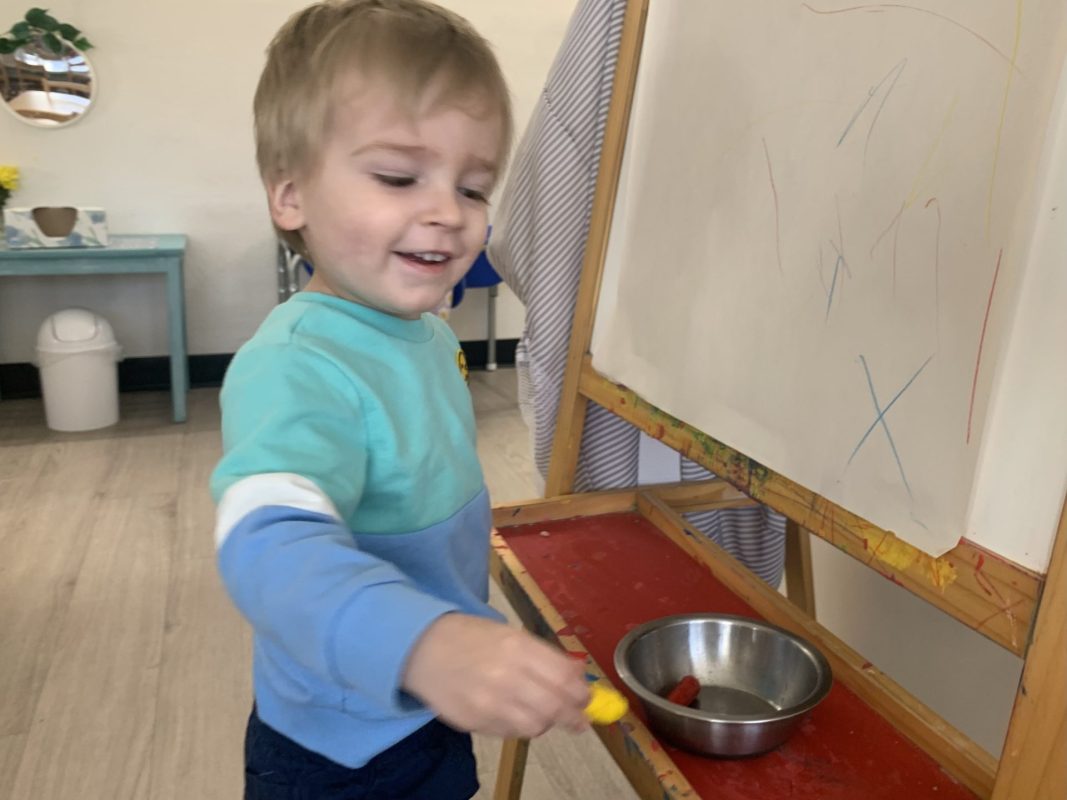
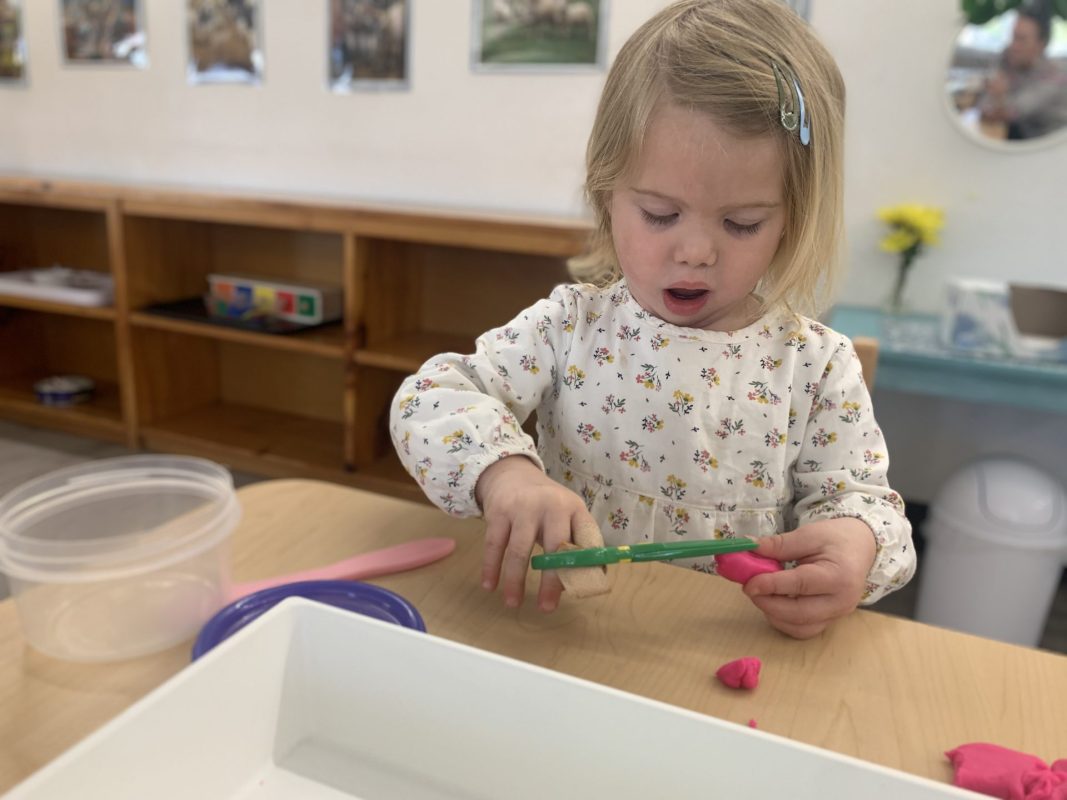
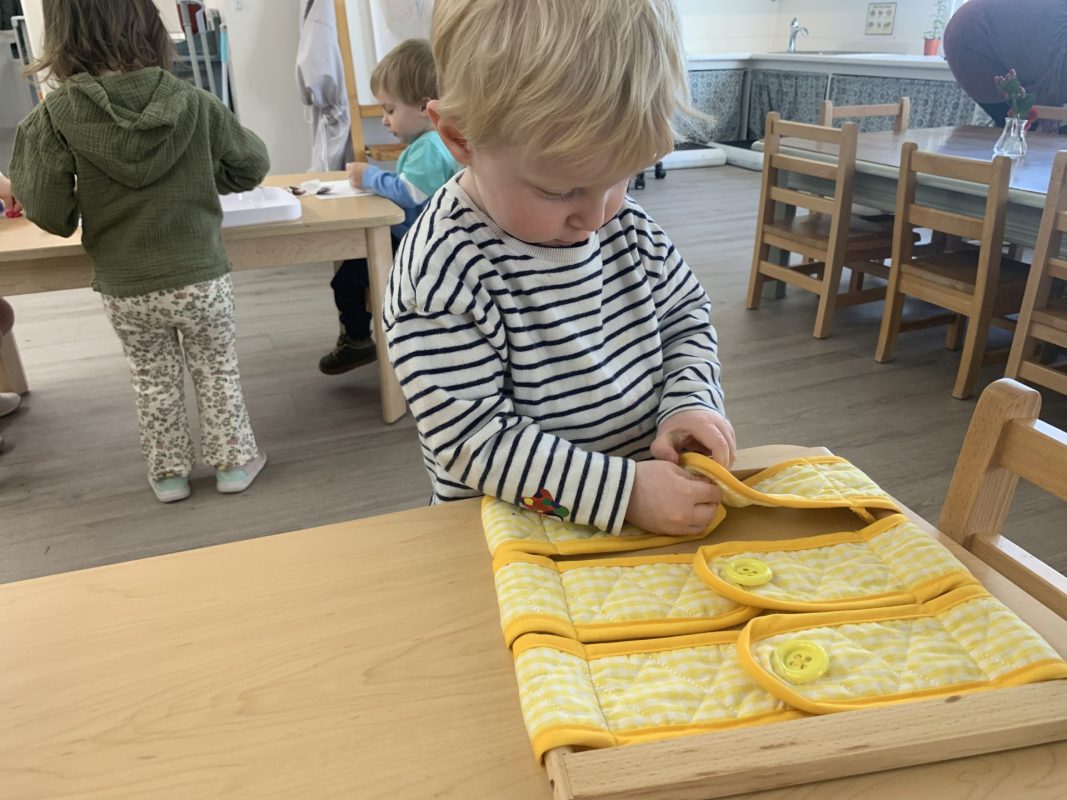
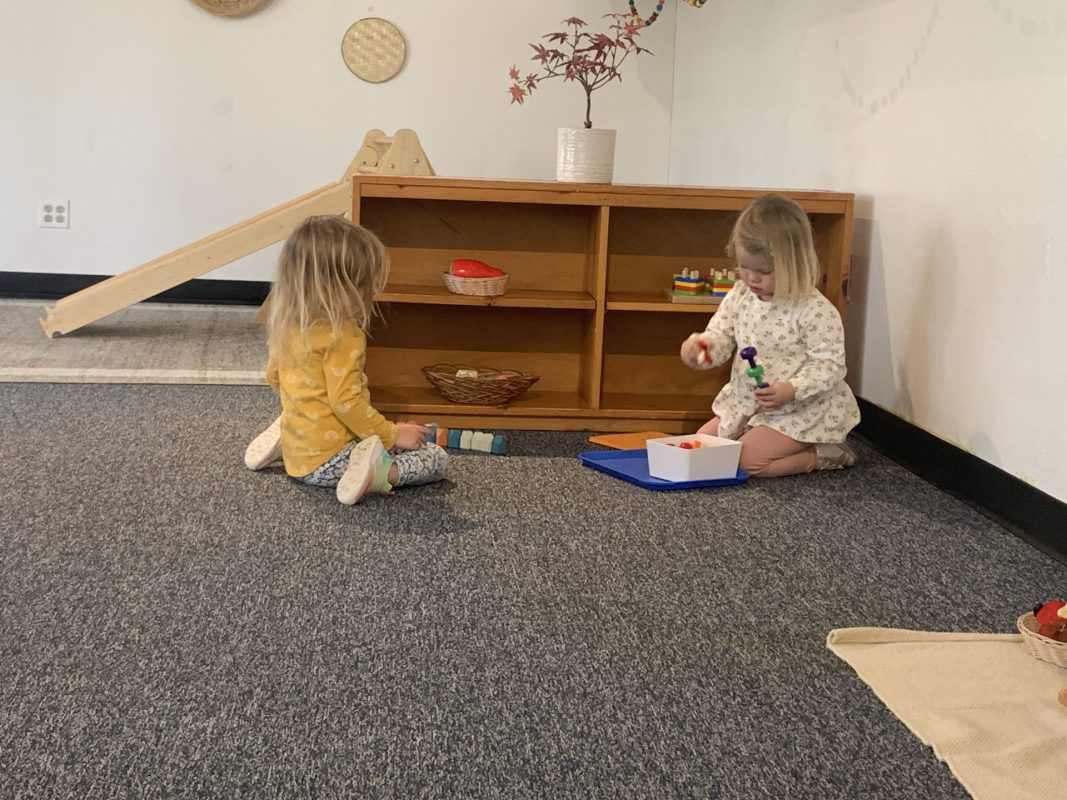
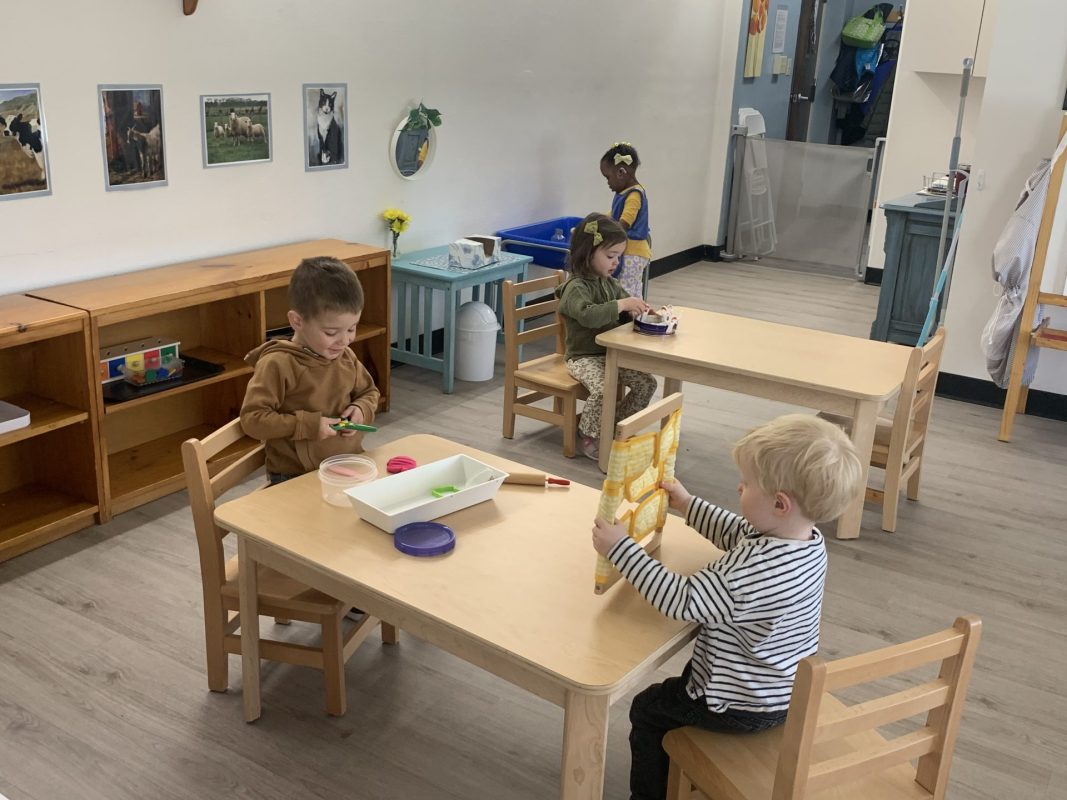
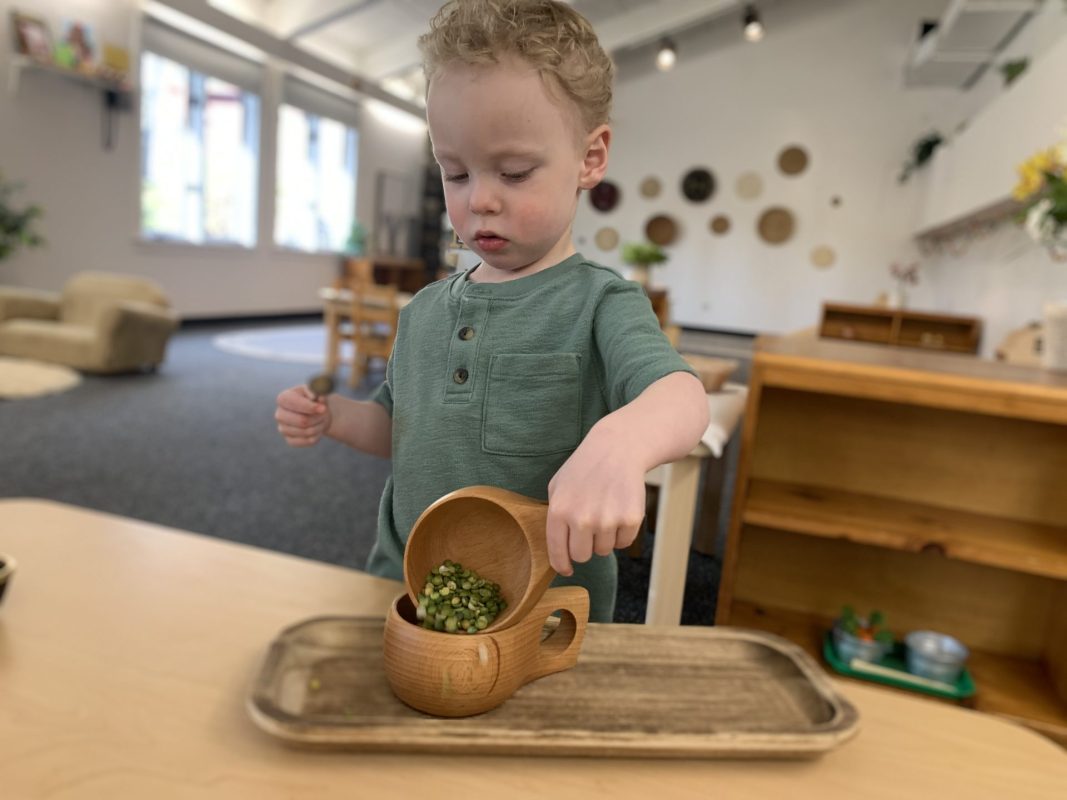
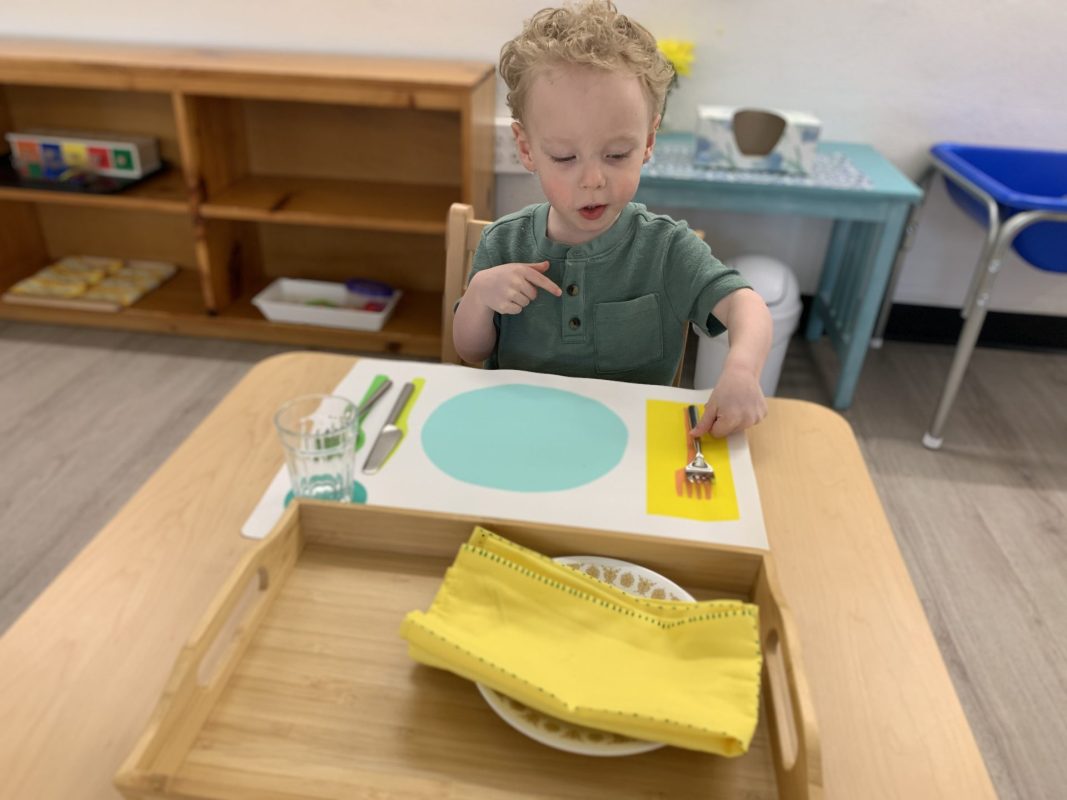
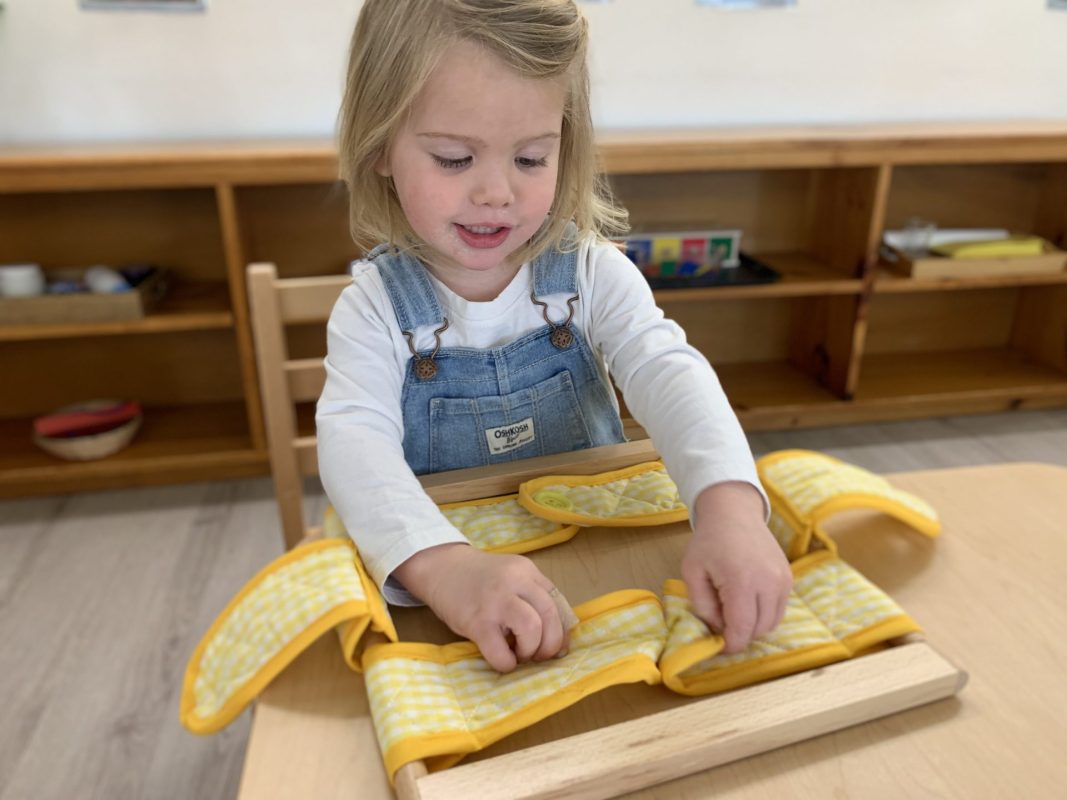
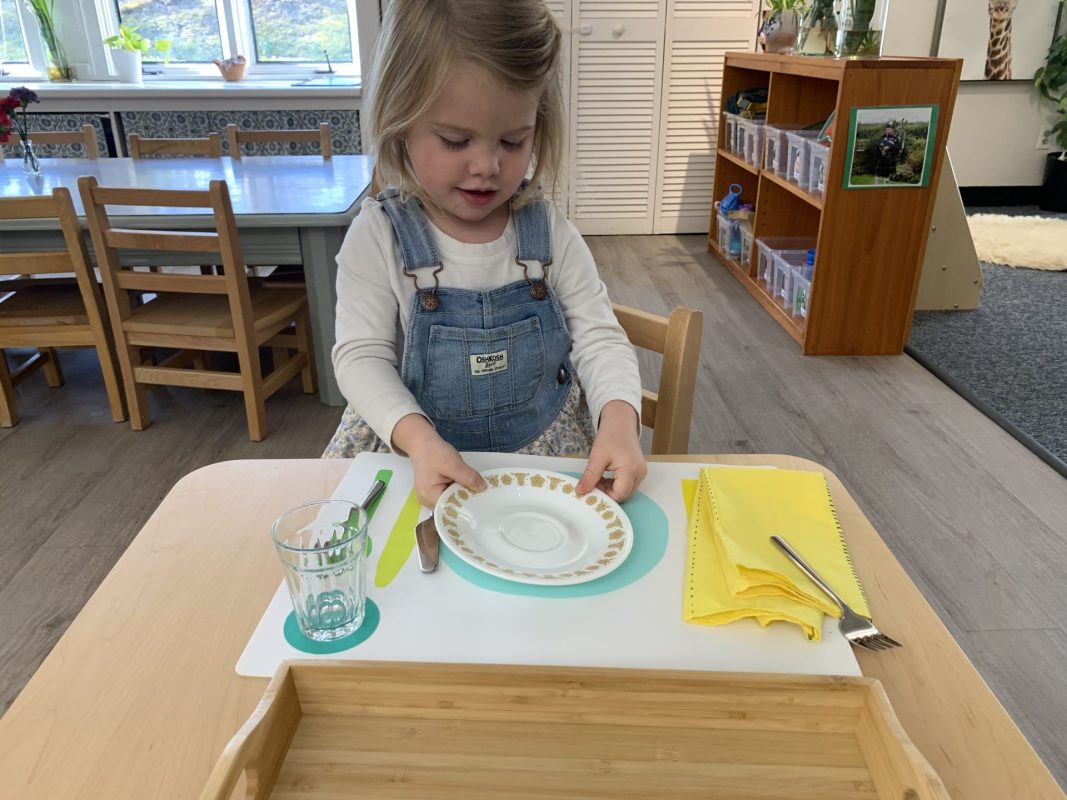
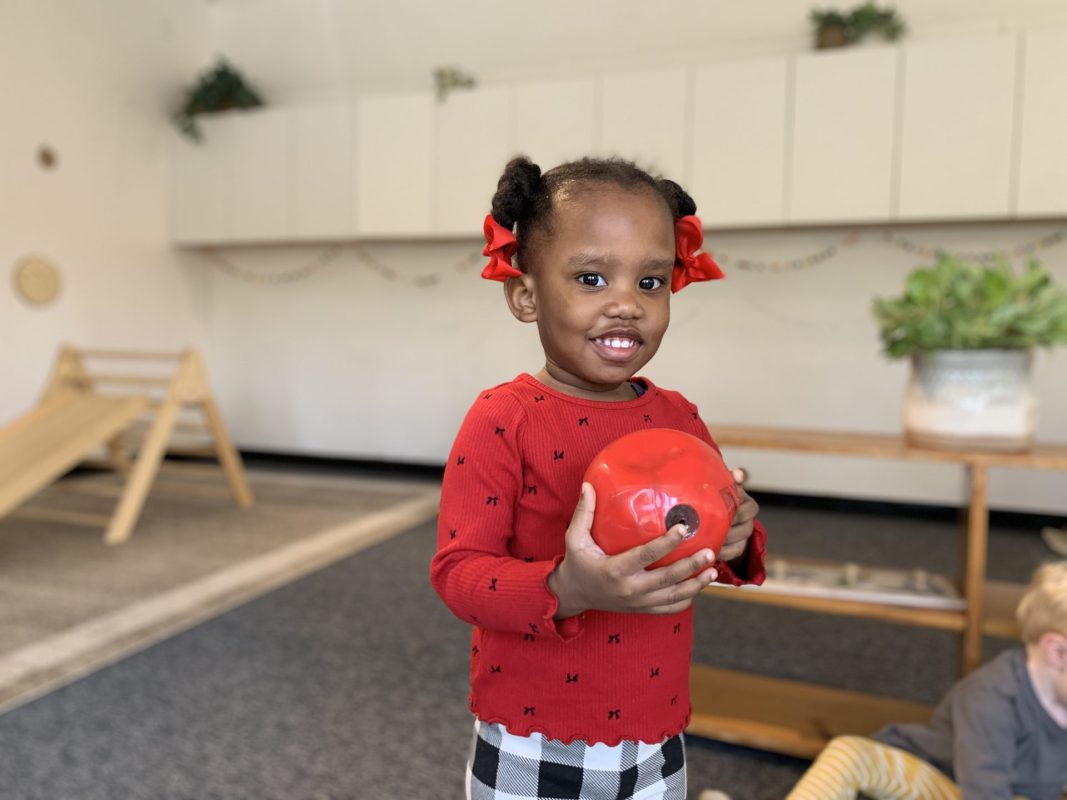
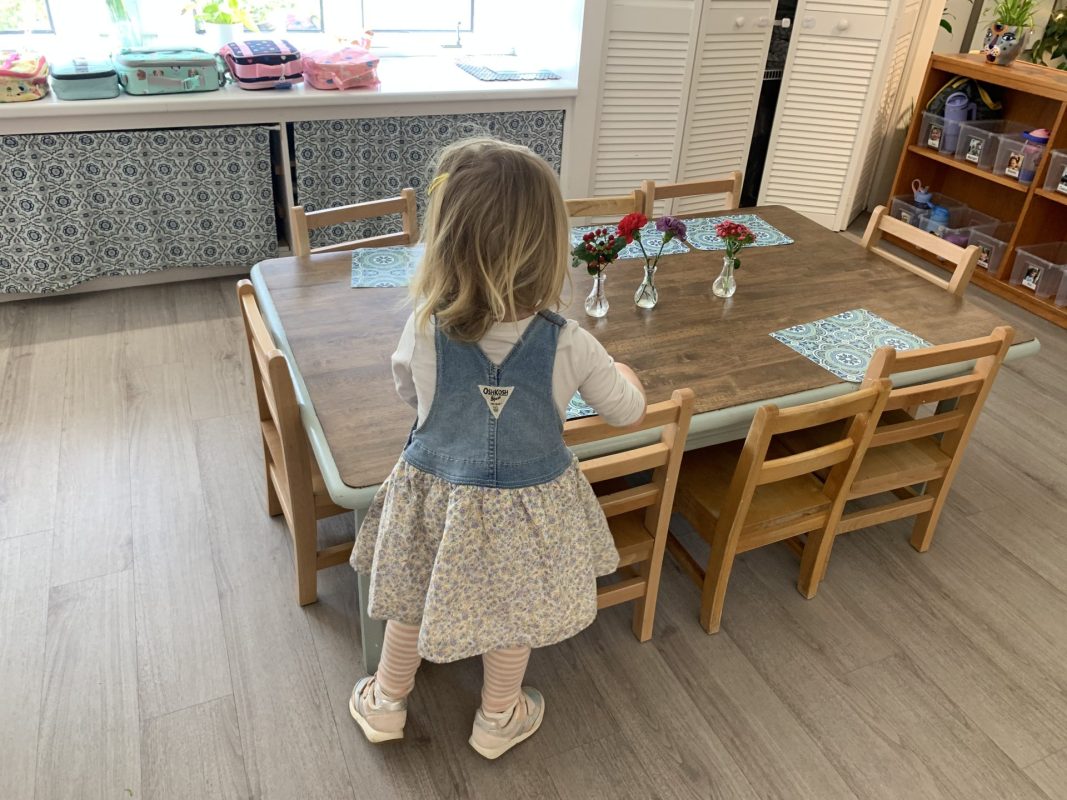
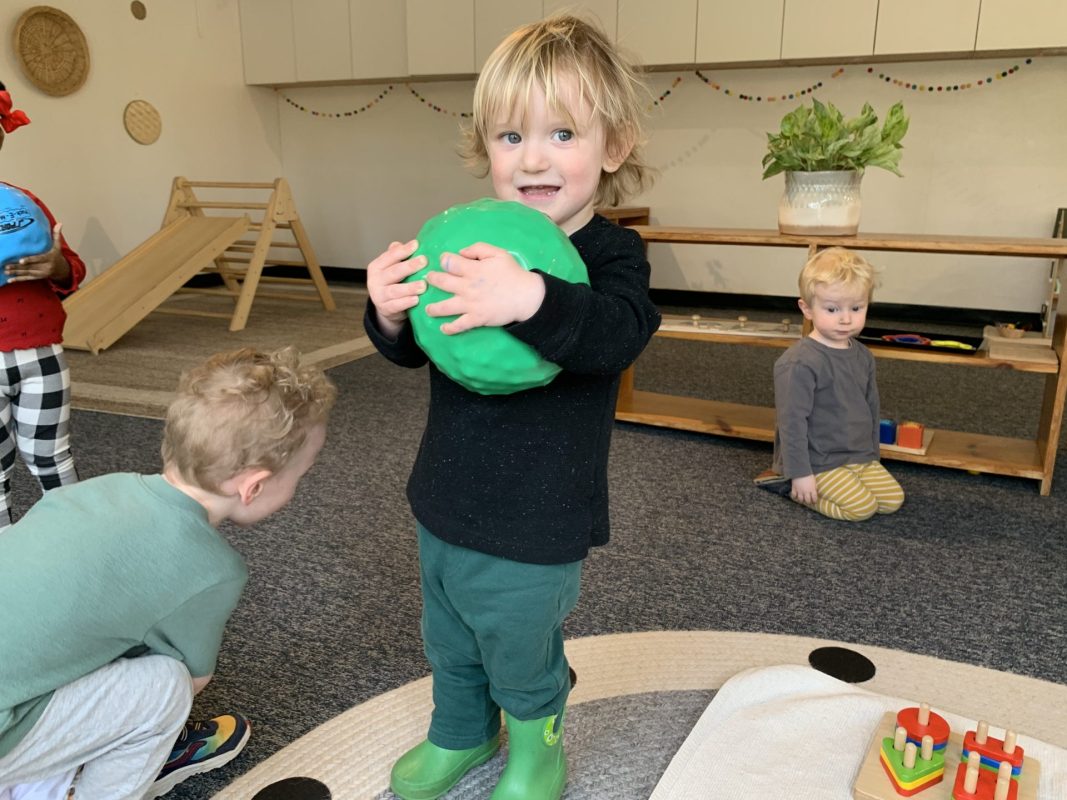
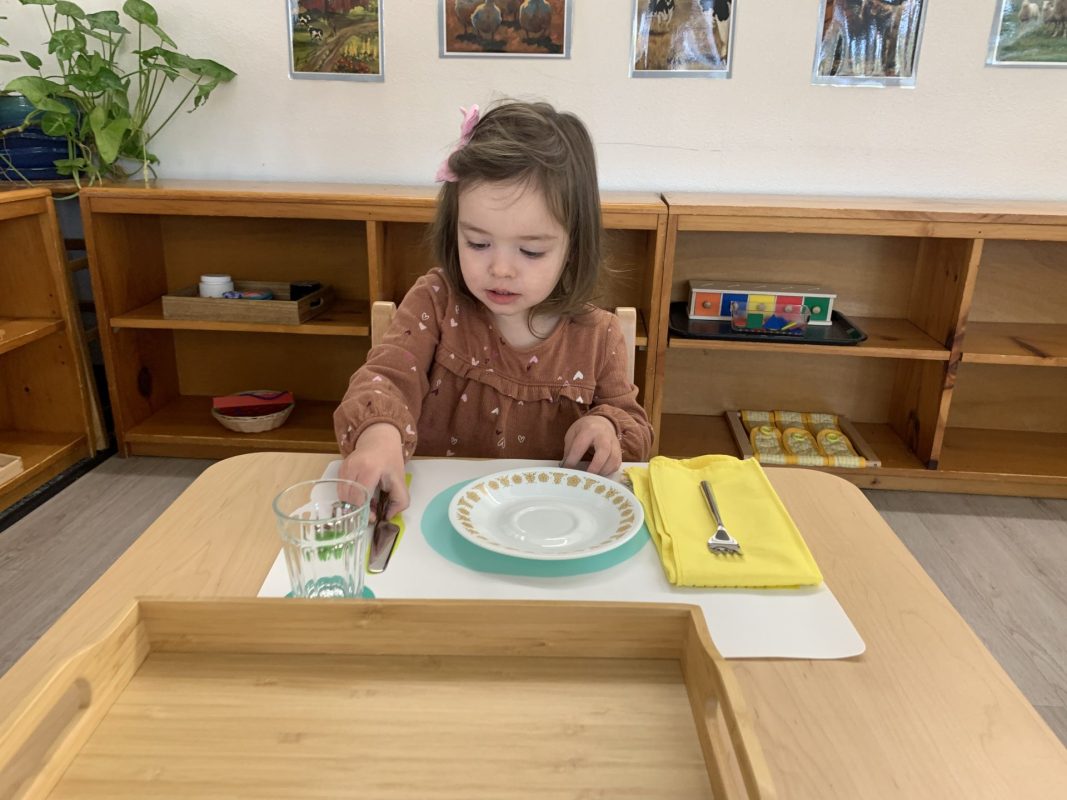
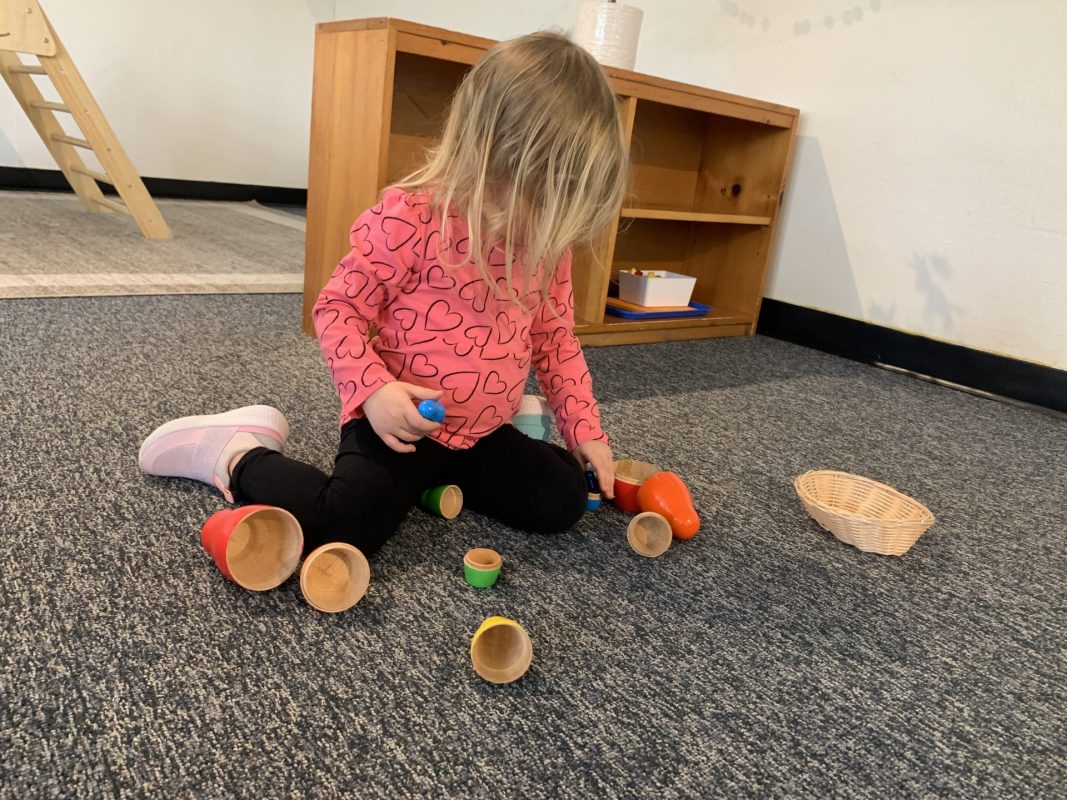
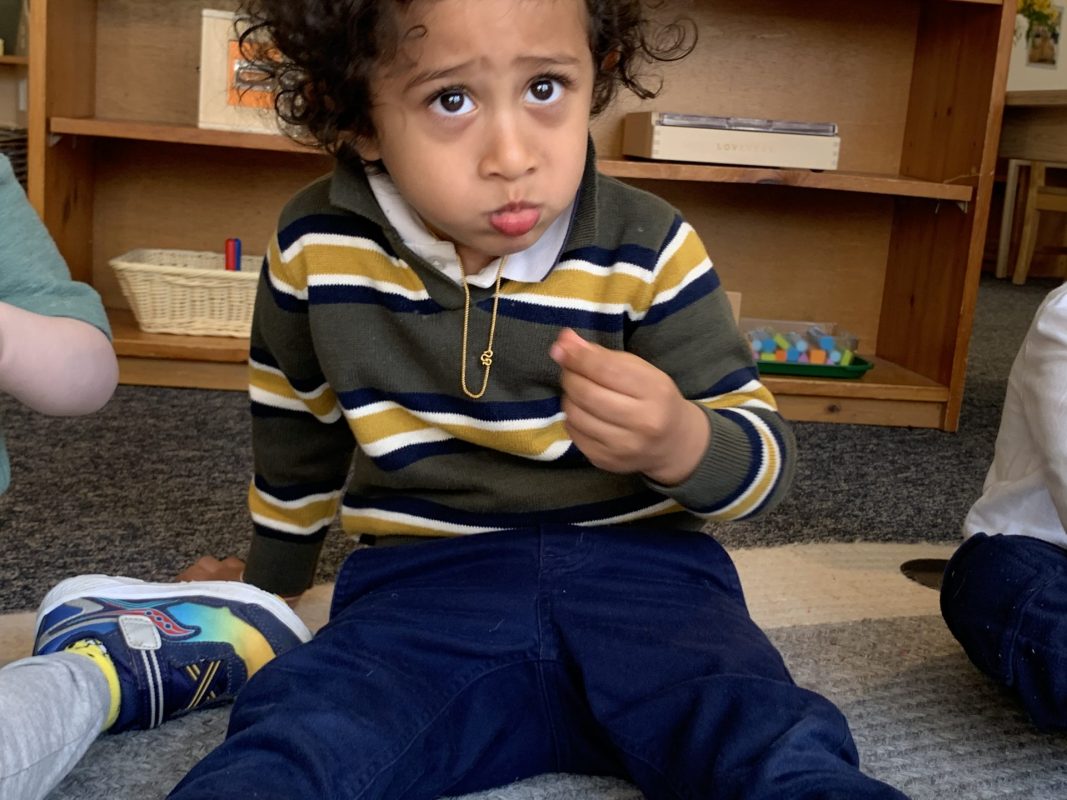
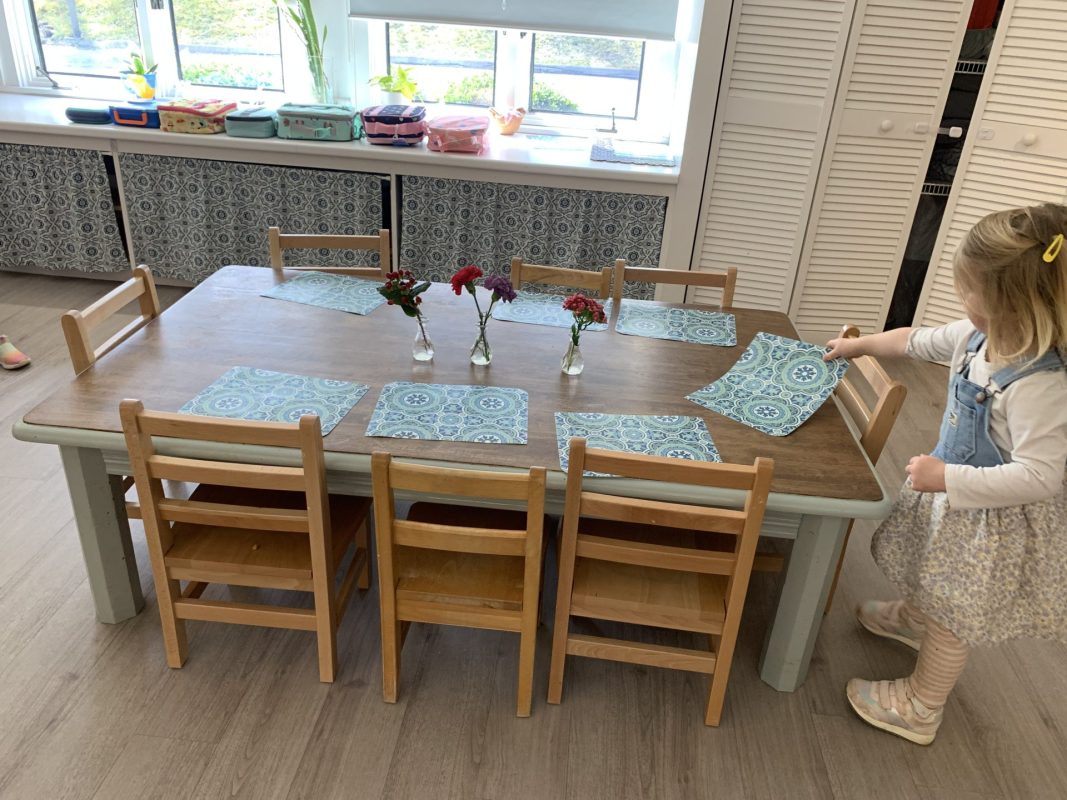
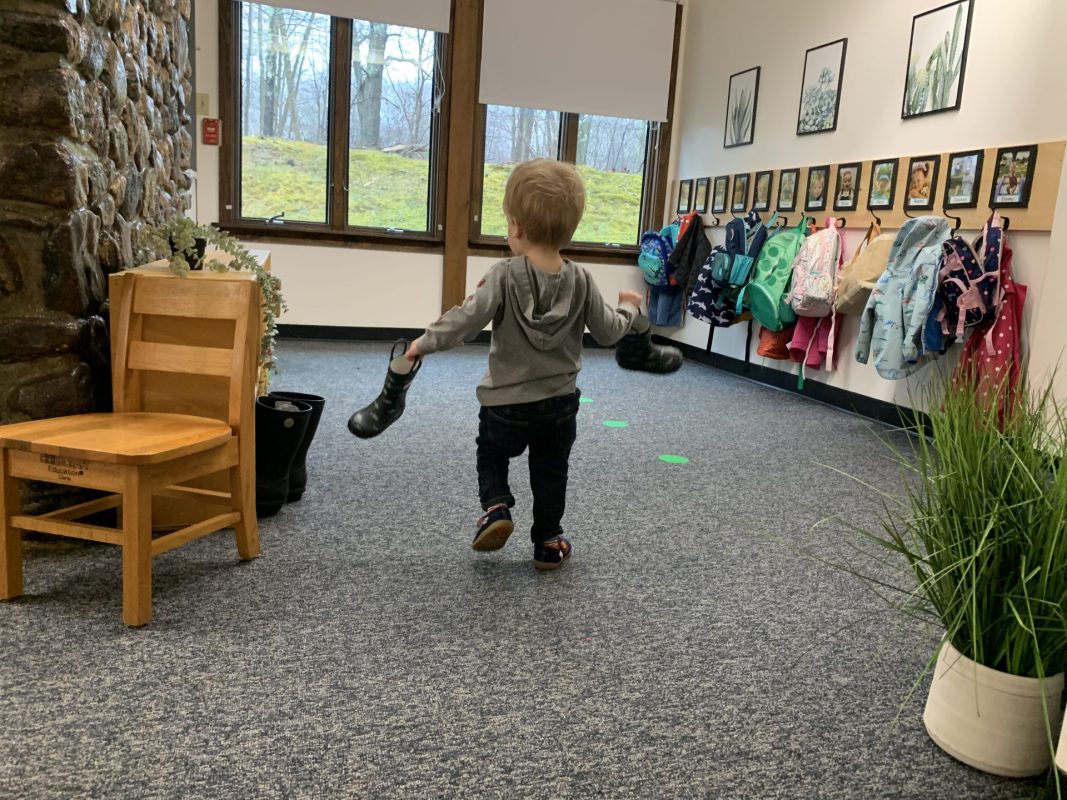
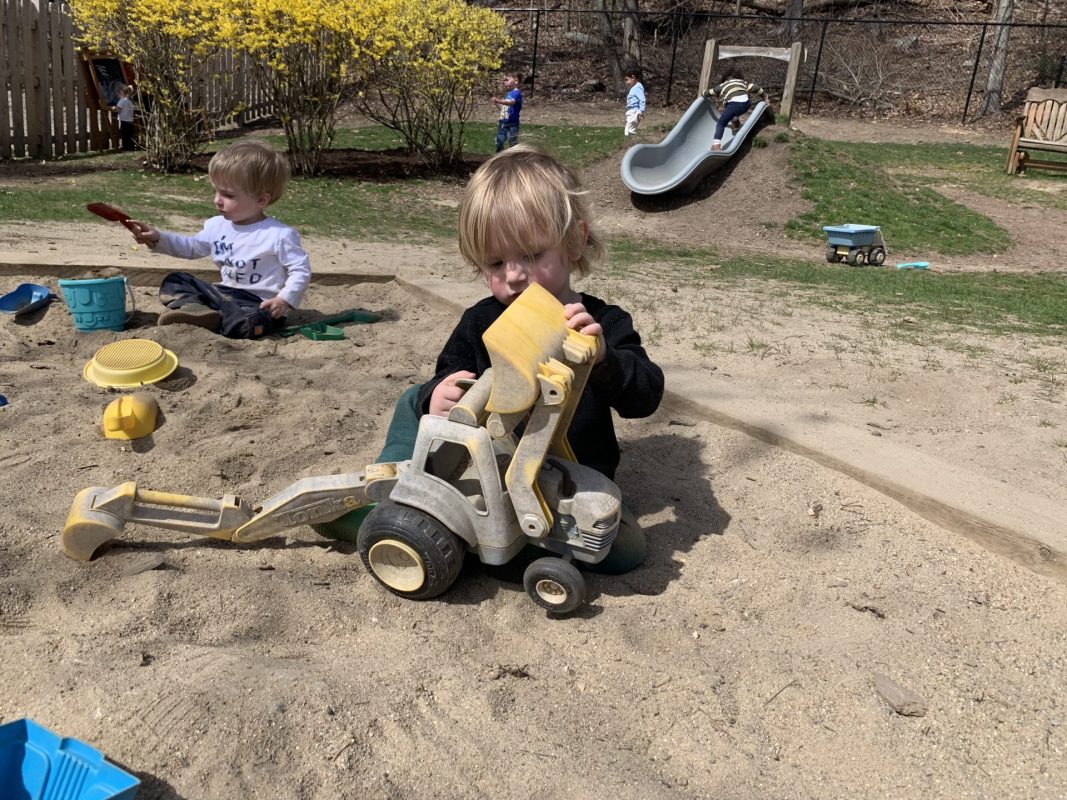
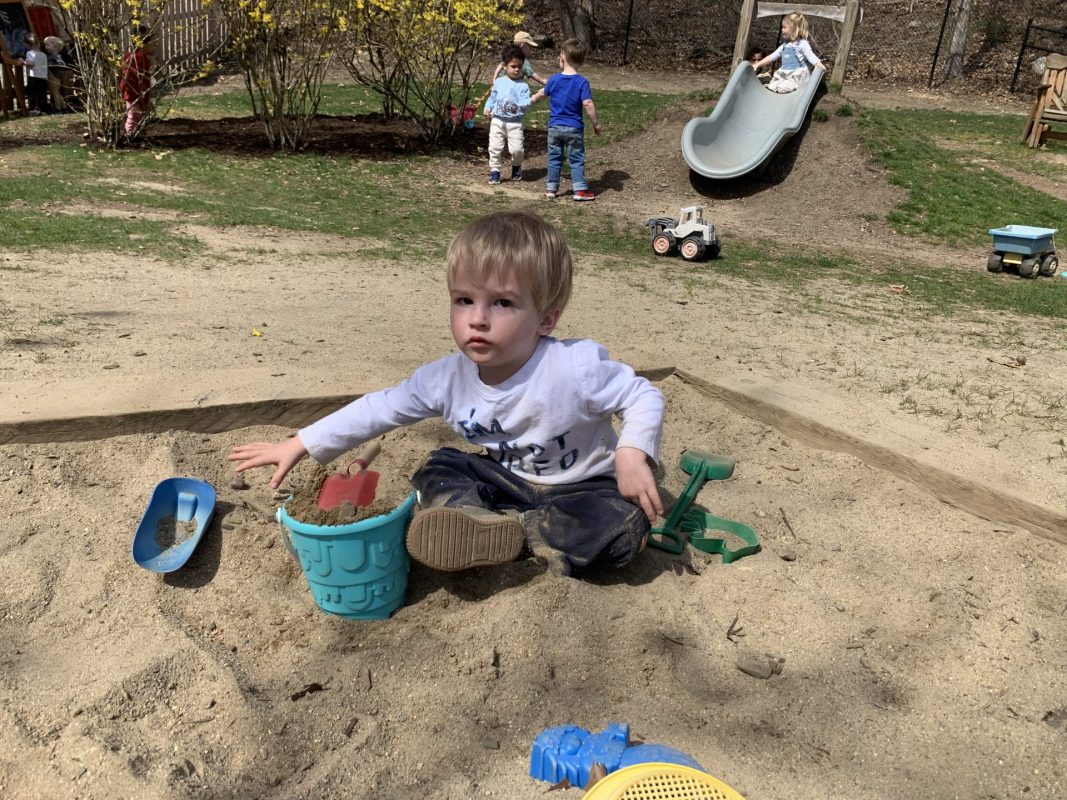
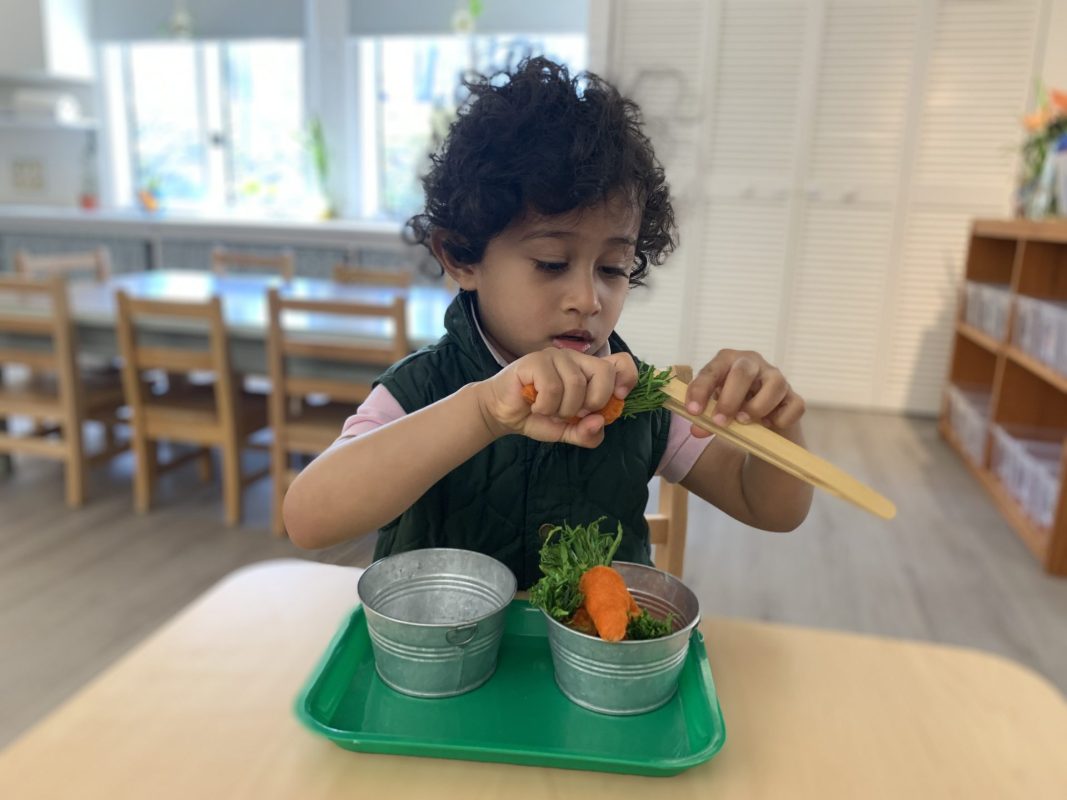
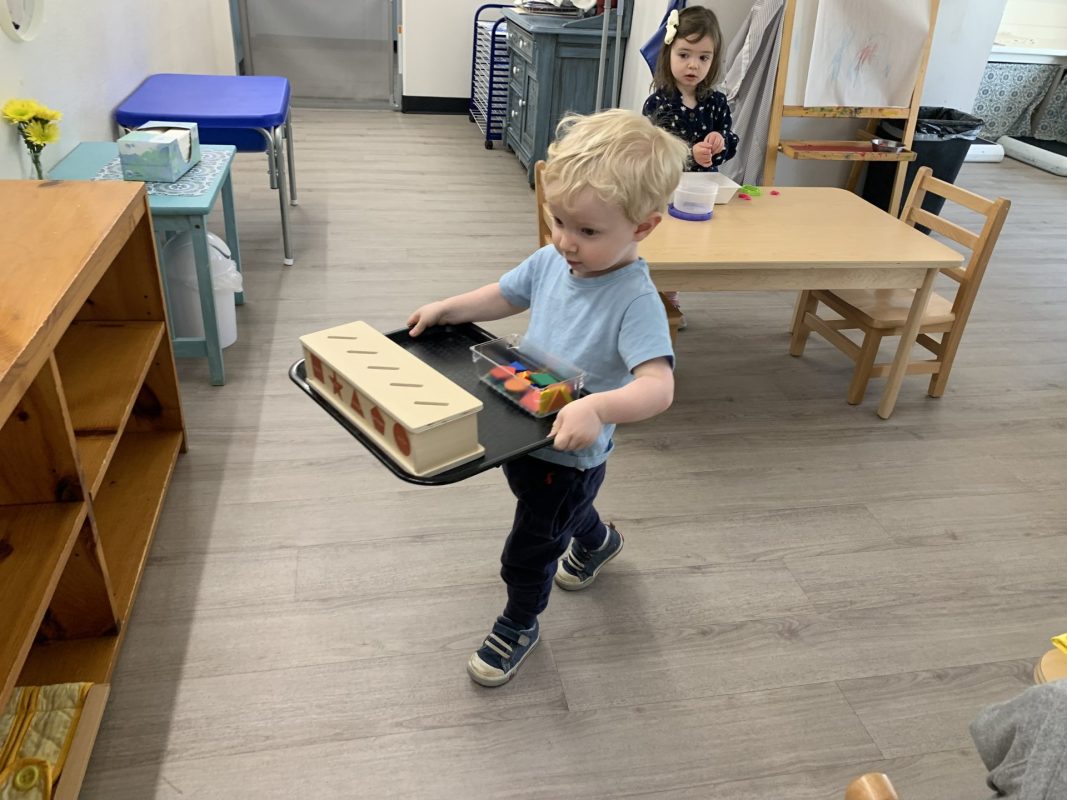
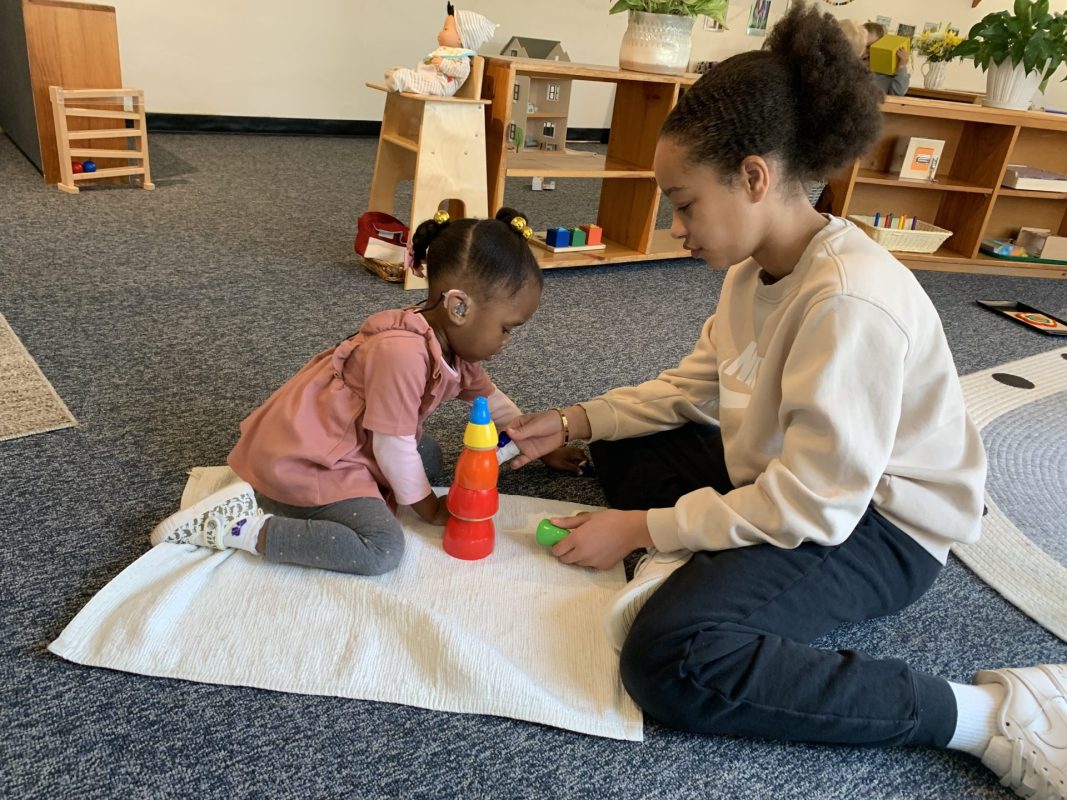
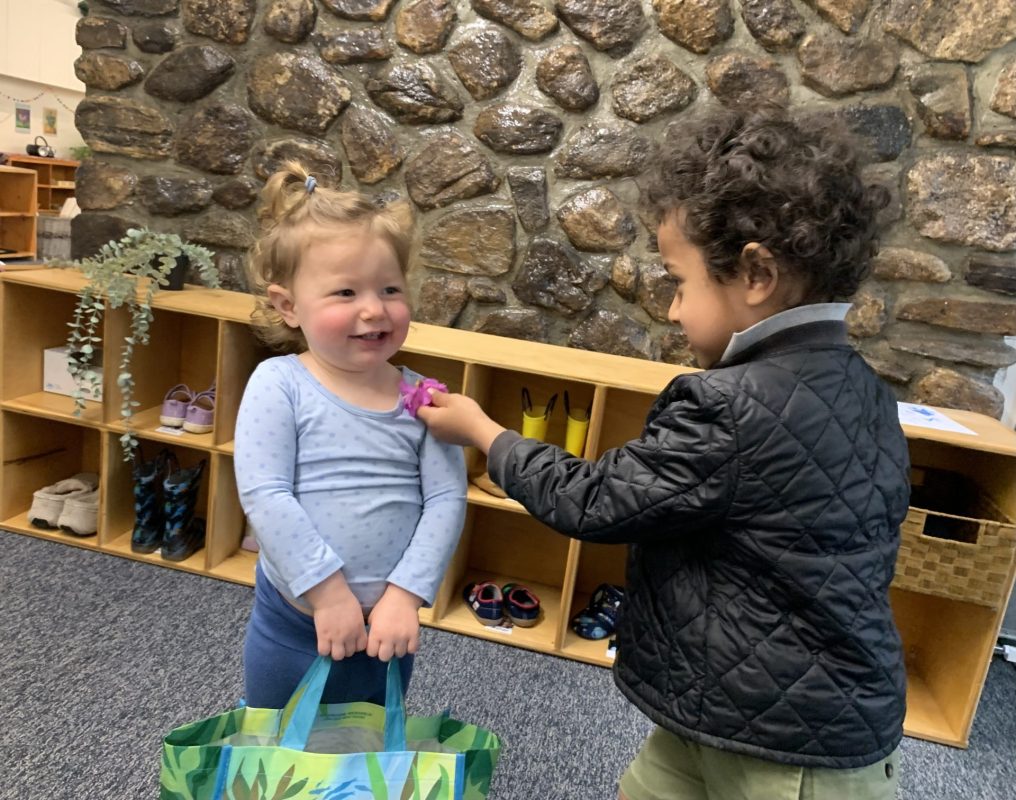
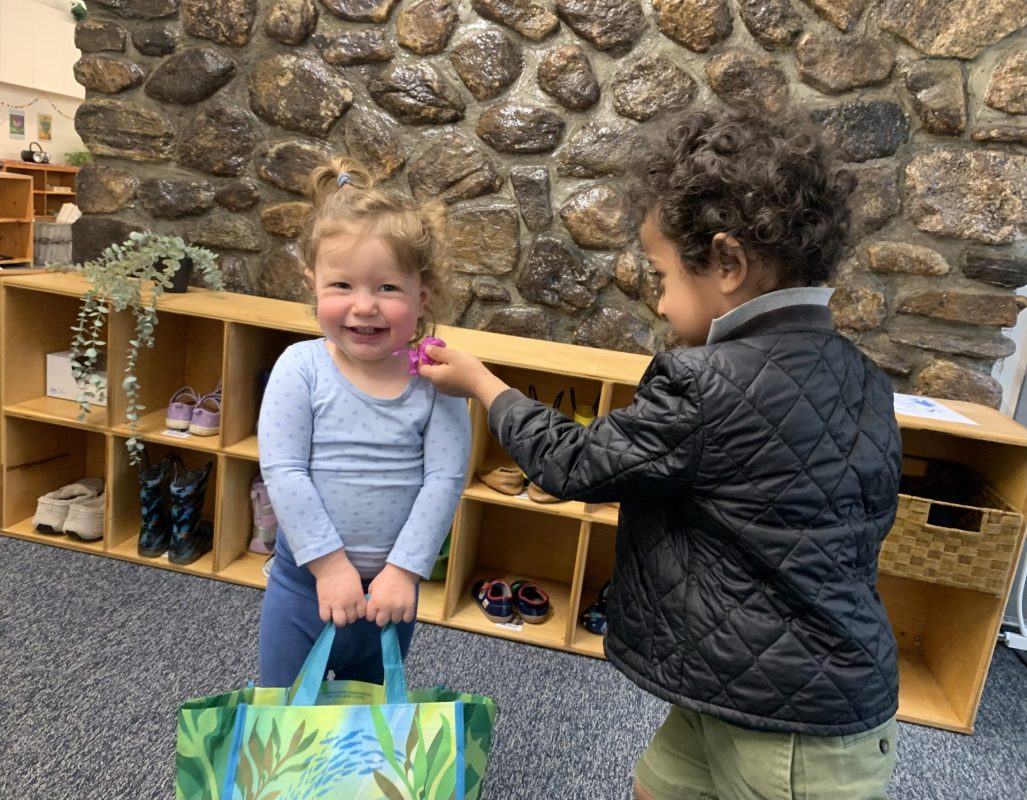
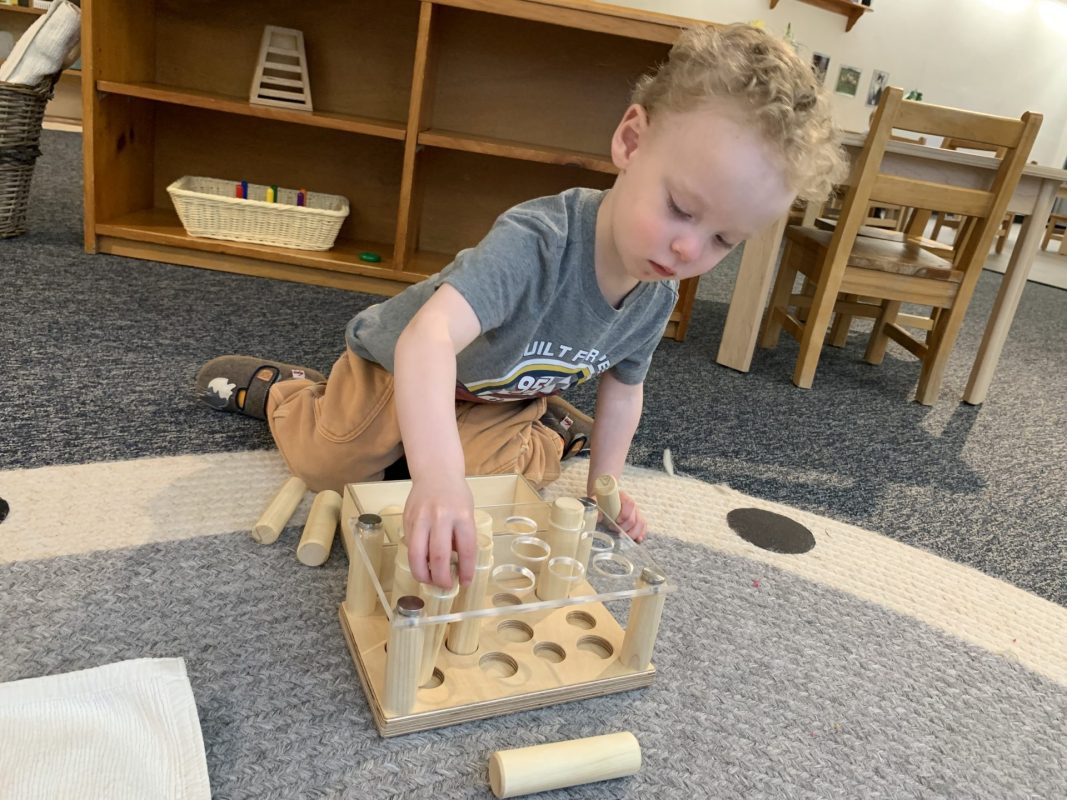
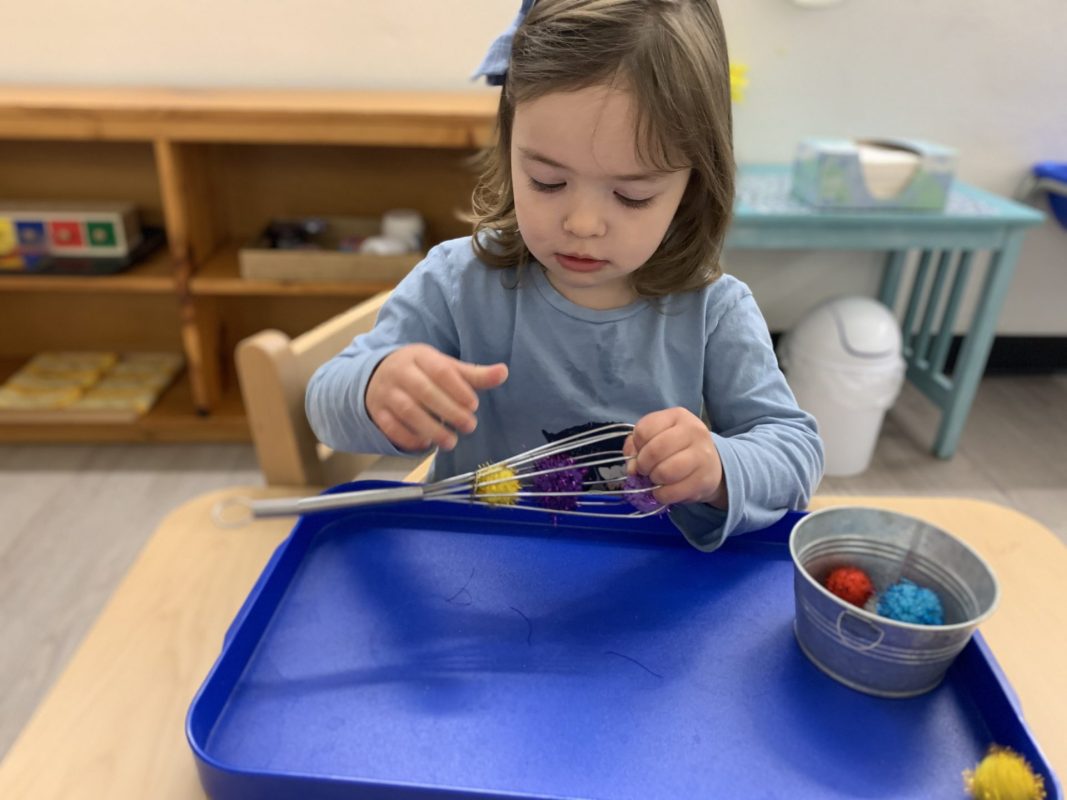
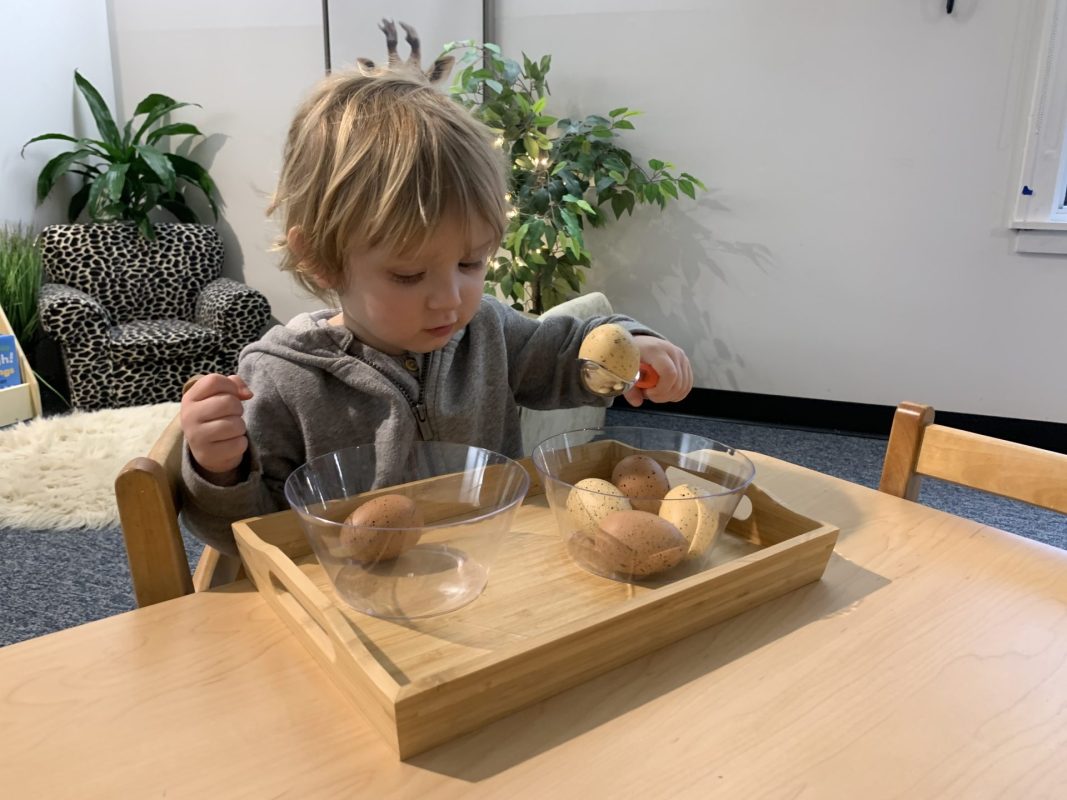
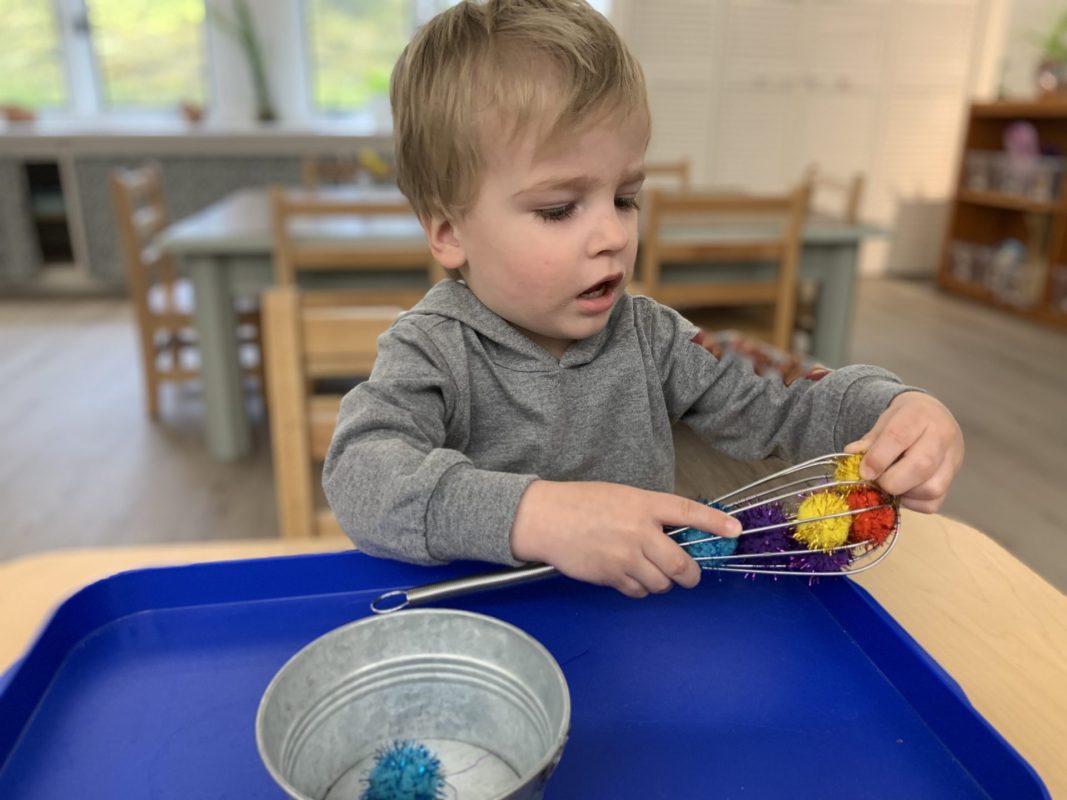
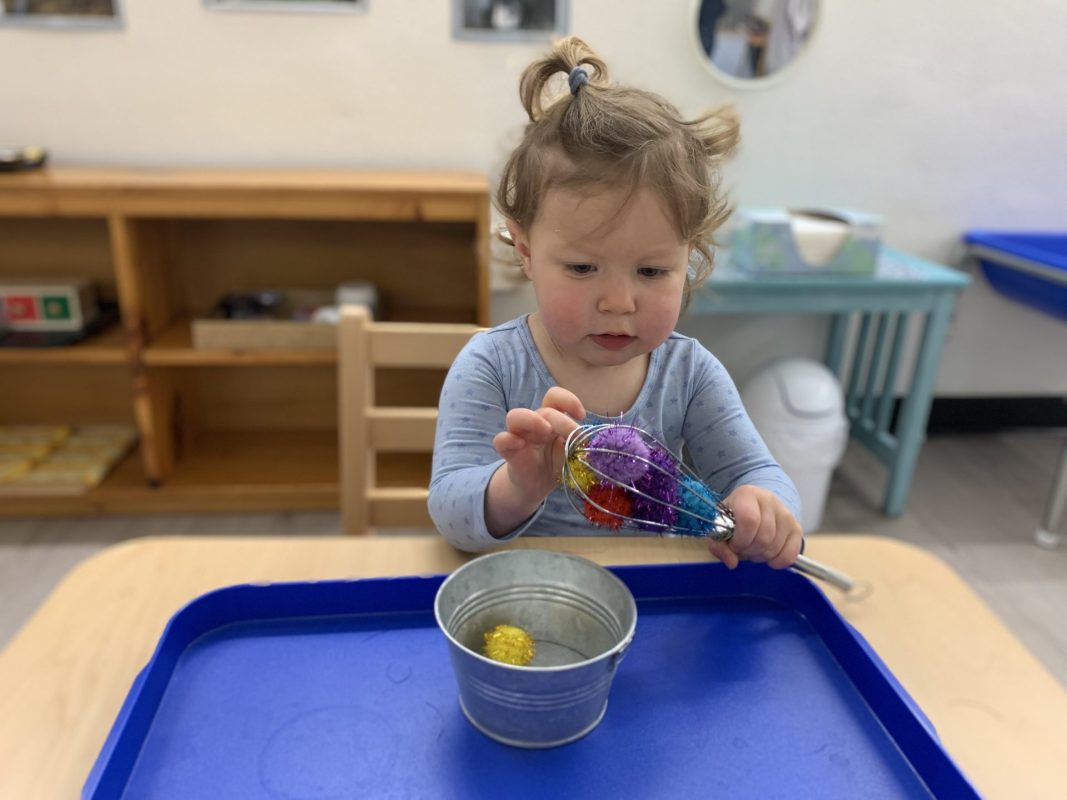
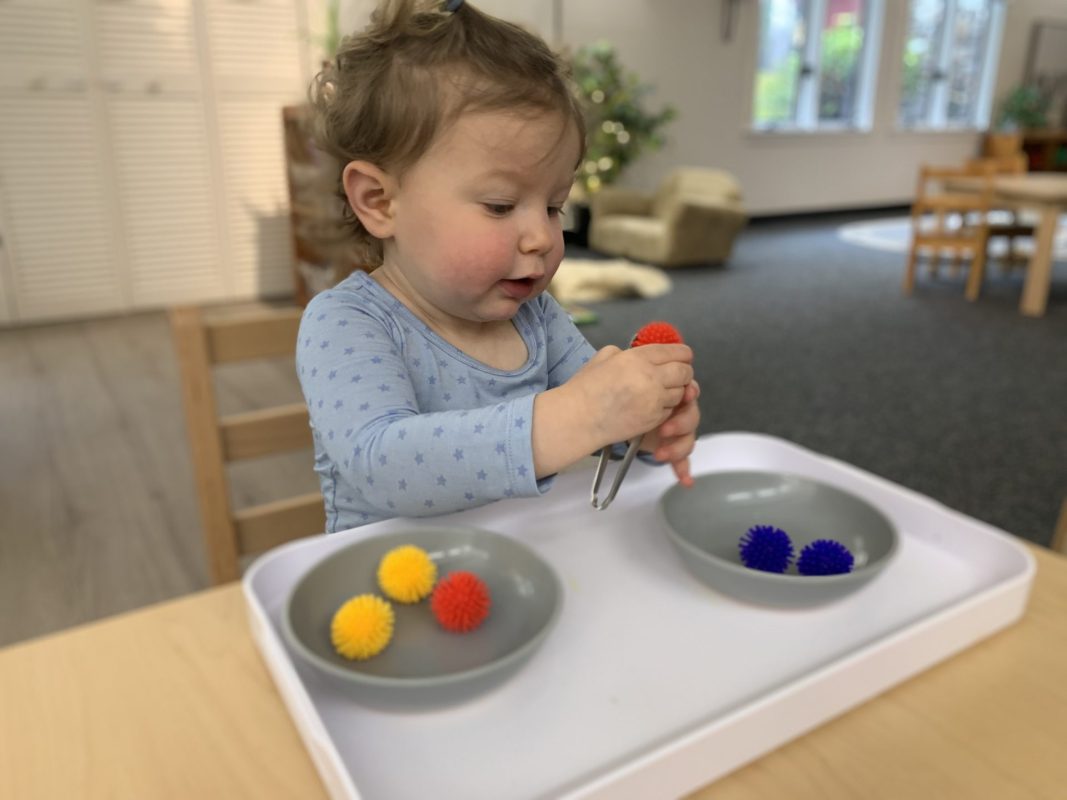
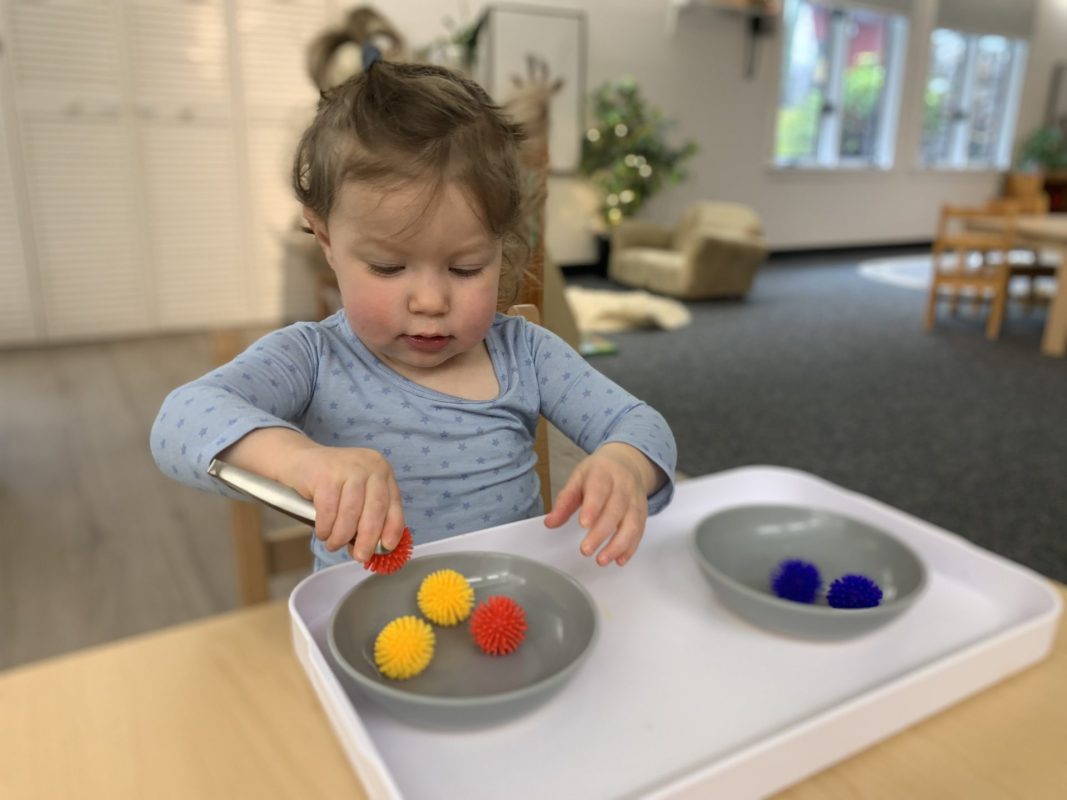
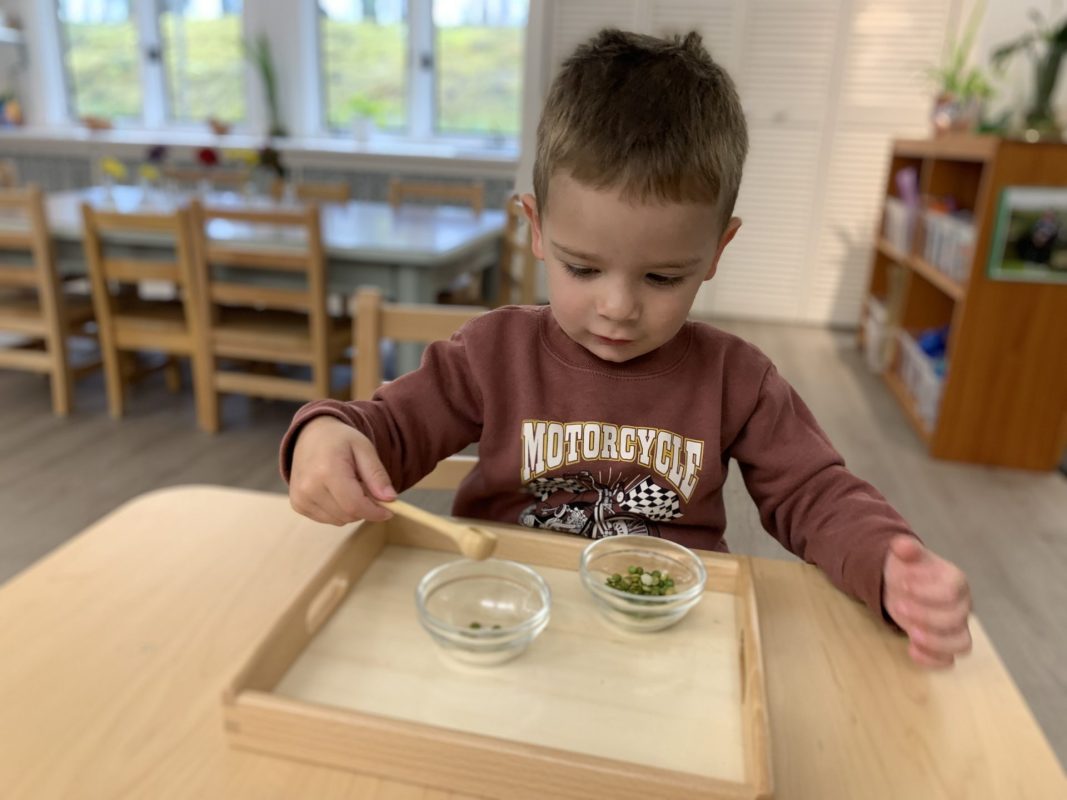
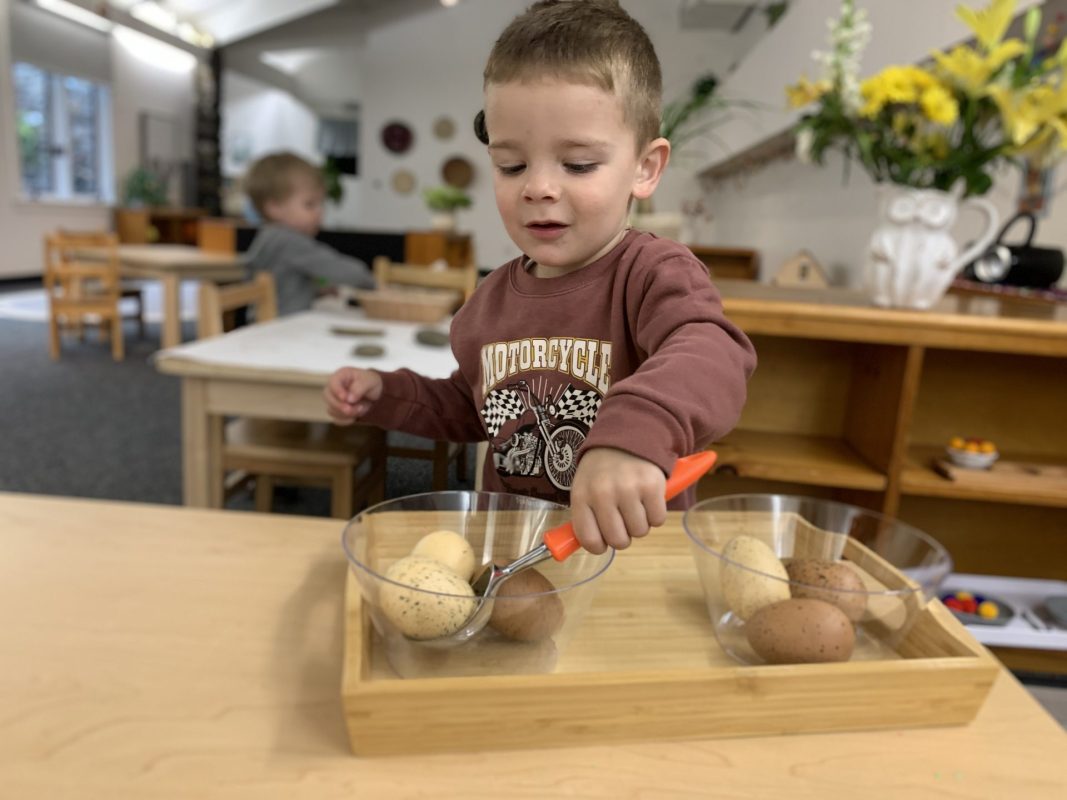
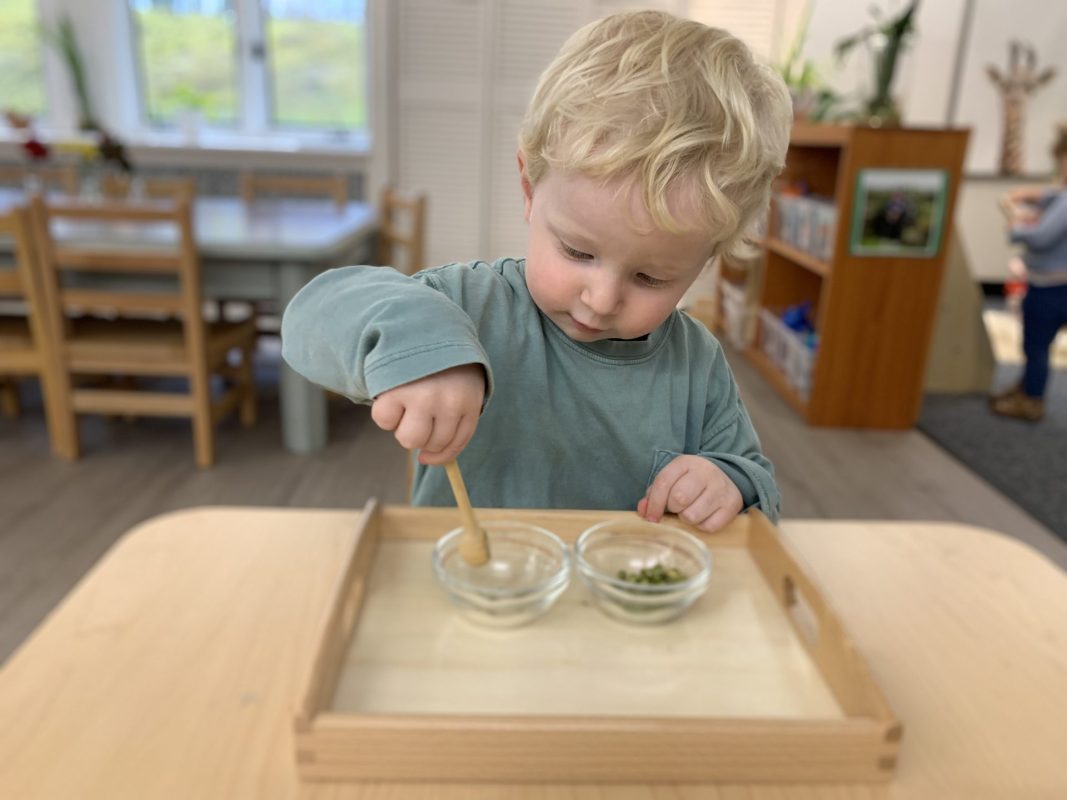
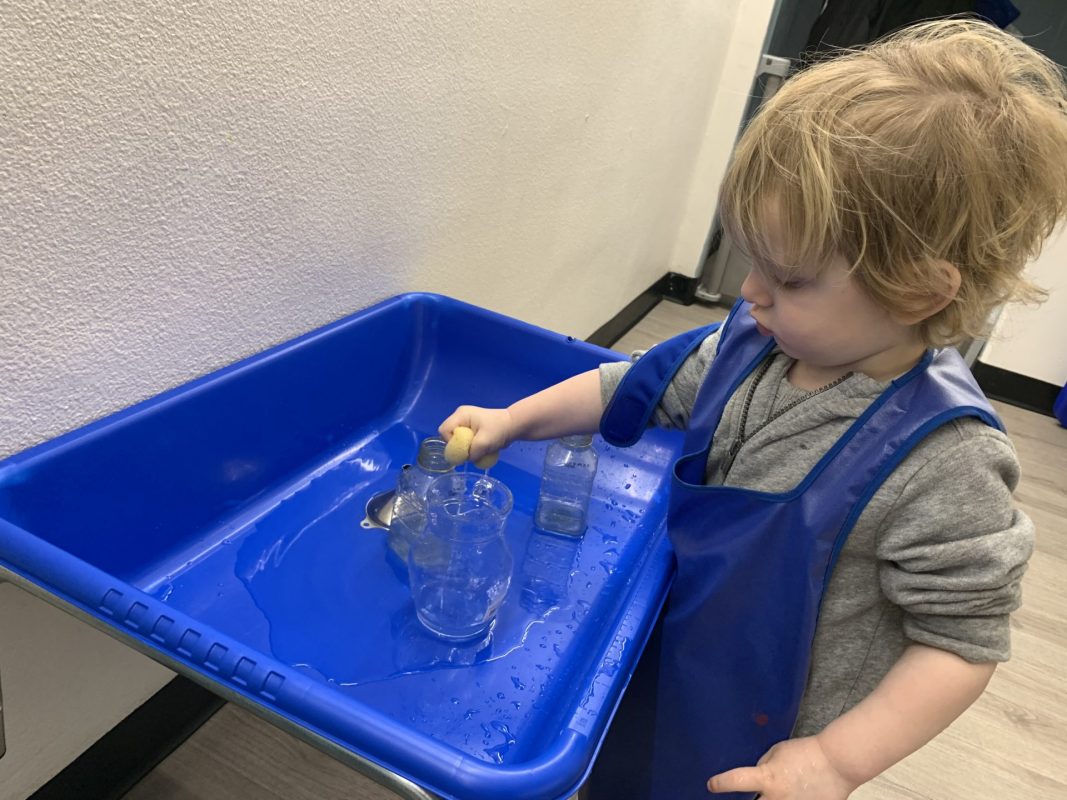
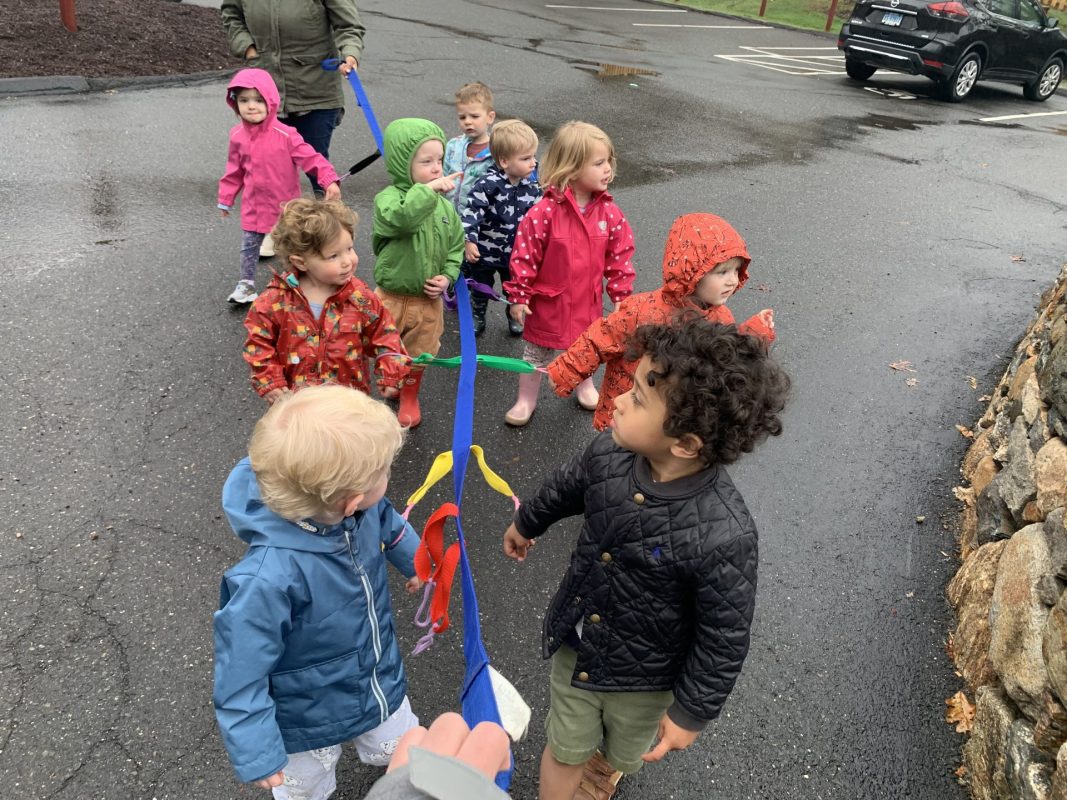
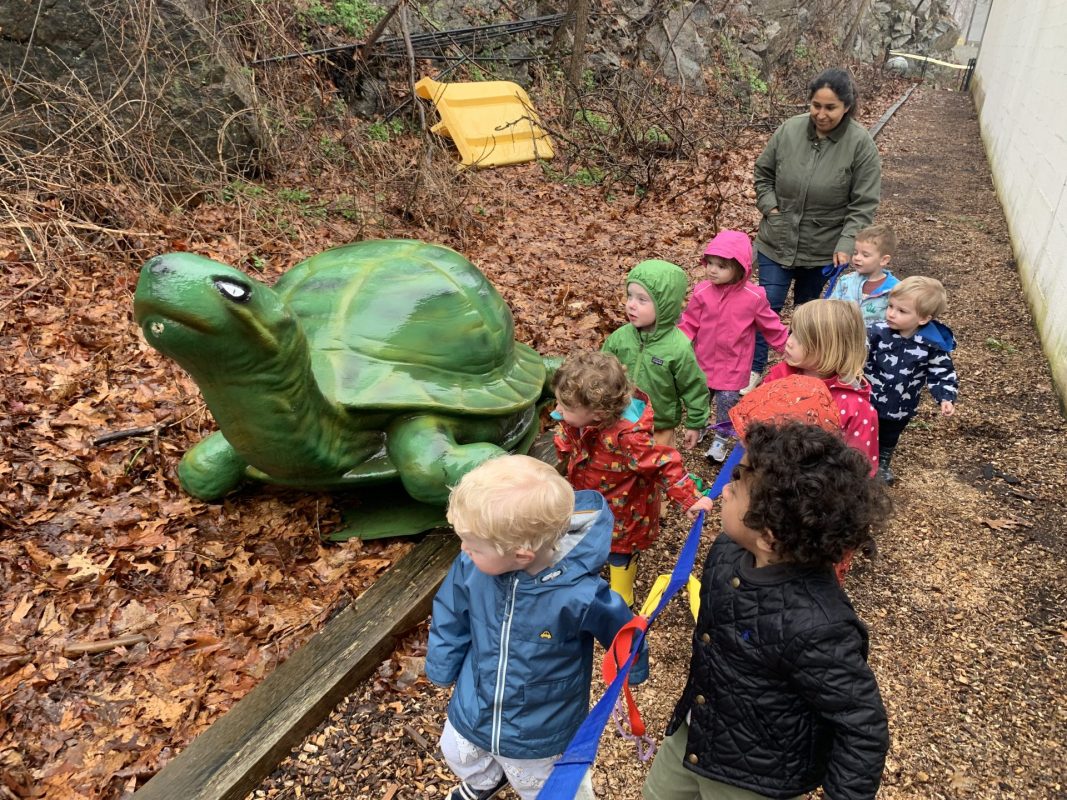
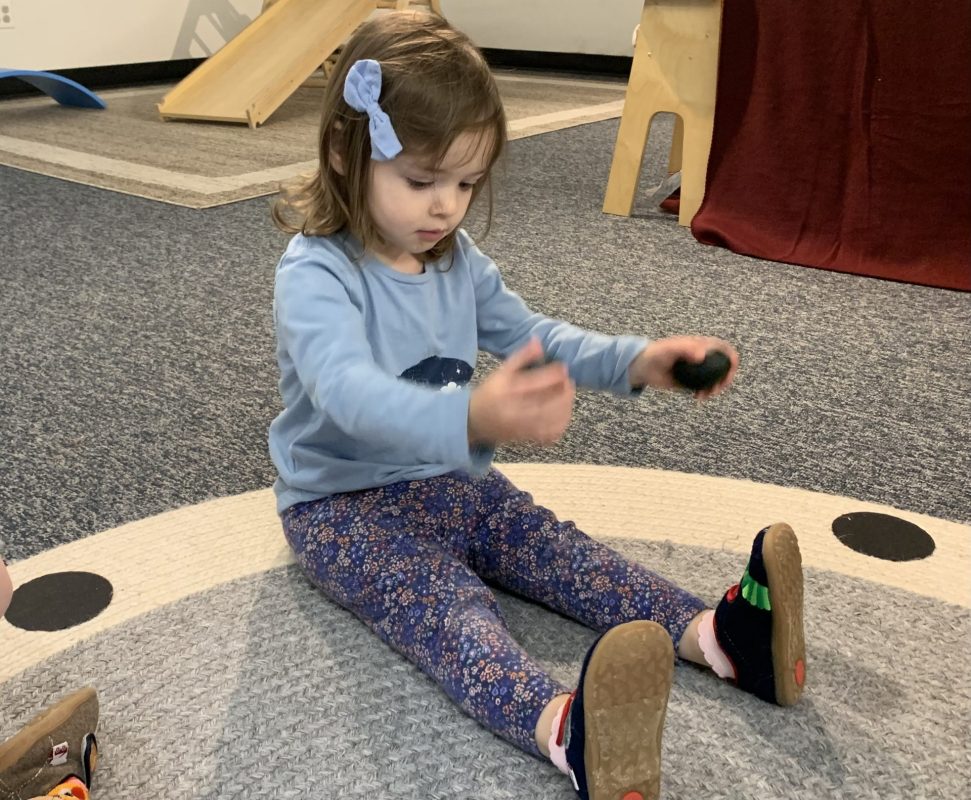
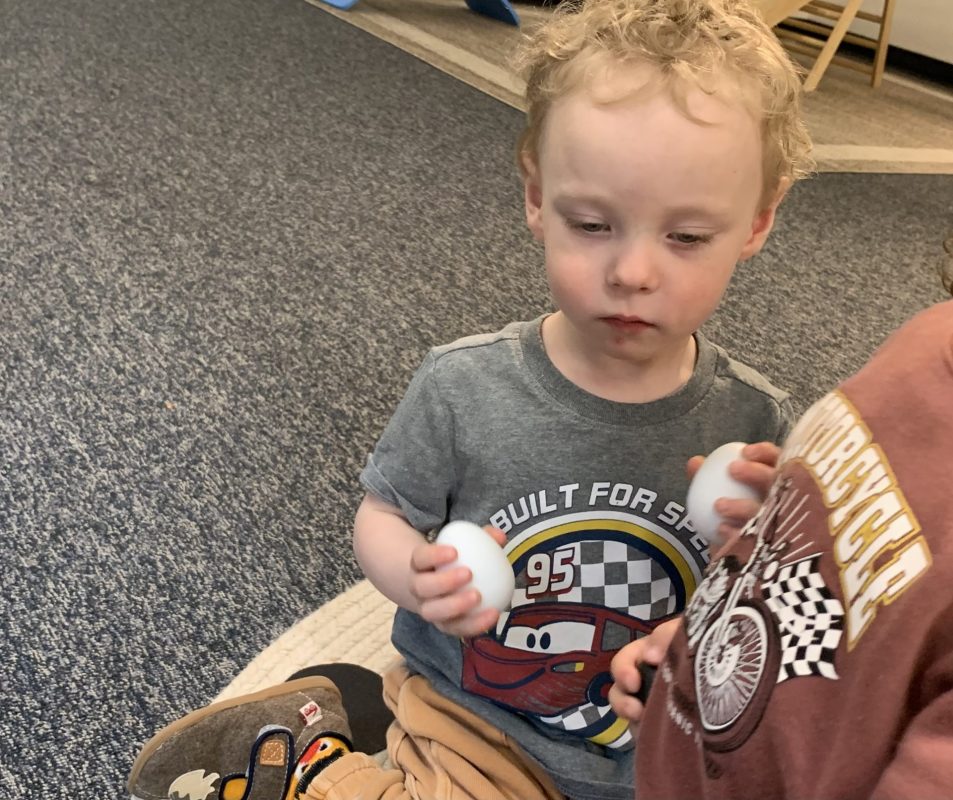
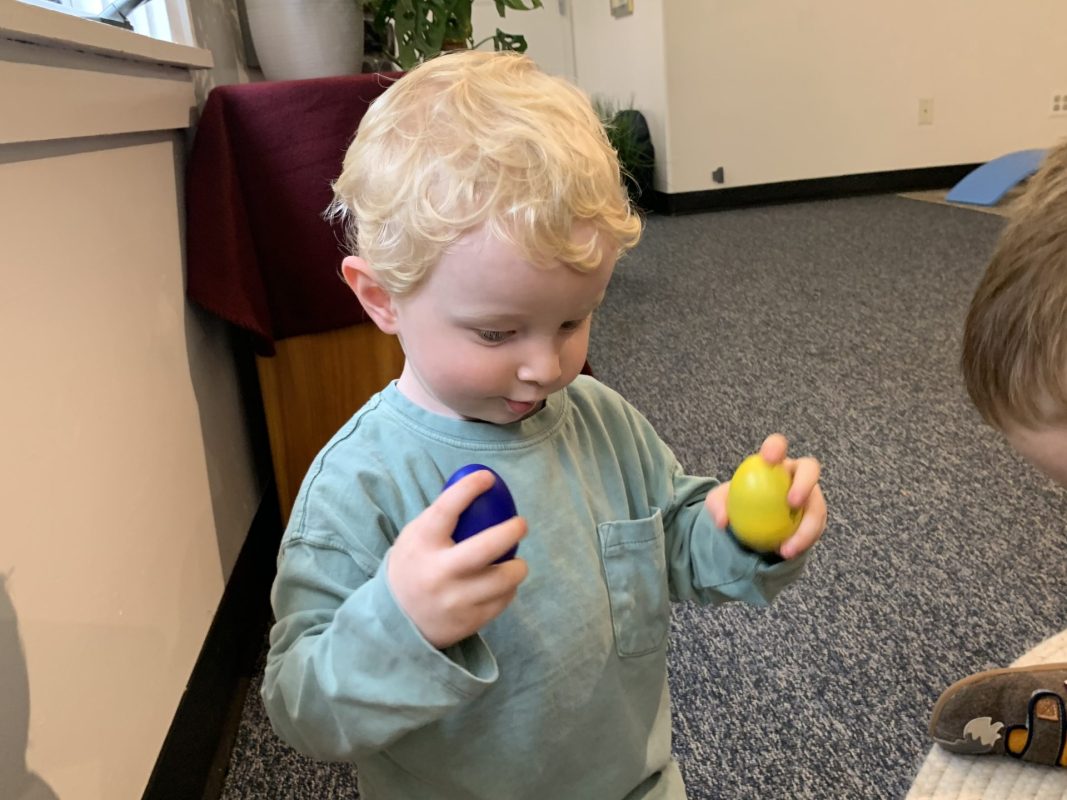
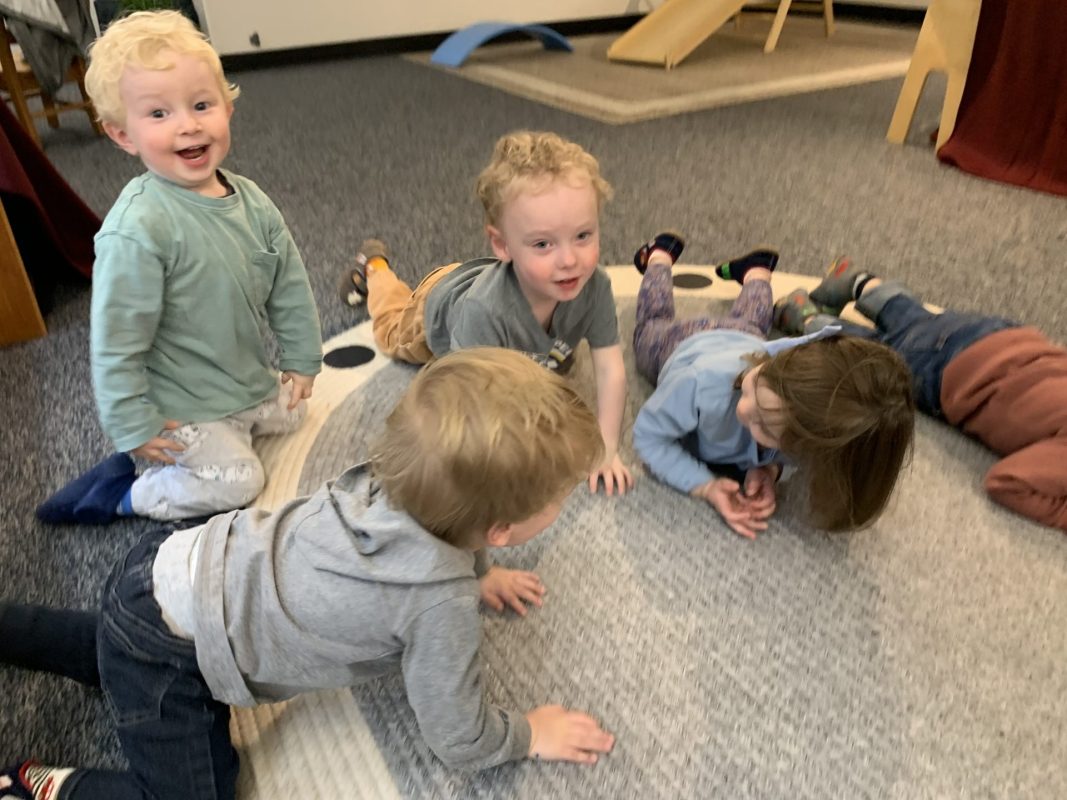
Humans have an innate desire to connect, to experience dynamic relationships with one another. At around 18 months, there are notable changes in cognitive skills that help real friendships blossom. The toddler becomes more consciously aware of themselves and others. Watching toddlers making friends for the first time is truly a delight! In our environment, children show excitement every morning when they see their amigos and love practicing their names. Younger toddlers, still working on their expressive language, like to point to their friends with big smiles and do a little dance of happiness.
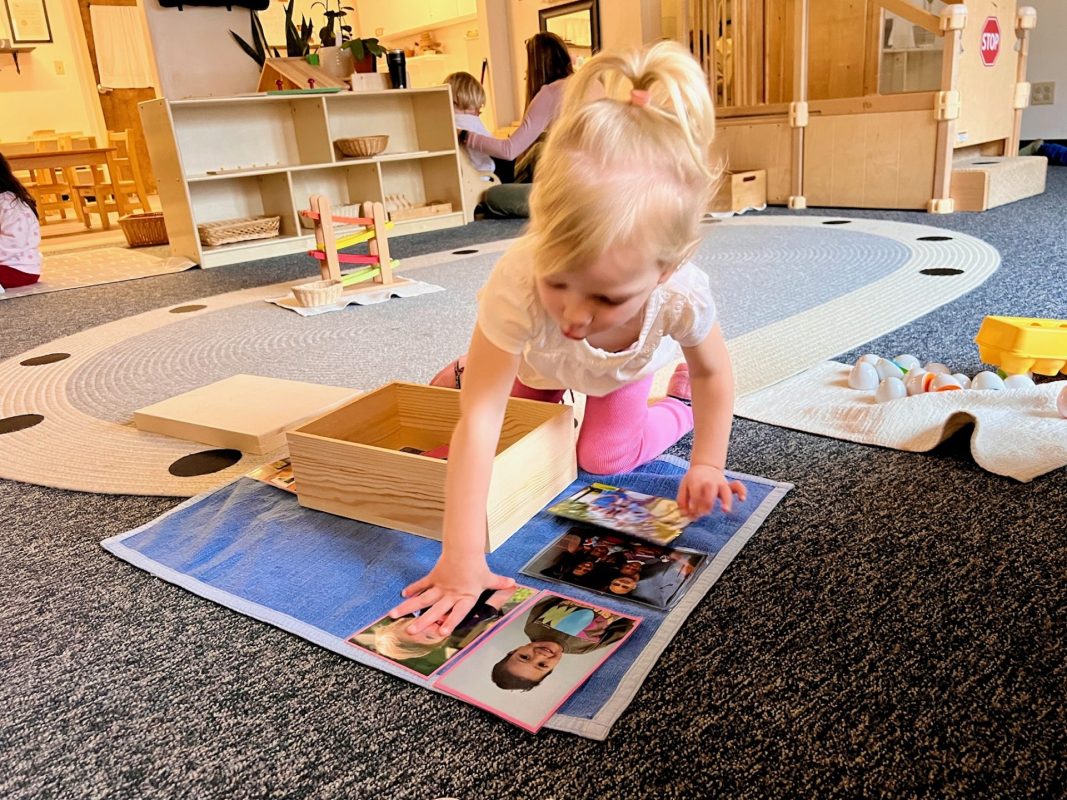
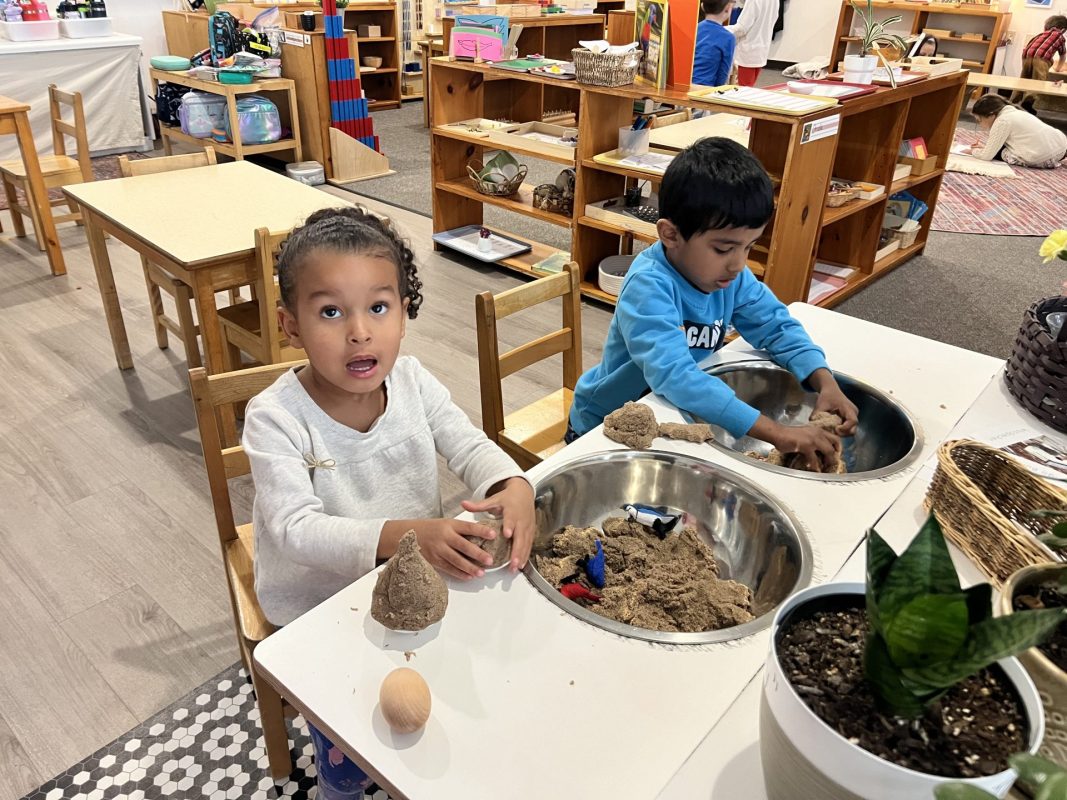
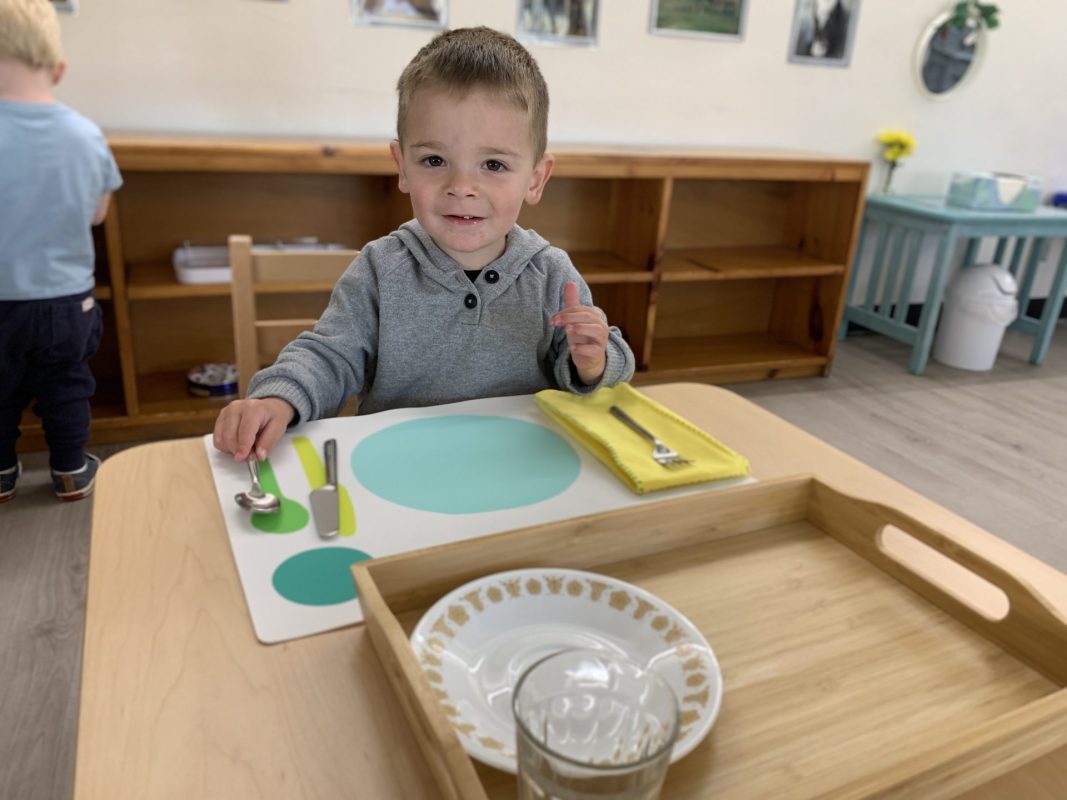
Grace and courtesy is one of the most critical areas in our Montessori curriculum. Grace is the outer expression of our inner selves as observed in body language and movements: facial expressions such as smiles, eye contact, tone of voice, inflection, body movements, and the actual words used to express ourselves. Courtesy is the manners given for human interaction. As we all know, neither grace nor courtesy are instinctive but acquired. This is why in our Toddler environment, we use constant, daily lessons in this area through intentional modeling rather than specific lessons presented, as children will encounter at our Primary levels. It’s truly amazing to observe how your children continue to grow in gentleness, respect for each other, care and expressions of kindness, etc.,  despite their young age. It’s SO wonderful!

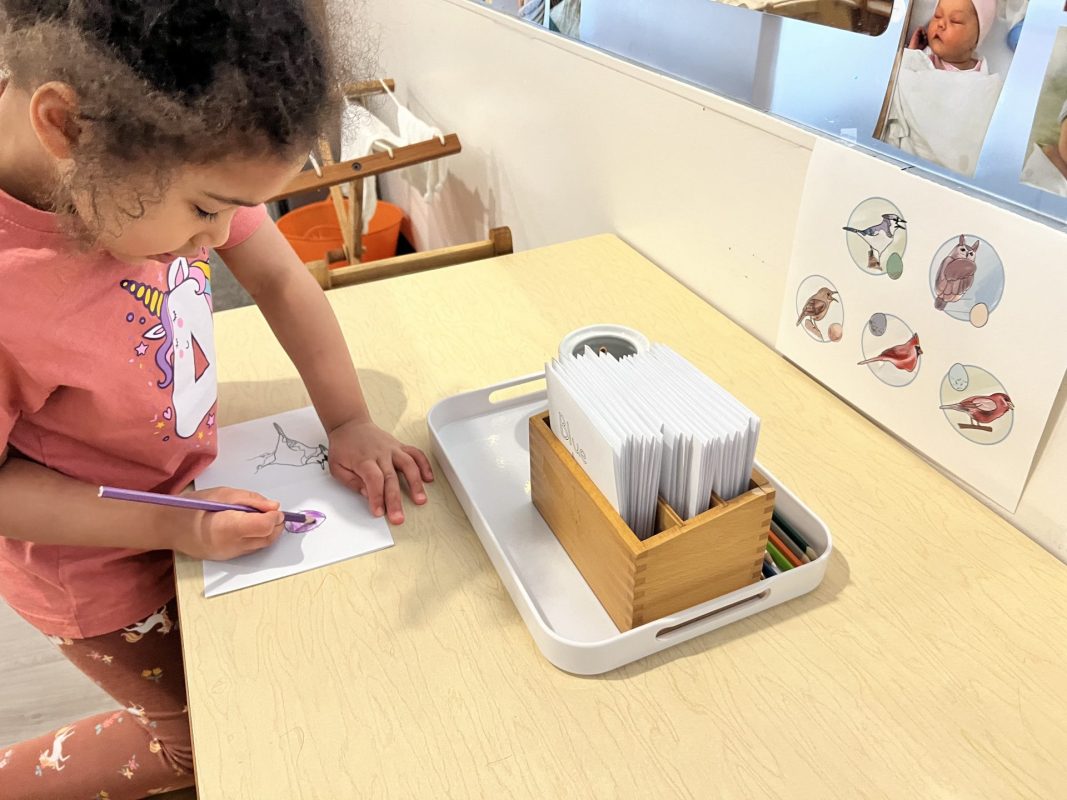
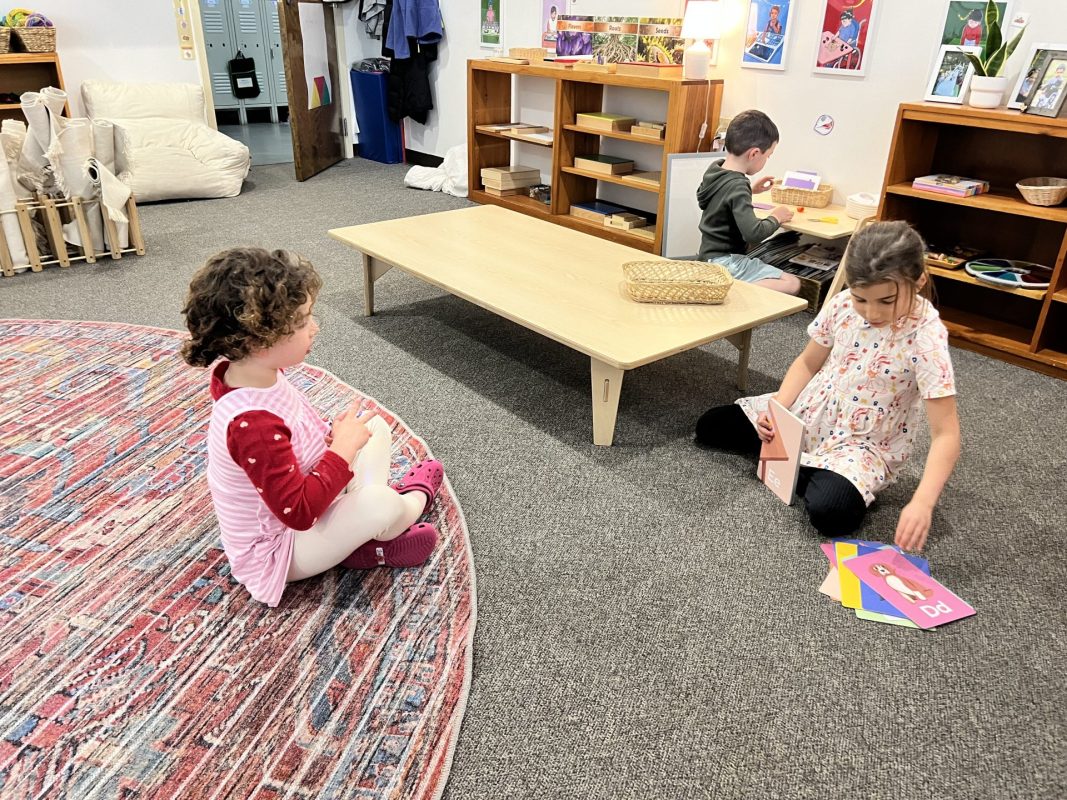
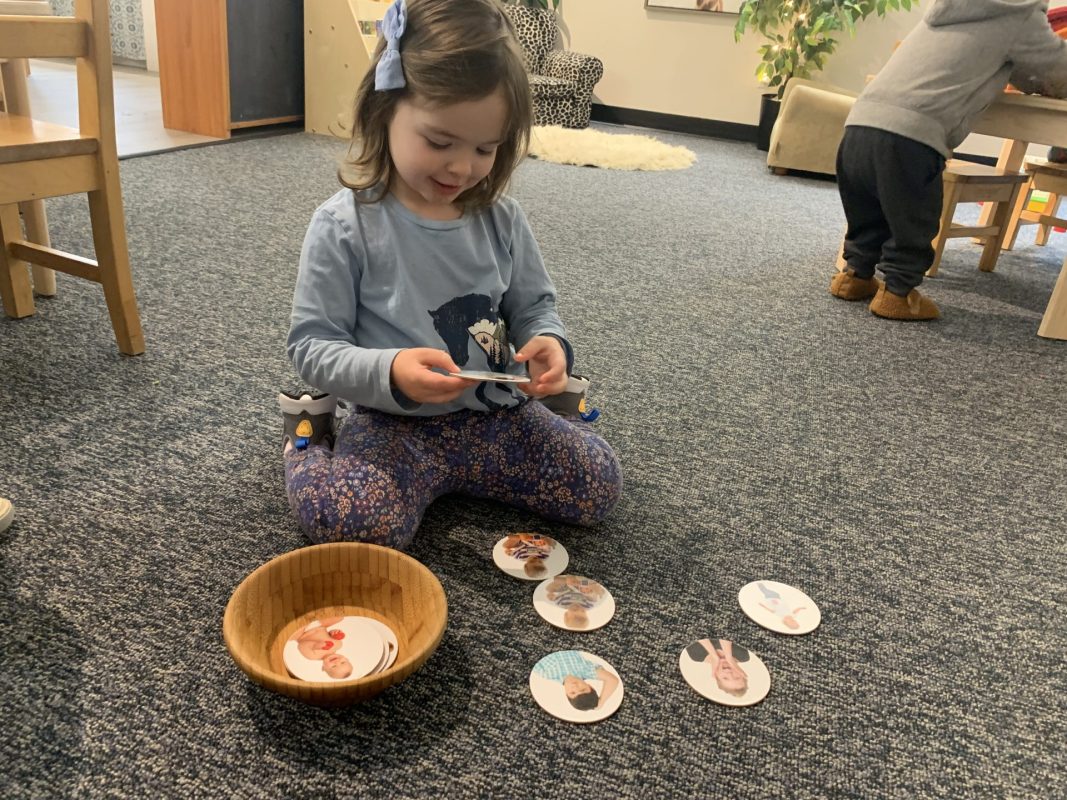
Based on our Emotional intelligence studies, this week, children also had the opportunity to use the emotion cards as individual work using a table mirror. The children seem to love to observe the picture cards and copy the facial expressions in the mirror. With the older toddlers, we also use this work as an enrichment of vocabulary activity by establishing conversations with the child and wondering together what they think happened to the children in the picture. Why are they feeling that way? Oh! The stories they come up with are just so great!

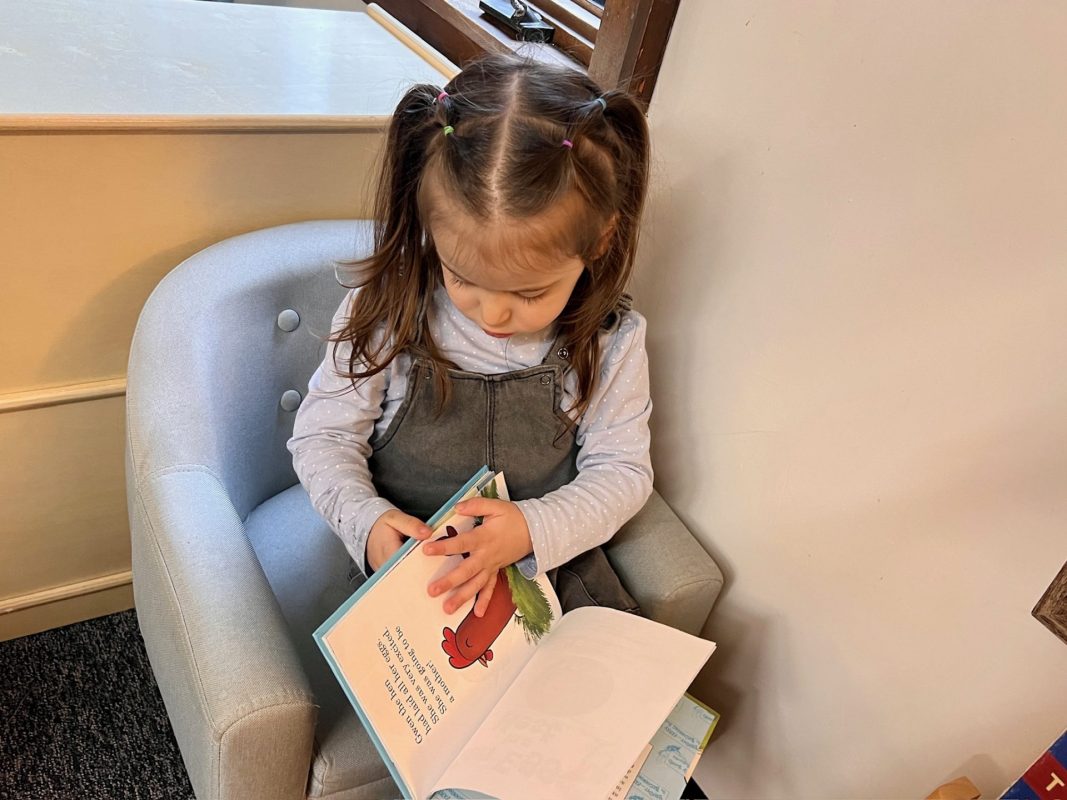
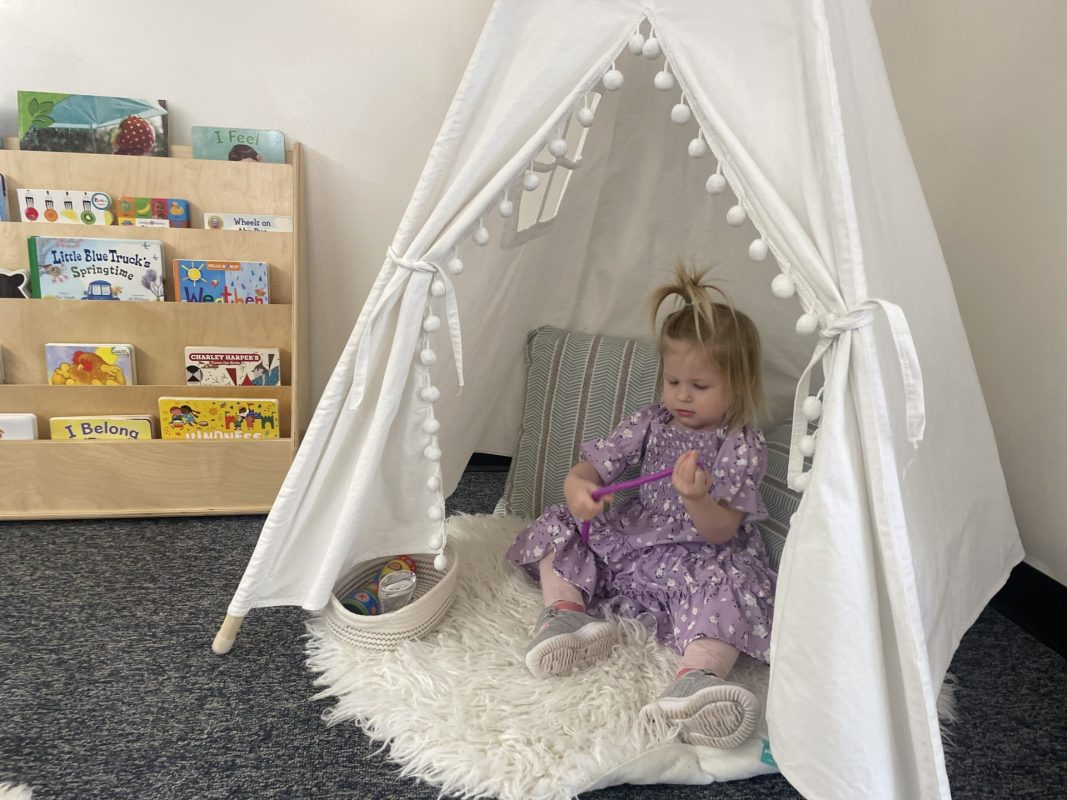
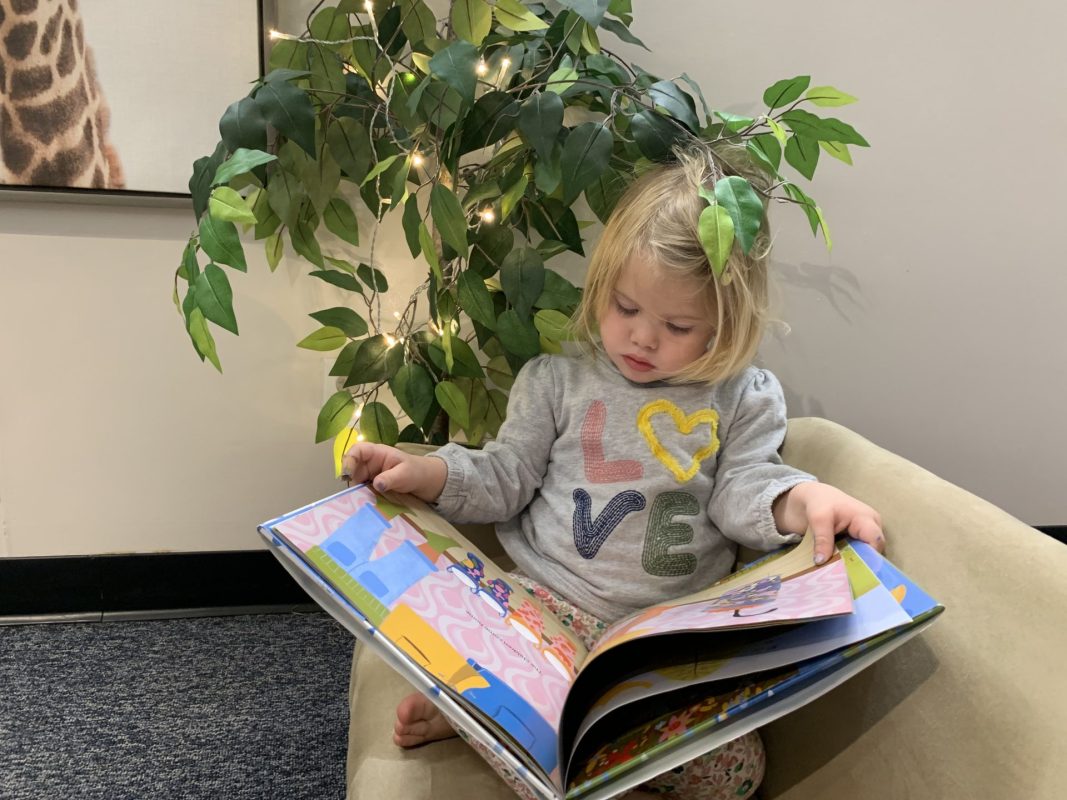
Some of the most beloved books by your children  lately  has been: In My Heart by Jo Witek, The Feelings Book by Todd Parr, and especially Calm Down Time by Elizabeth Vedick. With the help of this book, children practiced the importance of breathing deeply when encountering difficult emotions. We practice by encouraging the toddlers to “Smell the flowers” (inhale) and “blow the candles” (exhale). We also encourage our students to use the teepee as our calm-down area to get some space and learn to regulate themselves.In this area children have a faux sheepskin rug, cushy pillows and often they will have a variety of calming items like sensory bottles, stretchy string fidgets or  liquid motion bubblers to support this process.  For your children, this is one of their favorite places in our classroom. A place to decompress when needed or just have some space!  I highly recommend you creating a calm-down area at your home, especially if your child struggles with tantrums.

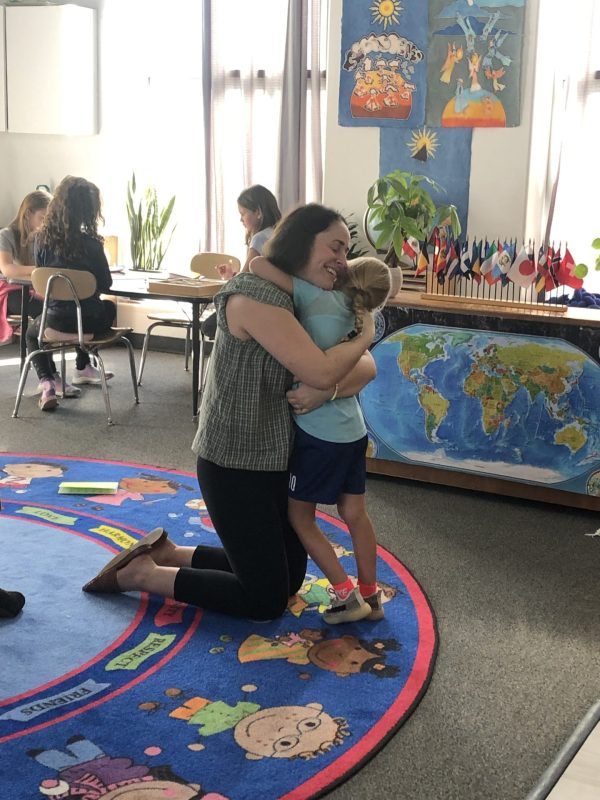
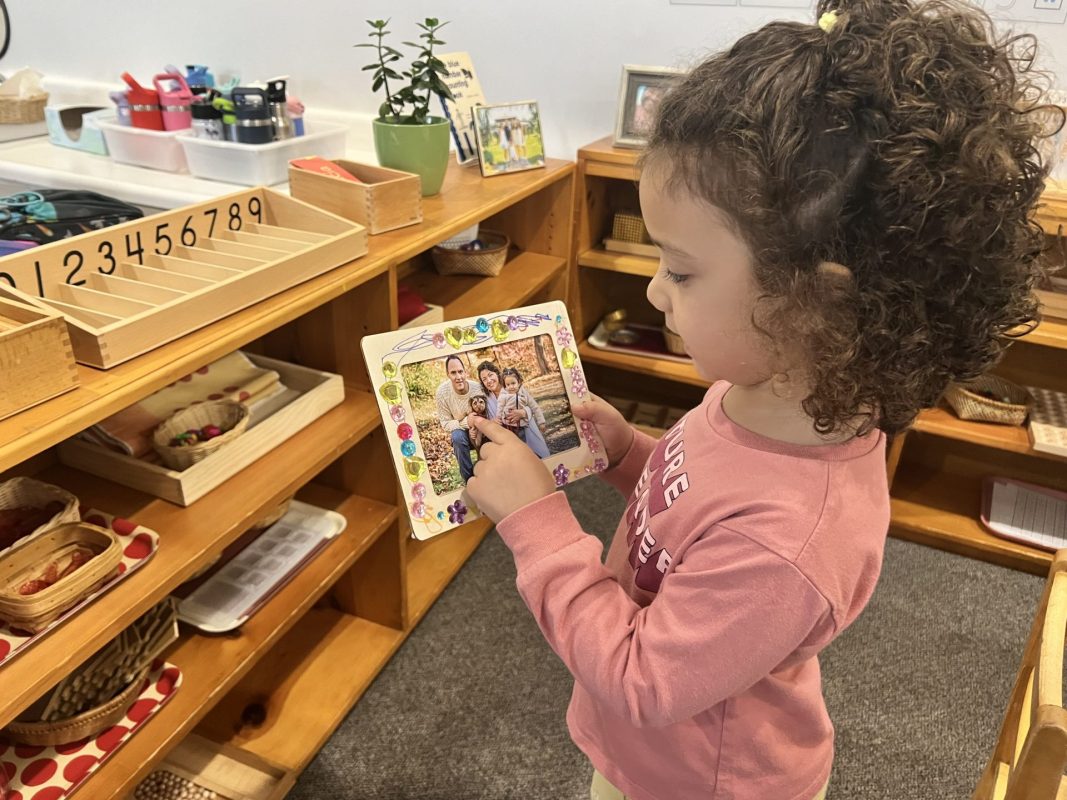
On another note, children had a blast celebrating friendship on Valentine’s day and they were so focused on perfecting their spreading skills while creating “donuts” using apple rings, sunflower butter and delicious sprinkles! They also enjoyed sharing their valentine’s with their friends and having fun in an epic balloon dance party! During circle time that day, we talked about how hugs make our brain happy and it was just so amazing to see how each child chose a friend to offer a hug!

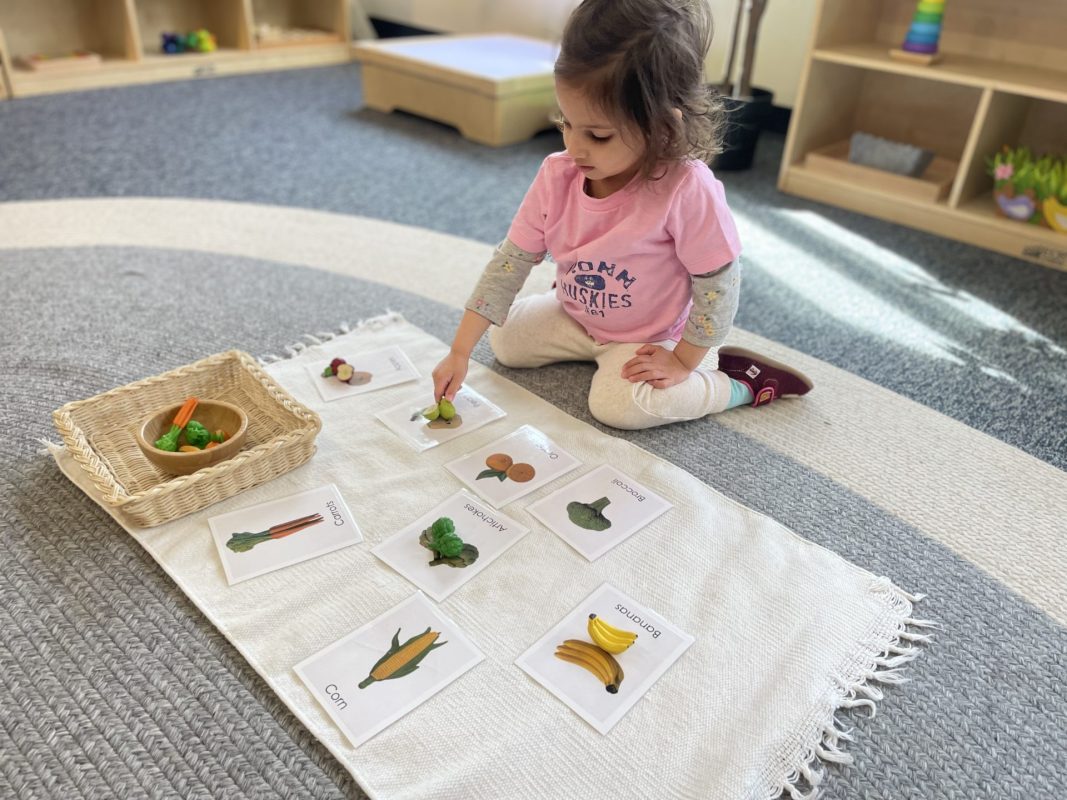
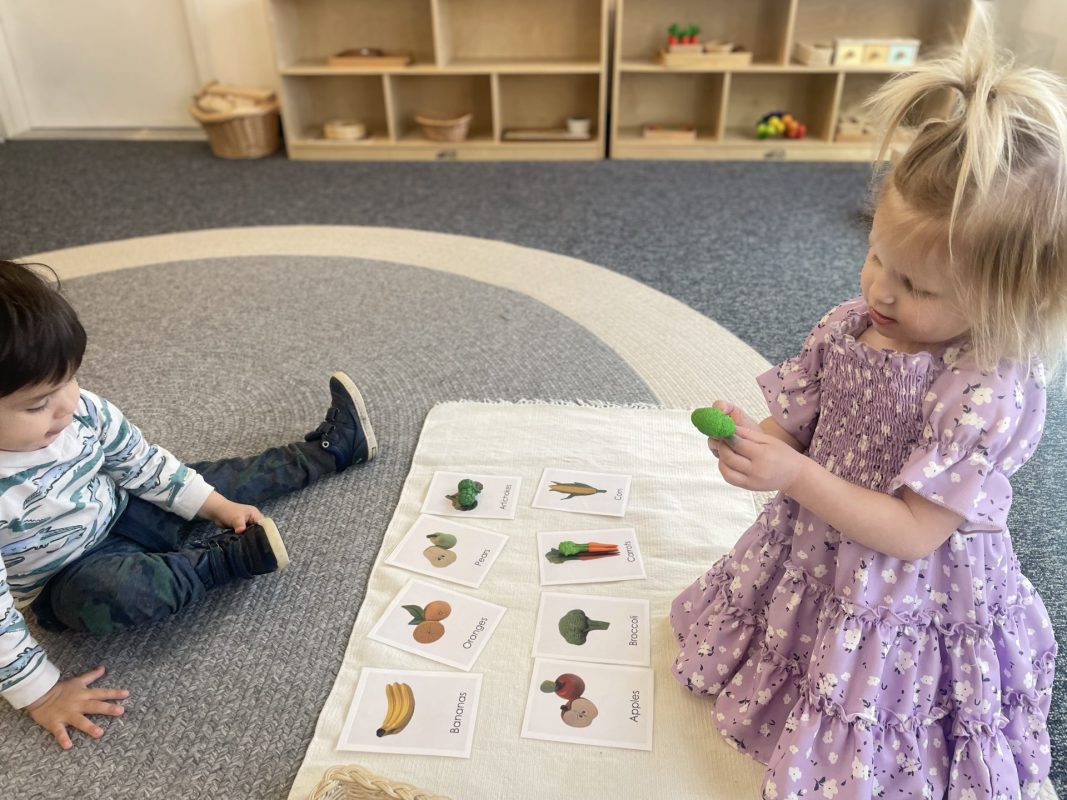
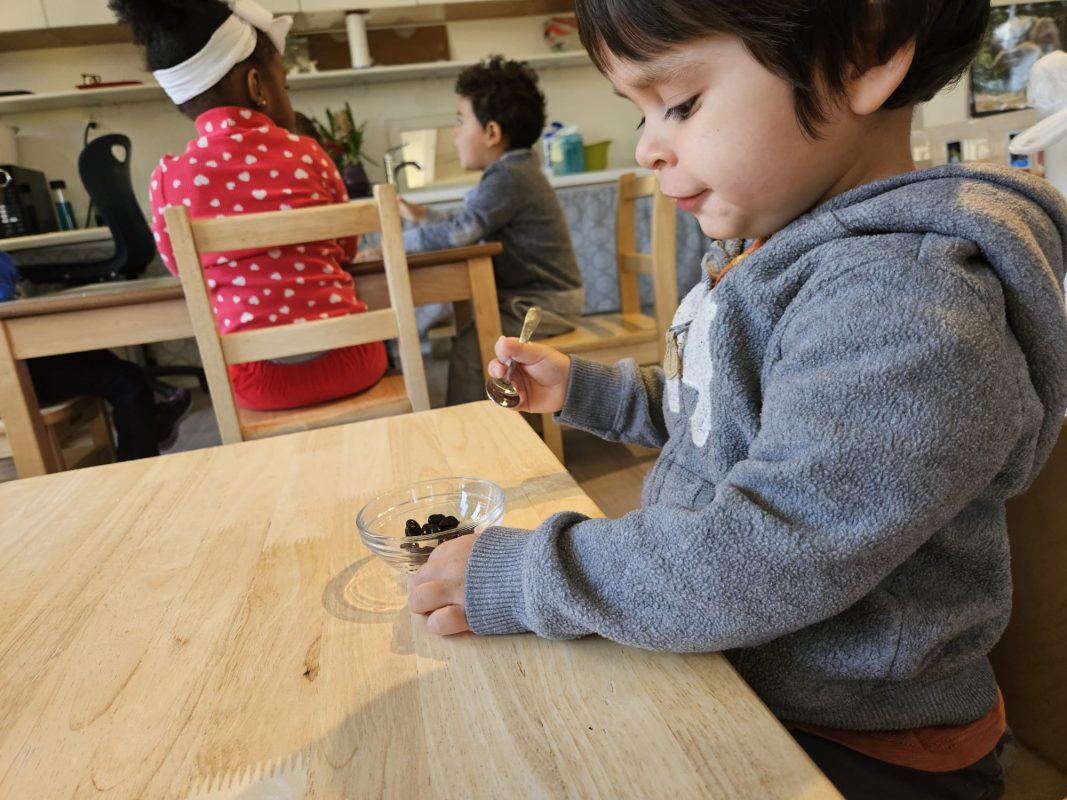
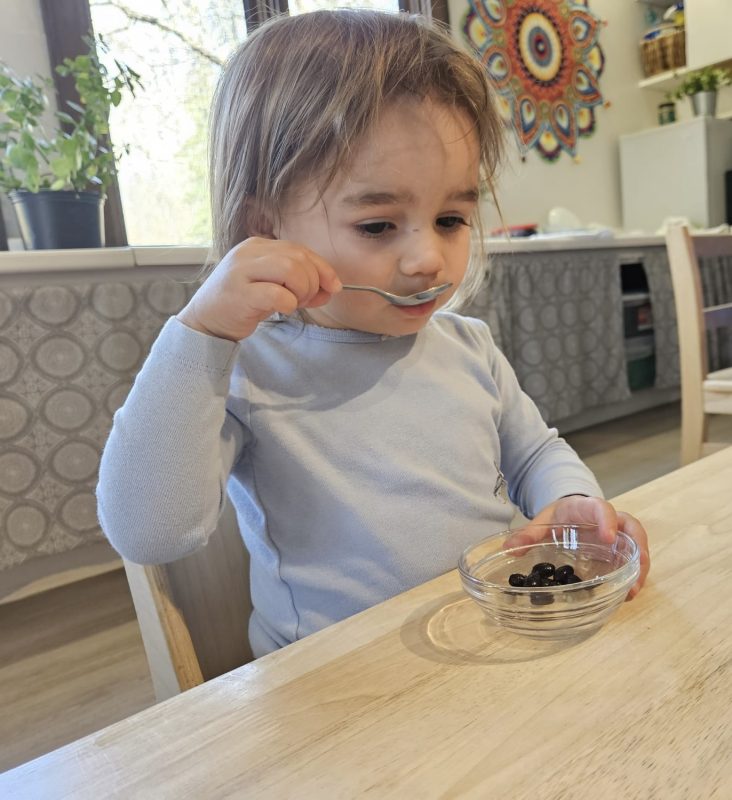
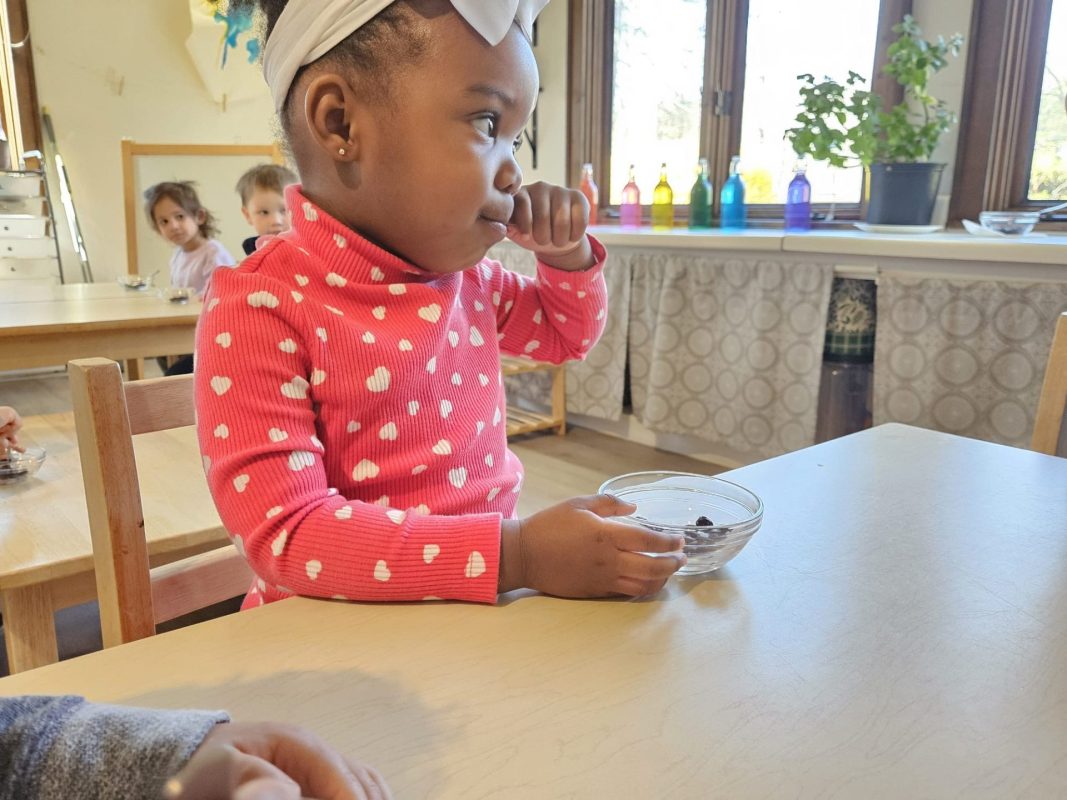
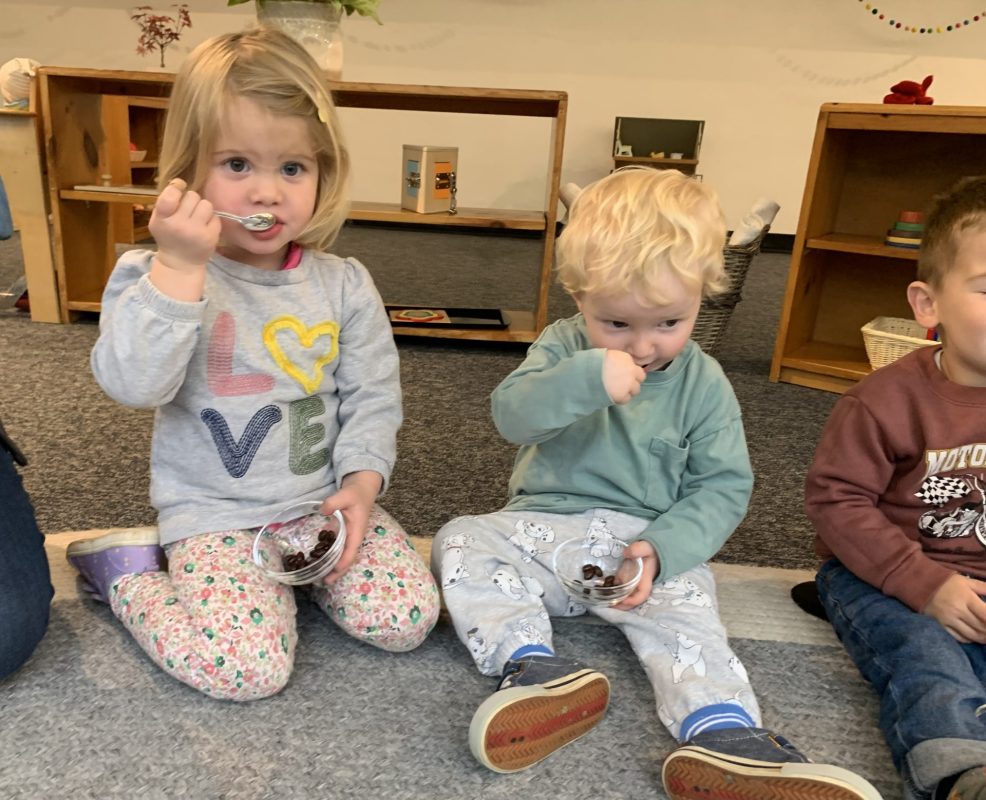
For food tasting lesson we explored  Cauliflower and tangy lemons! Sour is definitely a new word in their vocabulary!

Lastly, we finished this busy week with a little 100 day of school celebration where children baked  delicious lemon blueberry scones! Children loved them so much that we wanted to send you all the recipe. Click here to get it!

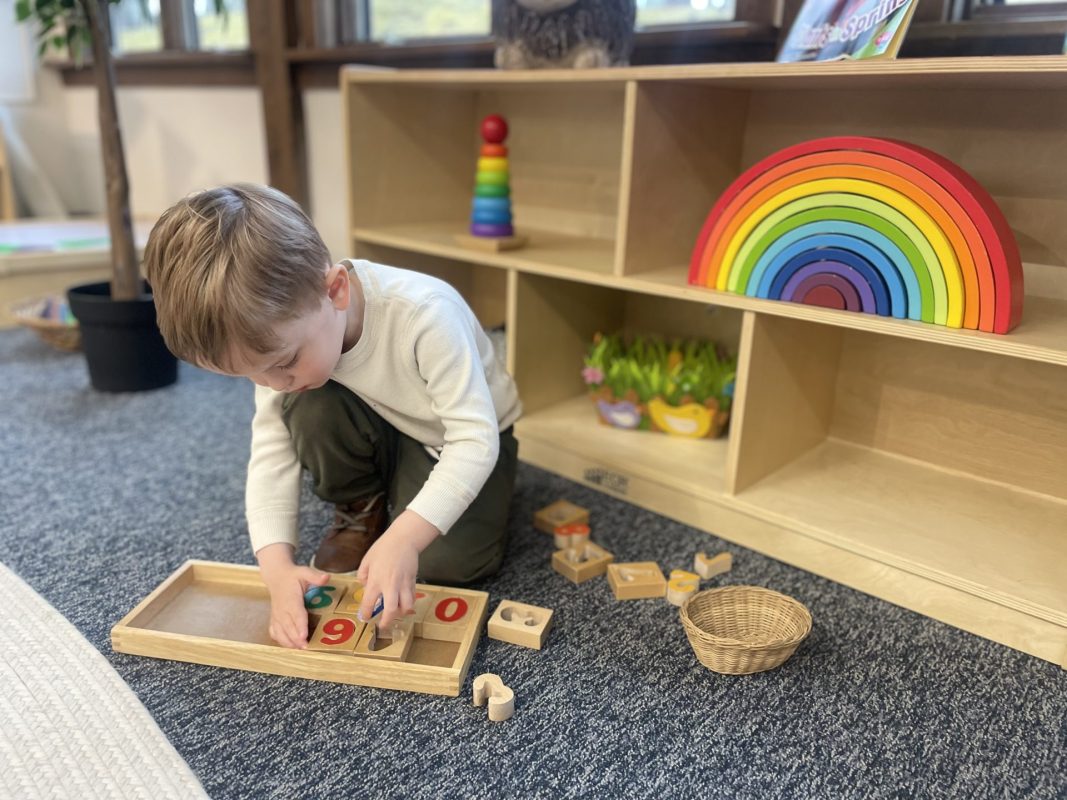
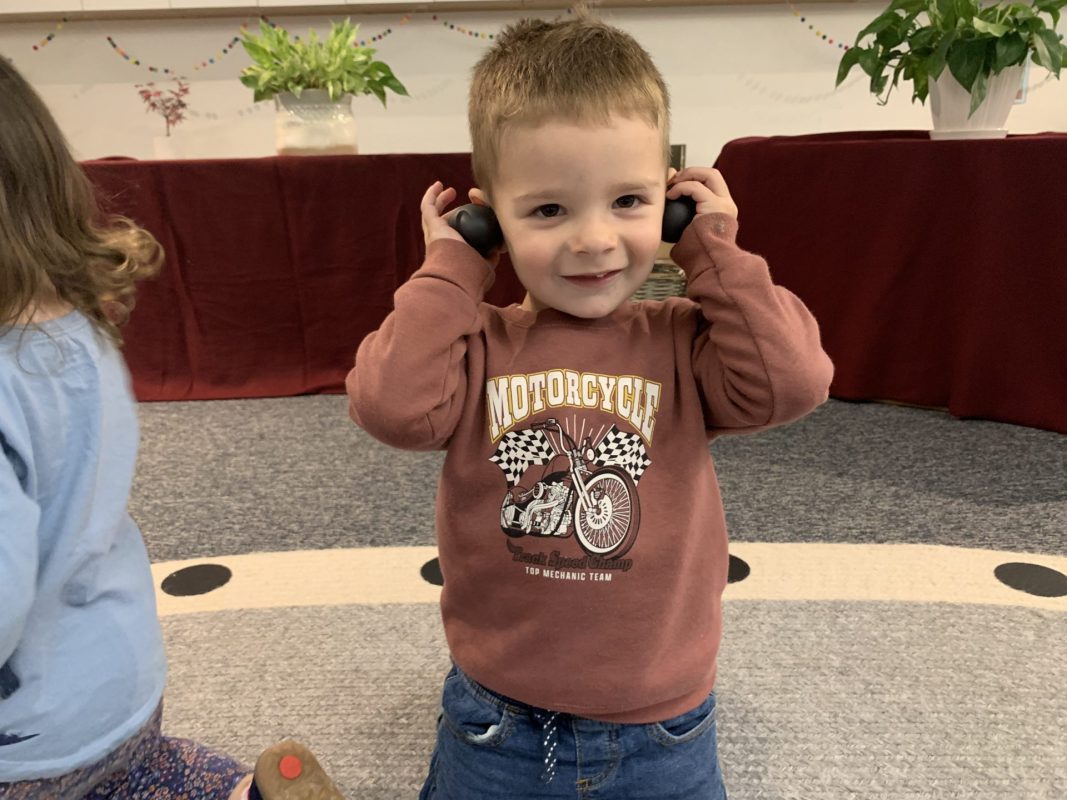
Enjoy the pics!

Mrs. Hood and Ms. Mollie


This Month in Enrichment

Spanish Class: January & February

Primary and LE: “Las formas”, “Los días de la semana”; UE: “La ropa”, “Los artículos”; MS: “Artículos definidos e indefinidos”, “Acuerdo entre el sustantivo y el adjetivo.” In addition FWM middle school students were able to work on listening, pronunciation and comprehension in different tasks given during class.

FWM students kept working on their usual conversation about feelings, Spanish greetings, calendars, and descriptions of the weather. They are continuously improving their Spanish listening and vocabulary. Students from Primary, Lower Elementary, Upper Elementary, and Middle School listened carefully to Spanish books and songs and participated in interactive games that were displayed during class.

Primary students focused on learning shapes such as Cuadrado (square), círculo (circle), triángulo (triangle), rectángulo (rectangle), and óvalo (oval). They studied “las formas,” “días de la semana,” and y los “meses del año” through Spanish Montessori lessons that were left on the language shelves of each class for the students to practice for the entire week.

Lower Elementary students also learned “las formas” such as: Cuadrado (square), círculo (circle), triángulo (triangle), rectángulo (rectangle), óvalo (oval), corazón (heart), hexágono (hexagon), estrella (star). They studied “las formas”, “días de la semana” y lo s” meses del año” through Spanish Montessori lessons that were presented in class and complemented with songs, games, and some worksheets to practice.

Upper Elementary Students put in hard work learning about clothing and some accessories in Spanish. They also learned how to properly use the articles (el, los, la, las) in Spanish, and they reviewed “Los números del one al 100.”

Middle Schoolers kept learning about personal pronouns, definite and indefinite articles, noun-adjective agreement, conjugation of the verb “ser y estar,” and when and how to use it.

All the students at FWM are enjoying and learning Spanish, and I am very pleased with their progress in accomplishing goals in my class.

Young Artists Make a Splash!

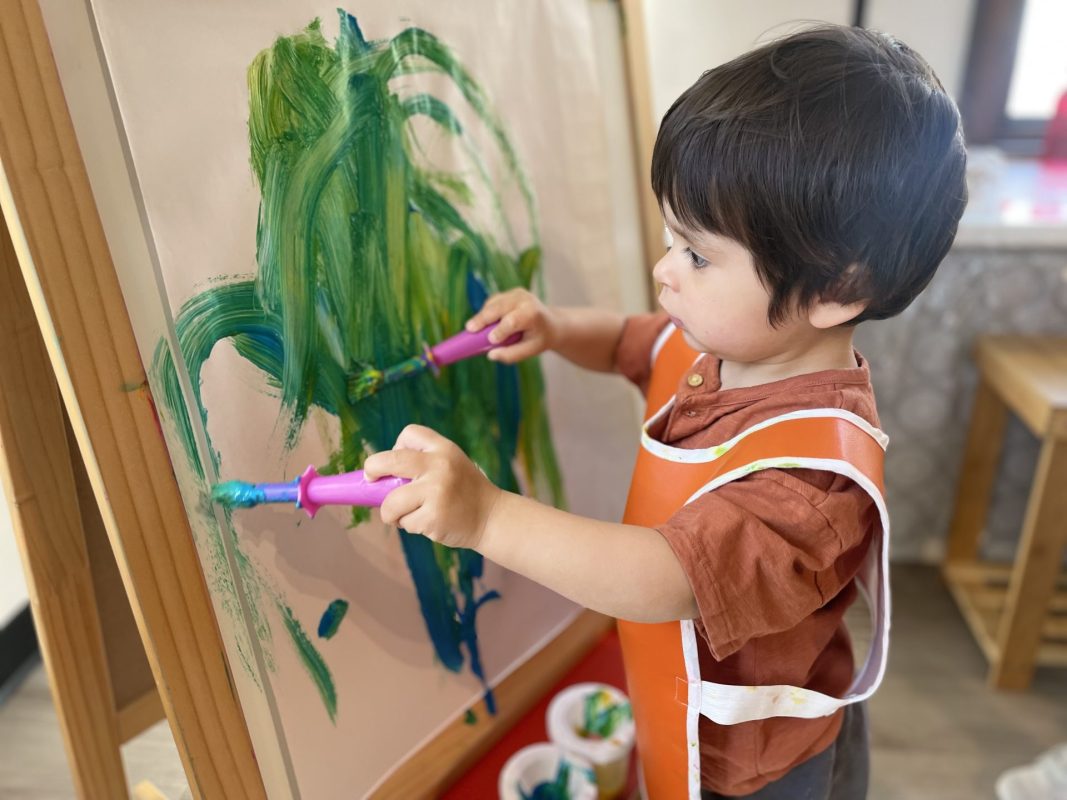
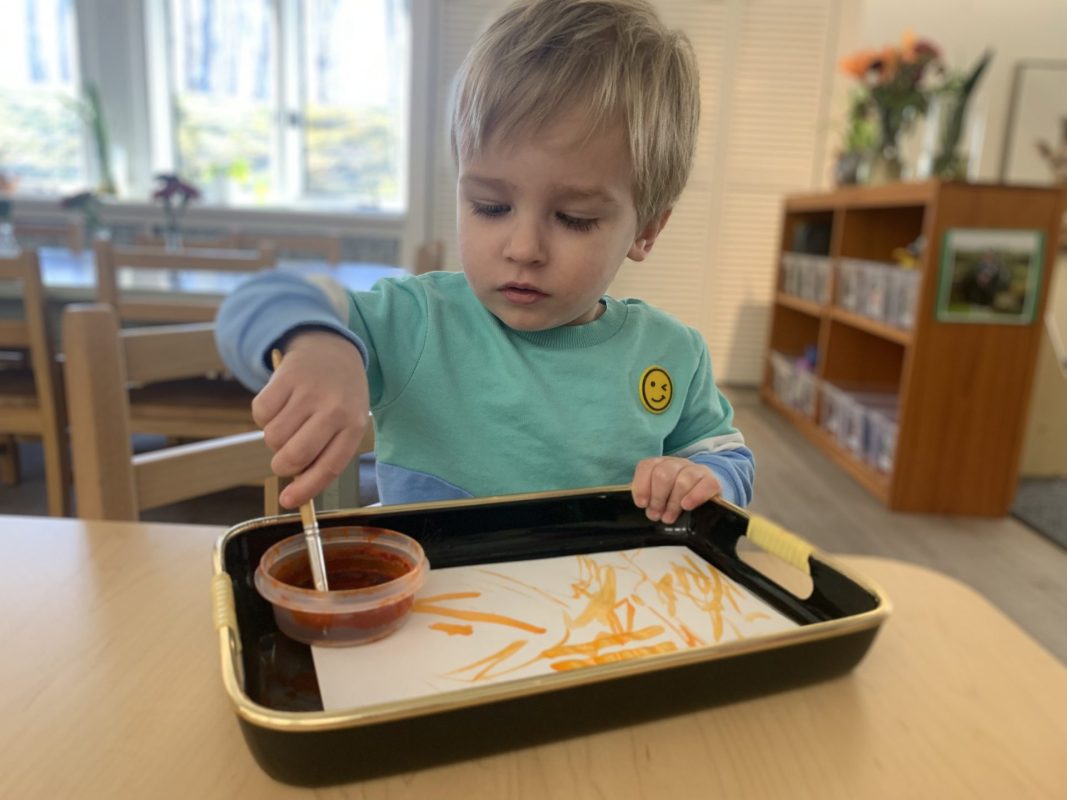
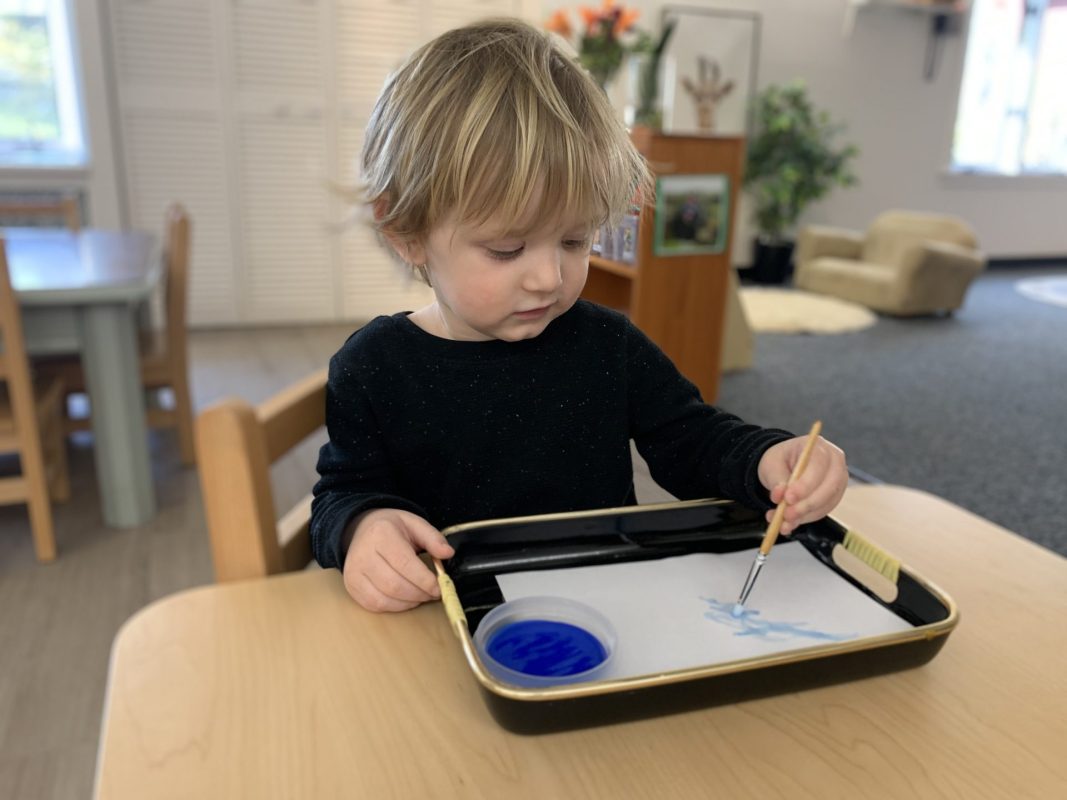
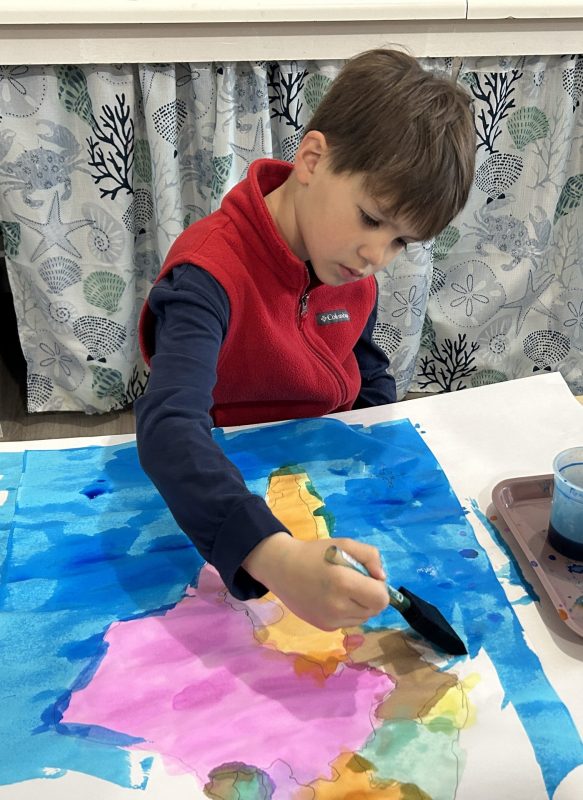
Both Upper and Lower Elementary students have been learning about the modernist art movement and abstract expressionism. Classes discussed American post-war artists Jackson Pollock, Helen Frankenthaler, Mark Rothko, and Lee Krasner and how they used non-representational abstract art as a form of expression. Students experienced creating spontaneous mark-making and using gestural movements to paint. While thinking of the paintbrushes as an extension of themselves, they created open-ended compositions. These activities provide opportunities for non-verbal expression and foster an understanding of how to create an active field of vision with no particular focal point.

Lower Elementary students are creating collaborative large-scale physical paintings on the floor with brush extenders. There was a clear sense of discovery felt when they could redefine painting. The students enjoyed building upon each other’s work.

Upper Elementary has been working on a series of abstract paintings exploring color, space, movement, and nontraditional processes like painting with magnets! Through unpredictable processes in artmaking, the students have been discussing the nature of creativity and authorship.


Young Artists Make a Splash!

Both upper and lower elementary students have been learning about the modernist art movement and abstract expressionism. Classes discussed American post-war artists Jackson Pollock, Helen Frankenthaler, Mark Rothko, and Lee Krasner and how they used non-representational abstract art as a form of expression. Students experienced creating spontaneous mark-making and using gestural movements to paint. While thinking of the paintbrushes as an extension of themselves, they created open-ended compositions. These activities provide opportunities for non-verbal expression and foster an understanding of how to create an active field of vision with no particular focal point.

Lower Elementary students are creating collaborative large-scale physical paintings on the floor with brush extenders. There was a clear sense of discovery felt when they could redefine painting. The students enjoyed building upon each other’s work.

Upper Elementary has been working on a series of abstract paintings exploring color, space, movement, And nontraditional processes like painting with magnets! Through unpredictable processes in artmaking, the students have been discussing the nature of creativity and authorship.


This Week in Upper El

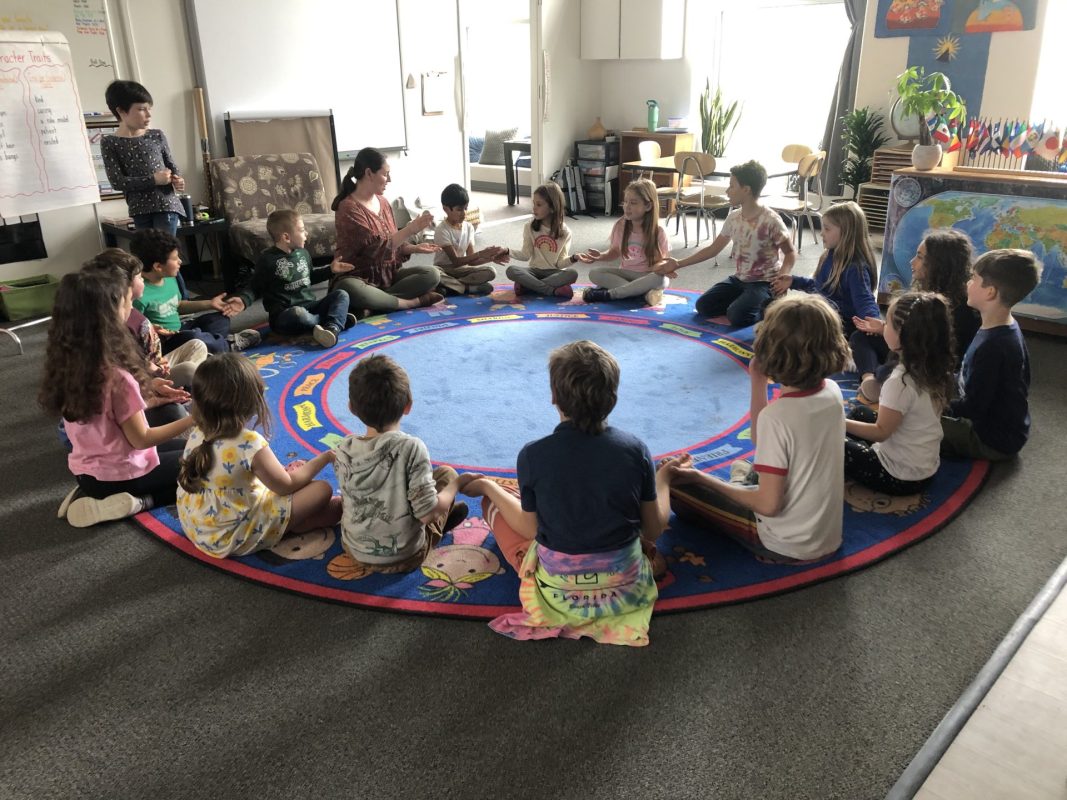
We had a great time volunteering this week, assembling bags for the Brian O’Connell Homeless Project. We spent our morning loading individual bags with necessities. The children were very enthusiastic about helping their neighbors in need, and their spirits were high.

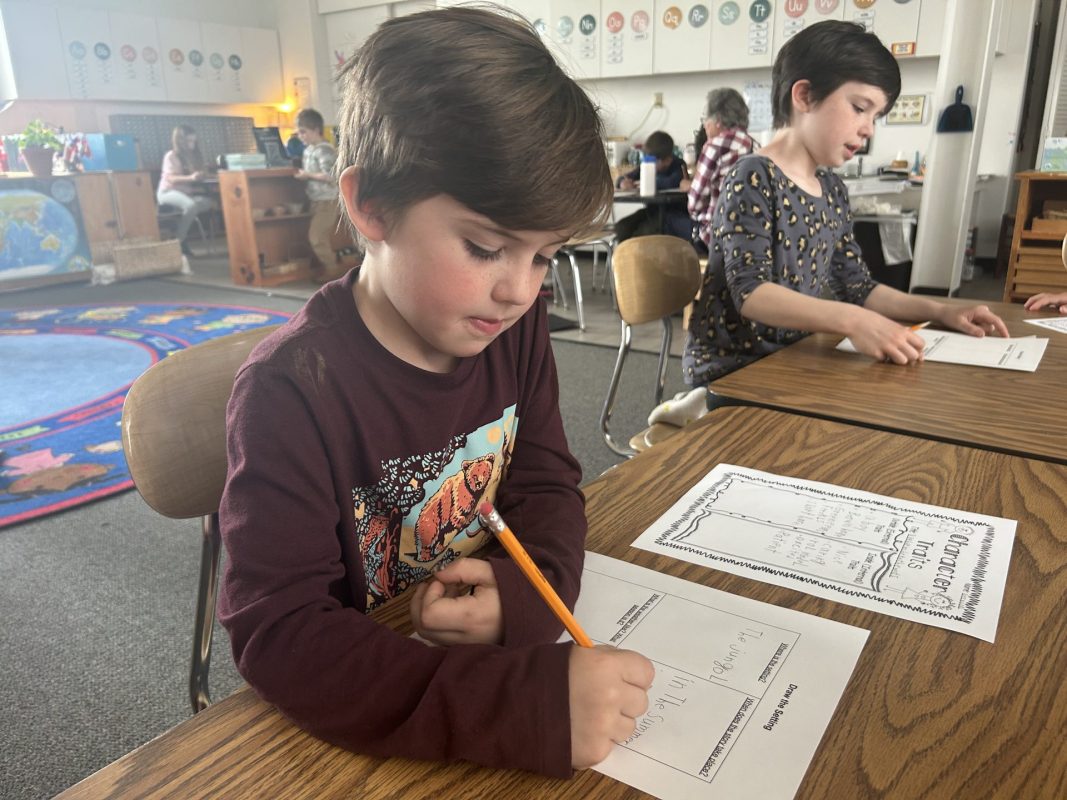
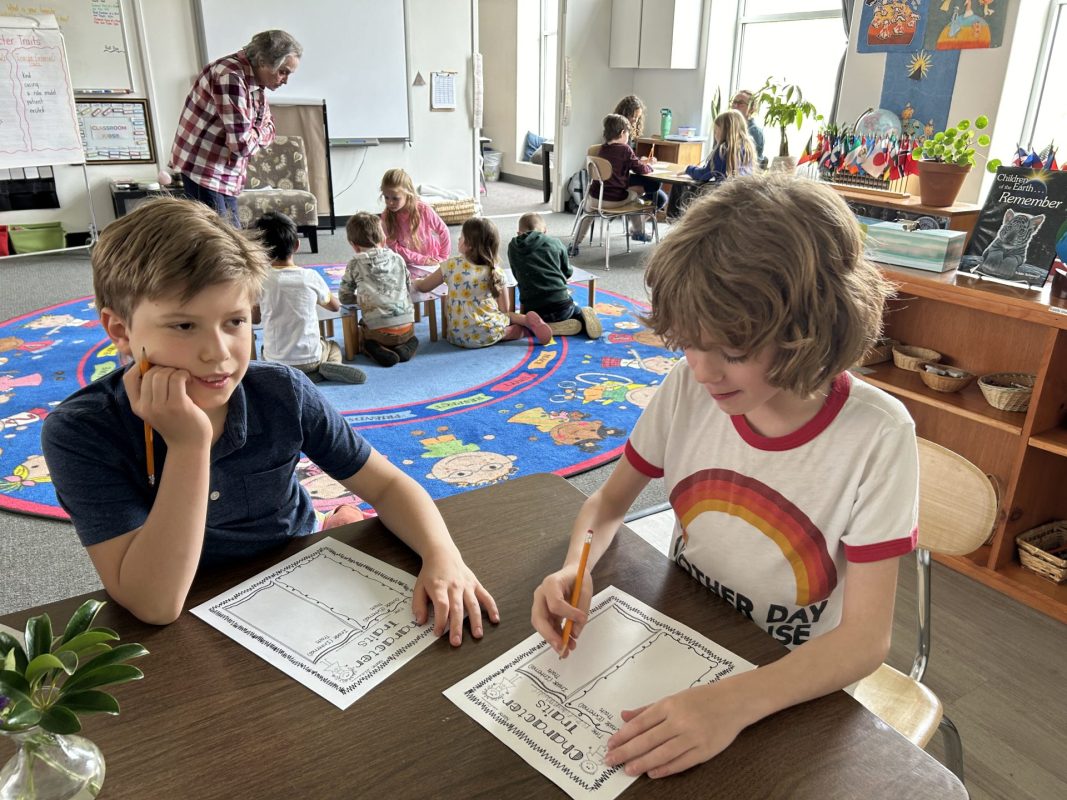
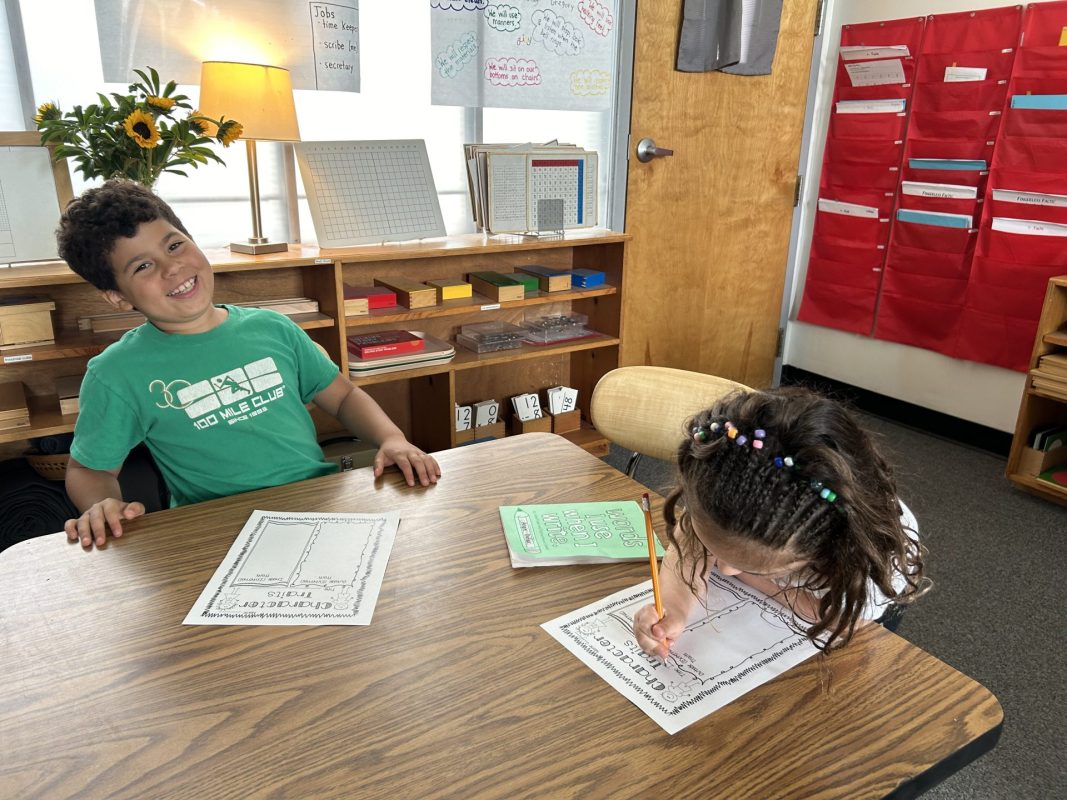
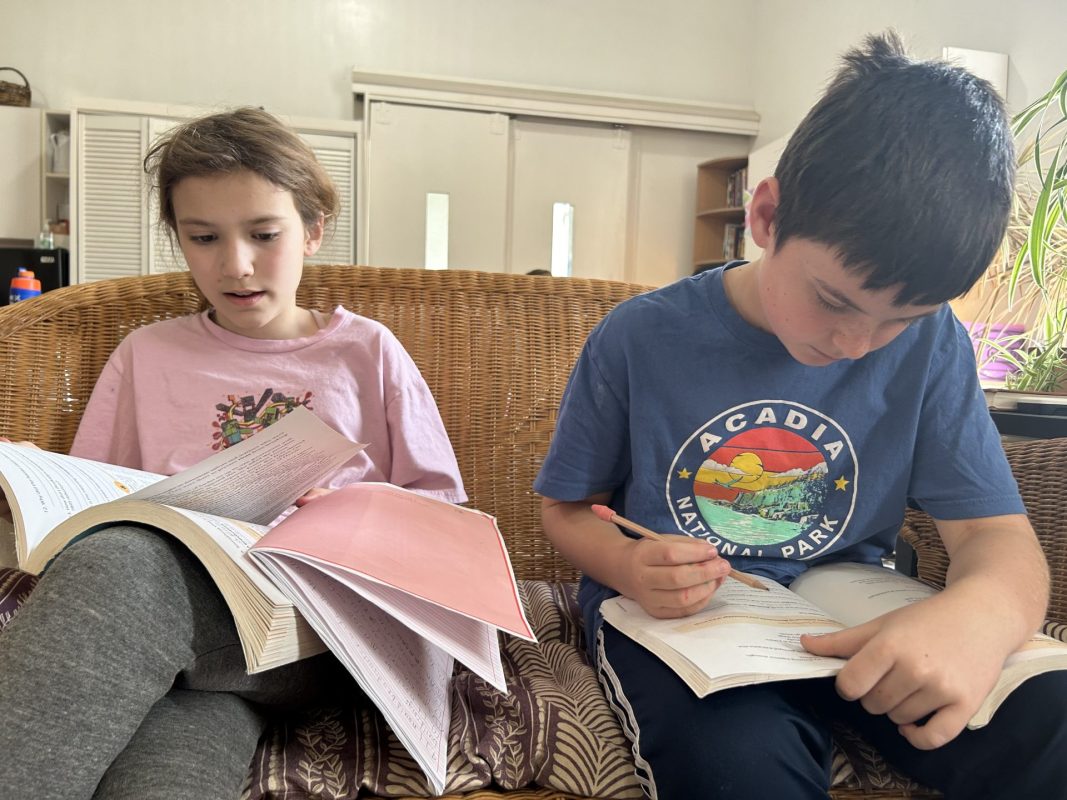
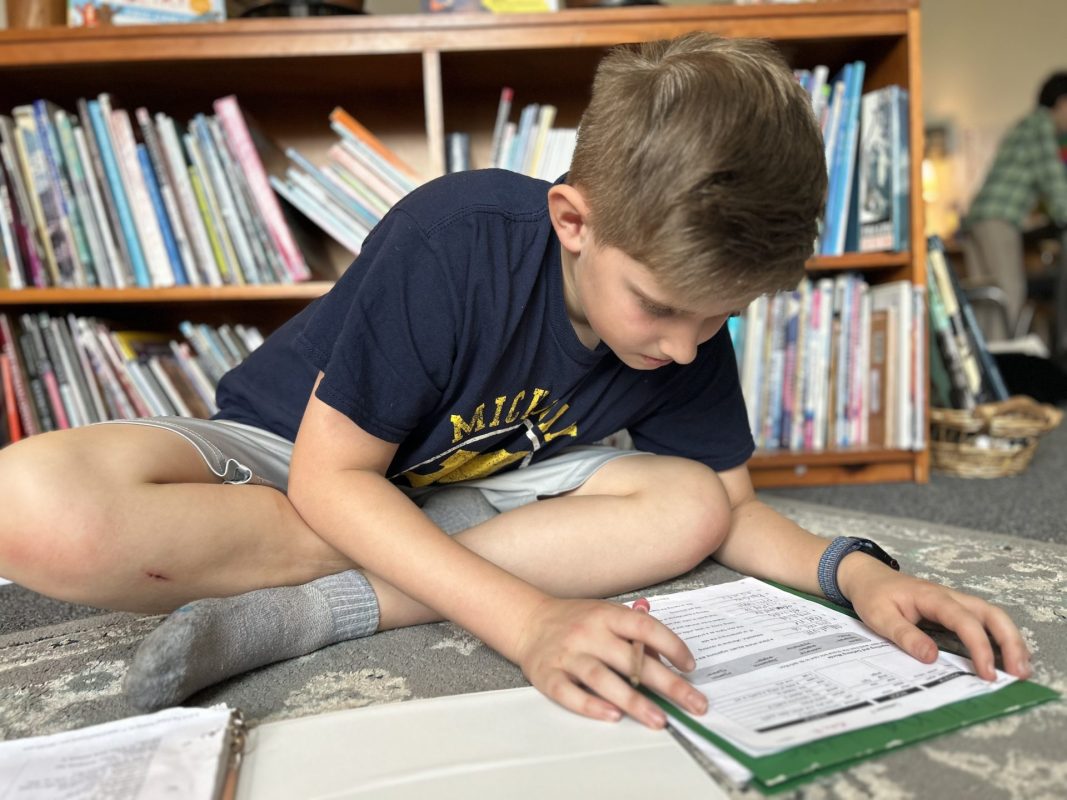
Autobiographies are almost complete! Students have been working hard to finish their chapters and have made incredible progress. We will wrap up the finishing touches on all of the chapters at the beginning of next week, make edits, and prepare oral presentations. We look forward to welcoming families to school on Thursday, March 7th, at 5:00. Students with siblings in Middle School will present first so families can attend the Middle School presentations at 6:00.

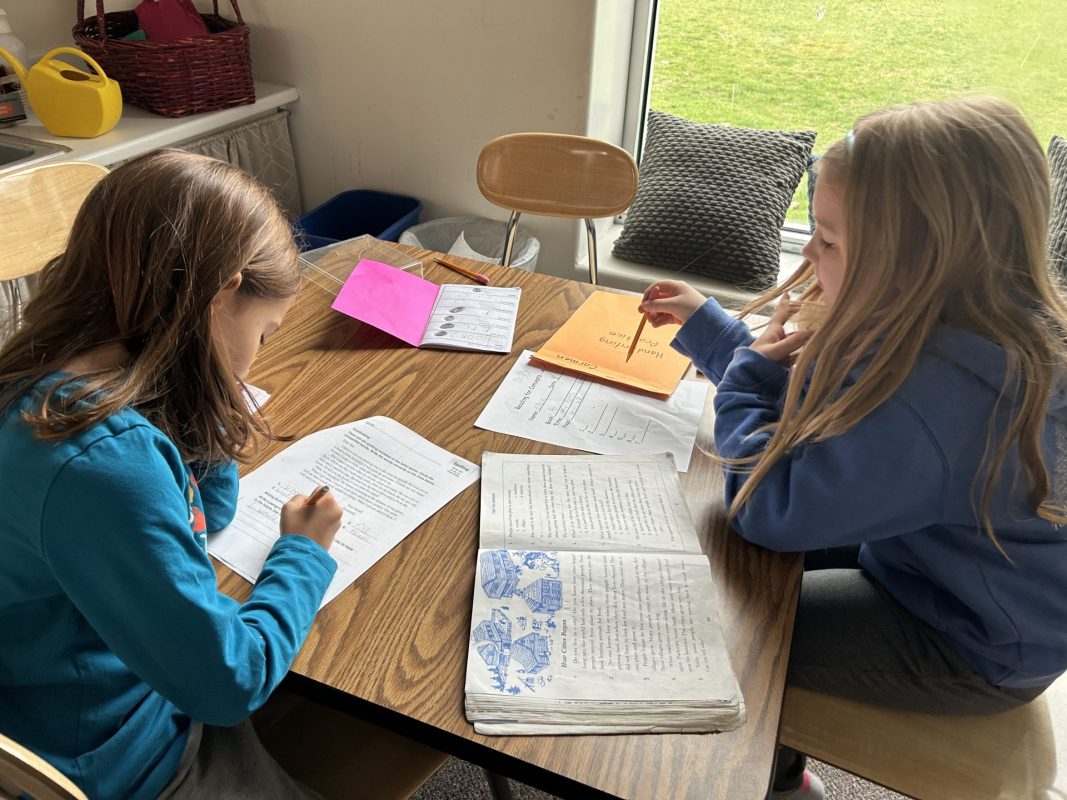
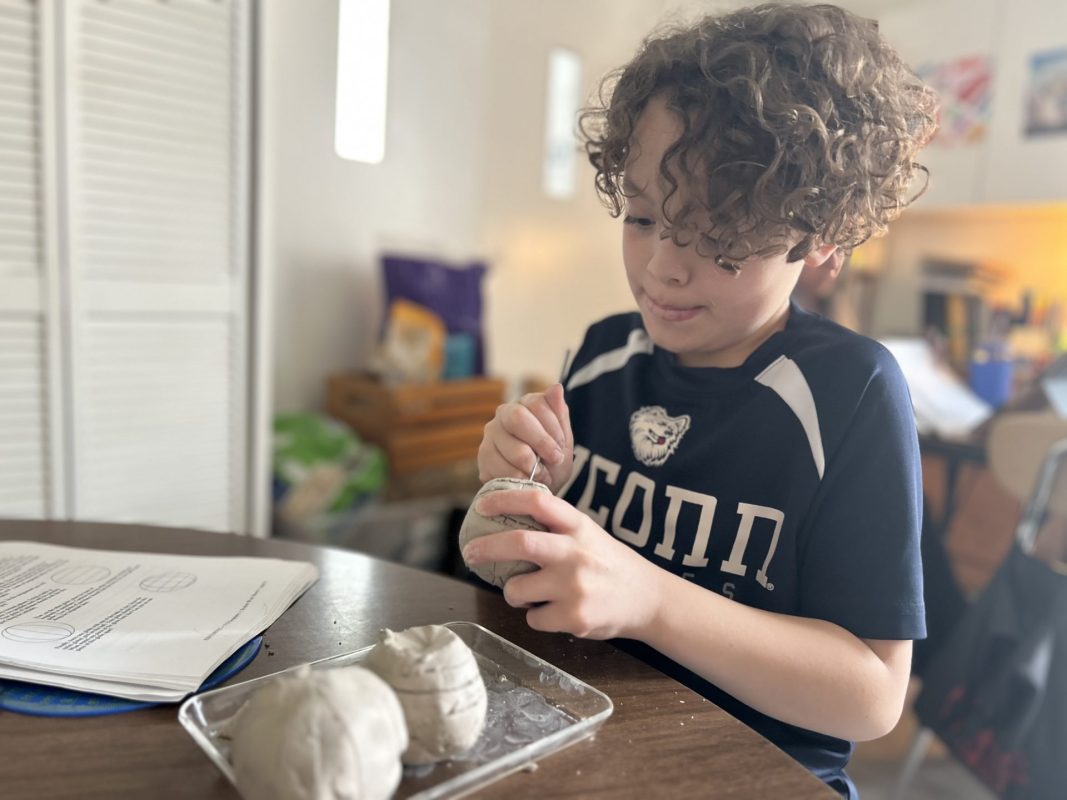
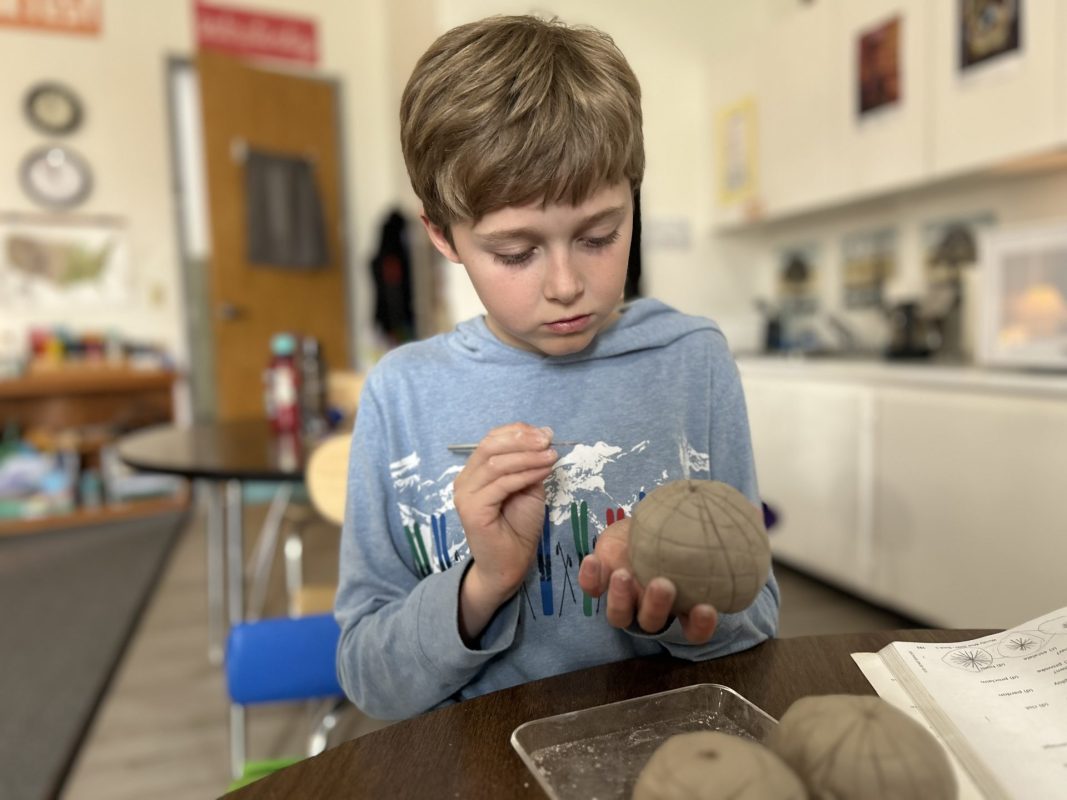
In our history lesson this week, we looked at characteristics that make us human. Our biology lesson focused on looking at one animal group and its vital functions. Students are now starting research on their chosen animal, using the information they have learned about vital functions, classroom books, and online resources to write reports on their animals. In geometry, fourth graders learned that all triangles having the same base and height are equivalent. Fifth graders learned one way to find the area of trapezoids. Next week, fifths will learn two other ways to find the area of trapezoids.

Wishing you a fantastic weekend,
Karen and Krystin


Ms. Marissa: All You Need Is Love

While last week was a short week, it was a busy one! We had Simone and Madison’s moms in to celebrate with us by making crafts for Valentine’s Day. The children exchanged valentines, and overall, it was a very exciting week!

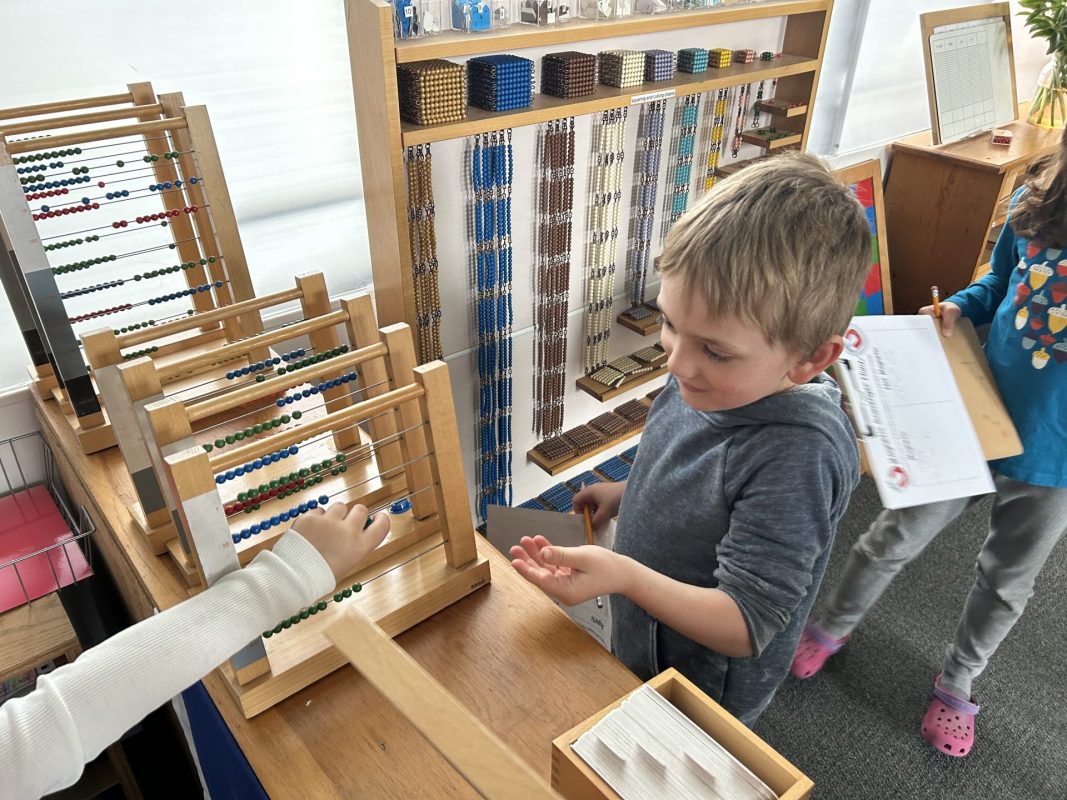
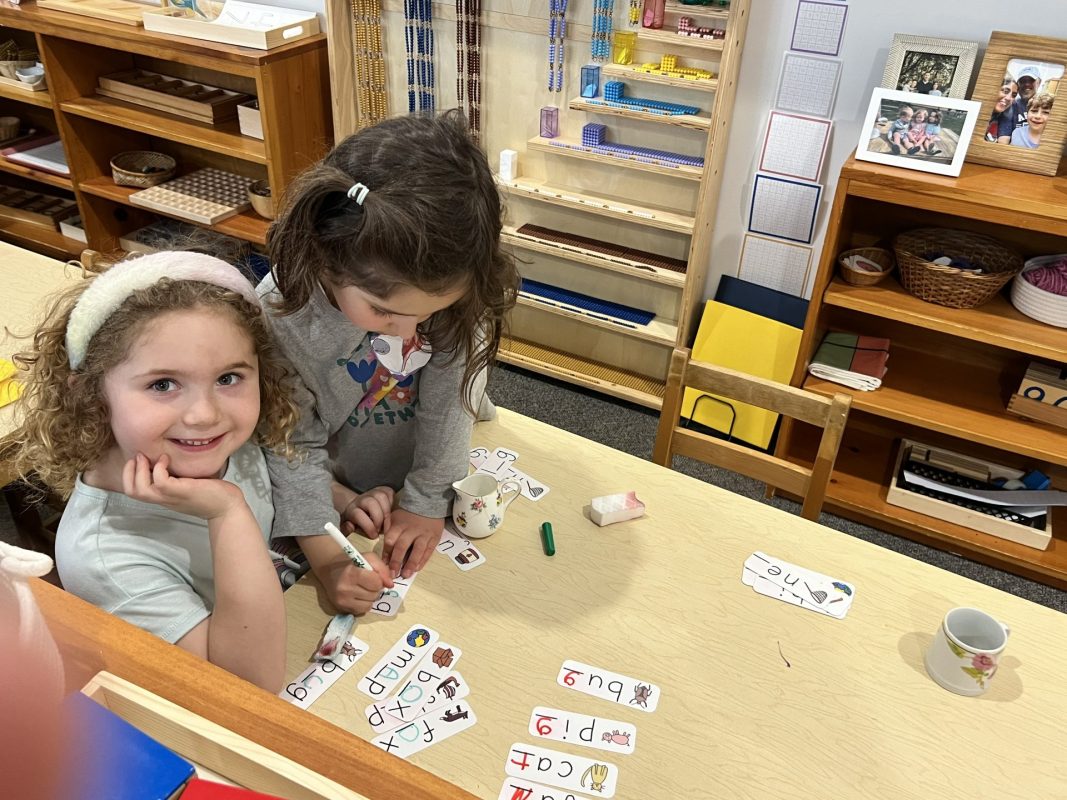
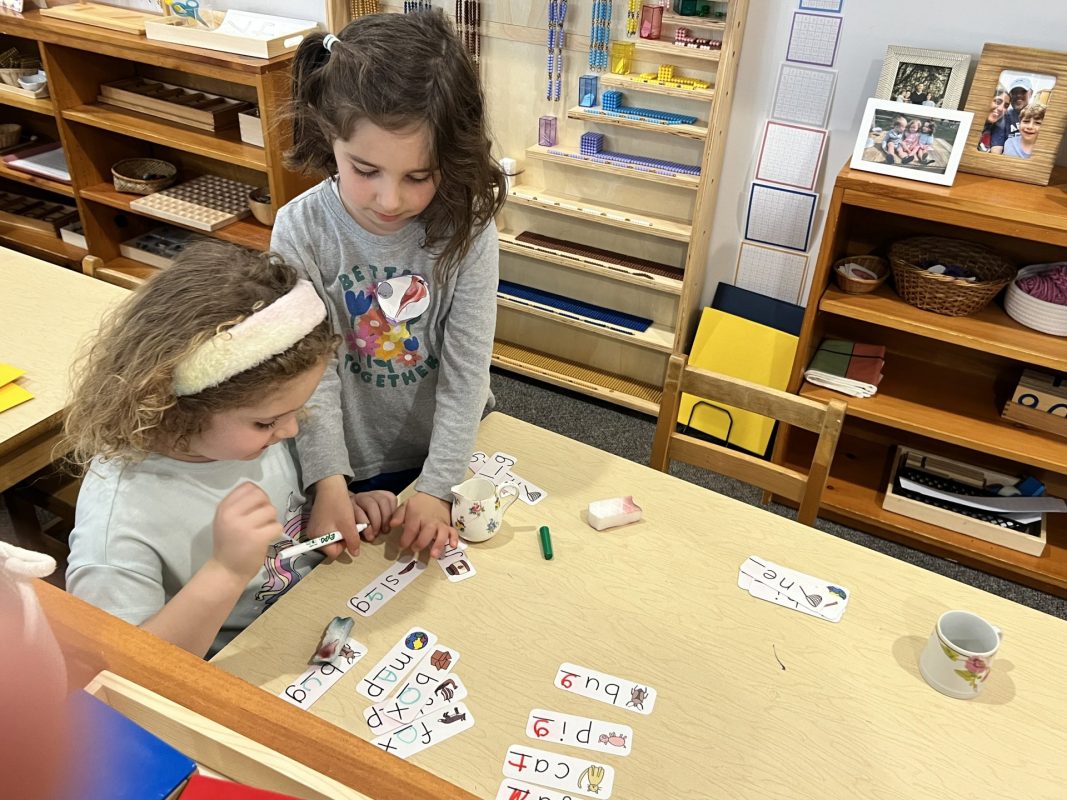
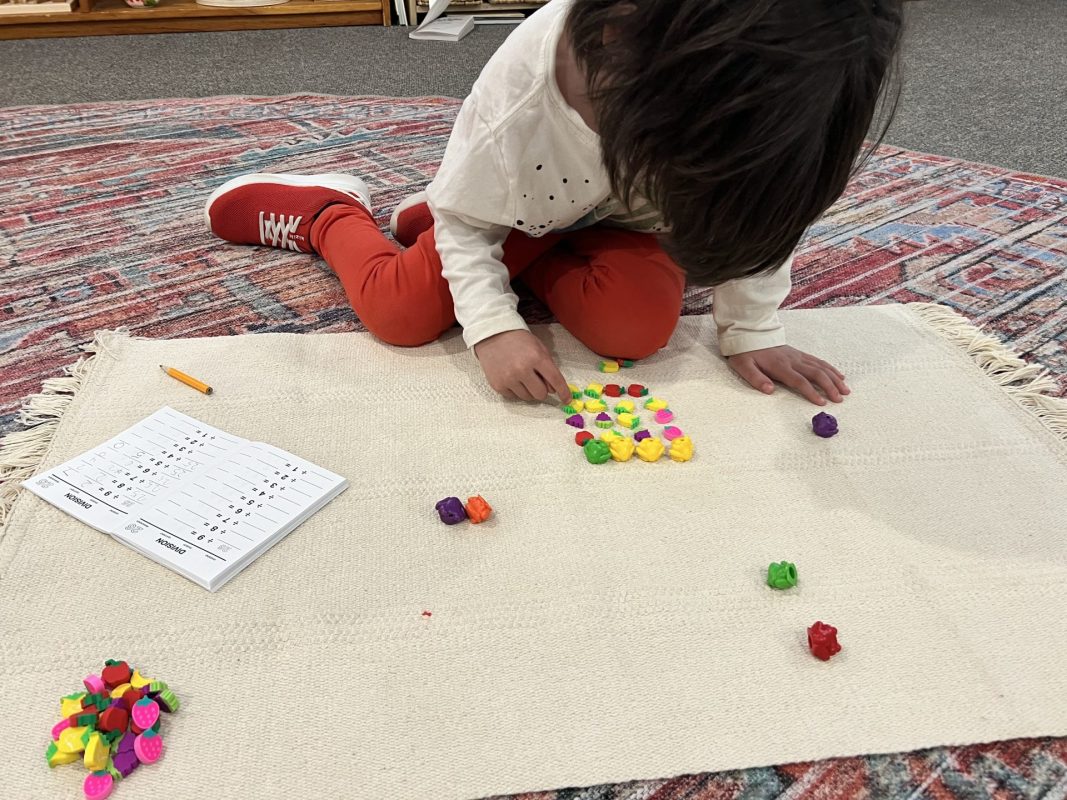
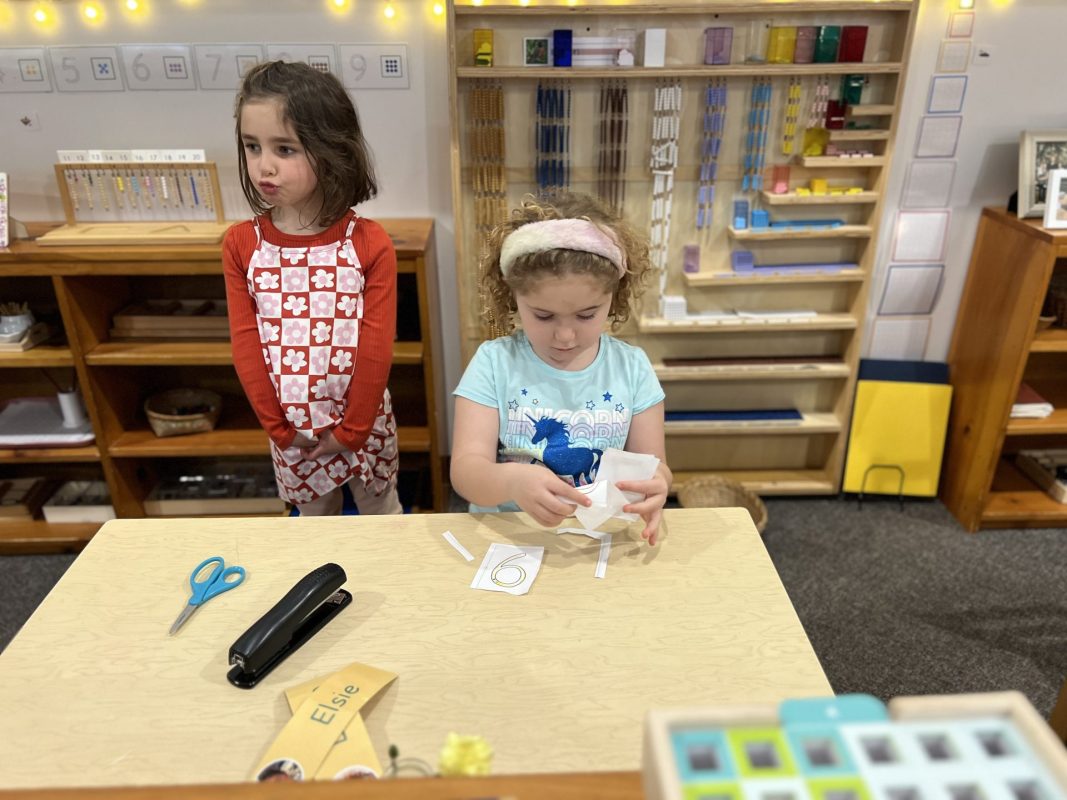
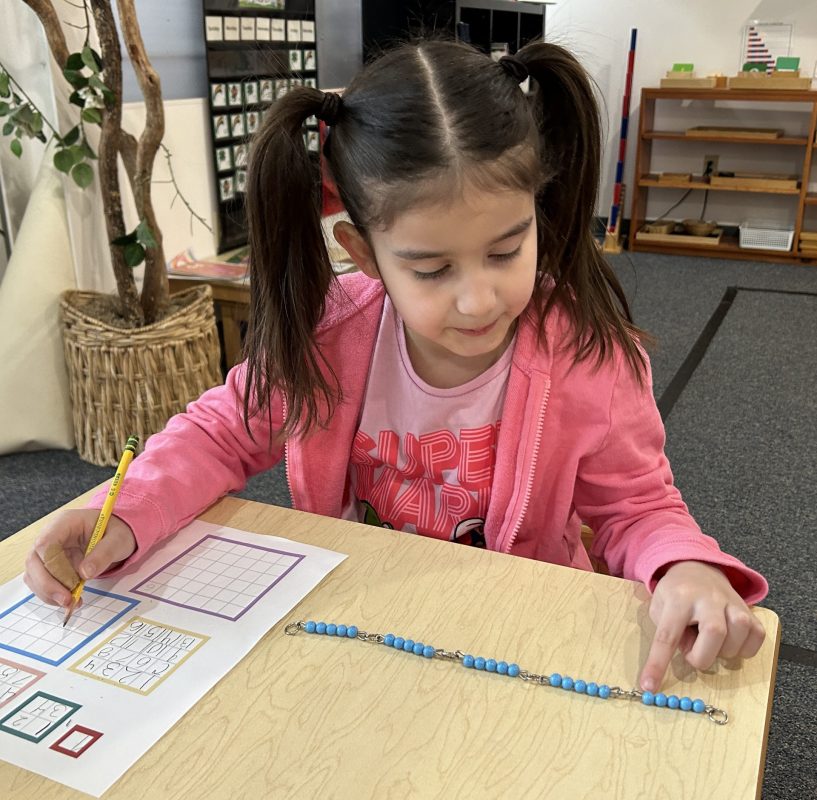
This past Thursday, we celebrated the 100th day of school with the kindergarteners. From the very first day of school, kindergarteners have been learning to count by 1s, 5s, and 10s to 100. They spent the afternoon going to different stations that revolved around 100. They drew pictures of what they would like when they were 100, what they would buy with $100, and what they wished they had a hundred of, made a 100 headband, and then played a game called Race to 100. They even did 100 exercises and learned how hard it was to sit quietly for 100 seconds. The highlight was bringing home a delicious 100th-day-of-school snack. As always, thank you for the behind-the-scenes help from all of our parent volunteers to make these memories possible.

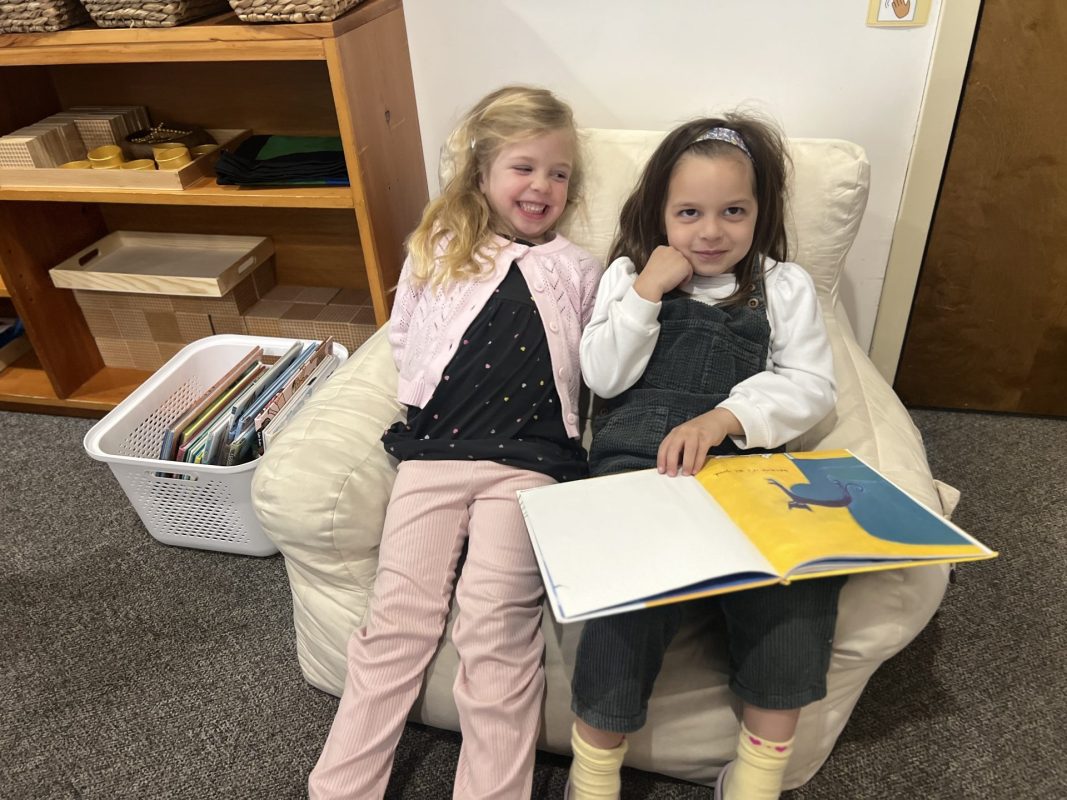
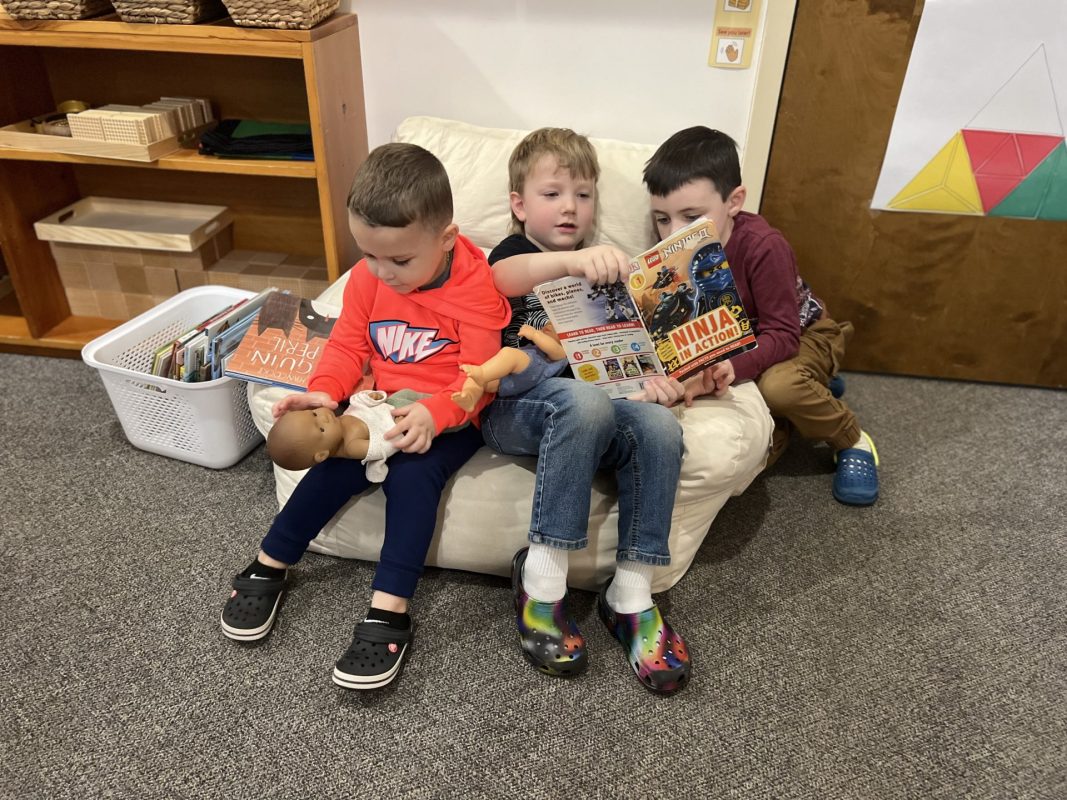
Saturday, March 2nd, is National Read Across America Day. This is a day to celebrate our favorite activity—reading!!!!!!! This special day was established by the National Education Association (NEA) in 1998 to help get kids excited about reading. The day occurs each year on the birthday of children’s book author Dr. Seuss; on Tuesday, March 5th, the children can wear their pajamas to school and bring their favorite book and a stuffed animal in to share. It’s always a fun day for all.


Spanish Class January/February

Primary and LE: “Las formas”, “Los días de la semana”; UE: “La ropa”, “Los artículos”; MS: “Artículos definidos e indefinidos”, “Acuerdo entre el sustantivo y el adjetivo.” In addition FWM middle school students were able to work on listening, pronunciation and comprehension in different tasks given during class.

FWM students kept working on their usual conversation about feelings, Spanish greetings, calendars, and descriptions of the weather. They are continuously improving their Spanish listening and vocabulary. Students from Primary, Lower Elementary, Upper Elementary, and Middle School listened carefully to Spanish books and songs and participated in interactive games that were displayed during class.

Primary students focused on learning shapes such as Cuadrado (square), círculo (circle), triángulo (triangle), rectángulo (rectangle), and óvalo (oval). They studied “las formas,” “días de la semana,” and y los “meses del año” through Spanish Montessori lessons that were left on the language shelves of each class for the students to practice for the entire week.

Lower Elementary students also learned “las formas” such as: Cuadrado (square), círculo (circle), triángulo (triangle), rectángulo (rectangle), óvalo (oval), corazón (heart), hexágono (hexagon), estrella (star). They studied “las formas”, “días de la semana” y lo s” meses del año” through Spanish Montessori lessons that were presented in class and complemented with songs, games, and some worksheets to practice.

Upper Elementary Students put in hard work learning about clothing and some accessories in Spanish. They also learned how to properly use the articles (el, los, la, las) in Spanish, and they reviewed “Los números del one al 100.”

Middle Schoolers kept learning about personal pronouns, definite and indefinite articles, noun-adjective agreement, conjugation of the verb “ser y estar,” and when and how to use it.

All the students at FWM are enjoying and learning Spanish, and I am very pleased with their progress in accomplishing goals in my class.