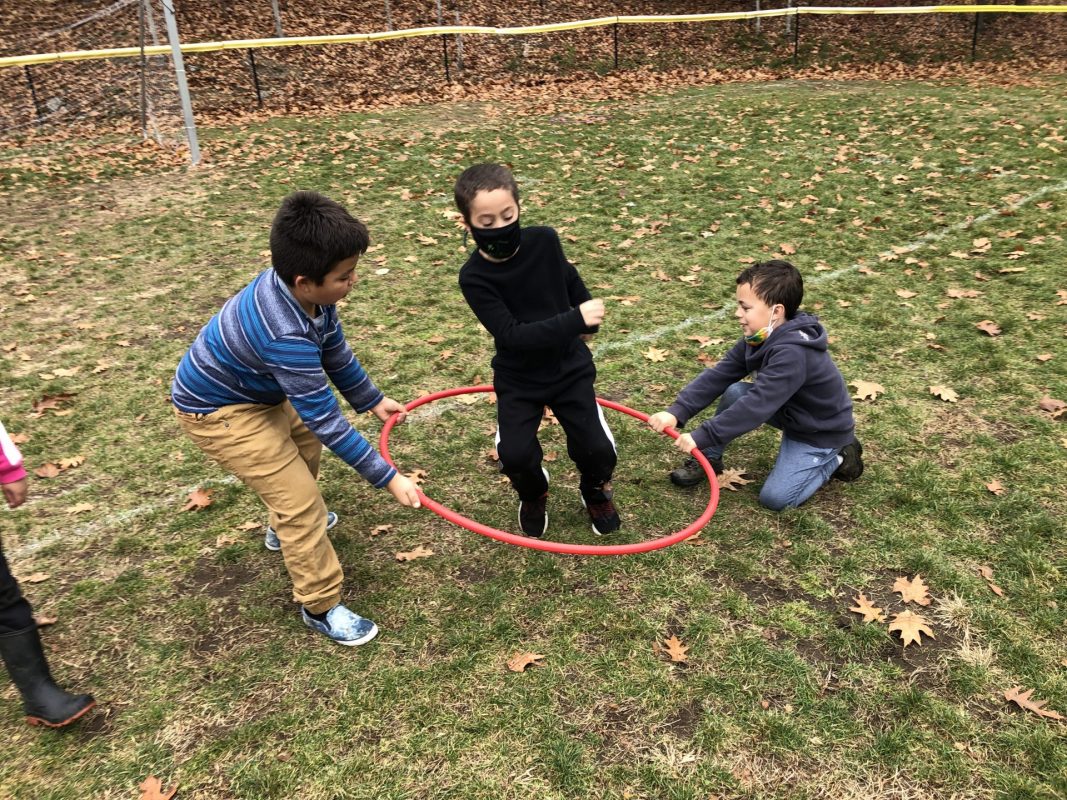
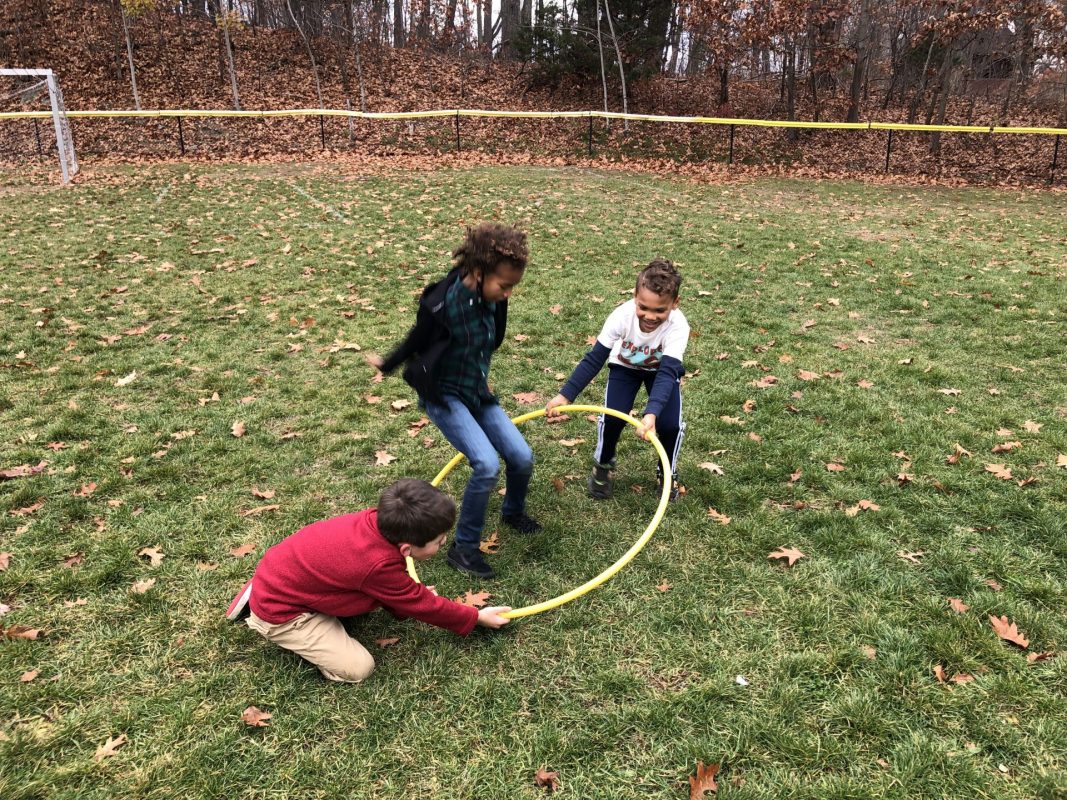
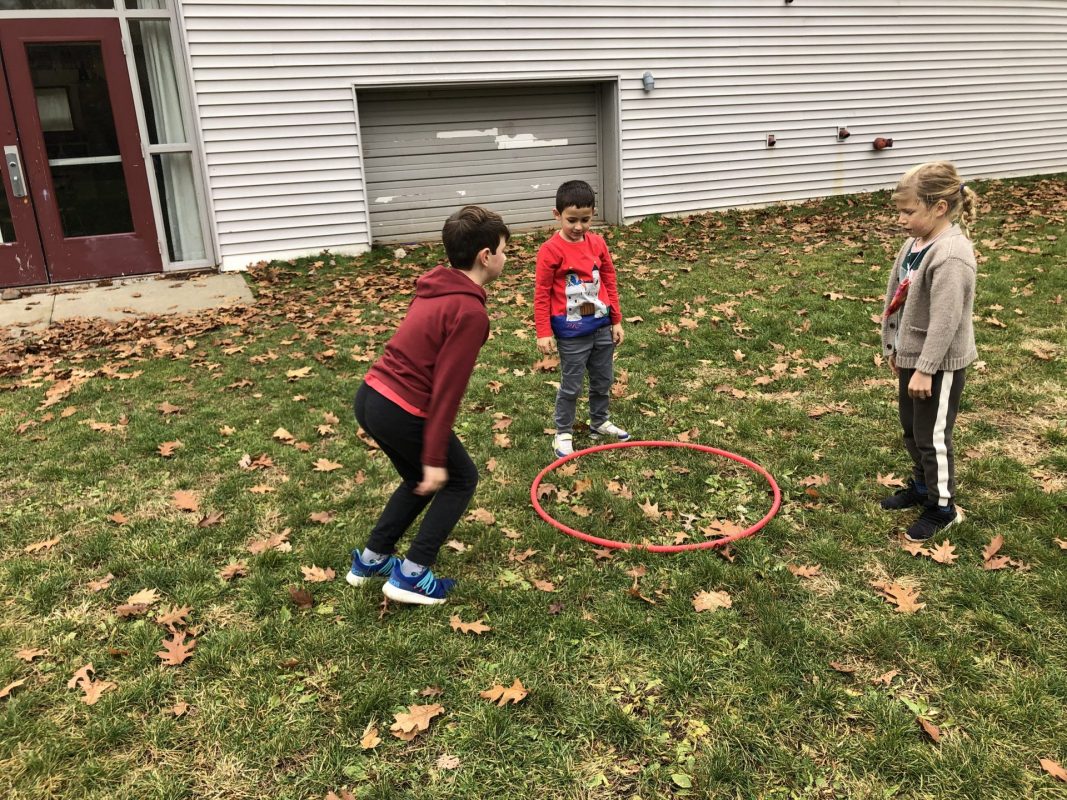
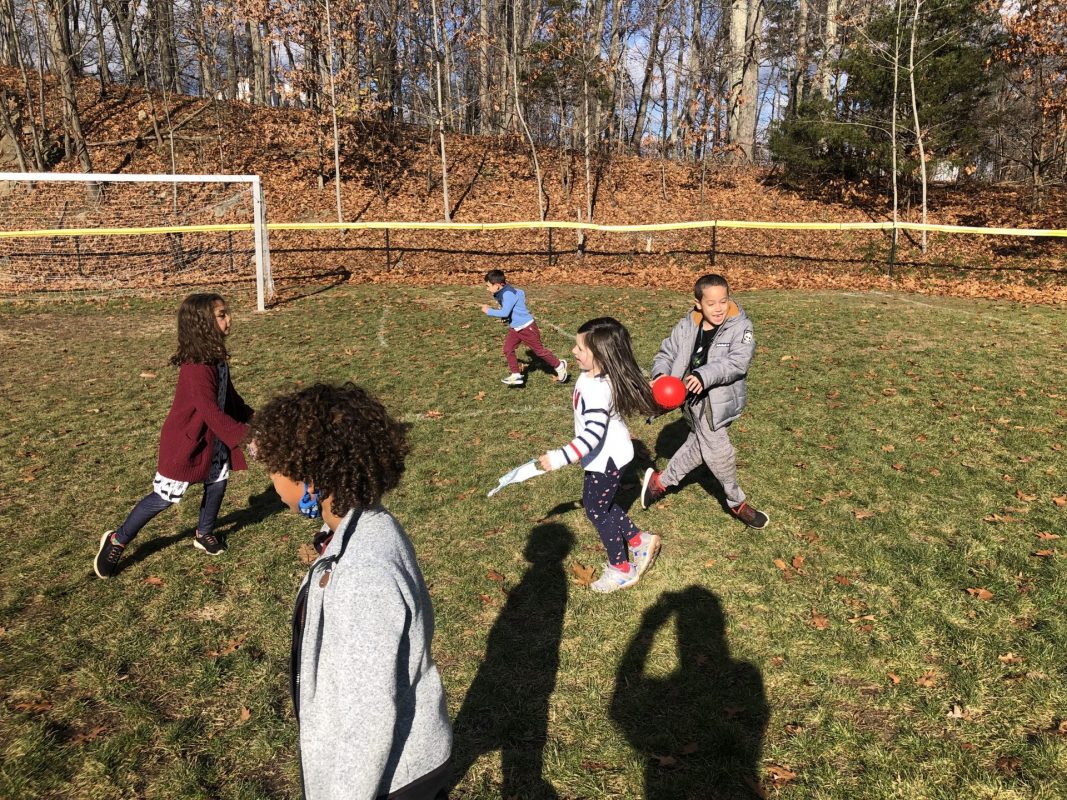
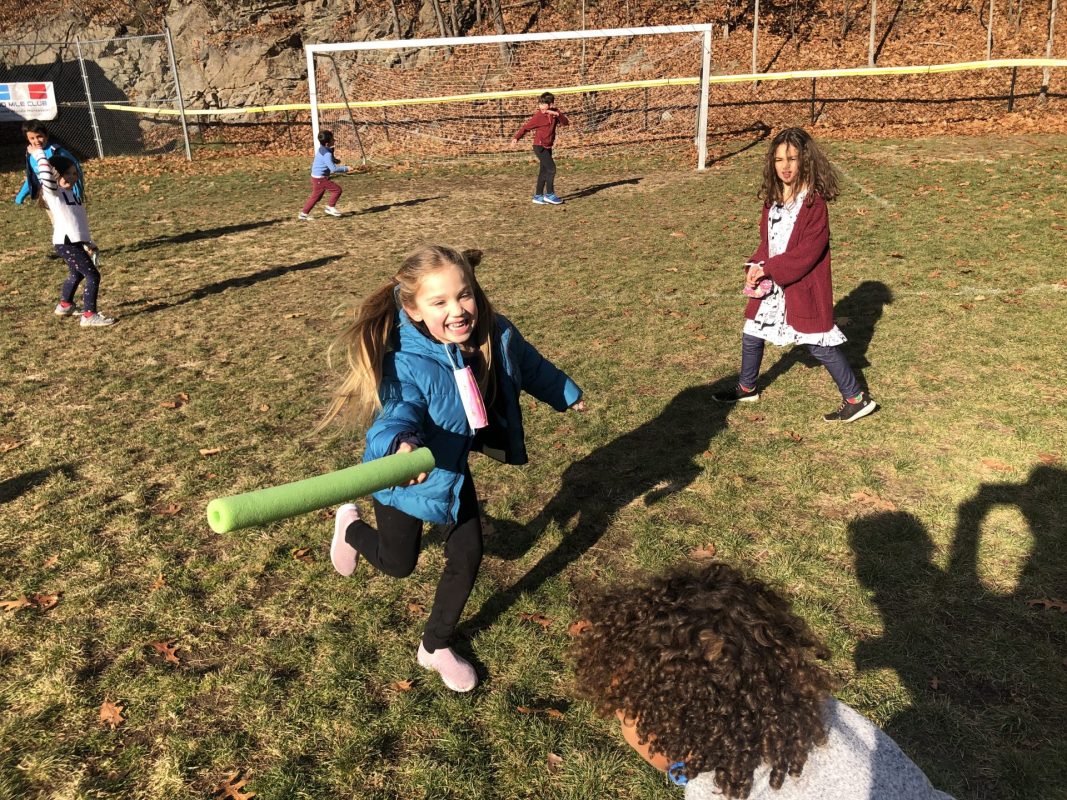
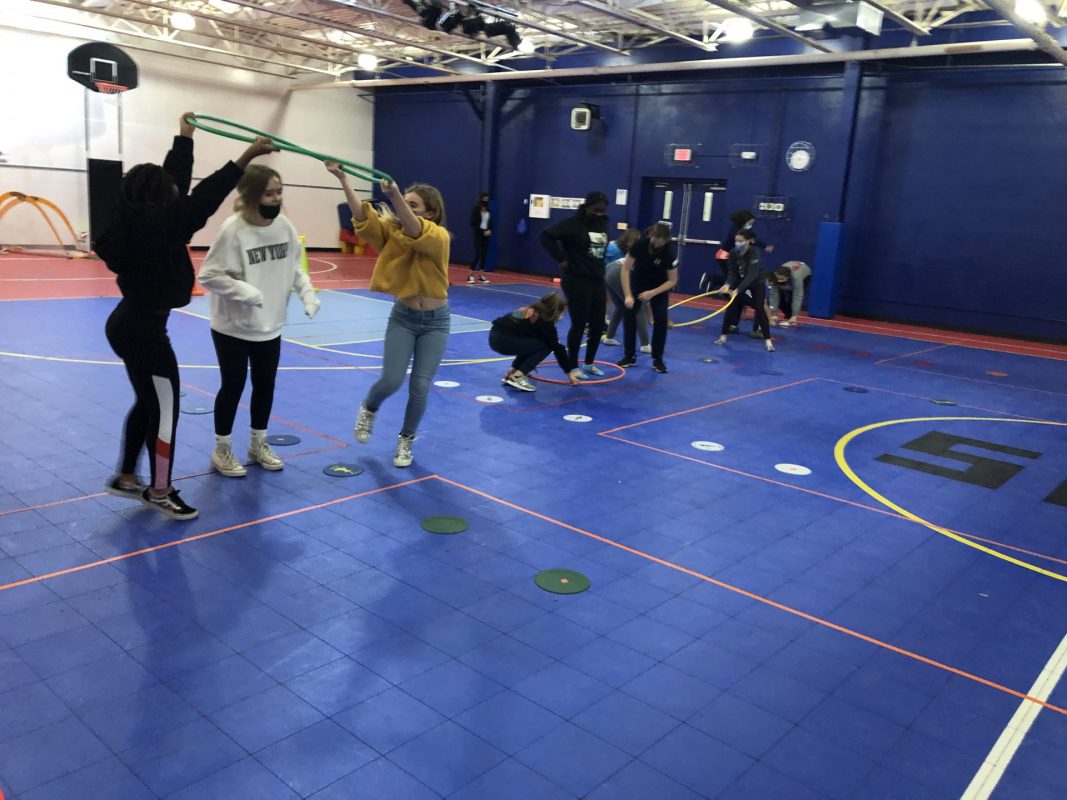
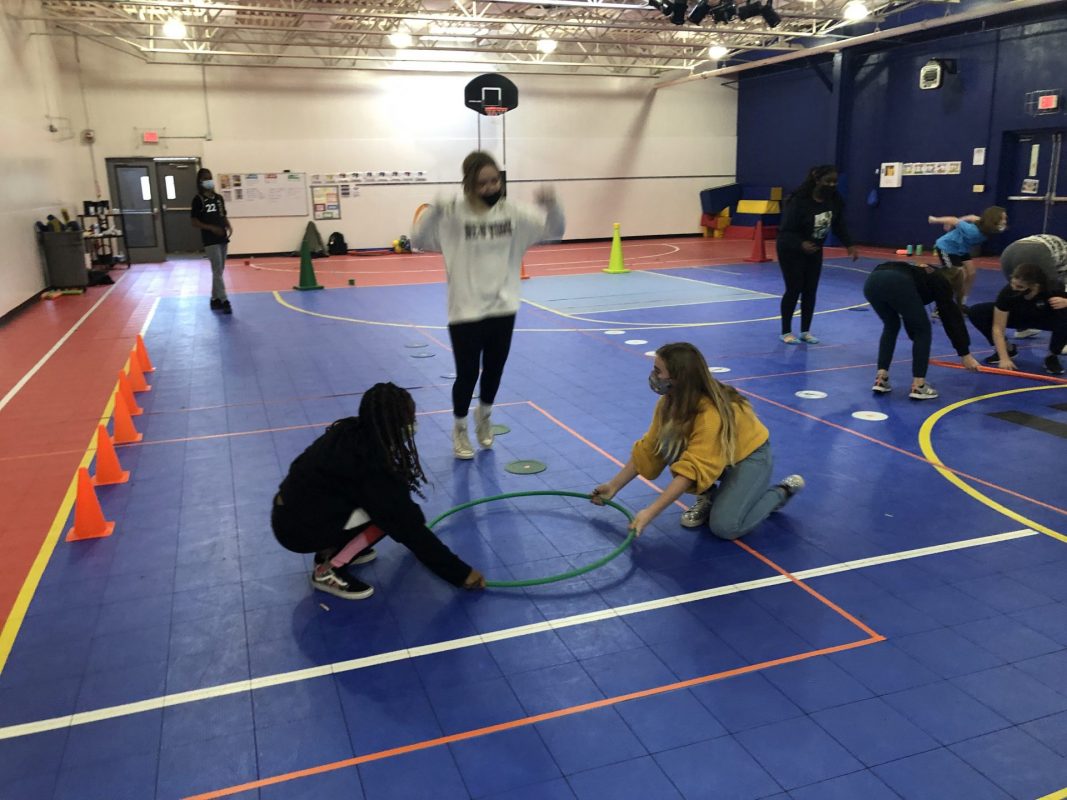
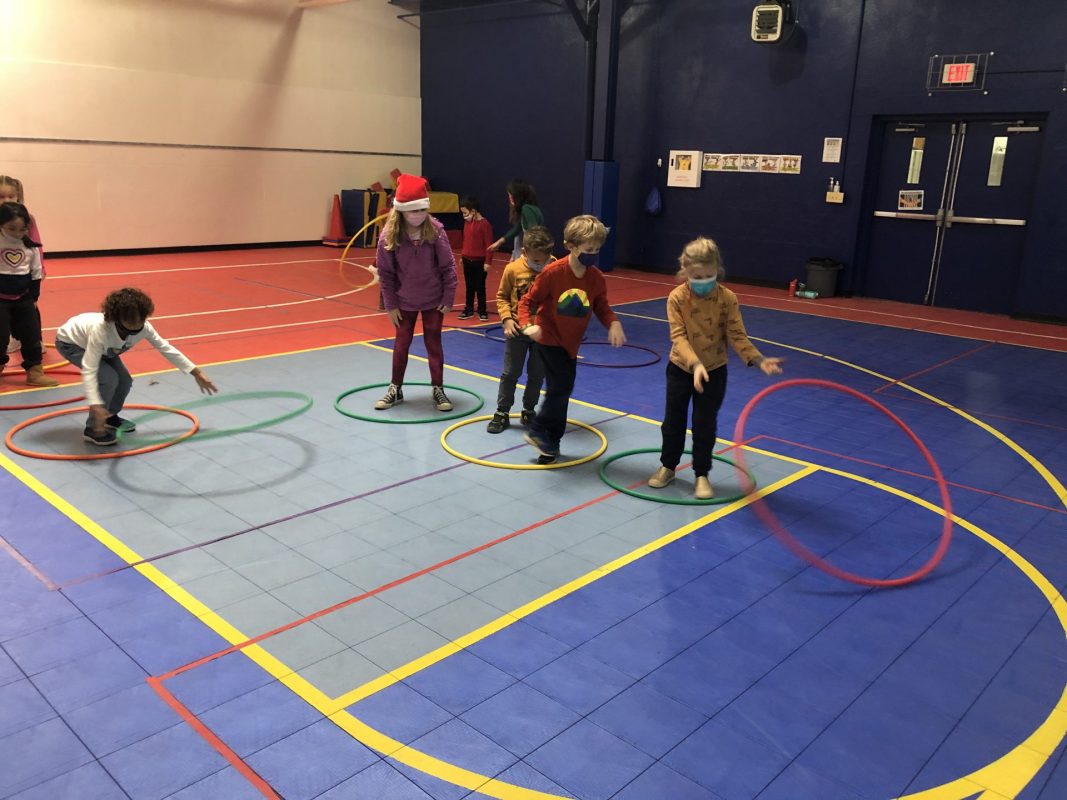
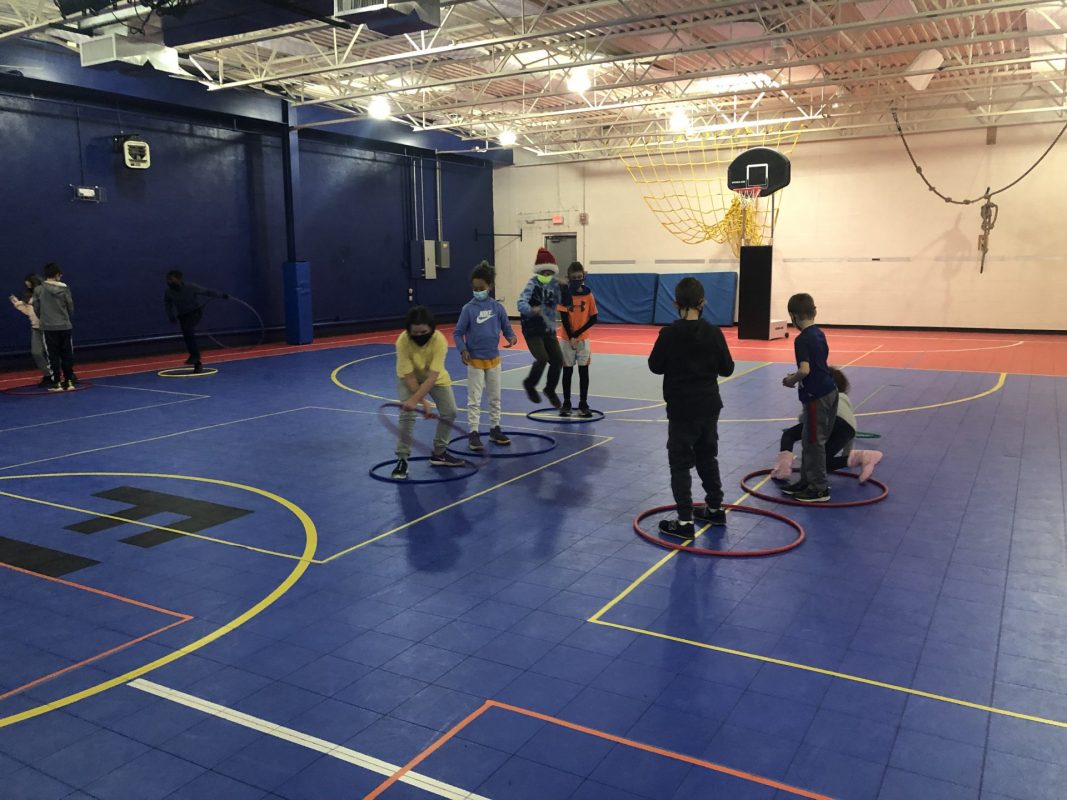
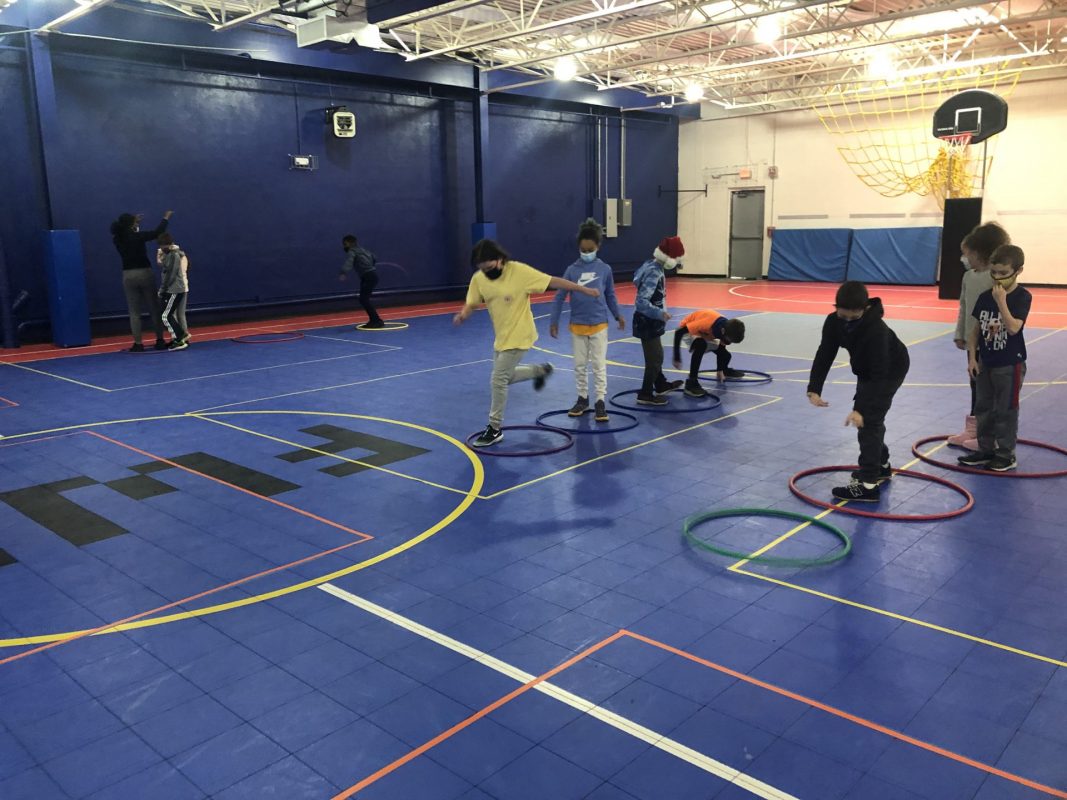
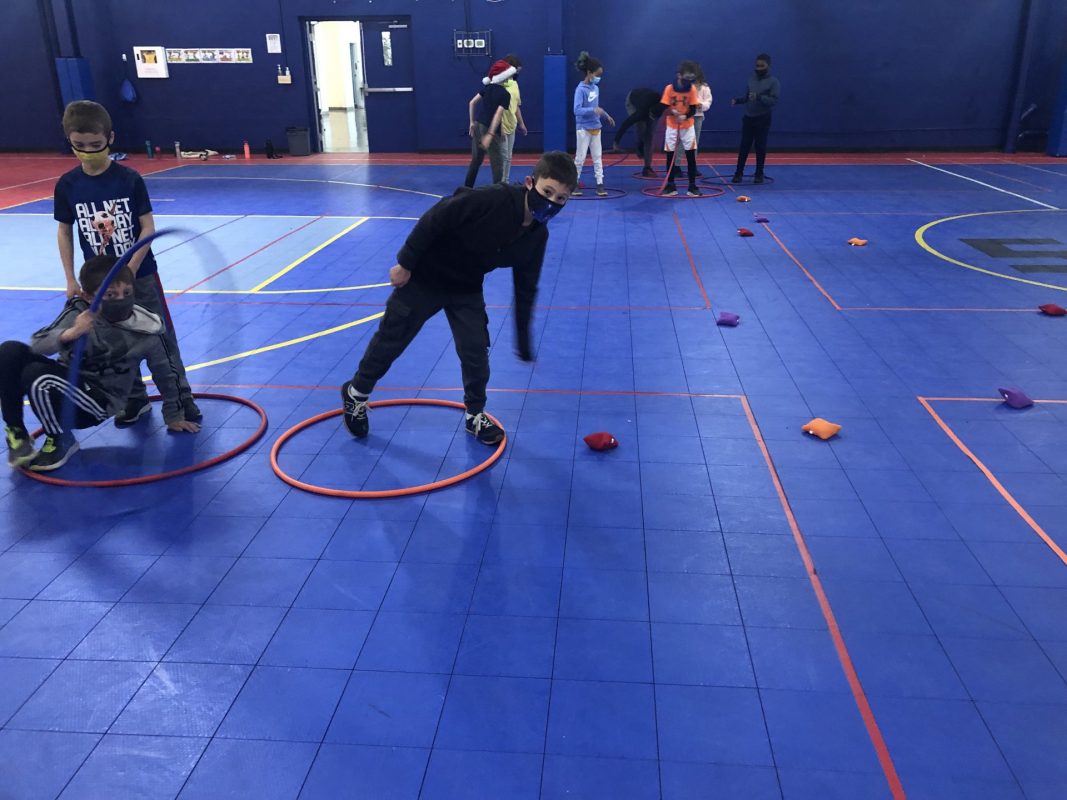

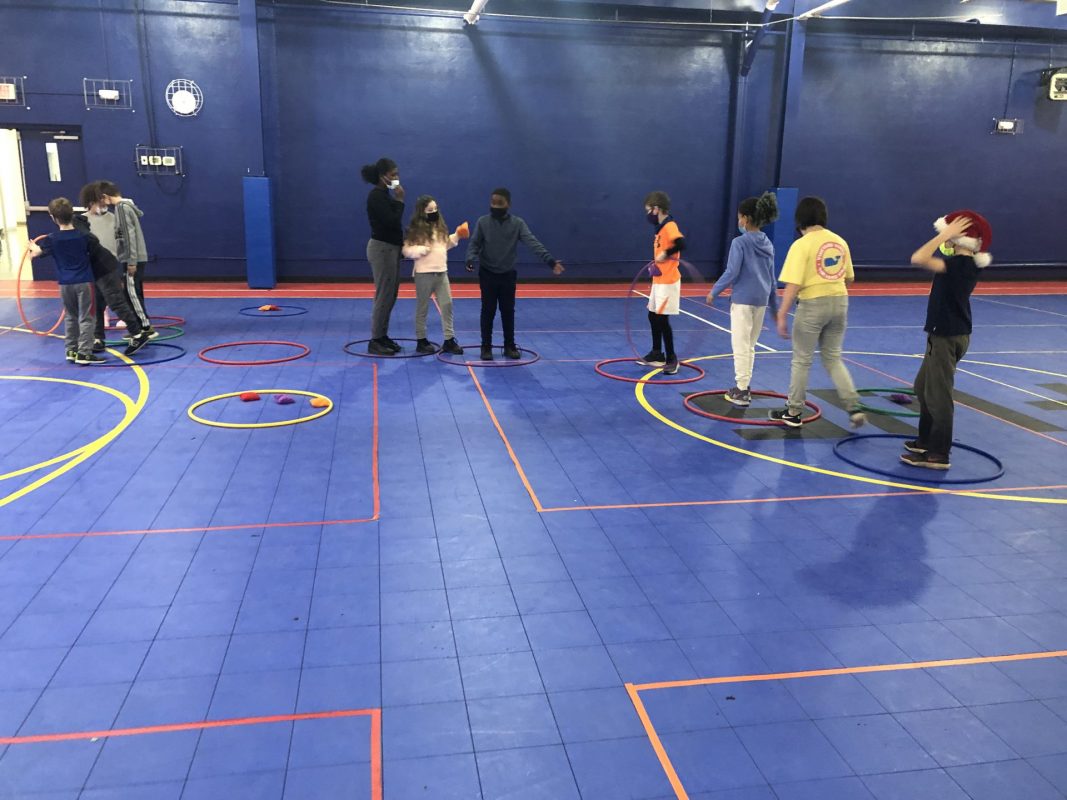
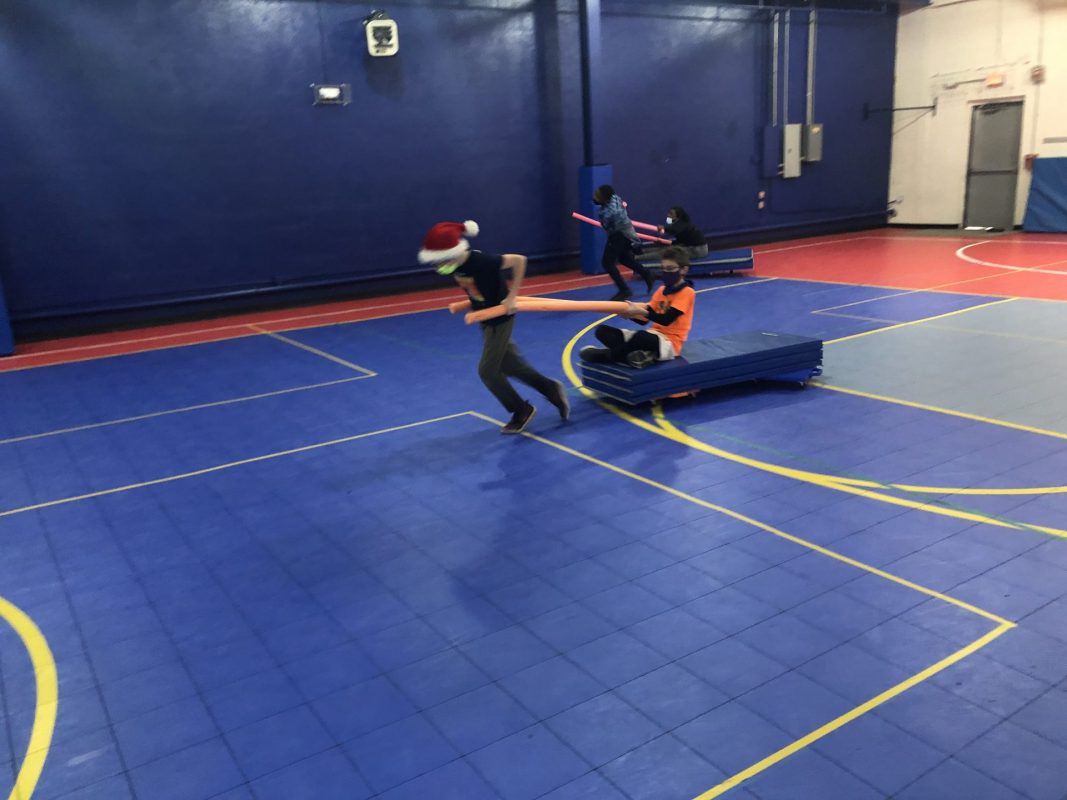
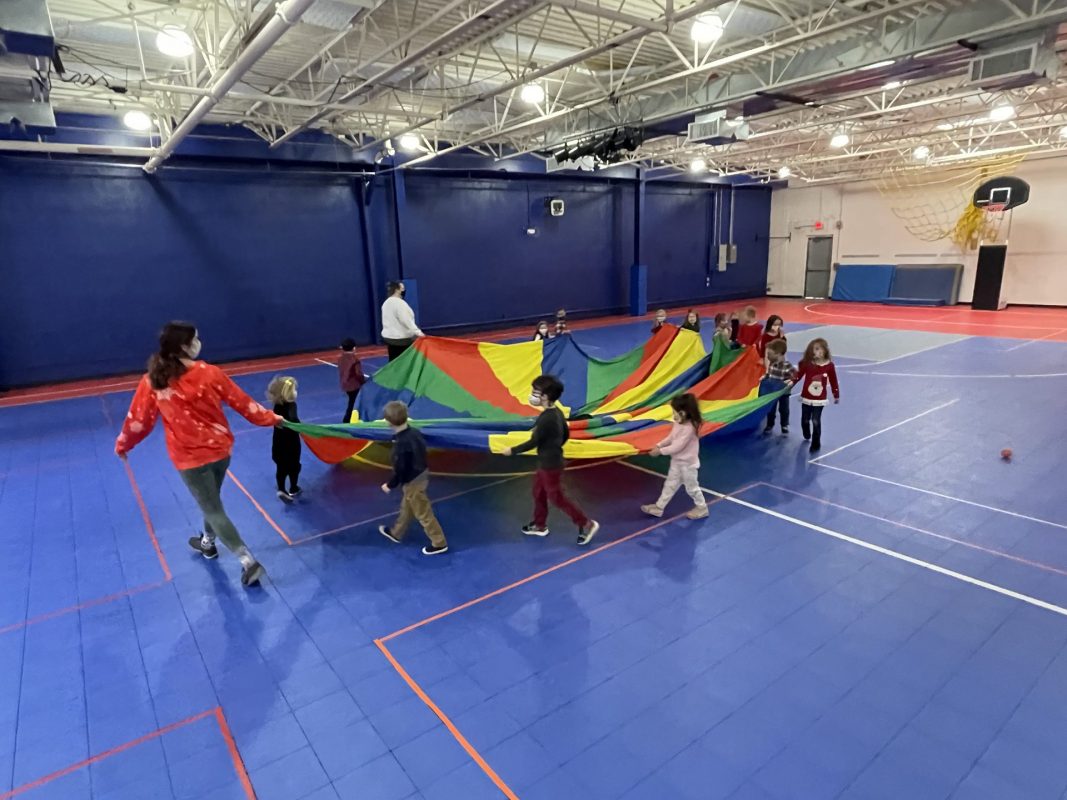
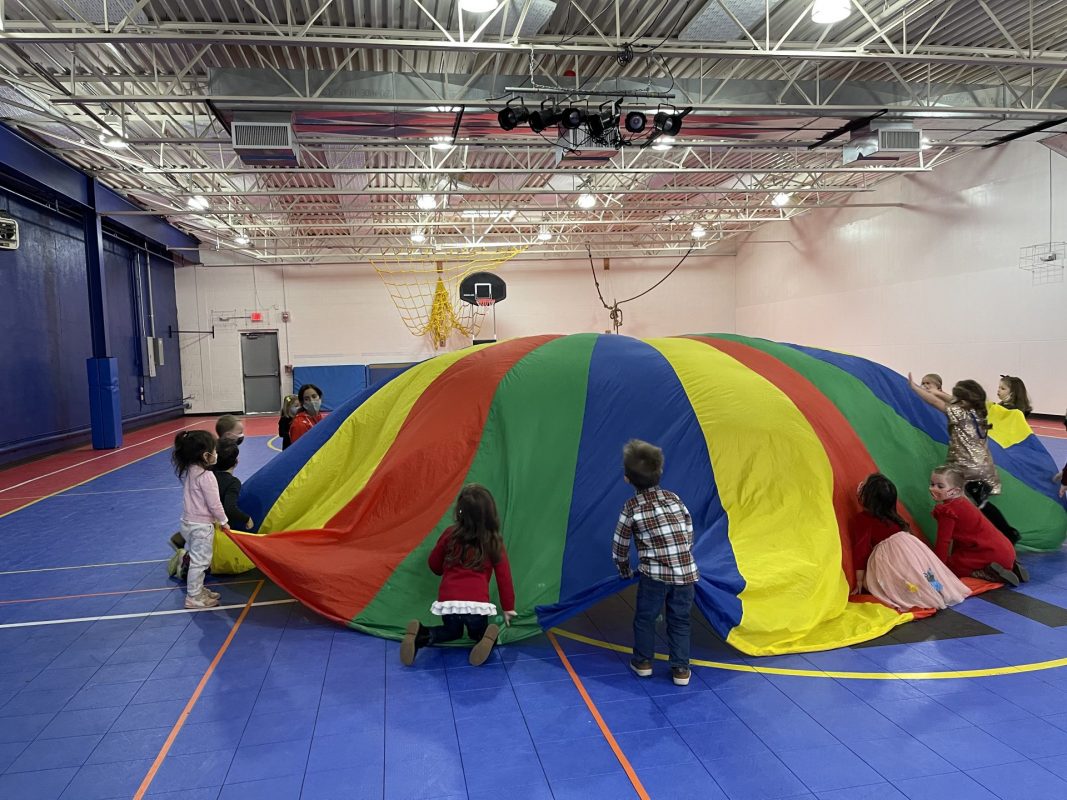
In Physical Education Class, students participated in a Cooperative Games unit. Cooperative games help develop problem solving skills. During cooperative games, students work together to find solutions to group and individual challenges. Cooperative games put an emphasis on team building, communication and trust. The goal is to enhance students’ social skills and self esteem in an active environment.
Holiday Food Art!
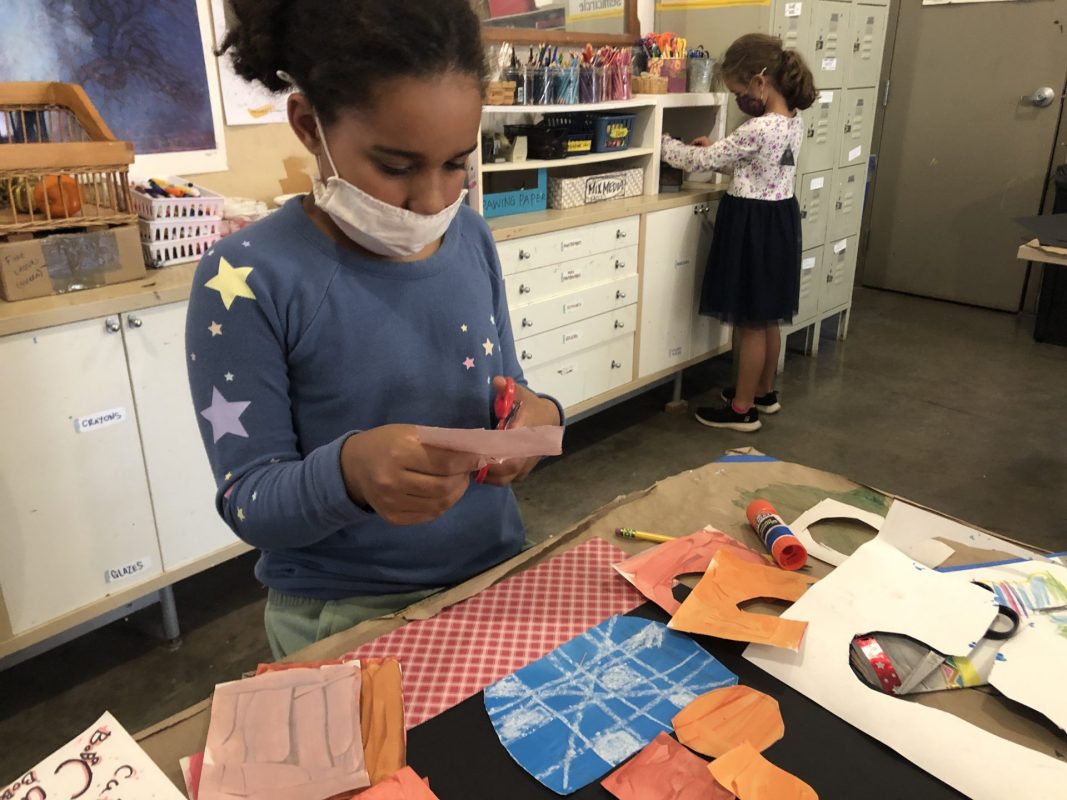
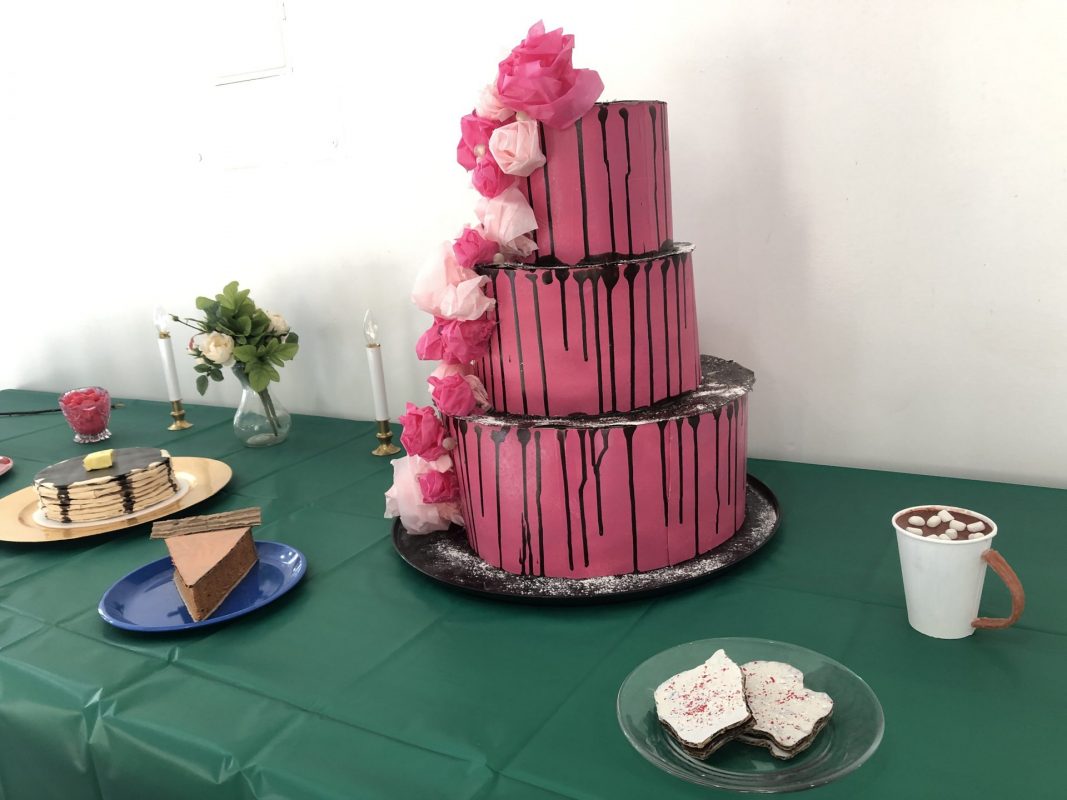
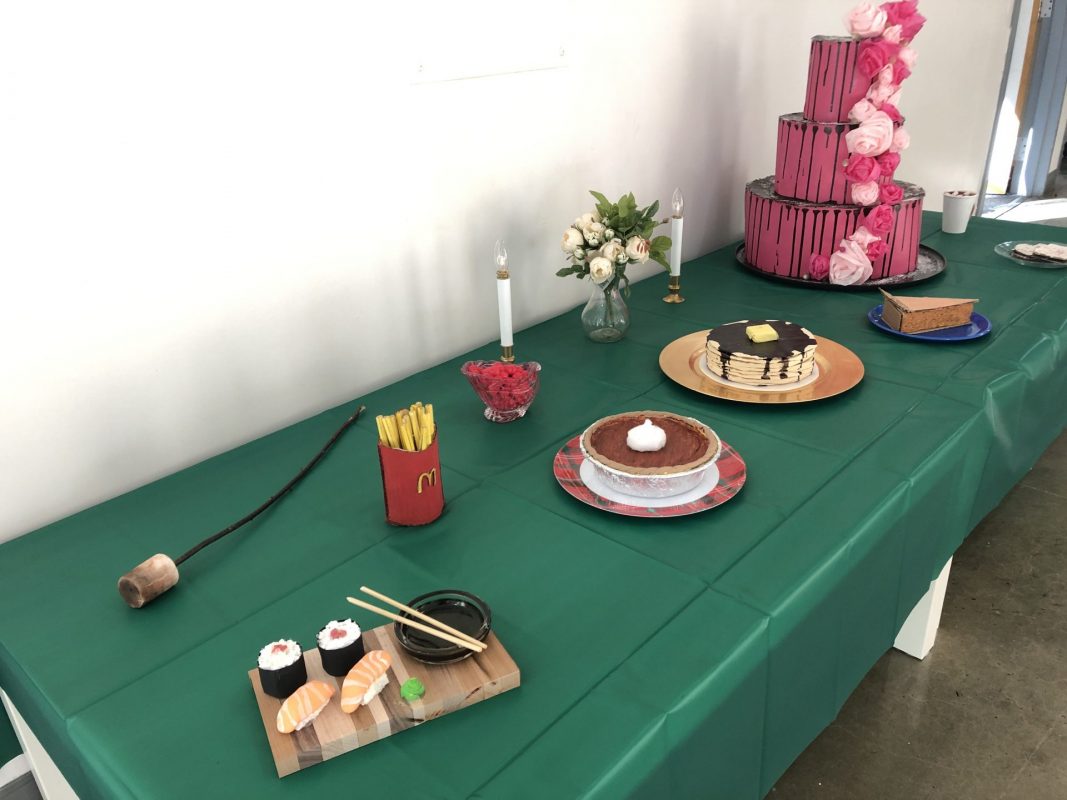
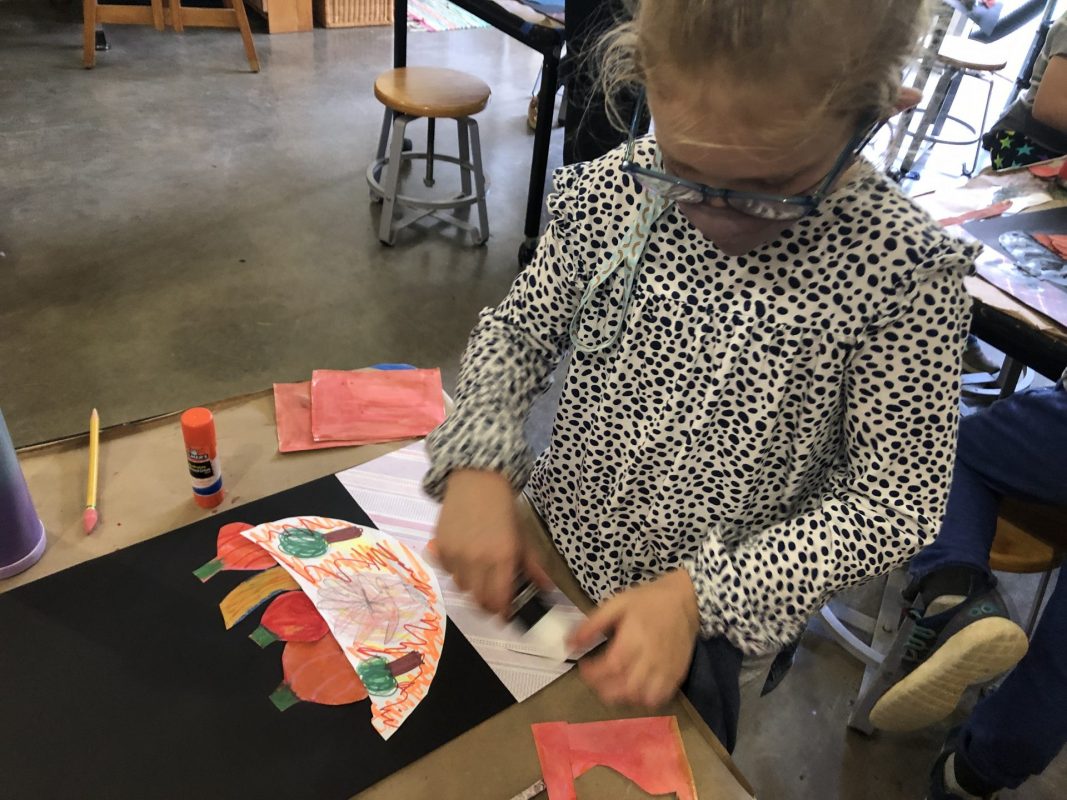
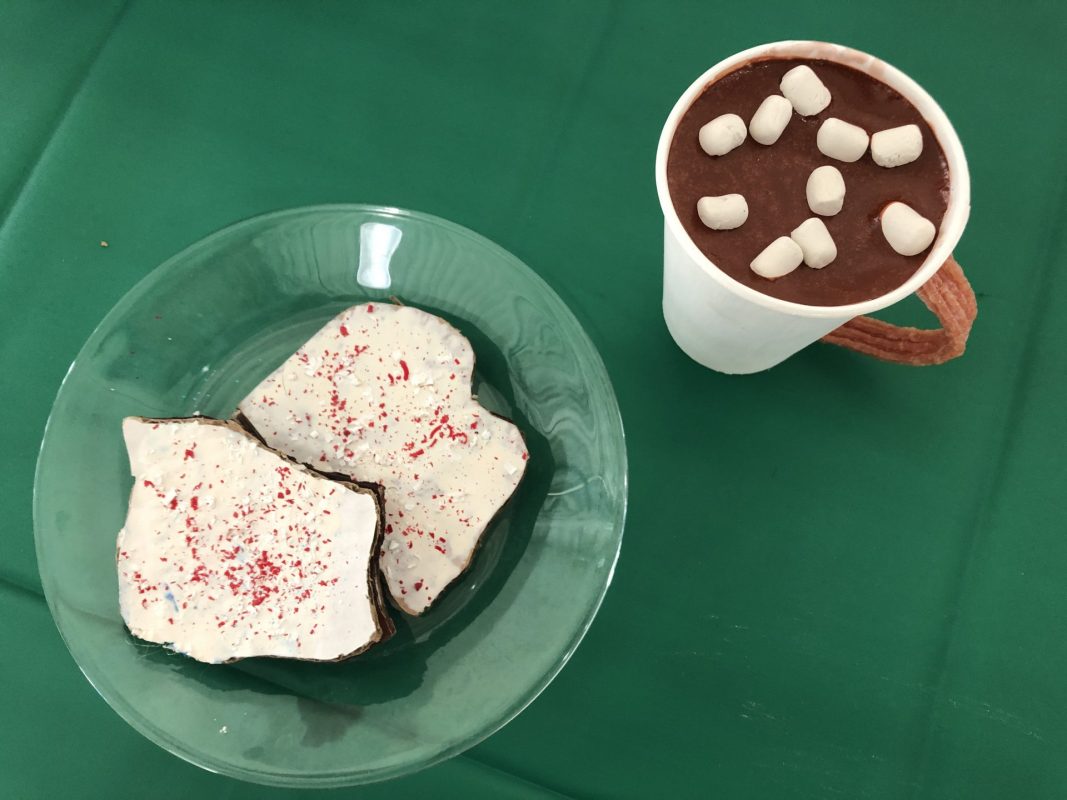
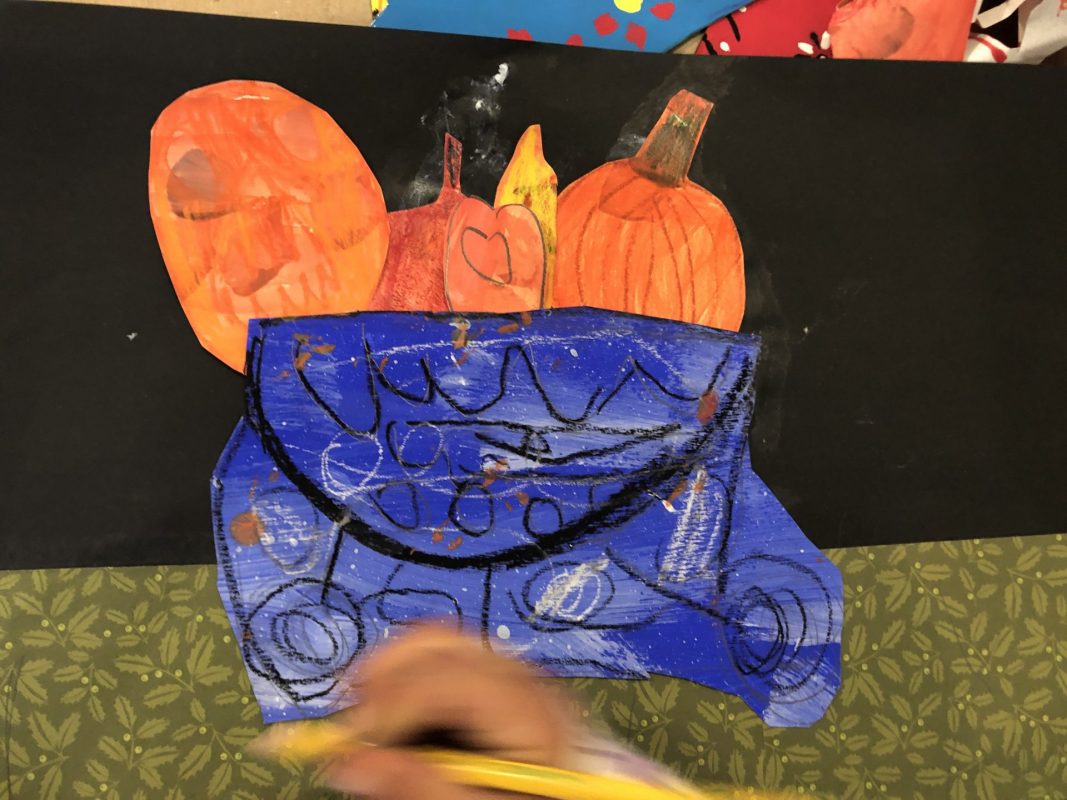
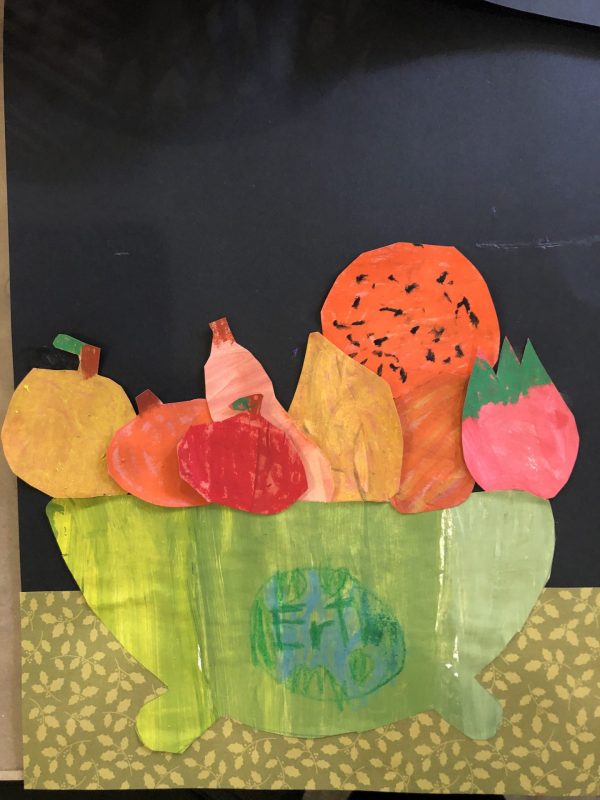
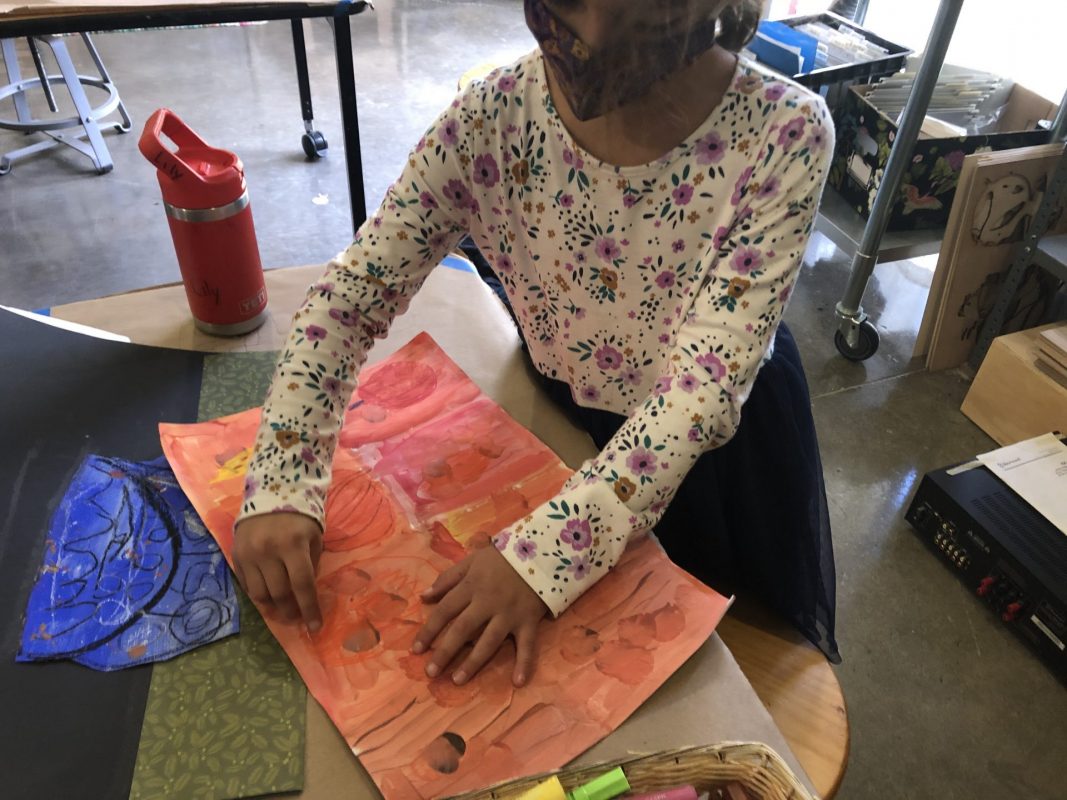
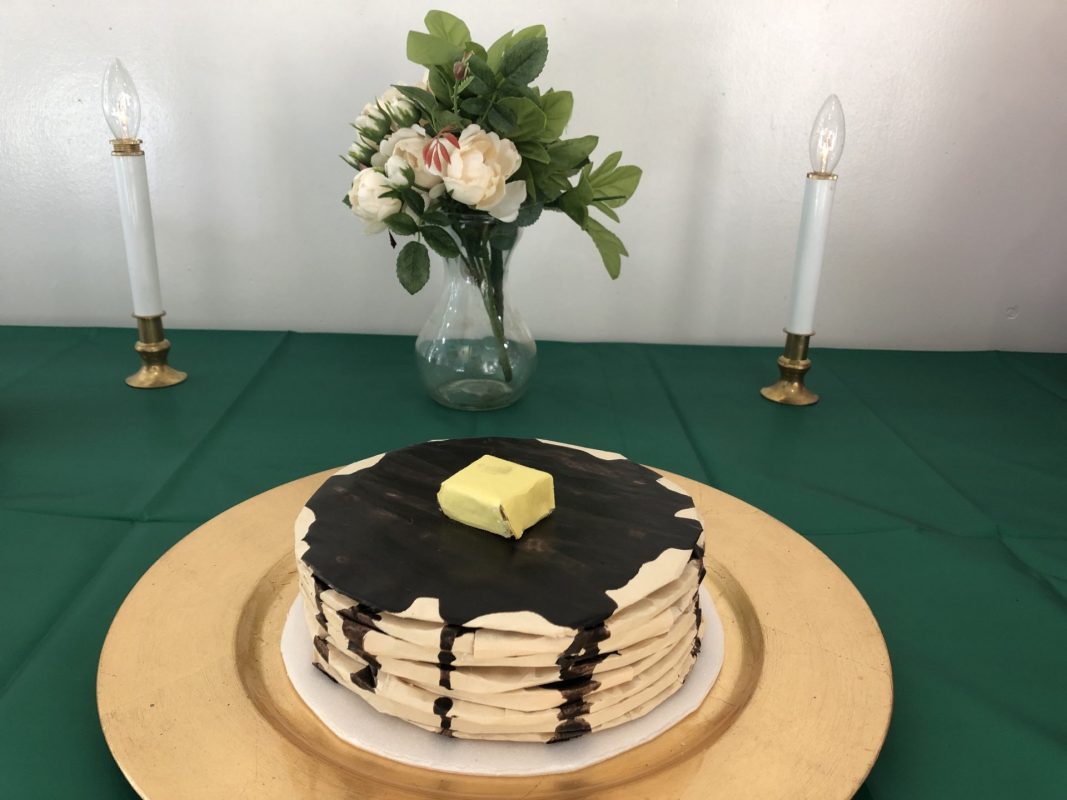
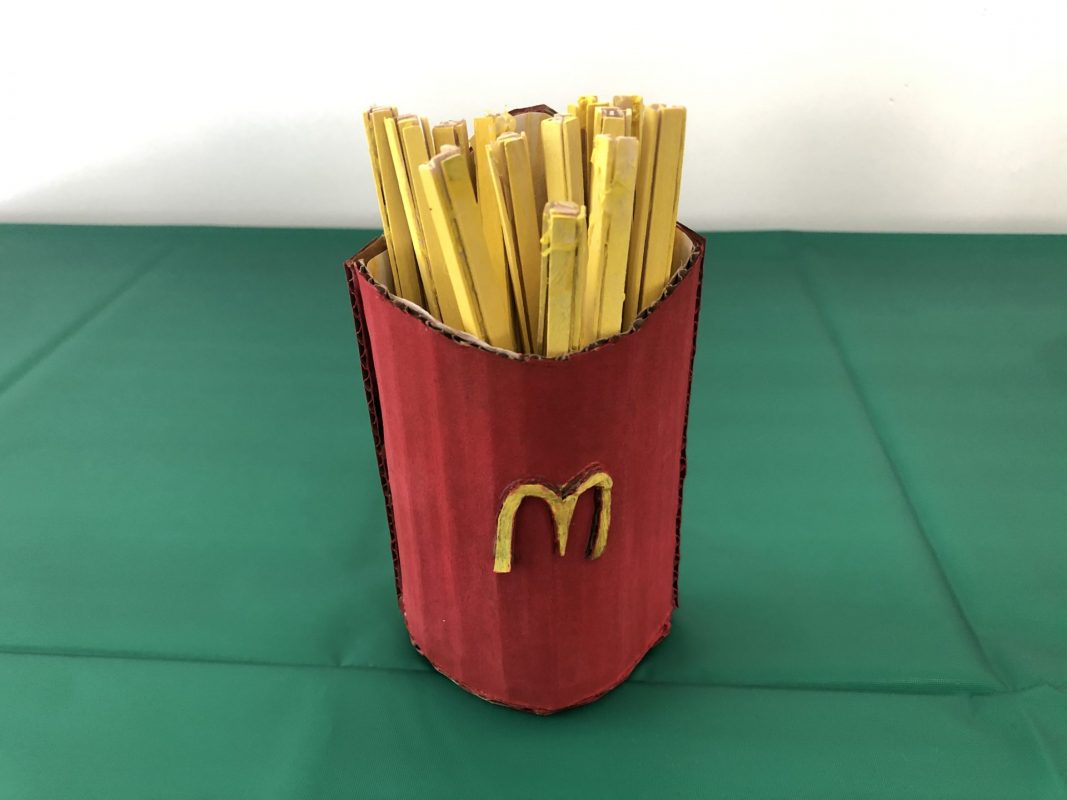
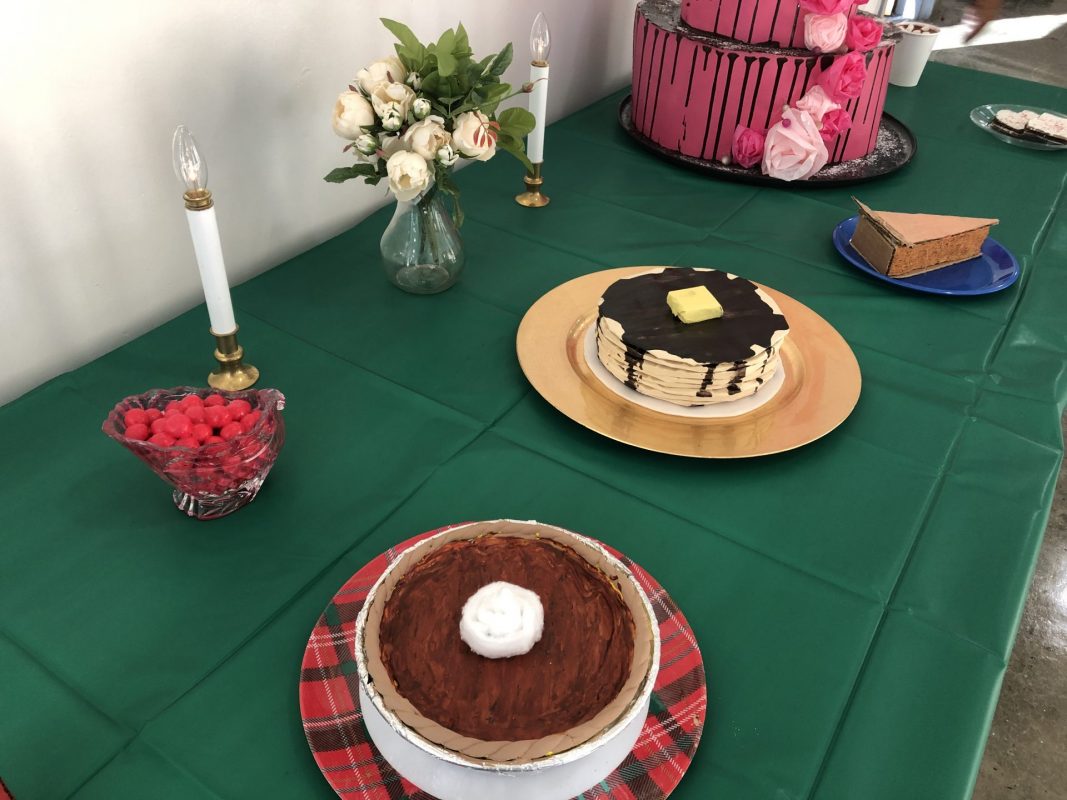
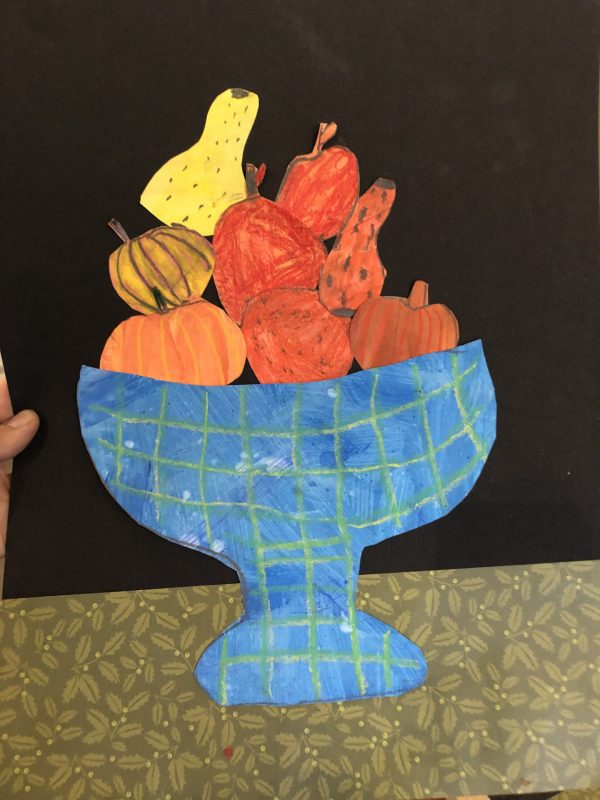
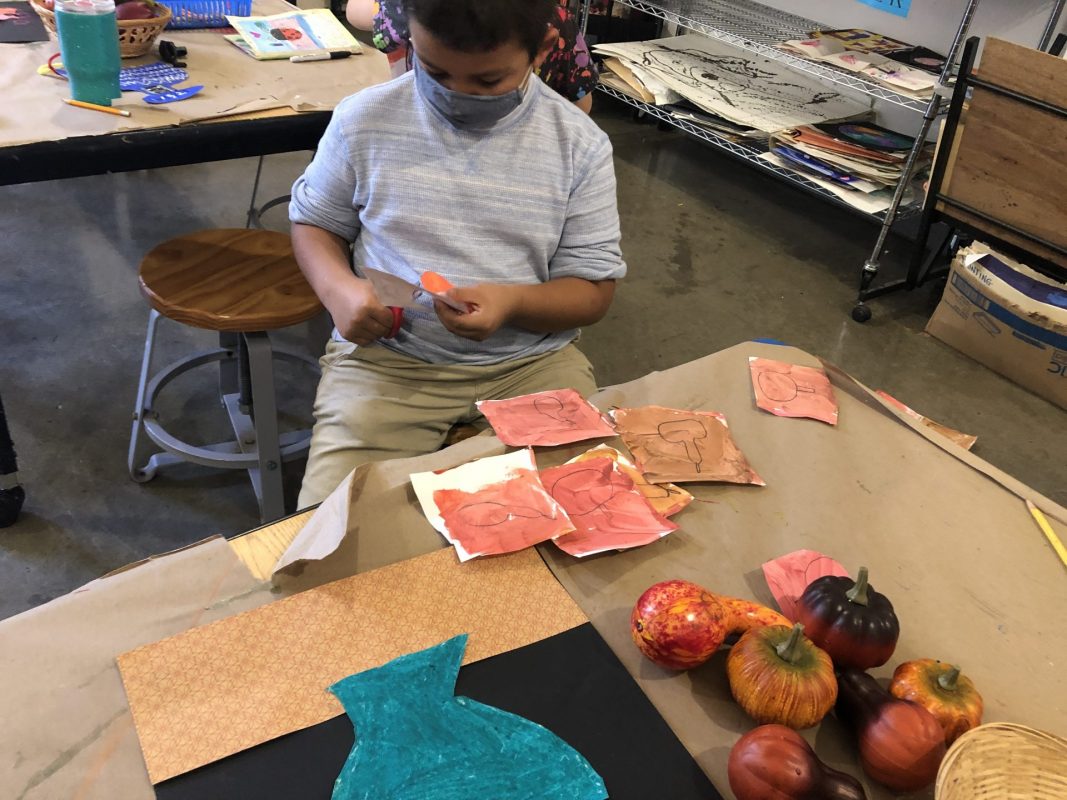
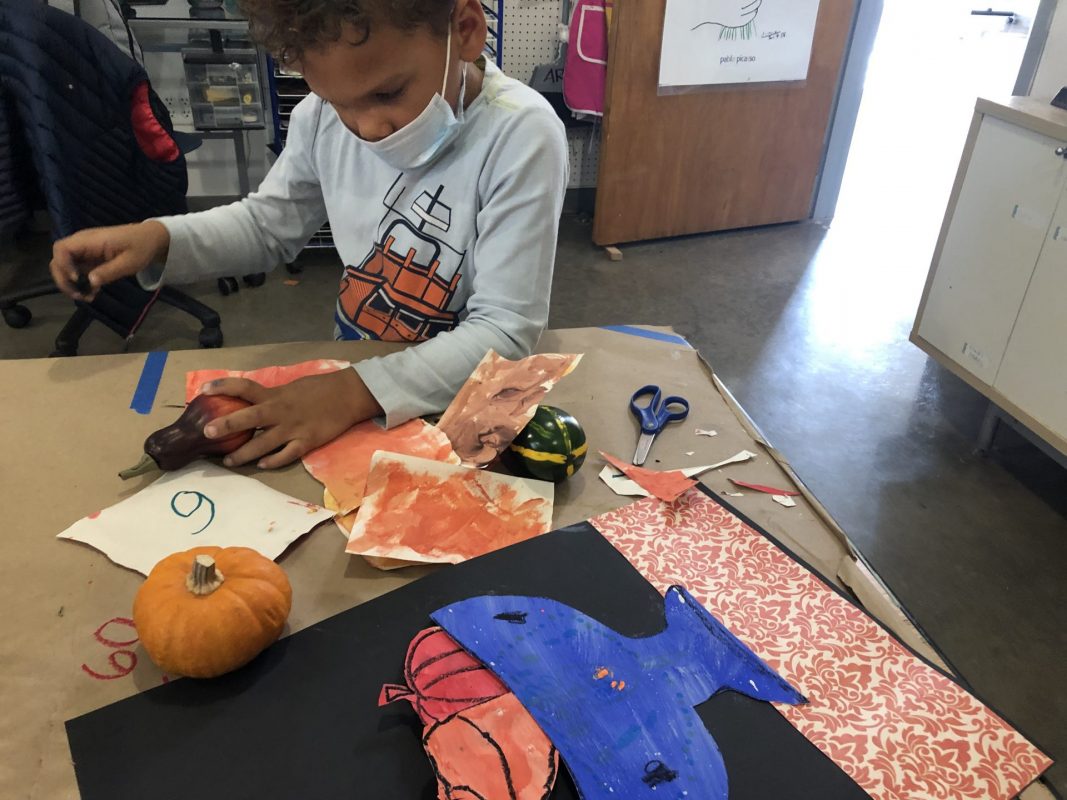
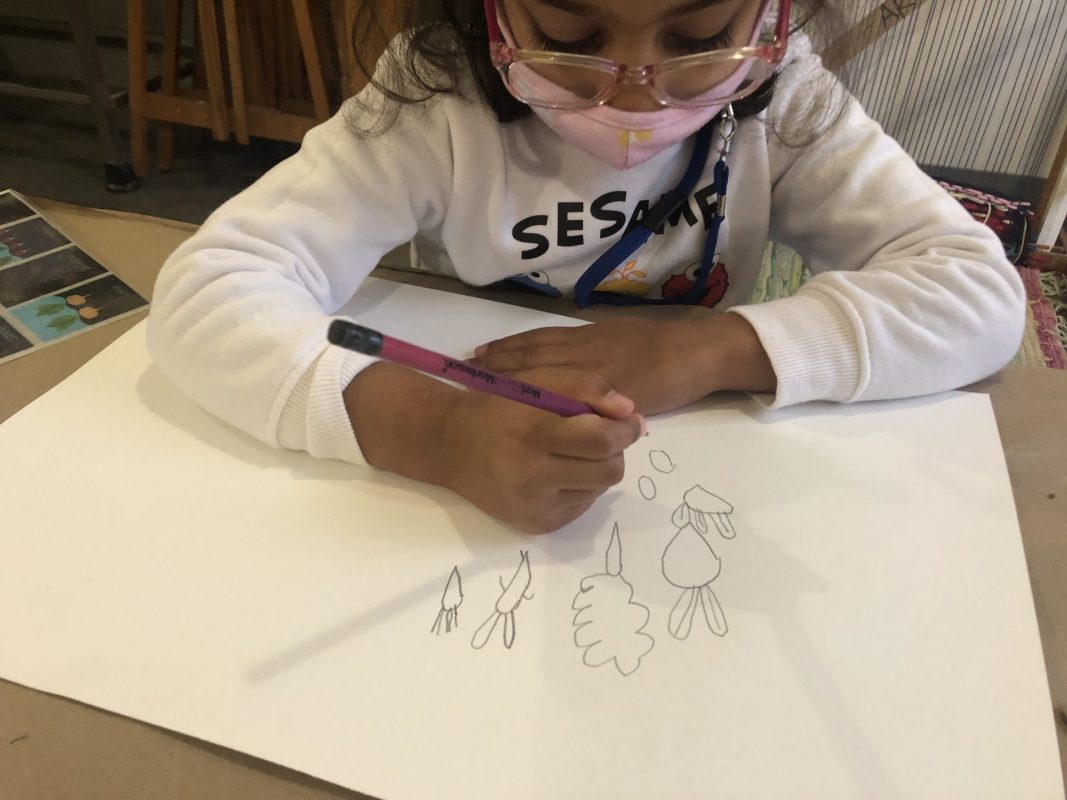
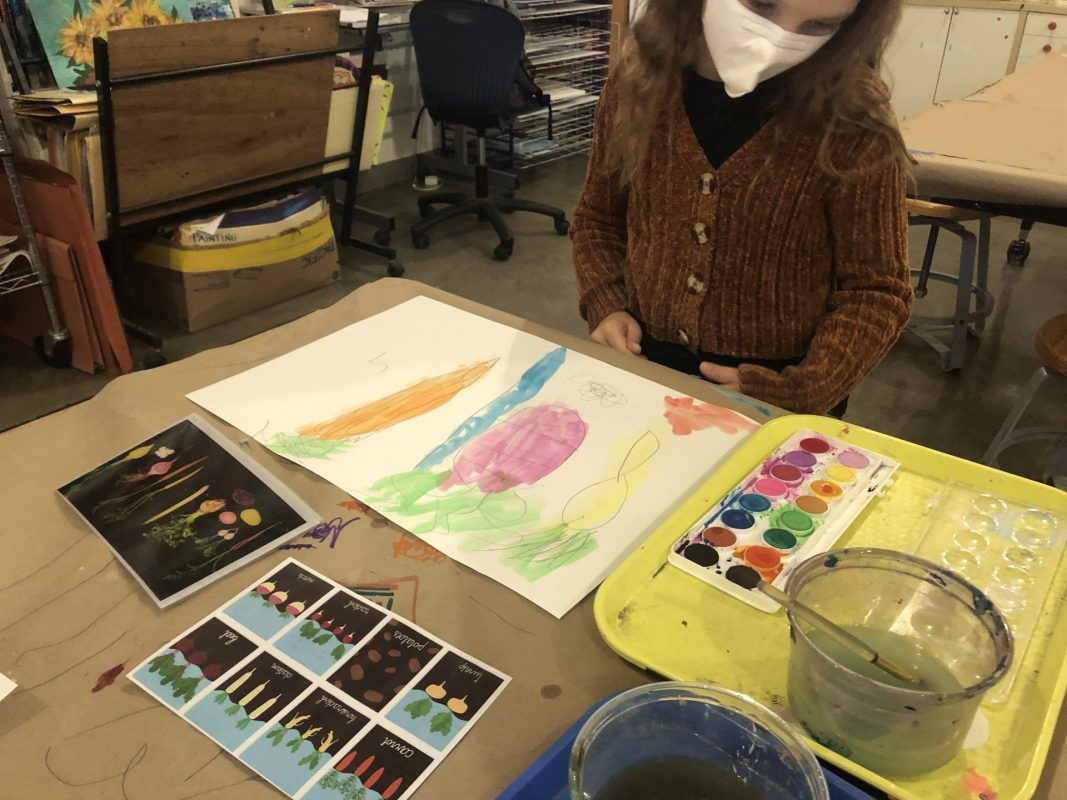
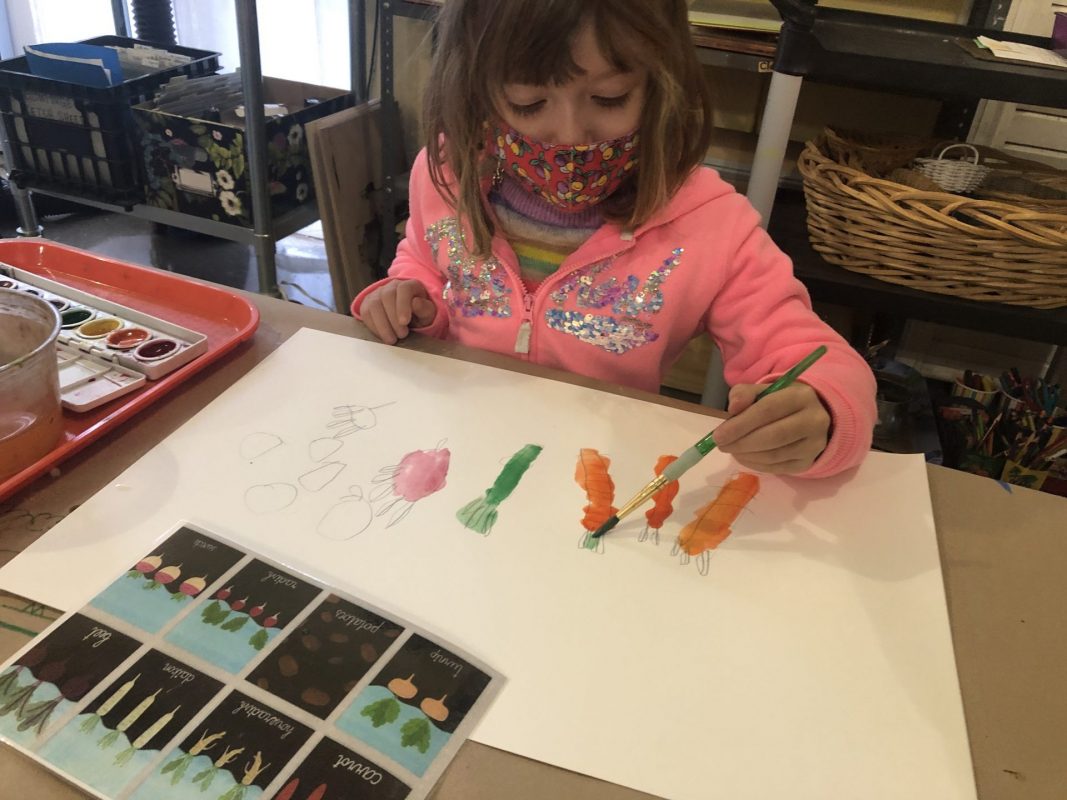
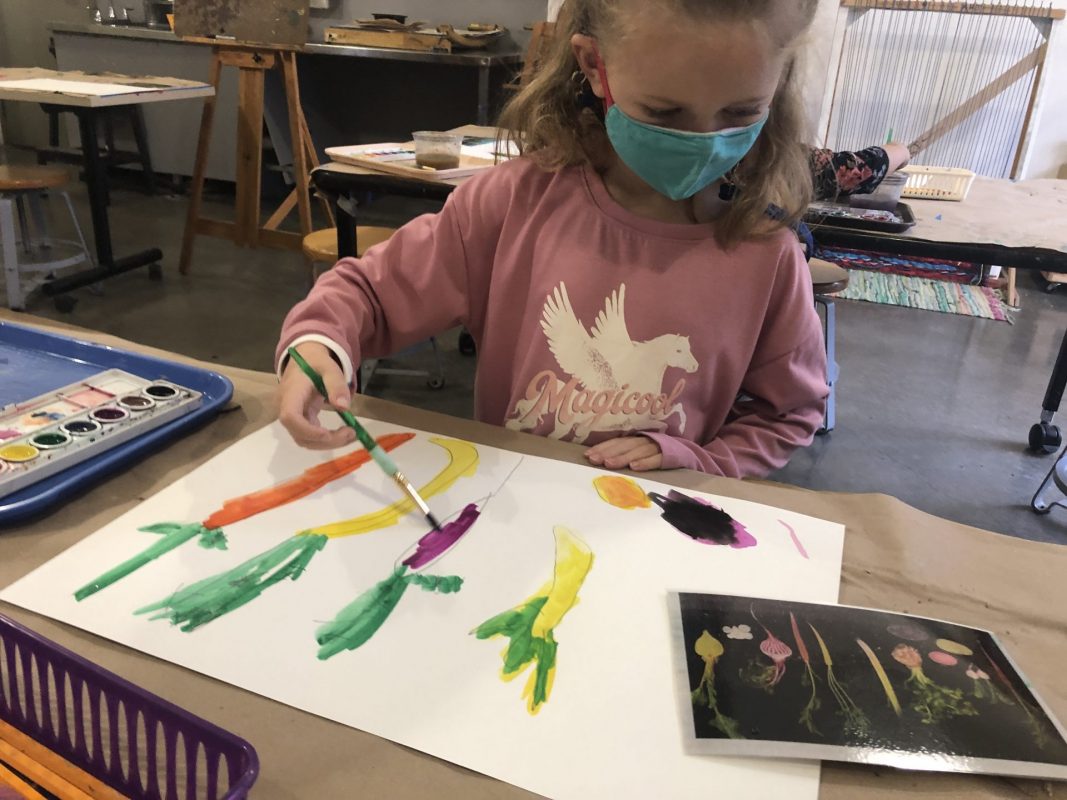
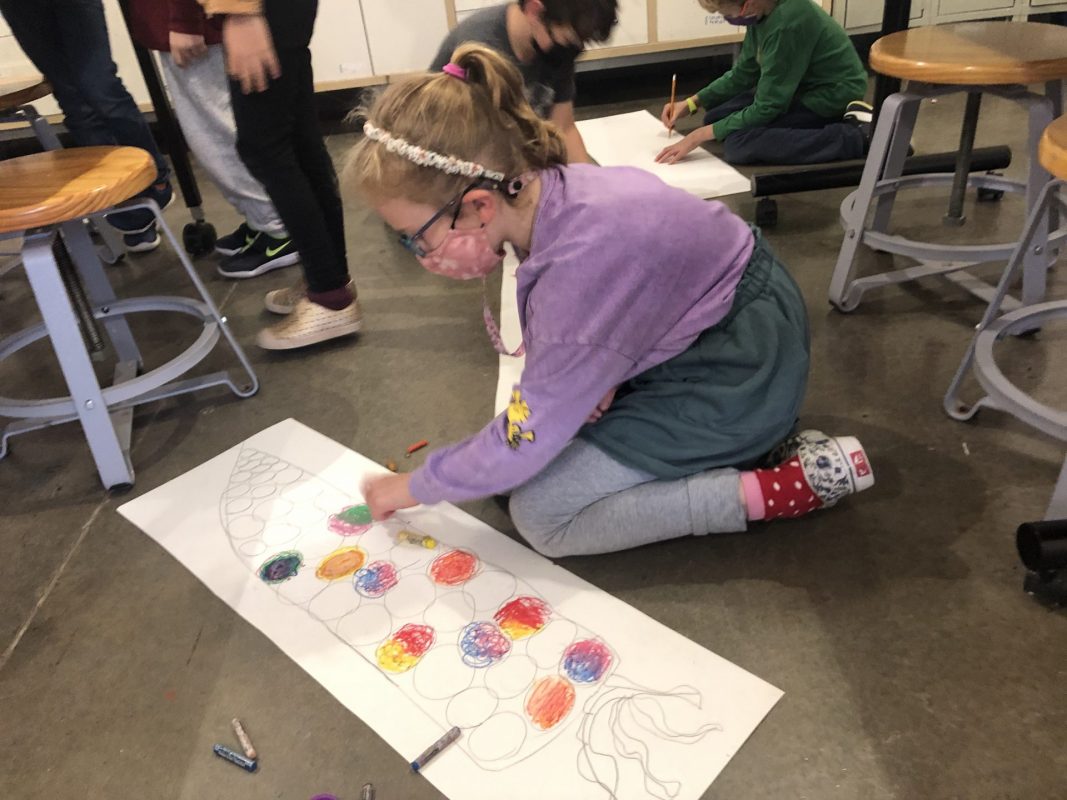
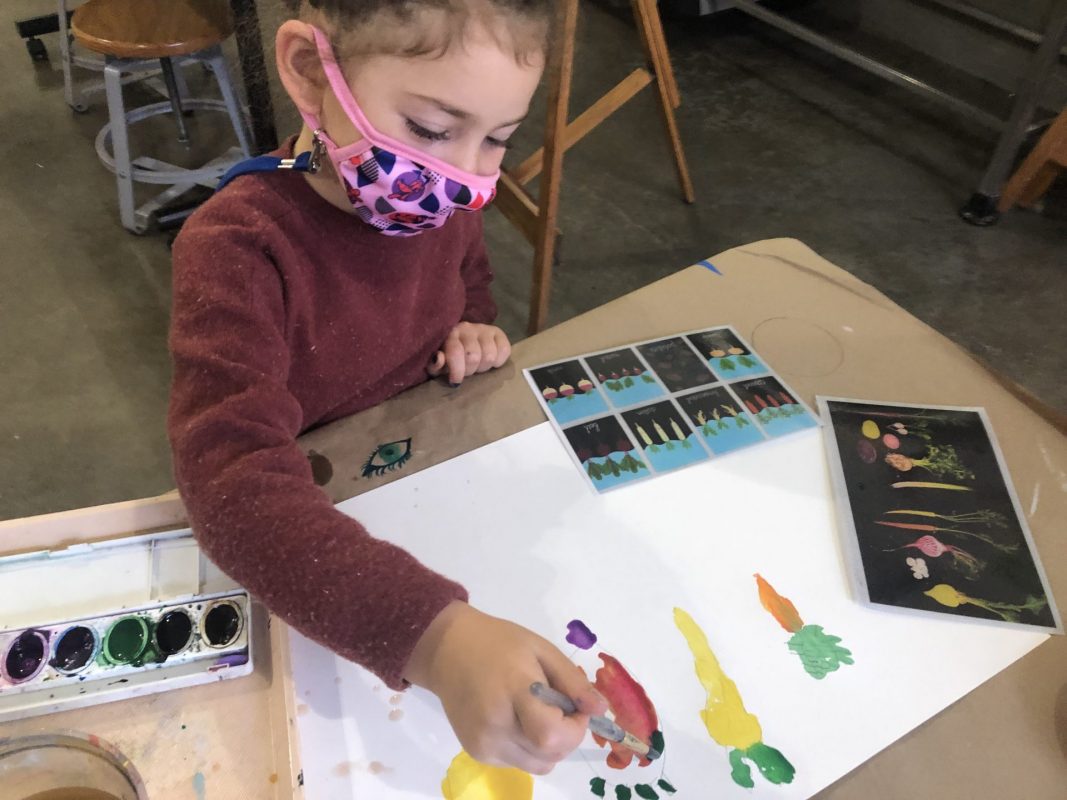
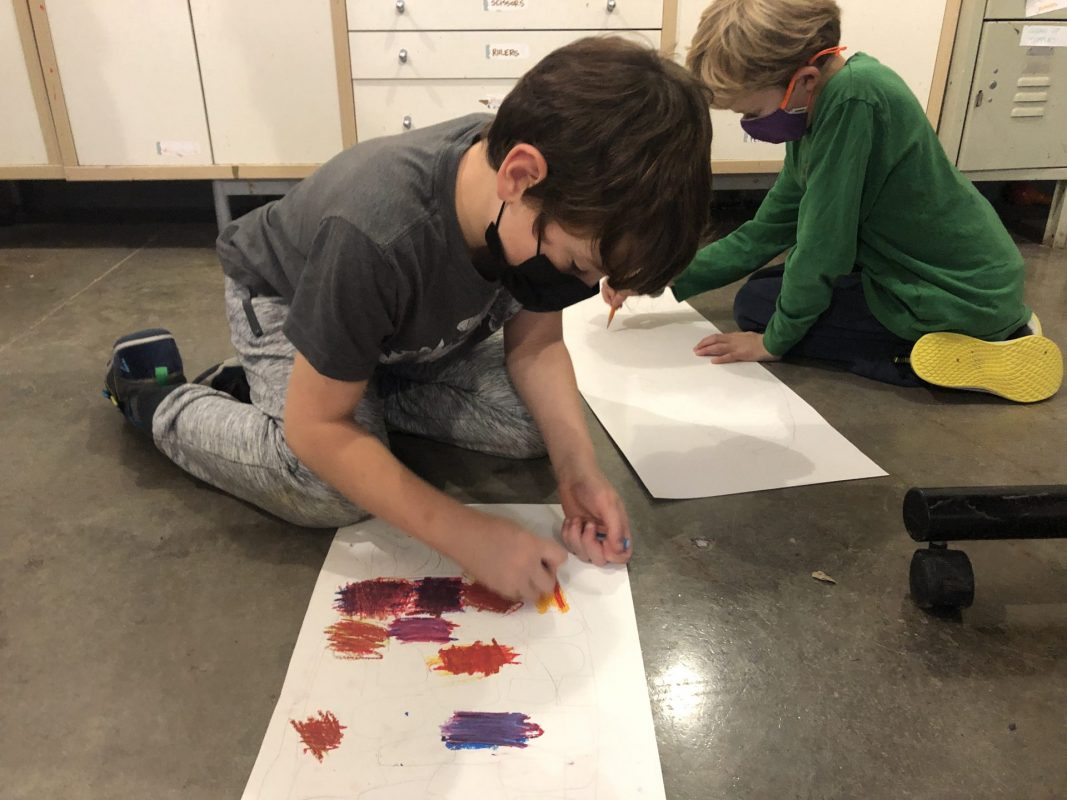
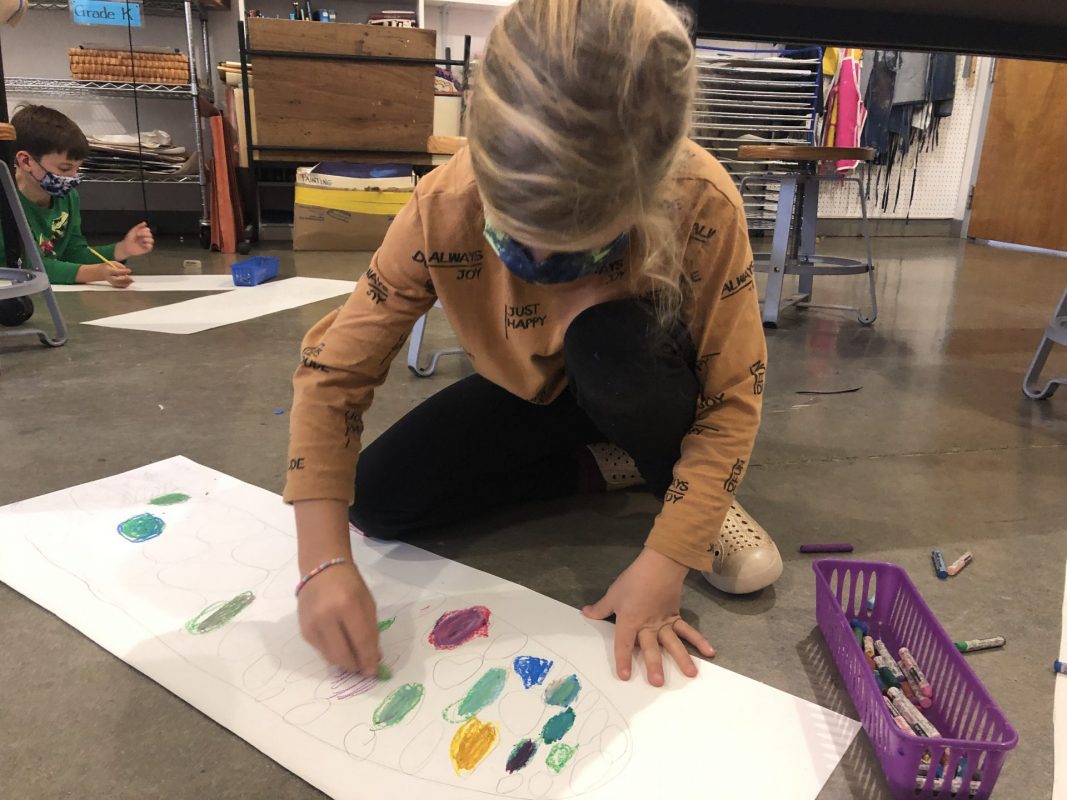
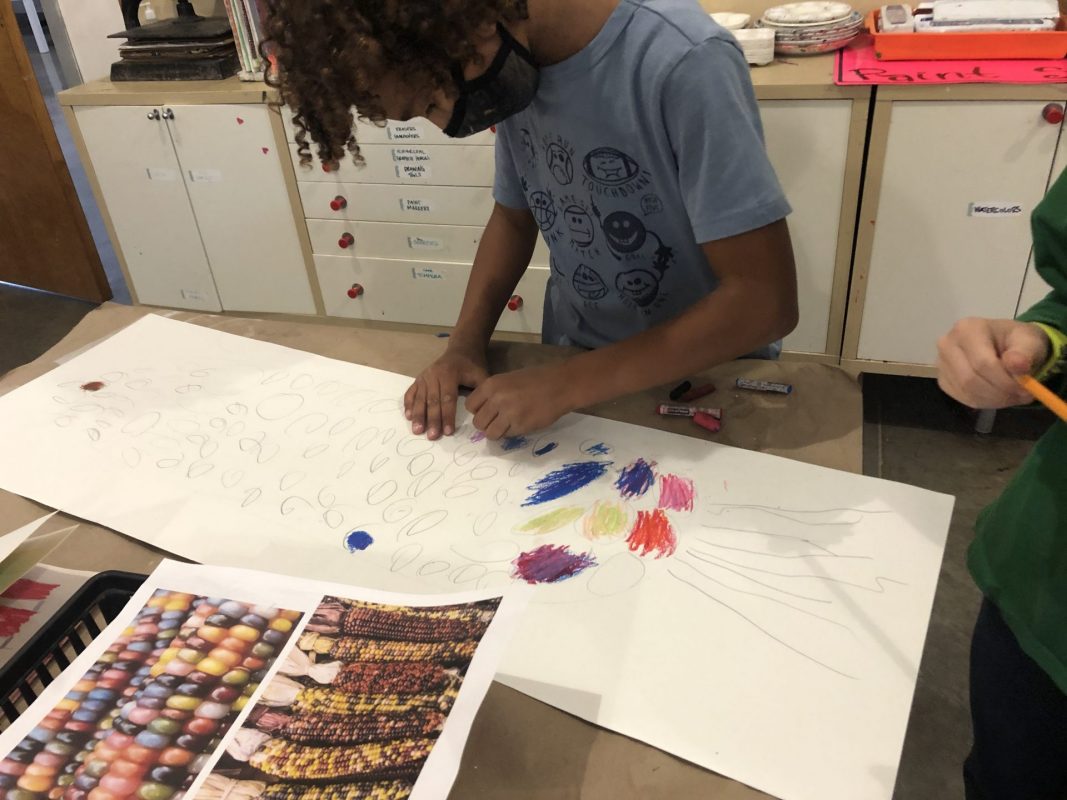
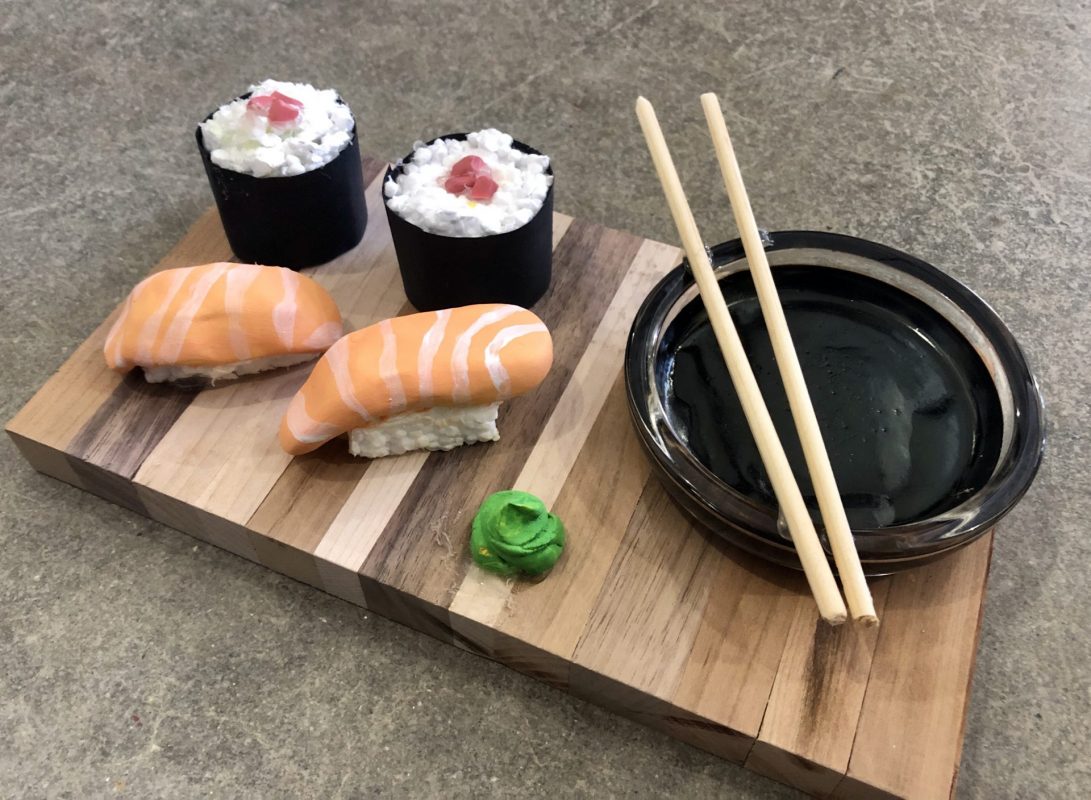
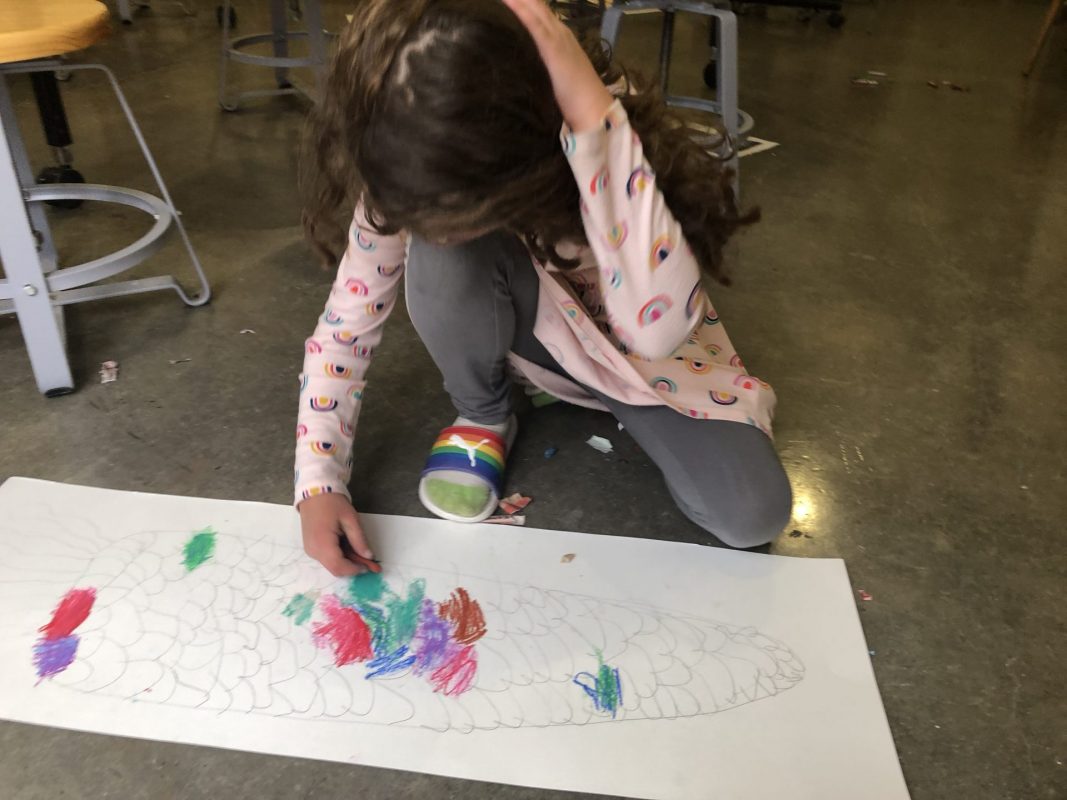
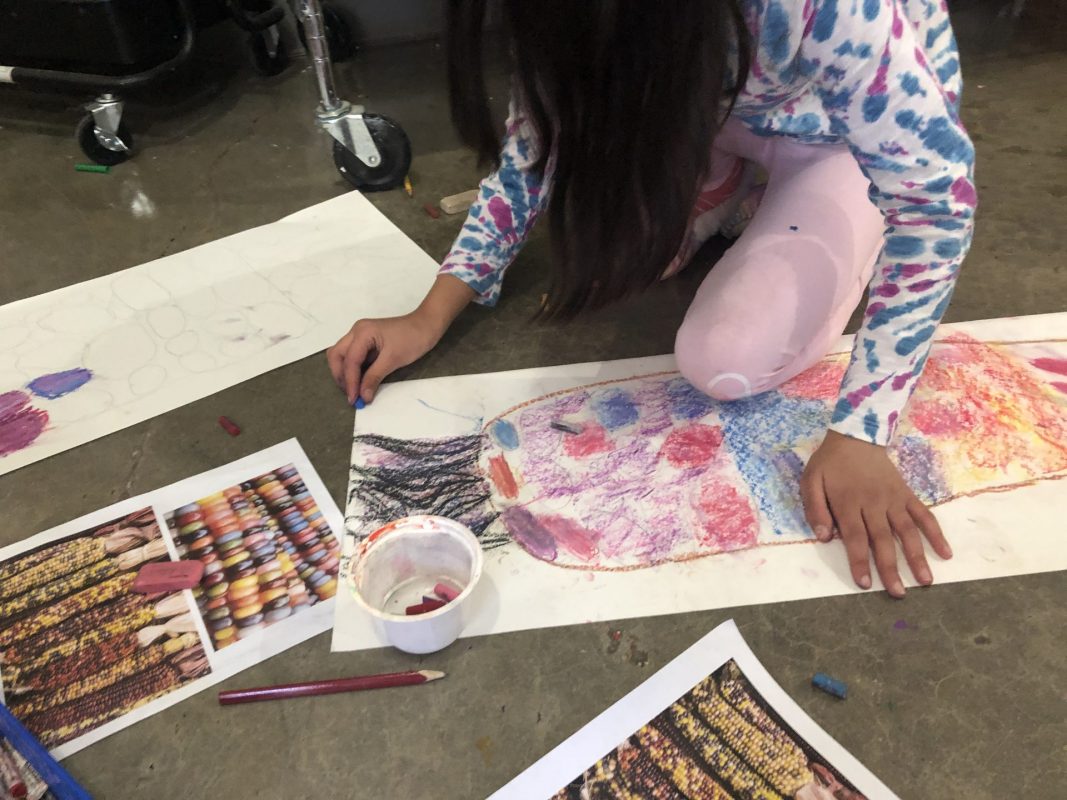
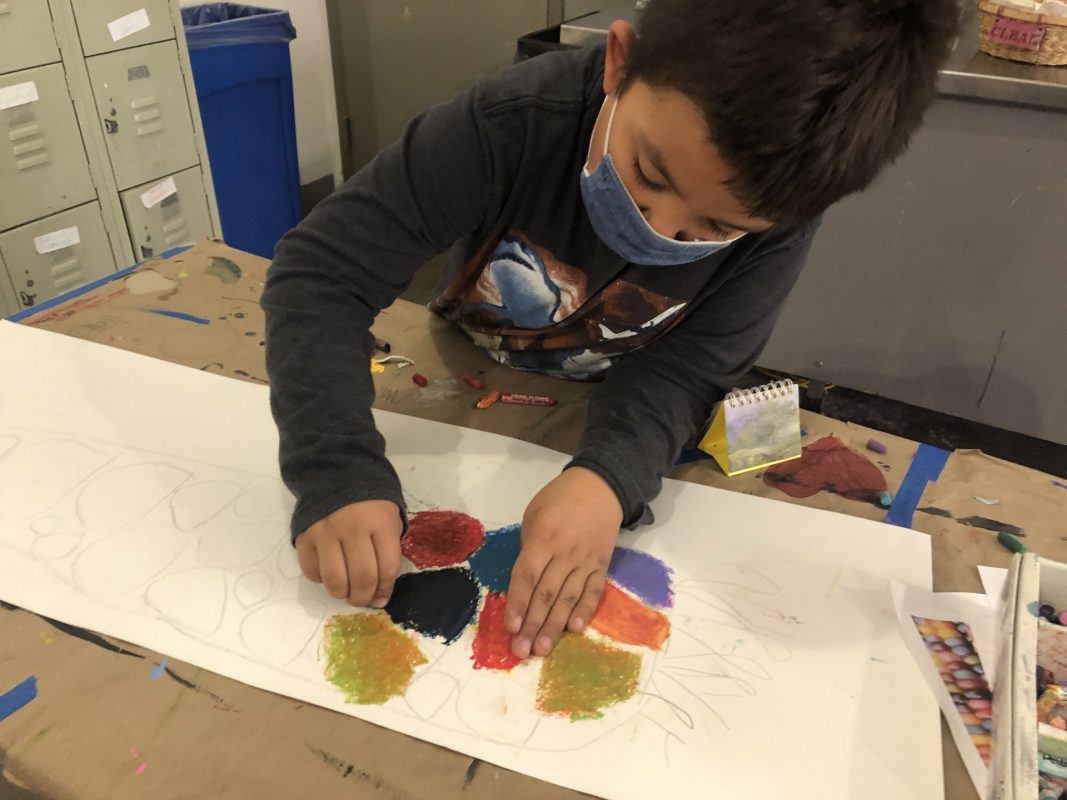
Since many of the holidays in November and December center around food and gathering together at the table, young artists in kindergarten, lower elementary and middle school created various food-themed projects using a range of materials and processes!
While learning about the nutritional qualities of root vegetables in their classrooms, kindergarten students applied what they had learned to a painting and drawing project in the Art Studio. Students looked at a range of root vegetable images and closely observed their shape, color, and texture to then carefully draw what they saw. Next, each young artist added color to their vegetable drawings using watercolors!
Lower elementary artists created two seasonal food themed artworks. The first was a autumn-themed collage of still life of various gourds, fruits, and root vegetables in a bowl. Students carefully observed the colors in the gourds and vegetables and mixed swatches of paint to match their tone. Once dry, students cut out the gourd and veggie shapes, added details with oil pastels, and then arranged a still-life composition of a bowl of vegetables and fruits sitting on a table. For the next project, LE created colorful rainbow corn paintings in thinking of the Thanksgiving holiday and to honor Native American heritage month. Young artists created large-scale harvest corn drawings using various oil pastel blending techniques. We reviewed ways to draw corn using simple shapes like ovals and circles. Each artist carefully drew their corn and filled in each kernel with a range of vibrant colors!
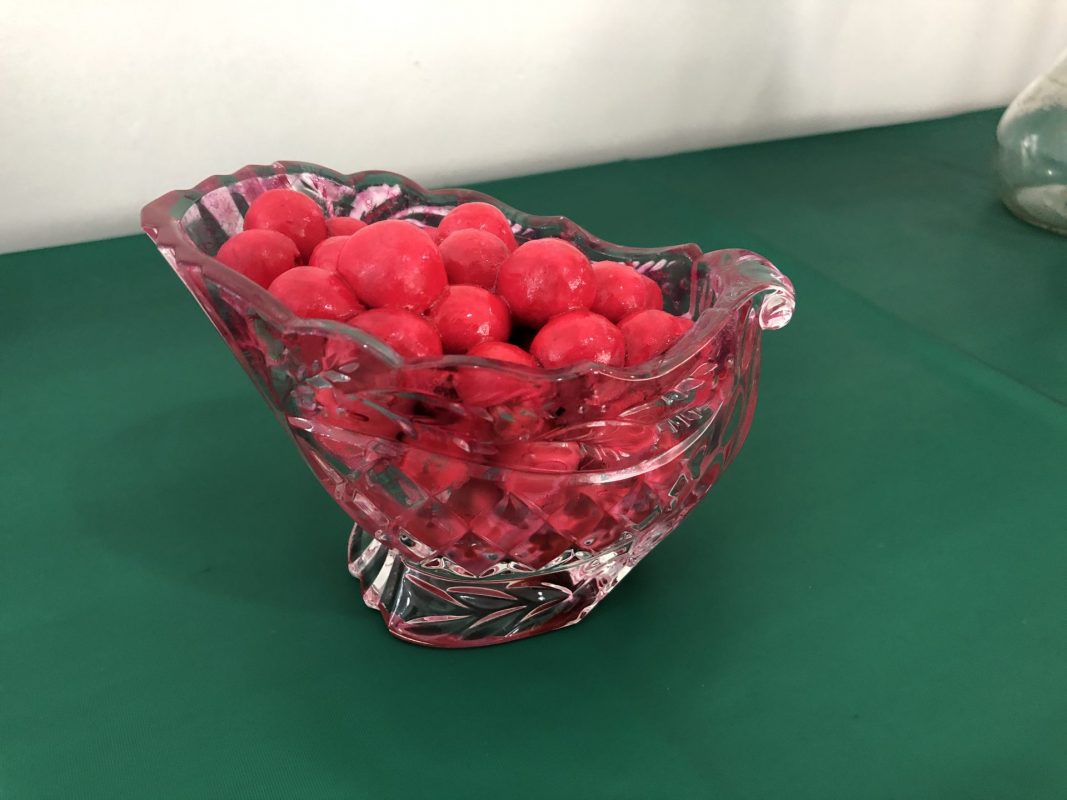
Middle school artists focused on a food sculpture project with an emphasis on form and texture. For this project, students were asked to create fake food sculptures inspired by foods traditionally eaten around the holidays. They were asked to look carefully at the textures and colors of their chosen food, and recreate it using found materials such as cardboard, sponges, paper, glue paste, yarn, rubber bands and more. The finished results were strikingly beautiful and certainly tricked the eye!
Cocinando con FWM
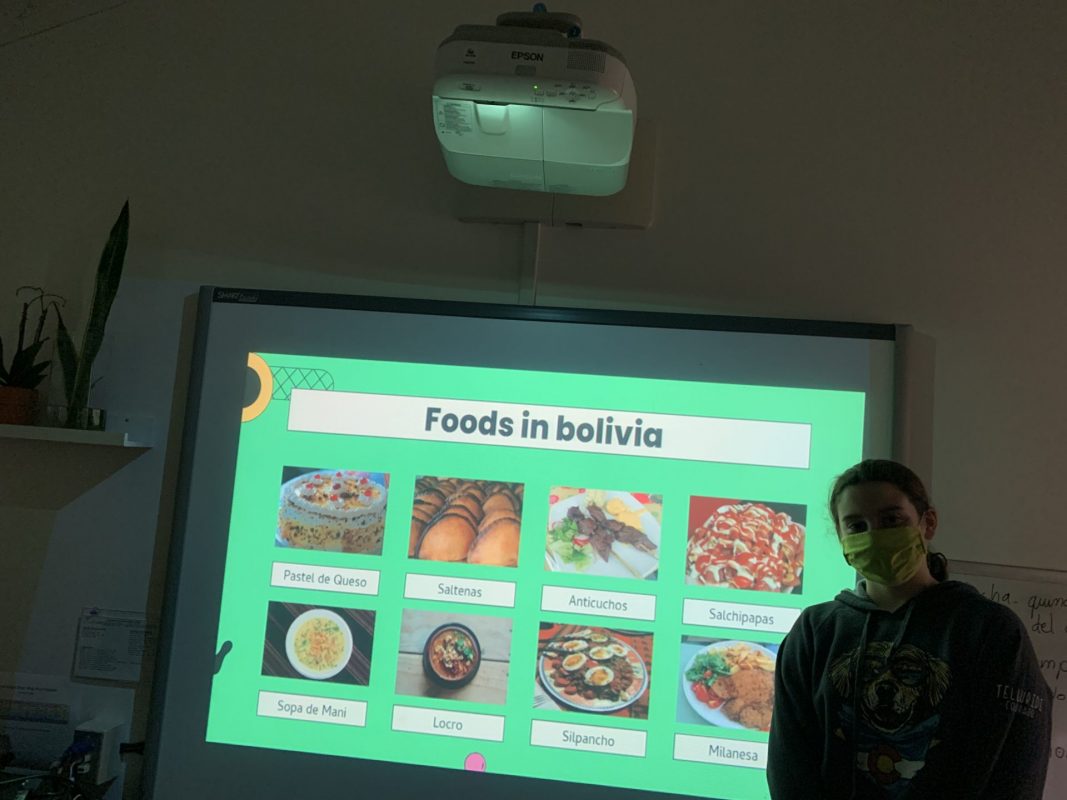
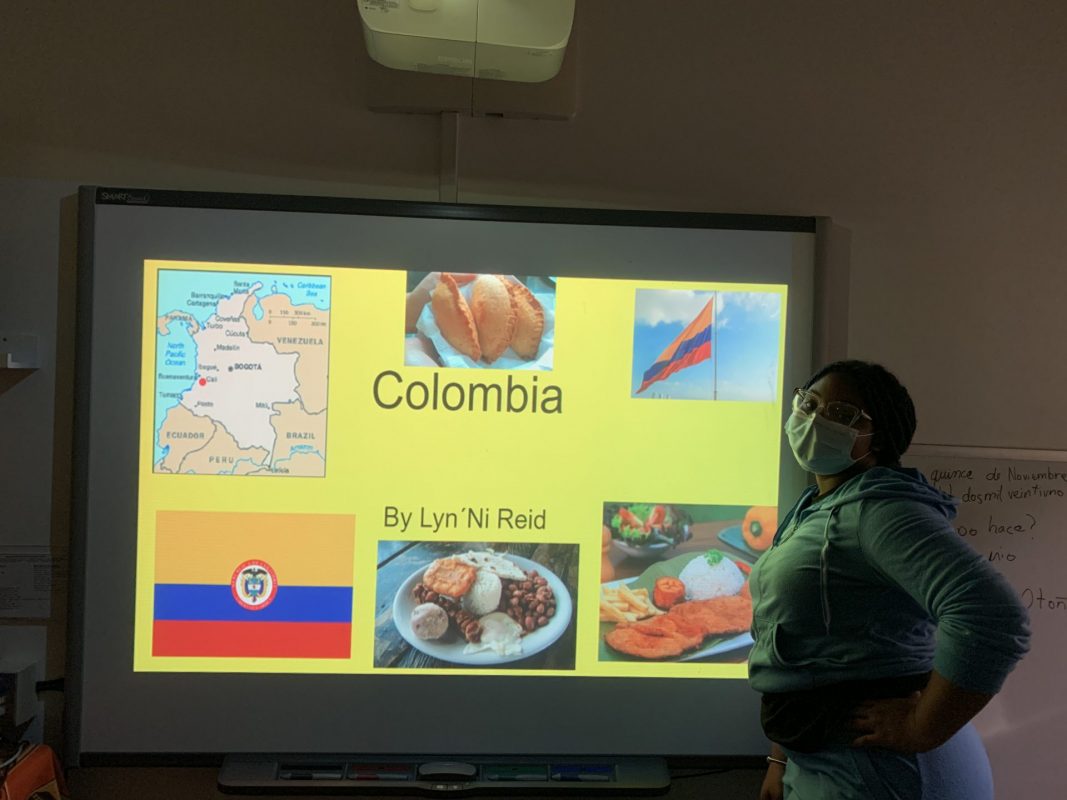
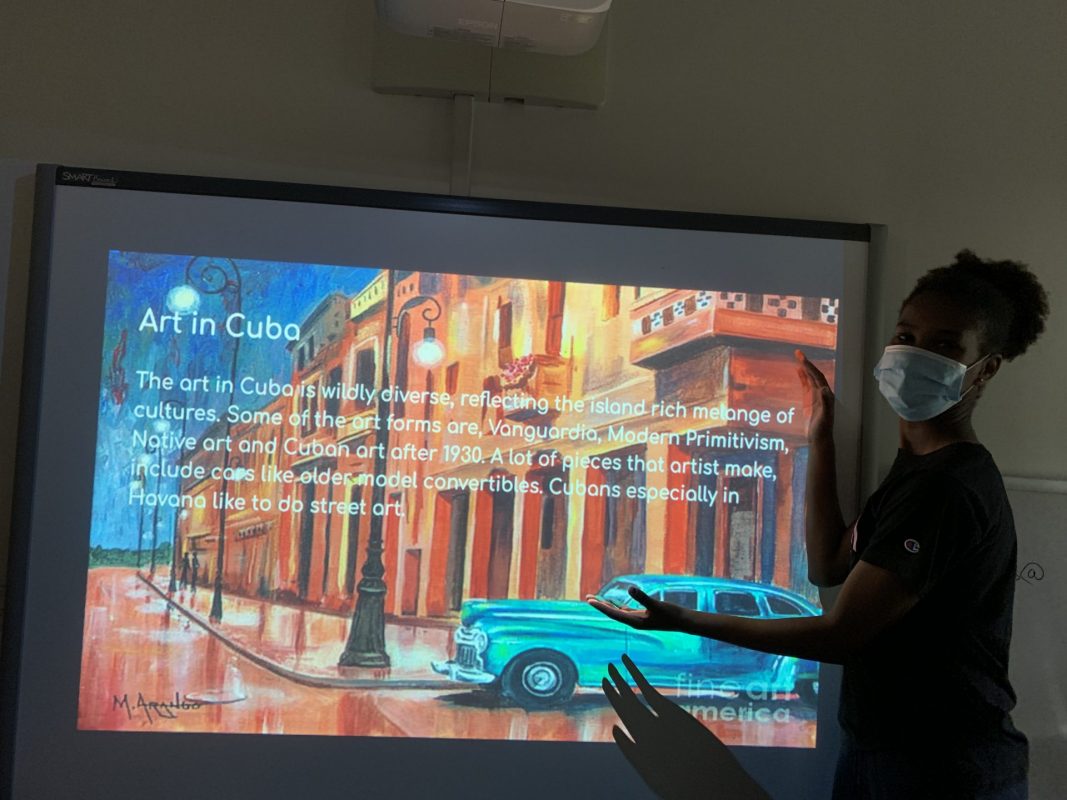
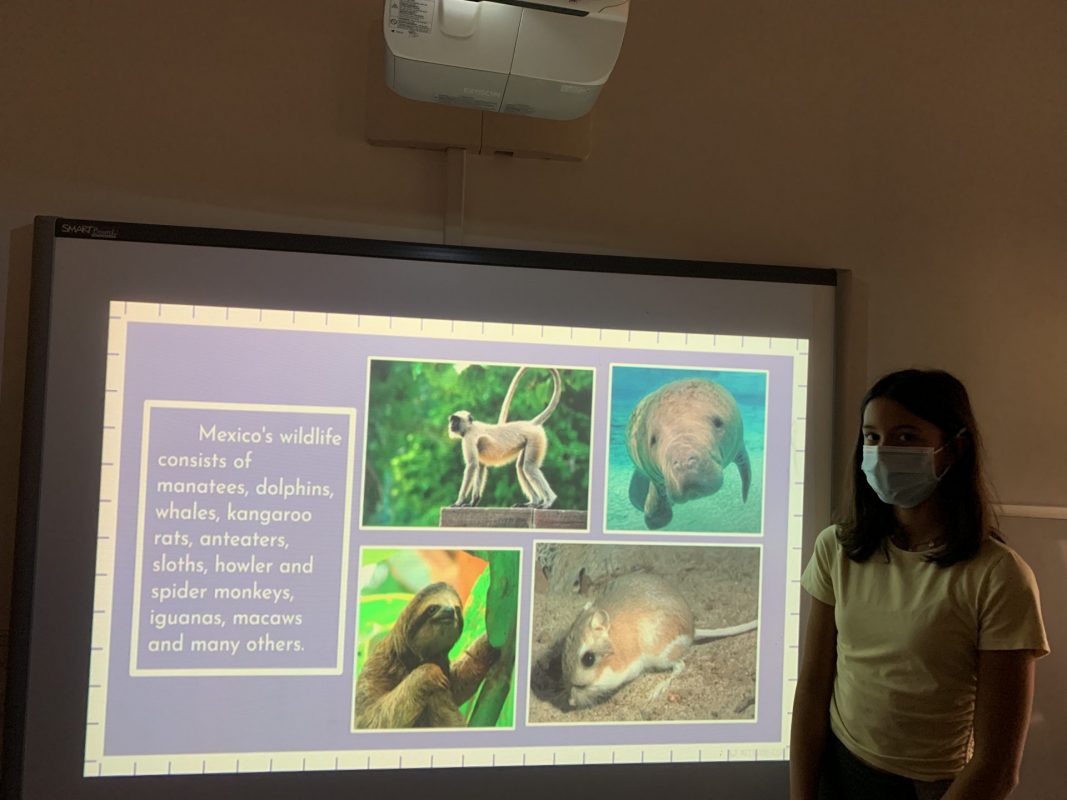
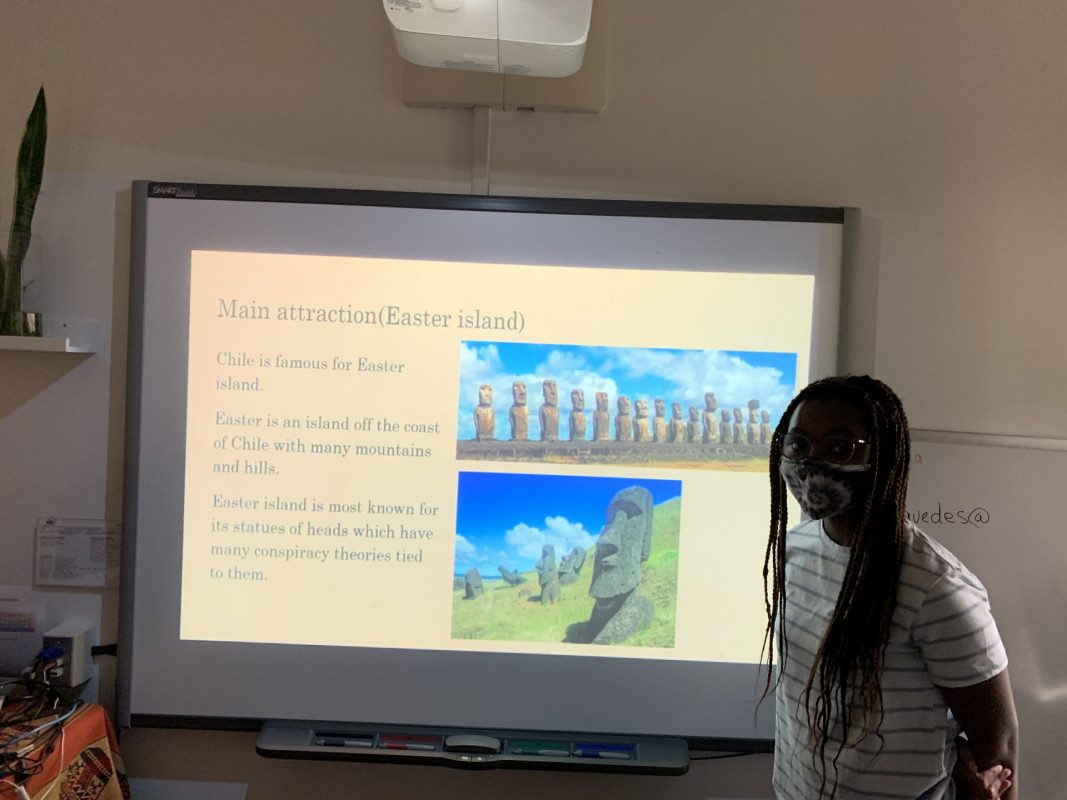
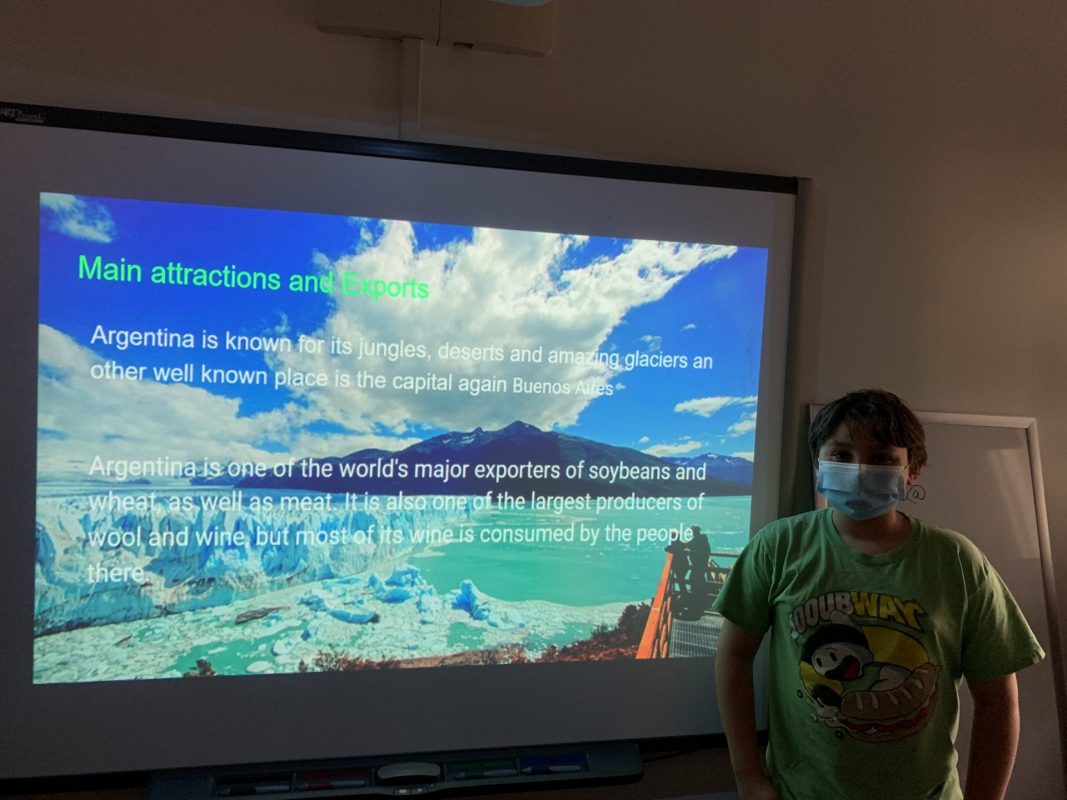
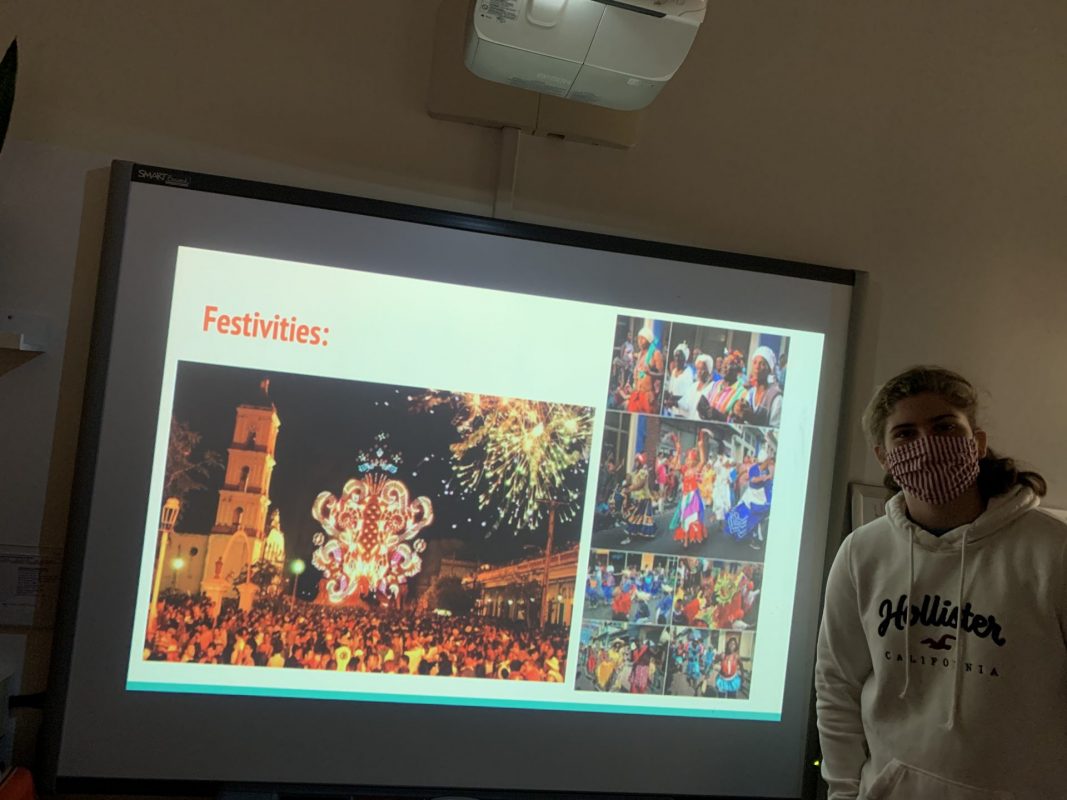
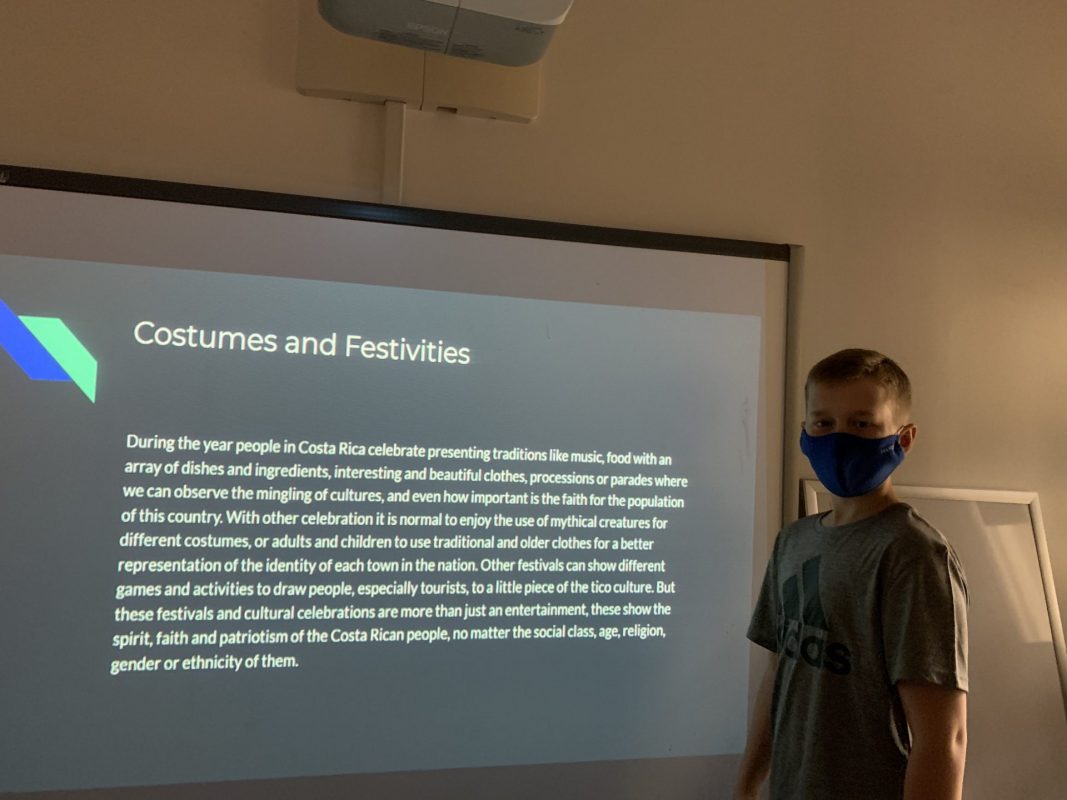
This month the middle school students had the opportunity to test their cooking skills and Spanish vocabulary. Last month they had a chance to learn more about a few Spanish speaking countries: the culture, cuisine, history, geography, and their main attractions.
As part of the cooking assignment this month, students chose a meal from the country they learned about and made a cooking video all in Spanish. They were so proud of what they were able to accomplish and the amazing videos they made. This gave them a chance to practice not only their vocabulary, but also their speaking, reading, and pronunciation skills.
We are also continuing with our avancemos curriculum and solidifying our learning with different exercises and activities. Students of all levels are enjoying learning some Spanish holiday songs “Santa es su Nombre,” “ Burrito Sabanero,” and “Linda Januquita.” Songs are one of the best ways to learn Spanish because they help with our listening, pronunciation, and vocabulary and are fun and catchy as well.
Happy holidays to all.
Lizette Guedes
UE Collaborative Art!

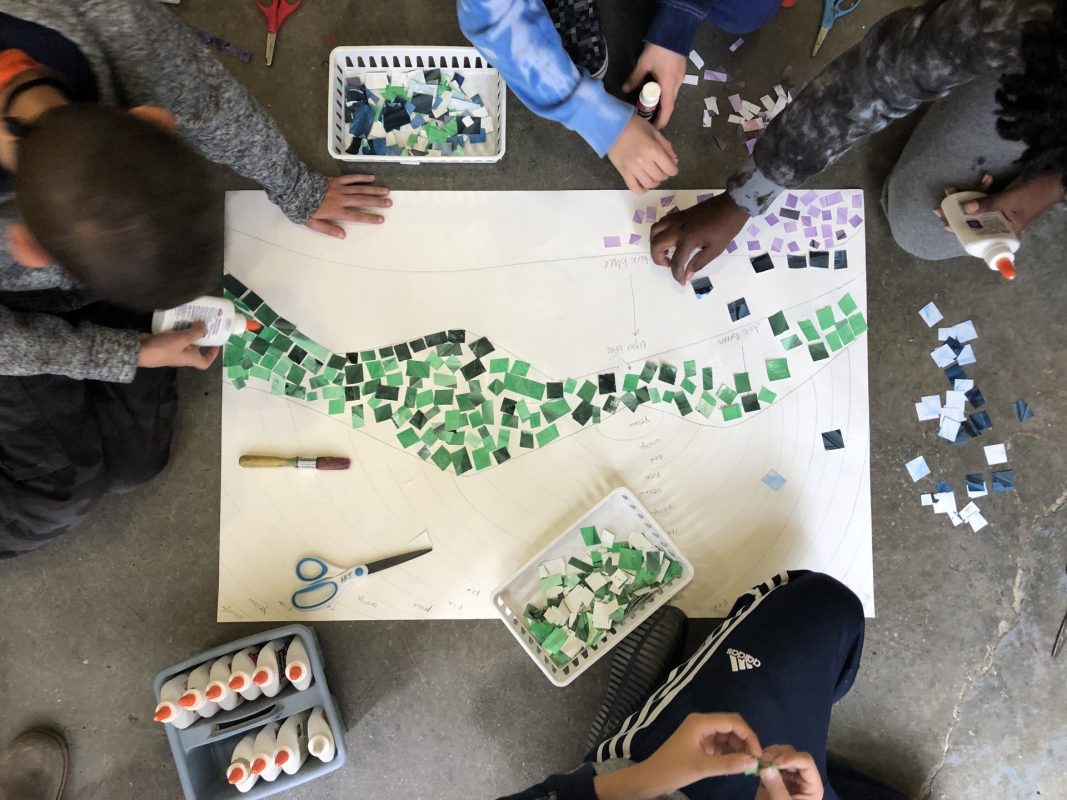
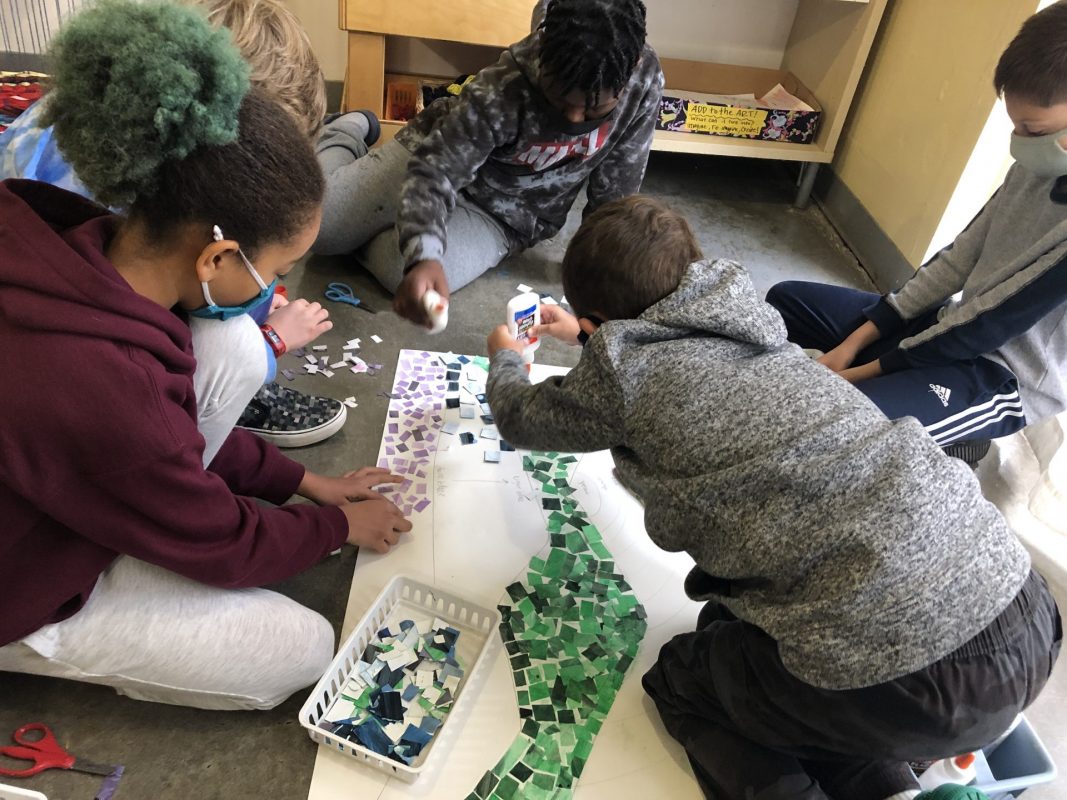
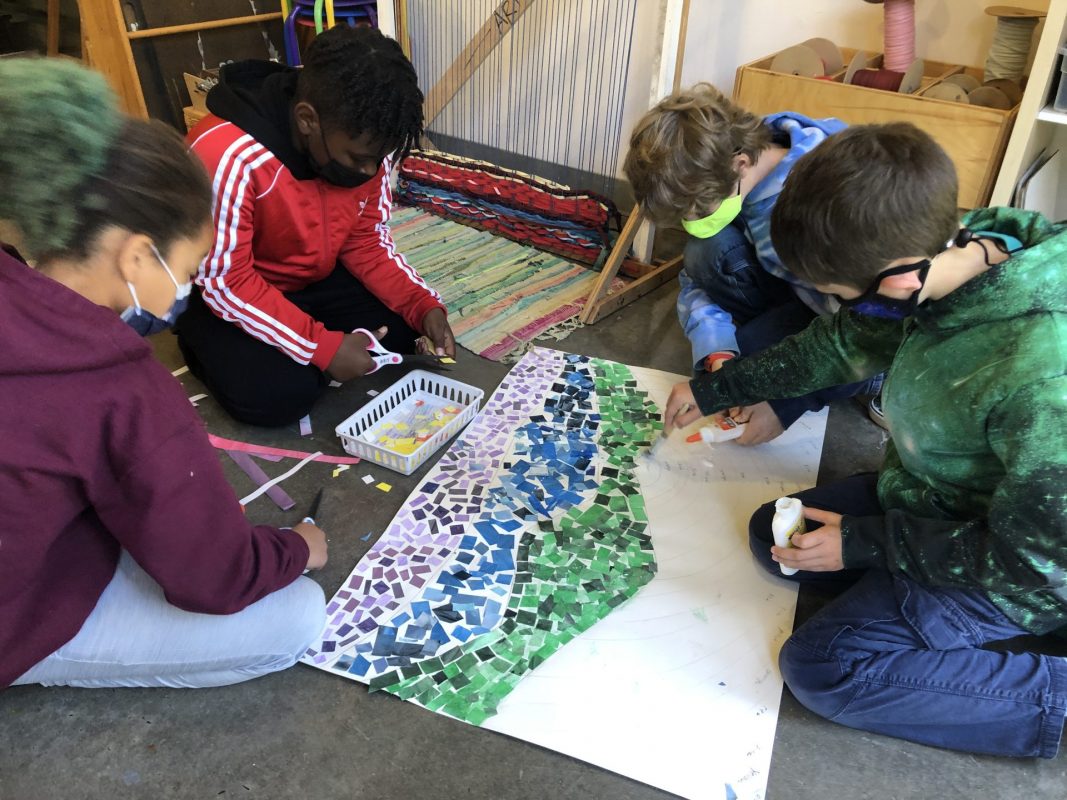
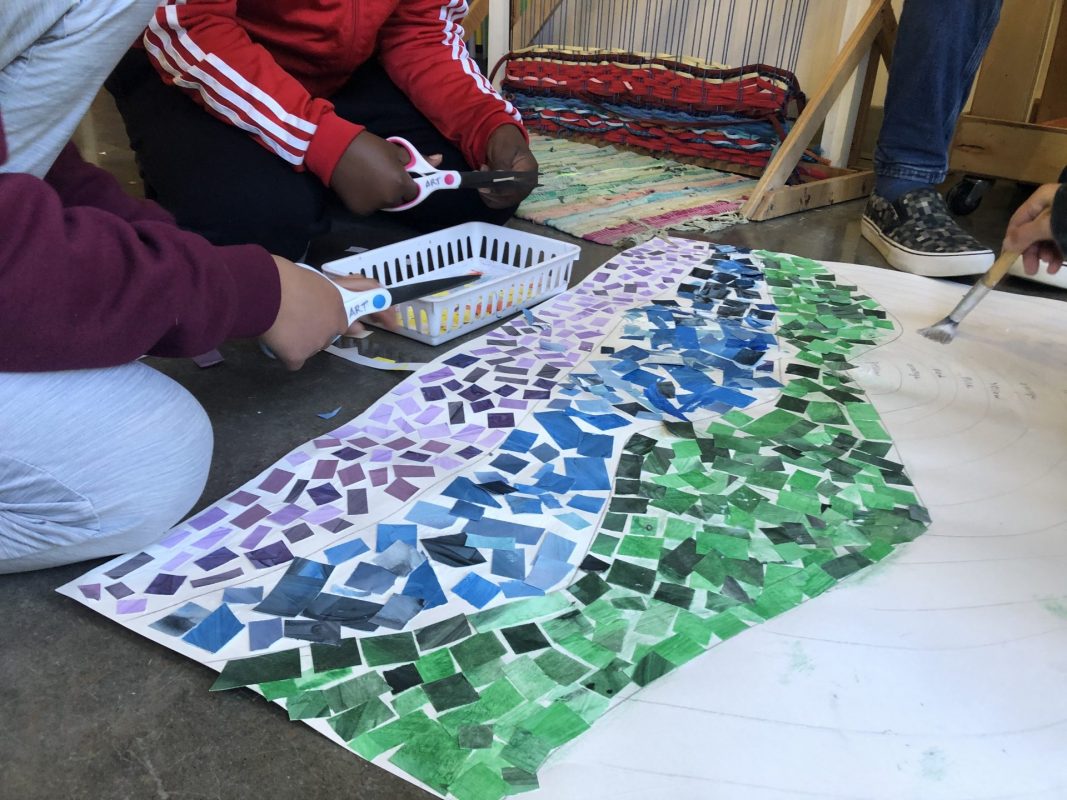
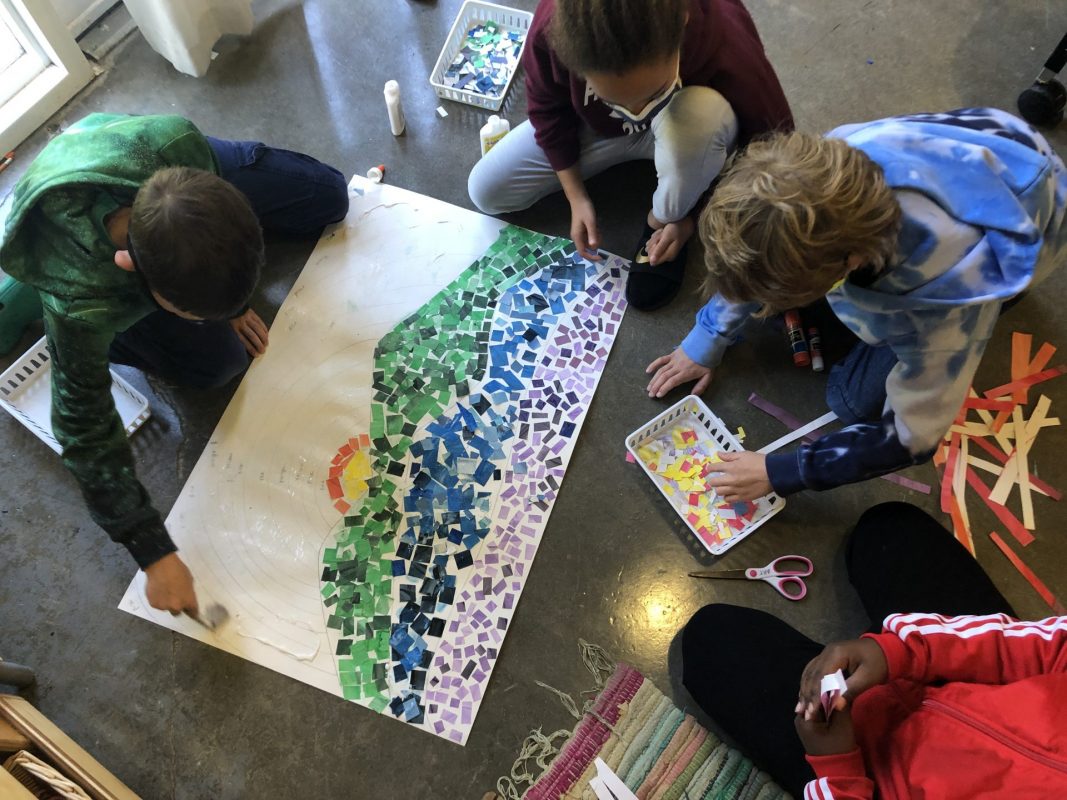
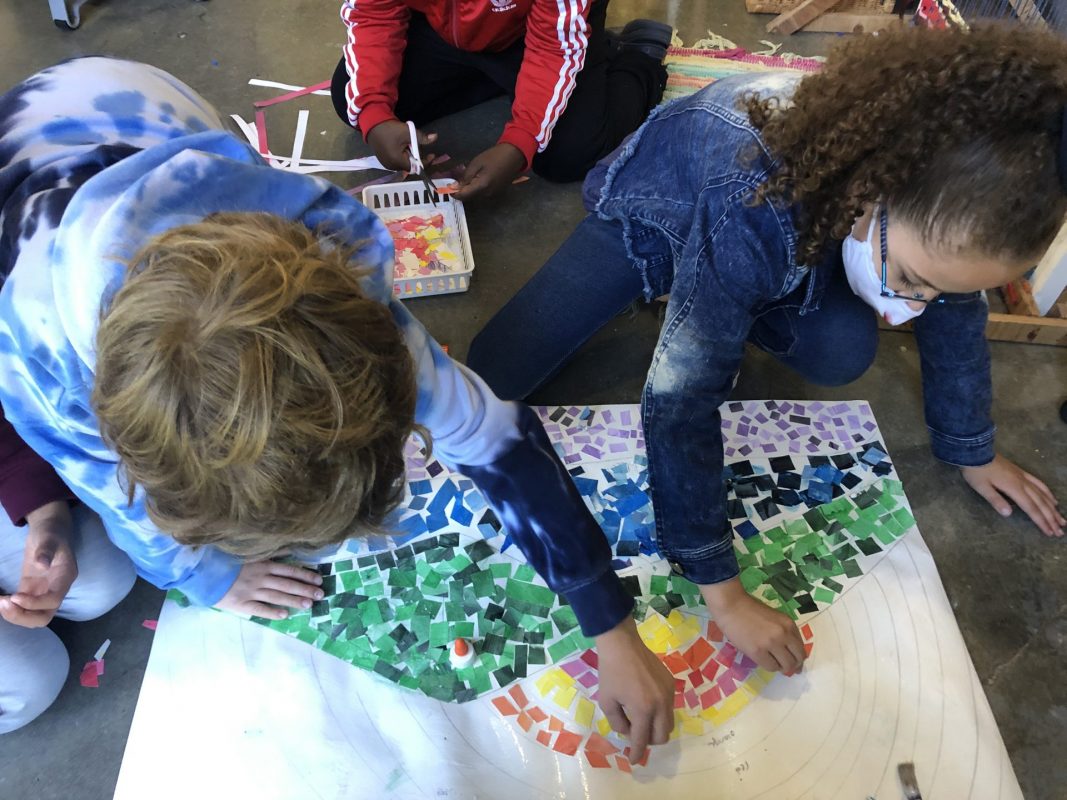
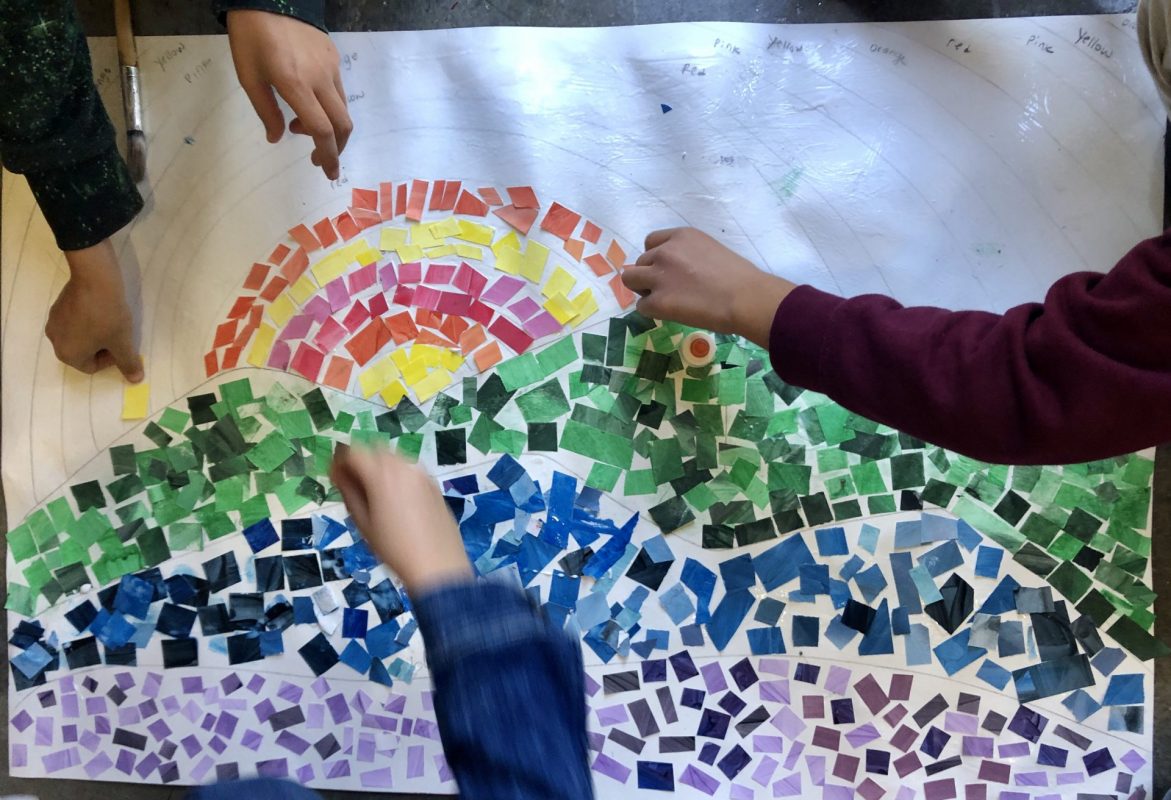
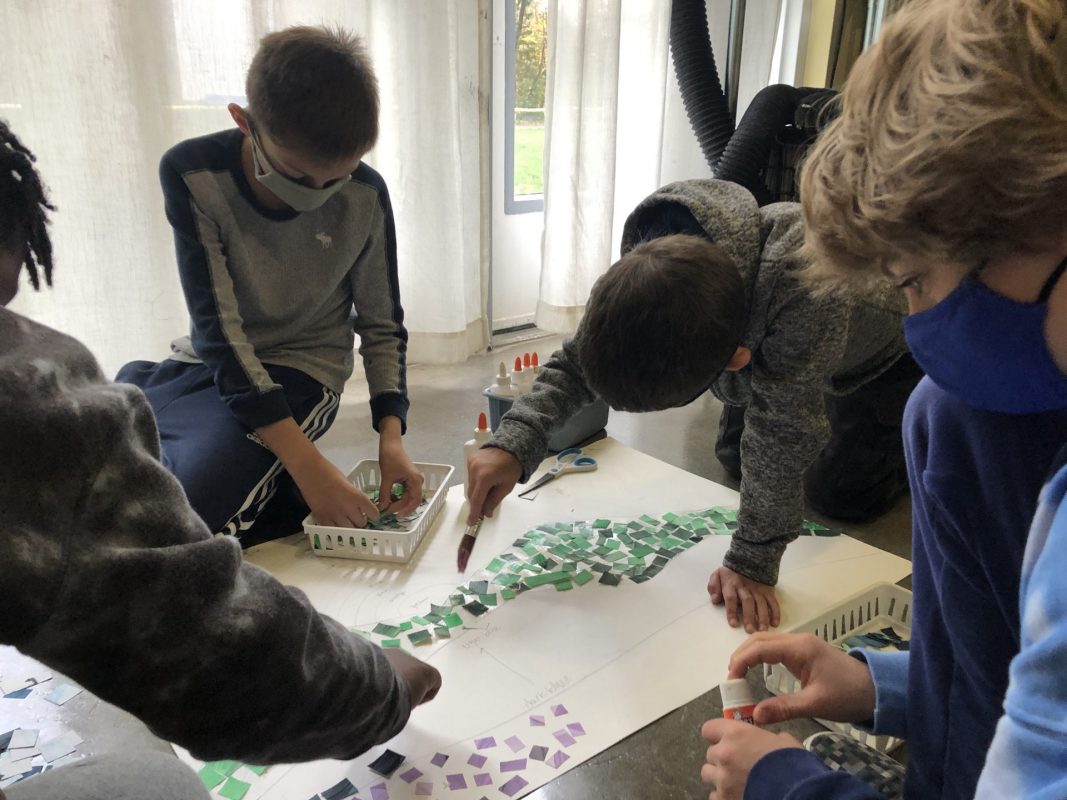

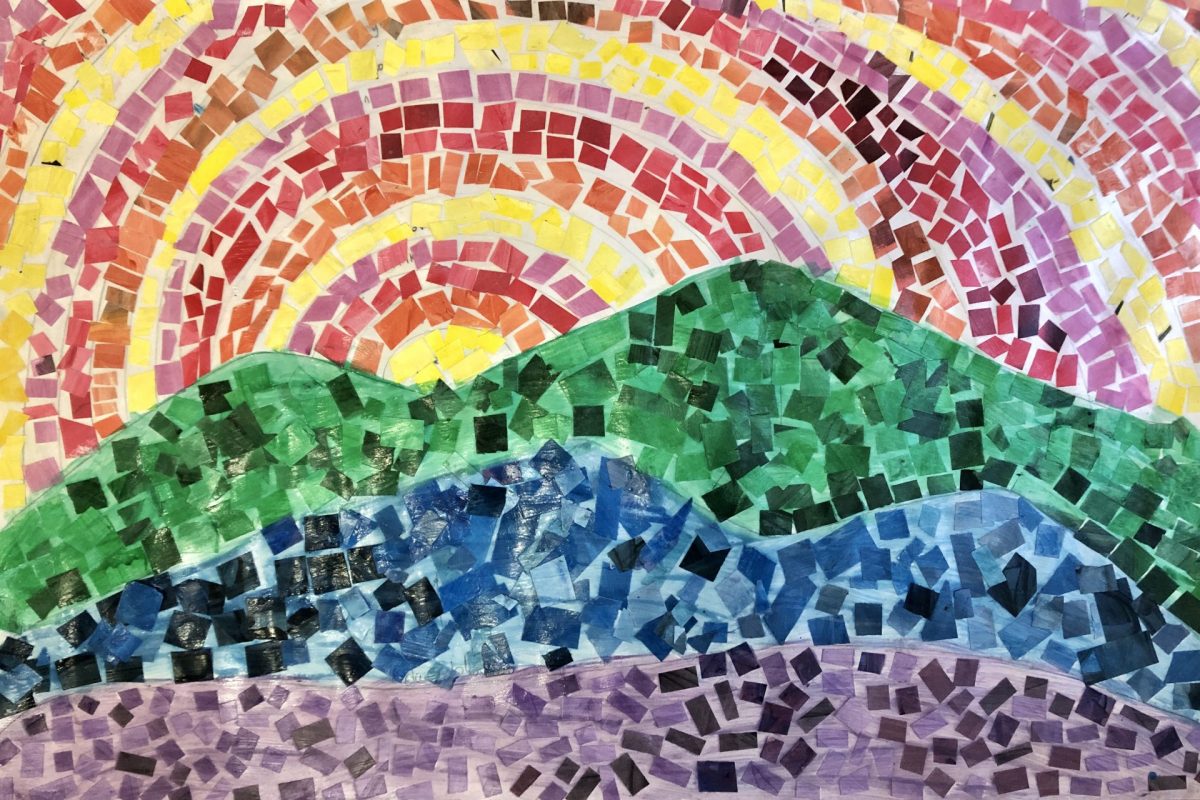
Collaboration is a frequent and natural current that flows through the Art Studio. Whether it is a planned collaborative Art project, or it happens naturally among students, collaboration helps students understand the subject matter in a deep, meaningful way and encourages students to think beyond themselves. In Upper Elementary, young artists worked collaboratively on a mural inspired by the artist Alma Thomas.
Alma Thomas was born in Columbus, Georgia, 1891 and died in 1978. For 35 years and in a segregated city, she empowered art students at Shaw Junior High School to see beauty in the everyday and brought exhibition opportunities and cultural enrichment to Black youth. Throughout her career as an artist and teacher, she was a leader within her creative community. She created small watercolors, aerial landscapes, and brightly patterned large-scale abstractions that reflect her local surroundings and her fascination with space and the environment. Thomas made history in 1971 by becoming the first Black woman given a solo show at the Whitney Museum of American Art in New York at age 81, and again in 2015 by becoming the first Black woman to have a work of art acquired by the White House Collection.
After learning about Alma Thomas’ extraordinary career and viewing a range of artworks created by her, Upper Elementary students embarked on a large-scale landscape mural using collage techniques. To begin, students painted a range of warm and cool colors on papers, allowed them to dry, and then cut them into small squares. Then, they mapped out their landscape with pencil and filled in each section with the colored squares according to a color scheme they chose together. When collaborating, the students were interdependent; their work became intertwined throughout the process, resulting in a unique work of art that many hands made together!
Throwing and Catching in PE
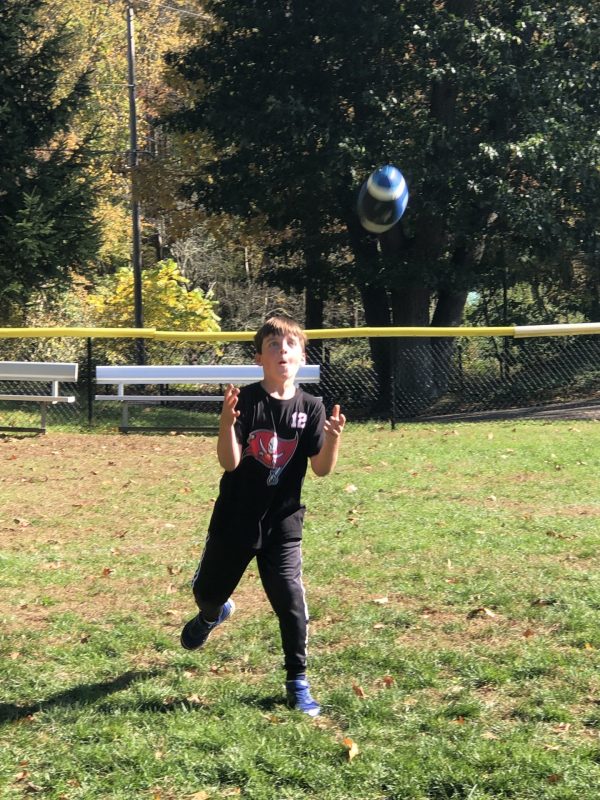
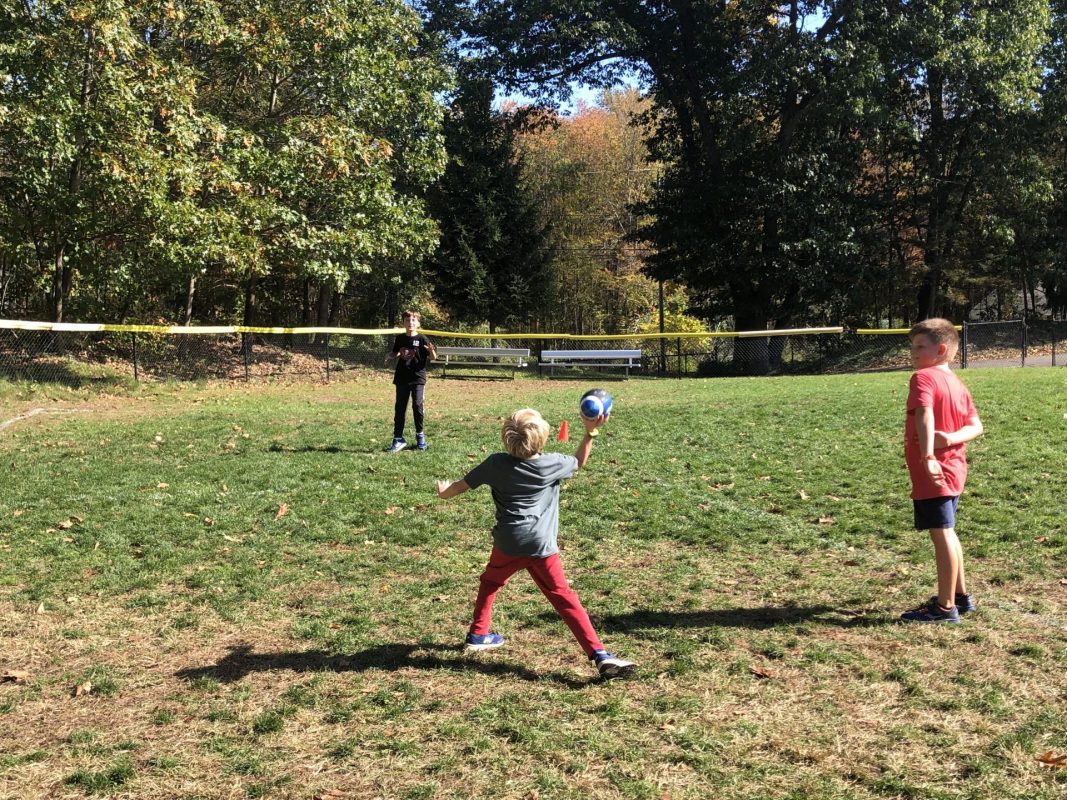
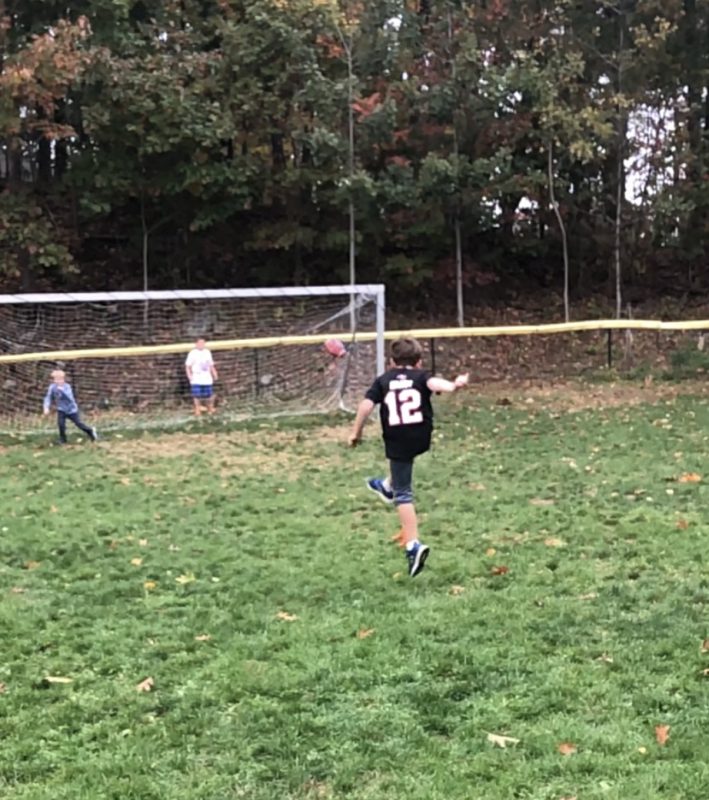
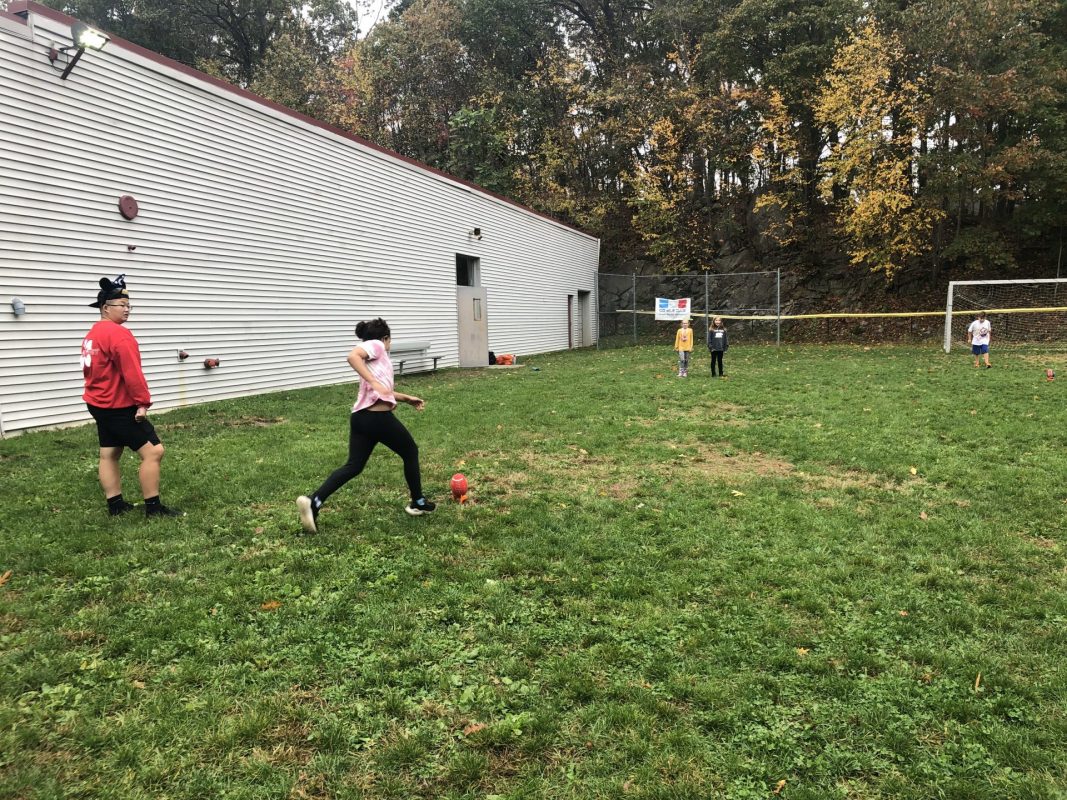
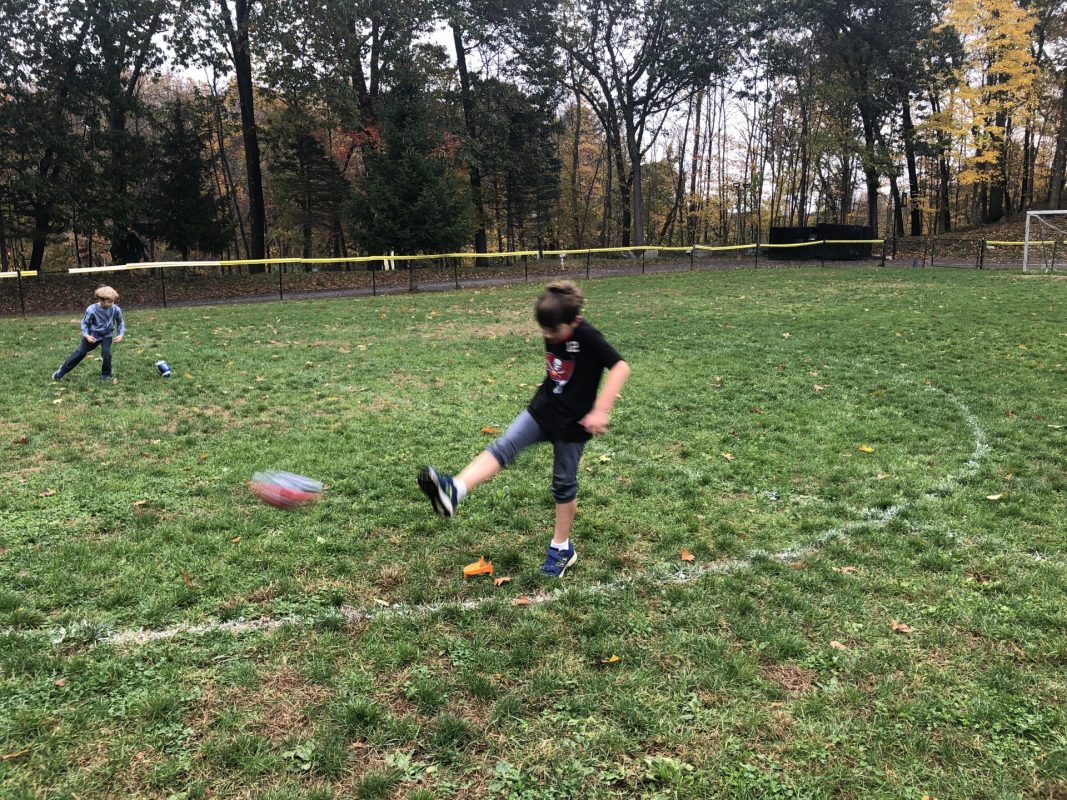
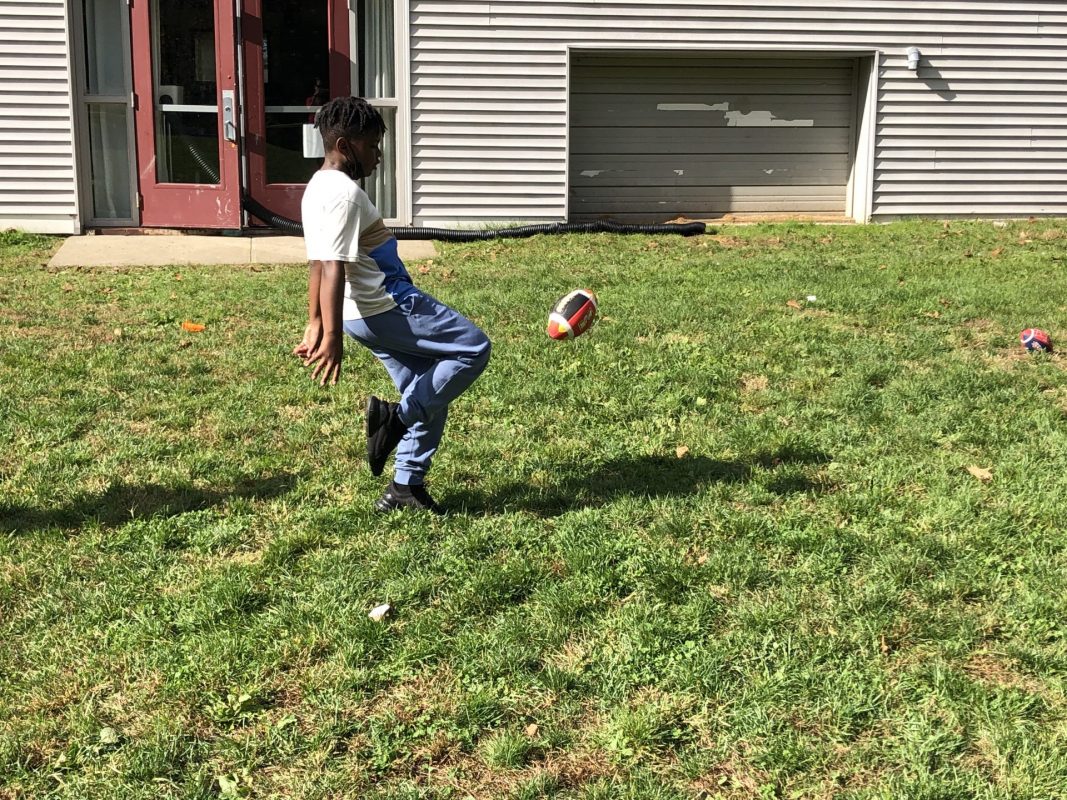
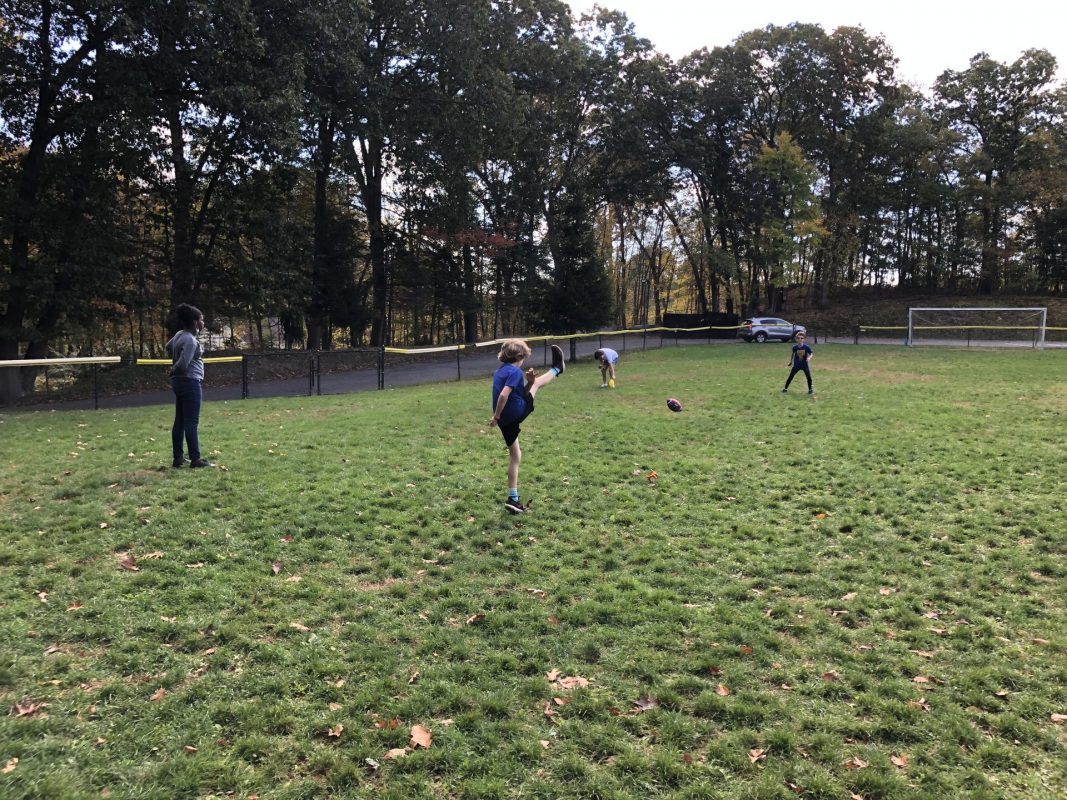
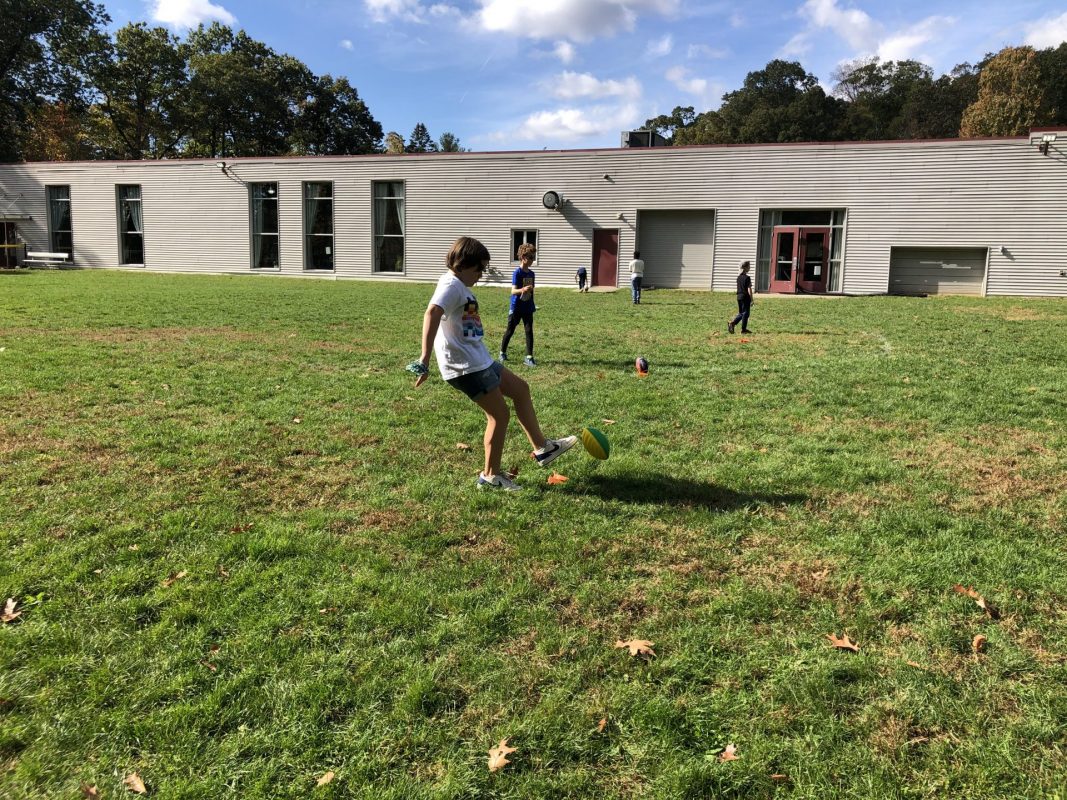
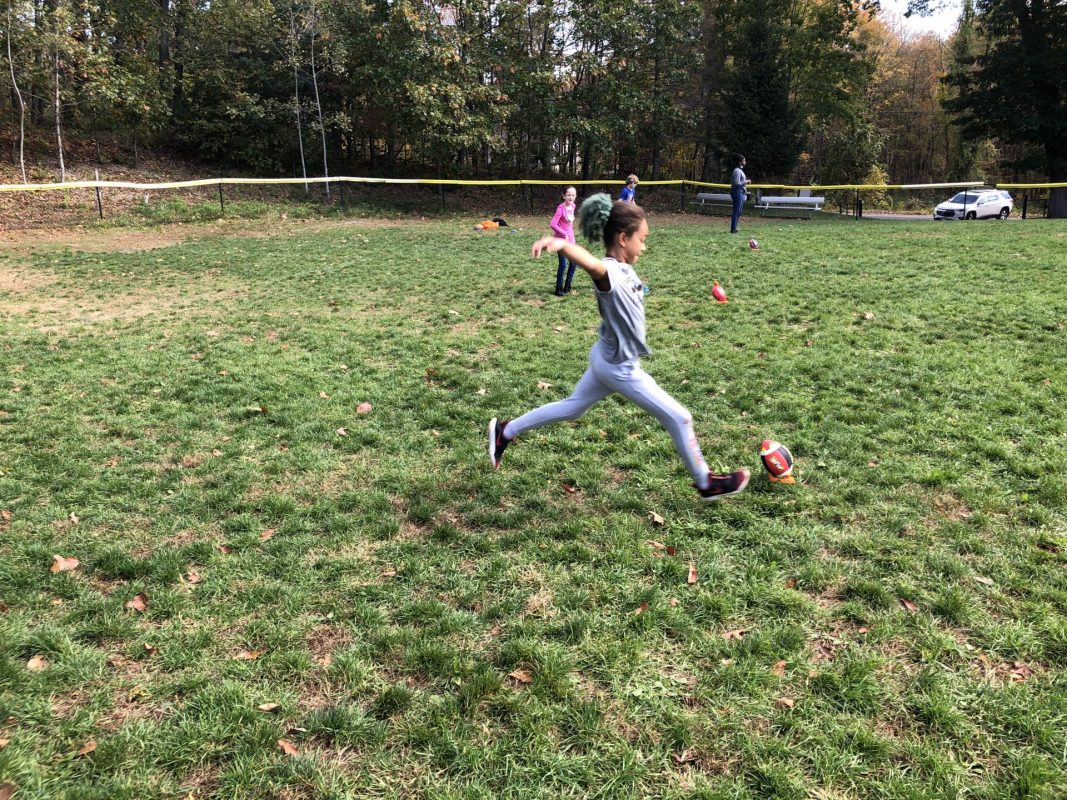
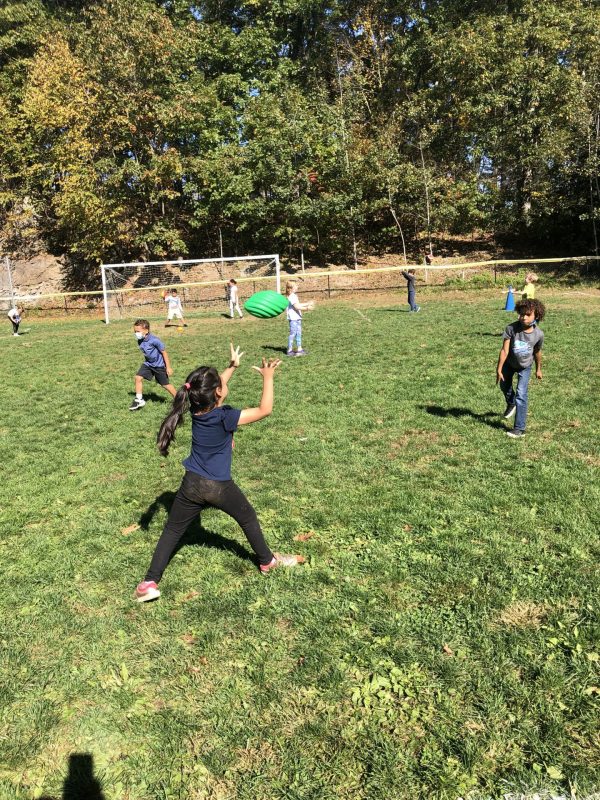
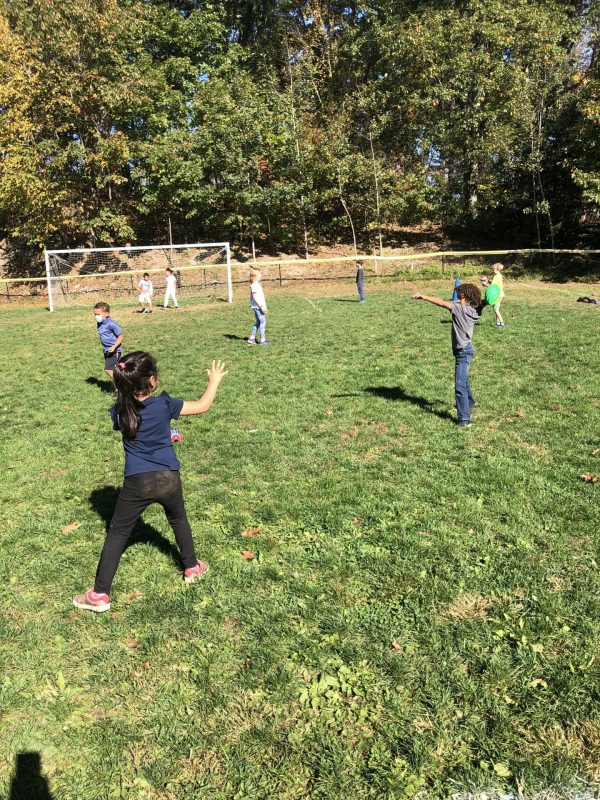
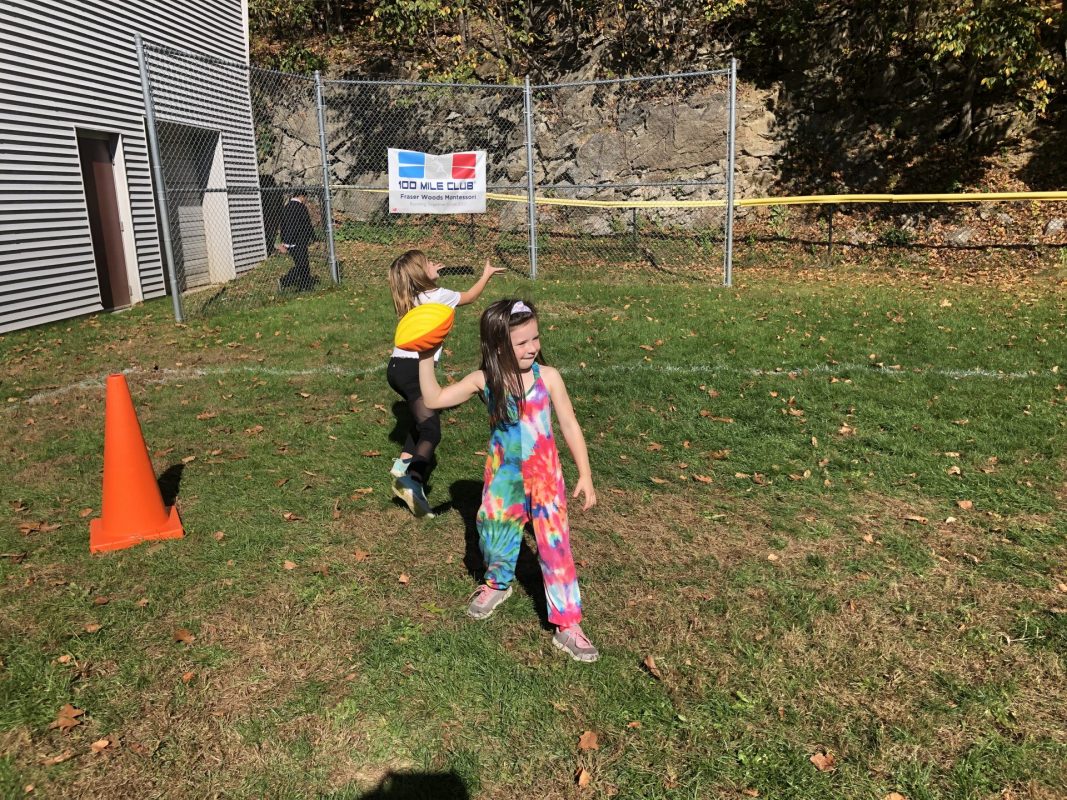
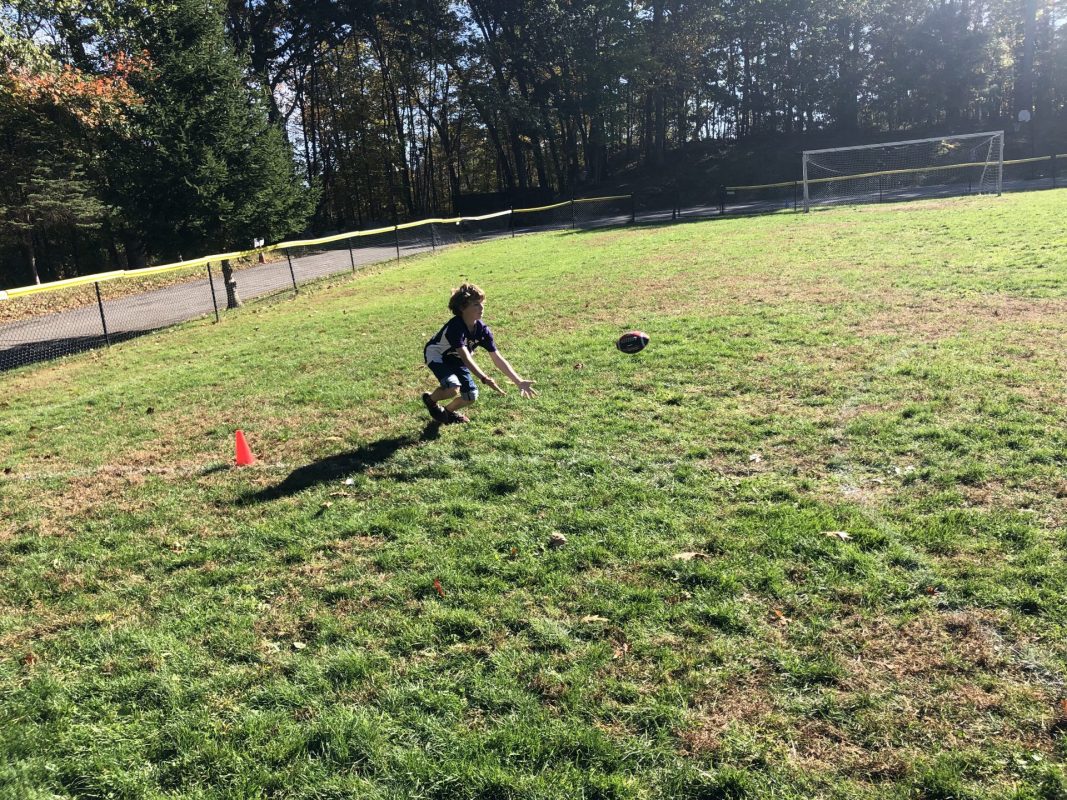
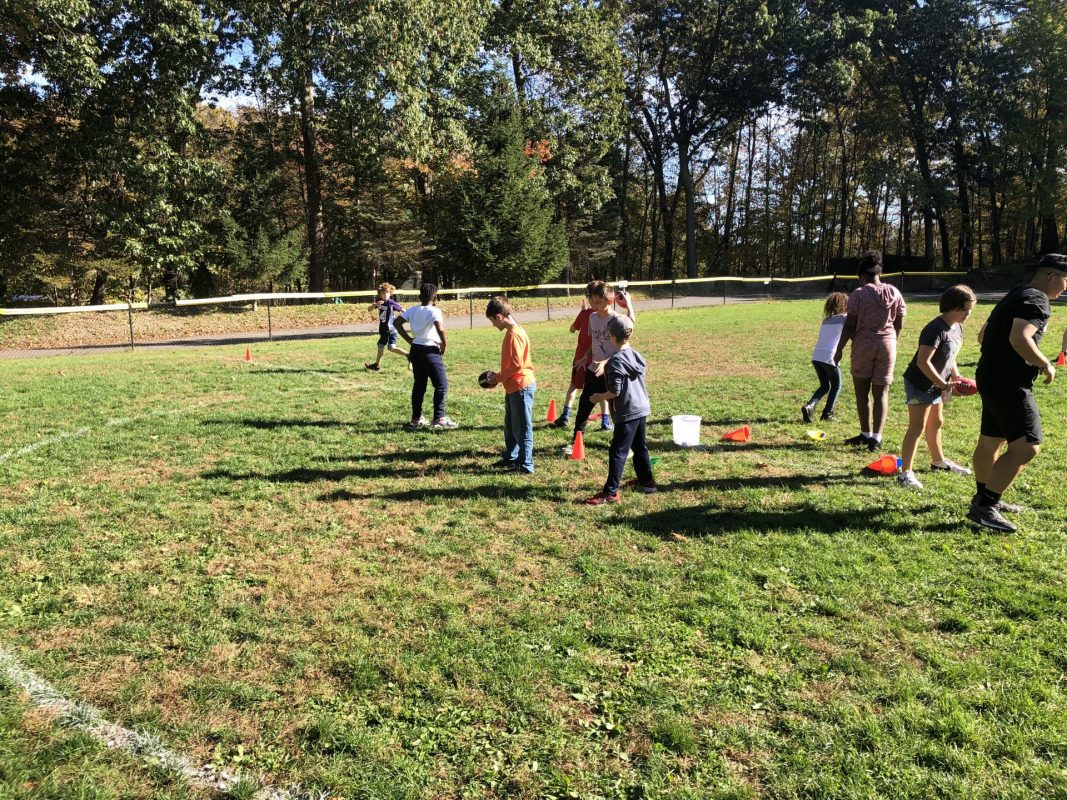
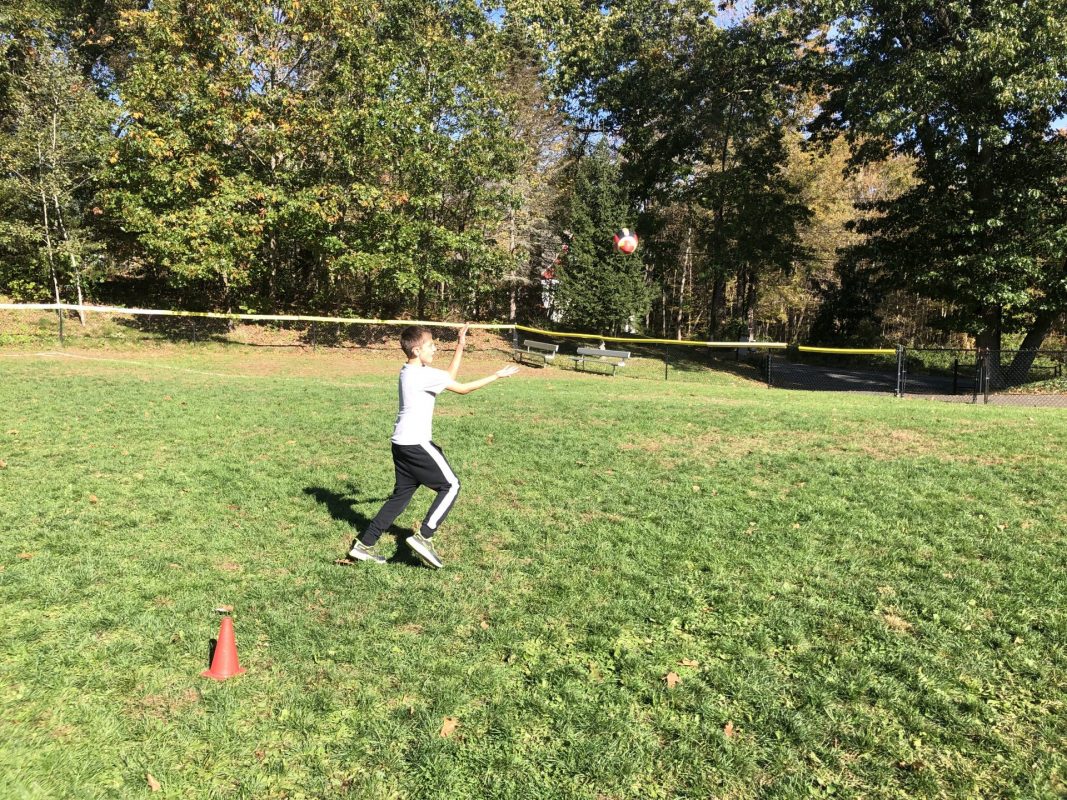
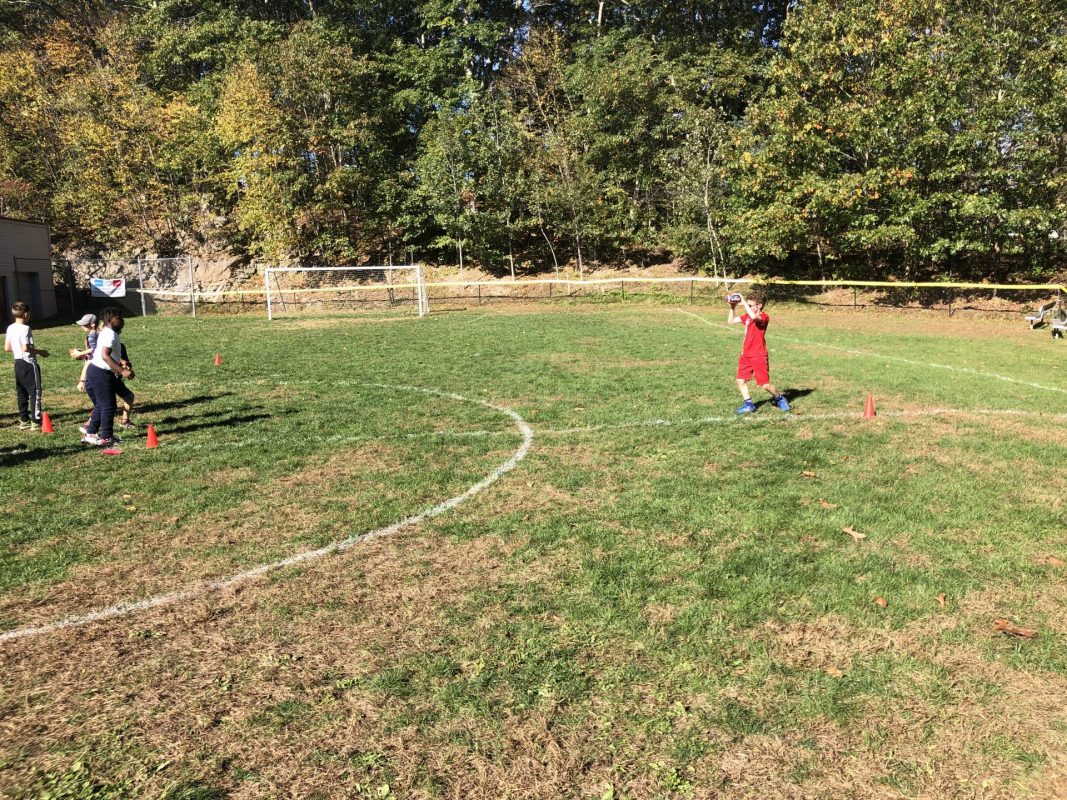
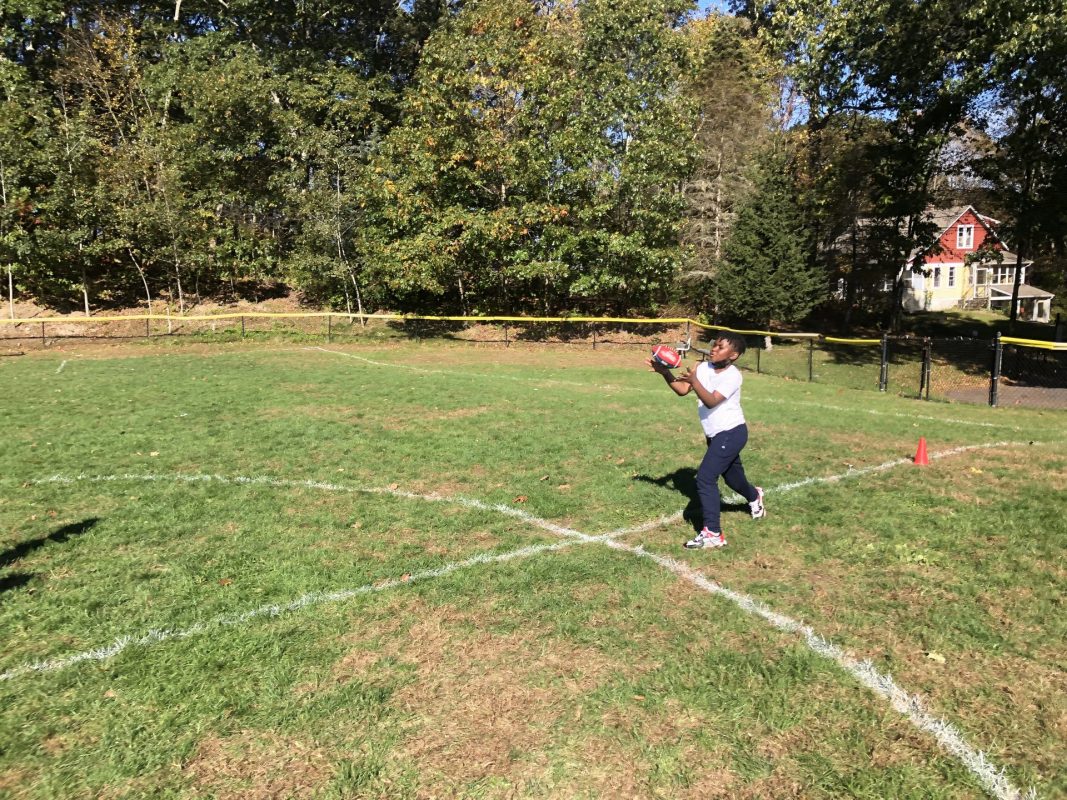
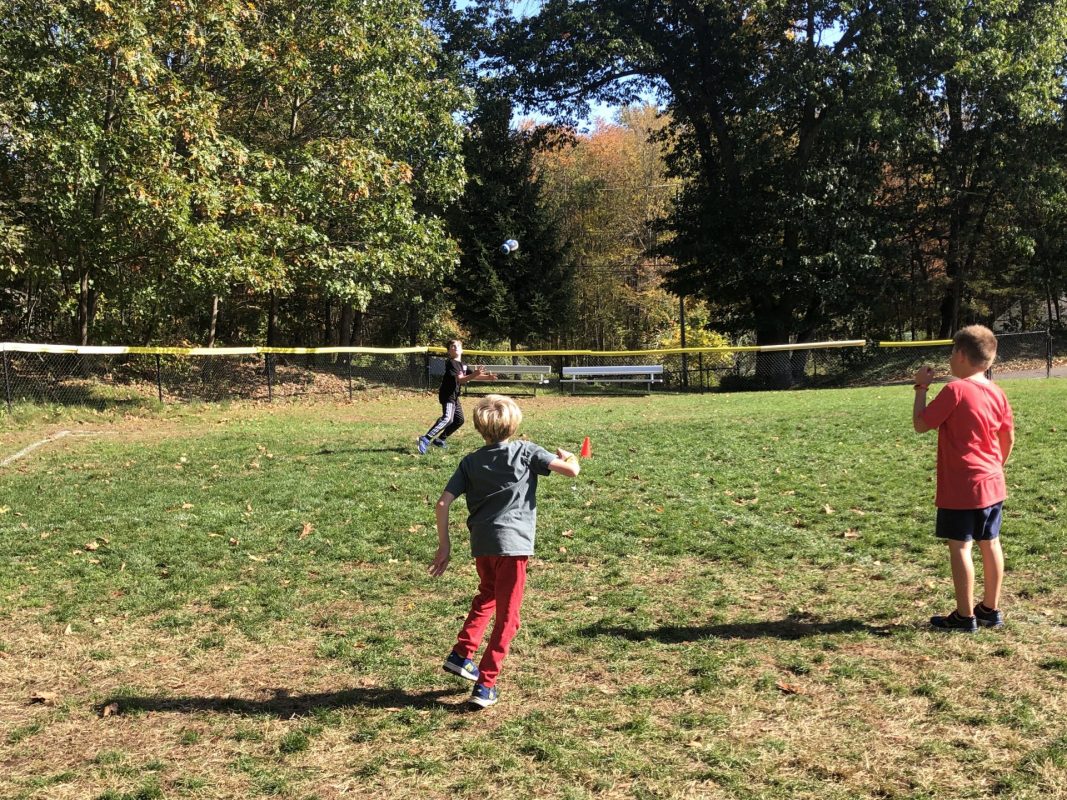
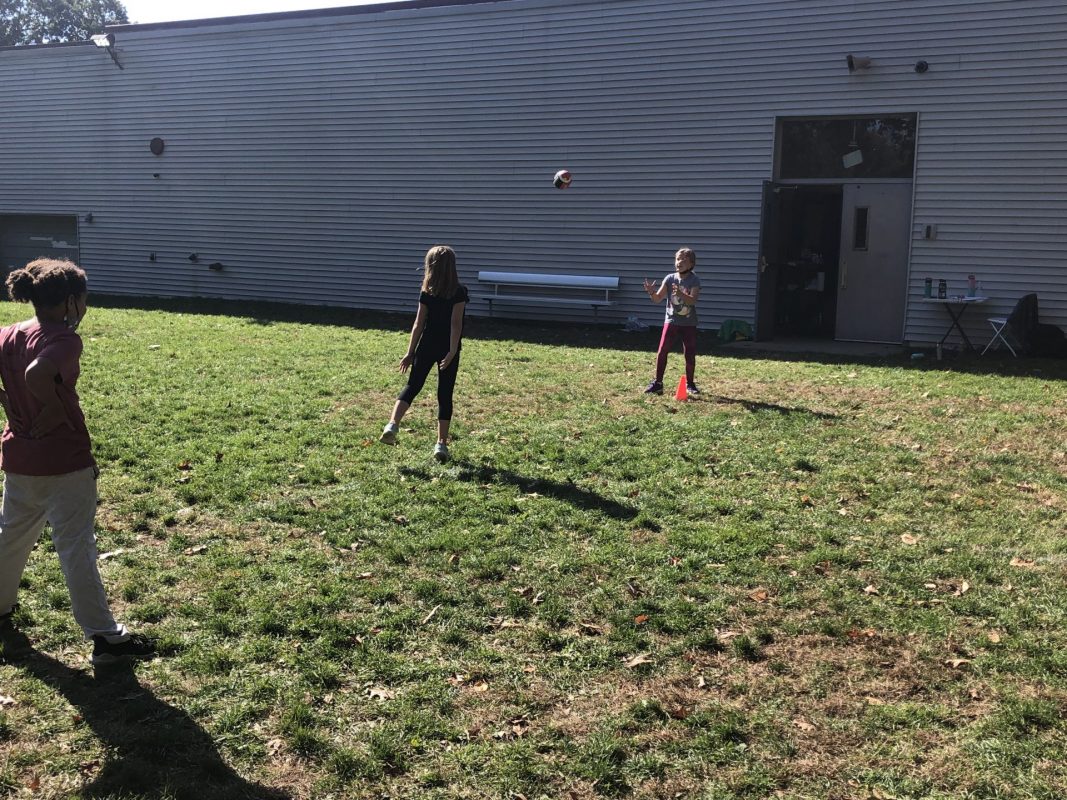
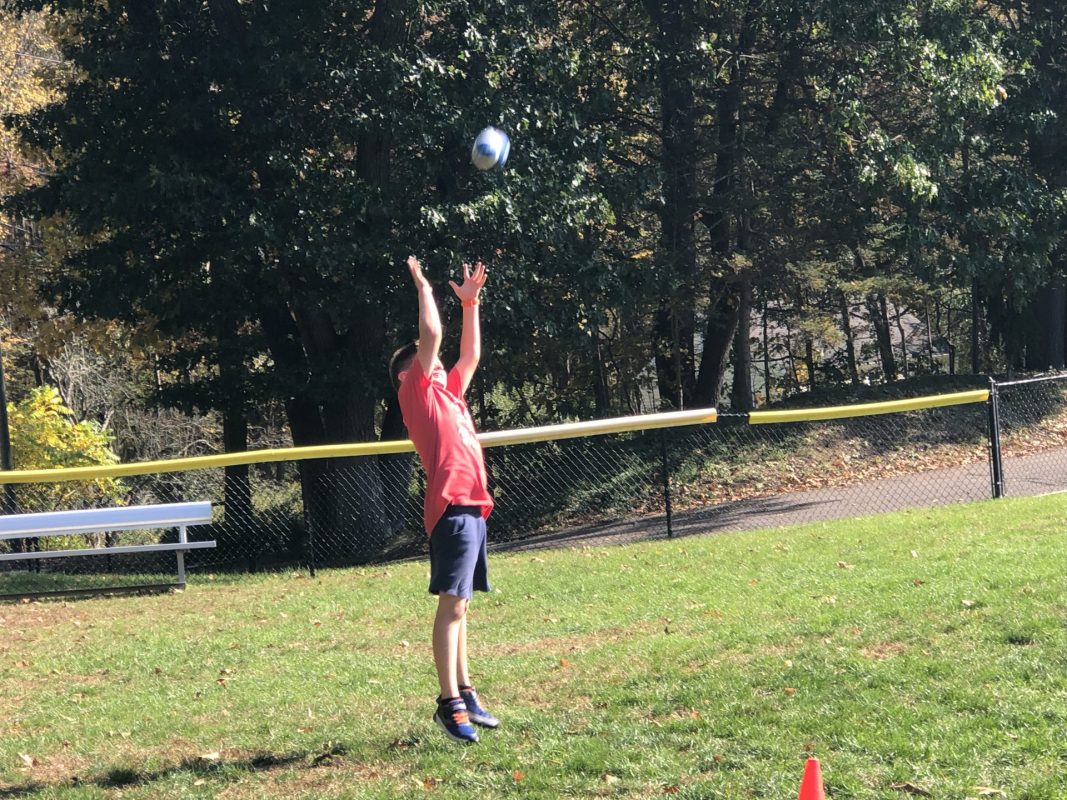
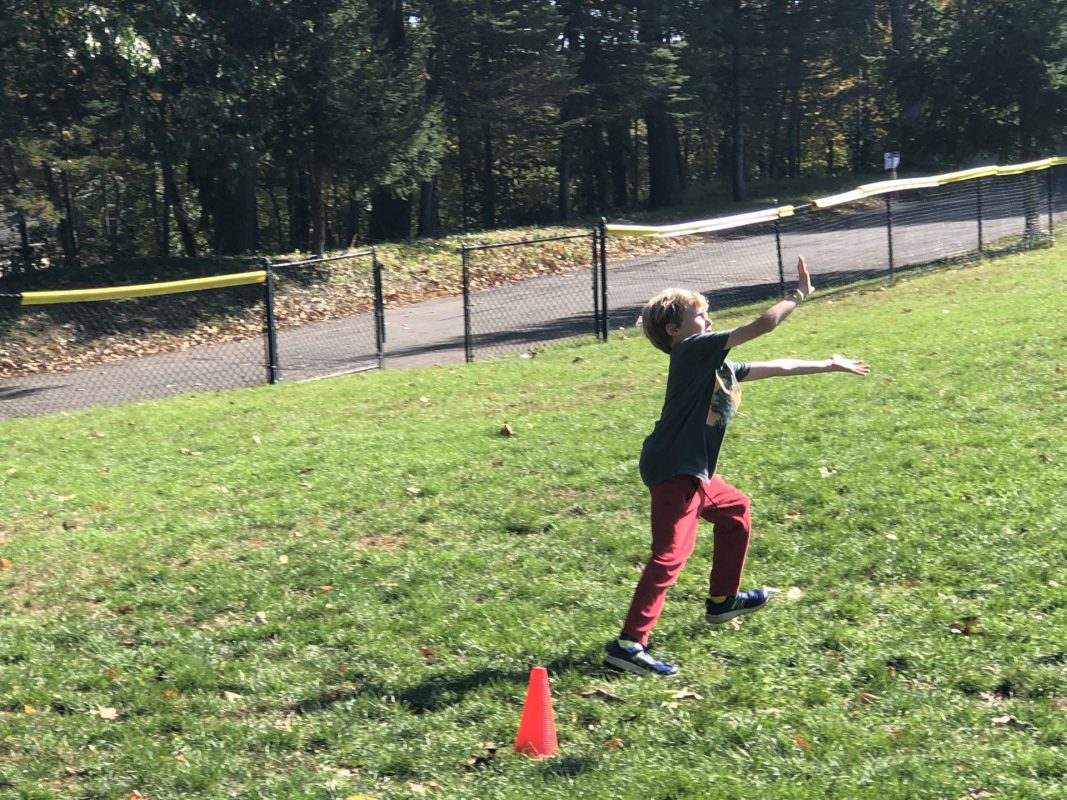
This past month, students in 1st through 5th grade have been practicing and participating in the team sport of football. Did you know that the Super Bowl is the most watched television event in the United States on an annual basis? In grades 1 and 2, the unit focus was throwing and catching a ball. Learning to throw and catch a ball at a young age helps build hand-eye coordination, timing, motor planning, and attention. Playing throw and catch is a great way to share the day with someone and make new friends.
In grades 3 through 5, our football unit’s main focus was on developing hand-eye coordination and spatial awareness. Skills taught were: passing the football using the the proper grip (fingers on laces), taking a step with the opposite foot when throwing, passing with a partner about 10 feet away, catching a ball thrown to them (thumbs up for a high ball and pinkies down for a low ball), practicing the proper technique for kicking a football off a tee, punting the football, and understanding and using simple game rules. Students also learned that the quarterback is the person who throws the ball, the center is the person who hikes the ball, and the receiver is the one who catches the ball and runs with it.
Exploring Materials for Hidden Strengths!
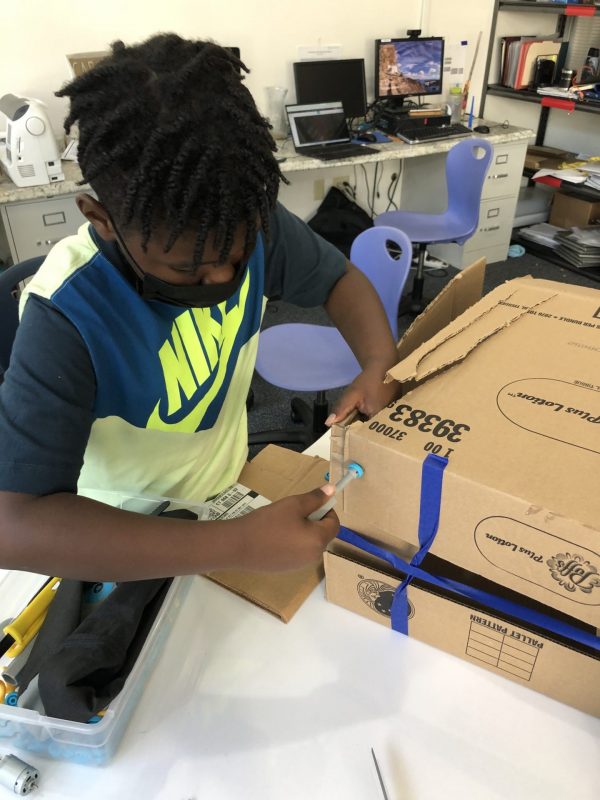
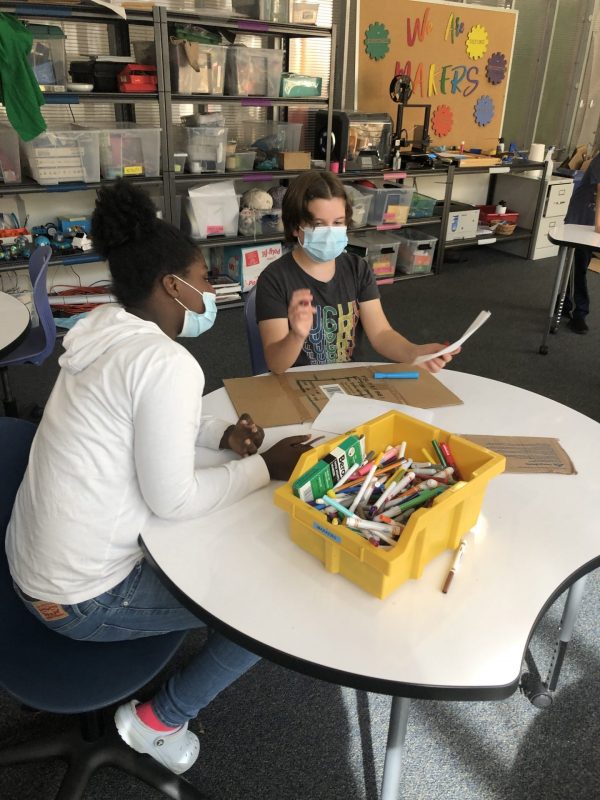
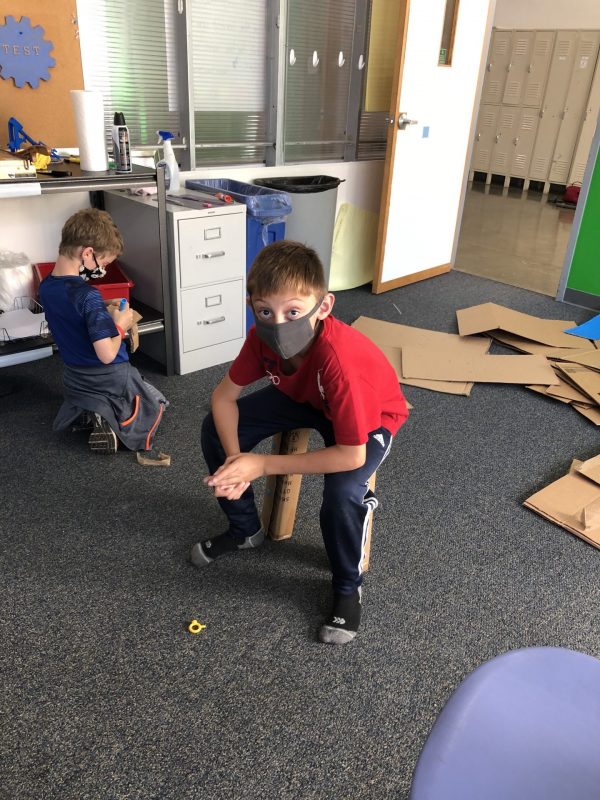
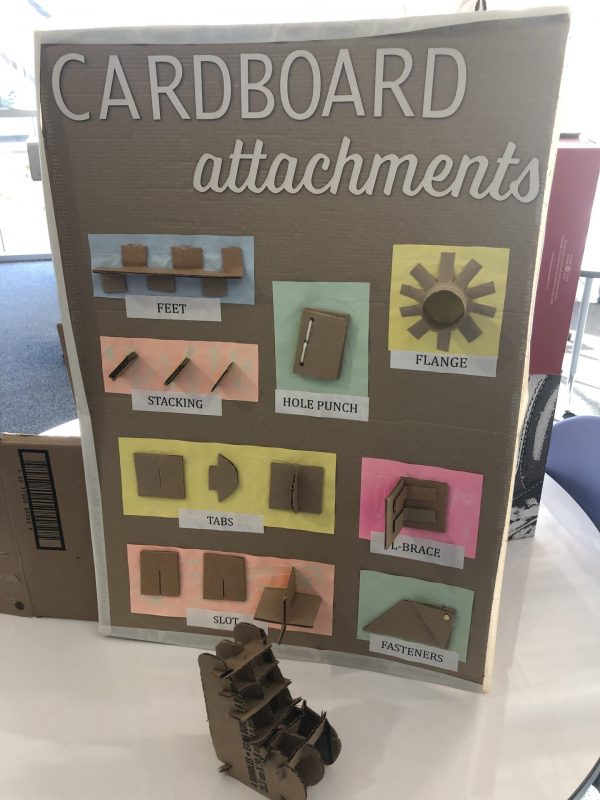
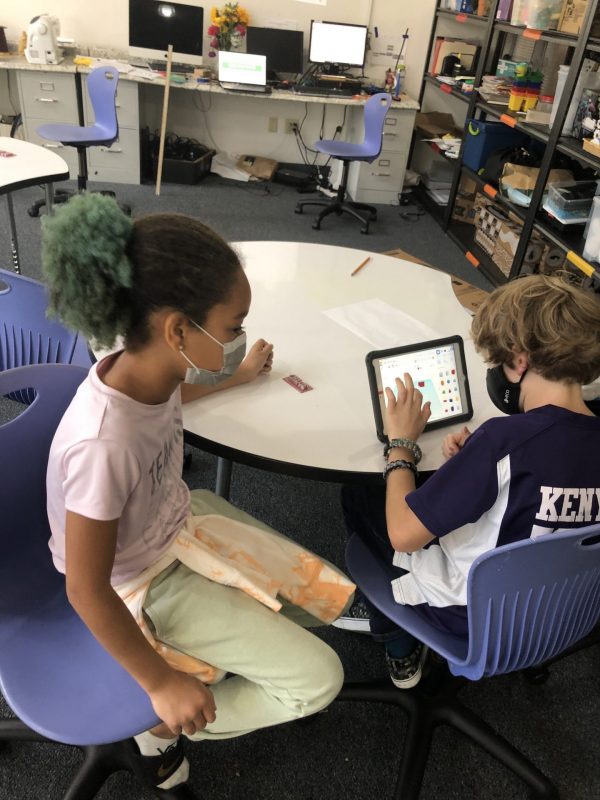
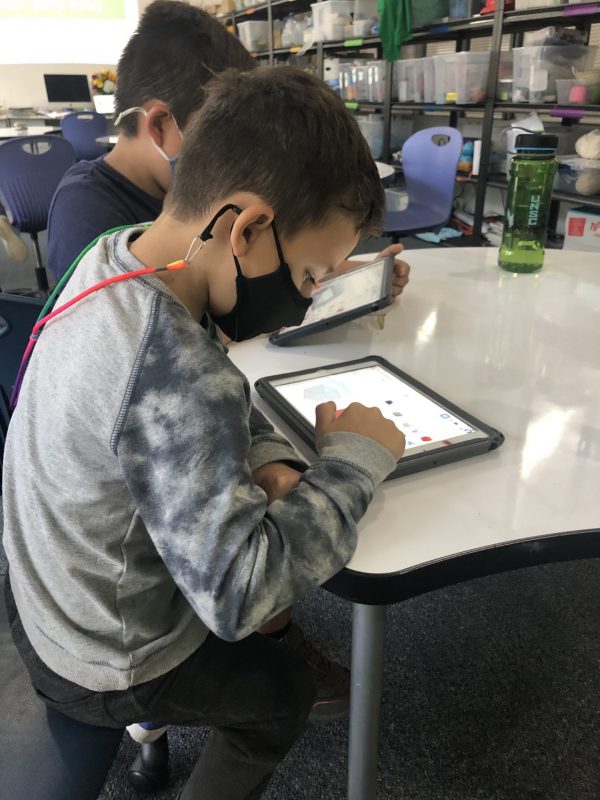
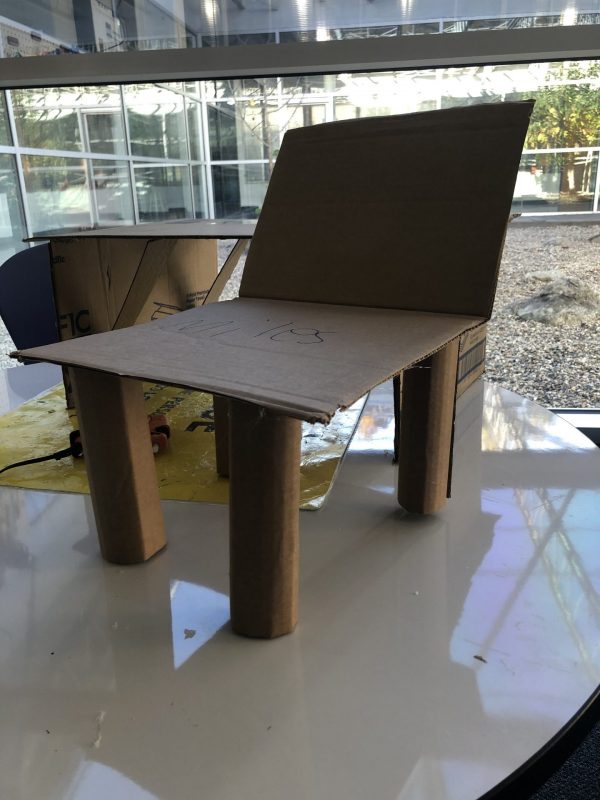
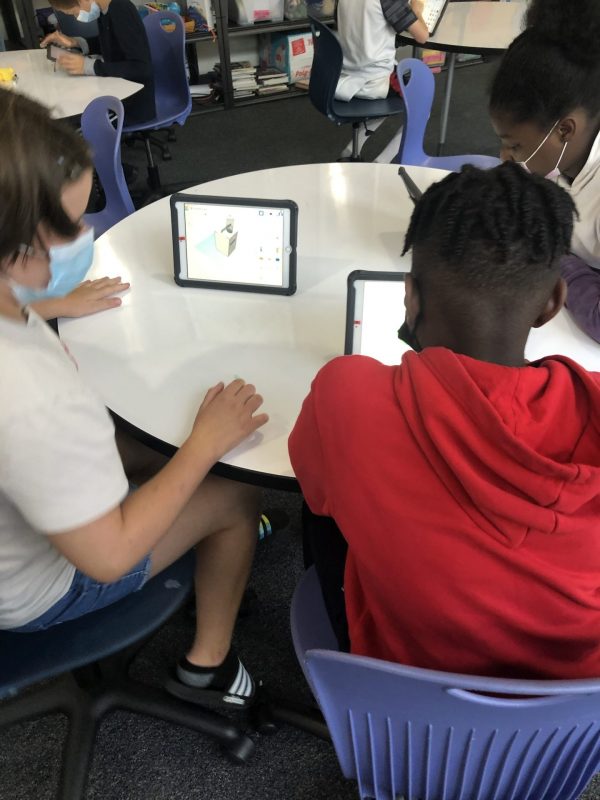
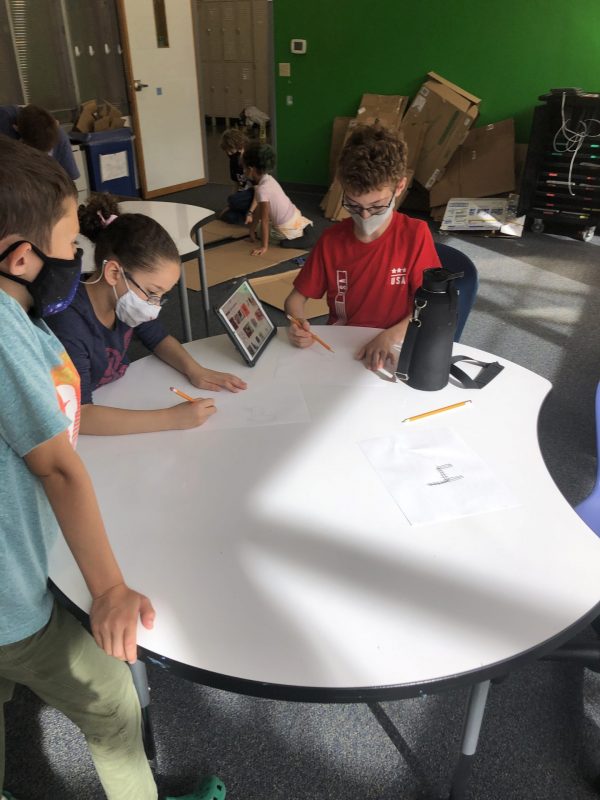
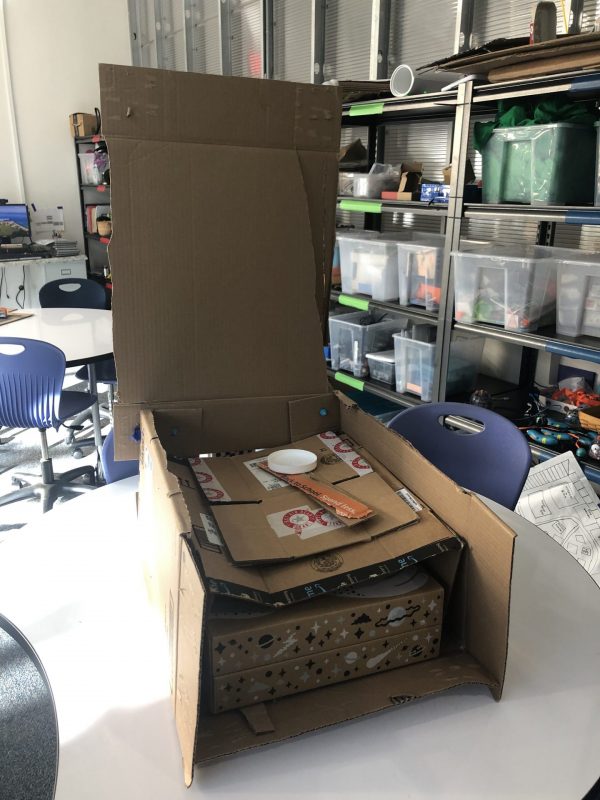
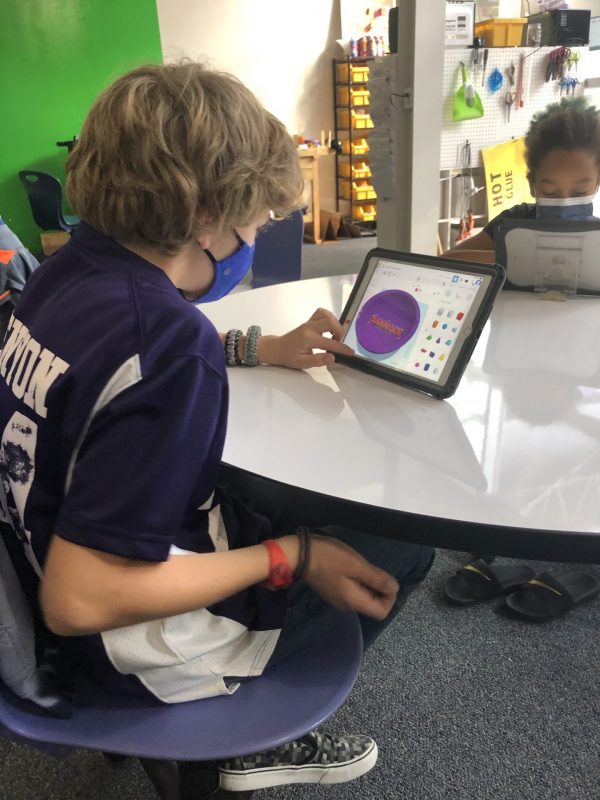
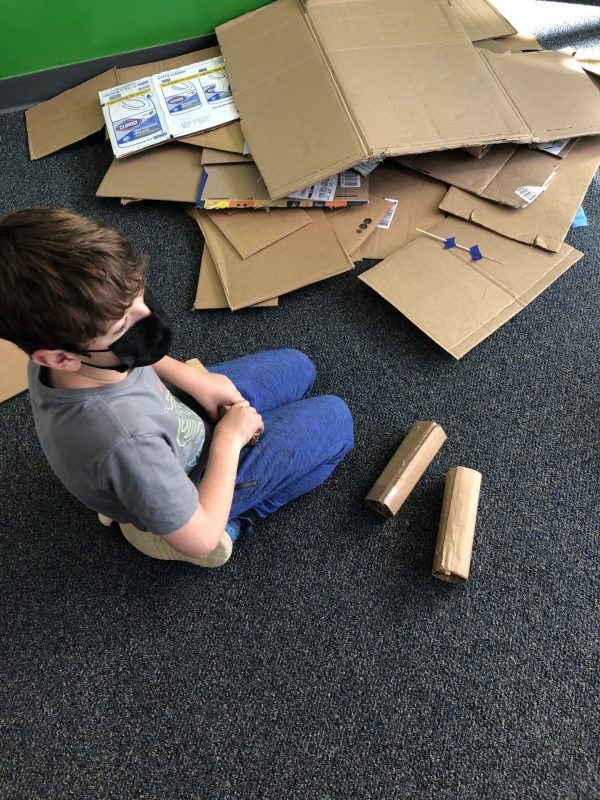
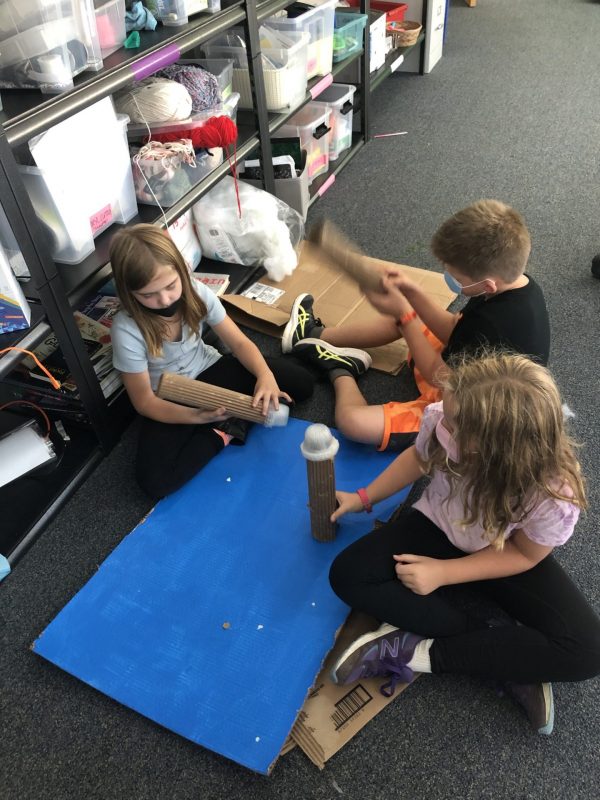
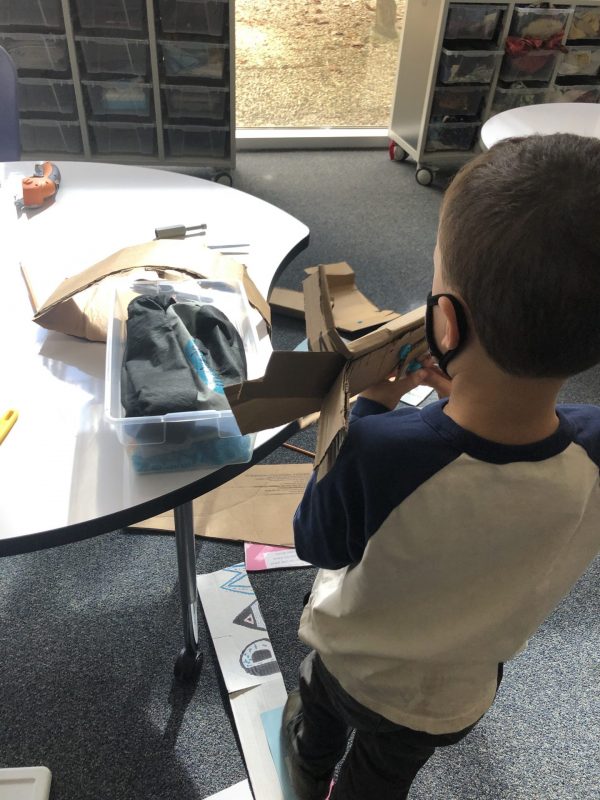
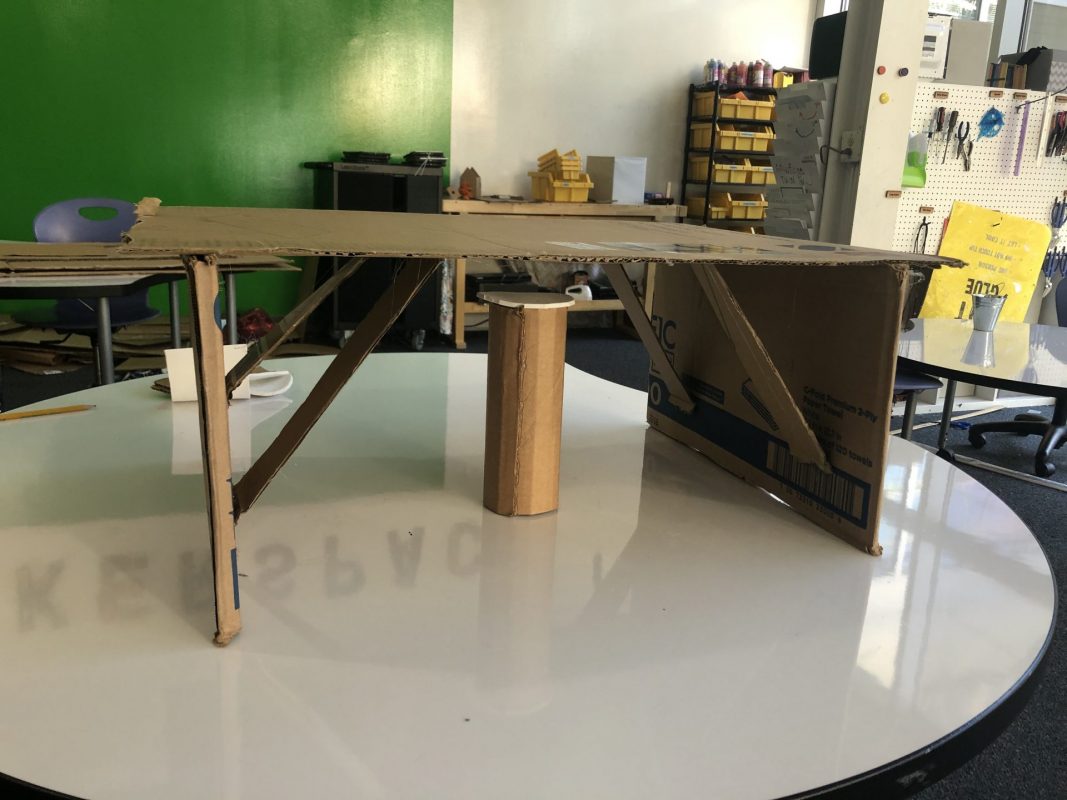
In the Makerspace our lower elementary and 4/5th graders have been exploring unconventional building materials. Our young makers were challenged with first designing and then building functional chairs made completely out of cardboard. While students were initially surprised by the choice of a “flimsy material”, they quickly learned to adapt their plans to the material. Often, perceived weaknesses can be turned on their head with a little creative thinking and ingenuity- and our students did not disappoint. Working with unconventional materials provides the opportunity for our makers to think outside the box and feel the spark of excitement as they achieve something they previously thought was impossible.
This project has now evolved from the initial design phase, paper drawings, to modeling, virtual 3D models made on tinkerCAD software, and finally to real structures! The students were able to test and refine their design through iteration of their ideas and constructed several prototypes before their final product. Each trial led to new discoveries about how they could adapt the given material to the challenge at hand. We are so excited to see the final products of this design process and can’t wait to continue to learn with our makers.
The Tiny Art Show is on Display!
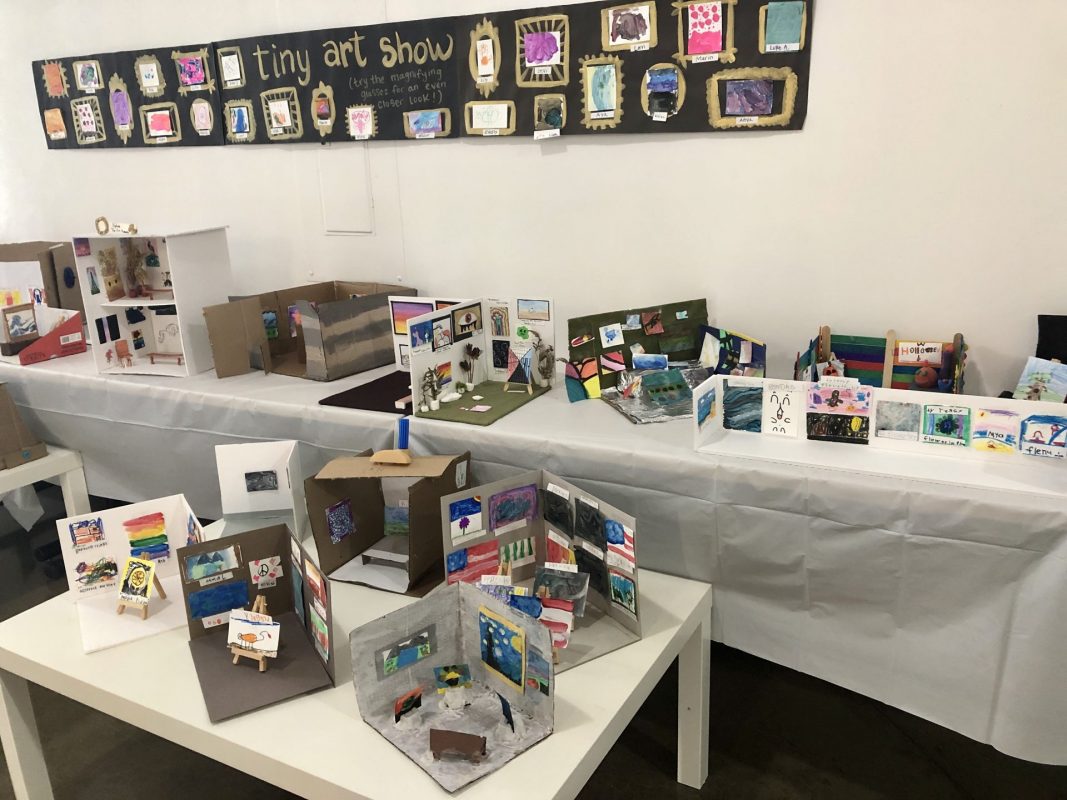
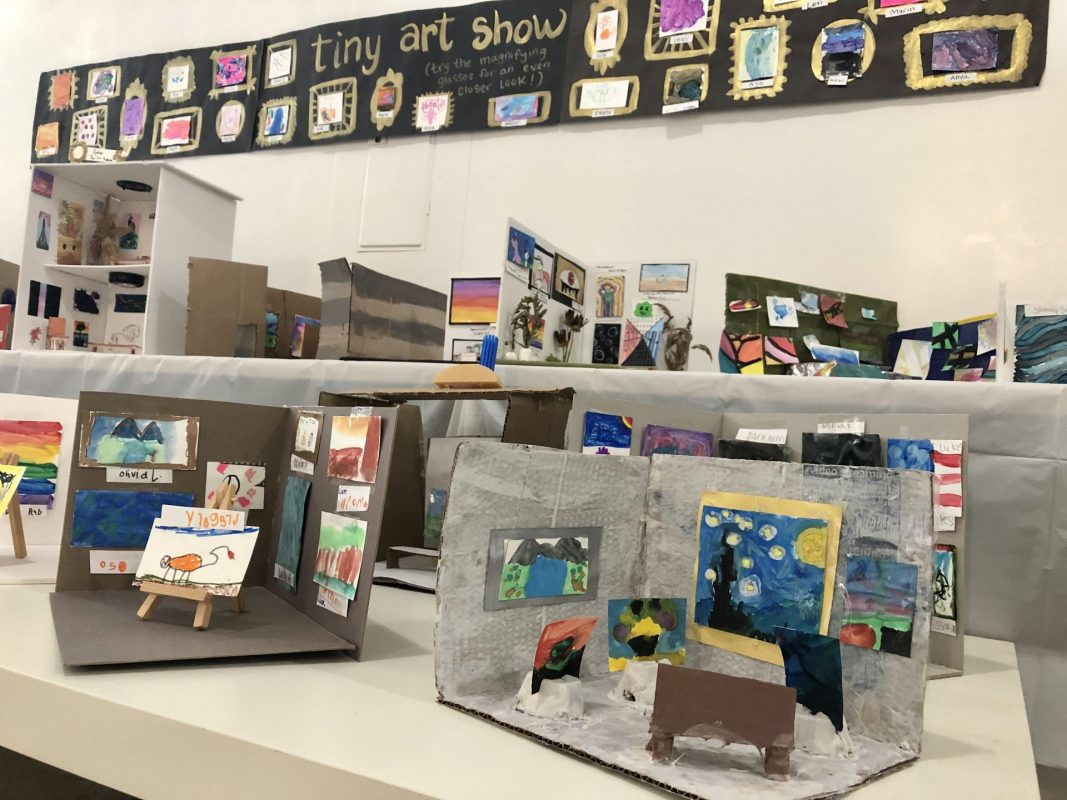
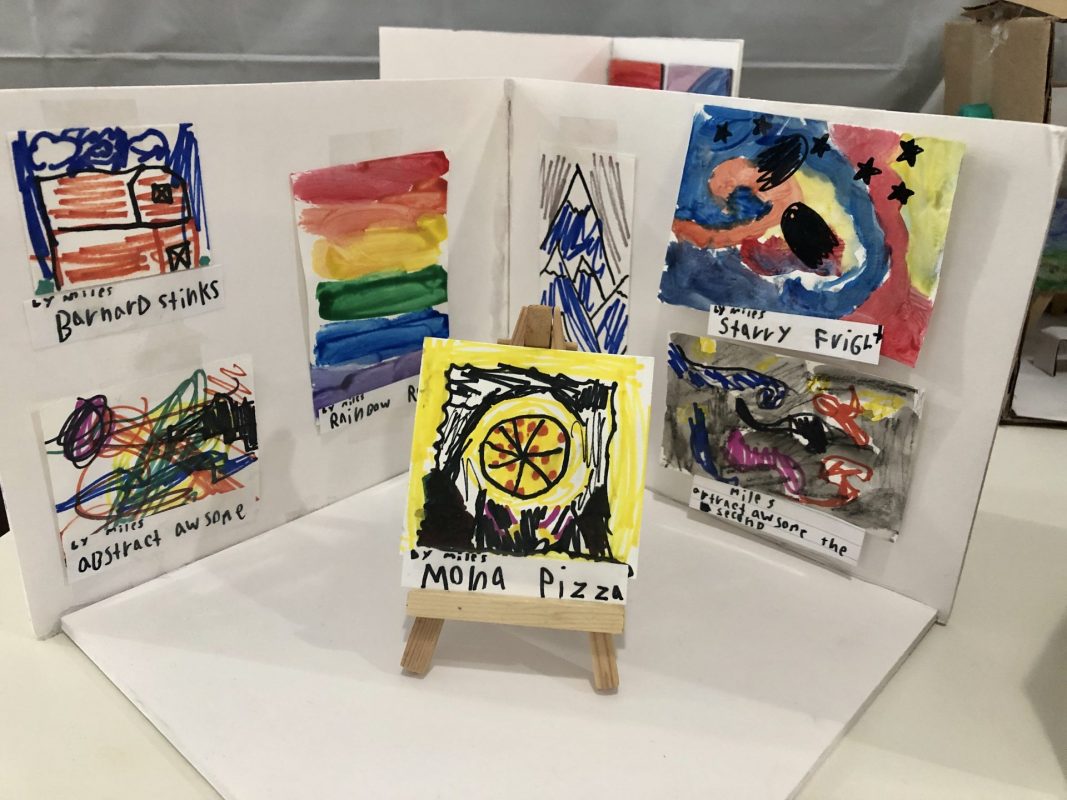
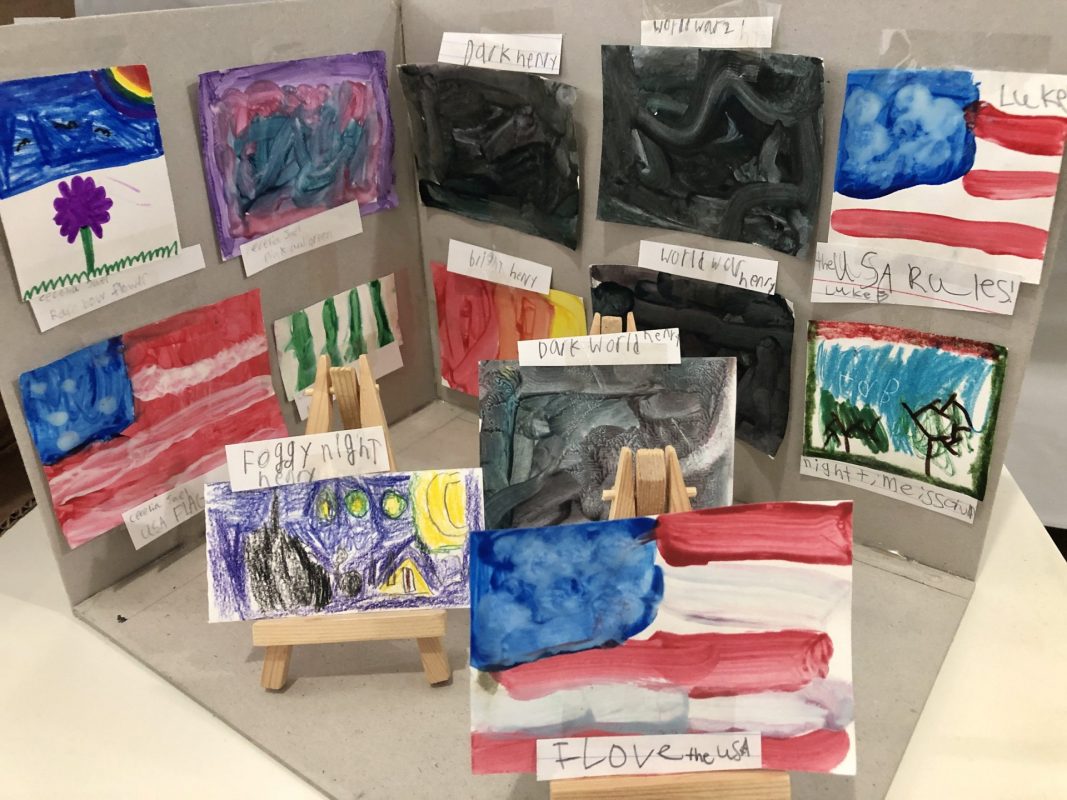
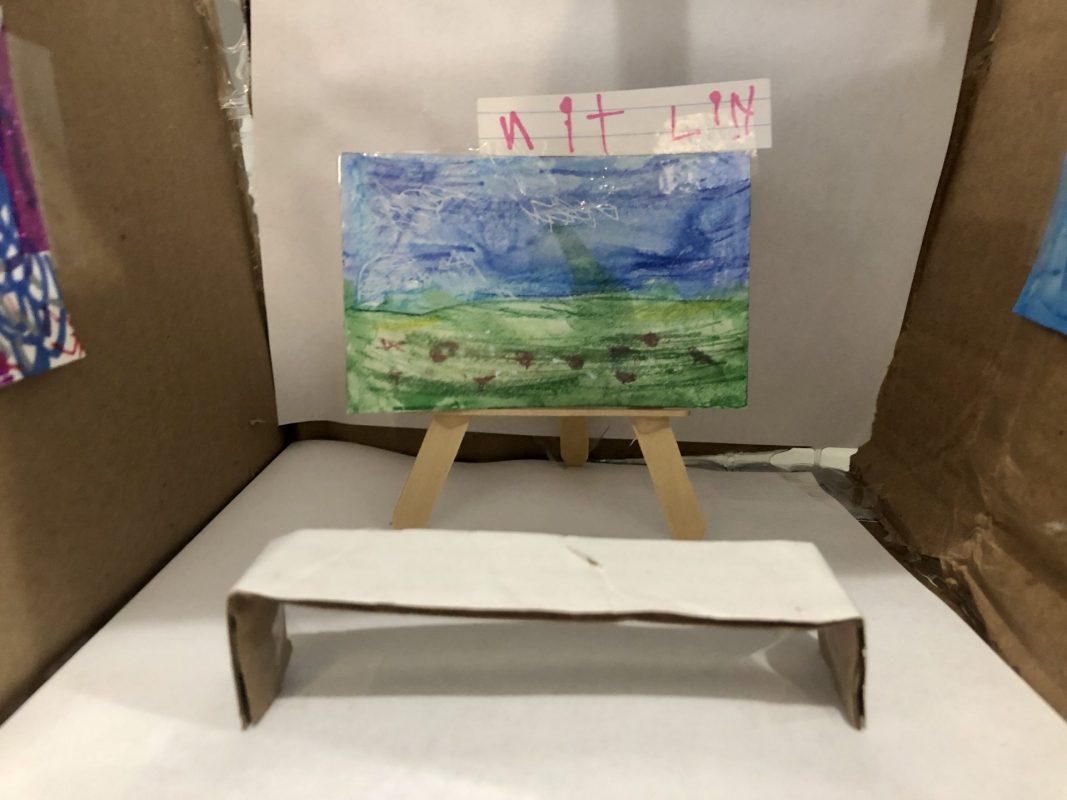
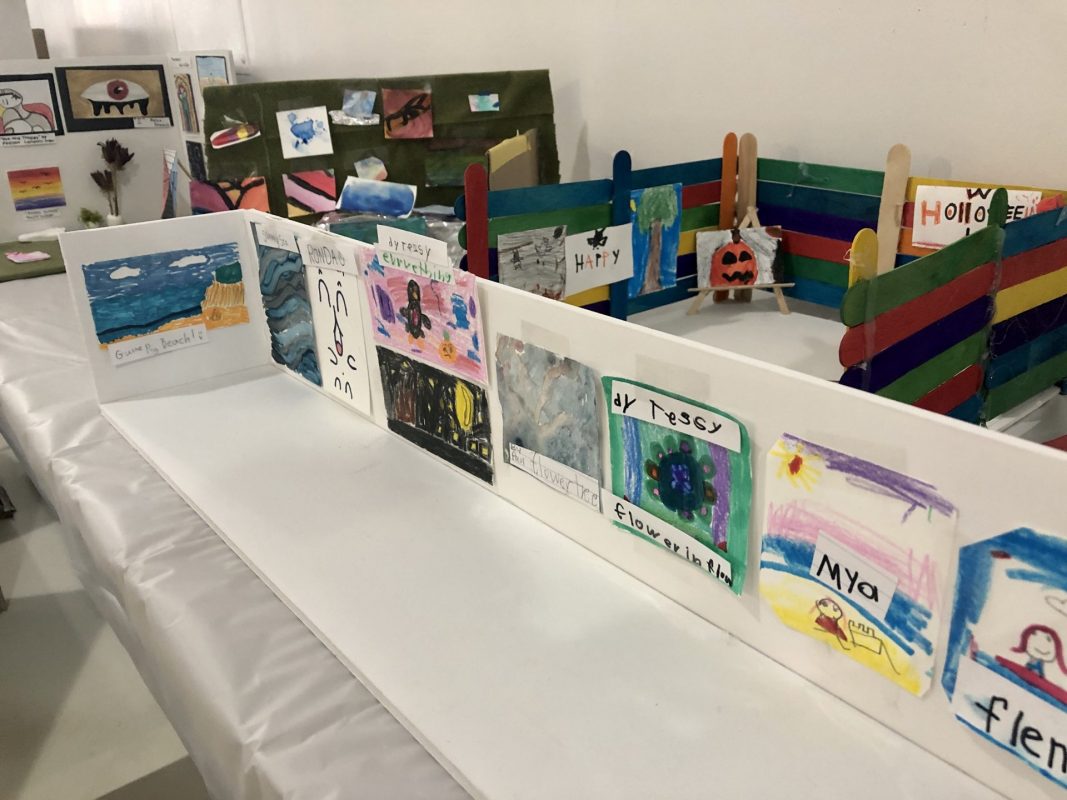
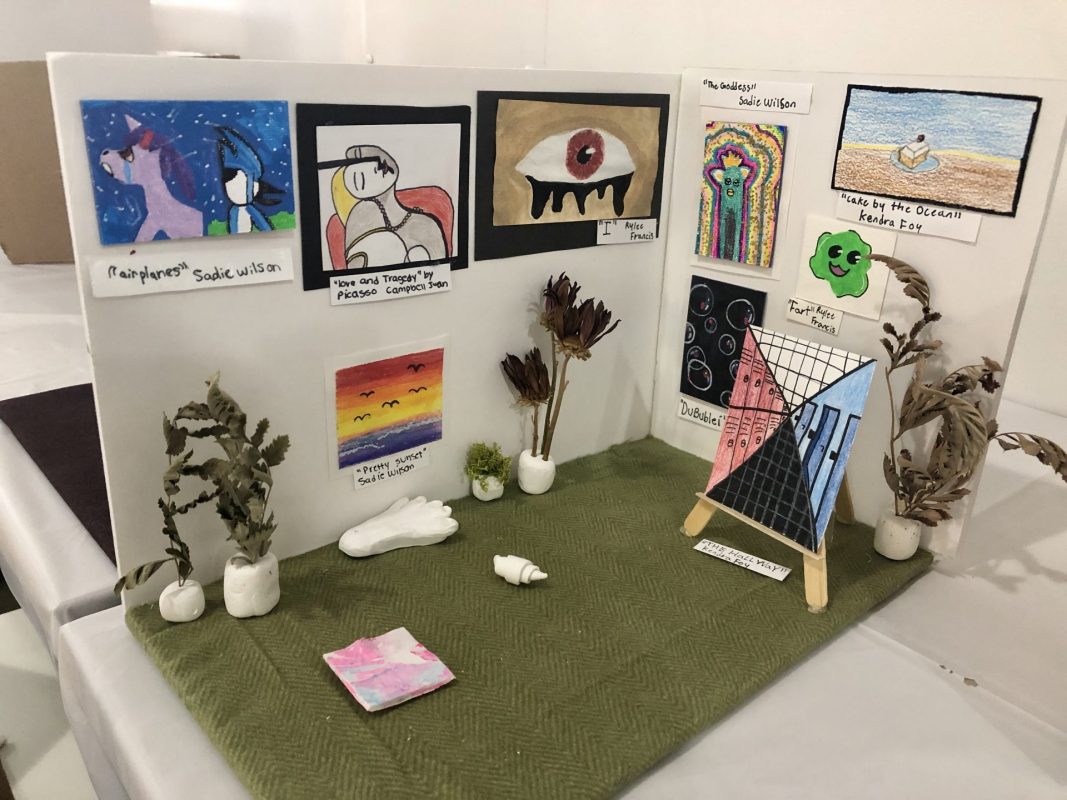
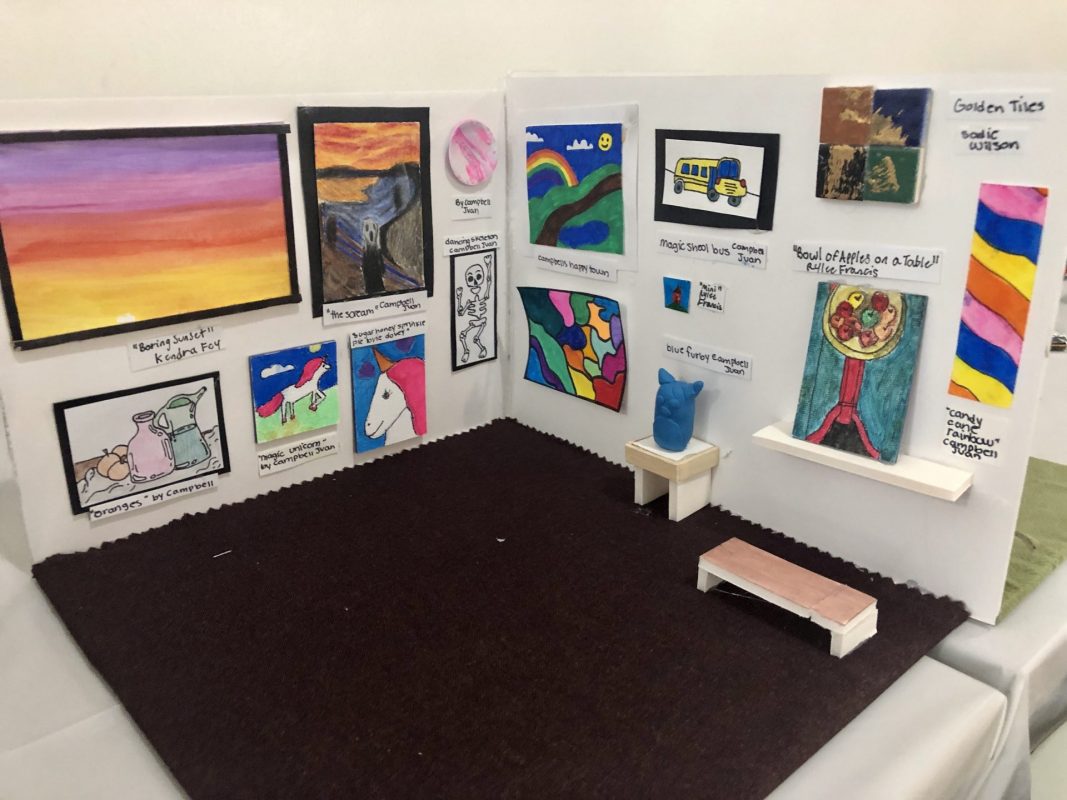
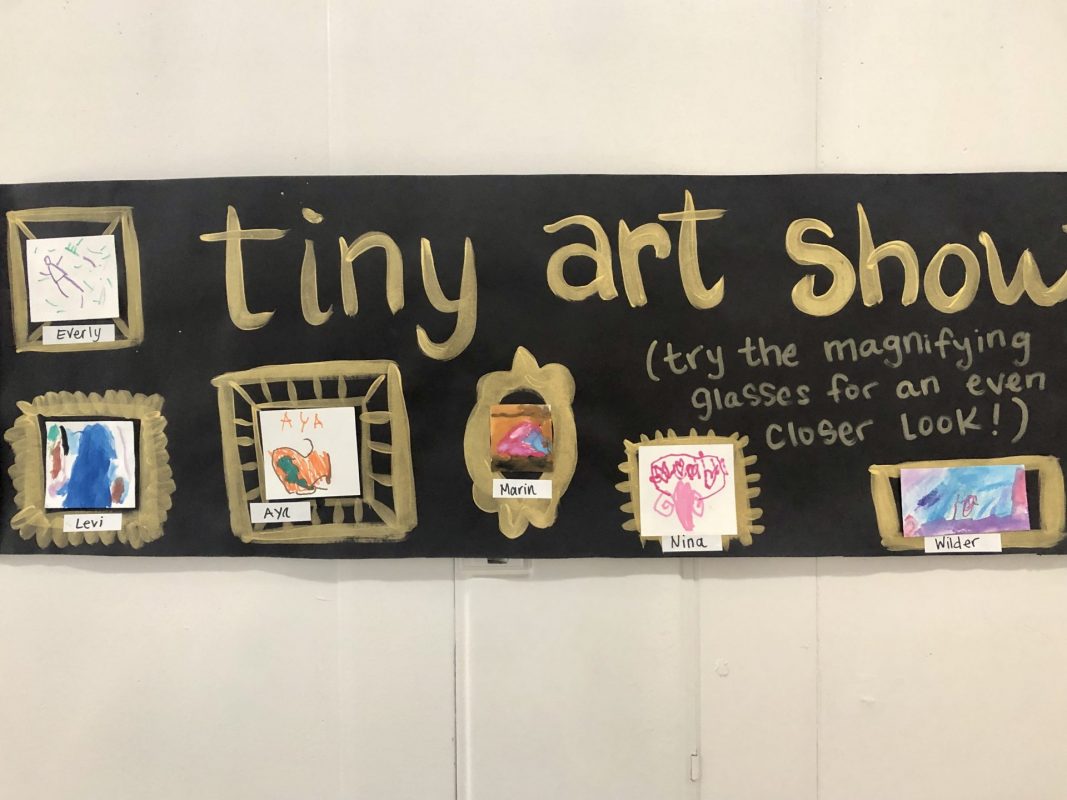
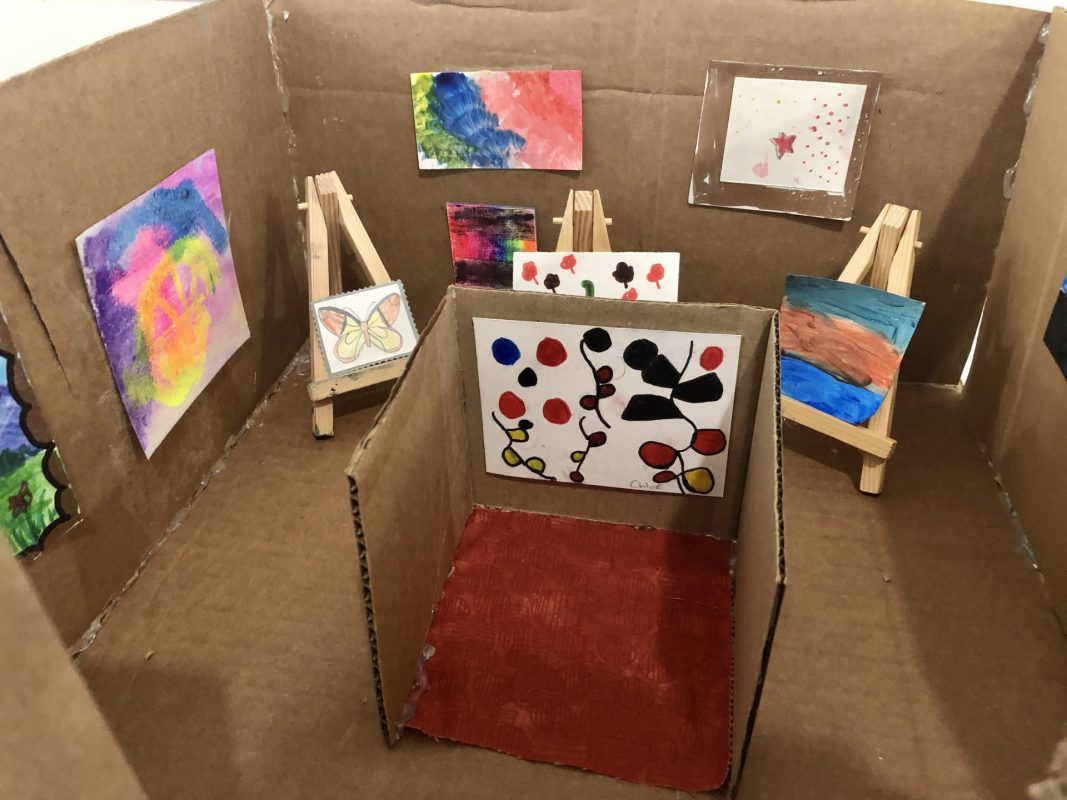
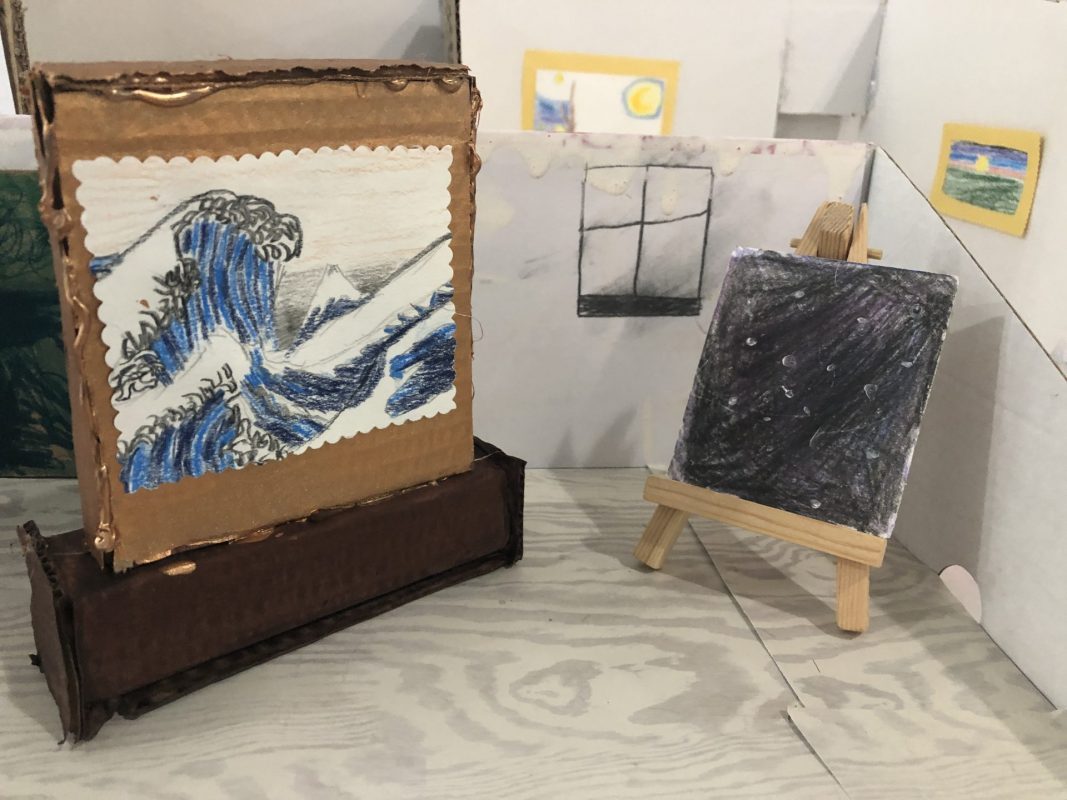
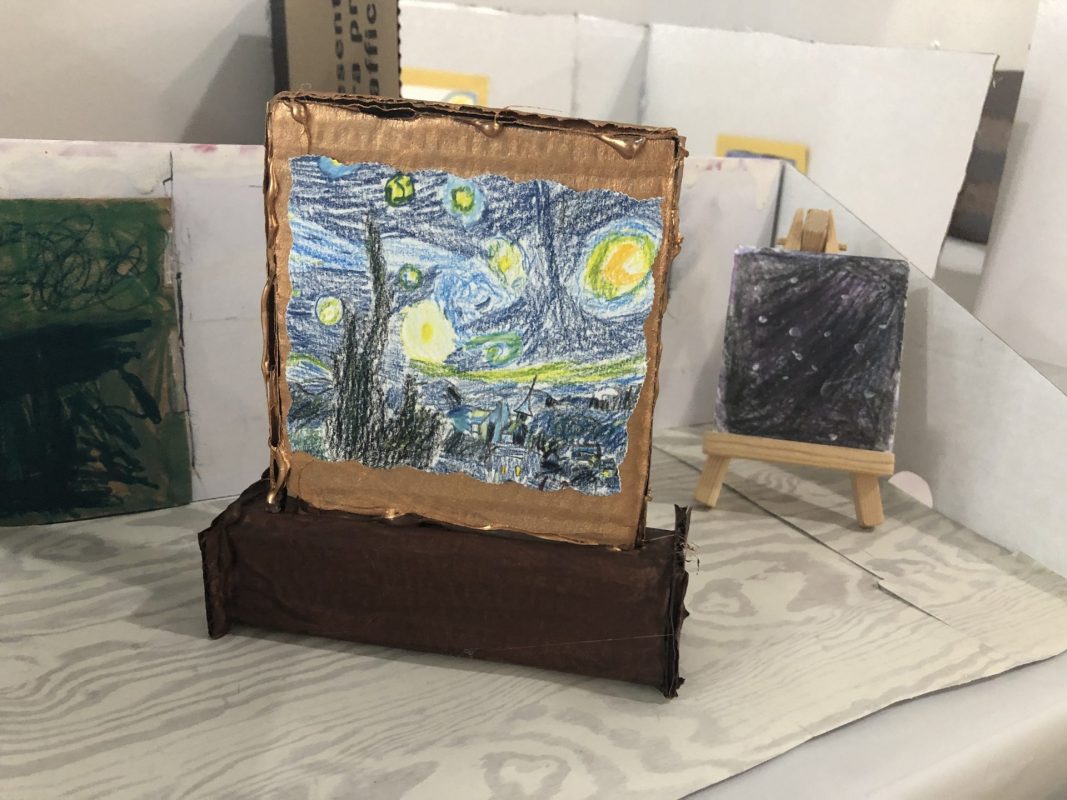
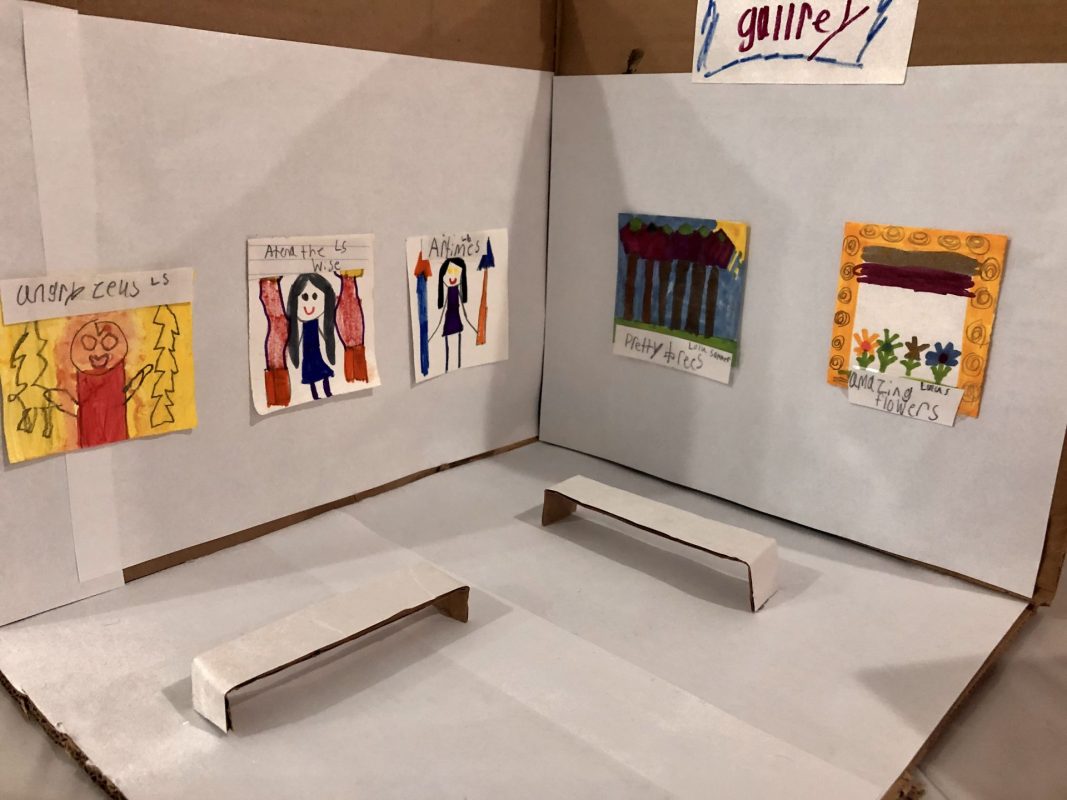
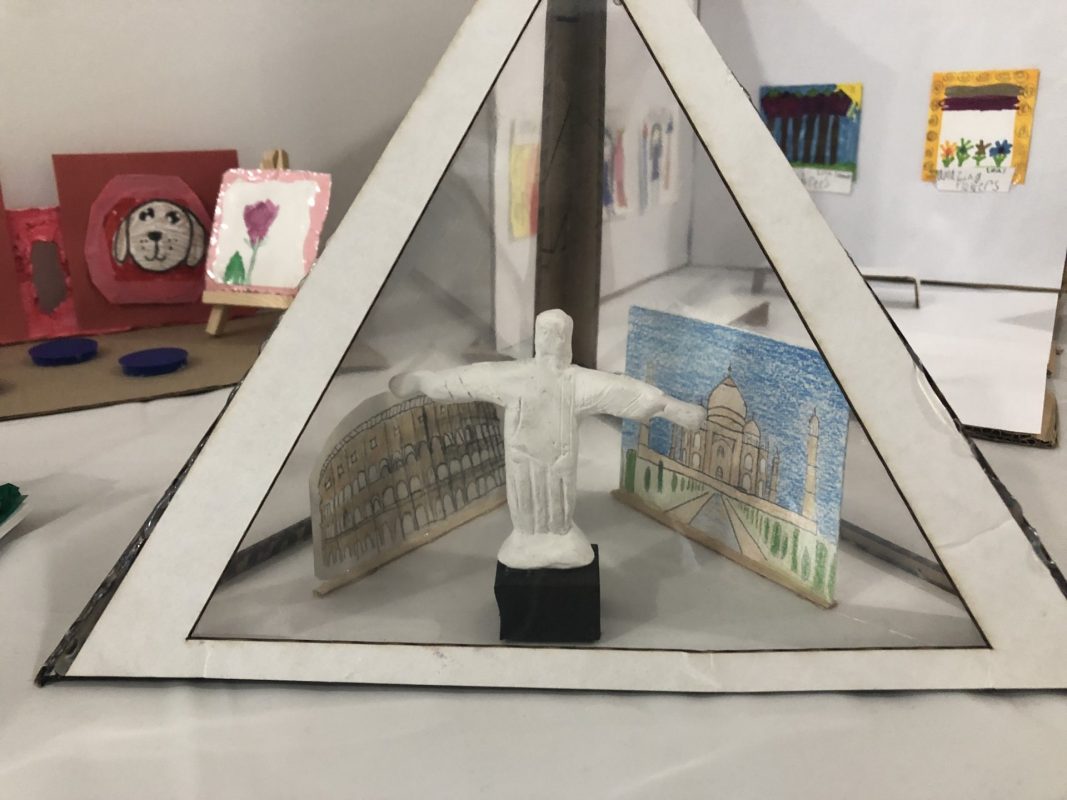
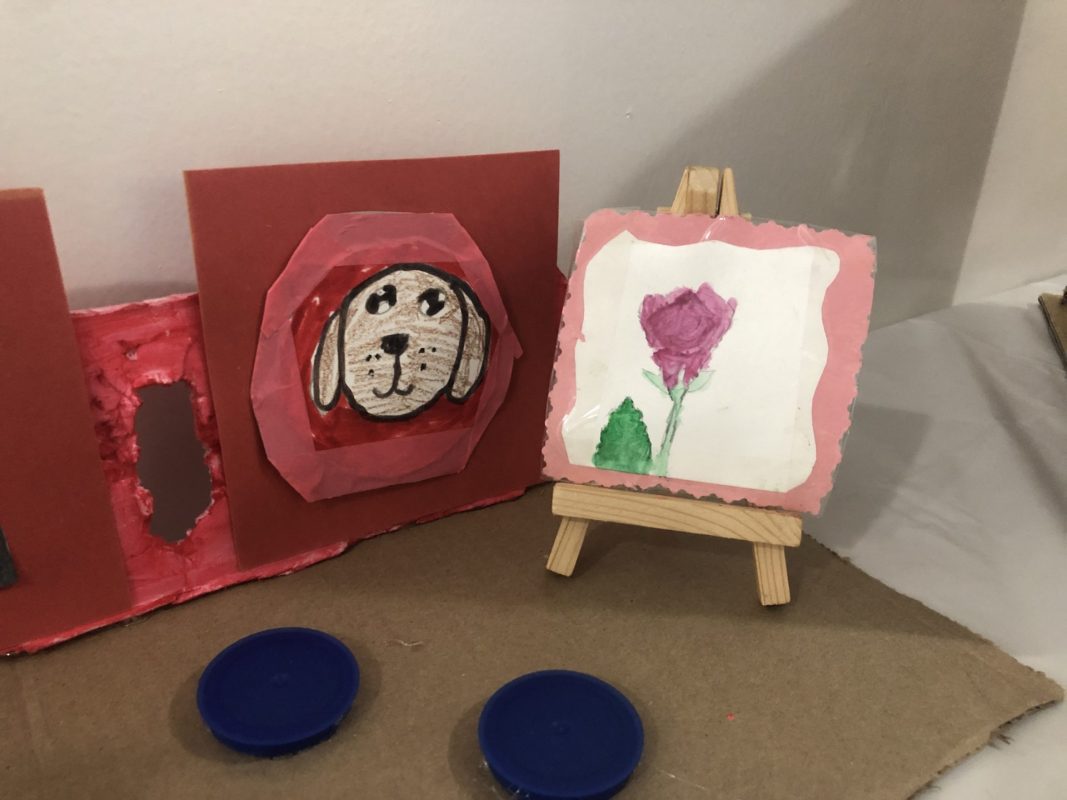
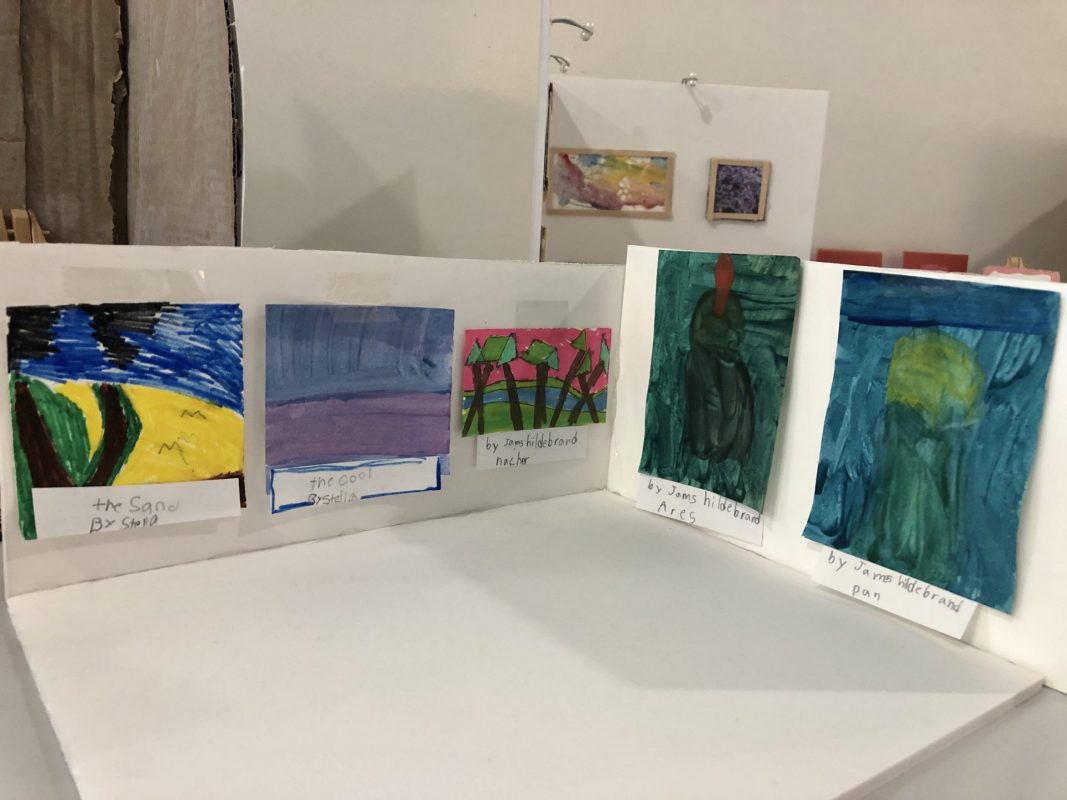
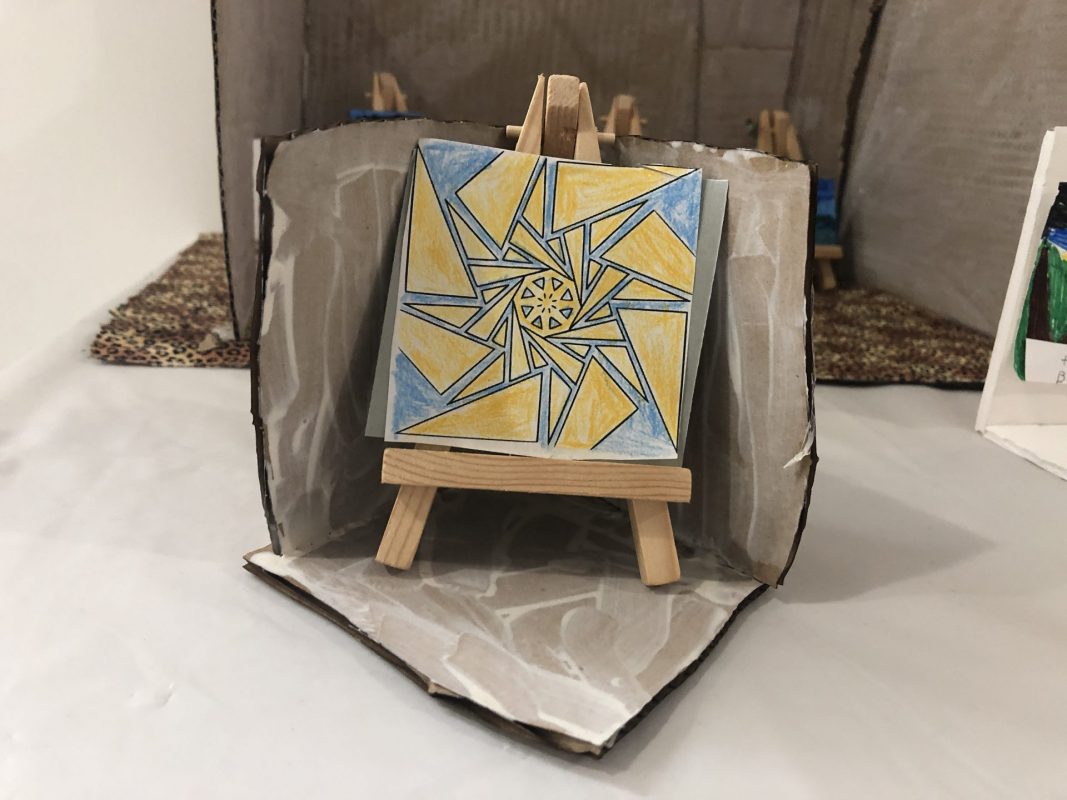
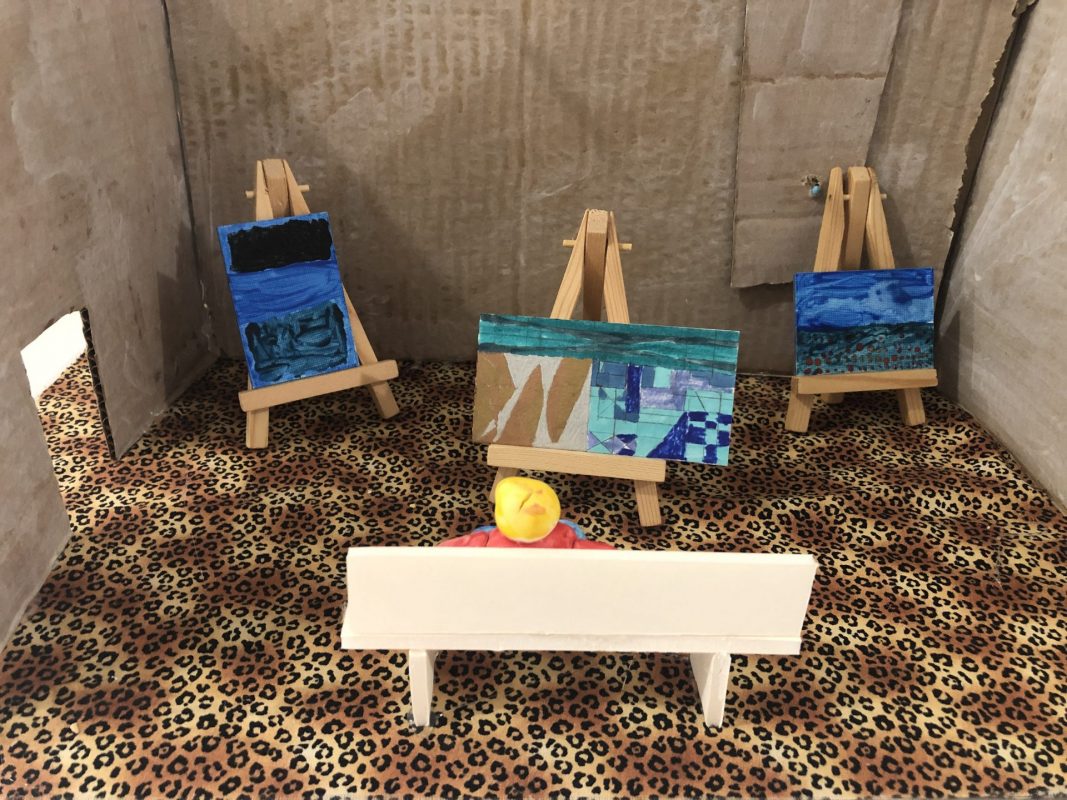
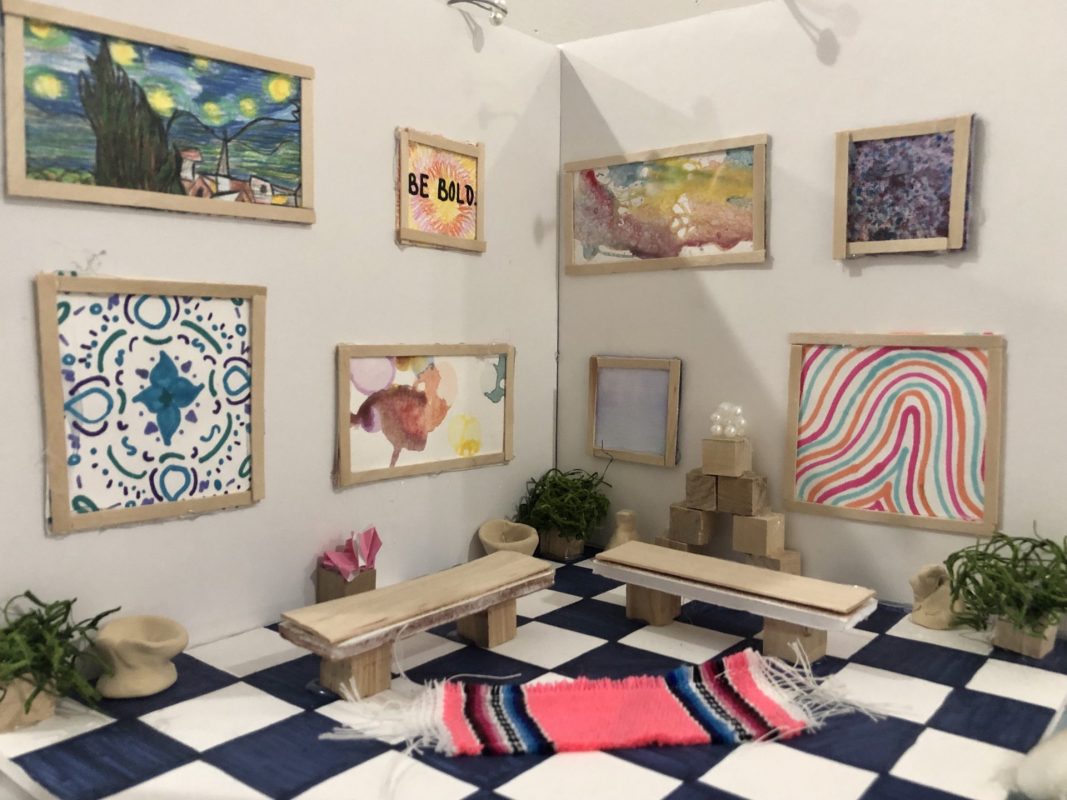
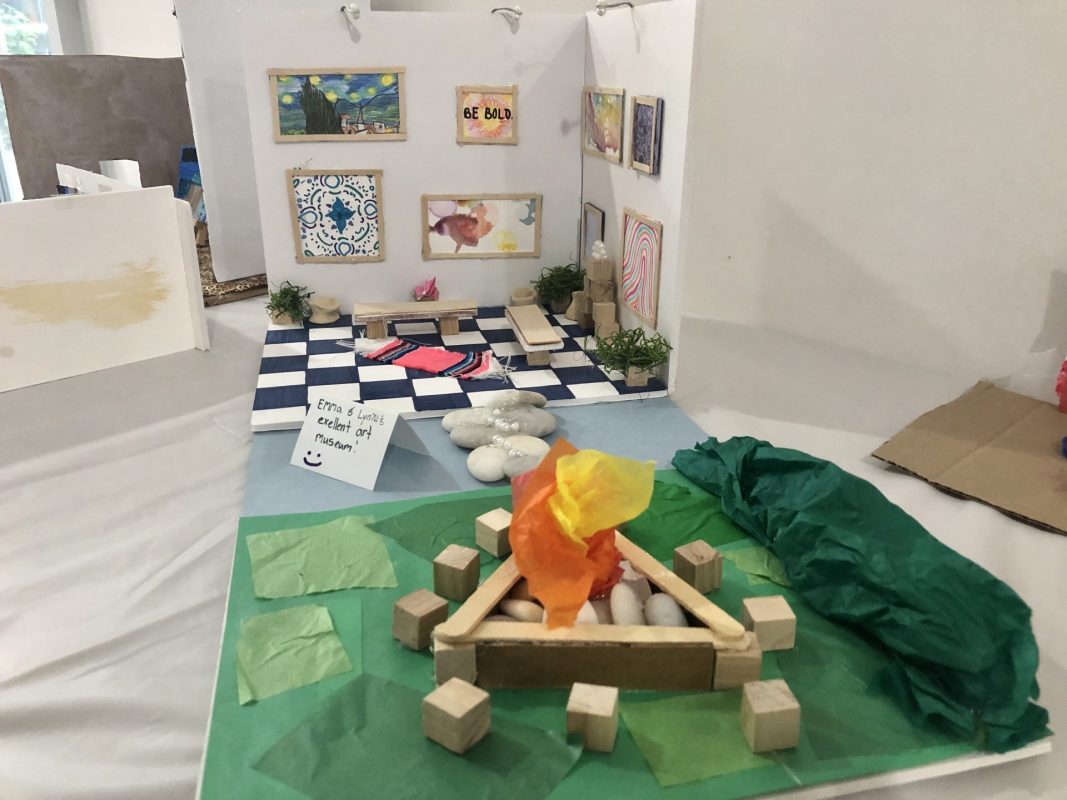
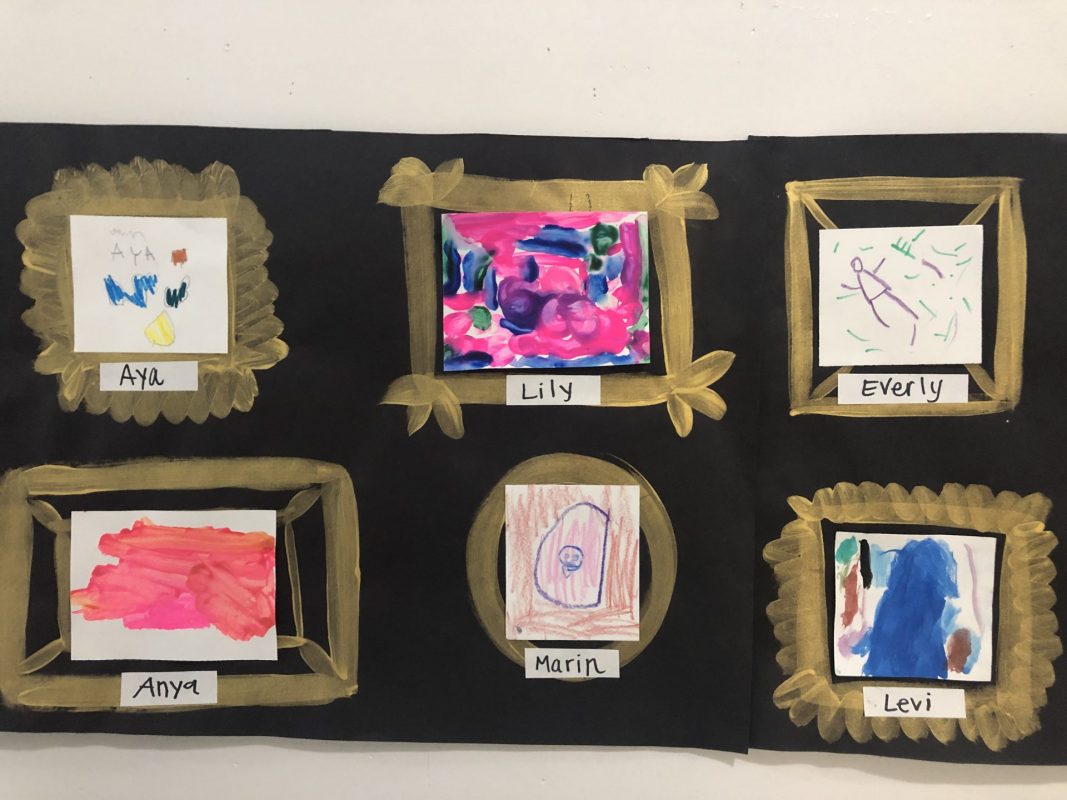
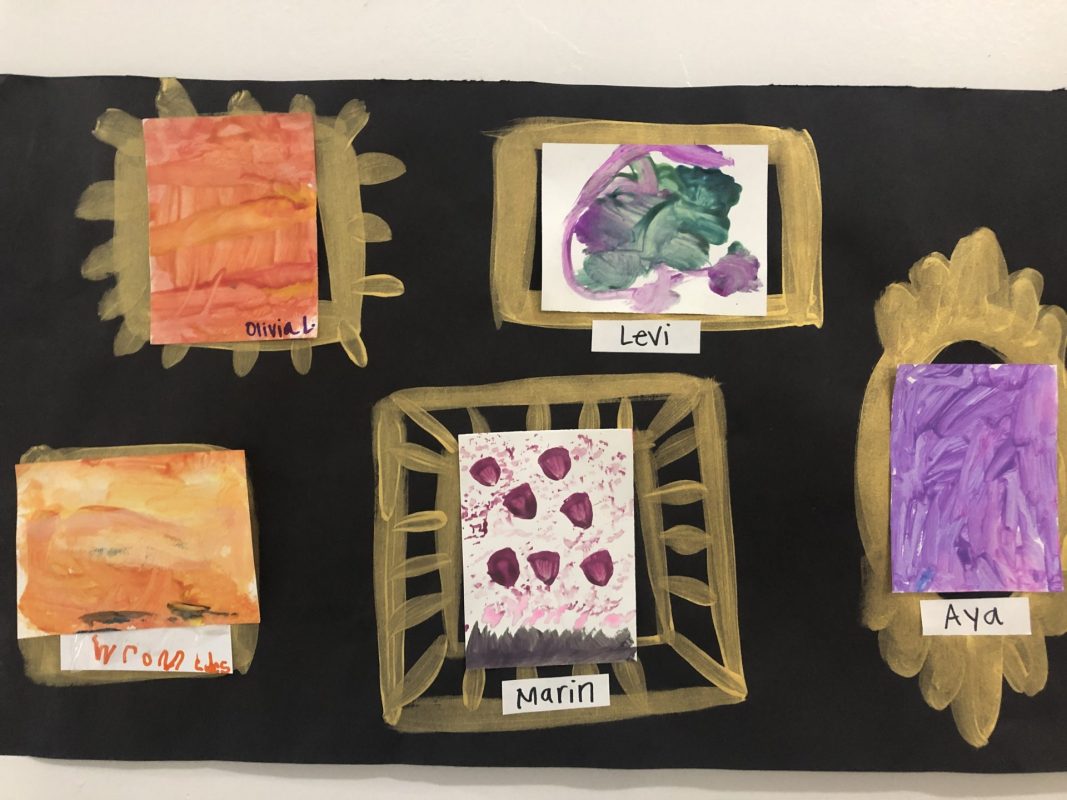
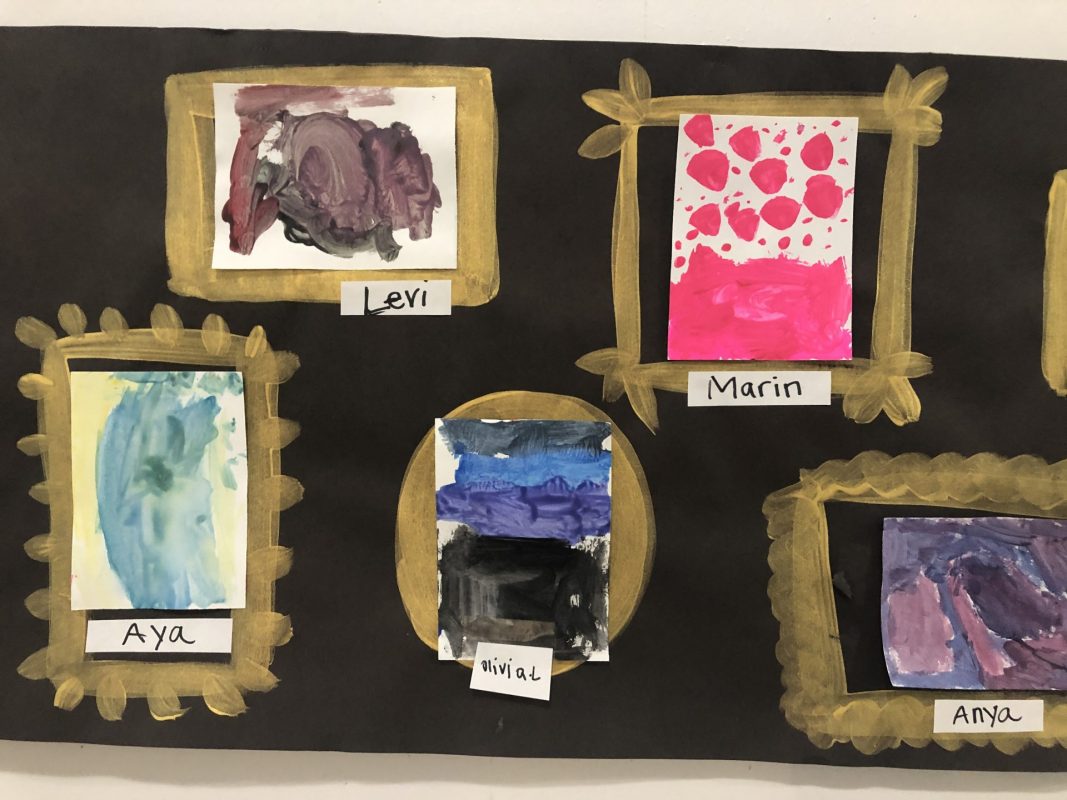
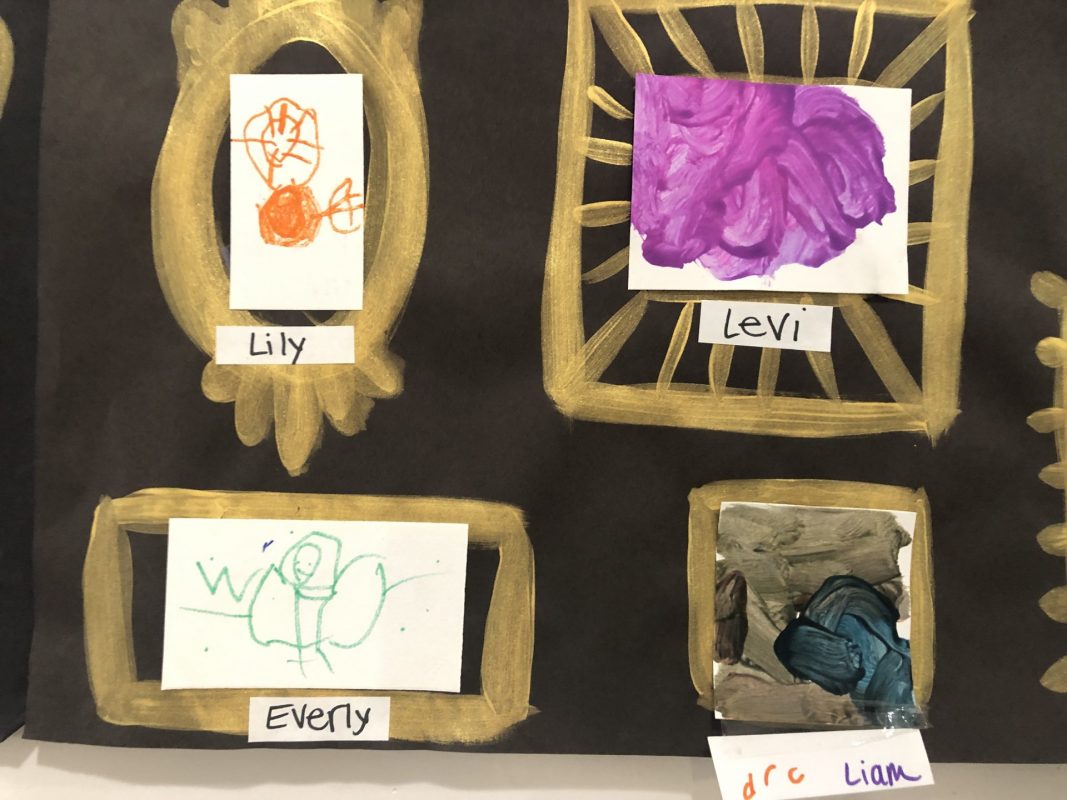
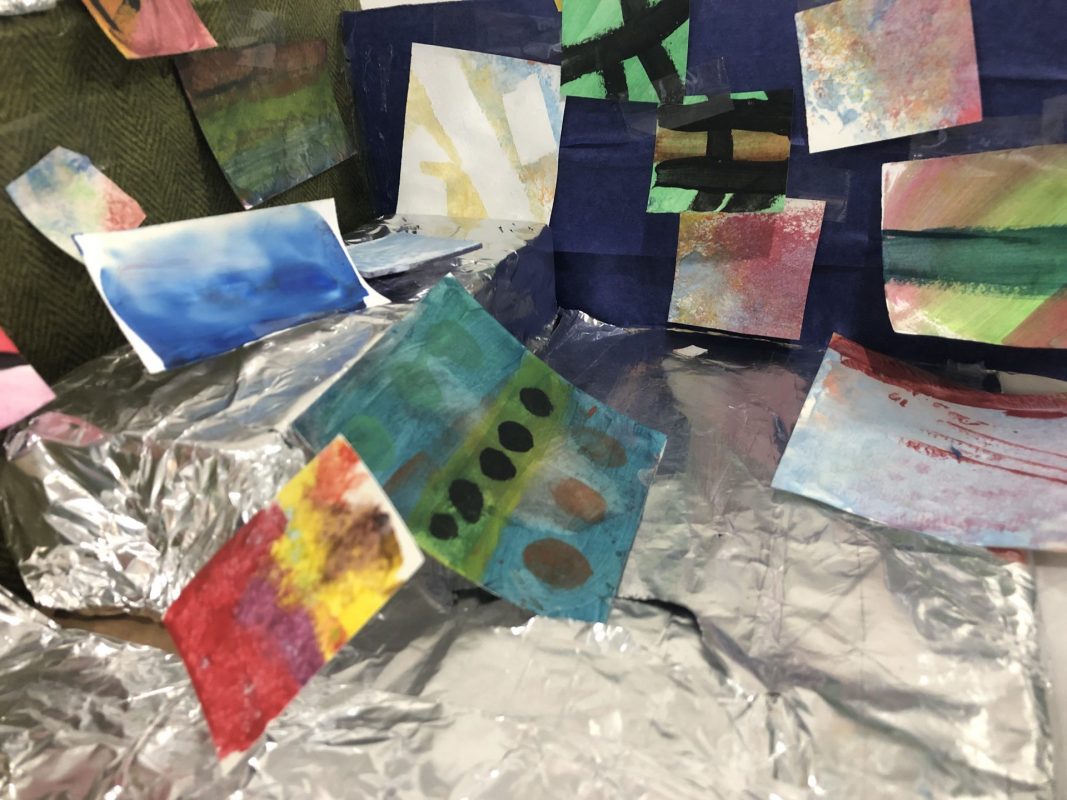
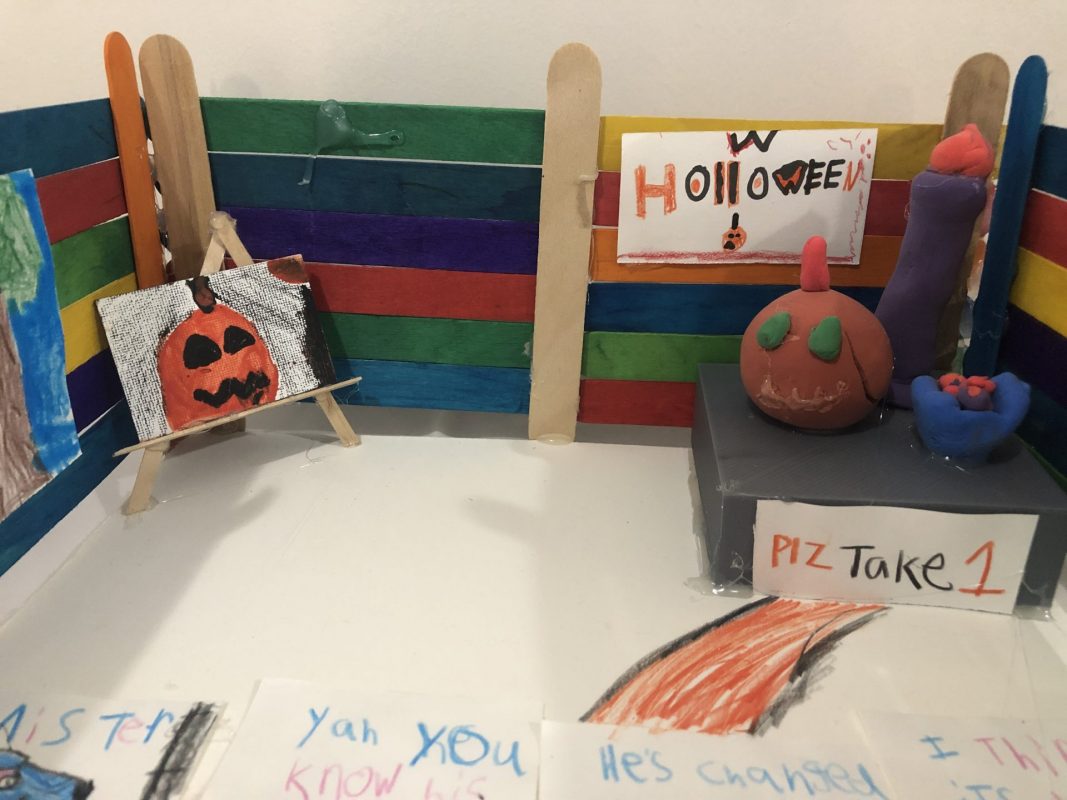
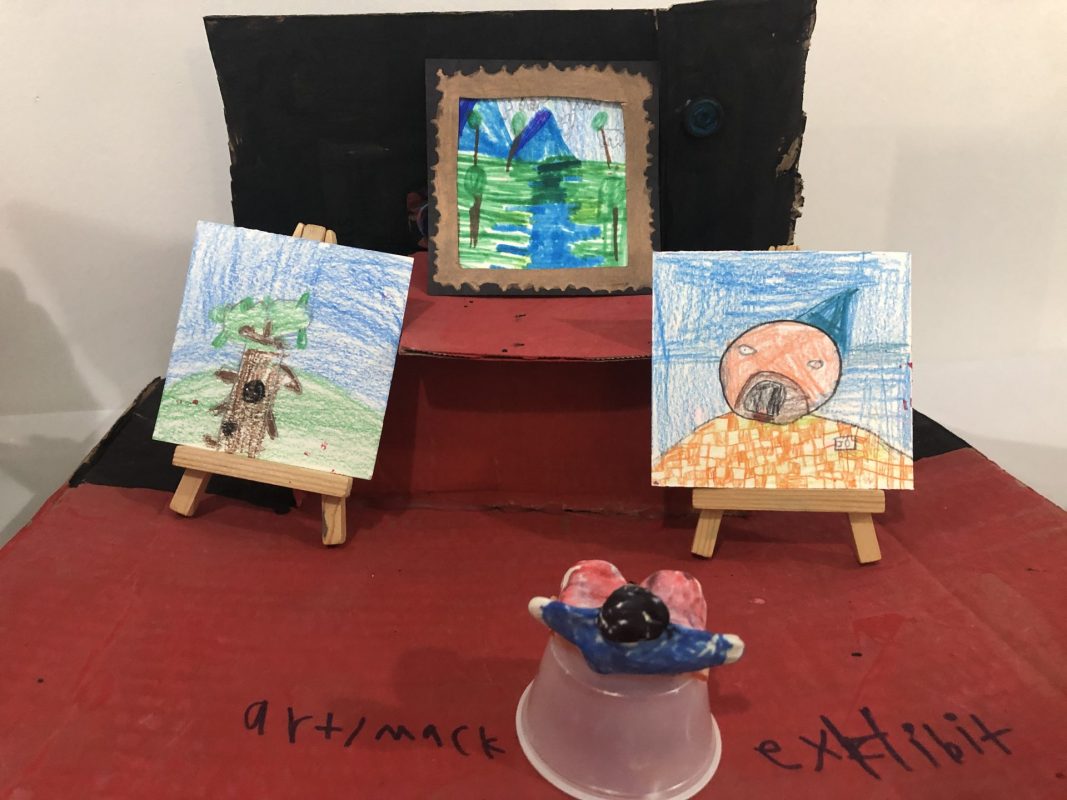
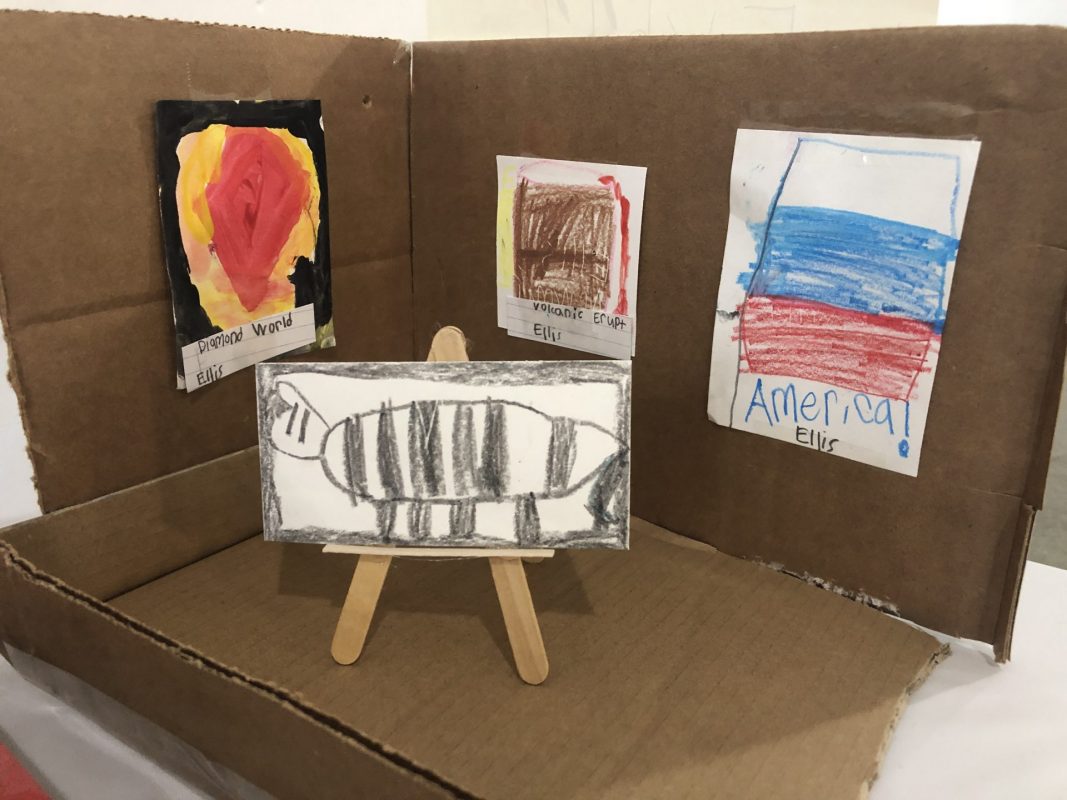
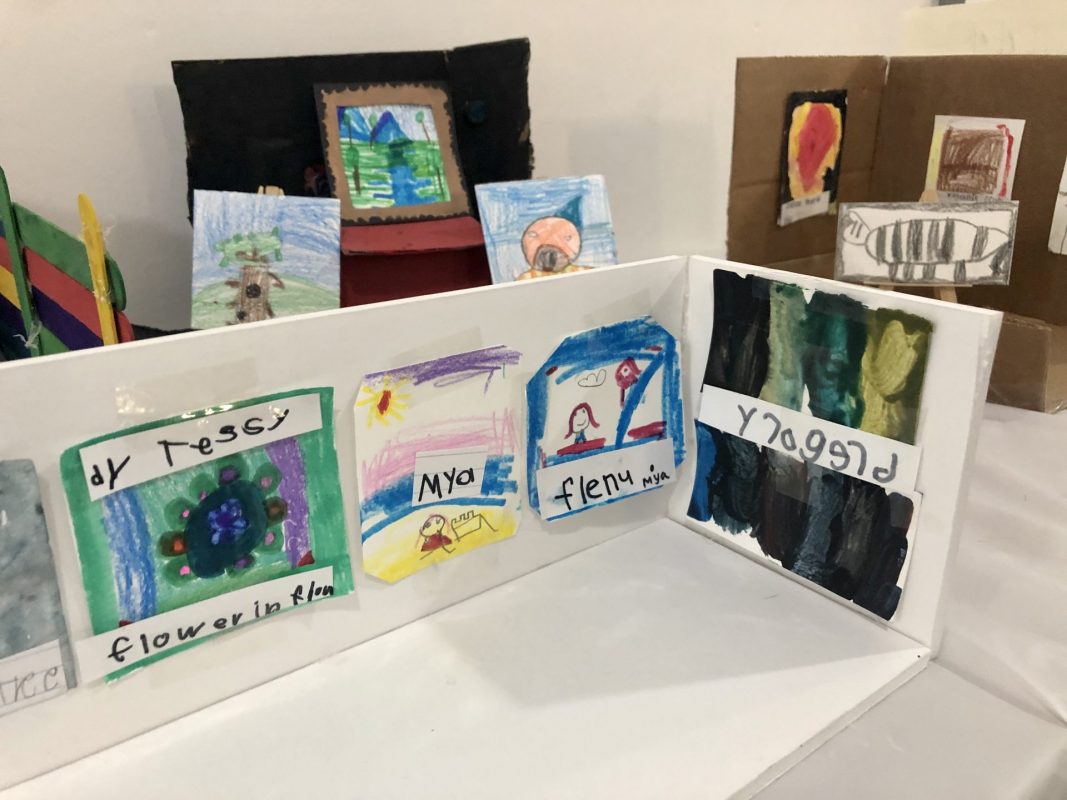
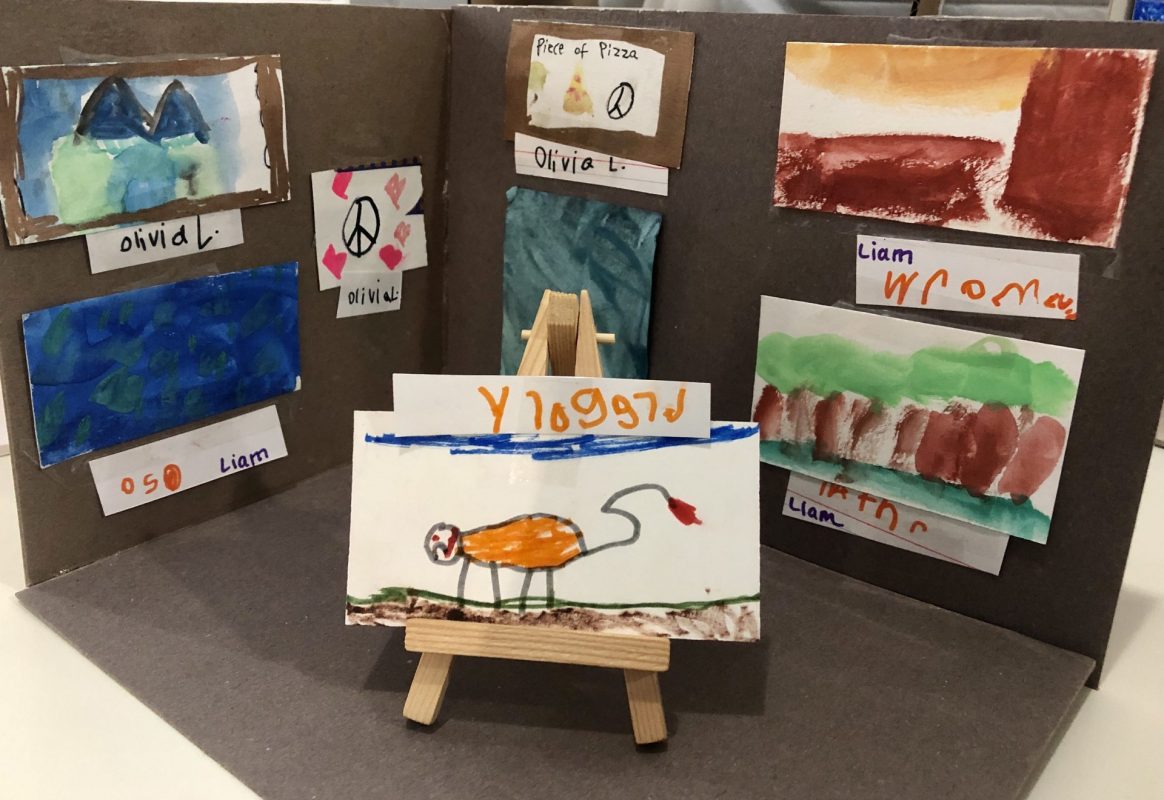
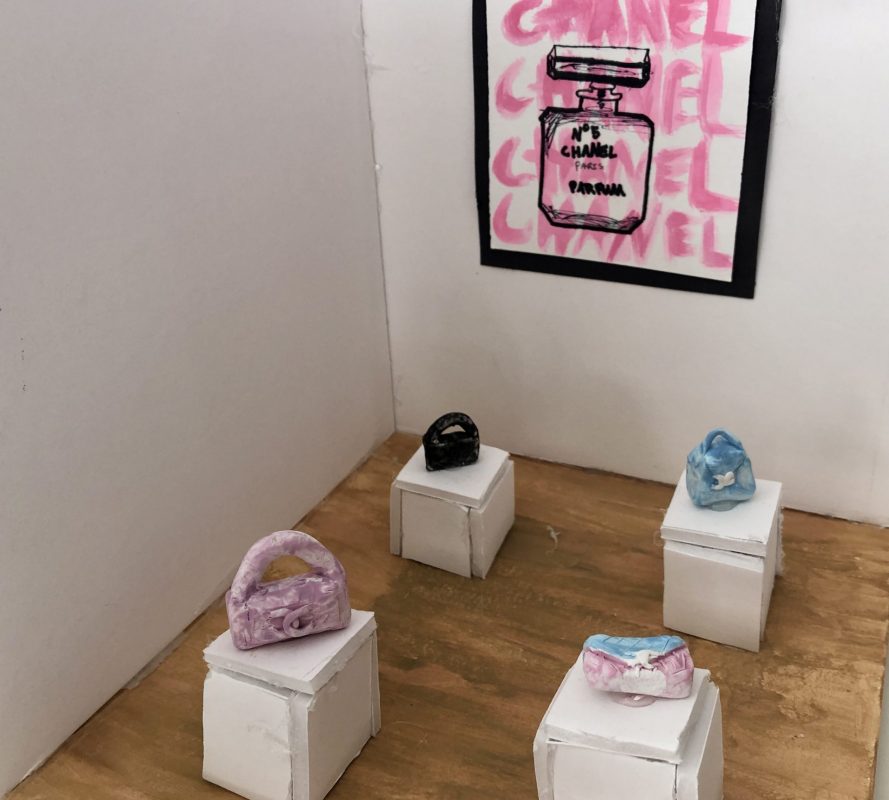
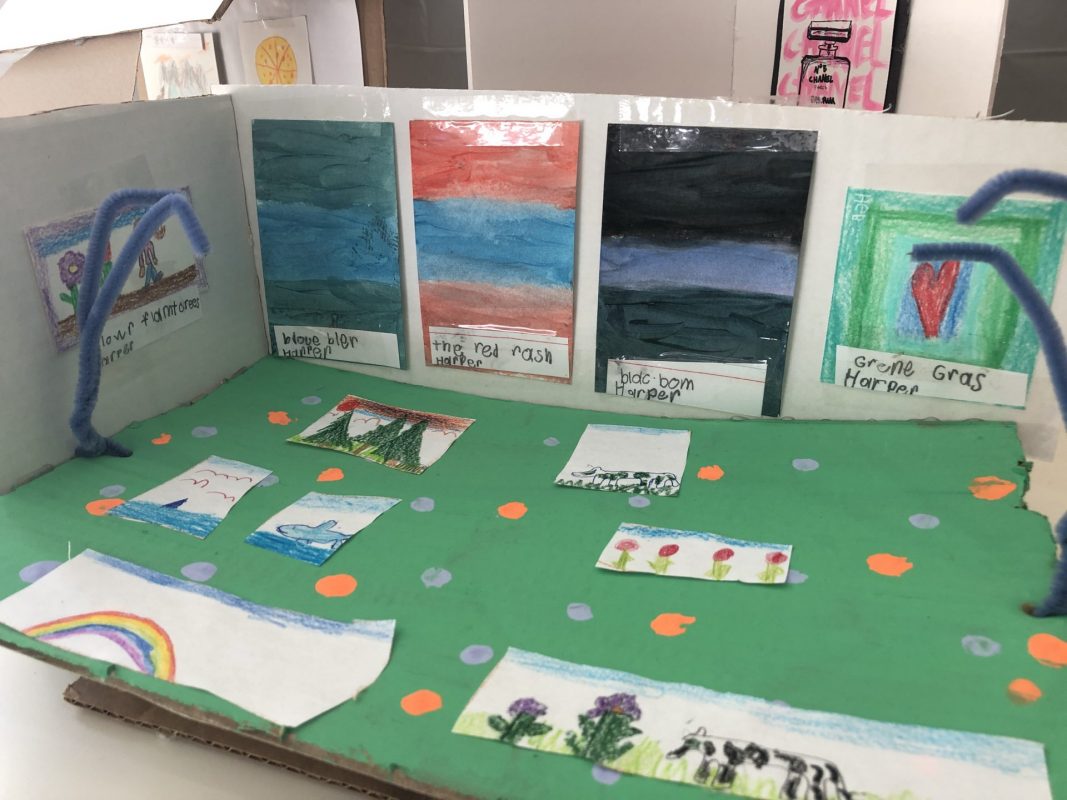
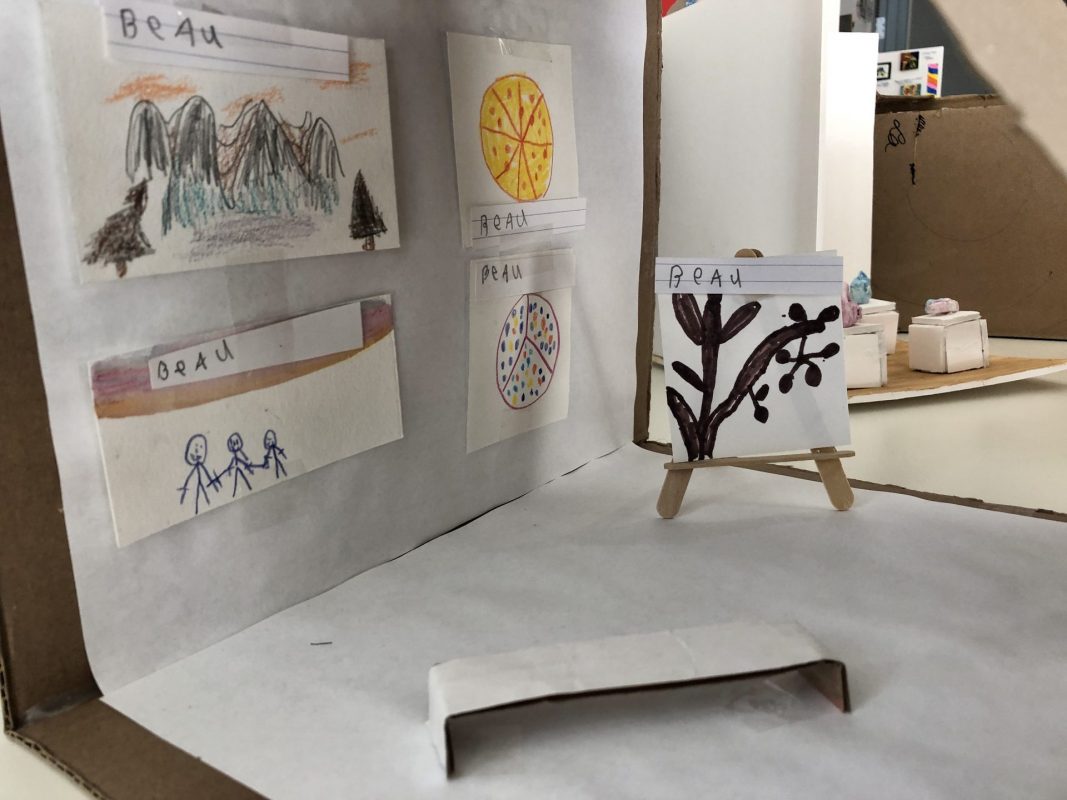
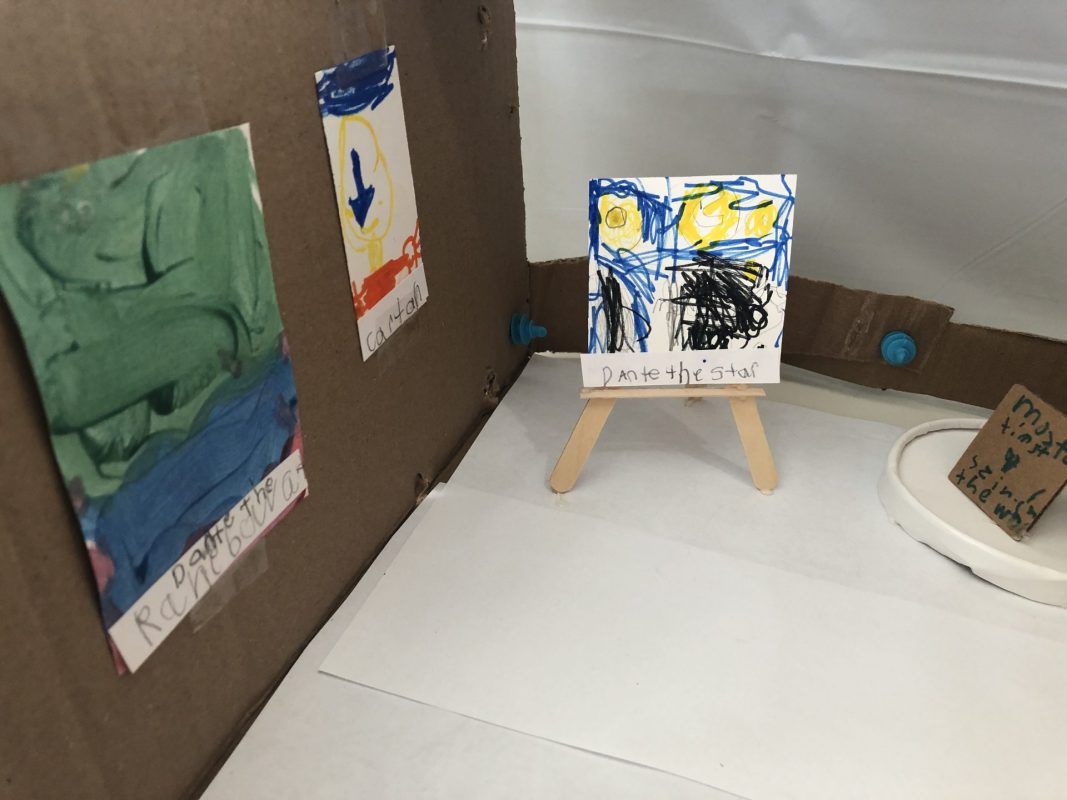
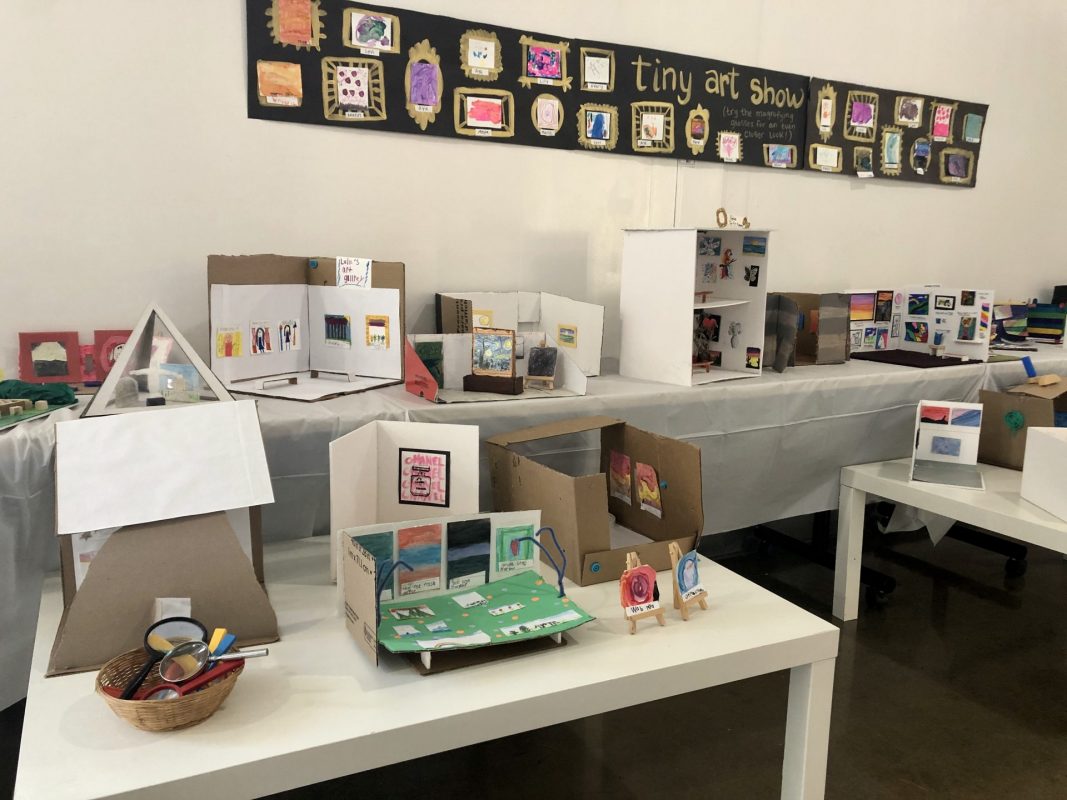
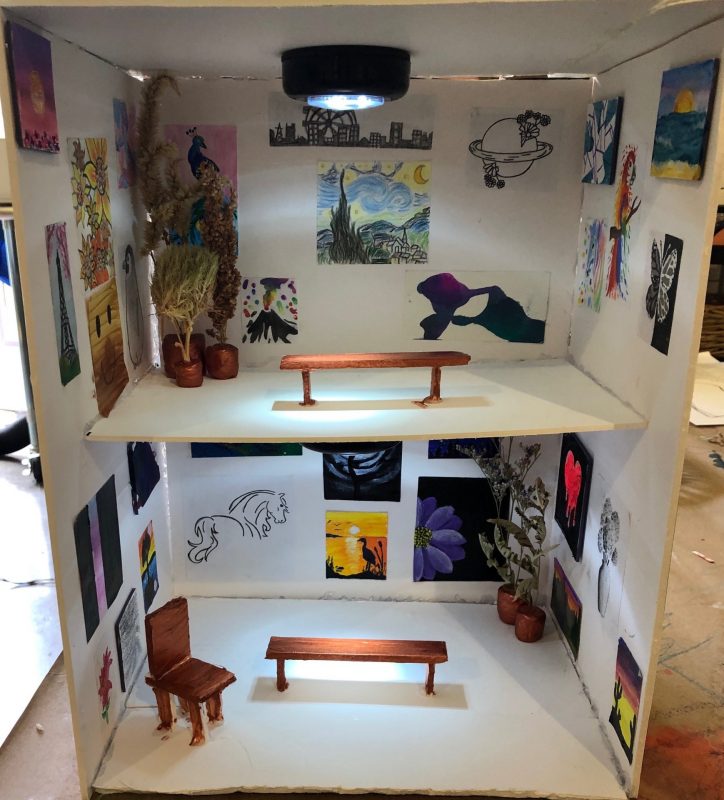
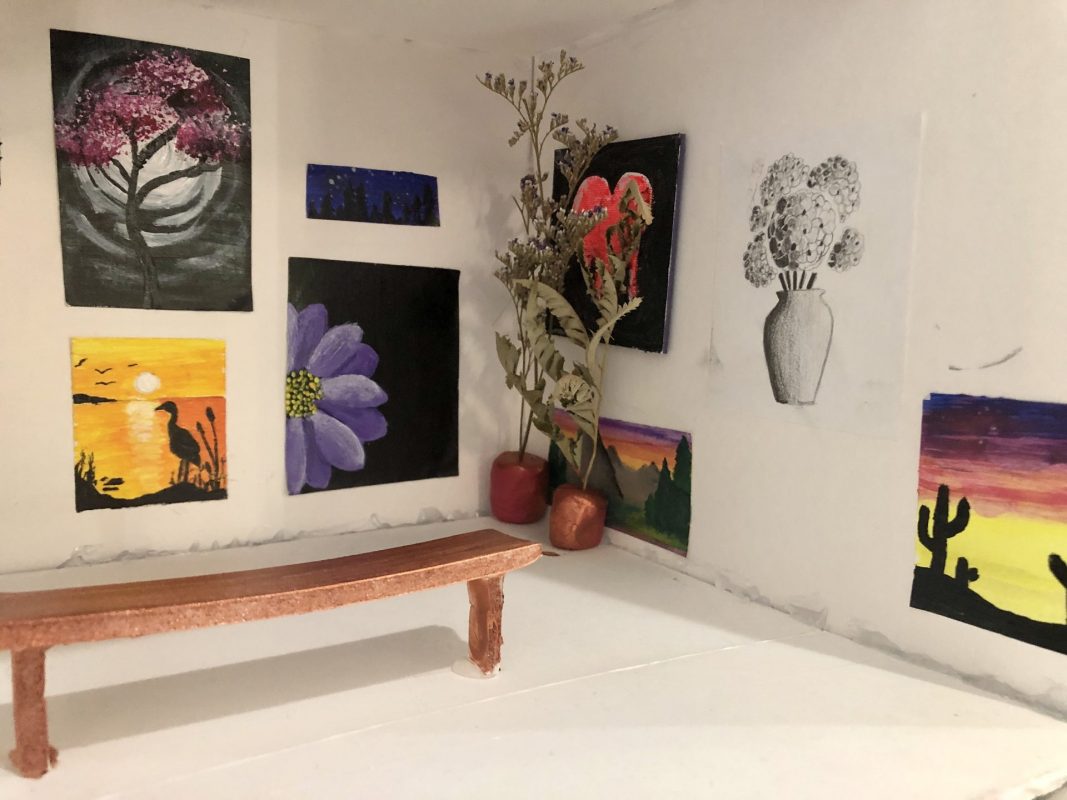
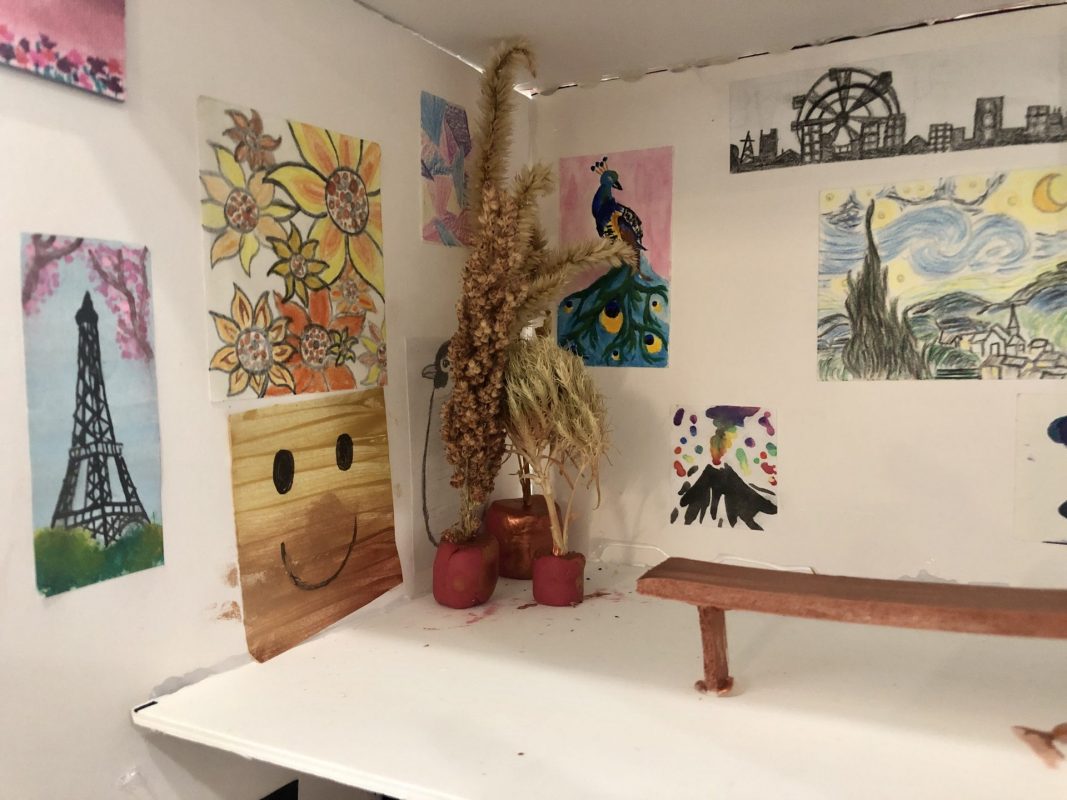
Young artists from K-8 have completed their artwork and gallery displays for our Tiny Art Exhibition! Each artist created multiple tiny works of art around 4×4 inches or smaller. Once their artwork was complete, students created miniature gallery/museum spaces out of cardboard and foam core boards to display their artwork. Students worked in groups, pairs, or individually to create their displays. The collaboration continued in the MakerSpace where many of them completed their display construction using the laser cutter! Magnifying glasses are available at the exhibition for viewers to take a closer look at all of the wonderfully unique tiny art!
This project evolved from the simple, fun idea of creating artwork on a tiny scale, to growing into an all-encompassing art making experience that addresses many aspects of Art such as; the making of the artwork itself, learning about masterworks, preparing artwork for showcase, titling artwork, collaborating, viewing and interacting with artwork, and understanding art display within an architectural space. This project is also a wonderful example of the beauty of the Montessori method — as the children in the Art Studio grew more passionate about this project, their ideas were celebrated and nurtured, and the project transformed into something much larger and more developed each step of the way. The children truly led the way here and it shows!
I hope you all enjoy these images of the entire finished display. Bravo young artists!
The Most Popular Sport in the World!
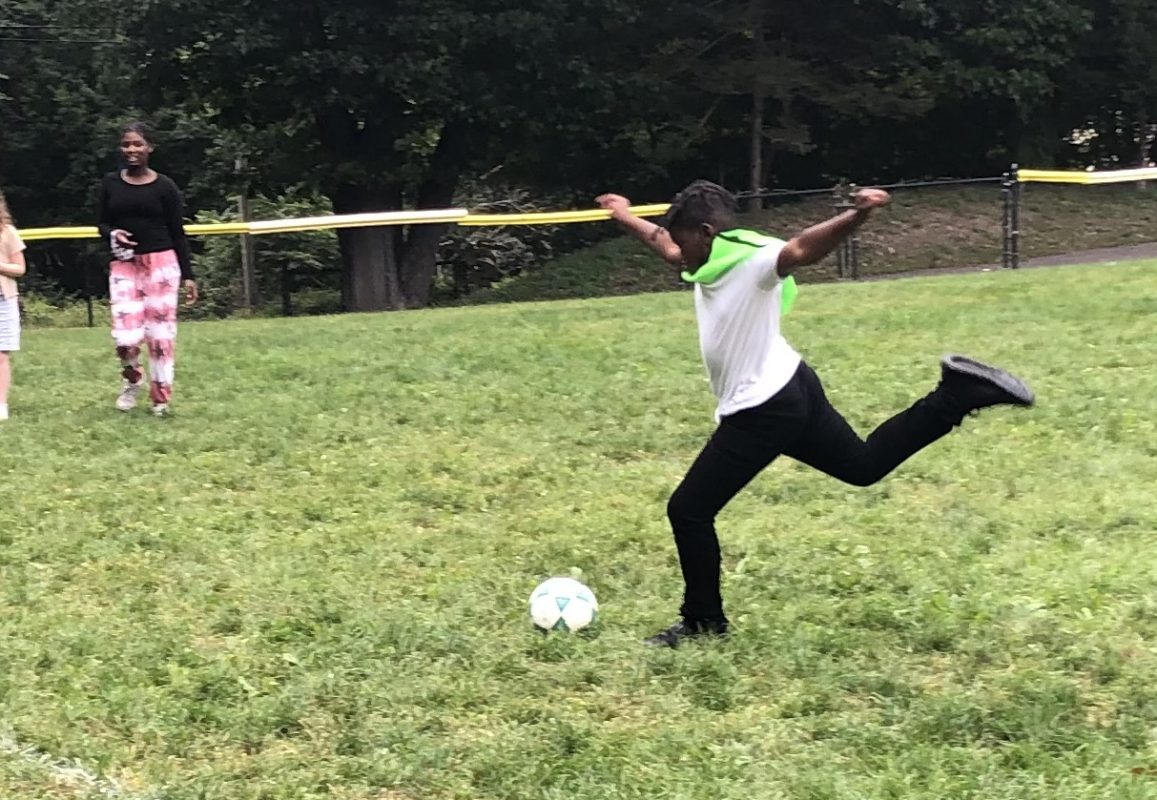
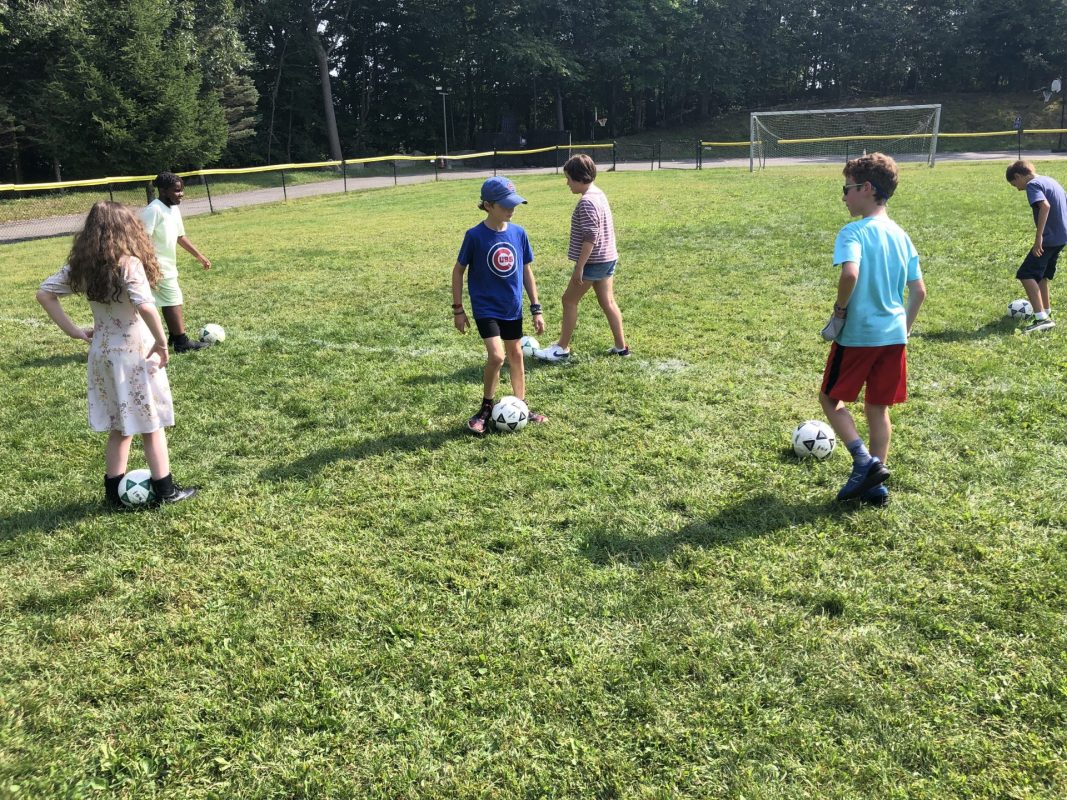
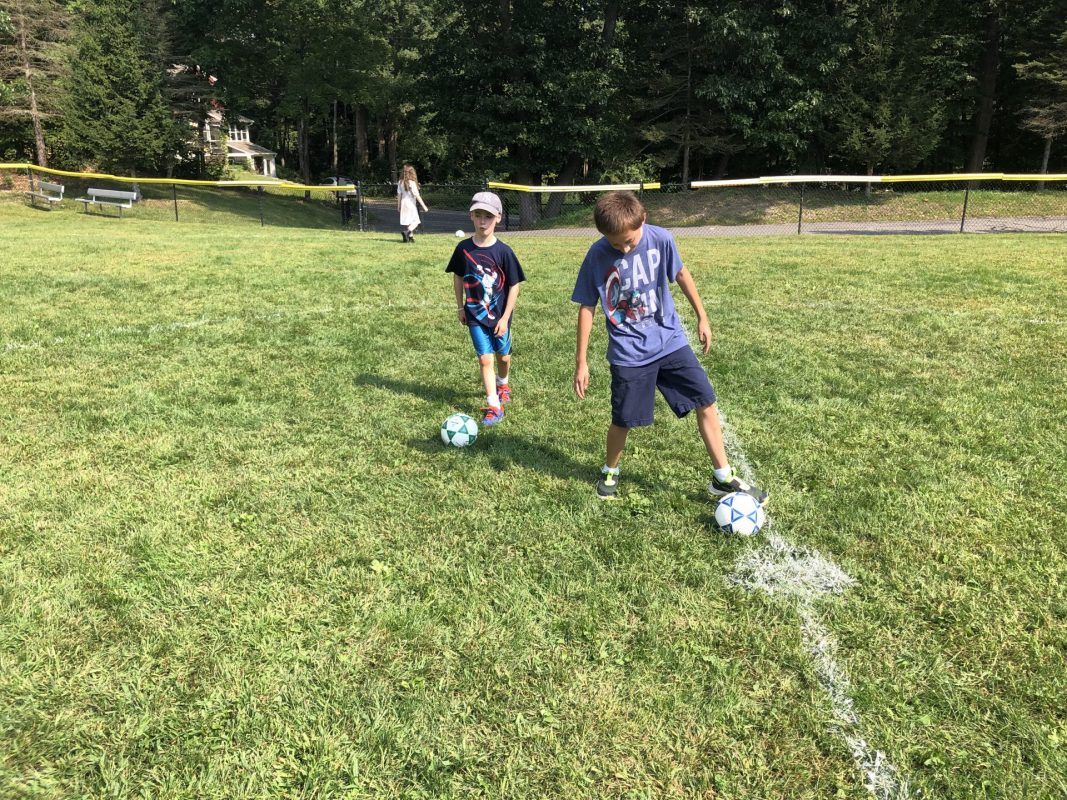
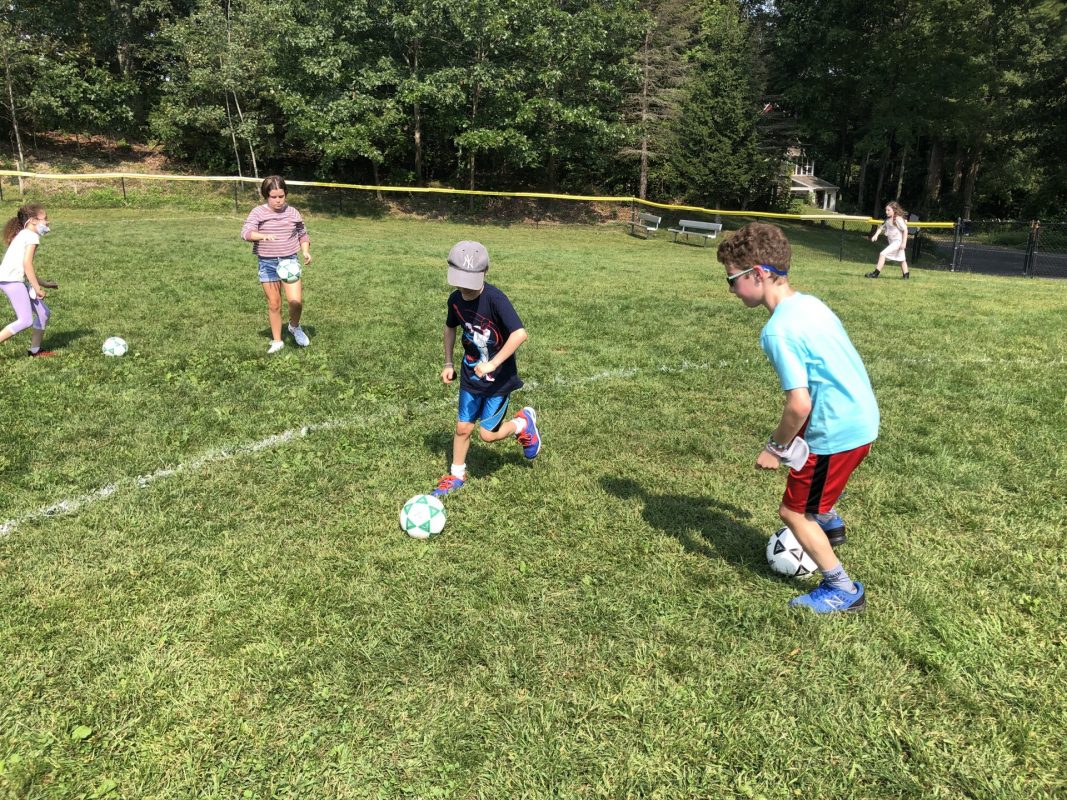
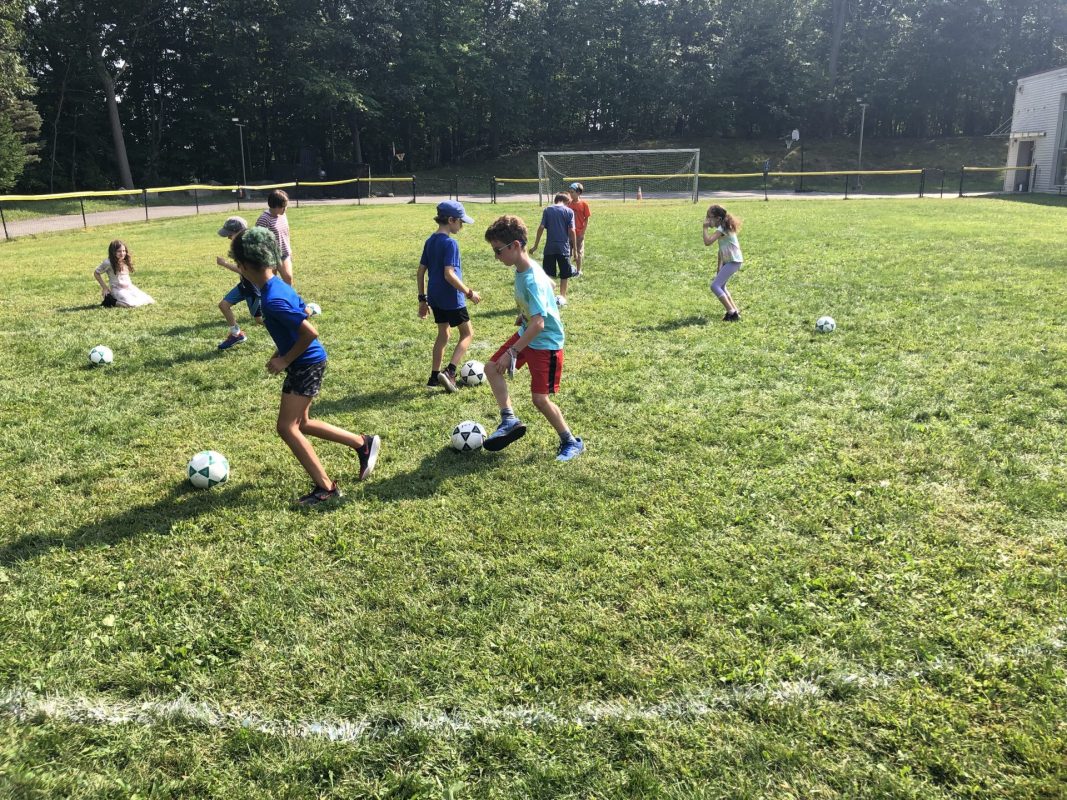
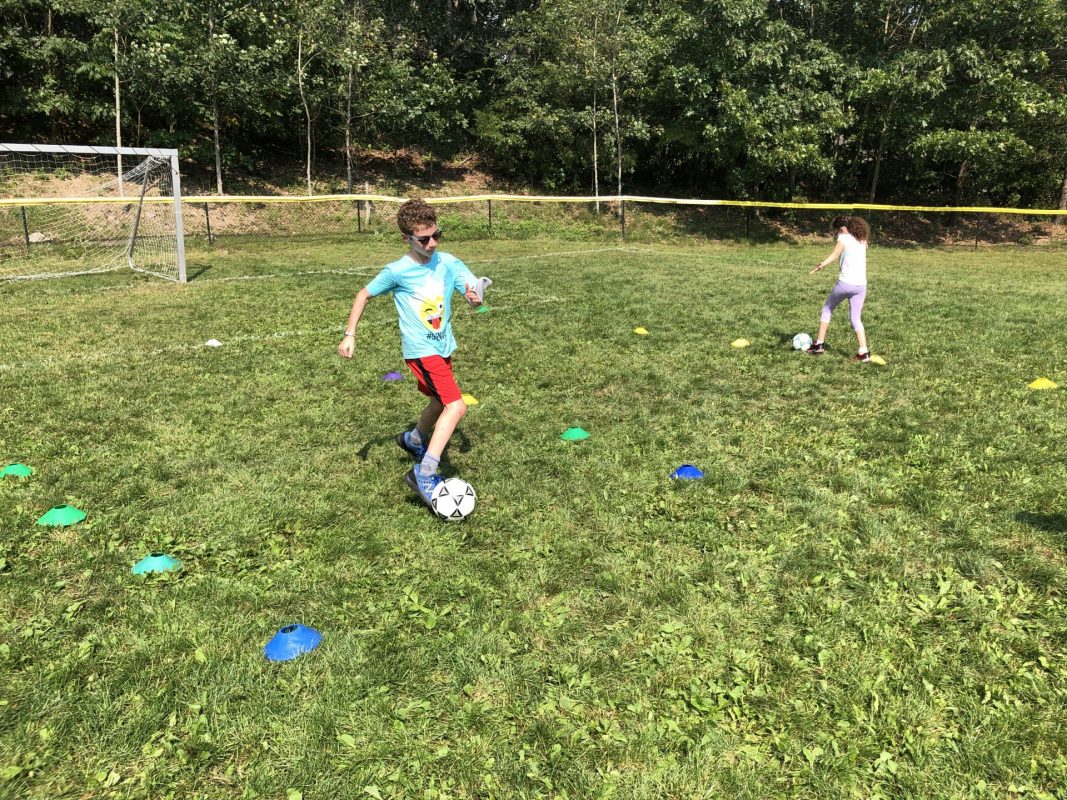
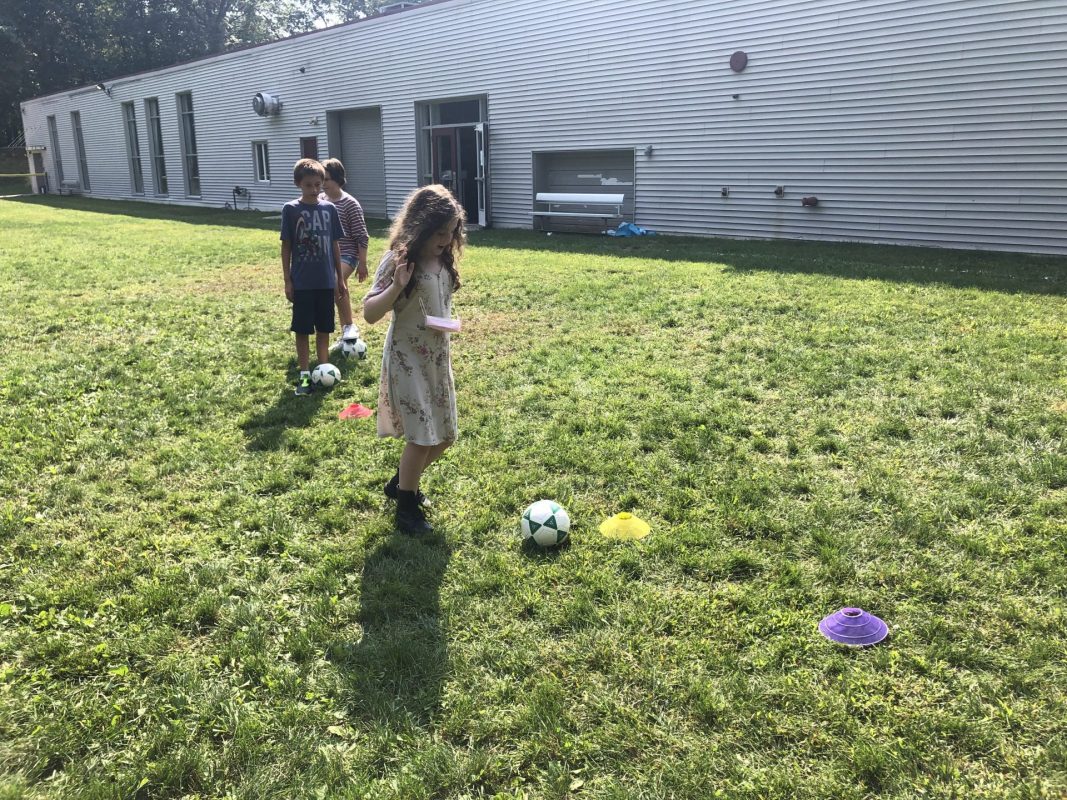
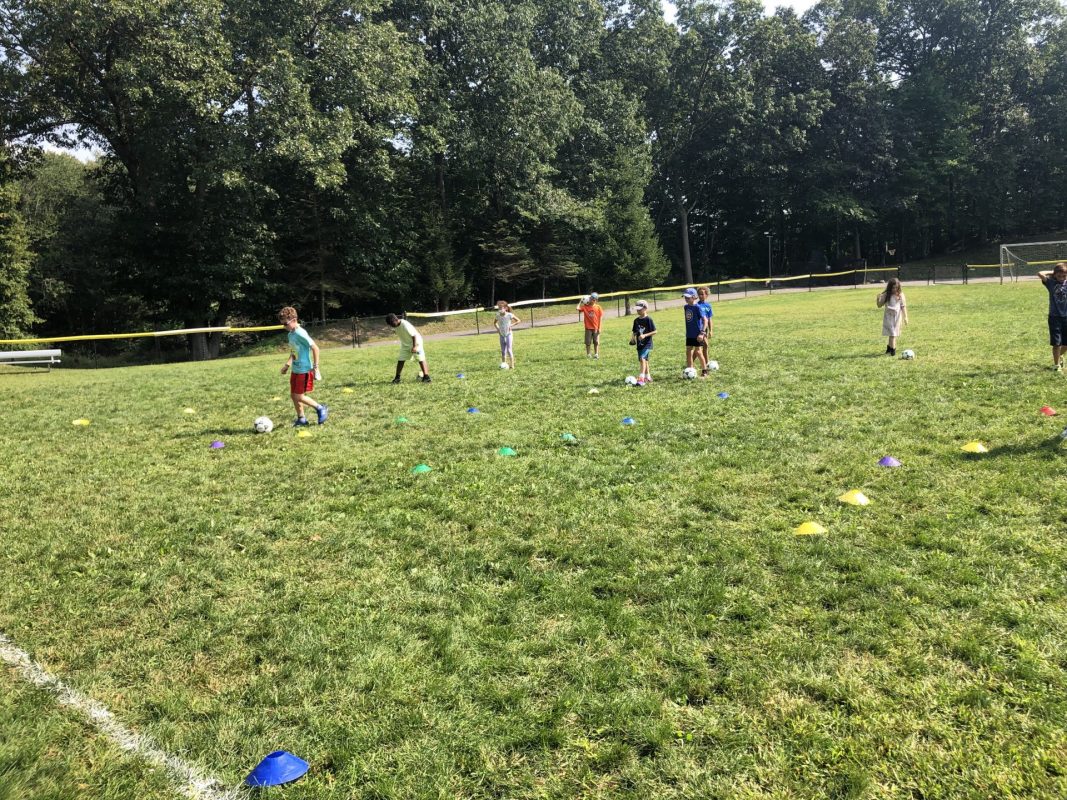
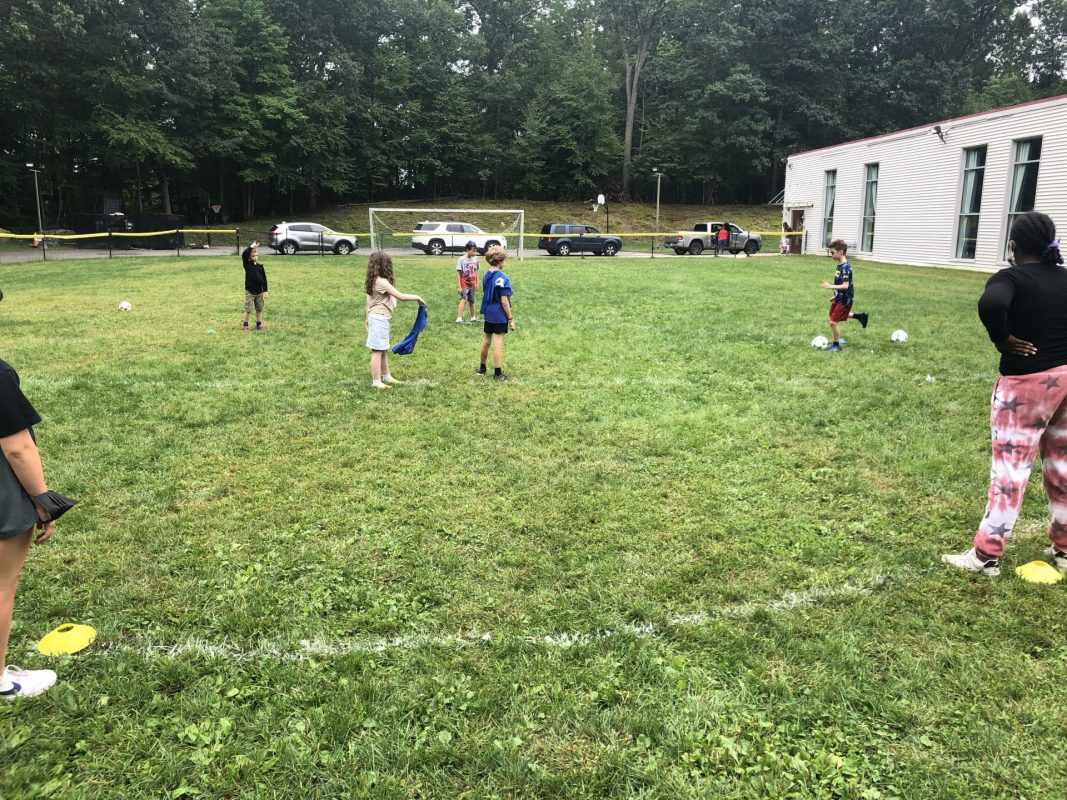
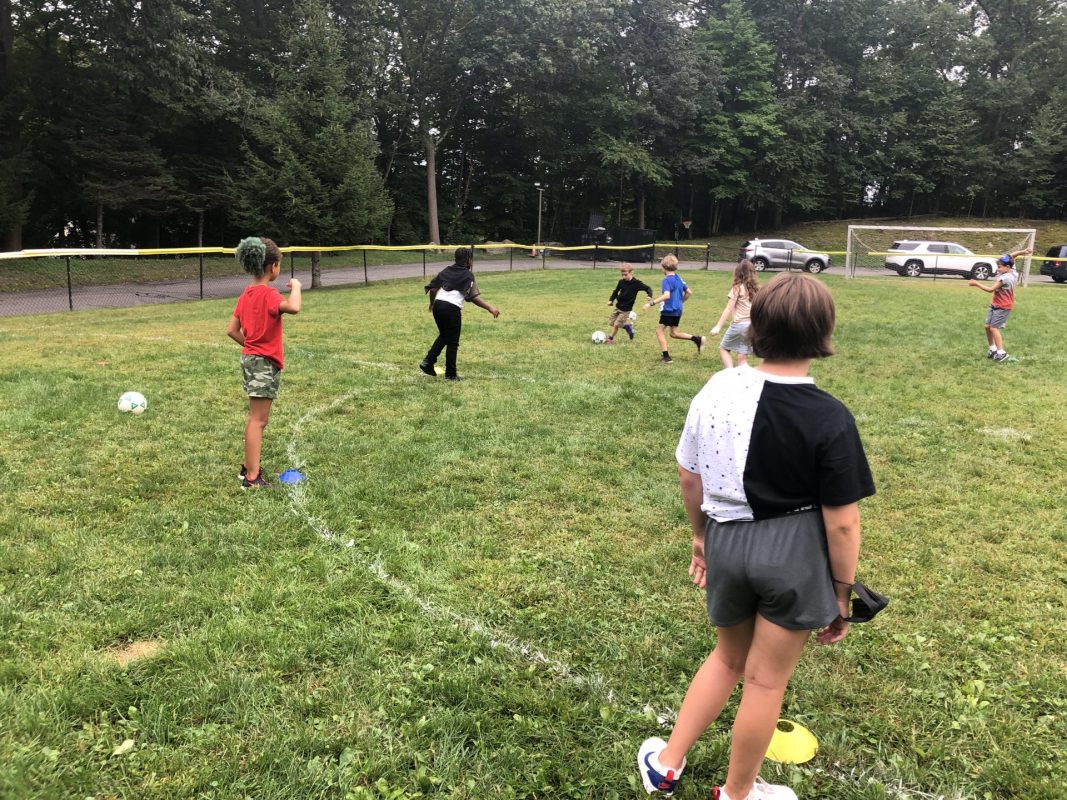
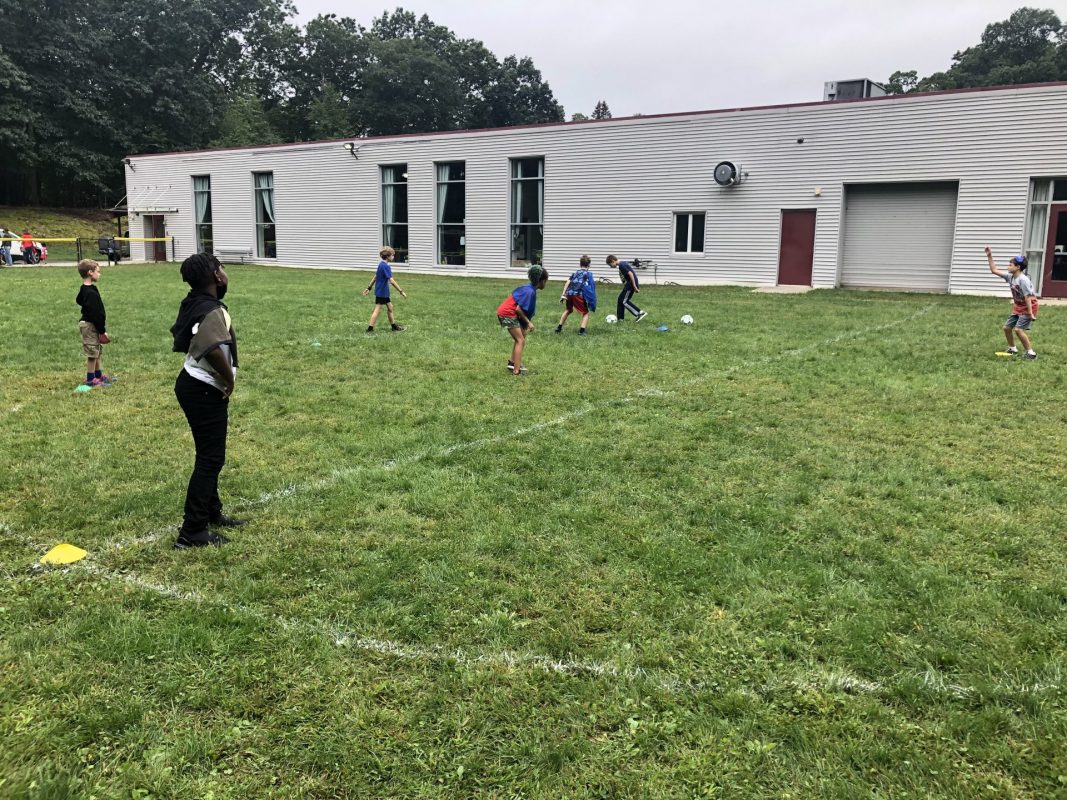
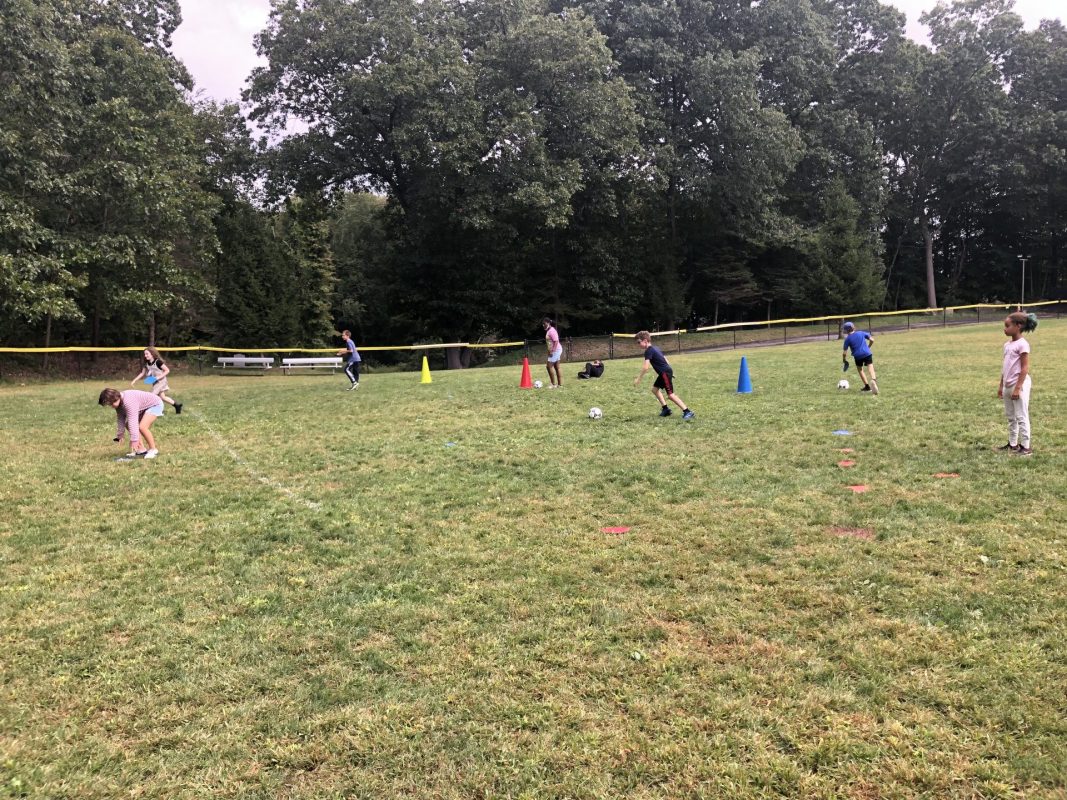
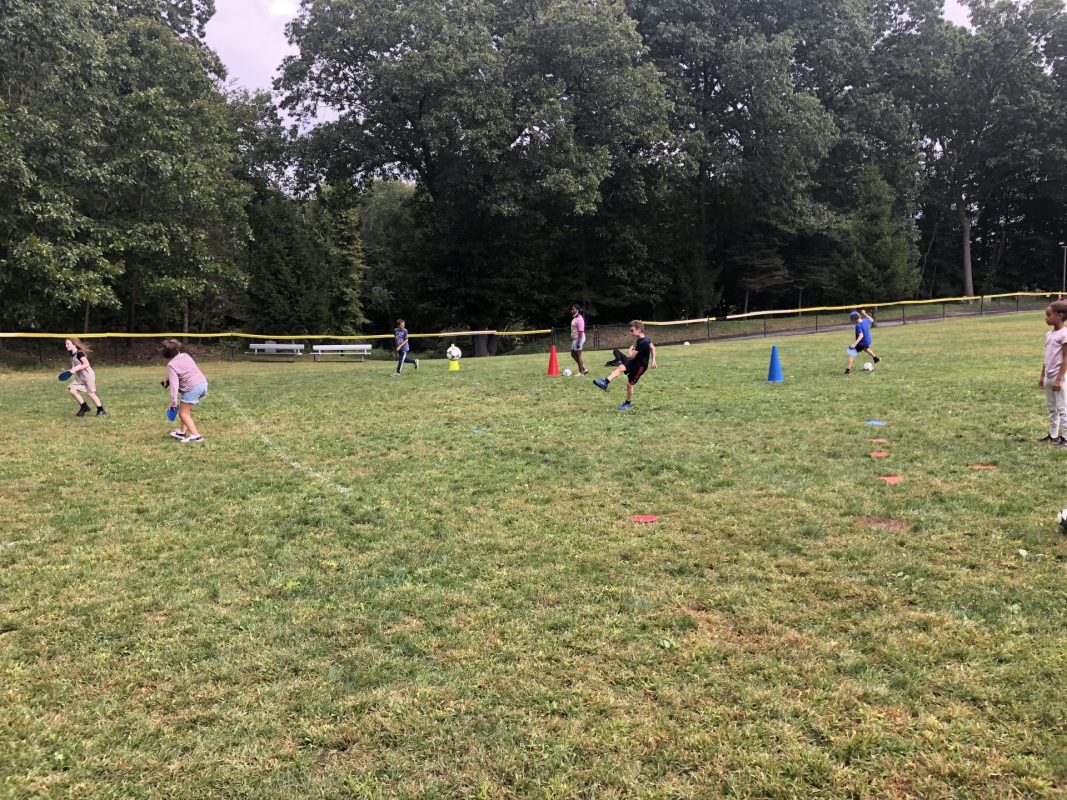

This past month, students in Kindergarten through 8th grade have been practicing and participating in the team sport of soccer. Did you know that soccer is the most popular sport in the world? Soccer is played by approximately 250 million players, spread over 200 countries! Soccer is fun, inexpensive, and easy to play. All you need are some friends, a ball, and a large space.
During our soccer unit in Kindergarten and Lower Elementary, most of our focus was on developing foot-eye coordination and spatial awareness. Skills taught were dribbling a ball under control using both left and right, passing with the inside of the foot, trapping the ball, and shooting a ball at a target. At the Upper Elementary level, the skills taught were dribbling, trapping, passing, shooting, understanding offense and defense, and using simple game rules to play.
Our Middle School sports program takes place during the school day three times per week. Games are scheduled after school on either Tuesday or Thursday. The focus at the MS level is to develop player performance. The four components are technique, tactics, fitness, and sportsmanship. Various drills are planned based on what the team needs to focus on to improve in the game. Our next game will be played on our back soccer field on Tuesday, October 26th at 2PM. Let’s go FWM!!