100 Mile Club!

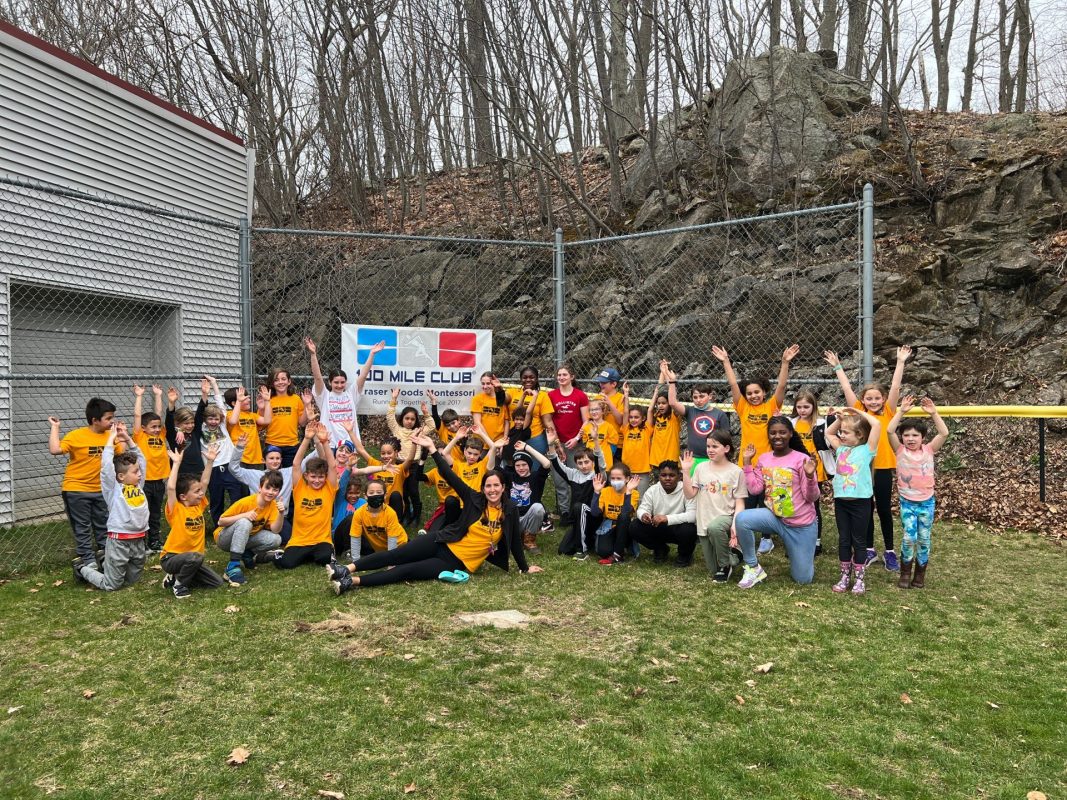
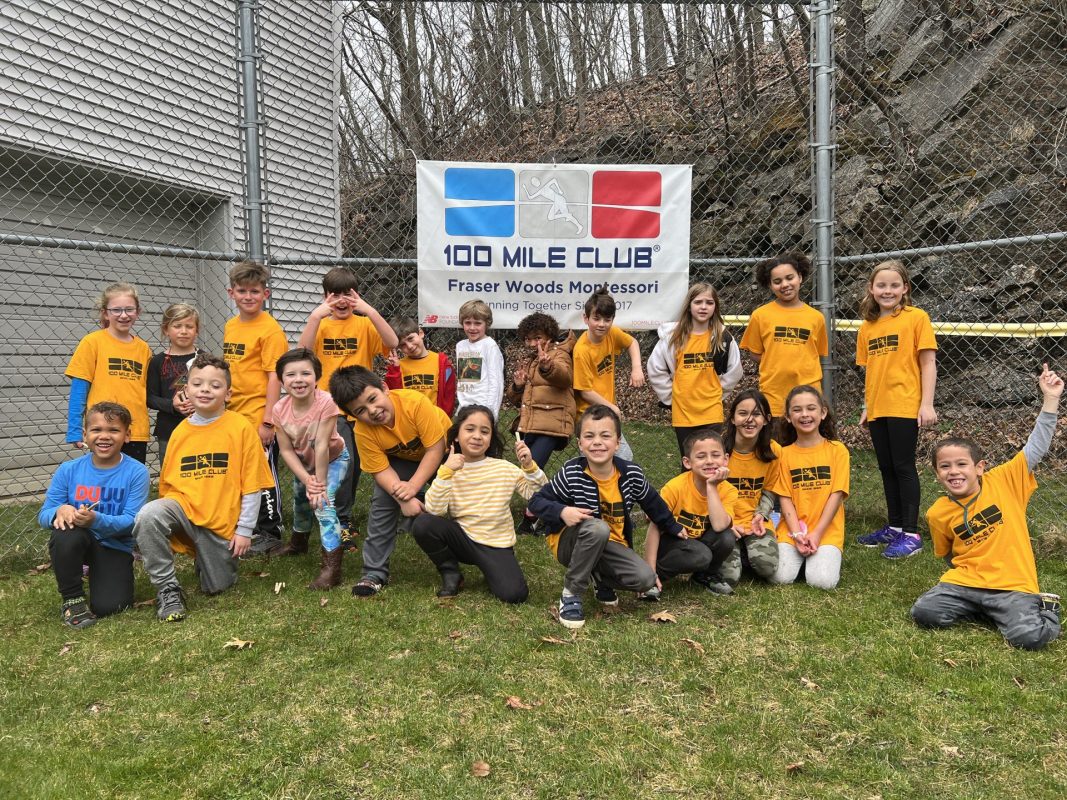
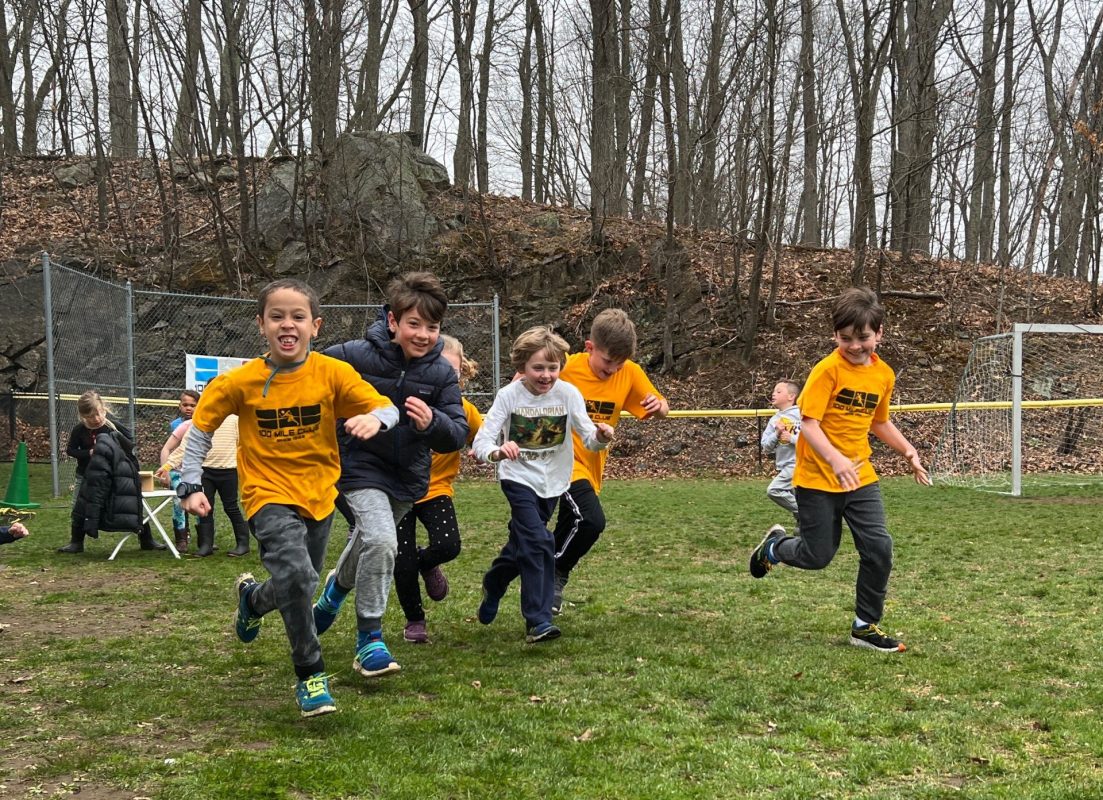
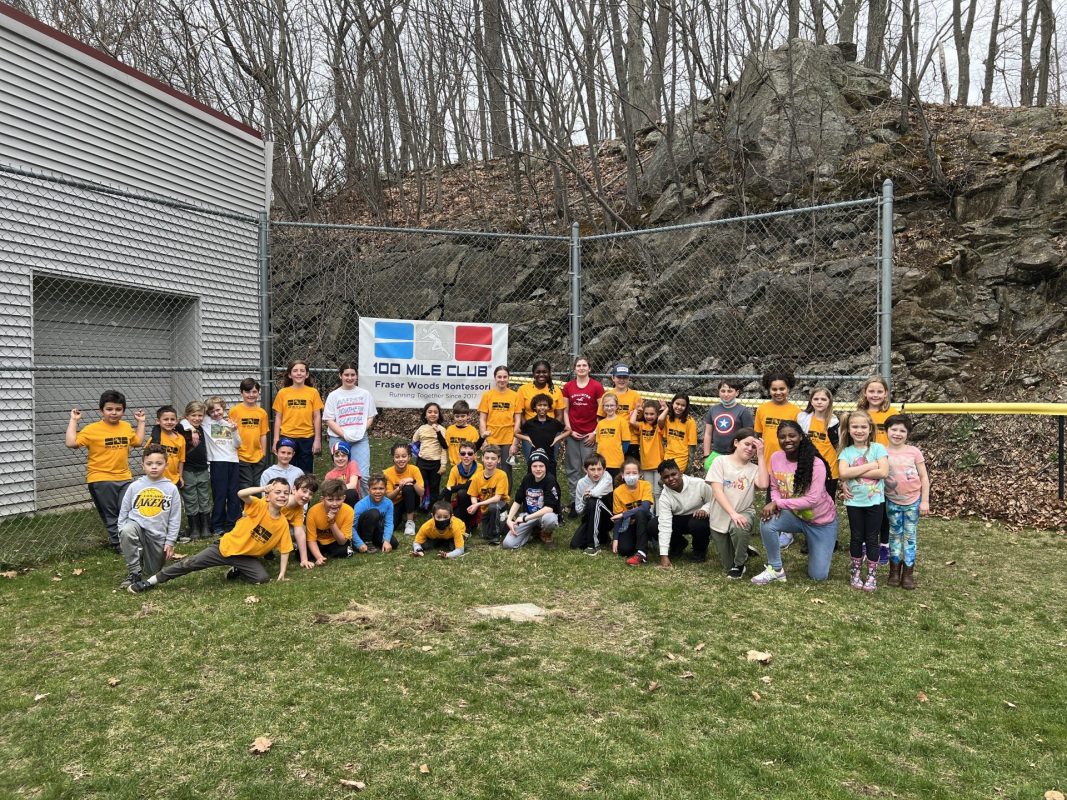
Fraser Woods Montessori was selected to be featured in the 100 Mile Club national newsletter this past month!  Be on the lookout for a “save the date” email about the 100 Mile Club Gold Medal Ceremony on the soccer field in June!

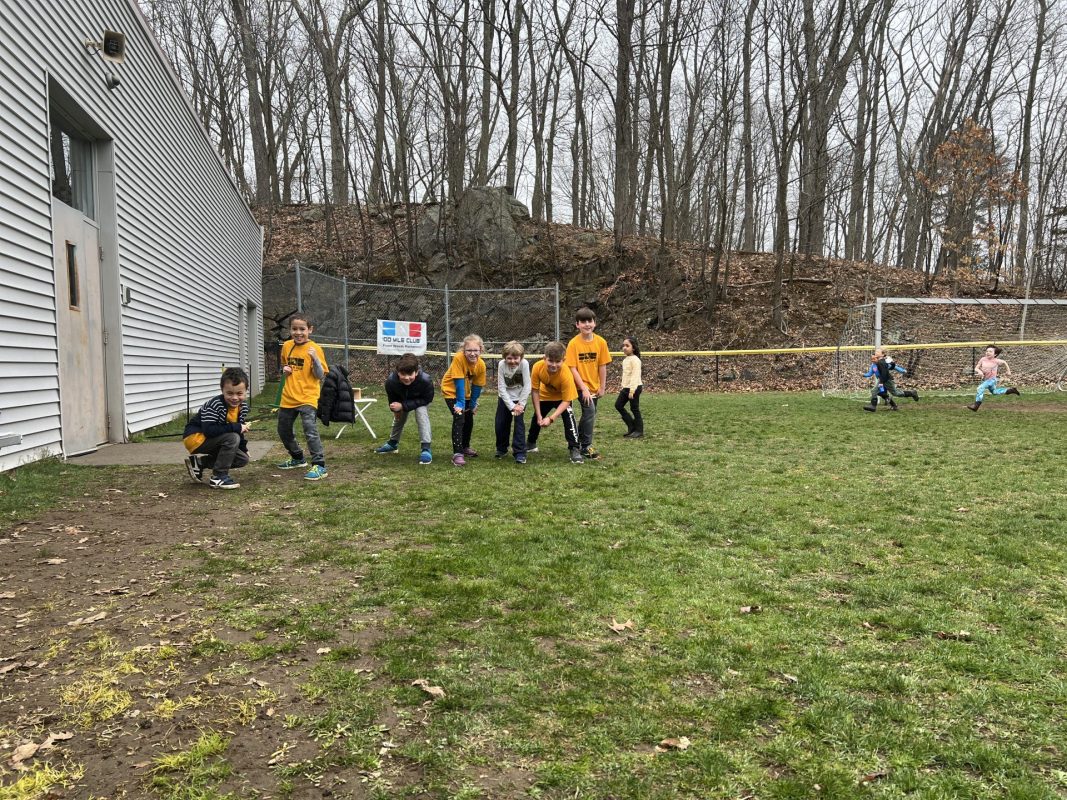
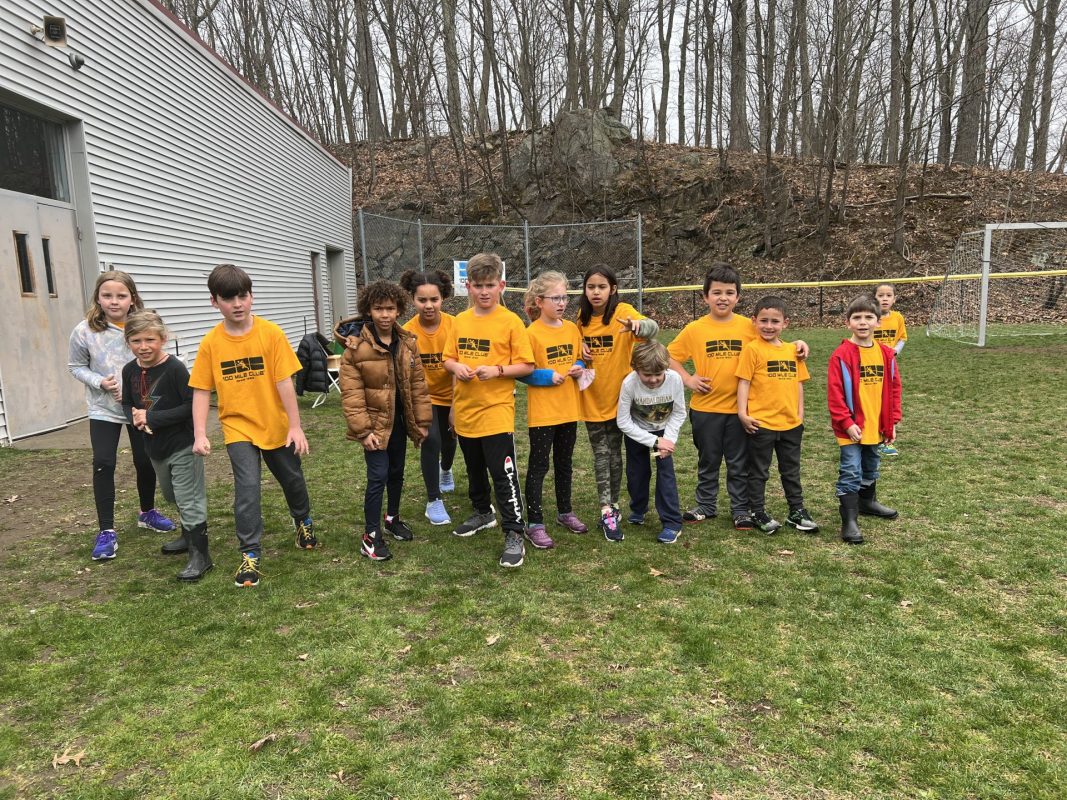
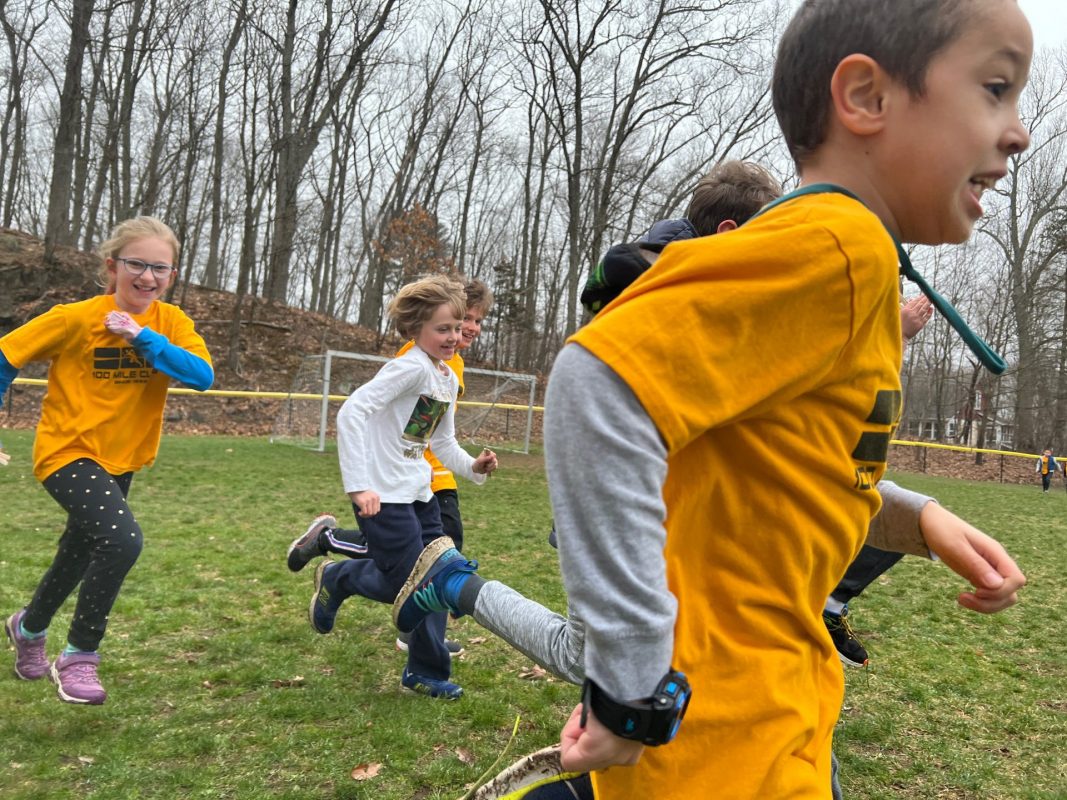
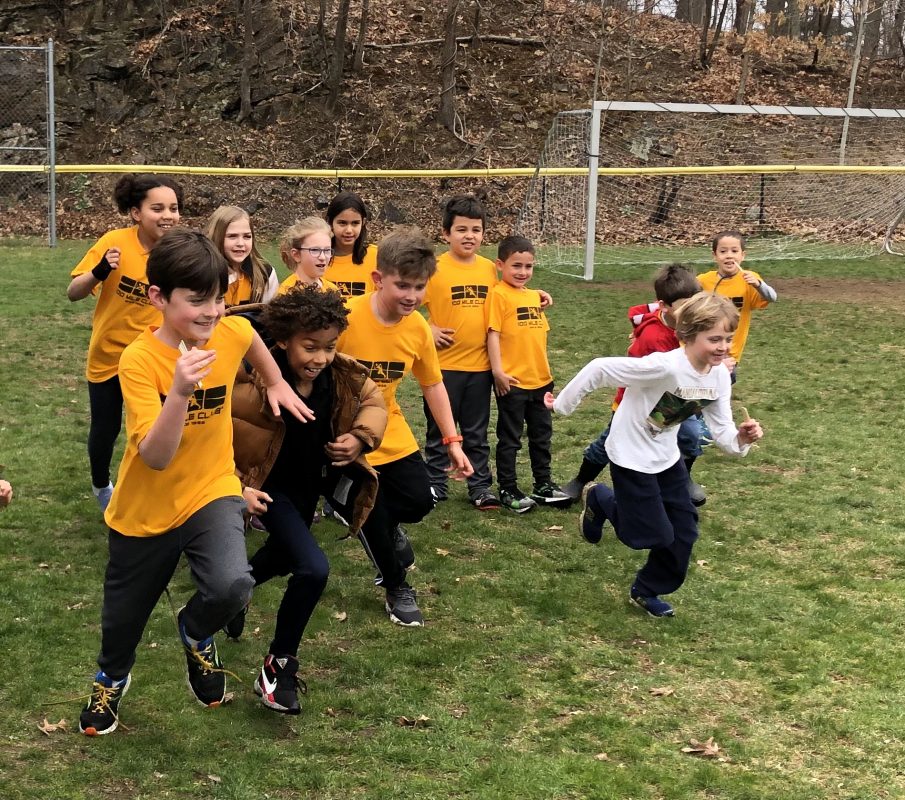
Fraser Woods Montessori School and I are very excited to celebrate our 5th year with the 100 Mile Club!  FWM is a non-profit school located in Newtown, Connecticut. We offer Montessori education for children in four distinct programs: Toddler, Primary, Elementary, and Middle School. Students have the opportunity to join the 100 Mile Club starting in 1st Grade. Proudly, we currently have 45 participants, which gives us a 90% participation rate for eligible students. When students arrive at school each day, they use the first 30 minutes for running, walking, and playing with friends. Our school is very fortunate to have a designated soccer field on our campus that allows us to track the miles our students run efficiently. All students use the area during our physical education classes, recess, and FWM’s Walking Club. As an advocate for health and wellness, it puts a smile on my face to see students running and truly enjoying exercising. However, I am most happy that each of our youthful participants chooses to live and achieve a healthy lifestyle by participating in physical activity every day, thanks to the 100 Mile Club!
– Coach Pam Pascarella

Scenic Design and Prop Building in Art!
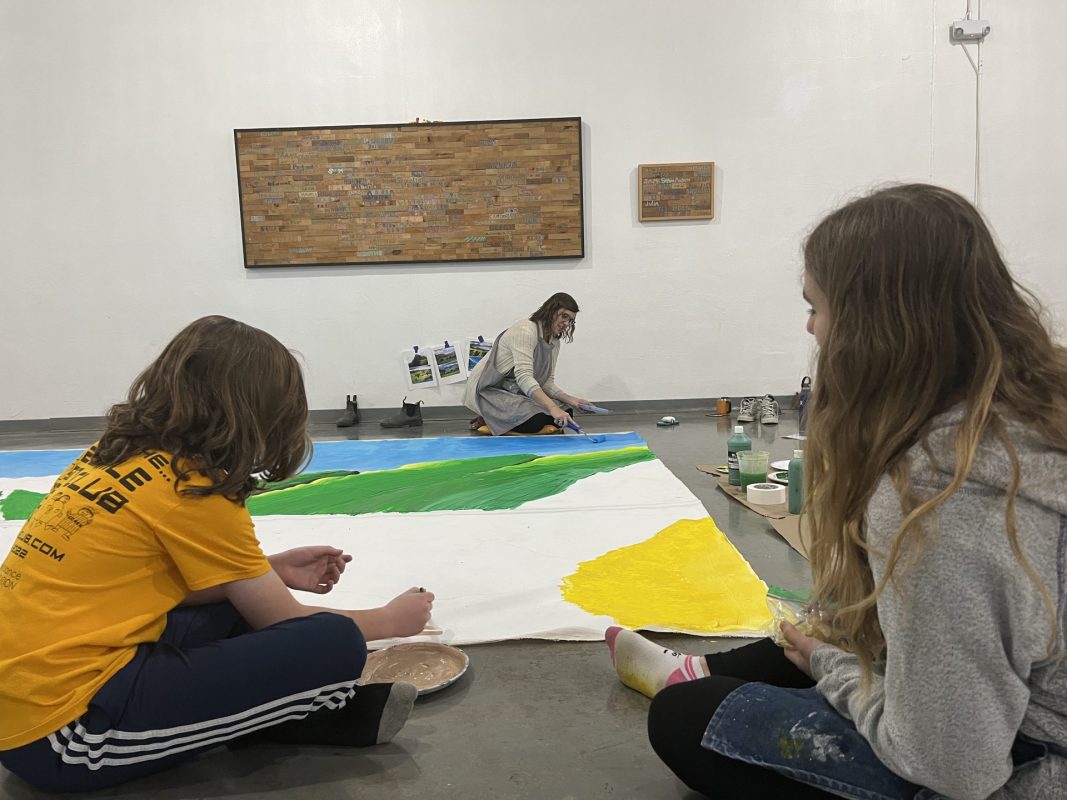
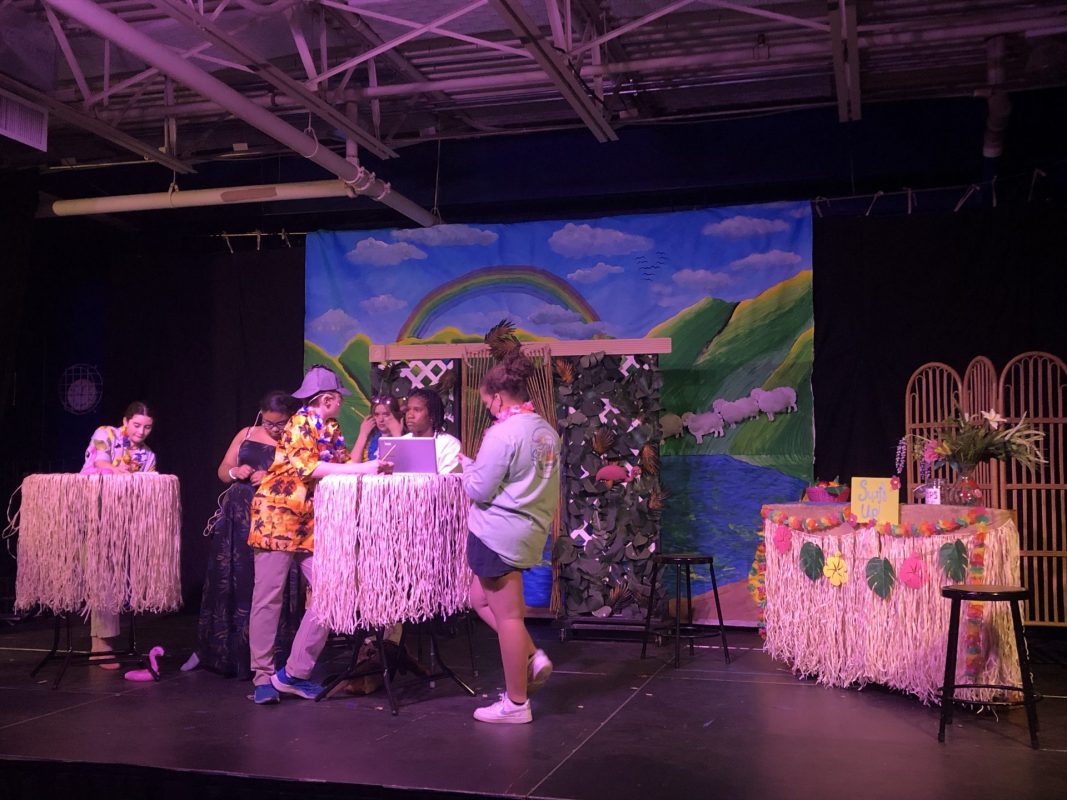
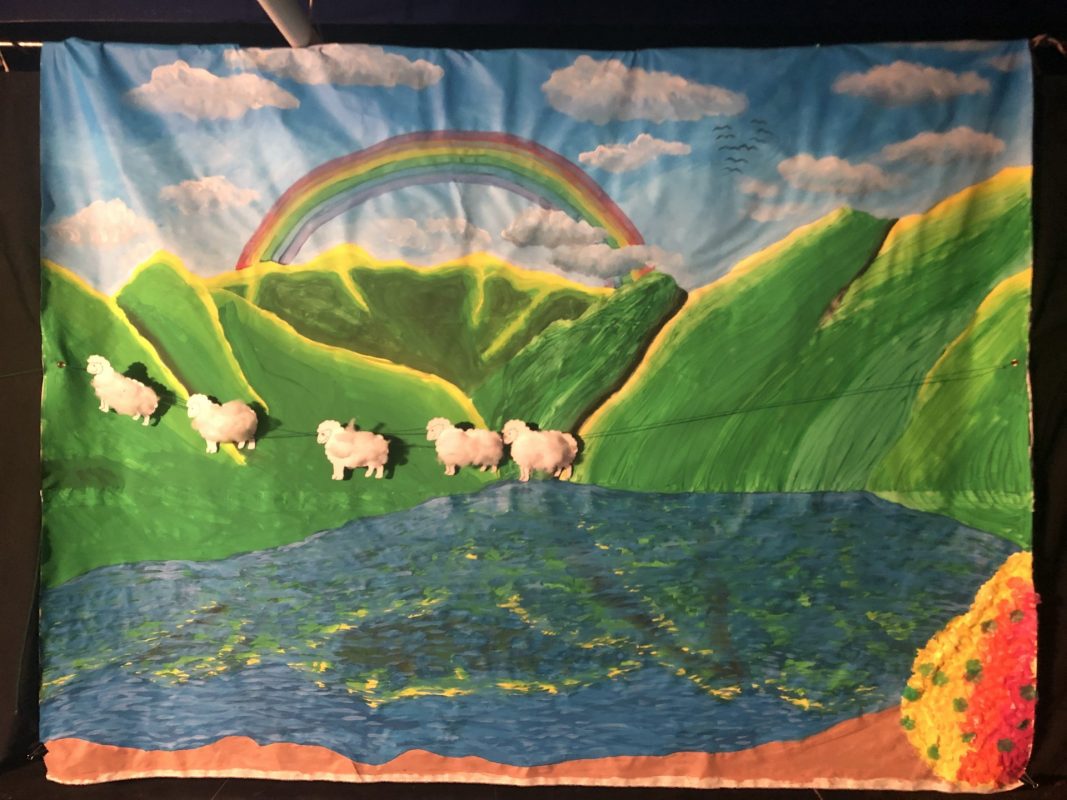
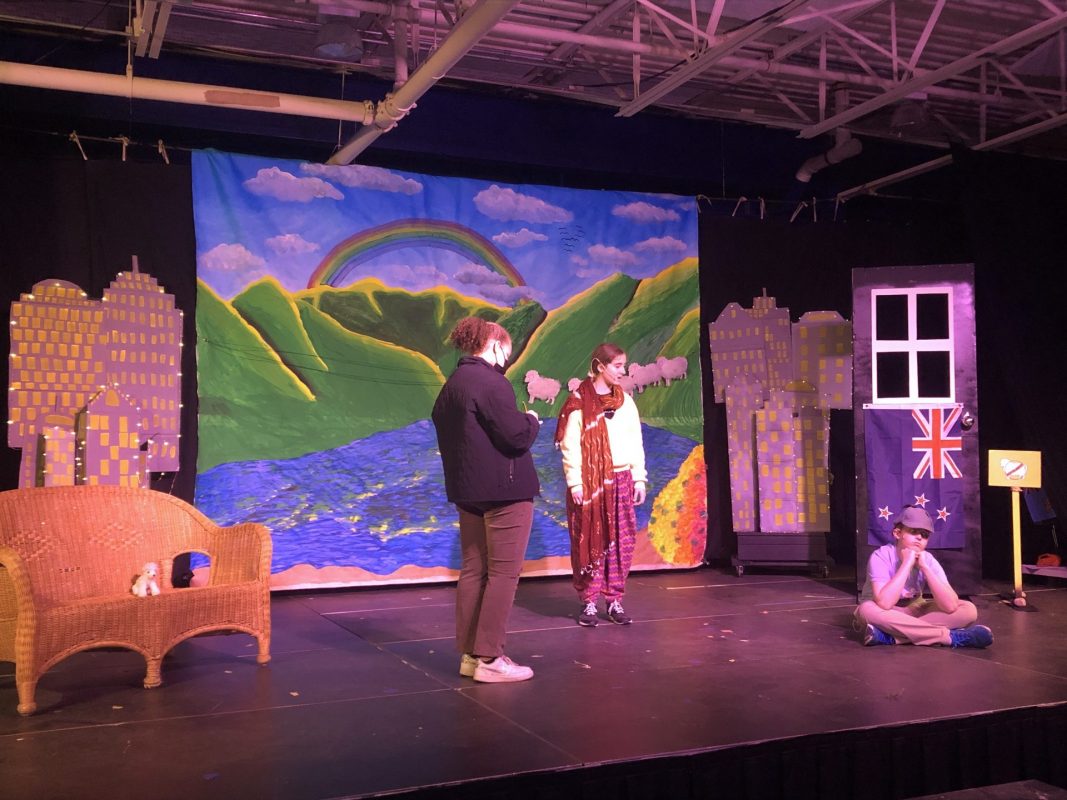
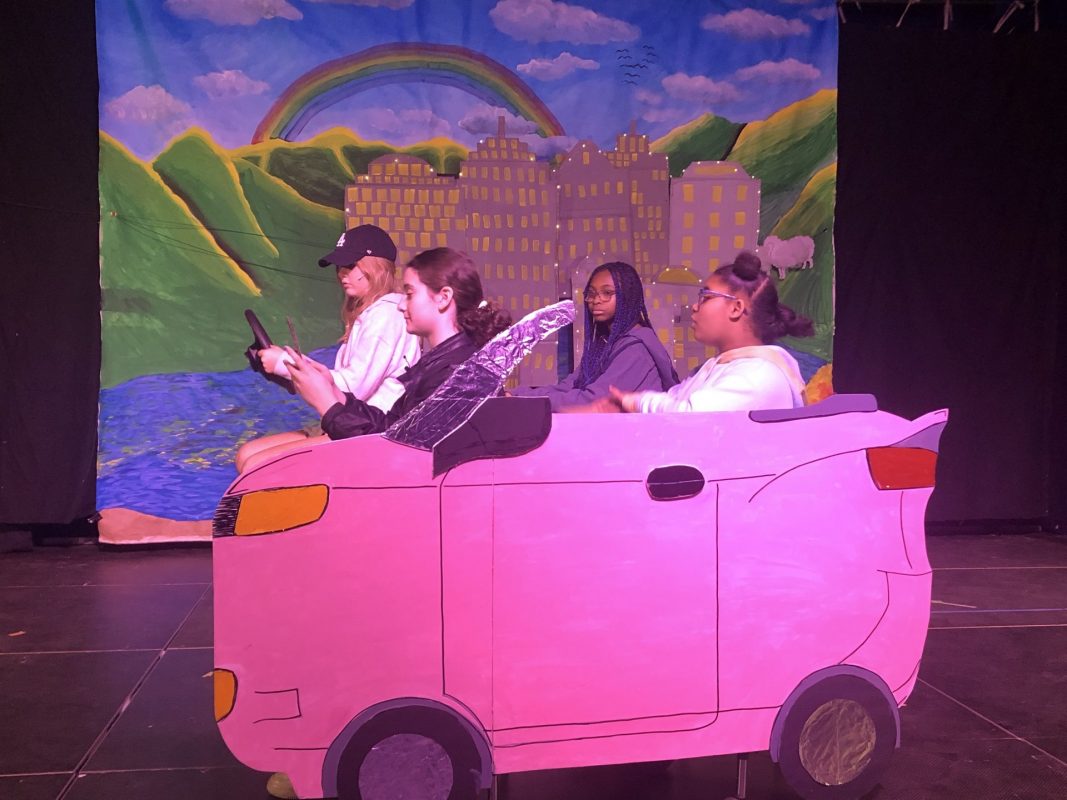
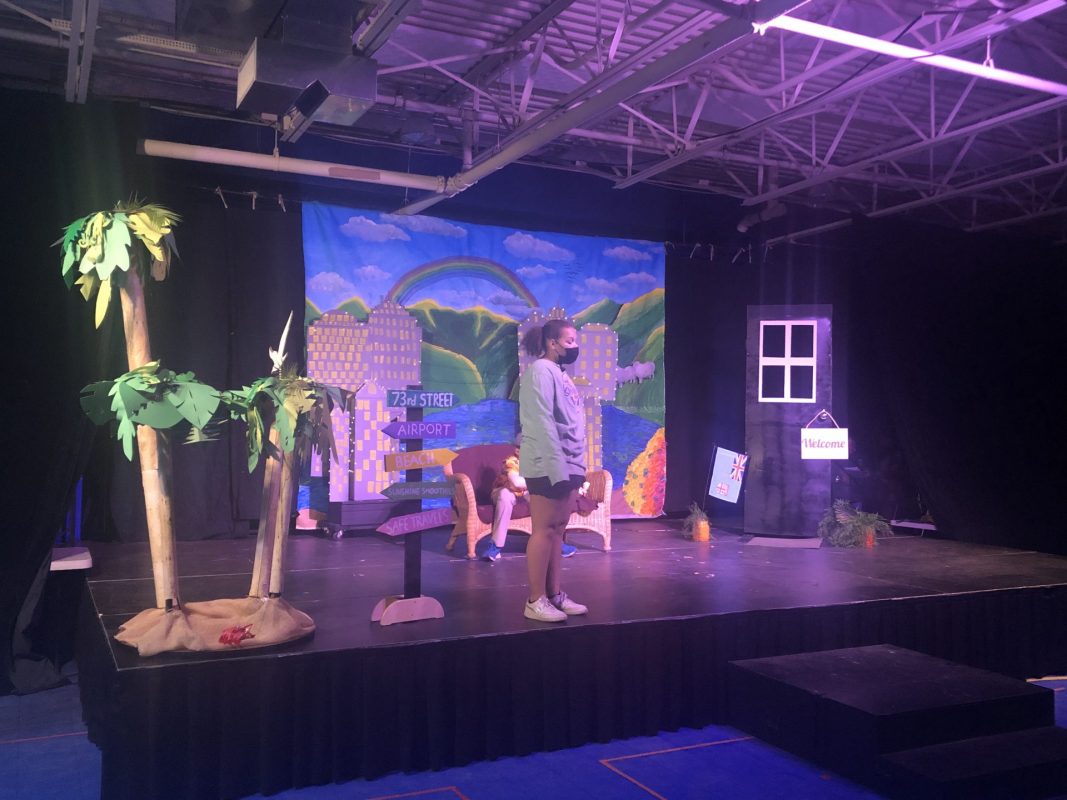
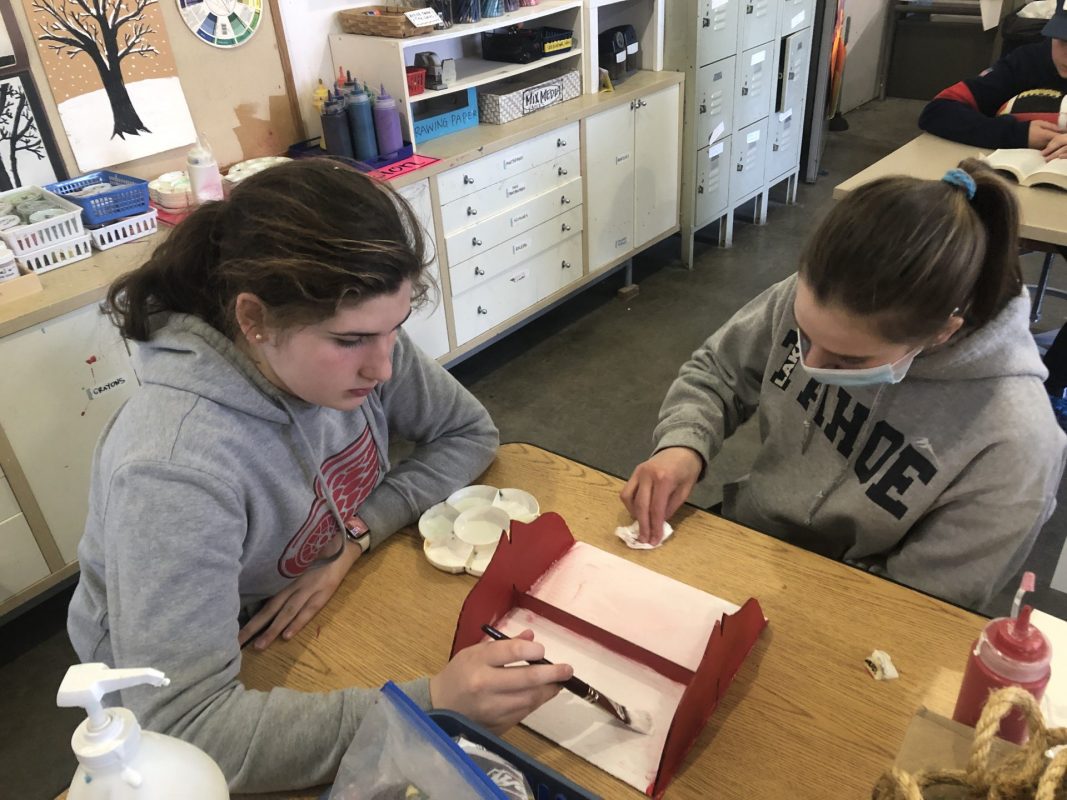
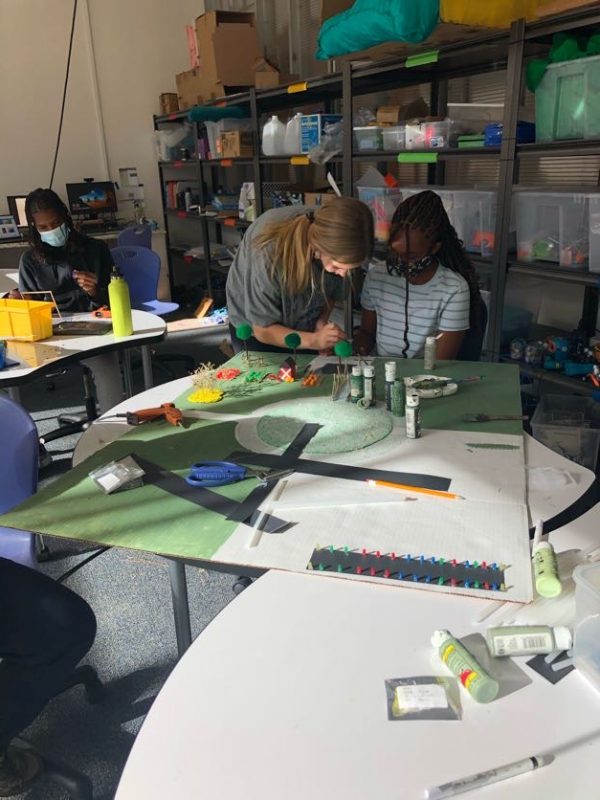
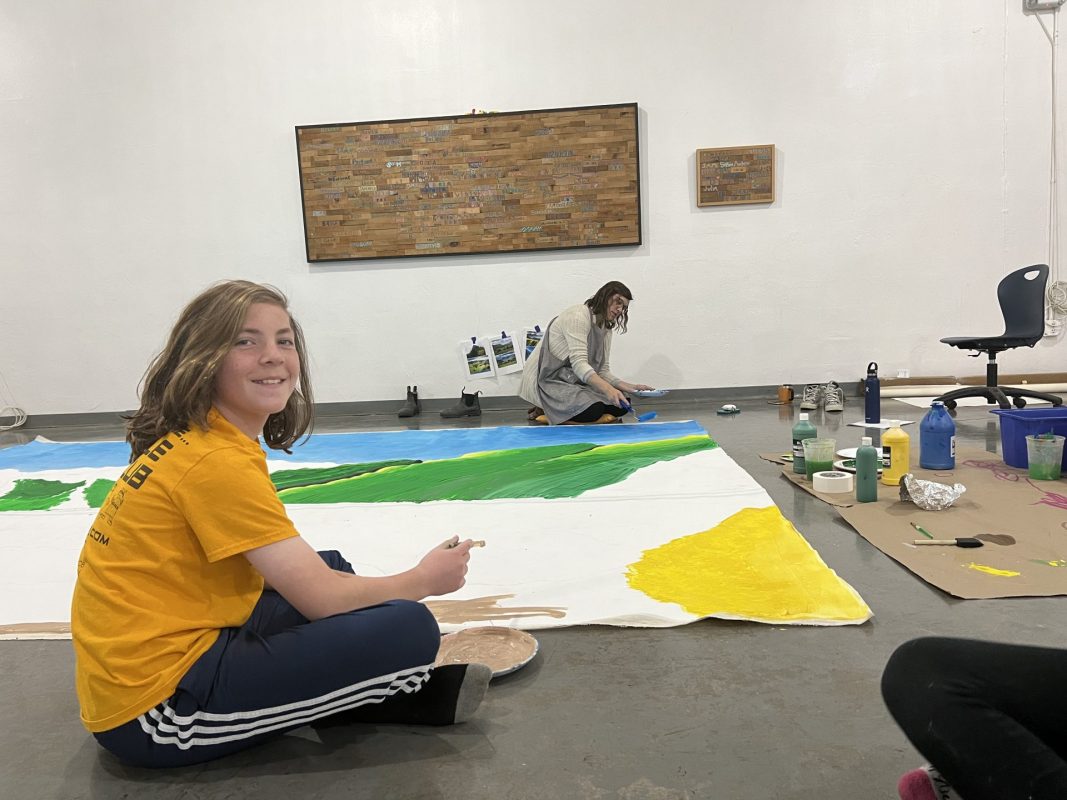
Over the past week and a half, Middle School students have been hard at work collaborating on set and prop design for the amazing play they wrote: The Masamune Mystery.

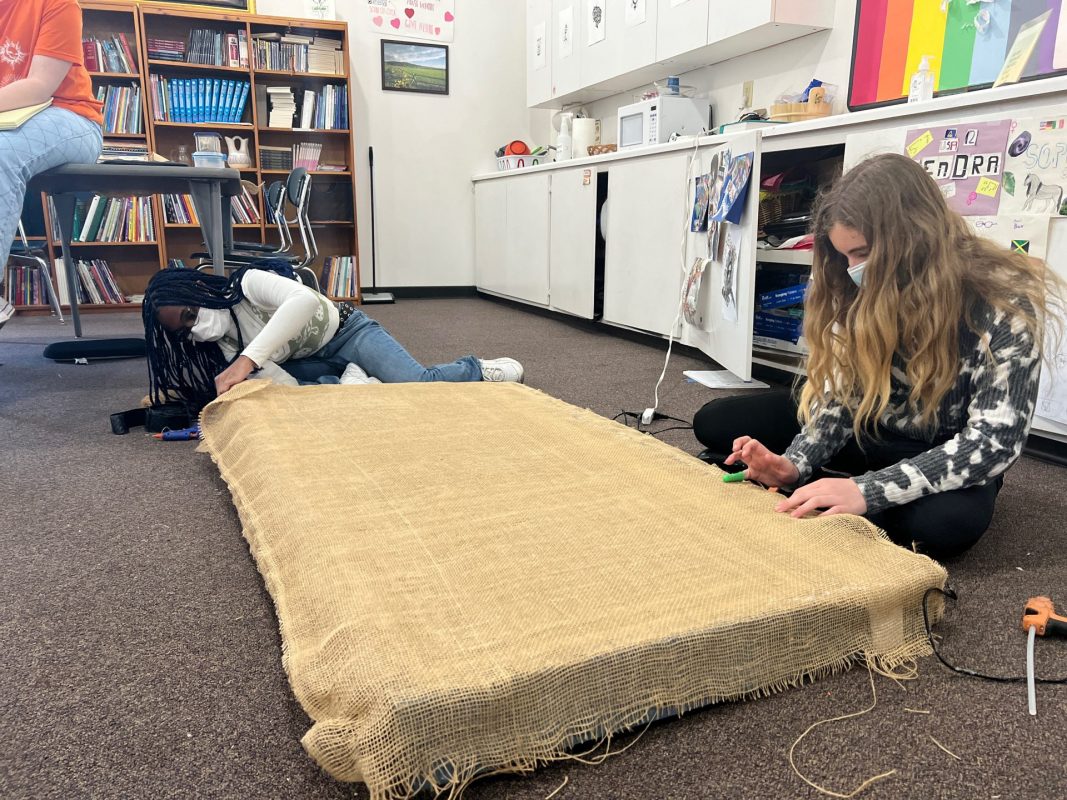
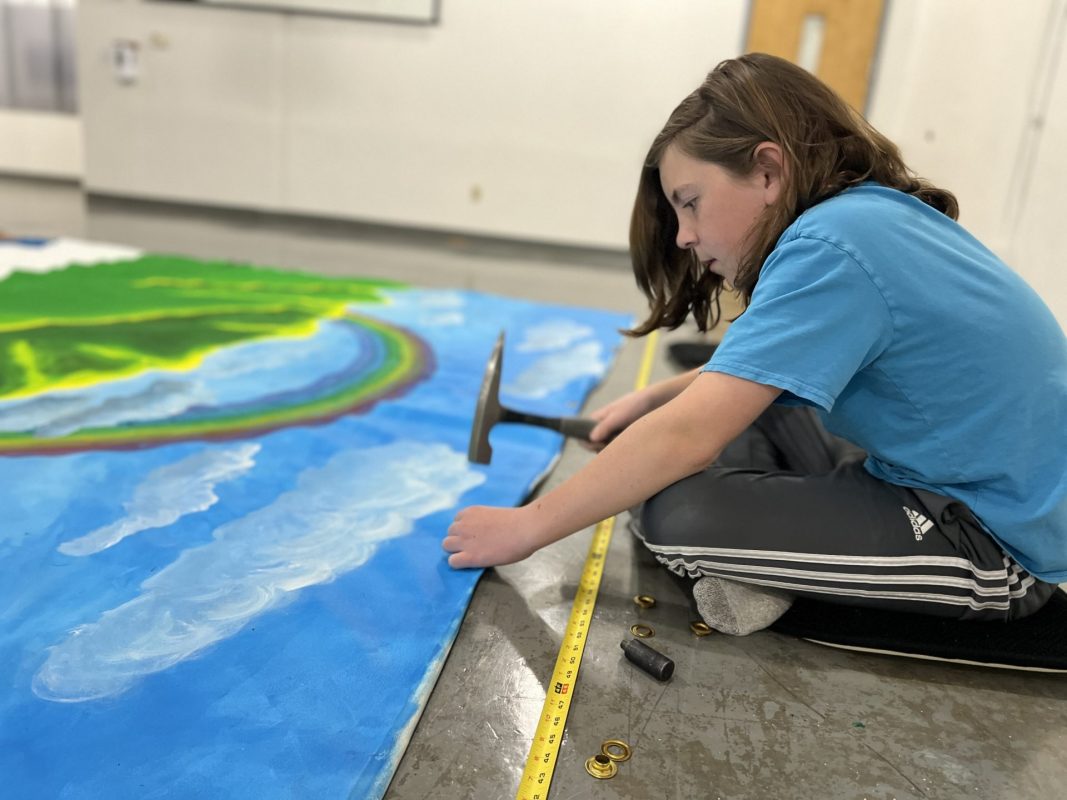
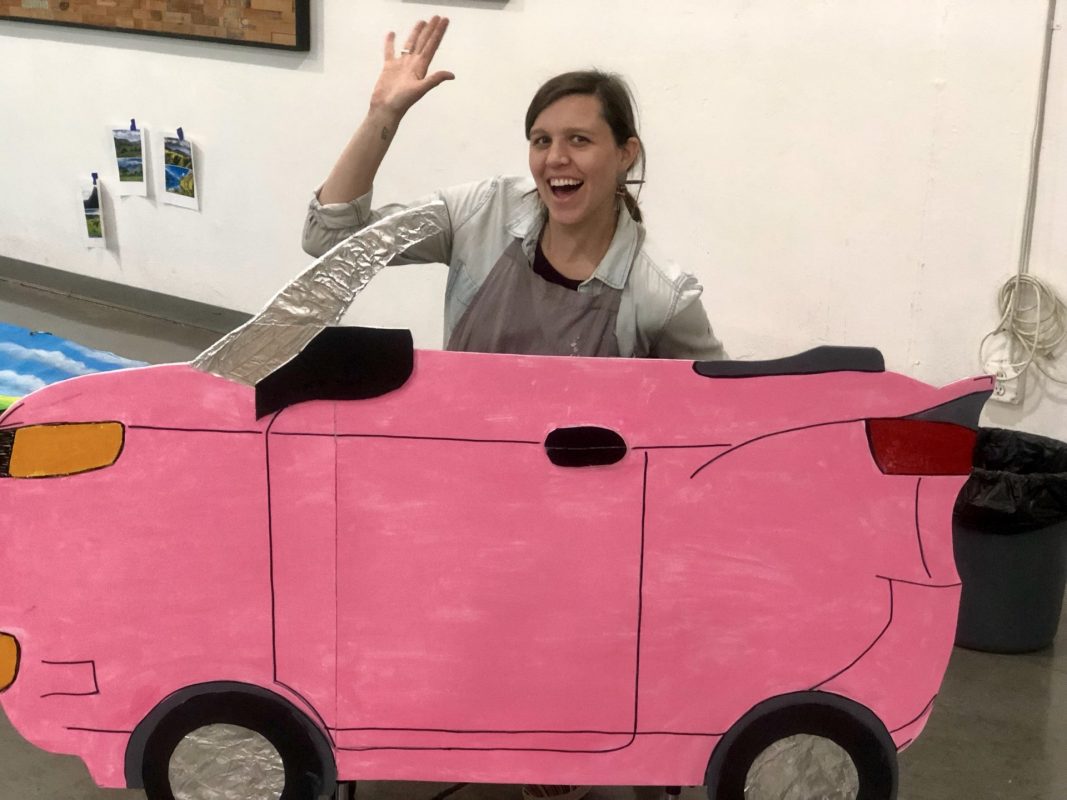
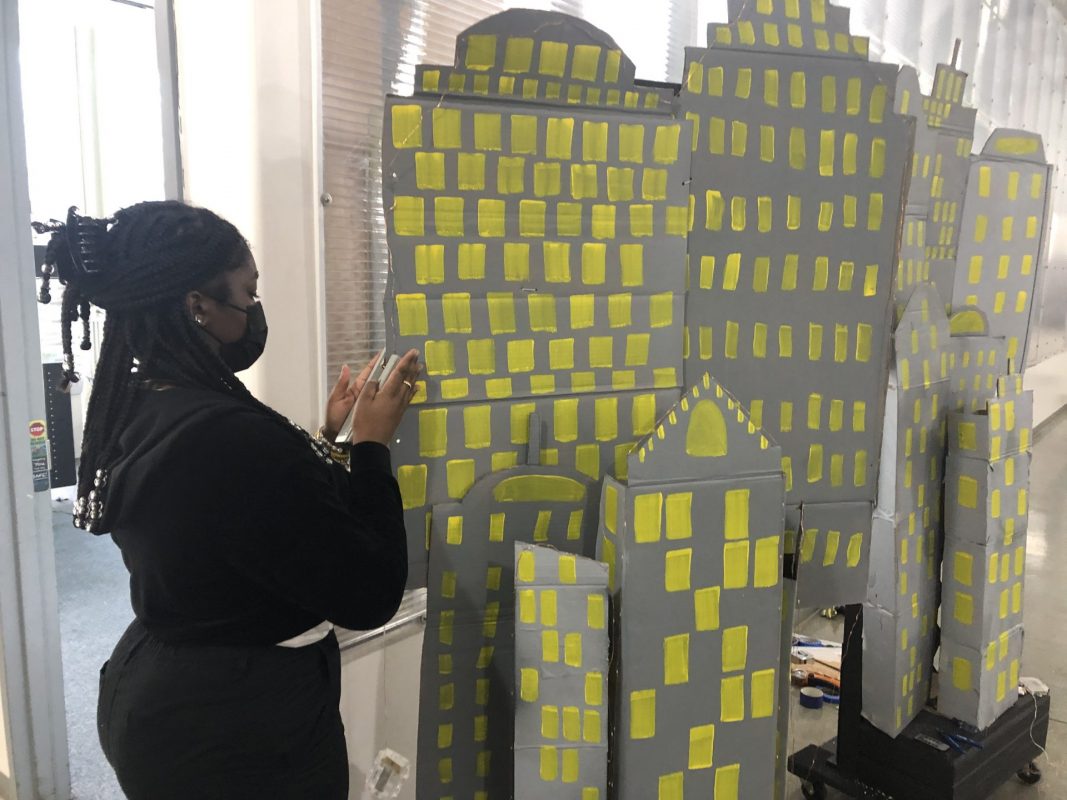
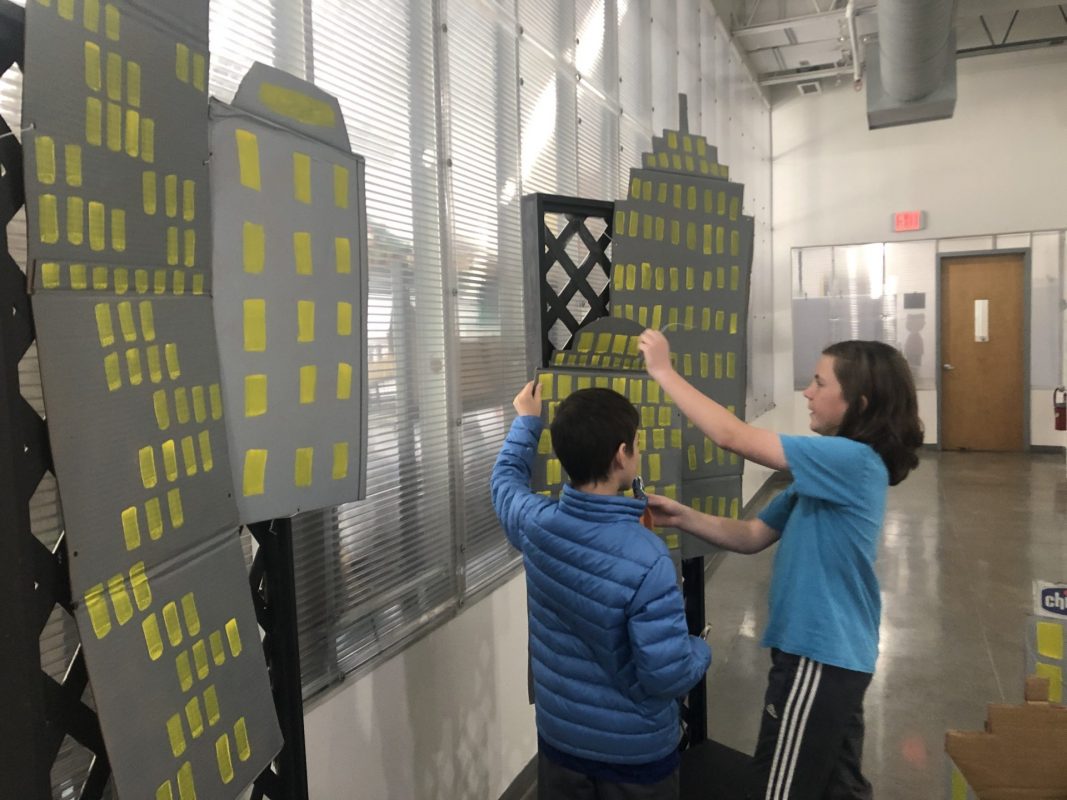
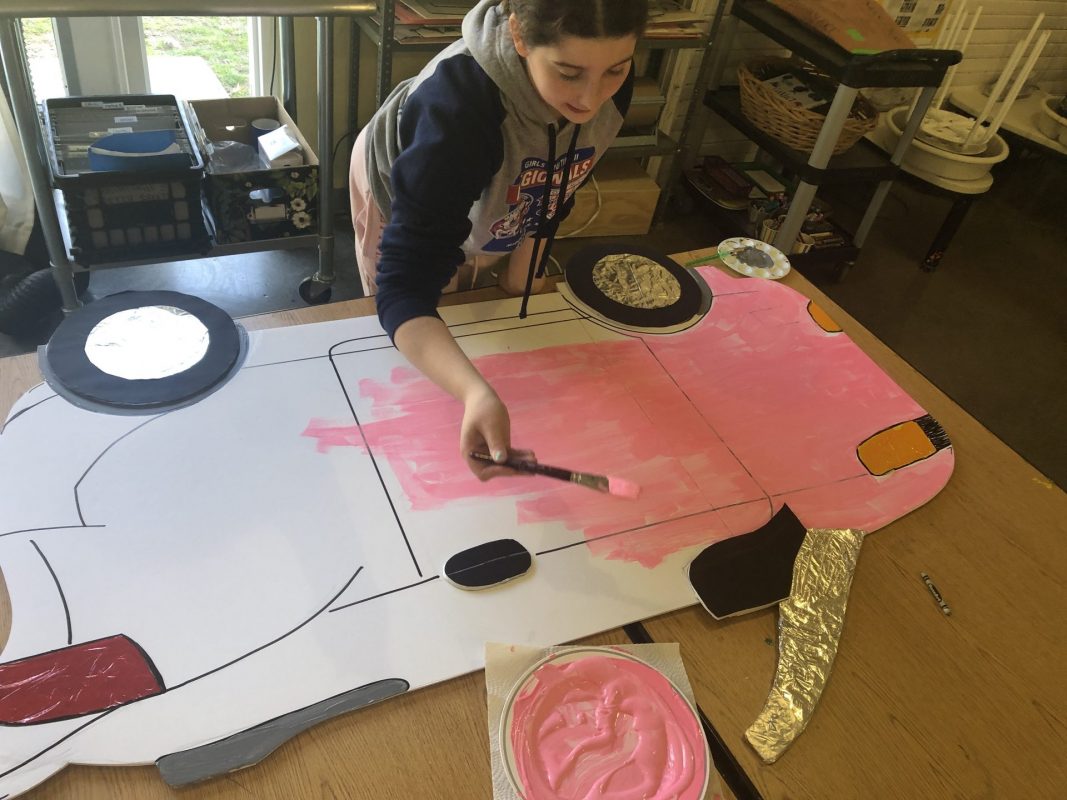
Under the guidance of myself, Mr. Fuchs, and Mr. Brown, students used a range of materials and techniques to construct, paint, and arrange various parts for this complex and colorful set. The largest set display piece was the painted canvas backdrop; which required lots of preliminary planning, sketching, and hours of painting with colorful acrylics to complete the landscape scene. We also constructed a movable component to the backdrop in which cardboard sheep were attached to a pulley system made from string and grommets, and were used to depict sheep running across a meadow. Other hand-made props included a city constructed from cardboard and LED lights, a car made out of foam board, a smoothie shop bar constructed from cardboard, burlap and fake luau hay grass, a cluster of palm trees made out of cardboard tubes and layers of leaves cut from green construction paper, and various hand drawn or laser-cut signs.

Throughout each stage of the design and building process, students gained hands-on experience of how much work and problem solving goes into scenic design for theater productions. Theatre is a visual medium, and the scenic designers and creative team are the driving force for bringing the vision of the show to life. We are all so impressed with how well the students have worked together to bring this play together in such a creative and inspiring way!

Let’s Play Pickleball!

Pickleball is a paddle sport played with a wiffle ball on a badminton-sized court and a tennis-style net.  Pickleball is enjoyed by people of all ages and athletic abilities. Pickleball is played in thousands of school P.E. programs, parks and recreation centers, camps, YMCA’s and retirement communities.  This sport is becoming very popular among active senior adults at community centers and is growing in popularity on high school and college campuses.

Pickleball was created during the summer of 1965 in Seattle, WA.  The original purpose of the game was to provide a sport for the entire family.  Pickles, the family dog would chase after the wiffle balls and then hide in the bushes. The founder suggests that Pickle’s ball was later shortened to Pickleball.

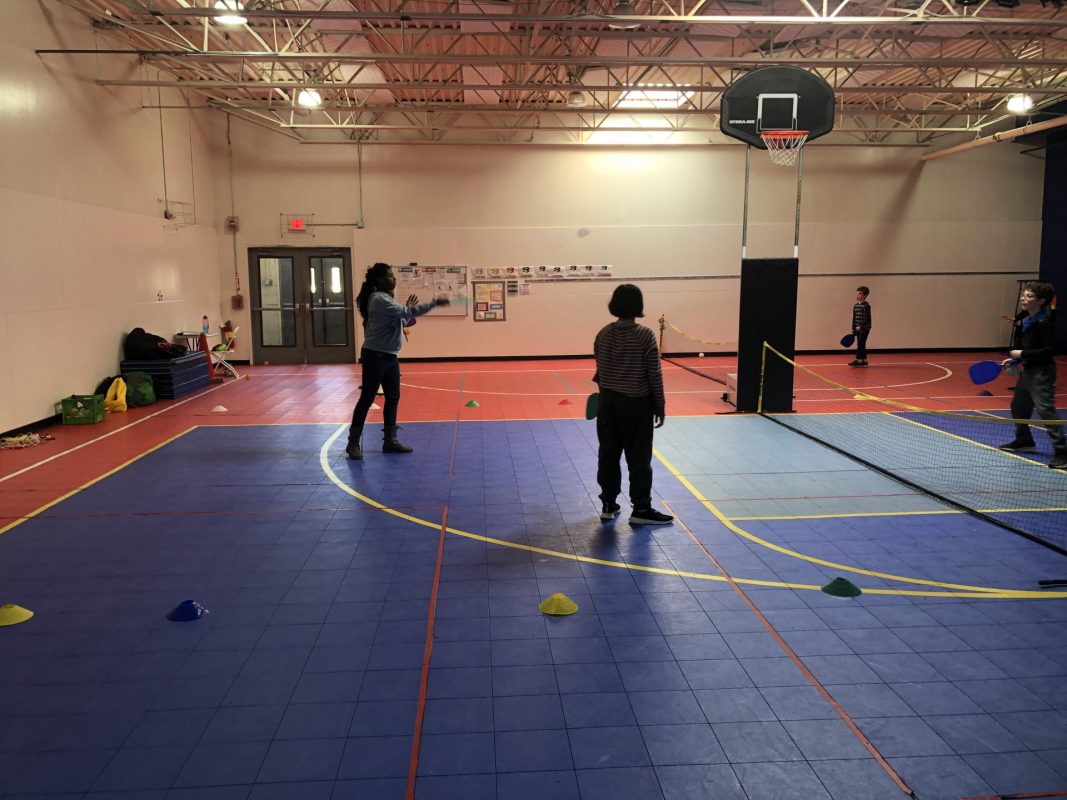
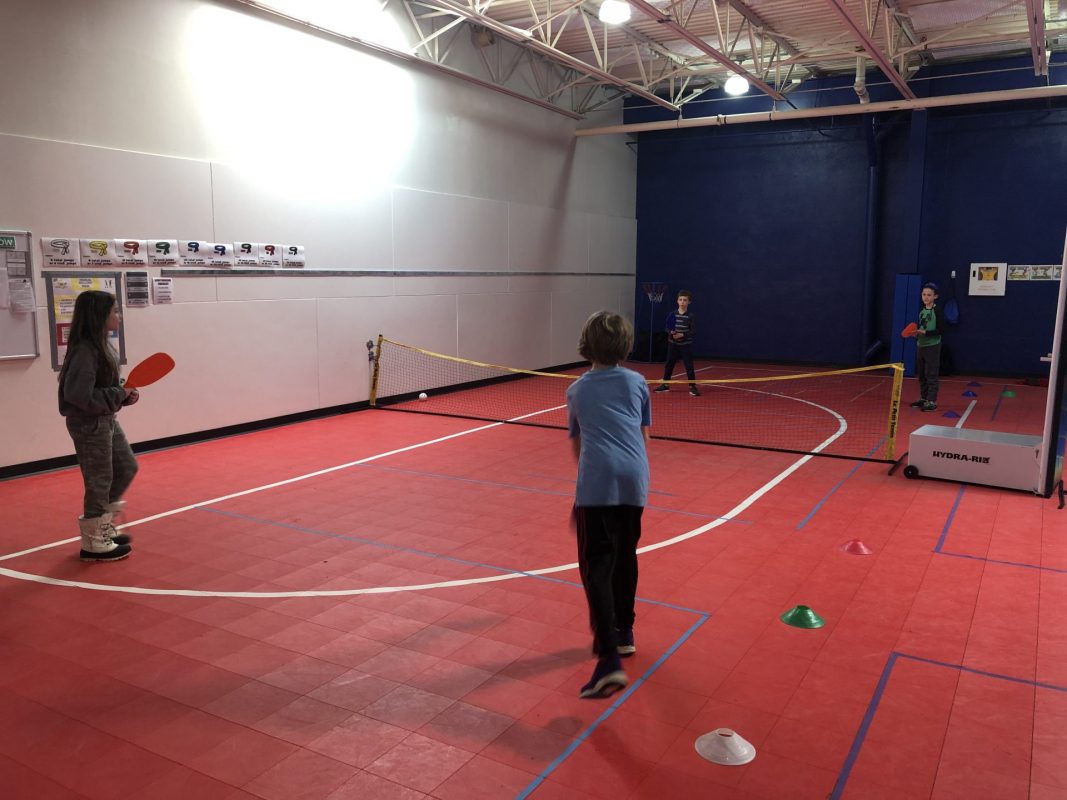
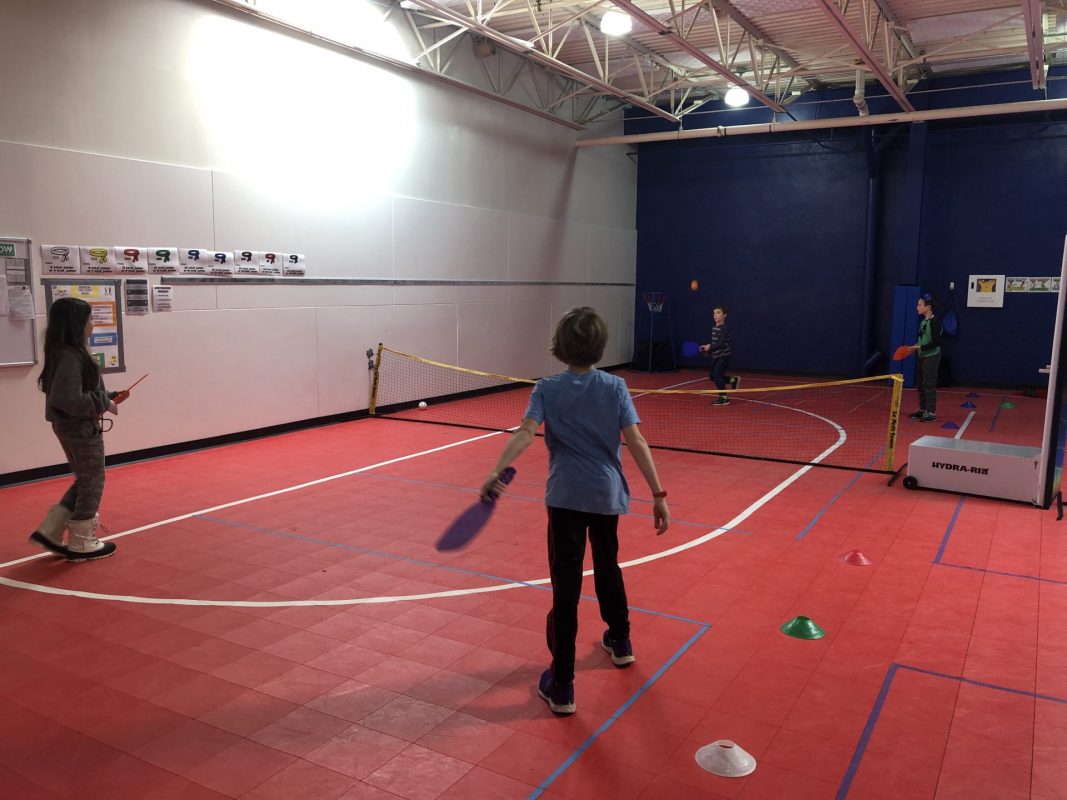
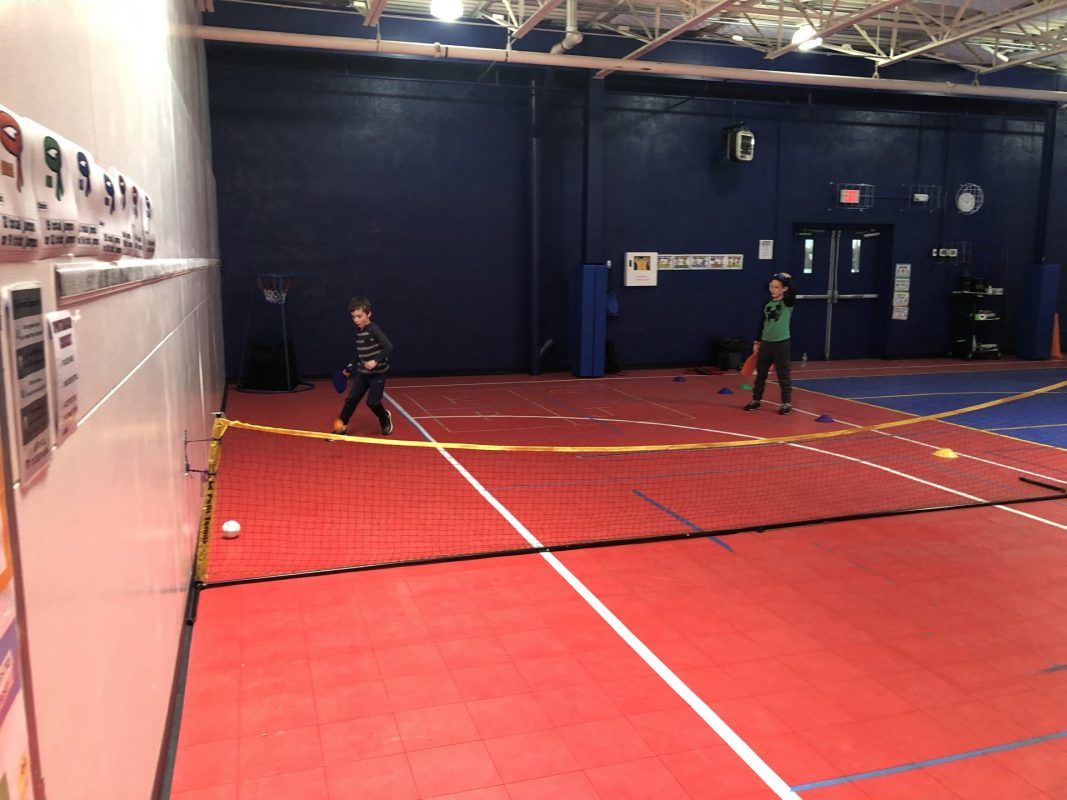
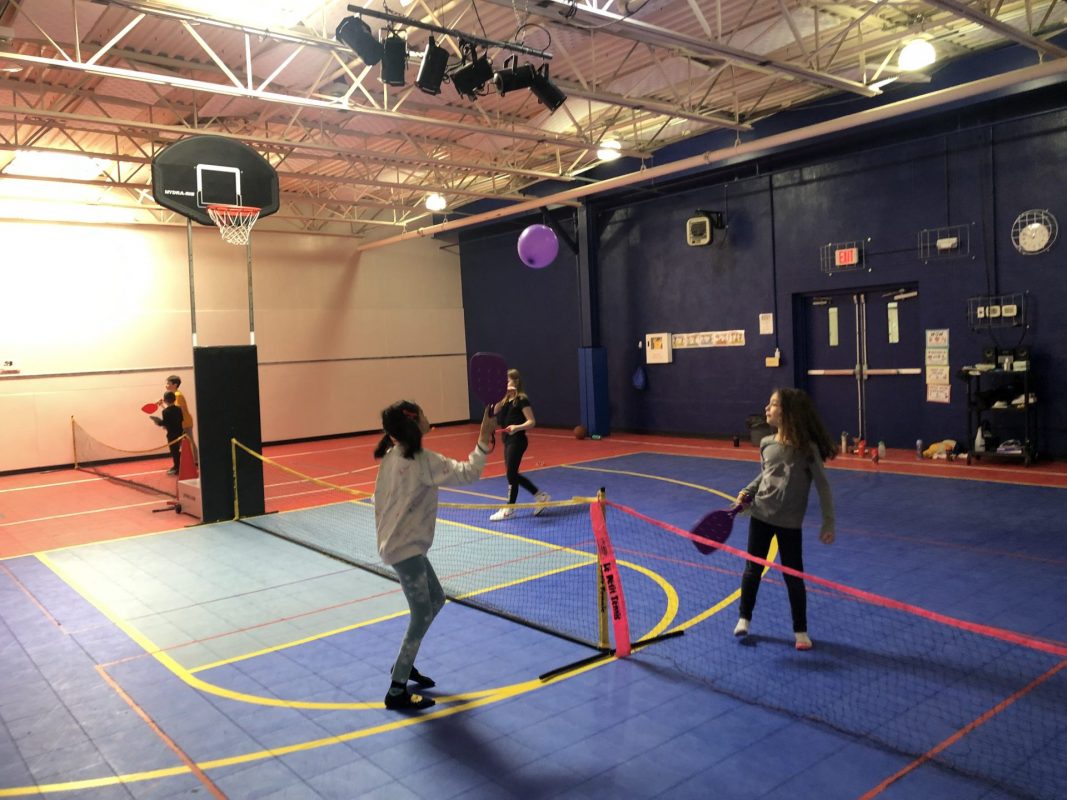
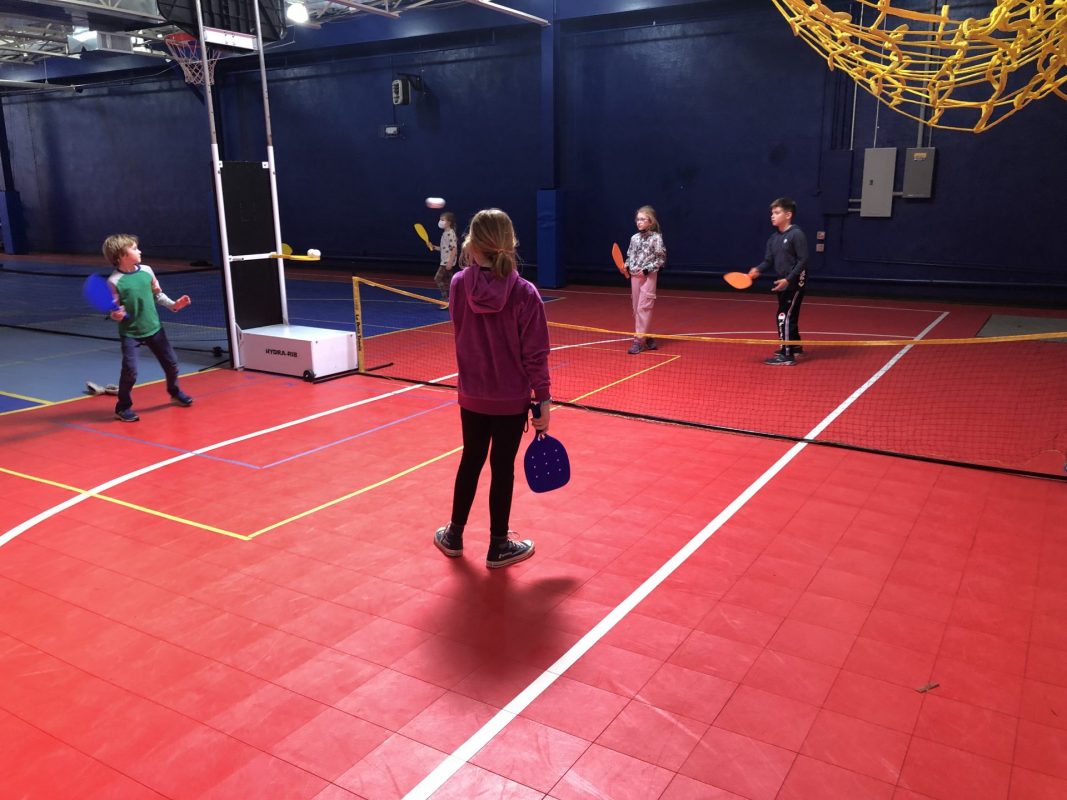
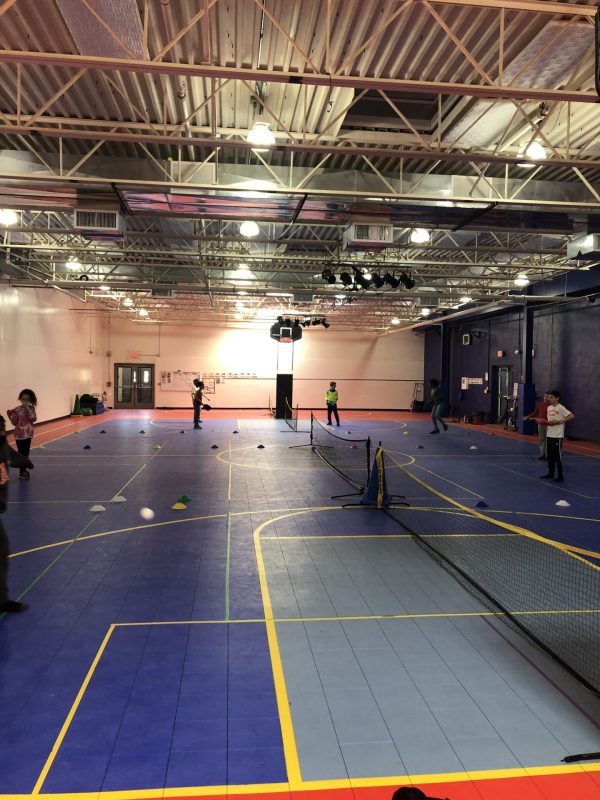
Students in kindergarten through 5th grade participated in a Pickleball unit. Students practiced and participated in demonstrating the proper serve, forehand drive, backhand drive, and abide by rules of fair play. Pickleball helps improve agility, balance, reaction time, and hand-eye coordination. At the end of the unit, students in grades 3-5 participated in a singles and doubles Pickleball tournament. In grades K-2, we modified play by using balloons instead of pickleballs.  

Click below to read an article about Pickleball that was published 10 days ago!

https://www.cnn.com/2022/03/20/us/pickleball-explainer-wellness-cec/index.html


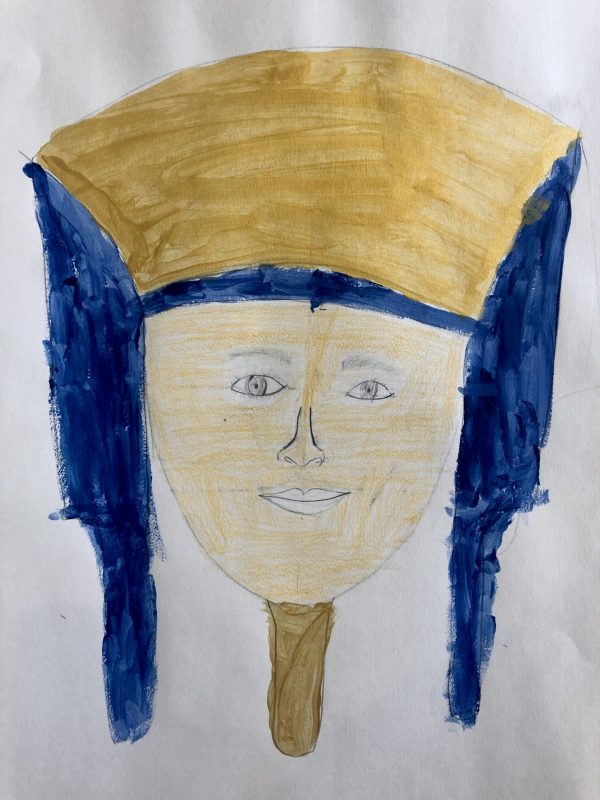
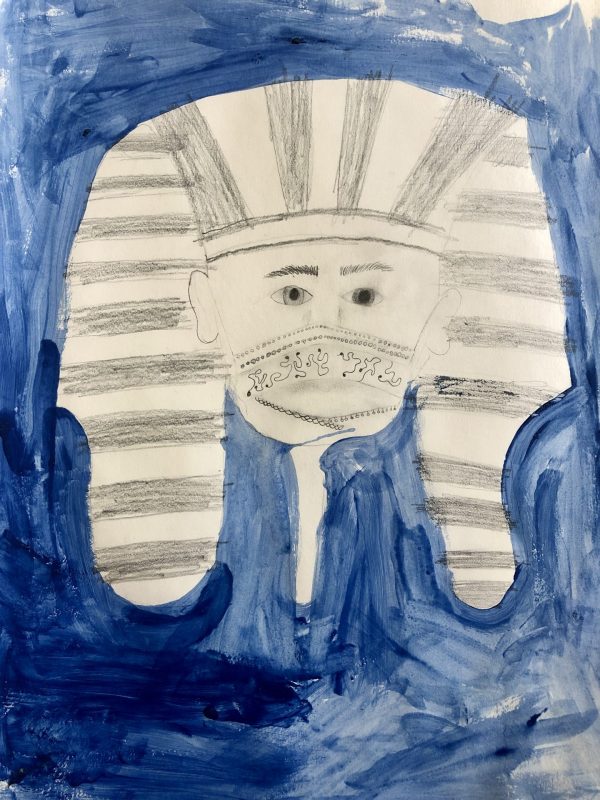
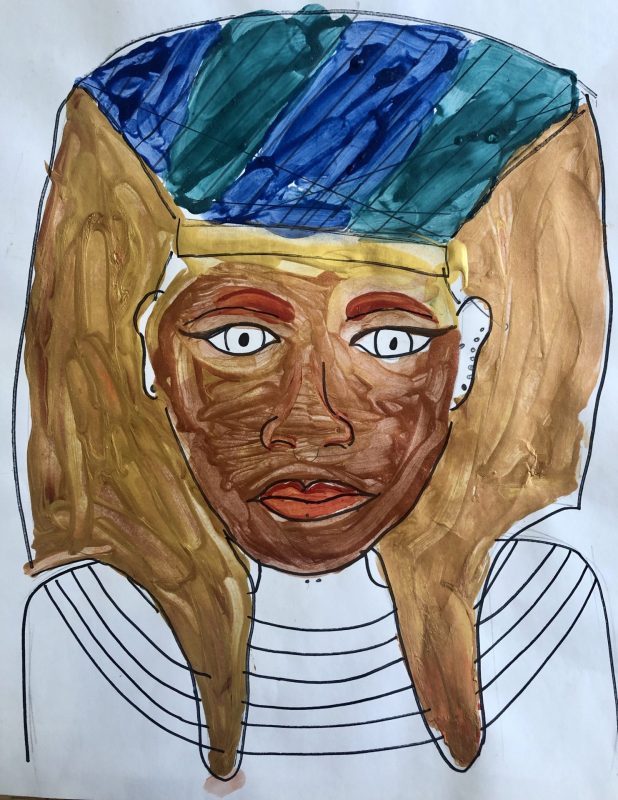
6th Year Egyptian Pharaoh Portraits!

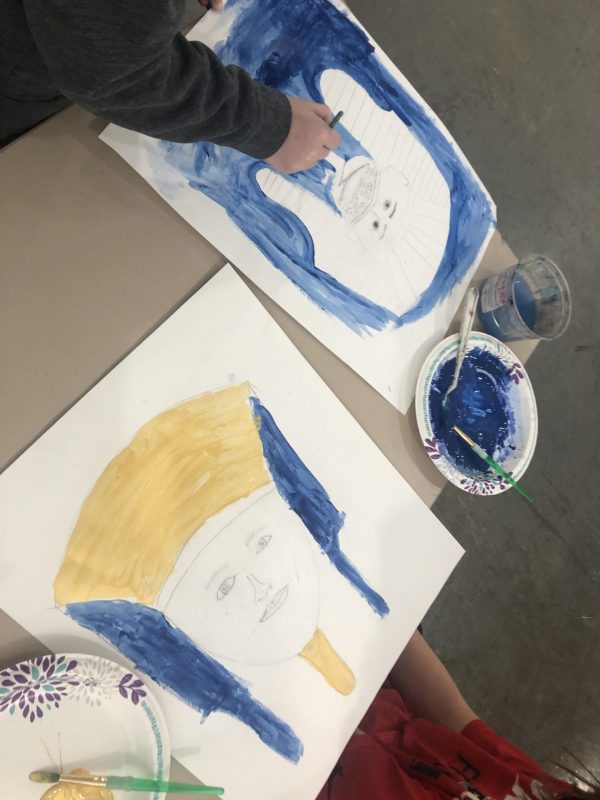
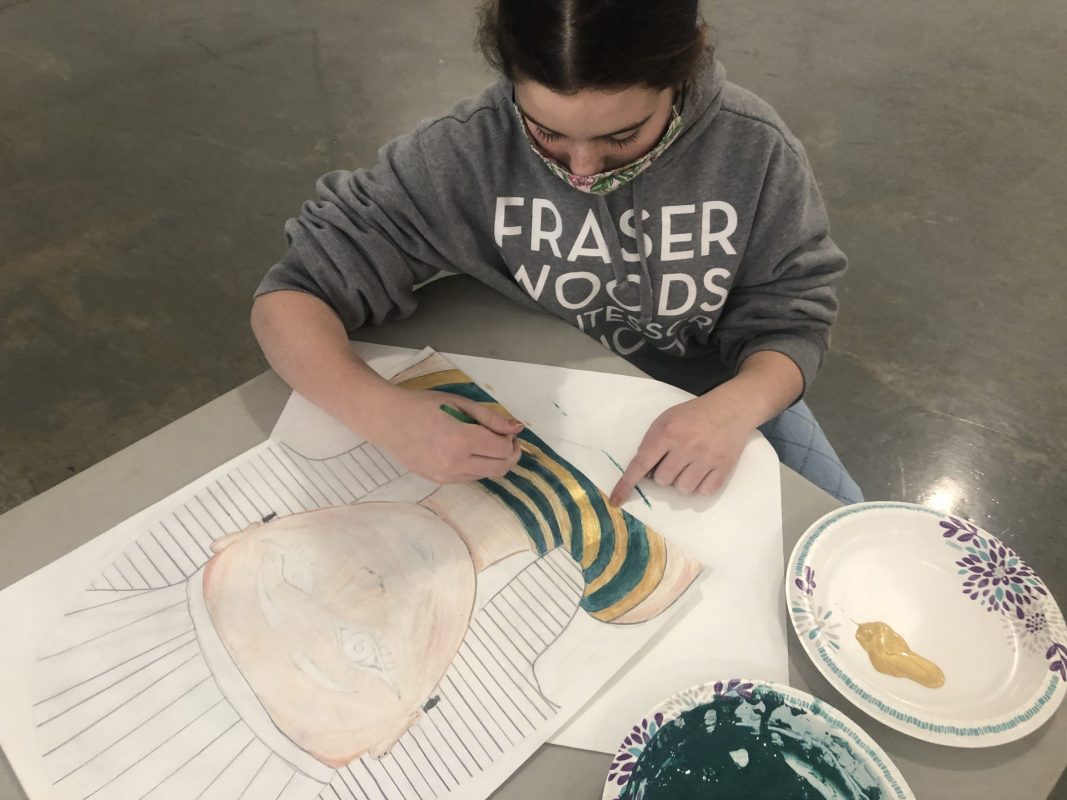
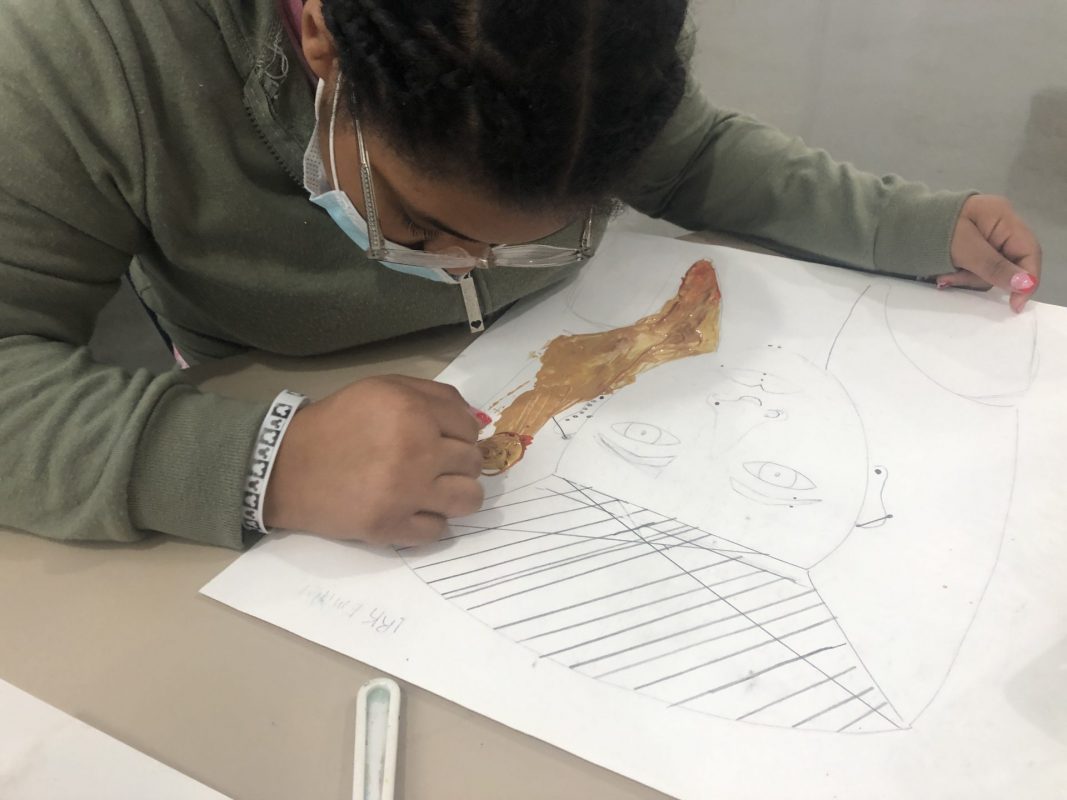
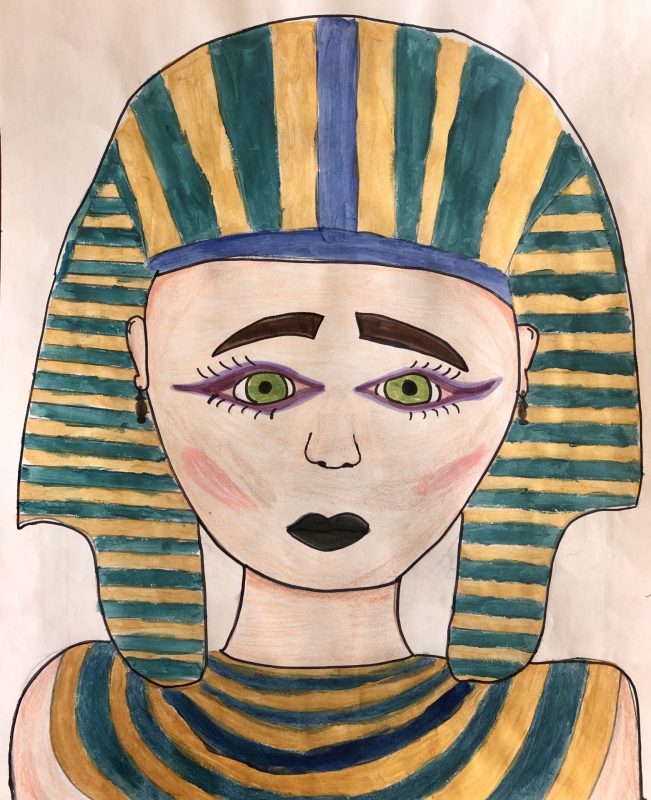
In Art Humanities, sixth year students created an art piece to go along with their Humanities studies of Ancient Egypt. For this project, young artists worked on a portrait painting of an Egyptian pharaoh and learned about the proportions of the face in doing so. To begin, we lightly sketched out an oval shape for the head and divided the face into sections using dotted lines as our guide for the facial features. Students then drew an elaborate headdress, known as “nemes” which were pieces of striped head cloth worn by pharaohs in ancient Egypt, similar to a crown. Next, students traced all of their pencil lines with sharpie and added thick black lines around the eyes as well as other details such as jewelry and hieroglyphic symbols.

Lastly, we learned about how the Egyptians made paint using ground up pigments from rocks mixed with egg yolk as the binder, known as egg tempera. Students then made their own own egg tempera paint to use in their pharaoh portraits with a mixture of powdered pigments and egg yolk. Gold acrylic paint was also added to their portraits since the ancient Egyptians lived close to large gold supplies from mines along the Nile River. Bravo, young artists!


Olympic Games in PE!

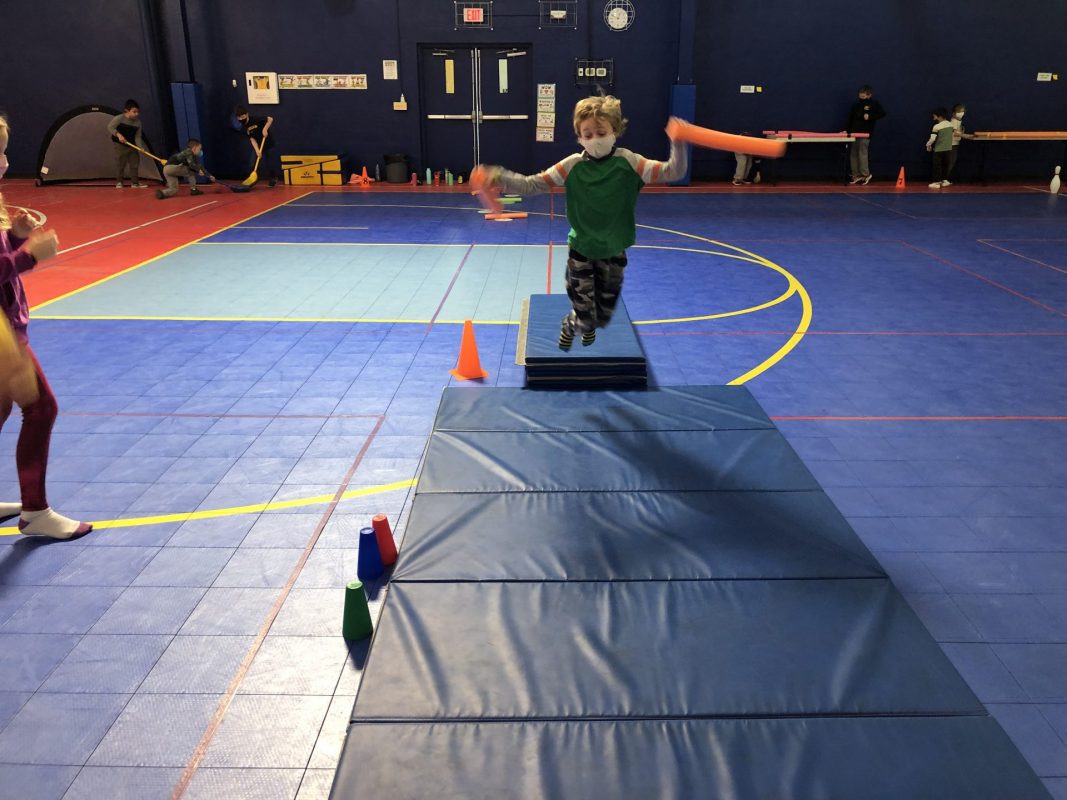
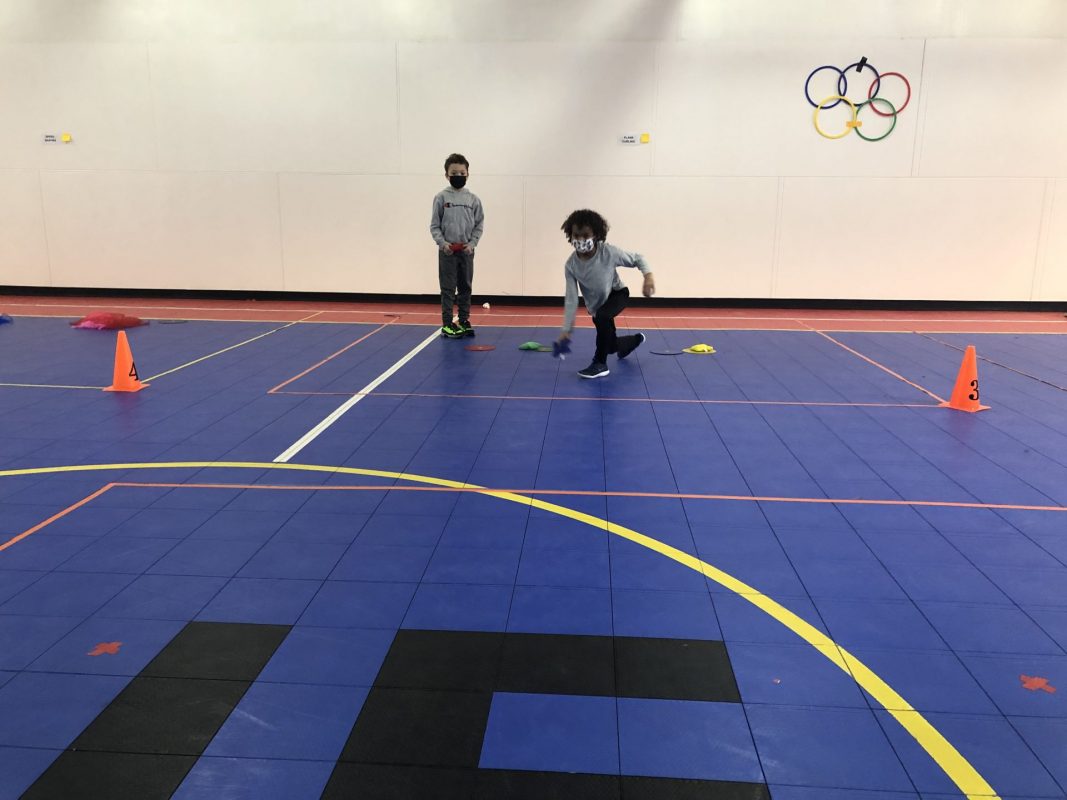
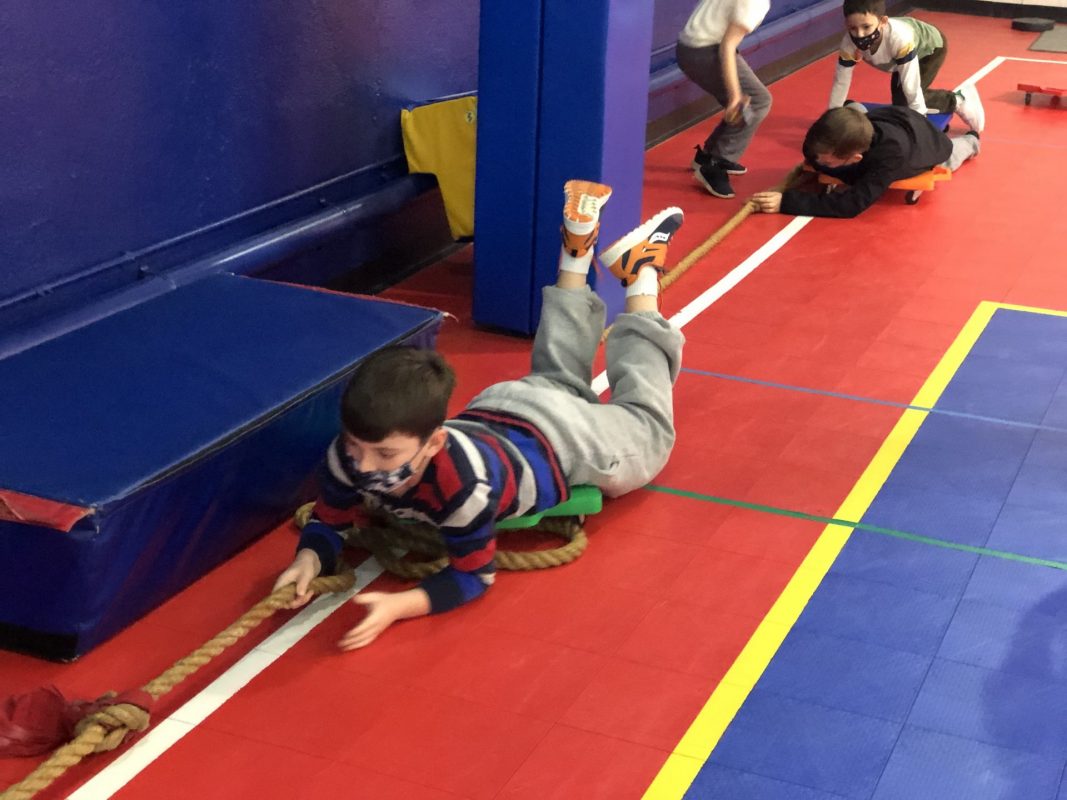
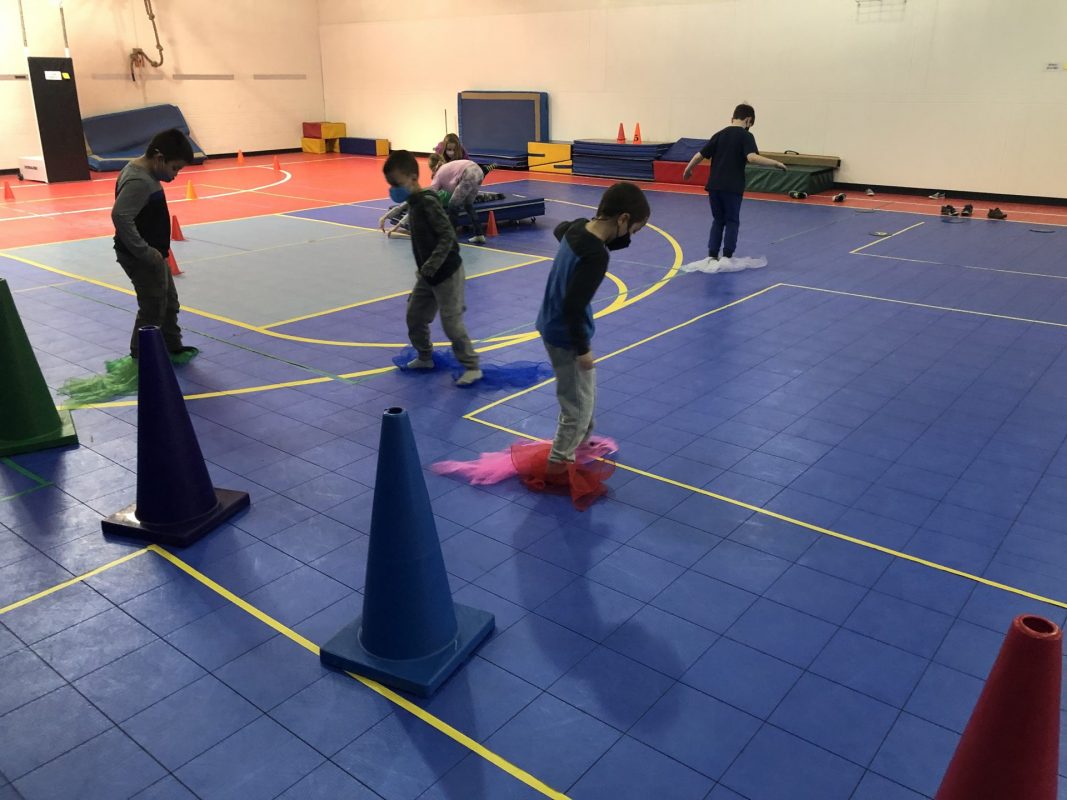
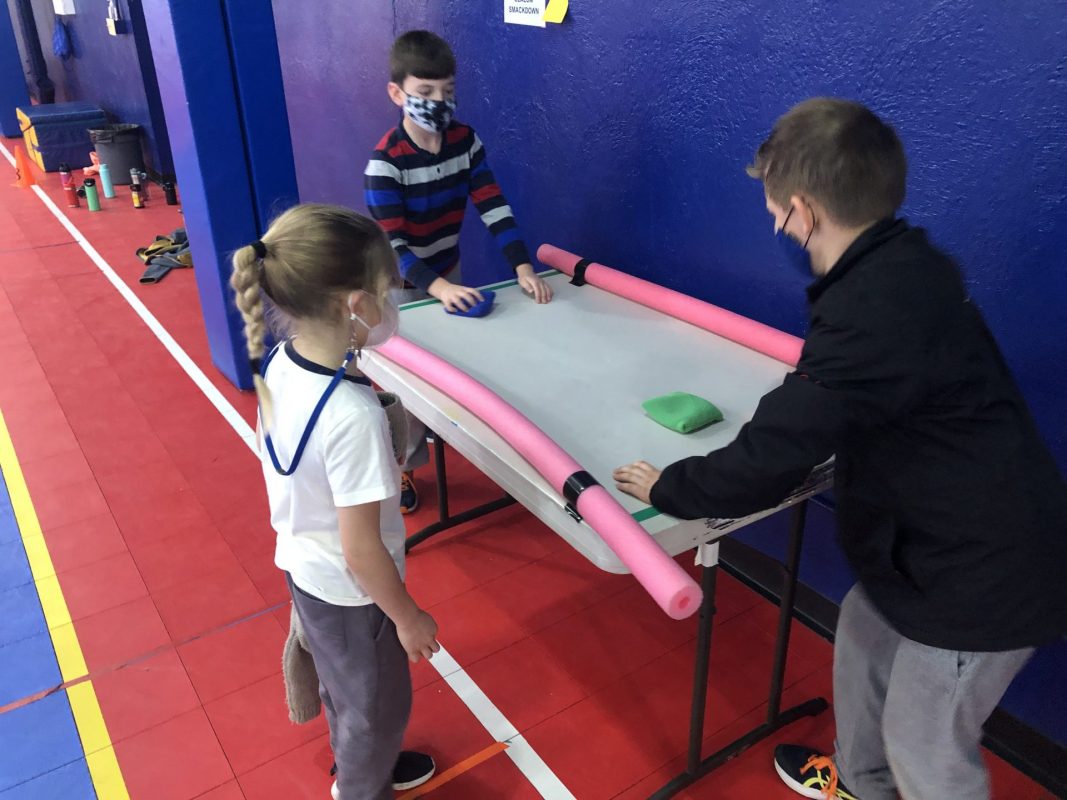
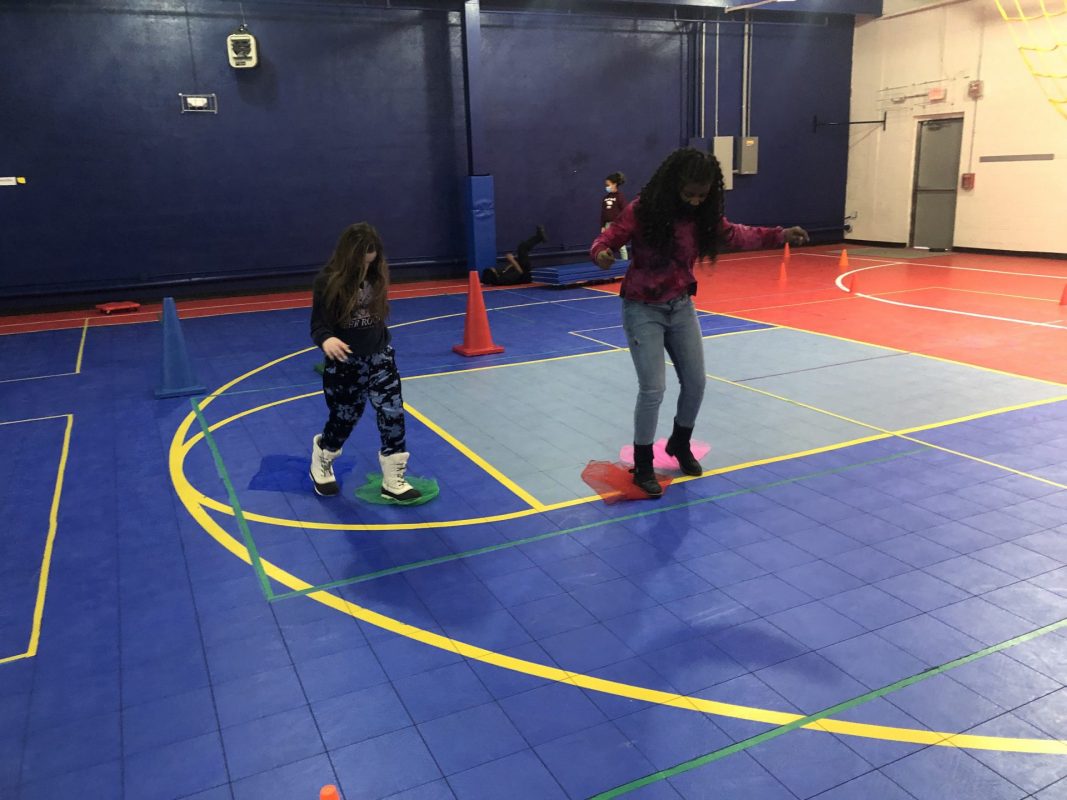
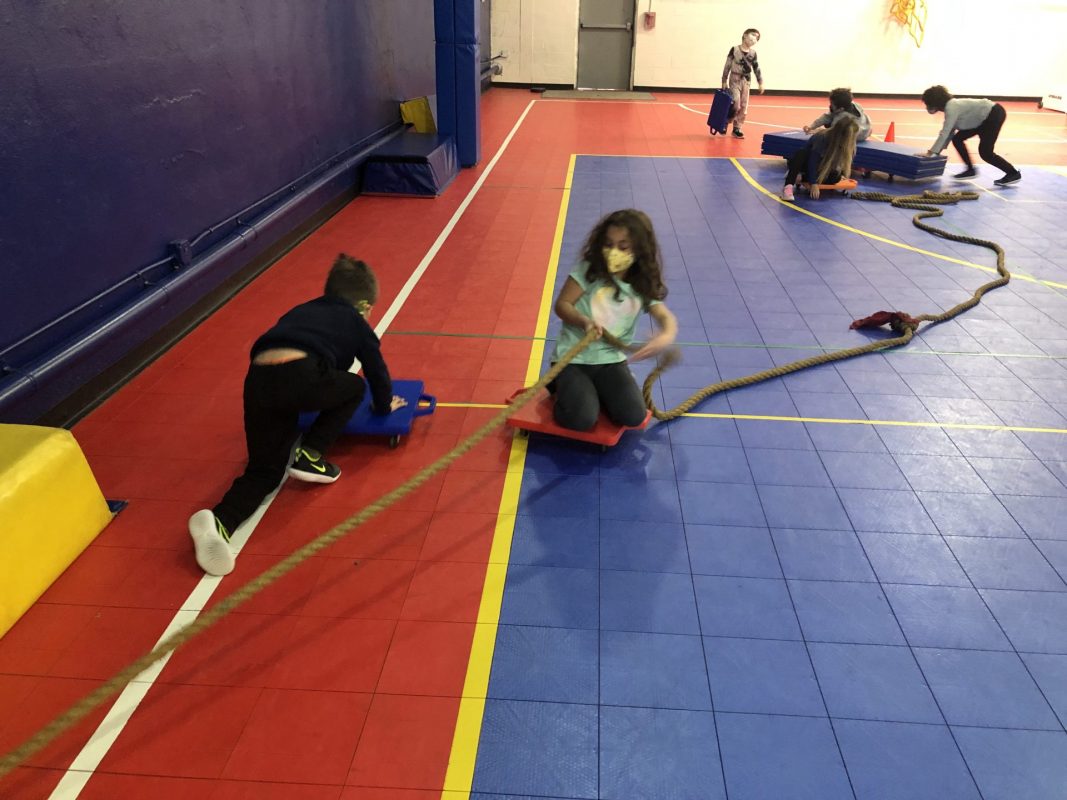
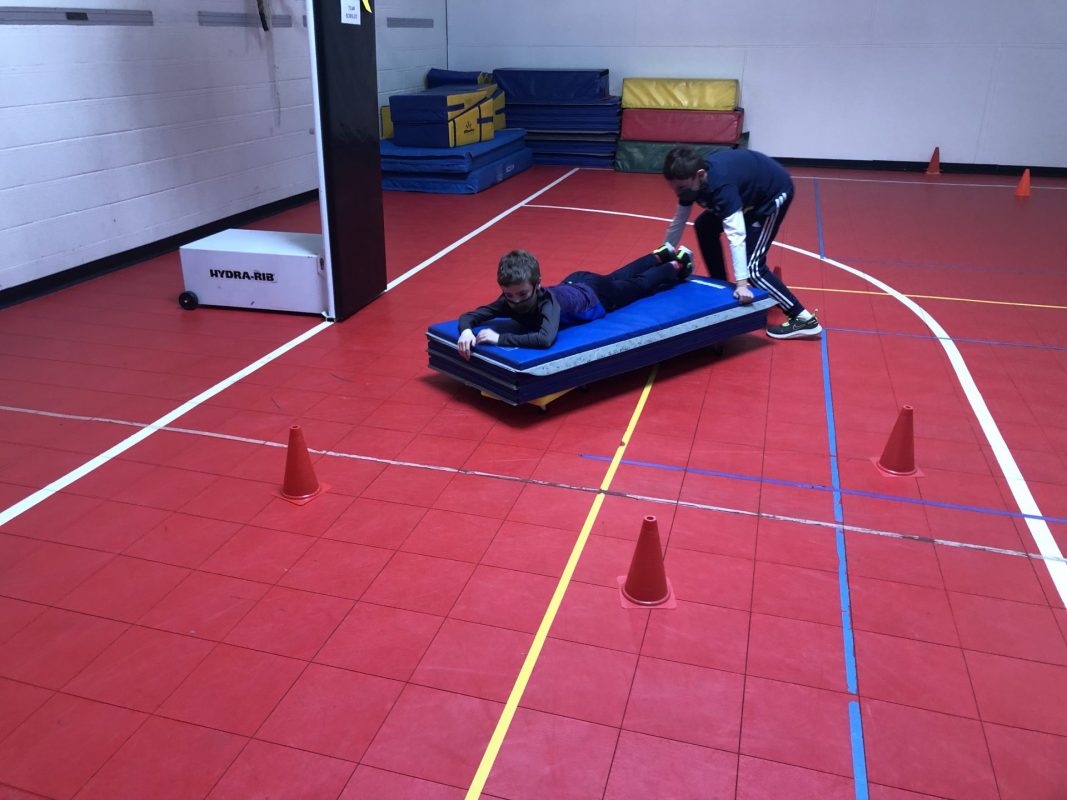
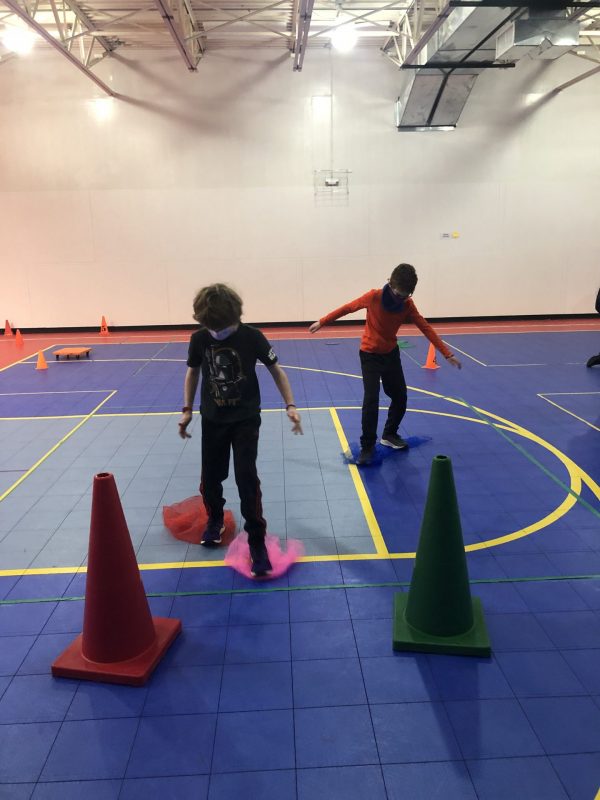
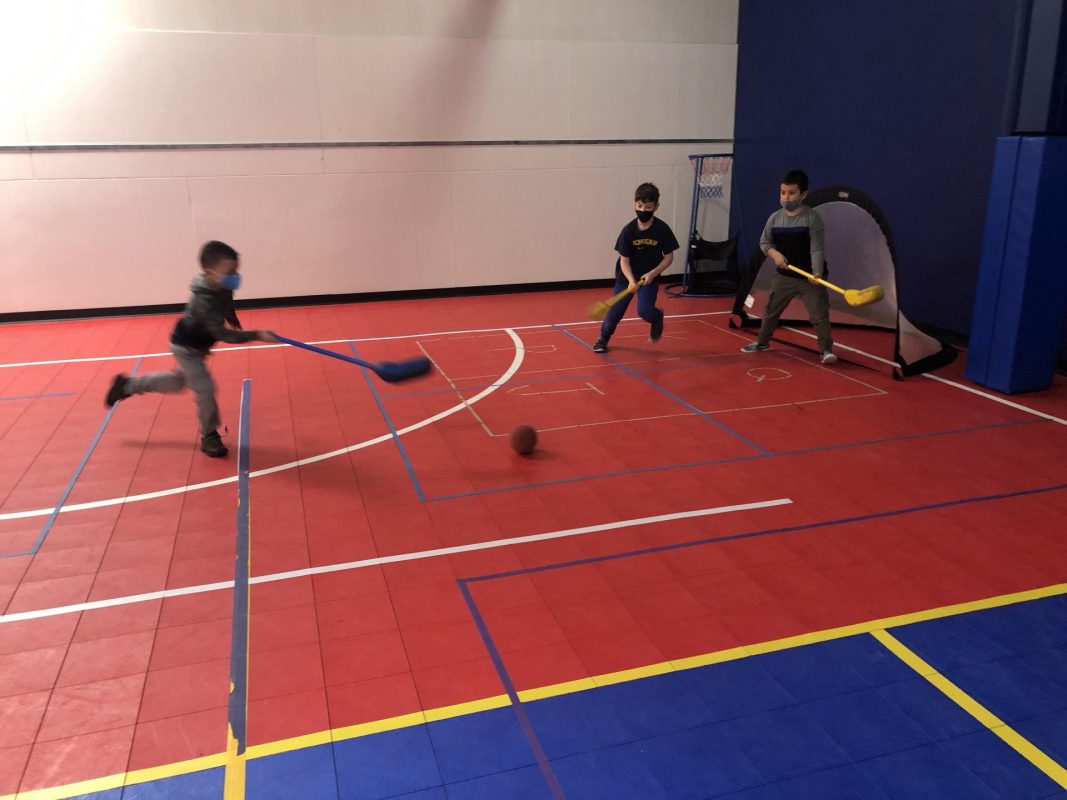
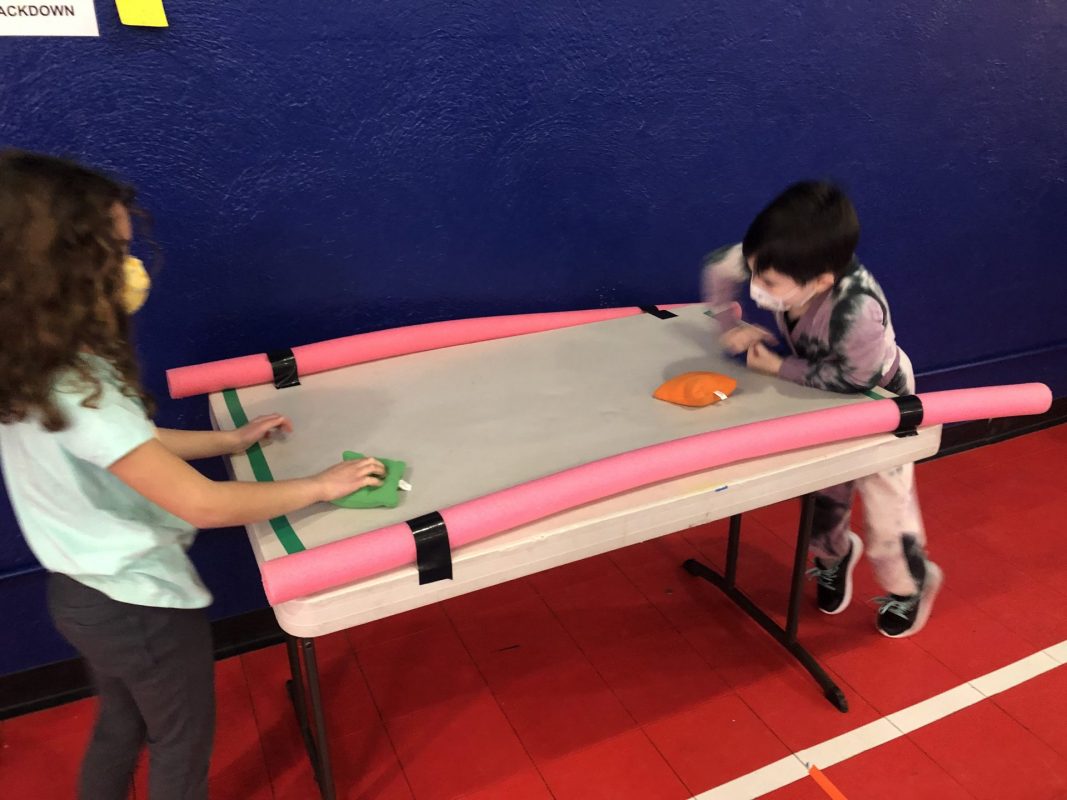
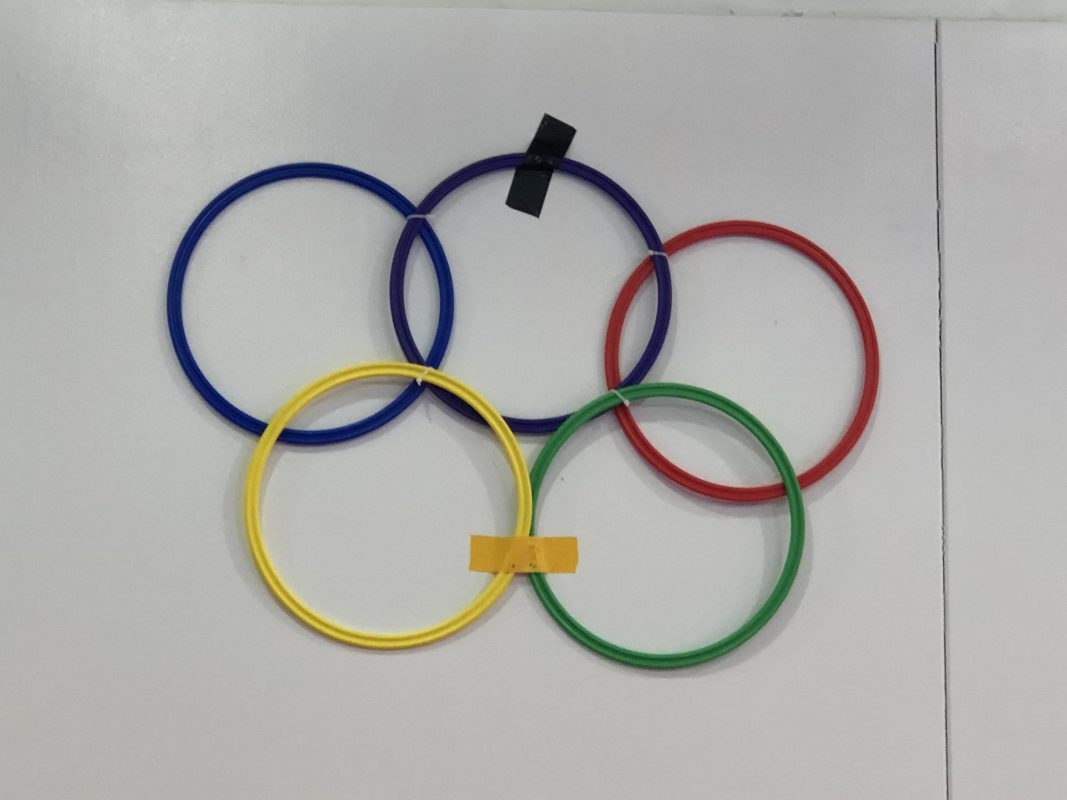
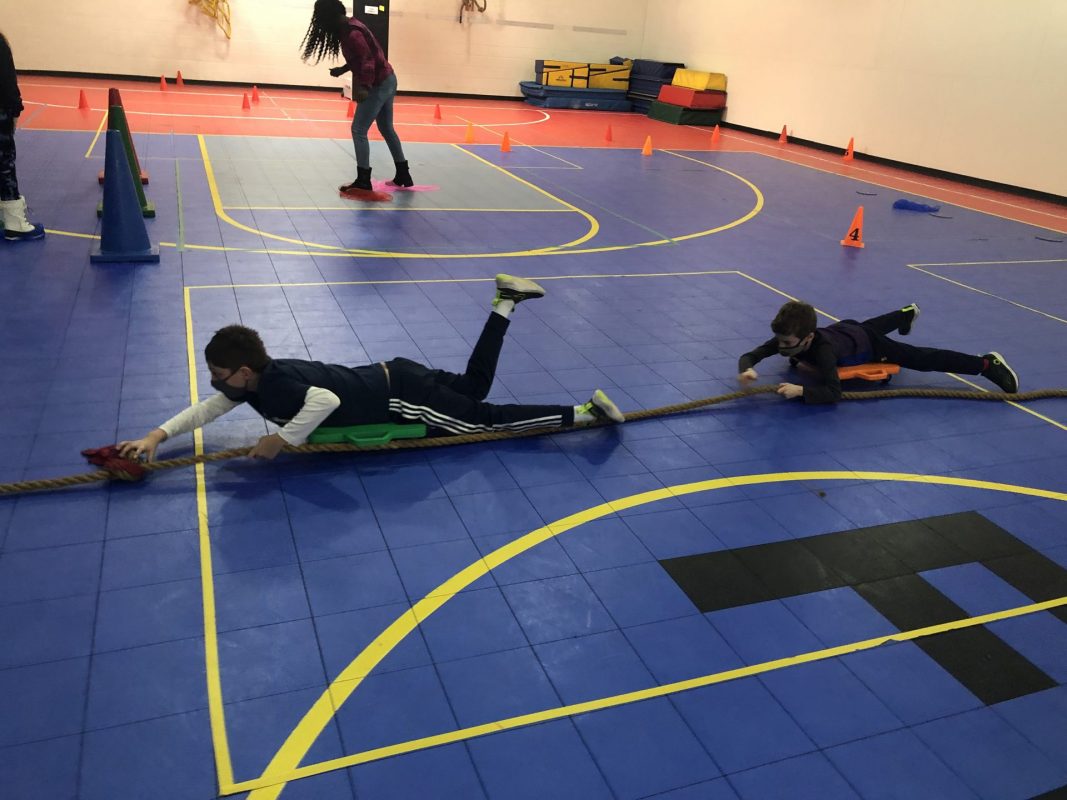
The Kindergarten, Lower Elementary, and Upper Elementary participated in Winter Olympic Games stations in class. The students were questioned on their knowledge as to why there are only five rings and what the colors represented. They were also asked where the Olympics were taking place and what continent that country was located in. The students participated in the following winter Olympic Game stations: Curling, Speed Skating, Ice Hockey, Table Hockey, Skeleton/Luge, Ski Jump, and Bobsled. The stations they most enjoyed were the bobsled and ski jump!

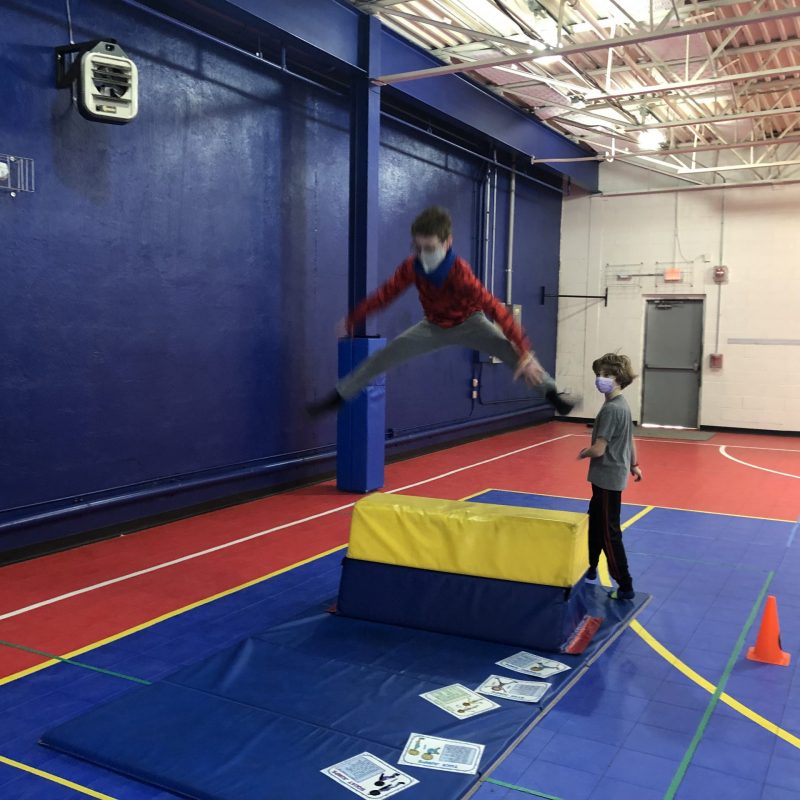
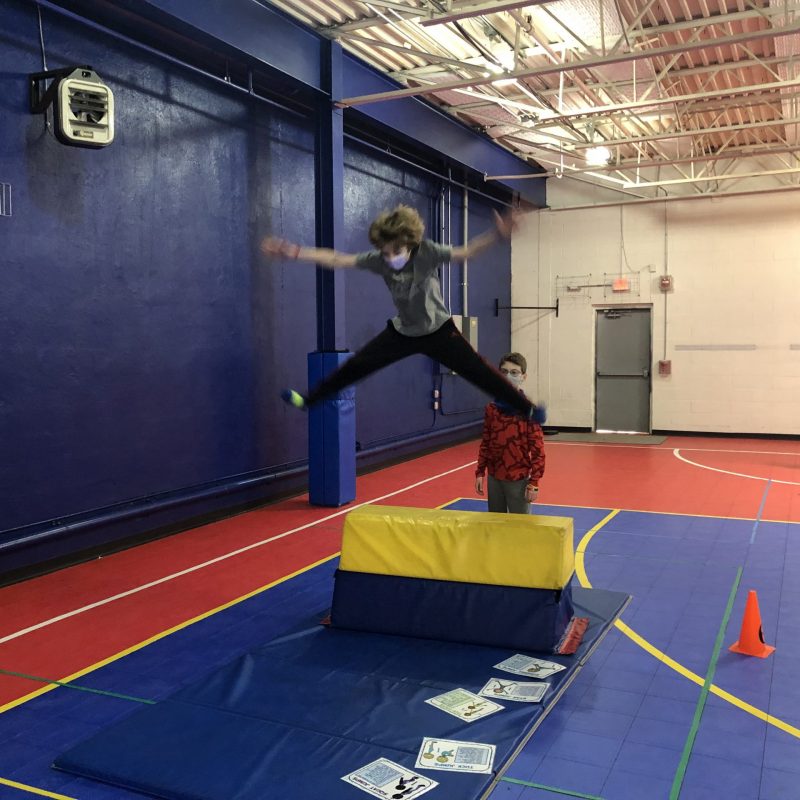
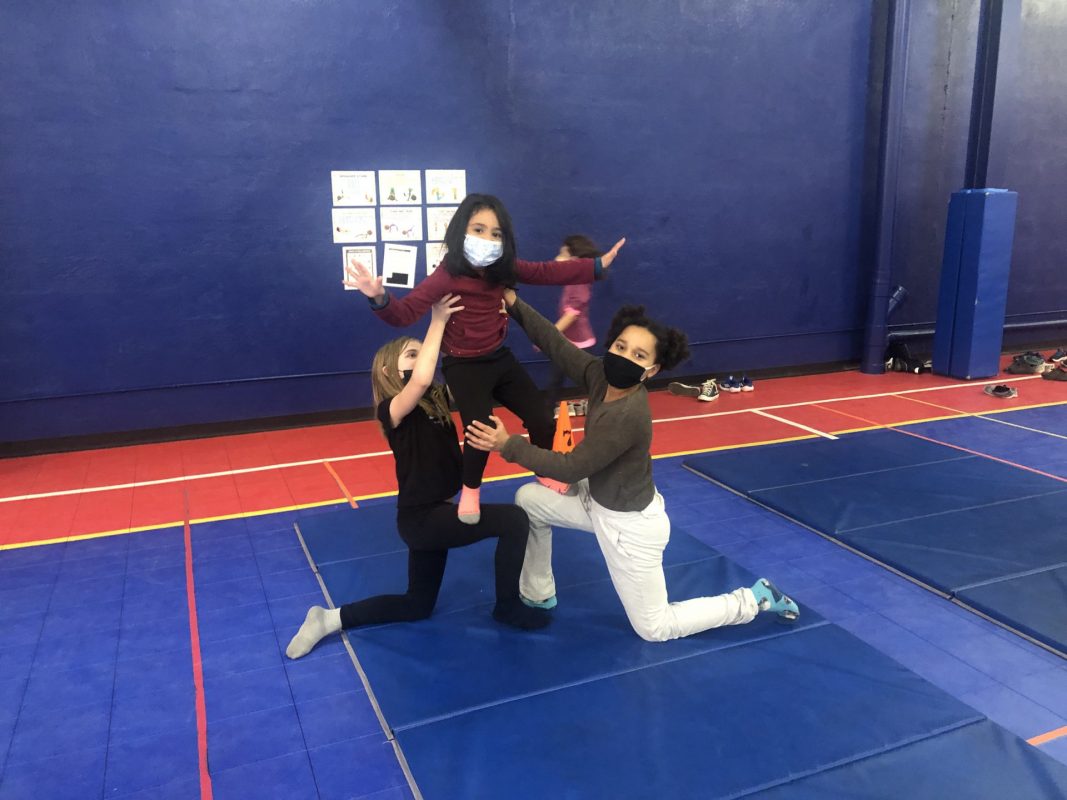
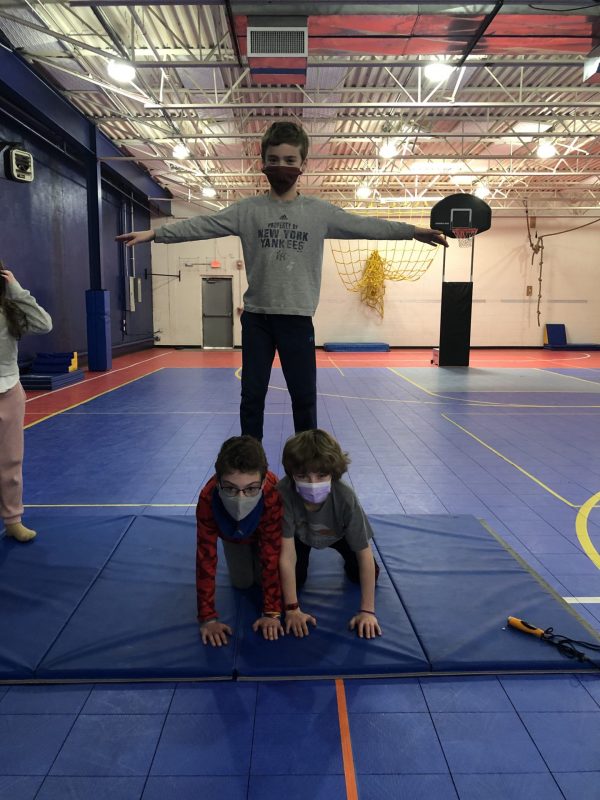
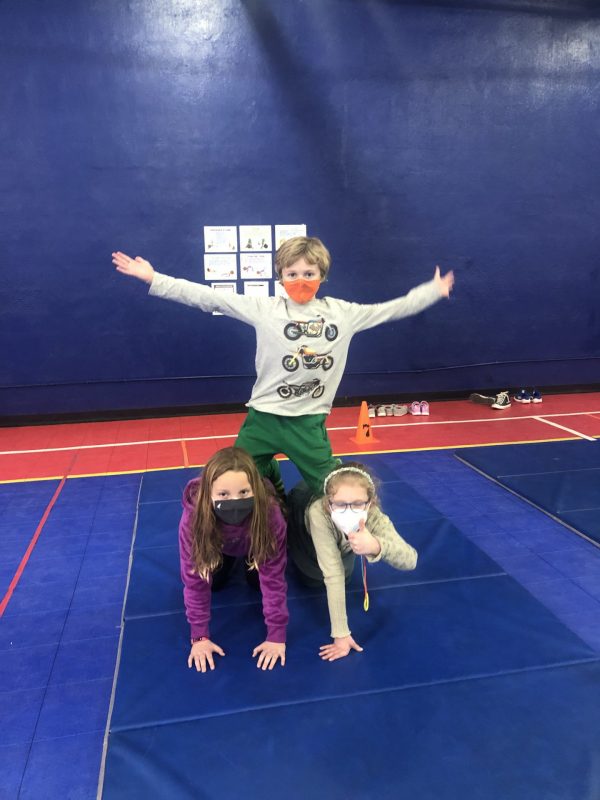
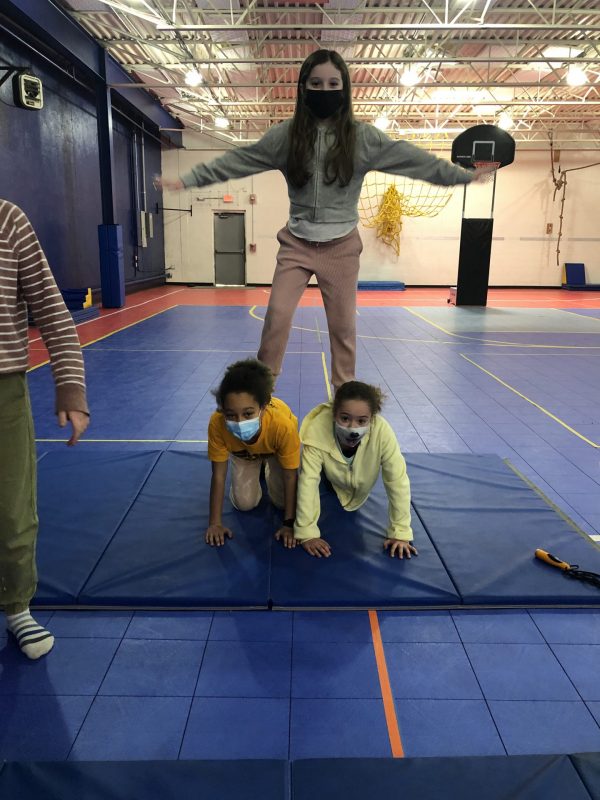
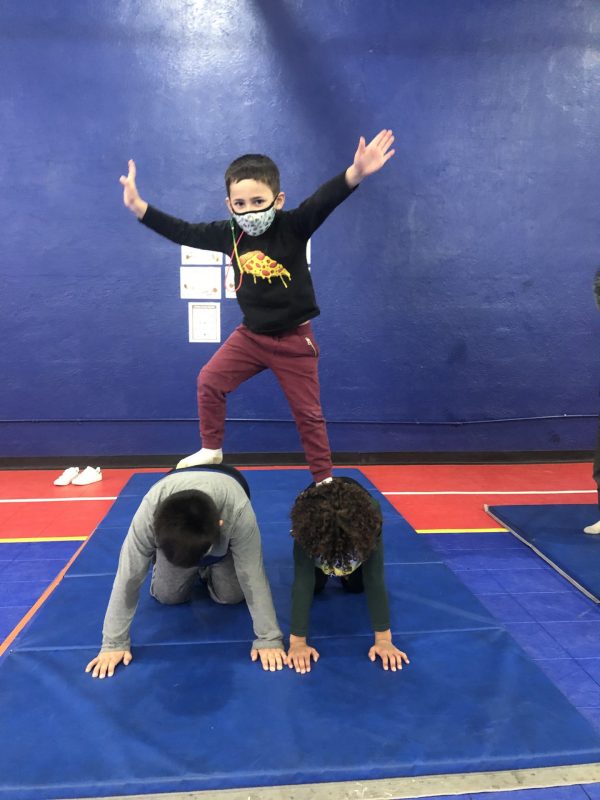
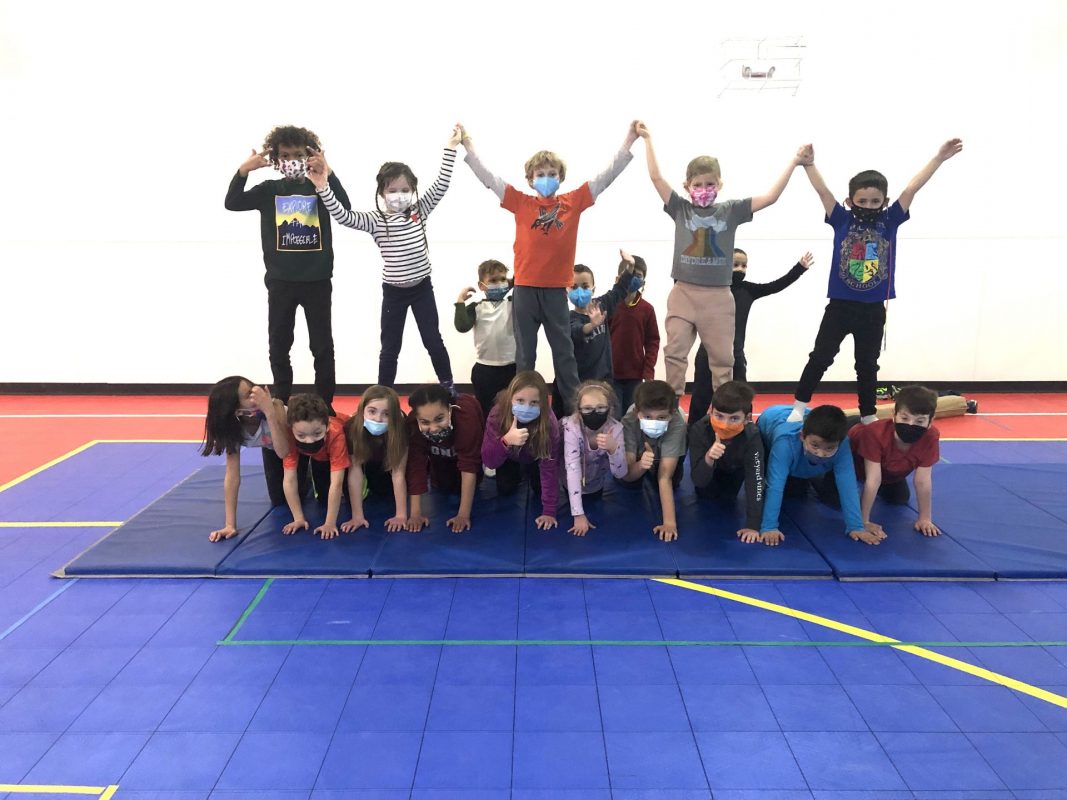
During our Gymnastics unit, students participated in pyramid building and single balances. A human pyramid is a formation of three or more people in which two or more support a tier of higher people. For practical reasons, lighter people are often positioned higher while stronger/heavier people are located closer to the base.


Makers take flight!

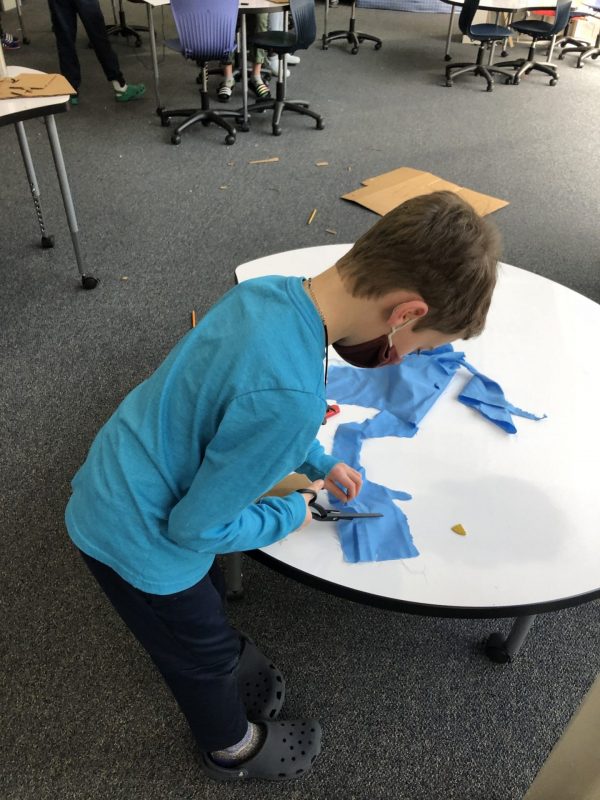
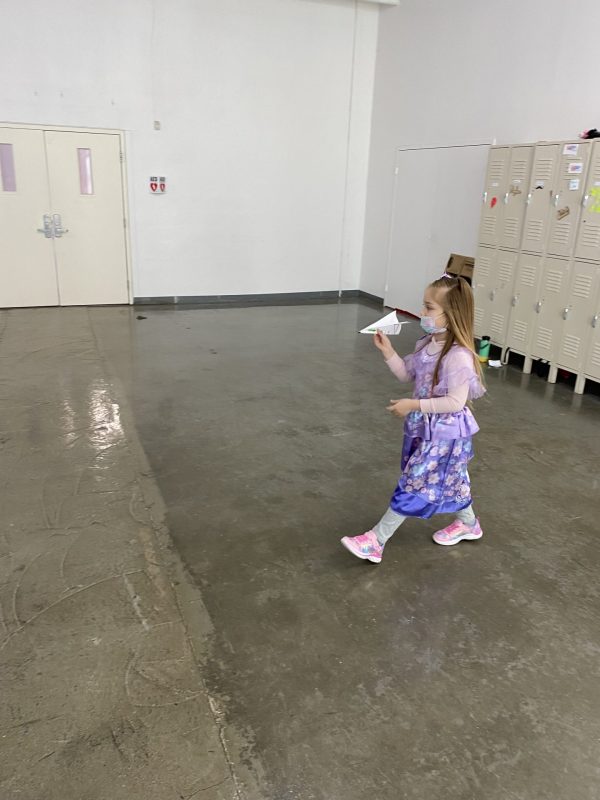
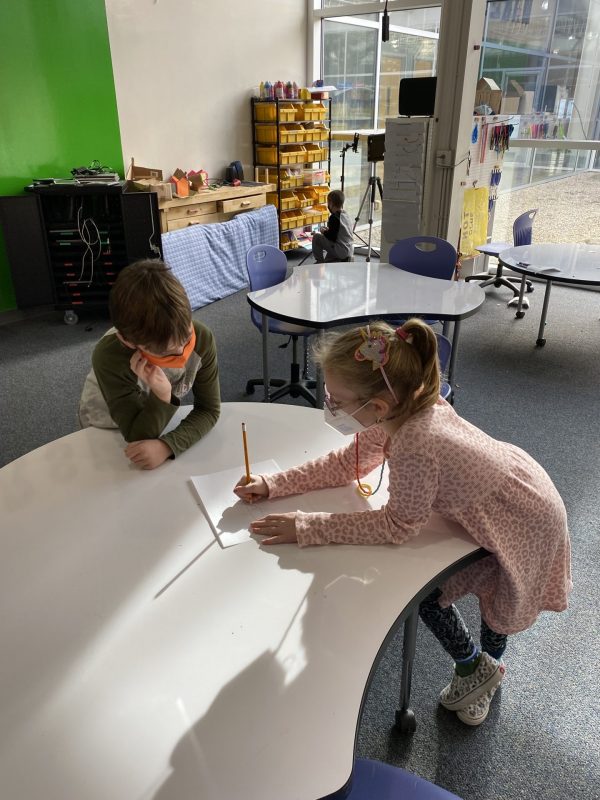
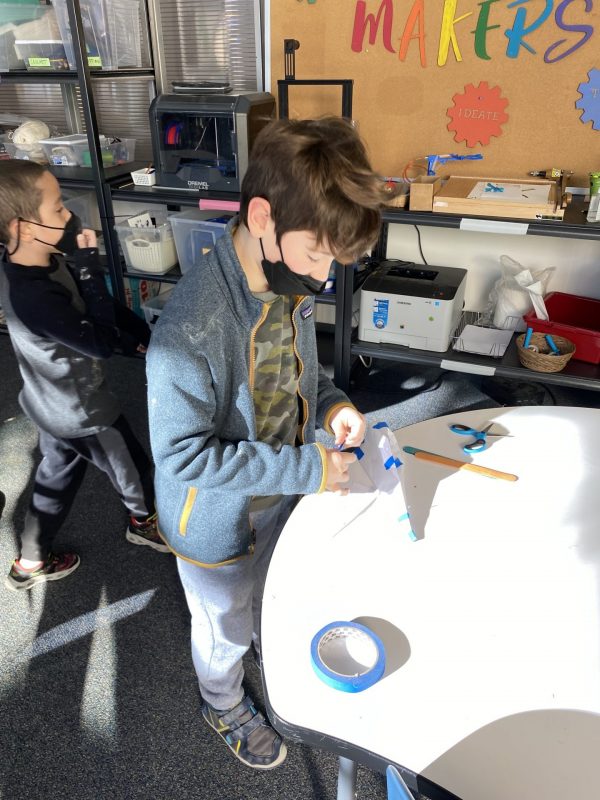
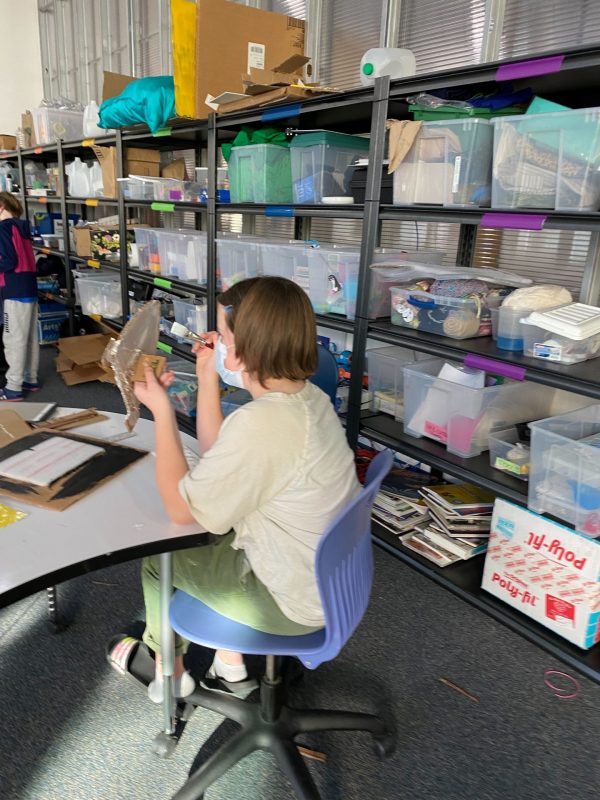
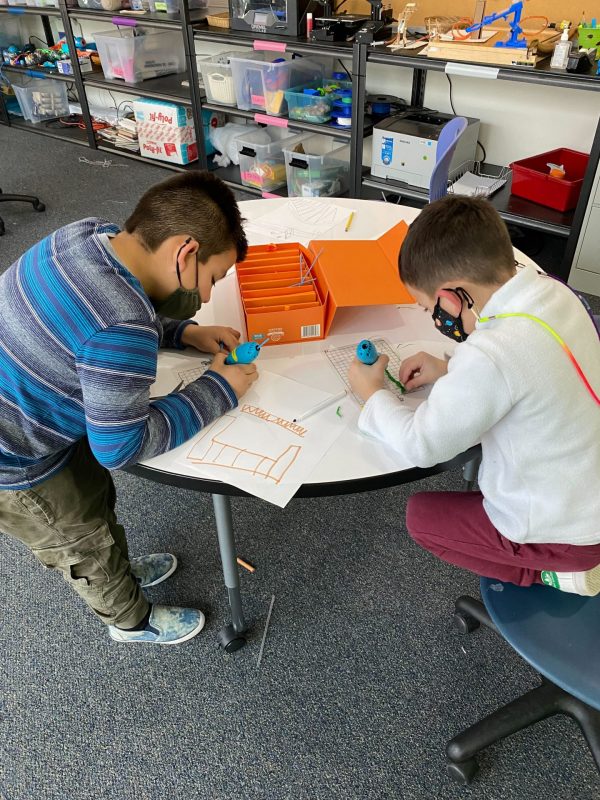
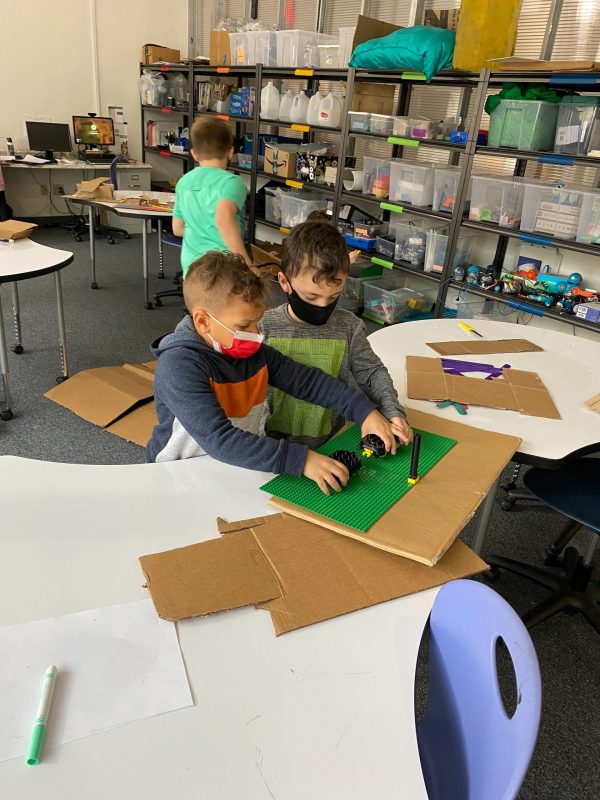
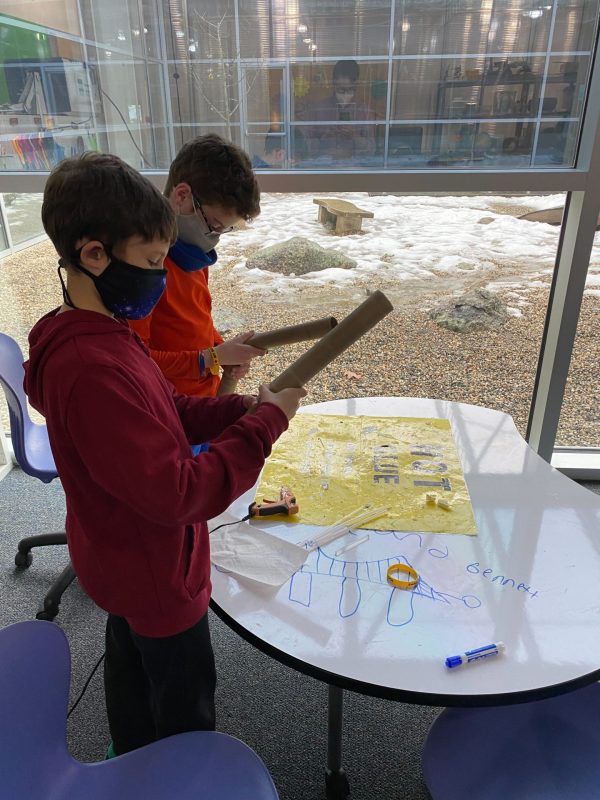
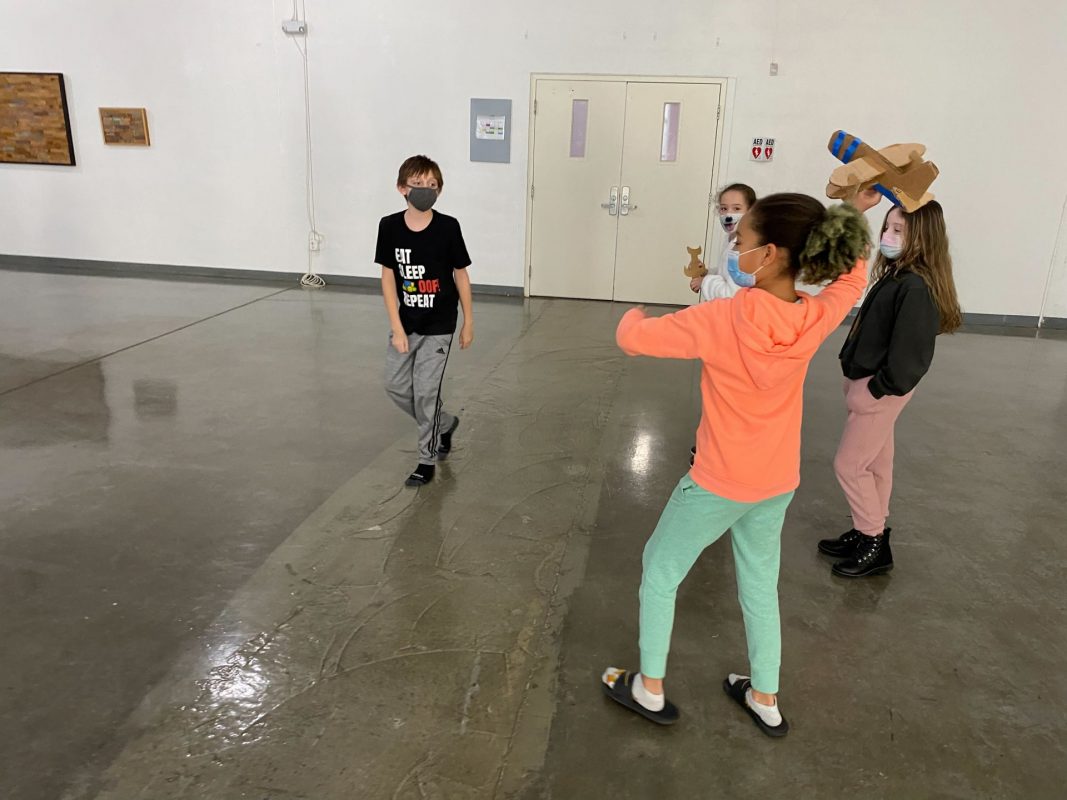
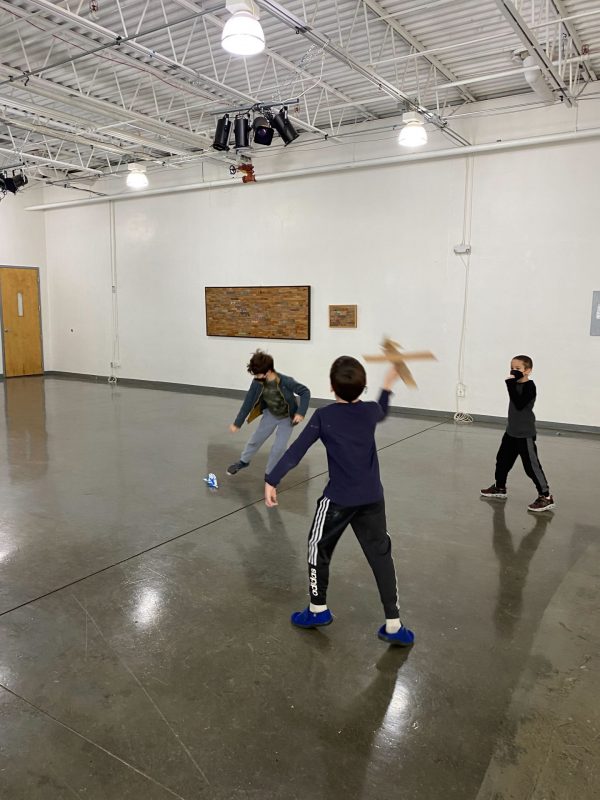
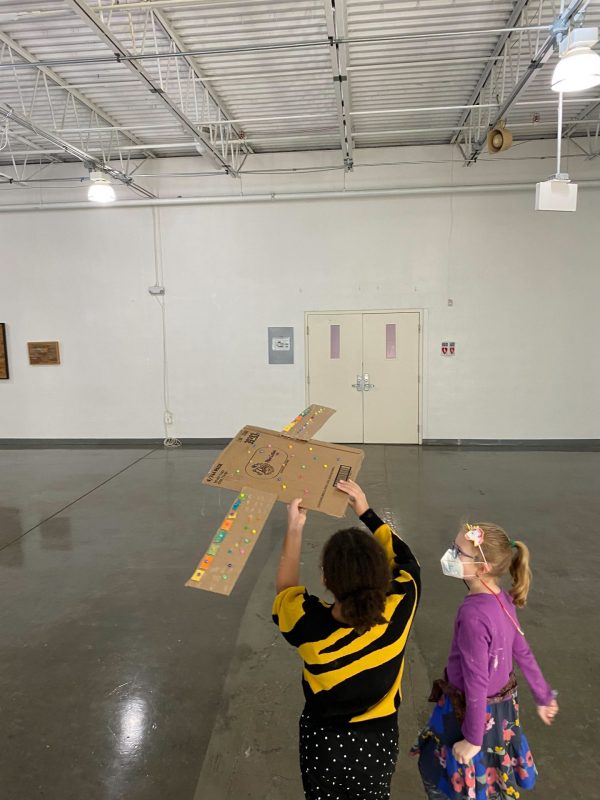
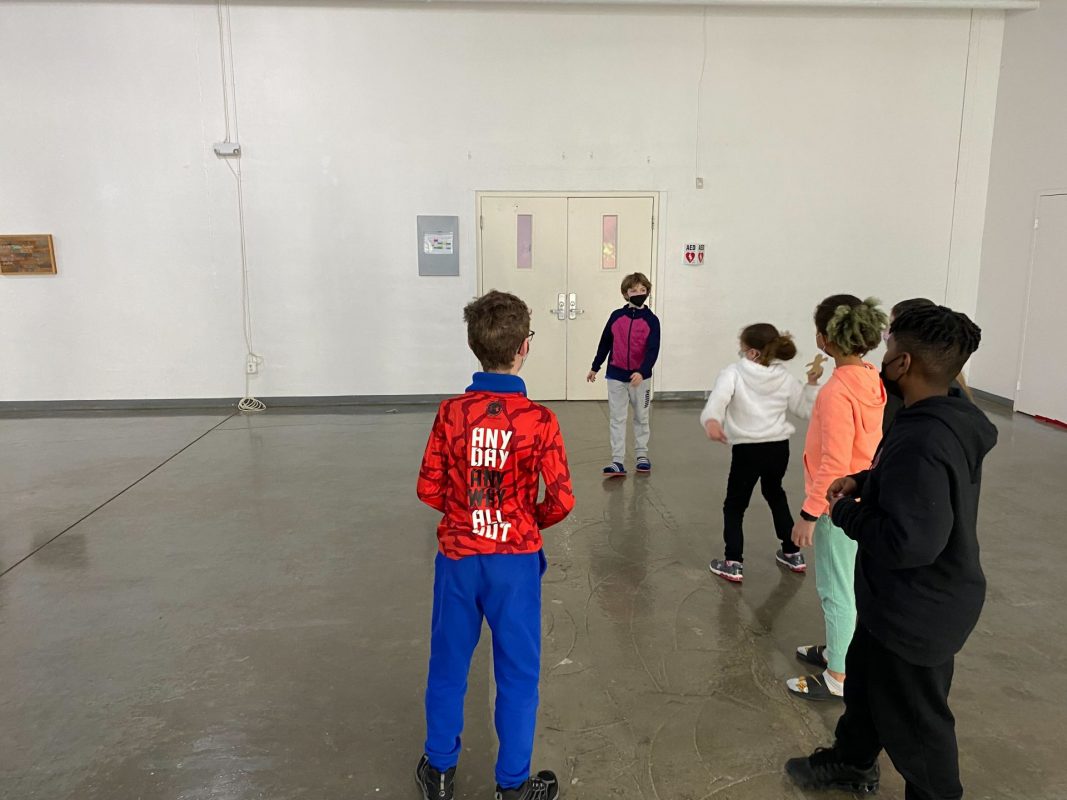
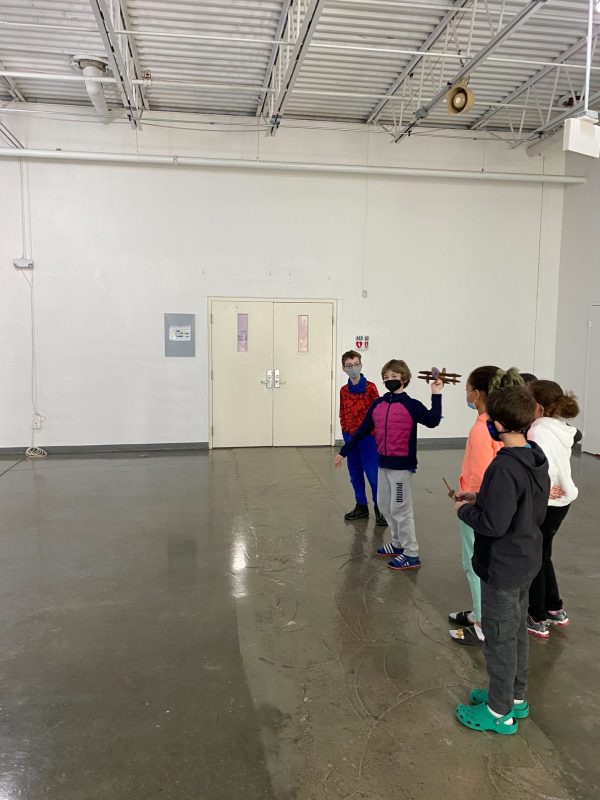
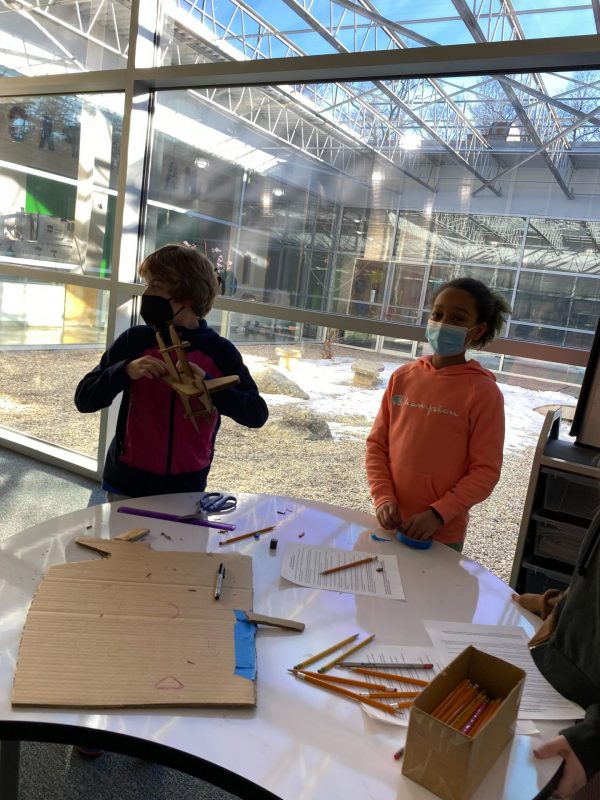
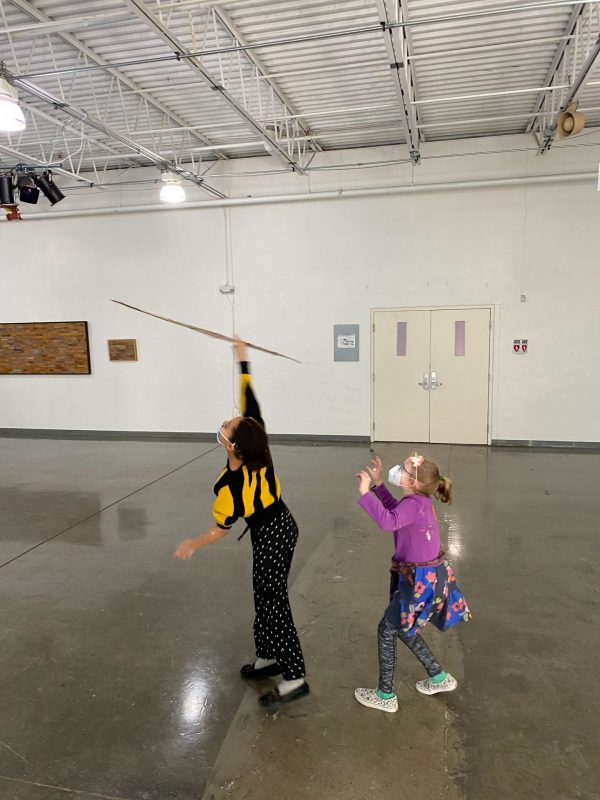
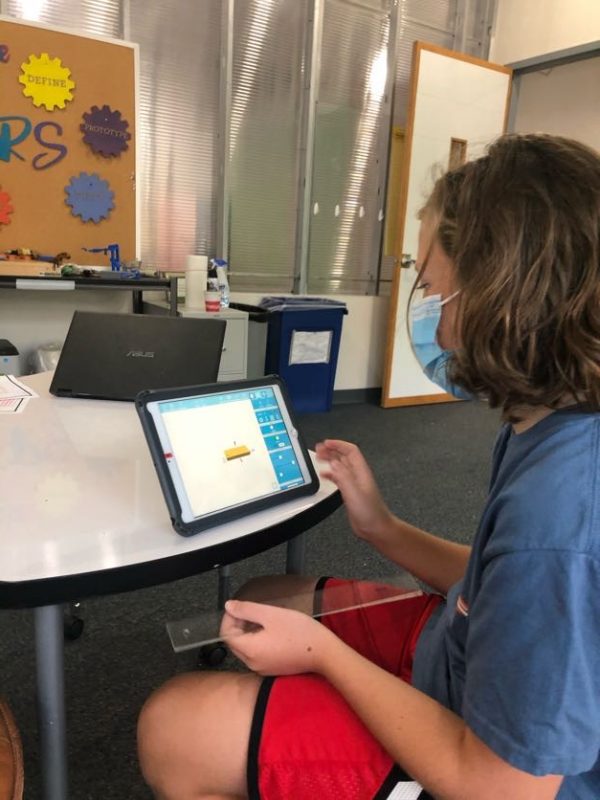
The elementary students have been busy experimenting with the dynamics of flight. Students have been working collaboratively to design and create original flying machines. They are able to use all the tools available to them in the MakerSpace including various recycled materials, laser cut designs, and 3D printing. The students are learning to make calculated design choices in a low risk environment, learning to balance the natural forces around them such as thrust, drag, lift, and gravity. Our makers are given the freedom to discover how their designs react to flight and then encouraged to go back to the drawing board to rebuild based on their observations. Through hands-on experimentation, the students gain confidence in their abilities and a willingness to dive into the unknown. Well done!


The Pottery Wheel and More!

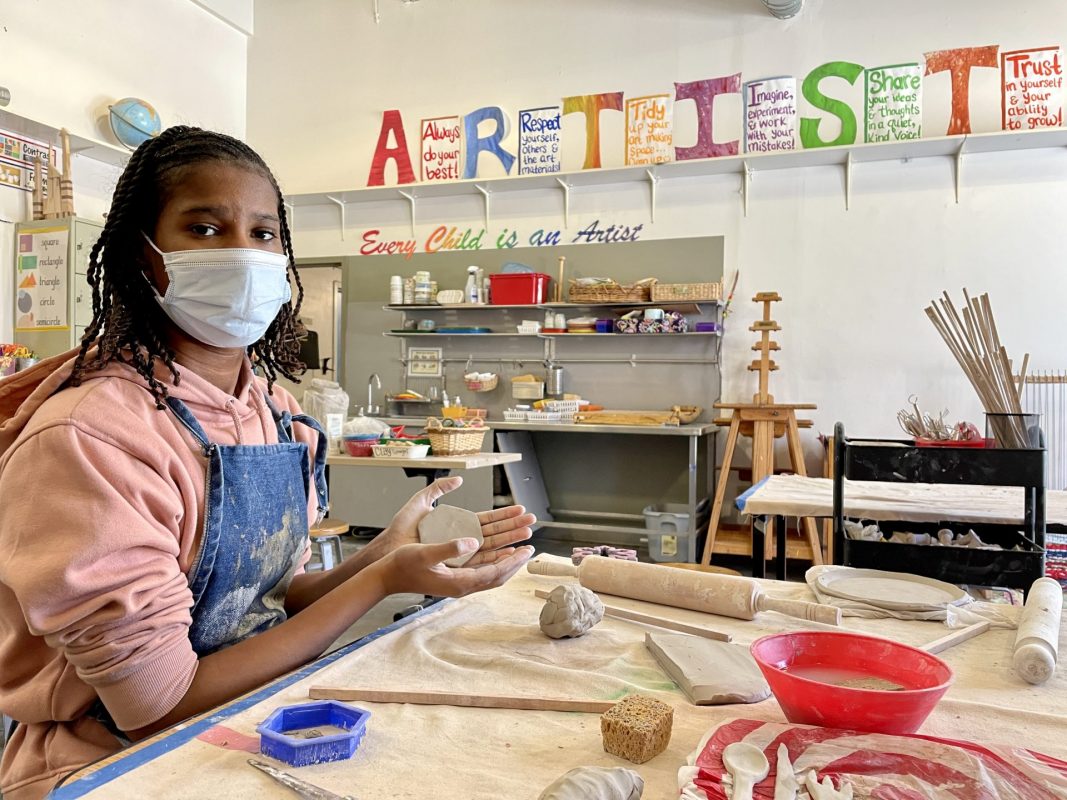
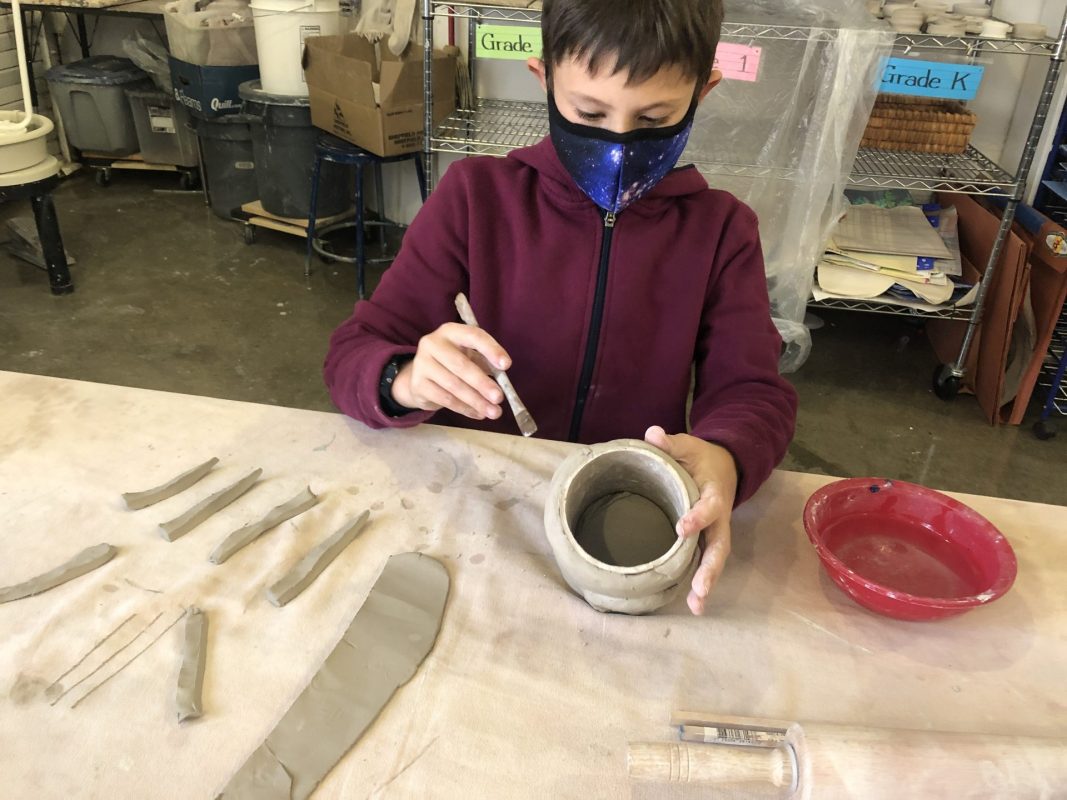
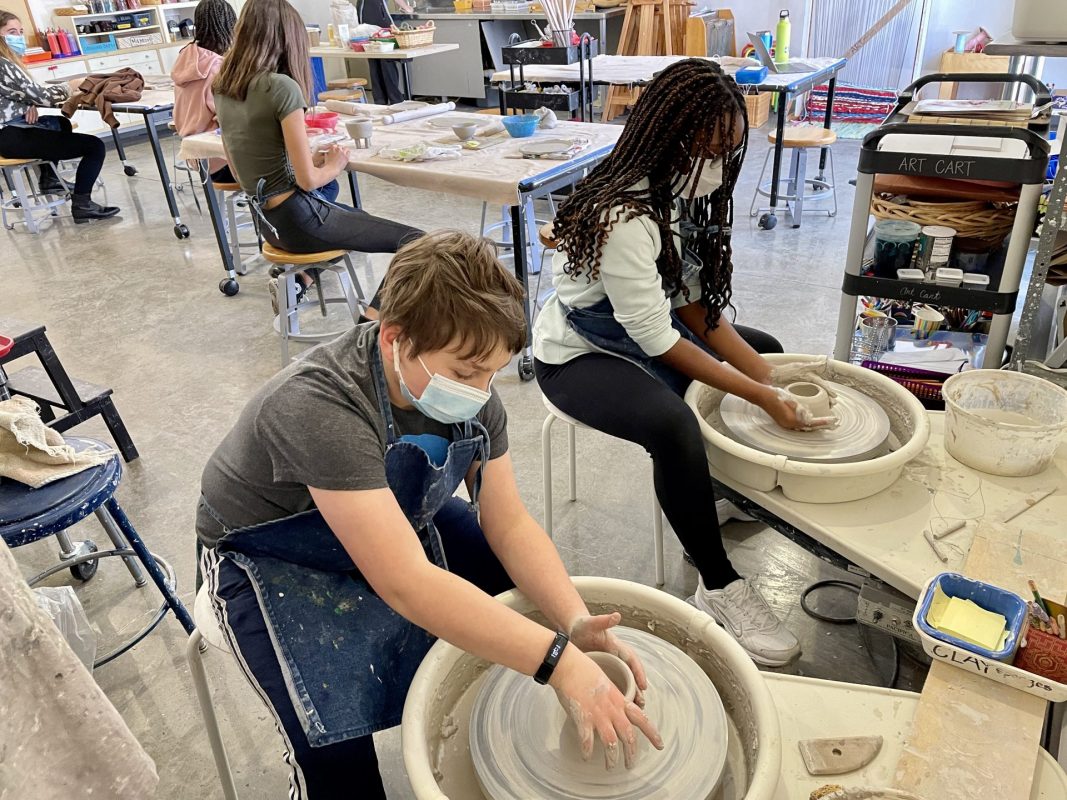
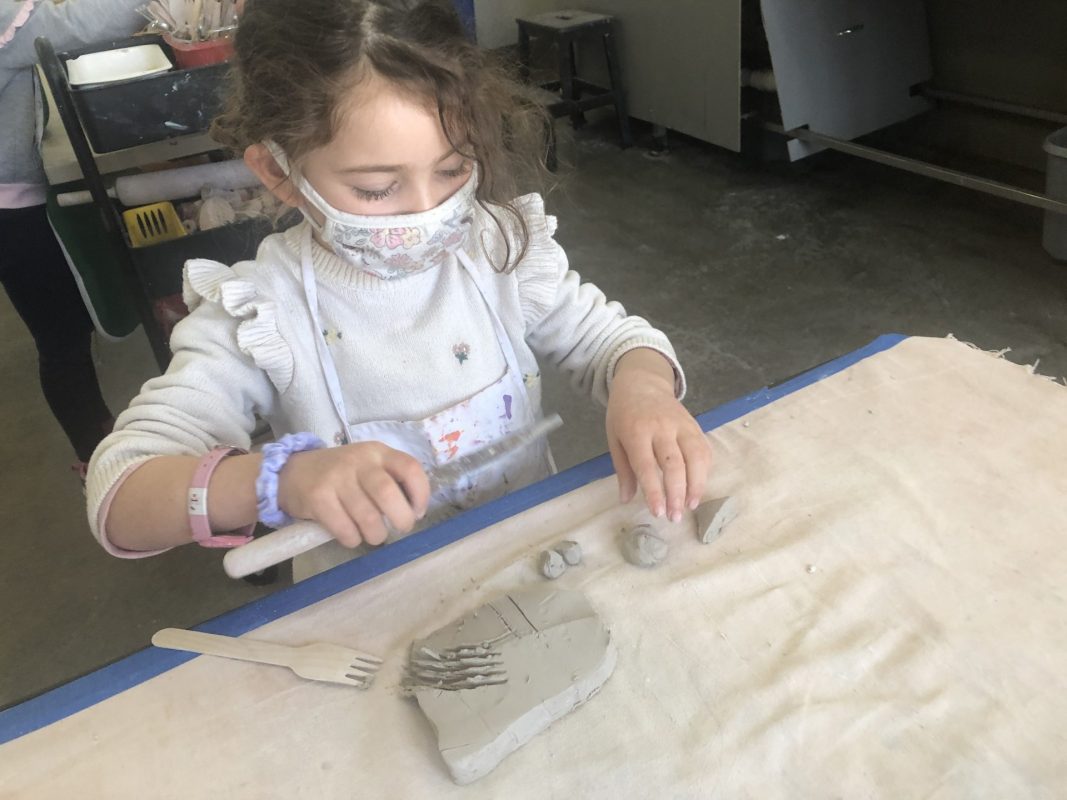
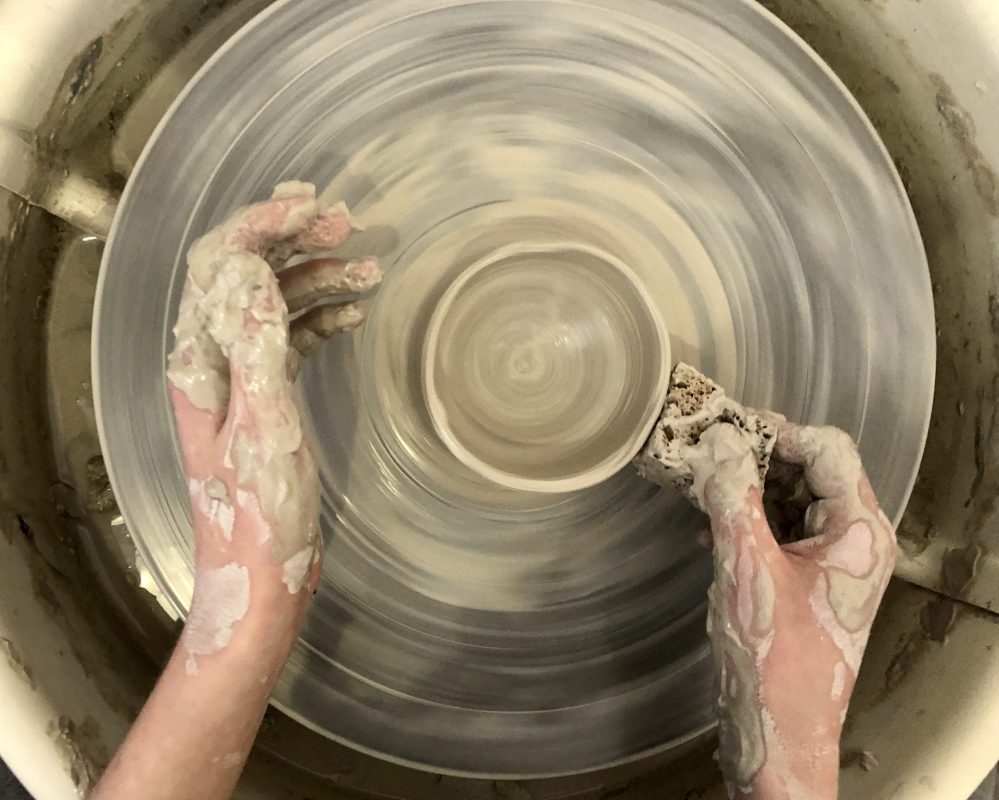
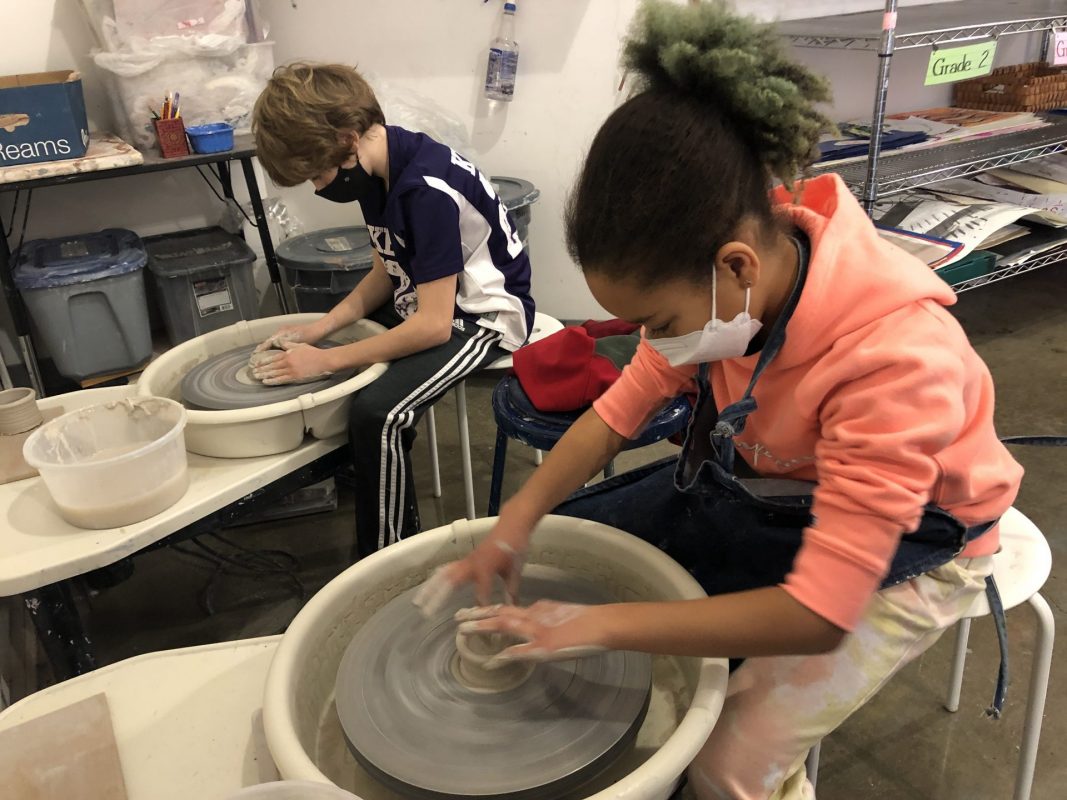
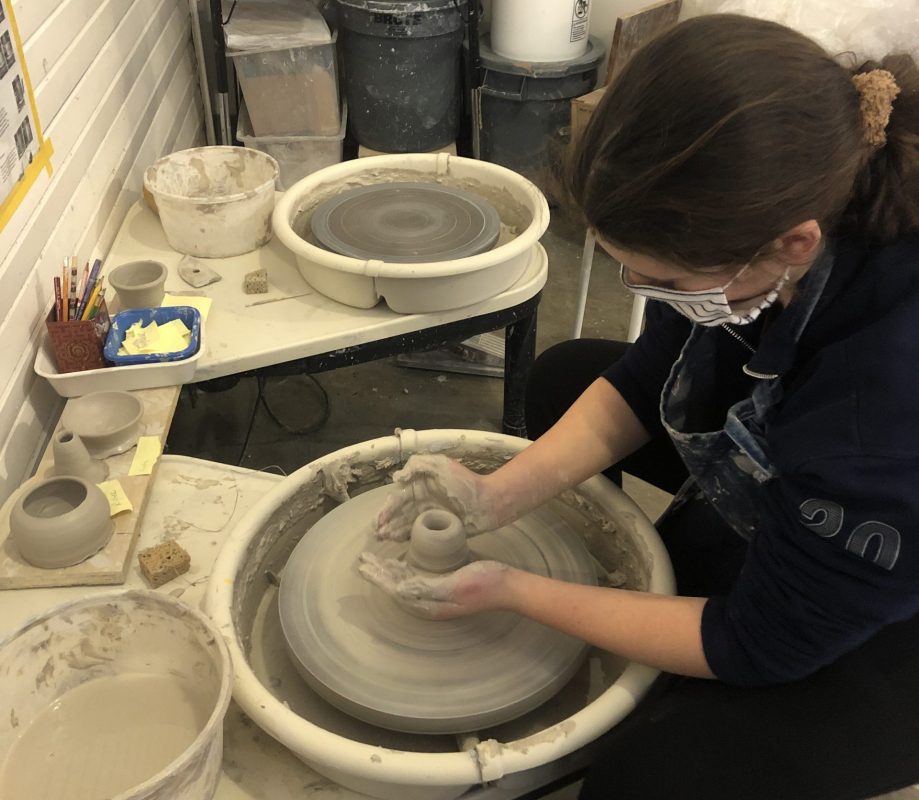
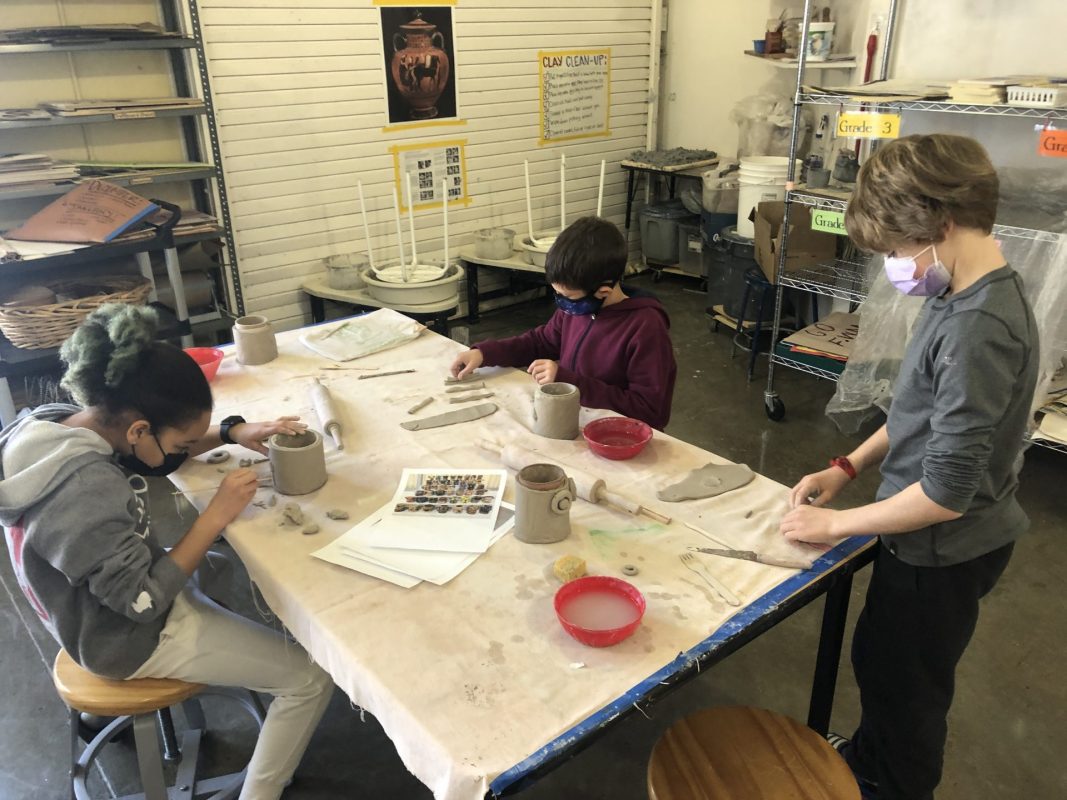
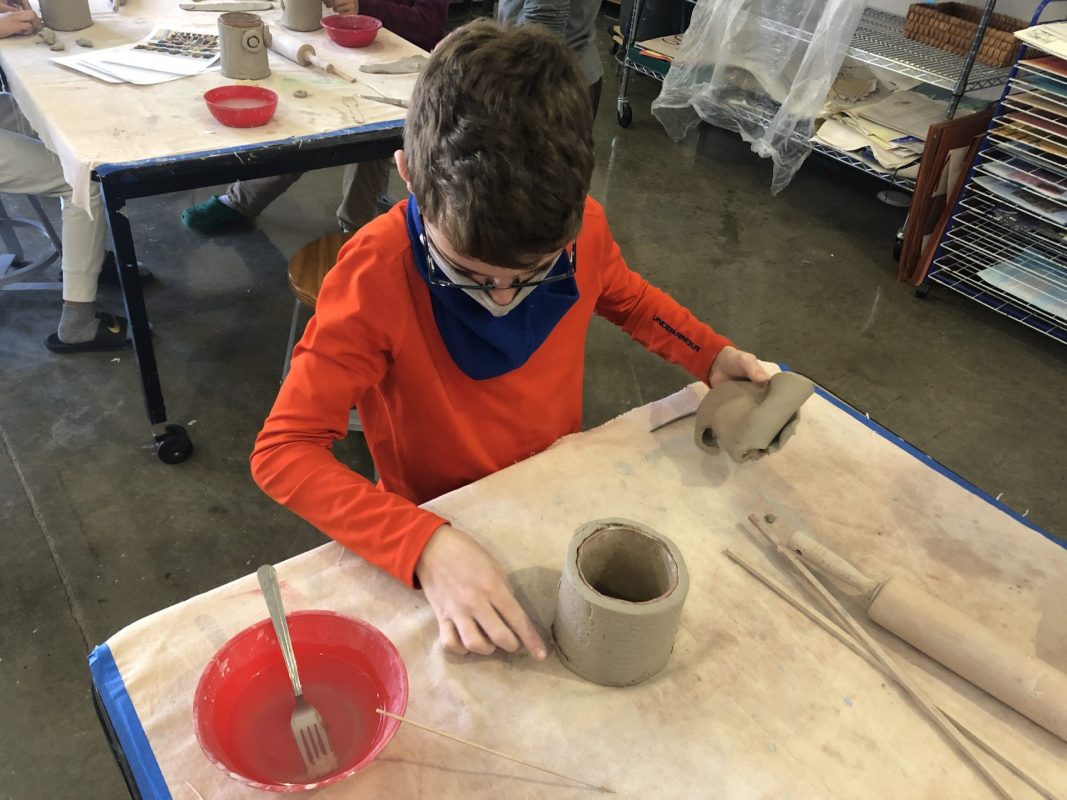
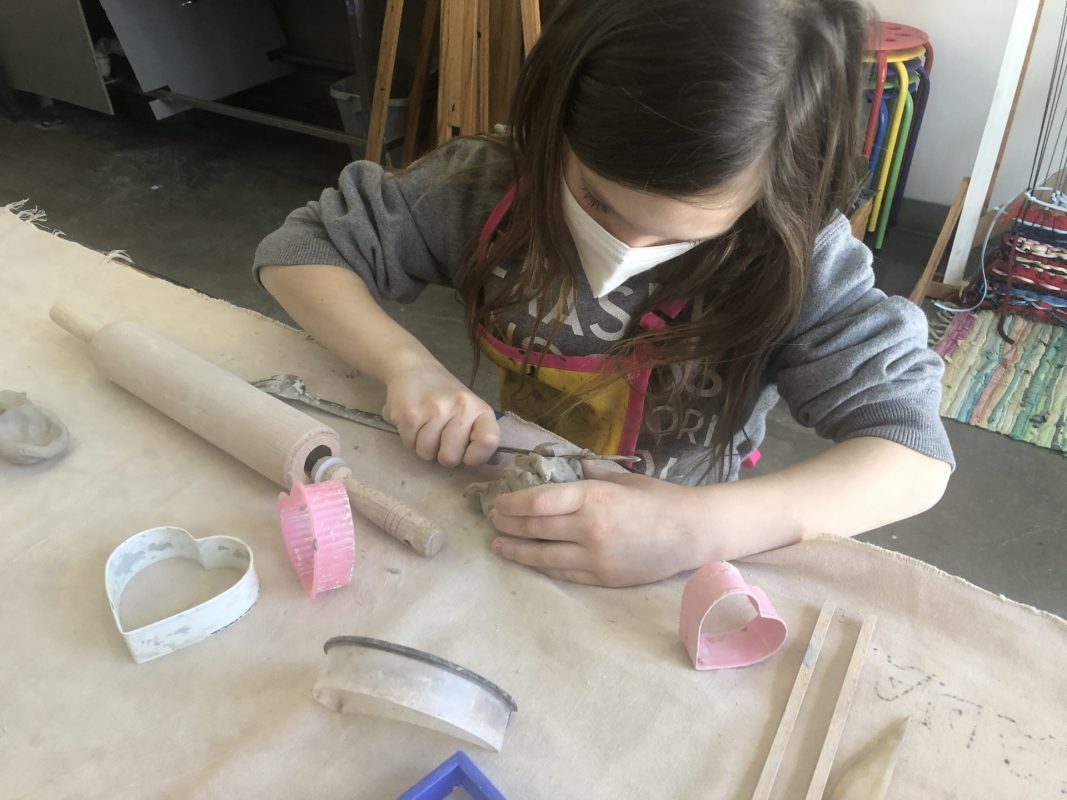
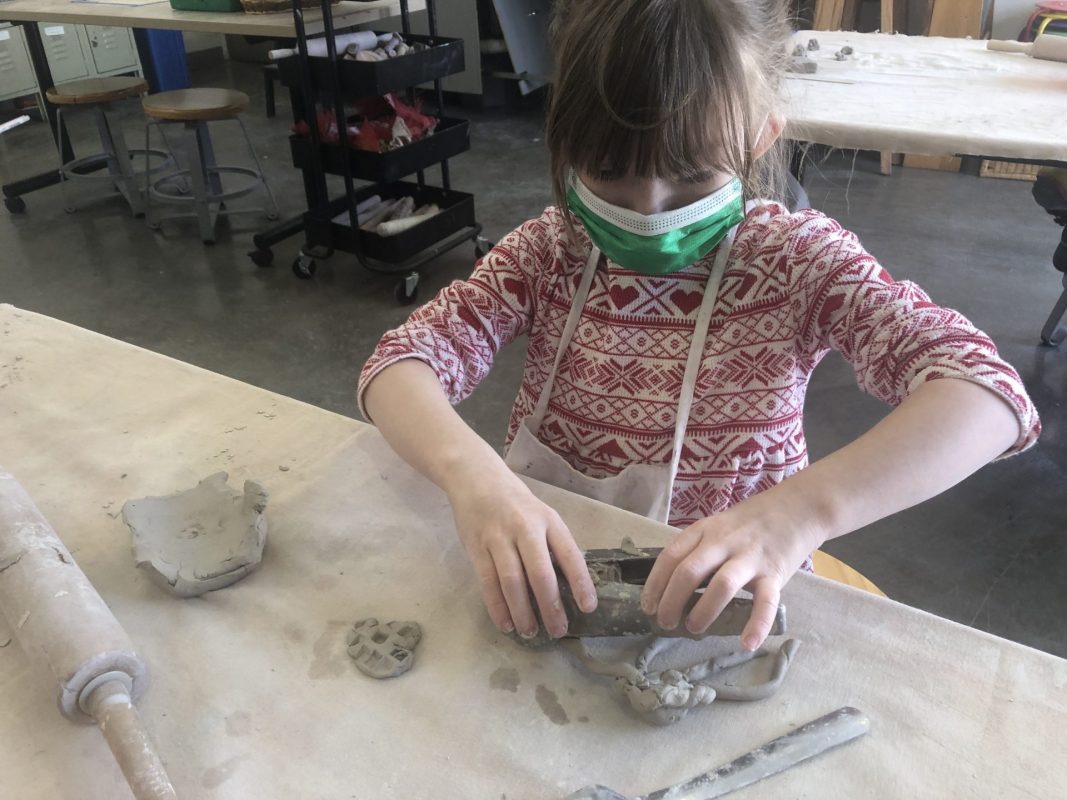
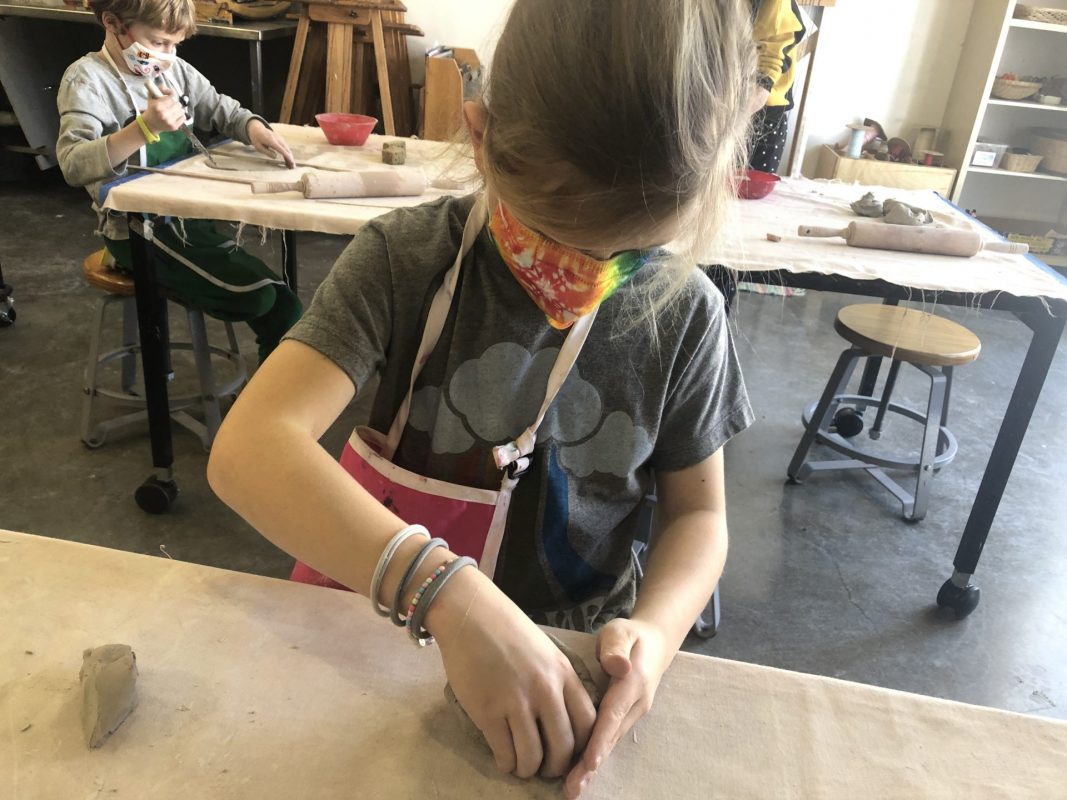
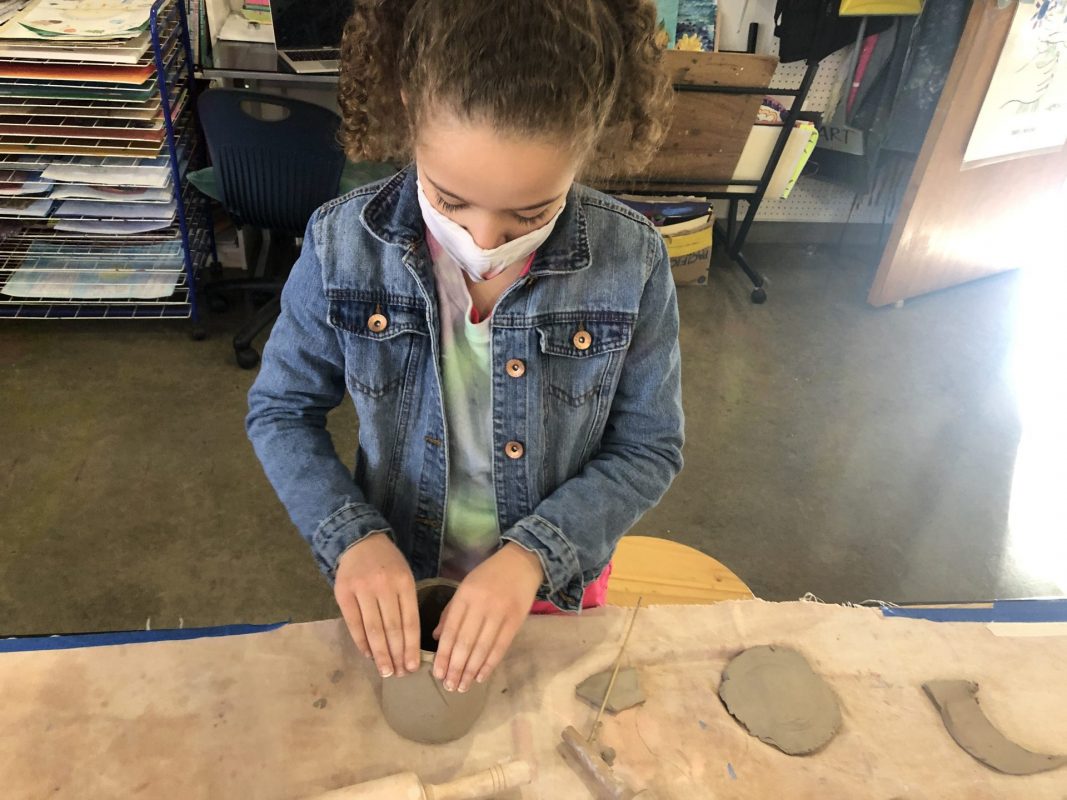
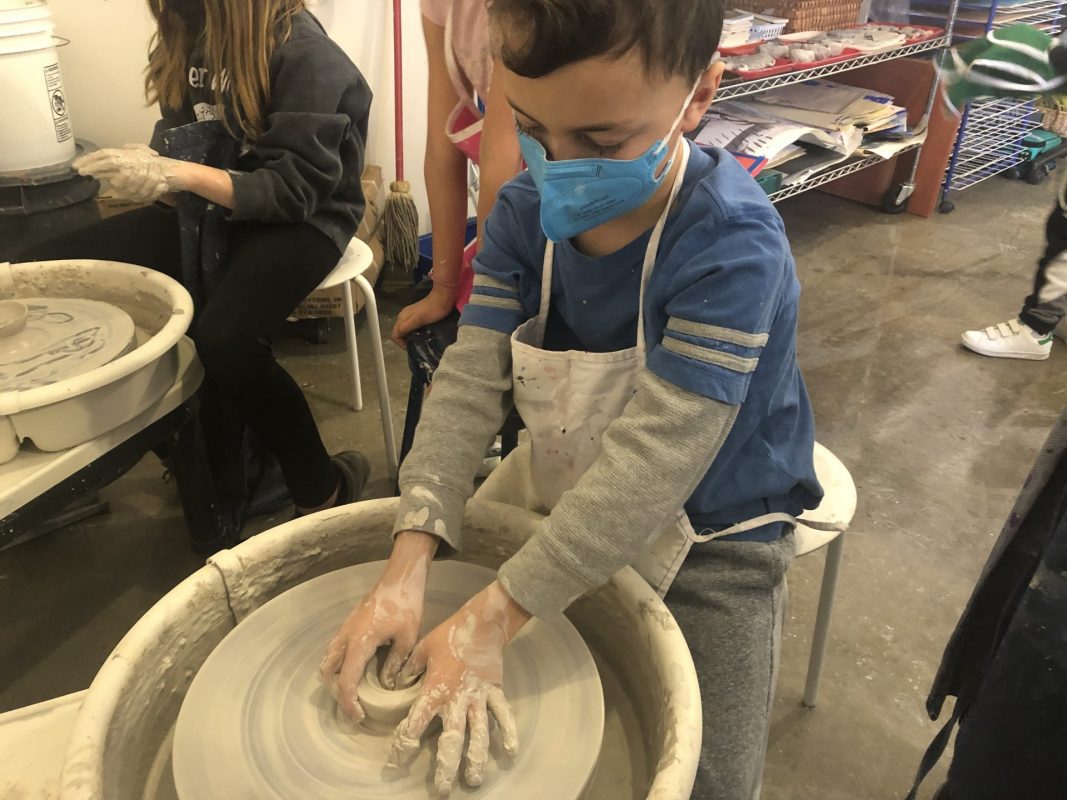
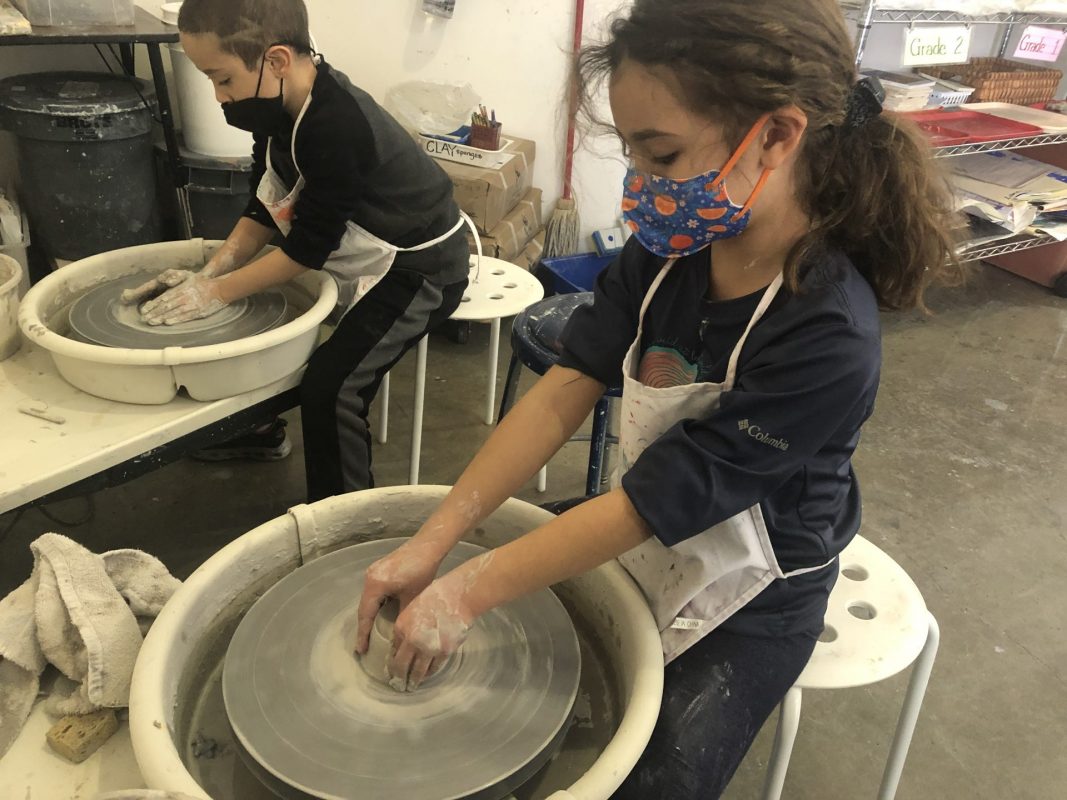
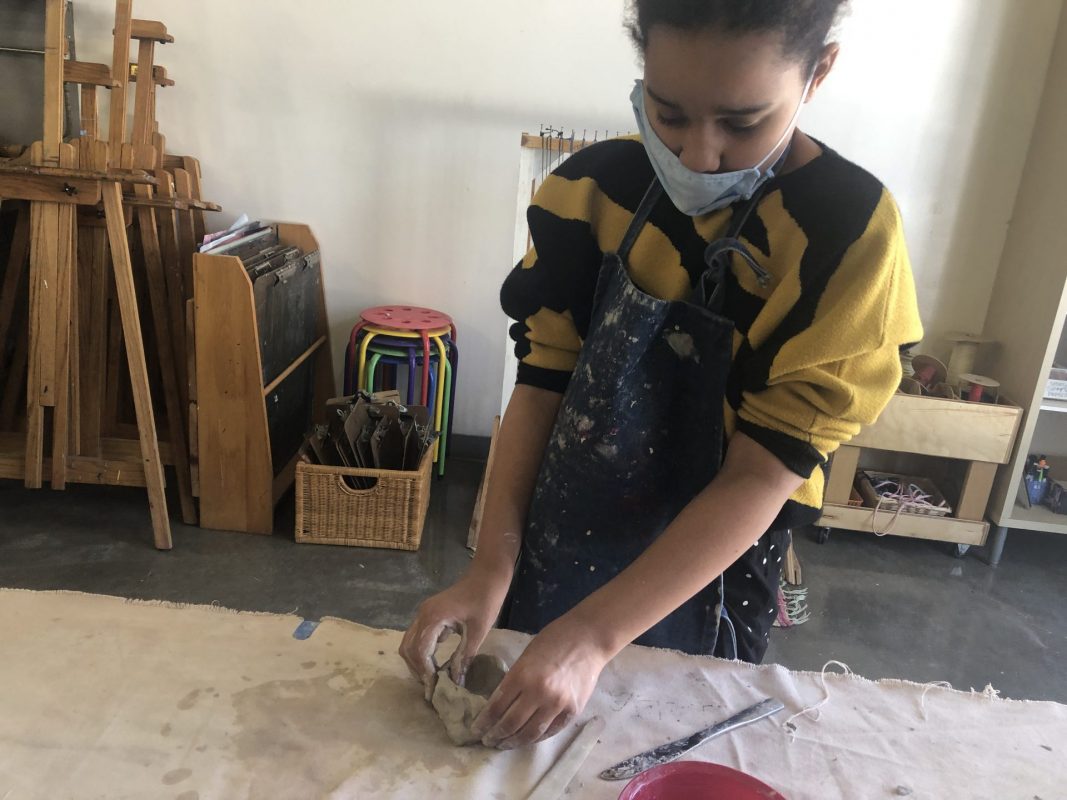
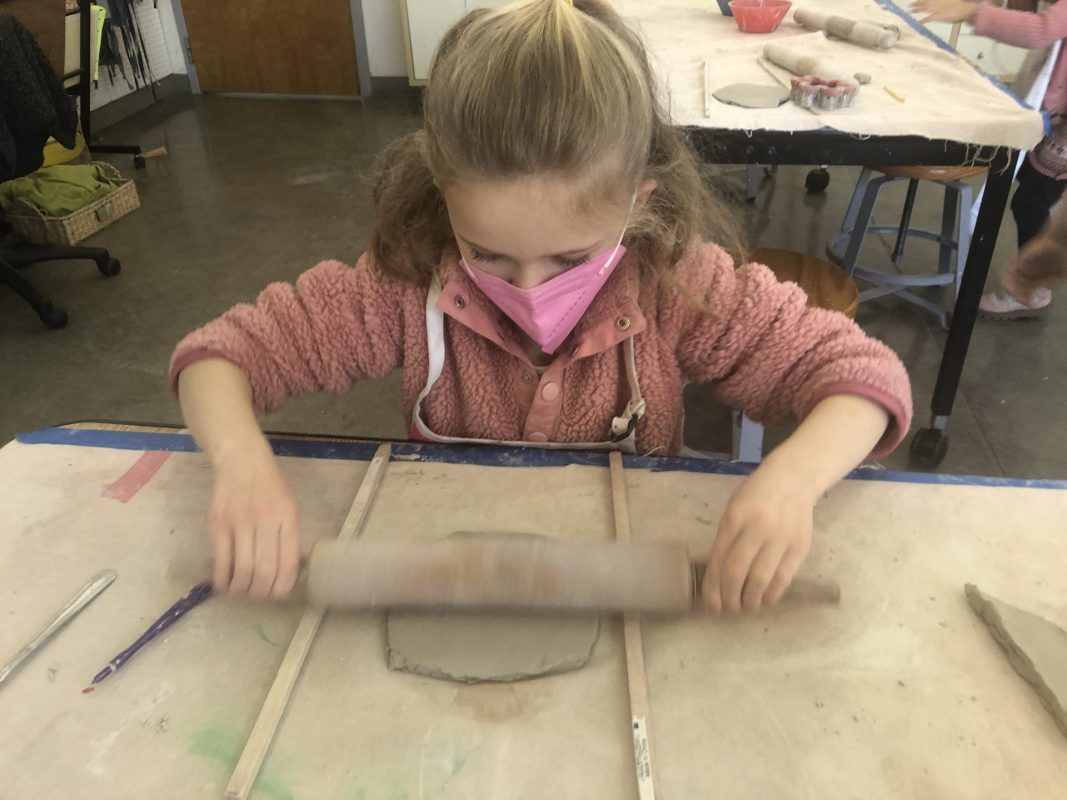
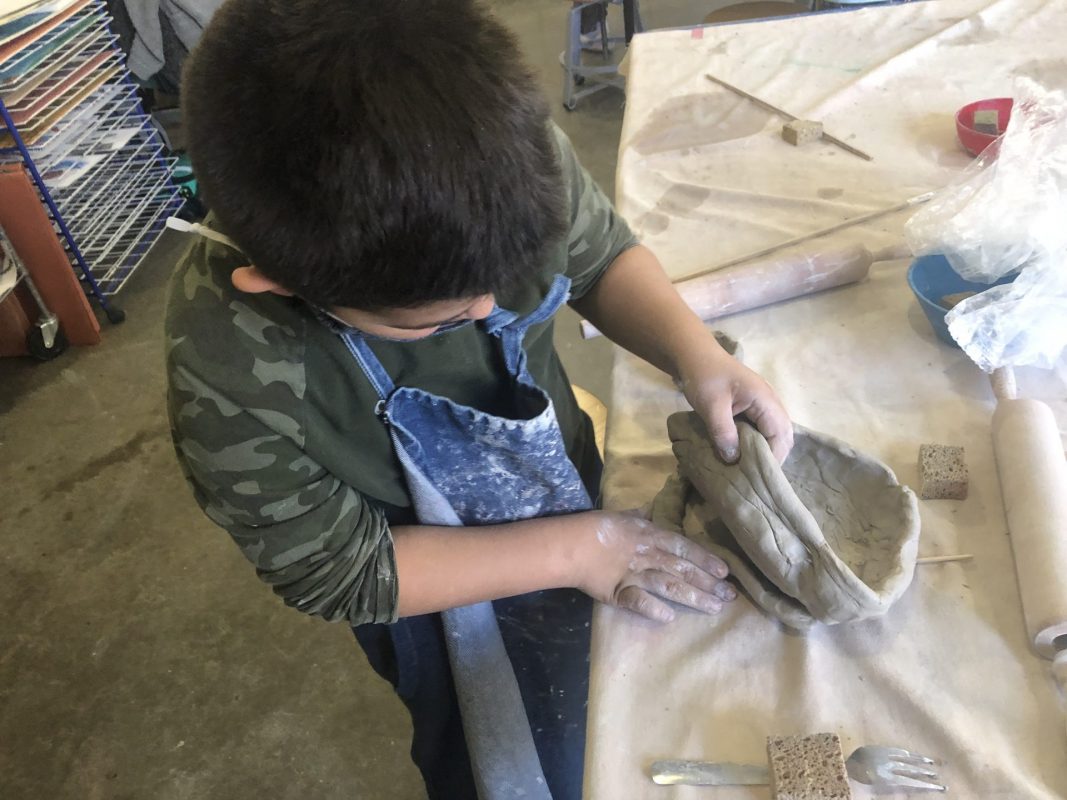
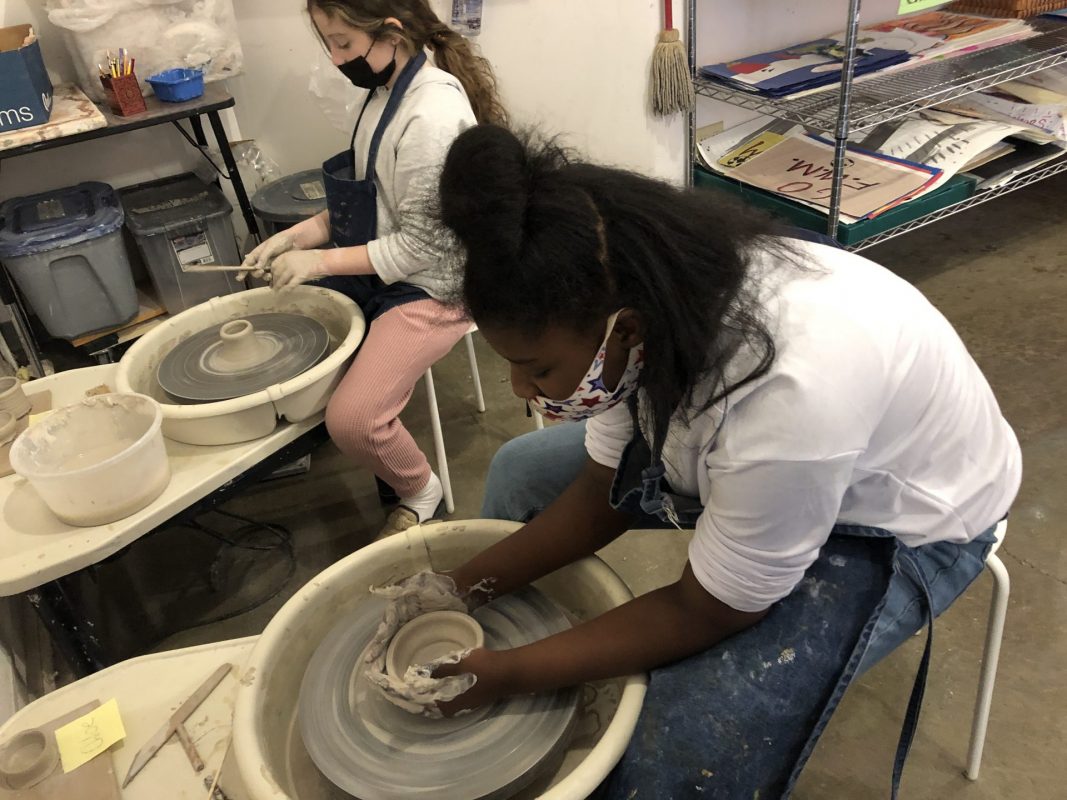
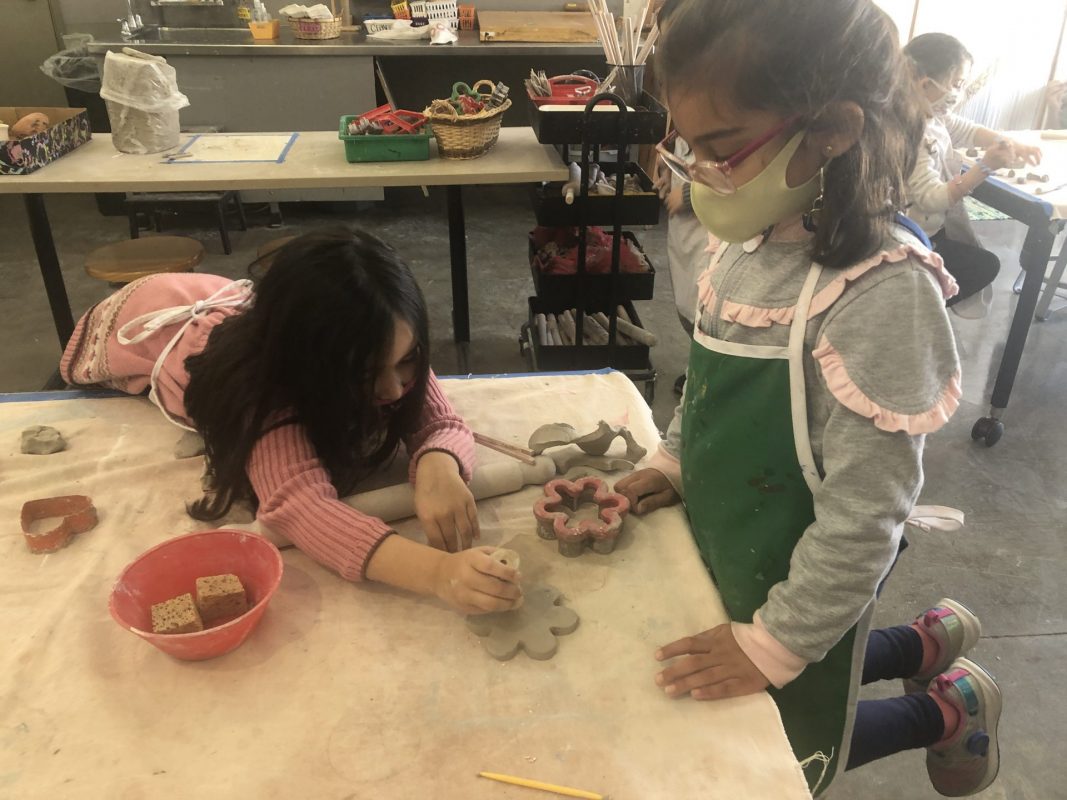
The Art Studio has been buzzing lately with lots of wonderful clay work from students Kindergarten through Middle School! Students have been exploring a range of clay processes and techniques such as coil building, slab rolling, pinching, and throwing on the pottery wheel.

Working with clay has many benefits for children of all ages. It is a complex sensory experience that encourages self-expression, helps promote self-confidence, and develops problem-solving and motor skills. Because clay is highly responsive to touch, children become engrossed in their work: they are able to express and articulate their ideas through shaping clay and learning to repair mistakes. Clay is different from other art mediums in that it requires an understanding of the three dimensional world. While working on their projects, students must move around to see their creation from all sides. From this, they begin to understand shape, form, and perspective, and gain knowledge of planning methods and problem solving as they map out their creation.

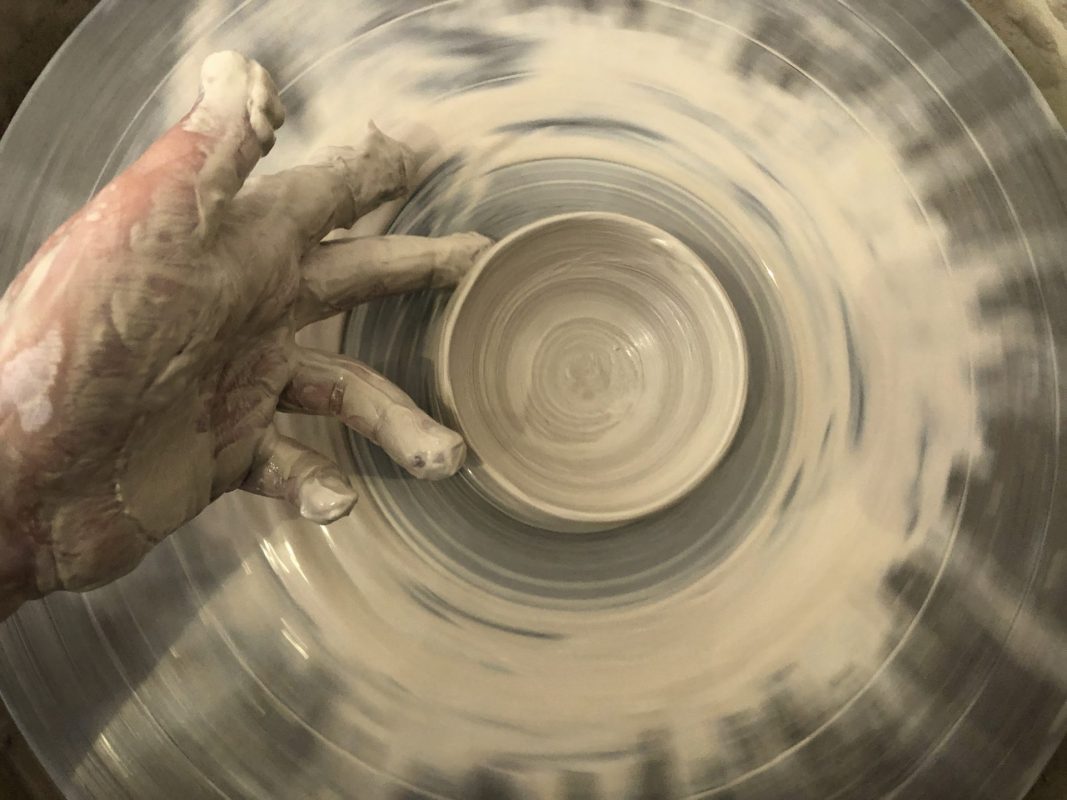
Students in each class have particularly enjoyed creating bowls, cups and vases on the pottery wheel. The first step is to center the clay on the wheel by applying water and pressure to the clay with our hands. Once the clay is centered, students then open it up and slowly form it into a bowl, cup, or vase. Working on the potter’s wheel is a physical activity that aligns with the Montessori philosophy of encouraging freedom within limits: children focus on specific forming techniques and hand positioning, while being free to move the clay into a desired shape. Each step of the wheel throwing process engages both the body and the mind.


Going Green in the Maker Space

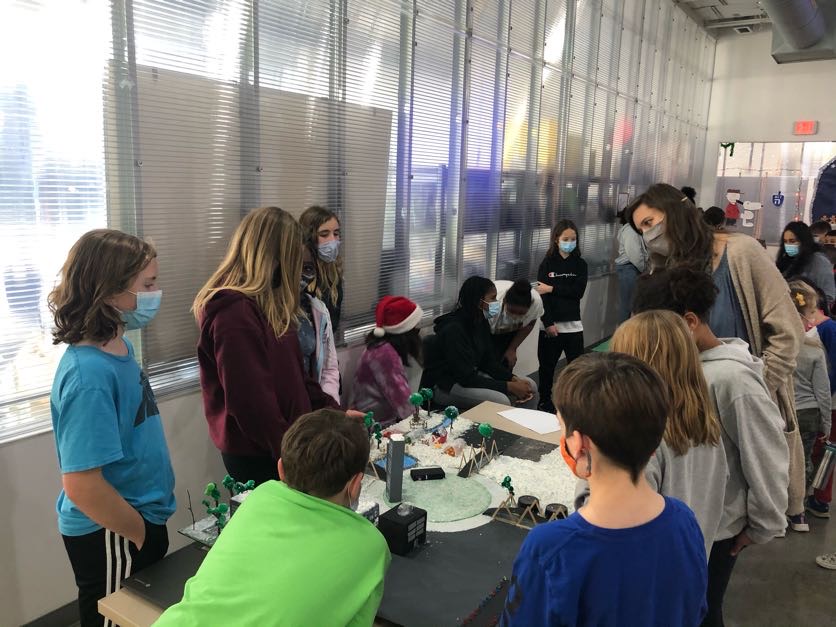
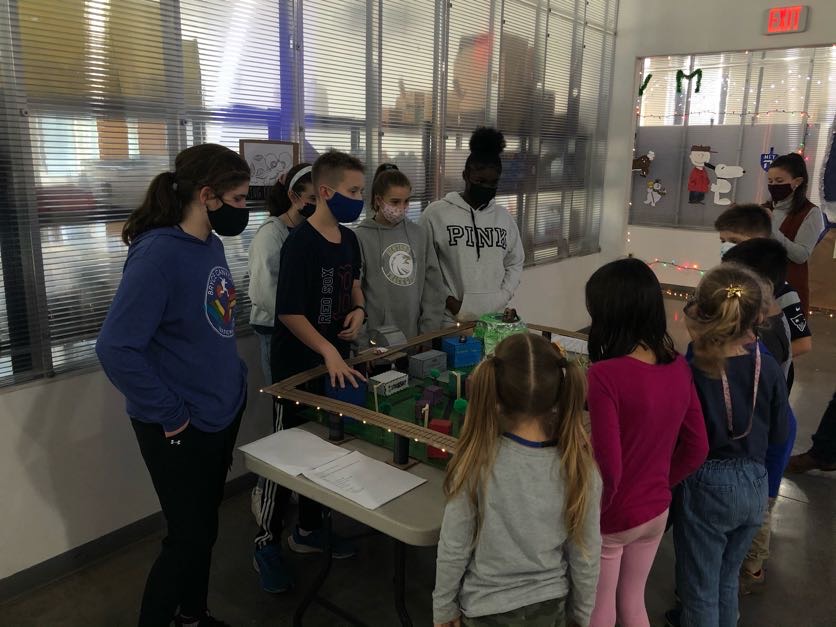
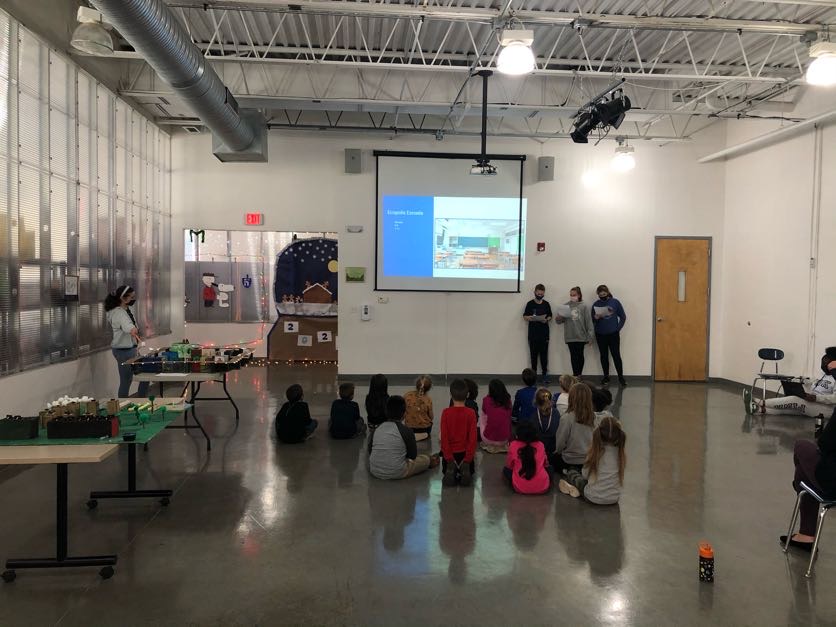
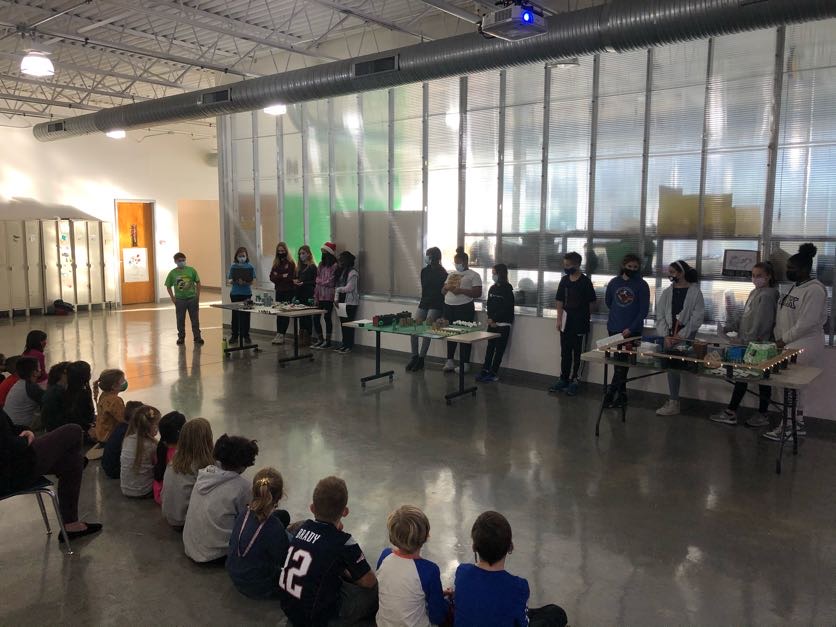
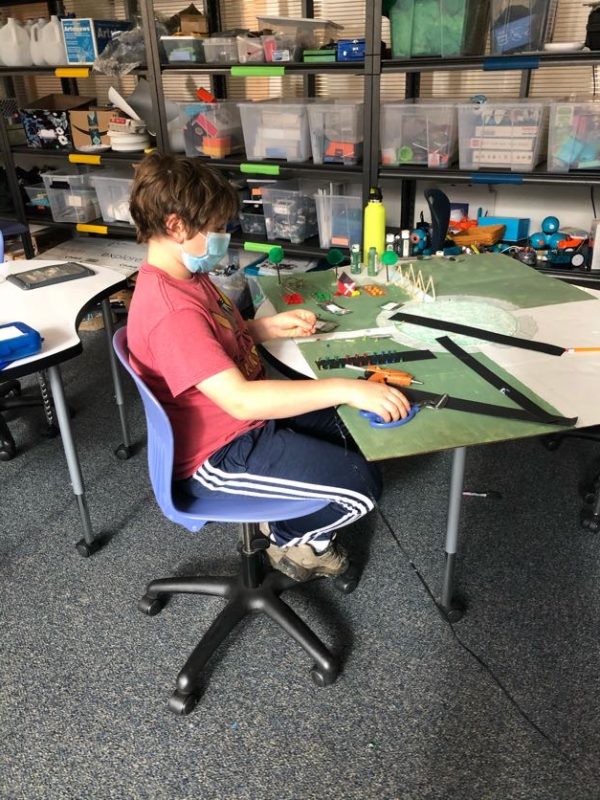
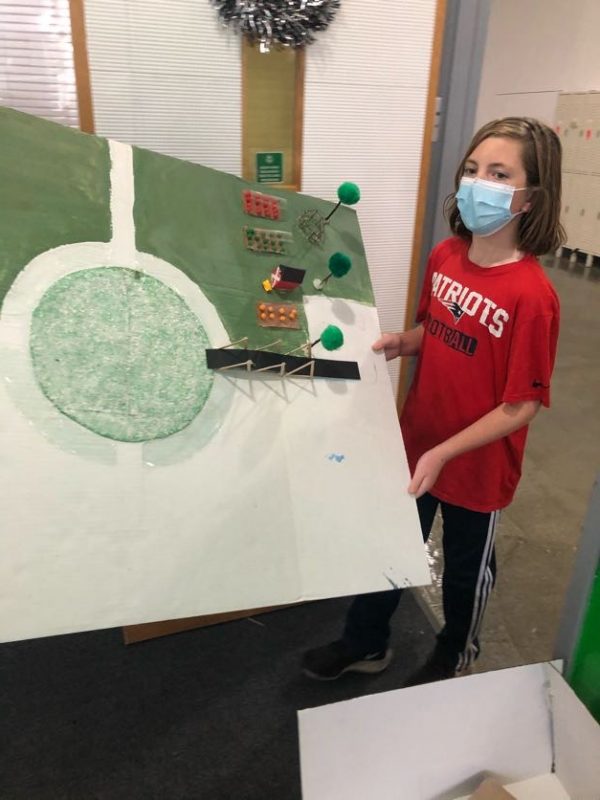
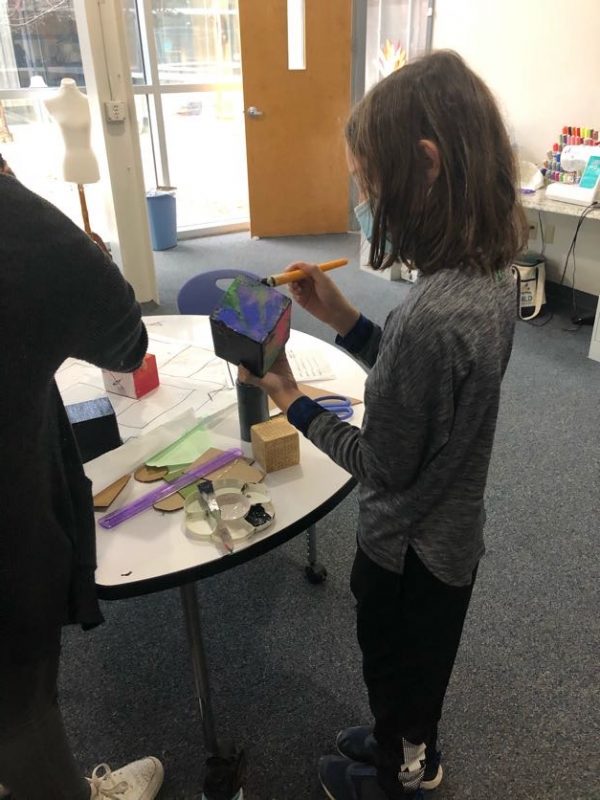
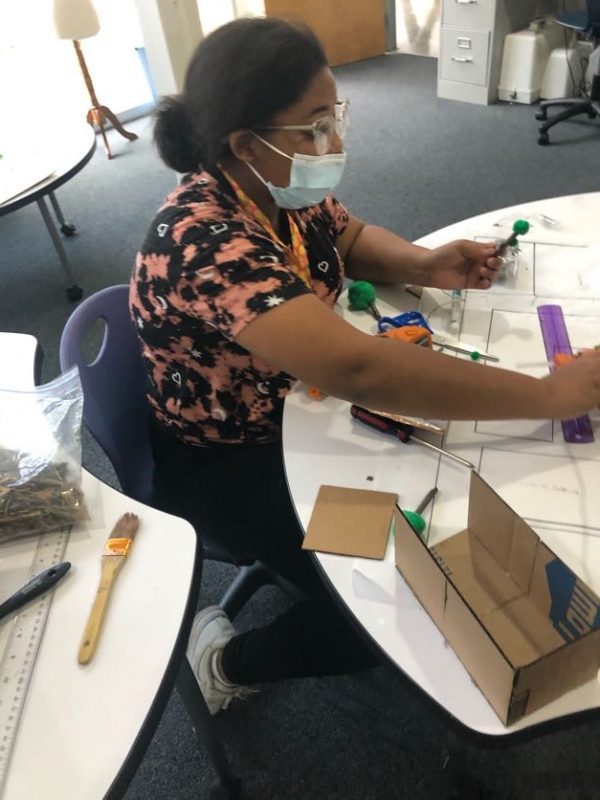
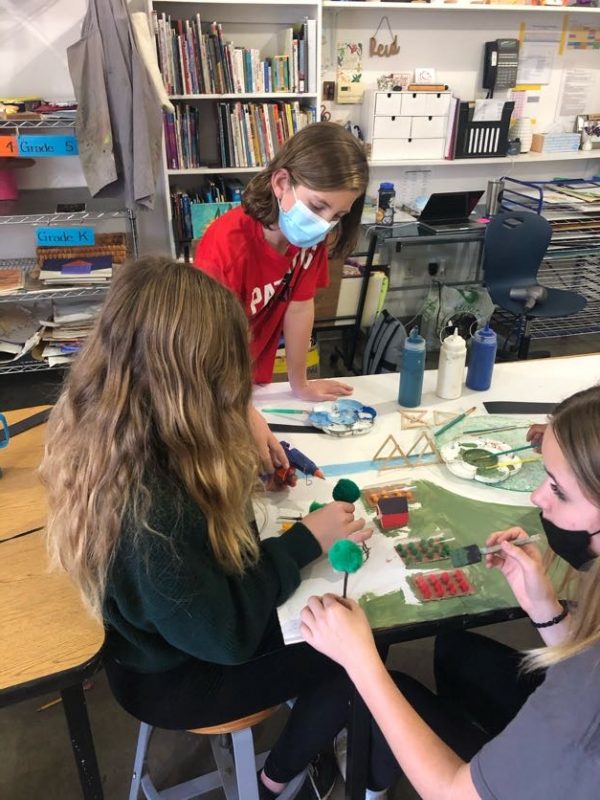
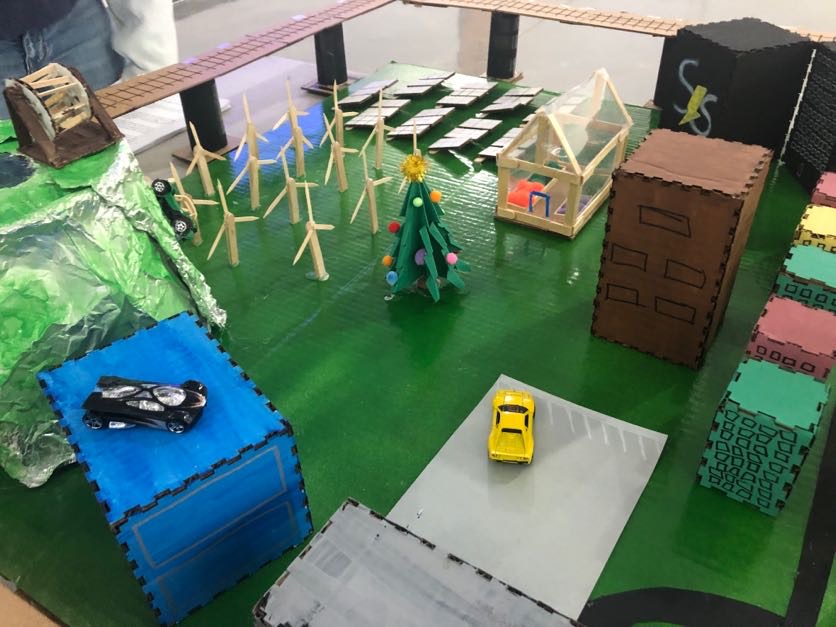
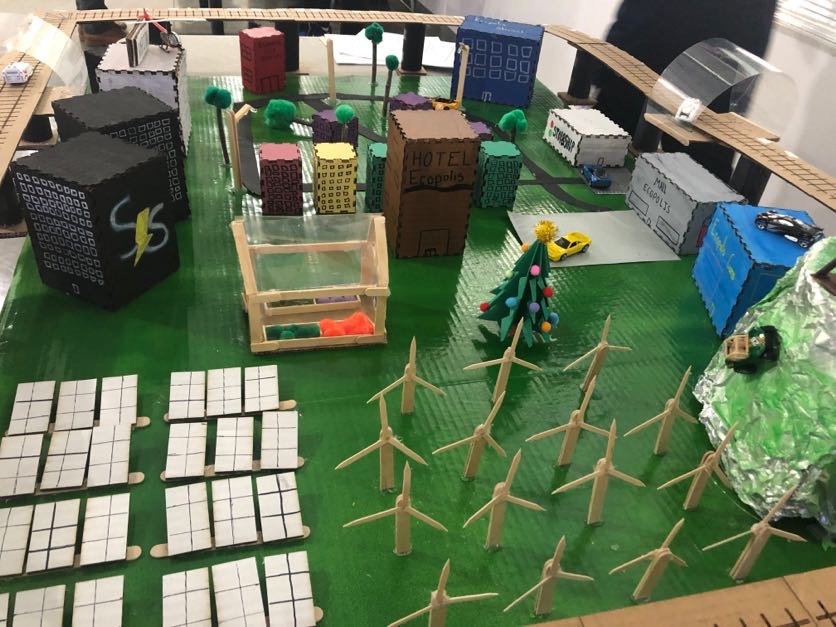
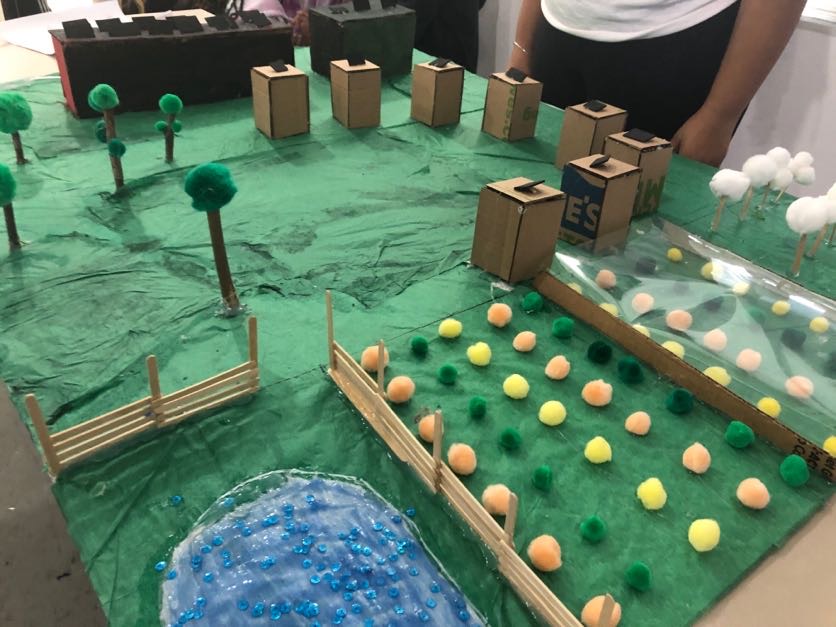
As global citizens, being conscious of how interconnected we are to the environment and our world is so important to our future. Our middle school makers have been hard at work building a greener future by taking part in the STEAM “Future City” challenge to design and build a green, efficient city of the future. In teams of 4 to 5 students, our makers are asked to focus on the major issues facing our cities today such as how to make transportation more efficient, how dwellings of the future can be designed to use less energy, and what types of foods we can supply while being environmentally conscious.

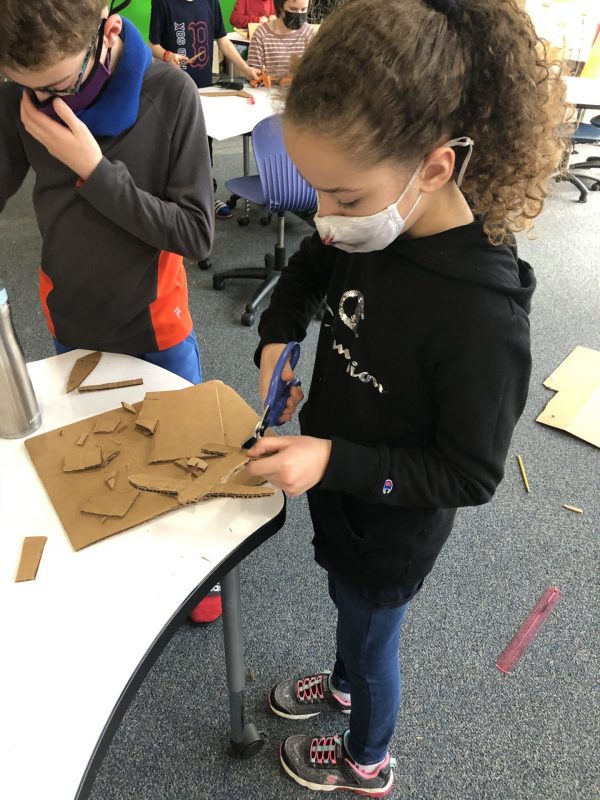
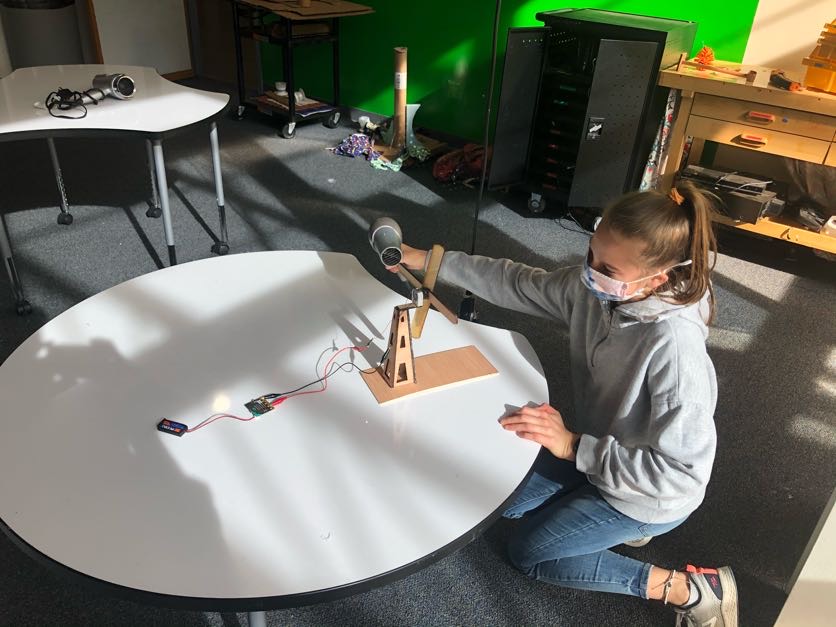
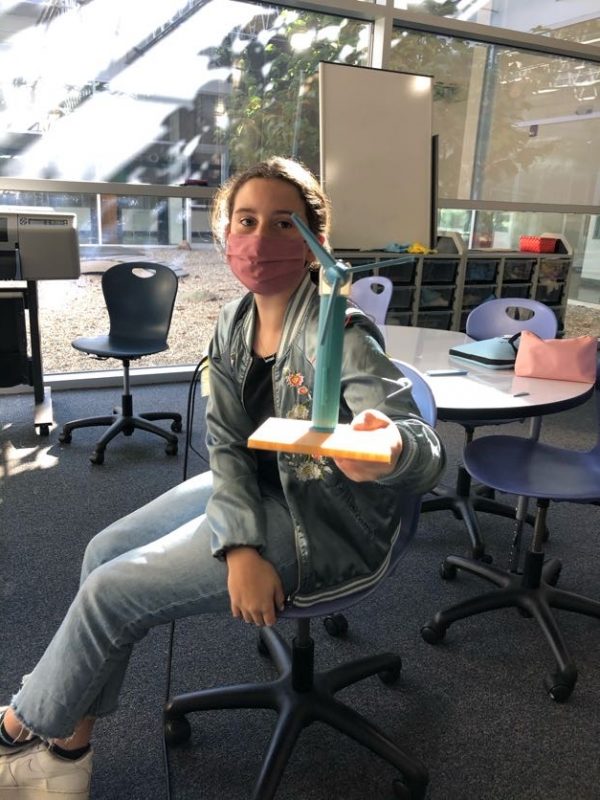
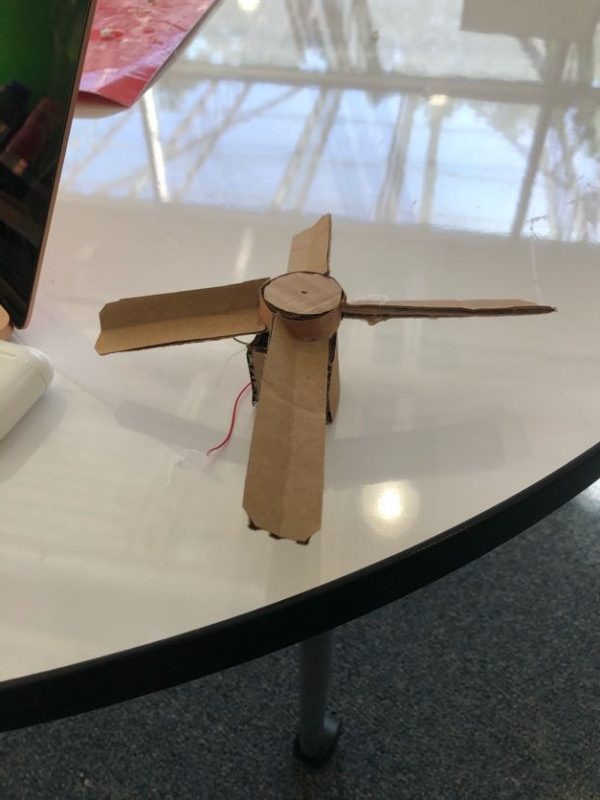
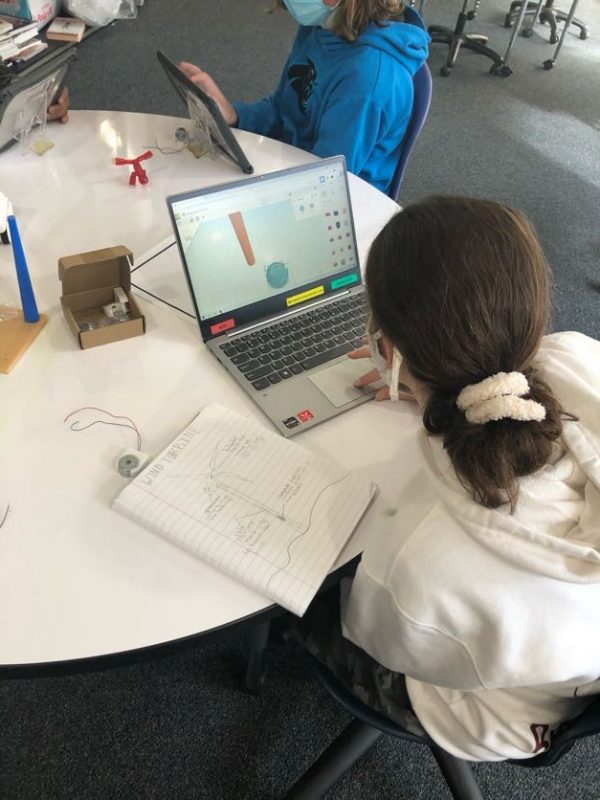
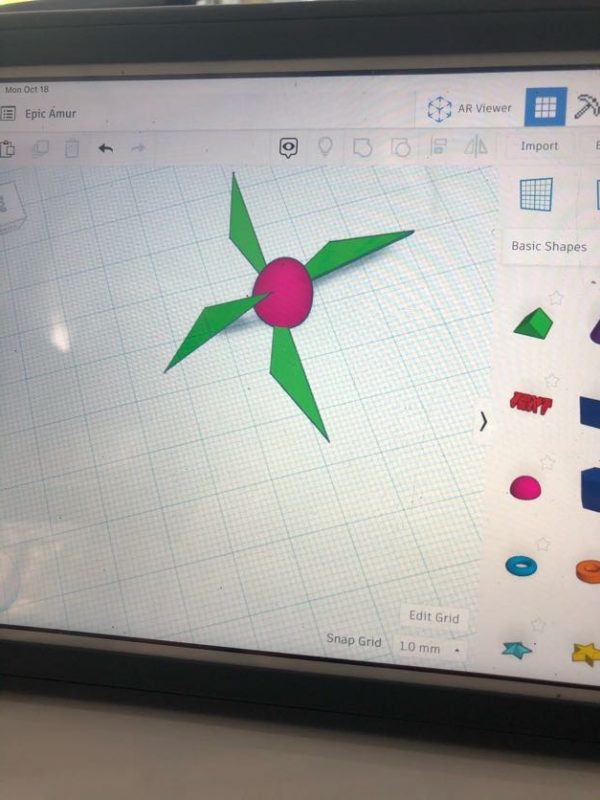
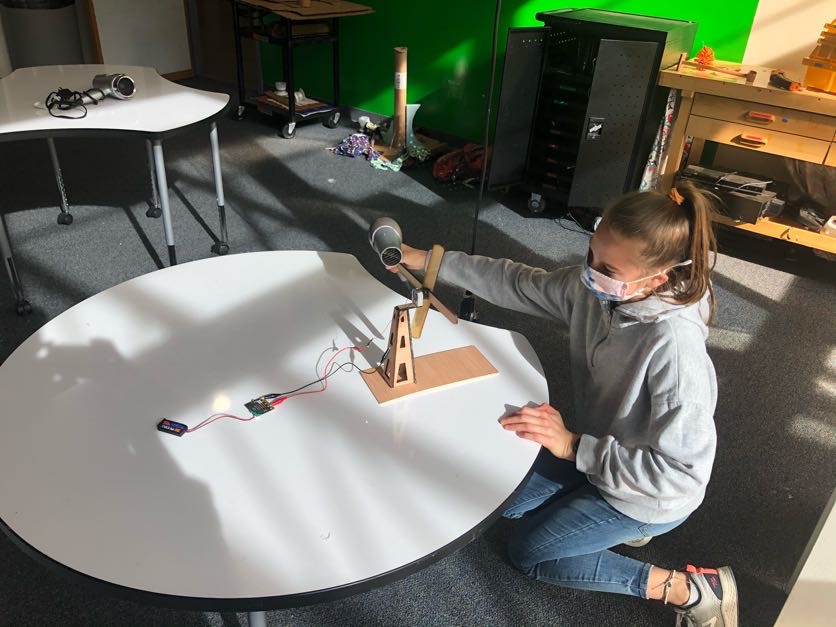
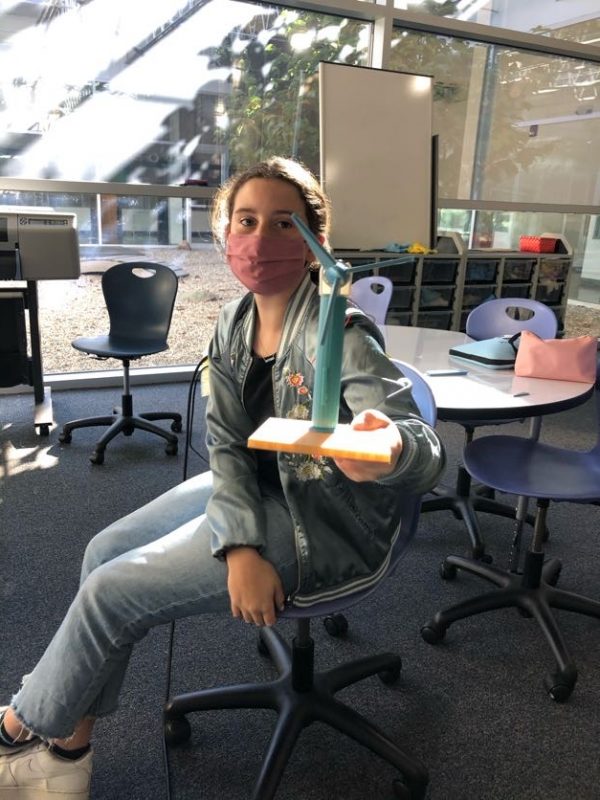
Aligned with building our green cities, the middle schoolers were tasked with designing and building wind turbines from scratch in the Makerspace. After doing research into the designs they thought would be the most efficient, students got to work using the 3D printer and laser cutter to generate their own components to create a wind turbine. Students then measured the amount of electricity being produced using a potentiometer and could work to improve their design and generate more energy in repeated iterations of their work. Our efforts always come back to the iterative design process, and how lucky we have been to work on our design and building processes with such an innovative challenge.