Making: Like it Should Be!

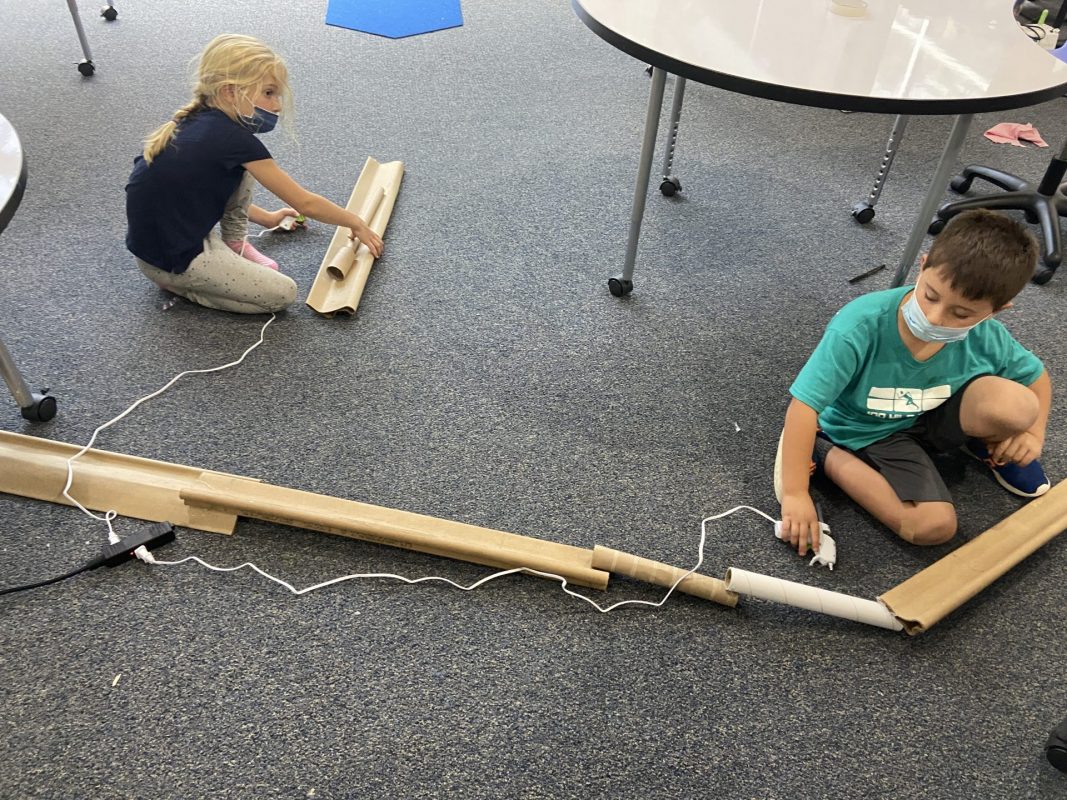
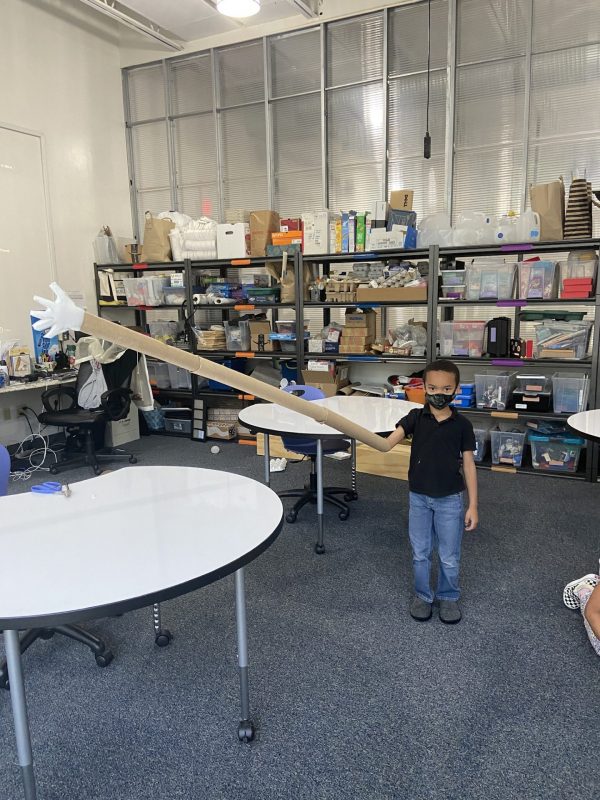
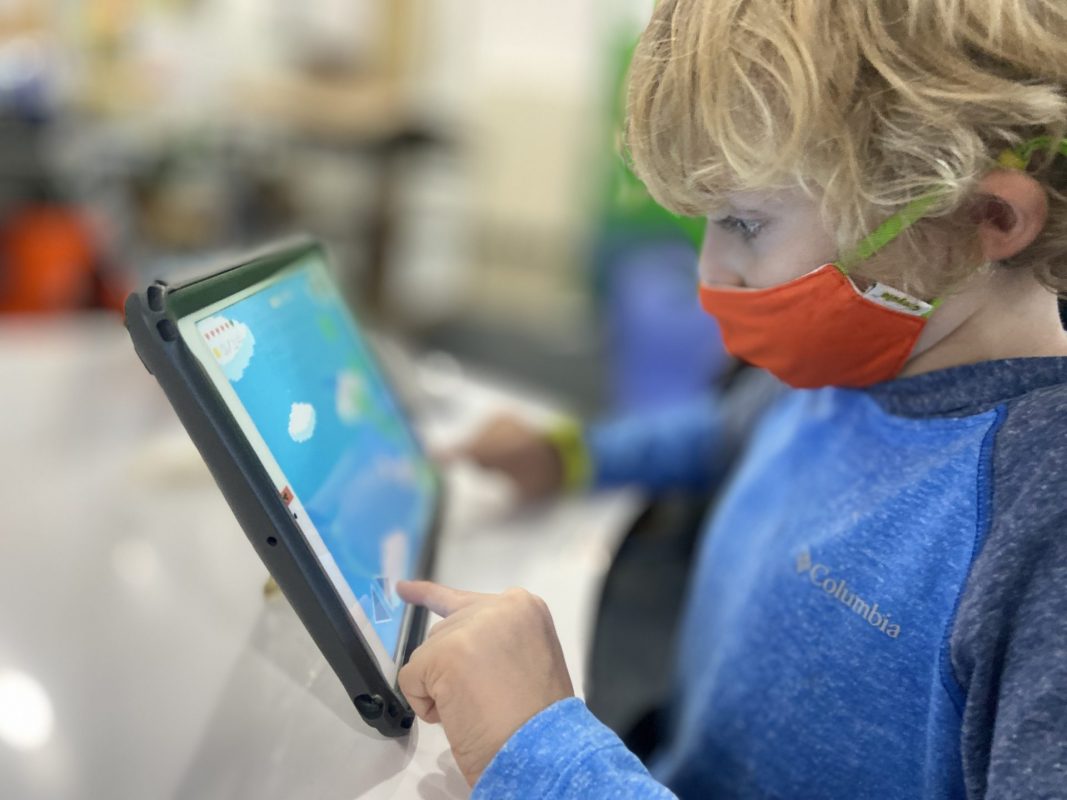
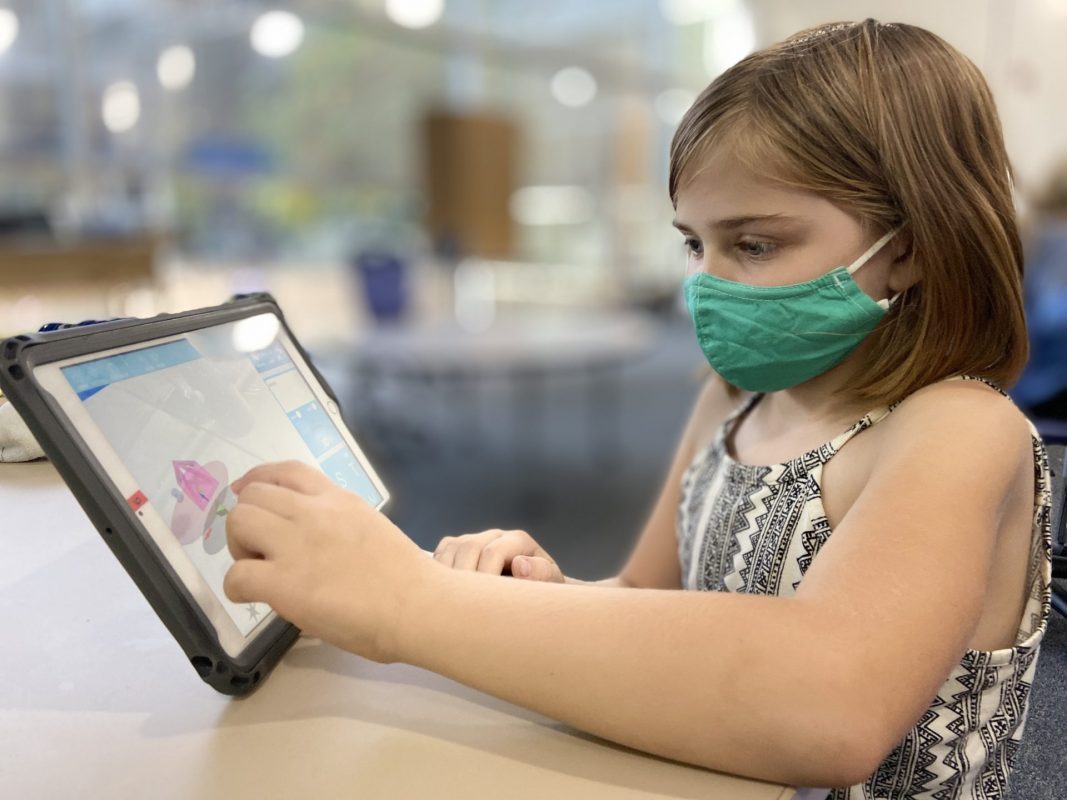
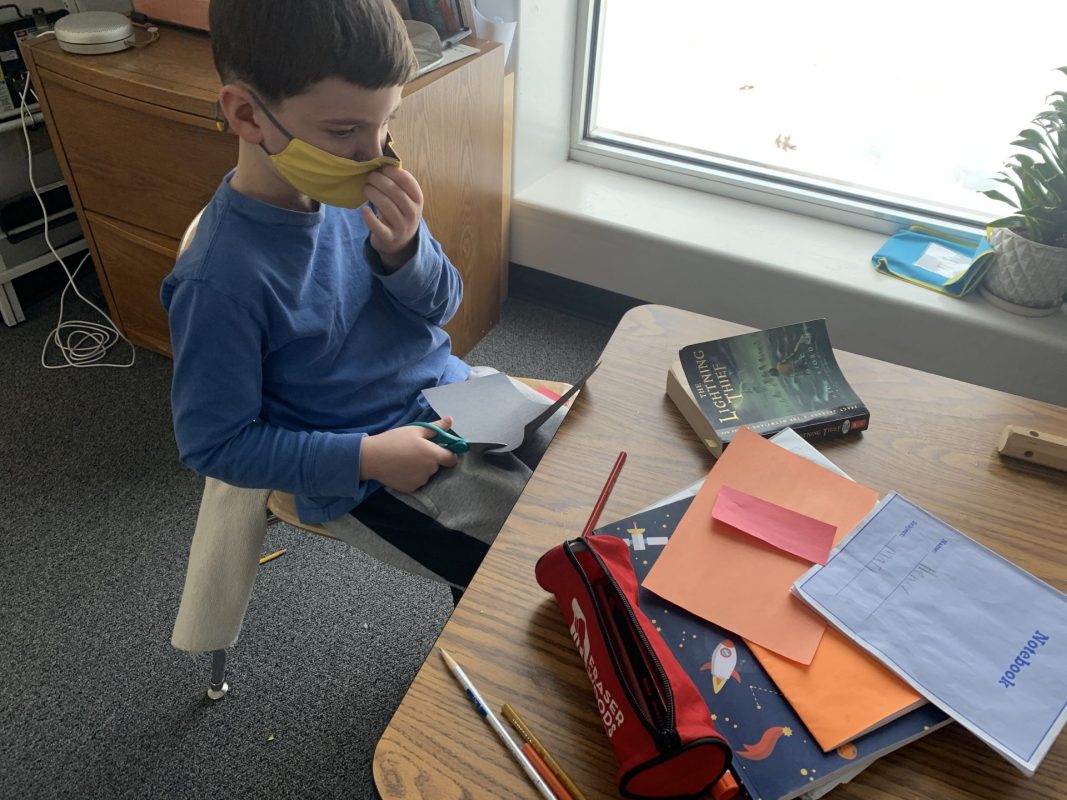
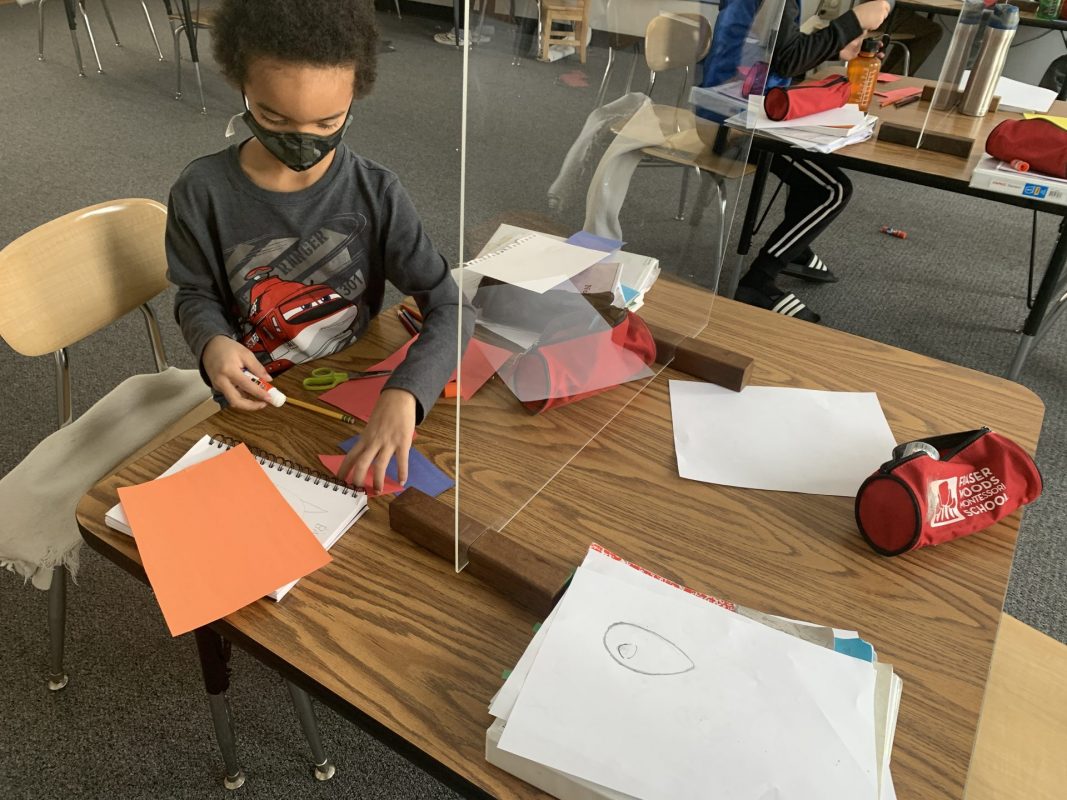
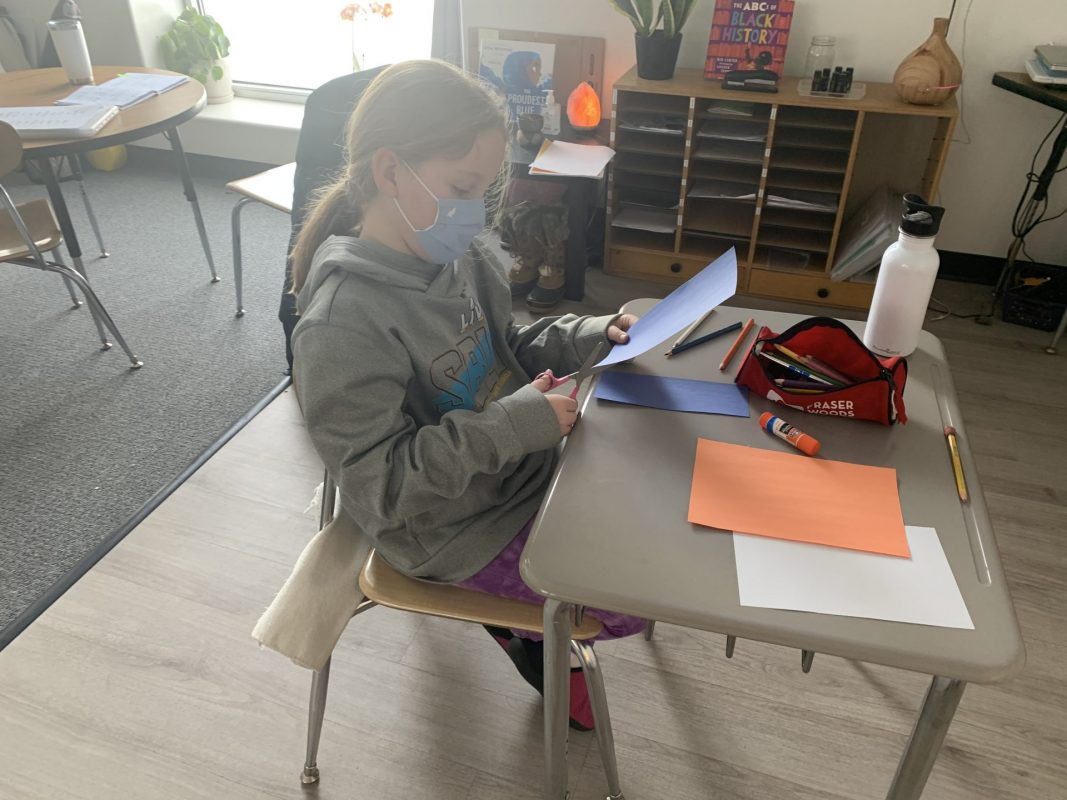
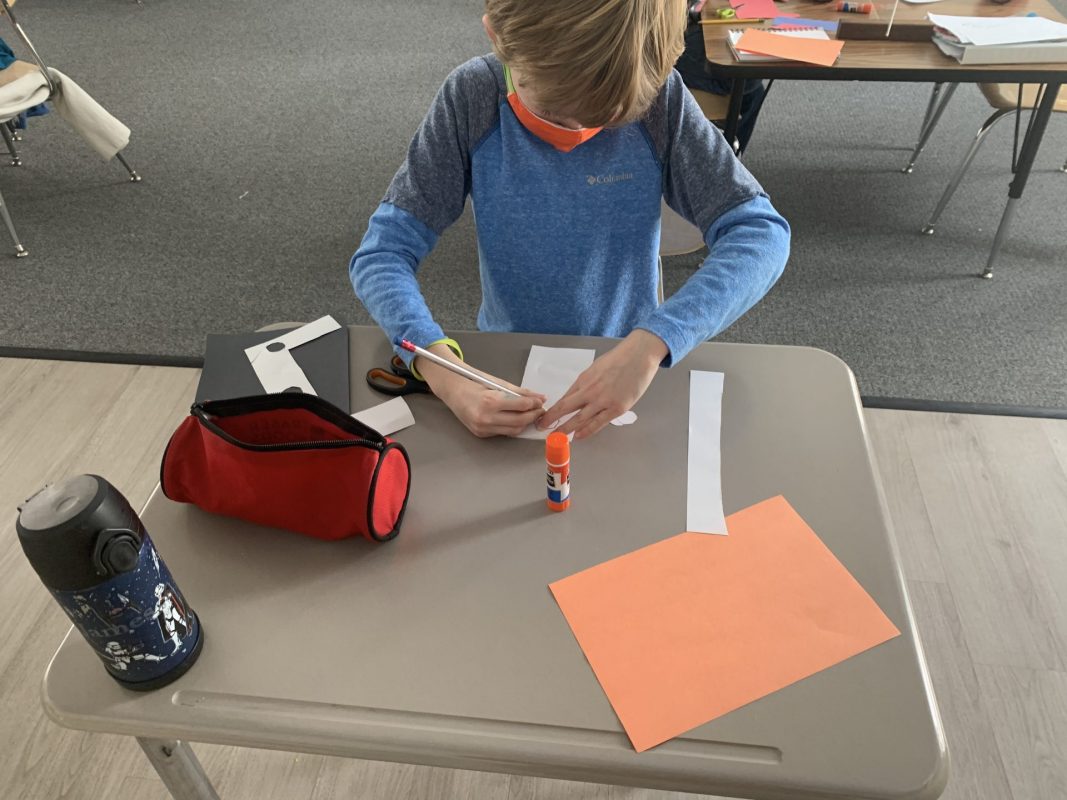
Last week during our Lower Elementary class, each student experienced TRUE maker choice for the first time this year. With knowledge and safety precautions well rehearsed, these makers were ready for 60 minutes of uninterrupted time for creativity and discovery.

Since September, these students have had a variety of formal lessons about the tools and materials available in the MakerSpace. But this class was different… this class was what our MakerSpace is all about: a dozen students, doing a dozen different things at the same time! (LE is split into two classes for MakerSpace and Art which gives me and Mrs. Reid more time to have one-on-one lessons with each child.) Some students spent the entire class learning about or focusing on one topic, while others experimented with several different tools and activities. These young makers continue to work hard, go outside of their comfort zone, and inspire each other constantly. It is a breath of fresh air to work with such motivated and excited children.
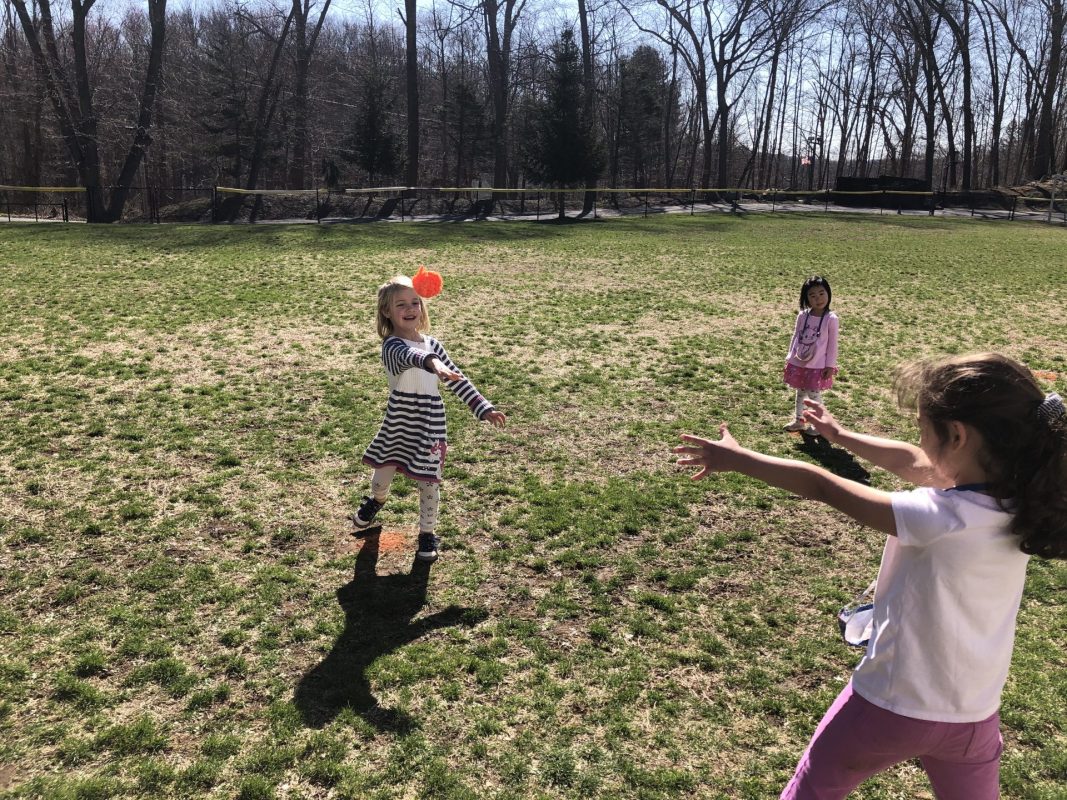
Let’s Play Ball!


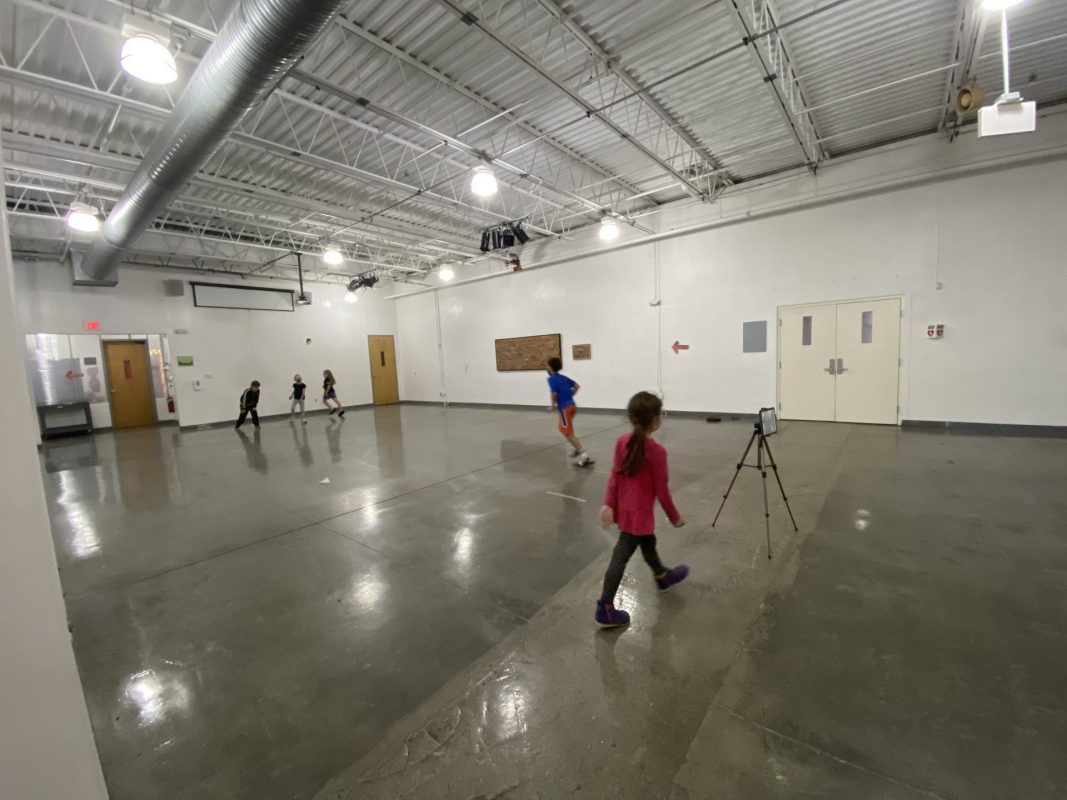
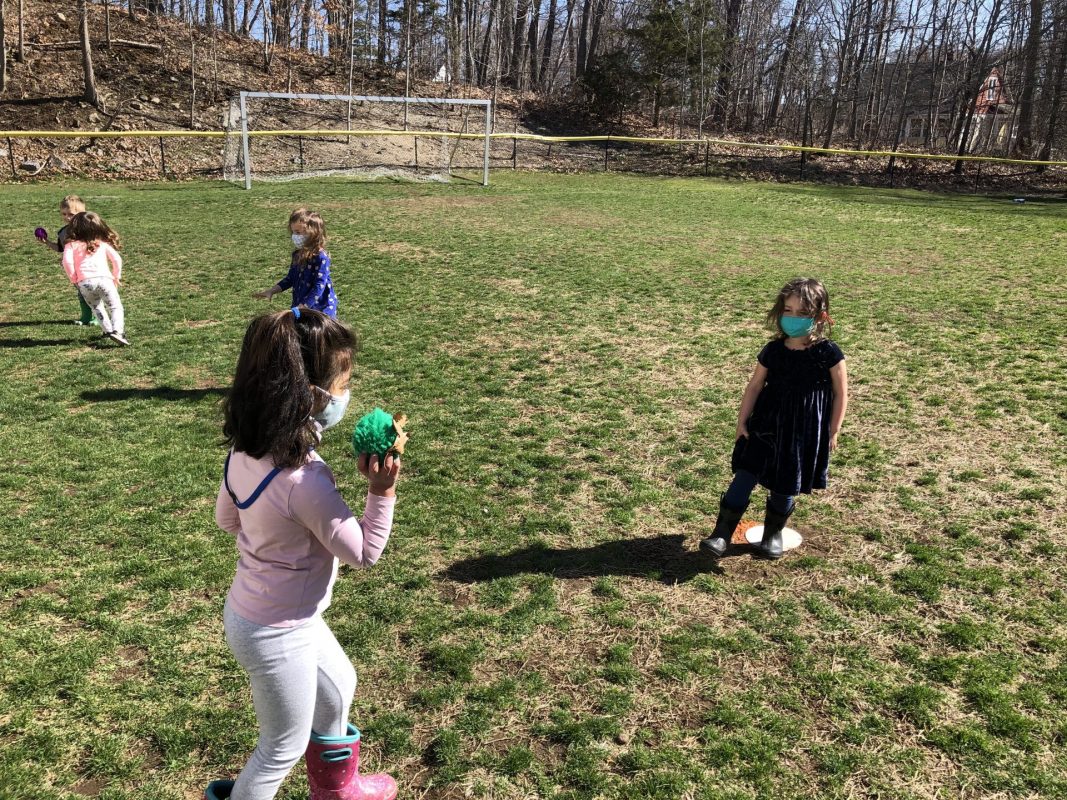
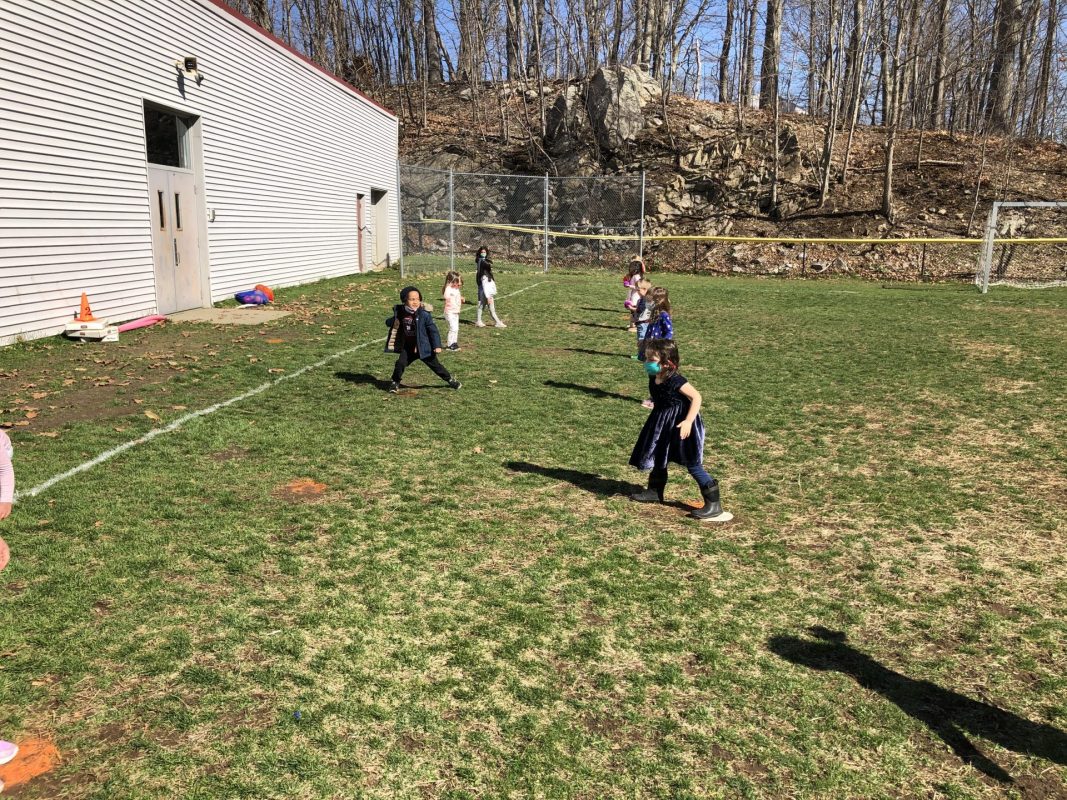
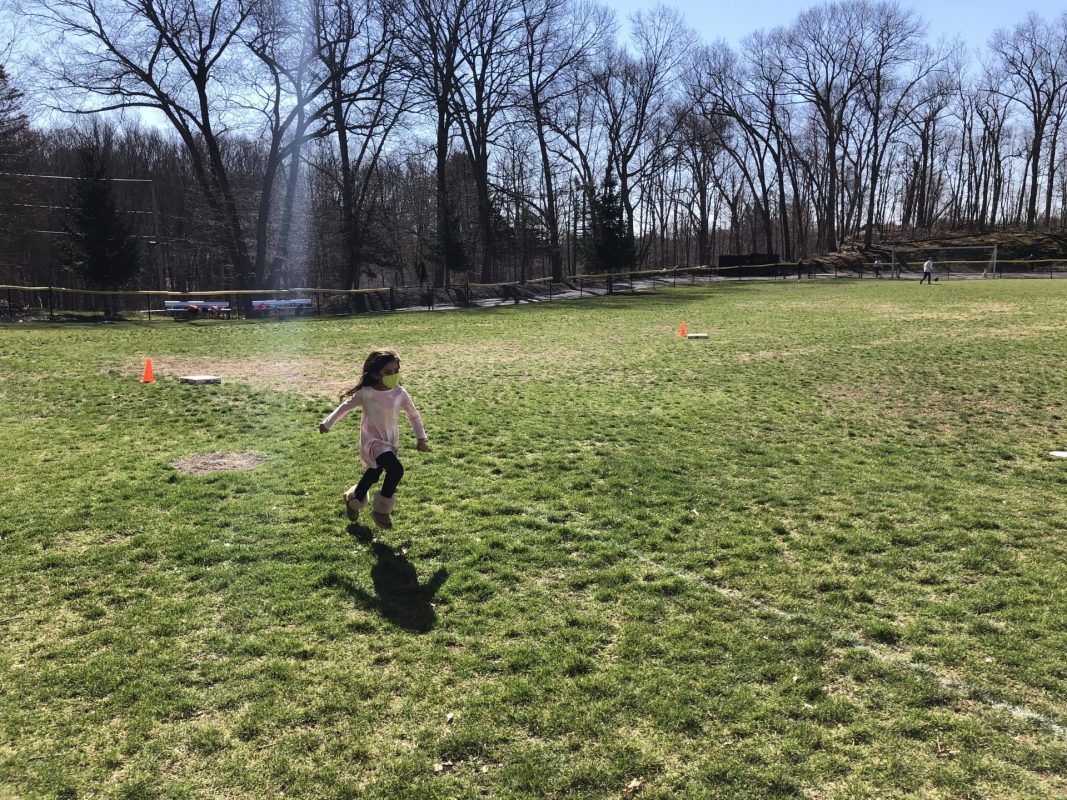
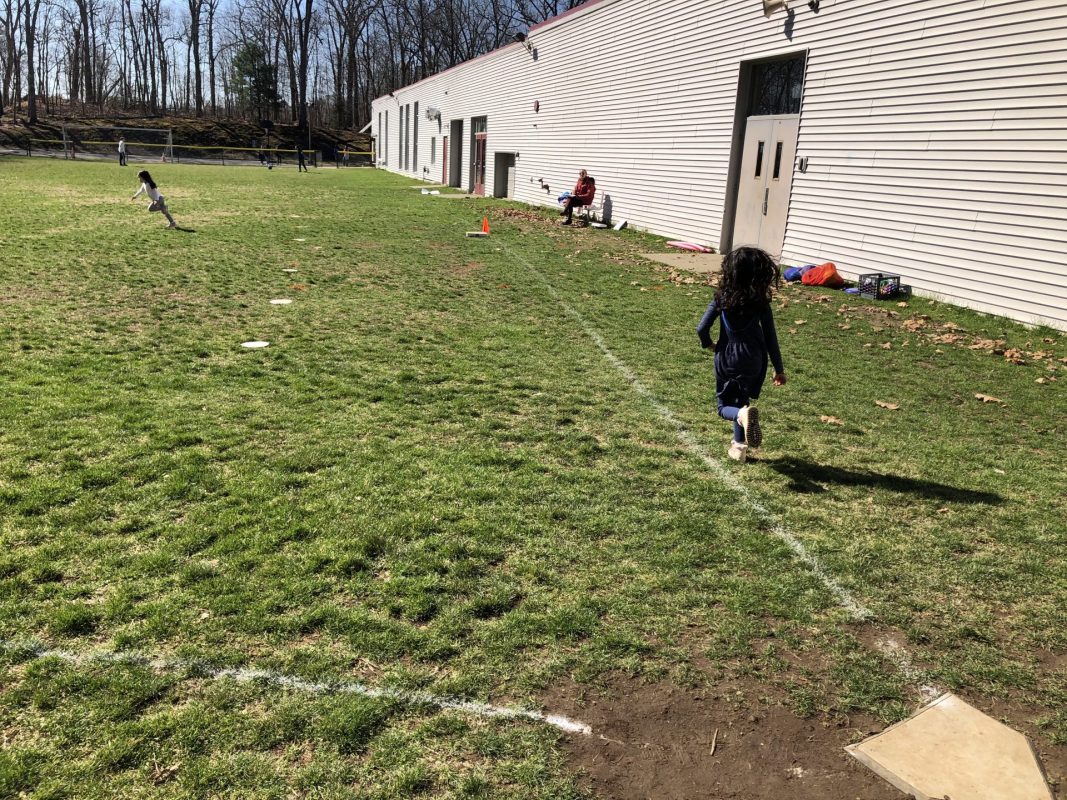
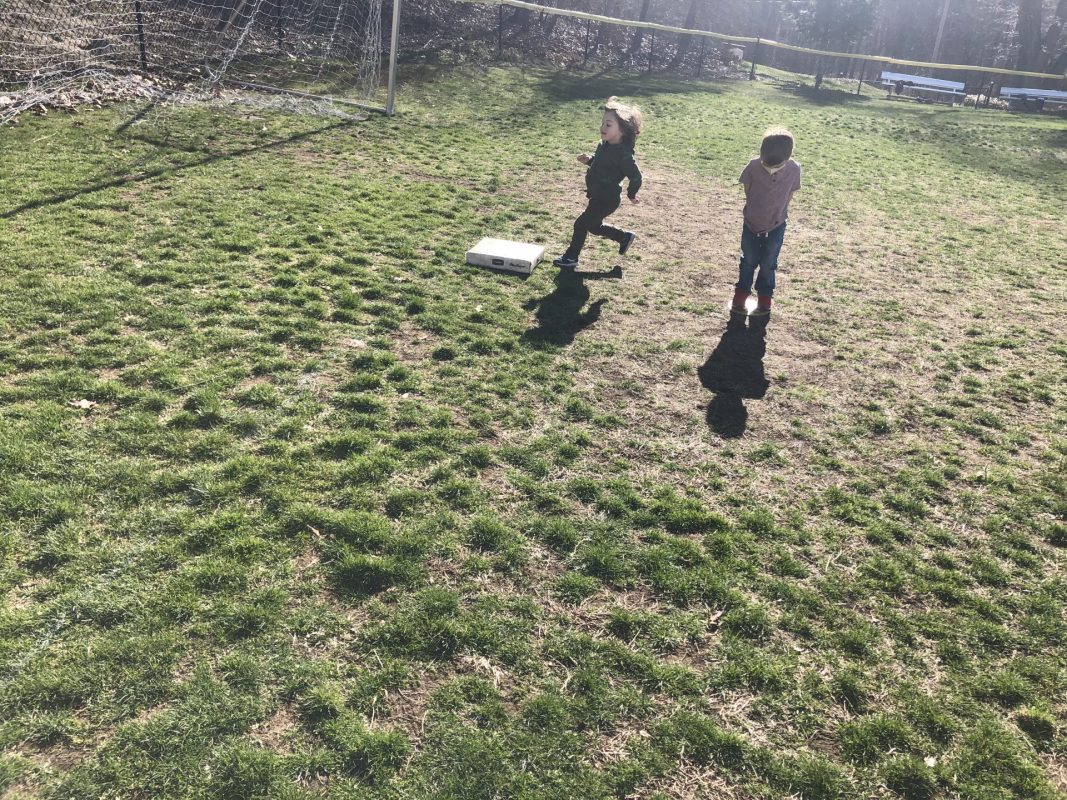
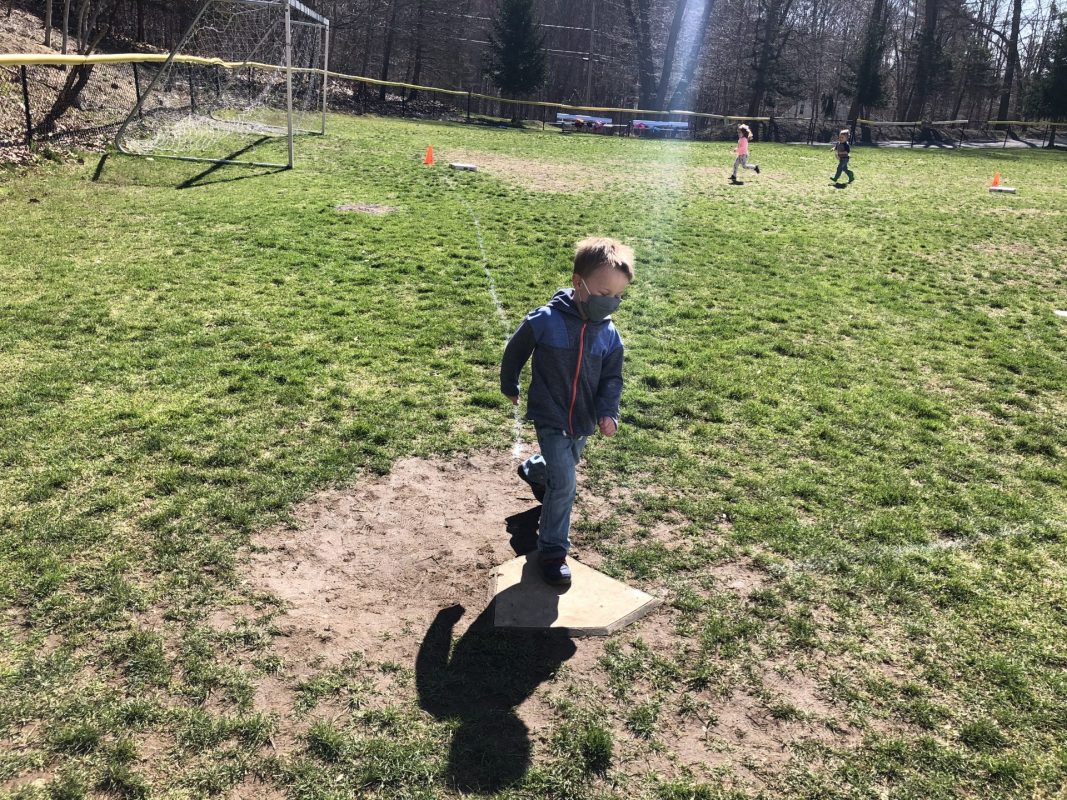
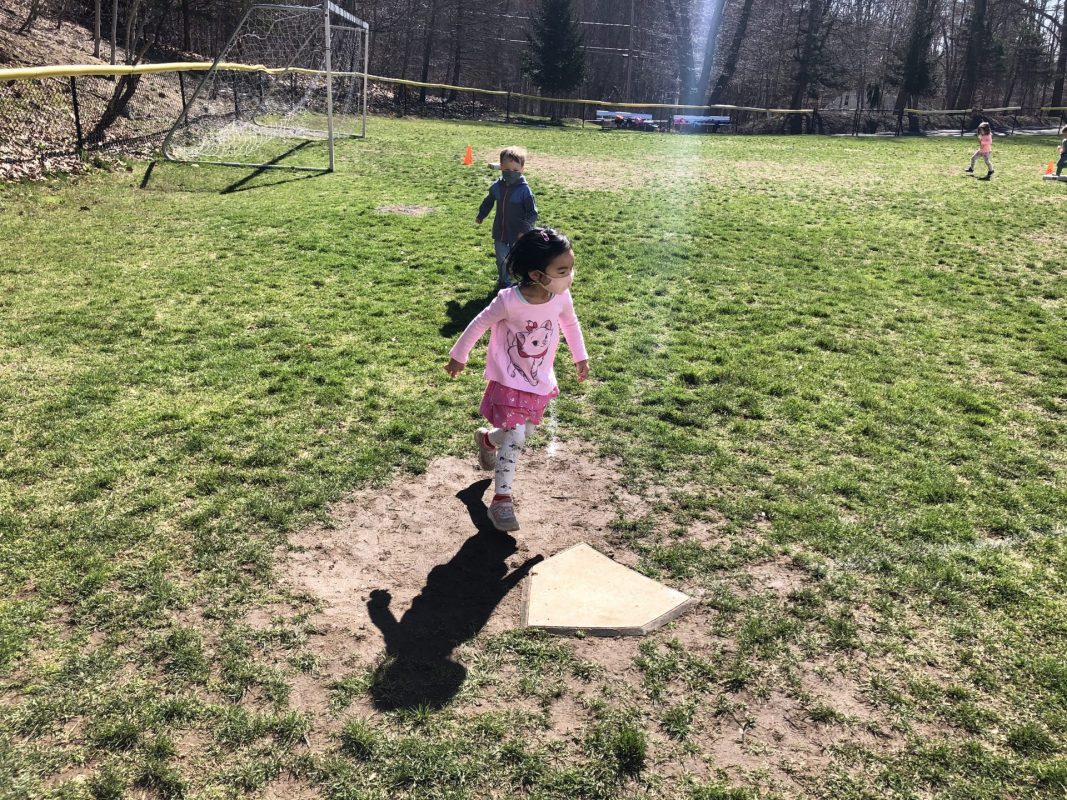
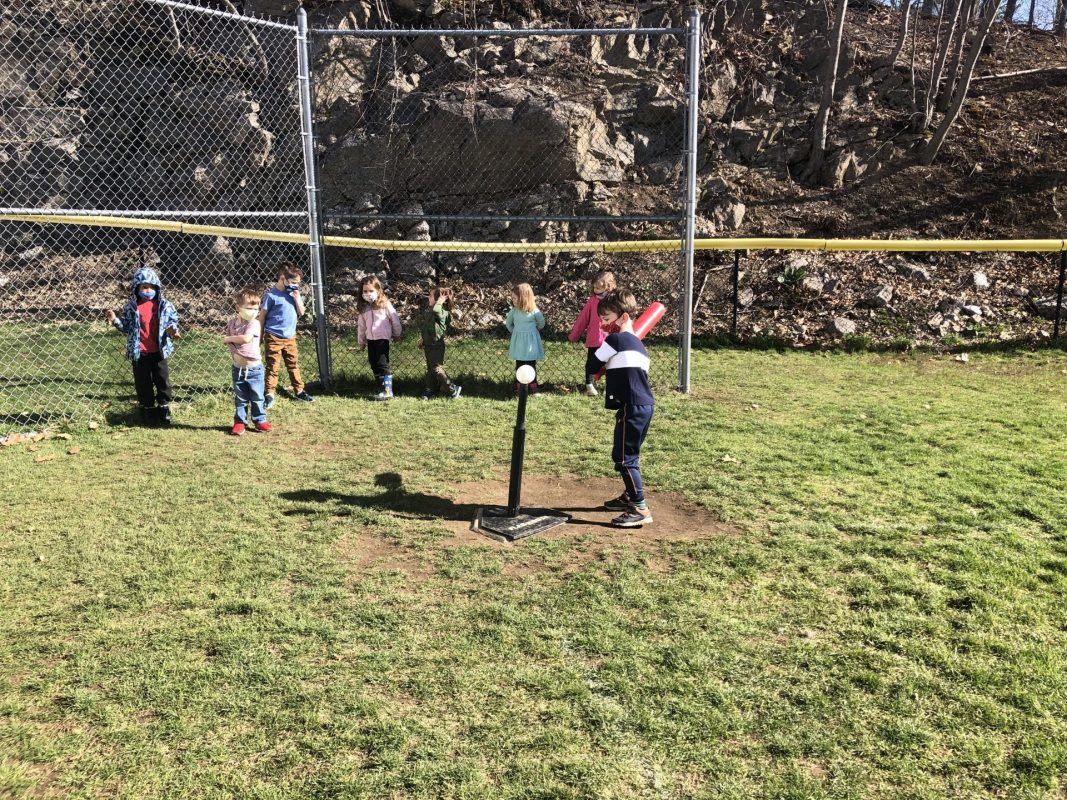
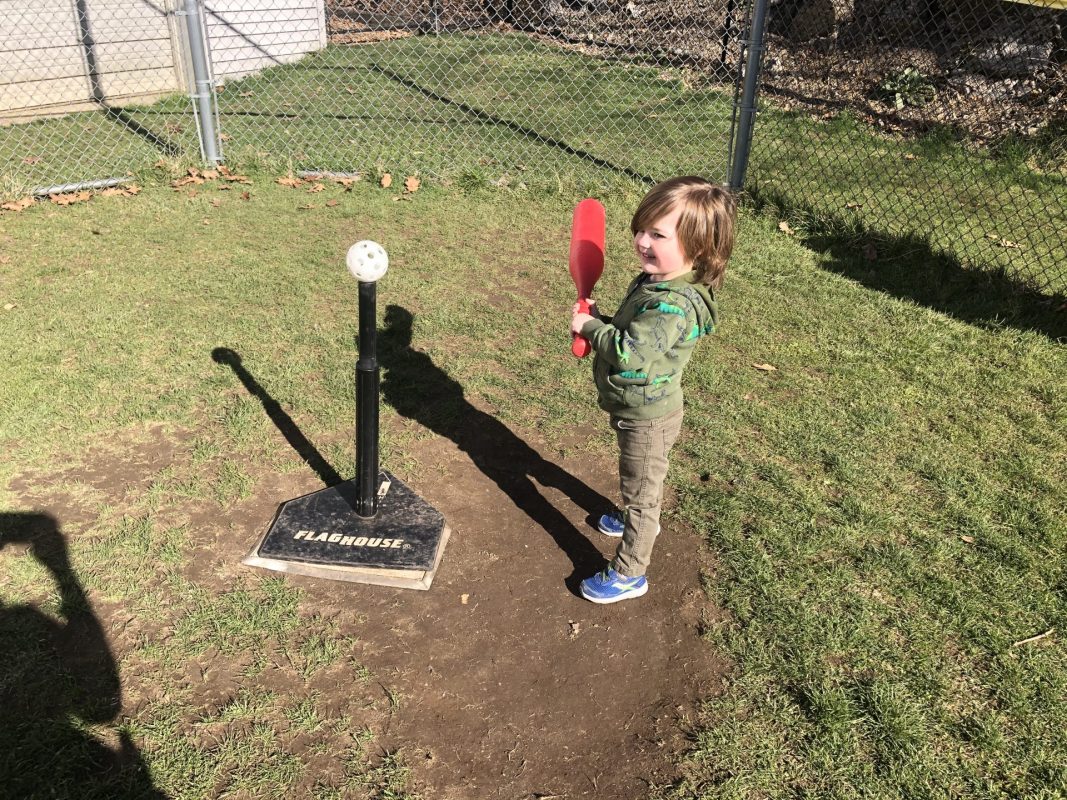
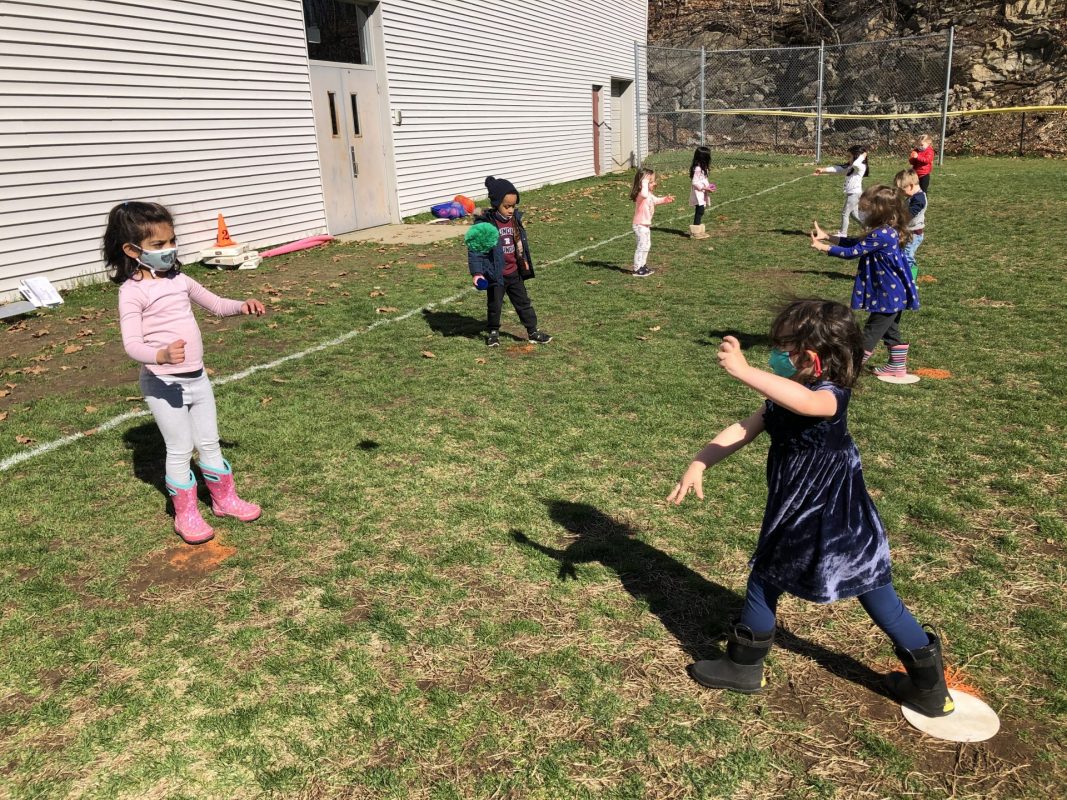
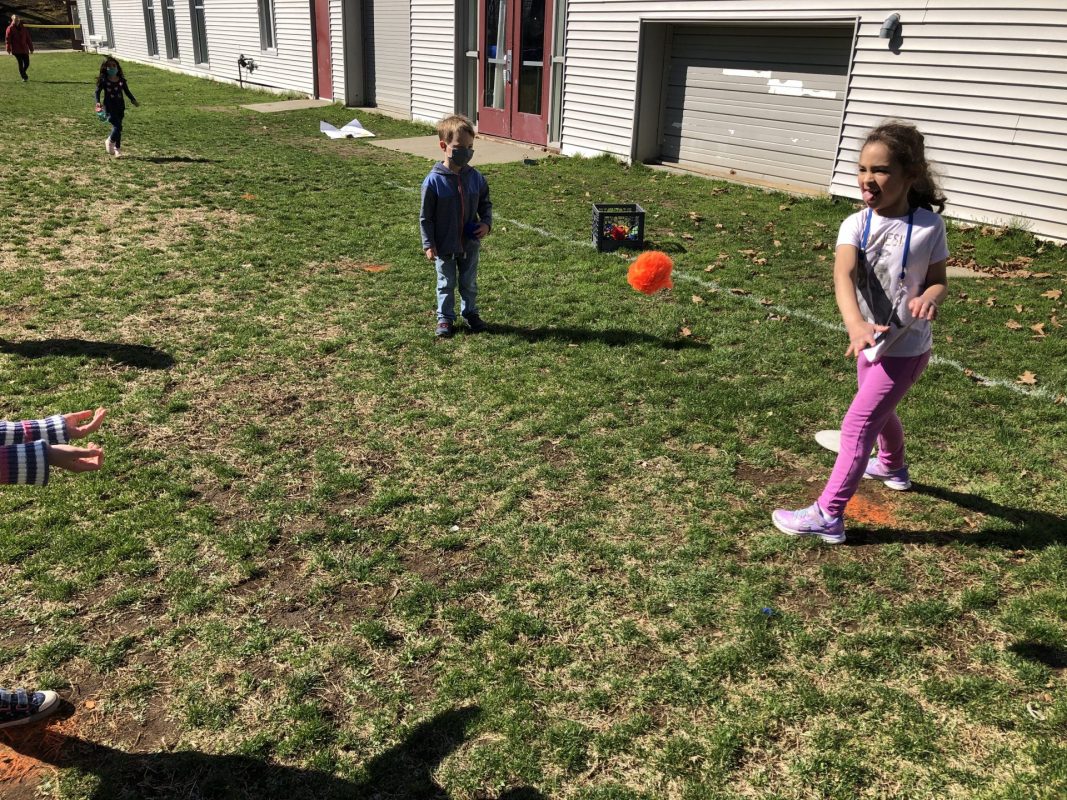
Students in Primary participated in a tee-ball unit this month.  Students learned how to run bases, hold a wiffle bat, and throw and catch a ball.  Throwing and catching is a lifelong skill.  When children practice ball skills, they will notice their skills improving.  This helps children understand they can learn and get better at something if they put in the time and the practice.  Tee-ball helps children listen as a group, get along with peers, learn how to take turns, and perform independently when needed.   The benefits of tee-ball include:  improved balance, coordination, strength and stamina, motor skill development, social skills development, better hand-eye coordination, improved self confidence, and sportsmanship.


Poetry and Art

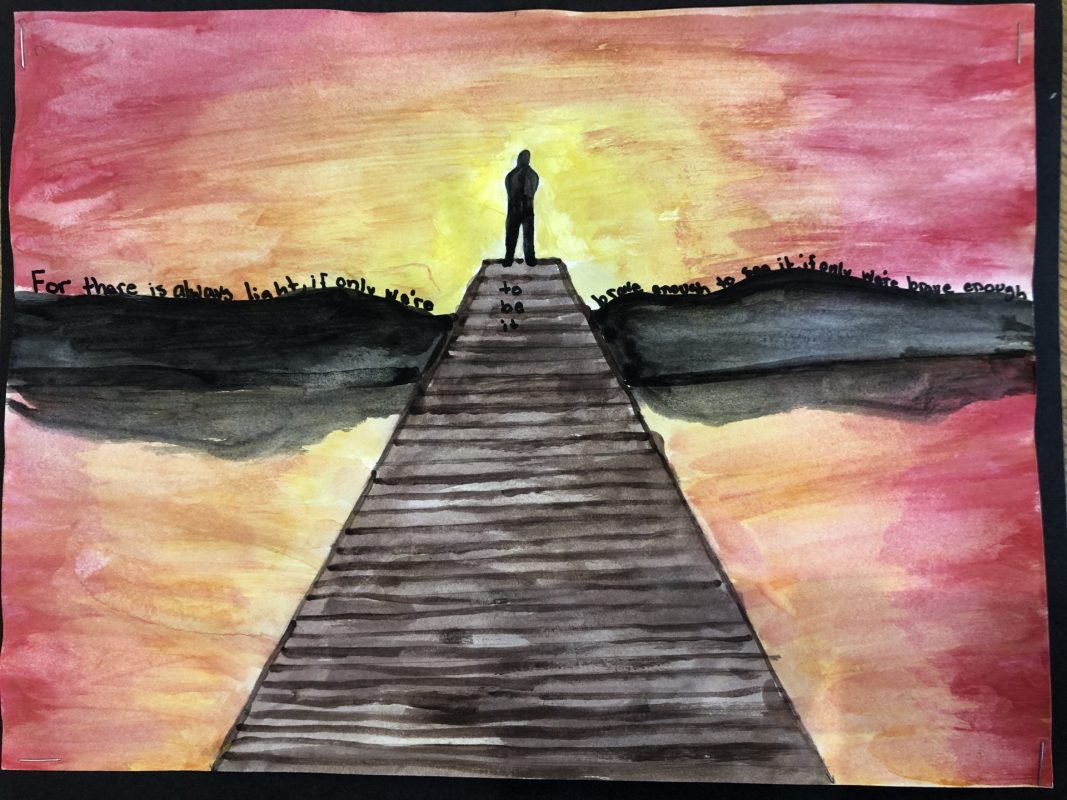
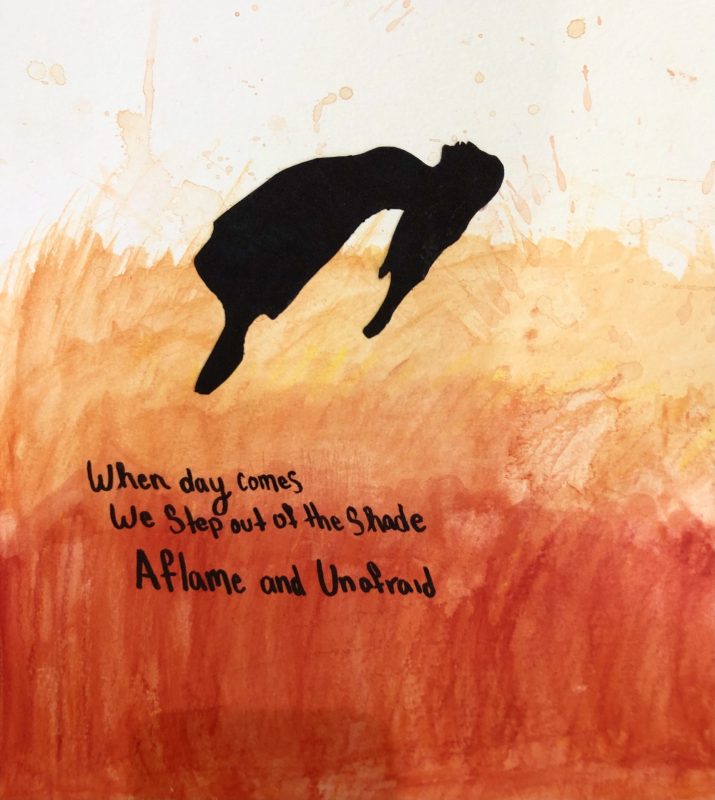
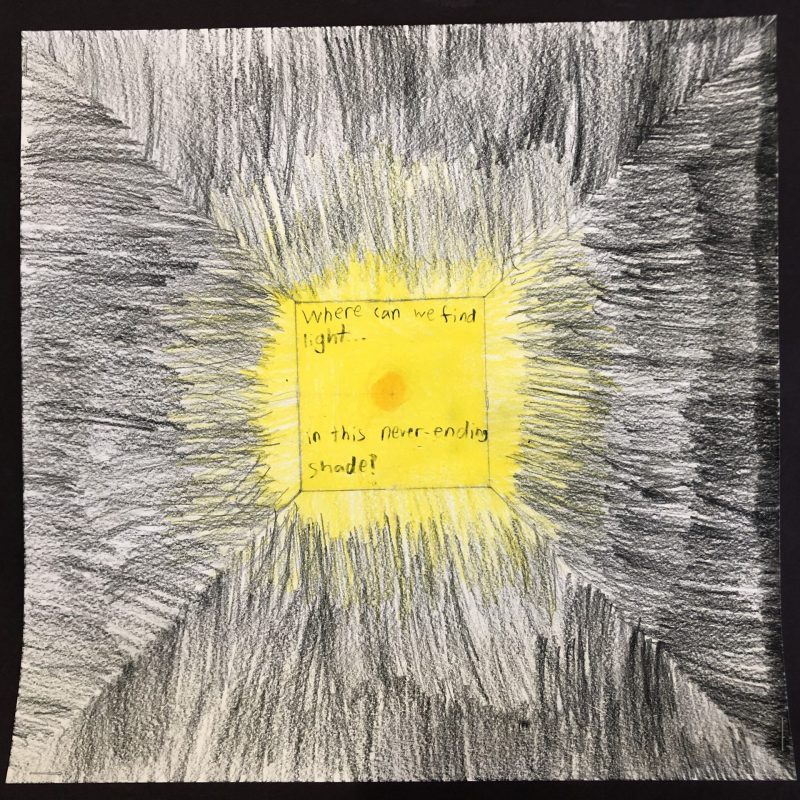
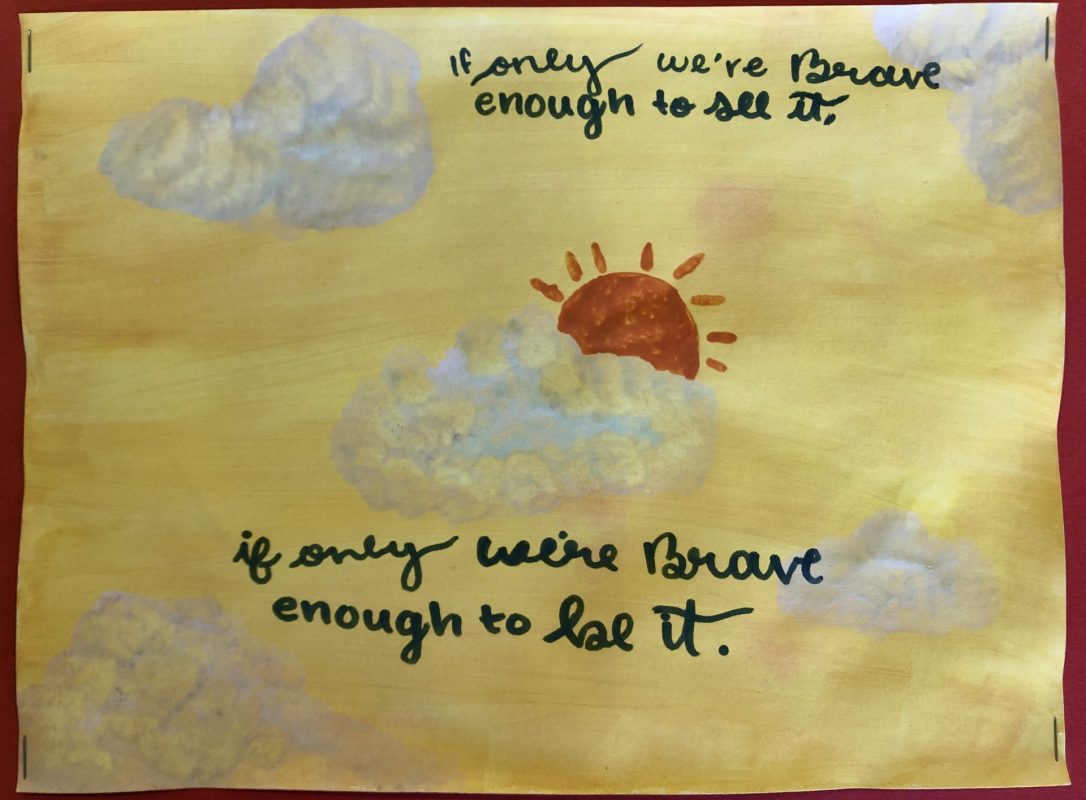
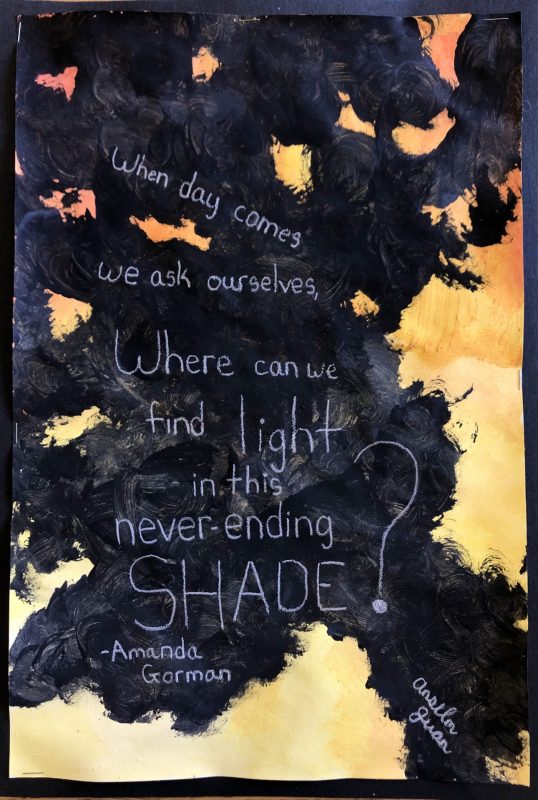
In Art Humanities class, eighth year students created visual representations of Amanda Gorman’s poem titled, “The Hill We Climb: An Inaugural Poem for the Country.” Each student chose a line or two from this poem to focus on, and were encouraged to imagine ways to express the feeling of the words using colors, shapes, figures, and other imagery. Students used a range of materials including acrylic paint, watercolor, pencil, and colored pencil. The results were beautiful and diverse; each student’s piece was unique to them while capturing what they felt expressed a specific theme or message in Amanda Gorman’s powerful, historic poem. Interpreting this poem using visual representation encouraged students to think critically about the poem’s meaning. Bravo young artists!!


Las Mariposas

The start of Spring is a great time to reflect on the transformation we have experienced throughout the school year. Watching primary students embrace every song, story, and project this year has filled my heart with so much joy. 

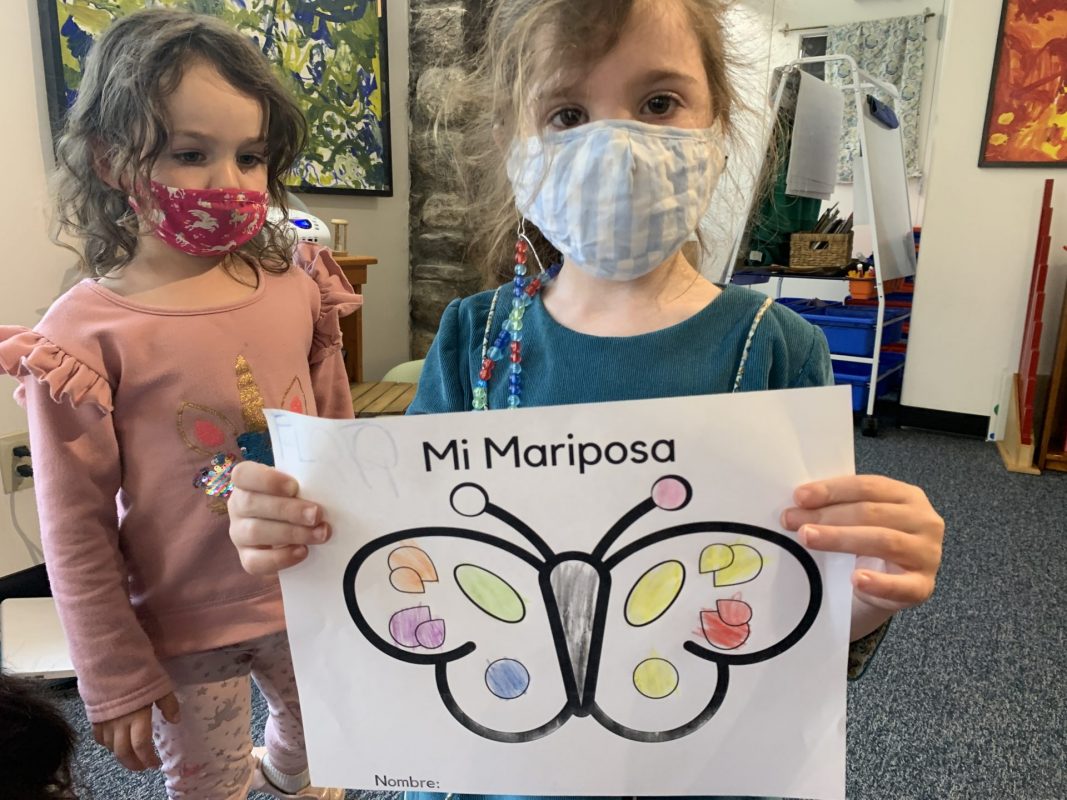
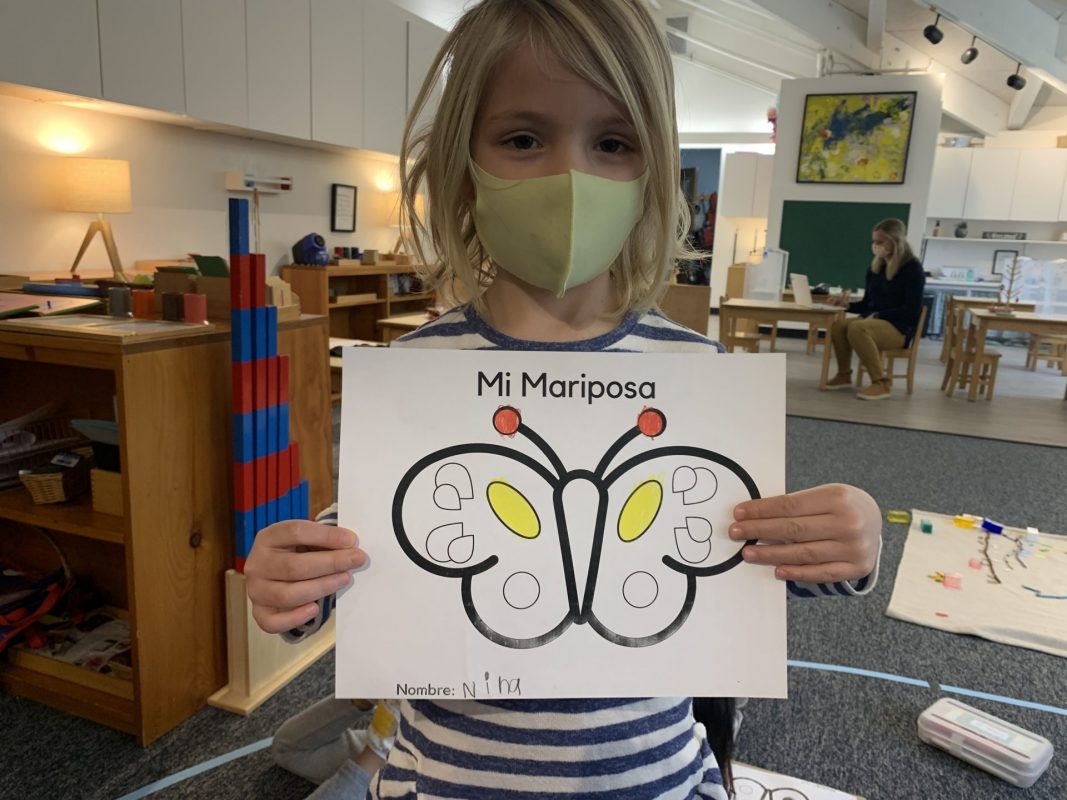
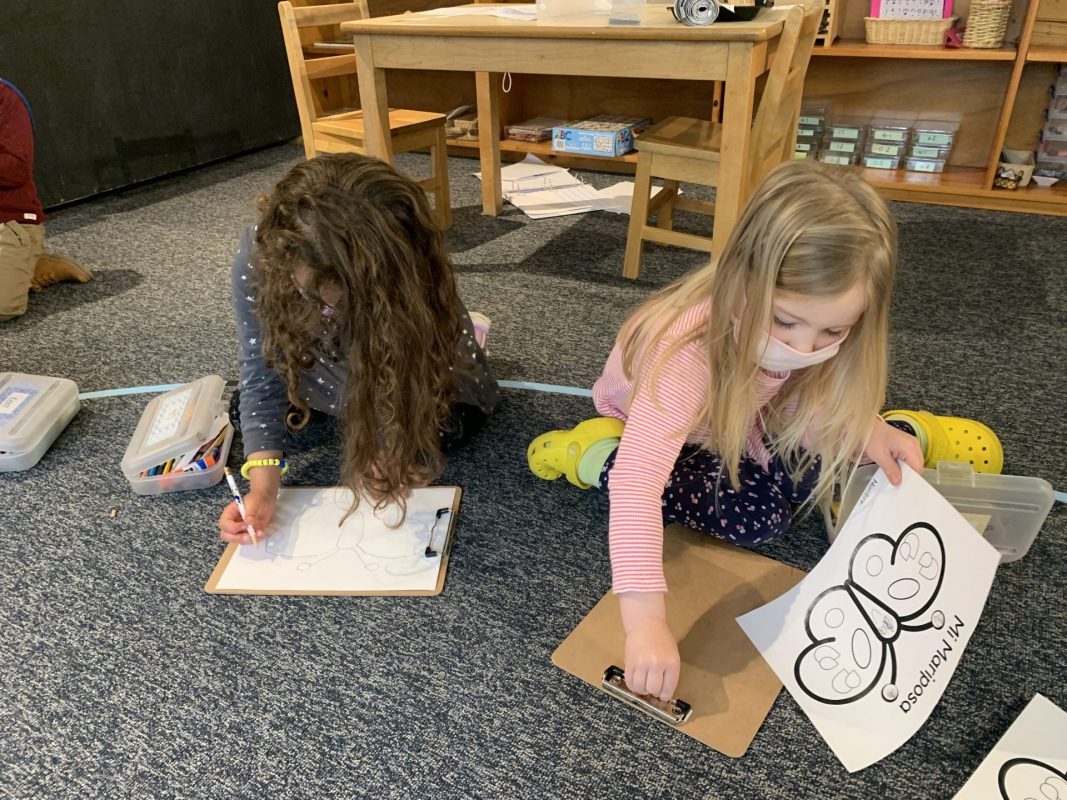
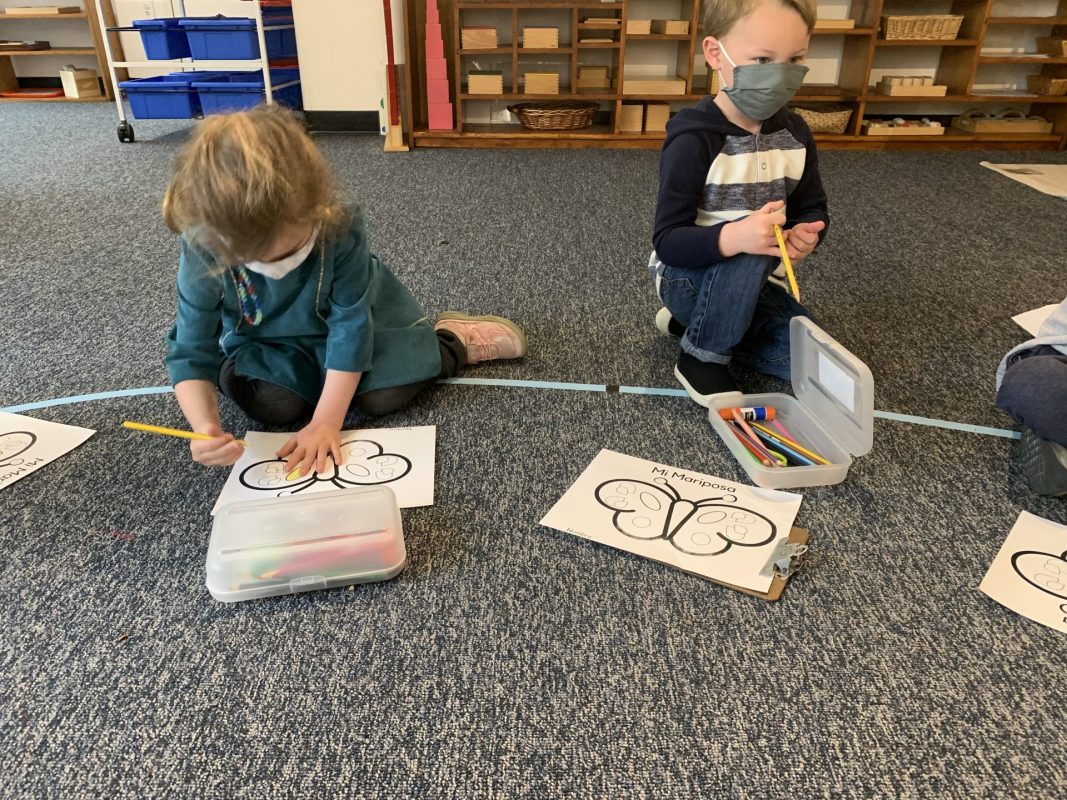
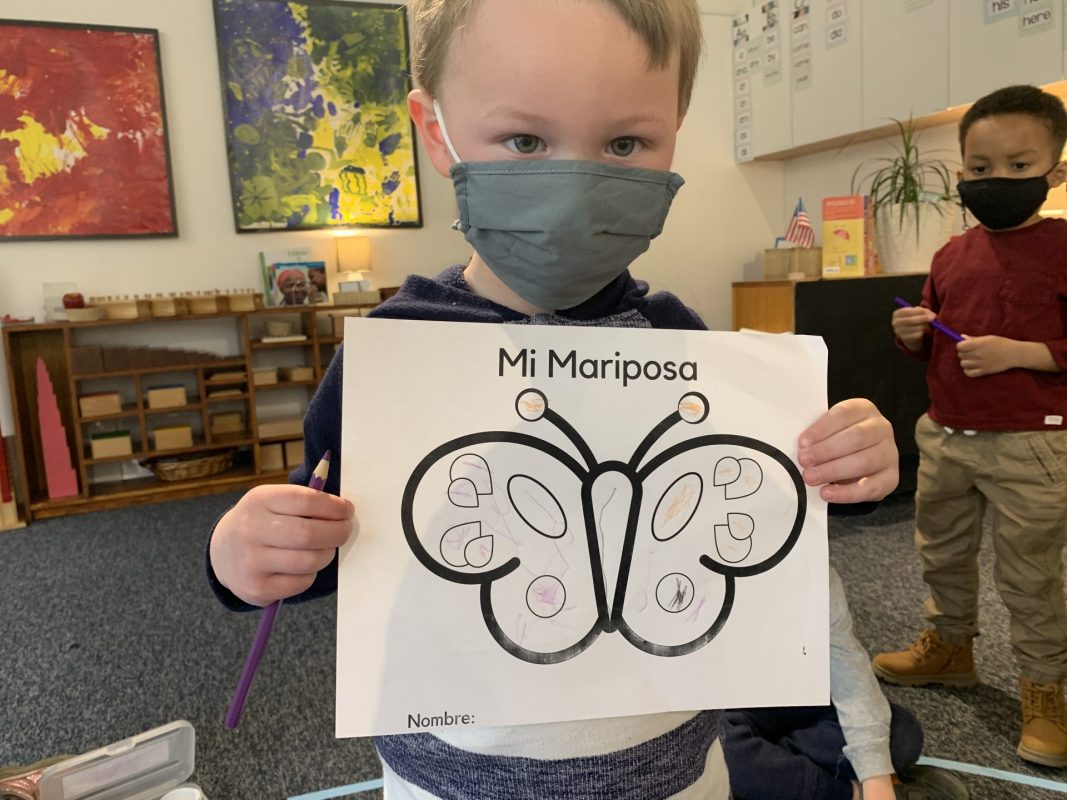
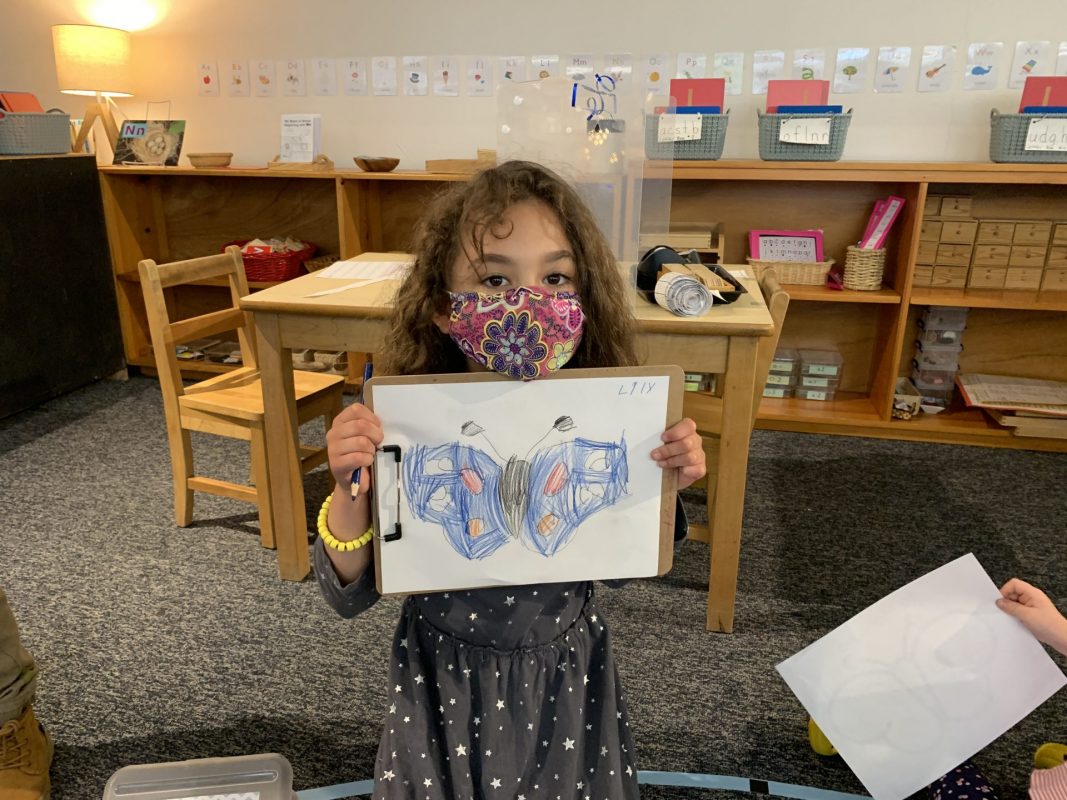
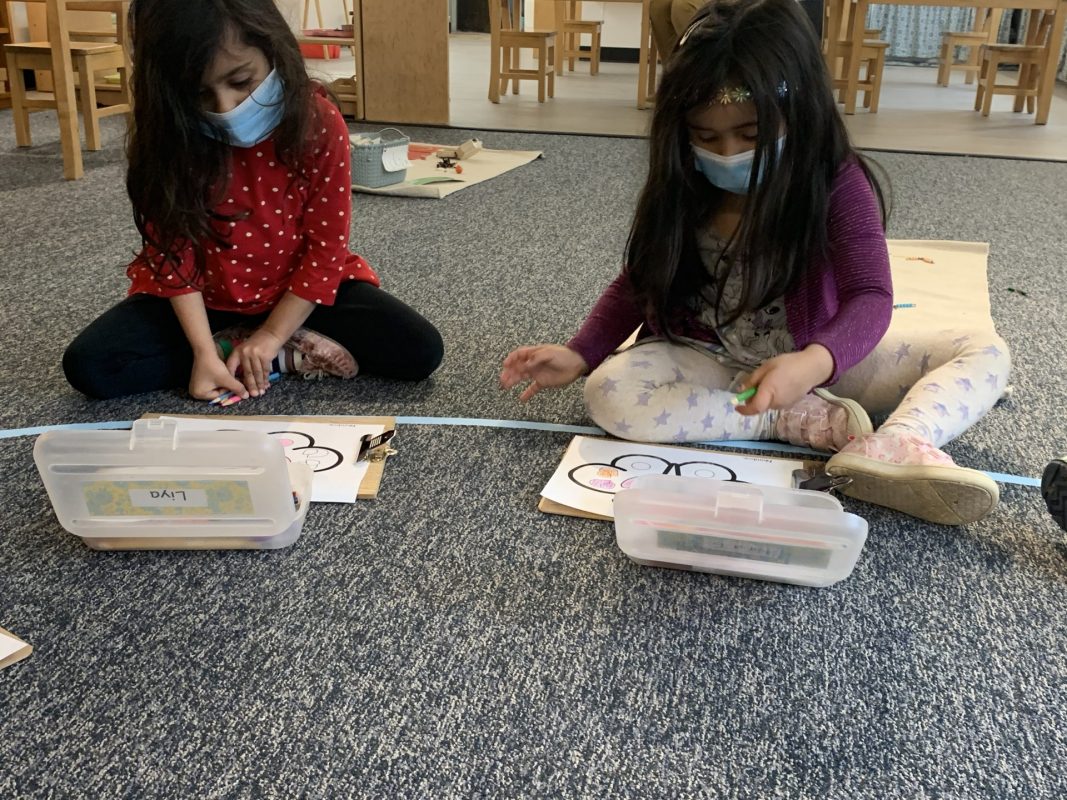
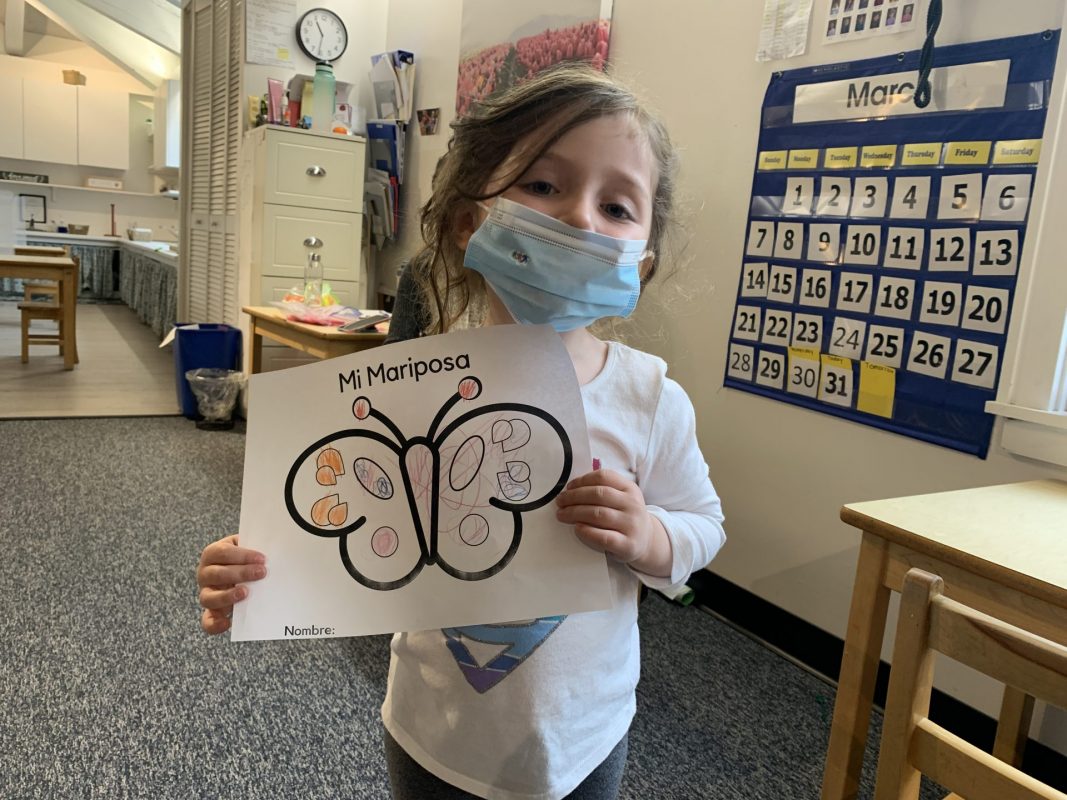
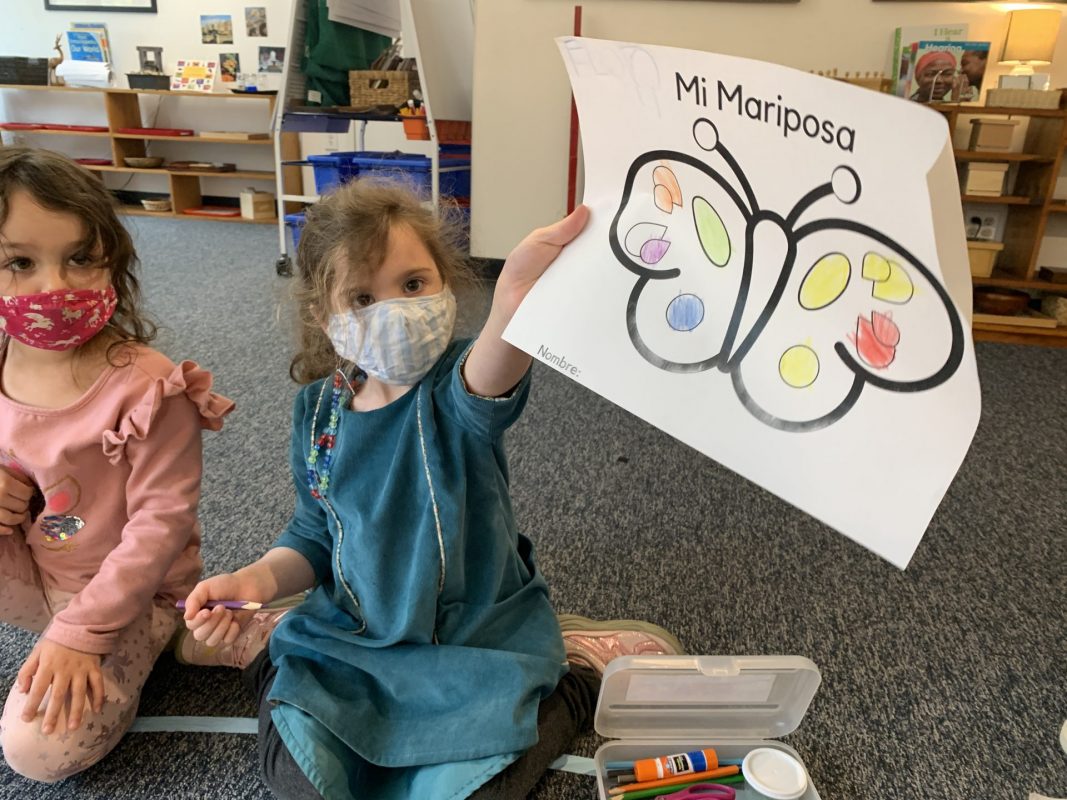
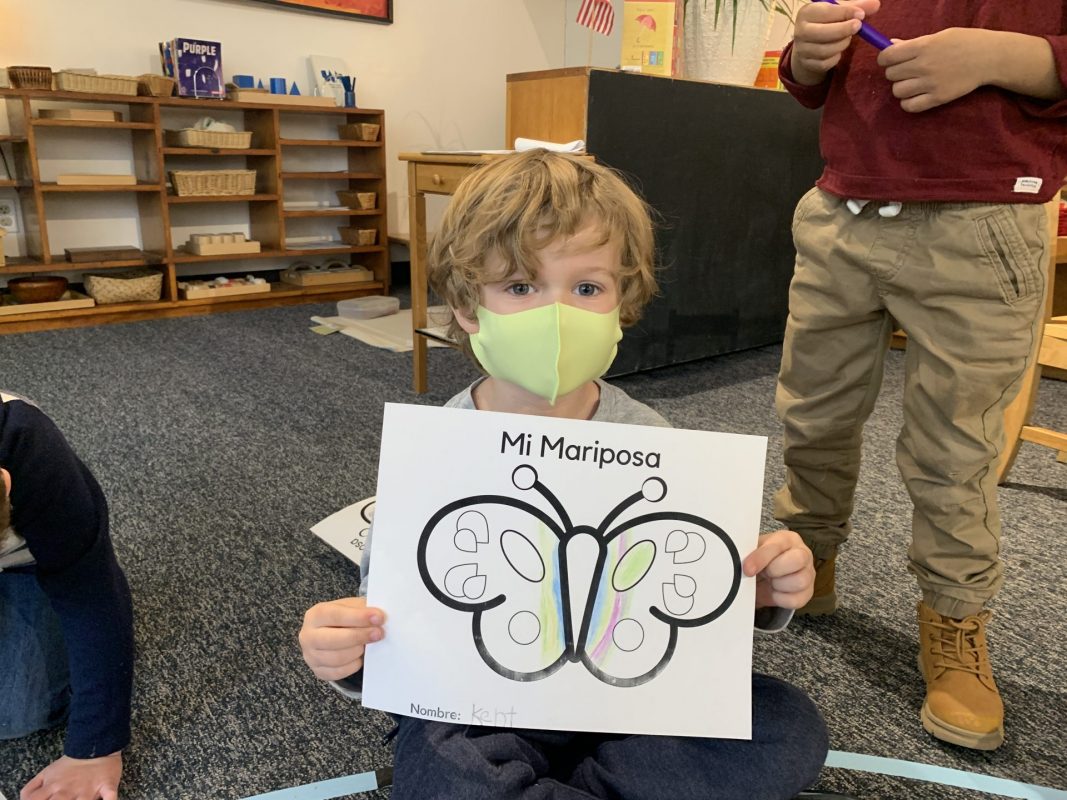
This week, we read an original story in Spanish called, “Mi Mariposa.” A boy sees a beautiful butterfly happily flying around and drinking nectar from the flowers. He decides to trap it in a jar so he can bring it home to observe its beauty. He notices in the jar that the butterfly is sad, it does not fly, and it cannot eat. The boy decides to bring the butterfly back to the garden and sees it return to happiness. 

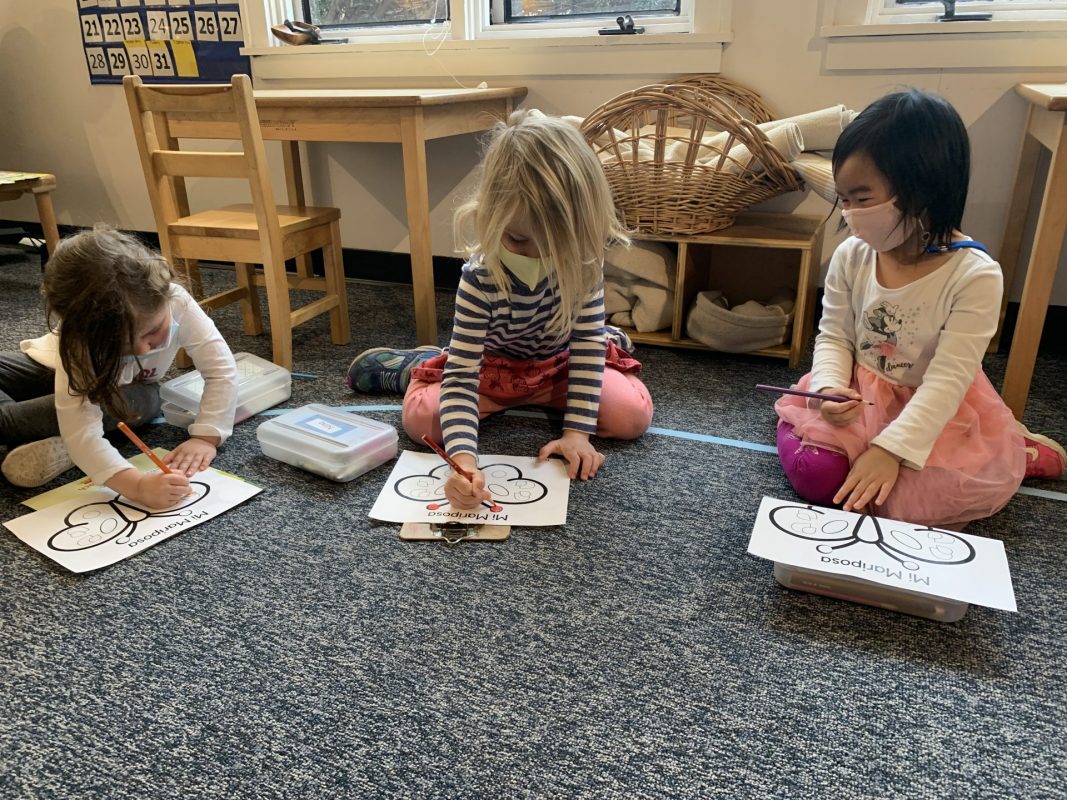
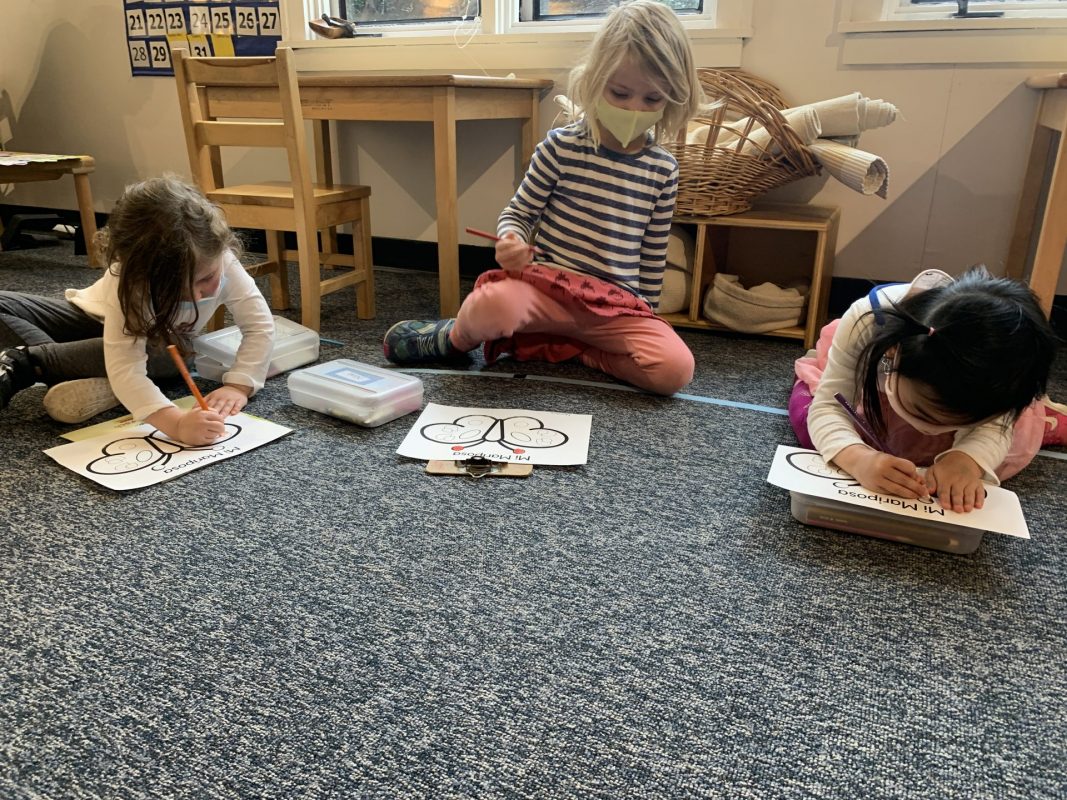
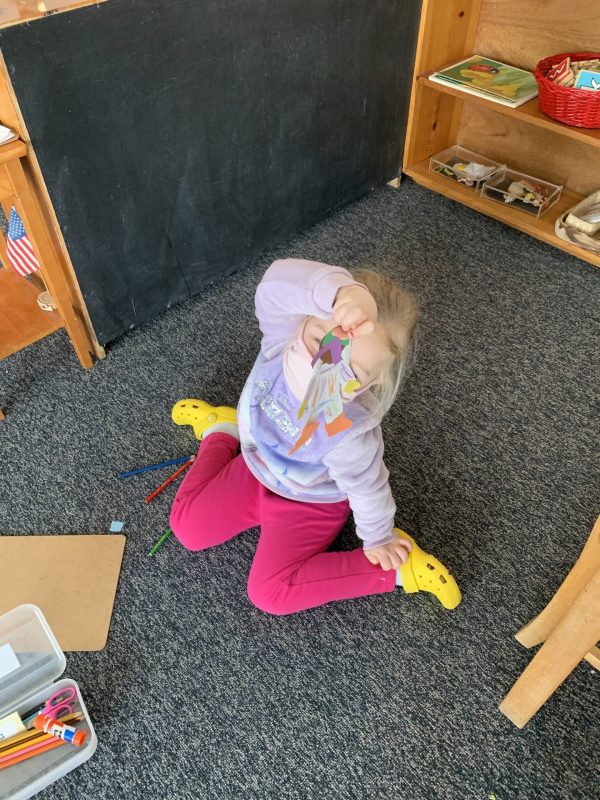
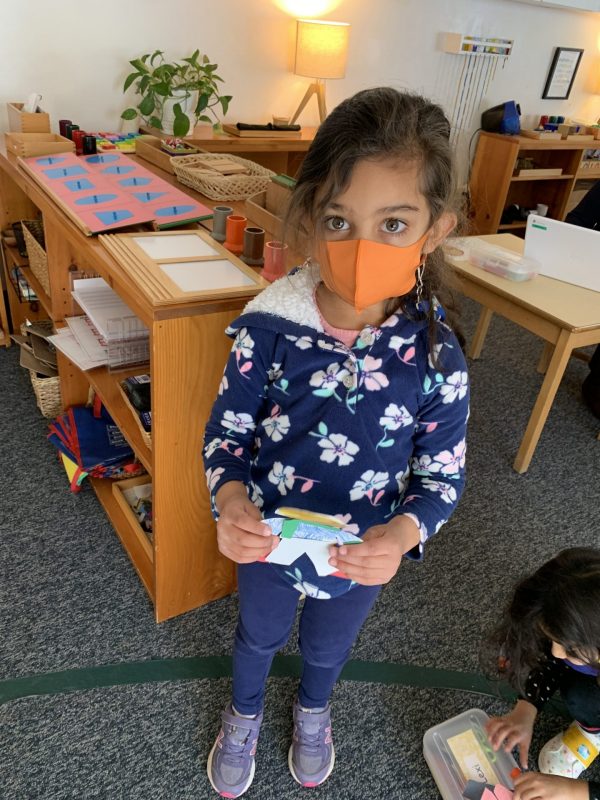
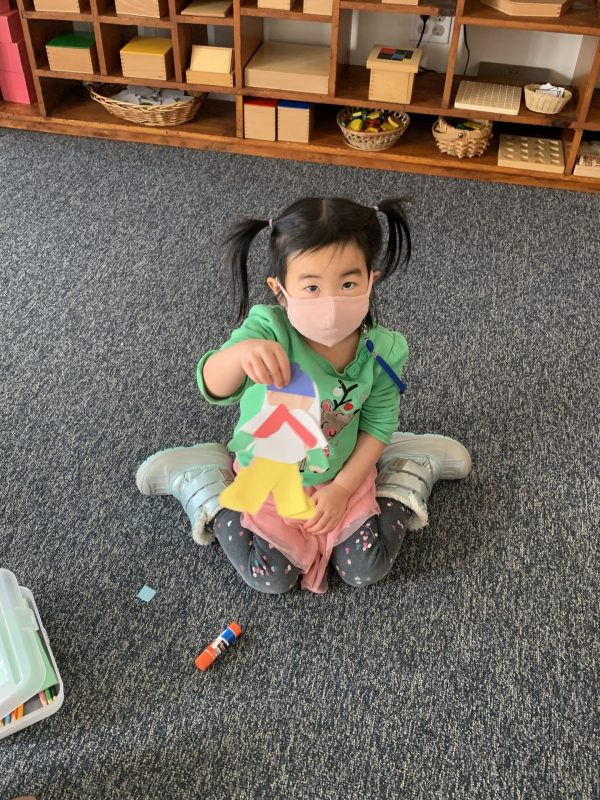
Students also enjoyed revisiting the familiar story of “The Very Impatient Caterpillar.” We read the Spanish translation, “La Oruga Muy Impaciente.” We tied our two stories into a conversation about transformation and natural habitats. Then students were given the opportunity to express their creativity with mariposas of their own. 
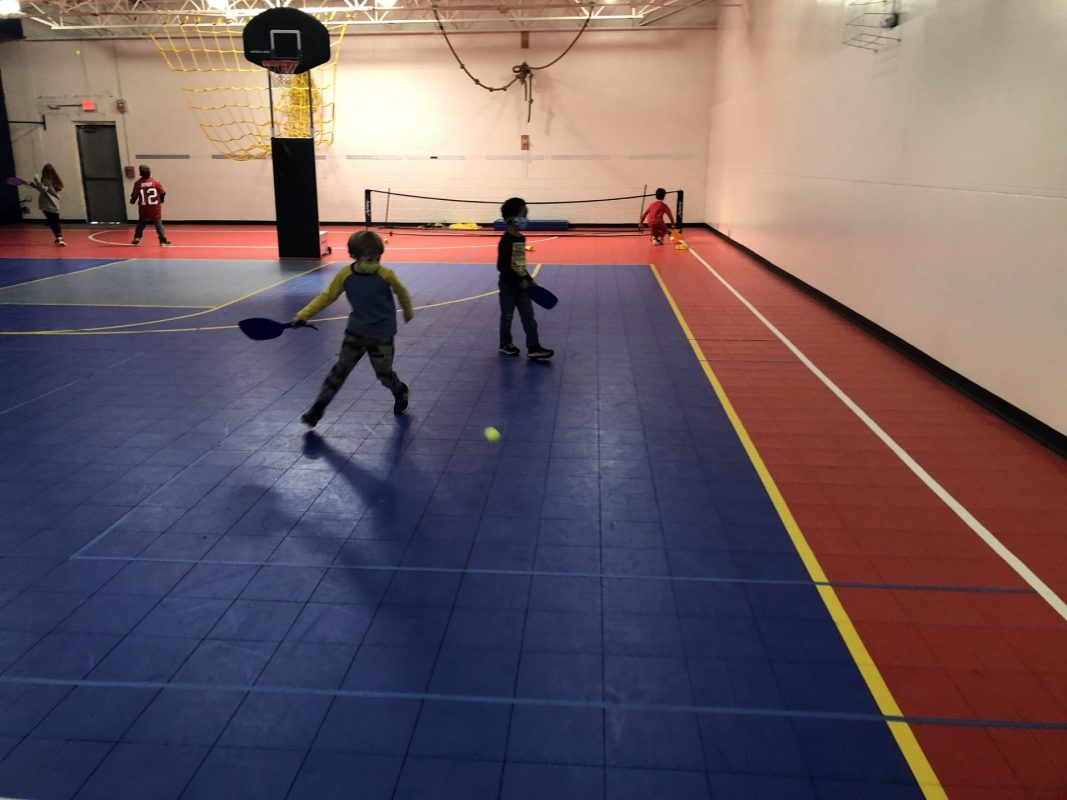

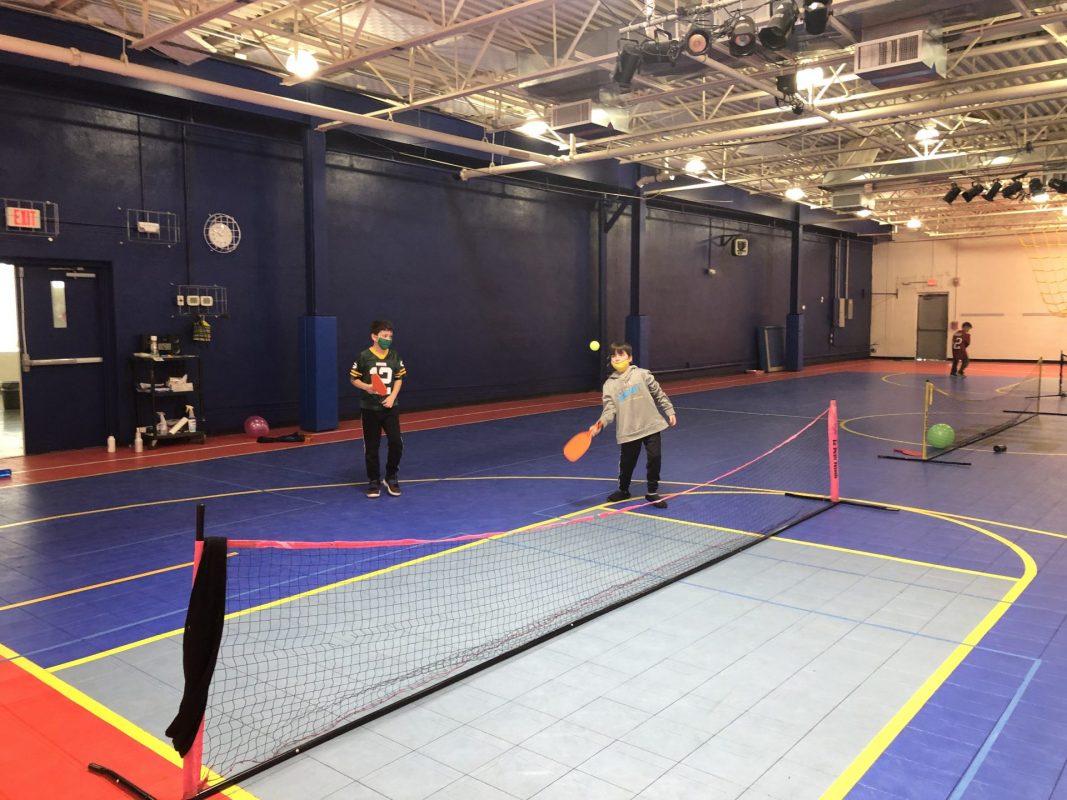
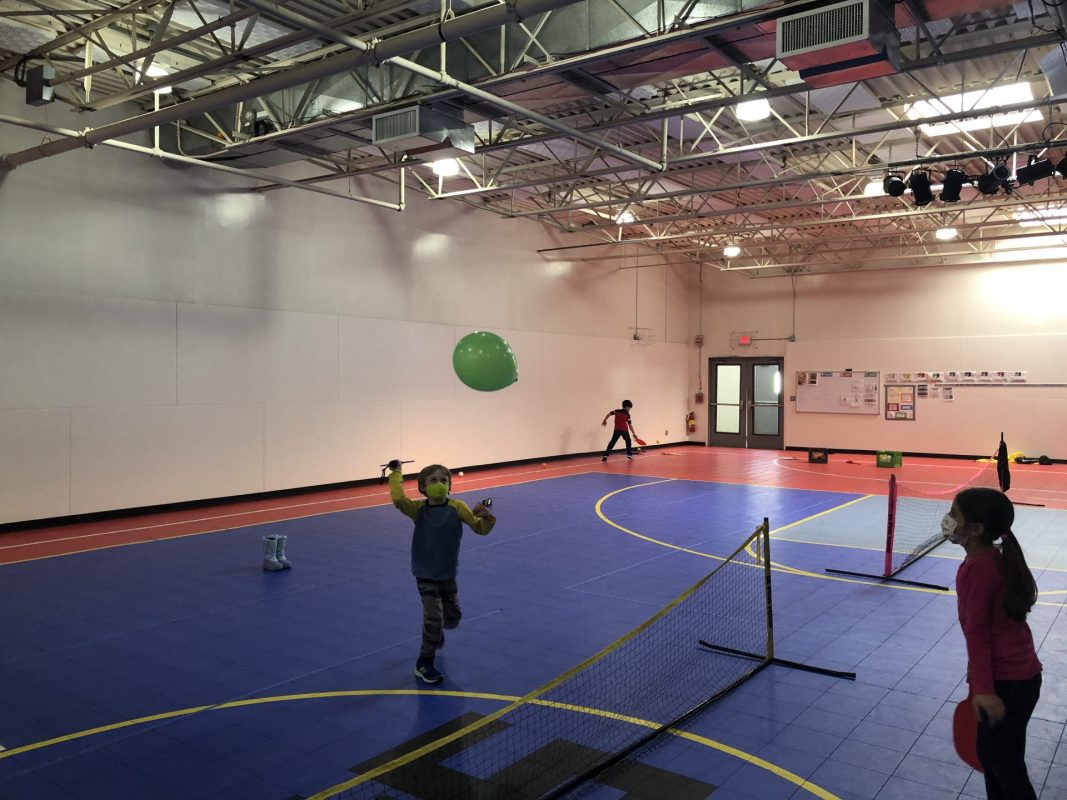
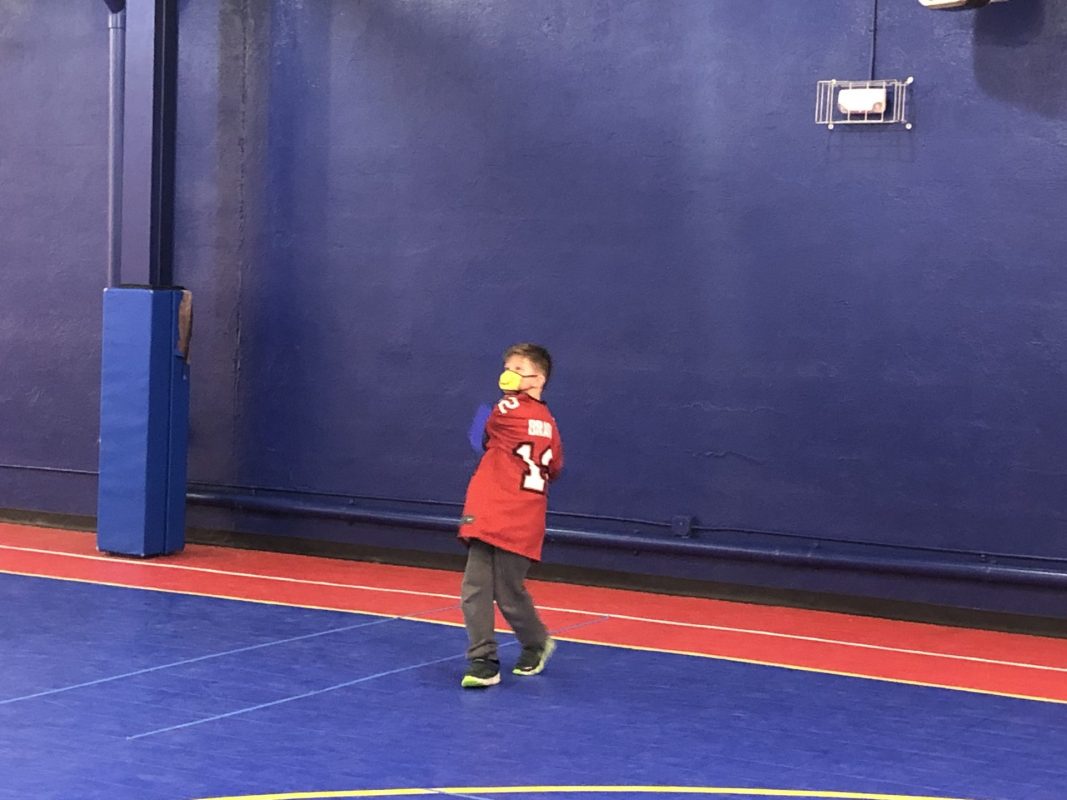
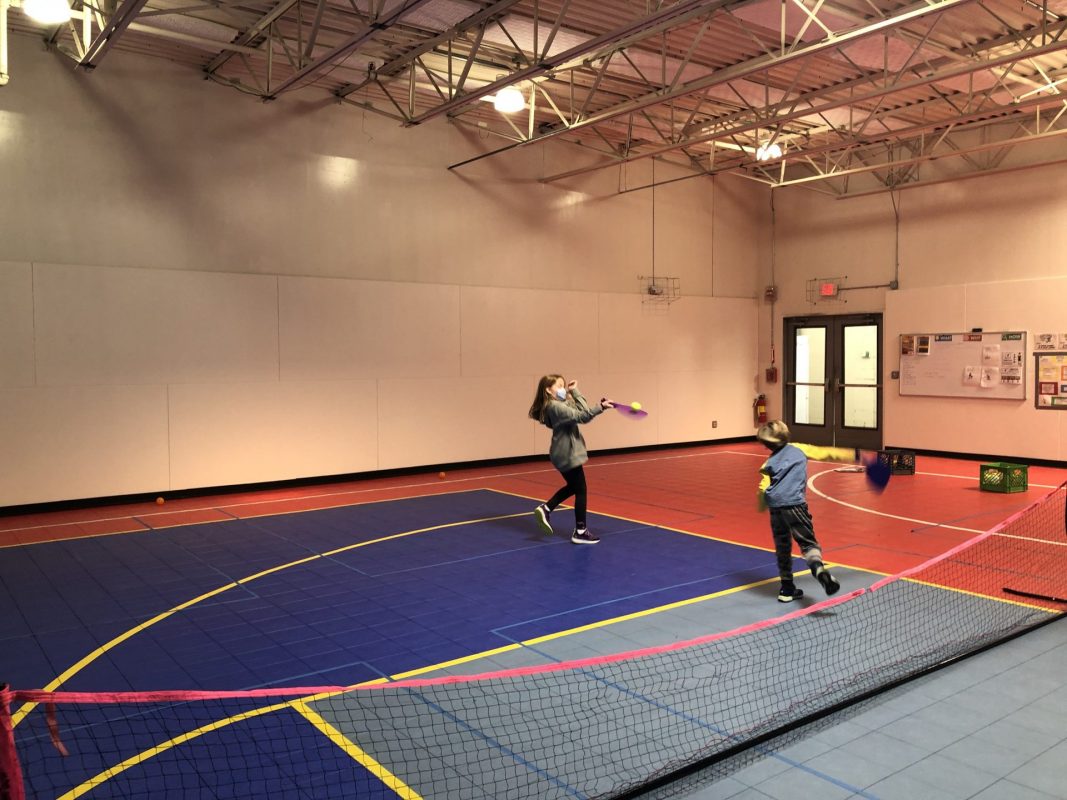
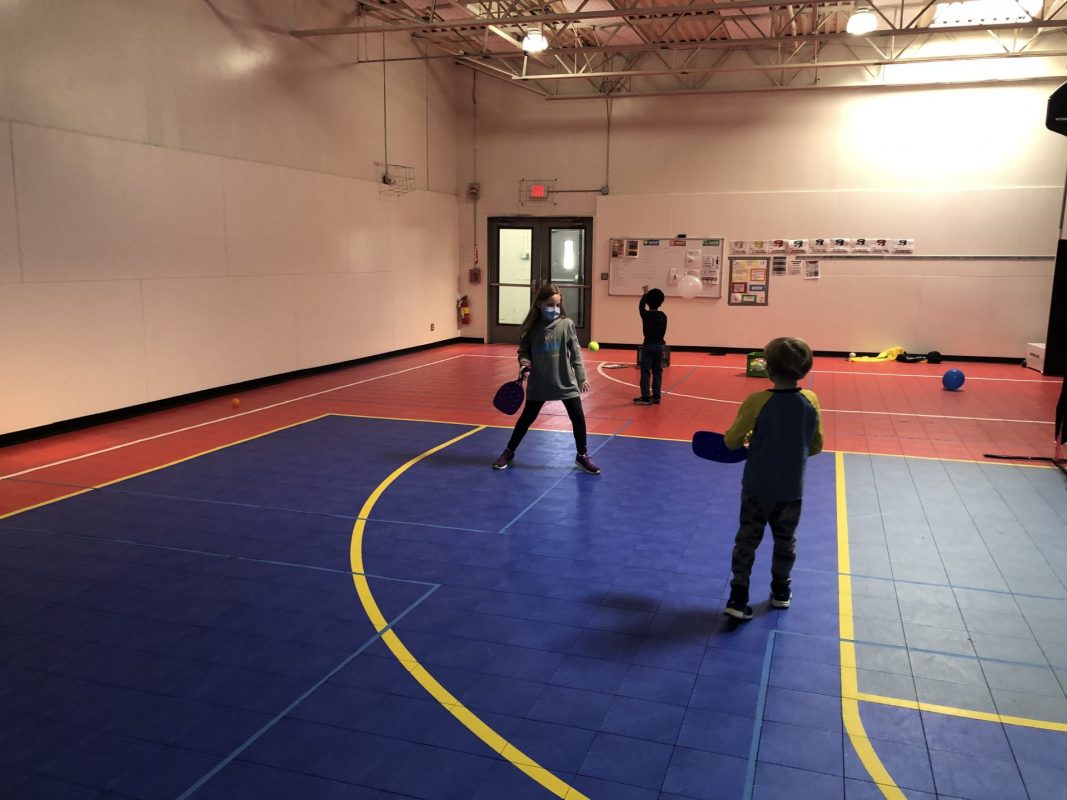
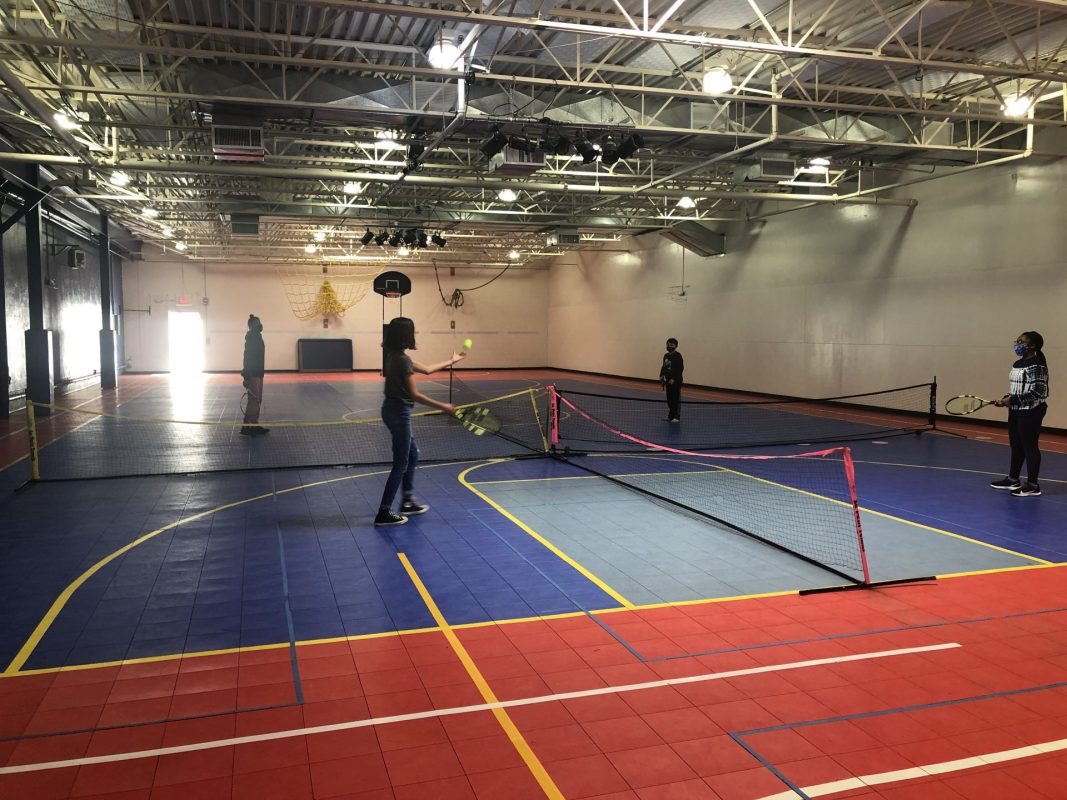
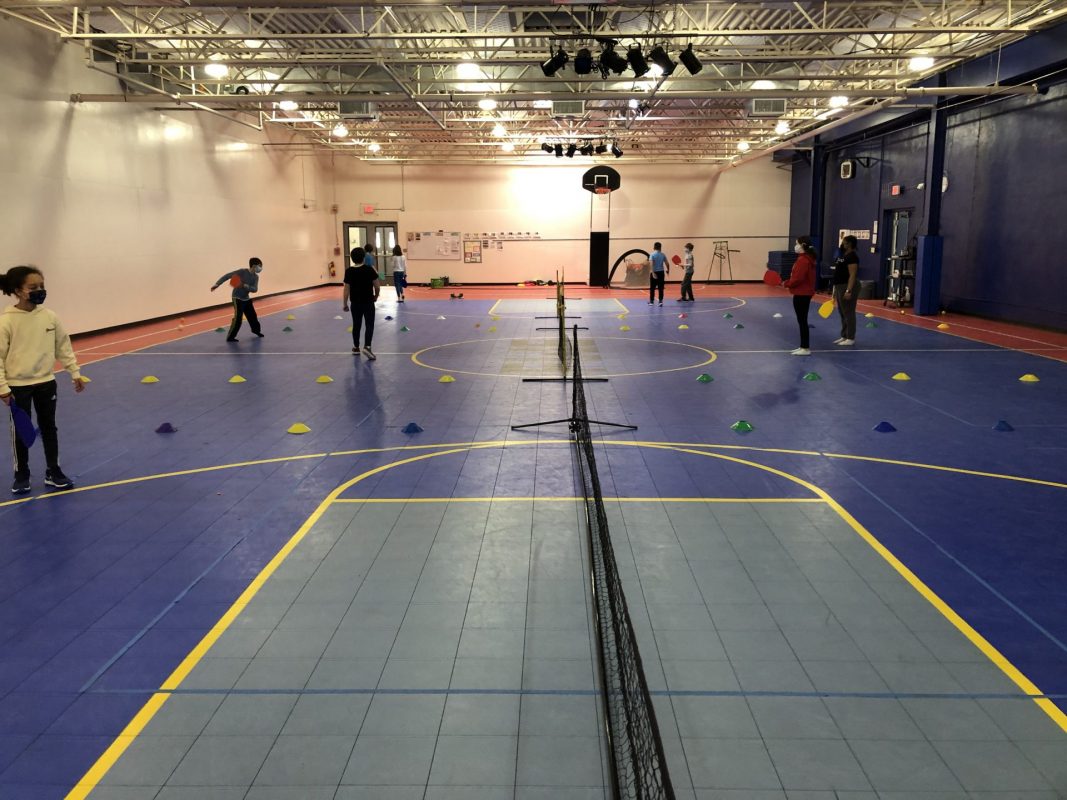
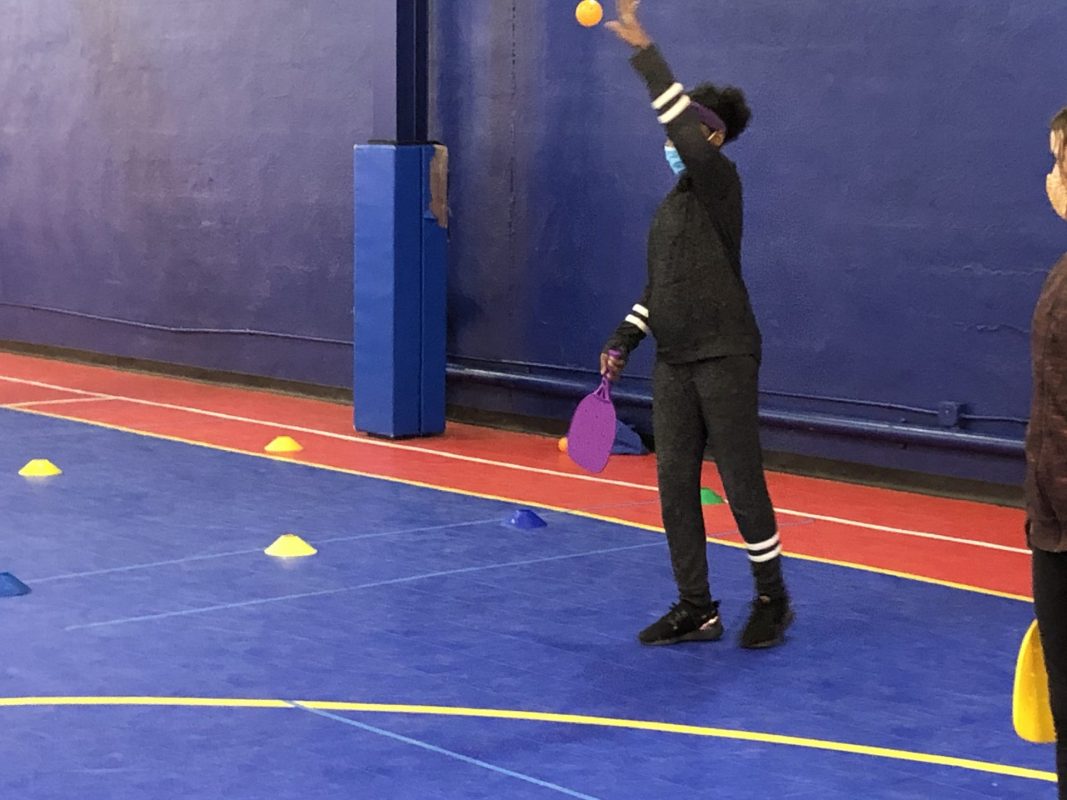
Fun with Pickleball in PE Class!

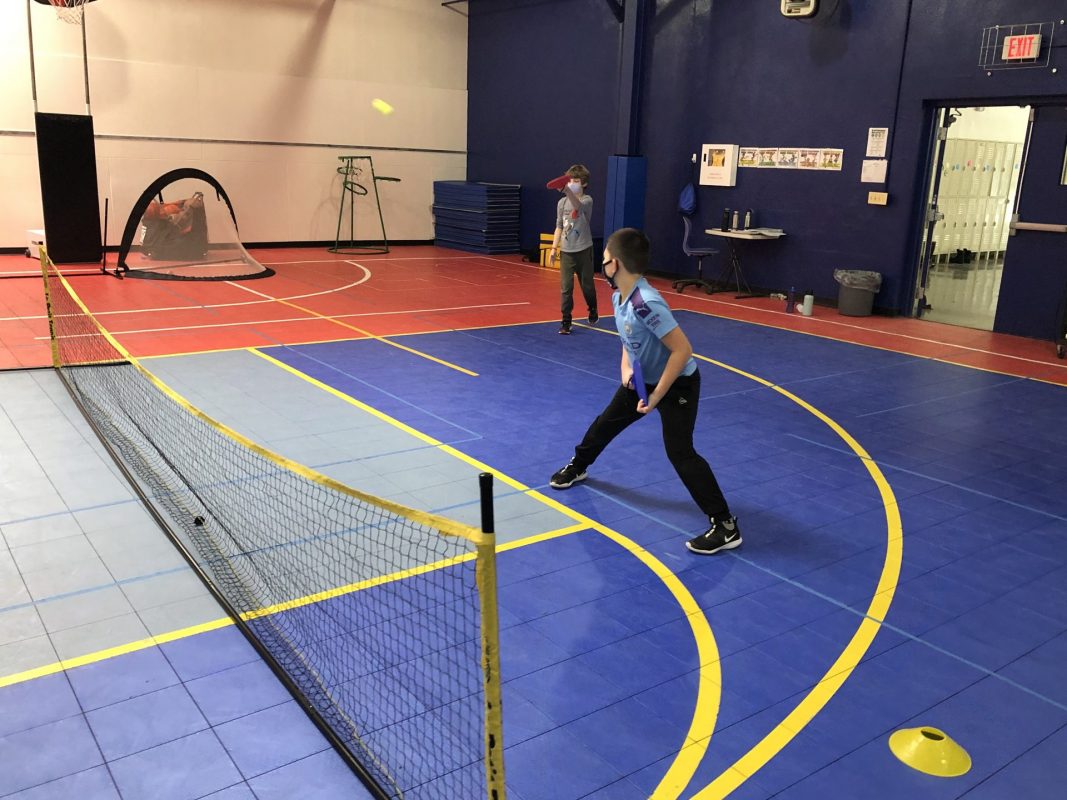
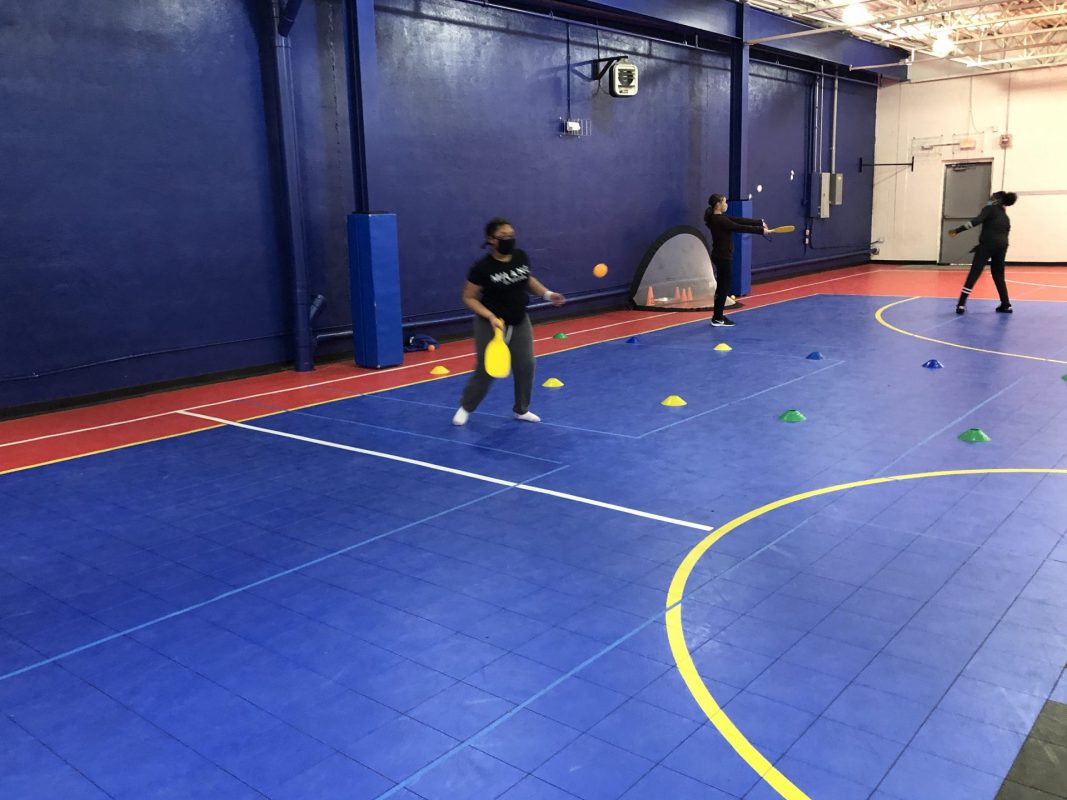
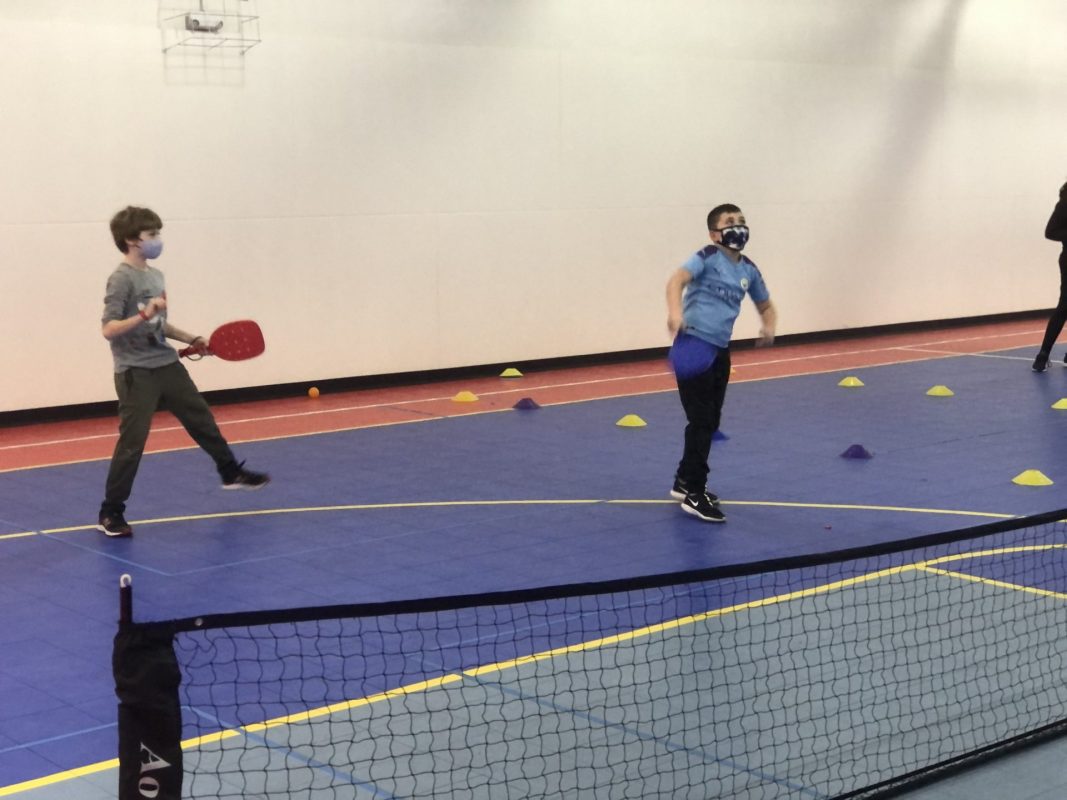
Students in grades 1st through 8th participated in a Pickleball unit.  What is Pickleball?  Pickleball is a paddle sport played with a whiffle ball on a badminton-sized court with a tennis-style net.  Pickleball is enjoyed by people of all ages and athletic abilities.  In some ways it’s a combination of tennis and badminton, and goes along with sports such as table tennis and racquetball.

Pickleball is played in thousands of school P.E. programs, parks and recreation centers, camps, YMCA’s and retirement communities. This sport is becoming very popular among active senior adults at community centers and is growing in popularity on high school and college campuses.  Pickleball was created during the summer of 1965 in Seattle, WA.  The original purpose of the game was to provide a sport for the entire family.  Pickles, the family dog would chase after the whiffle balls and then hide in the bushes. The founder suggests that Pickles’ ball was later shortened to Pickleball.

During our Pickleball unit, students practiced and participated in demonstrating the proper serve, forehand drive, backhand drive, and abided by rules of fair play.  Pickleball helps improve agility, balance, reaction time, and hand-eye coordination.  At the end of the unit, students participated in a singles and doubles Pickleball tournament.  For the younger grades, students had a choice to use a balloon for more success during the game.


Upper Elementary Explorations in Clay

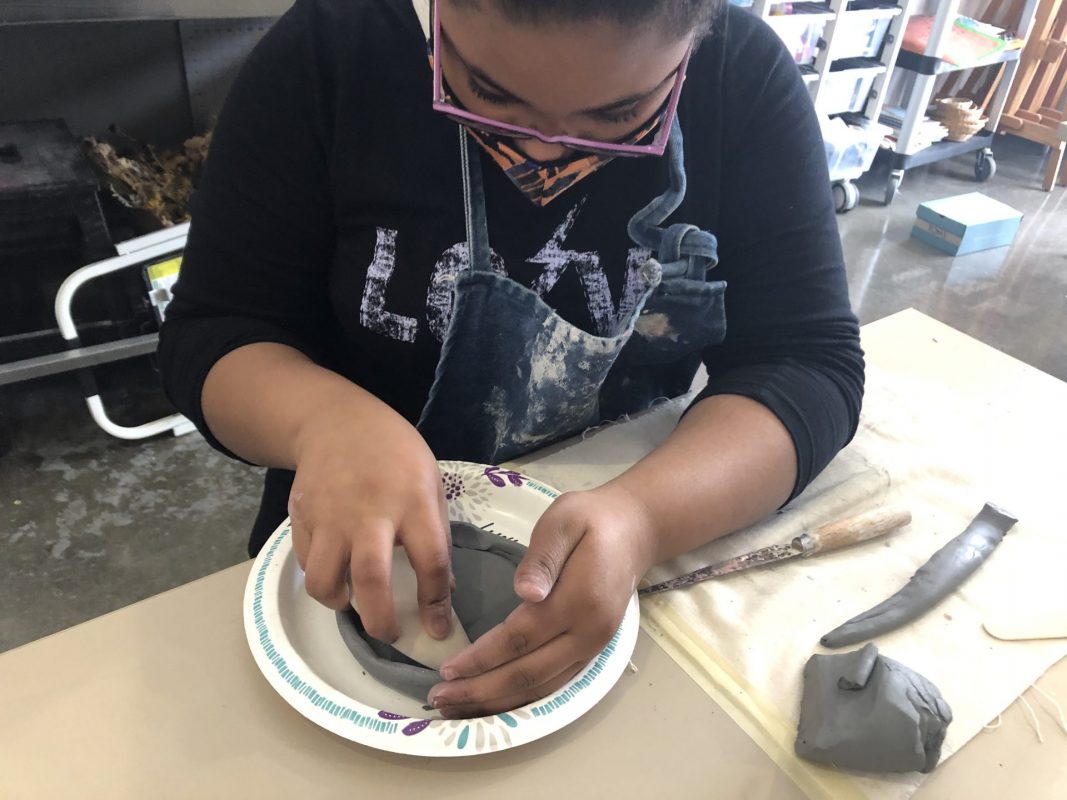
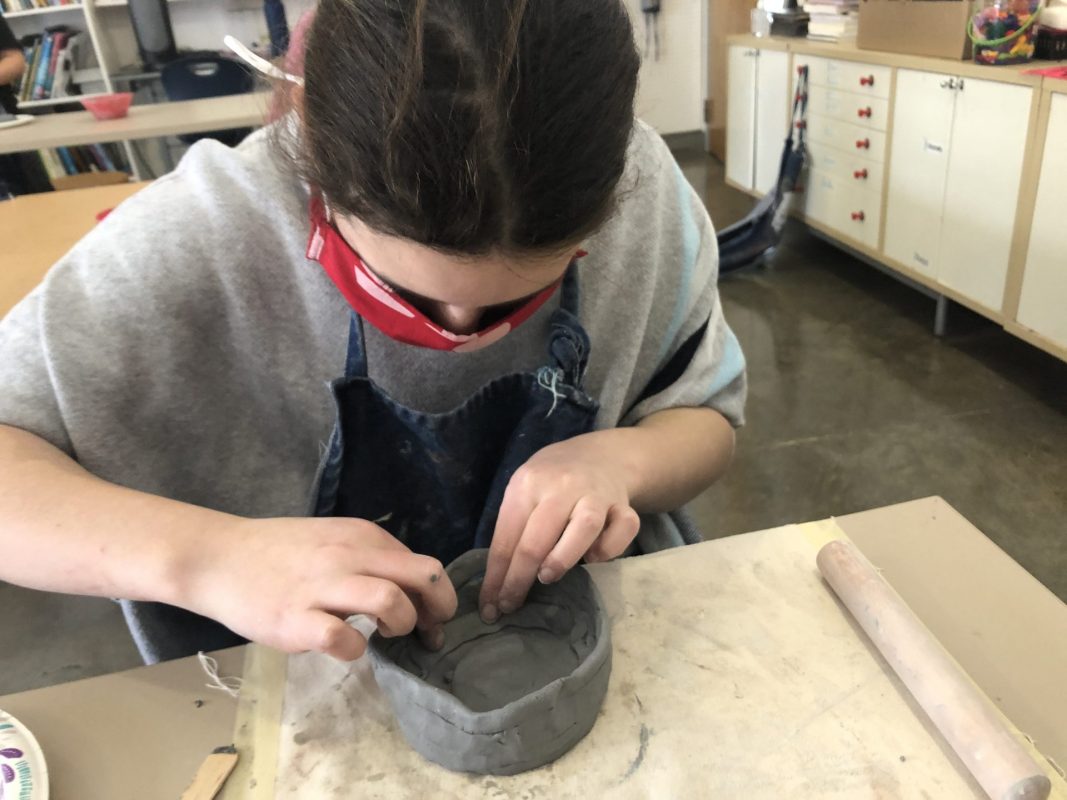
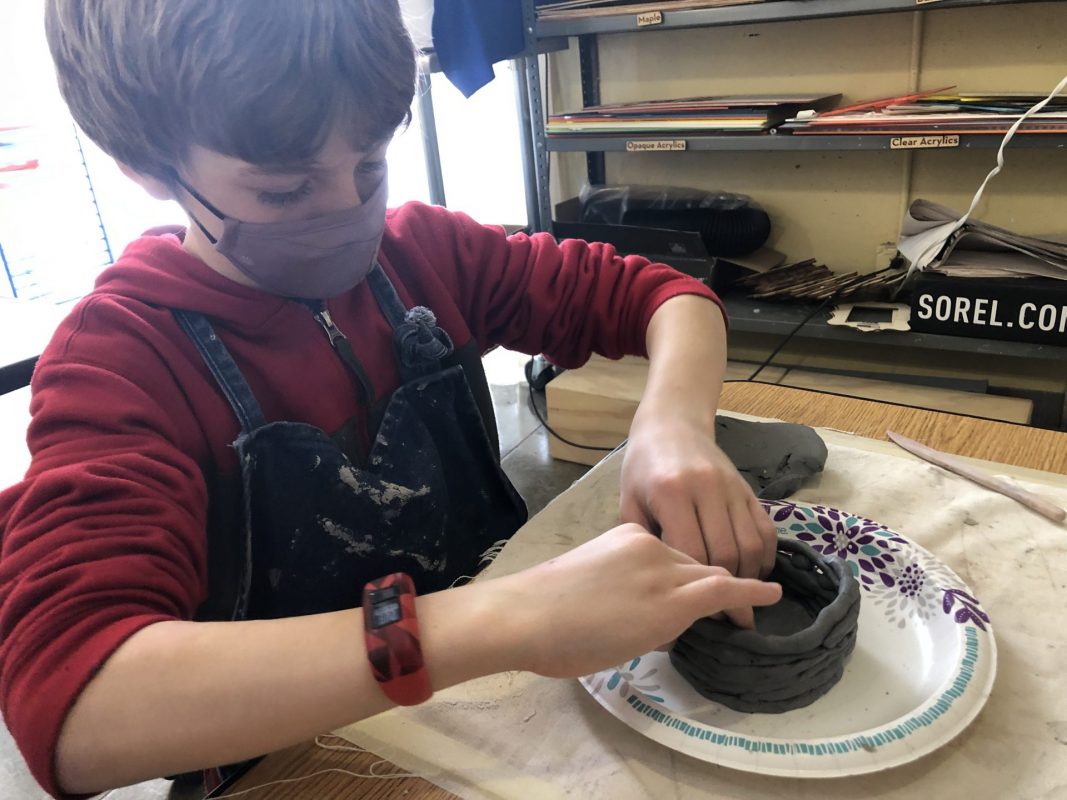
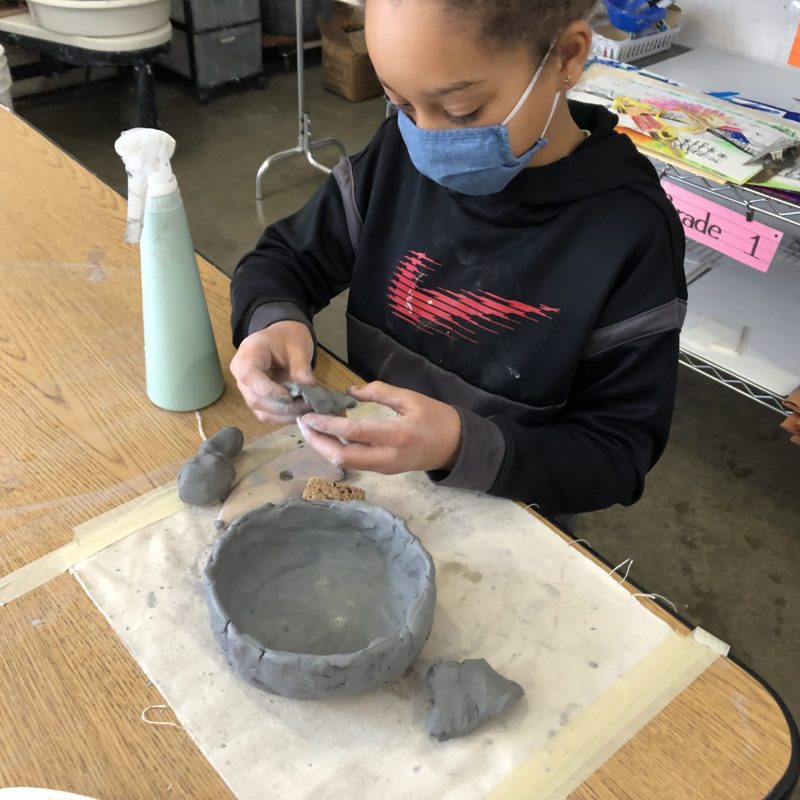
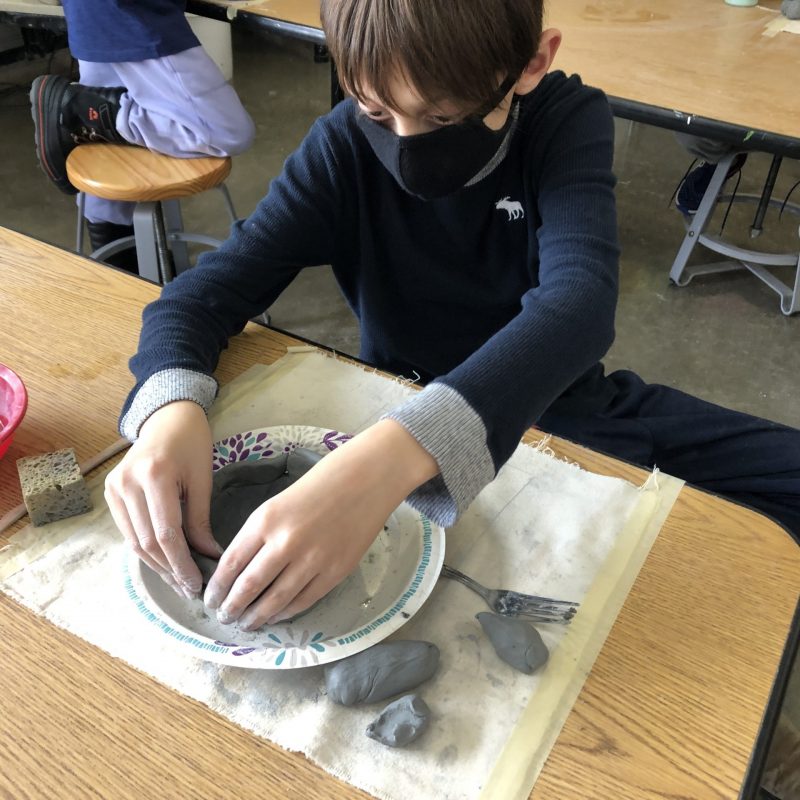
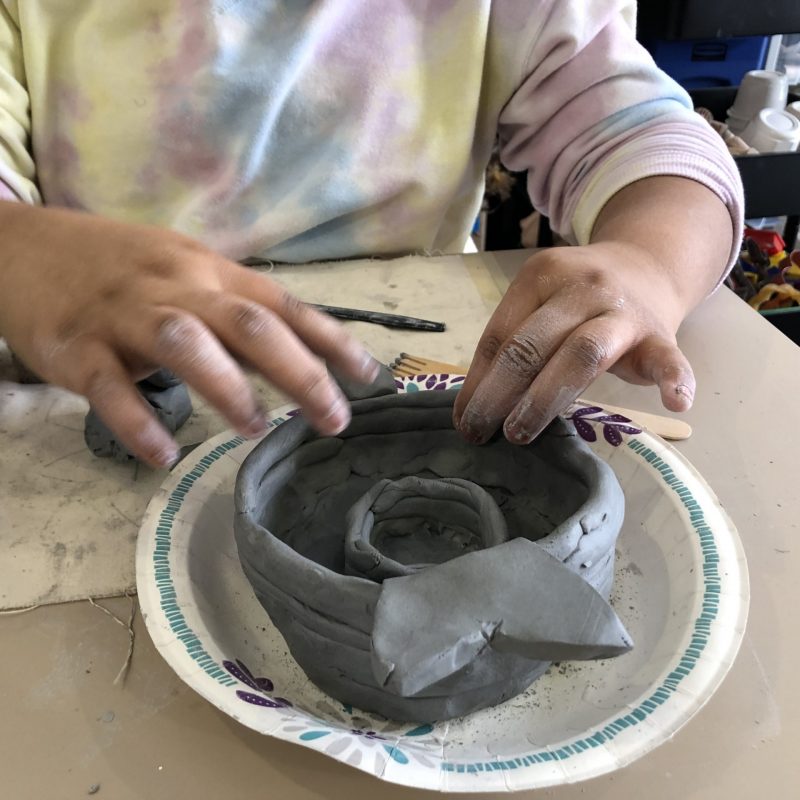
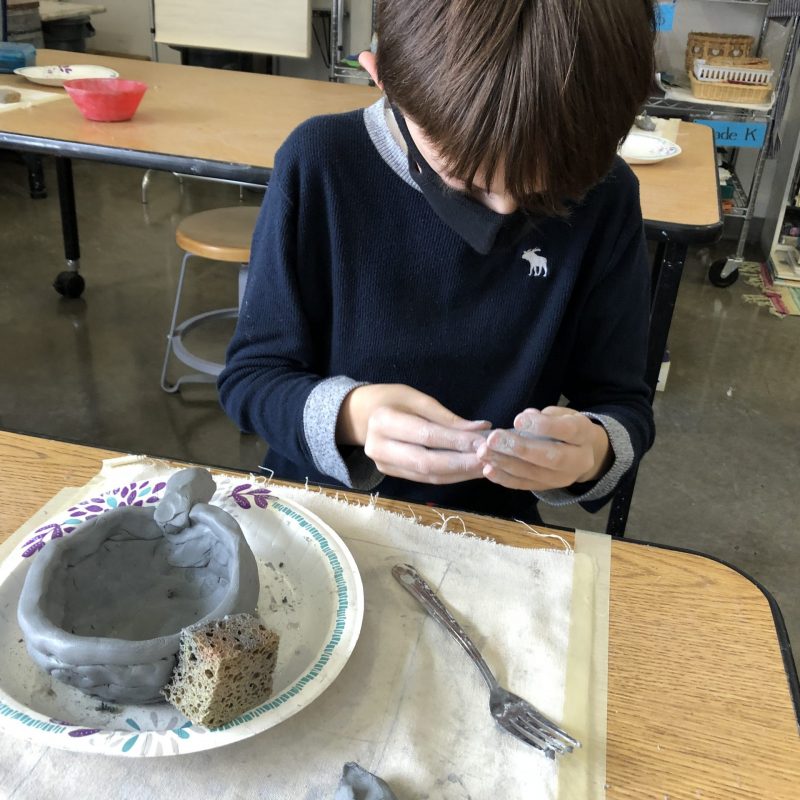
Upper Elementary artists have been focusing on the Art elements of form and texture through the use of various clay processes and techniques. Young artists have been hard at work creating coil-built animal bowls. The coil building technique is a hand building method of creating pottery that has been used to shape clay into vessels for many thousands of years. It is a simple process of layering coils one at a time, then blending the layers together to create a solid form. Working in a circular motion, students have been carefully building a bowl form coil by coil. Once the bowl form was complete, each young artist began adding animal features such as eyes, tails, fins, feet, horns, ears, and so on. We are looking forward to adding color to these with vibrant ceramic glazes!

Working with clay has many benefits for children of all ages beyond simply providing a creative experience. It is a complex sensory experience that encourages self-expression, helps promote self-confidence, develops problem-solving, and fine motor skills. Because clay is highly responsive to touch and very forgiving, children become engrossed in their work: they are able to express and articulate their ideas through shaping clay and learning to repair mistakes. Clay is different from other art mediums in that it requires an understanding of the three-dimensional world. While working on their projects, students must move around to see their creation from all sides. From this, they begin to understand shape, form, and perspective, and gain knowledge of planning methods and problem solving as they map out their creation. Bravo, young artists!


Cuando Hace Frío

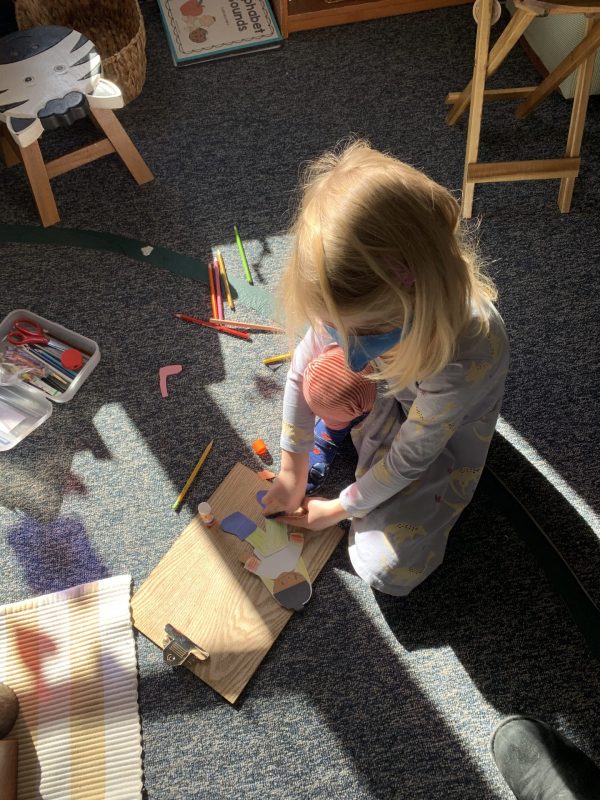
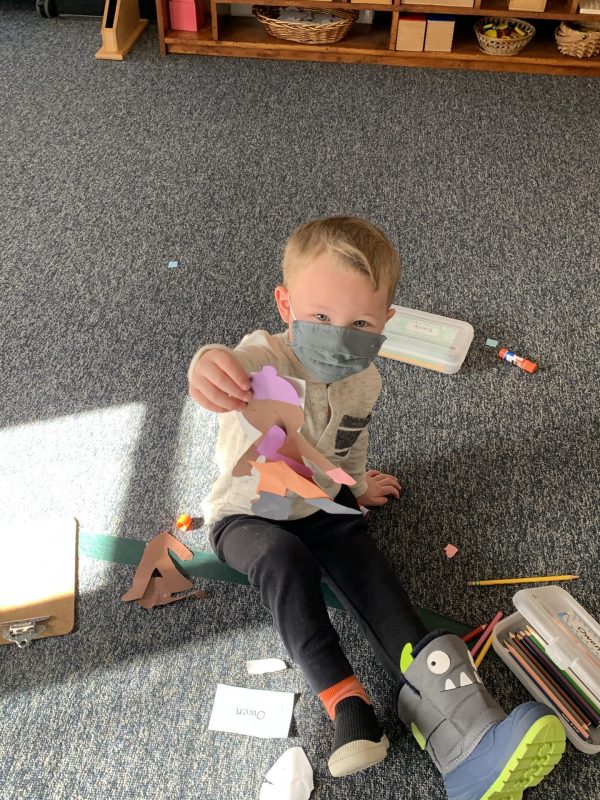
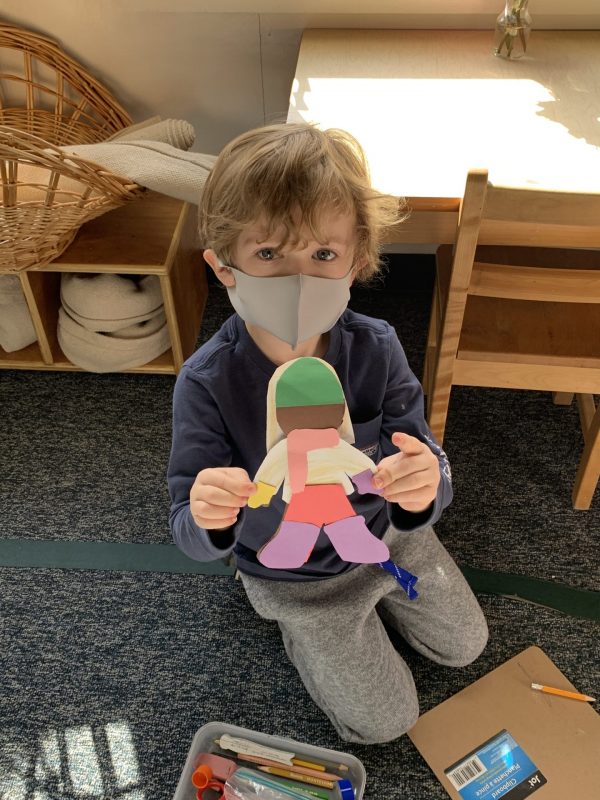
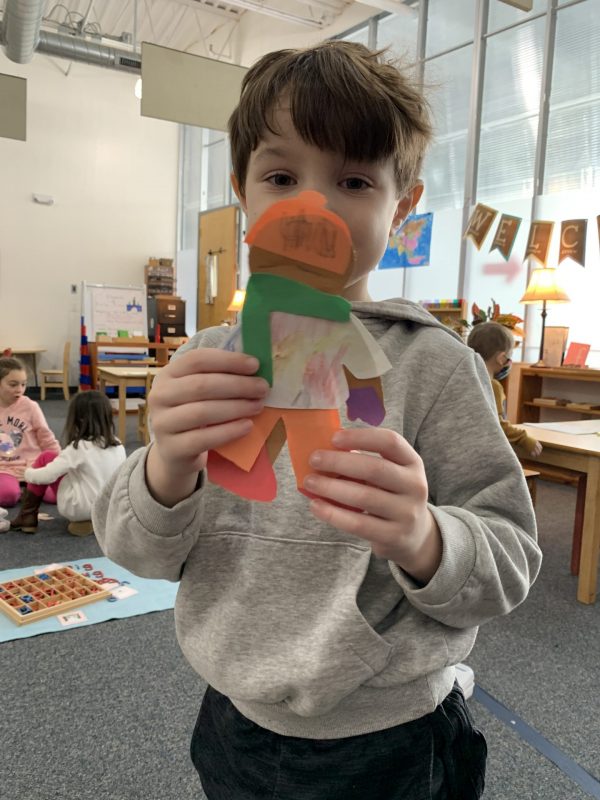
To correspond with the weather we’ve had thus far, primary students have been acquiring vocabulary for winter gear through the Spanish Playground poem, titled Cuando Hace Frío. We also used the song, Cabeza, Hombros, Rodillas, Pies (Head, Shoulders, Knees and Toes) to reinforce body parts as we shared where winter gear is worn on our bodies. Of course, we just had to throw in a few rounds of Simon Dice (Simon Says) for an extra fun twist!

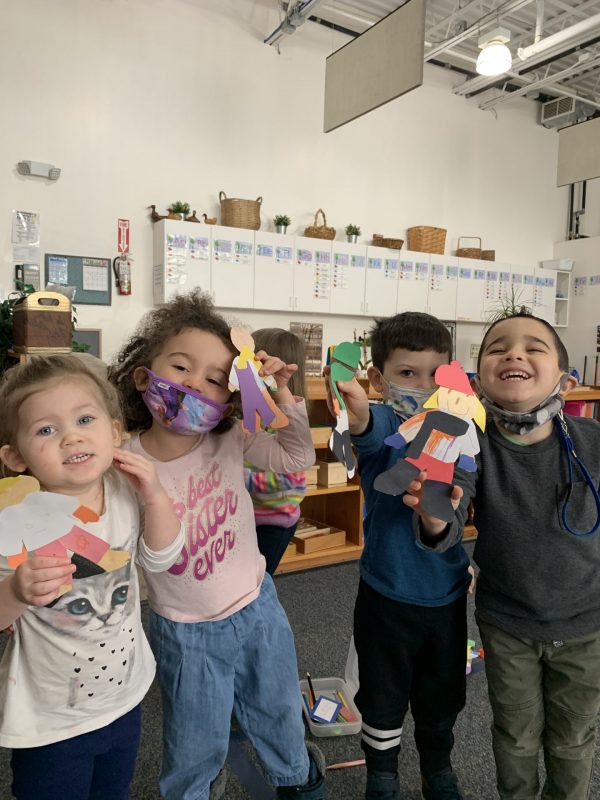
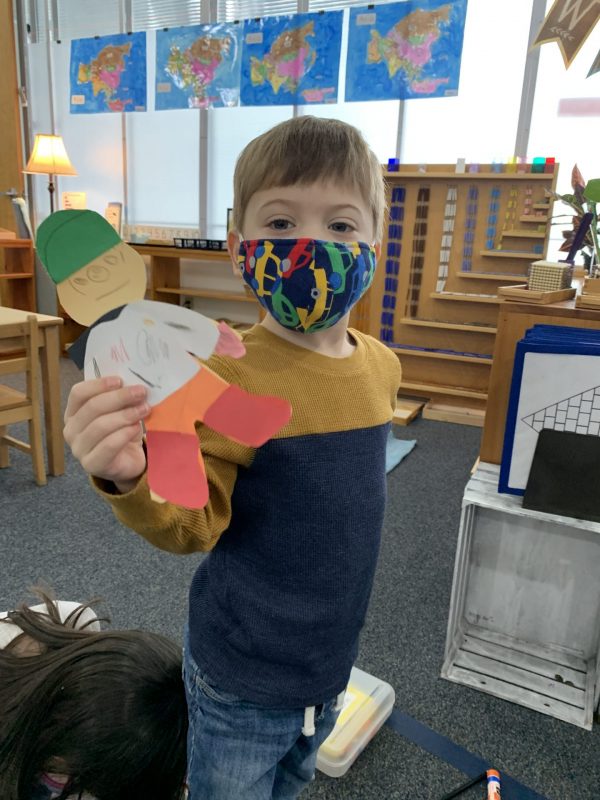
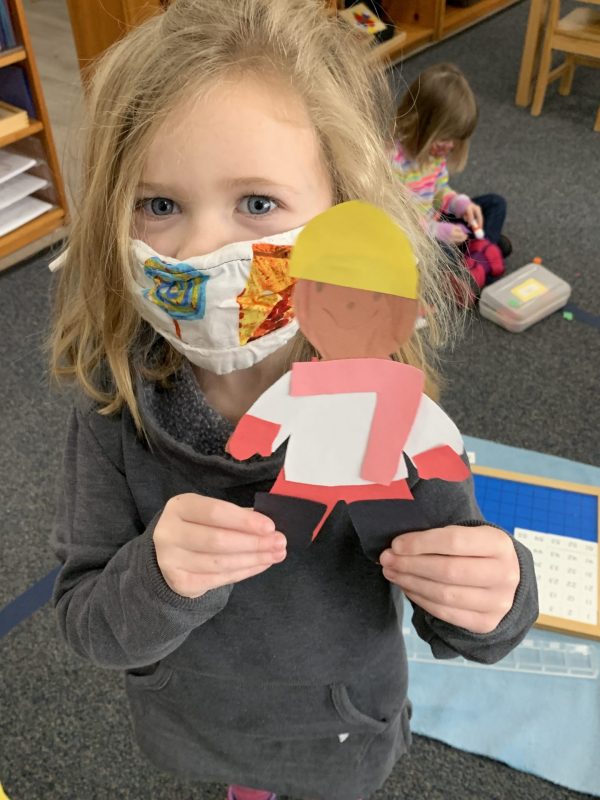
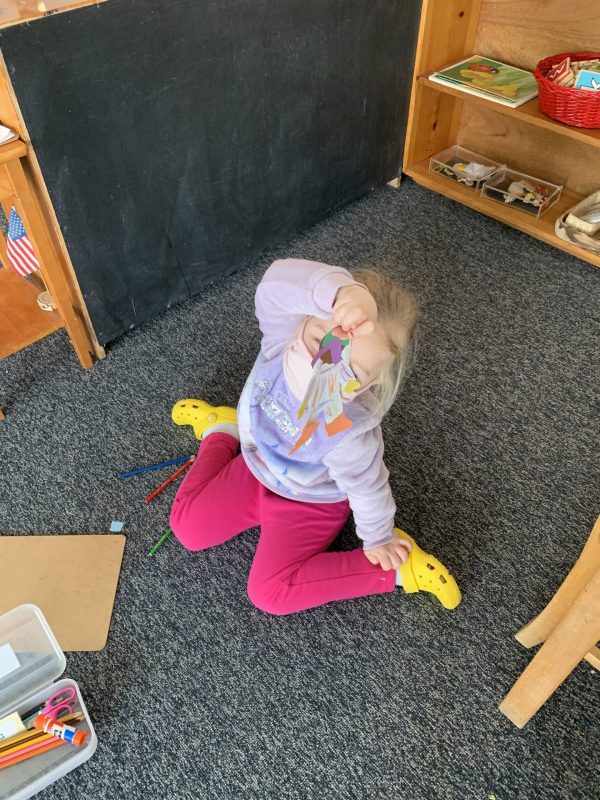
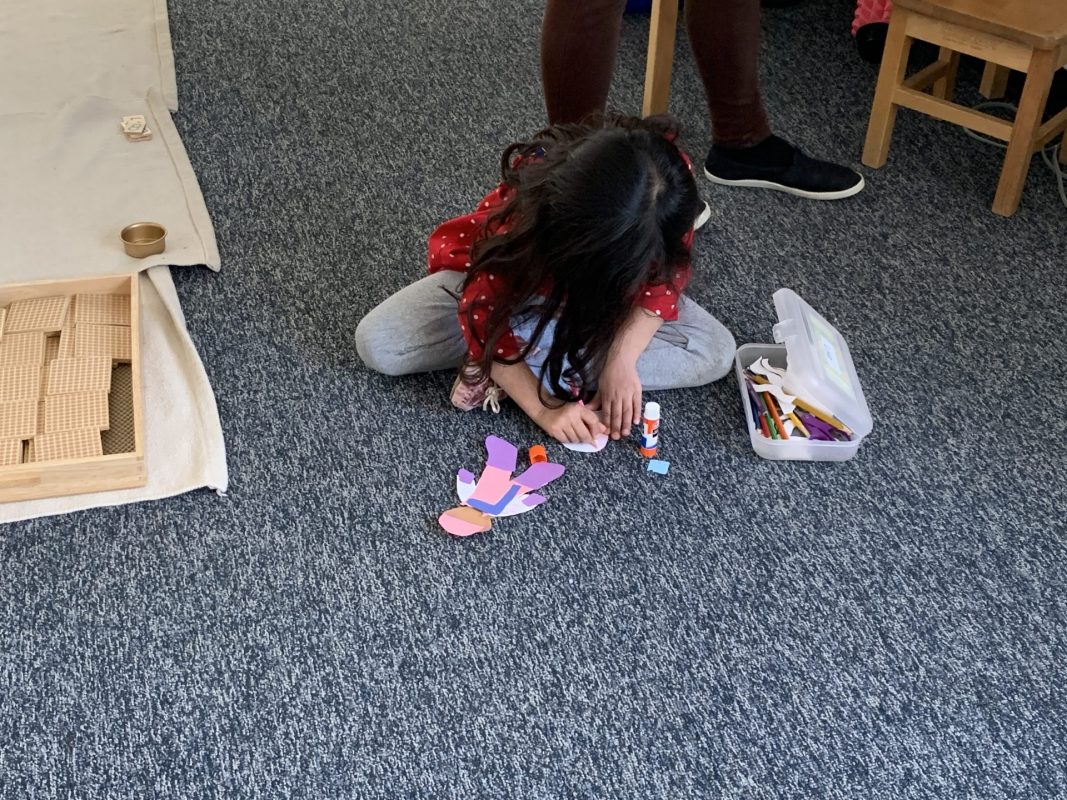
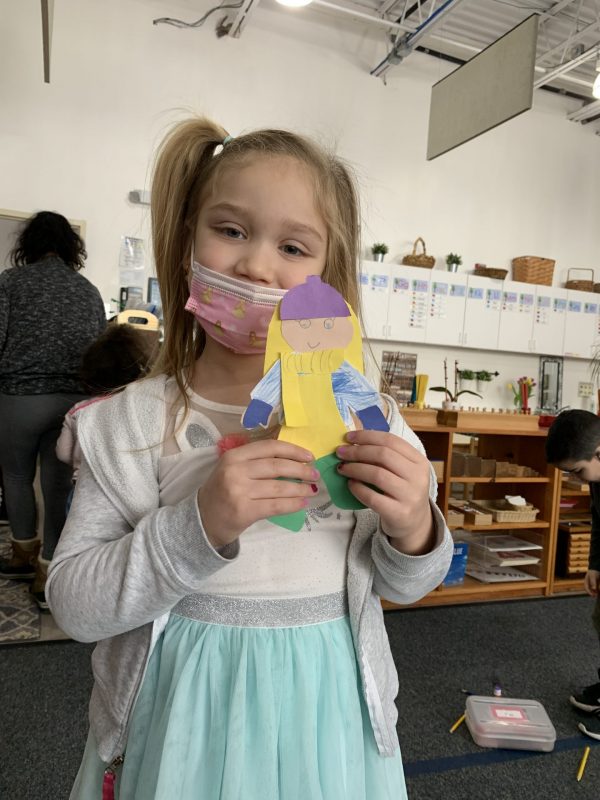
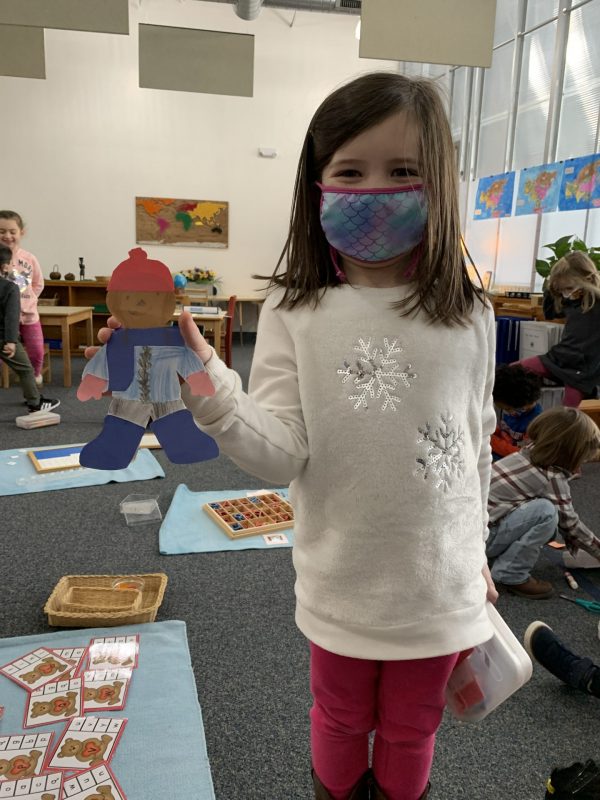
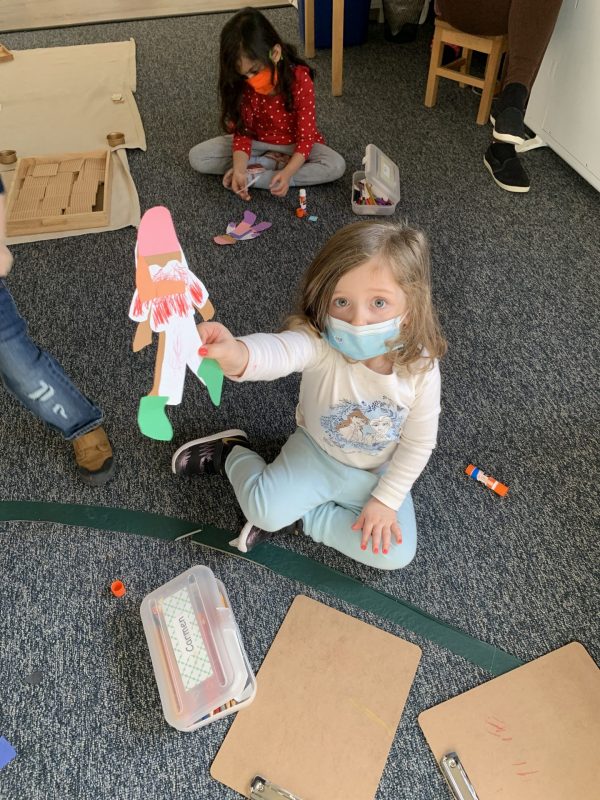
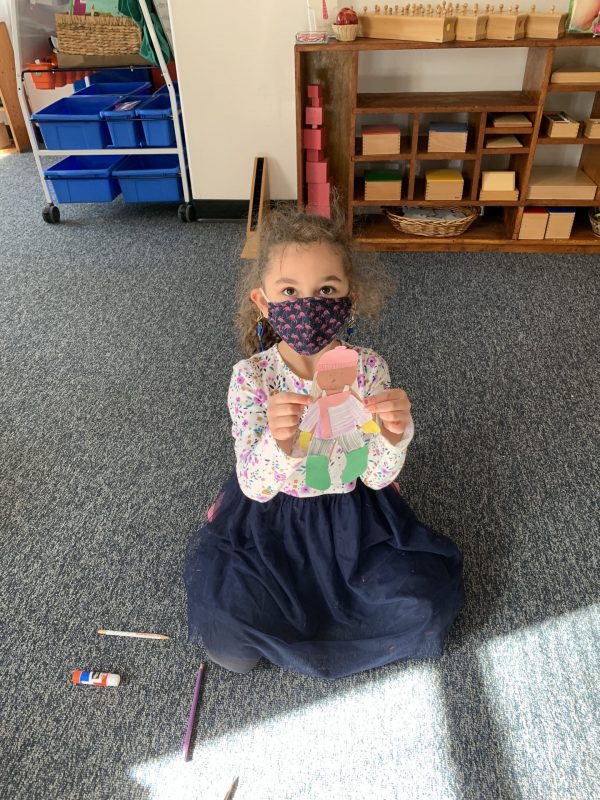
Students then worked hard to dress a paper person in winter gear, as we used our colors and numbers in discussing materials. To see them put it all together is extremely rewarding, and I can’t wait to see how much more they acquire moving forward! 

For more winter poems in Spanish:  https://www.spanishplayground.net/wp-content/uploads/2012/01/Poemas-invierno.pdf 


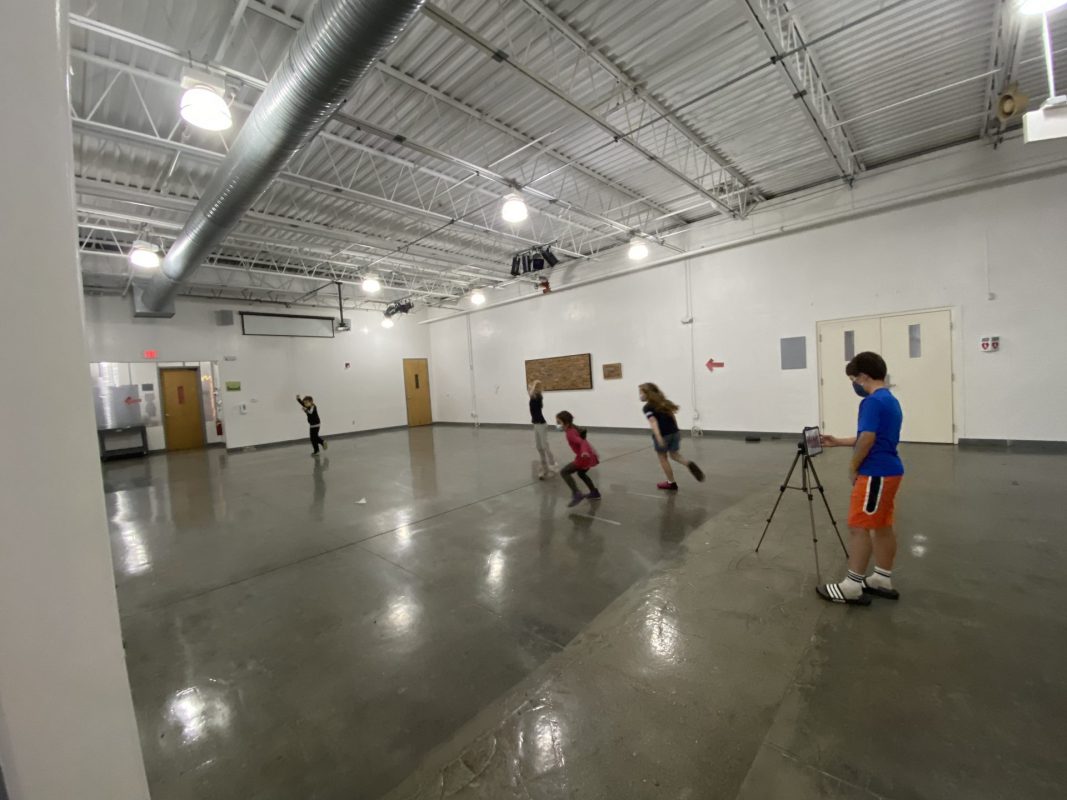
Bingo Bowling in PE


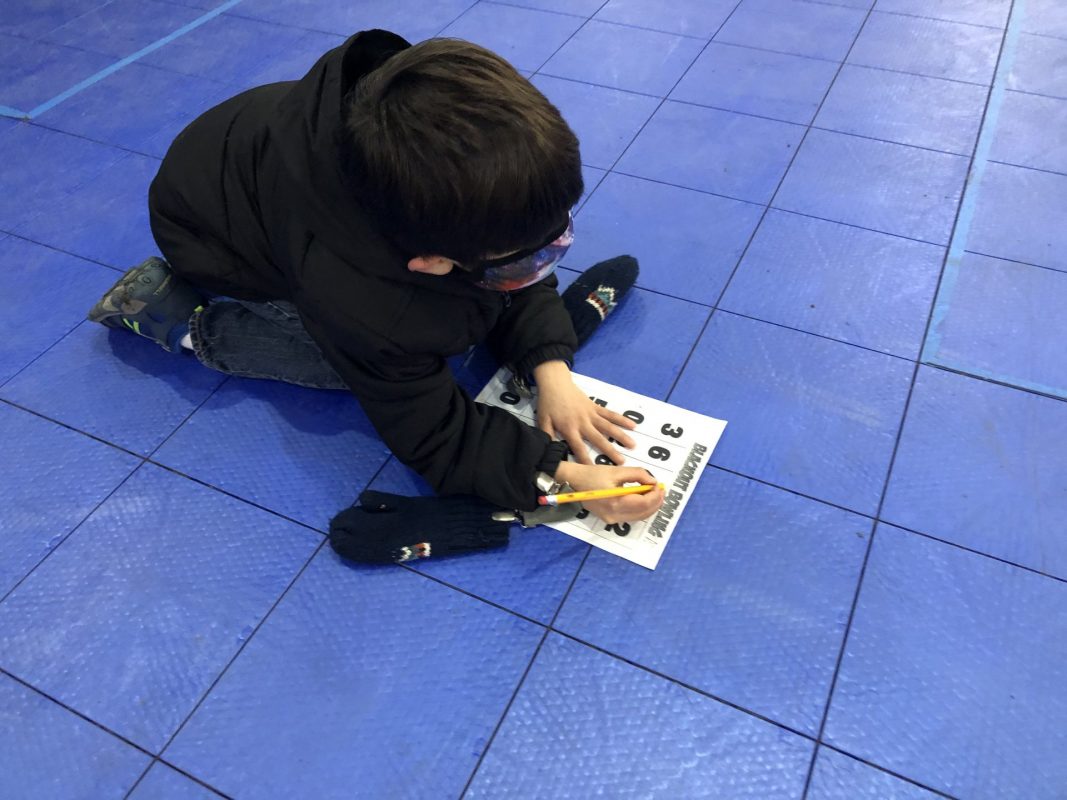
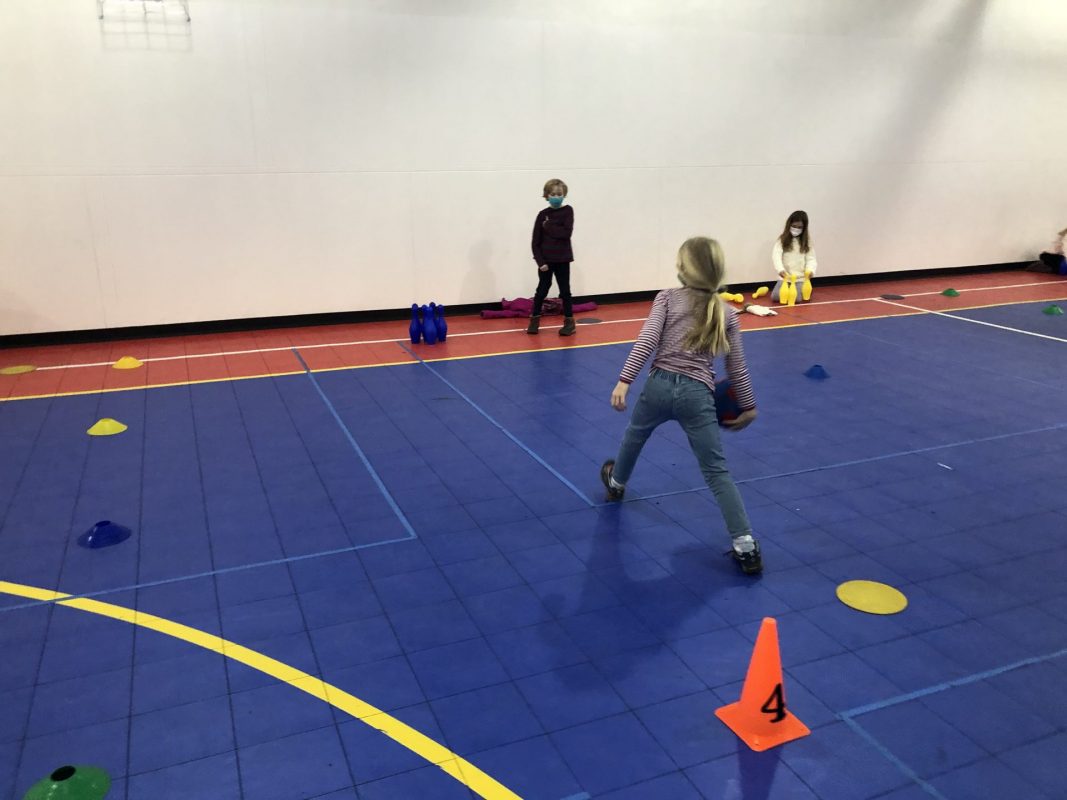
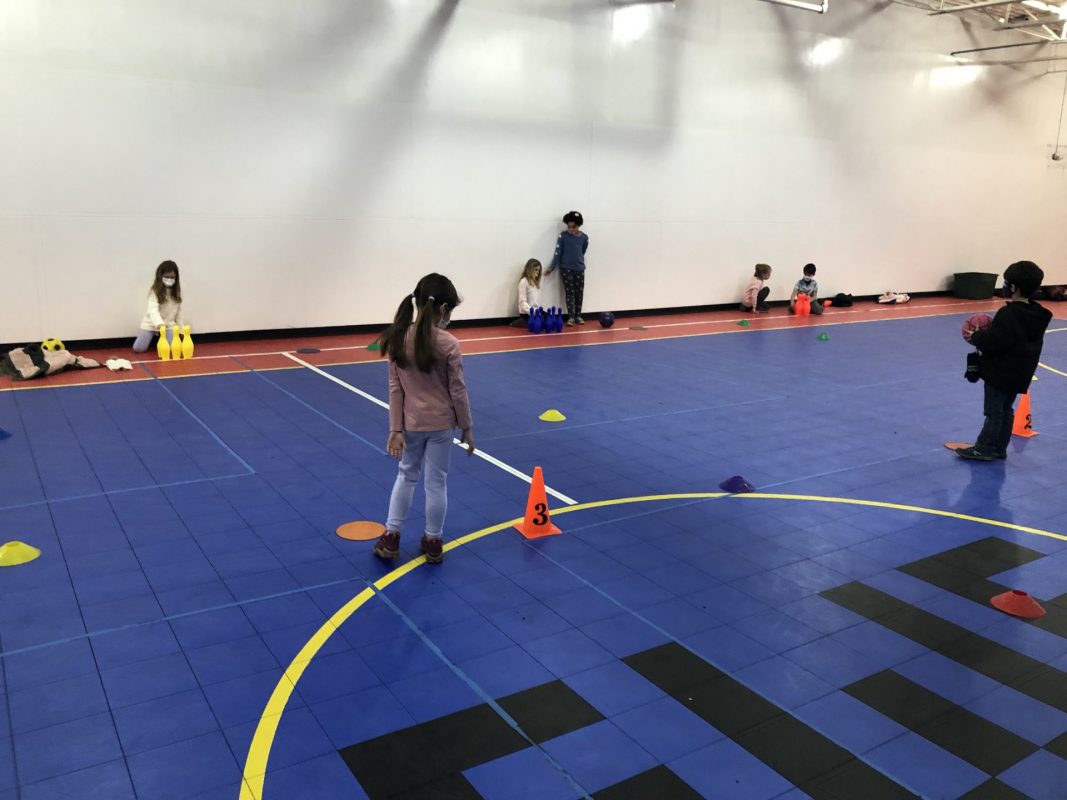
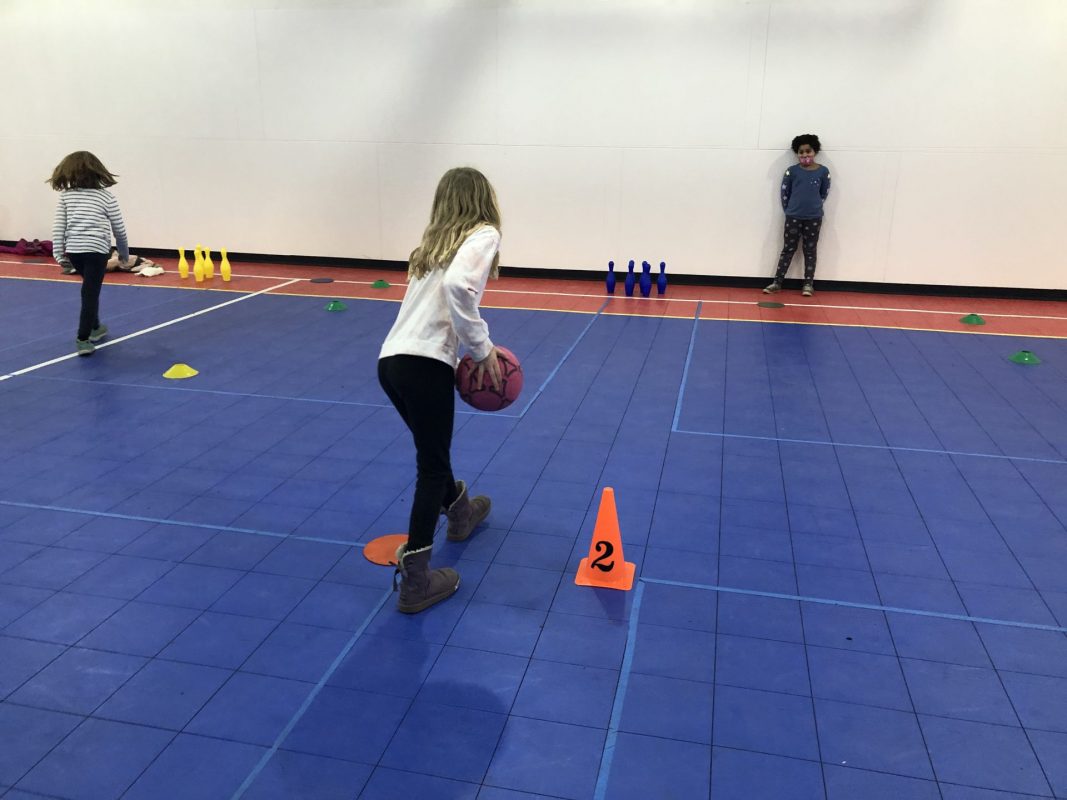
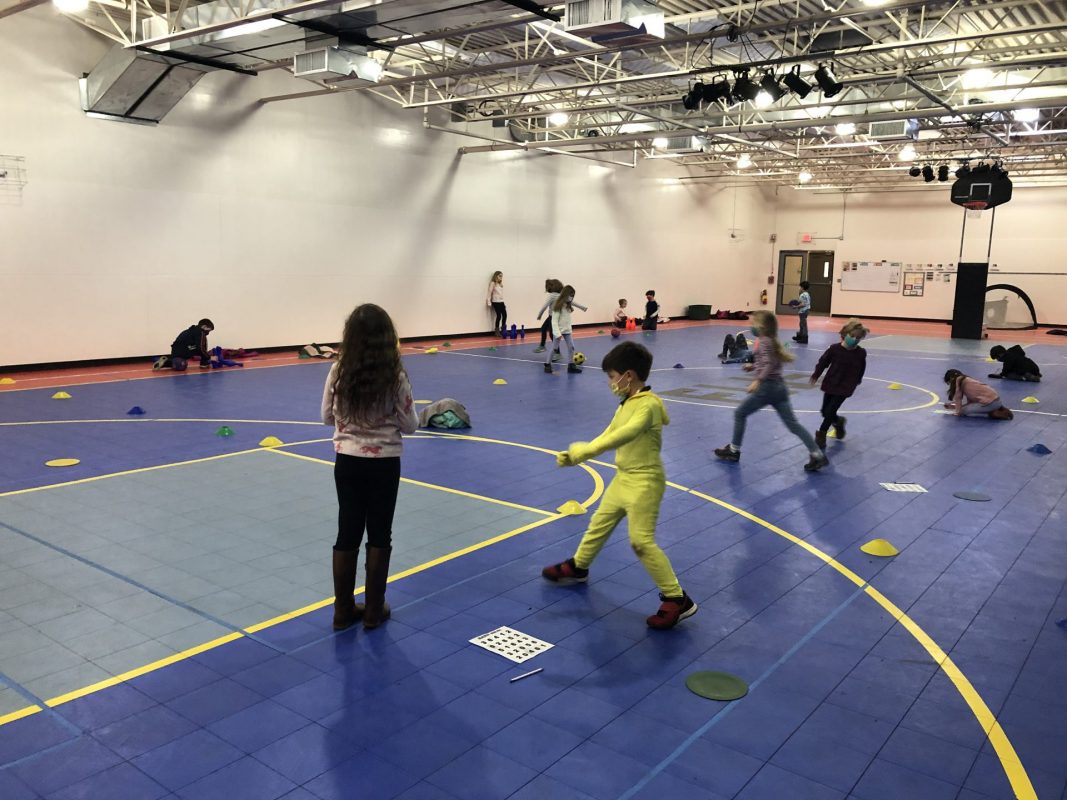
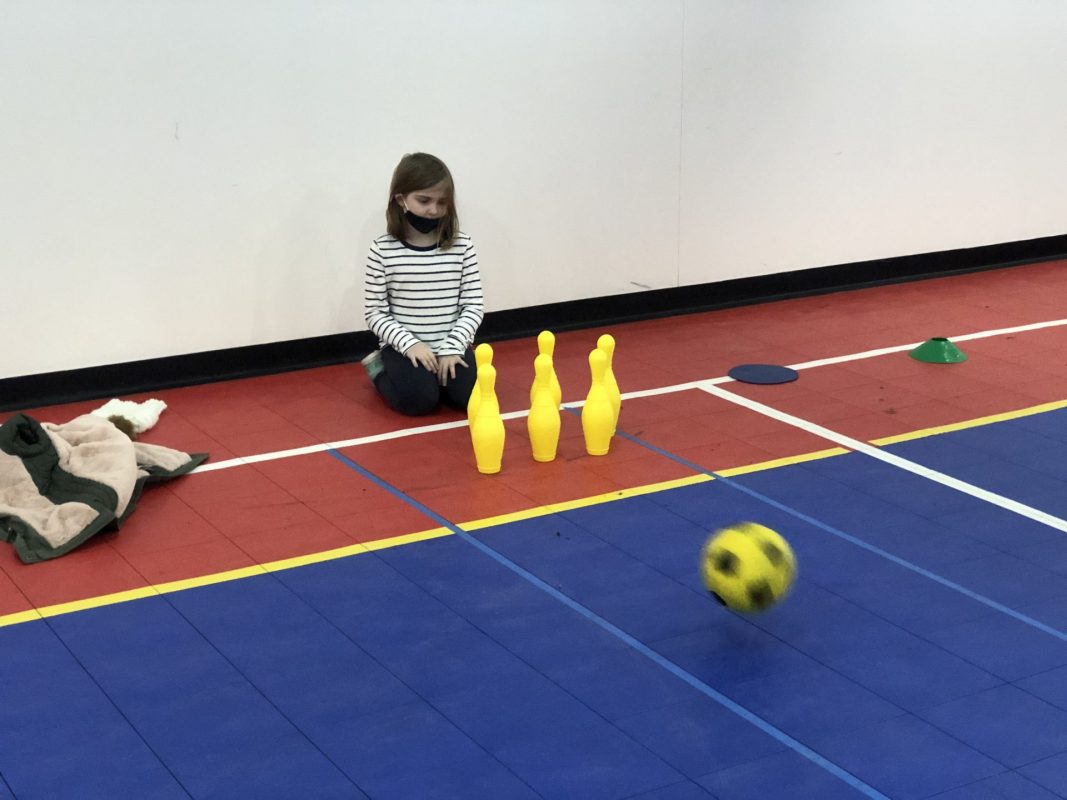
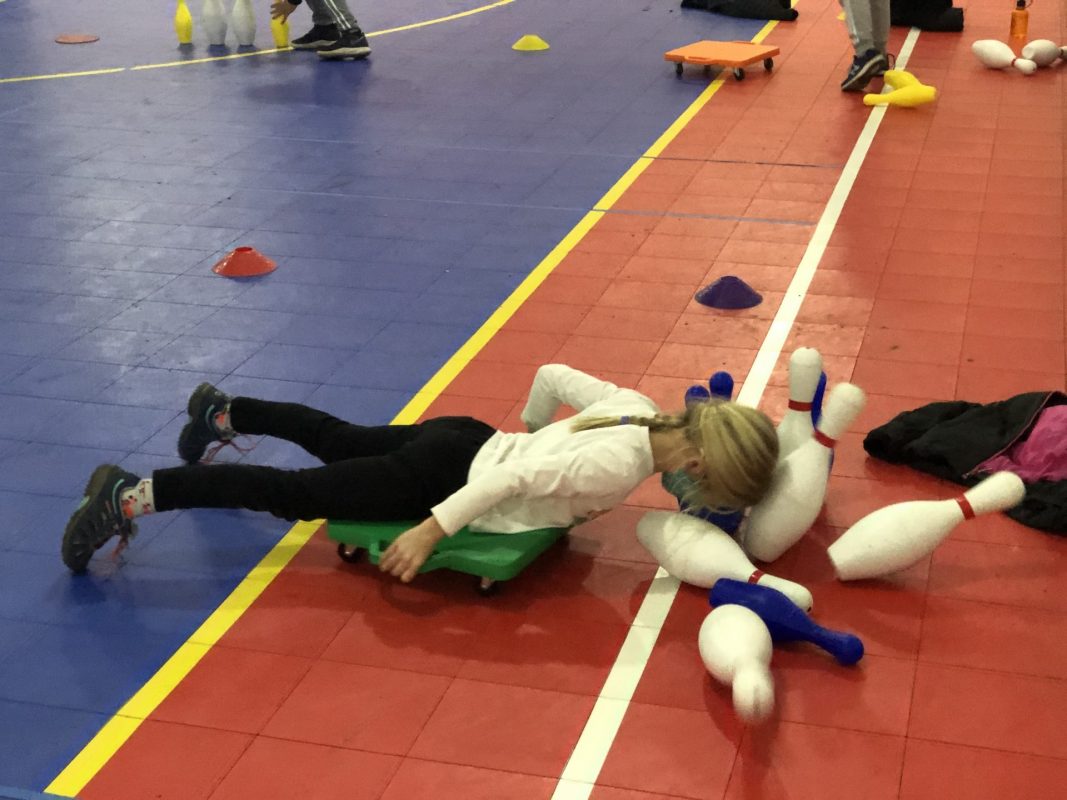
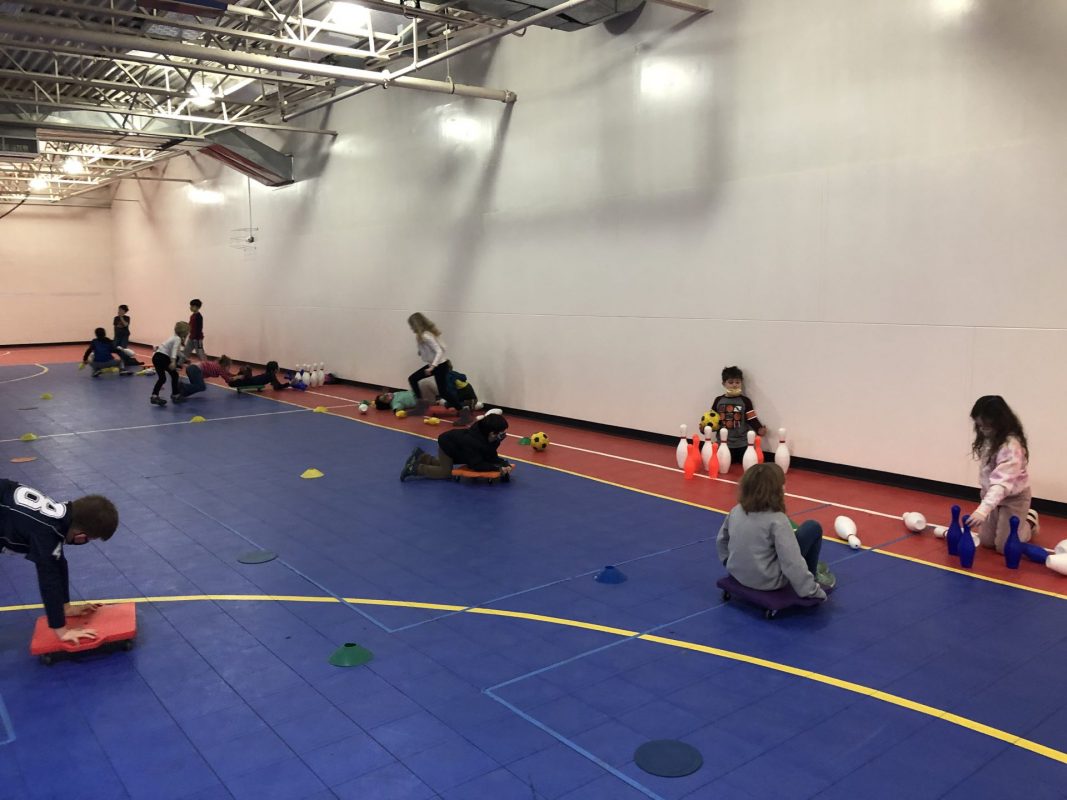
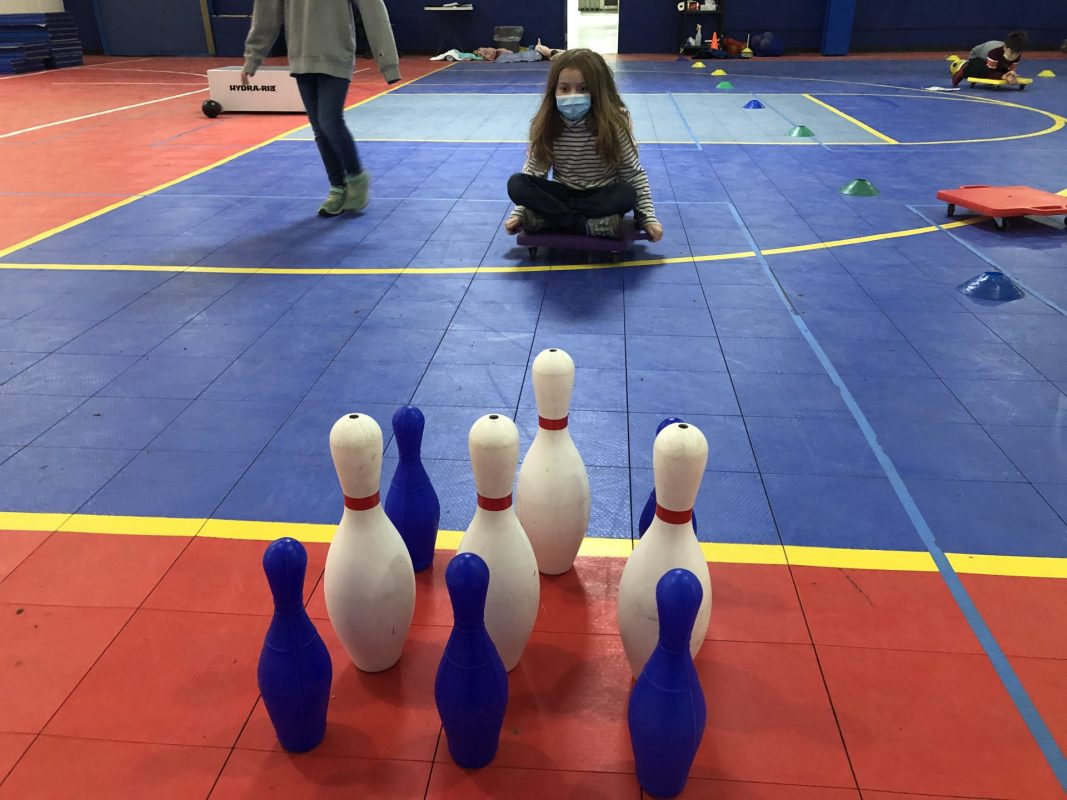
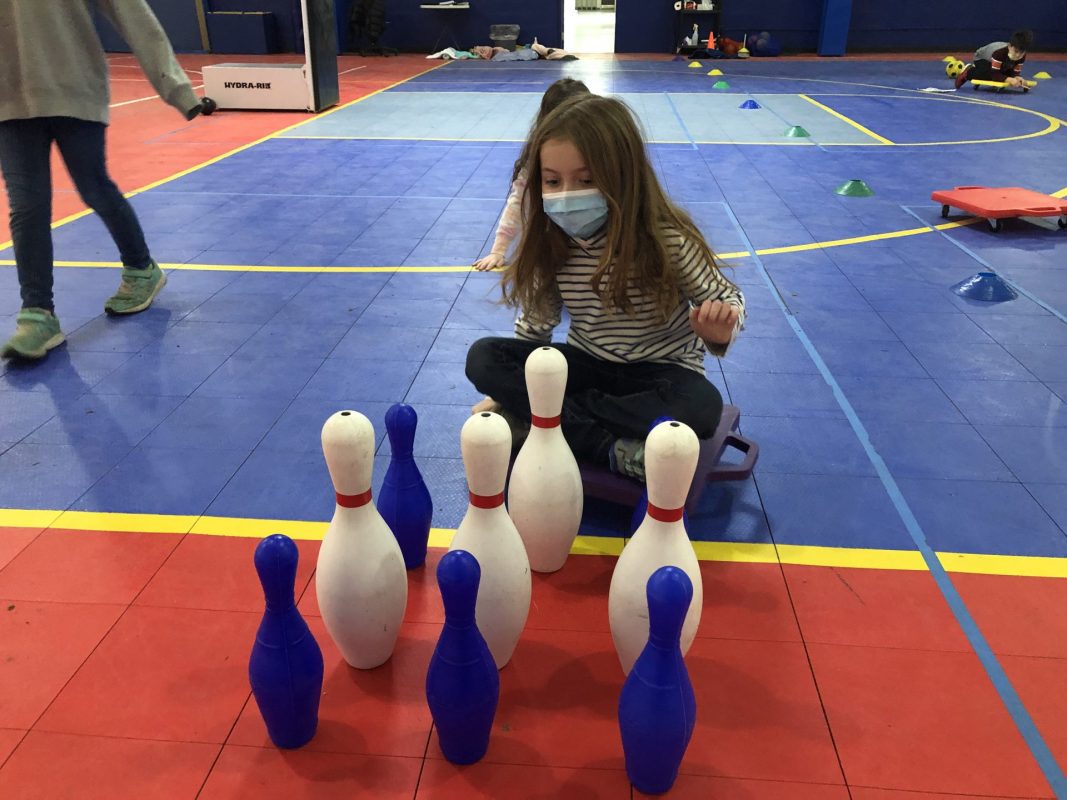
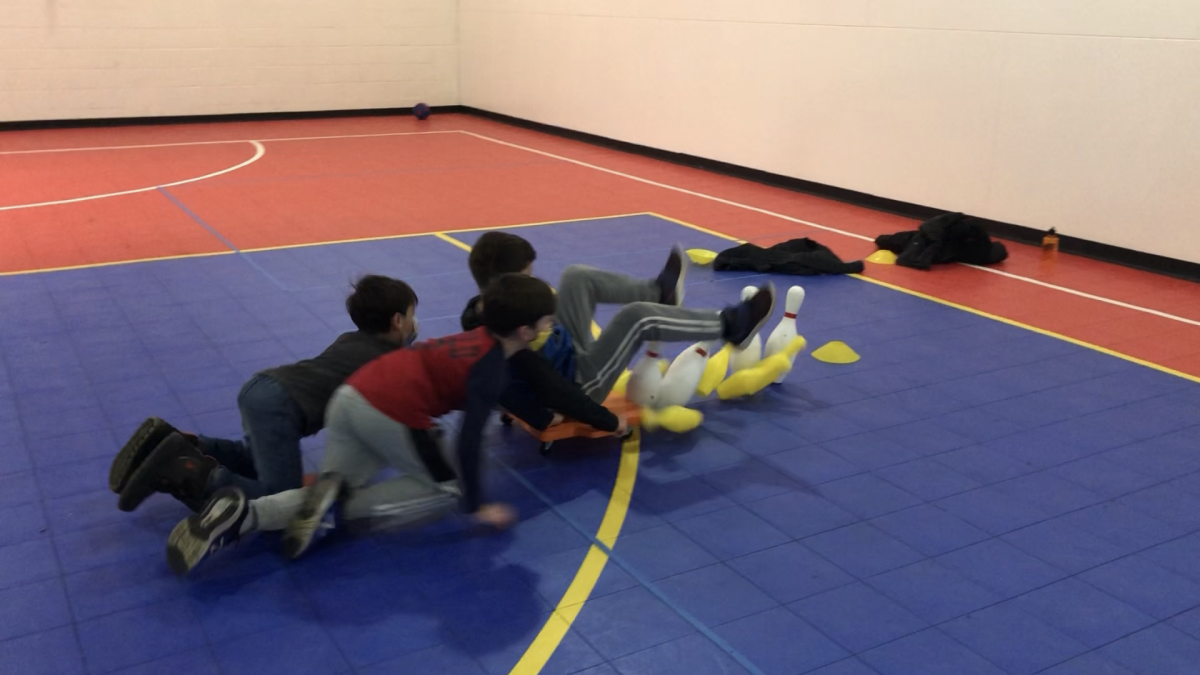
The Lower Elementary participated in a bowling unit.  Bowling is the number one participation sport in the United States with 67 million people bowling annually. Bowling is a lifetime sport that provides many benefits for youth. The students participated in team Bowling Bingo. Students were broken up into teams of three. The game was played with a bingo sheet. Each student had one roll to knock down all the pins and had to color a bingo box with the amount of pins that fell. Students had to use math skills to calculate scores and also learned how to work as a team and compete together to achieve a common goal. They learned that bowling is a 5 step process: step, step, swing, roll, follow-through. At the end of class they had a chance to use scooters to crash and knock into the bowling pins.