Love the Skin You’re In!


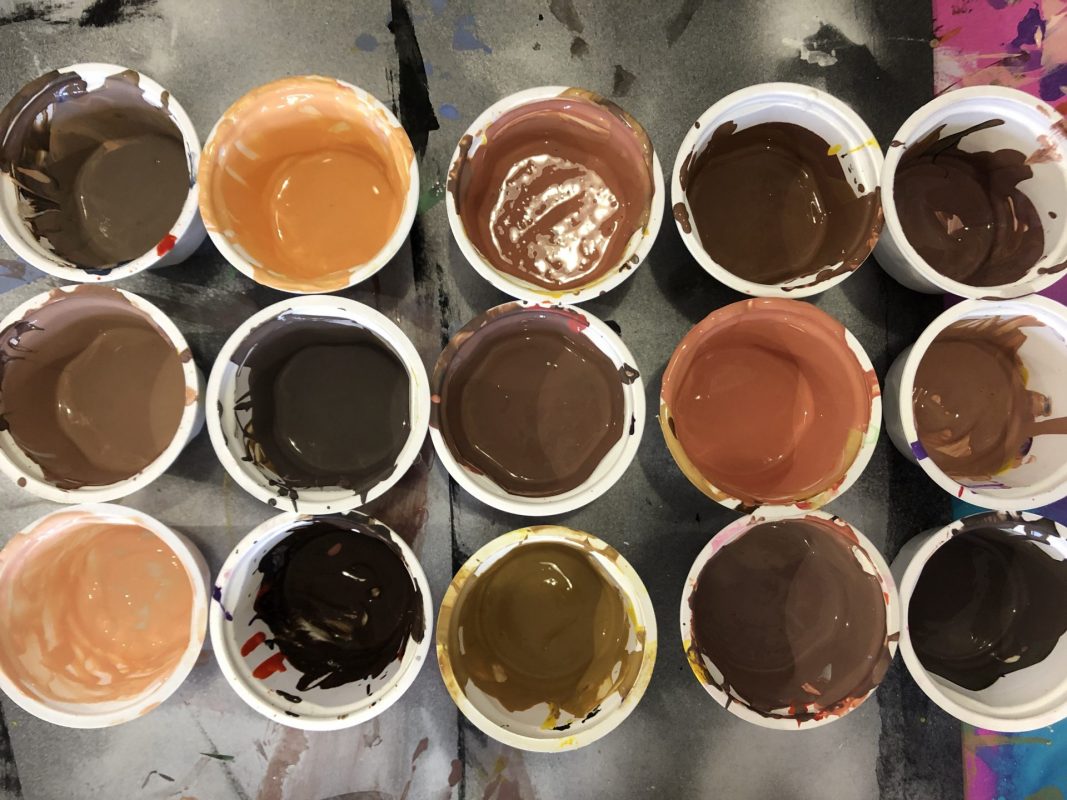
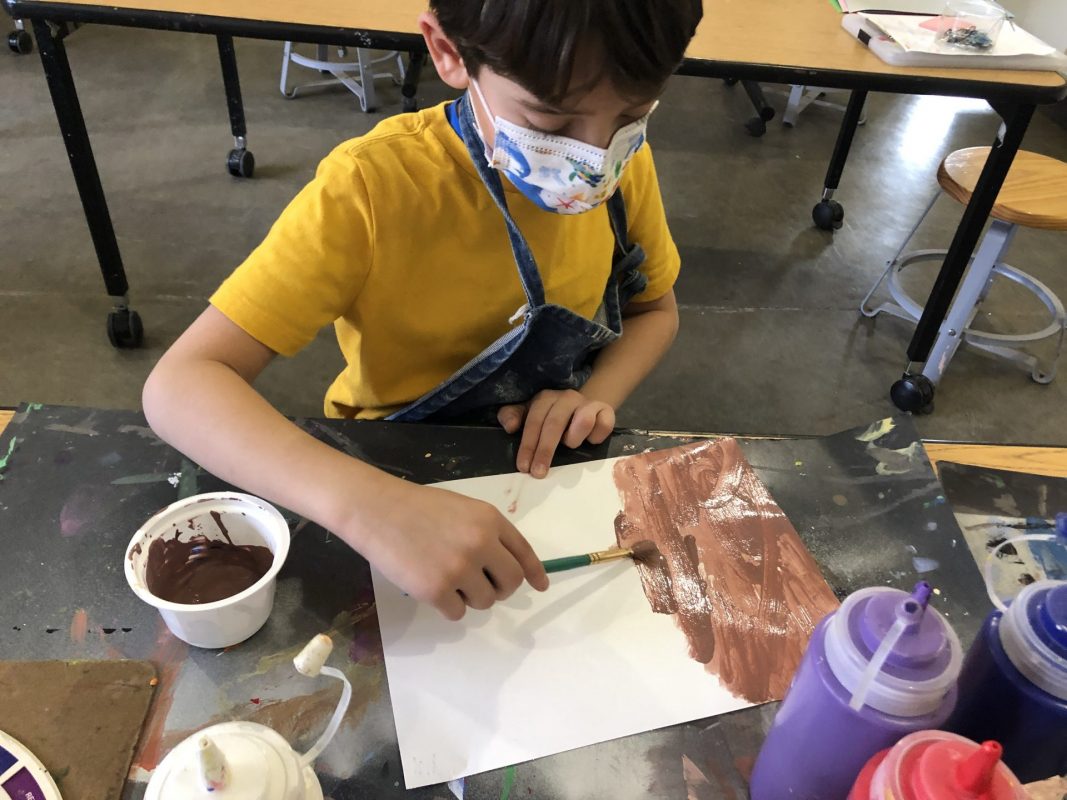
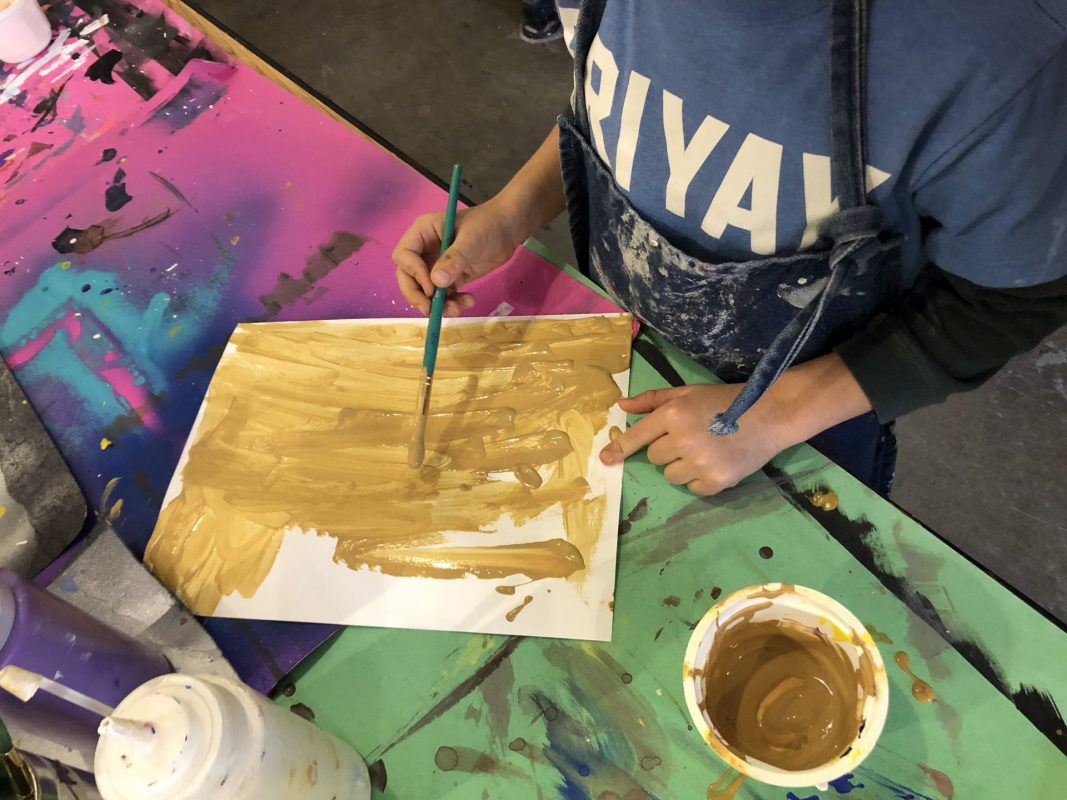
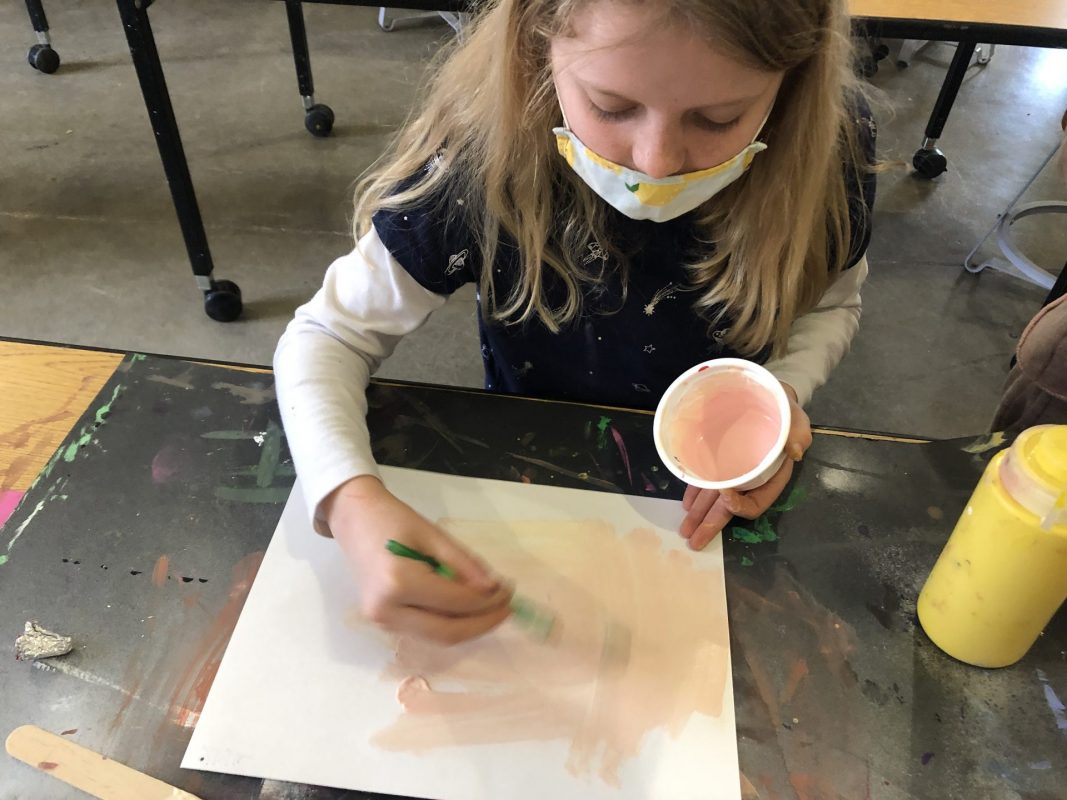
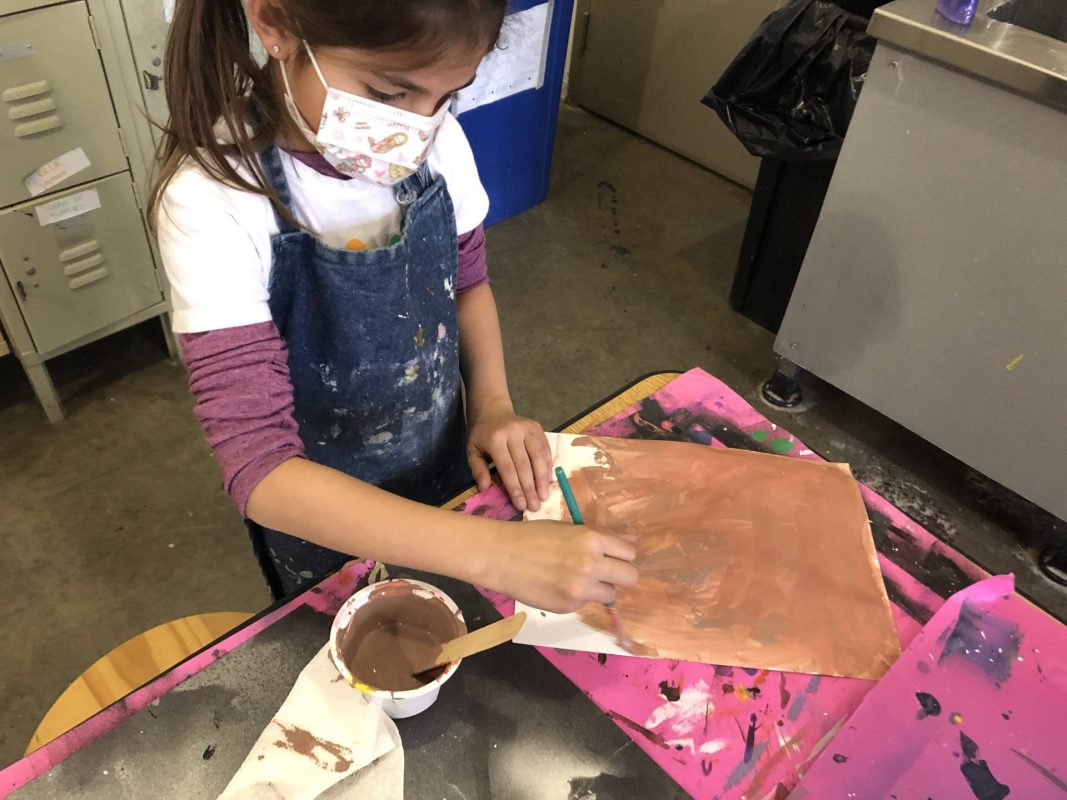
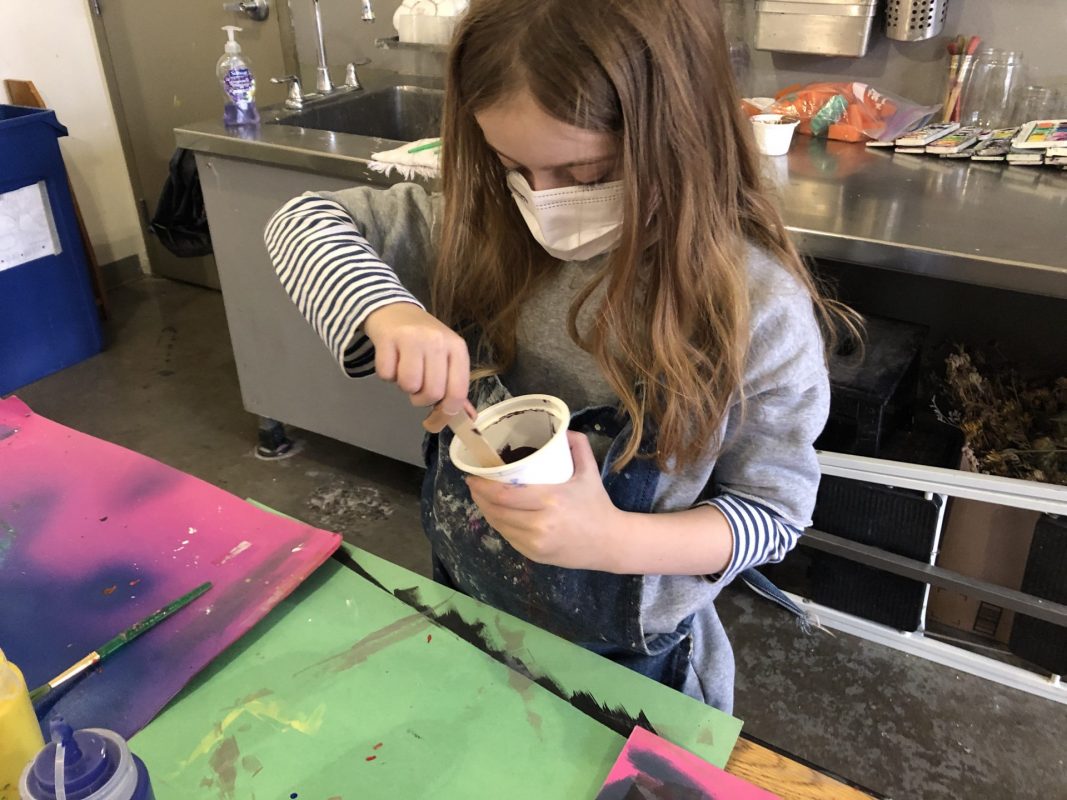
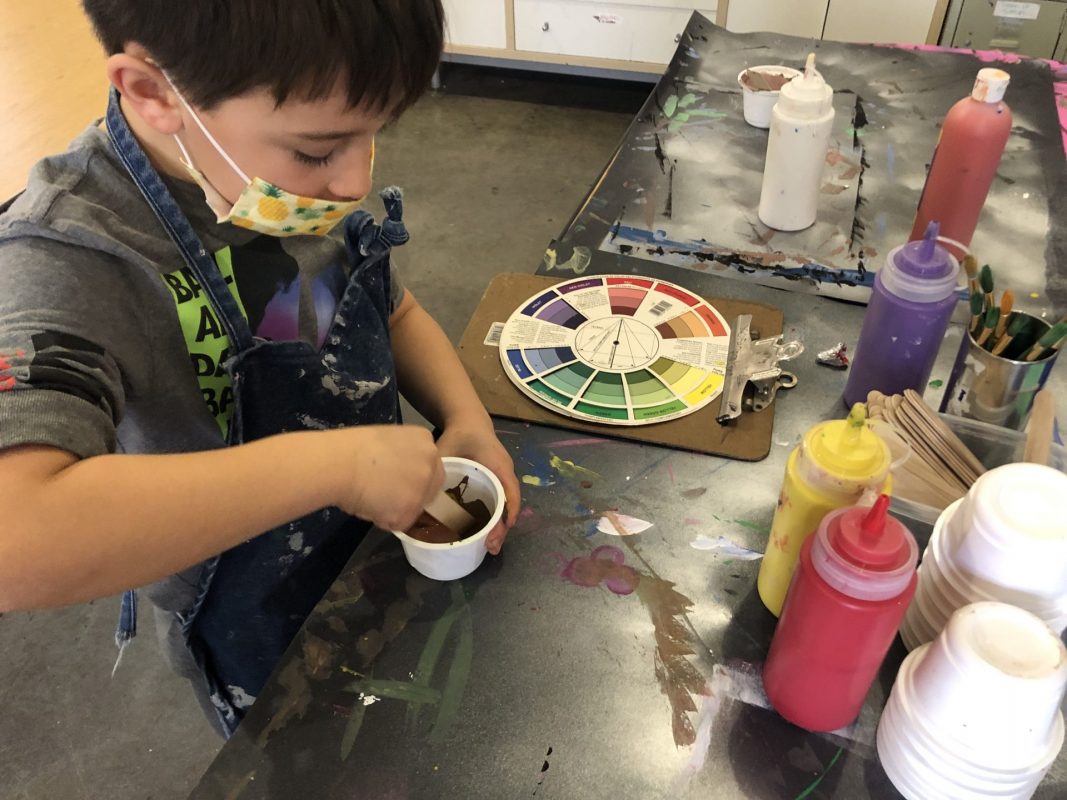
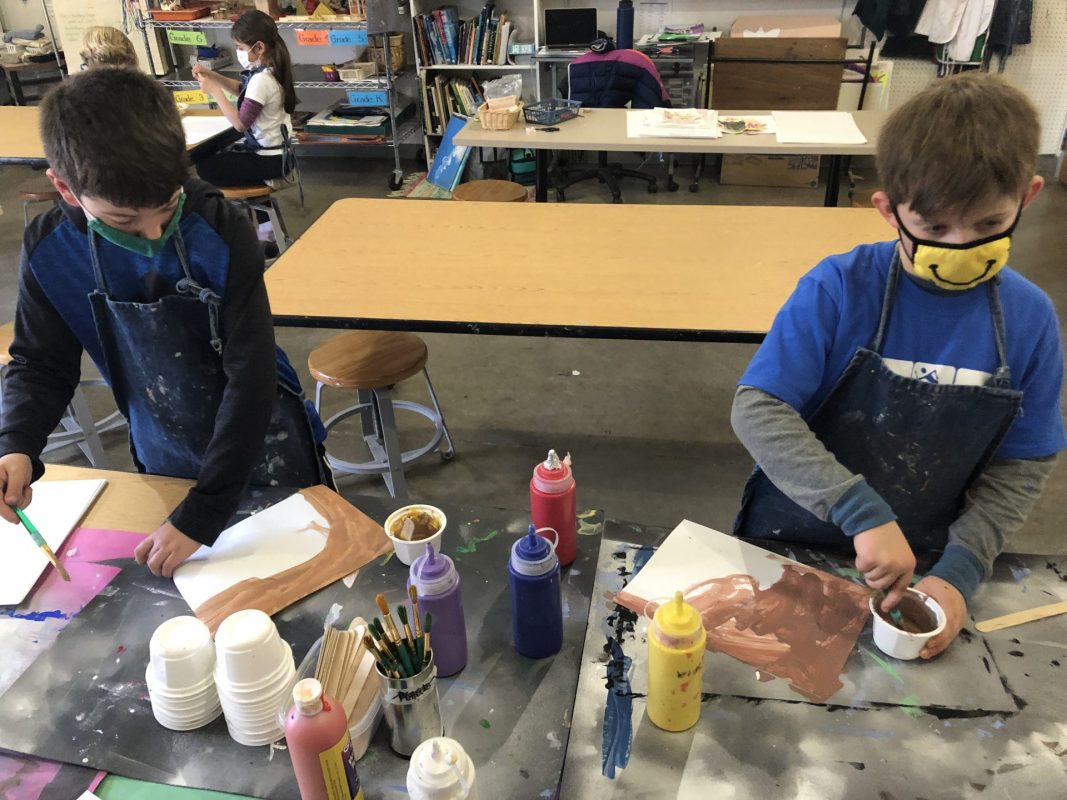
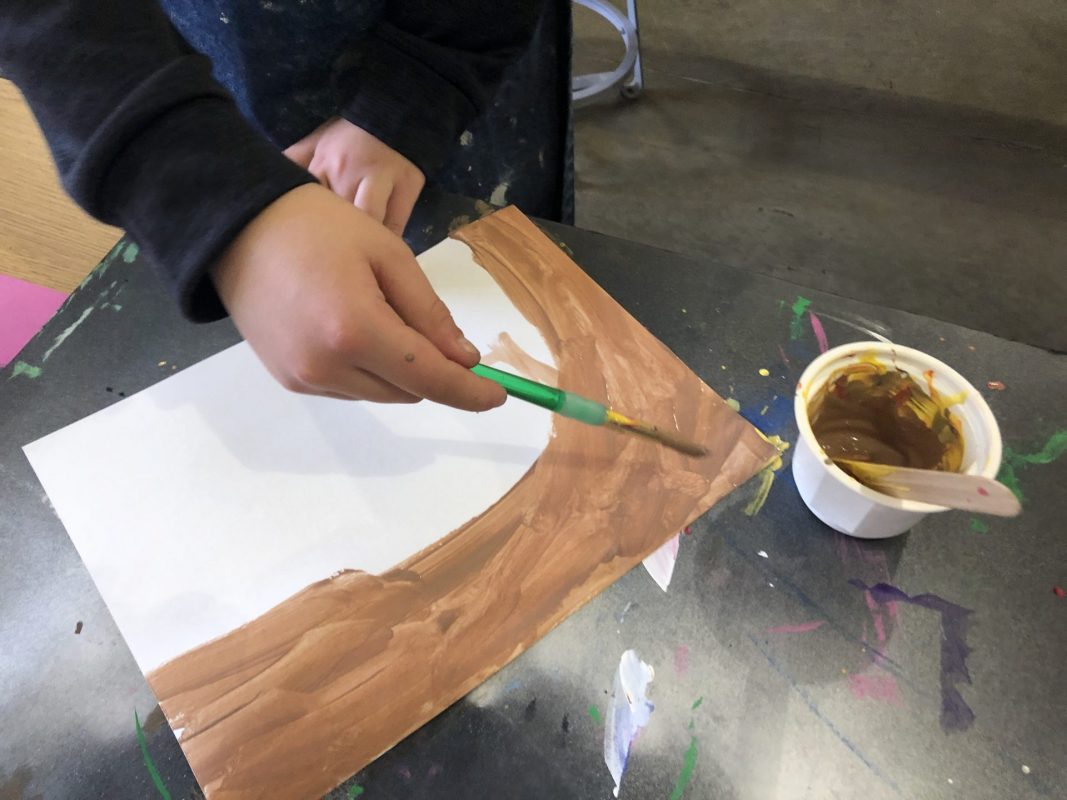
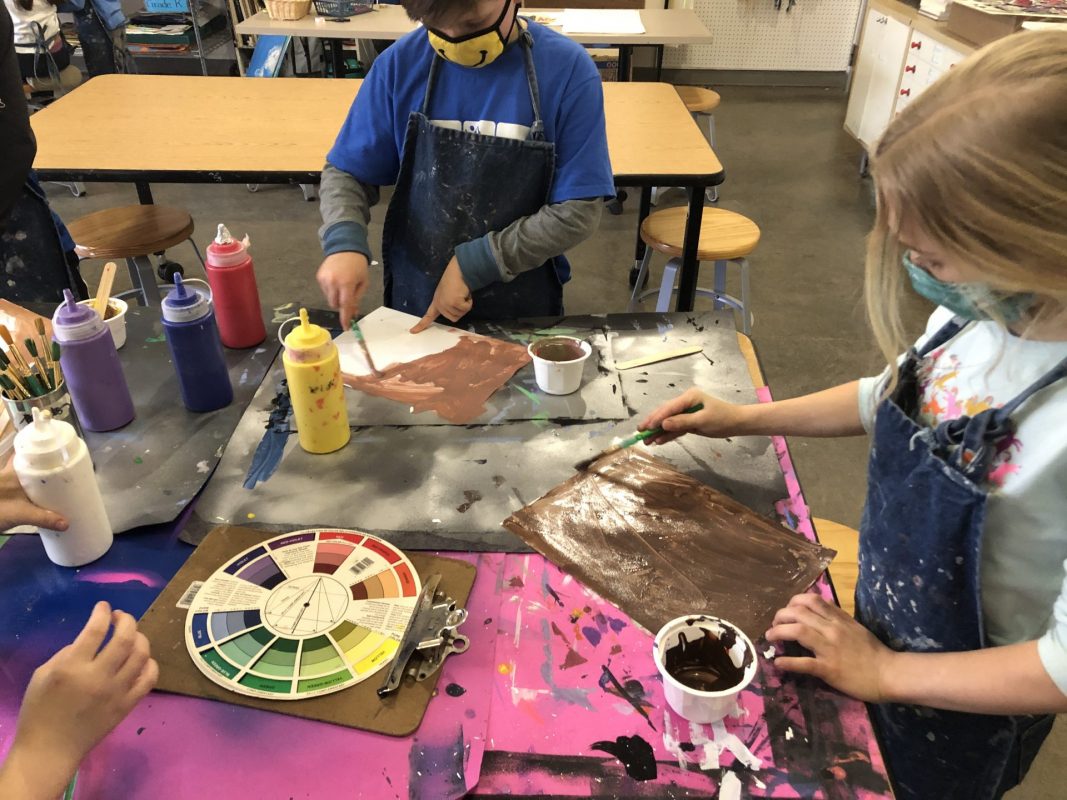
Humanity in its infinite beauty is made up of a complex array of diverse skin tones. Our Lower Elementary artists explored mixing a range of skin tones using tempera paints and simple color theory techniques.

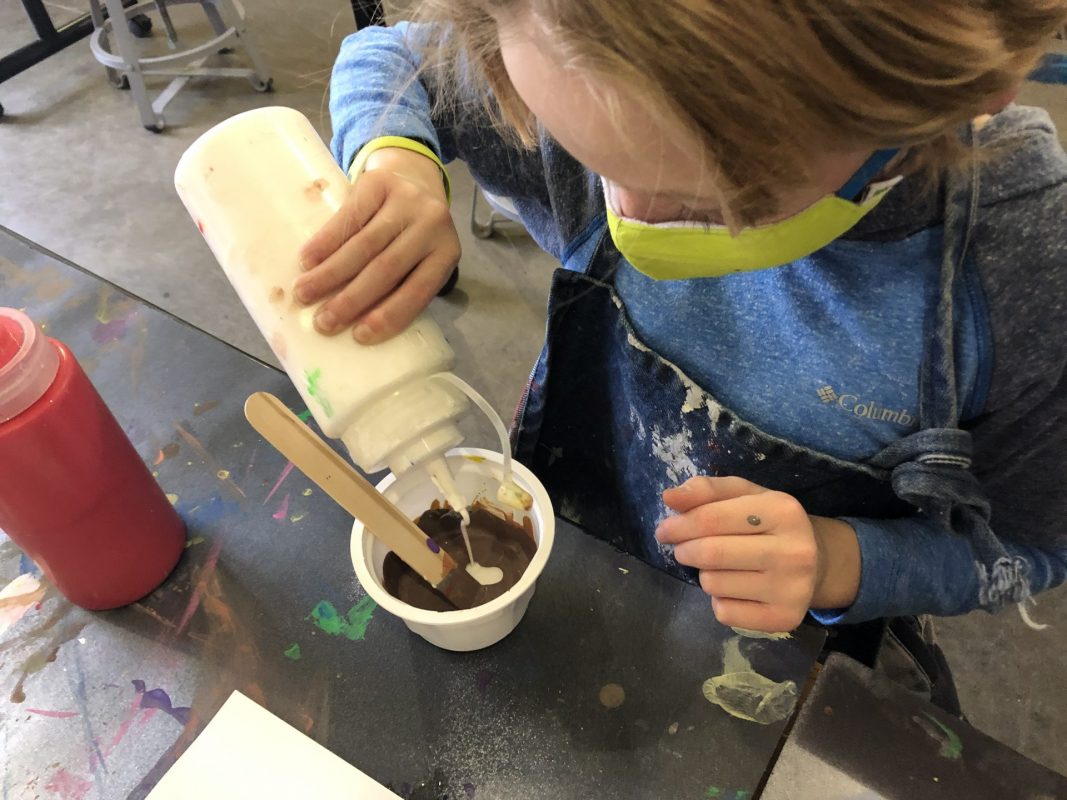
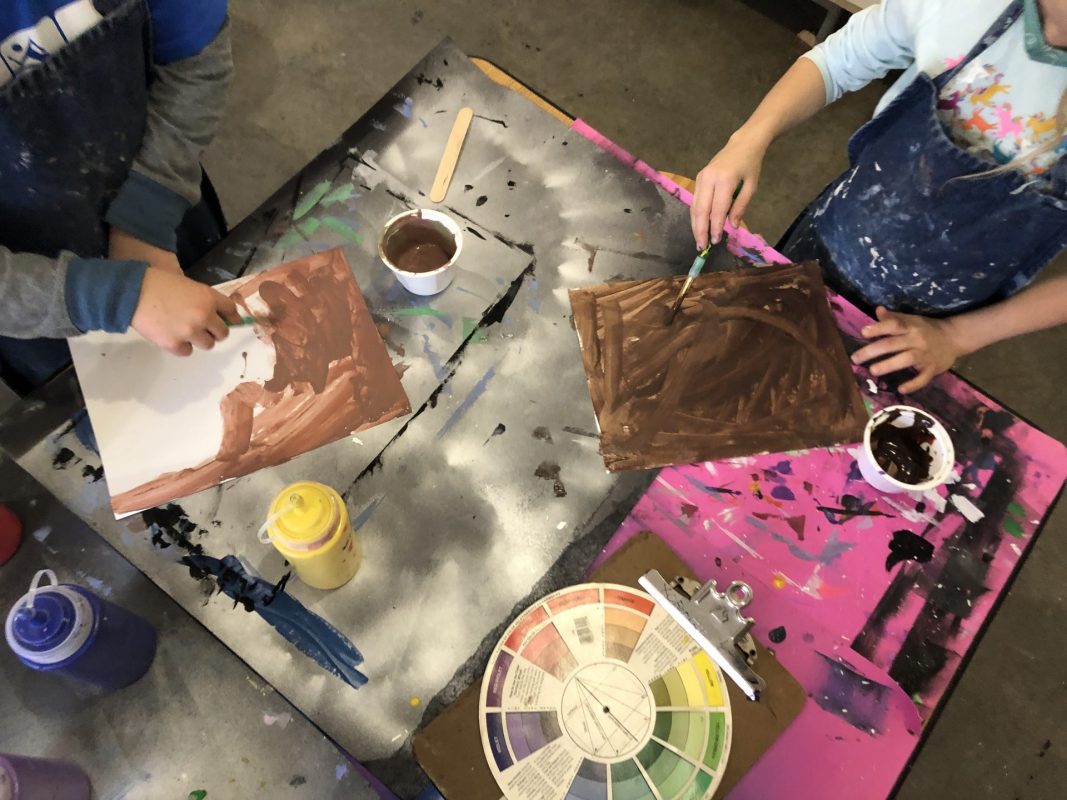
Mixing skin tones is all about experimenting and playing around to get the right shade and tone; and that is where color theory comes into play! First, we took a look at the color wheel and studied the three sets of complementary colors: blue + orange, red + green, and yellow + purple. Complementary colors are opposite each other on the color wheel. Each child chose one set of complementary colors to start with in their mixing cup. The experimenting, problem solving and discovering began as soon as those two colors were mixed! For instance, we noticed that blue is a very strong color, so more orange is needed to create a more brown tone. Then we added some white to bring out the color a little and to make it more opaque. Students also discovered that adding more white created a lighter skin tone. The experimenting continued as each child went back and forth mixing, looking, adding color, and mixing again. If the color looked too red, for instance, we would refer to the color wheel to find it’s complement (green), add a few drops and mix it up! Too yellow? Add purple. And so on until their skin tone color was achieved. Some students even mixed up more than one to represent another skin tone different from their own!

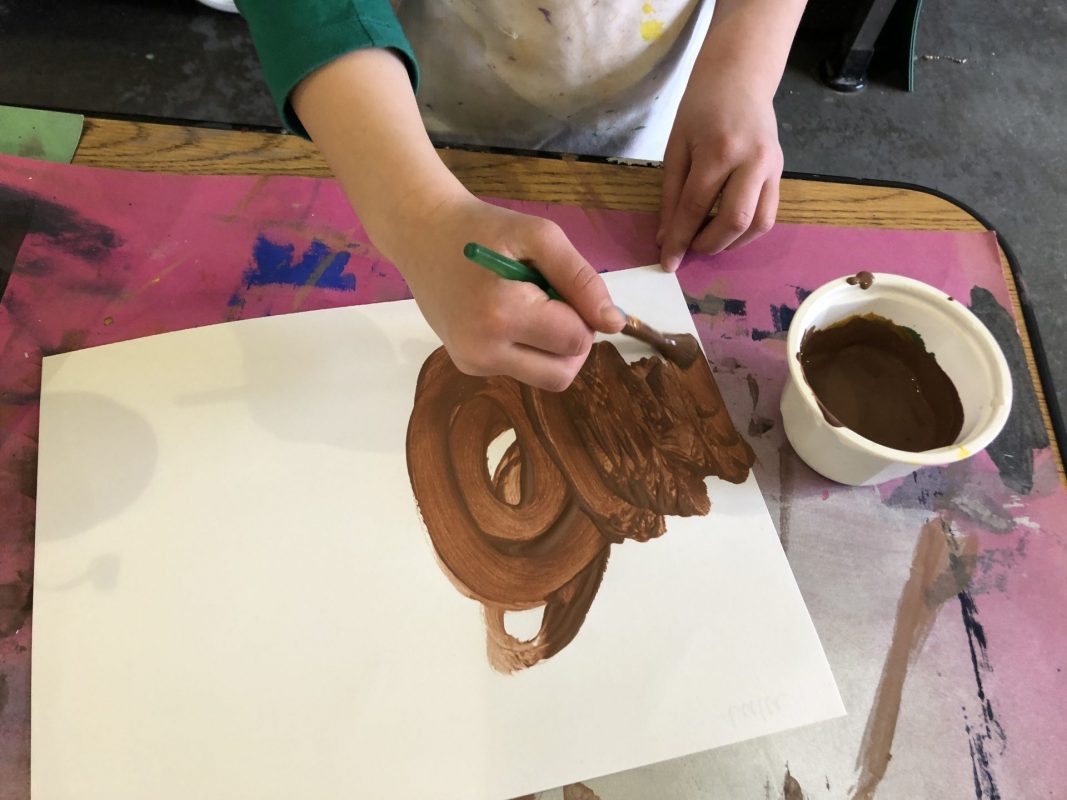
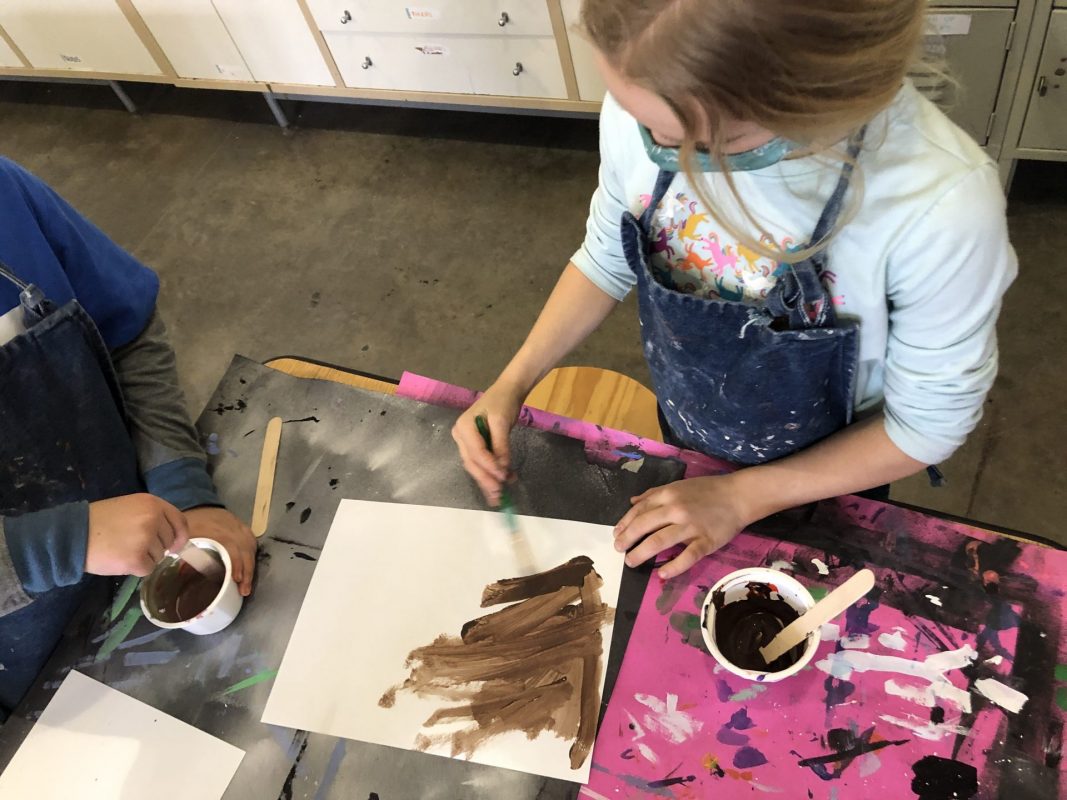
Once each artist was happy with their mixed up color, they painted multiple papers with each skin tone color. The papers were then left to dry and will be used to create a collage art piece to represent the diverse array of skin tones. The magic of this color mixing process was that it allowed each child to discover the unique rainbow inside of both their own and their classmates’ beautiful skin!

Storytelling for Language Acquisition


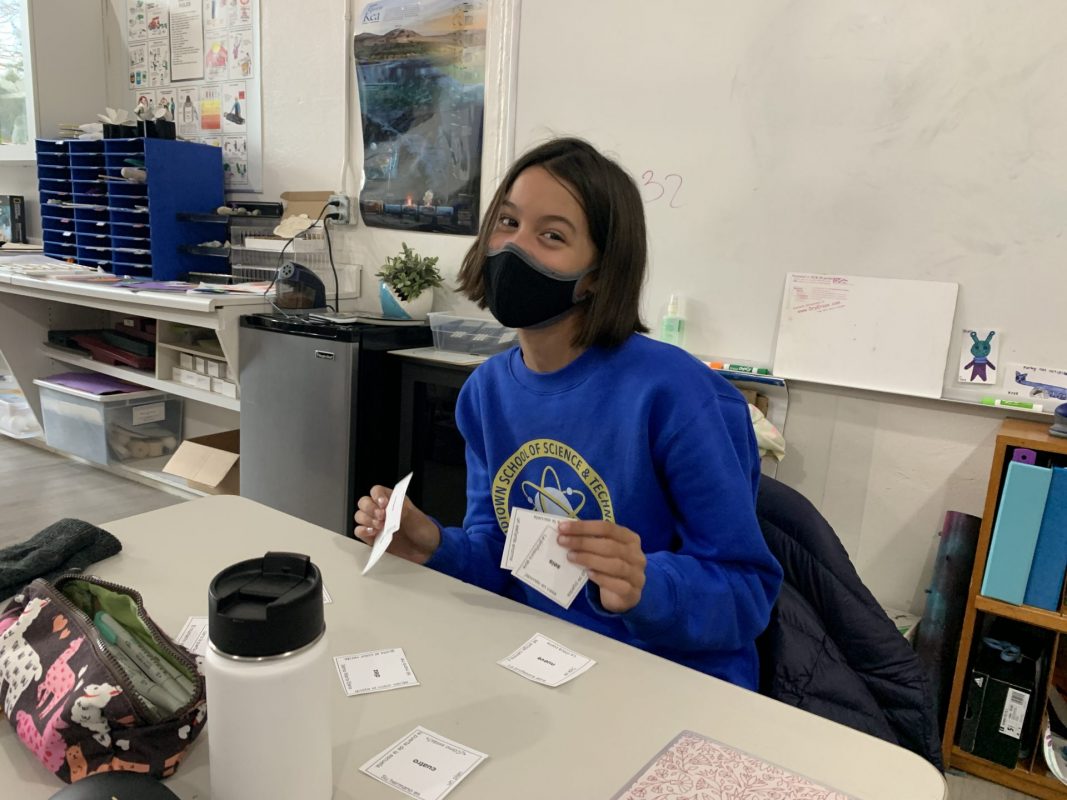
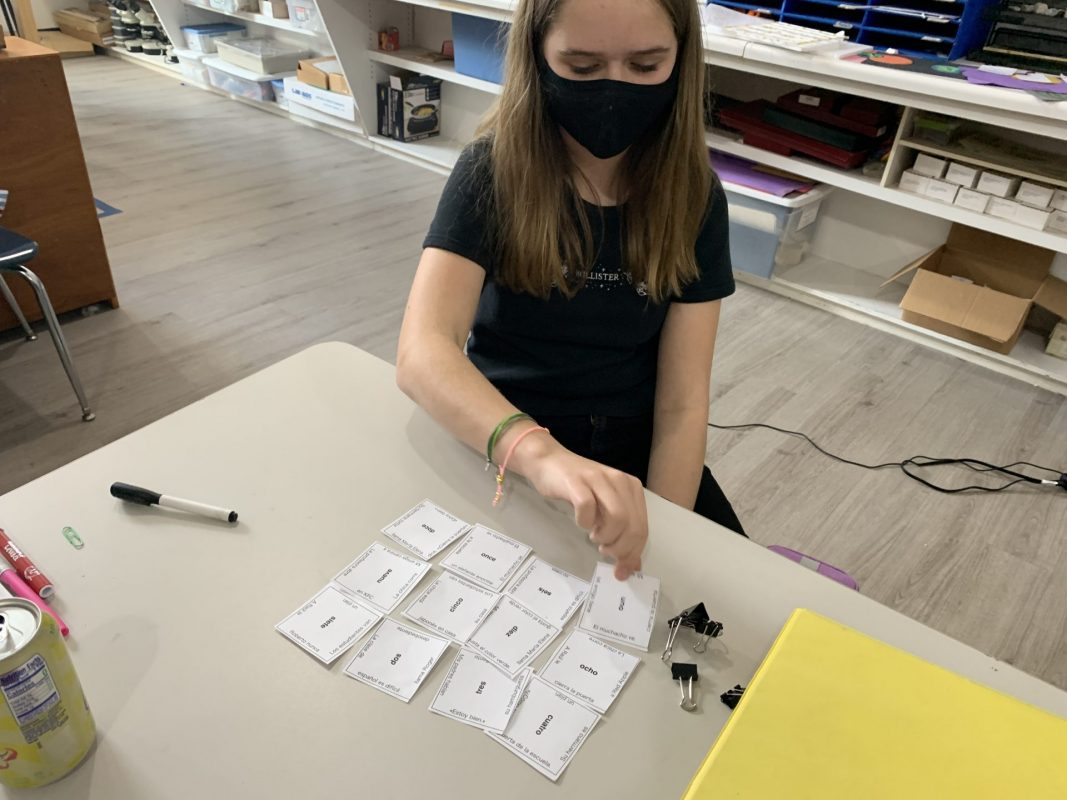
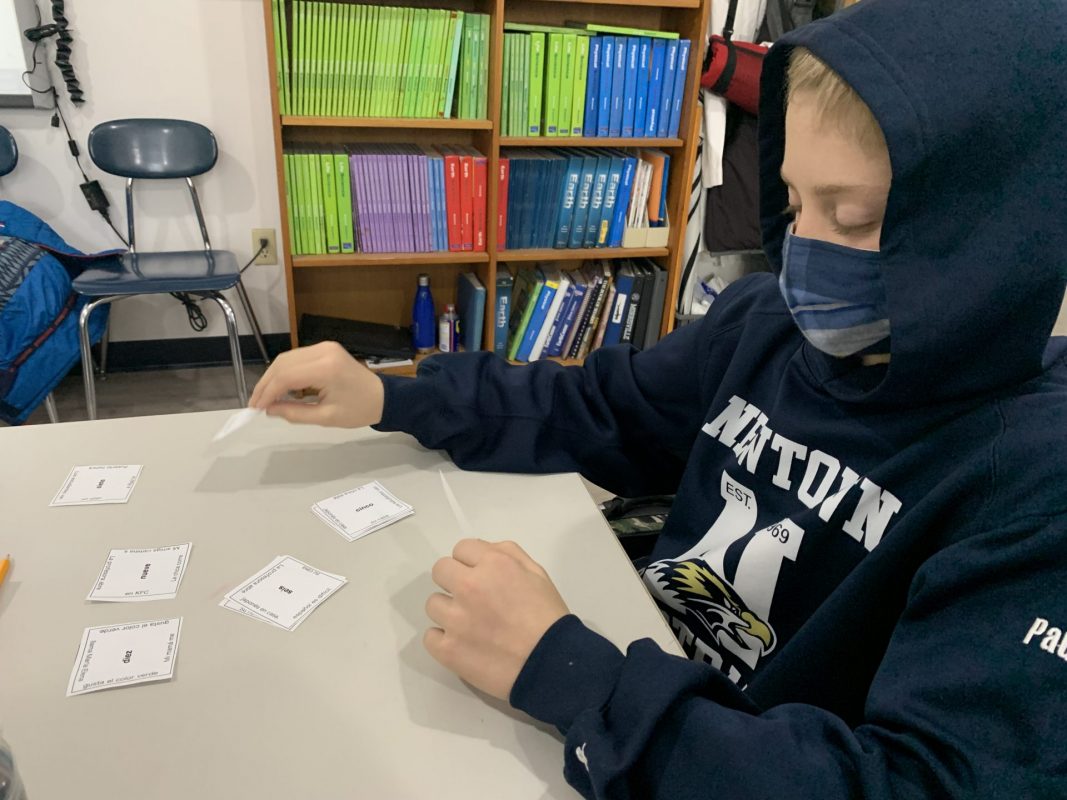
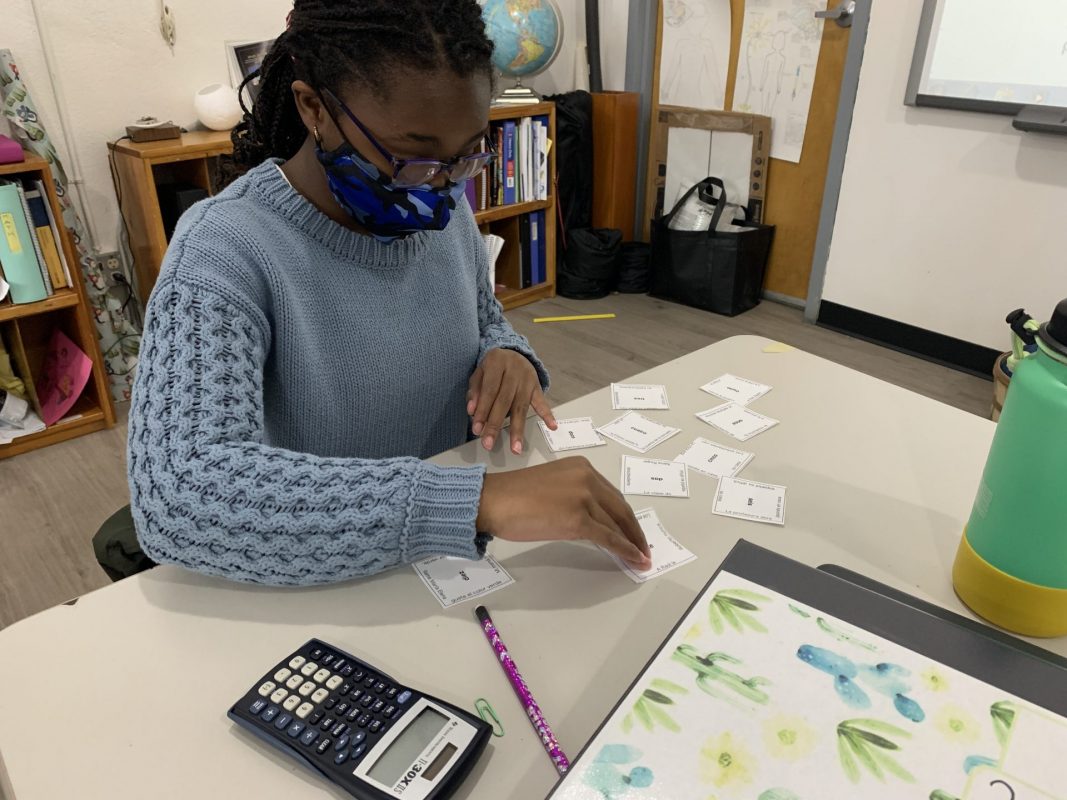
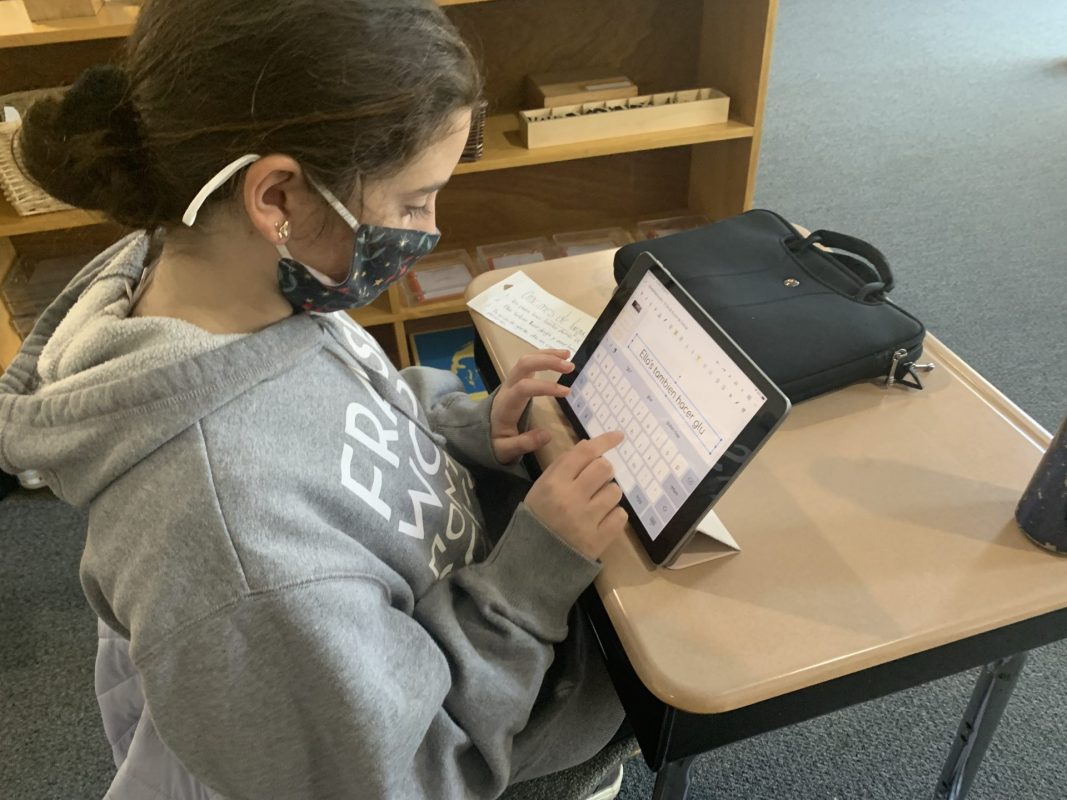
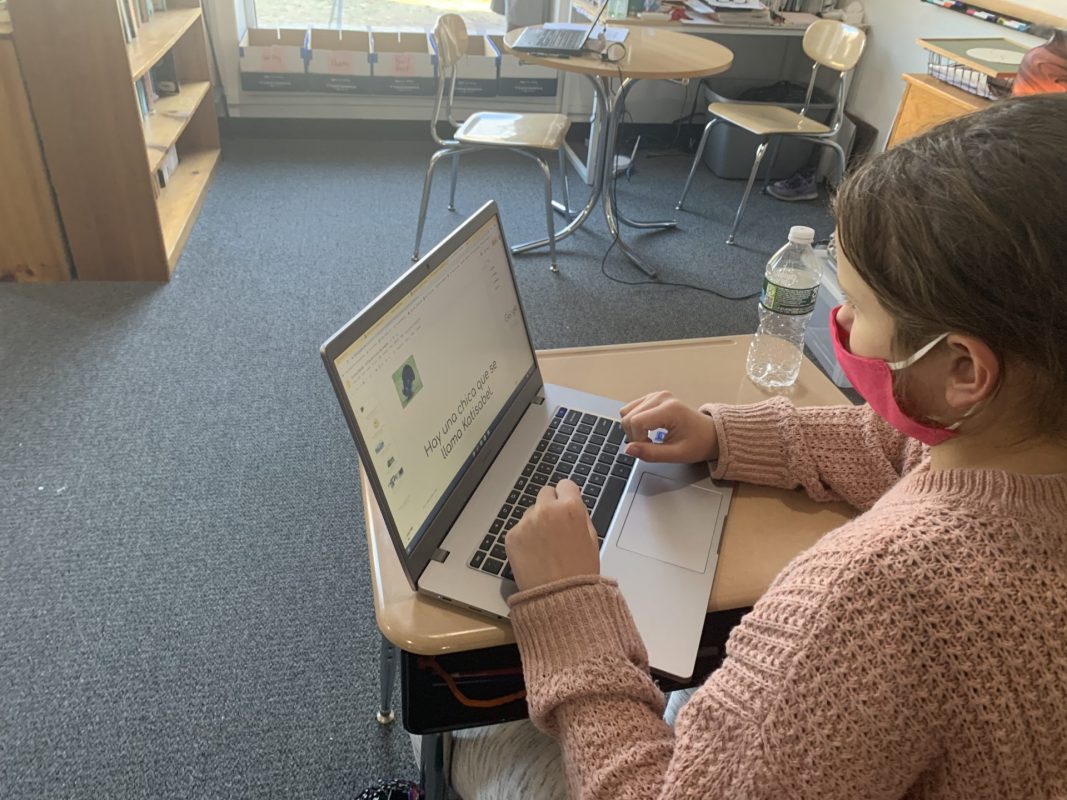
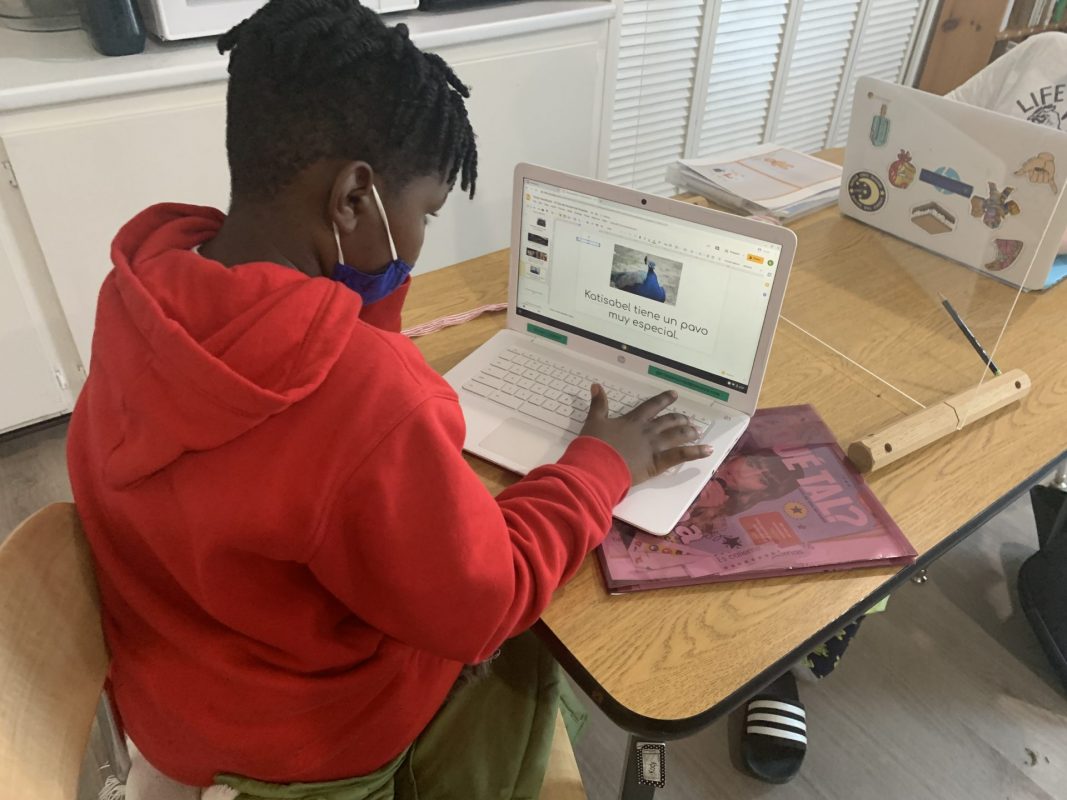
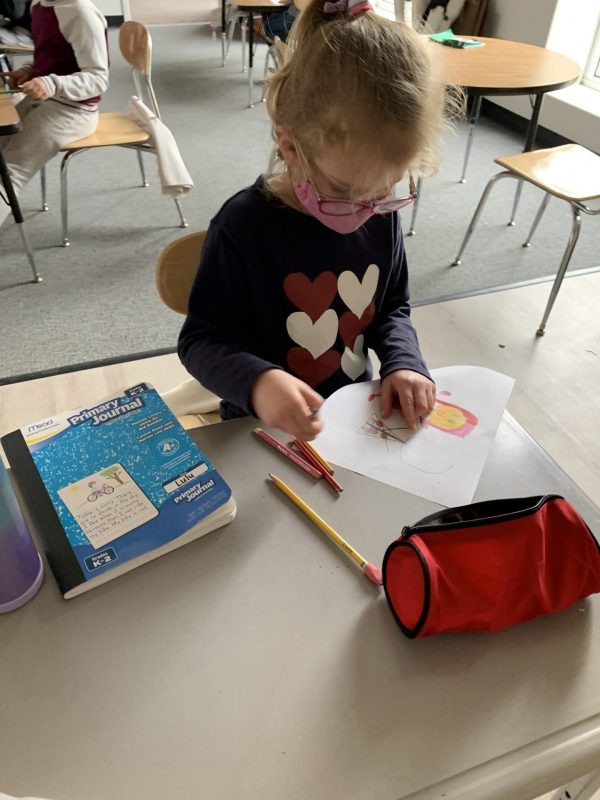
Storytelling and art come together to support language acquisition in Spanish class. Lower and Upper Elementary students apply their reading and listening comprehension skills and use art to convey what they have interpreted. Upon being introduced to a new story, they identify key words by making connections with cognates and context clues.

One of their favorite things to do is write their own versions of the stories. Once we have seen certain vocabulary and target grammar structures in context, we participate in an activity called Story Asking. This is where students are orally given the skeleton of a story while given the opportunity to share their input with regard to character, setting, and plot development. Story Asking gives students confidence and a sense of ownership in the language acquisition process. 


Stop Motion Animation

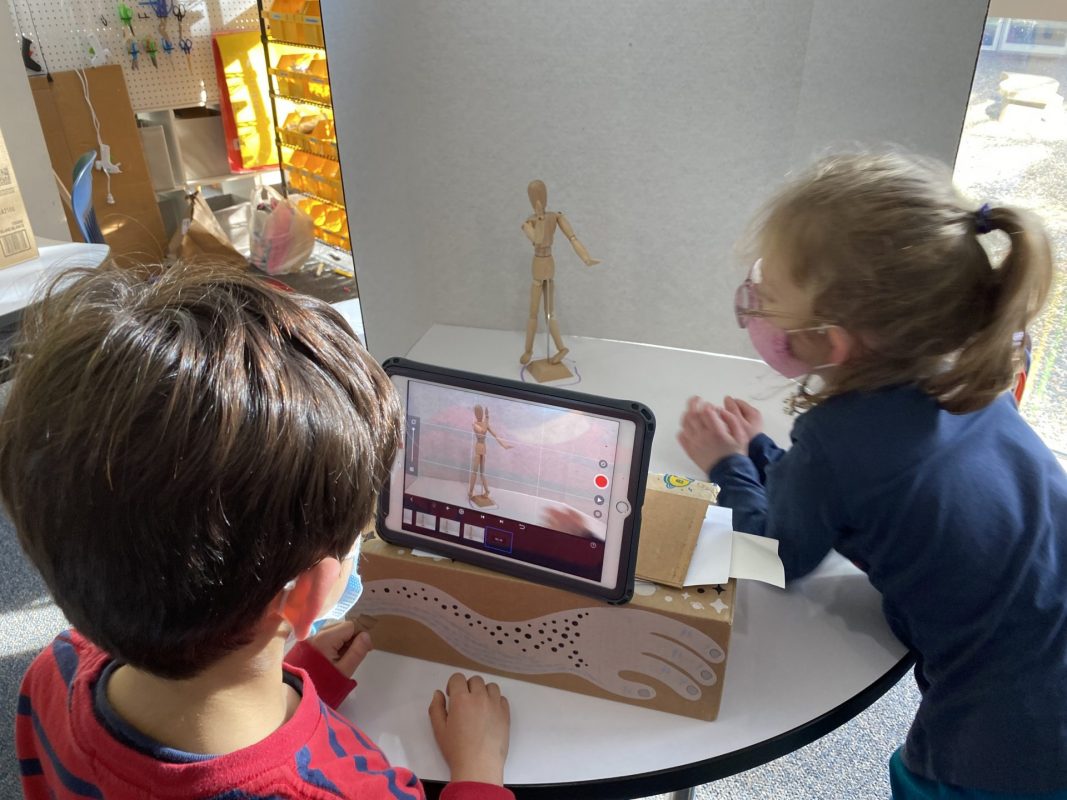
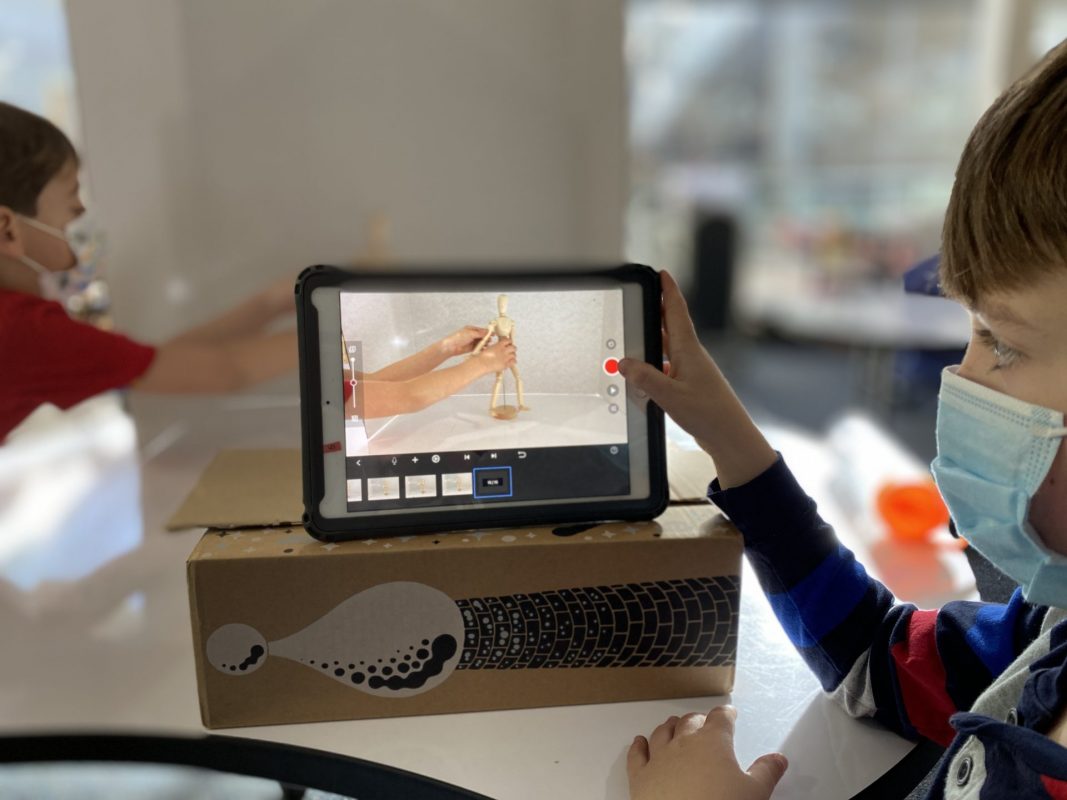
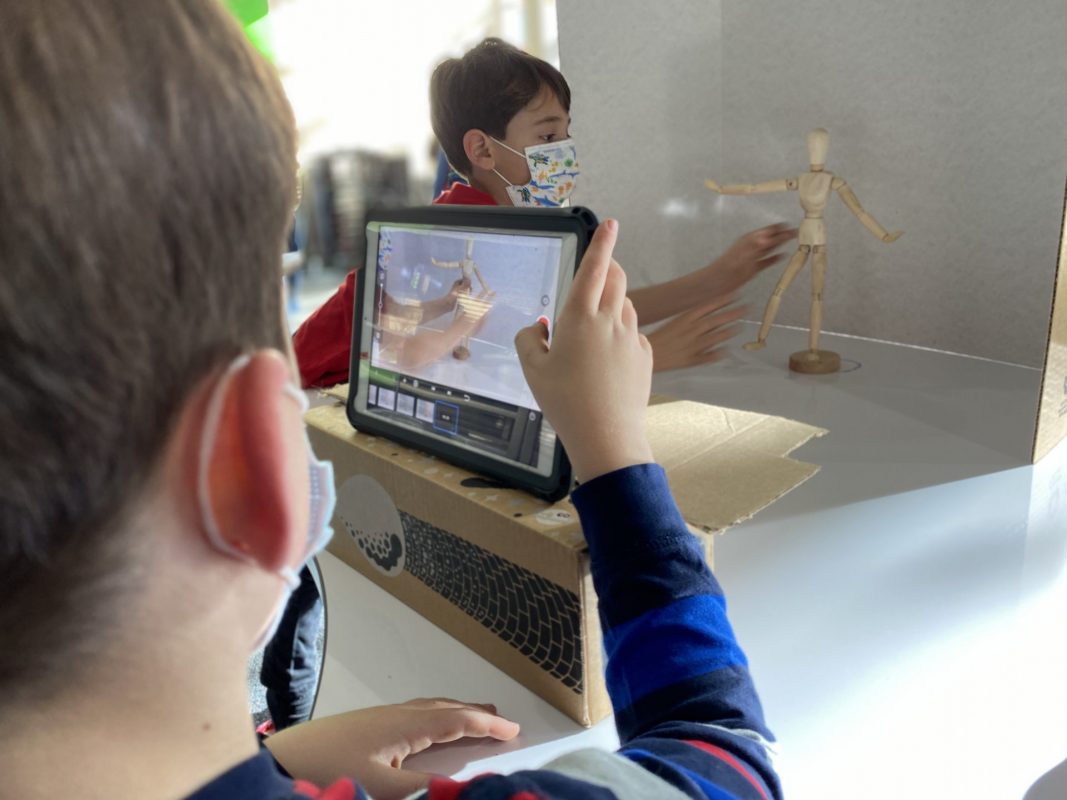
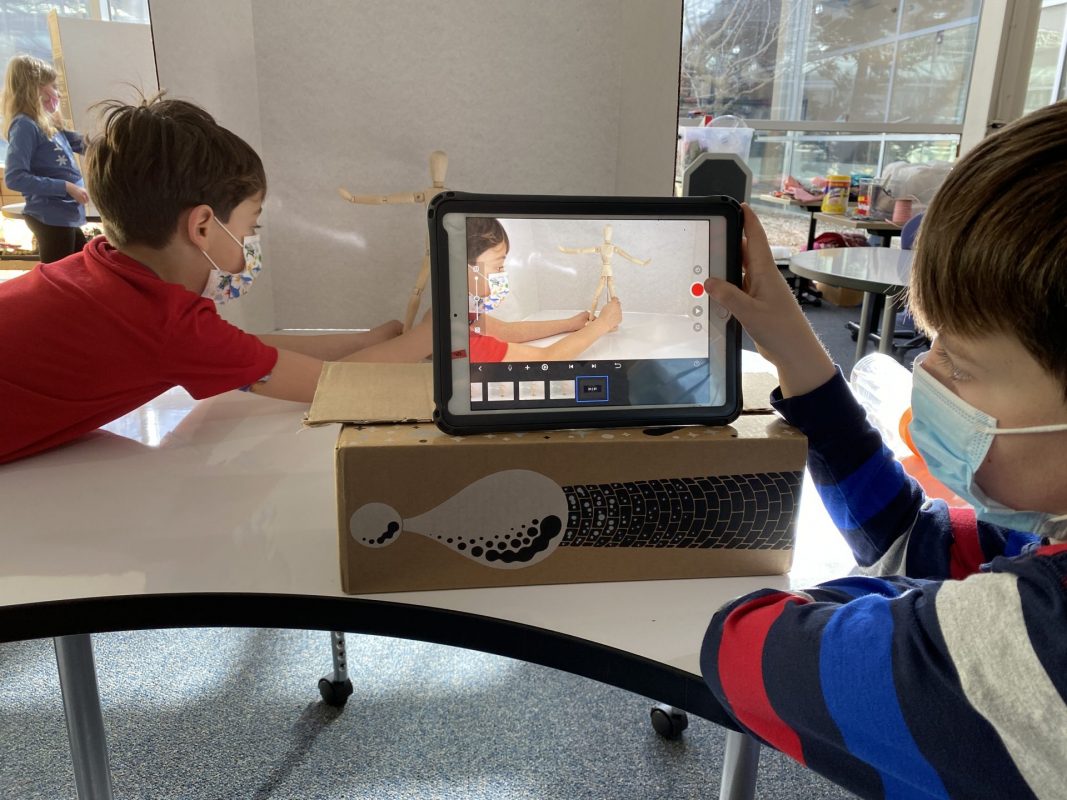
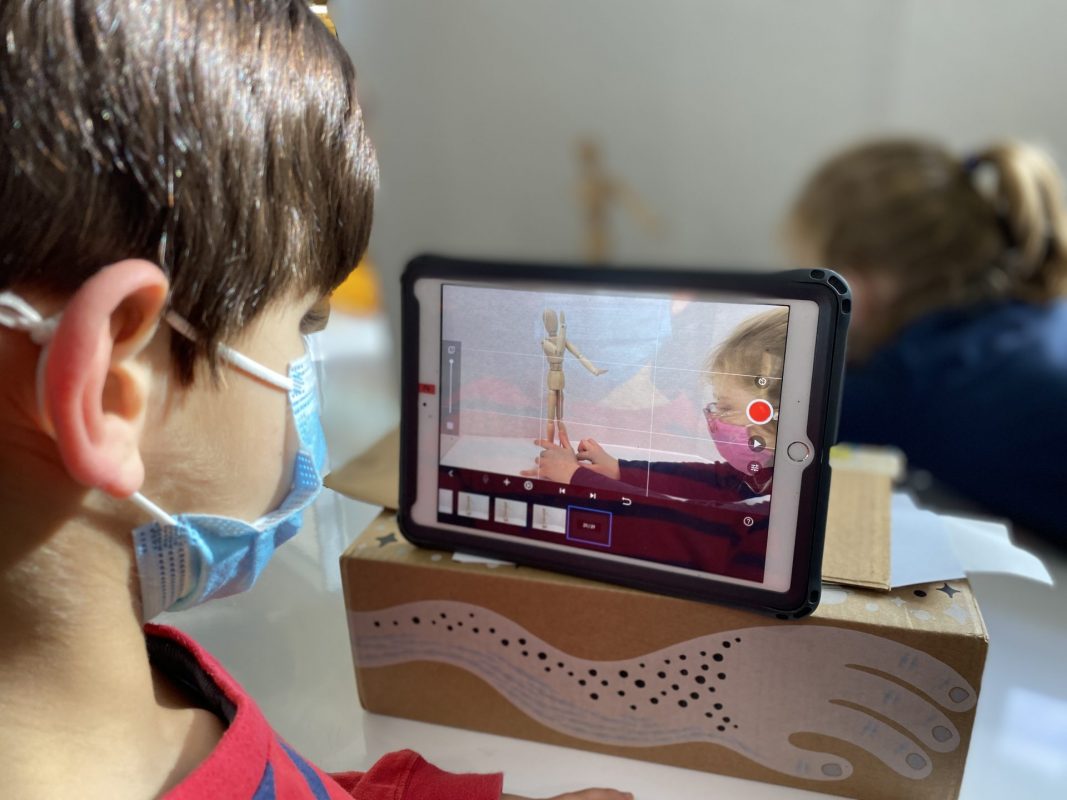
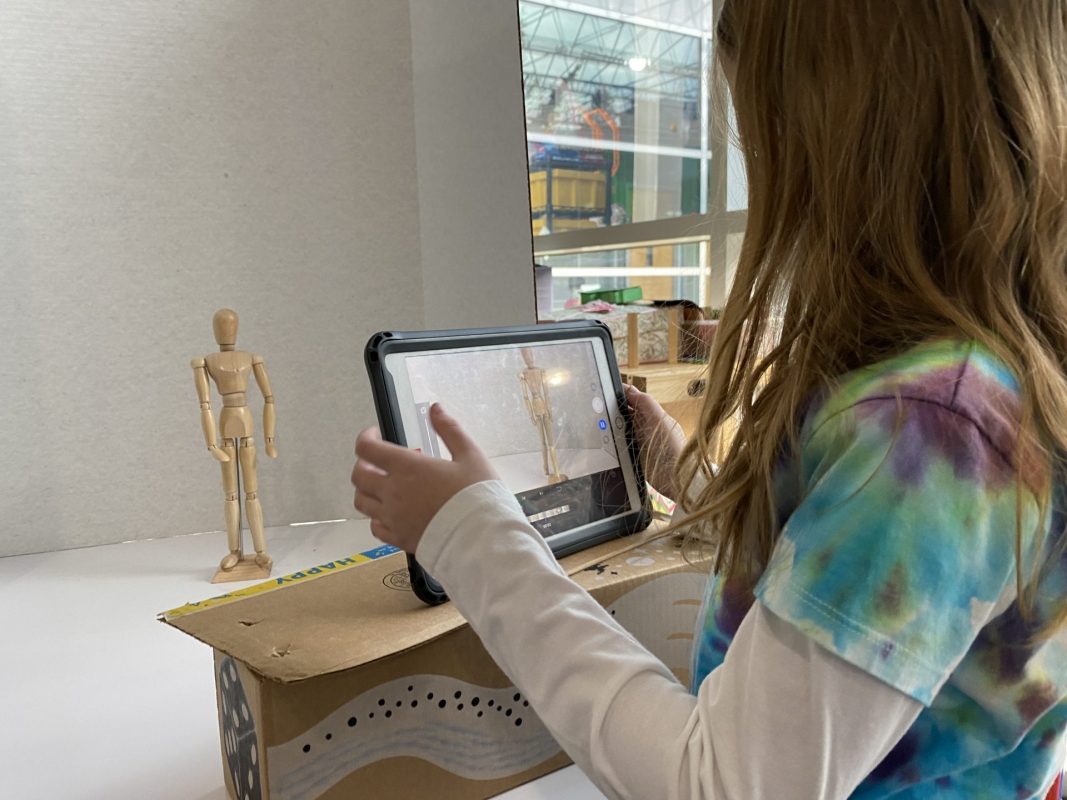
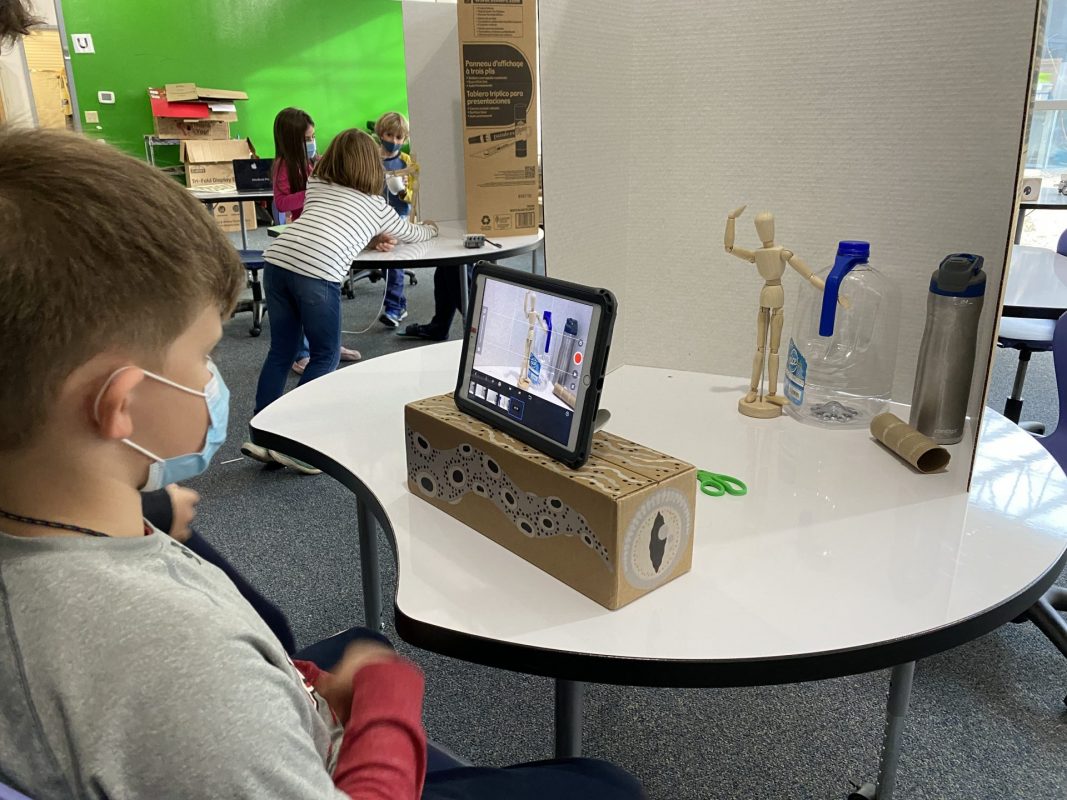
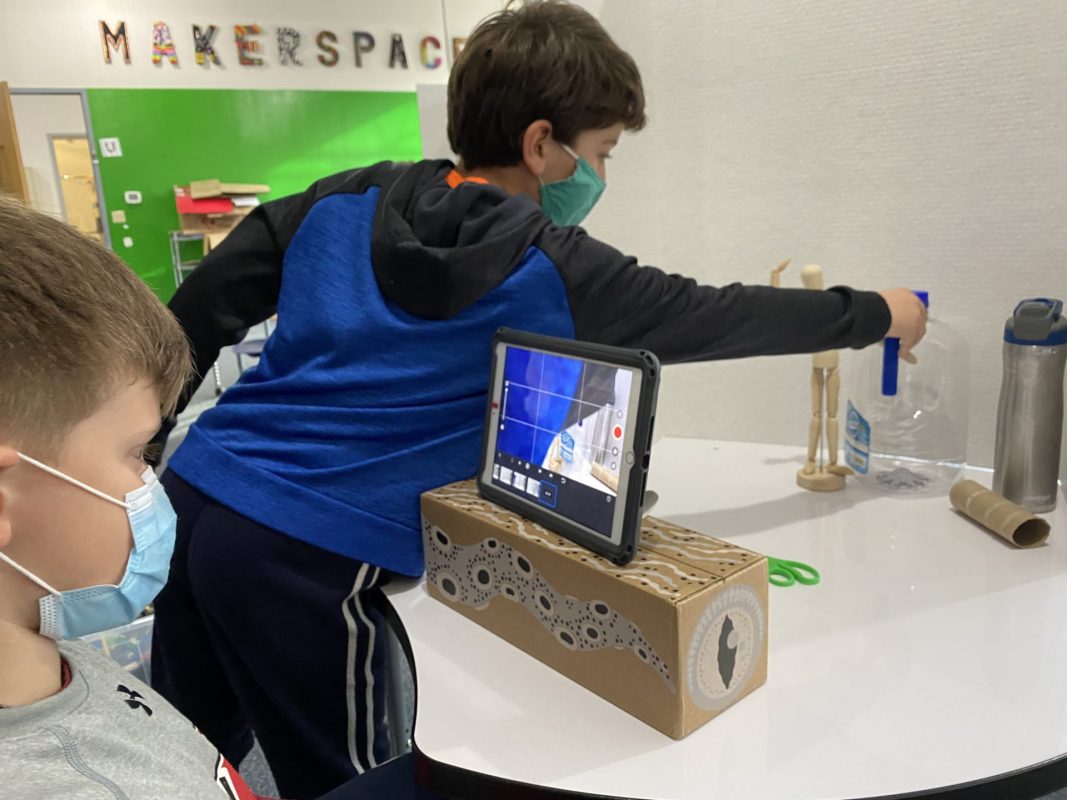
Lower Elementary students dive deep into Stop Motion Animation annually in the MakerSpace. Stop motion is an animated filmmaking technique in which objects are physically manipulated in small increments between individually photographed frames so that they will appear to exhibit independent motion or change when the series of frames is played back. We spend time using a variety of mediums (playdough, clay, legos, paper + pencil, and more.) In class we refer to this as STOMO.

As we fired up our first STOMO lesson of the 2020-2021 school year, I introduced human wooden models to create our stop motion animation. Students enjoyed using people-like figurines, mostly because they could carry out people-like movements in their movies. After our first day, students sat back and enjoyed their mini-movies that they made. You can watch two completed videos on our MakerSpace Twitter account here:

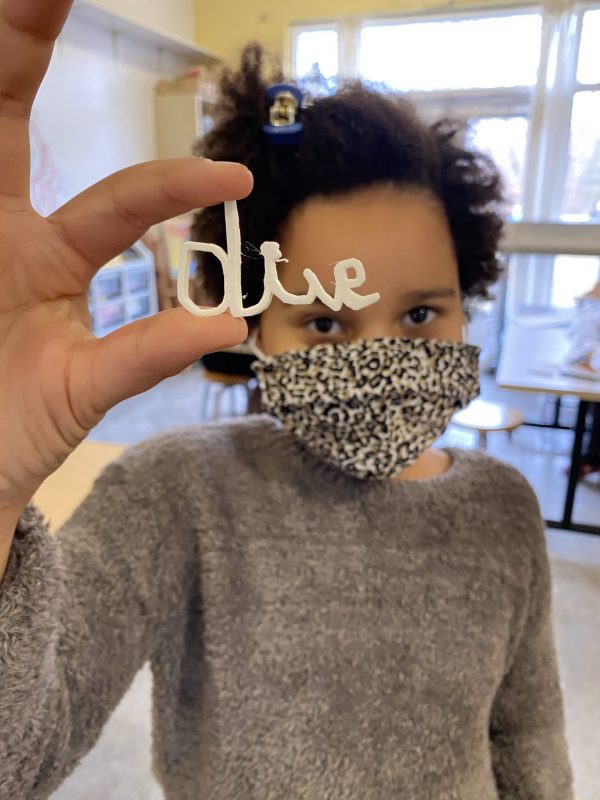
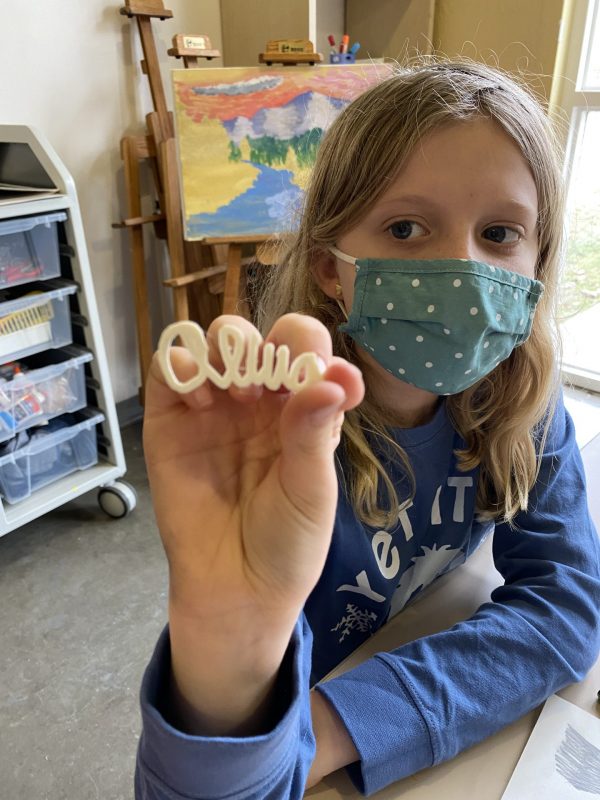
As you may have learned, choice is always available in the second half of MakerSpace classes. Several students chose to learn about 3D printing last week and brought home their first designs of the 2020-2021 school year!


Parachute Fitness Fun!
 

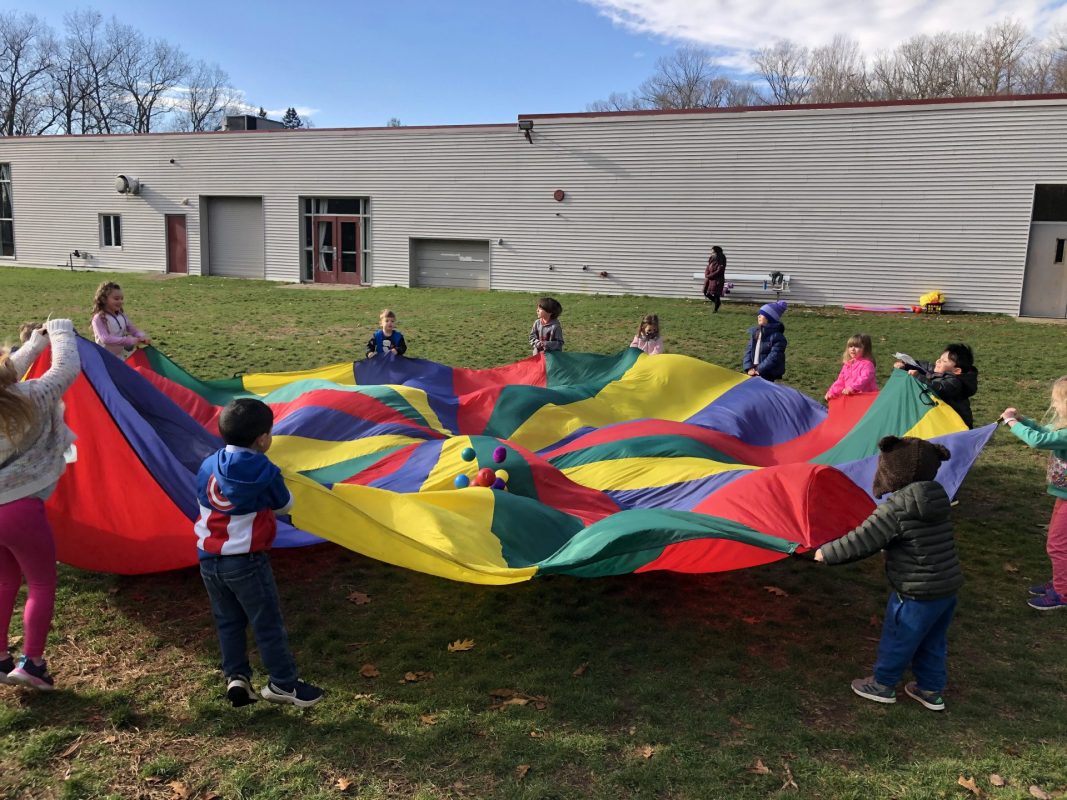
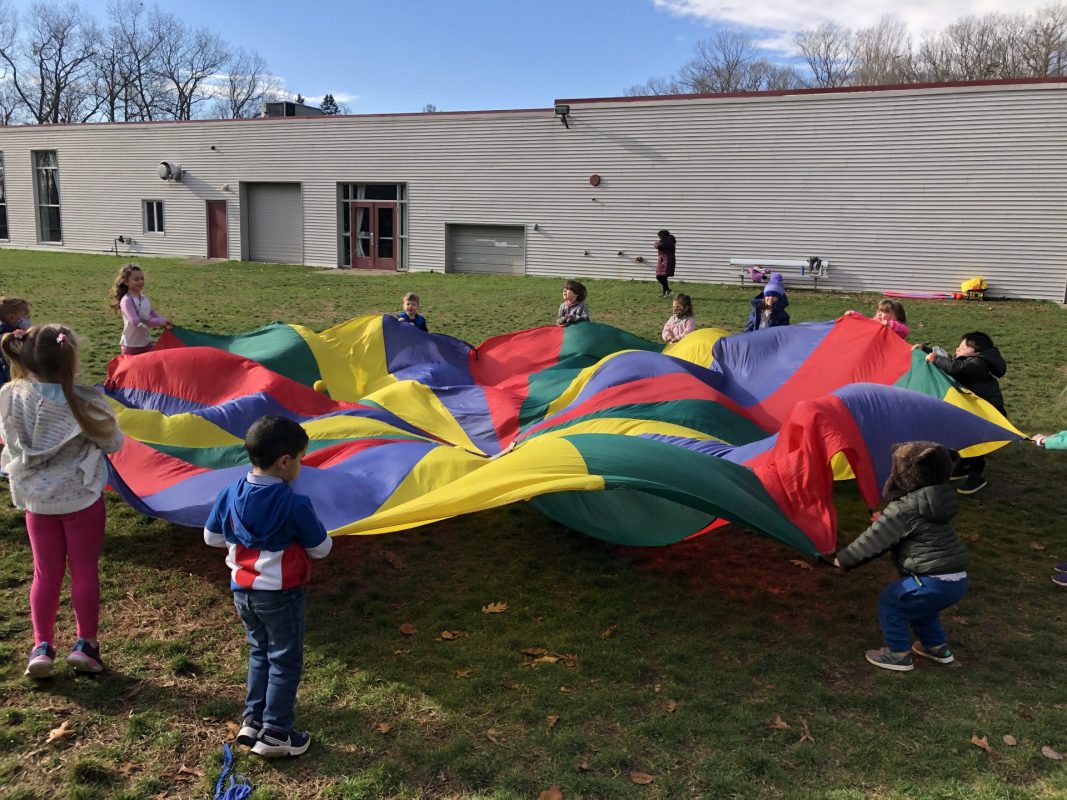
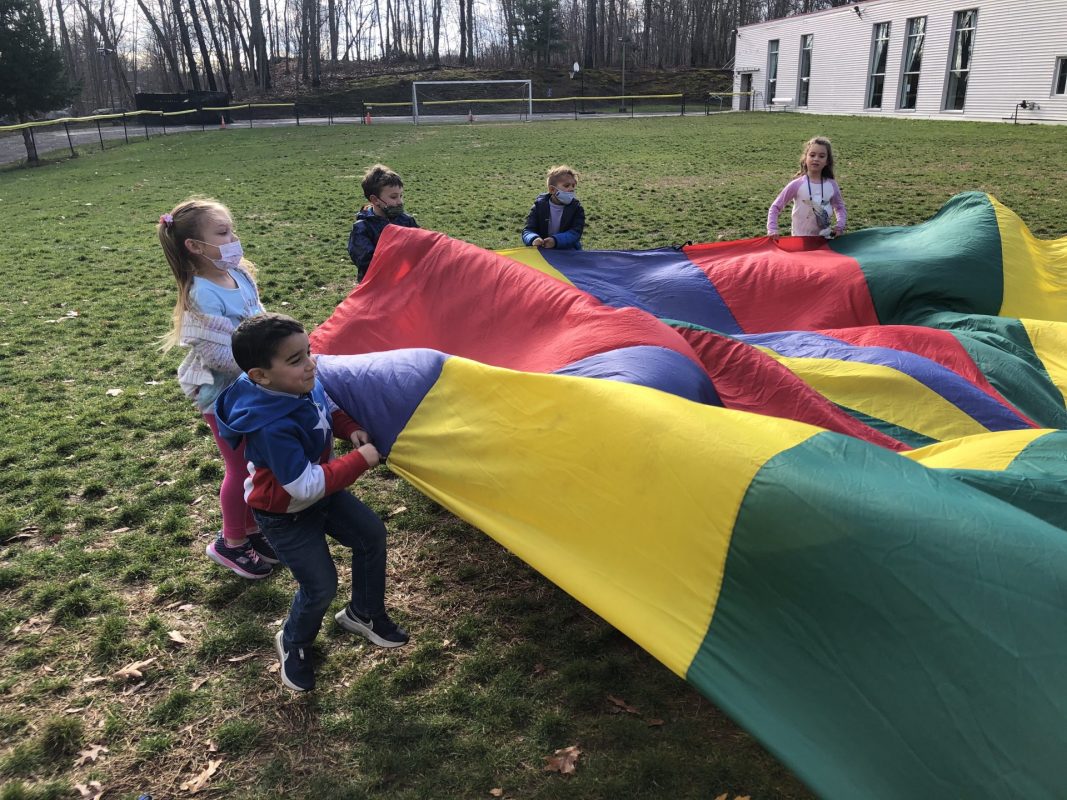
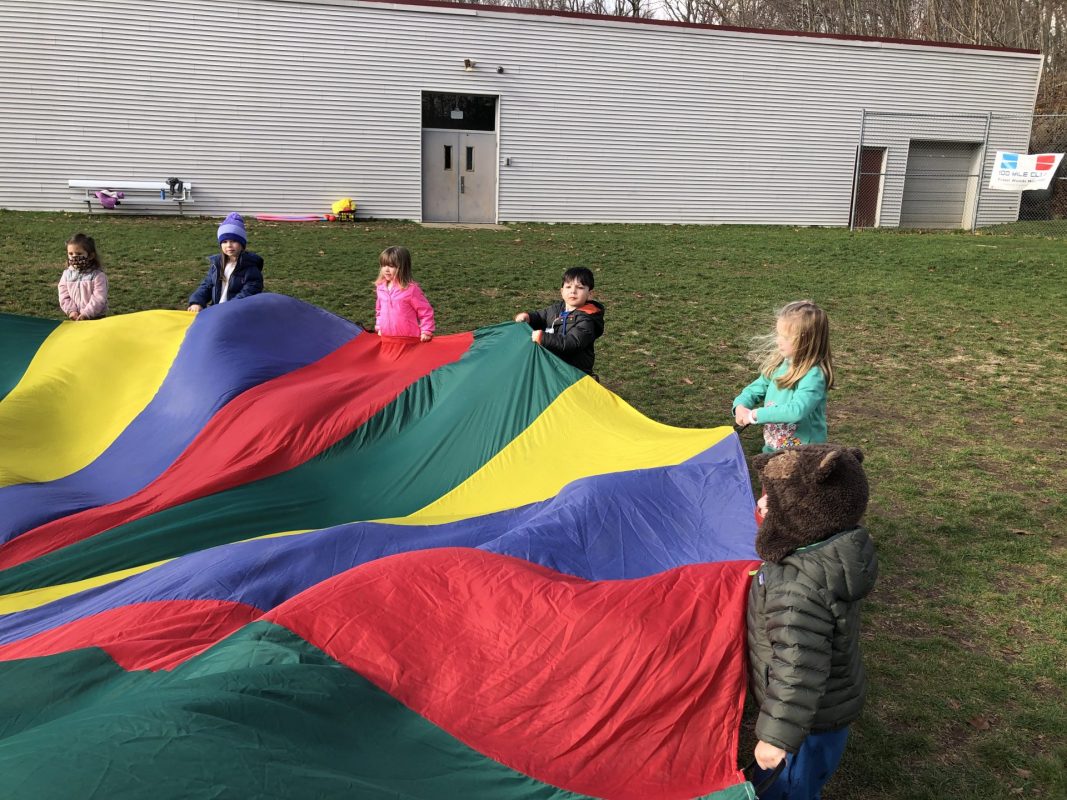
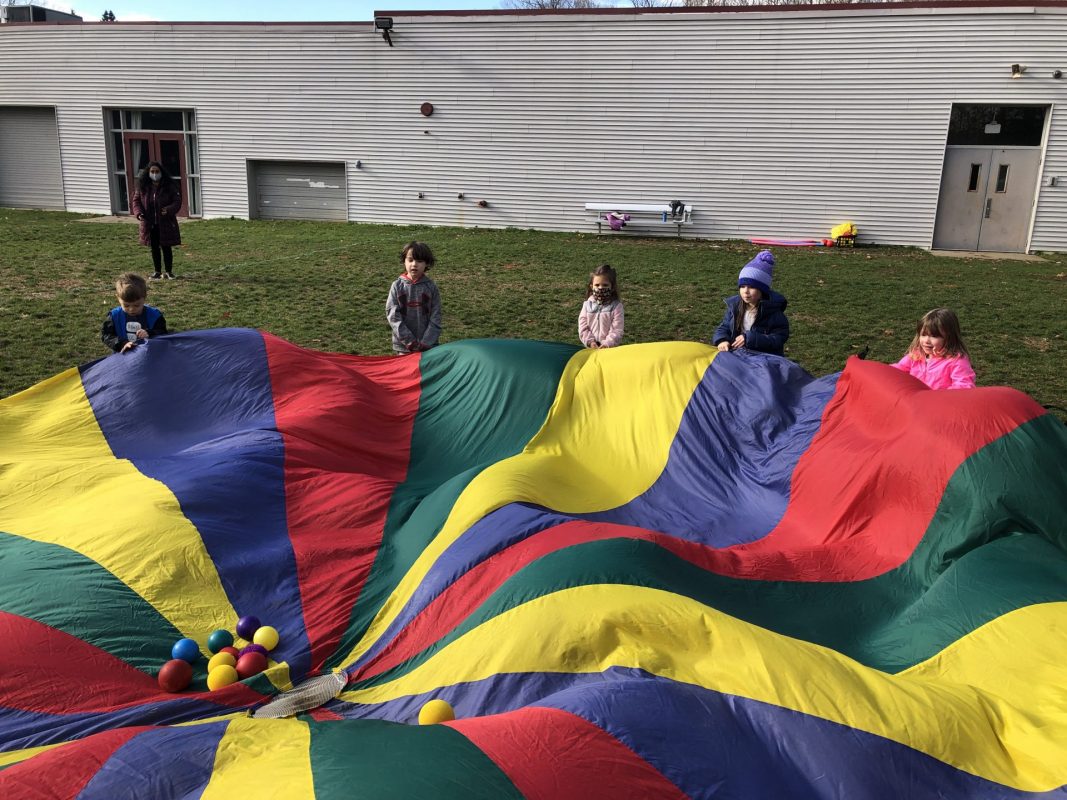
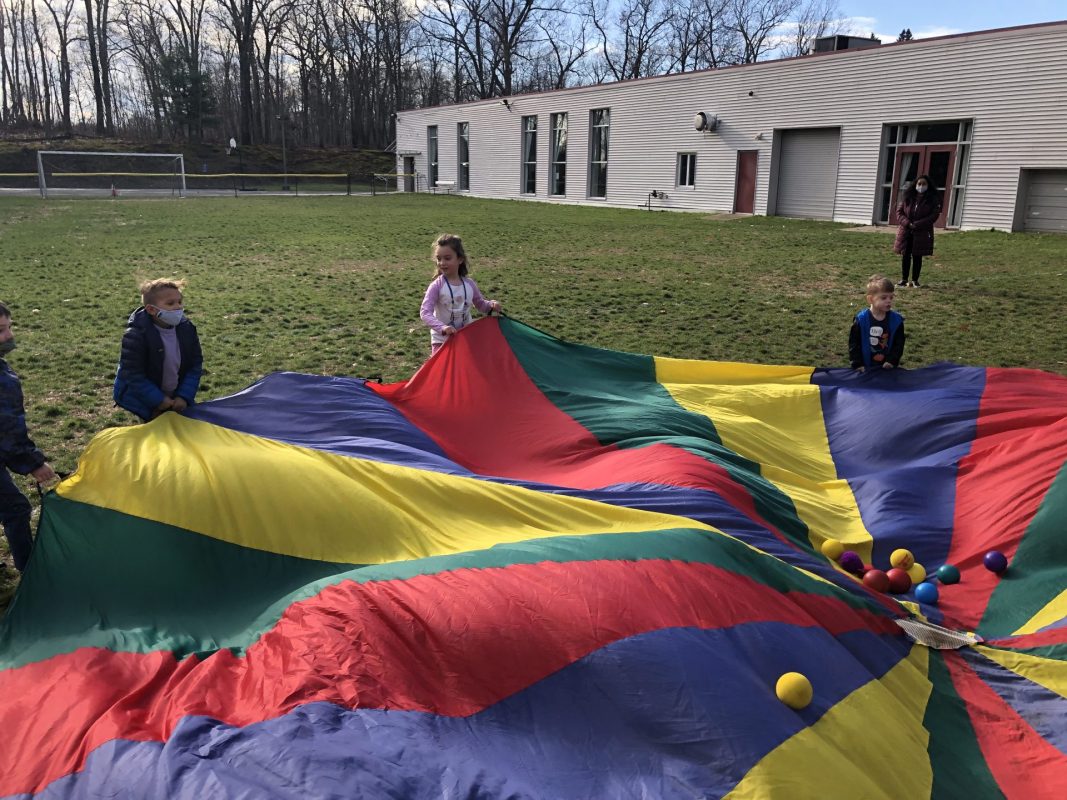
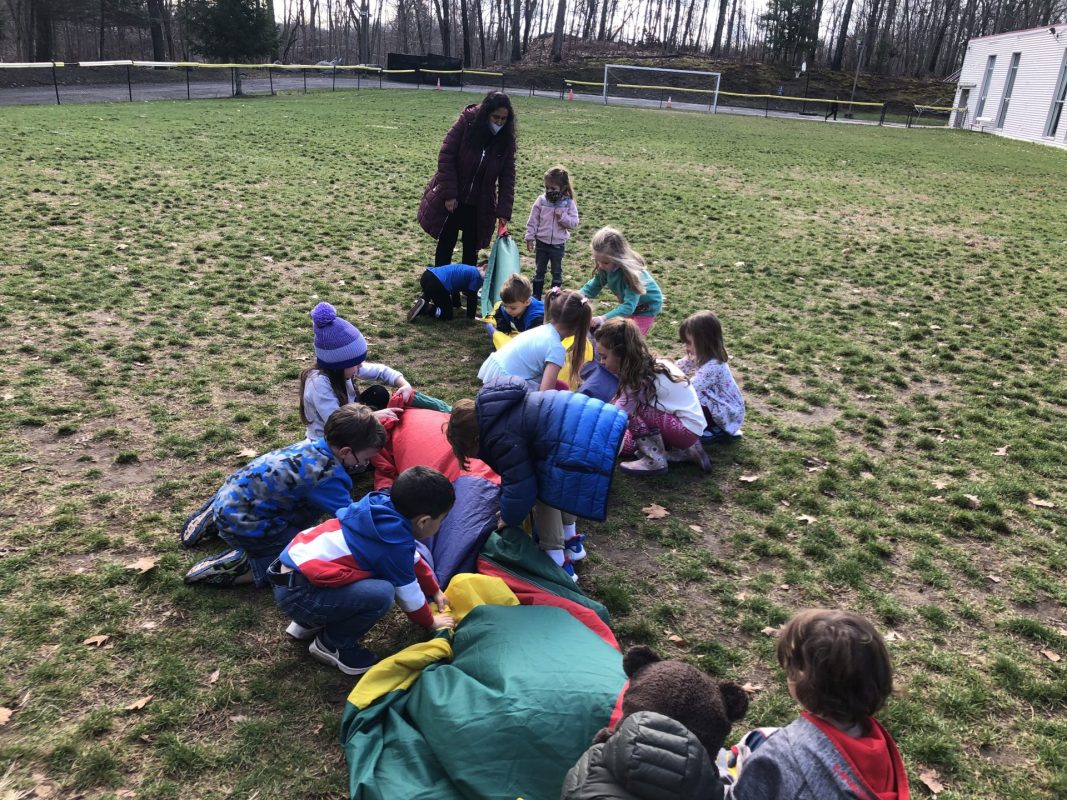
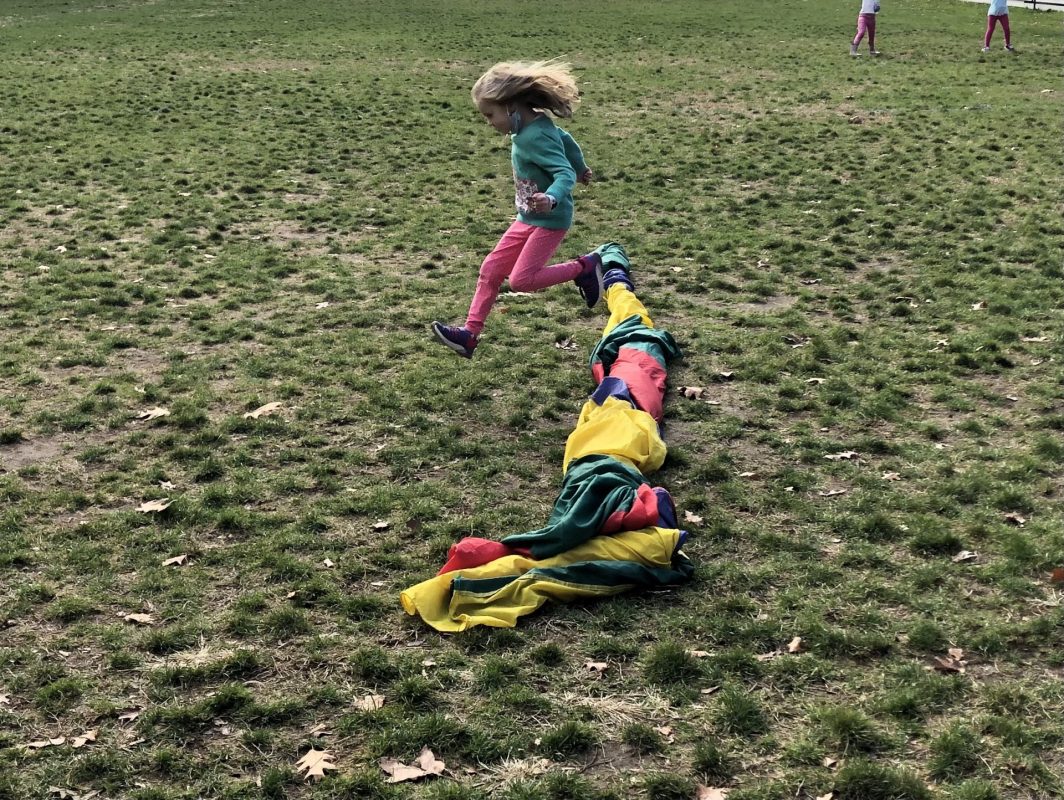
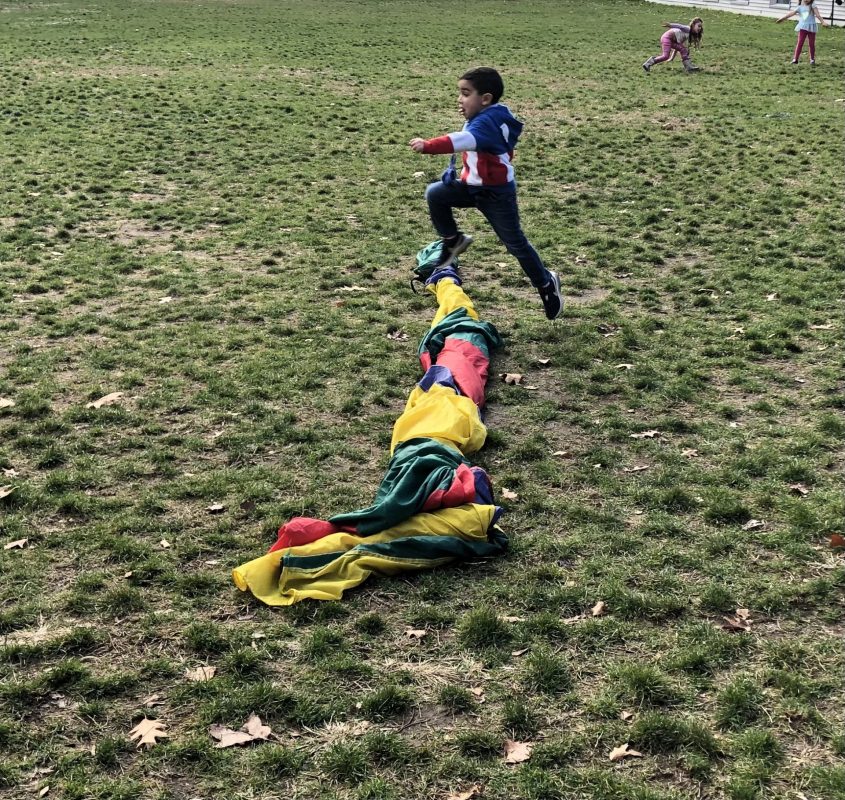
The Primary and Kindergarten students participated in parachute play. Parachute games encourage cooperative, non-competitive play and reinforce turn-taking and sharing. While most gross motor activities for young children develop muscles in the lower body more than the upper torso, parachutes strengthen primarily shoulder, arm, and hand muscles. When children work together to make the parachute billow, they also refine perceptual motor skills and develop a sense of rhythm. Language activities are also be incorporated into most parachute games. Parachute games played were: “Merry Go Round,” “Climb the Mountain,” “Popcorn,” and “Running through the Tunnel.”  At the end of class, students helped roll up the parachute and had a chance to jump over Sammy the Snake!

Spreading Holiday Joy With Art!


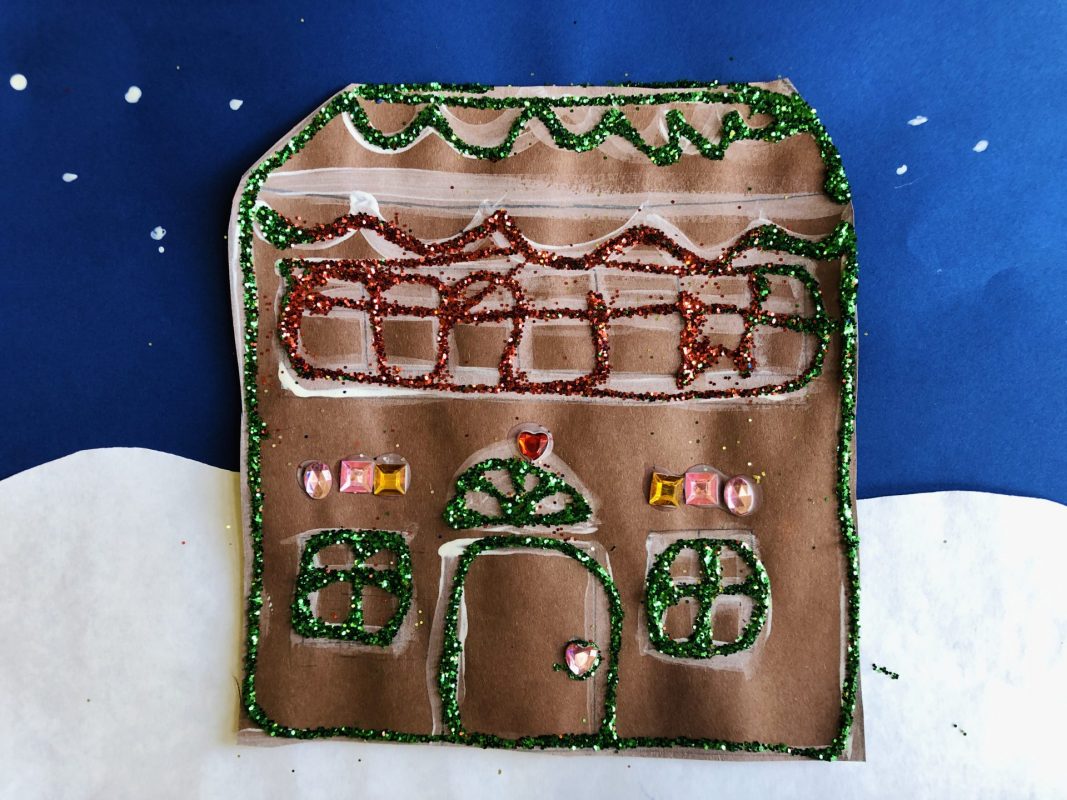
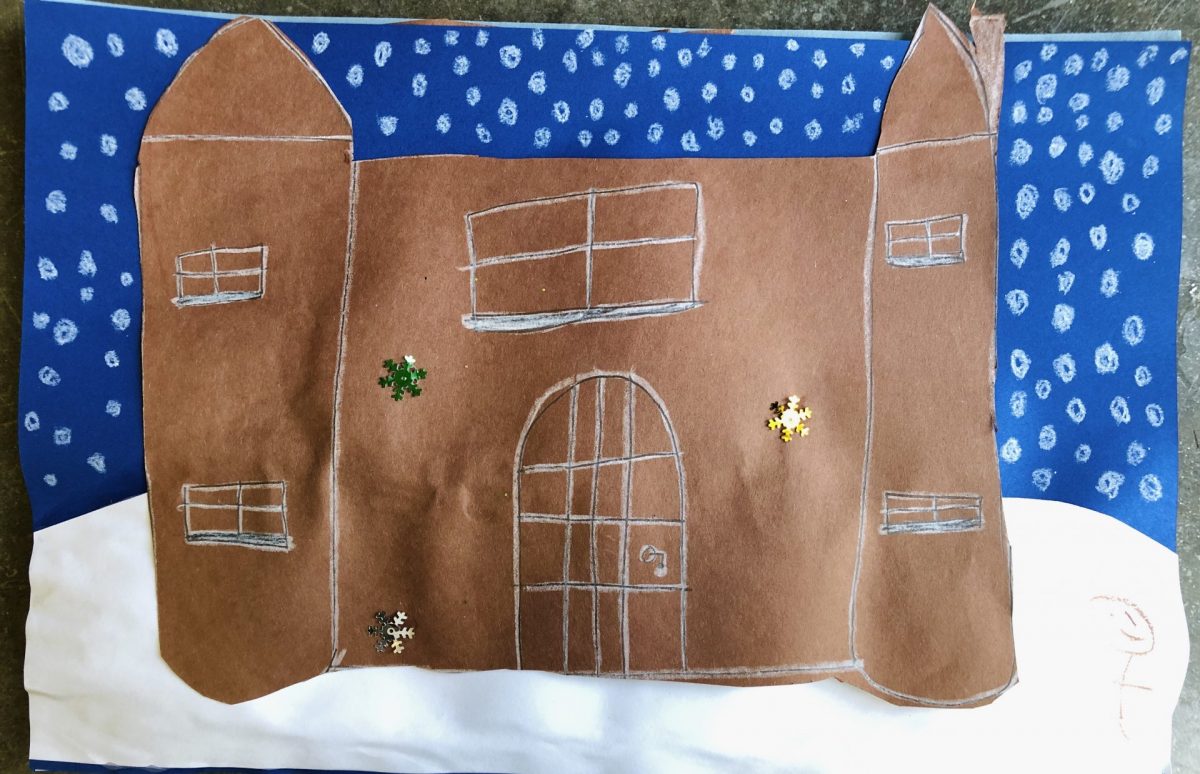
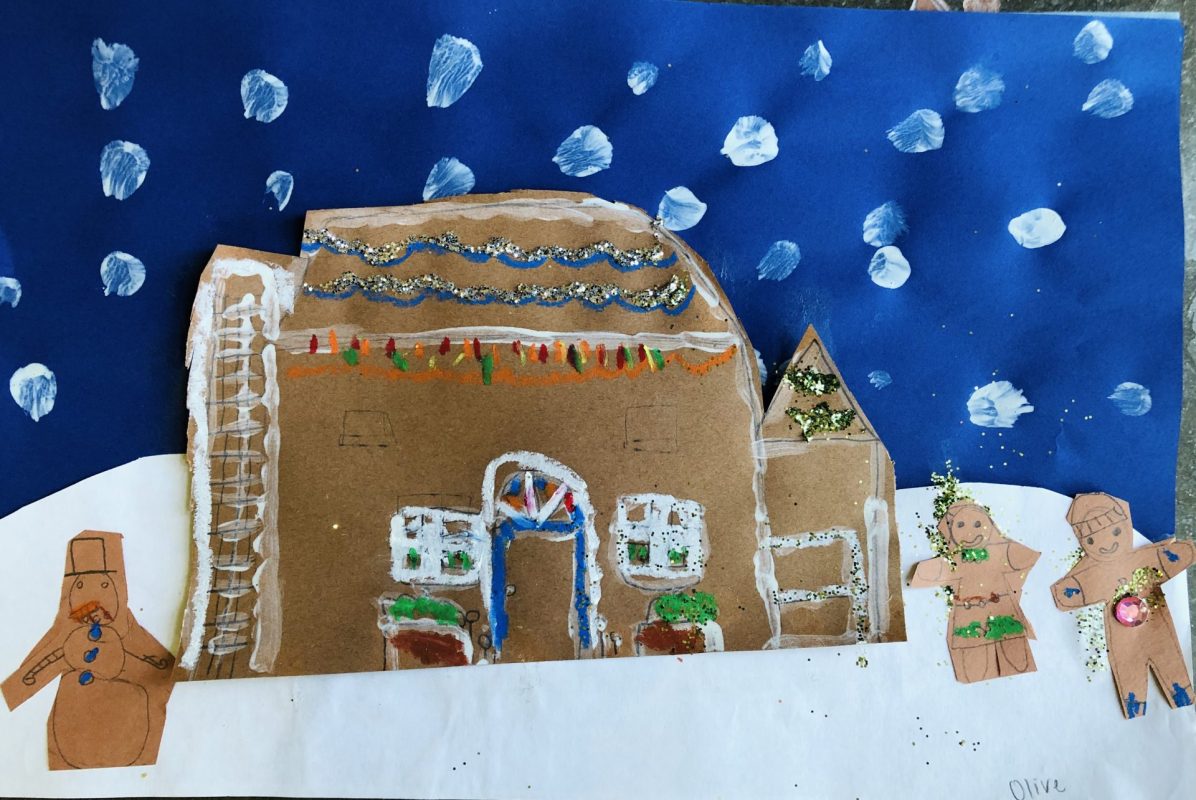
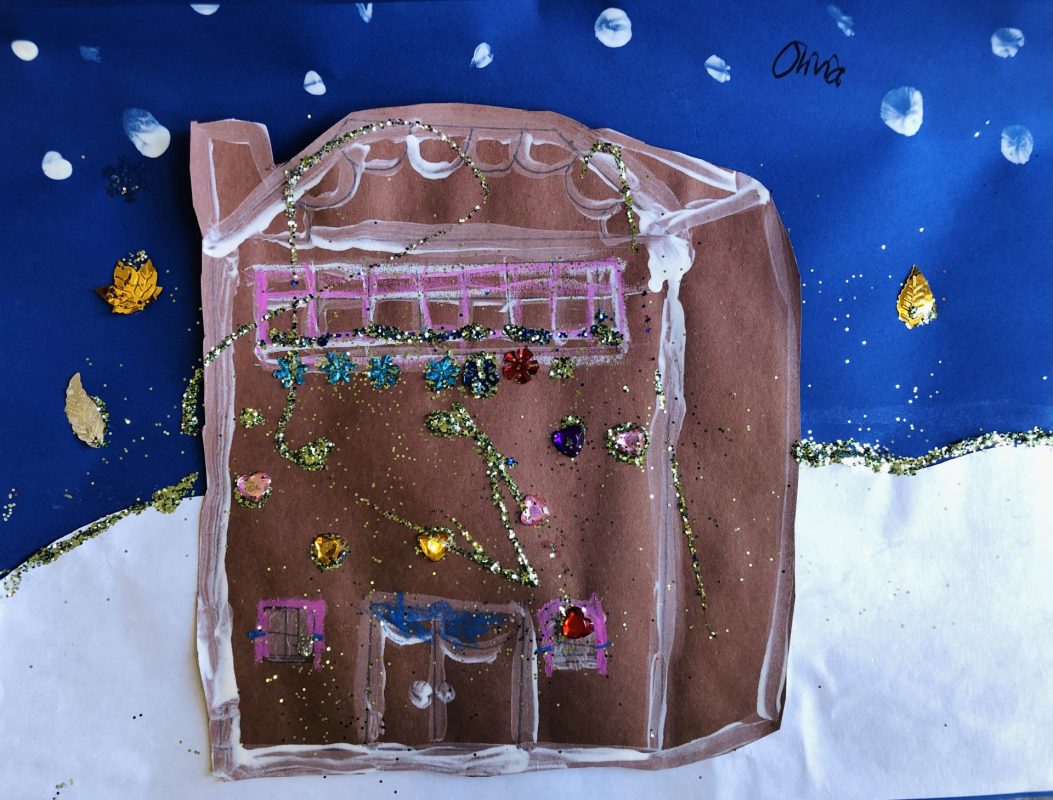
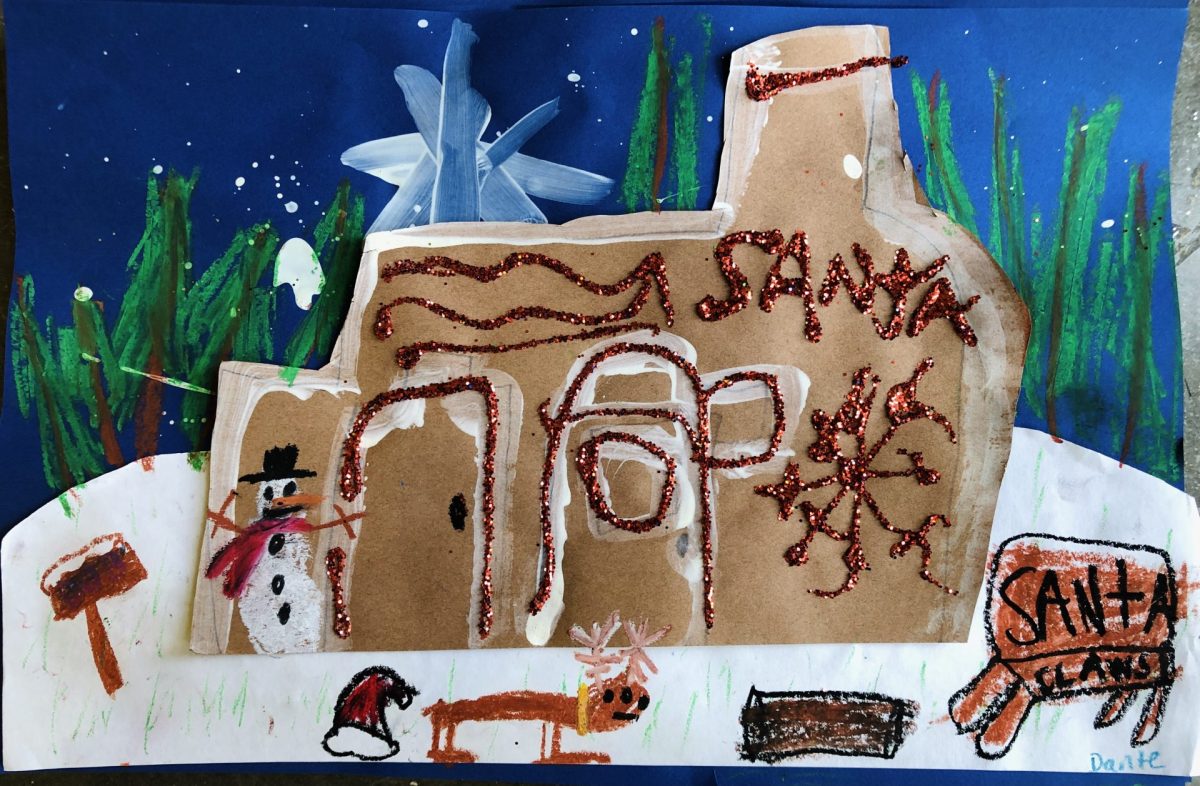
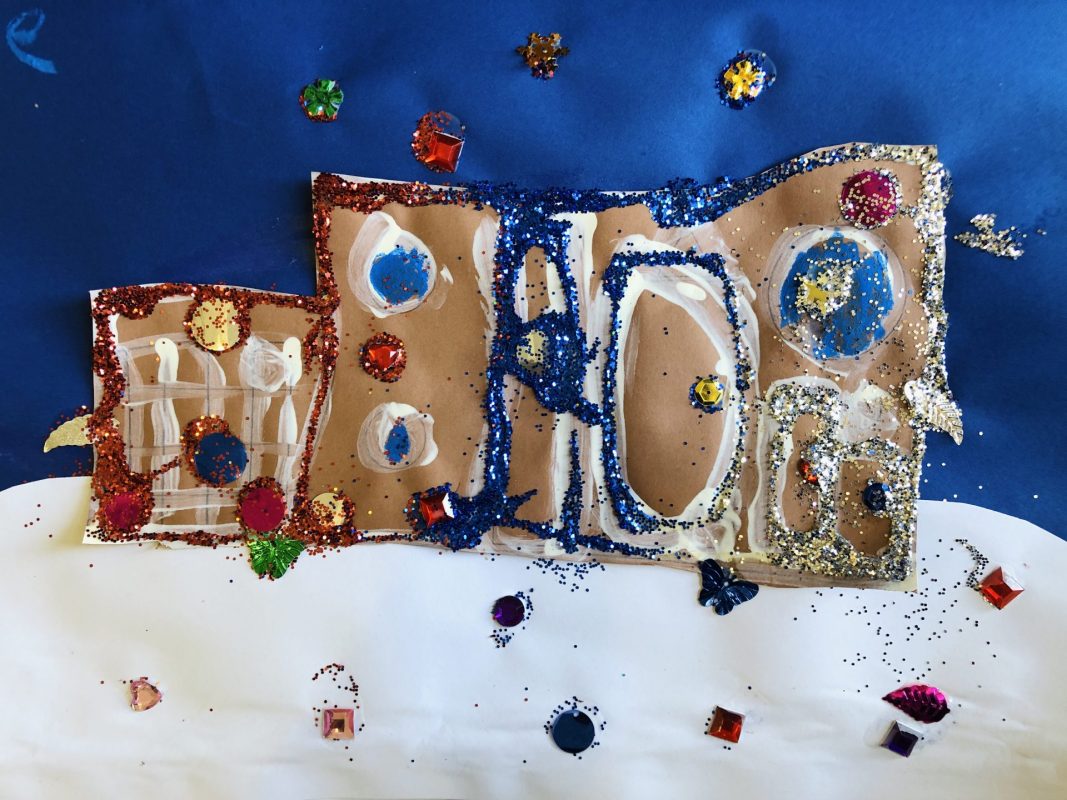
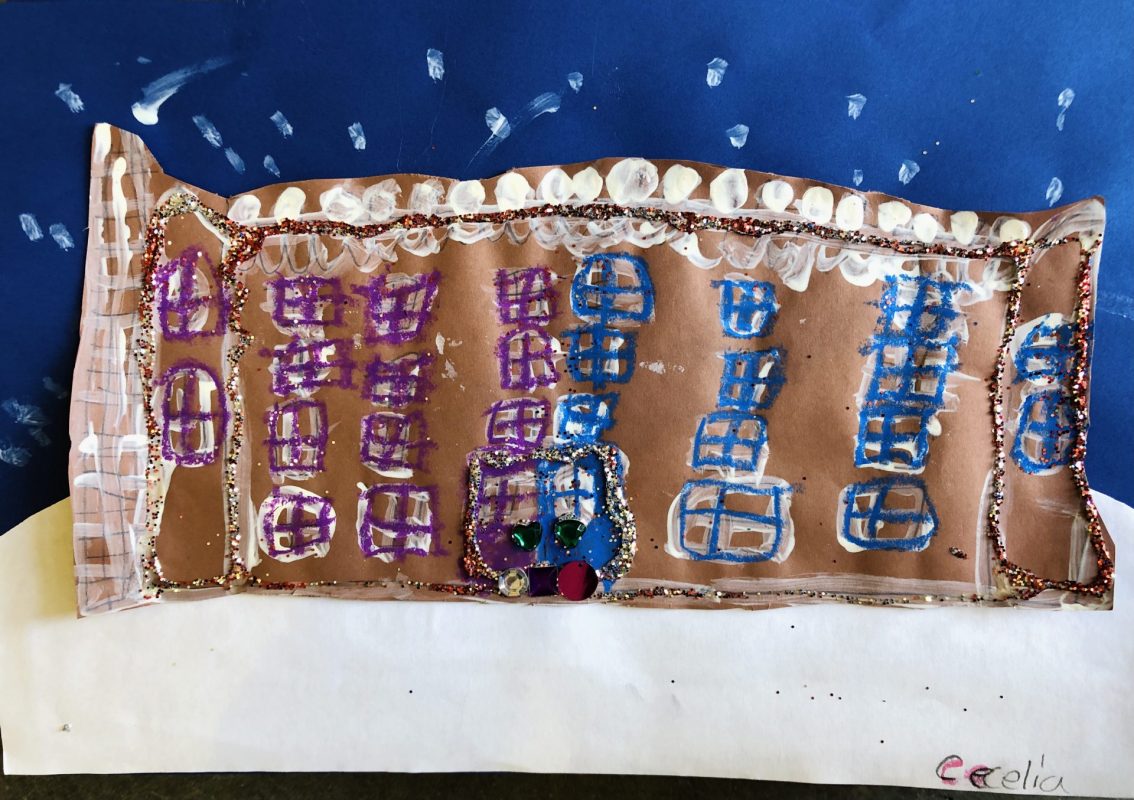
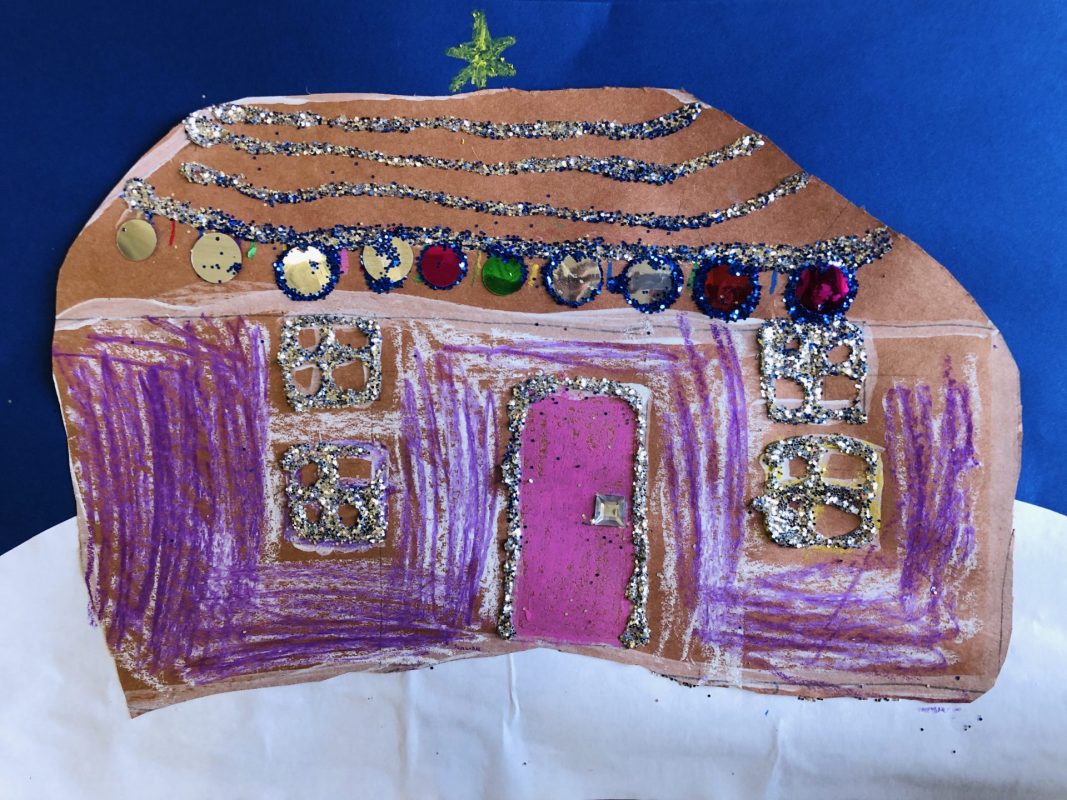
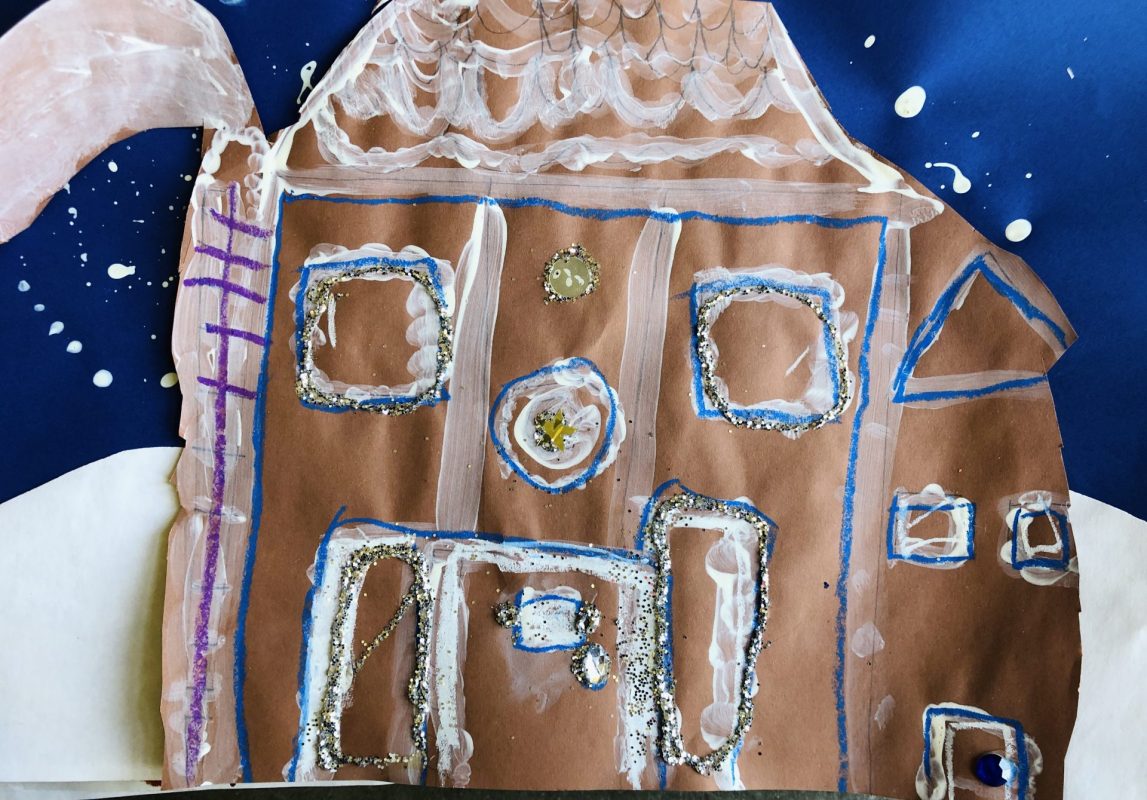
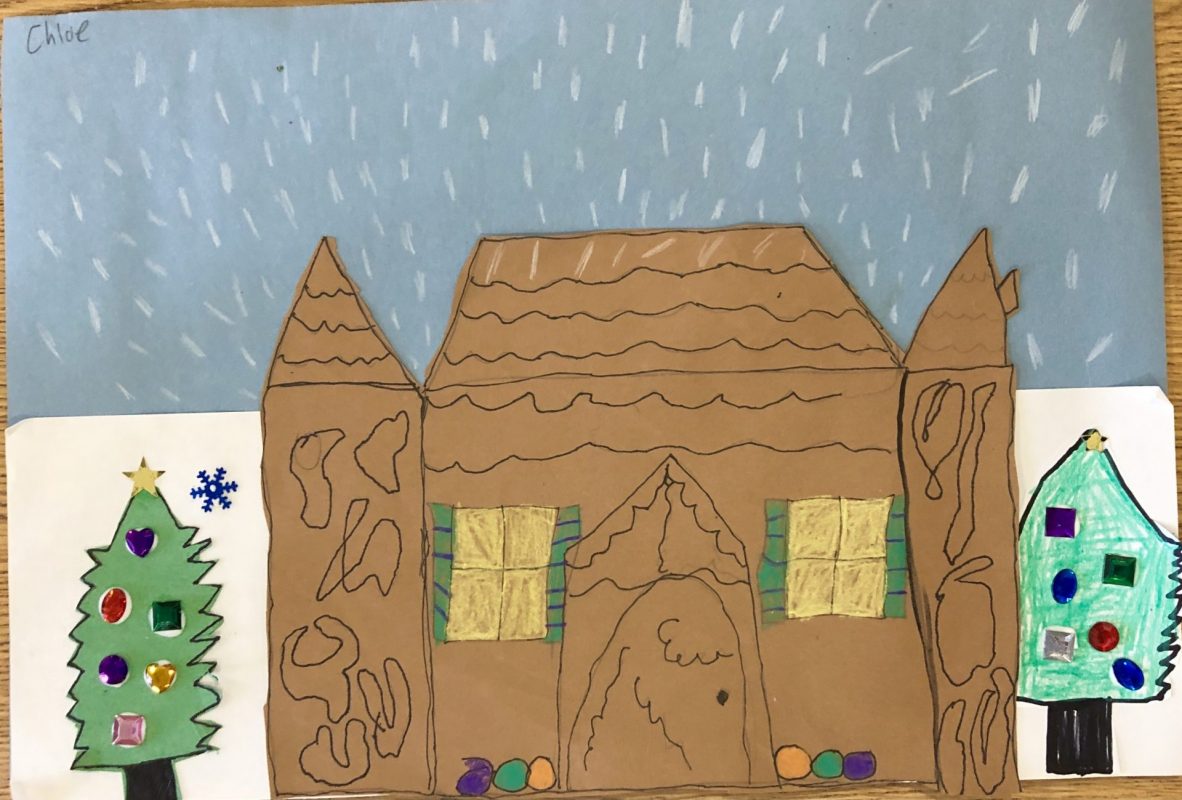
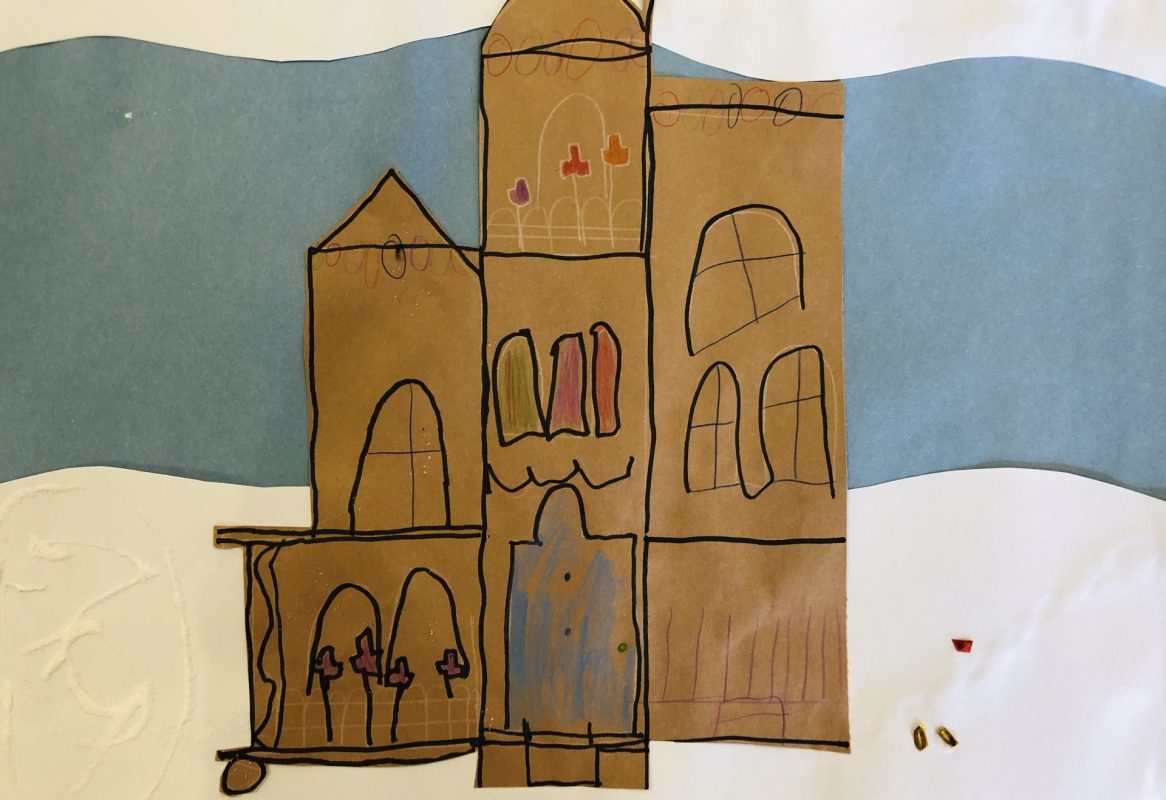
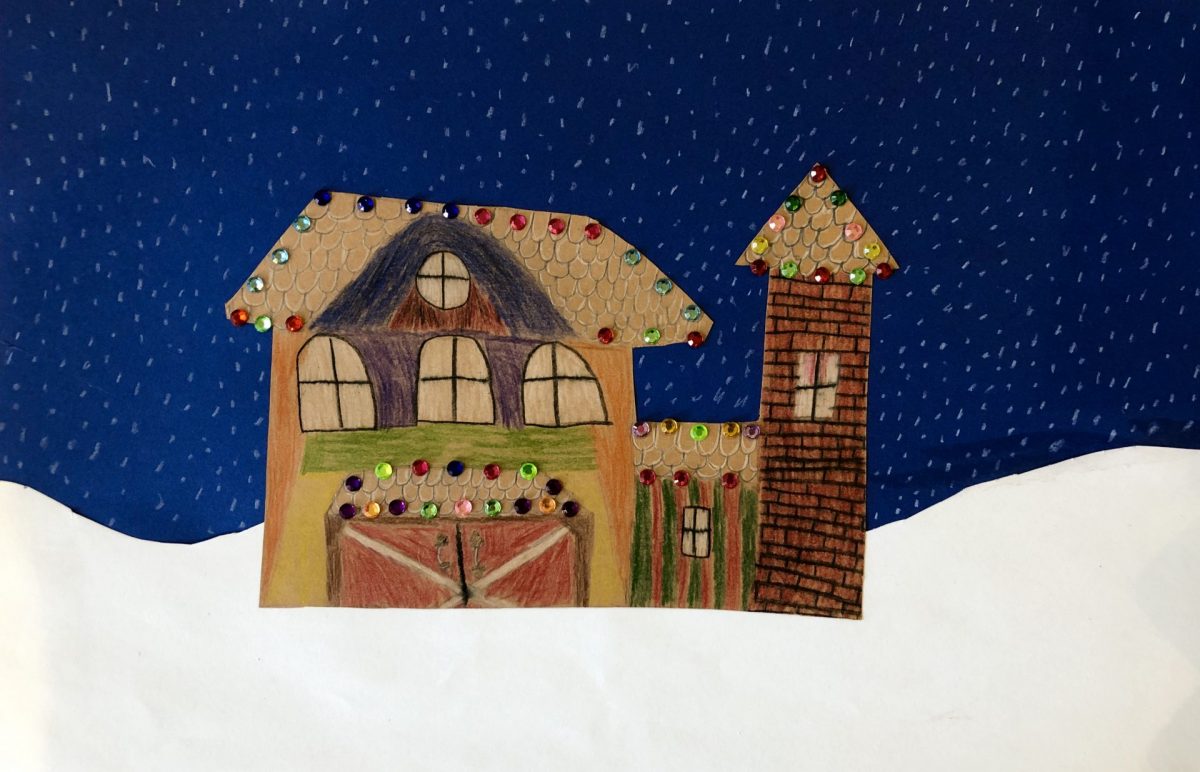
Lower and Upper Elementary artists have been hard at work, spreading holiday cheer and joy through art! This year’s holiday art project focused on the tradition of decorating our homes for the holidays, as well as the gingerbread house decorating tradition.

We began by discussing the different parts that make up the exterior of a house, such as a roof, chimney, windows, siding, doors, porch, shutters and trim. We also learned that the gingerbread house tradition originated in Germany during the 16th century, and that their popularity grew with the story of Hansel and Gretel; in which the main characters stumble upon a house in the forest made entirely of treats! Children gathered inspiration from reference images and their own imaginations to draw their house on light brown paper and then cut out and glued it to a wintry background. Students then added details to represent frosting, candies, lights, candles, snow, ornaments, and more using various materials such as paint, oil pastel, colored pencil, ribbon, glitter, and sequins. Each holiday gingerbread house was created with such joy, and each one turned out so unique and festive! Bravo artists!


¡Feliz Navidad!

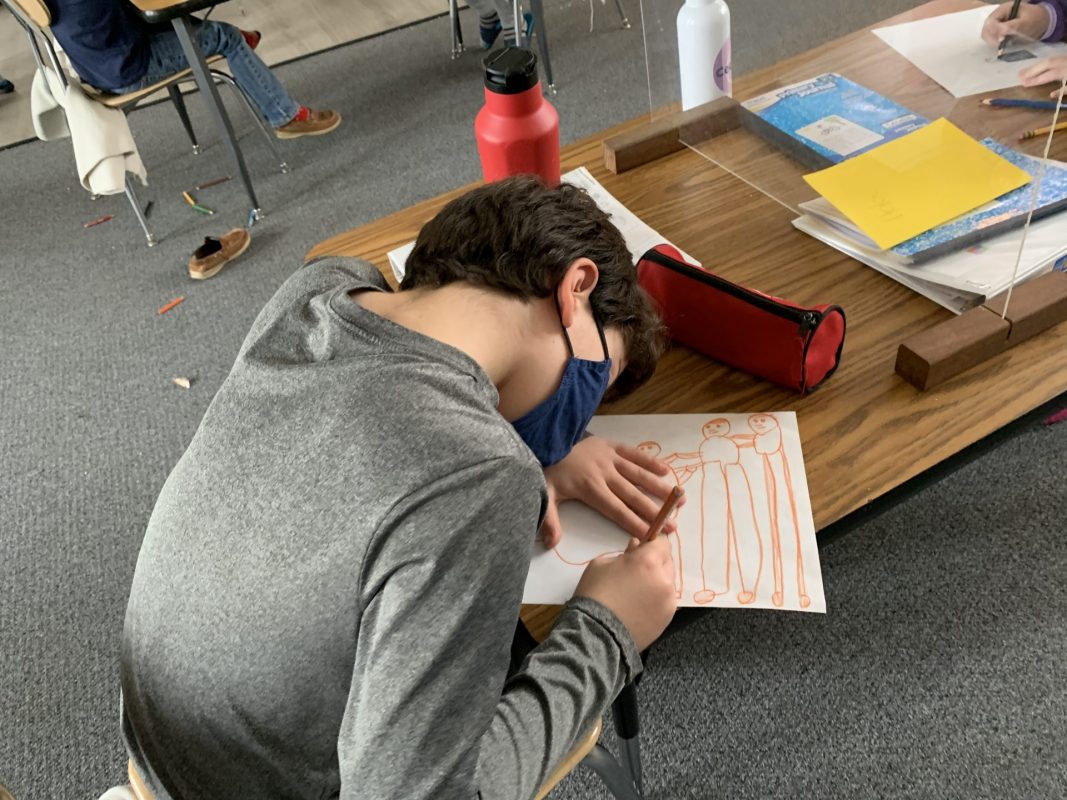
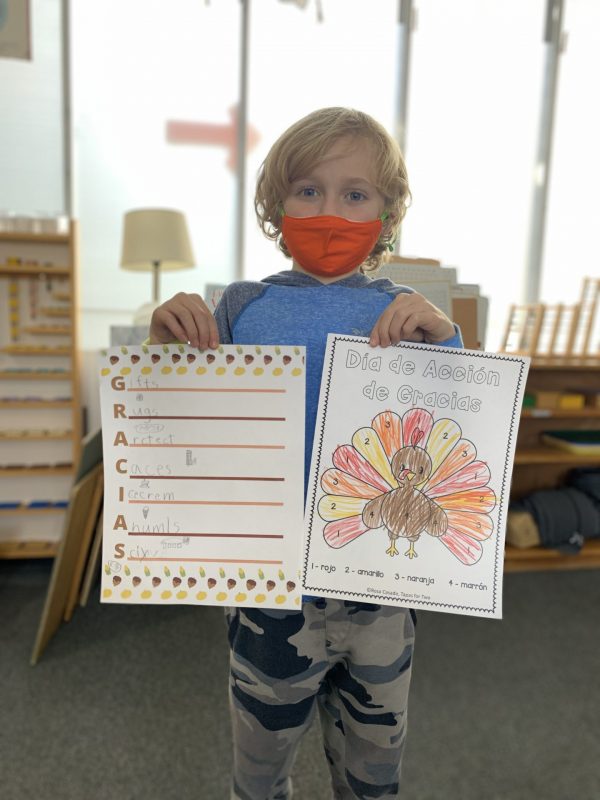
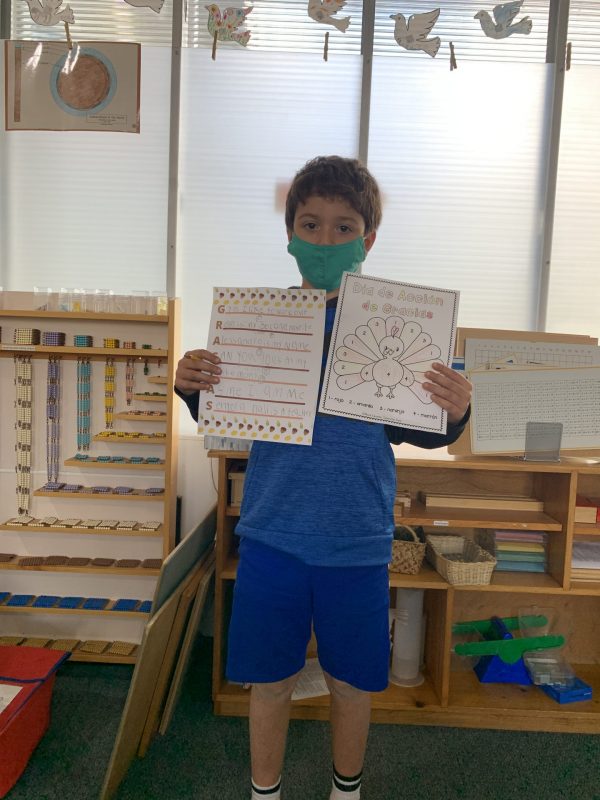
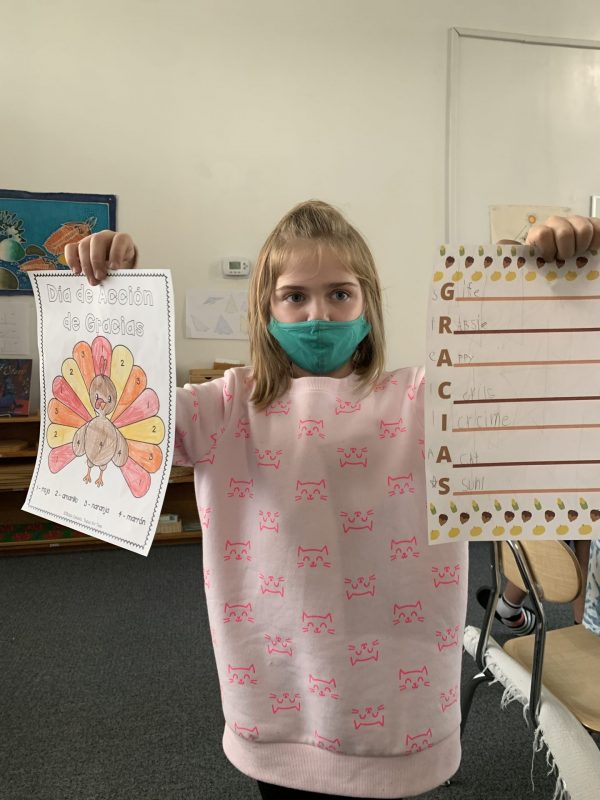
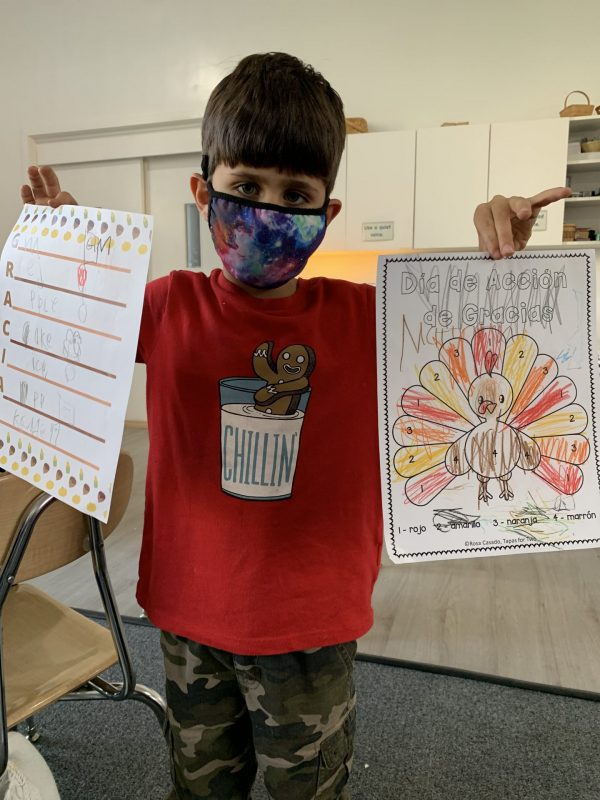
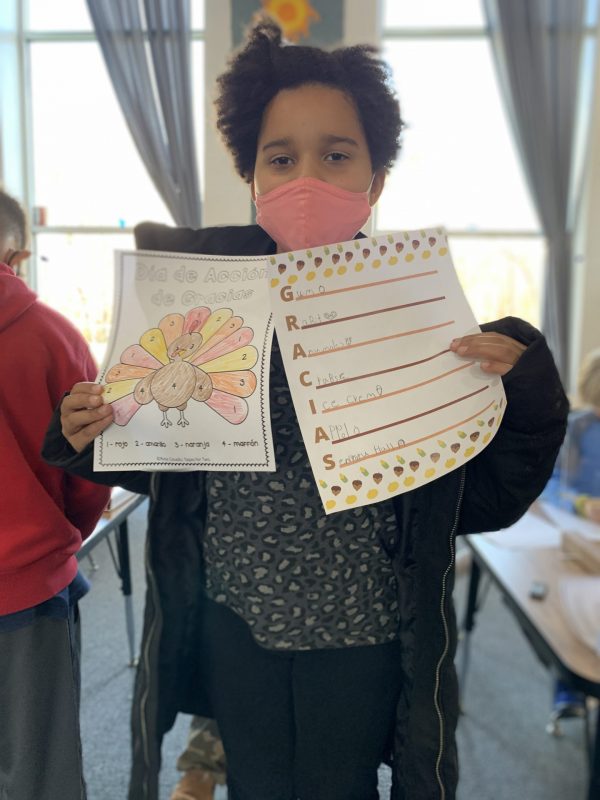
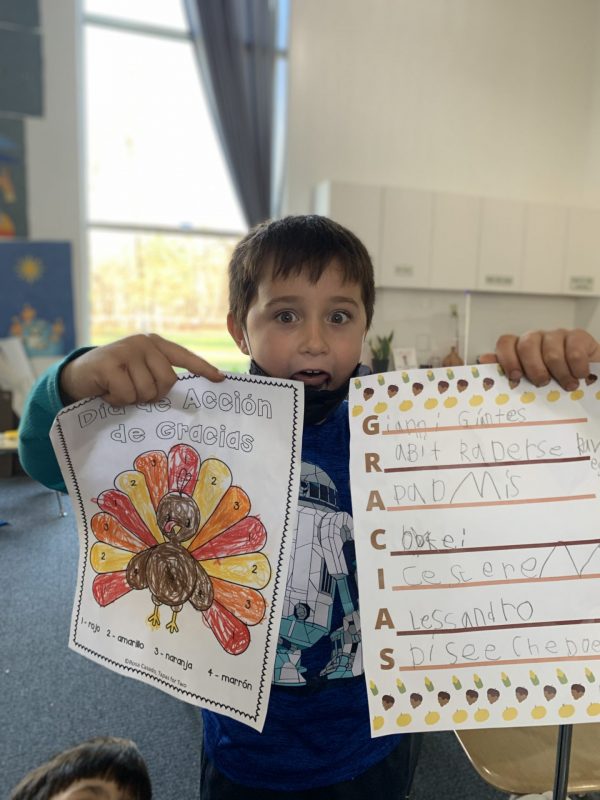
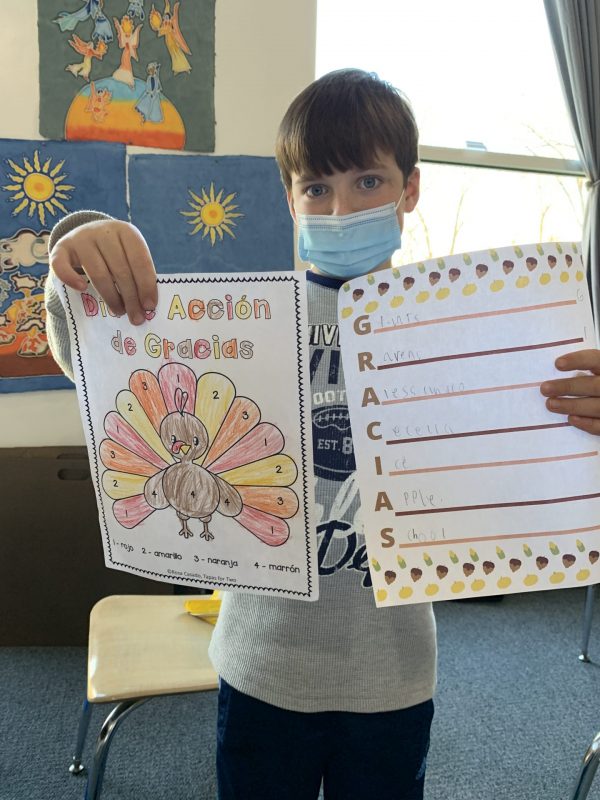
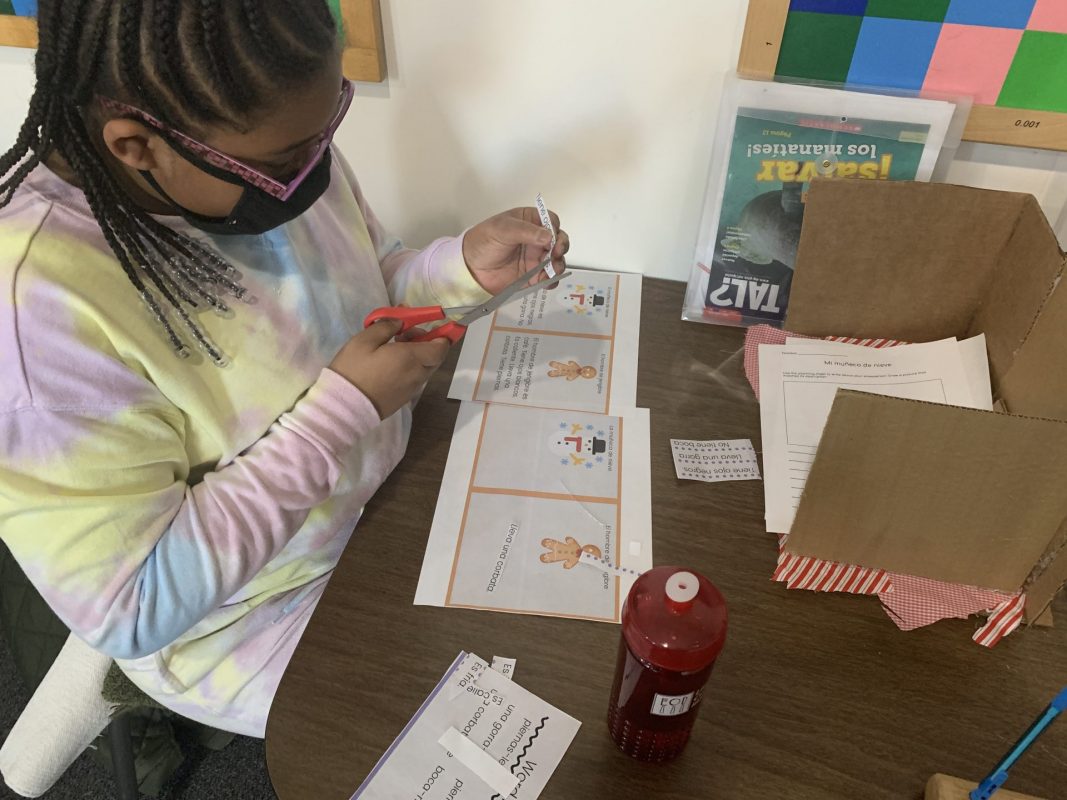
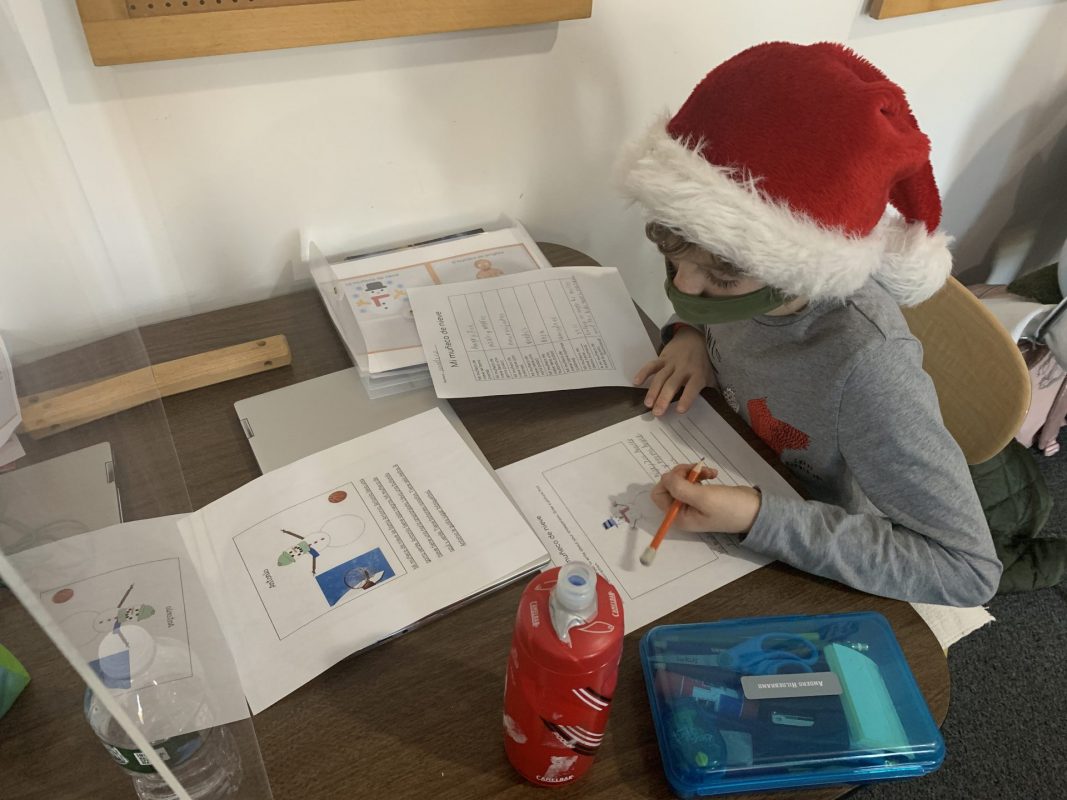
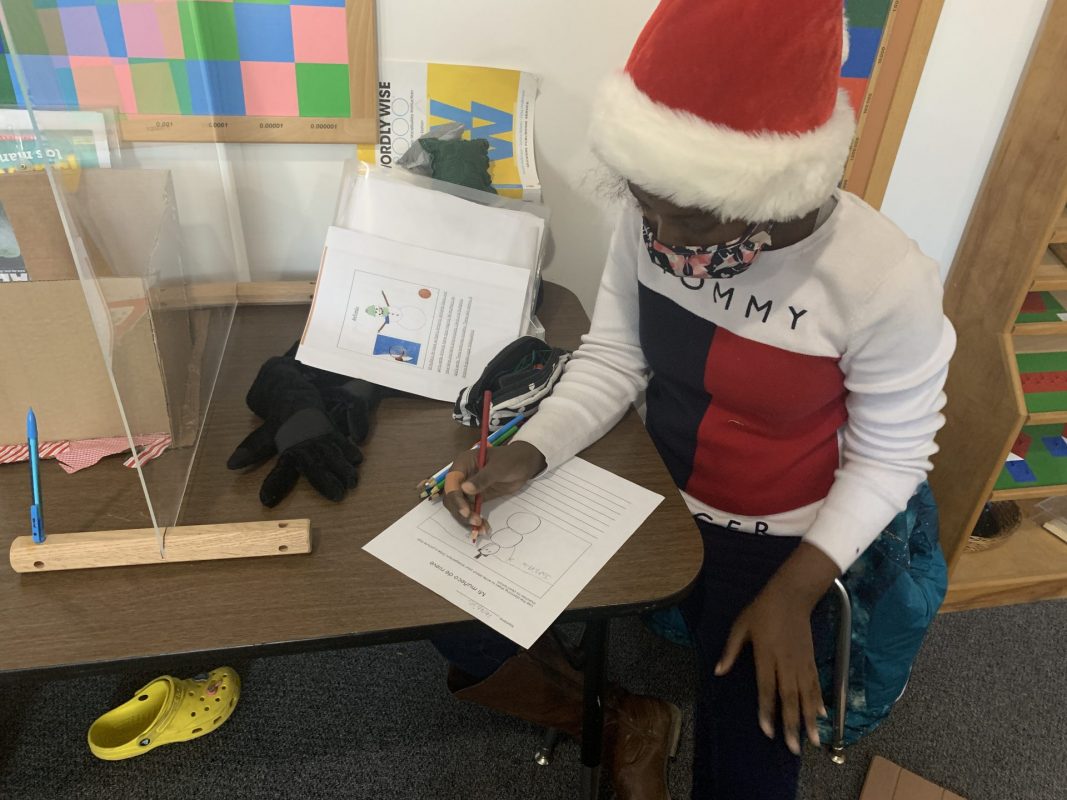
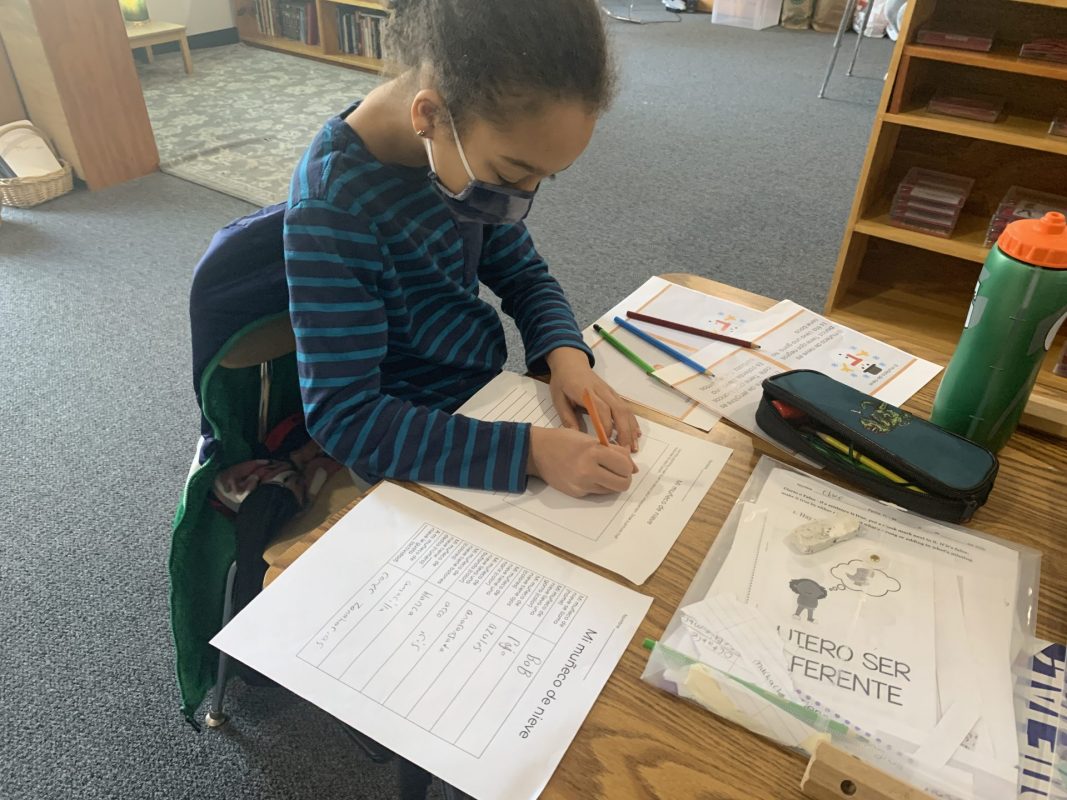
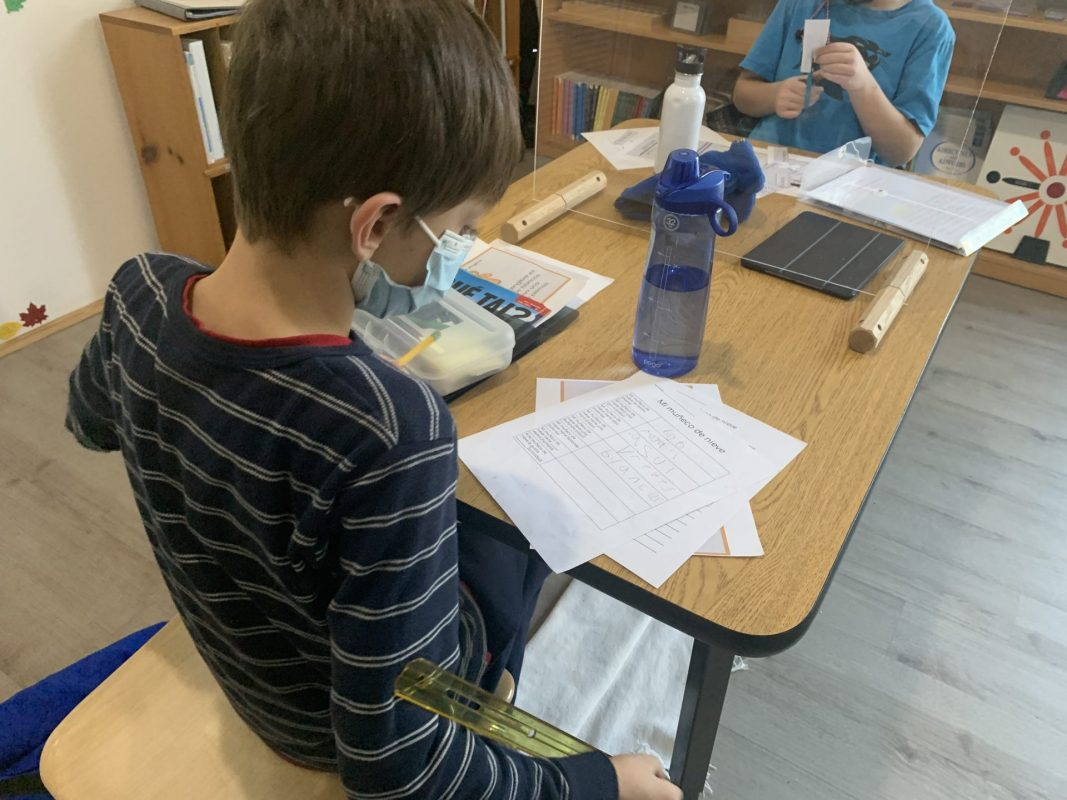
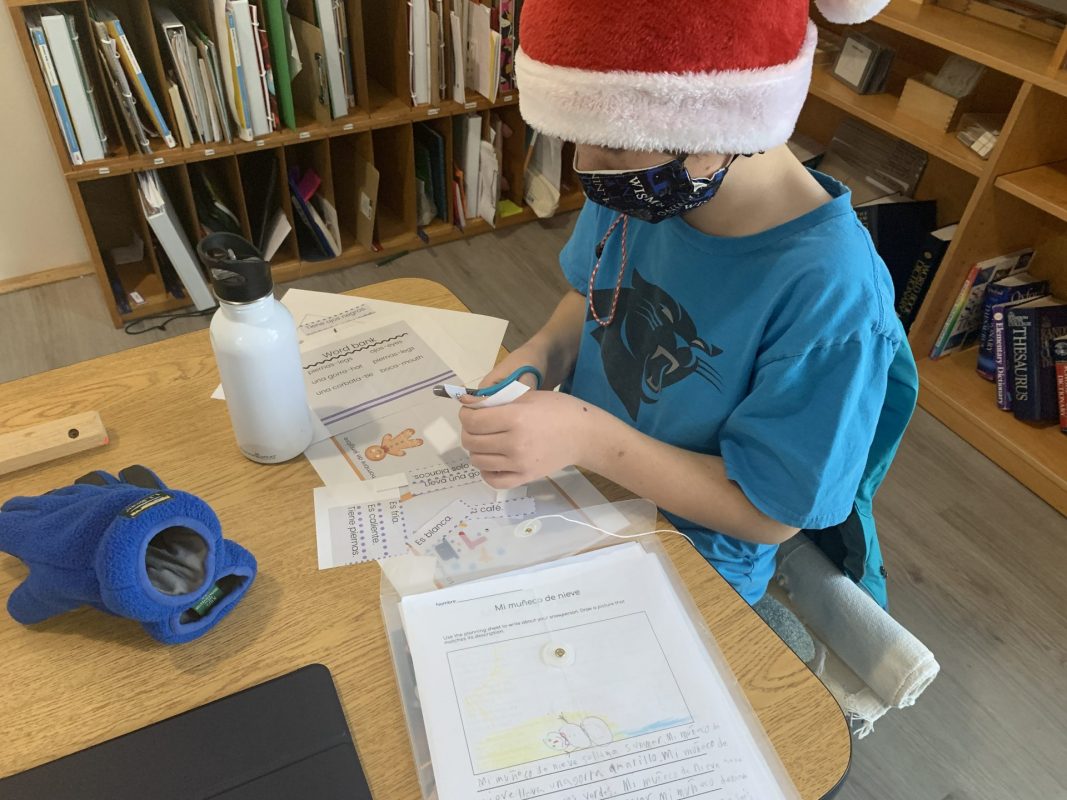
Spanish students have been busy! Across all grade levels, we have been filling our time with stories, projects, and activities for a cumulative review. Primary and elementary students have taken stories about a snowman and a gingerbread man and made character comparisons in Spanish. Elementary students then designed their own snowmen, demonstrating their knowledge of clothing, colors, and body parts in Spanish. 

Middle school has completed virtual escape rooms, puzzles, character comparisons, and they have even written their own stories. They are presented with the opportunity to showcase all of their acquired language together in their spoken and written tasks. 

Gearing up for the holidays, we are taking a dive back into LatinX and Spanish culture to explore how the holidays will be celebrated around the world!


UE Makers

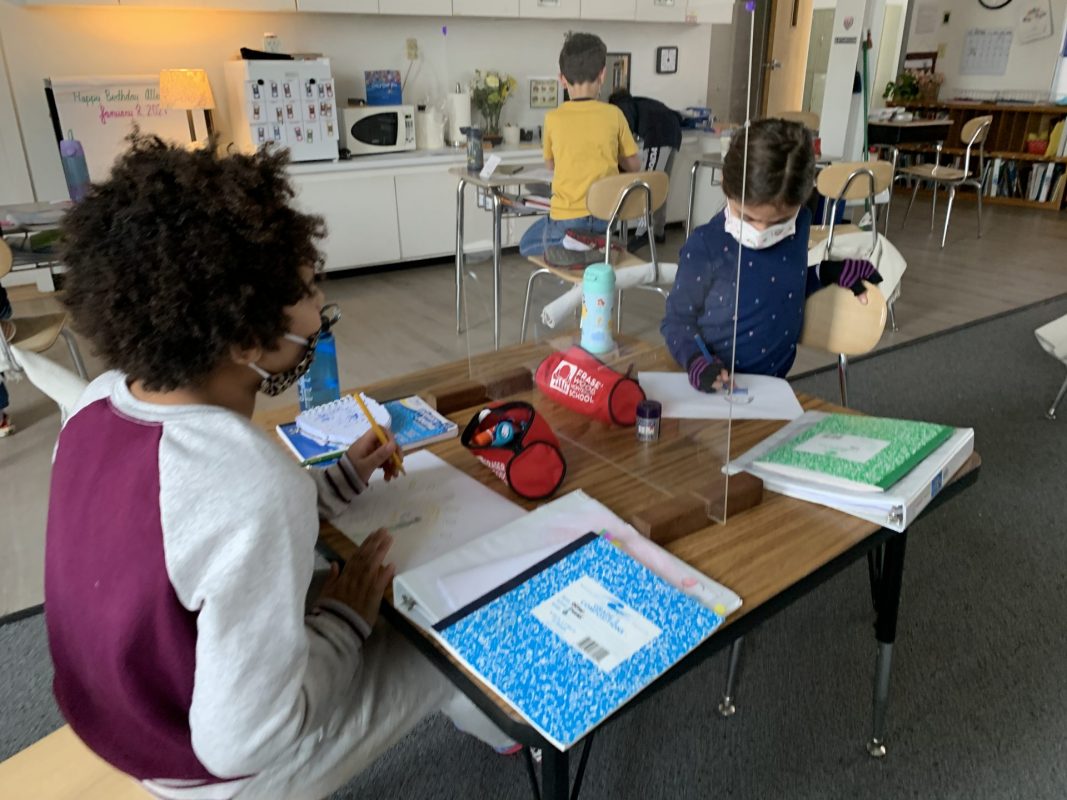
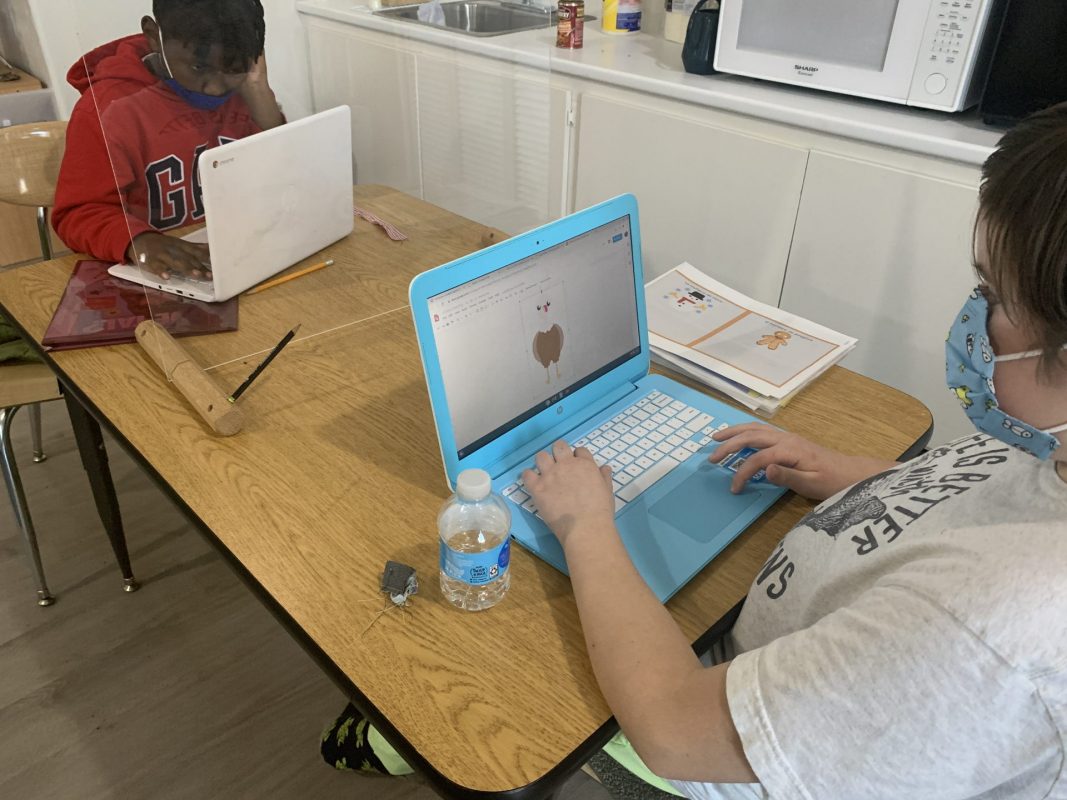
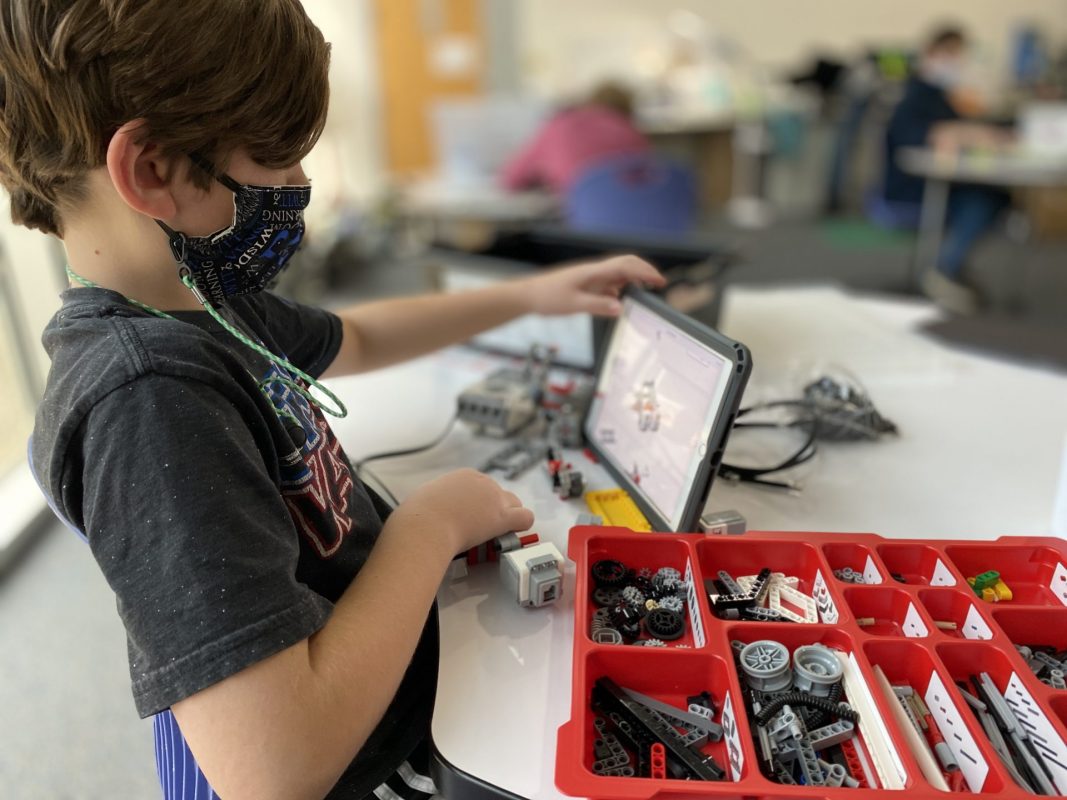
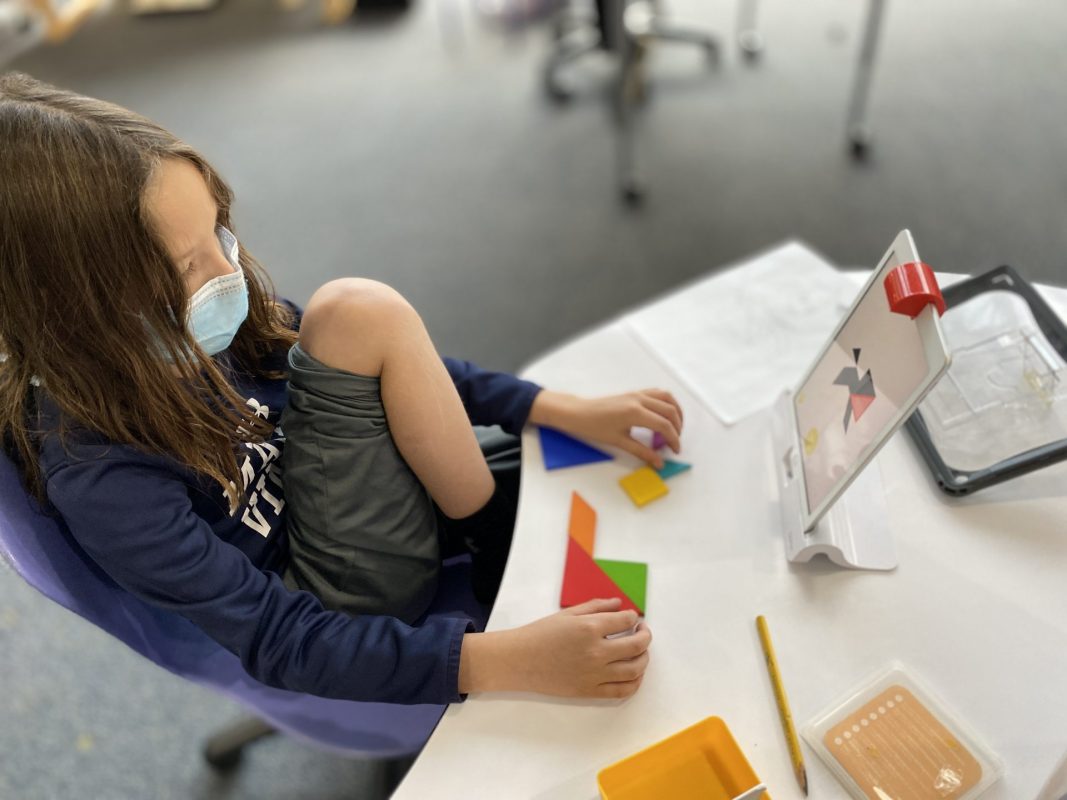
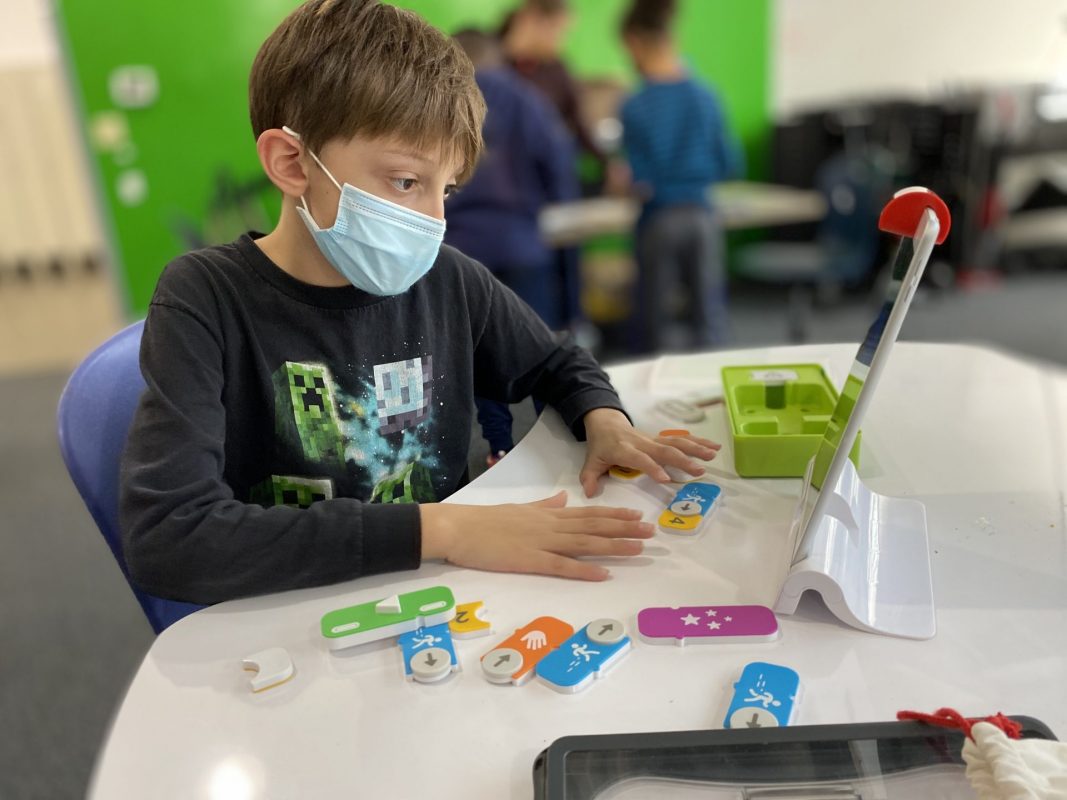
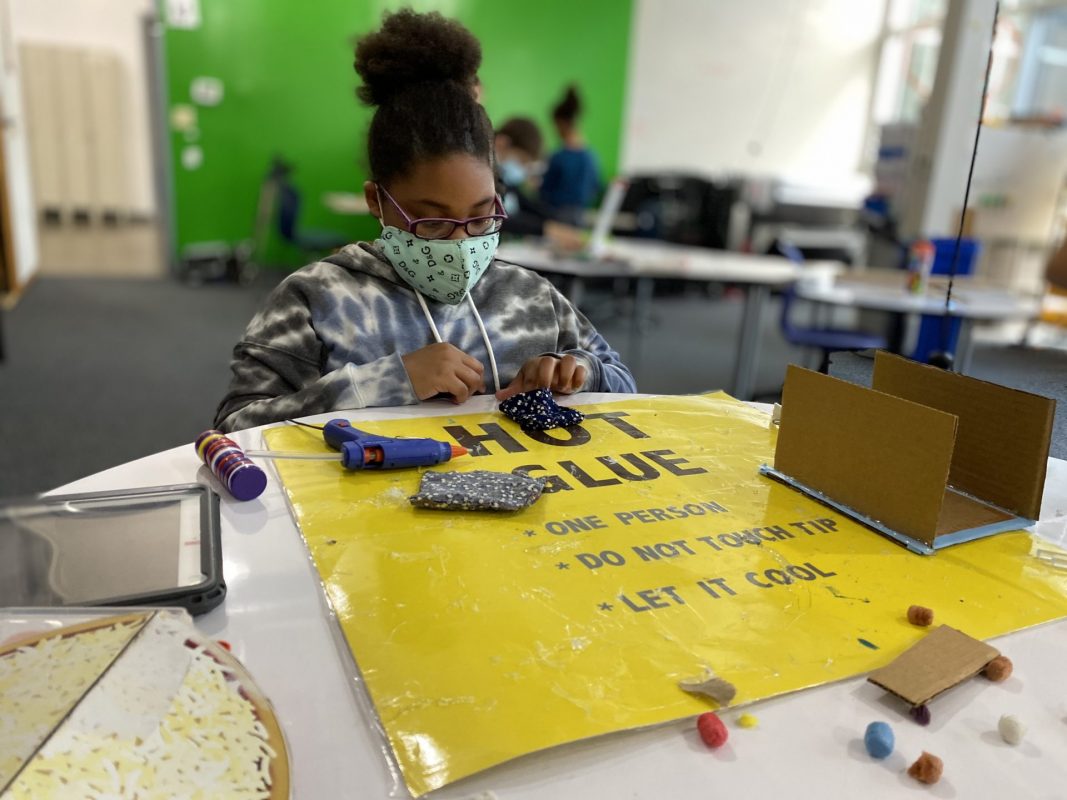
Upper Elementary is the age when students truly start exploring their passions and interests at an independent level. Students by now have learned their way around the MakerSpace and have become familiar with the projects and tools that are available to them. Although group work is a harder to accomplish this year due to safety restrictions, they are still collaborating with feedback, inspiration assistance, and learning how to divide one project into multiple facets so they can work on one thing simultaneously.

Click here to watch a quick 30 second video of MakerSpace. Some weeks the MakerSpace is so loud- a creative chaos that I truly love. Other times it is super silent because the students are deeply focused and engaged on the work at hand.

They inspire each other- but I, too, am constantly finding new ways to inspire them. Just ask your UE student- this week I brought in my palm sander to see if anyone wanted to try it out! (I had a few takers!)


Autumn Inspiration!


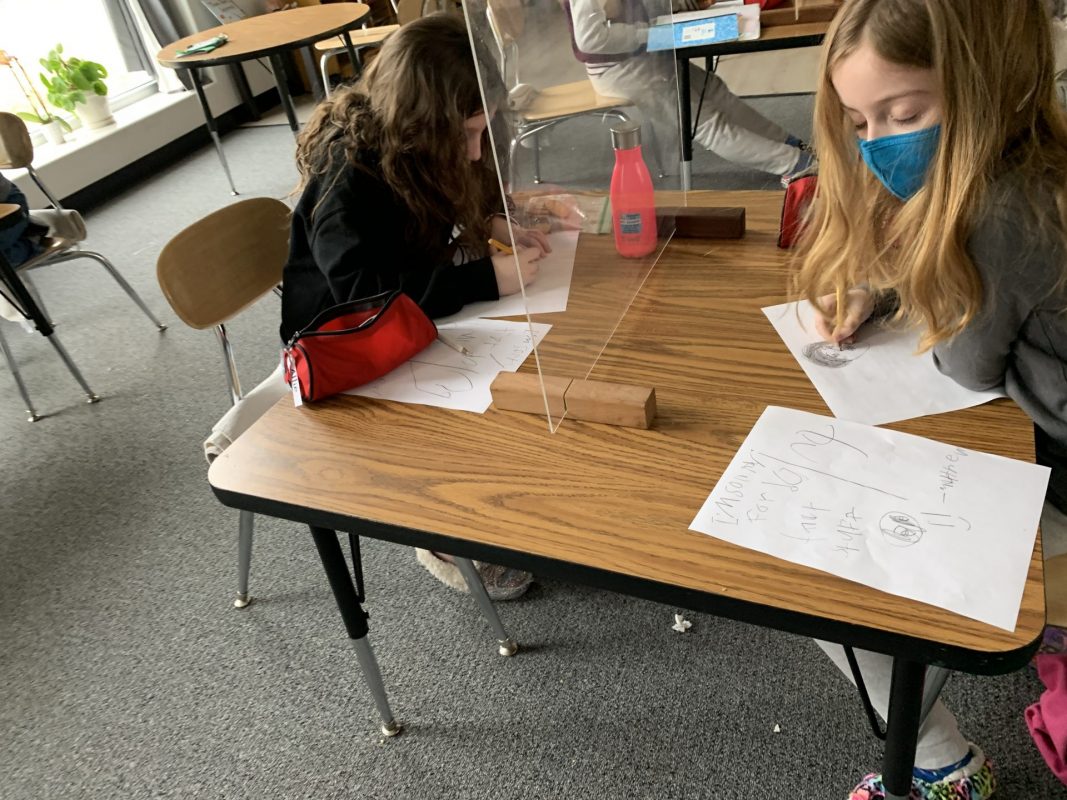
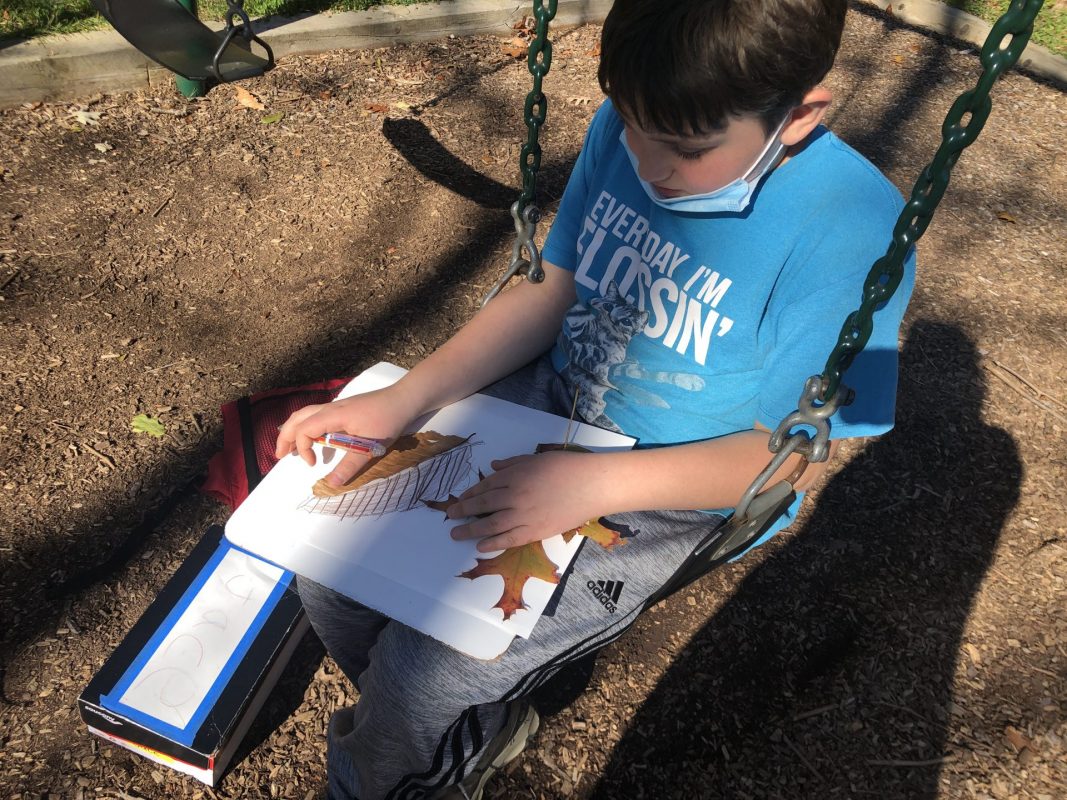
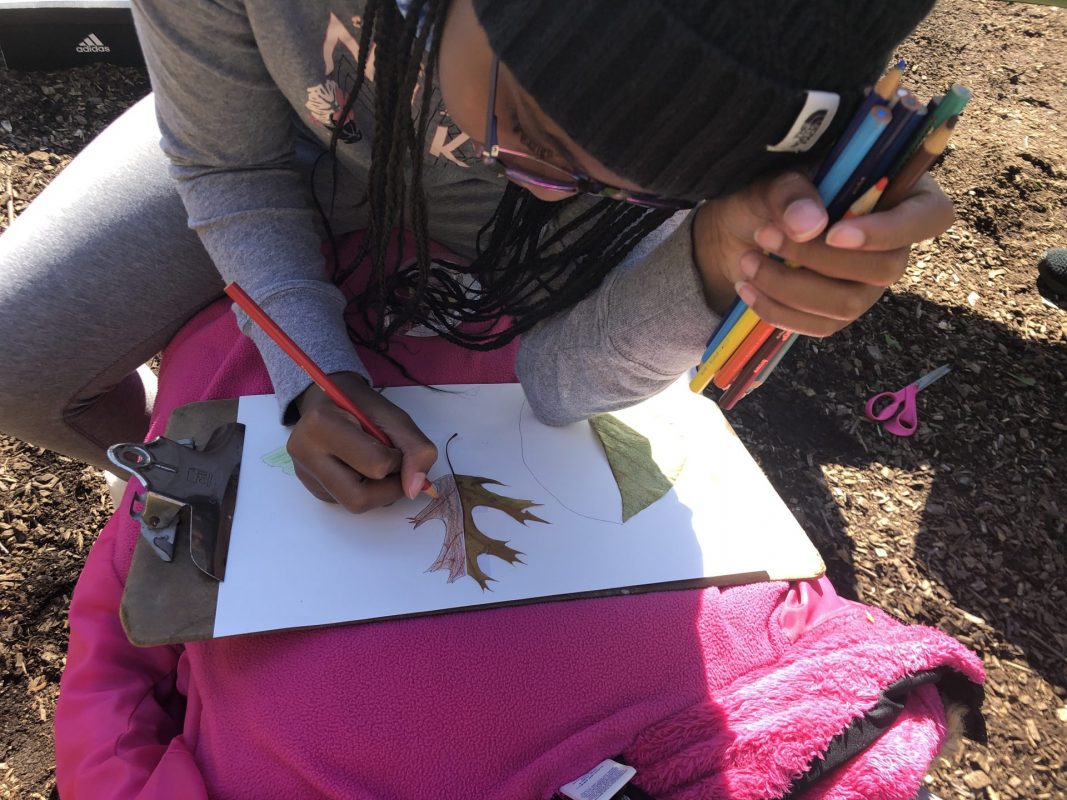
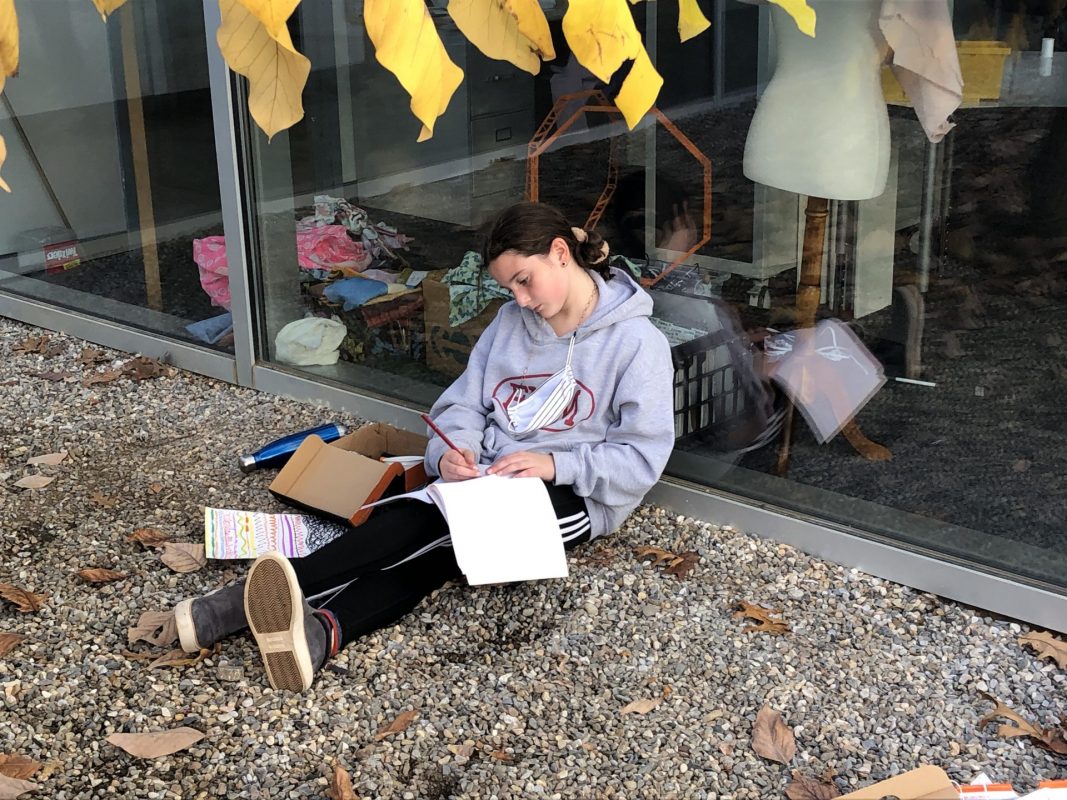
Young artists from Primary through Middle School have been gathering inspiration from this beautiful season of autumn in many creative ways! We’ve experienced many sunny fall days over the past few weeks, so Art classes have been taken outside, allowing us to have an even closer connection to the changing season around us.

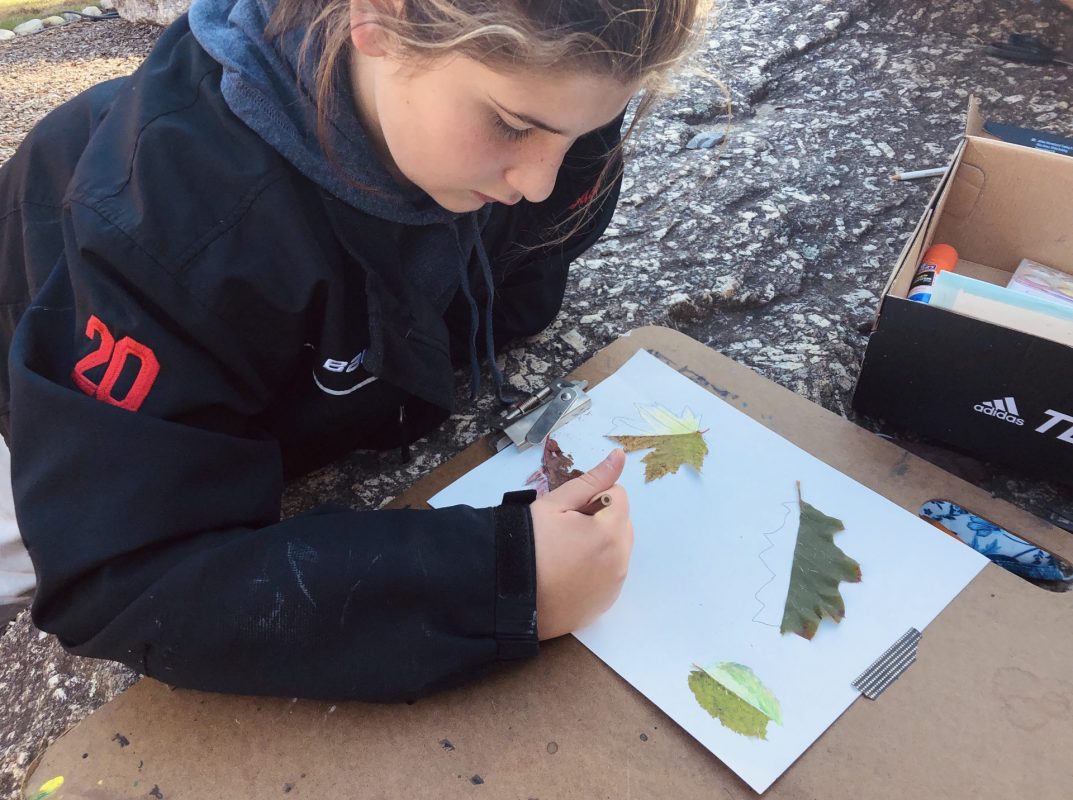
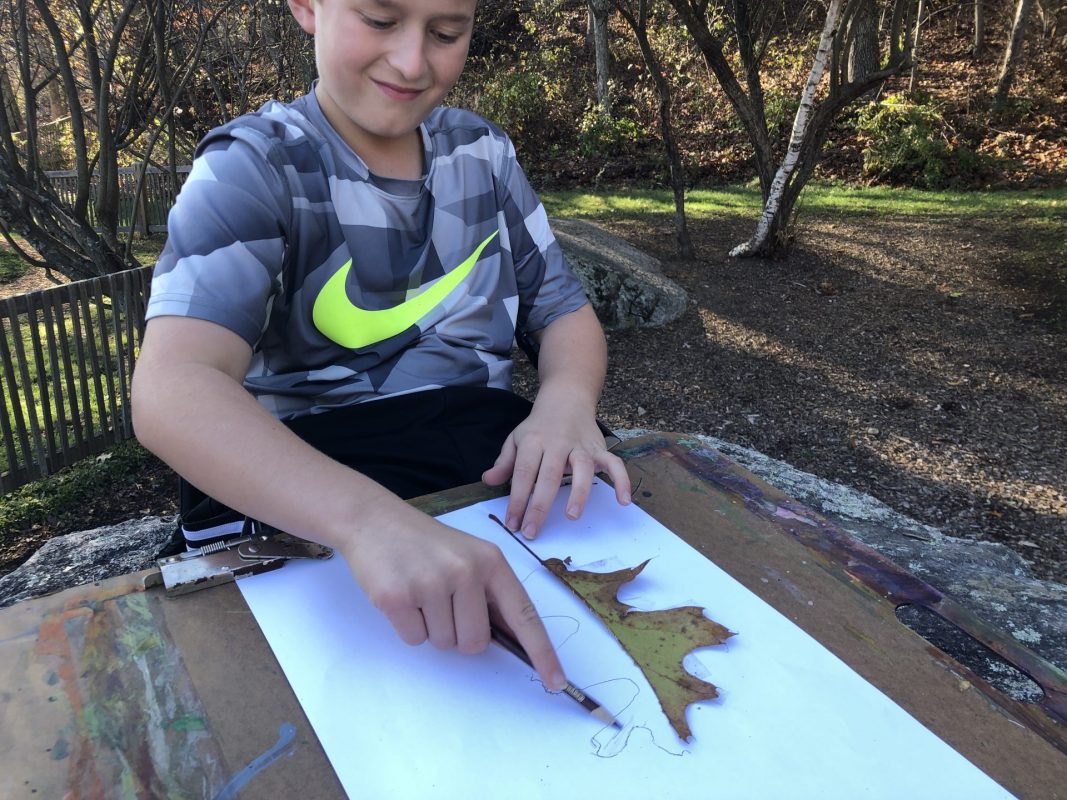
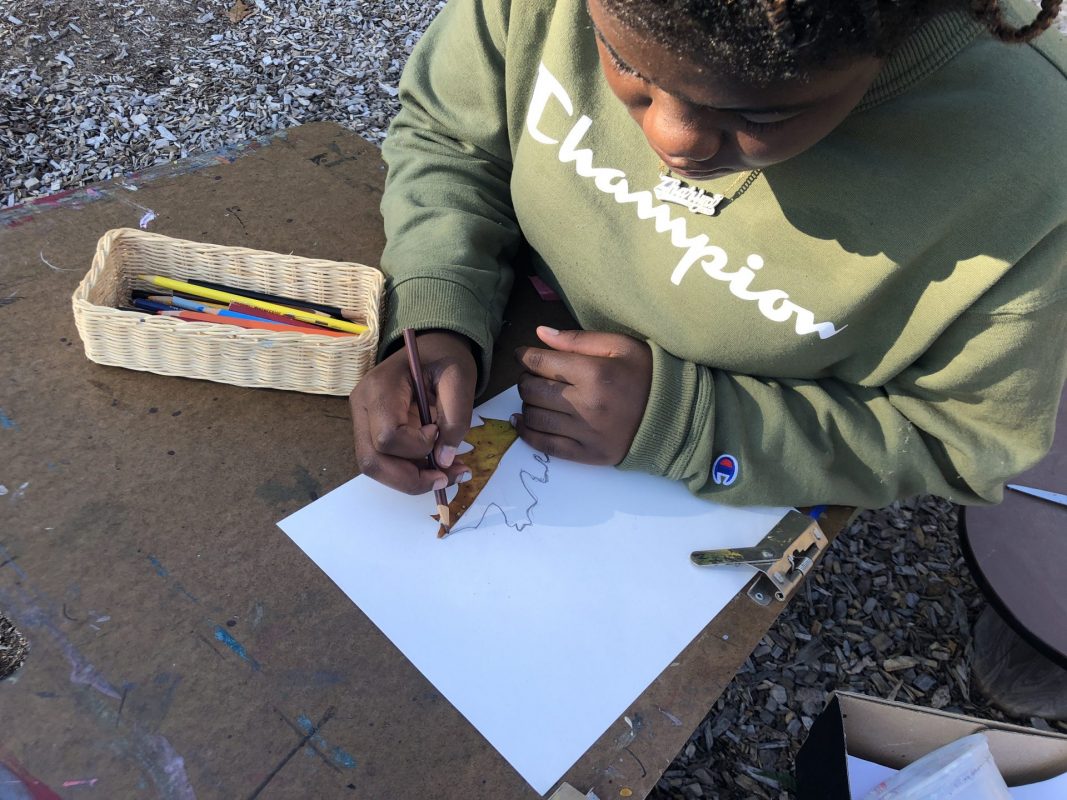
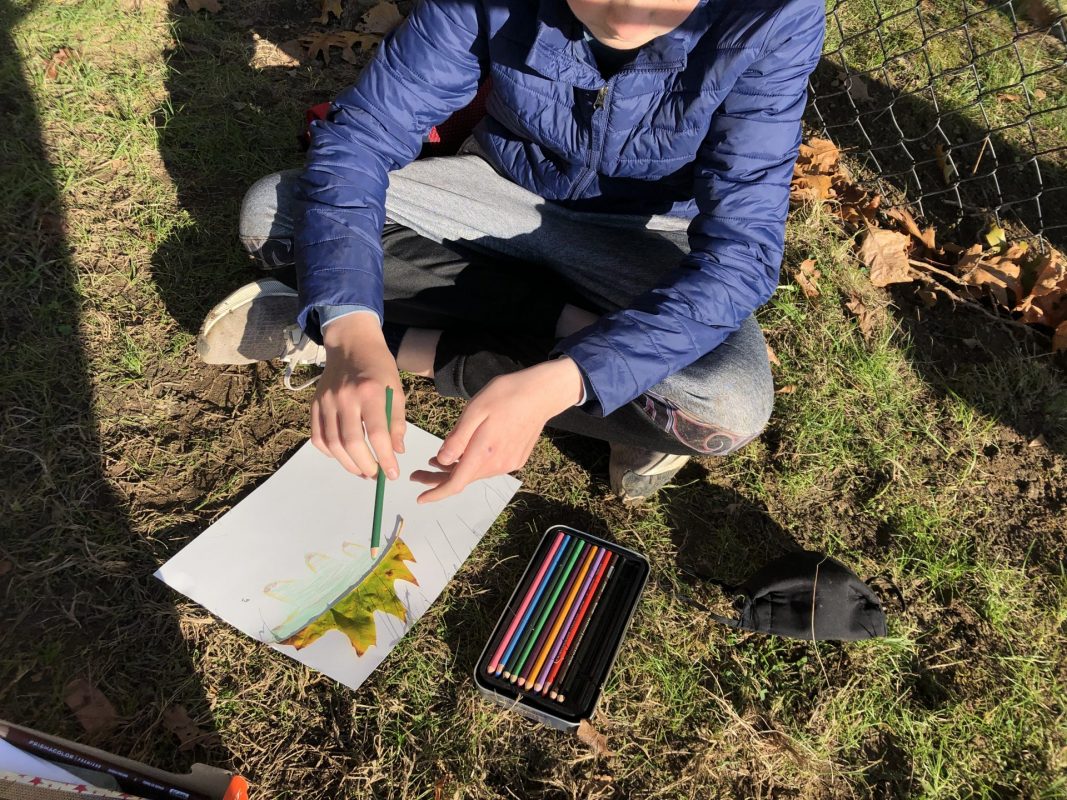
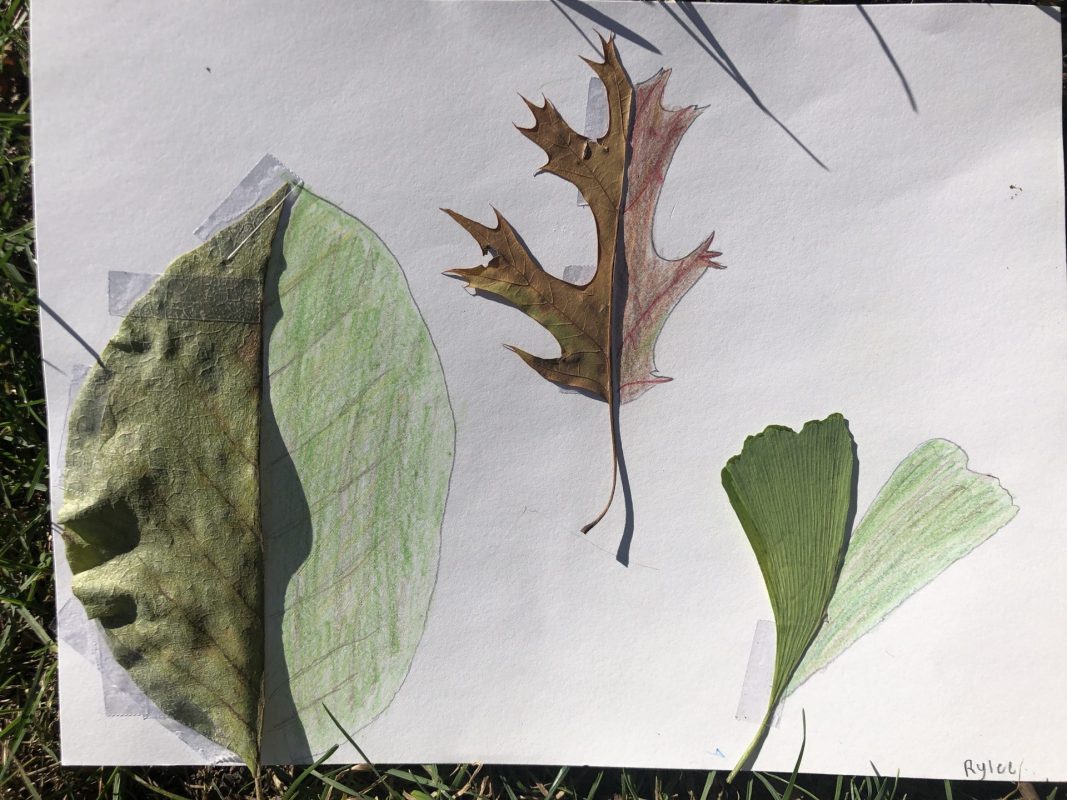
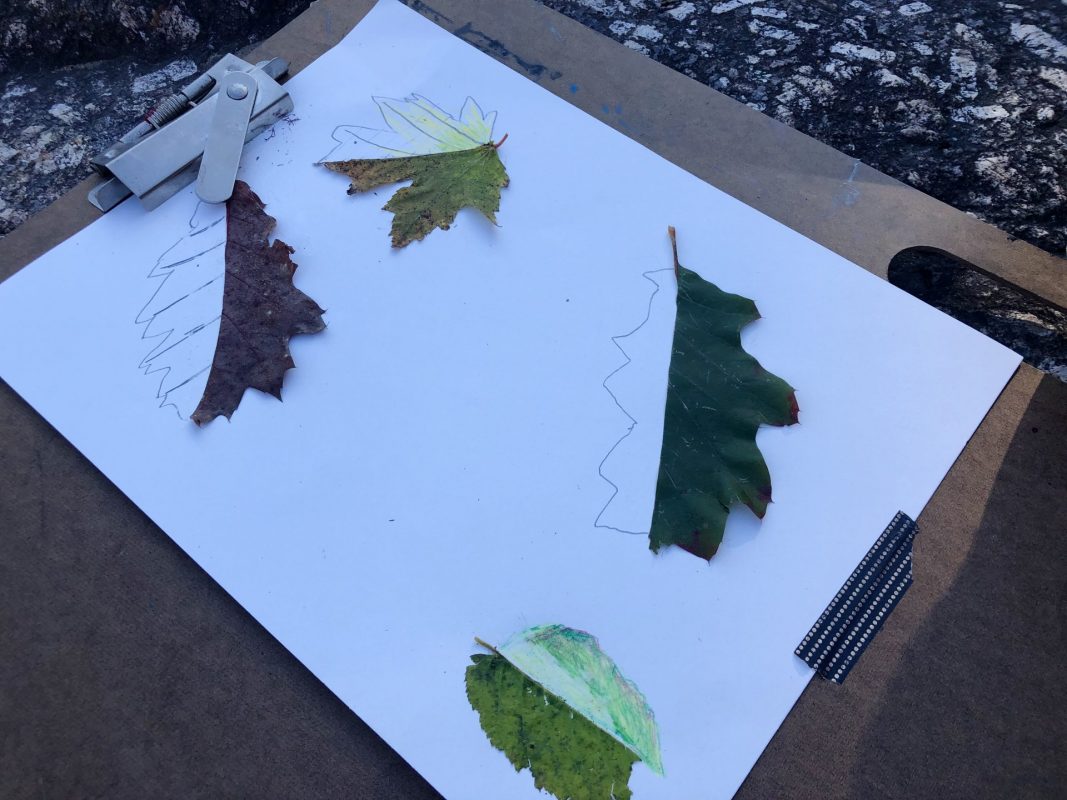
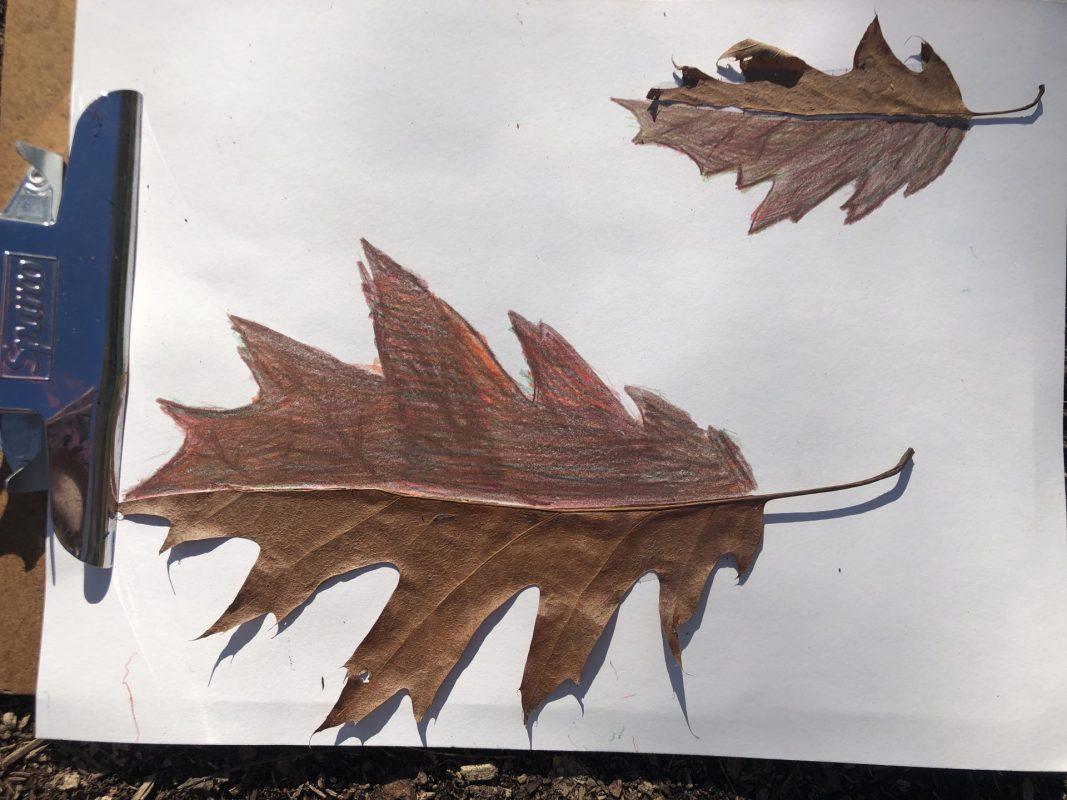
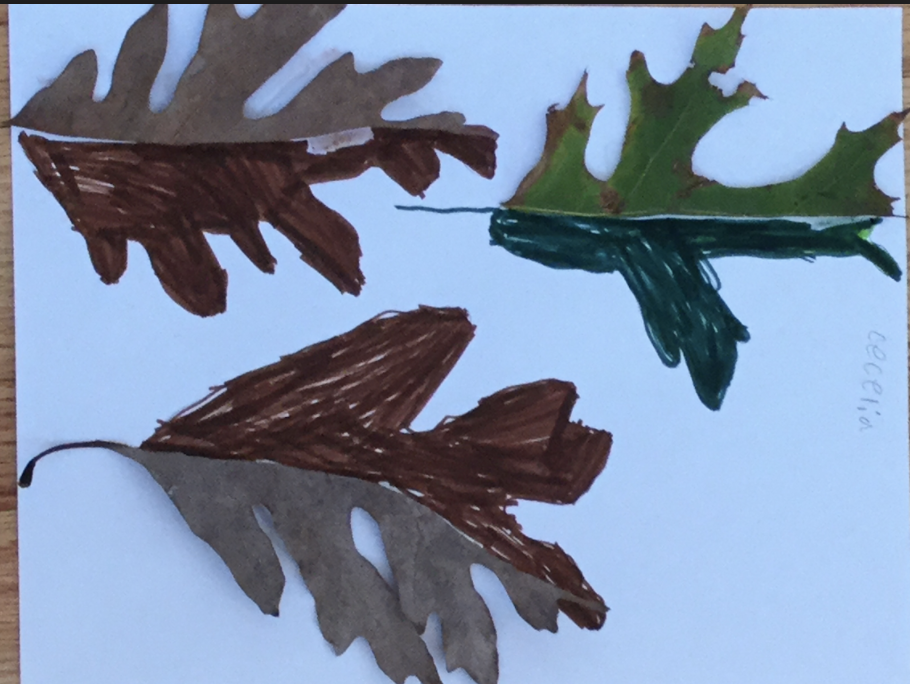
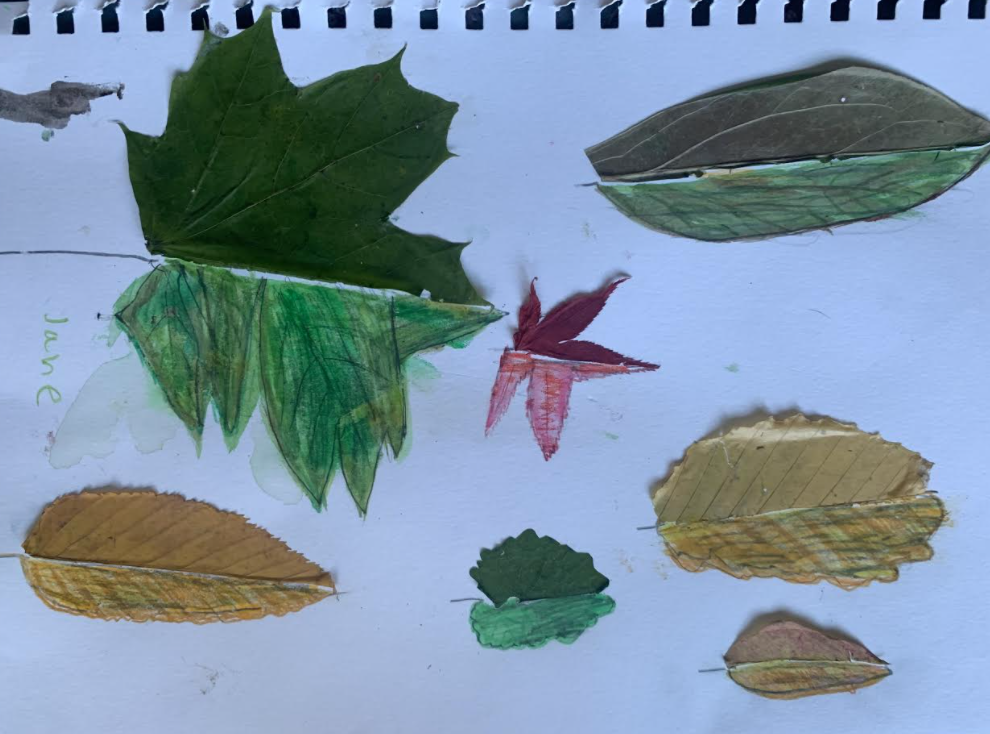
One source of inspiration has been the many colorful leaves that have fallen to the ground. Students in Lower and Upper Elementary as well as Middle School created leaf anatomy drawings in which they studied the shape and color of various leaves. To begin, each young artist gathered three to five leaves that caught their eye. Next, they cut the leaves in half and glued them to a piece of paper. The goal of this project was to practice their observational drawing skills by carefully drawing the other half of the leaf and matching its colors using colored pencil layering techniques.

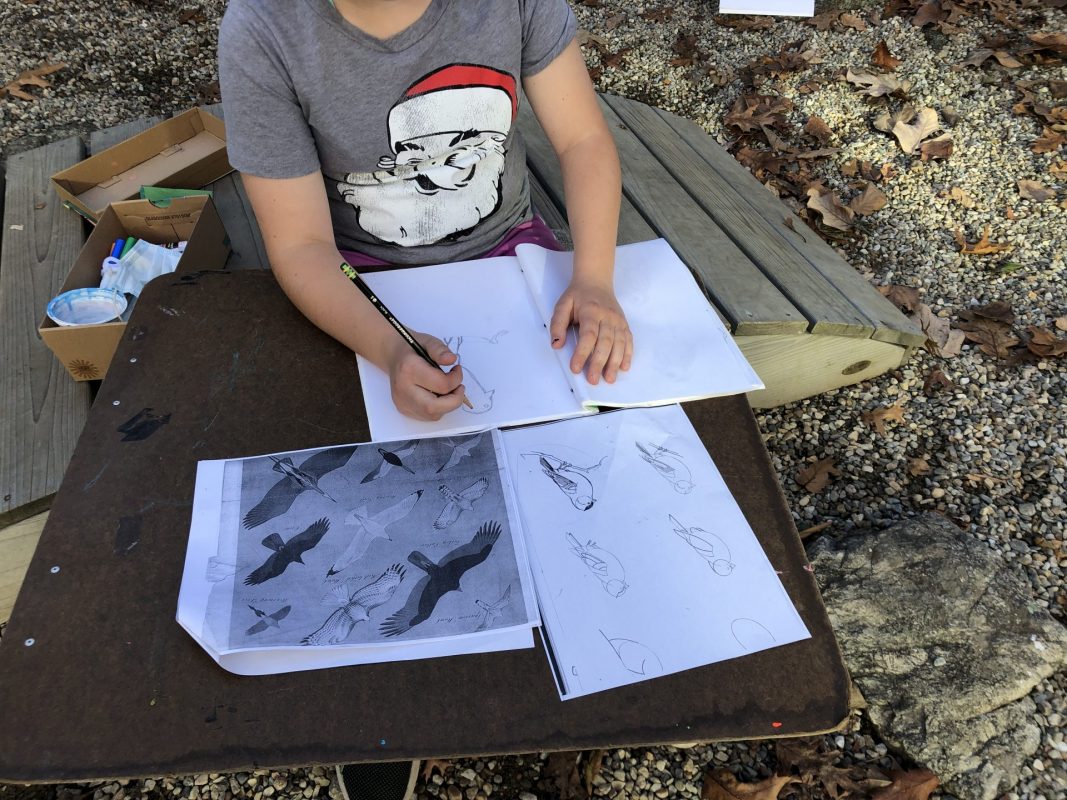
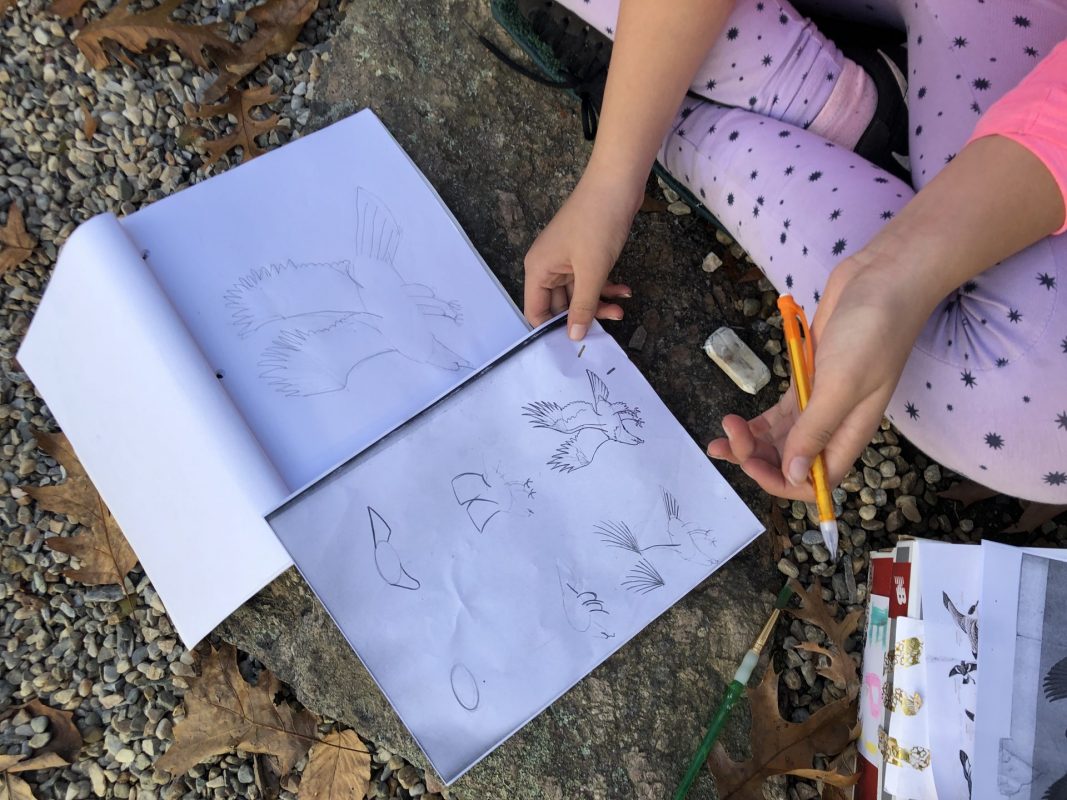
Autumn also marks the season of bird migration, so Upper Elementary artists studied images of various North American migratory birds for inspiration. In their sketchbooks, students practiced sketching birds by beginning with simple shapes as an “under-sketch” or a guide (such as circles, semi-circles, triangles, etc.) and then moved on to adding detail such as feather patterning.

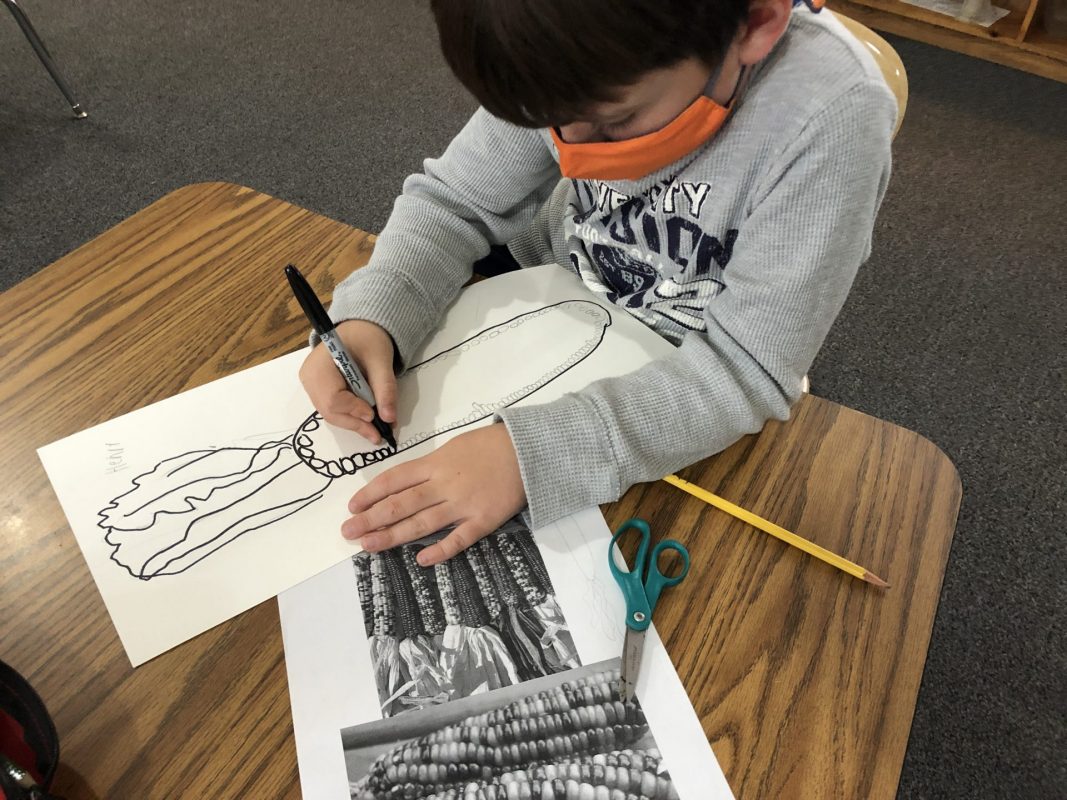
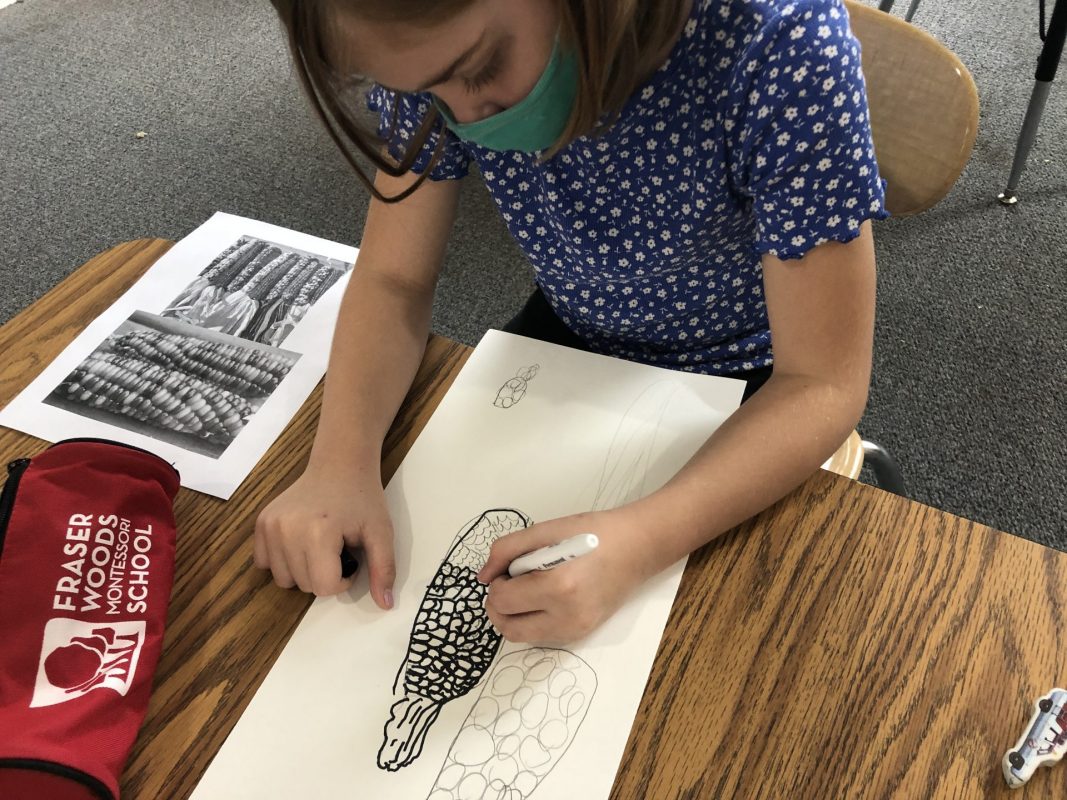
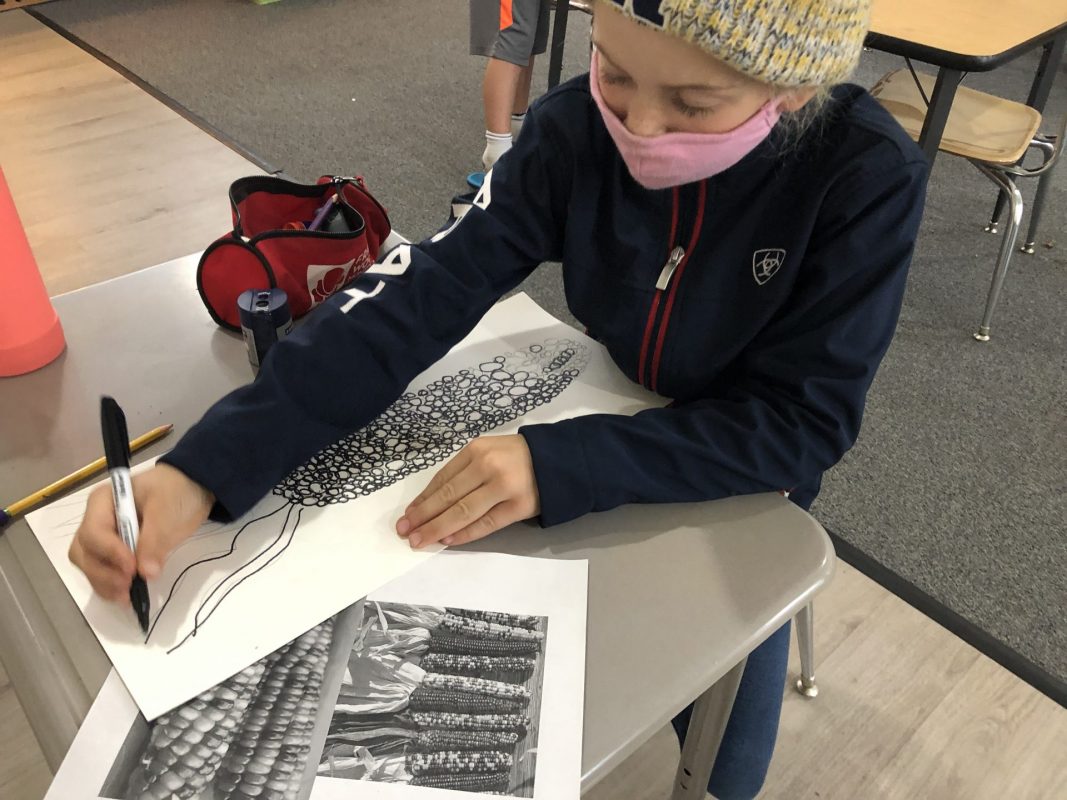
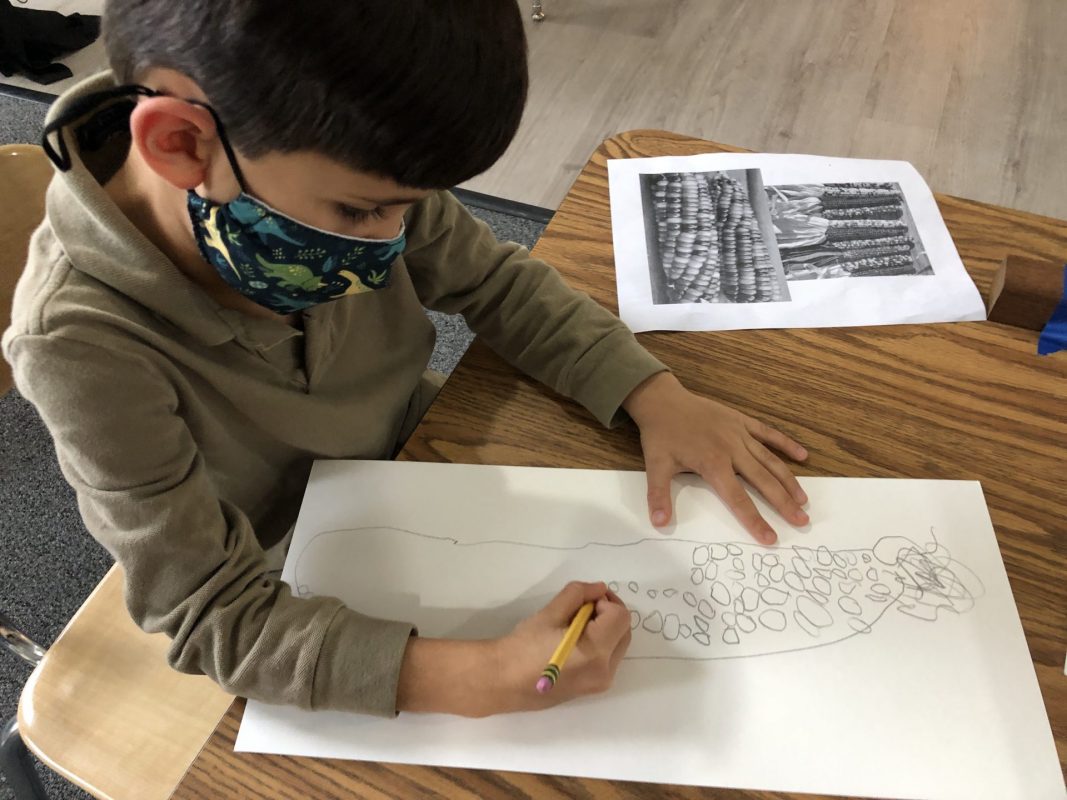
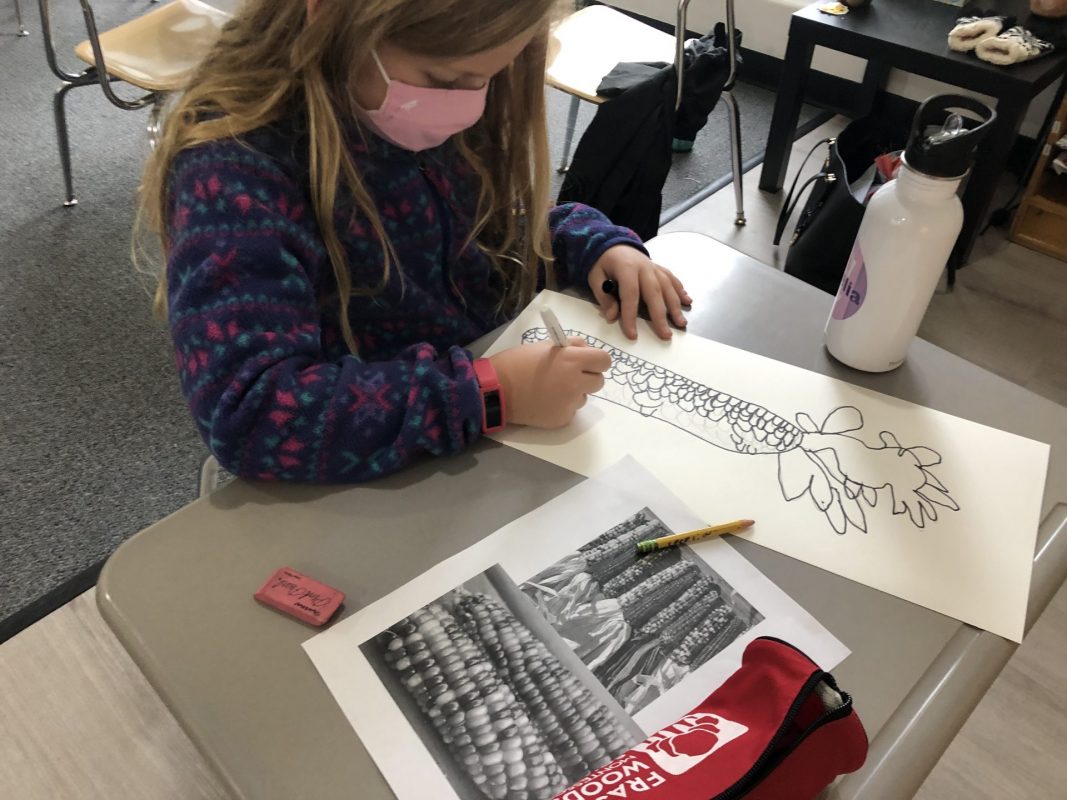
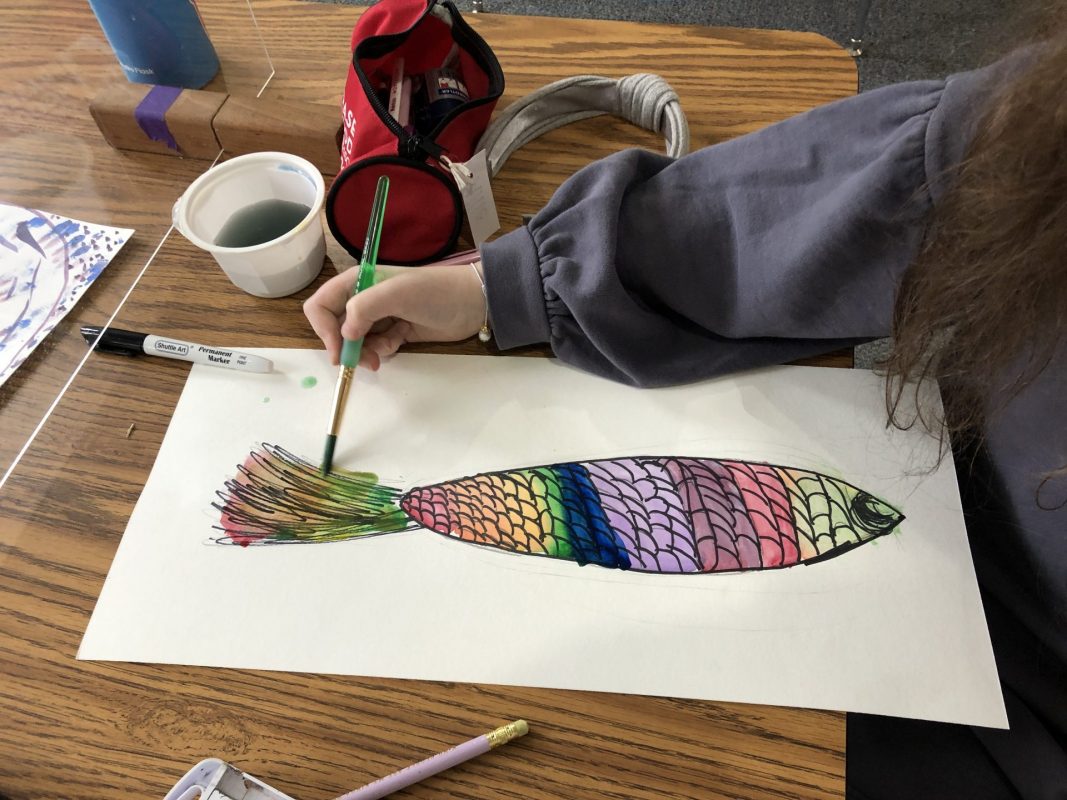
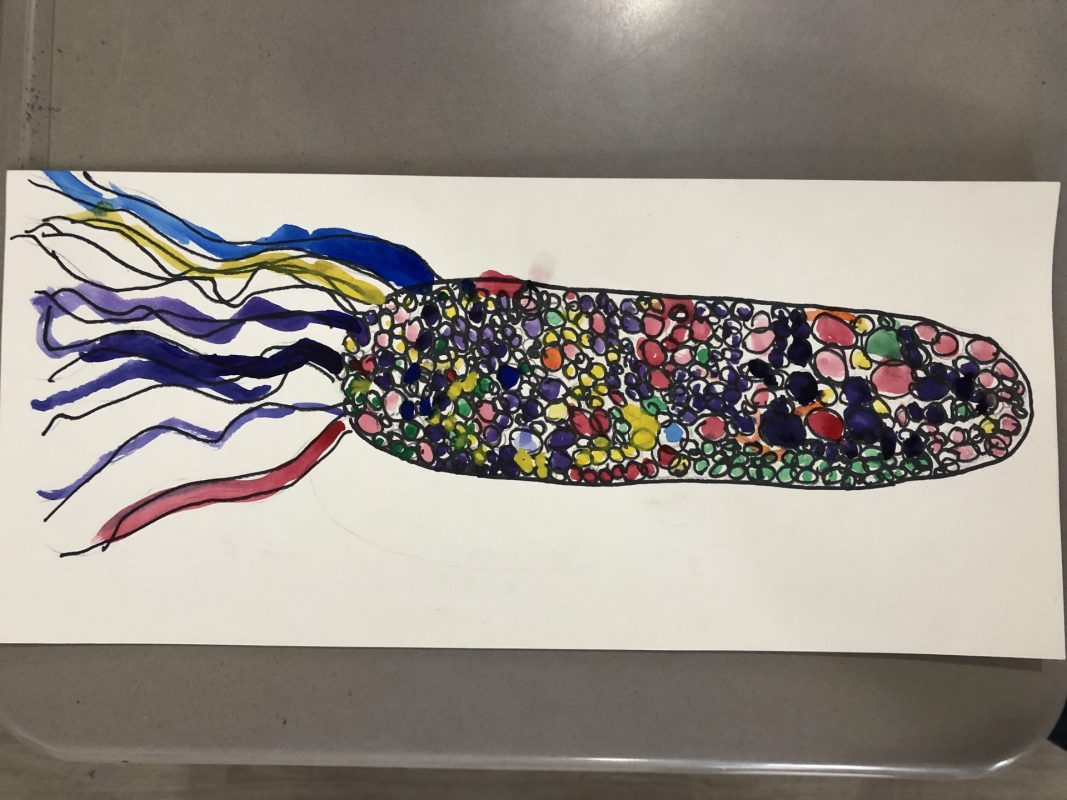
Young artists in Primary and LE created colorful rainbow corn paintings in thinking of the upcoming Thanksgiving holiday and to honor Native American heritage month. It is believed that Native Americans bred the first corn crop from wild grasses. After a brief discussion on the origin of the corn crop and its nutritional qualities, we reviewed ways to draw corn using simple shapes like ovals and circles. Each artist carefully drew their corn and filled in each kernel with a range of vibrant colors!