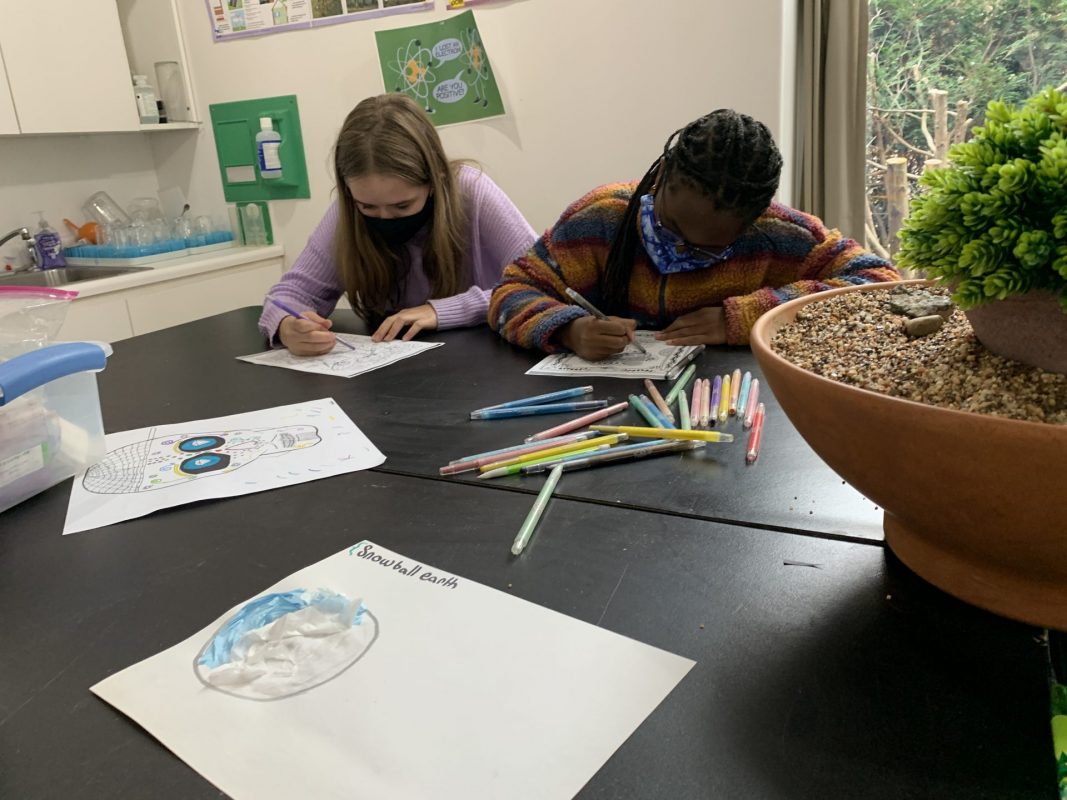
iSOMOS!

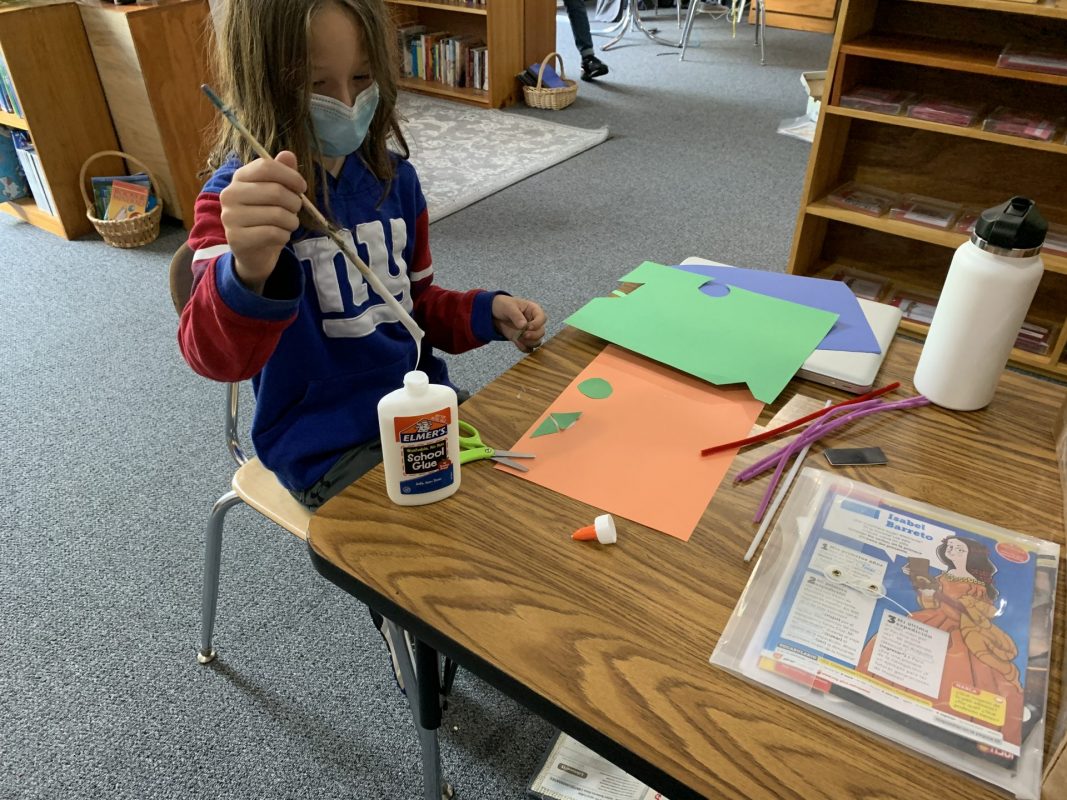
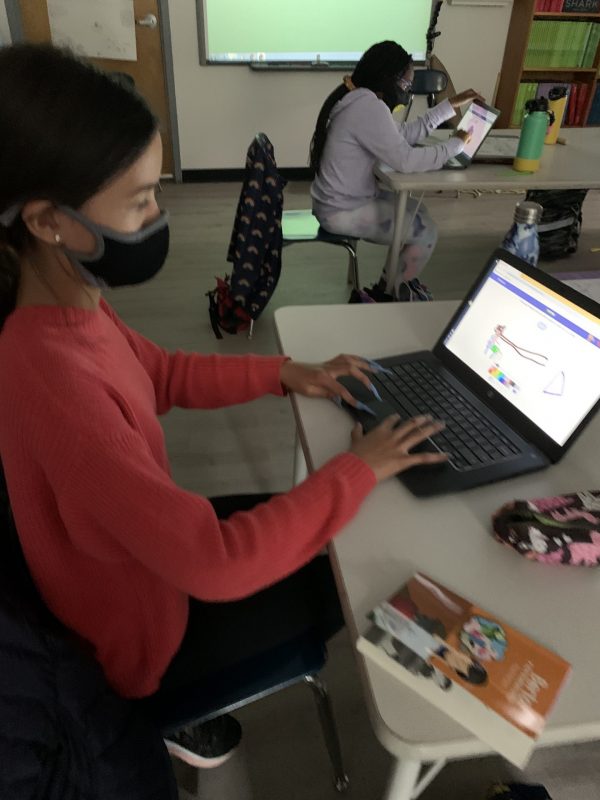
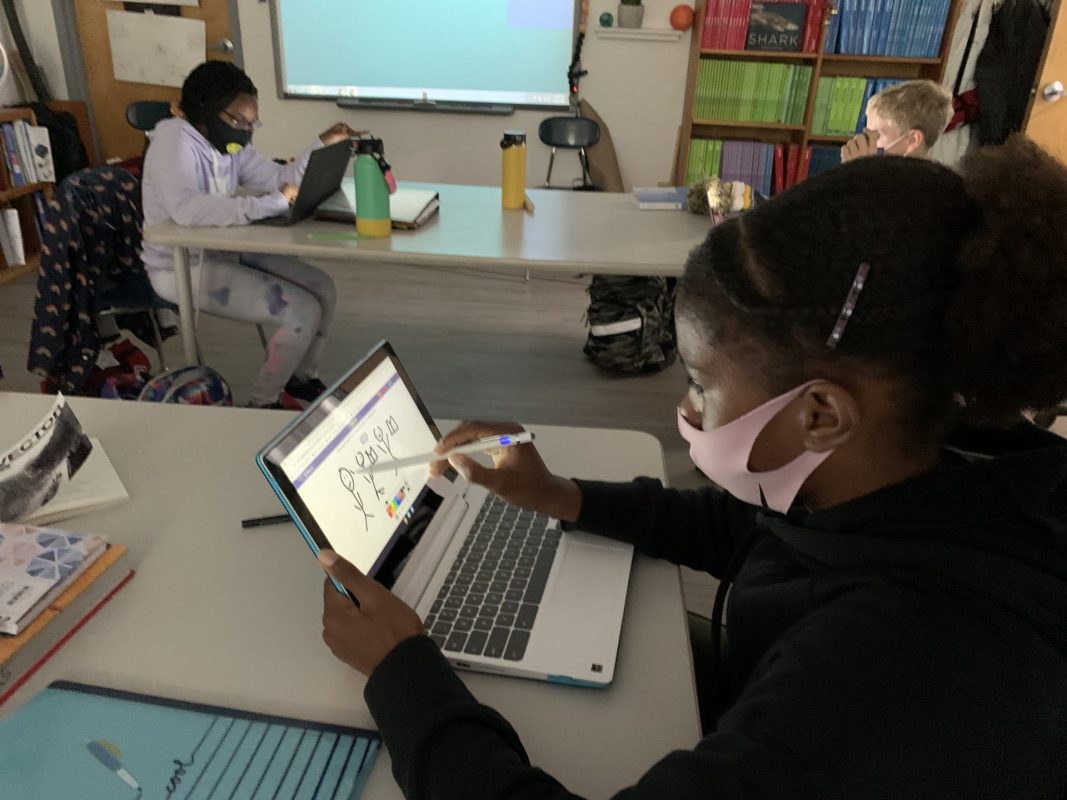
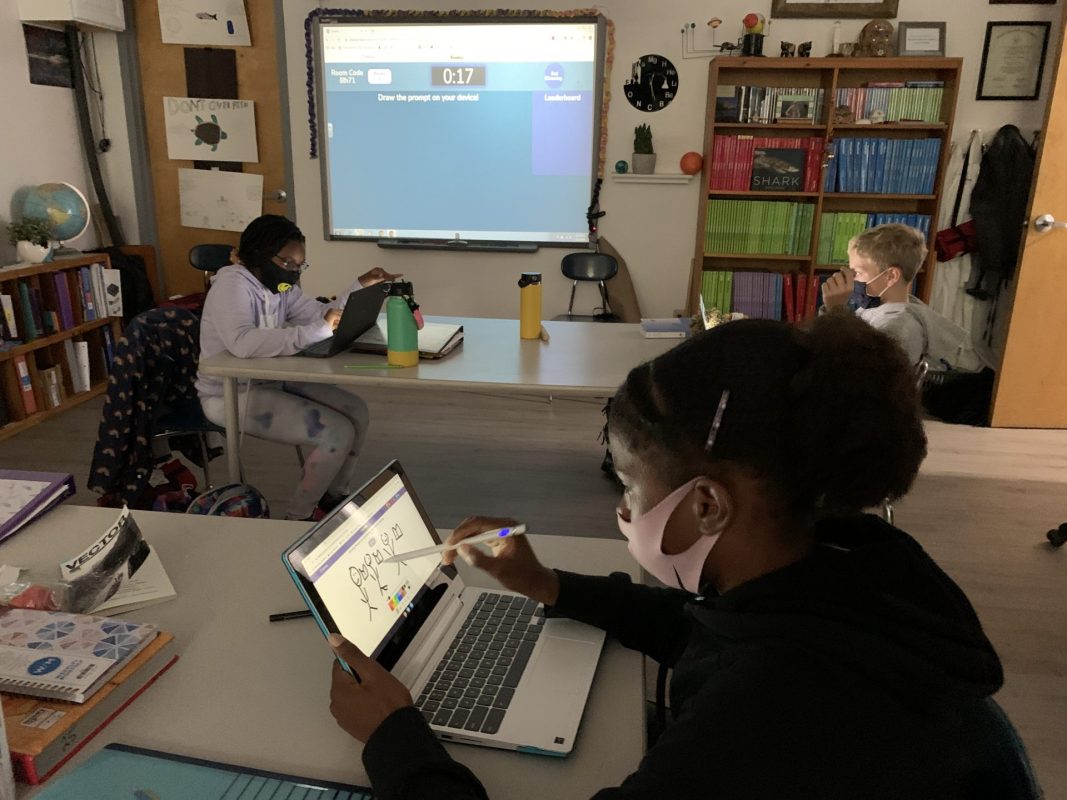
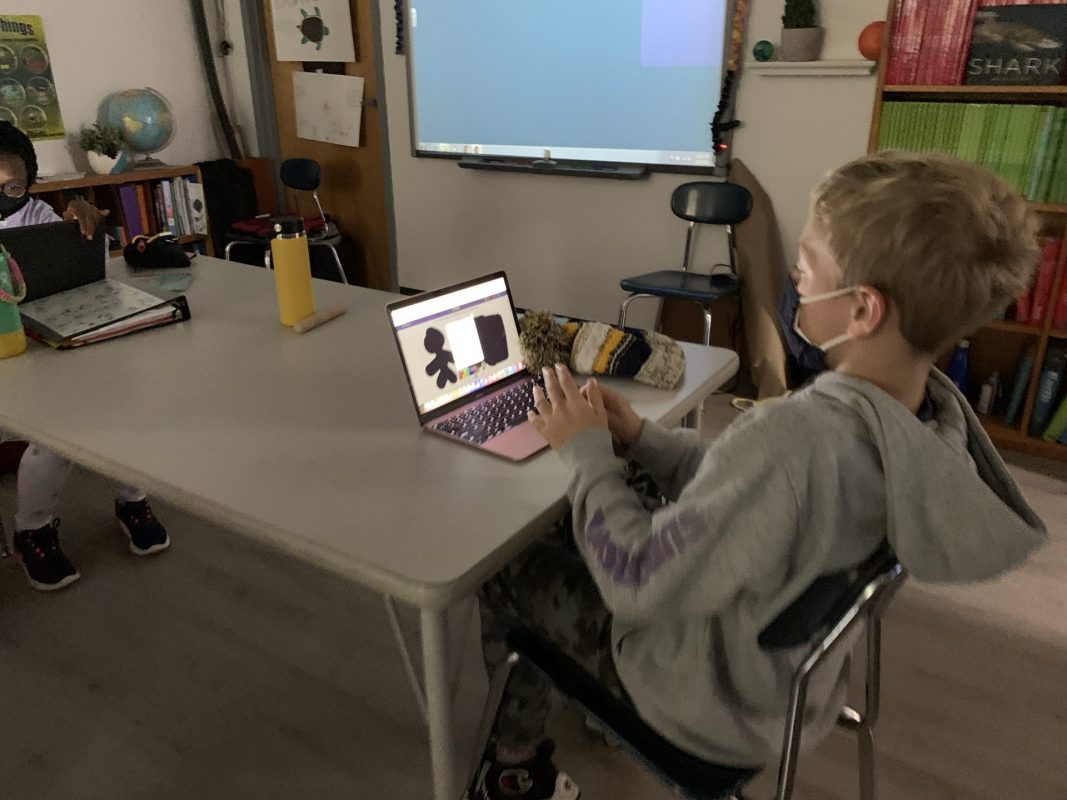
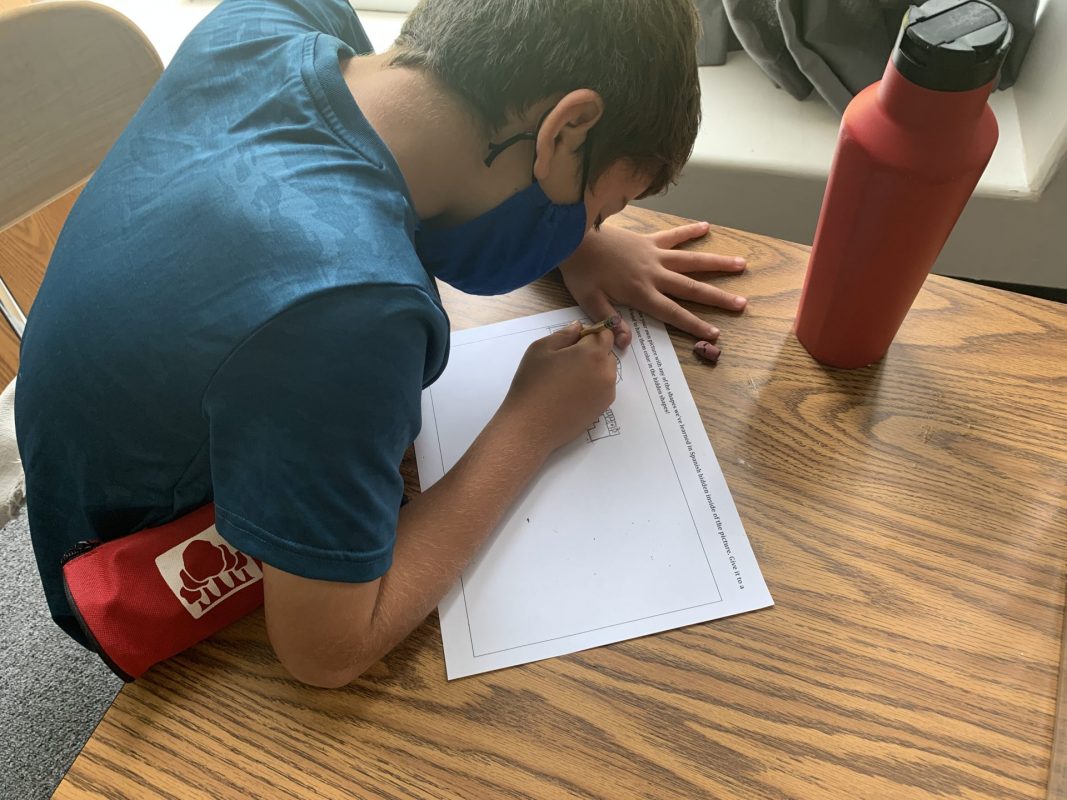
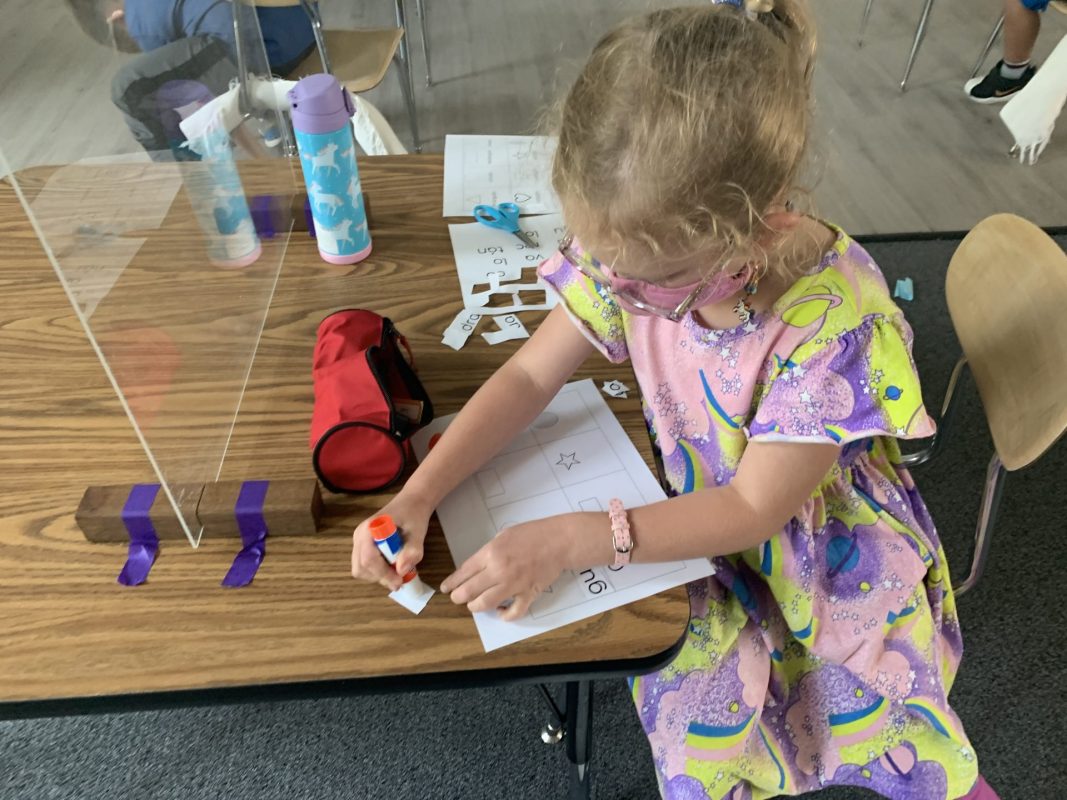
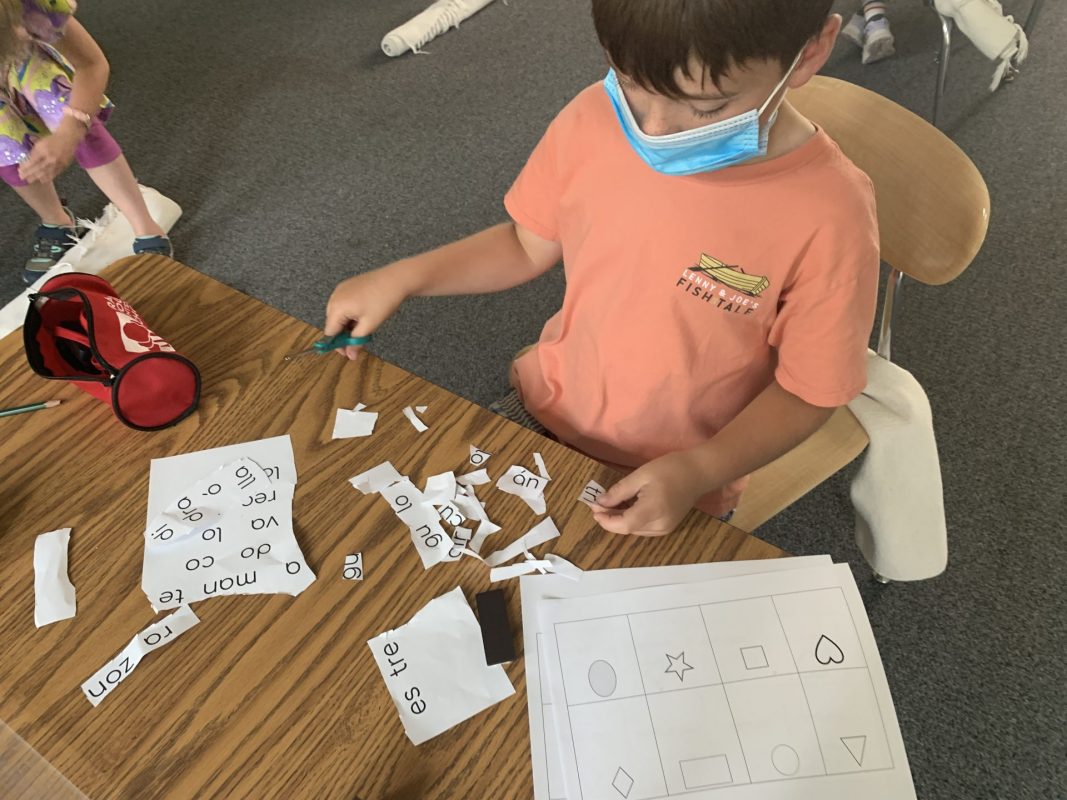
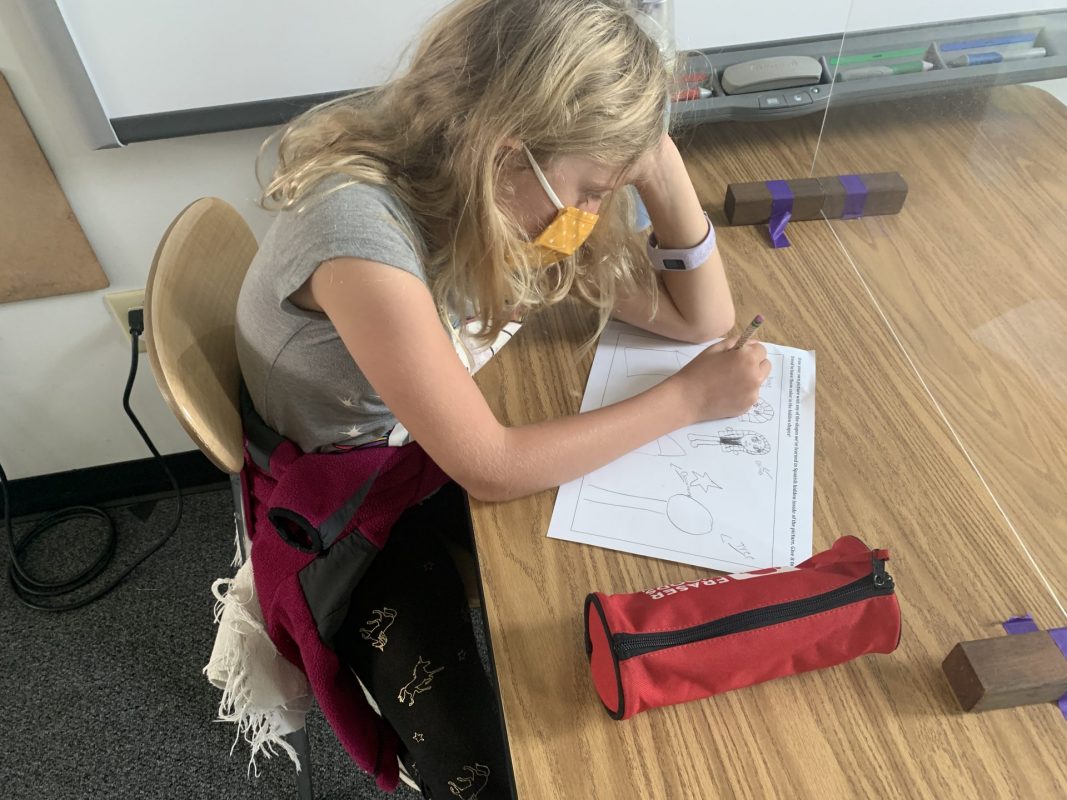
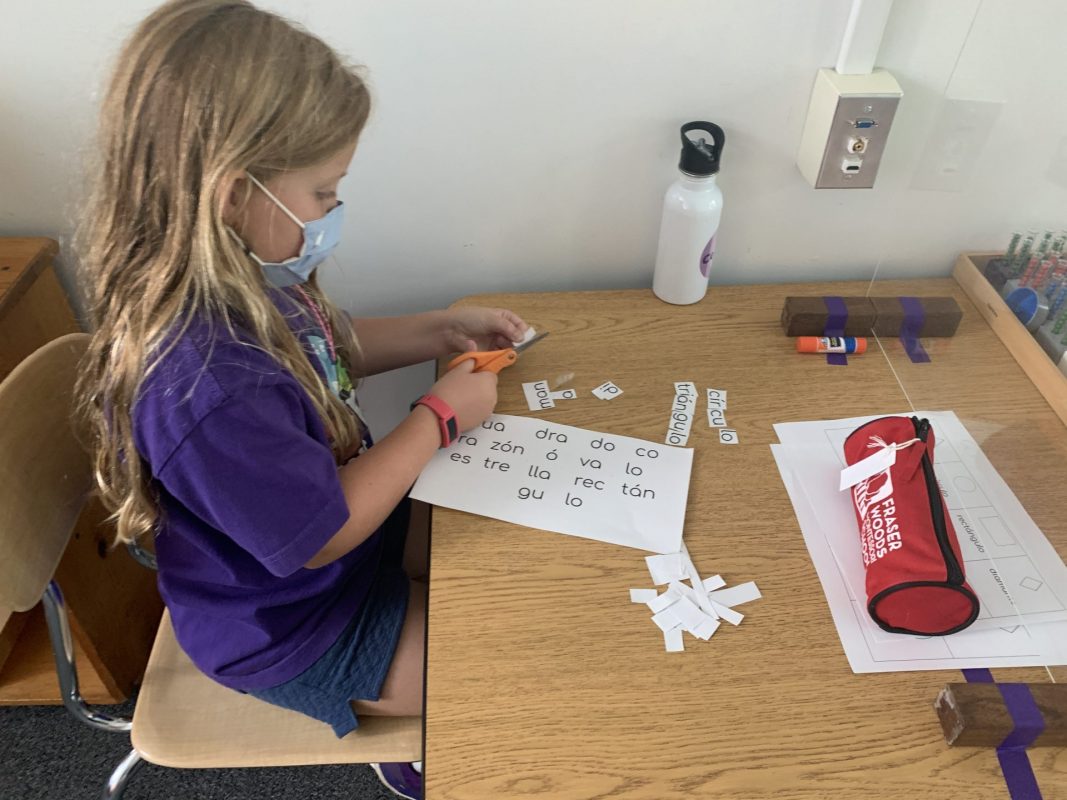
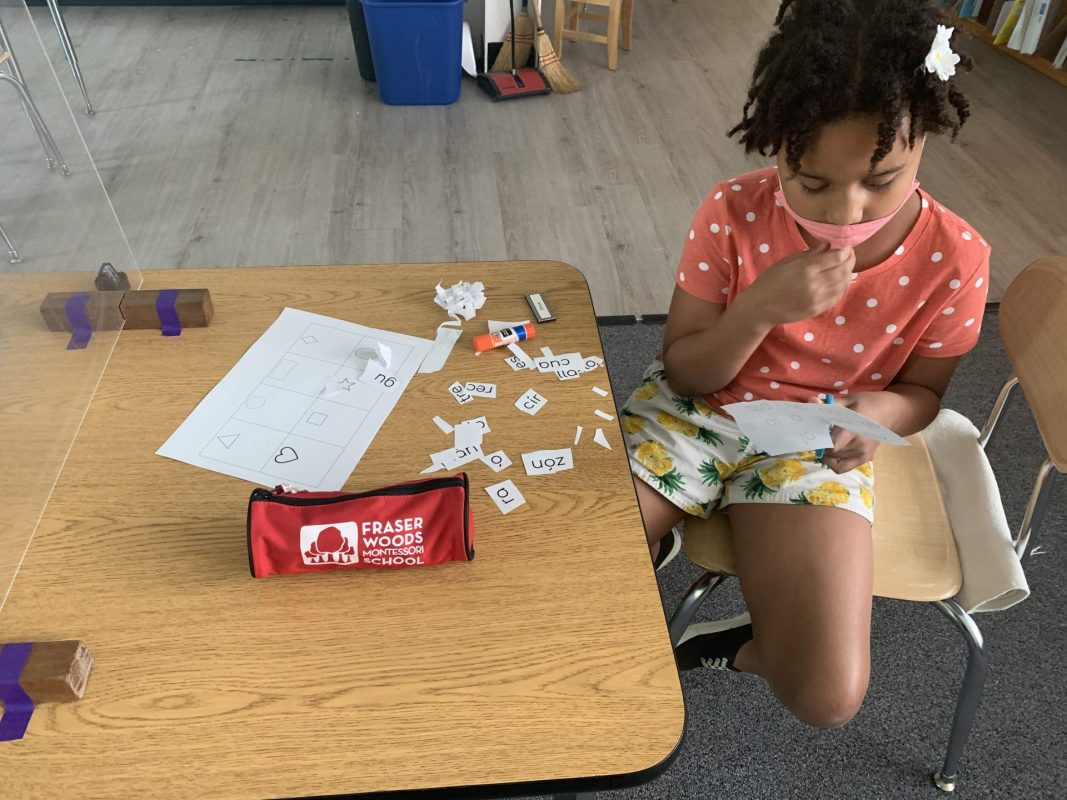
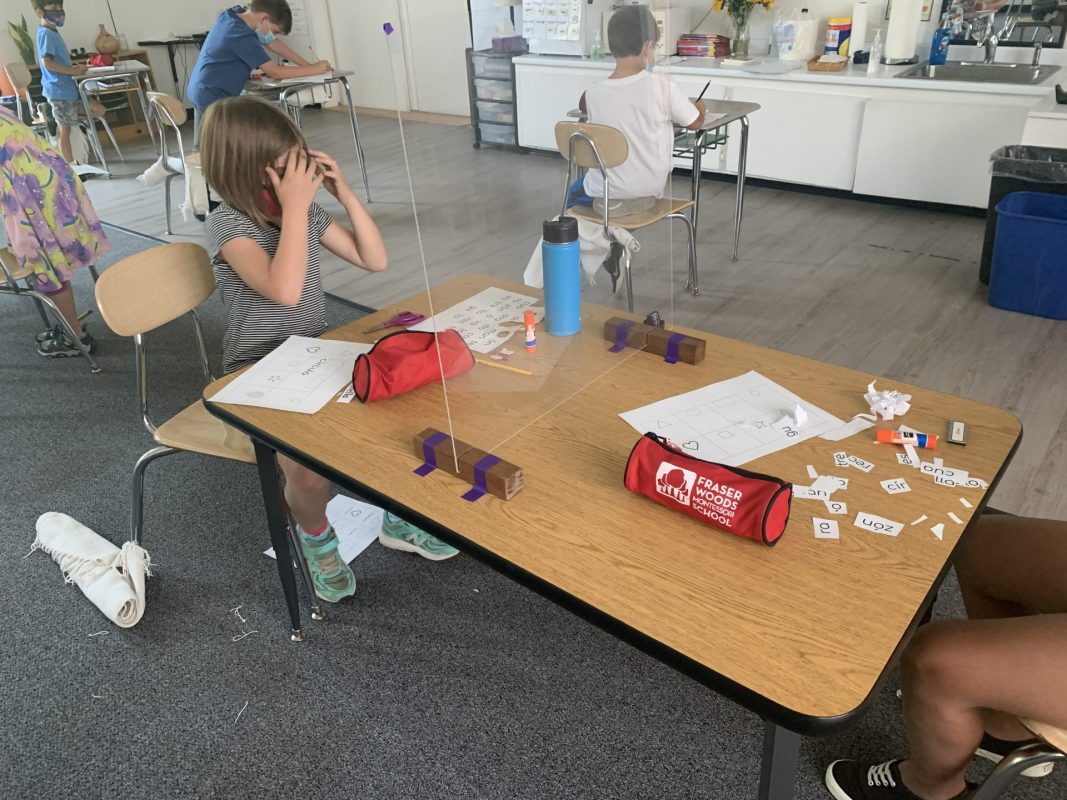
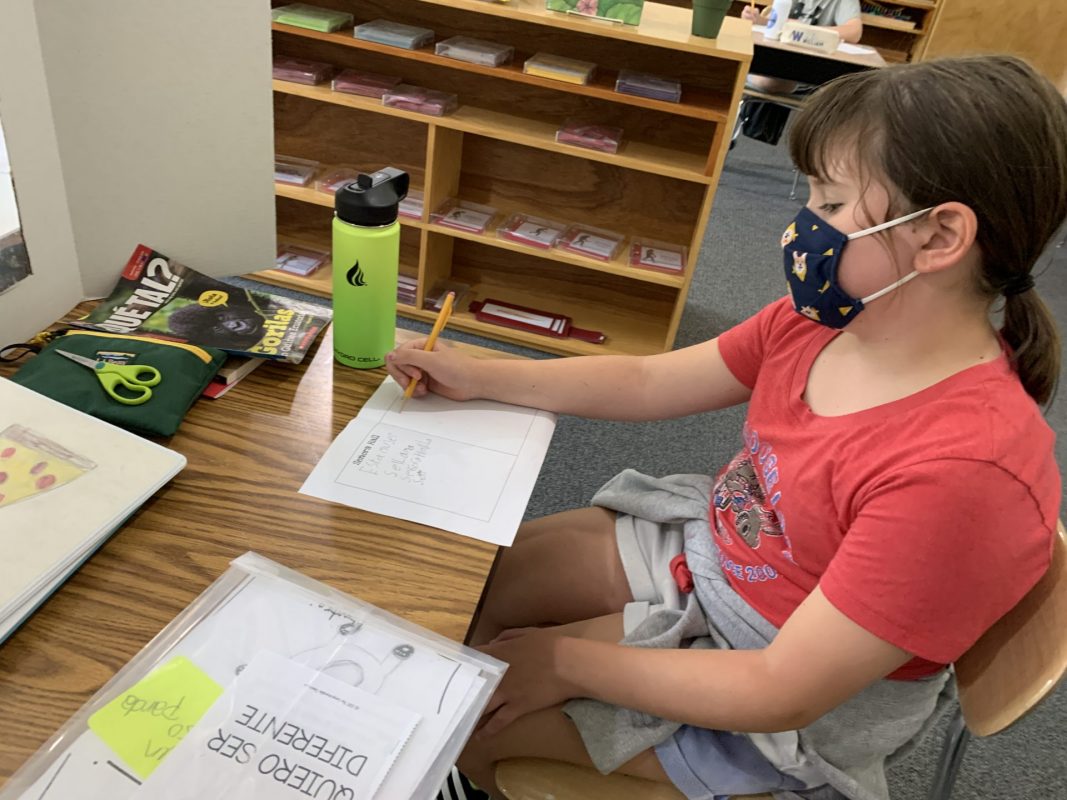
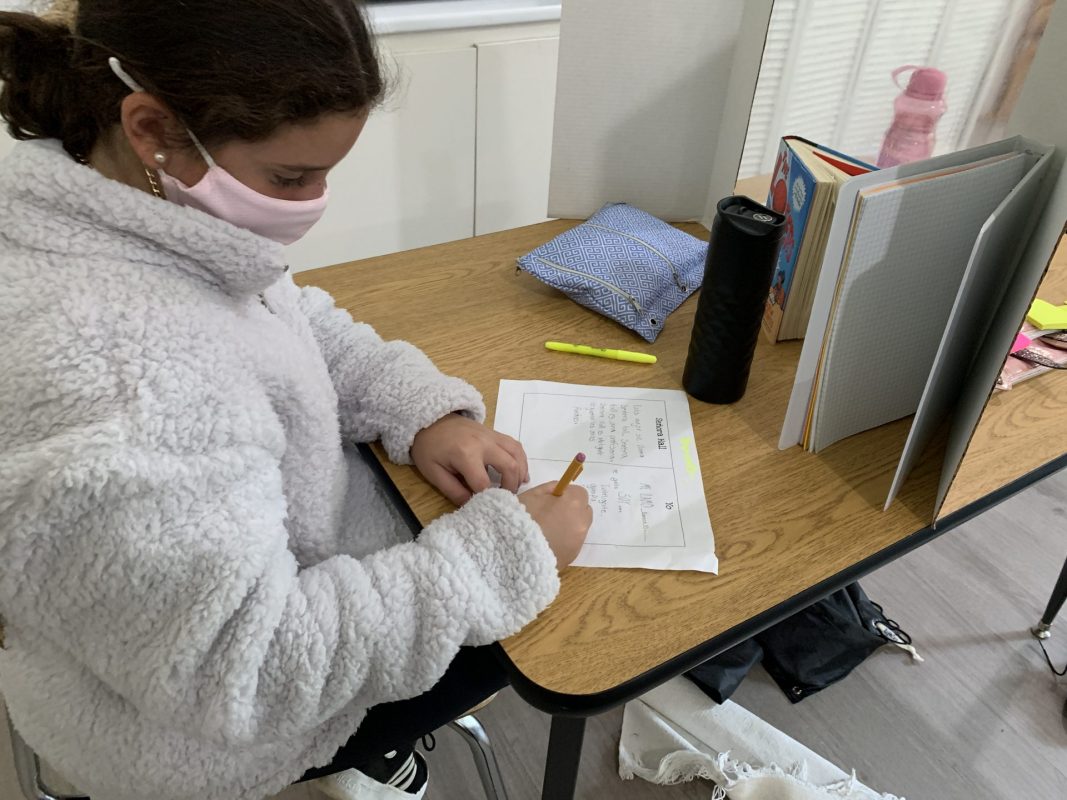
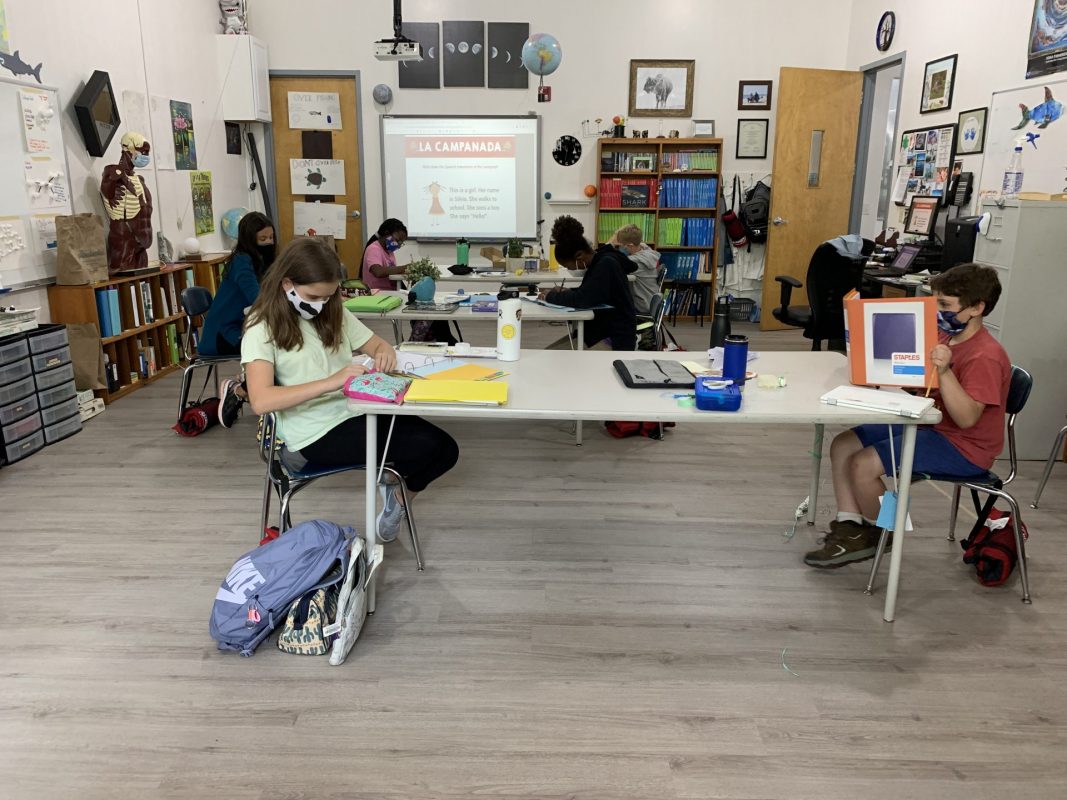
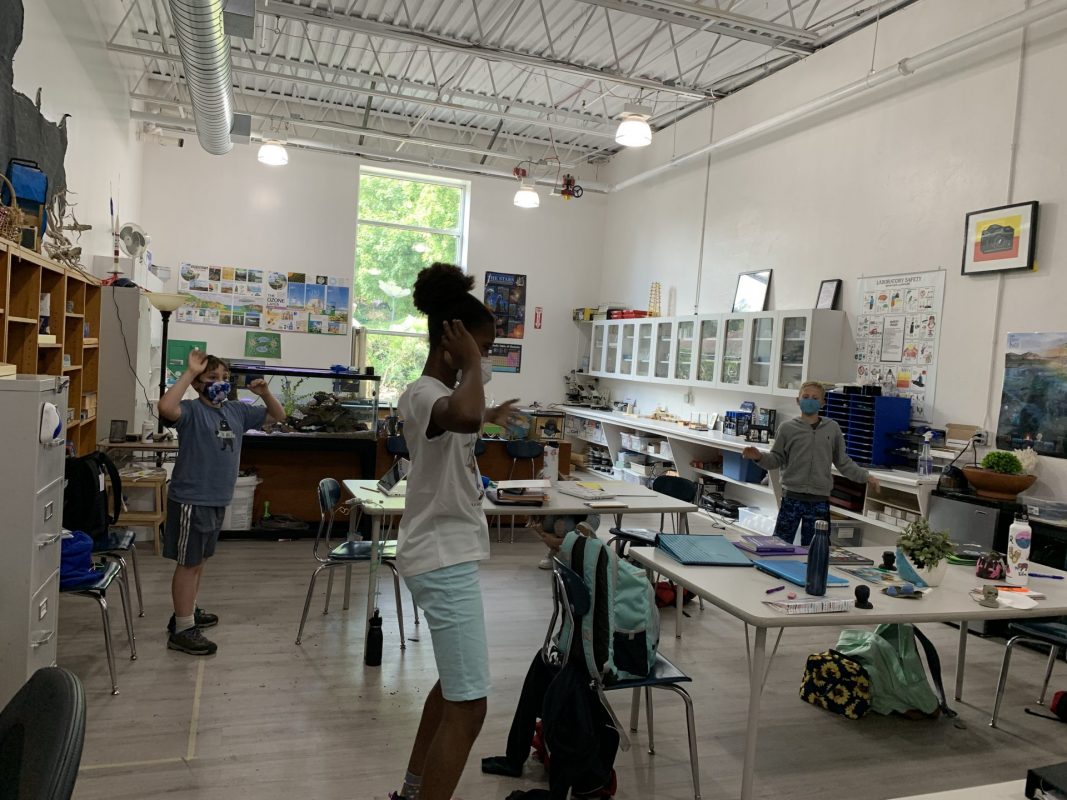
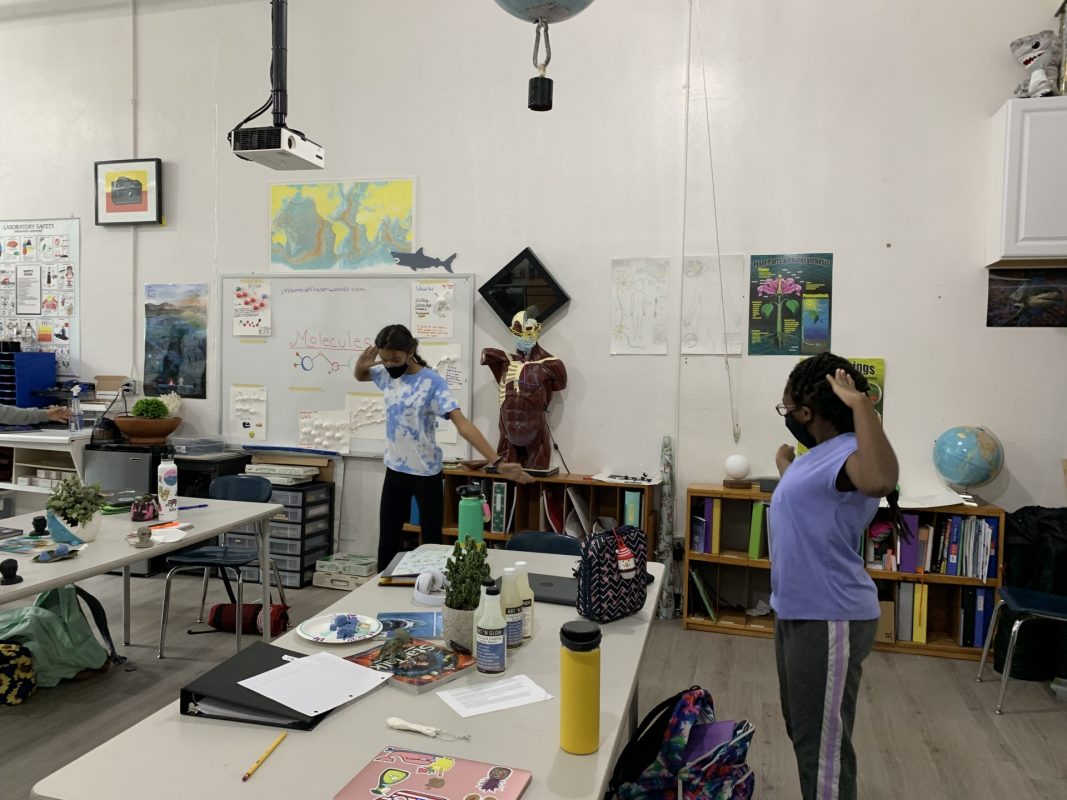
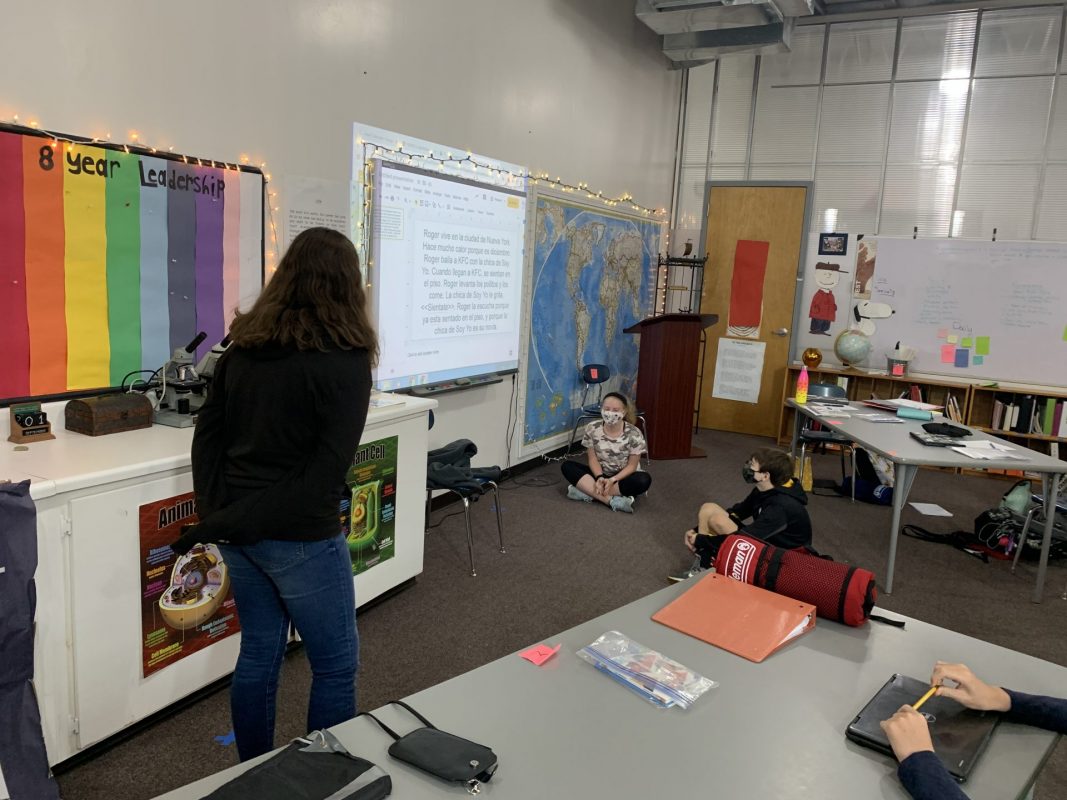
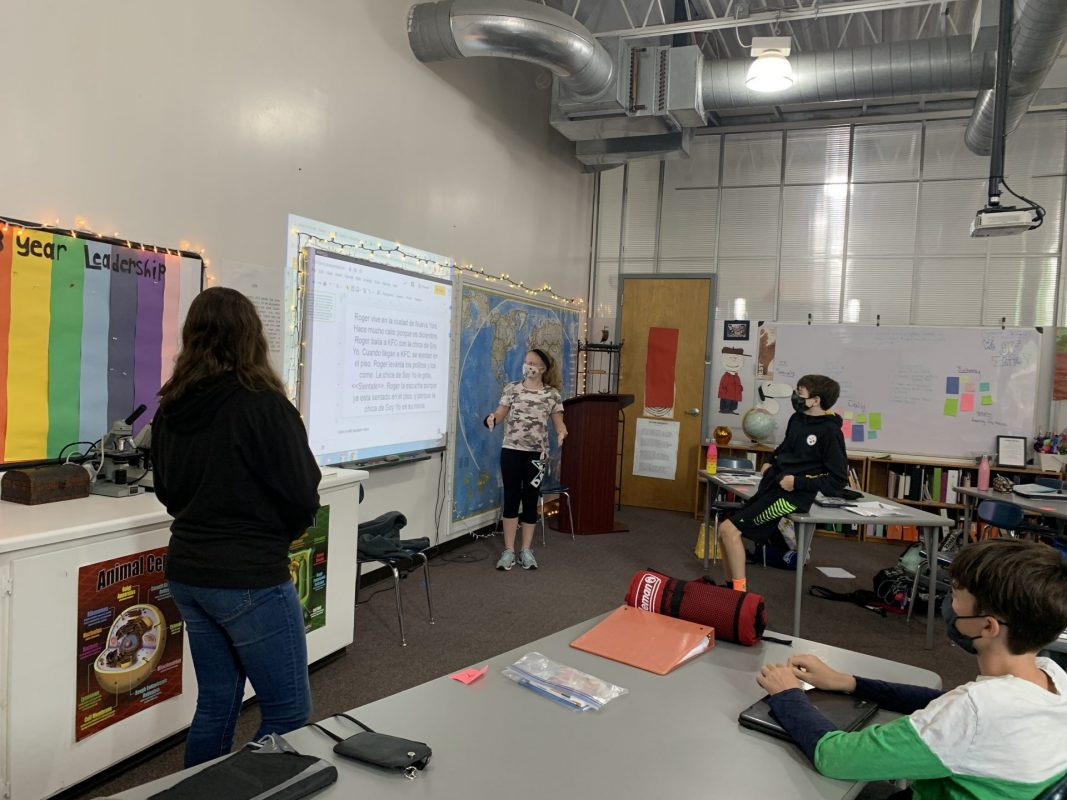
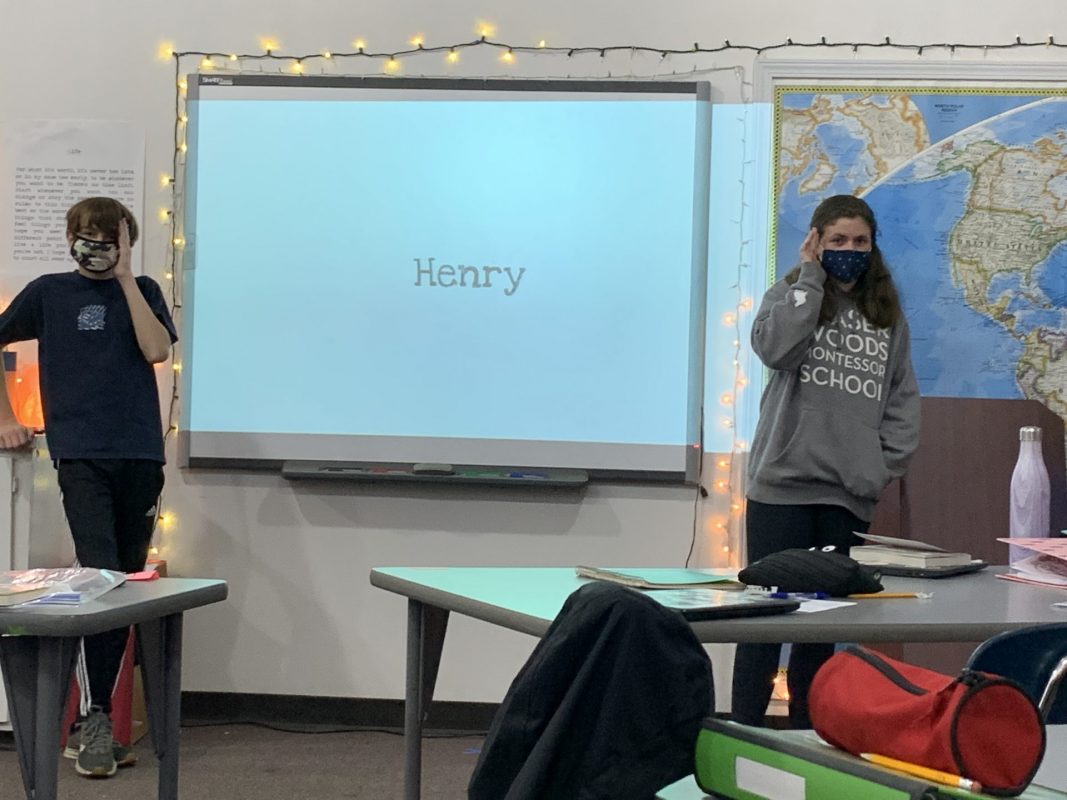
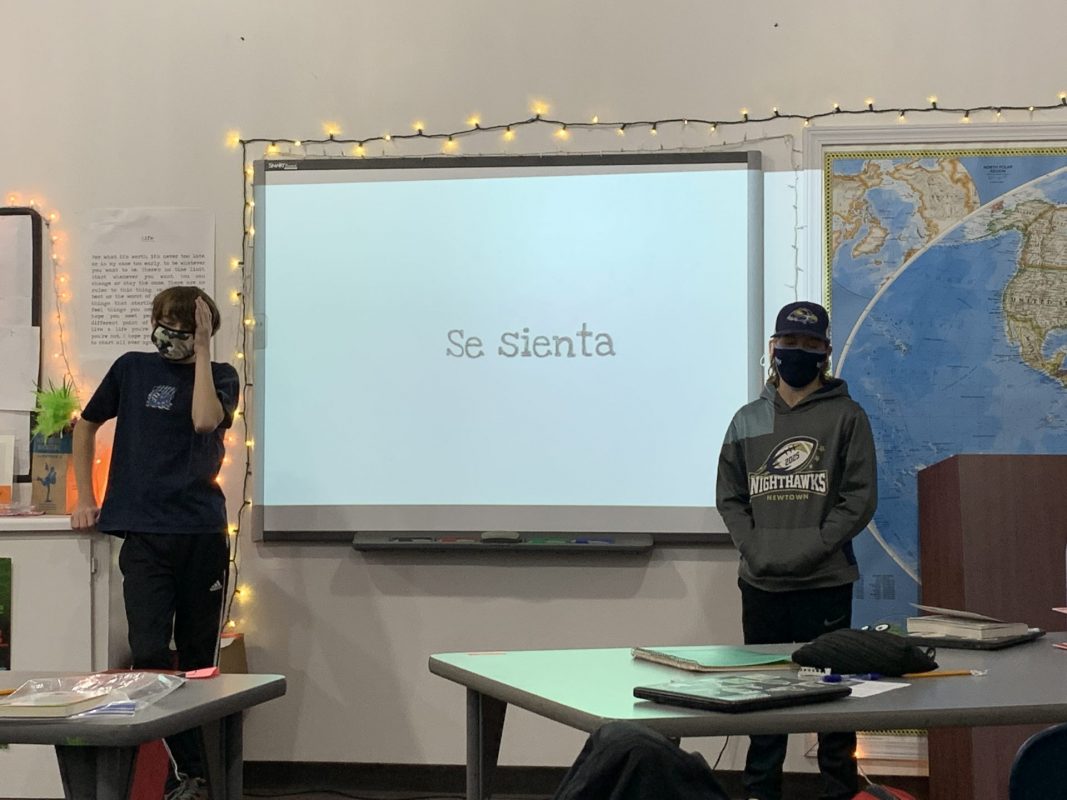
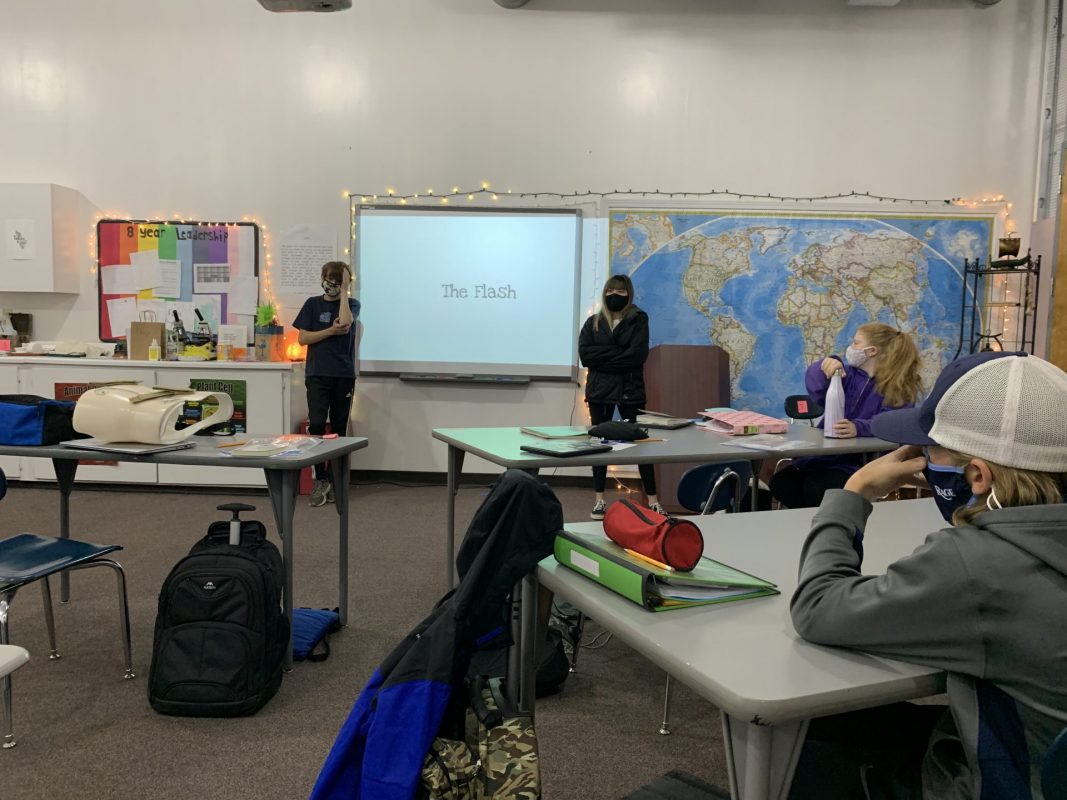
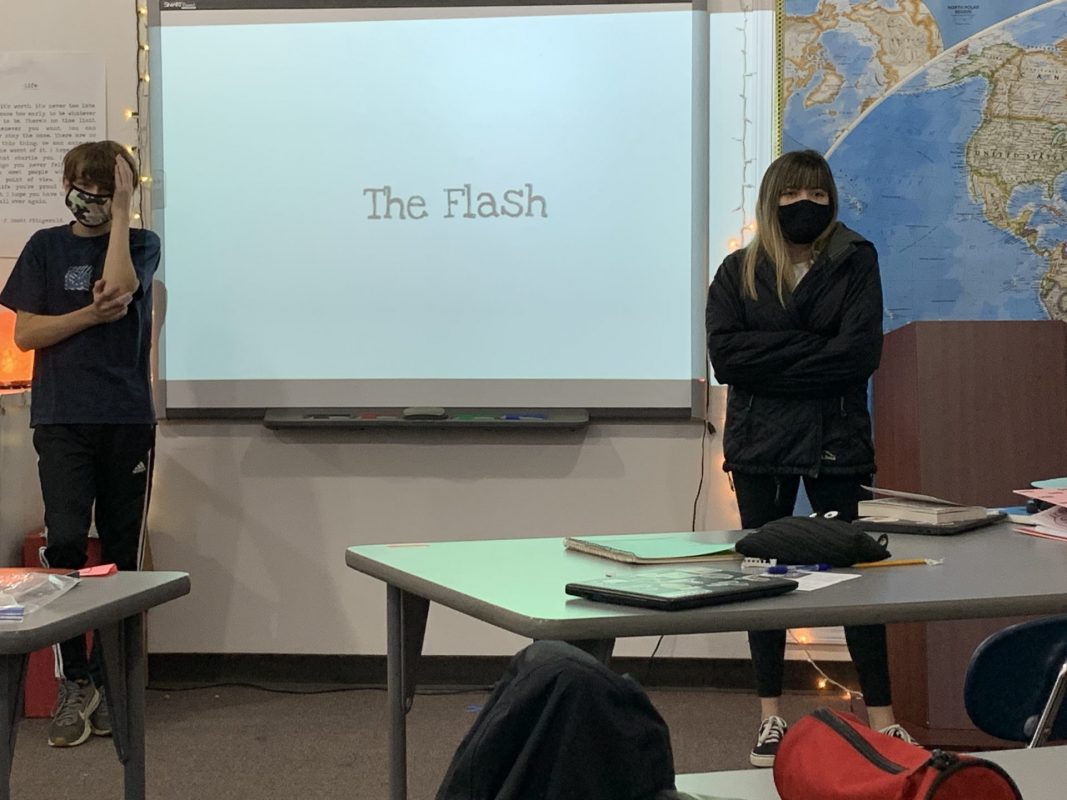
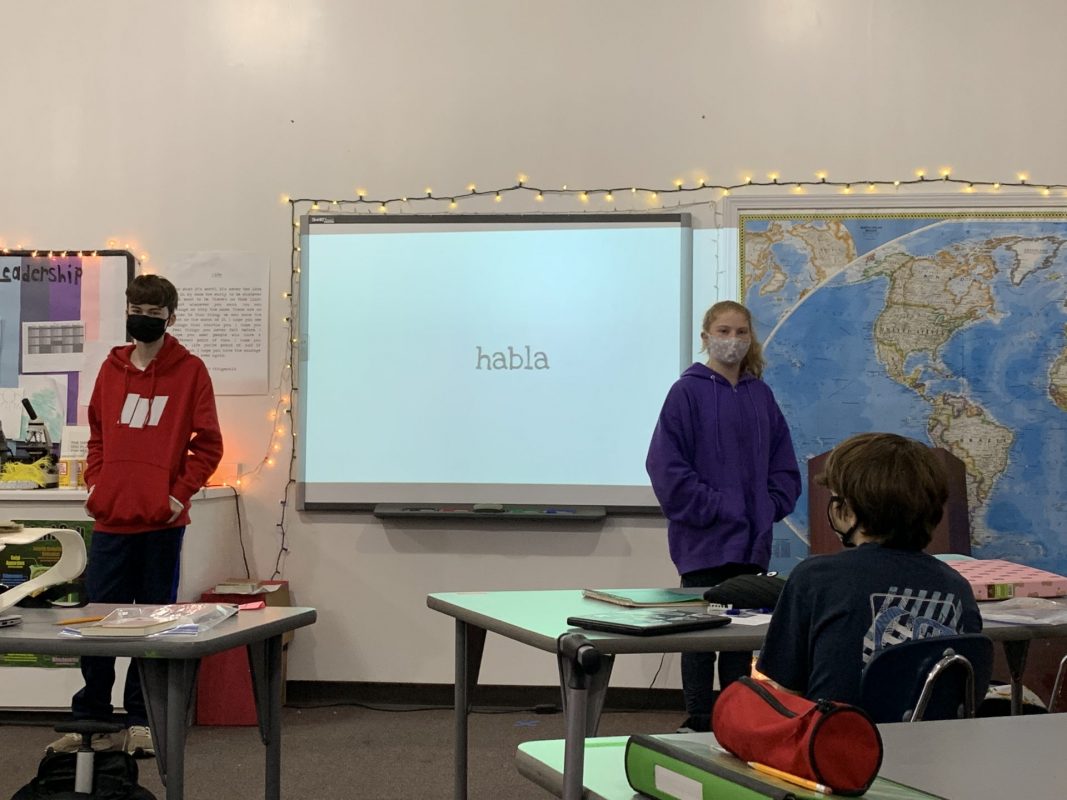
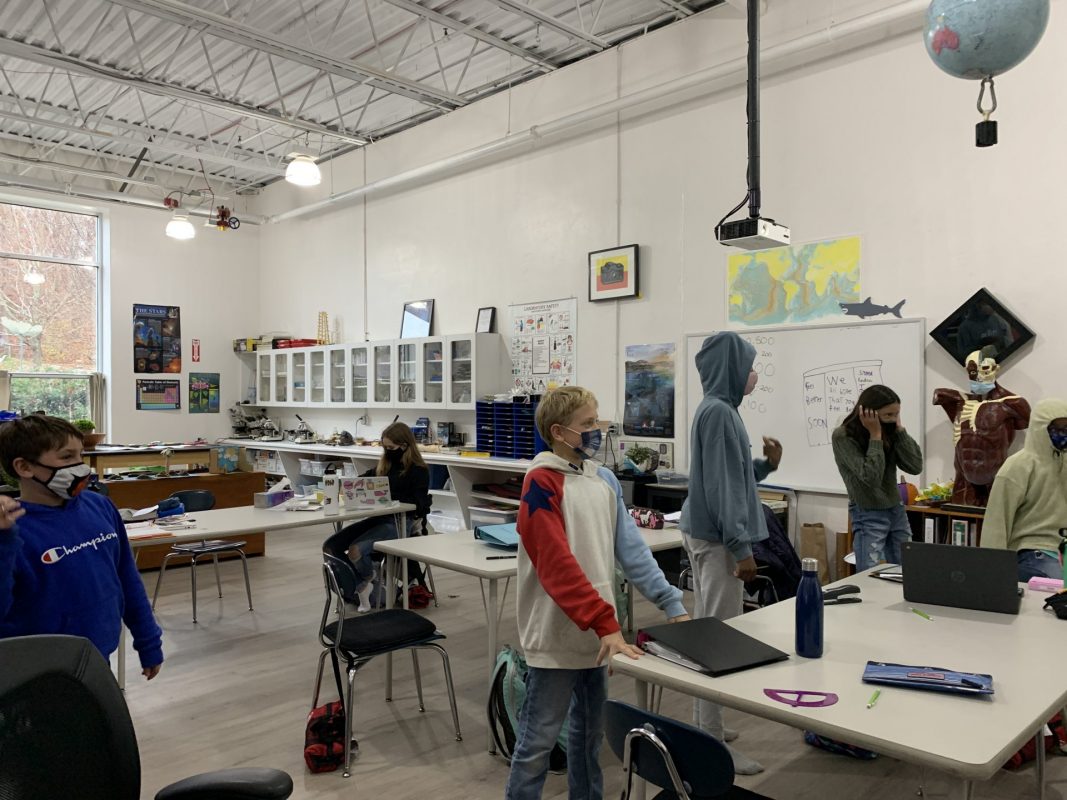
Our middle school students use the iSOMOS! Curriculum, developed by Martina Bex, expert in comprehensible input. Our entire focus is acquiring the language as we explore text and culture in a comprehensible manner. Using high frequency words and cognates, coupled with compelling stories we create as a class, students are engaged and held accountable for their learning. 

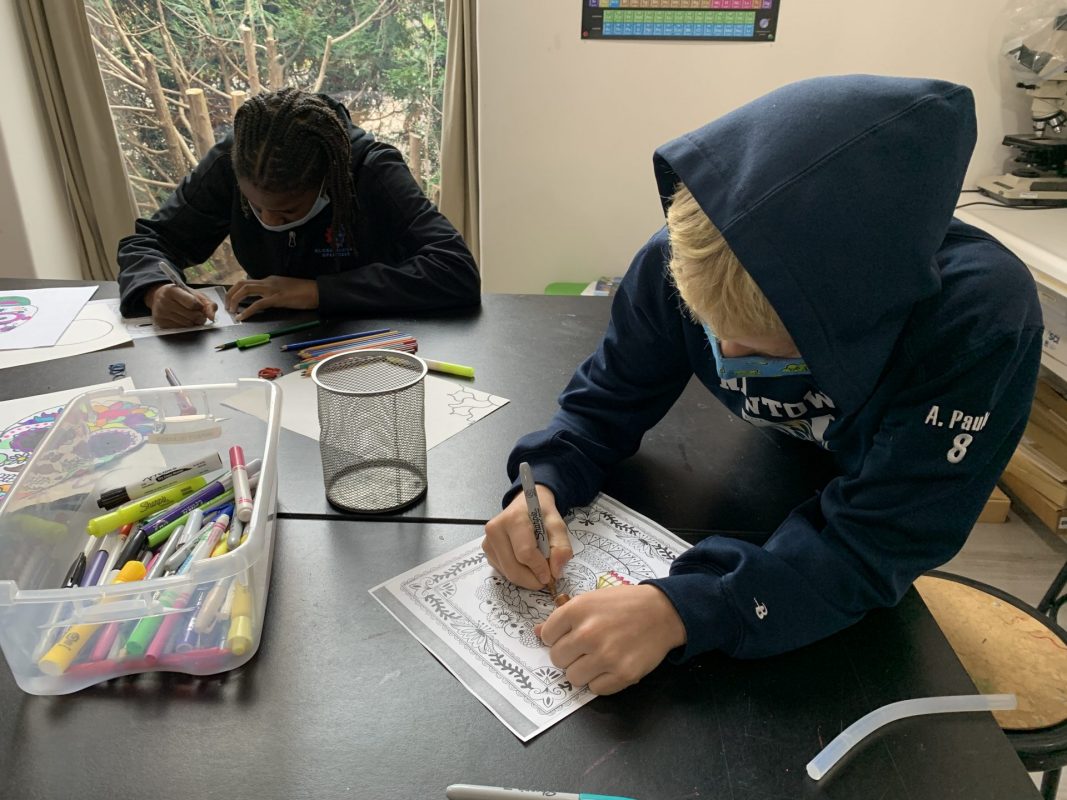
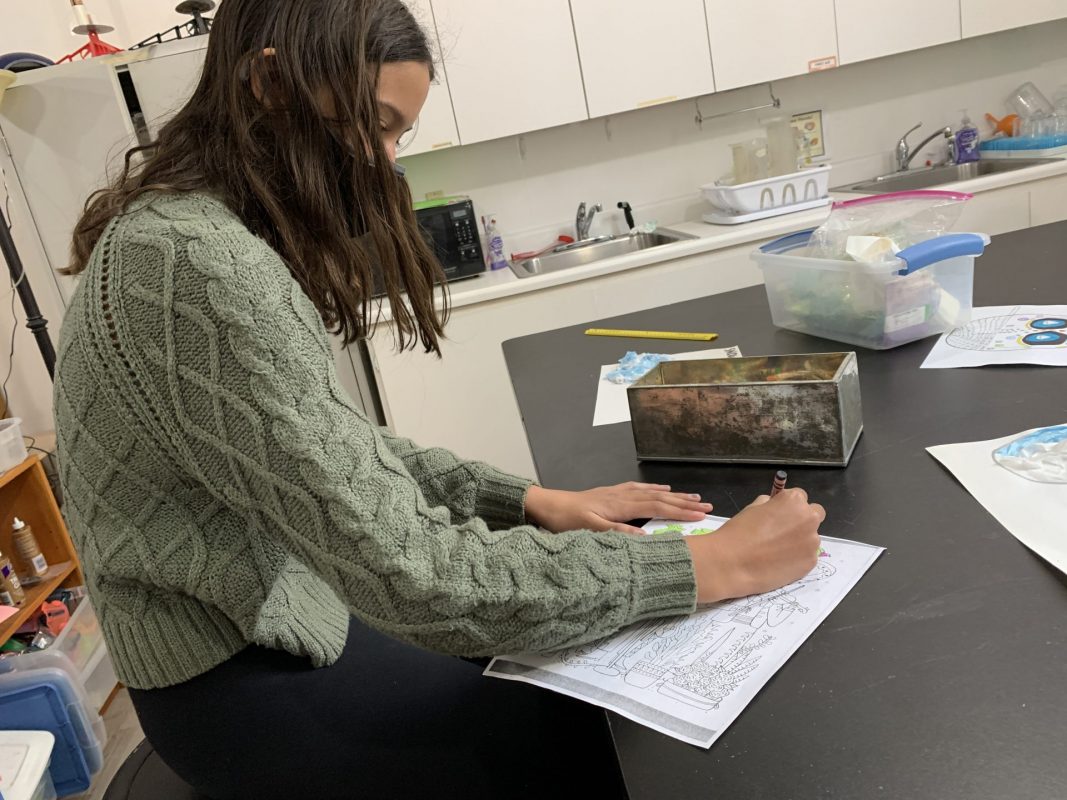
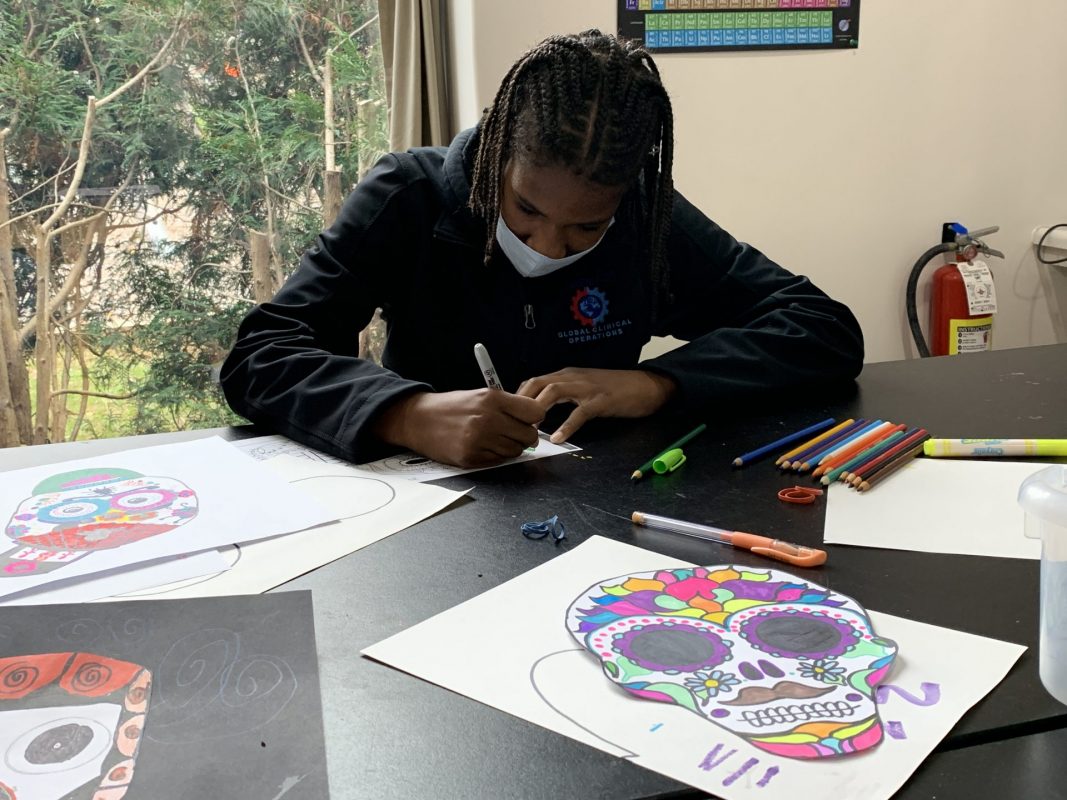
Recently, middle school students have been exploring LatinX cuisine, celebrations of el Día de los Muertos, and various cultural snippets through short articles and stories embedded in our curriculum. They continue to build vocabulary through the storytelling process in addition to reading from their proficiency based novels each class. “Somos” means “we are”, and it’s a beautiful experience to witness middle schoolers discovering who they are as language learners and as positive members of their community.
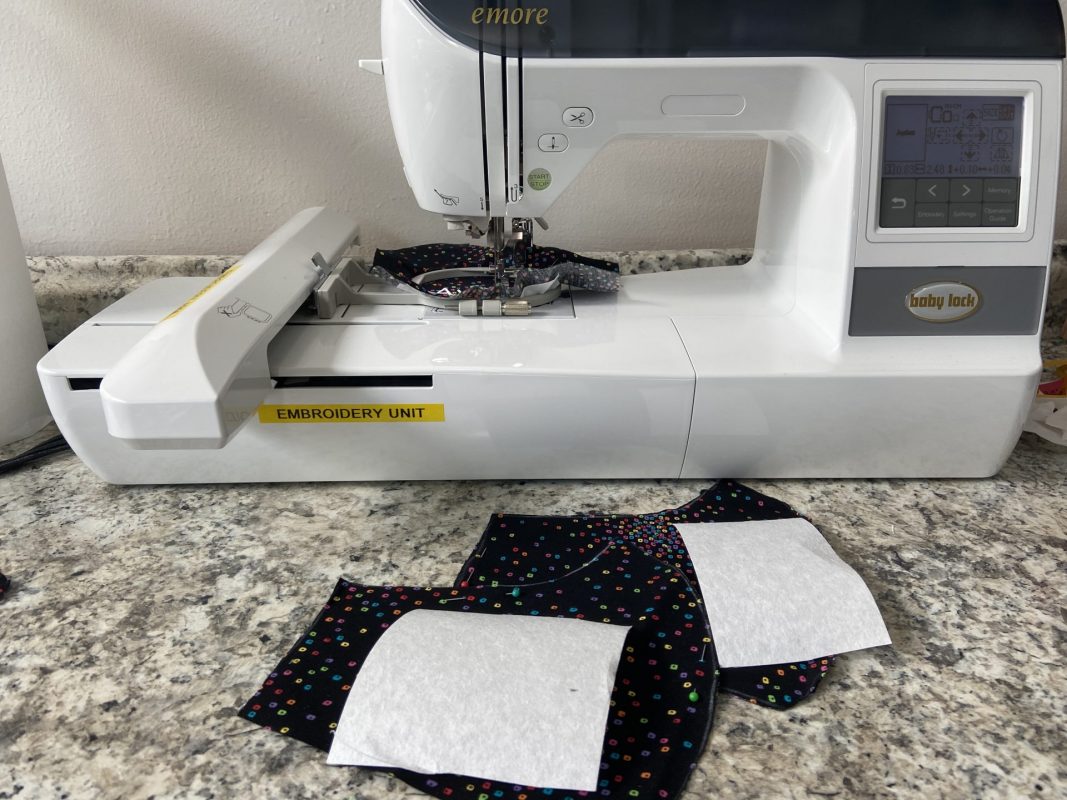
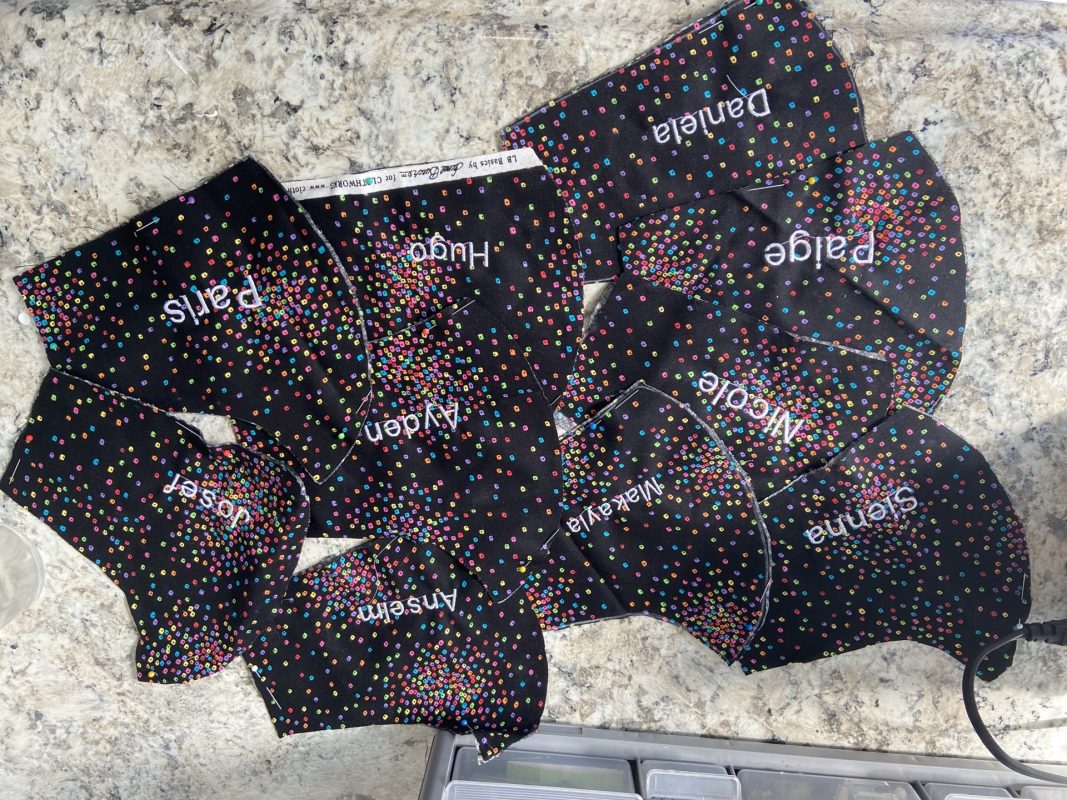
Mask Making

It’s hard to believe that we are celebrating the fourth year of the MakerSpace at FWM. Year after year we continue to add purposeful and authentic programs to our MakerSpace curriculum. In 2018, I added several sewing machines to our fleet of tools. At that time I never envisioned a mask, that wasn’t part of a costume, would ever fly off these machines.

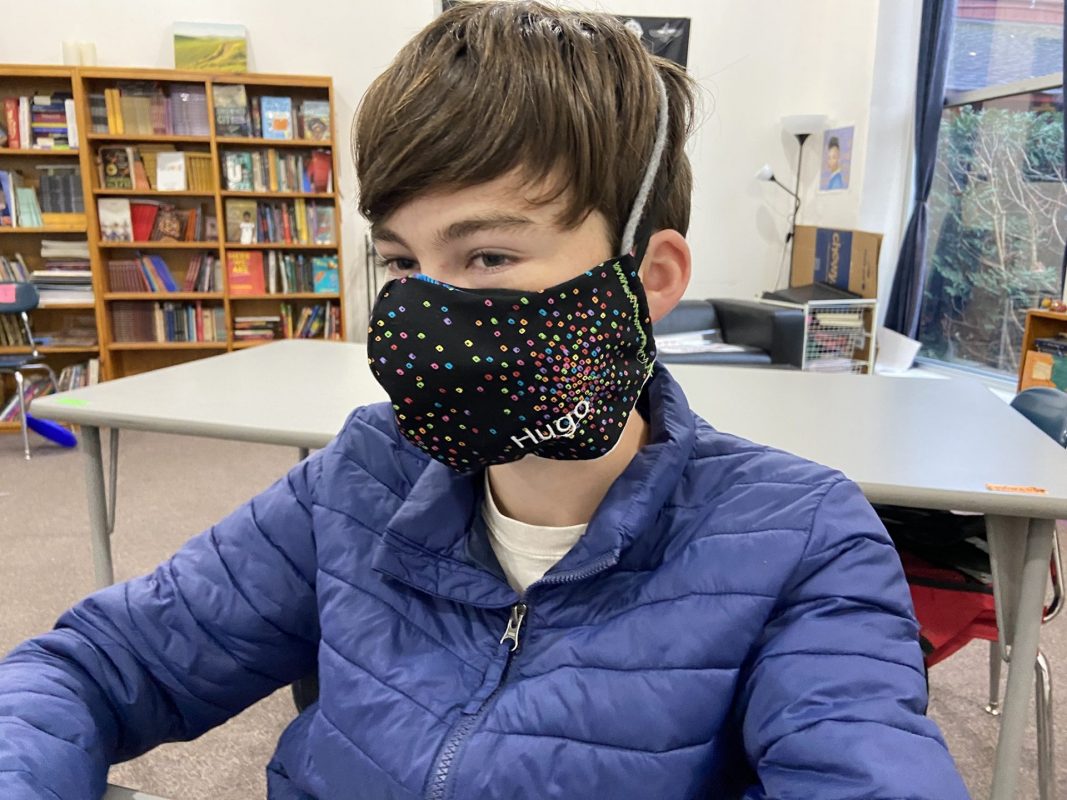
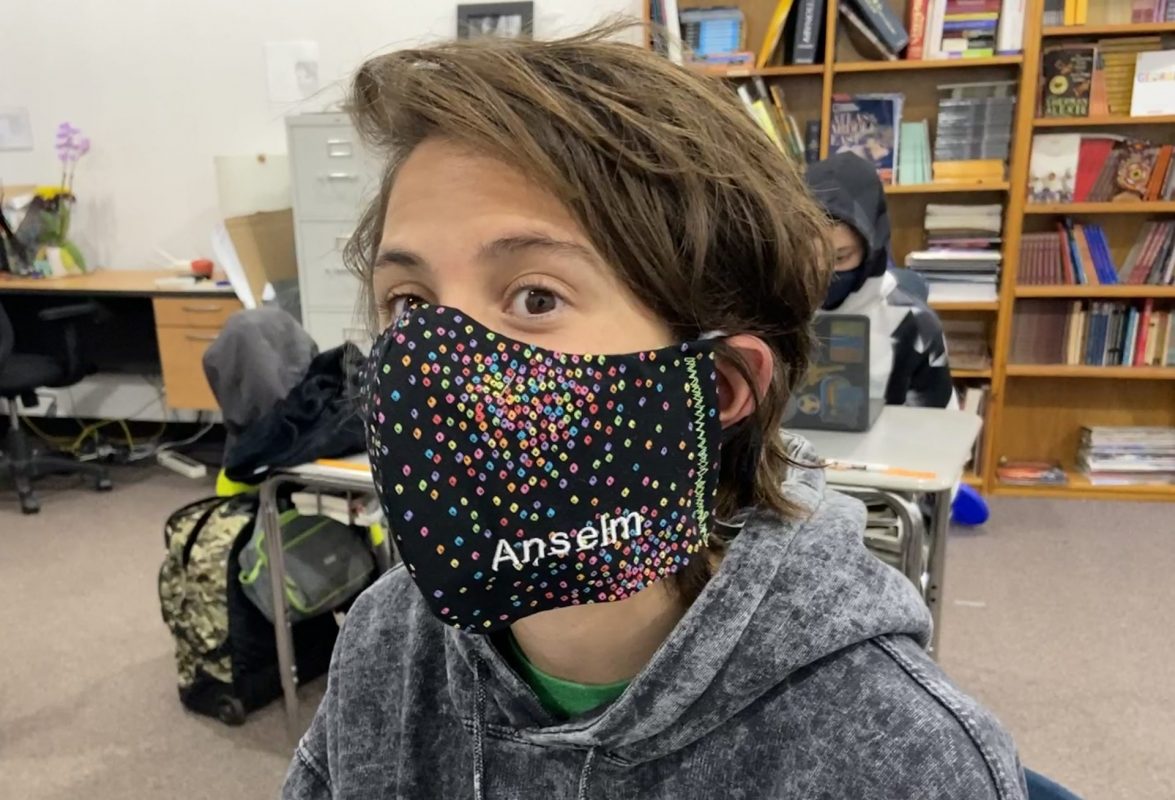
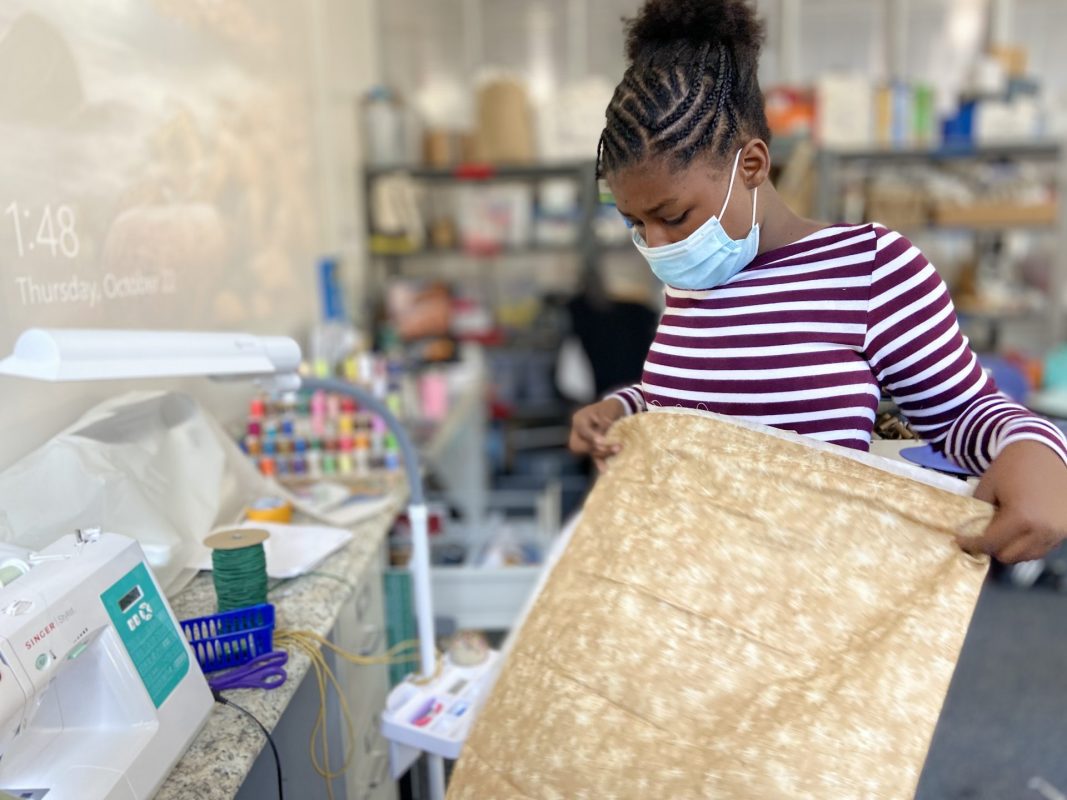
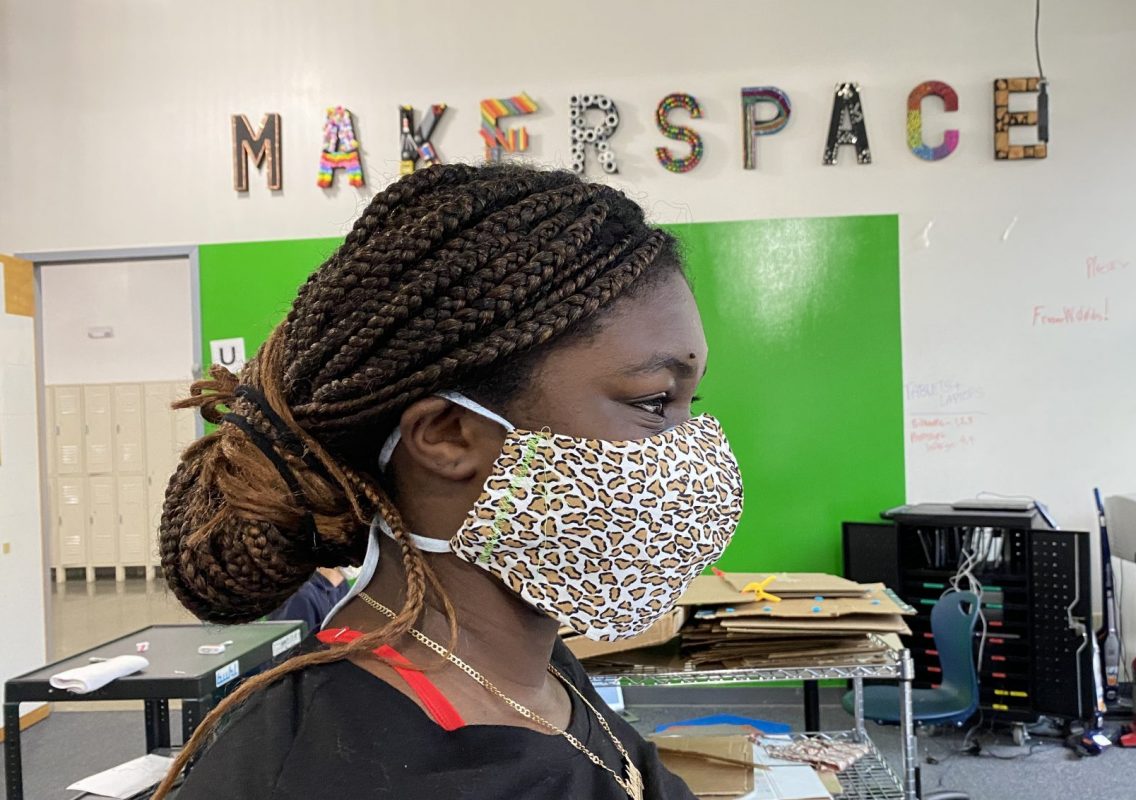
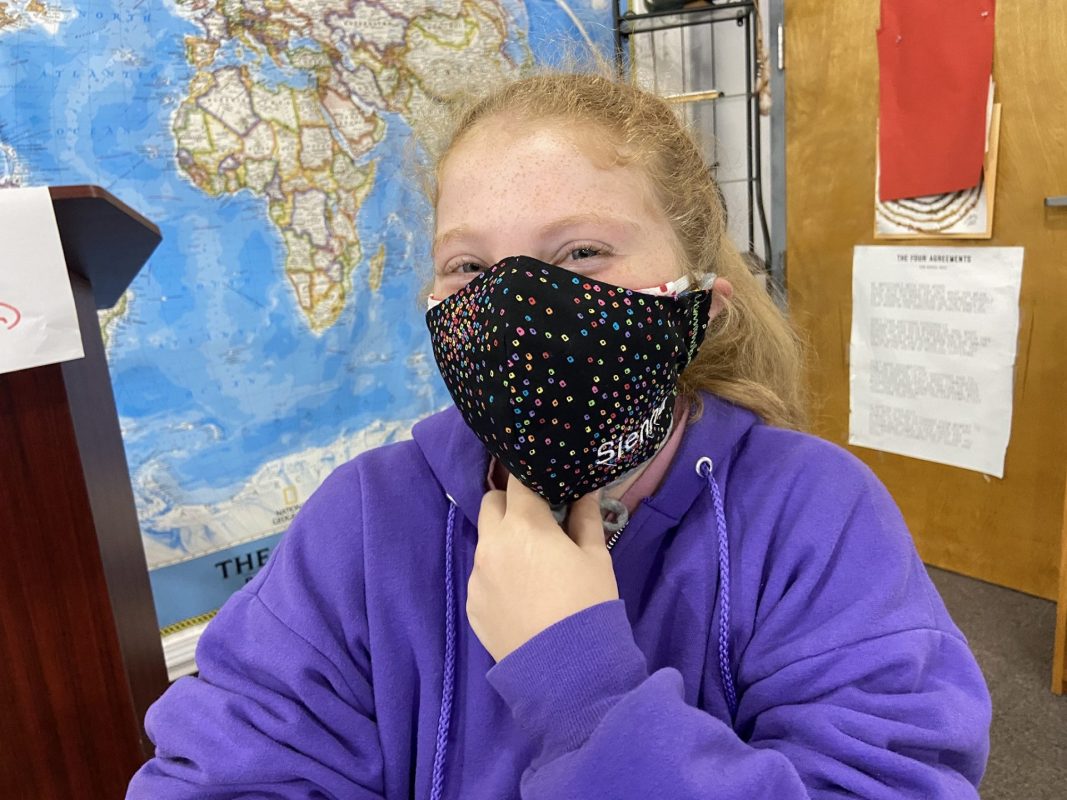
What started as an idea in September, to make masks for our 8th grade class, turned into a joyful opportunity for students to make their own mask. By my side was Christina Benoit, our school nurse, who lended her time and knowledge to me as we began designing masks for our 2021 Graduates. After surprising them with their one-of-a-kind embroidered masks, children across the building wanted to learn “how”, “where”, and “when”, they could sew their own.

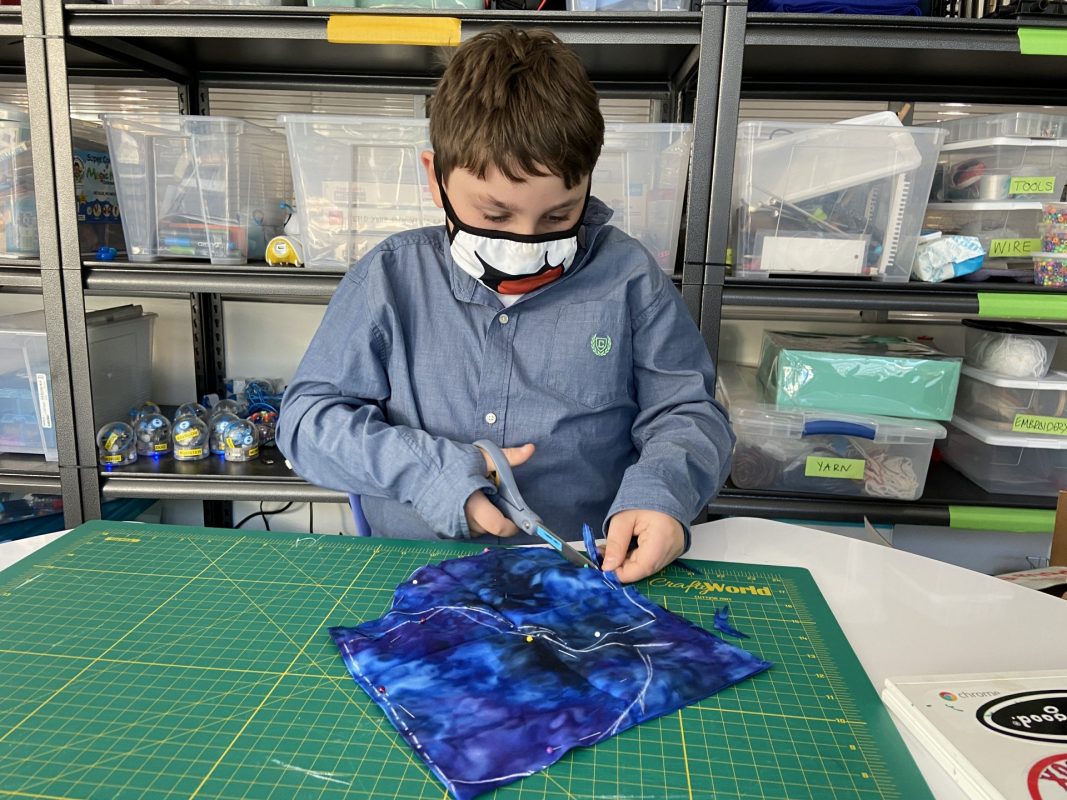
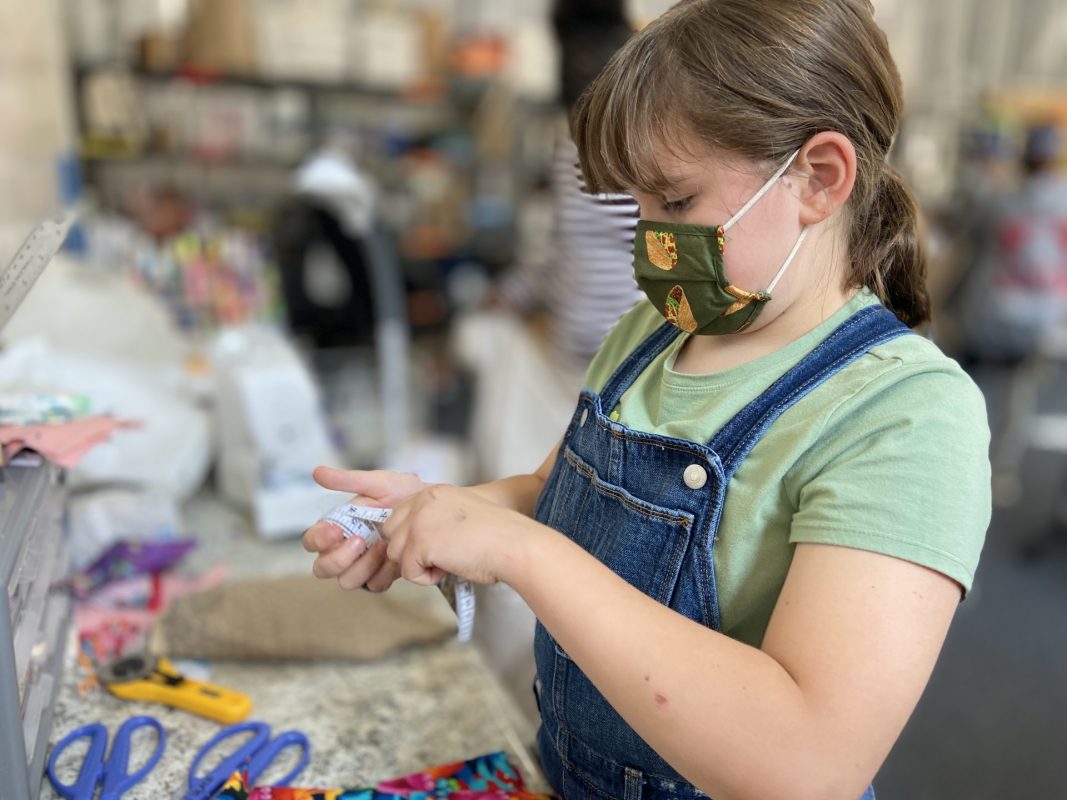
At any point in the MakerSpace, you will see fabric laid out, rulers and templates ready to guide, scissors ready to slice, and both hands and minds ready to work. The process to complete one mask takes a middle school student two full MakerSpace classes. Sewing also compliments our Middle School STEAM program.

As we approach 2021, I am honored to announce that my young seamers are now capable of making a durable, two-ply, custom sized, comfortable fitting mask…. out of hand-selected fabric. Bravo, my makers- you inspire me every single day.


Microscopic Watercolor Paintings!

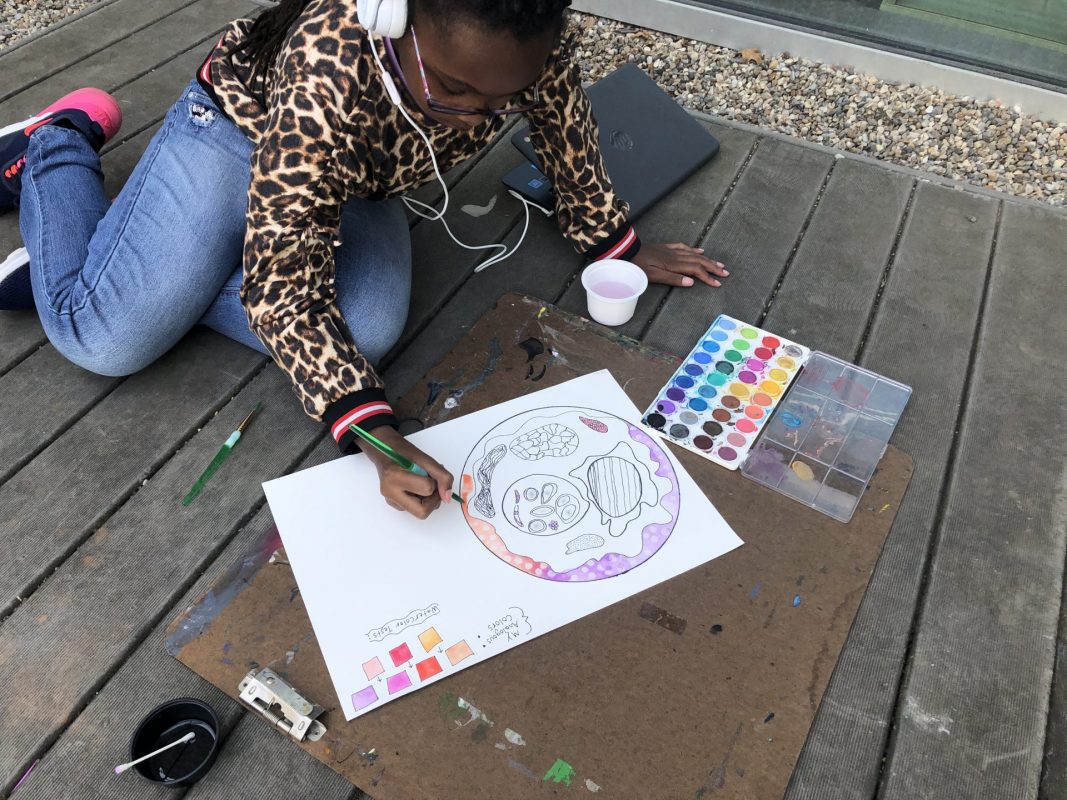
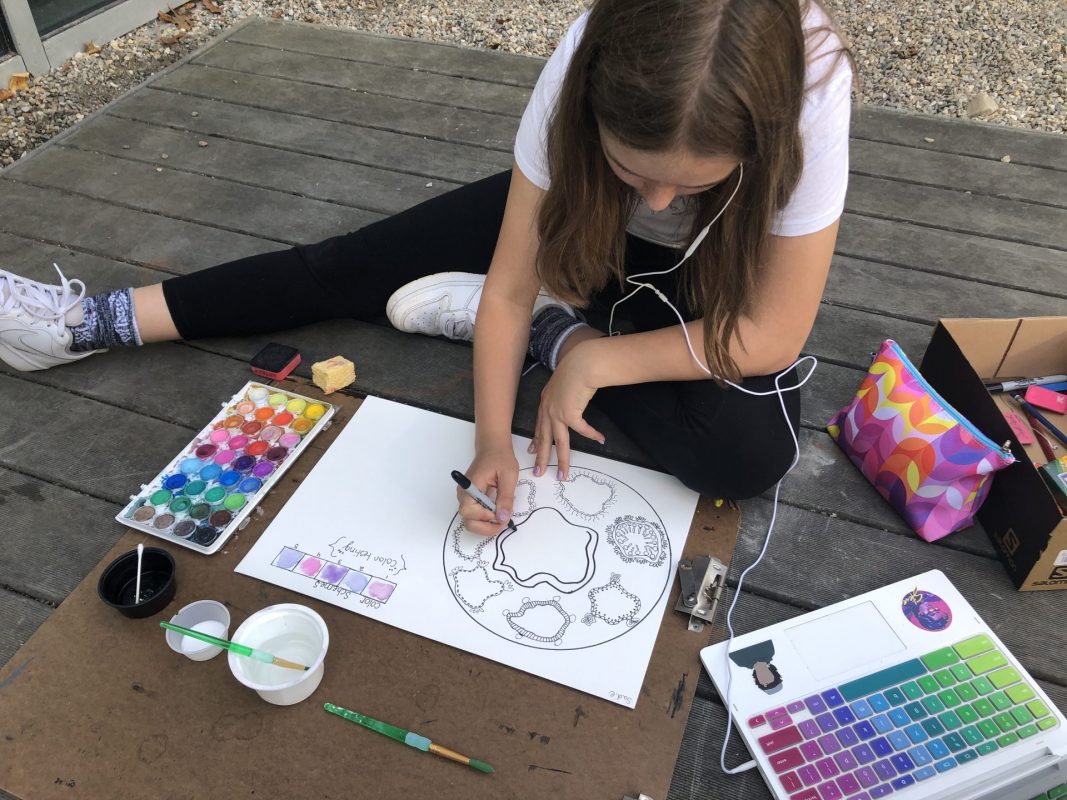
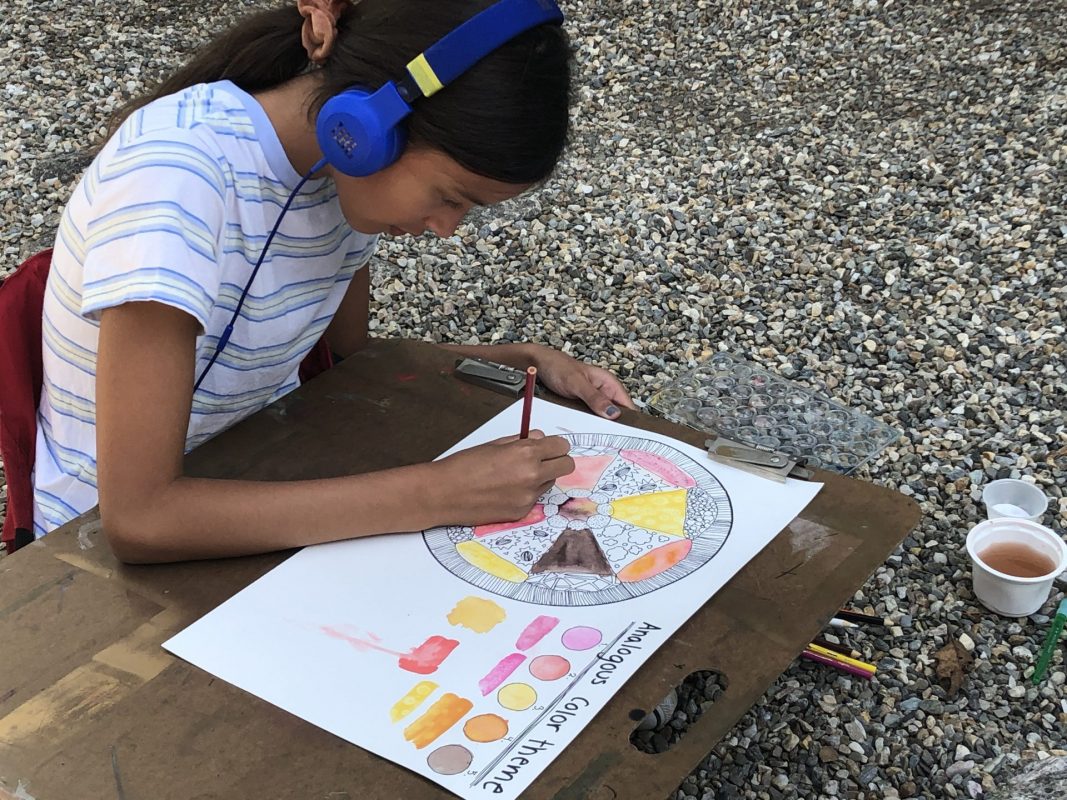
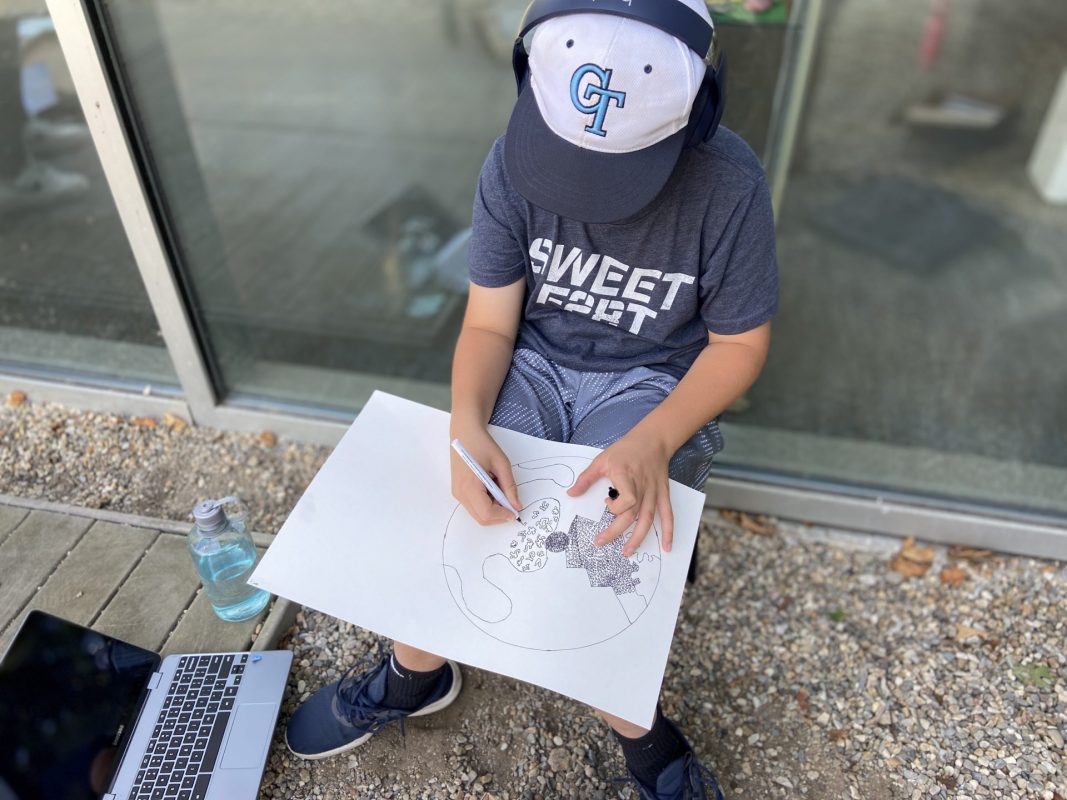
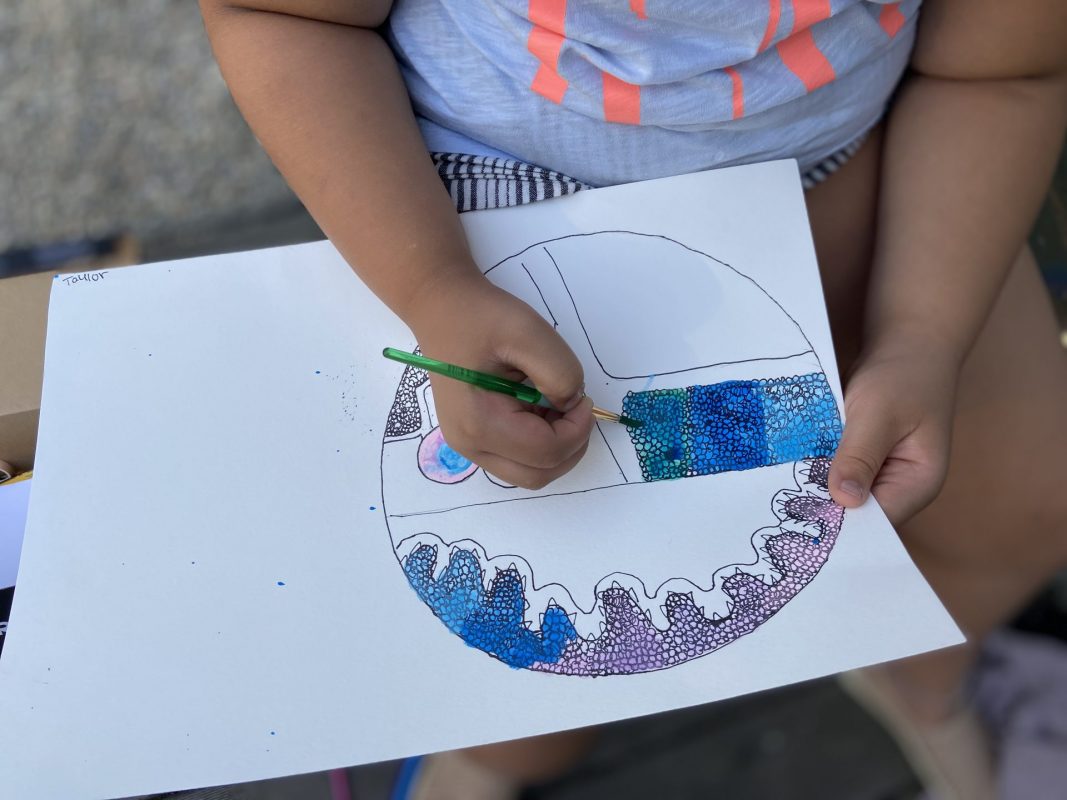
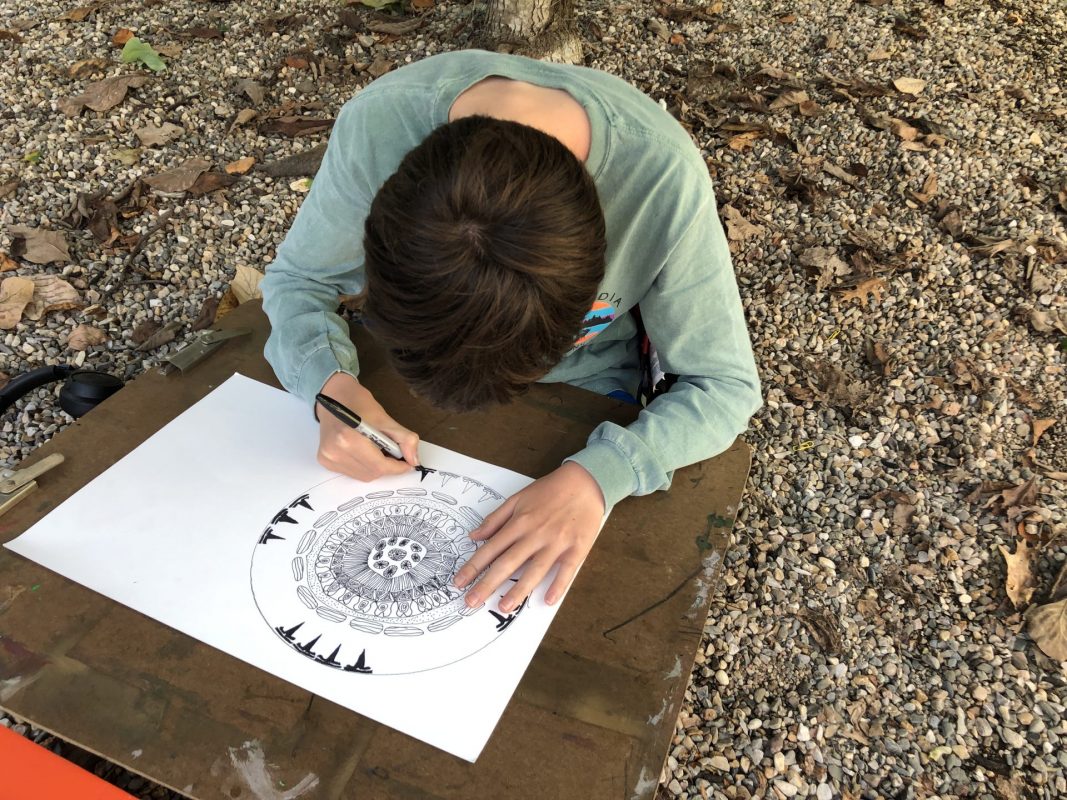
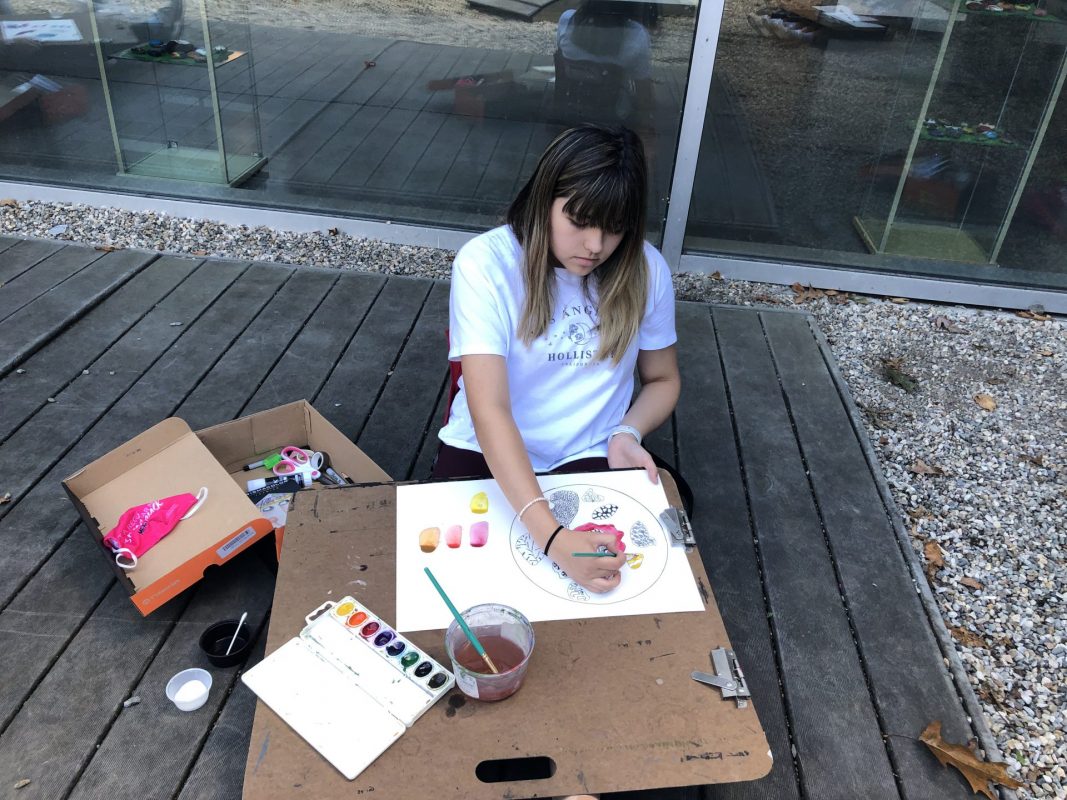
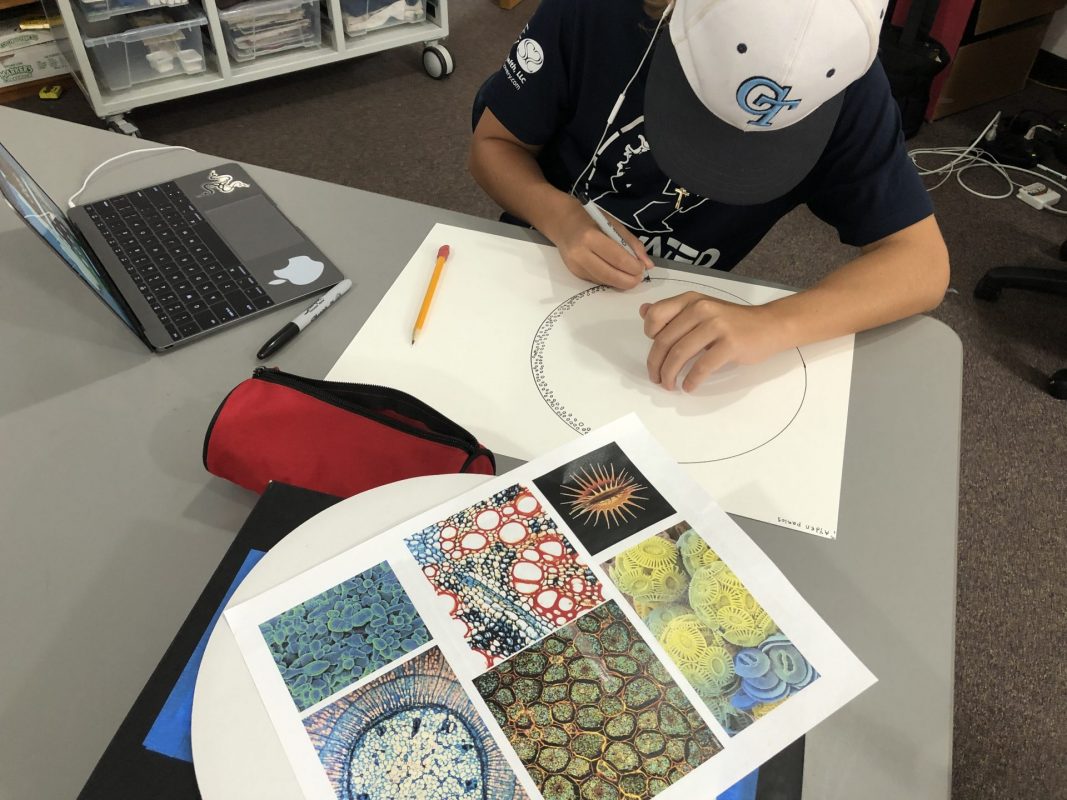
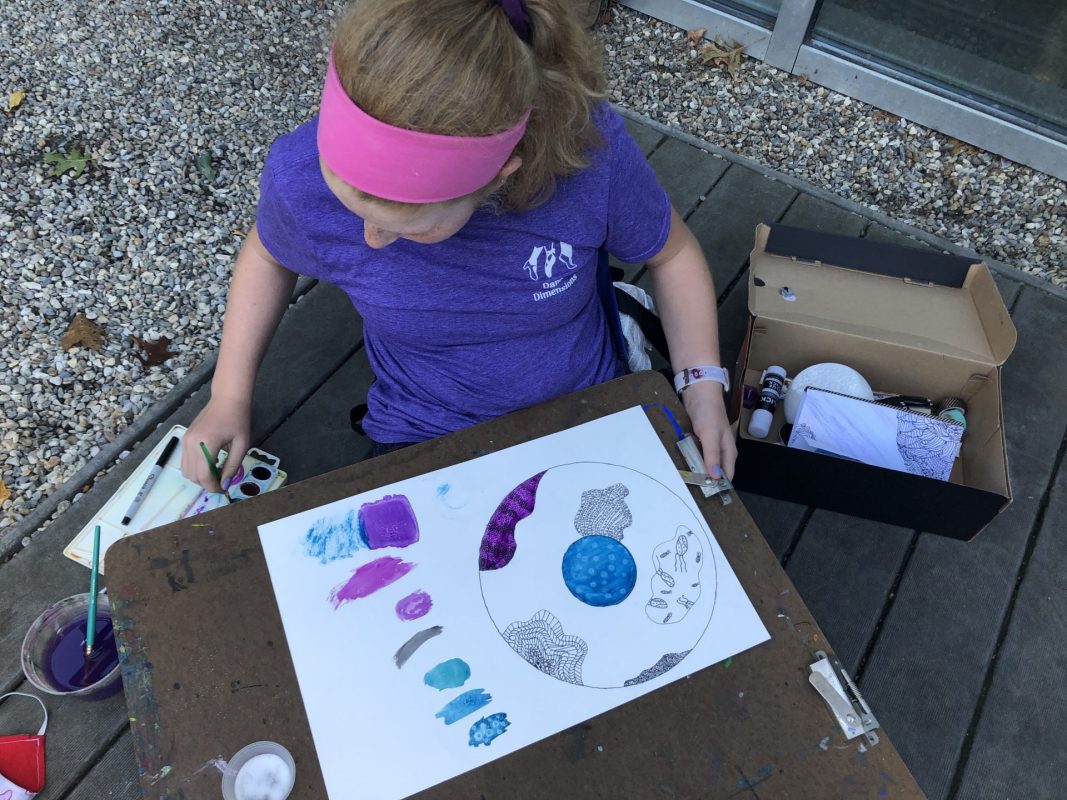
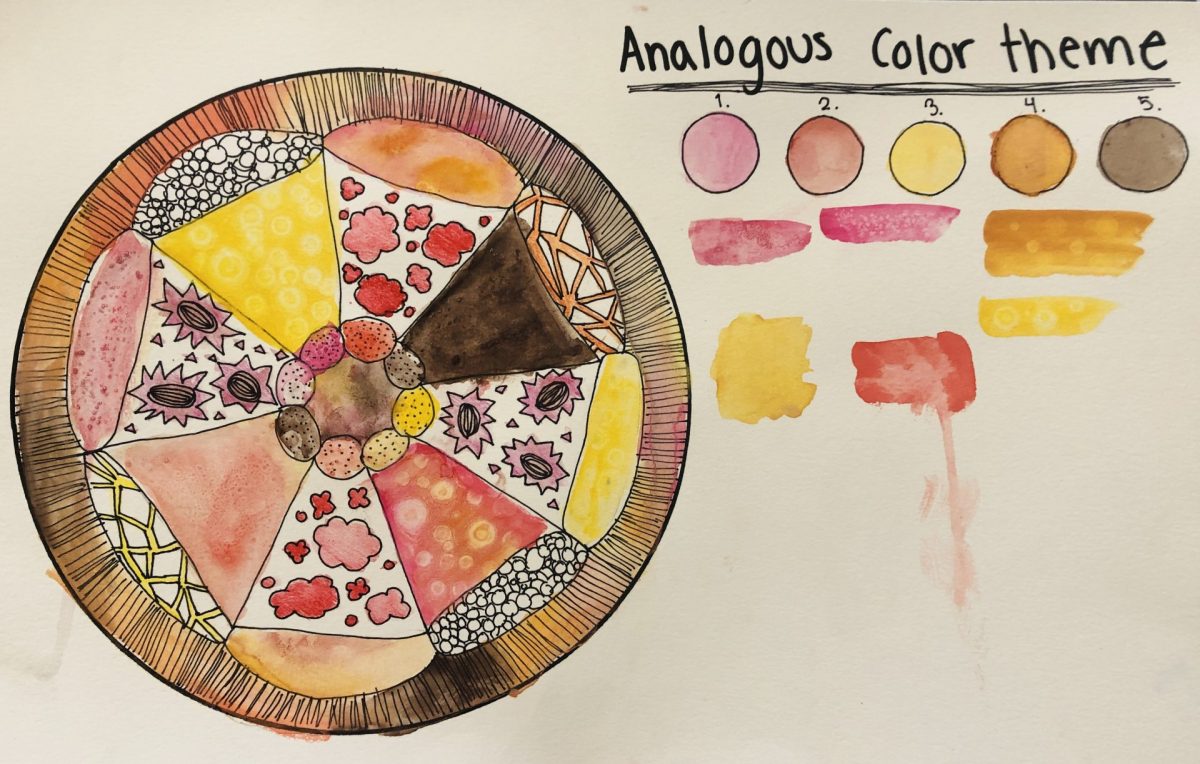
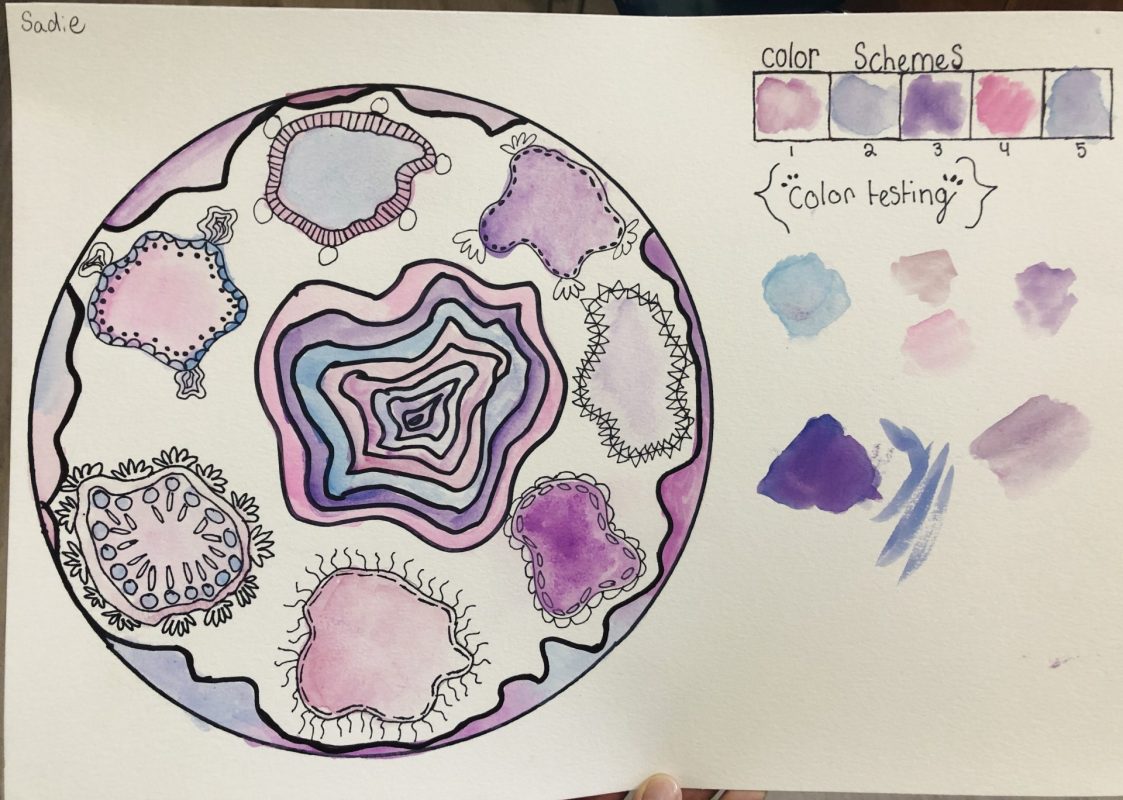
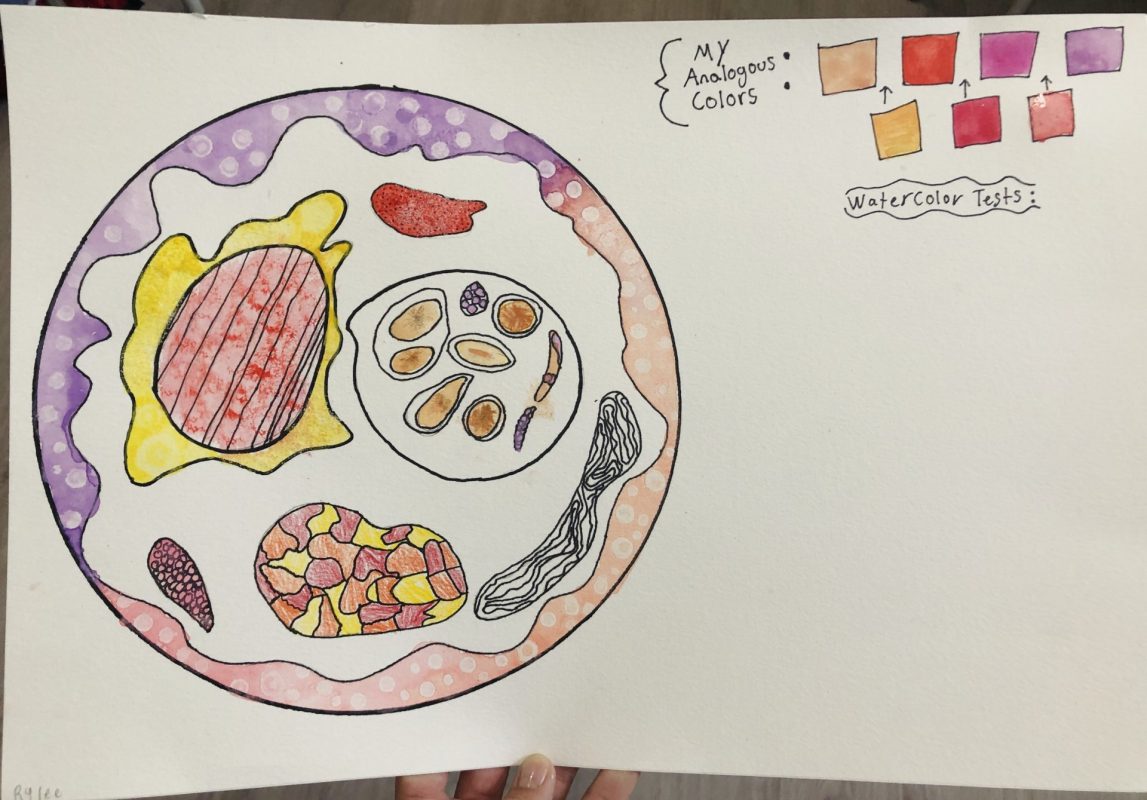
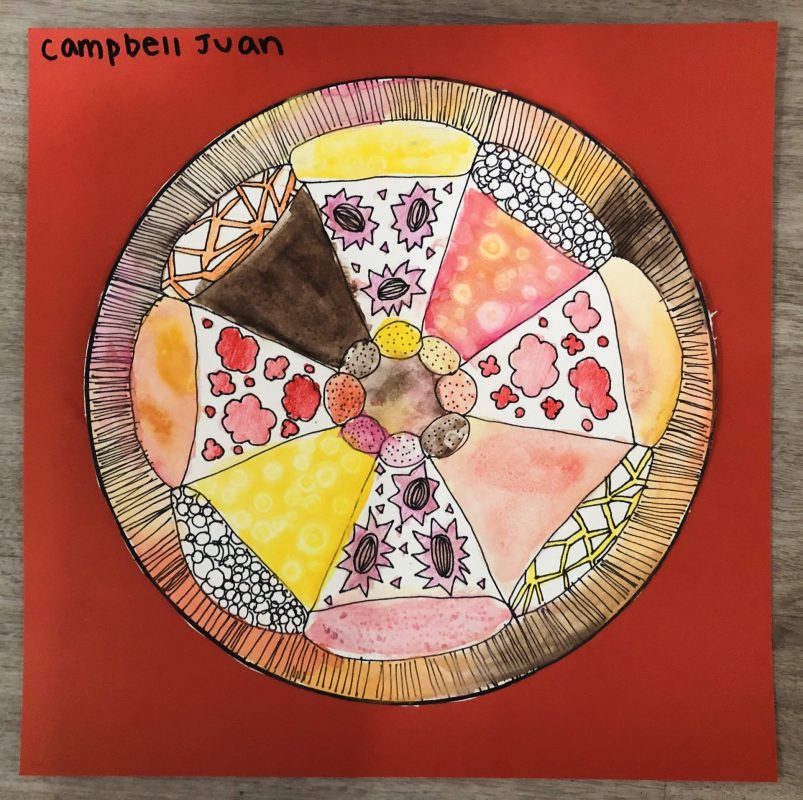
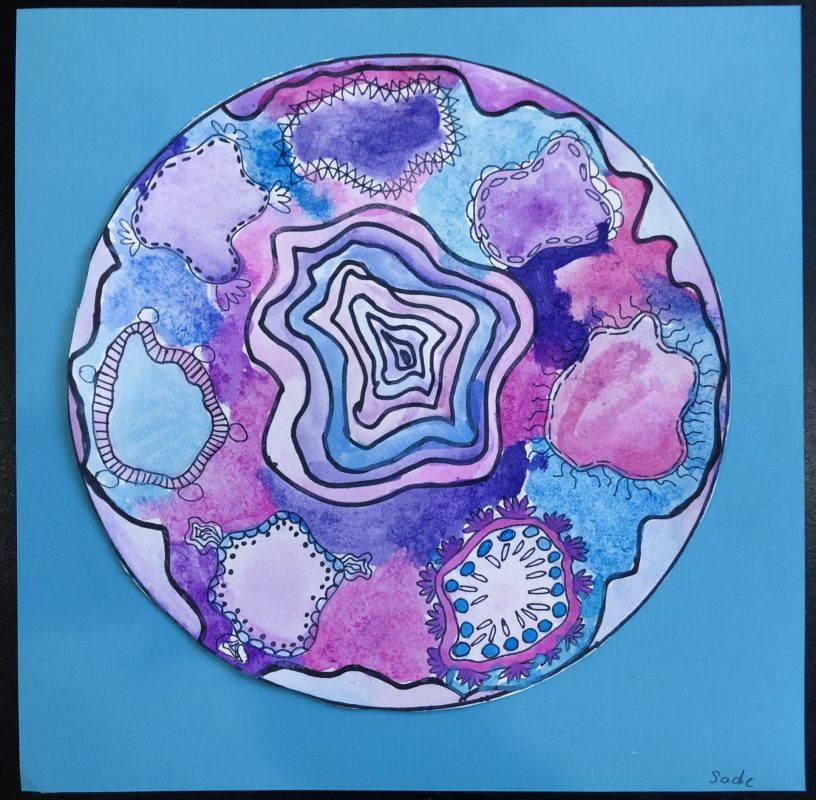
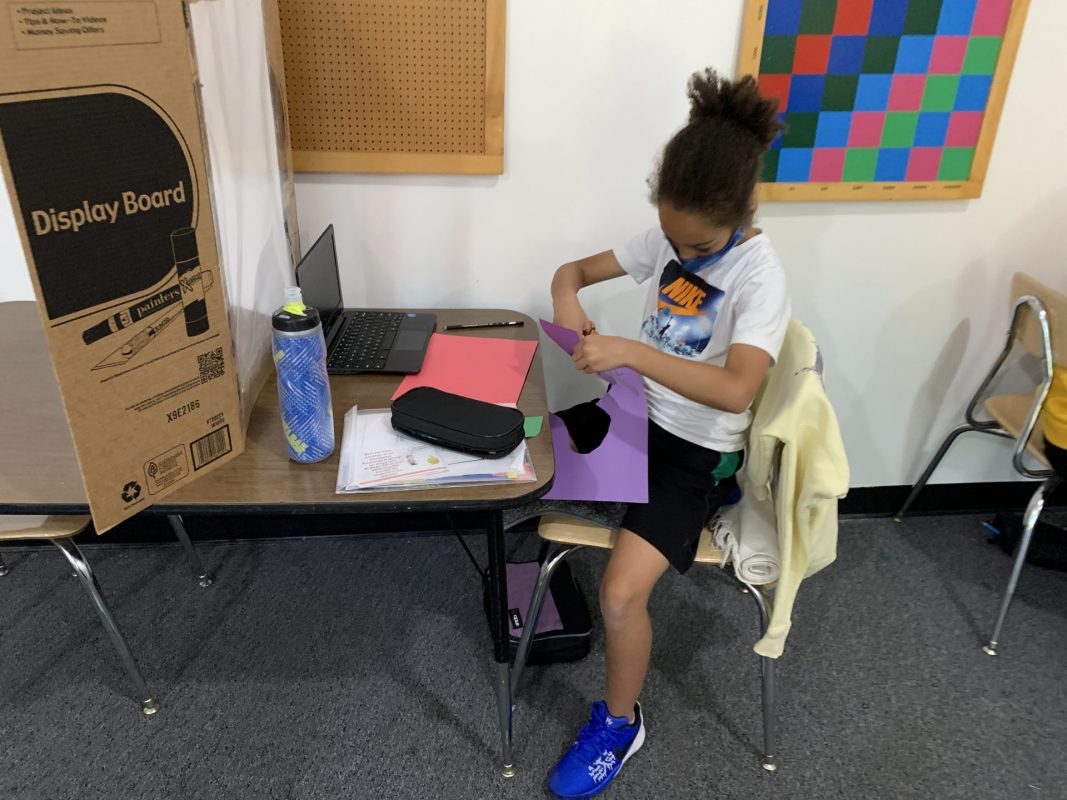
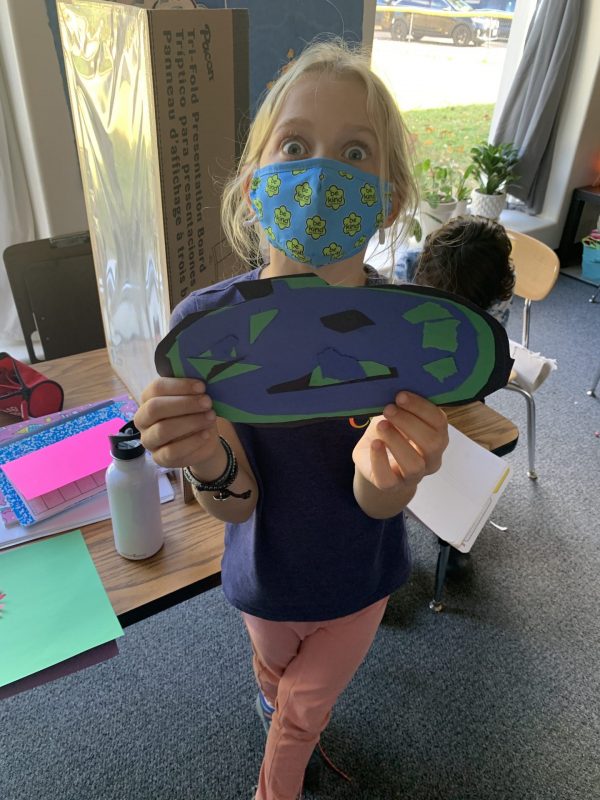
Middle School students created vibrant works of art inspired by life under the microscope! This project encouraged students to realize the many ways in which Science and Art can connect: both artists and scientists closely examine their subjects in an attempt to understand and describe the complex world around us. Artistically, our focus was composition arrangement, pattern making, and color theory.

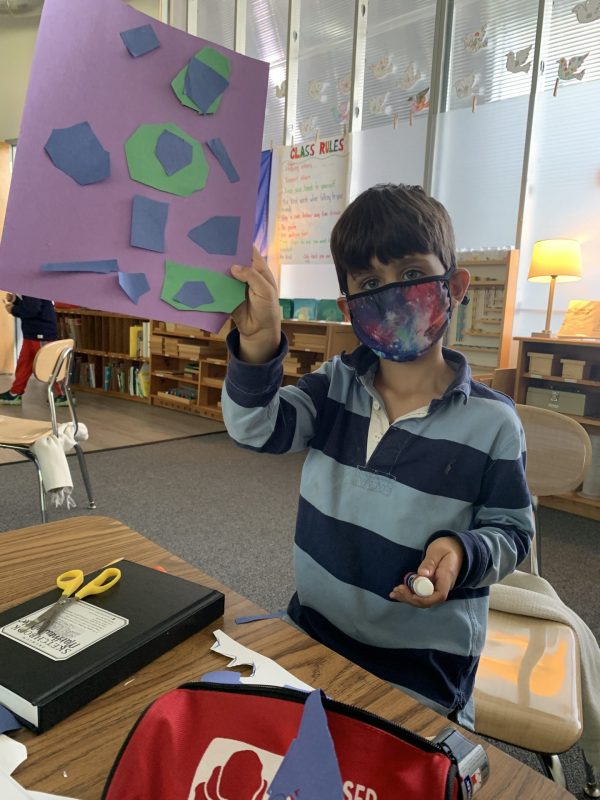
Each middle school artist began by looking at microscopic plant images and other cellular references for shape and pattern inspiration for their artwork. While planning their composition, we reviewed and discussed Art vocabulary and concepts pertaining to this project, such as organic vs. geometric shapes, balance, contrast, repetition, and space. After sketching out their imagined microscopic world in pencil, they then traced their design with sharpie. Students then chose an analogous color scheme (groups of 3-4 colors that are next to each other on the color wheel) and filled in their composition using various watercolor techniques. Each finished painting is a striking sight of complex organic forms and vibrant color!


Exploring LatinX Culture through Art

The ACTFL World-Readiness Standards for Learning Languages includes five goal areas (the 5 C’s) upon which Spanish class is structured: Communication, Cultures, Connections, Comparisons, and Communities. Coupled with proficiency guidelines, the goal, according to ACTFL, is to ensure that language learners can apply the skills measured by the standards to bring a global competence to their future and career experiences. All of our Spanish classes incorporate at least two of these goal areas each time we meet.   

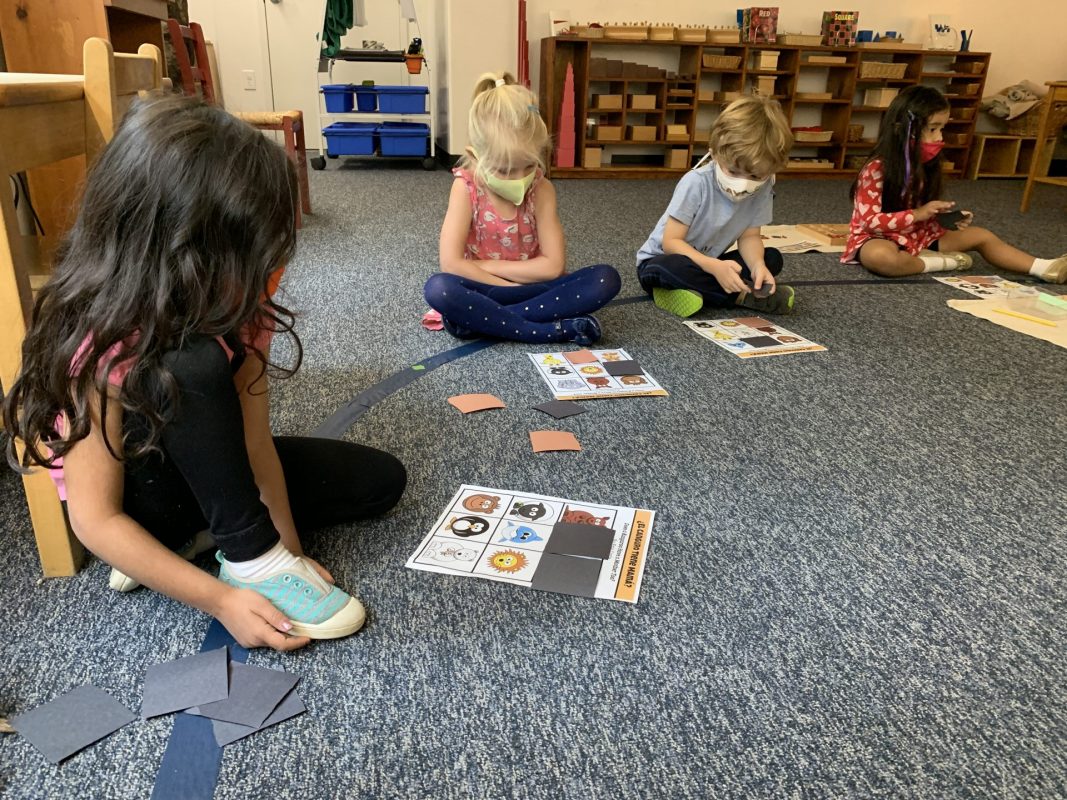
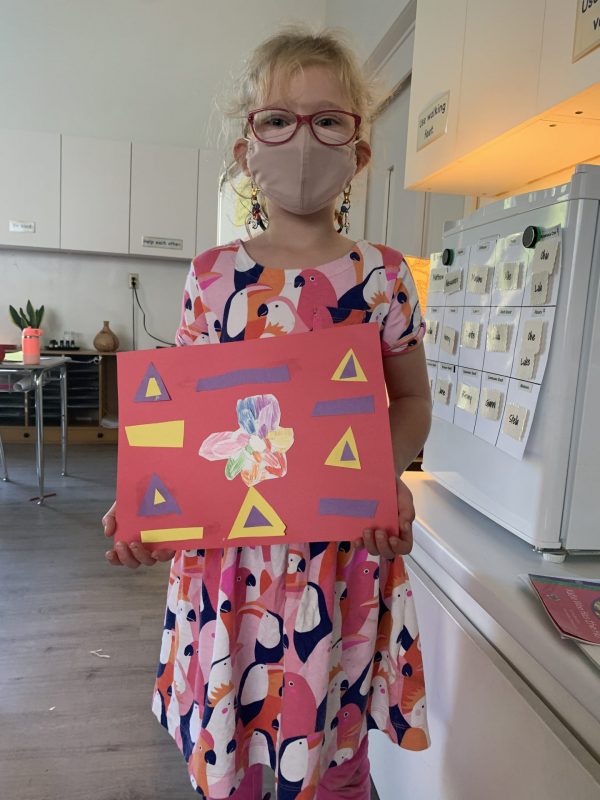
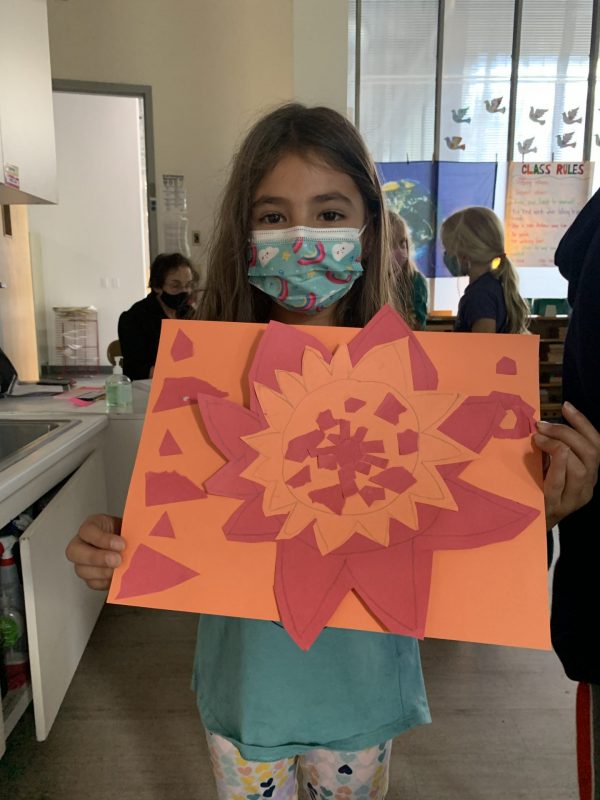
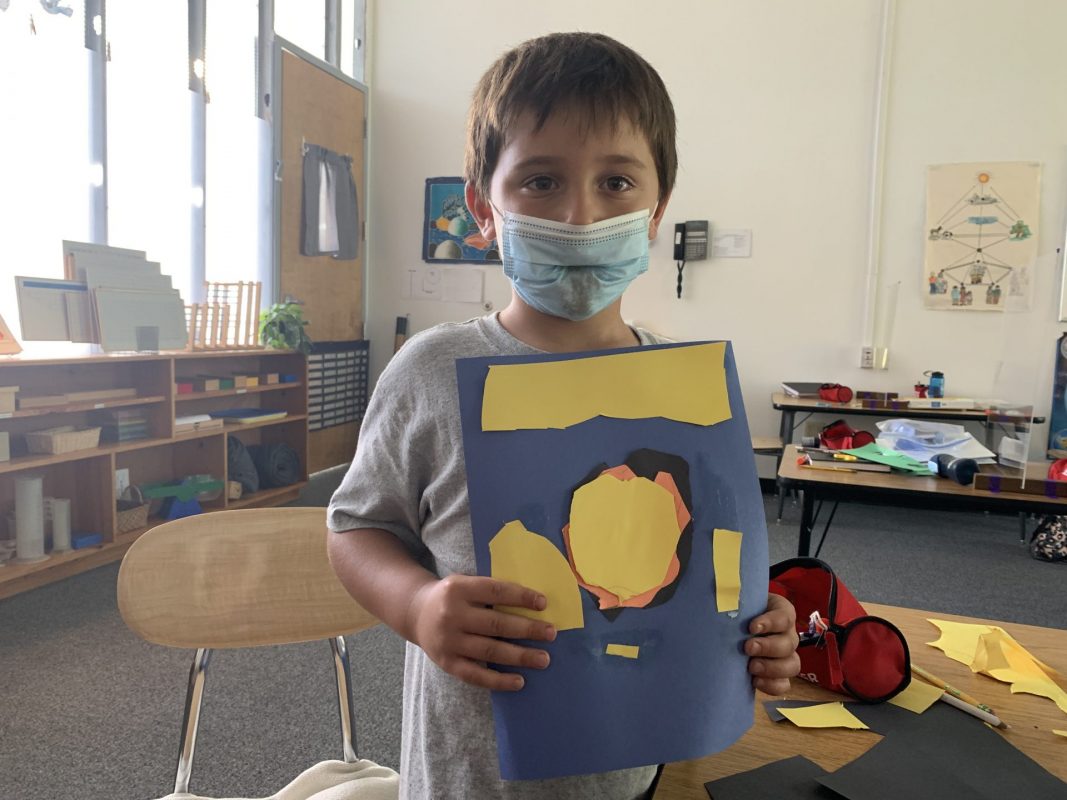
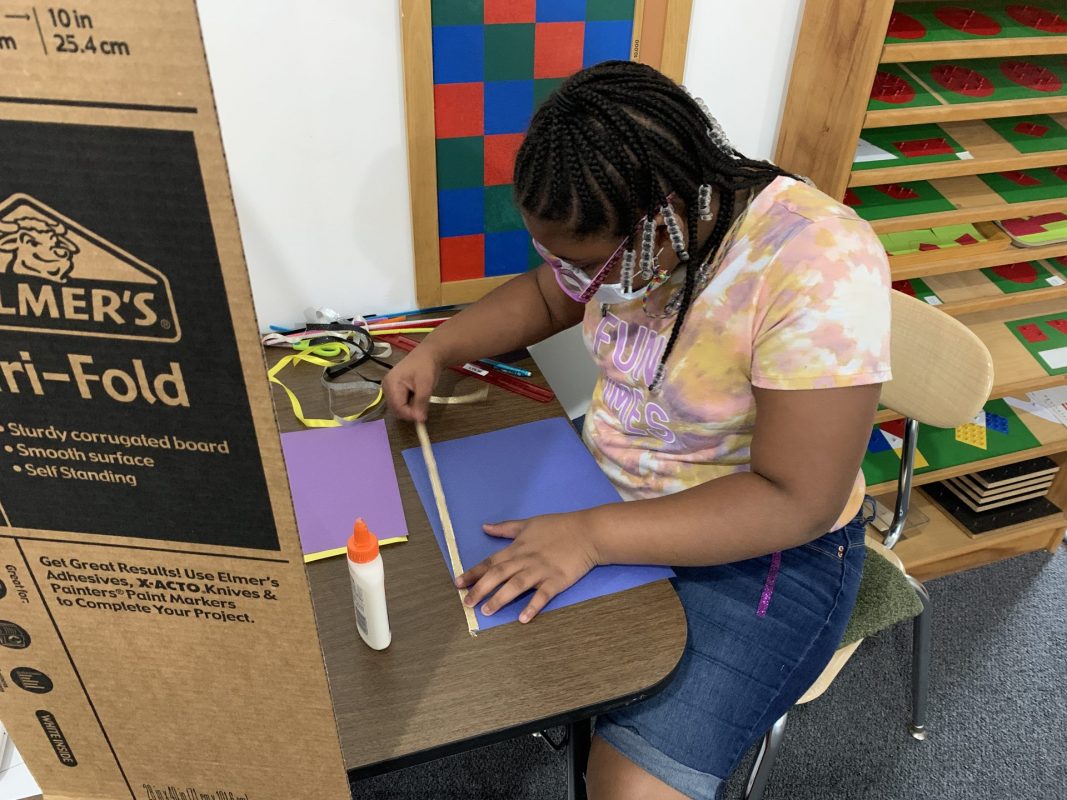
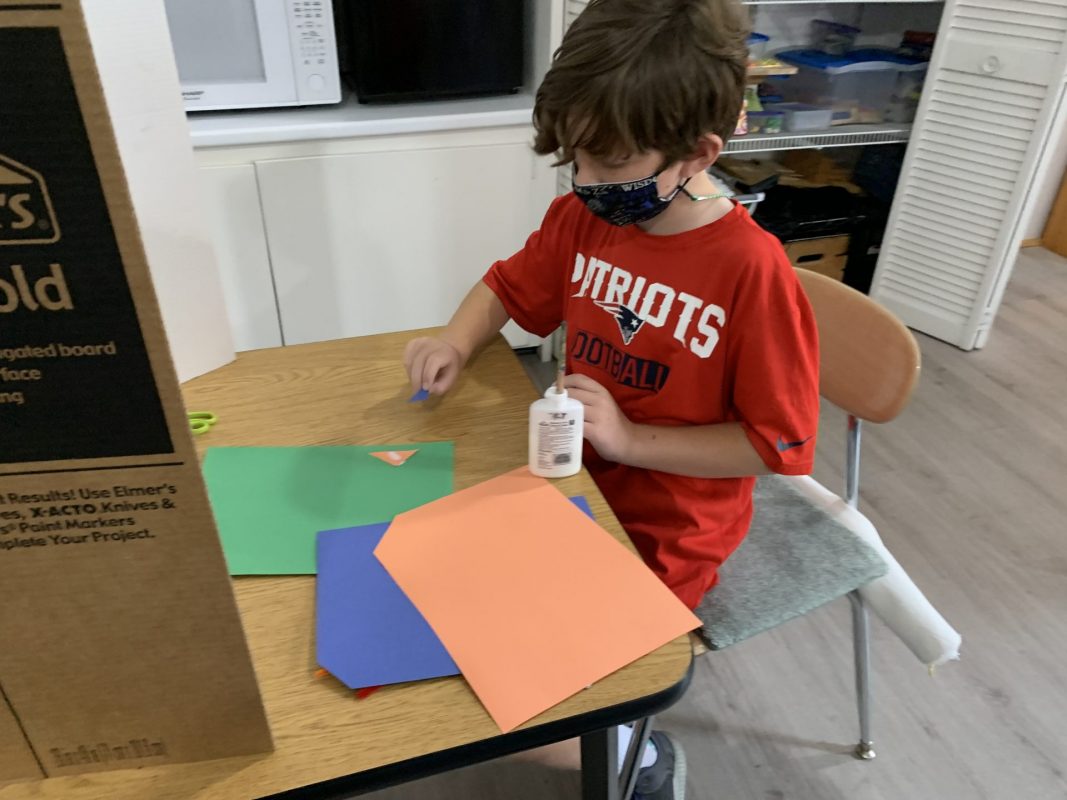
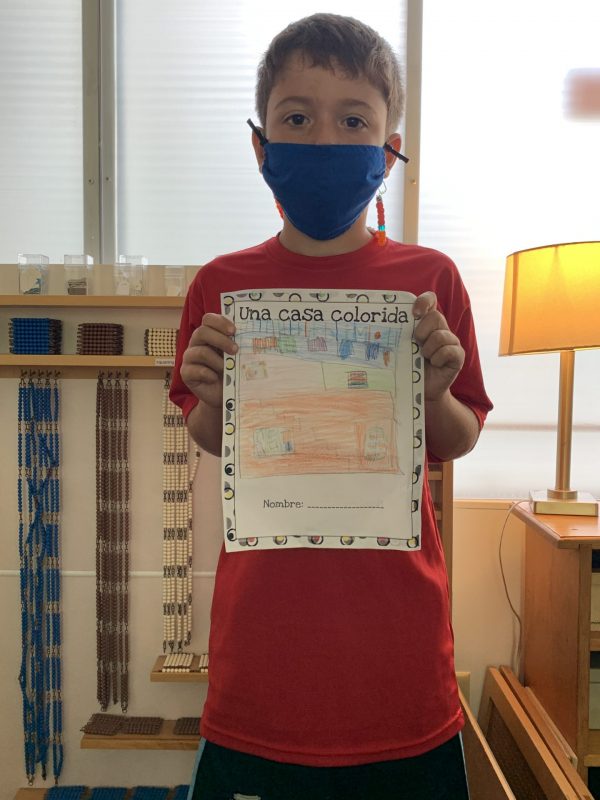
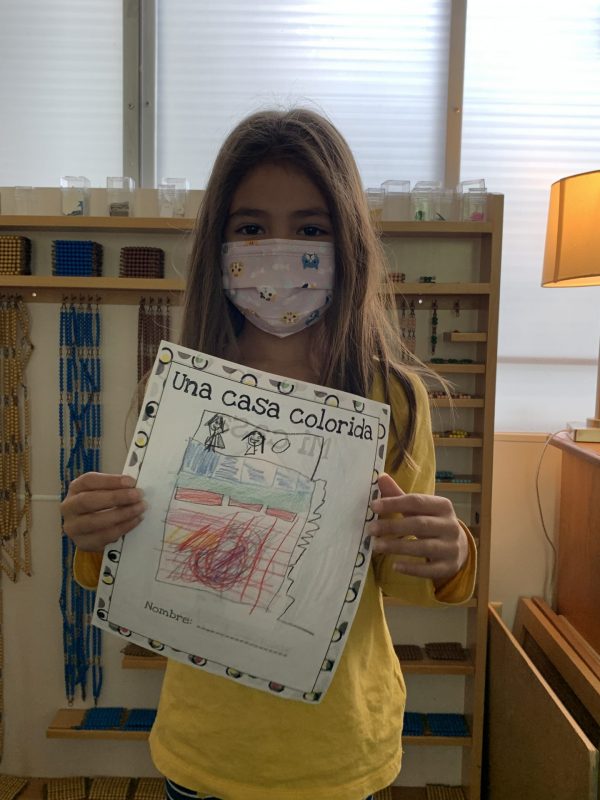
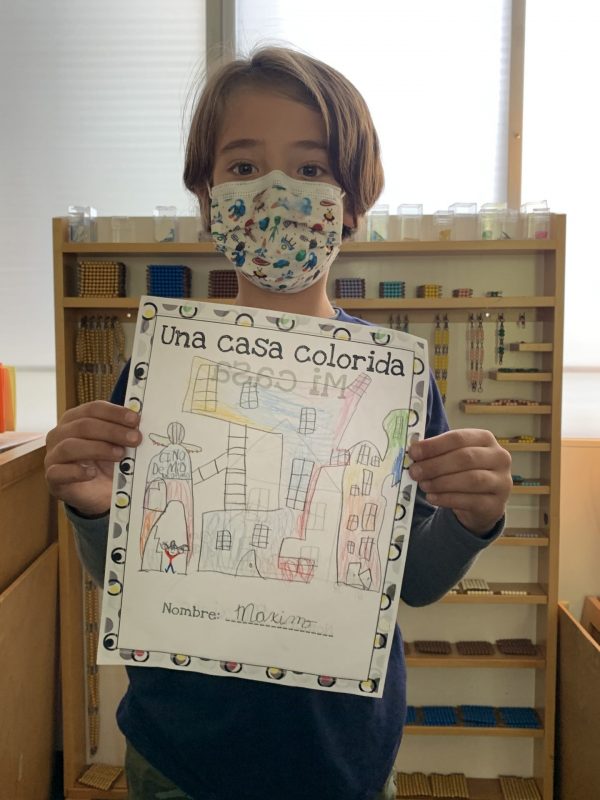
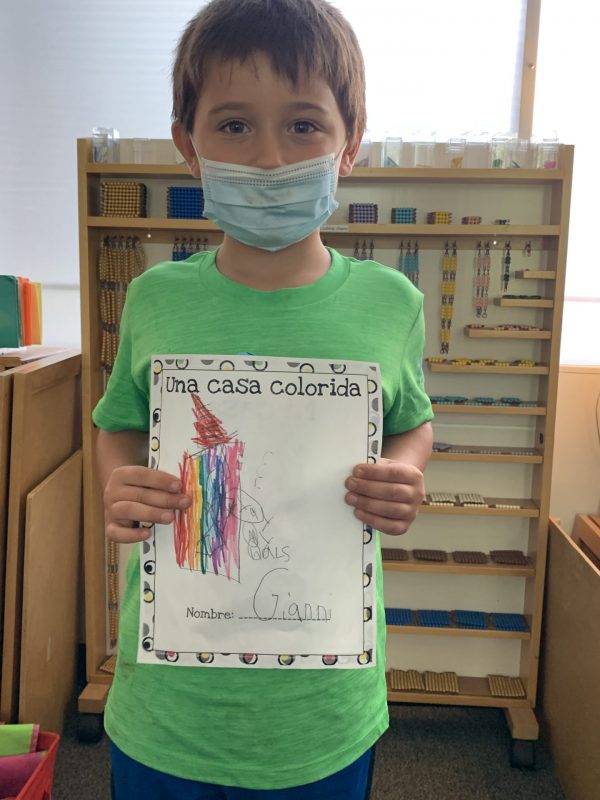
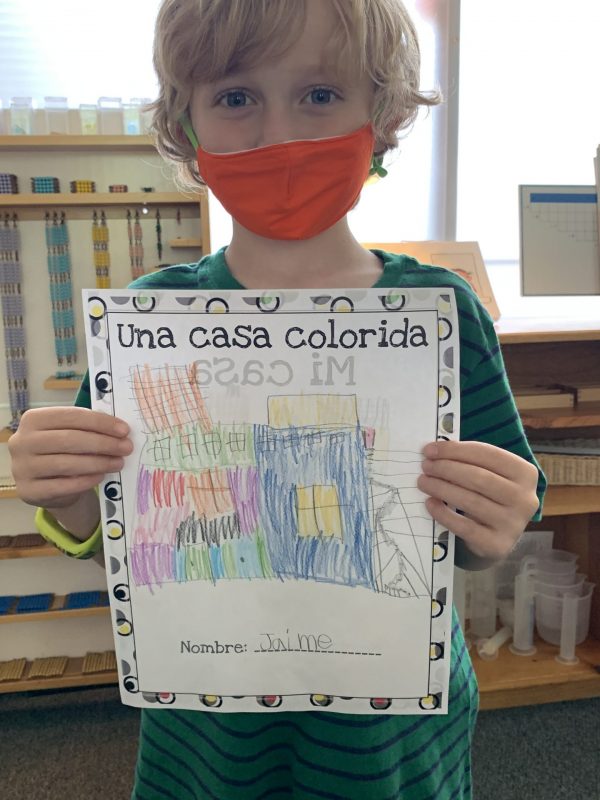
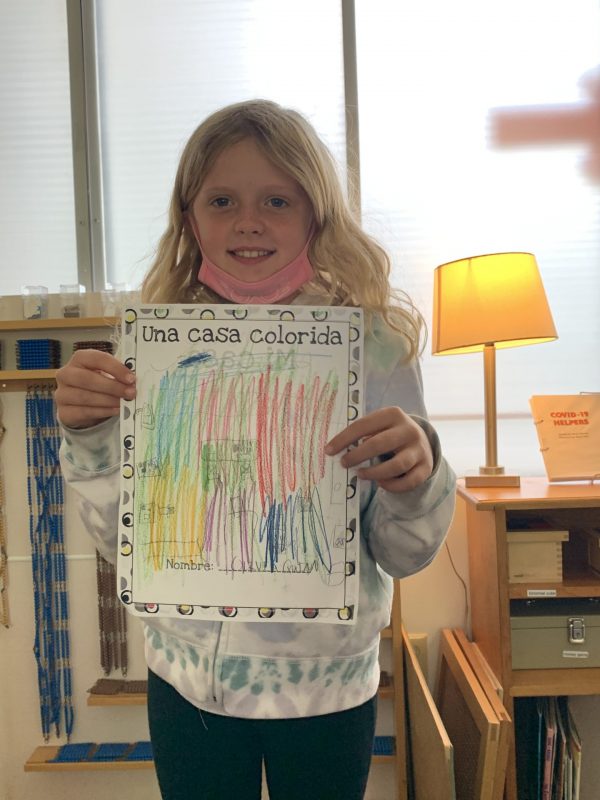
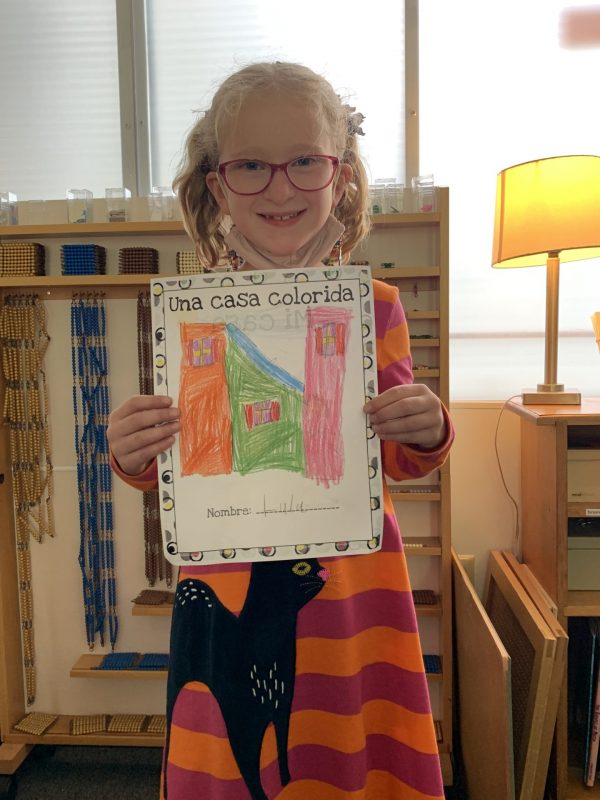
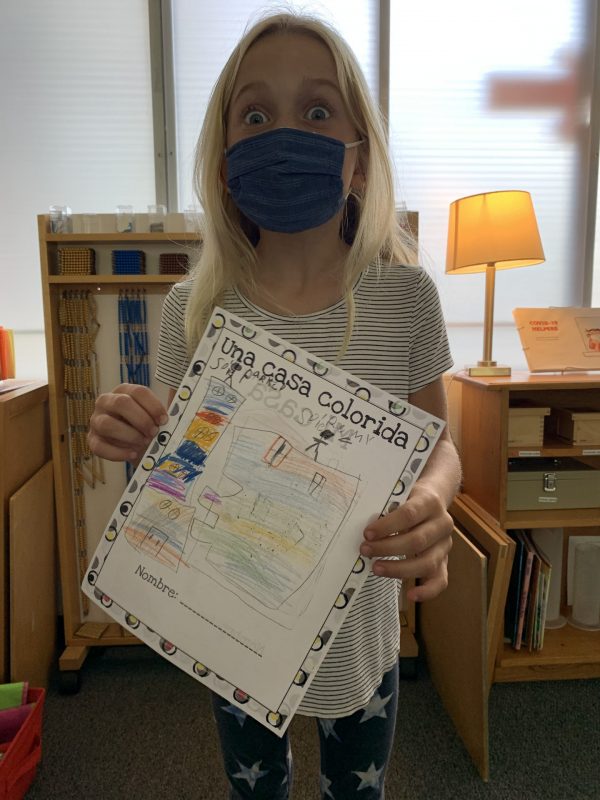
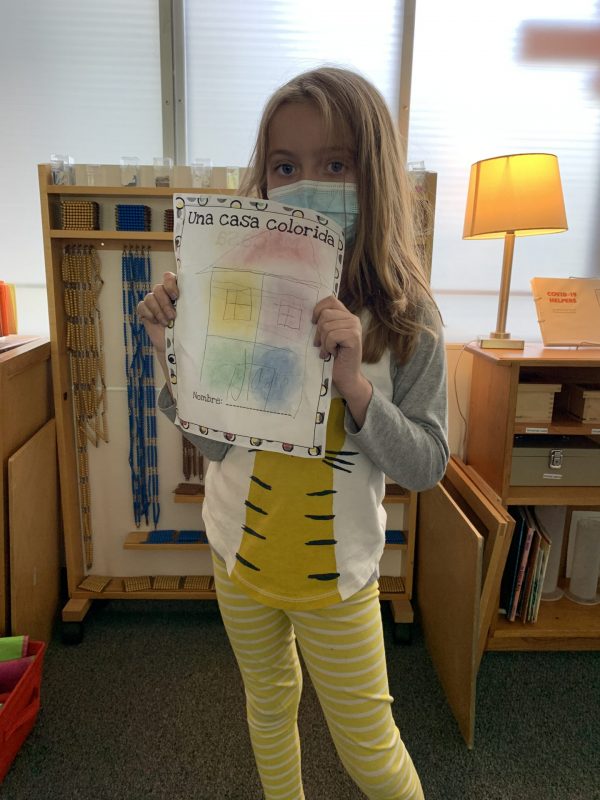
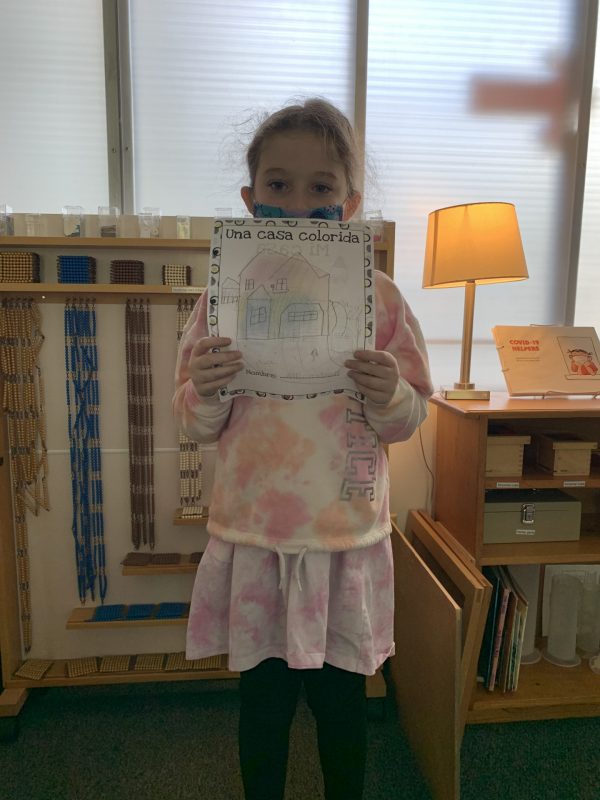
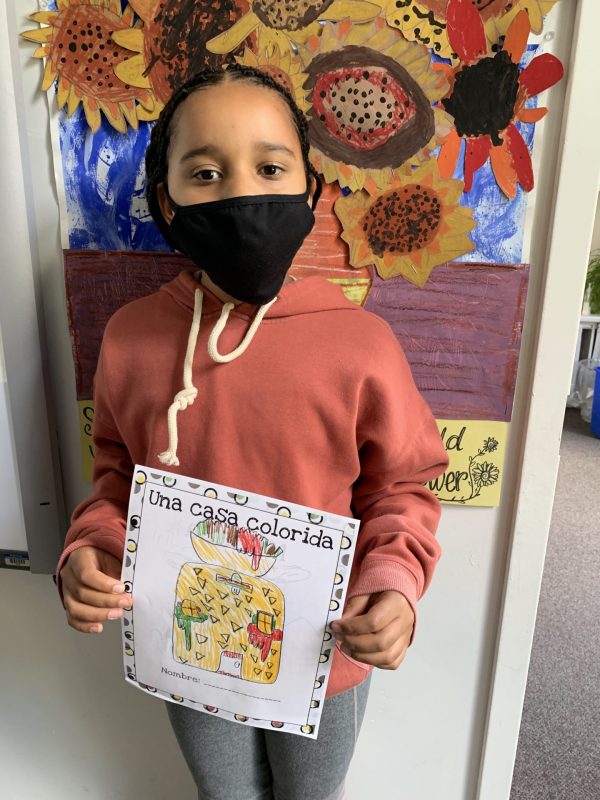
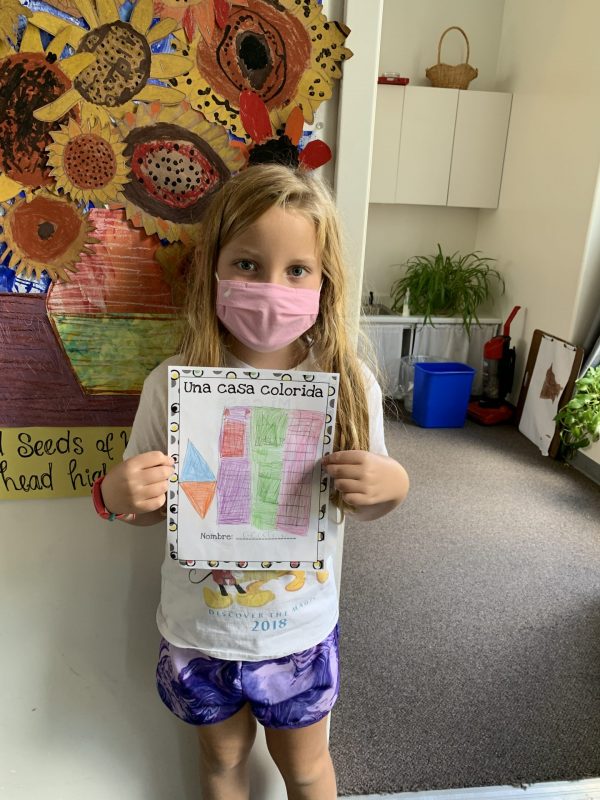
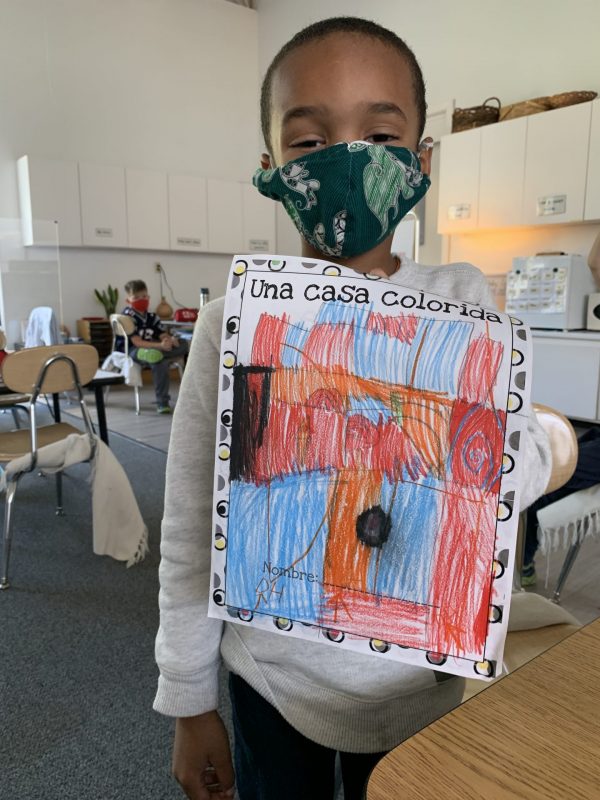
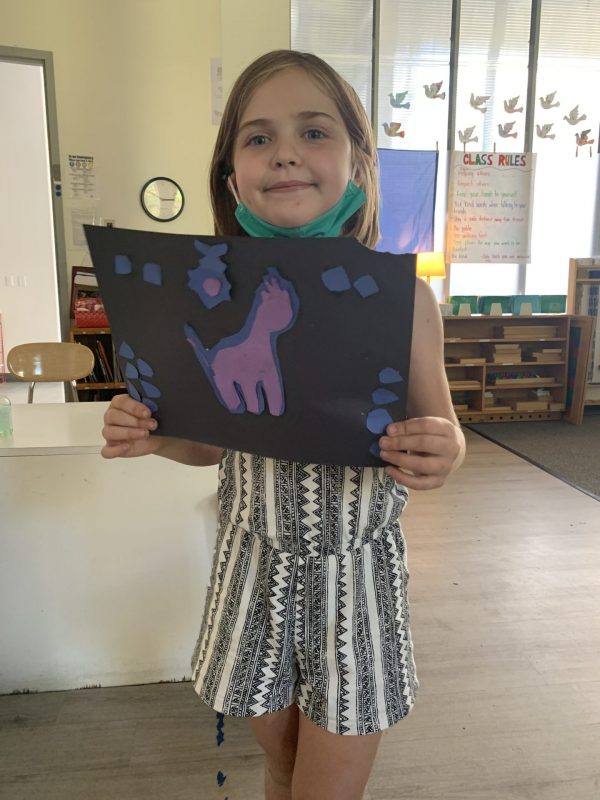
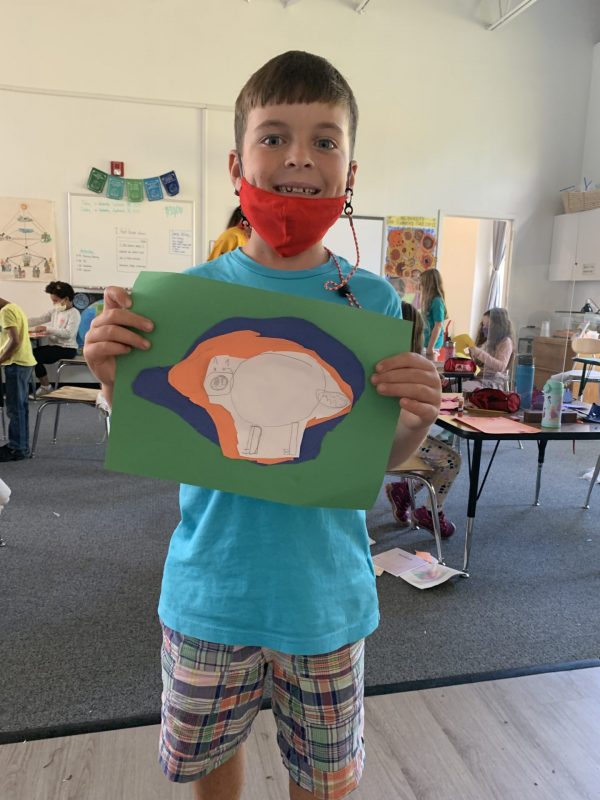
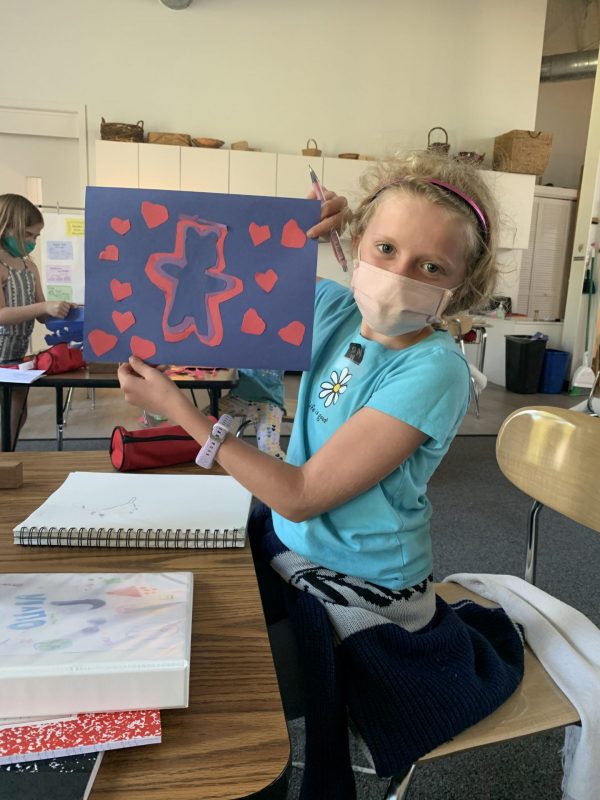
During Hispanic Heritage Month, Lower and Upper Elementary students have been taking virtual journeys through a few Spanish-speaking countries. We used Google Earth to visit El Caminito in La Boca, Buenos Aires, Argentina to explore the casas coloridas (colorful houses). In addition, we observed some images of Kuna women of Panama and replicated the mola designs, similar to the staple of their wardrobe. Finally, we explored the feeling of worry, where it comes from, and how we cope with it as we created our own version of Guatemalan worry dolls. Students were engaged in the process of planning and implementing lines and shapes into their casas coloridas, molas, and worry dolls, as they explored these elements of LatinX culture through connection and comparison.


Drone Acquisition 2020


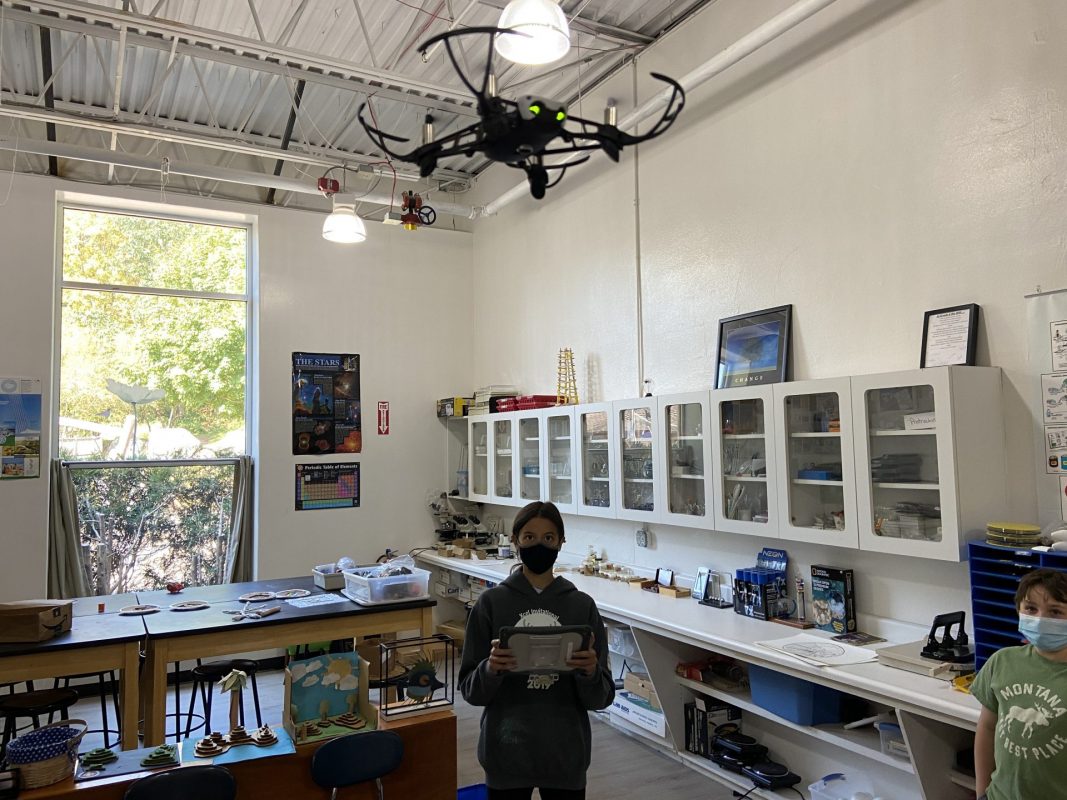
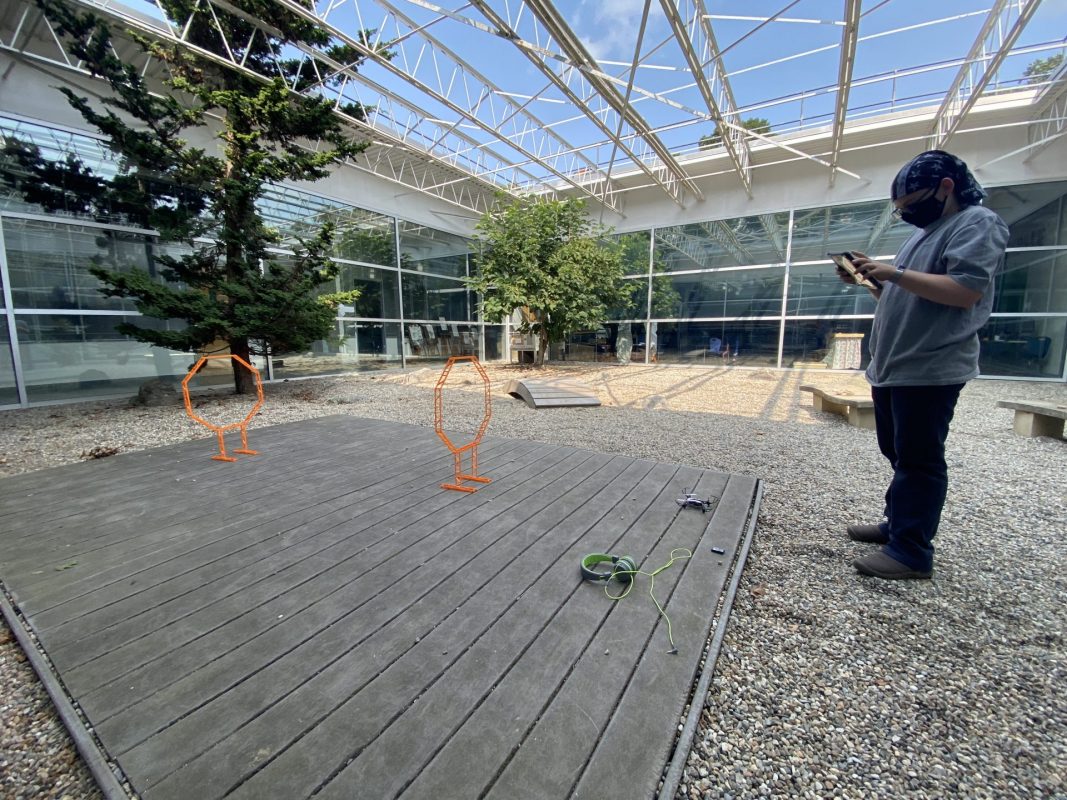
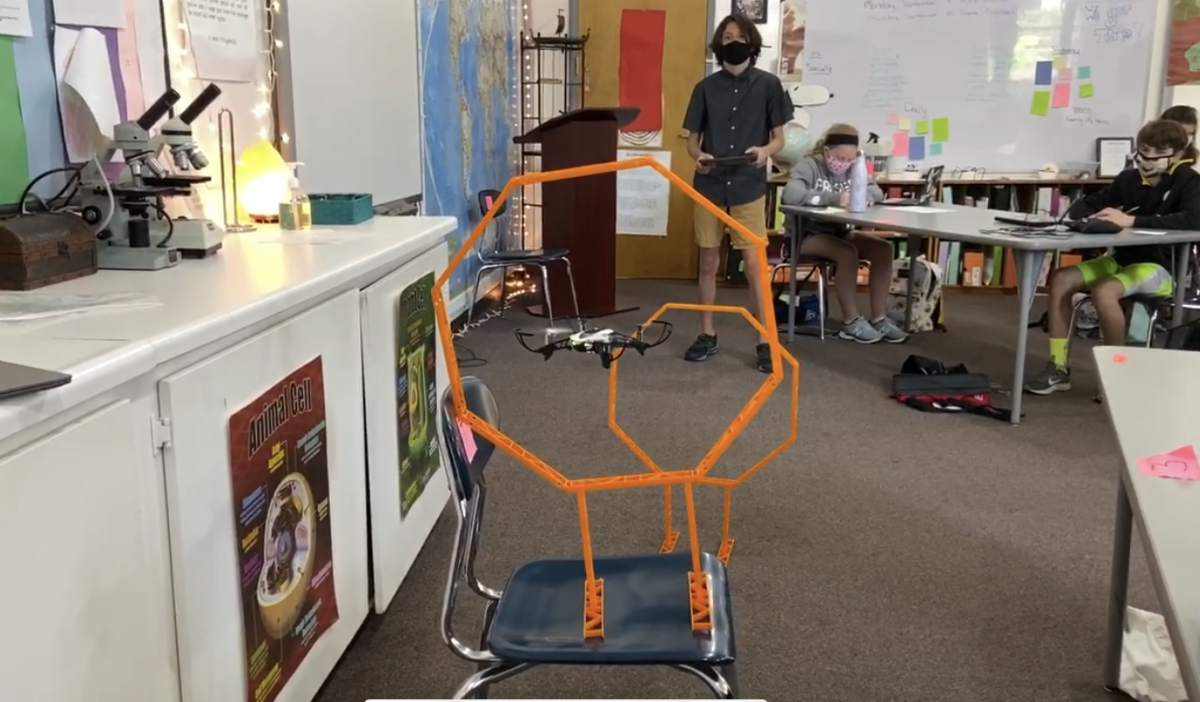
Over winter break last year, I set out to add a new dimension of learning to our MakerSpace: “Aerodynamics and Coding of Quadcopter Drones.” Our students are introduced to coding concepts and programming language in their kindergarten classes here at Fraser Woods. They also gain valuable experience with a variety of tools and robots that we already have in our MakerSpace. With the addition of drones, Upper Elementary and Middle School students will learn to write programs to further bridge the gap from their digital world to the physical world. This program was designed to coincide with our Middle School STEAM program to  further reinforce STEAM skills in geometry, art, math, and science.

Learning, Programming, and Coding is one thing – but I have also been interested in the idea of competitions. When looking into hosting one or participating in one, I was met with no options within driving distance. I was shocked to learn that nothing like this exists in Connecticut.

I reached out to several professionals in the nation and heard back from a promising partner: ROAV Copters, based in Utah, Dr Gary Stewardson. Gary is an Associate Professor of Technology and Engineering Education in the School of Applied Sciences, Technology, and Education at Utah State University. Here is a preview of what he is doing. I am hoping to bring this first-of-its-kind experience to Fraser Woods, and our incredible student learners.
If you are interested in helping, volunteering, or supporting this endeavor in any way, please reach out to me!

By the numbers: “The 2019 Boeing Pilot and Technician Outlook predicts that the world will need 804,000 new civil aviation pilots and 769,000 new maintenance technicians over the next 20 years.”


Noodle Tag and Soccer

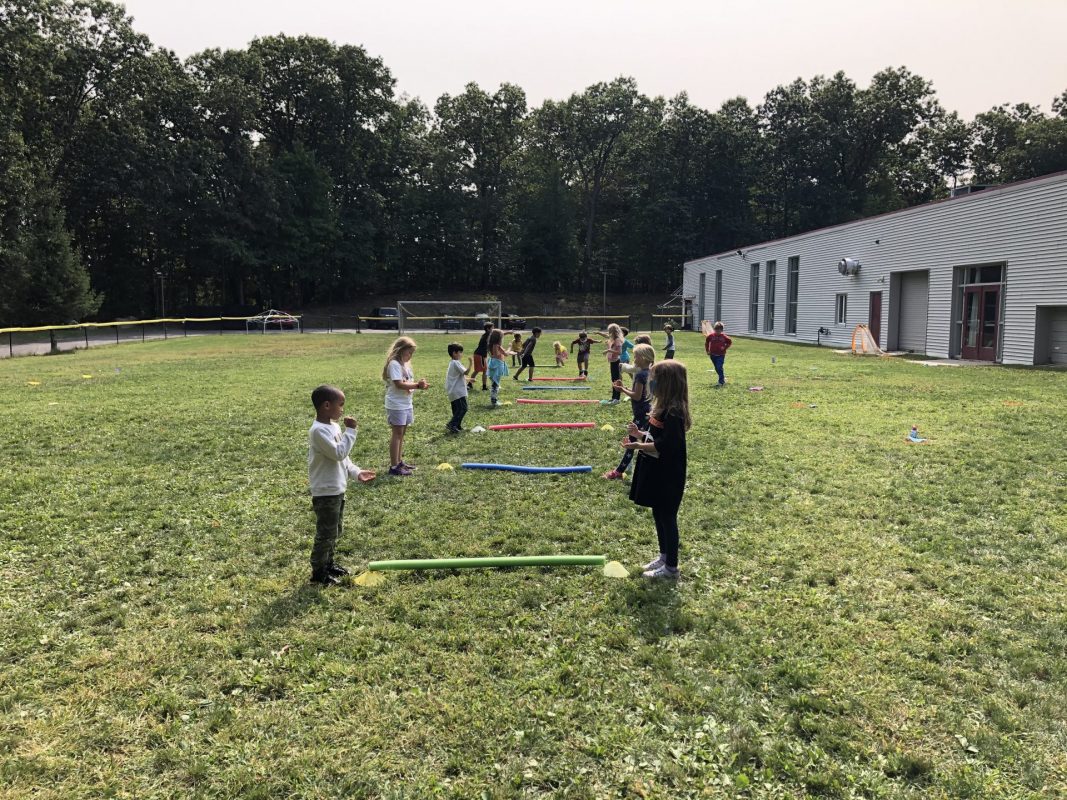
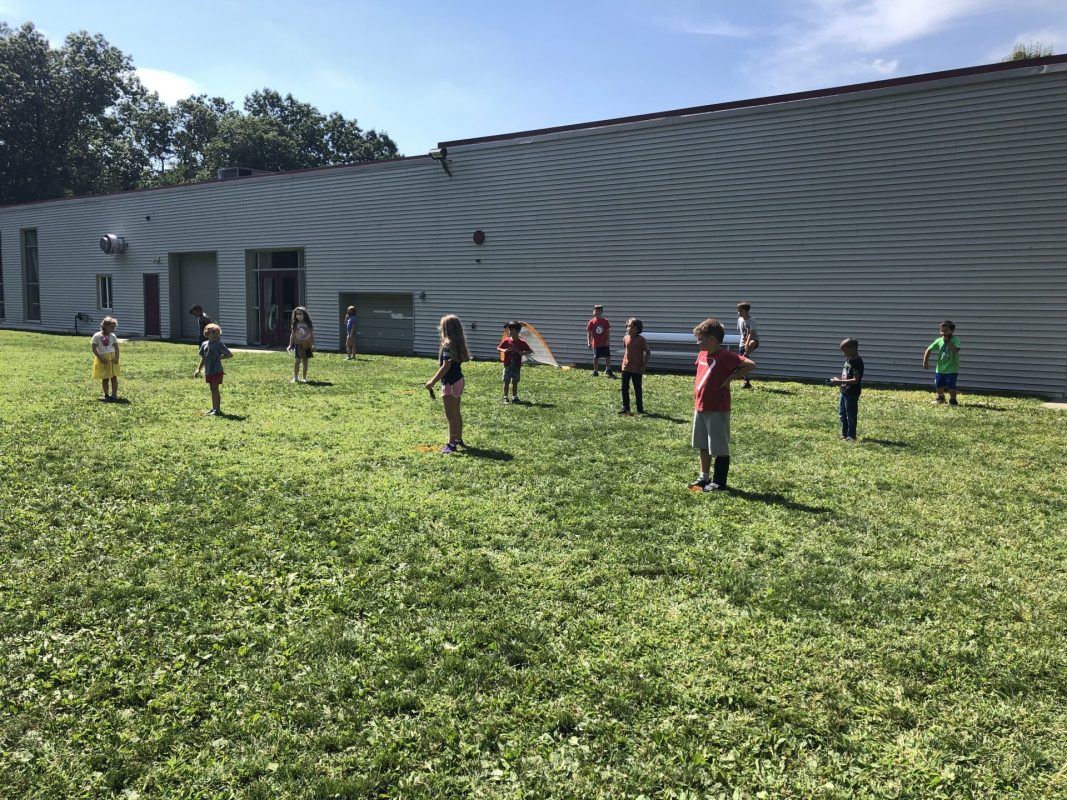
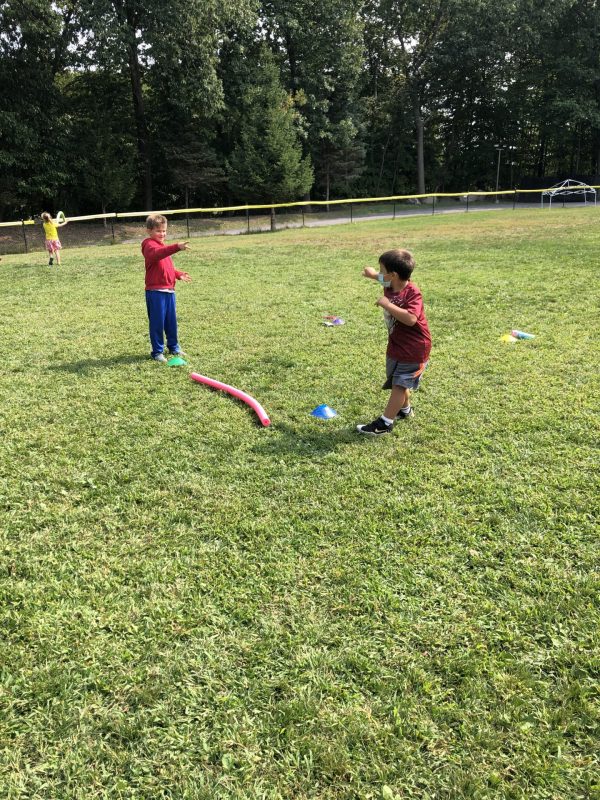
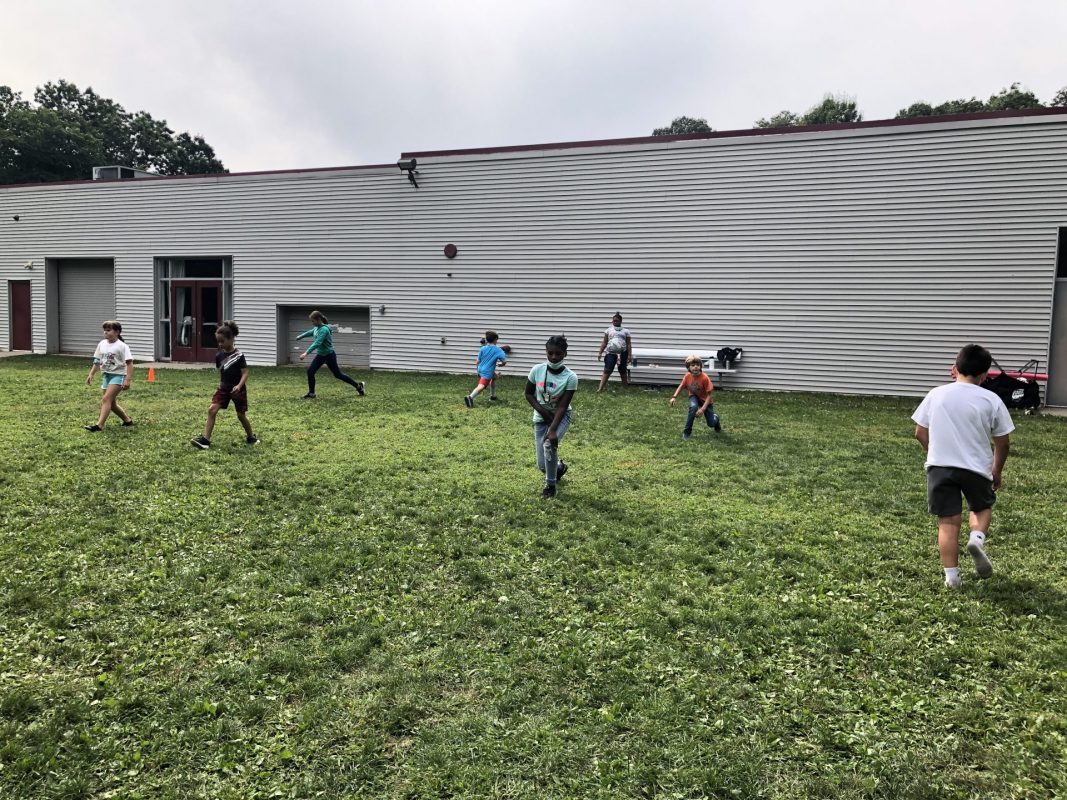
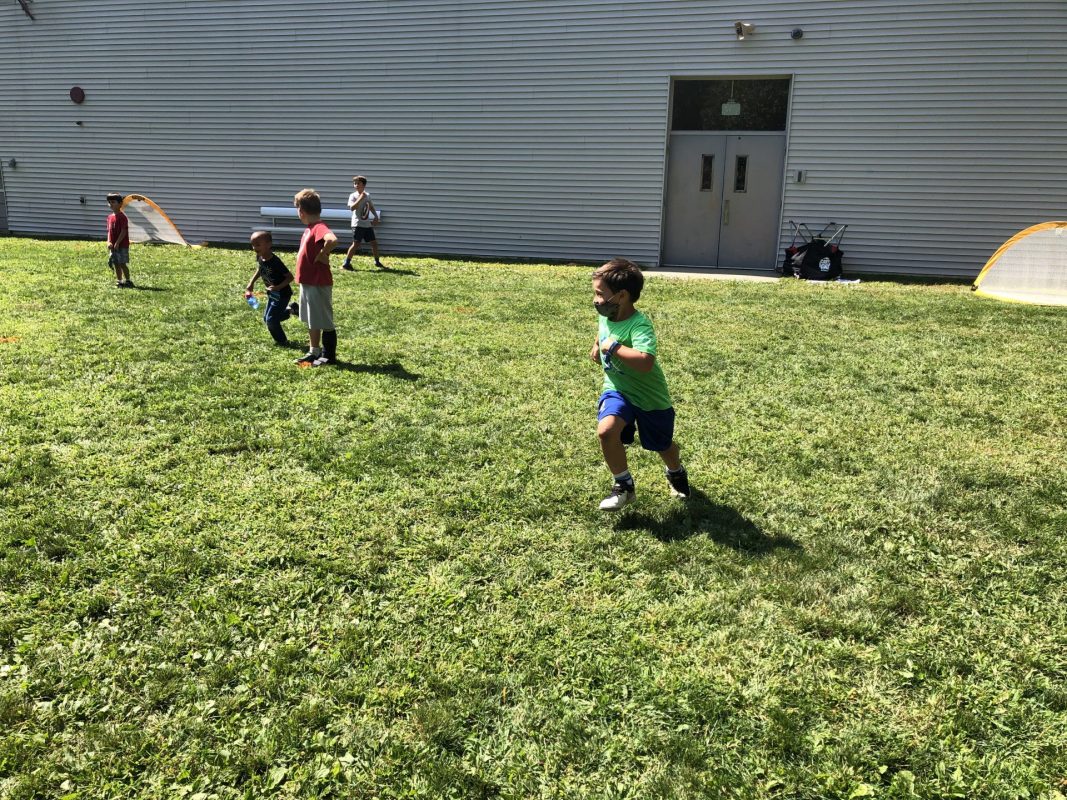
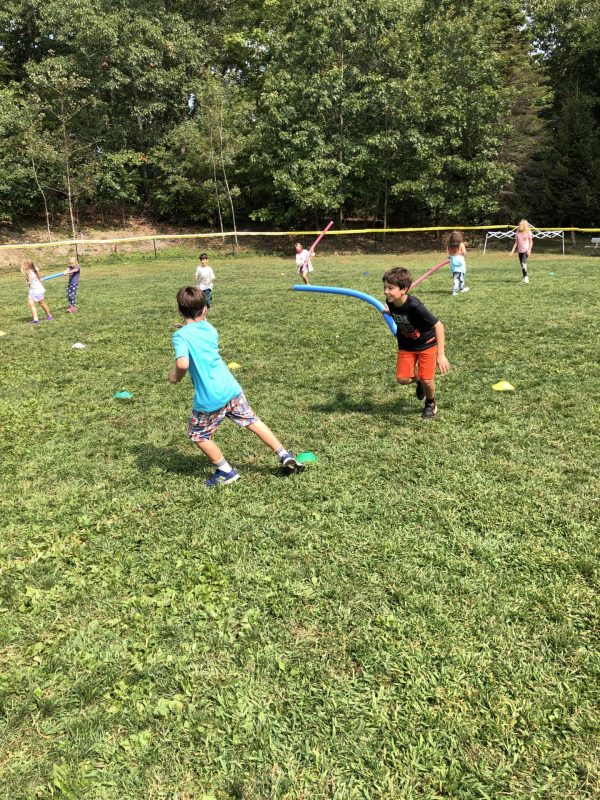
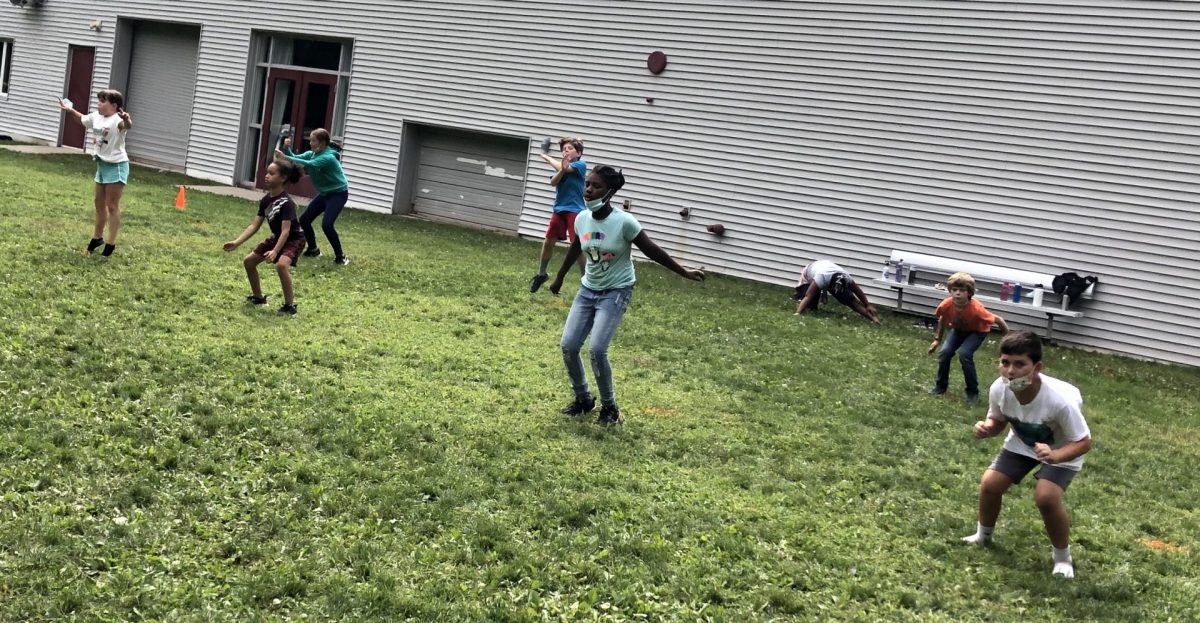
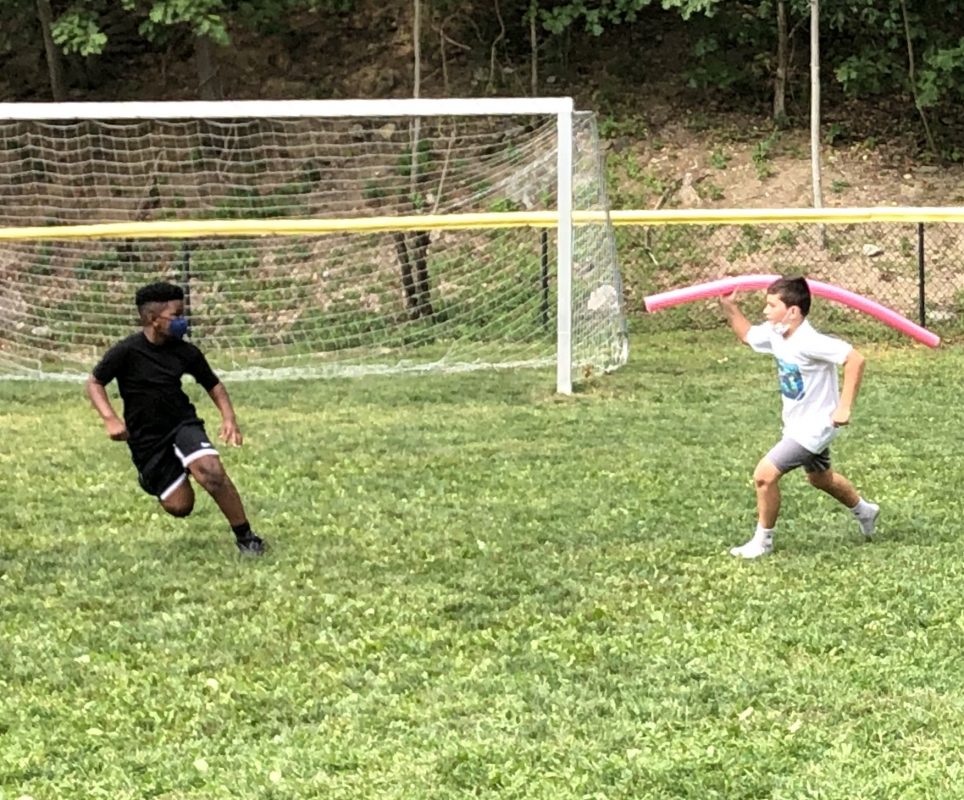
Students in Lower Elementary and Upper Elementary participate in warm-up tag games and fitness activities at the beginning of class. Warm-ups at the beginning of class prepare the body for physical activity; they are used to increase body temperature and heart rate. Noodle Tag and Rock, Paper, Scissors Tag are played using a noodle to tag. If tagged, that person picks up the noodle and becomes the tagger. Orange dots are sprayed on the field six feet or more apart. Students run to the orange dot to avoid being tagged by the person with the noodle.

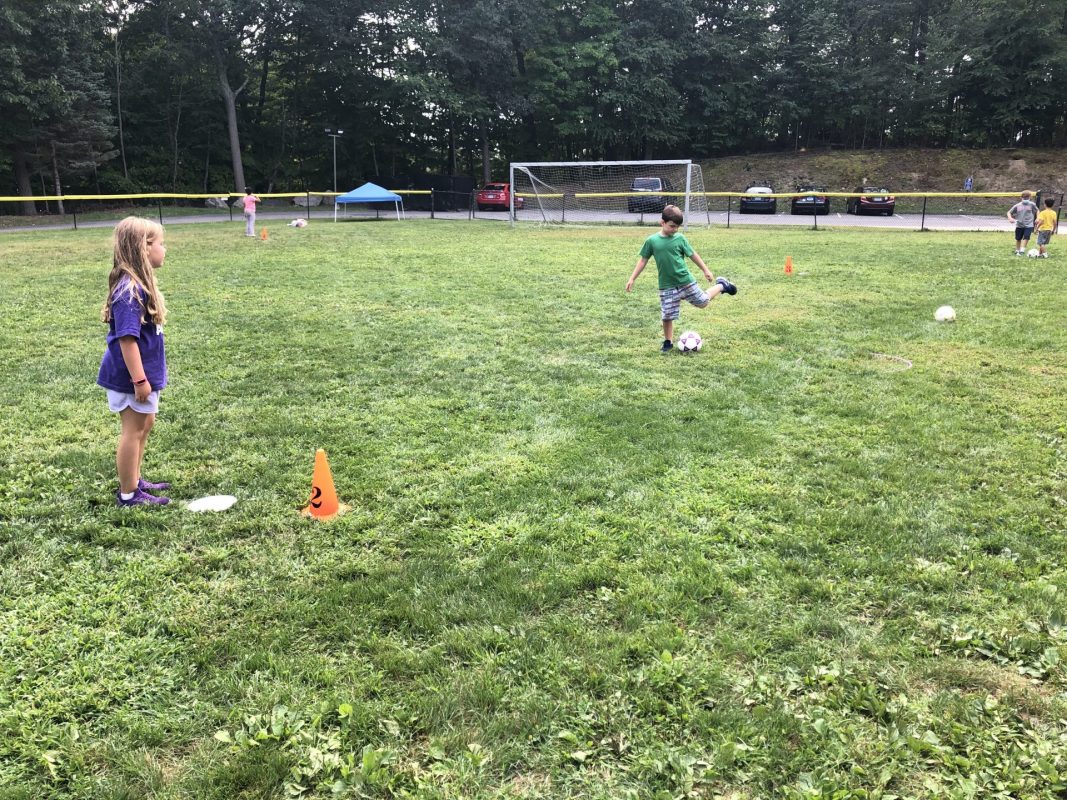
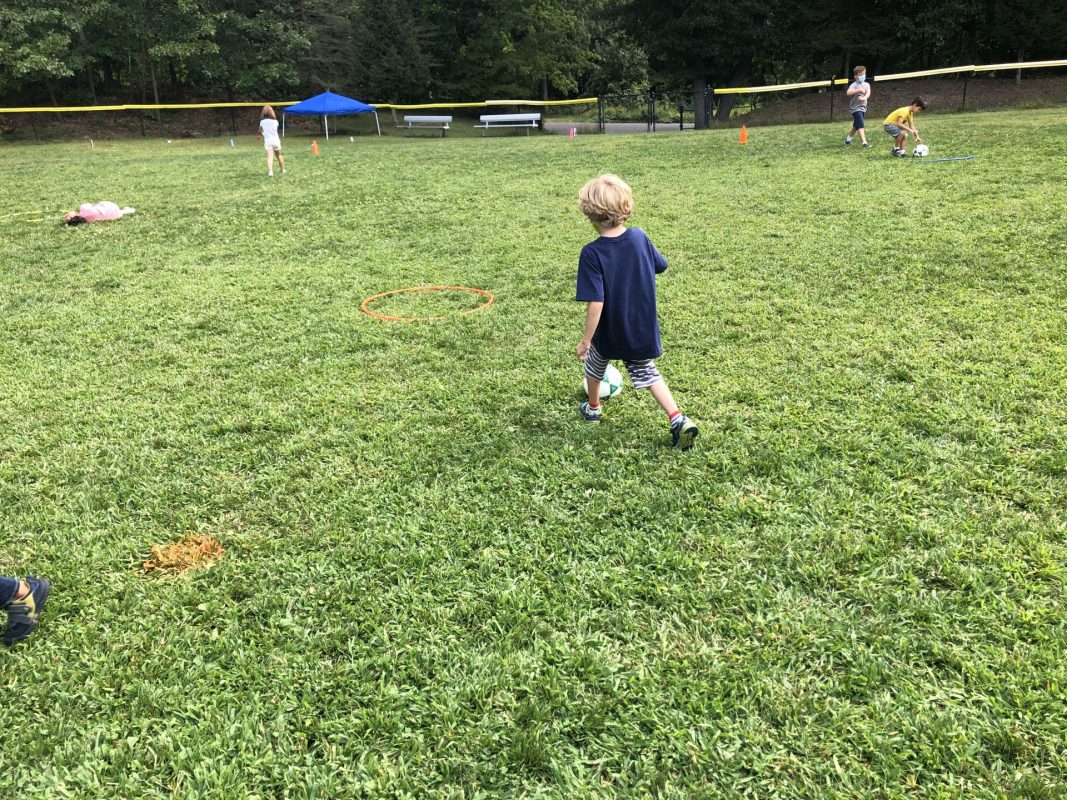
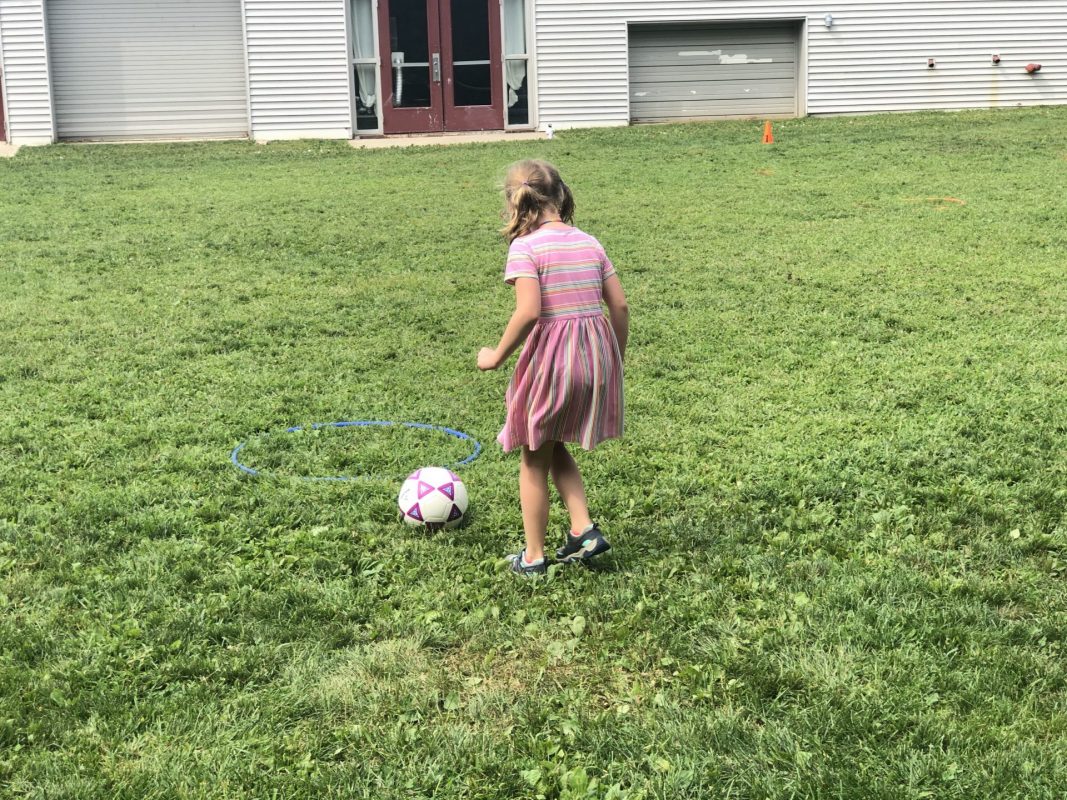
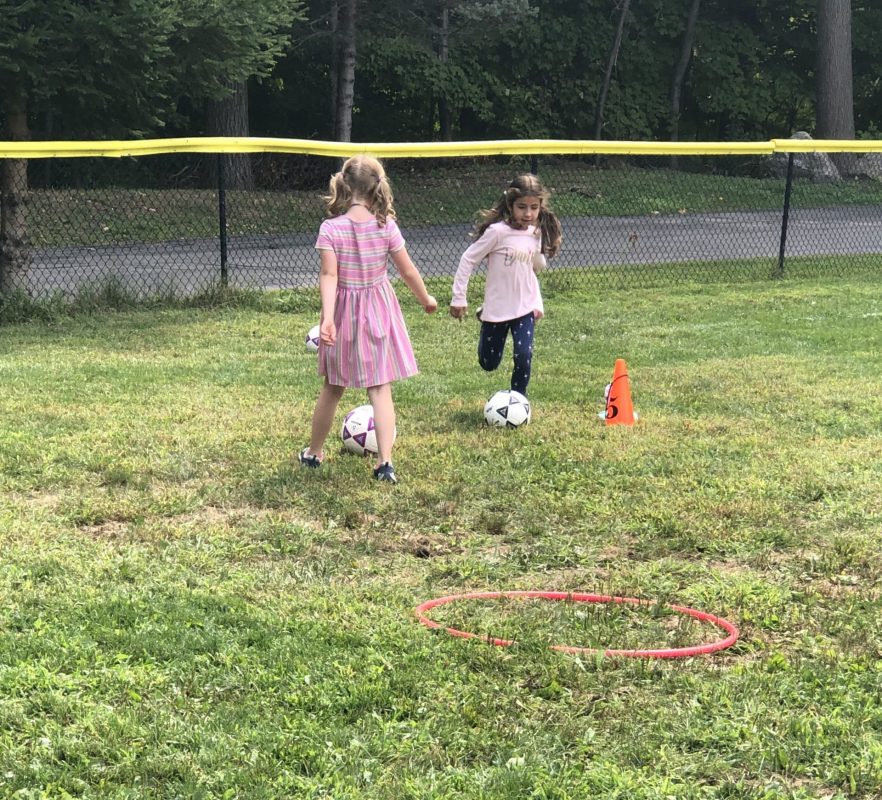
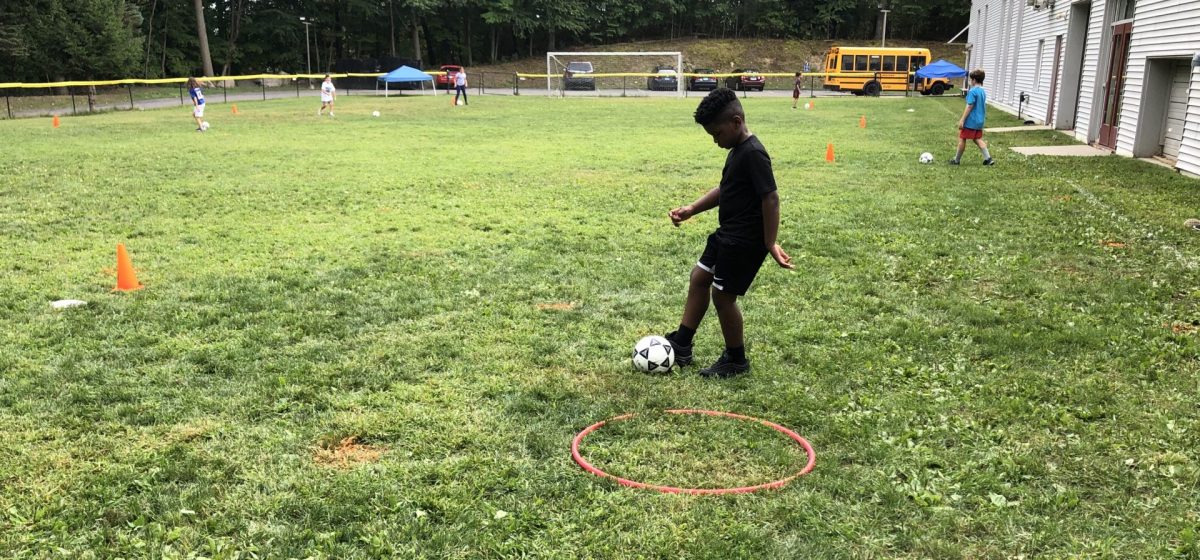
This past month, students in Lower Elementary through 8th grade have been practicing and participating in the team sport of soccer. Did you know that soccer is the most popular sport in the world?  Soccer is fun, inexpensive, and easy to play. Soccer is played by over 265 million people worldwide and has about 3.5 billion fans! If you or your child have never played soccer, go give it a try!  All you need are some friends, a ball, and a large space.

During our soccer unit in Lower Elementary and Upper Elementary, most of our focus was on developing foot-eye coordination and spatial awareness. Students worked on passing, dribbling, trapping, shooting on goal, and simple game rules. The focus at the Middle School level is to develop player performance. The four components are technique, tactics, fitness, and sportsmanship.  After the skills were taught, friendly games were played at the end of class.


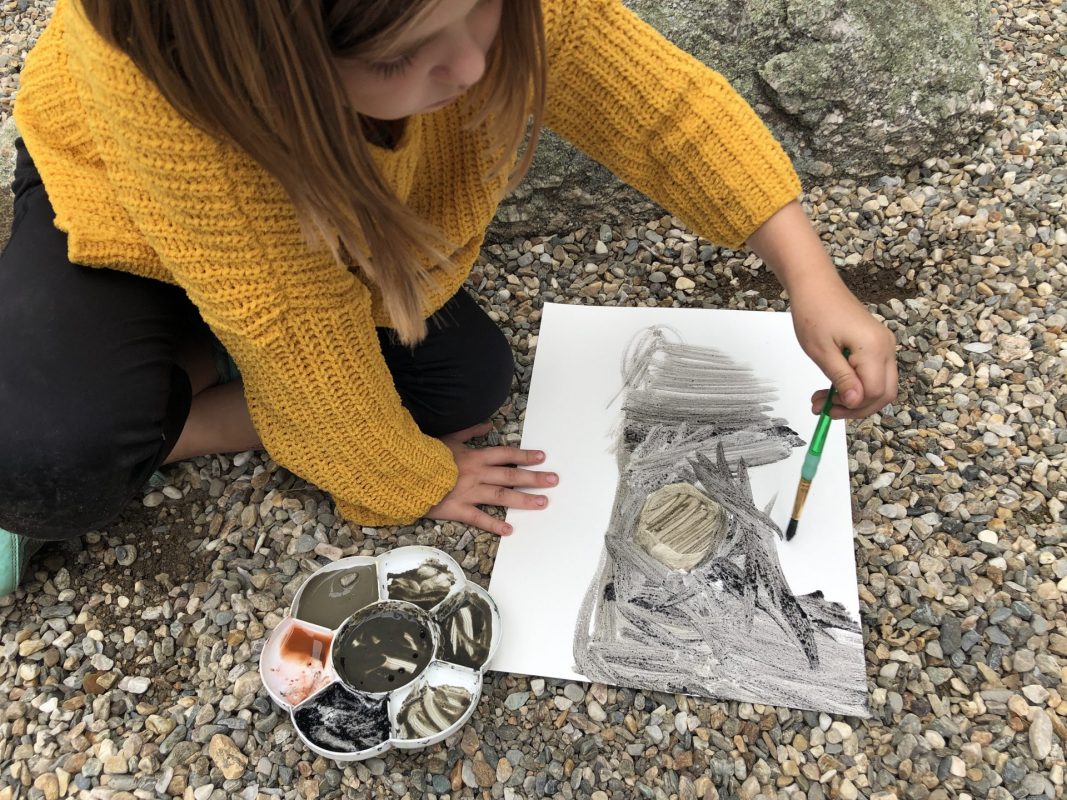
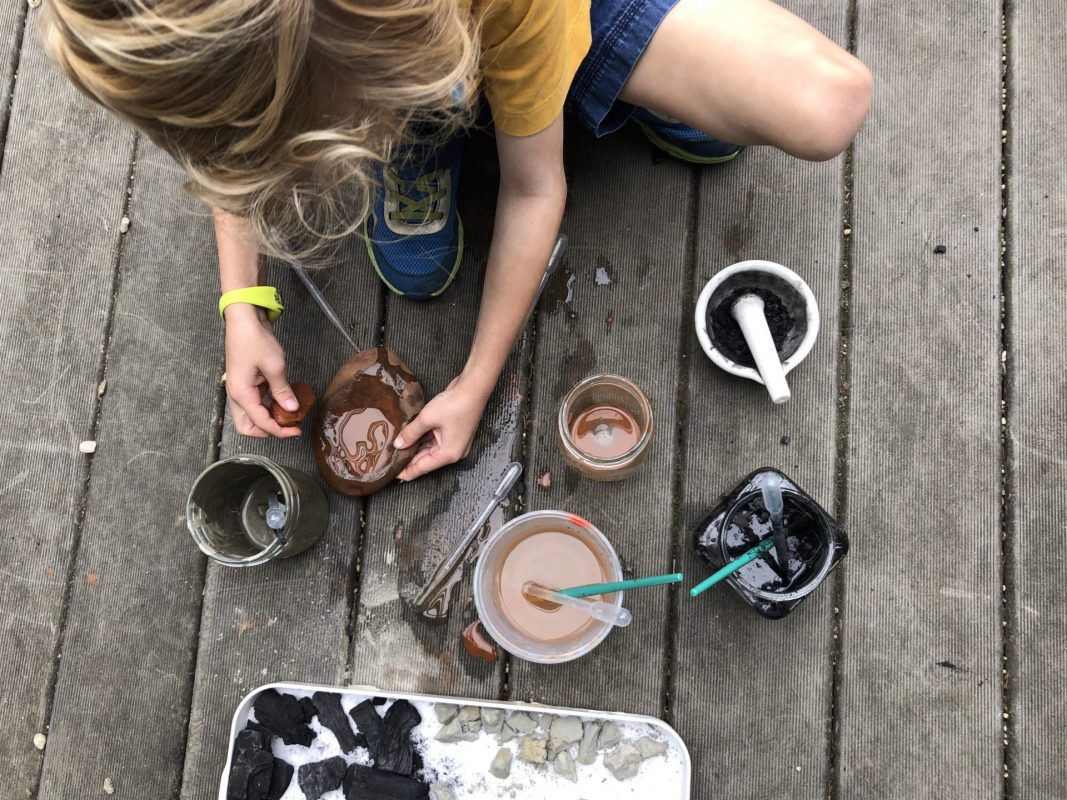
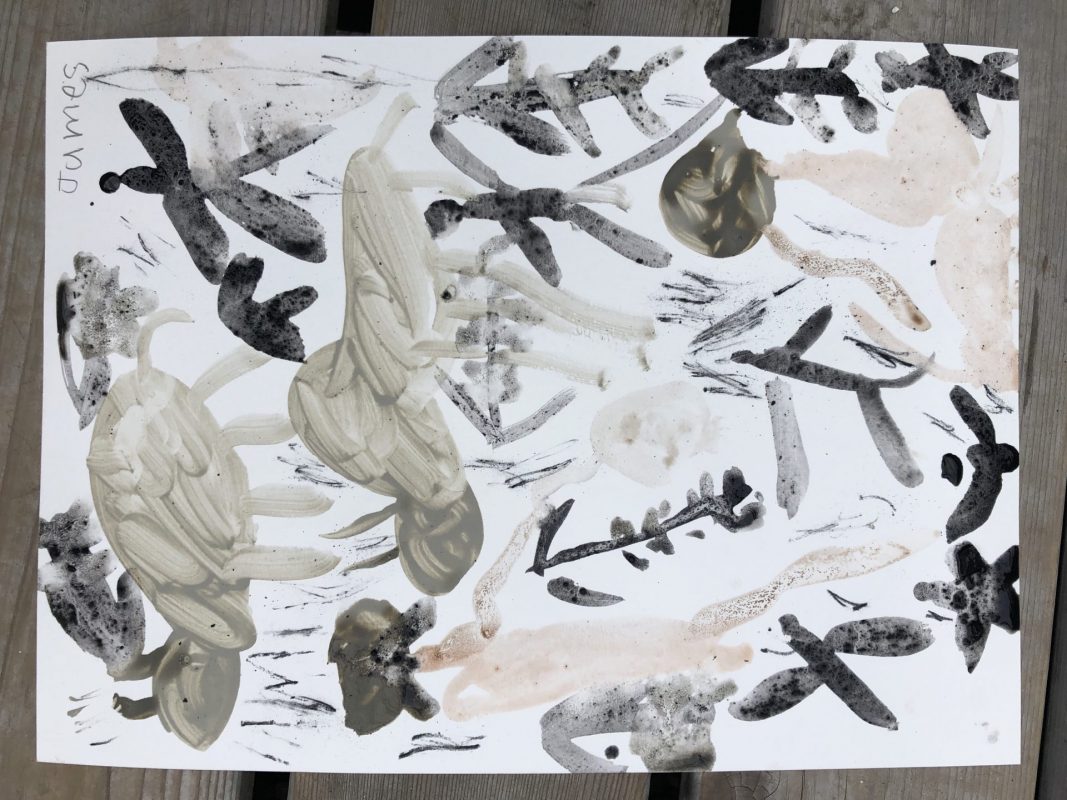
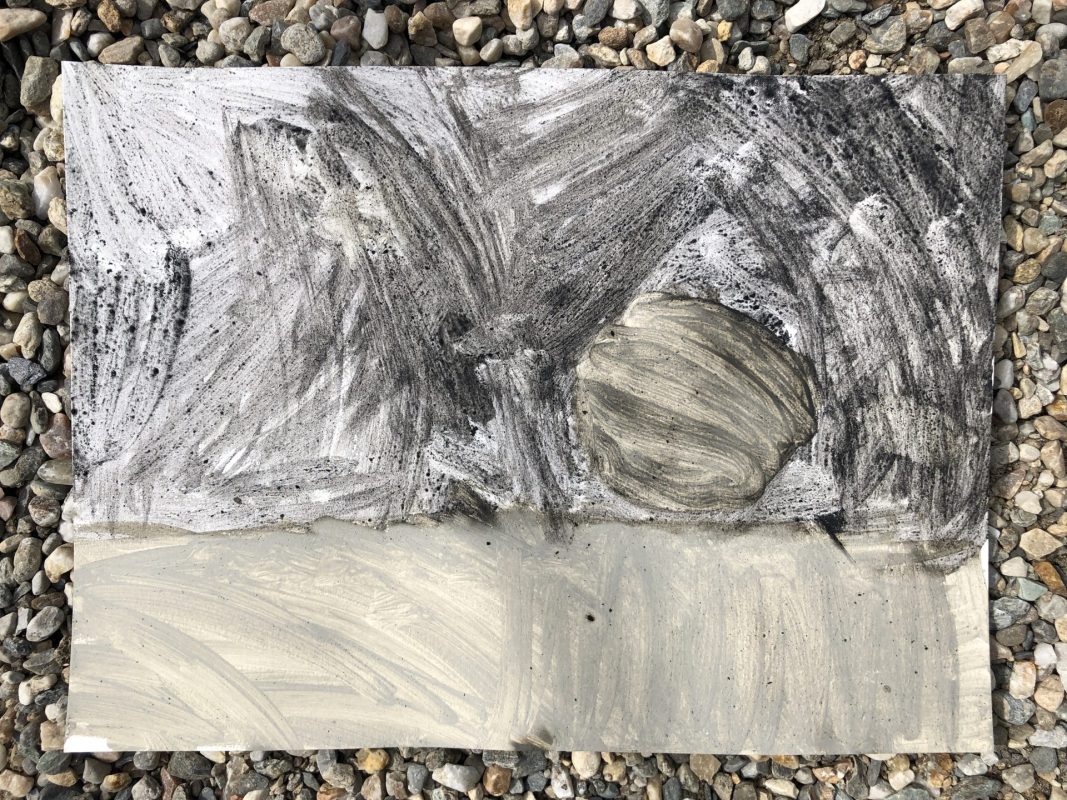
Exploring Natural Pigments and Prehistoric Art Materials

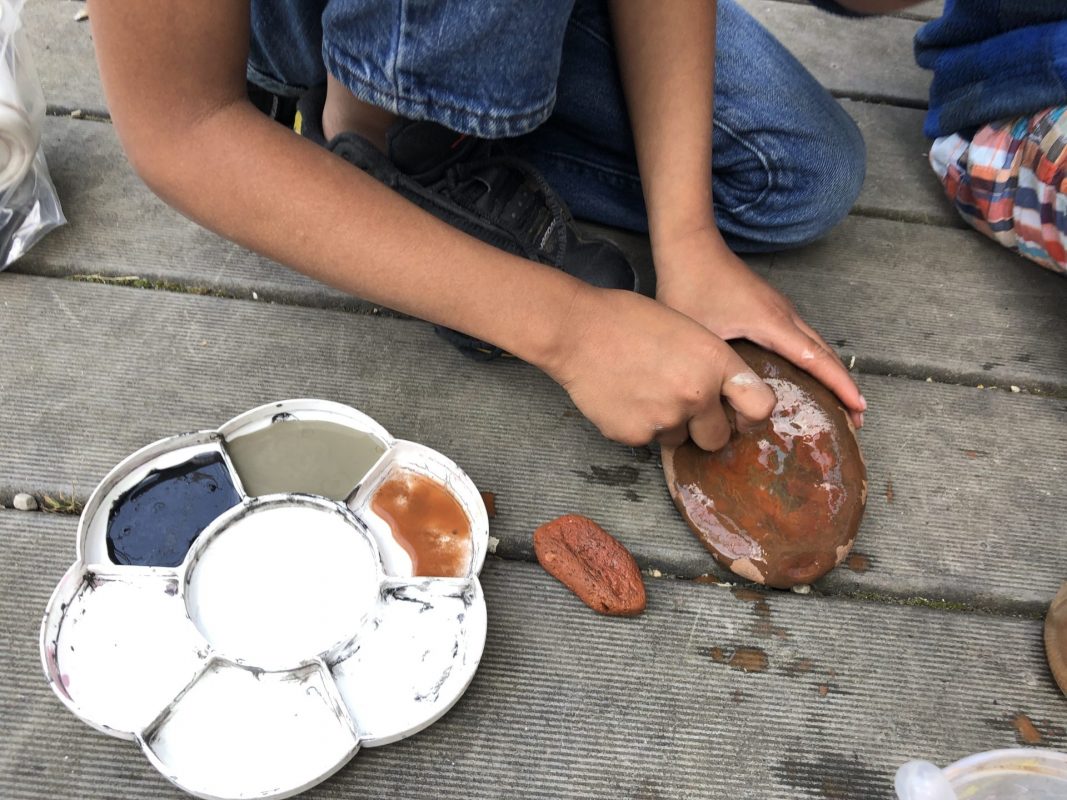
What is paint made of? What is a pigment and where does it come from? When was the first painting made? These are just a few questions our Lower Elementary artists explored on our journey of learning about the history of color in art.

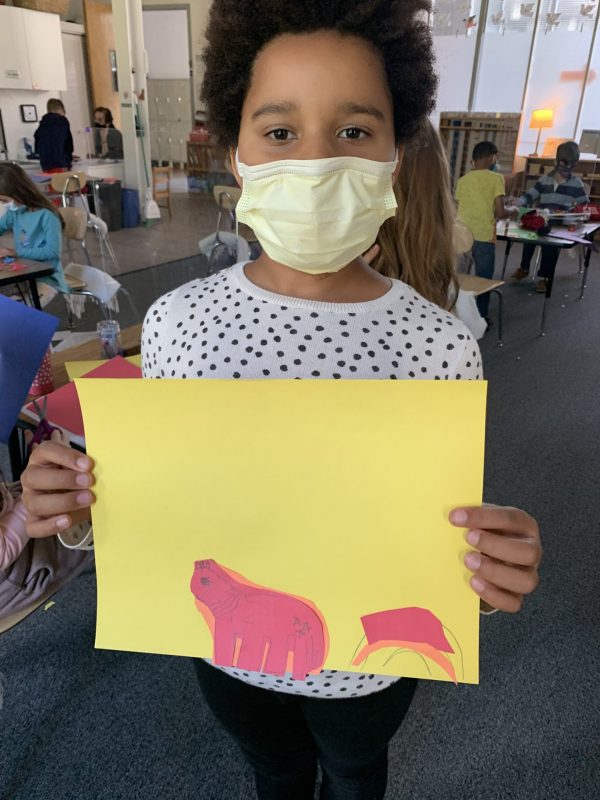
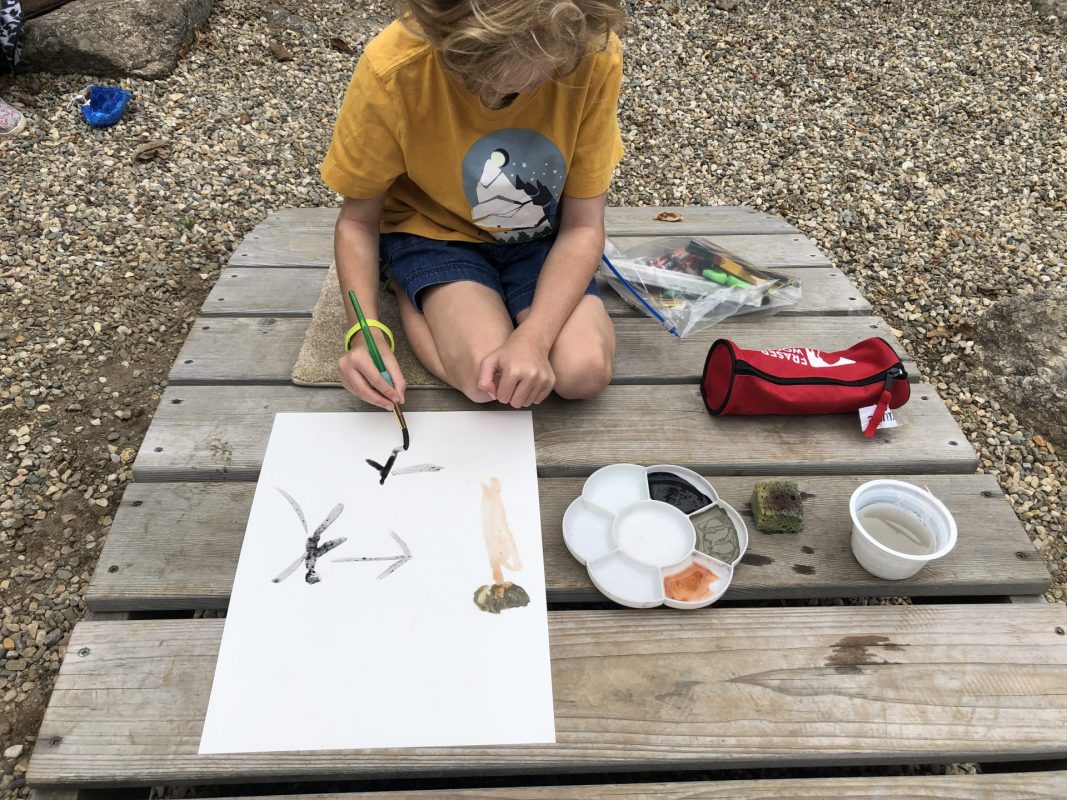
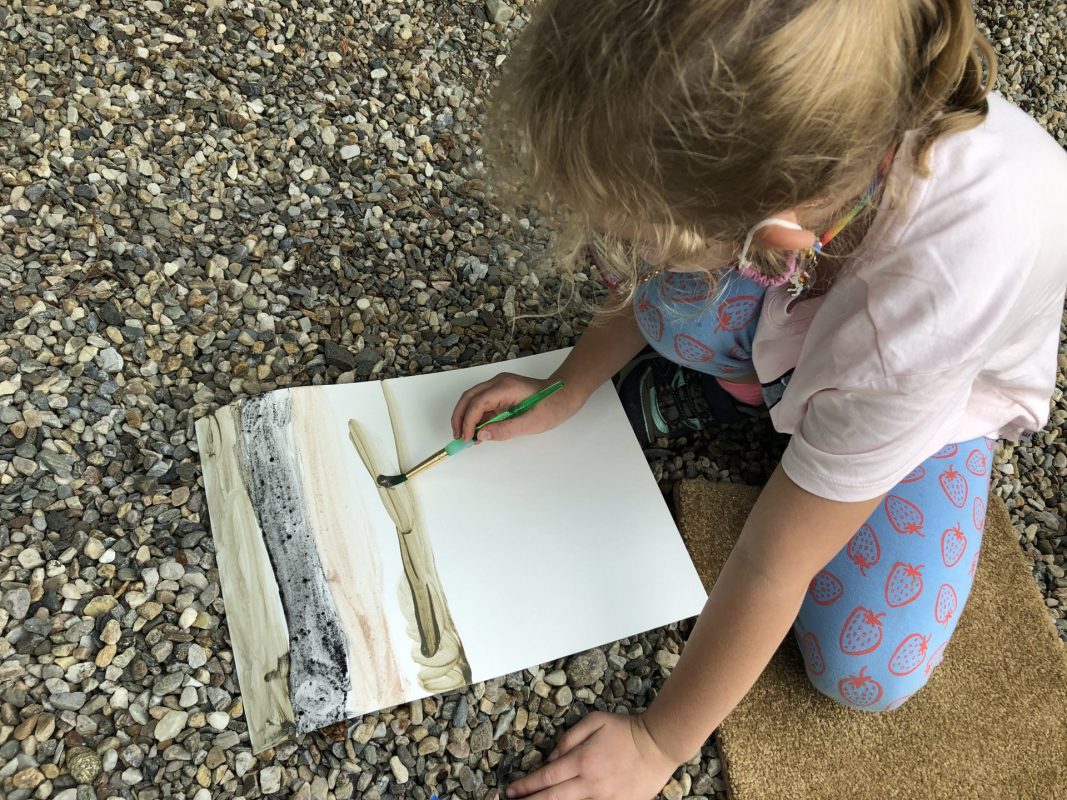
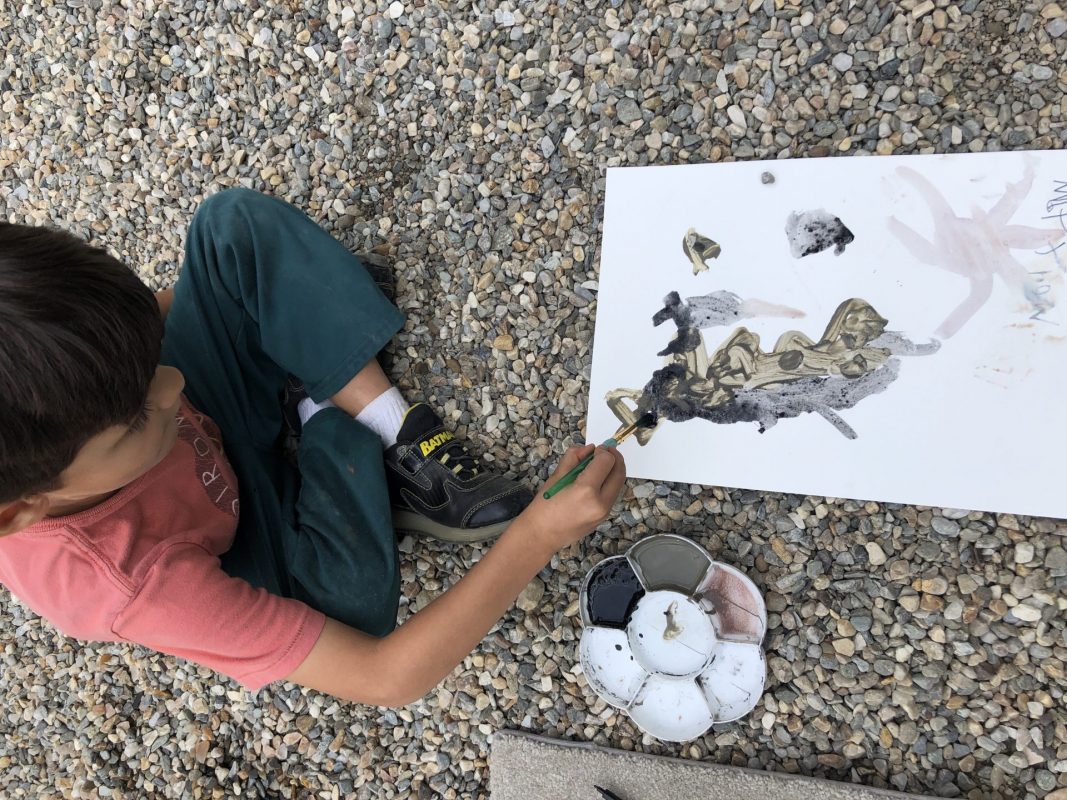
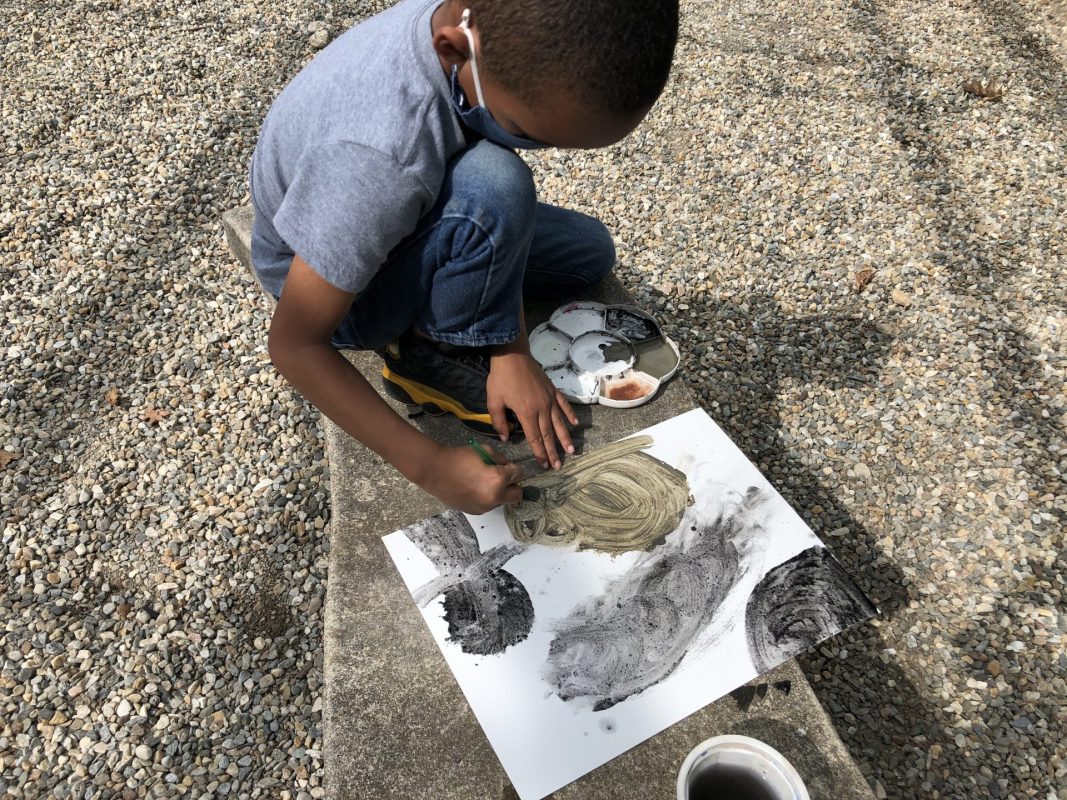
To begin, we looked at images of prehistoric cave paintings created during the Stone Age and discussed the colors and imagery we noticed. Students contemplated what the paint might have been made from and discussed what materials were available to them during this time: stones, bones, plants, wood, clay, and so on. Since early humans during this time were nomads who hunted and gathered their food, their paints were also made from materials they collected from the earth. The majority of the cave paintings are depictions of animals that lived during this time: bison, deer, horses. Students gained an understanding of the importance of learning about the Art of early humans as a way to give us insight into their lifestyle, tools, environment, and creativity.
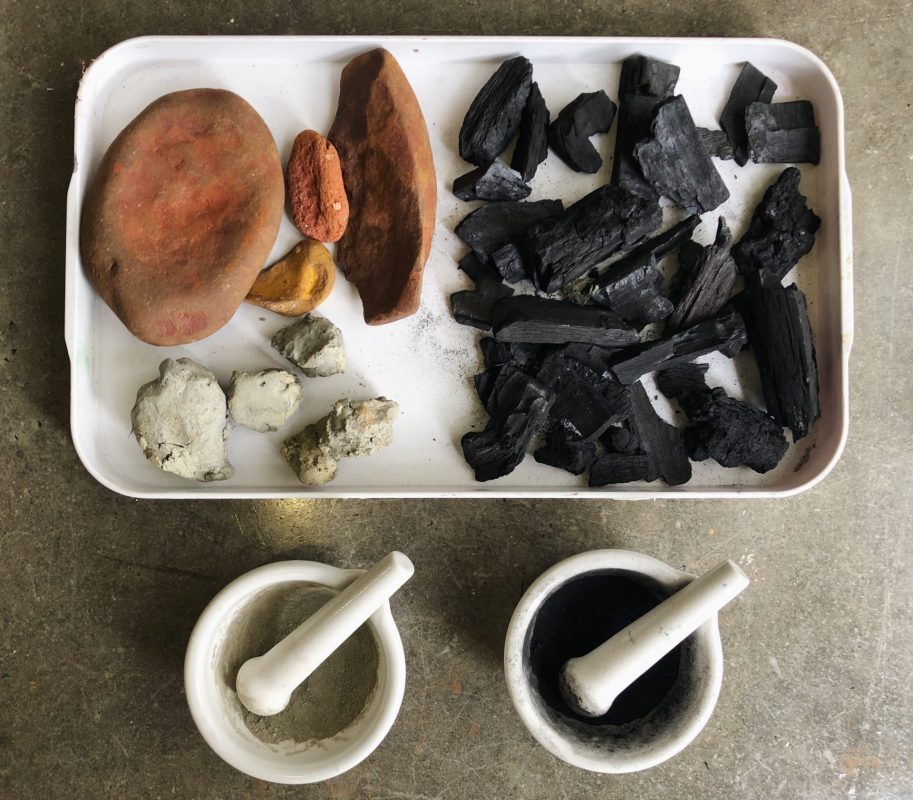
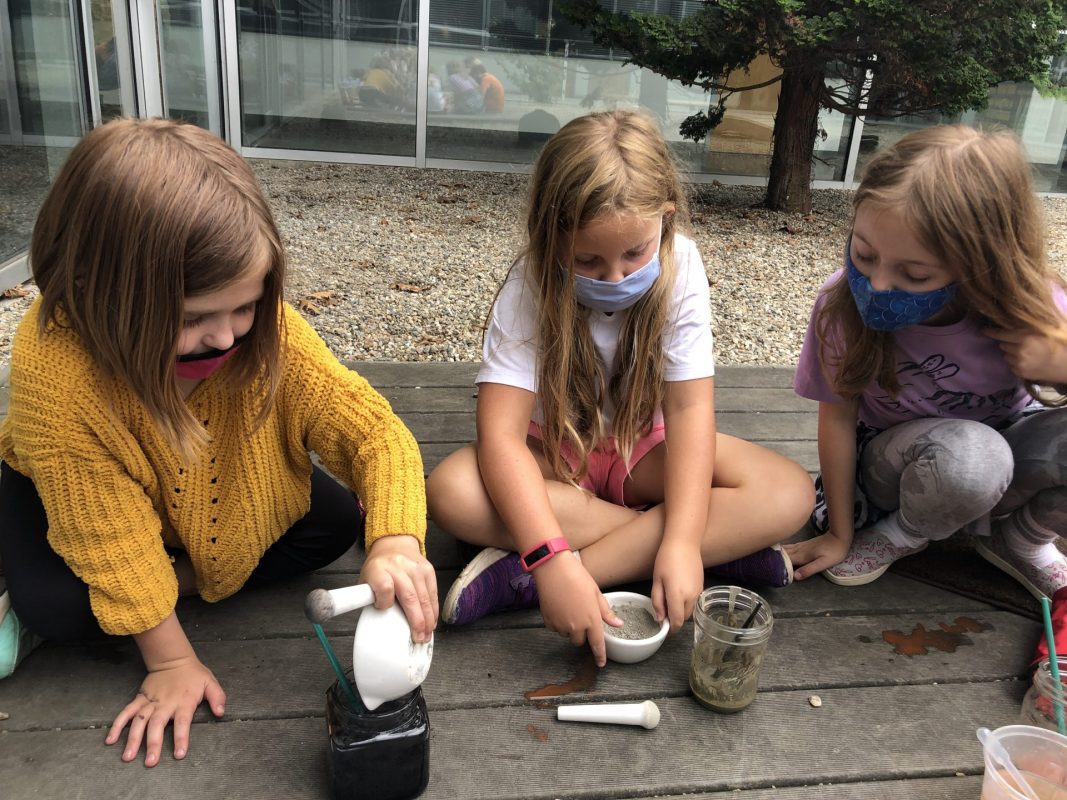
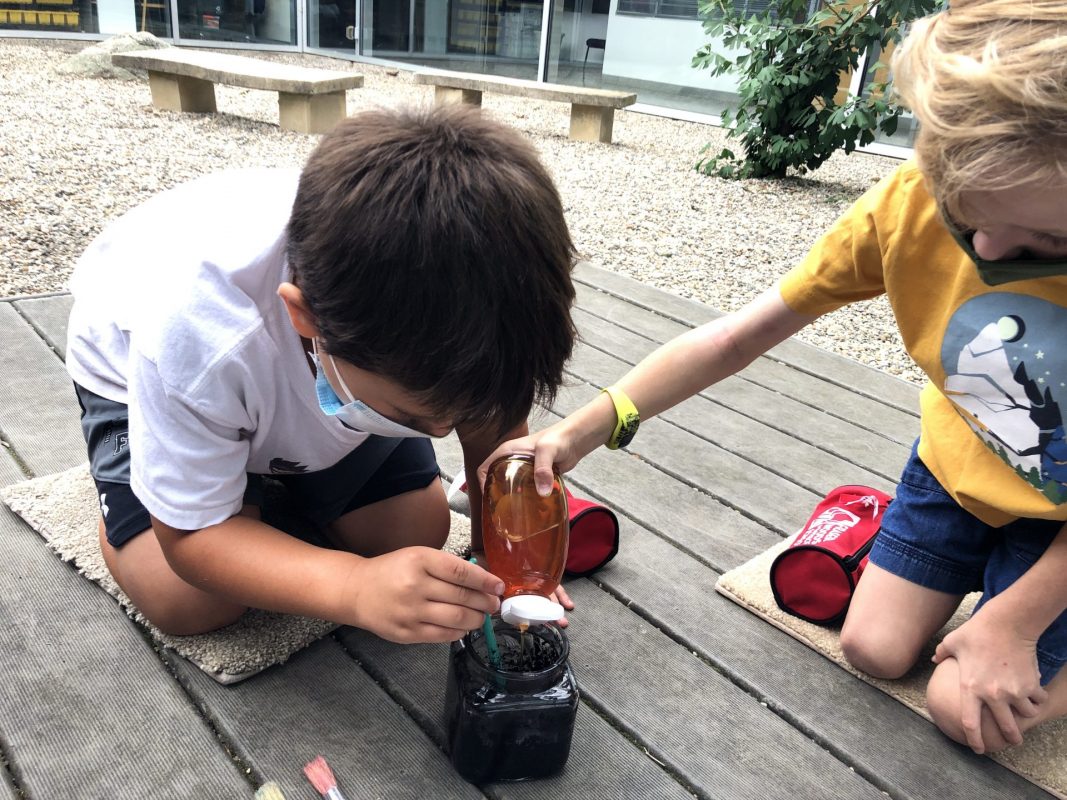
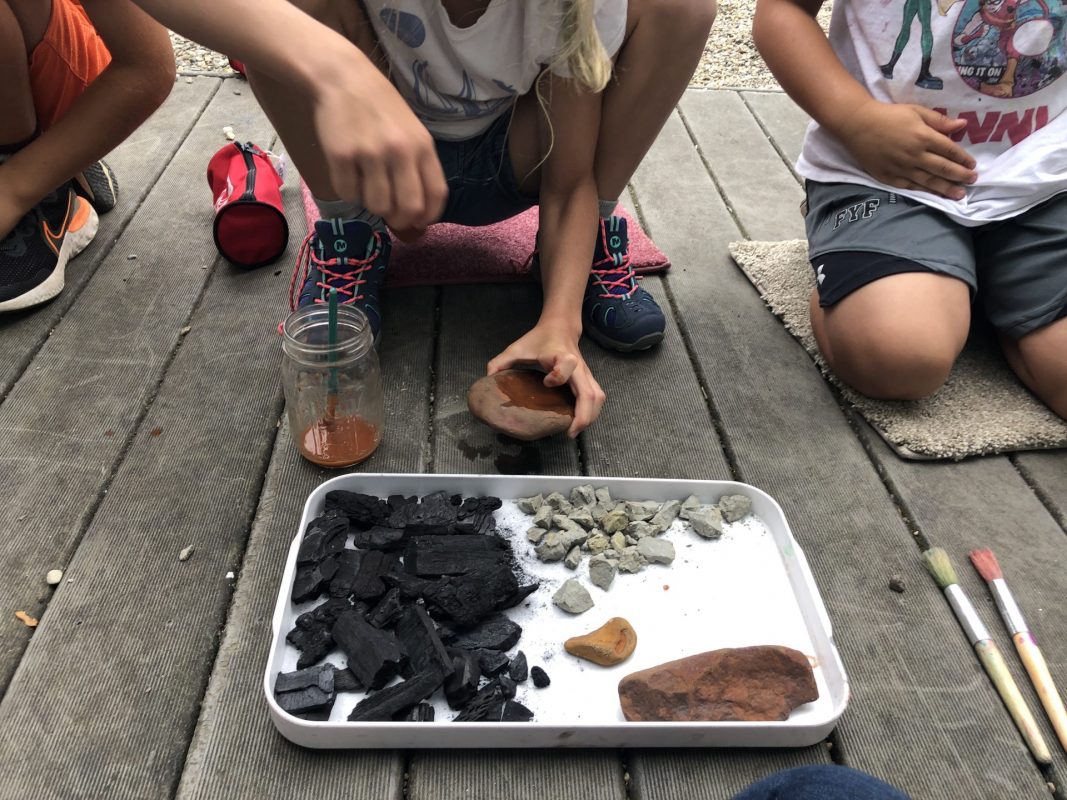
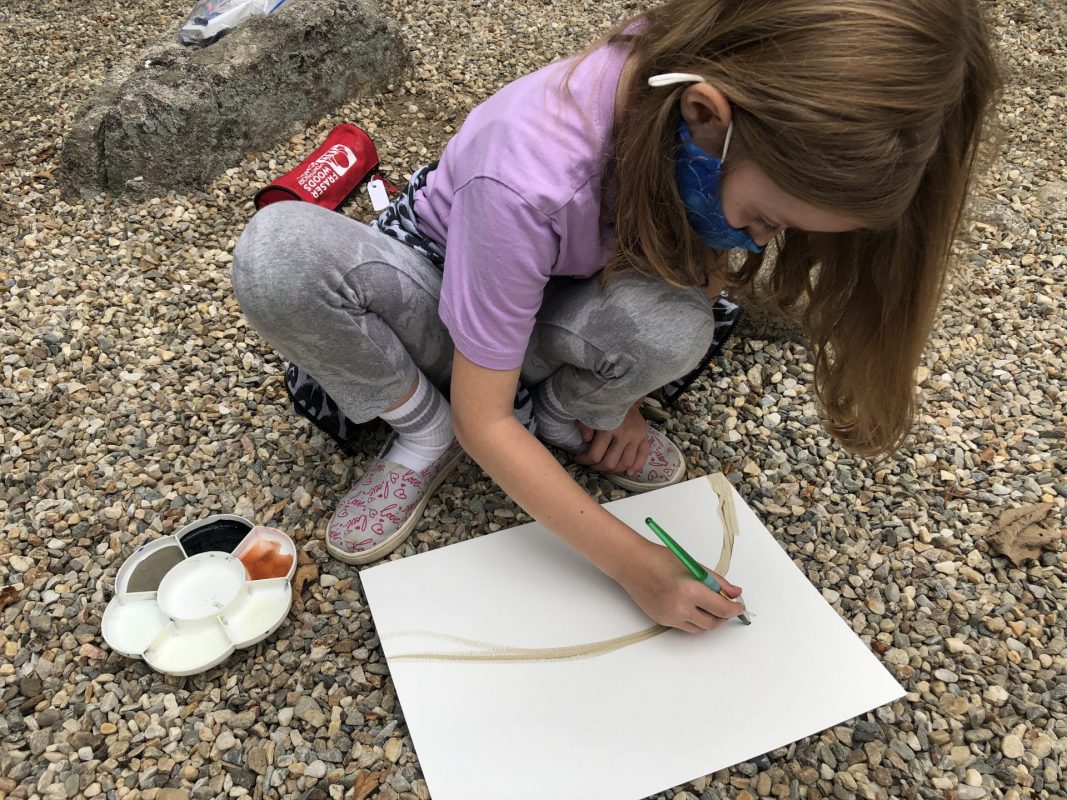
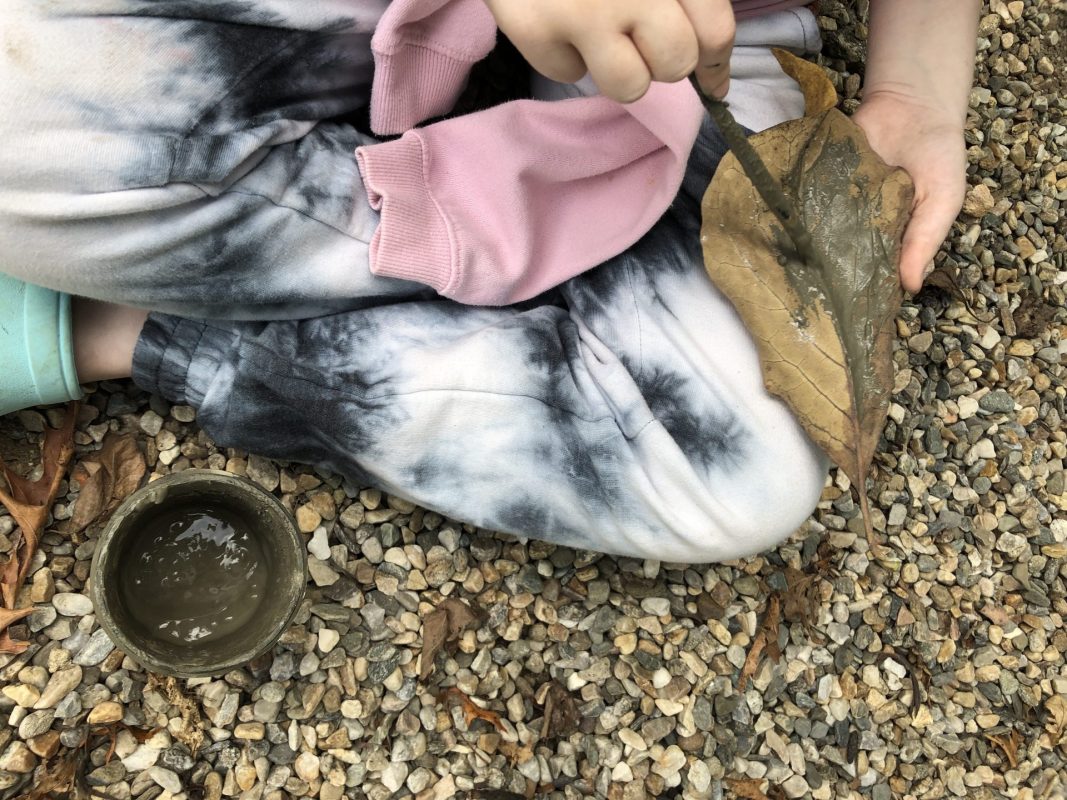
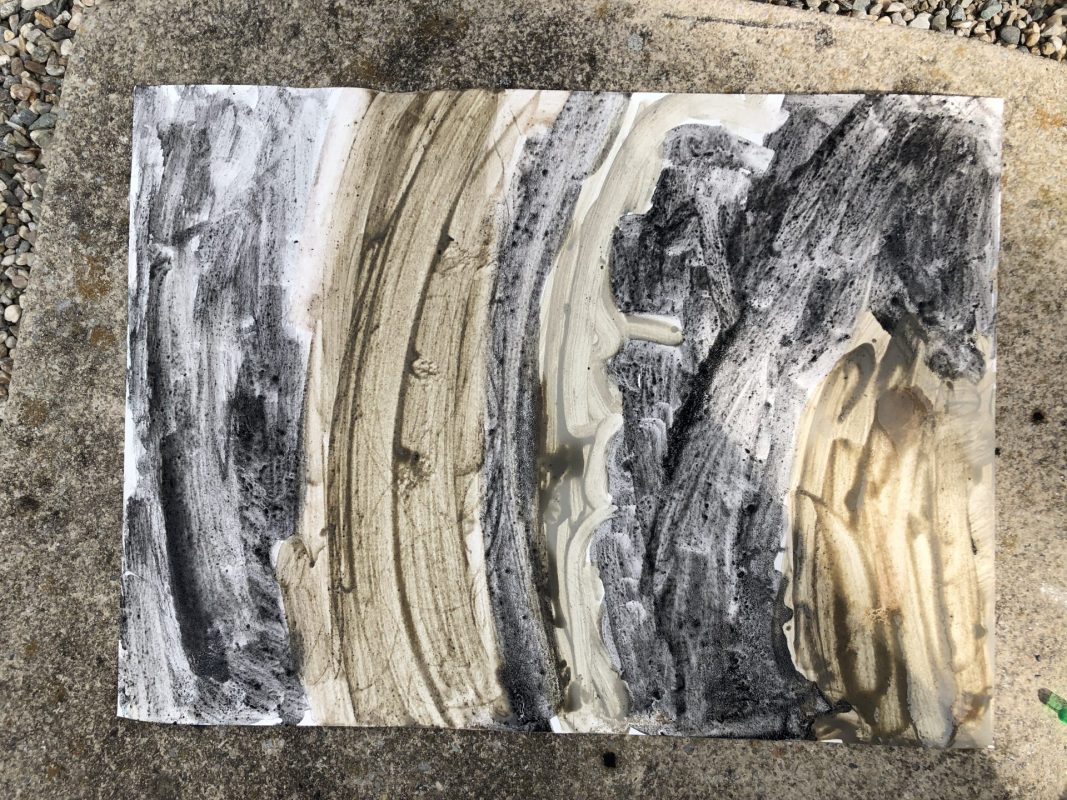
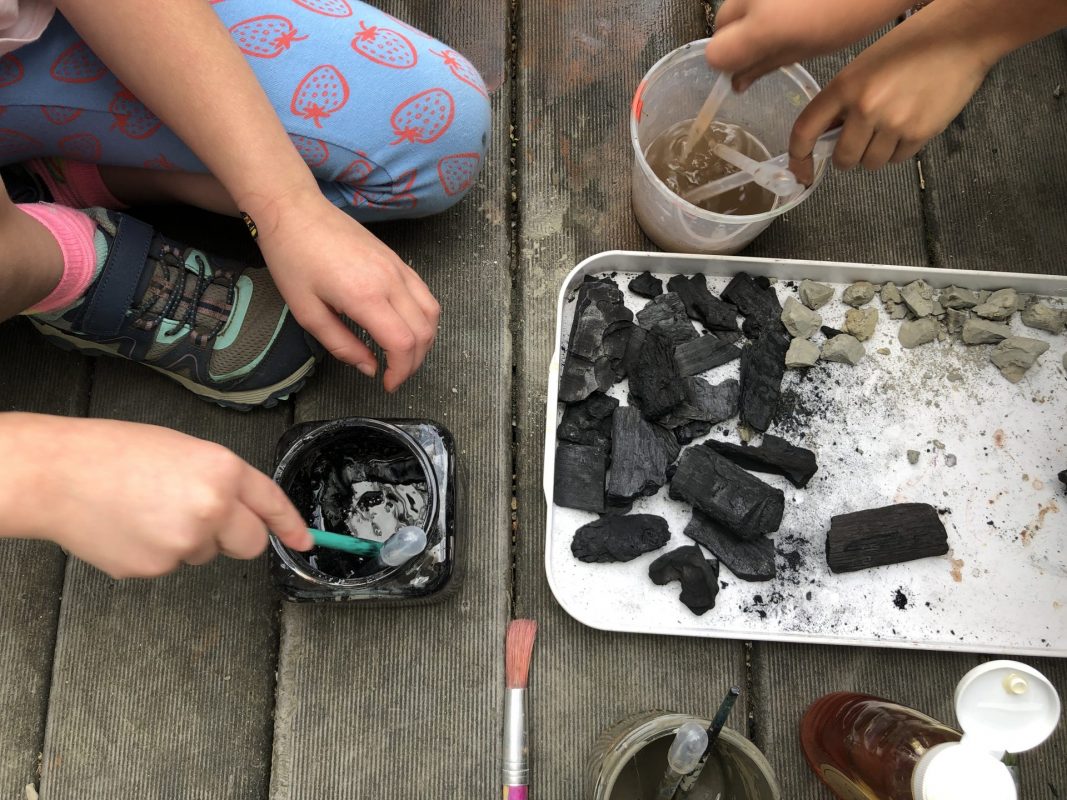
Students dove deeper into the study of the origin of paint by creating their very own earth paints! We created natural pigments by crushing up red ocher rocks, charcoal, and clay with a mortar and pestle. Then we mixed the pigment powders with water and a dash of honey to create a fluid paint consistency. Not only did these young artists enjoy the process of creating natural paints and painting with them, they also experienced how much time and labor is put into the making of art materials. Children painted so diligently with their handmade paints and expressed appreciation for the hard work each classmate put into the paint making process.


Falling Back into Spanish


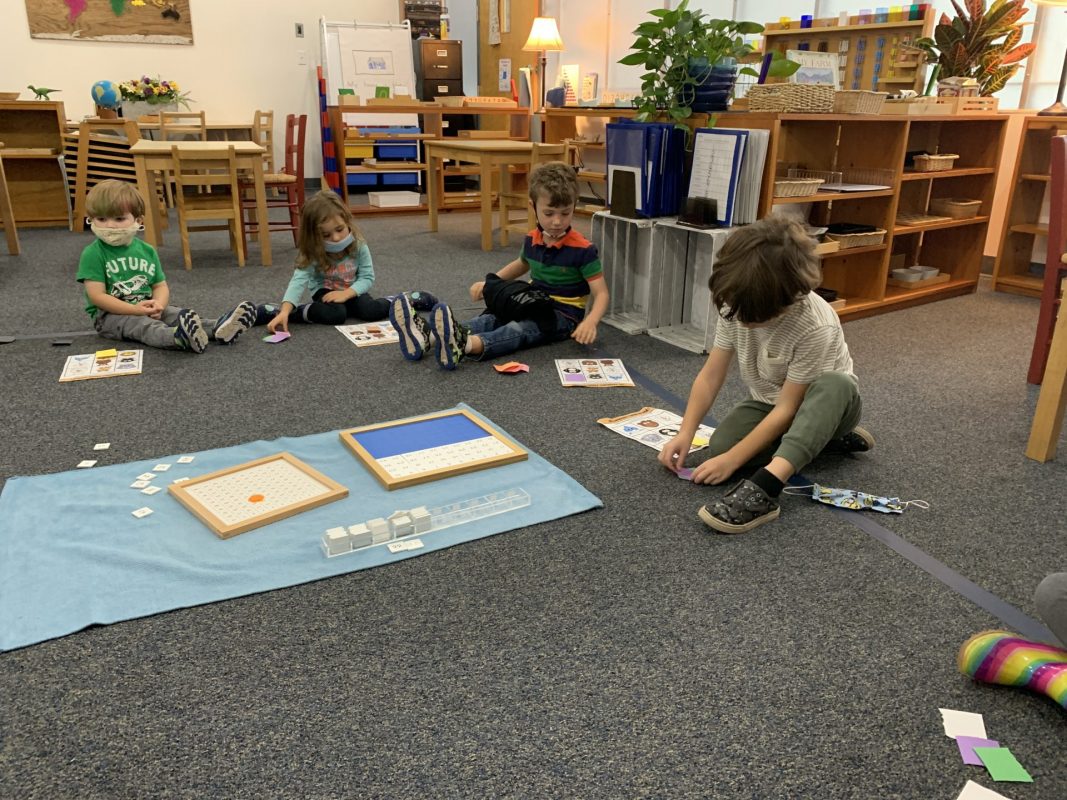
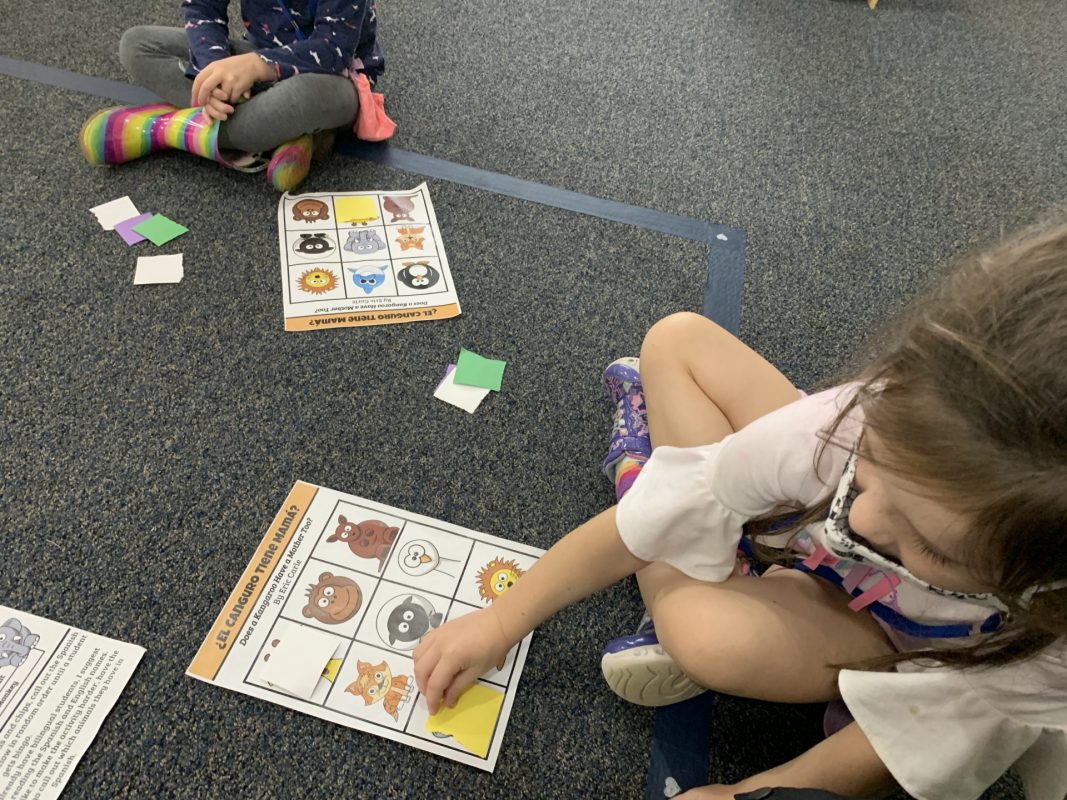
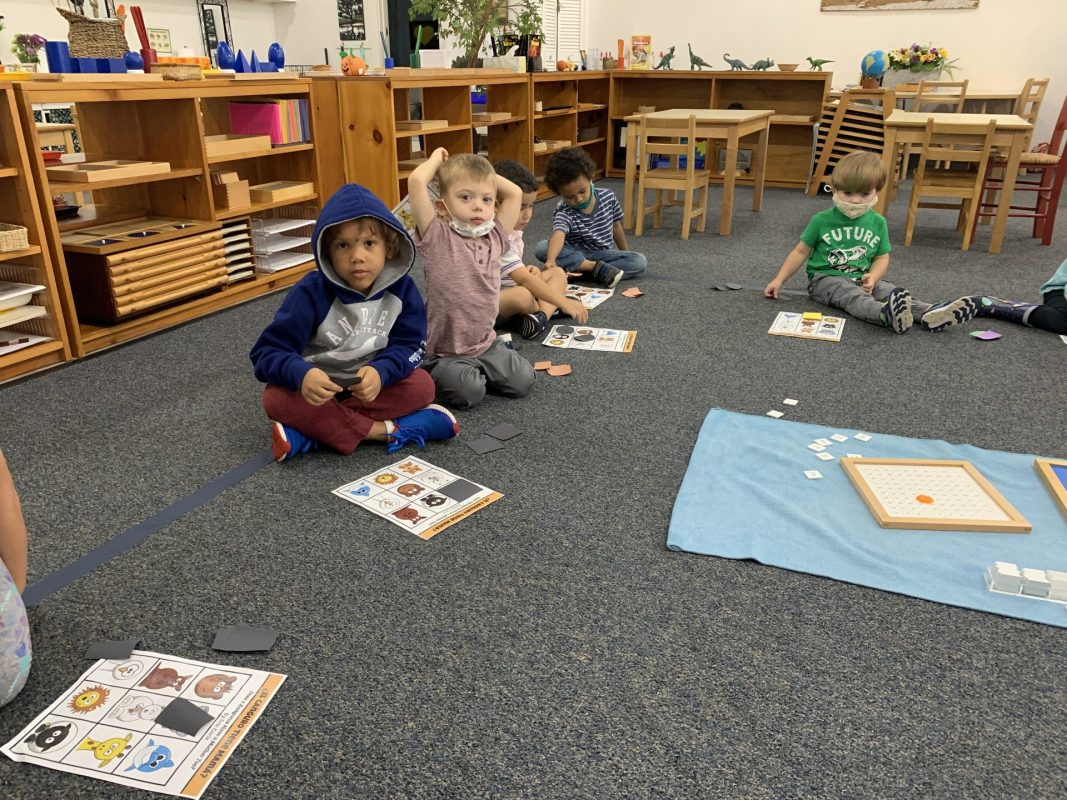
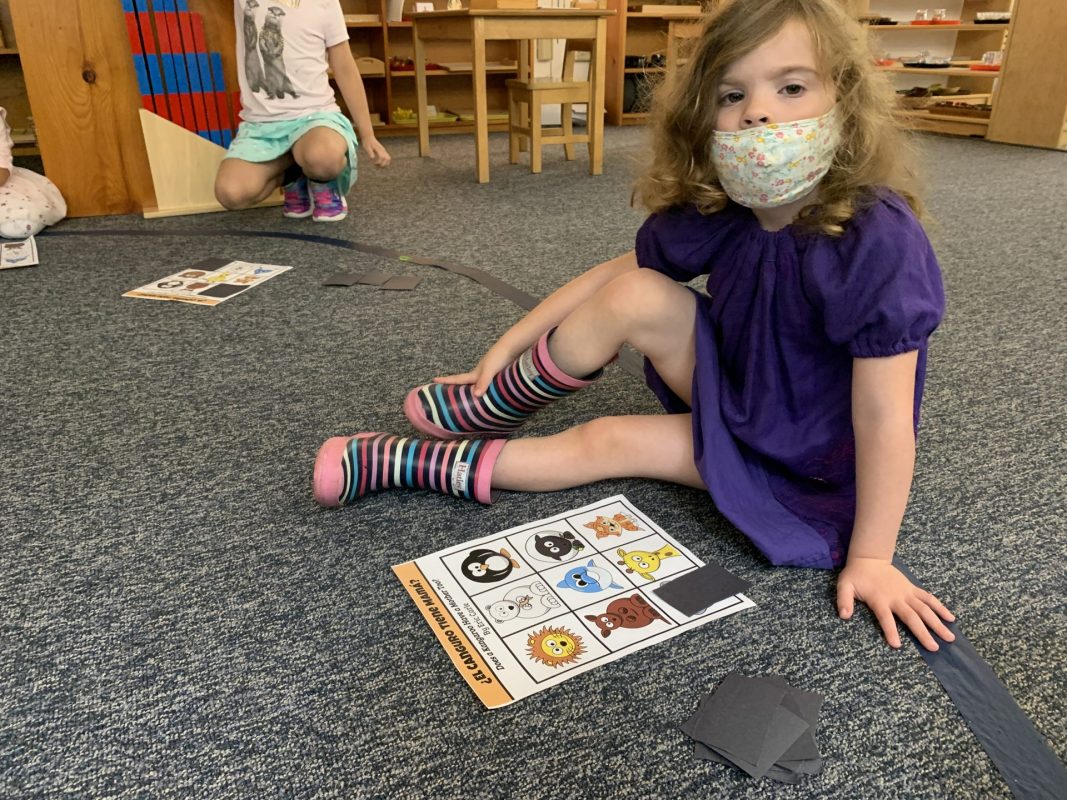
We’ve had a strong start to Spanish classes this year at FWM. 

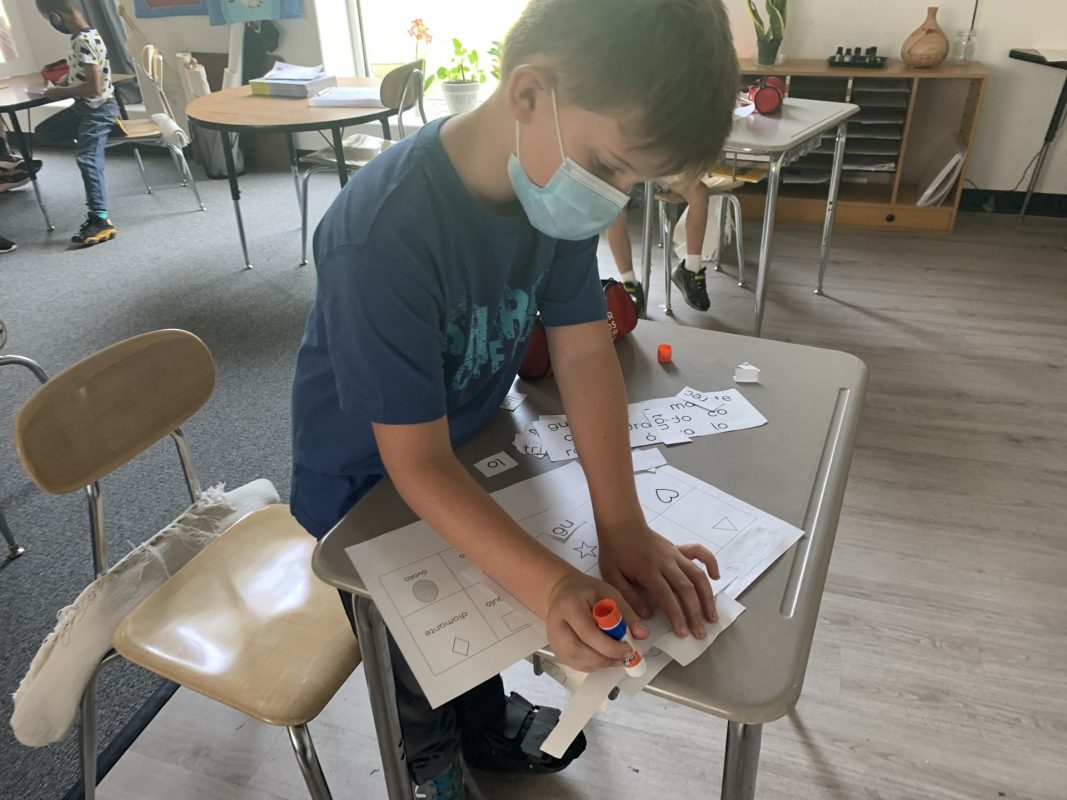
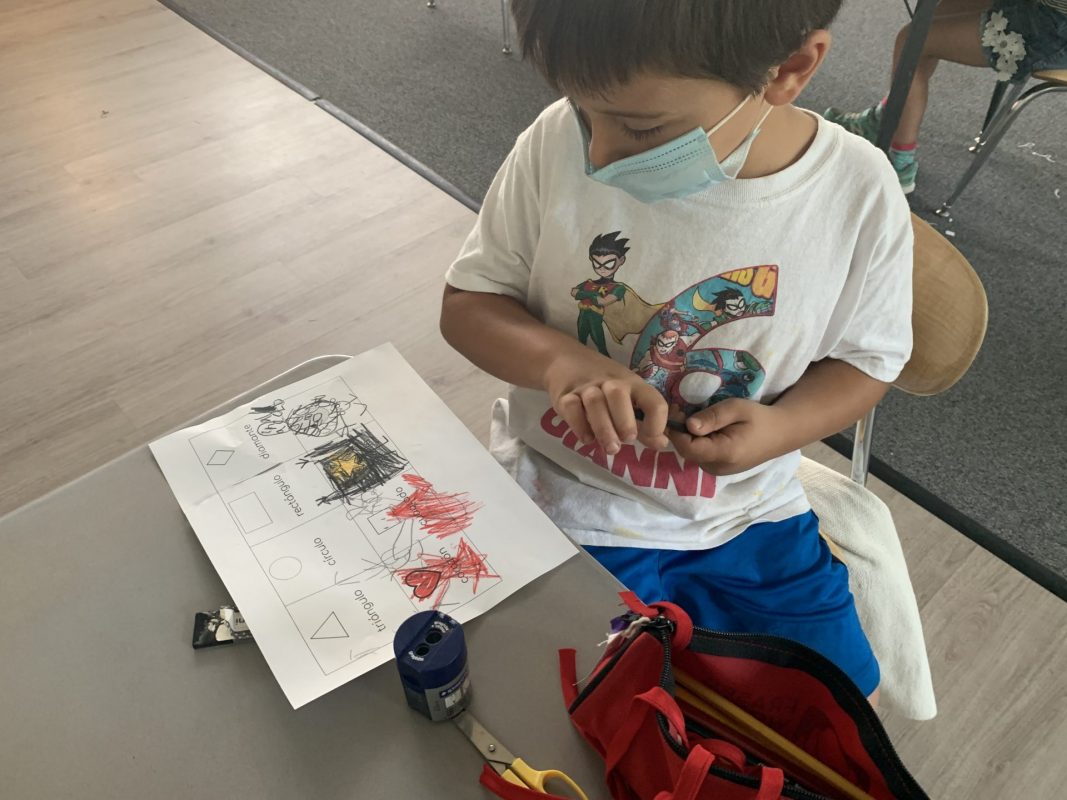
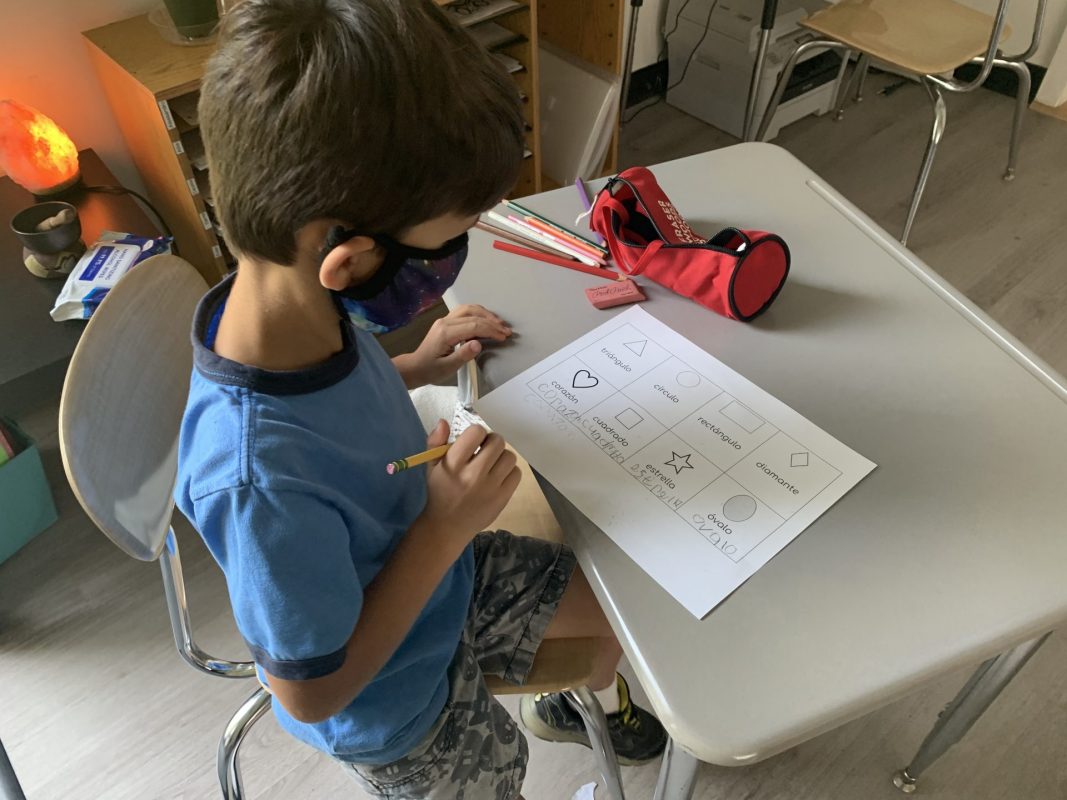
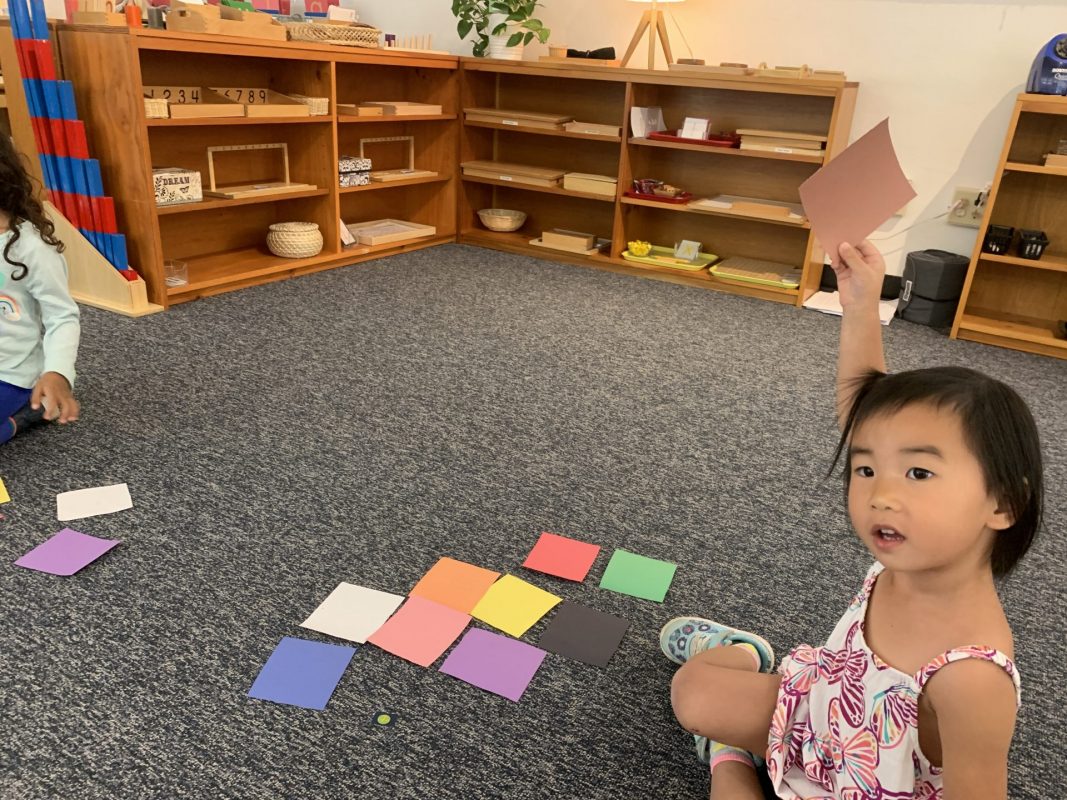
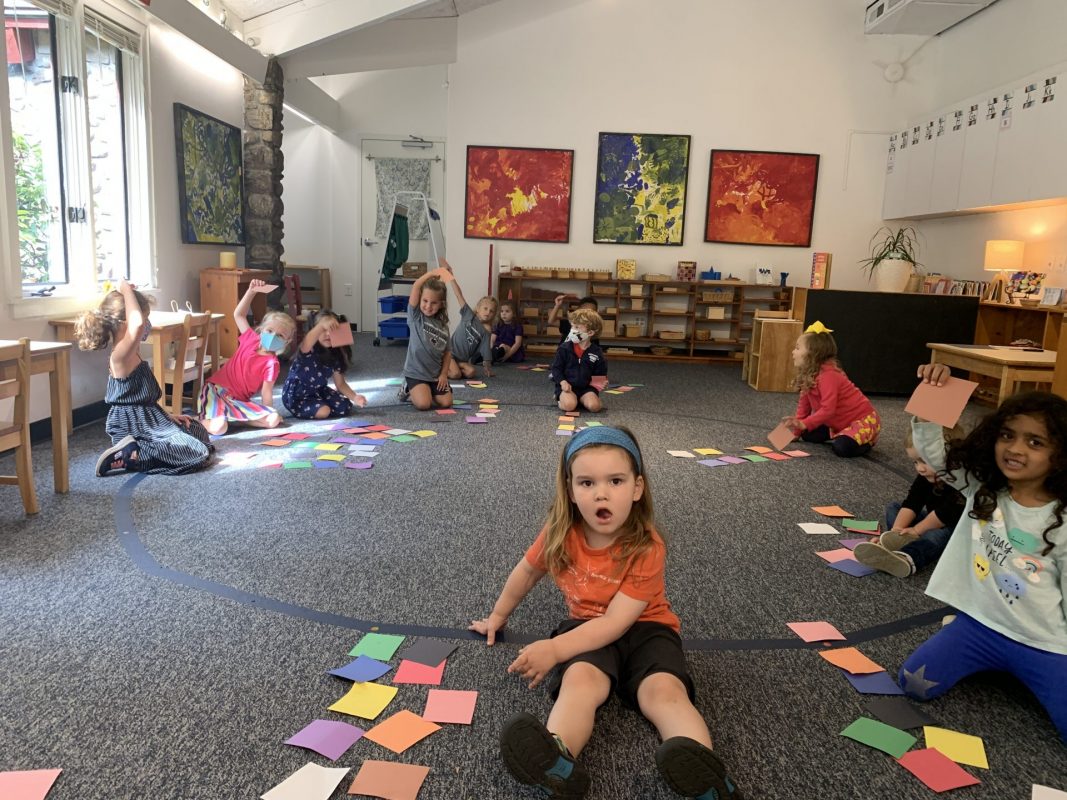
From primary to middle school, all students have returned to Spanish classes eager to continue along their language acquisition journey. Using a comprehensible input approach, students hear and read in the language each class period. We are building vocabulary and practicing using words within target structures for each unit. Our storytelling and role playing offer a compelling experience within the classroom for students to remain engaged and feel the joy of learning. Students new to FWM or to Spanish are already immersing themselves in the experience as we work to acquire the language together. 
September 15th kicked off Hispanic Heritage Month, as multiple countries celebrated their independence days. We tie Hispanic culture into our lessons in Spanish regularly. If you’re looking for ways at home to connect with the LatinX community, check out Yale’s Fiesta-Latina, with virtual events in celebration of Hispanic Heritage Month between now and 10/15 2020: https://peabody.yale.edu/events/fiesta-latina

Please remind your child to wear something BLUE on Monday, September 21 to recognize and celebrate the International Day of Peace.  Blue is the universal color of peace.