Physical Education: “Eggs-Ercise”


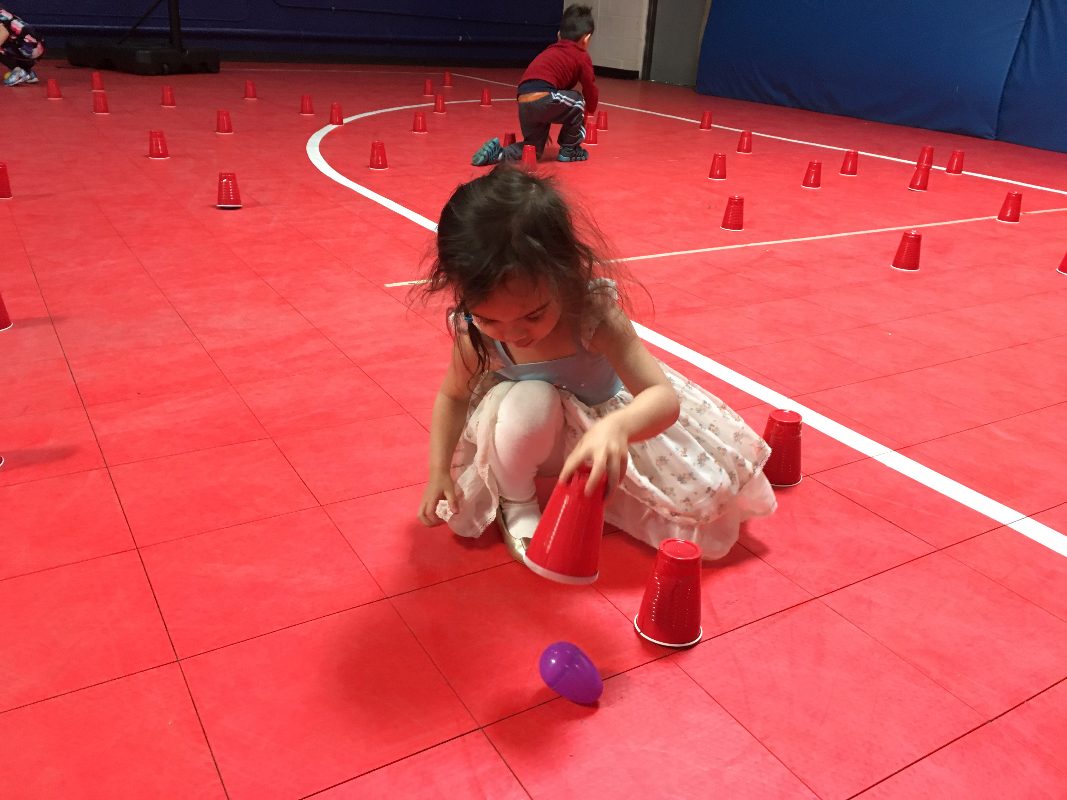
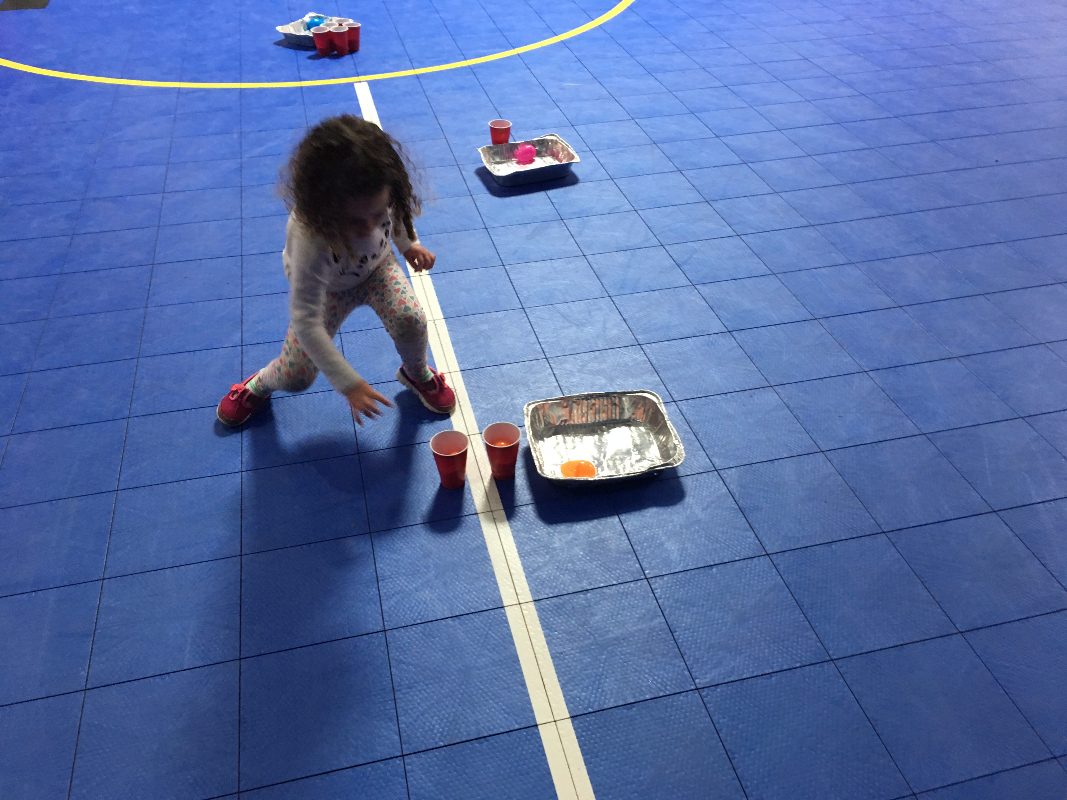
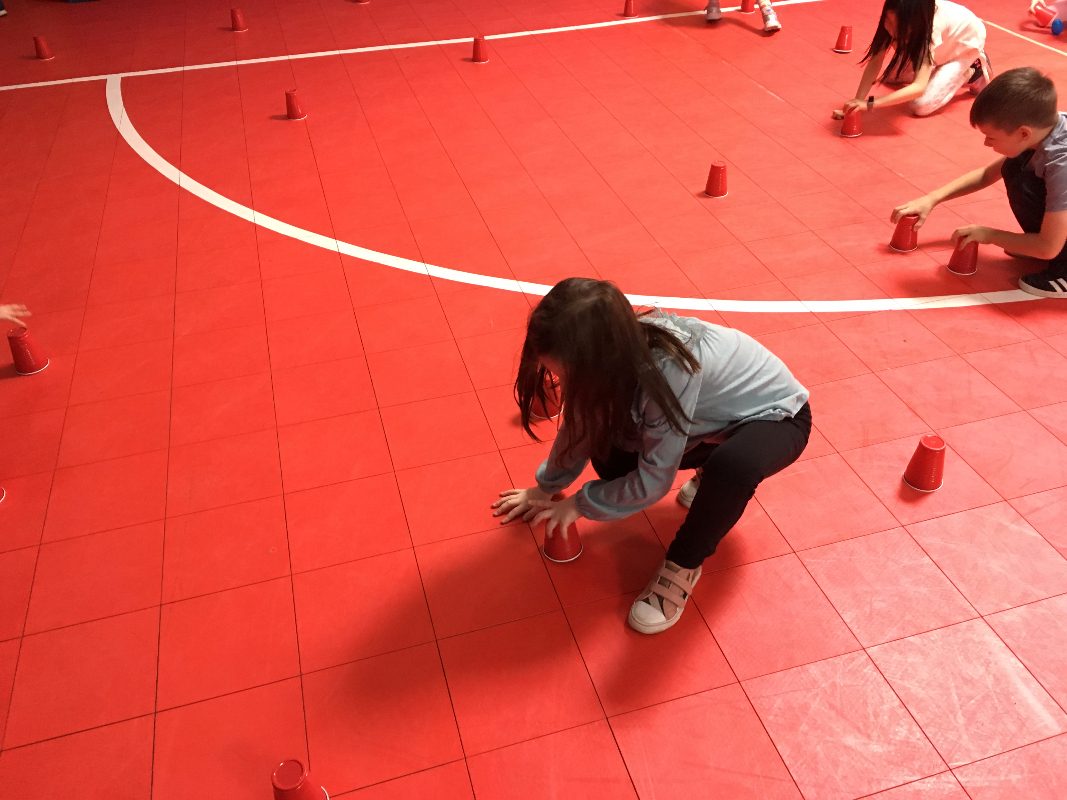
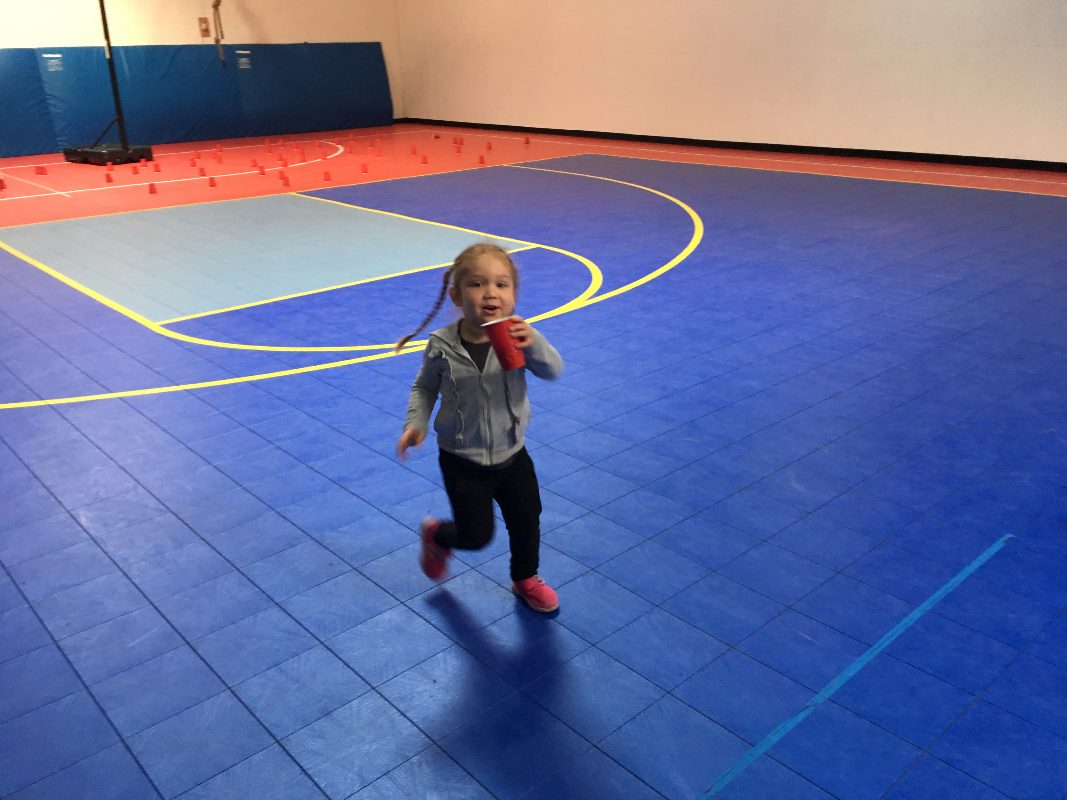
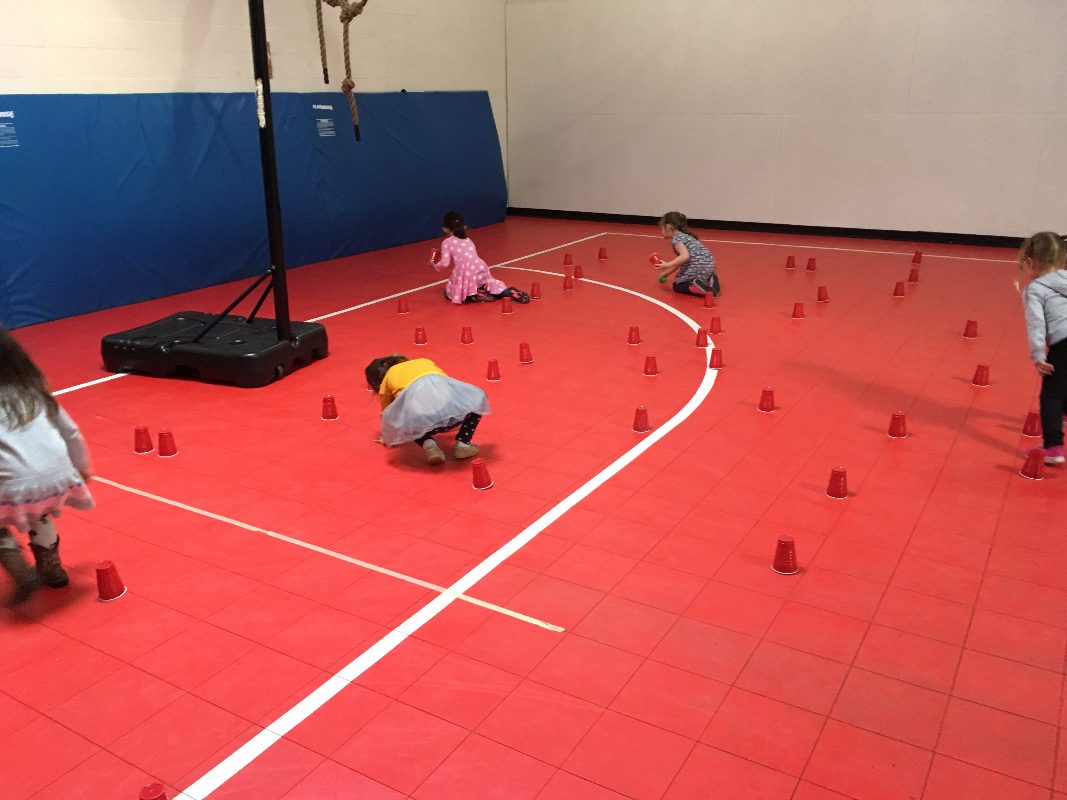
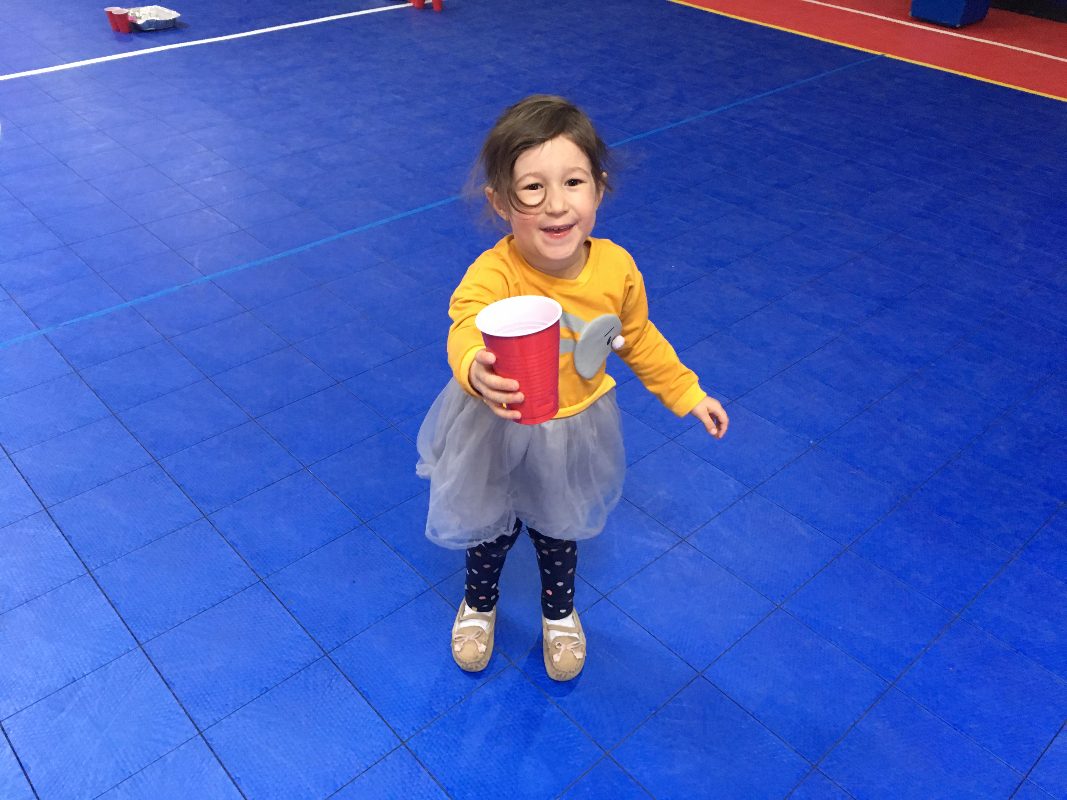
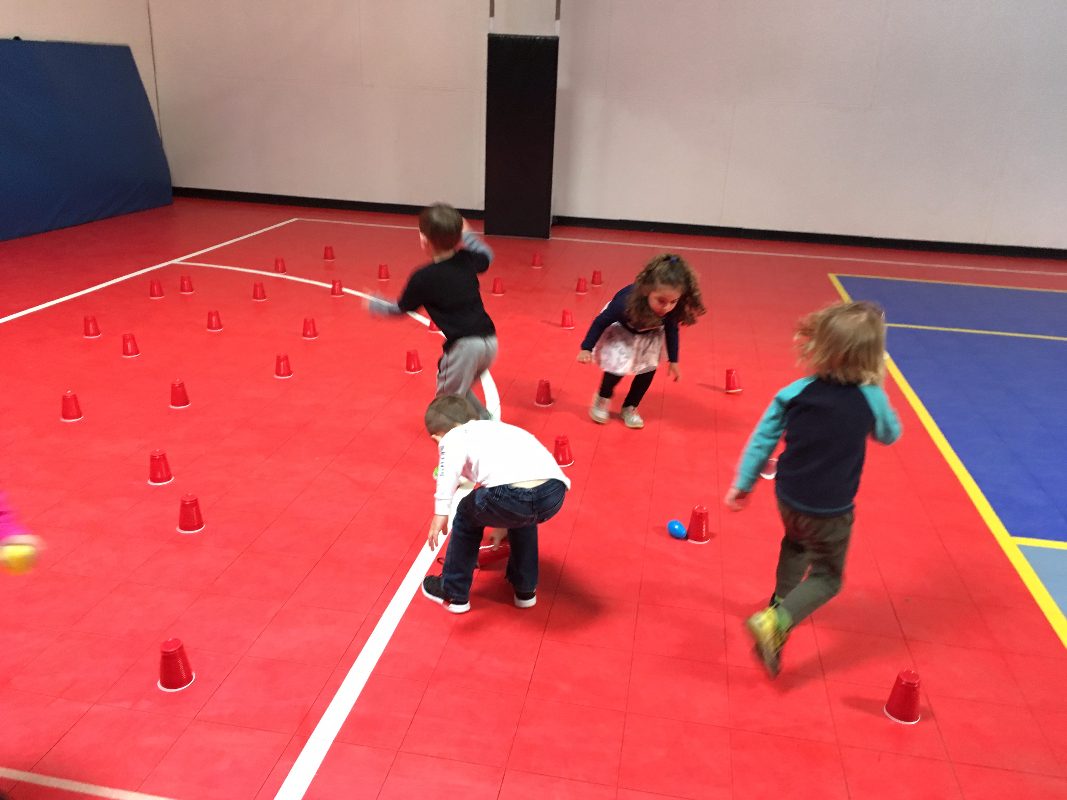
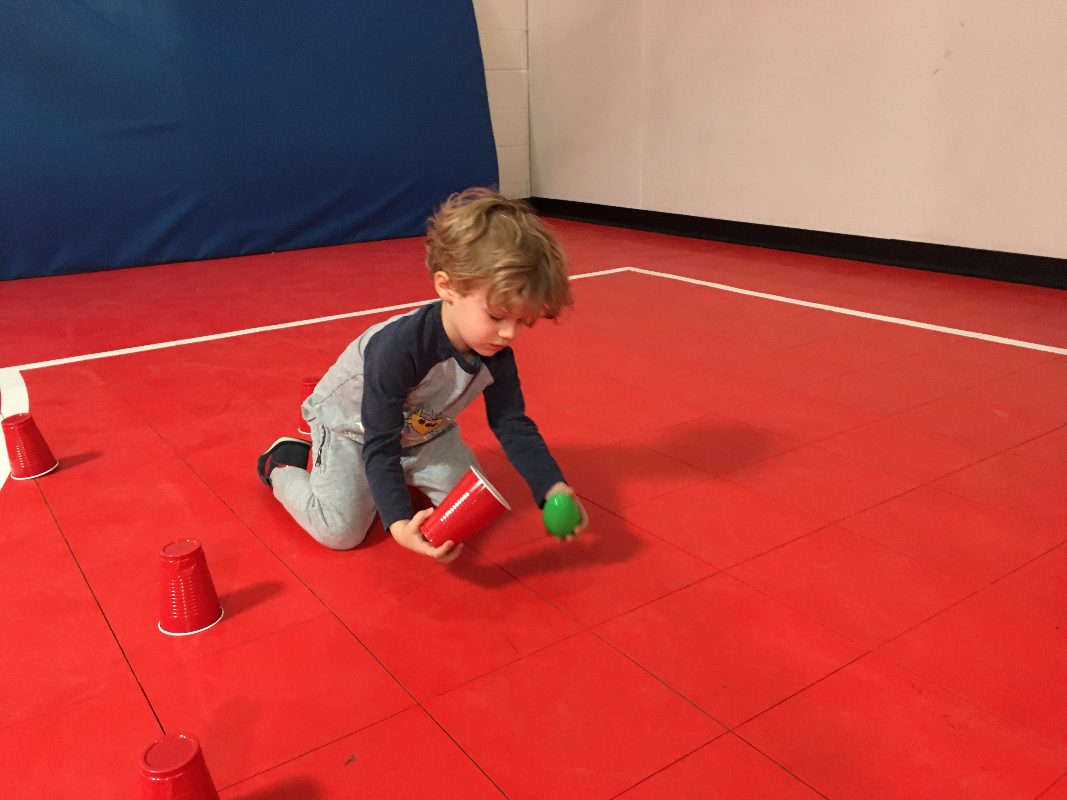
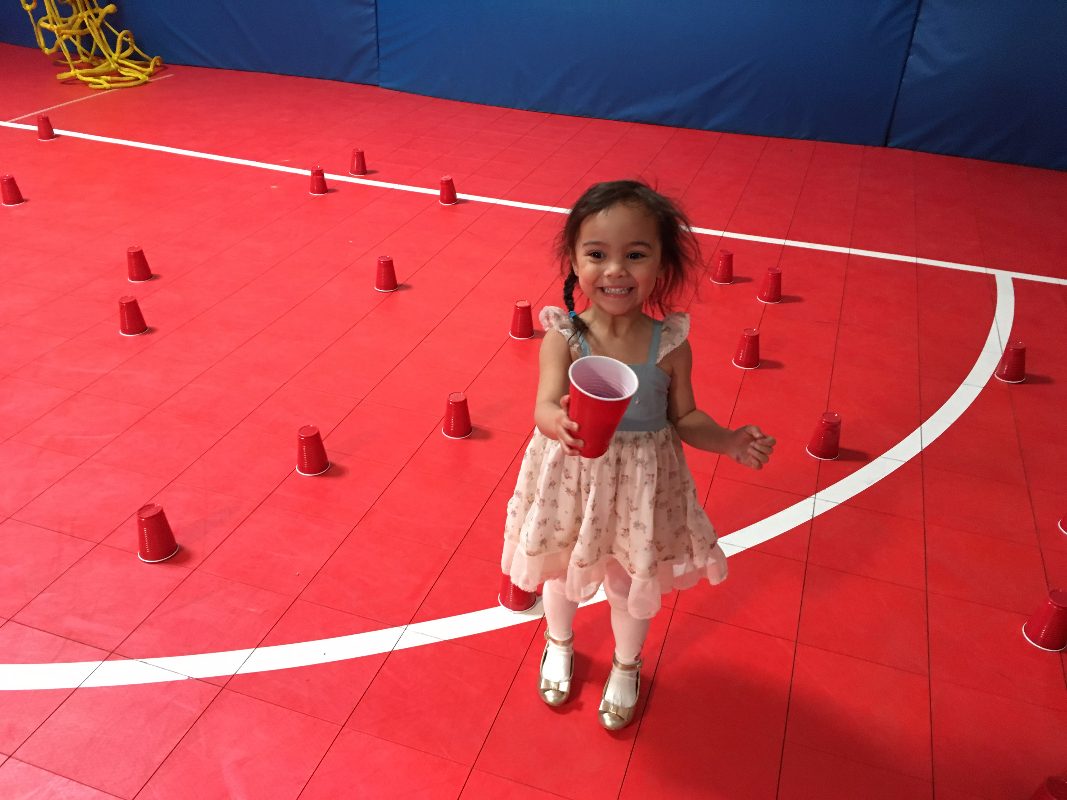
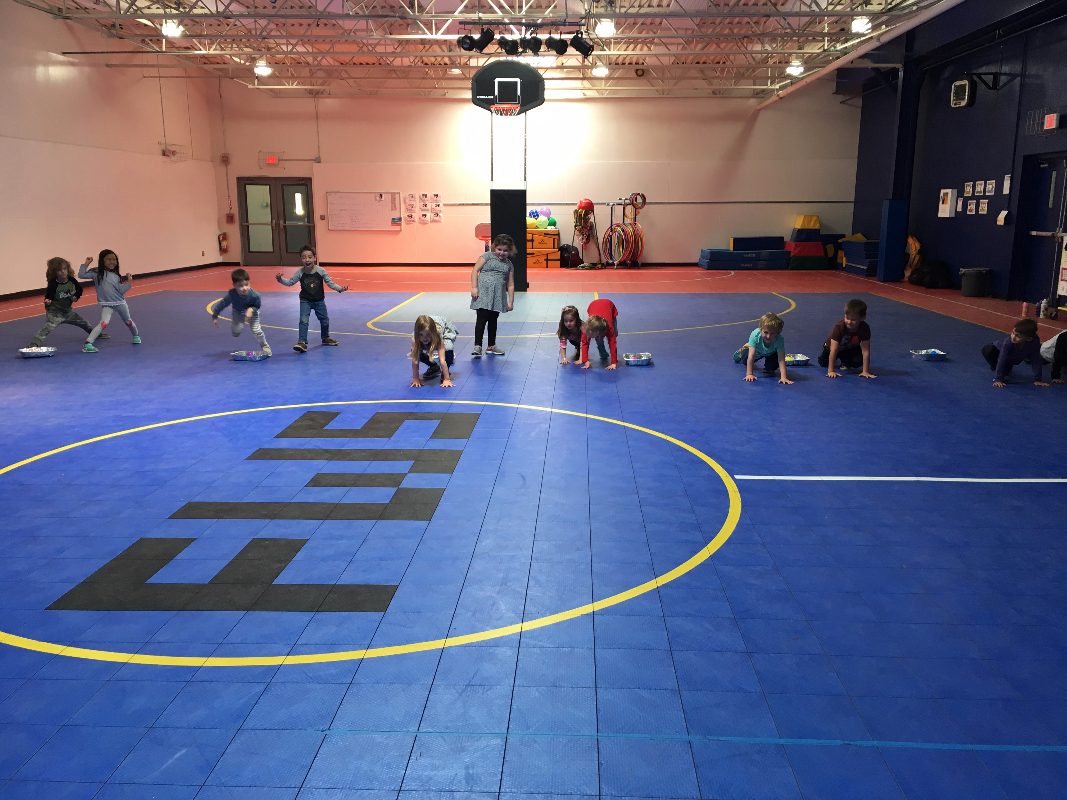
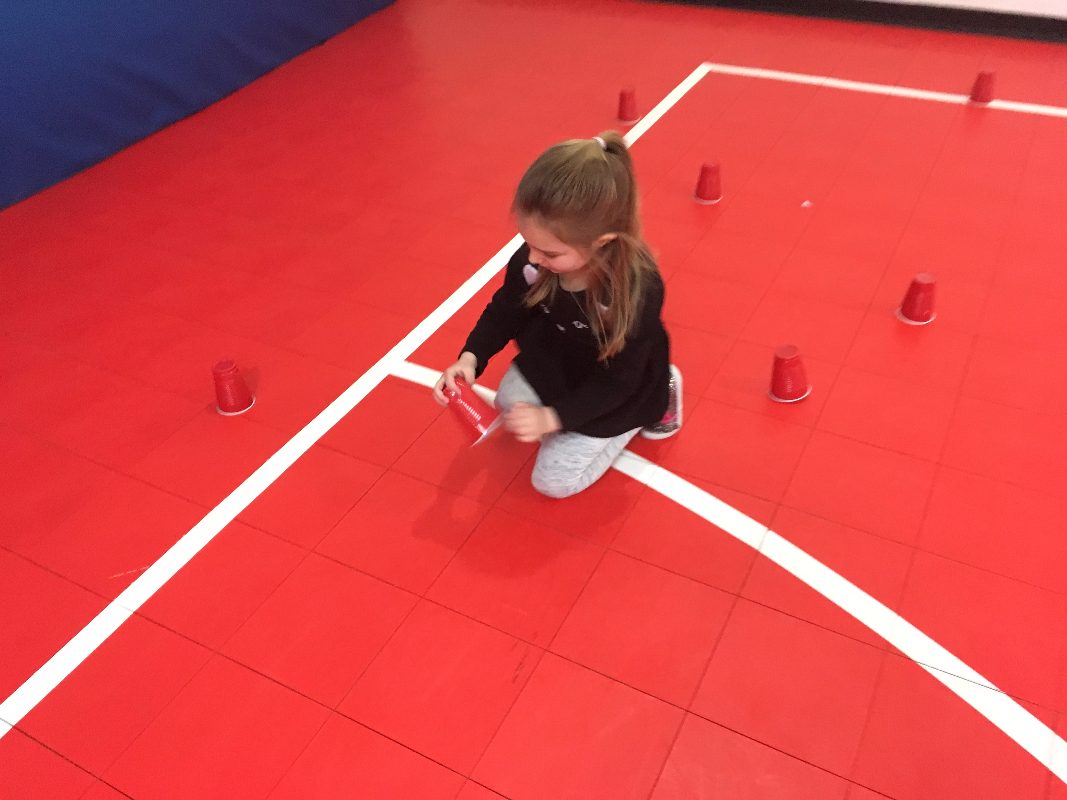
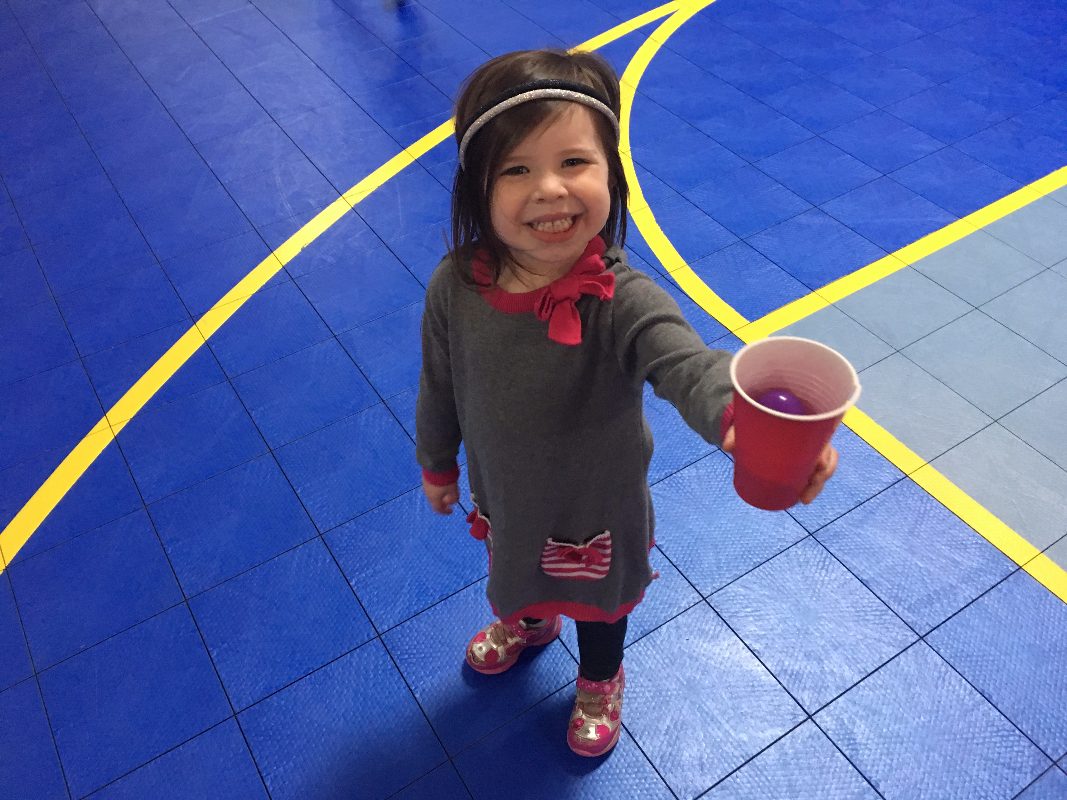
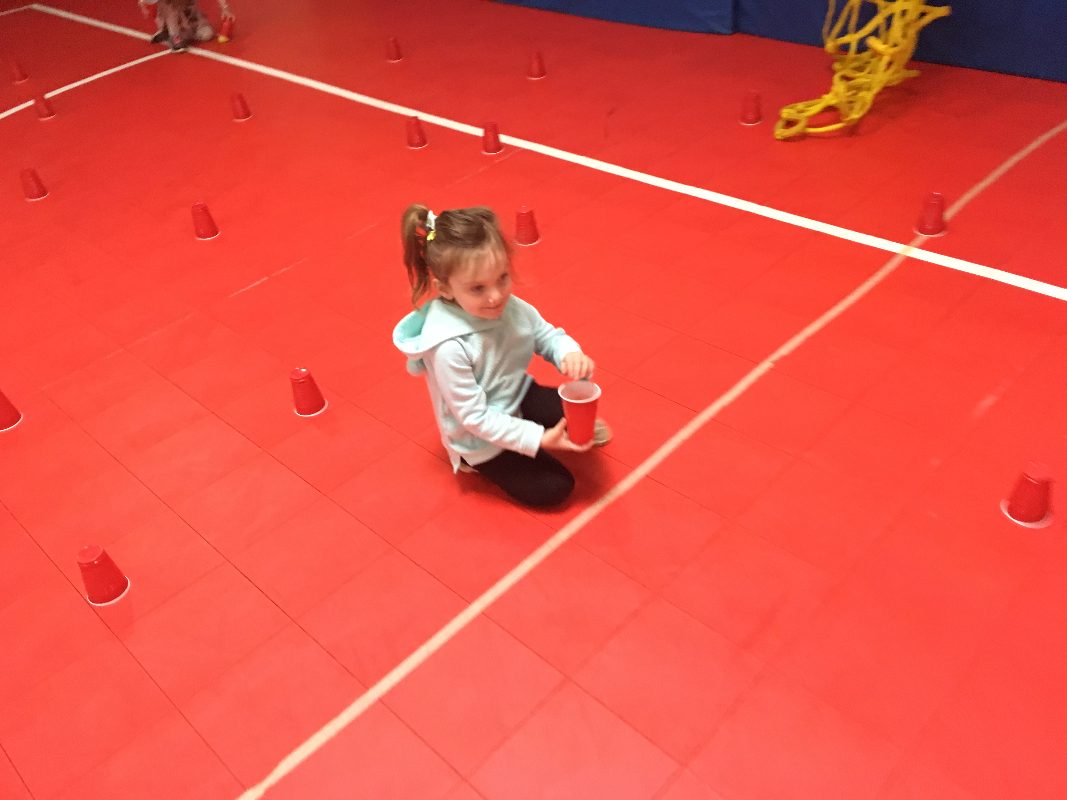
This month, the primary through 5th grade played a game called Eggs-Ercise for their warm-up activity.  For Primary, the game involved matching and sorting the different colored eggs.  We had to run to a cup and check what color they found and match it with the colored egg in the tray. Recognizing the colors and identifying the color names is an important part of a child’s development.  When we recognize colors, we are noticing, matching, sorting, and labeling the characteristics of things in the world around us.  

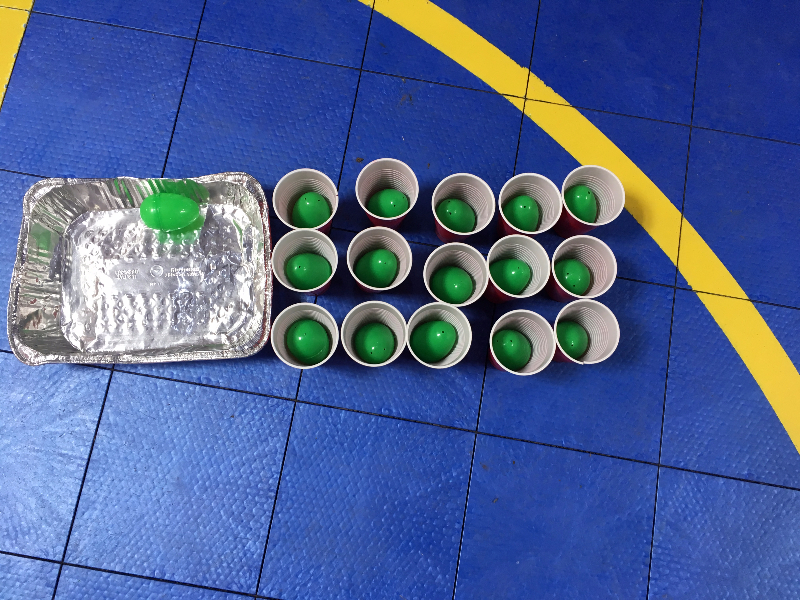
At the elementary level math was incorporated.  Each team/group had to find a total of 15 eggs but had to arrange them a certain way.  They were asked “How many rows of eggs and how many eggs in each row would you have arrange to equal 15 eggs?”  They would have to work as a team to organize either five rows of three eggs or three rows of five eggs each.  The purpose of this activity is to promote increased fitness, effective teamwork, and math concepts.
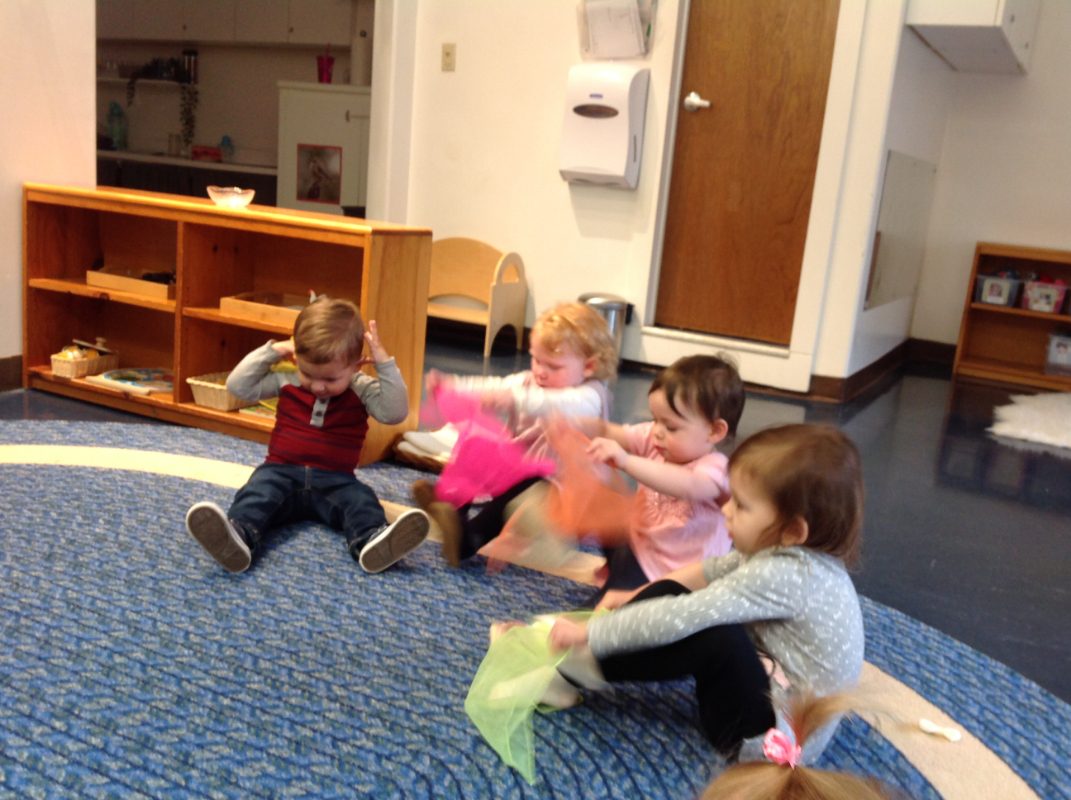
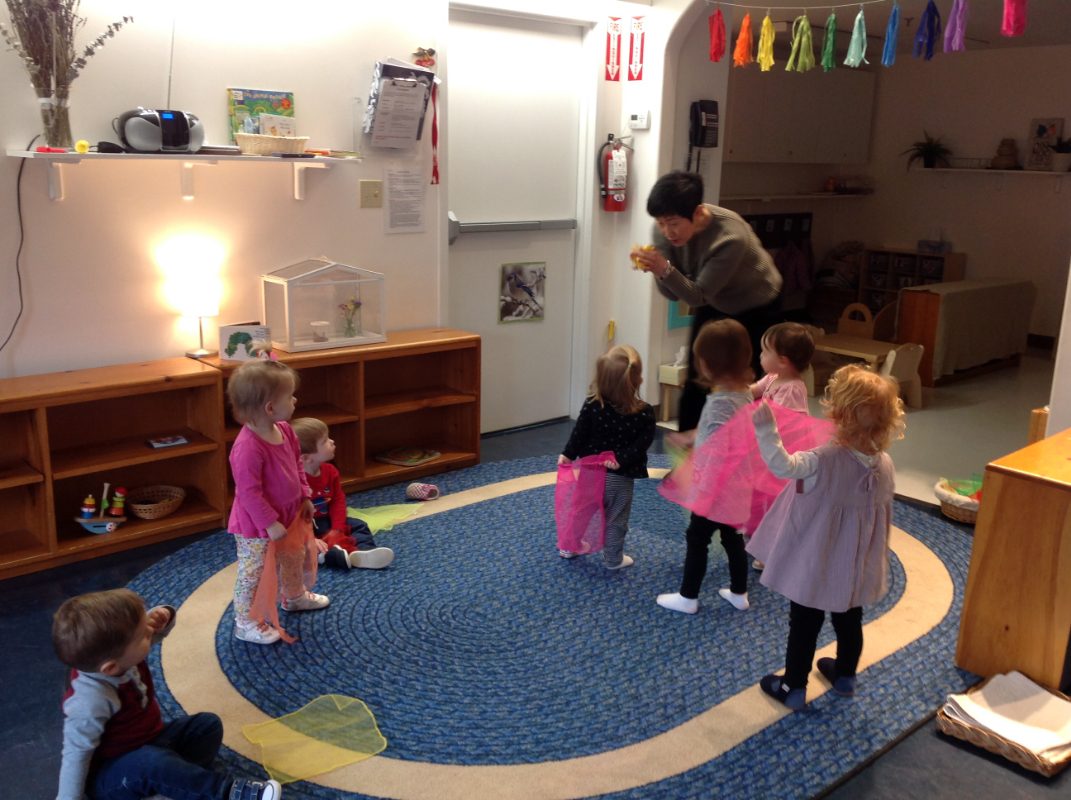
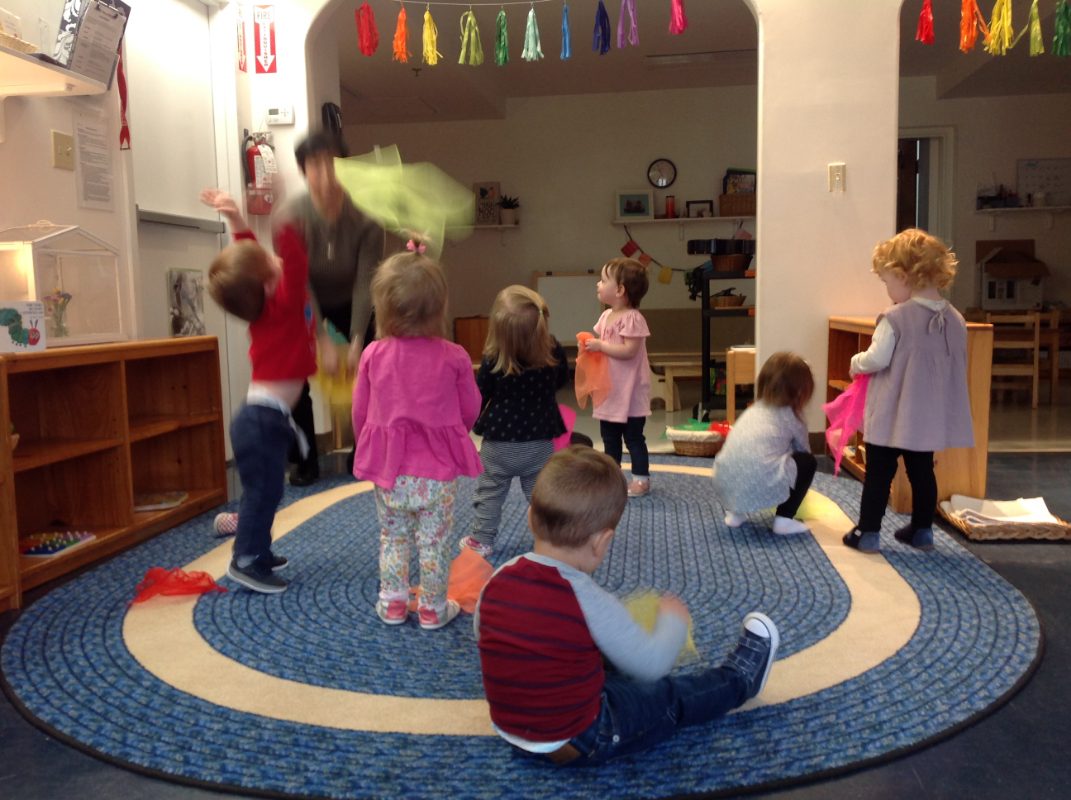
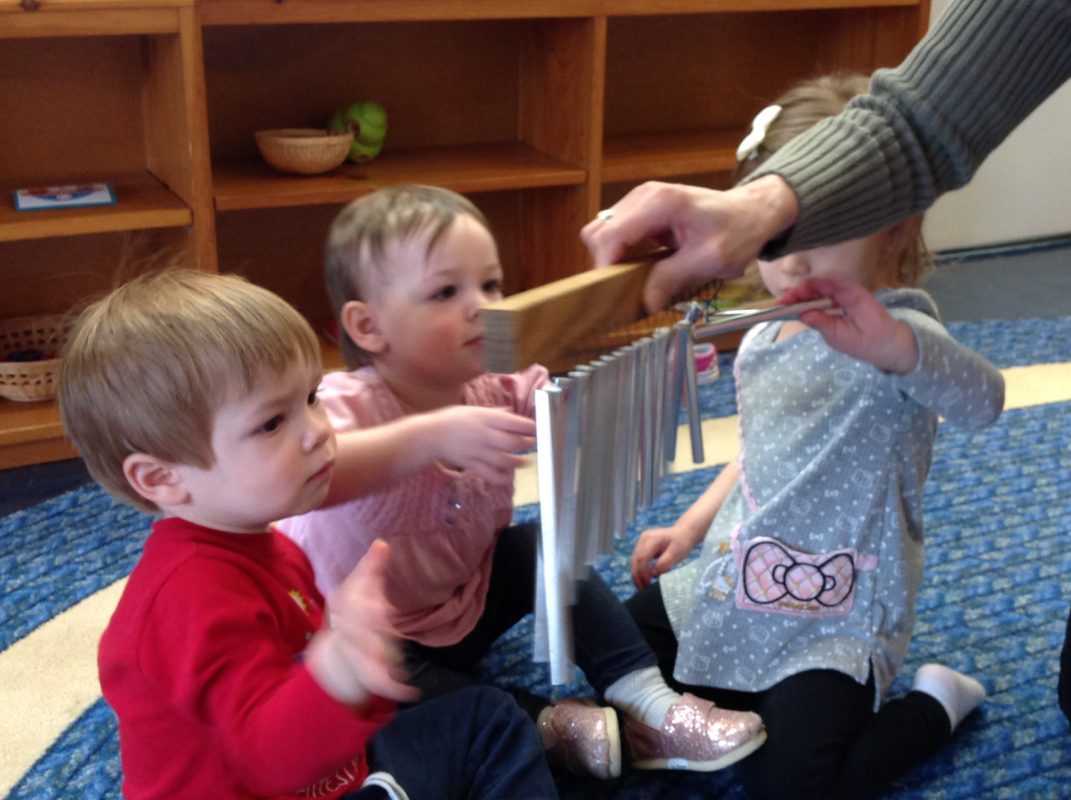
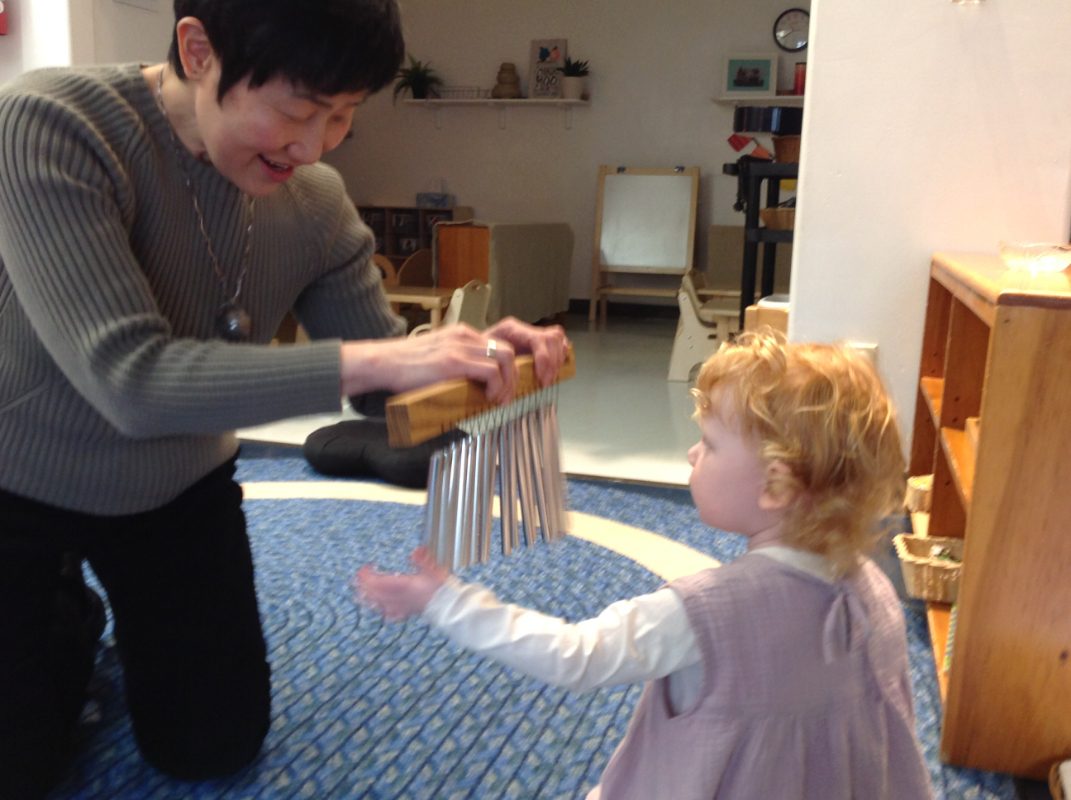
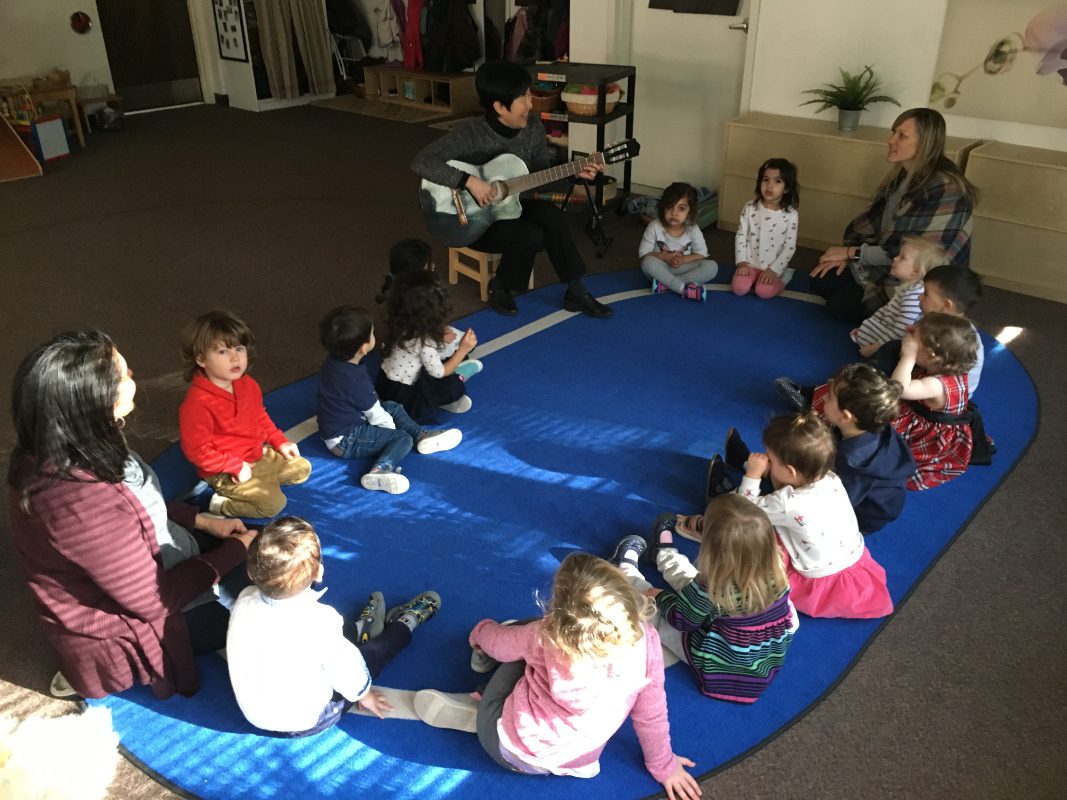
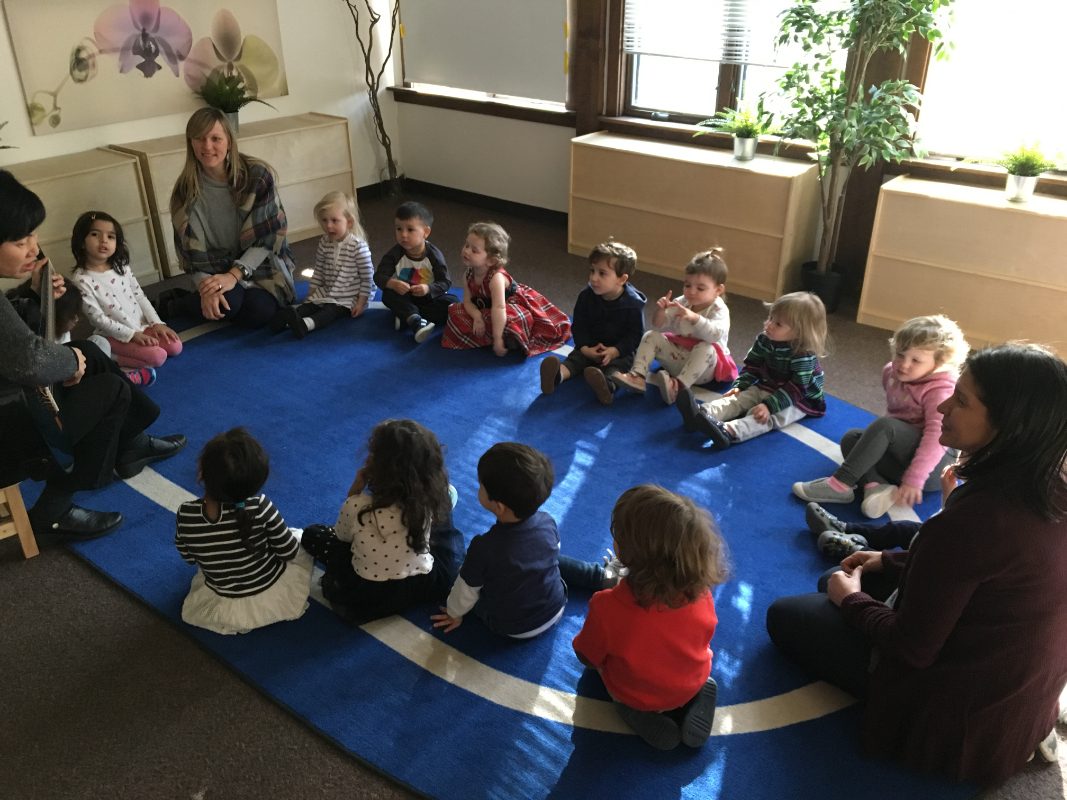
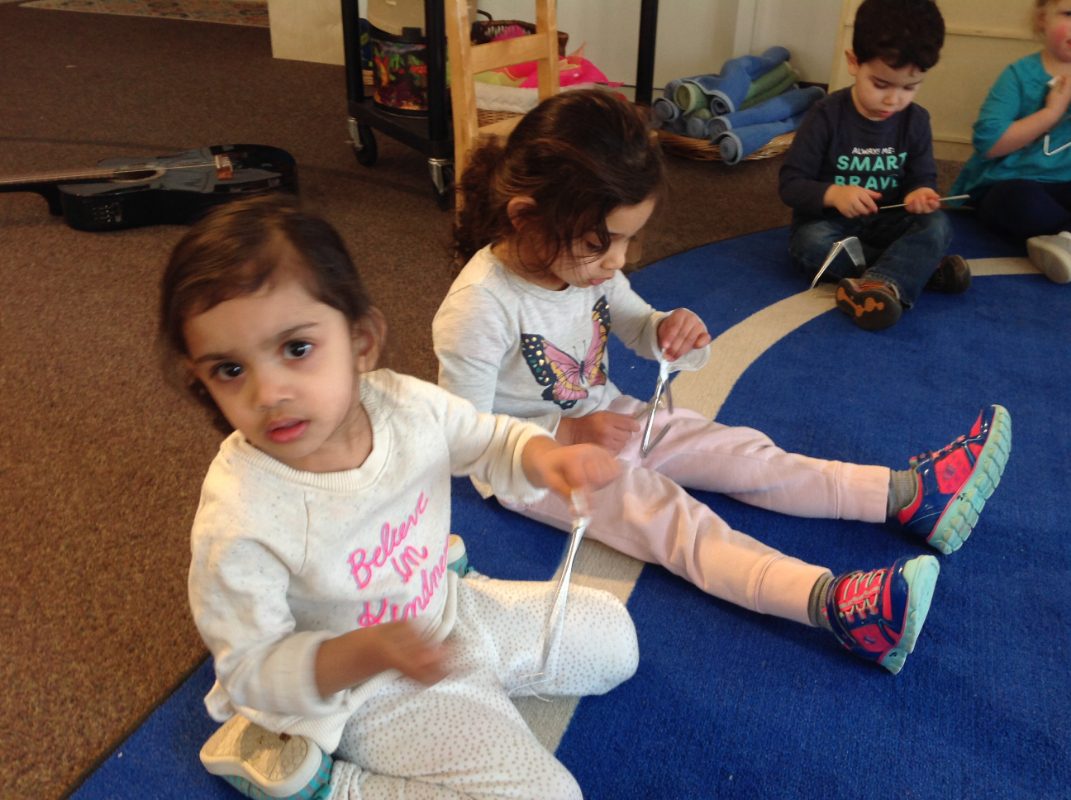
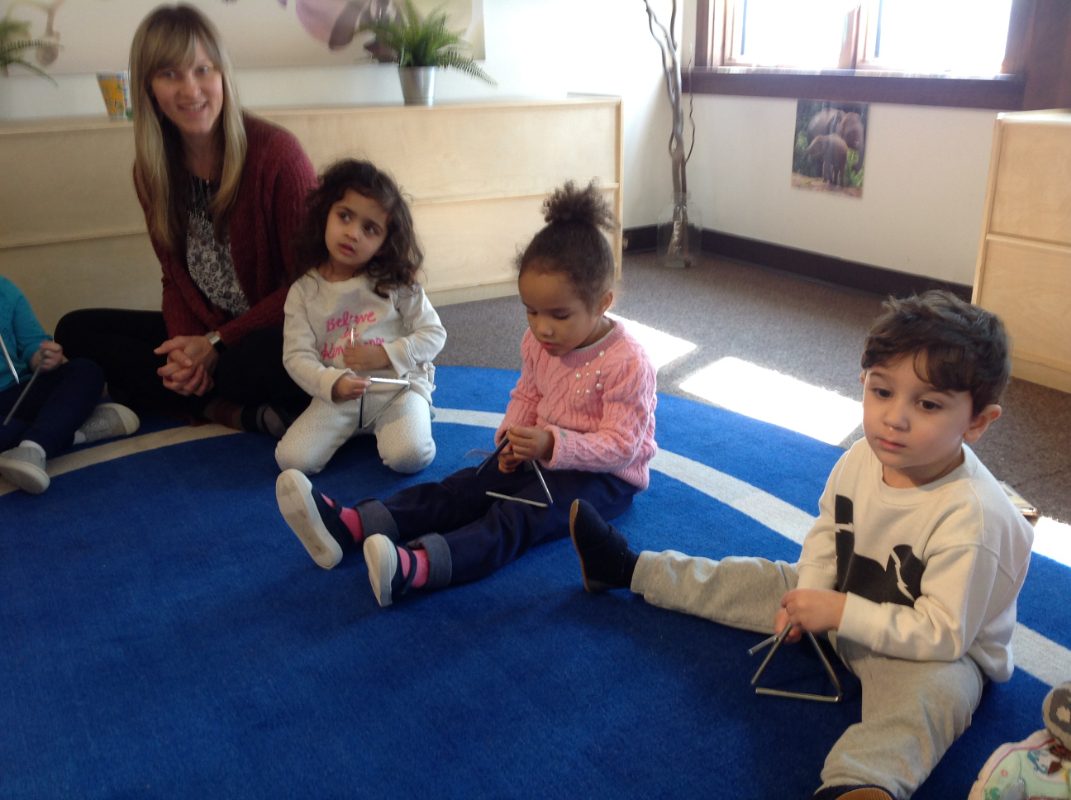
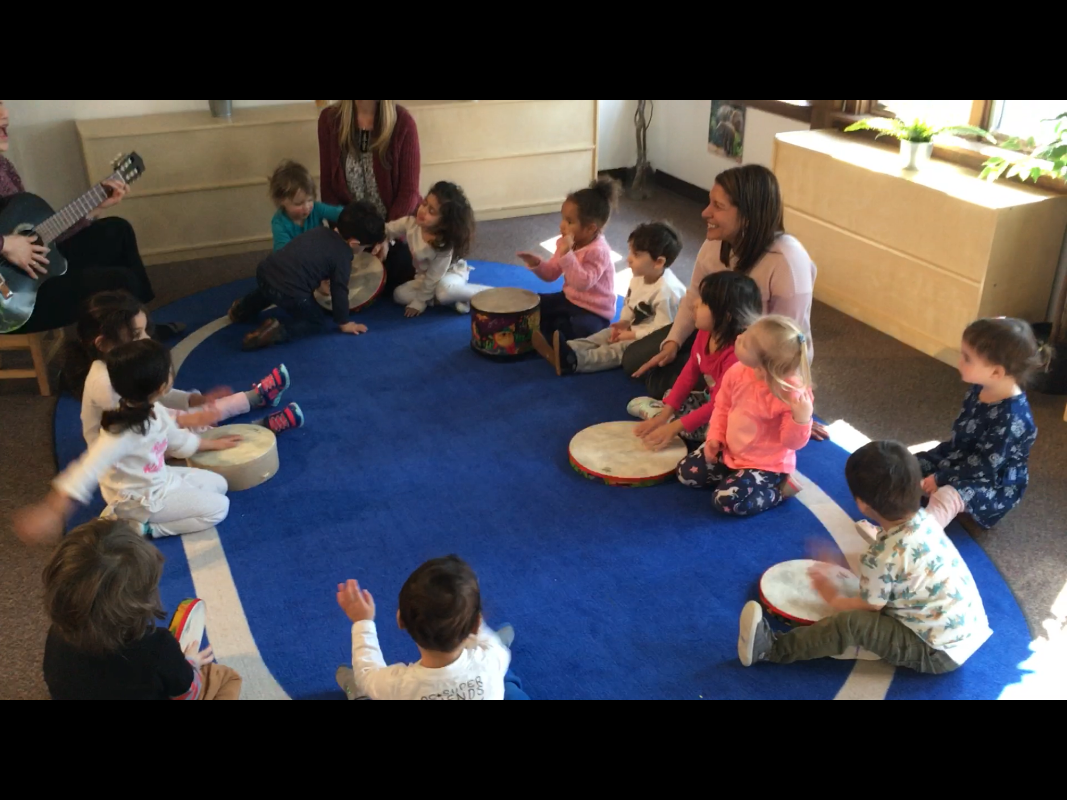
Peak into Toddlers’ Music Class


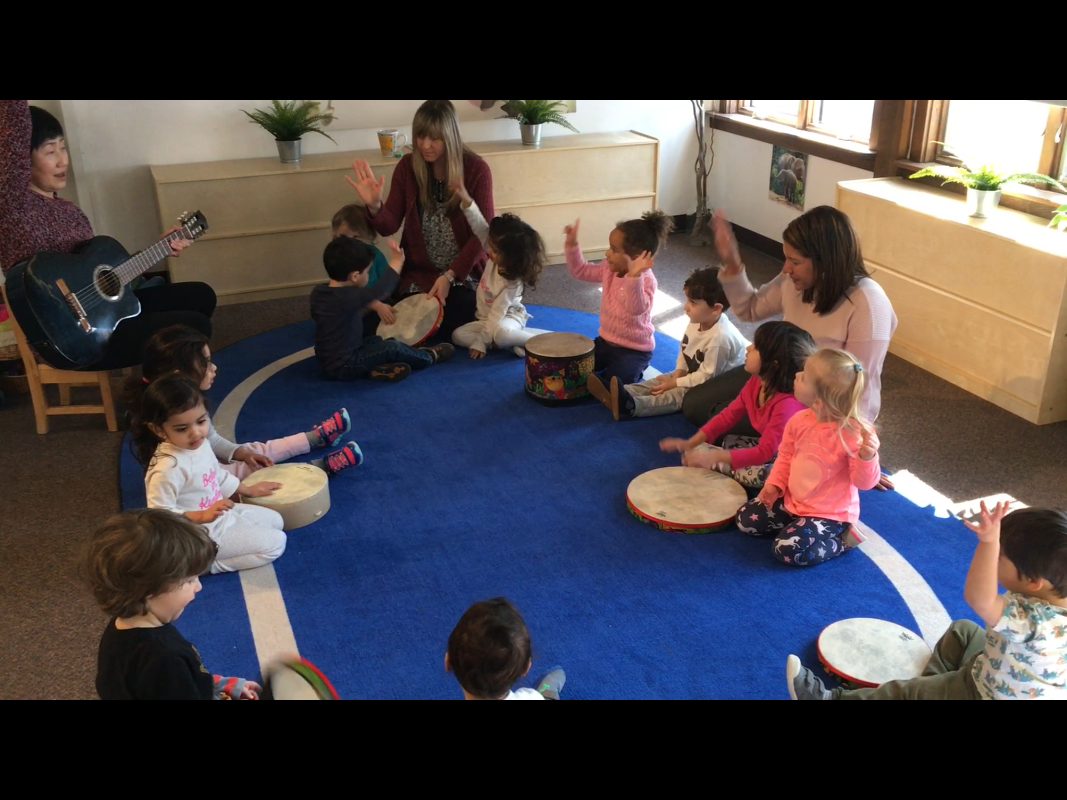
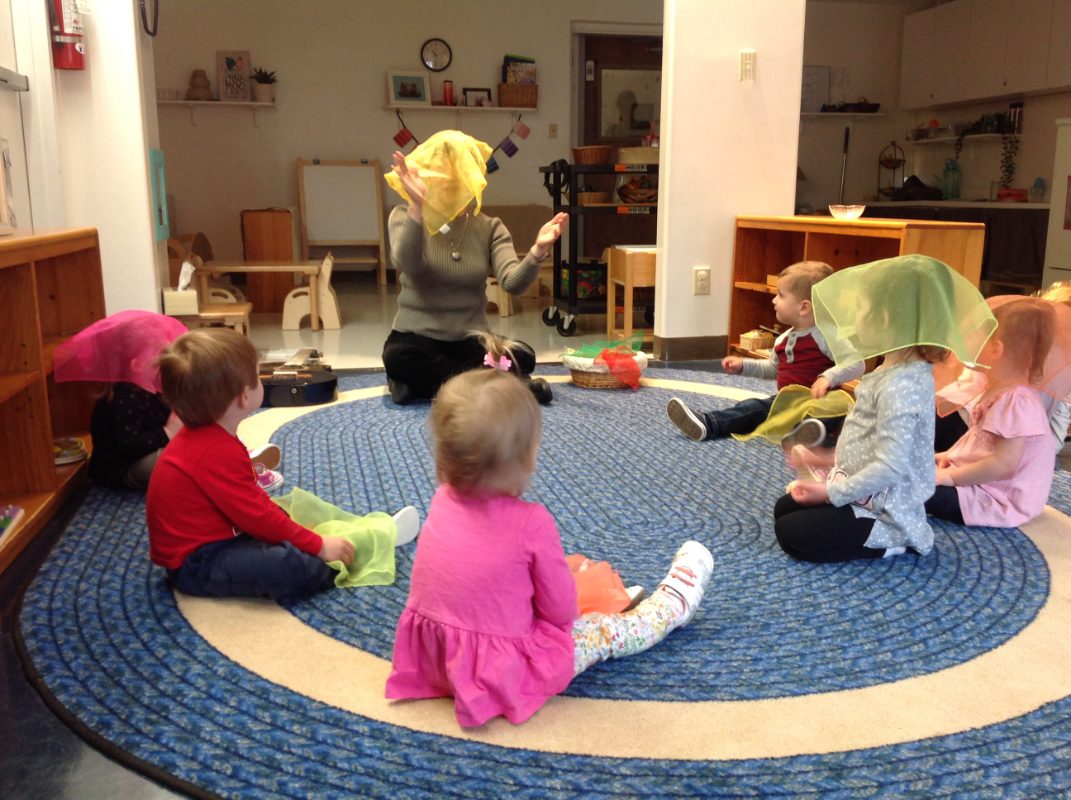
The effects of music on children are magical. Music can be both energizing and calming. Toddlers learn by watching others tapping, shaking, always experimenting with the environment as well as their voices motivated by what they hear. Music supports social, emotional, cognitive, and physical development. 

In our Toddler music class, children gather together to do all of the activities that are described above within the musical structure that is provided. By listening and singing along, they learn to sing in tune and how to keep the beat. By playing instruments, they are improving fine motor skills. By moving with musical cues, gross motor skills are enhanced. By participating, creativity and self-expression get inspired and blossom.

These are some moments to witness the wonders of the music class!


Mixed Media Impressionism

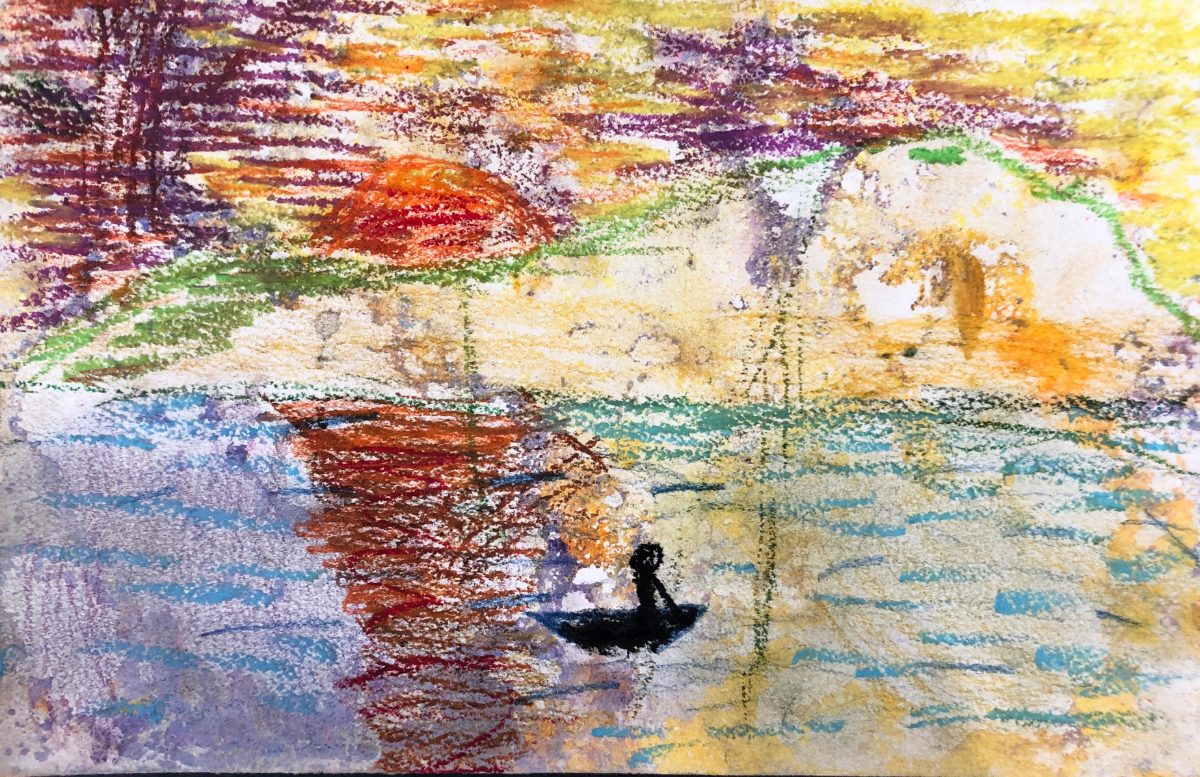
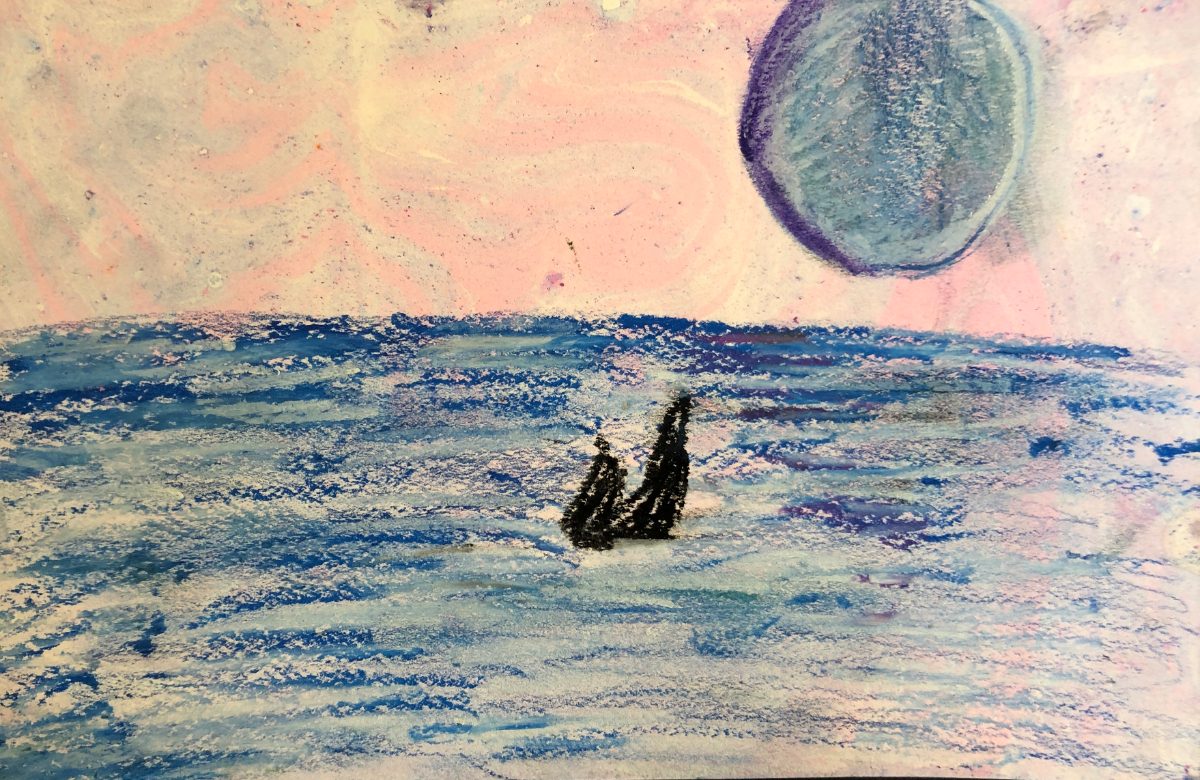
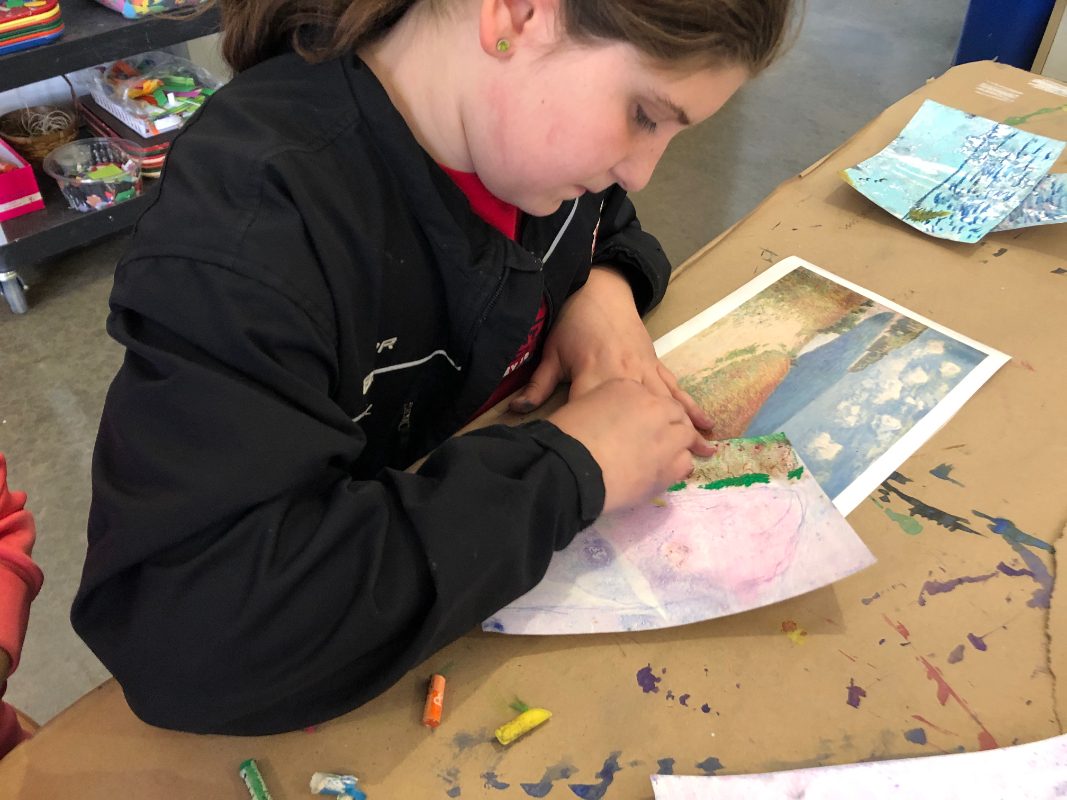
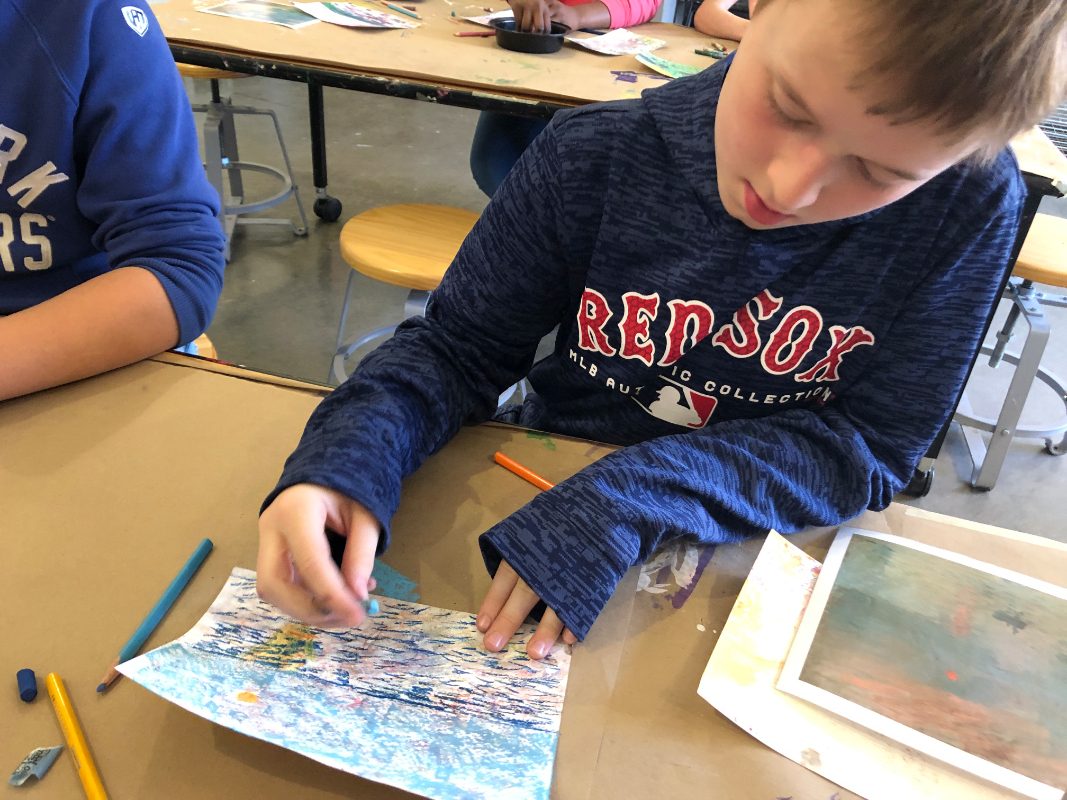
In Art class, Upper Elementary students learned about the Impressionist painters of the 19th century. The Impressionists aimed to capture the momentary, sensory effect of a scene, and to achieve this, many artists painted in the streets and countryside, painting en plein air. They painted with short, broken brushstrokes and pure unblended colors to emphasize the effects of light.

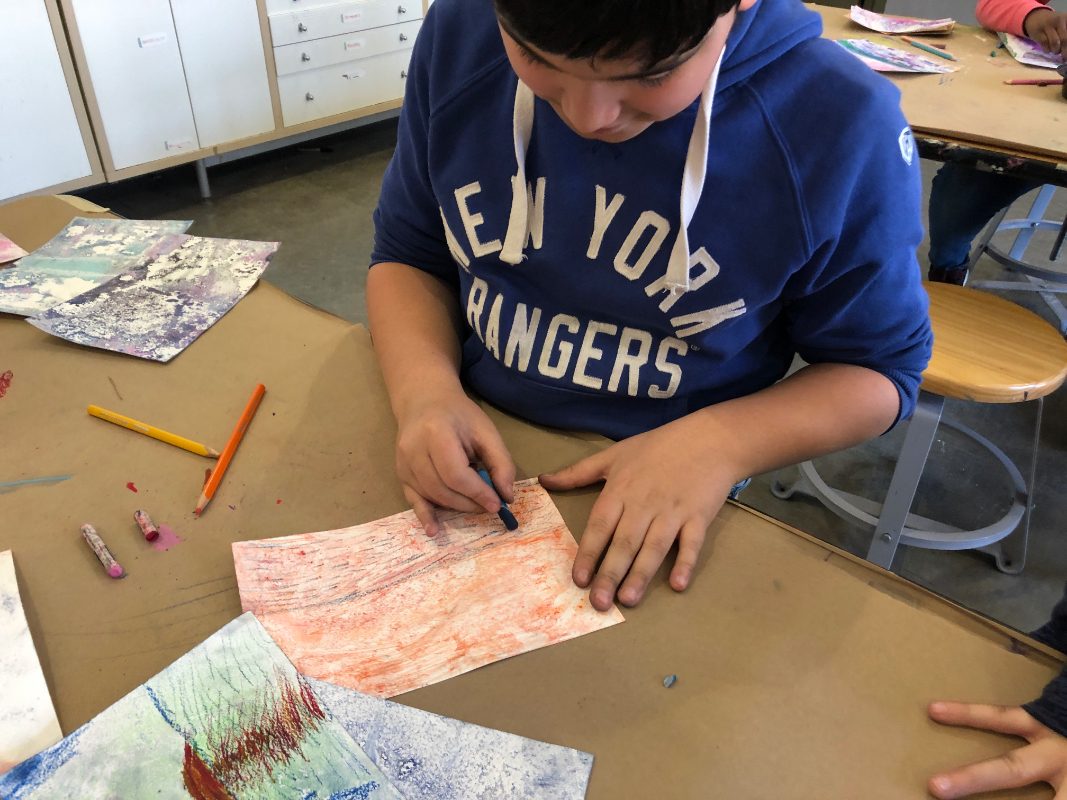
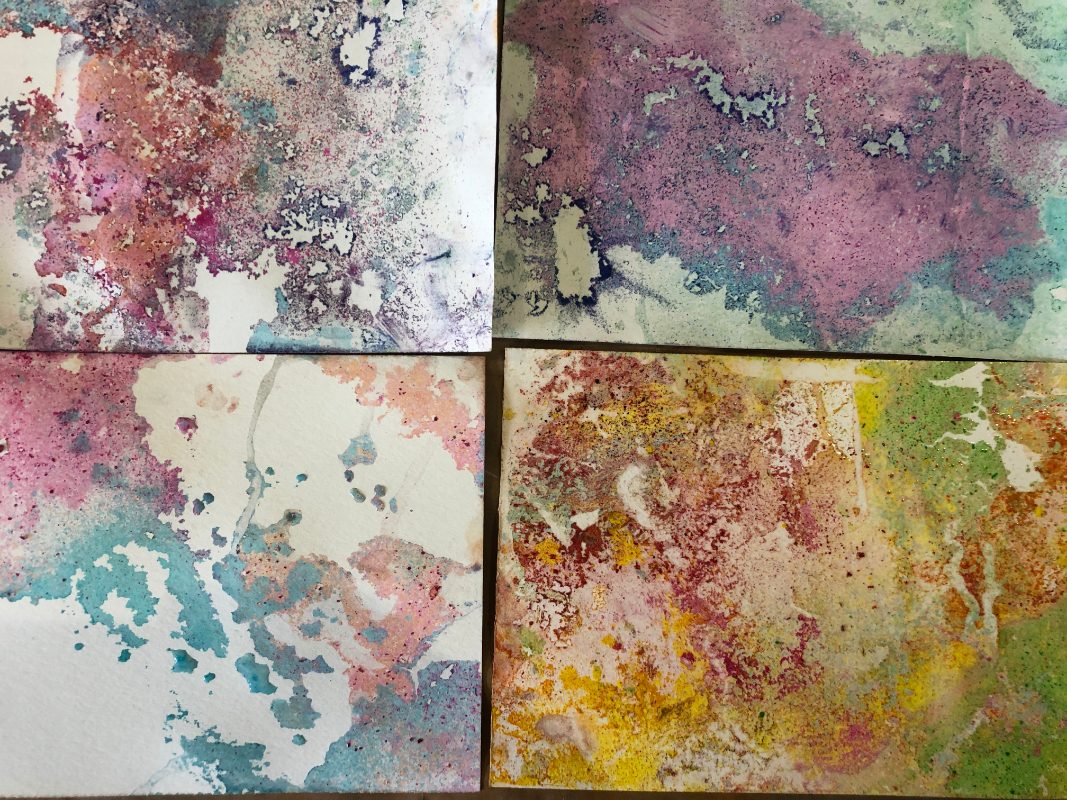
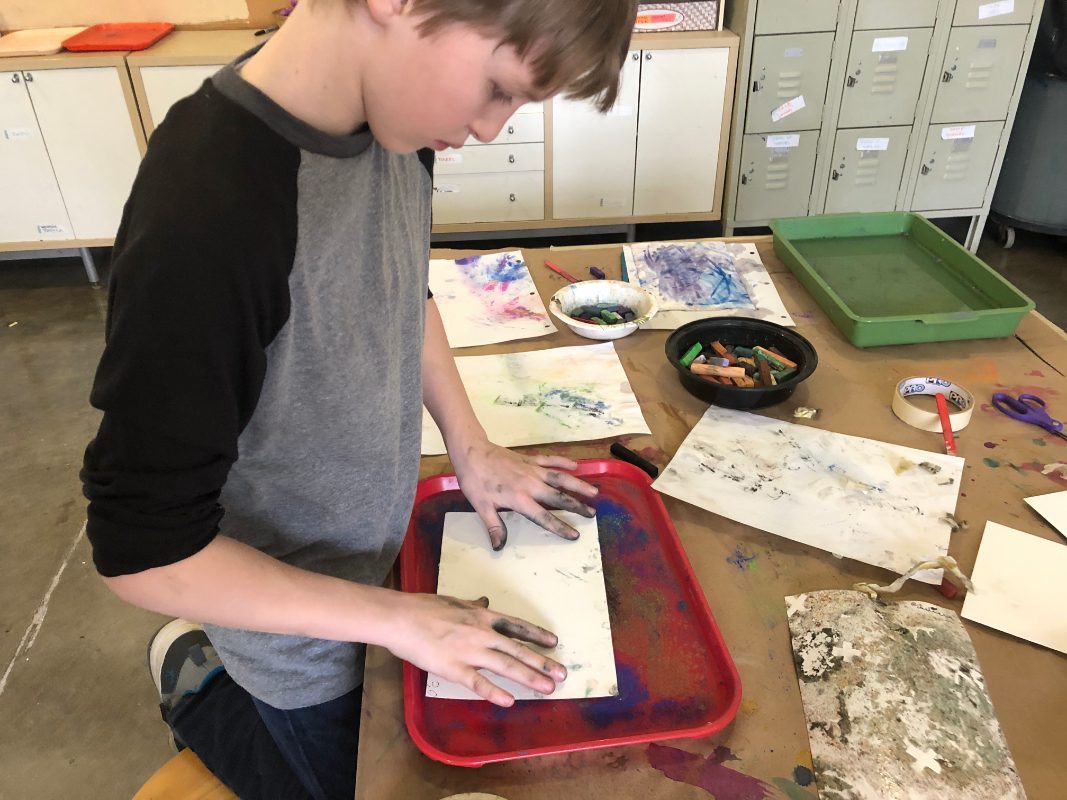
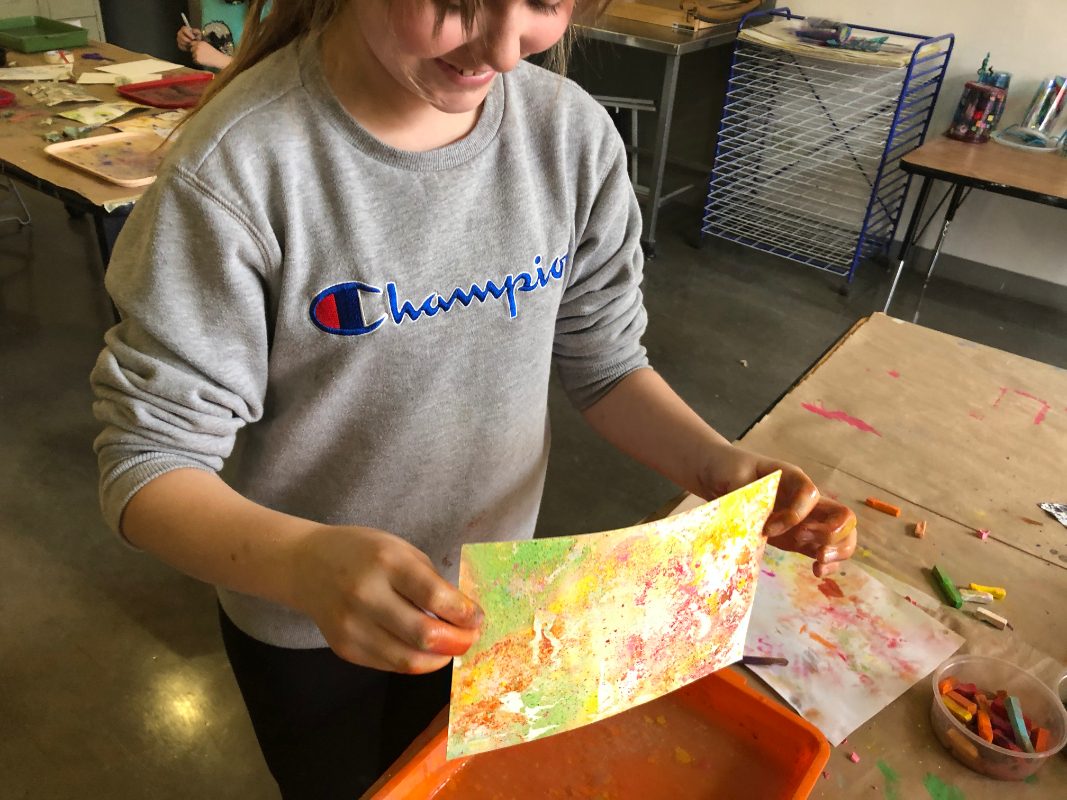
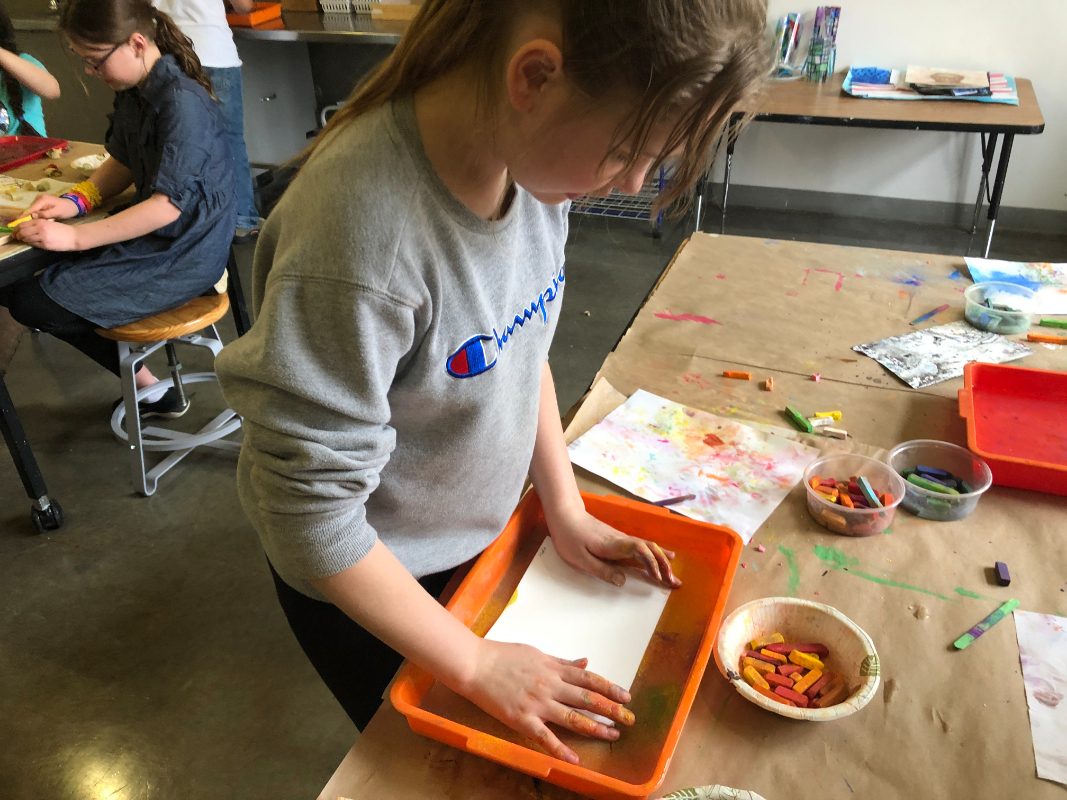
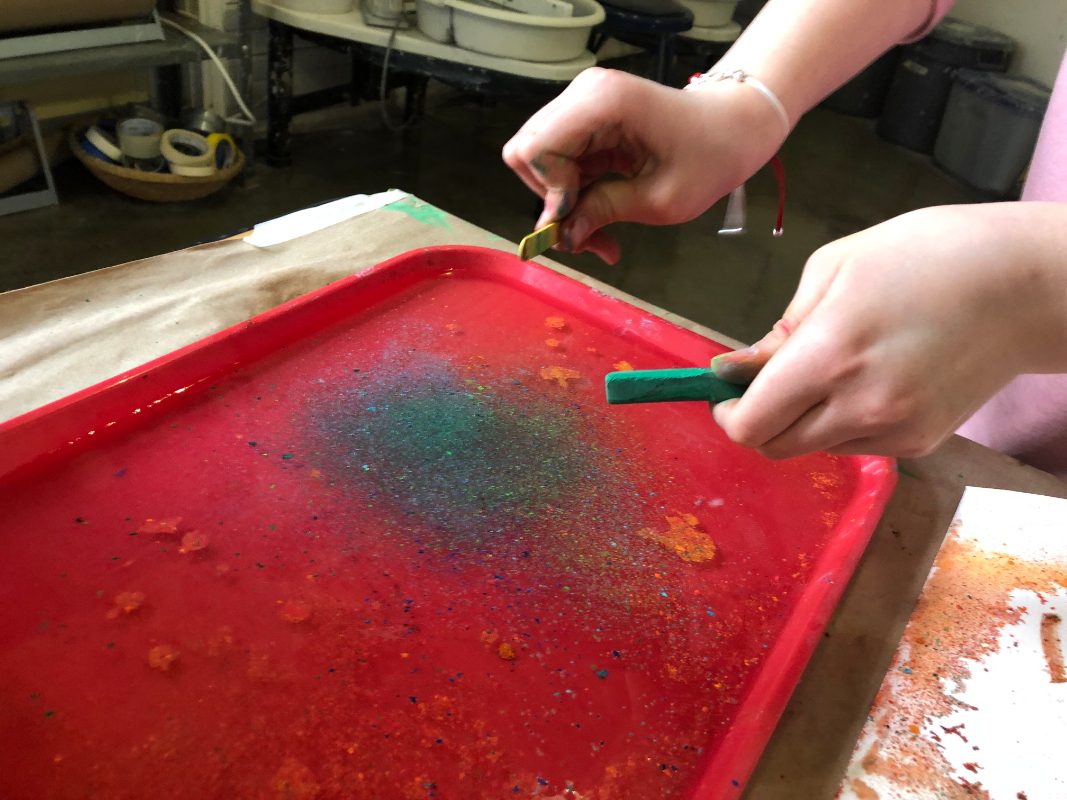
After looking at their paintings, students achieved a colorful, Impressionist-effect for their backgrounds with the process of chalk printing. First, students scraped chalk pastels into a powder, then sprinkled the powder into a bin of water. The chalk floated on the surface, allowing students to capture a print by lightly pressing their paper on top of the water. Each student really enjoyed this magical technique and made multiple colorful prints! Once their prints were dry, students used oil pastels and colored pencil on top to transform their prints into Impressionist-inspired landscapes.

Don’t forget to mark your calendar for 3 wonderful events on Wednesday, April 17th!

Art Show from 3:30 pm – 5:30 pm

Elementary and Middle School student artwork will be showcased in the Commons!

FWM Family Pizza & Salad Dinner from 5:00 pm – 6:00 pm

Dine with us! Service and hospitality provided by Middle School students in the GYM!

Log in and place your order here:

https://www.myfwm.org/schools/myfwm.org/forms/?id=MTM%3D

Deadline for orders to be submitted by April 12

Parent & Child Night from 5:30 pm – 6:30 pm

Work alongside your child by engaging in the many Montessori works in his or her classroom!


What is Pickleball?


What is Pickleball?

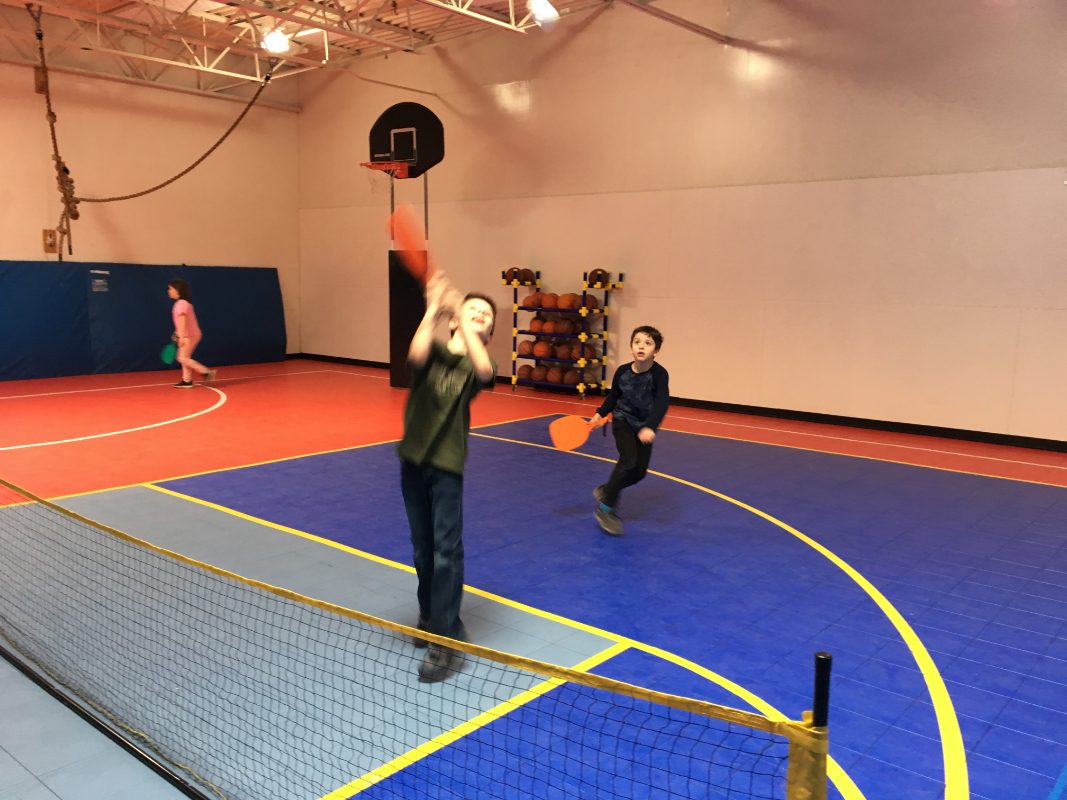
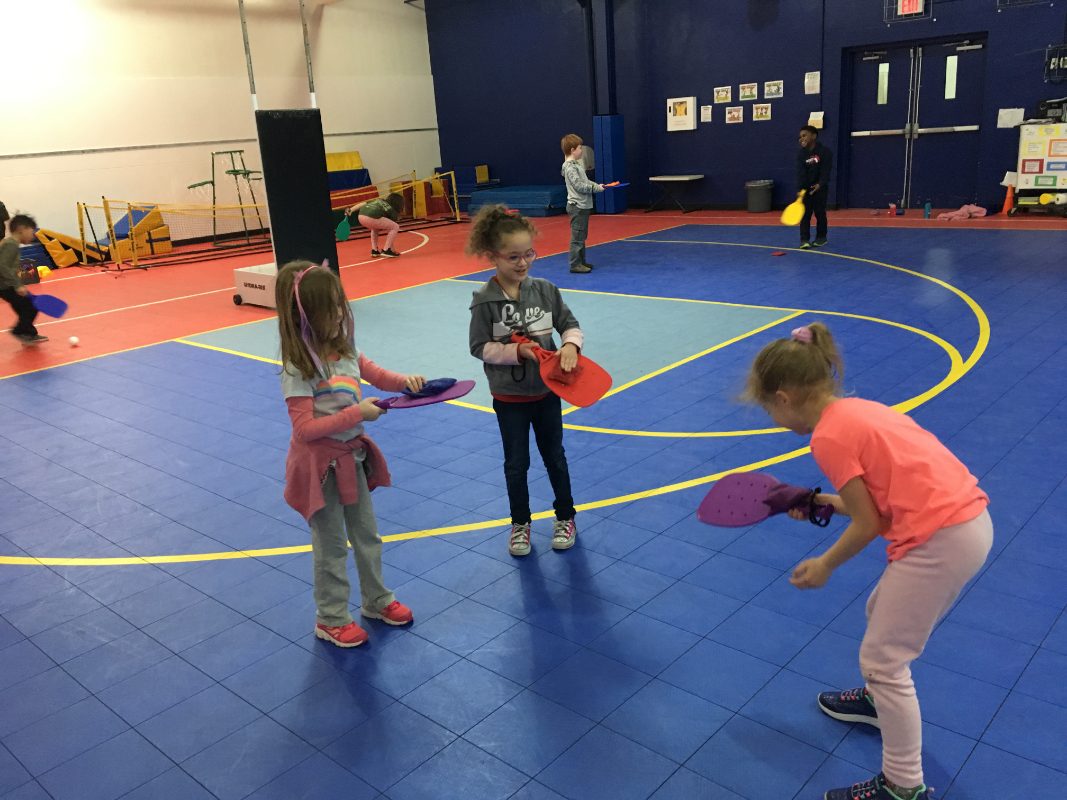
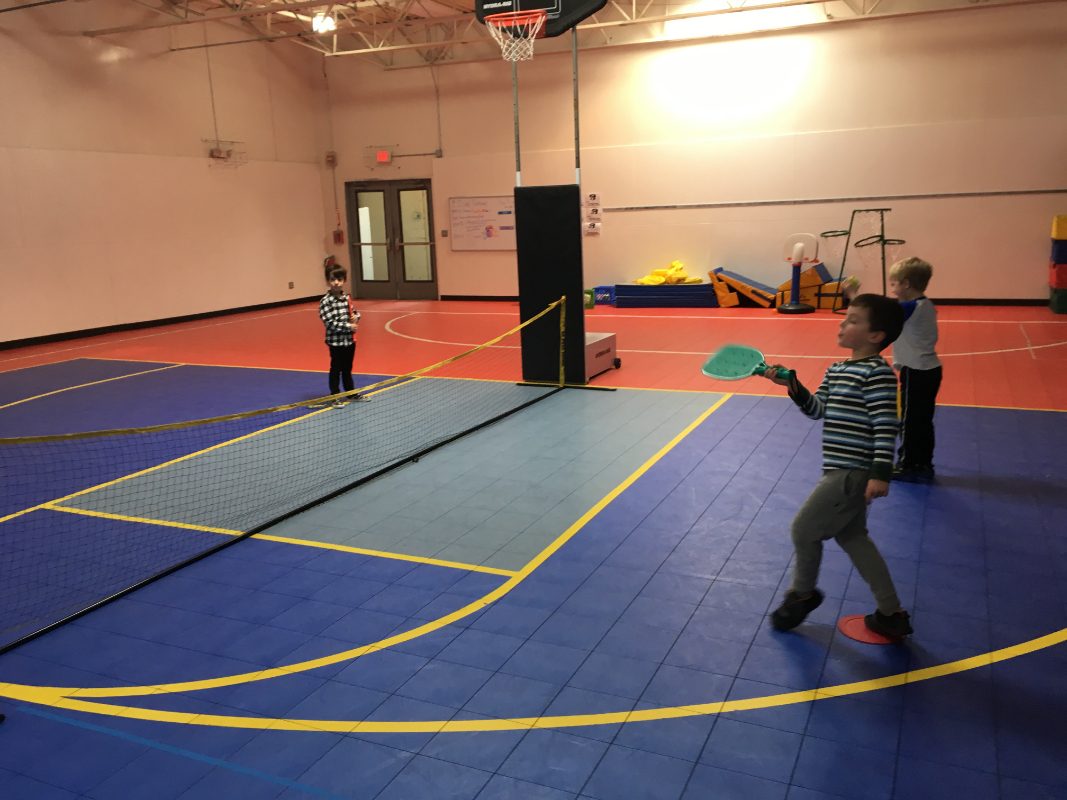
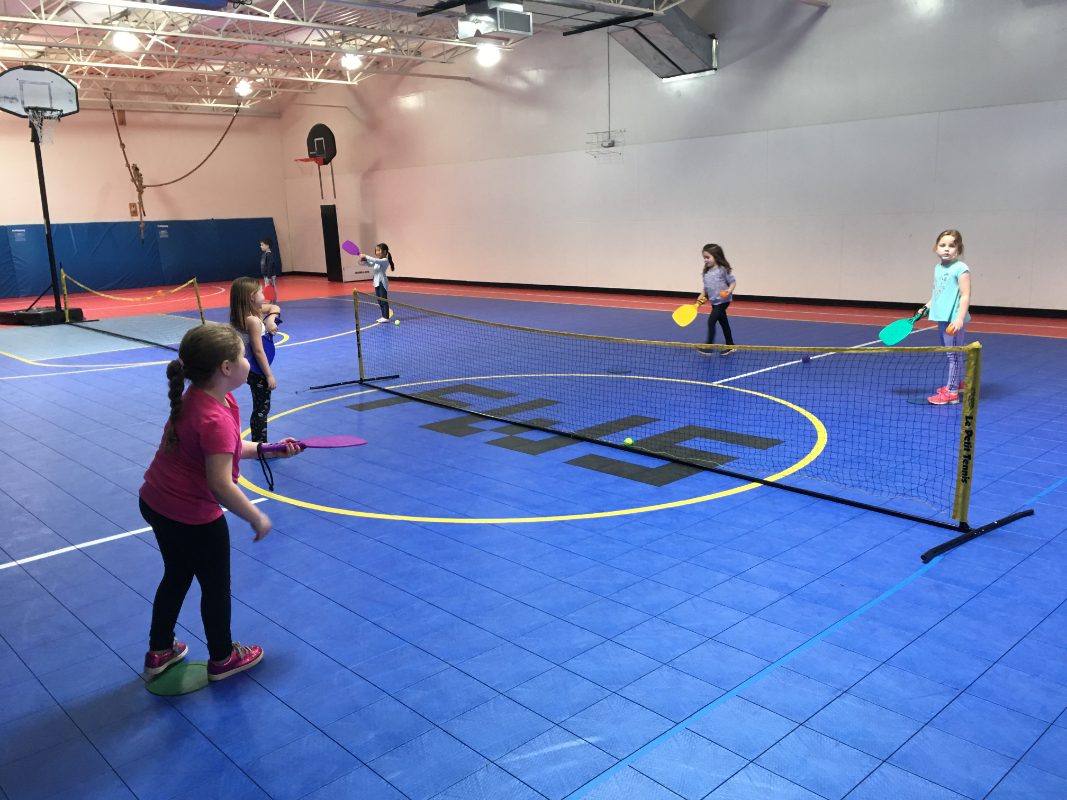
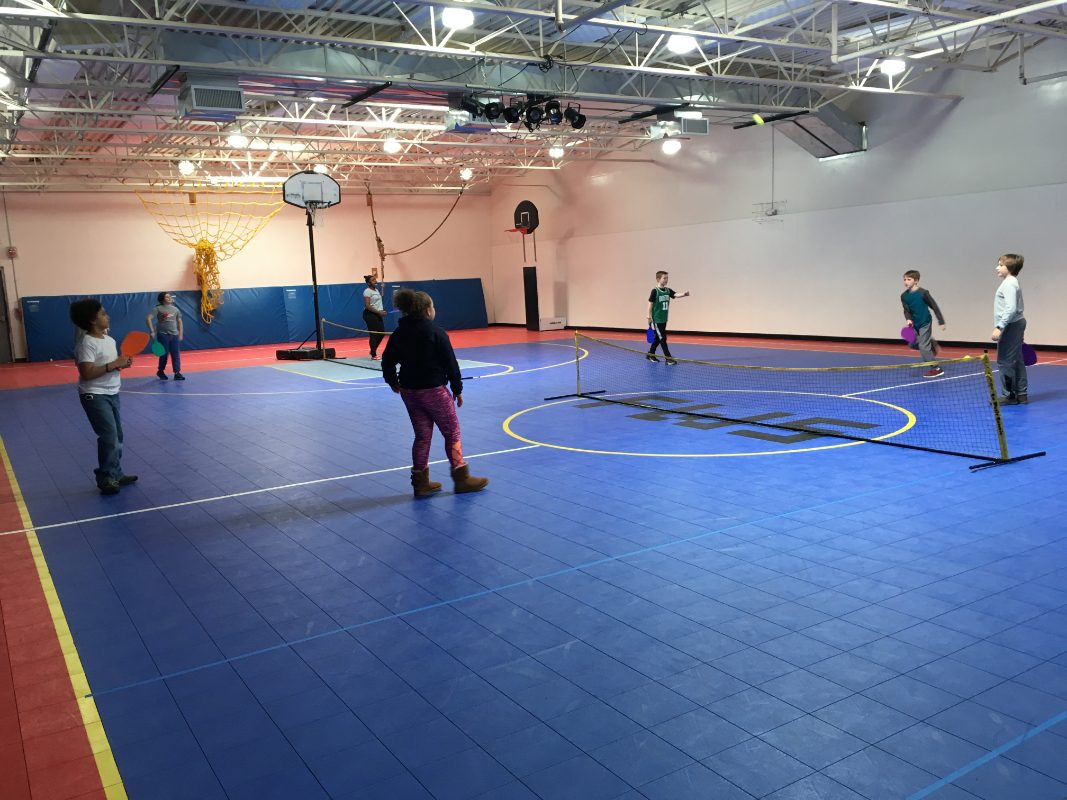
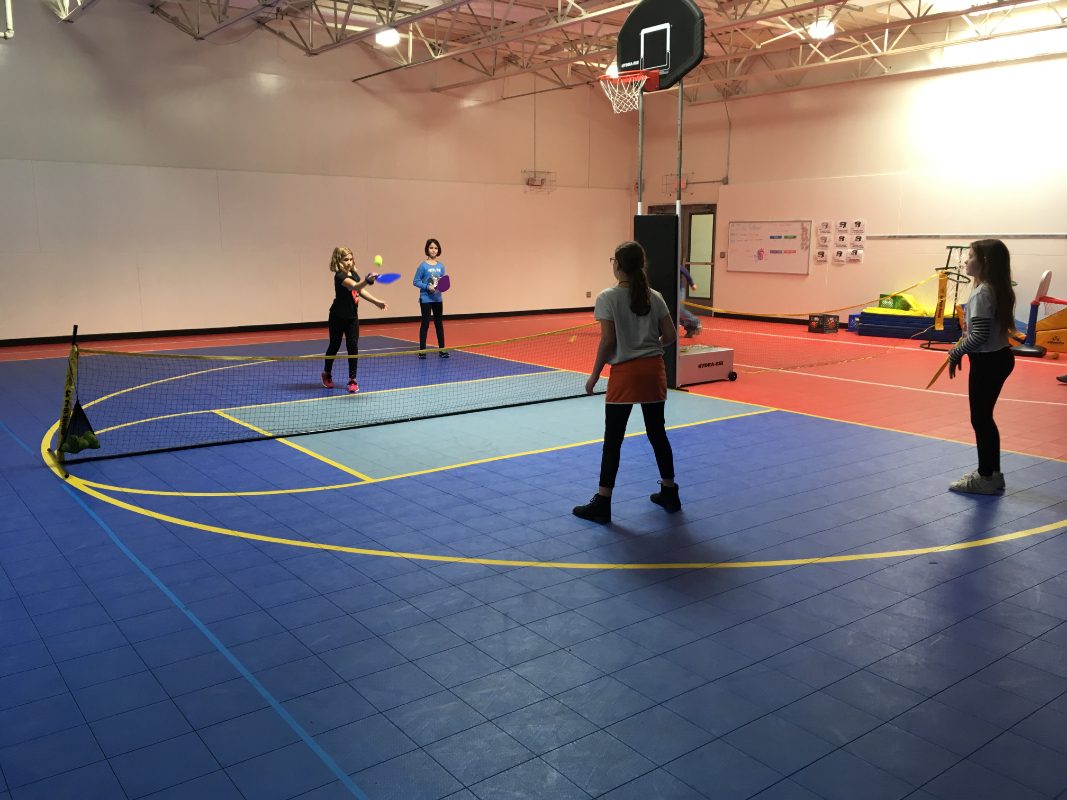
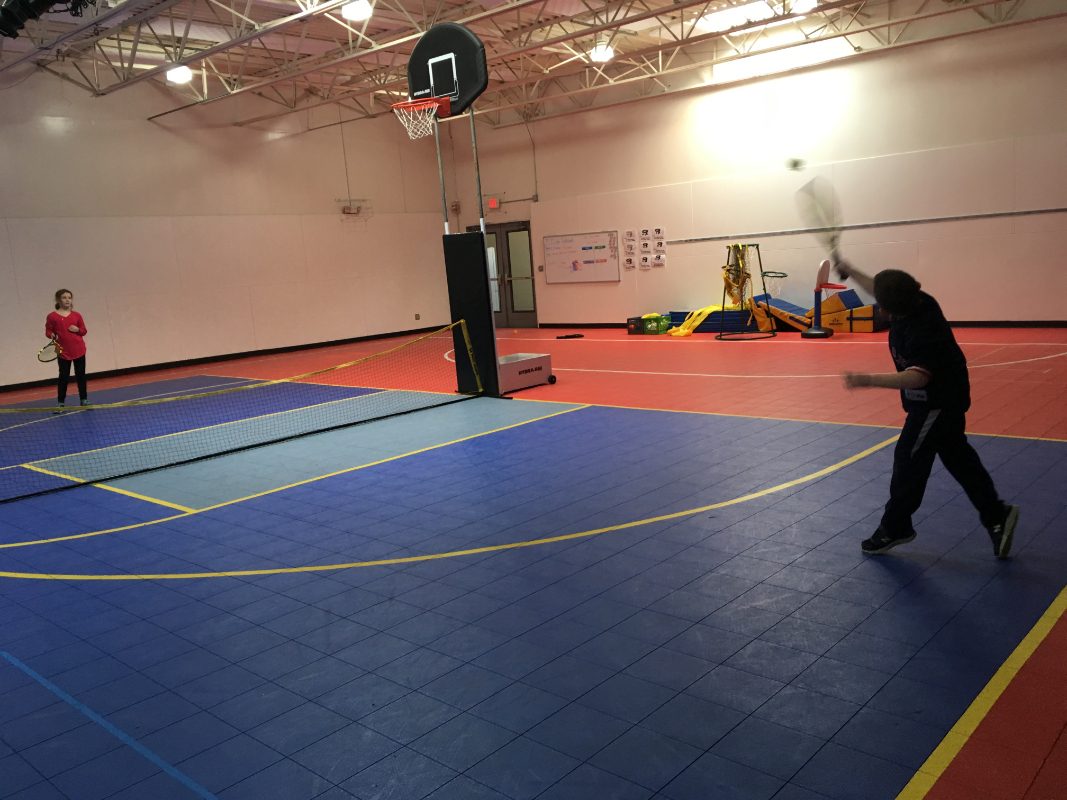
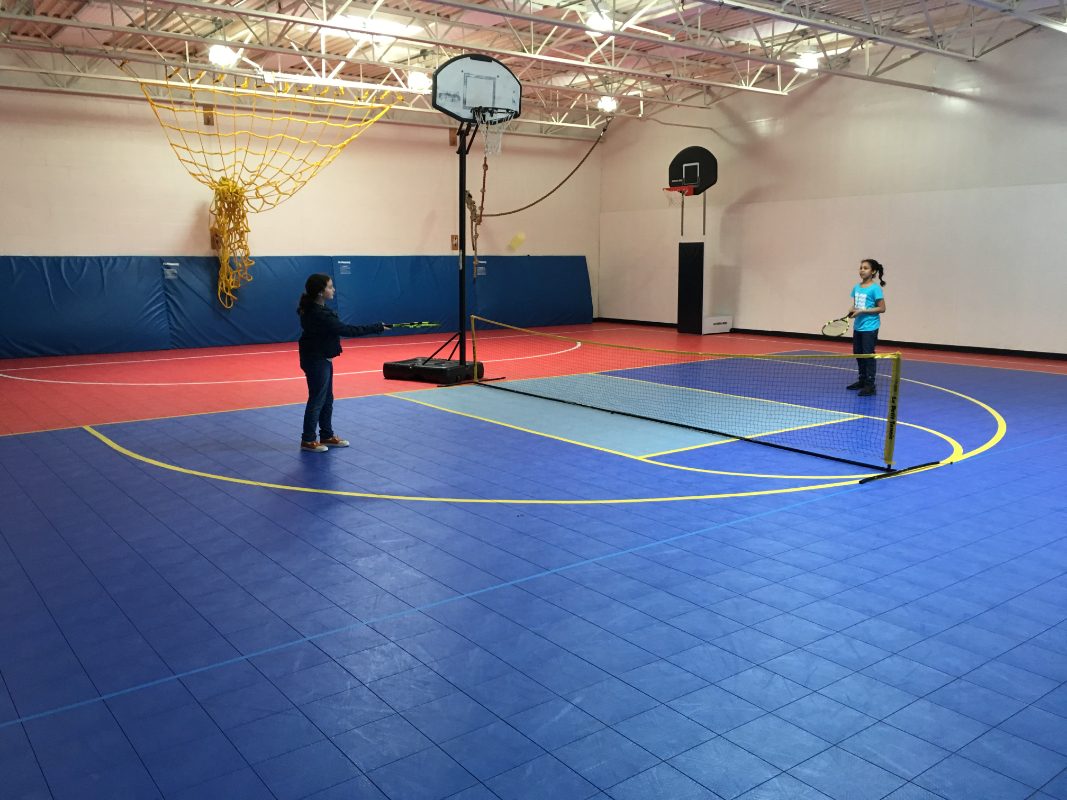
Pickleball is a paddle sport played with a whiffle ball on a badminton-sized court and a tennis-style net.  Pickleball is enjoyed by people of all ages and athletic abilities.  In some ways it’s a combination of tennis and badminton, and goes along with sports such as table tennis and racquetball.  Pickleball is played in thousands of school P.E. programs, parks and recreation centers, camps, YMCA’s and retirement communities.  This sport is becoming very popular among active senior adults at community centers and is growing in popularity on high school and college campuses.

Pickleball was created during the summer of 1965 in Seattle, WA.  The original purpose of the game was to provide a sport for the entire family.  Pickles, the family dog would chase after the whiffle balls and then hide in the bushes. The founder suggests that Pickle’s ball was later shortened to Pickleball.

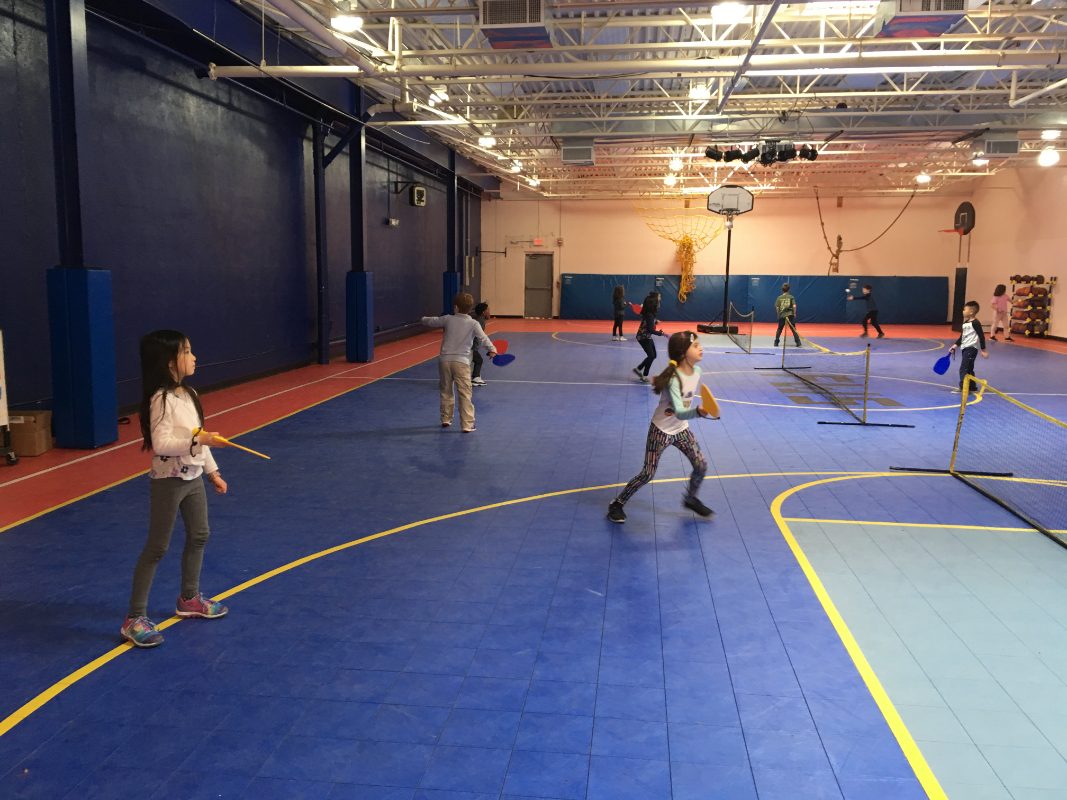
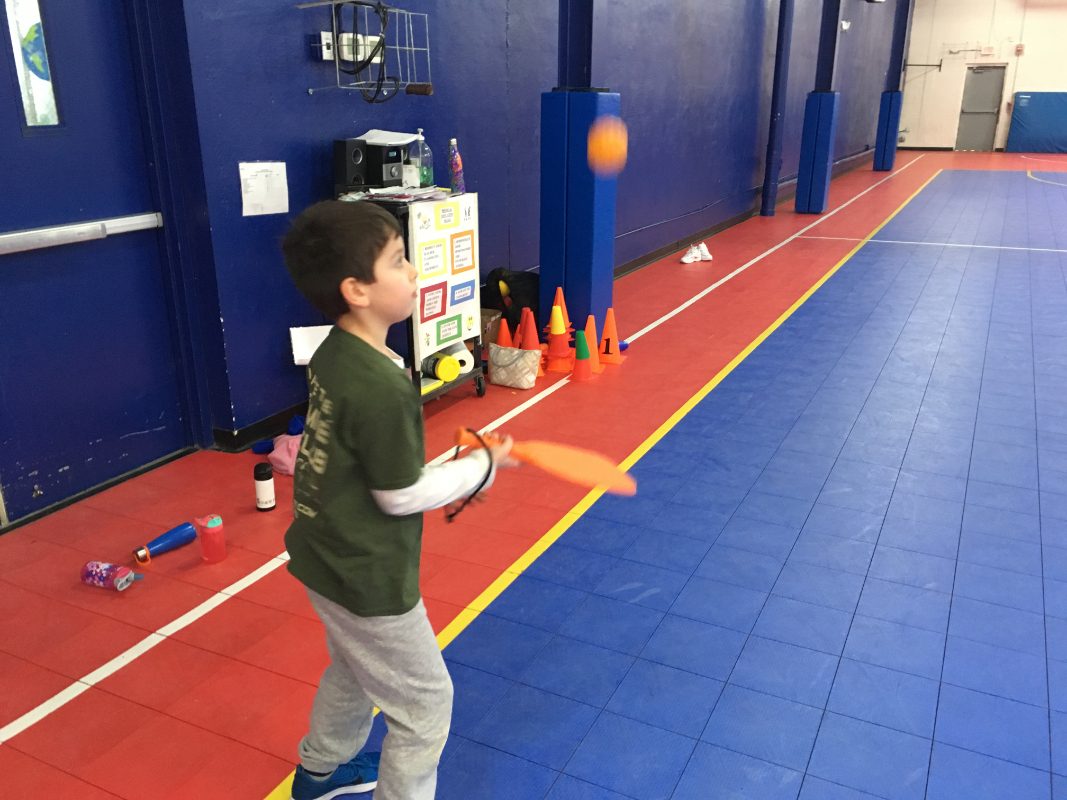
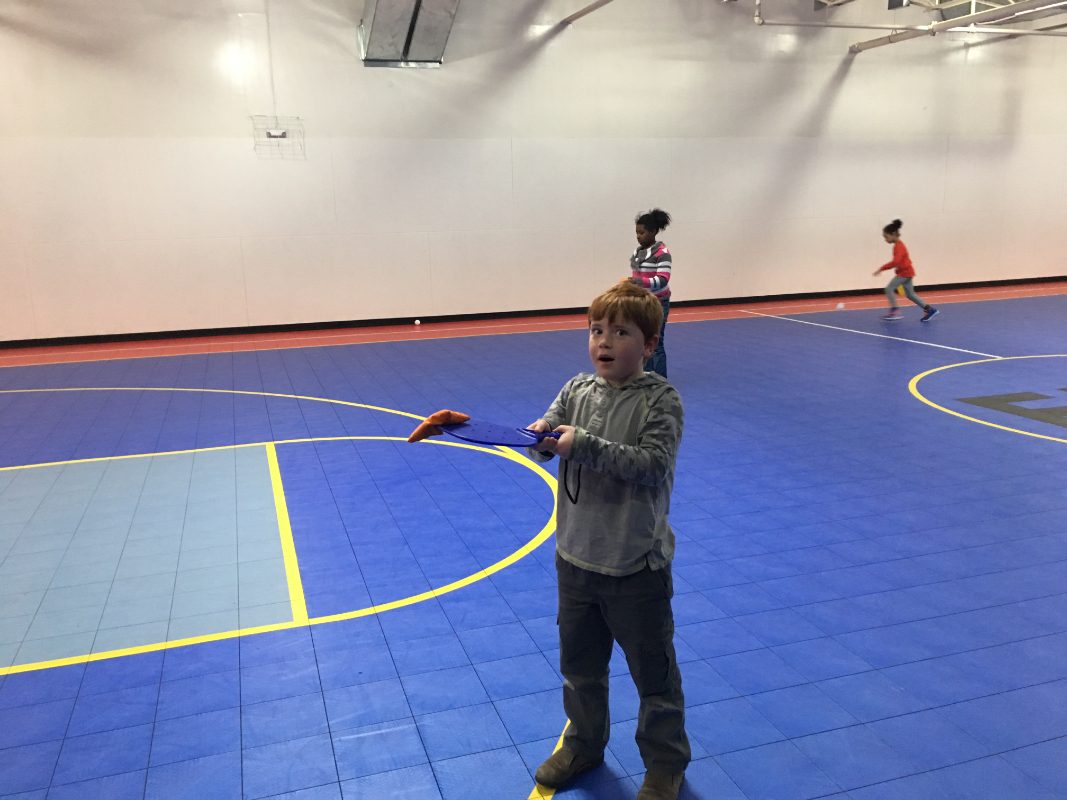
During our Elementary Pickleball unit, students practiced and participated in demonstrating the proper serve, forehand drive, backhand drive, and abided by rules of fair play.  Pickleball helps improve agility, balance, reaction time, and hand-eye coordination.  At the end of the unit, students participated in a singles and doubles Pickleball tournament.


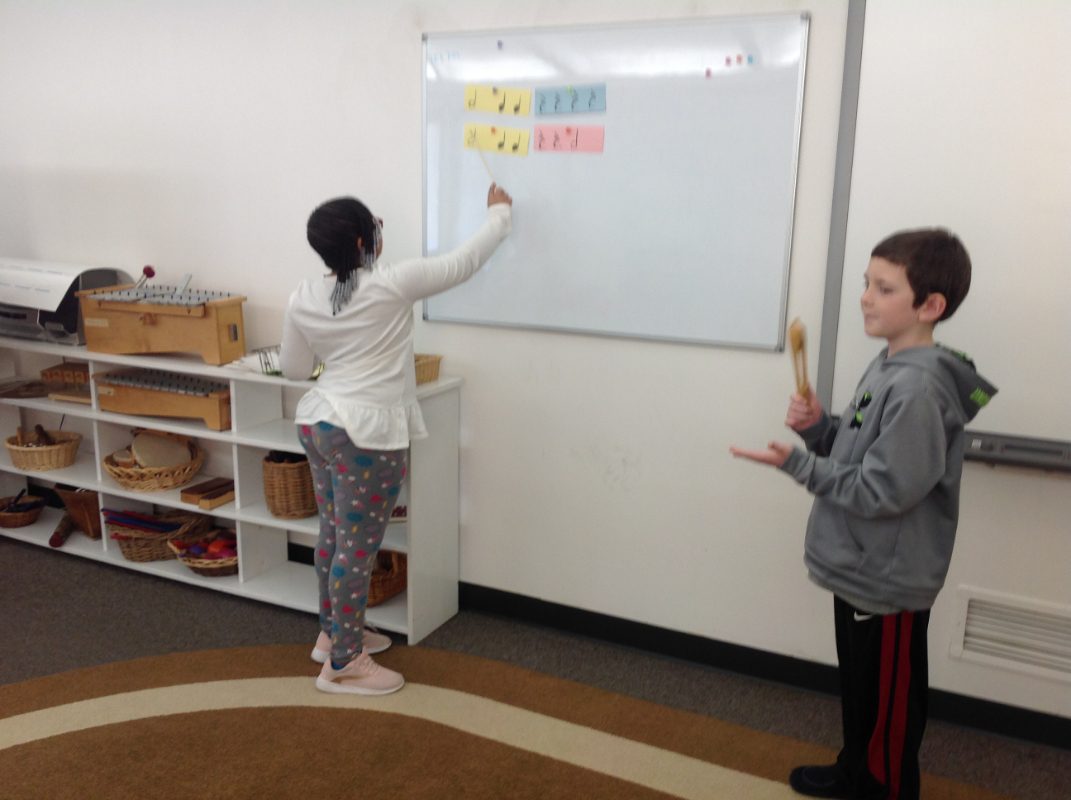
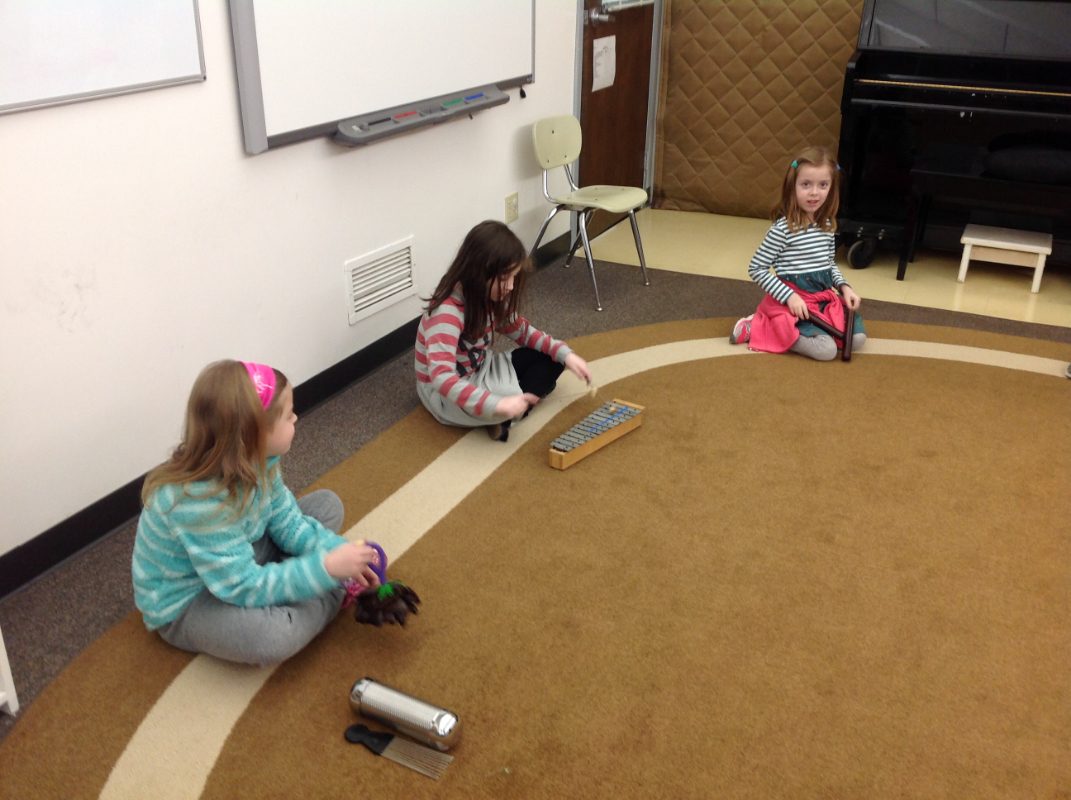
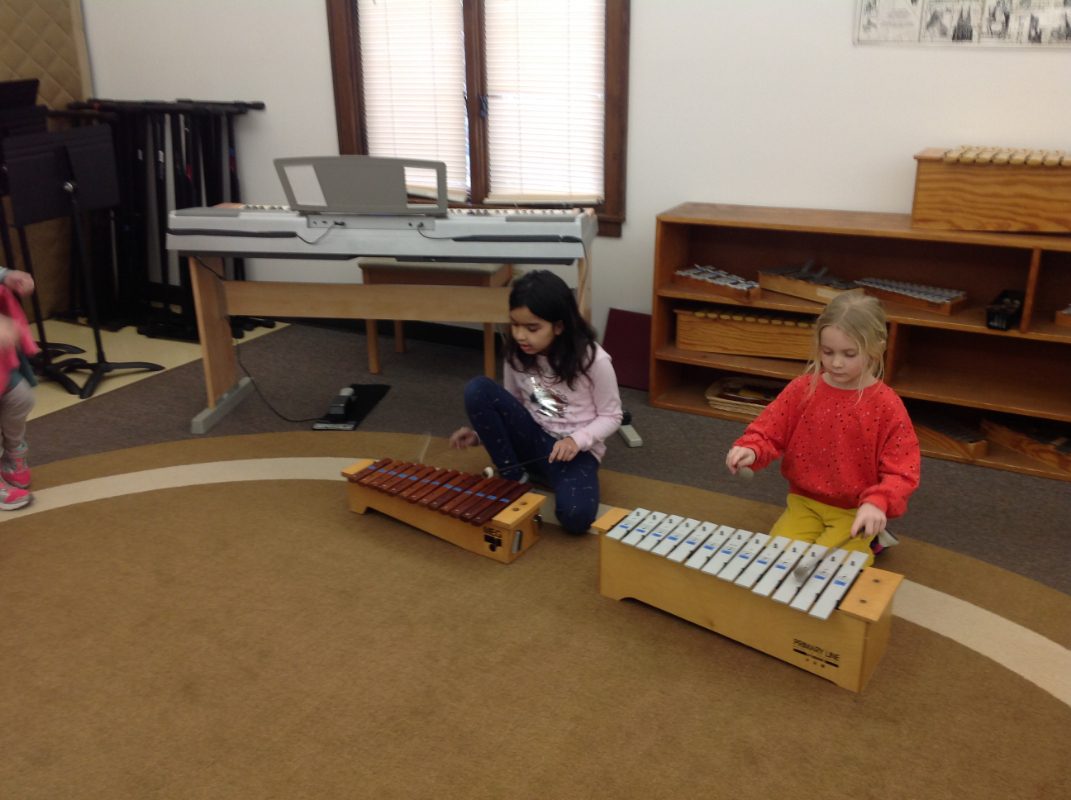
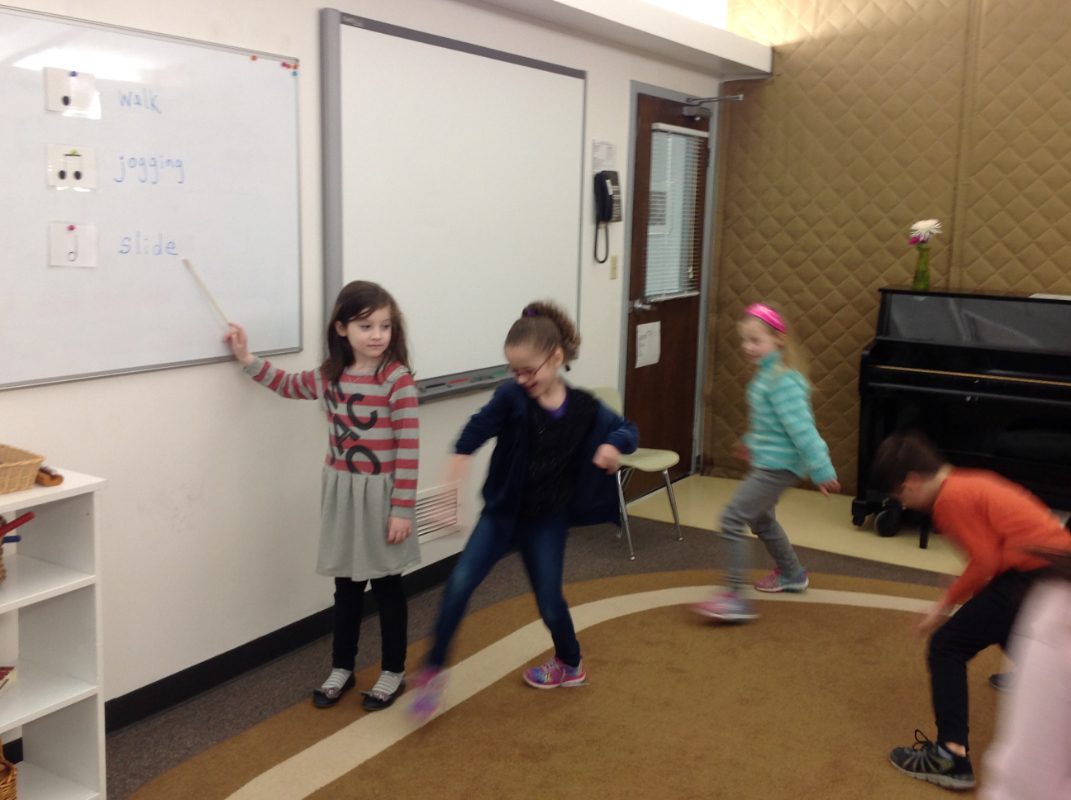
Music: Elements in Orff method

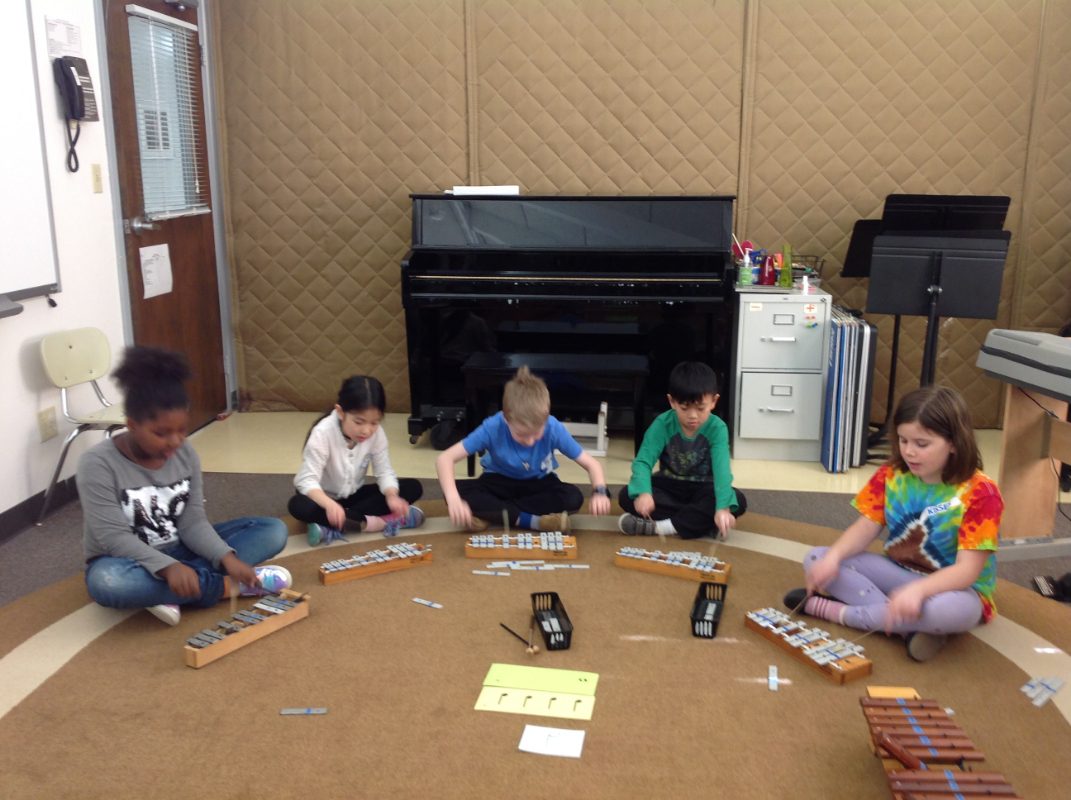
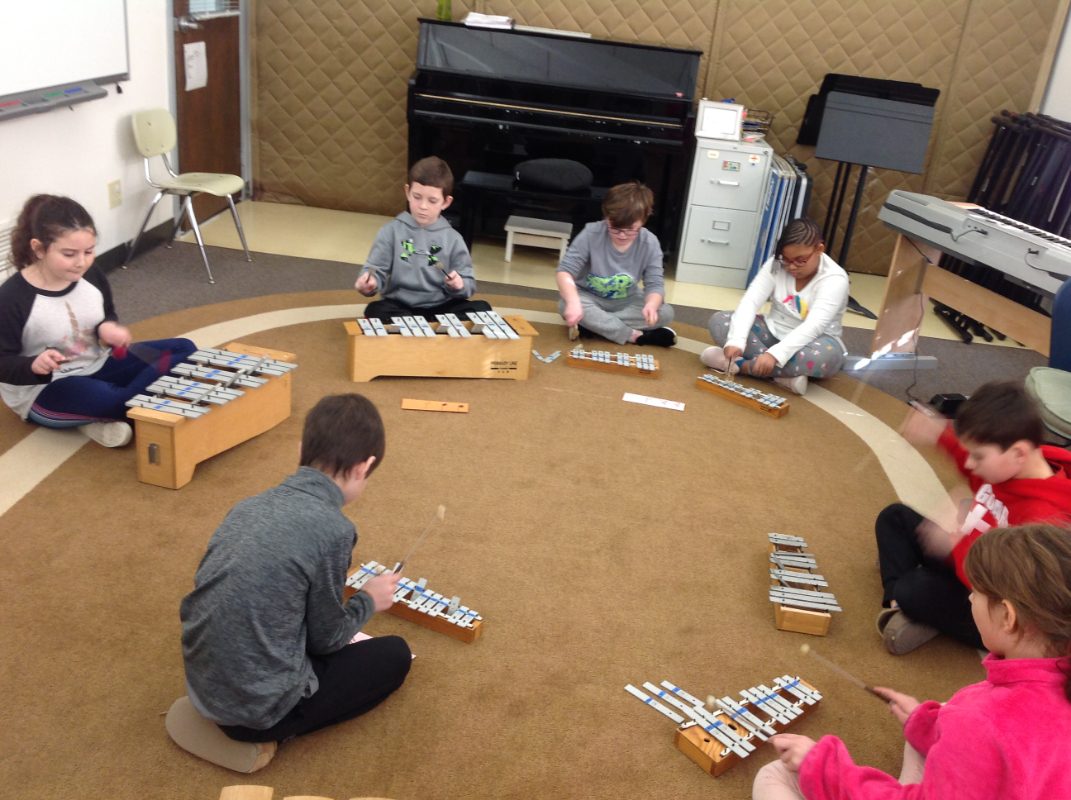
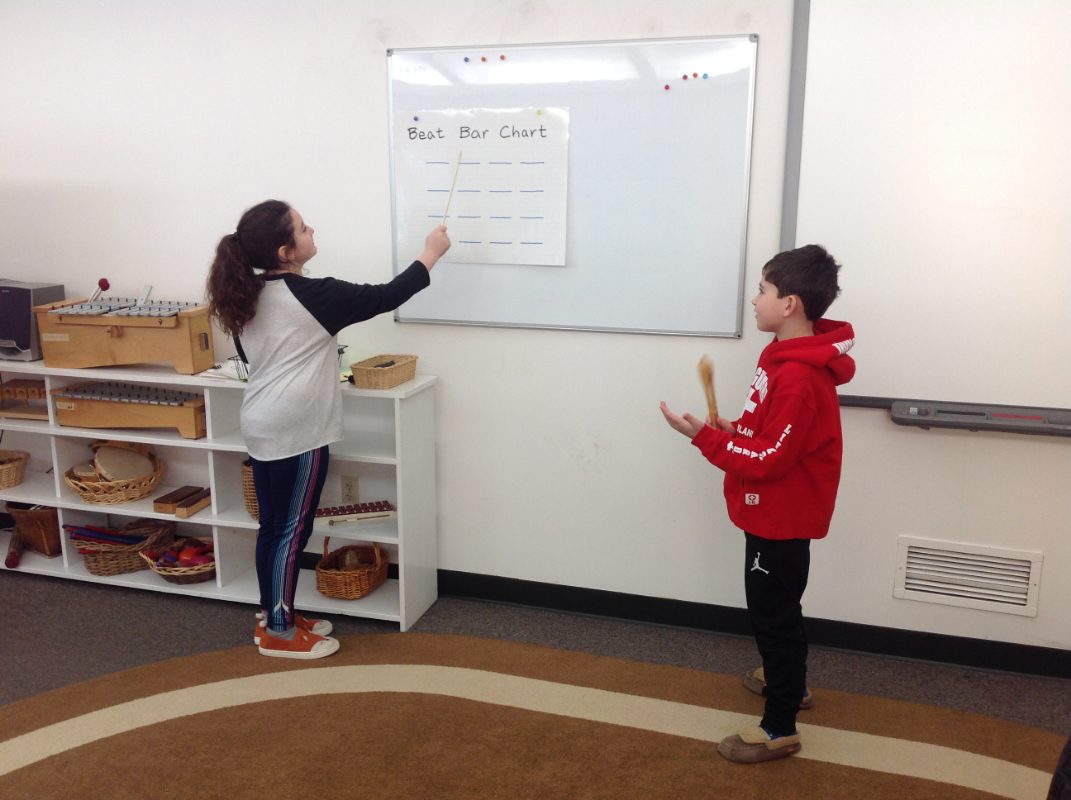
Lower Elementary students were immersed in  music theory! They learned to figure out the length and height of the musical notes on the sheet music. First, they experienced it at the physical level by moving through sound: walking, jogging, and sliding. Speech patterns were used before they hear and feel them through creating sound using their body percussions – tapping, snapping, clapping and stomping. Then, they were introduced to them visually, see the rhythmic notation before they can transfer the experience into instrumental playing.

For the melody, we used Curwen Hand Signs which are the physical placement for each vocal pitch. Solfege syllables (do, re, mi, etc.) are used to signify the height of musical notes. We bring our arms all the way down for the low “Do” and bring up incrementally while we are singing upward: “Re, Mi, Fa, Sol, La, Ti, and Do”.

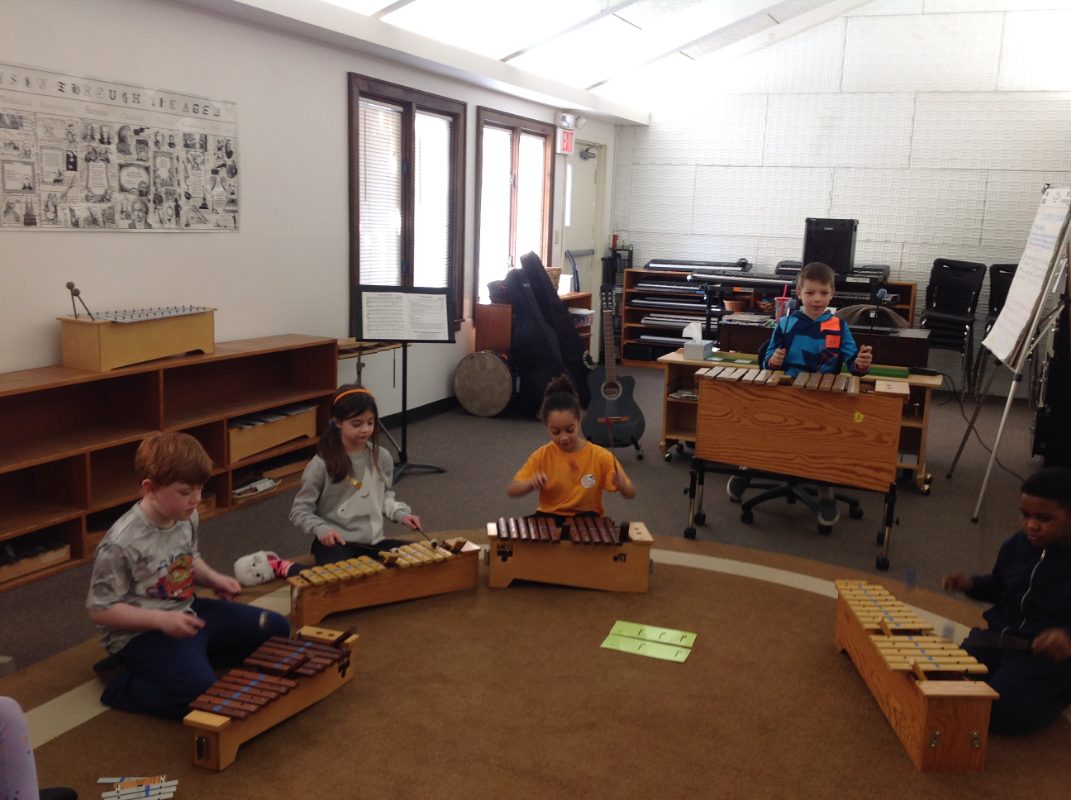
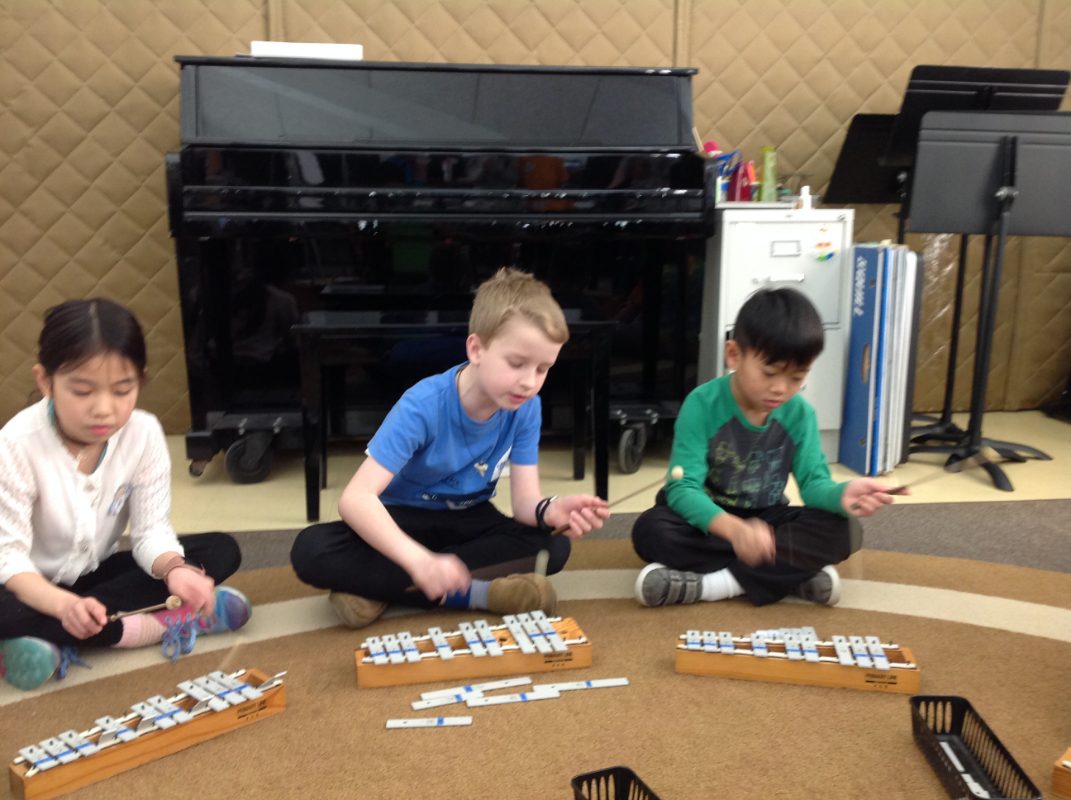
Students enjoyed playing Orff orchestrated musical pieces, by transferring these elements onto pitched and unpitched Orff instruments.

Kindergarten Artist & Geologists!

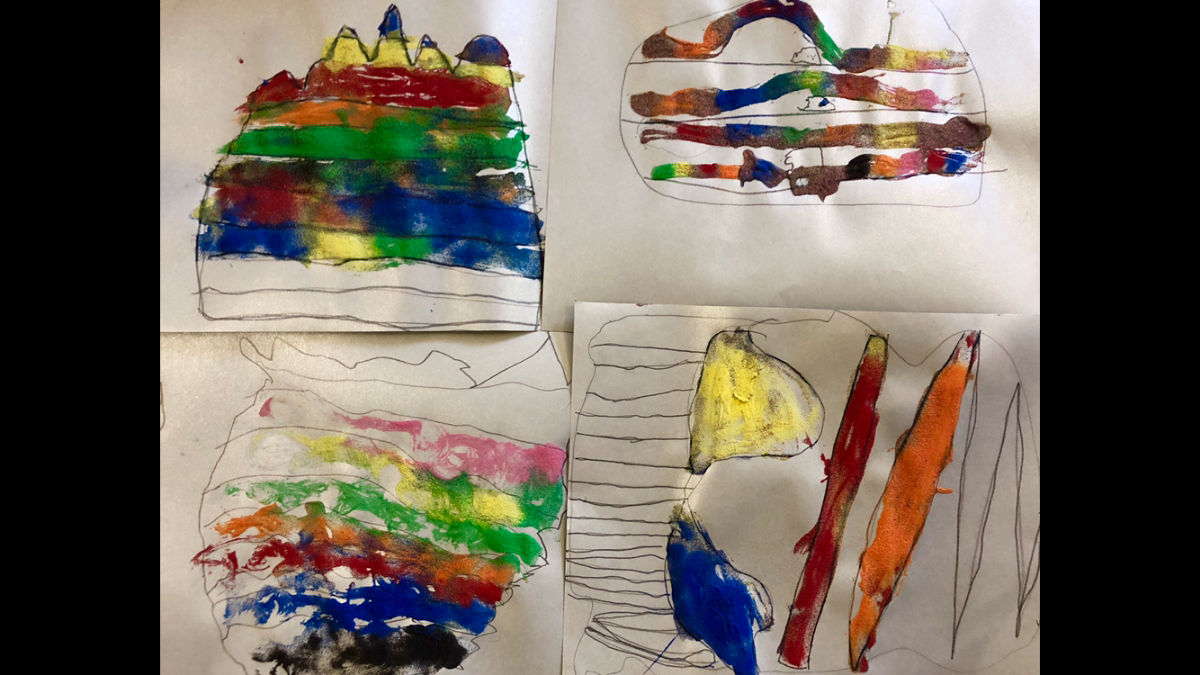
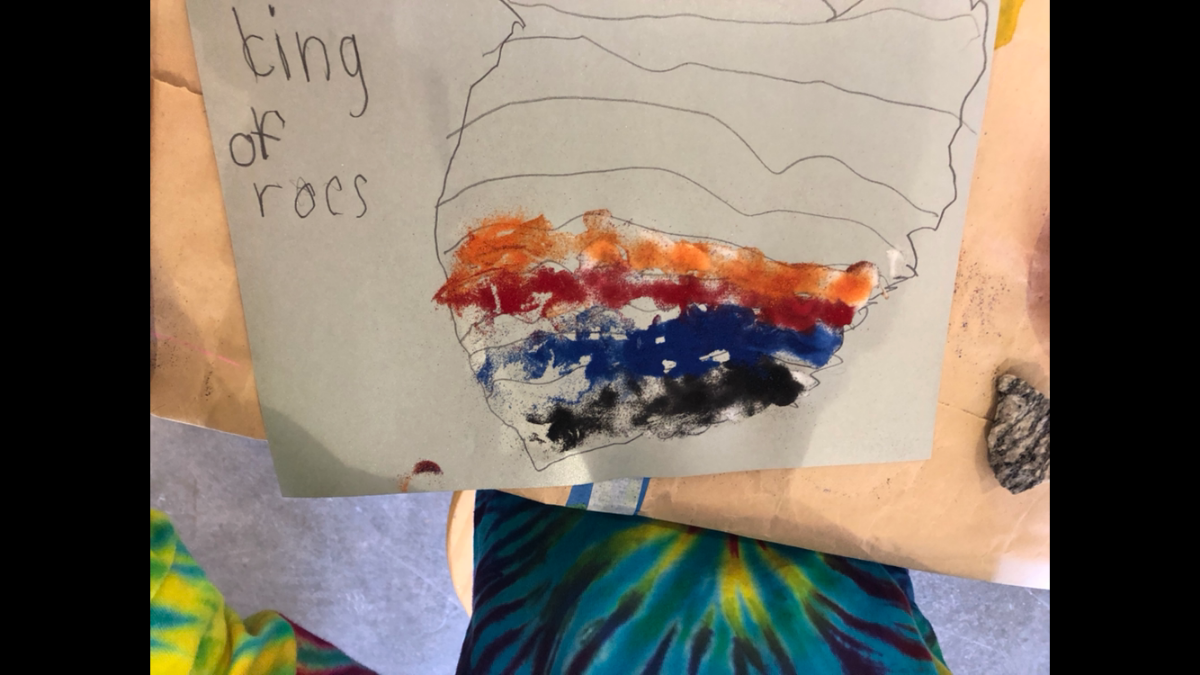
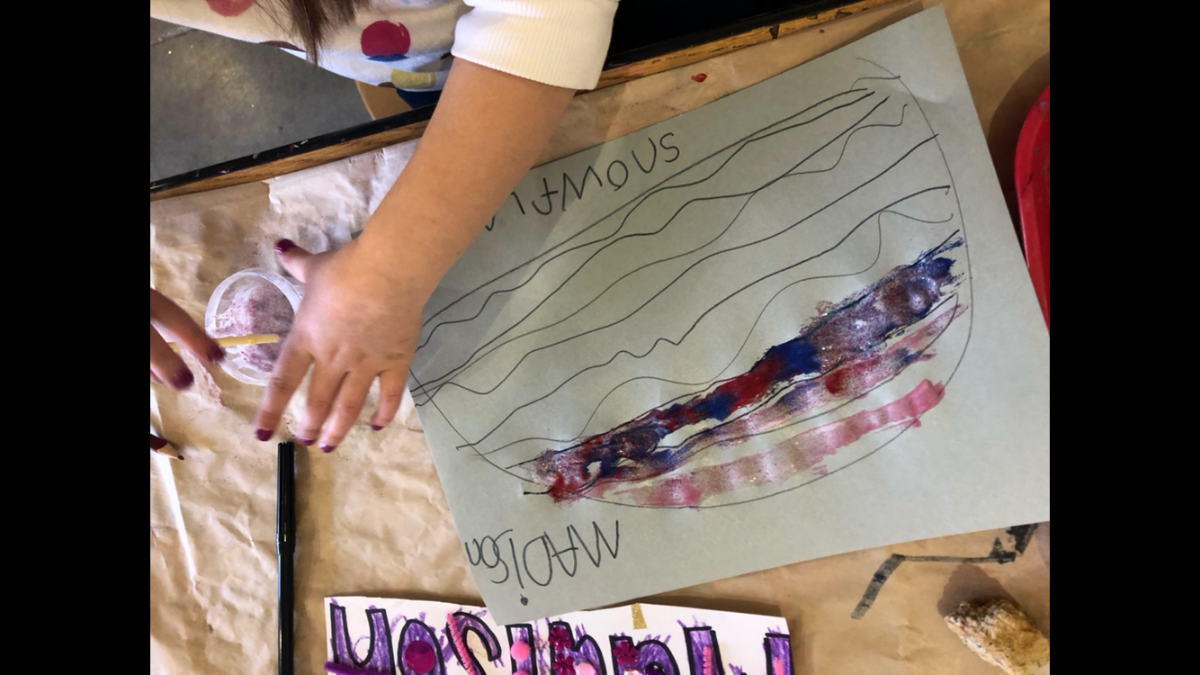
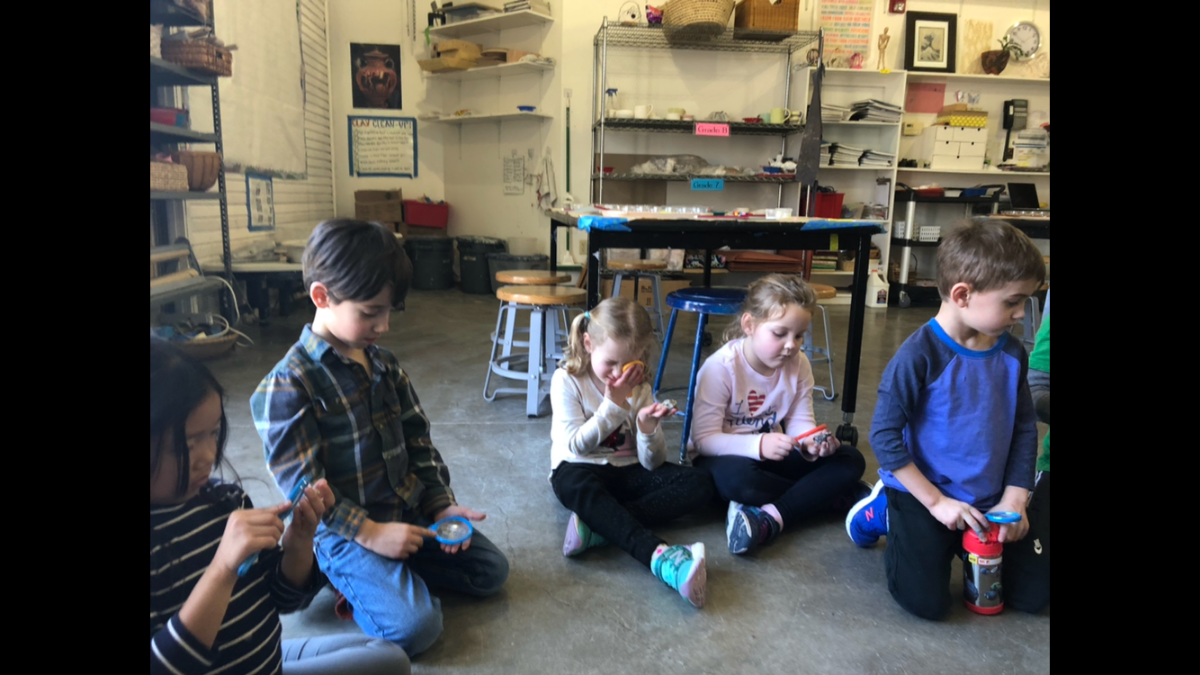
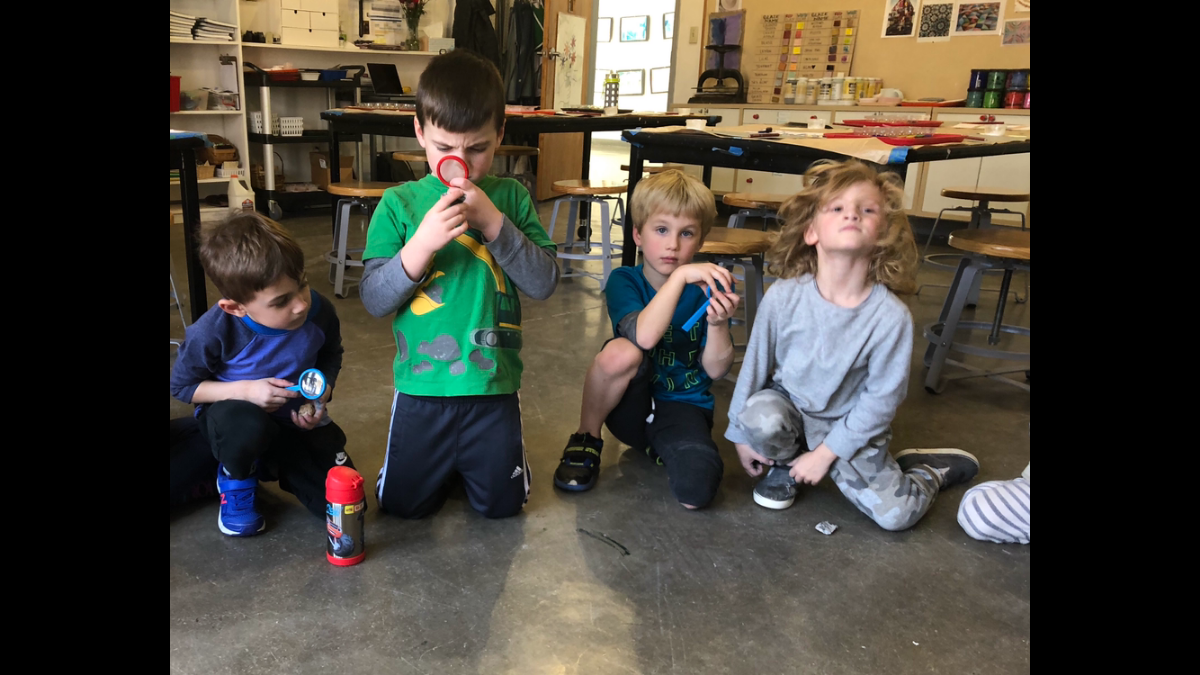
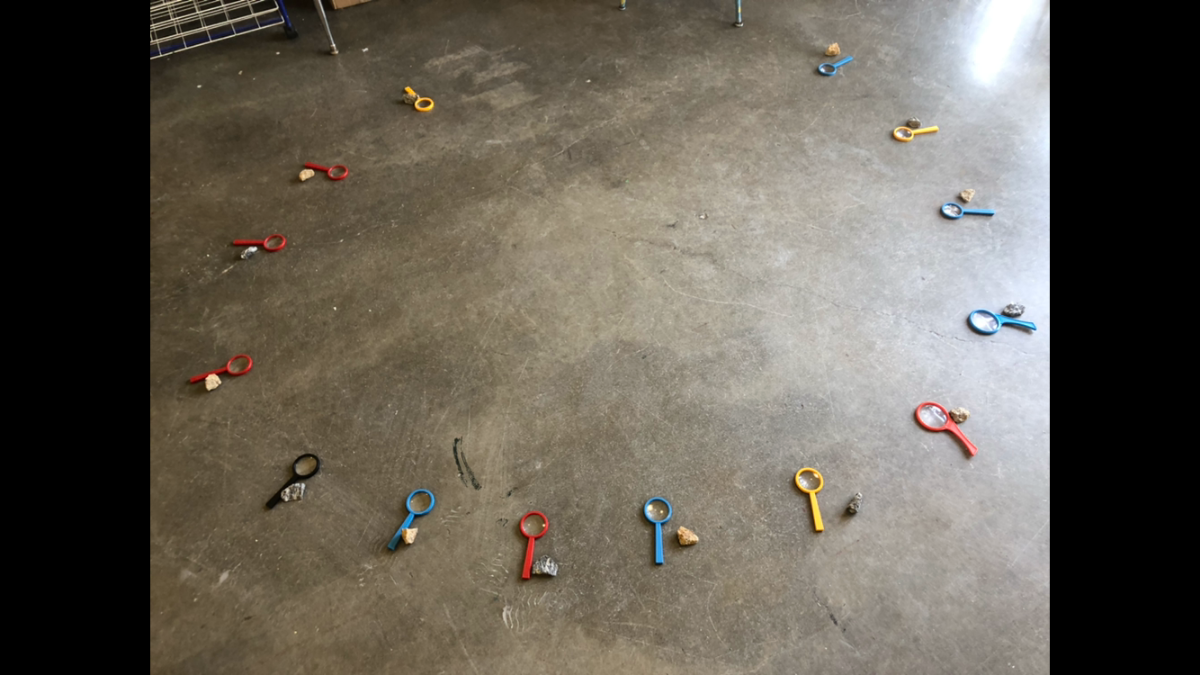
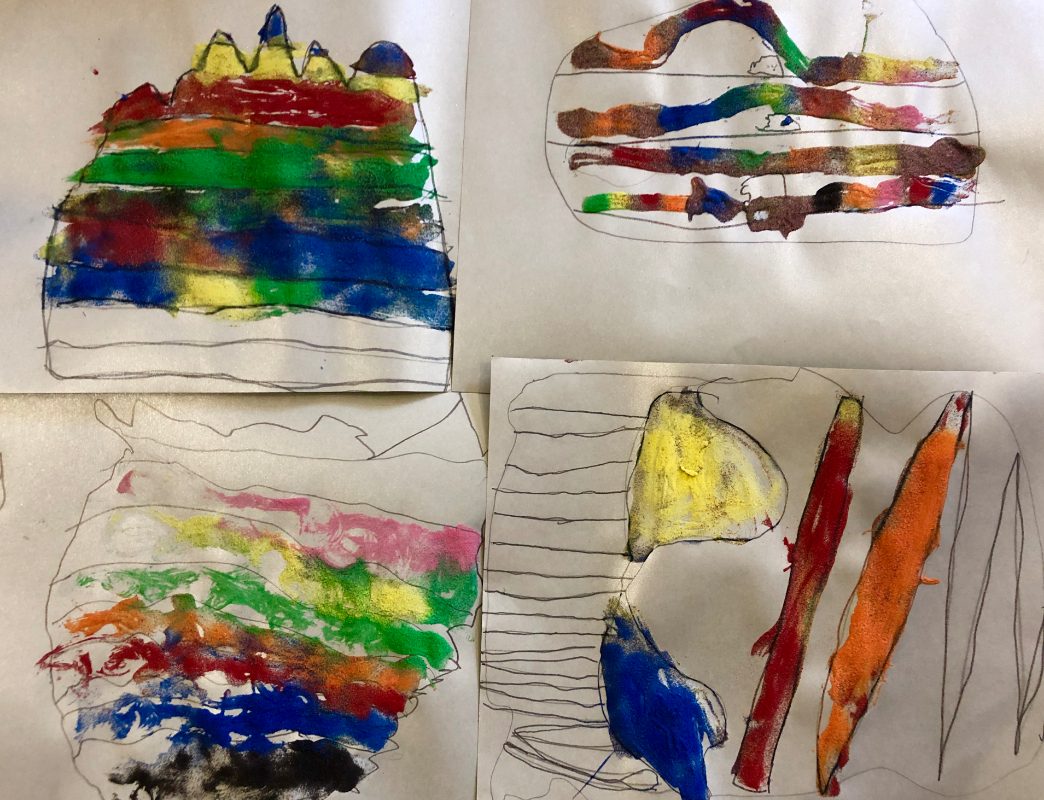
In Art class this week, Kindergarten students were both artist and geologists! In connection to their studies of  Rocks and Minerals in their classrooms this month, we explored this subject by creating a unique rock art piece using colored sand. First, we sat in a circle and looked closely at various rocks using a magnifying glass. We each shared one thing we notice in our rocks: lines, sparkles, tiny shapes, dots, textures, and more! We then discussed how all rocks are made of a mix of ingredients called minerals. Just as a batter of flour, butter, and sugar makes a cookie, a batter of minerals makes a rock! Next, students drew an outline of their rock and drew layers inside using crayon. Lastly, they filled in each layers with colored sand to represent different minerals. Next class we will be adding metallic paints to these already beautiful works of art to represent yet another layer of minerals.

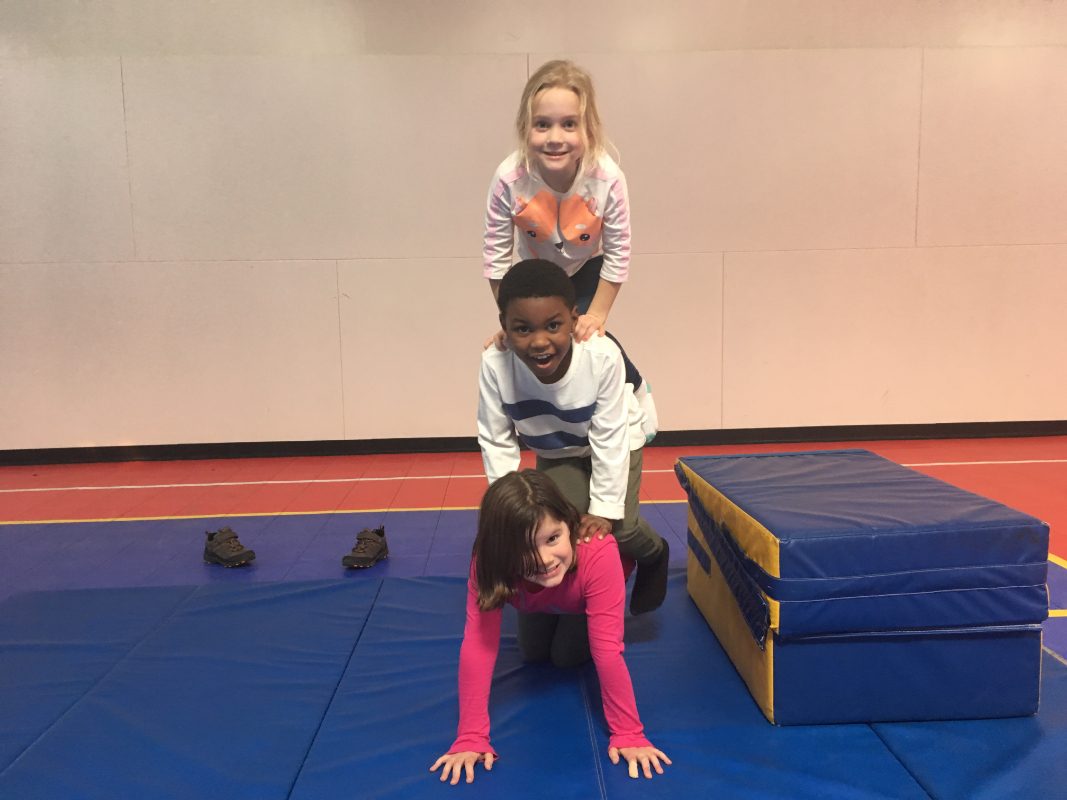
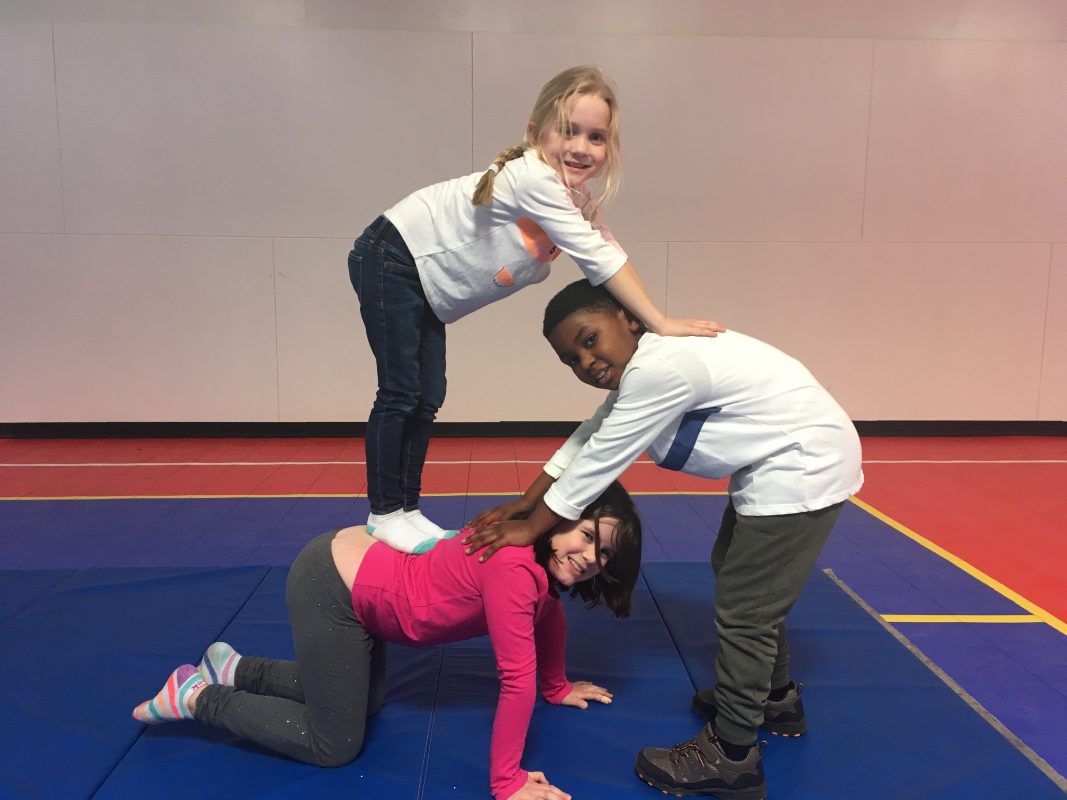
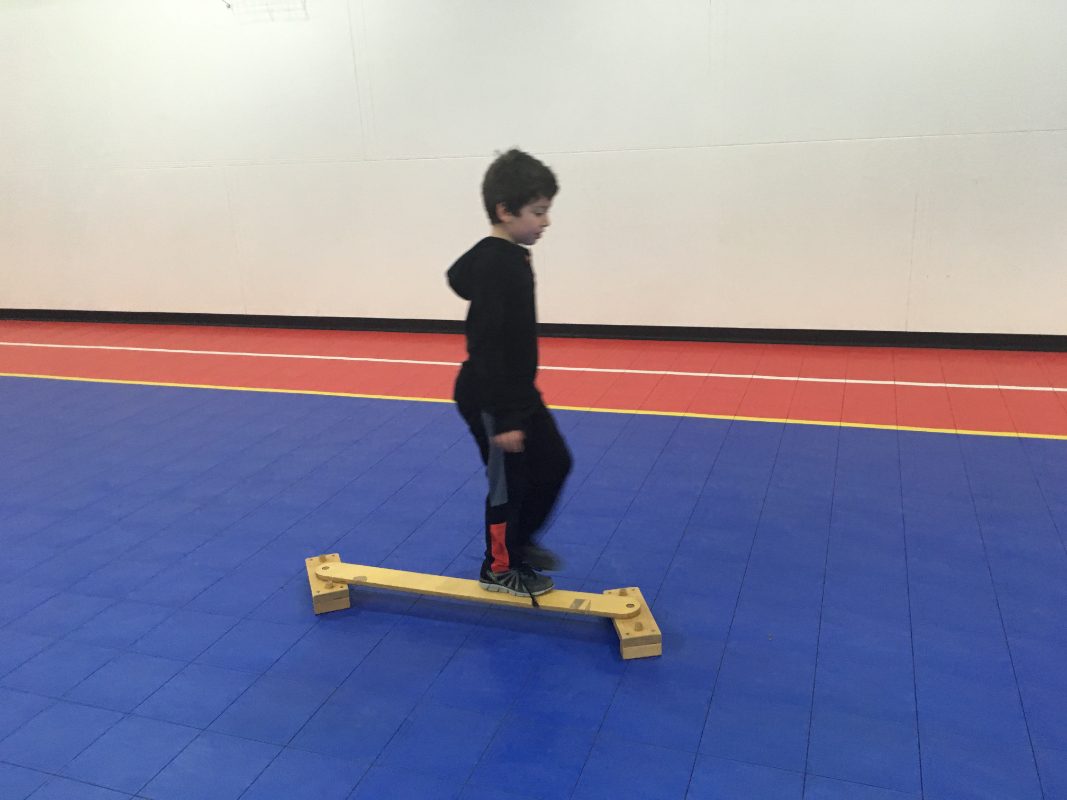
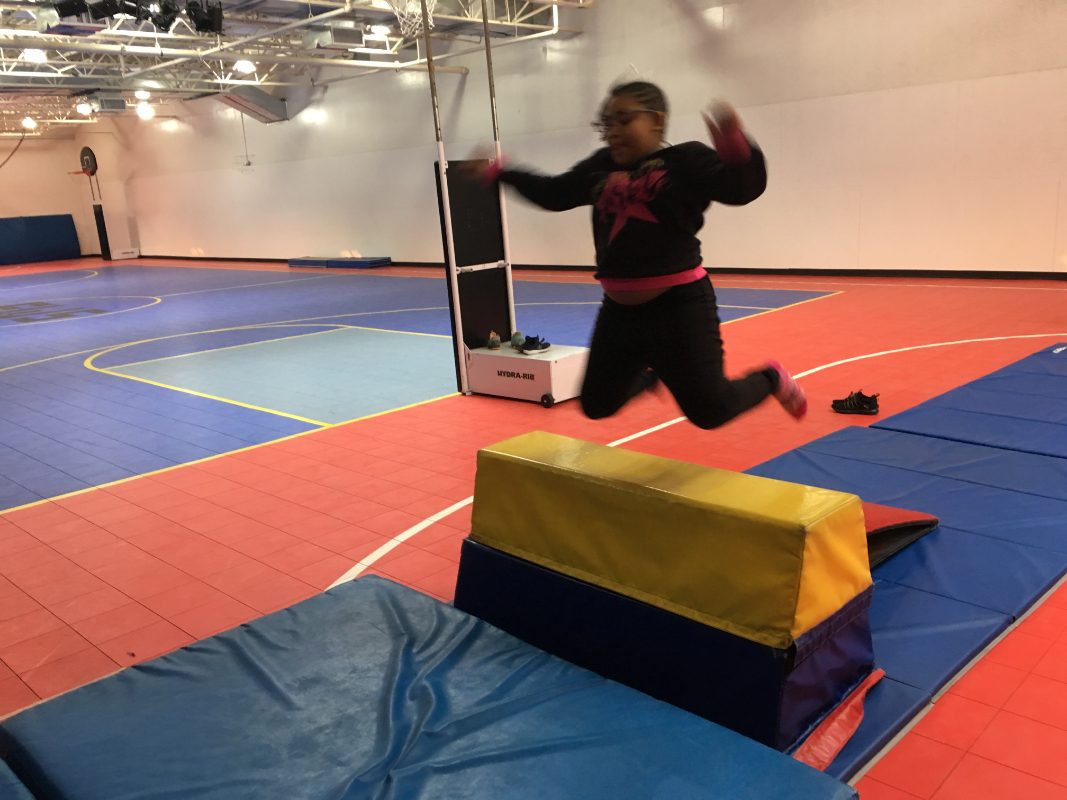
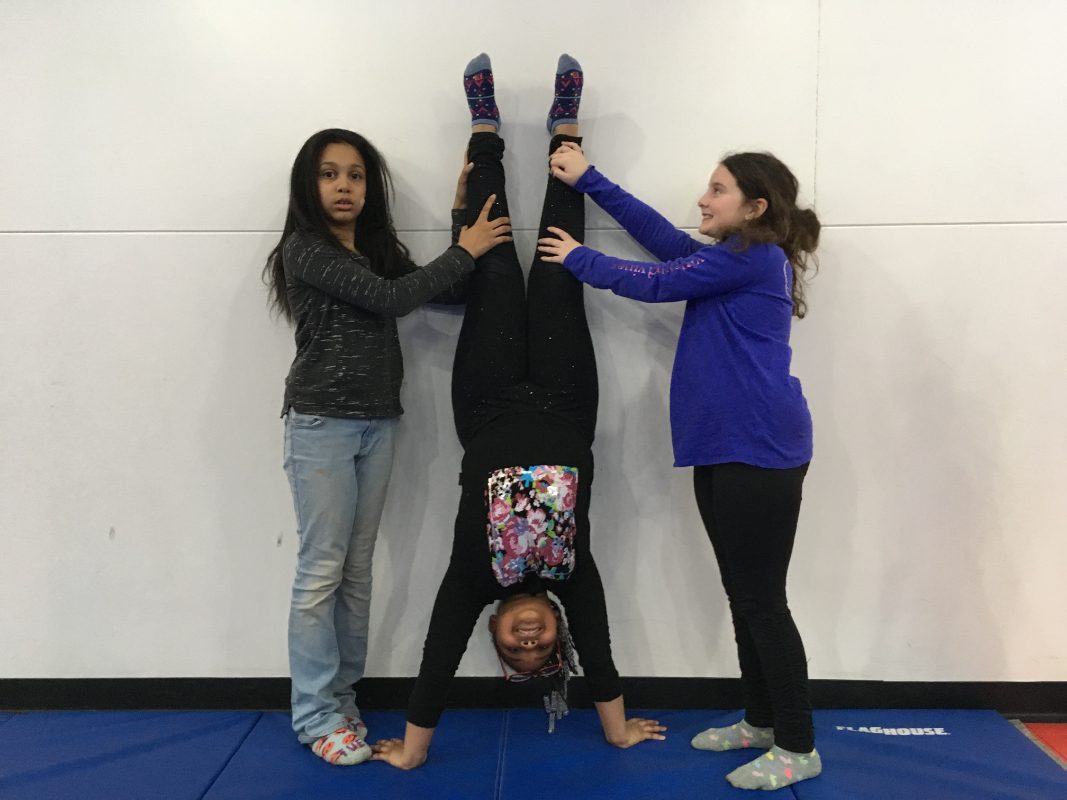
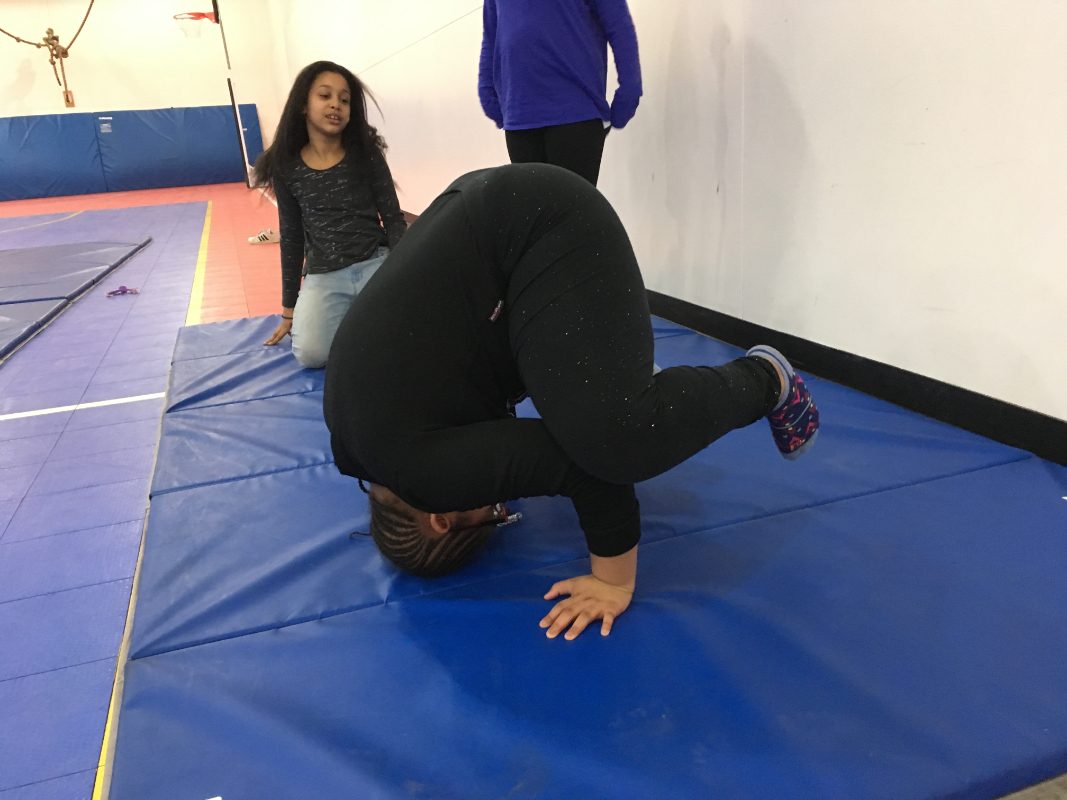
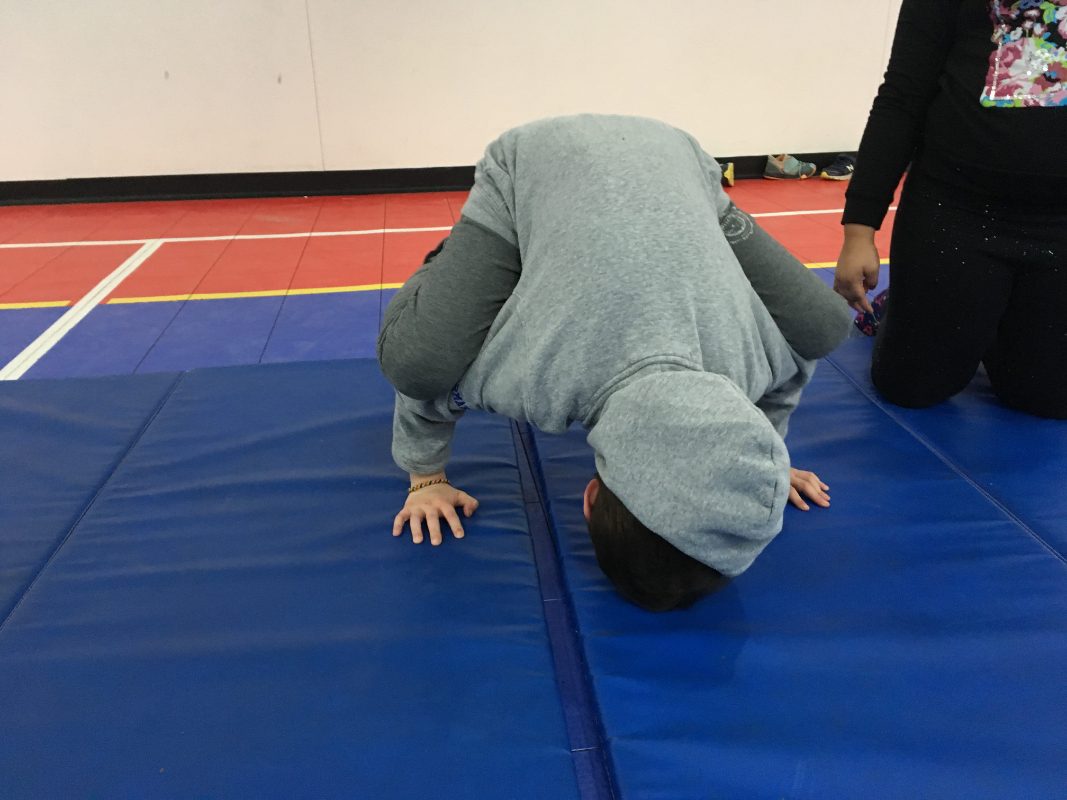
Physical Education: Lower Elementary Gymnastics!

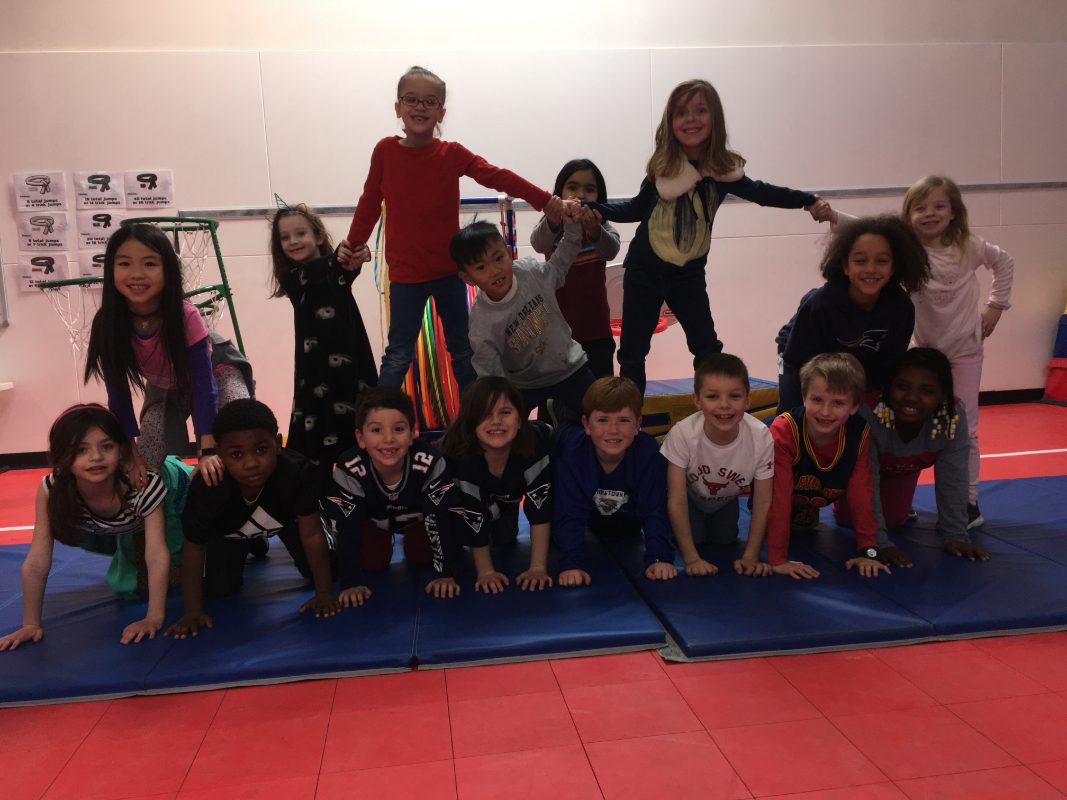
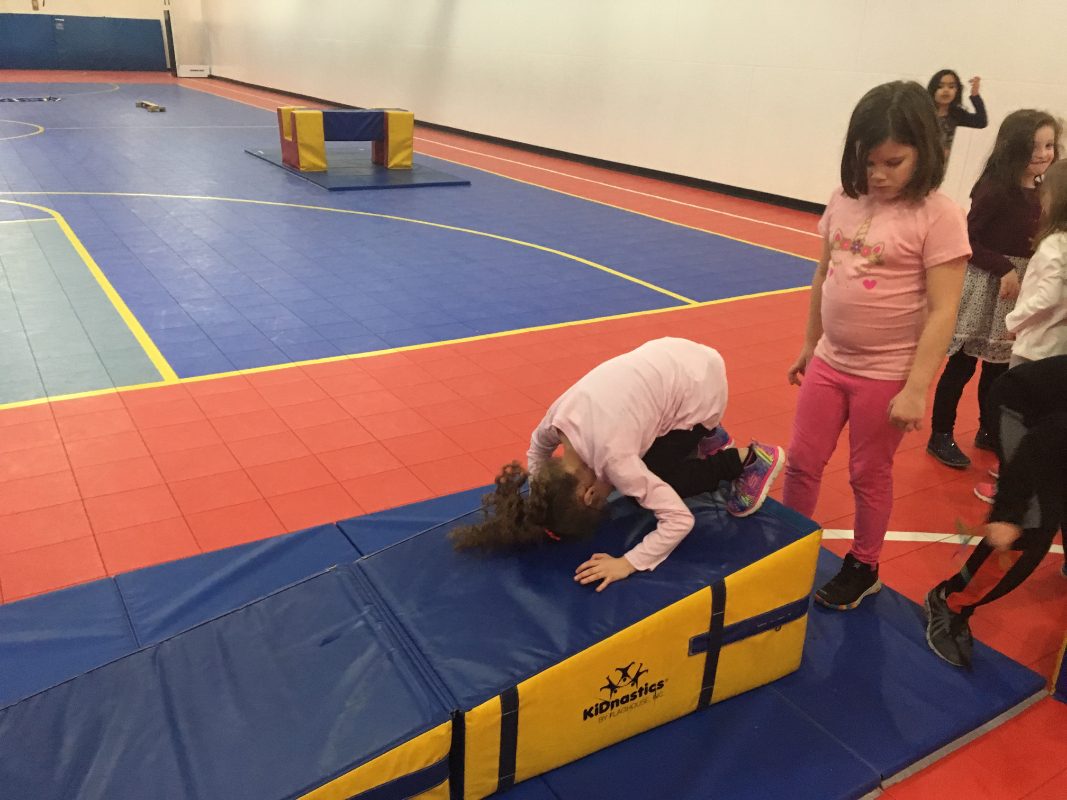
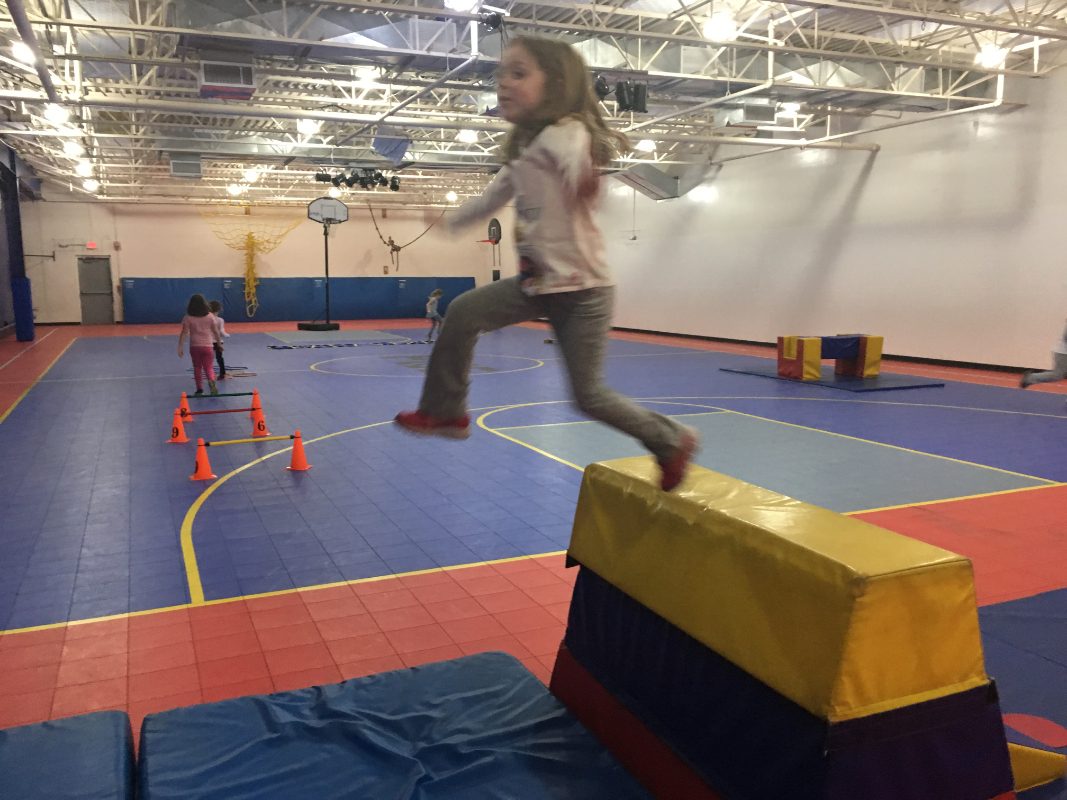
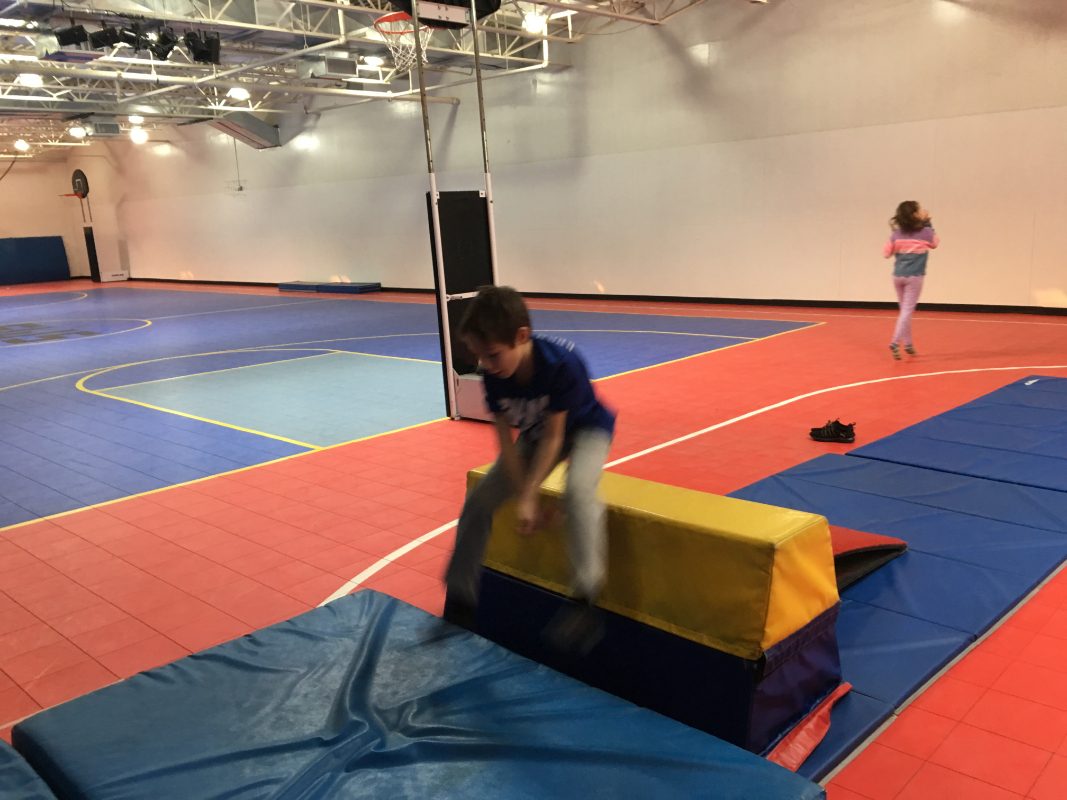
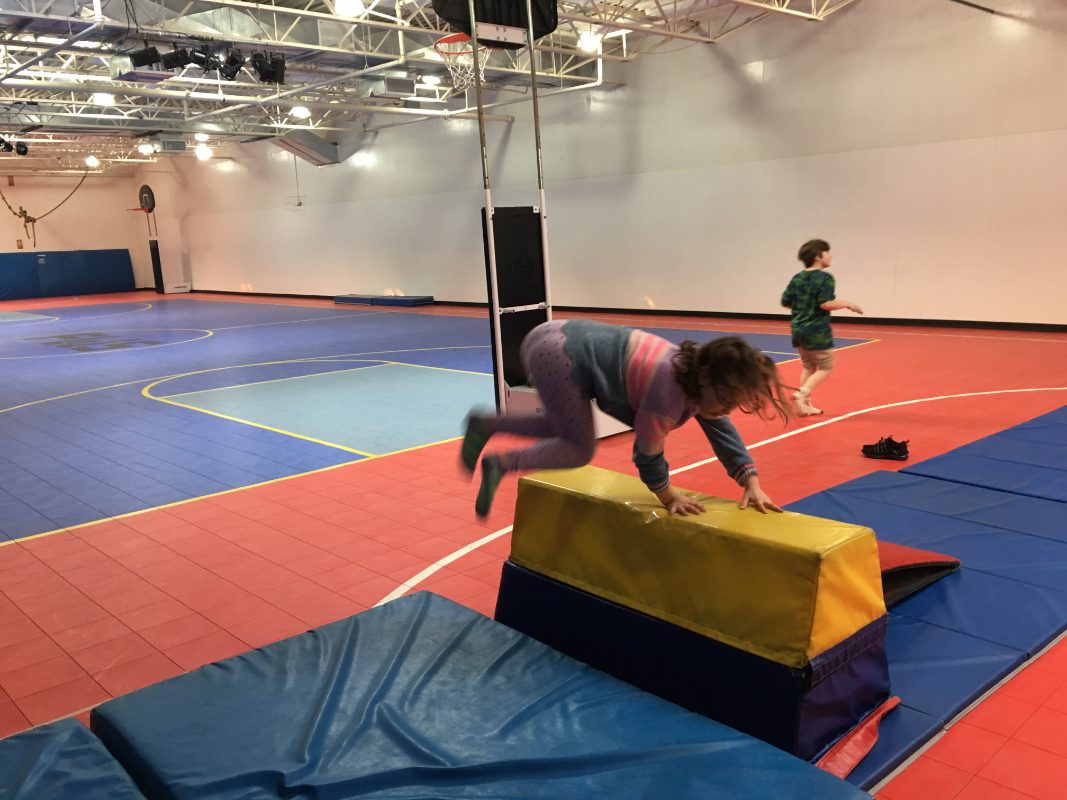
The Lower Elementary students participated in a gymnastics unit in which they experienced transfer of body weight through floor skills.  Students experienced the following apparatus: gymnastic mats for an obstacle course, a balance beam, and vaulted springboard.  They also participated in pyramid building and single balances.  A human pyramid is a formation of three or more people in which two or more support a tier of higher people.   For practical reasons, lighter people are often positioned higher while stronger/heavier people are located closer to the base.

Students also practiced jumping off a vaulted springboard.  Vaulting in gymnastics requires coordination combining running, jumping and squatting.  Students practiced jumping and landing with two feet onto the mats.  The jumps practiced were:  straight, straddle, and tuck.  Students learned that strength, flexibility, and balance they gained from gymnastics will transfer easily to every other sport they may want to pursue.  The skills learned will help them achieve success in other areas.


Wintry Landscapes with Lower Elementary

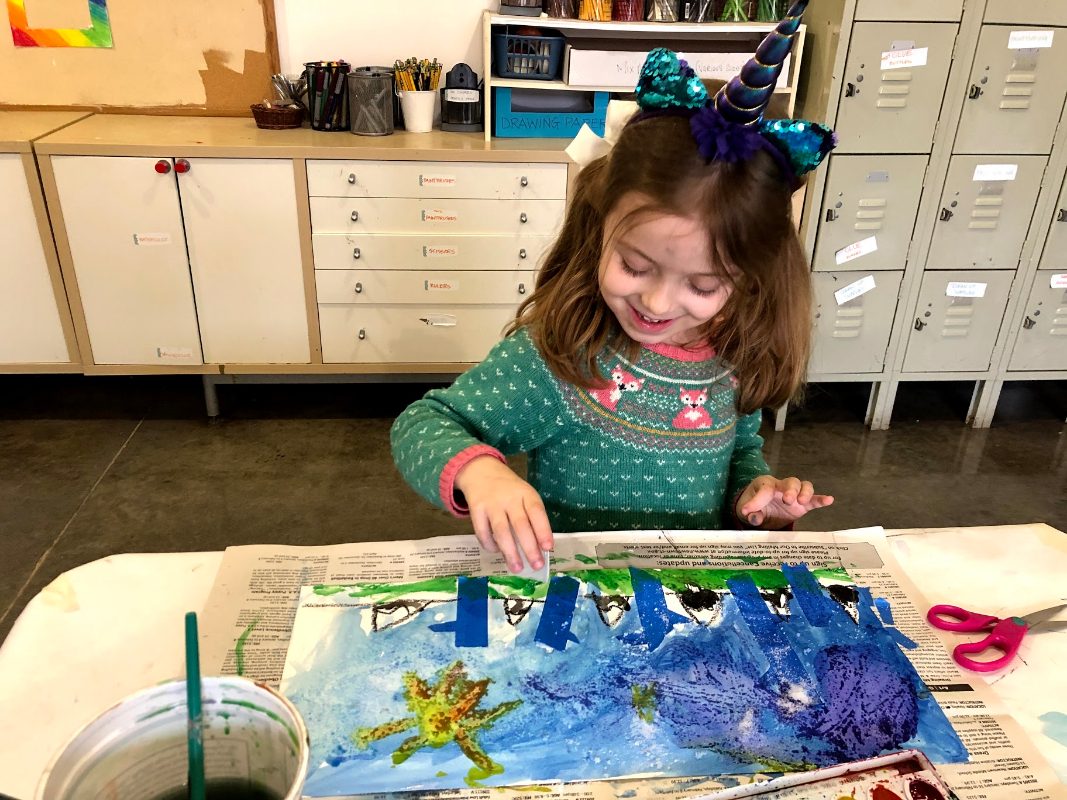
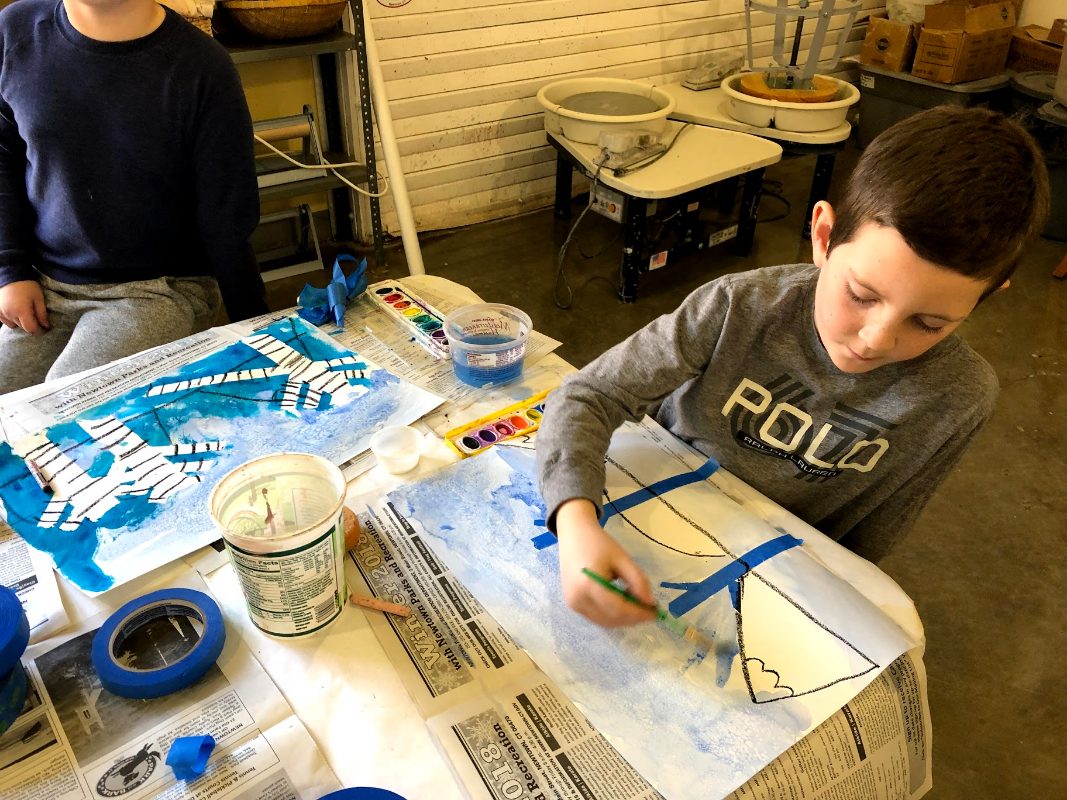
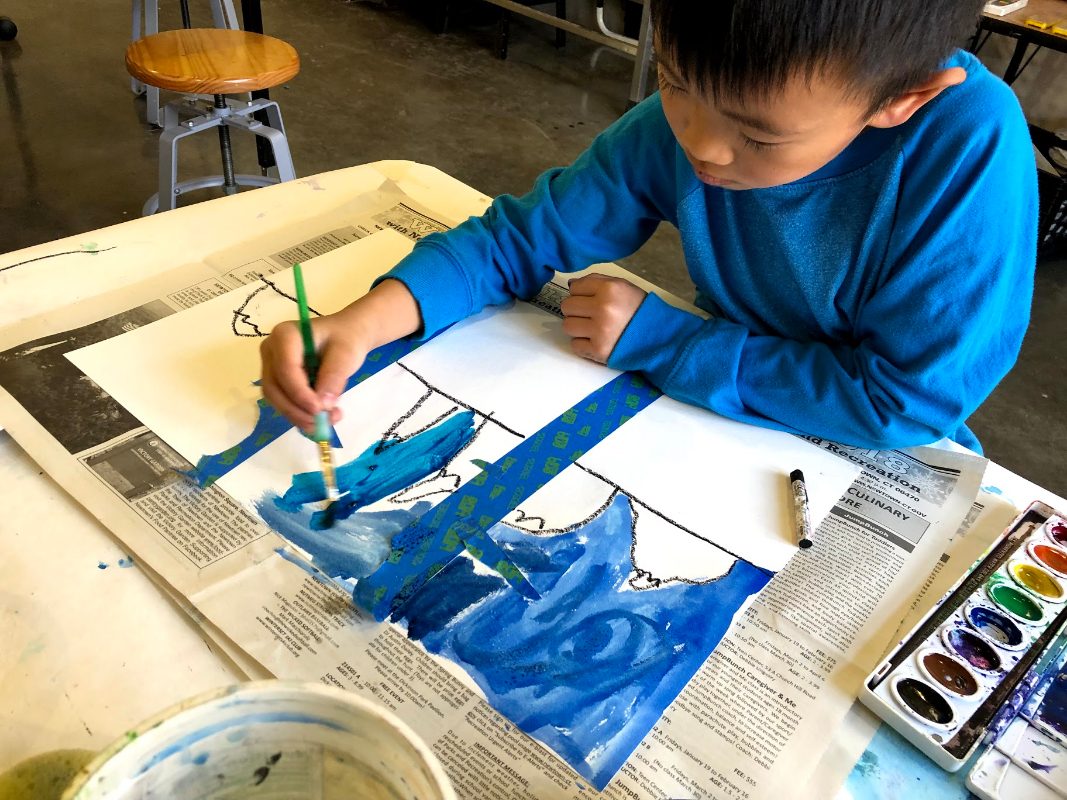
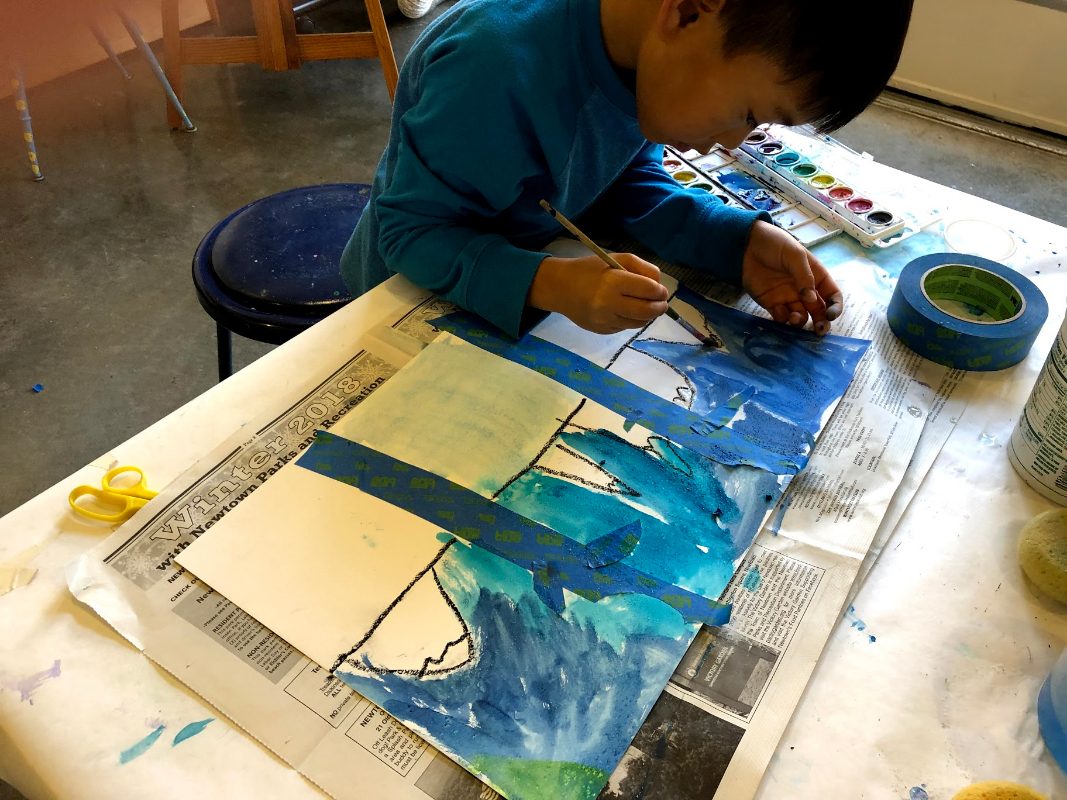
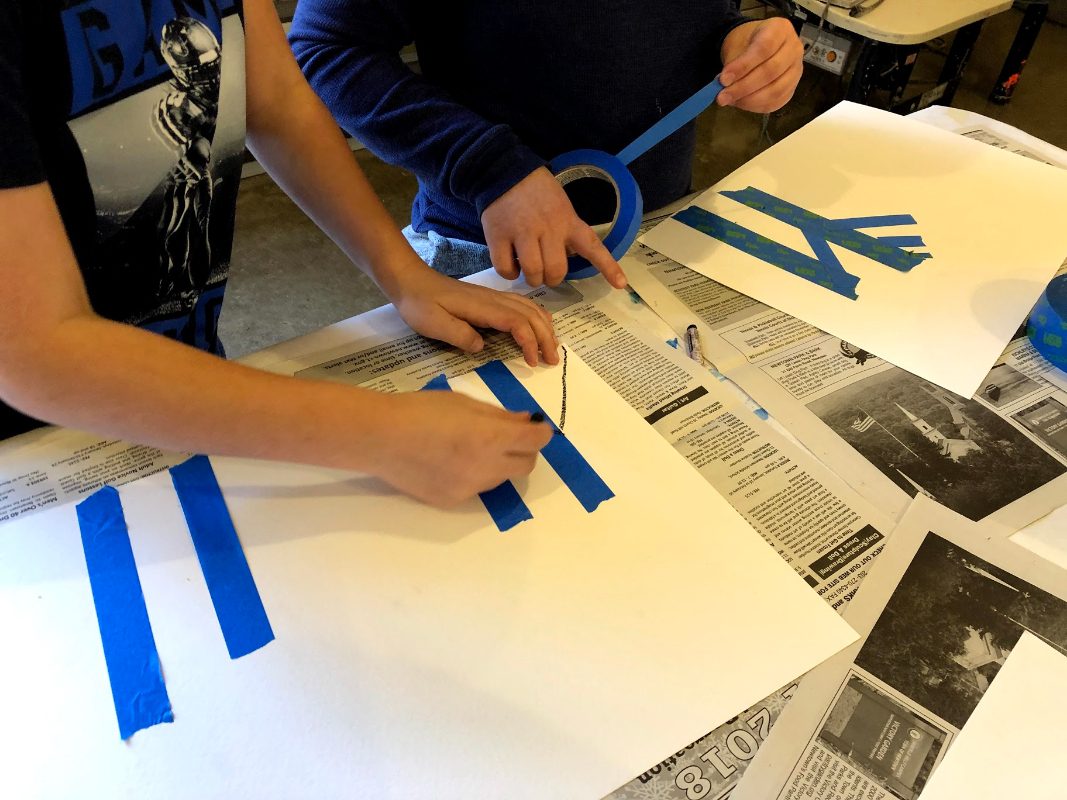
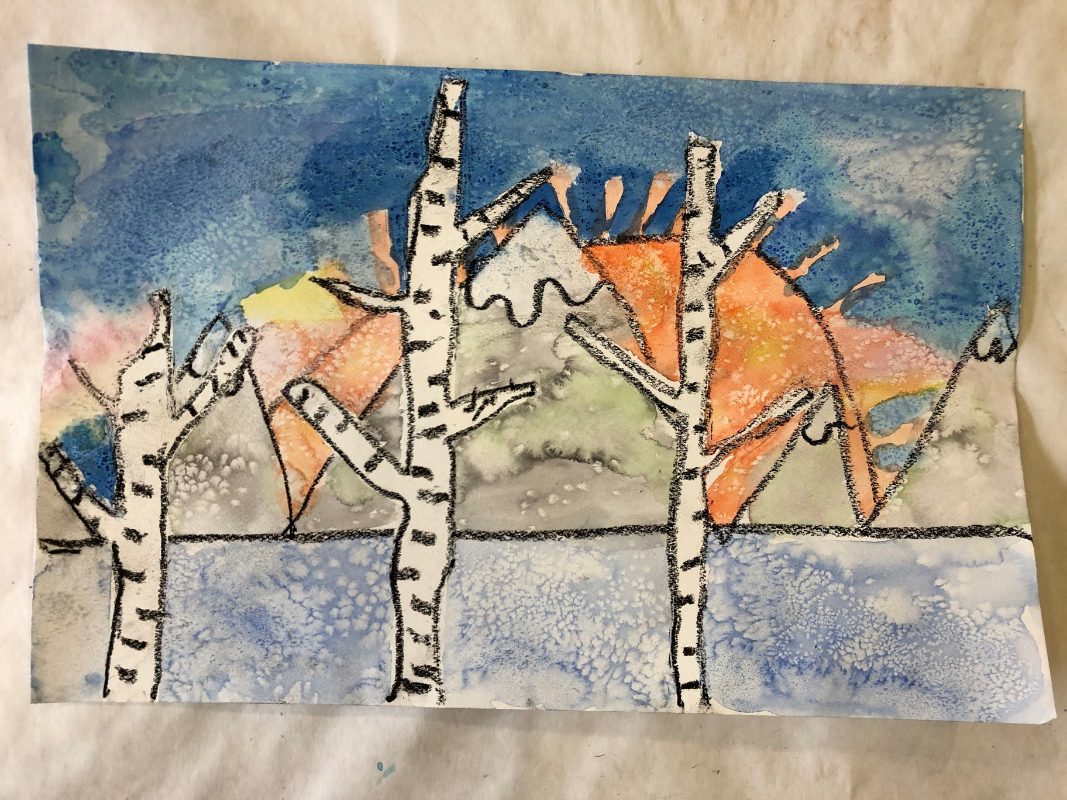
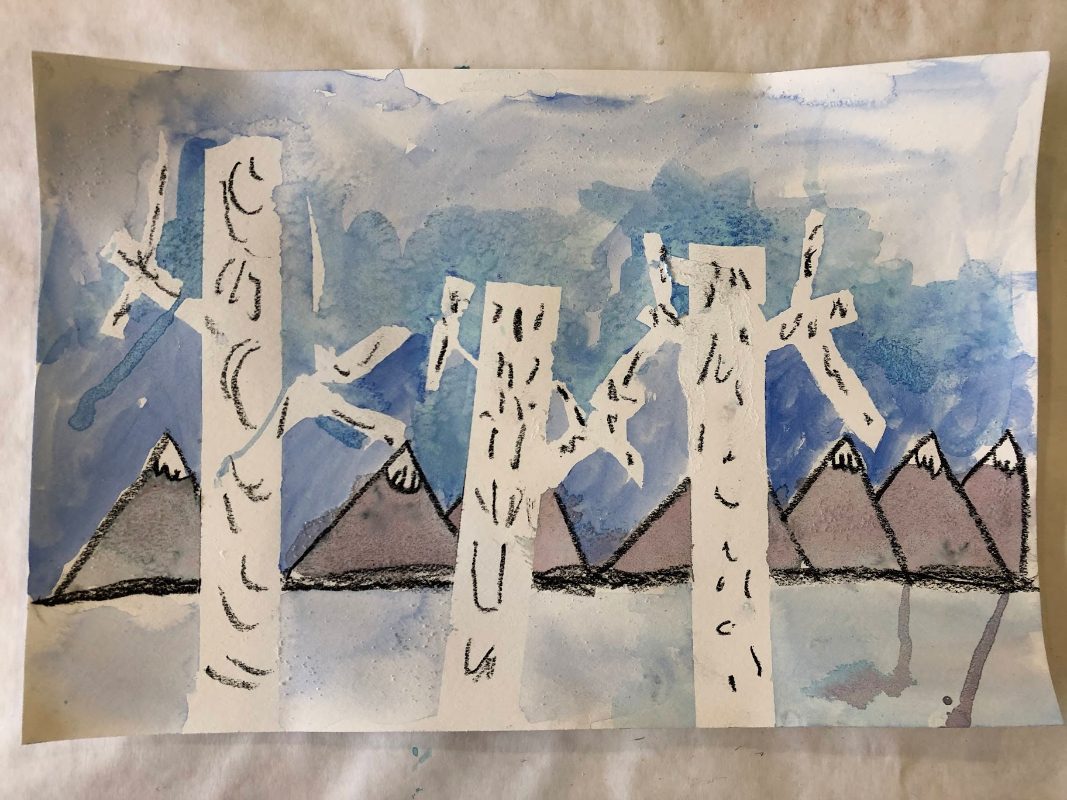
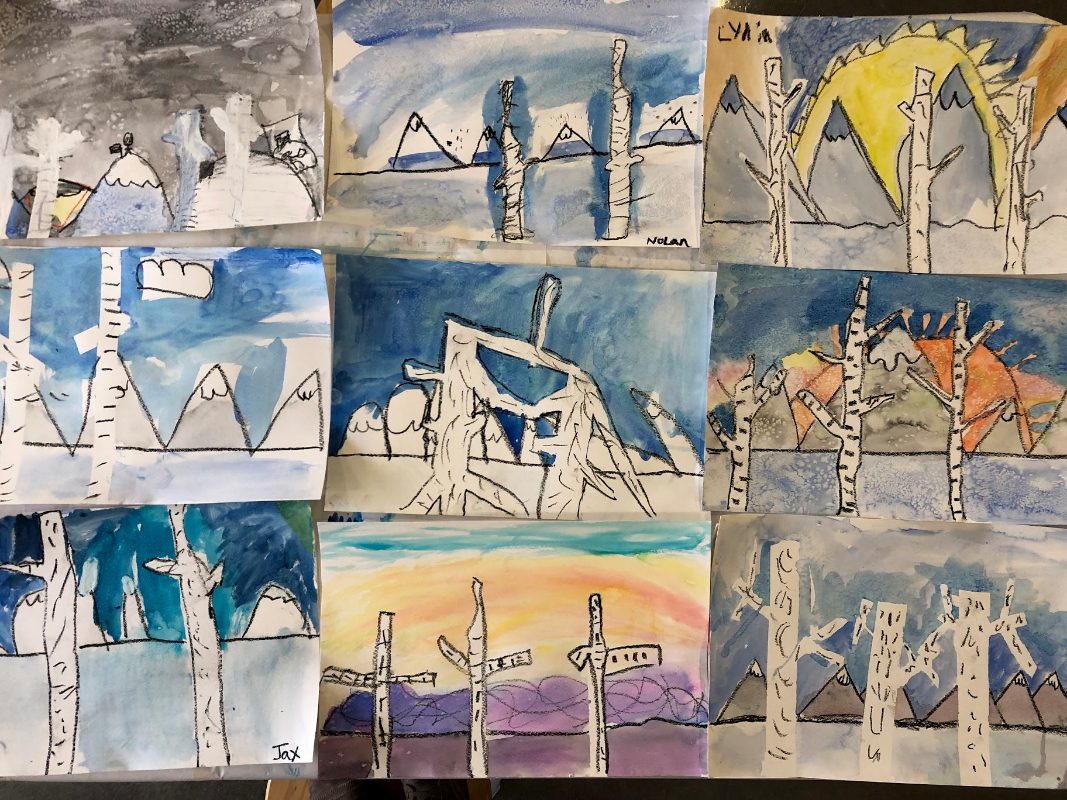
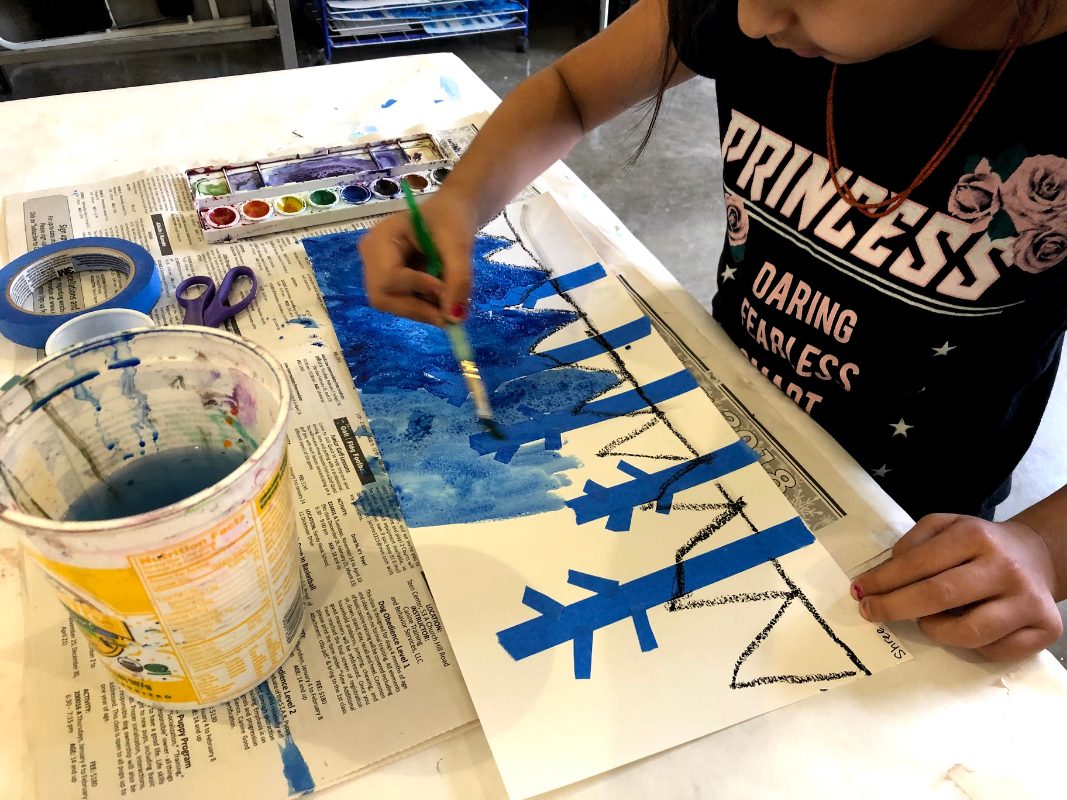
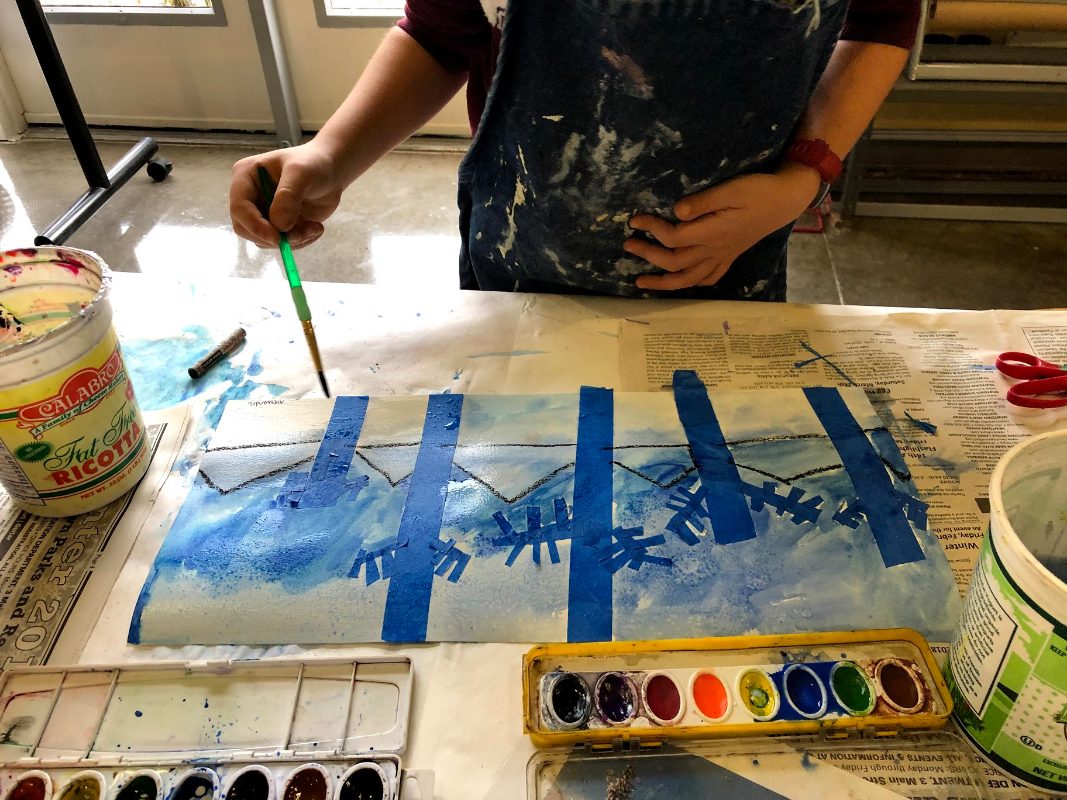
In Art class, Lower Elementary students were inspired by the scenes of winter right outside our window! In addition to looking outside, we looked at images of wintry landscapes of the Northeast to help us understand landscape composition. We discussed how landscape paintings typically have a foreground, middle ground, and background. Students then created their own compositions using watercolor, oil pastel, and salt. First, students blocked in their foreground by using masking tape to create birch trees. They then drew a horizon line and mountains for the middle ground with oil pastel, and filled everything in with watercolor. Lastly, students sprinkled salt over the wet watercolor to create a wintry sky effect! Once the paint was dry, students peeled off the masking tape to reveal their trees and added any finishing touches they desired!