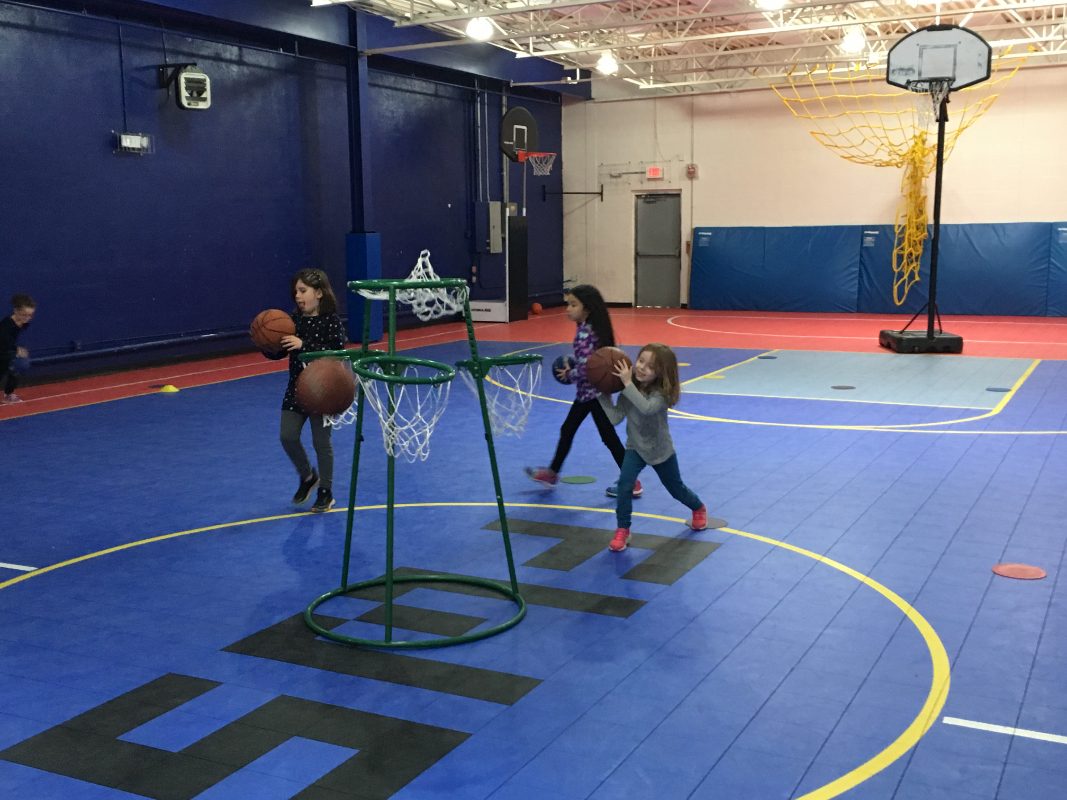
Basketball Fun in PE Class and After-School!

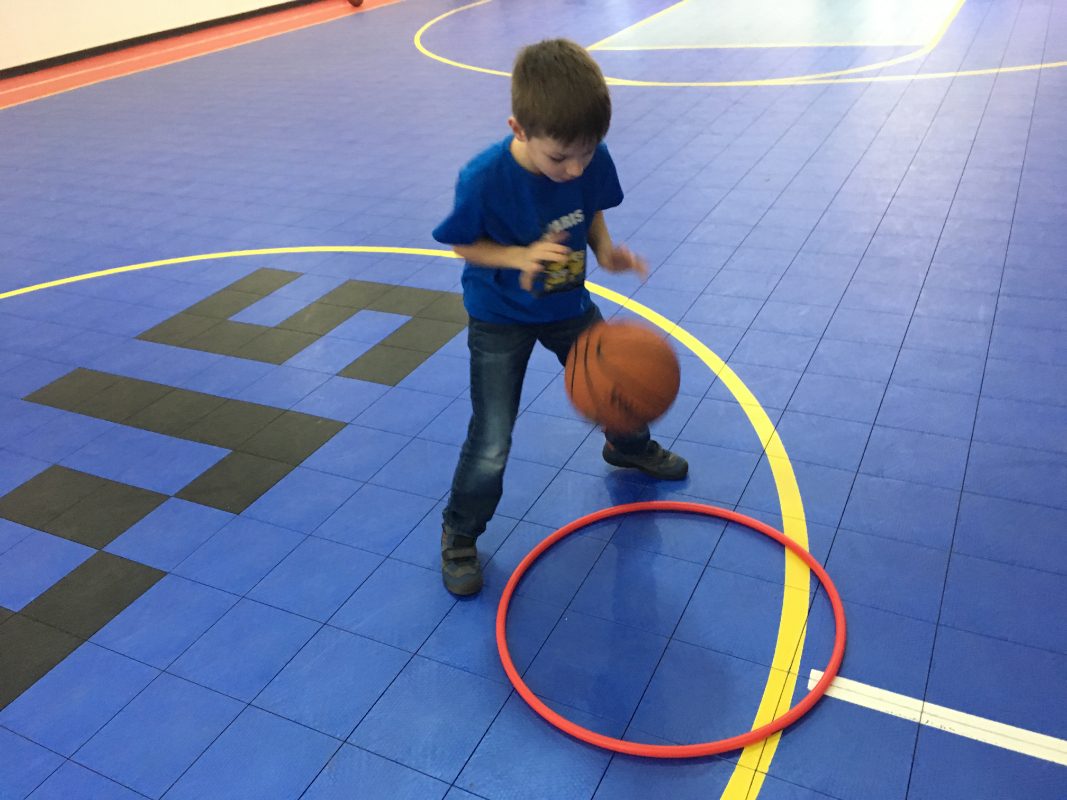
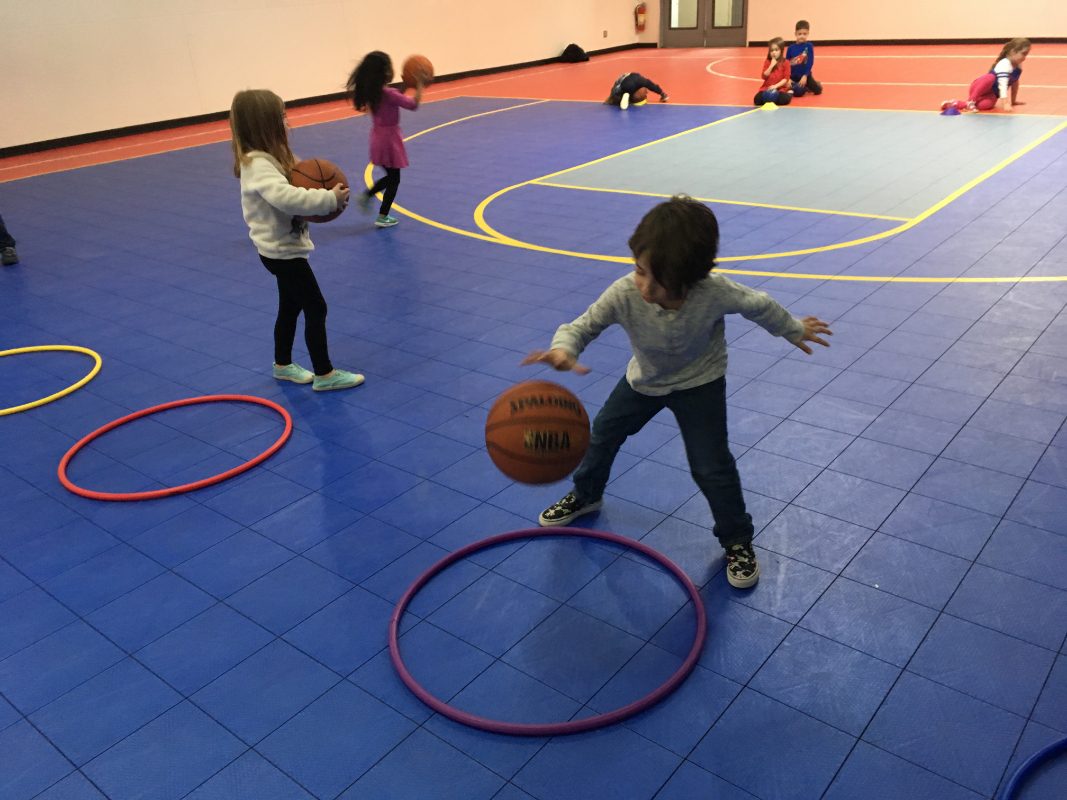
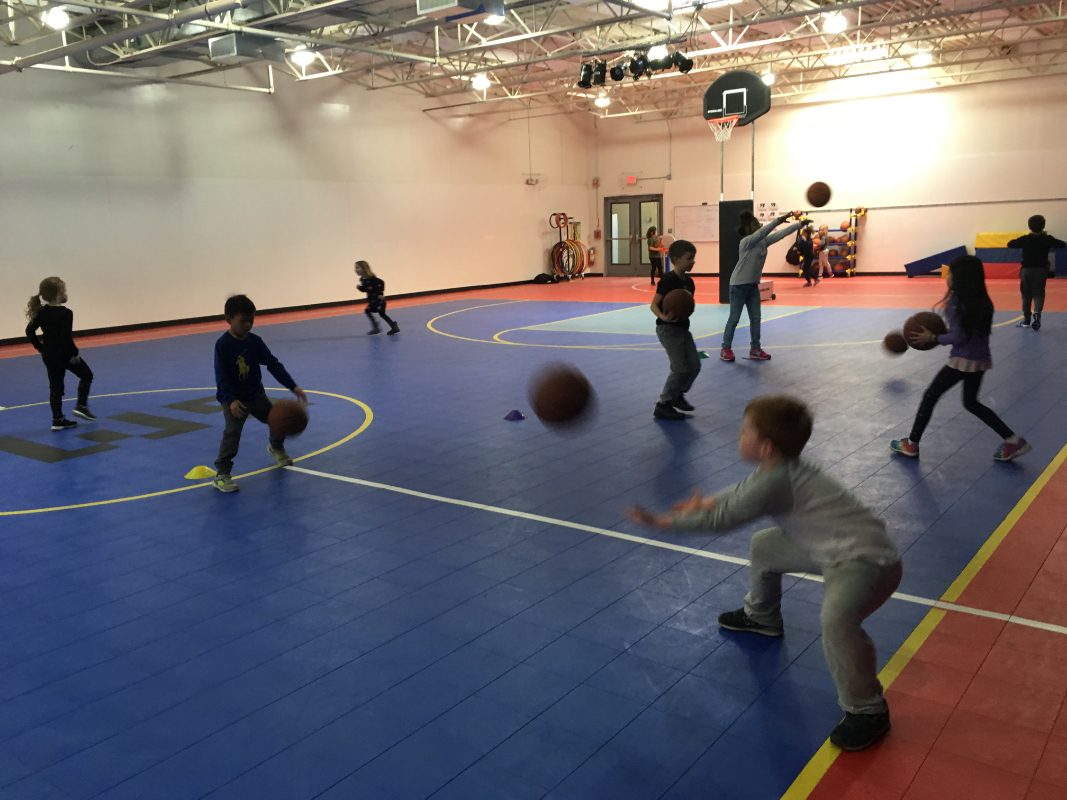
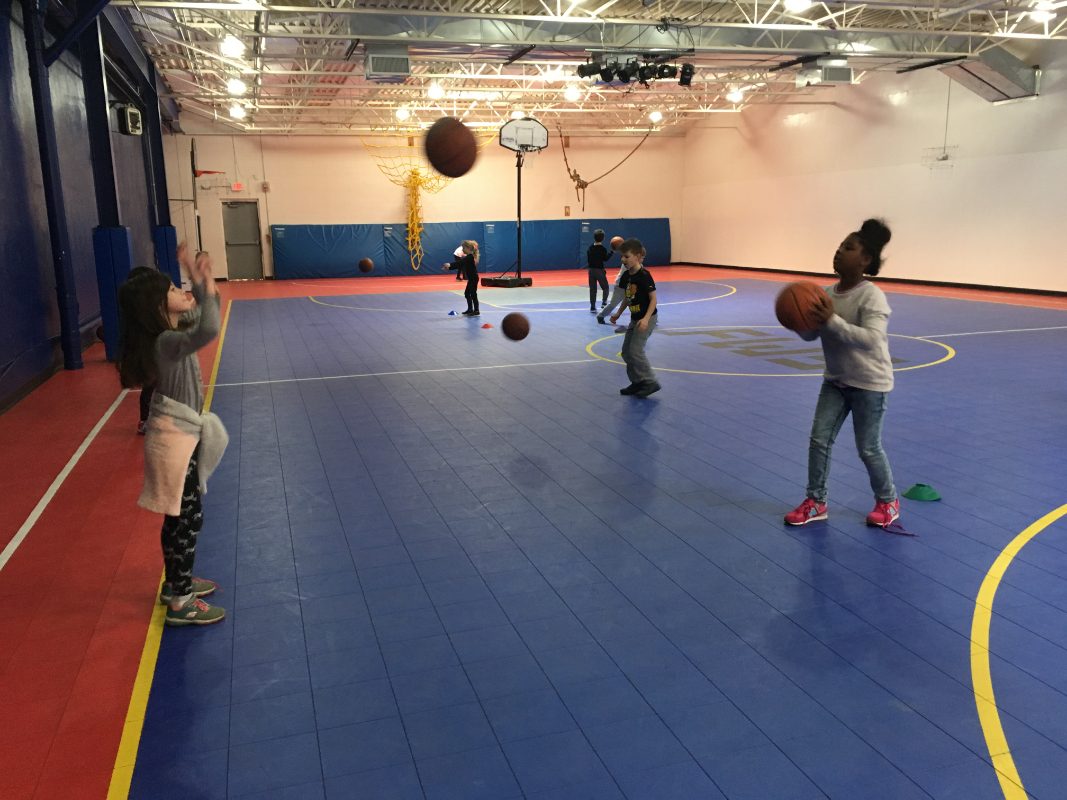
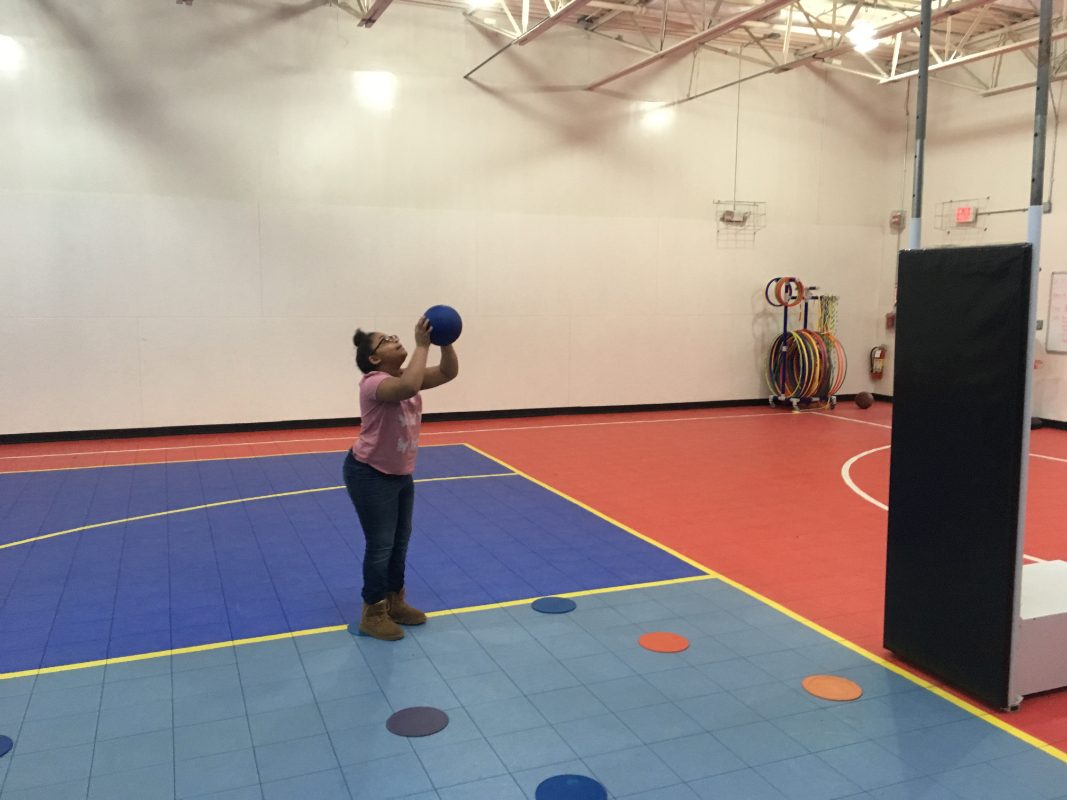
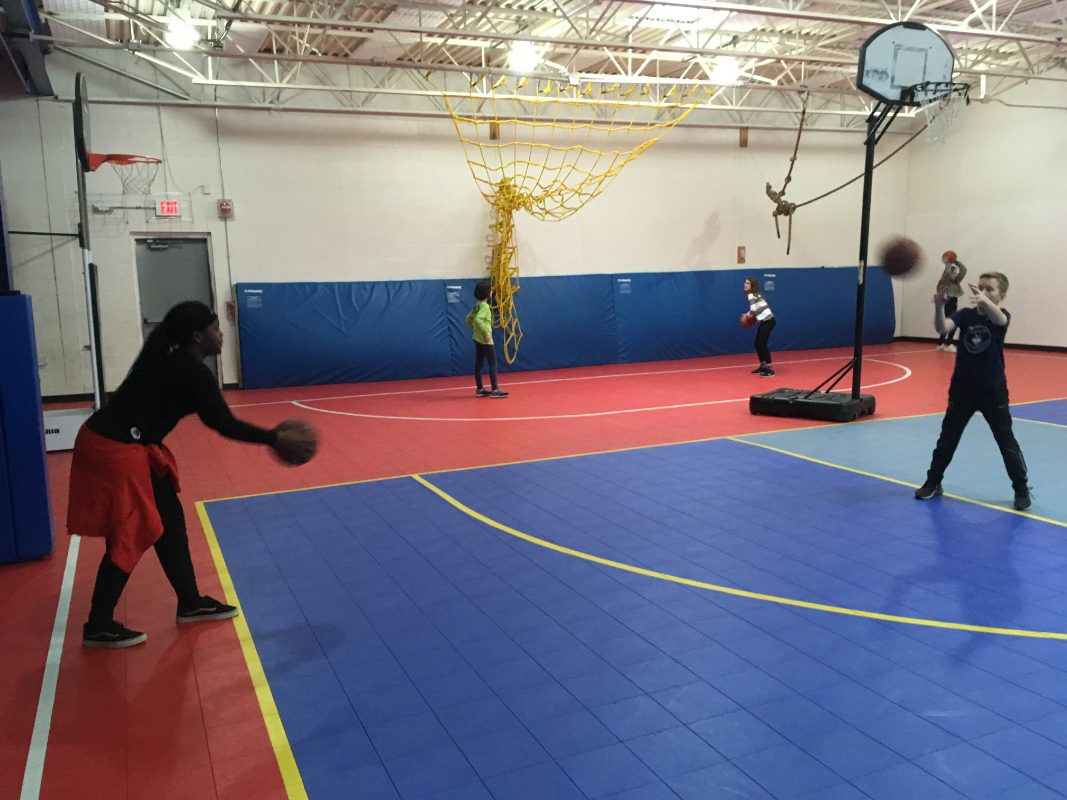
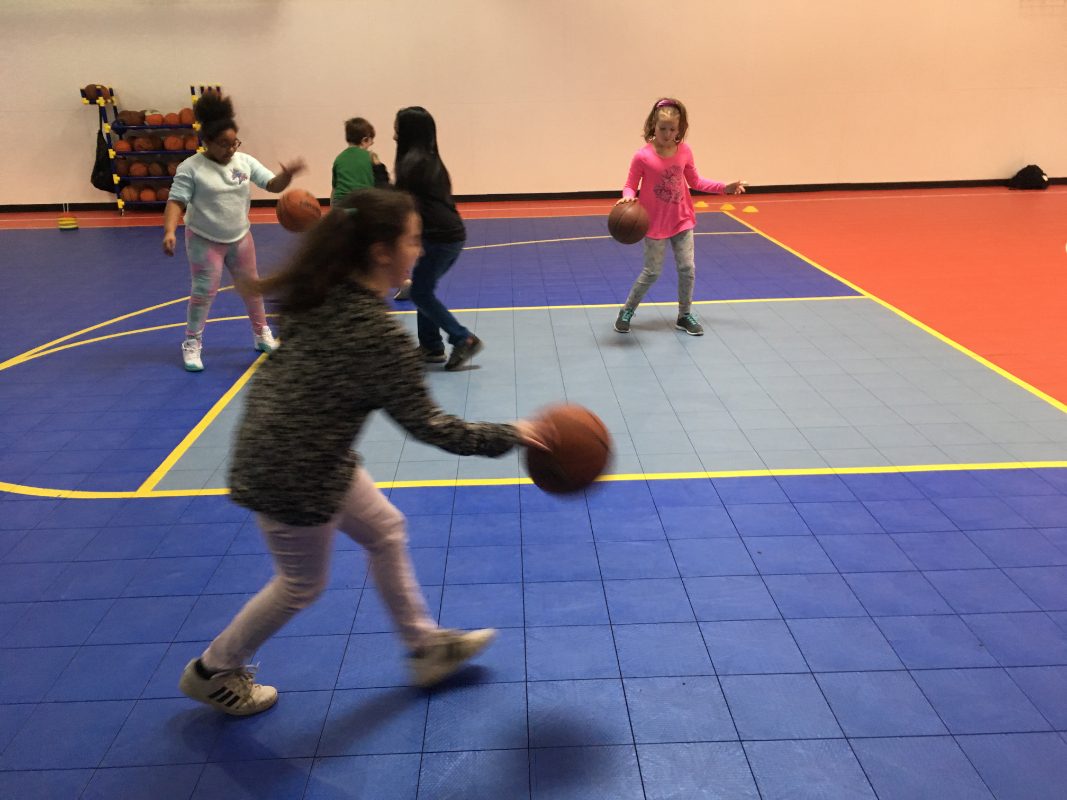
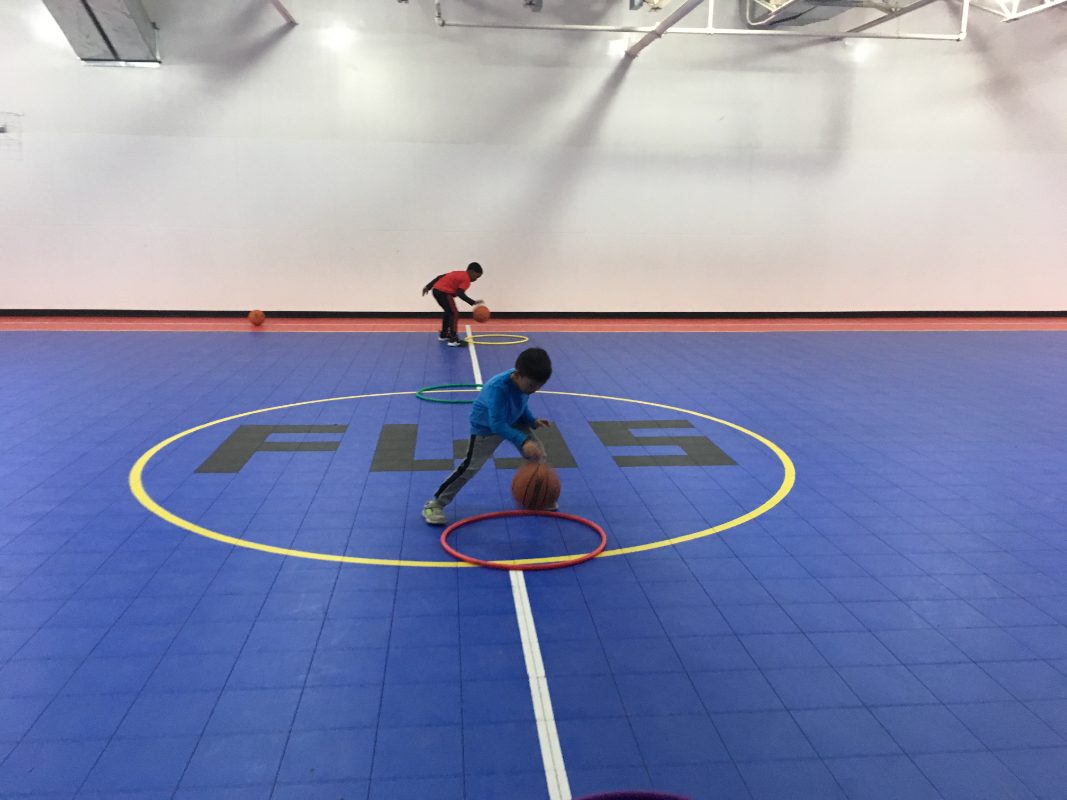
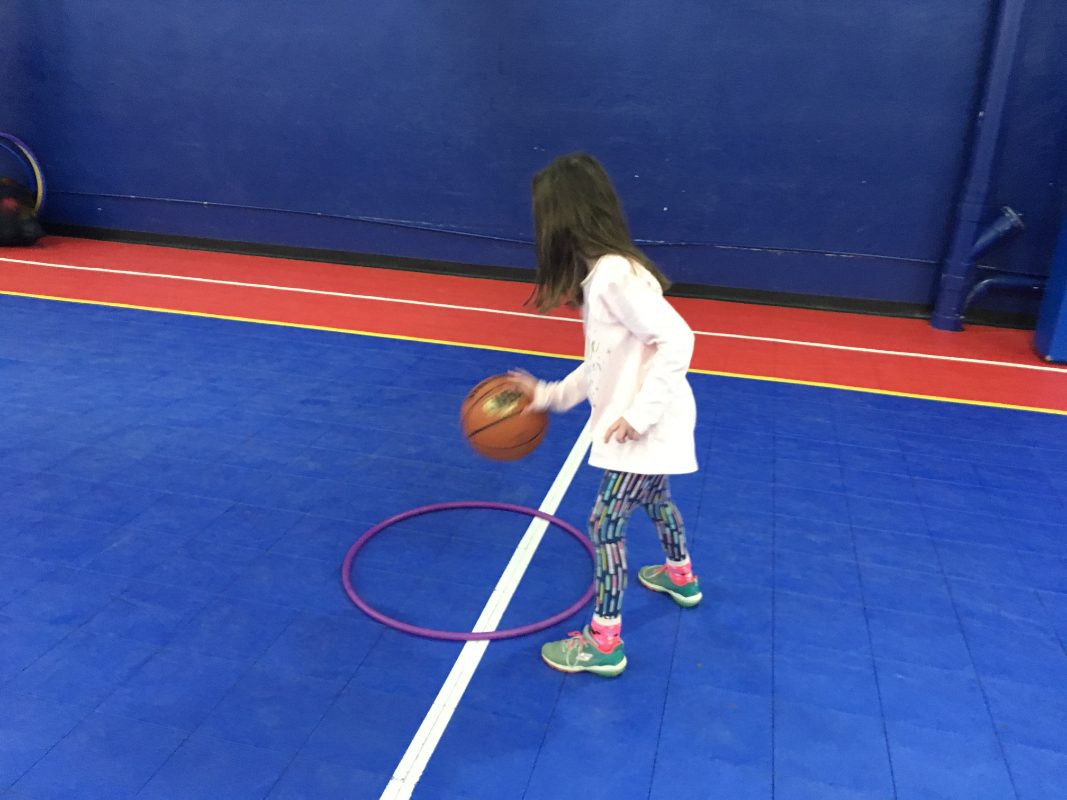
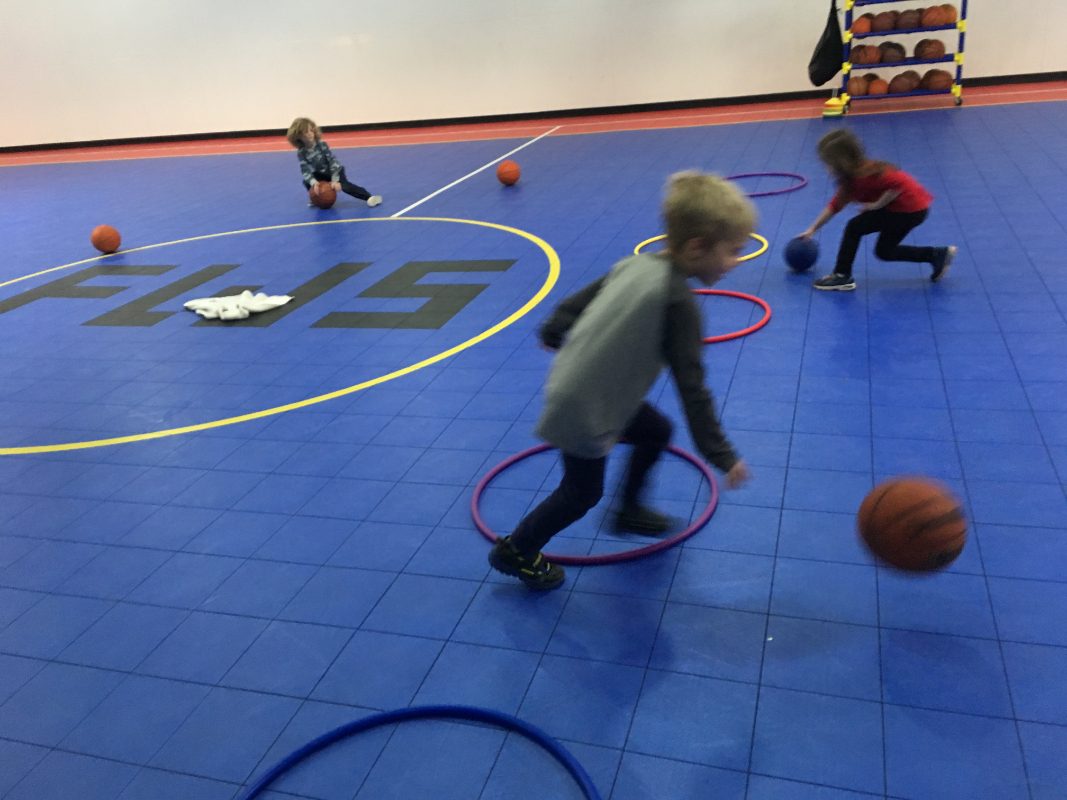
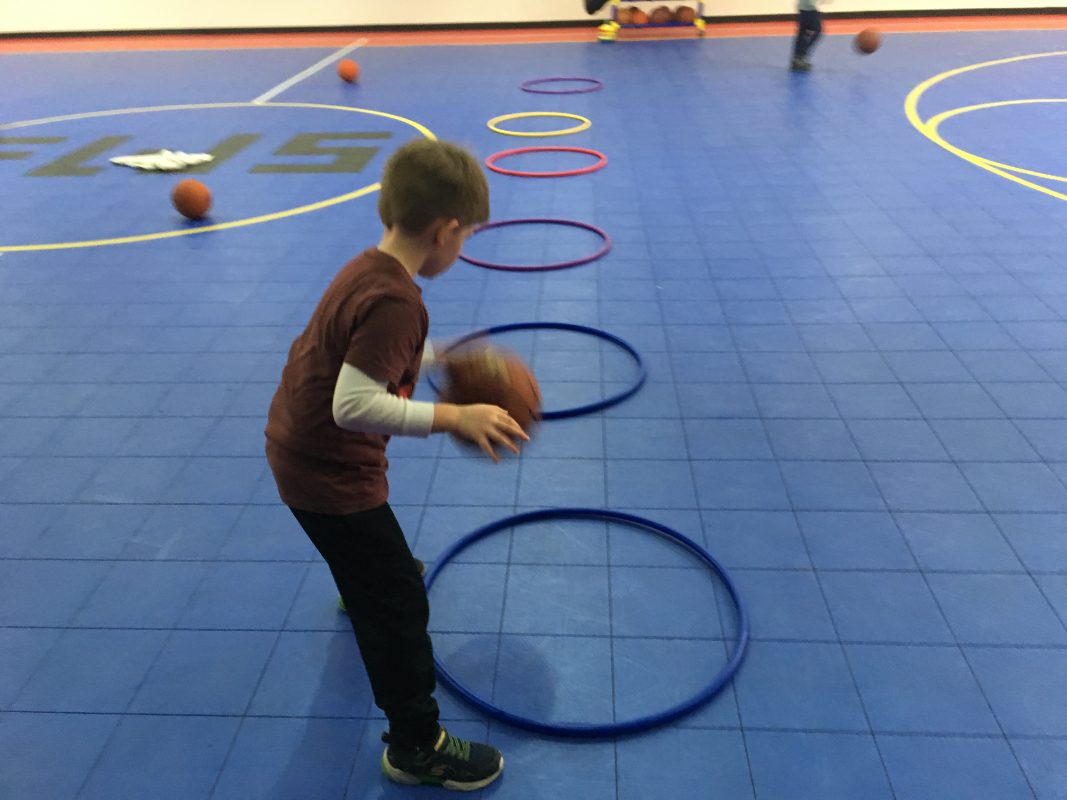
This month Kindergarten through Middle School students practiced and participated in the team sport of Basketball. At the Kindergarten and Lower Elementary levels, the objectives are designed to develop hand-eye coordination and spatial awareness. We practiced dribbling a ball with either hand while changing pathways, direction, and speed. We worked on passing a ball to a stationary and moving target using both a bounce and chest pass.

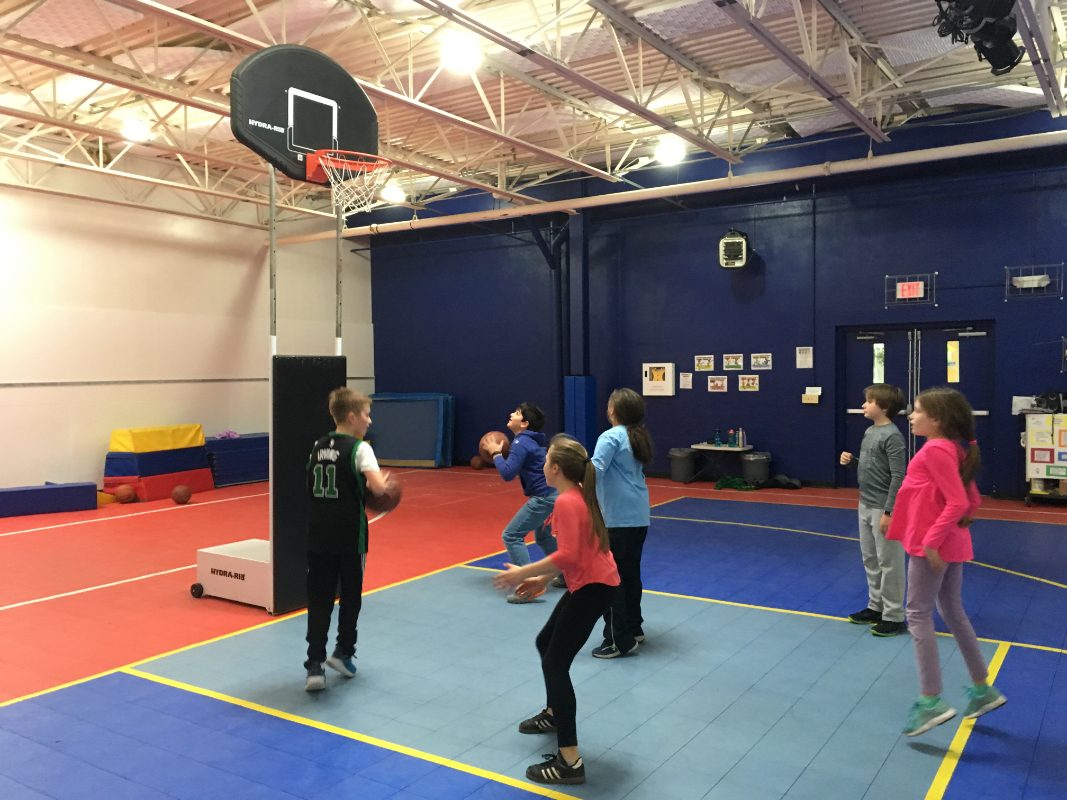
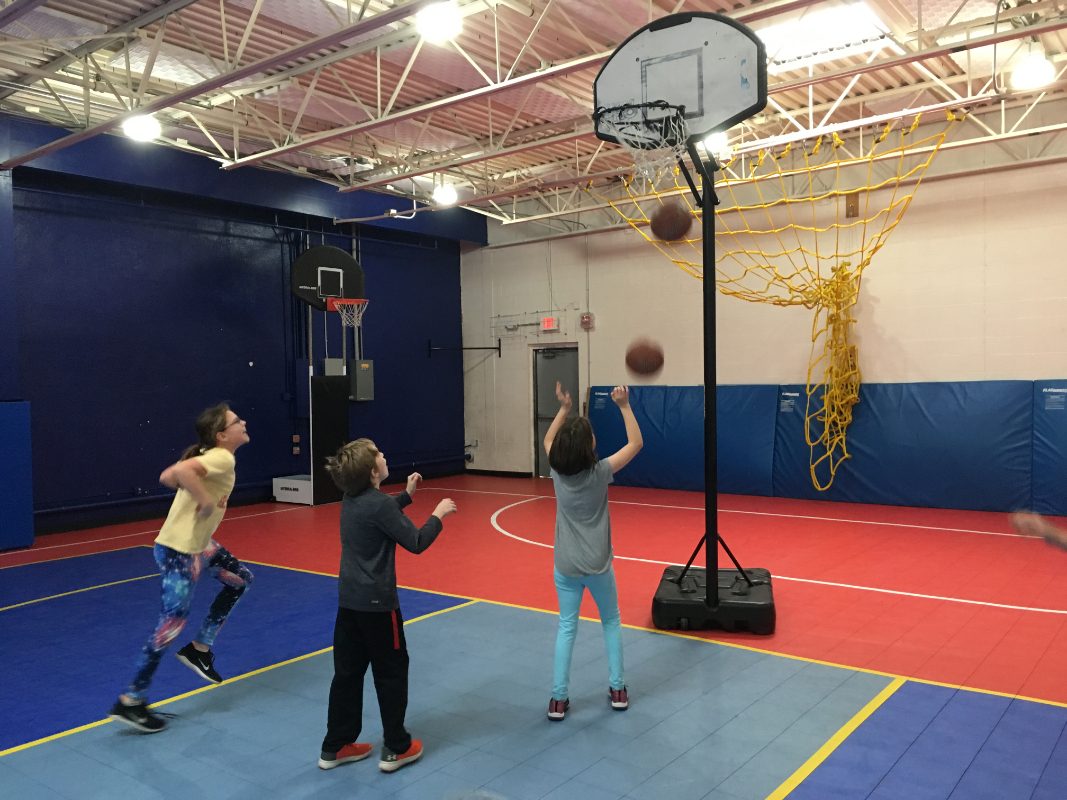
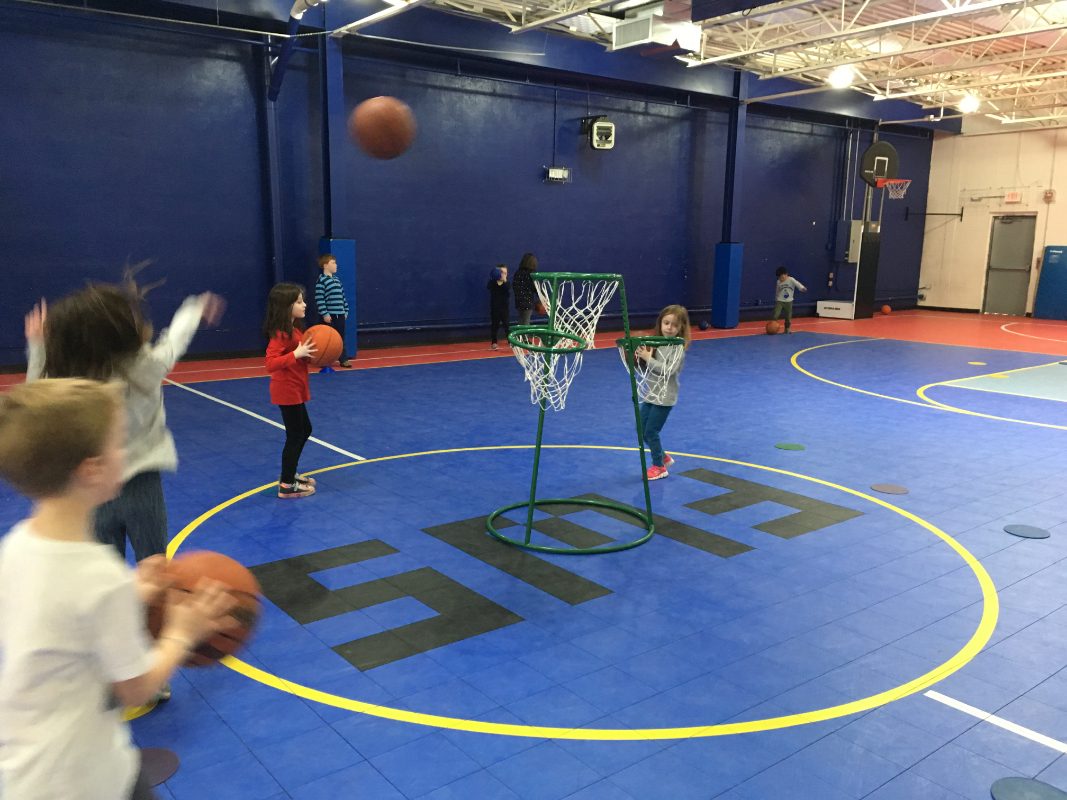
In addition, students had to catch a passed ball while they were stationary and in motion. We demonstrated the proper technique of pivoting while holding a ball and identified markings on the court.  Students were also given a choice to use a blue basketball which is lighter and easier to shoot into the net.  A shorter net was also used for those students not able to reach the taller nets.  The goal is to modify each sport to have students be successful.

At the Upper Elementary level, we learned to differentiate roles of offensive and defensive players and understand and use simple basketball rules. Games played are:  Dribble Knockout, Knockout, Spot Takeaway, and Steal the Bacon.  At the Middle School level, the focus is on practicing the fundamentals such as:  foul shooting, passing, lay ups, ball handling, dribbling, rebounding, defense/guarding, and footwork.

Students in grades 4th through 8th grade are encouraged join the FWM basketball team.  Practices for the Upper Elementary level are held on Tuesdays and Thursdays after school until 4:15 PM.  The focus is to practice the fundamentals of basketball and to go over game like situations.  The middle school practices are held during the school day from 1:55 to 2:50 PM on D, E, and F day.  All games are held after school for both groups.  The Upper Elementary has one team and the Middle School has a varsity (7/8) team and junior varsity (6/7) team.  The season for each team consists of four games played against other independent schools.
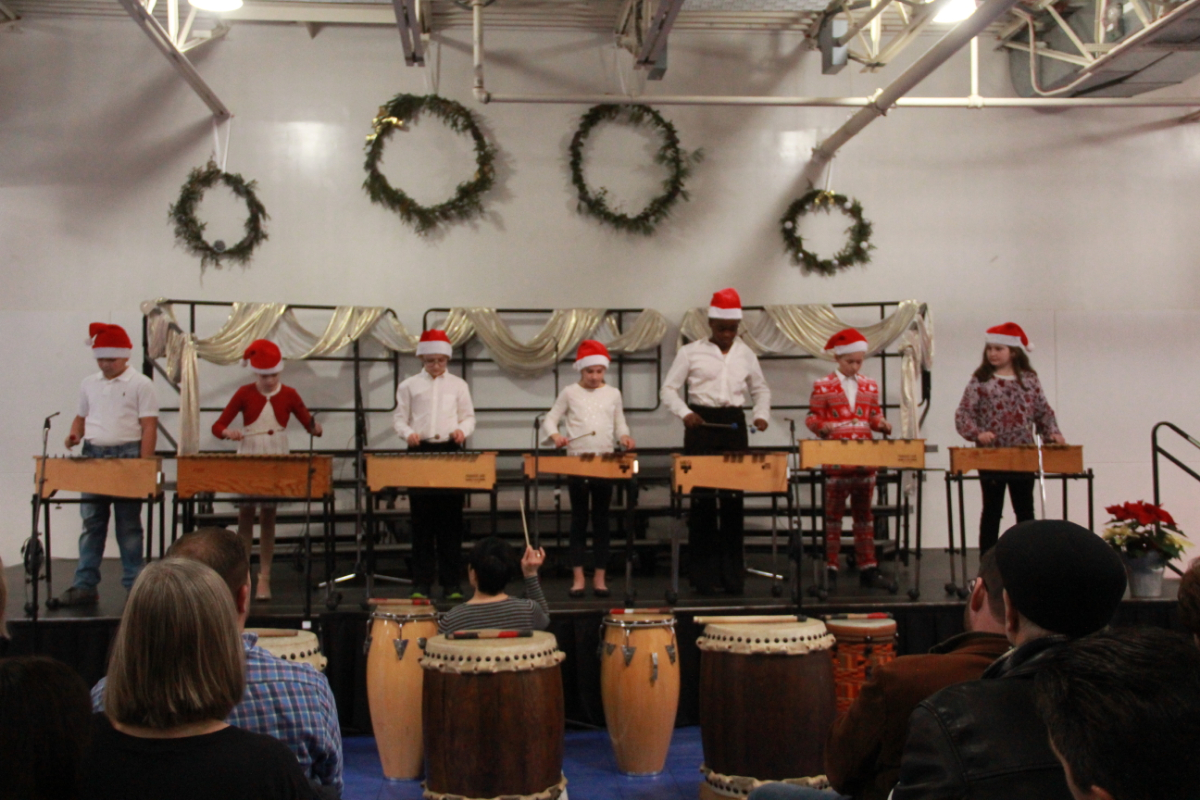

Peek into 2018 Holiday Celebration


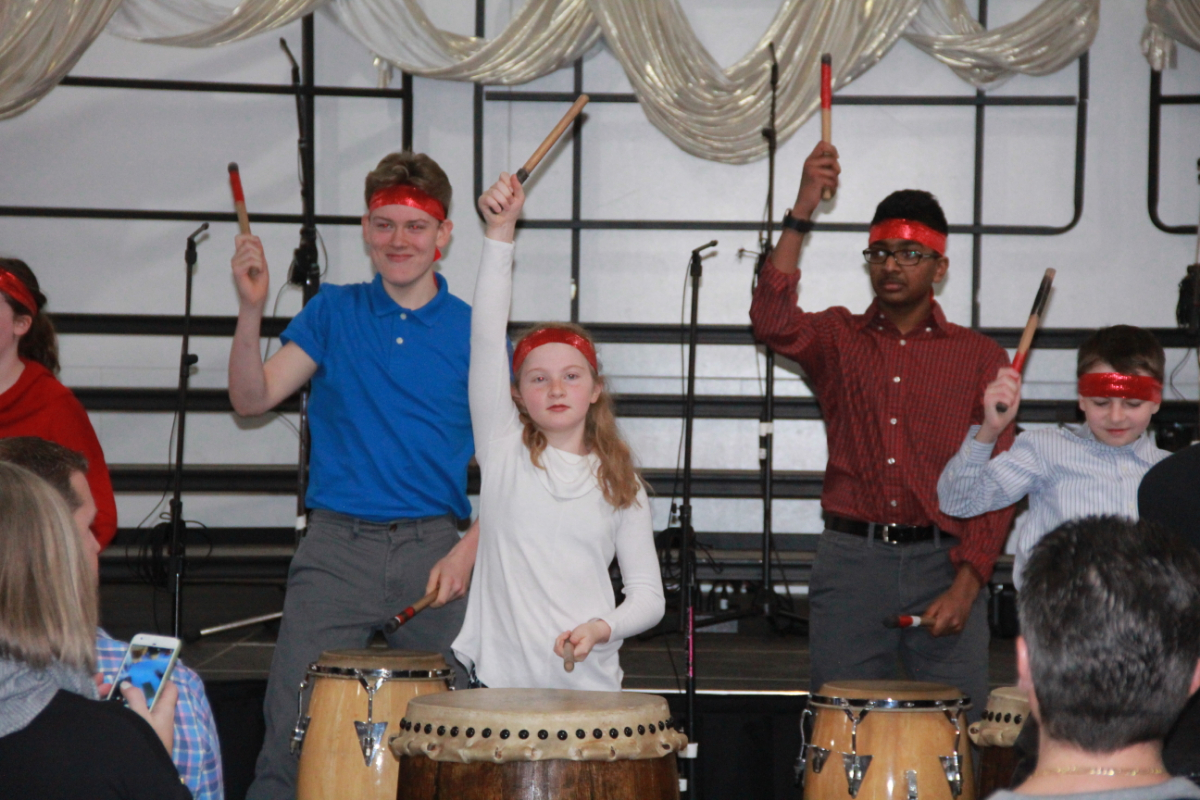
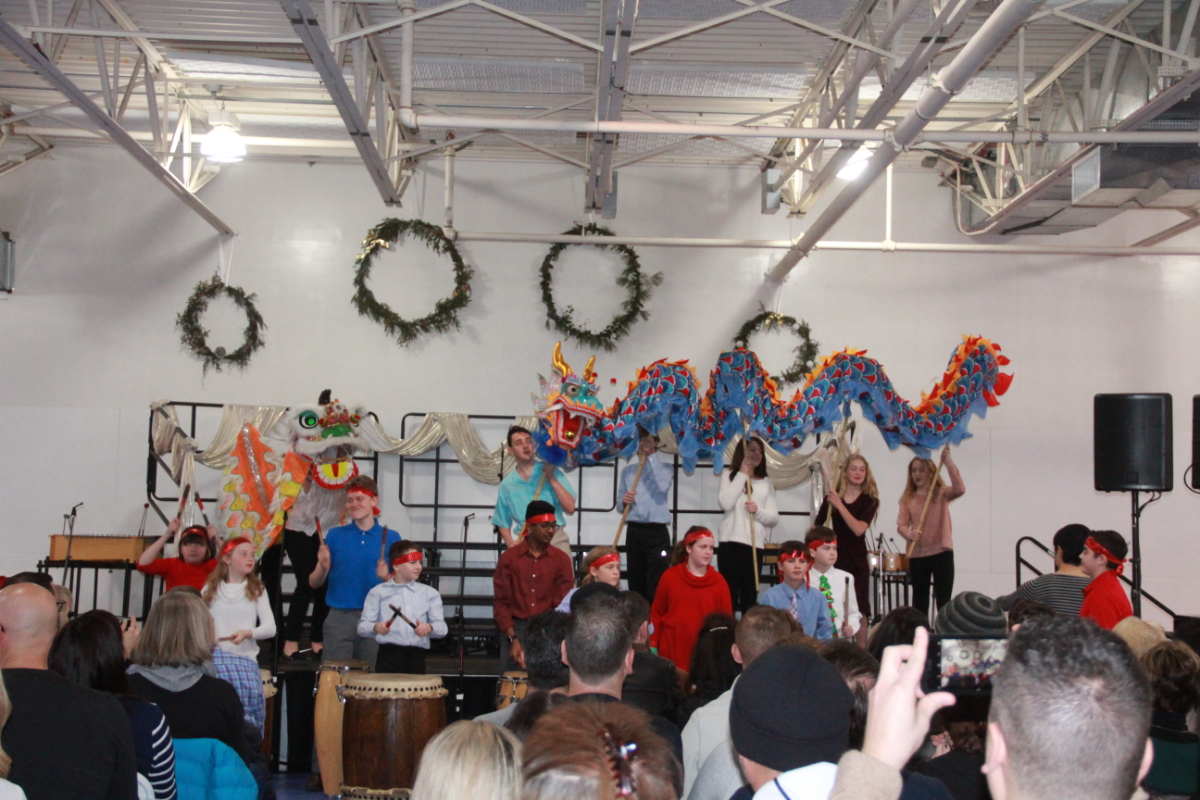
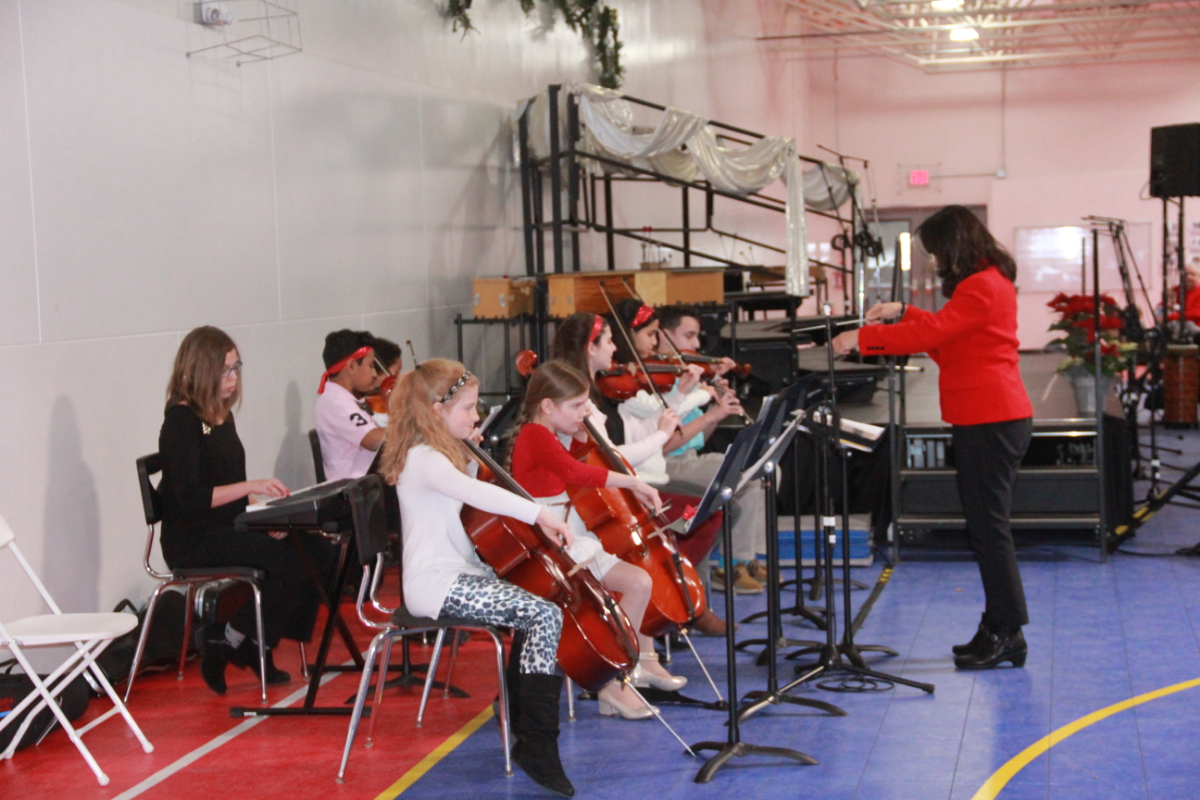
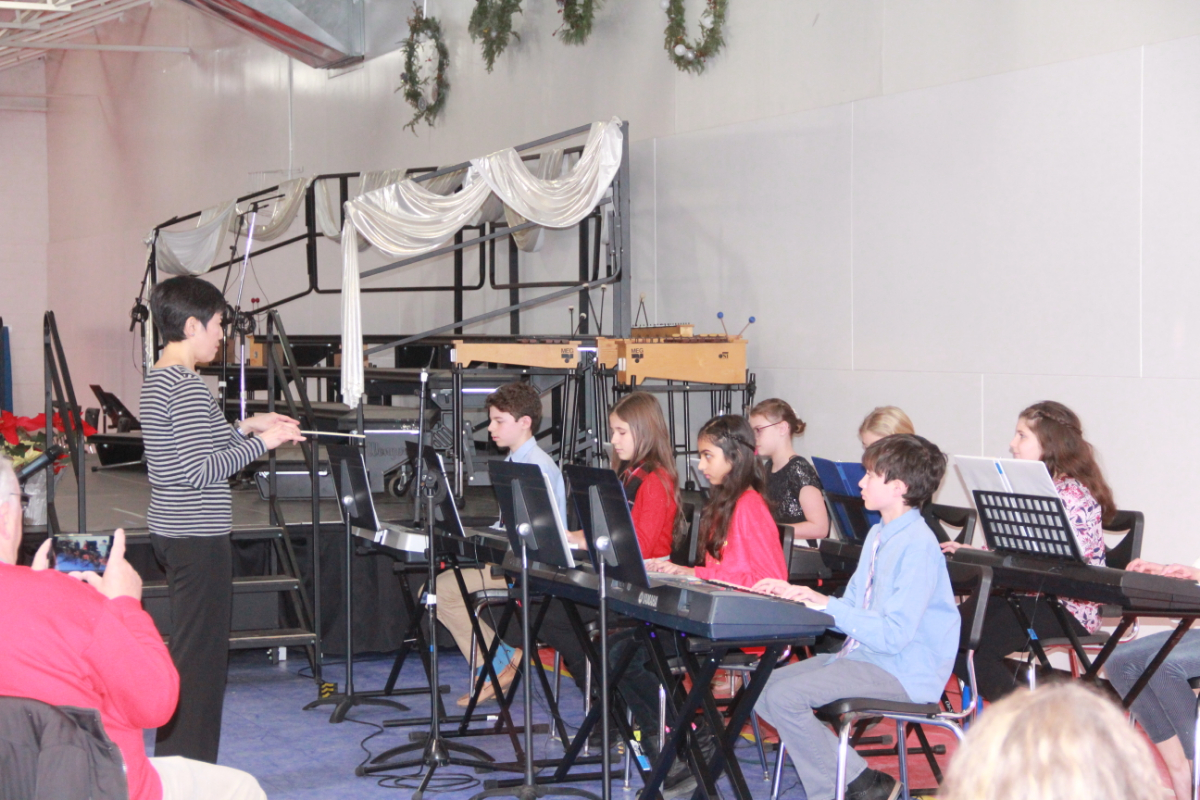
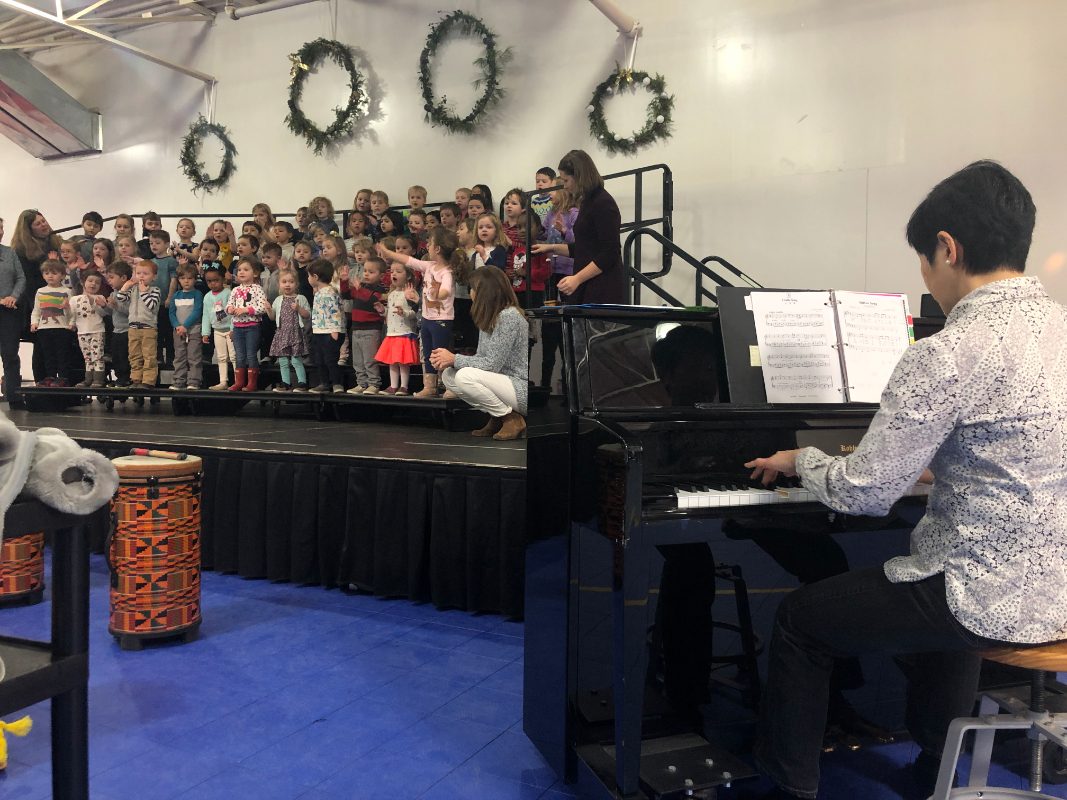
We are deep into January already, but I would like to invite you to take a look back at our Holiday Celebration. From the earliest preparations to the finishing touches and the final performance, our students worked hard and harmoniously. With love and enthusiasm the children filled the gym and our hearts with song.


Creating Mandalas with Flower Petals

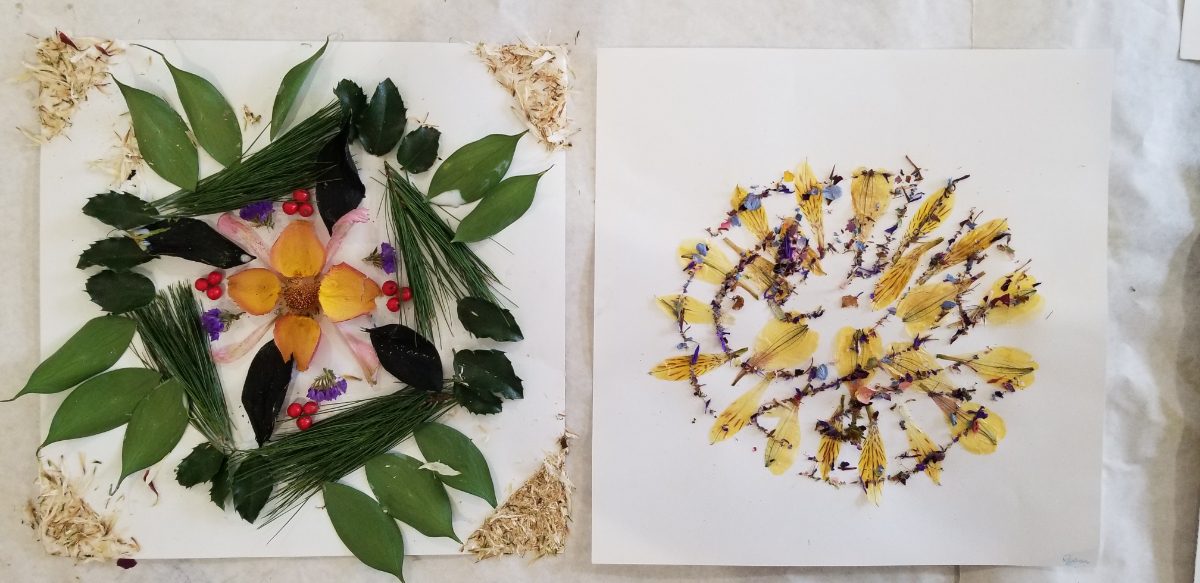
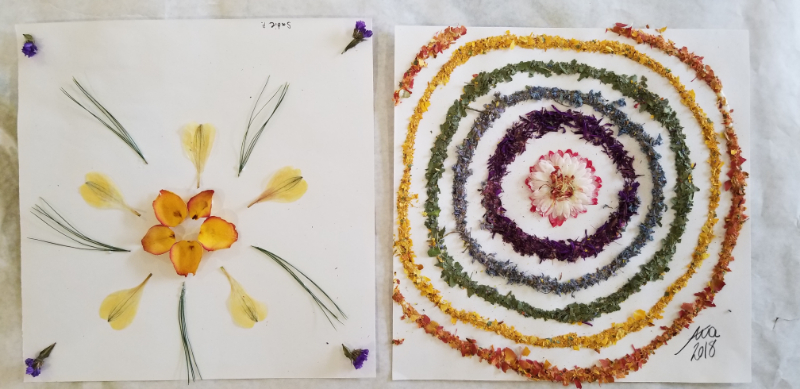
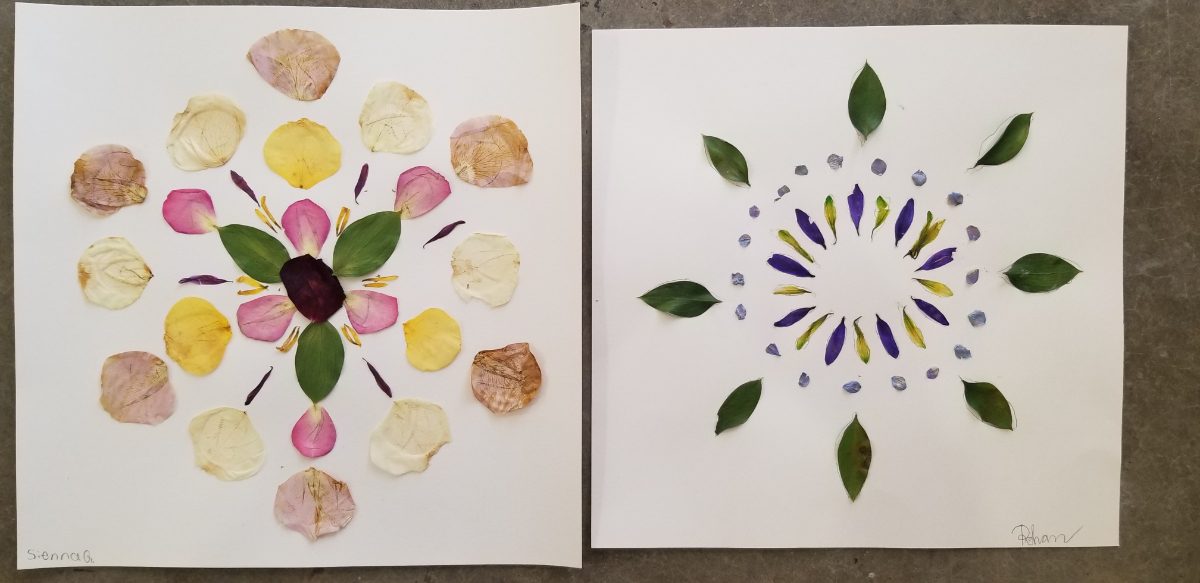
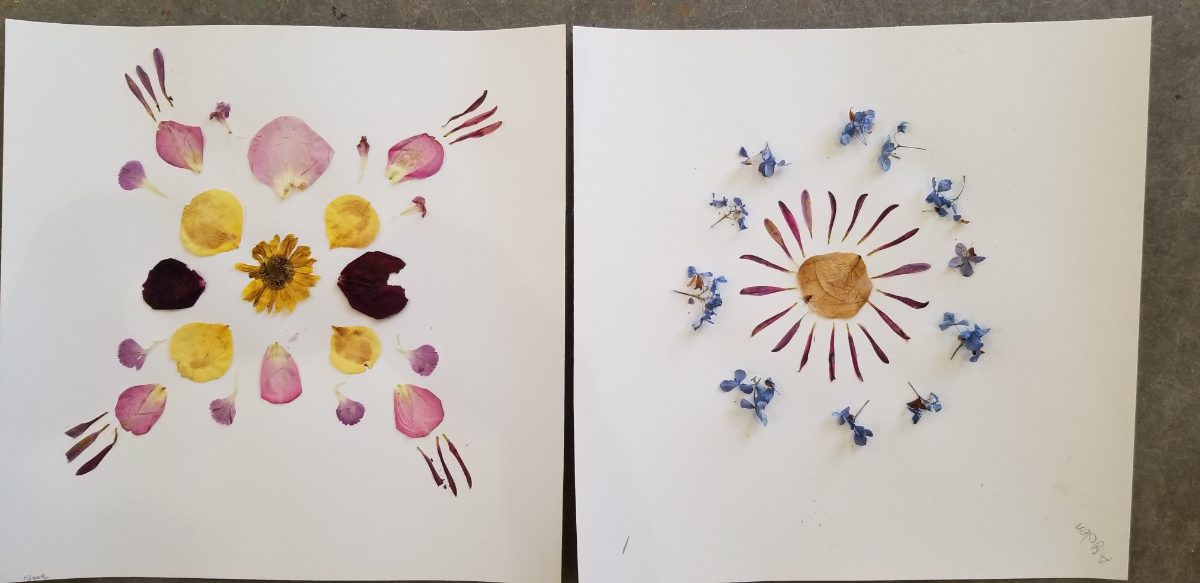
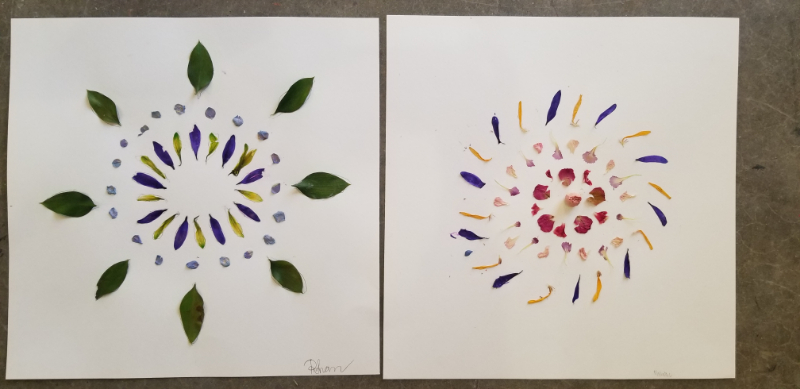
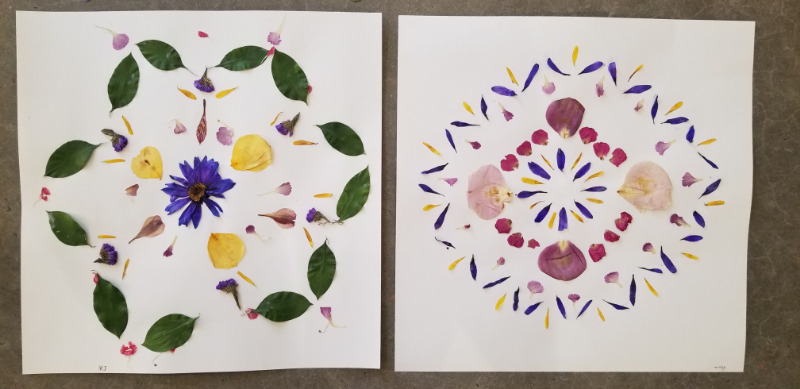
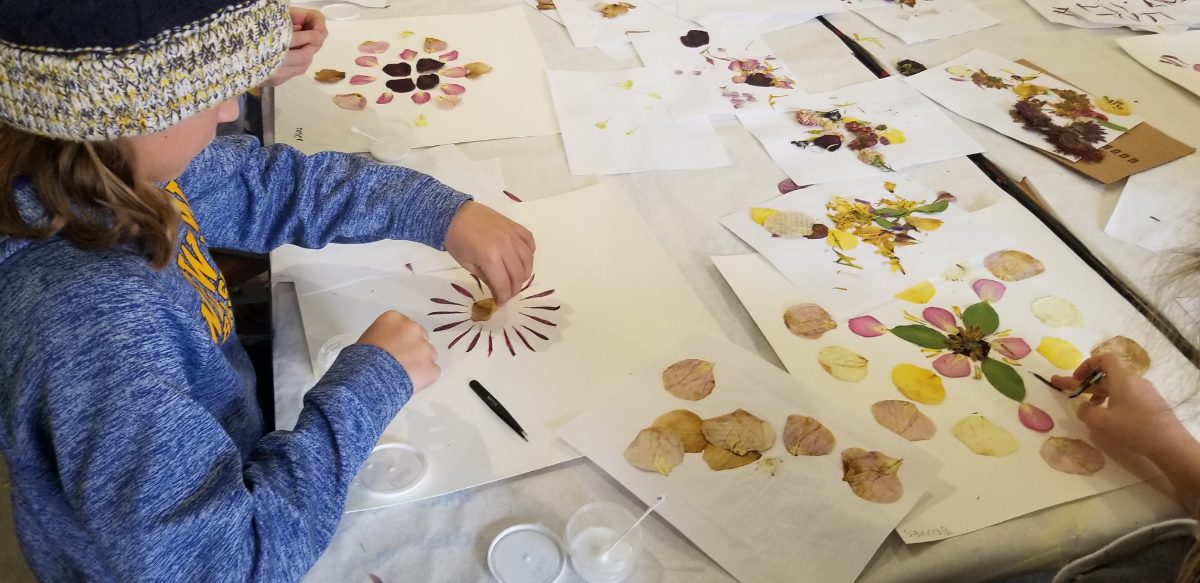
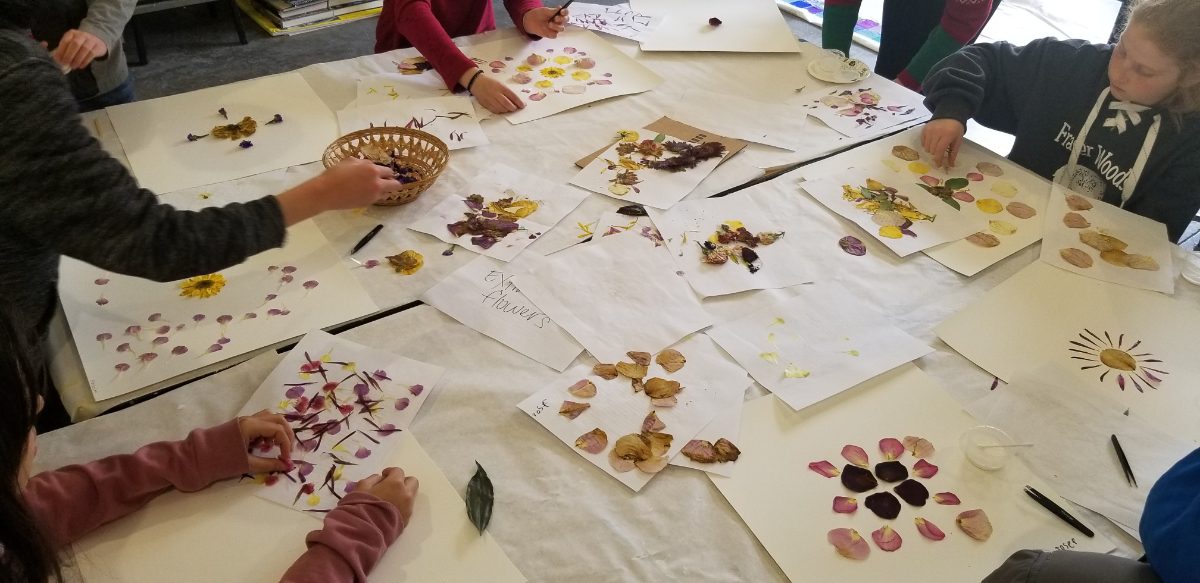
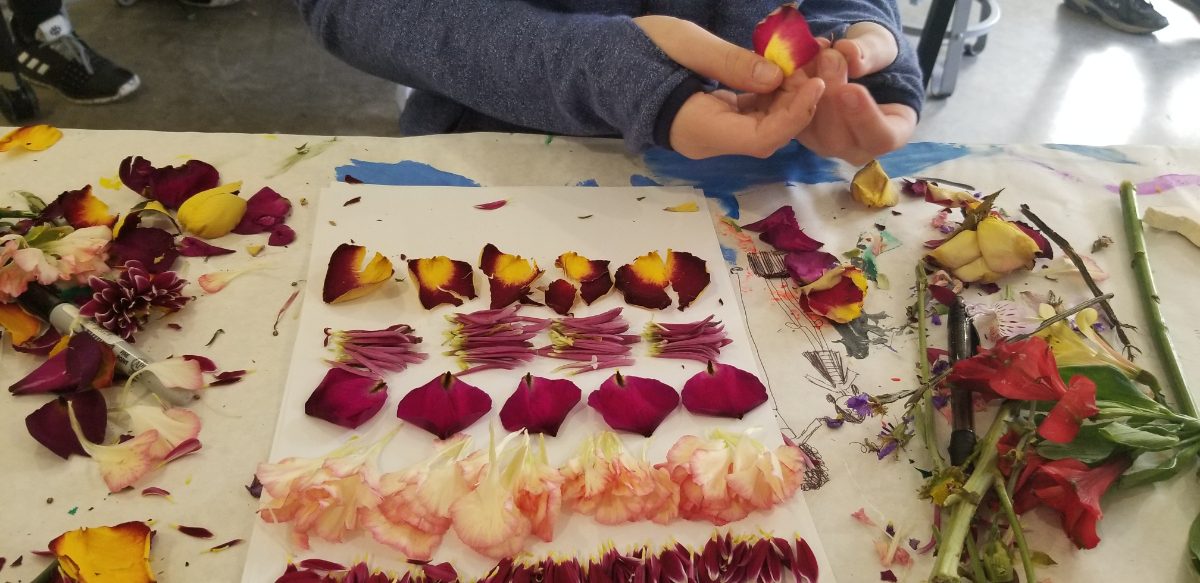
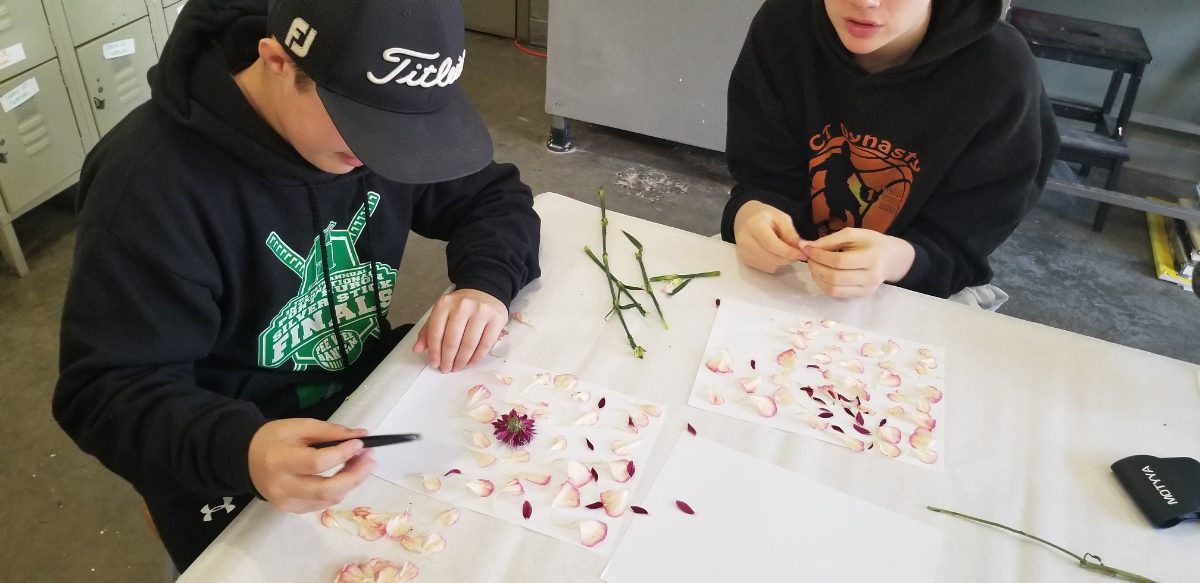
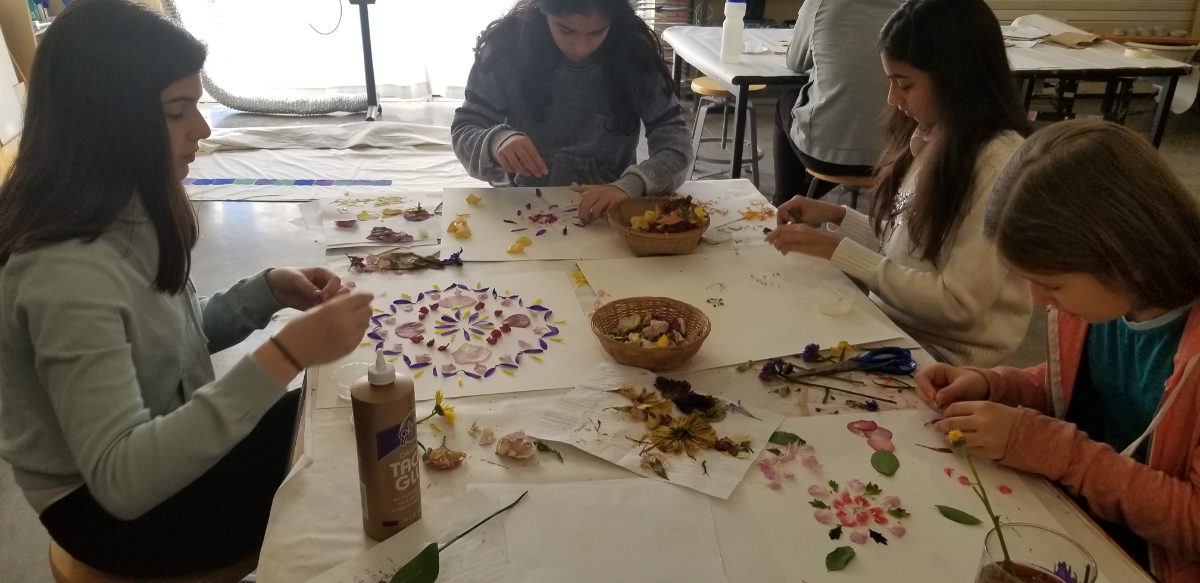
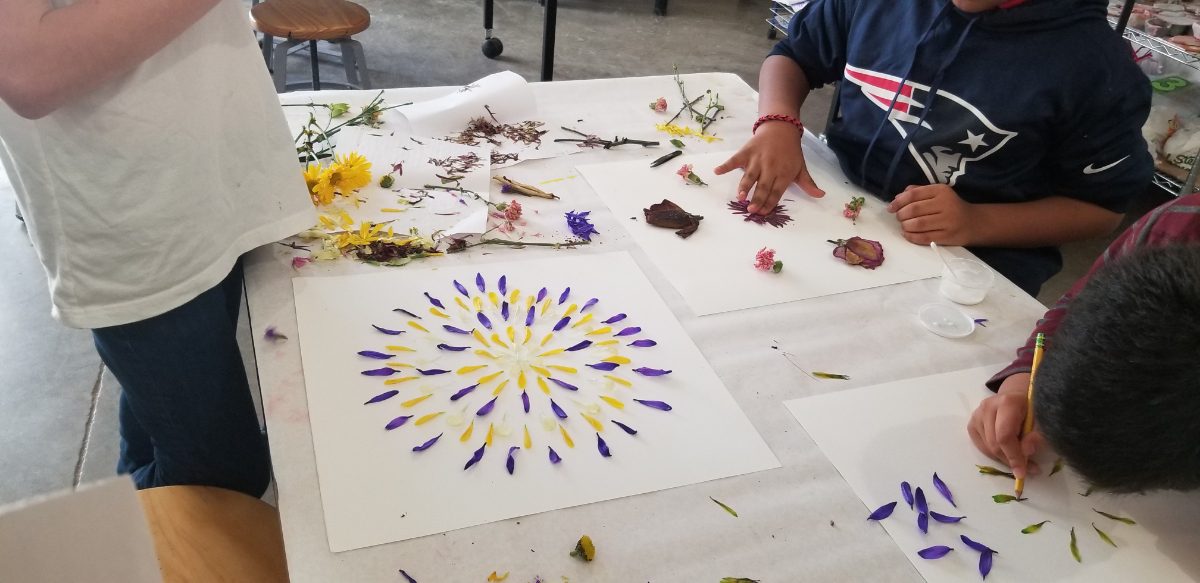
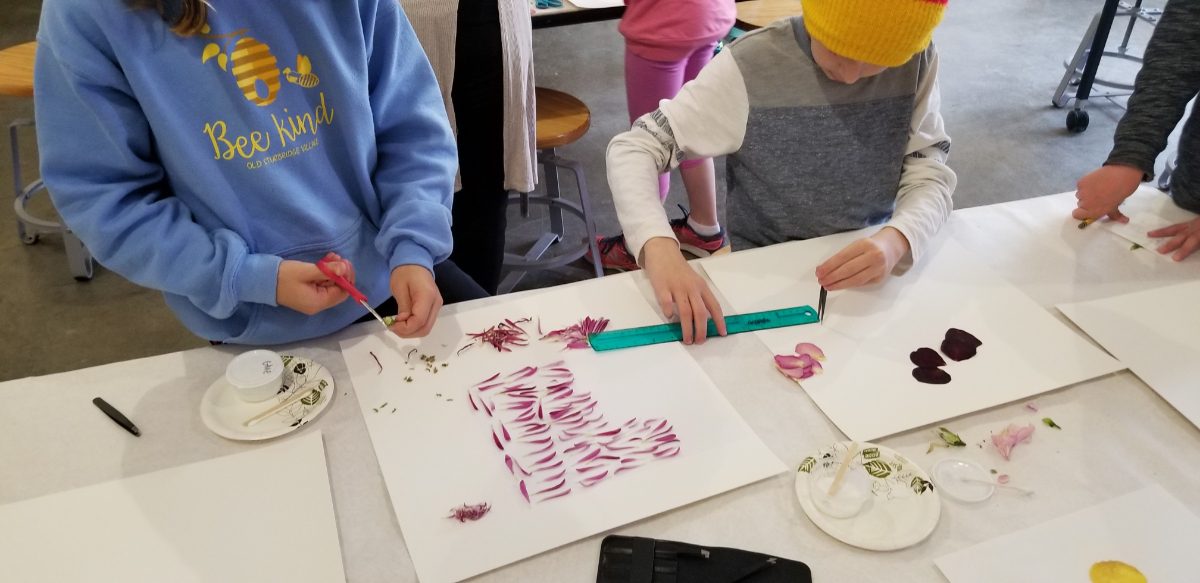
In this project, Middle School students used flower petals to construct mandala designs. First, students learned about the history of the mandala by looking at and discussing historical and contemporary mandala artworks. The name, mandala, comes from the Sanskrit word for circle and refers to the sense of wholeness created by circular forms. In Buddhism, mandalas represent the ideal form of the universe and are a physical representation of meditation. Next, students were given a variety of flowers and were asked to visualize ways of creating a well-balanced radial composition through arranging the flower petals into a symmetrical or asymmetrical design. Students strategized ways to complete their design by pressing the petals, using rulers, and arranging the petals before gluing down. Working with non-traditional art materials in this way allowed the students to gain a deeper understanding of working with multiple parts to create a whole. Each flower petal mandala is unique and colorful, just like the individual who created it! 🙂


6th year French and Spanish Students!

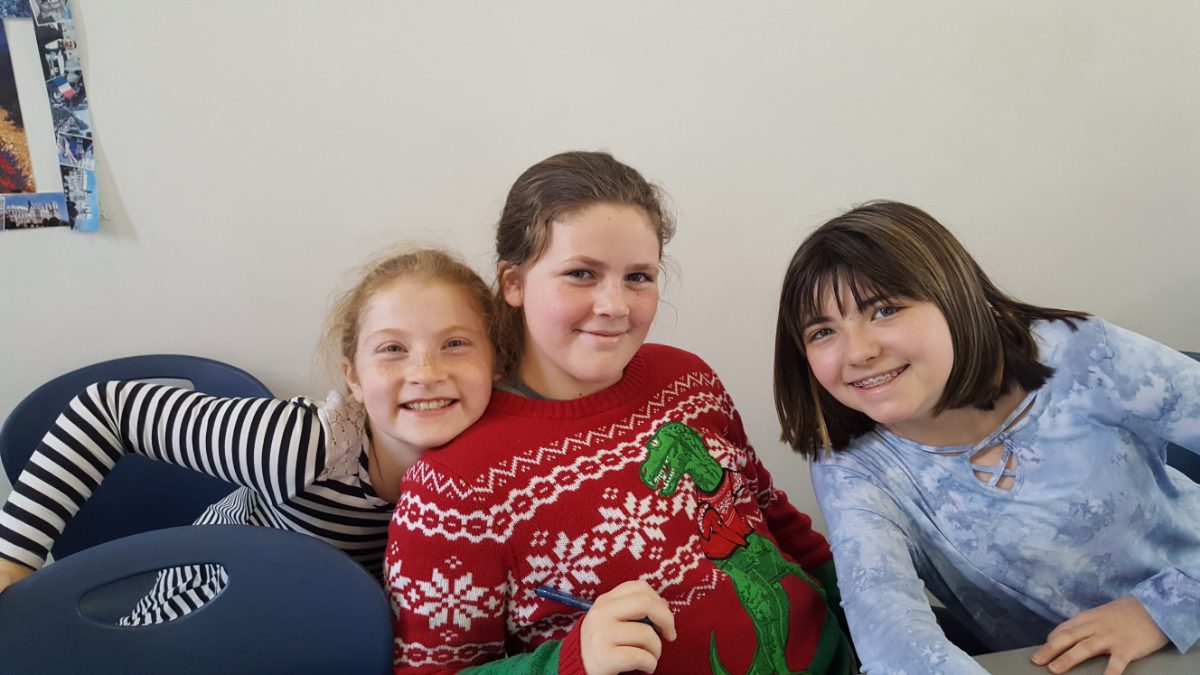
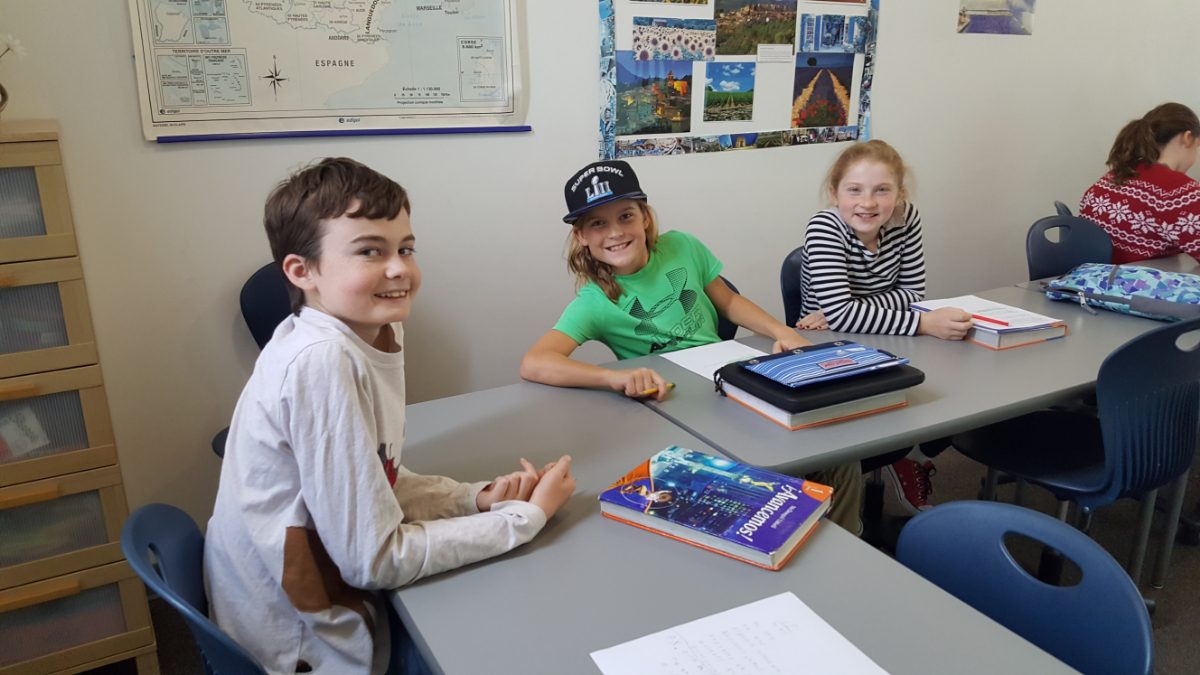
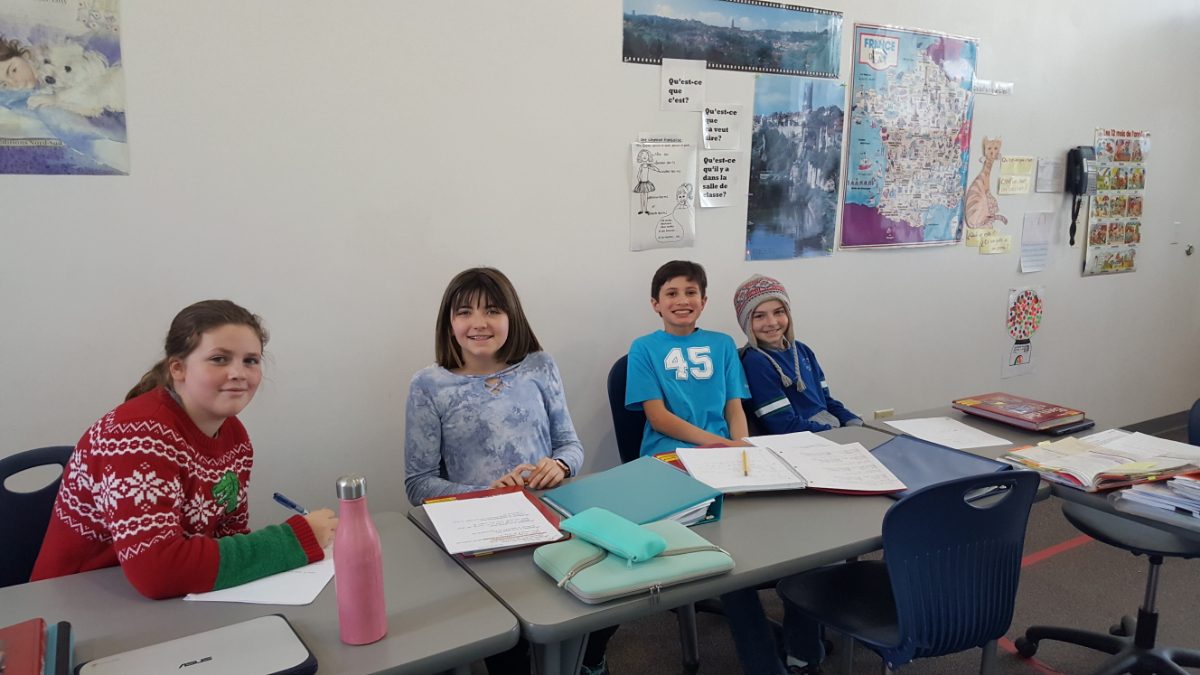
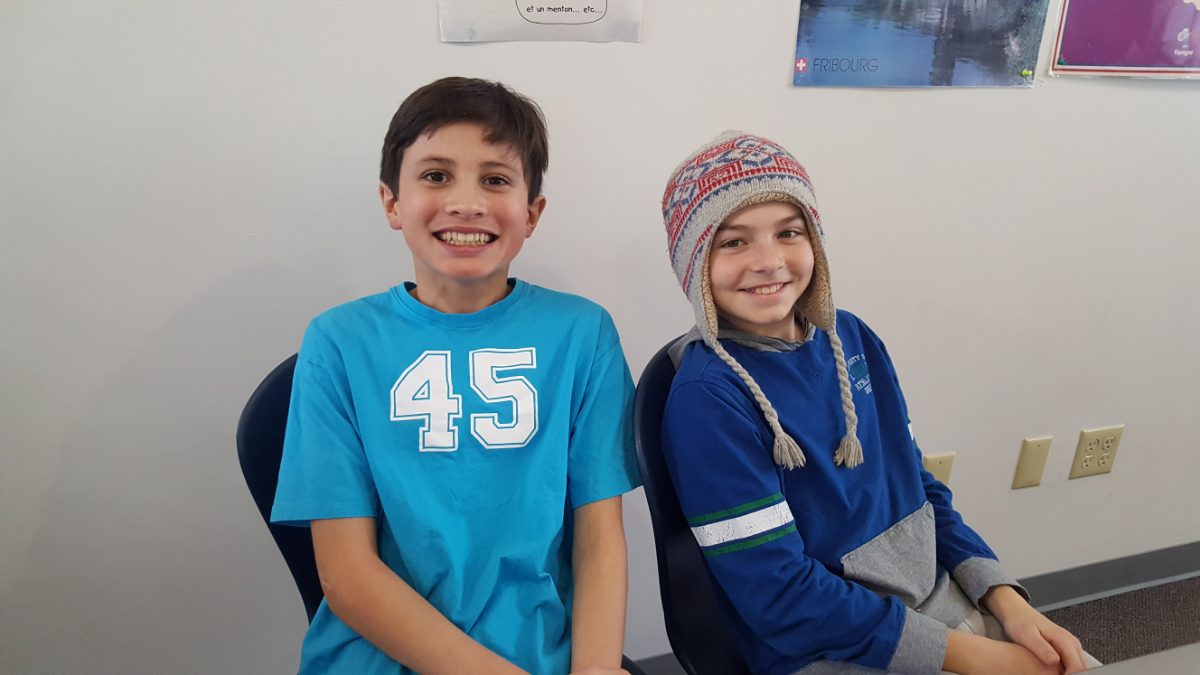
The 6th year Spanish and French students are doing extremely well. Everyone is working so well and is very eager to learn. We have had a wonderful trimester and every day these students spent in my class, they have been learning new vocabulary and grammar. We sometimes combine the 2 groups and work on both languages if there is a similarity in the explanations of grammar or conjugation. On this day, December 6th, was one of those days where we learned about the verbs “ir and aller” (to go). We conjugated these verbs in the Present Tense and also learned that these 2 particular verbs can help us speaking about the near future. You can see the enthusiasm on all these students faces ! Keep up the good work, guys!

Fun Holiday Warm-Up Games & Floor Hockey


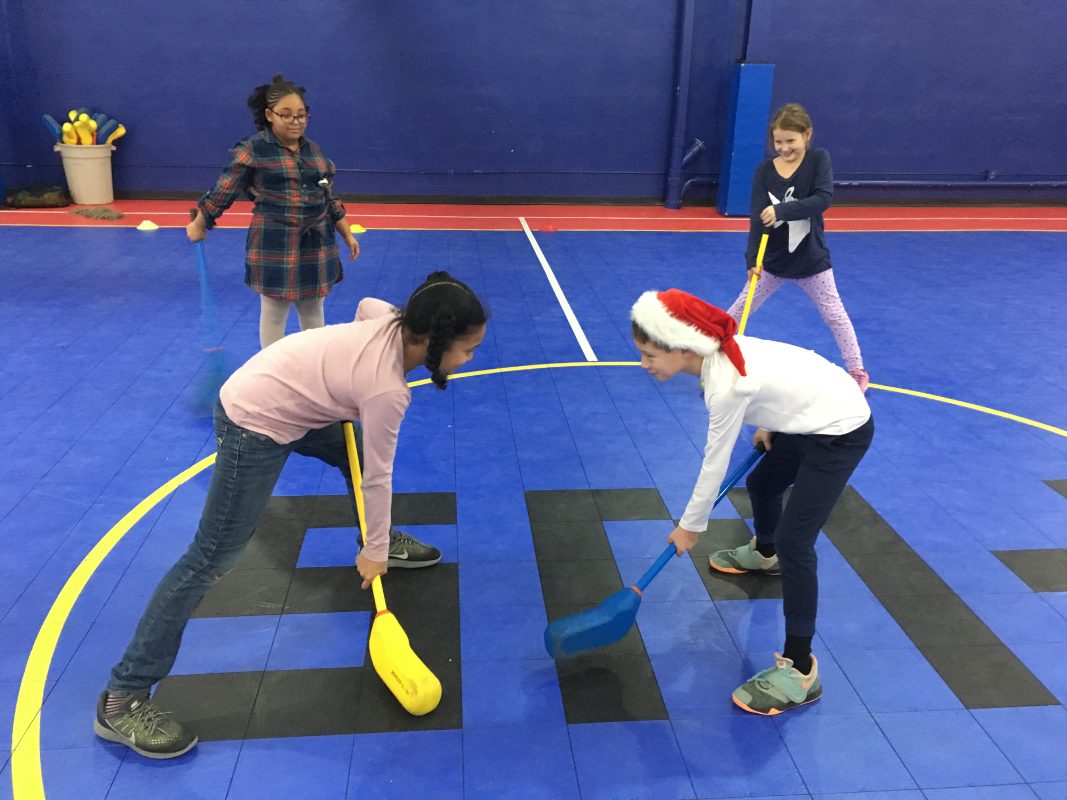
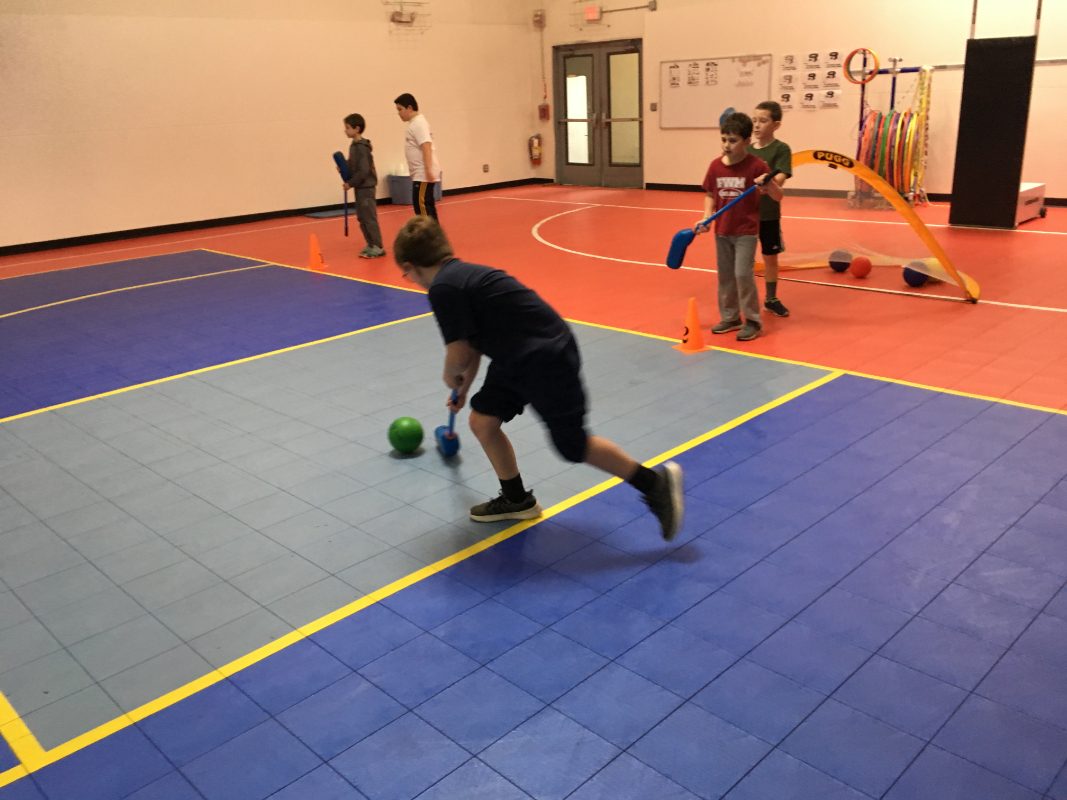
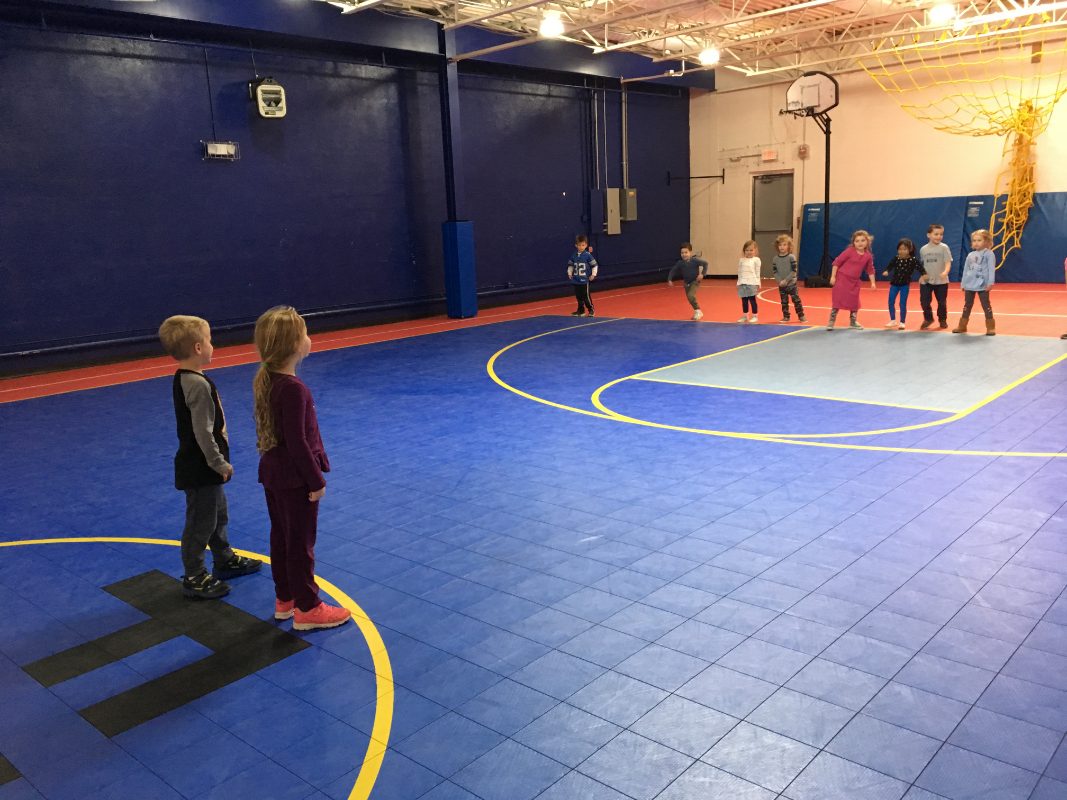
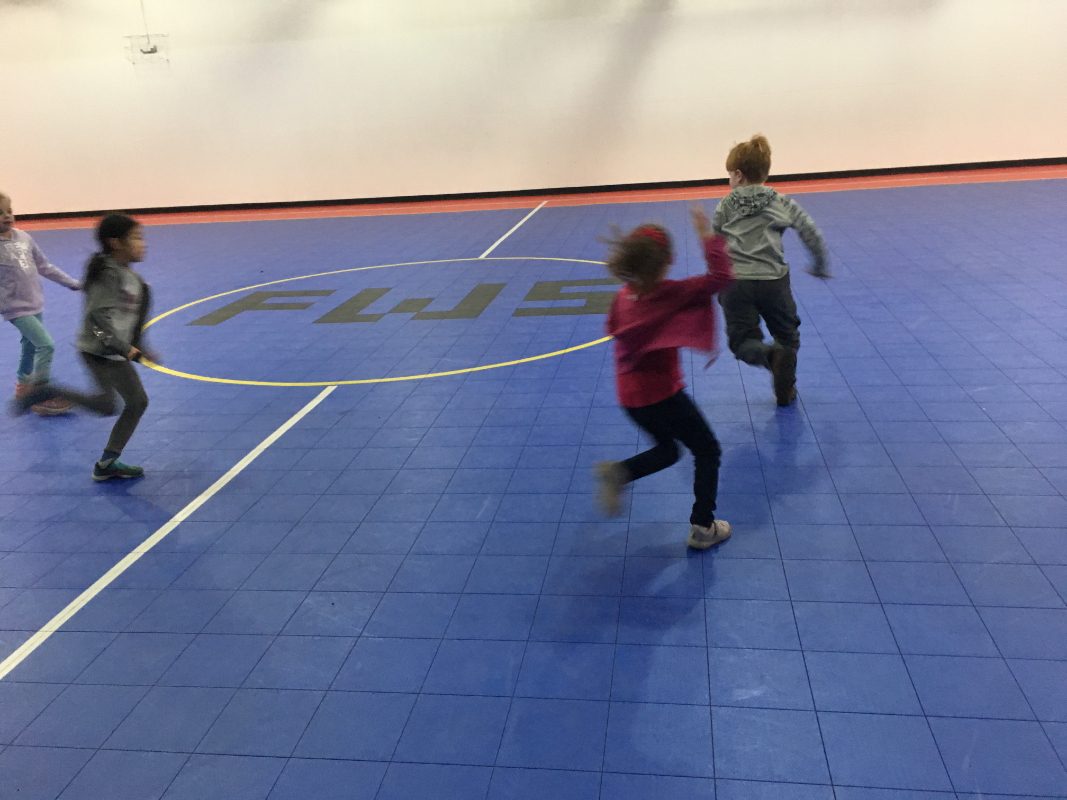
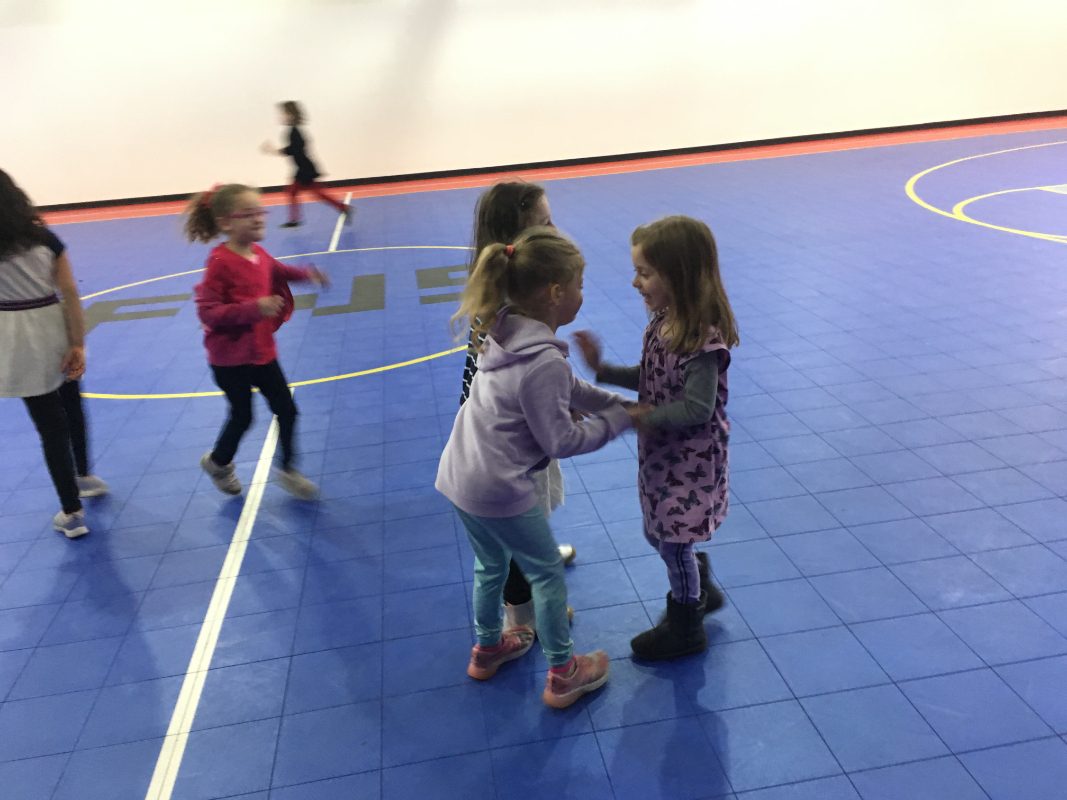
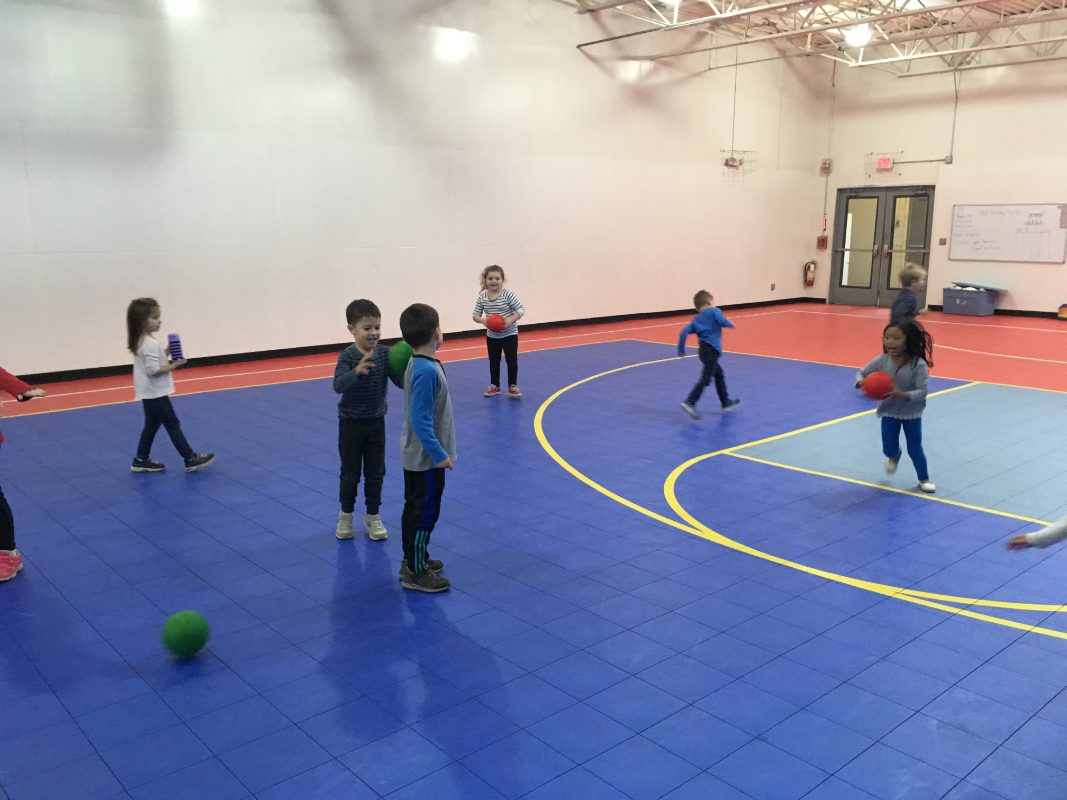
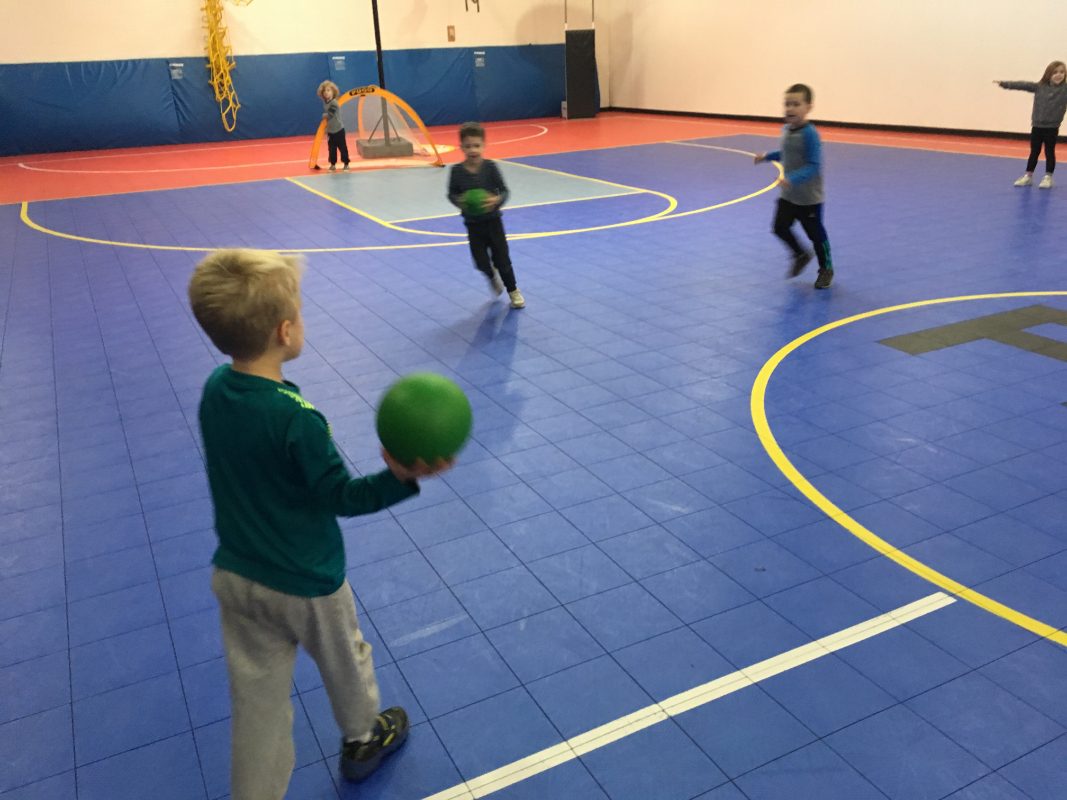
In Physical Education class, students participate in warm-up games prior to the class activities.  Warm-up games this month were:  “Pluck the Turkey,” “Happy Thanksgiving,” “Happy Holidays,” and “Grinch Tag.” In the game “Pluck the Turkey,” students try to pluck as many turkey tails as they can.  If a tail is plucked, the student can come see Mrs. Pascarella for another tail.   In the game “Happy Thanksgiving” and “Happy Holidays” students have to pick a food or object that is associated with that holiday.  Students line up on one end of the gym and one tagger is in the middle.   For example, when the tagger (the caller) calls out “are there any turkeys?”  Those that chose to be turkeys would then try to run to the other side of the gym without getting tagged.  If tagged, he or she will join the tagger in the middle.  The game goes on until there are one or two students left that have not been tagged.  In “Grinch Tag,” all run around as elves preparing gifts for the holidays.  The Grinch is holding a green ball and tries to tag the elves with the ball and stop them from making presents.  Two students (Mr. and Mrs Claus) are holding a red ball and help the elves that are frozen to get back into the game and start running again.  In The purpose of these warm-up games are for students to work on their cardiovascular endurance, loco-motor skills, and prepare their bodies for activity so that they are less prone to injury.

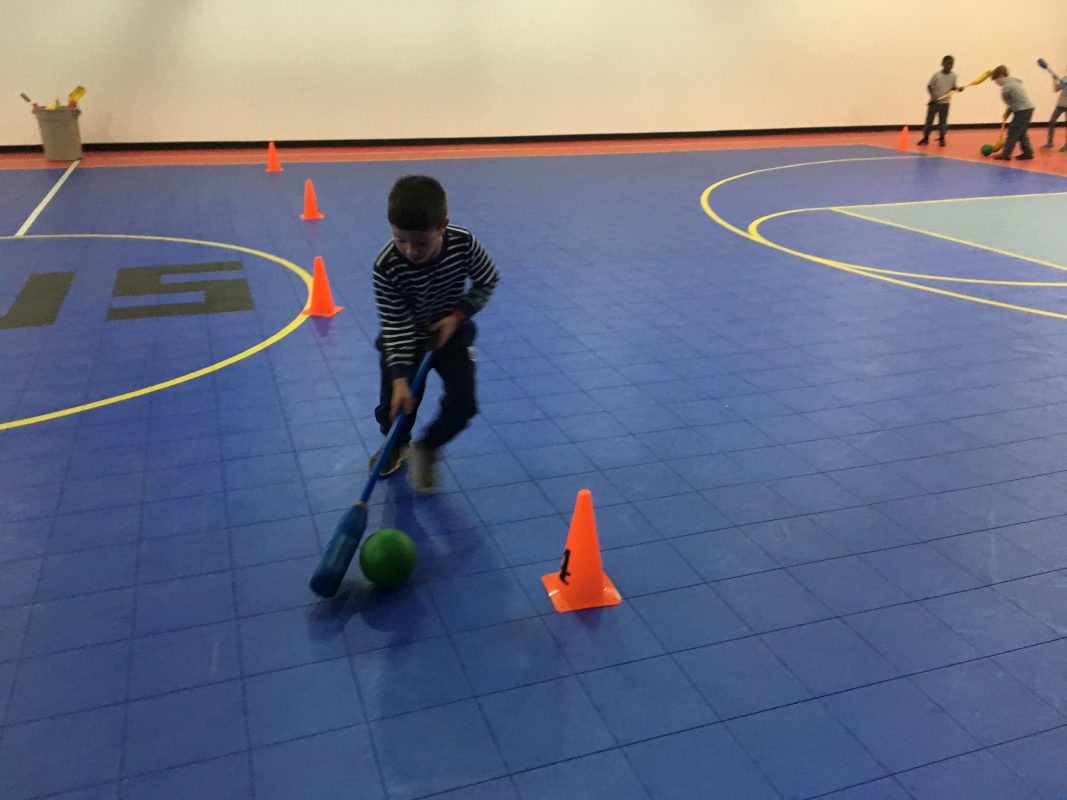
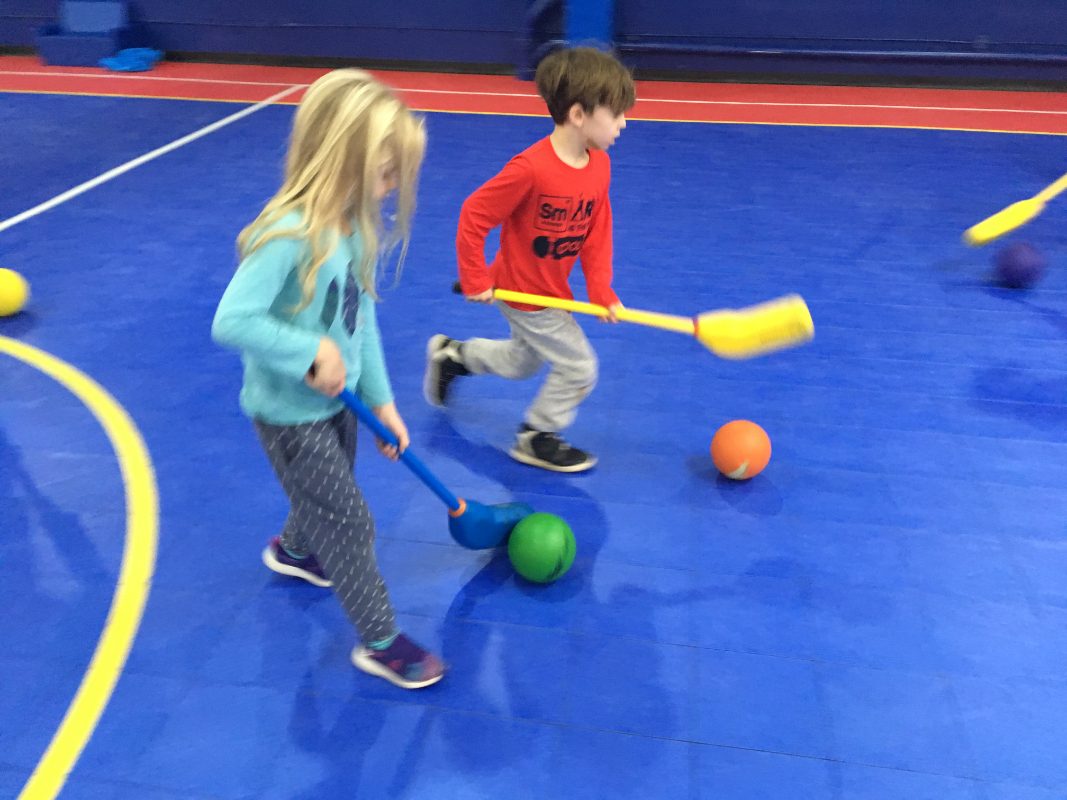
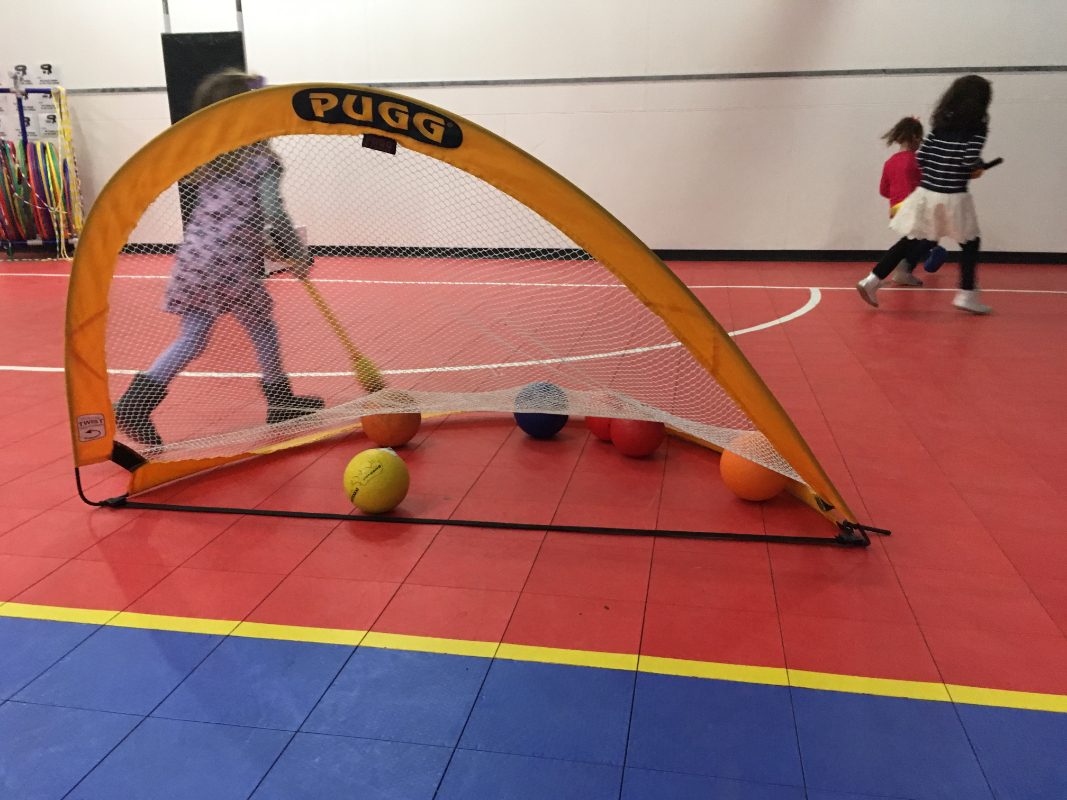
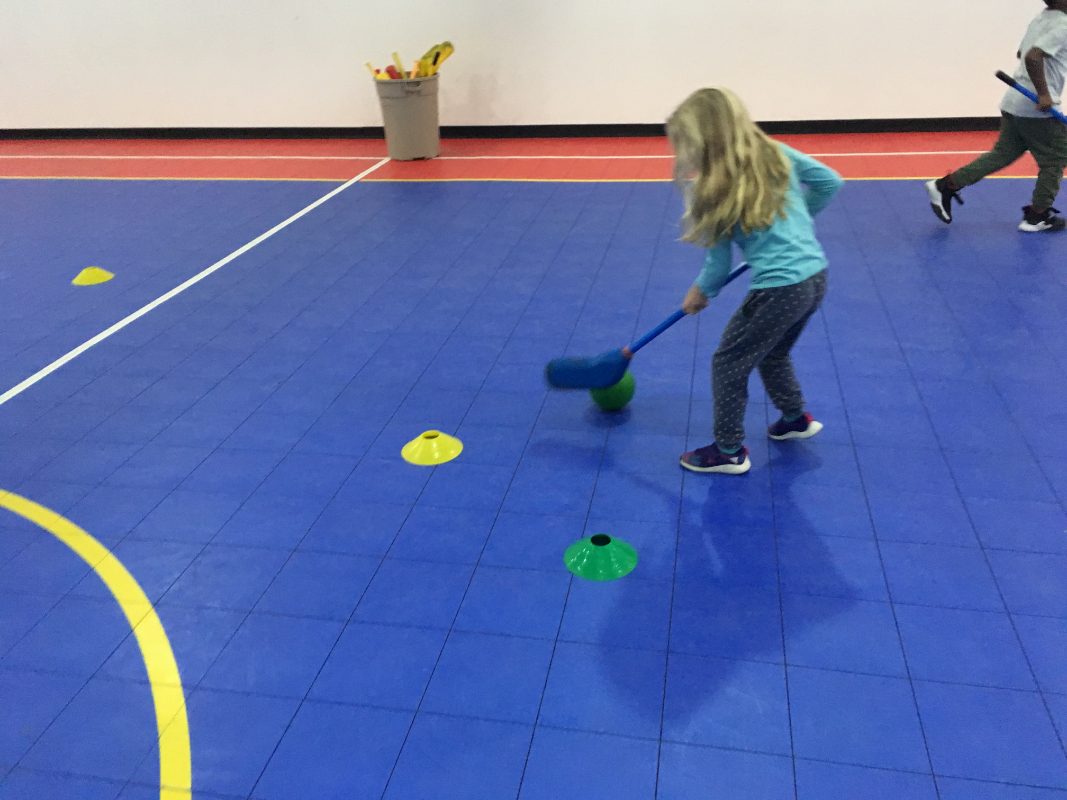
Students in Kindergarten through fifth grade started a floor hockey unit this month.  The Floor hockey skills of dribbling, passing, and shooting were introduced.  To practice dribbling, we engage in an activity called “Walk Your Dog,”  Dribble Knockout, Dribble Relay, Keep-away, Knock the Pin, Steal the Bacon, and Sideline Hockey.  We practice these hockey skills in order to help students develop hand-eye coordination, agility, balance, and group cooperation.  At the end of each class, students participated in sideline hockey.  Sideline hockey is a game where only two to three students from each team come out to the court while the rest of their teammates are on the sideline and can help make passes.  Small sided games allows for students to be more actively participating in team games.


Music, Celebration, and Thanksgiving

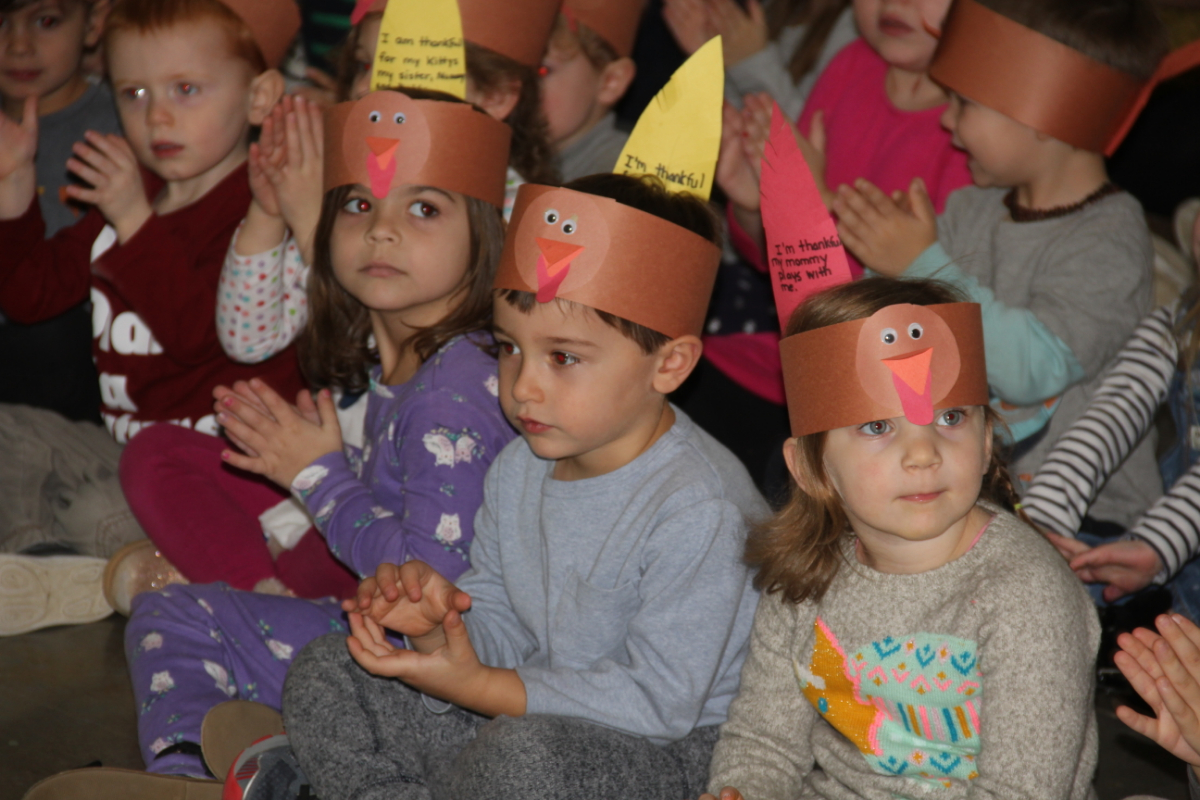
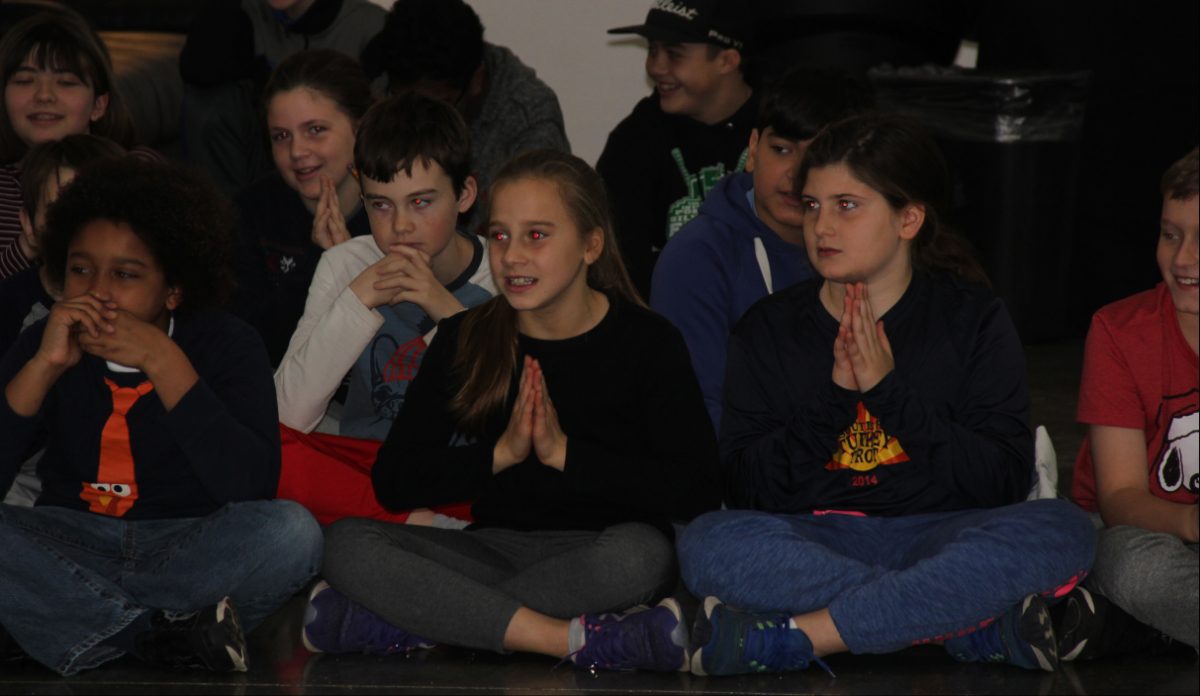
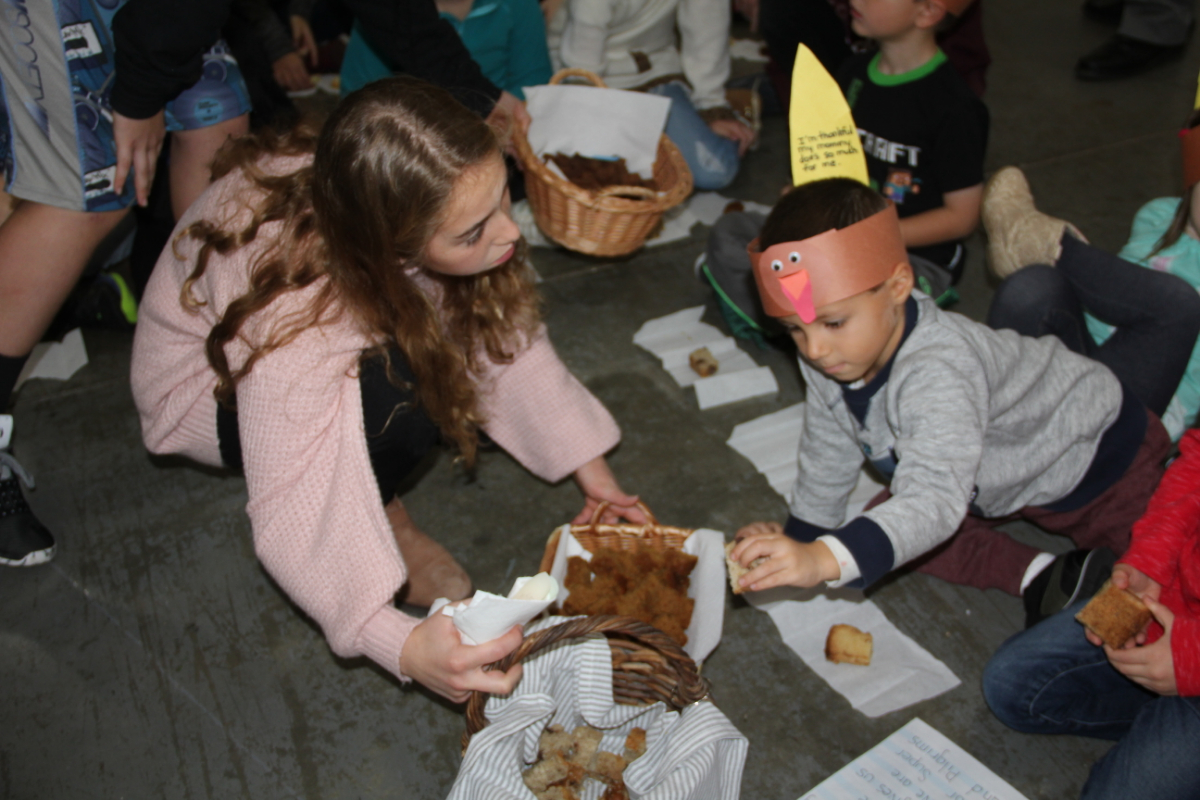
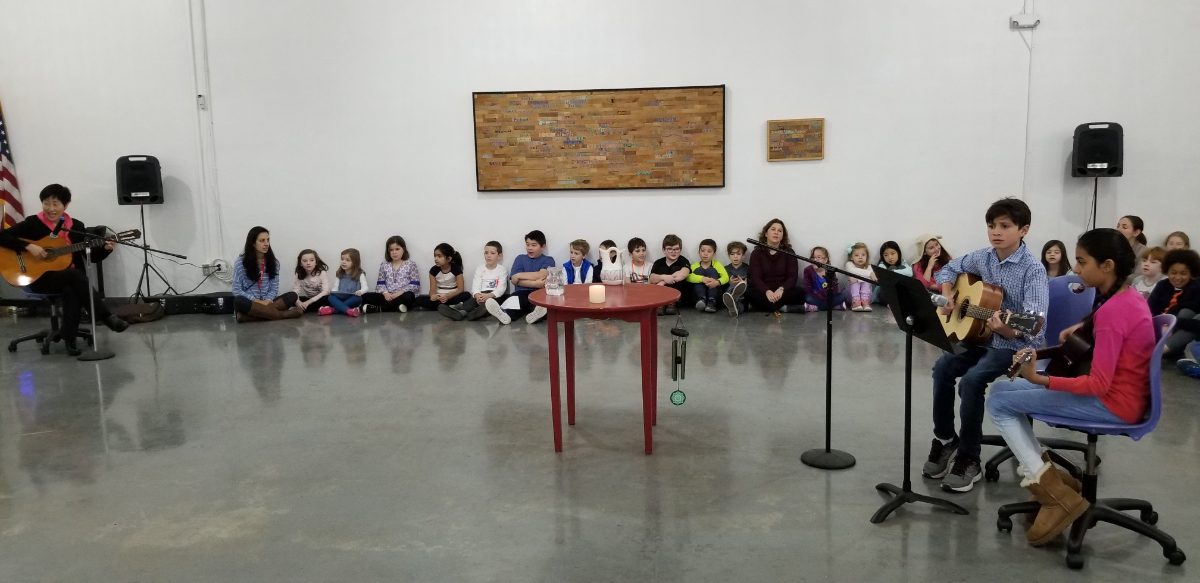
On Wednesday, November 21st, the whole school gathered as one for our Thanksgiving Celebration. This day is filled with many traditions-old and new. We celebrate the Story of The Four Elements – Fire, Water, Earth, Air. Representatives from each class share with the children are thankful for. And each class bakes bread and then brings their bread to the celebration to be shared with the rest of the community.

This year, the students have been preparing for this heartwarming event by learning to sing: One by One composed by our beloved songwriter, John Farrell. John Farrell is an internationally acclaimed songwriter, author, and peace educator.  John Farrell is also the founder of “Bridges of Peace and Hope,” an international, non-profit organization of teachers and students dedicated to promoting education and understanding through collaborative, creative arts exchanges and service learning projects.

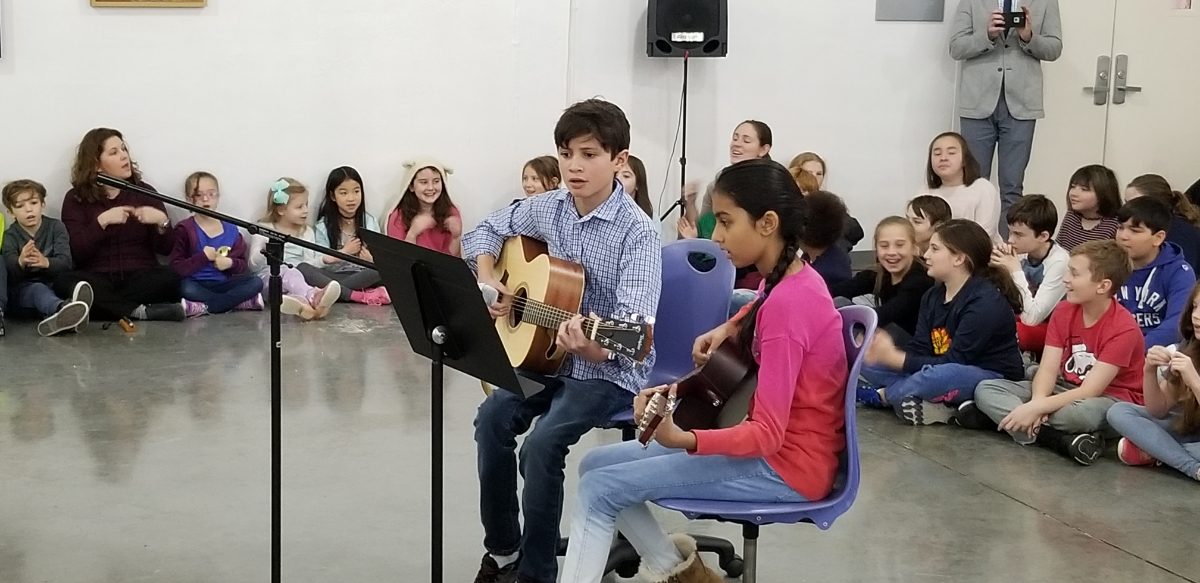
You could hear this song almost everywhere you went in the school: in classrooms, the after school room and even outside. Lower Elementary students loved it so much, that they learned the sign language for the song and performed it during the celebration. Another big PLUS to this event was that two of our Middle School students, Anselm and Rania joined me in accompanying the song on the guitar.

It was indeed, a blessing to share! “One by one, we count our blessings…”.

One by One by John Farrell

Thank you for the sun that shines
Thank you for the stars above
Thank you for the rain that falls
And thank you for your love

One by one we count our blessings
As we come to share this bread
Let us gather round the table
May our hearts always be thankful
For each gift that we receive
One by one we count our blessings
With our friends and family

Thank you for the air we breathe
Thank you for the food we eat
Thank you for our families
And thank you for your love


Wayne Thiebaud Inspired Clay Cake Boxes!

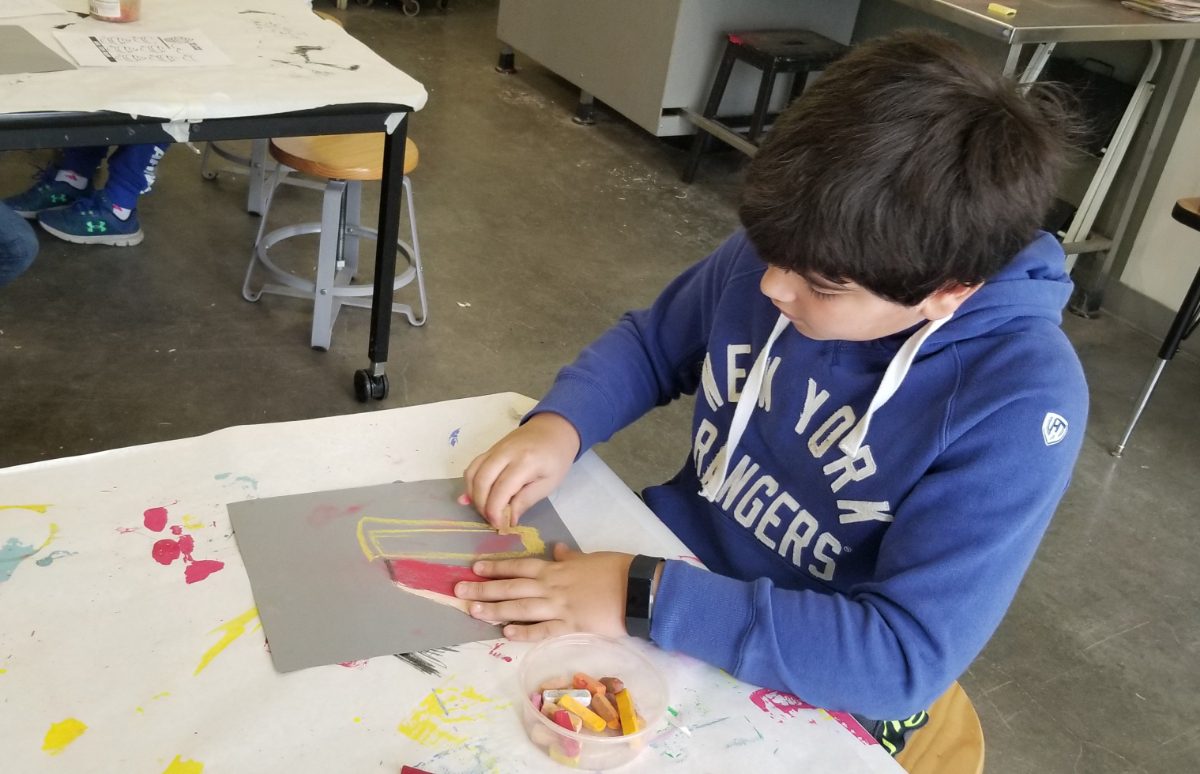
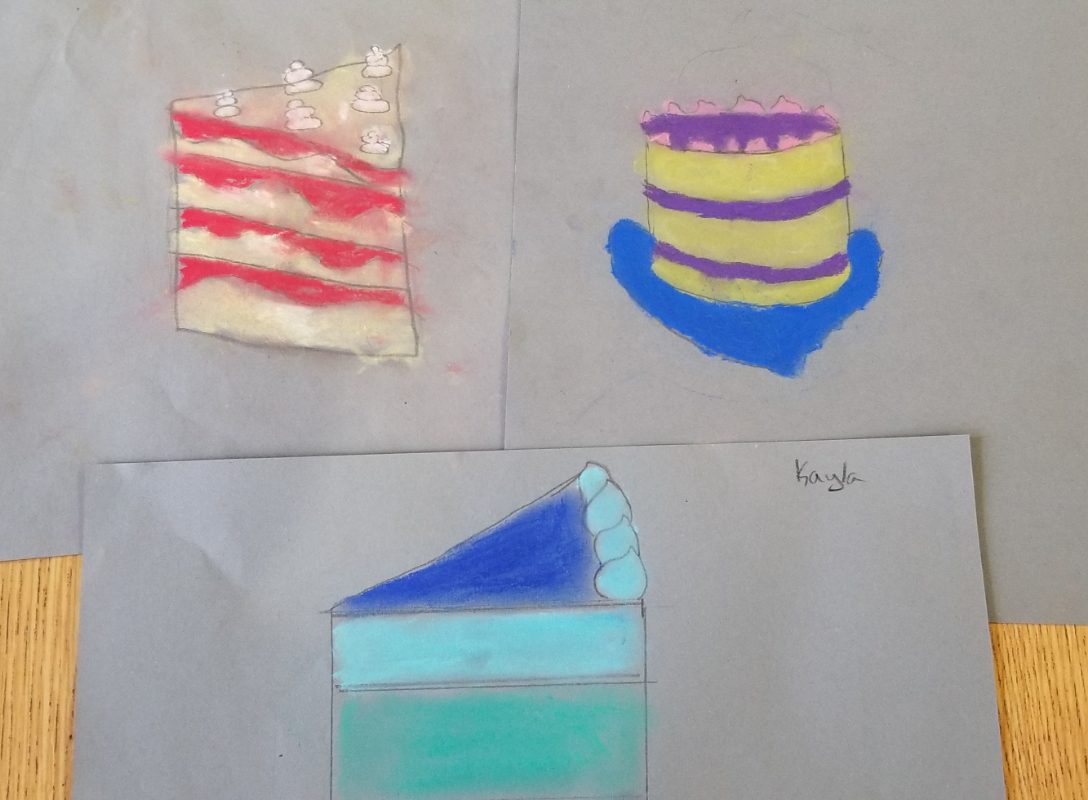
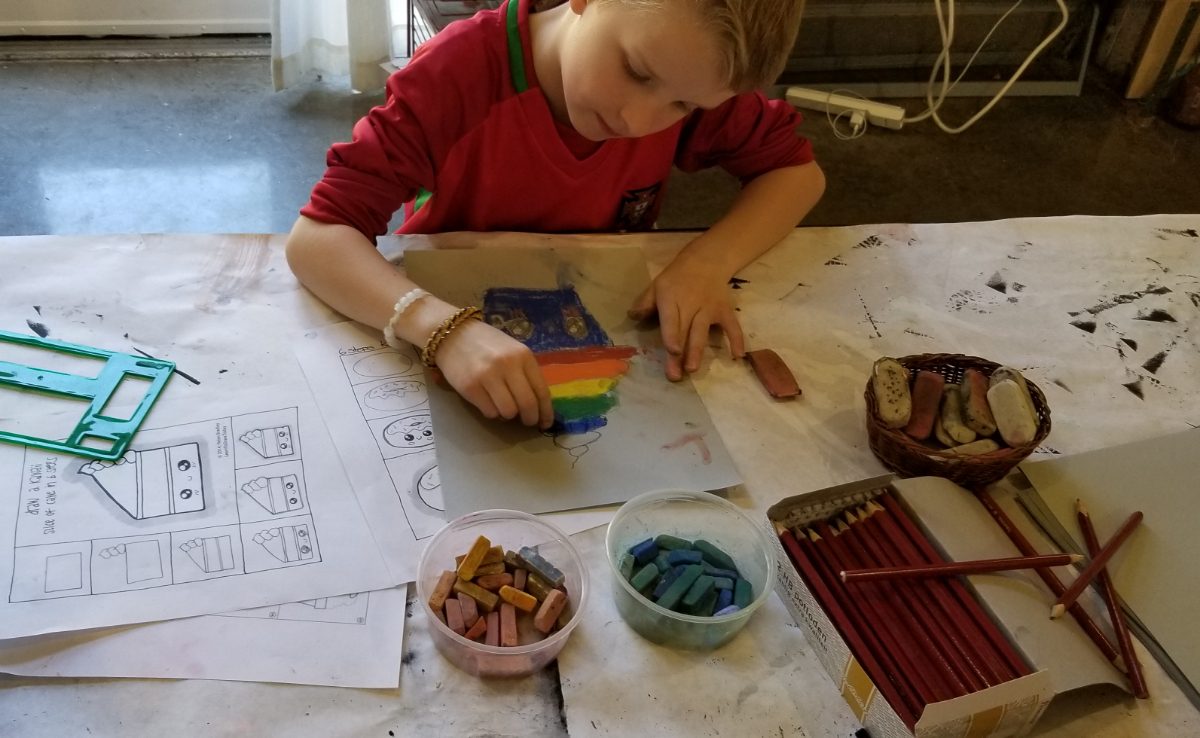
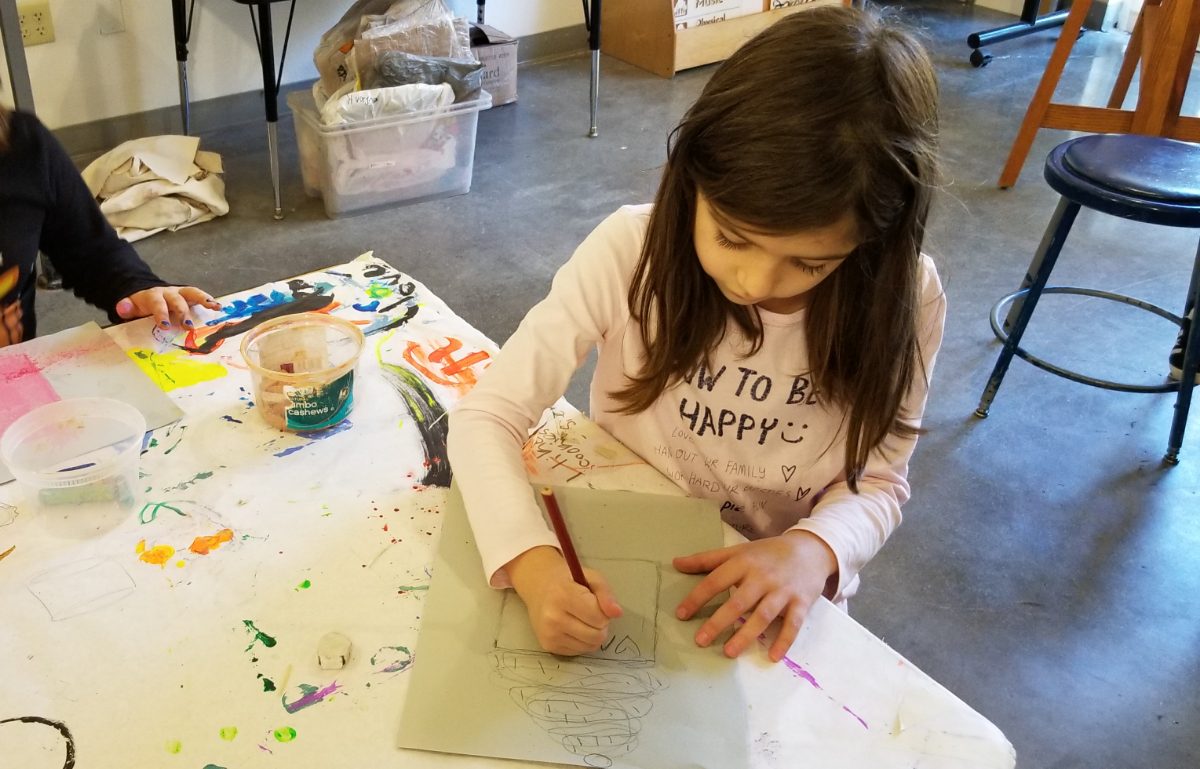
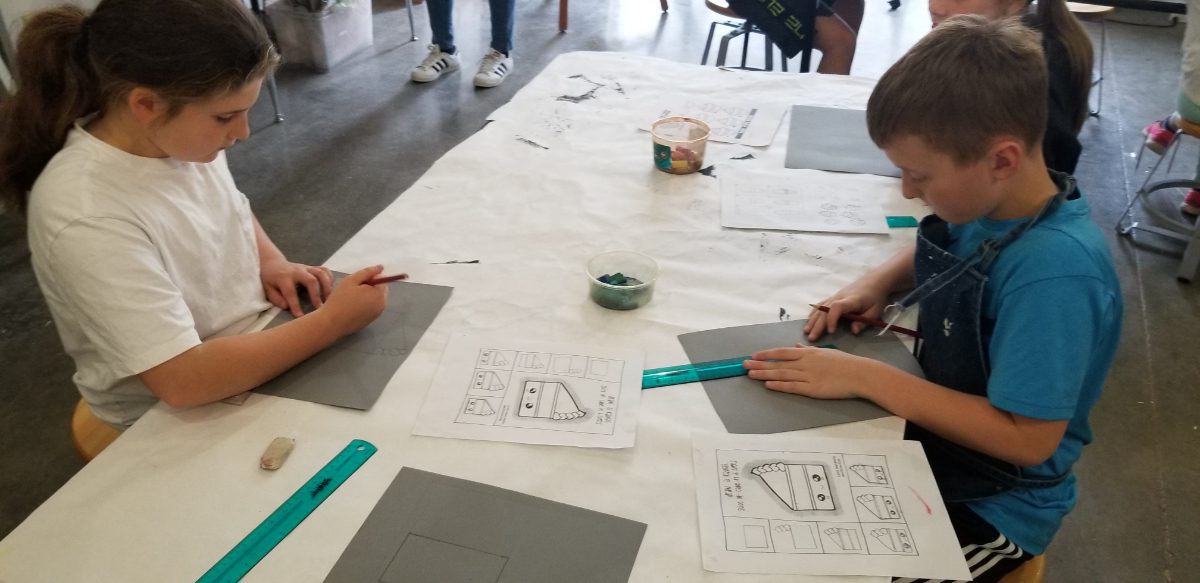
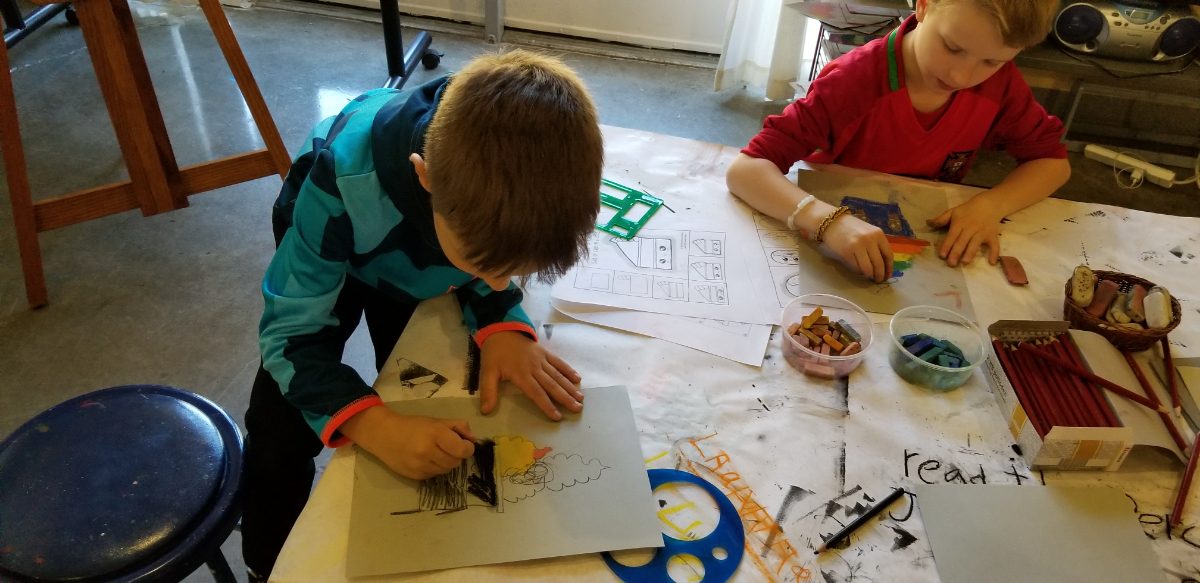
Lower and Upper Elementary students explored form, color, and pattern to create whimsical clay cake boxes. To start, we discussed the Pop Art movement and looked at the paintings of artist Wayne Thiebaud who is widely known for his colorful works depicting desserts such as pies, ice cream cones, cupcakes, pastries, and cakes. Students were very inspired by his artwork and began sketching their own cakes and cupcakes, letting their creativity soar as they chose its flavor and toppings! Lastly, students filled in their drawings with chalk pastel using shading and layering techniques.

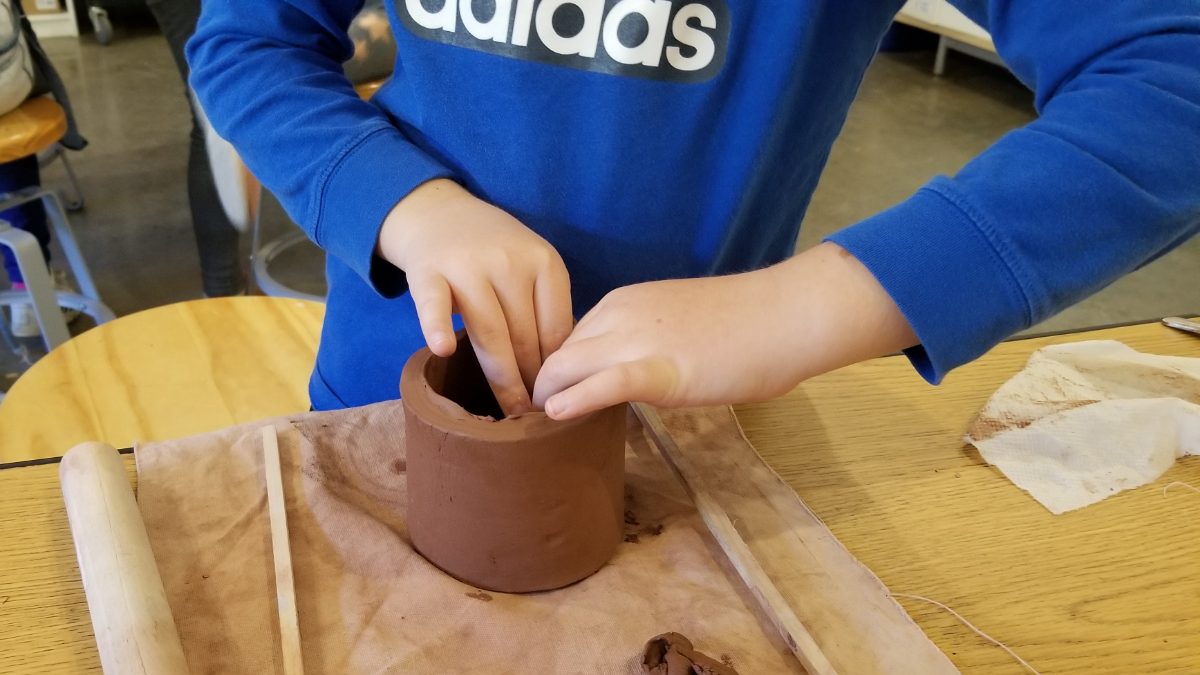
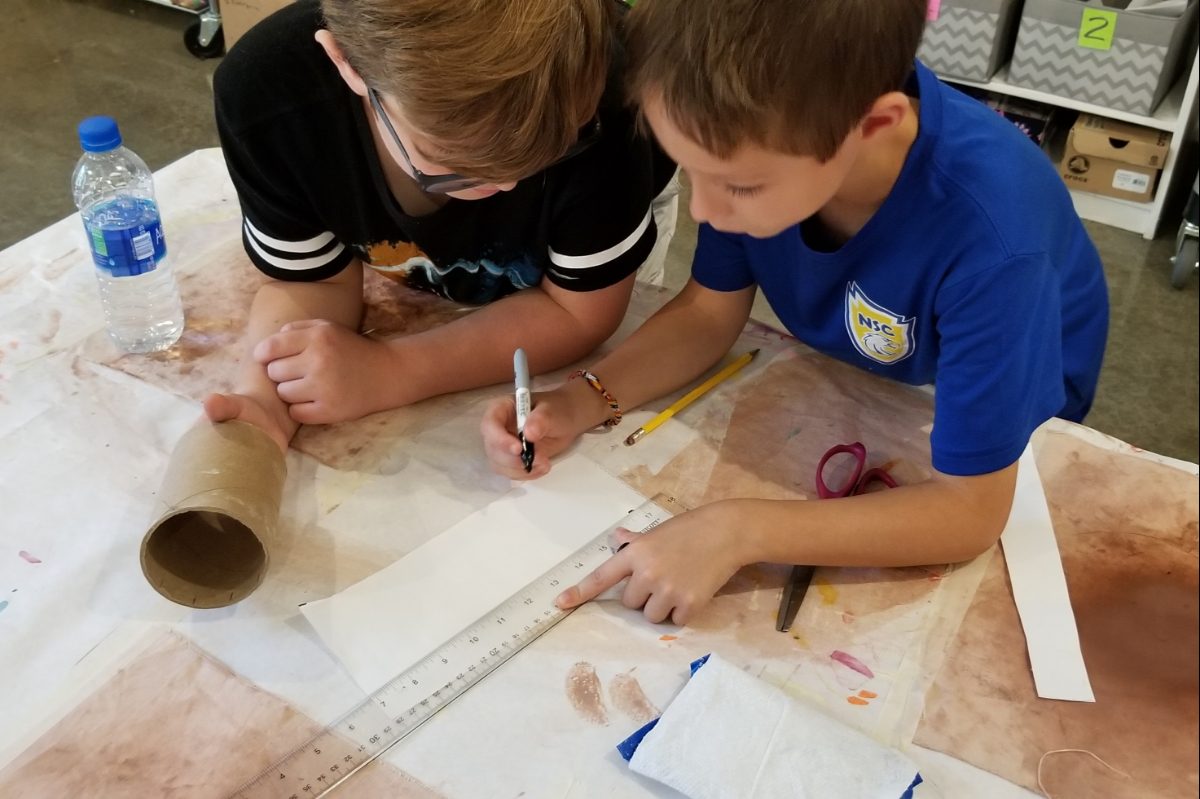
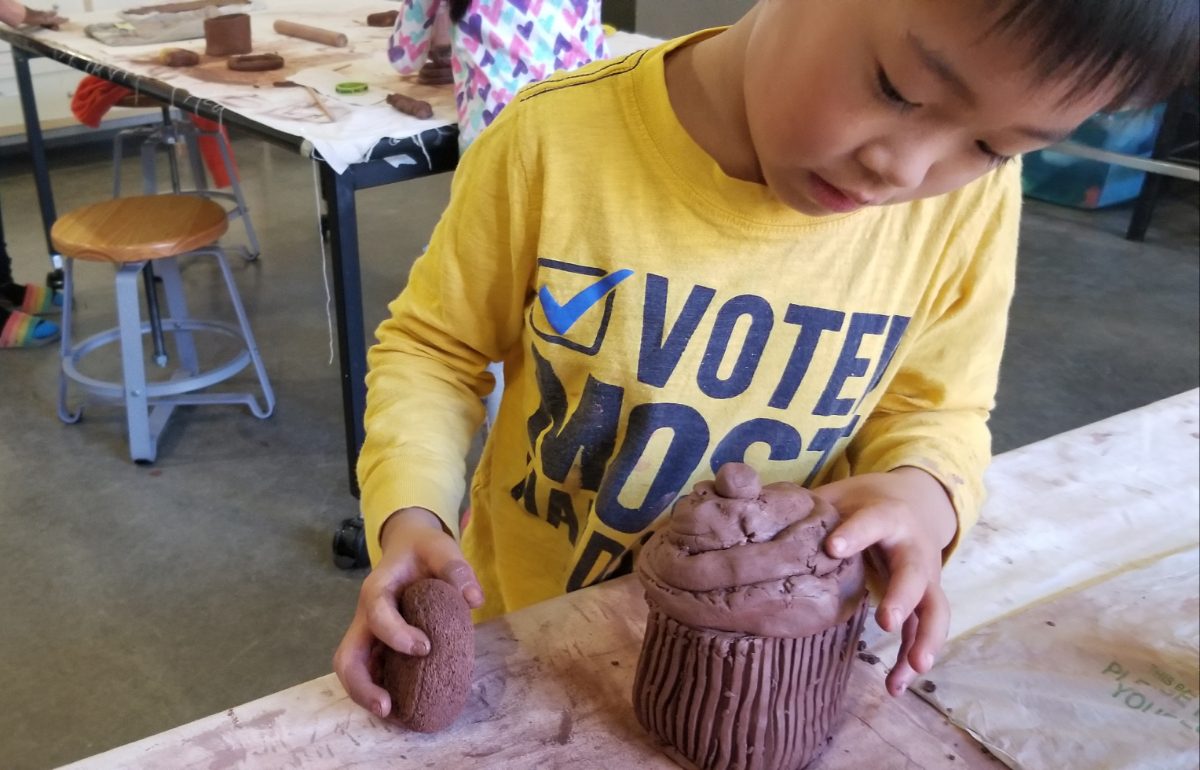
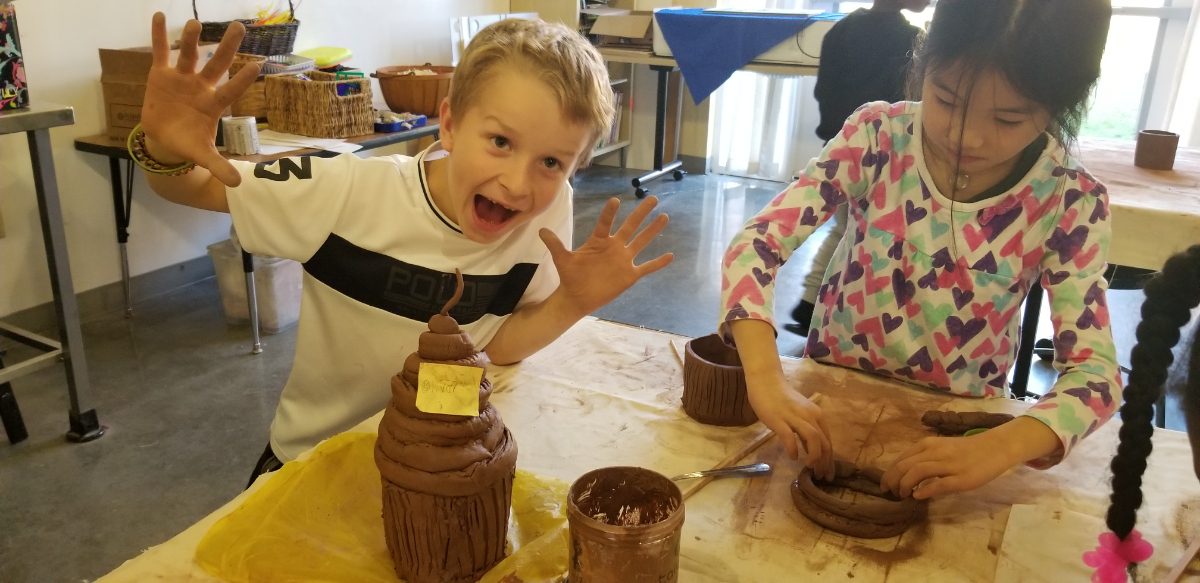
Next, students translated their 2D drawings into 3D form using clay. The clay skills they learned and explored were the slip and score attachment method, pinching method, molding, coiling, slab rolling, smoothing and glazing. First, students designed paper templates using rulers to assist the building process. Then we rolled out slabs to use for the sides of our cakes and cupcakes, cut out the shapes using our templates, and then slipped and scored the parts together.

Lastly, I demonstrated several methods to design the top (such as coiling, pinching, and carving) and students choose what they wanted to do. Some students added cherries, candles or even little figurines! As long as they slip and scored properly, they were free to add any toppings they wanted. The tops were left unattached so their cakes and cupcakes can function as little boxes to keep things inside! After they are fired in the kiln once, students will paint them with unique colors using low temperature underglazes which will then be fired once more to become glossy.


A Bit of French with the Kindergarten!

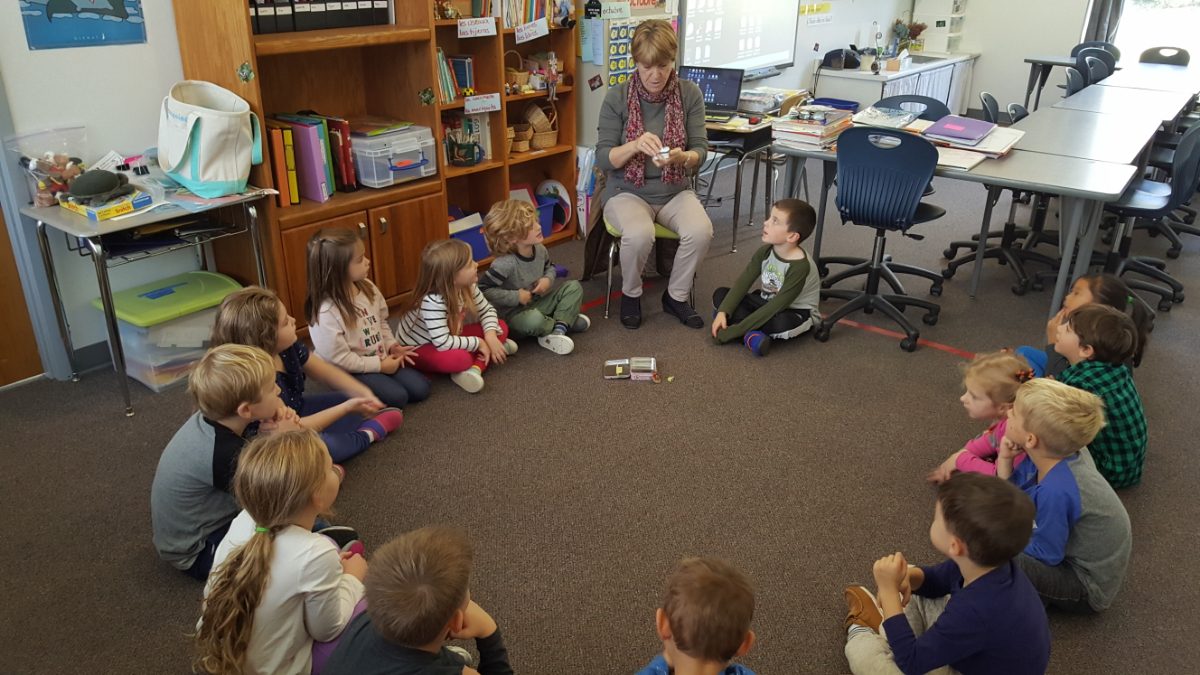
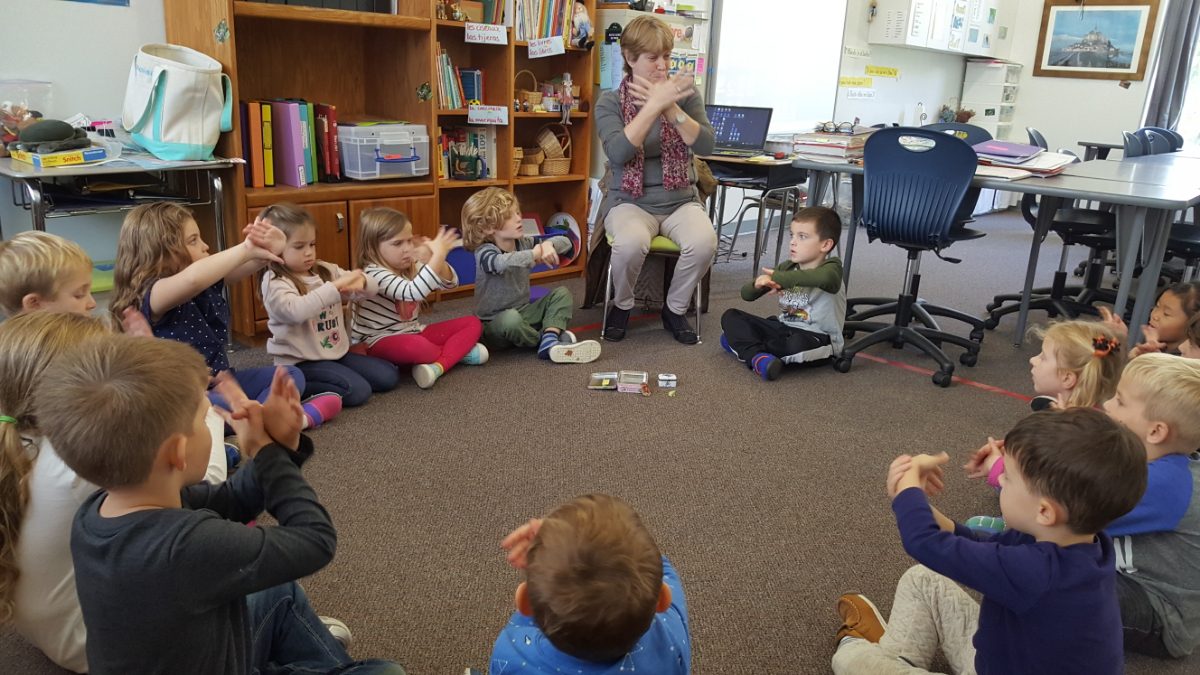
The children in Kindergarten had fun in French Class. We learned a new song about a butterfly (un papillon) and we all tried to make butterflies with our fingers (very challenging for some of them!). Often the purpose of doing many gestures when children are learning another language is to distract them from the new word itself. The student then concentrates more on the gesture and less on the word. The word becomes just part of the instruction and the students accept the new vocabulary as if they already learned it.

We also worked on tiny objects hidden in a small box. We opened to box to discover what was in it, learning the expressions “ouvrir, fermer” (open and shut). We played games using prepositions such as “dans, sur, and sous” (in, on, and under).