Middle School Health: Sugar


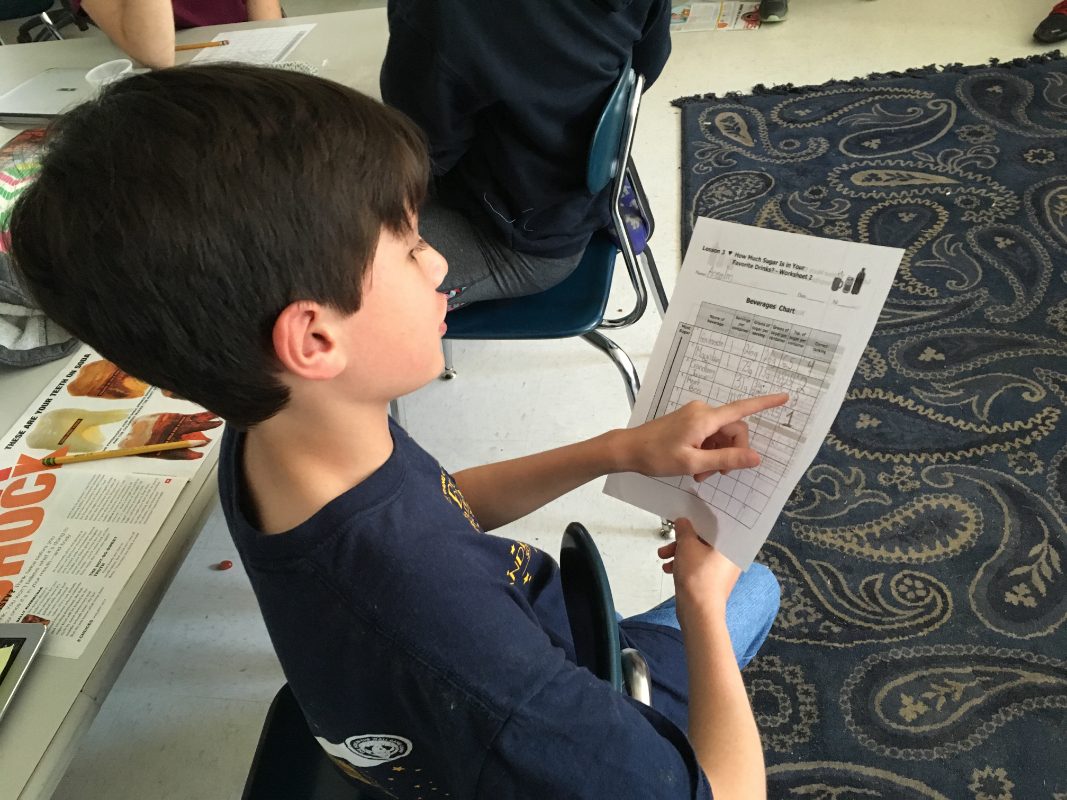
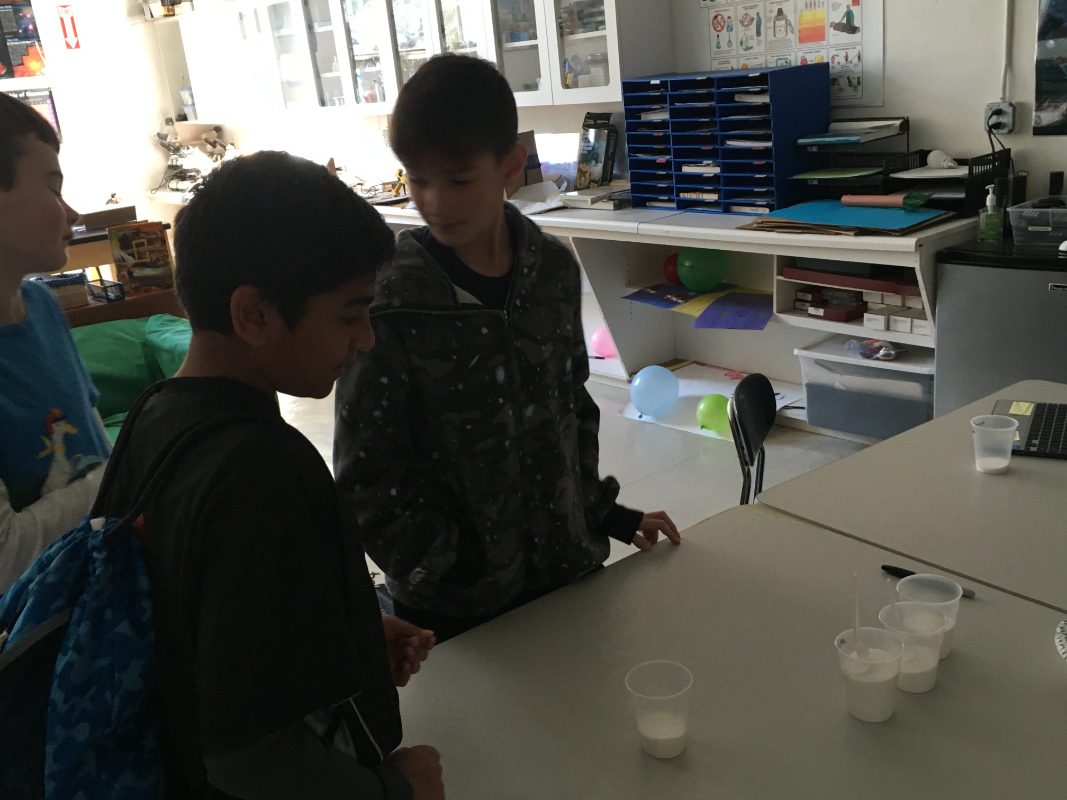
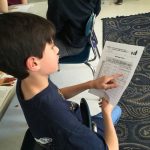
In Health class, the Middle School students read an article from Choice magazine discussing the effects of sugary drinks on the body. We also discussed as a group what their perceptions of healthy and unhealthy drinks were. We discussed which drinks have the most sugar and which have the least. They learned how to calculate the number of teaspoons of sugar you find in a variety of drinks. One teaspoon of sugar equals 4 grams.  For example, a soft drink that has 40 grams of sugar equals 10 teaspoons of sugar.

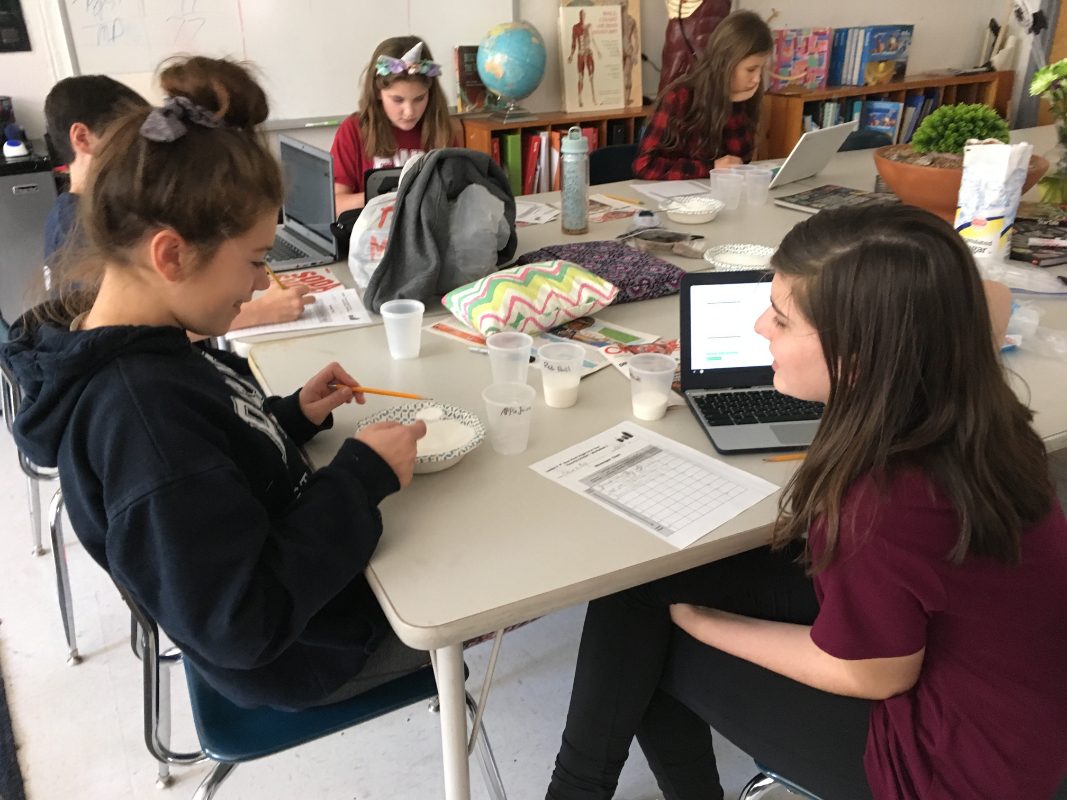
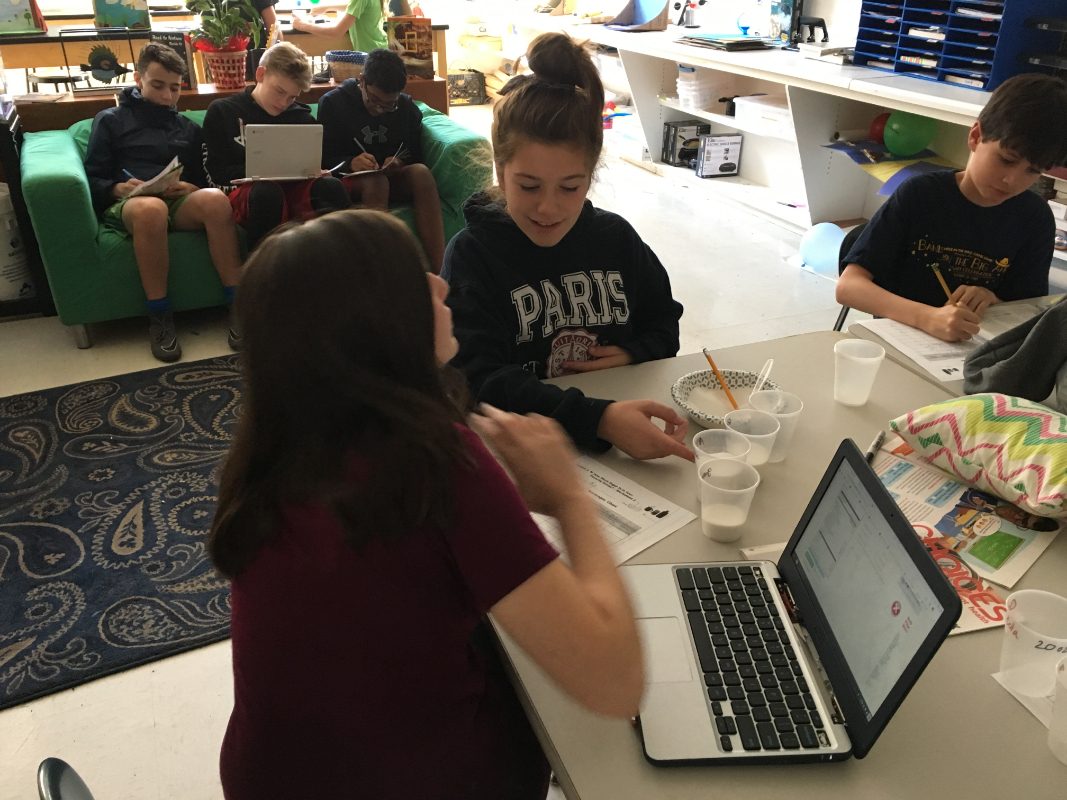
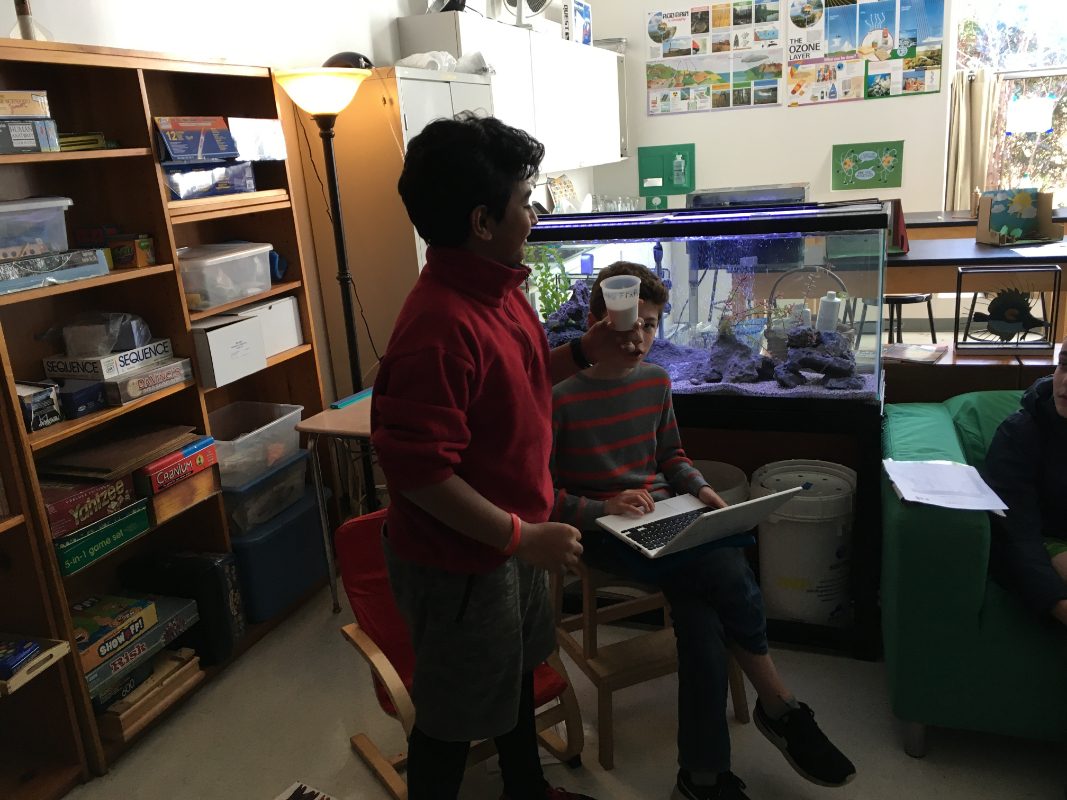
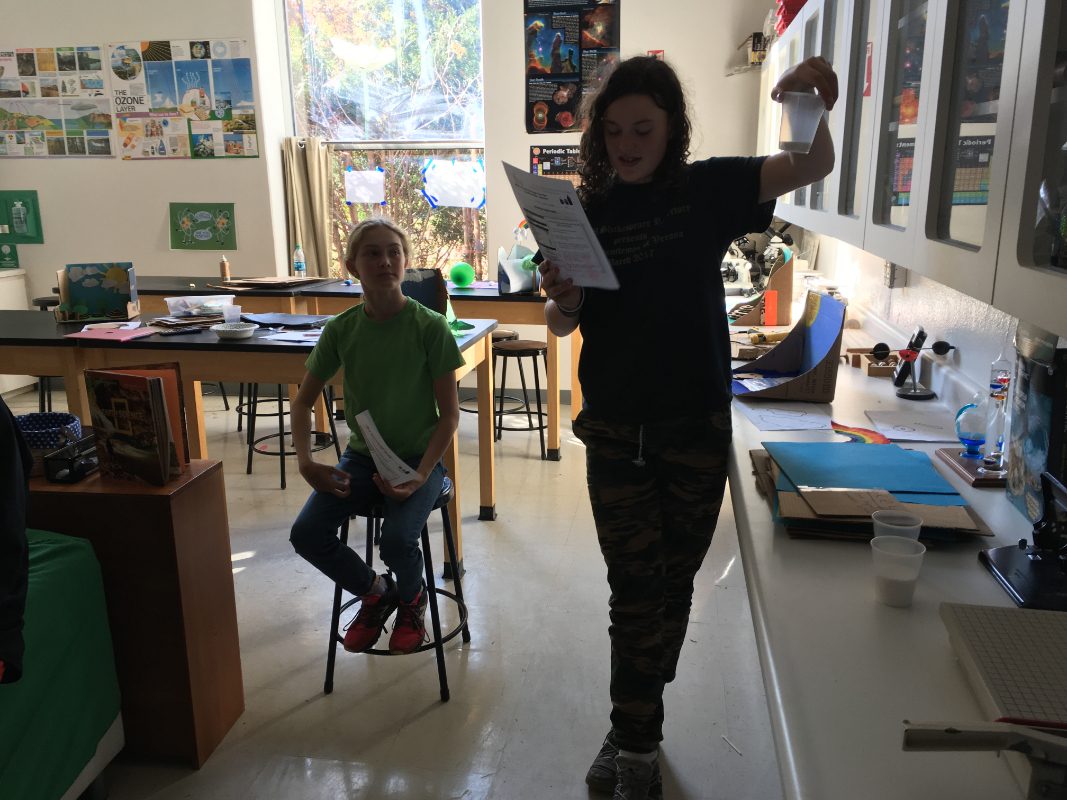
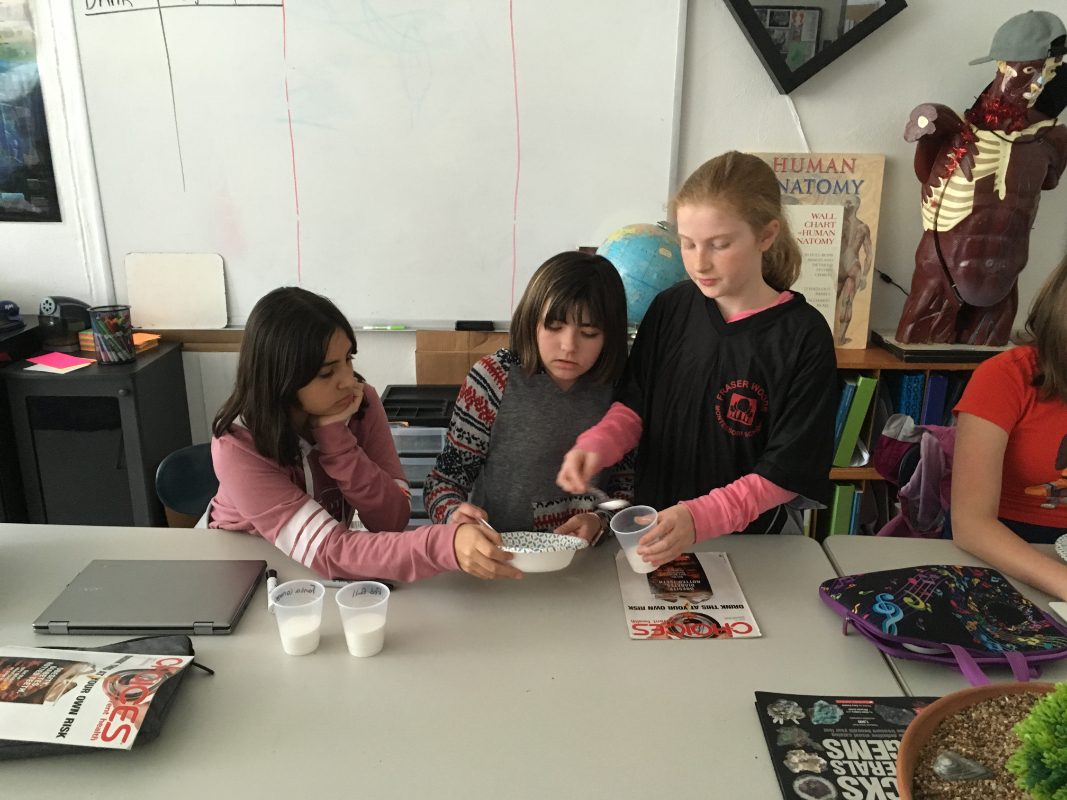
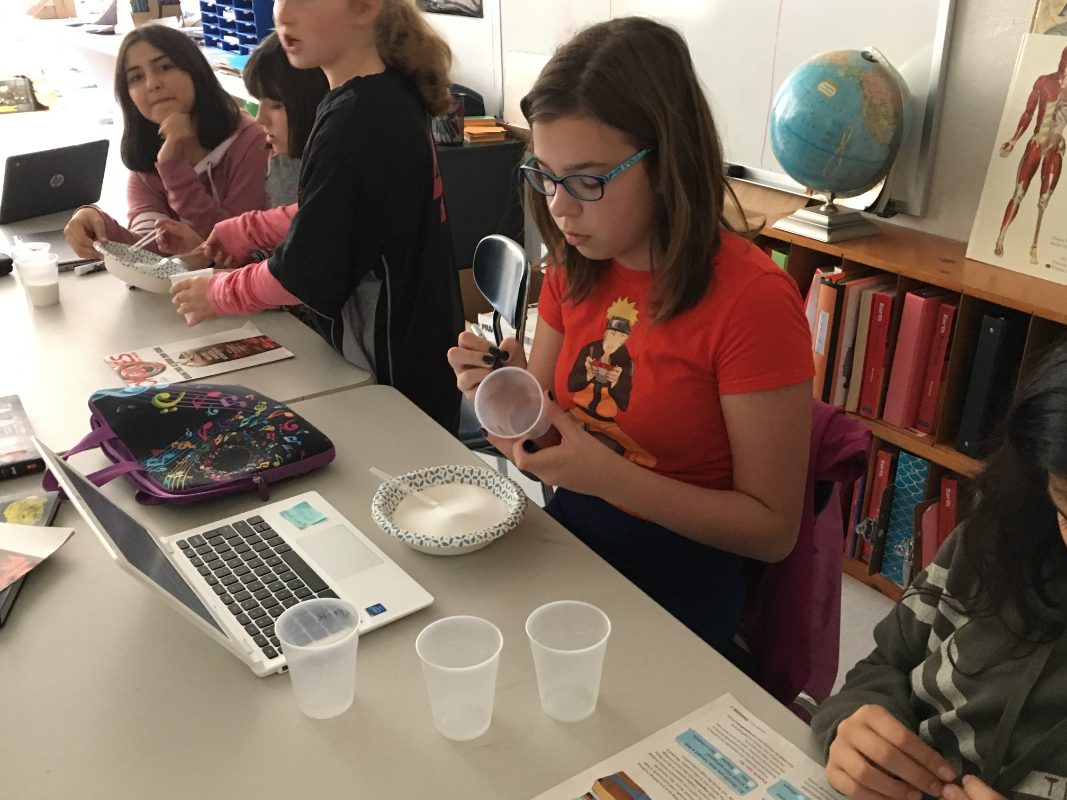
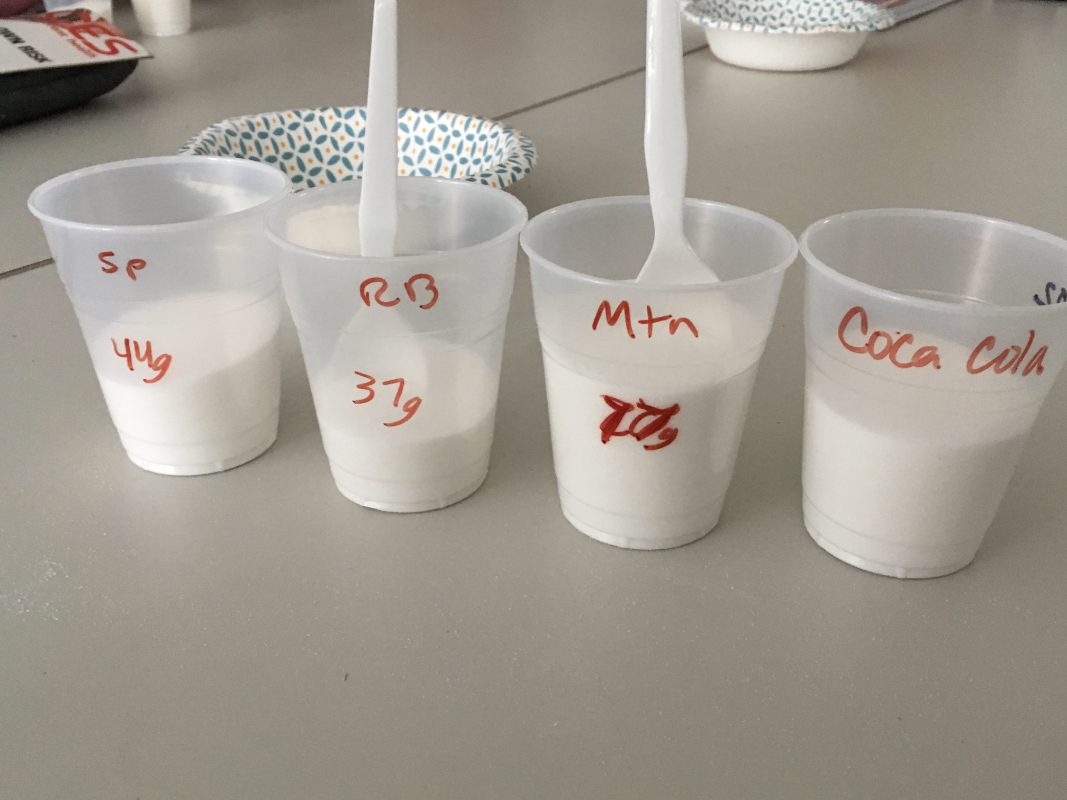
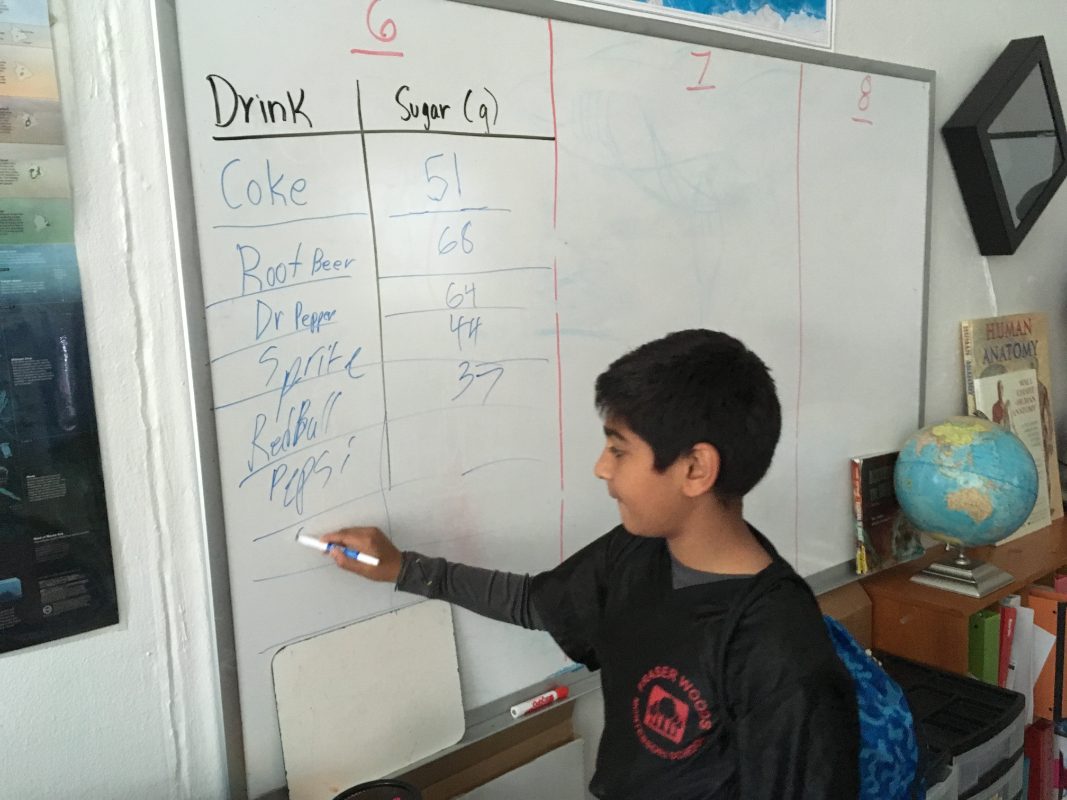
The students worked together to research beverages that they drink and calculated how many teaspoons of sugar each contained. The beverages that they researched were Root Beer, Sprite, Mountain Dew, Red Bull, Dr. Pepper, Pepsi, and Coca Cola. We then measured out the individual teaspoons of sugar into a plastic cup to gain a better understanding of how much sugar is in each beverage.

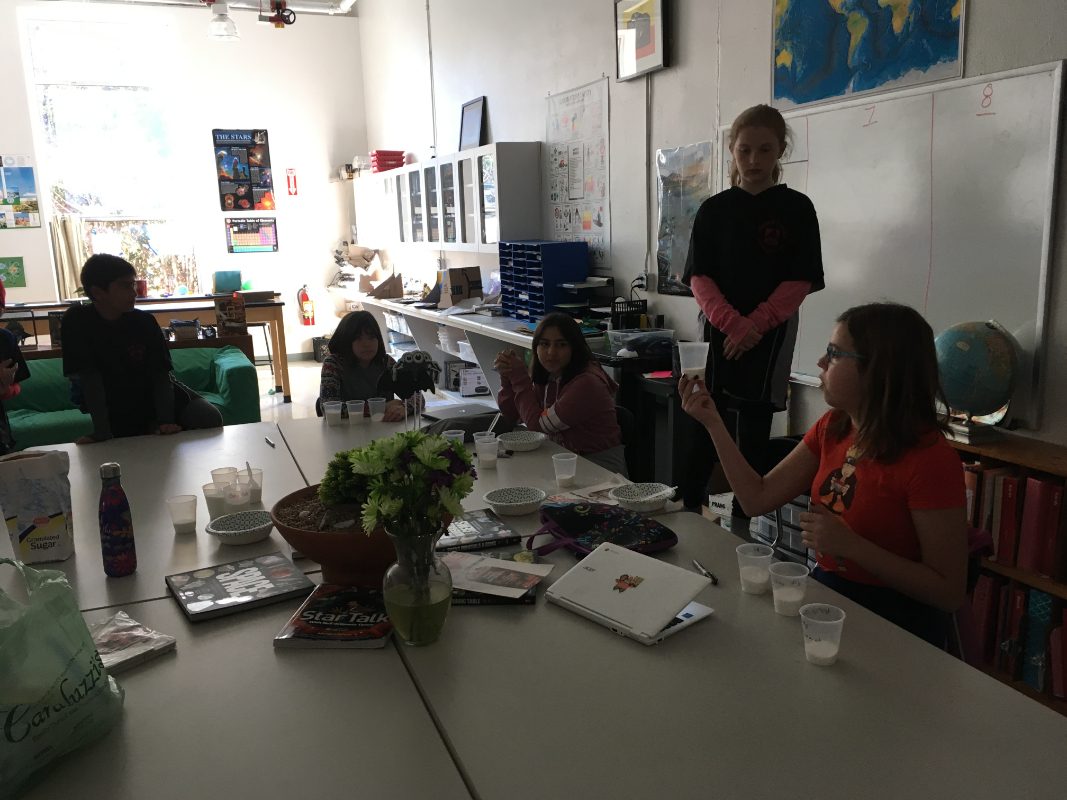
Before the end of class, students presented their findings and shared their beverages and the sugar content. Some were surprised by how much sugar their favorite drinks had. We discussed the importance of reading the Nutritional Facts Labels as well as paying attention to the serving size per container. We also discussed how they can make healthier choices; such as drink water, dilute sugary drinks with water, eat fruit rather than drink juice, and keep a bottle of water with them at school. The students enjoyed being involved in this learning experience and gained a greater understanding of healthier beverage choices.

Global Culinary Night is Thursday, November 8th from 6:30-8:00pm.

This is a FWM entire family event.

Grab your “passport” and travel along with us as we visit countries near and far, sampling foods at each stop! This community event is for FWM families to gather together and share a unique dish from their cultural, ethnic, or regional background while also sampling dishes from other FWM families’ cultures.
Art Studio: Middle School Line Drawings In Space

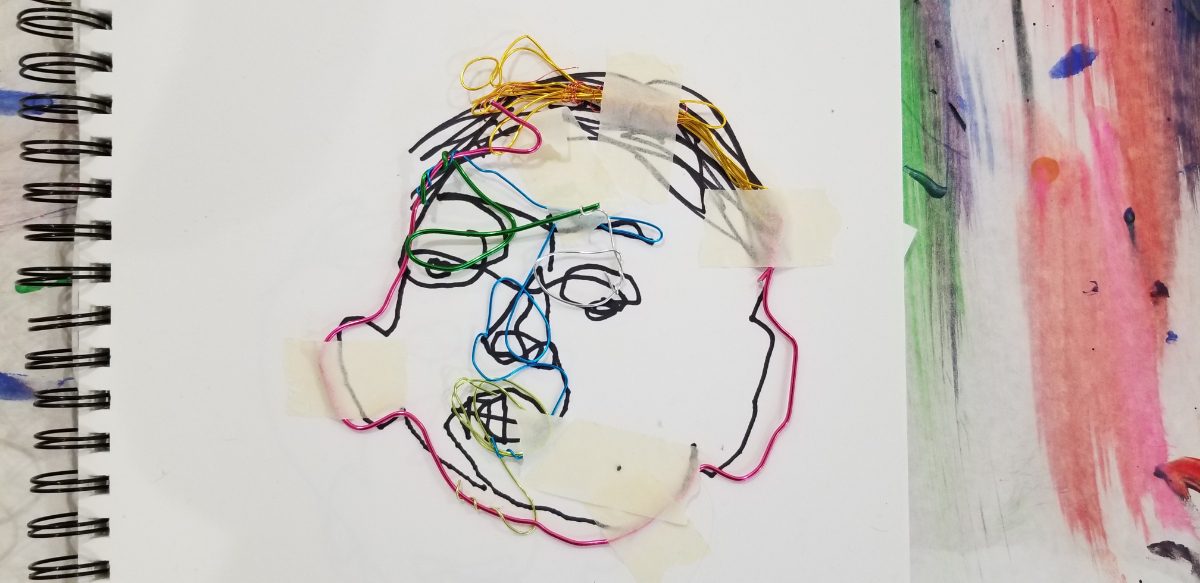
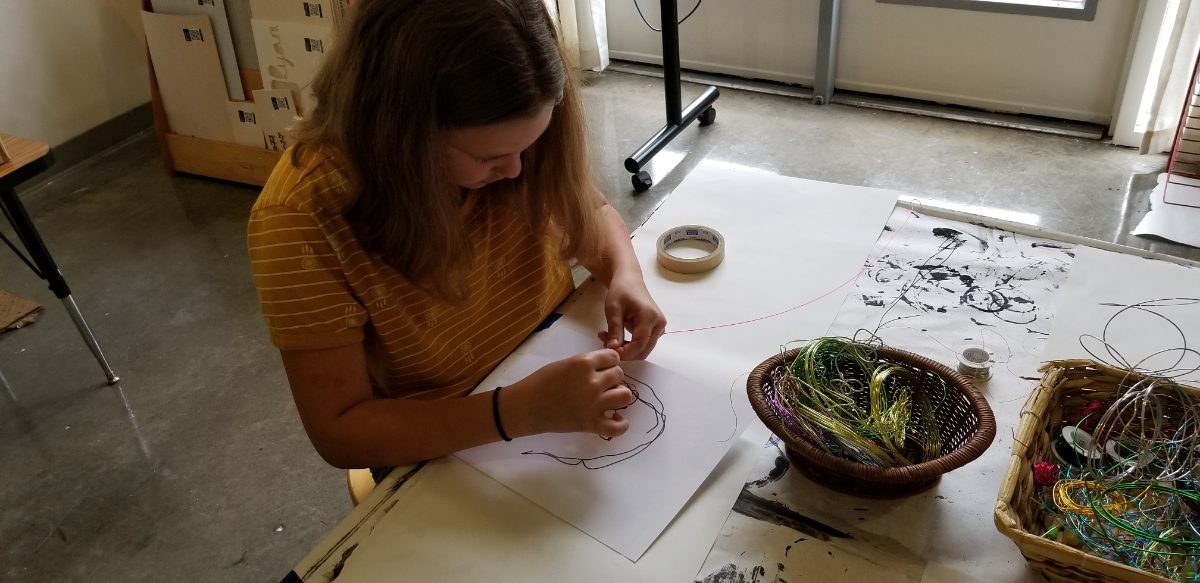
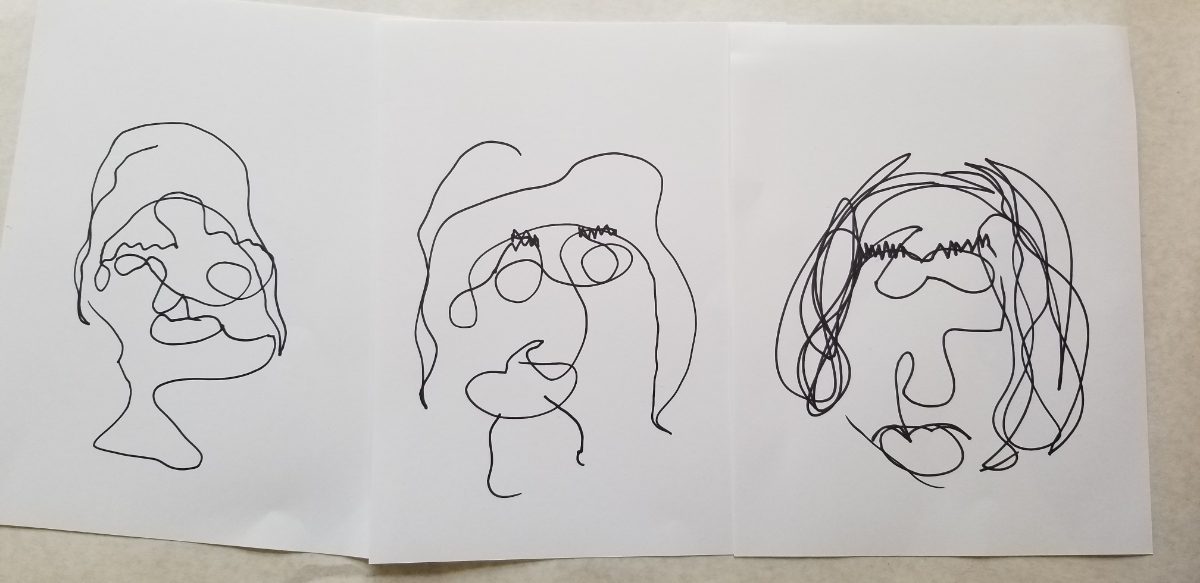
Middle school students have been exploring the element of line in art class. As a group, we discussed how a line can create an identifiable path for the eye to follow by defining the edges of a form (an outline). The technical term for this is called “contour line drawing.” To practice this firsthand, students drew blind contour portraits of themselves and each other. The blind contour method involves carefully observing a subject and slowly recording it’s contours with a continuous line without looking at the paper. This way of drawing helps develop hand-eye communication and spatial relationships. It can be a challenge to draw what you see without looking at the paper, but each student embraced the process and allowed themselves to let go of perfection. The results were beautiful, abstract line portraits with a twist of humor 🙂

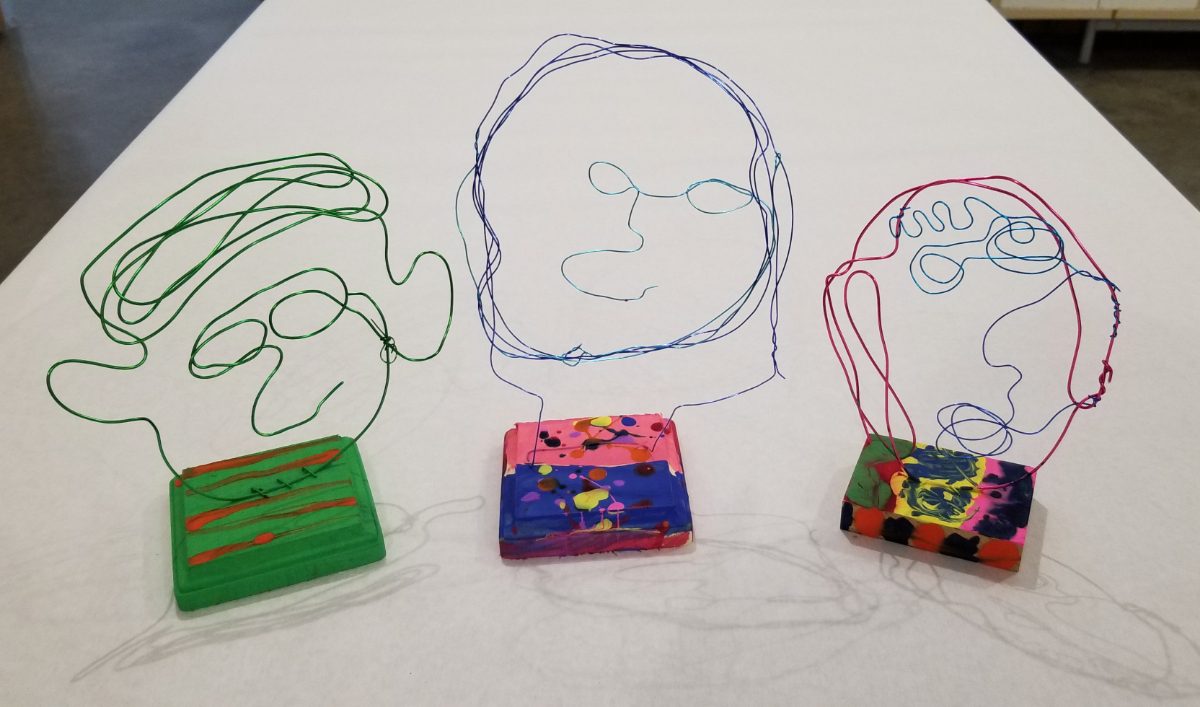
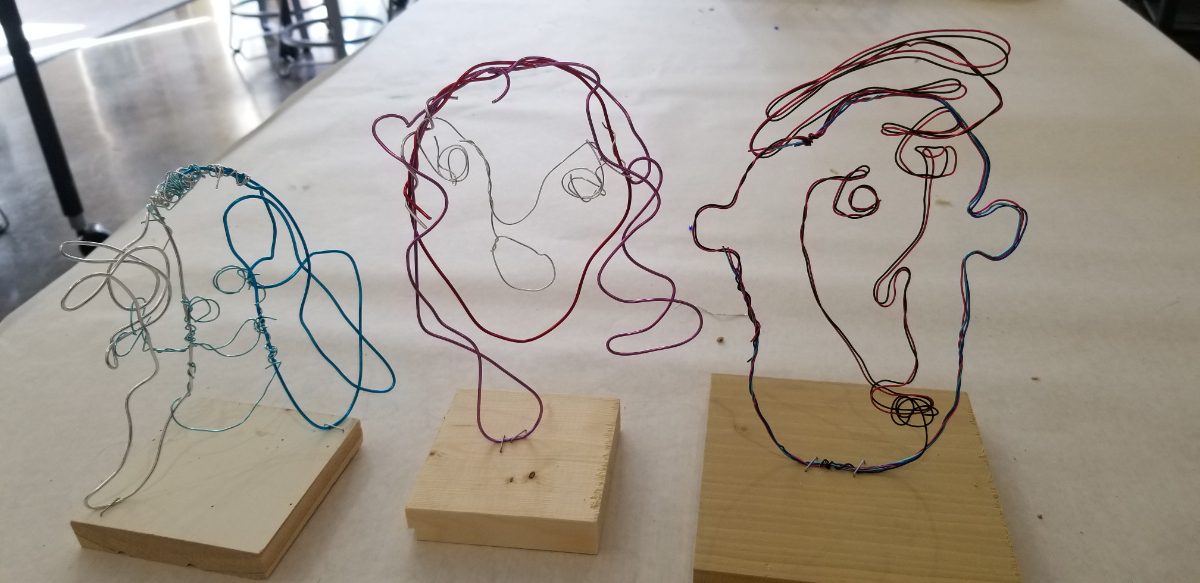
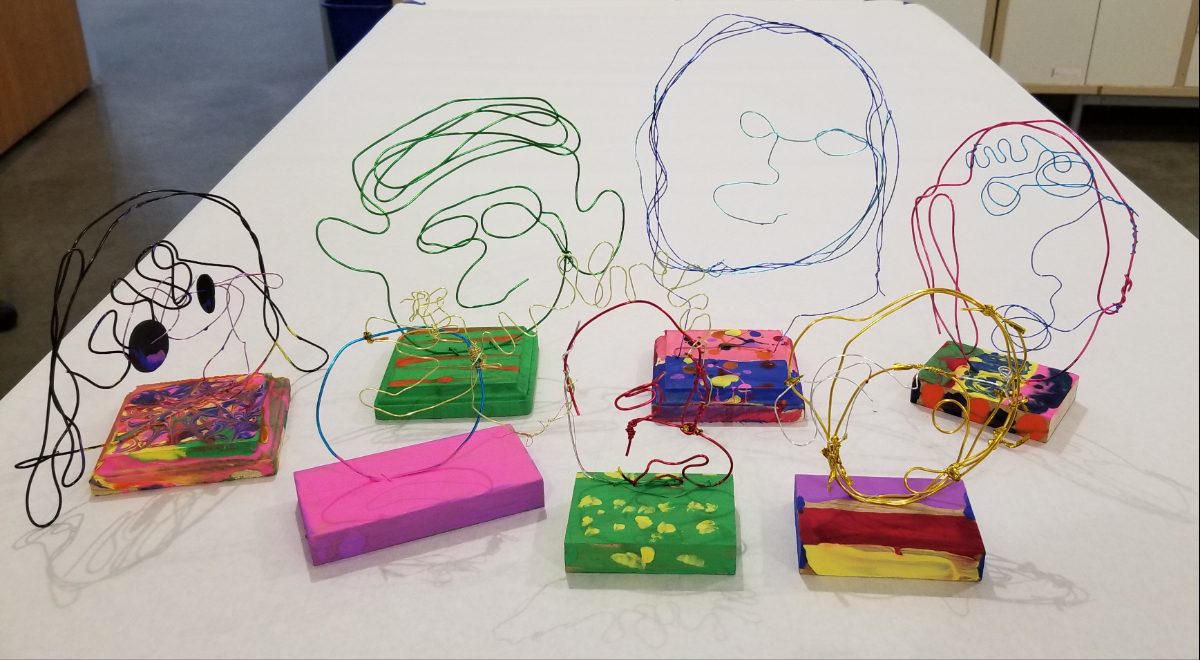
We then looked at the wire portraits of American artist Alexander Calder, who developed an innovative method of sculpting, bending, and twisting wire to create three-dimensional “drawings in space.” Each student created their own unique “drawing in space ” by following the lines of their blind contour drawing with wire. To stabilize and display the wire portraits, we attached them to colorfully painted wooden bases using a staple gun. They will be on display for the whole school to see next week!


PE Class: Primary Obstacle Course Fun!


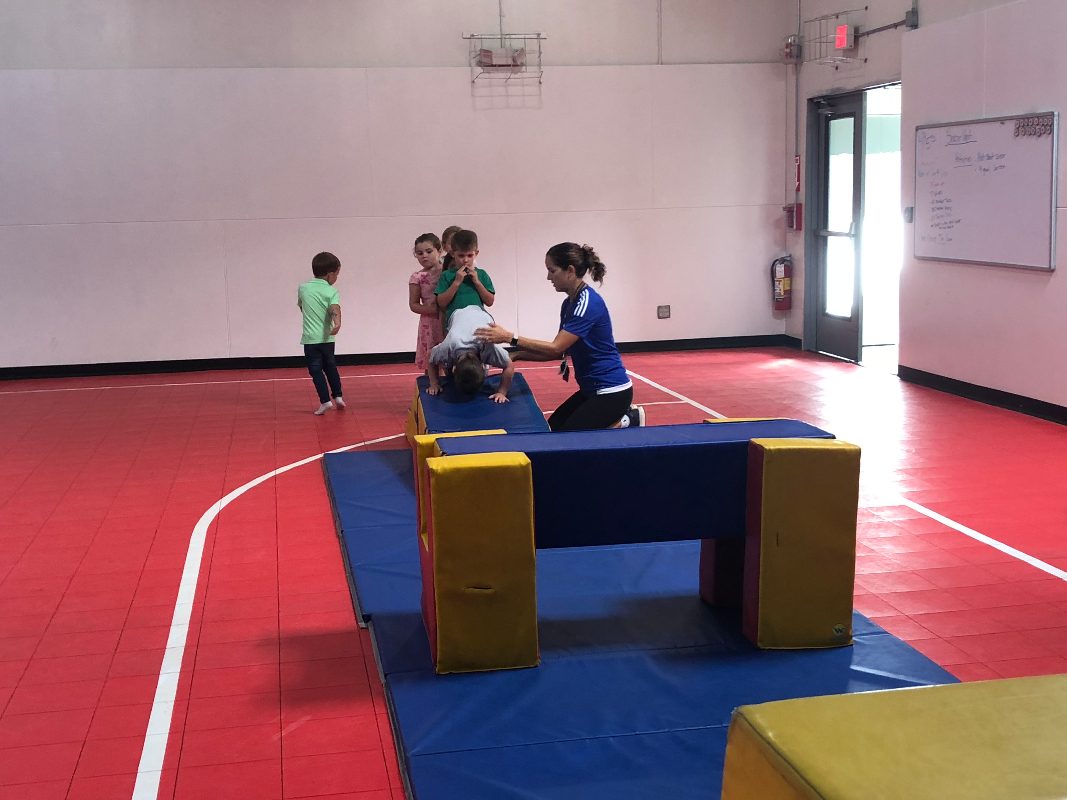
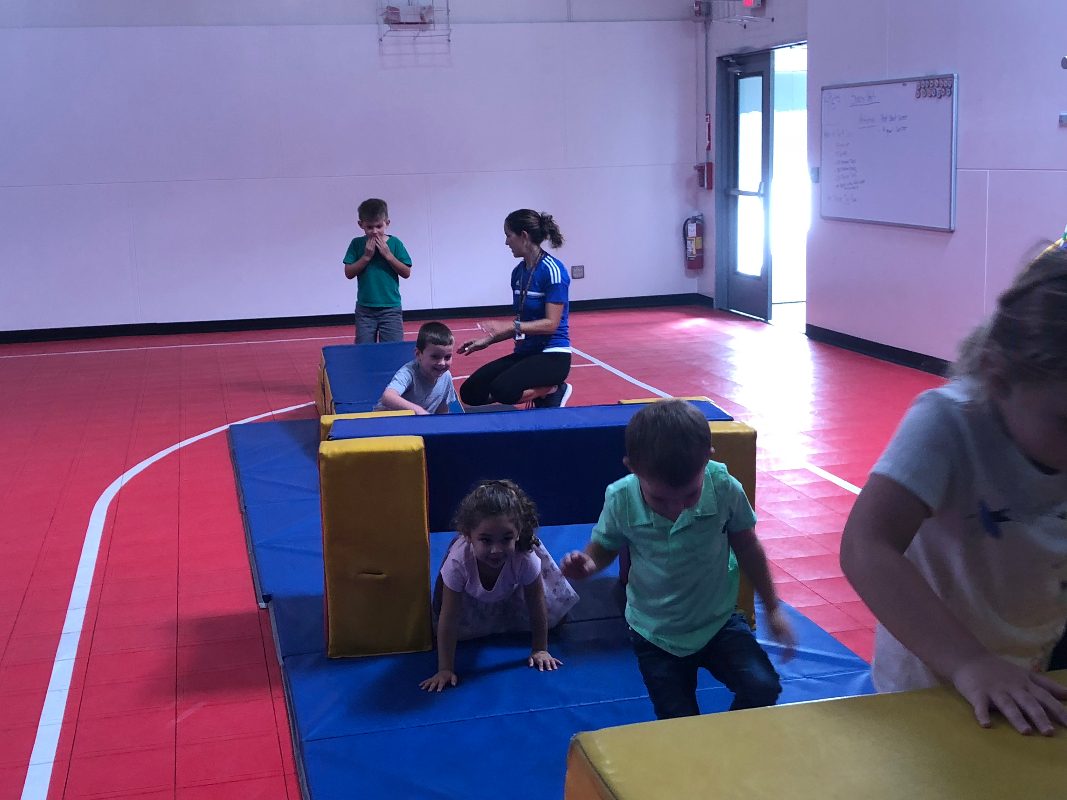
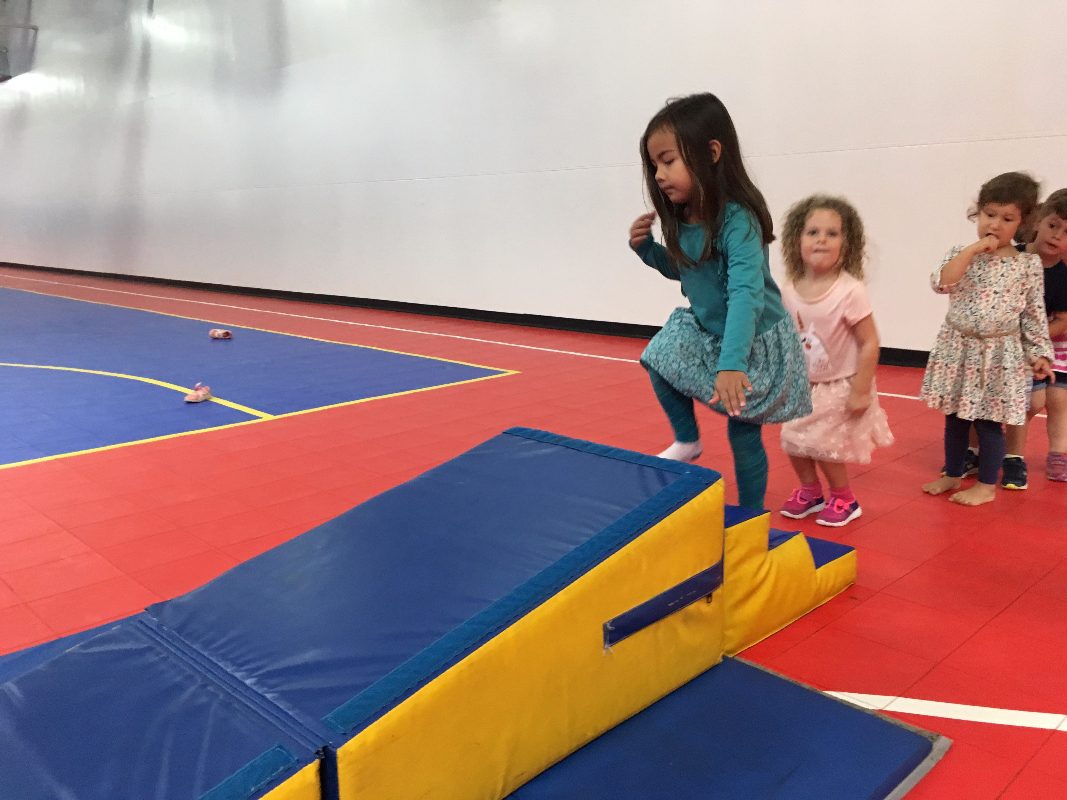
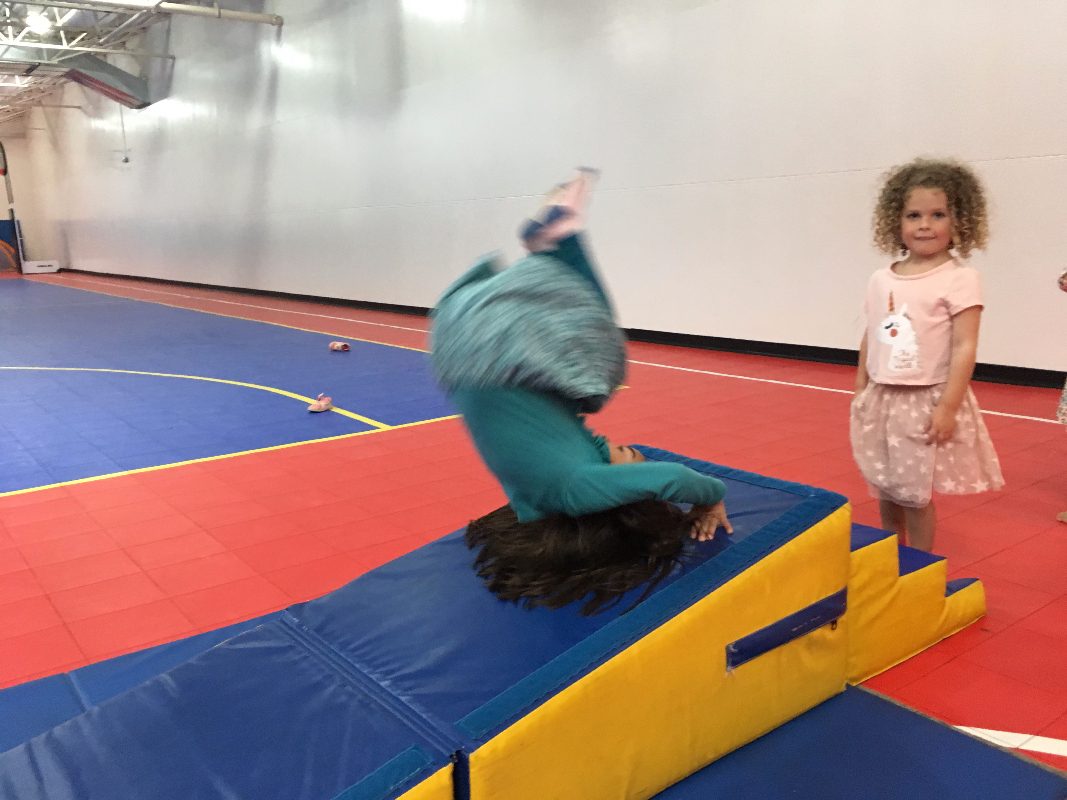
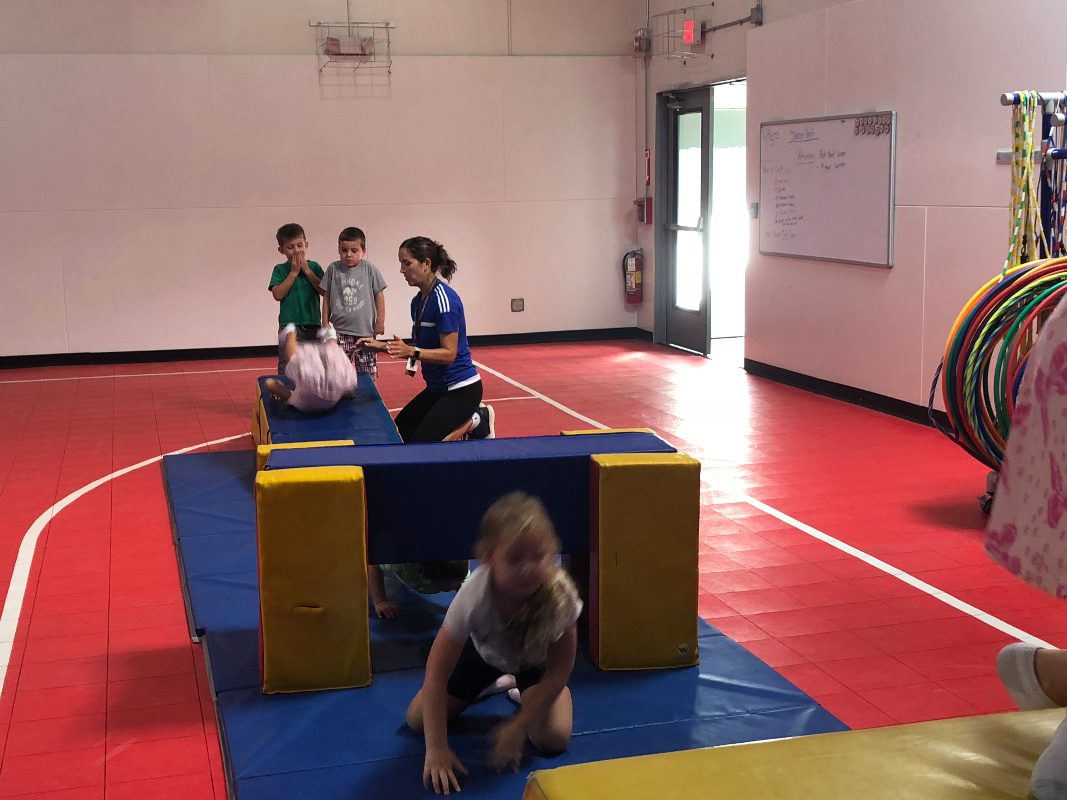
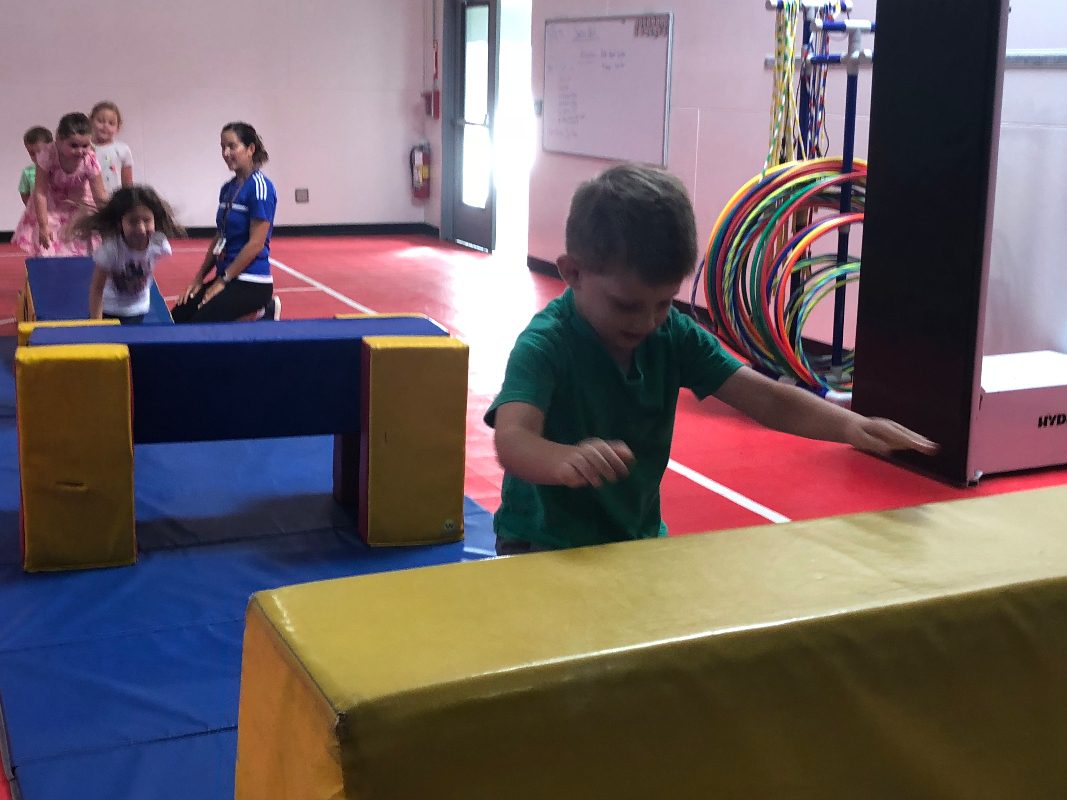
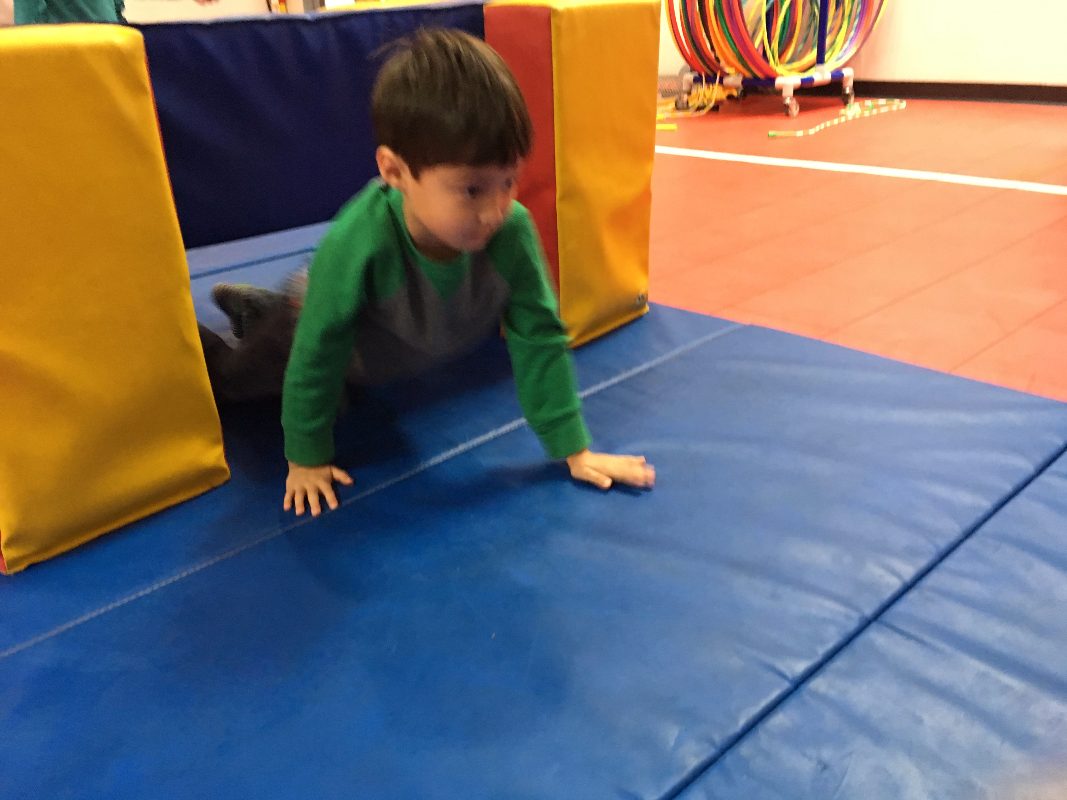
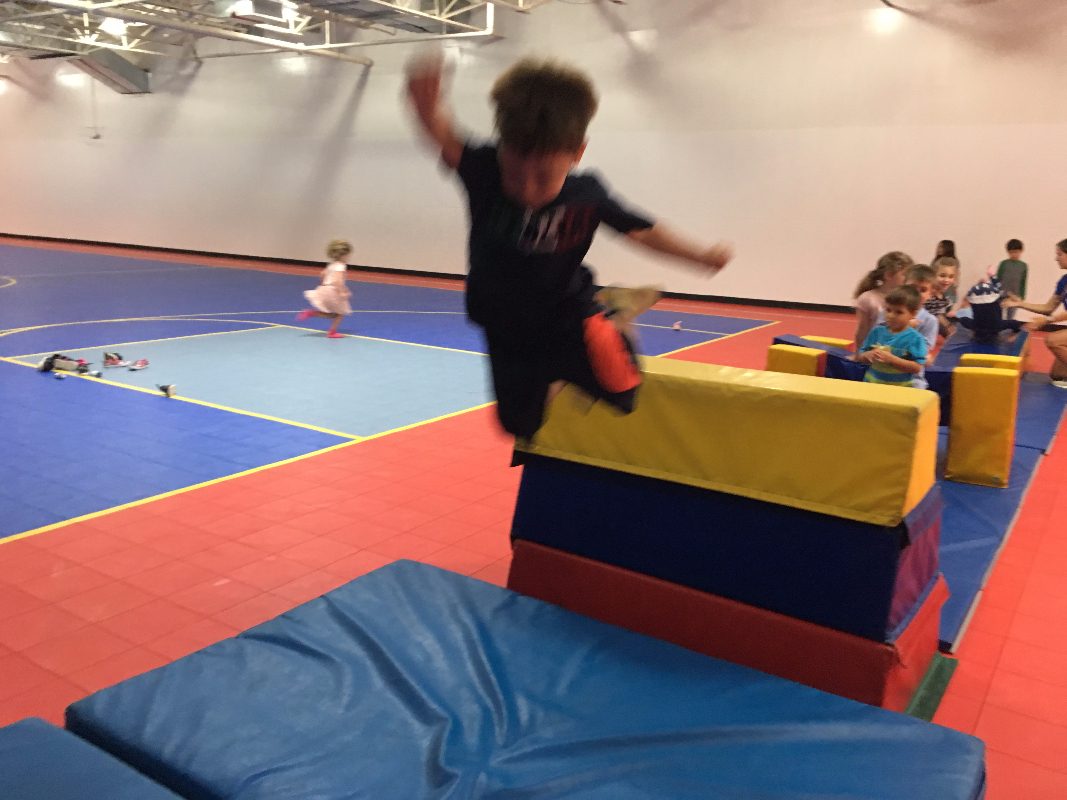
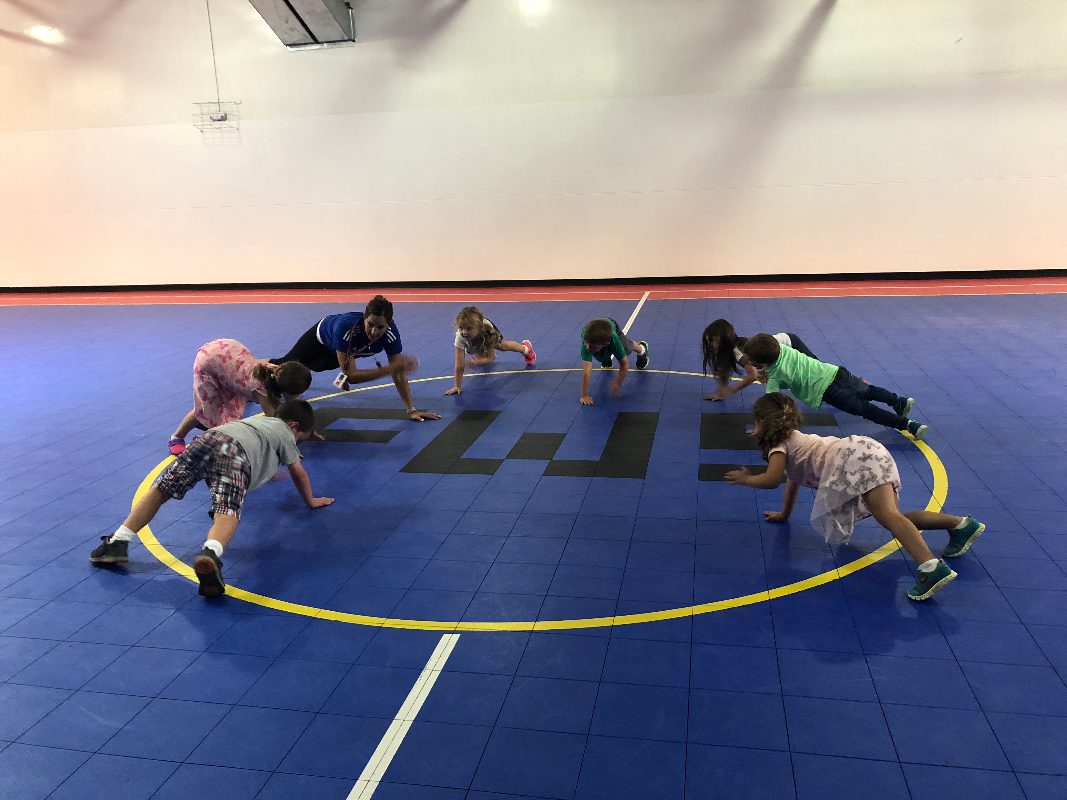
This month, the Primary students are enjoying an obstacle course comprised of gymnastics mats and a balance beam.  They are practicing many skills. They are climbing up and down from mats, jumping off the mats, crawling under a bridge, performing a forward roll on an inclined mat, walking on a balance beam, and running the moving train around the gym. We cool down with fitness exercises and stretches at the end of each class. Throughout our gymnastics unit, the children are enhancing their social skills, developing strength and coordination, and gaining self-esteem and confidence.

During each class, the children practice learning skills. We practice observing,  waiting our turn and following directions.  Improving all of these skill areas is helpful for those children still learning how their bodies move. Our lessons help them become more comfortable and happy with themselves as they continue to grow.


World Language: 5th year French class!


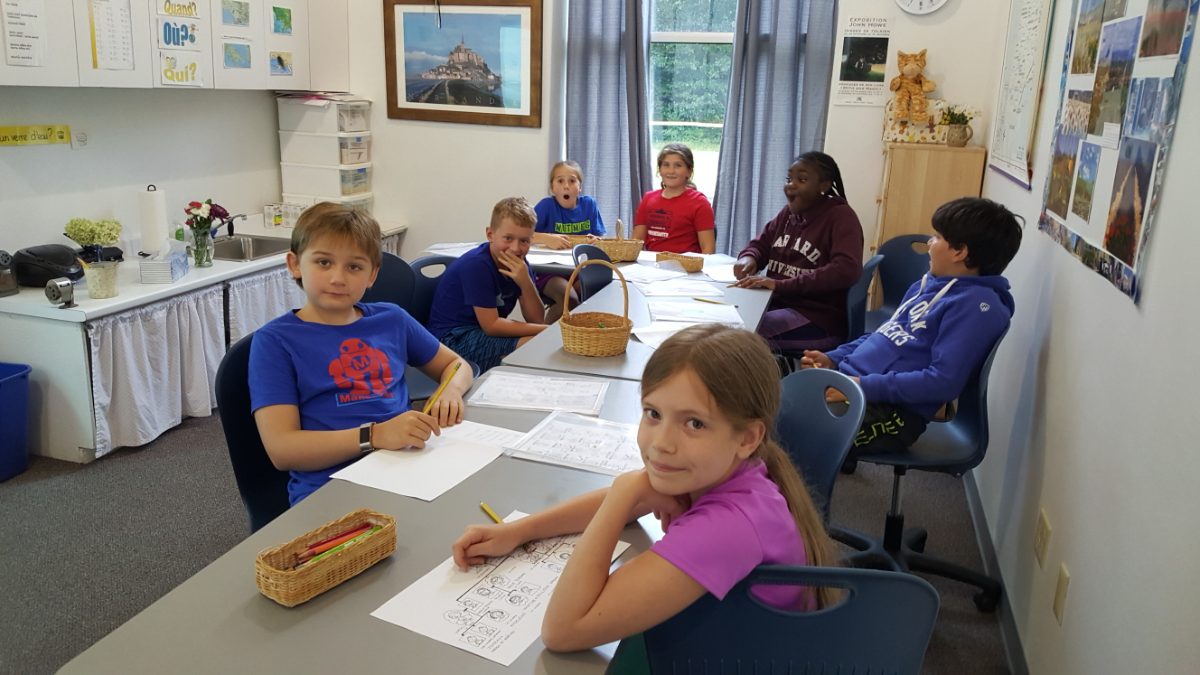
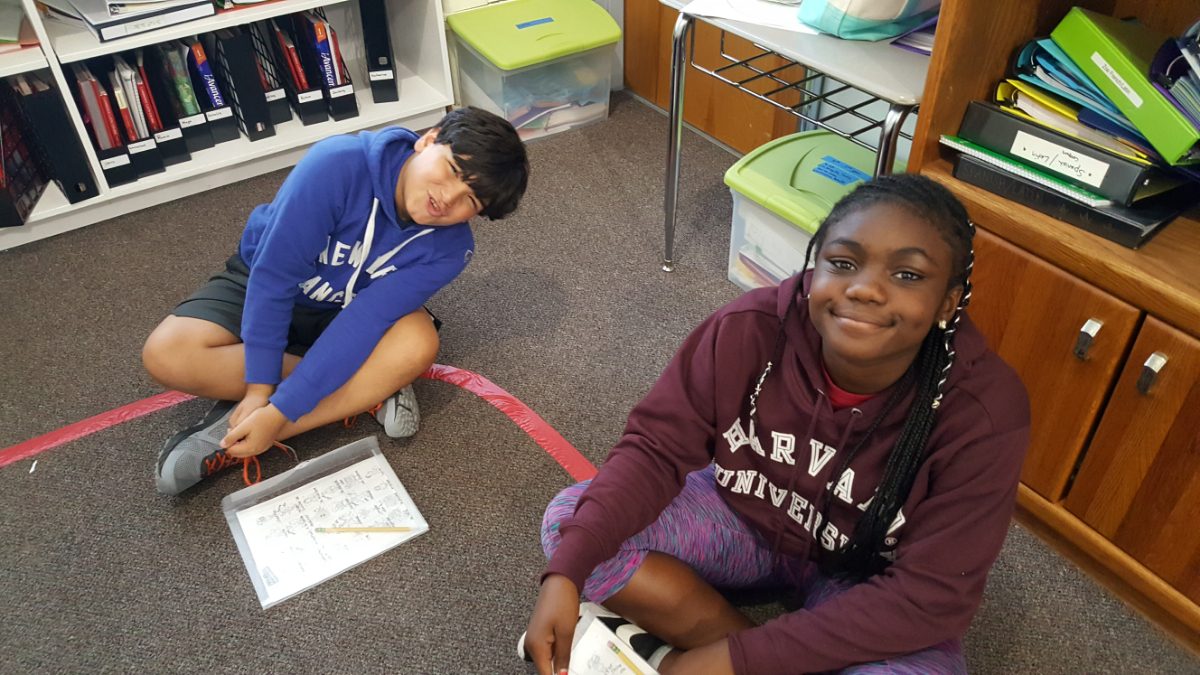
The fifth year students started this new adventure in World Language creating a family tree entirely in French. We looked at all the members of a fictitious family from the grandfather to the last littlest member, the baby! Both grandfather and baby had the same name to facilitate recognition.
We also worked on vocabulary using verbal games such “Simon Says” and other bingo games using action verbs. These verbs will be used throughout the year in order to continue our exploration of the French language. This month of September has been interesting for everyone! What a great start to the school year!