New Year New Makerspace

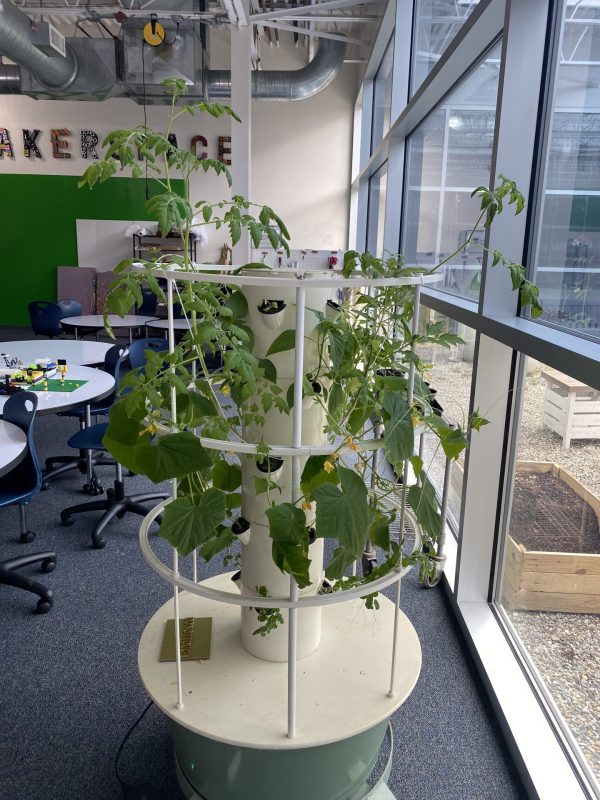
We’ve hit the ground running in our new Makerspace space, as the students have been excited to get started on new projects. We now have a linear connection to the FabLab where our 3D printers and laser cutter live, and we’ve already been putting those to good use. We’ve also added grow lights to the Tower Garden, which continued to grow over the summer. We’ll be harvesting some bell peppers in the coming weeks and starting more cucumbers, lettuce, and peas to add to the tomatoes and peppers.

Kindergarteners are currently working on decorating animal masks that were cut out of cardboard based on their own drawings. We will continue to add more color and detail to these for a few weeks, adding fur/whiskers, cutting out eye holes, and attaching straps.

Lower El has picked up where they left off with their knitting skills and is getting started on a number of projects on the circular looms. We’ve only had a few classes to work on these, but their imagination and ability have been inspiring. In the coming months, we will hopefully see them wearing any number of hats, scarves, bags, and even simple sweaters as their projects progress.

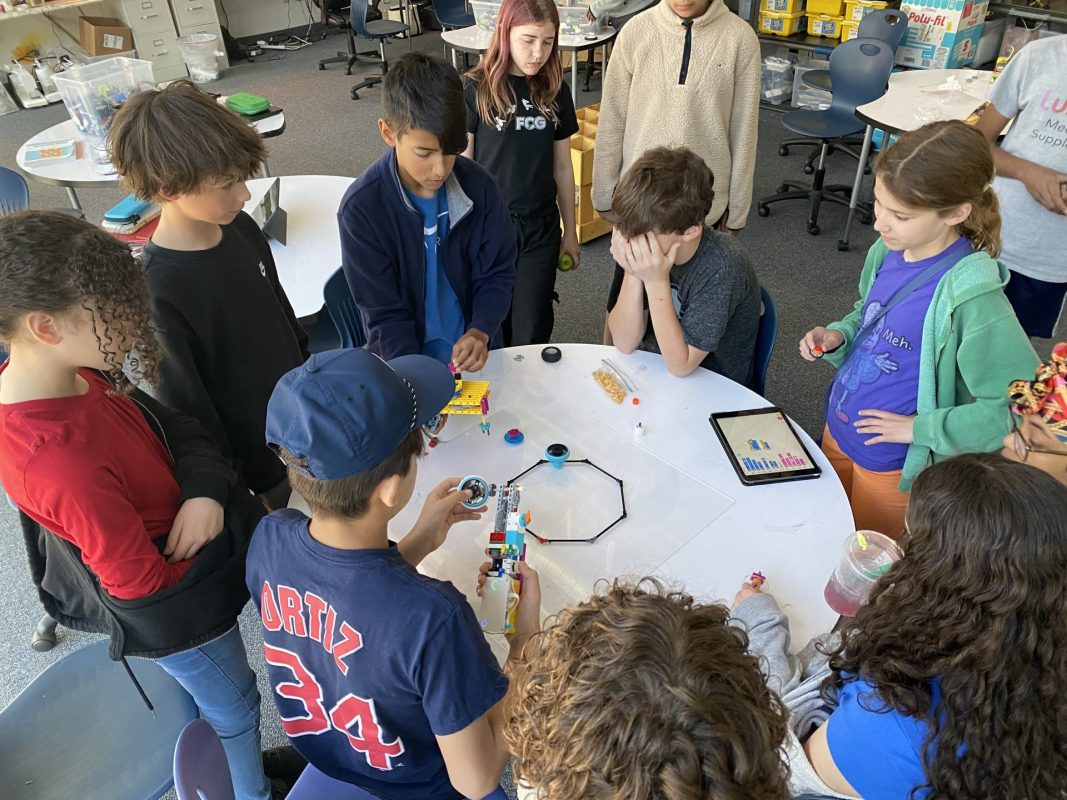
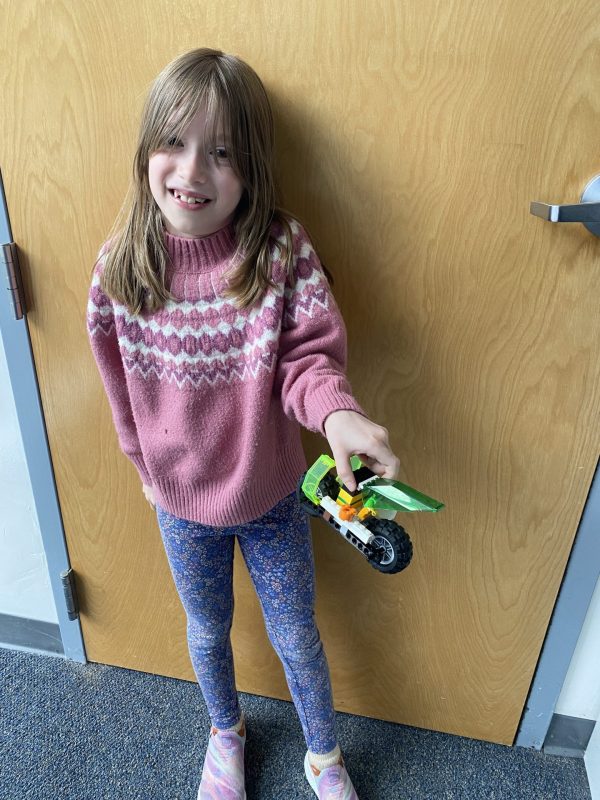
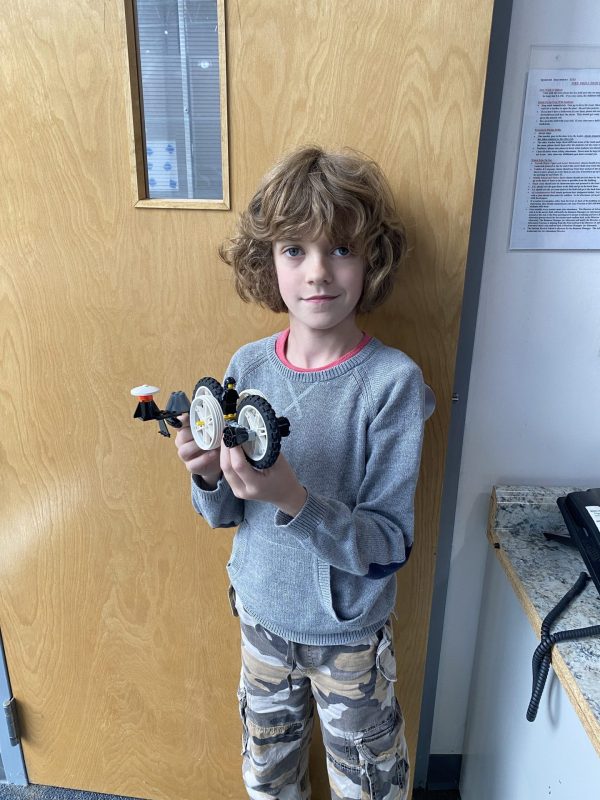
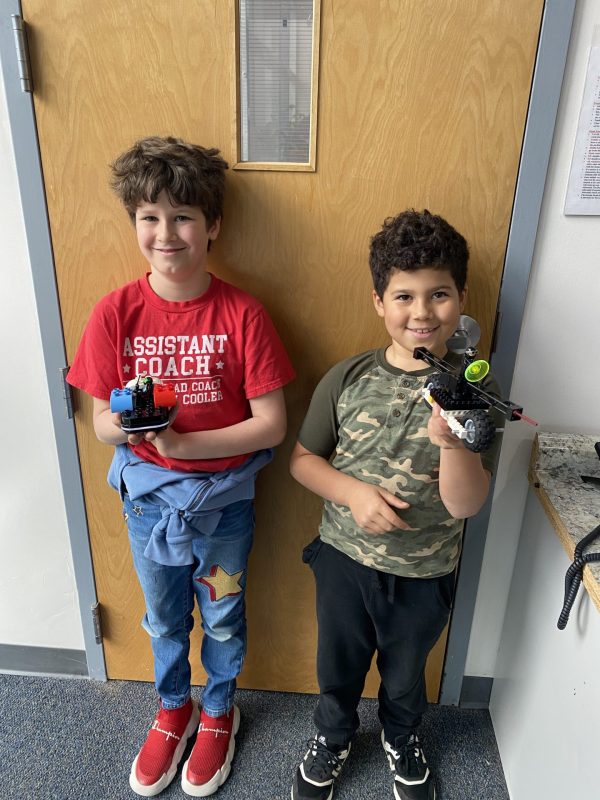
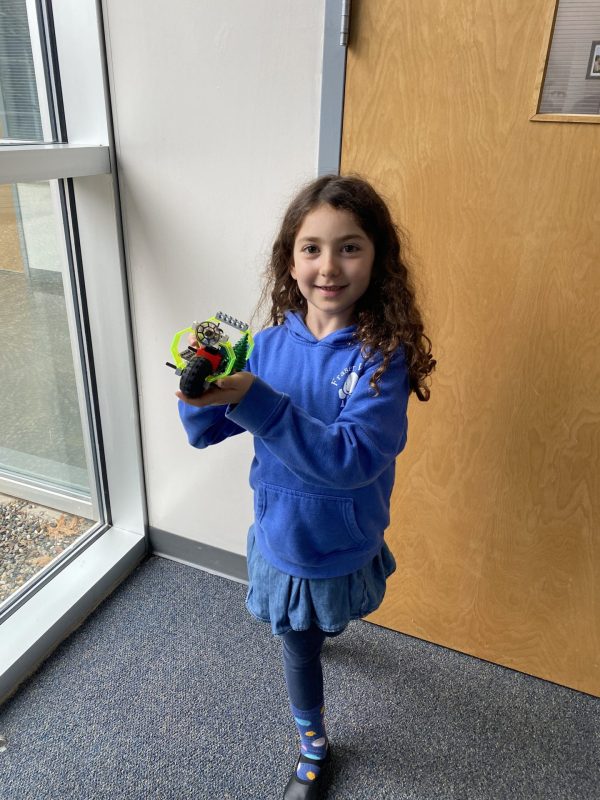
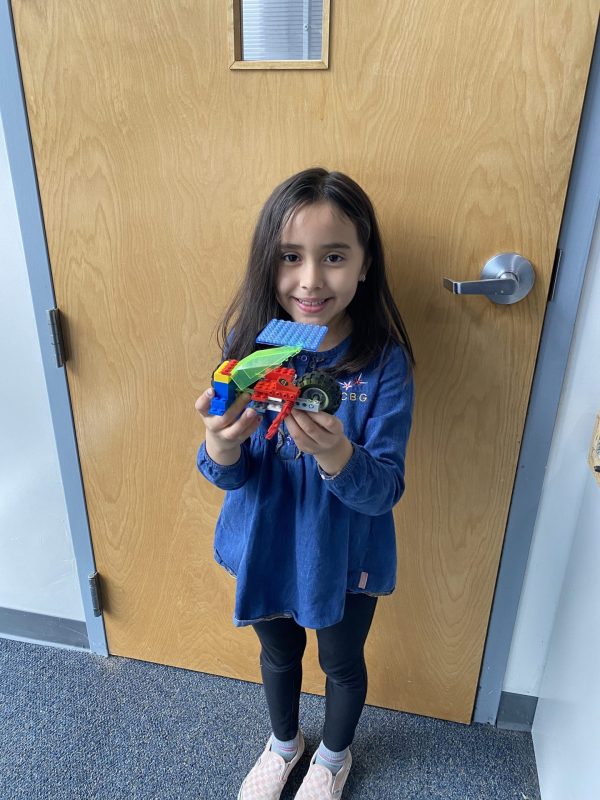
Upper El has mostly been busy working on honing their robotics skills, utilizing the Lego Spike kits to help teach them about the construction of certain bases and the coding to go along with them. As these skills build, we will challenge them with more imaginative challenges. In Makerspace, we’ve spent a few classes brainstorming a new 2-bay compost bin made out of pallets that we will hopefully begin construction on in the next week or so. We evaluated the site, took measurements, and even made a prototype out of Lego to figure out how many pallets were needed. Once the compost bin is complete, they will work with Karen to restart the school-wide compost collection.

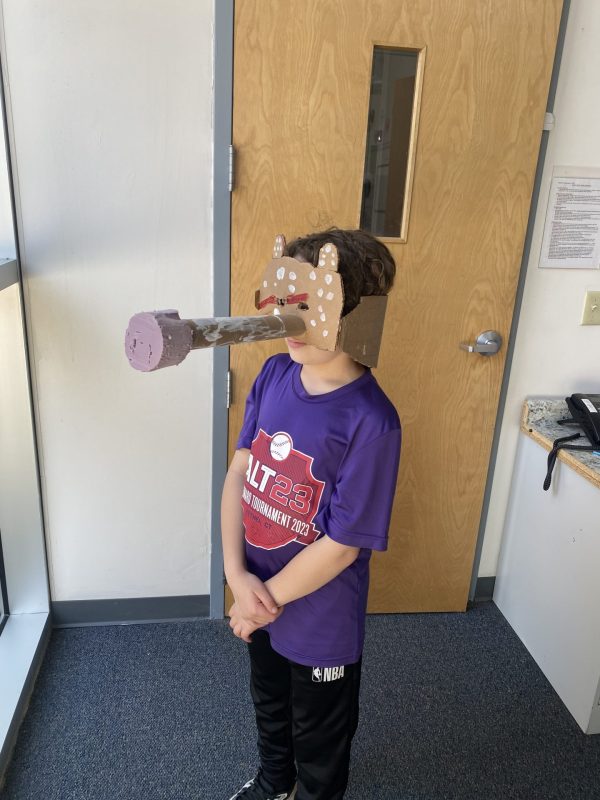
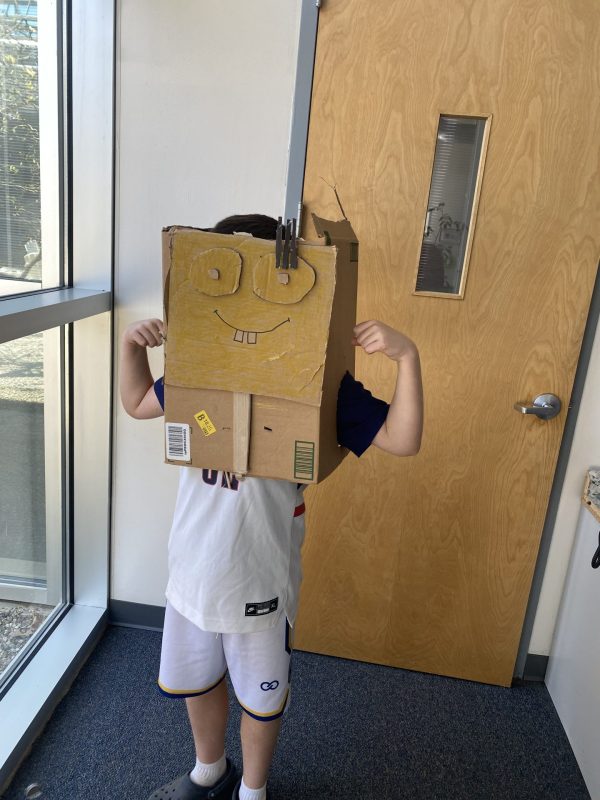
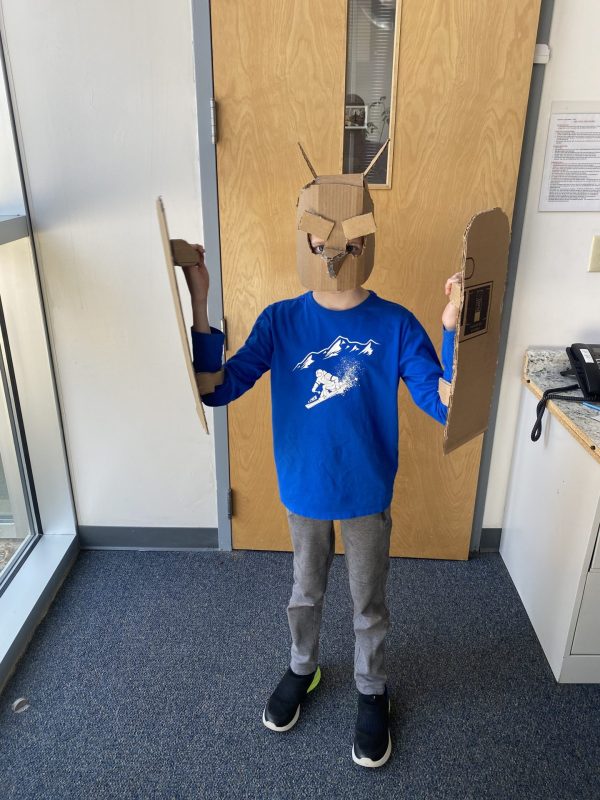
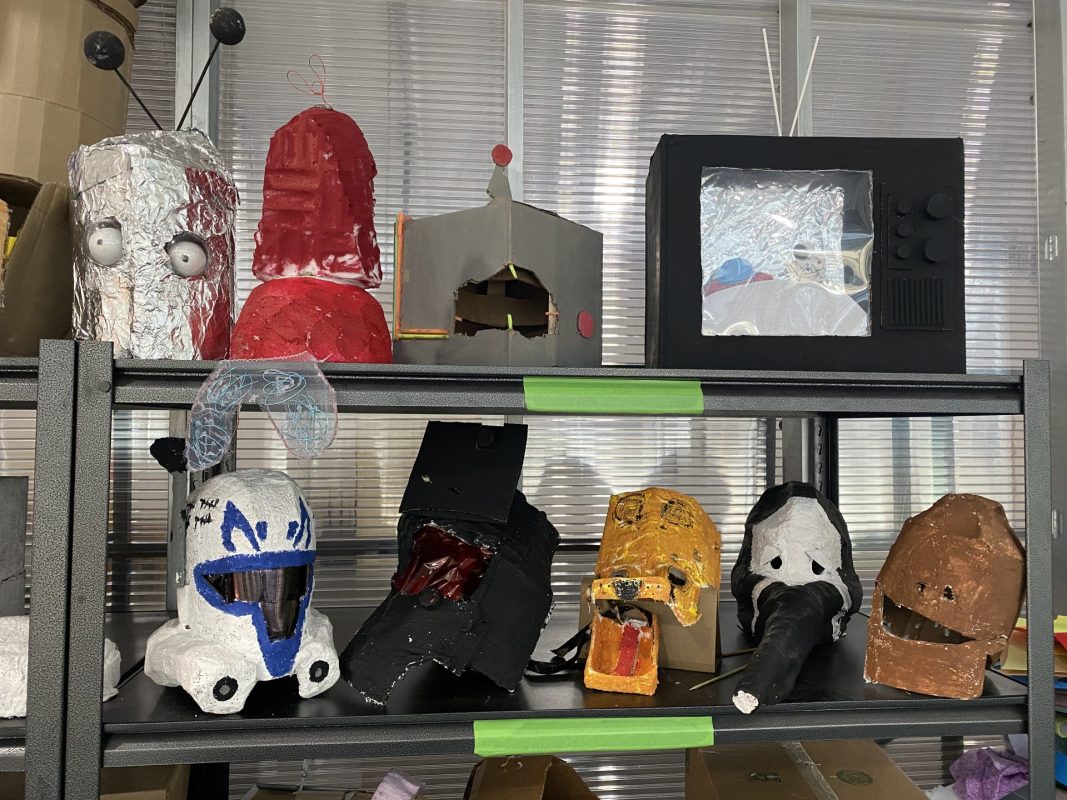
Middle School has already taken on quite a number of projects in Makerspace, STEAM, and Robotics. We’re getting in the Halloween spirit by making masks or props to go along with their costumes. These include giant cakes, computers, mice, and various other characters. The skills they learned with our mask-making last year have carried over in a number of ways, and the detail they’ve been able to incorporate so far has been wonderful. STEAM has given us the opportunity to use the FabLab to make name tags for their lockers using materials cut from cardboard to wood and acrylic on the laser cutter to 3D modeled parts printed on the 3D printers. We’ve also just begun a larger group project working to design and build a model city, keeping in mind the proportion and scale of all the buildings and infrastructure. There have been lengthy conversations about the needs of the citizens and the space available within the city limits. Robotics has focused heavily on weight distribution so far. They were presented with a flexible bridge that their robot had to navigate across, keeping in mind how the center of gravity would impact its stability. They were also challenged to think about the center of gravity and weight distribution as they made robots compete in a sort of reverse tug of war, pushing the other beyond a marked line. Traction and torque also came into play with various tires and speeds being tried out.


Welcome Back to the Art Studio!

At FWM, Art is viewed as a creative journey or process rather than a deliverable or end product. Students are encouraged to trust their original ideas, take creative risks, evaluate results, and problem-solve so they continue to flourish as flexible, creative thinkers beyond the Art Studio walls. We kicked off the school year with lots of drawing and mark-making exploration. Young artists used a range of materials and tools, such as colored pencils, markers, rulers, crayons, erasers, and charcoal. Inspiration was pulled from nature, our classroom environment, and our imagination. As students settle into the Art Studio, they are encouraged to engage in self-directed play with the art materials while learning safe and proper material handling. With this sense of freedom to explore, children learn to think creatively and to take risks with ideas and materials: they realize that mistakes are opportunities to try something different and that there’s more than one way to be creative!


Makerspace: Monthly Update

The Makerspace has been busy with all sorts of projects coming to fruition.

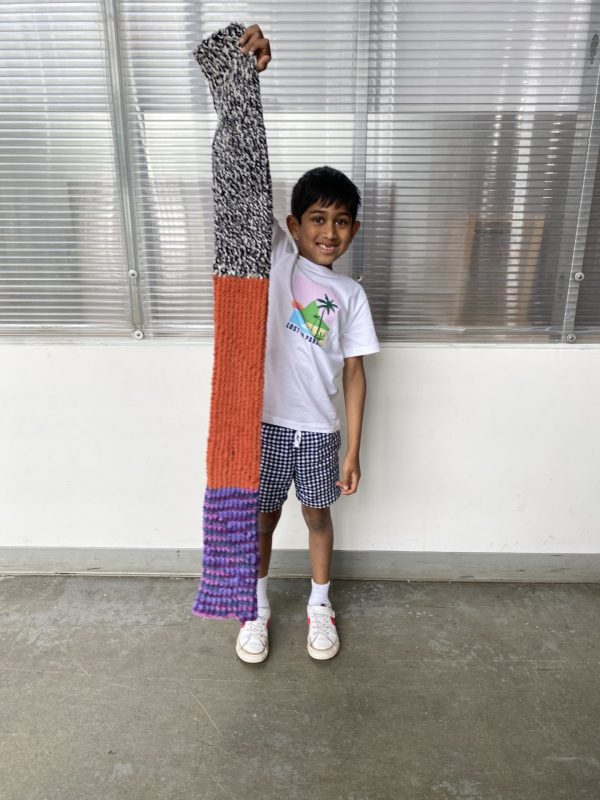
Lower El has finished up its knitting projects, turning balls of yarn into bags, pillows, scarves, and arm warmers. It has been such a wonderful experience watching everyone learn this new skill and bring their ambitious visions to the physical world.

Upper El has been busy expanding on their Robotics skills, spending a few classes working on musical robots. Using color sensors, they’ve created both linear and circular paths to produce notes. By adjusting the speed and spacing of the colored blocks, they can change the tune and tempo. Not shown in the video is an additional vehicle that passes over the line of colored blocks, providing further opportunities for adjustment and refinement.
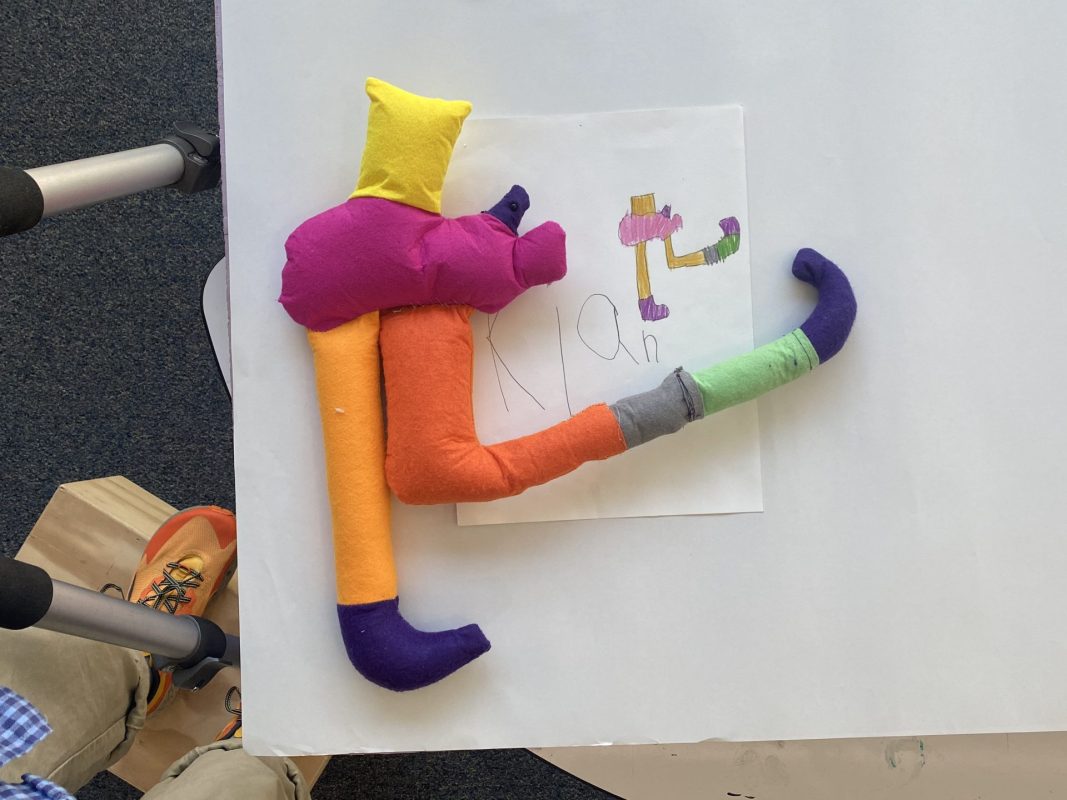
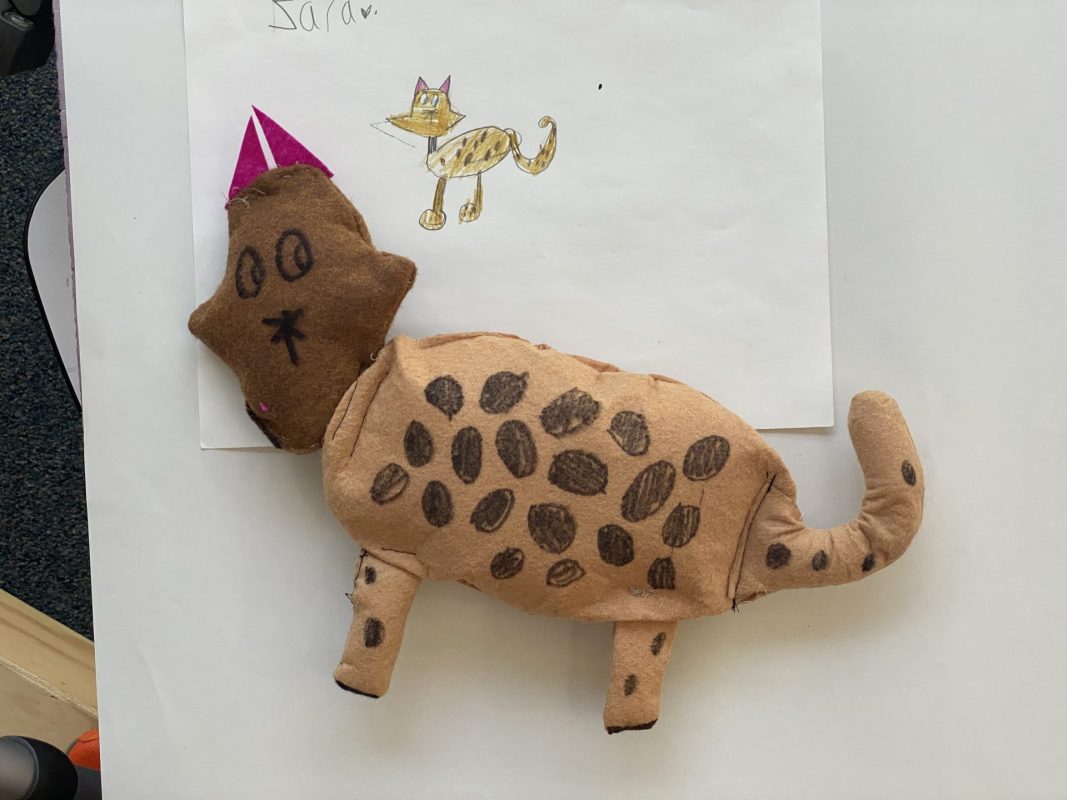
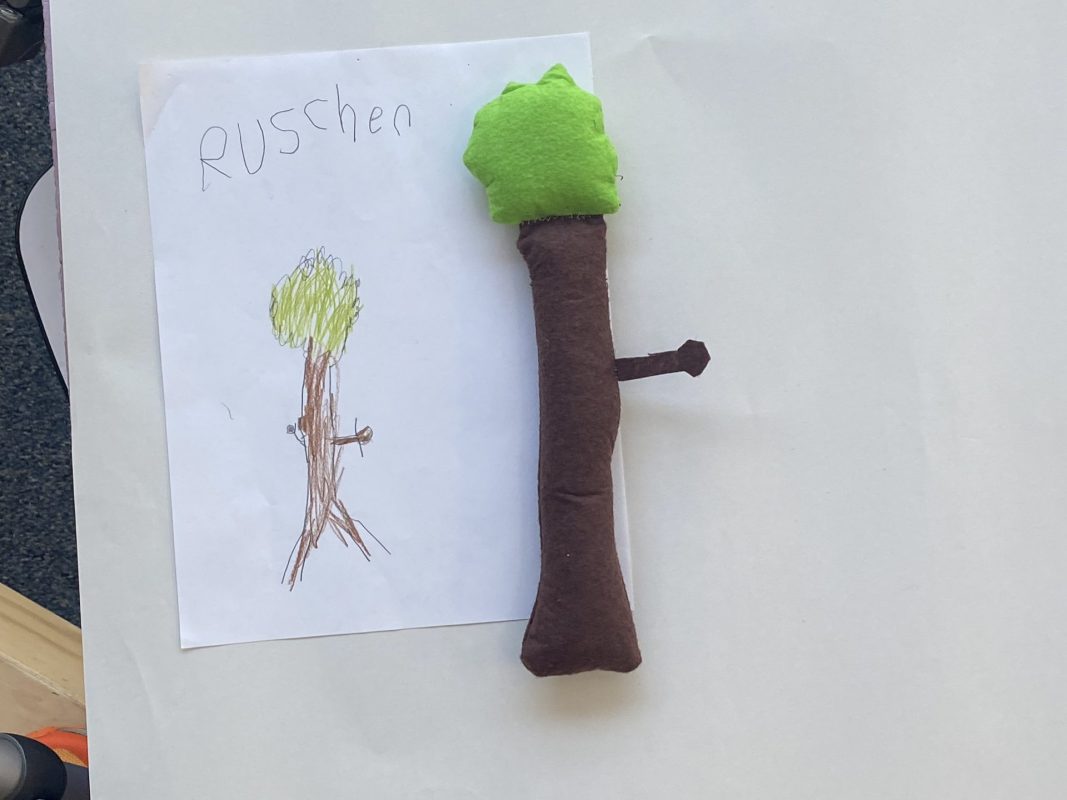
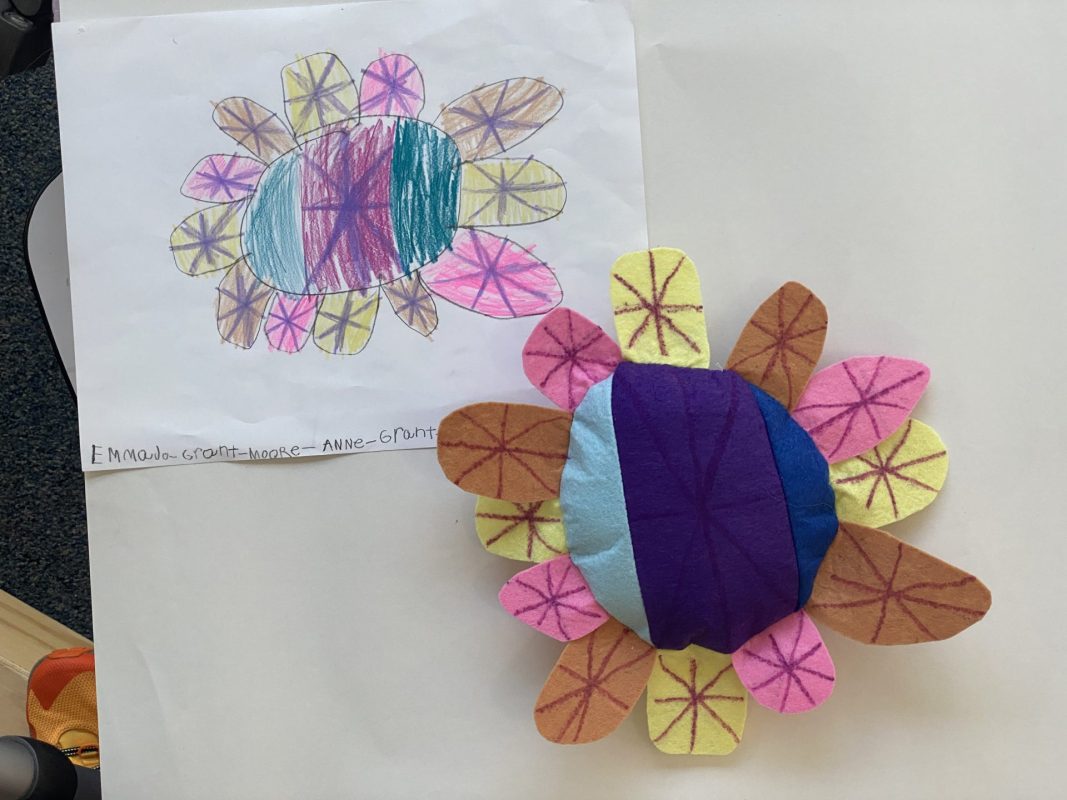
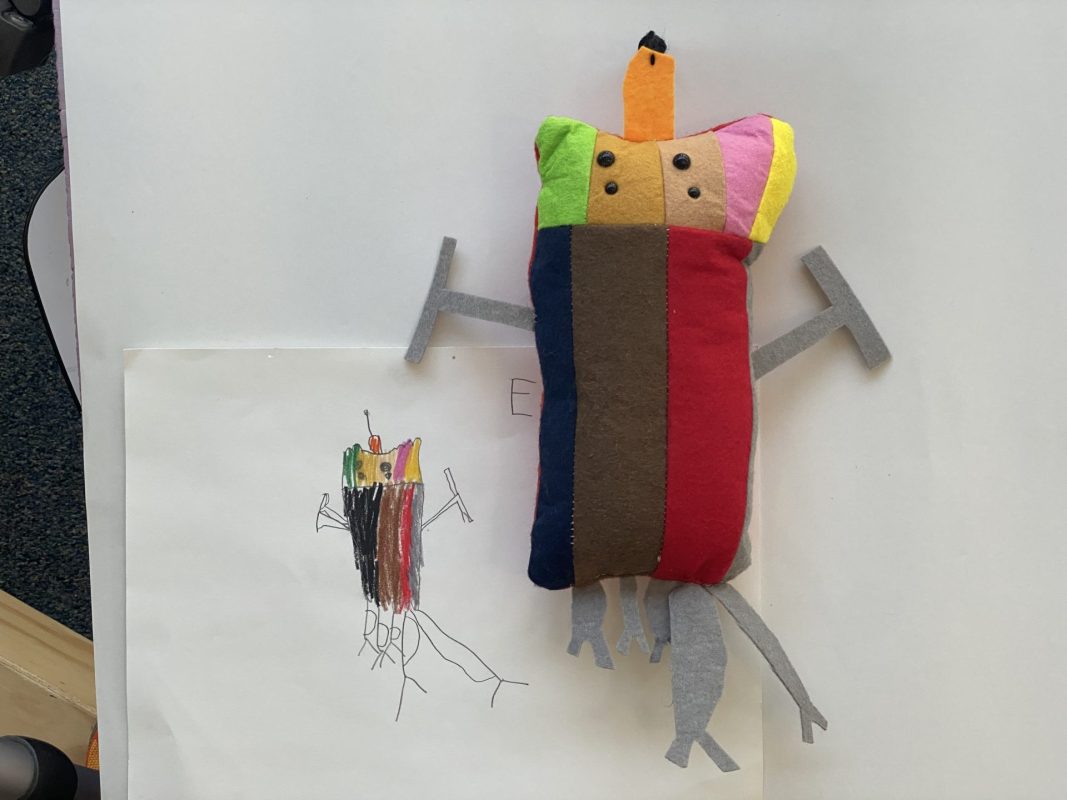
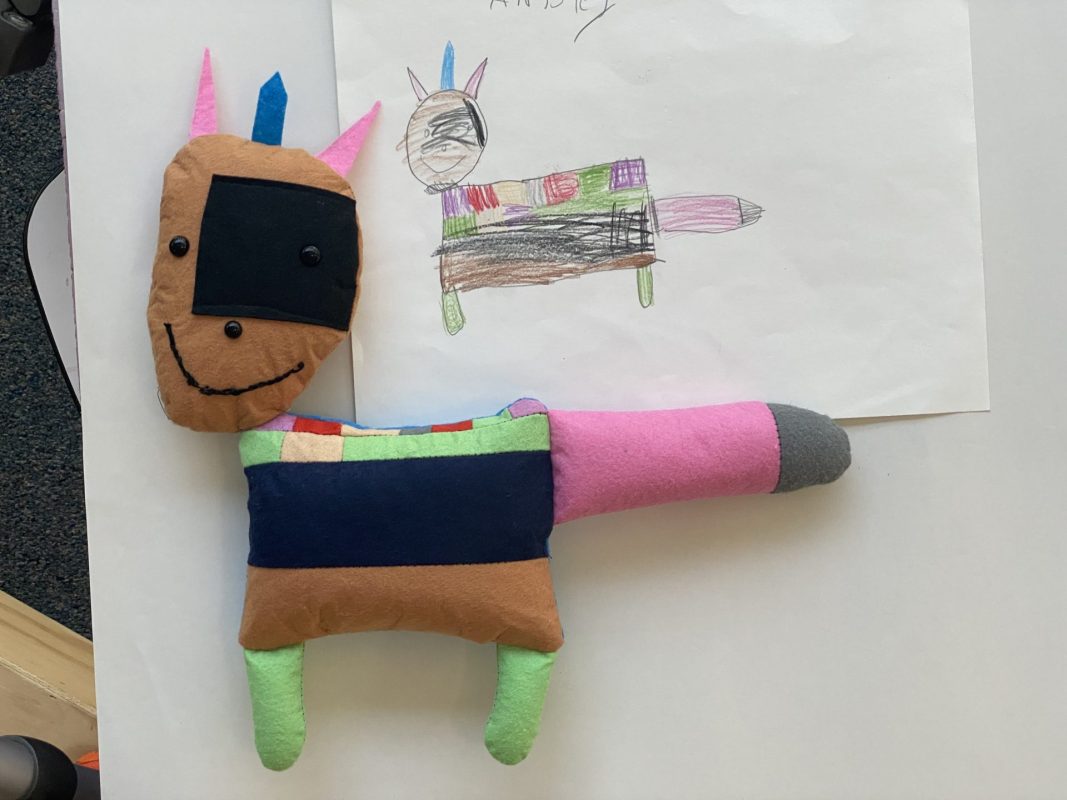
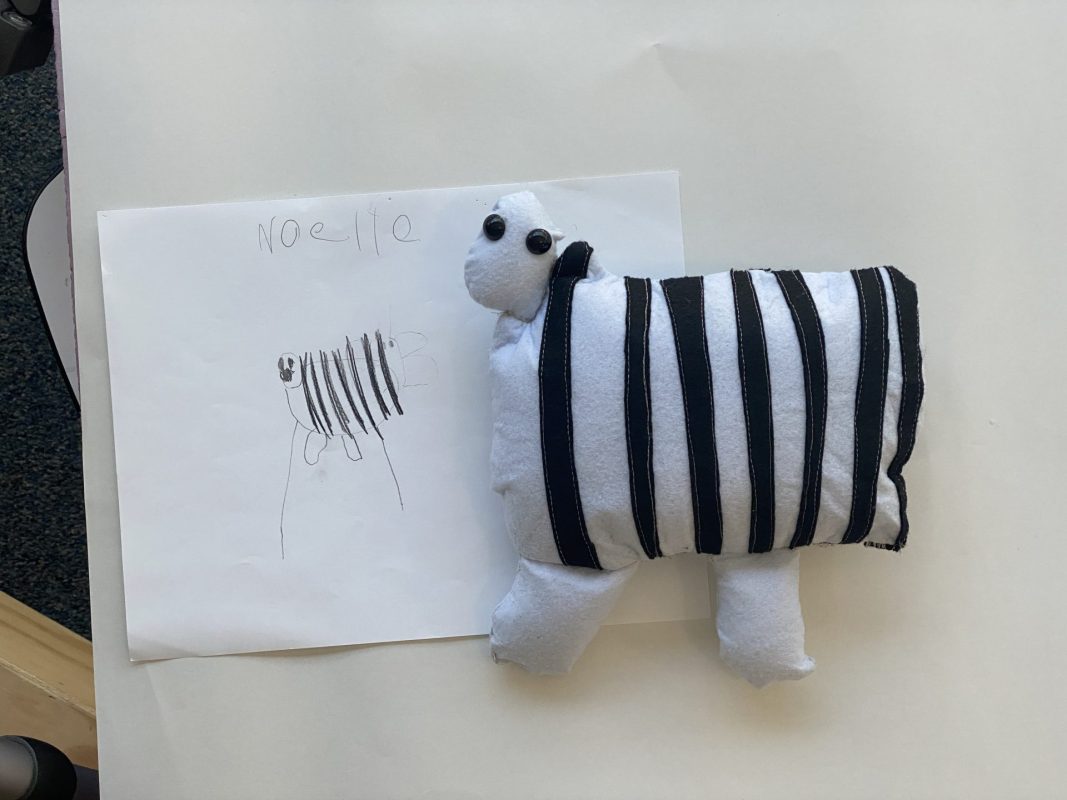
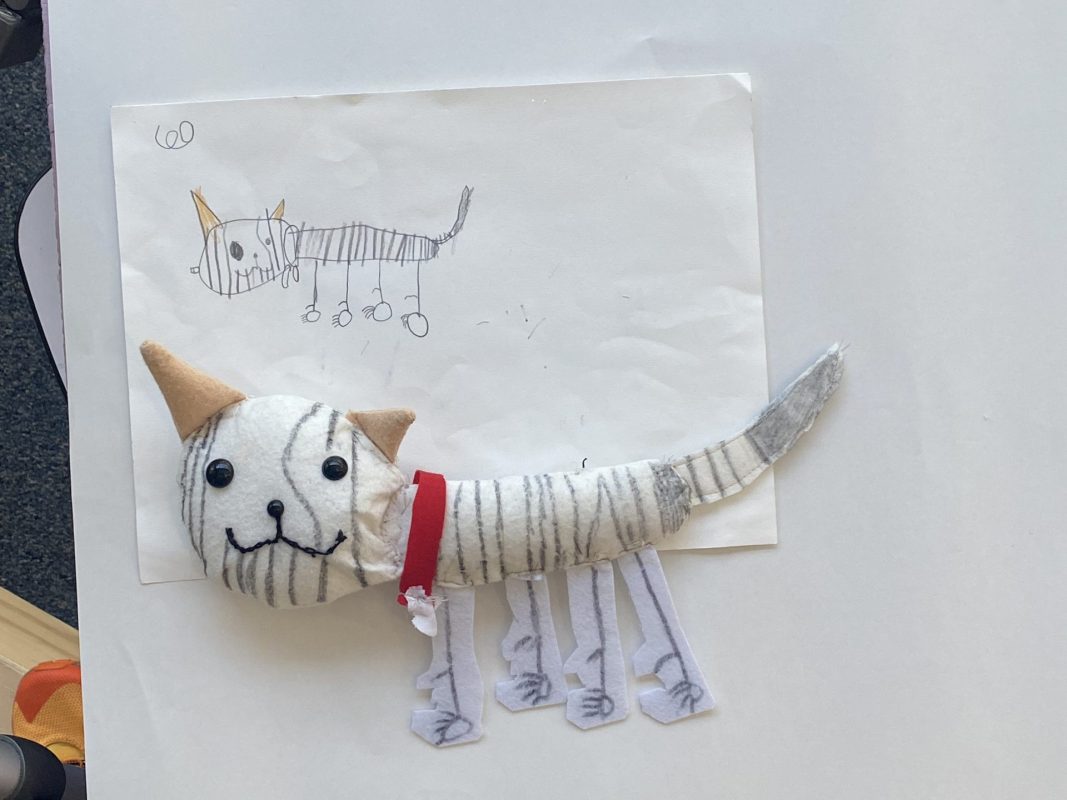
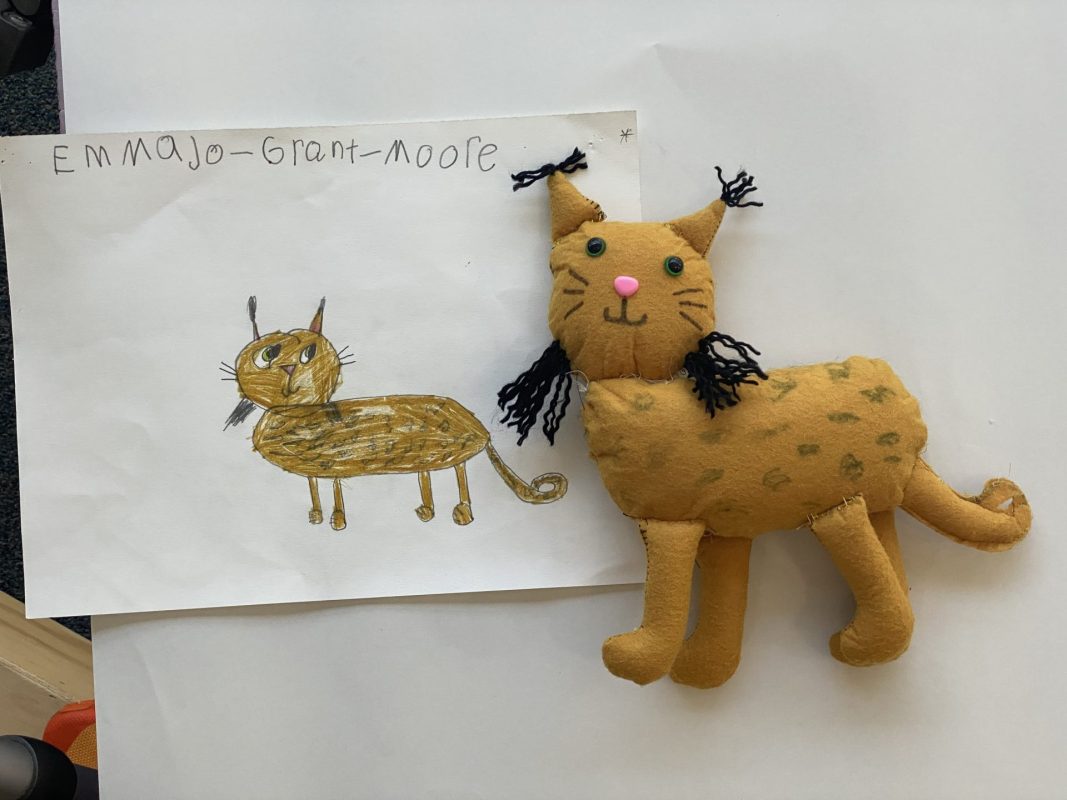
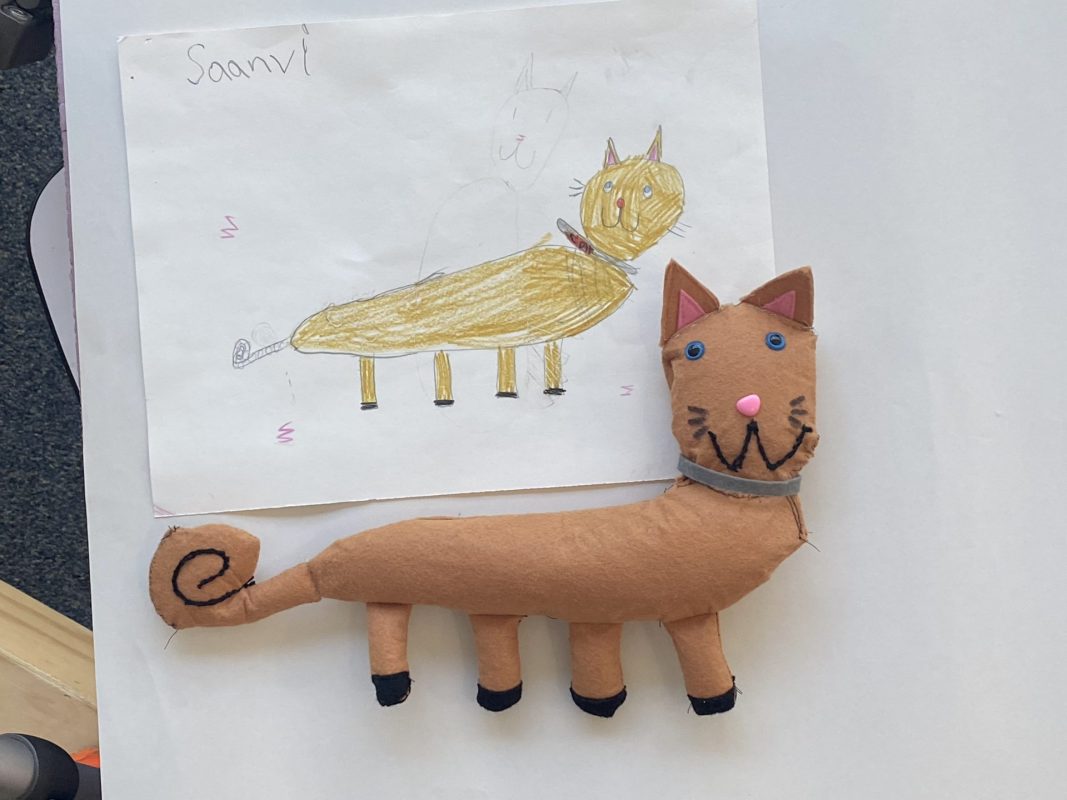
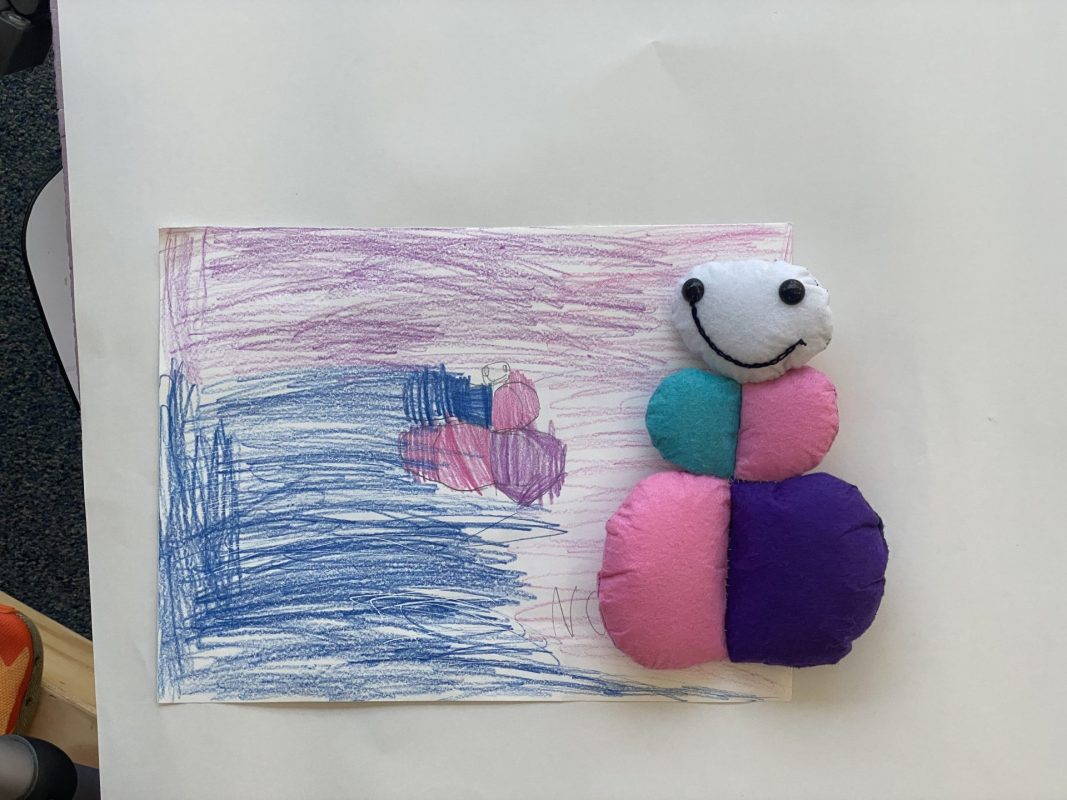
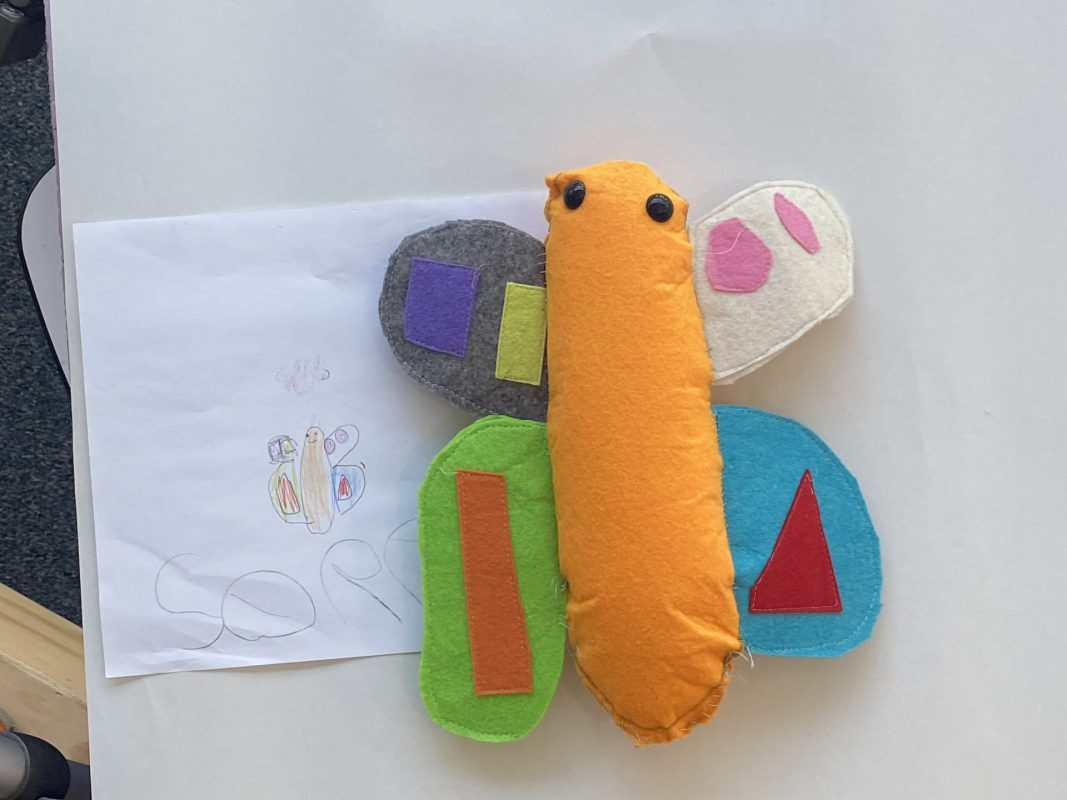
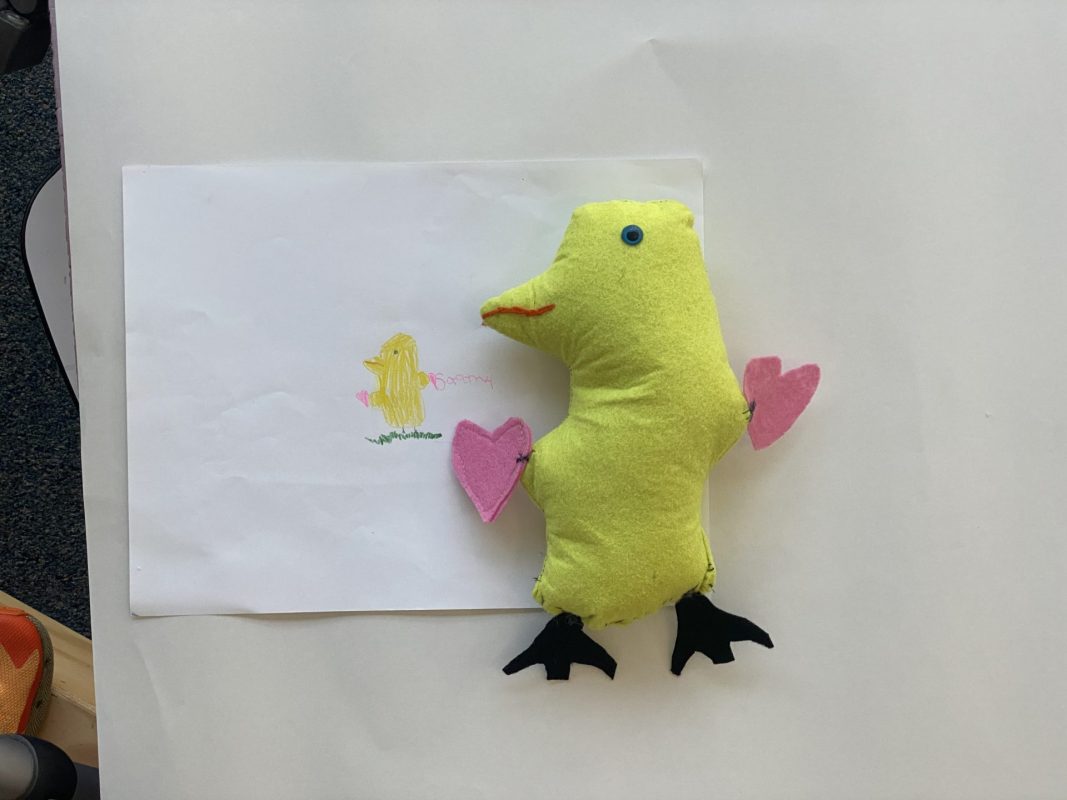
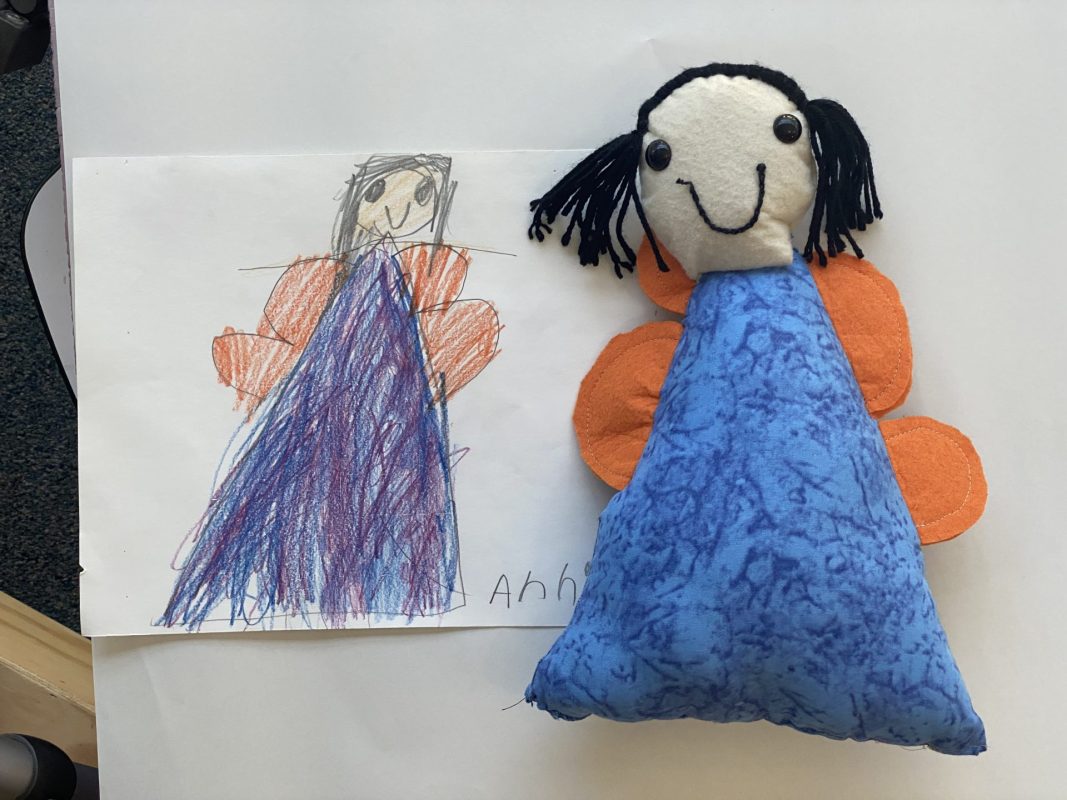
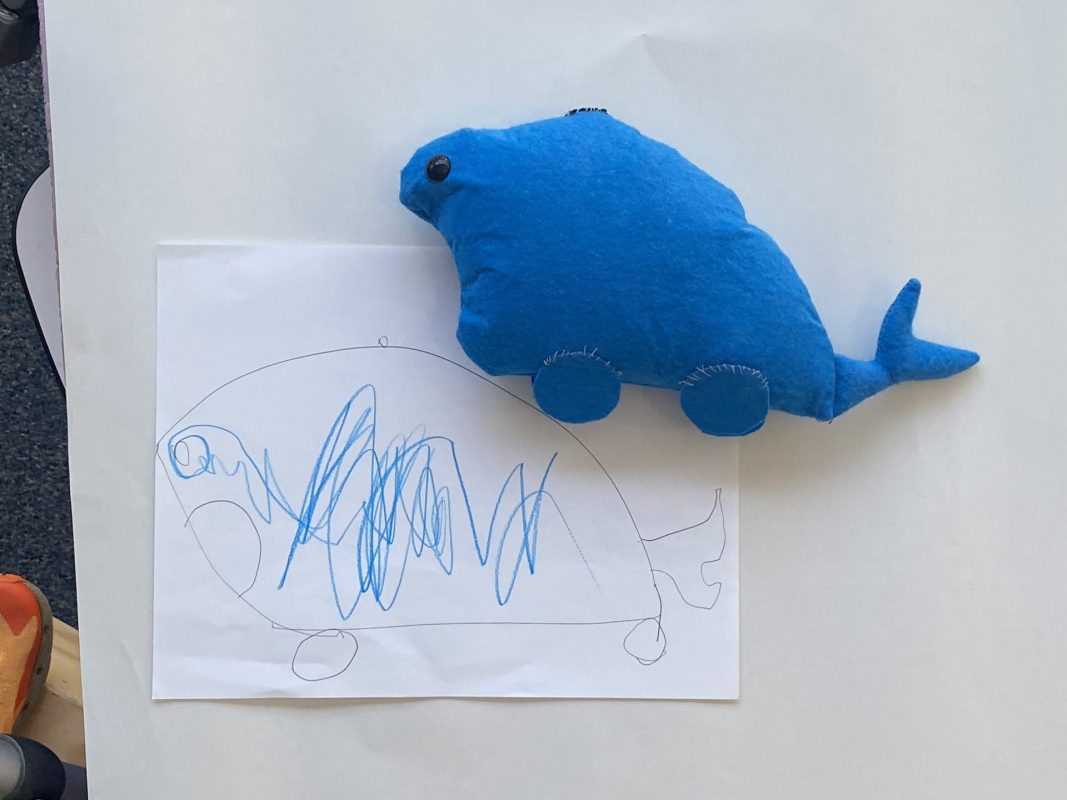
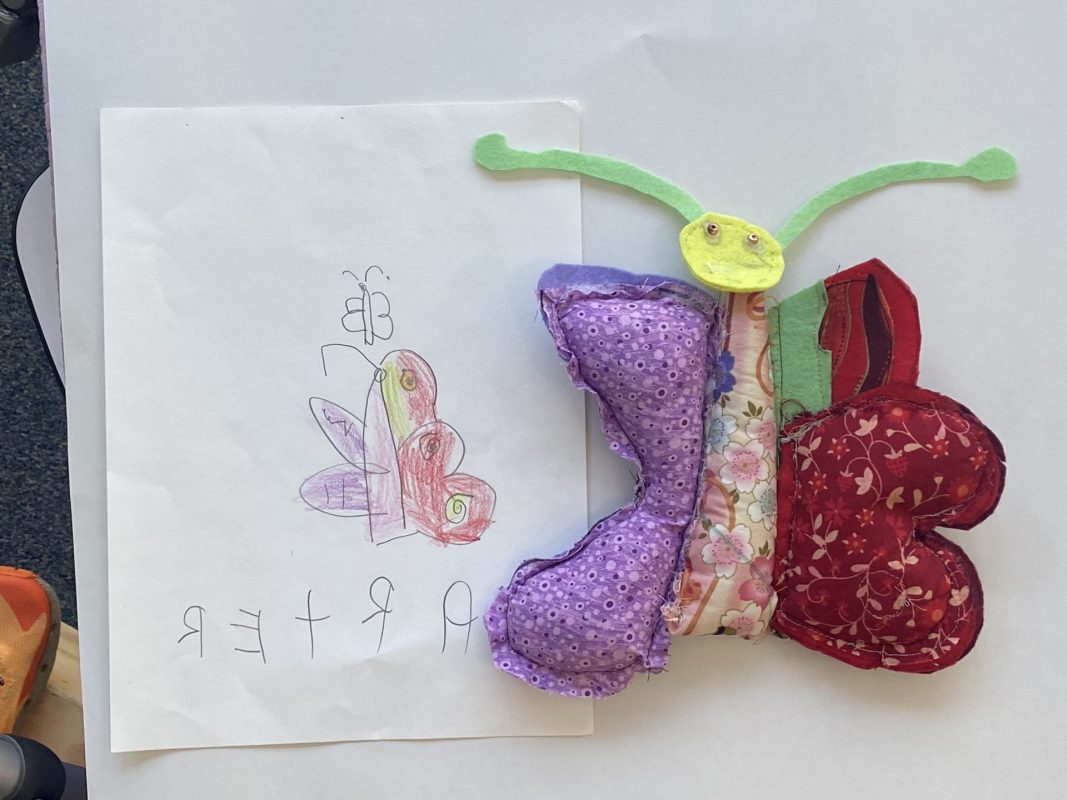
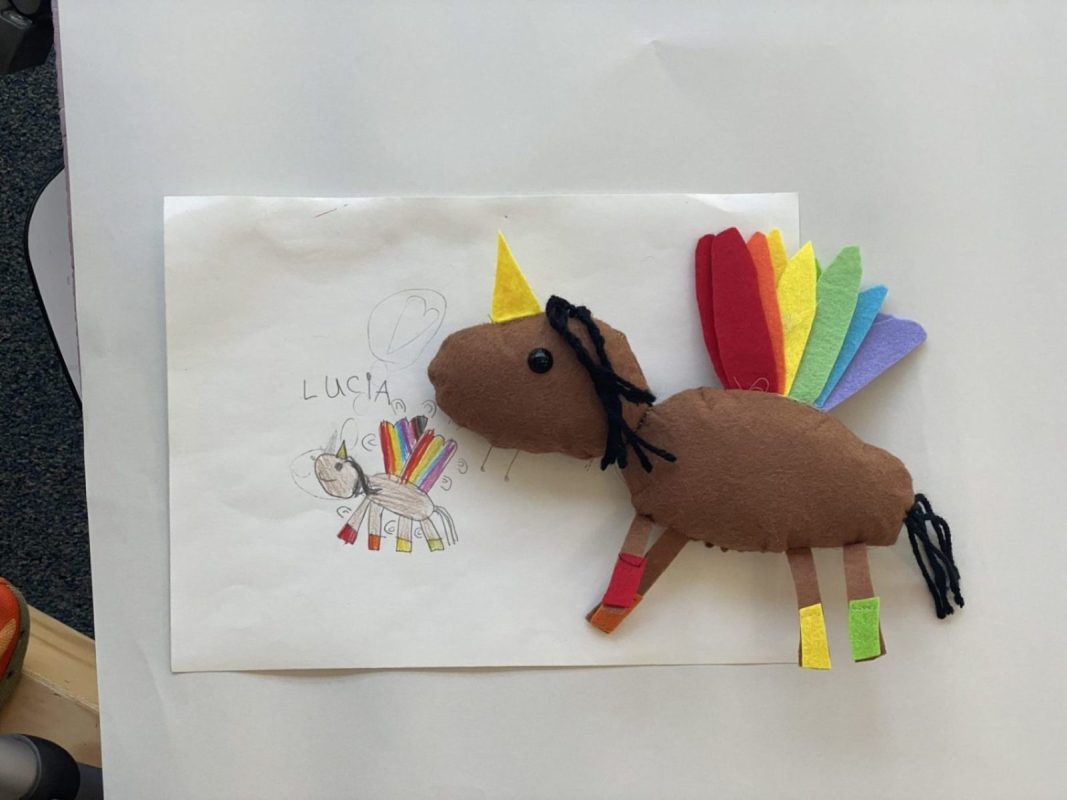
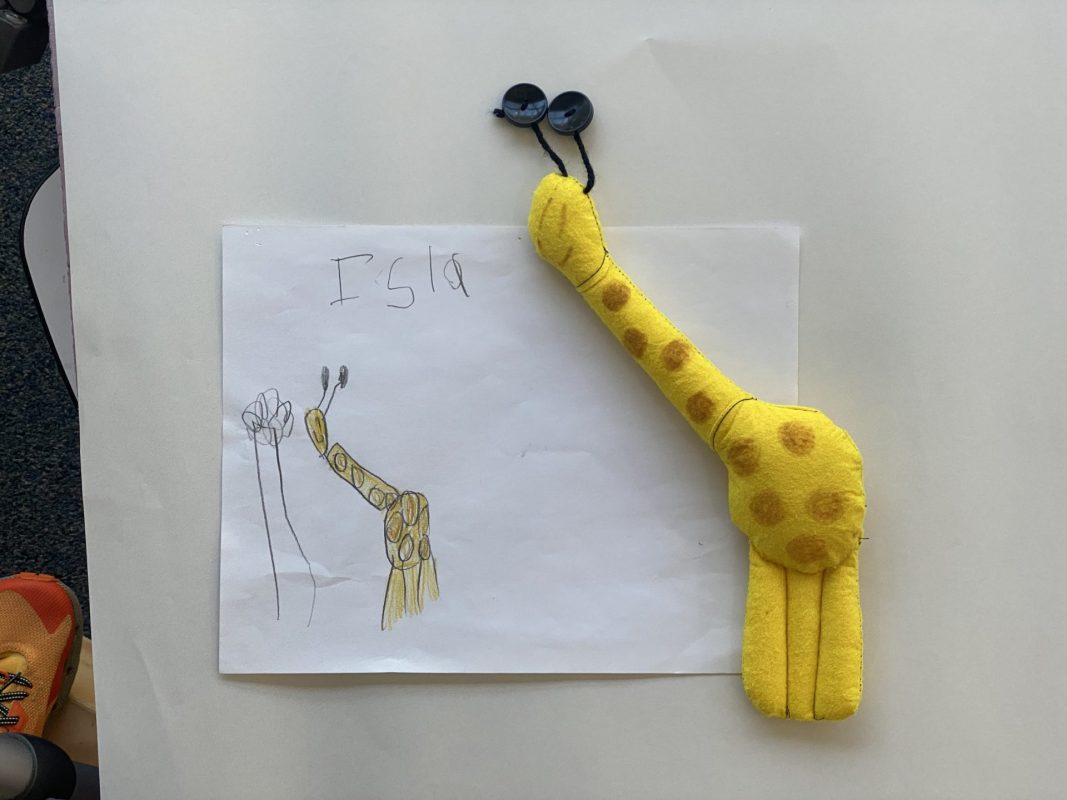
The Kindergarteners’ and Middle Schoolers’ drawing-to-stuffed-animal project came to a wonderful conclusion as the middle schoolers presented their creations to the kindergarteners at their graduation ceremony. The Kindergarteners had been anticipating seeing their drawings come to life for weeks and were so thrilled to receive them.
These last few months have been filled with excitement and awe at what these students can imagine and create. I am continually surprised by their innovative solutions, ability to learn new skills, and dedication to doing well and helping each other. I’d like to thank everyone (students, parents, fellow teachers, and administration) for a truly wonderful last few months. Have a great summer!


Spanish Class-May 2024


Primary and LE: “La Primavera” (Spring) y “La Ropa” (Clothing); UE: “La Comida, La Primavera, Donde Estás?, La Escuela ; MS: “El horario en la escuela” y “La Primavera”. A general review of all we have learned to this point this school year was done at every level. In addition, FWM middle school students were able to present their Spanish Food Project.

FWM students are still working on their usual conversation about feelings, Spanish greetings, the calendar, and descriptions of the weather, as repetition is the key to learning another language. They are continuously improving their Spanish listening and vocabulary. Students from Primary, Lower Elementary, Upper Elementary, and Middle School listened carefully to Spanish lessons, books, and songs and participated in interactive games that were presented during class.

Primary and Lower Elementary students also continued lessons using the same type of Montessori lessons such as three-part learning cards and matching cards to reinforce concepts. The children also really enjoyed singing and participating in classroom games. Spanish Montessori Lessons were presented in the students’ classroom and left in their classrooms to be practiced during the week.

Upper Elementary and Middle School students also continue working year-round on their Spanish greetings, description of weather, feelings and their daily calendar that includes days of the week, months and seasons. Also, students learned songs in class that helped with the memorization of vocabulary and with pronunciation.

In addition, Middle School Students continue working through the Spanish curriculum in the “Avancemos” program. They also focused on learning vocabulary to talk about School schedules. They are also learning how to use and write more verbs and their conjugations, learning about their daily schedule, reviewing how to say the time, and learning to say how often they do their activities.  We continue enhancing their vocabulary, reading, listening, and comprehension skills using our workbooks. We watched the movie “Elemental” in Spanish as part of “Spanish Enrichment”.

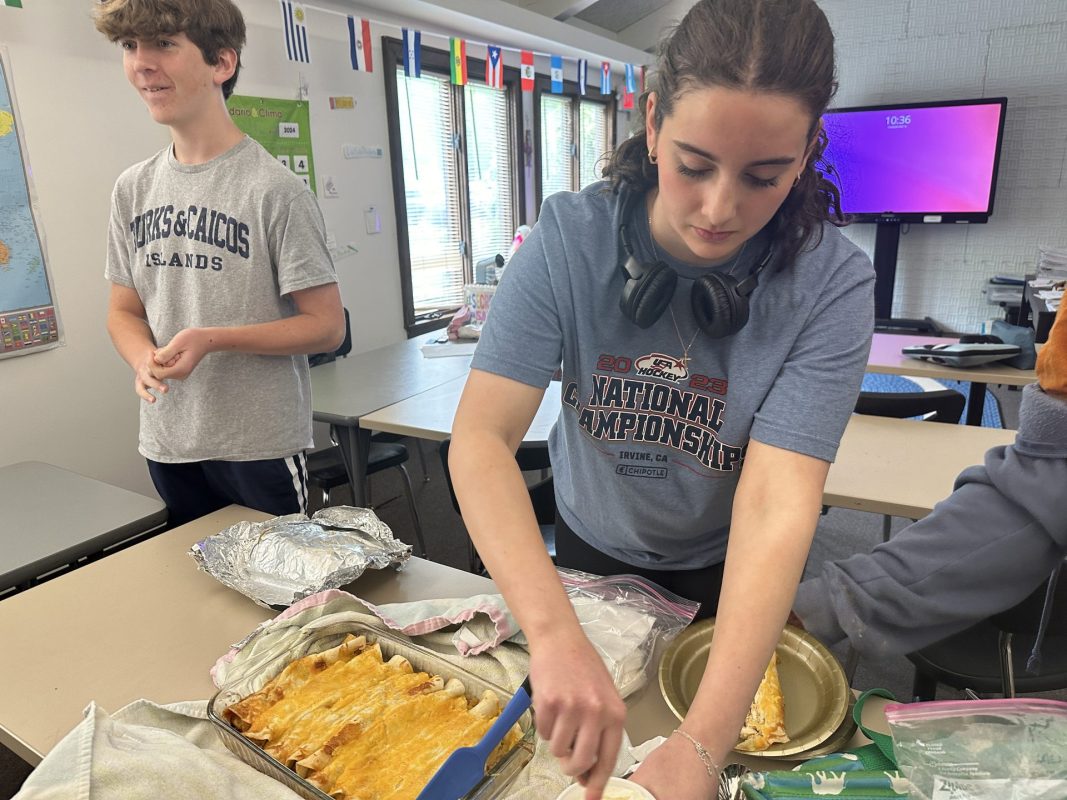
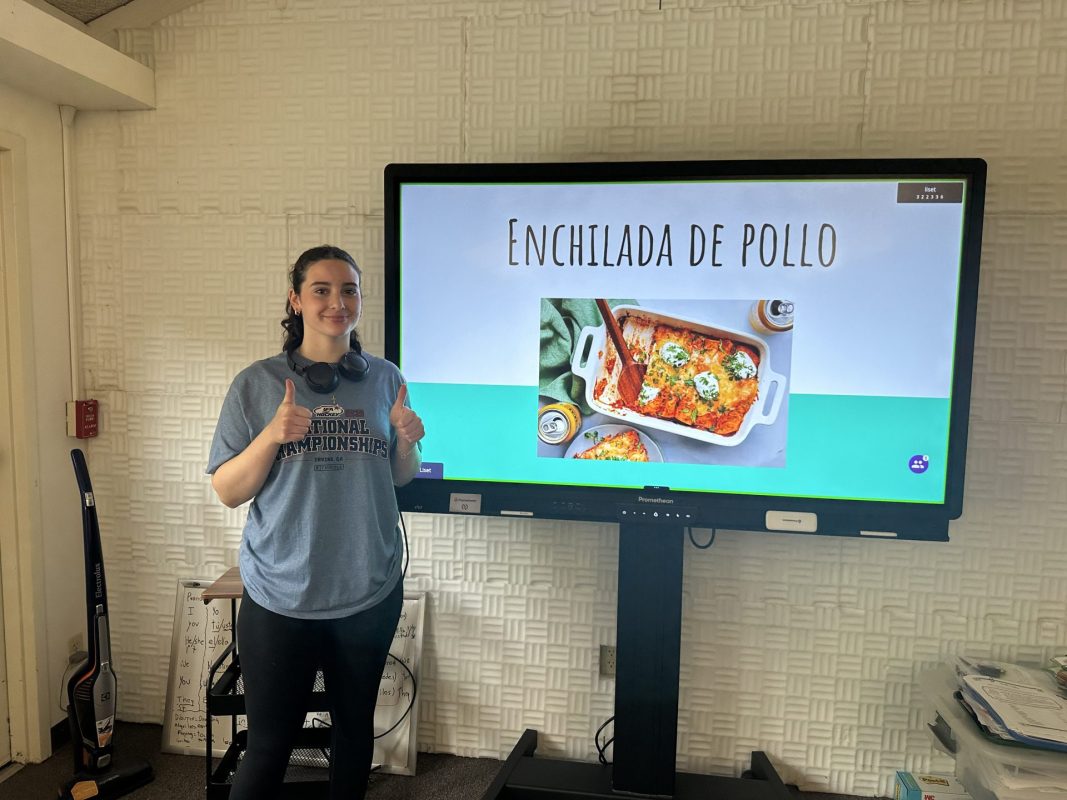
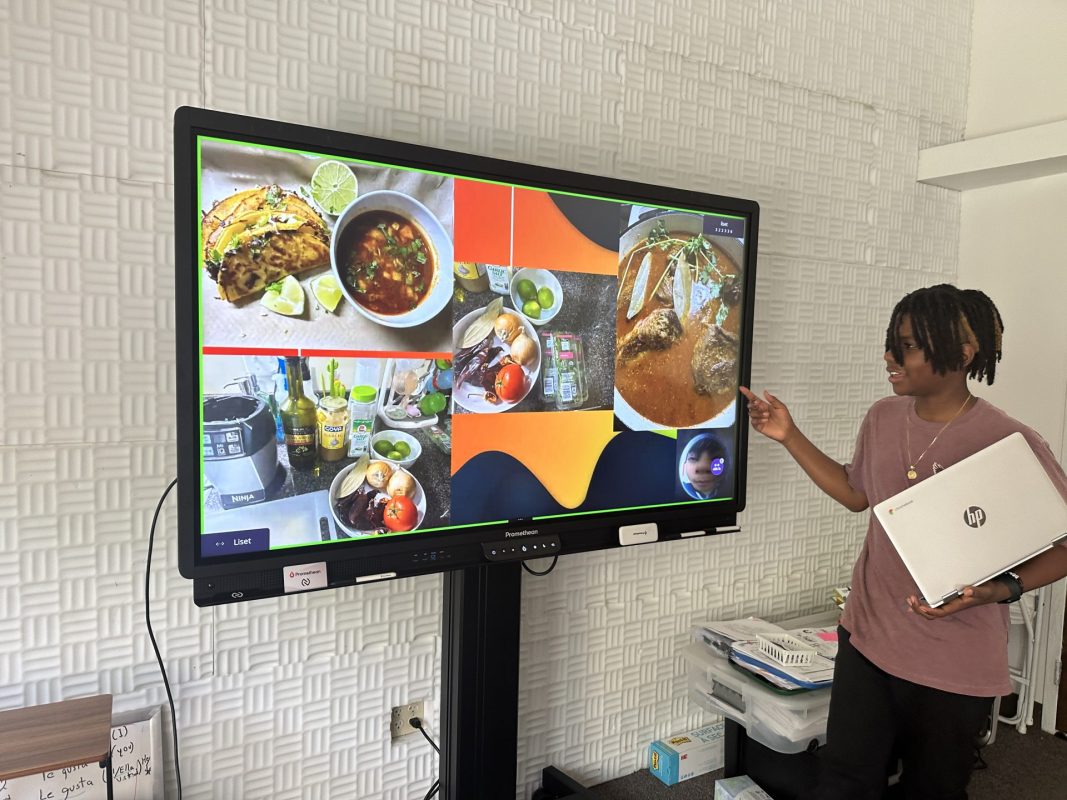
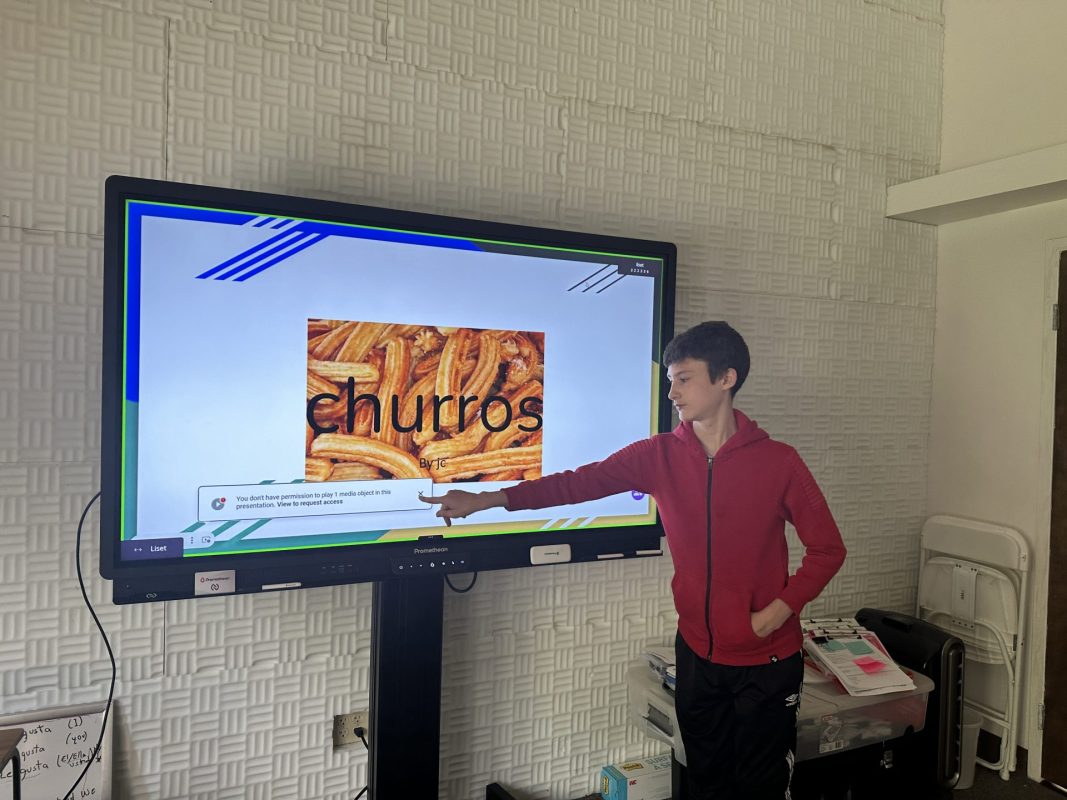
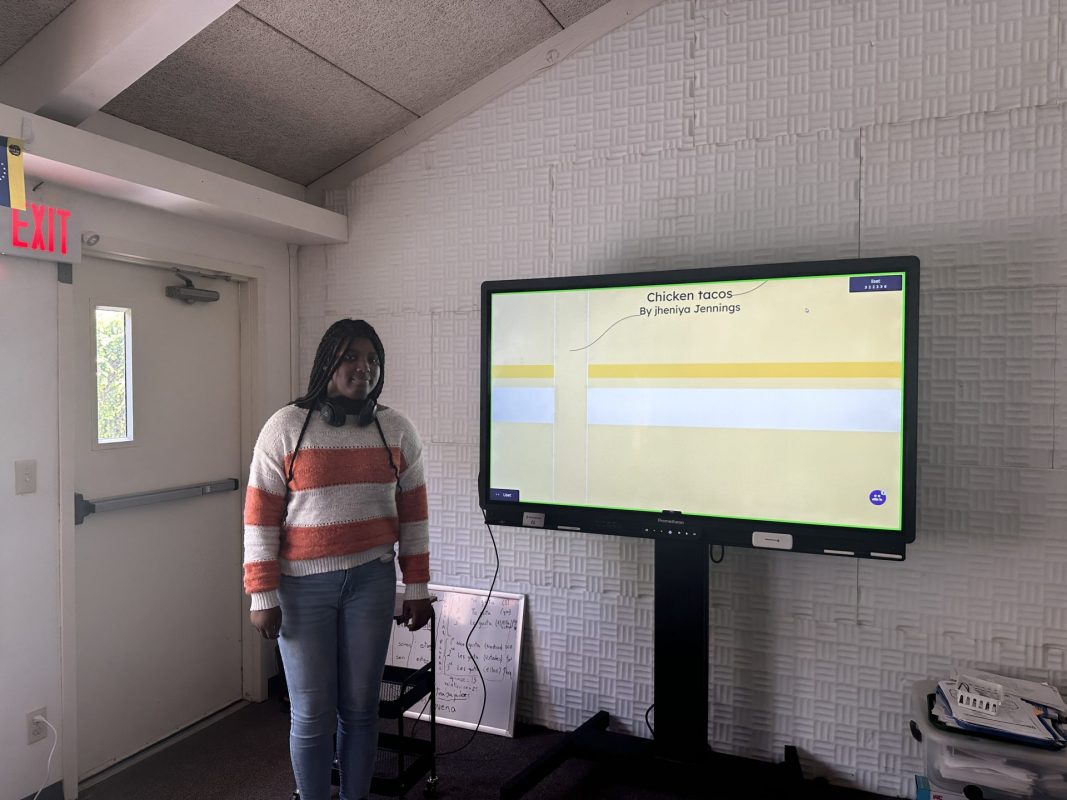
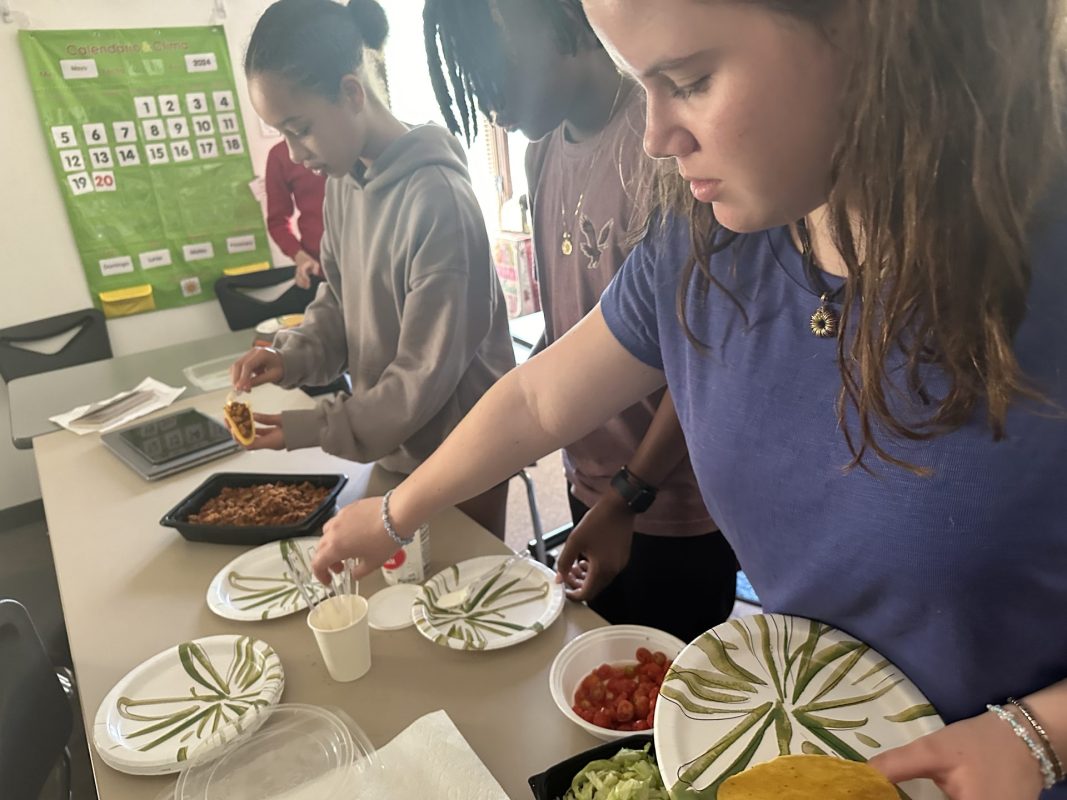
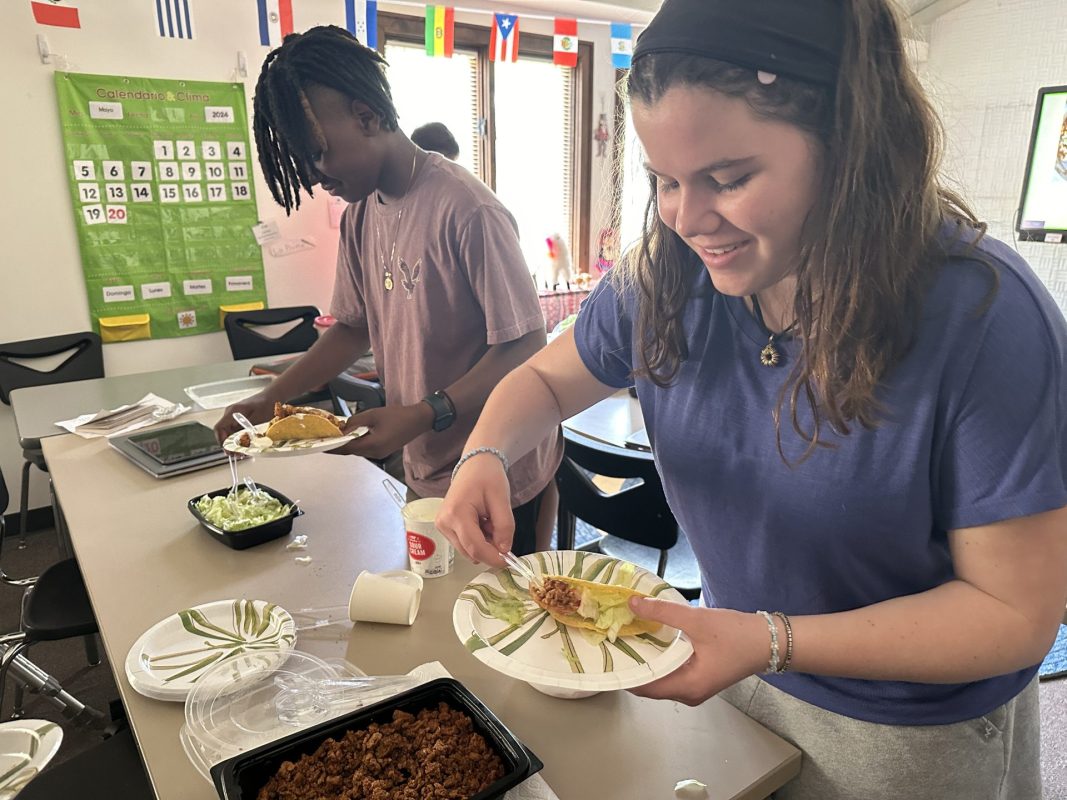
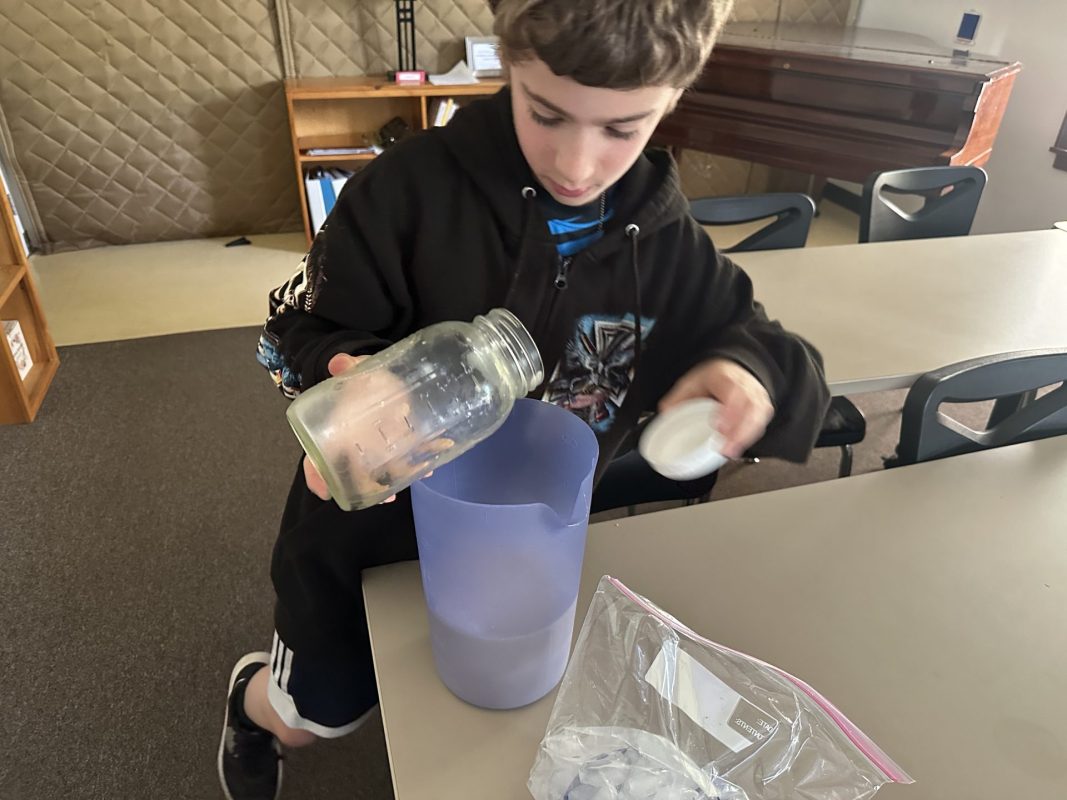
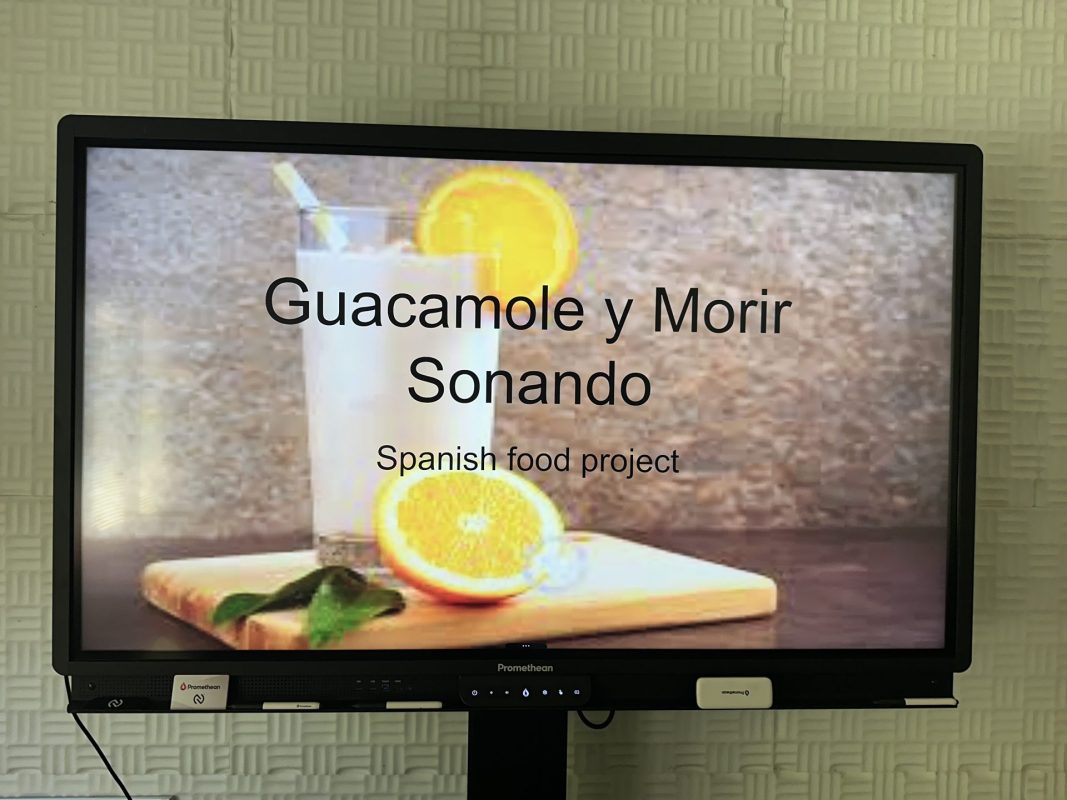
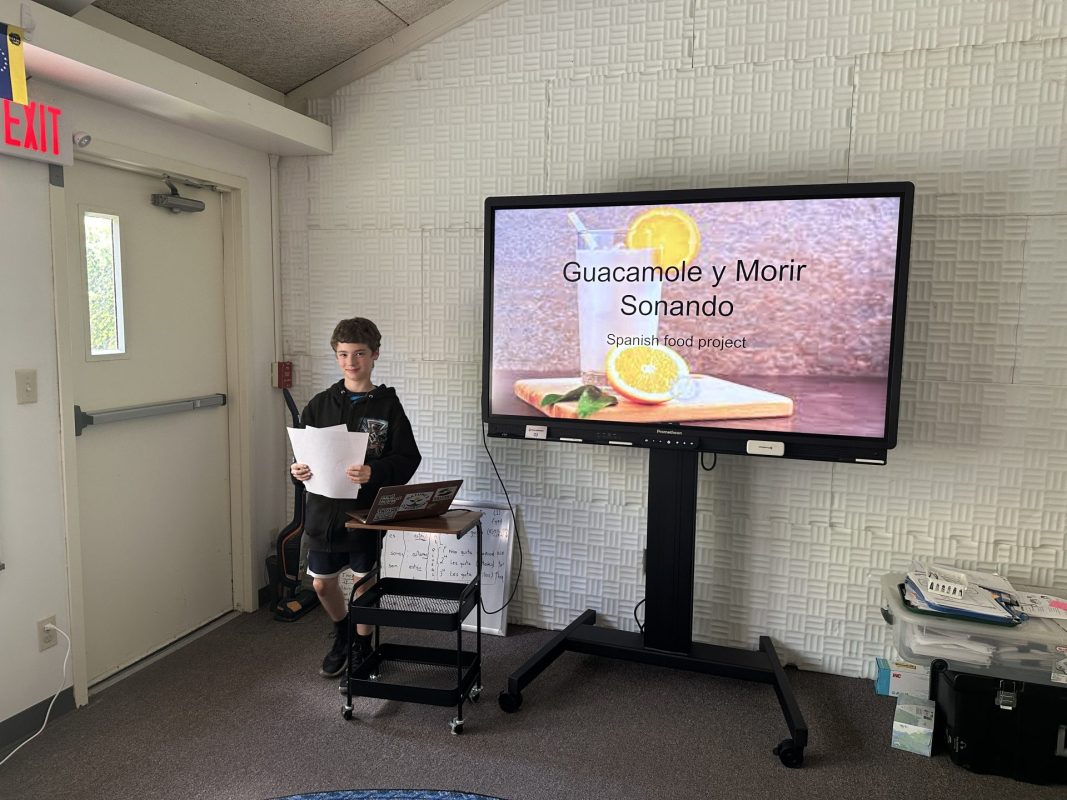
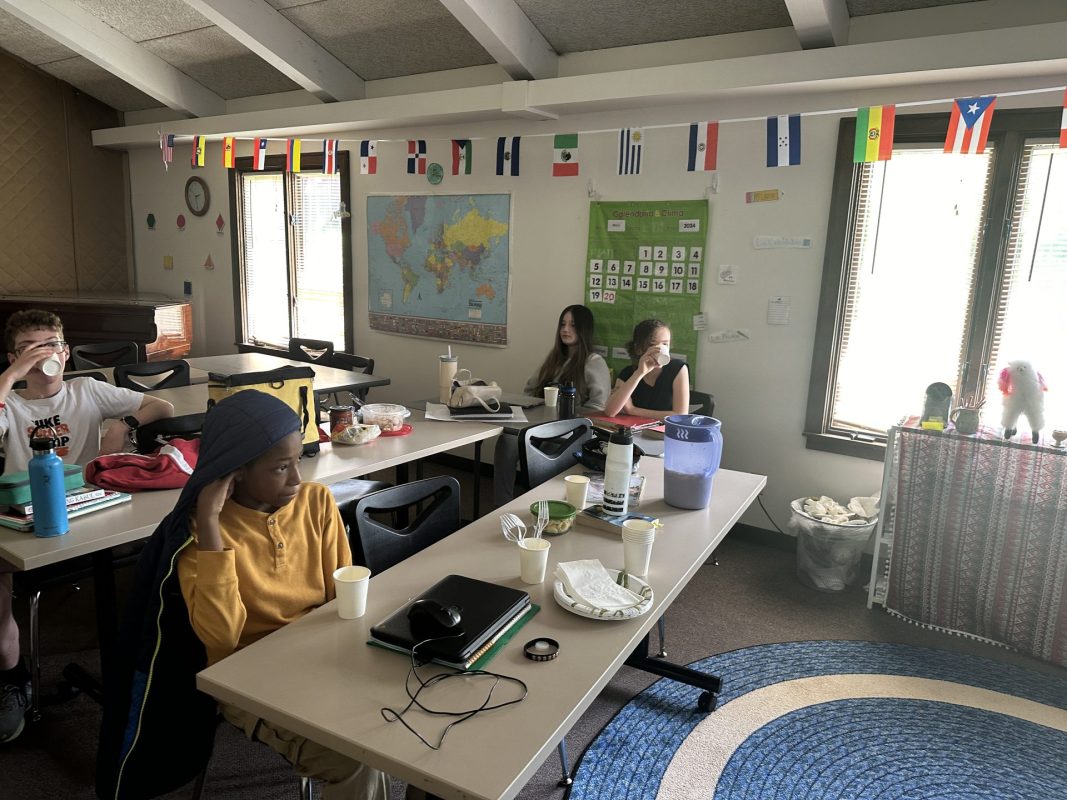
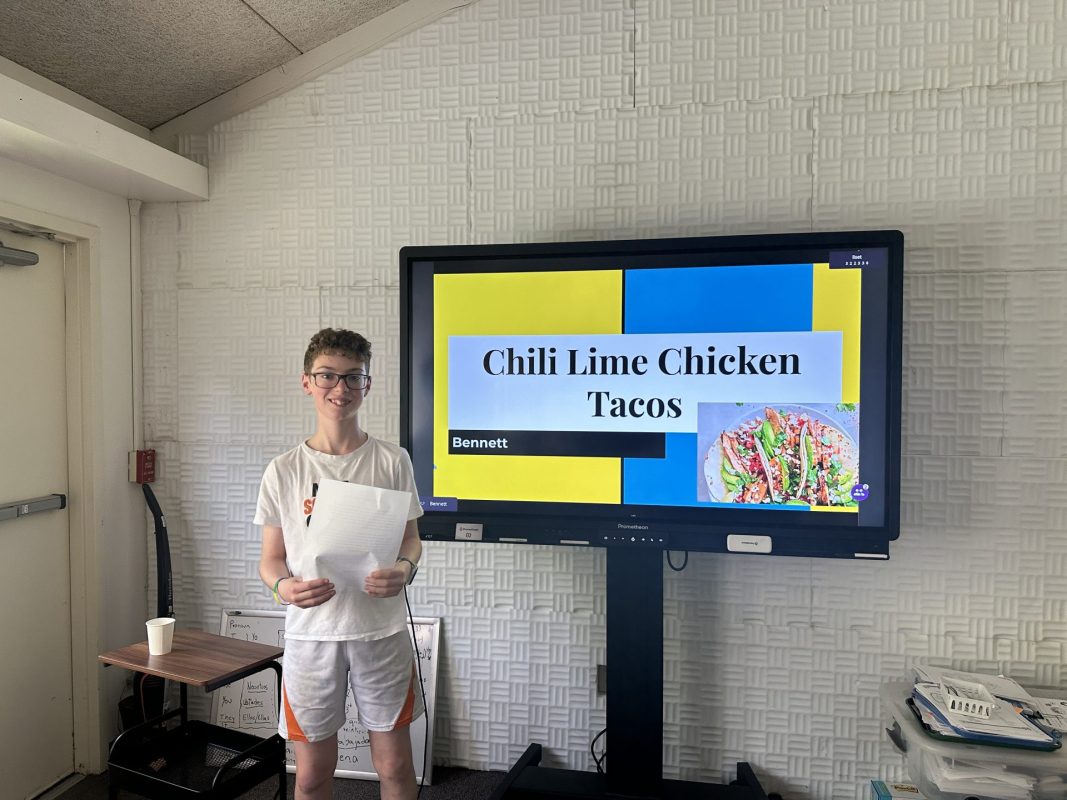
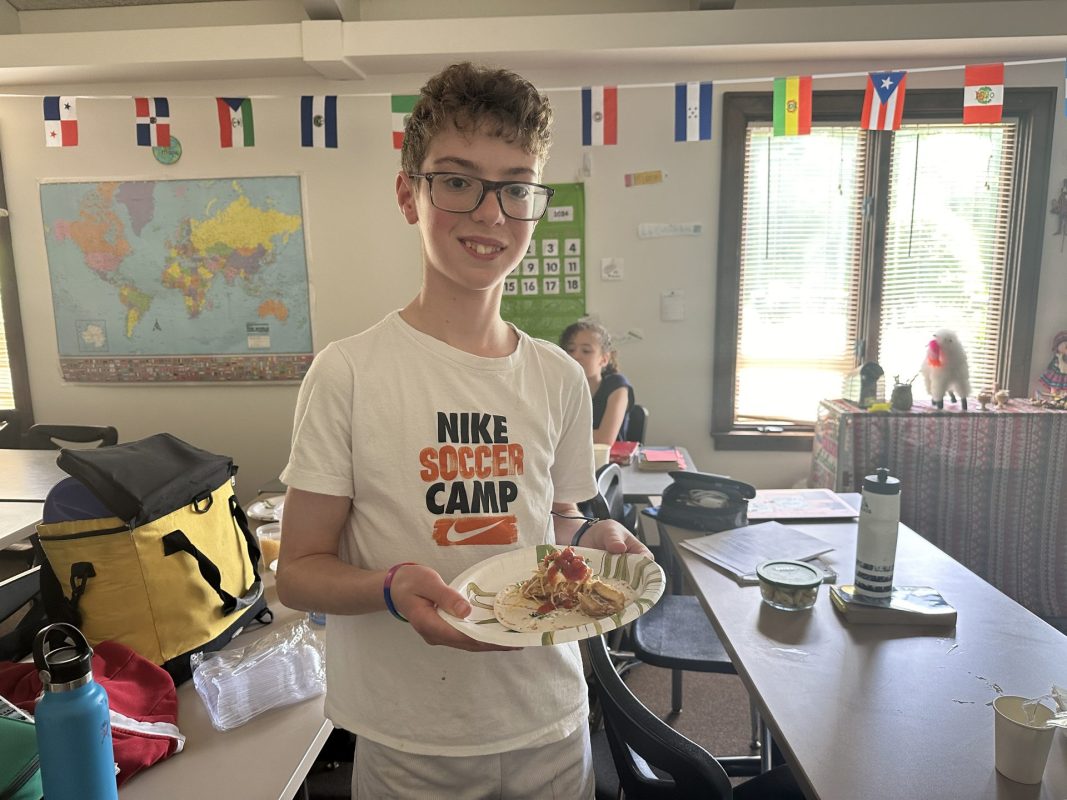
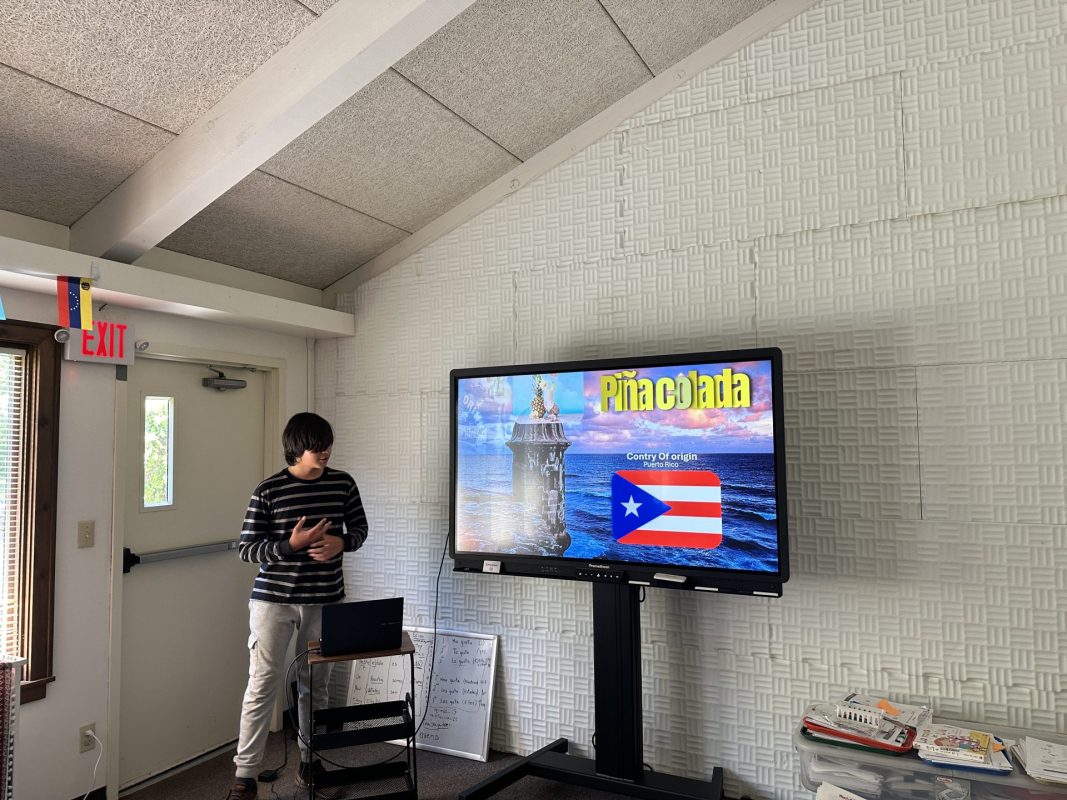
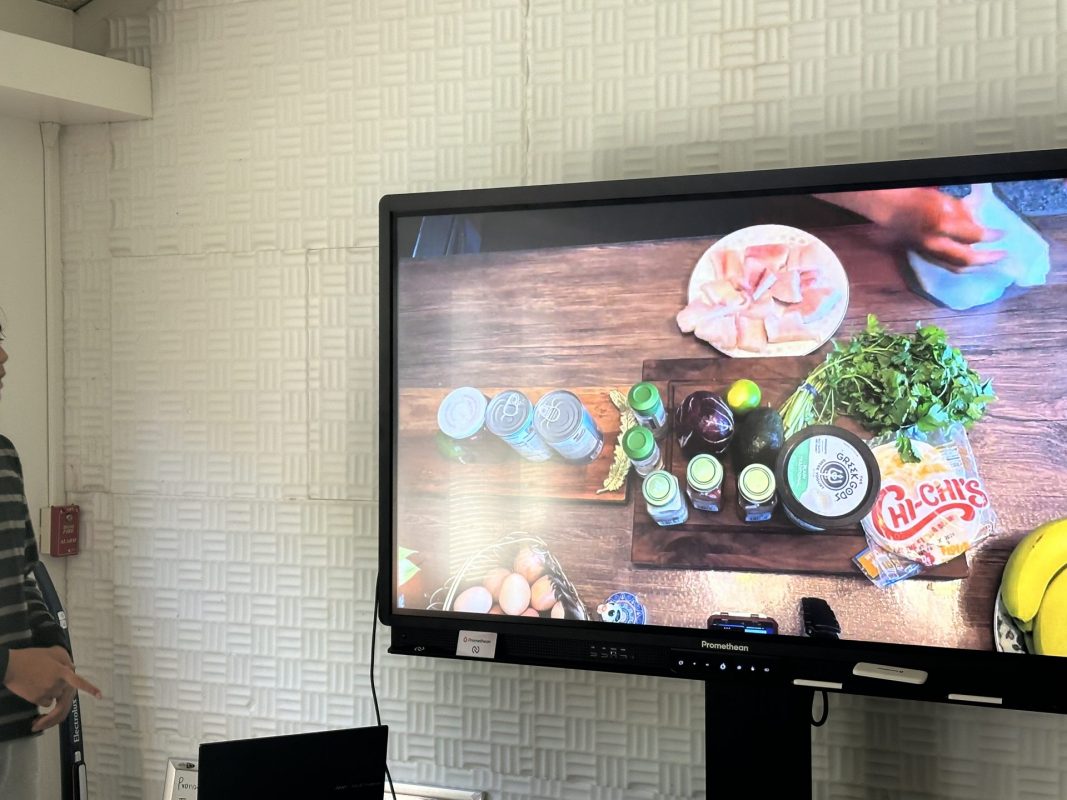
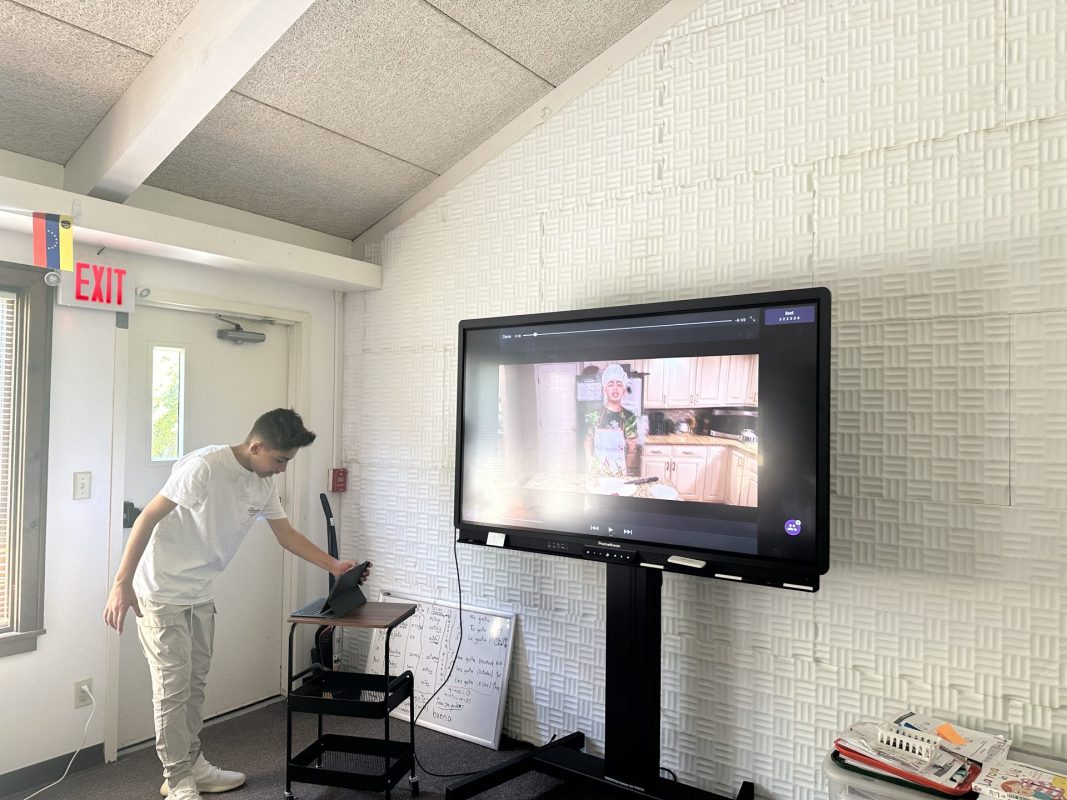
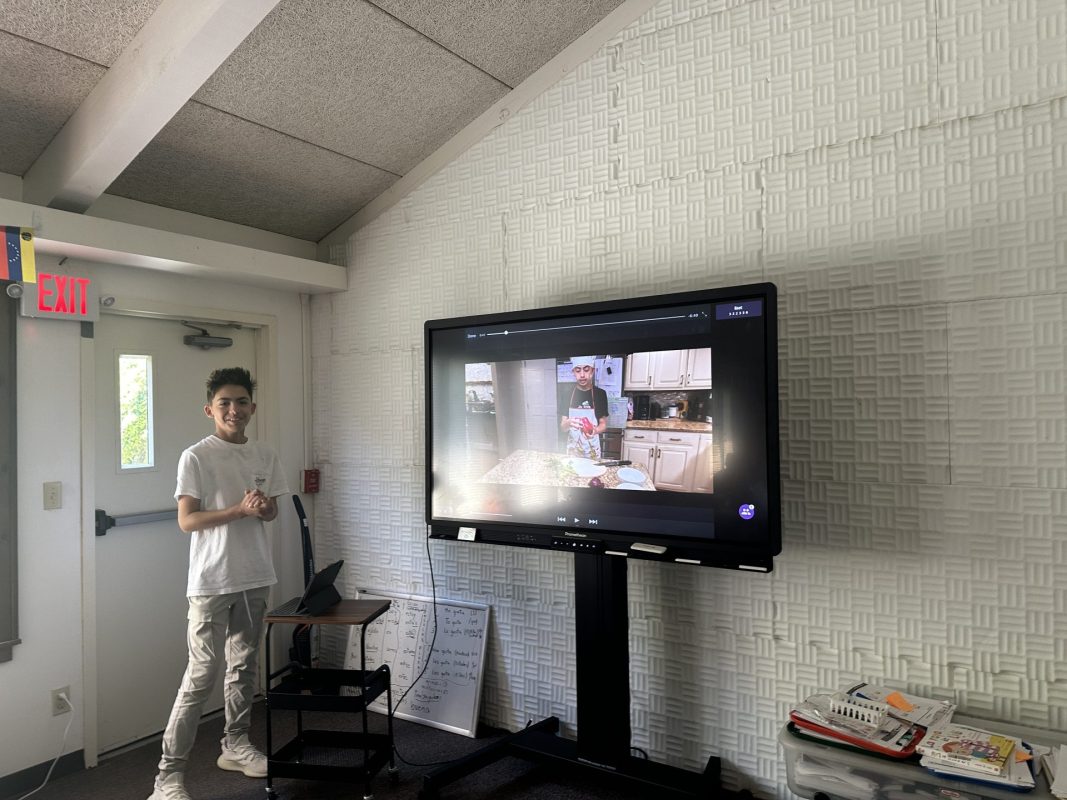
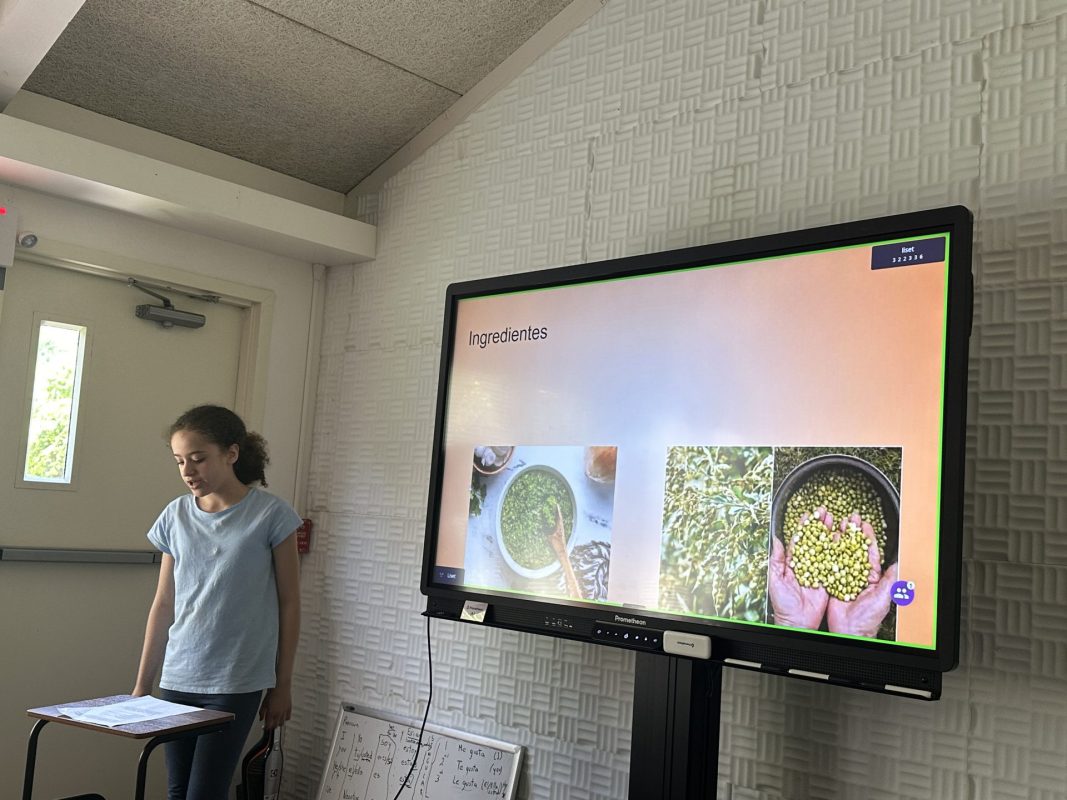
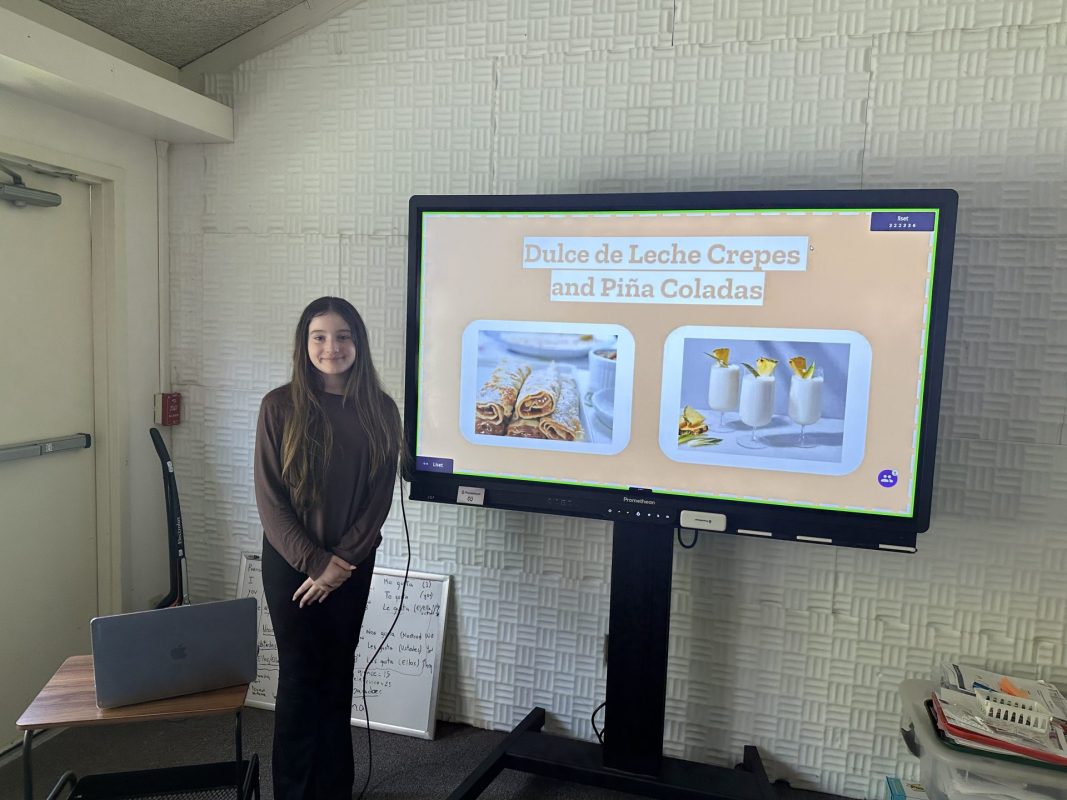
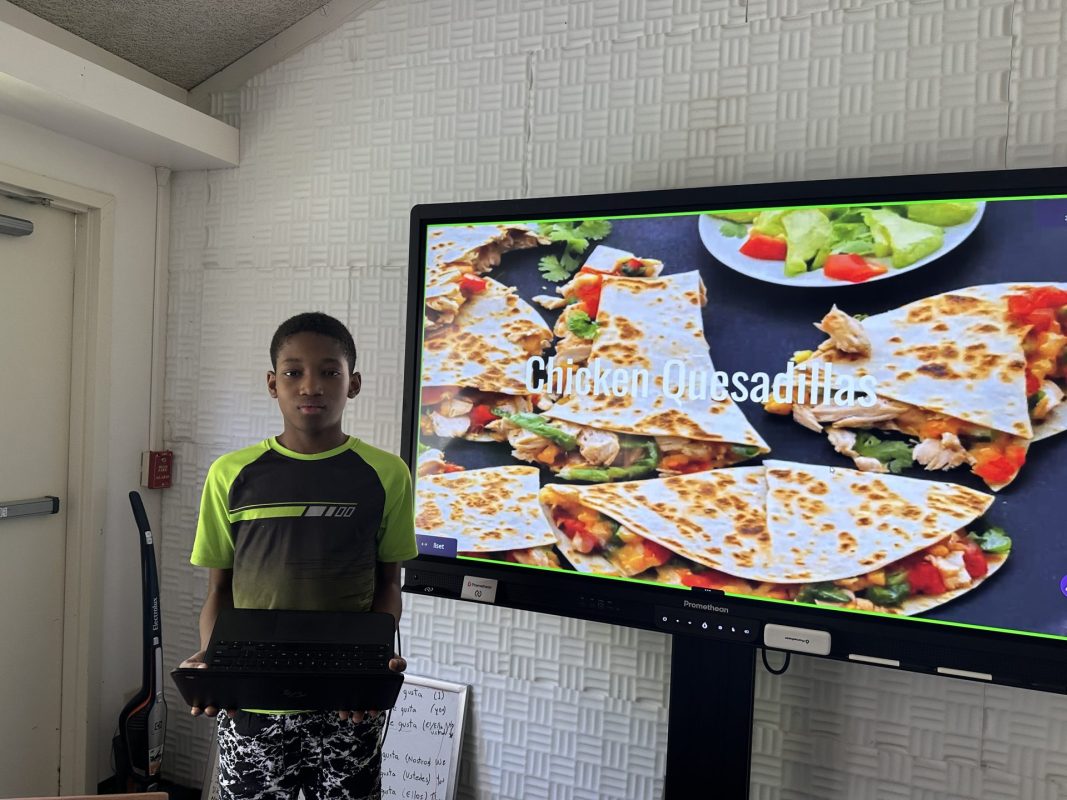
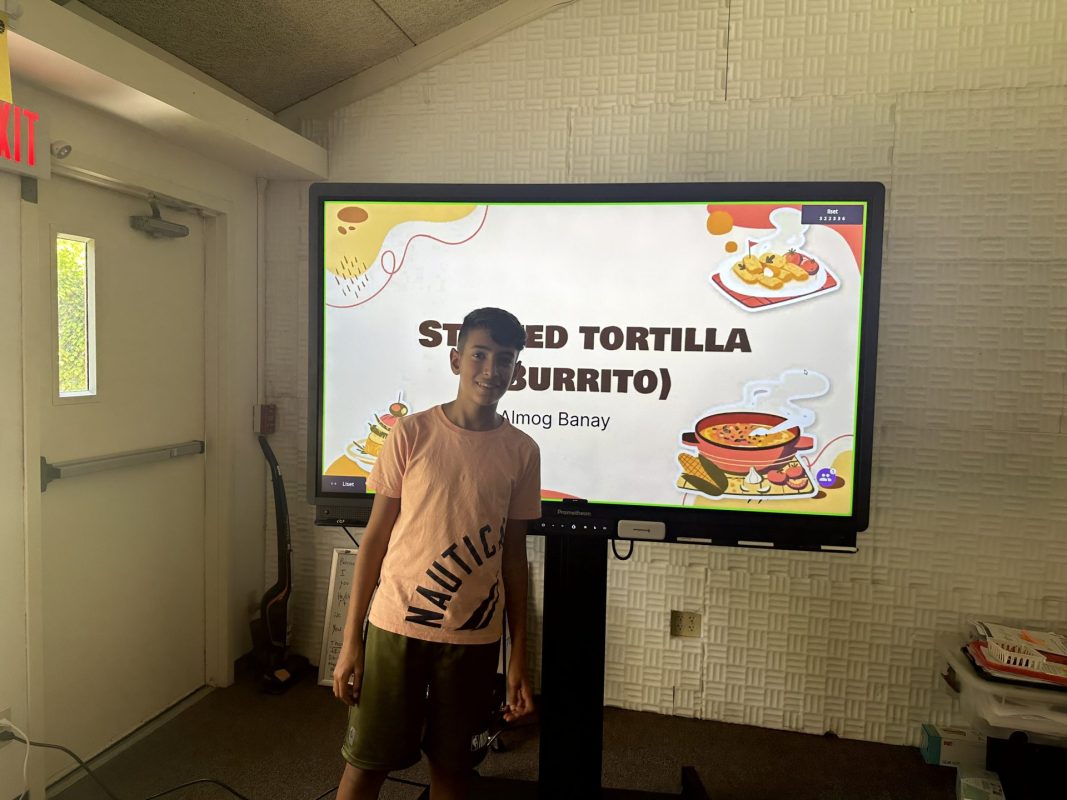
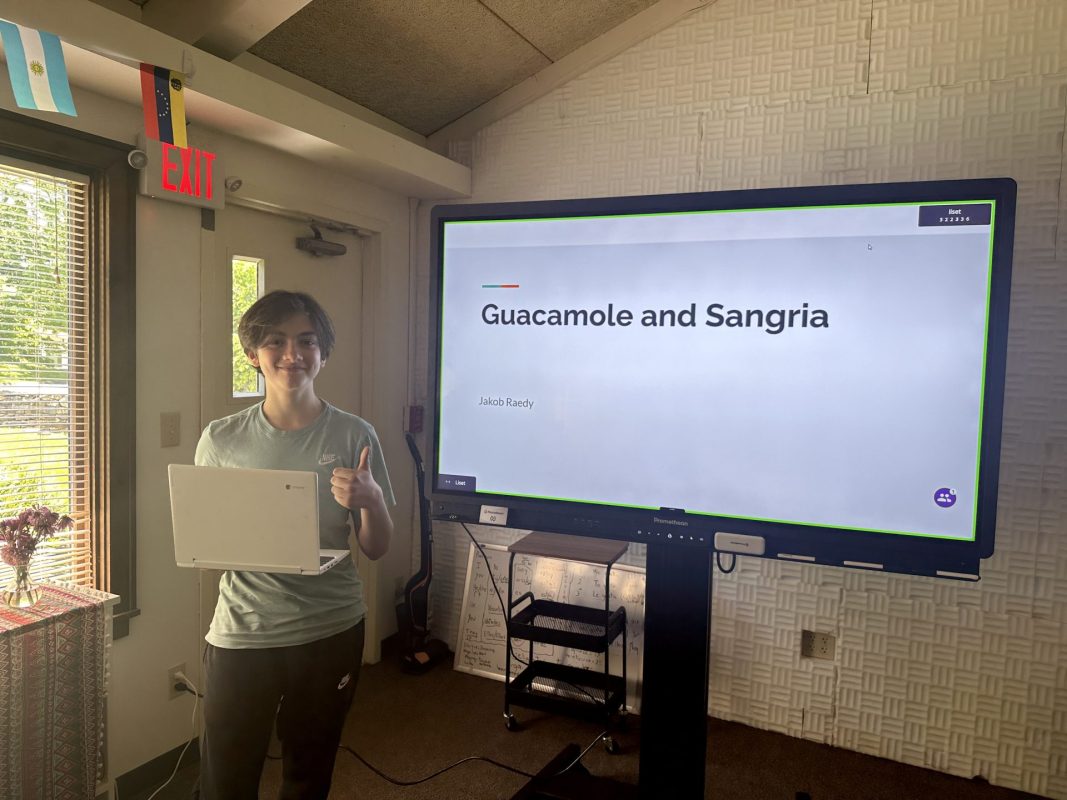
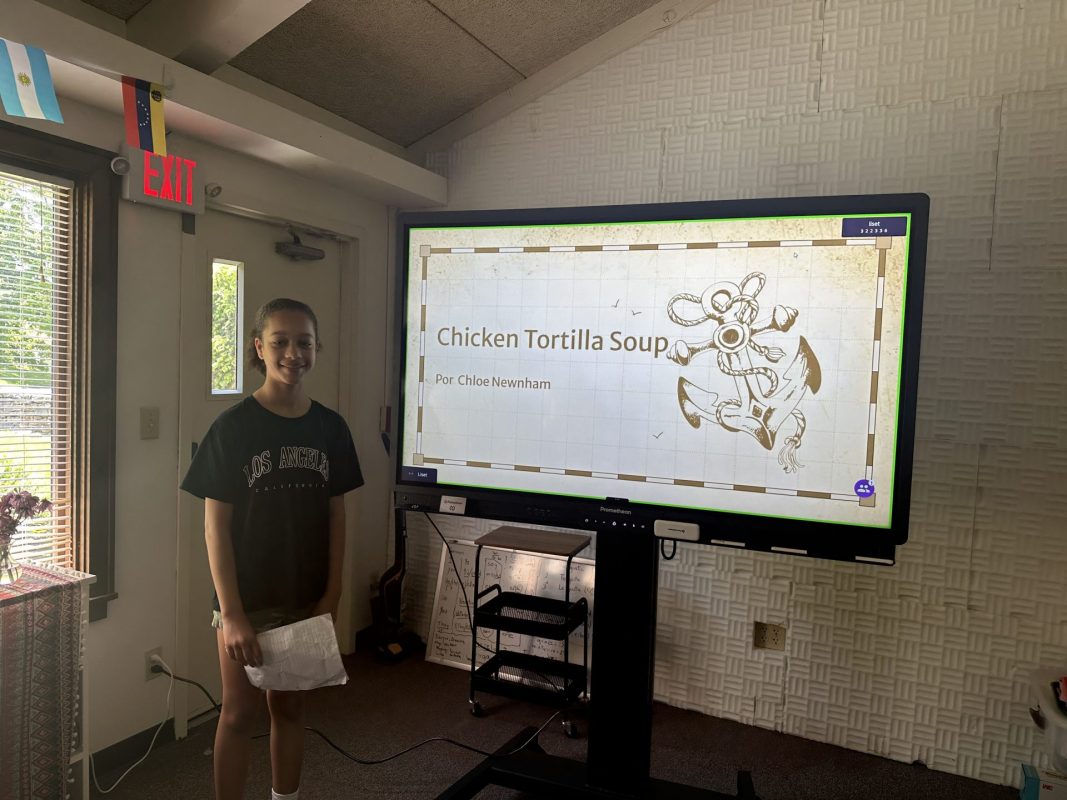
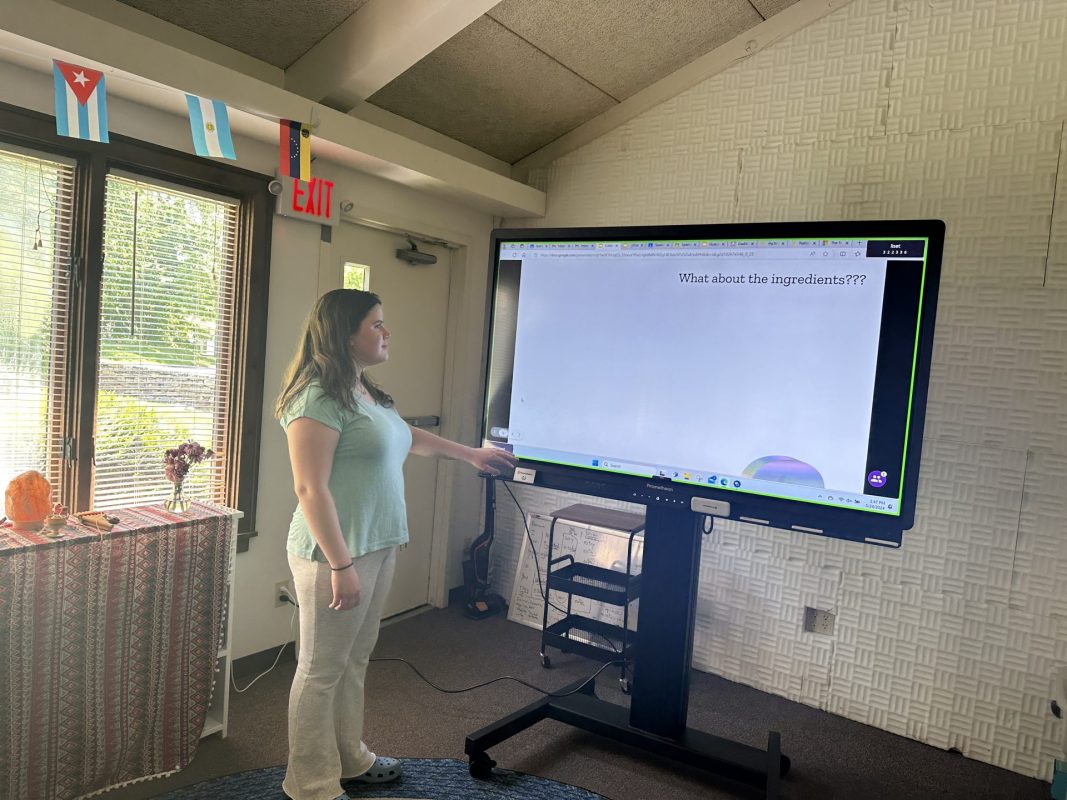
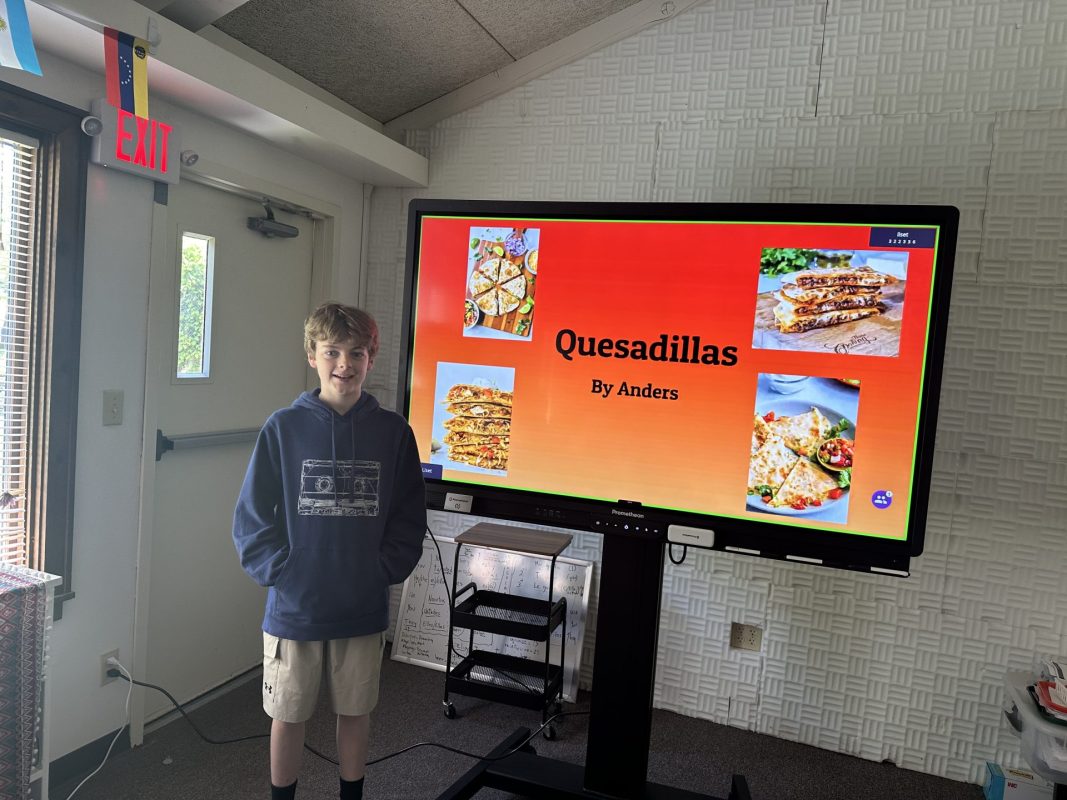
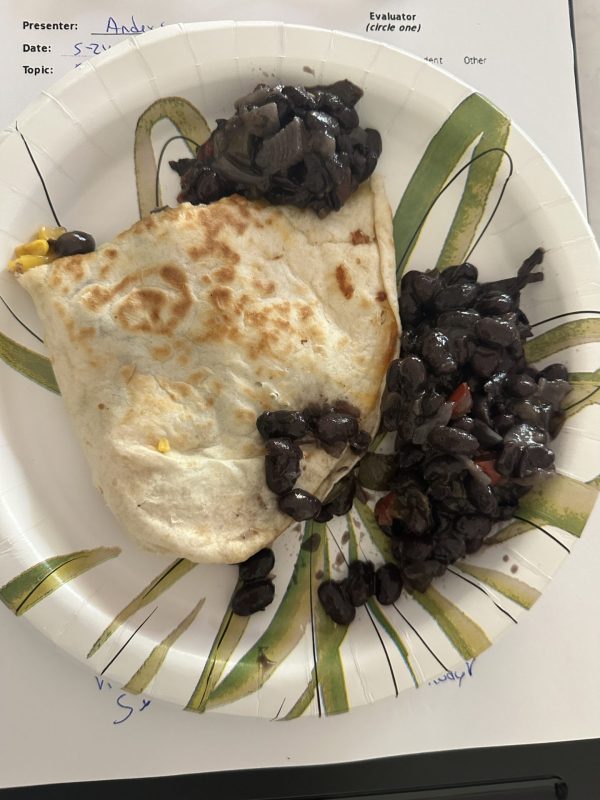
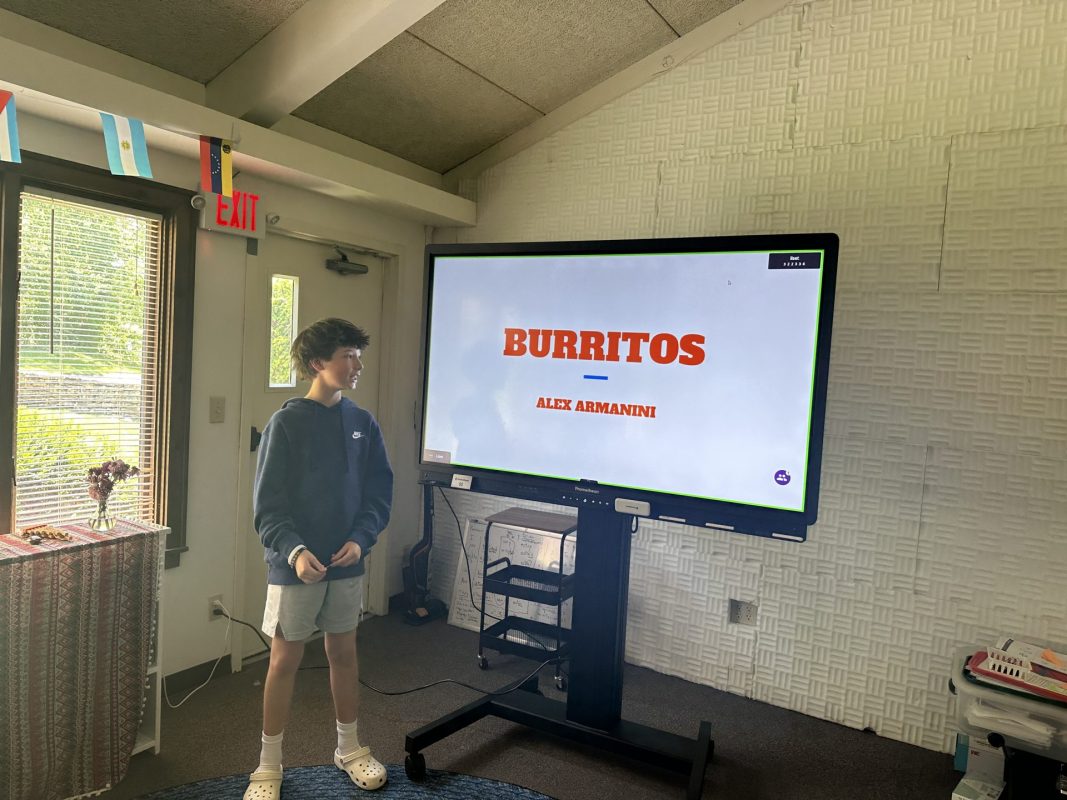
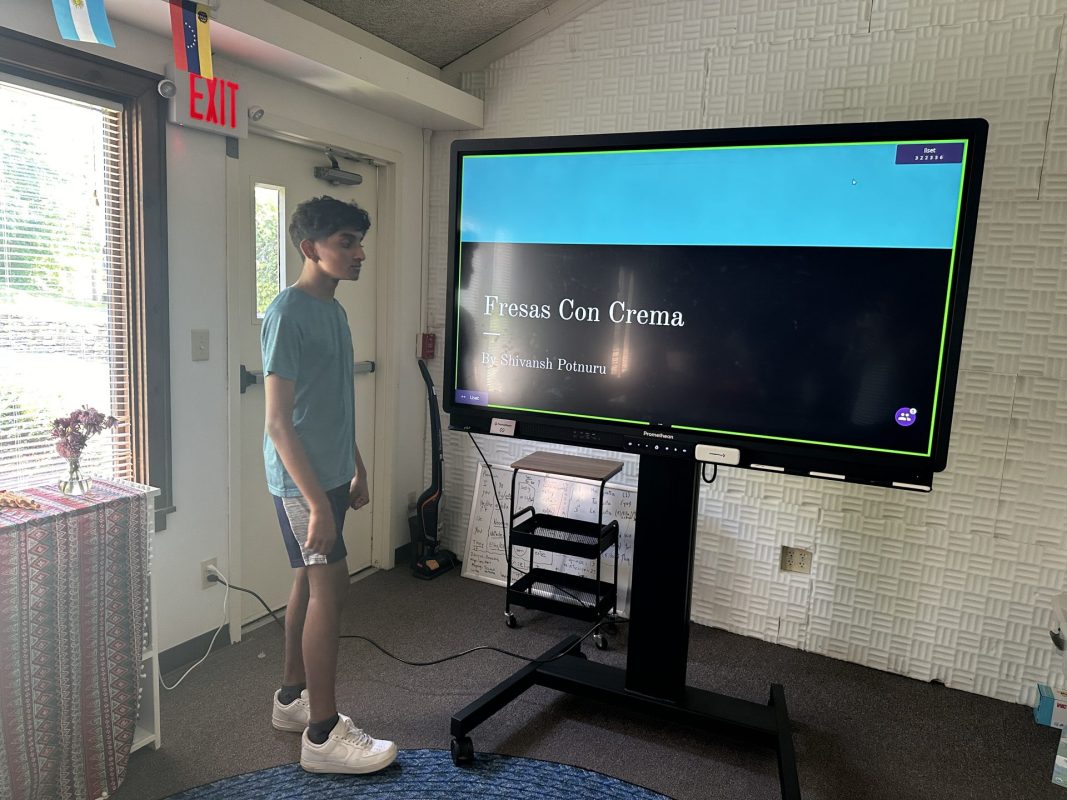
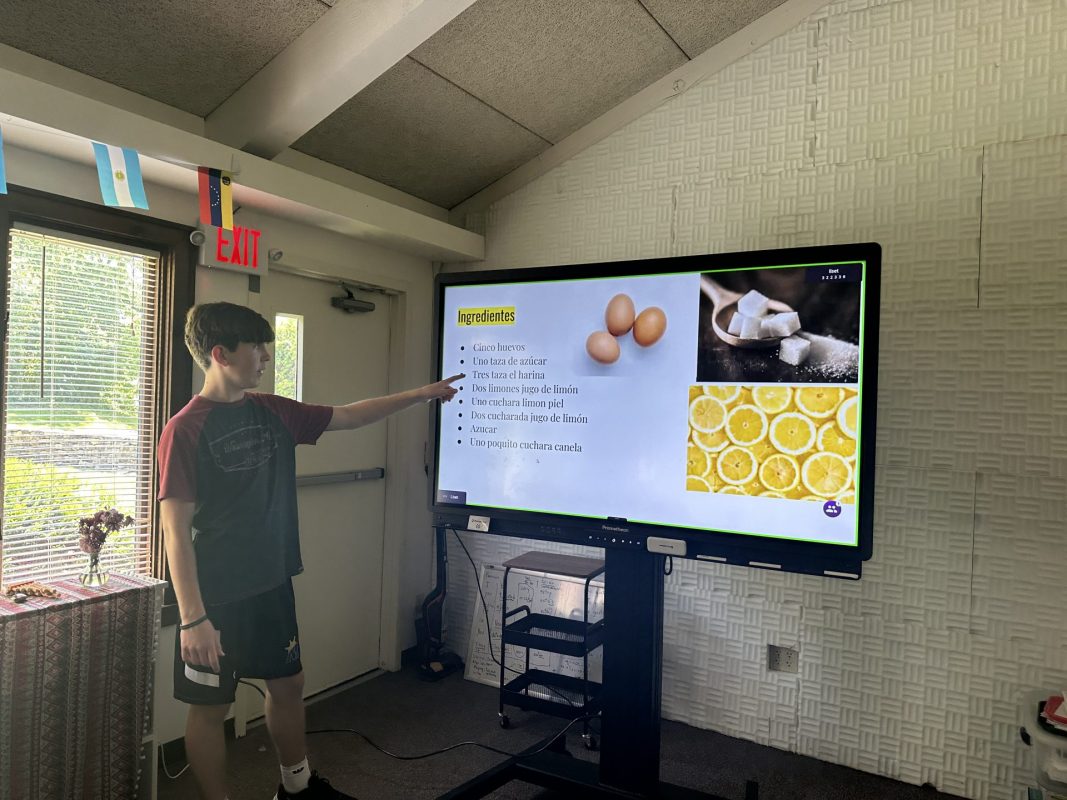
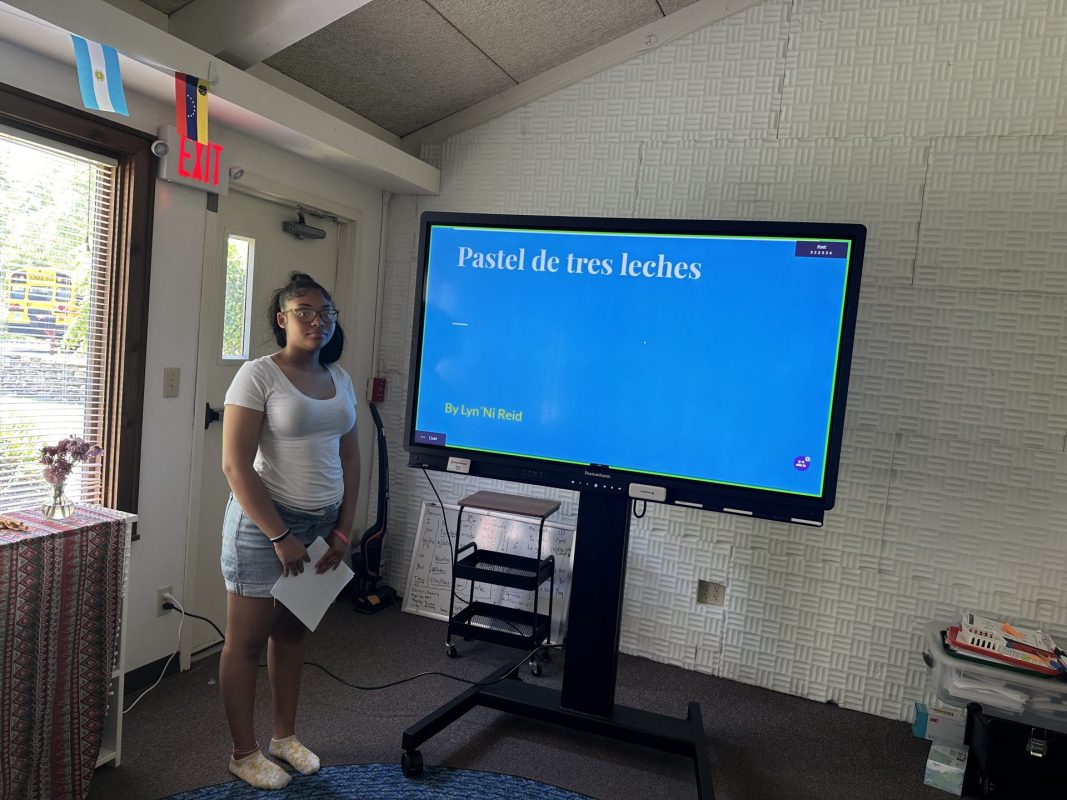
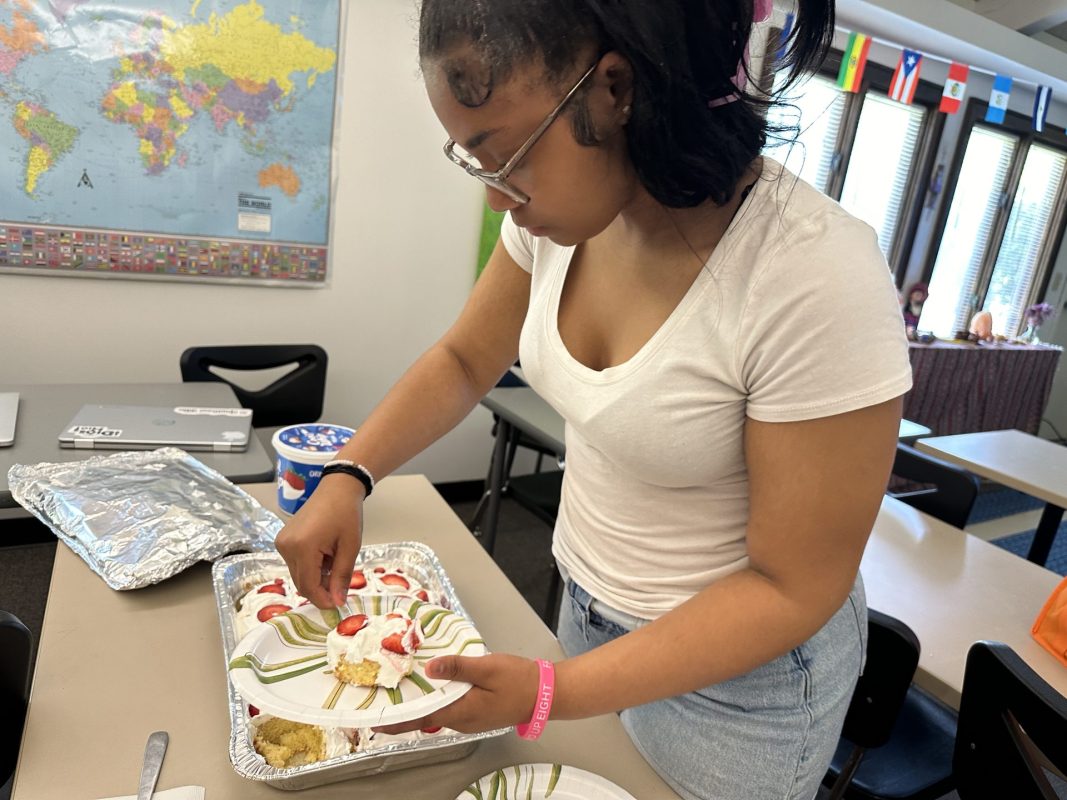
Middle schoolers presented their last project of the year, their “Spanish Food Presentation”. This project allowed children to expand their horizons, where they can experience the diversity of food that other countries can offer. They really enjoyed working on their project. All of them did a great job researching the dishes, history, origin, and recipe and showing videos of them cooking at home, and they even shared the food they prepared with classmates.

Overall, this year, all the students at FWM are enjoying learning Spanish, and I am very pleased with their progress accomplishing goals in my class.


Makerspace: Monthly Update

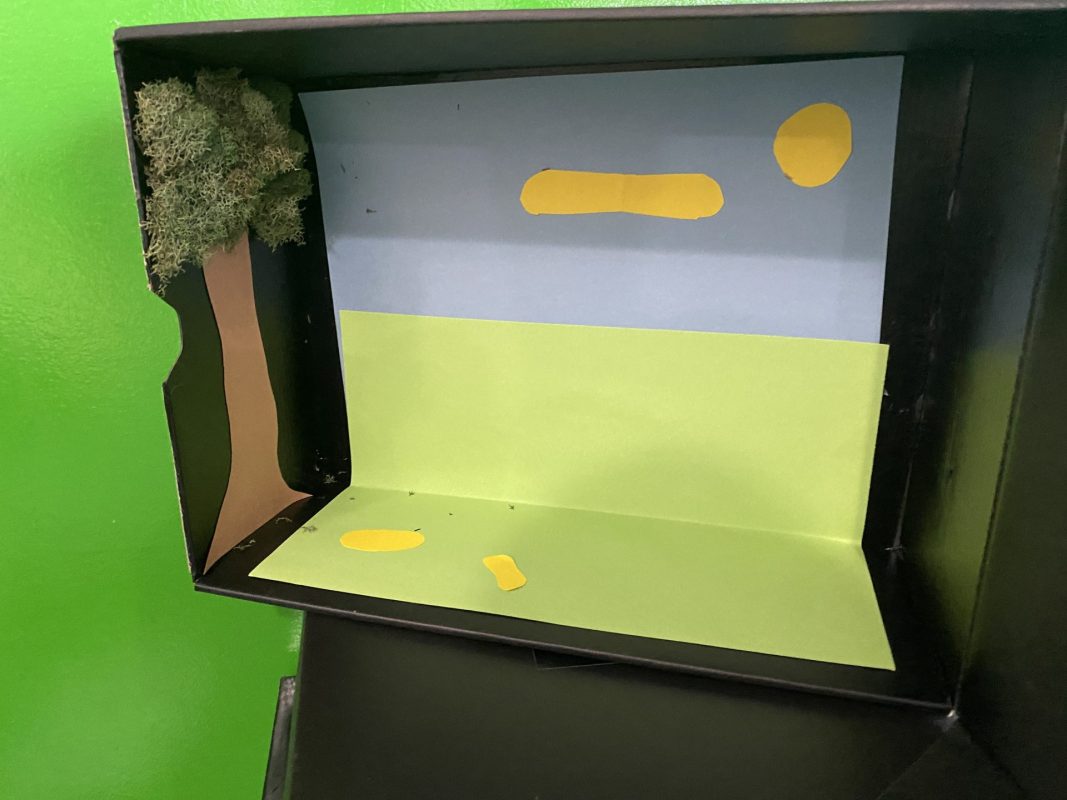
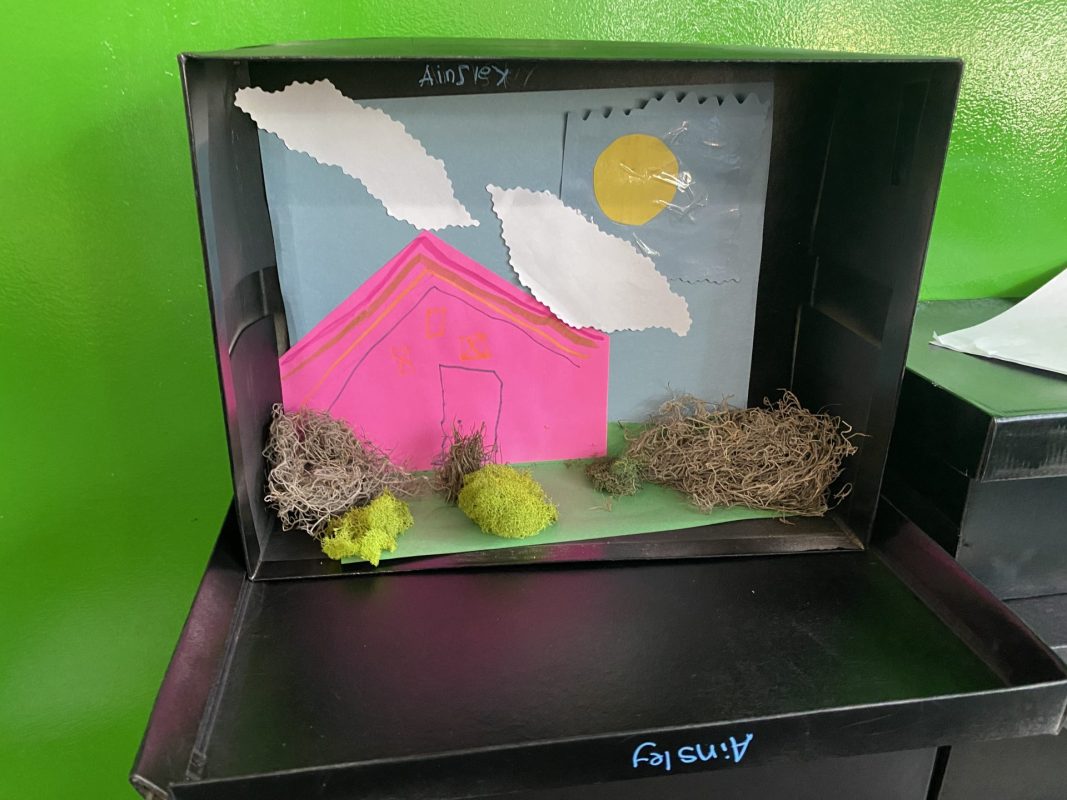
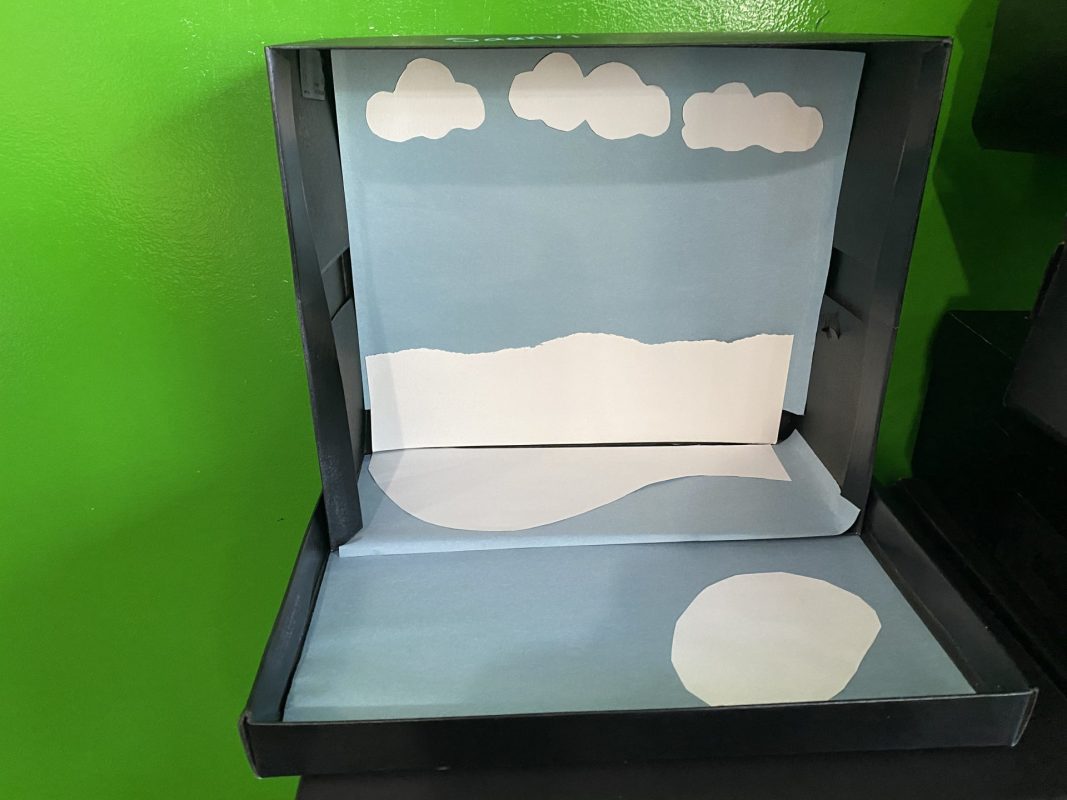
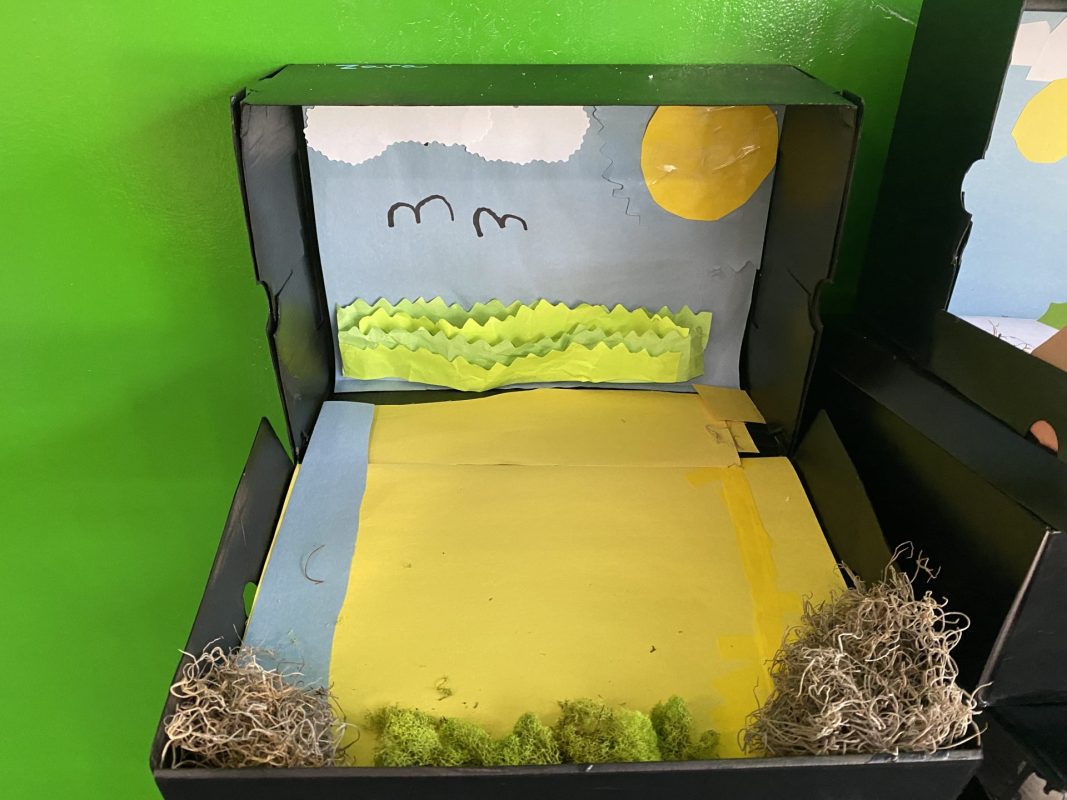
The Kindergarteners have been working diligently on dioramas to accompany their animal research projects. After modeling their animals in clay in Art with Miss Sara, we have been working on creating the settings and backgrounds within their boxes using everything from paper and markers to dried moss. We will continue to work on these in our remaining classes and have wonderful environments for their animals.

Lower El spent a few weeks working on a Lego town, and a stroll down their main street can be seen below. We have a number of houses, a football stadium, playground, and a spaceport. Since its completion, we have begun a project using cardboard as the main material, focusing on visualizing the structure and construction needed to complete the projects. Guided by the children and as time allows, they have also been continuing their knitting projects on the circular looms. As the year comes to a close please return any circular looms and hooks when possible. If their project has been completed, please have them come visit me, and I will help them finish it off and remove it from the loom. 

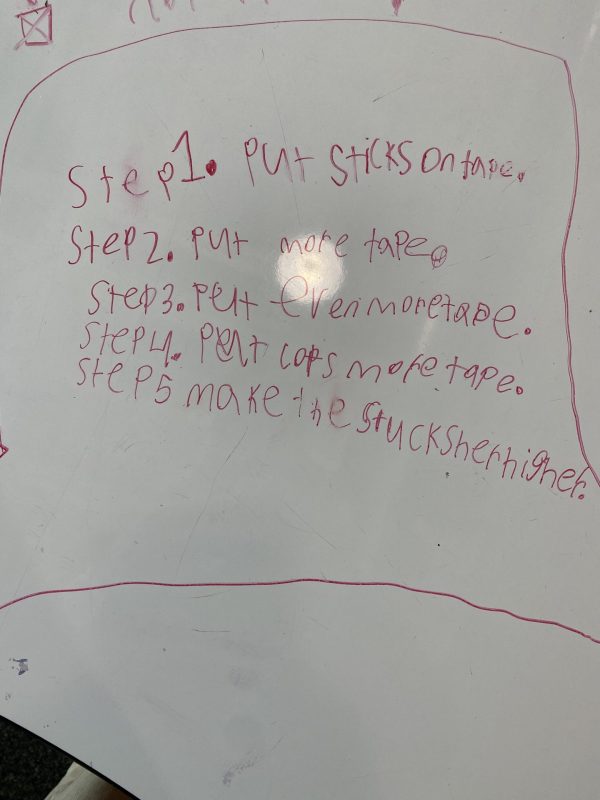
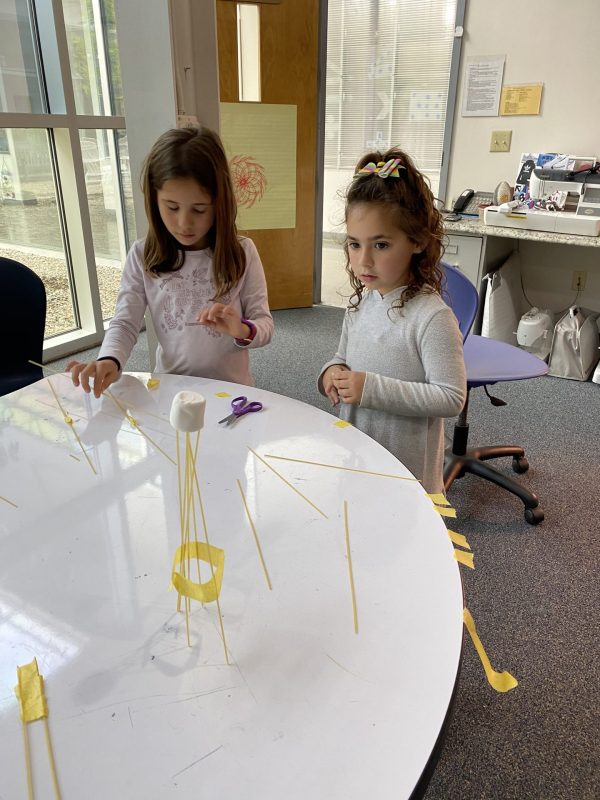
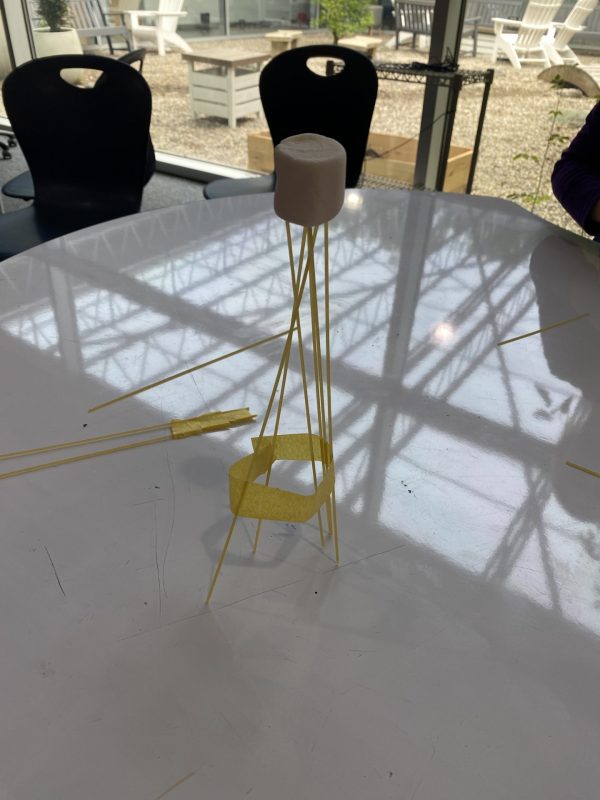
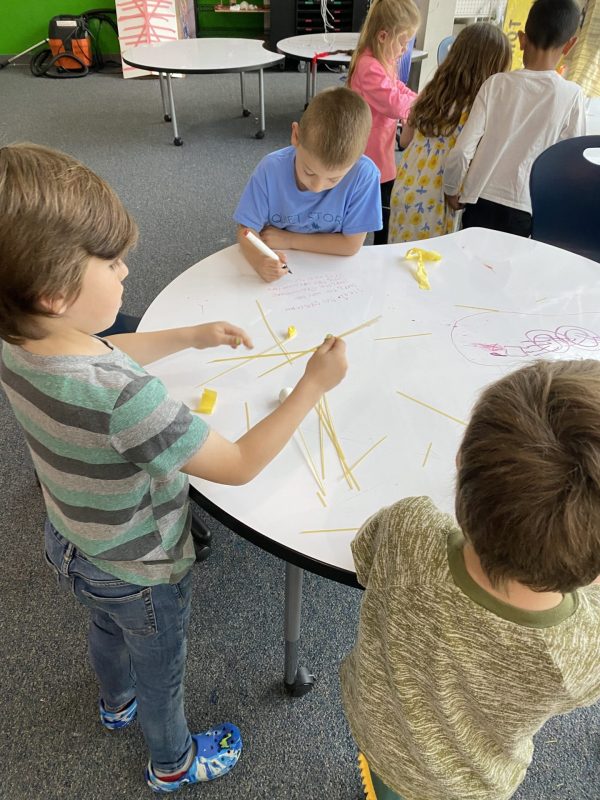
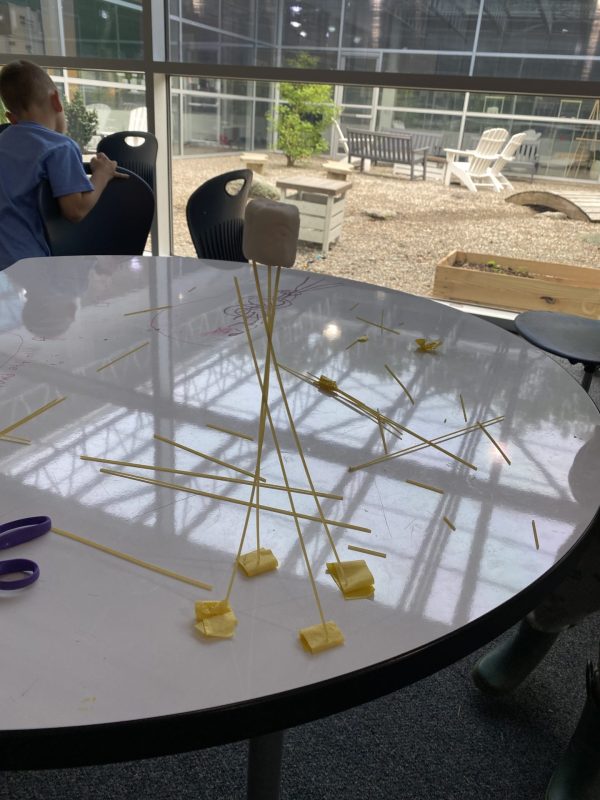
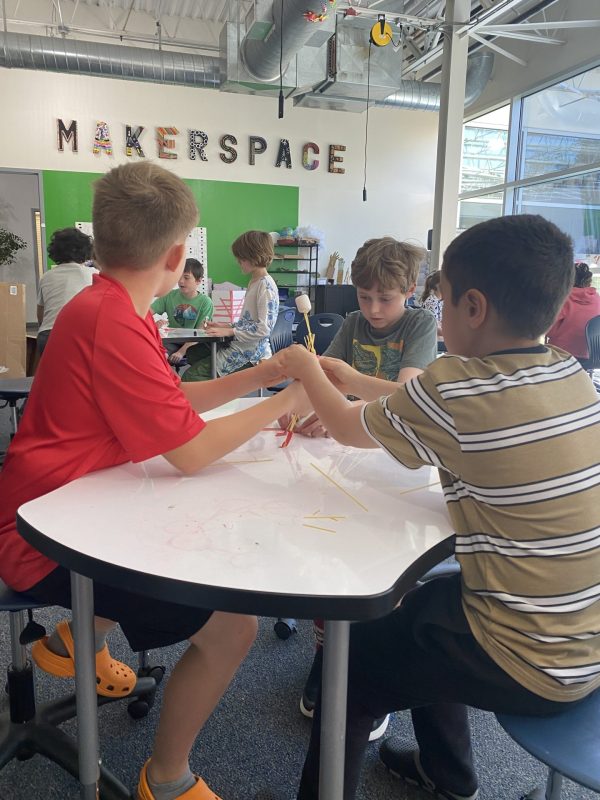
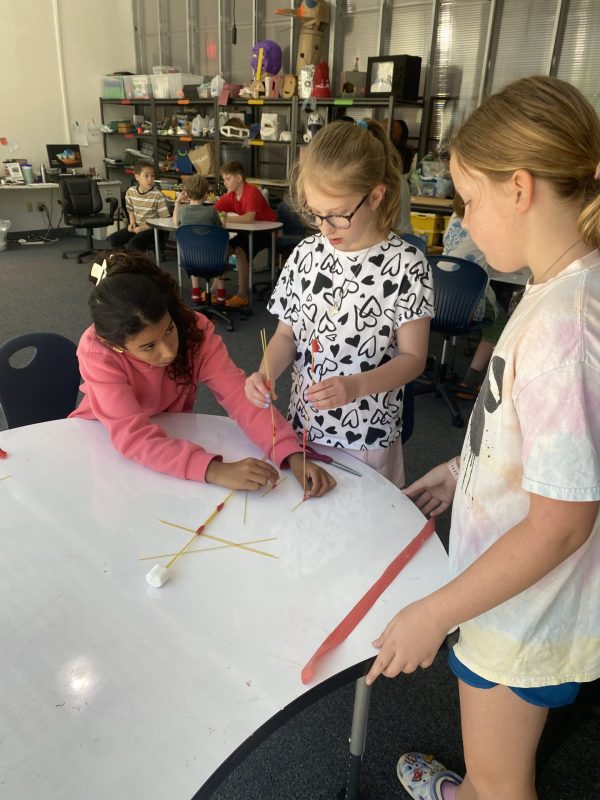
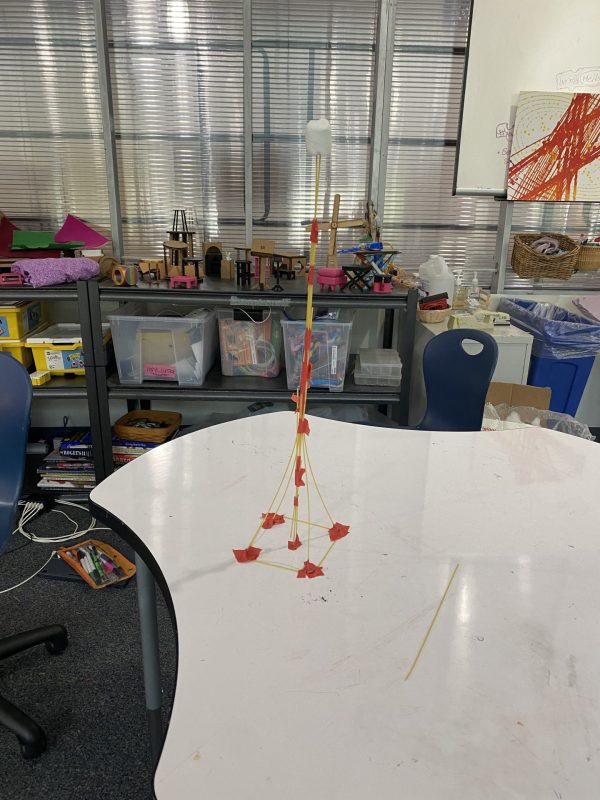
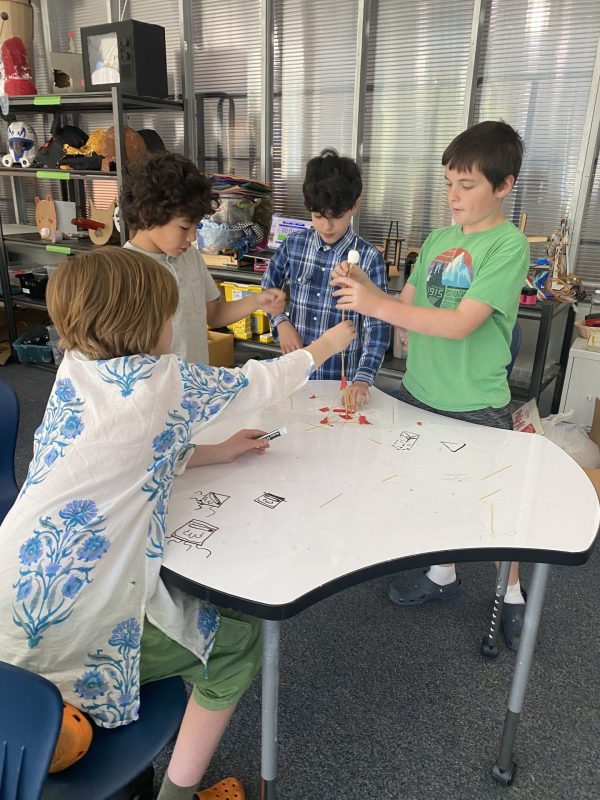
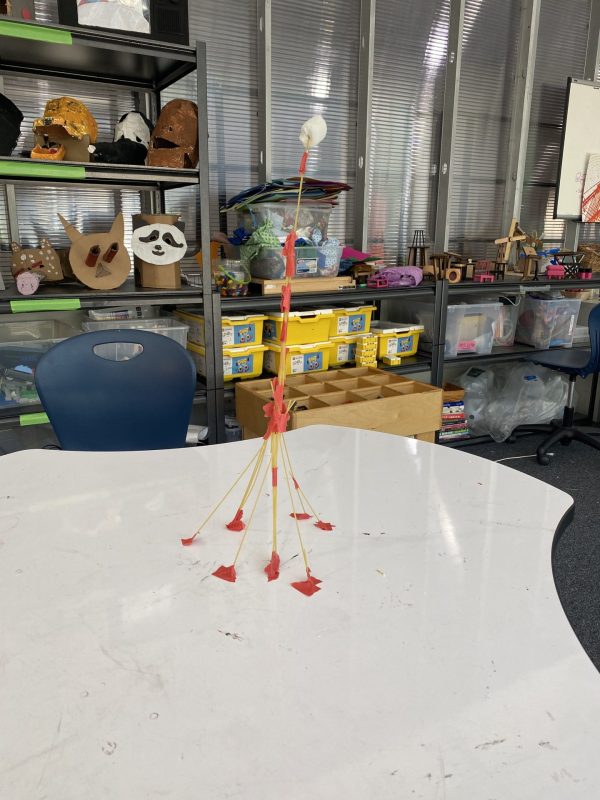
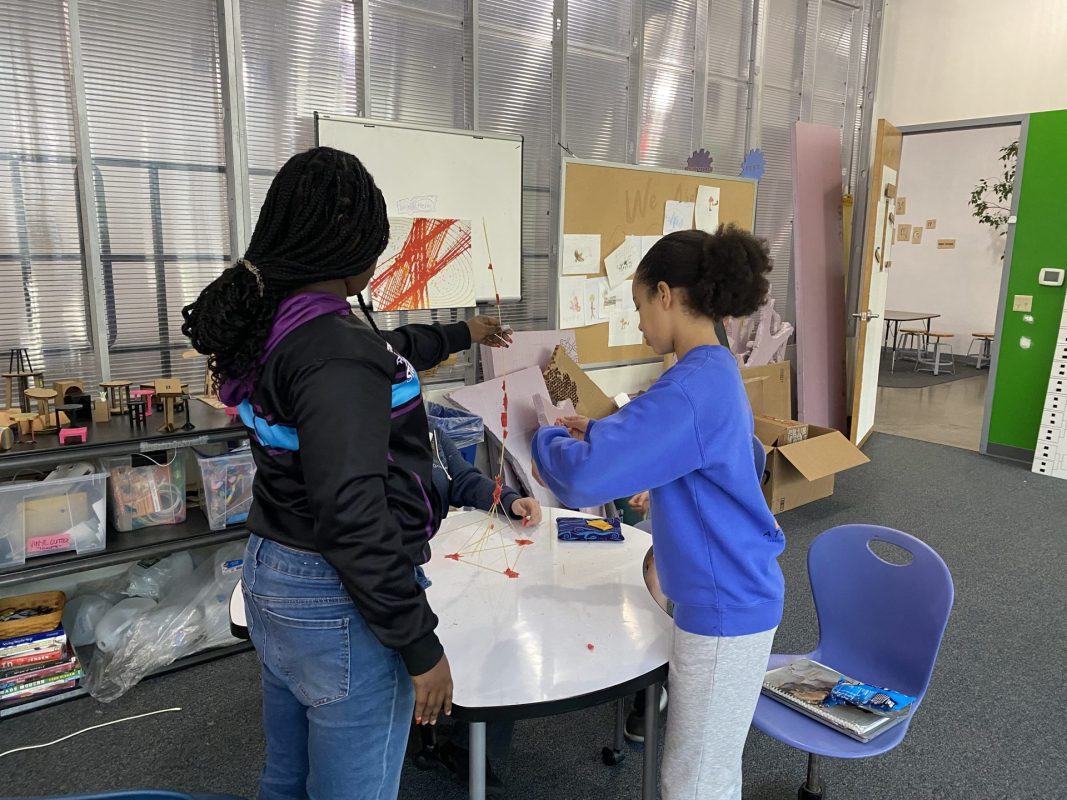
Upper El has been busy with all sorts of challenges and projects. With the airplane launcher, we tested a number of designs to see which elements helped make them fly further. Then we took on a Spaghetti Challenge presented by NASA’s Jet Propulsion Laboratory using x20 pieces of spaghetti and x1 yards of masking tape to build a tower that holds a jumbo marshmallow as high off the table as possible.​ Teams of 4 students had exactly 18 minutes to brainstorm, collaborate, and build the structures. We were able to do two rounds during class and it was great to see how they all used the knowledge gained from the first round to improve their structures. 

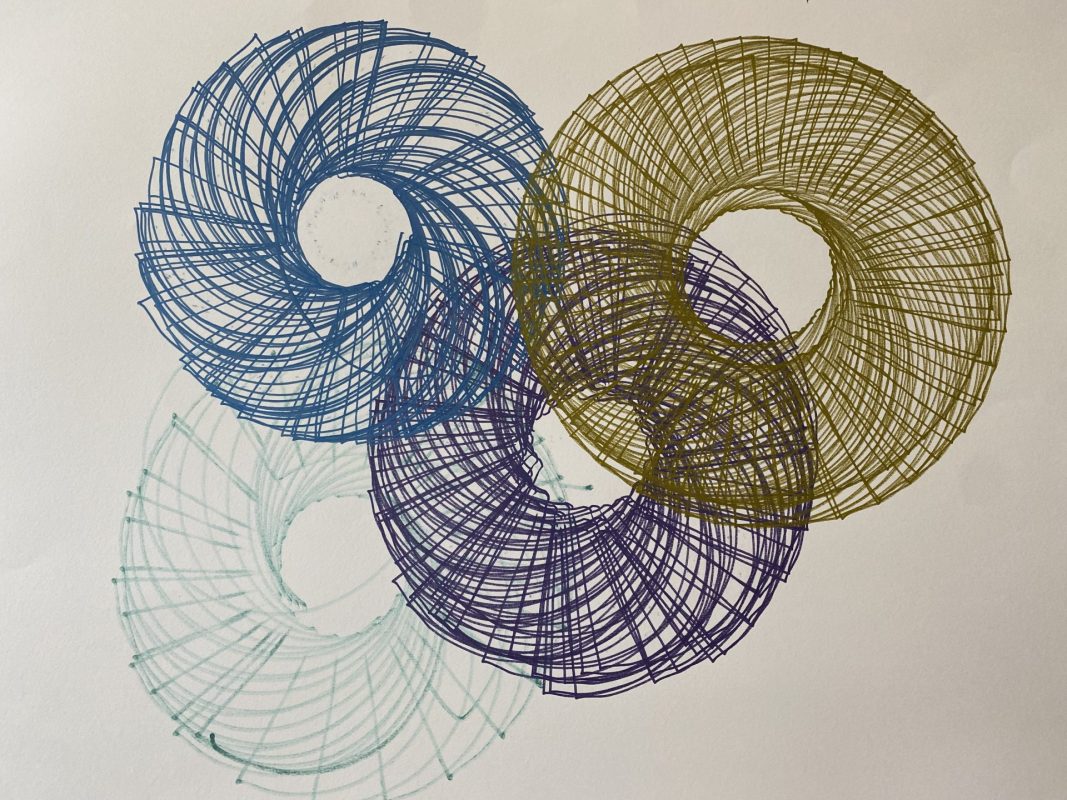
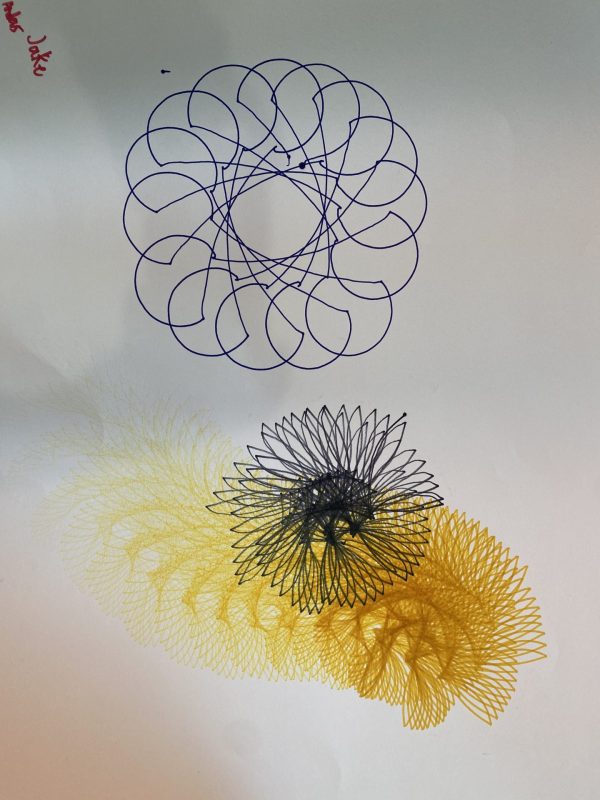
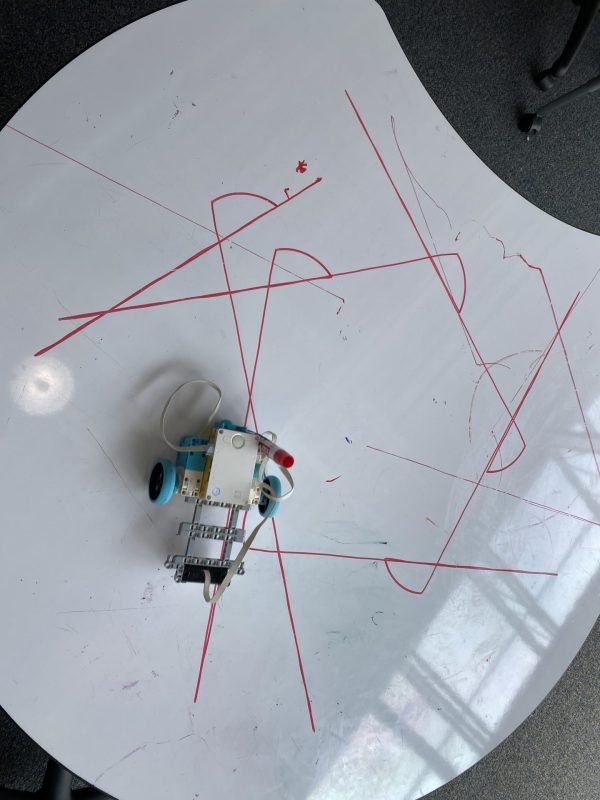
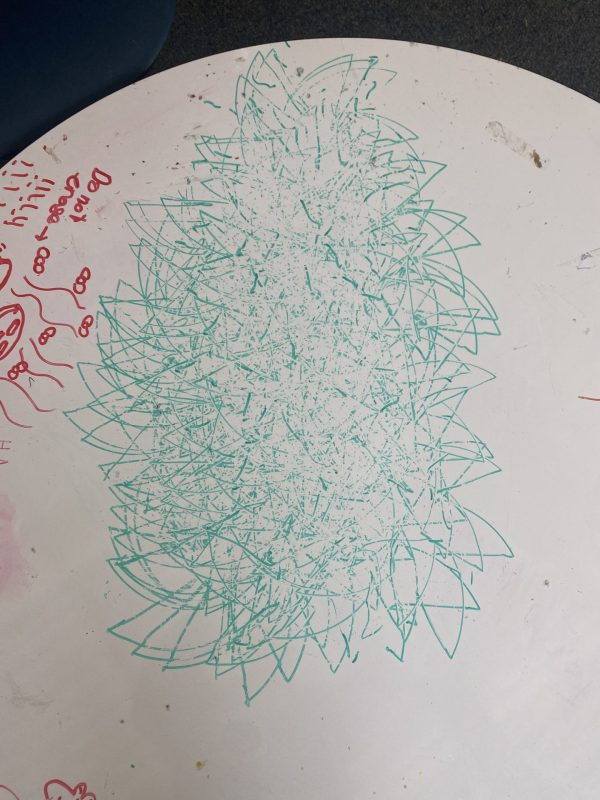
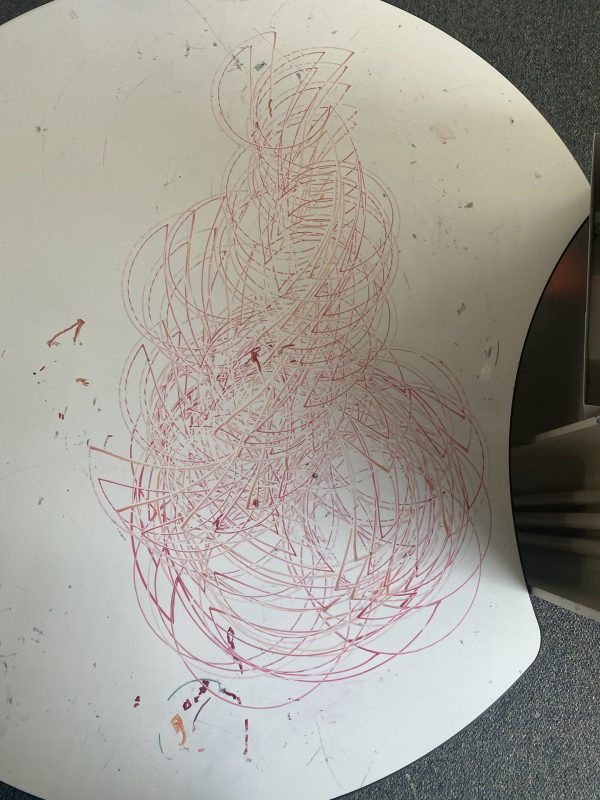
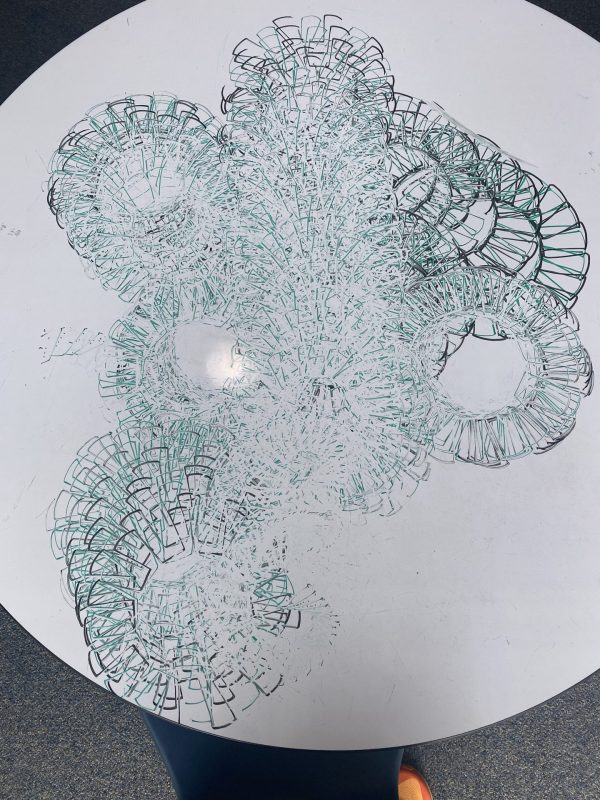
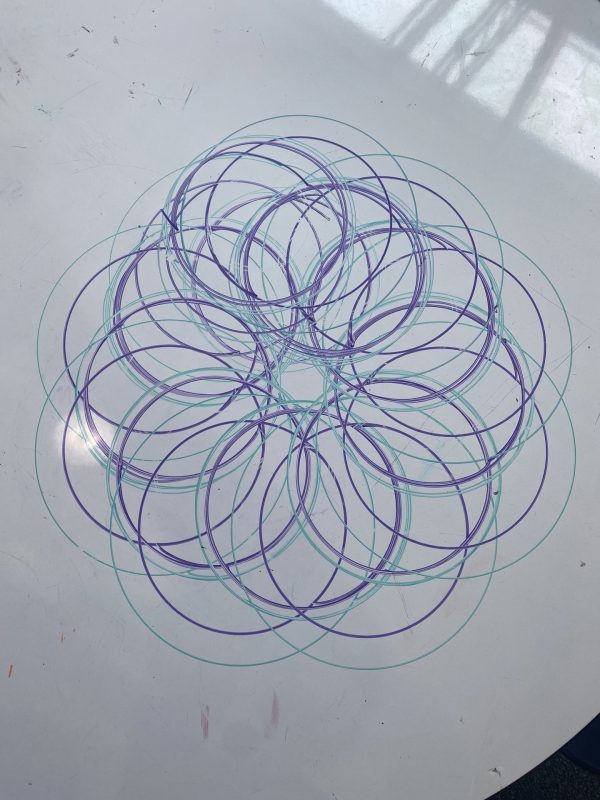
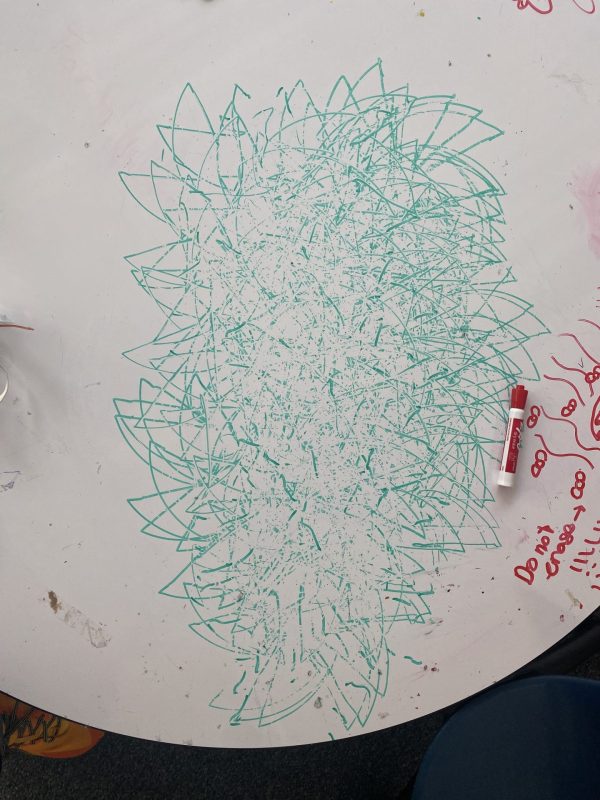
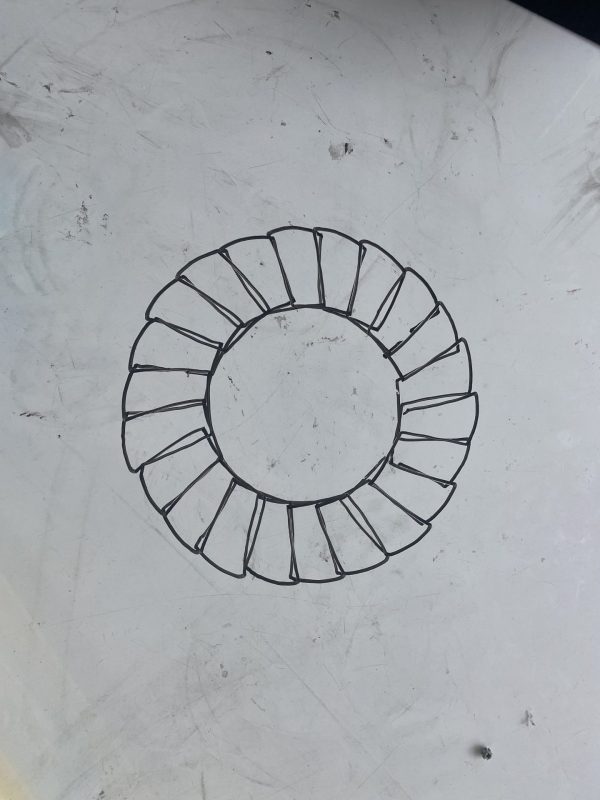
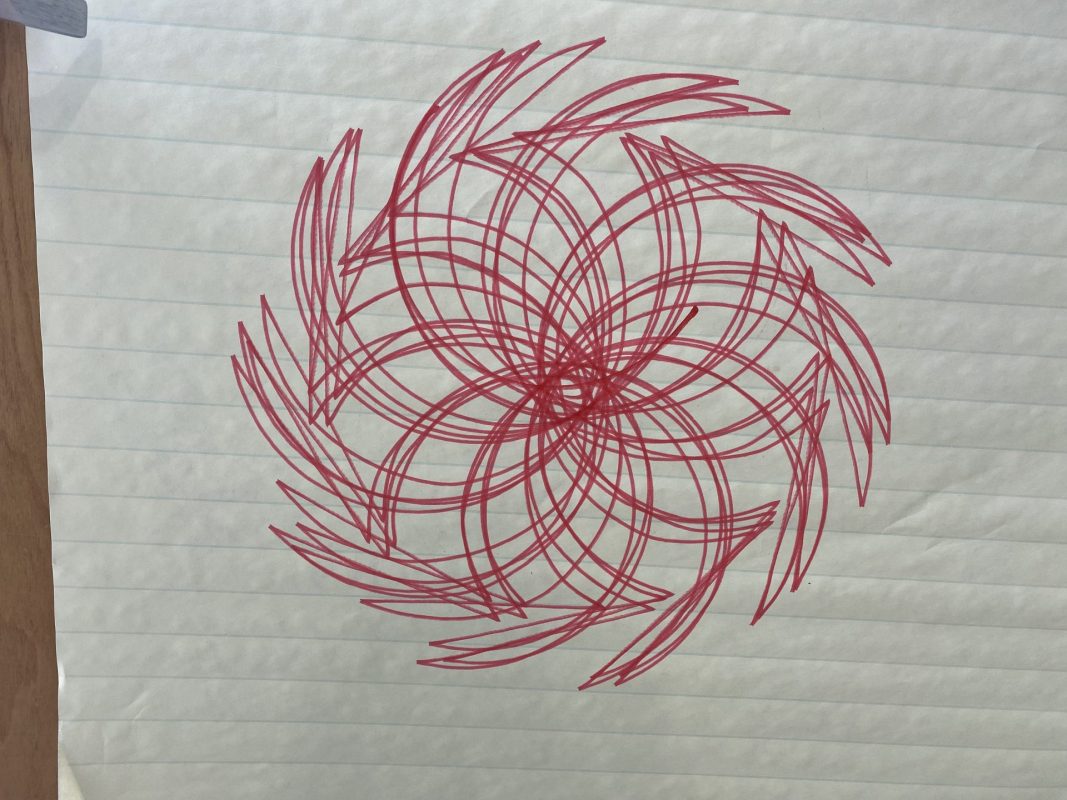
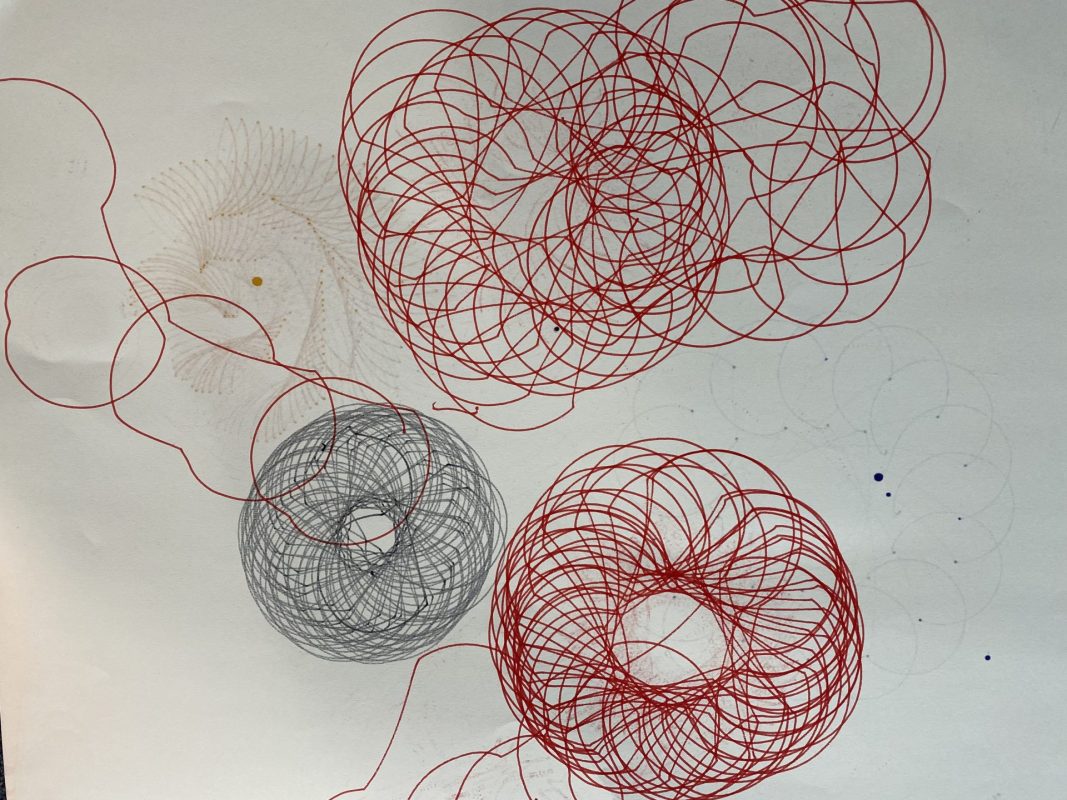
In Robotics, we studied gear ratios and how they can help make the Lego motors spin faster, culminating in a few tops spinners, one motorized and one which used a hand crank. Next, we designed and tested various tops to see which one could spin the longest, the record being an impressive 1 minute and 1 second. We’ve also used simple robots with some complicated coding to make art, similar to spirographs. By tweaking the code and movements of the robots the students were able to make a wide variety of shapes and designs. We let a few of them run until the markers ran out to see how complicated the patterns could get. Since then we’ve focused on proximity sensors, utilizing them to help prevent the robots from falling off the tables.

The Middle Schoolers have been hard at work finishing up the stuffed animals drawn by the Kindergarteners. The Kindergarteners have been constantly asking how things are going, and I’ve kept the progress a closely guarded secret. We are hoping to present them to the Kindergarten classes the last week of school. 

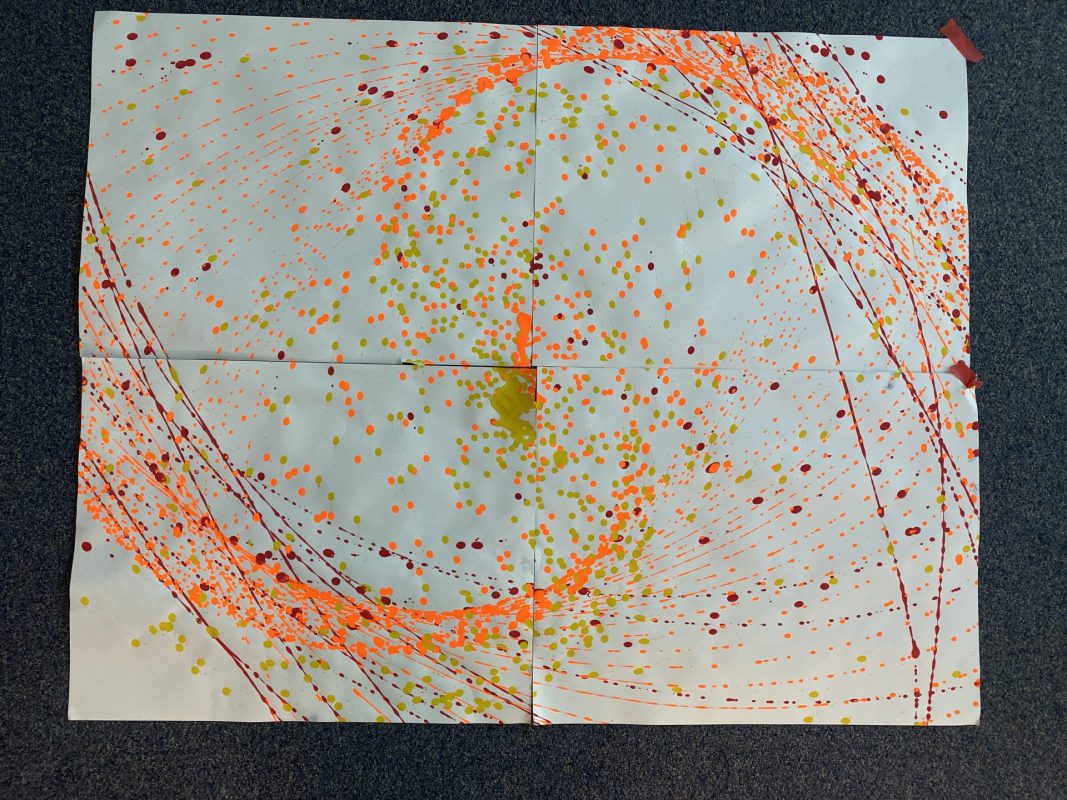
In STEAM, we studied momentum and pendulums, creating a number of pieces of art by swinging cups filled with paint from a long string. By changing the length of the string and the weight of the cups, we were able to alter the patterns created by the pendulums. For a final experiment, we used a weighted stand to hold three colors and let it swing for as long as it could. It ended up swinging through two classes, finally stopping after 1 hour and 22 minutes.  

Inspired by the pendulum art and a previous Robotics class spent trying to code a robot to write their names, the students used robots to create art of various shapes and designs. Next, we used the proximity sensors to prevent the robots from falling off the tables and avoid any obstacles on the floor. 


Spanish-April 2024

Primary and LE: “Mi cuerpo” & “La Primavera”; UE: “La Comida” & “La Primavera”; MS: “Verbo Tener” & “La Primavera,” reading, comprehension, listening, and vocabulary from each topic.

A general review of all we have learned to this point in this school year has been done at every level. In addition, FWM students are still working on their usual conversation skills, such as Spanish greetings, feelings, the calendar, and descriptions of the weather, as repetition is the key to learning another language. They are continuously improving their Spanish understanding. Students from Primary, Lower Elementary, Upper Elementary, and Middle School listened carefully to Spanish books and songs and participated in interactive games that were displayed during class.

Primary and Lower Elementary students started to learn names of some parts of the human body in Spanish, the lesson is called “Mi cuerpo;”: cabeza, hombros, rodillas, pies, codo, ojos, orejas, boca y manos. In addition, Primary students and Lower elementary students learned some new vocabulary that we use in “La Primavera”such as:  pájaro, patito, nido, abeja, mariposa, mariquita, oruga, tulipán, hoja, semillas, sol, Lluvia, arco iris and many more depending of the grade. The same type of Montessori lessons, such as the three-part learning cards and matching cards, were used to reinforce concepts. The children also really enjoyed singing and participating in classroom games. Spanish Montessori Lessons were presented in class and left in their classroom to be practiced during the week, in addition to some worksheets.

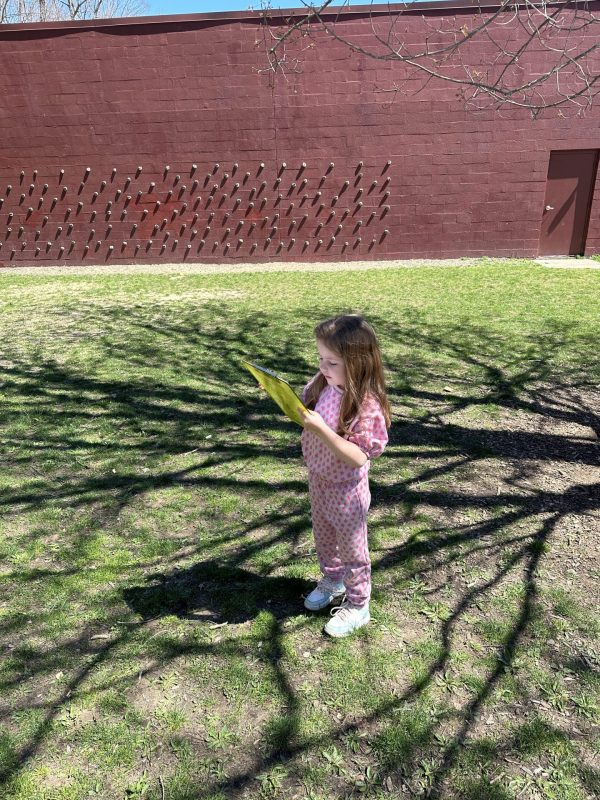
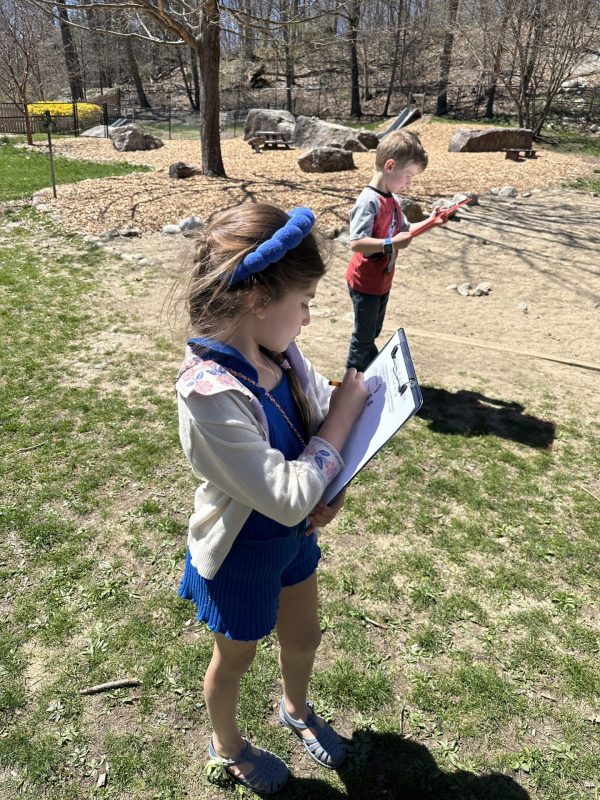
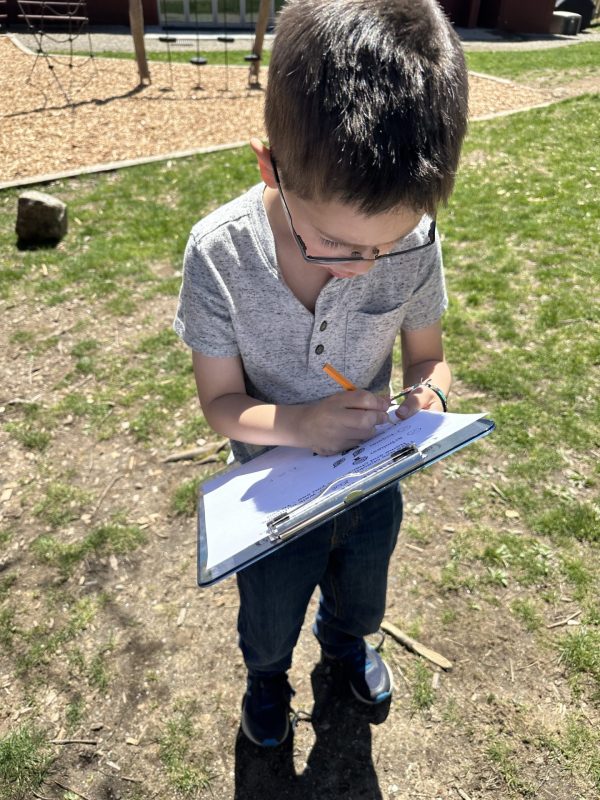
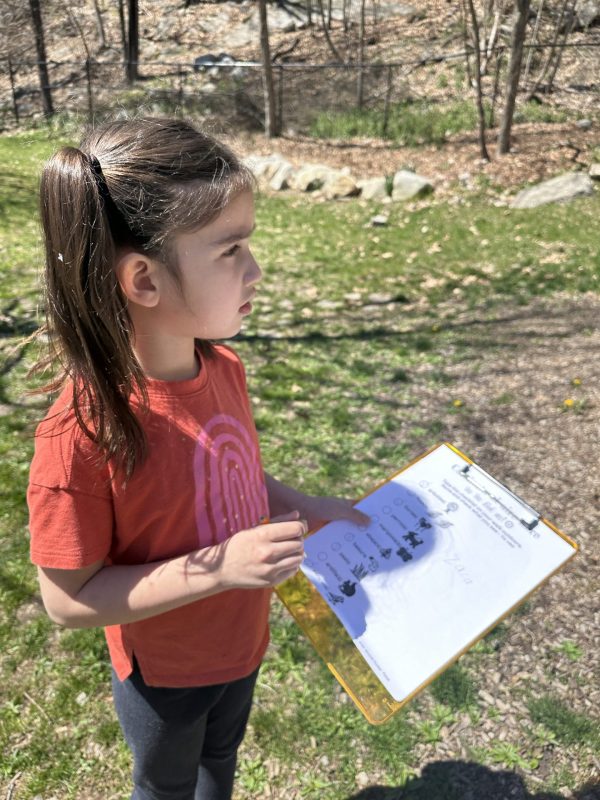
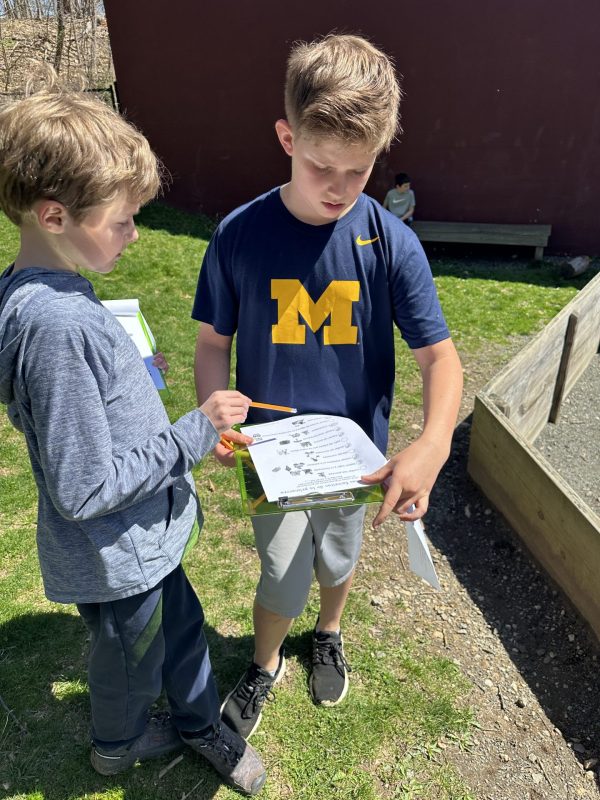
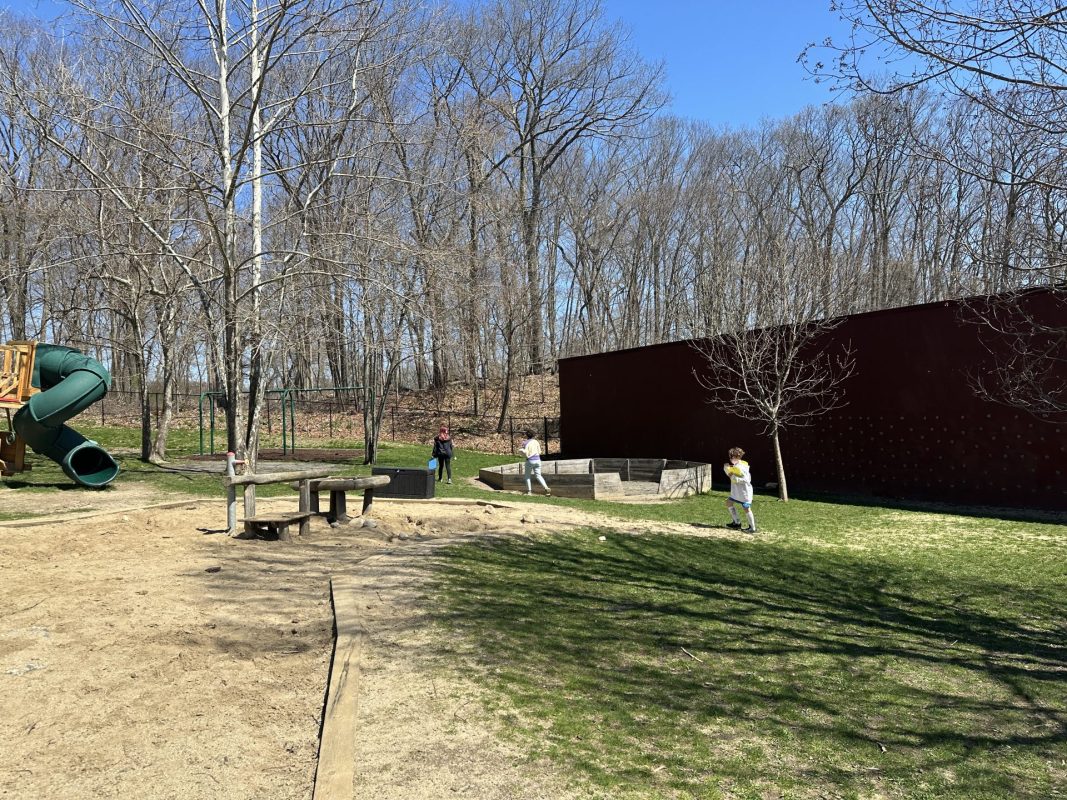
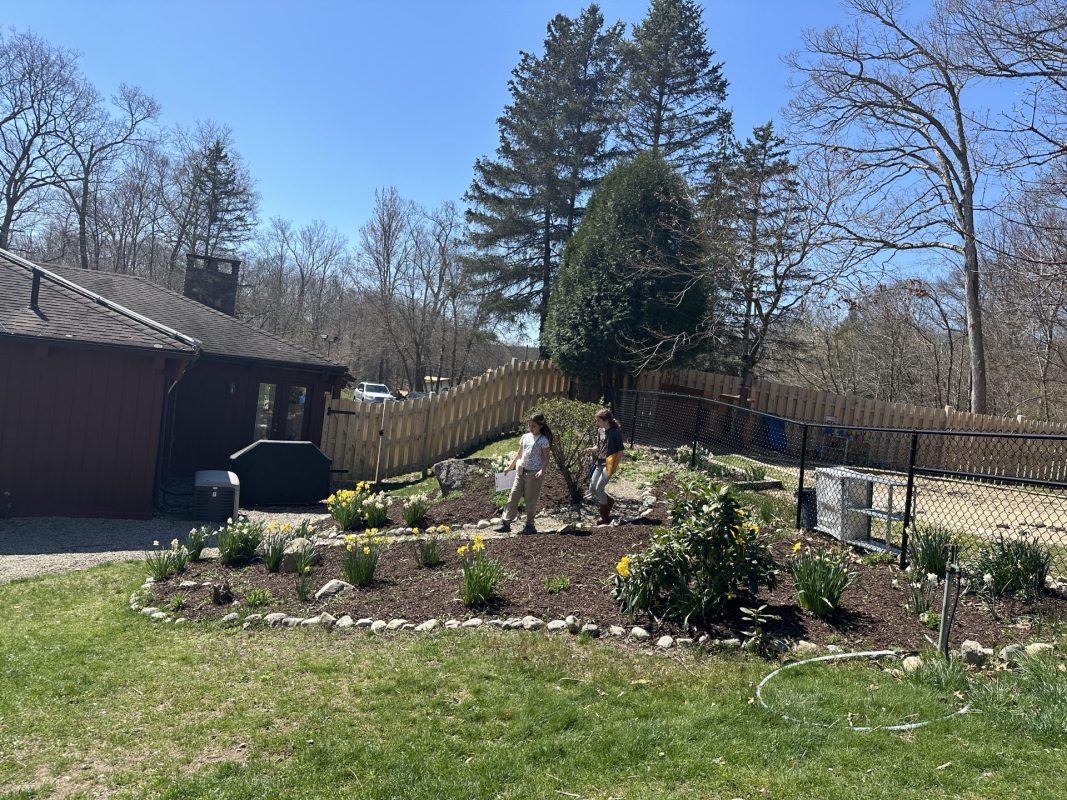
Upper Elementary Students continued practicing the use of the articles (el, los, la, las) in Spanish. In addition, they are learning about food in Spanish “La Comida”. They continue practicing their writing, listening and vocabulary through activities, worksheets, and games we used in class. We also learned new vocabulary to use in our lesson about “La Primavera”. Children enjoyed the outdoor Spanish scavenger hunt, singing about “La Primavera,” enhancing recognition and repetition of the sounds that help with the pronunciation of the language.

Middle School students also continue working year-round on their Spanish greetings, description of weather, feelings, and their daily calendar, including days of the week, months, and seasons. Students continue working on the Spanish curriculum in the “Avancemos” program. They also focused on learning the verb “Tener” (to have) and its different conjugations depending on the pronoun used. When they learn a new verb, such as “Tener,” they practice it in worksheets that include exercises focusing on listening and comprehension.  We are reading short stories for youth in Spanish to enhance their vocabulary, reading, listening, and comprehension.

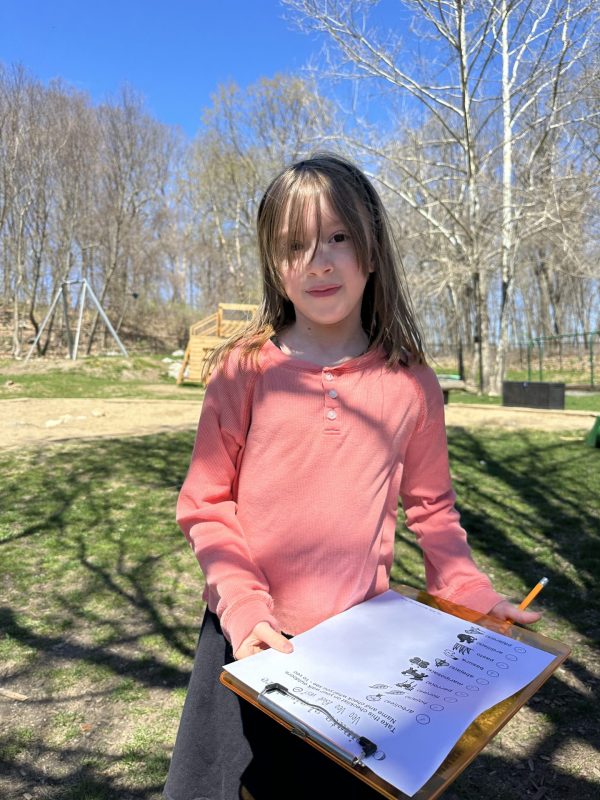
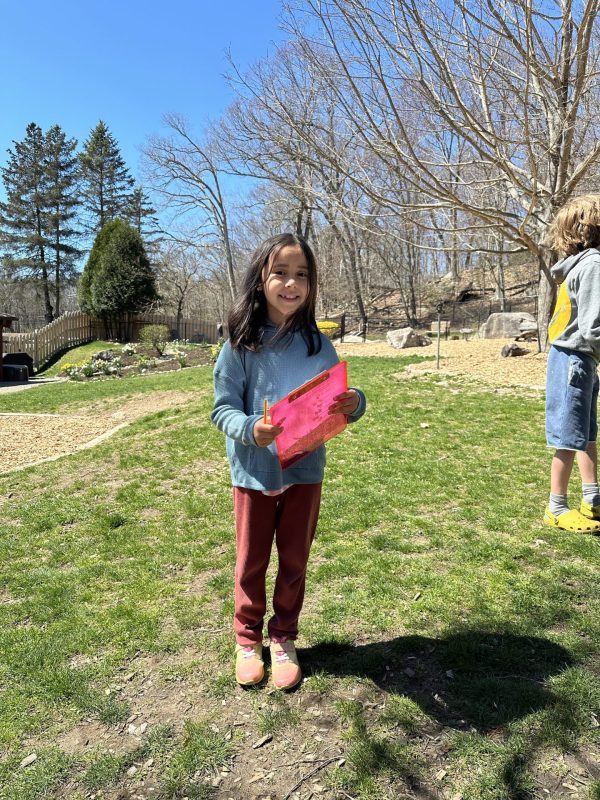
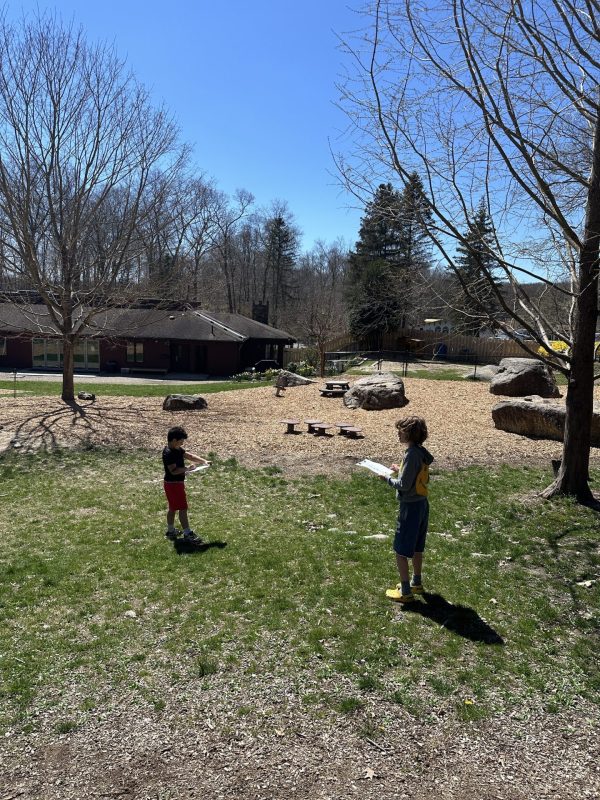
Children in all grades enjoyed the beautiful weather, learning about “La Primavera,” participating in an outdoor Scavenger Hunt, and reading some stories outside. All the students at FWM are enjoying learning Spanish, and I am very pleased with their progress in accomplishing goals in my class.


Makerspace: Monthly Update

As spring rolls along, we’ve had all grade levels help revive our aeroponic tower garden. The Kindergarteners planted seeds in January, which grew large enough to transfer into the tower garden in early March. We currently have beans, tomatoes, bell peppers, cucumbers, and lettuce growing. As time allows, everyone has been doing their best bumblebee impression, helping to hand pollinate the cucumber flowers, which will hopefully culminate in a small harvest in the coming months.

Kindergarteners have taken on a variety of challenges. We worked on finger knitting in January and February, which requires incredible focus and hand-eye coordination to successfully complete all of the steps. More recently, they began a joint project with the Middle Schoolers, where they drew and colored an animal or character, which the Middle Schoolers are currently working on sewing into stuffies as gifts. They’ve asked many times to see how theirs are progressing, but it will be a fun surprise once they are finished in the coming weeks.

Lower El also began the year with knitting. We began with the basics, learning finger knitting and then progressing to small circular looms, which the Third Graders made themselves. Once everyone was proficient with the small circular looms, we began on the larger circular looms, which resulted in a variety of completed projects such as pillowcases, scarves, bags, and arm warmers. Most recently, Lower El has been very interested in what their older peers are working on in Robotics class, so we’ve worked on various Lego challenges that utilize the same obstacles and lessons, such as ramps and our paper airplane launcher.

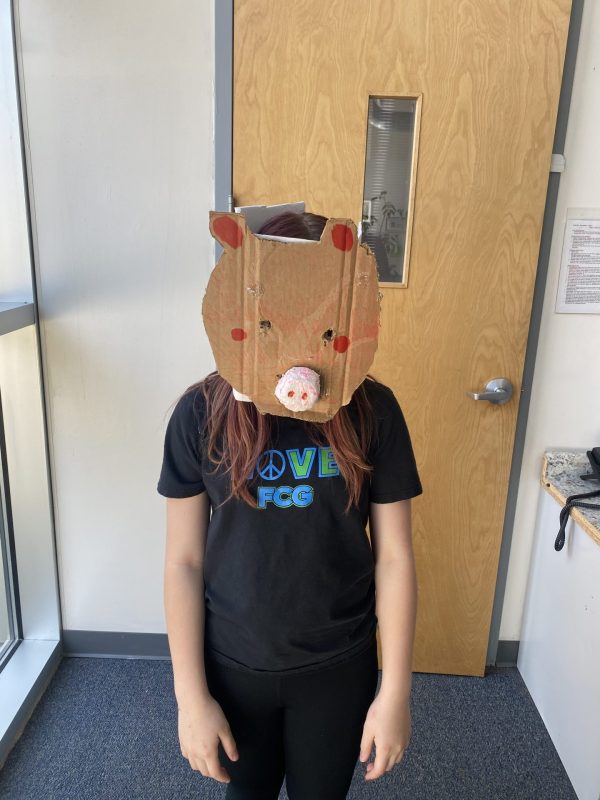
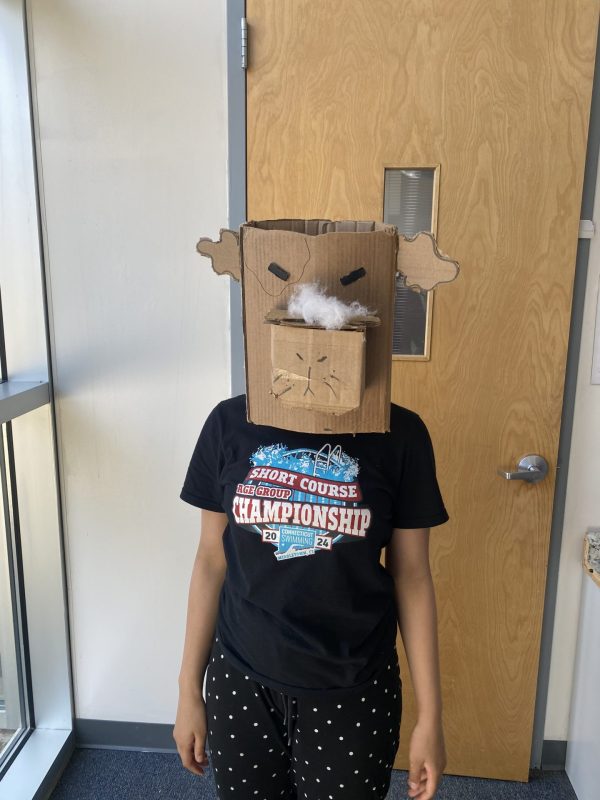
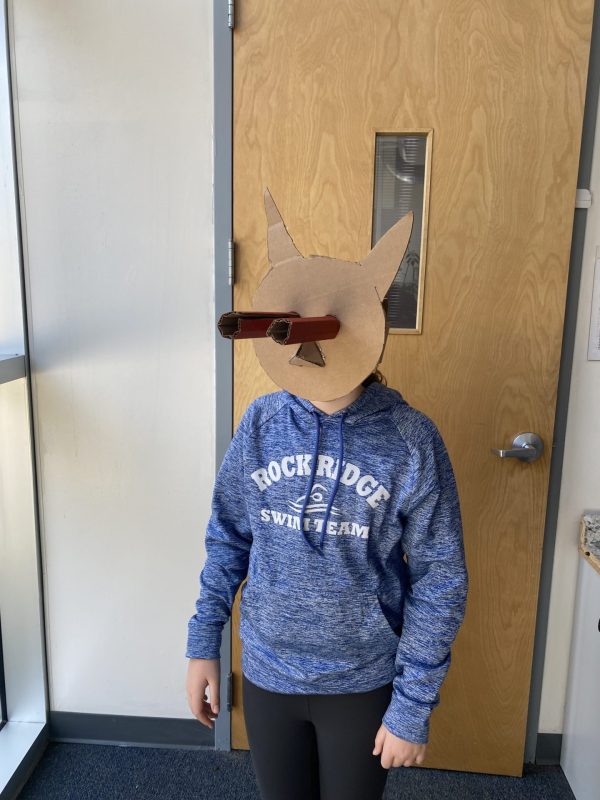
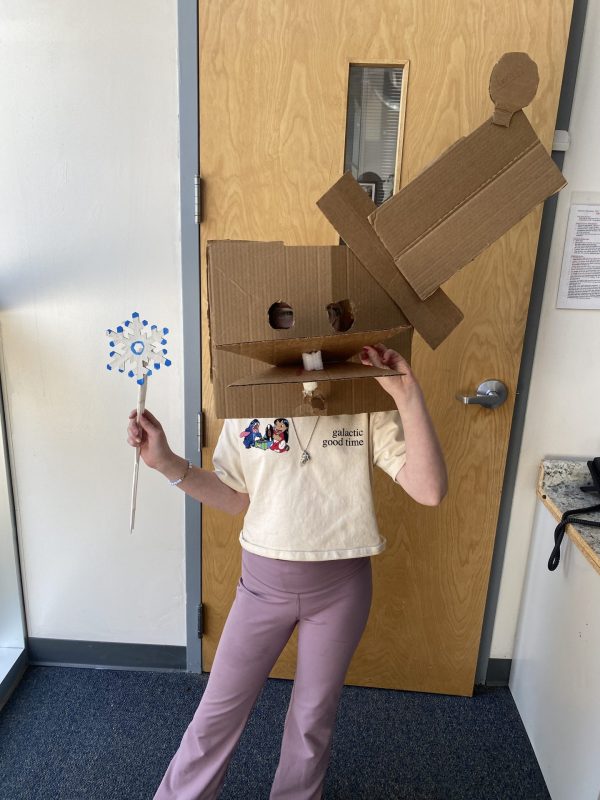
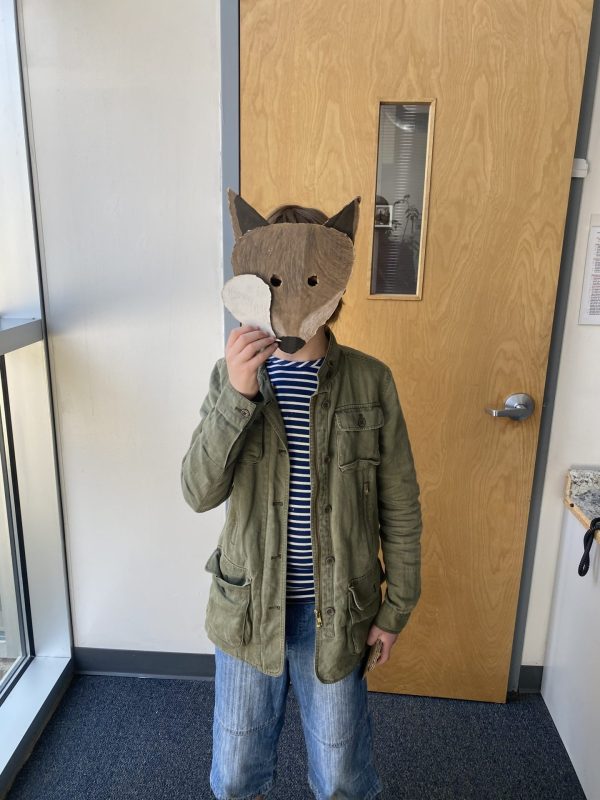
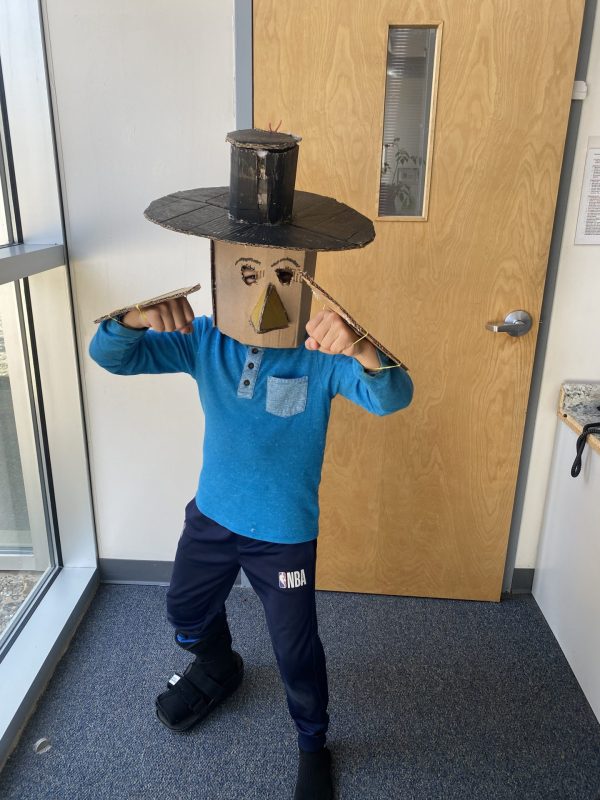
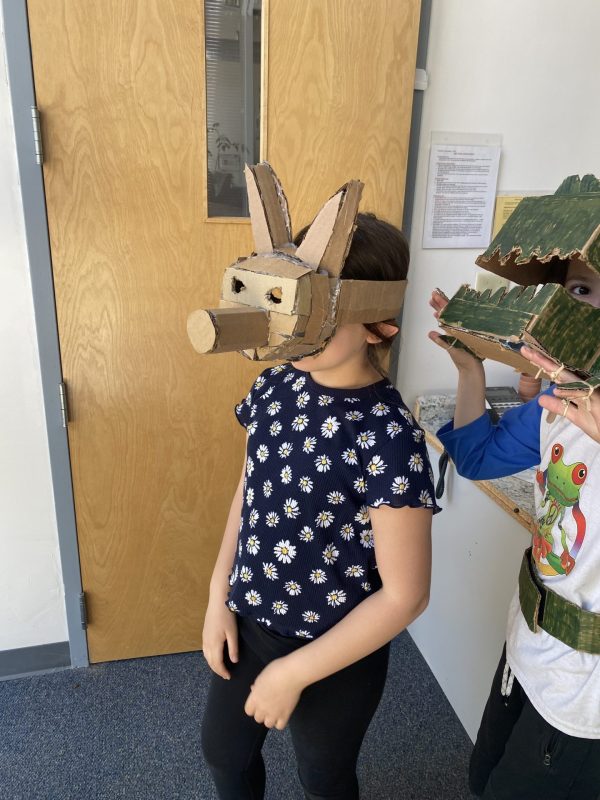
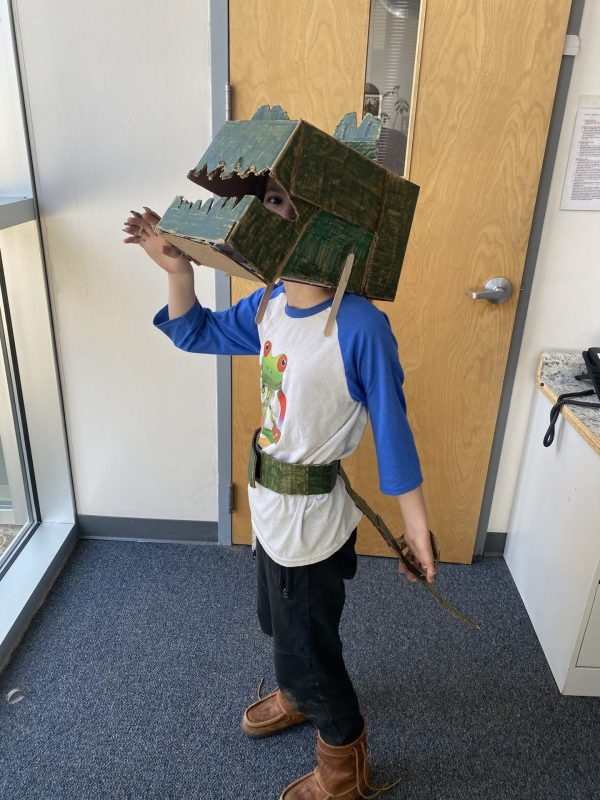
Upper El has just completed a larger mask project, choosing an animal and utilizing cardboard as the main material. They’ve been passionate about the details and final touches for the last few weeks, and the results are impressive. In Robotics prior to Spring Break, they were challenged to make the longest car possible in teams of 2-3 students. We then connected all of the cars together to make one incredibly long car, totaling over 24 feet in length. It was exciting to see their creation make its way down the hallway. Since Spring Break, Robotics has focused on smaller, seemingly simple challenges that require very innovative solutions, such as making a vehicle go up the steepest ramp possible, creating a gondola to go up a tight line, and using gear ratios to make the fastest car possible.

Middle Schoolers are in the midst of a number of projects. A furniture design challenge presented in February has progressed from sketches to 3D modeling and 3D printing, then refining to finalize dimensions with a preliminary design cut on the laser cutter. The final step will be a ⅓ scale model version, which will have all of the needed detail to assemble as if it were a real piece of furniture. At the moment, they are busy working to turn the Kindergartener’s drawings into stuffies. This involves cutting pattern pieces before cutting fabric to ensure the proportions and details are correct. They are now working to get those pieces sewn up, stuffed, and adding any final touches to make the Kindergartener’s drawings come to life. In Robotics, they’ve spent some time brushing up on some construction and coding basics with the Lego Spike kits and some more advanced tutorials. Using that as a foundation, additional challenges have been presented to push their creativity and come up with innovative solutions.


Spring into Creativity!


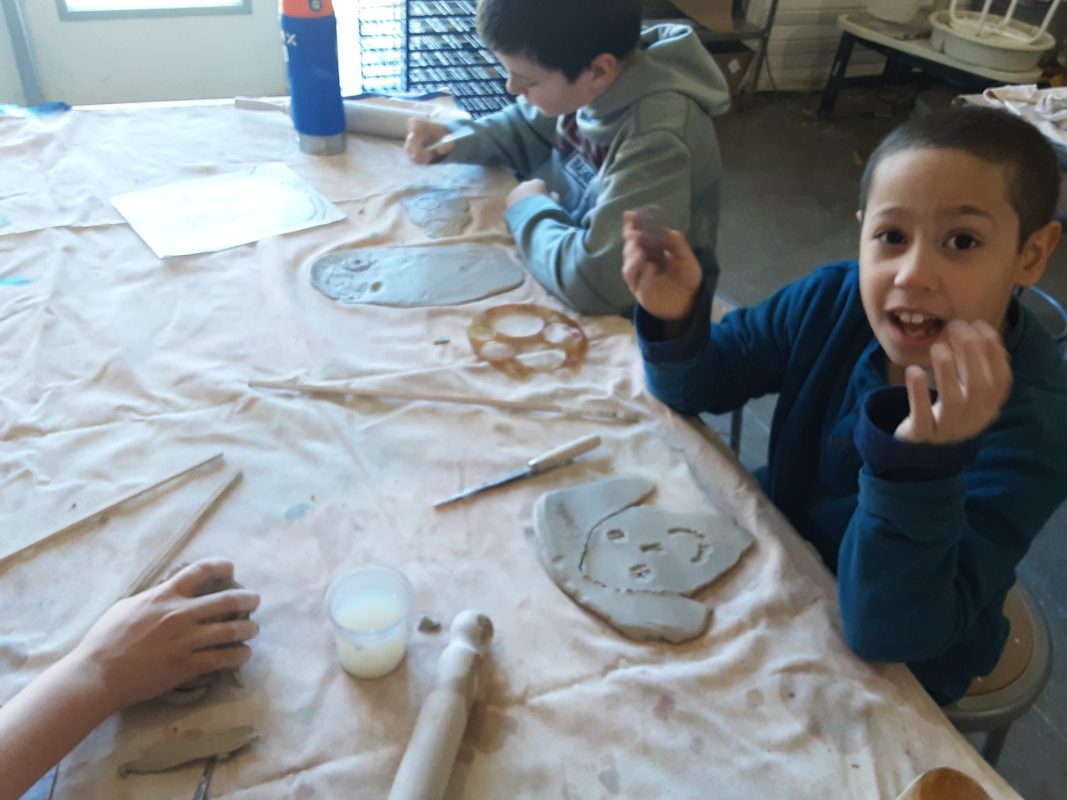
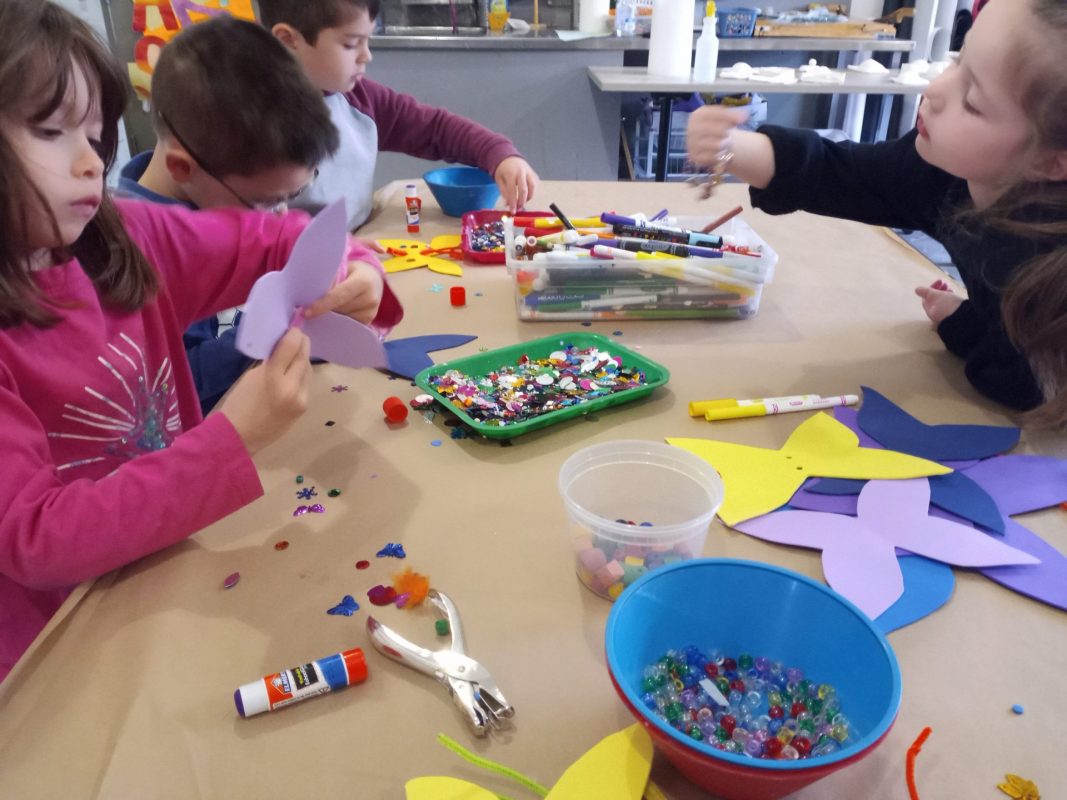
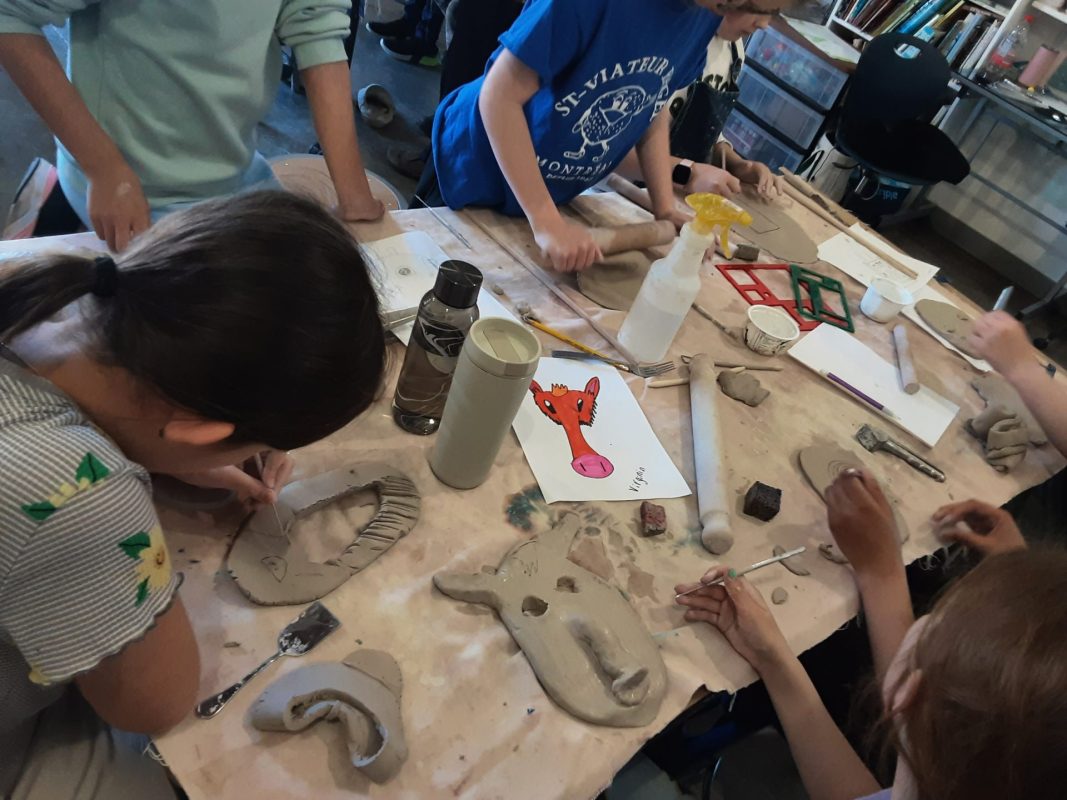
Recently, we have had a flurry of bright, creative energy centered around the art studio. All grade levels, including the toddlers, who have crafted an array of enticing auction items projects in support of our school’s fundraiser.

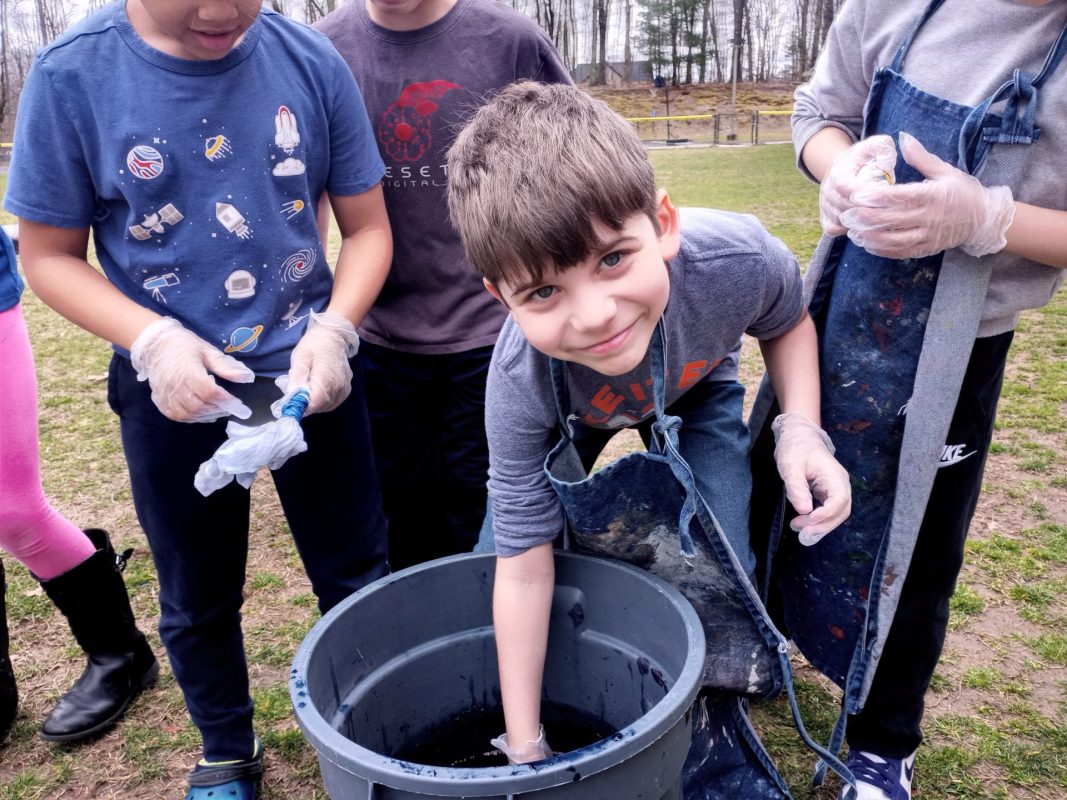
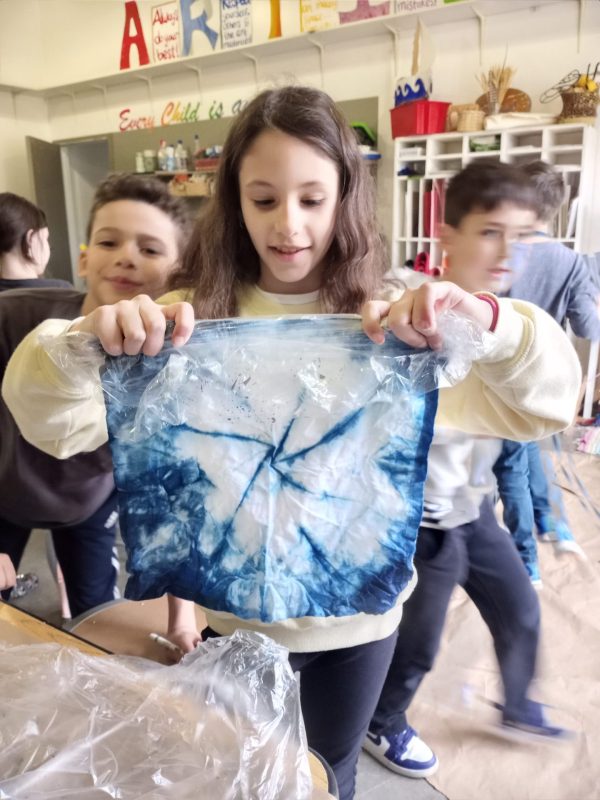
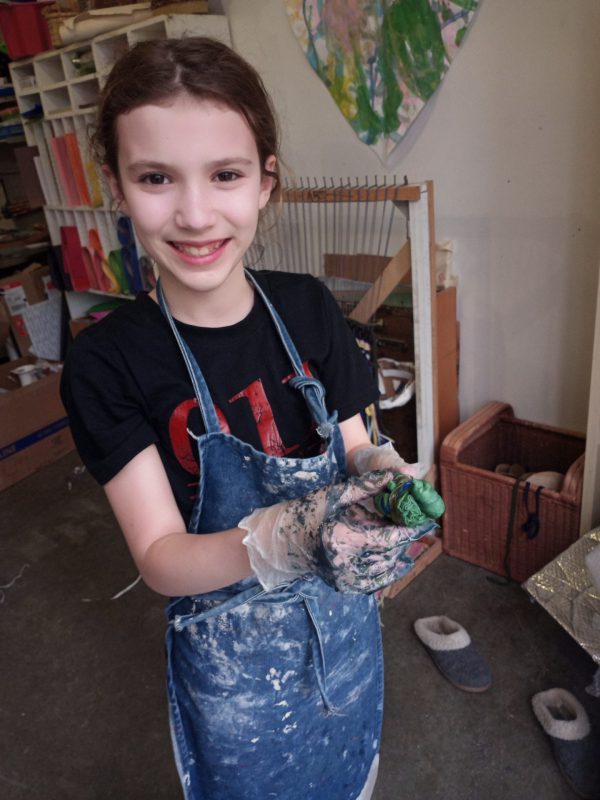
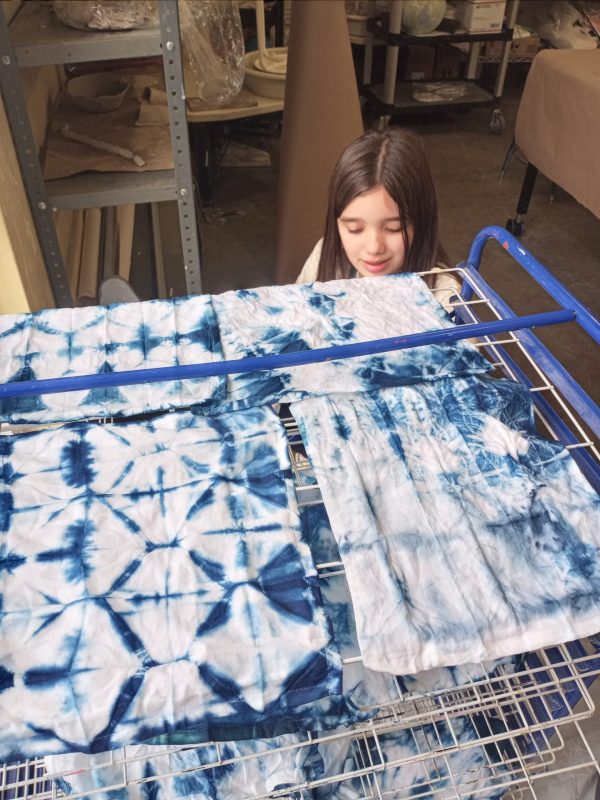
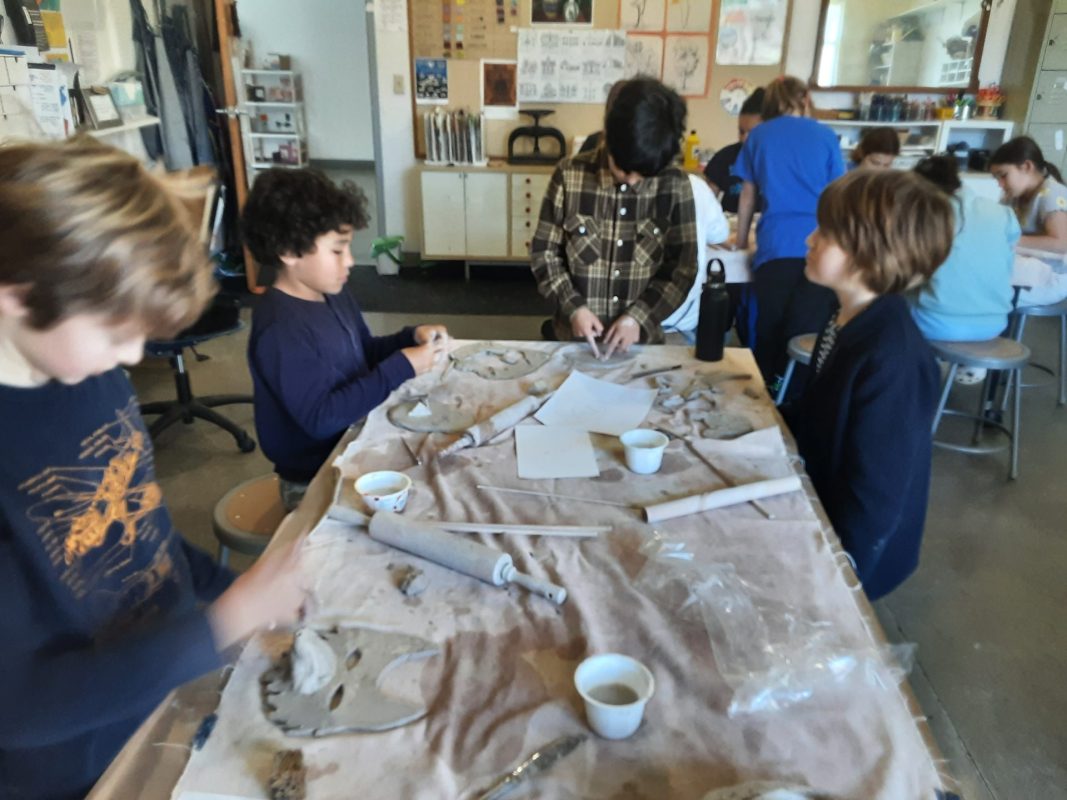
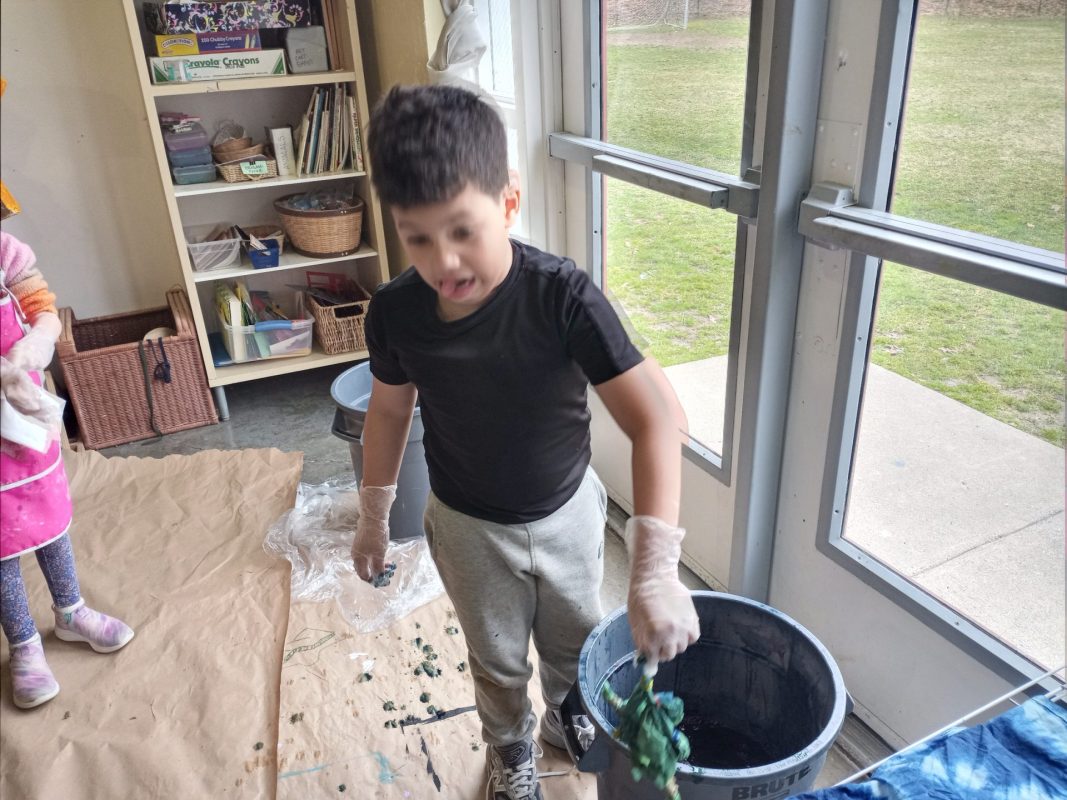
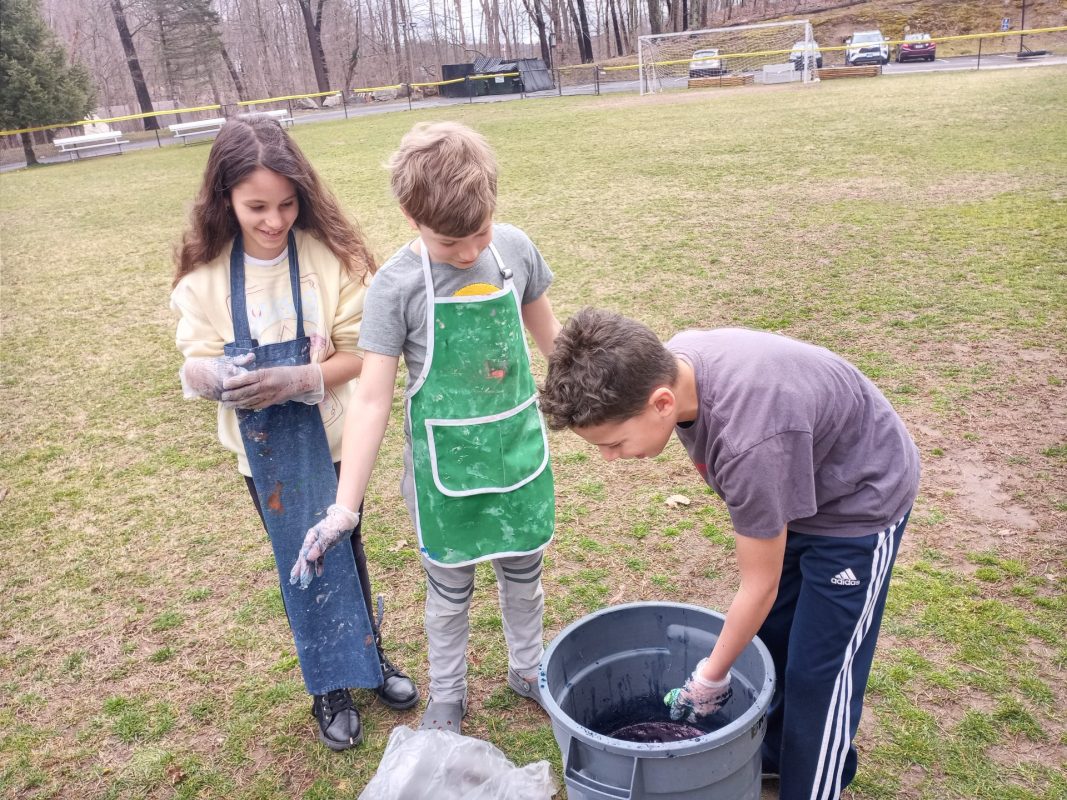
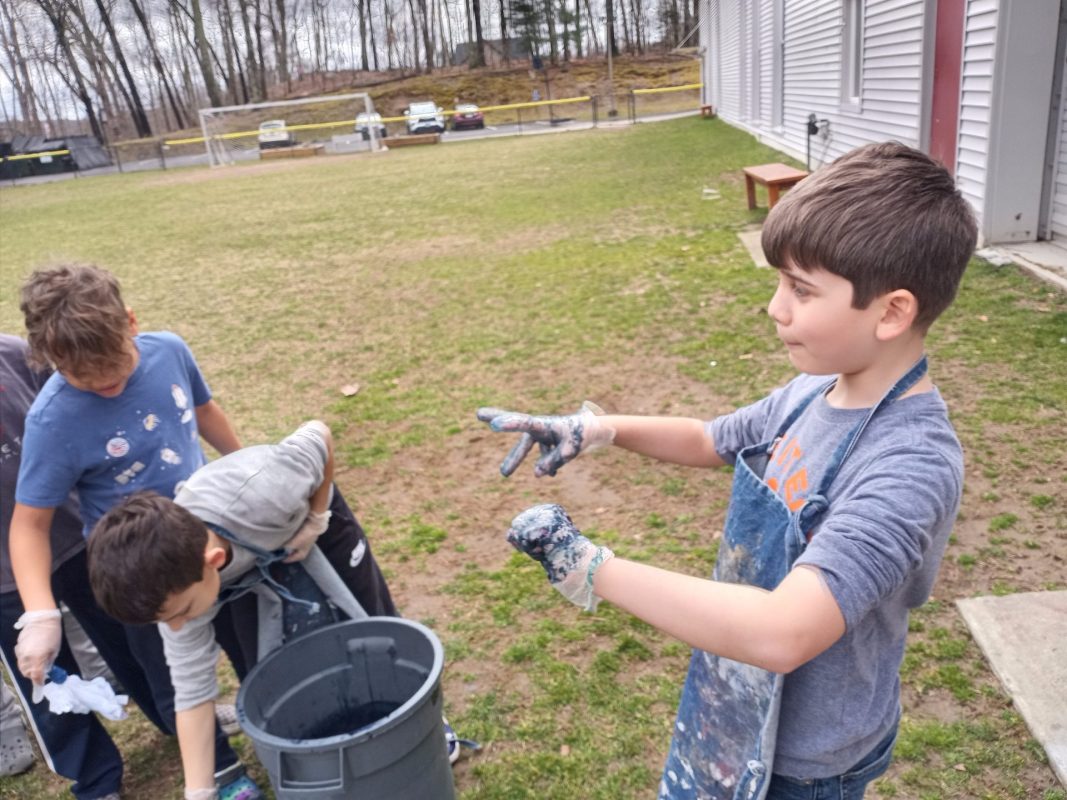
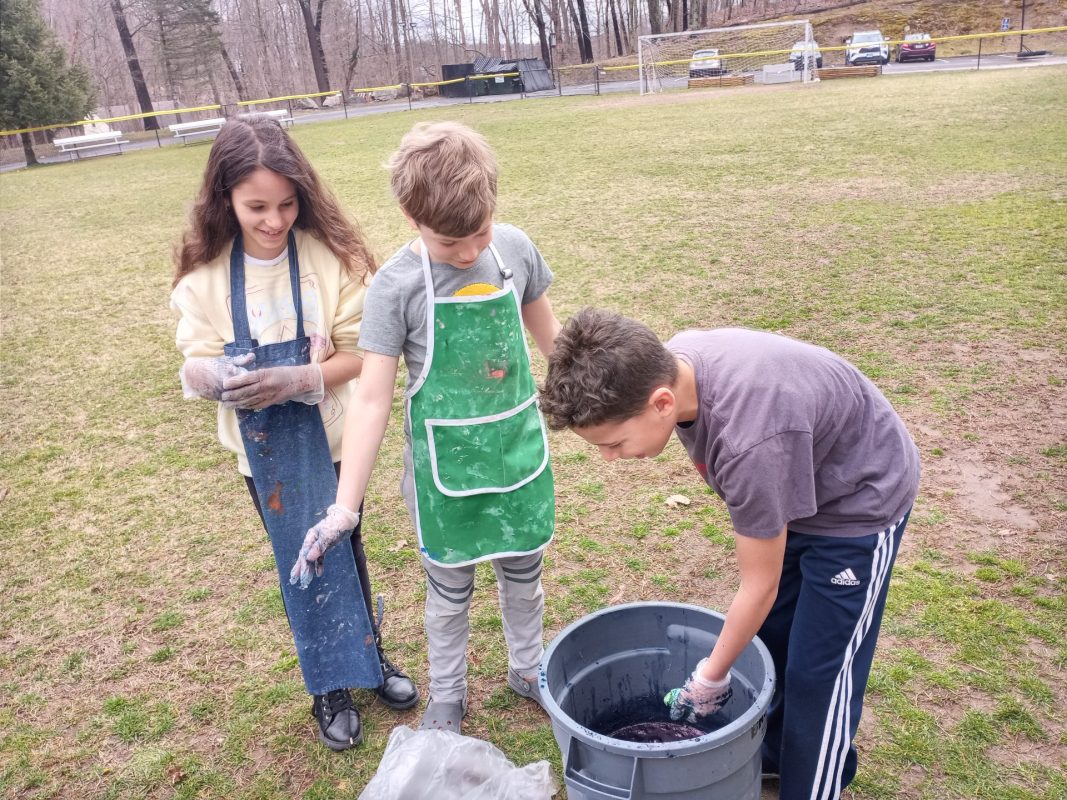
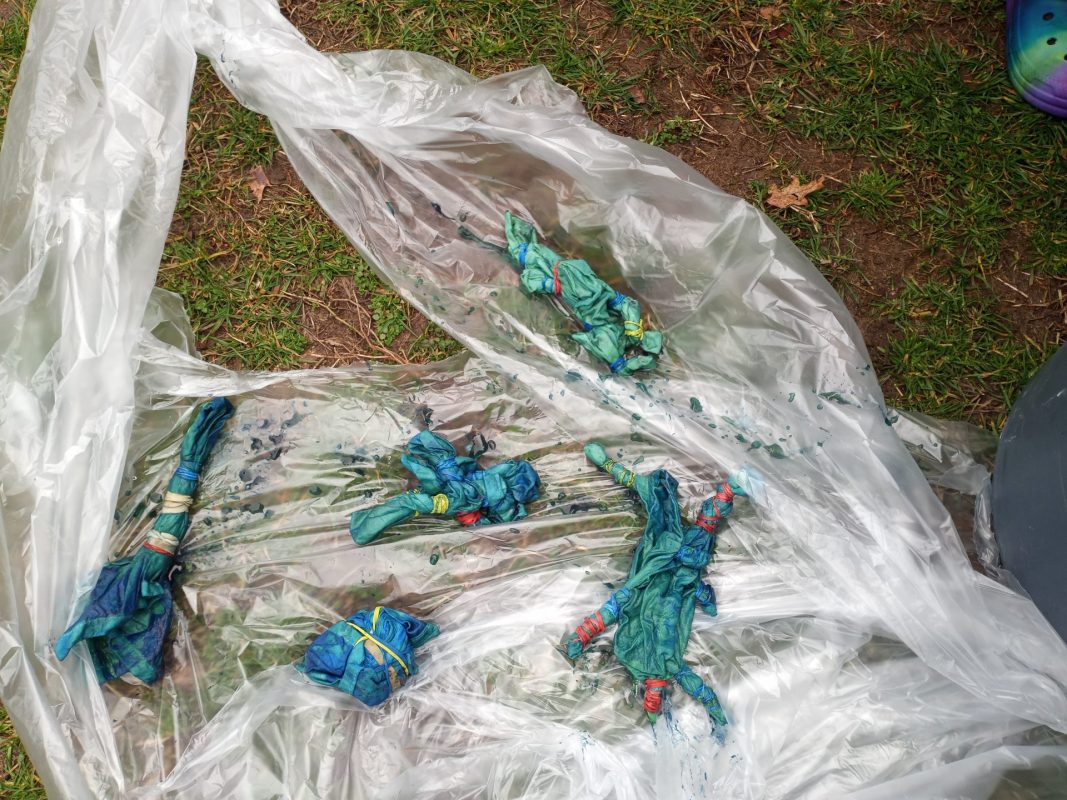
With student’s imaginations running wild, our children have poured their hearts and talents into each creation and infused them with a dose of Fraser Woods magic! Without giving too many of the special projects away, we have included a few images of Upper and Lower artists doing shibori, a Japanese folding and binding technique and dying textiles in natural indigo dye.  Stay tuned as we unveil these treasures at Saturday Night Fraser, where every bid will support our school community and fuel our future endeavors. 

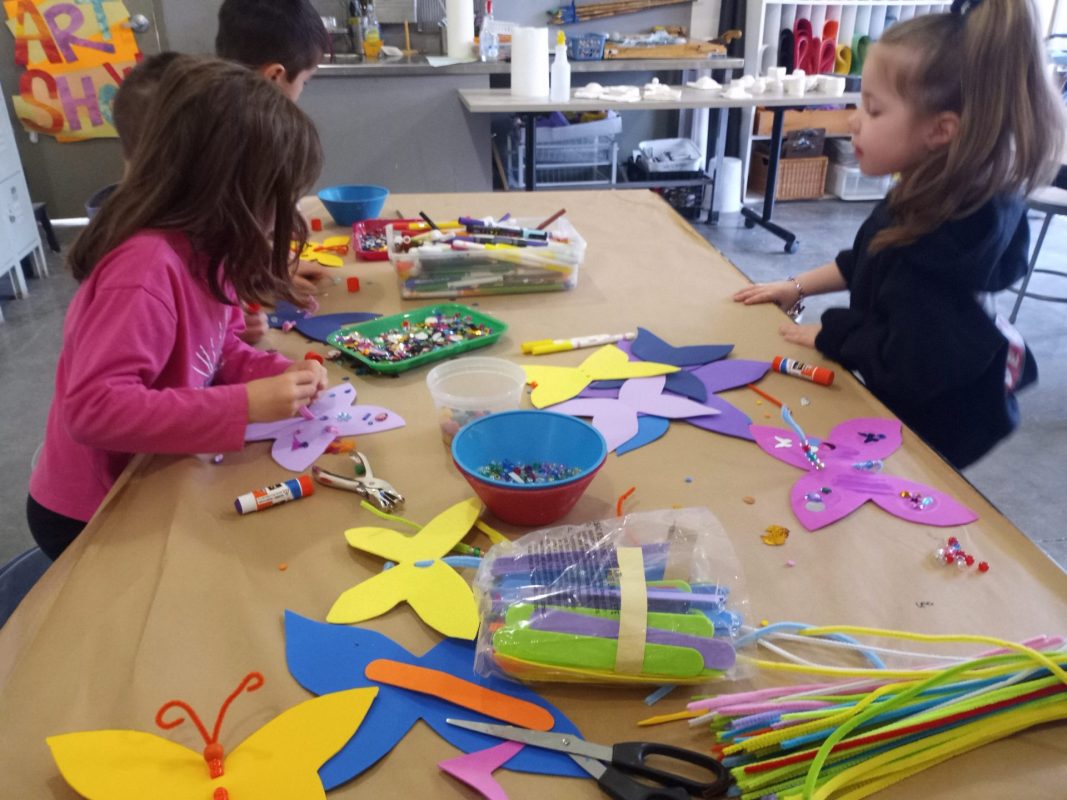
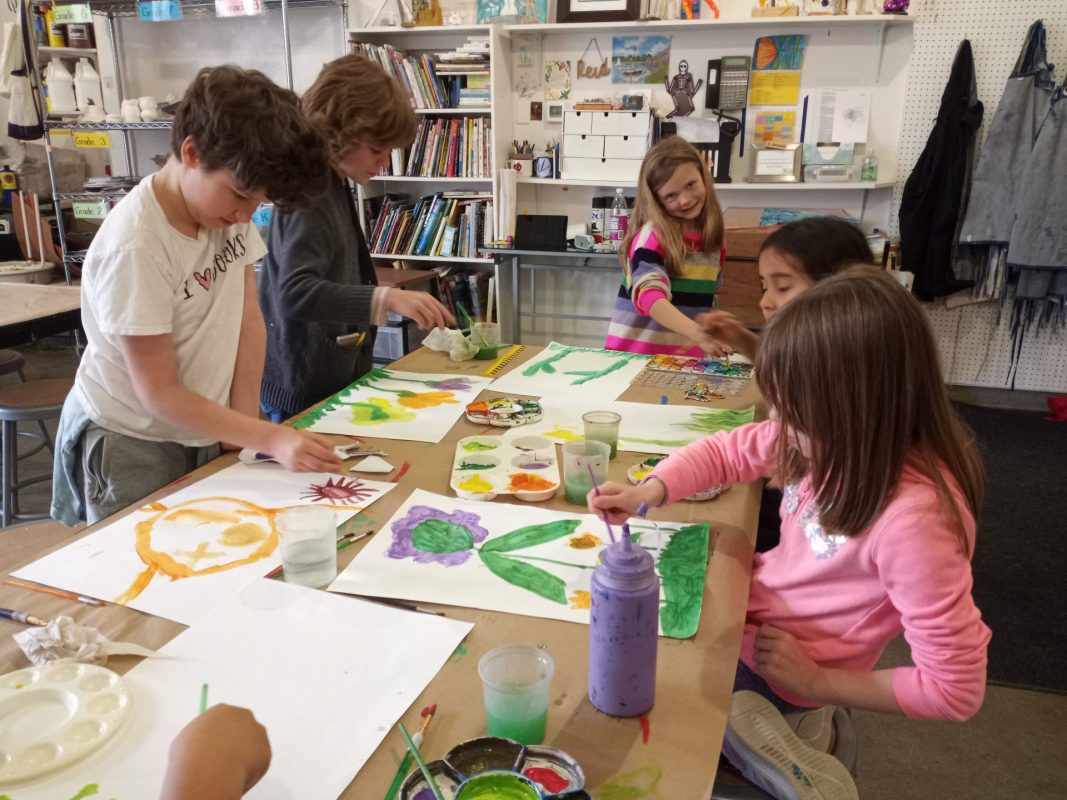
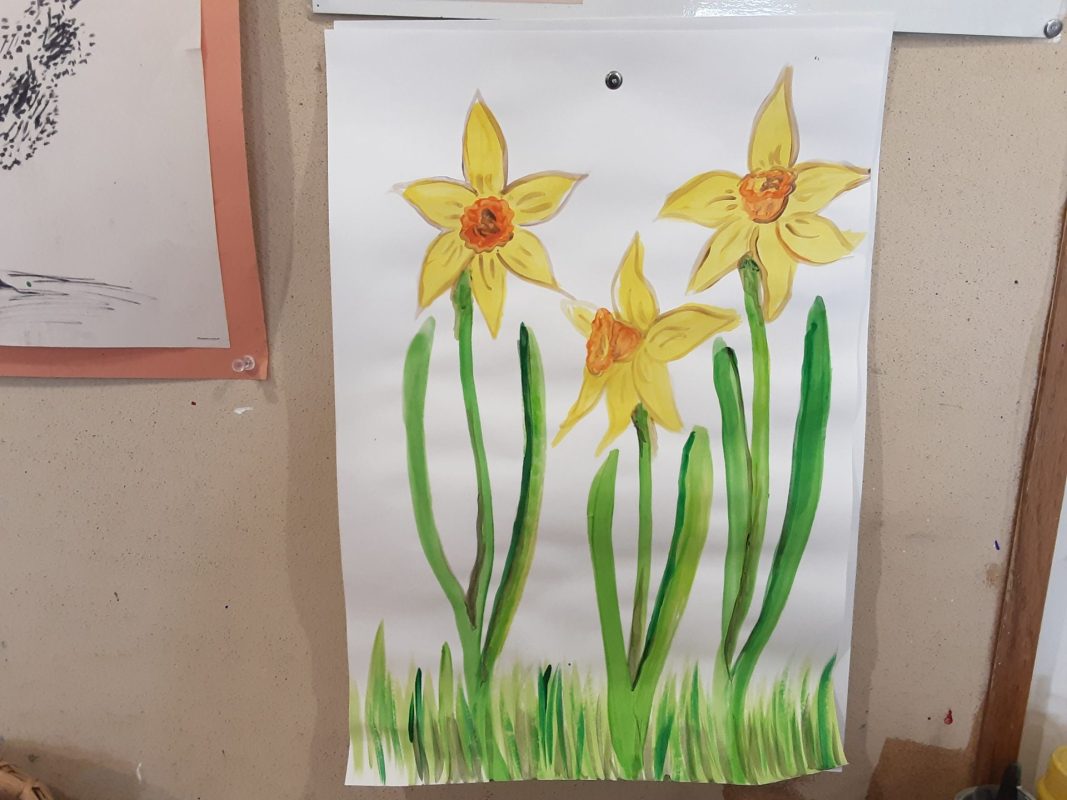
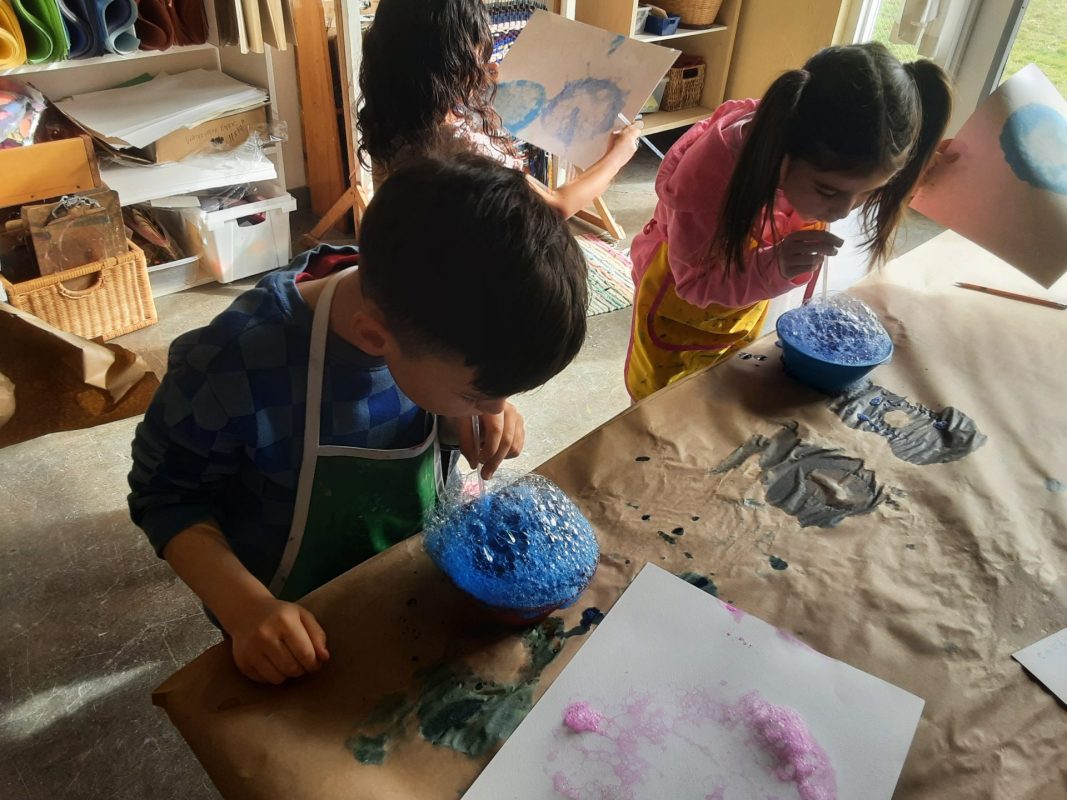
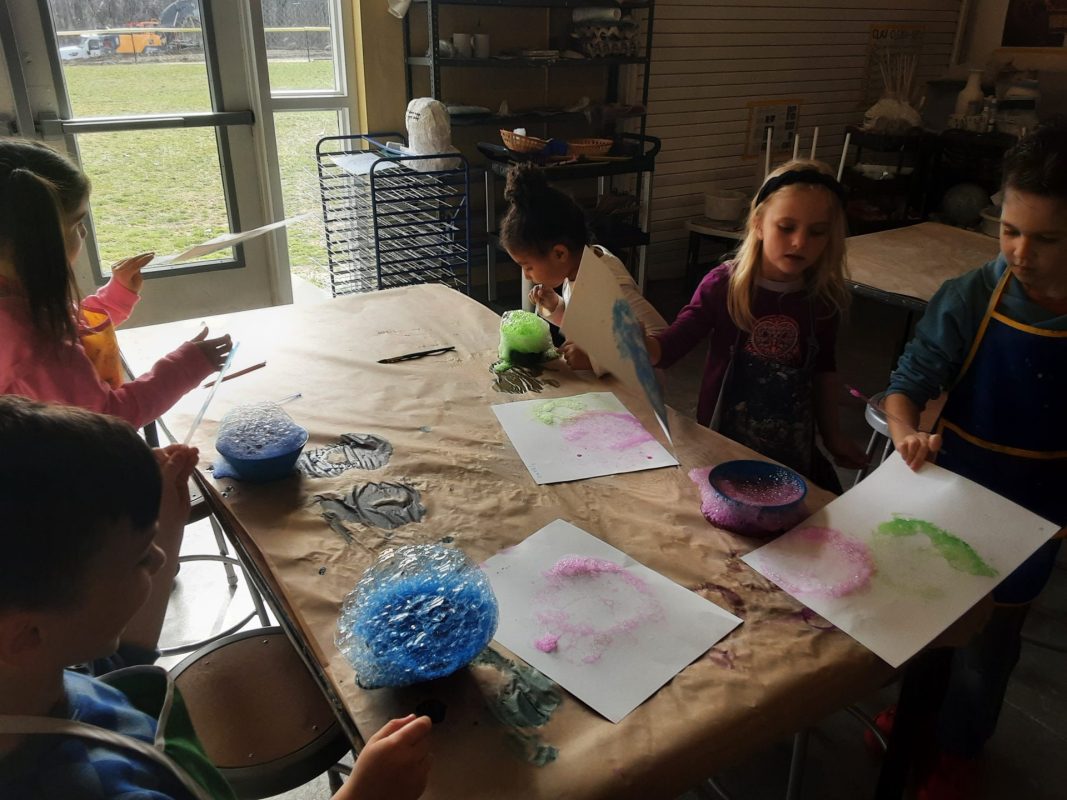
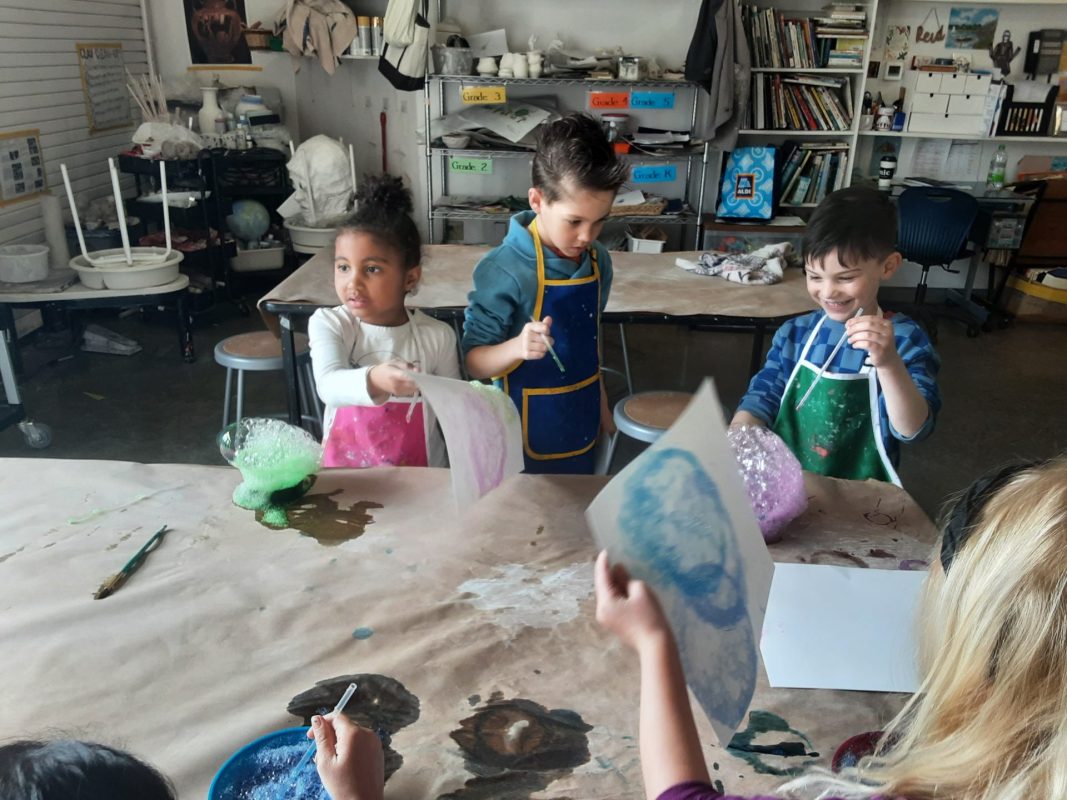
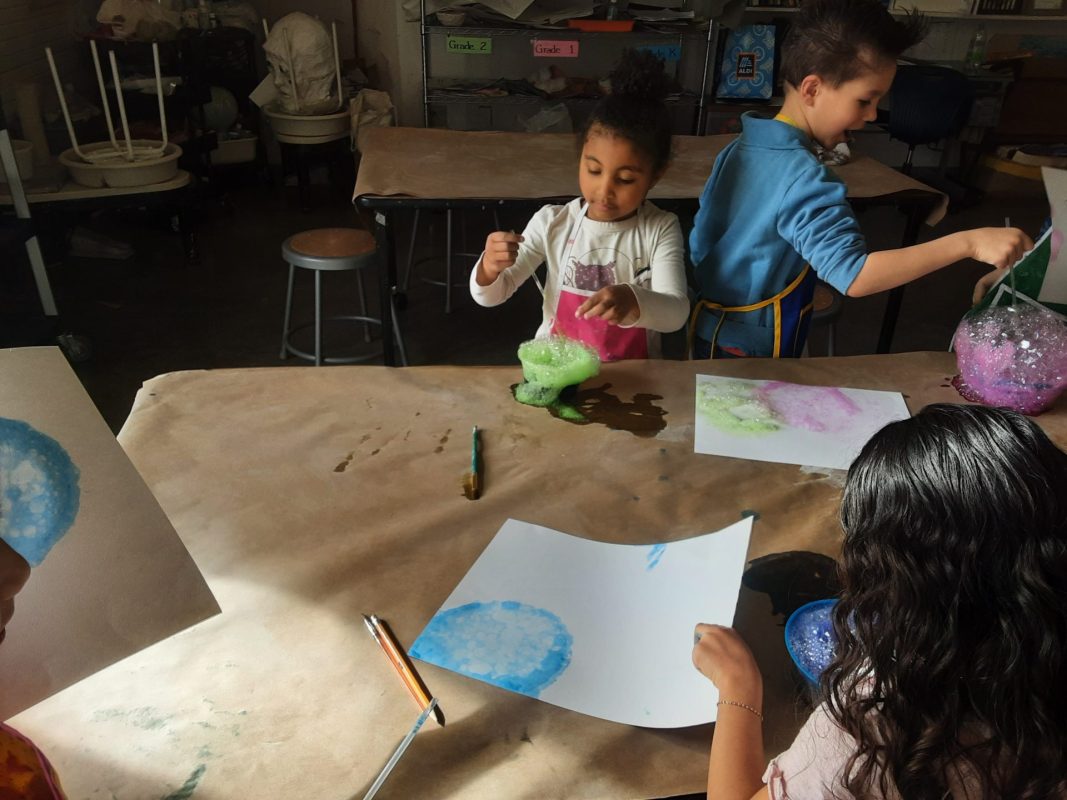
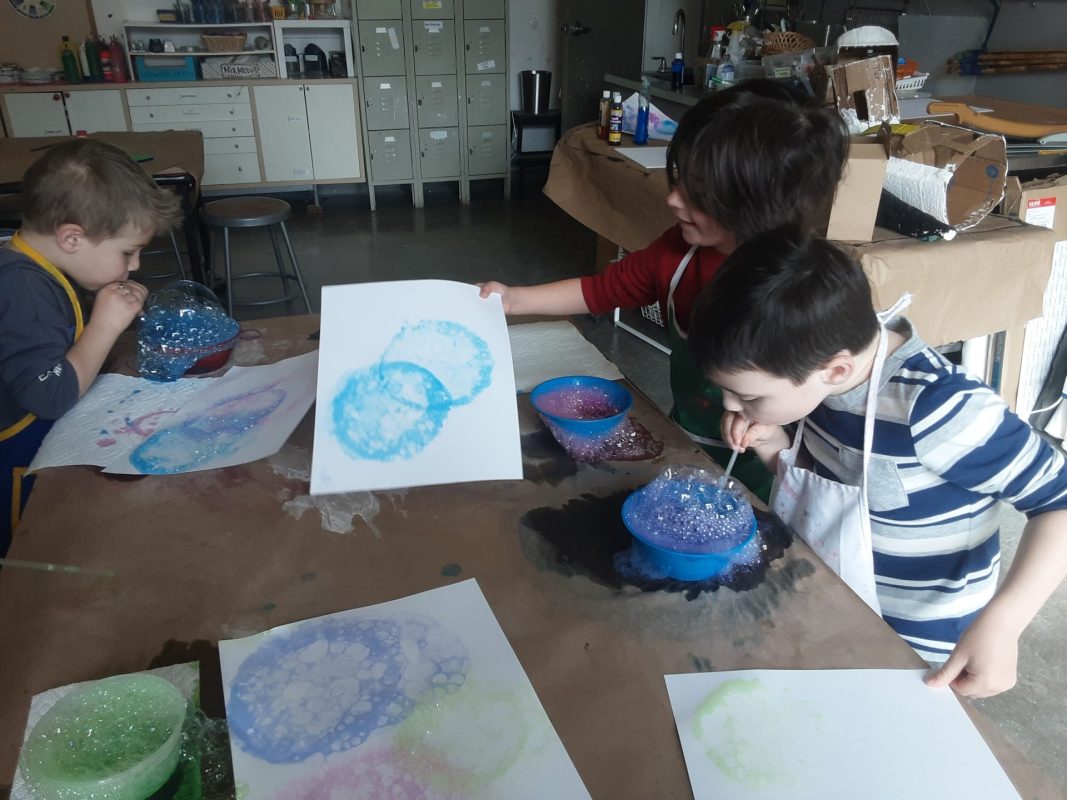
In other news, we have been bursting with color in the studio.  Exploring motifs of renewal and growth schoolwide, artists are drawing flowers, crafting butterflies, and painting rainbows! Kindergarten artists experimented with bubble painting to make lovely hydrangea images by adding a little dish washing detergent to tempera paint. Every artist got a straw and could blow bubbles into the paint and print them onto their paper.  The clusters of bubbles resemble flowers.

Upper and Lower Elementary have been working on organic forms and garden painting and expressing excitement for longer days in the warm sun.  In the studio, we take a few minutes for mindfulness and visualization resulting beautiful imagines and remembered landscapes.