This Month in Enrichment

Spanish Class: January & February
Primary and LE: “Las formas”, “Los días de la semana”; UE: “La ropa”, “Los artículos”; MS: “Artículos definidos e indefinidos”, “Acuerdo entre el sustantivo y el adjetivo.” In addition FWM middle school students were able to work on listening, pronunciation and comprehension in different tasks given during class.

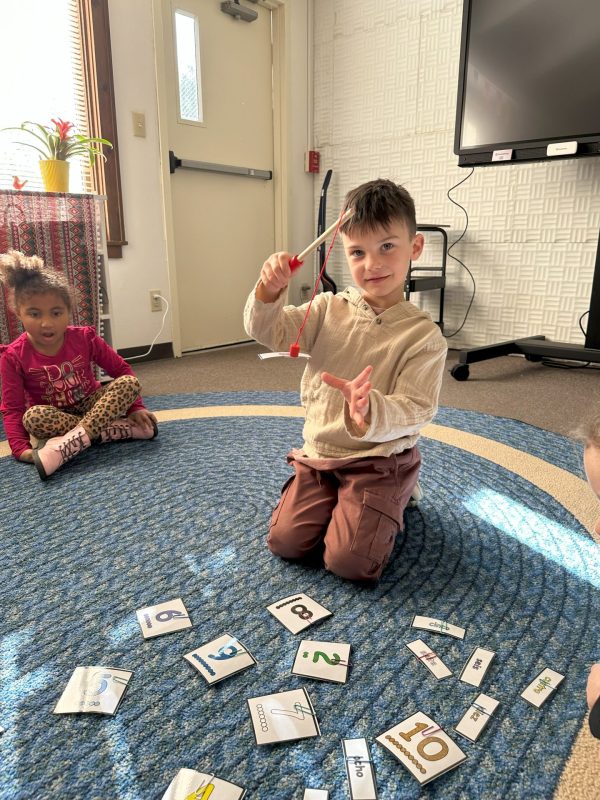
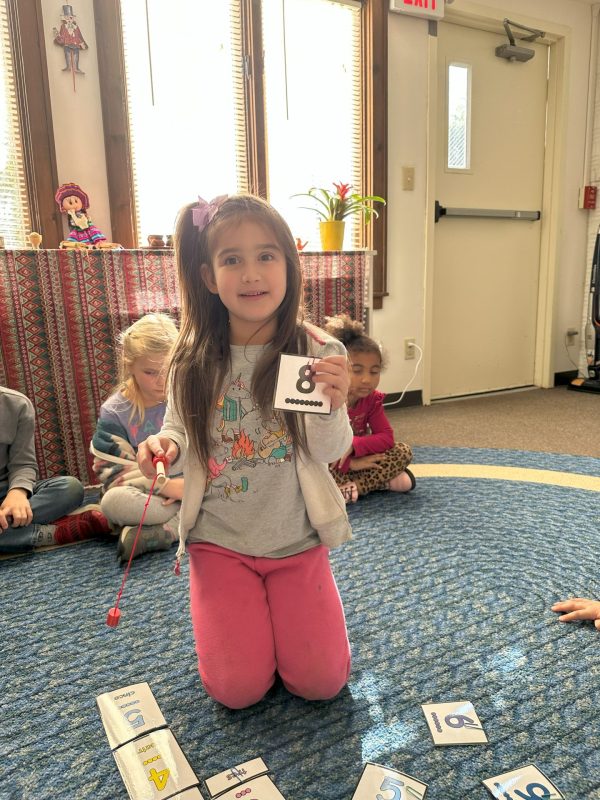
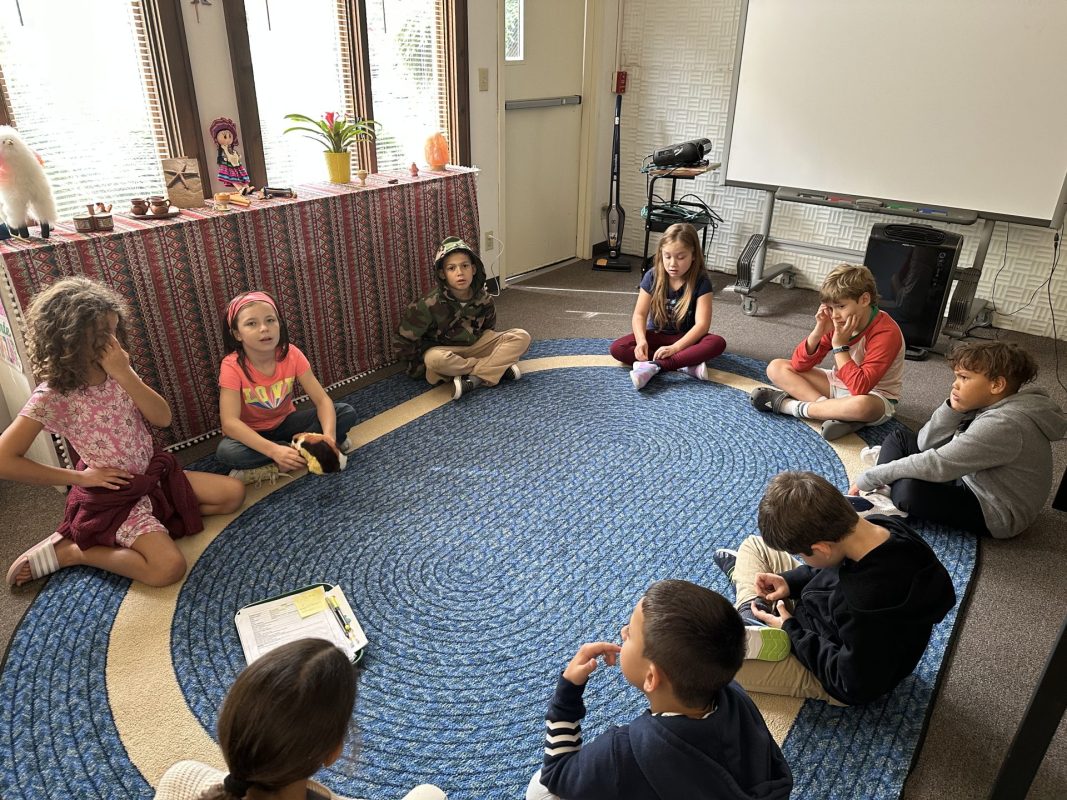
FWM students kept working on their usual conversation about feelings, Spanish greetings, calendars, and descriptions of the weather. They are continuously improving their Spanish listening and vocabulary. Students from Primary, Lower Elementary, Upper Elementary, and Middle School listened carefully to Spanish books and songs and participated in interactive games that were displayed during class.

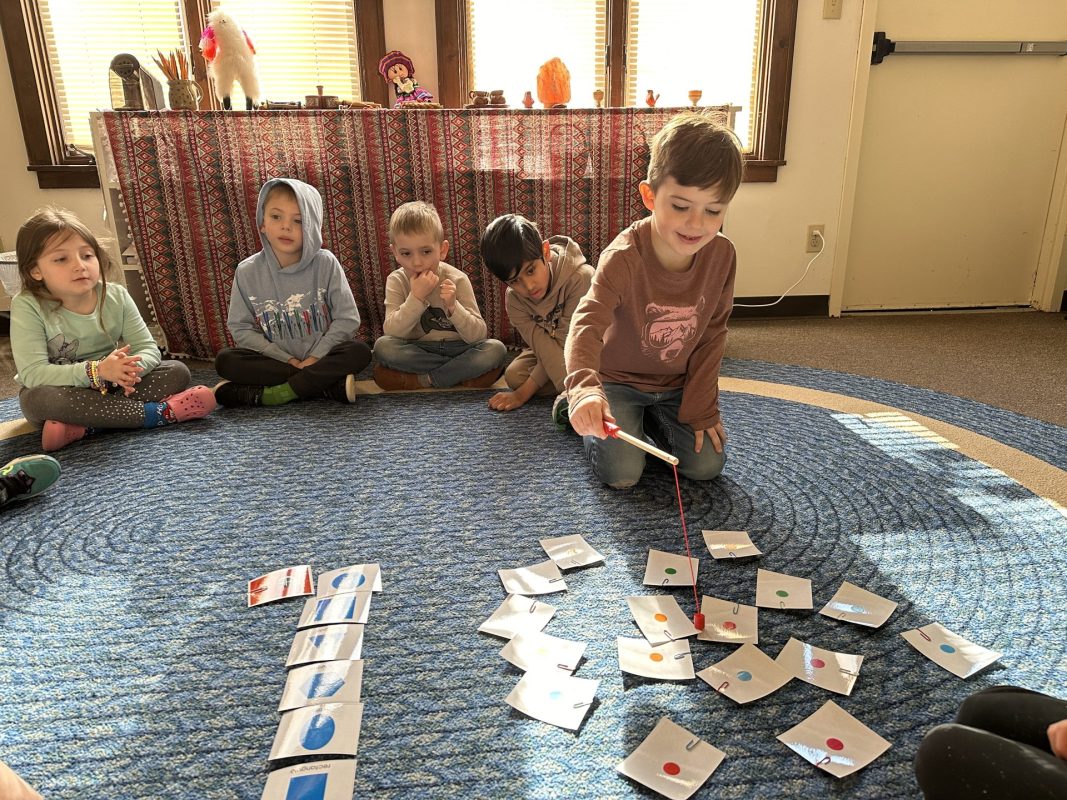
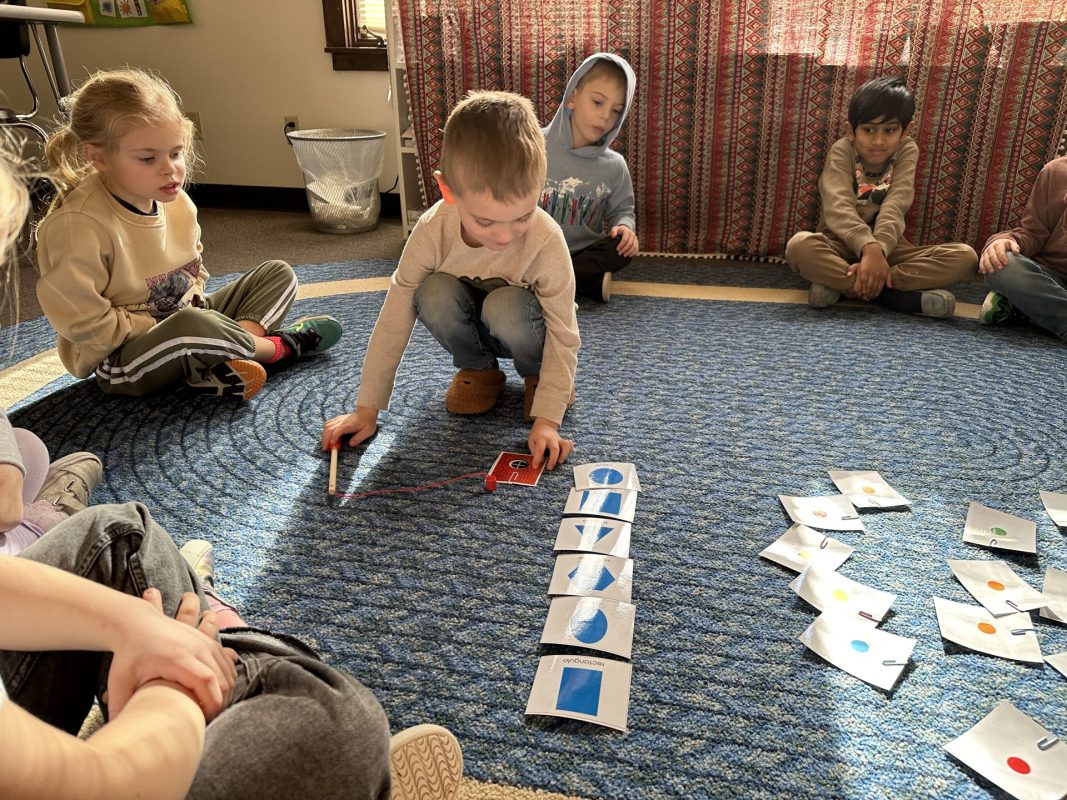
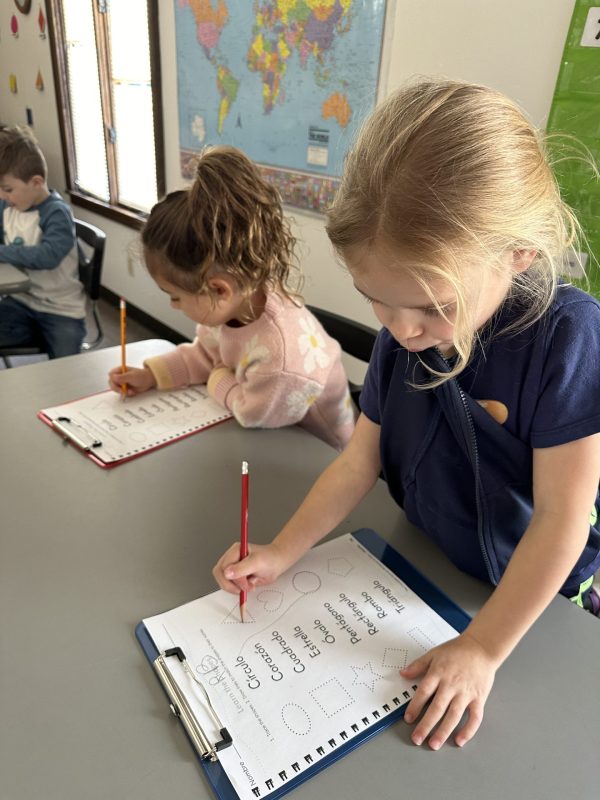
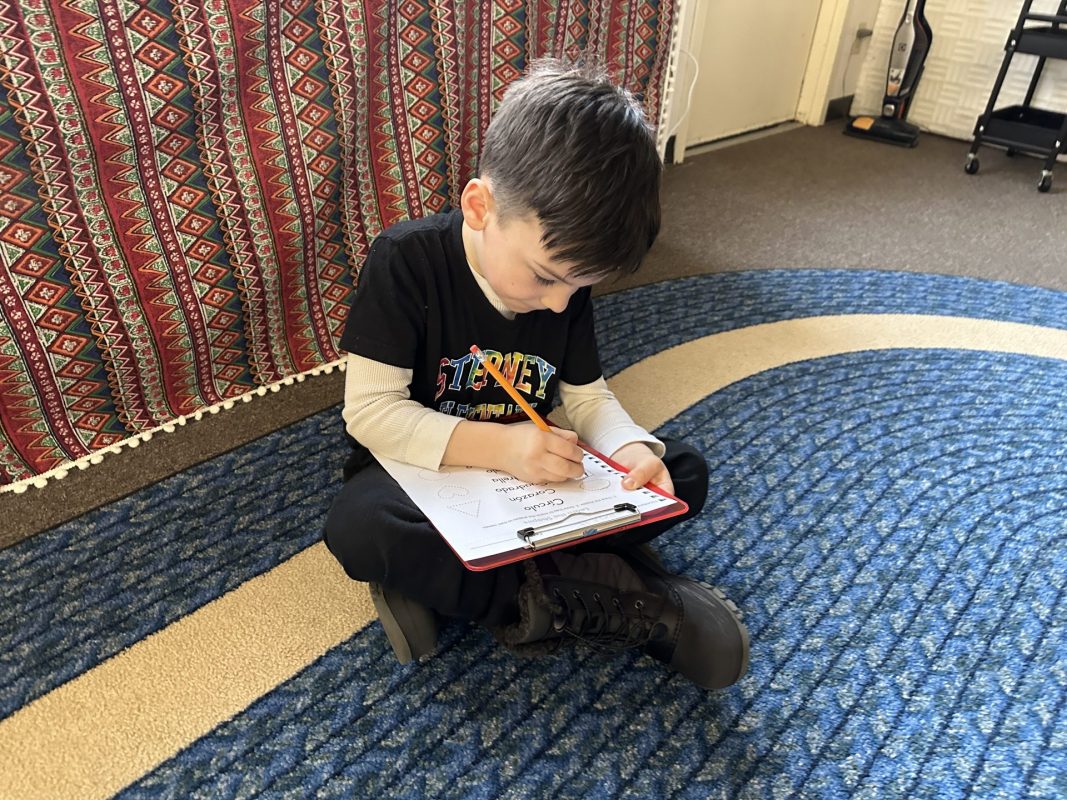
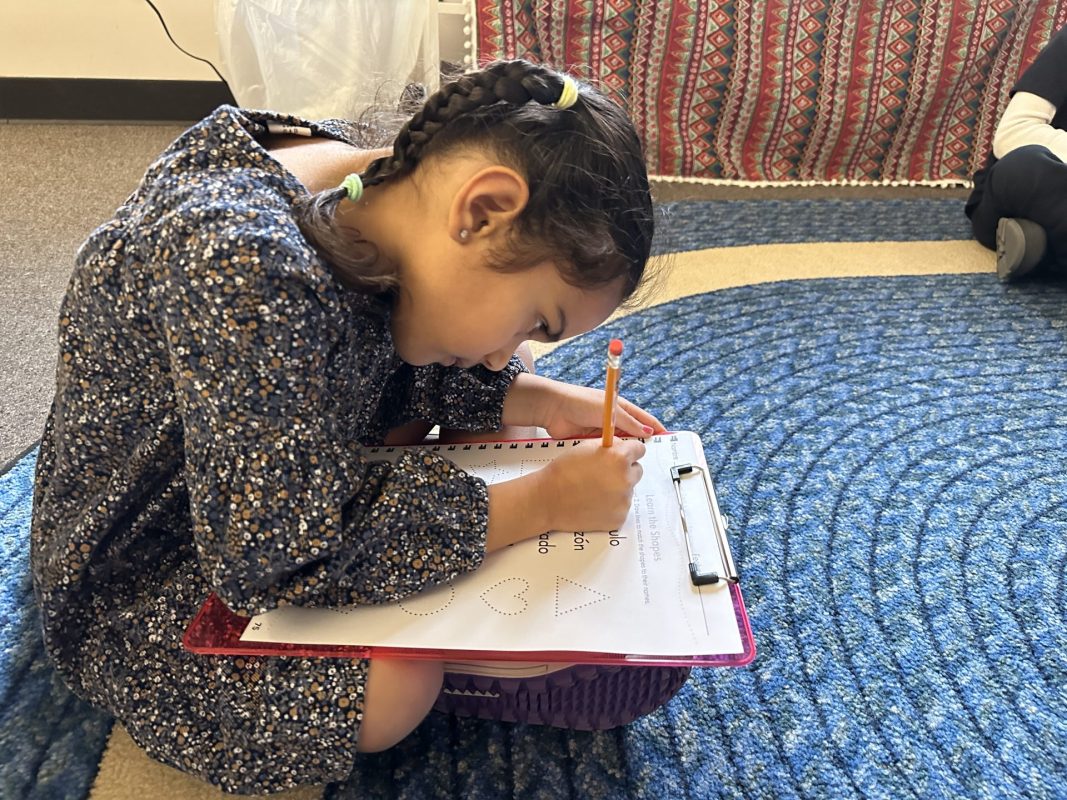
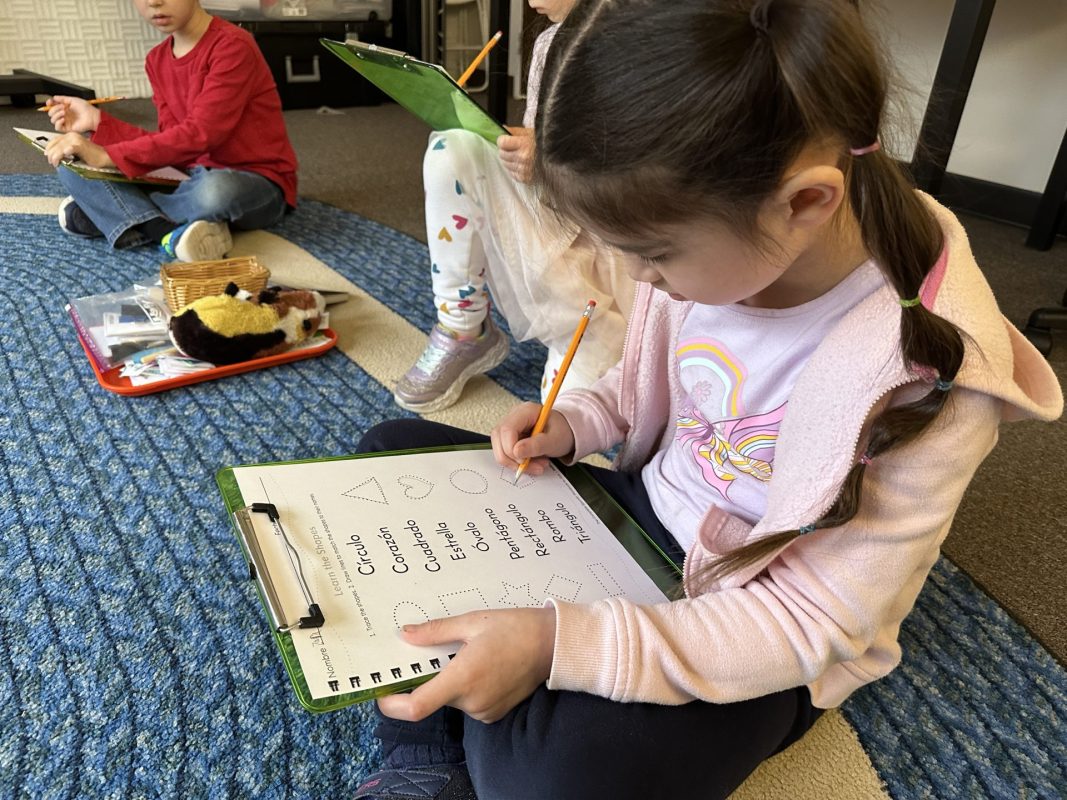
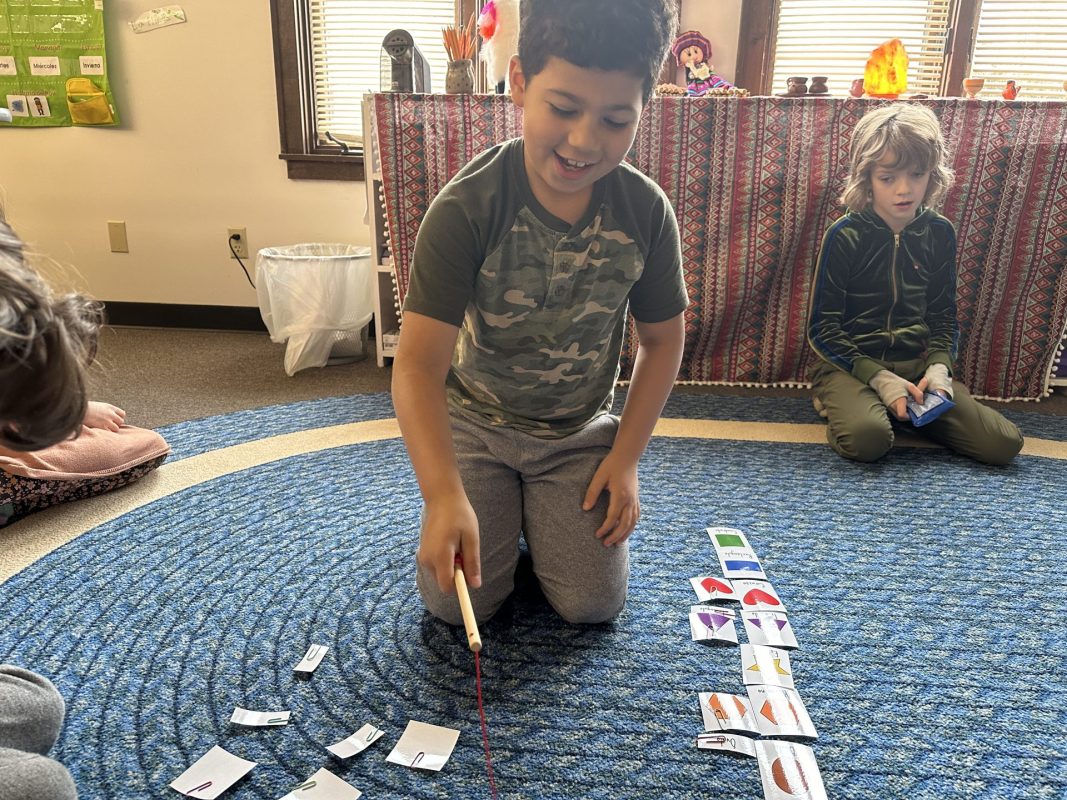
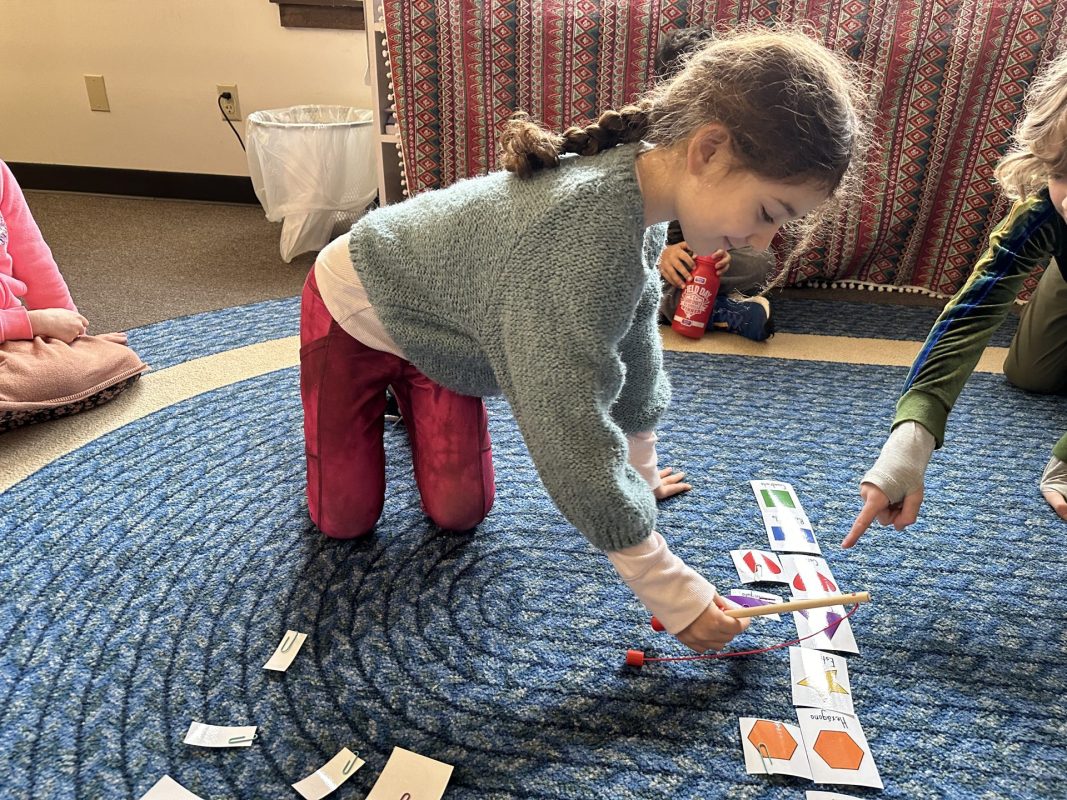
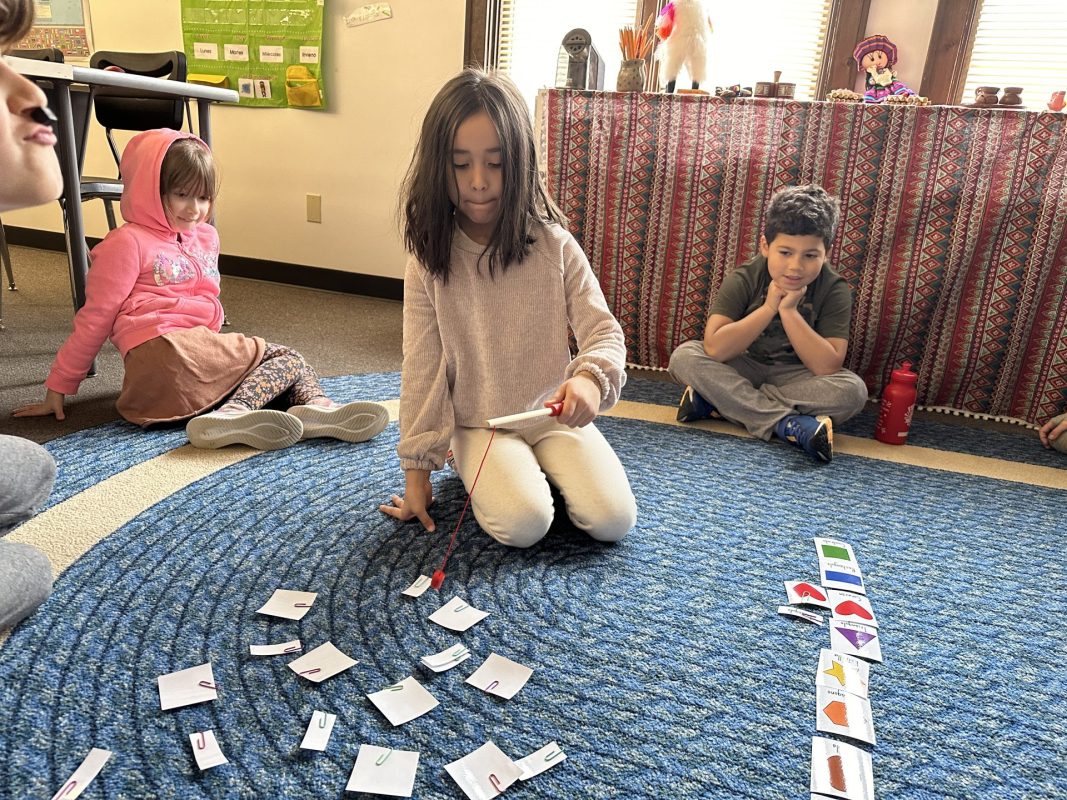
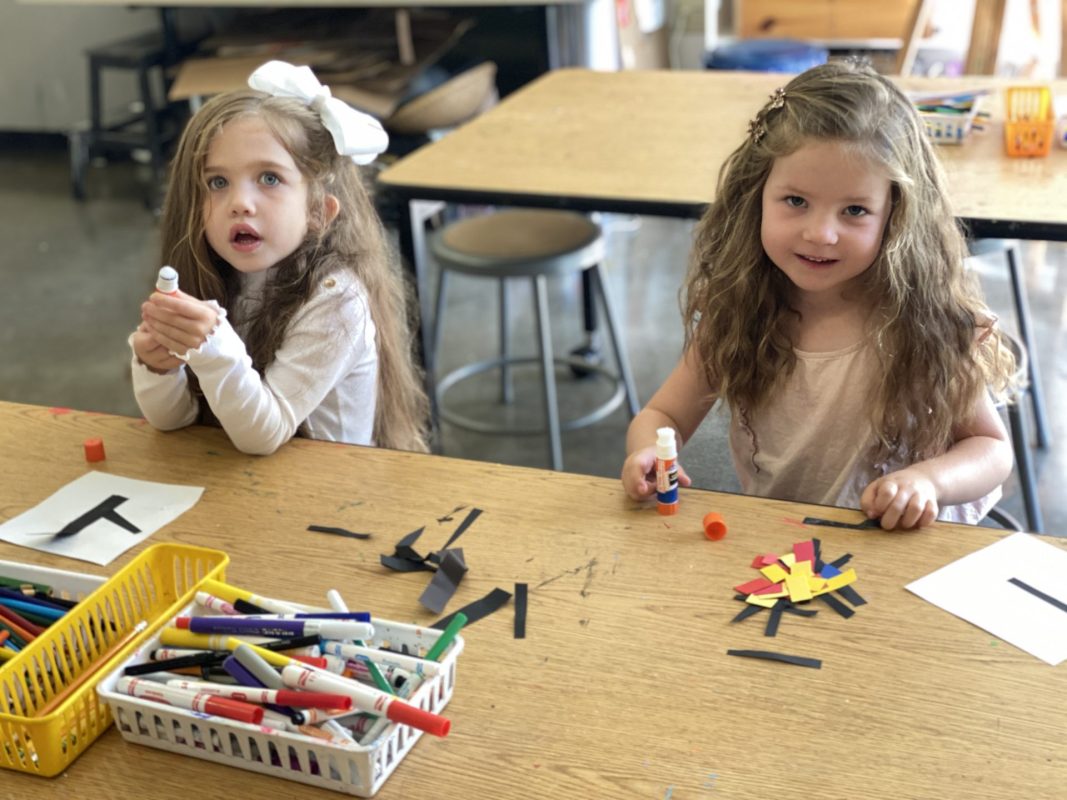
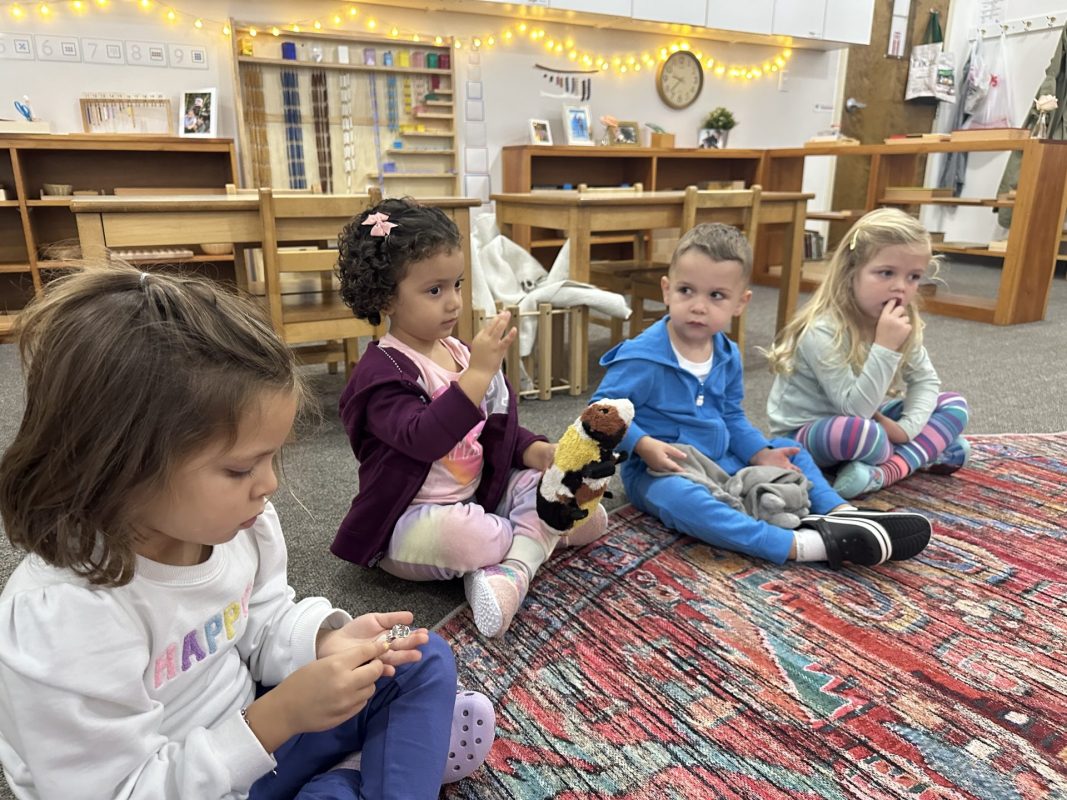
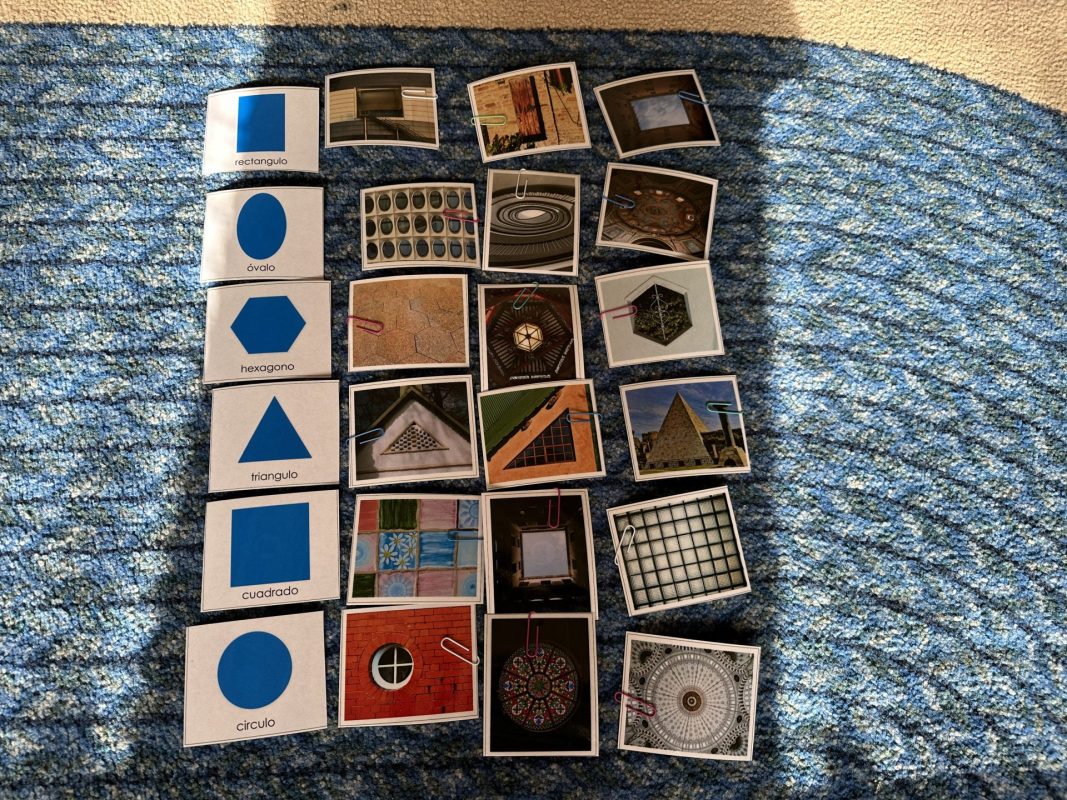
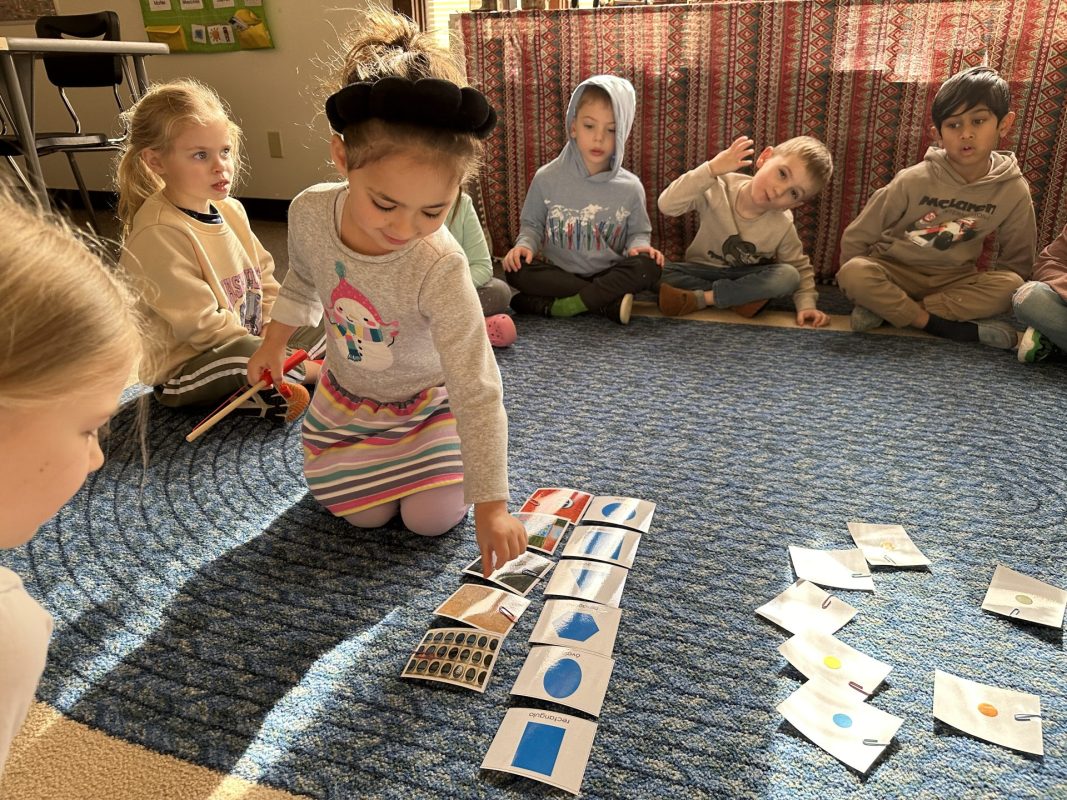
Primary students focused on learning shapes such as Cuadrado (square), círculo (circle), triángulo (triangle), rectángulo (rectangle), and óvalo (oval). They studied “las formas,” “días de la semana,” and y los “meses del año” through Spanish Montessori lessons that were left on the language shelves of each class for the students to practice for the entire week.

Lower Elementary students also learned “las formas” such as: Cuadrado (square), círculo (circle), triángulo (triangle), rectángulo (rectangle), óvalo (oval), corazón (heart), hexágono (hexagon), estrella (star). They studied “las formas”, “días de la semana” y lo s” meses del año” through Spanish Montessori lessons that were presented in class and complemented with songs, games, and some worksheets to practice.

Upper Elementary Students put in hard work learning about clothing and some accessories in Spanish. They also learned how to properly use the articles (el, los, la, las) in Spanish, and they reviewed “Los números del one al 100.”

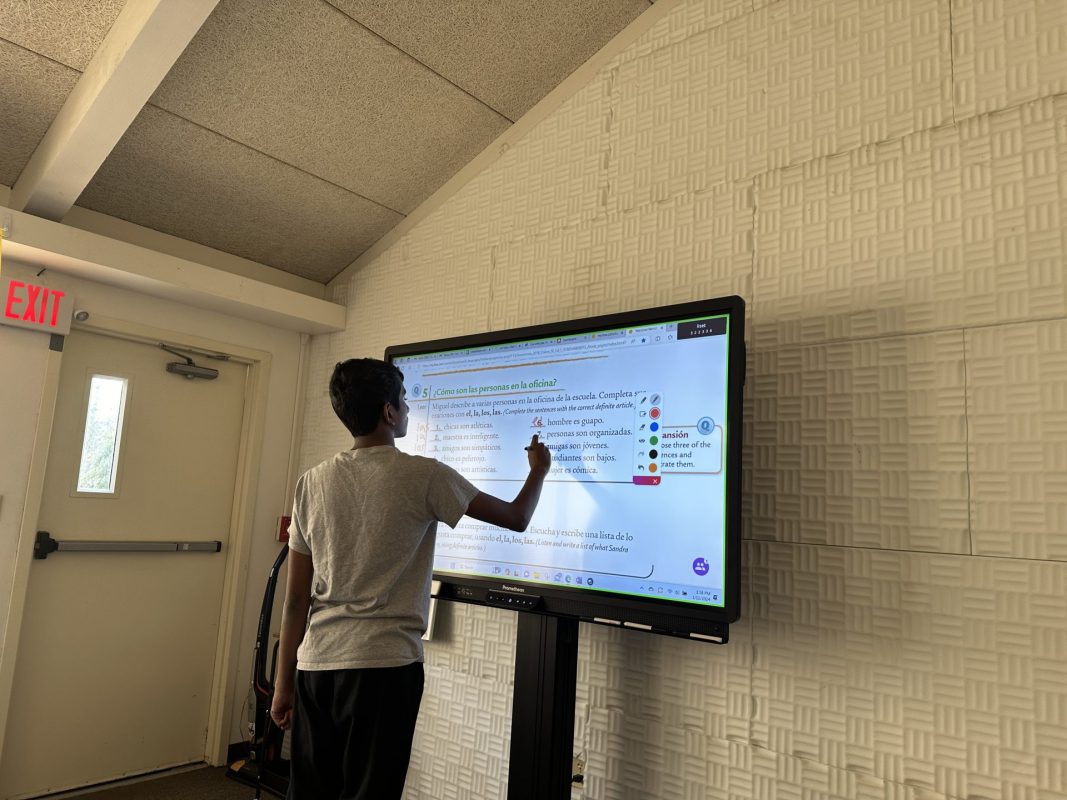
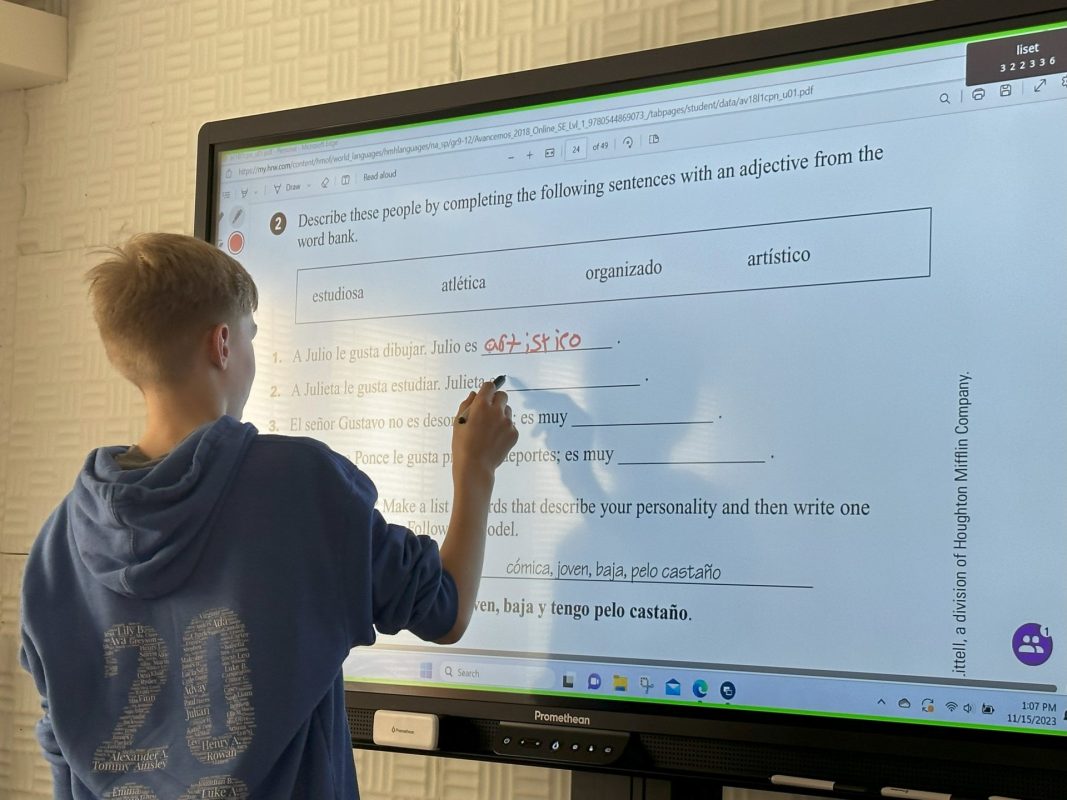
Middle Schoolers kept learning about personal pronouns, definite and indefinite articles, noun-adjective agreement, conjugation of the verb “ser y estar,” and when and how to use it.

All the students at FWM are enjoying and learning Spanish, and I am very pleased with their progress in accomplishing goals in my class.

Young Artists Make a Splash!

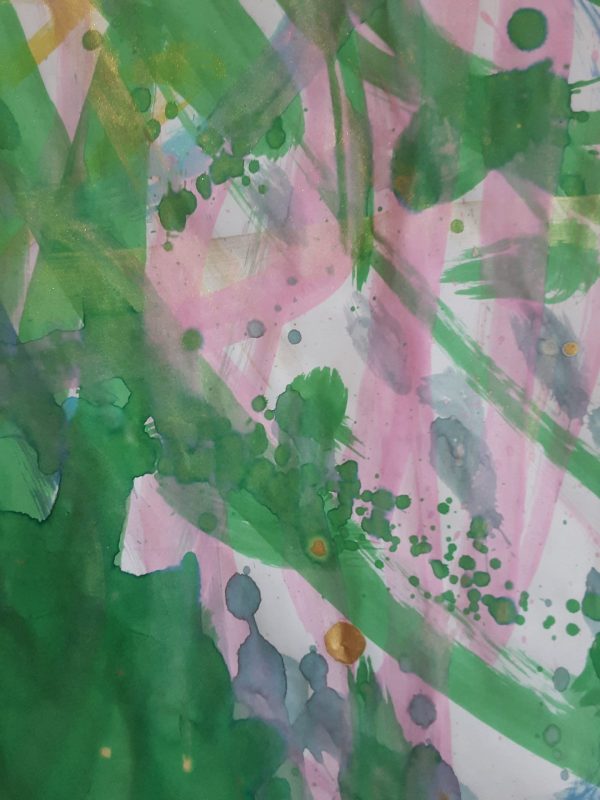
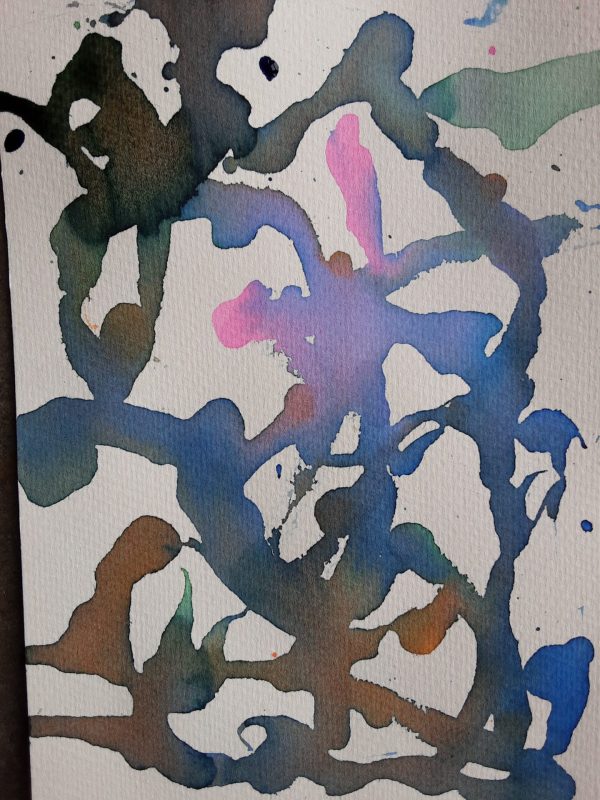
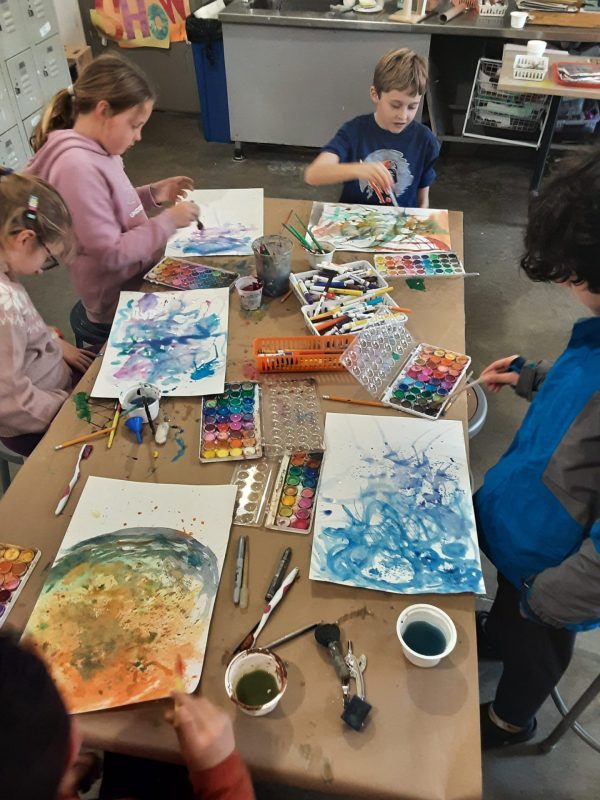
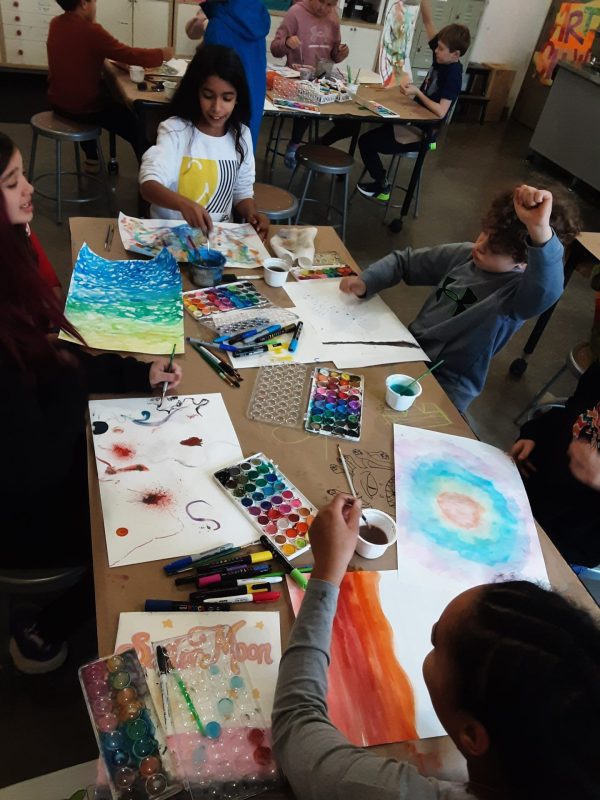
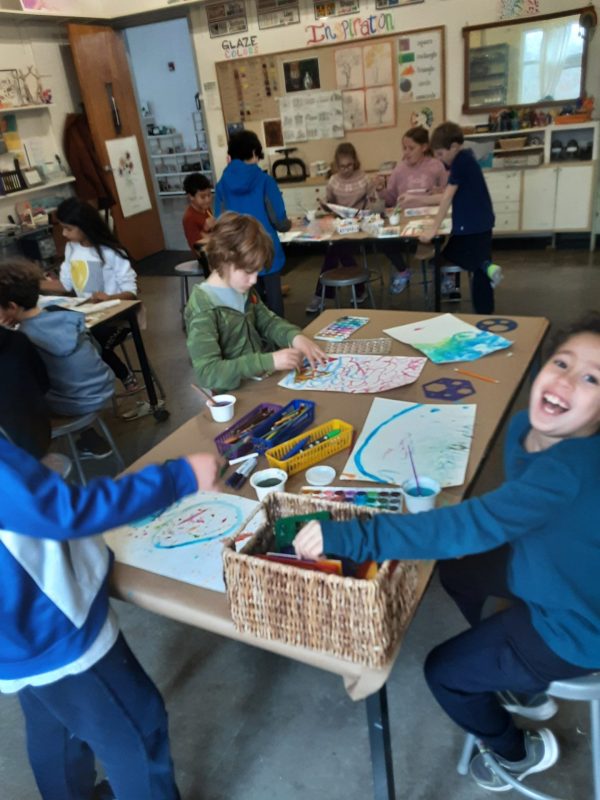
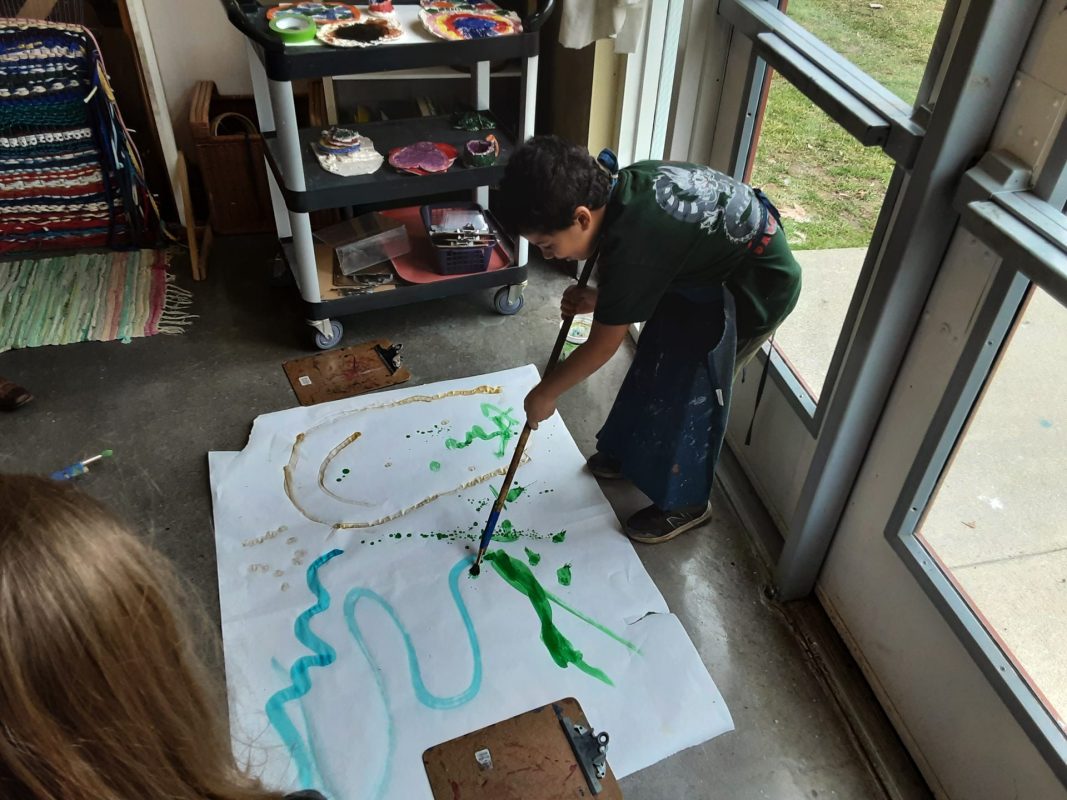
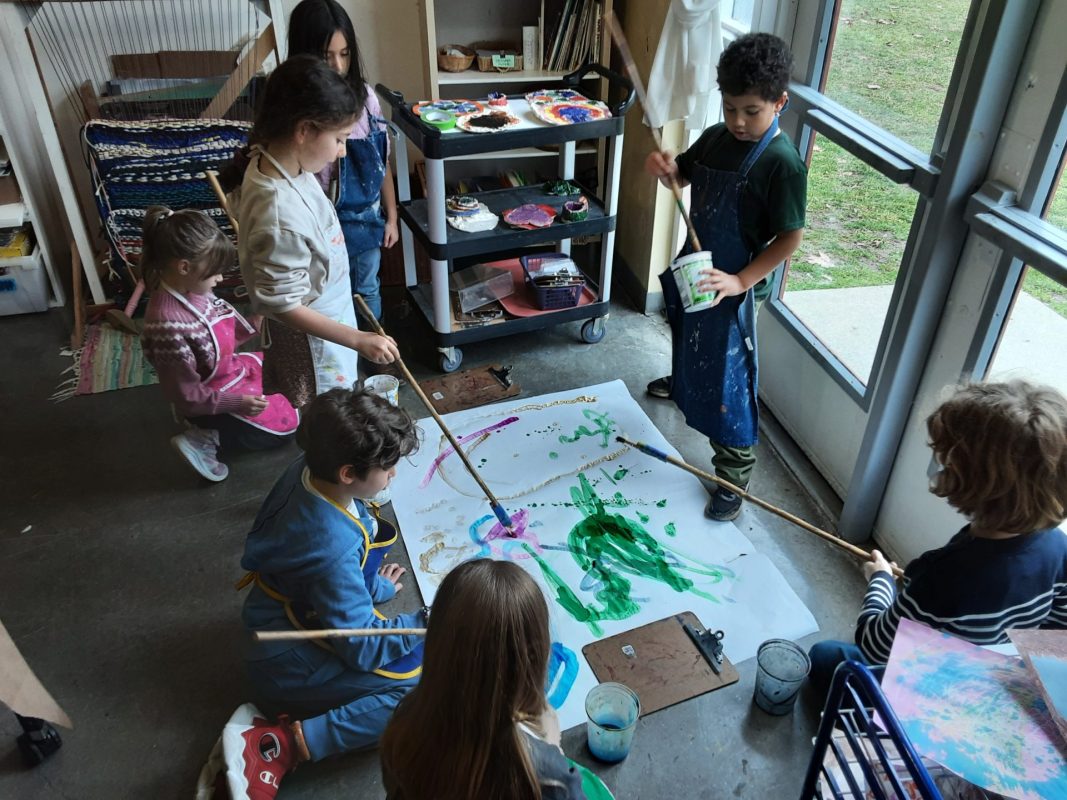
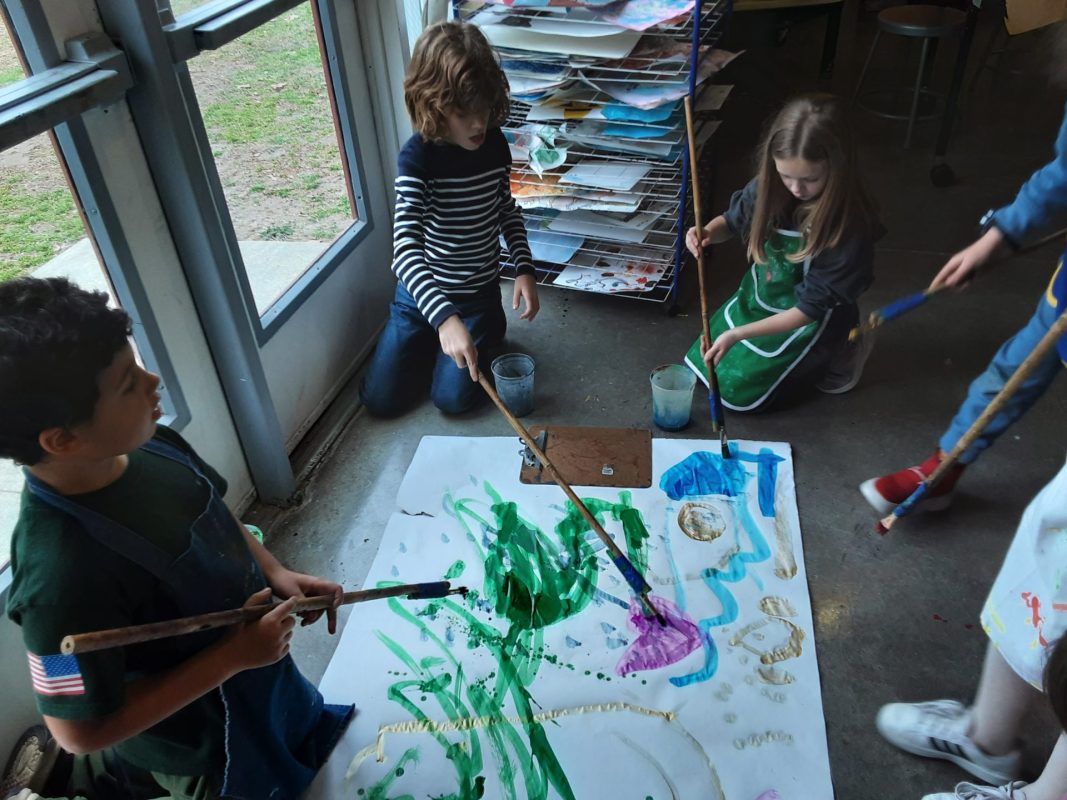
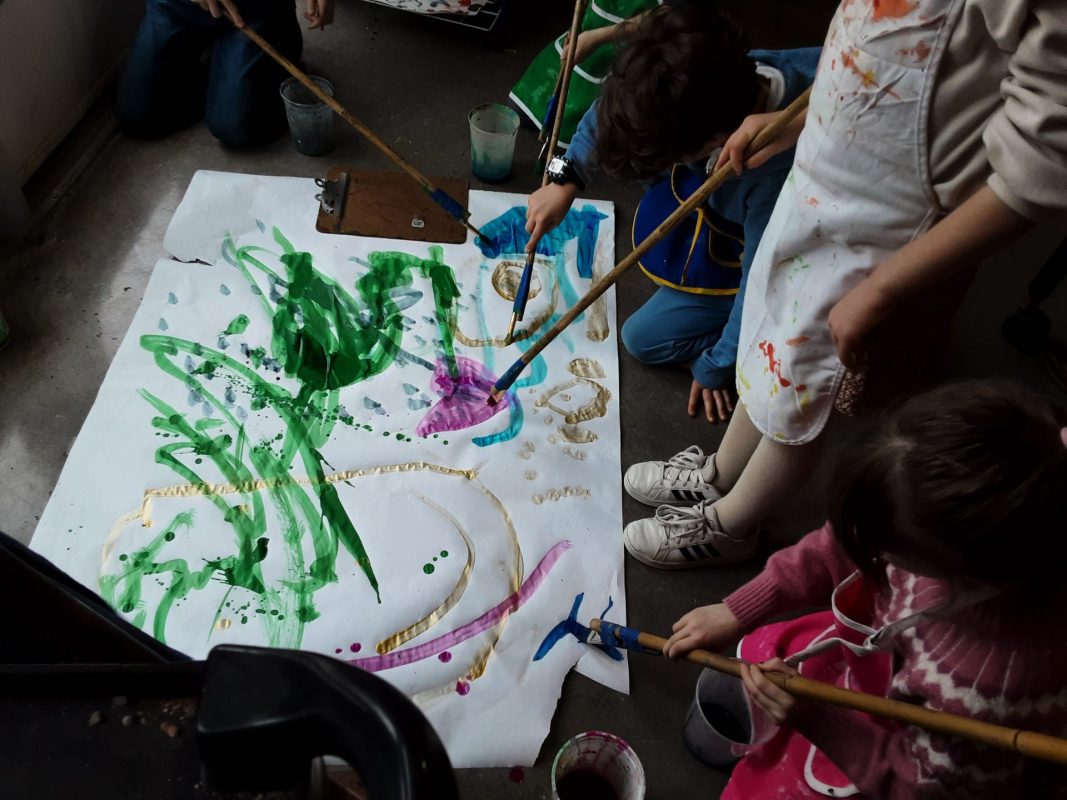
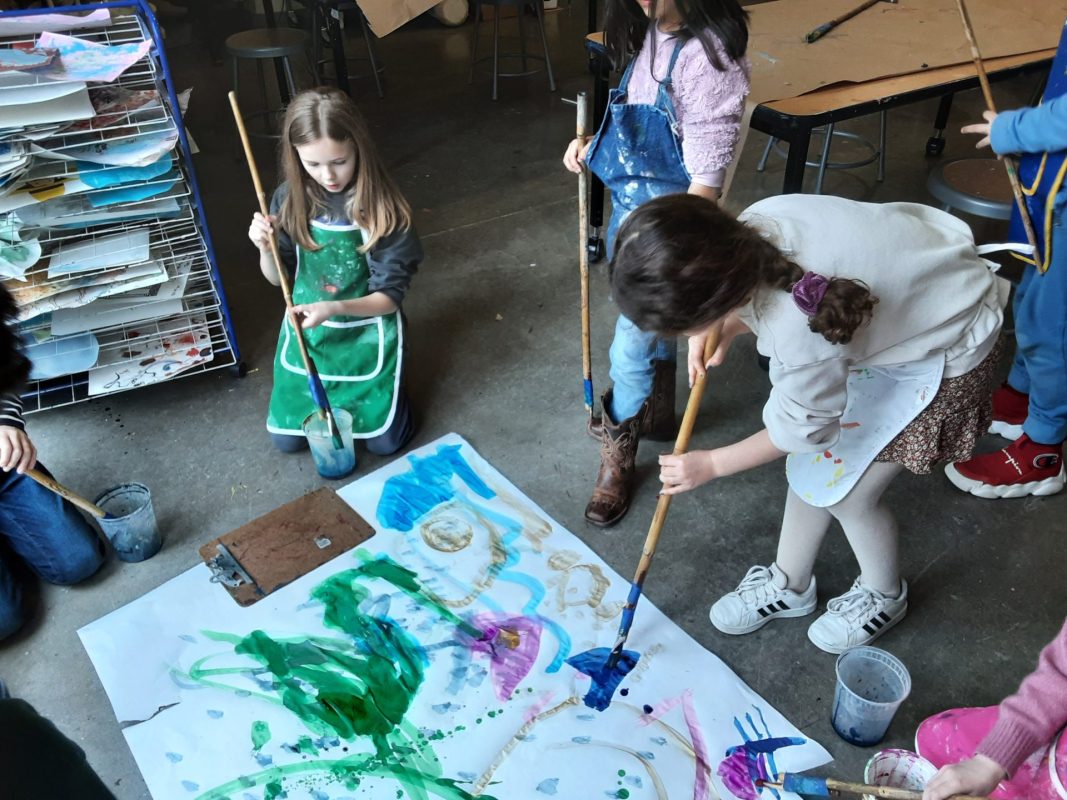
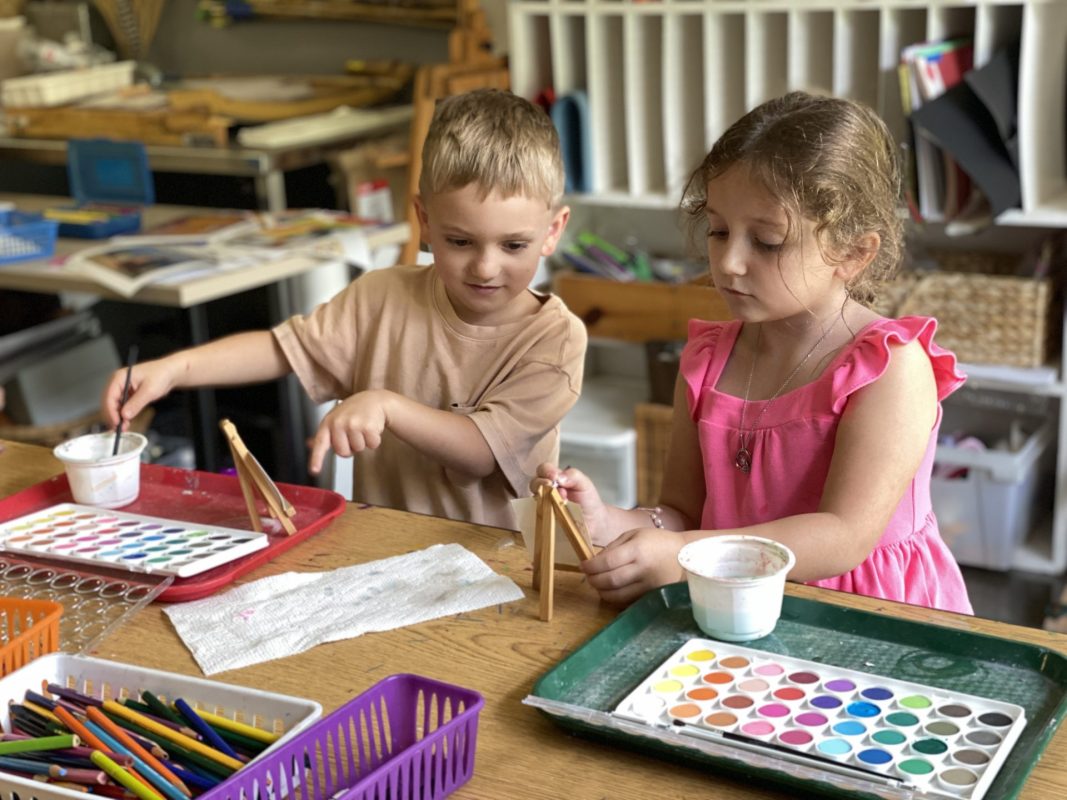
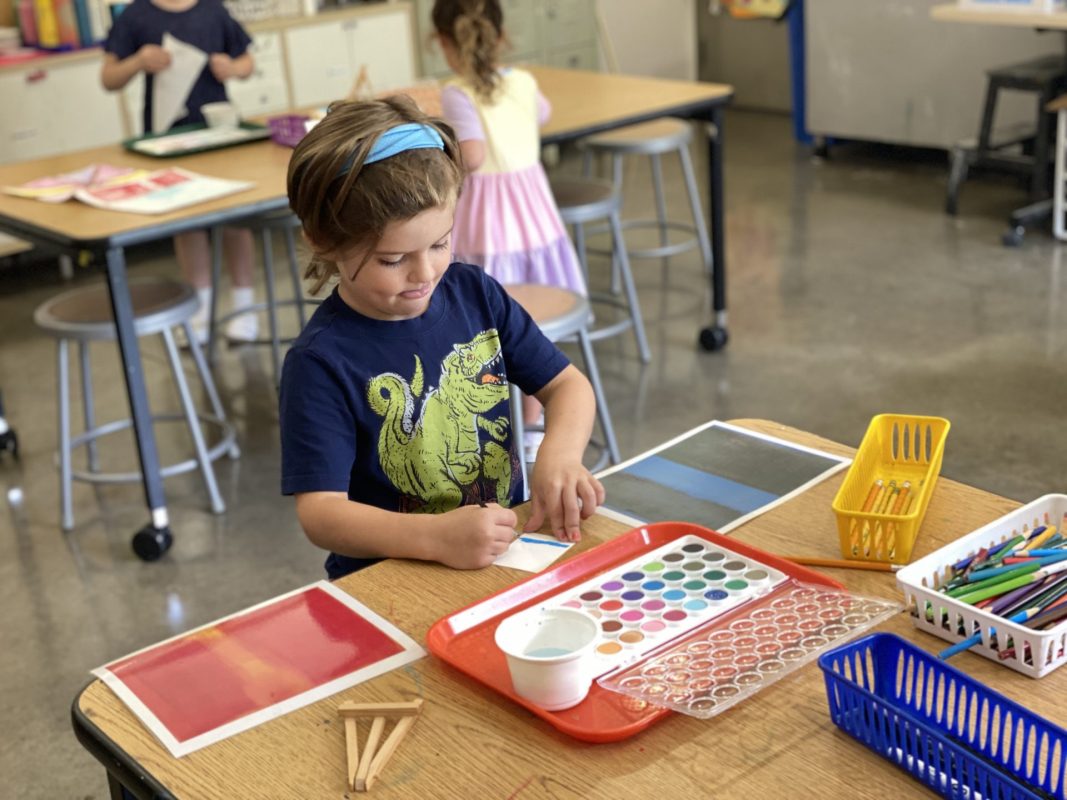
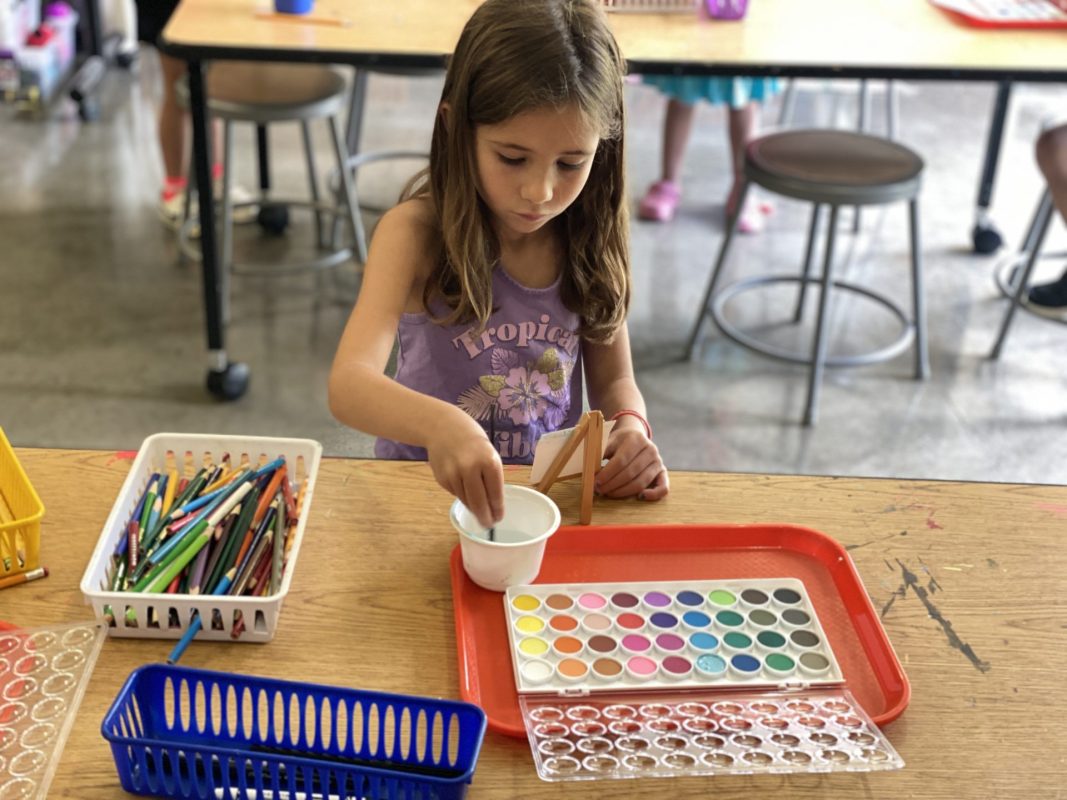
Both Upper and Lower Elementary students have been learning about the modernist art movement and abstract expressionism. Classes discussed American post-war artists Jackson Pollock, Helen Frankenthaler, Mark Rothko, and Lee Krasner and how they used non-representational abstract art as a form of expression. Students experienced creating spontaneous mark-making and using gestural movements to paint. While thinking of the paintbrushes as an extension of themselves, they created open-ended compositions. These activities provide opportunities for non-verbal expression and foster an understanding of how to create an active field of vision with no particular focal point.

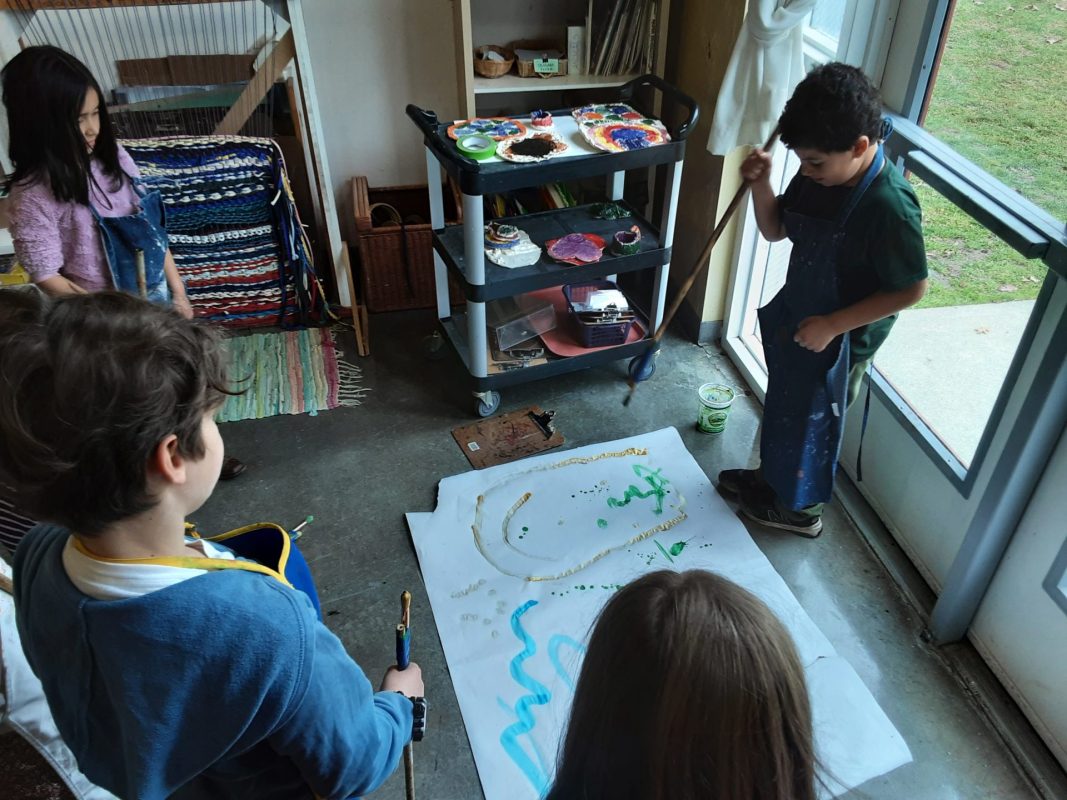
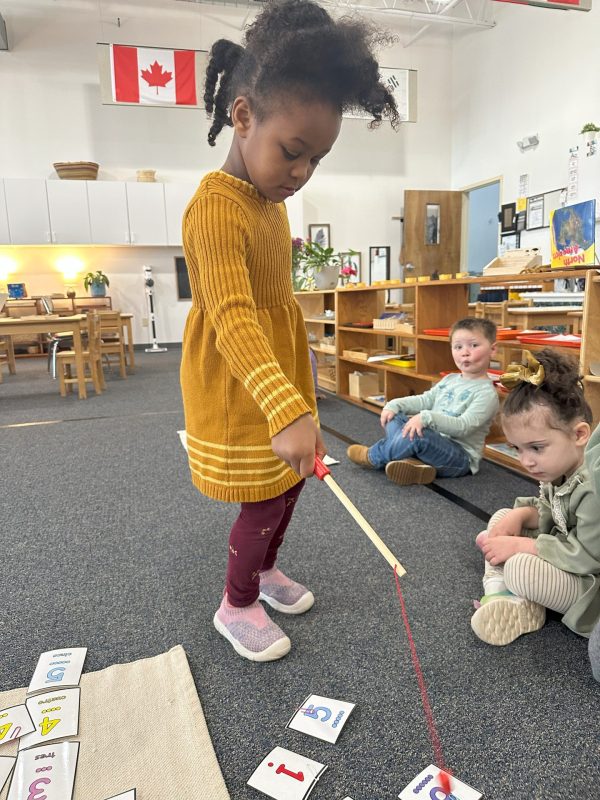
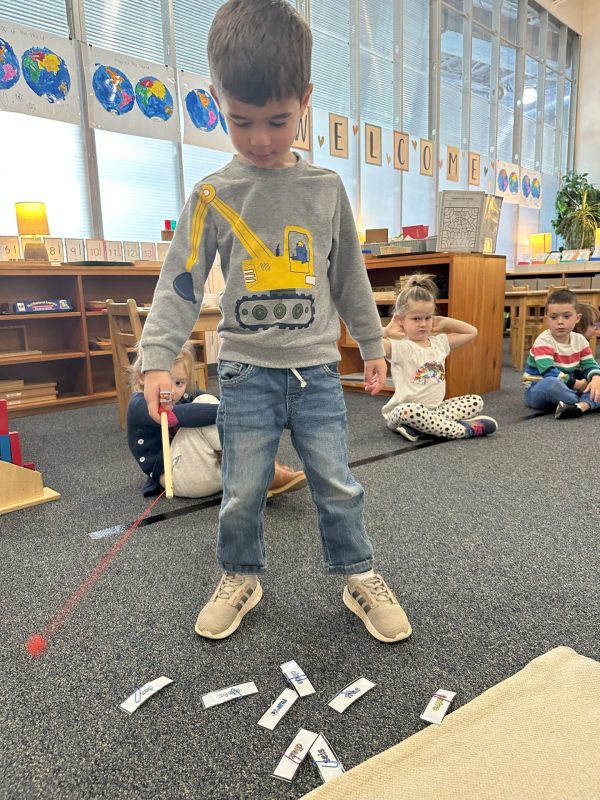
Lower Elementary students are creating collaborative large-scale physical paintings on the floor with brush extenders. There was a clear sense of discovery felt when they could redefine painting. The students enjoyed building upon each other’s work.

Upper Elementary has been working on a series of abstract paintings exploring color, space, movement, and nontraditional processes like painting with magnets! Through unpredictable processes in artmaking, the students have been discussing the nature of creativity and authorship.
Young Artists Make a Splash!

Both upper and lower elementary students have been learning about the modernist art movement and abstract expressionism. Classes discussed American post-war artists Jackson Pollock, Helen Frankenthaler, Mark Rothko, and Lee Krasner and how they used non-representational abstract art as a form of expression. Students experienced creating spontaneous mark-making and using gestural movements to paint. While thinking of the paintbrushes as an extension of themselves, they created open-ended compositions. These activities provide opportunities for non-verbal expression and foster an understanding of how to create an active field of vision with no particular focal point.

Lower Elementary students are creating collaborative large-scale physical paintings on the floor with brush extenders. There was a clear sense of discovery felt when they could redefine painting. The students enjoyed building upon each other’s work.

Upper Elementary has been working on a series of abstract paintings exploring color, space, movement, And nontraditional processes like painting with magnets! Through unpredictable processes in artmaking, the students have been discussing the nature of creativity and authorship.

Spanish Class January/February

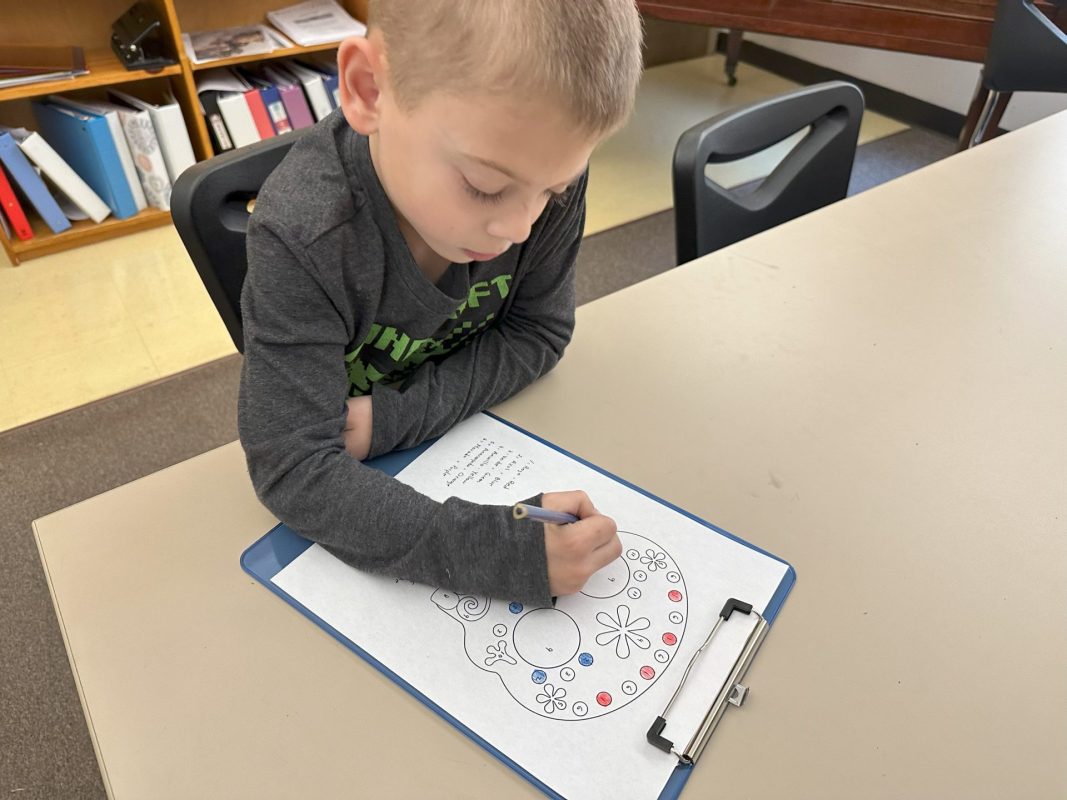
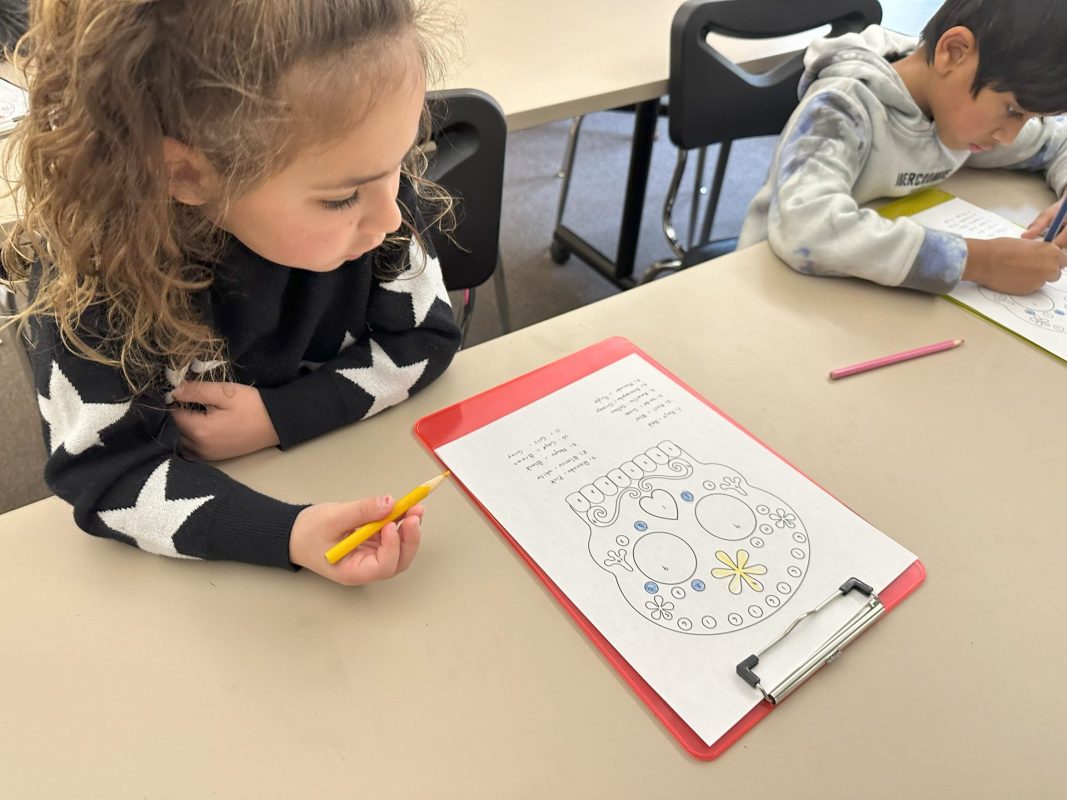
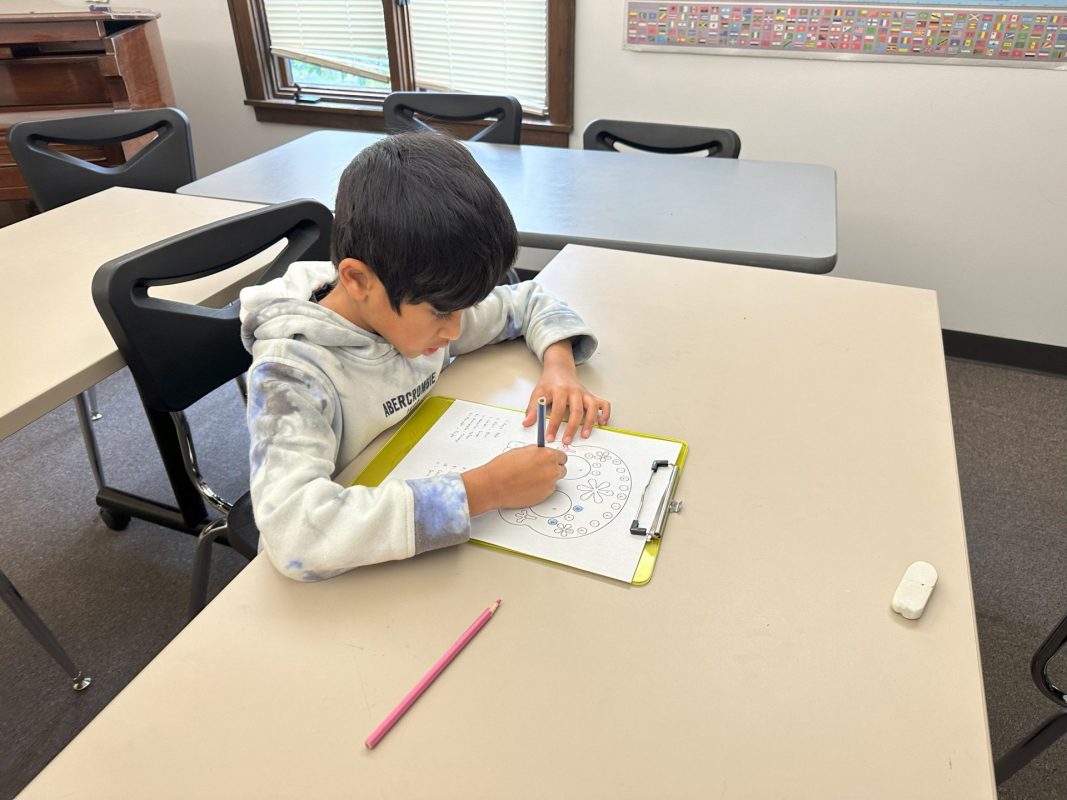
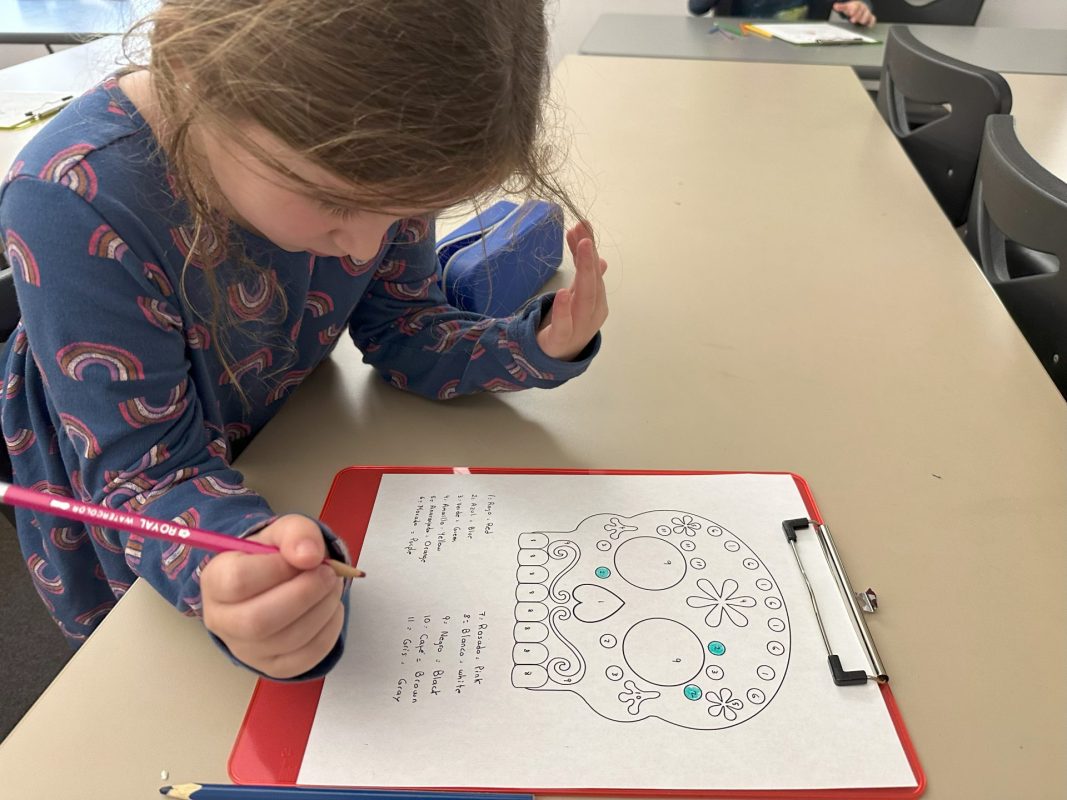
Primary and LE: “Las formas”, “Los días de la semana”; UE: “La ropa”, “Los artículos”; MS: “Artículos definidos e indefinidos”, “Acuerdo entre el sustantivo y el adjetivo.” In addition FWM middle school students were able to work on listening, pronunciation and comprehension in different tasks given during class.

FWM students kept working on their usual conversation about feelings, Spanish greetings, calendars, and descriptions of the weather. They are continuously improving their Spanish listening and vocabulary. Students from Primary, Lower Elementary, Upper Elementary, and Middle School listened carefully to Spanish books and songs and participated in interactive games that were displayed during class.

Primary students focused on learning shapes such as Cuadrado (square), círculo (circle), triángulo (triangle), rectángulo (rectangle), and óvalo (oval). They studied “las formas,” “días de la semana,” and y los “meses del año” through Spanish Montessori lessons that were left on the language shelves of each class for the students to practice for the entire week.

Lower Elementary students also learned “las formas” such as: Cuadrado (square), círculo (circle), triángulo (triangle), rectángulo (rectangle), óvalo (oval), corazón (heart), hexágono (hexagon), estrella (star). They studied “las formas”, “días de la semana” y lo s” meses del año” through Spanish Montessori lessons that were presented in class and complemented with songs, games, and some worksheets to practice.

Upper Elementary Students put in hard work learning about clothing and some accessories in Spanish. They also learned how to properly use the articles (el, los, la, las) in Spanish, and they reviewed “Los números del one al 100.”

Middle Schoolers kept learning about personal pronouns, definite and indefinite articles, noun-adjective agreement, conjugation of the verb “ser y estar,” and when and how to use it.

All the students at FWM are enjoying and learning Spanish, and I am very pleased with their progress in accomplishing goals in my class.


November – Spanish Class

November:

Primary and LE: “Los números”; UE: “El abecedario y las sílabas”;

MS: “How to describe themselves and others”, “Adjectives and Opposites”.

FWM students learned about the tradition of “Día de los Muertos,” how this Spanish Holiday is celebrated in Latin America, and how each country has a unique way of celebrating this tradition.

This month at FWM, students kept working on their conversations about feelings, Spanish greetings, the calendar, and weather descriptions. They are continuously improving their Spanish listening and vocabulary. Students from Primary, Lower Elementary, Upper Elementary, and Middle School listened carefully to Spanish books and songs and participated in interactive games that were displayed during class.

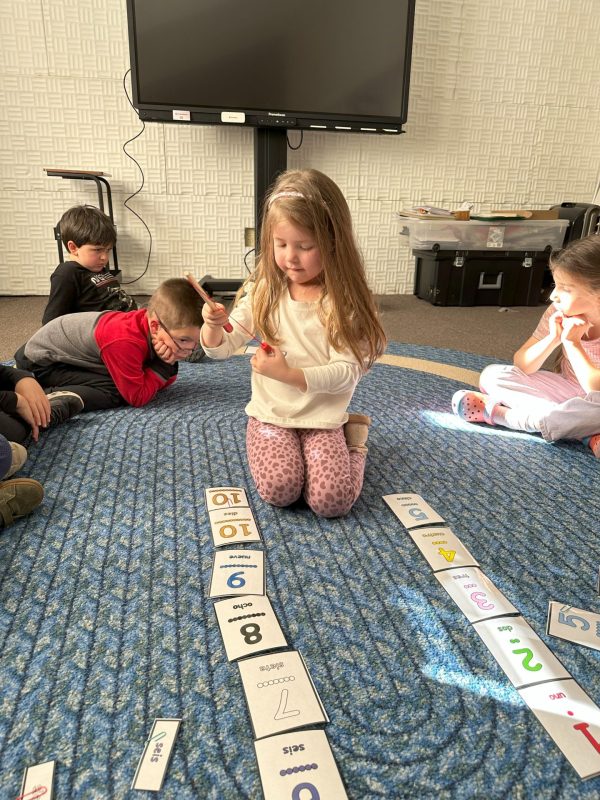
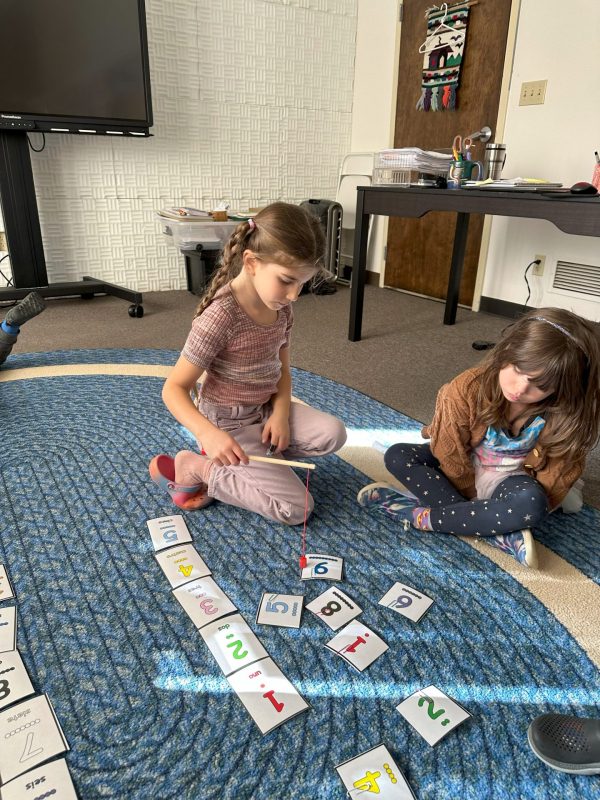
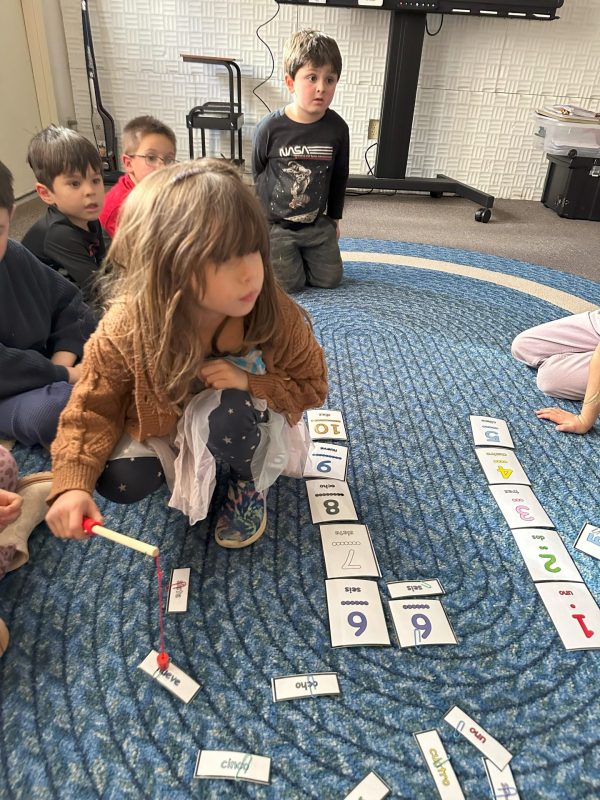
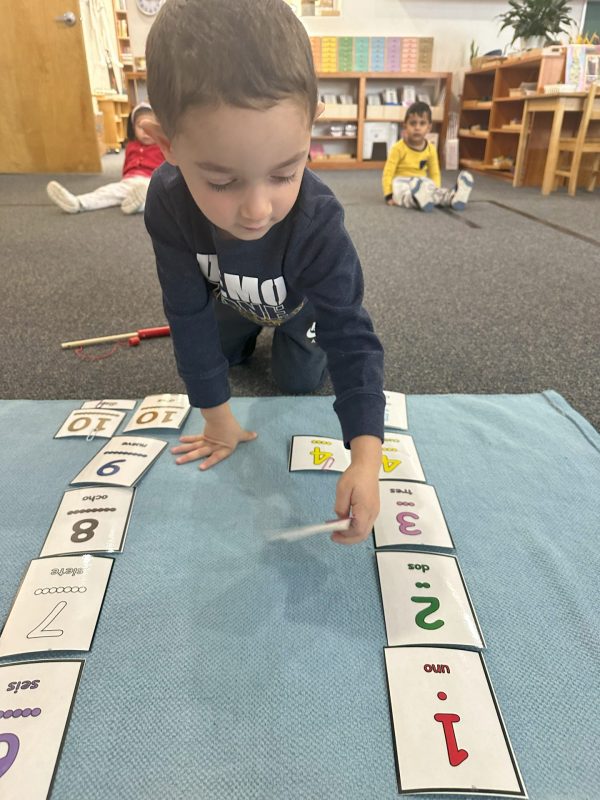
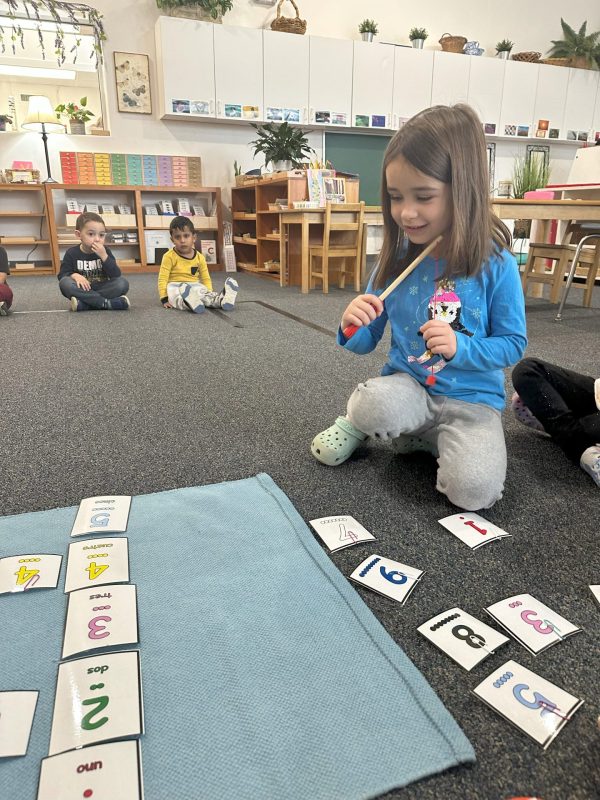
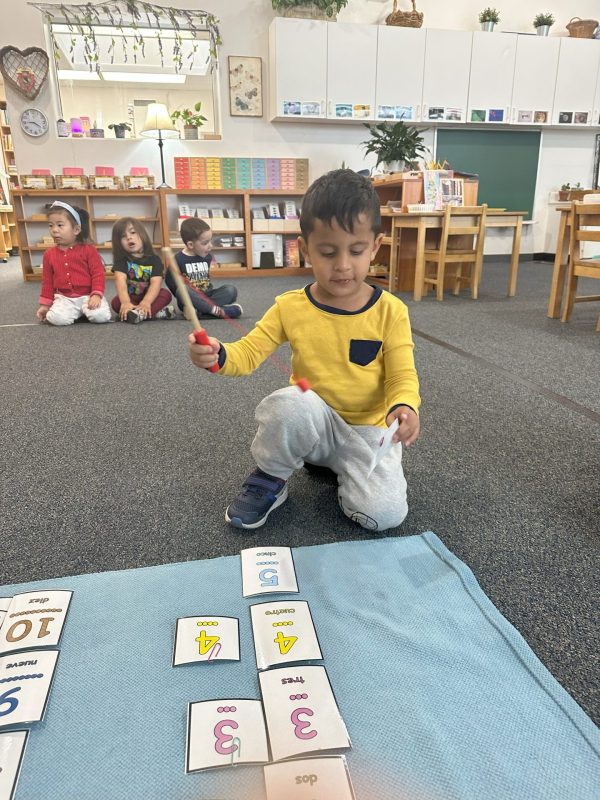
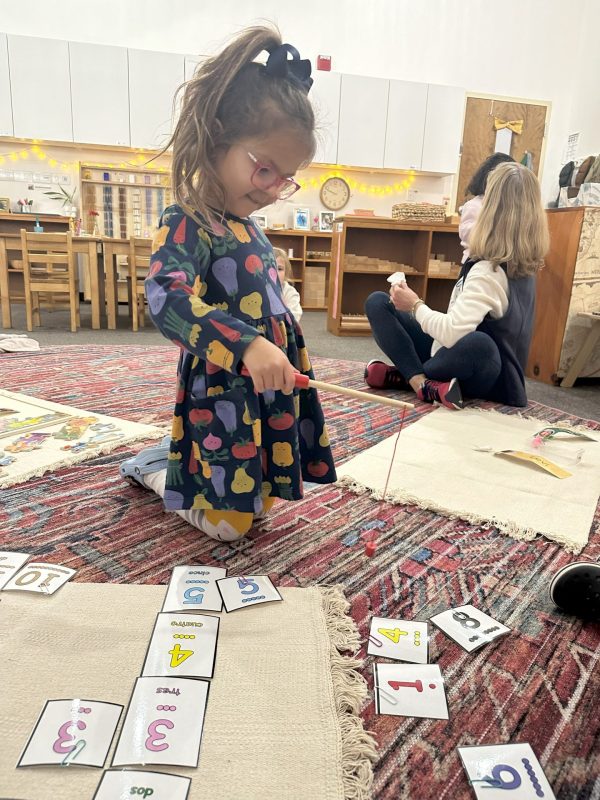
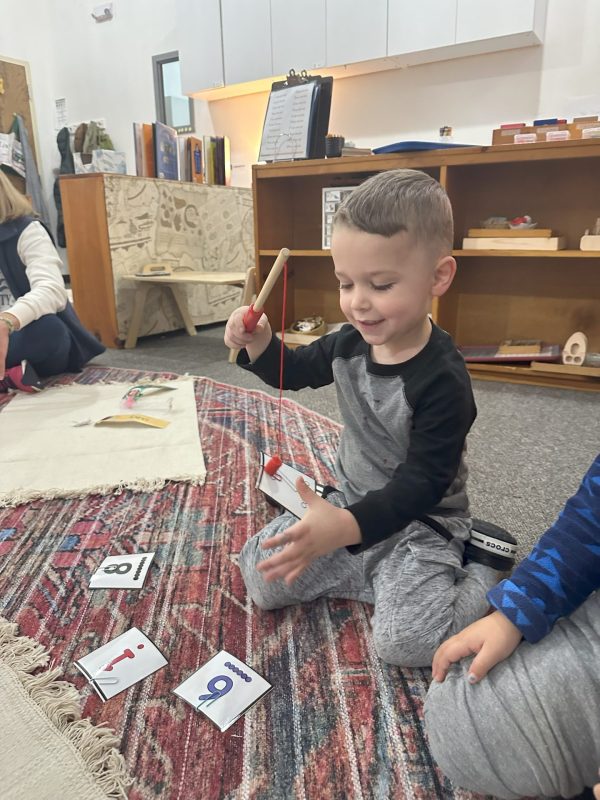
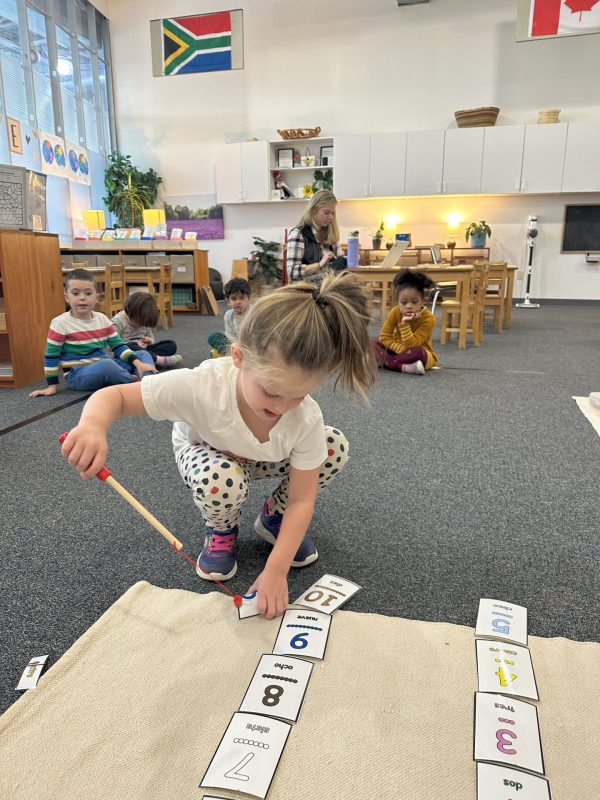
Primary students focused on learning the numbers from 1 to 10. Uno (1), dos (2), tres (3), cuatro (4), cinco (5), seis (6), siete (7), ocho (8), nueve (9) y diez (10). They studied “los números” through Spanish Montessori lessons that were left on the mathematics shelves of each class for the students to practice for a long period.

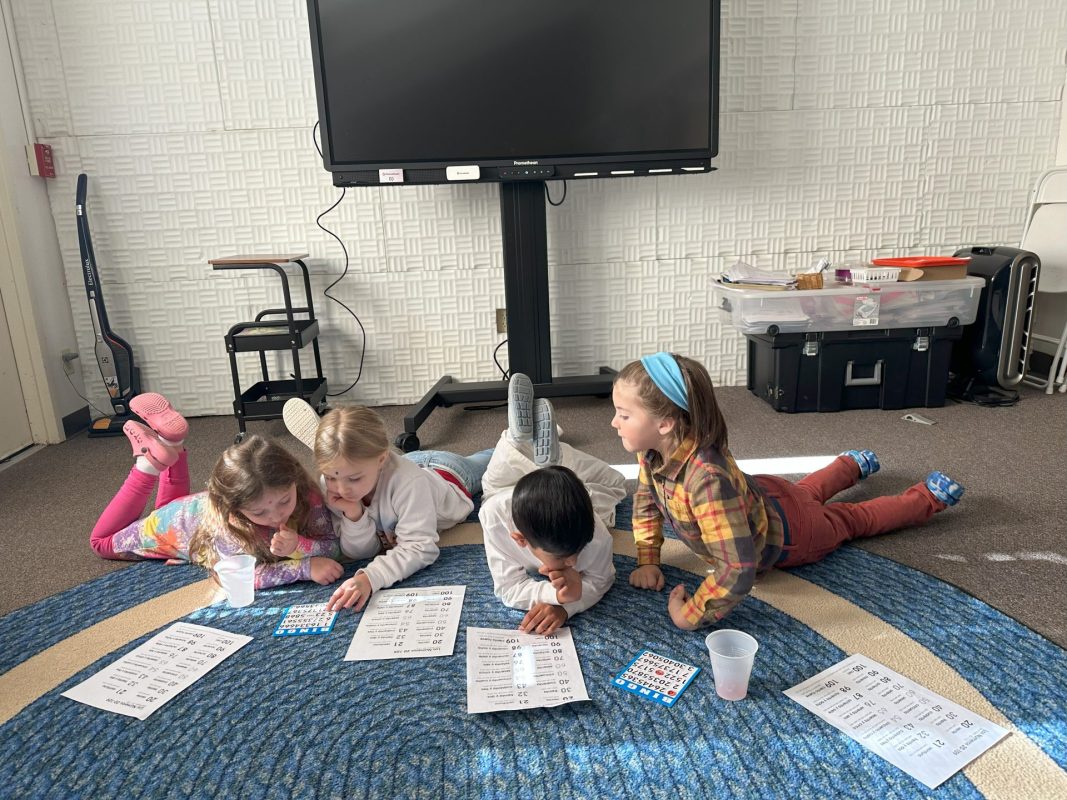
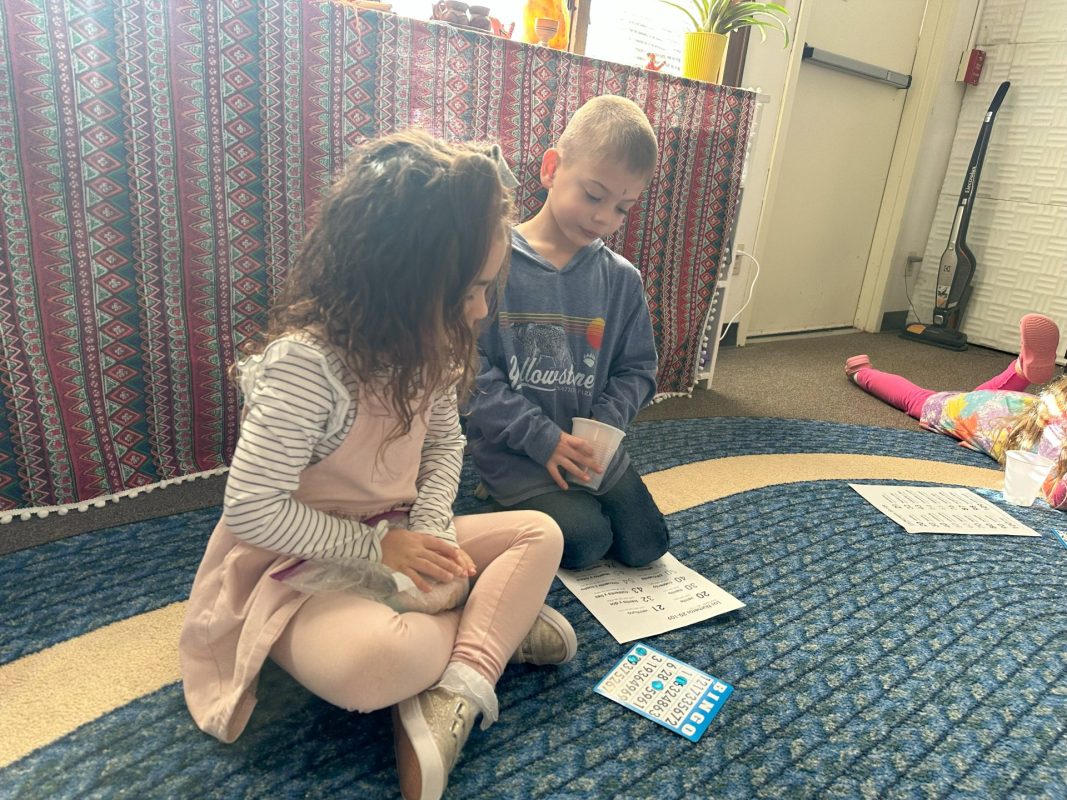
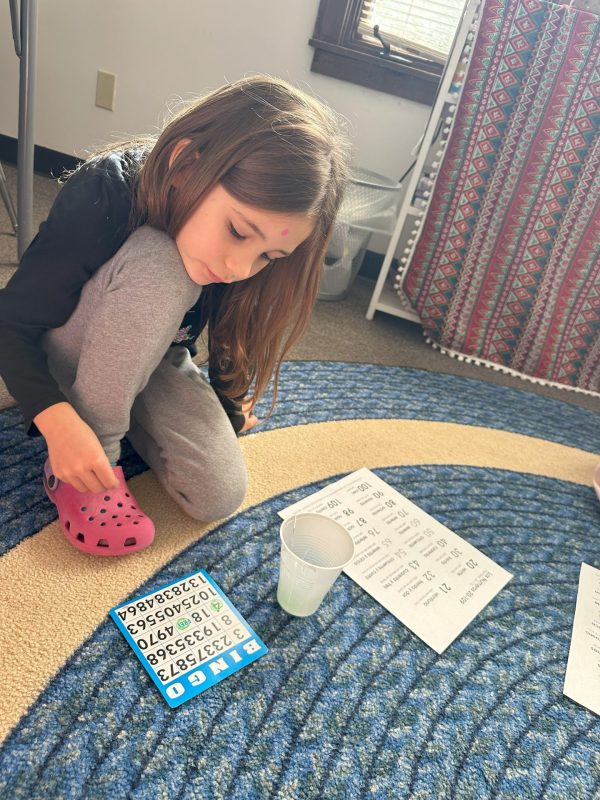
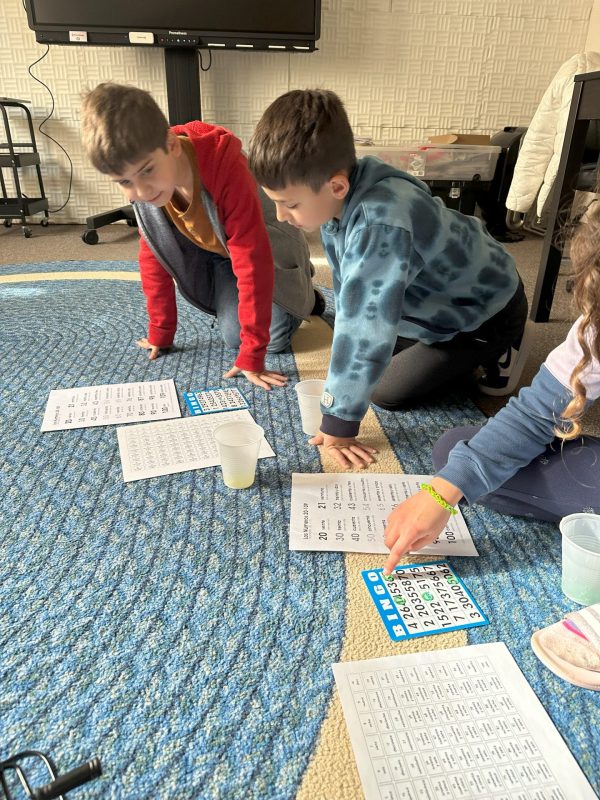
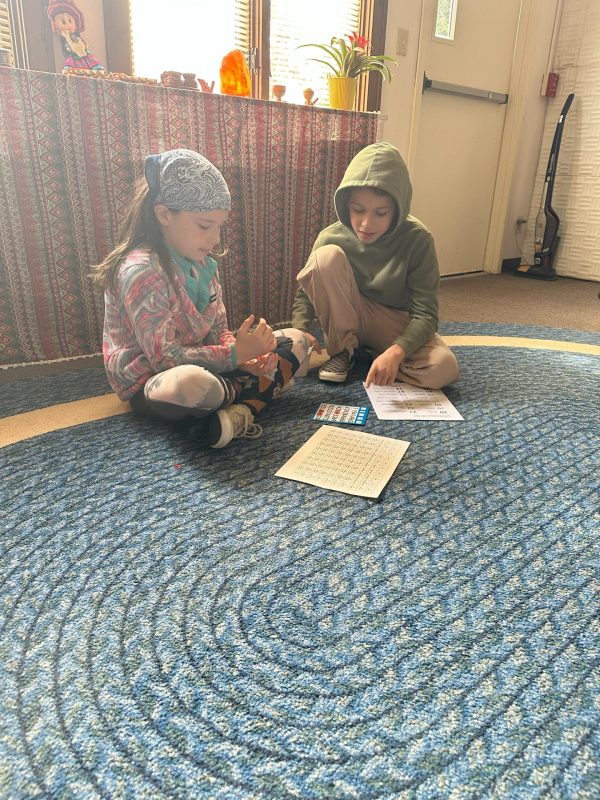
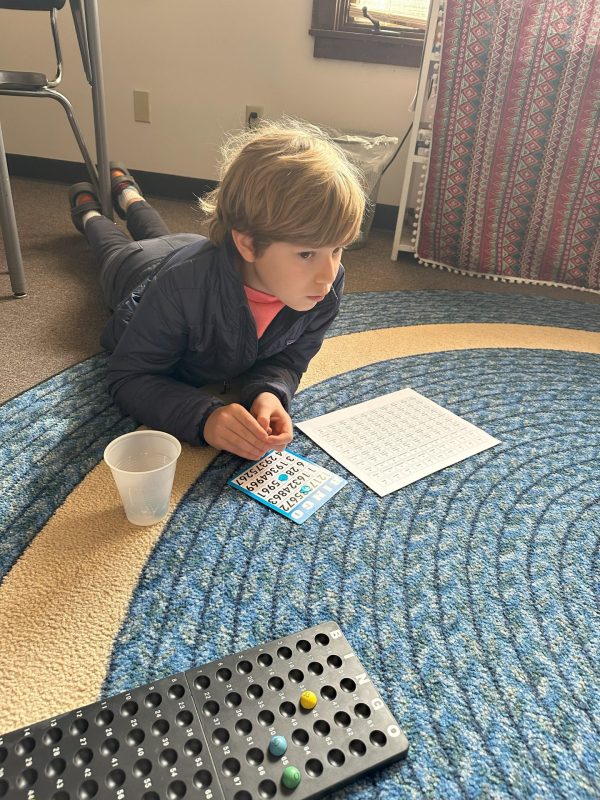
Lower Elementary students also learned “los números” from 1 to 20 in Spanish such as: uno (1), dos (2), tres (3), cuatro (4), cinco (5), seis (6), siete (7), ocho (8), nueve (9), diez (10), once (11), doce (12), trece (13), catorce (14), quince (15), dieciséis (16) , diecisiete (17), dieciocho (18), diecinueve (19) y veinte (20). They learned these numbers through Spanish Montessori Lessons. Second- and Third-grade students were able to learn the numbers up to 100. In addition, they enjoyed using the numbers and learned to play “Spanish Bingo,” which helped them to practice and remember them.

Upper Elementary Students put in hard work learning how to read in Spanish. First, they learn the pronunciation of each letter of the alphabet and form syllables, which leads them to better pronunciation of words, increasing their vocabulary and understanding.

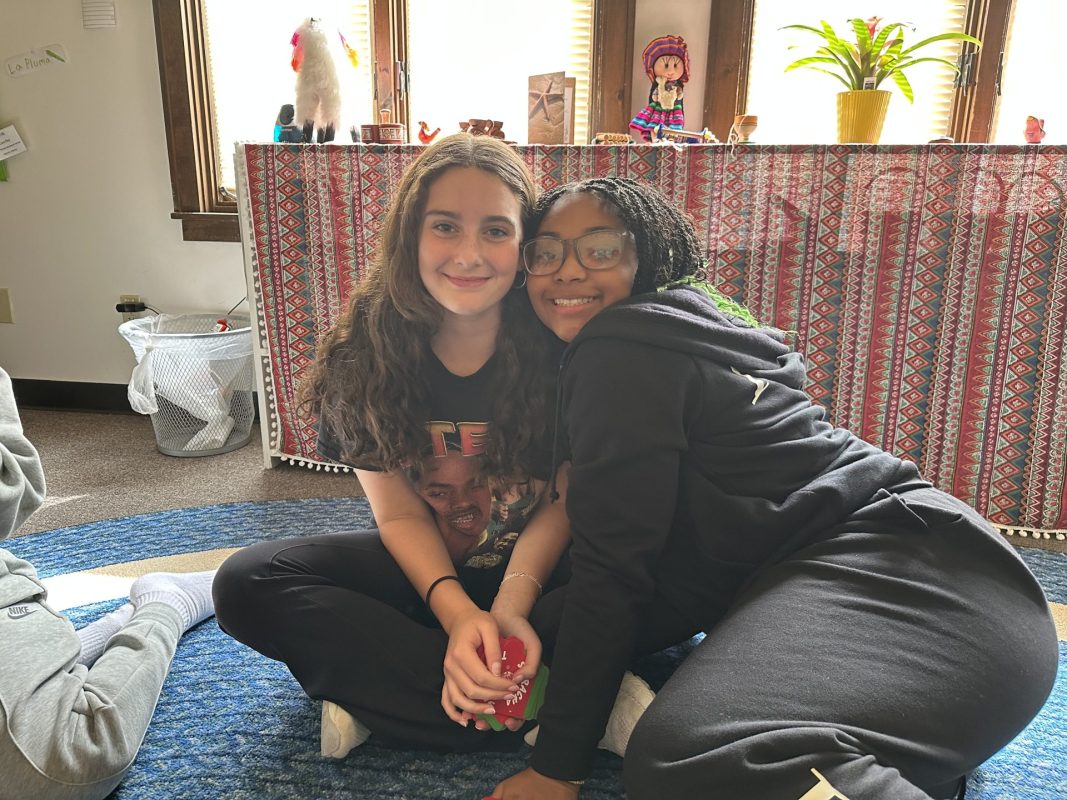
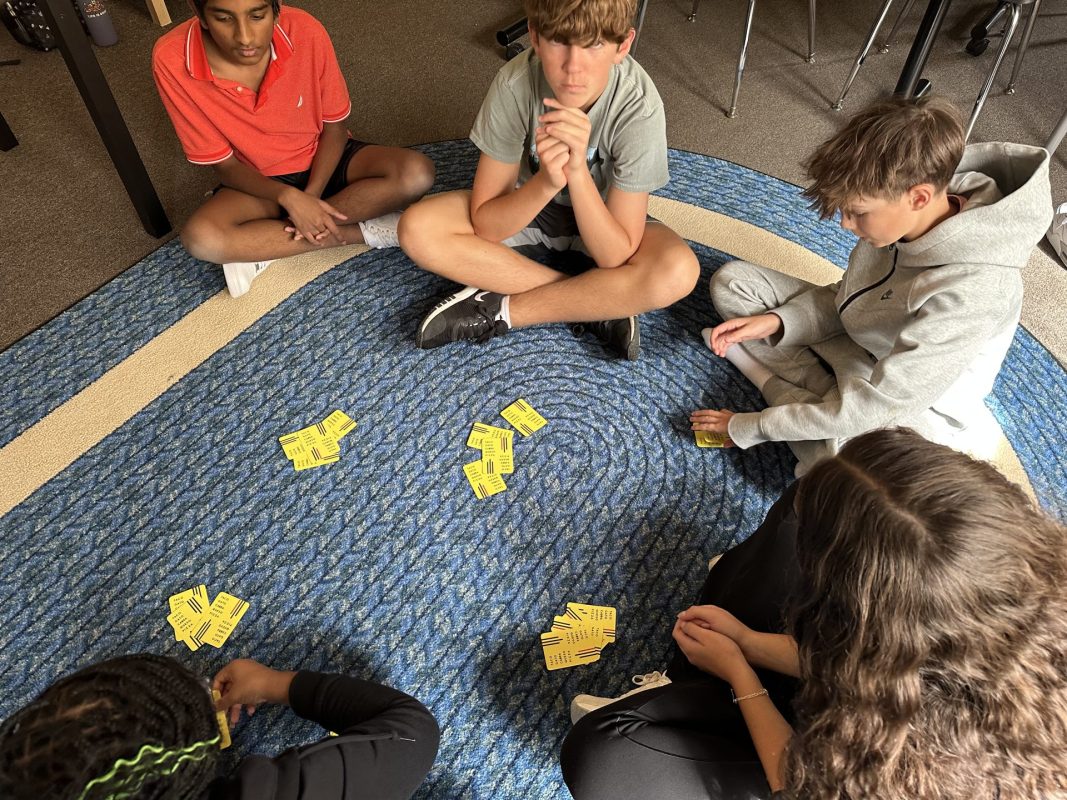
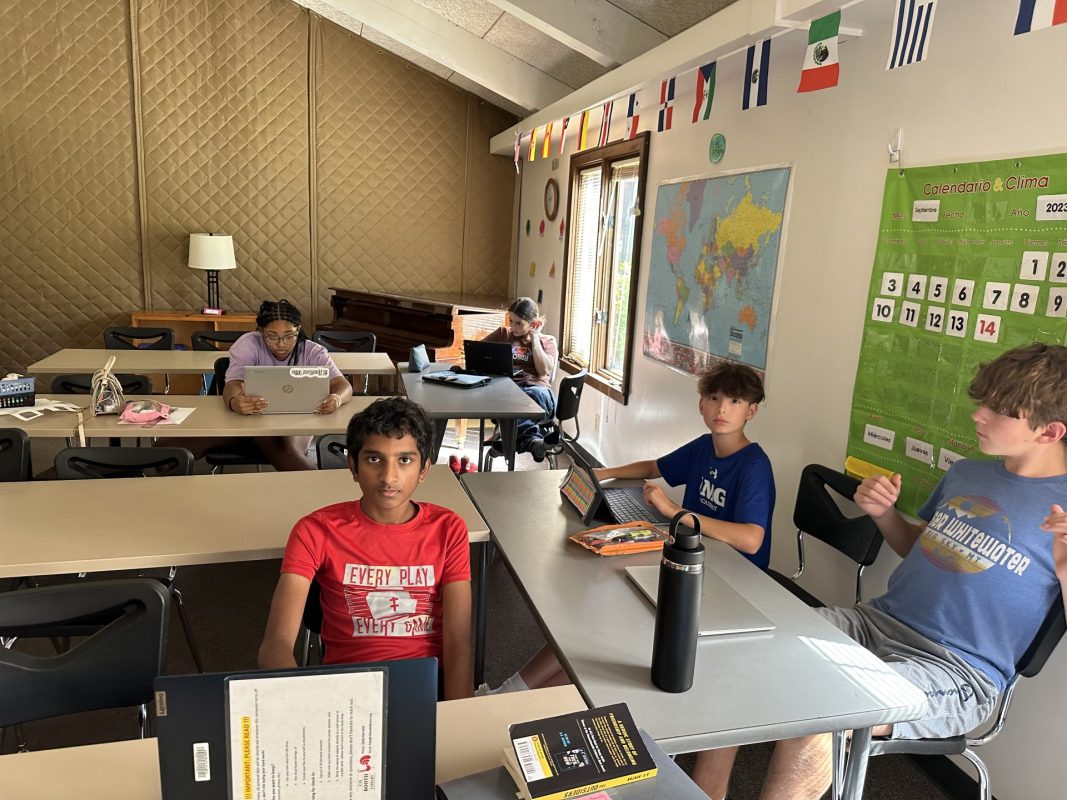
Middle Schoolers learned about adjectives and how they are used to qualify the noun. They worked on adjectives and opposites, learning how they work and how they can use them. They also learned about definite and indefinite articles and noun-adjective agreement. Also, middle school students were very excited to play Spanish Kahoot and to watch an age-appropriate movie called “Luca” in “Spanish,” where the students were able to understand the movie as part of our enrichment program.

I am very pleased with the progress and accomplishment of learning goals in all of my classes.

All the students are doing an amazing job in Spanish.


Poppy Flower Paintings for Veterans Day!

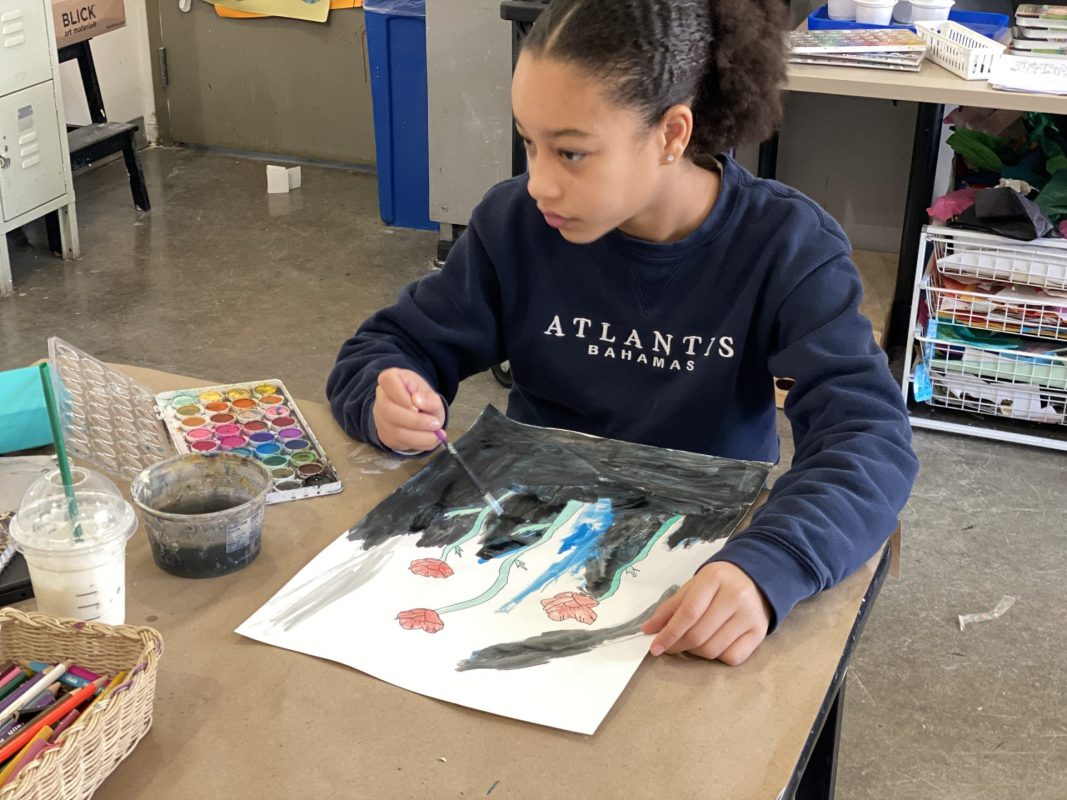
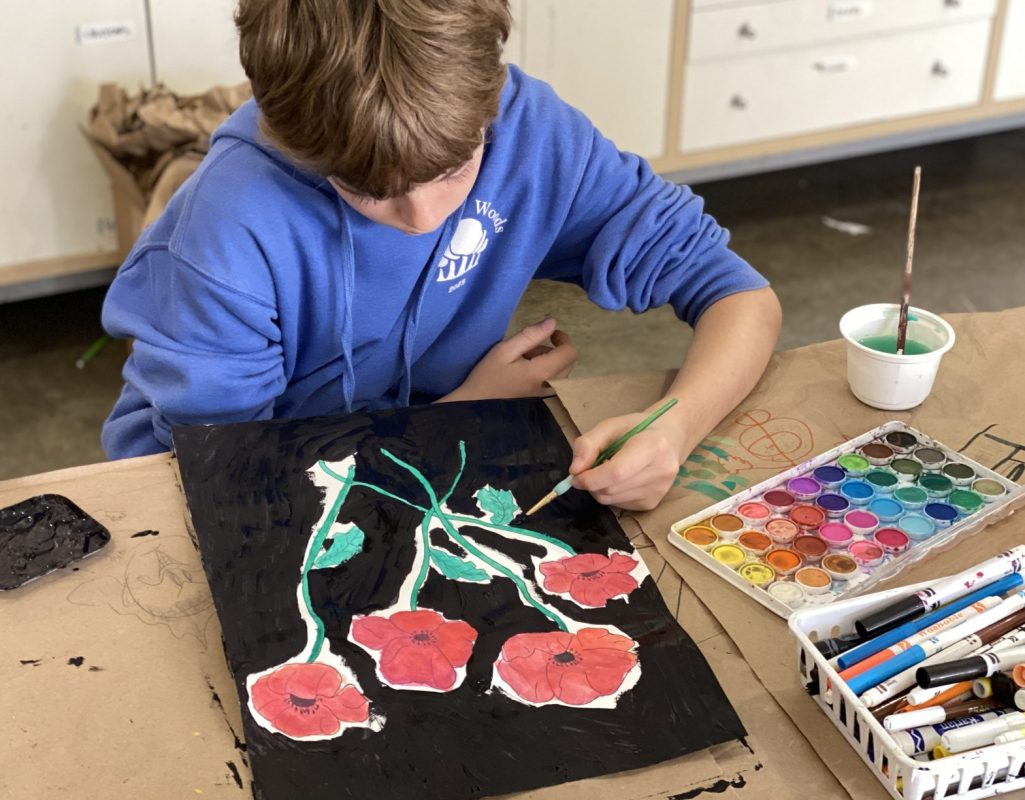
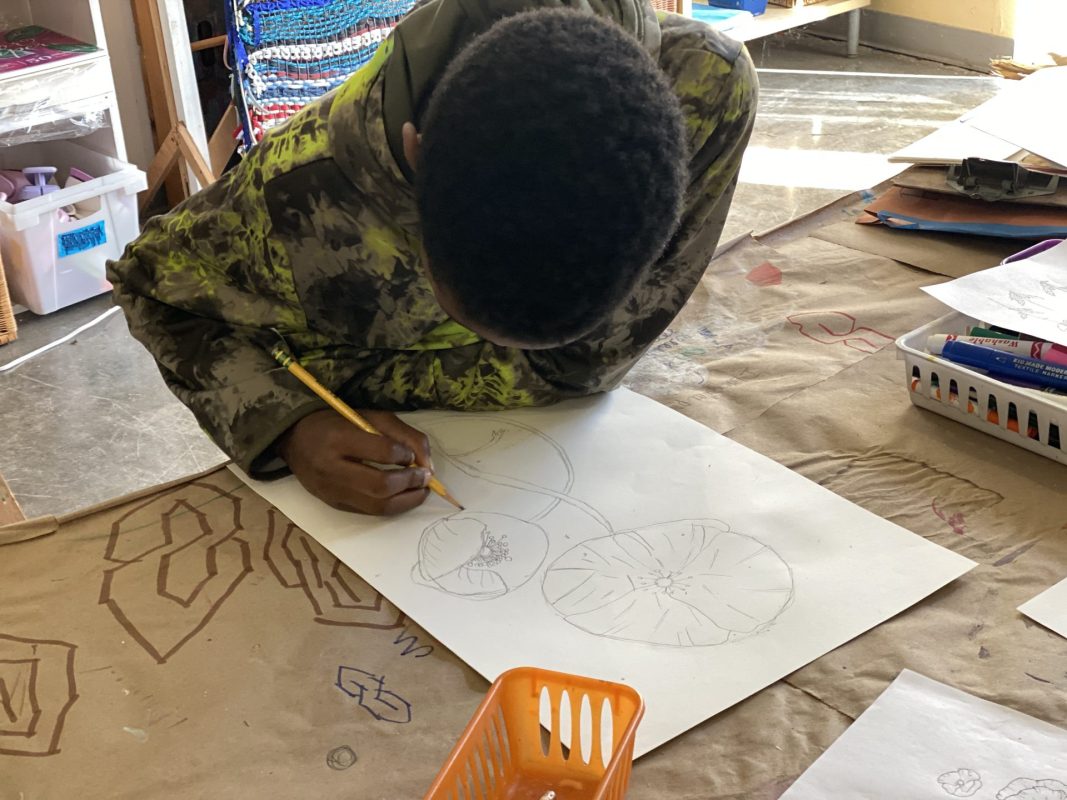
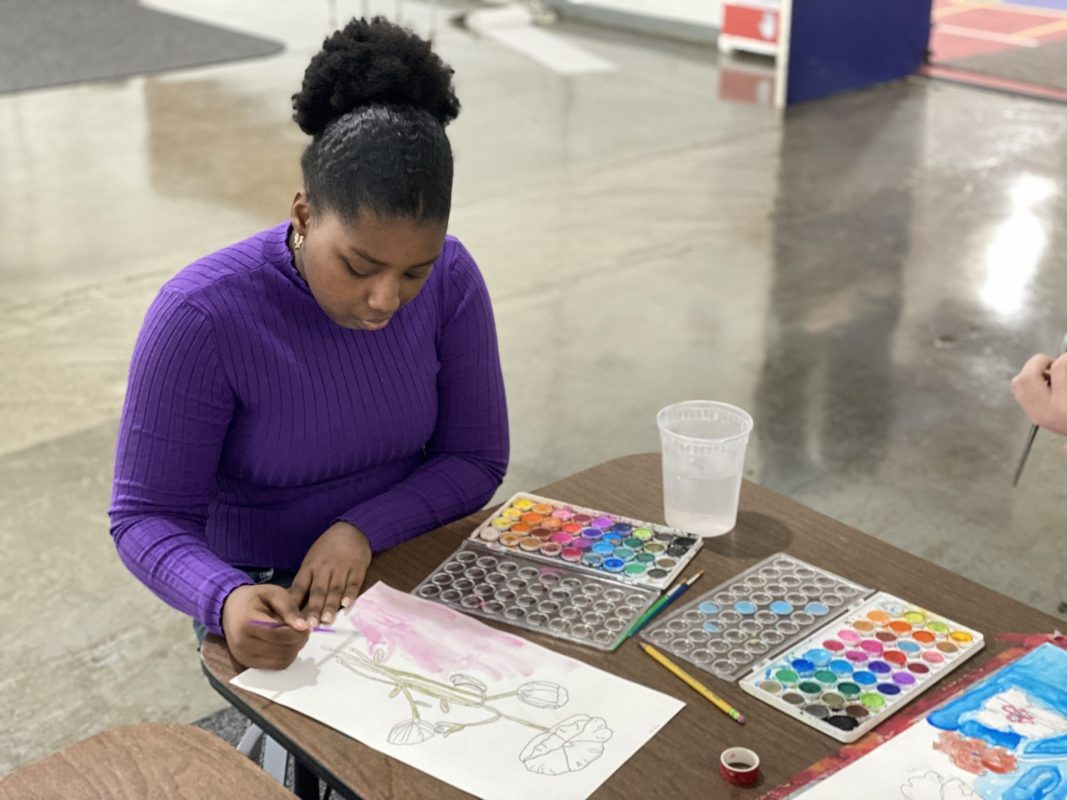
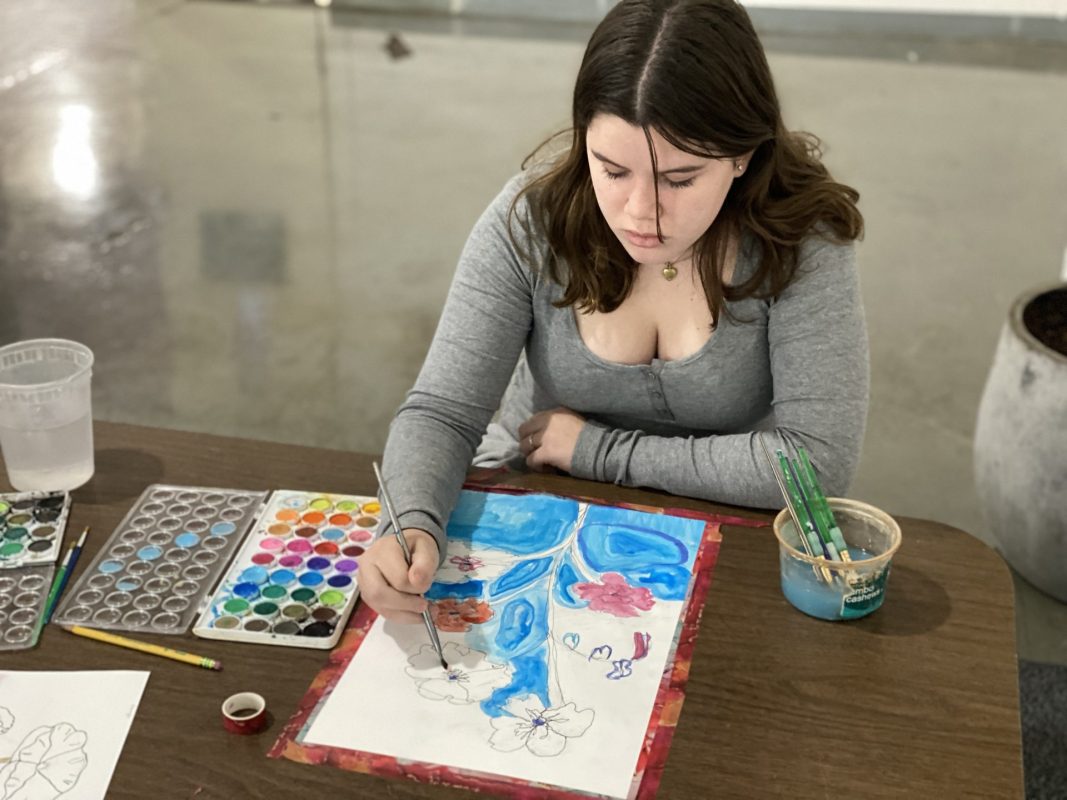
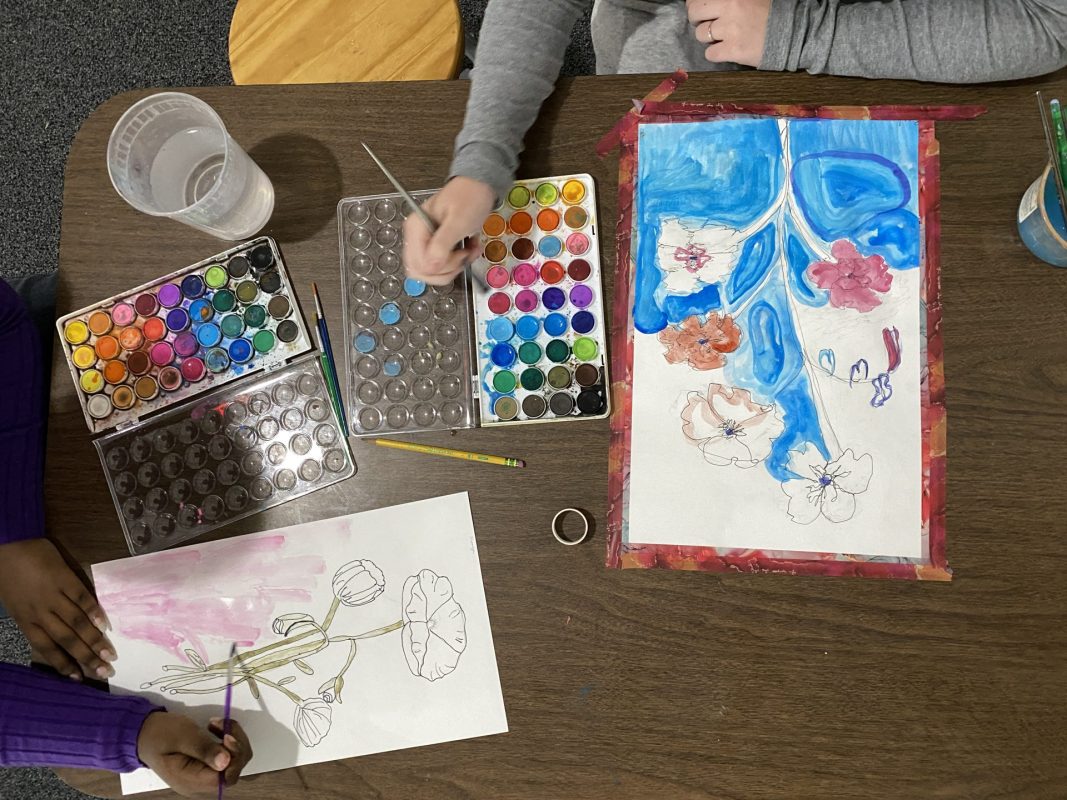
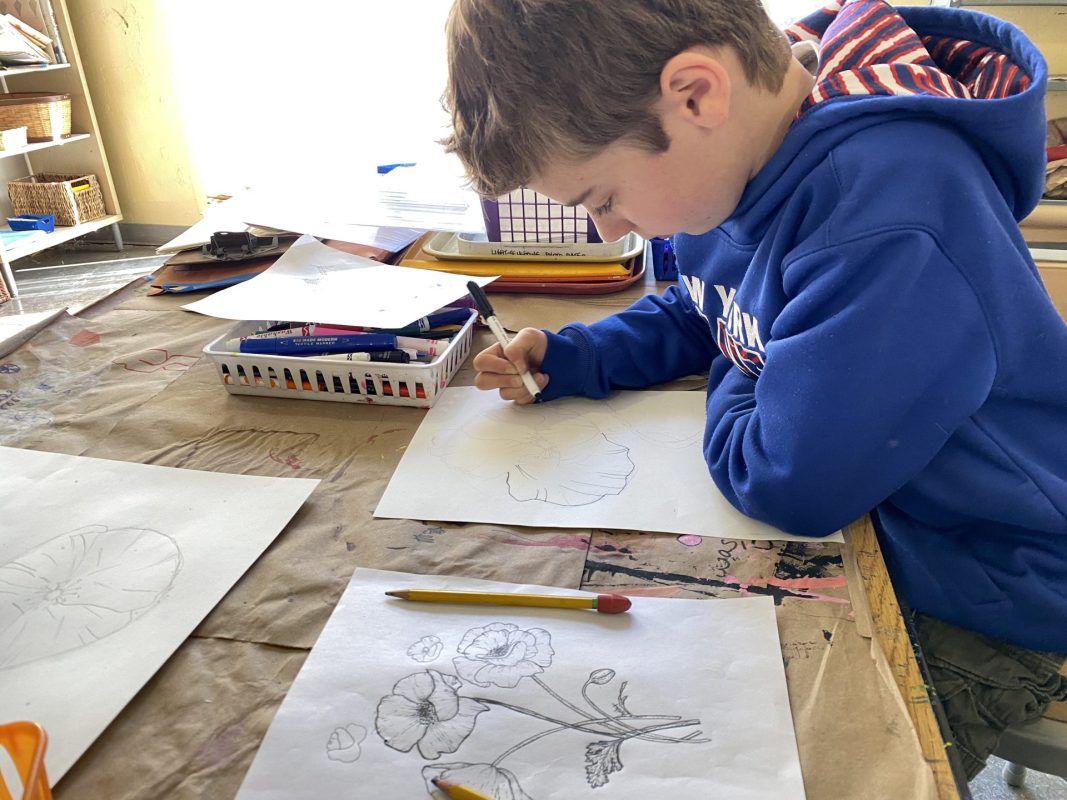
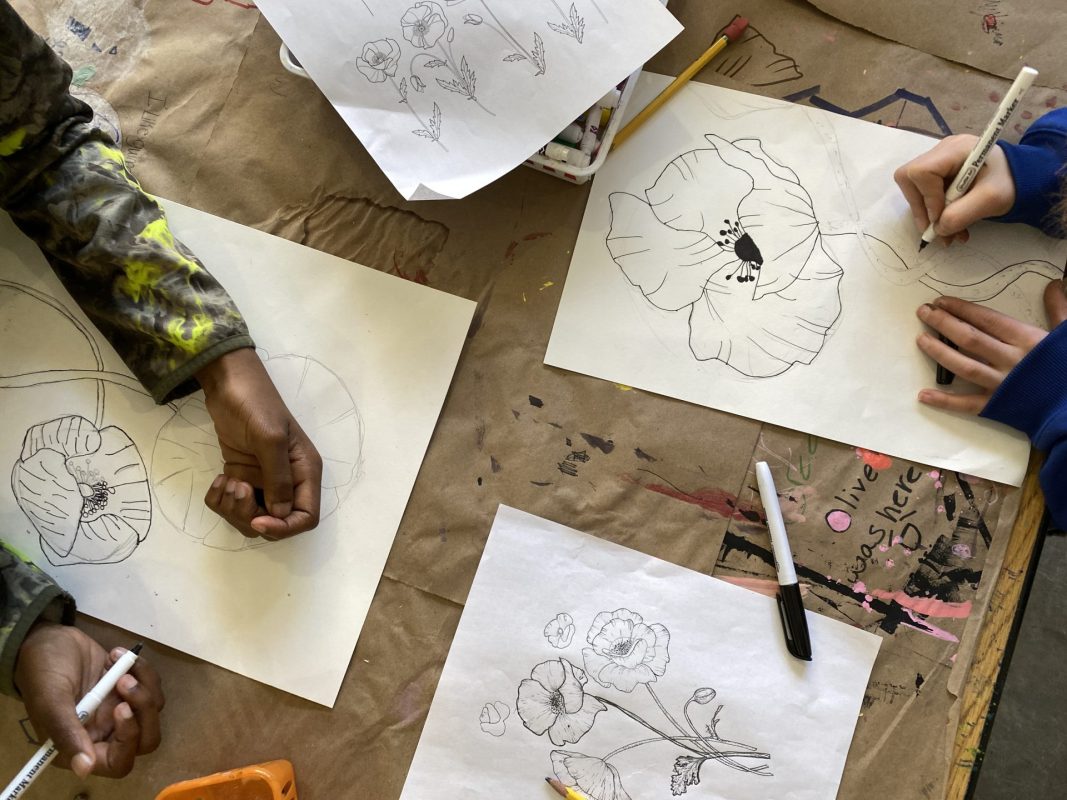
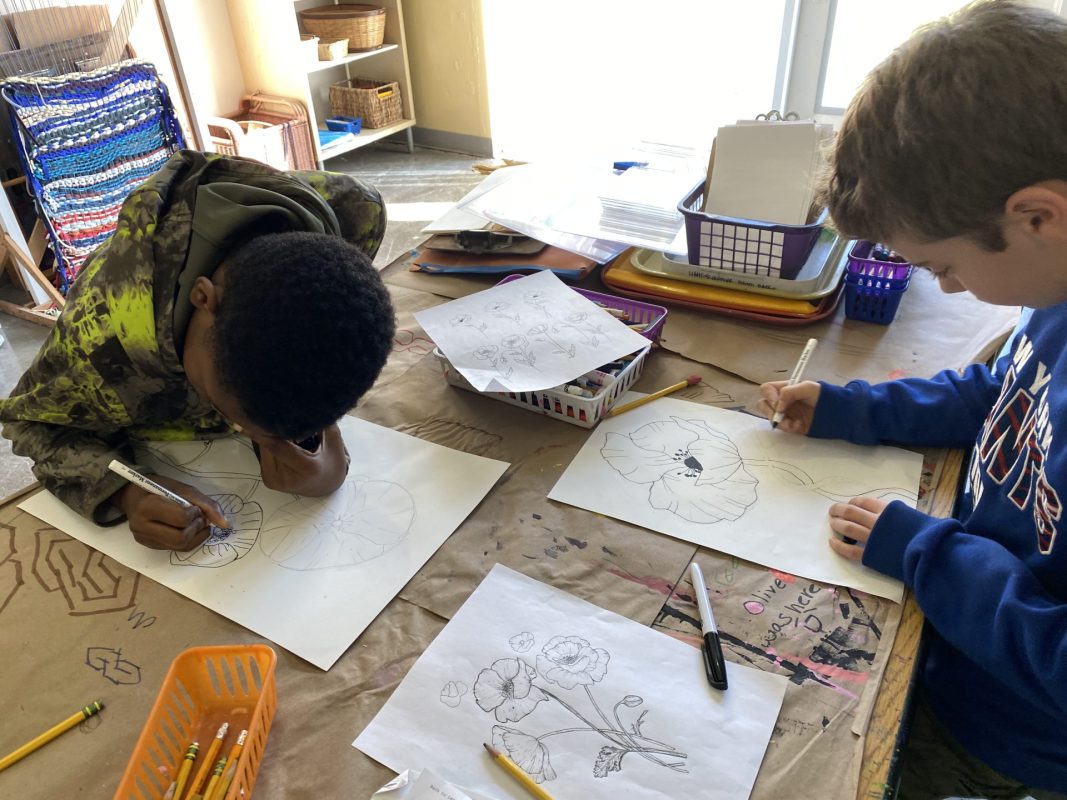
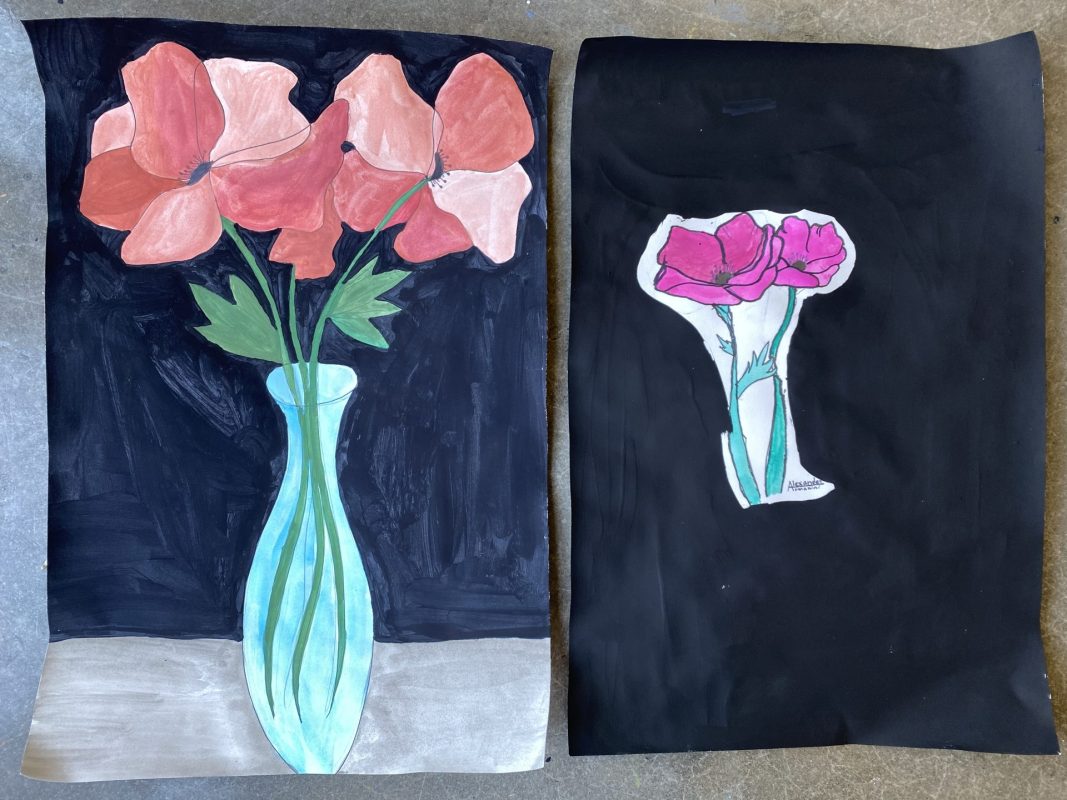
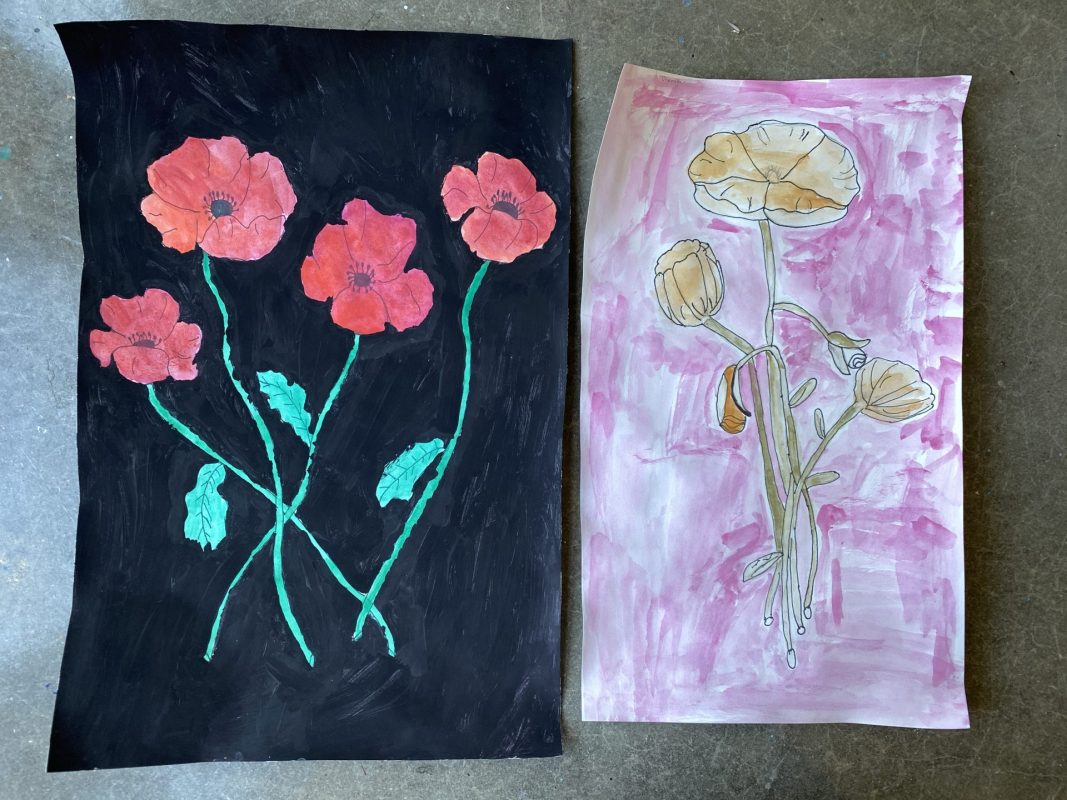
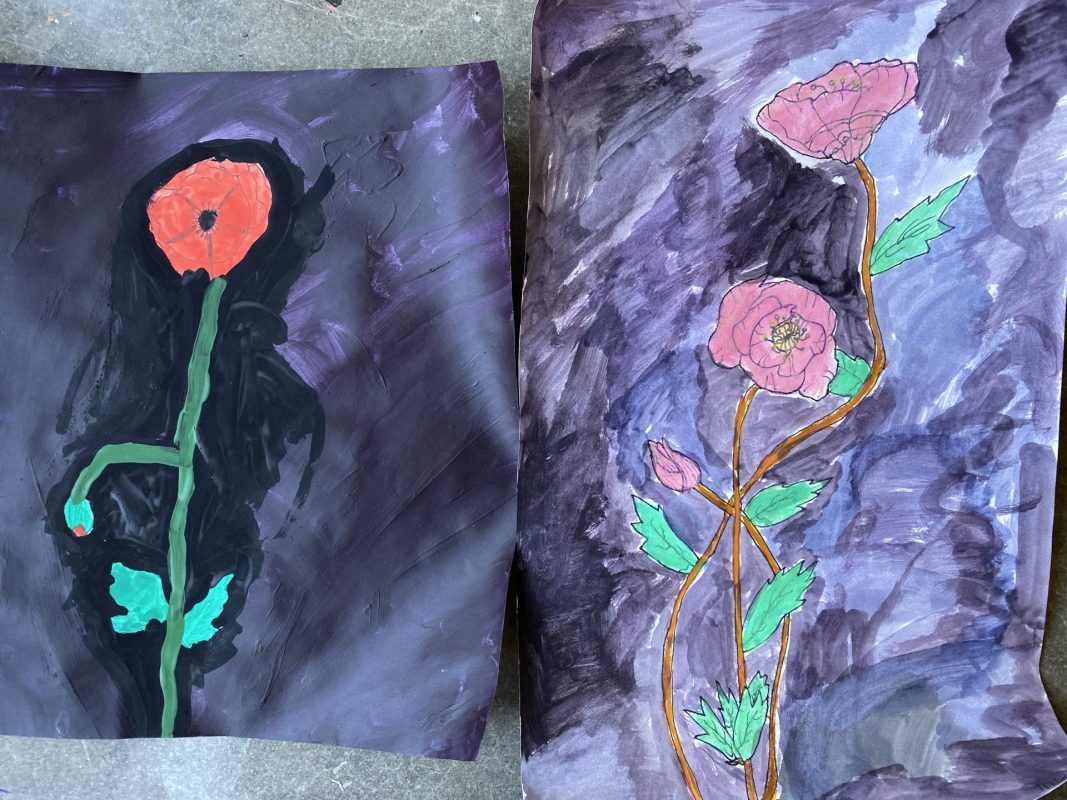
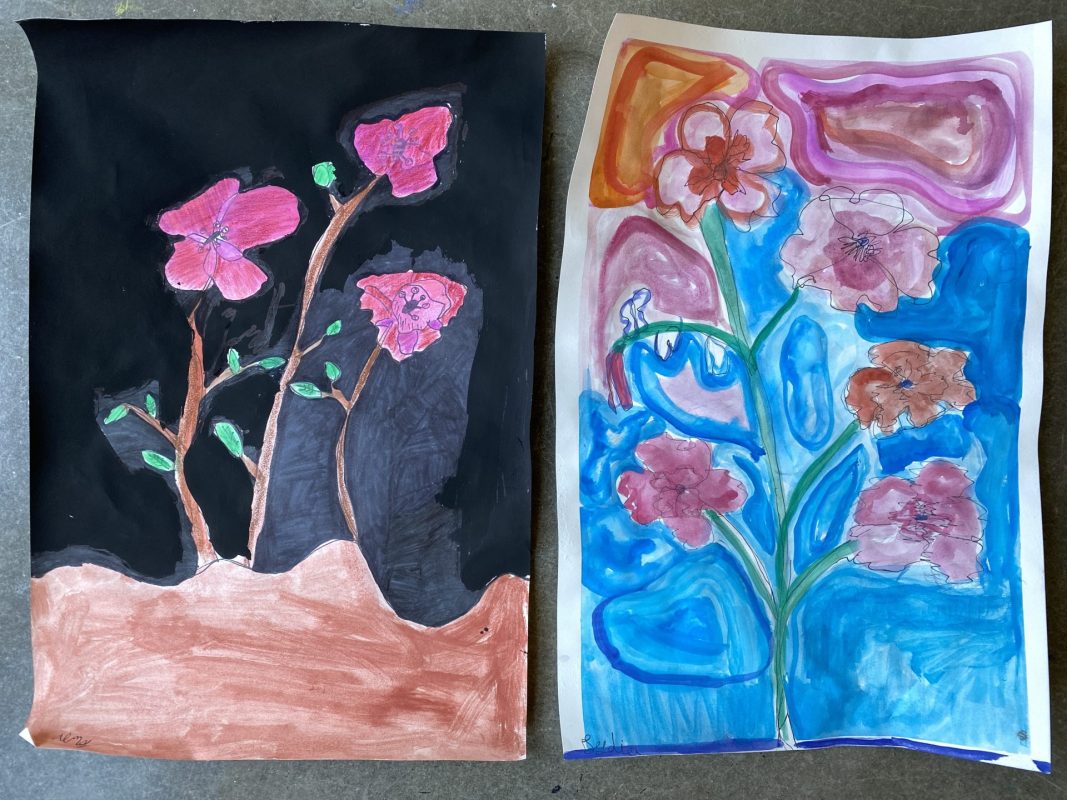
In the Art Studio, our middle school artists created Poppy themed artwork in honor of Veterans Day. Poppies have been a symbol of Remembrance since World War I when Lieutenant Colonel John McCrae penned the Poem “In Flanders Field” which described the blooming of red poppies amidst the war-torn battlefields of Belgium. With printed images of poppy flowers as their reference, young artists sketched out their flower compositions using pencil first and then thin black sharpie markers. Some students chose to create a singular flower, while others drew a few. Students painted their flowers using watercolors and used acrylic paint for the background. Each finished piece is so bold and unique: Bravo young artists!


The FWM Tiny Art Show!

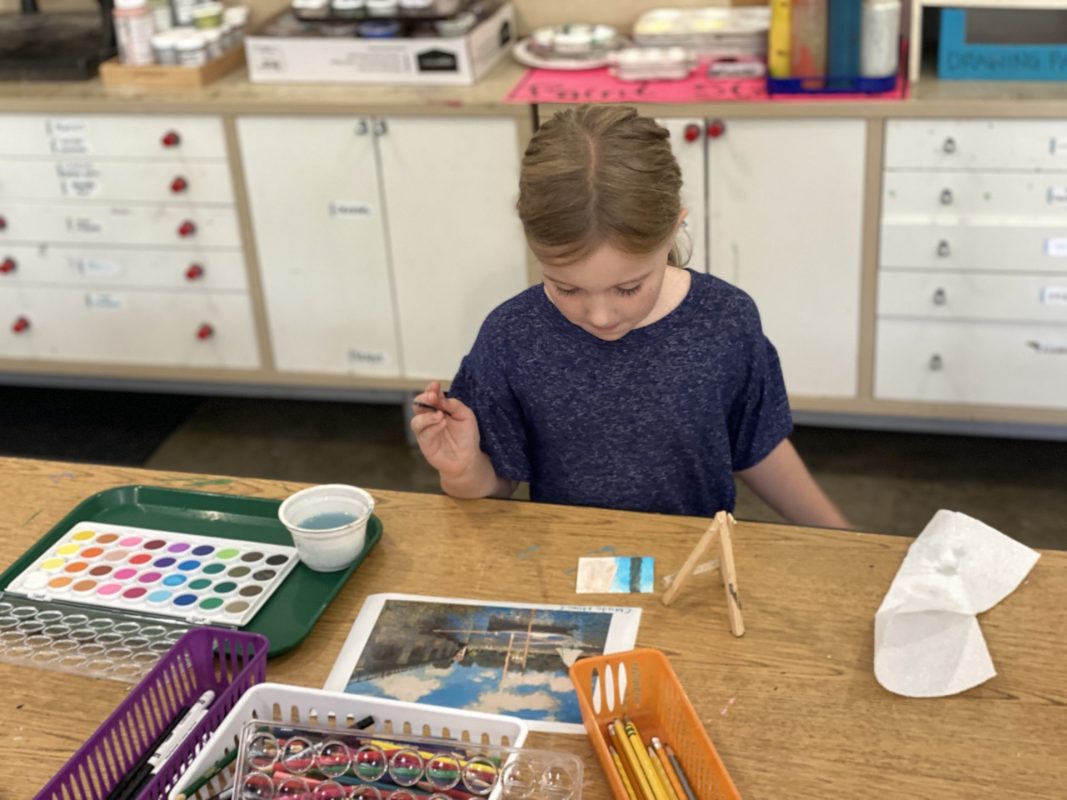
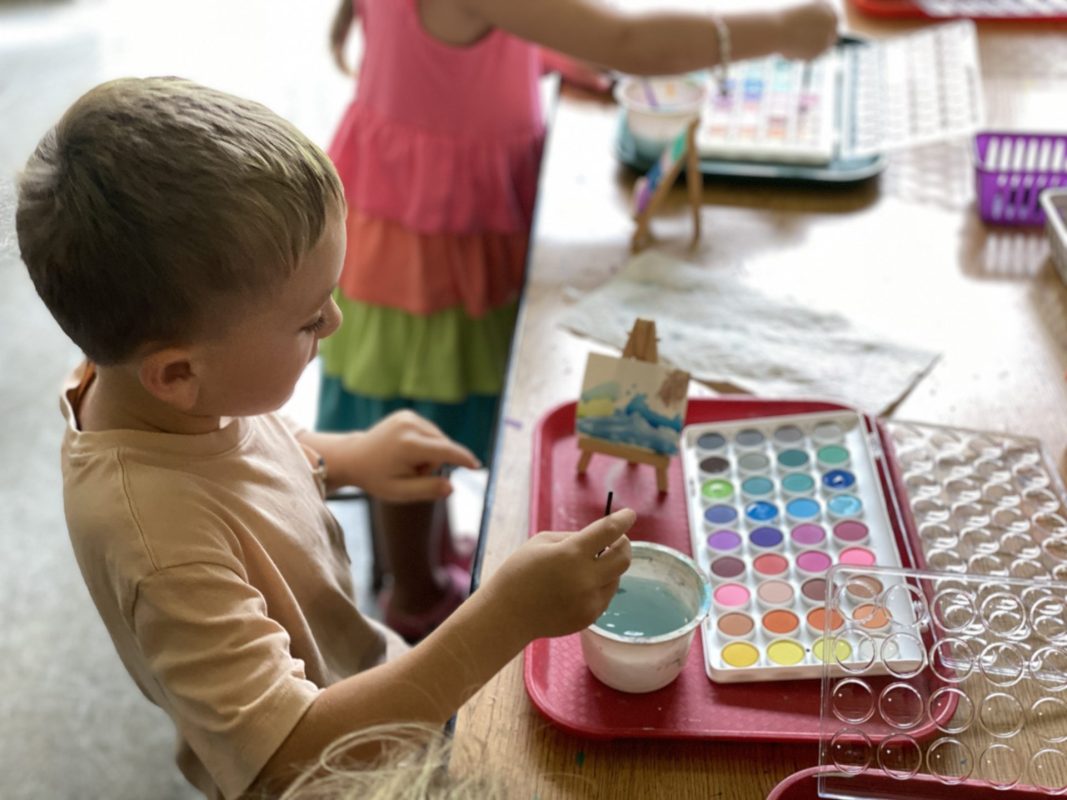
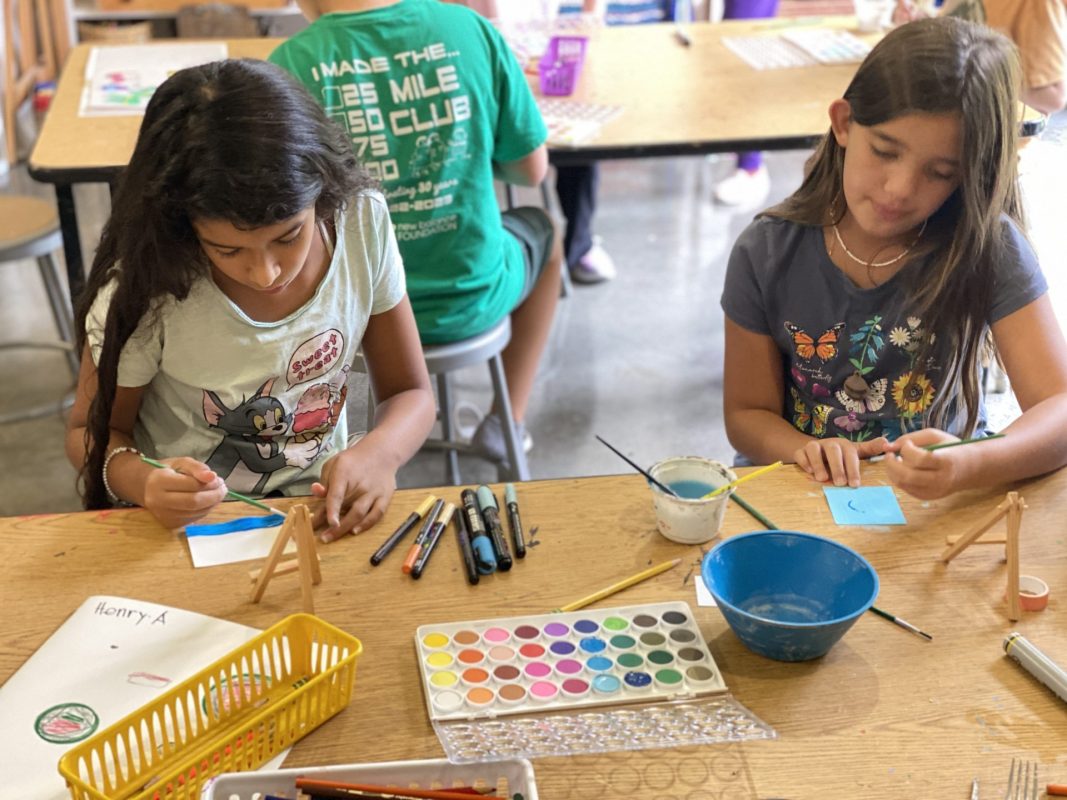
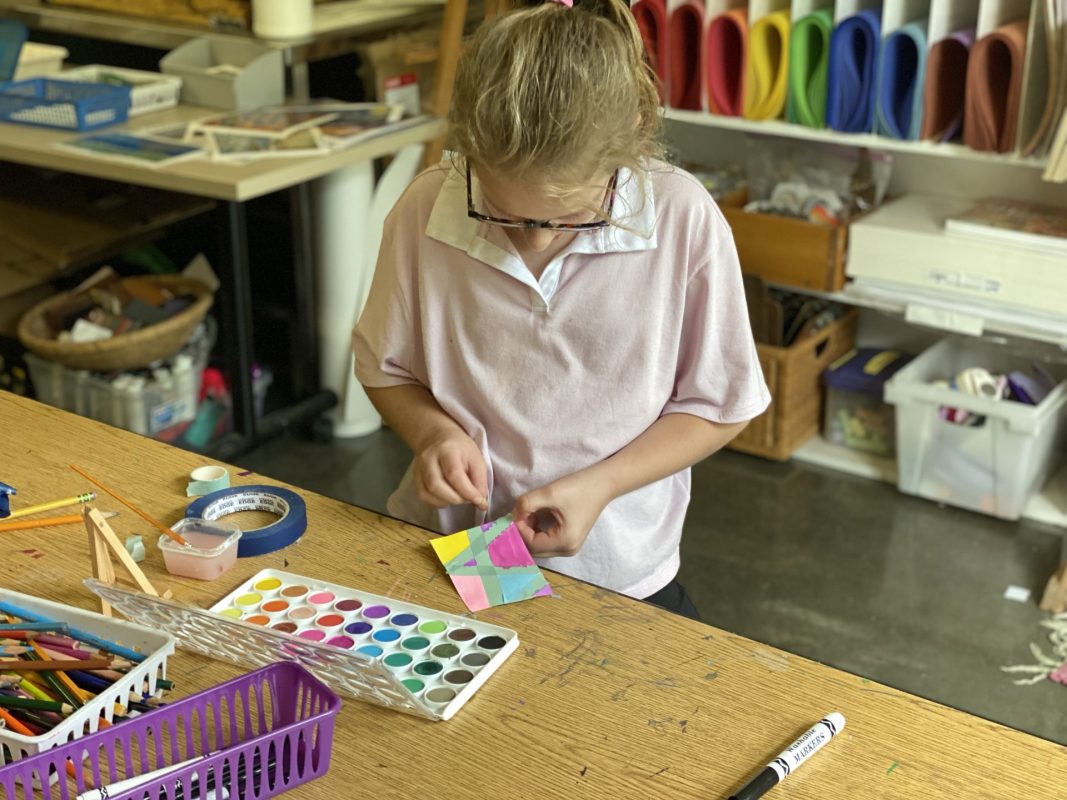
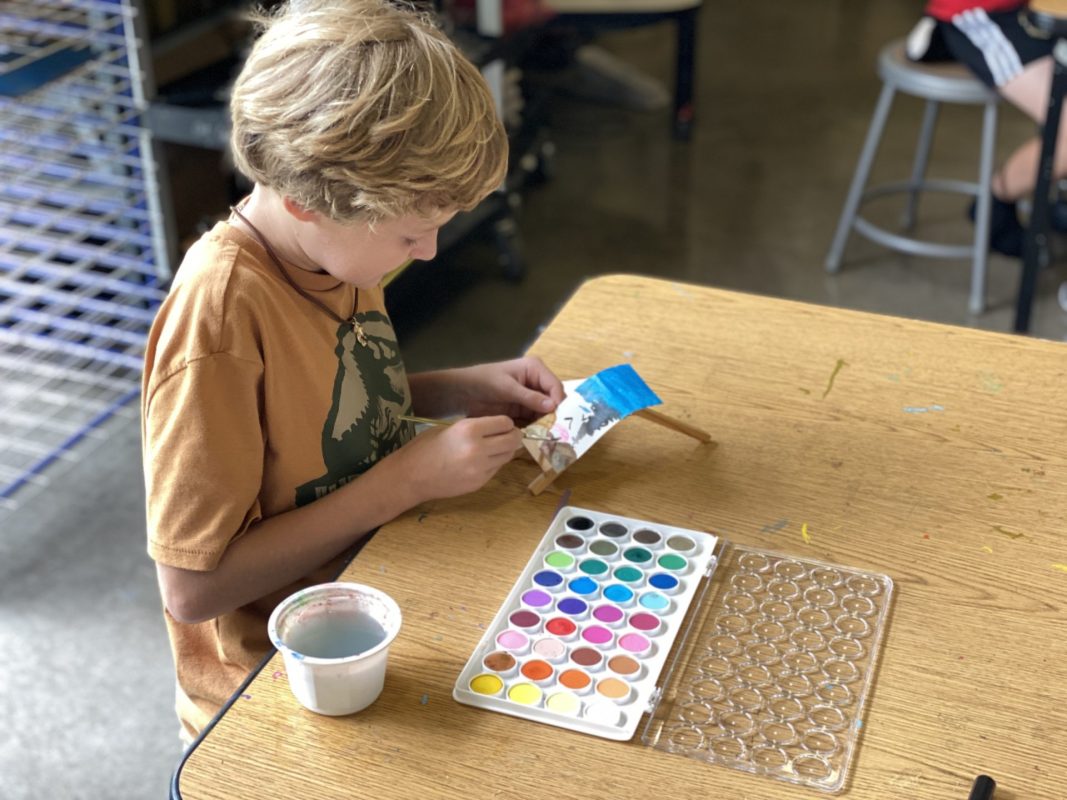
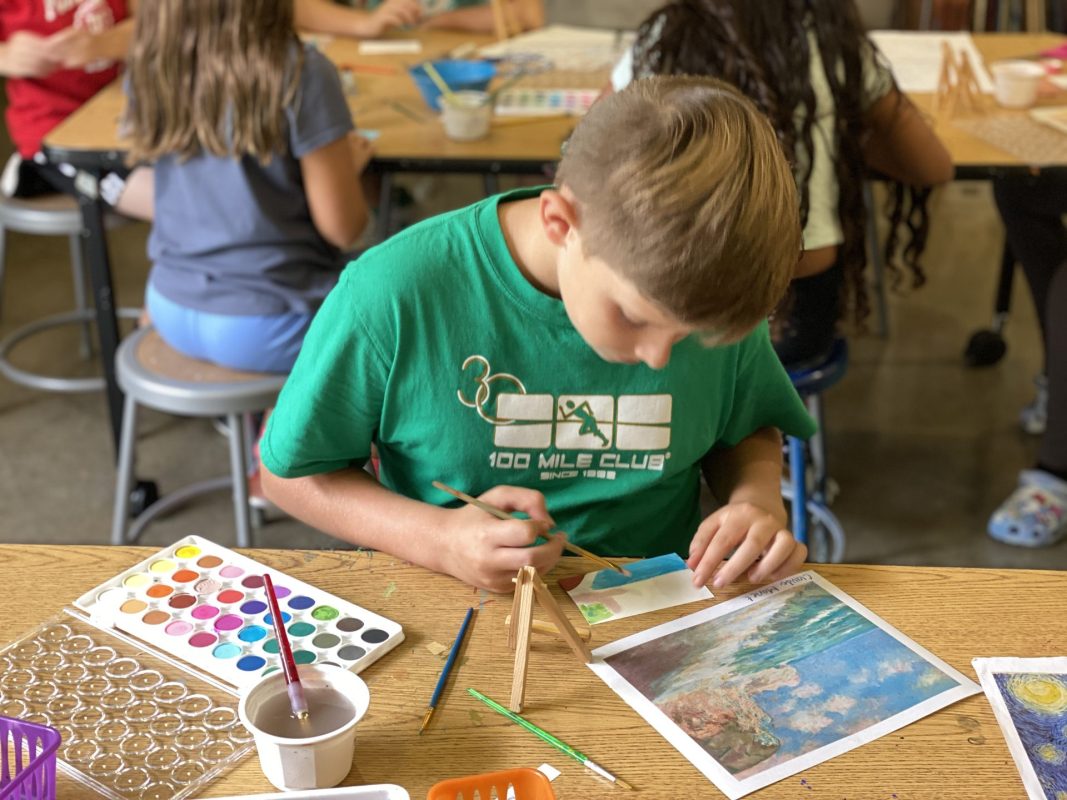
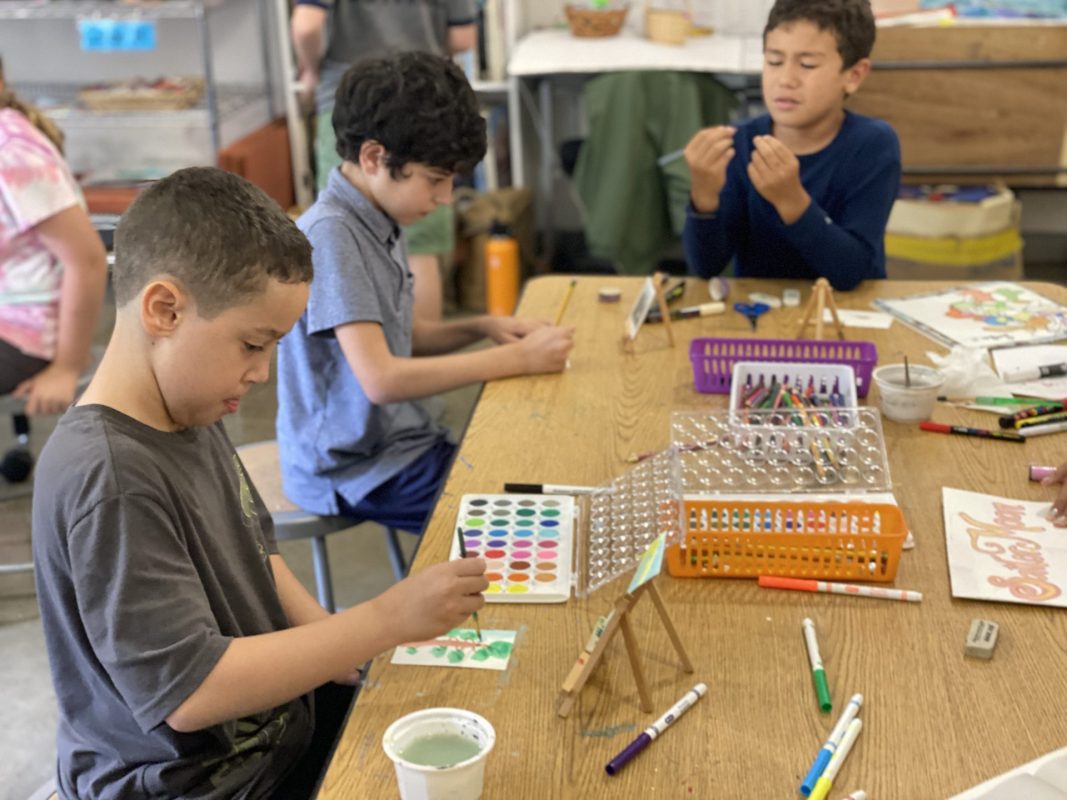
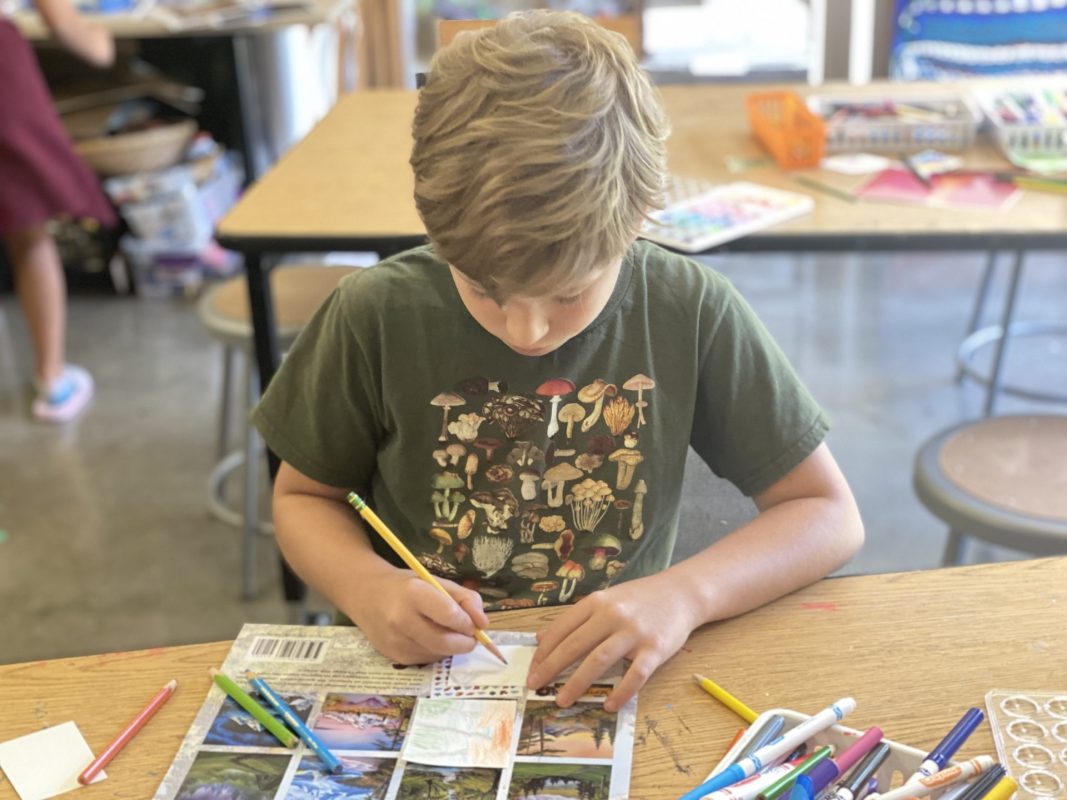
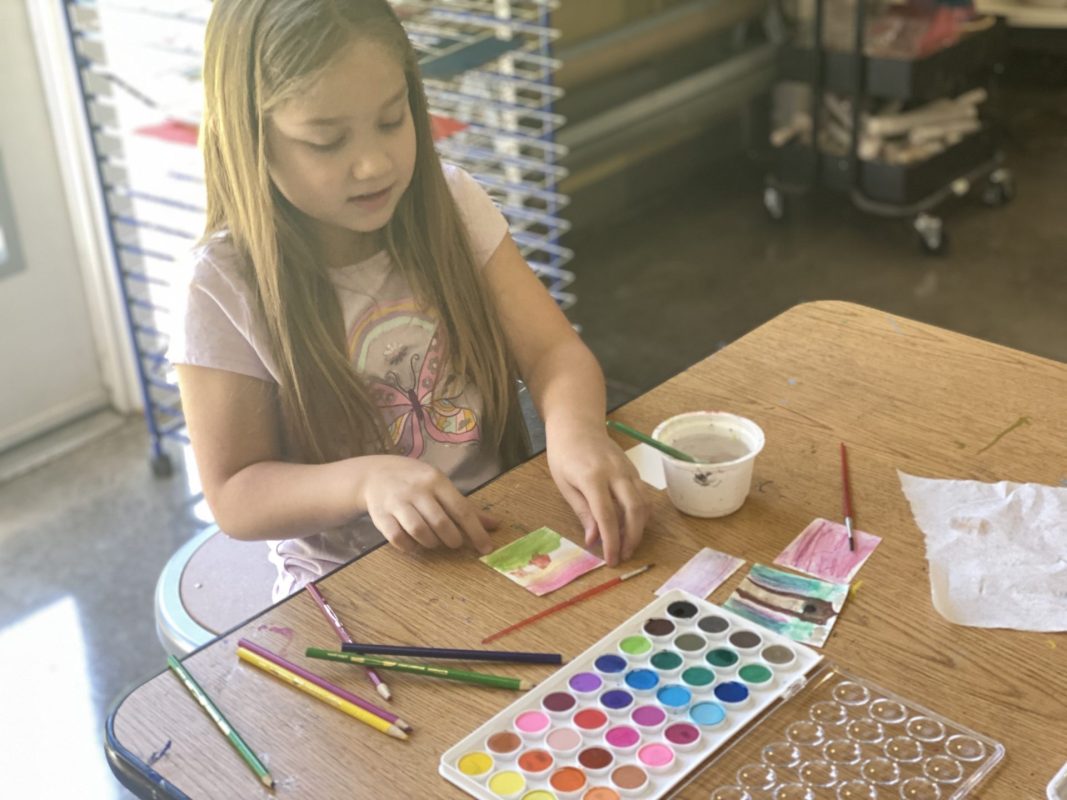
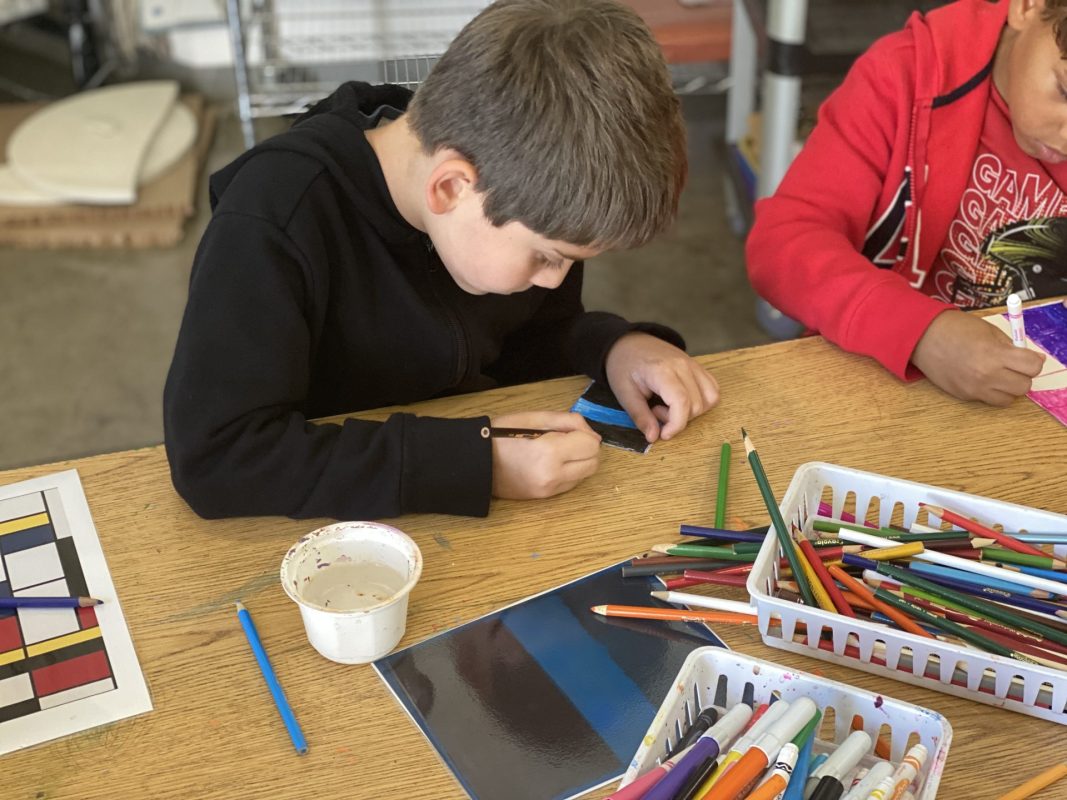
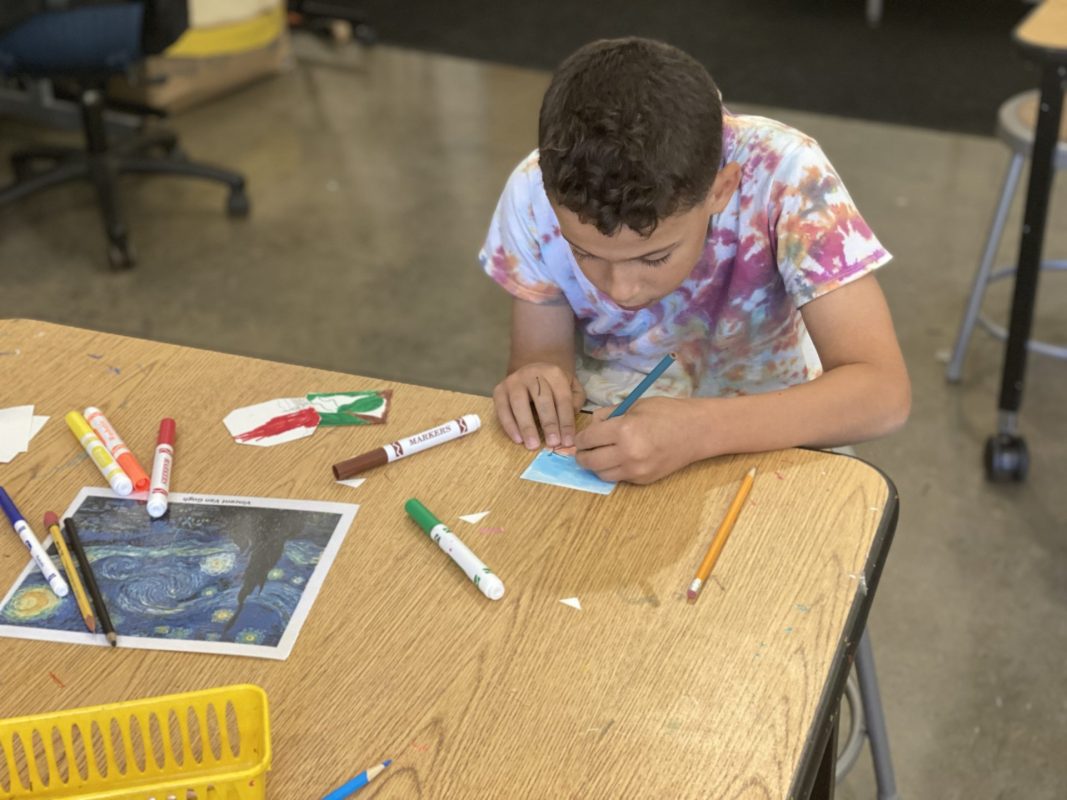
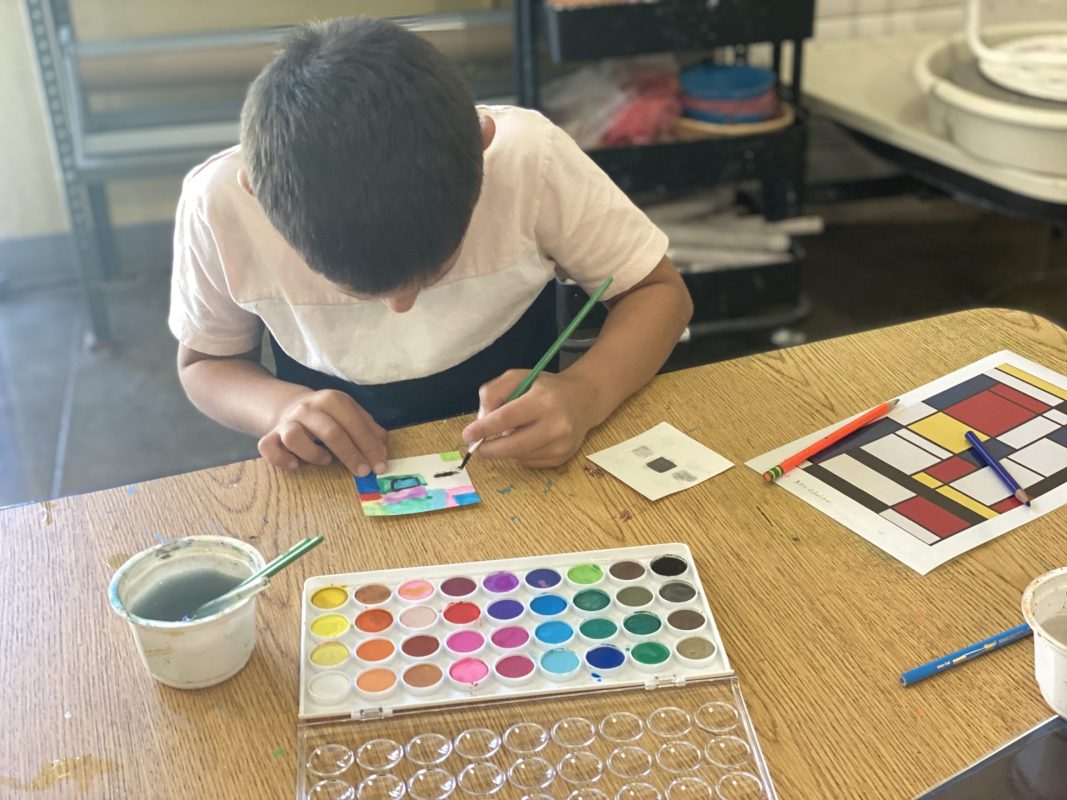
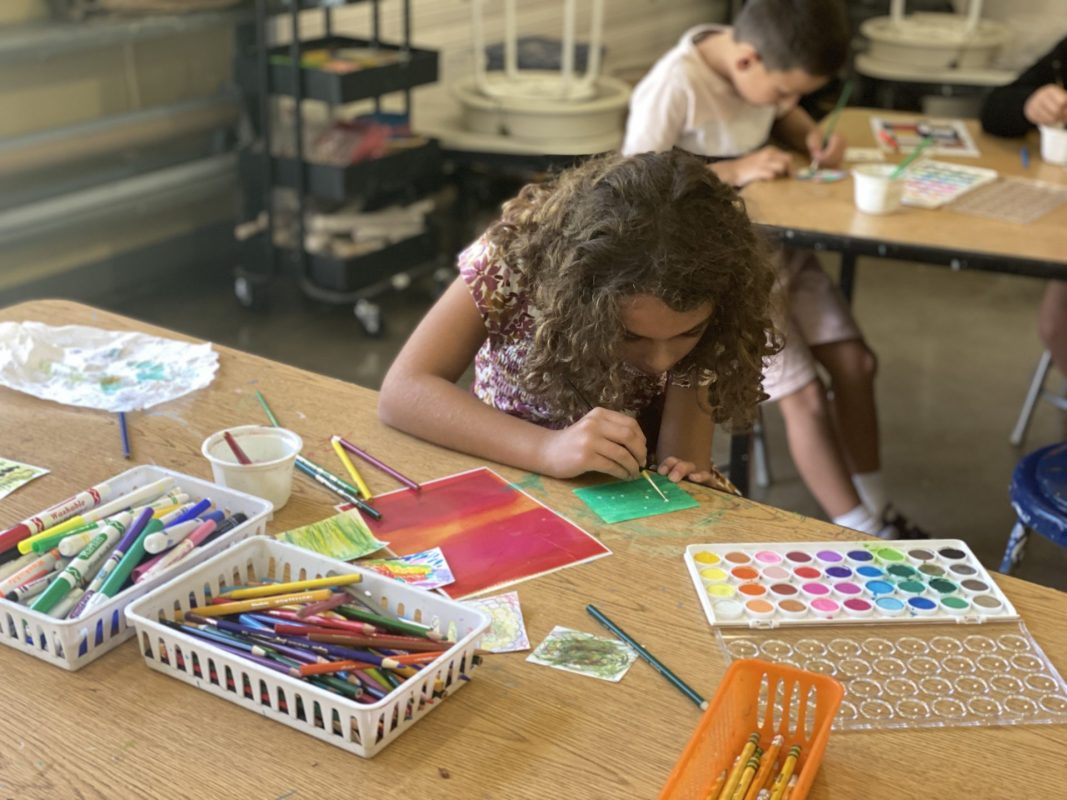
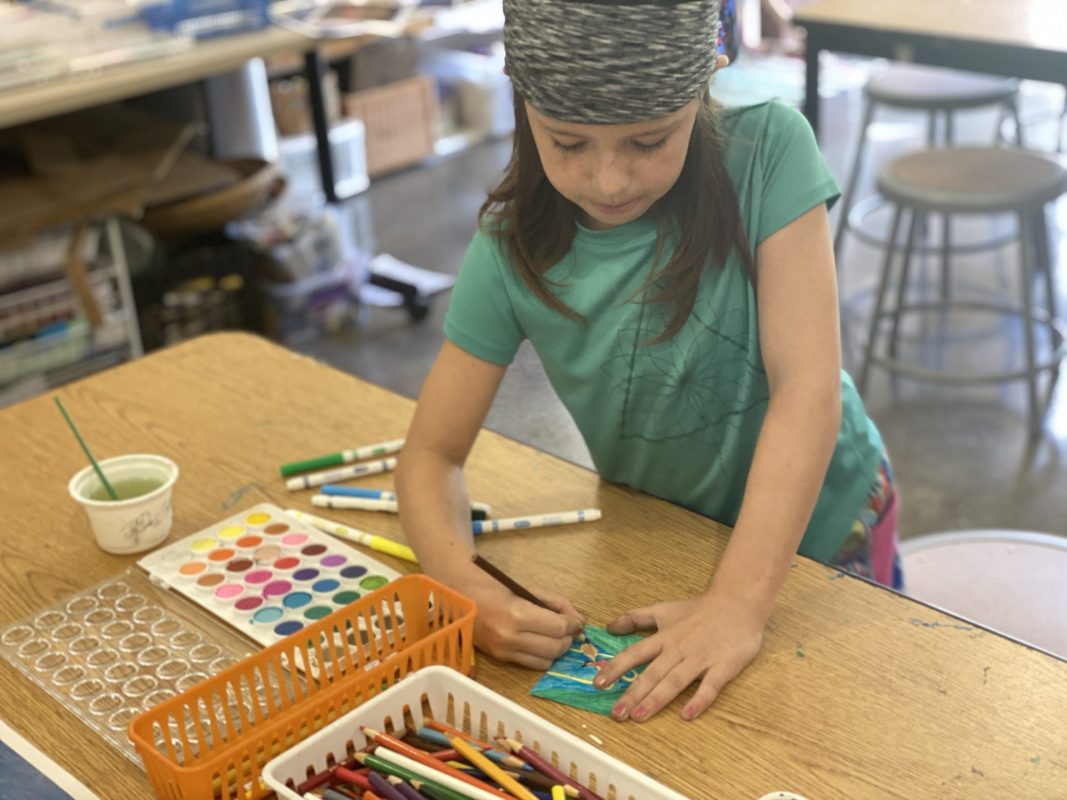
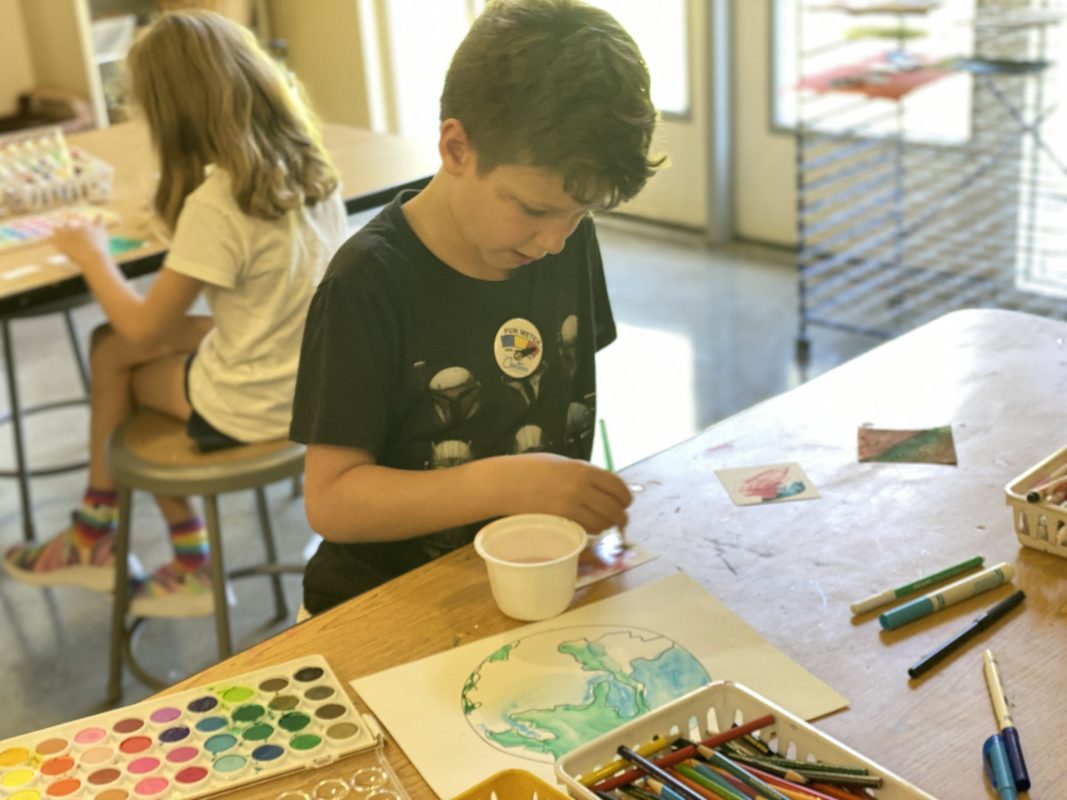
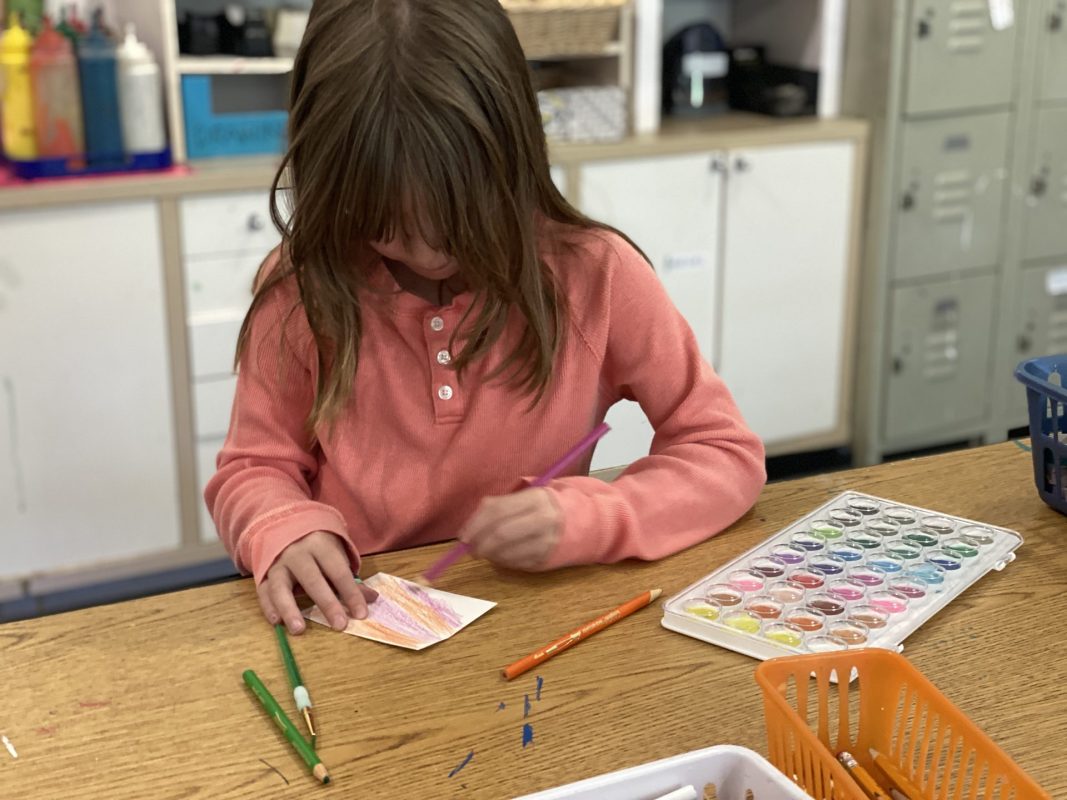
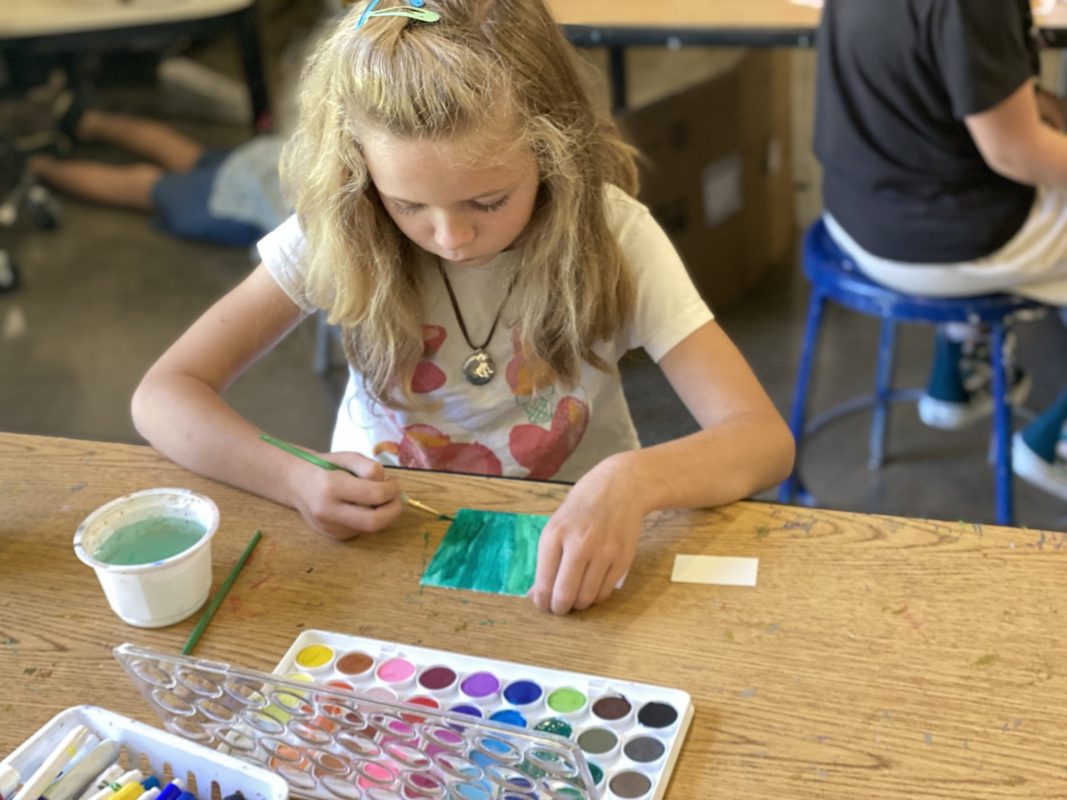
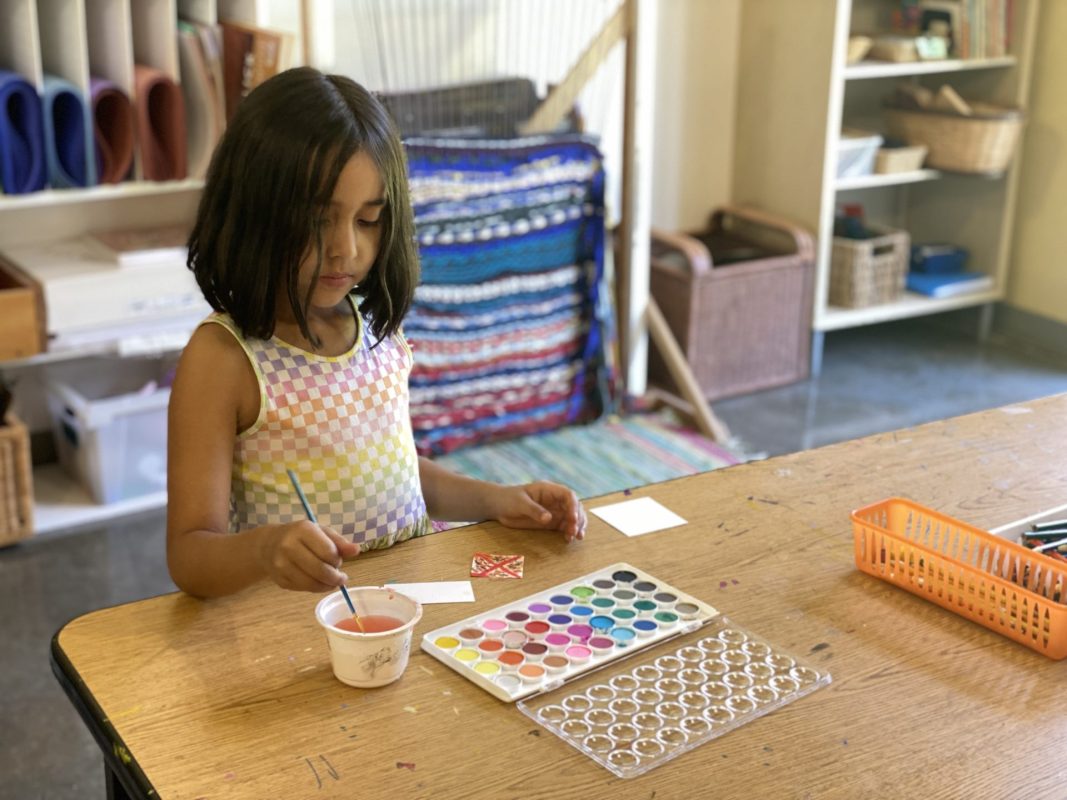
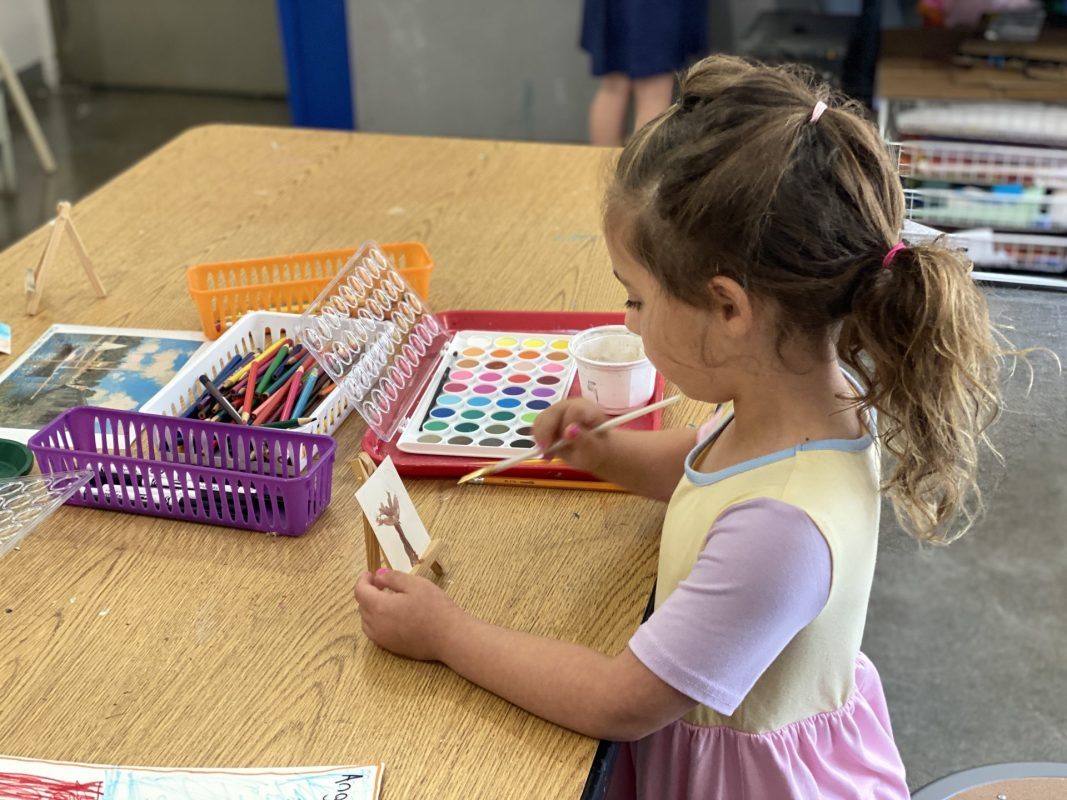
In the Art Studio, our young artists from Kindergarten through 8th grade kicked off the school year by putting together a Tiny Art Exhibition! Our artists have been hard at work creating multiple tiny works of art on small paper the size of 4×4 inches or smaller. Students

have explored various art materials such as colorful sharpies, acrylic paints, watercolors, color pencils, and more. Some students chose to recreate a famous painting, such as Van Gogh’s Starry Night, or one of Bob Ross’ famous landscape paintings. Others chose to create a unique work of art of their own creative expression. The small size restriction challenged students to problem solve ways in which they could fit the entire composition onto the tiny canvases, as well as developed their fine motor skills as they carefully applied paint with tiny paintbrushes. It has been a joy to see the variety of artwork created on such a tiny scale!

Next, we will set up the exhibition in the hallway for the whole school to enjoy. Many students have already even begun  prototyping and constructing miniature gallery/museum spaces to display their artwork in using cardboard.  Magnifying glasses will be set up with each display so everyone can take a closer look at all of the wonderfully unique FWM Tiny Art Exhibition!


Starting a New Year of Spanish Class

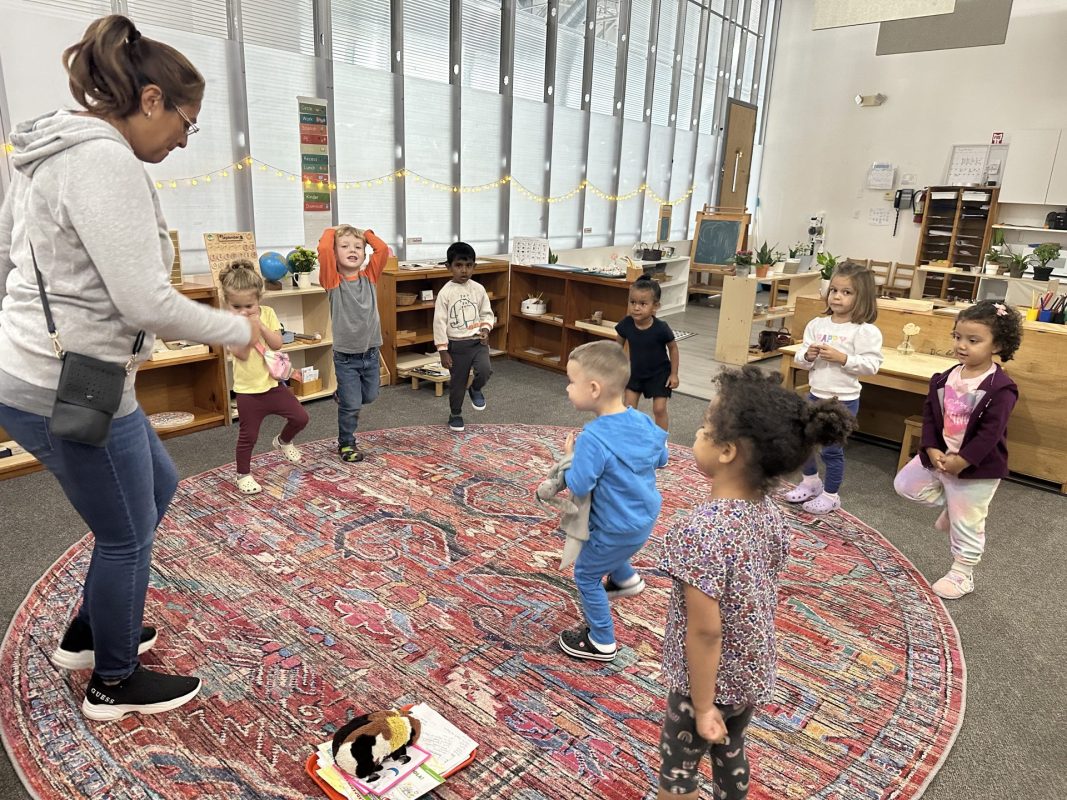
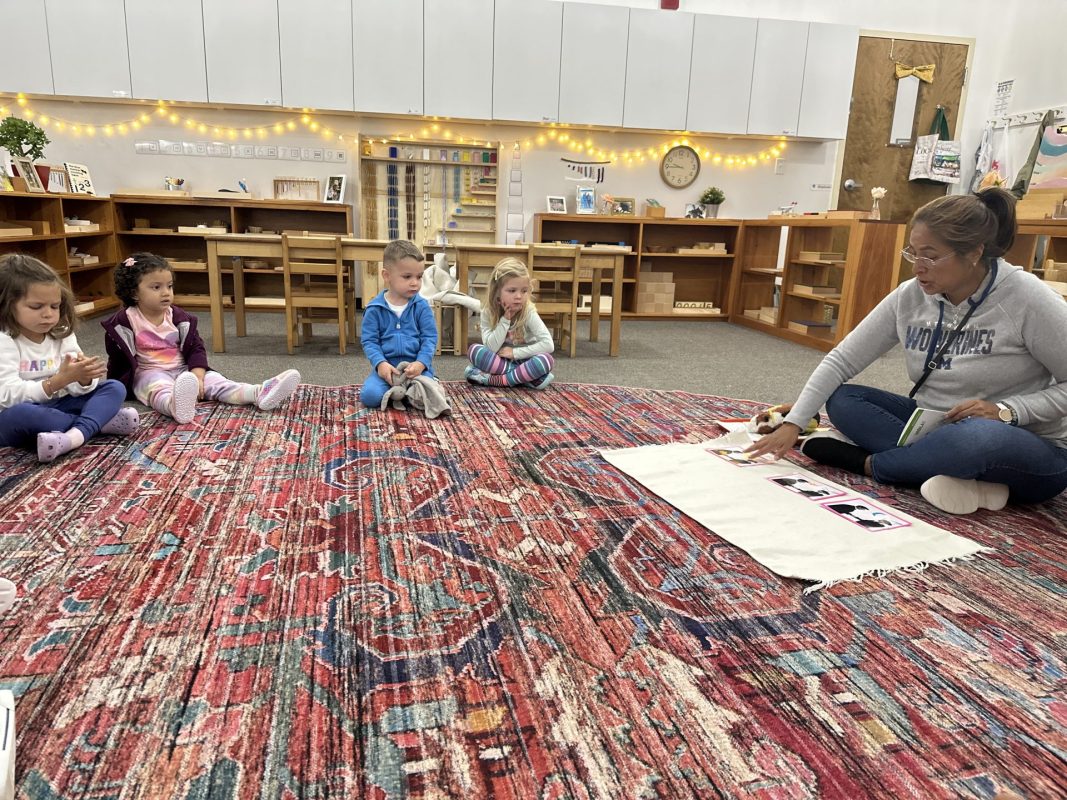
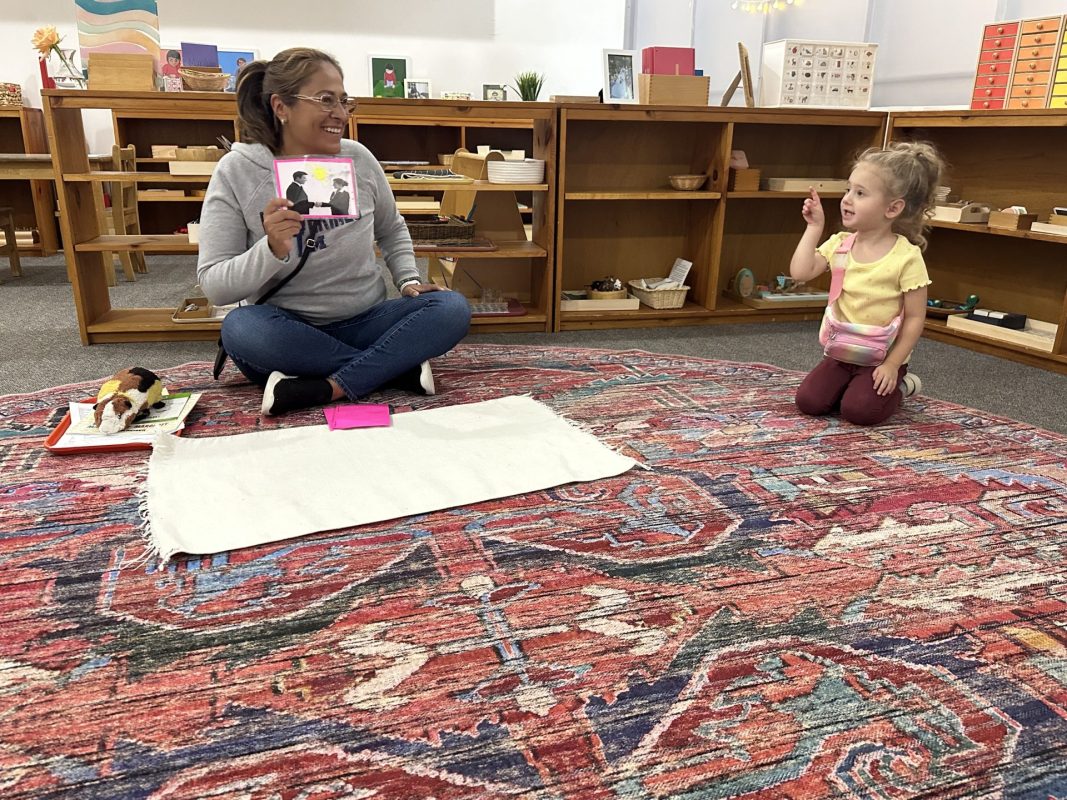
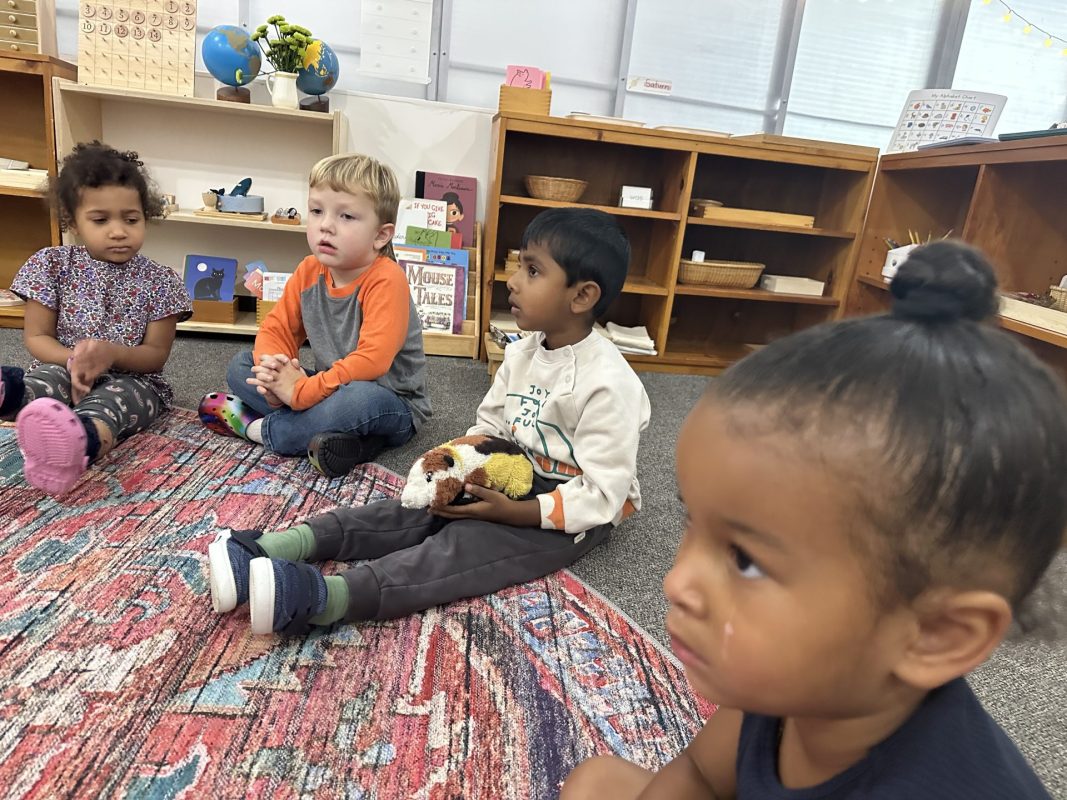
Learning another language is beneficial for memorization development in a child’s brain, making it more efficient and flexible. At Fraser Woods Montessori School, we started introducing Spanish in Primary. We design lessons that are age-appropriate where students can learn and have fun at the same time.

Beginning with the first week of school, children starting in primary to middle school reviewed and learned basic Spanish phrases and words. Primary, Lower Elementary, and Upper Elementary students recalled greetings, self-introductions, and how they were doing in Spanish. In addition, children could practice all those words learned in their classroom, either during our group lesson on circle or practicing with paper and pencil exercises. They are reviewing the Spanish alphabet, learning how to spell their names, and practicing handwriting, pronunciation, and more vocabulary. Middle school students are working on a review of what they learned last year in basic grammar, listening, conversation, and pronunciation. On Fridays, we have Spanish enrichment, where students learn more about Spanish-speaking countries and their history, traditions, and celebrations using interactive games, videos, and other fun and engaging activities in class.


Work Hard, Play Hard


Dear Fraser Woods Montessori School Families,

I hope this letter finds you well and that your children’s school year has started positively. As we settle into the new academic year, I wanted to take a moment to update you on our Physical Education classes and share some important announcements.

Firstly, I want to express my heartfelt gratitude for your continued partnership in supporting your child’s education. Your involvement and support play a vital role in creating a successful learning environment for our students.

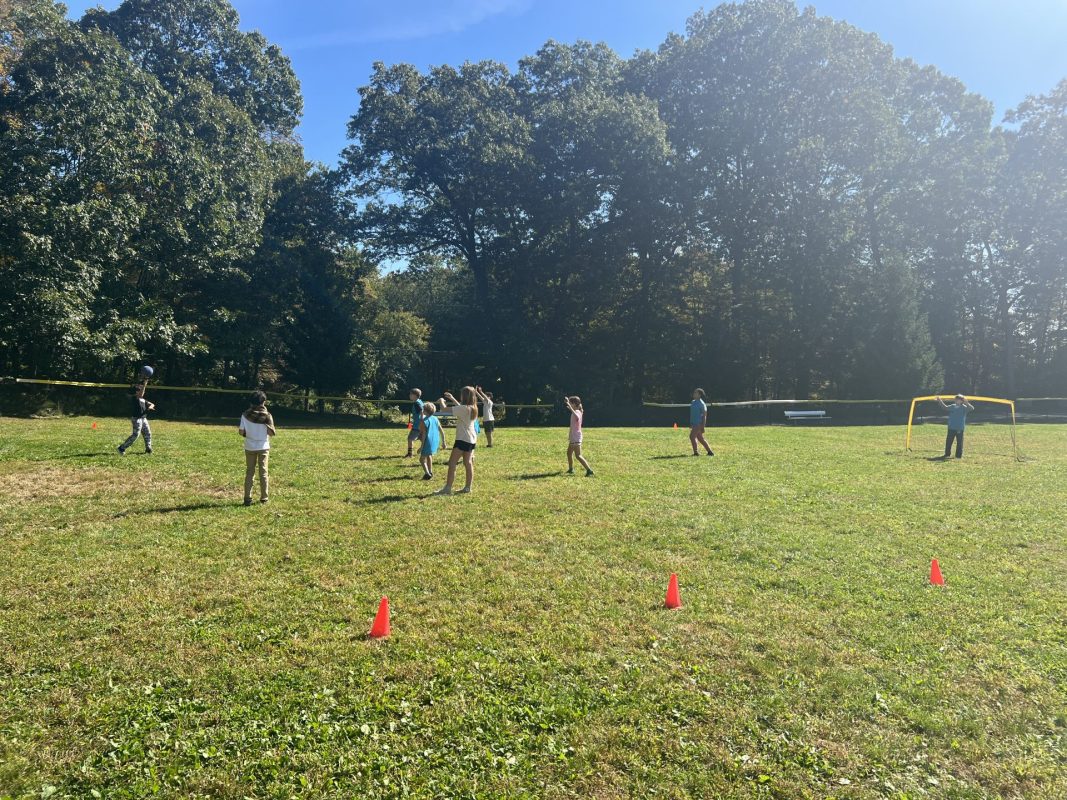
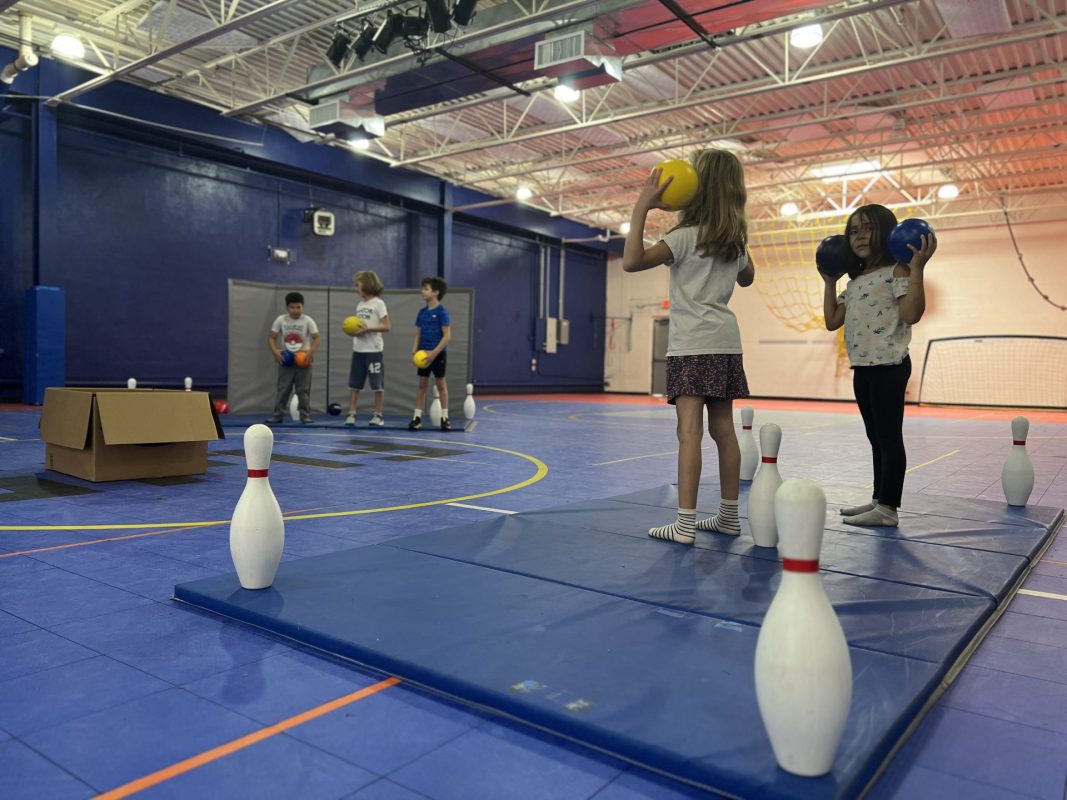
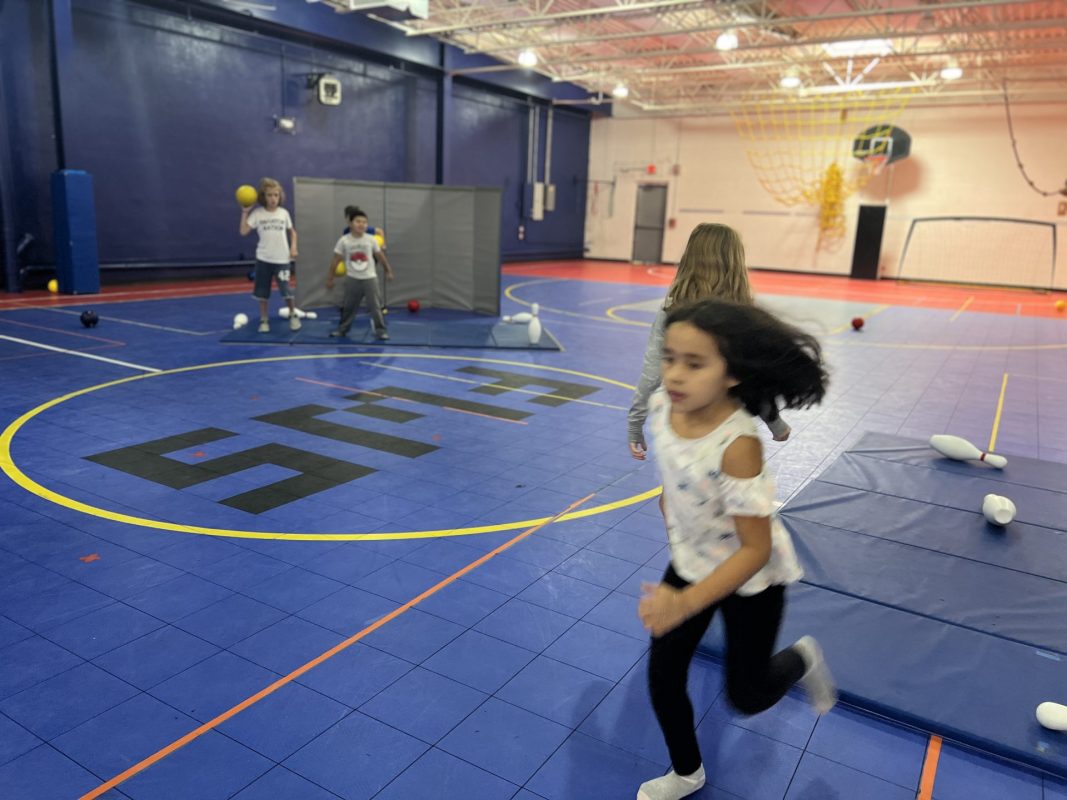
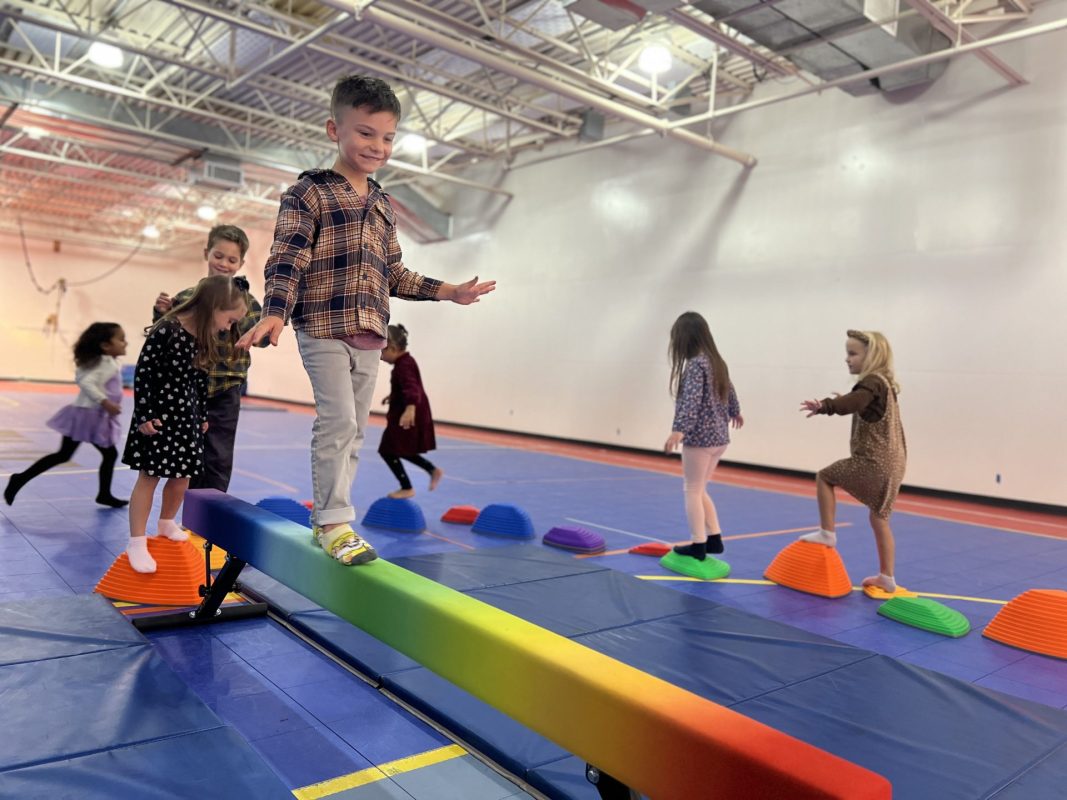
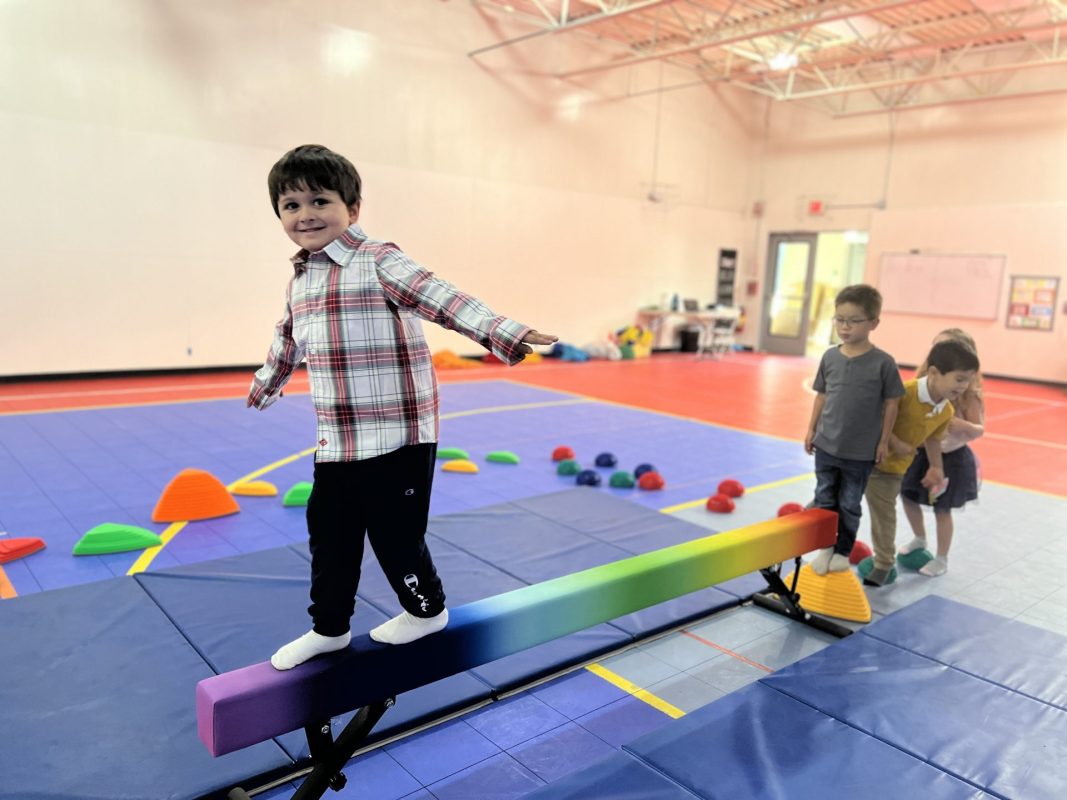
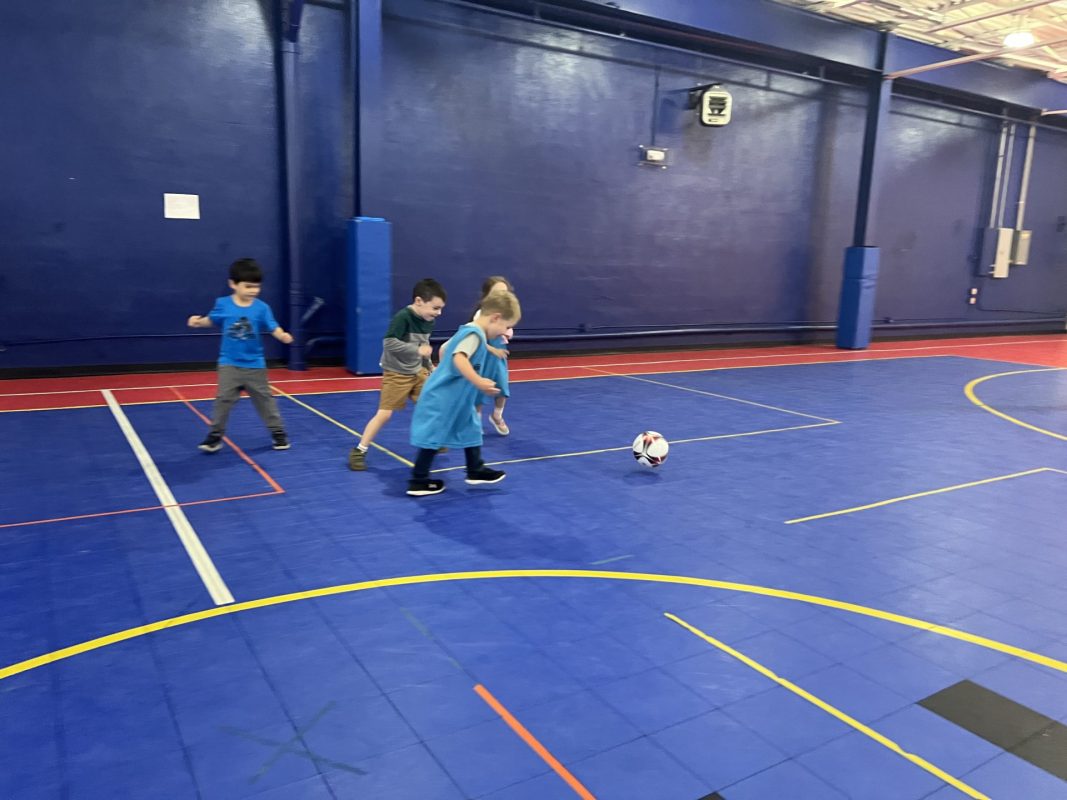
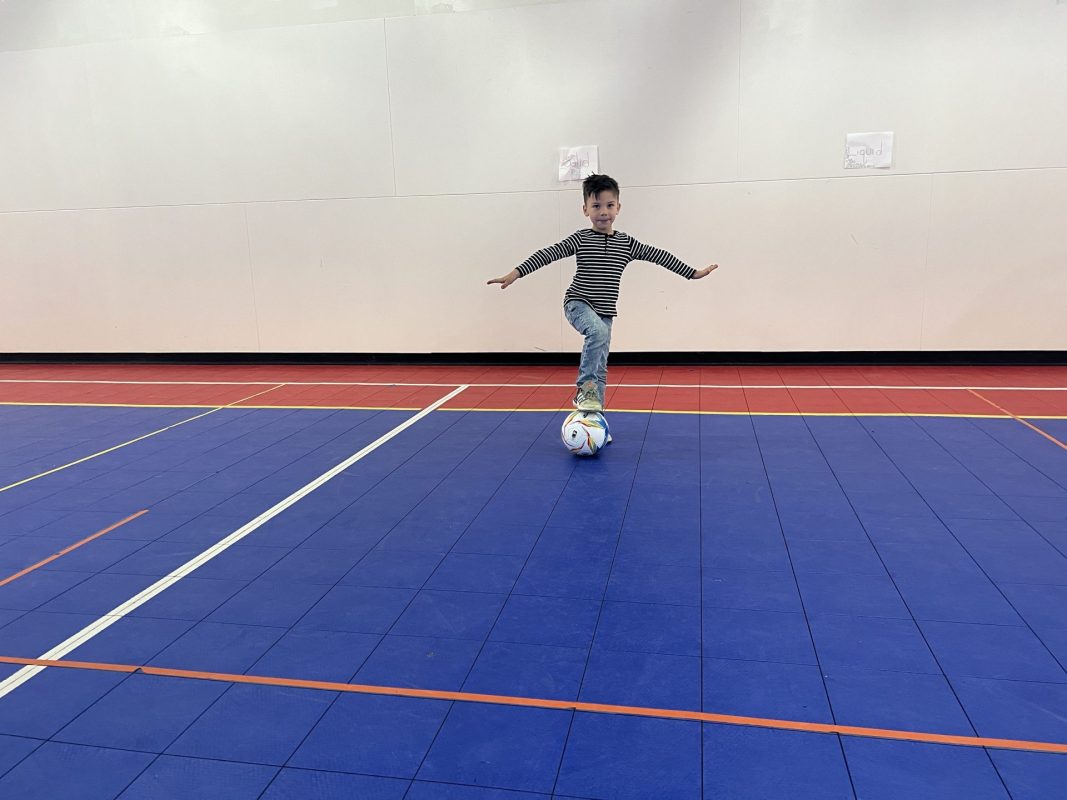
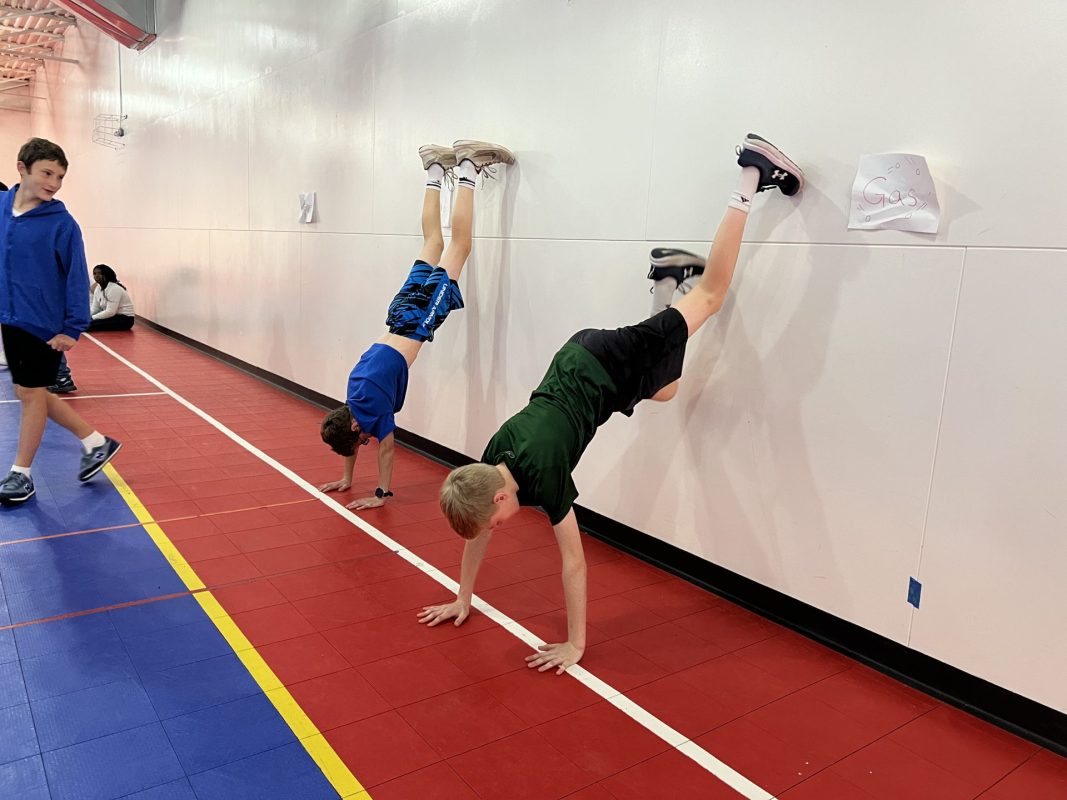
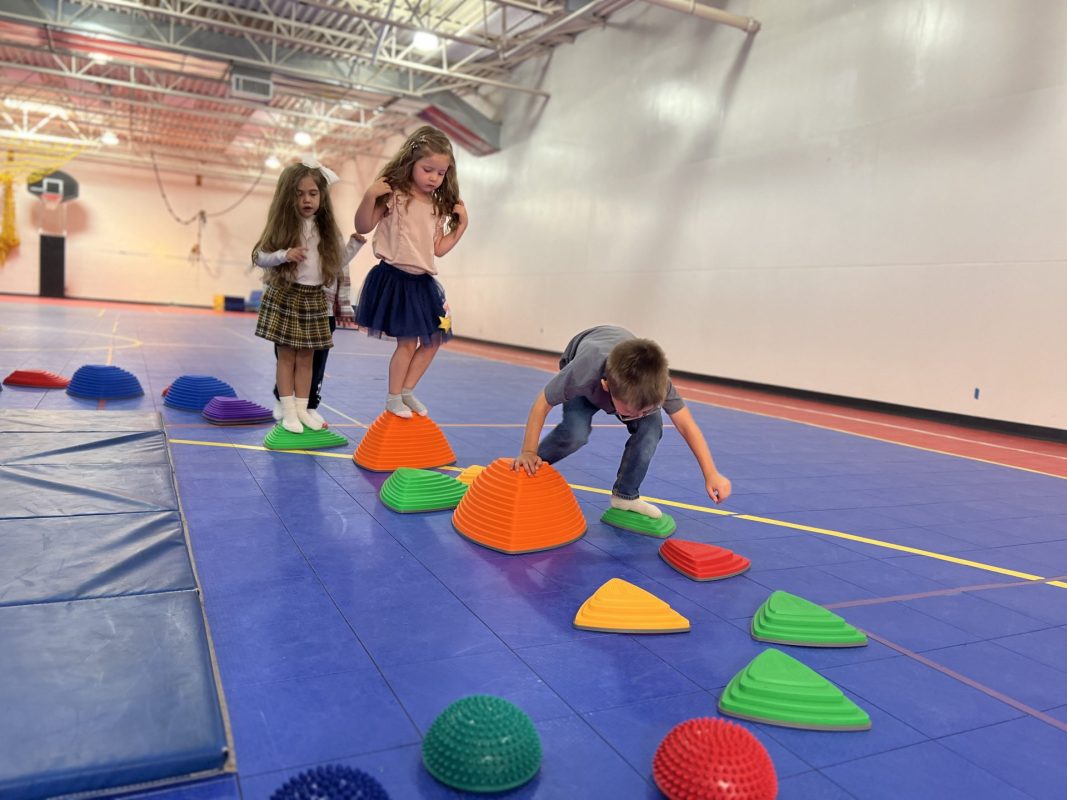
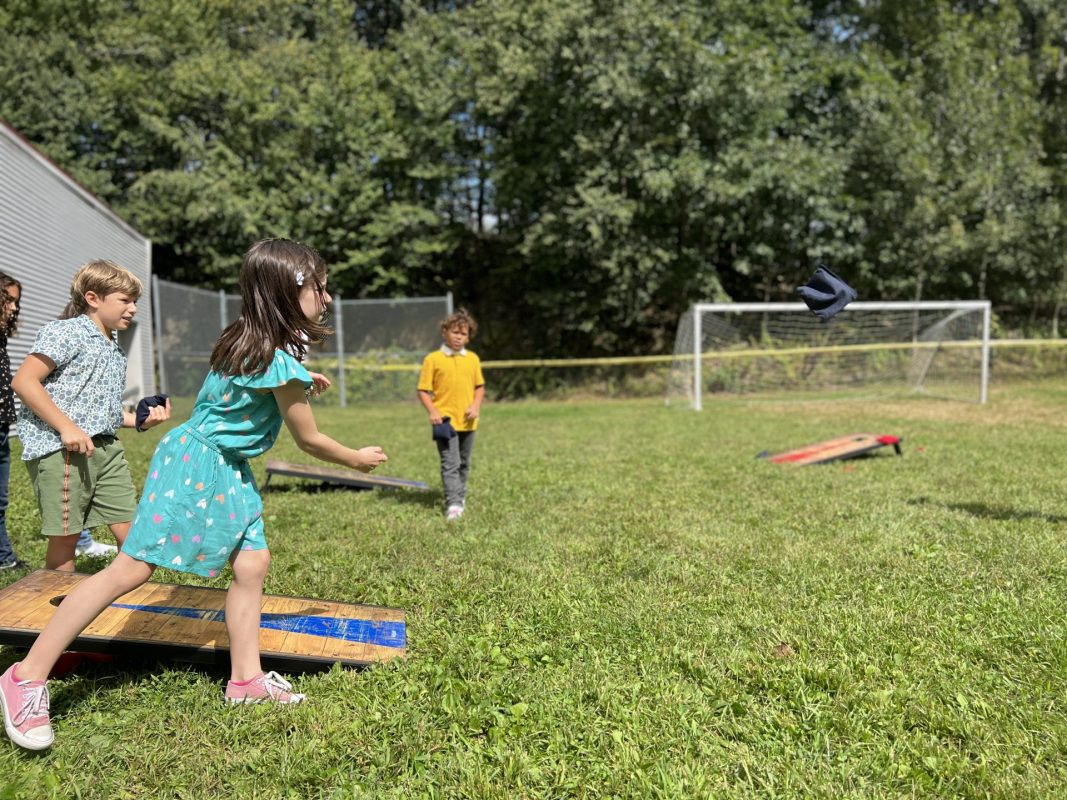
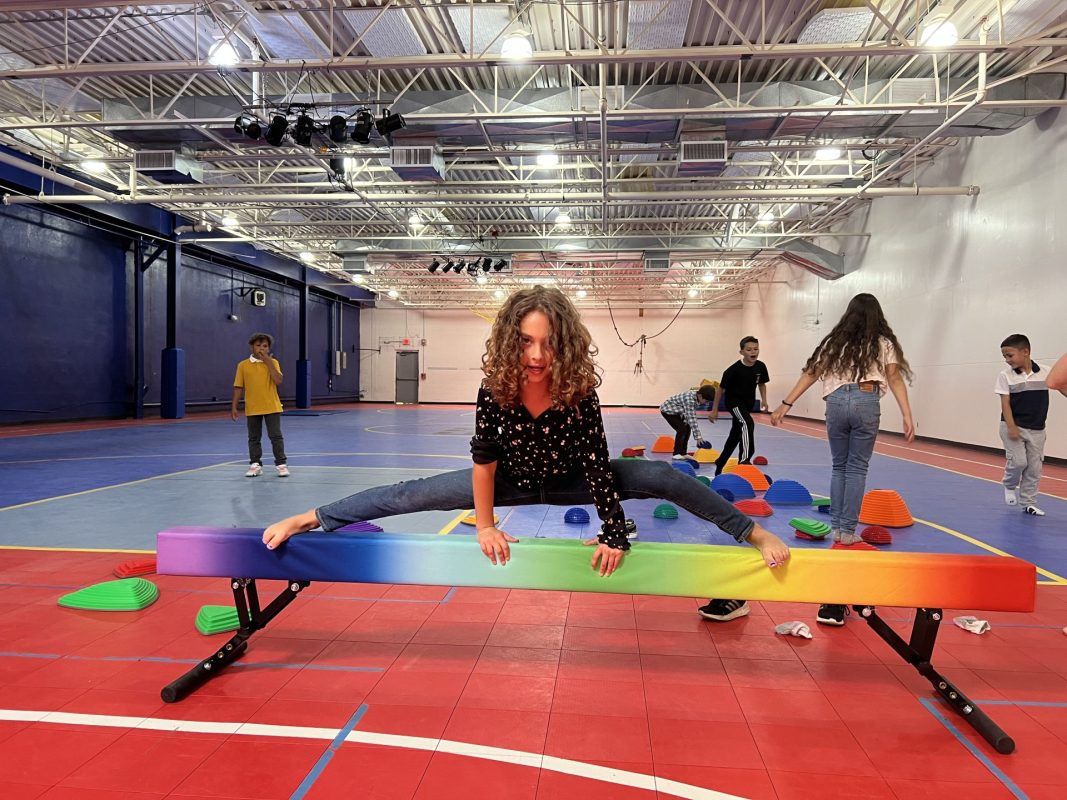
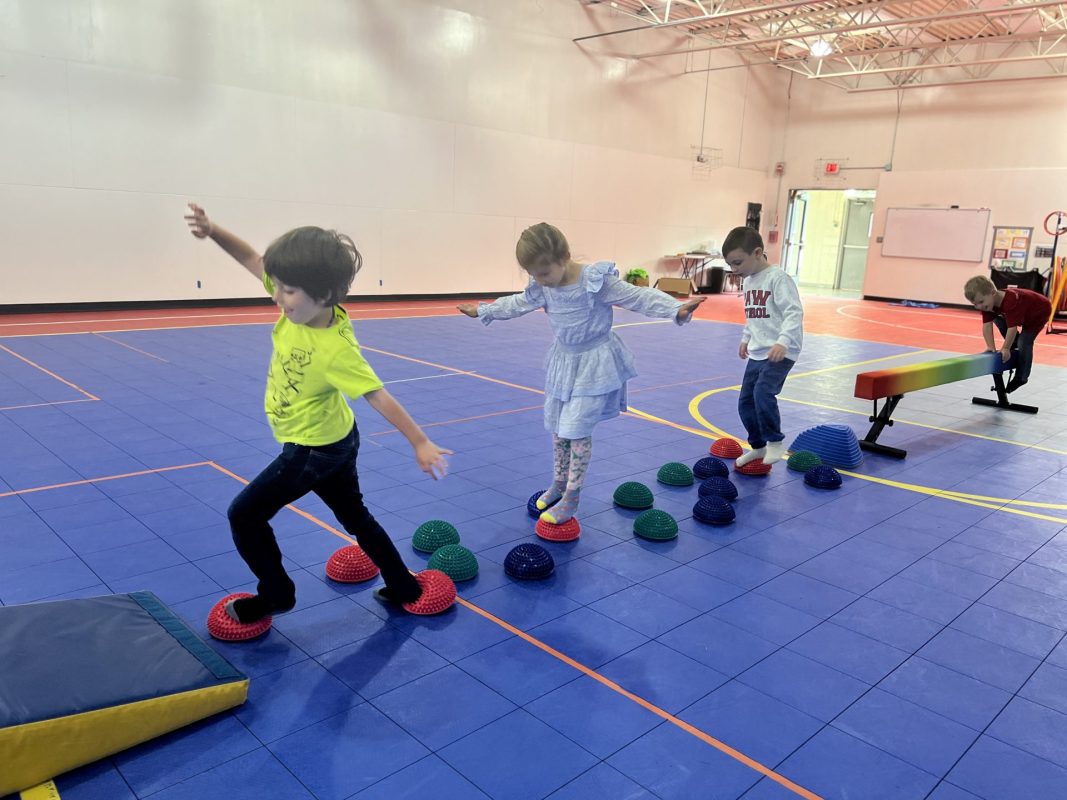
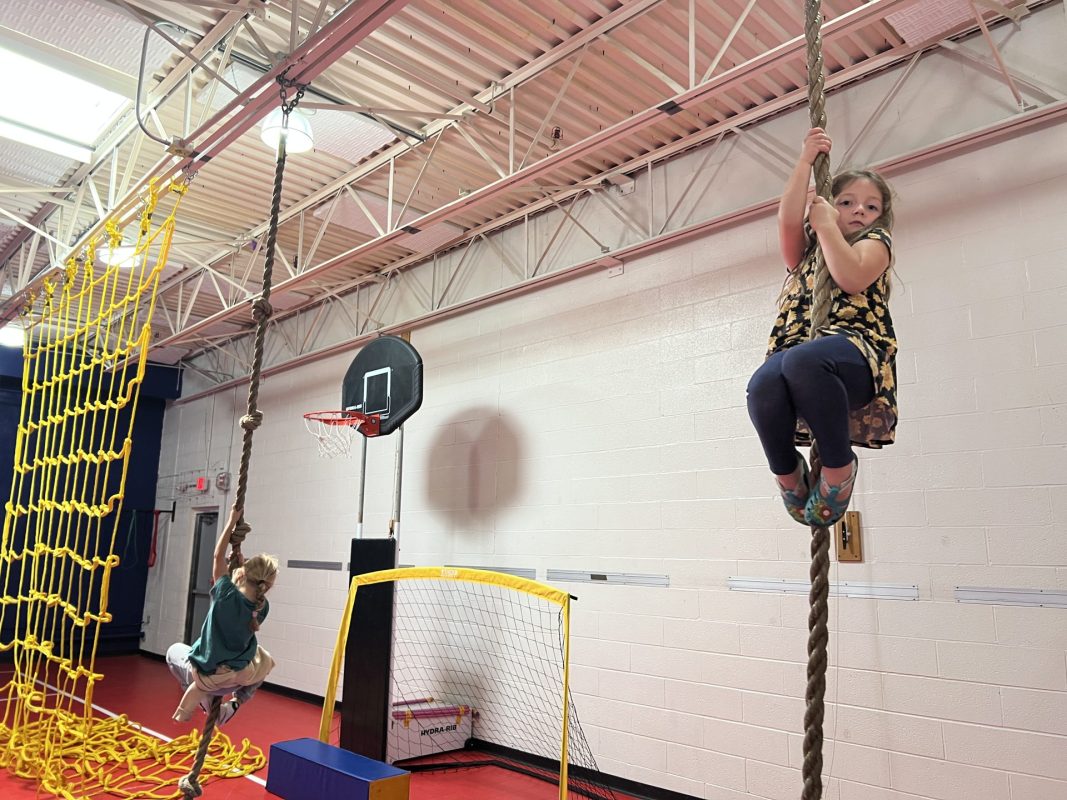
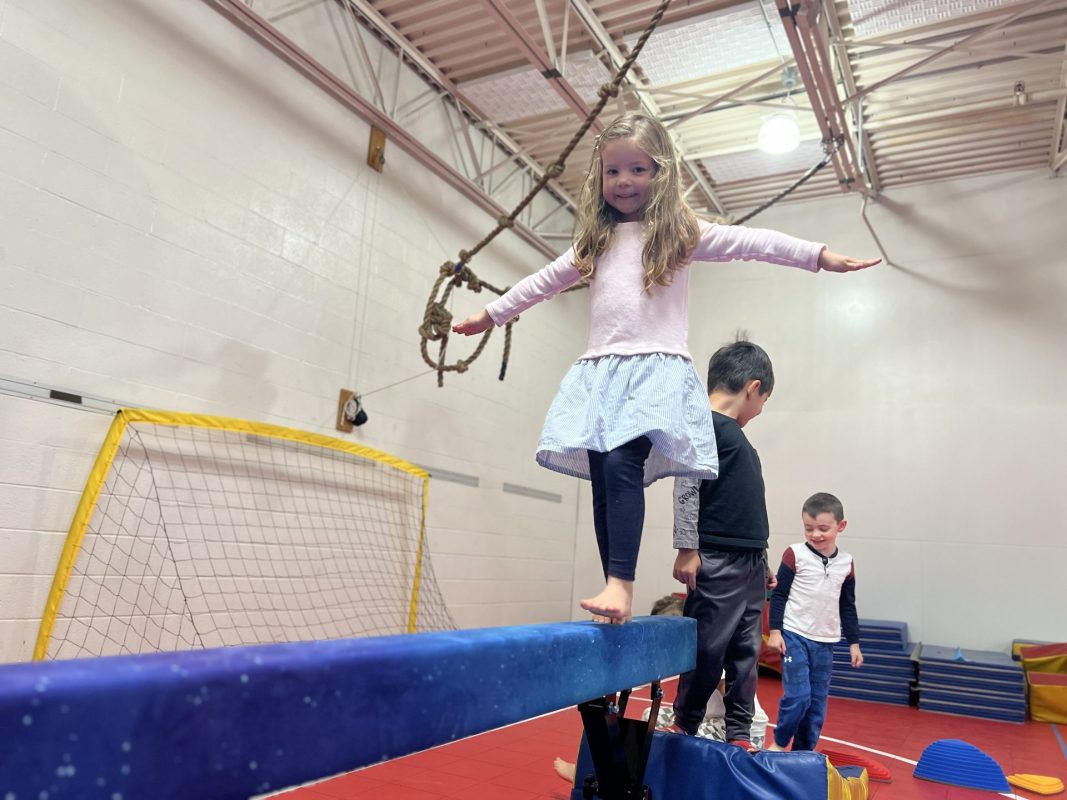
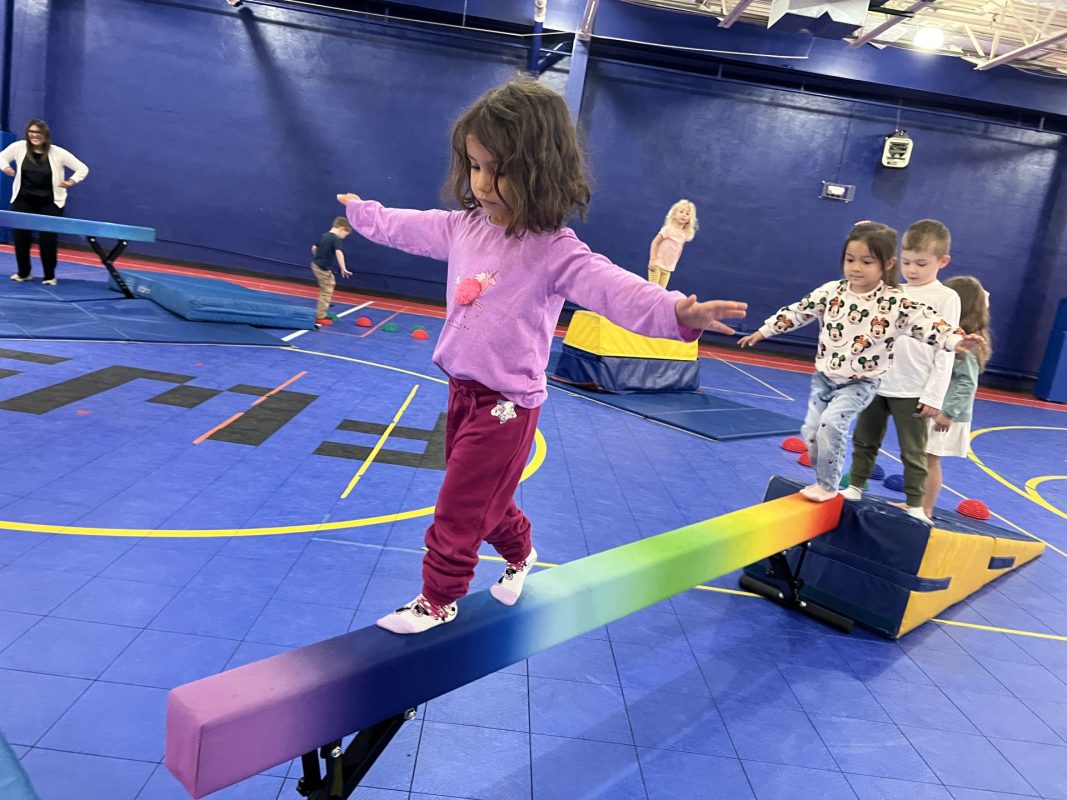
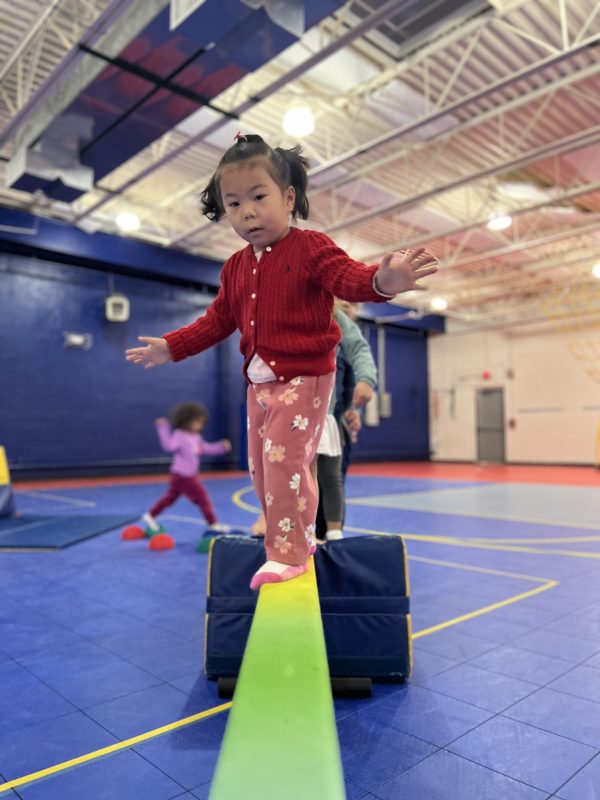
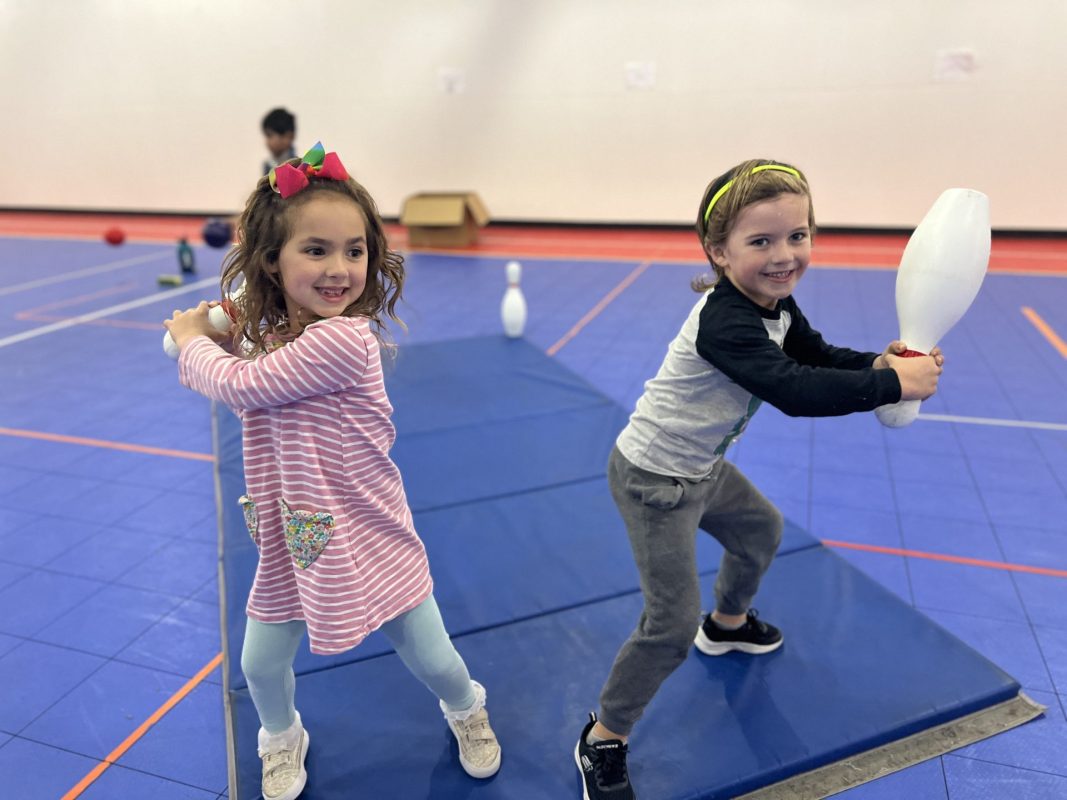
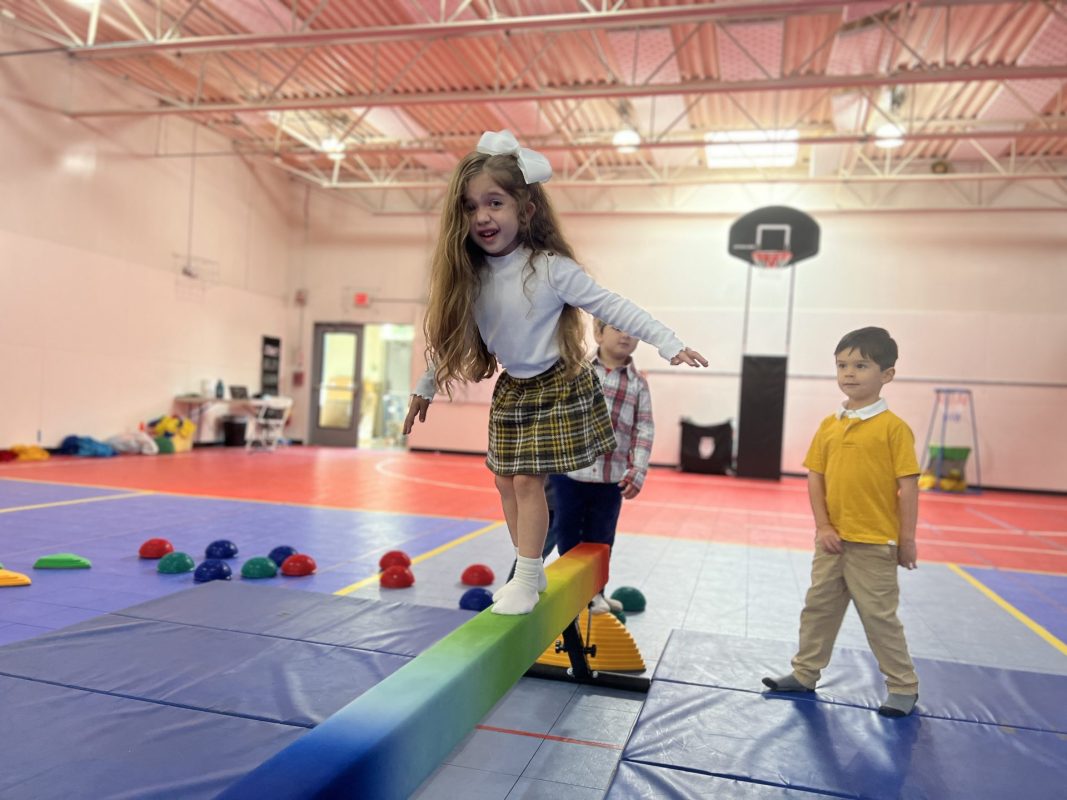
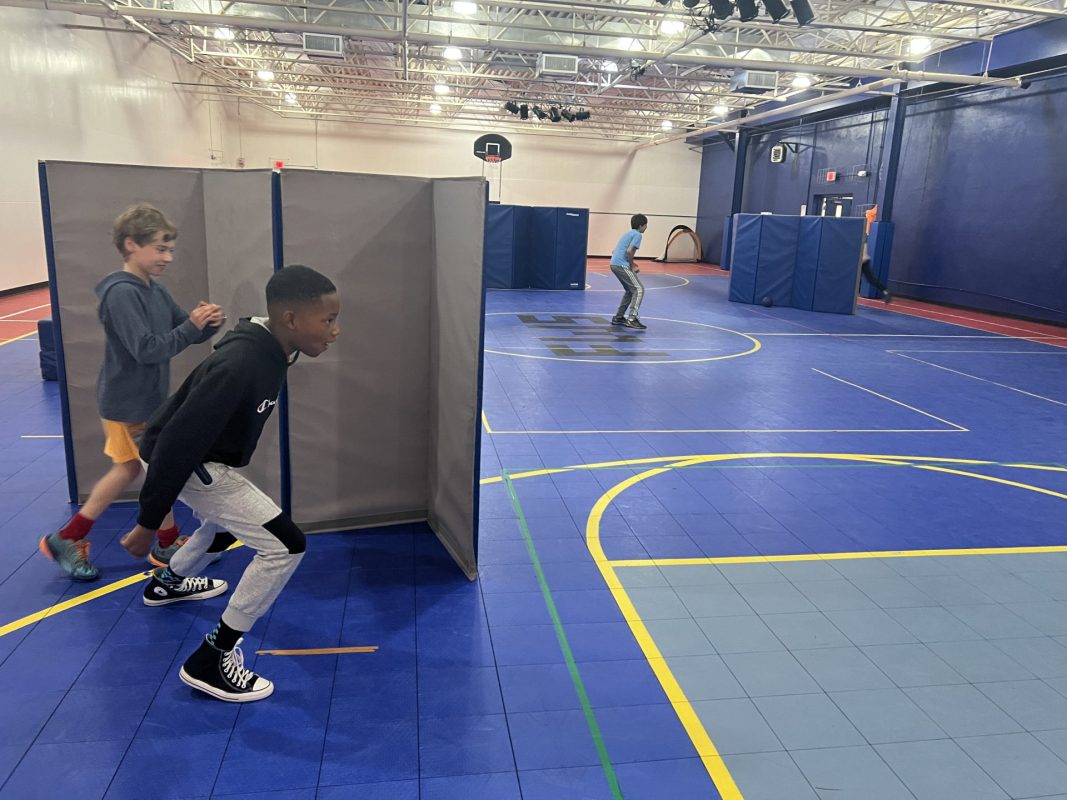
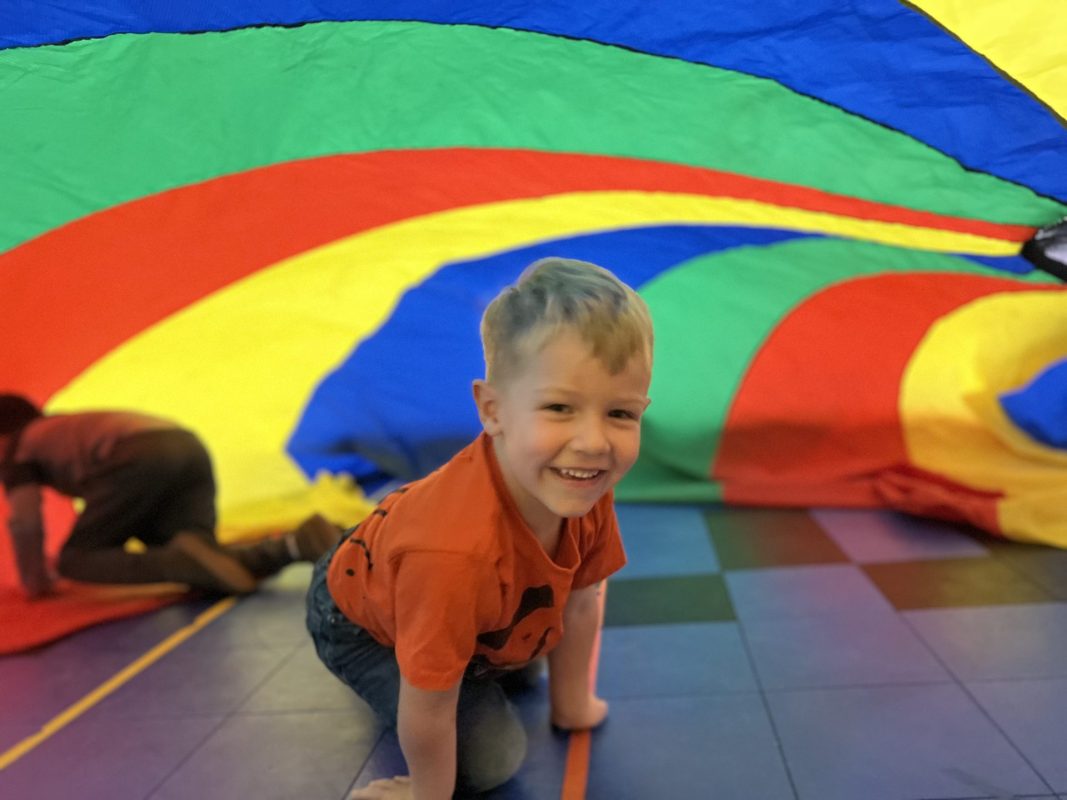
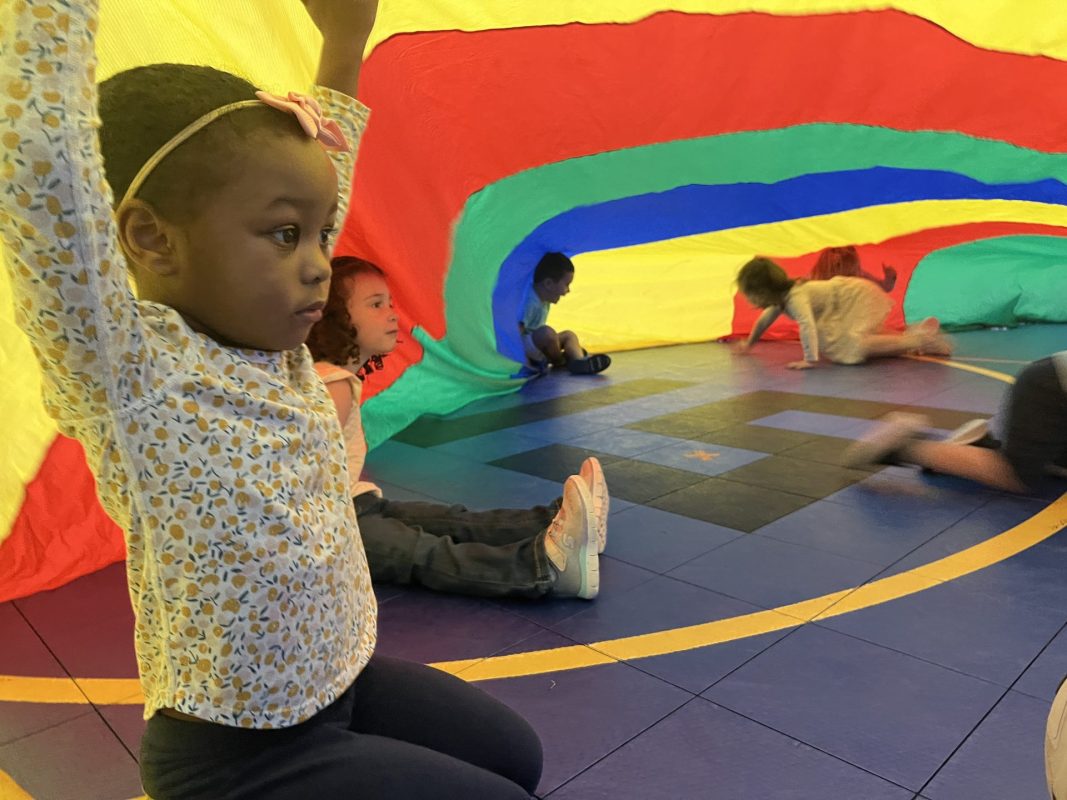
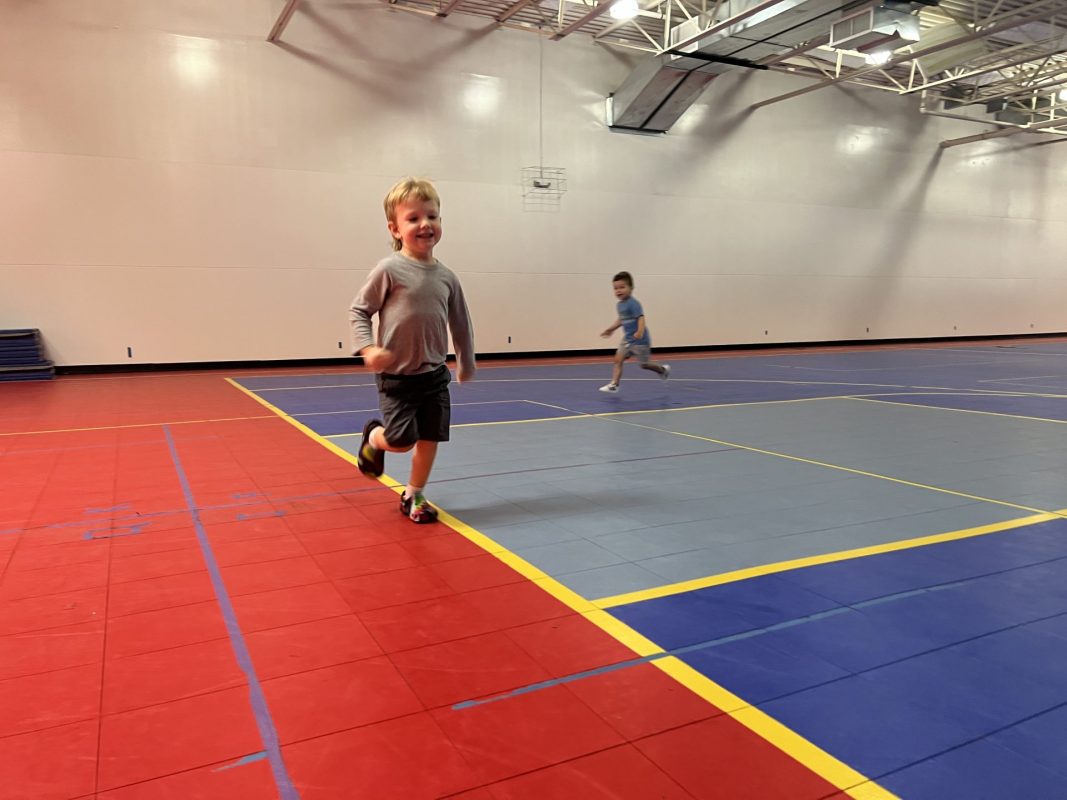
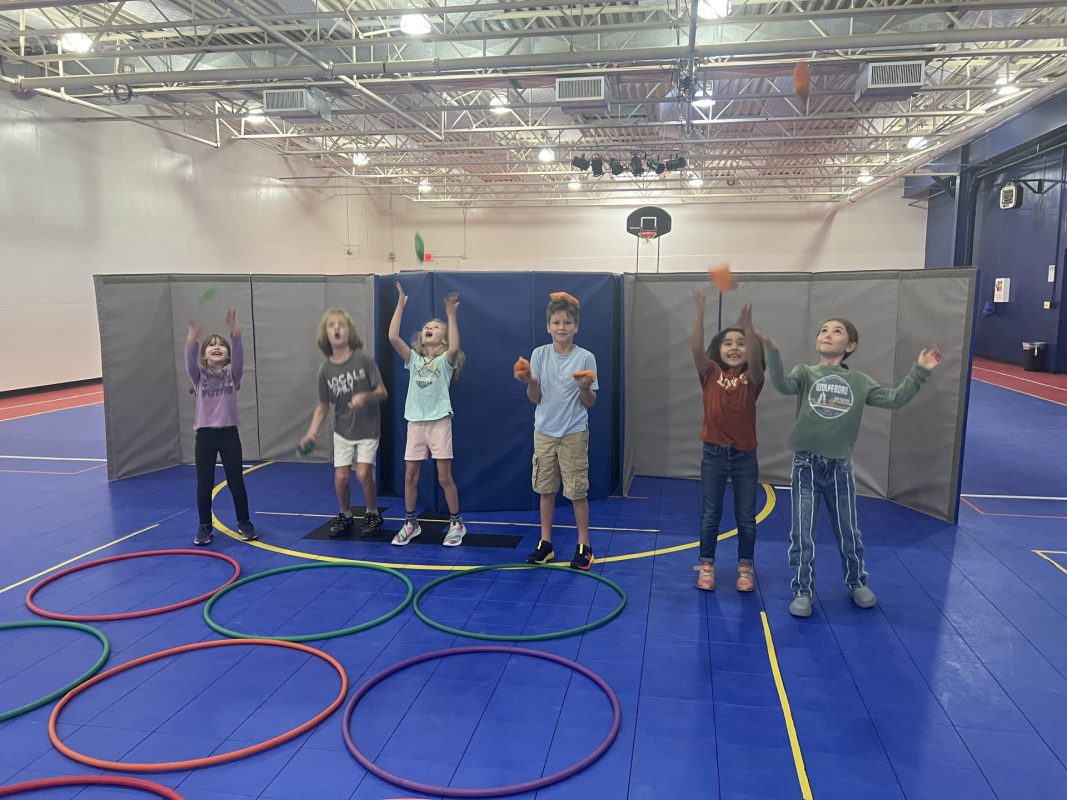
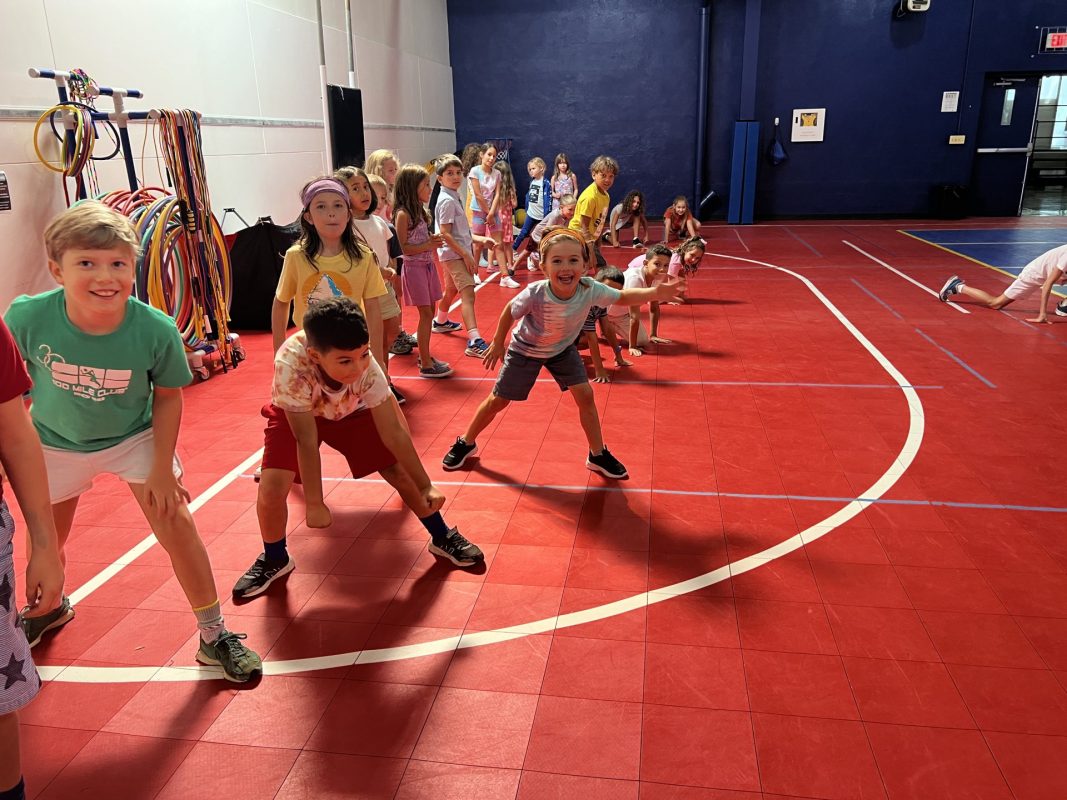
Over the past couple of weeks, our Physical Education classes have focused on giving students the opportunity to explore and play a variety of sports, games, and activities. Witnessing their enthusiasm and willingness to try new activities has been a joy. Through this exposure, I have had the chance to observe each student’s unique qualities and identify areas in which they can grow and develop throughout the year.

I am pleased to share that even in these early stages, I have already seen tremendous growth in our students’ confidence. Many have stepped out of their comfort zones and embraced sports and games that they initially hesitated to try. This is a testament to their resilience and willingness to take on new challenges.

In the coming weeks, we will continue to focus on building fundamental skills, fostering teamwork, and encouraging a positive attitude towards physical activity. Our goal is to create an inclusive and supportive environment where every student feels empowered to participate and excel.

As we move forward, I assure you that I am dedicated to providing your child with the best possible learning experience. We can create a nurturing and stimulating environment that promotes physical fitness, teamwork, and personal growth.

Thank you once again for your continued support and partnership. If you have any questions or concerns, please do not hesitate to reach out to me. I look forward to a fantastic year filled with growth, achievements, and memorable experiences for our students.
Warm regards,

Zachary Brown
Physical Education Educator