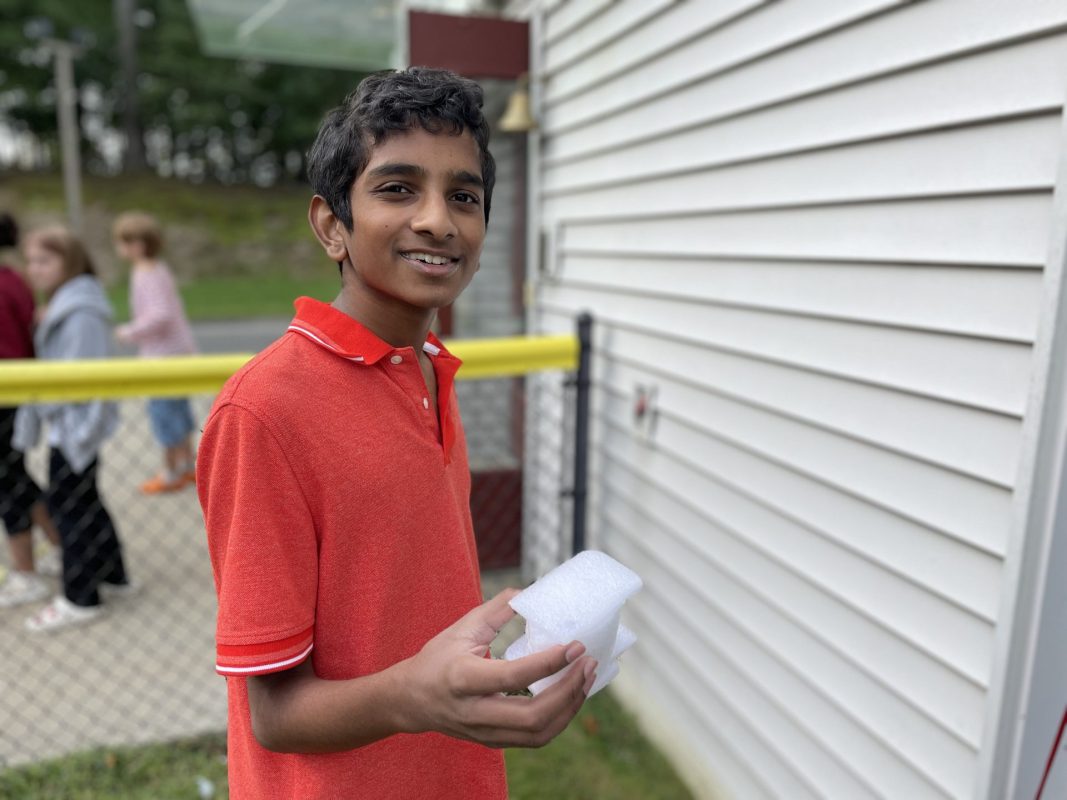
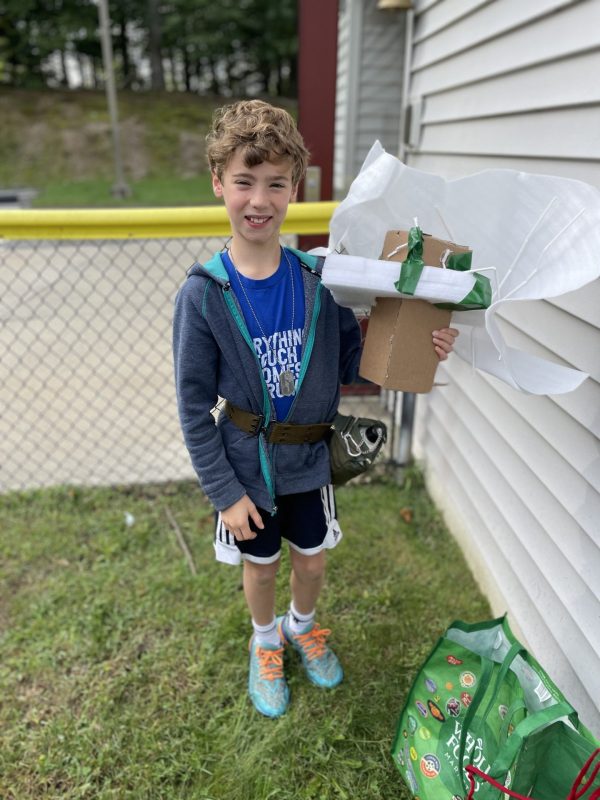
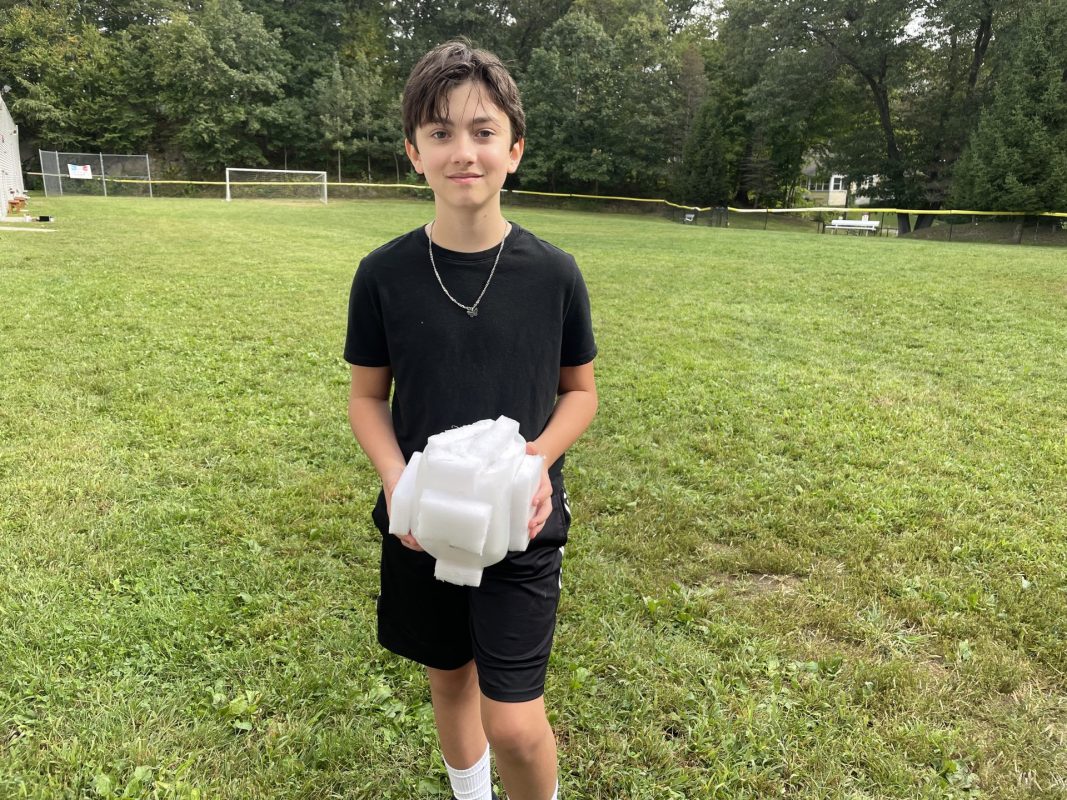
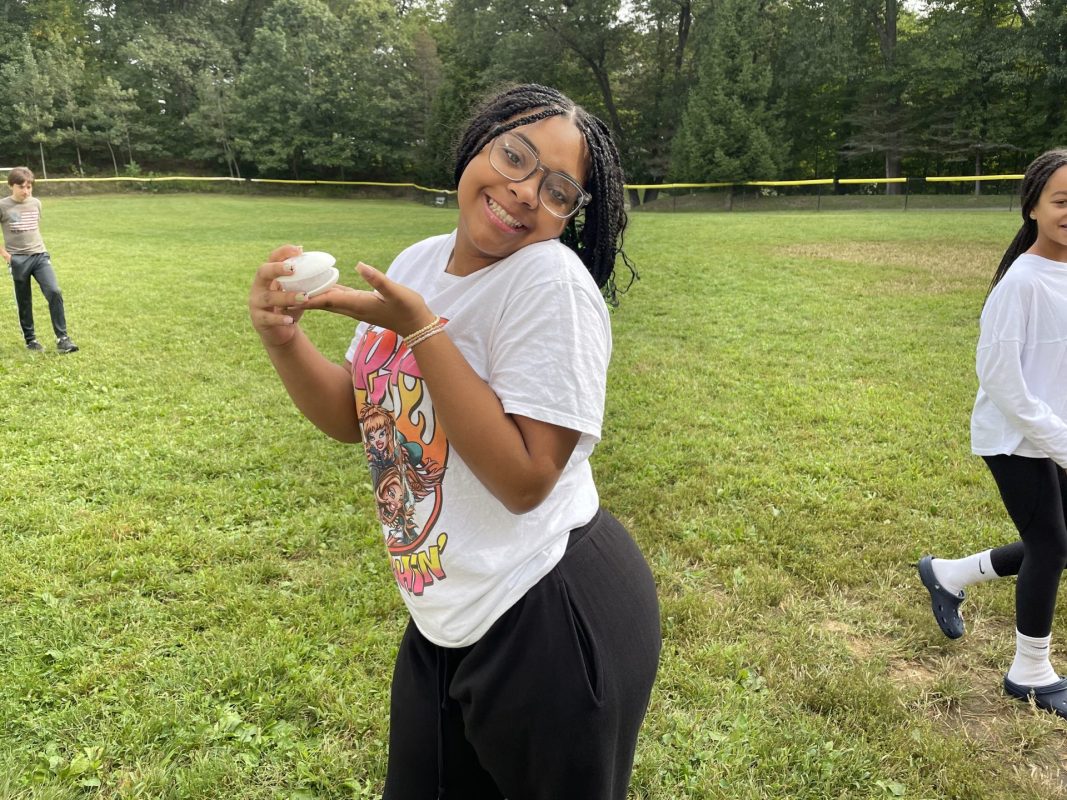
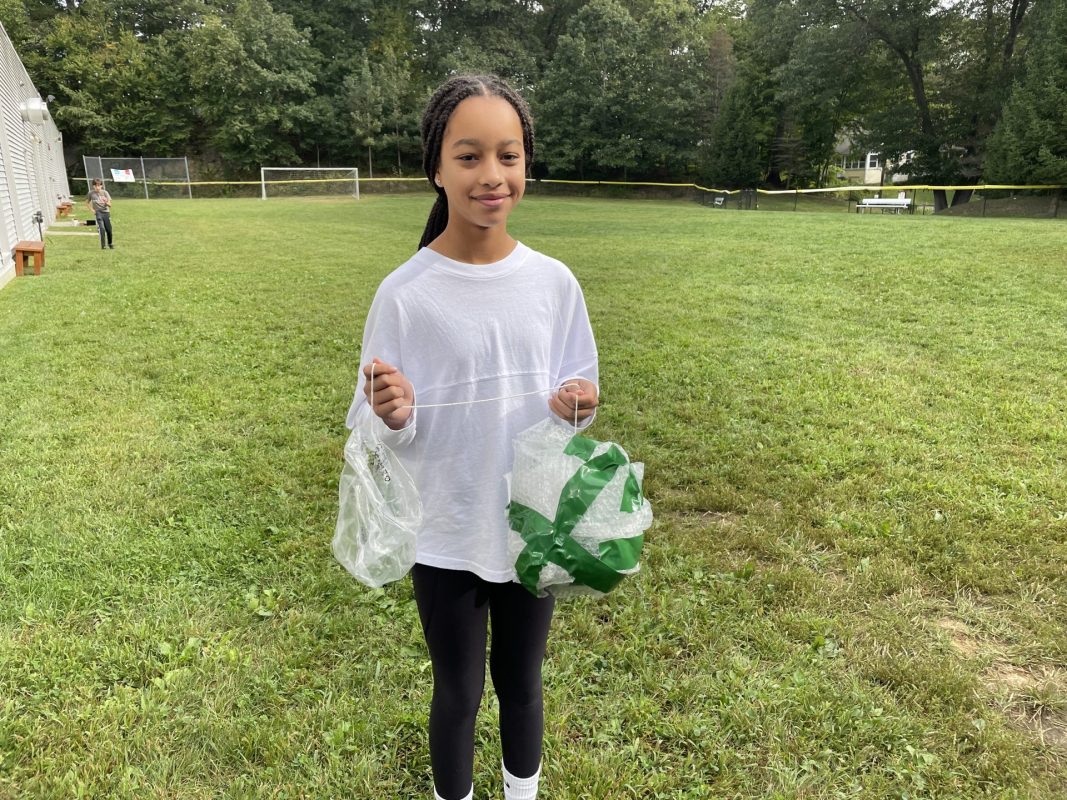
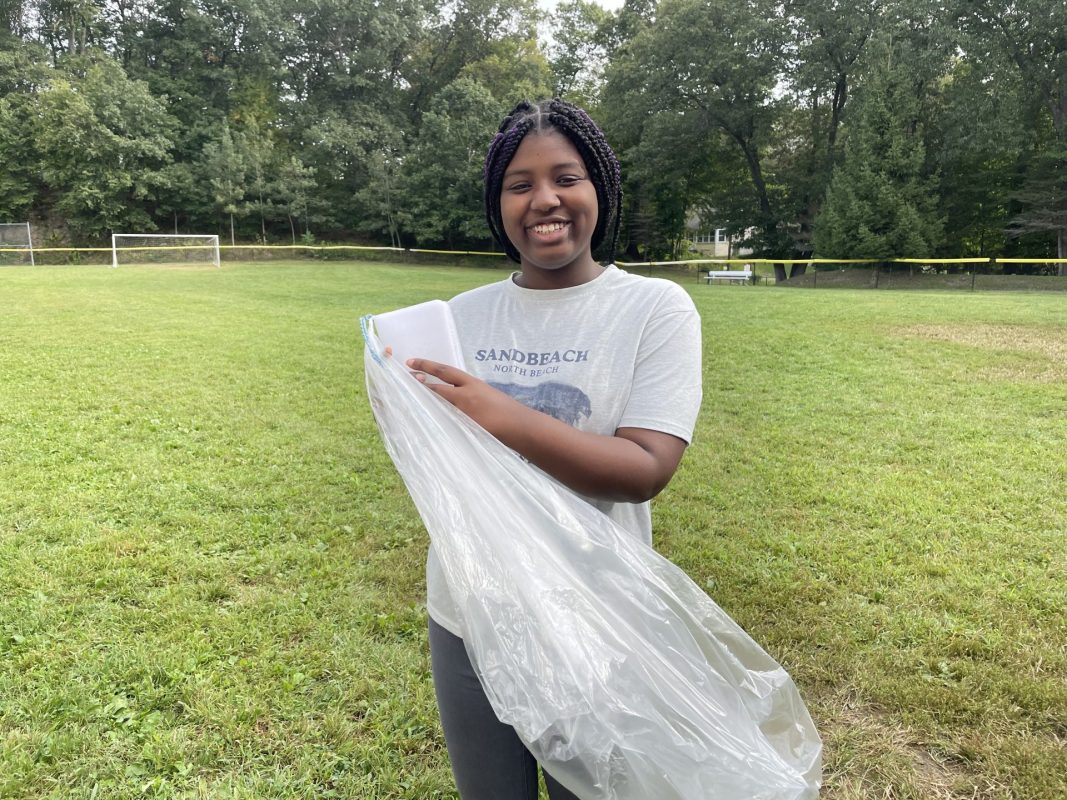
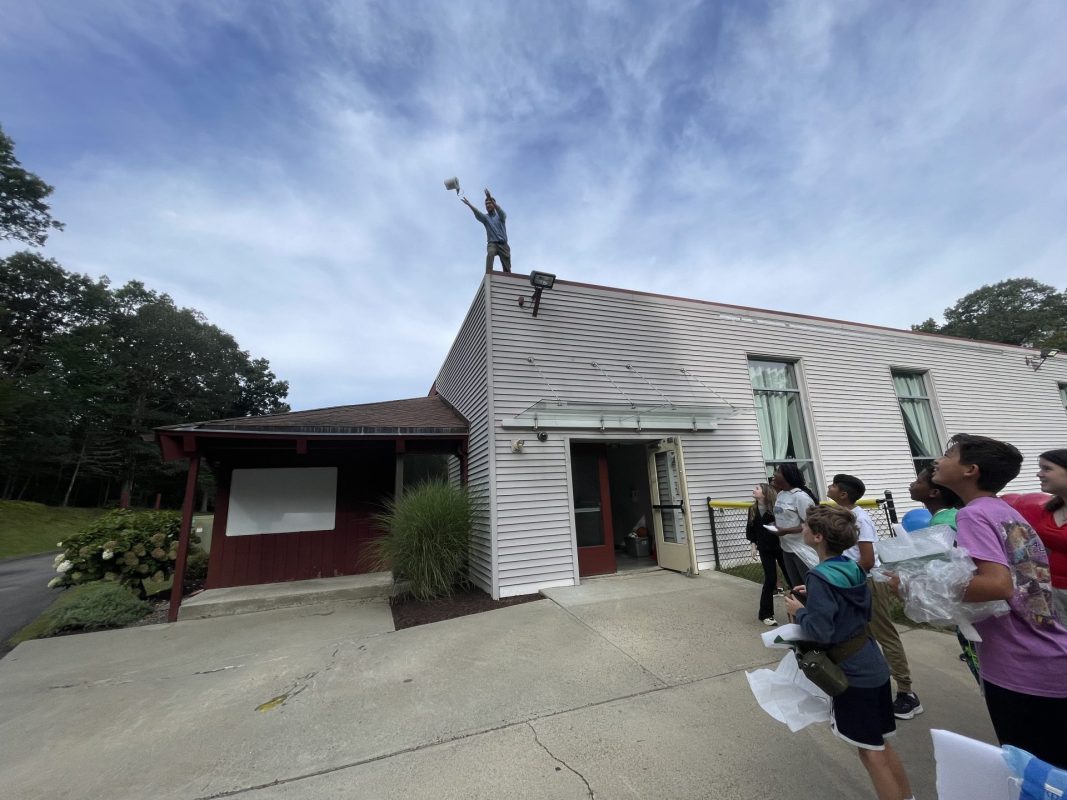
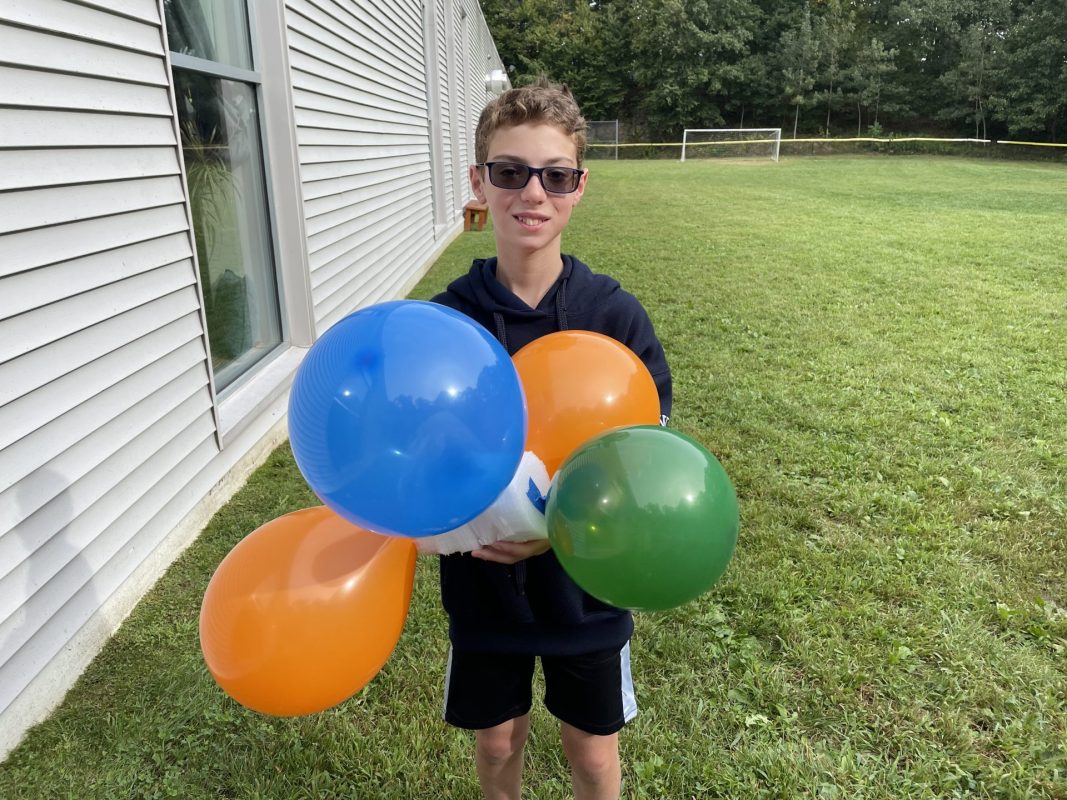
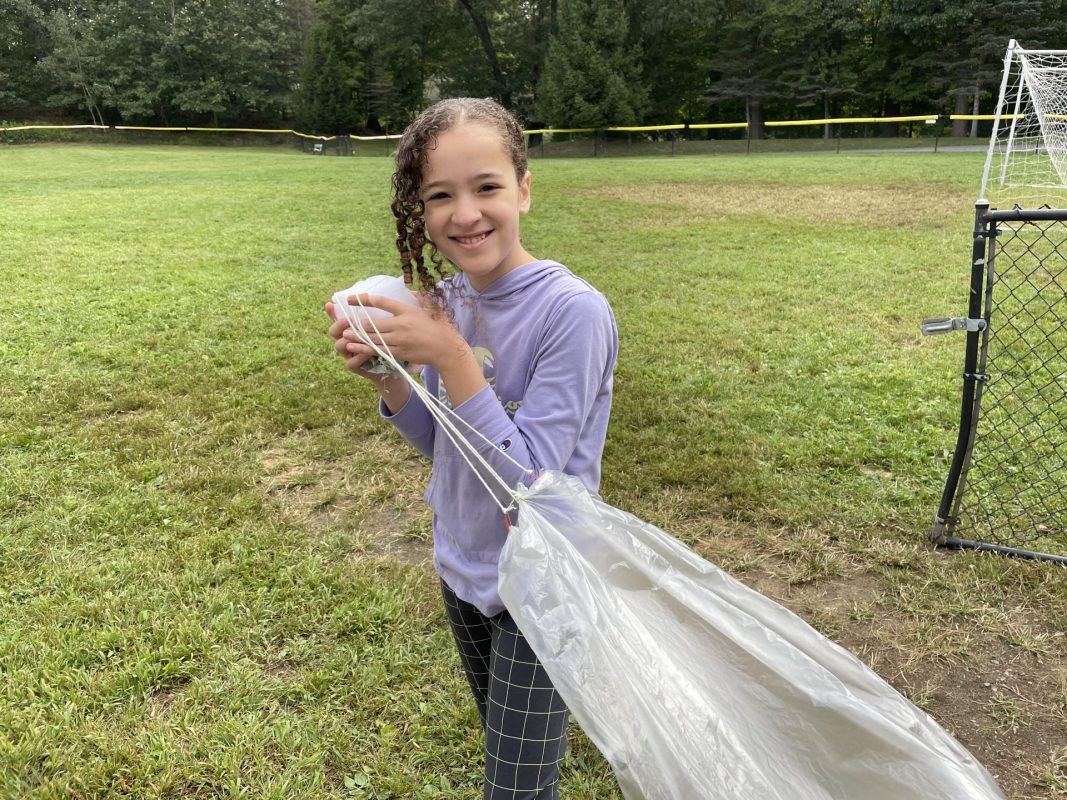
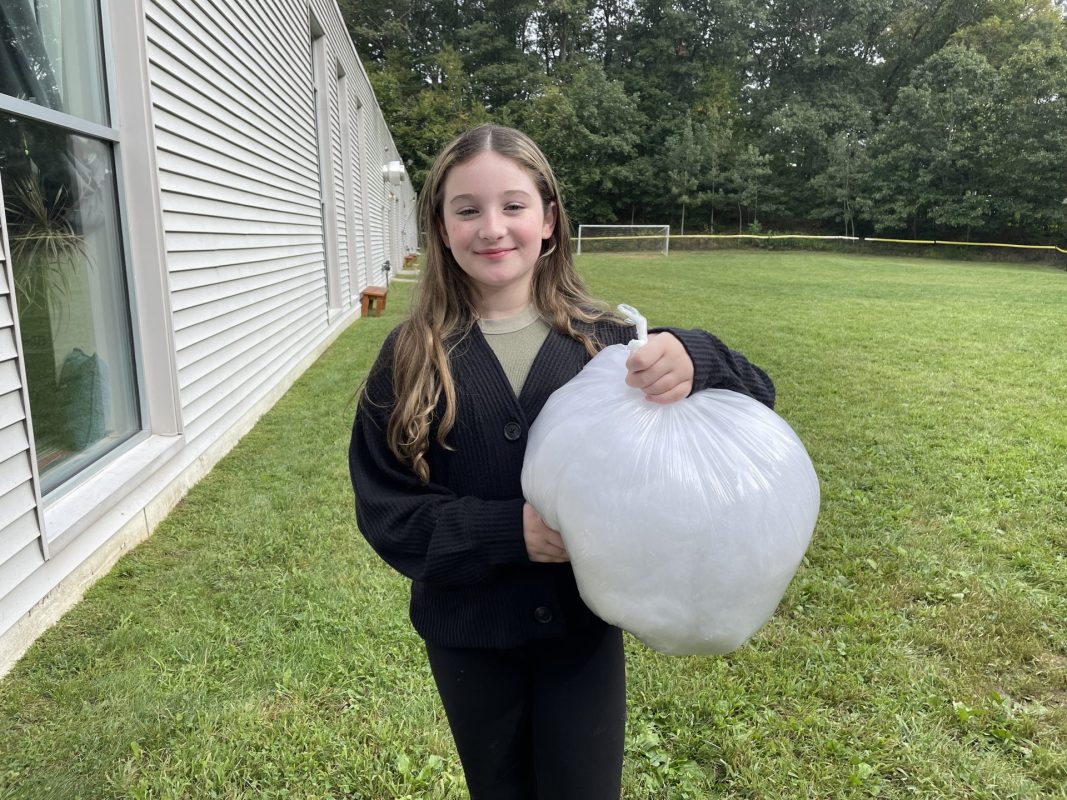
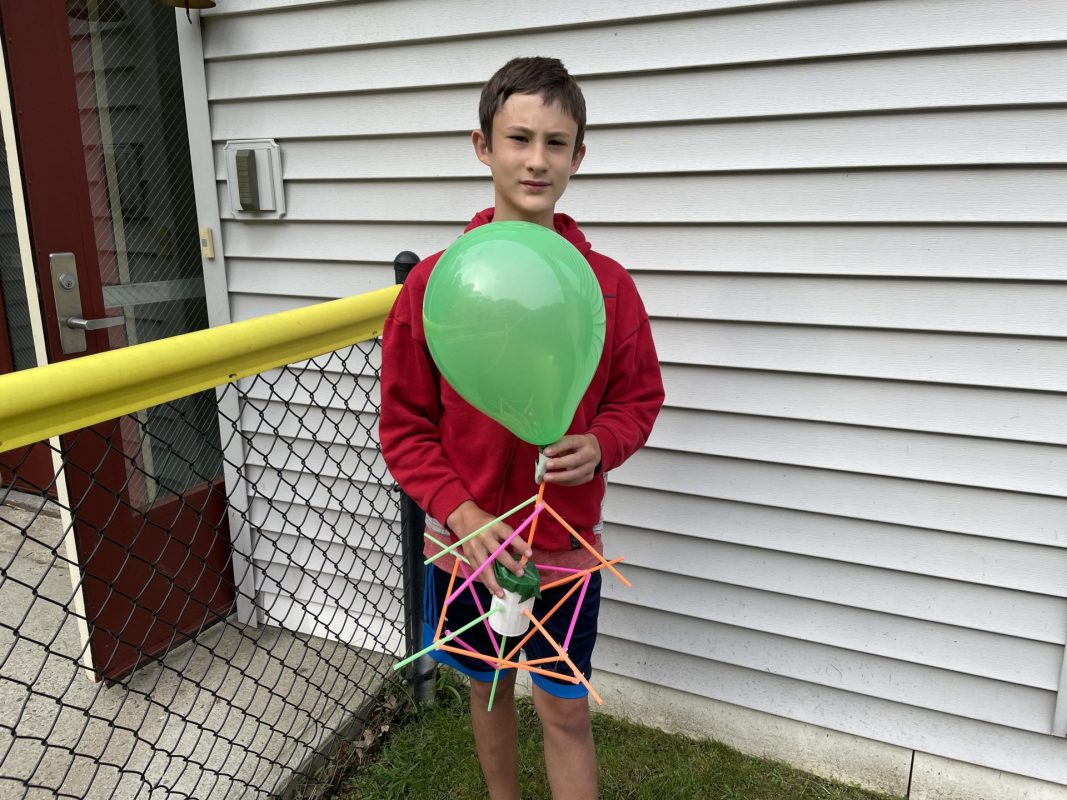
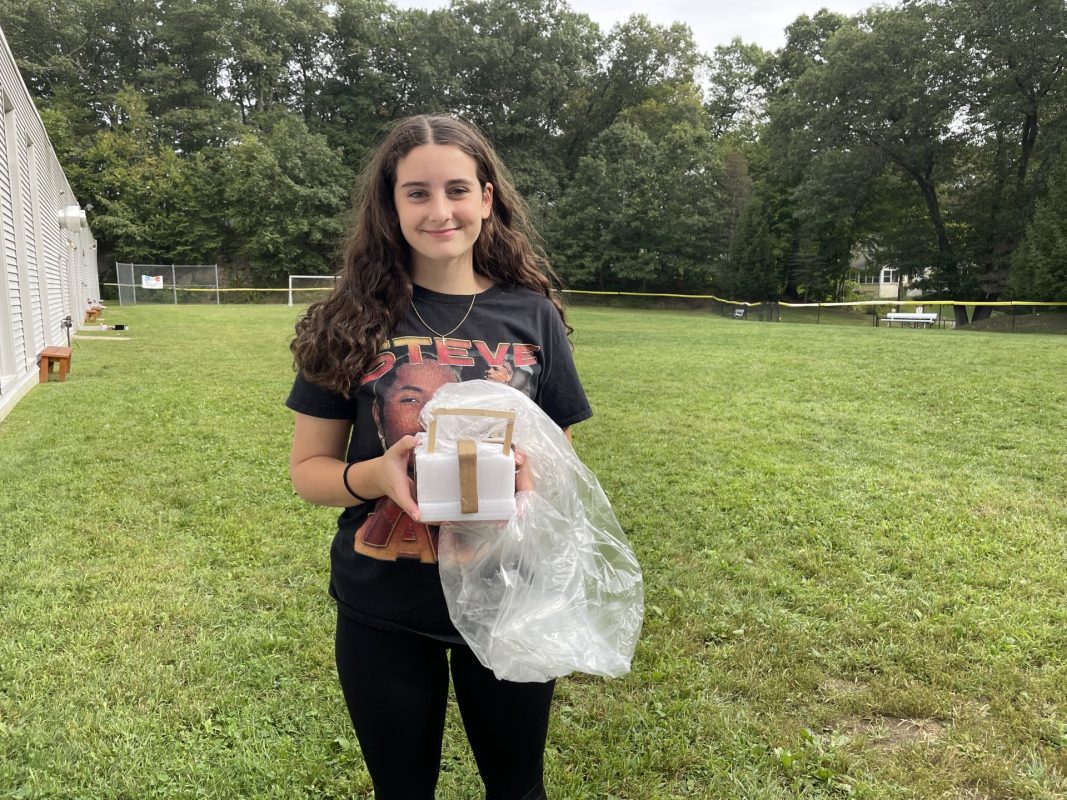
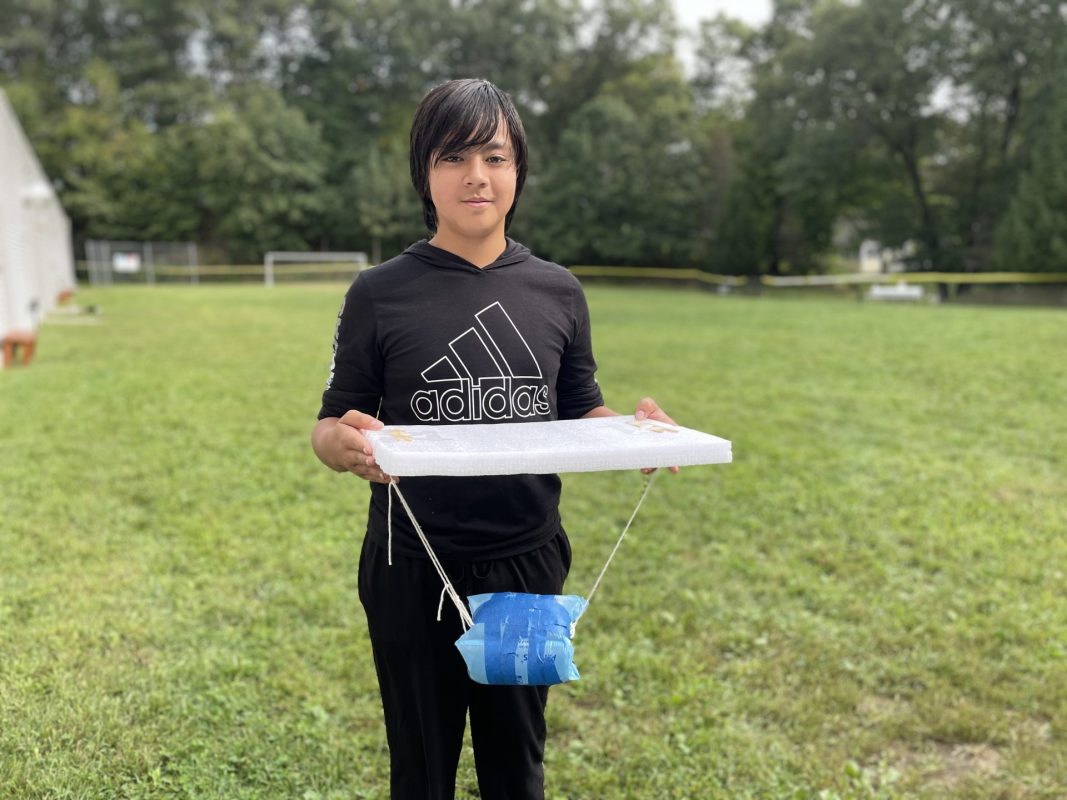
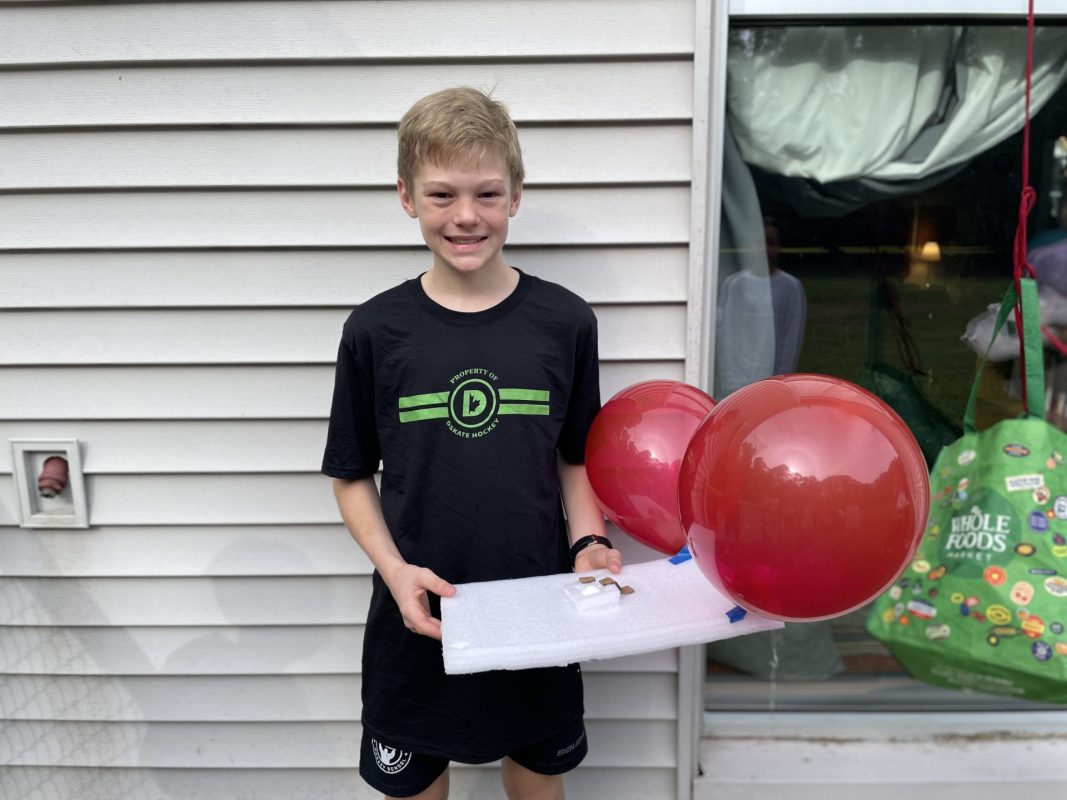
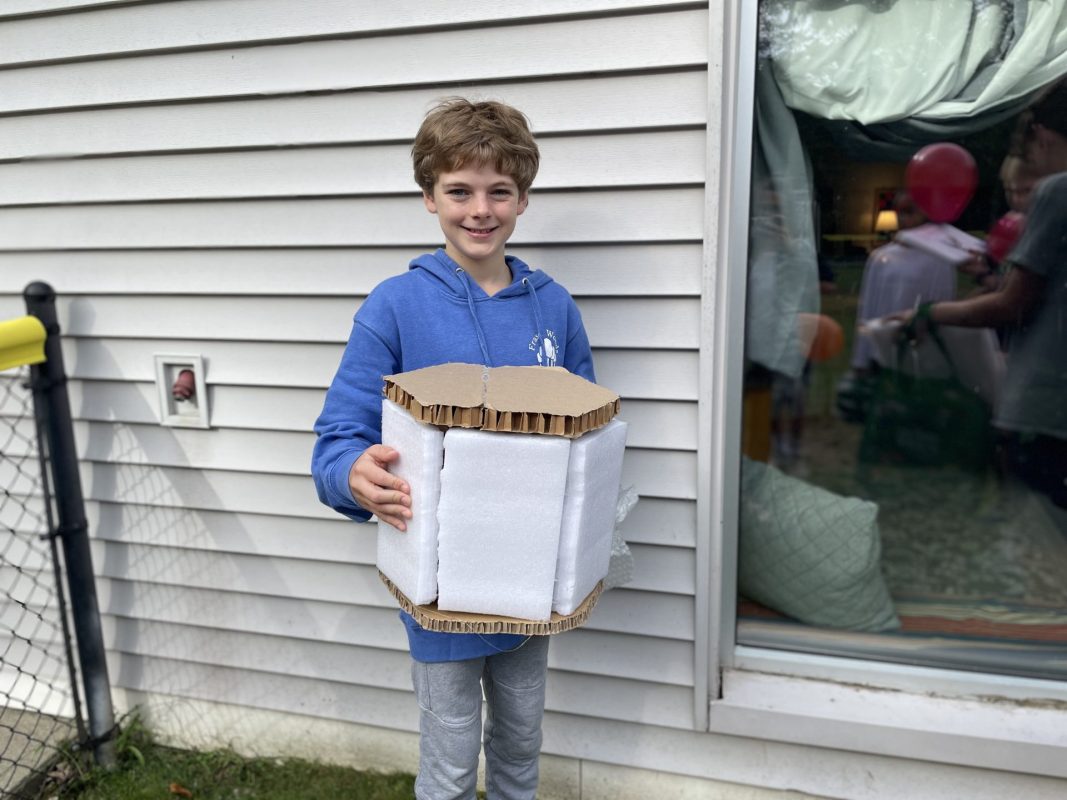
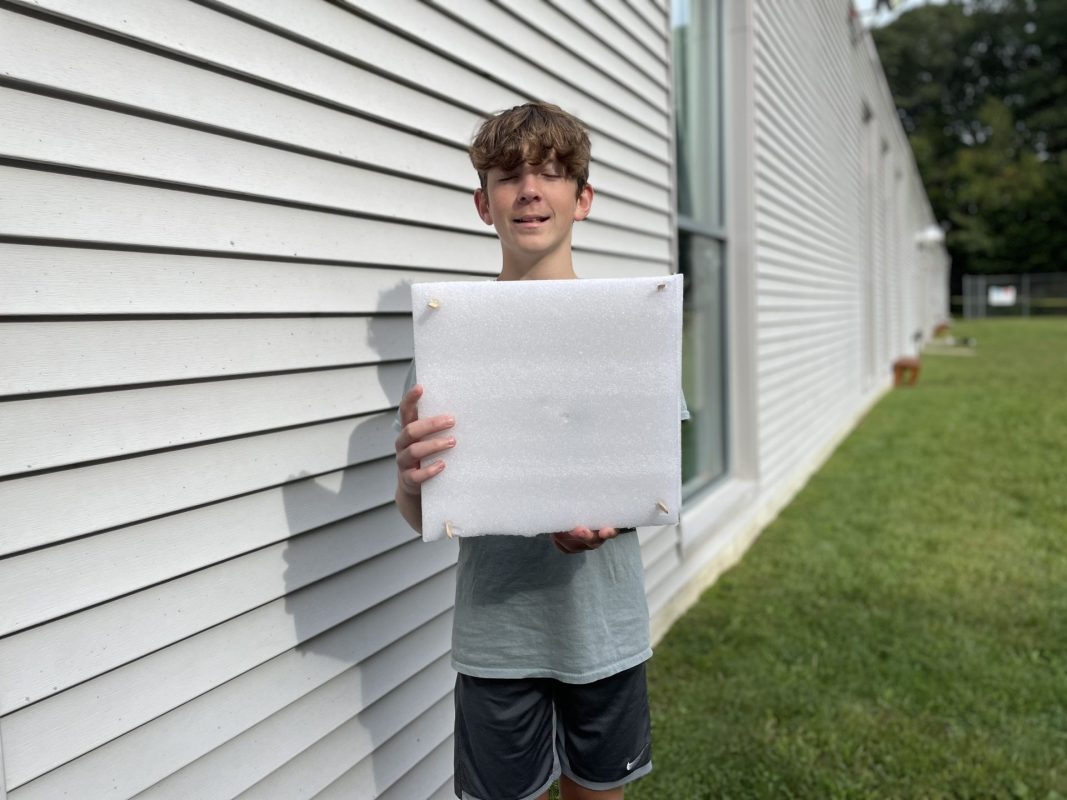
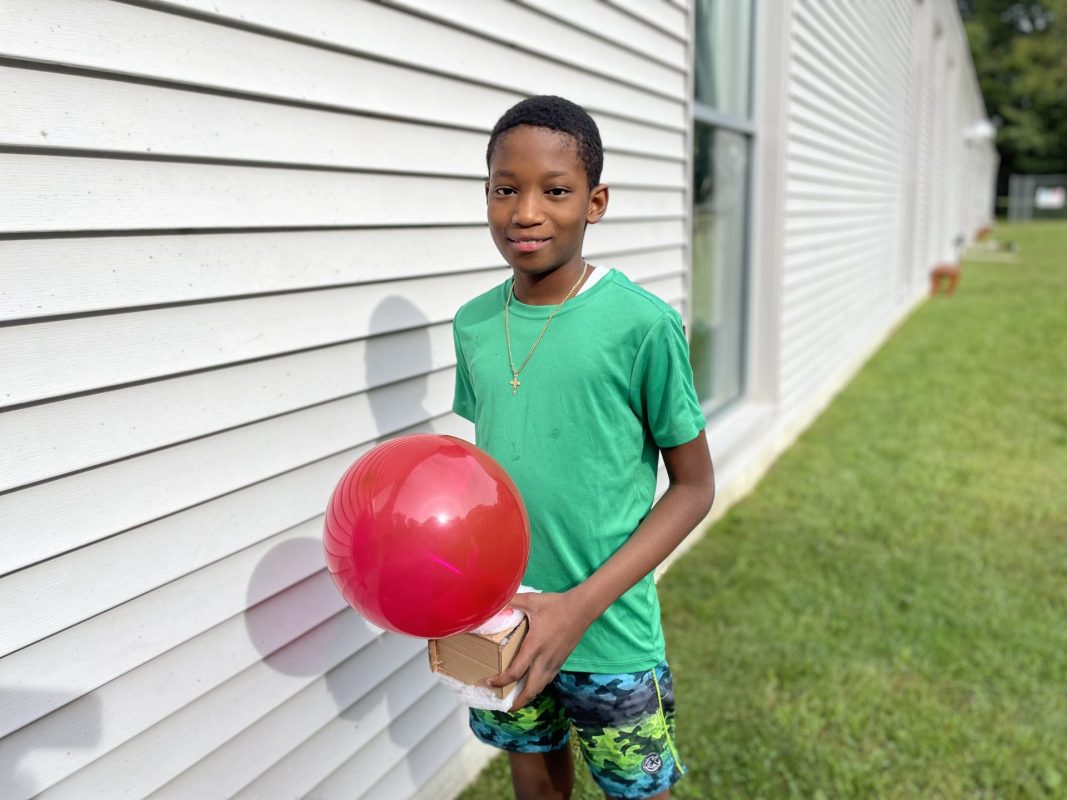
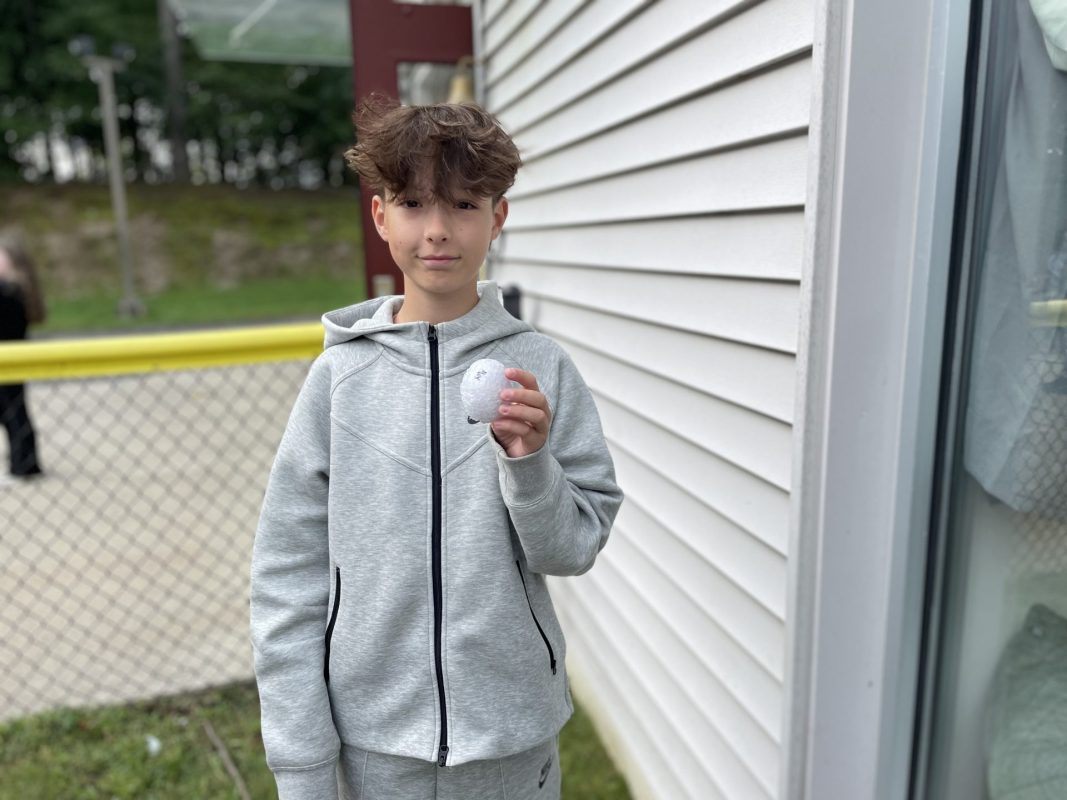
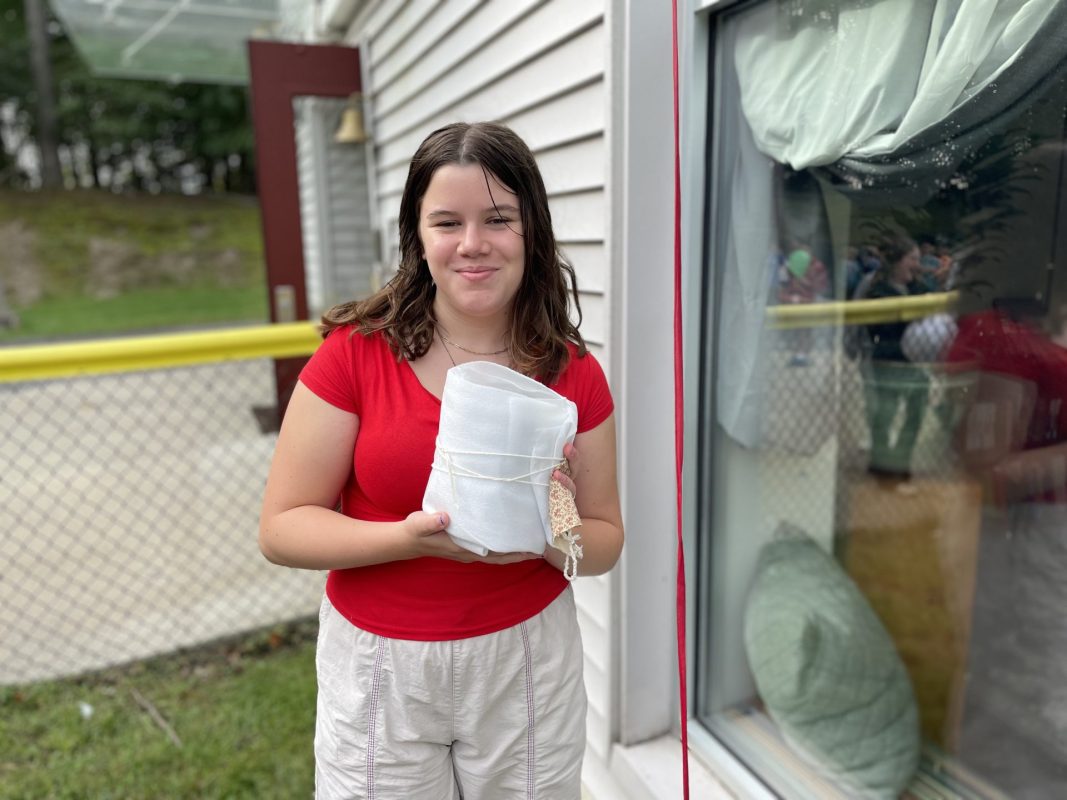
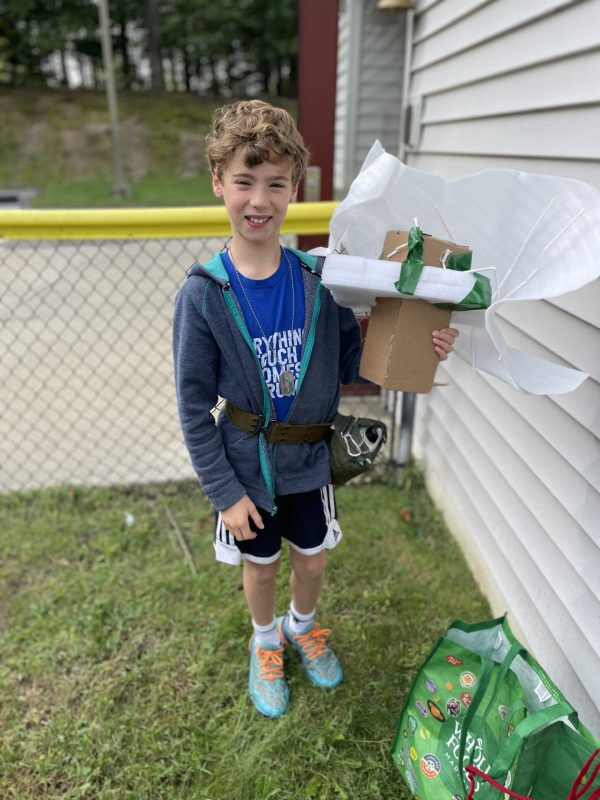
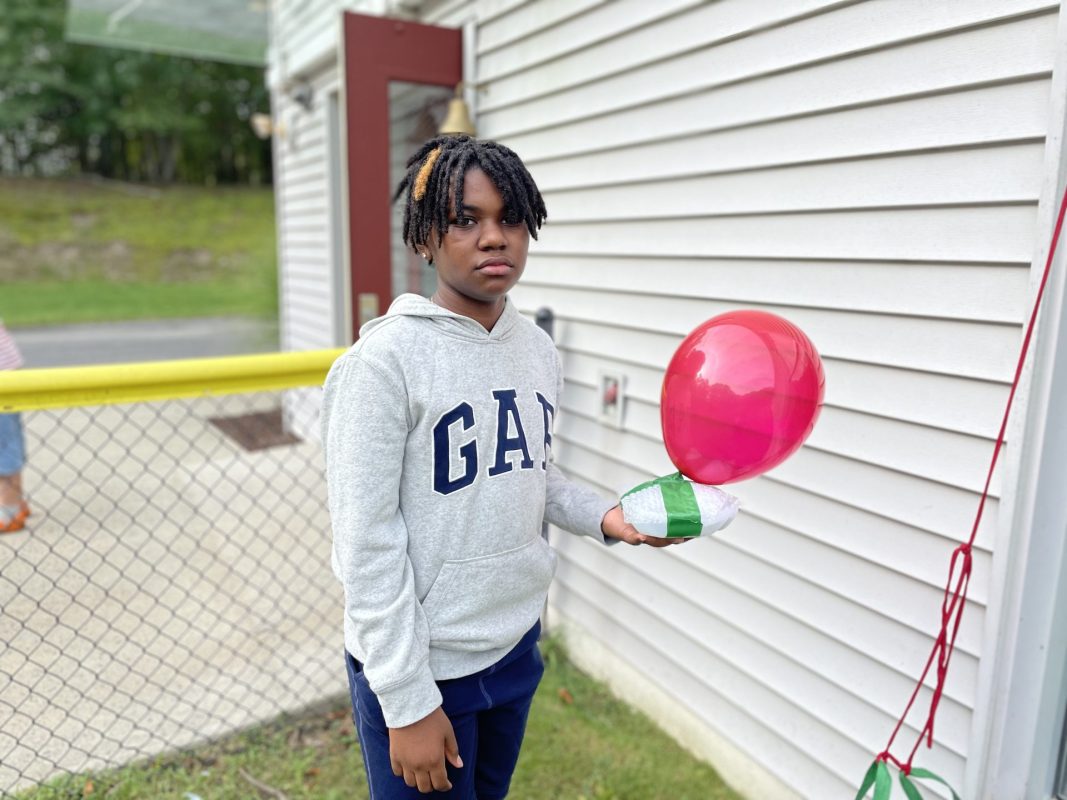
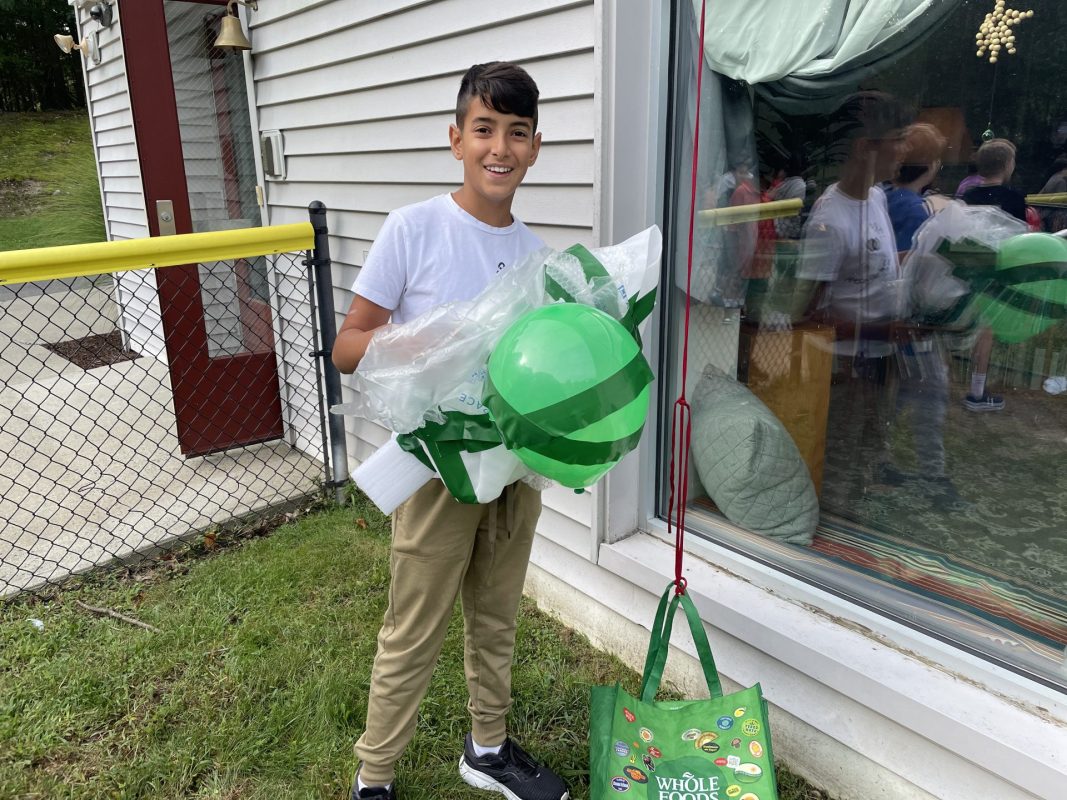
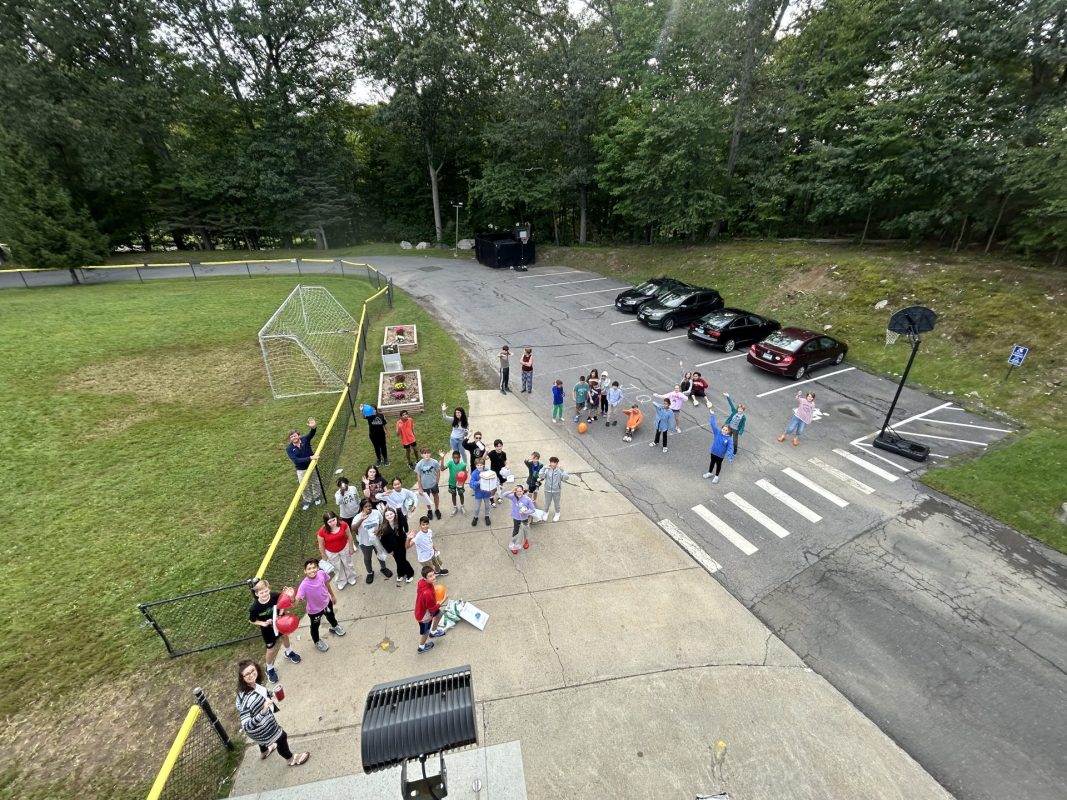
To start this year, the middle school students took on the difficult challenge of protecting an egg from a drop off the school roof! The middle school egg drop challenge presents young minds with a thrilling opportunity to dive into the world of design. At its core, the design process for this task is all about problem-solving and creativity. It starts with understanding the challenge—protecting a fragile egg from a fall—and progresses through brainstorming, research, prototyping, and testing. Students learn to think critically, apply scientific principles, and collaborate with peers. Through a series of iterations, they develop a final design. In the end, the egg drop challenge becomes a fun and educational journey where learning and innovation go hand in hand.
Pickleball Fun in PE!
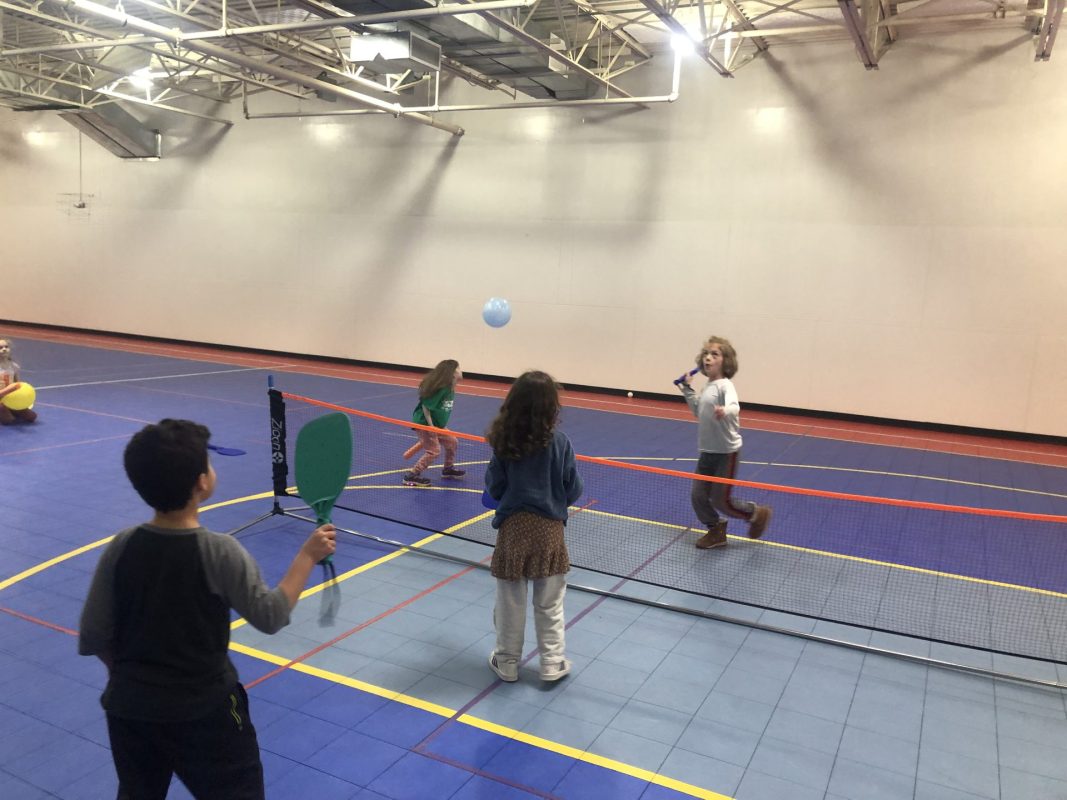
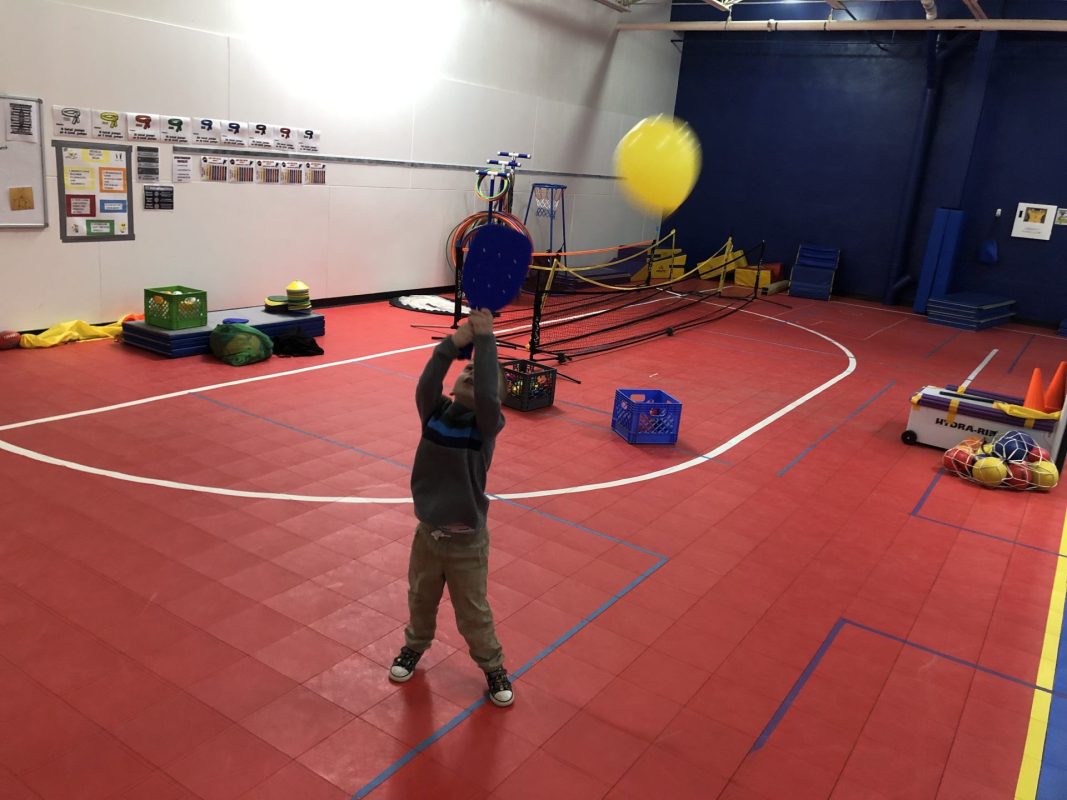
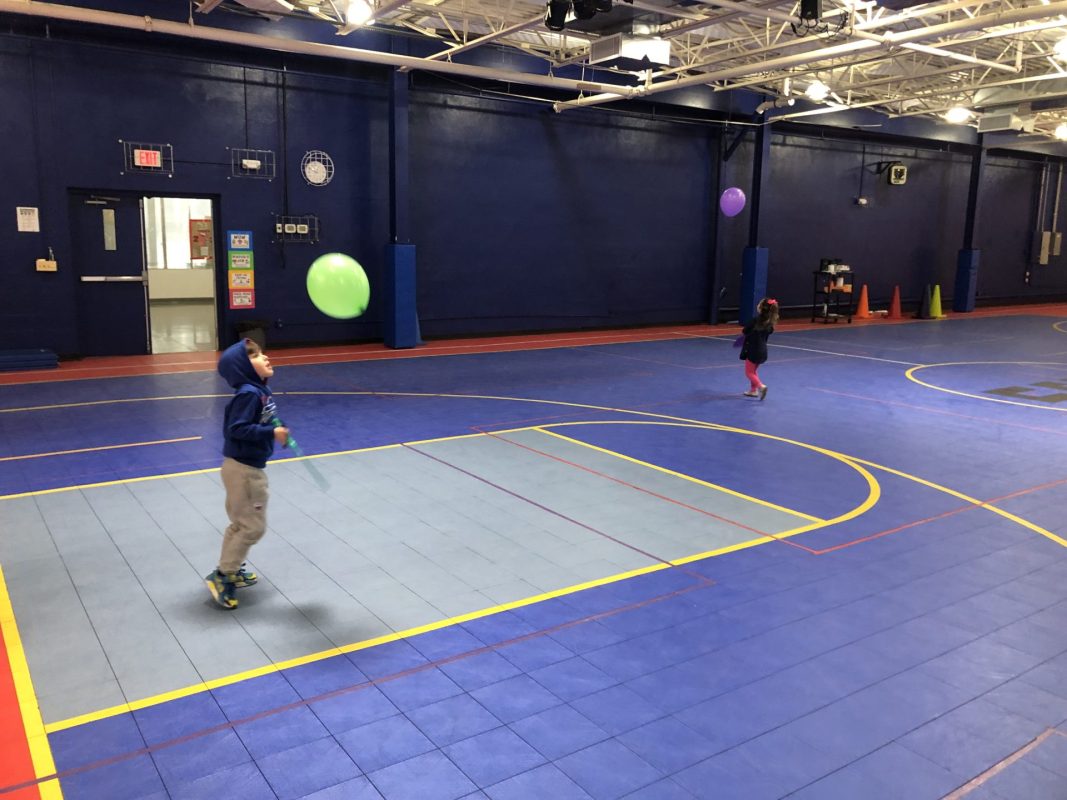
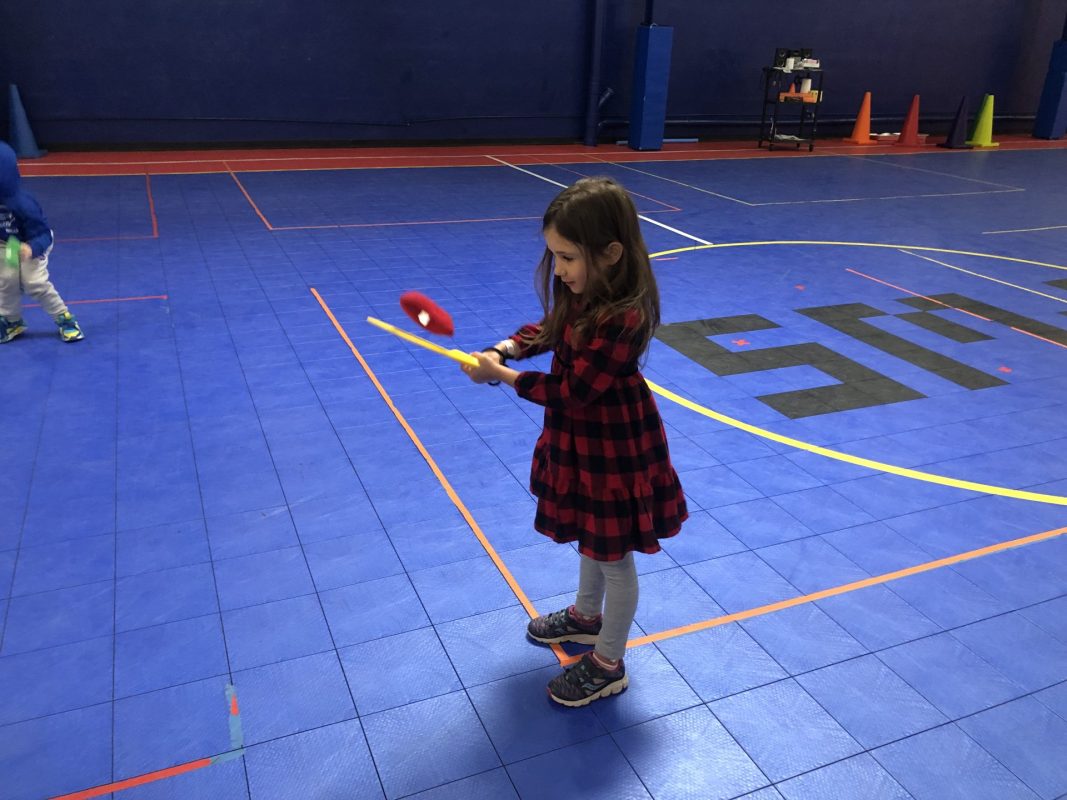
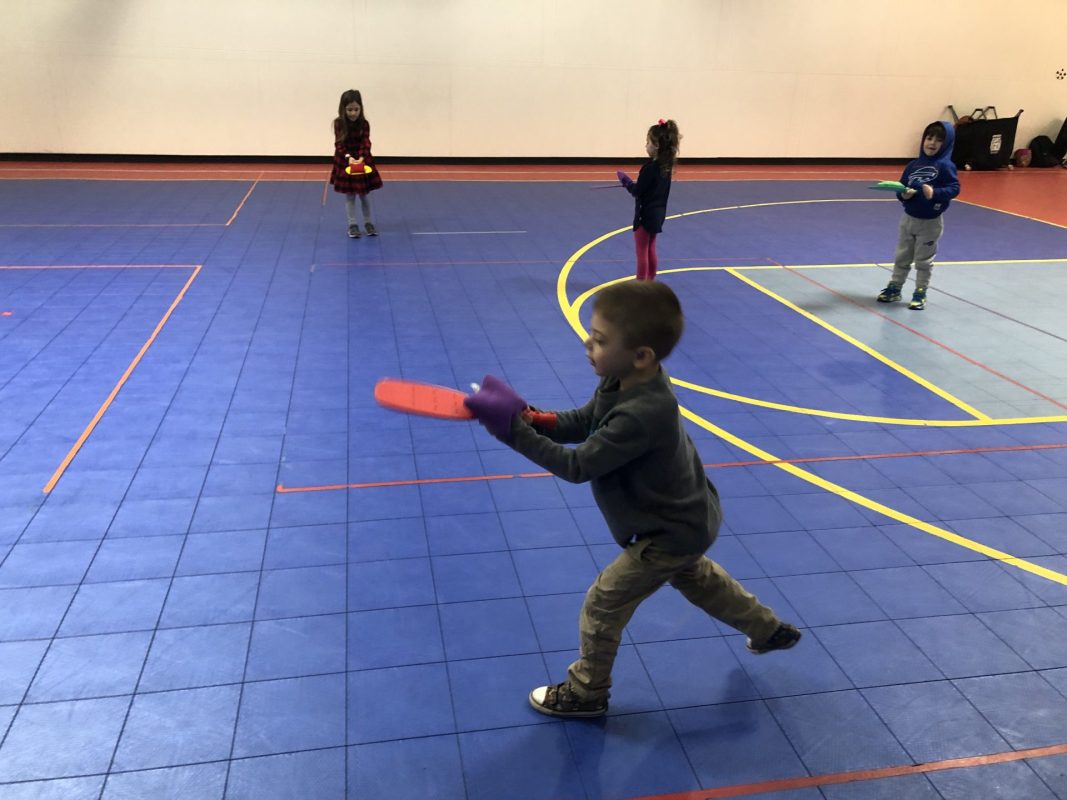
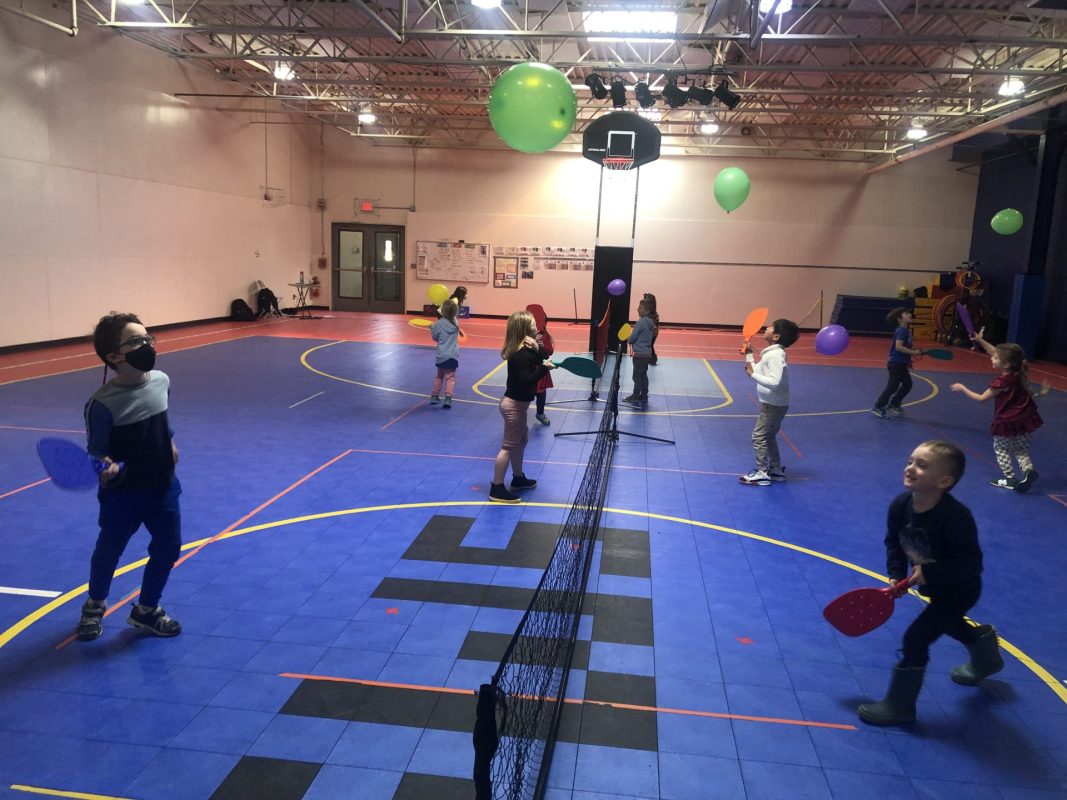
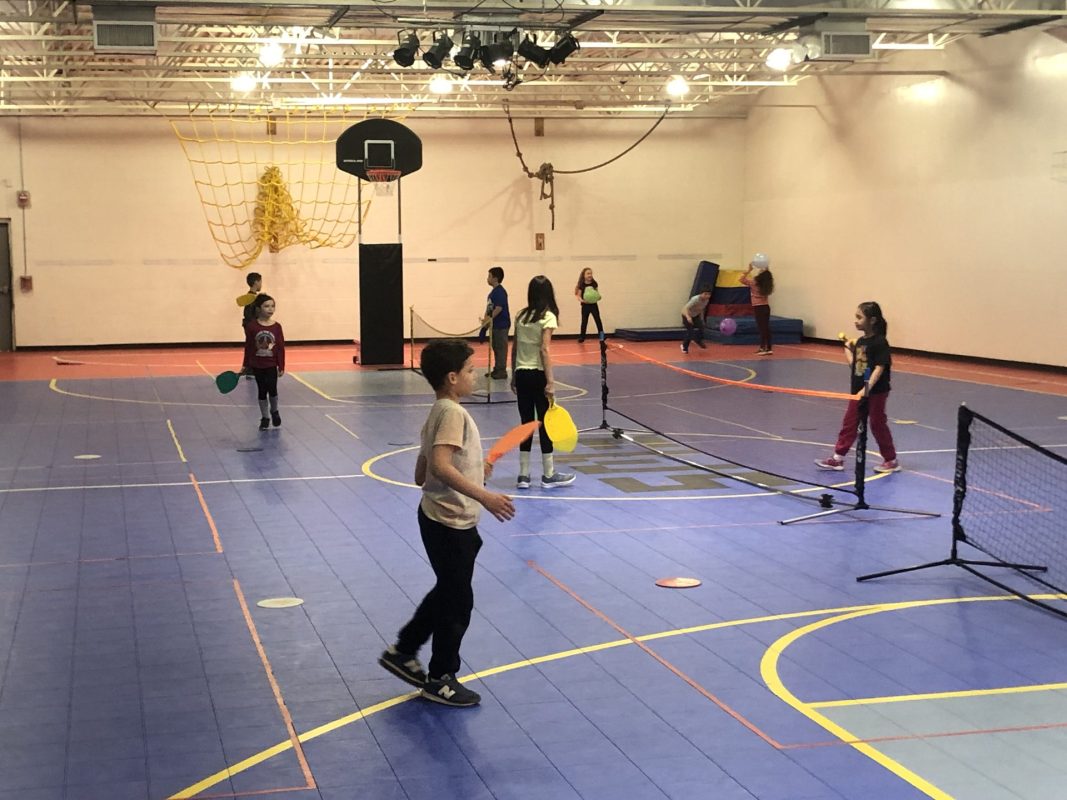
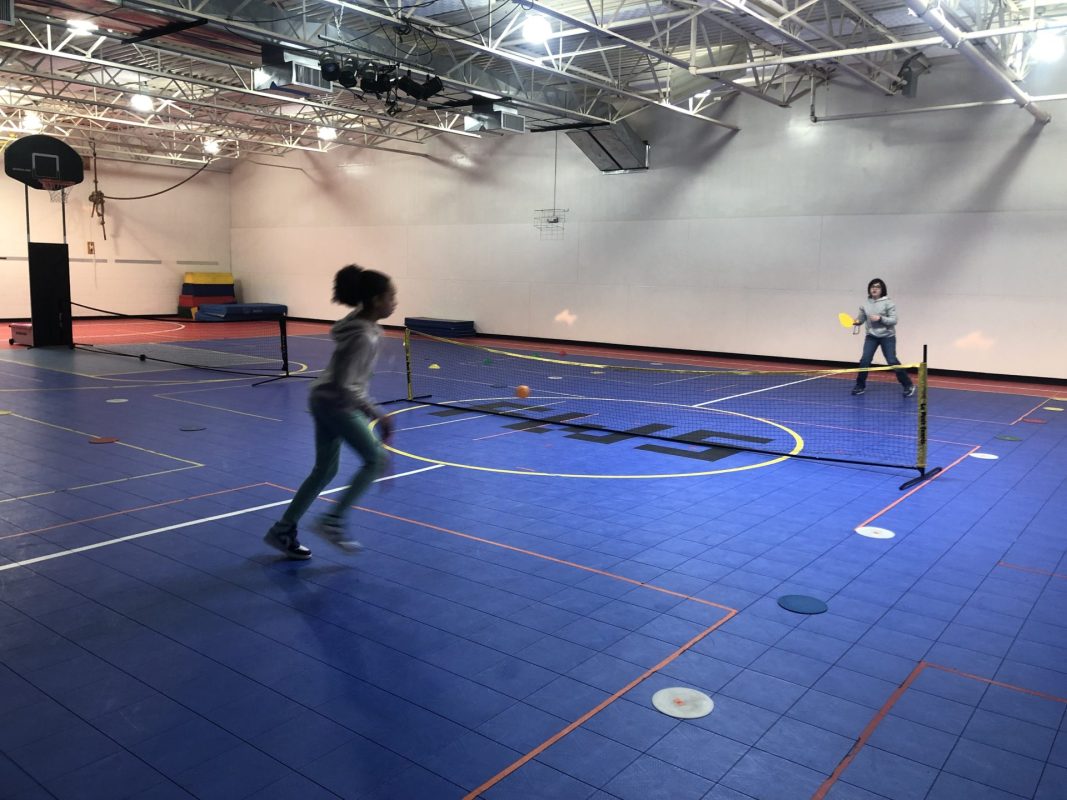
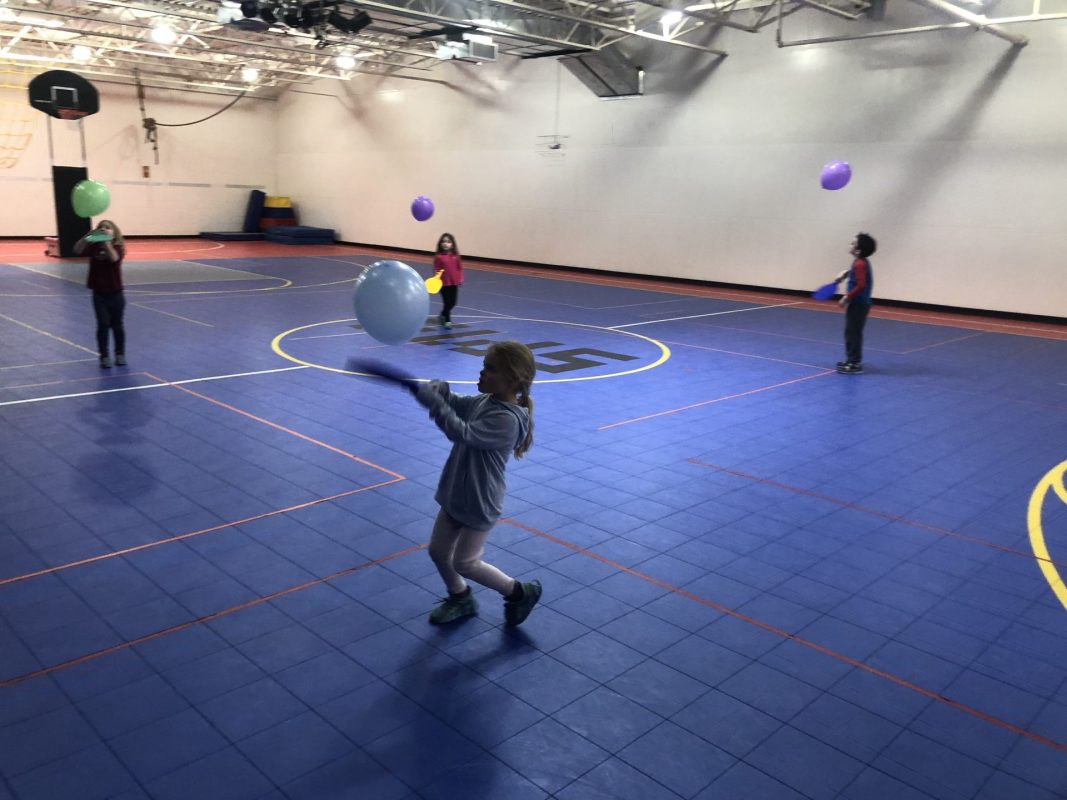
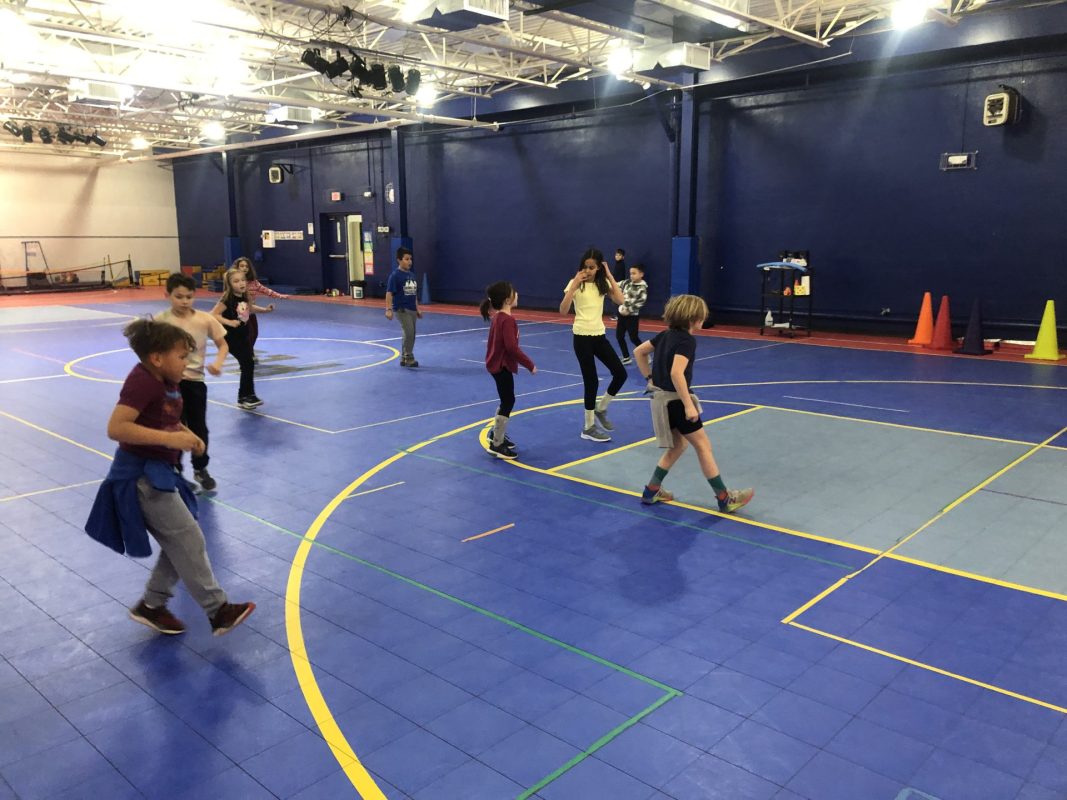
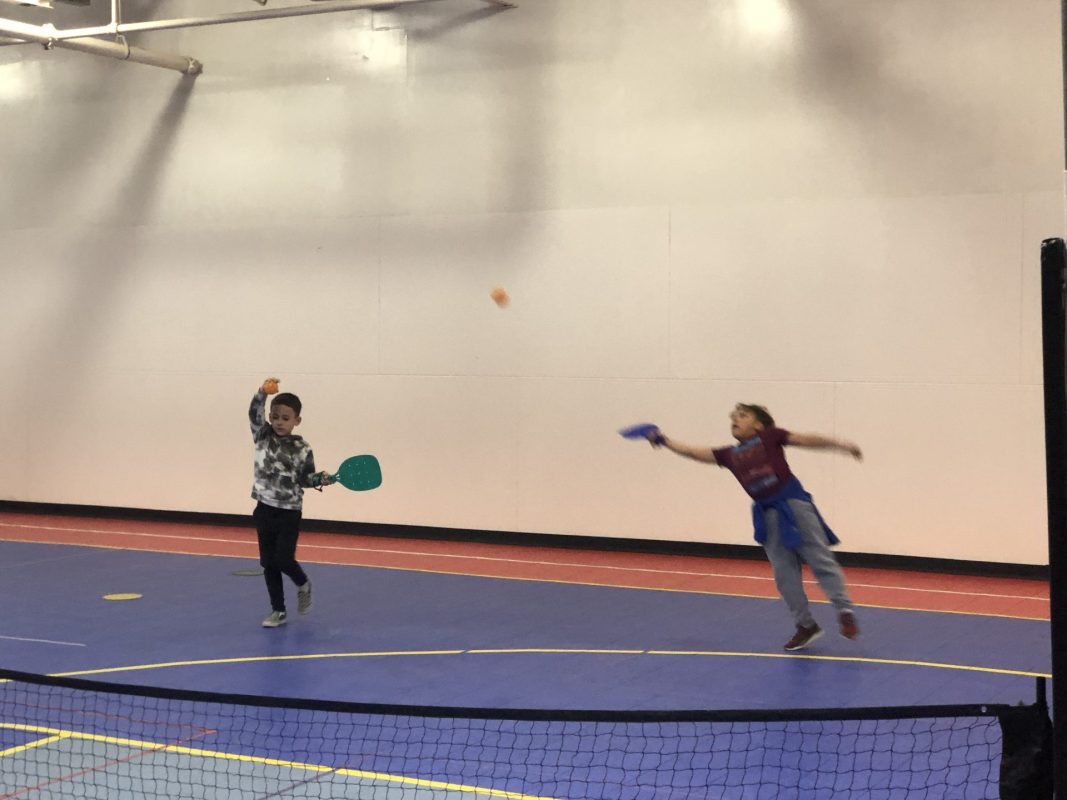
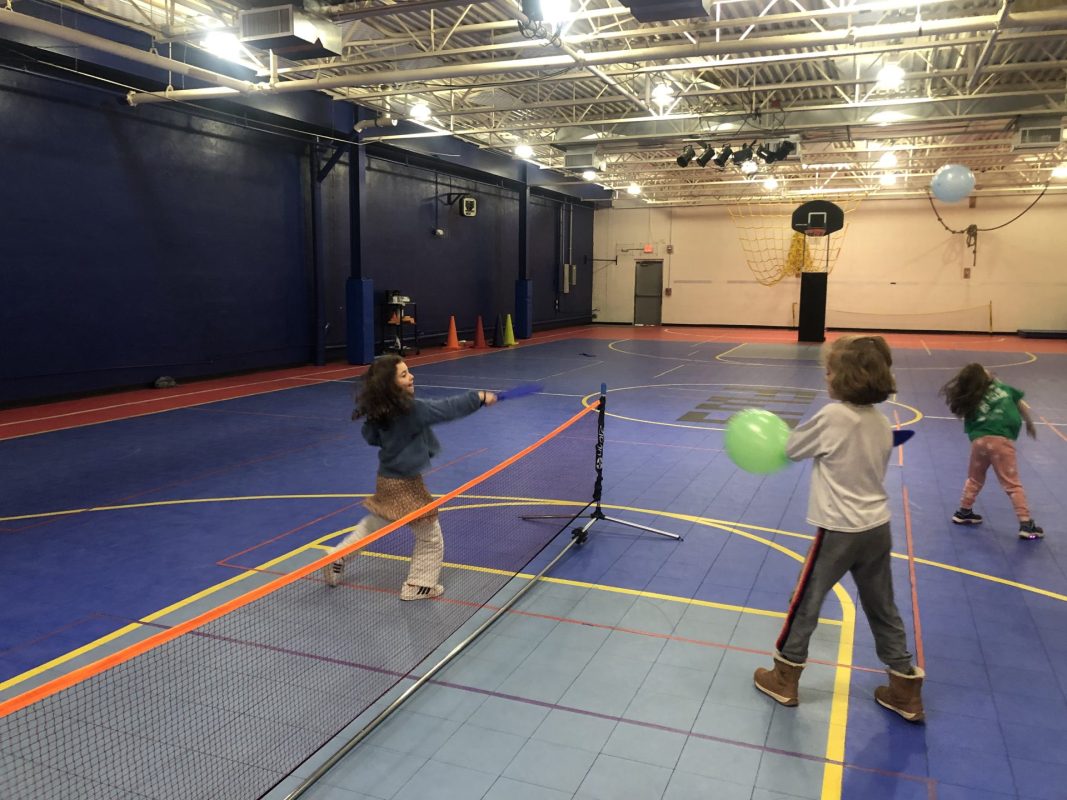
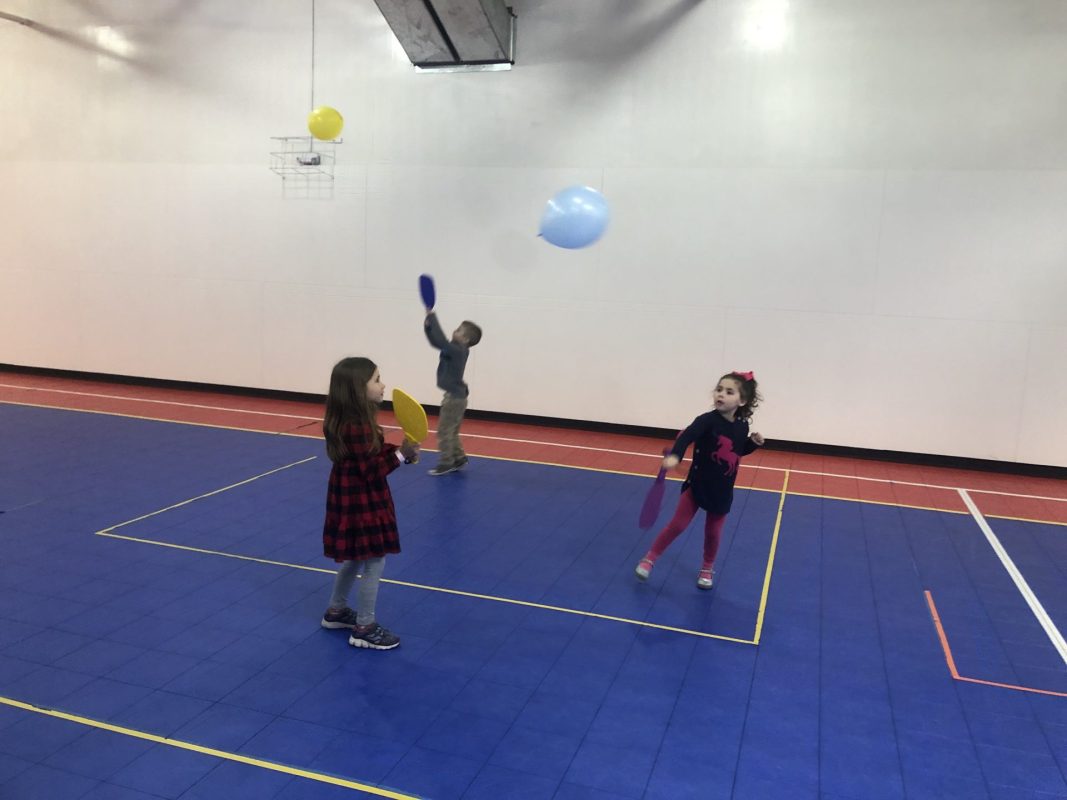
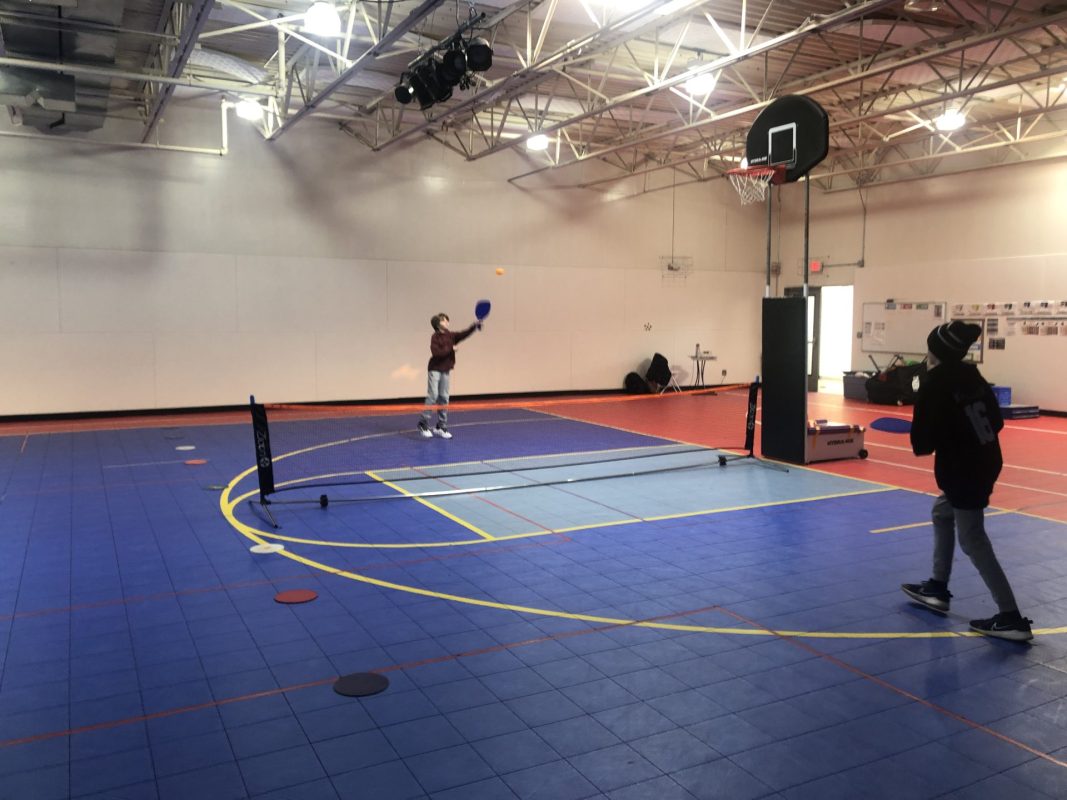
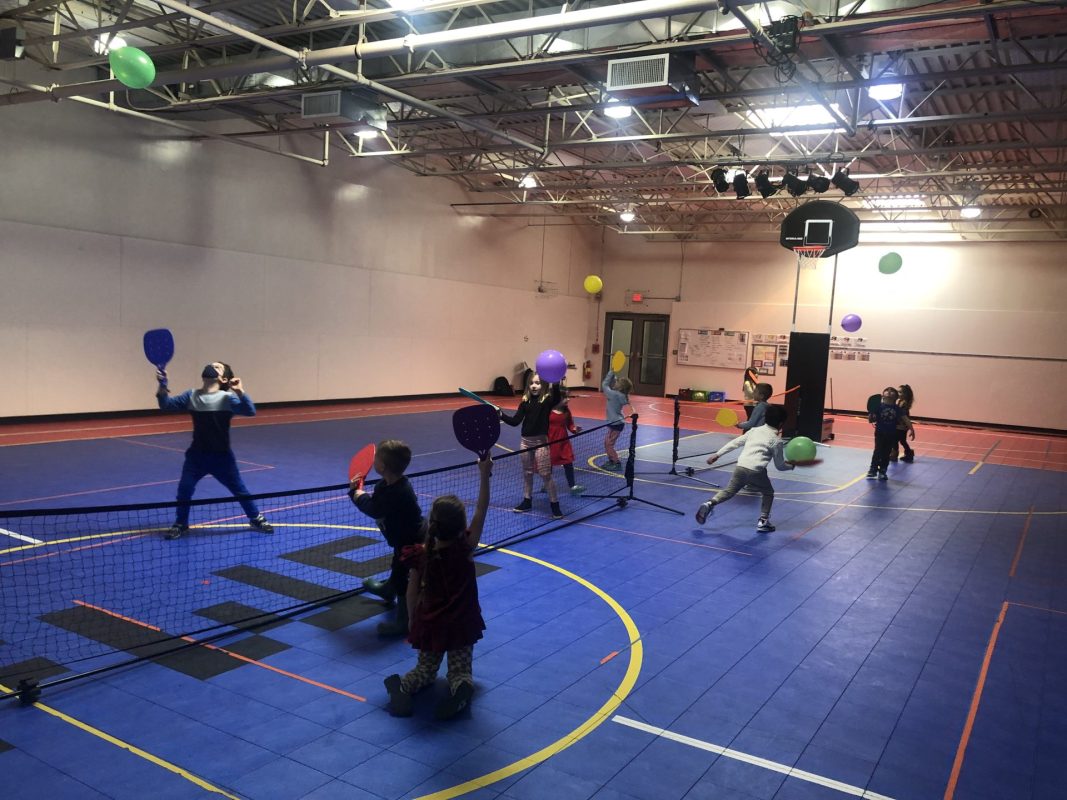
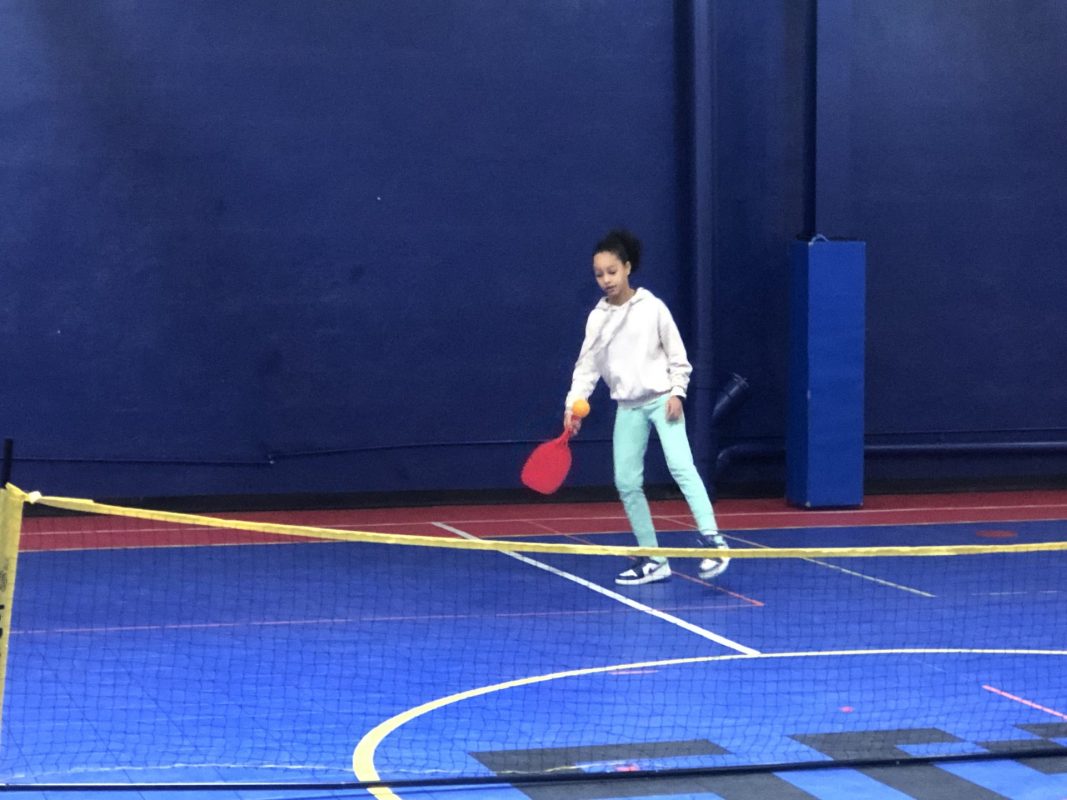
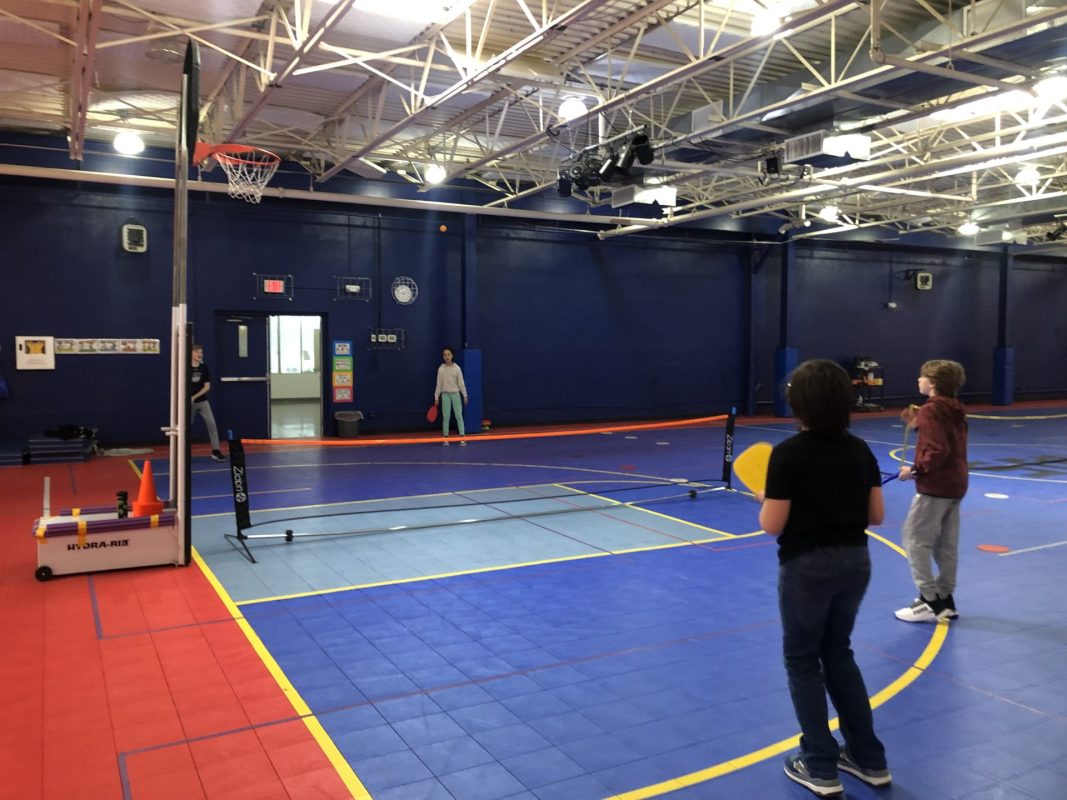
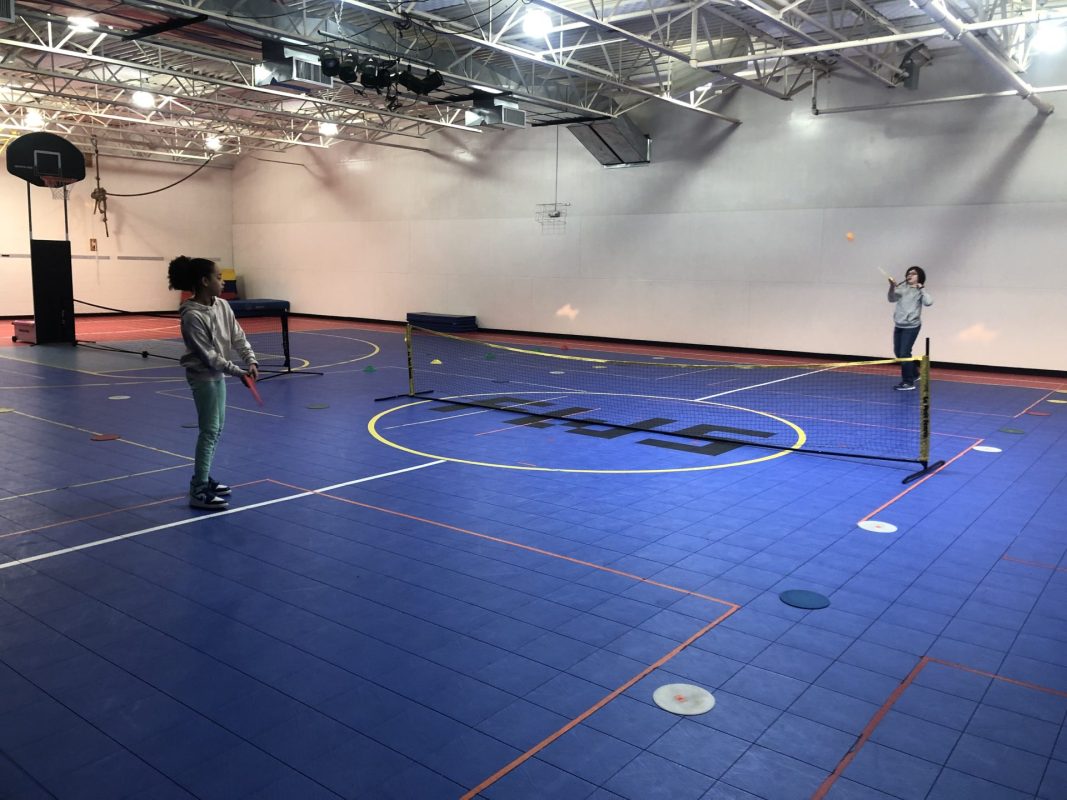
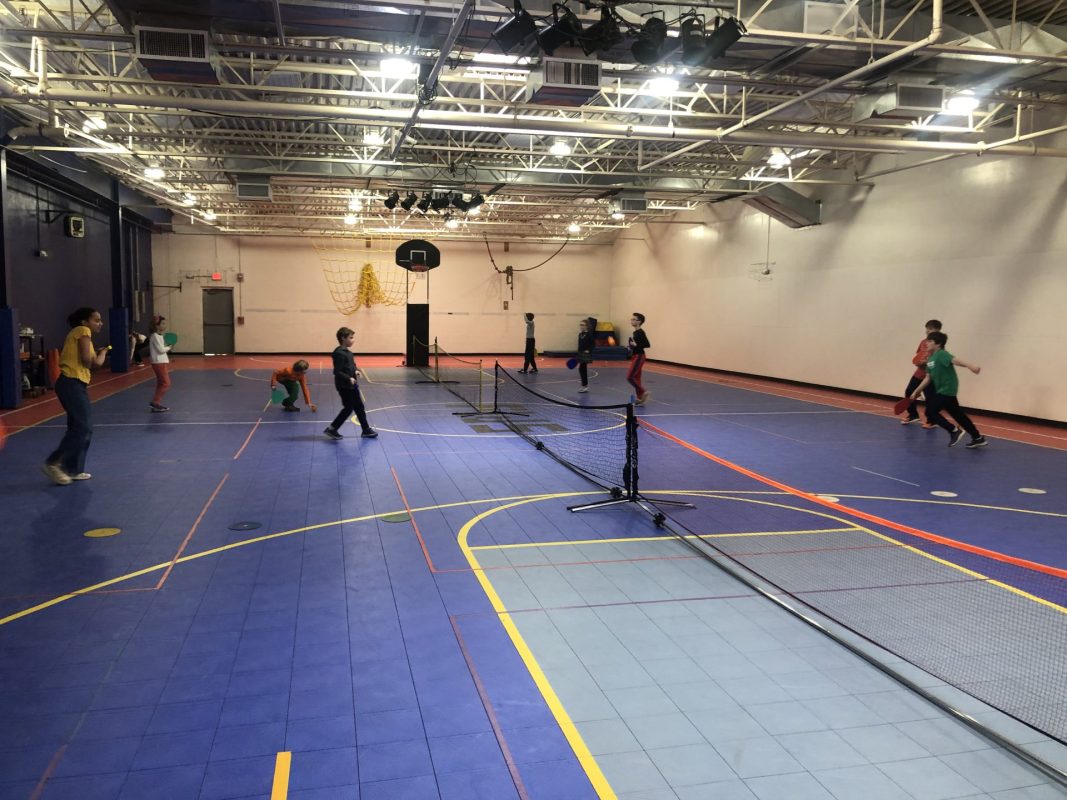
What is Pickleball?
Pickleball is a paddle sport played with a whiffle ball on a badminton-size court and a tennis-style net. Pickleball is enjoyed by people of all ages and athletic abilities. In some ways, it’s a combination of tennis and badminton and goes along with sports such as table tennis and racquetball. Pickleball is played in thousands of schools’ P.E. programs, parks and recreation centers, camps, YMCA, and retirement communities. This sport is becoming very popular among active senior adults at community centers and is growing in popularity on high school and college campuses.
Pickleball was created during the summer of 1965 in Seattle, WA. The original purpose of the game was to provide a sport for the entire family. Pickles, the family dog, would chase after the wiffle balls and then hide in the bushes. The founder suggests that Pickle’s ball was later shortened to Pickleball.
Students in grades Kindergarten through Middle school practiced and participated in demonstrating the proper serve, forehand drive, and backhand drive and abided by the rules of fair play. Pickleball helps improve agility, balance, reaction time, and hand-eye coordination. At the end of the unit, students in grades four through eight participated in singles and doubles Pickleball tournaments.
Spanish Update
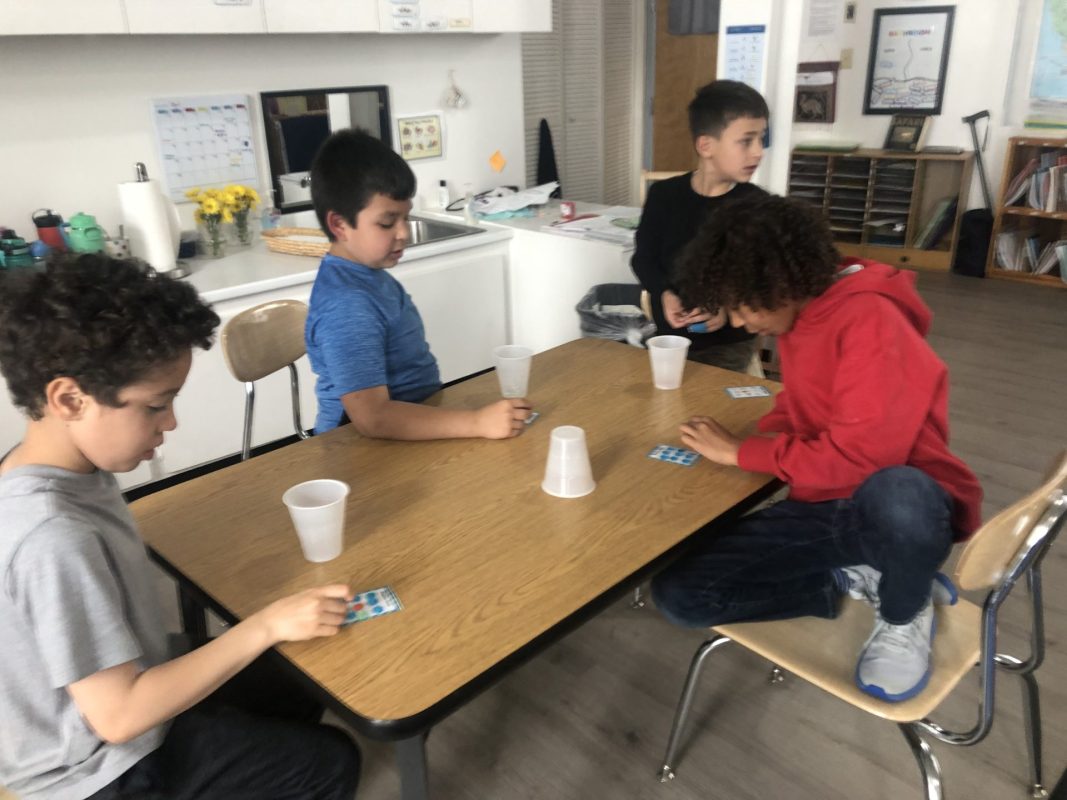
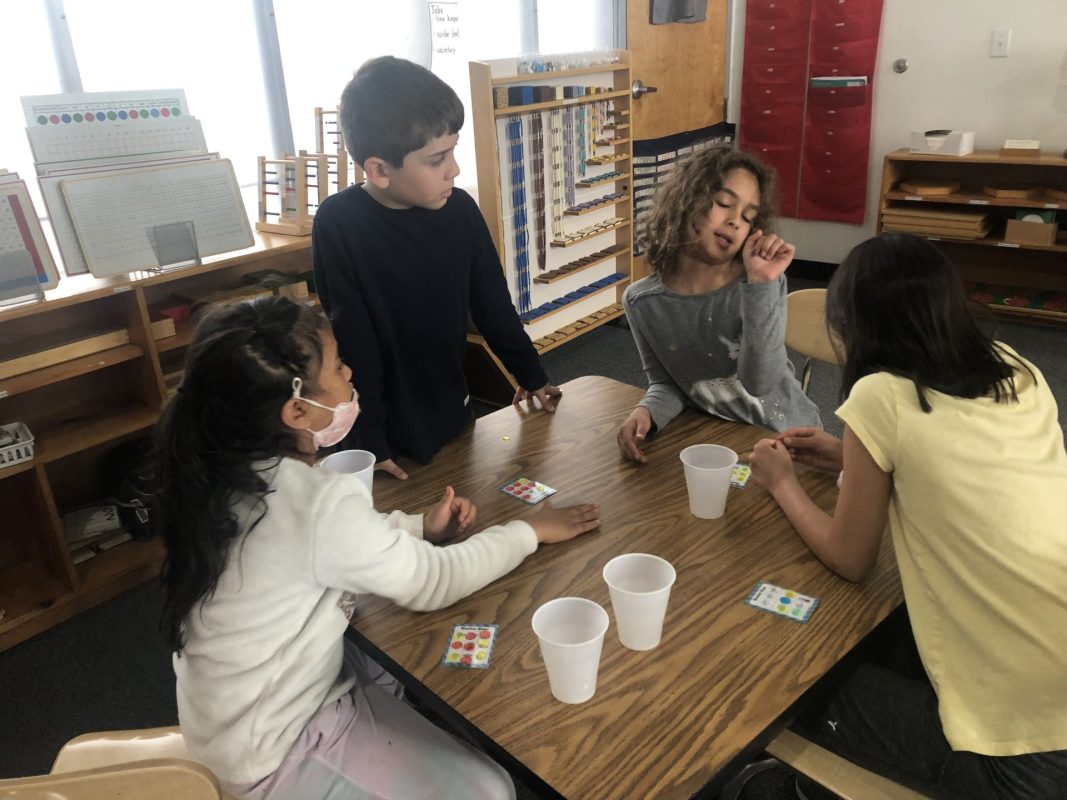
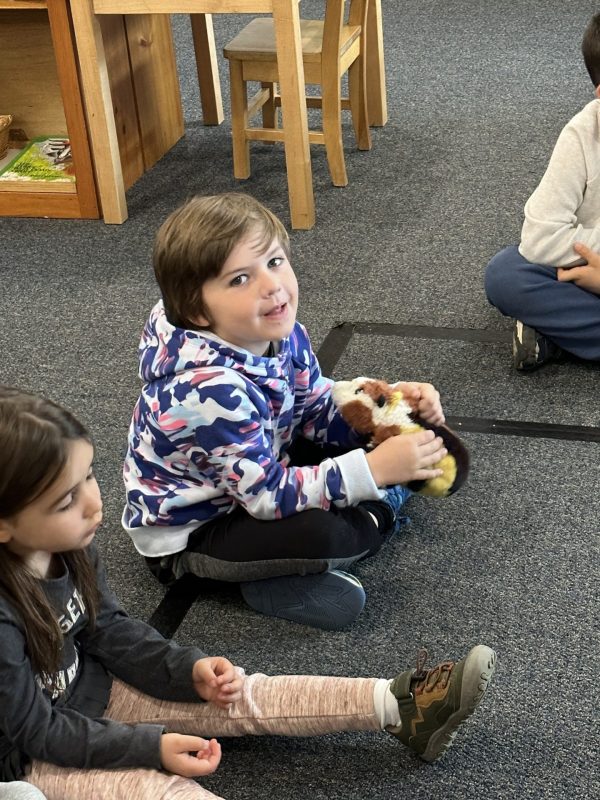
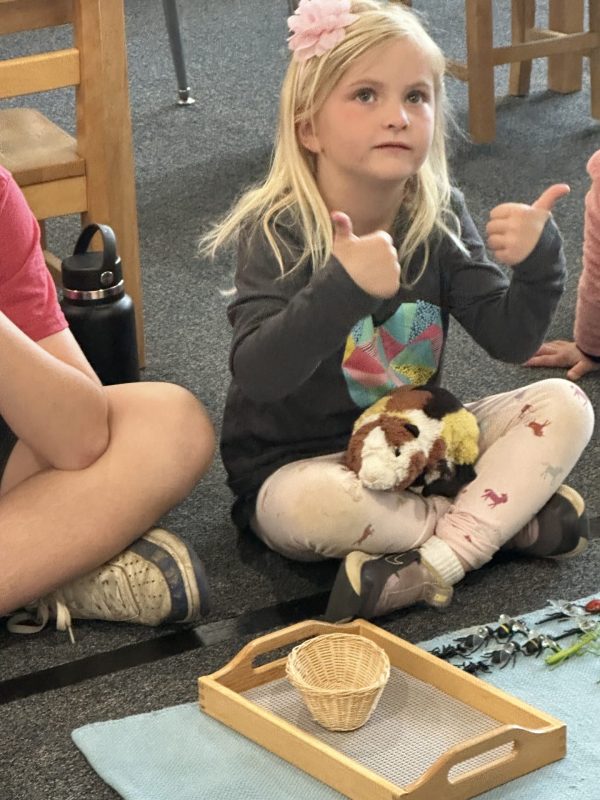
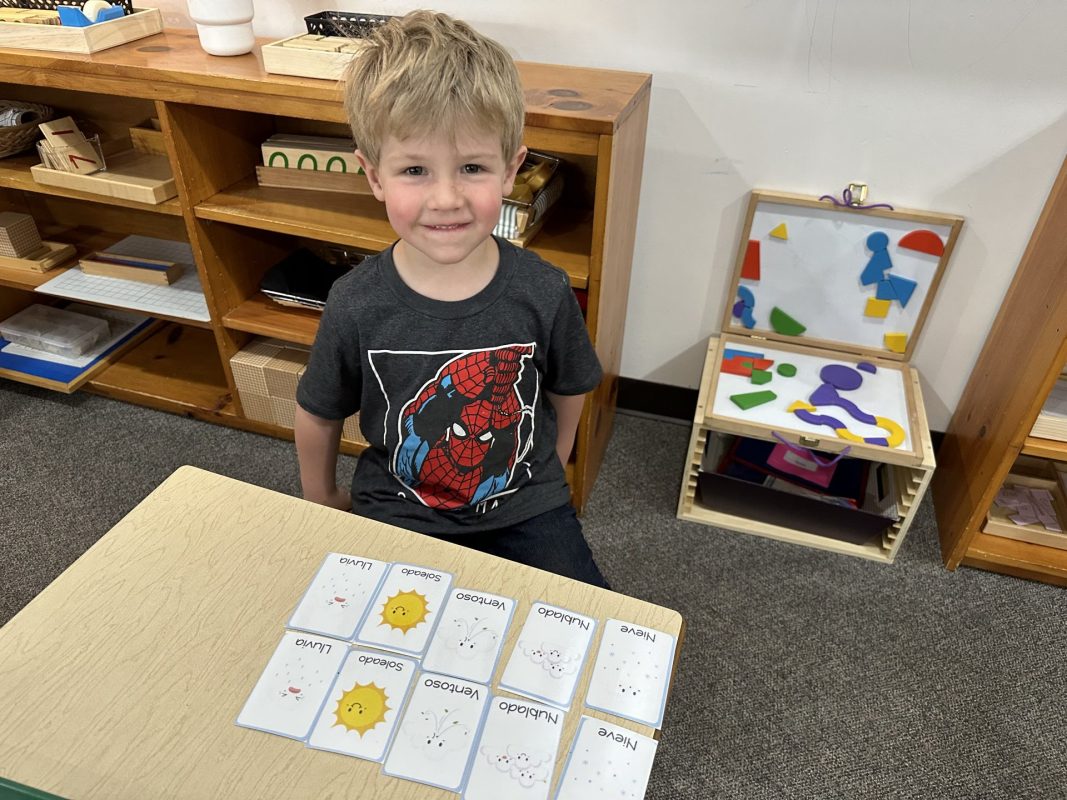
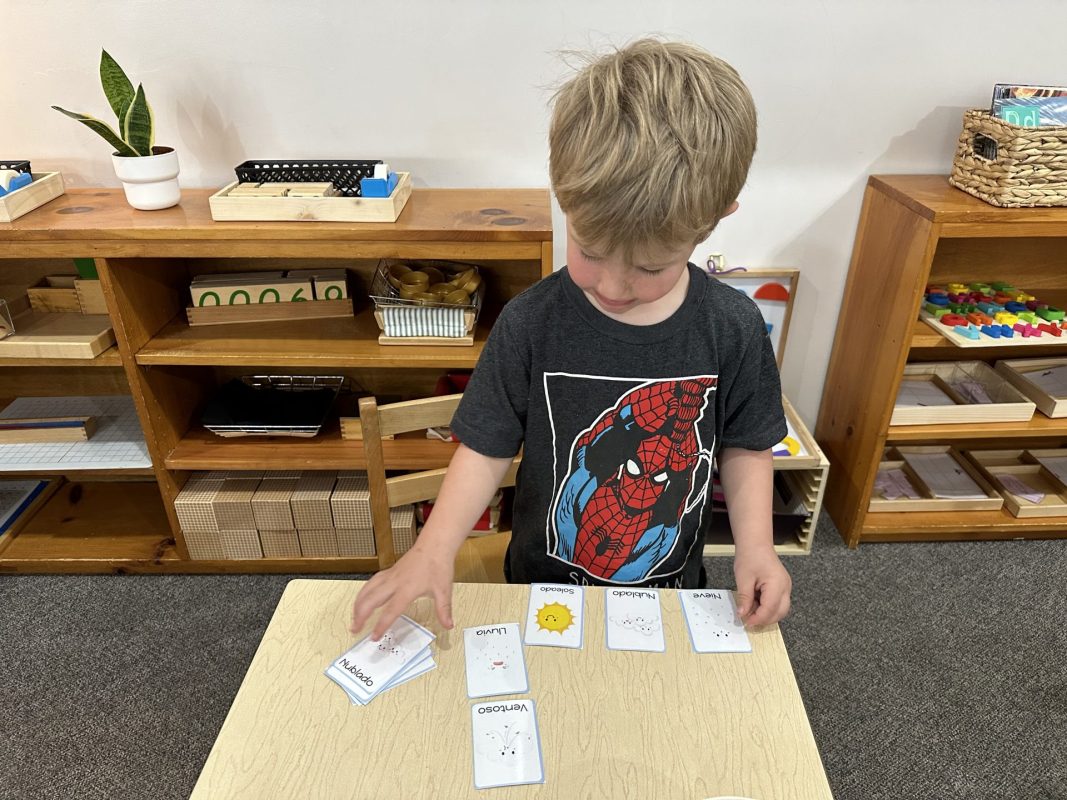
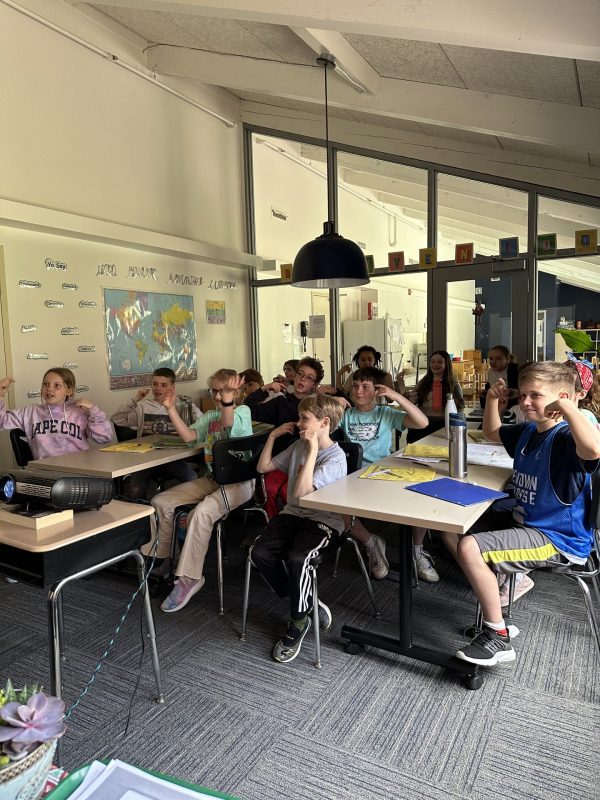
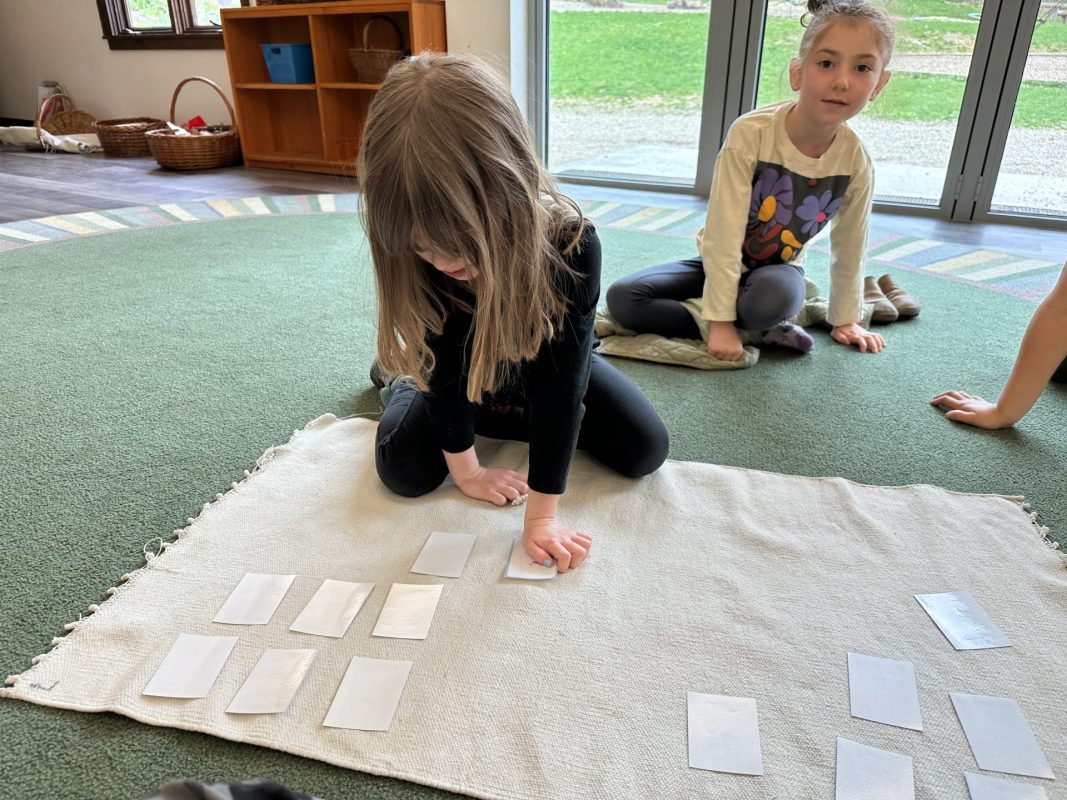
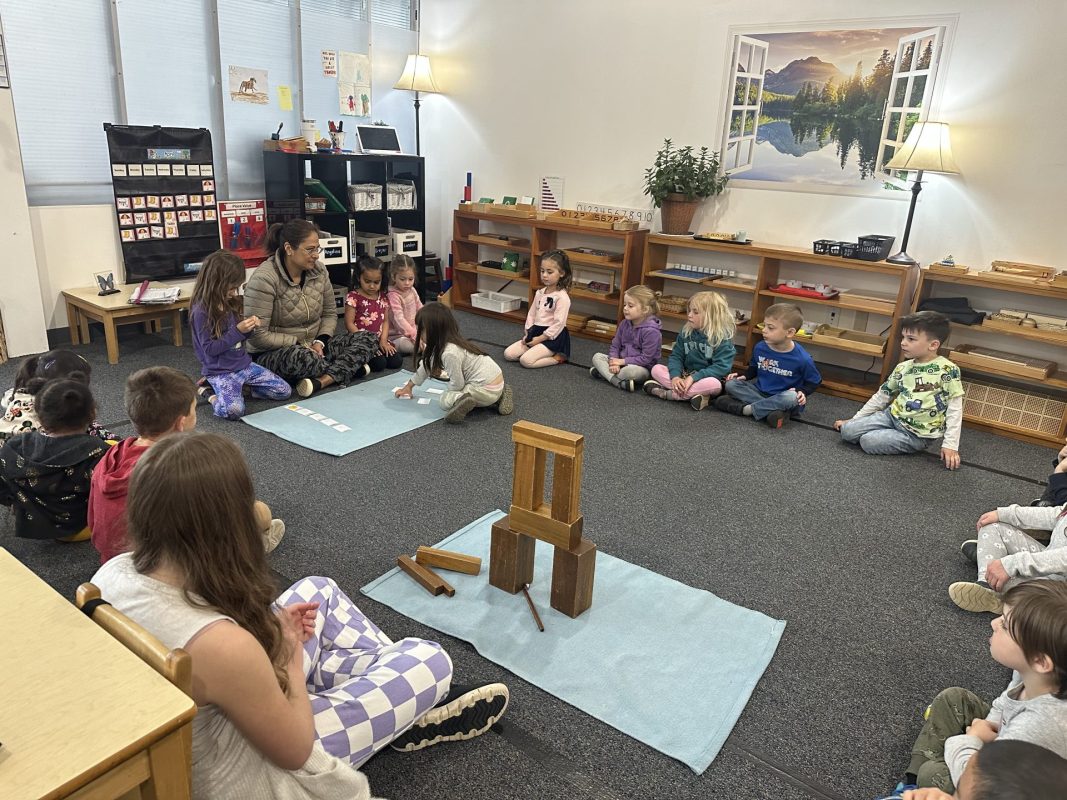
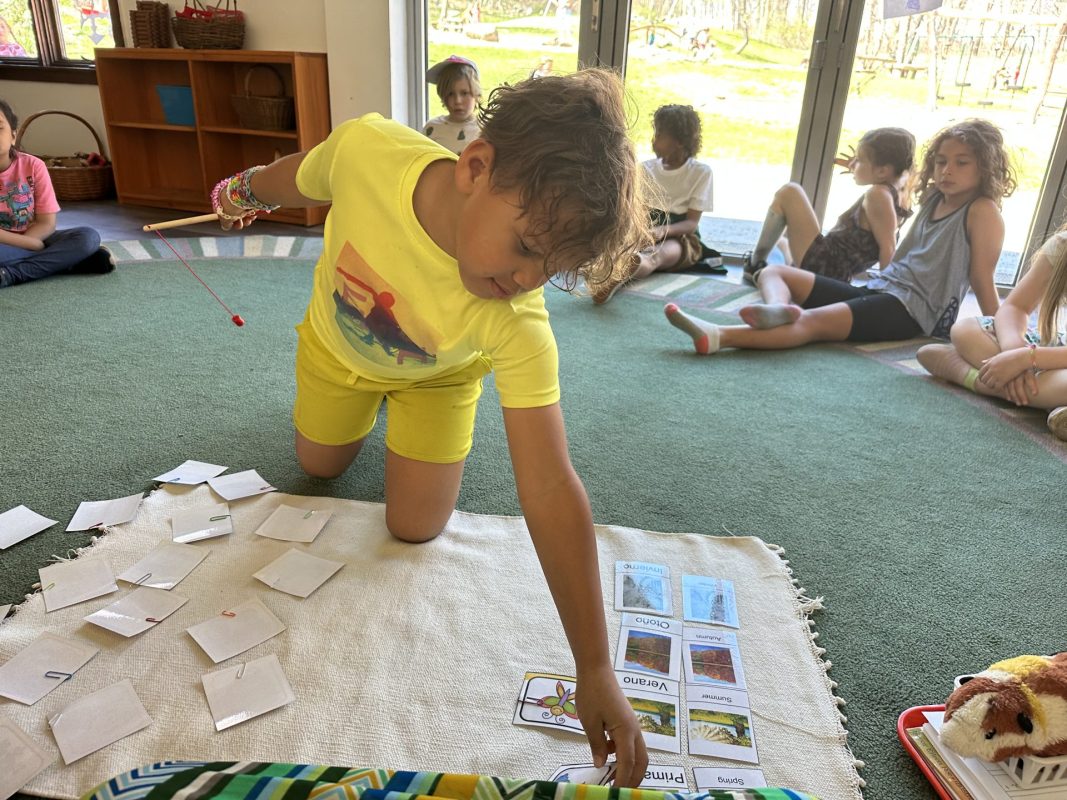
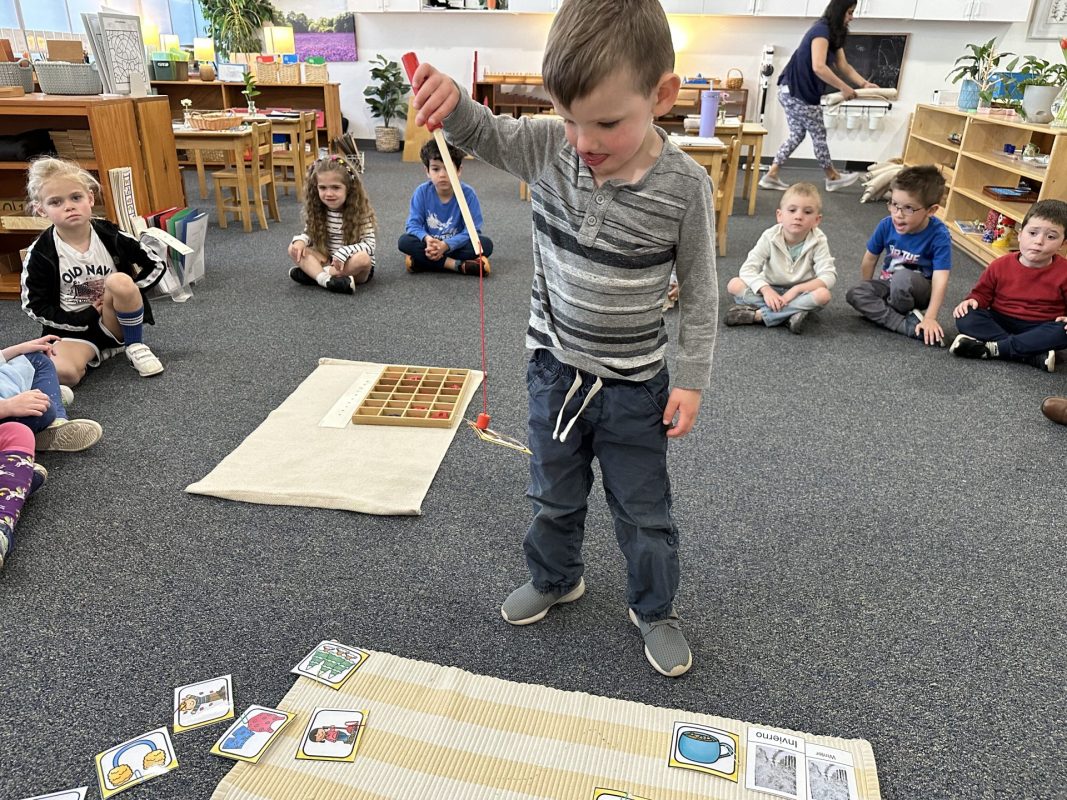
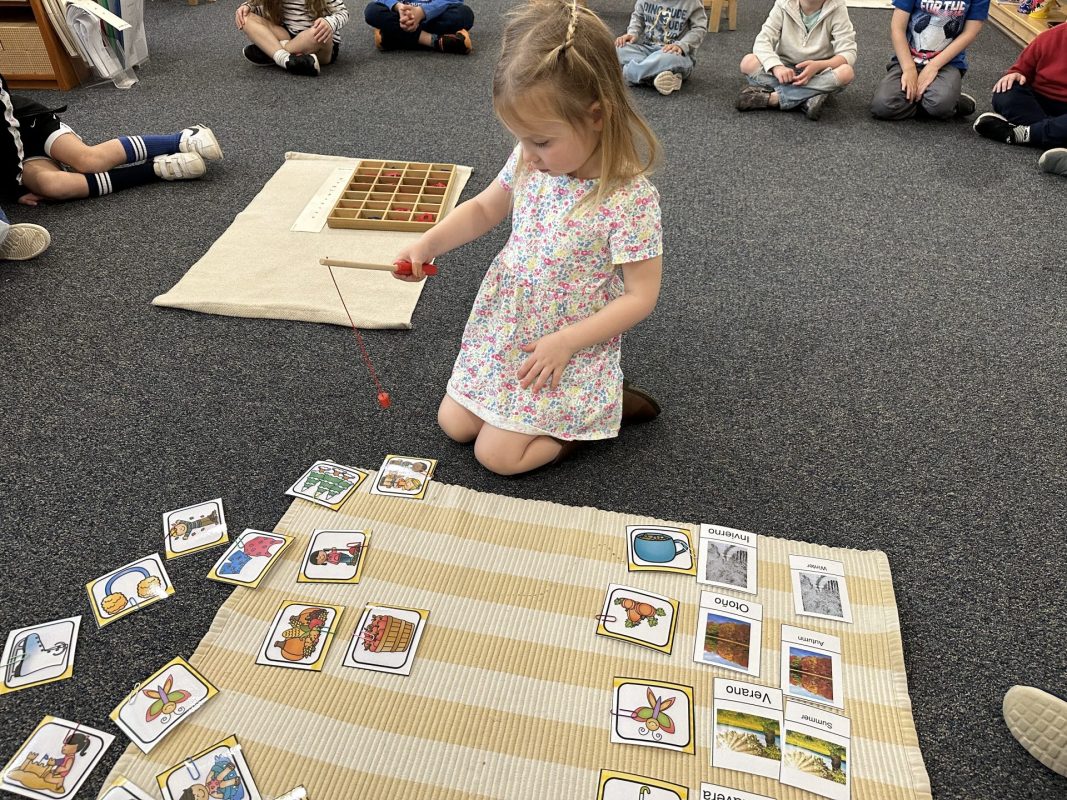
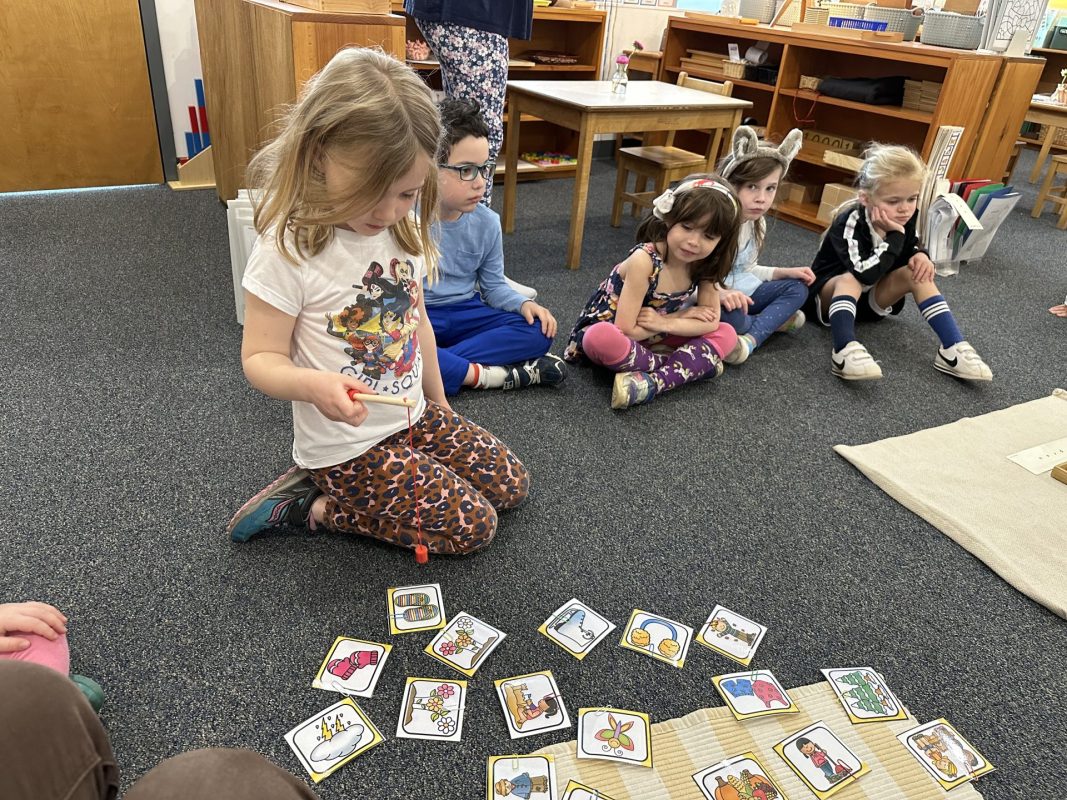
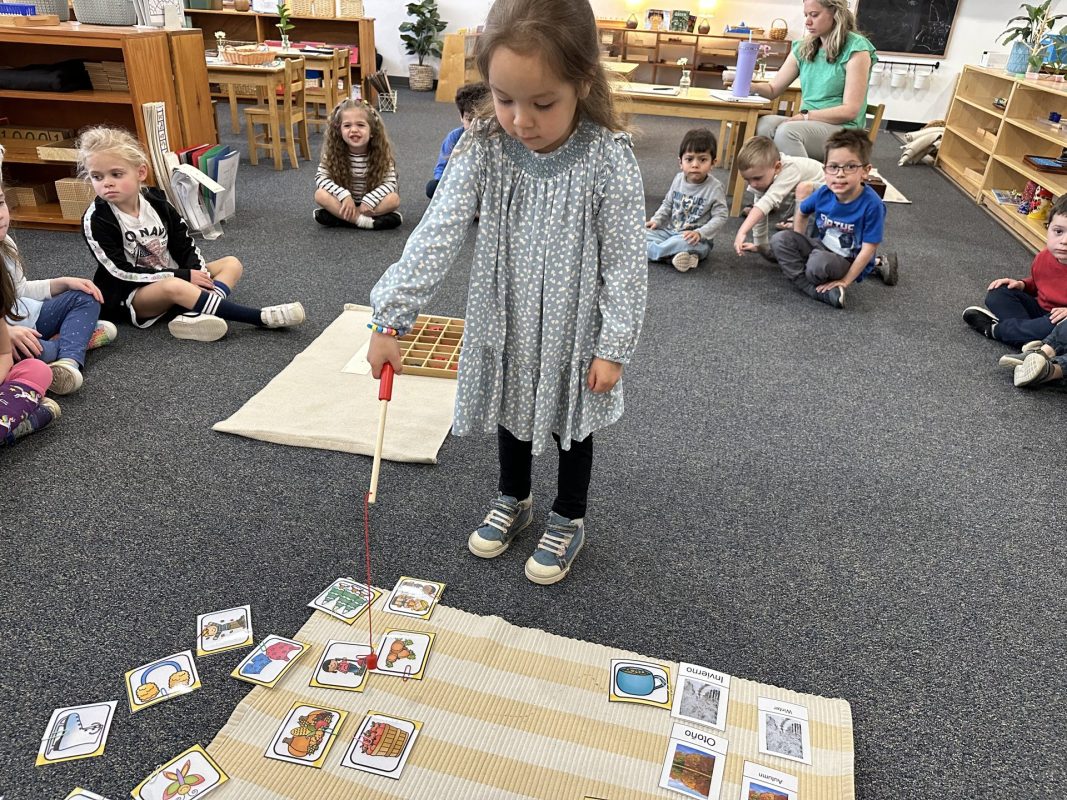
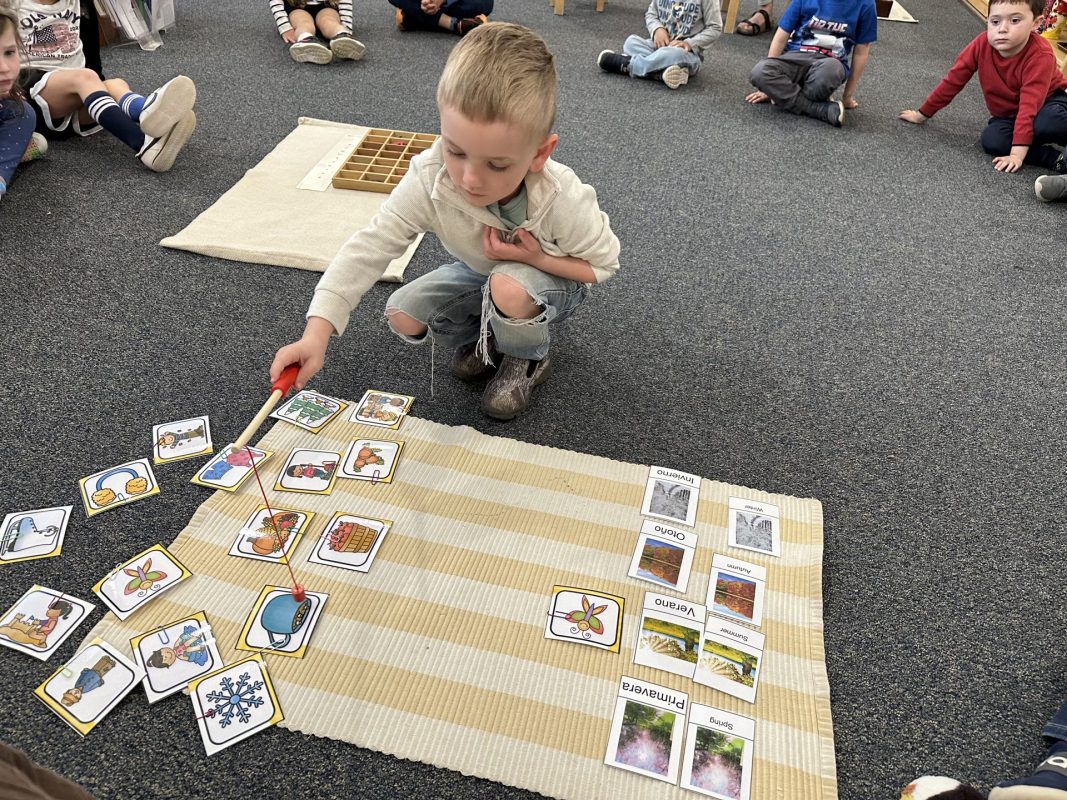
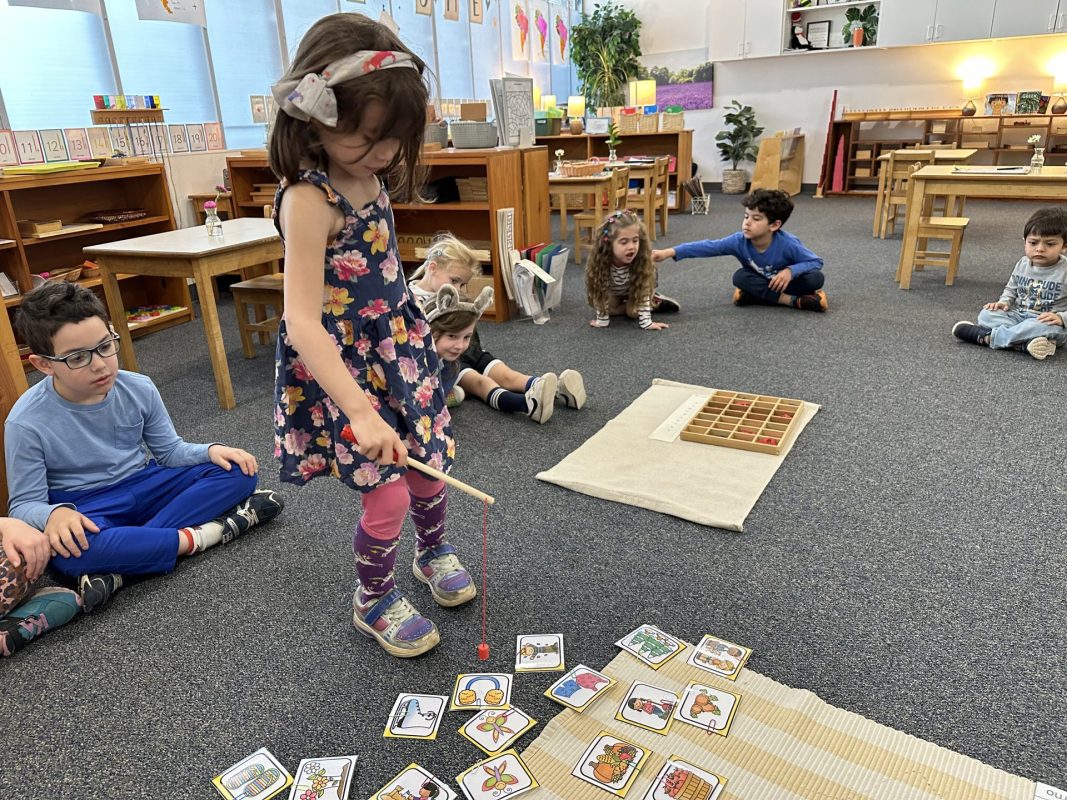
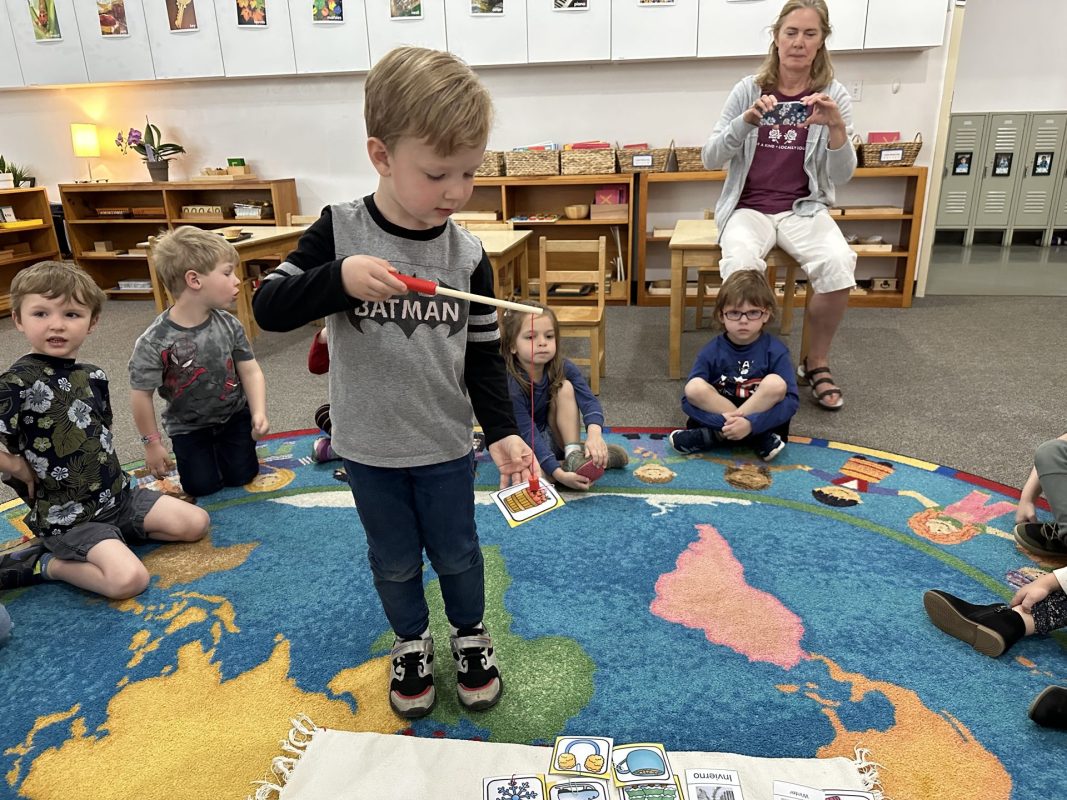
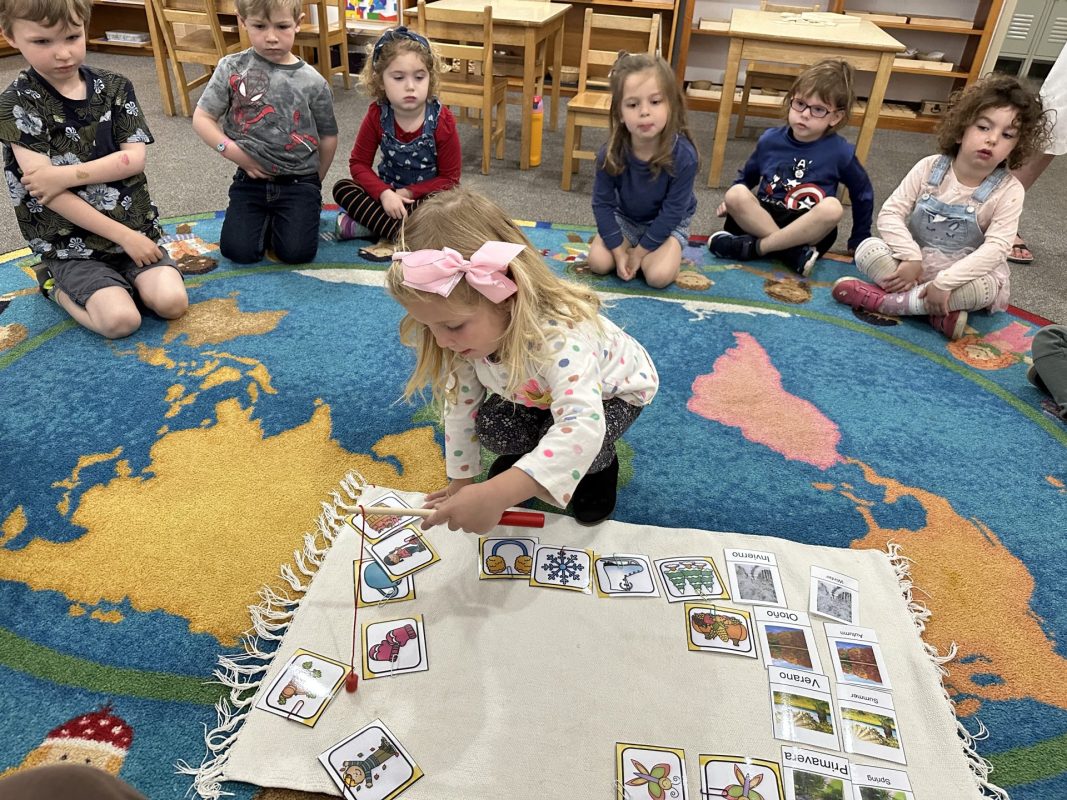
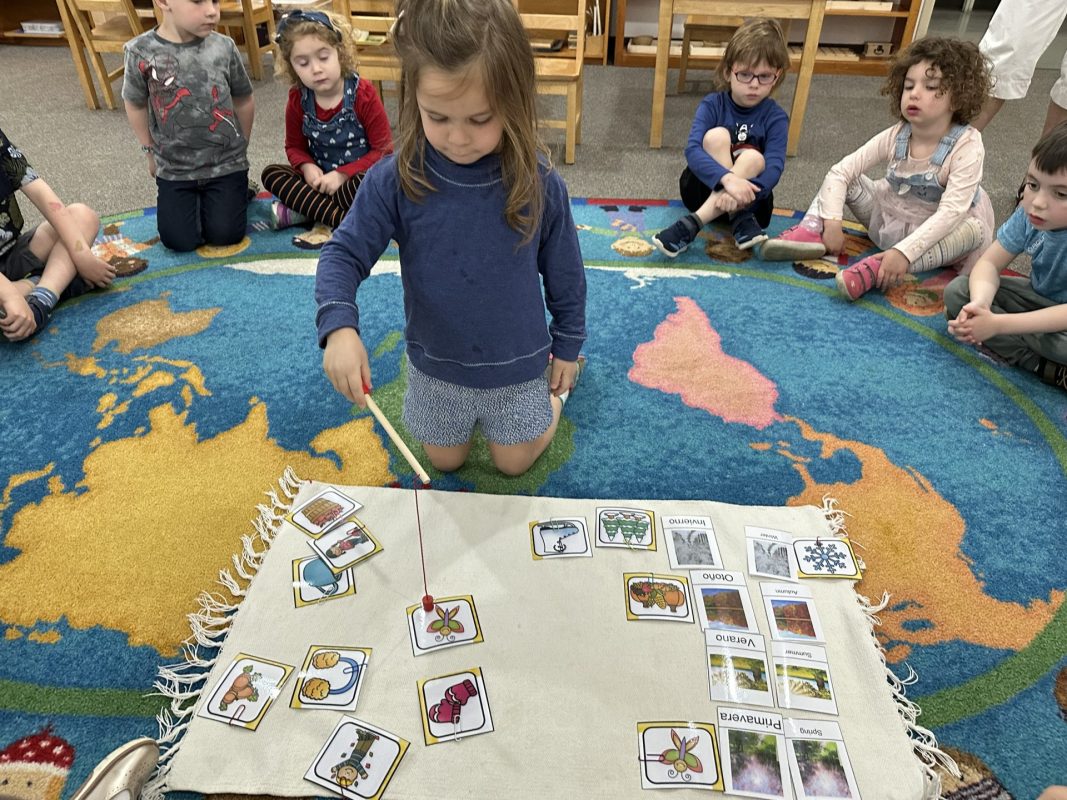
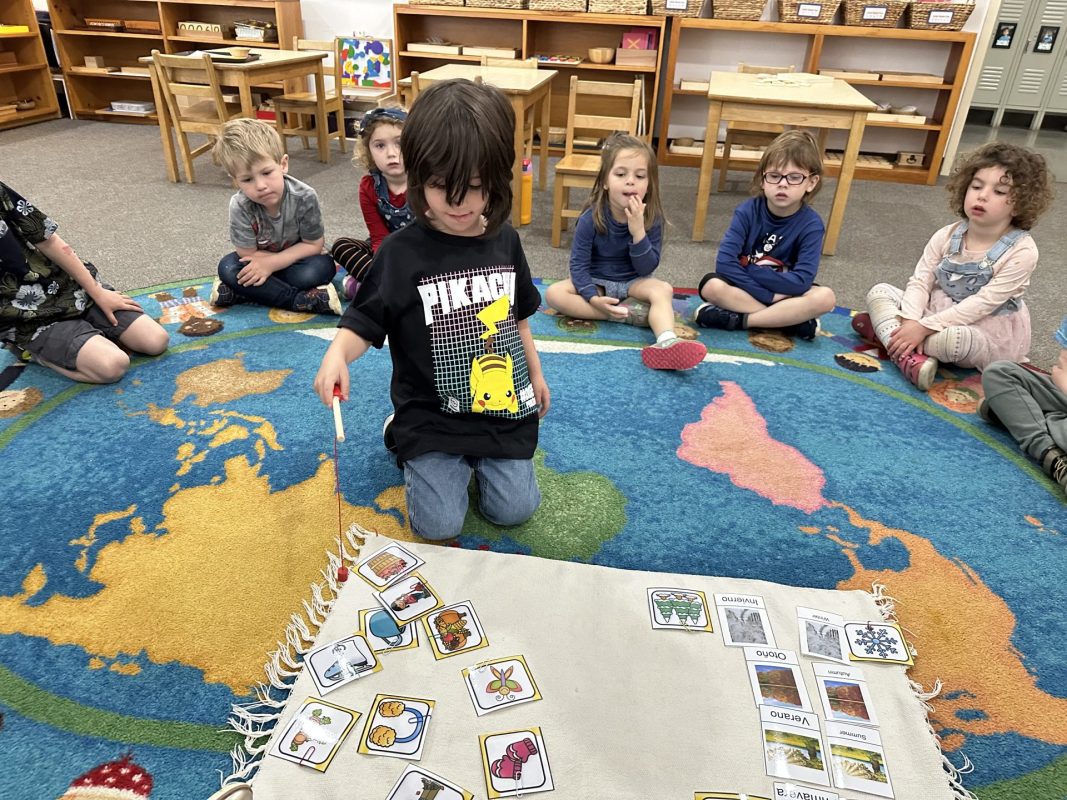
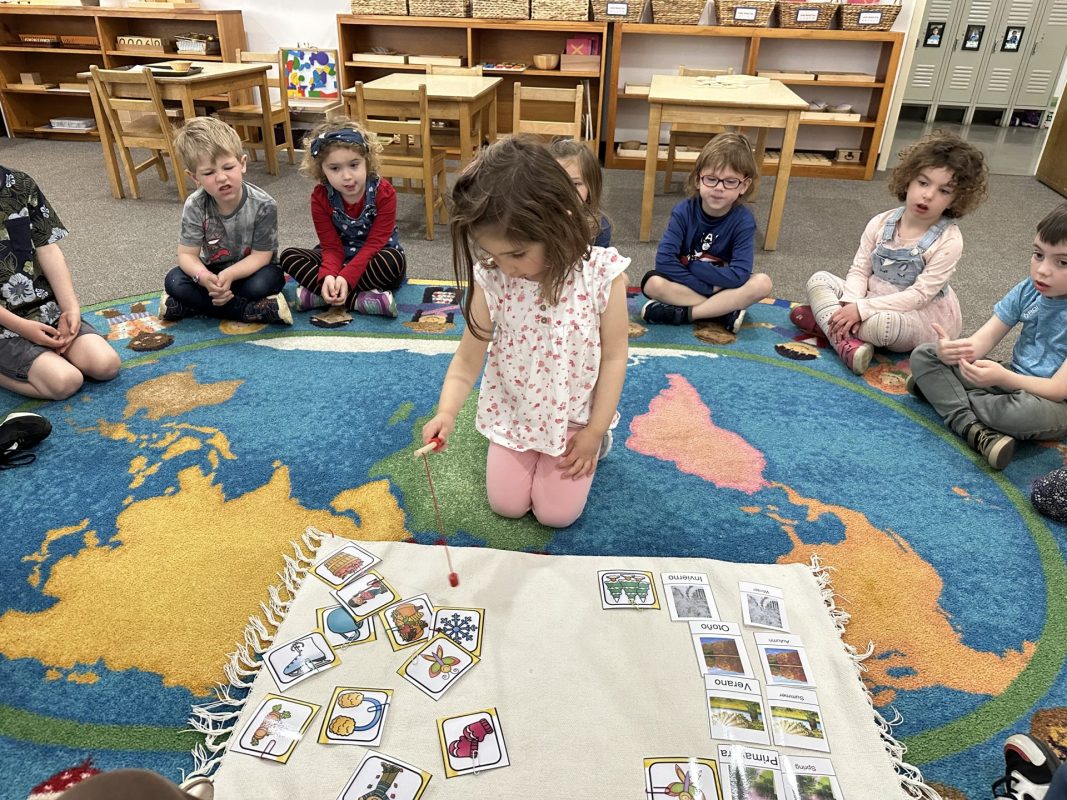
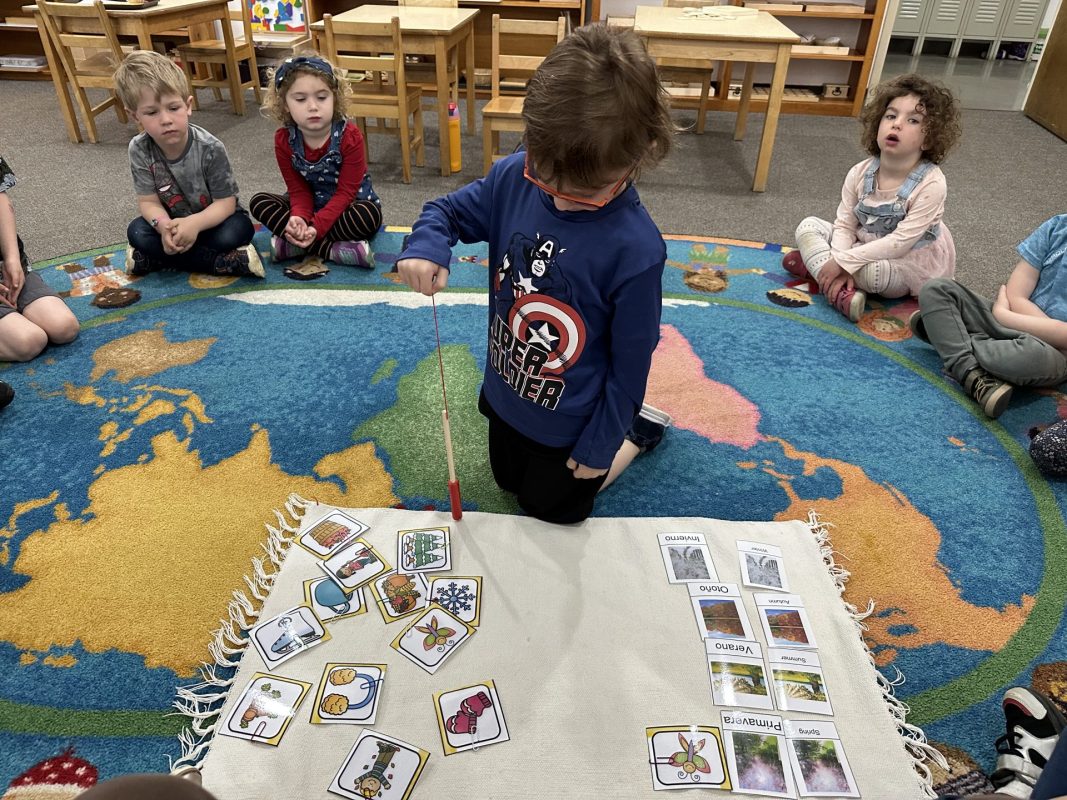
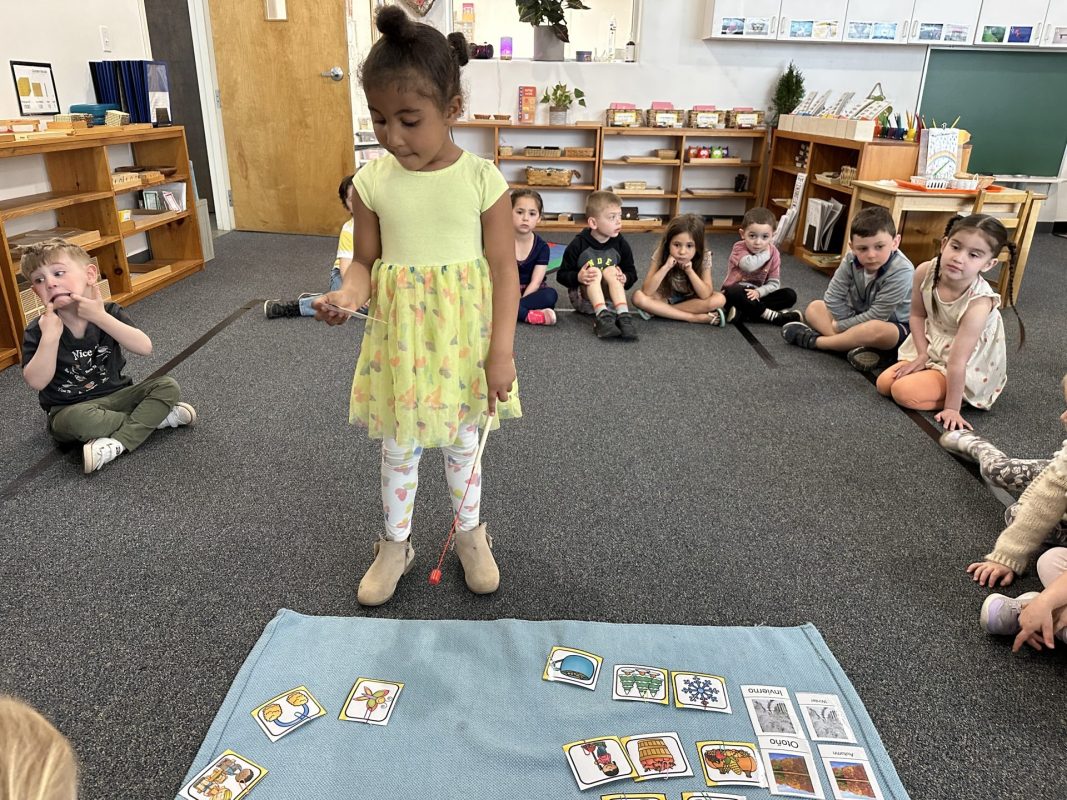
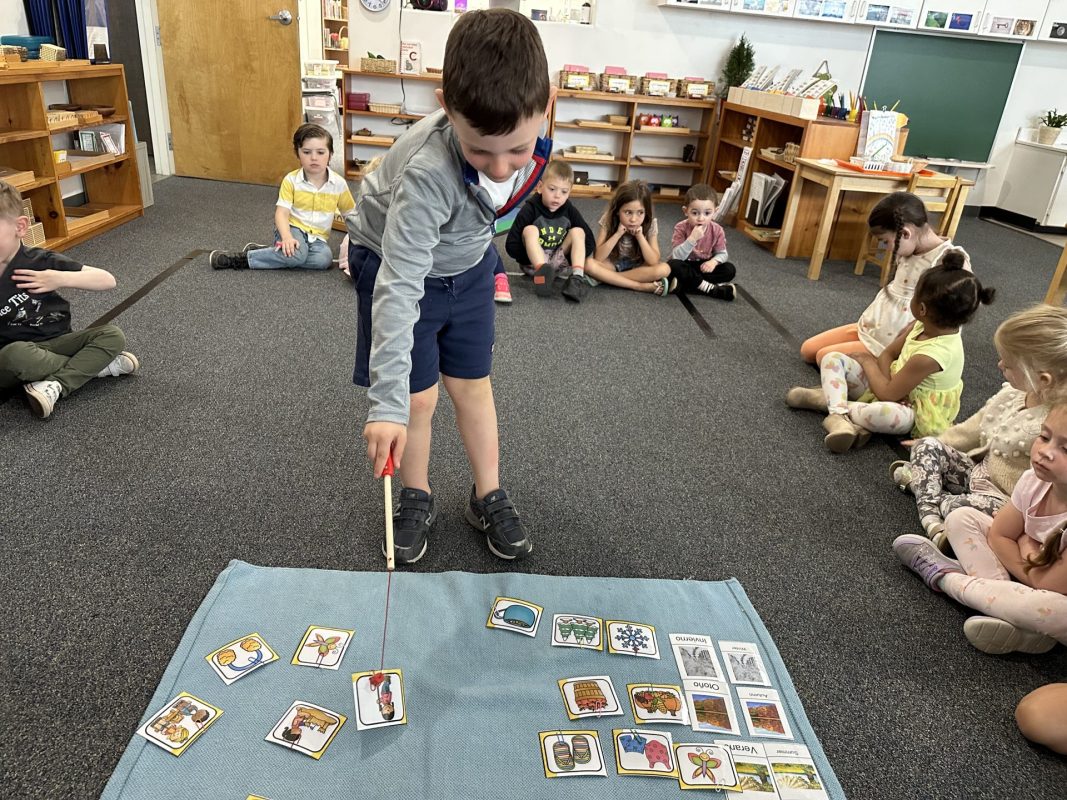
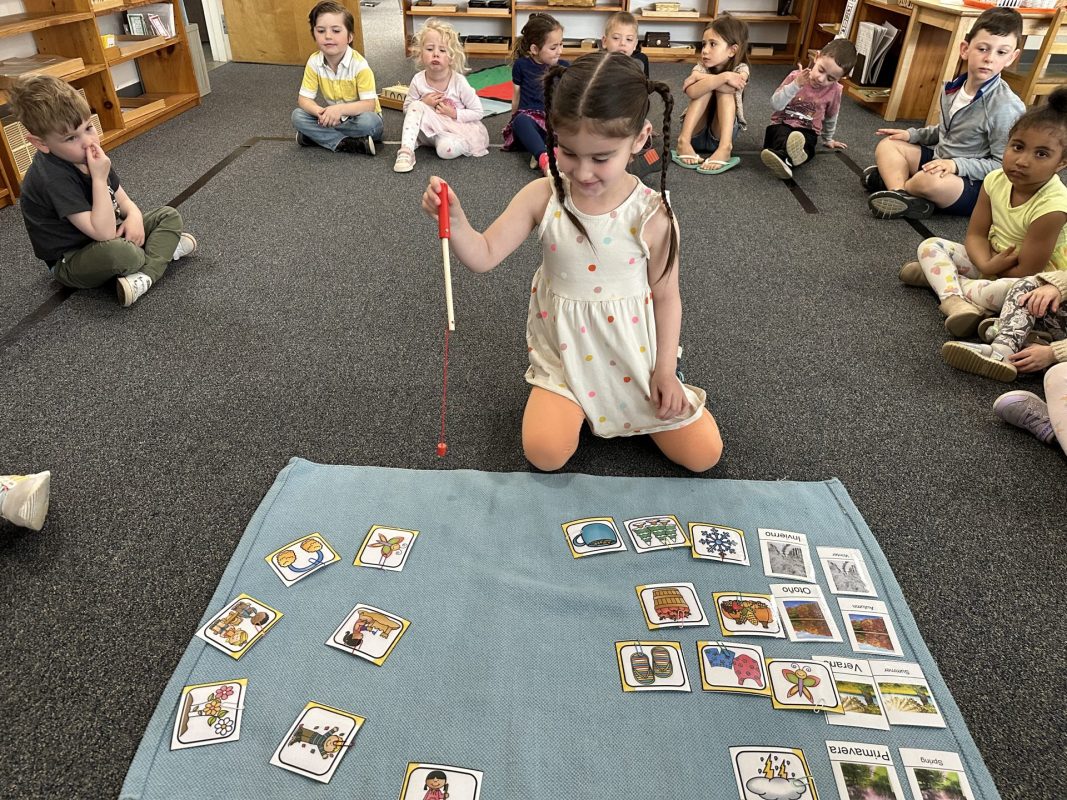
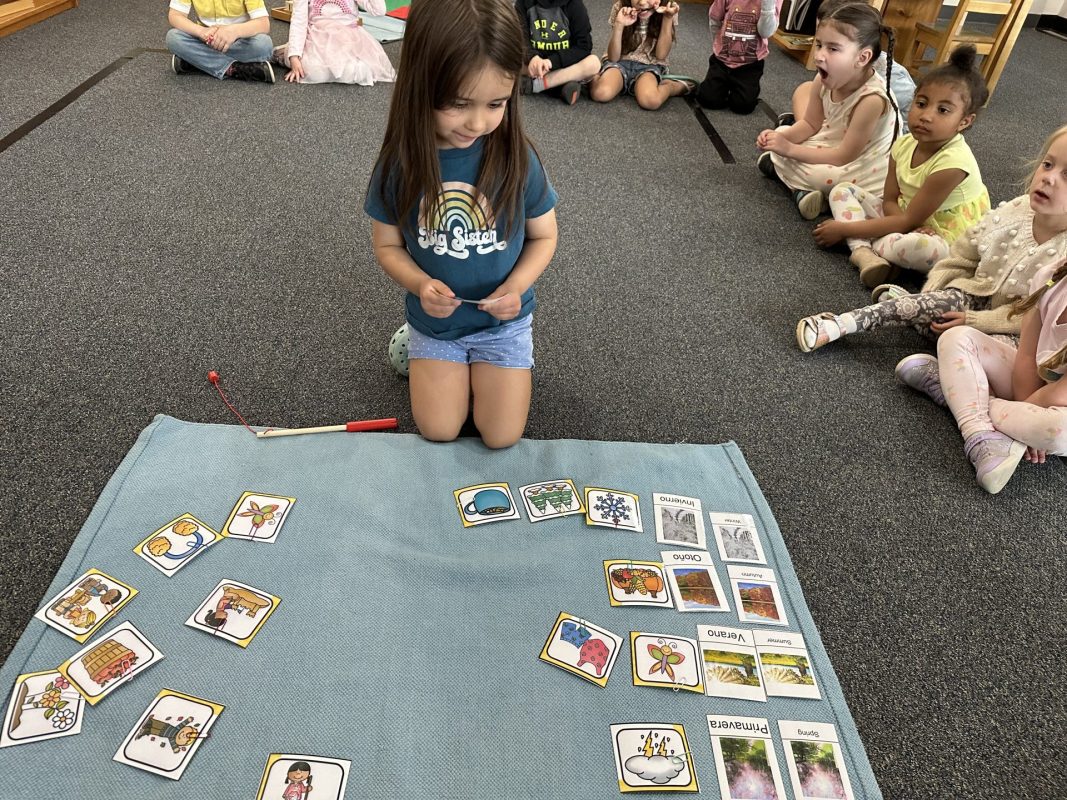
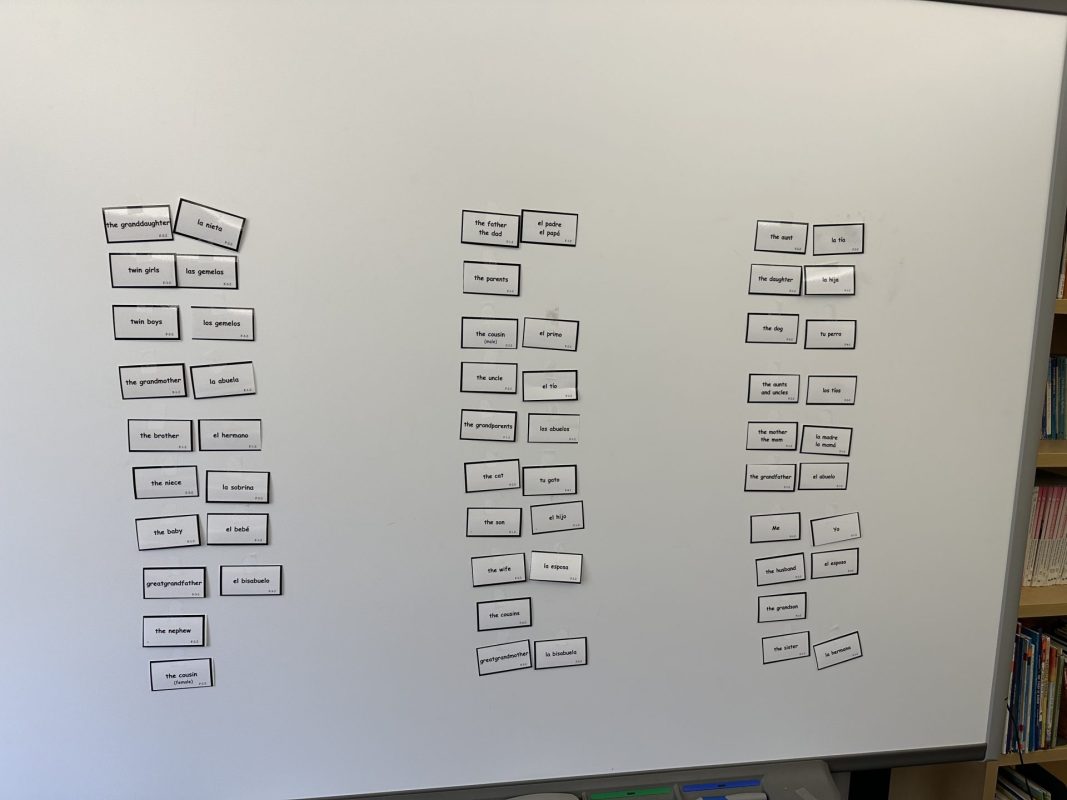
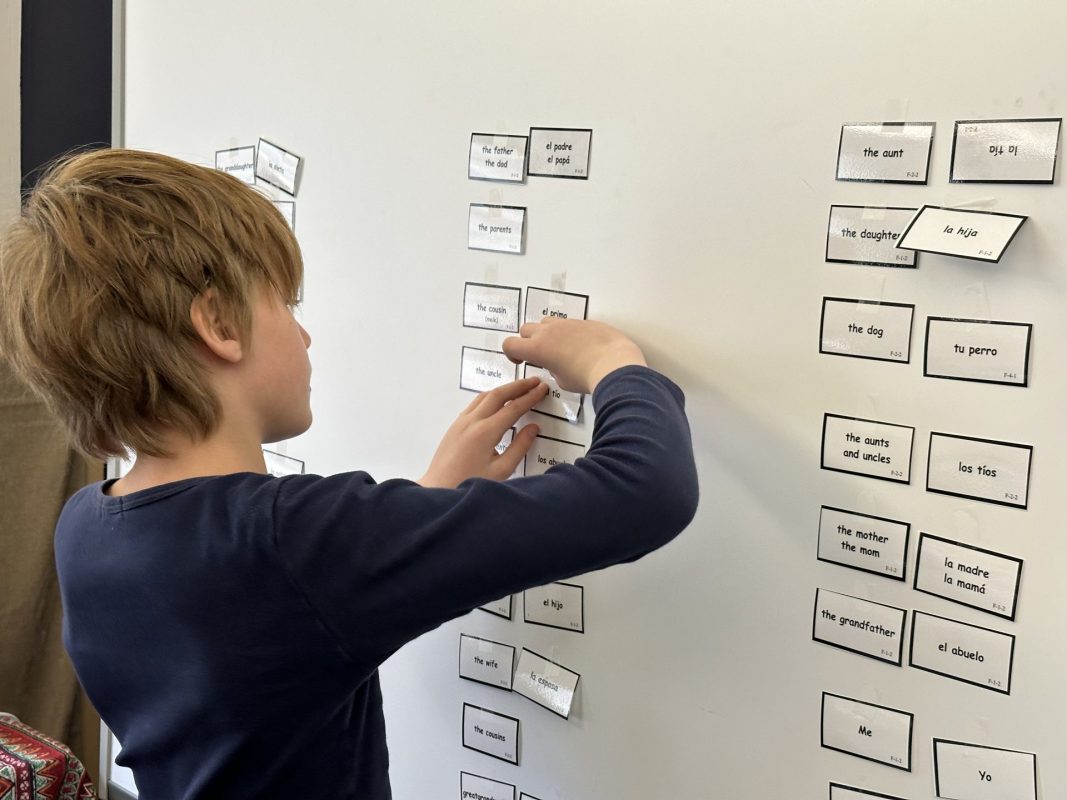
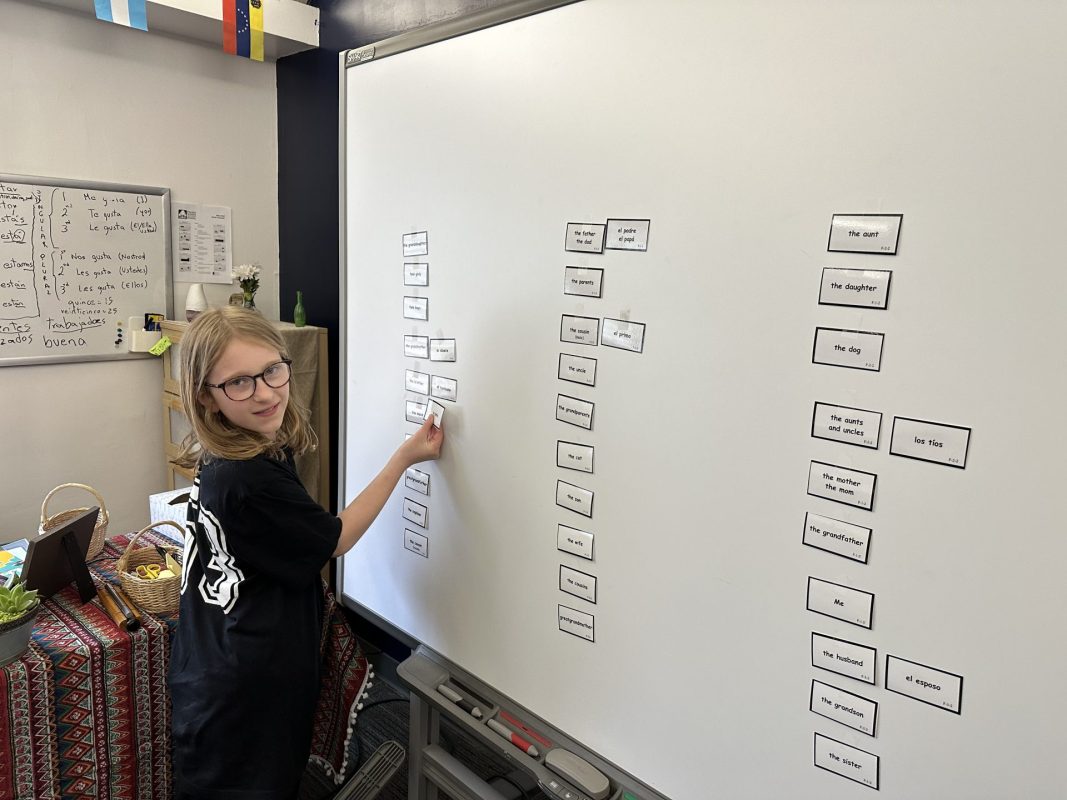
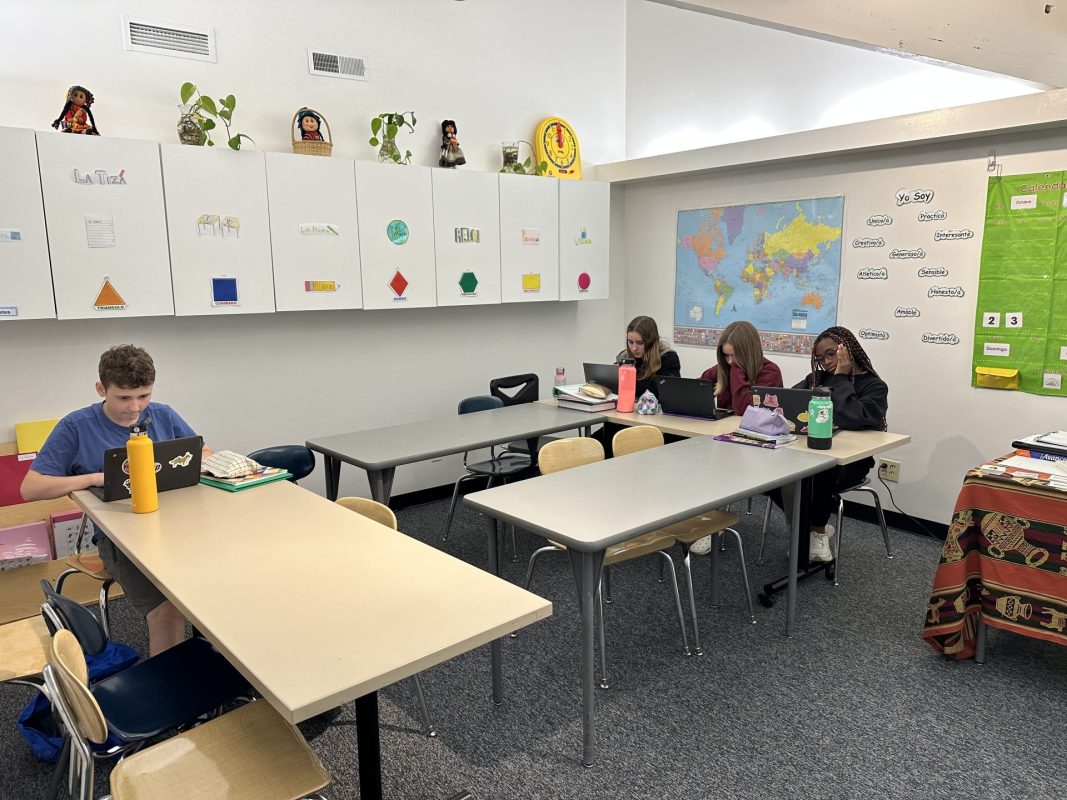
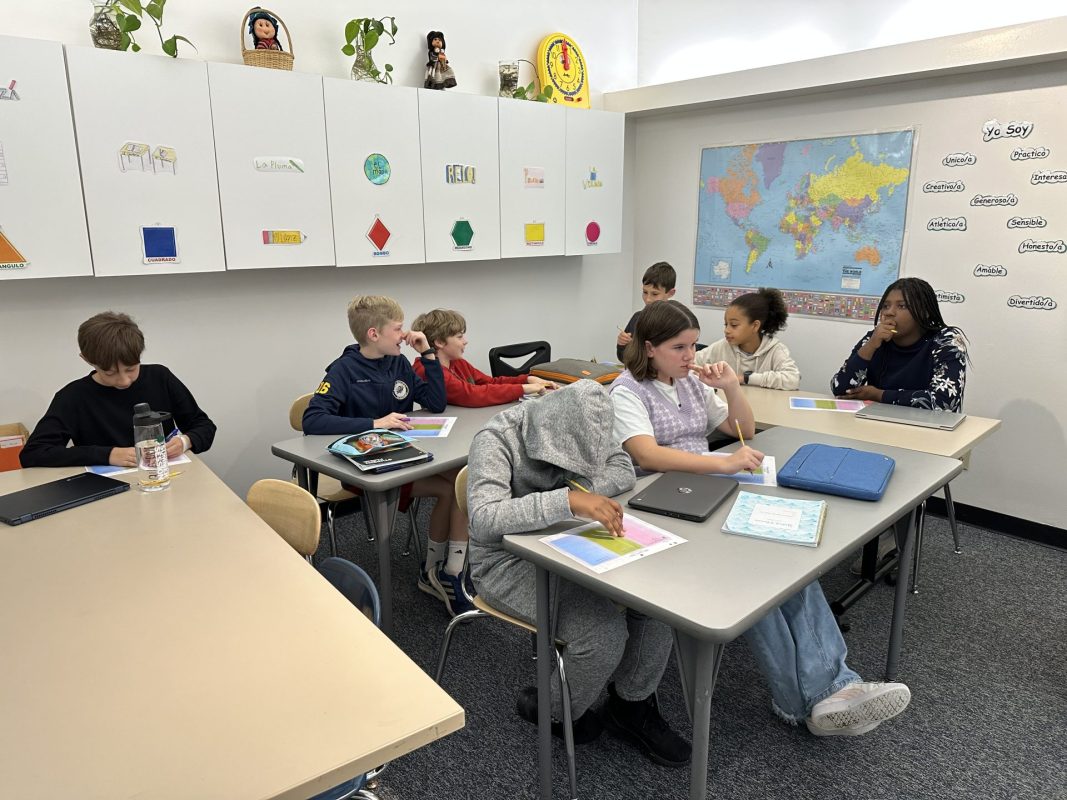
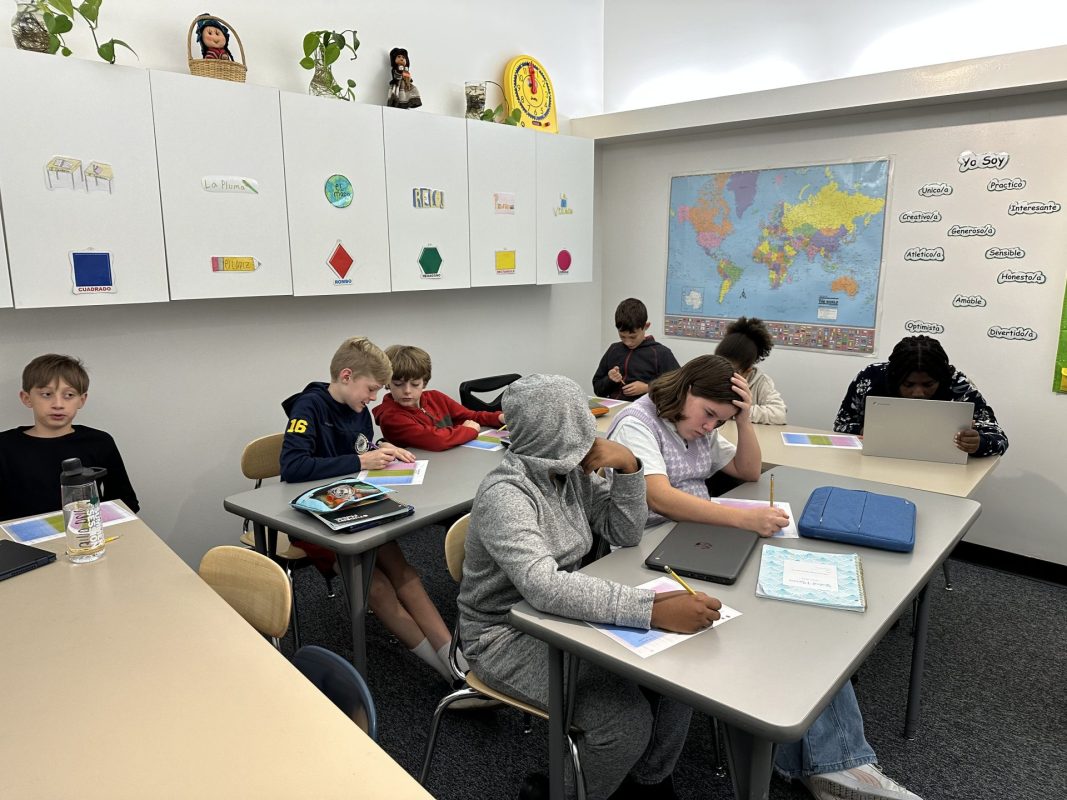
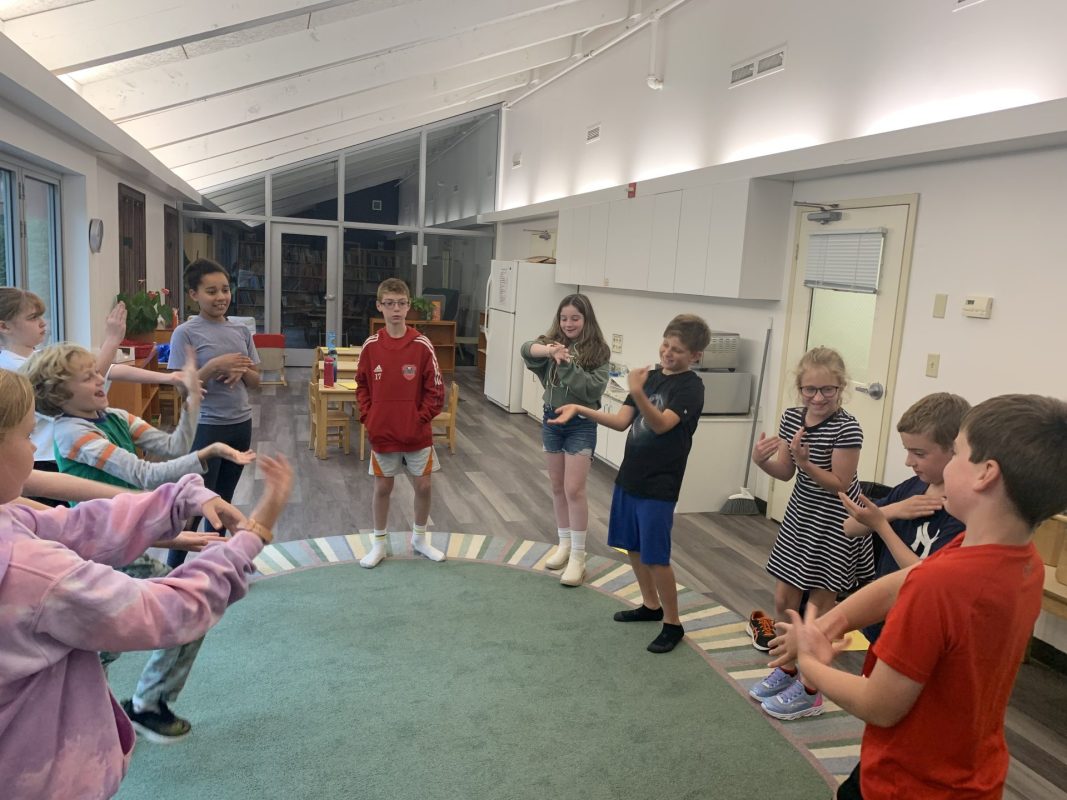
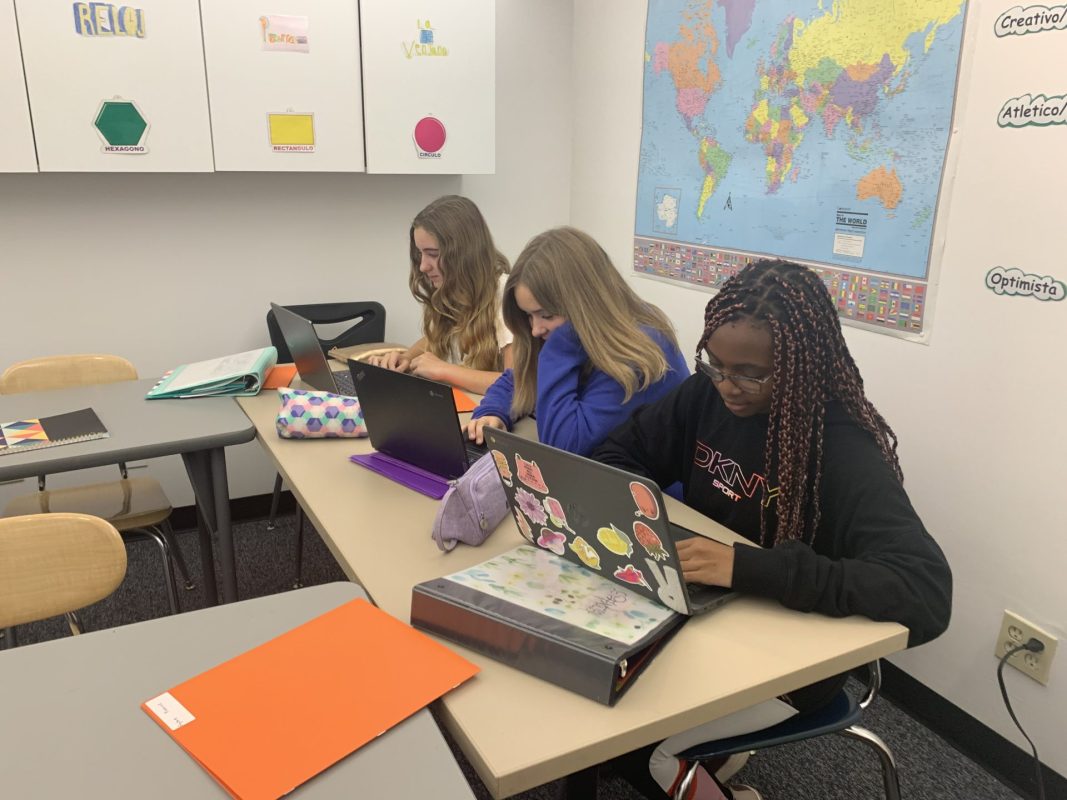
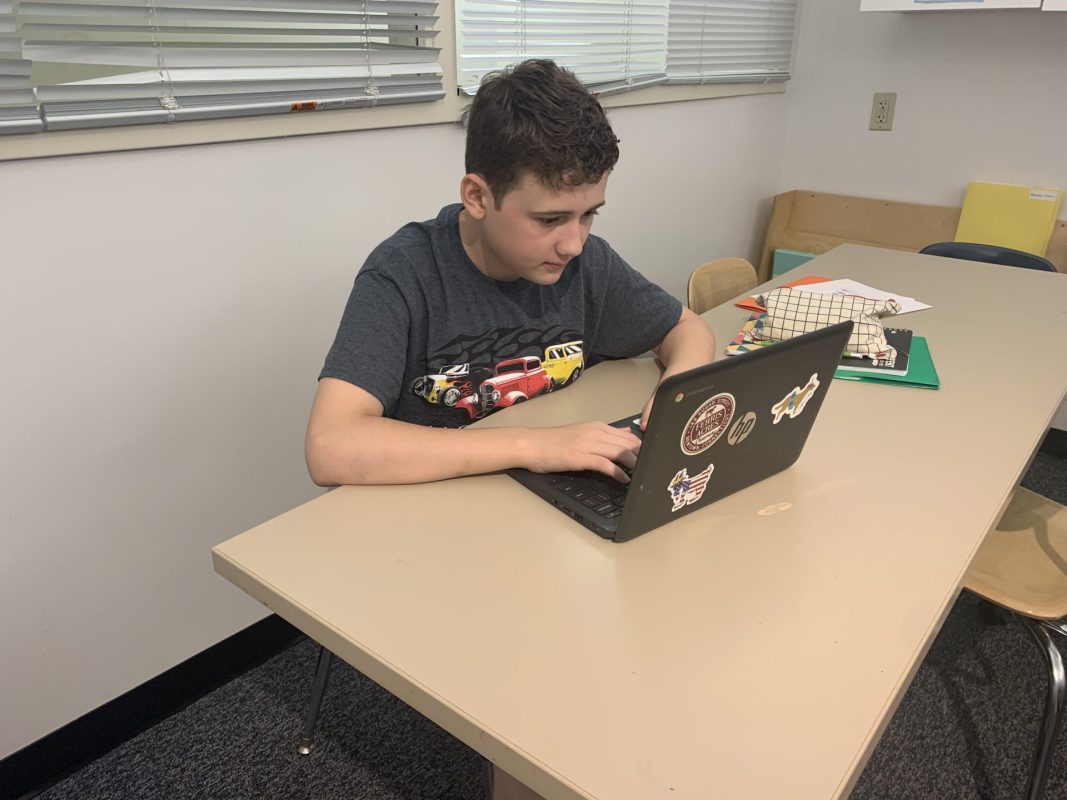
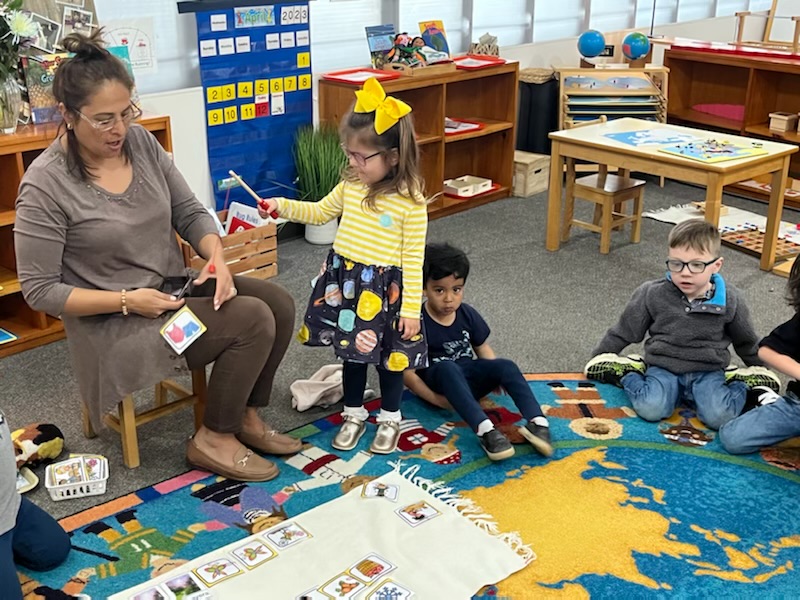
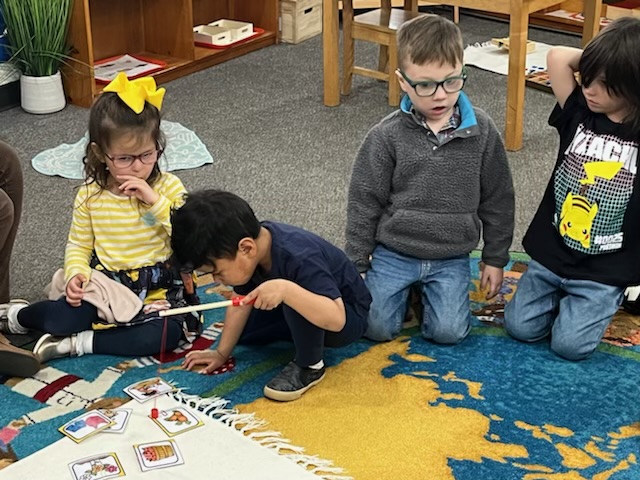
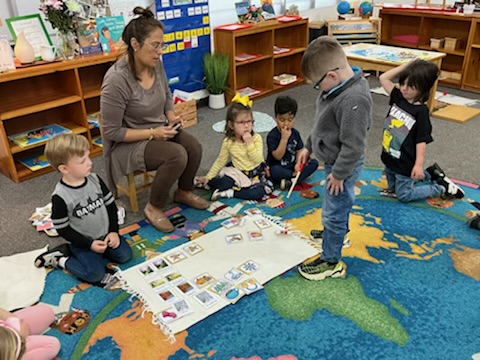
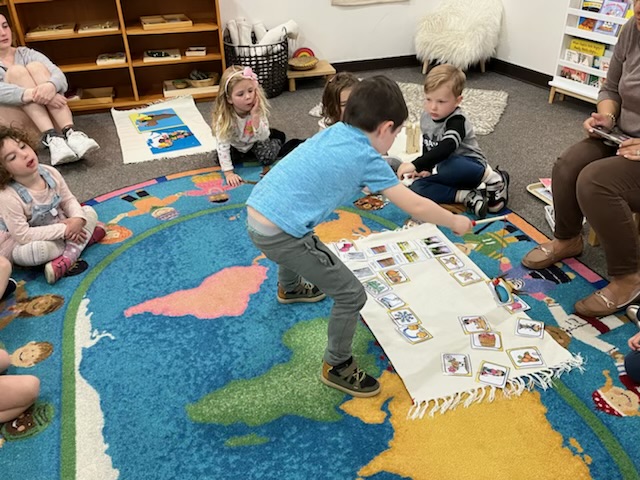
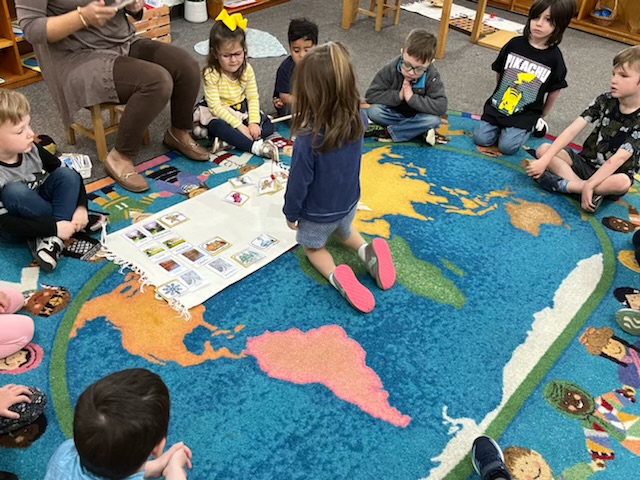
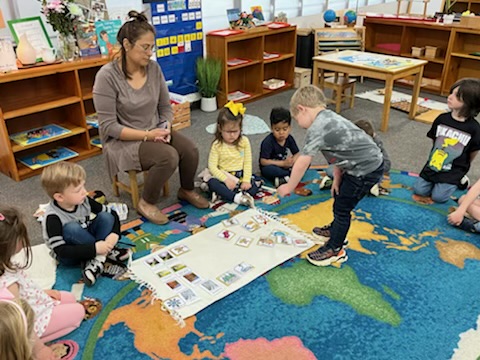
Primary and LE: “Las estaciones del año”, “El Clima”; UE: “La Familia”, “Los adjetivos”; MS: “Los deportes”, “Mi comida favorita”, “El horario en la escuela” A general review of all we have learned to this point this school year was done at every level. In addition, FWM middle school students were able to travel virtually to Spanish-speaking countries such as Spain and El Salvador.
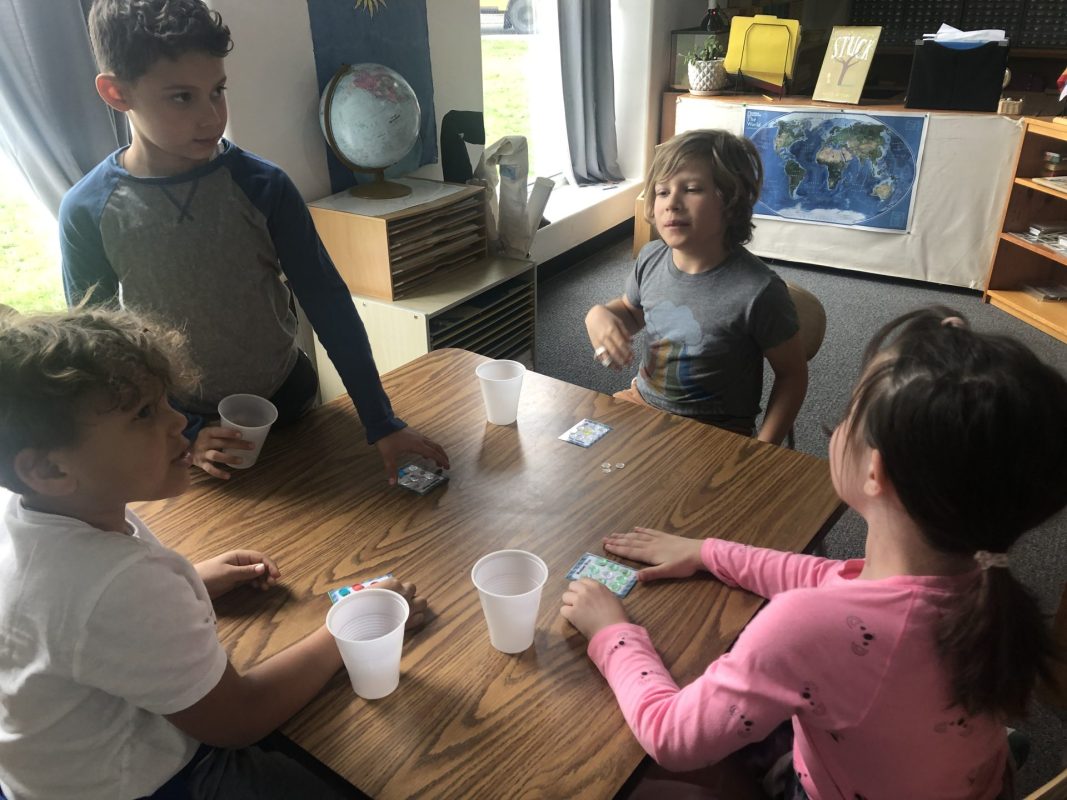
FWM students are still working on their usual conversation about feelings, Spanish greetings, the calendar, and the description of the weather, as repetition is the key to learning another language. They are continuously improving their Spanish listening and vocabulary. Students from Primary, Lower Elementary, Upper Elementary, and Middle School listened carefully to Spanish lessons, books, and songs and participated in interactive games that were displayed during class.
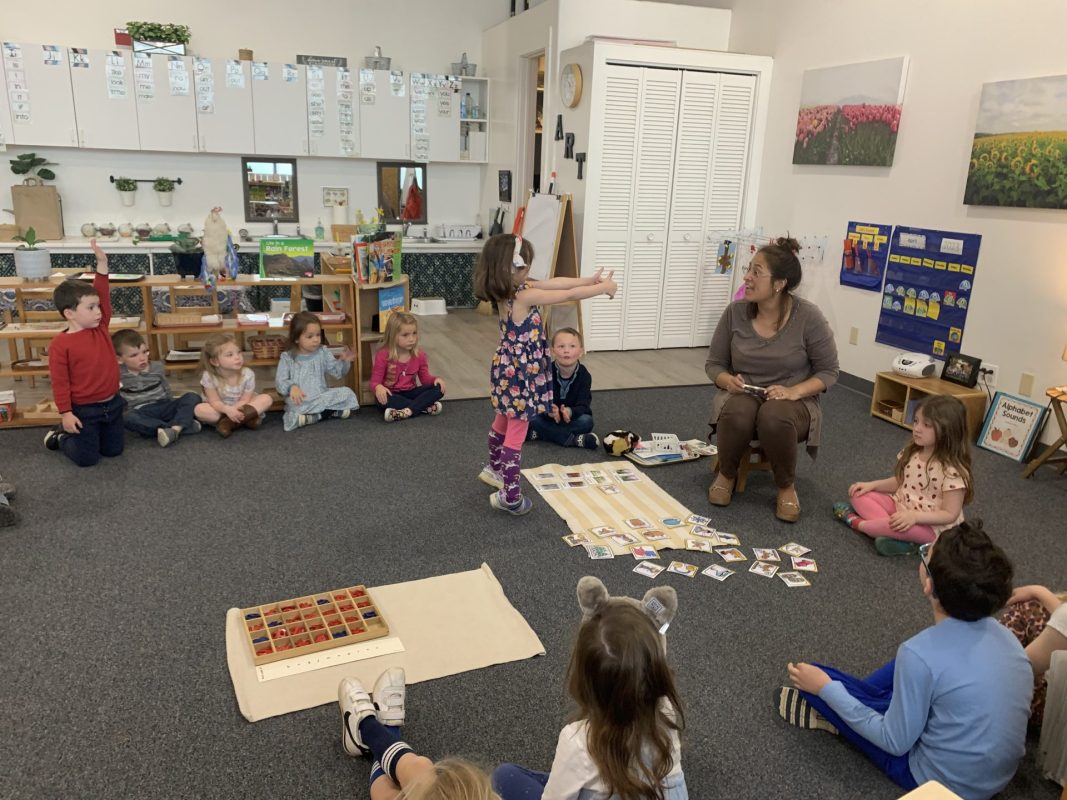
Primary and Lower Elementary students also continued learning about the seasons “Las estaciones del año”: Primavera (Spring), Verano (Summer), Otoño (Fall), Invierno (Winter), and “El Clima” (The weather) such as “soleado, nublado, lluvioso, nieve, ventoso”, using the same type of Montessori lessons such as three-period learning cards and matching cards to reinforce concepts. The children also really enjoyed singing and participating in classroom games. Spanish Montessori Lessons were presented in class and left in their classroom to be practiced during the week.
Upper Elementary Students continued learning about the Family and continued practicing the use of the articles (el, los, la, las) in Spanish. In addition, they are learning how to use “adjectivos (adjectives)” in Spanish. They continue practicing their writing through activities and games we used in class. We continue reading books; we are about to start reading “Los Baker van a Peru” by a group of students from Pinelands Regional Jr. High School and Nathaniel Kirby. Reading is a great way to enhance comprehension and pronunciation of the language. Students learned songs in the class that helped with the memorization of vocabulary and with pronunciation.
Middle School students also continue working year-round on their Spanish greetings, description of weather, feelings, and their daily calendar that includes days of the week, months, and seasons. Students continue working on the Spanish curriculum in the “Avancemos” program. They also focused on learning vocabulary to talk about sports and the equipment that is required to be used. They are also learning how to use and write more verbs and their conjugations, such as jugar (to play), comer (to eat), compartir (to share). Also, they are learning to talk about foods and beverages and the verb gustar (to like) used with nouns. They are also learning about their daily schedule, reviewing how to say the time, and learning to say how often they do certain things. We continue reading books for youth in Spanish in order to enhance their vocabulary, reading, listening, and comprehension skills of a story. We are currently reading a book called “El Ekeko: Un misterio bolivianos” by Katie Baker.
On Fridays, we are also working on “Spanish Enrichment,” where students were able to visit Spain and El Salvador virtually. Students were able to learn how people live, their costumes, and their types of food. They also can see the difference in the geography within all these countries, observing the diversity of sightseeing, plants, and animals that other countries can offer. I believe this experience contributes to expanding their horizons in the knowledge of other cultures and people around the world. Also, we continued playing in Spanish with puzzle words, storytelling, and other activities that make it more enjoyable to learn Spanish.
All the students at FWM are enjoying learning Spanish, and I am very pleased with their progress in accomplishing goals in my class.
Springtime Inspiration for Elementary Artists!
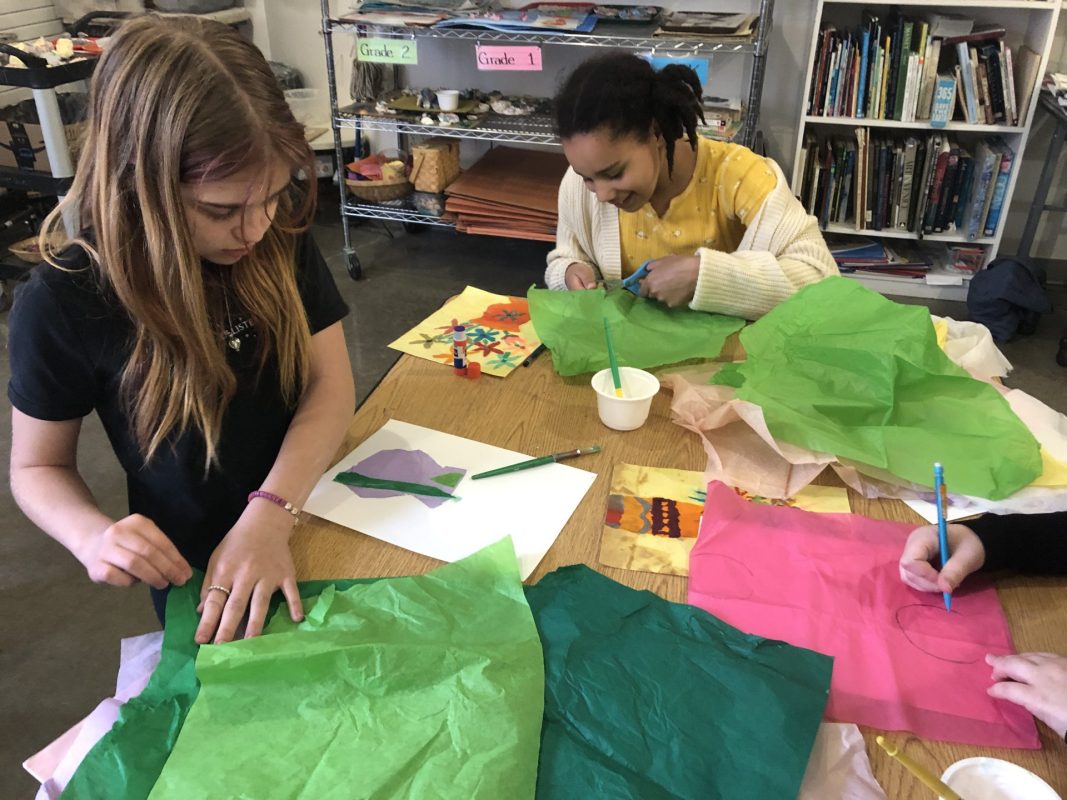
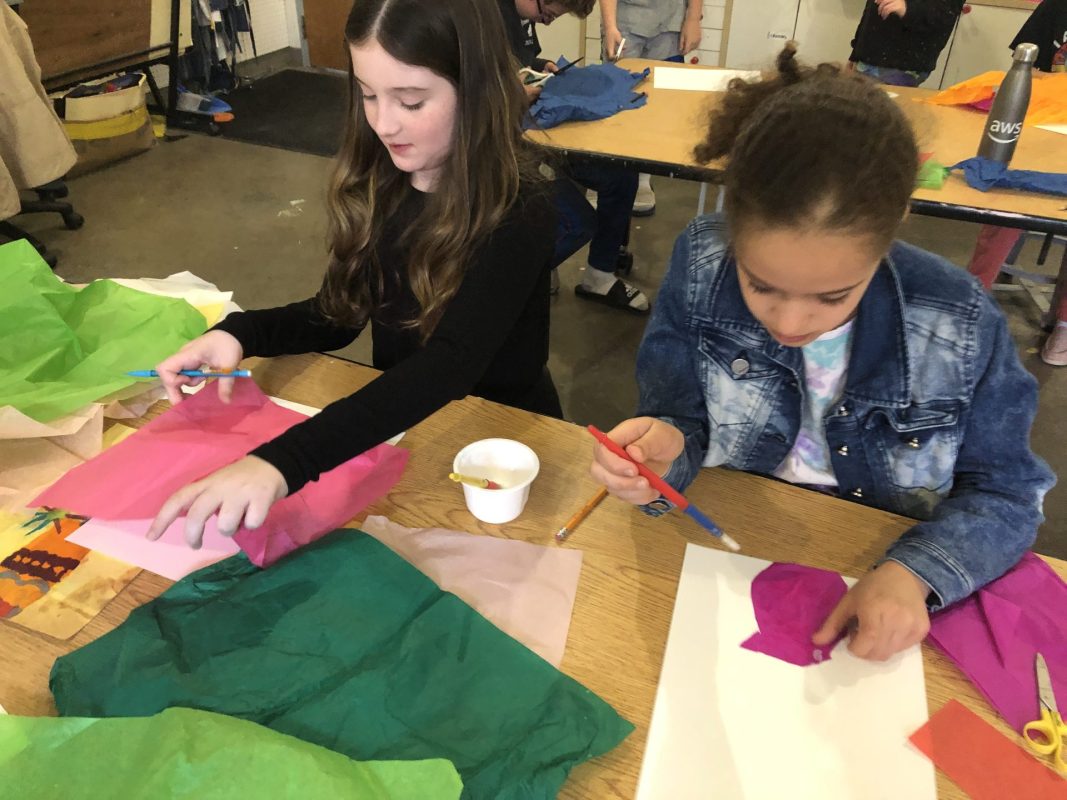
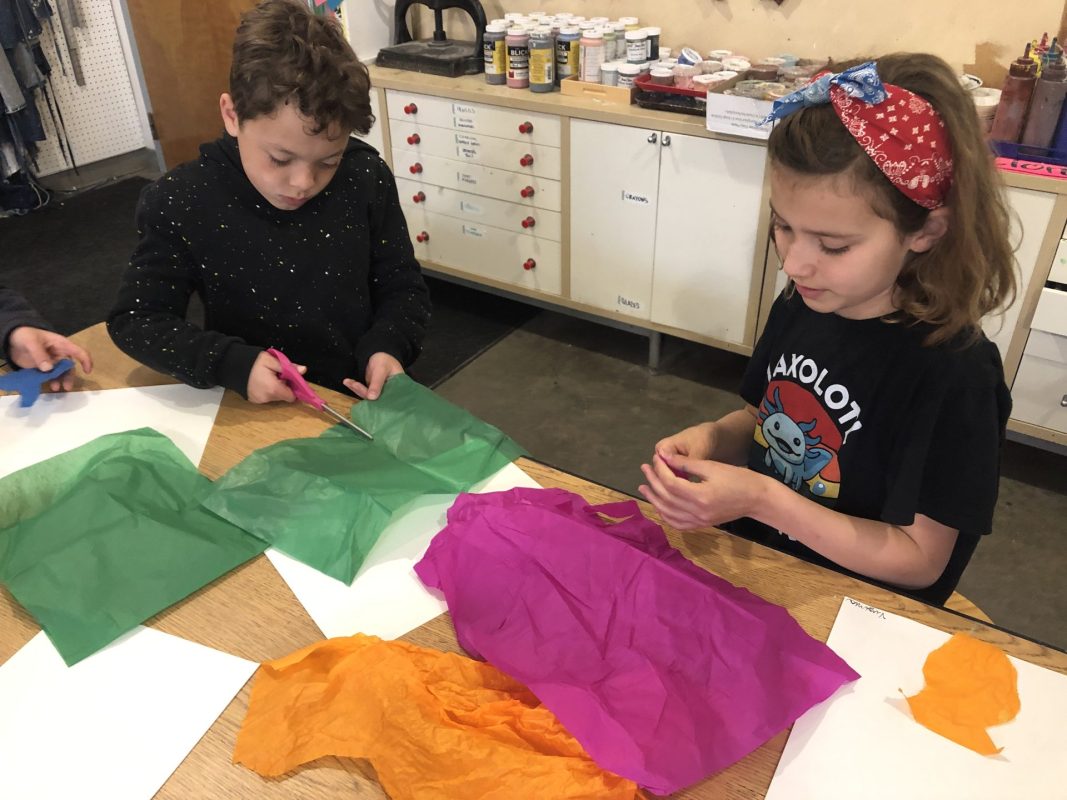
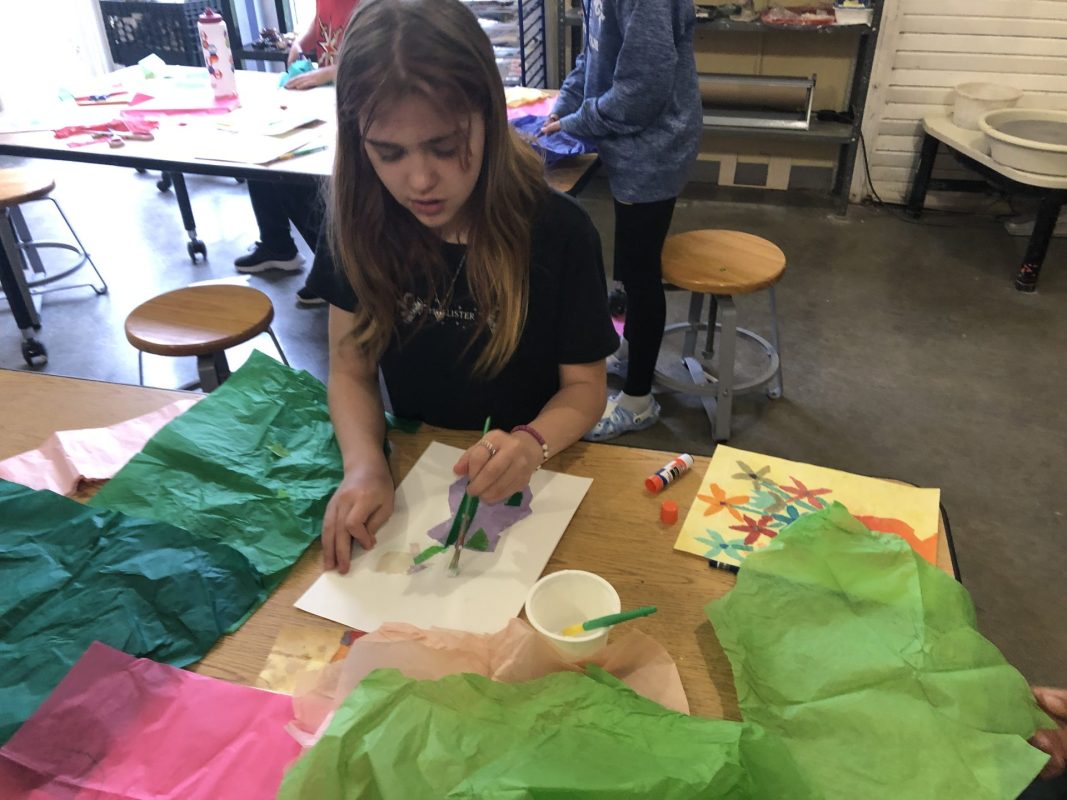
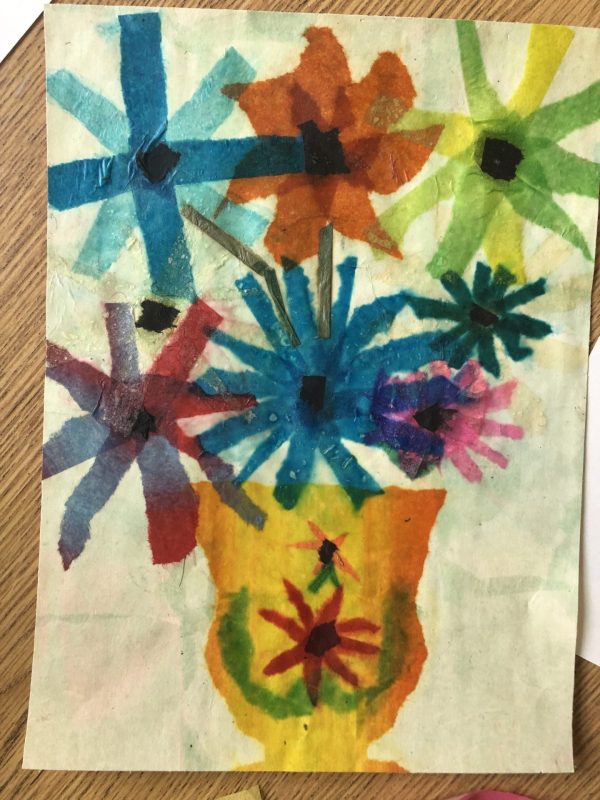
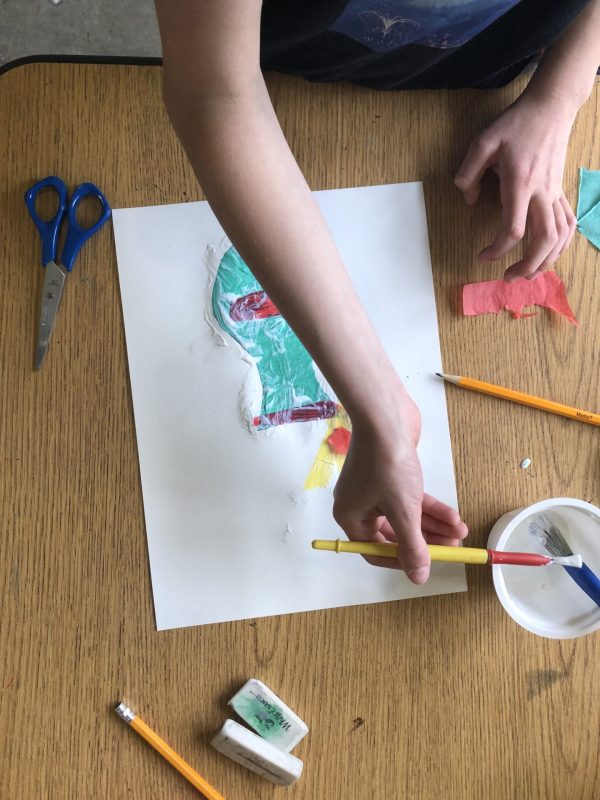
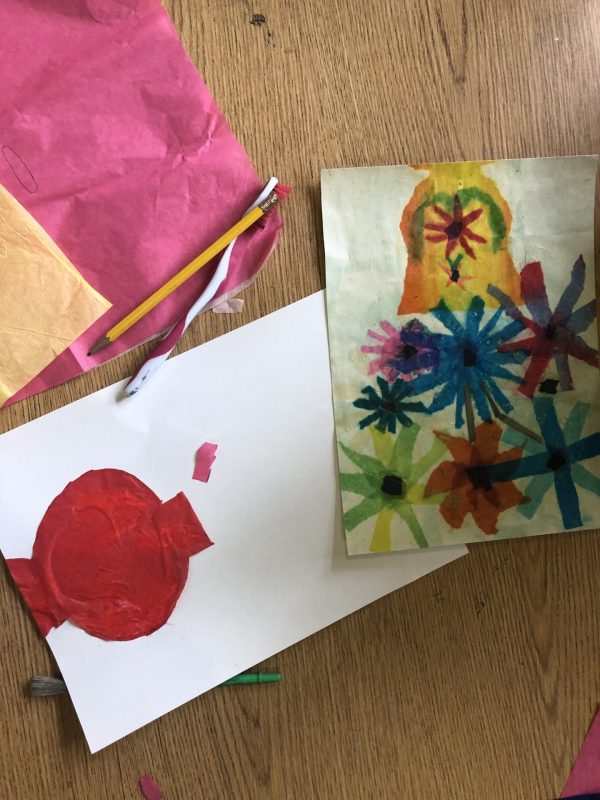
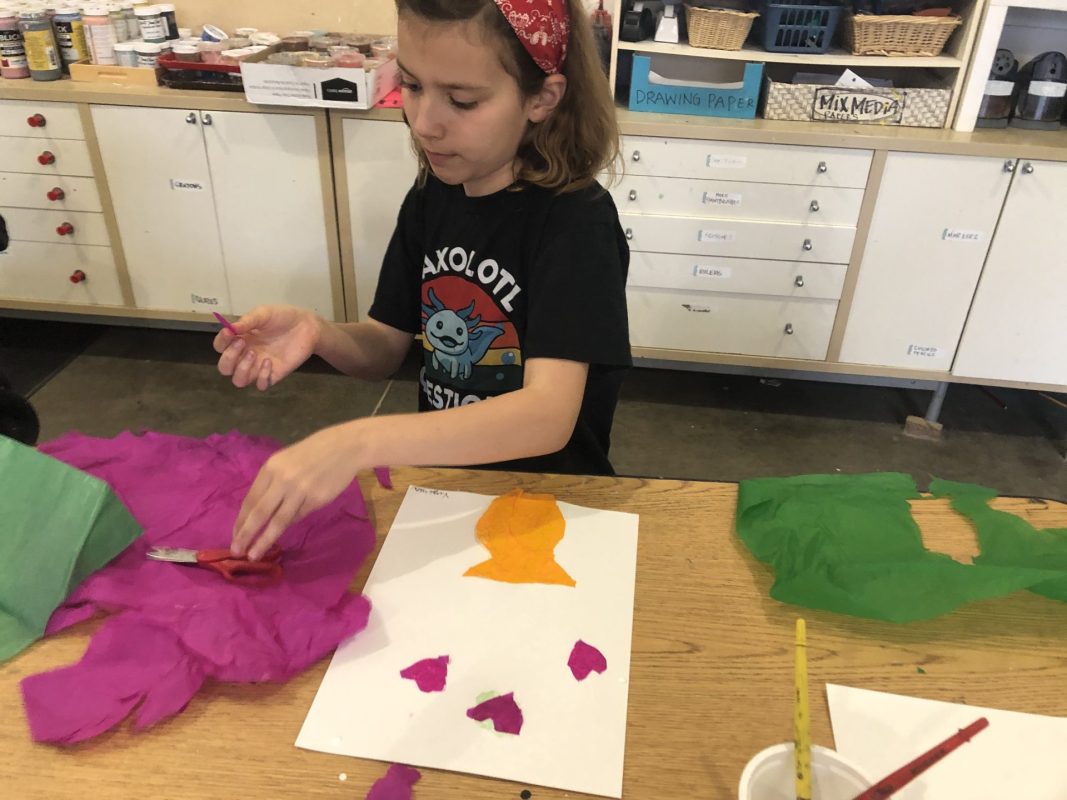
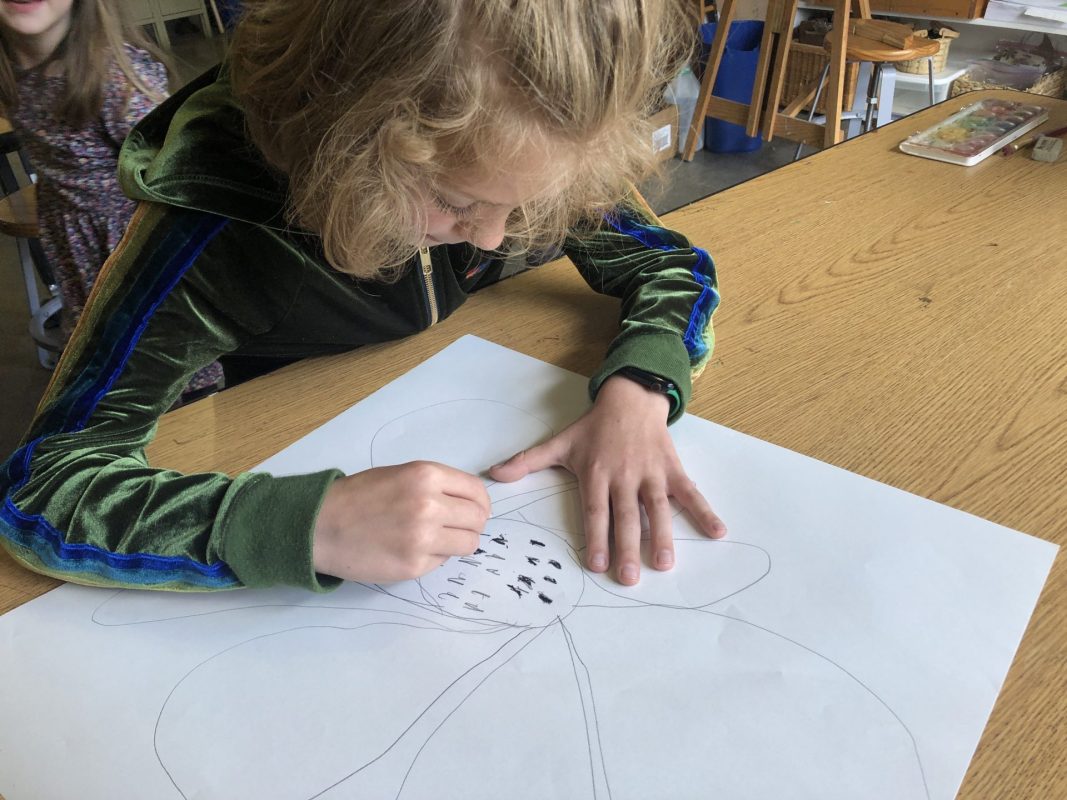
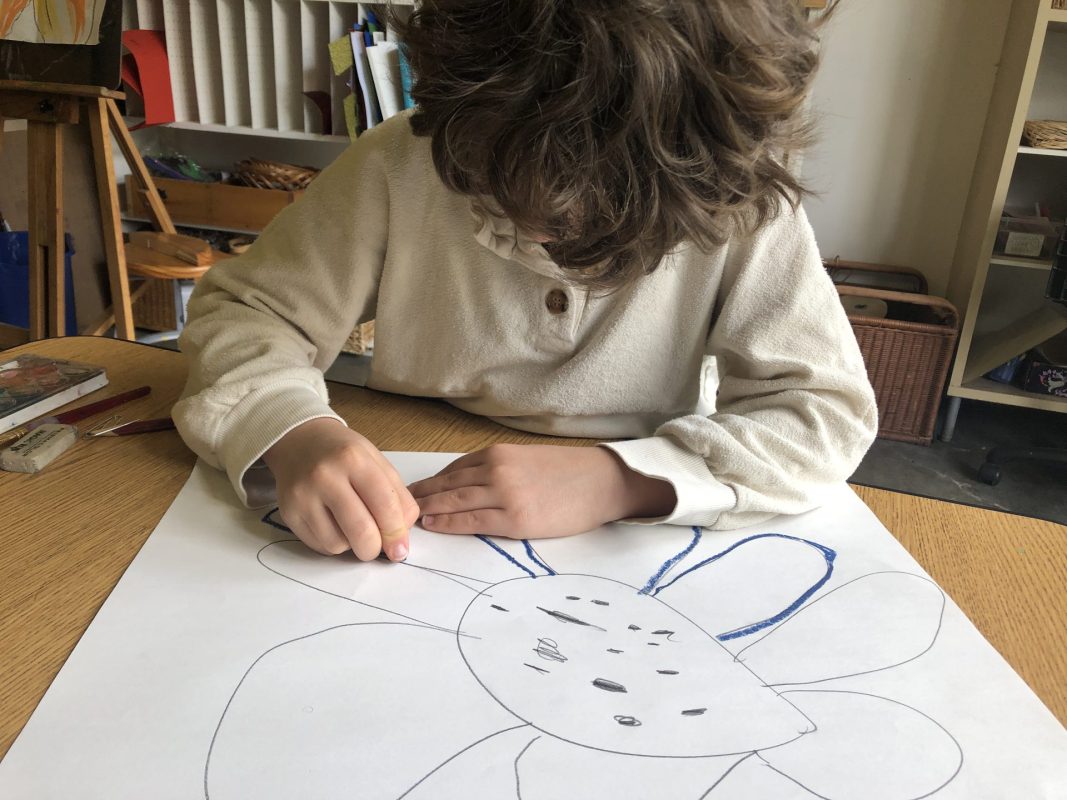
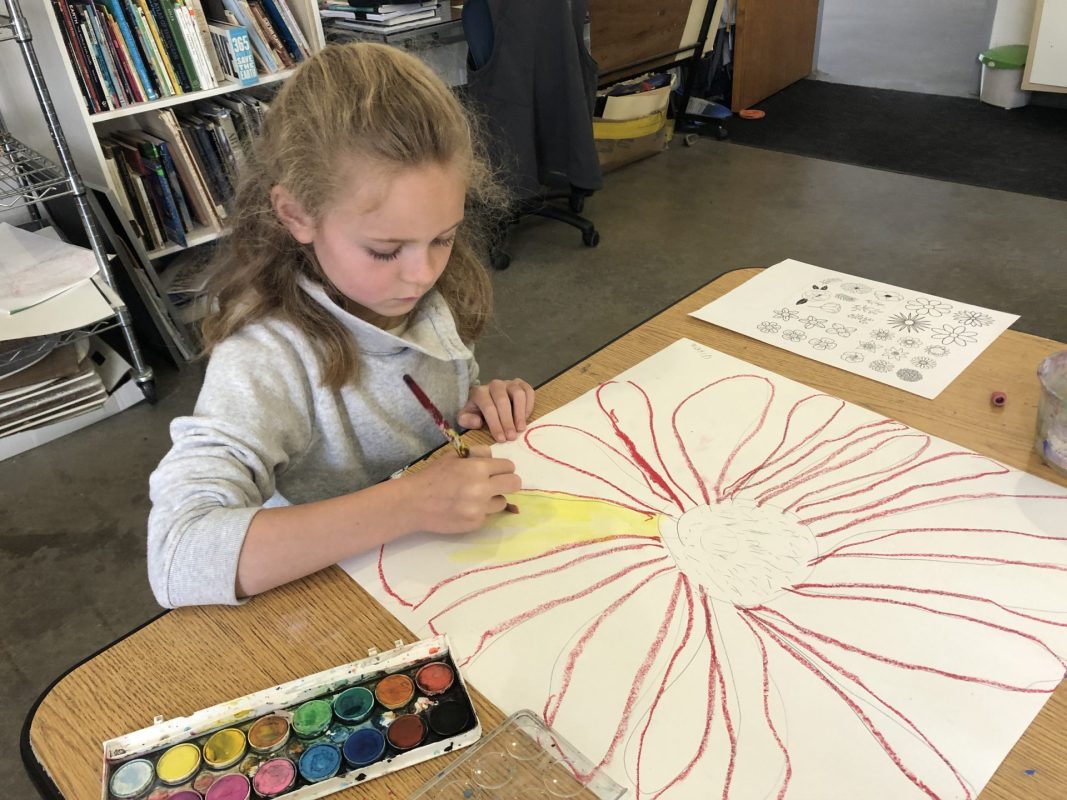
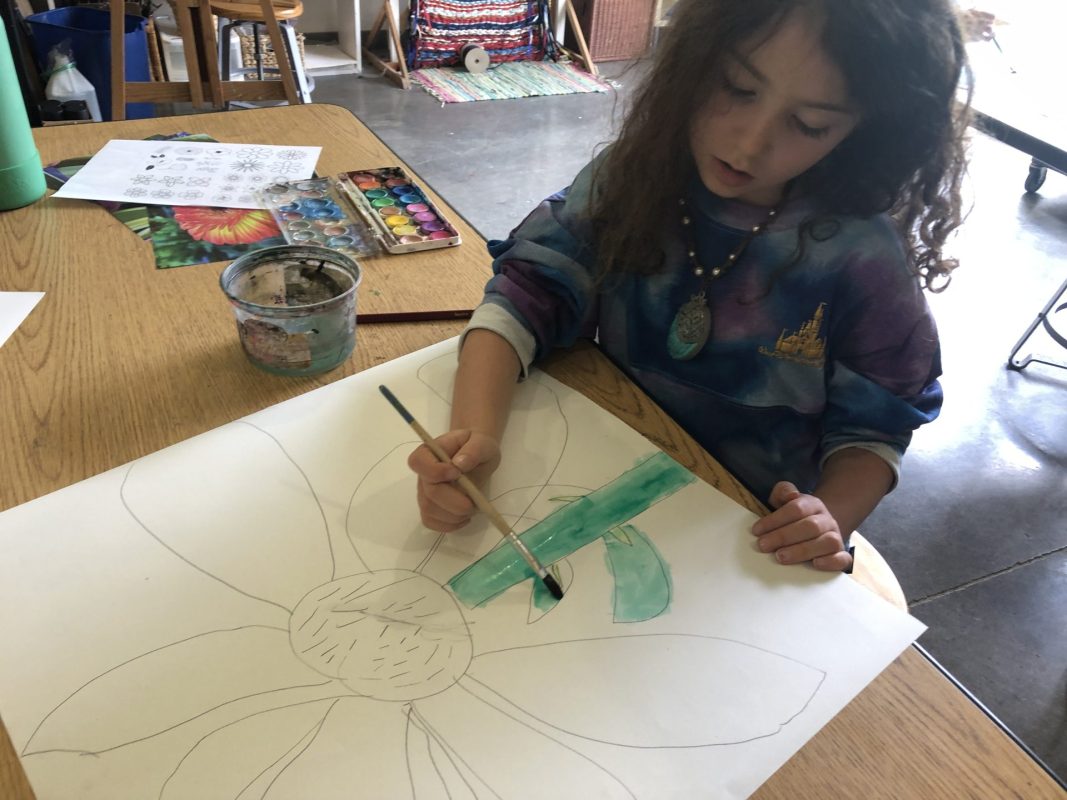
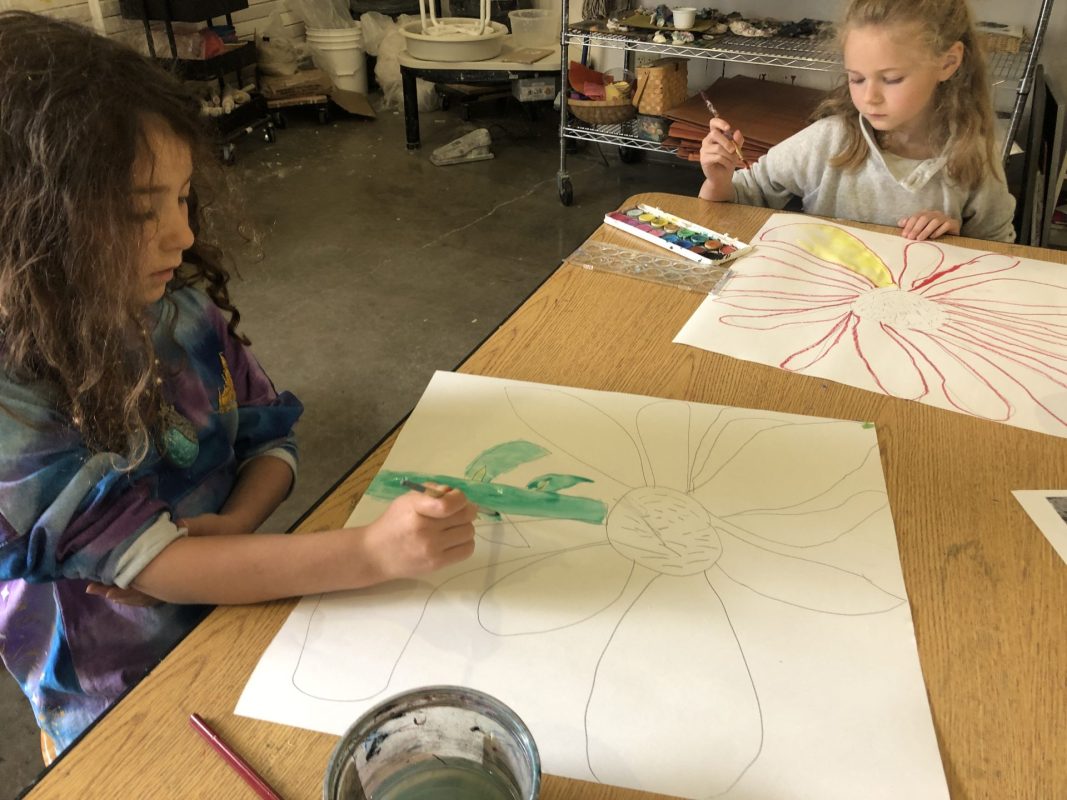
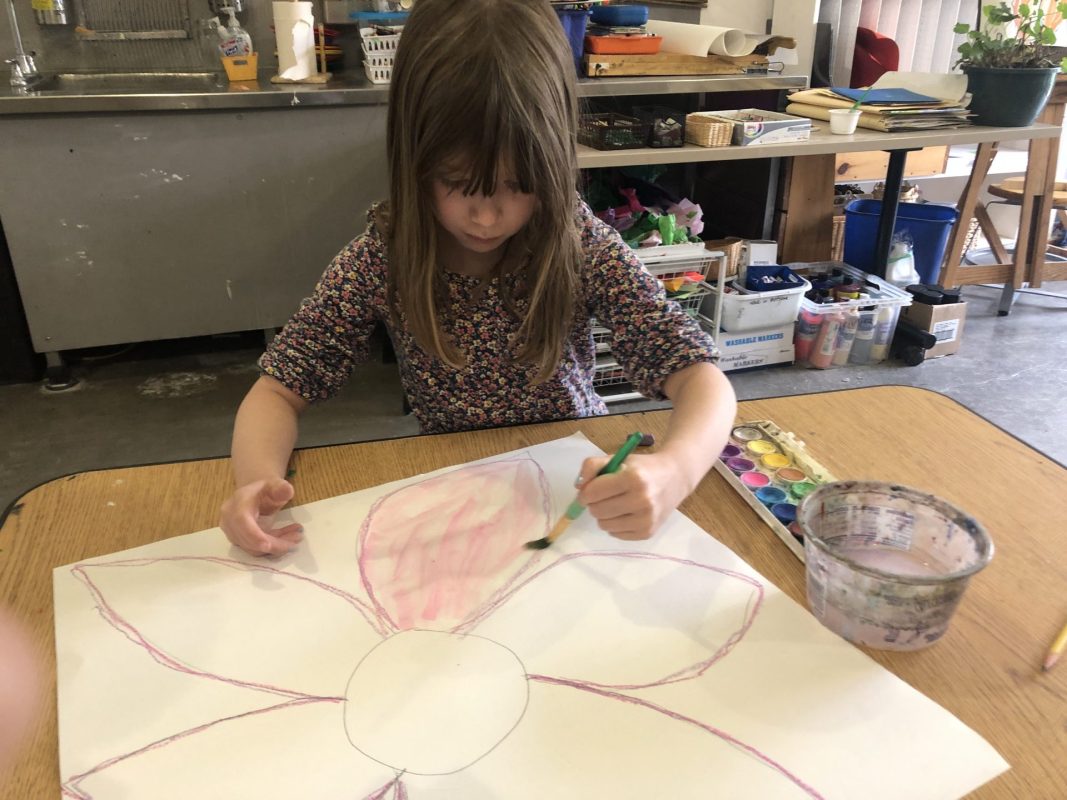
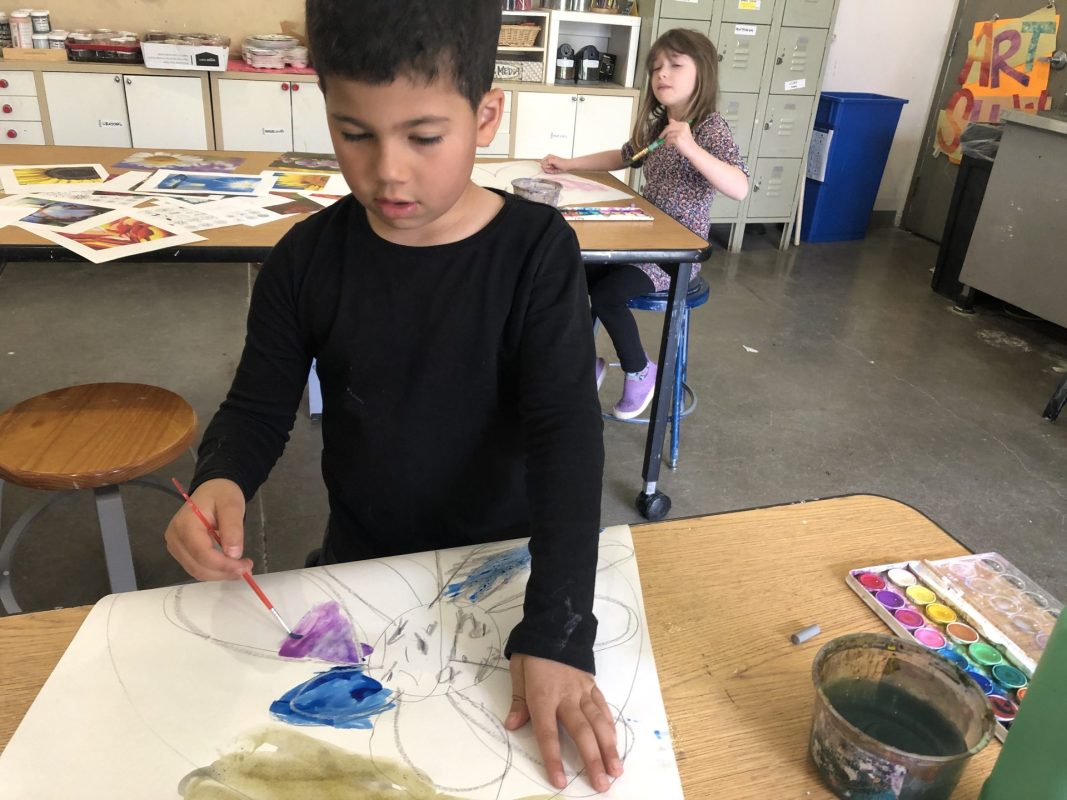
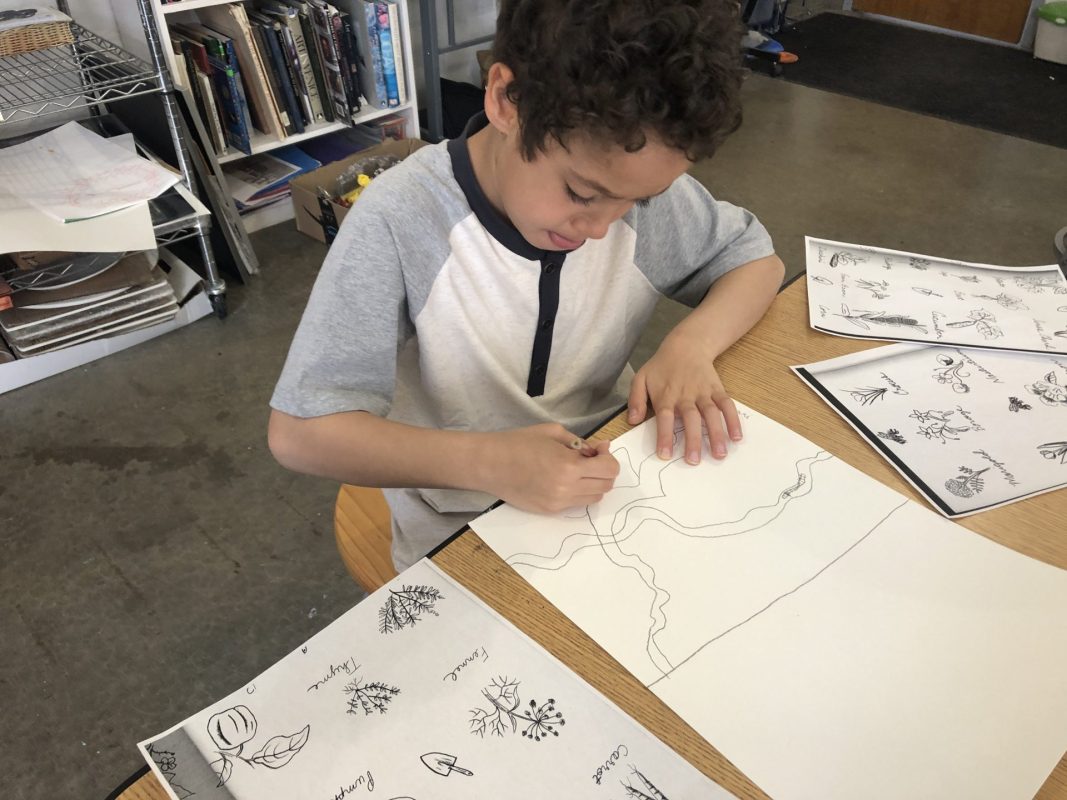
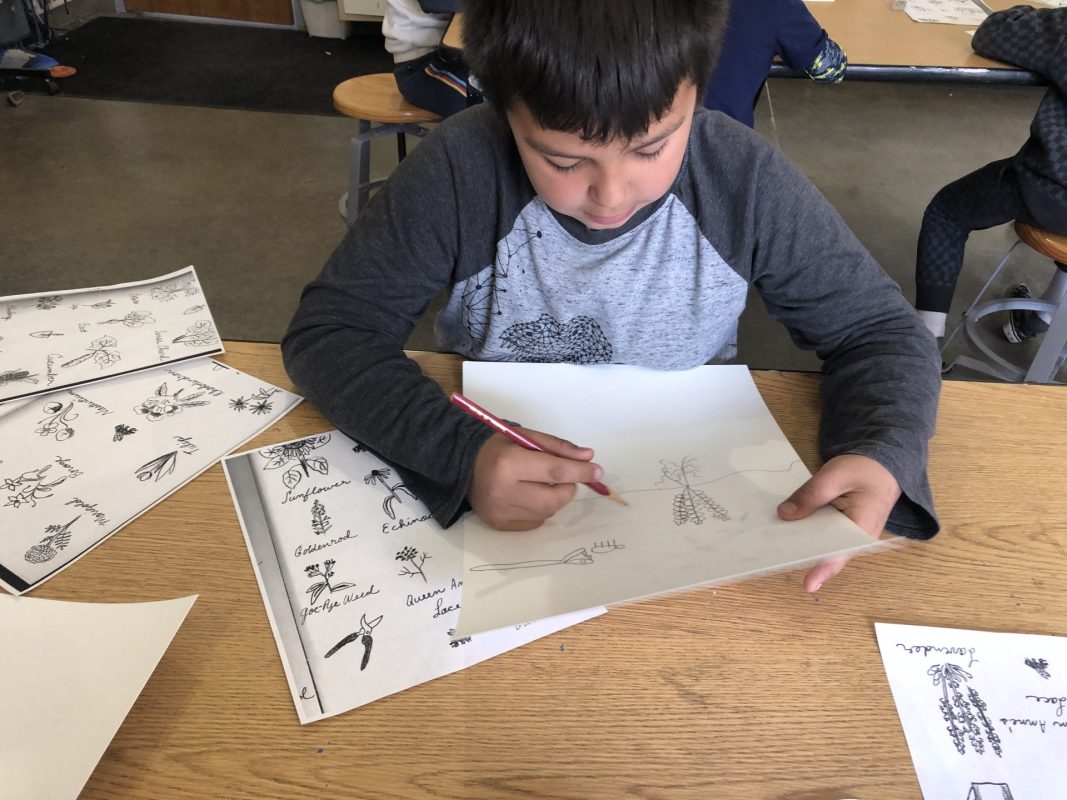
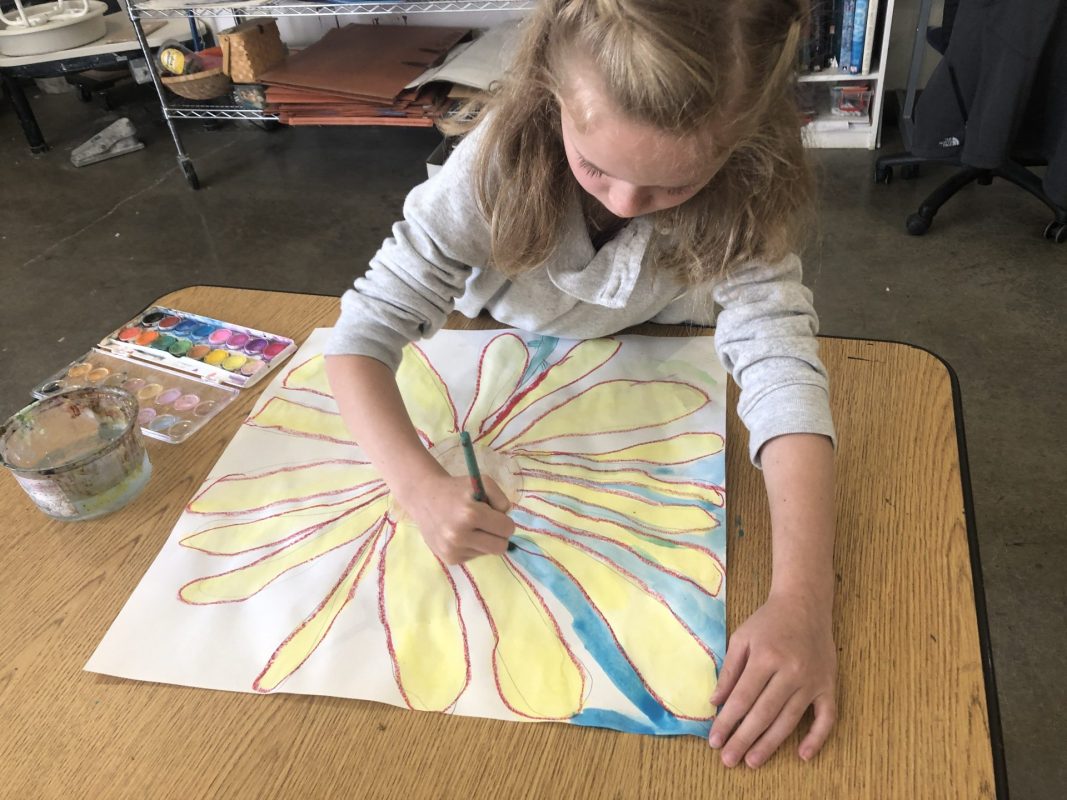
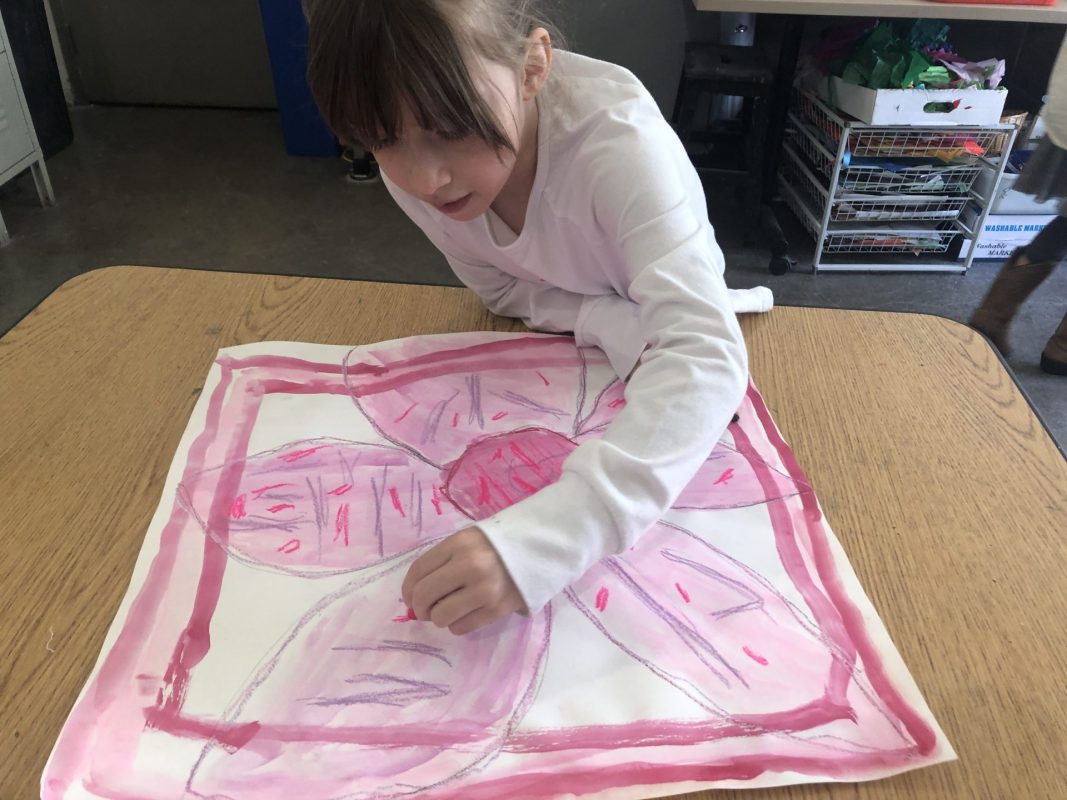
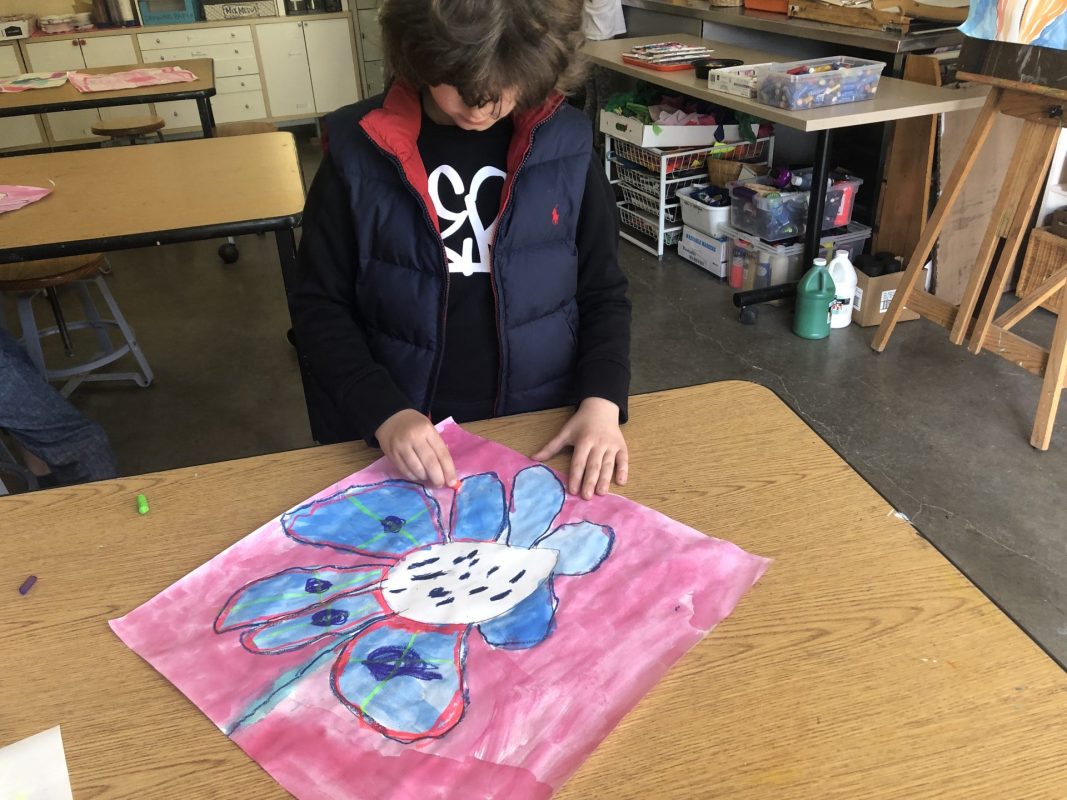
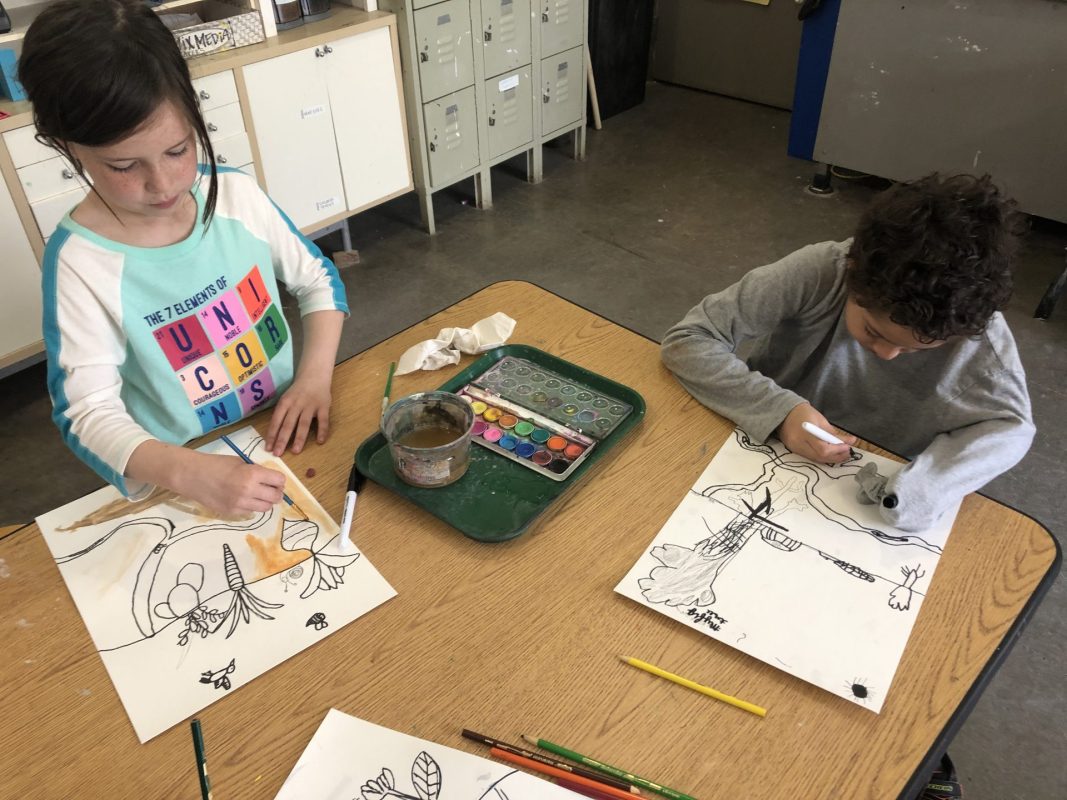
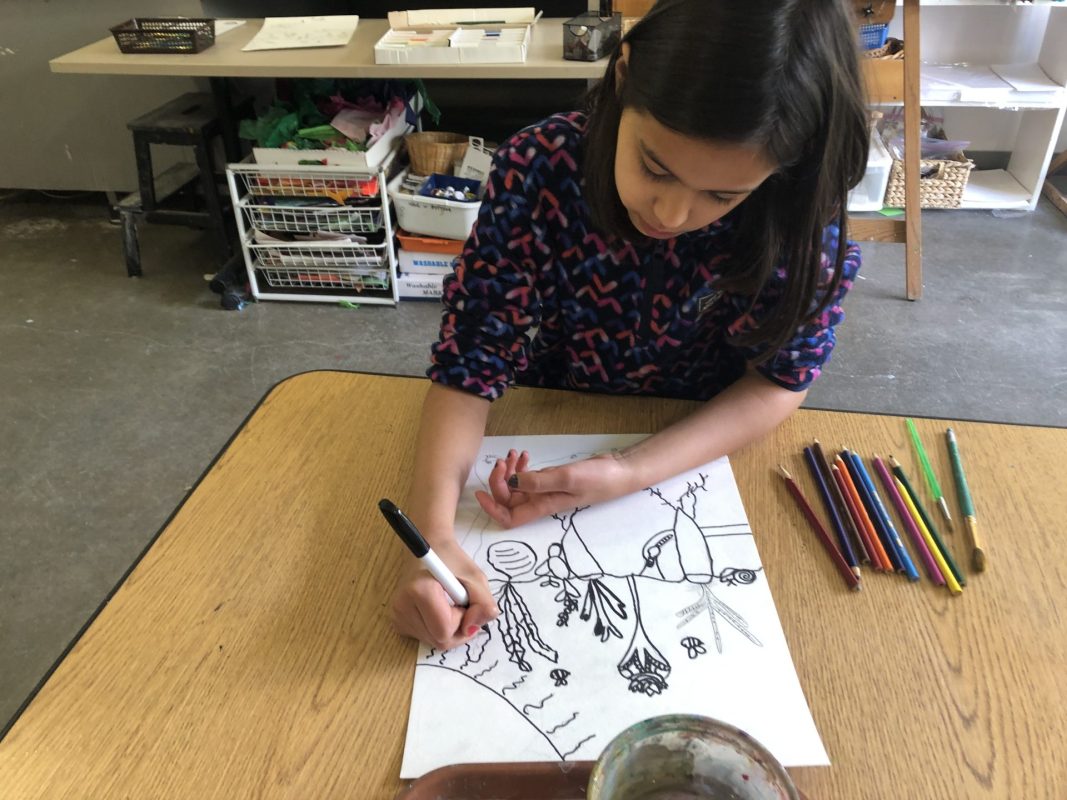
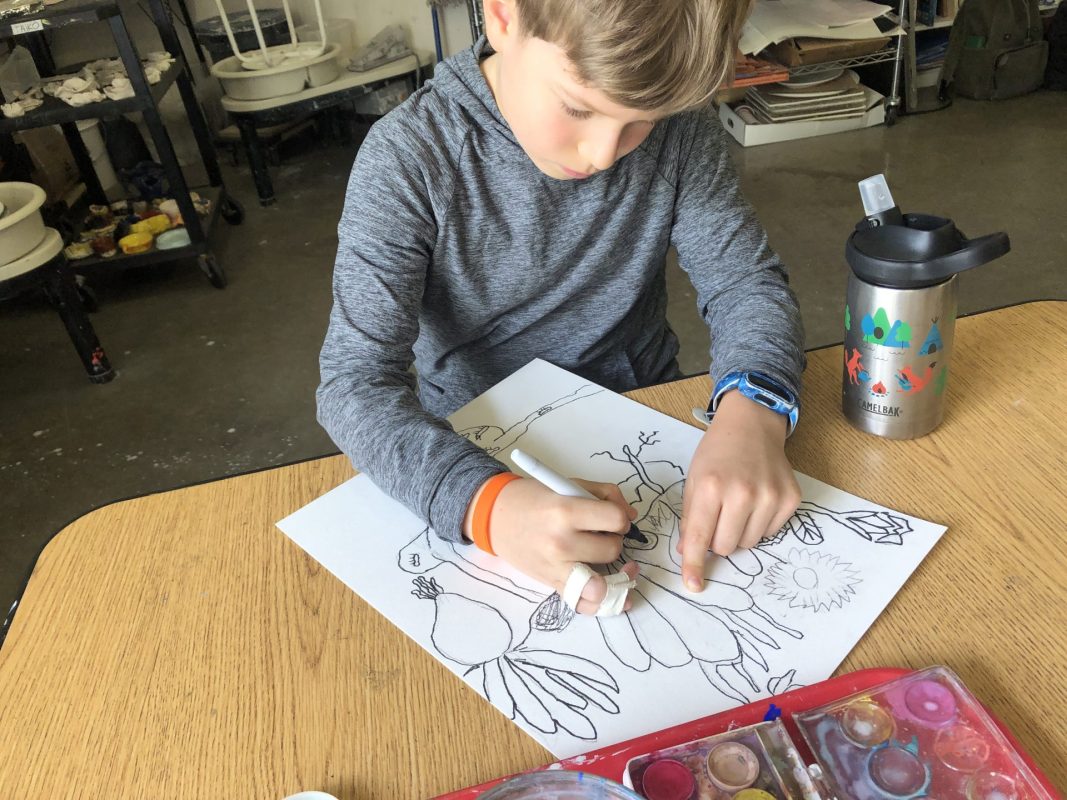
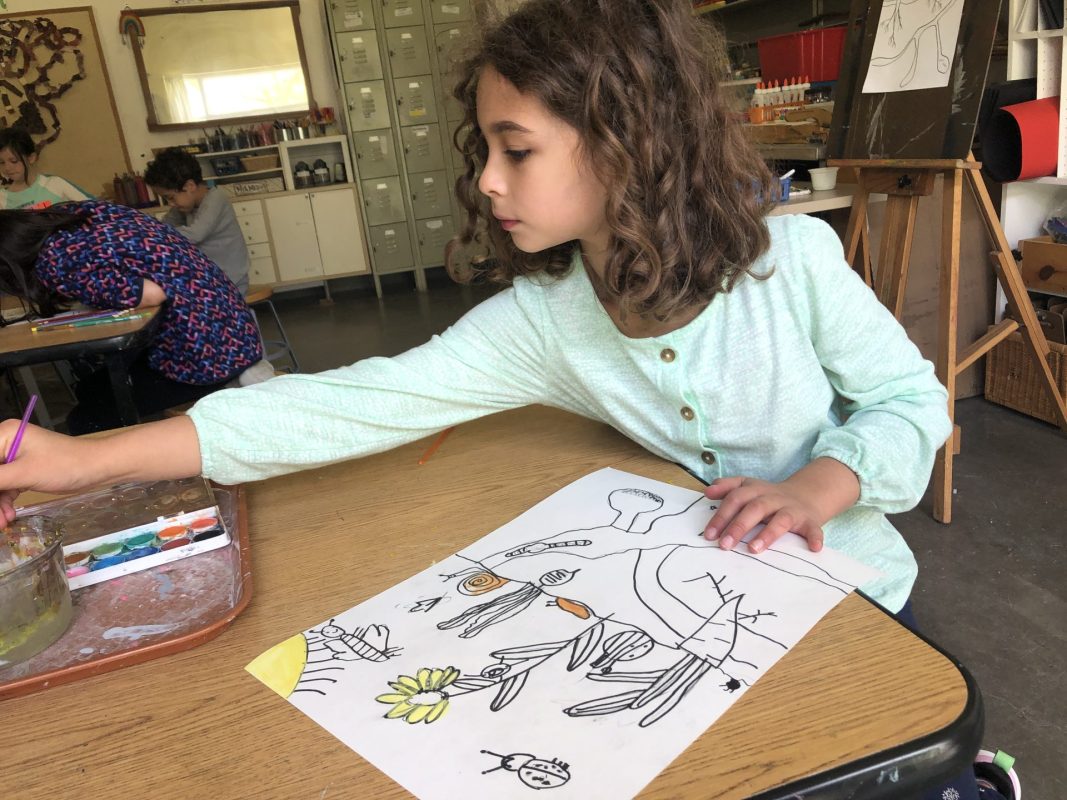
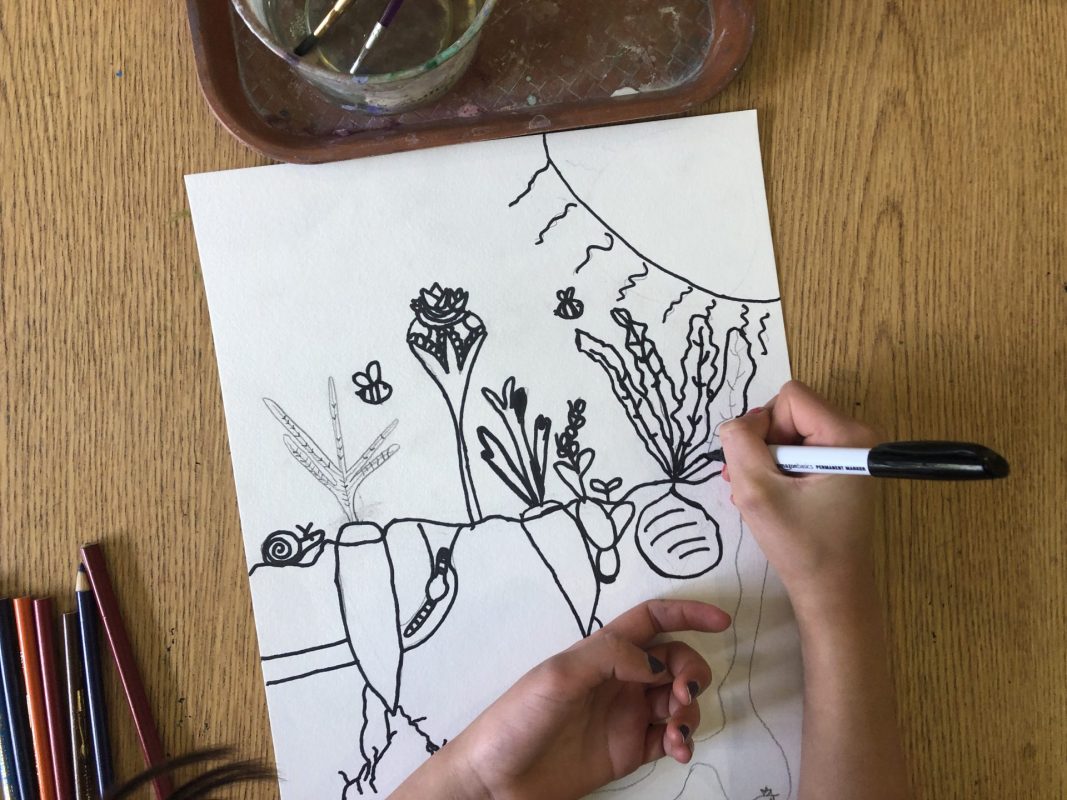
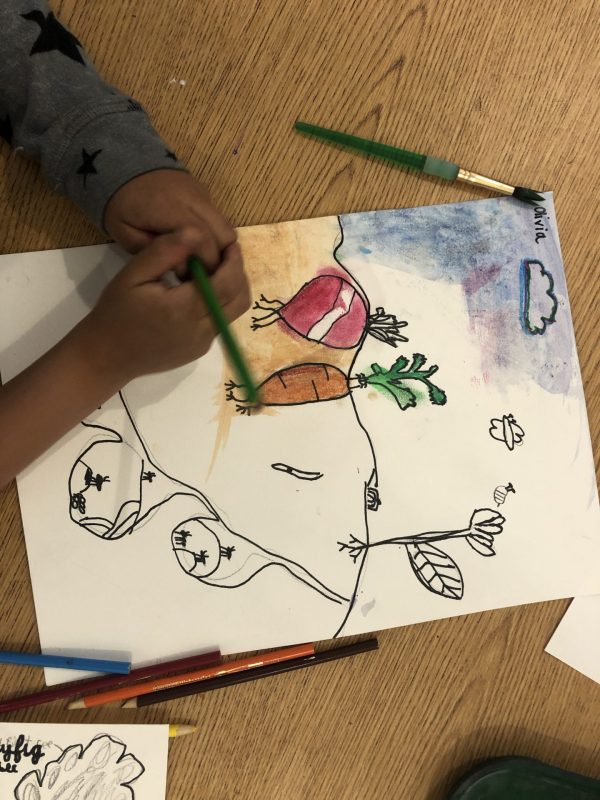
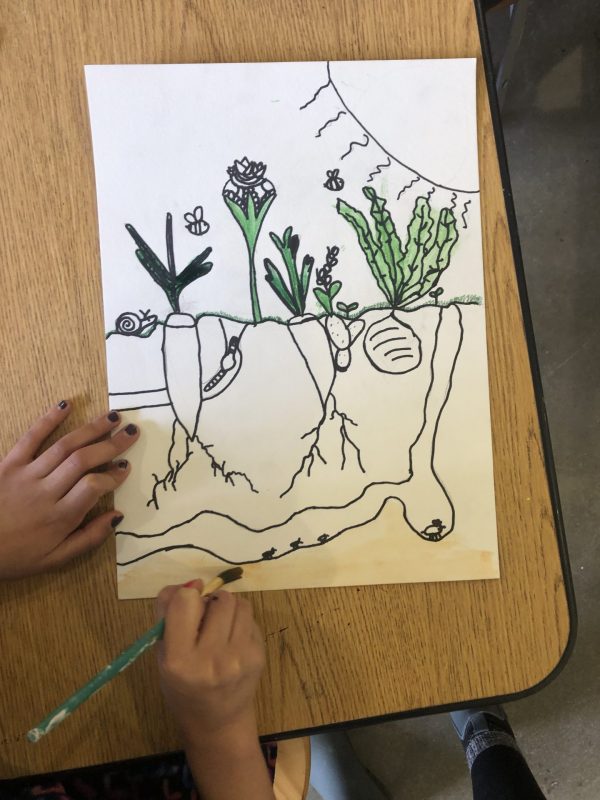
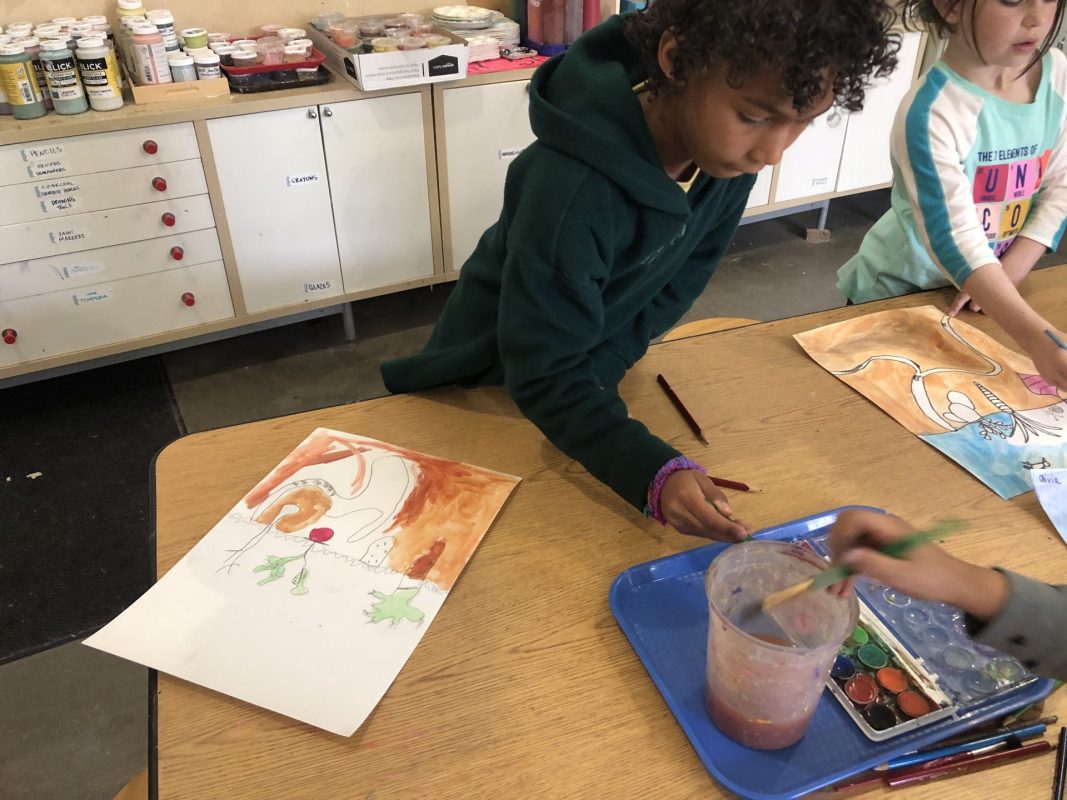
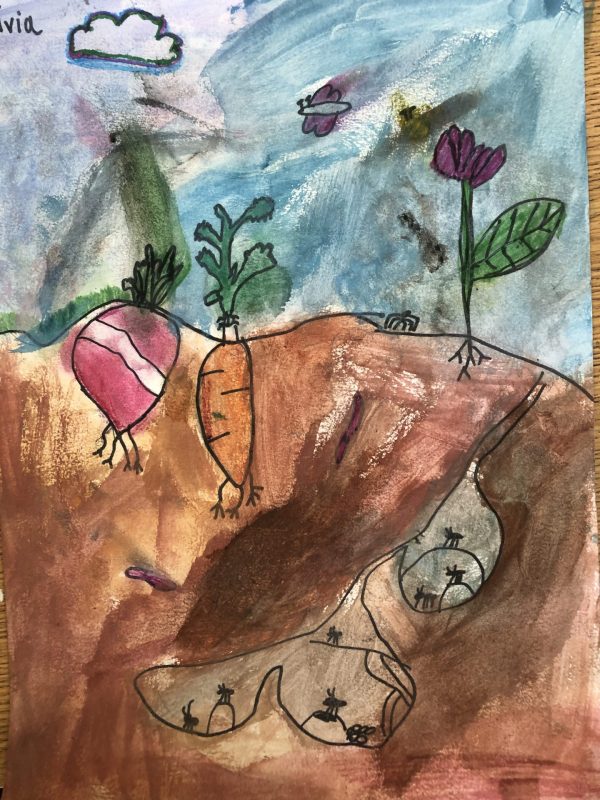
In celebration of the coming of spring, Lower and Upper Elementary students created a range of flower and garden-themed projects in the Art Studio.
First-year students learned about the American painter Georgia O’Keeffe, who created beautiful paintings of flowers in a very close-up view. First, students looked through images of her artwork and real flower images for inspiration. Next, students chose their favorite flower to recreate on a large scale and drew their composition carefully in pencil. To finish their pieces, each young artist layered oil pastels and watercolors.
Second and third-year artists created beautiful visual representations of things happening above and below the garden. To begin, we read the book Up in the Garden and Down in the Dirt by Kate Messner. Then, students were invited to draw things like vegetables, flowers, insects, bugs, and animals in their garden scene. Most students found it especially interesting to draw what’s happening underground, where one can’t normally see. Once their pencil sketch was complete, students used permanent markers to outline their drawings and added color using watercolor pencils.
Upper Elementary artists created spring flower vase arrangements using colorful tissue paper. To begin, students cut out a vase shape from a sheet of tissue paper and pasted it onto white construction paper. Next, each young artist experimented with ways to rip the tissue paper into flower petal shapes until they had enough to begin filling their vase. Finally, each student carefully arranged and glued their tissue paper petals, creating unique flower vase compositions.
Explorations with Clay!
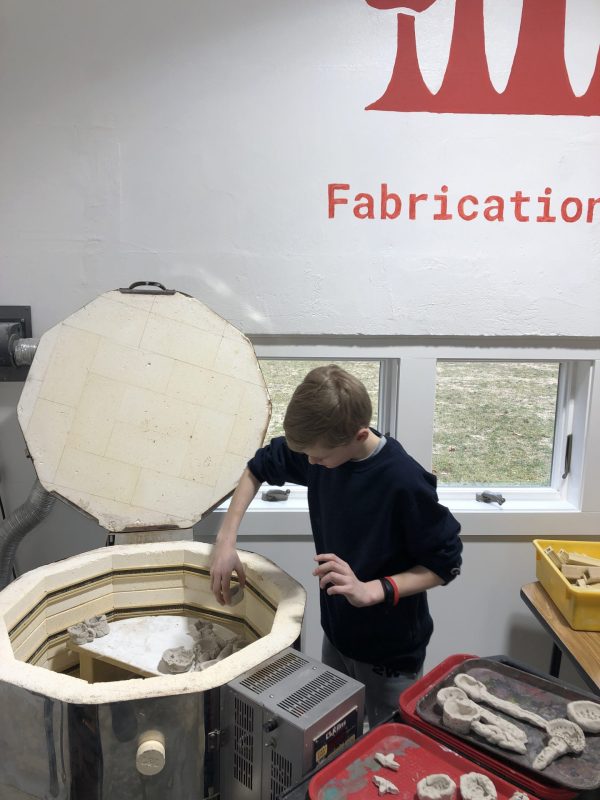
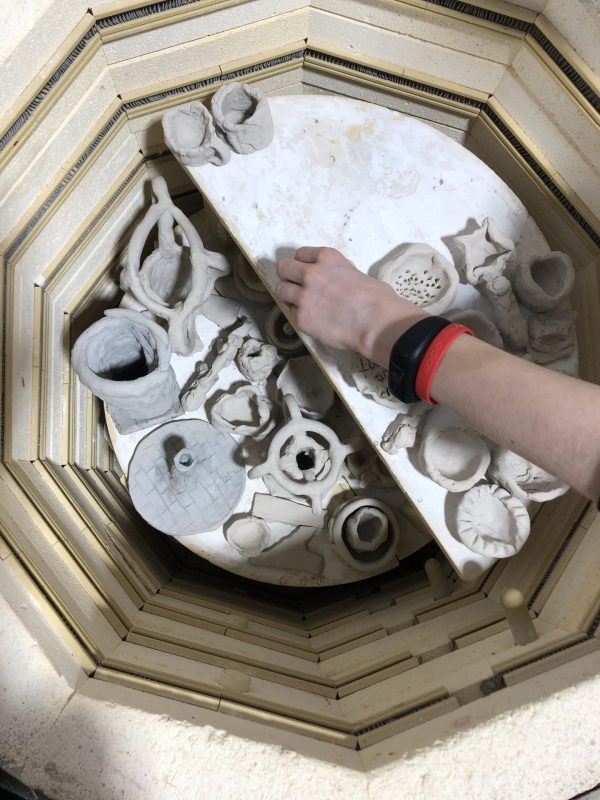
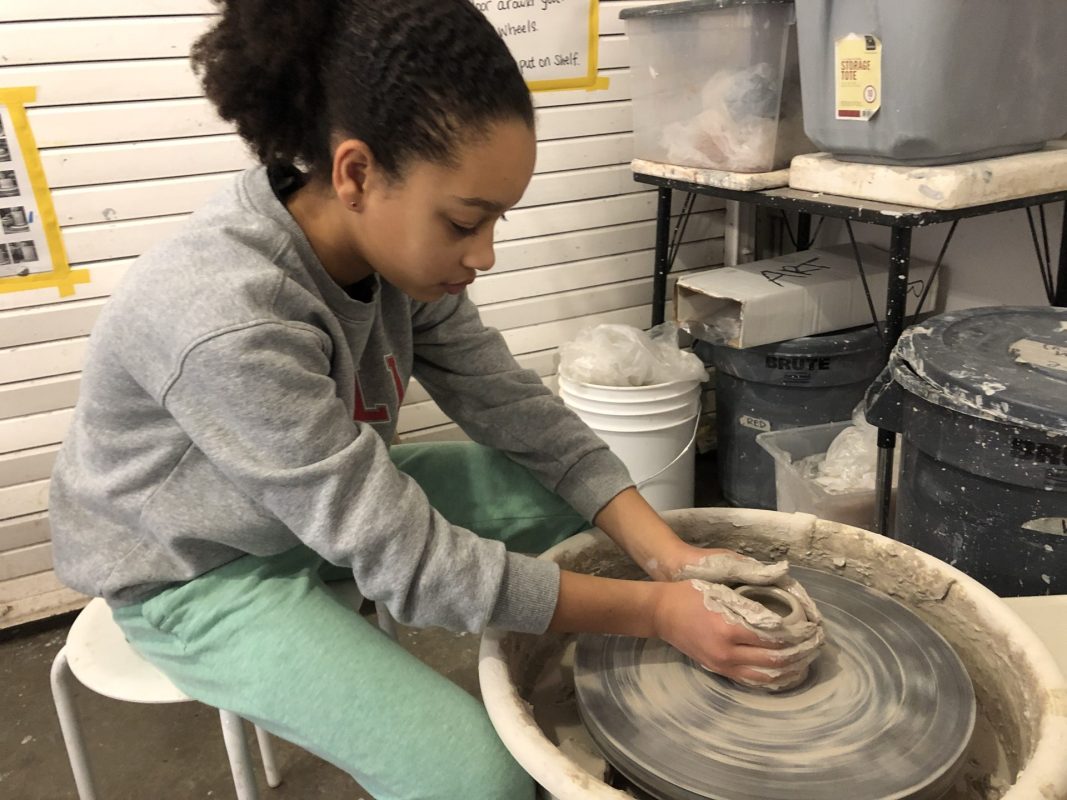

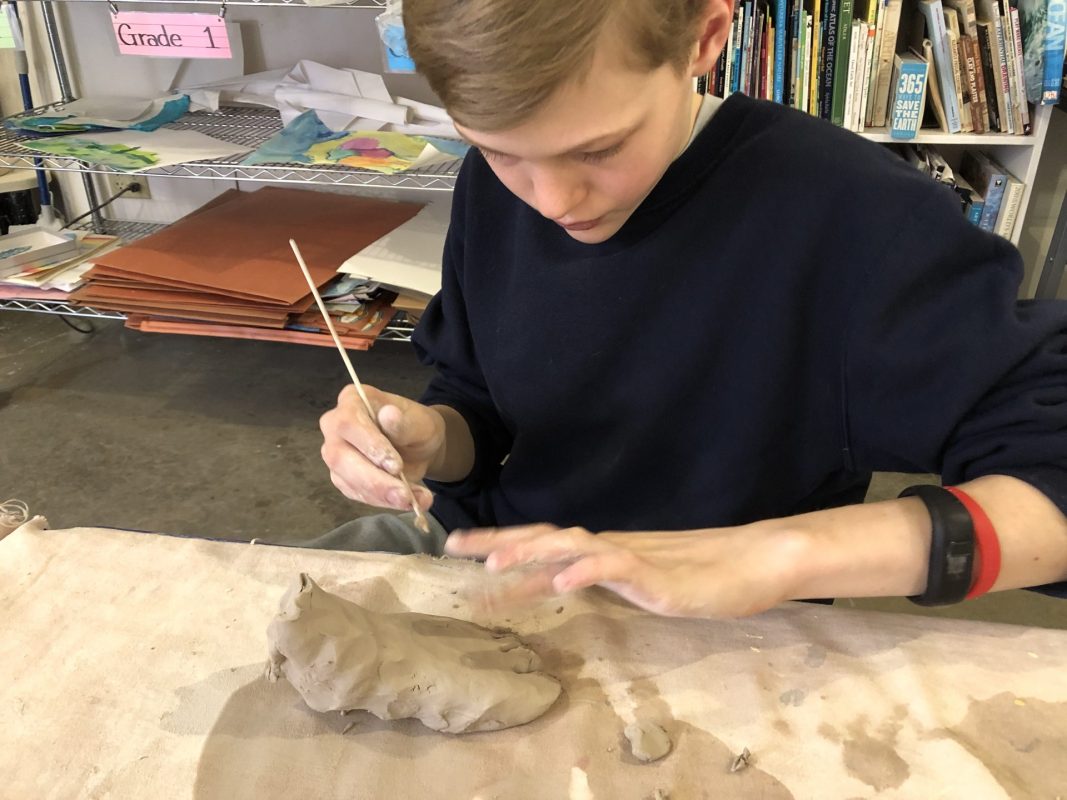
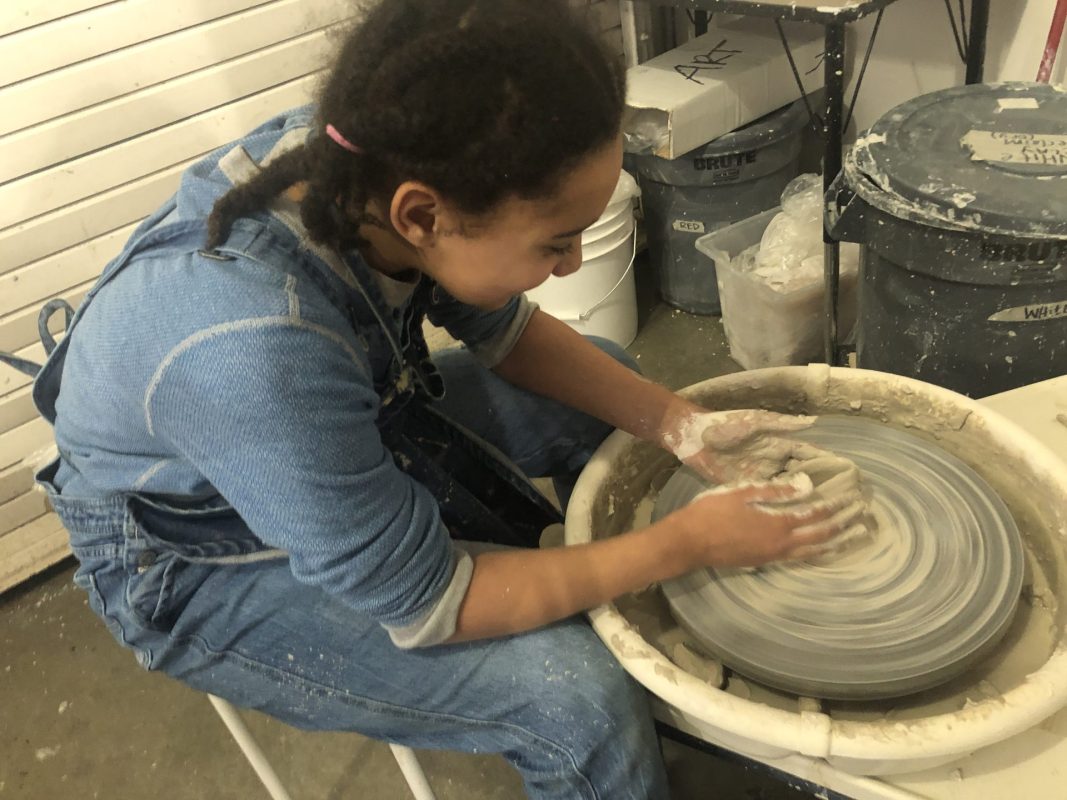
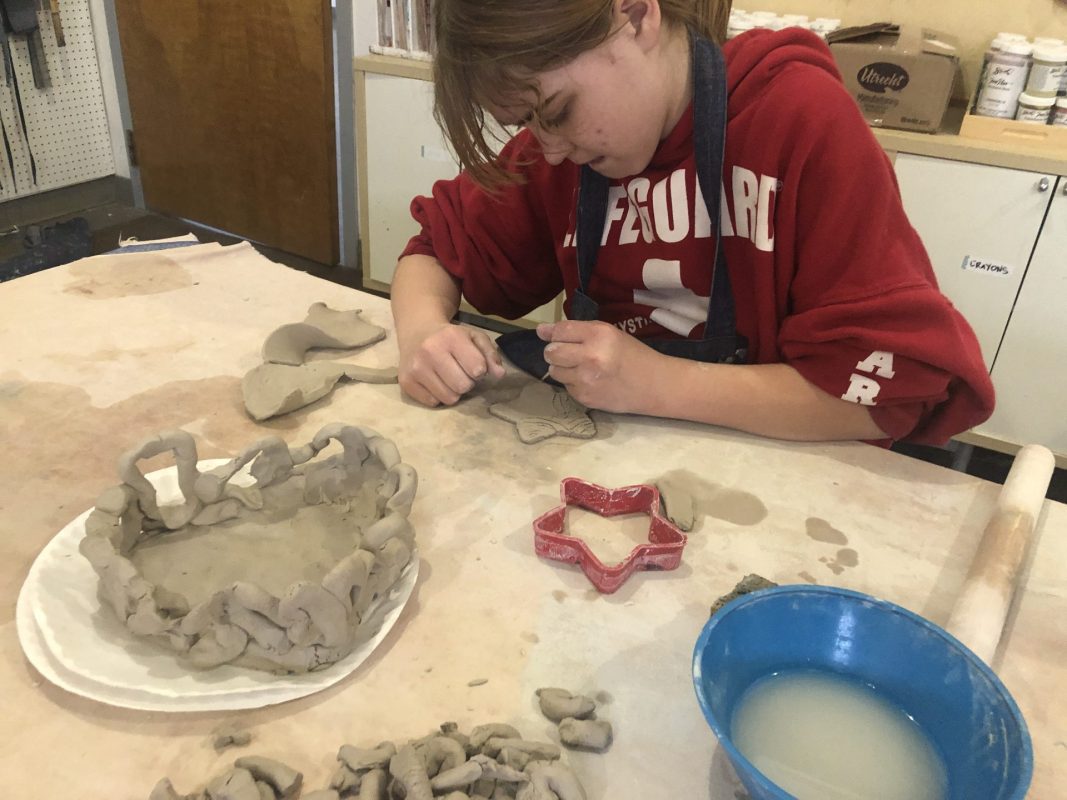
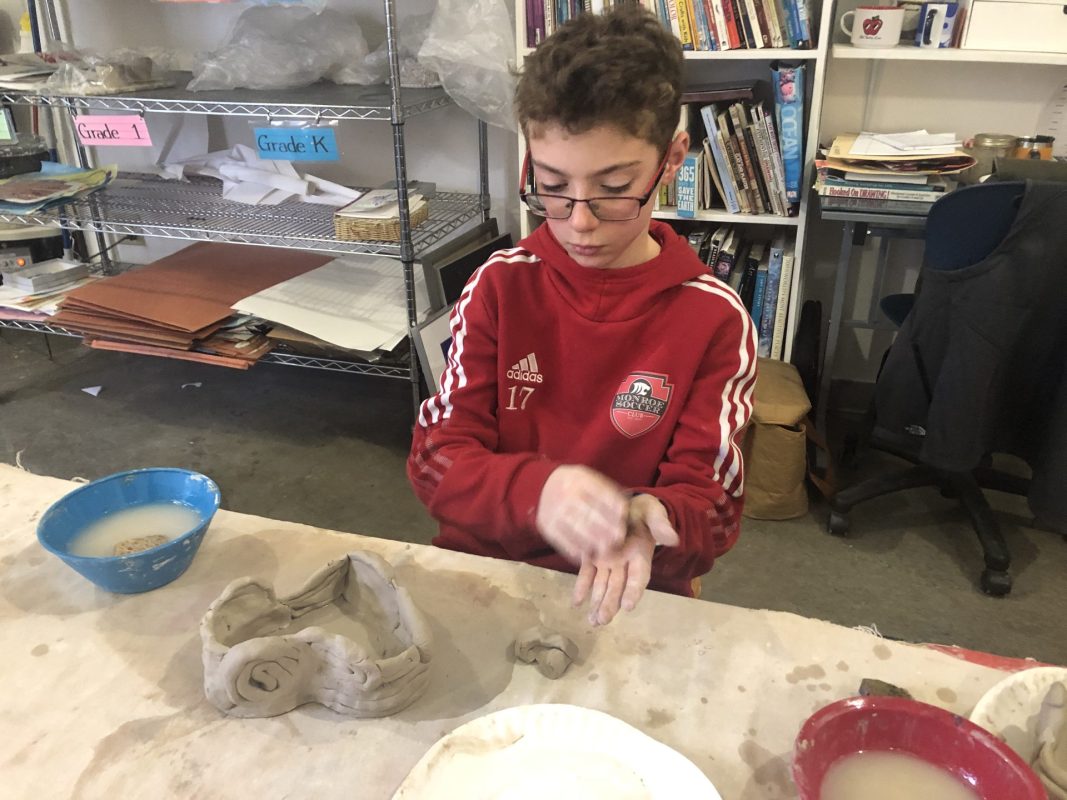
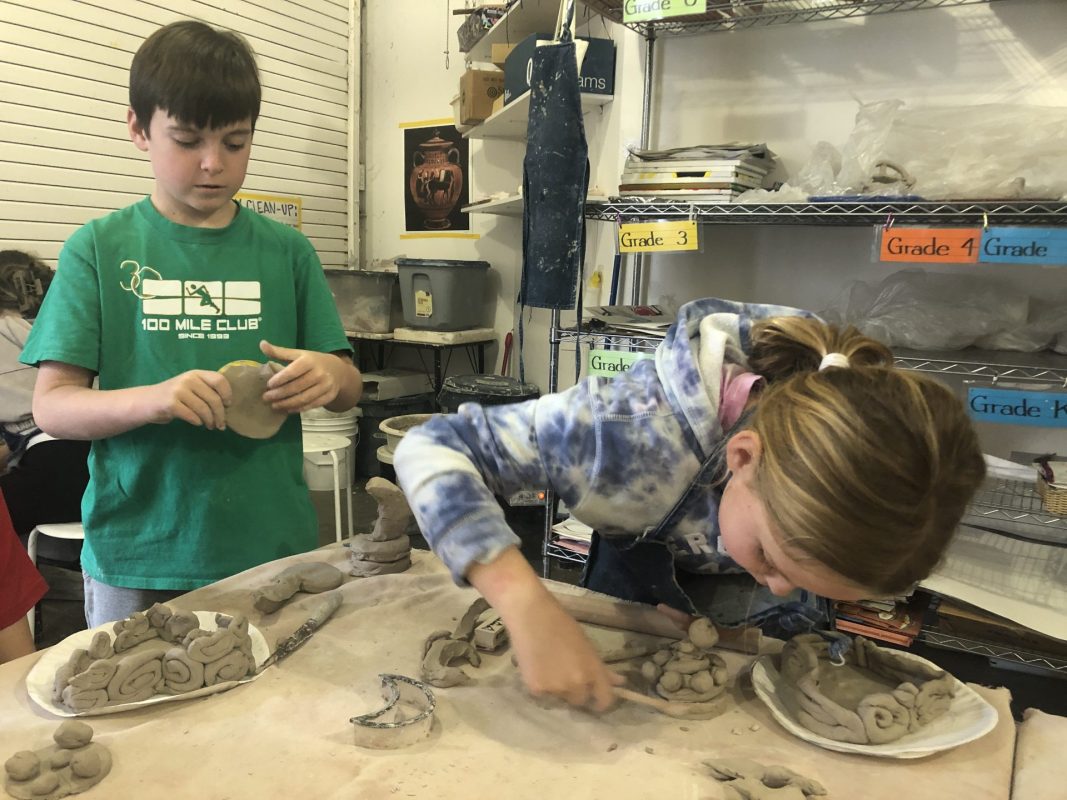
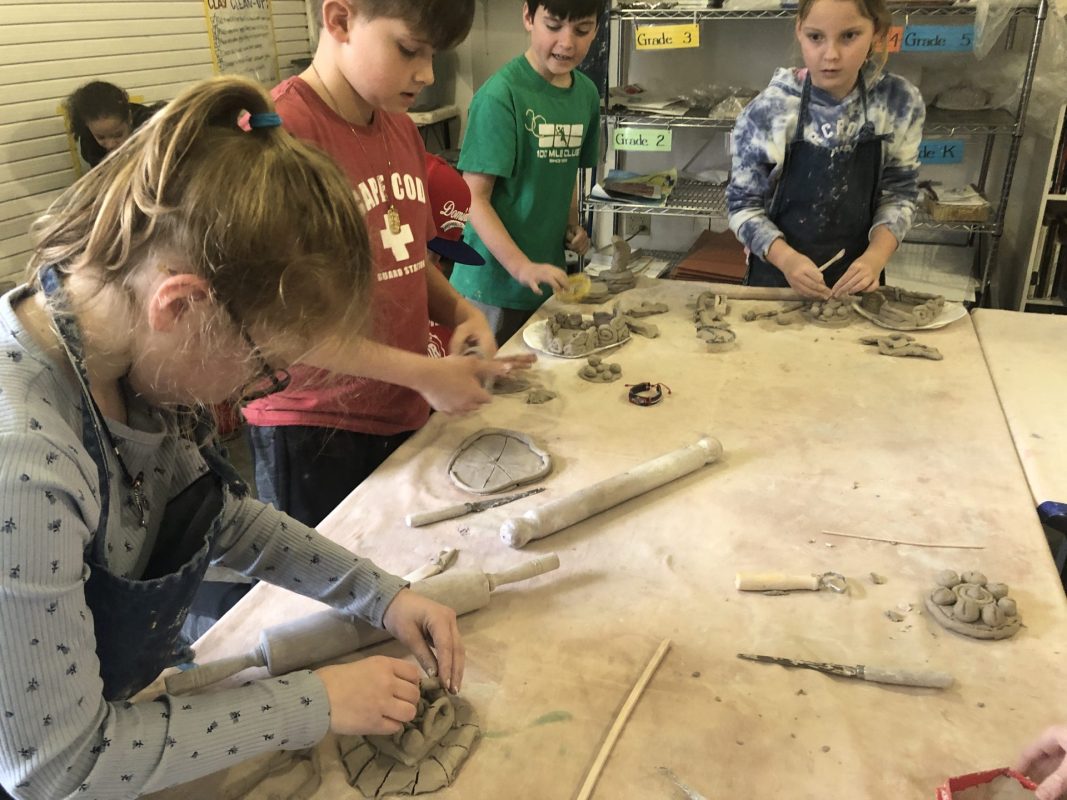
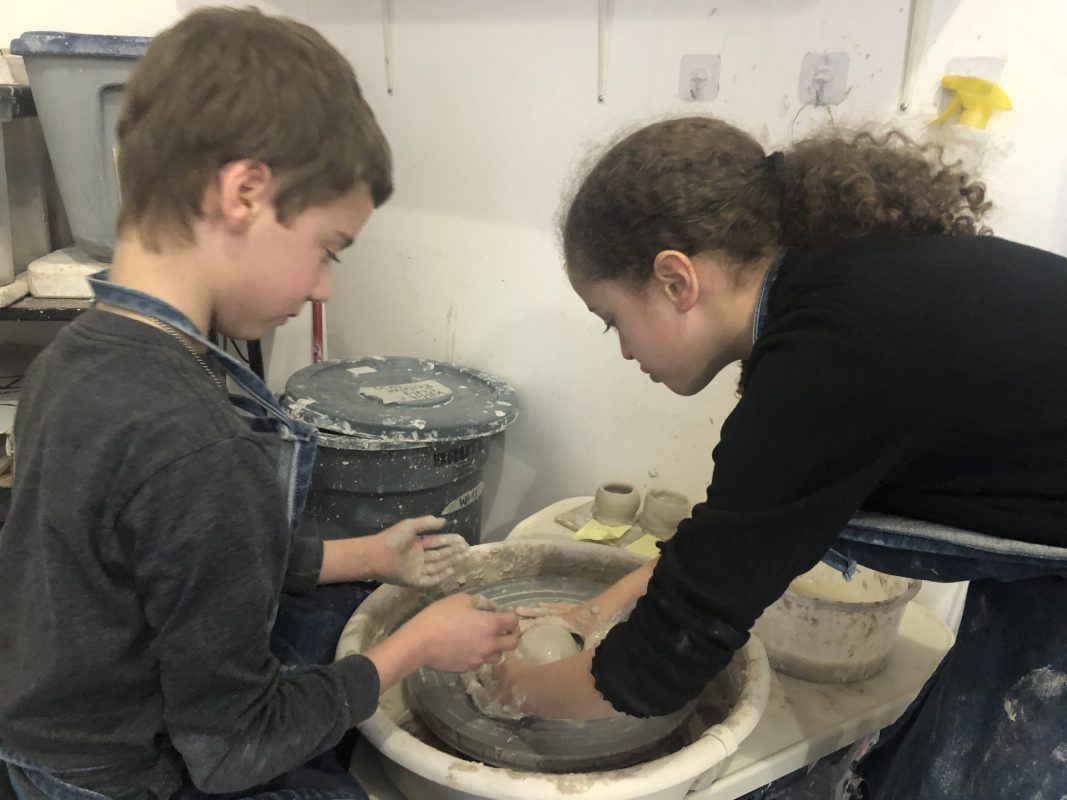
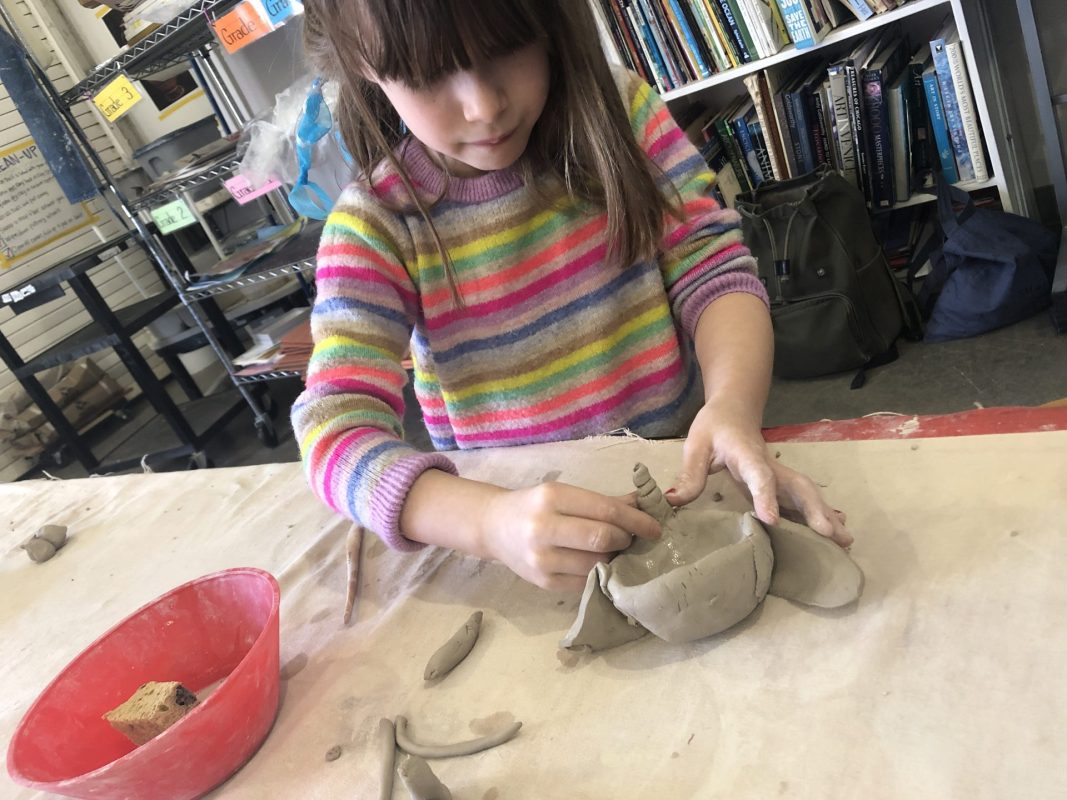

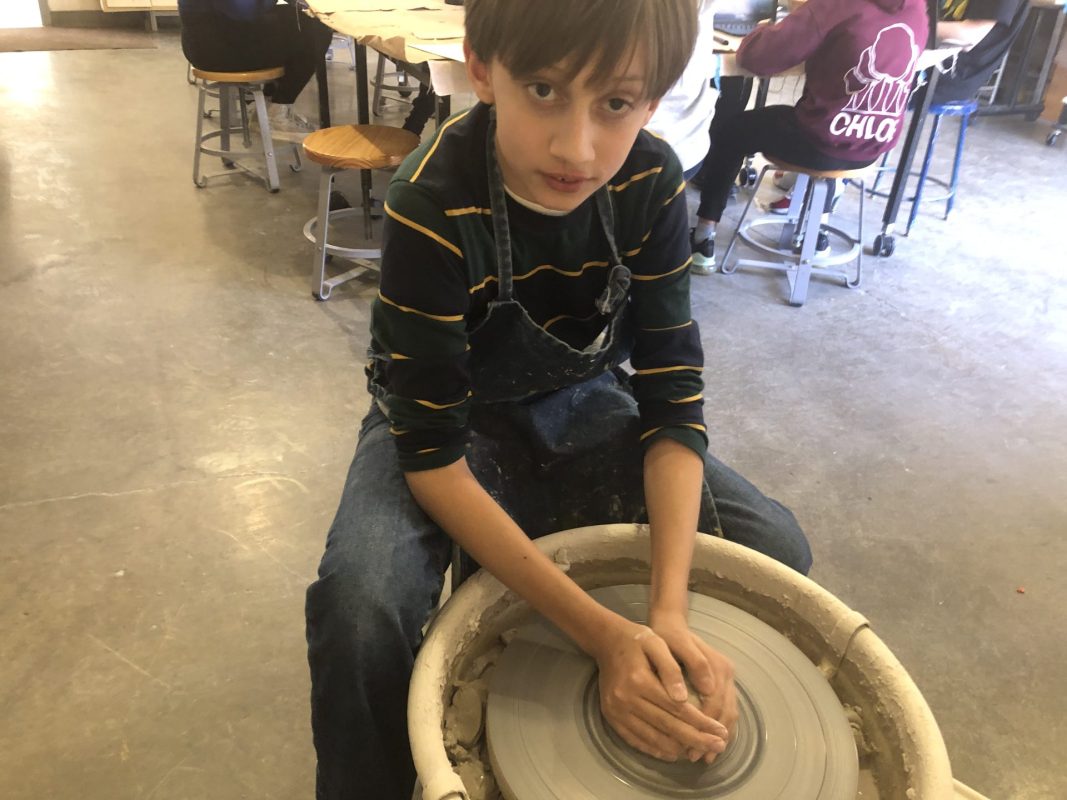
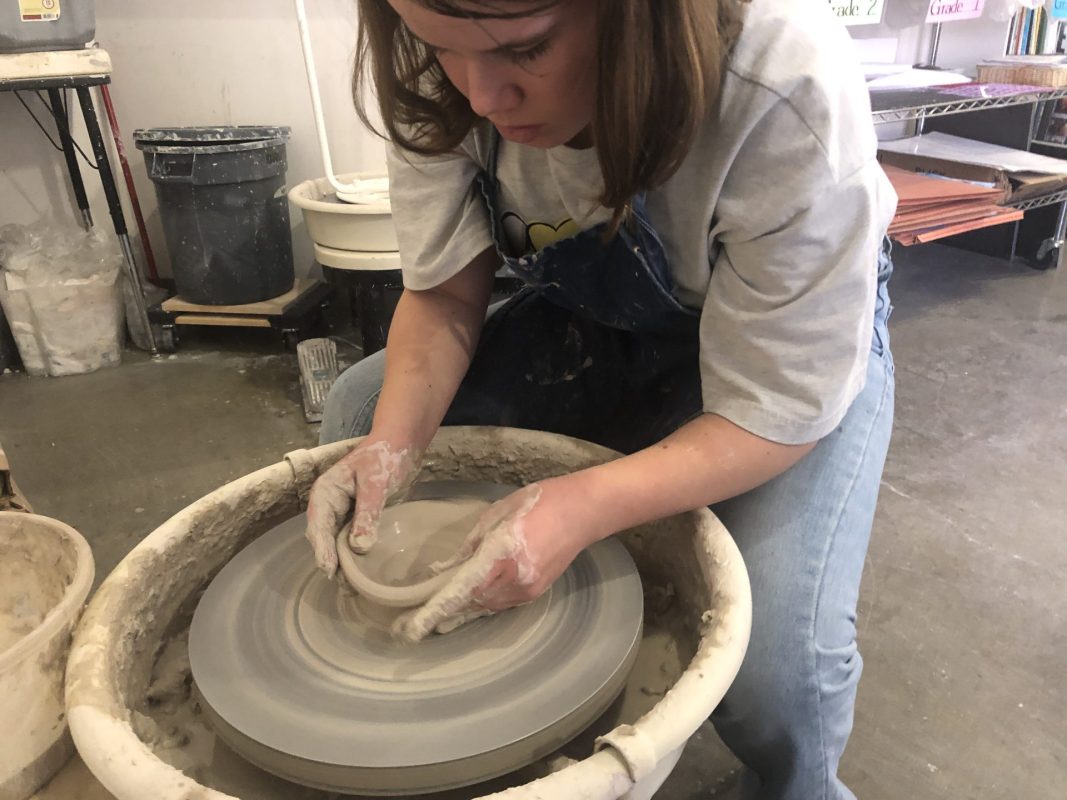
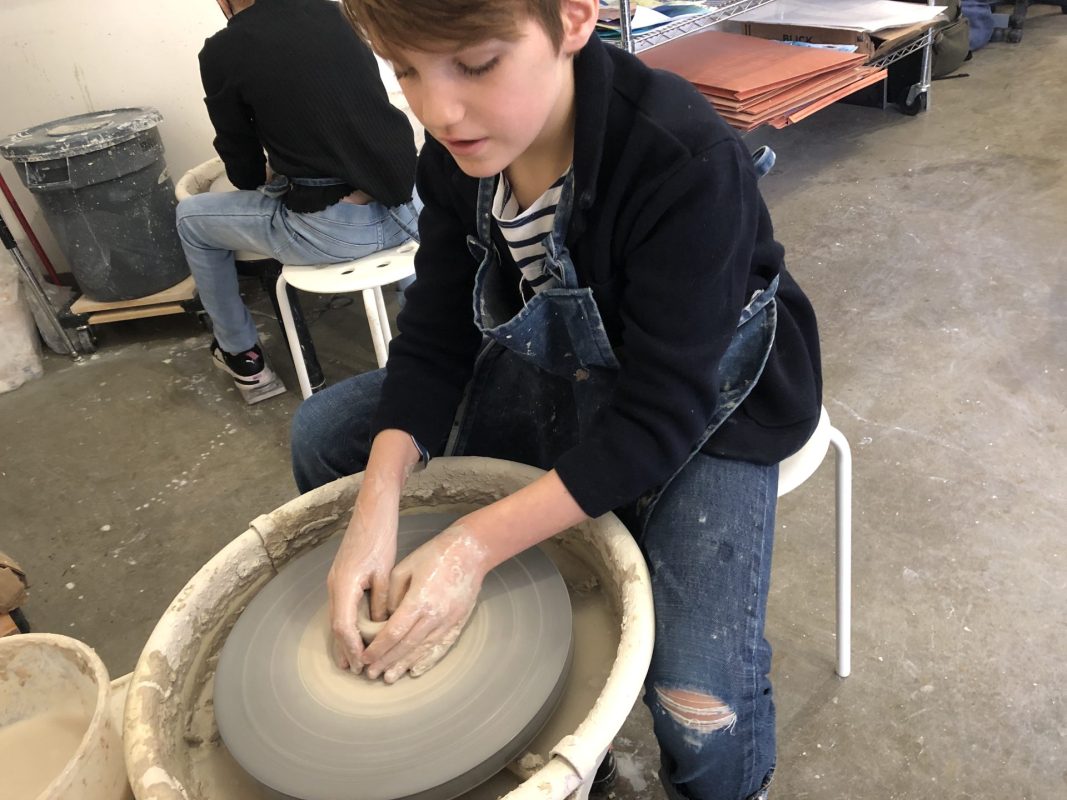
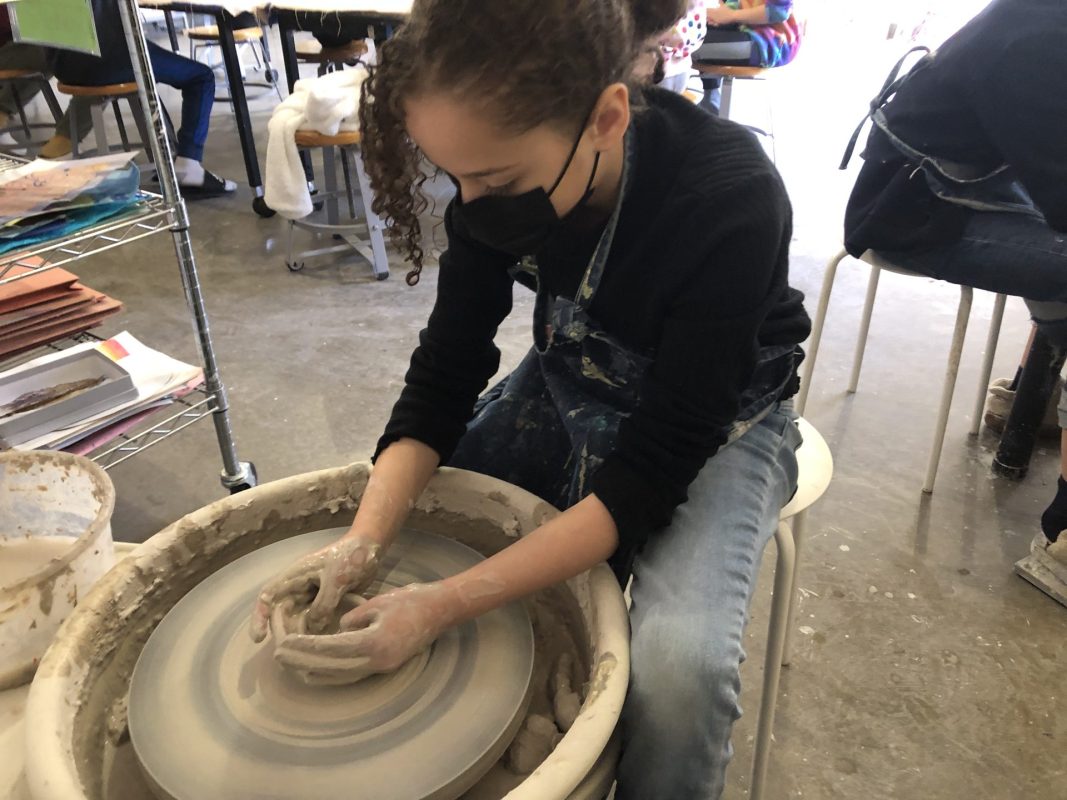
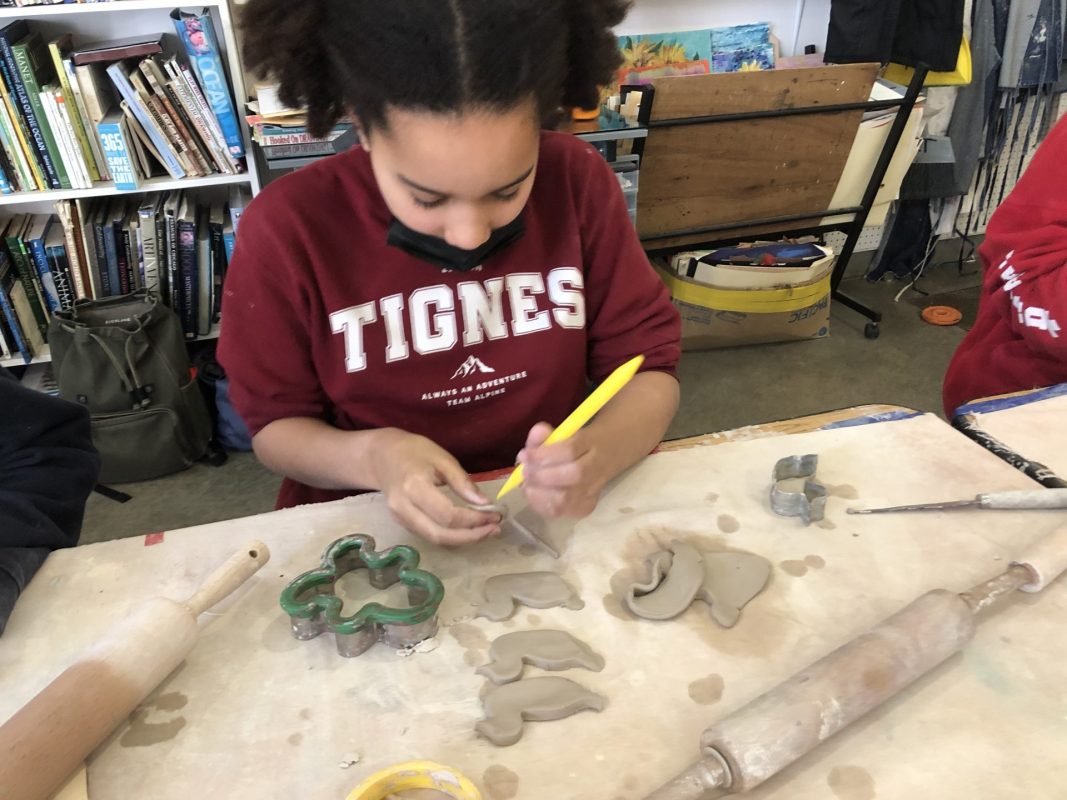
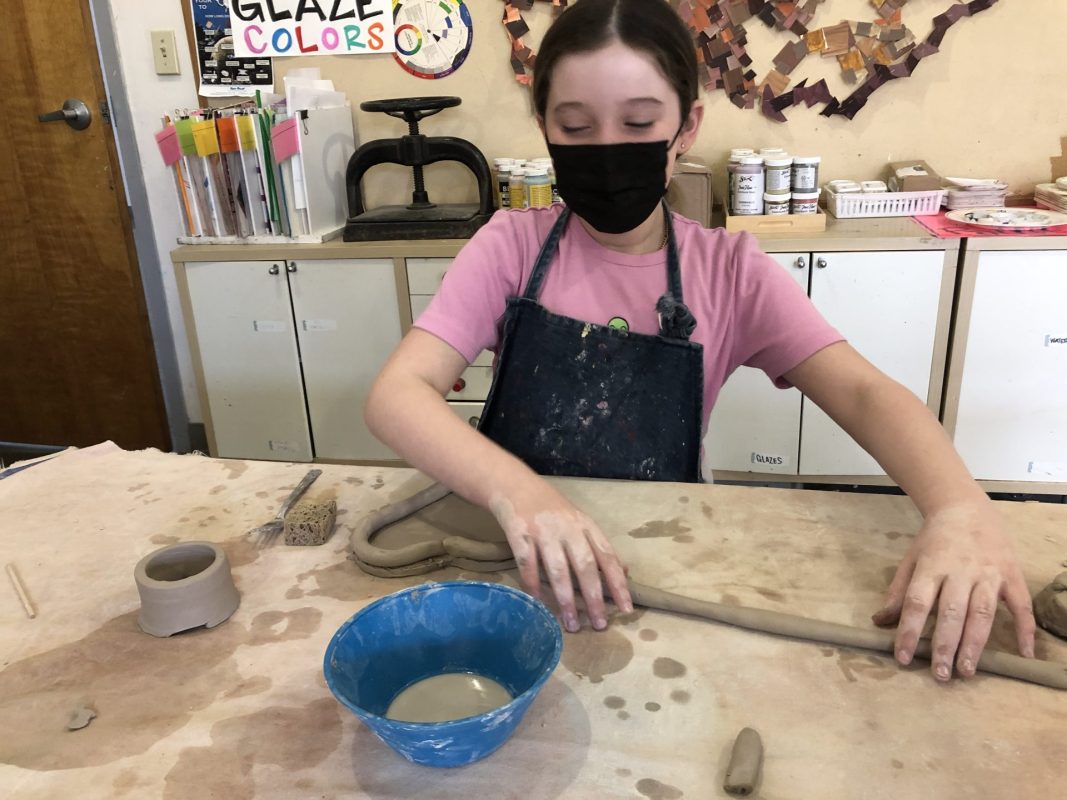
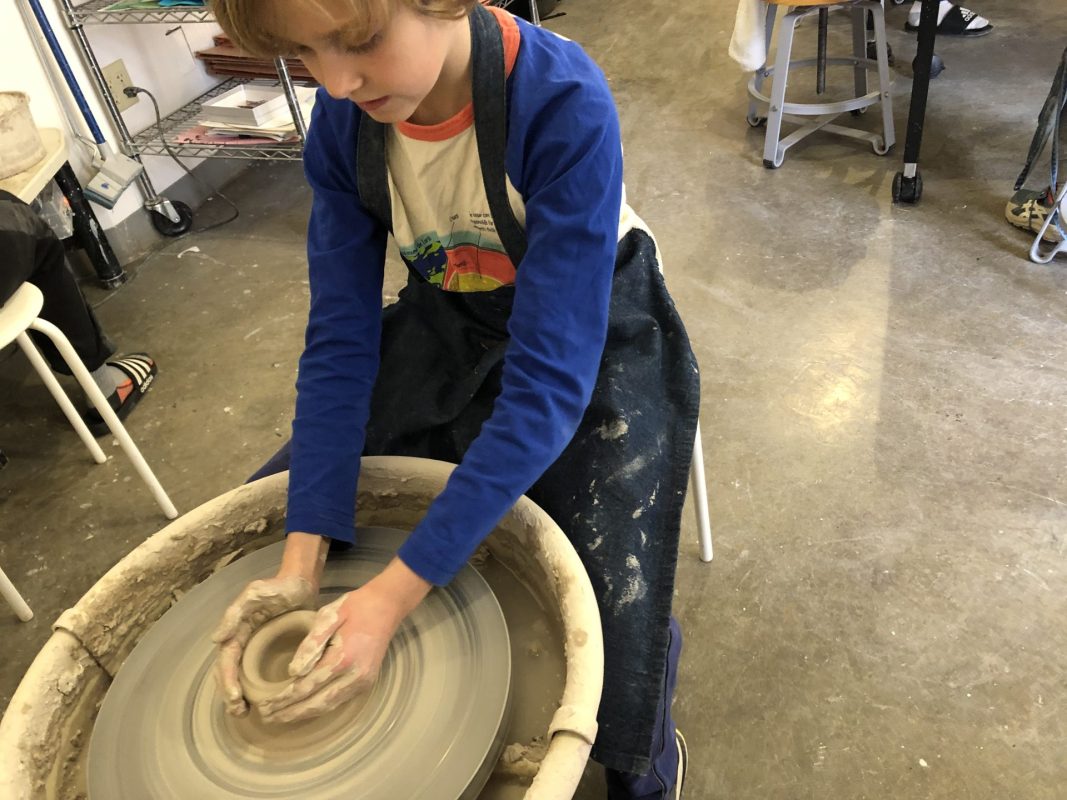
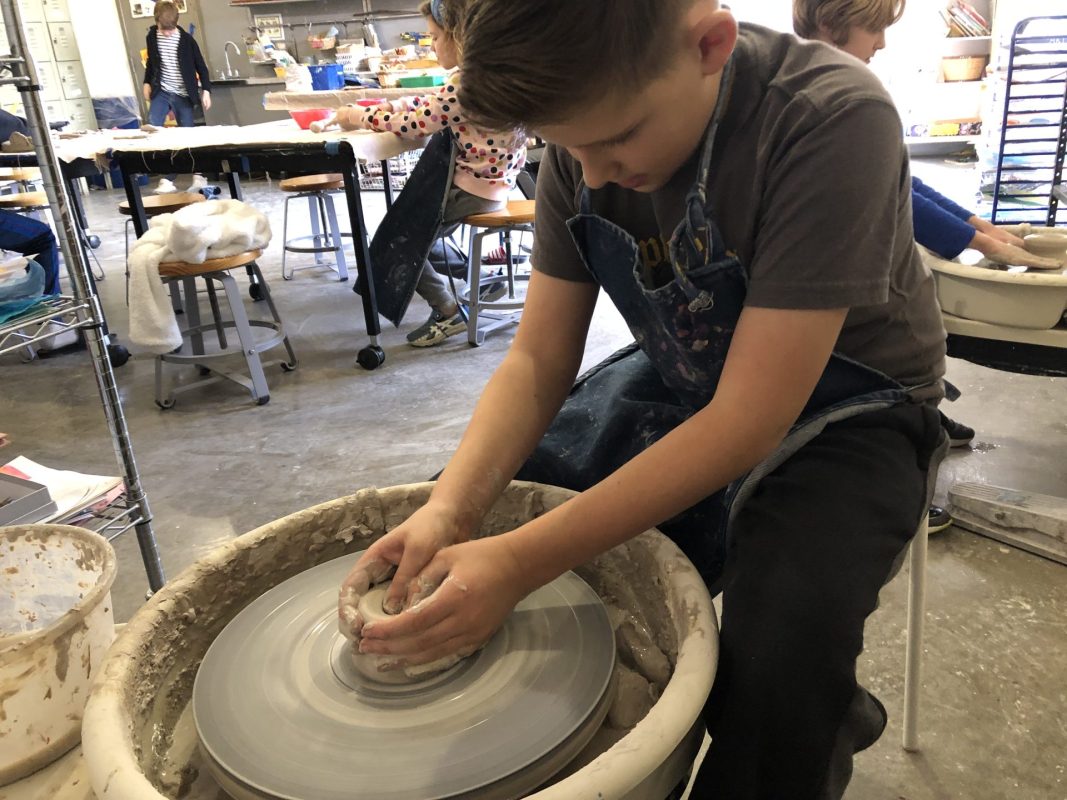
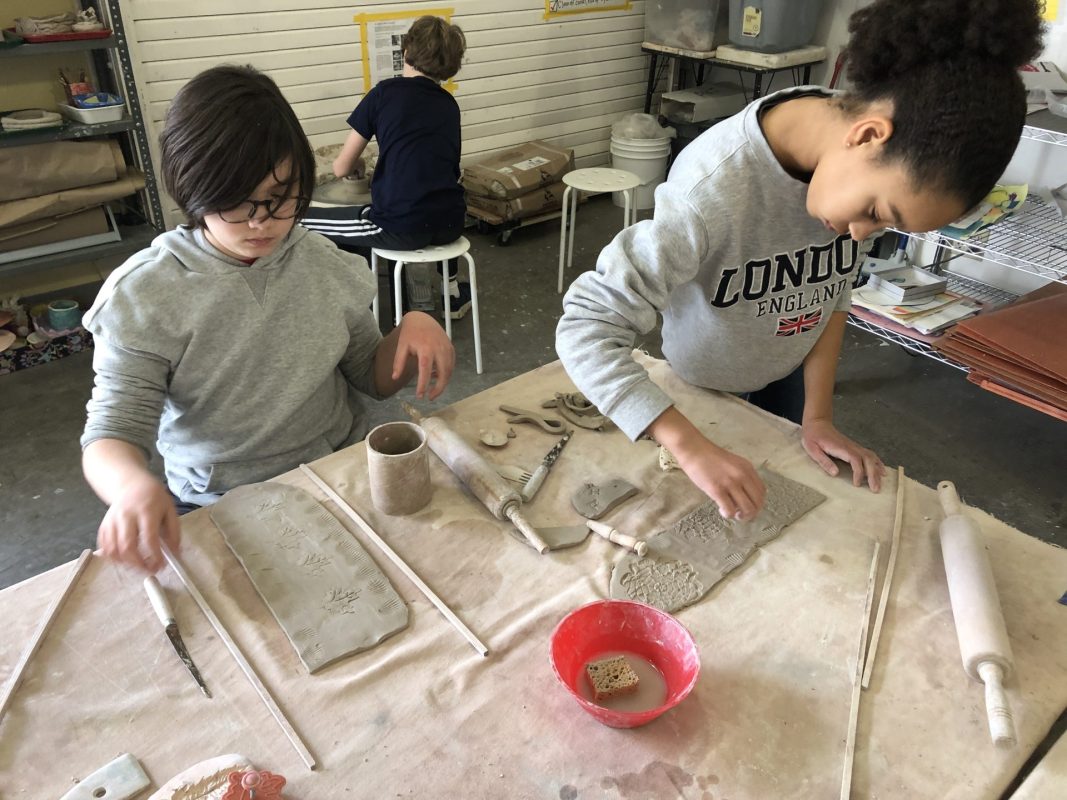
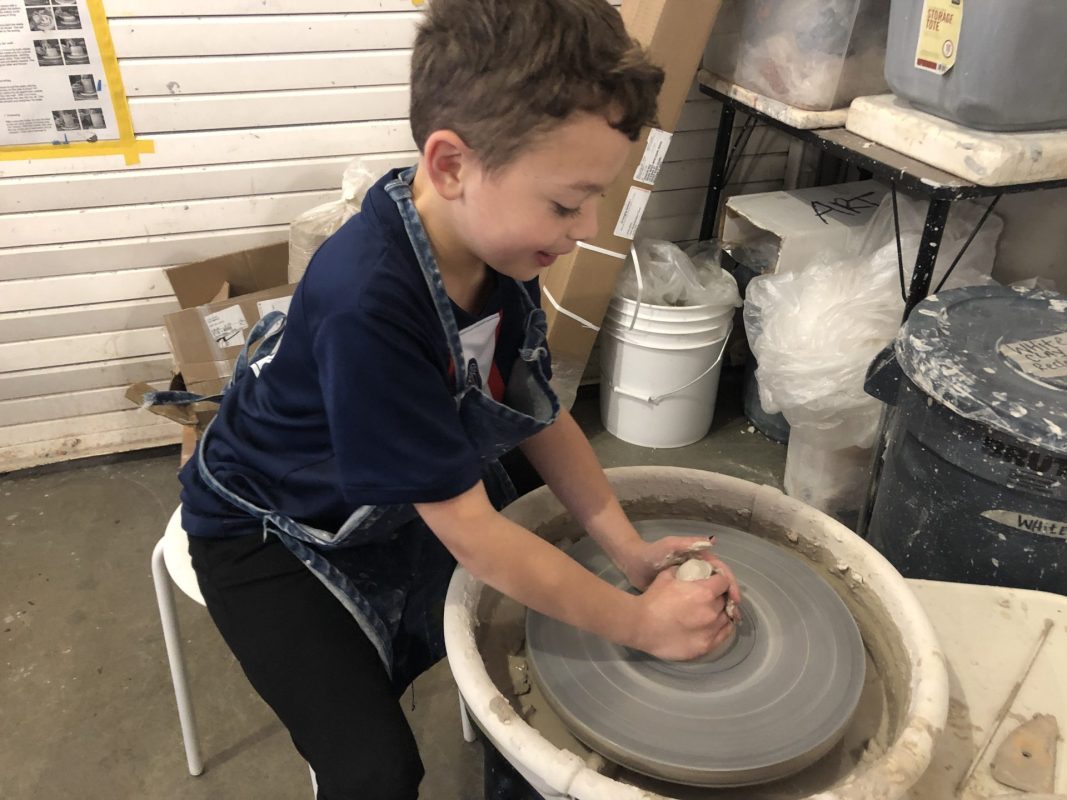
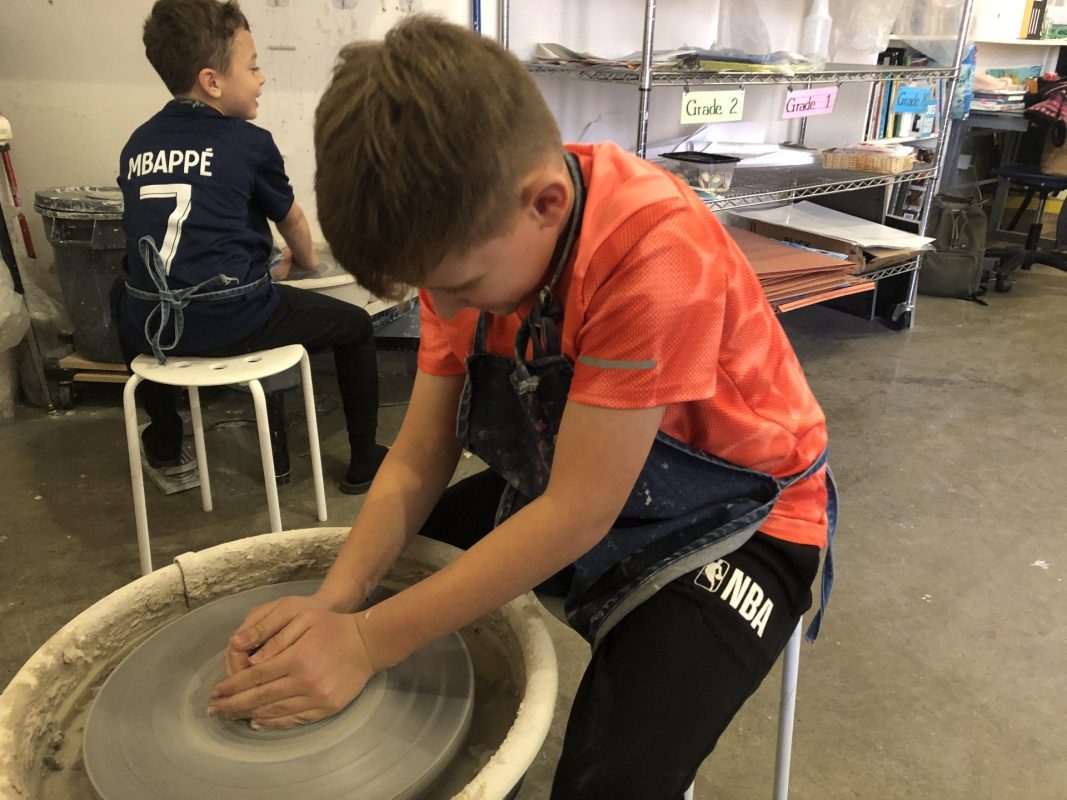
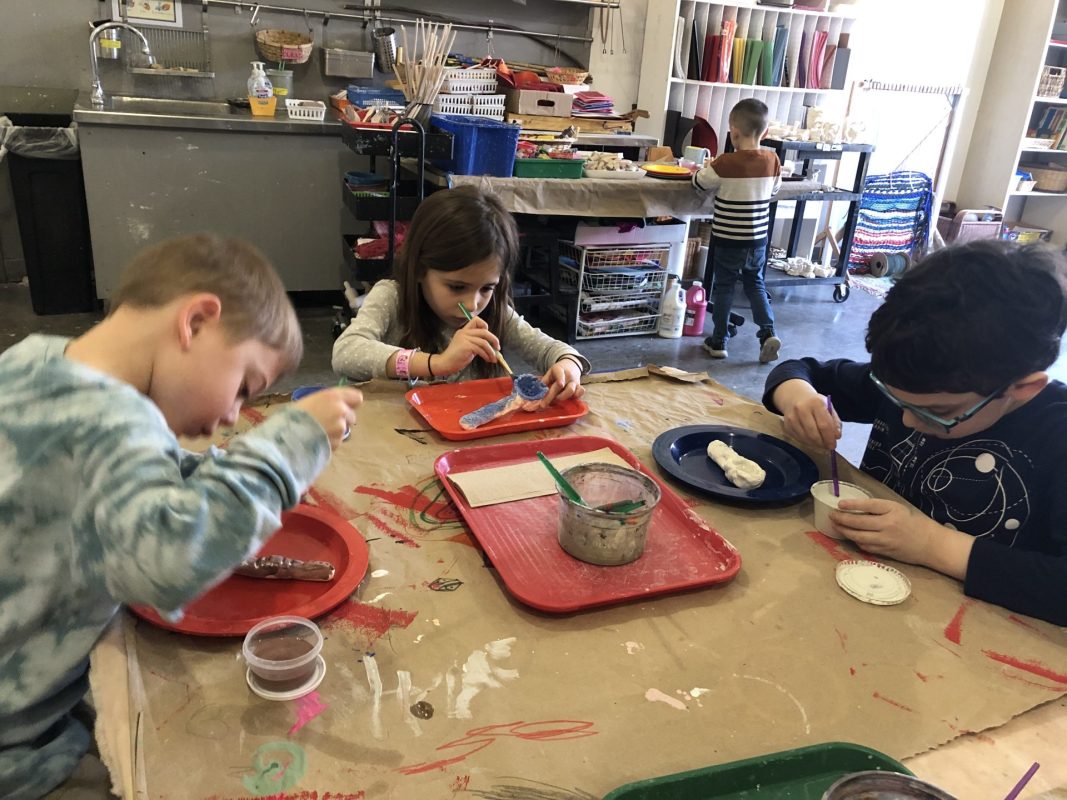
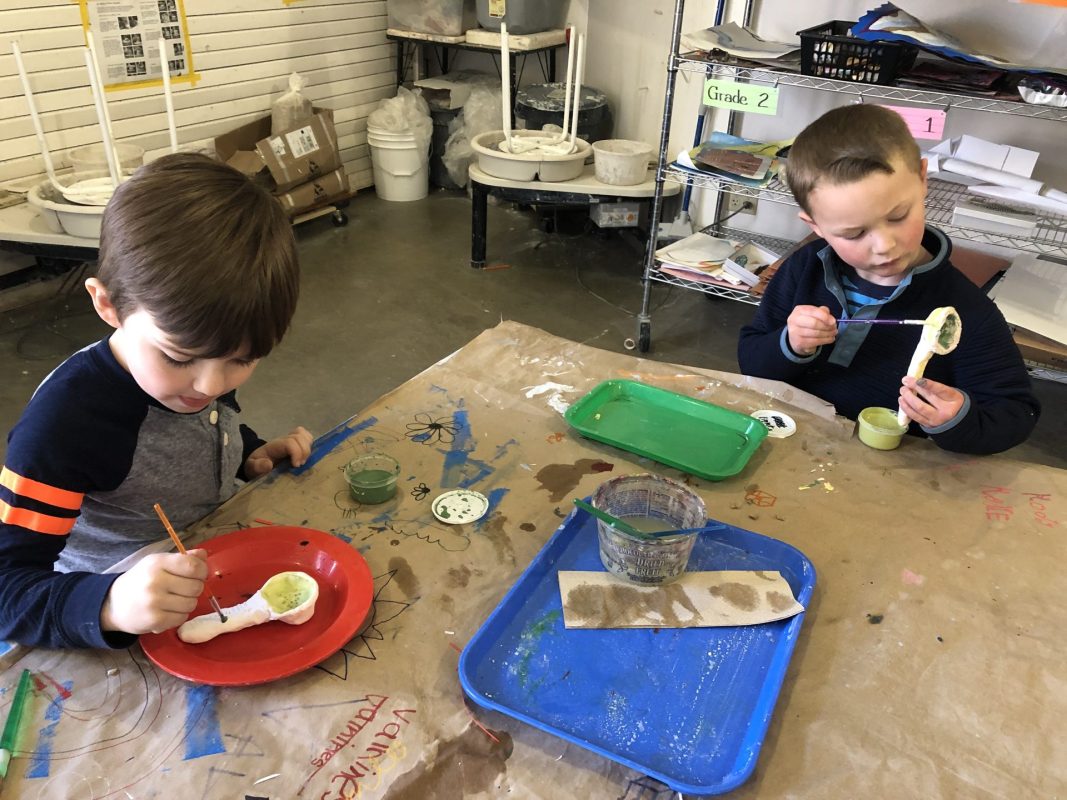
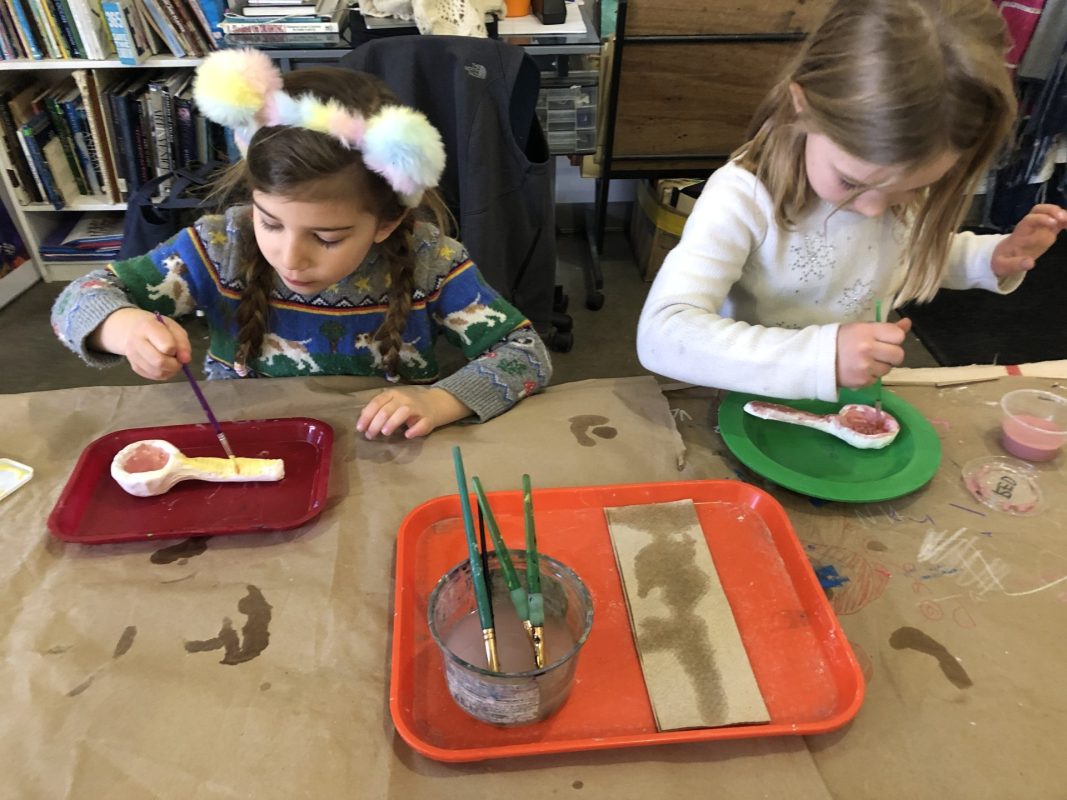
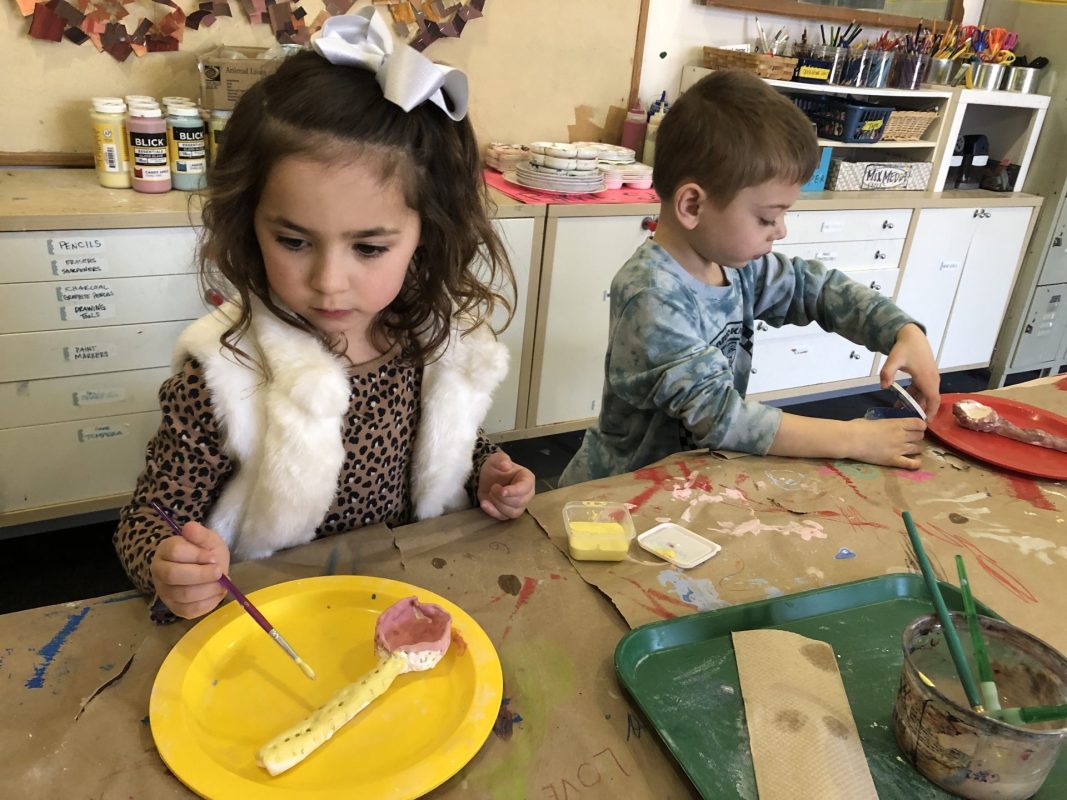
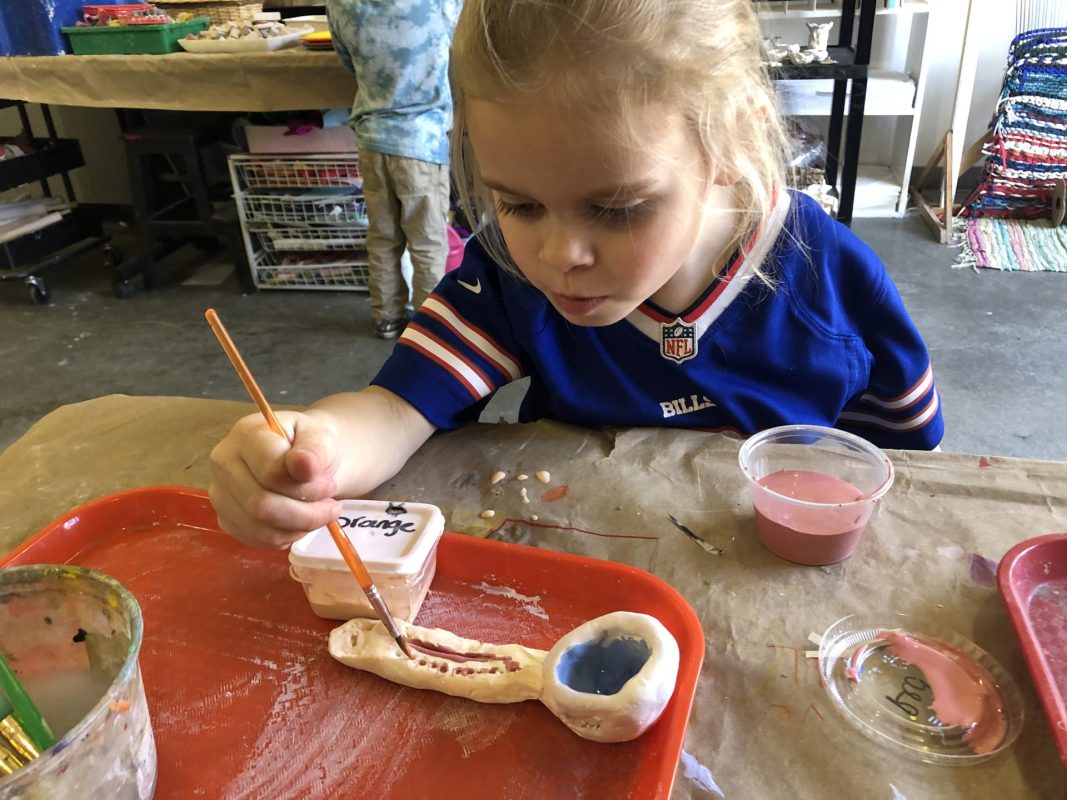
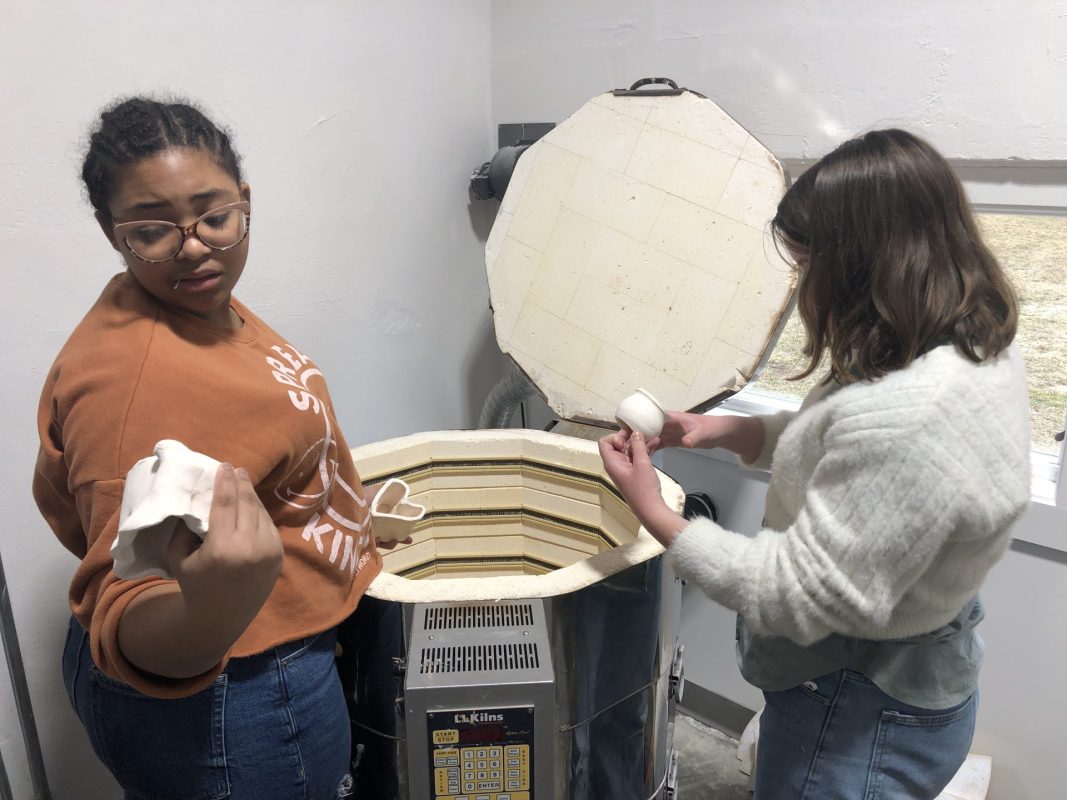
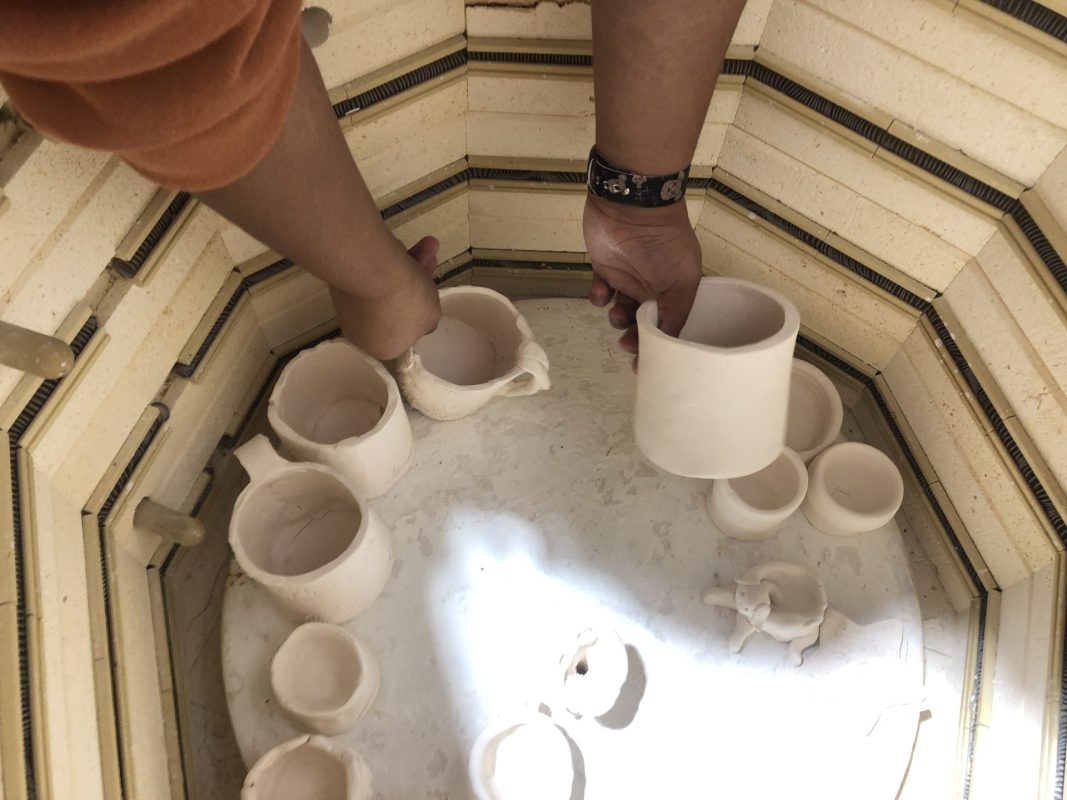

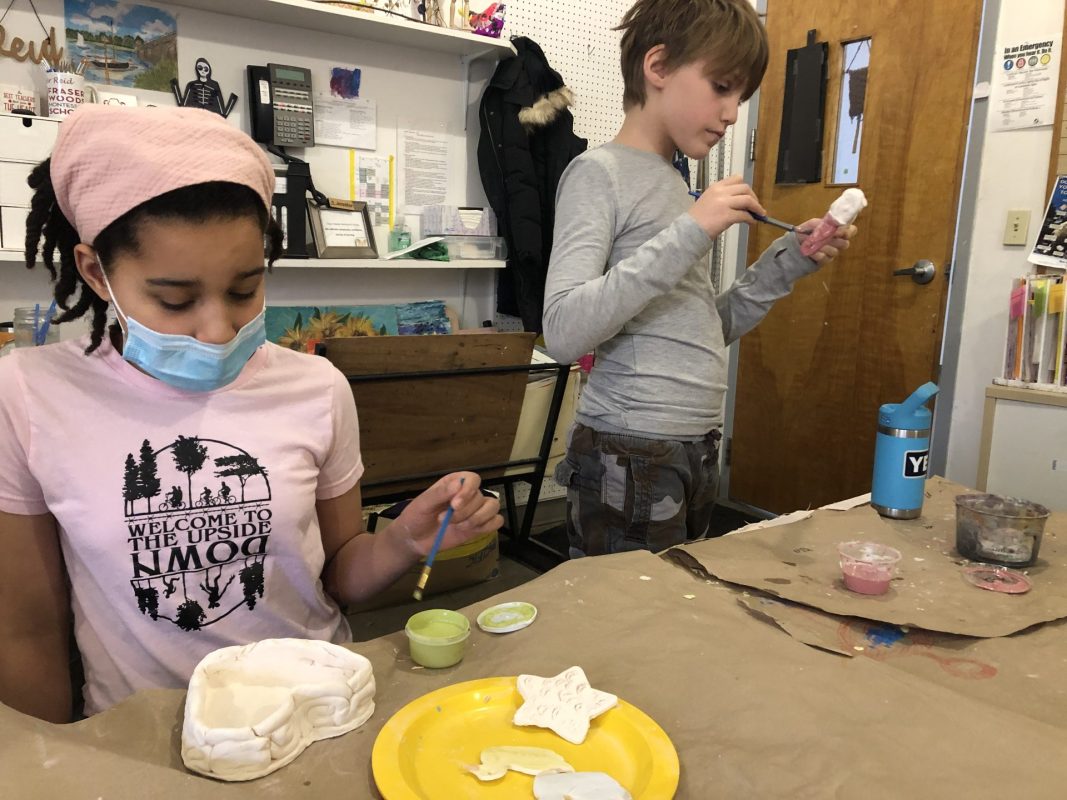
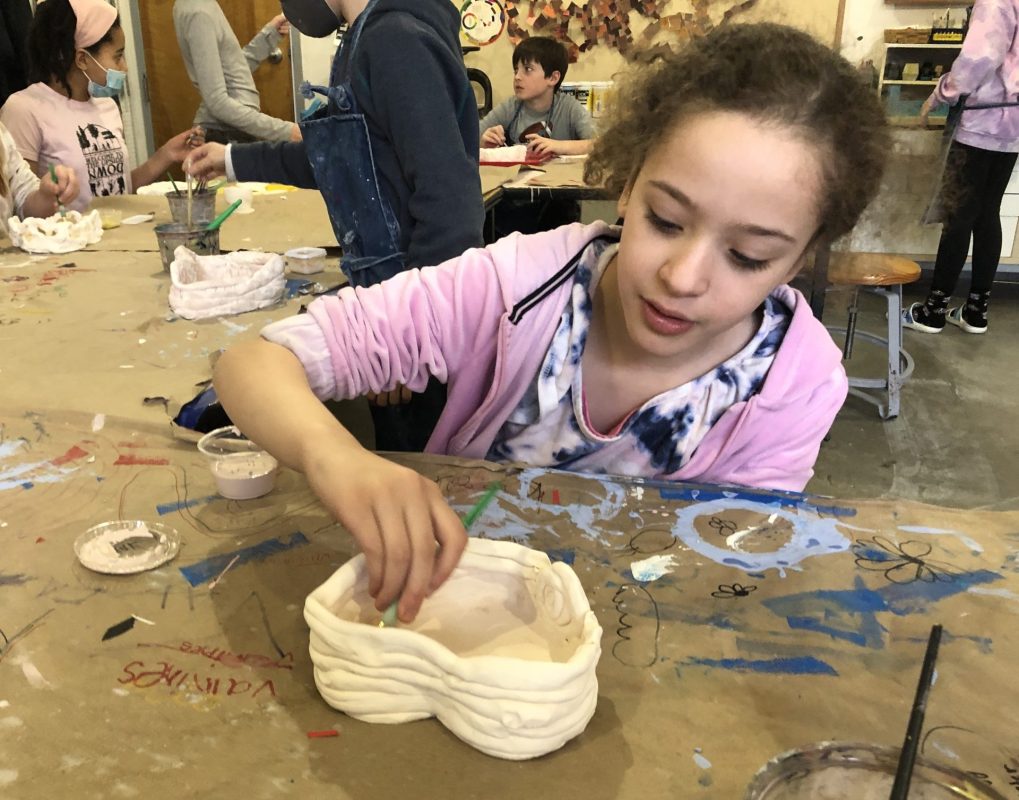
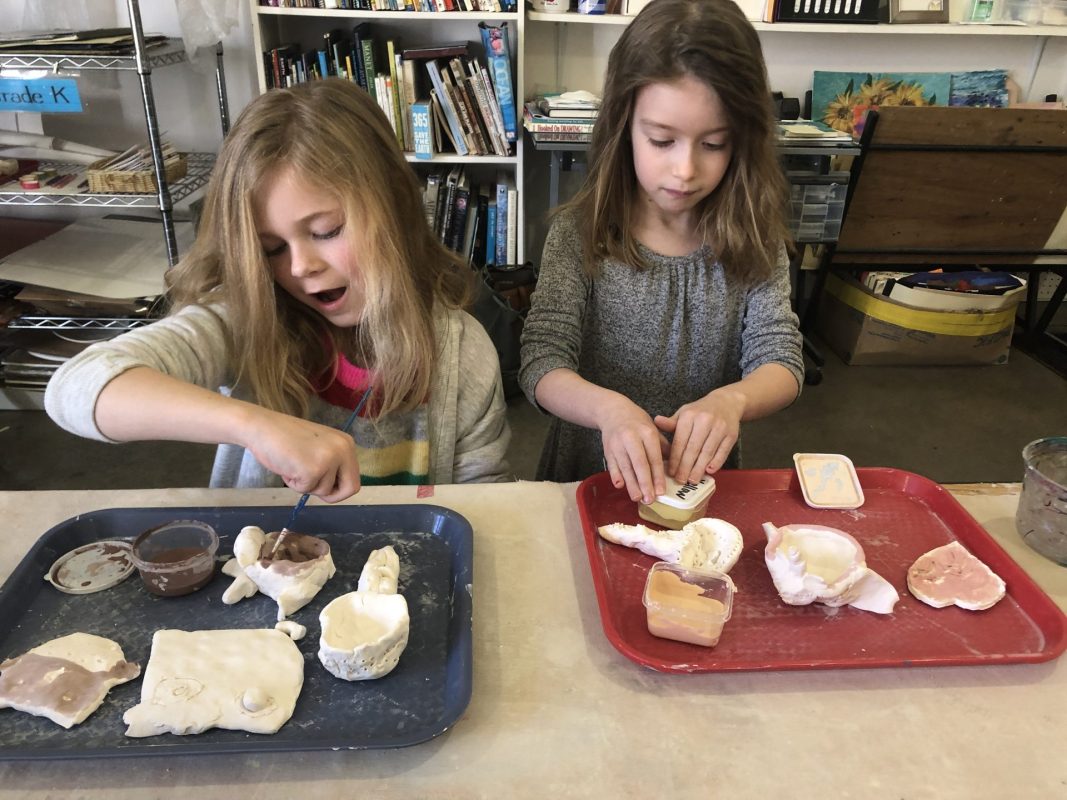
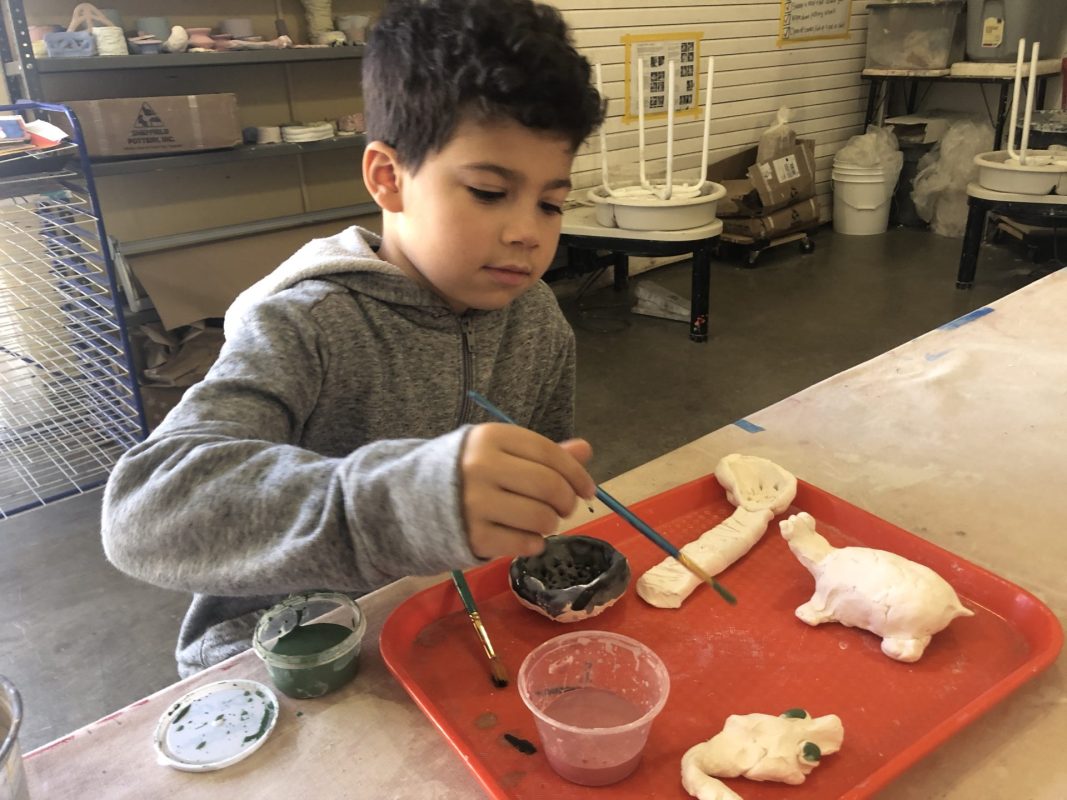
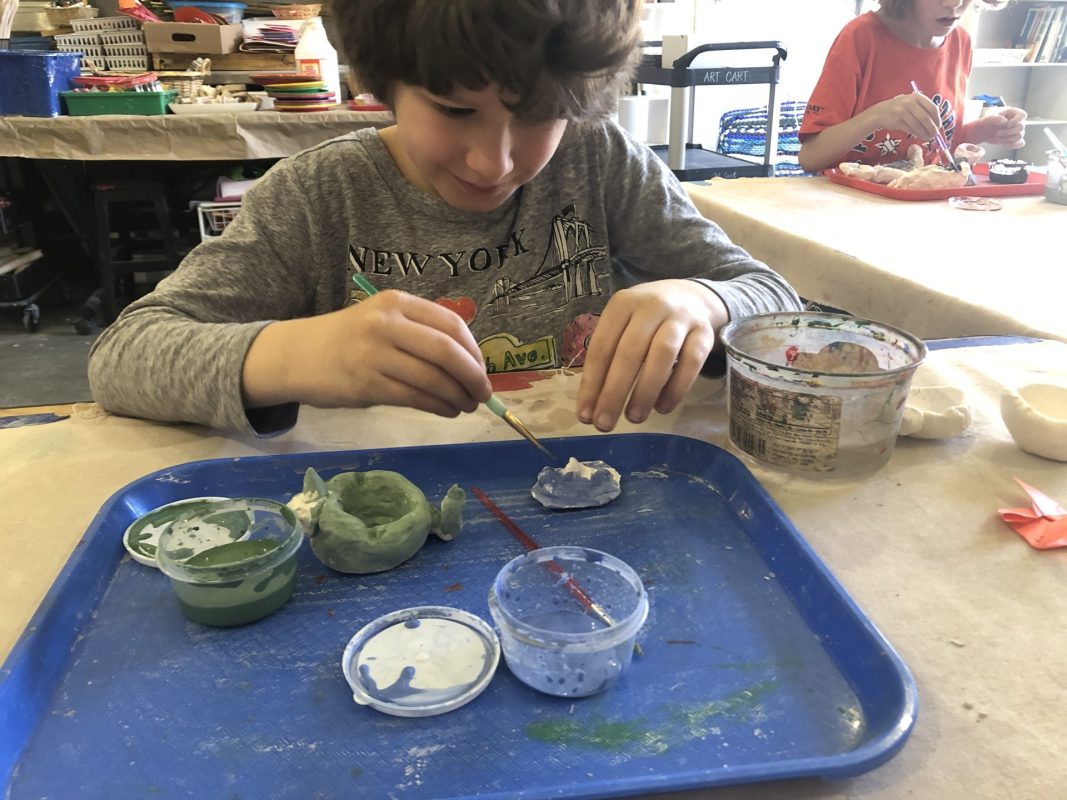


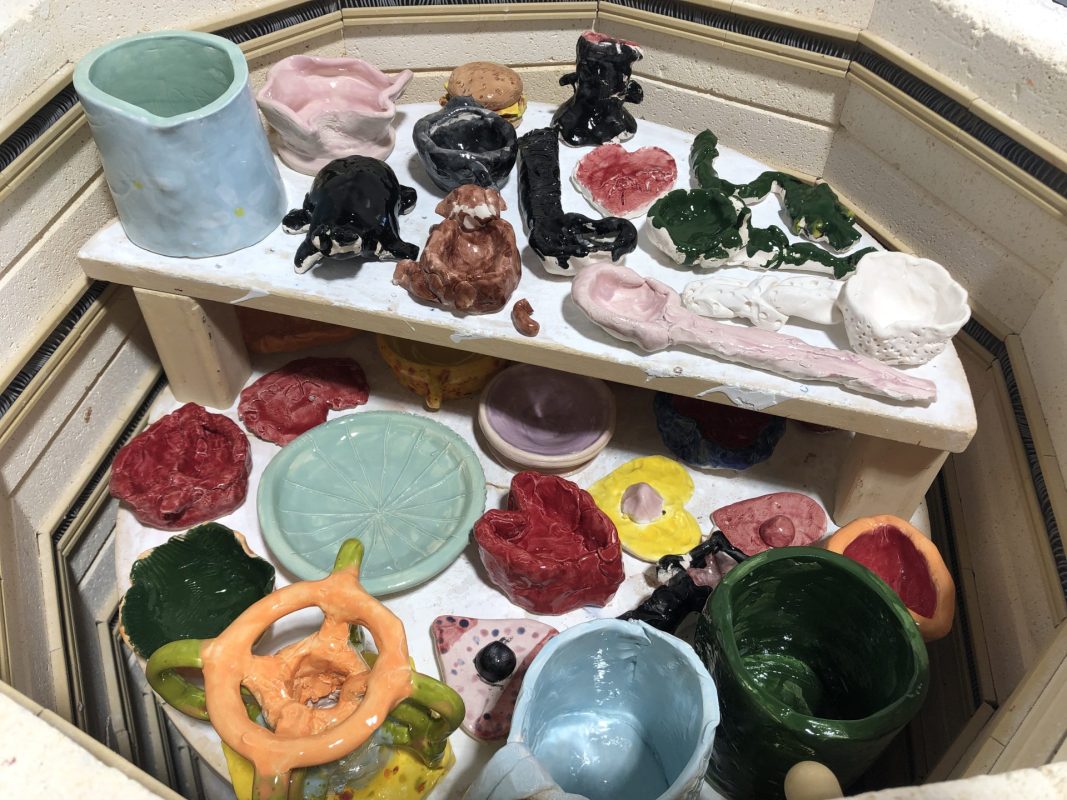
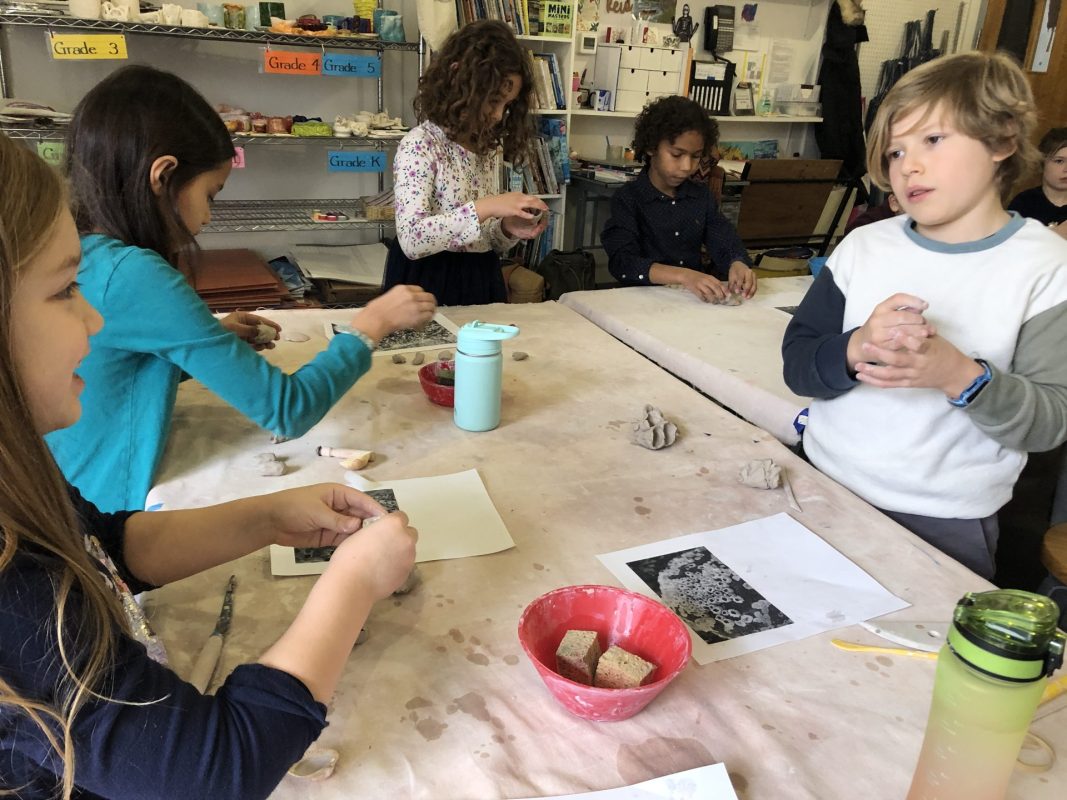
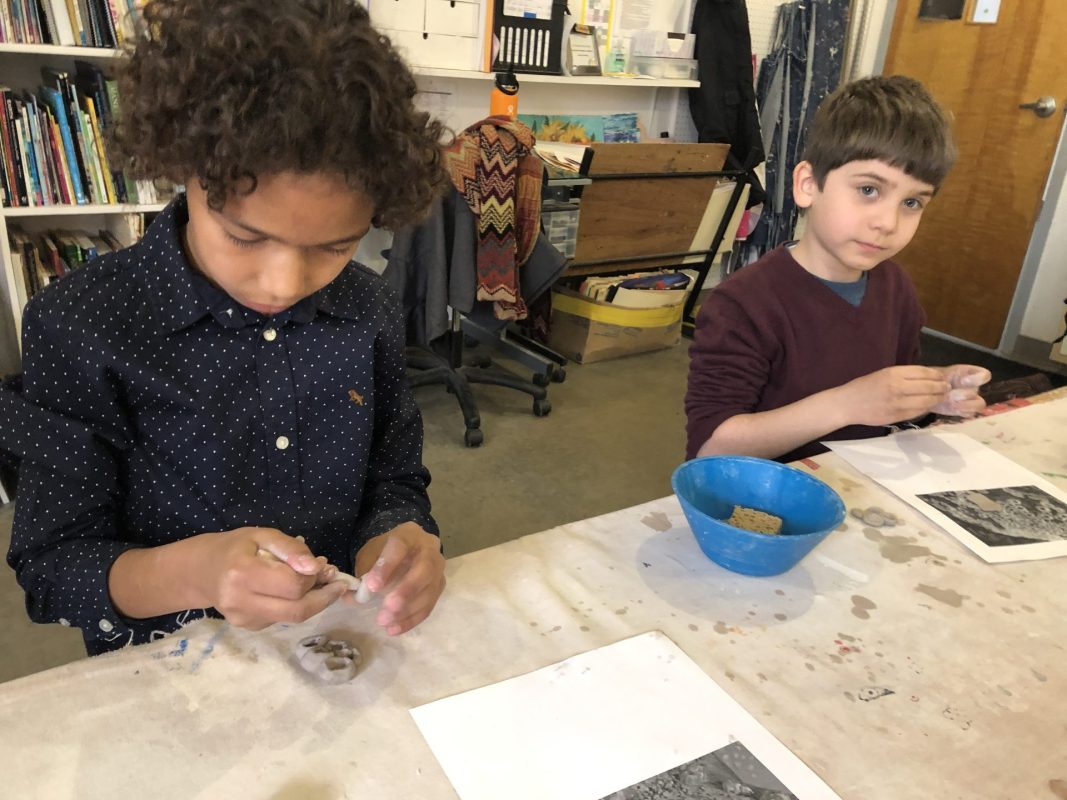
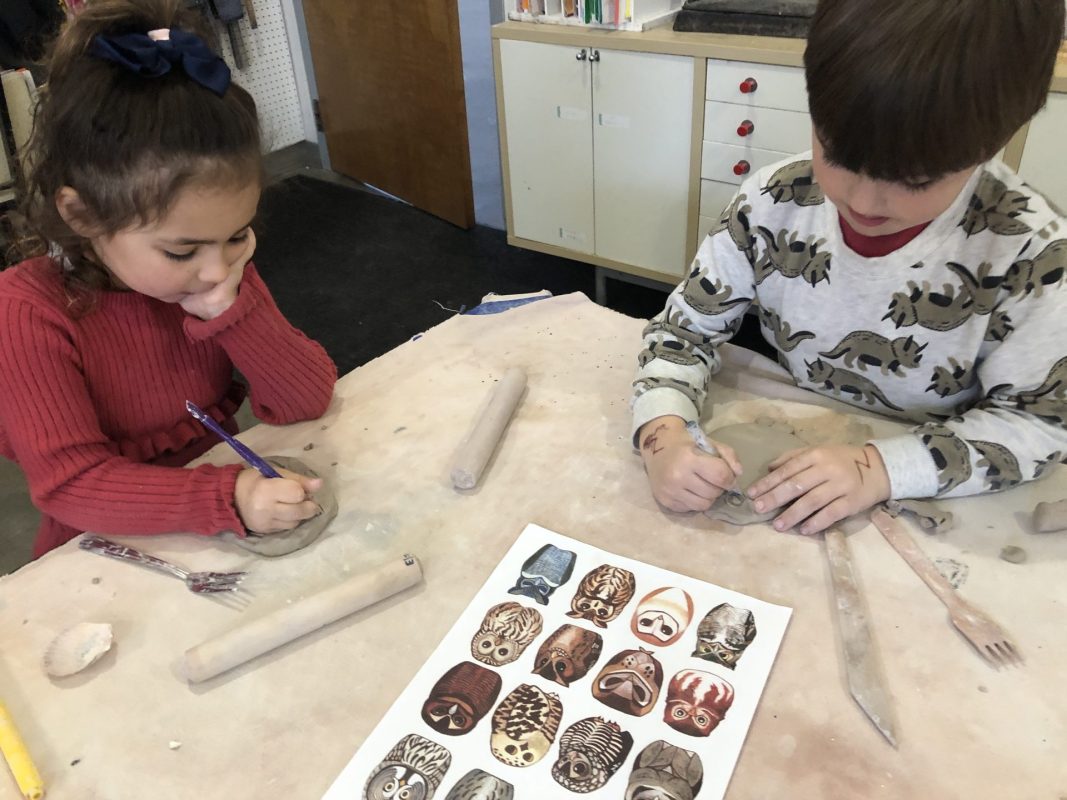
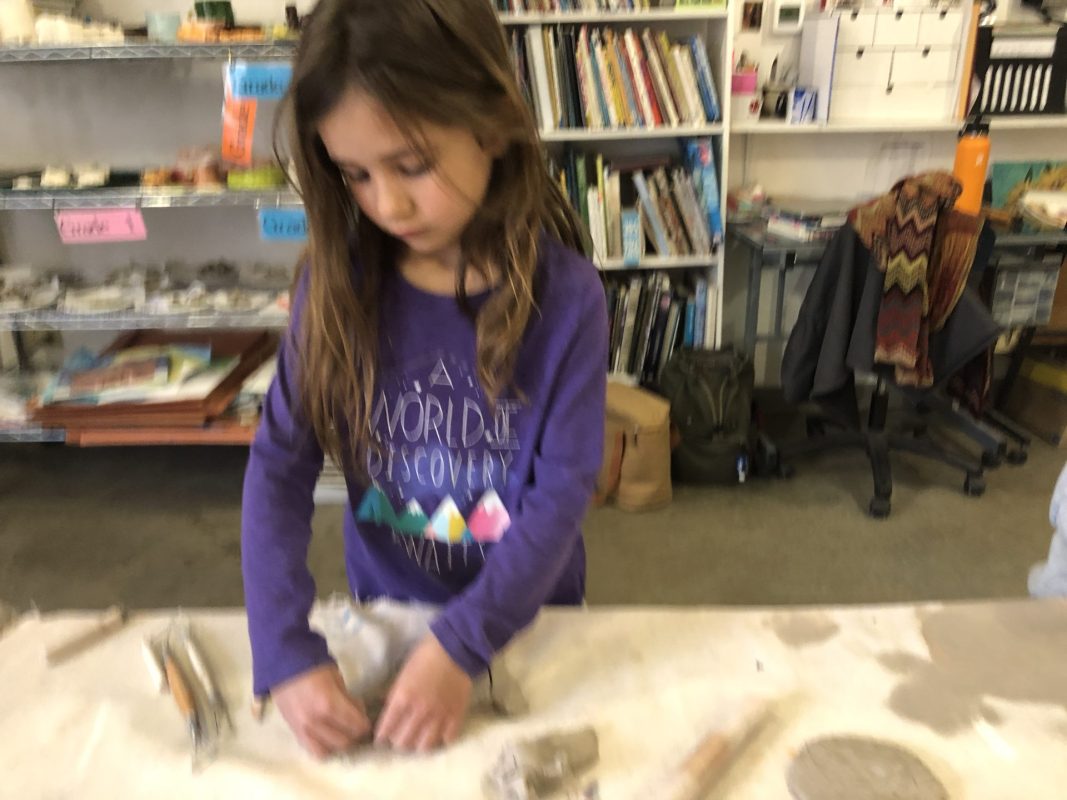

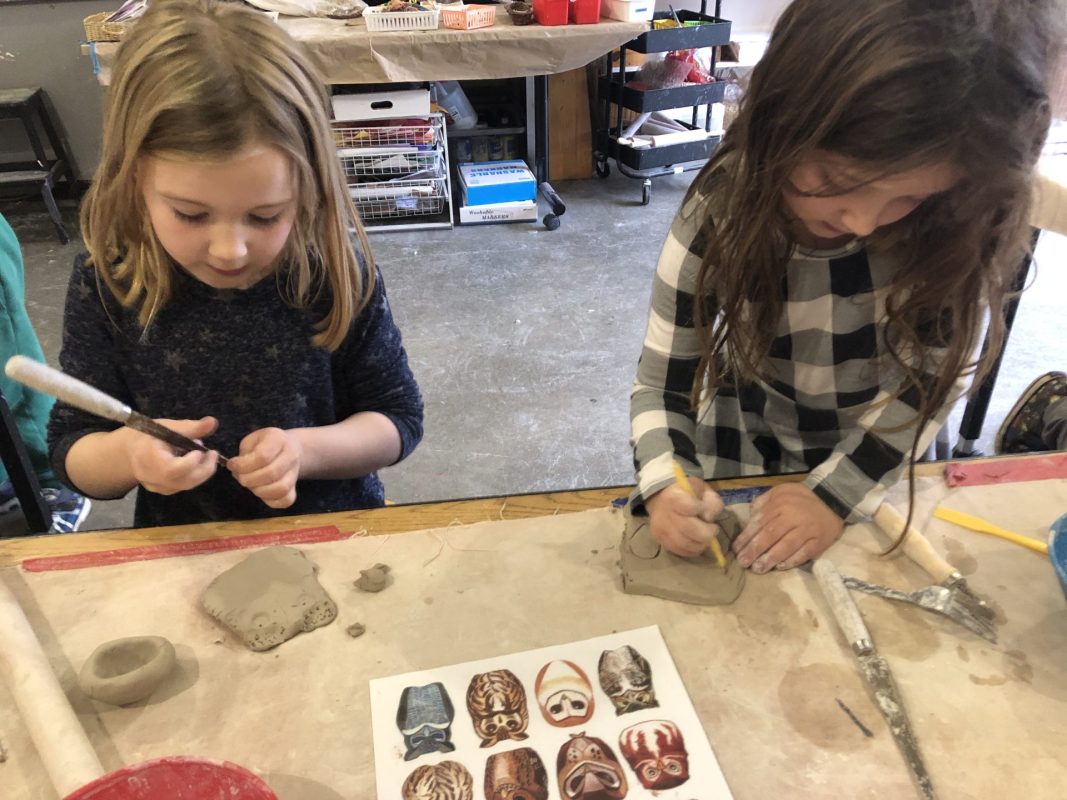
The Art Studio has been buzzing lately with lots of wonderful clay work from students in kindergarten through middle school! Students have been exploring a range of clay processes and techniques, such as coil building, slab rolling, pinching, and throwing on the pottery wheel.
Working with clay has many benefits for children of all ages. It is a complex sensory experience that encourages self-expression, helps promote self-confidence, and develops problem-solving and motor skills. Because clay is highly responsive to touch, children become engrossed in their work: they can express and articulate their ideas through shaping clay and learning to repair mistakes. Clay is different from other art mediums because it requires an understanding of the three-dimensional world. While working on their projects, students must move around to see their creations from all sides. From this, they begin to understand shape, form, and perspective and gain knowledge of planning methods and problem-solving as they map out their creation.
Upper Elementary and Middle School students have particularly enjoyed creating bowls, cups, and vases on the pottery wheel. The first step is to center the clay on the wheel by applying water and pressure to the clay with our hands. Once the clay is centered, students open it and slowly form it into a bowl, cup, or vase. Working on the potter’s wheel is a physical activity that aligns with the Montessori philosophy of encouraging freedom within limits: children focus on specific forming techniques and hand positioning while being free to move the clay into a desired shape. Each step of the wheel-throwing process engages both the body and the mind.
Spanish Update
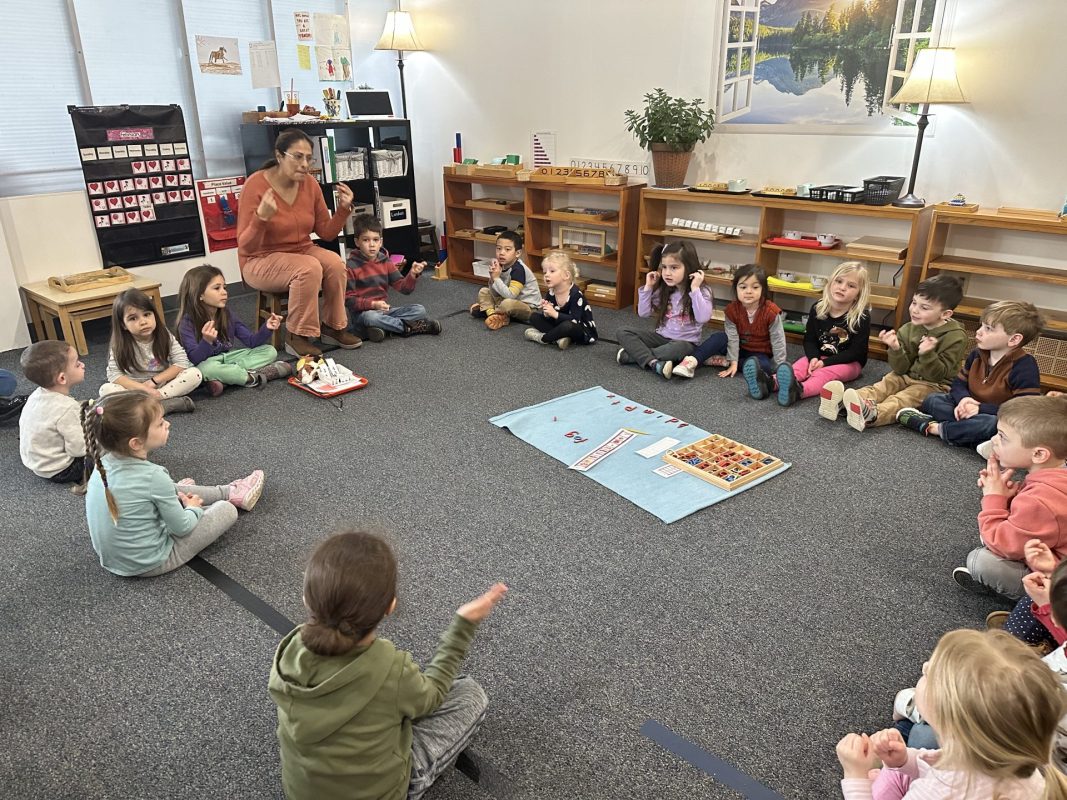

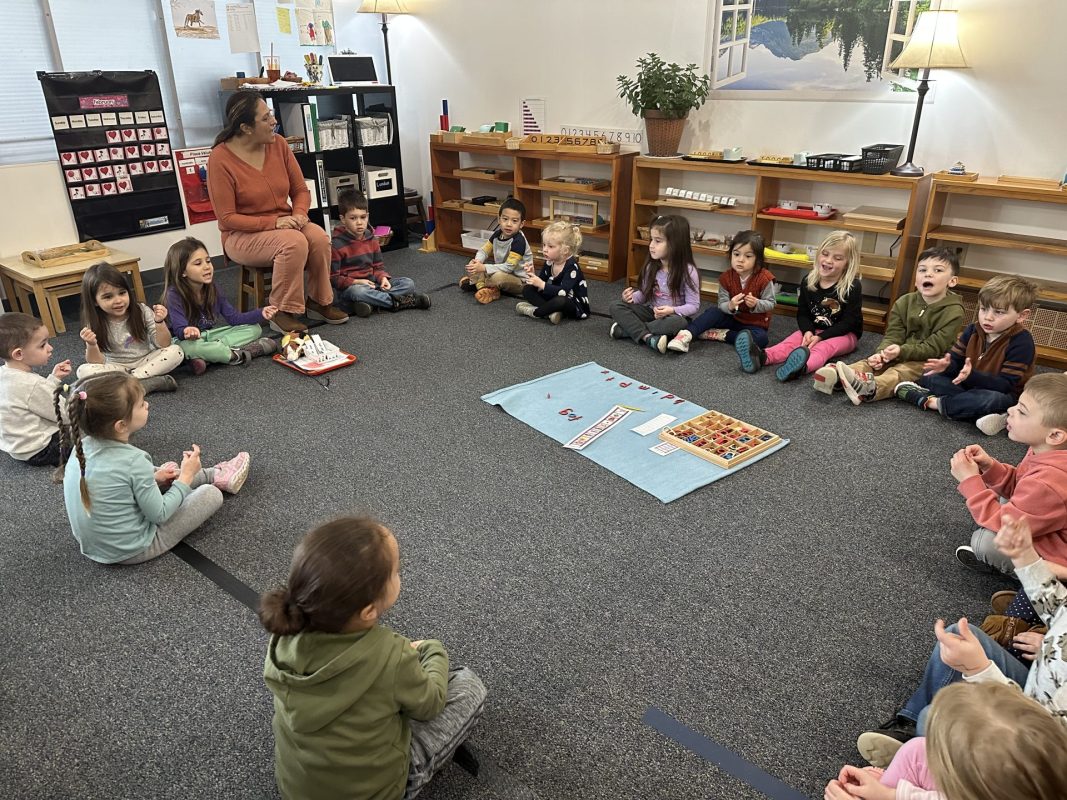

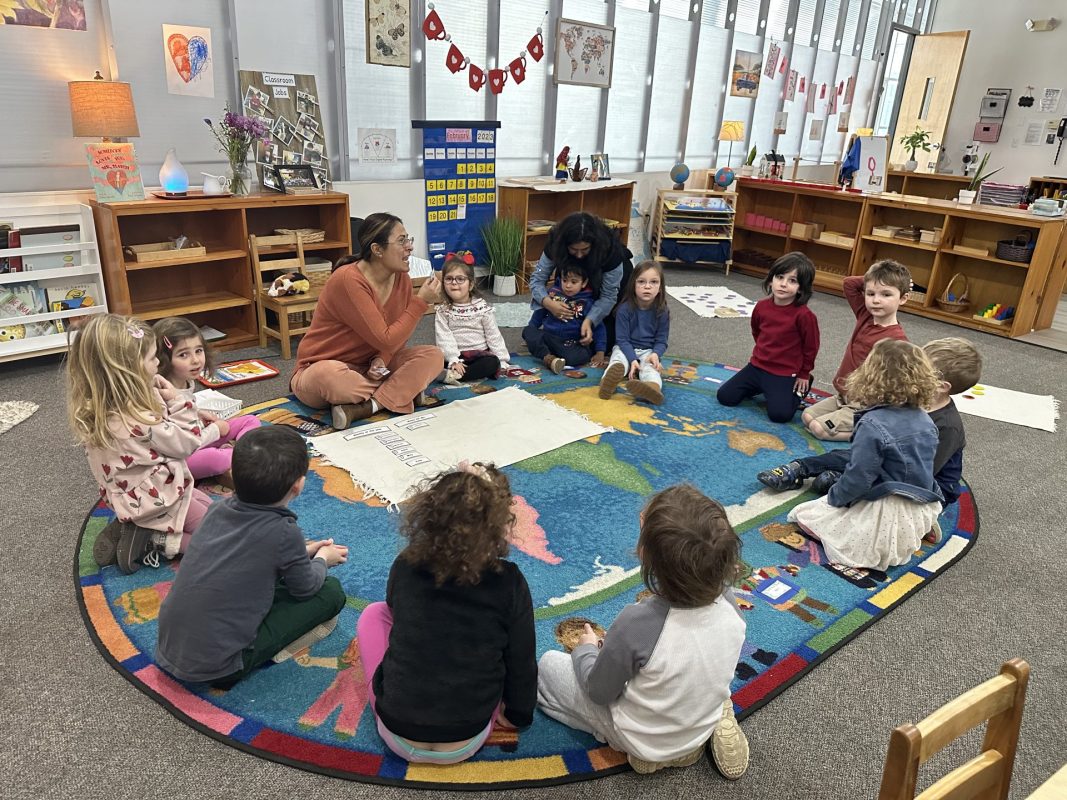
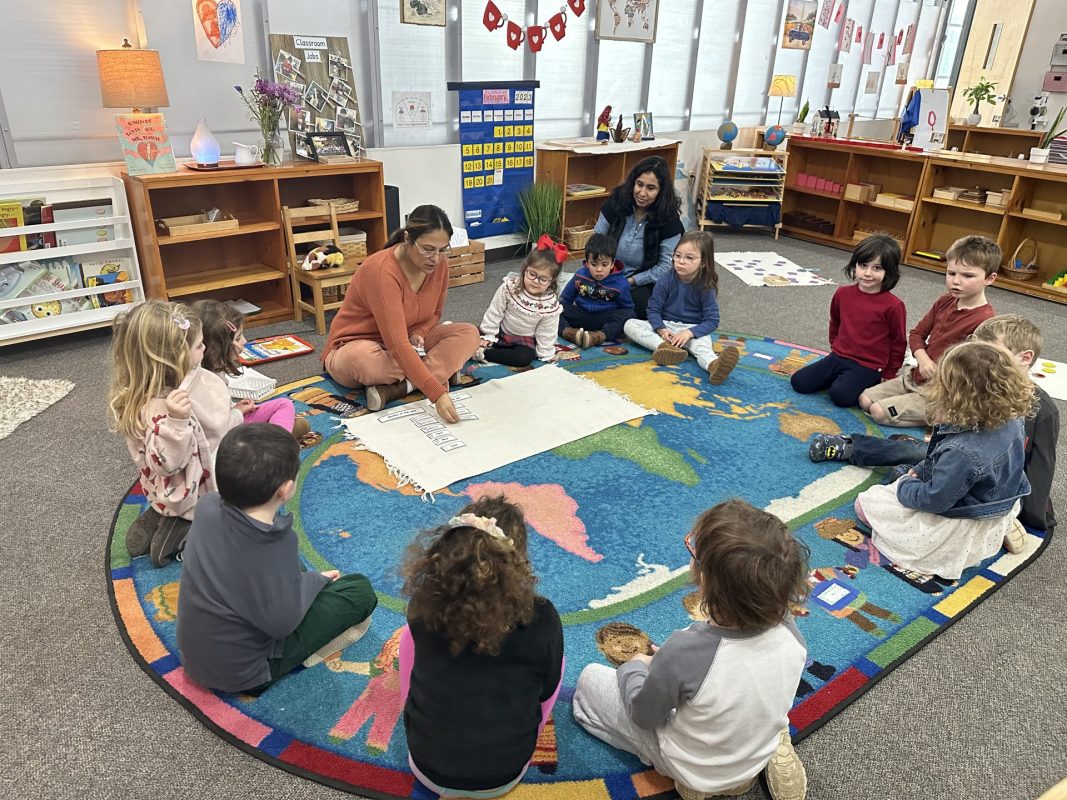
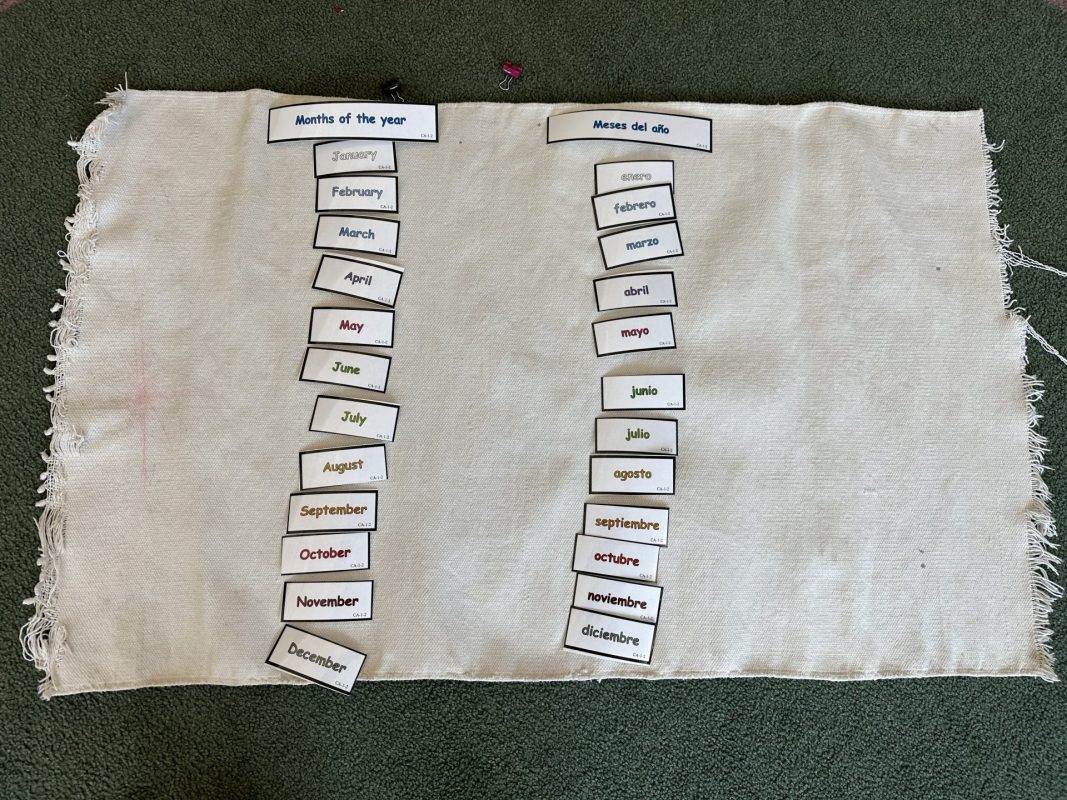
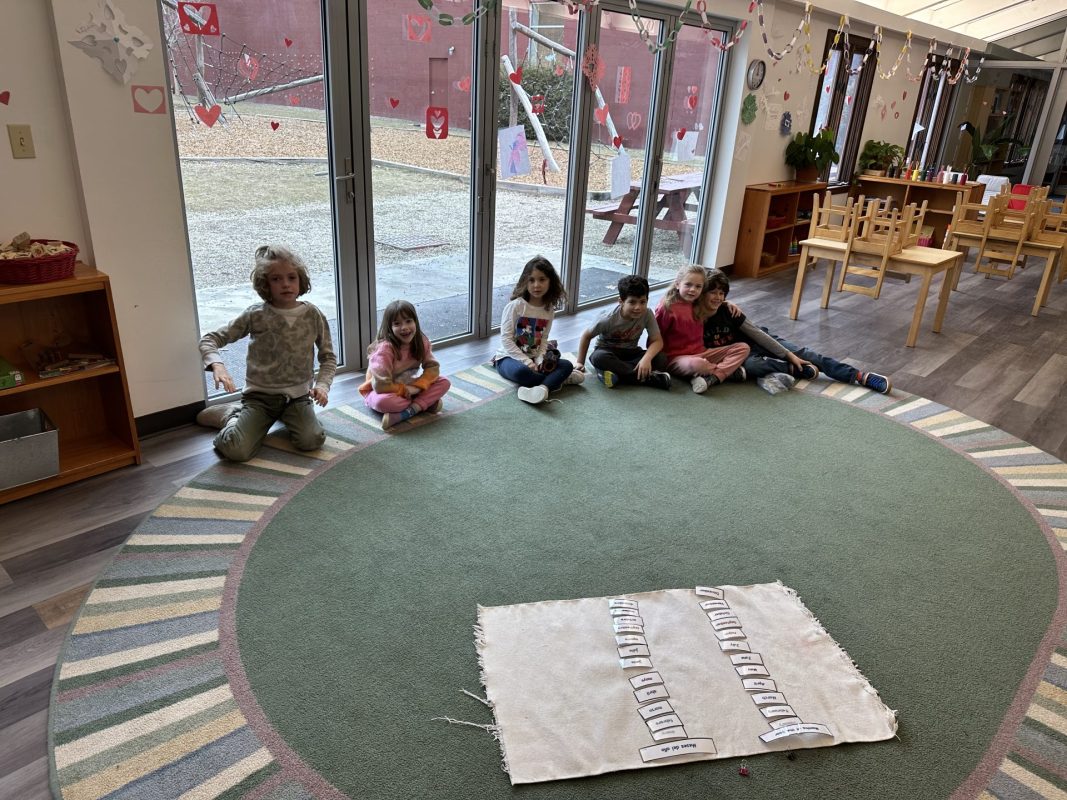

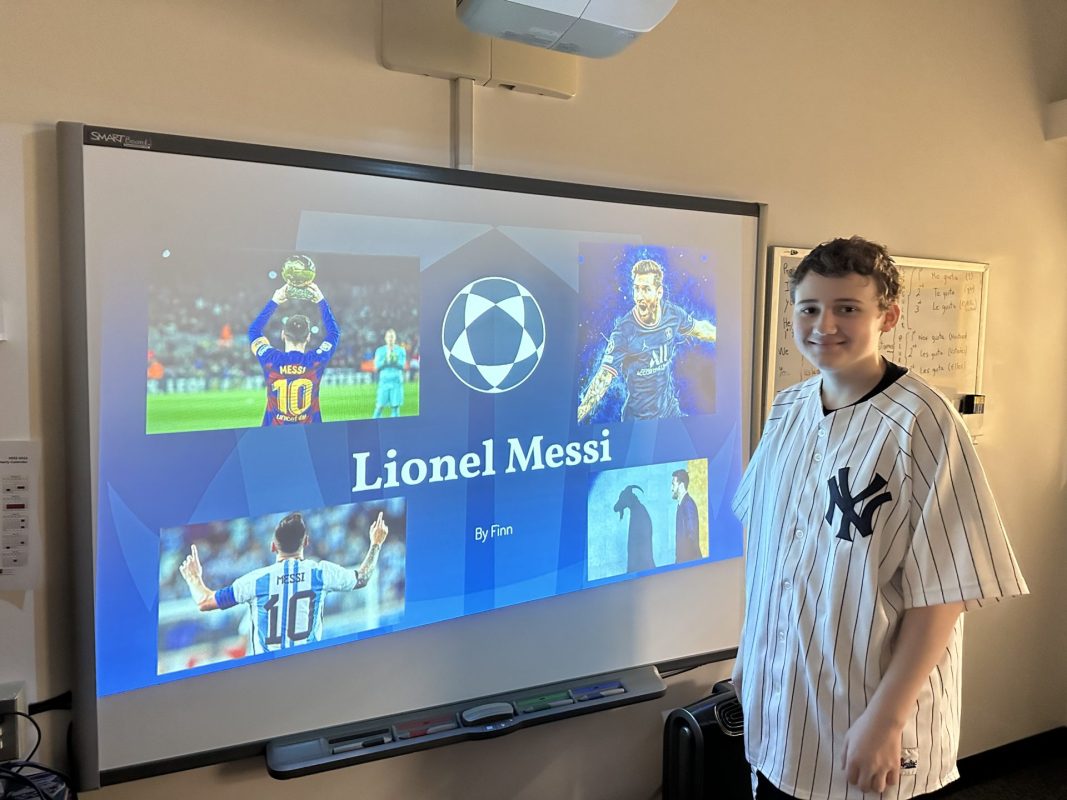
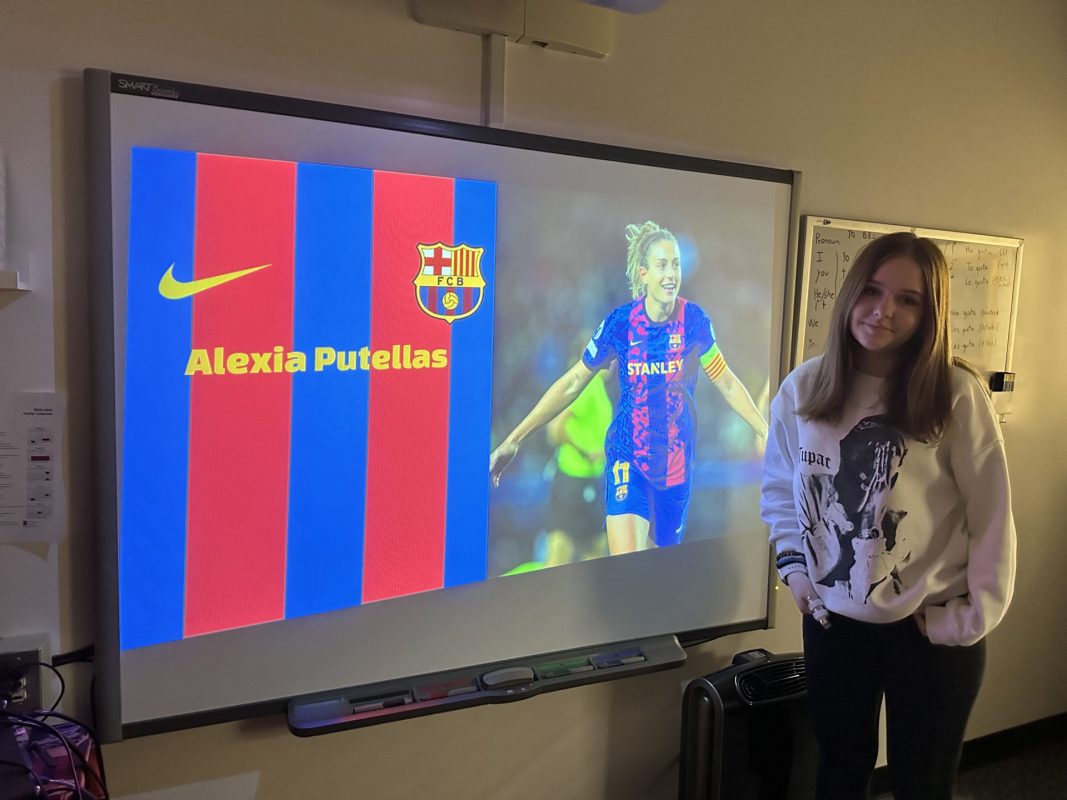

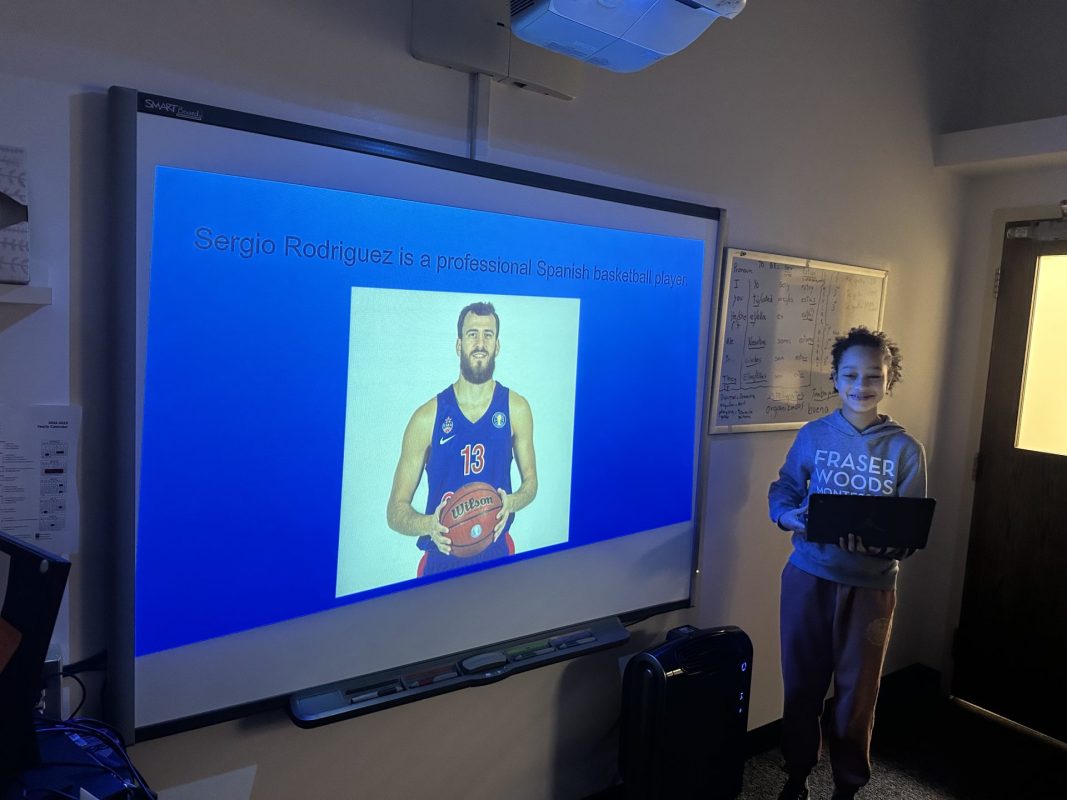
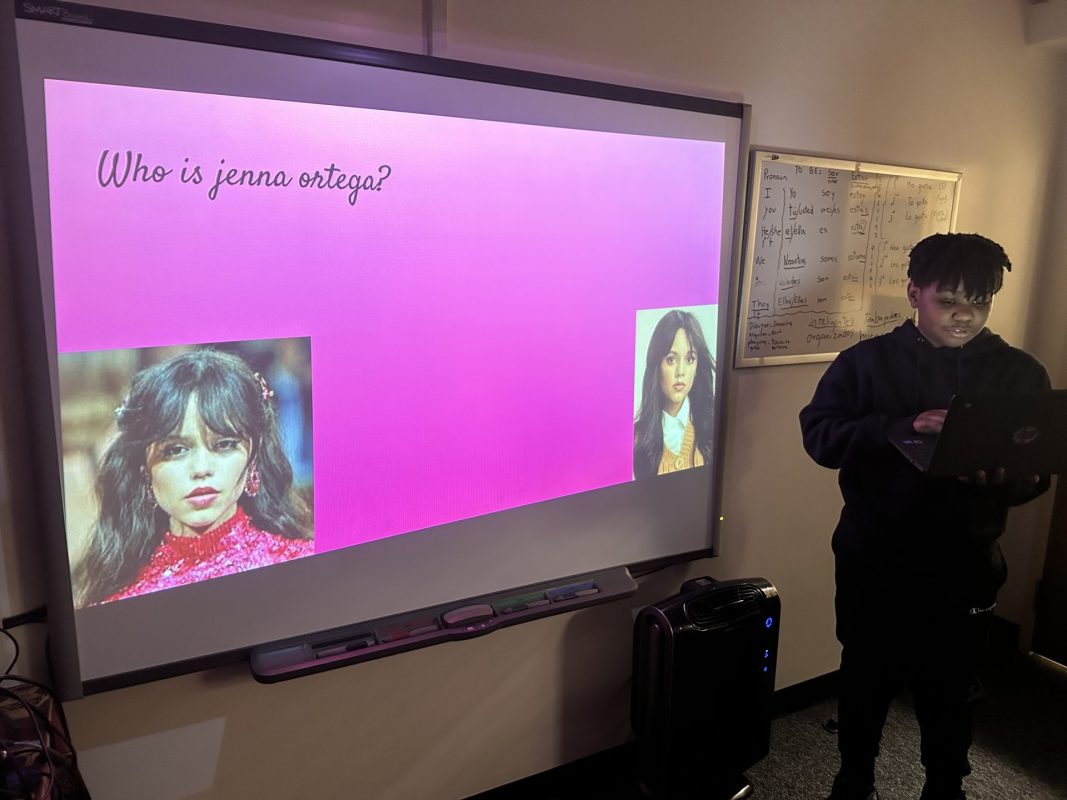



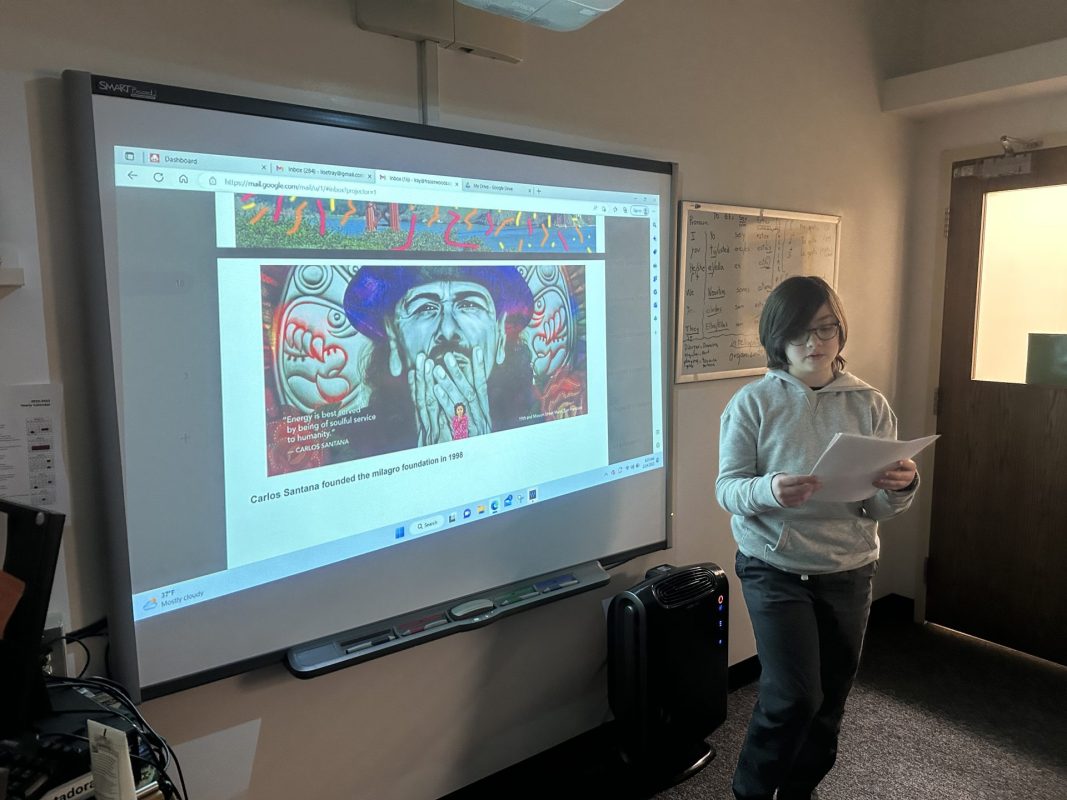
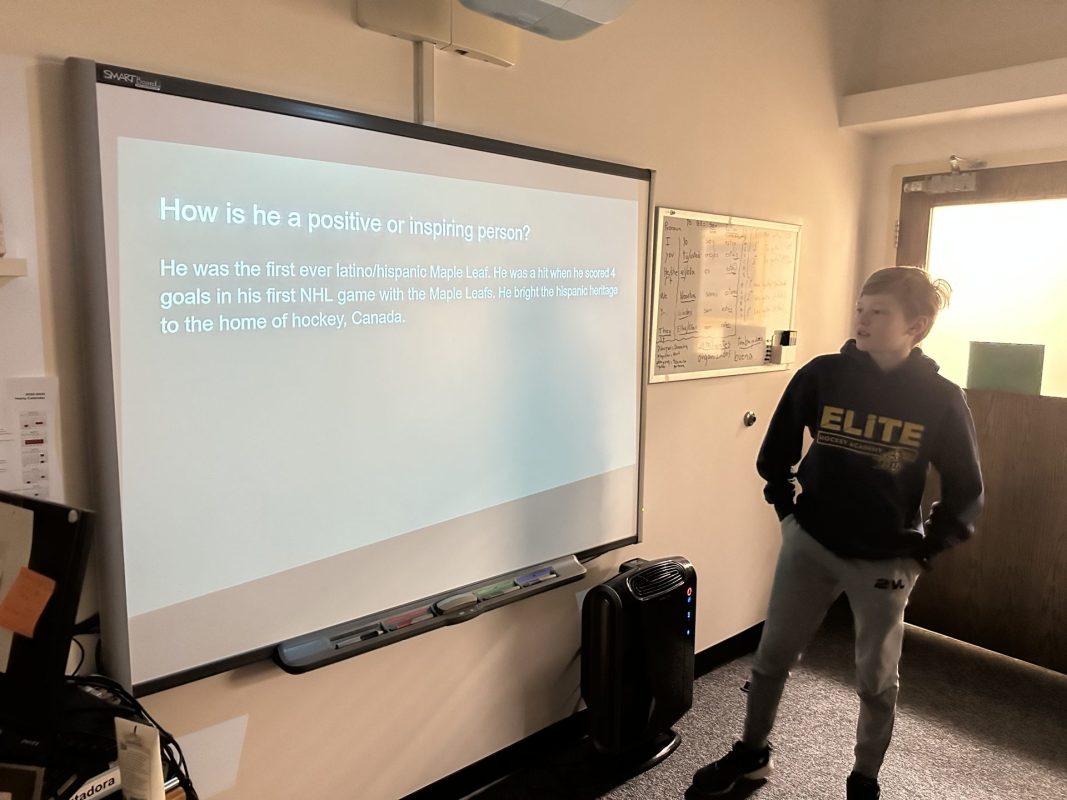
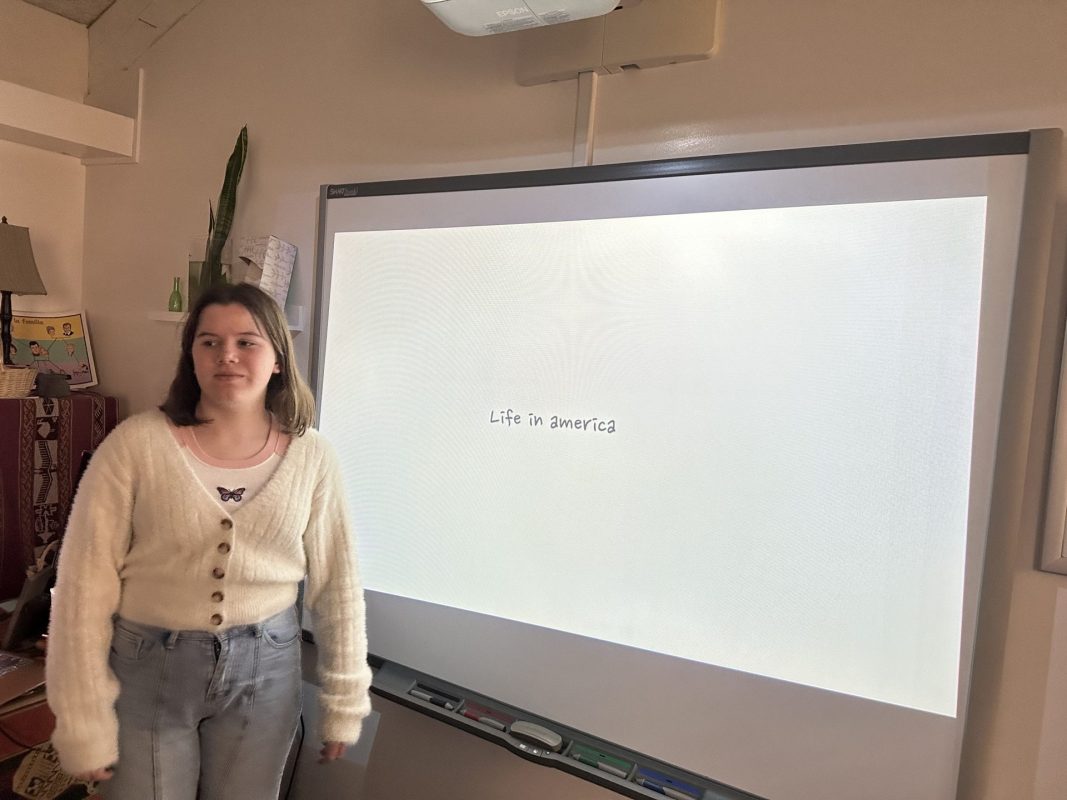
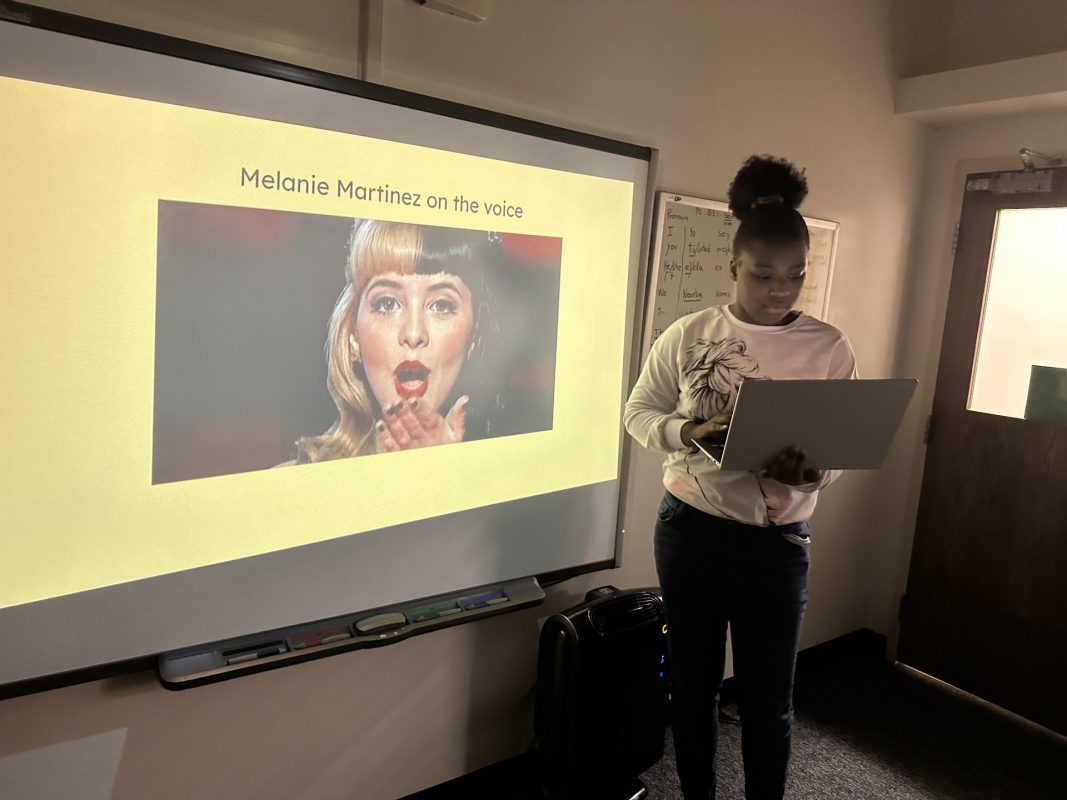
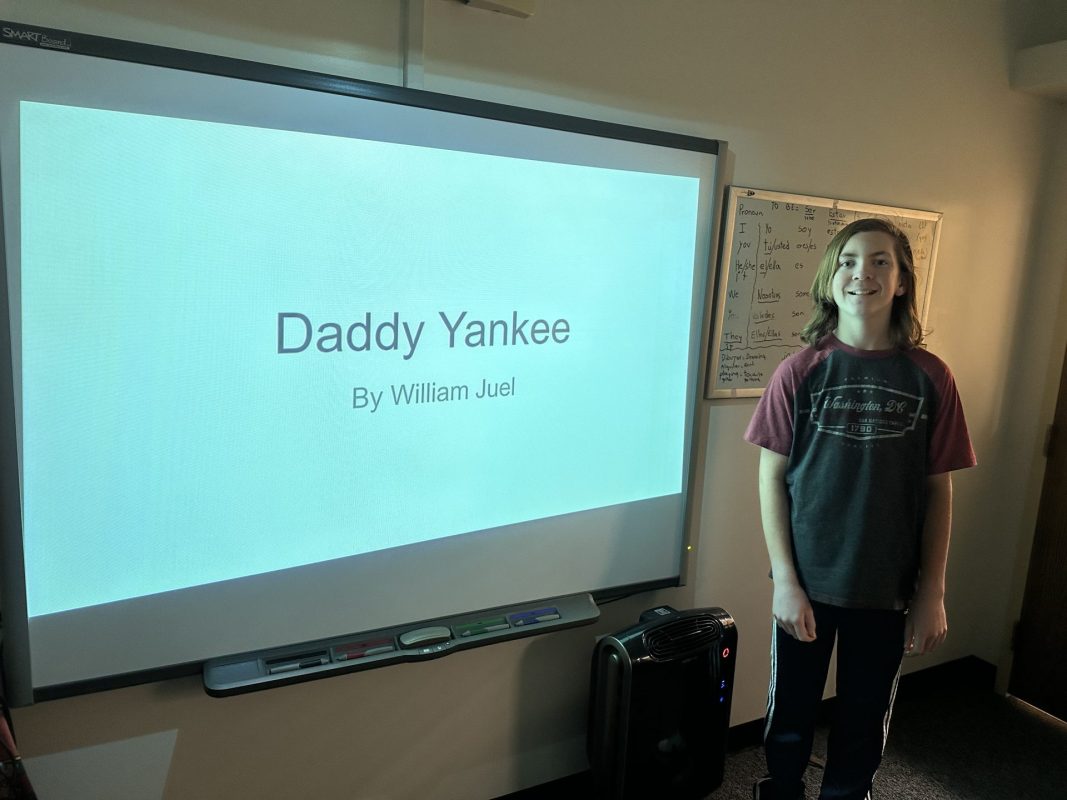
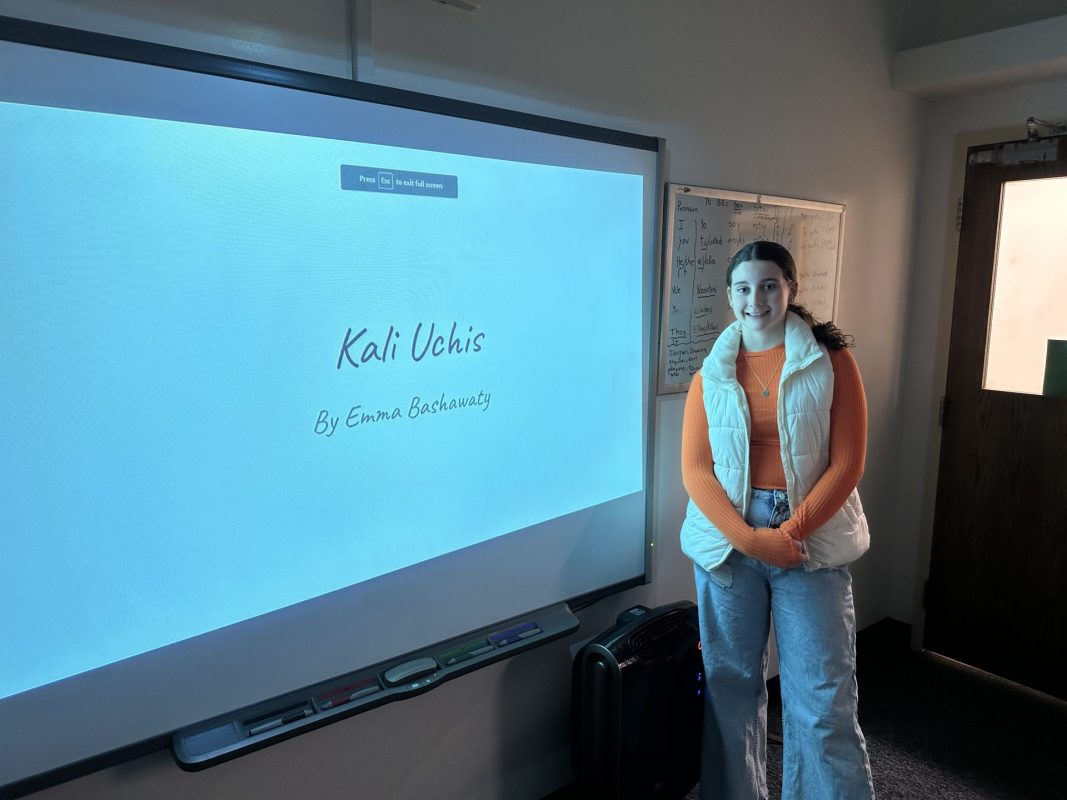
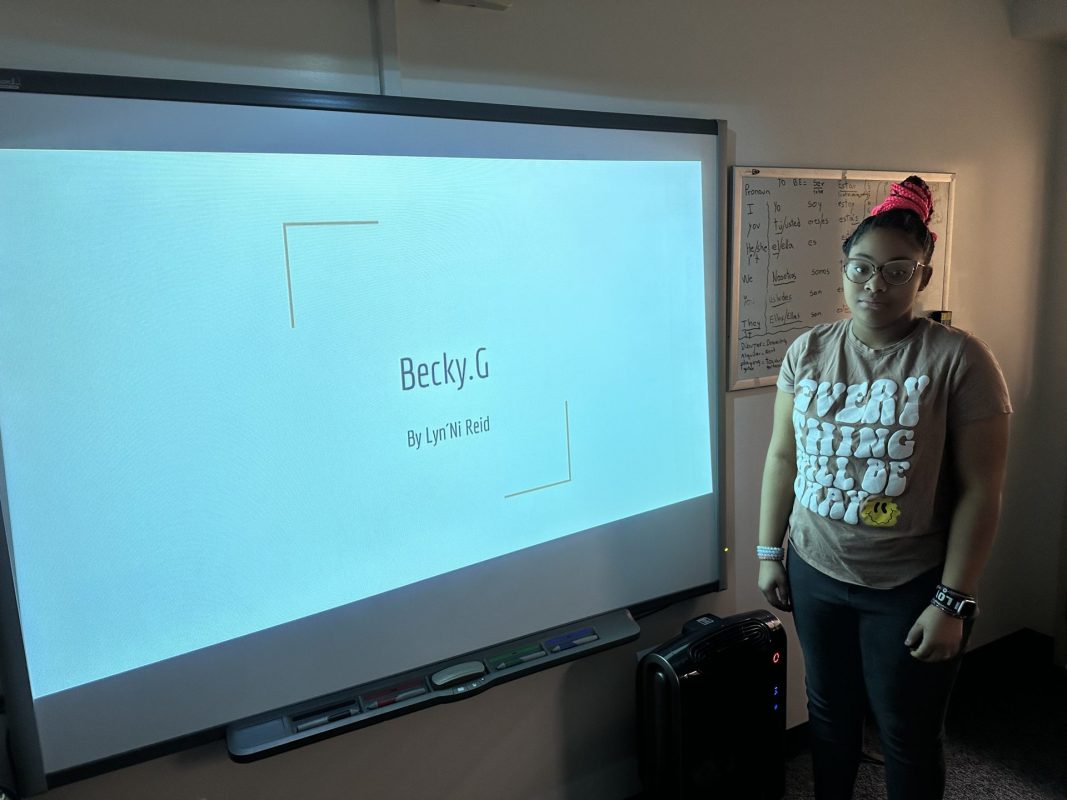

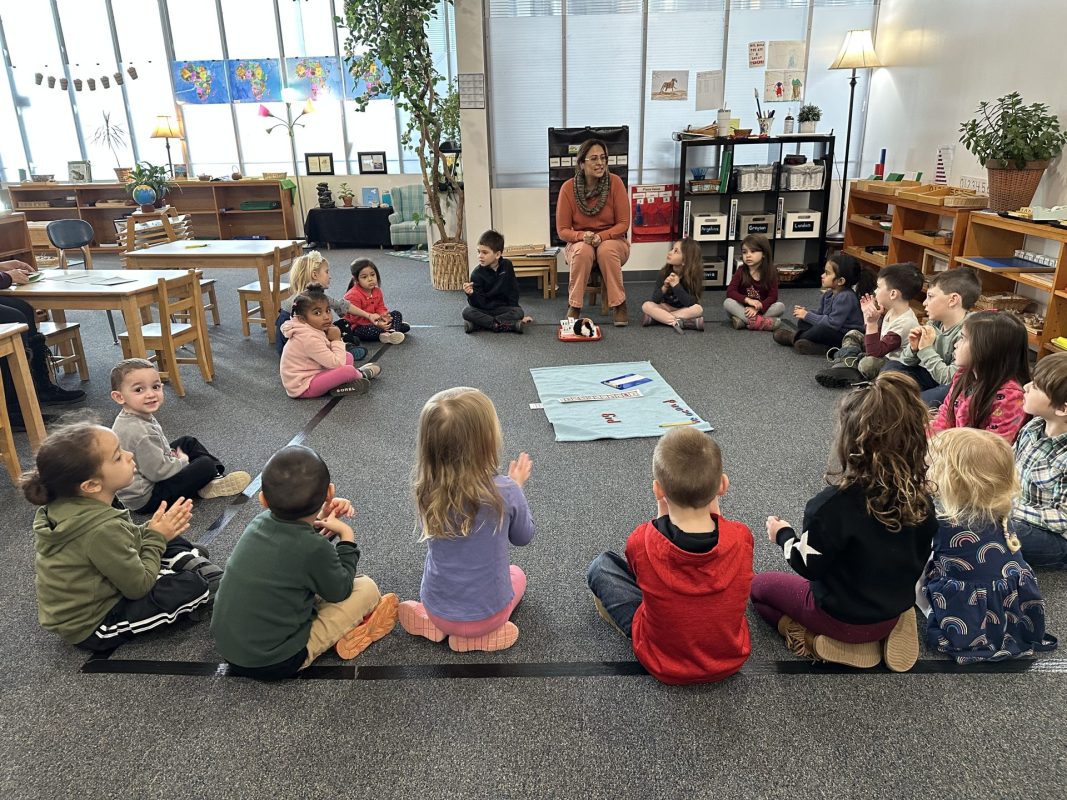
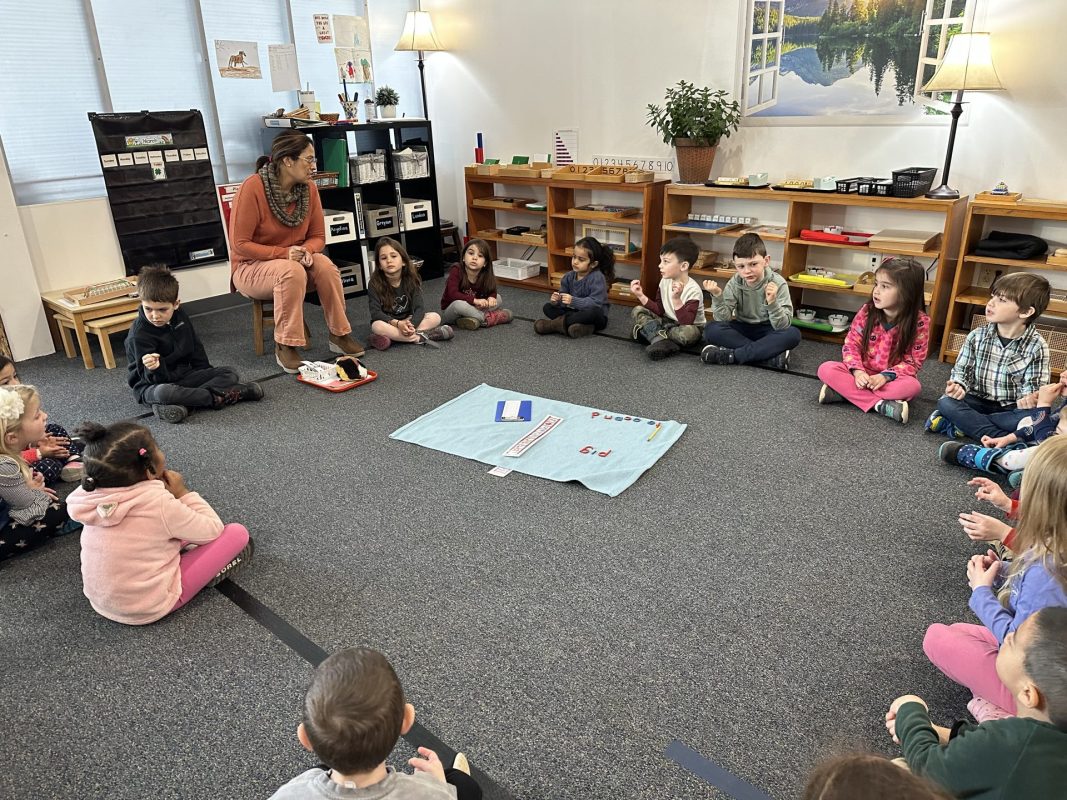
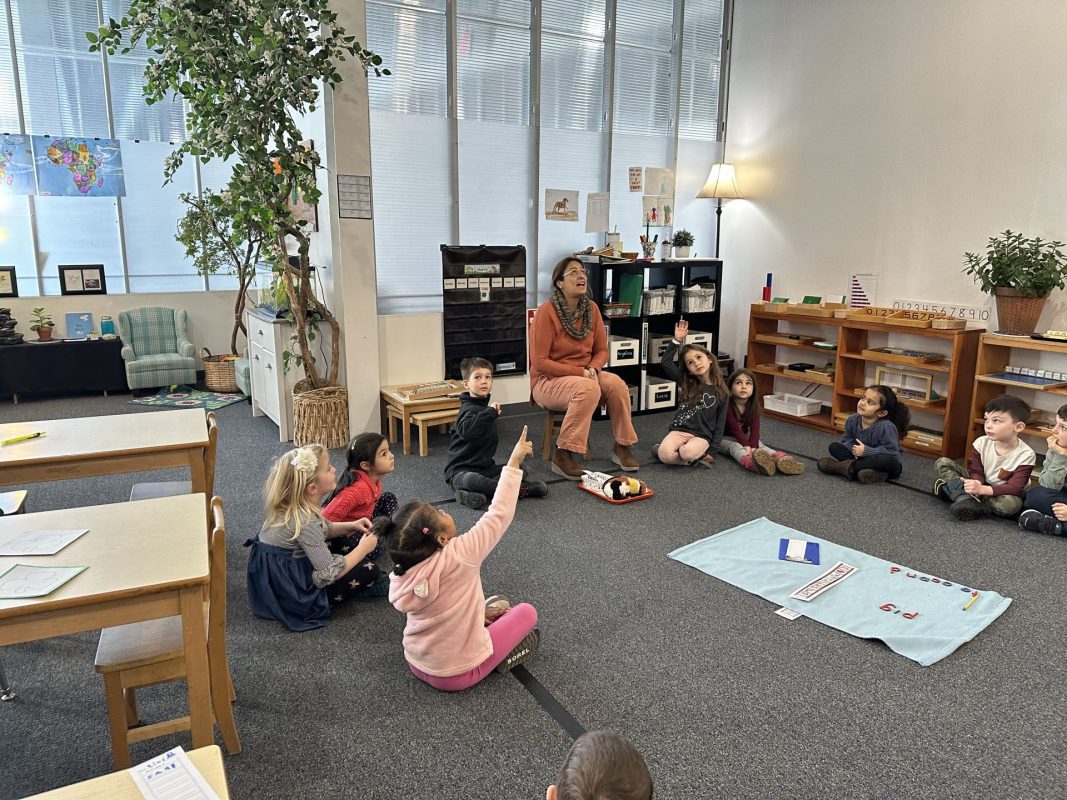
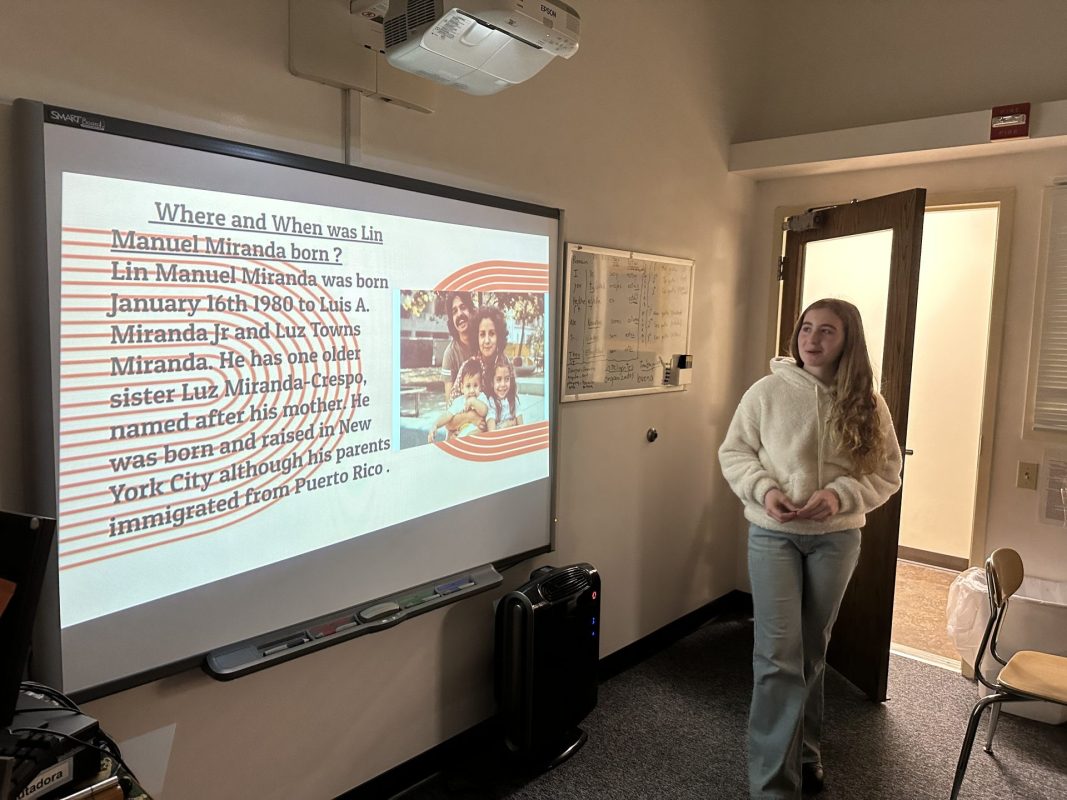
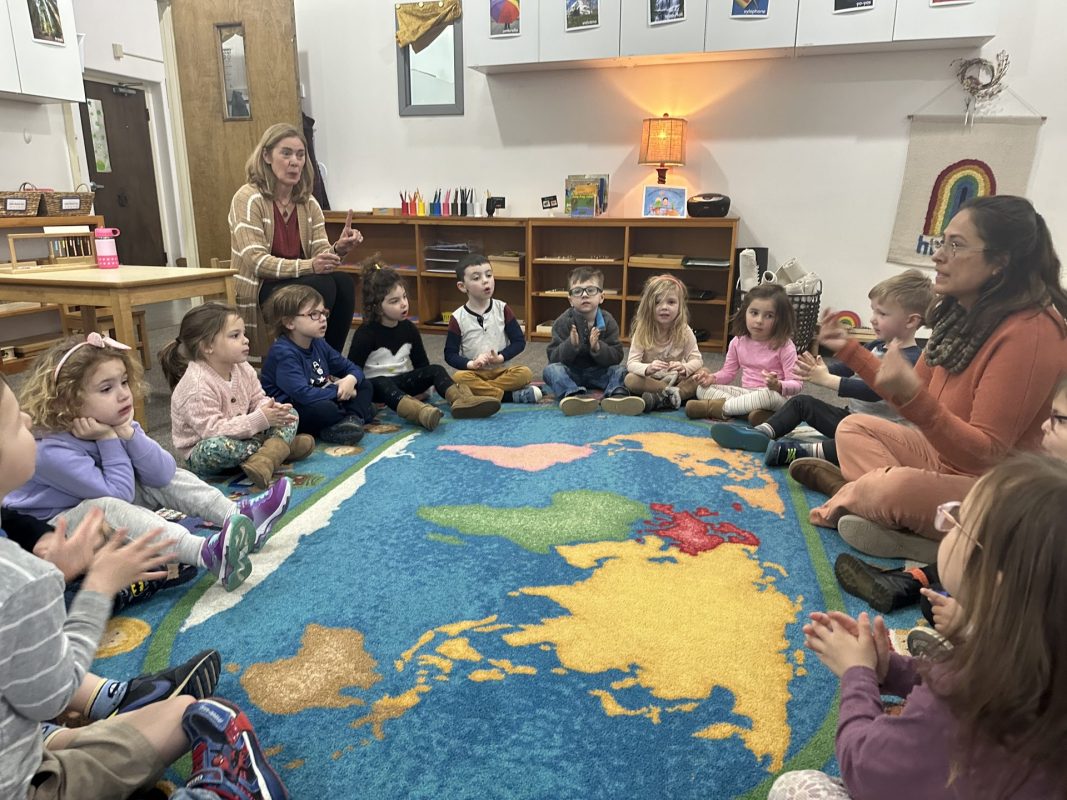

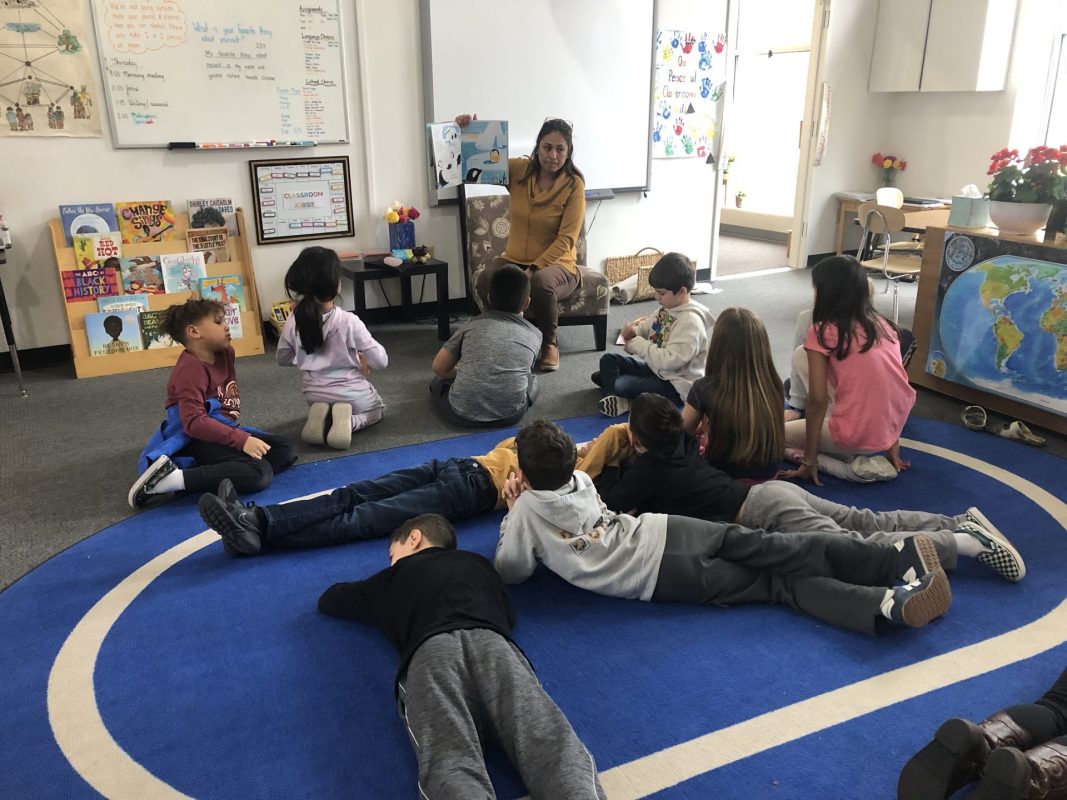
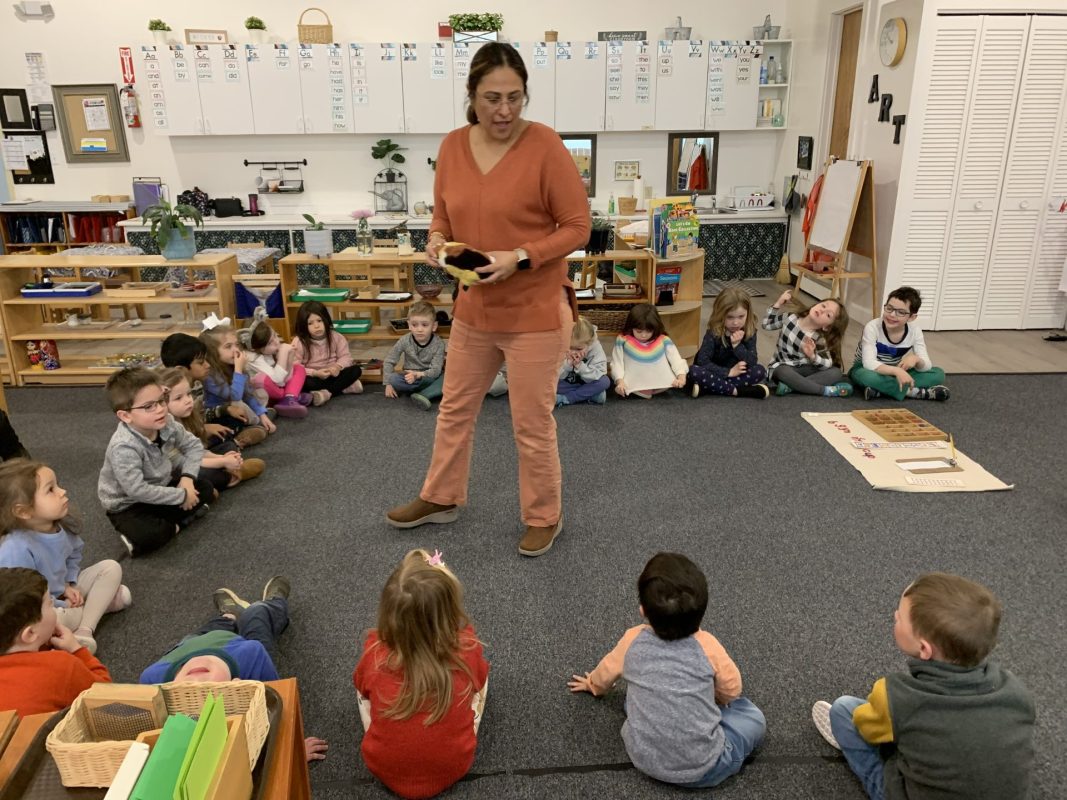
Primary and LE: “Los días de la semana”, “Los meses del año”; UE: “La ropa”, “Que hora es?”; MS: “Spanish celebrity Presentation”. A general review of all we have learned to this point this school year was done at every level. In addition, FWM middle school students could travel virtually to Spanish-speaking countries such as Chile, Colombia, and Costa Rica.
FWM students are still working on their usual conversation about feelings, Spanish greetings, the calendar, and the weather description, as repetition is the key to learning another language. They are continuously improving their Spanish listening and vocabulary. Students from Primary, Lower and Upper Elementary, and Middle School listened carefully to Spanish books and songs and participated in interactive games displayed during class.
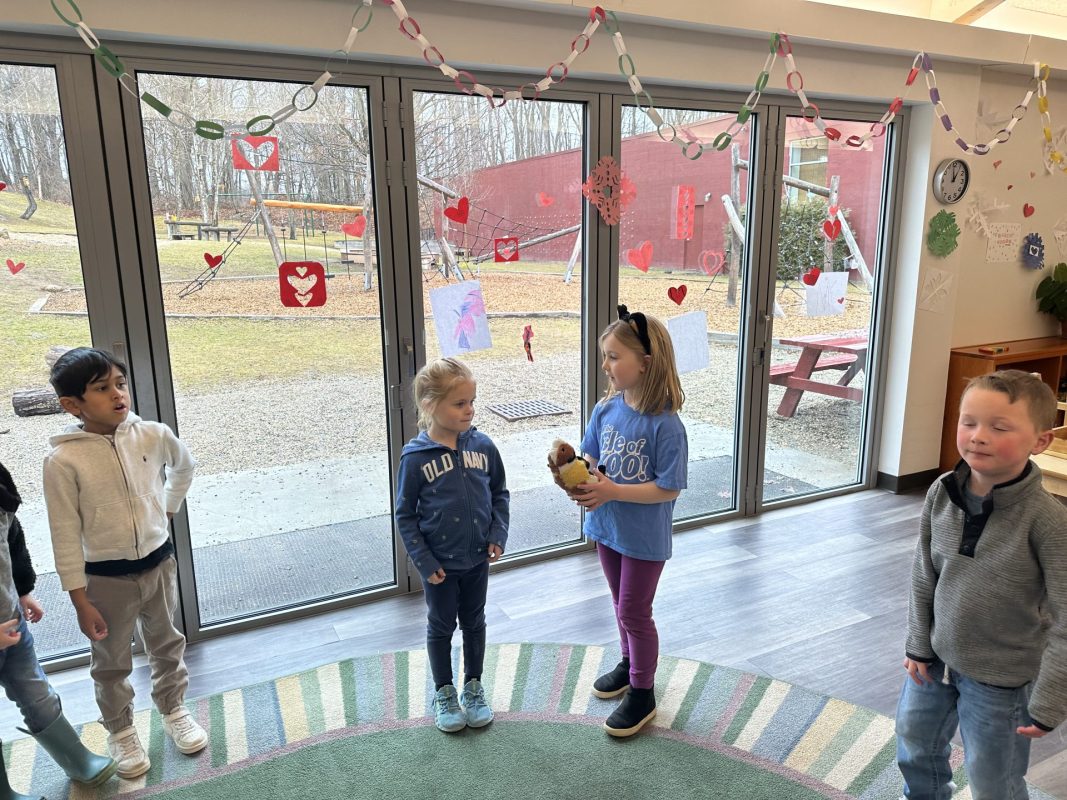
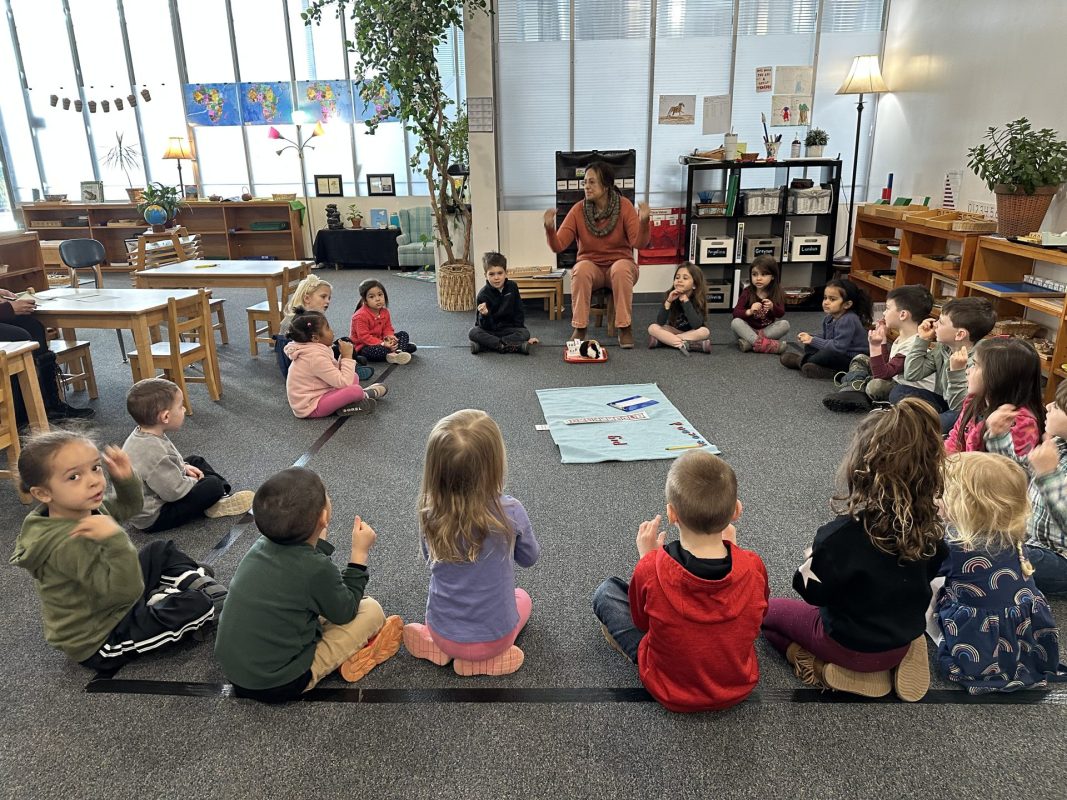
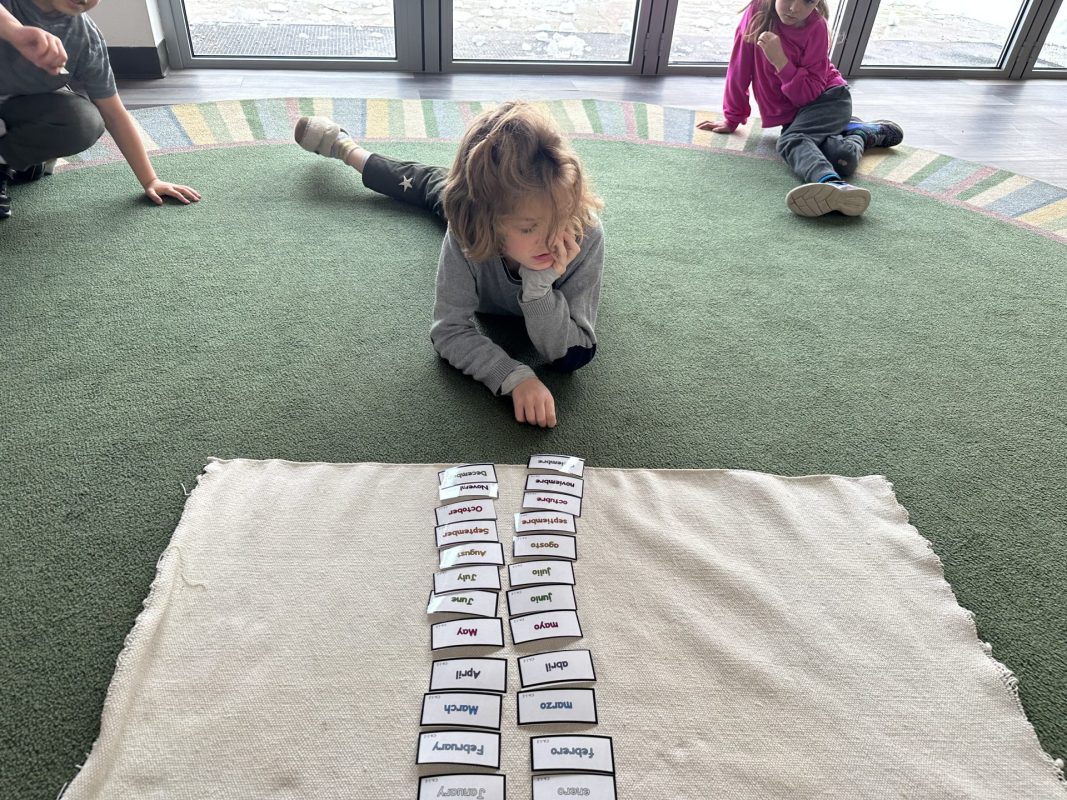
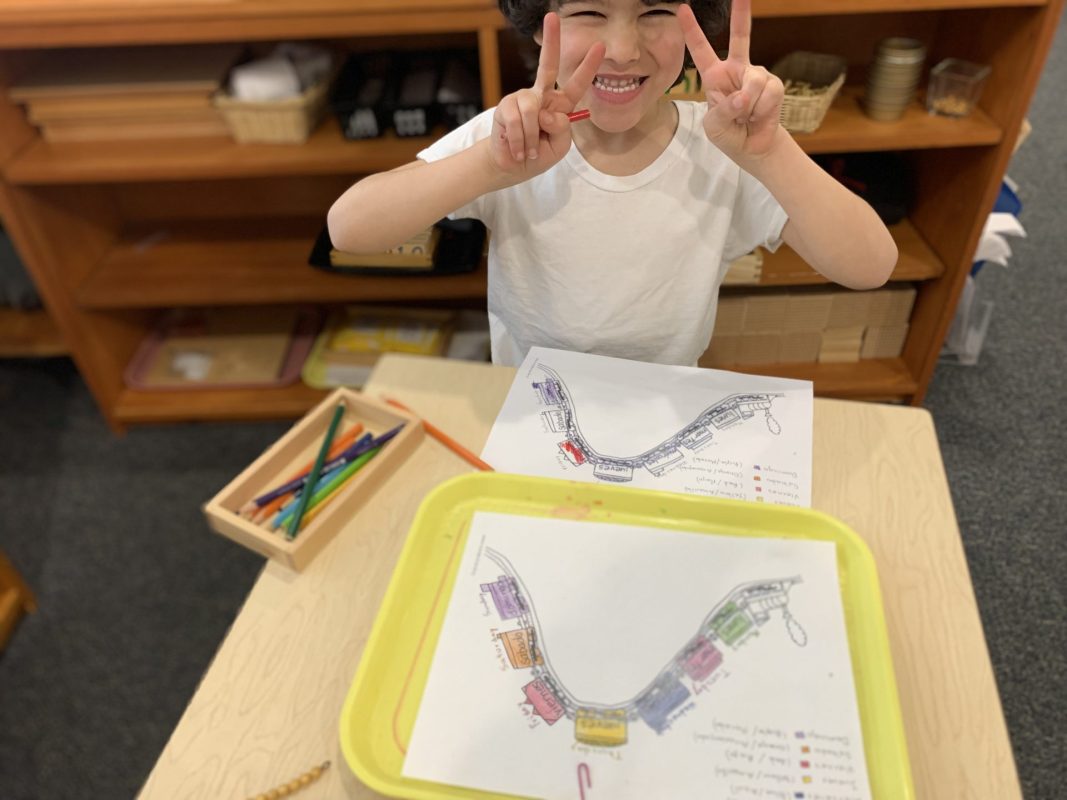
Primary and Lower Elementary students also continued learning about the days of the week “Los días de la semana”: Lunes, Martes, Miércoles, Jueves, Viernes, Sábado, y Domingo. In addition, they learned the months of the year: Enero, Febrero, Marzo, Abril, Mayo, Junio, Julio, Agosto, Setiembre, Octubre, Noviembre y Diciembre using the same type of Montessori lessons such as three-part learning cards and matching cards to reinforce concepts. The children also really enjoyed singing and participating in classroom games. Spanish Montessori Lessons were presented in class and left in their classroom to be practiced during the week.
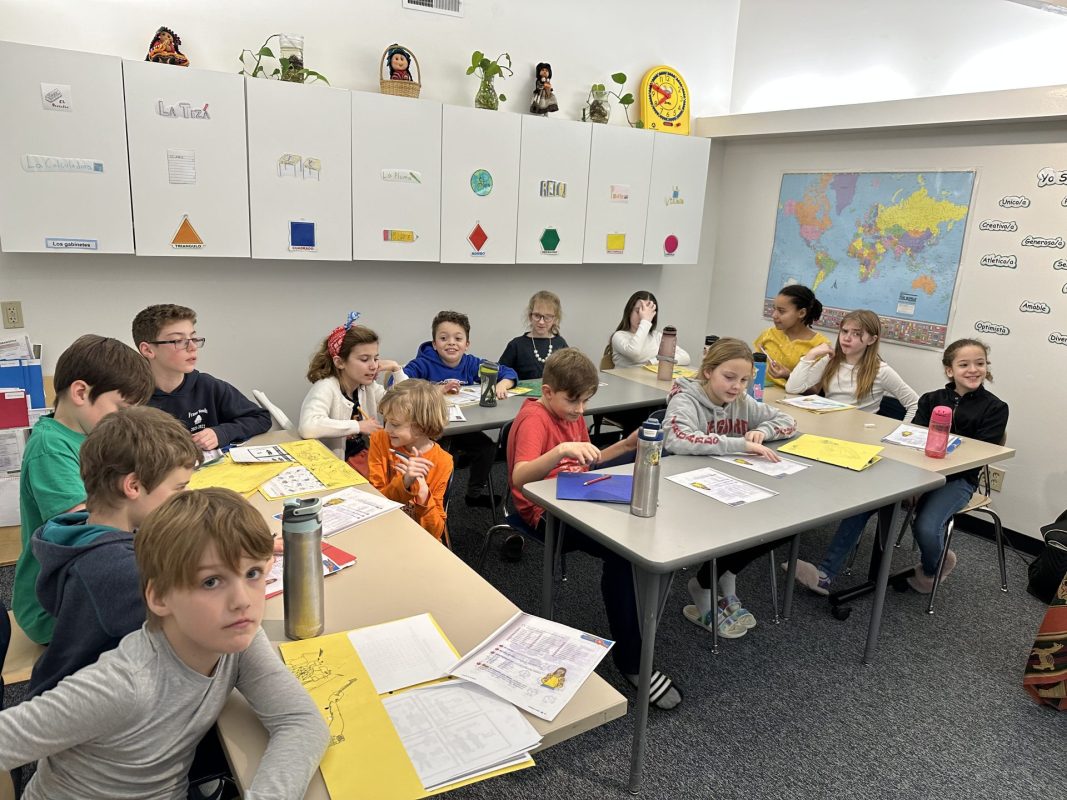
Upper Elementary Students continued learning about clothing and practicing using the articles (el, los, la, las) in Spanish. In addition, they are learning how to tell time in Spanish “Que hora es? They continue practicing their writing through activities and games we used in class. We continue reading books; we are reading Llama in Lima by Katie A. Baker. Reading is a great way to enhance comprehension and pronunciation of the language. Students learned songs in the class that helped with vocabulary and pronunciation memorization.
Middle School students also continue working year-round on their Spanish greetings, description of weather, feelings, and their daily calendar, including days of the week, months, and seasons. Students continue working on the Spanish curriculum in the “Avancemos” program. They also focused on learning the vocabulary and phrases related to planning parties, chores, and responsibilities around the house, the schedule of different classes at school, and how to identify themselves and other people. They are also learning how to use and write more irregular verbs and conjugations such as ir (to go), dar (to give), decir (to tell), poner (to put), salir (to leave), traer (to bring) and venir (to come). We continue reading books for youth in Spanish to enhance their vocabulary, reading, listening, and comprehension skills of a story. For example, we read Agentes Secretos y el Mural de Picasso by Mira Canion.
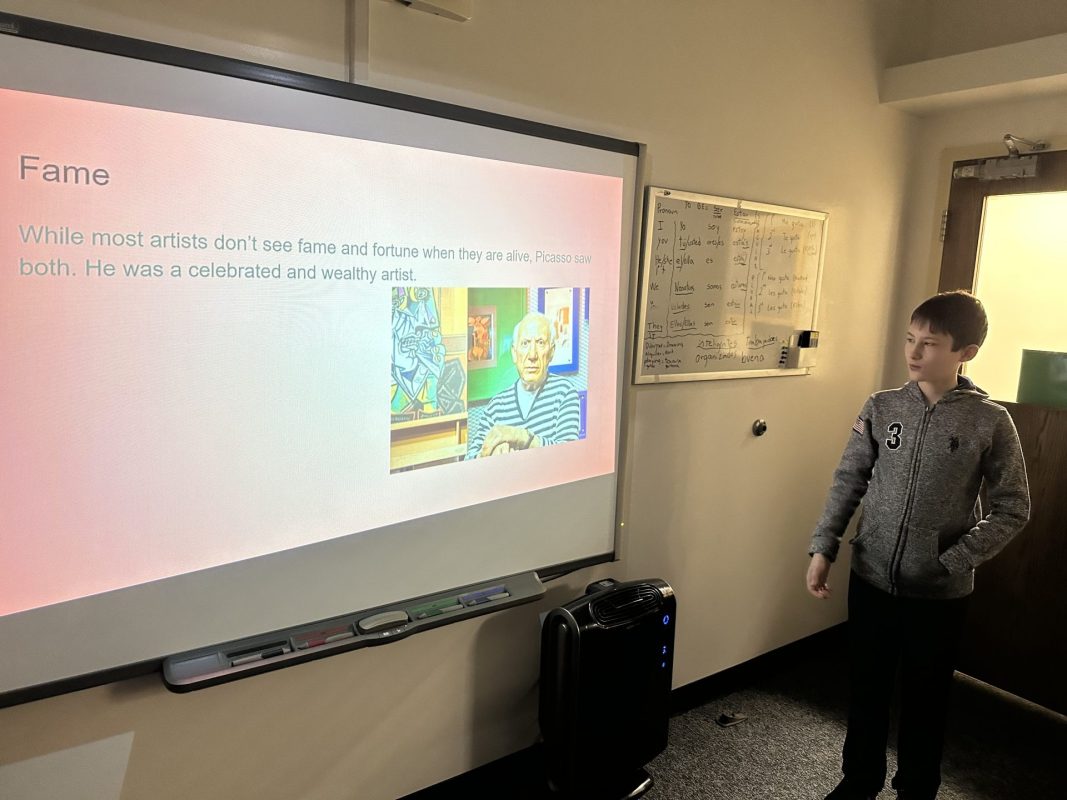
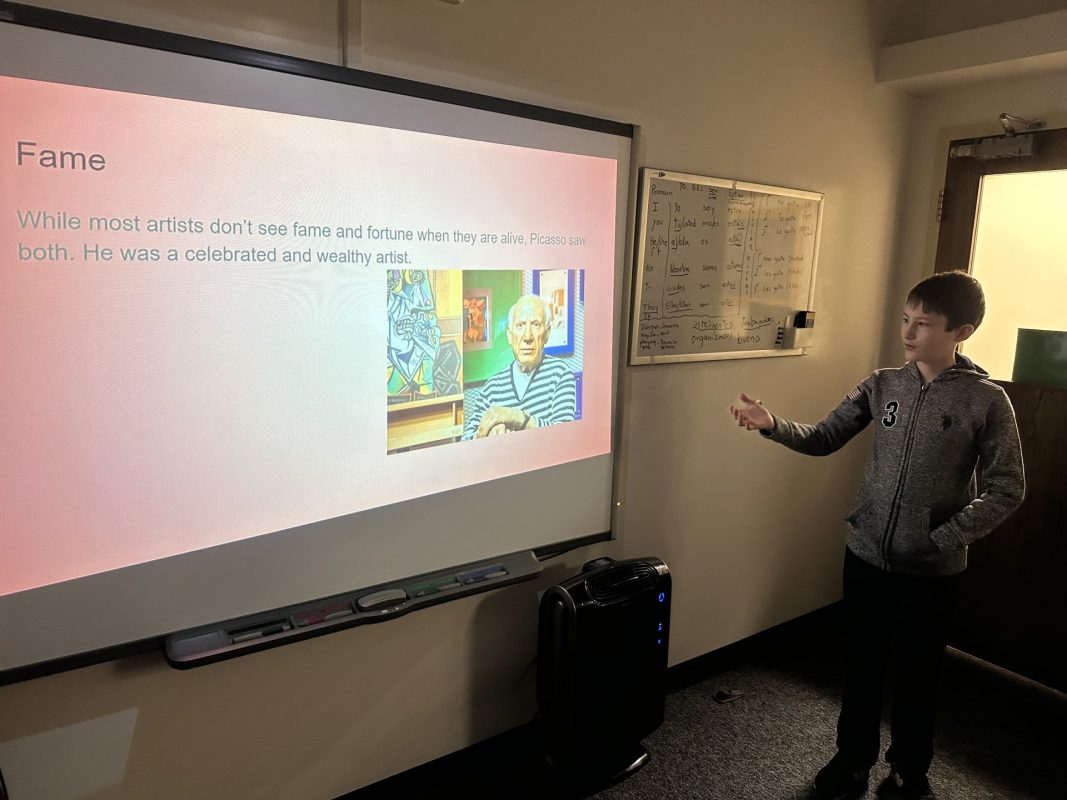
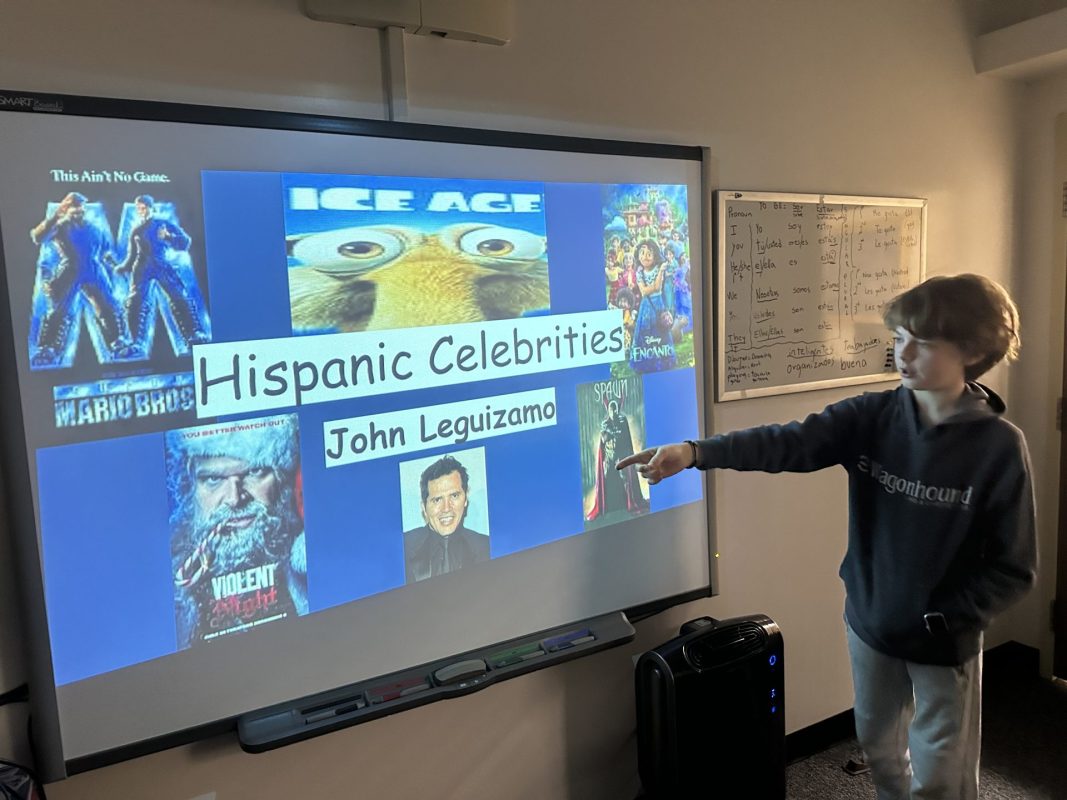
On Fridays, we also work on “Spanish Enrichment,” where students virtually visit Chile, Colombia, and Costa Rica. Students learn how people live, their customs, and their types of food. They also can see the difference in the geography within all these countries, observing the diversity of sightseeing, plants, and animals that other countries can offer. I believe this experience contributes to expanding their horizons in the knowledge of different cultures and people worldwide. Also, we continued playing in Spanish with puzzle words, storytelling, and other activities that made it more enjoyable to learn Spanish. Also, Middle School students worked hard in their research and presentation about a Spanish-speaking celebrity. All students showed their knowledge of their subject based on research they had done. They presented their projects very organized way, and slides enhanced their presentations. All the presentations were done clearly and were easy to follow. In addition to that, Middle School students responded successfully to the audience’s questions and comments.
All the students at FWM are enjoying learning Spanish, and I am delighted with their progress in accomplishing goals in my class.
Building Pyramids
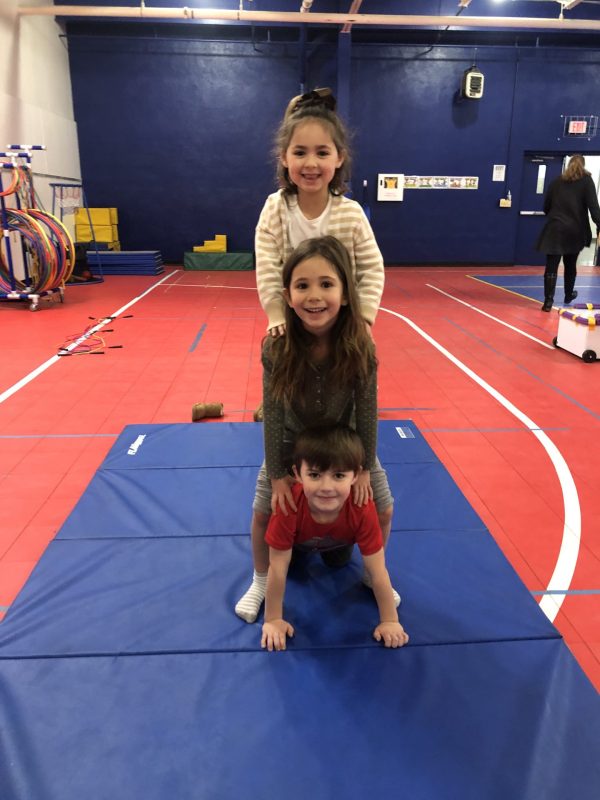
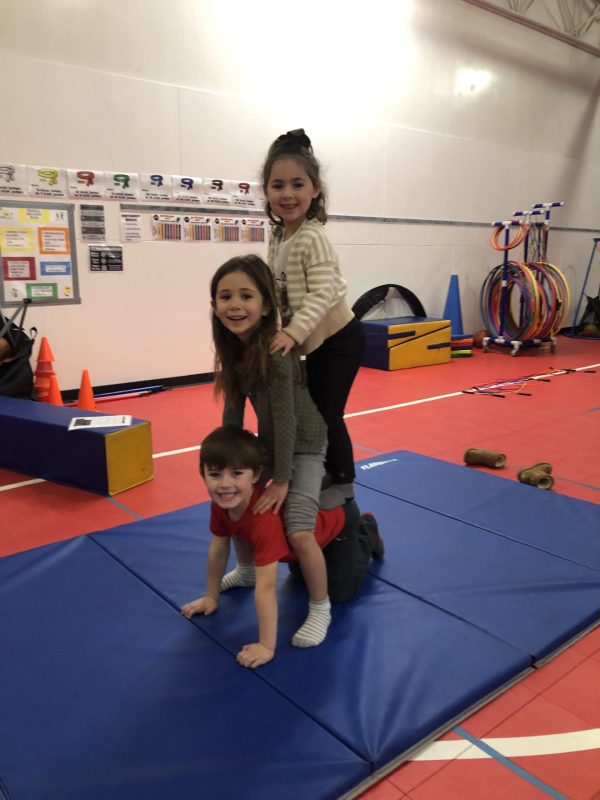
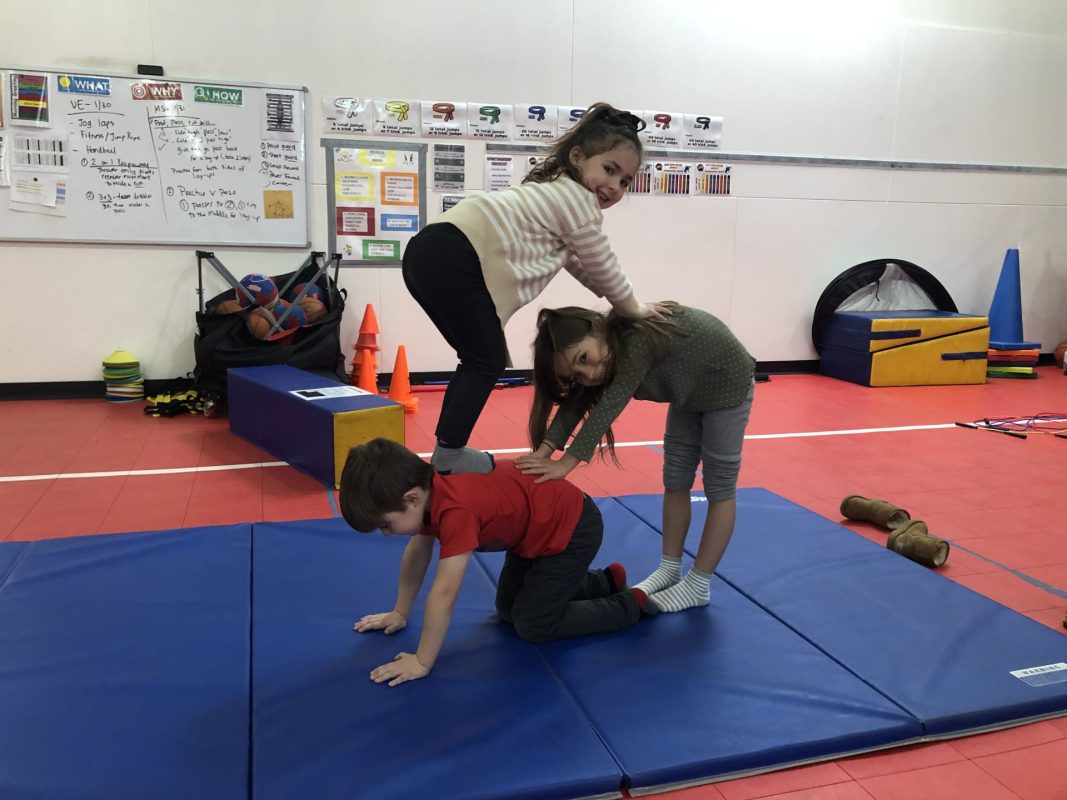
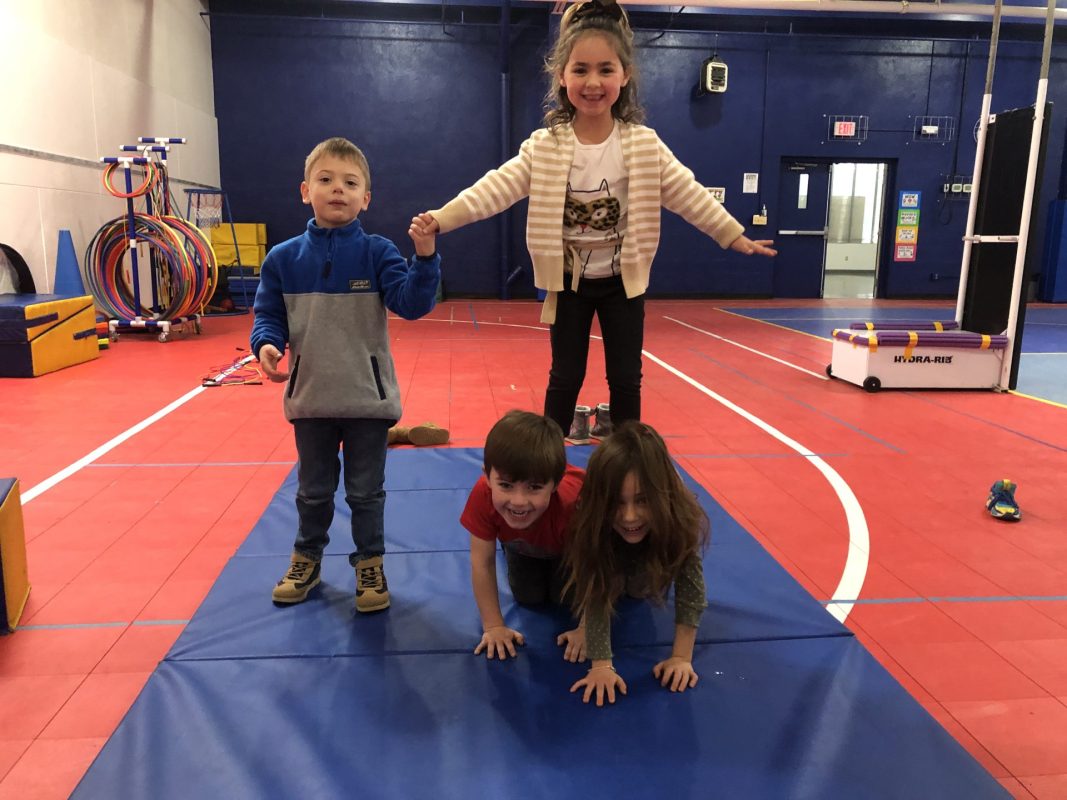
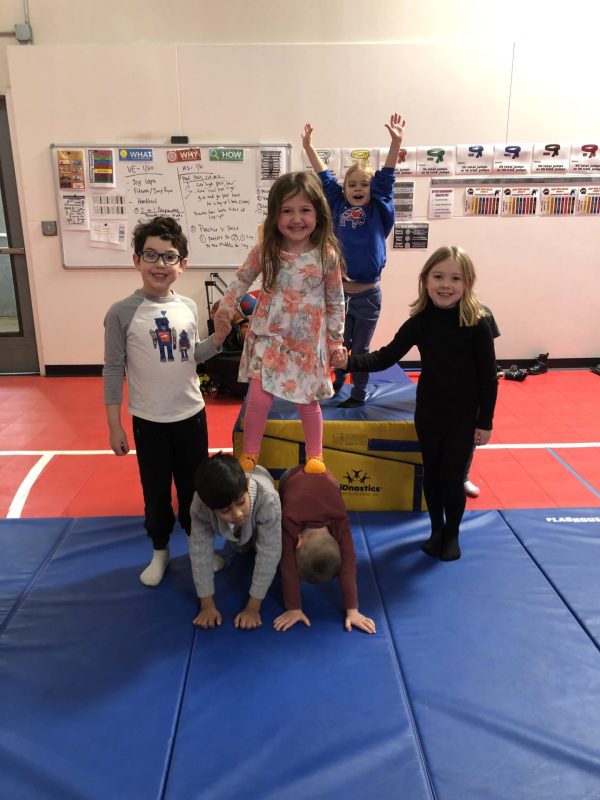
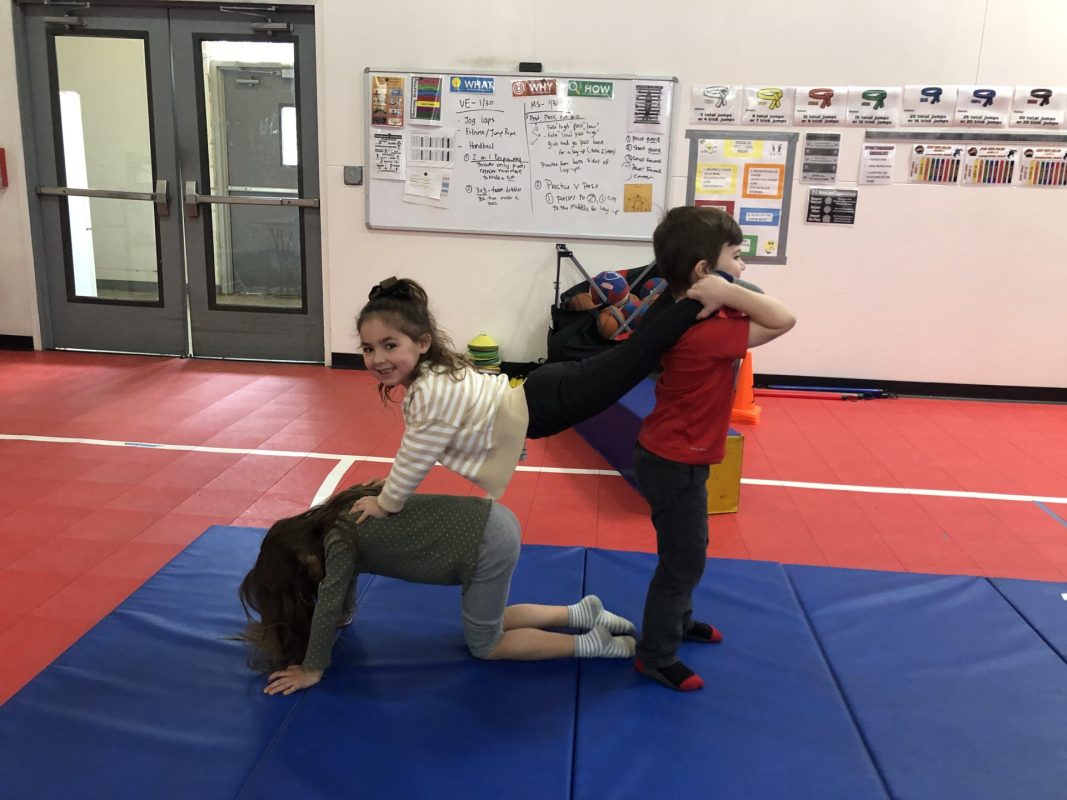
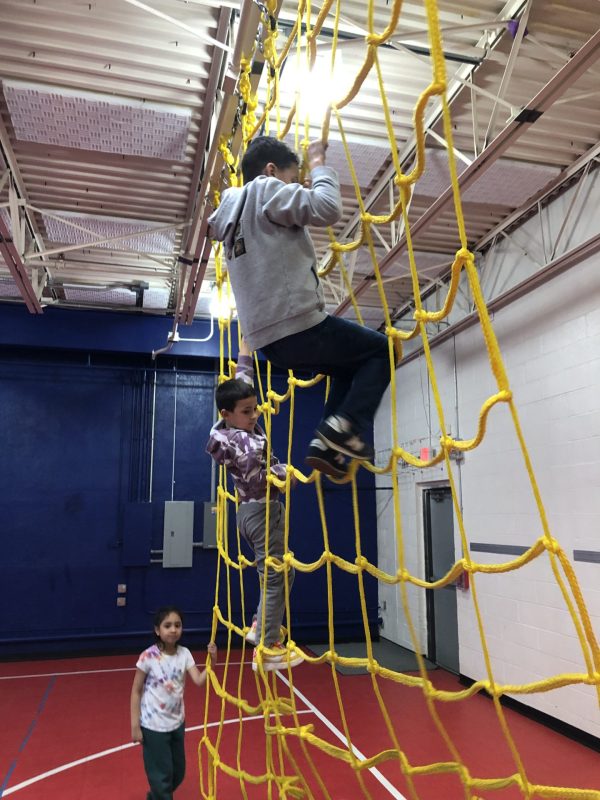
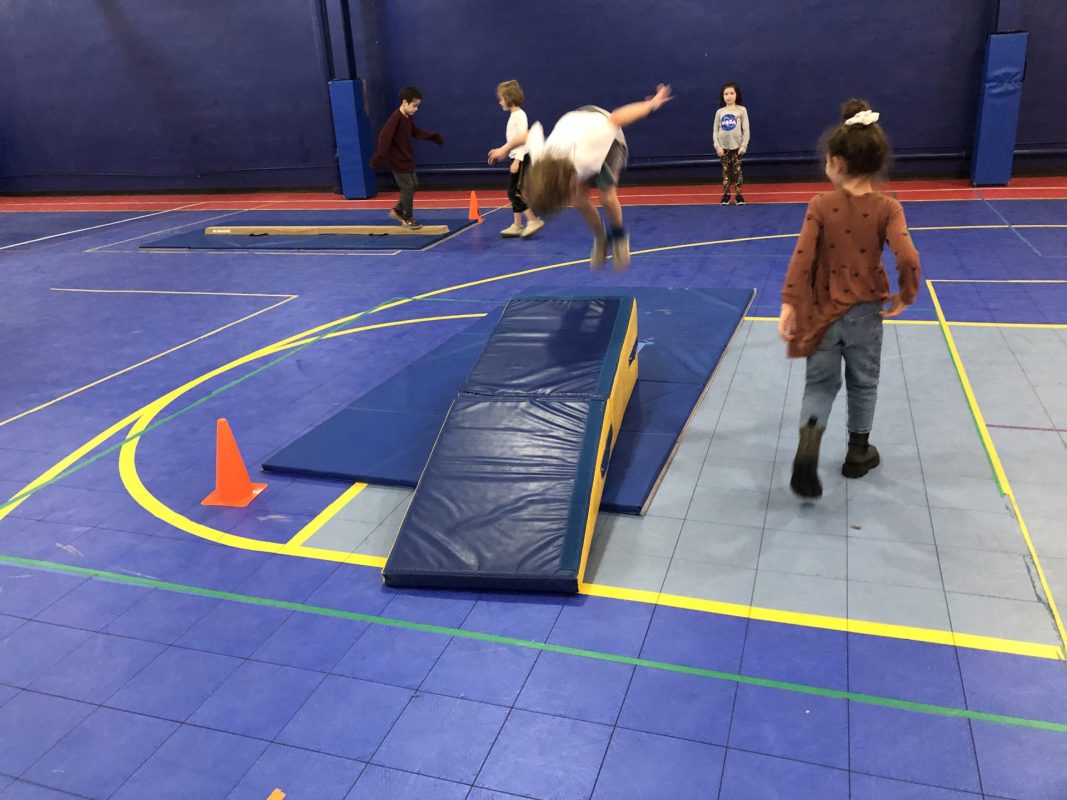
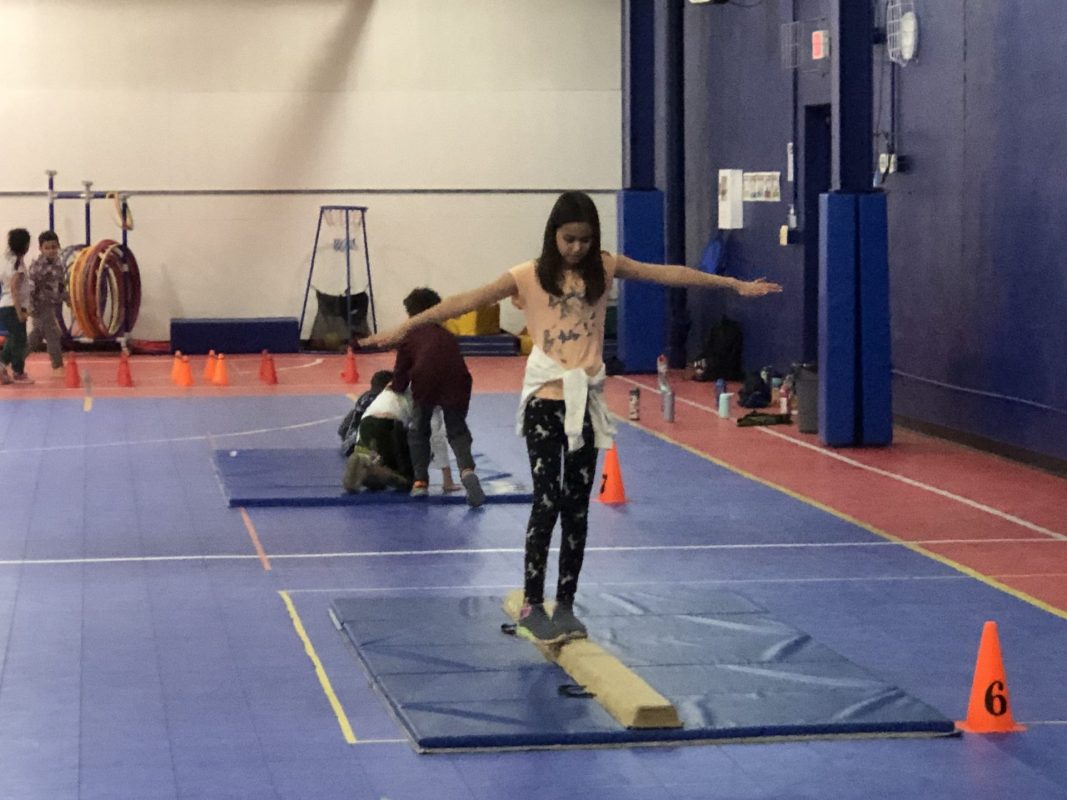
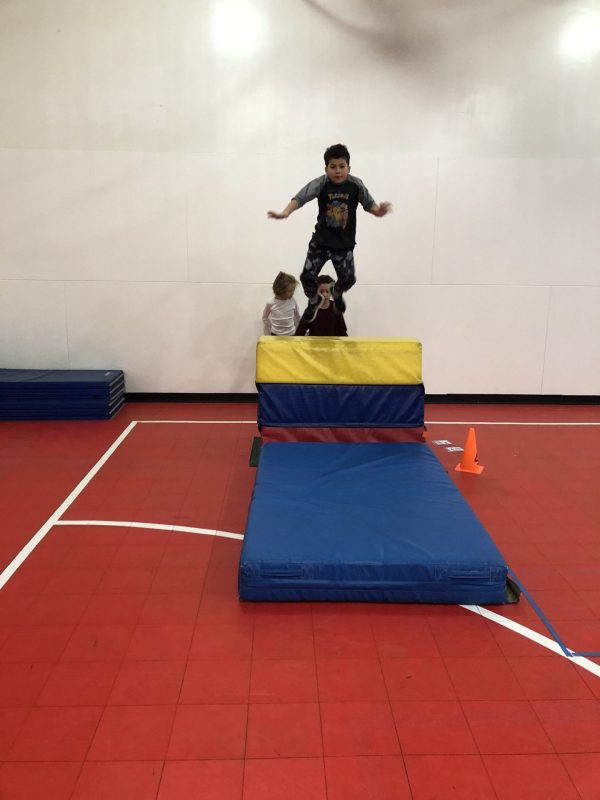
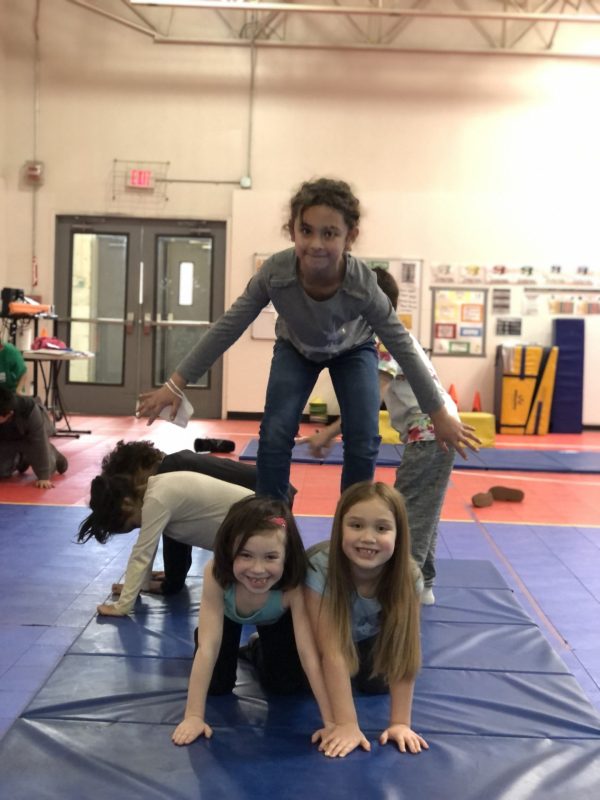

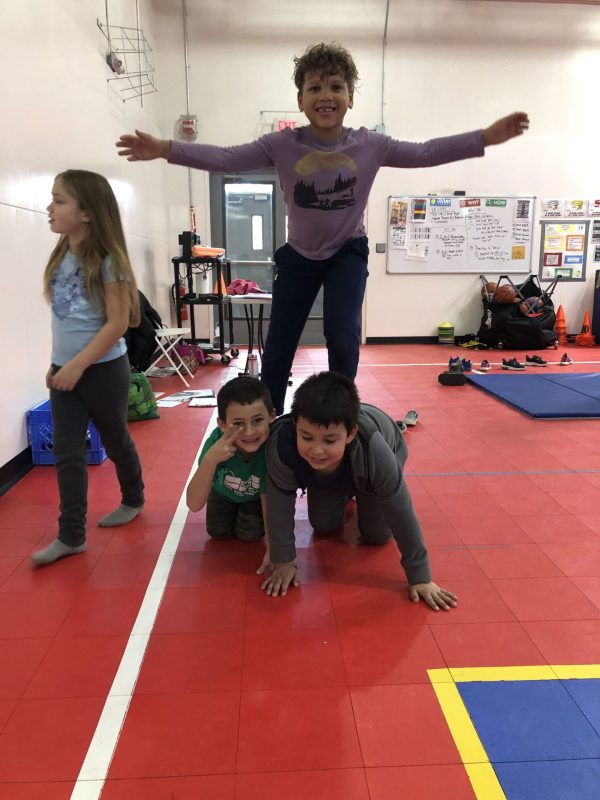
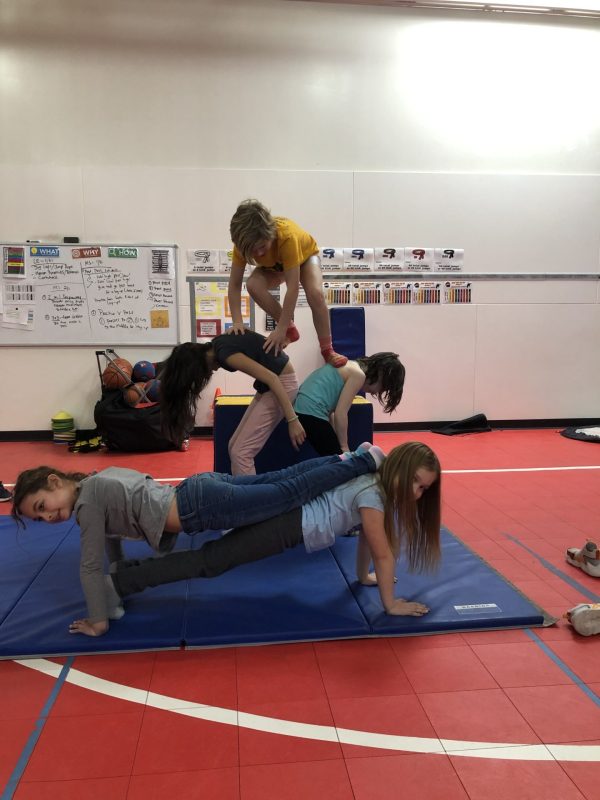
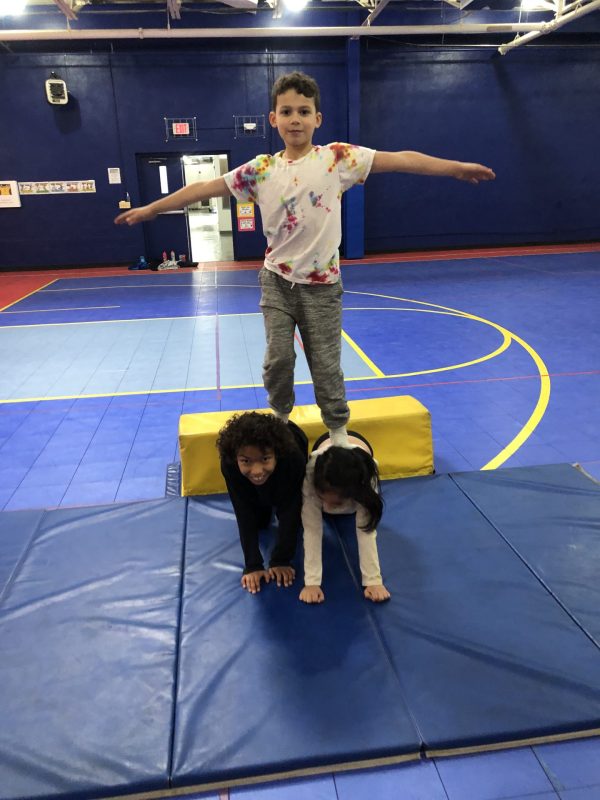
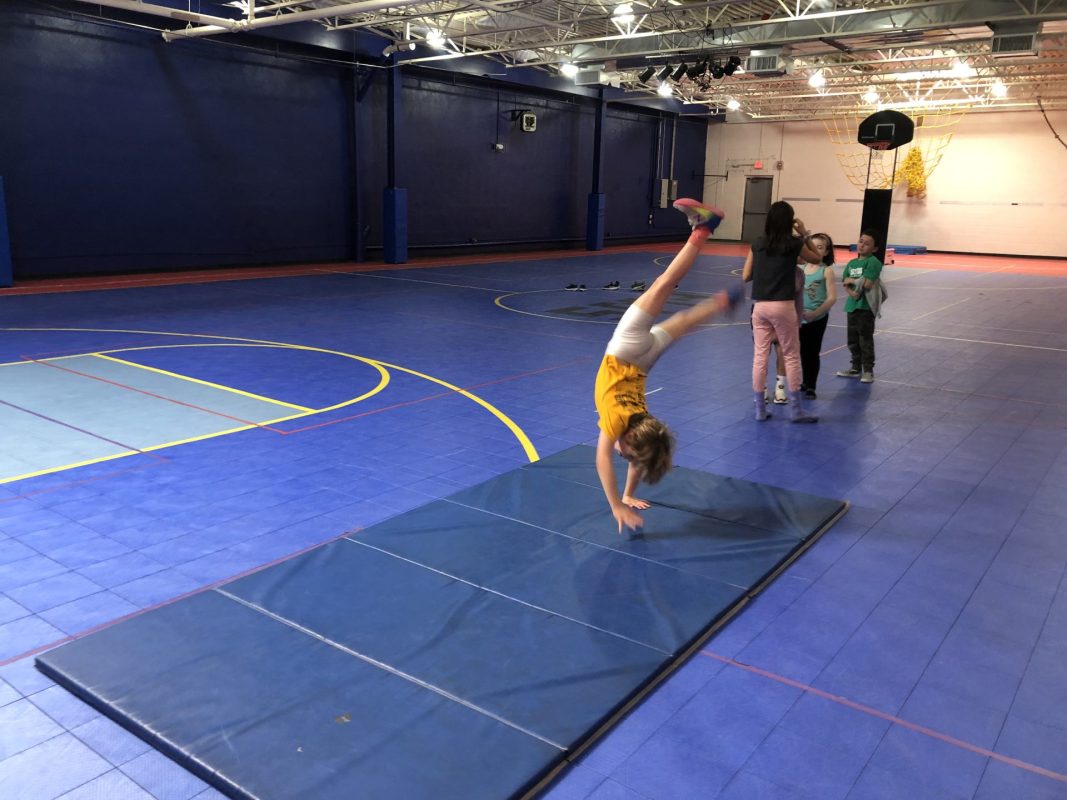
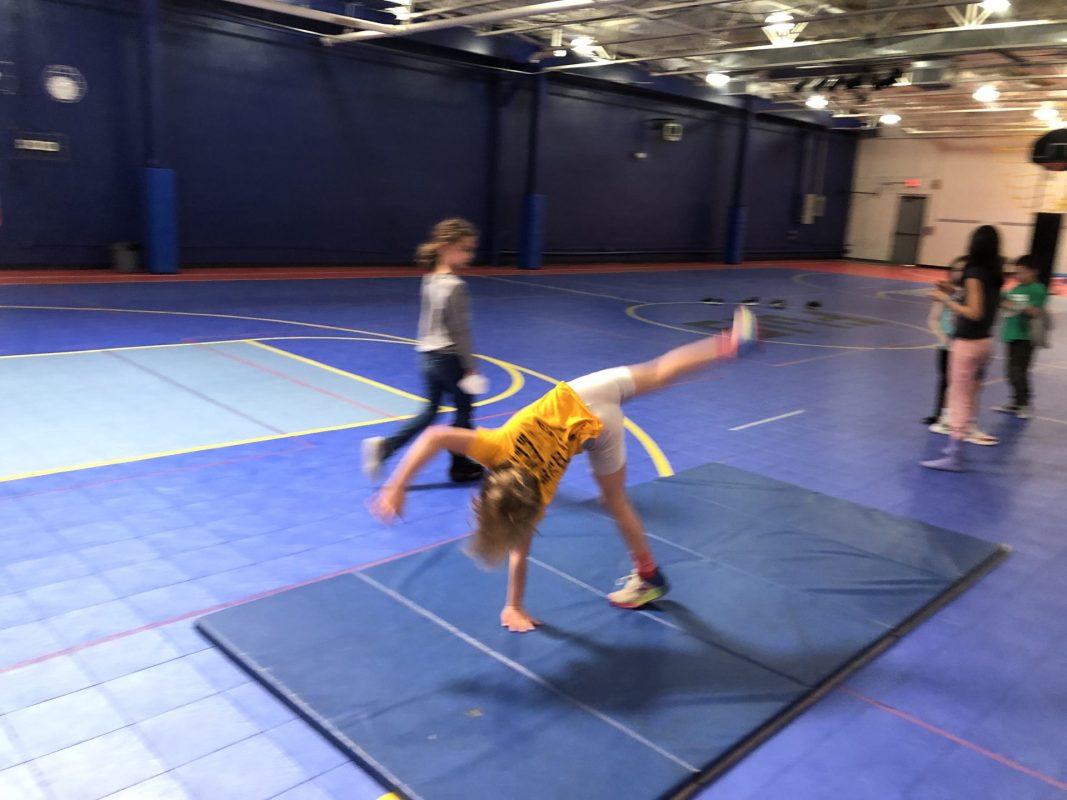

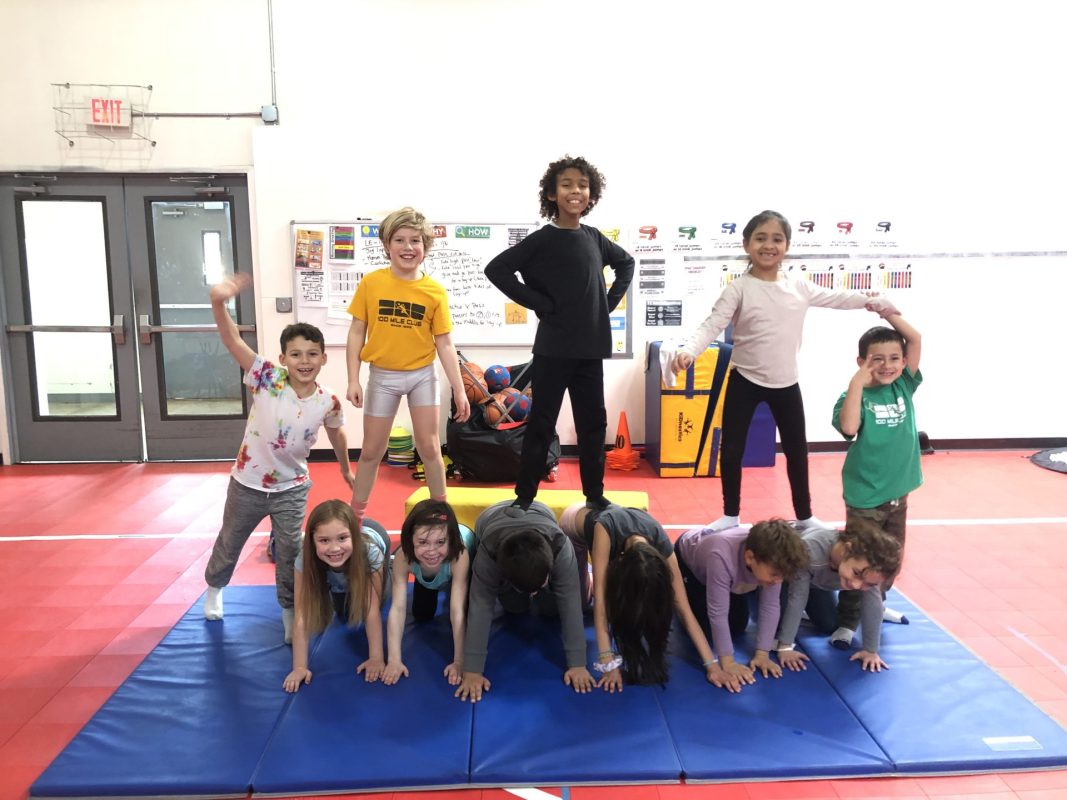
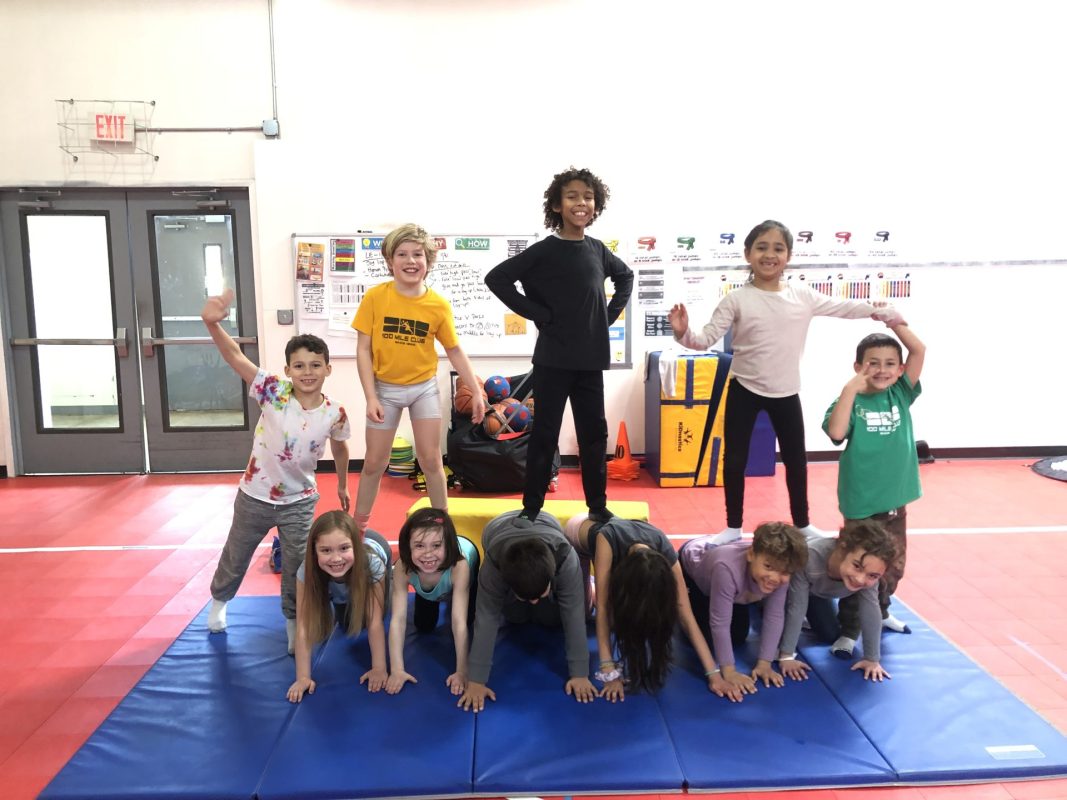
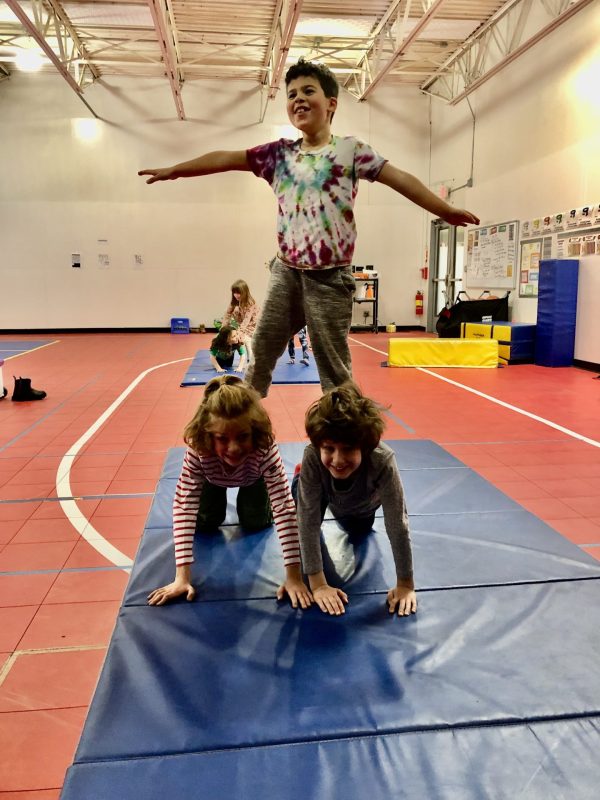
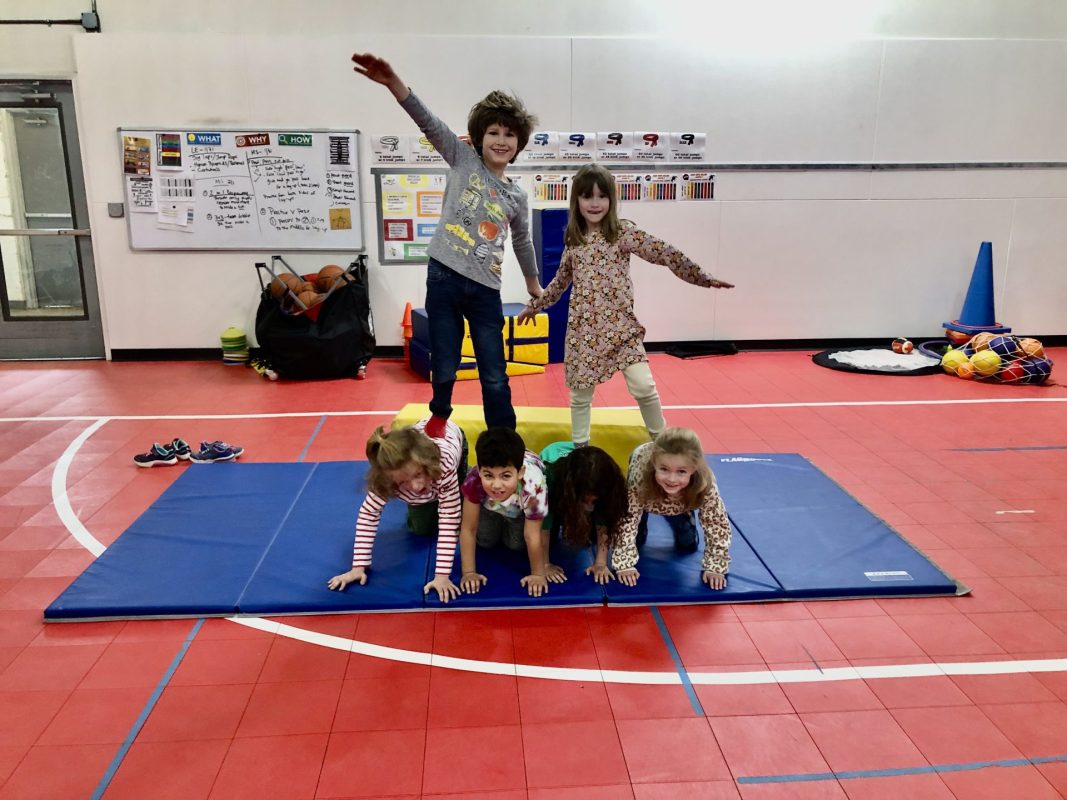
The Kindergarten and Lower Elementary students participated in a gymnastics unit where they experienced body weight transfer through floor skills. Students experienced the following apparatus: gymnastic mats for an obstacle course and a balance beam. They also did pyramid building, single balances, and cartwheels. Pyramid building is when a group of gymnasts makes a human pyramid by standing or kneeling on top of one another with only one person on the top level. A human pyramid is a formation of three or more people in which two or more support a tier of higher people. For practical reasons, lighter people are often higher, while stronger/heavier people are closer to the base.
Basketball Fun in PE!
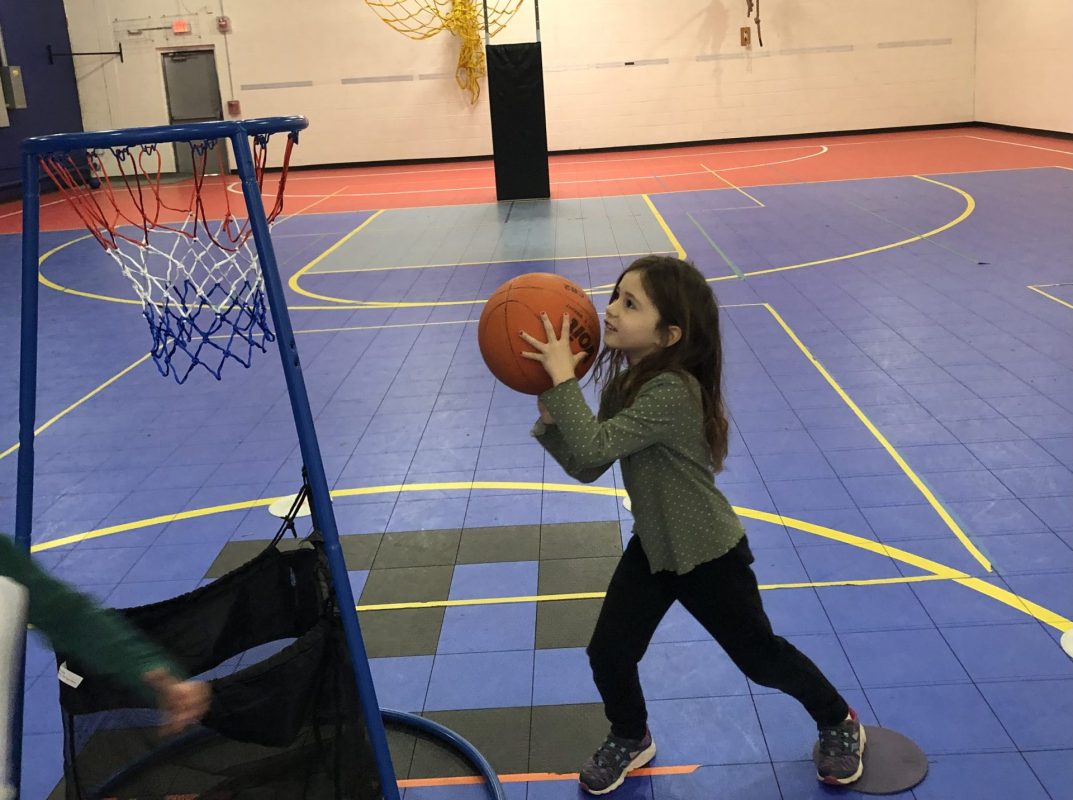
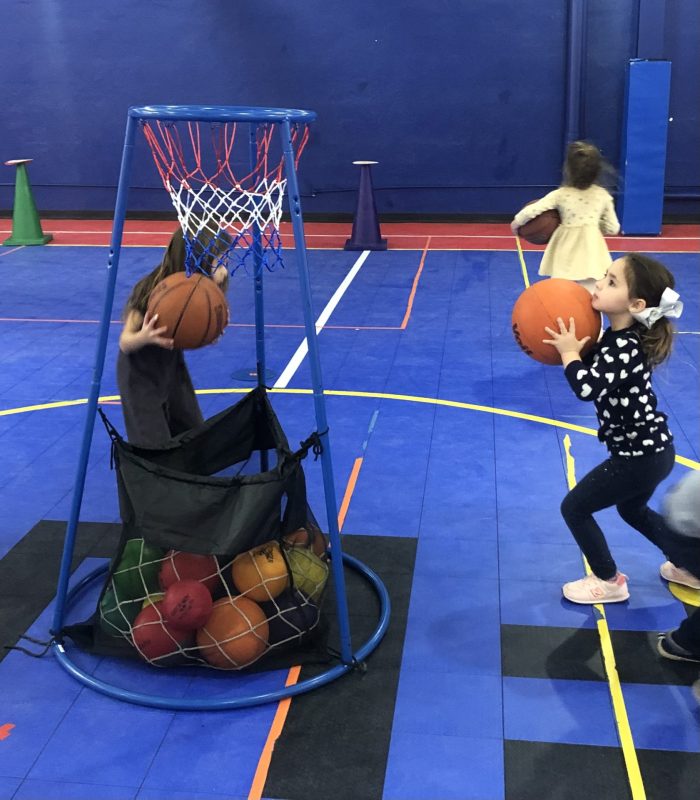
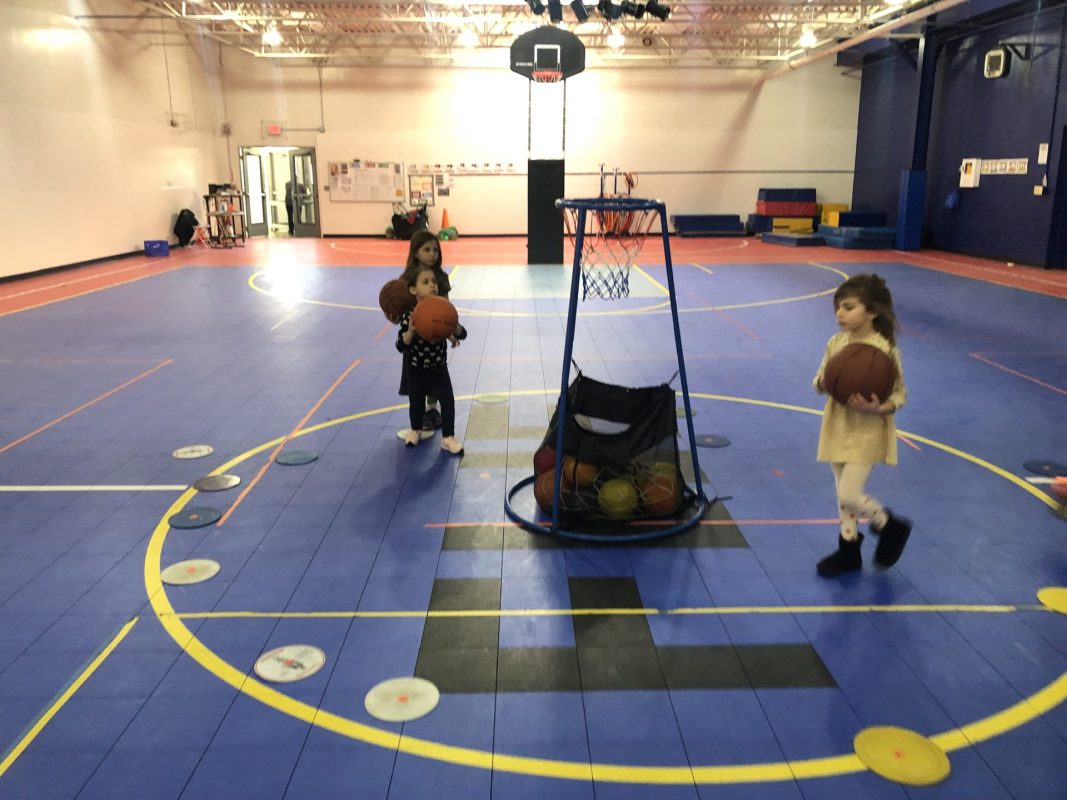
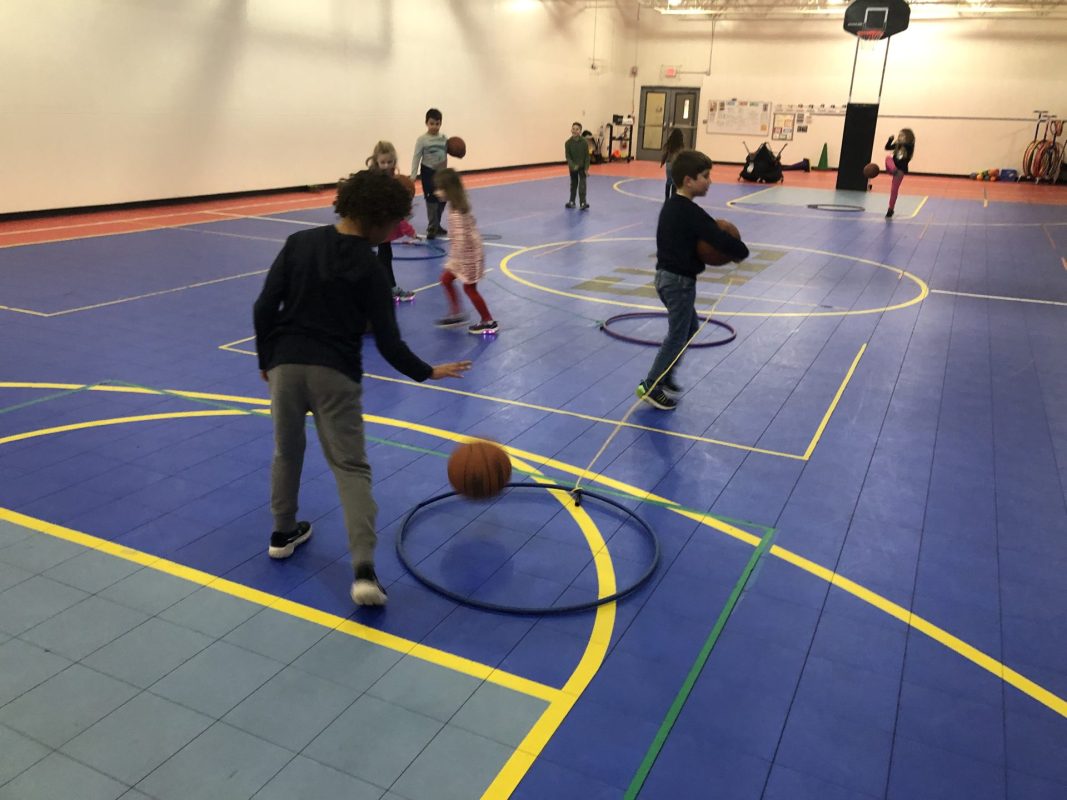
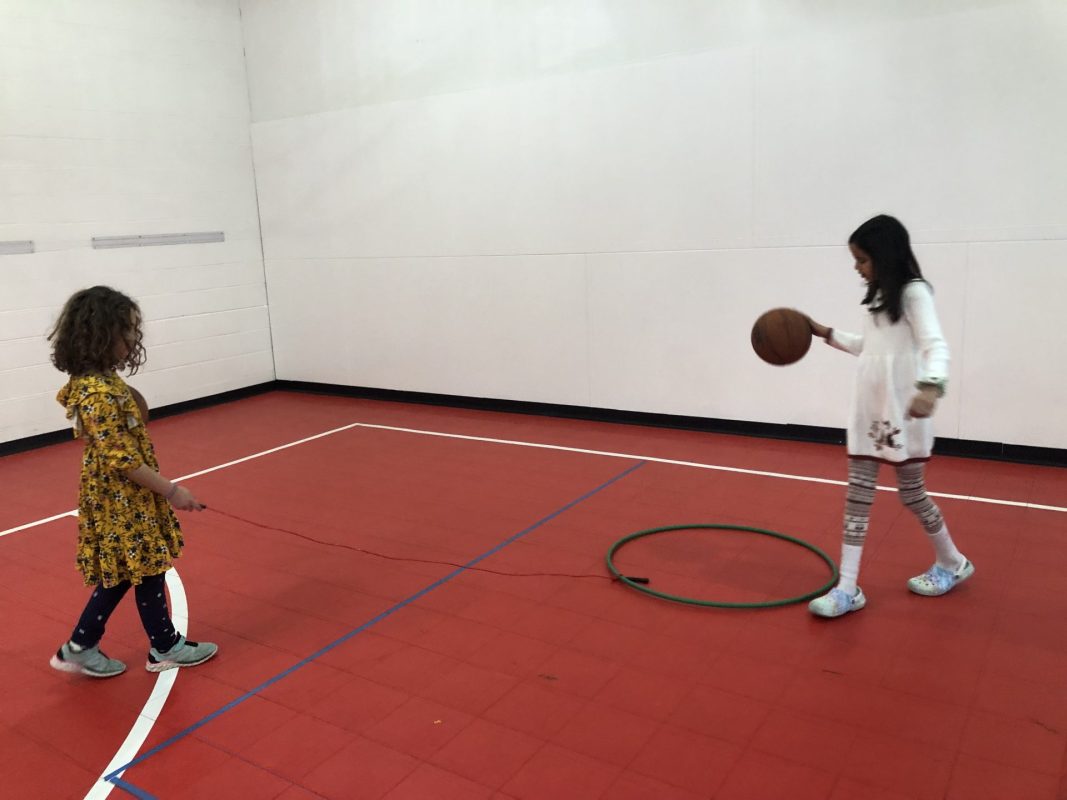
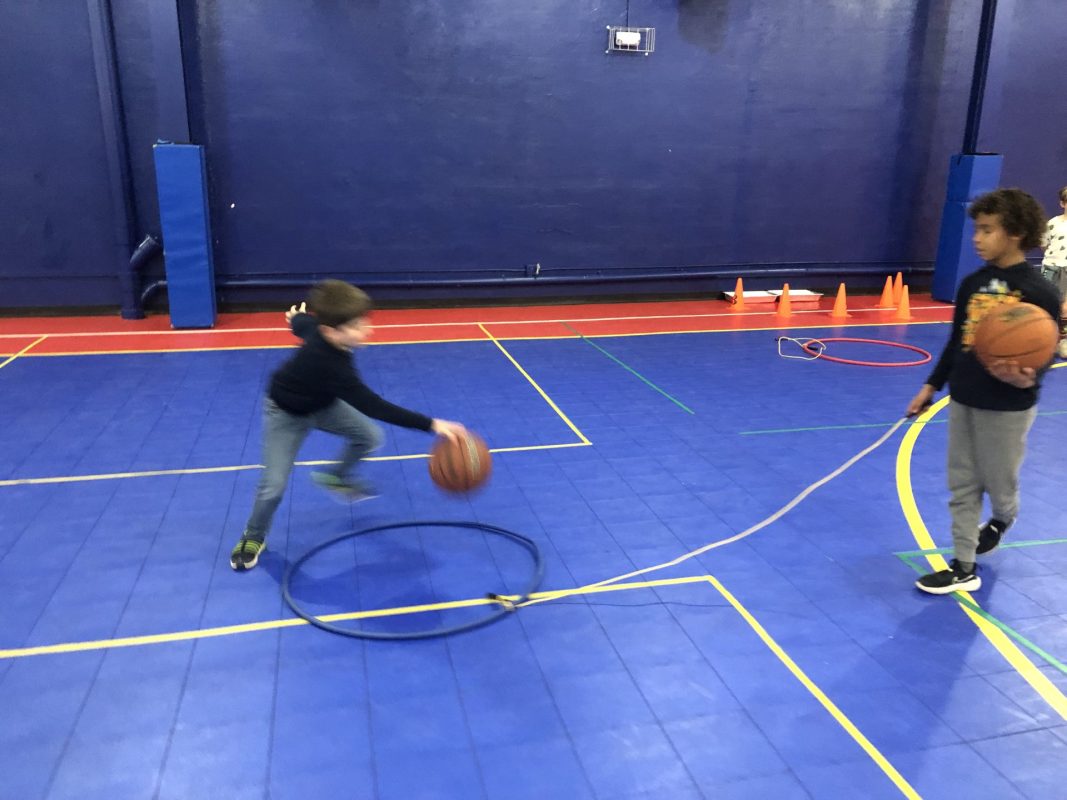
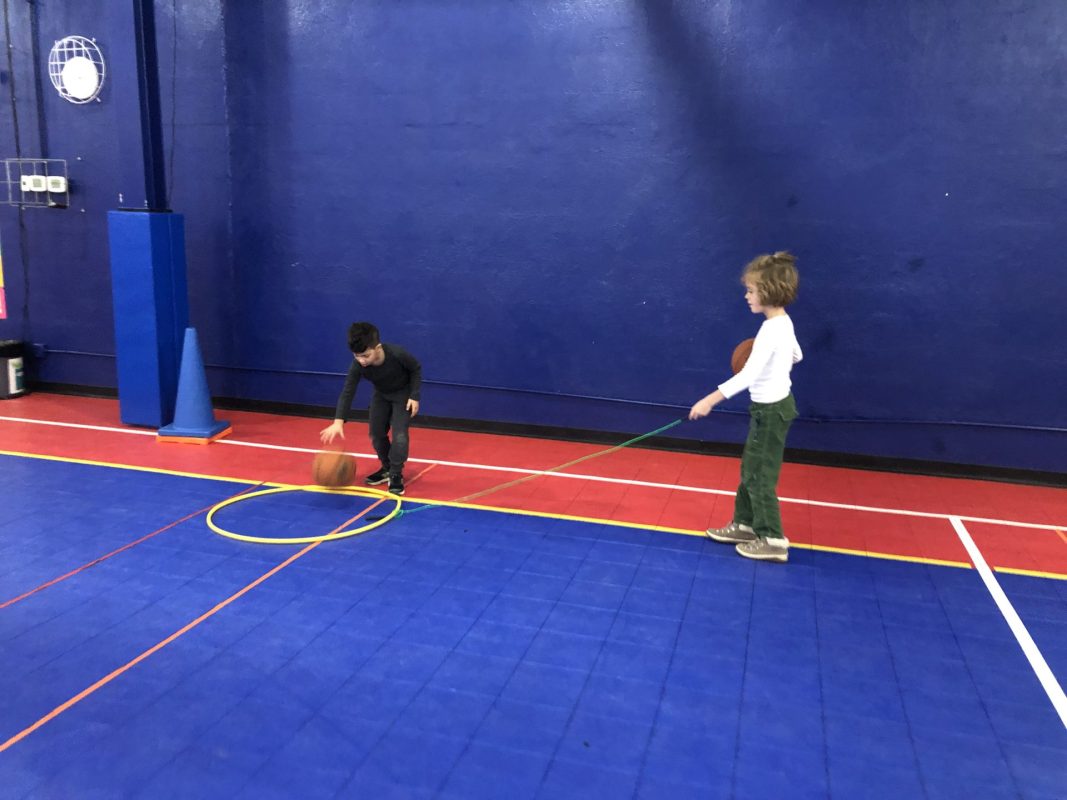
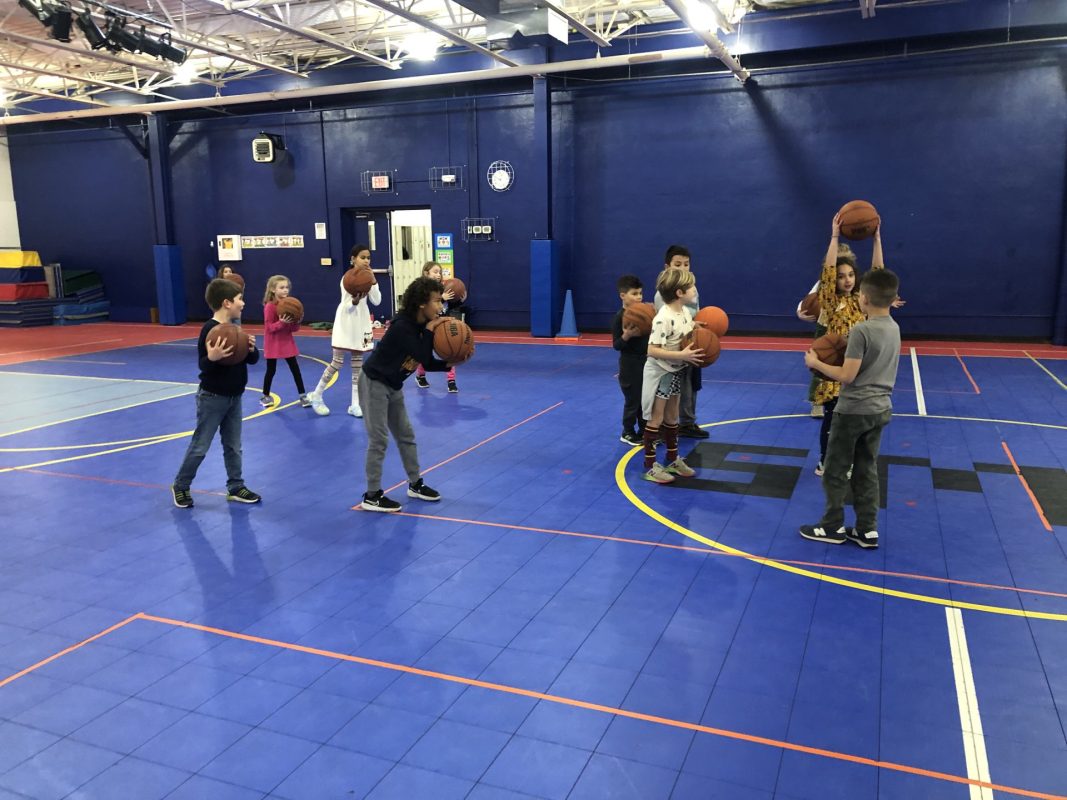
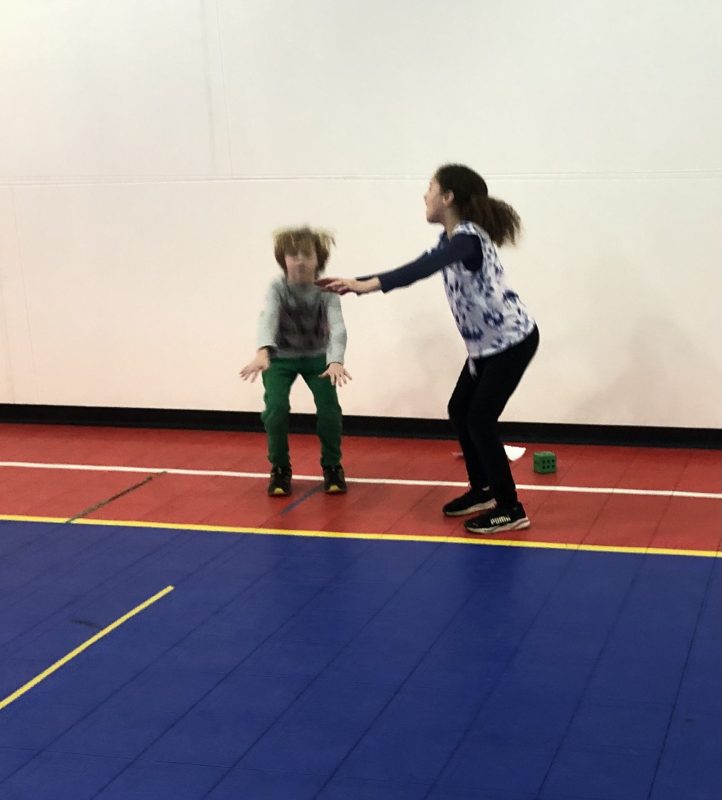
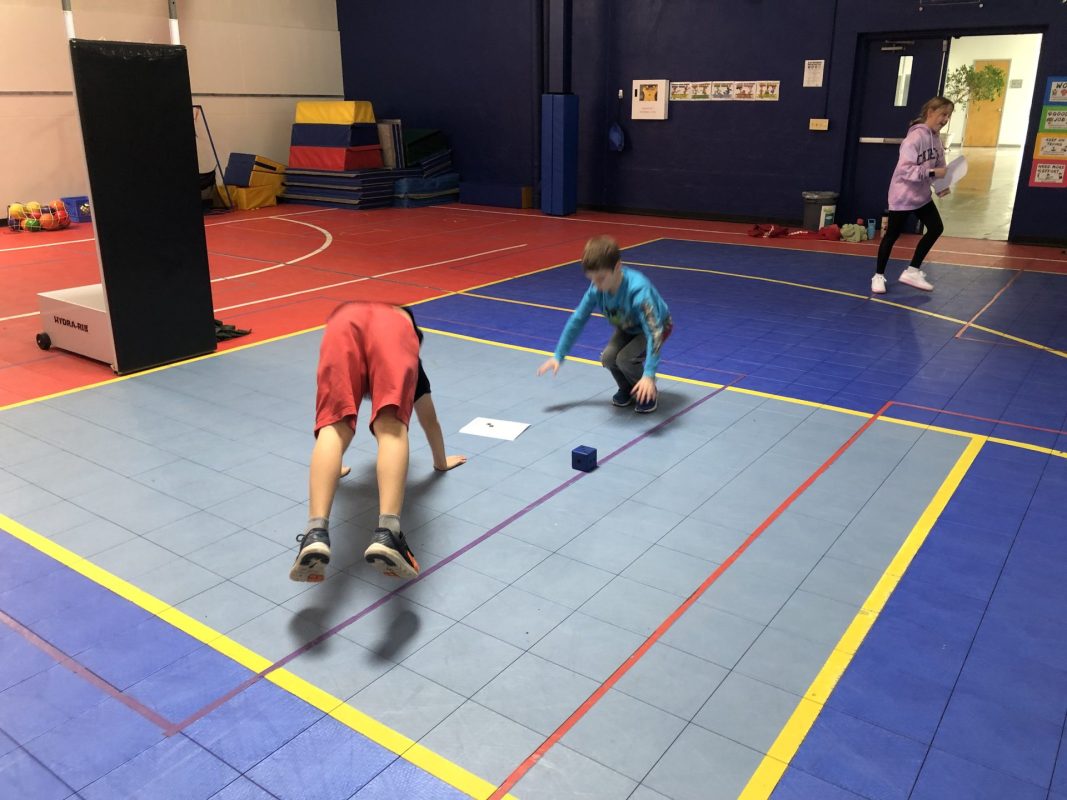
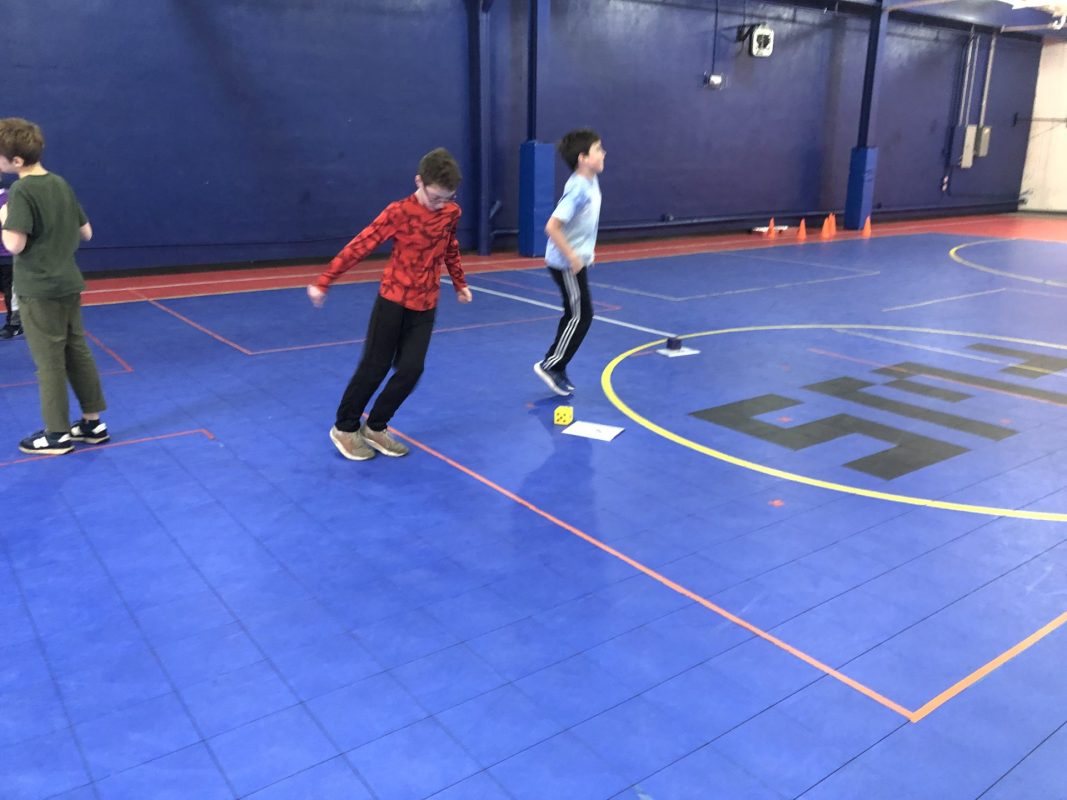
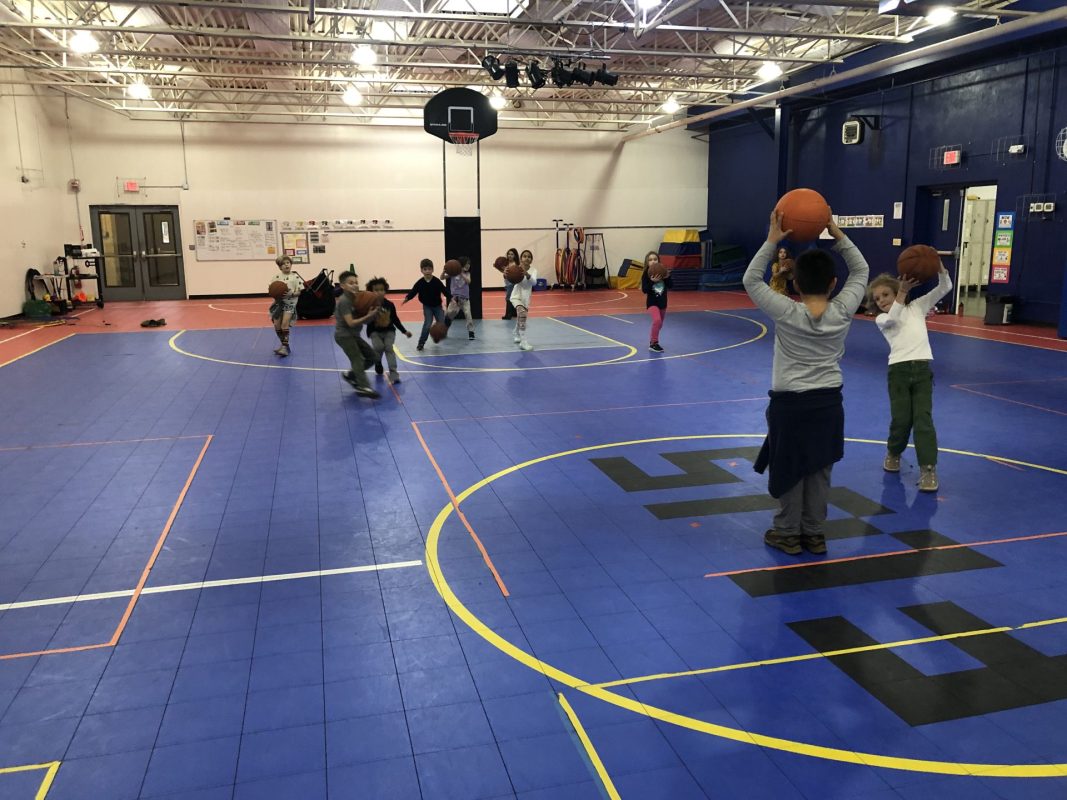
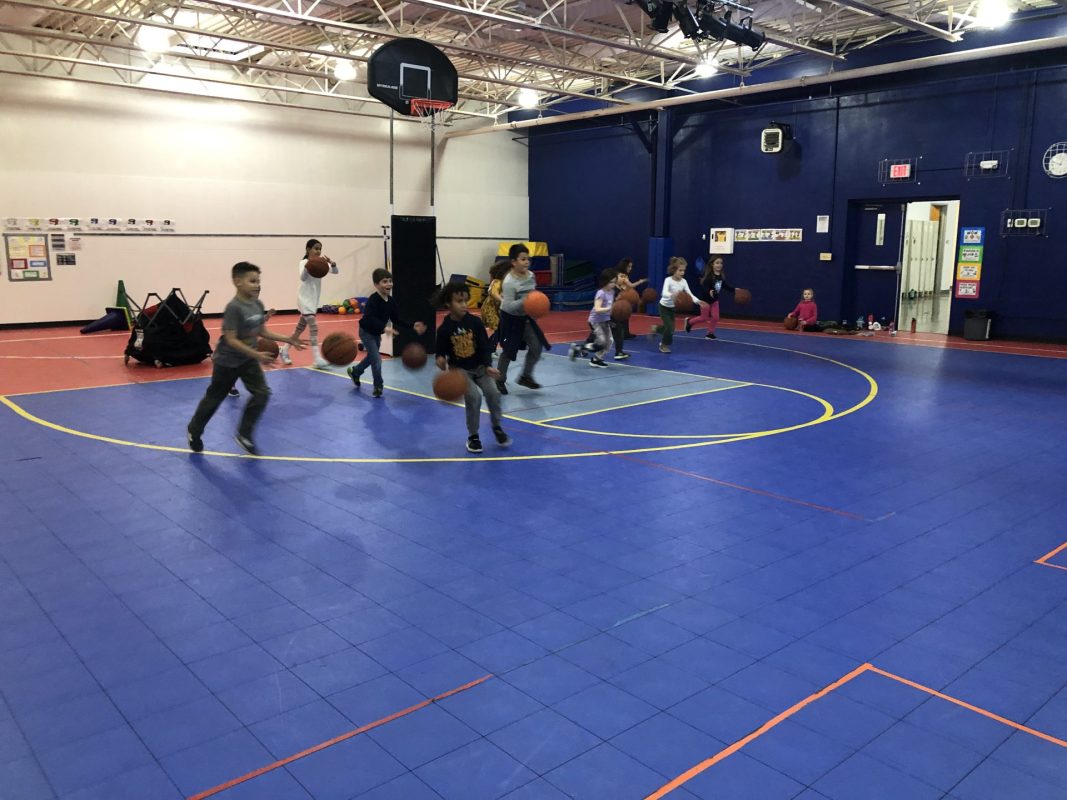
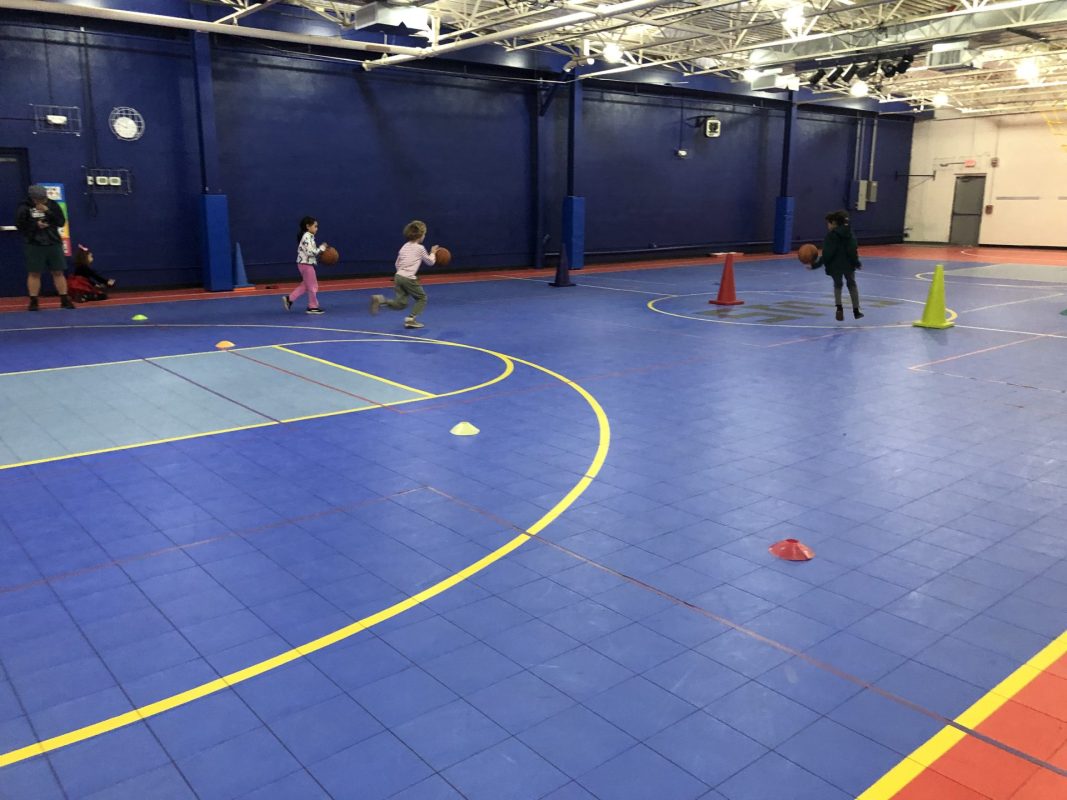
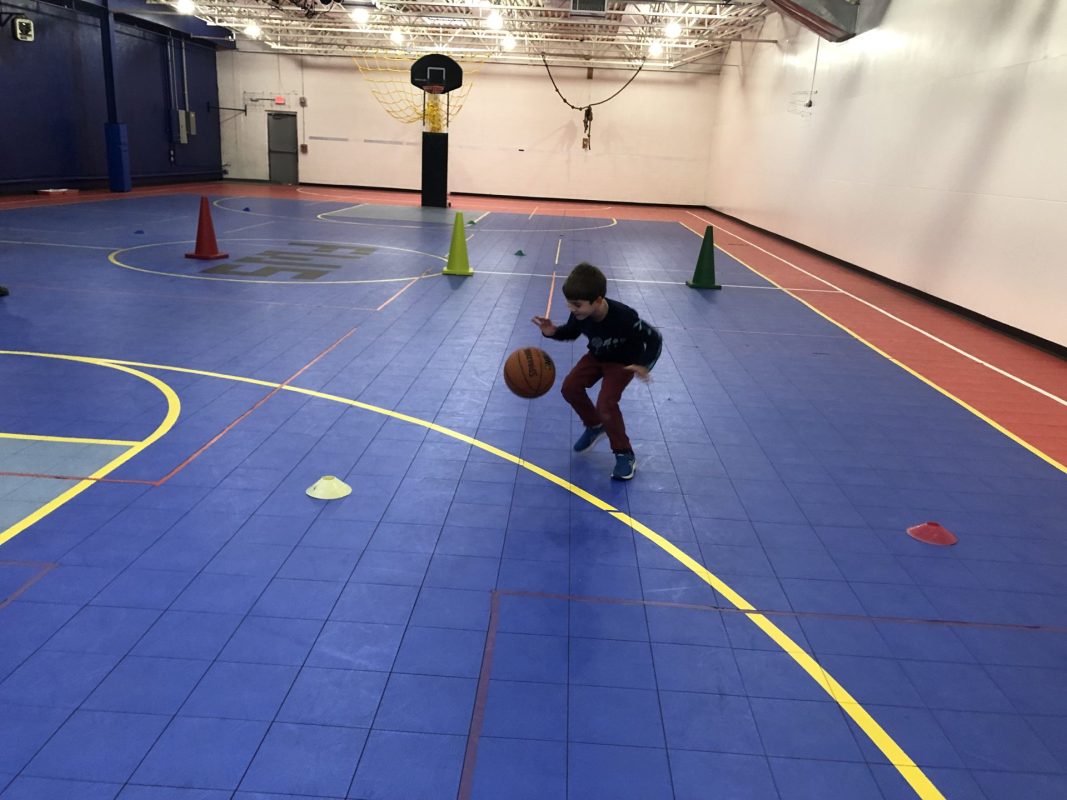
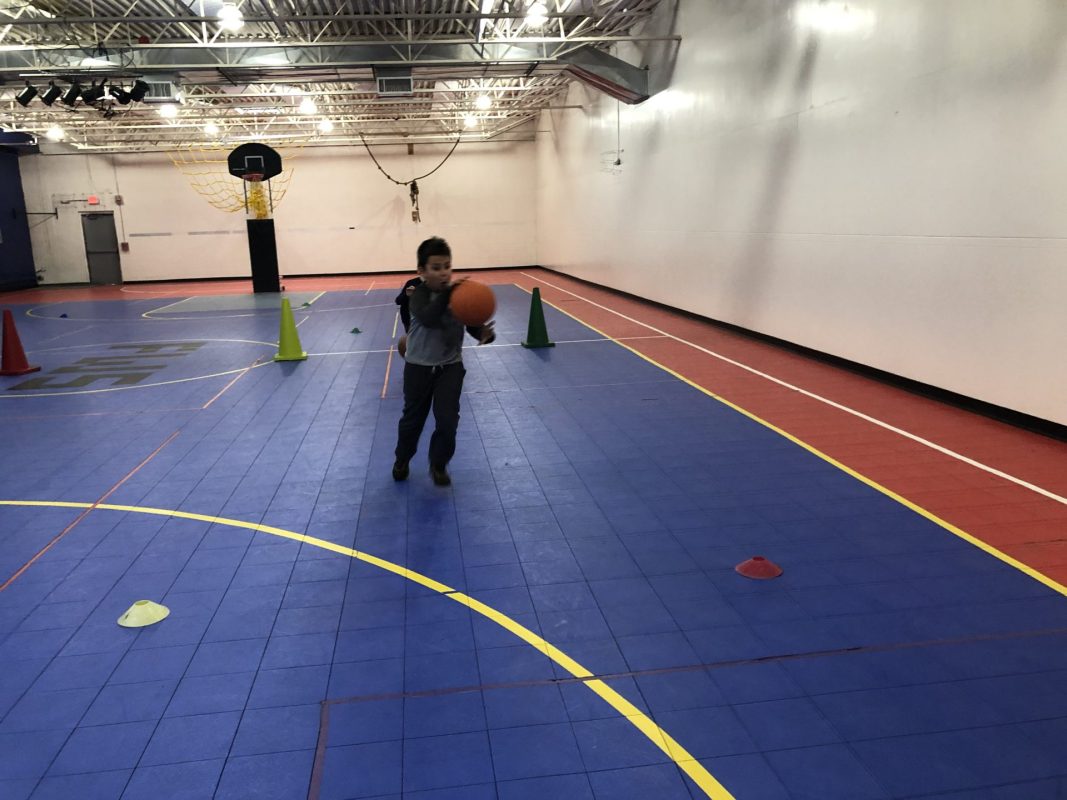
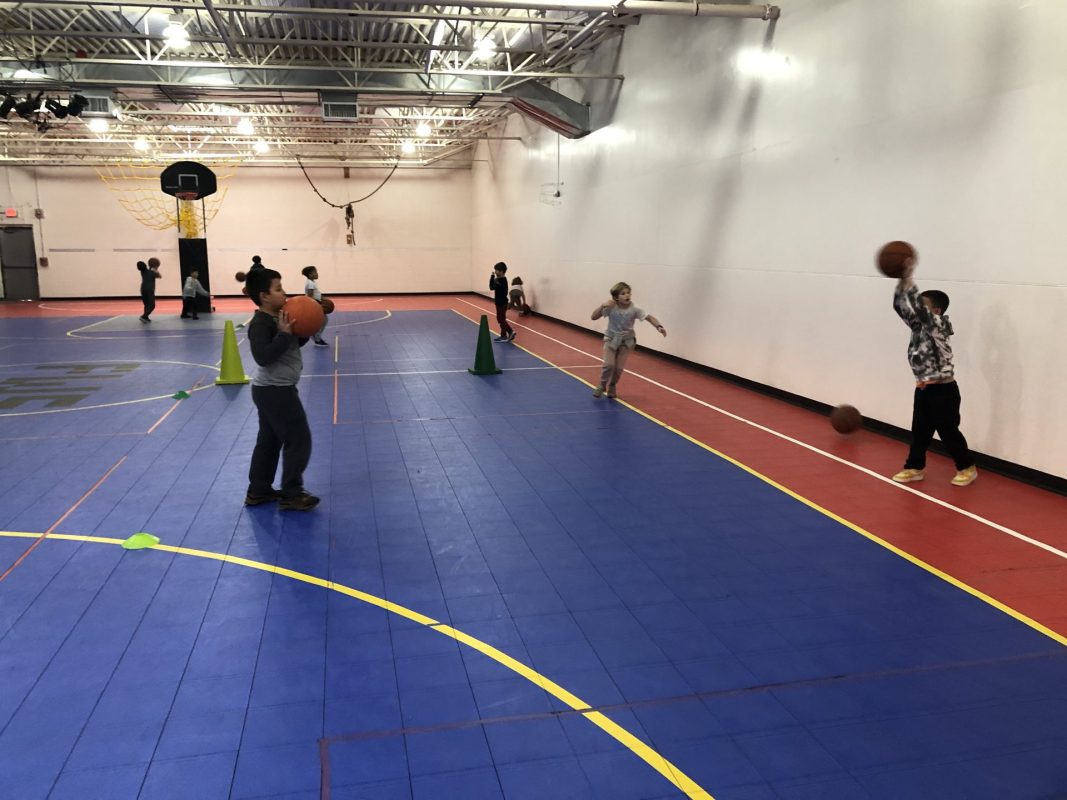
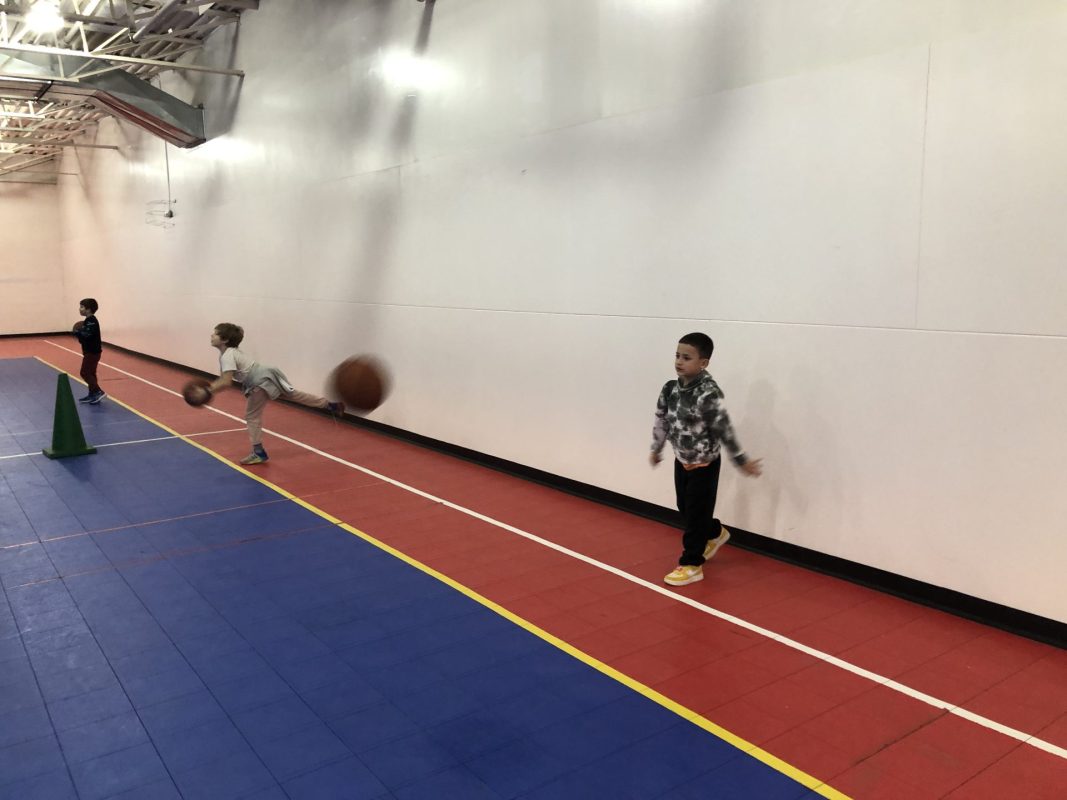
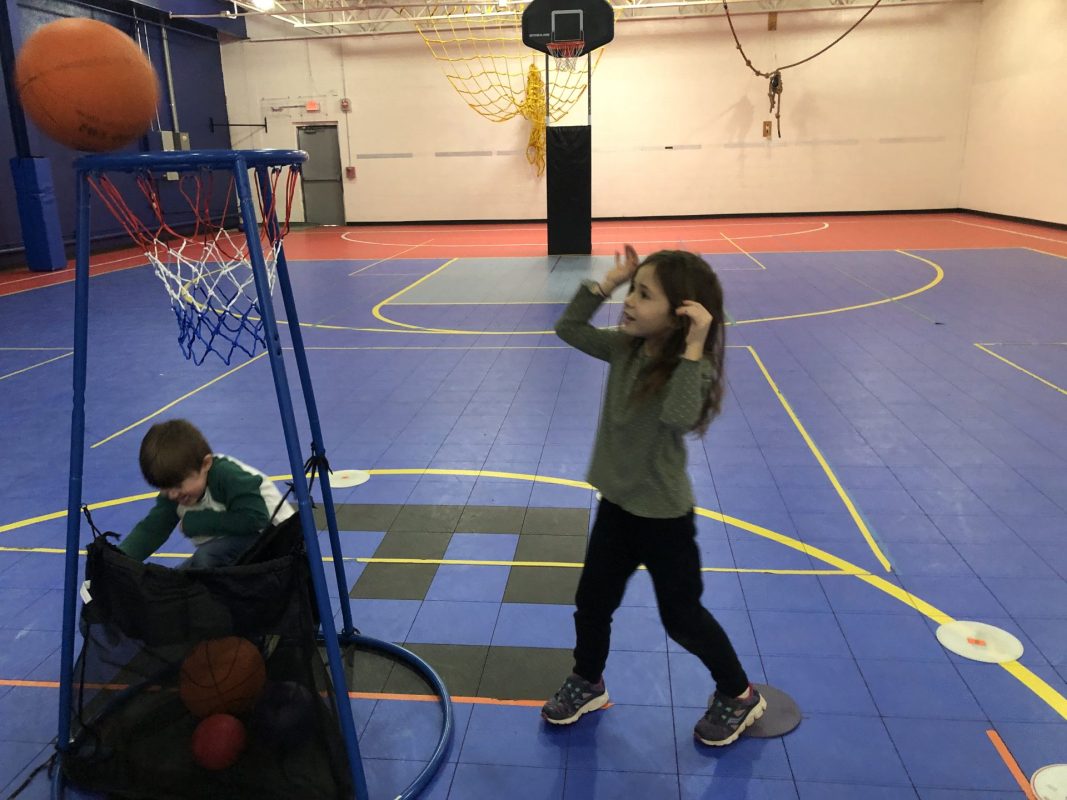
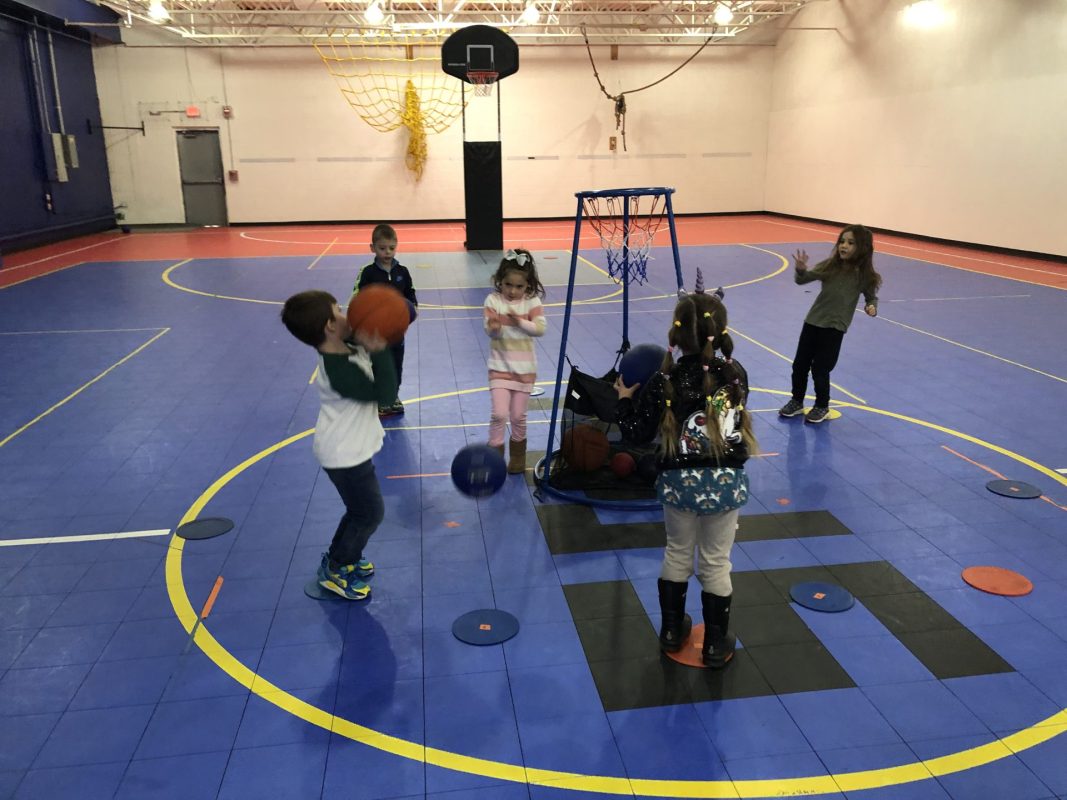
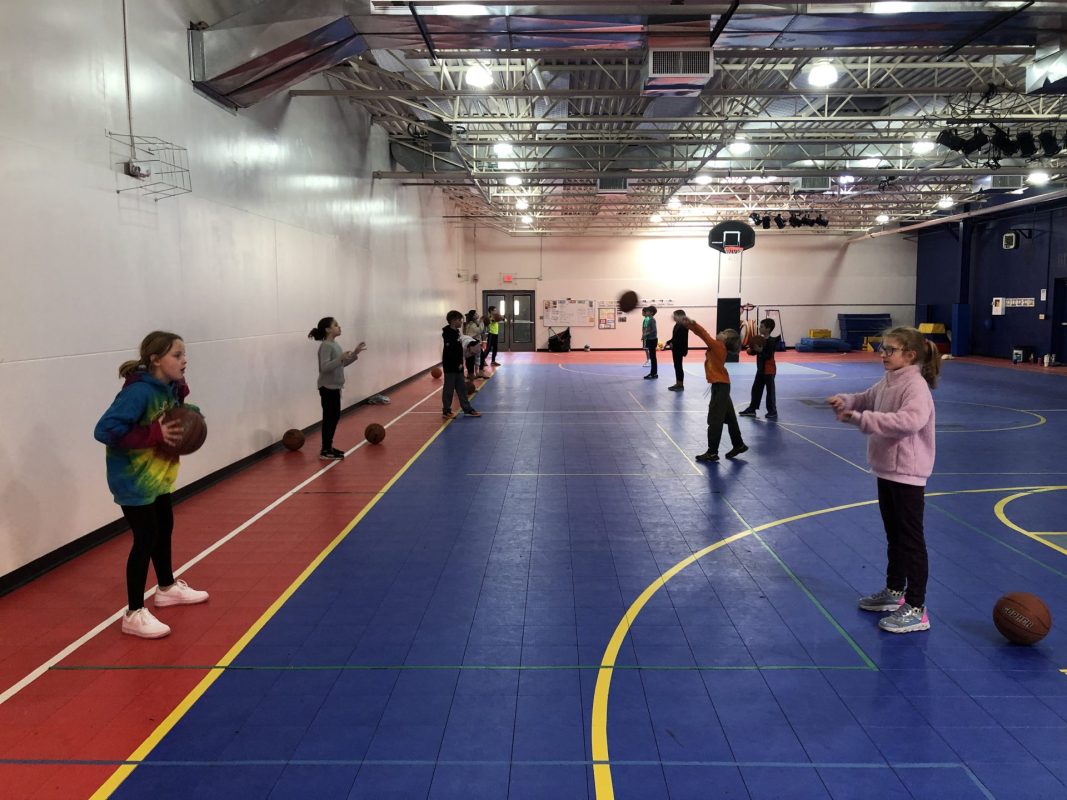
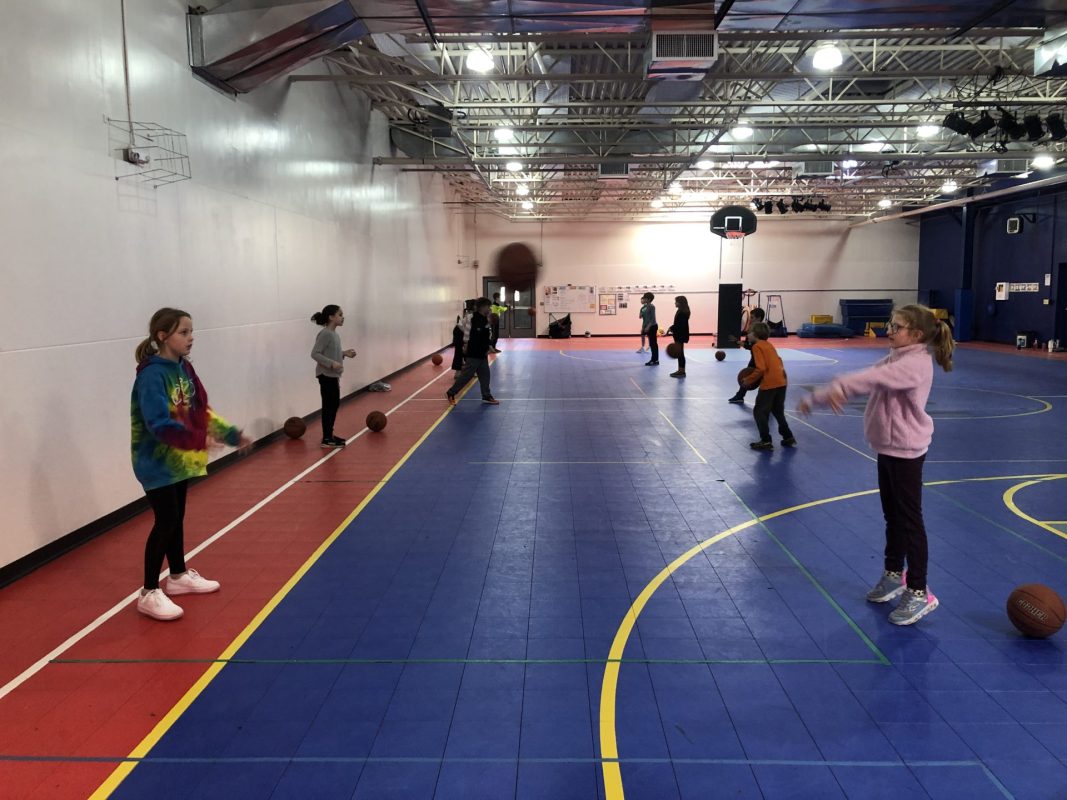
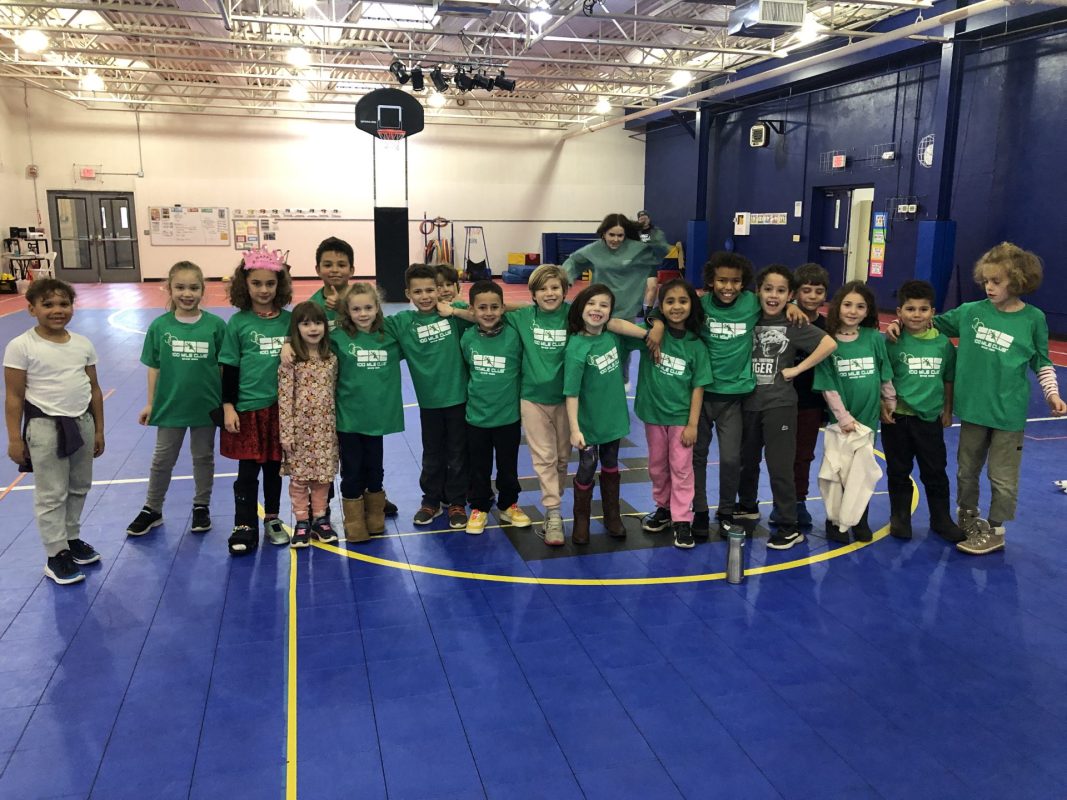
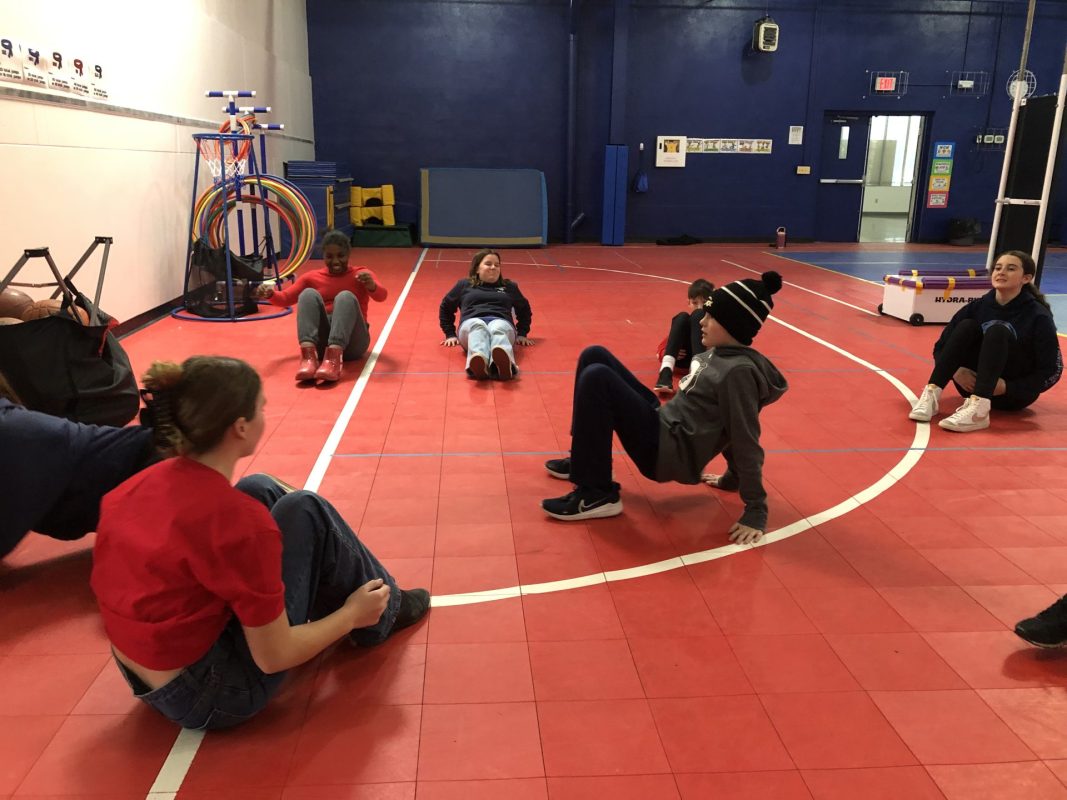
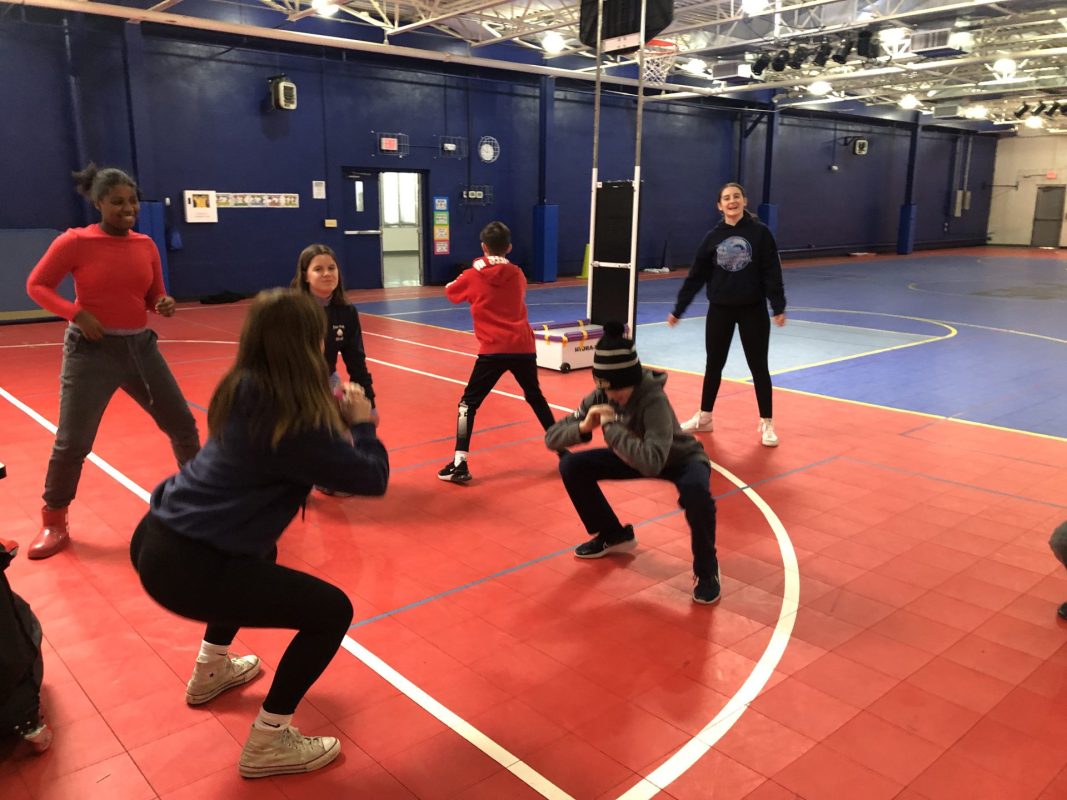
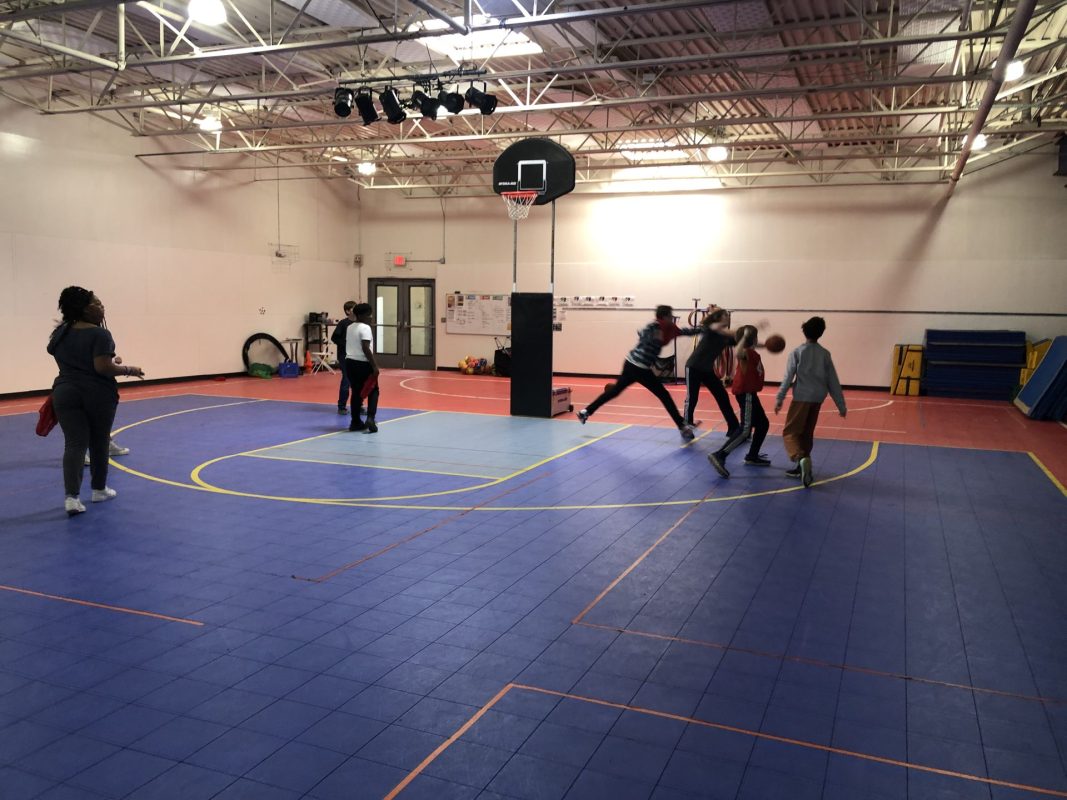
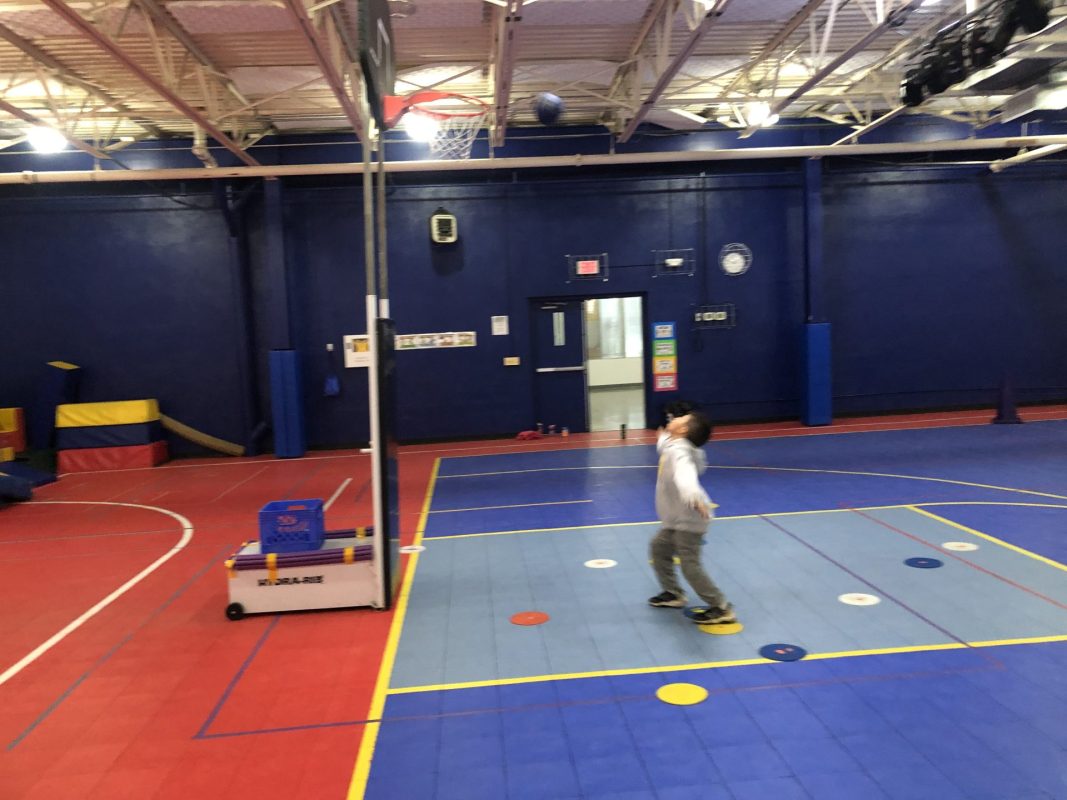
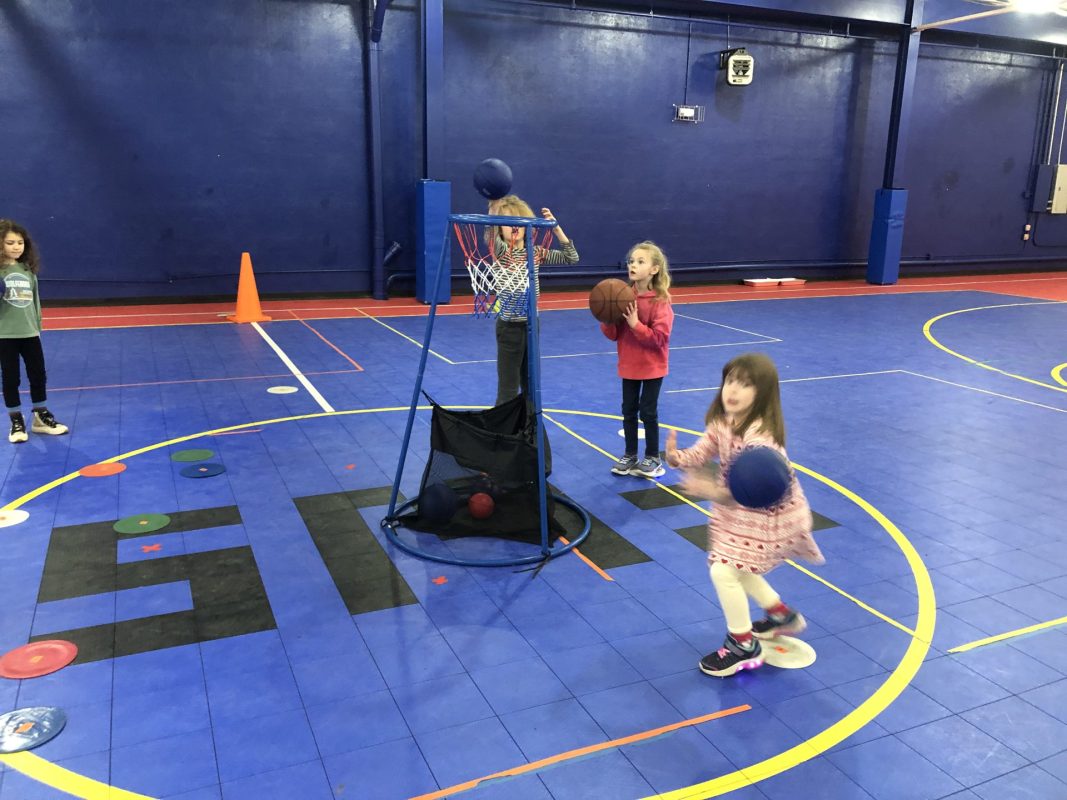
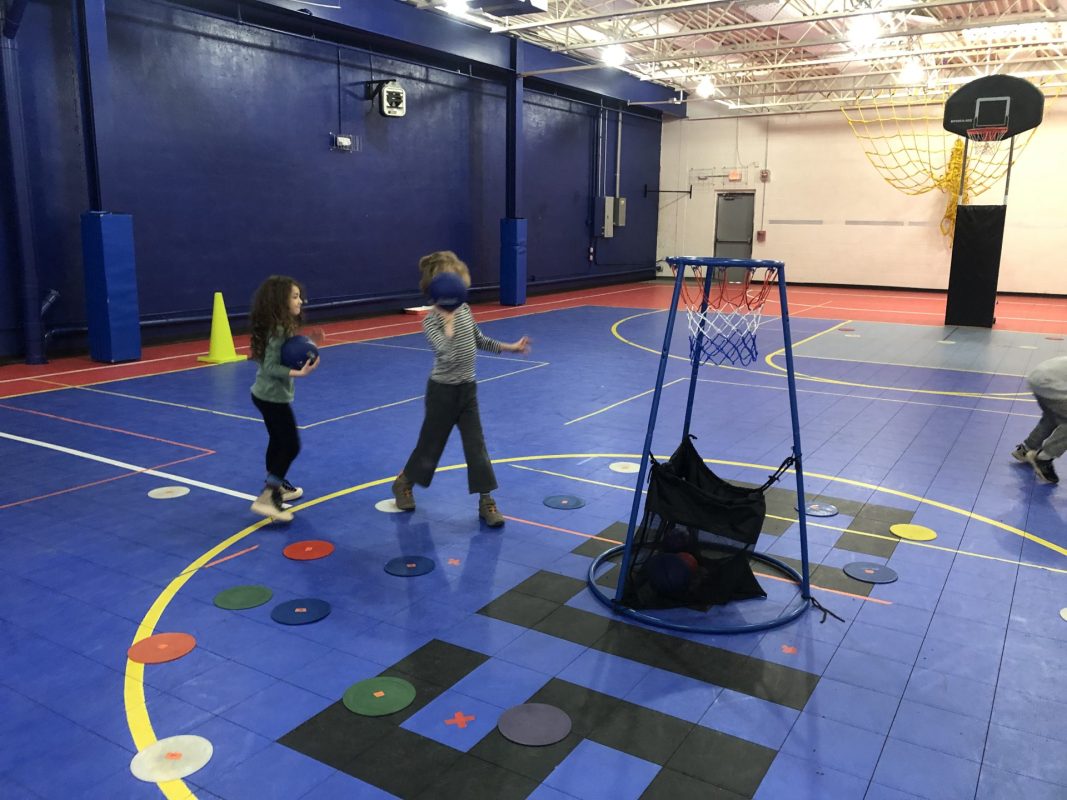
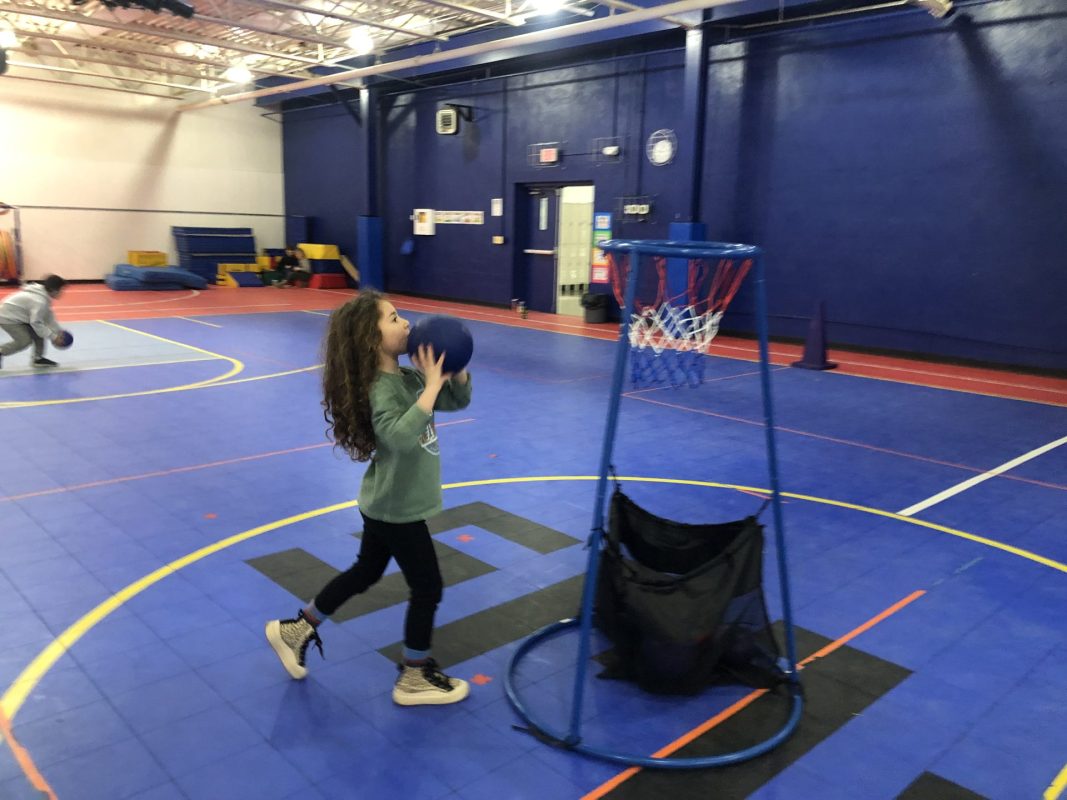
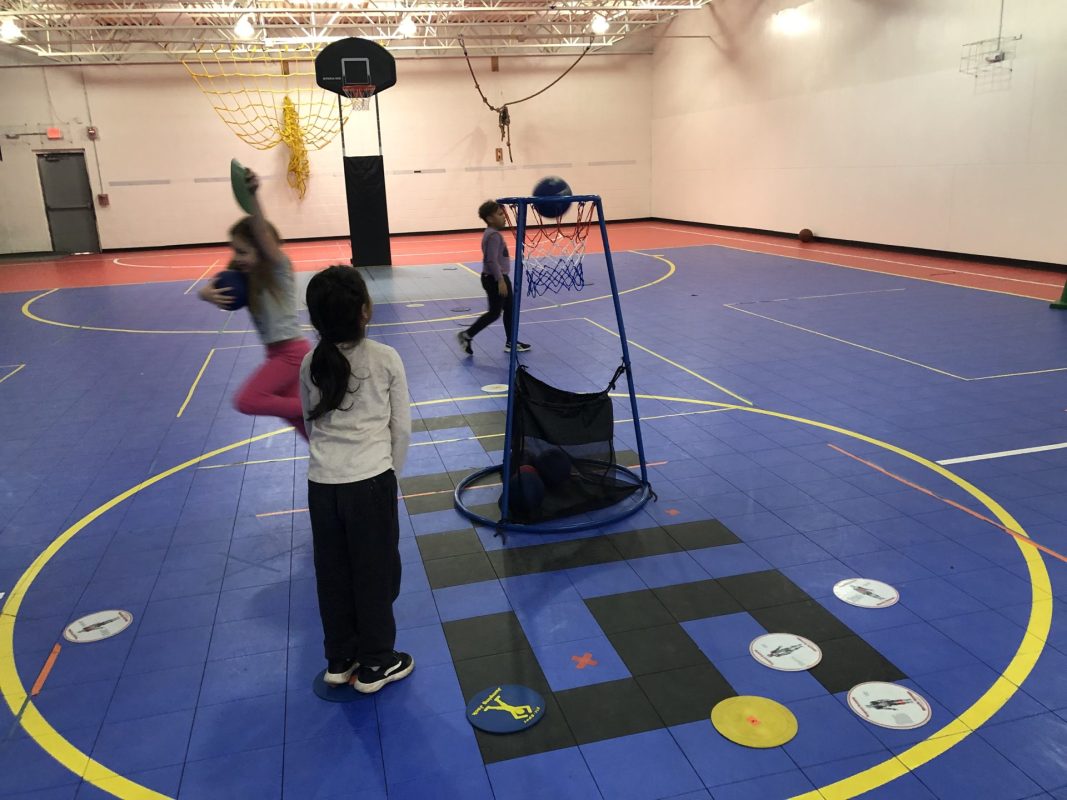
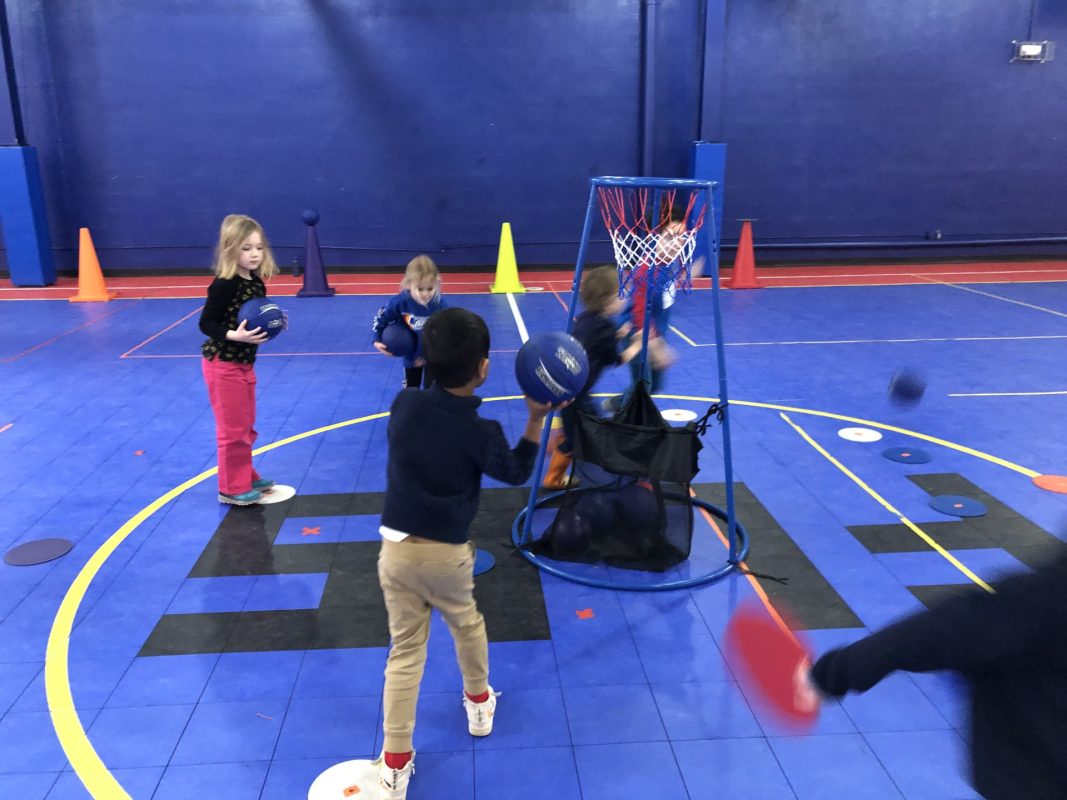
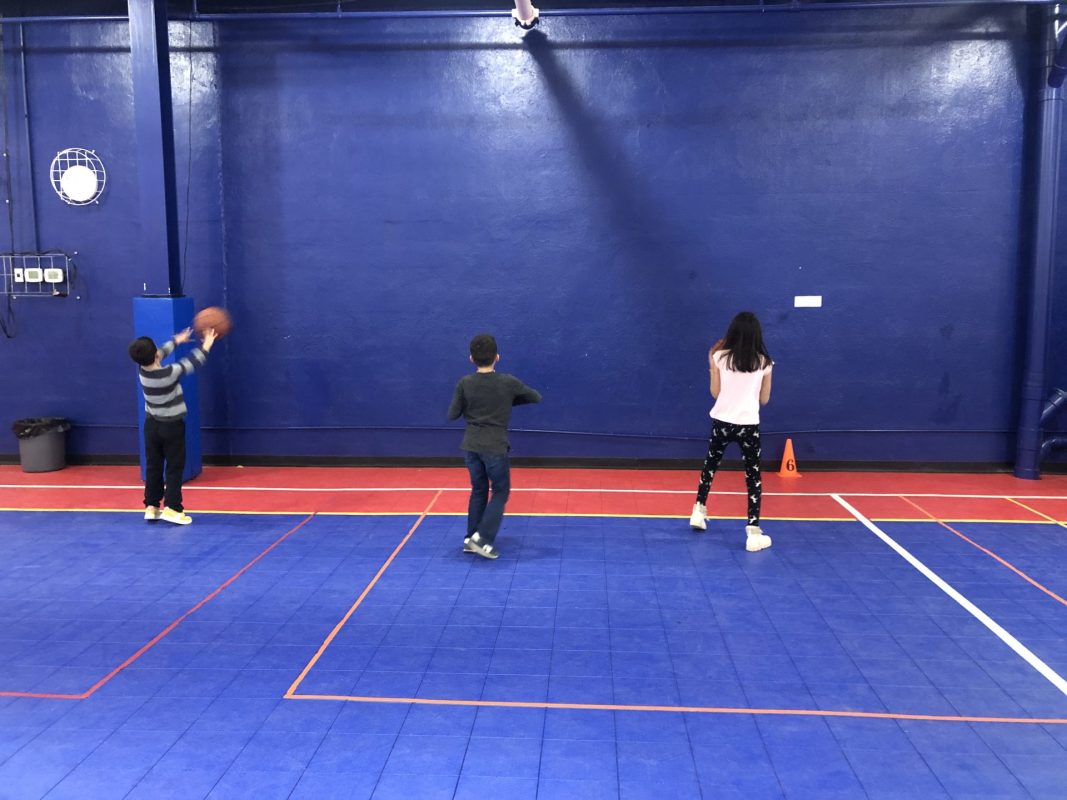
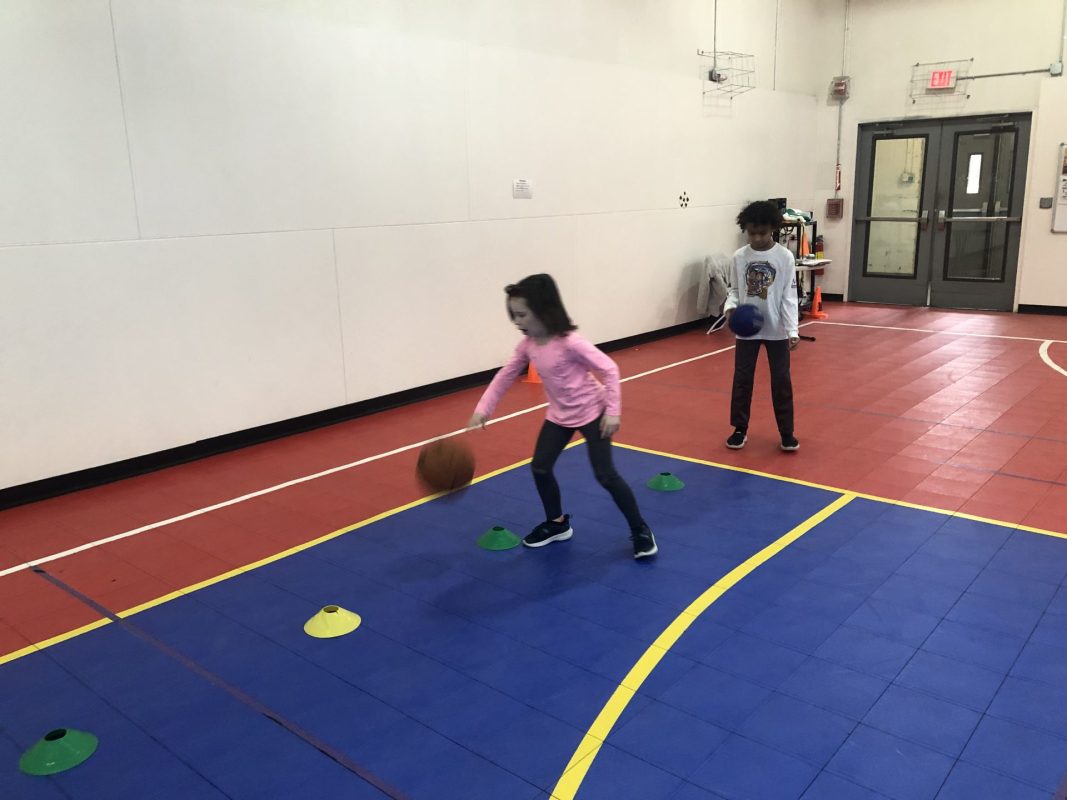
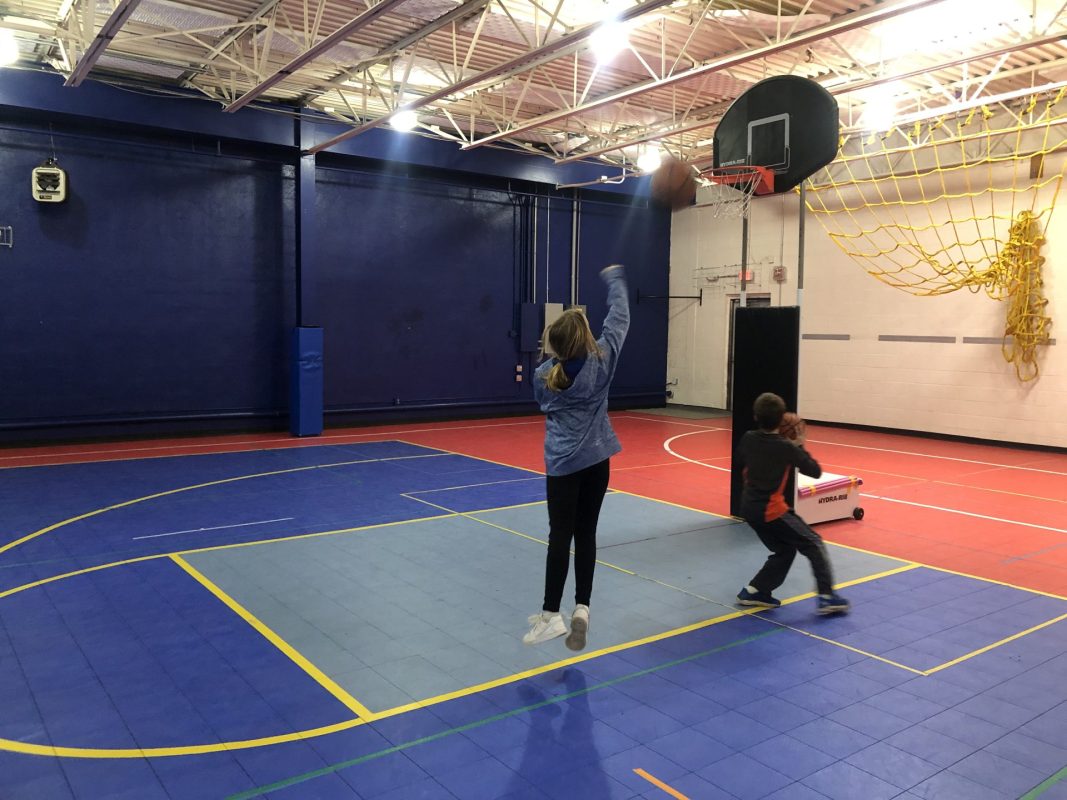
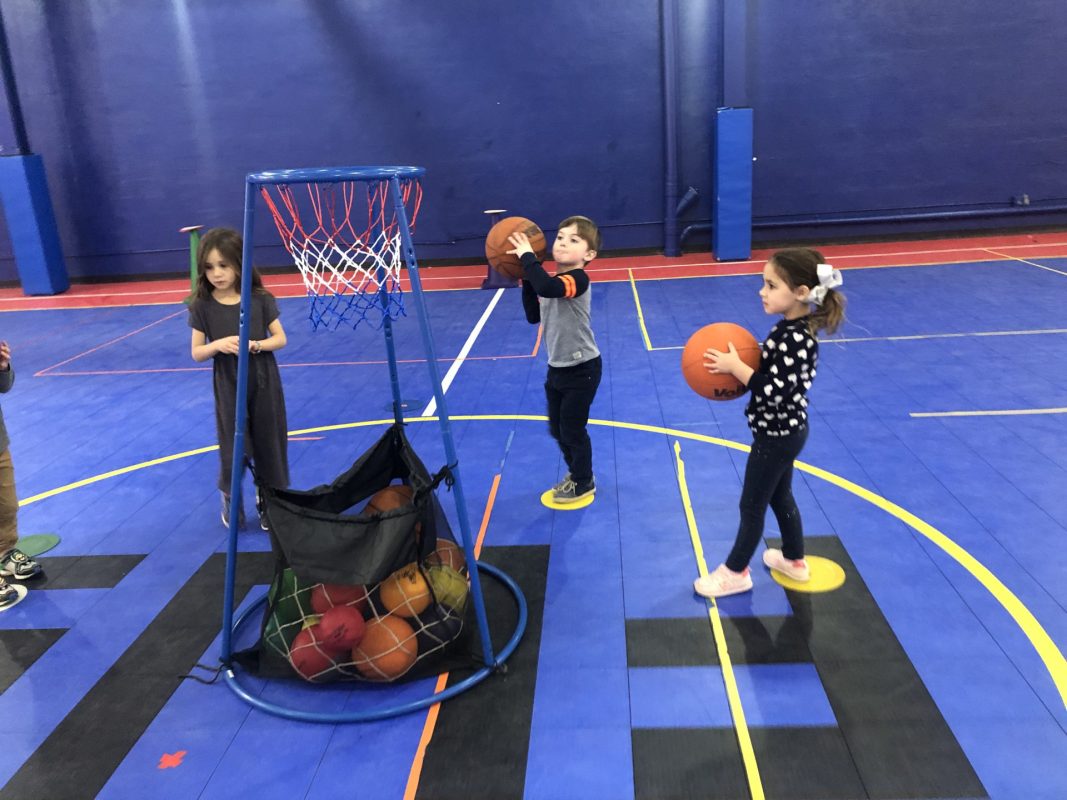
This month Kindergarten through Middle School students practiced and participated in the team sport of Basketball. At the Kindergarten and Lower Elementary levels, the objectives are designed to develop hand-eye coordination and spatial awareness. We practiced dribbling a ball with either hand while changing pathways, direction, and speed. We worked on passing a ball to a stationary and moving target using both a bounce and chest pass. We also worked on the proper way to shoot the basketball and score points.
Lessons are modified for the younger students. Students were also given a choice to use a smaller, blue basketball which is lighter and easier to shoot into the net. A shorter net was also used for those students not able to reach the taller nets. The goal is to modify each sport to have students be successful.
At the Upper Elementary level, we learned to differentiate the roles of offensive and defensive players and understand and use simple basketball rules. Games played are: Dribble Knockout, Knockout, Spot Takeaway, and Steal the Bacon. At the Middle School level, the focus is on practicing the fundamentals such as foul shooting, passing, lay-ups, ball handling, dribbling, rebounding, defense/guarding, and footwork.
Students in grades 4 through 8 are encouraged to join the FWM basketball team. Practices for the Upper Elementary level are held on Tuesdays after school. The focus is to practice the fundamentals of basketball and to go over game-like situations. Middle school practices are held during the school day. During the season, games are played against other independent schools.