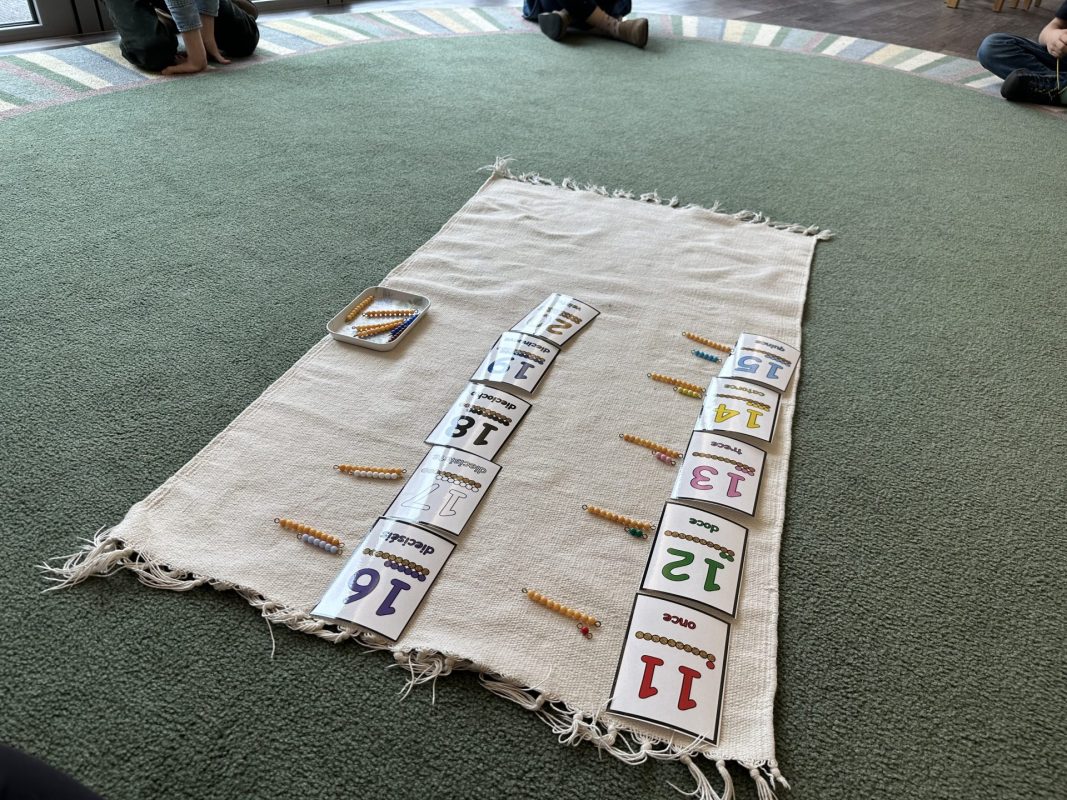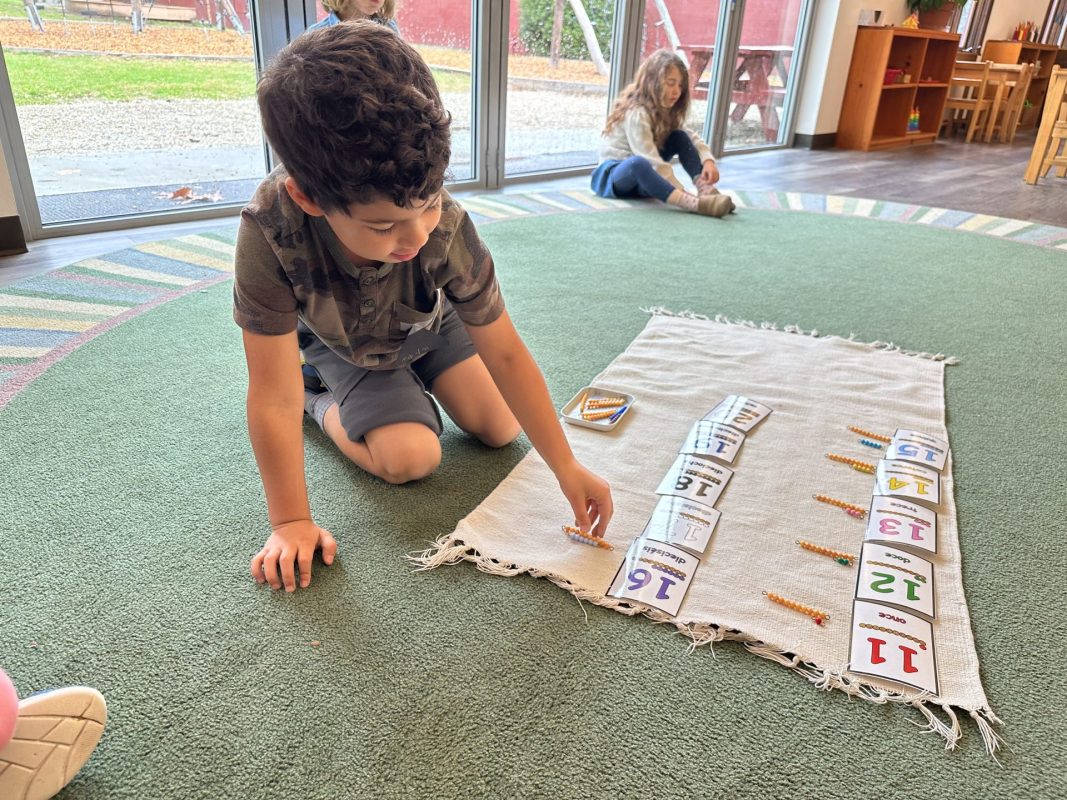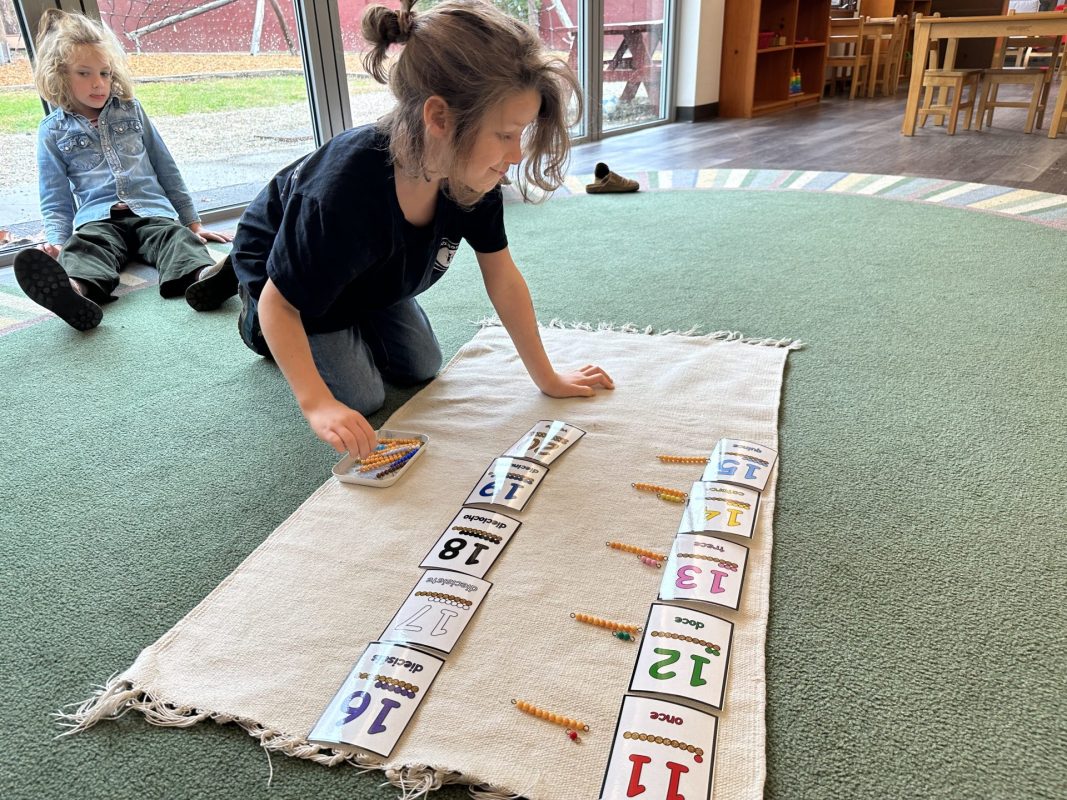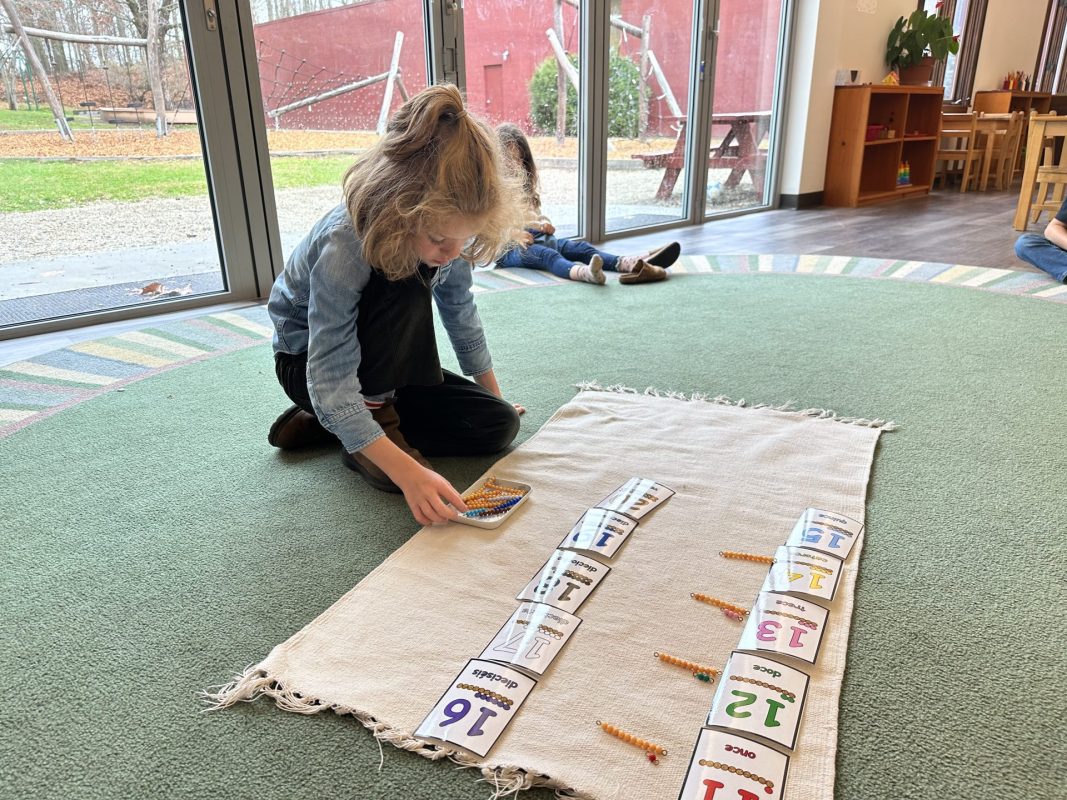
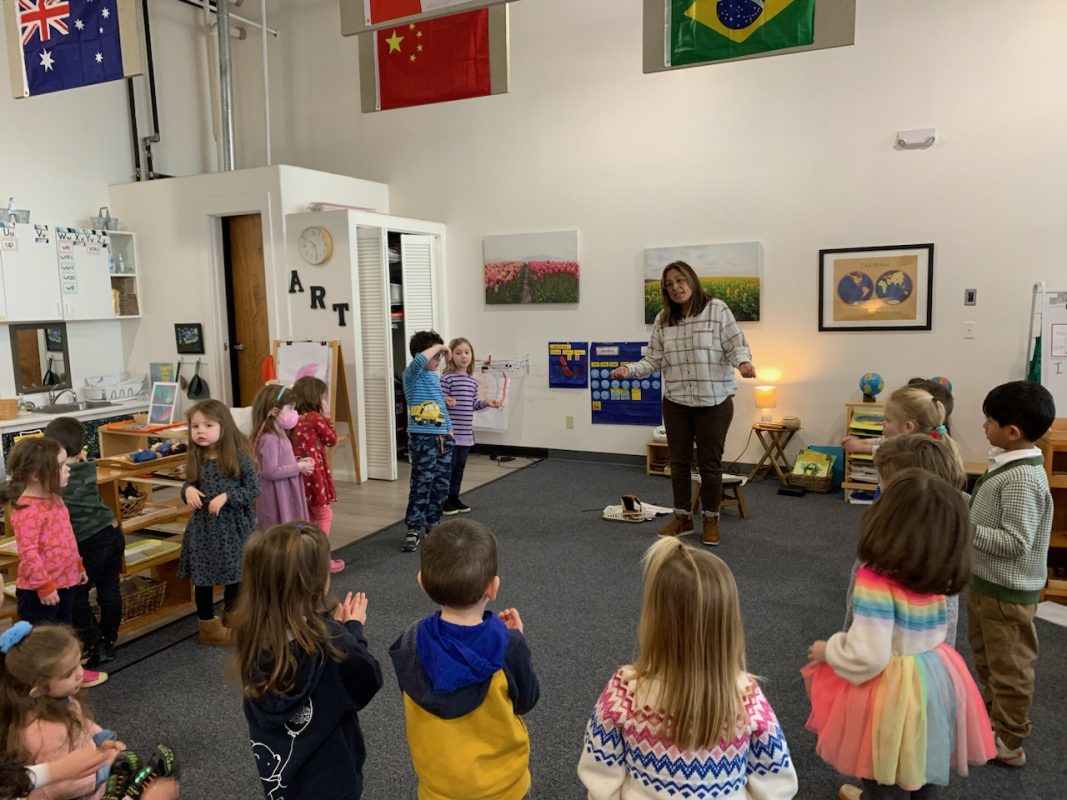
Spanish January Update

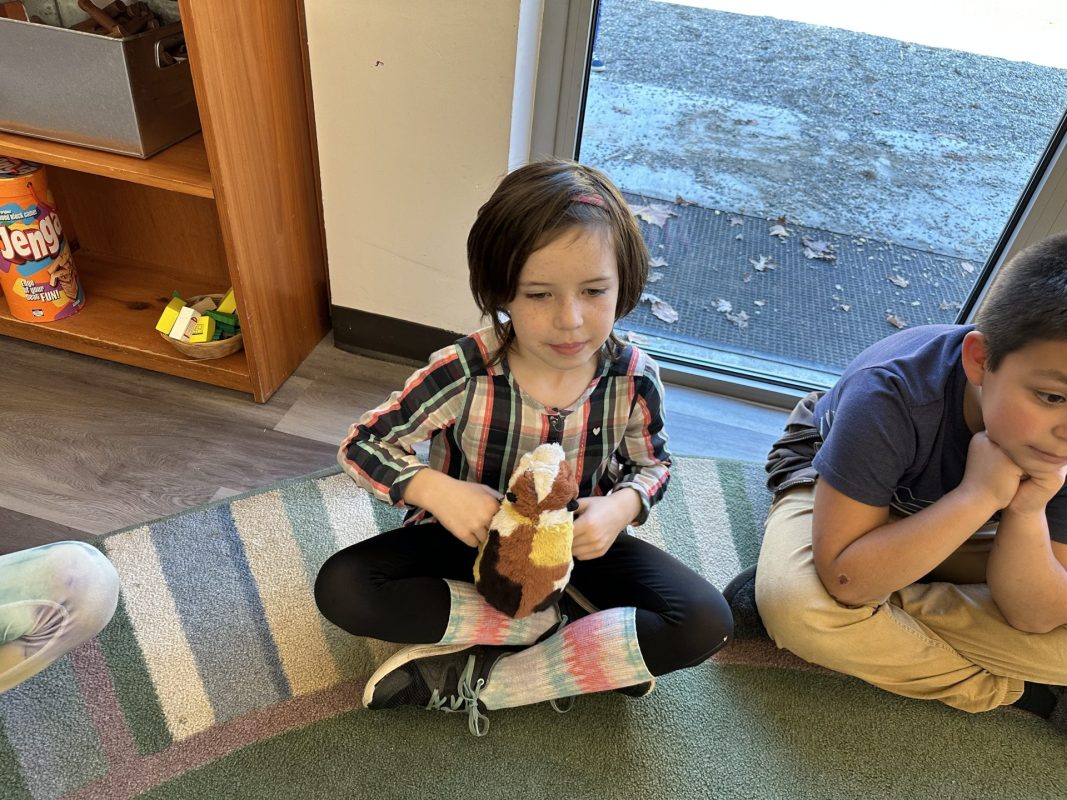
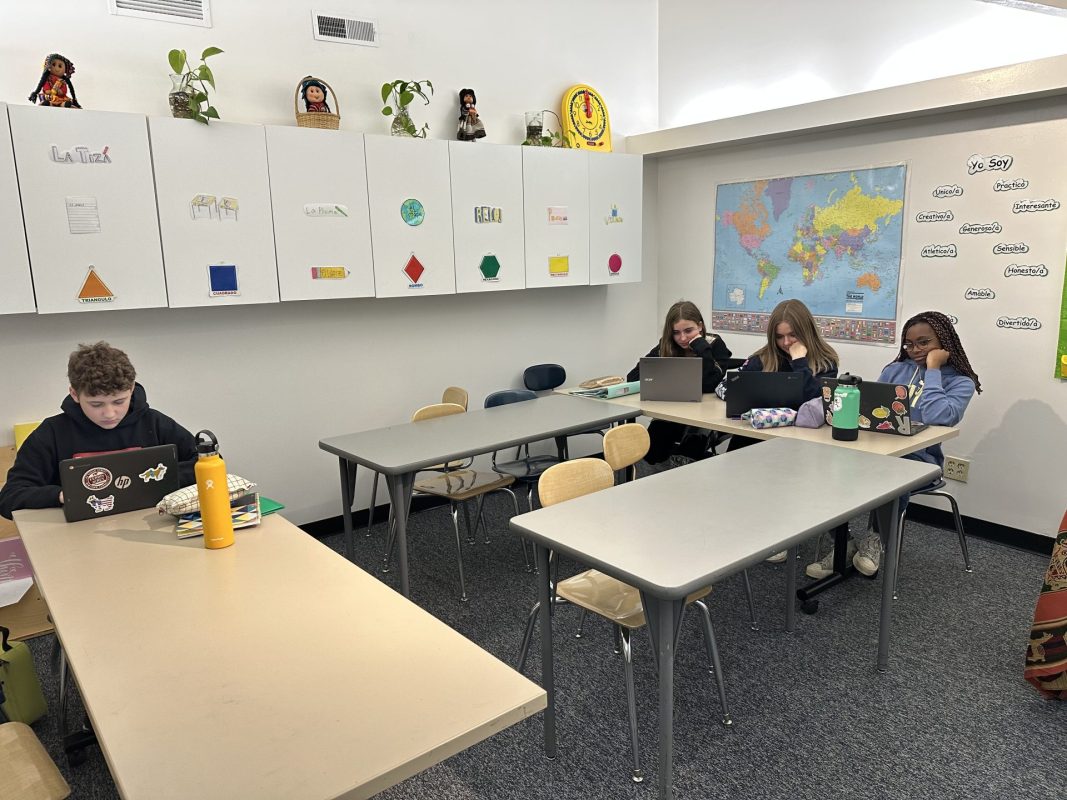
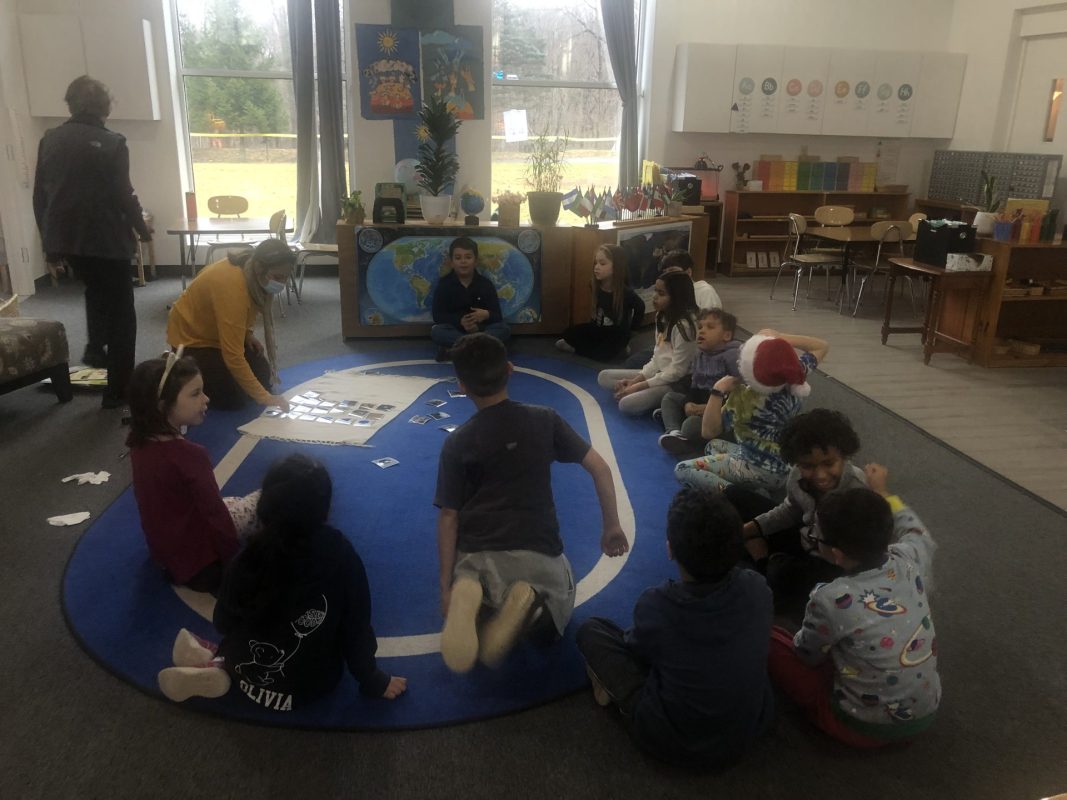
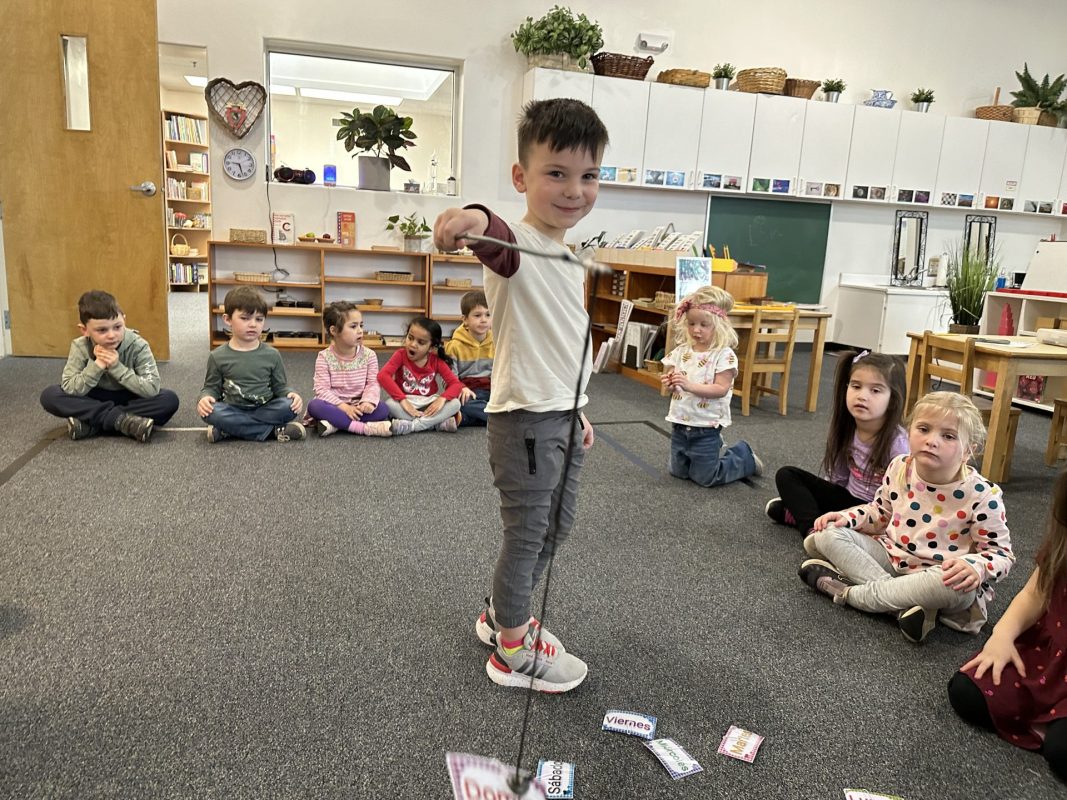
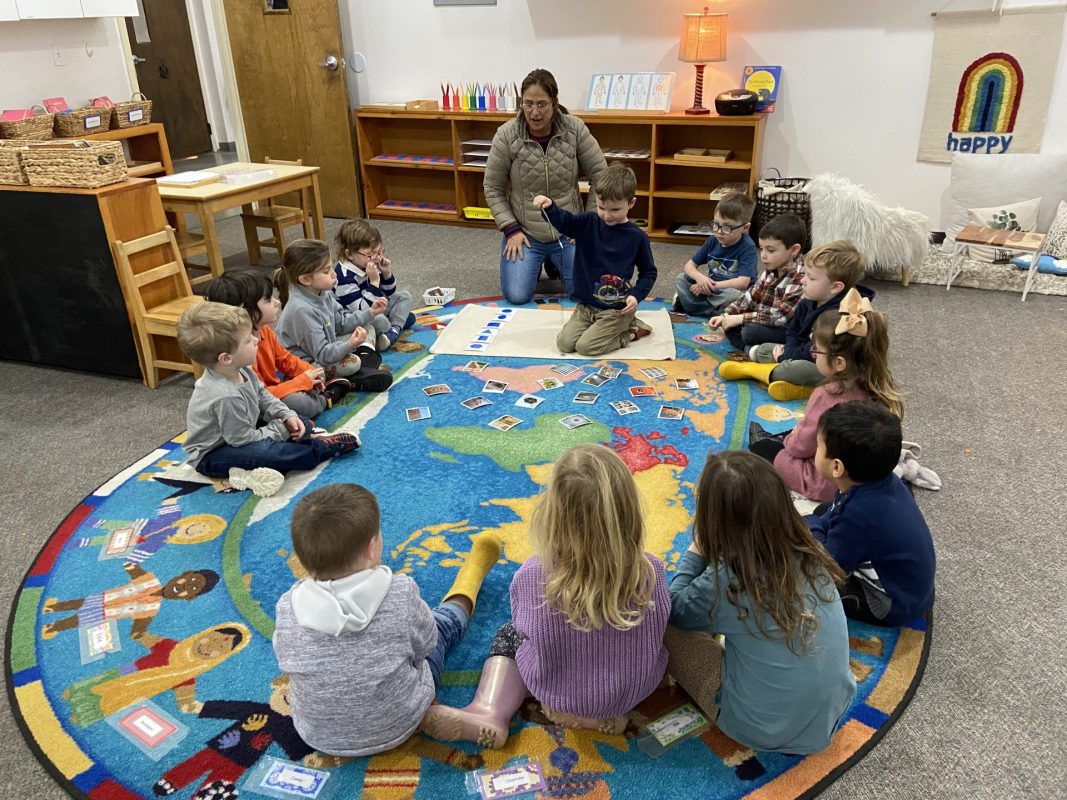
Primary and LE: “Las formas”, “Los días de la semana”, “Los meses del año”; UE: “La ropa”, “Los articulos”; MS: “Articulos definidos e indefinidos”, “Acuerdo entre el sustantivo y el adjetivo”, “En la escuela”, “Verbo estar e ir”, “Una fiesta en la casa”, “Que haceres de la casa”. In addition, FWM middle school students were able to travel virtually to Argentina and Bolivia, which are both Spanish speaking countries located in South America.

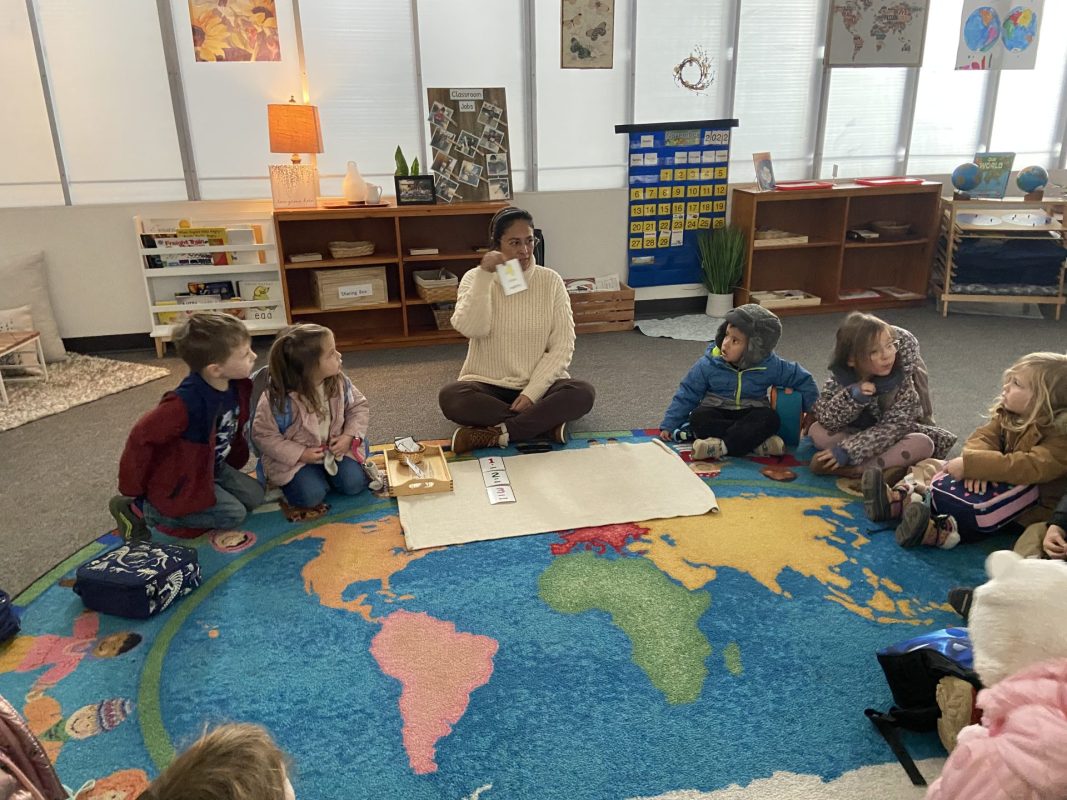
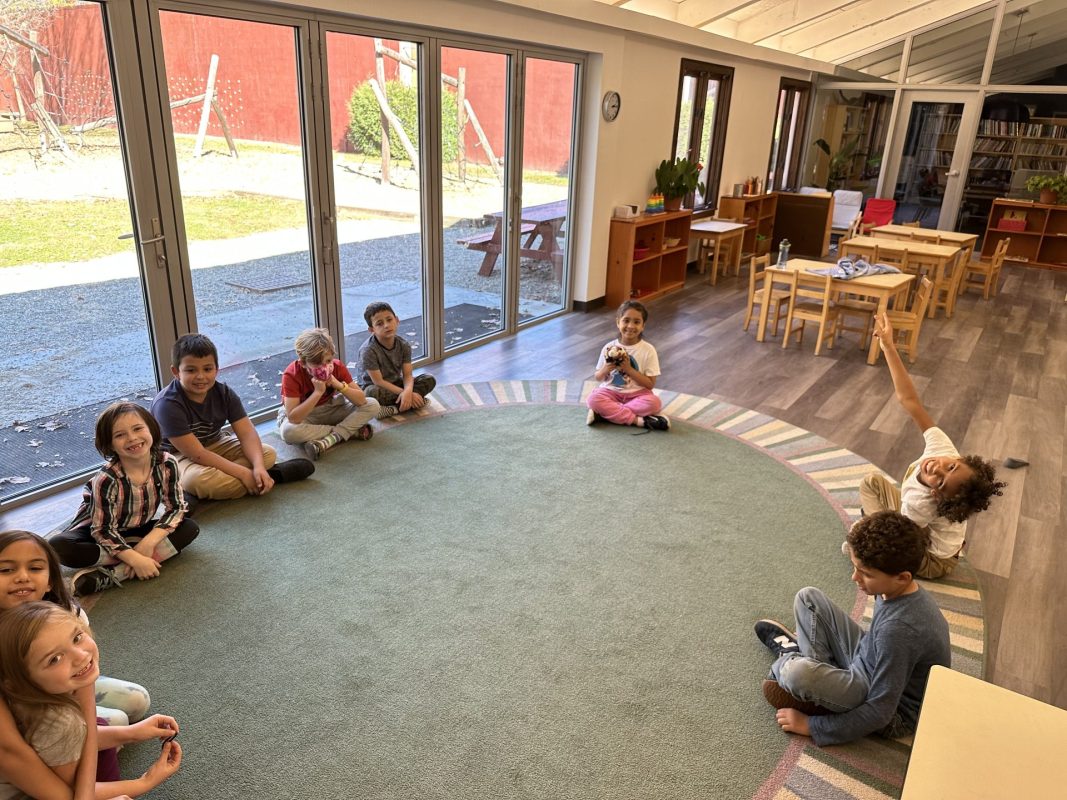
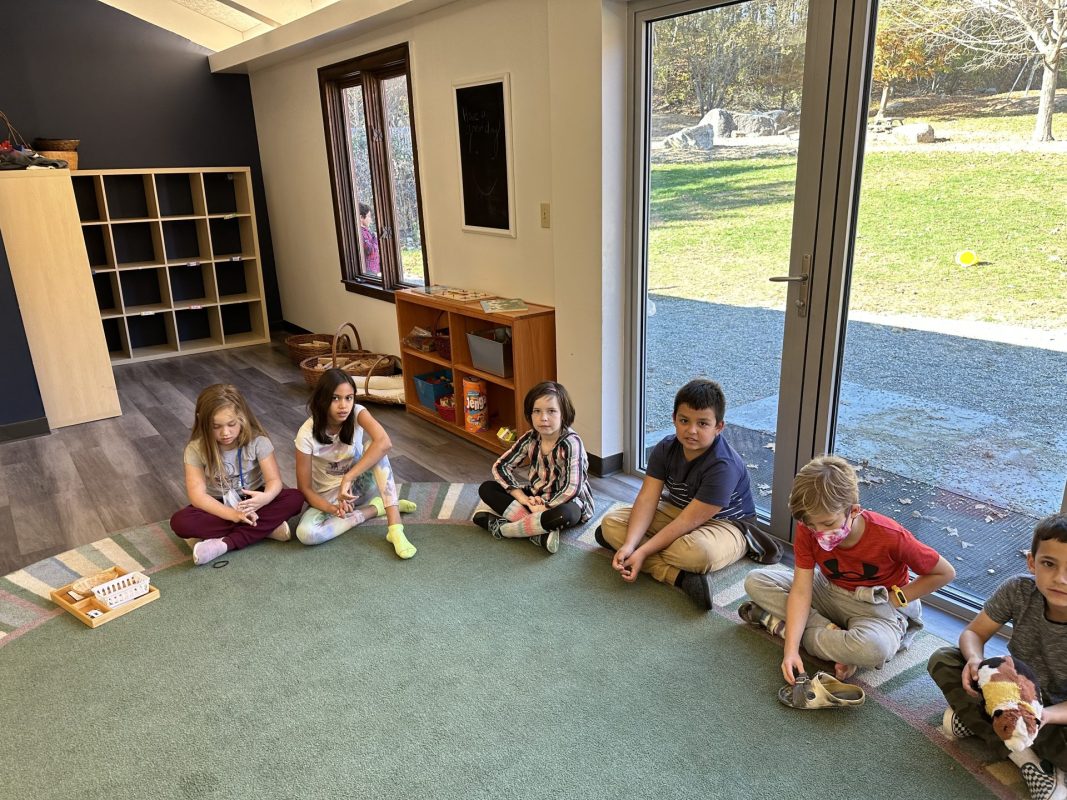
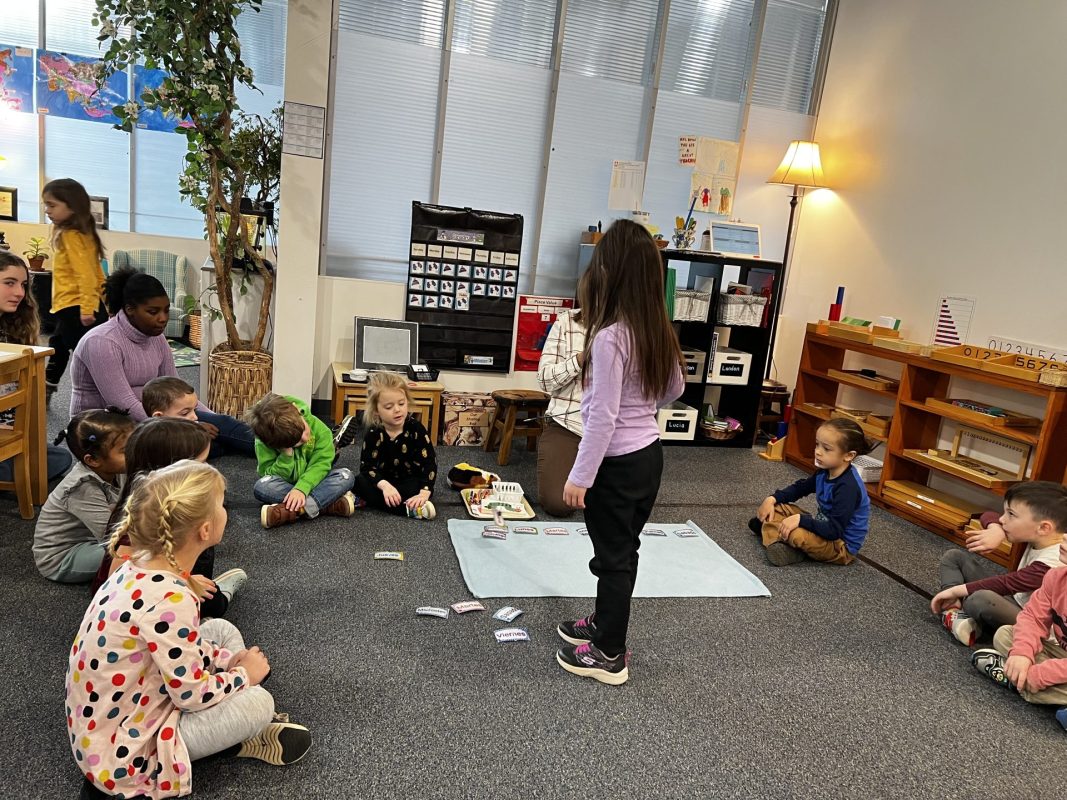
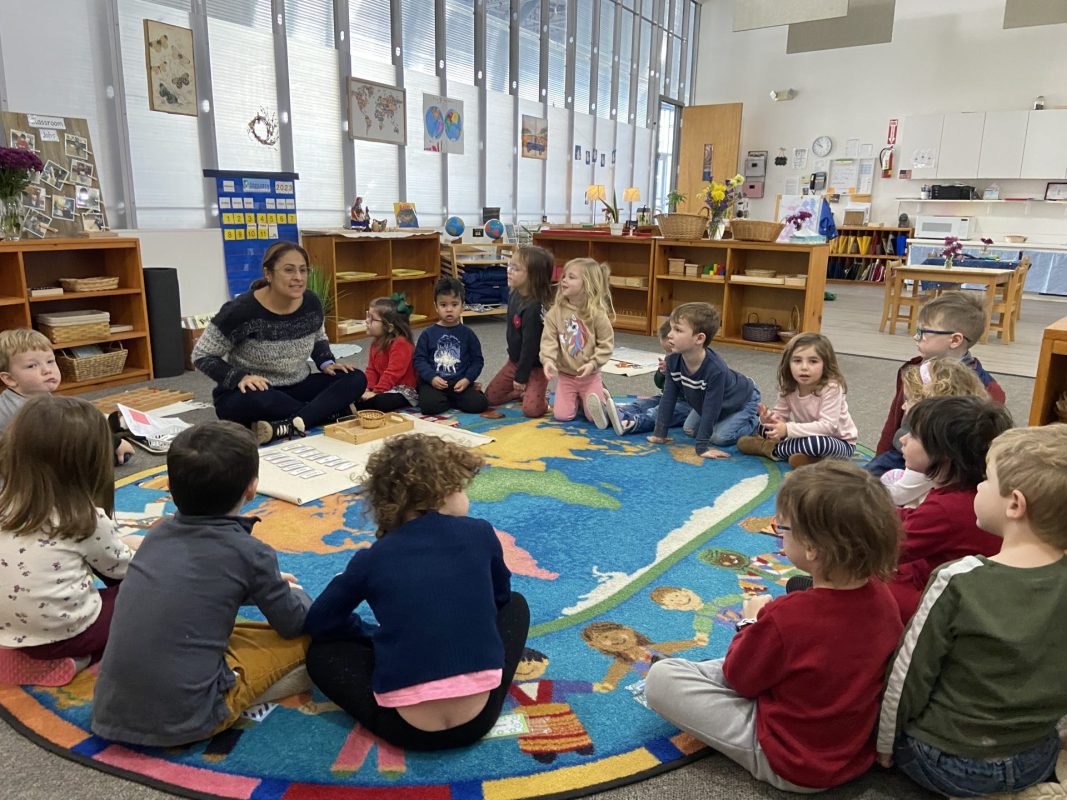
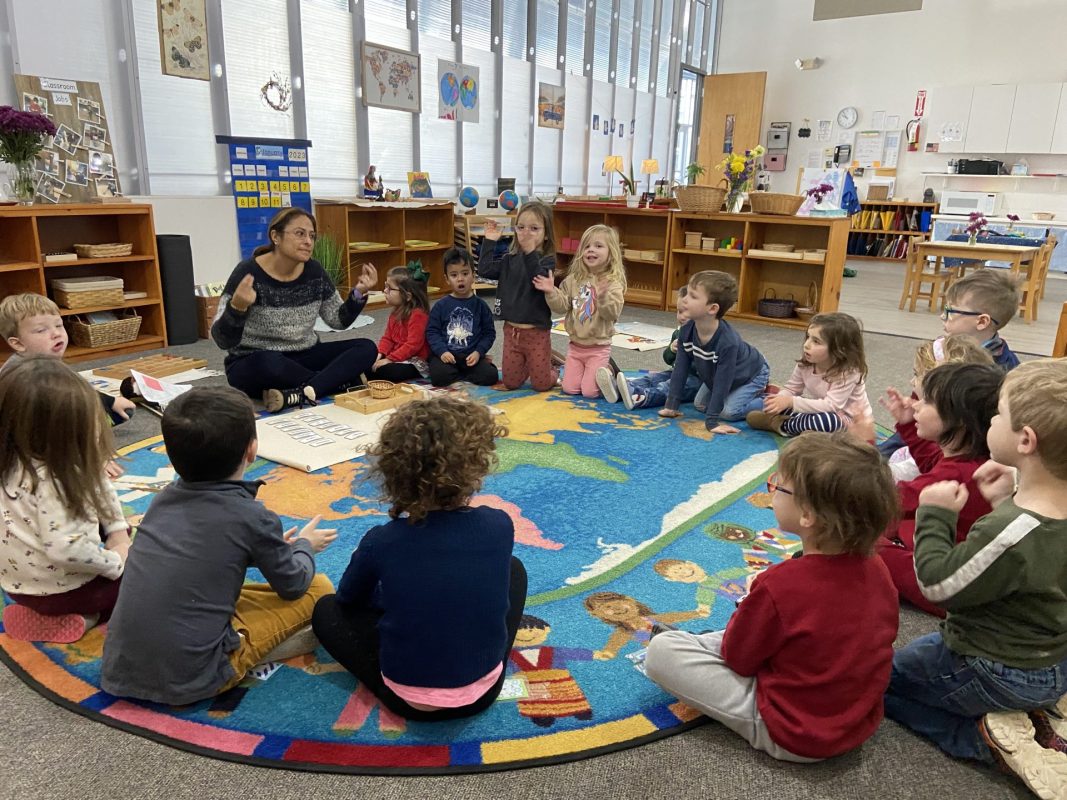
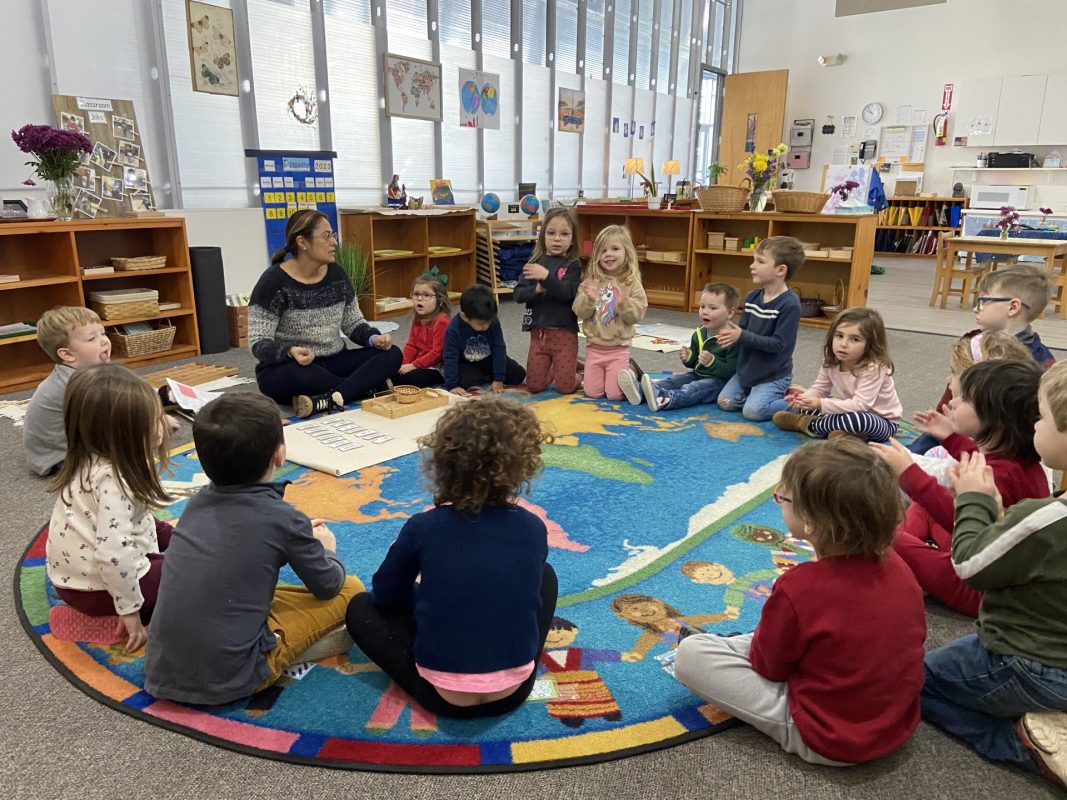
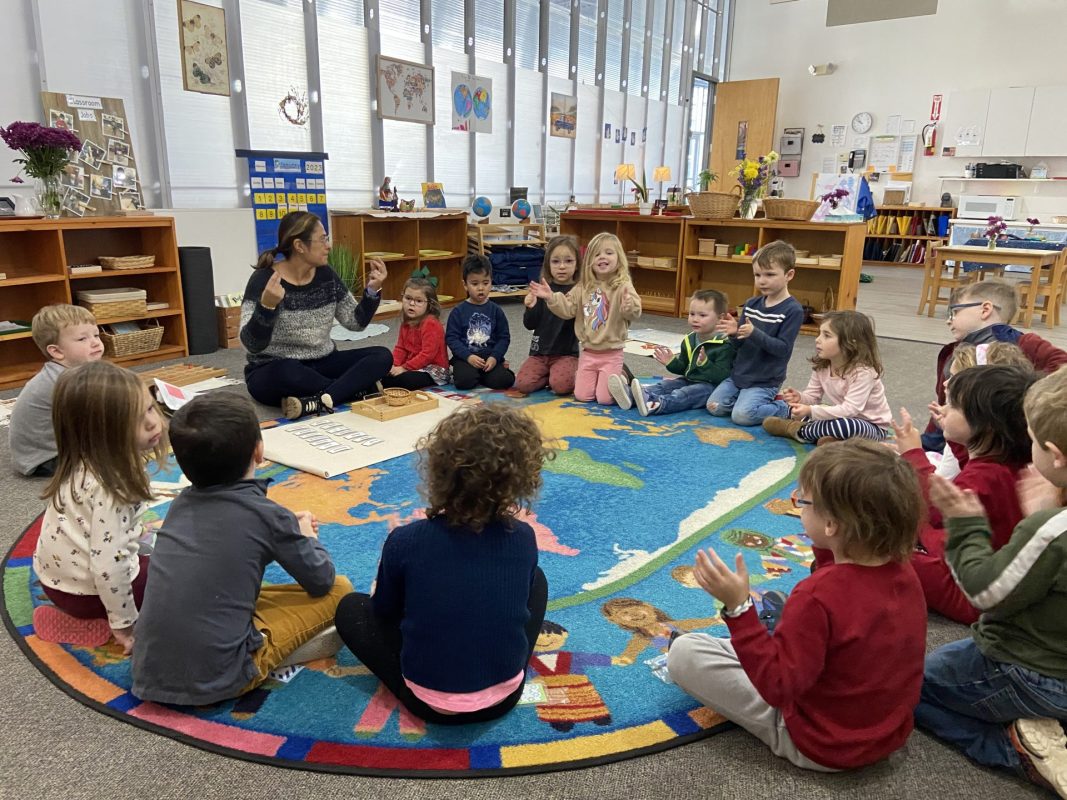
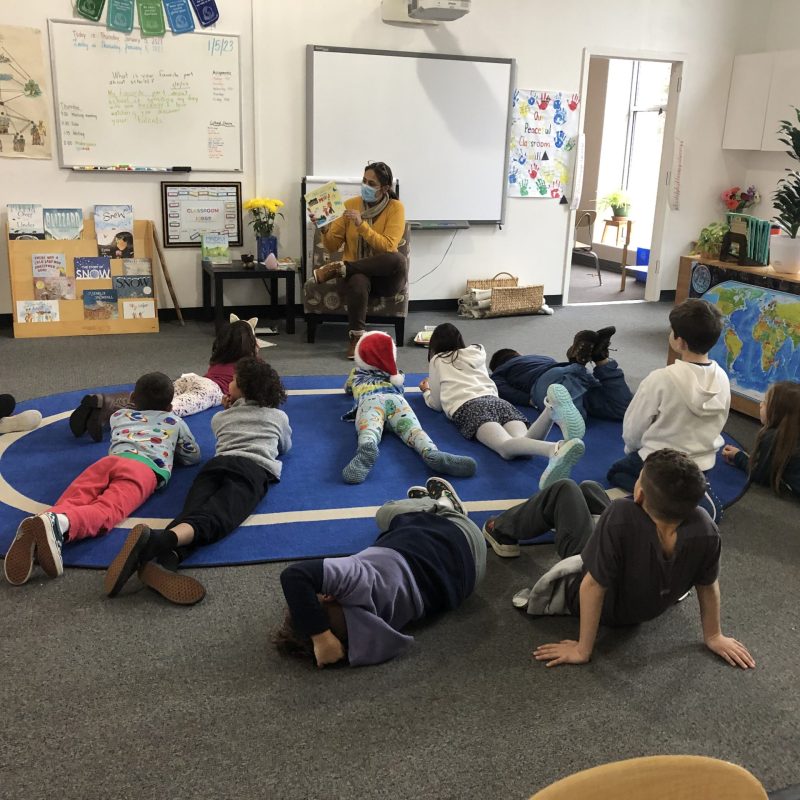
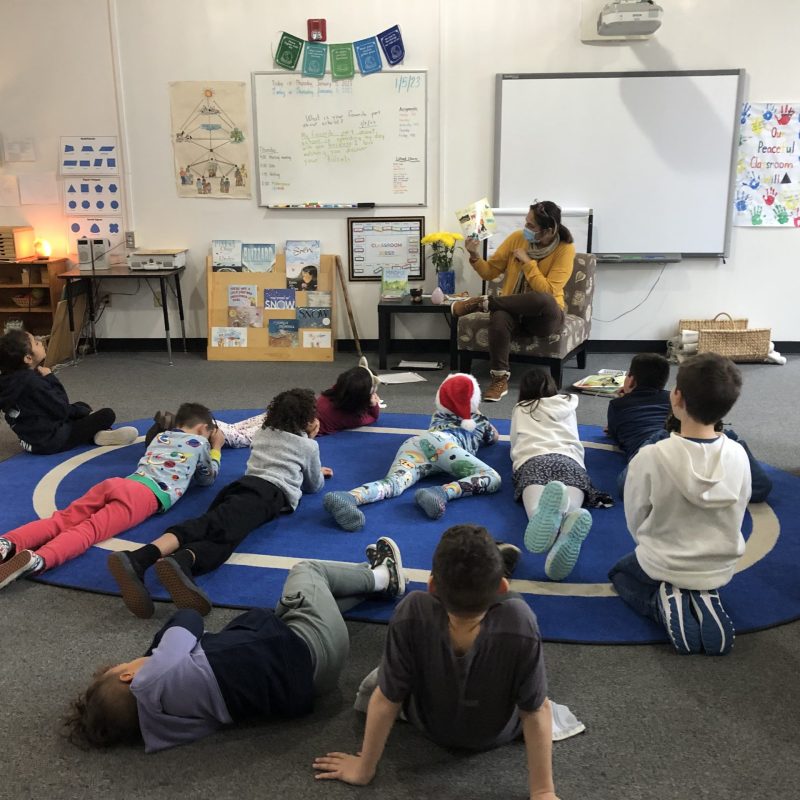
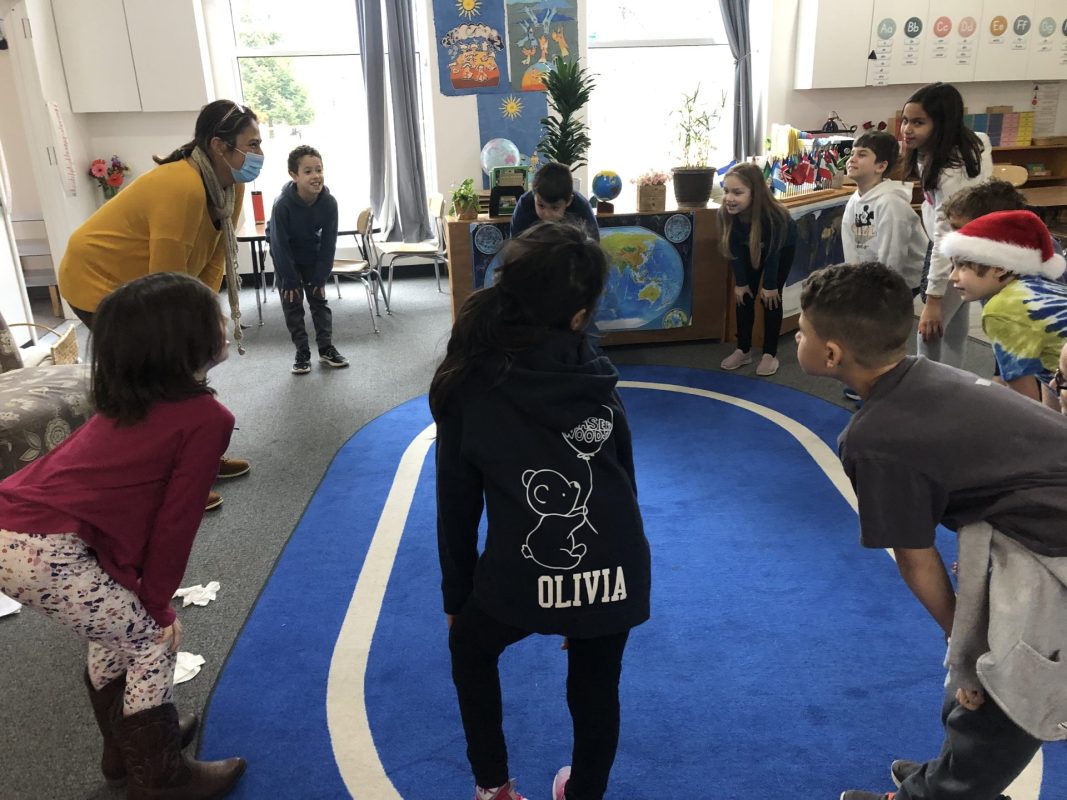
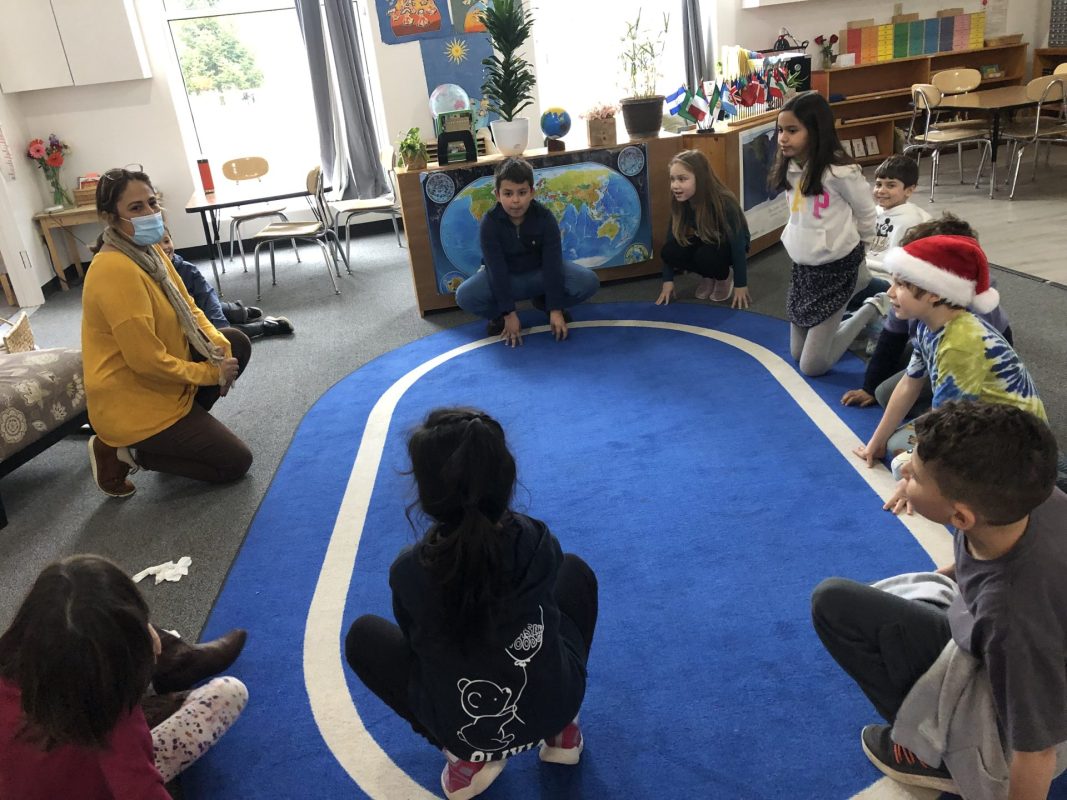
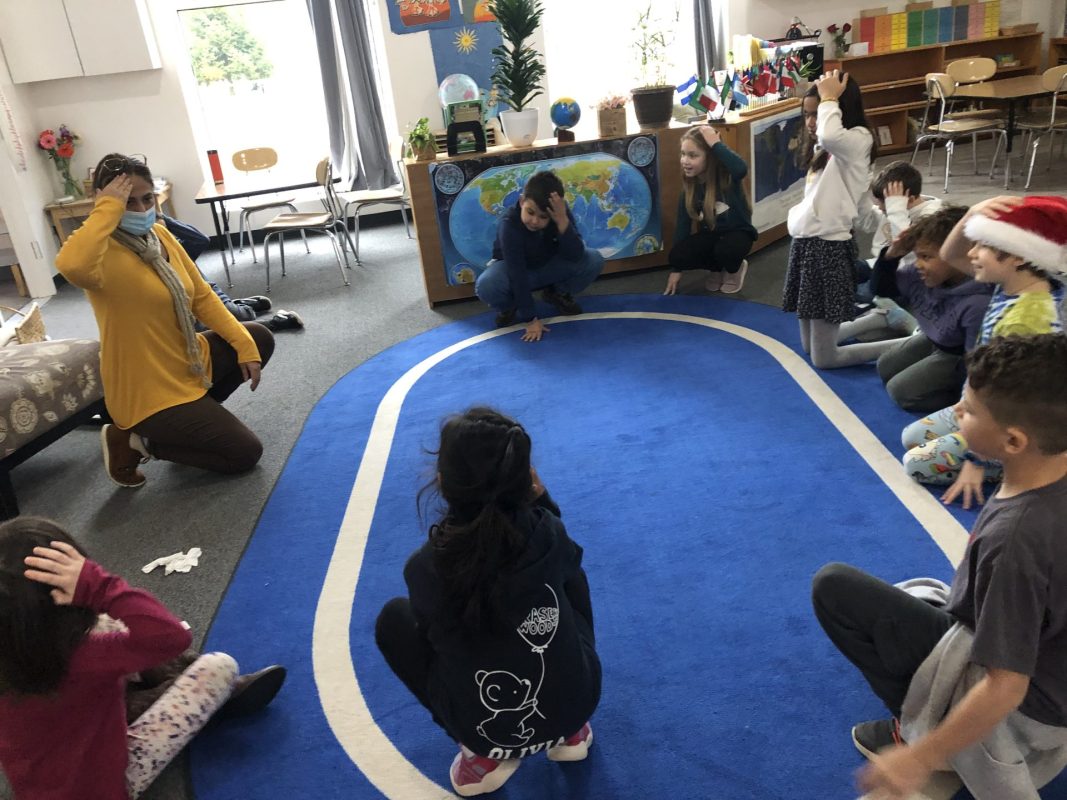
FWM students kept working on their usual conversations about feelings, Spanish greetings, the calendar, and descriptions of the weather. They are continuously improving their Spanish listening and vocabulary. Students from Primary, Lower Elementary, Upper Elementary, and Middle School listened carefully to Spanish books and songs and participated in interactive games that were displayed during class.

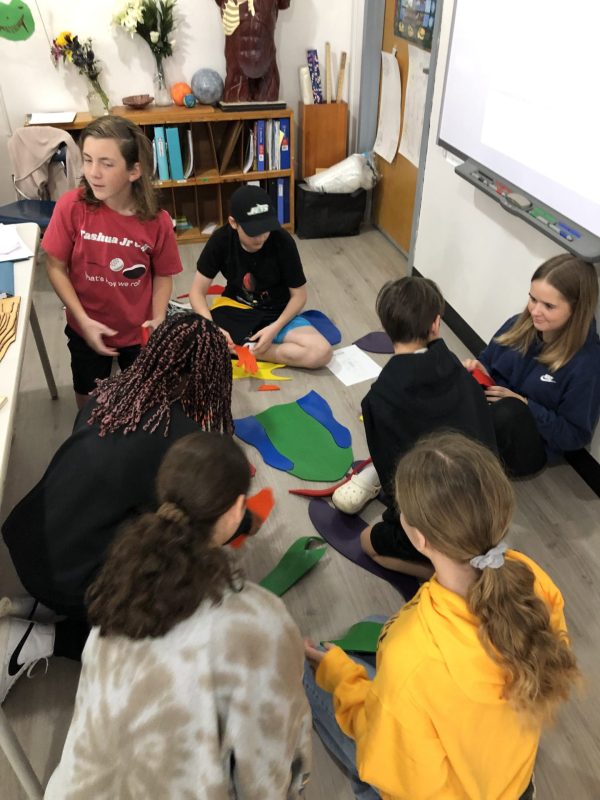
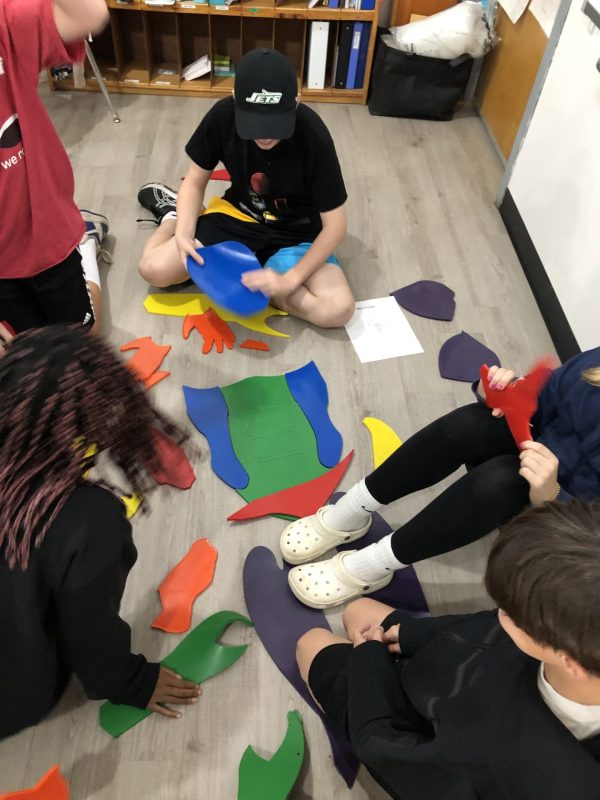
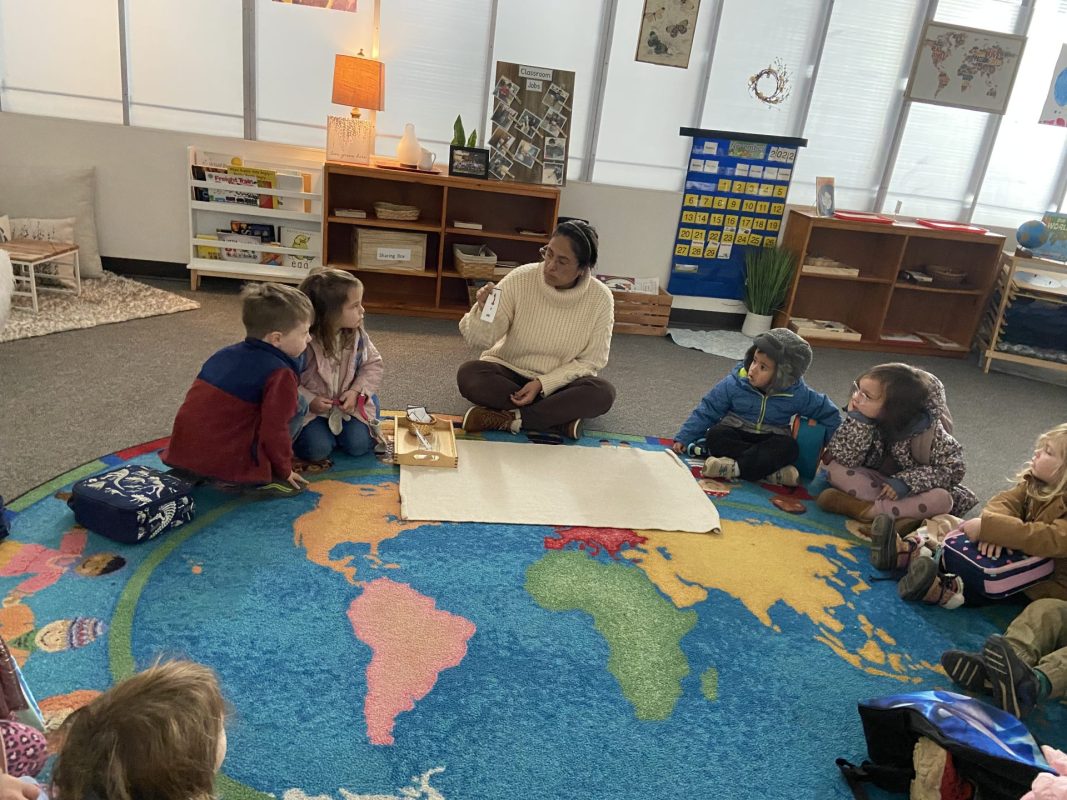
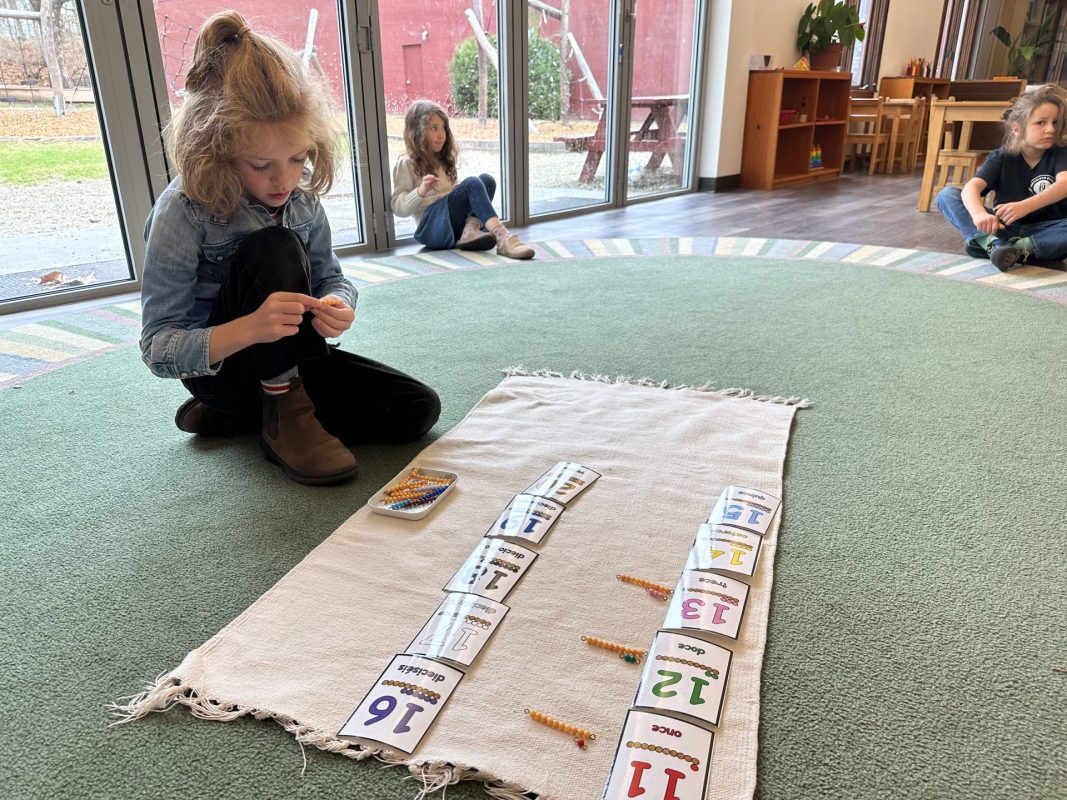
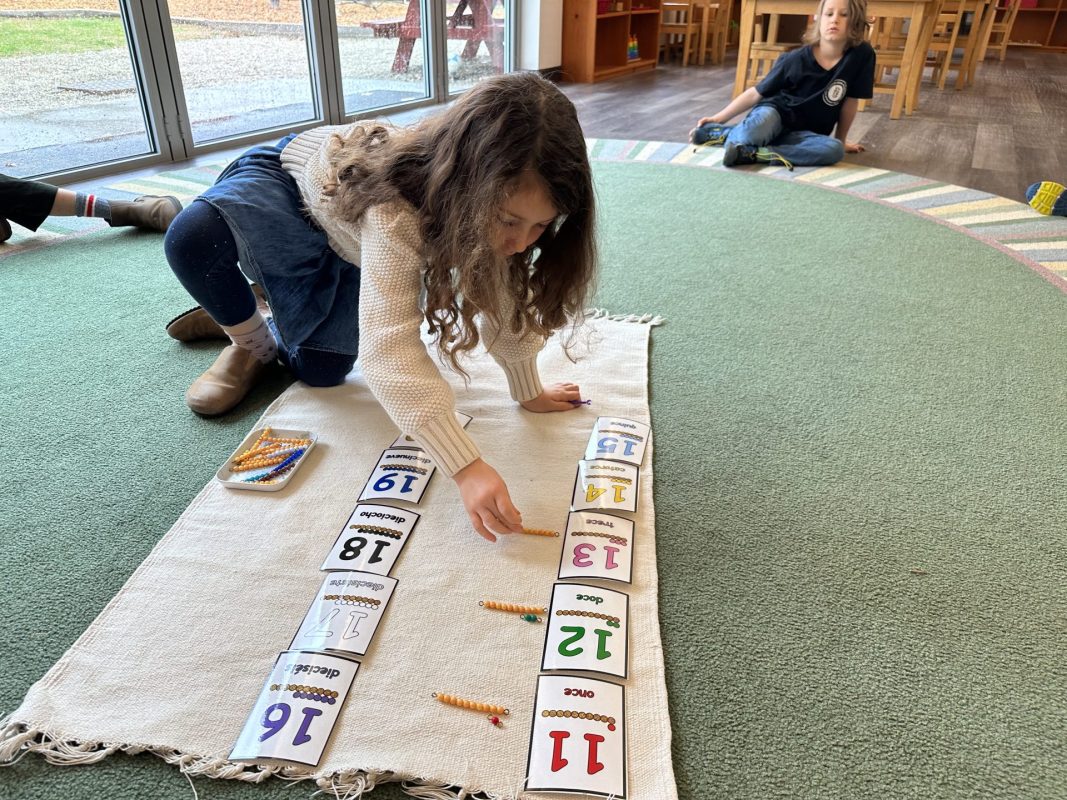
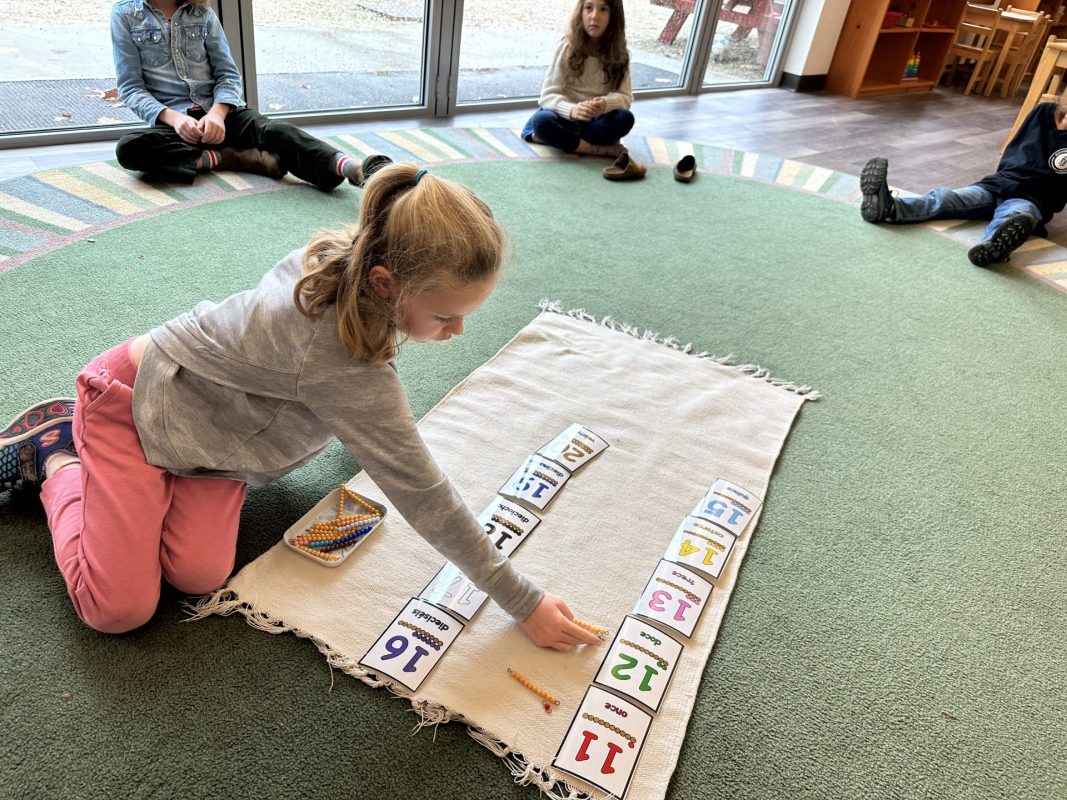
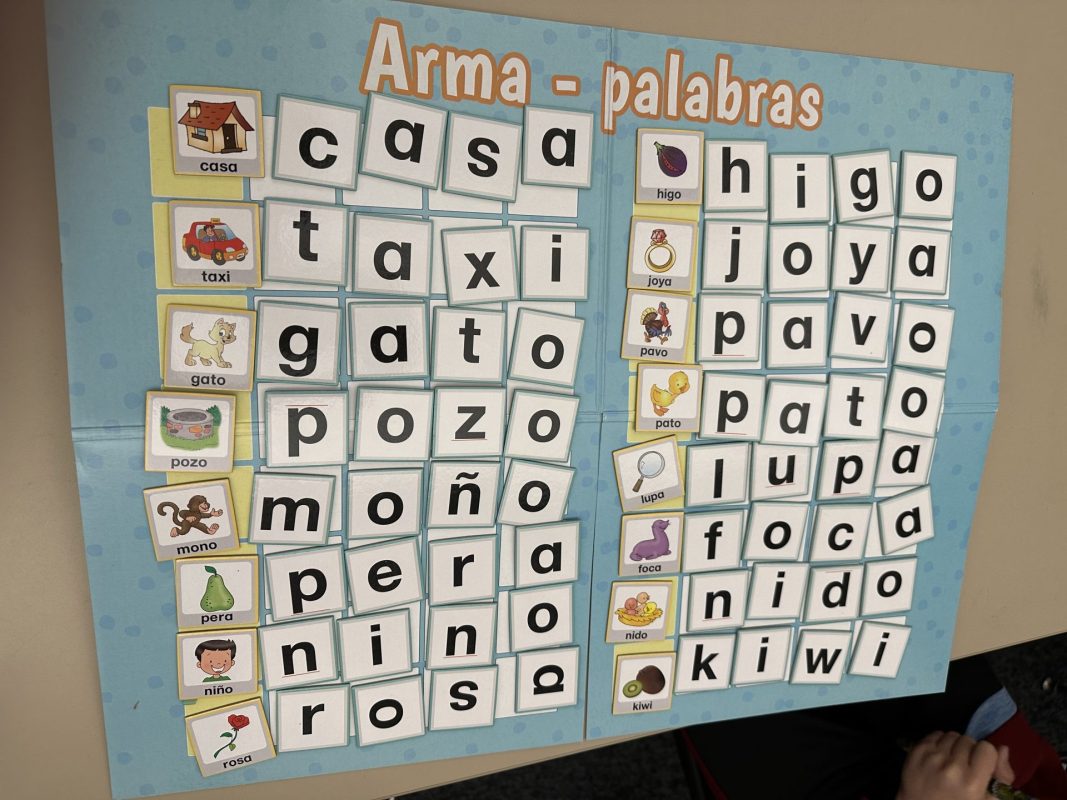
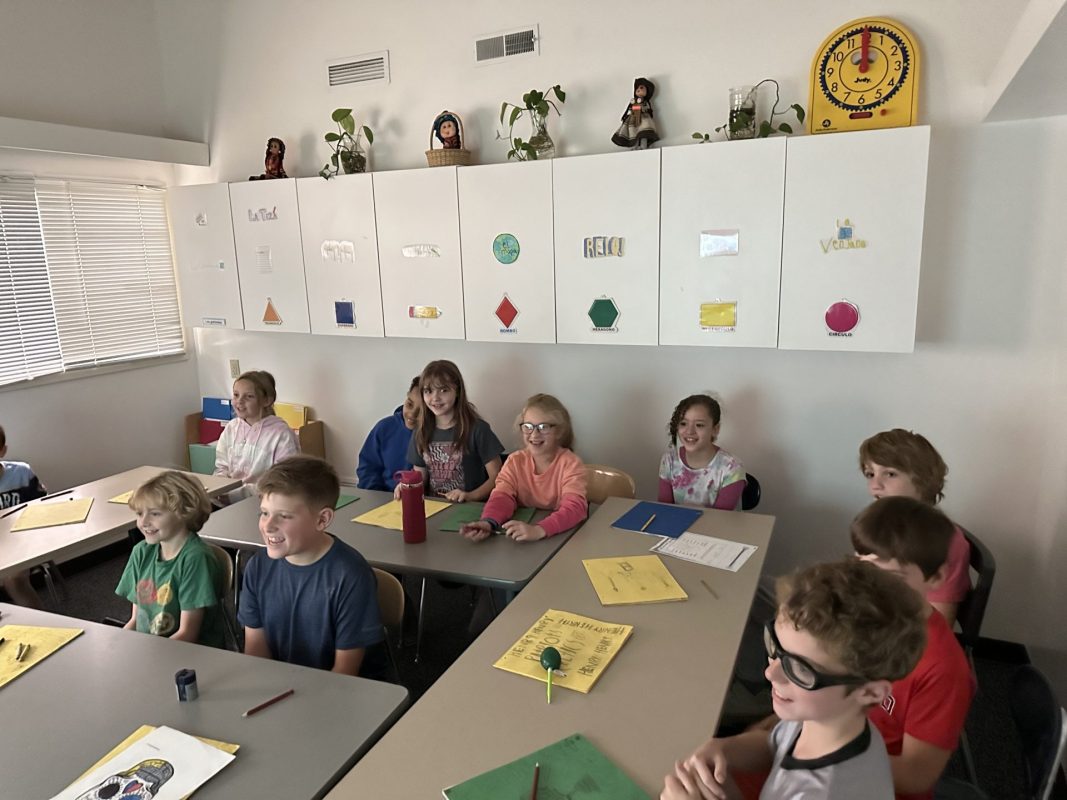
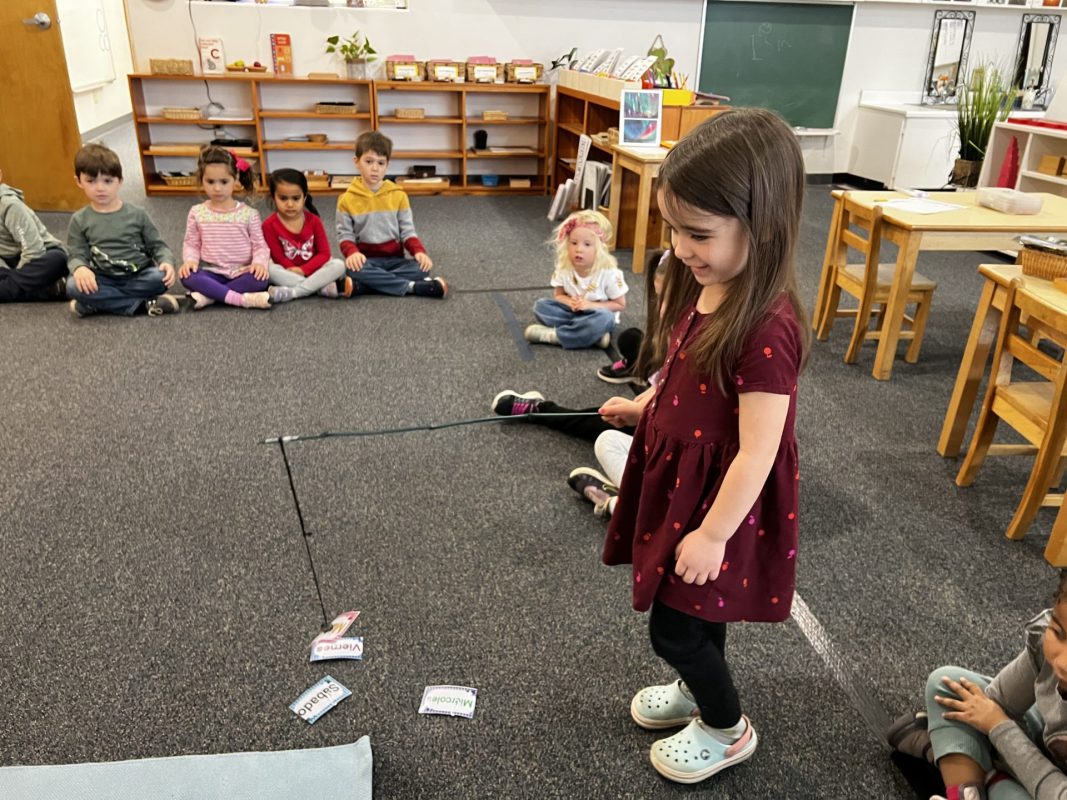
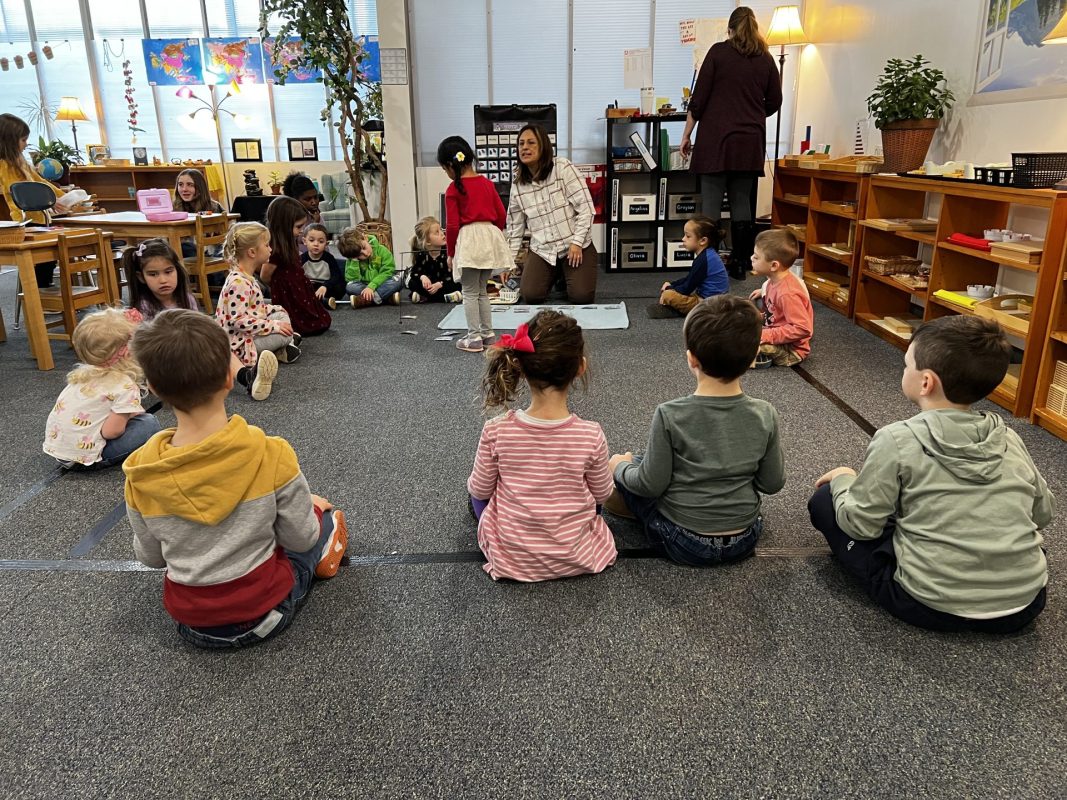
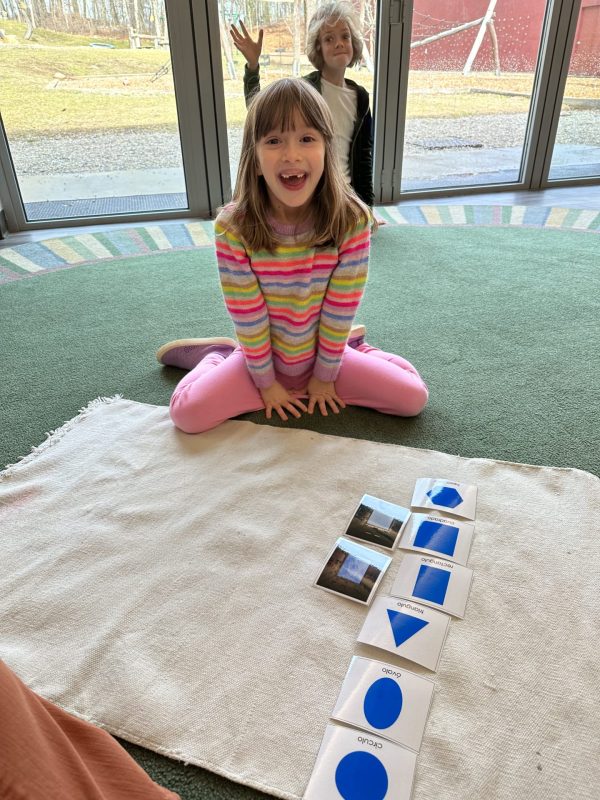
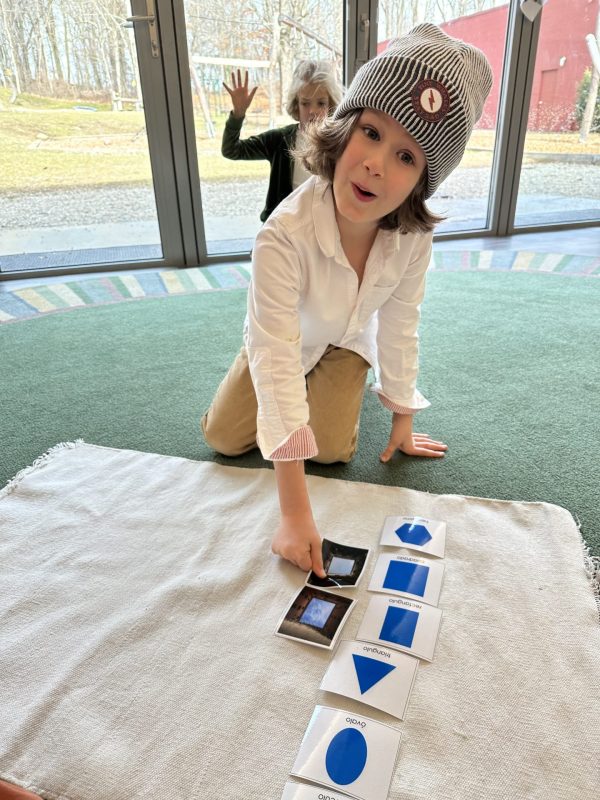
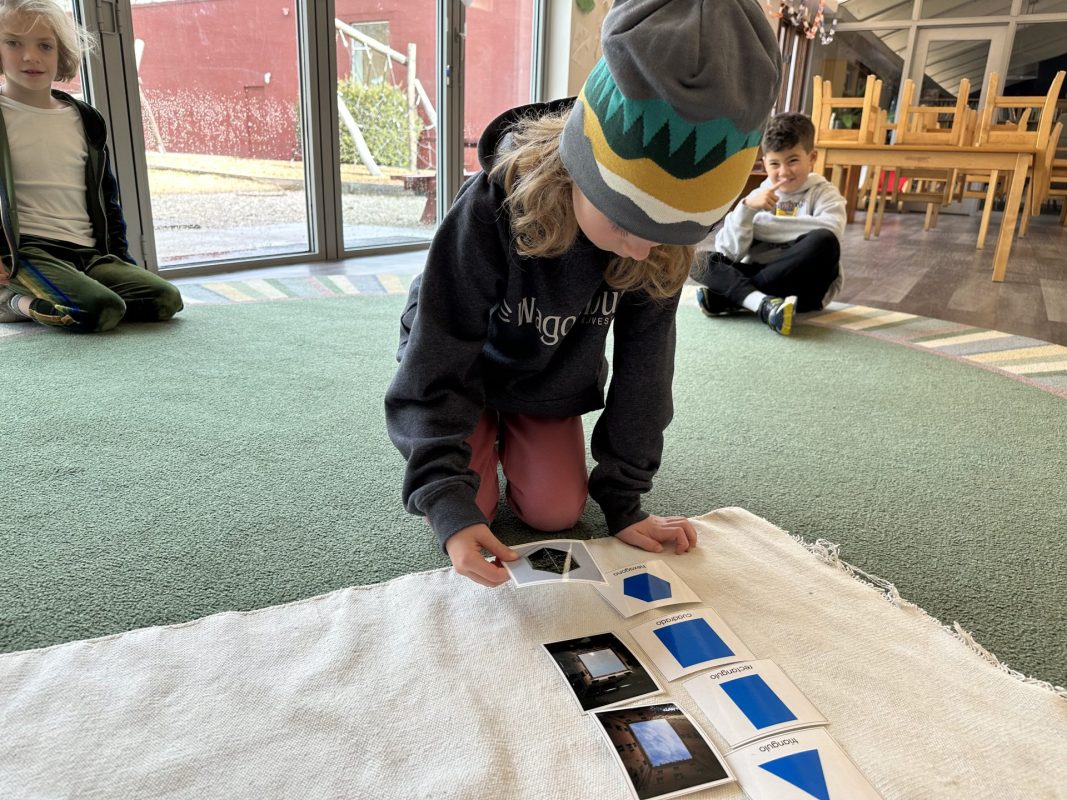
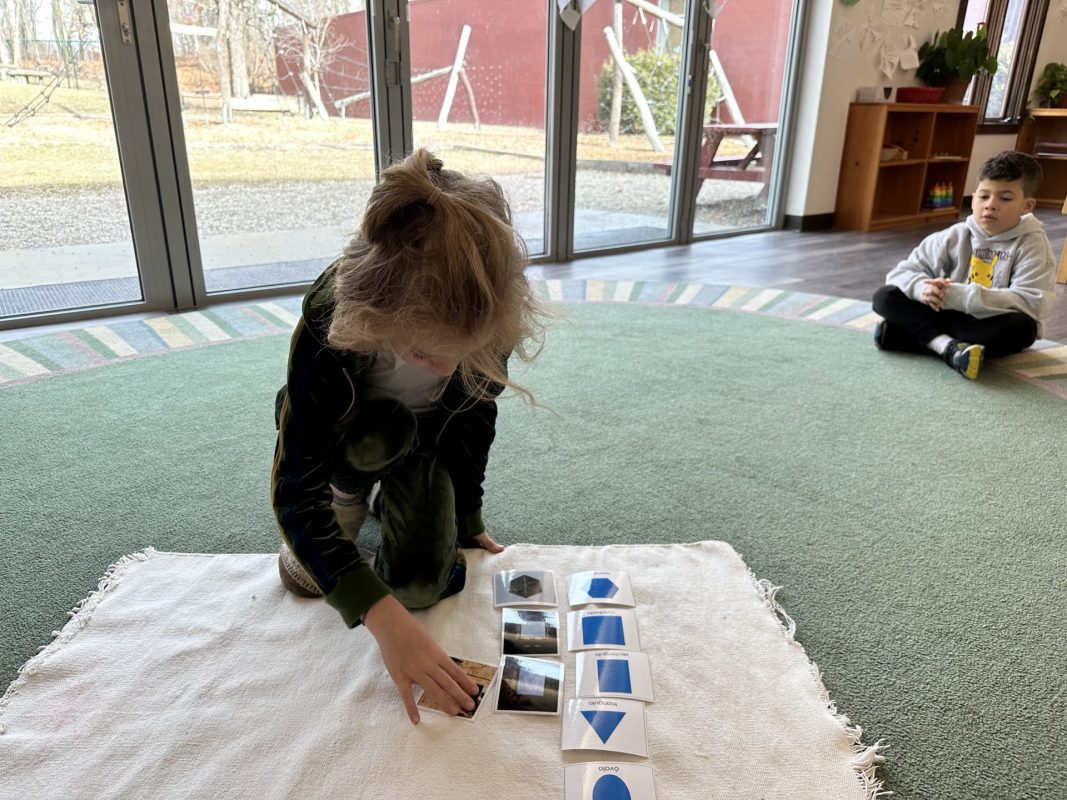
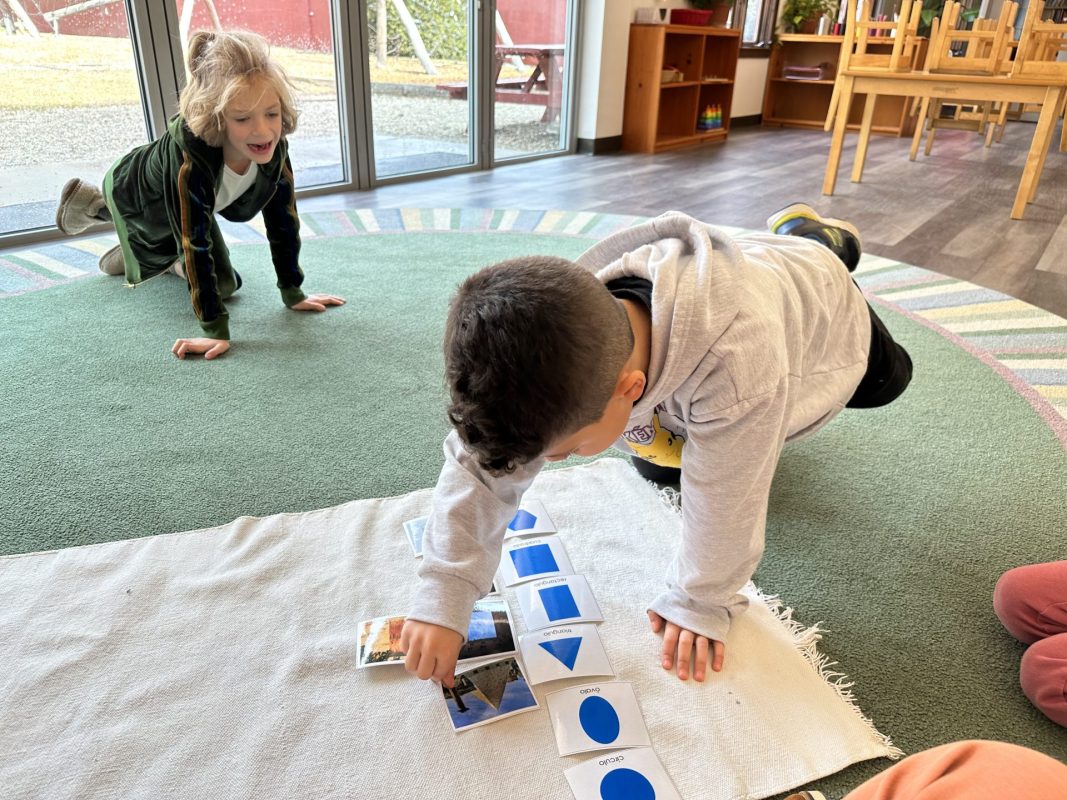
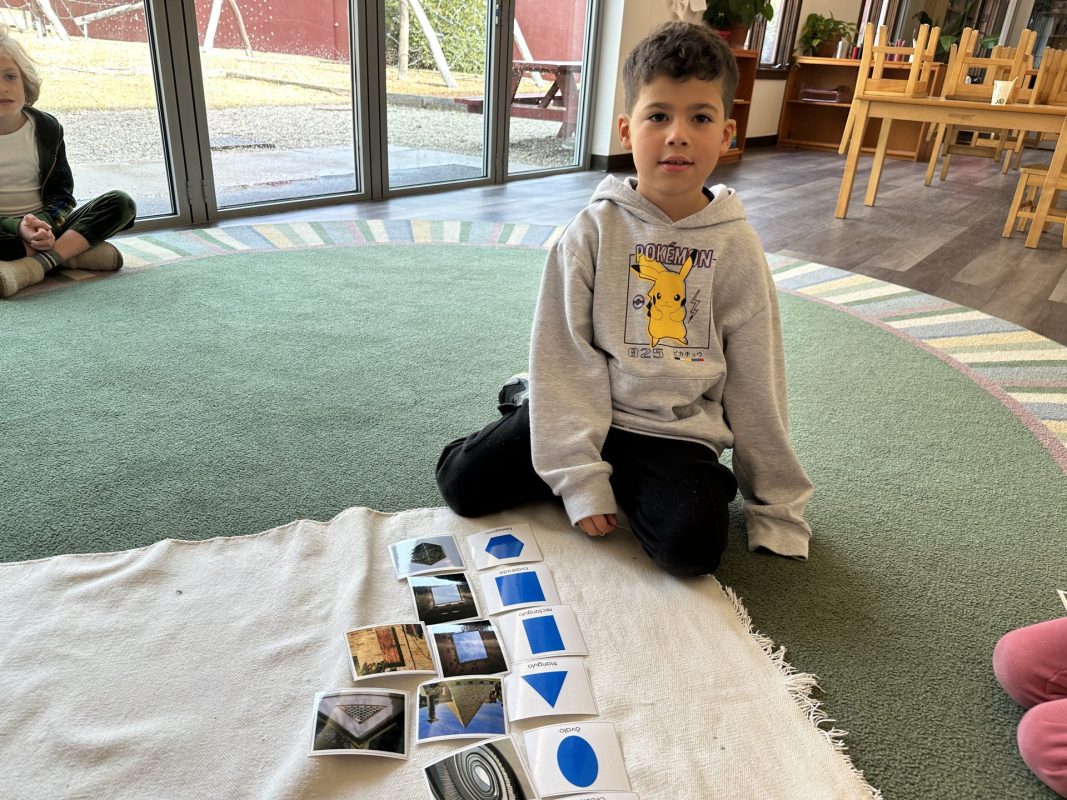
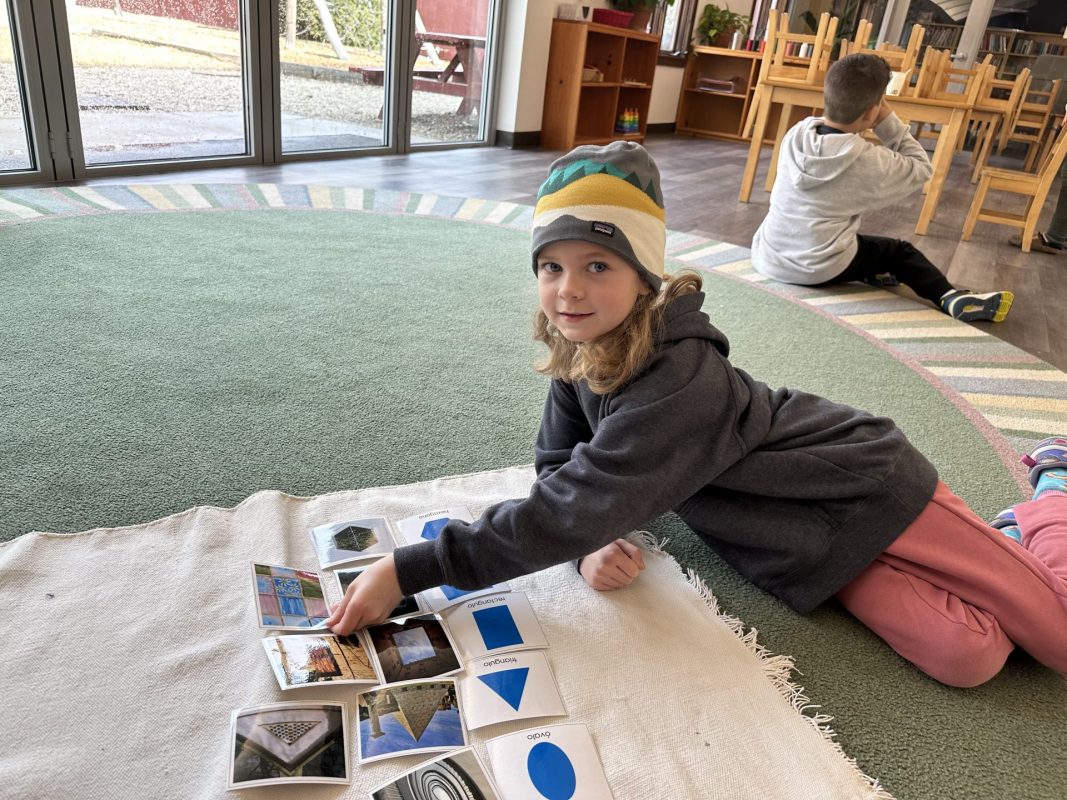
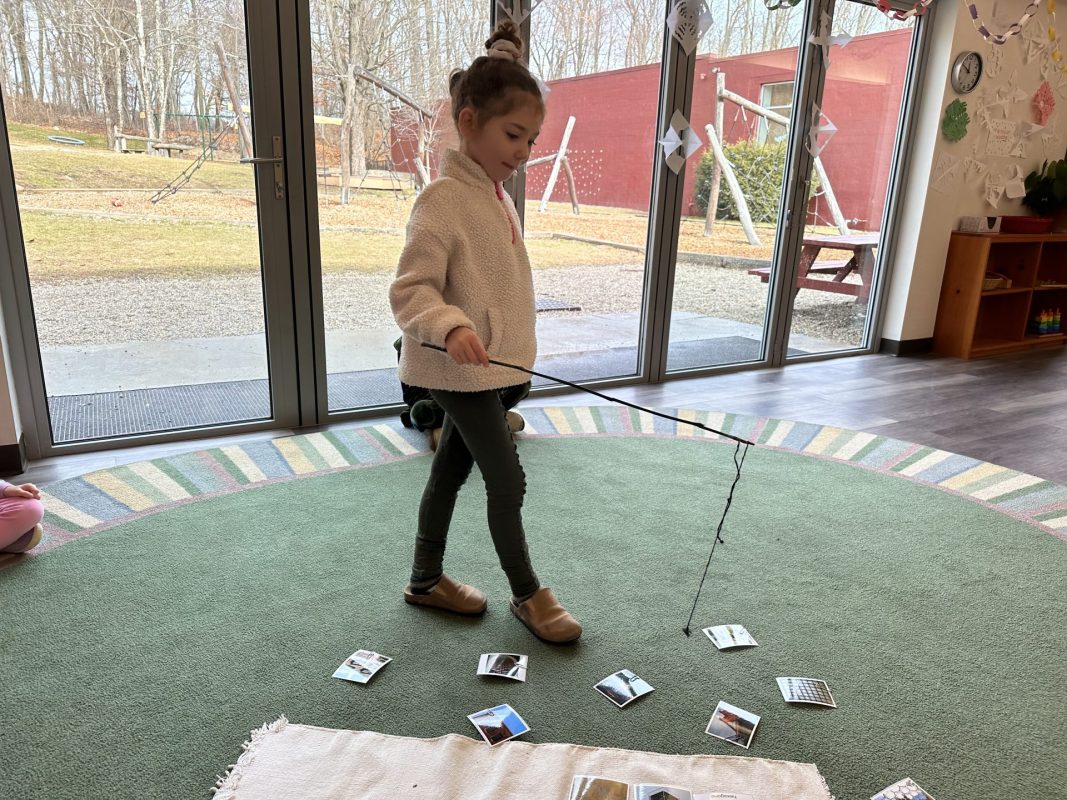
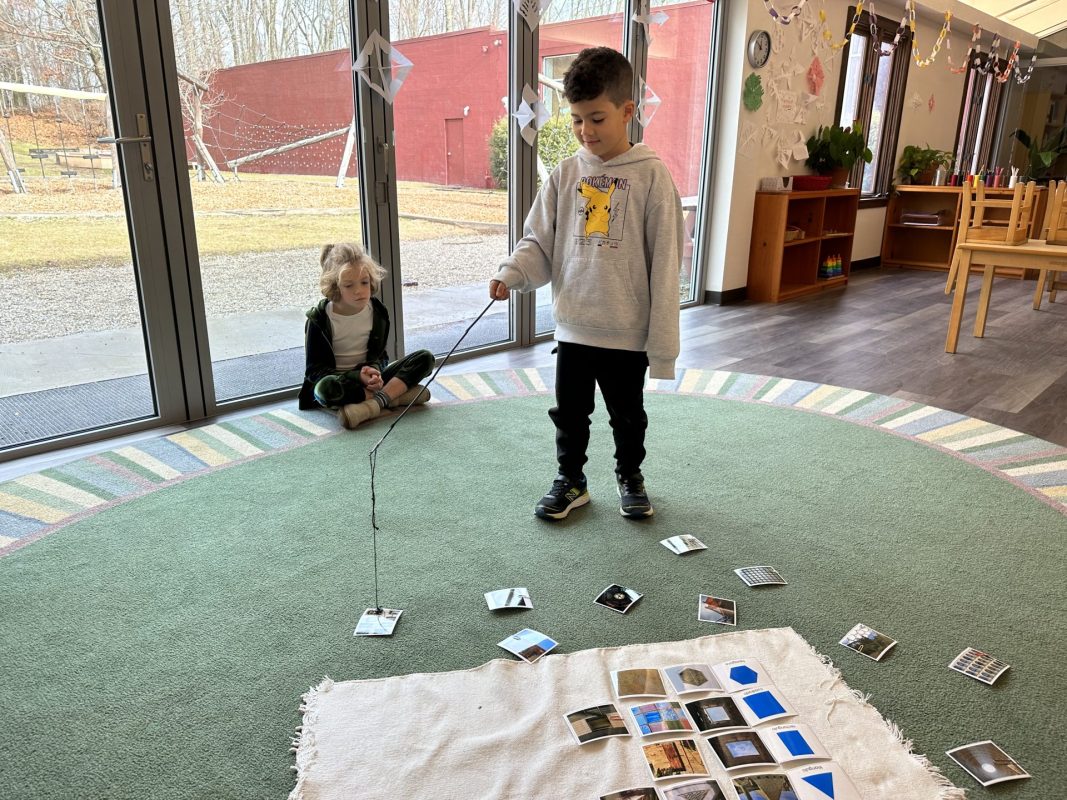
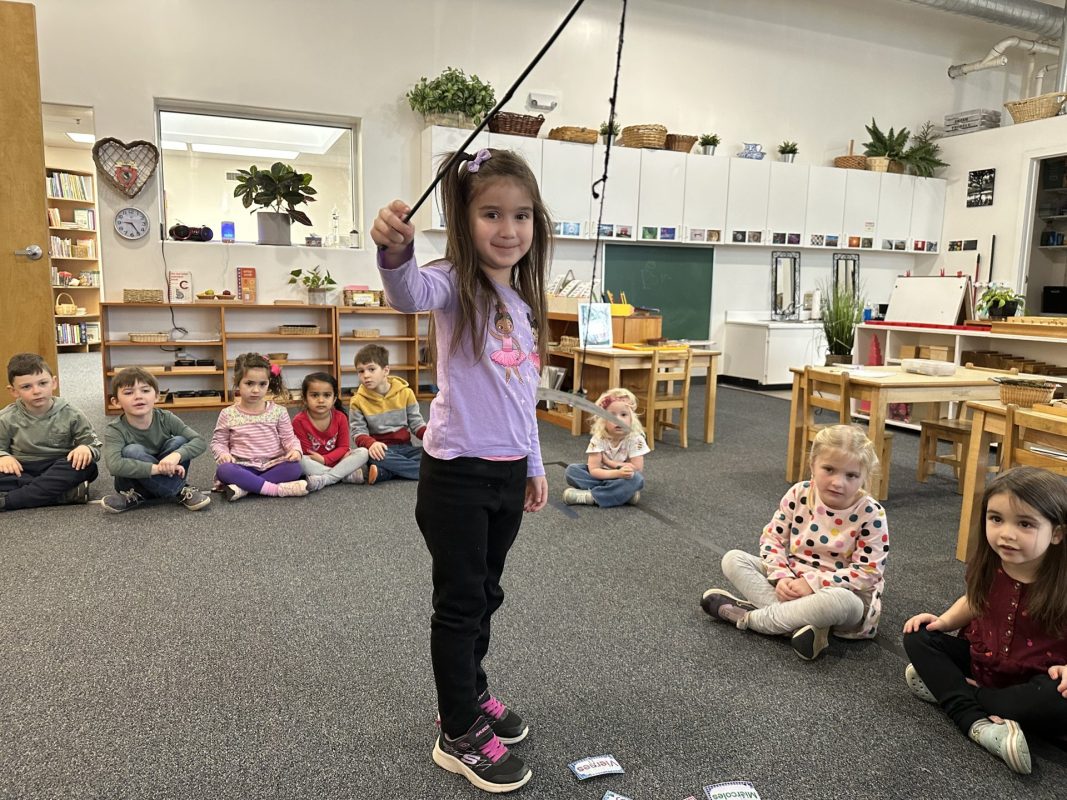
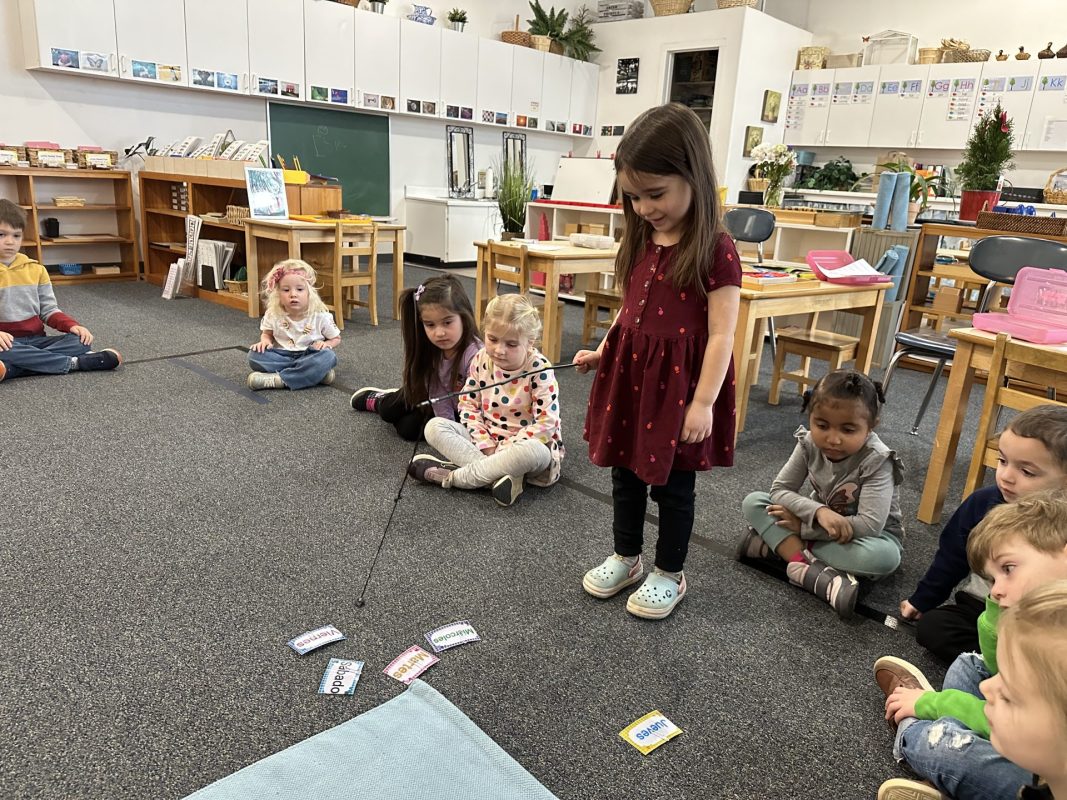
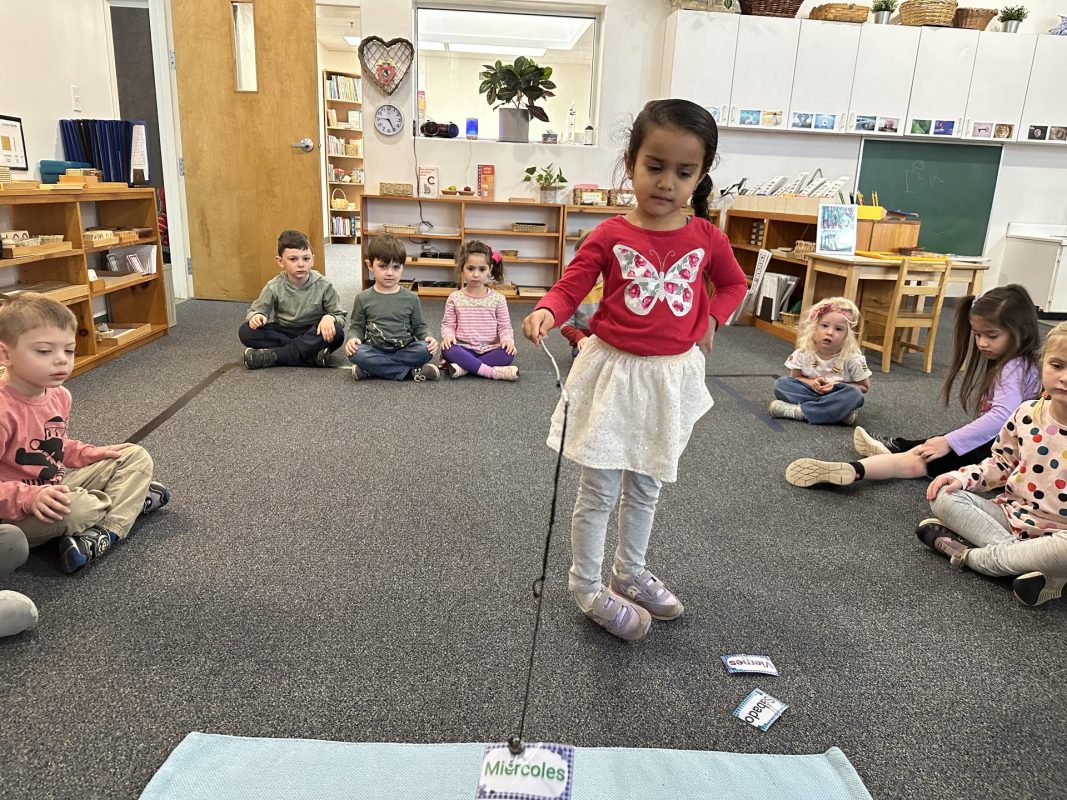
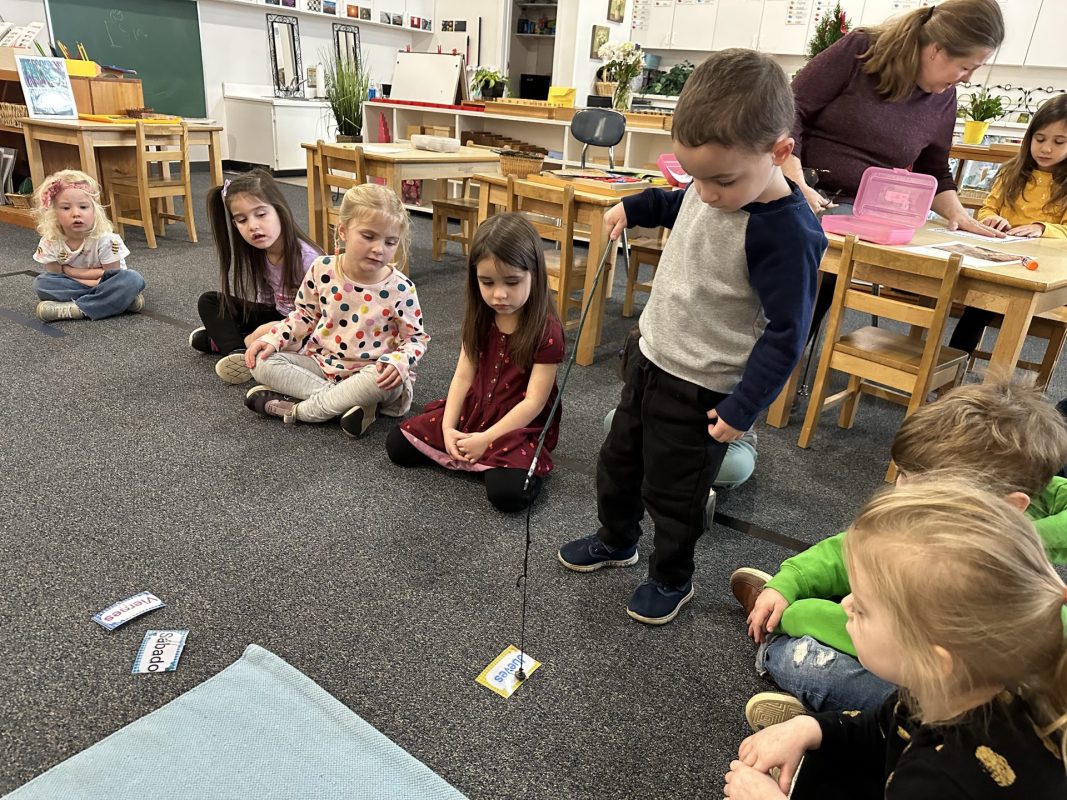
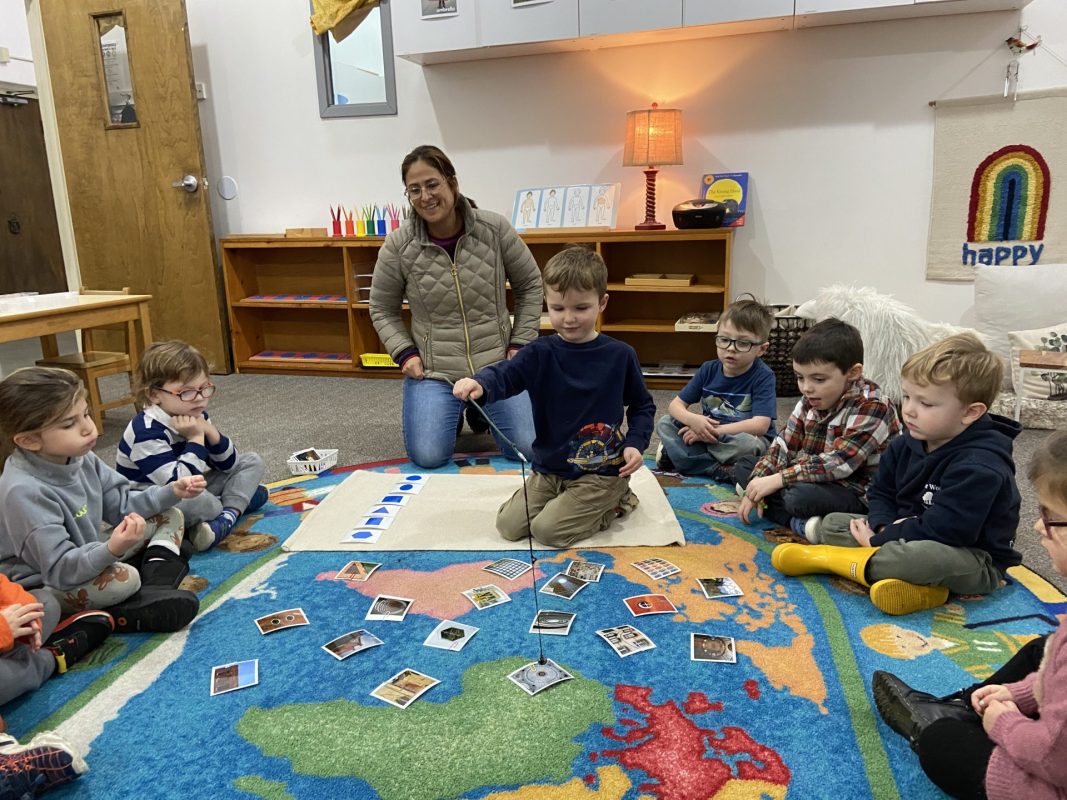
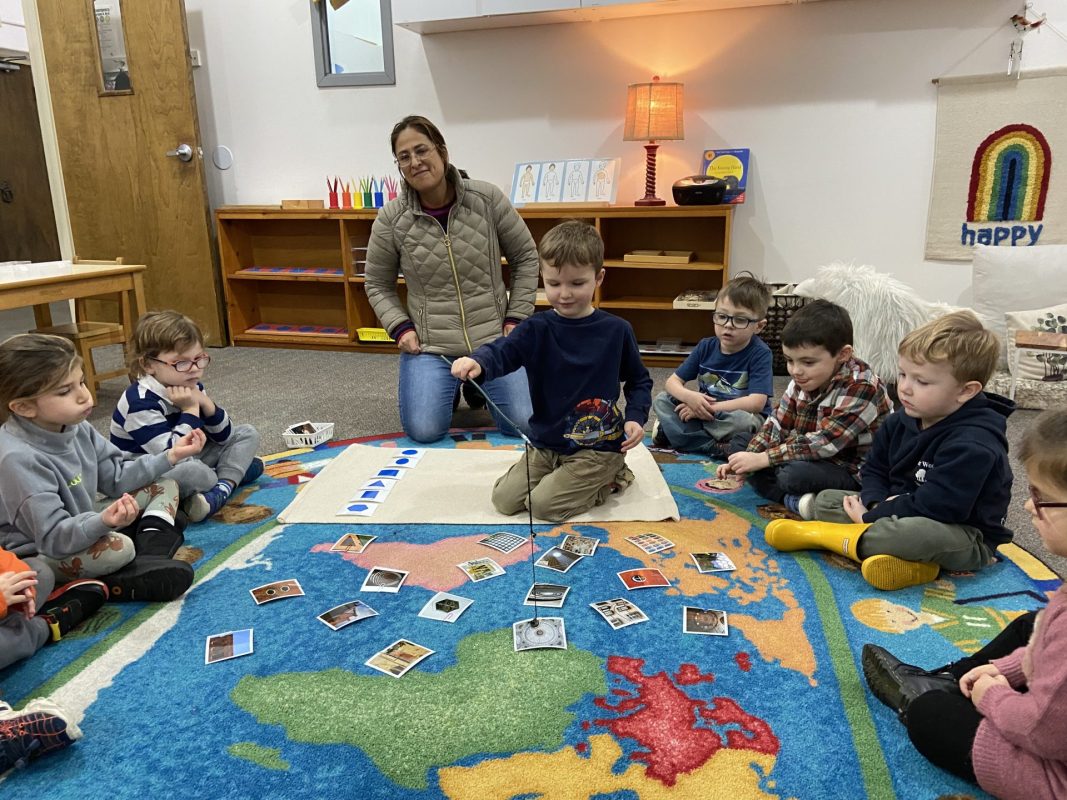
Primary students focused on learning the shapes such as cuadrado (square), circulo (circle), triangulo (triangle), rectangulo (rectangle), ovalo (oval). They studied “las formas” y “los días de la semana” through Spanish Montessori lessons that were left on the language shelves of each class for the students to practice for the entire week.

Lower Elementary students also learned “las formas” such as cuadrado (square), circulo (circle), triangulo (triangle), rectangulo (rectangle), ovalo (oval), corazon (heart), hexagono (hexagon), estrella (star). They studied “las formas” y “los días de la semana” through Spanish Montessori Lessons that were presented in class and left in their classroom to be practiced during the week.

Upper Elementary Students put in hard work learning about clothing and some accessories in Spanish. They also learned how to properly use the articles (el, los, la, las) in Spanish.

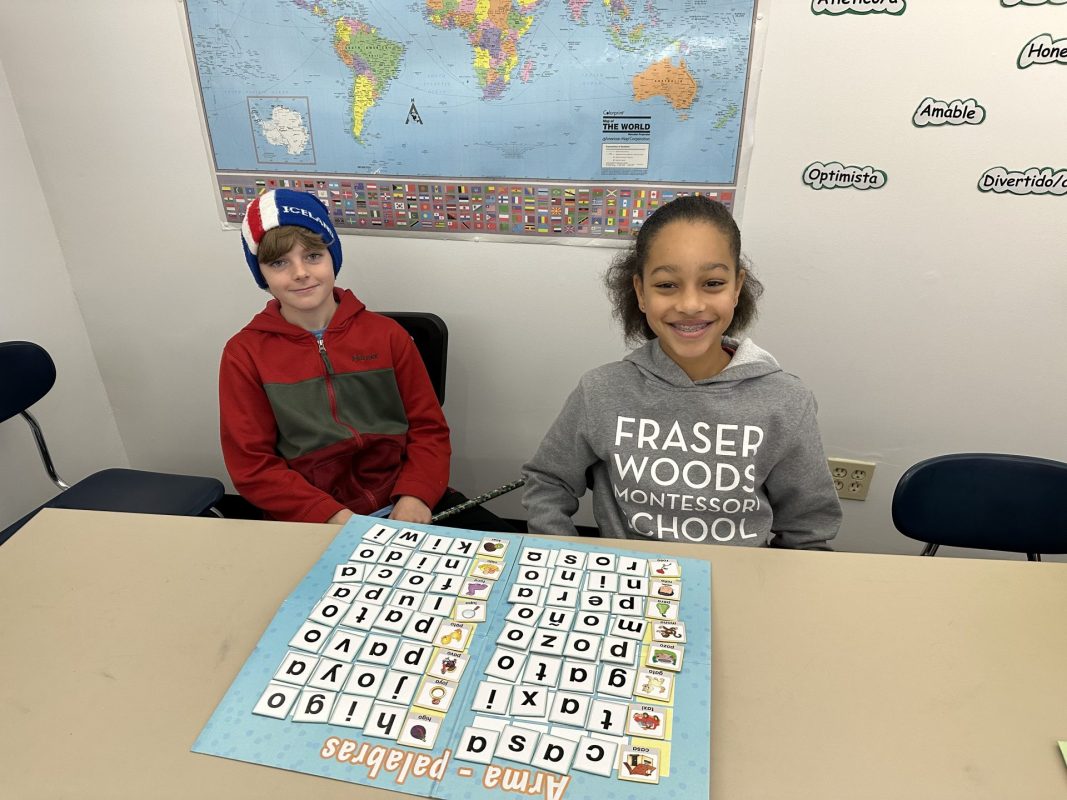
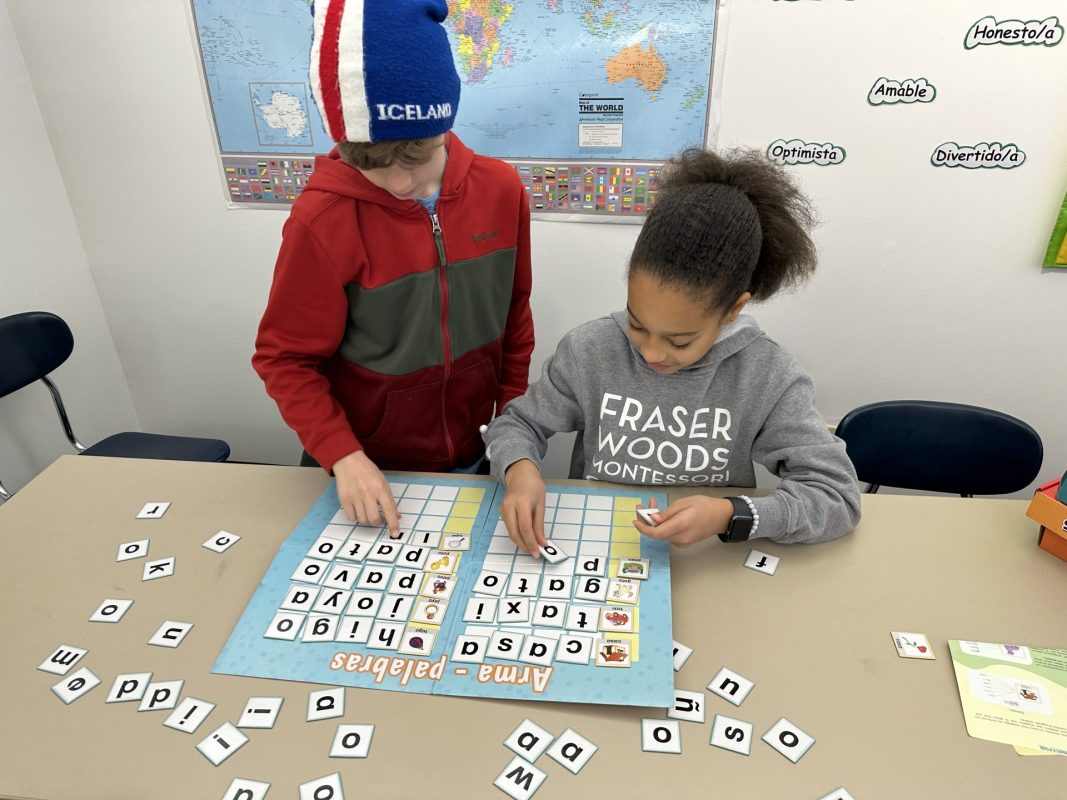
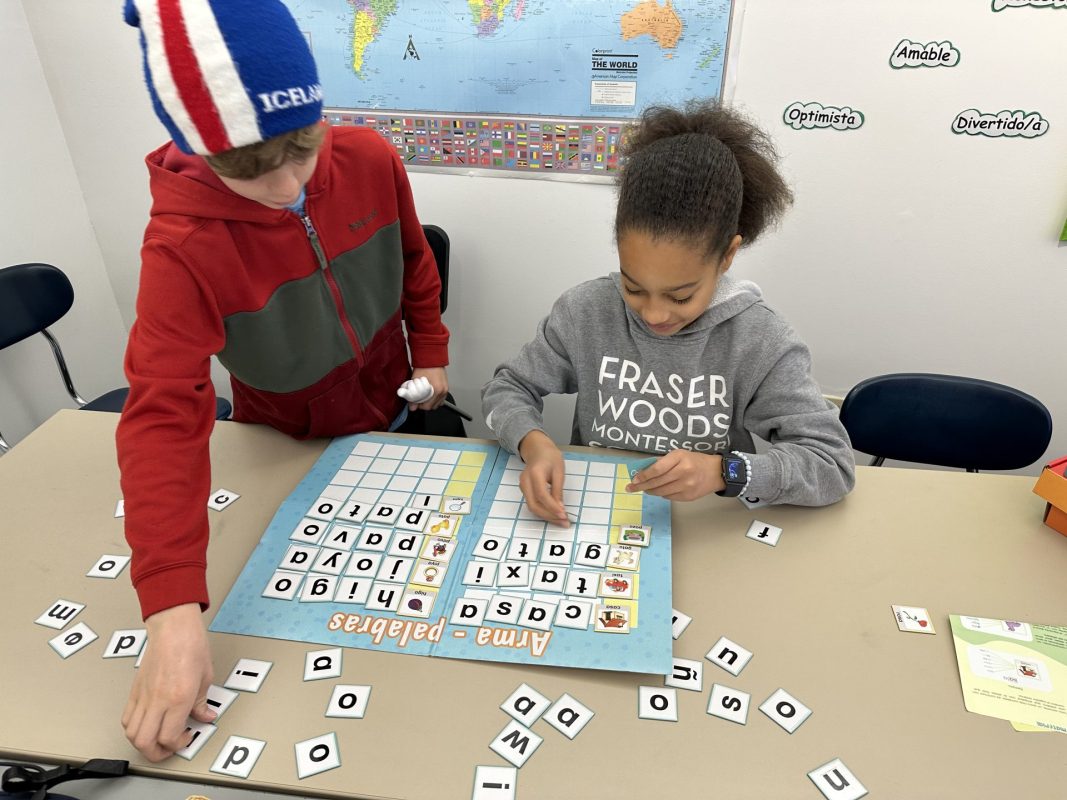
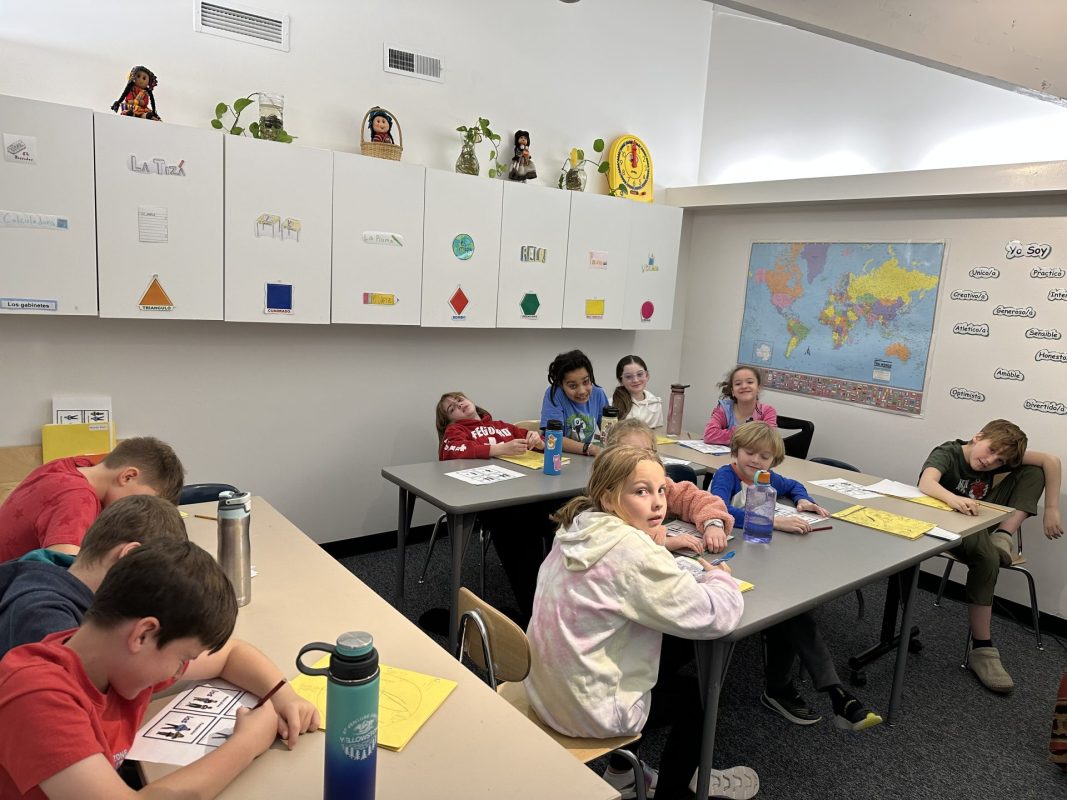
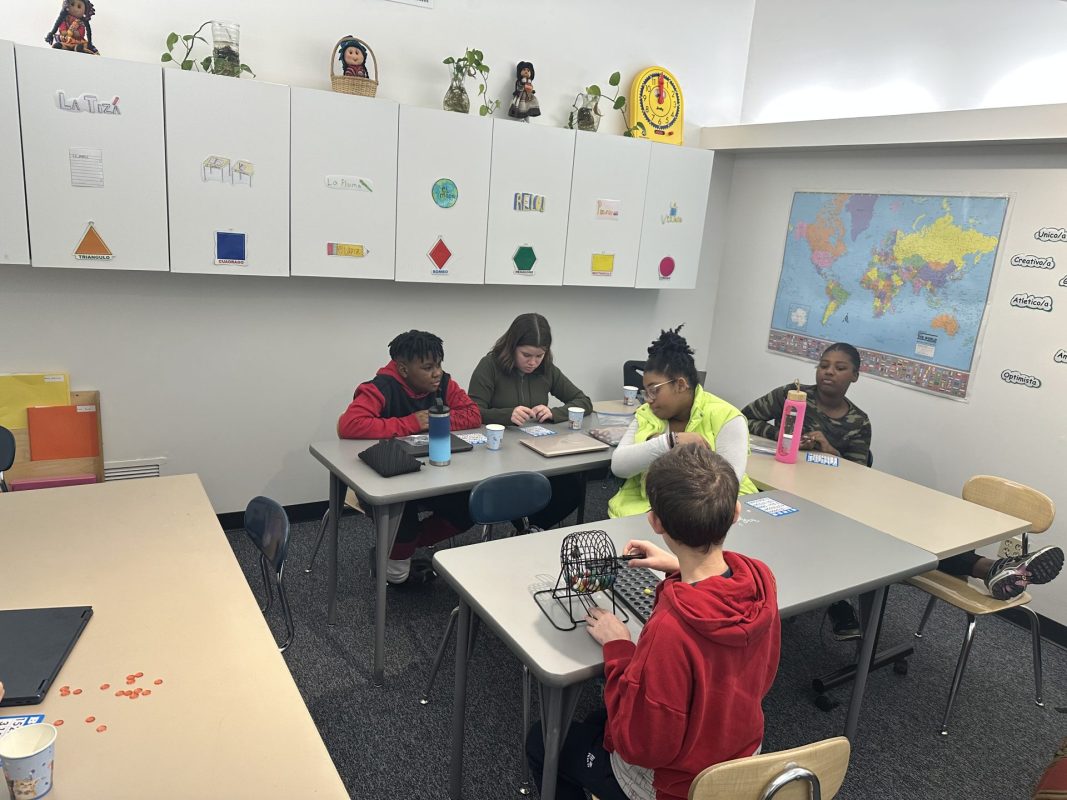
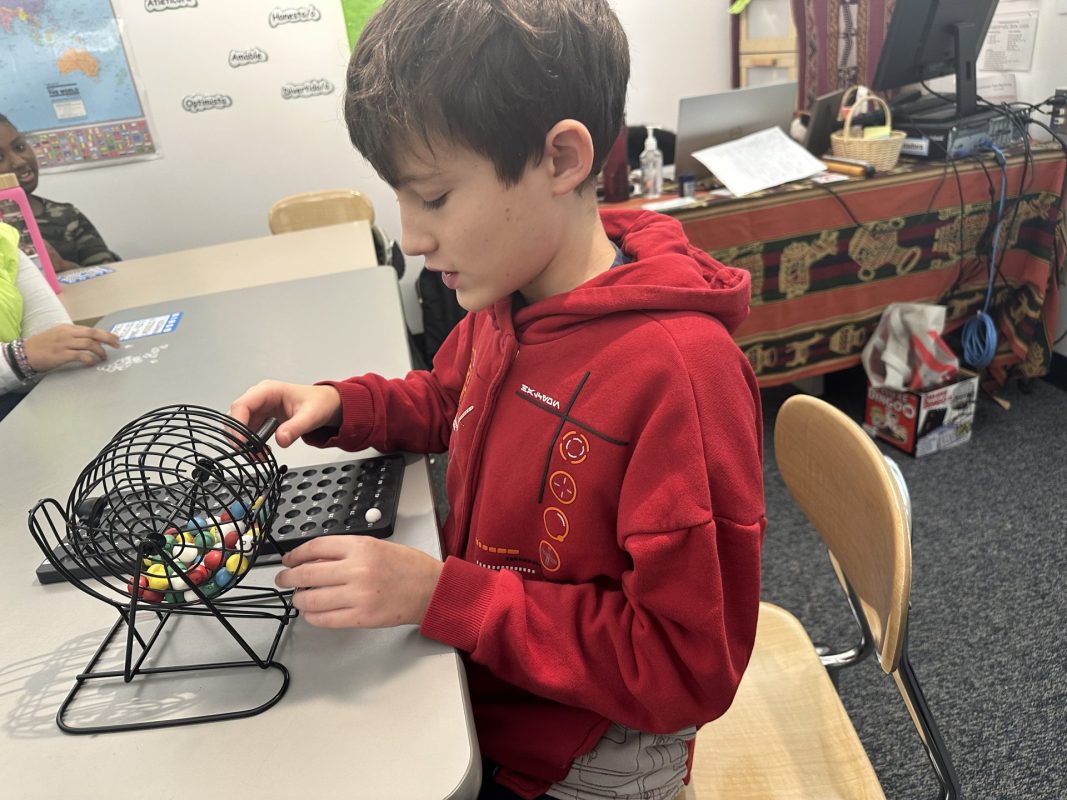
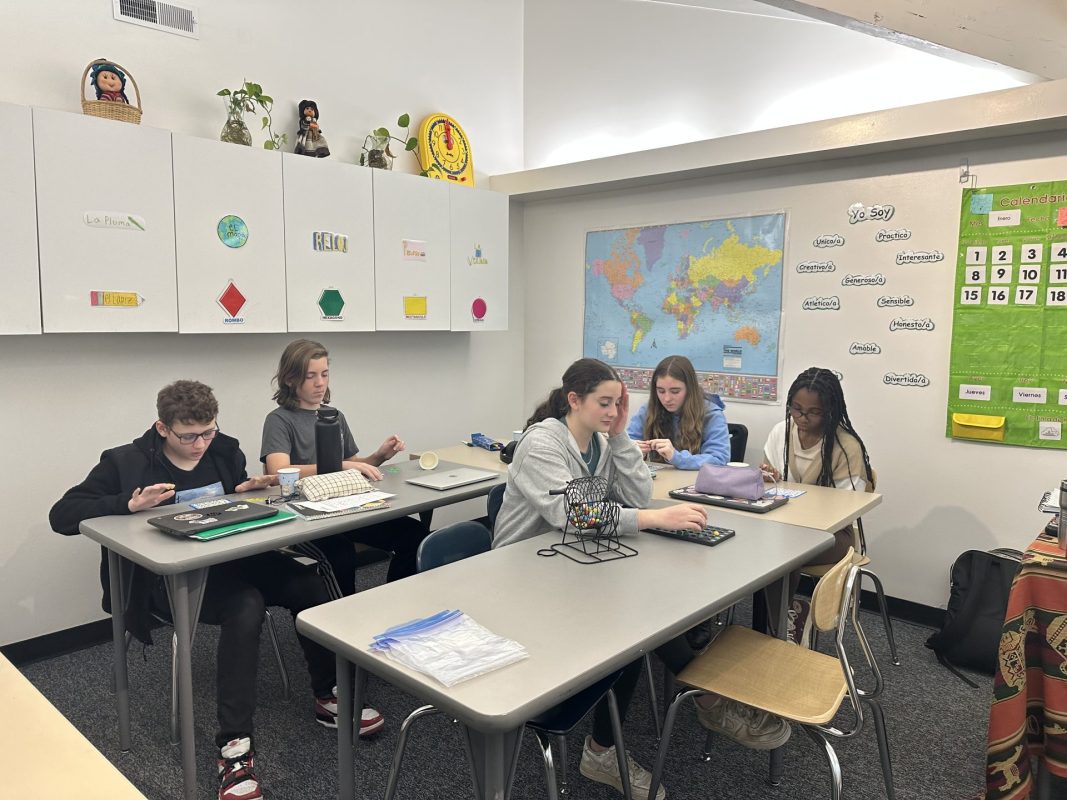
Middle School students continue learning about personal pronouns, household chores, definite and indefinite articles, noun-adjective agreement, conjugation of the verb “ser, estar” and verb “ir” and when and how to use it.  They also learned how to describe the location of objects.  They were very excited to play Bingo in Spanish and they were able to have a virtual trip to “Argentina” and “Bolivia”.  Students learned about life in those countries, their costumes, food, and tourist attractions, giving them the opportunity to learn about and understand different cultures in Latin America.

All the students at FWM are enjoying and learning Spanish and I am very pleased with their progress in accomplishing goals in my class.
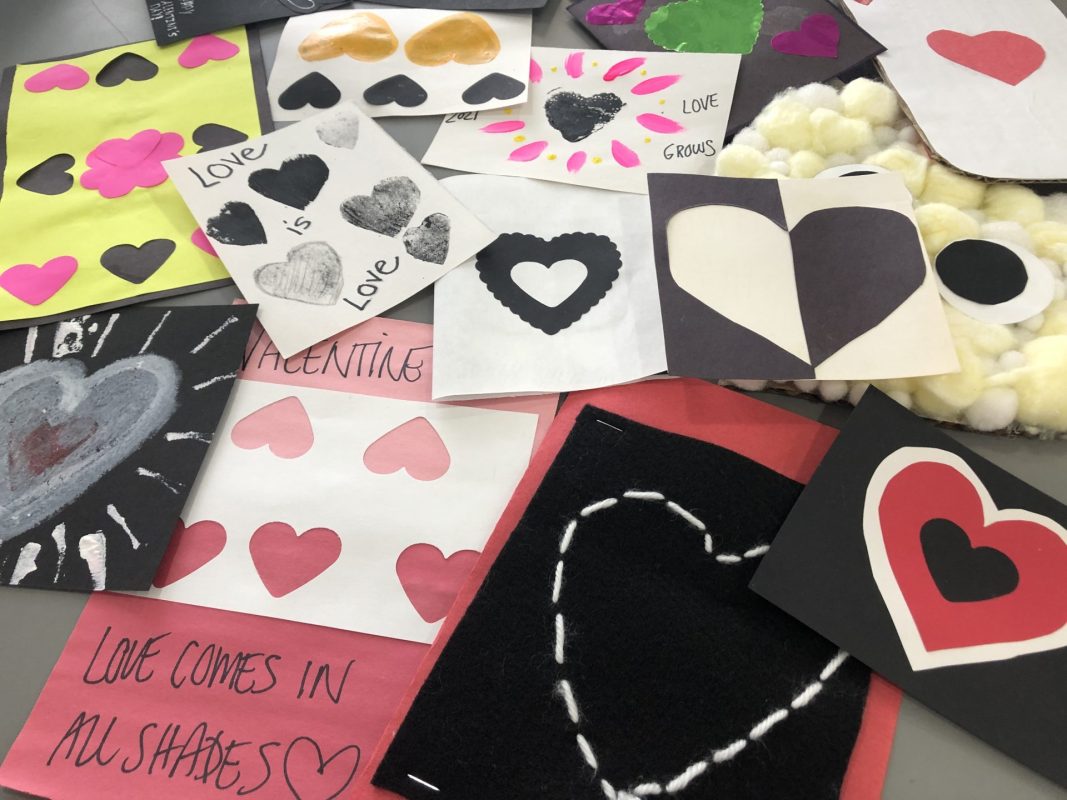
Valentine Cards for Older Adults

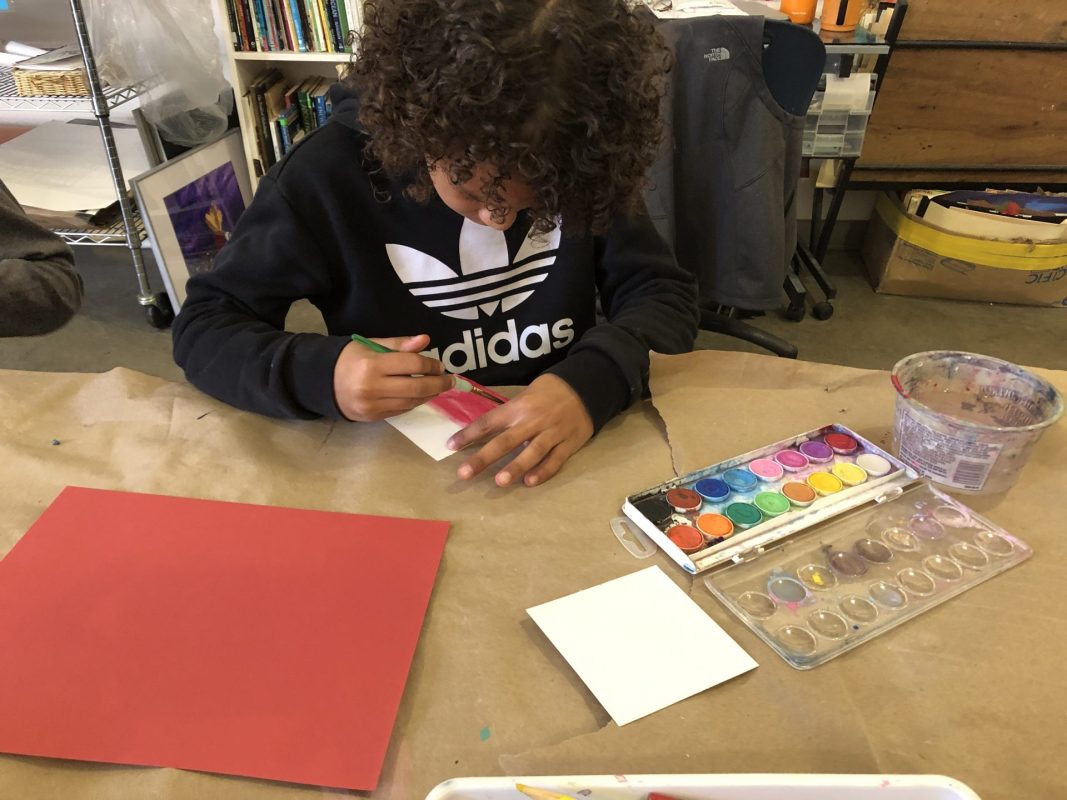
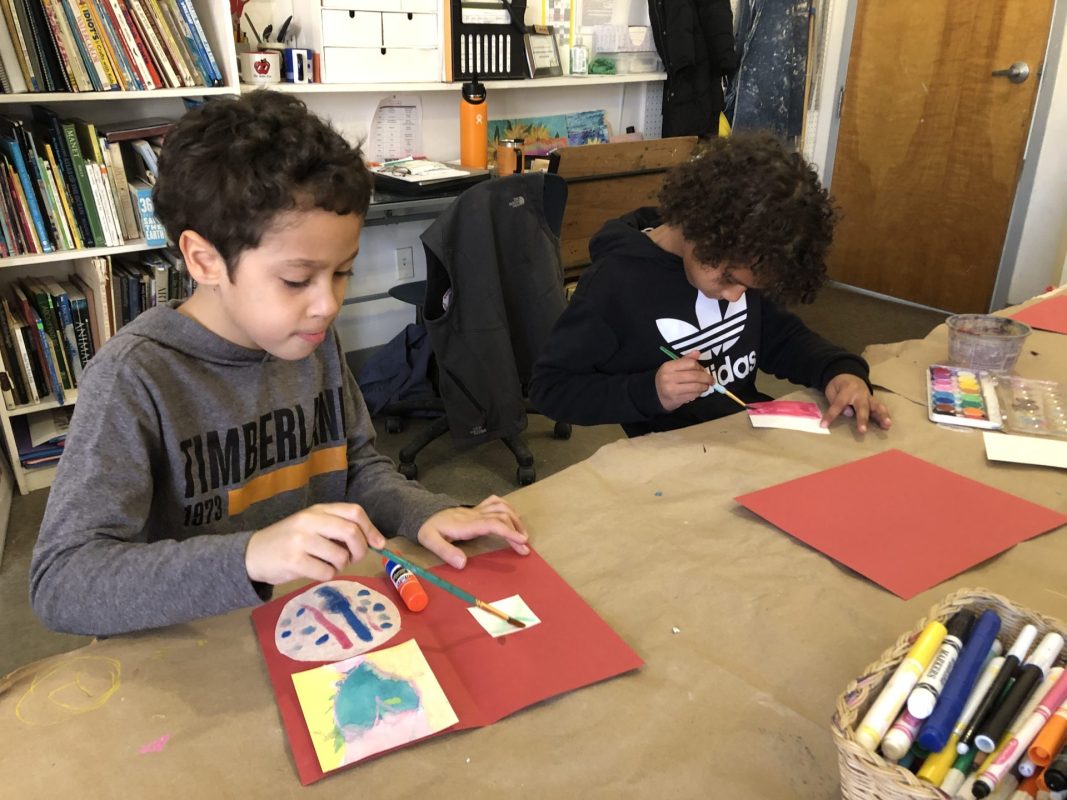
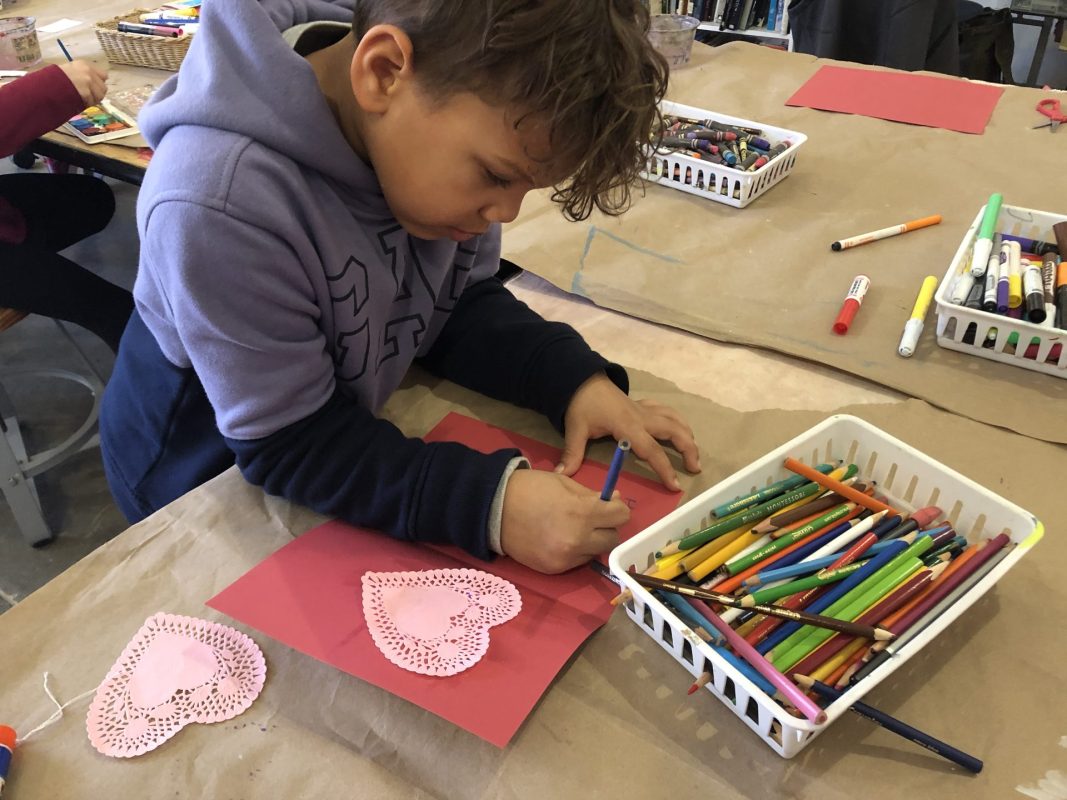
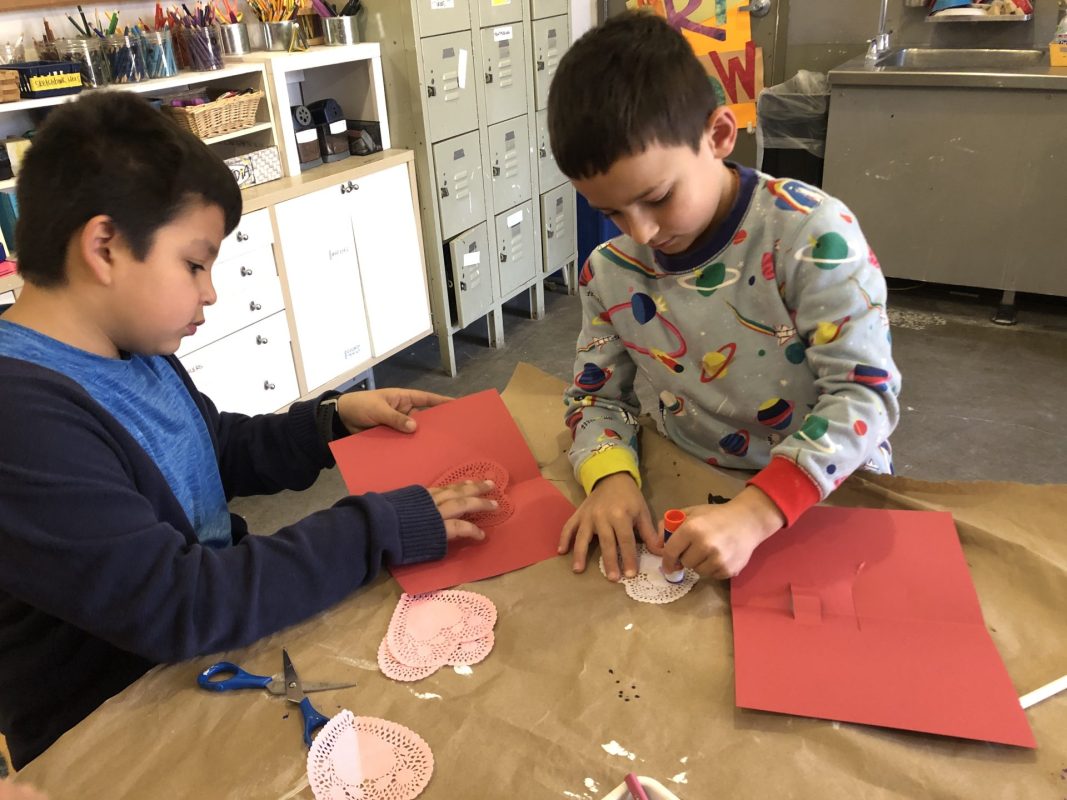
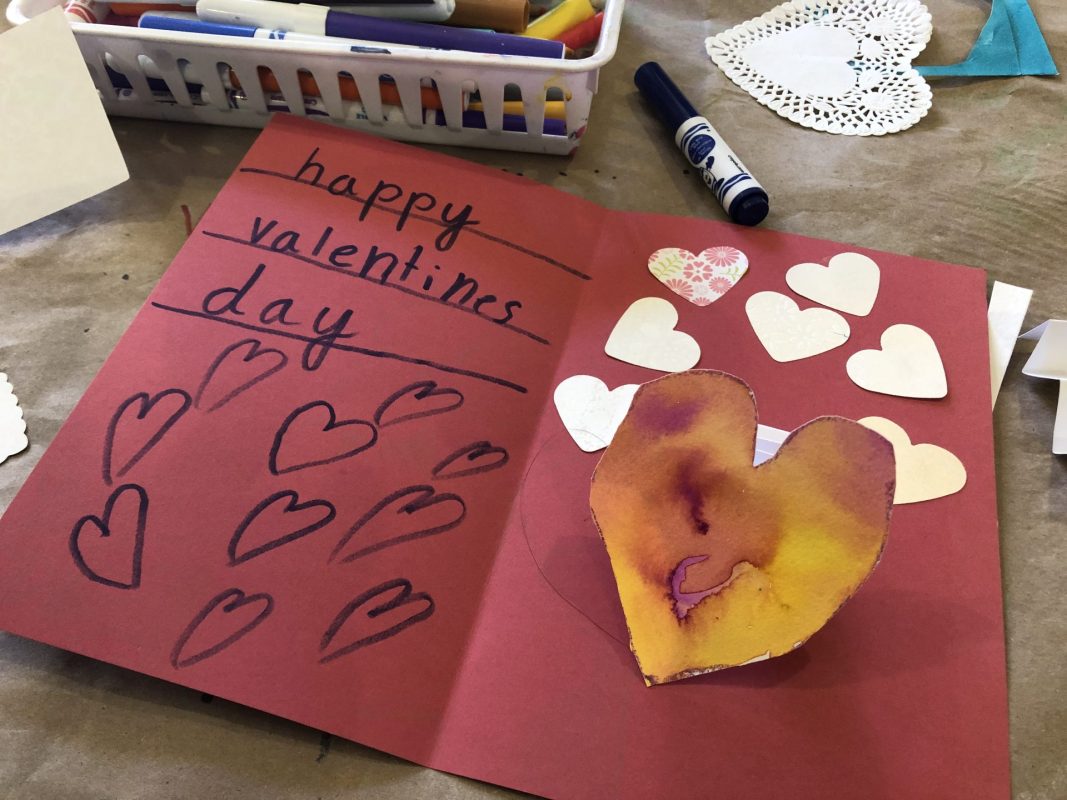
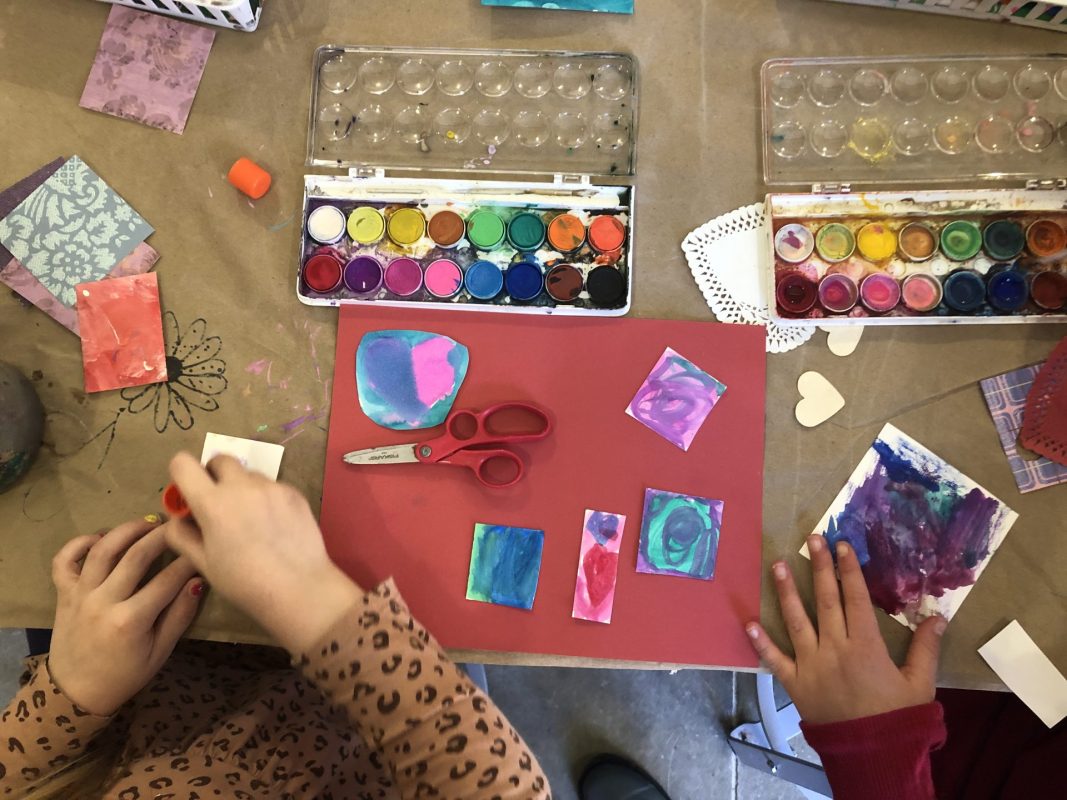
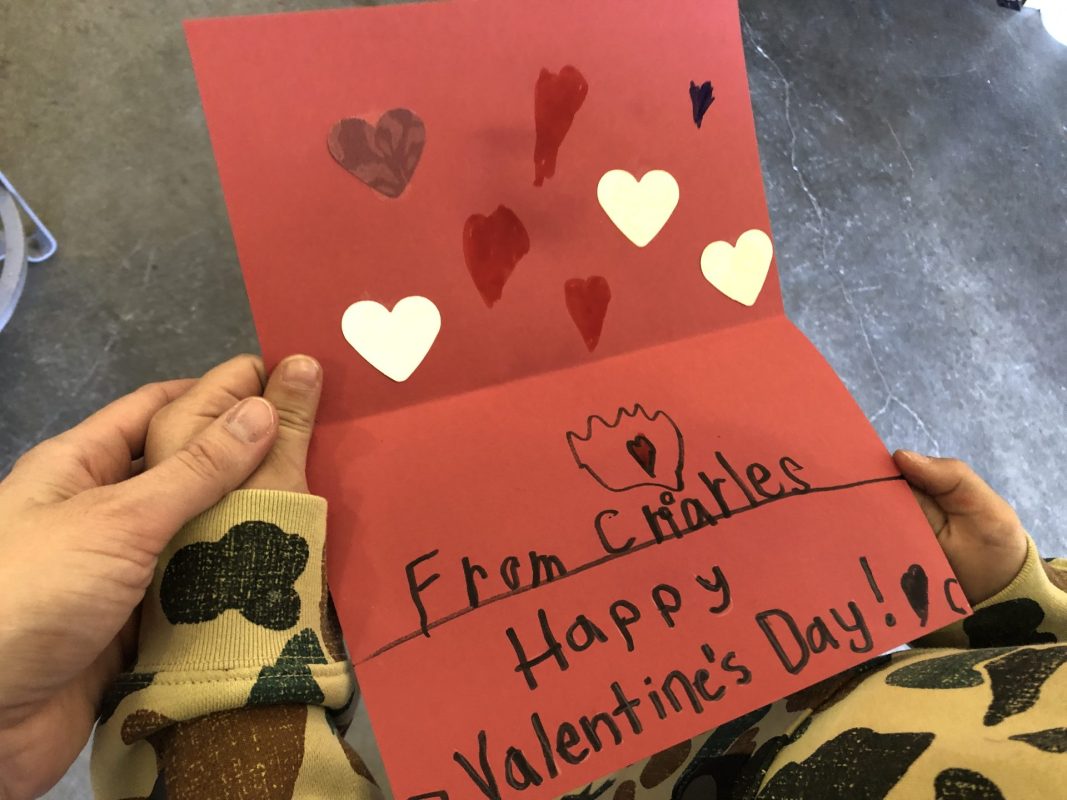
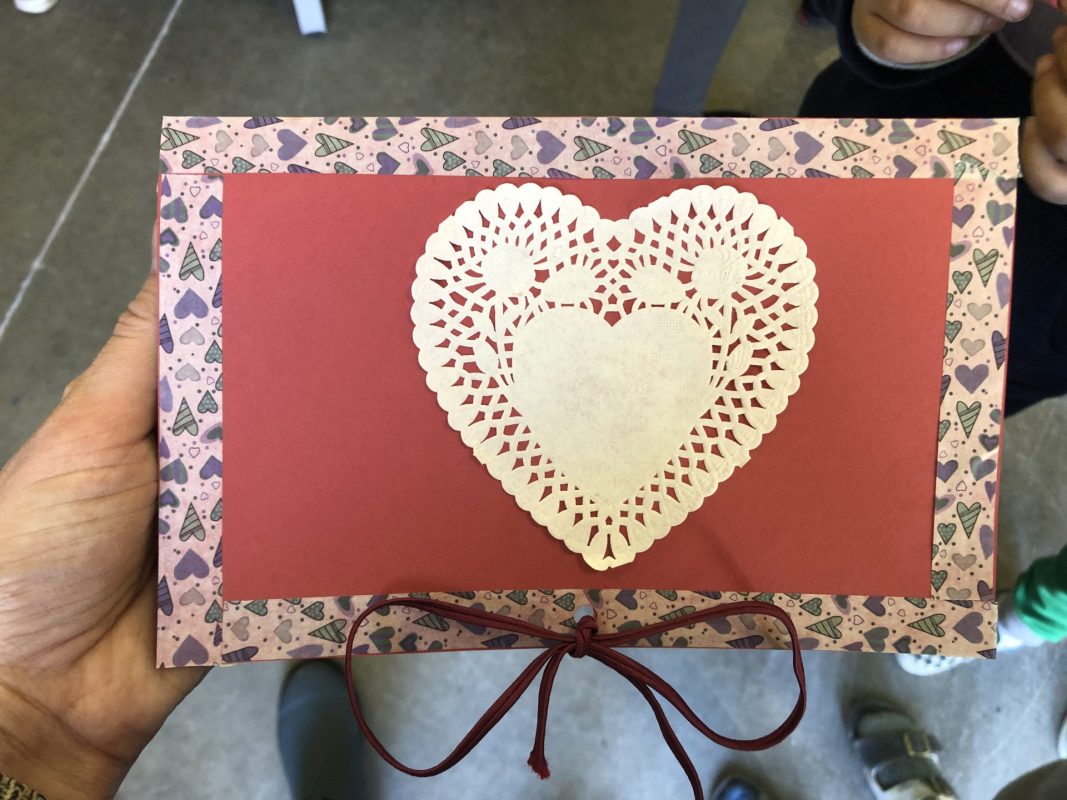
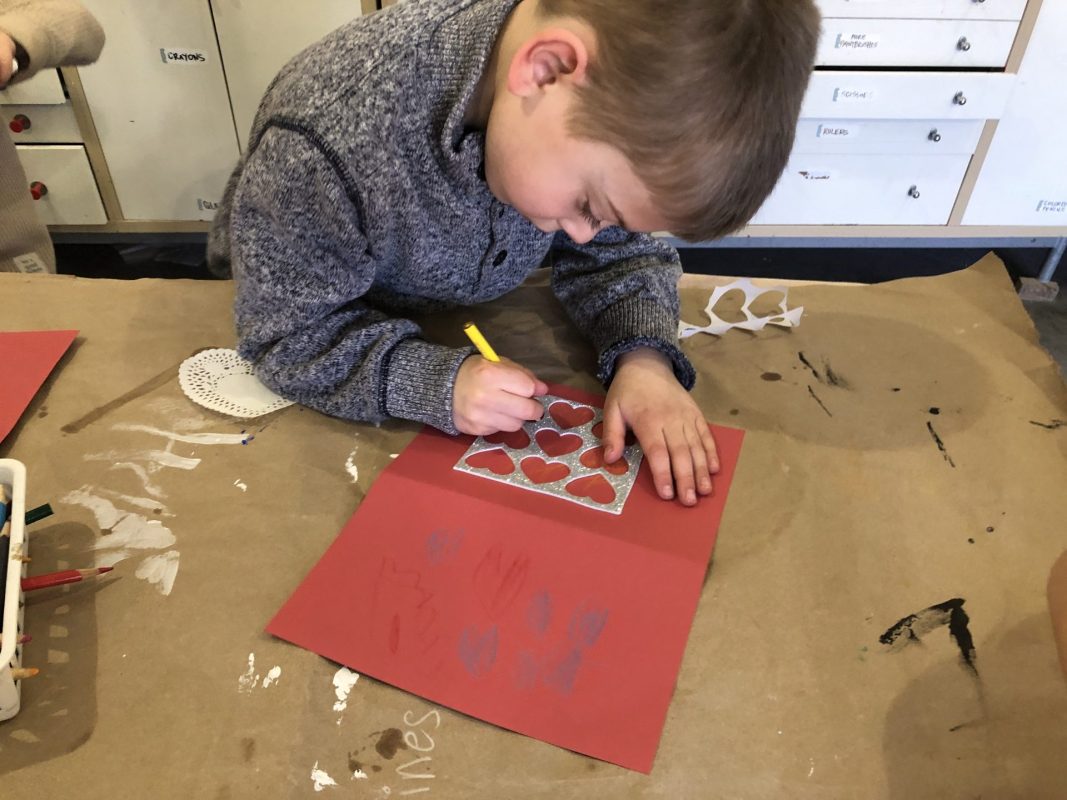
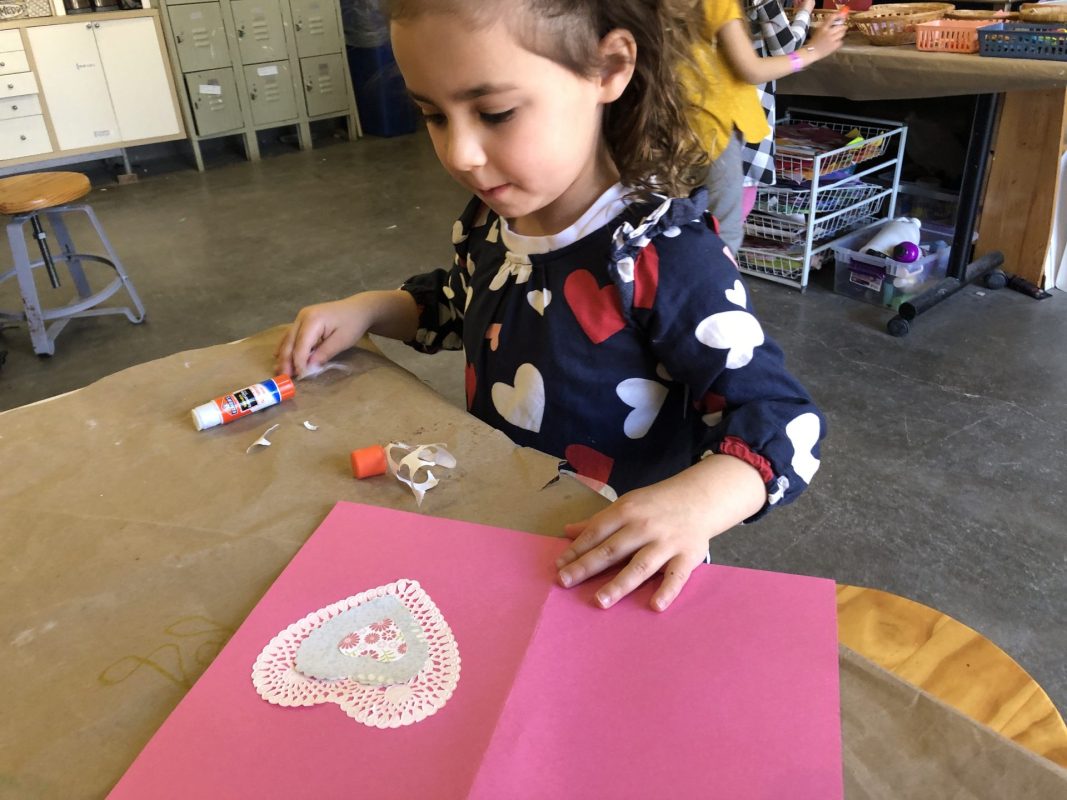
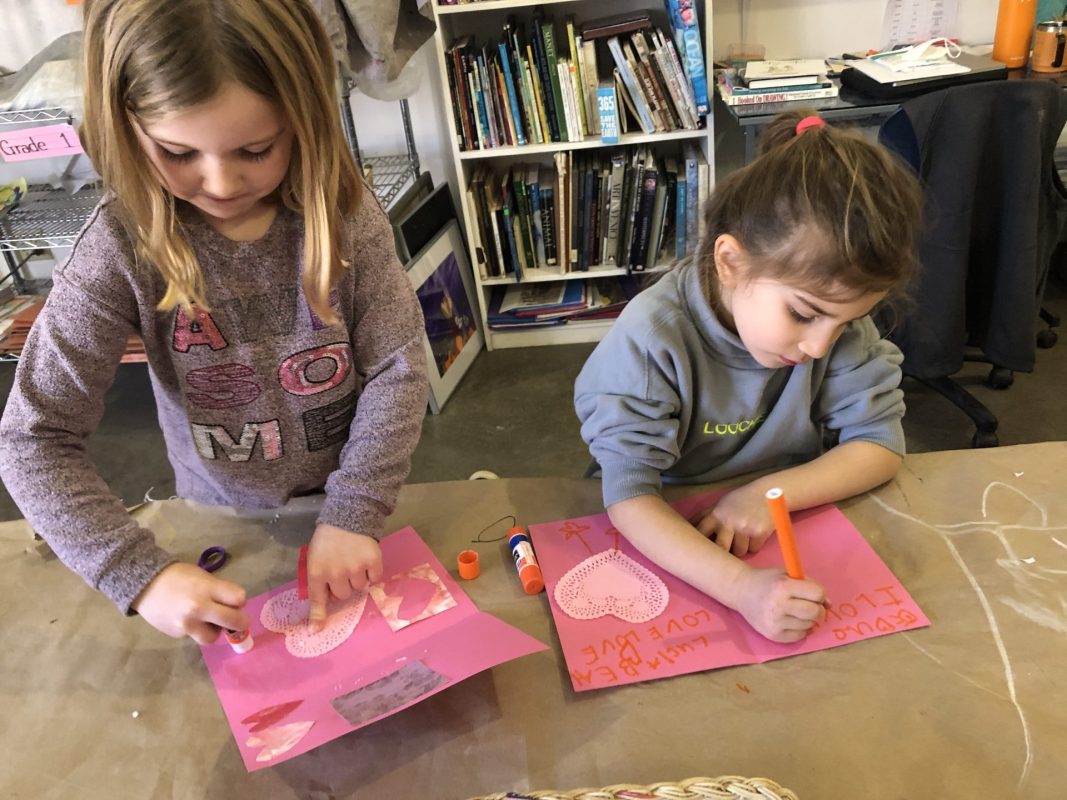
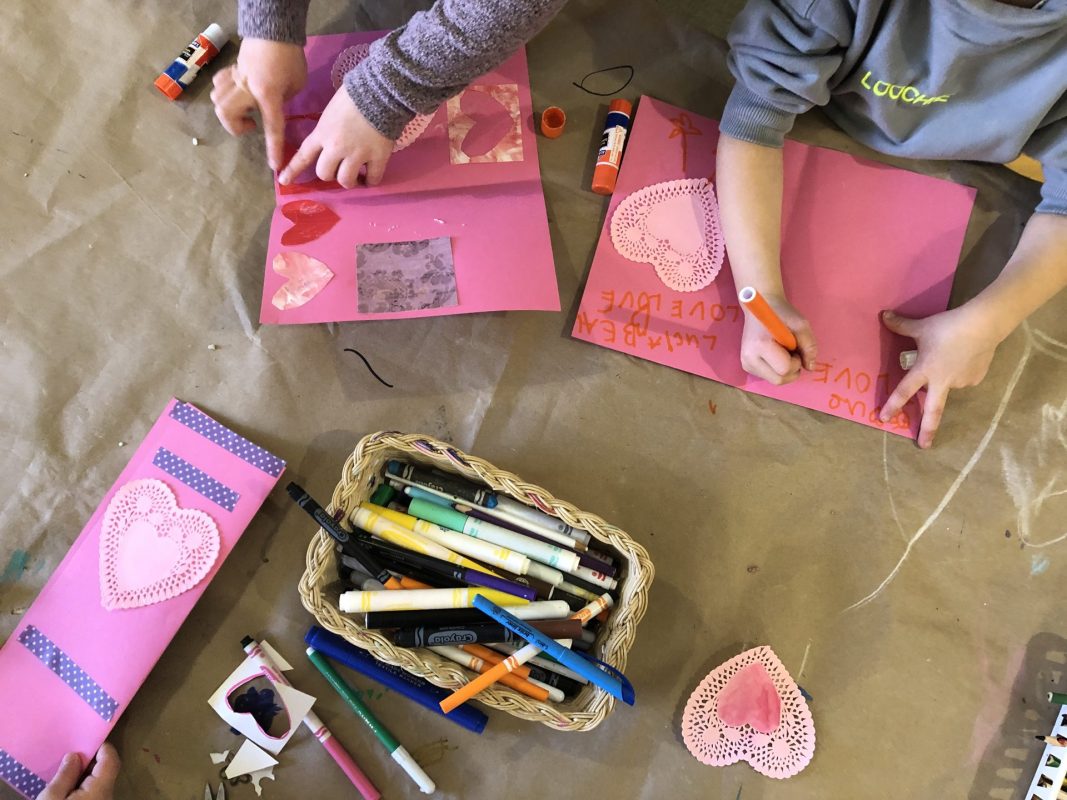
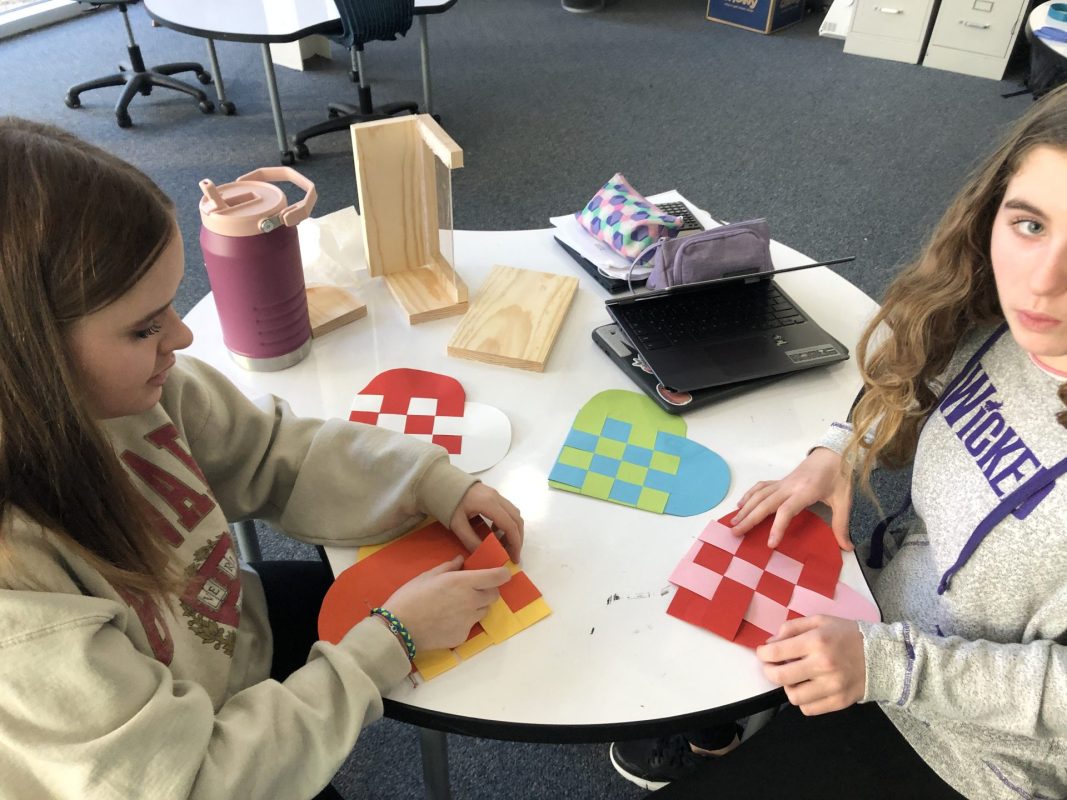
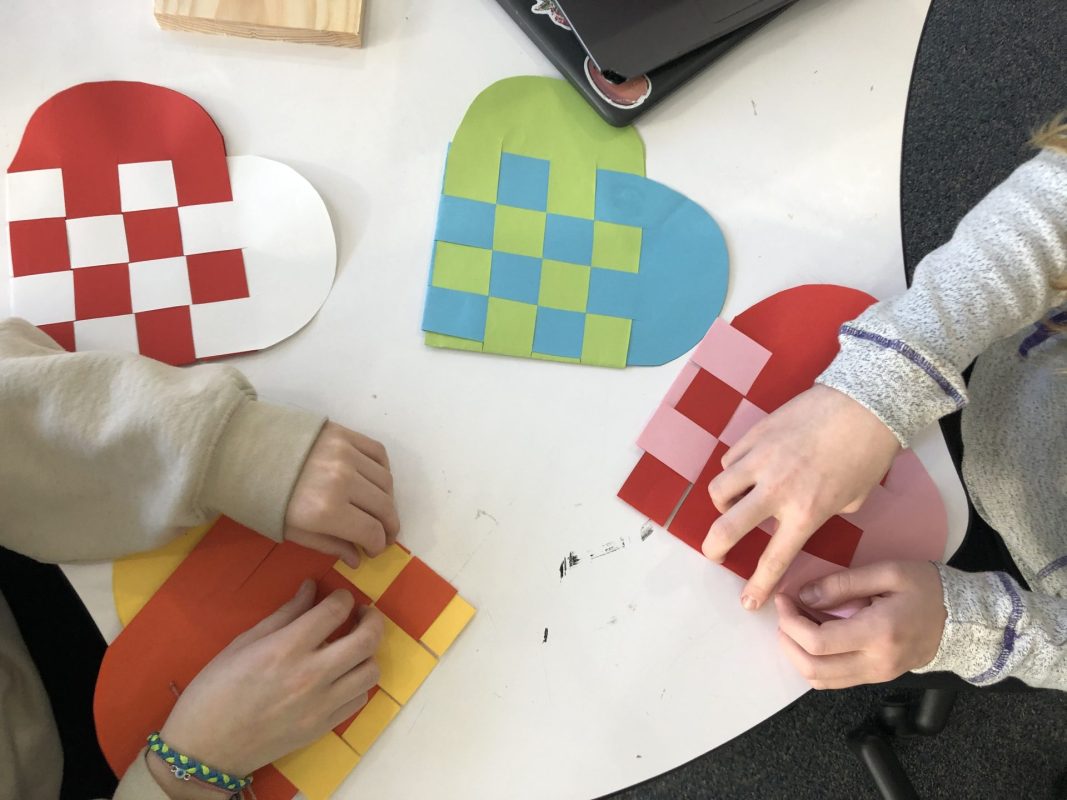
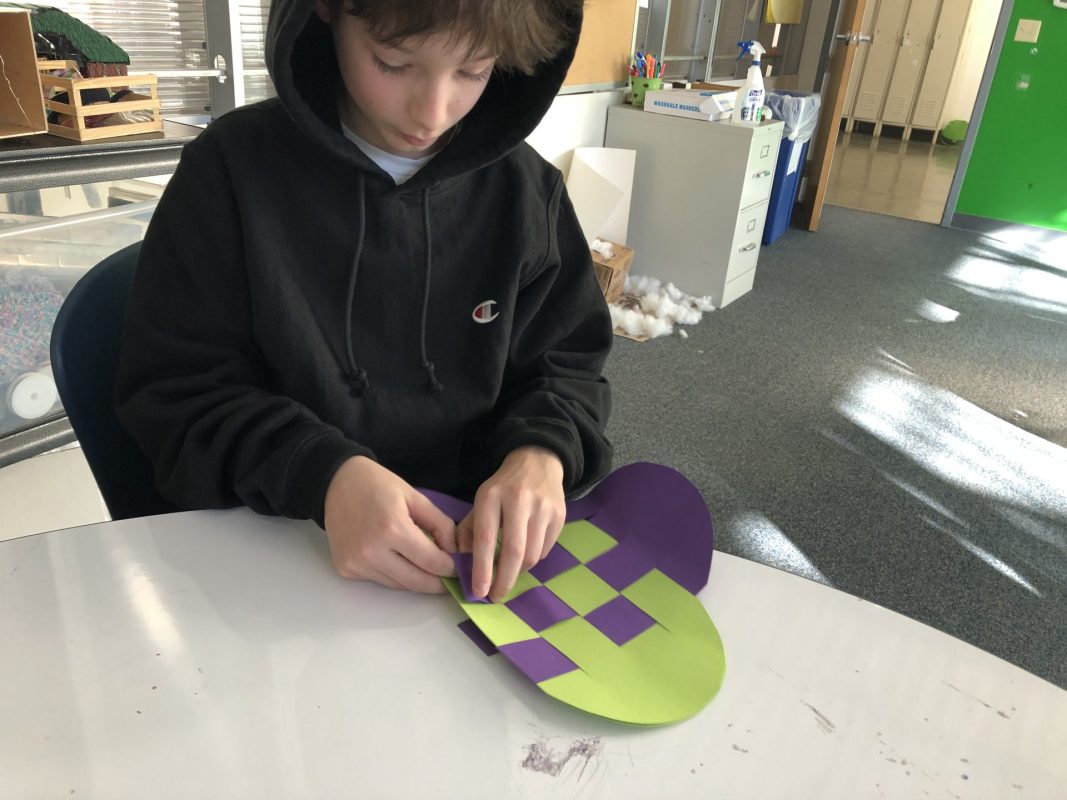
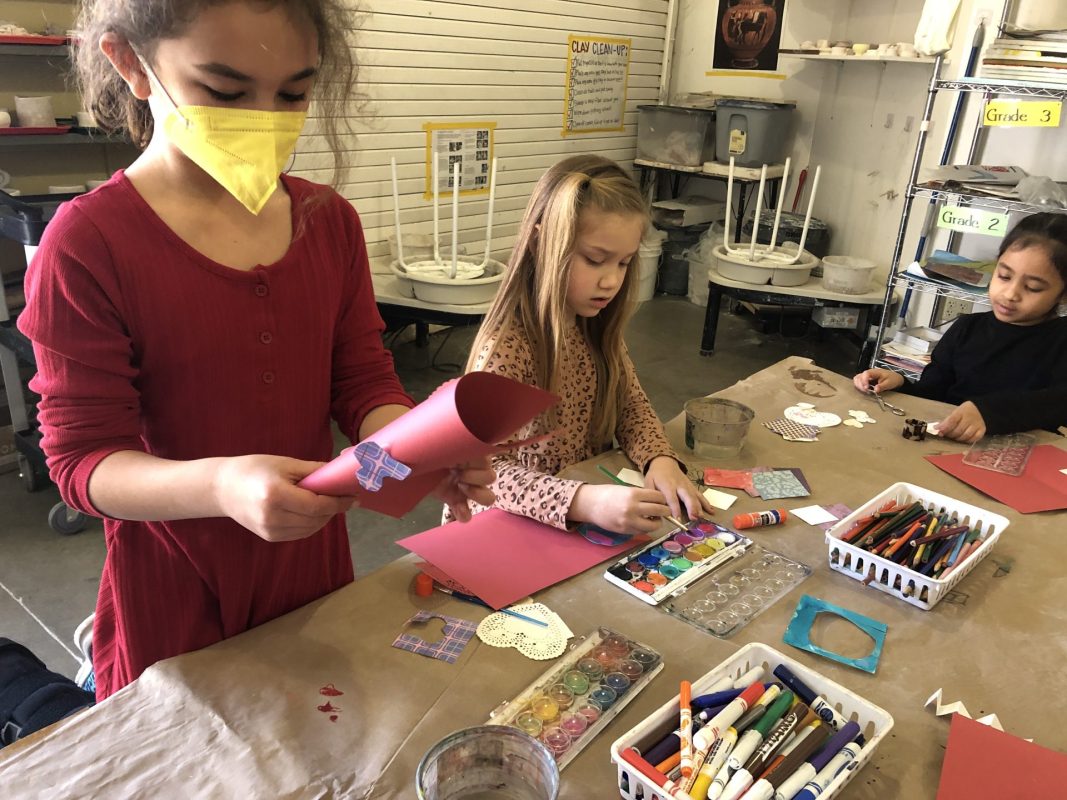
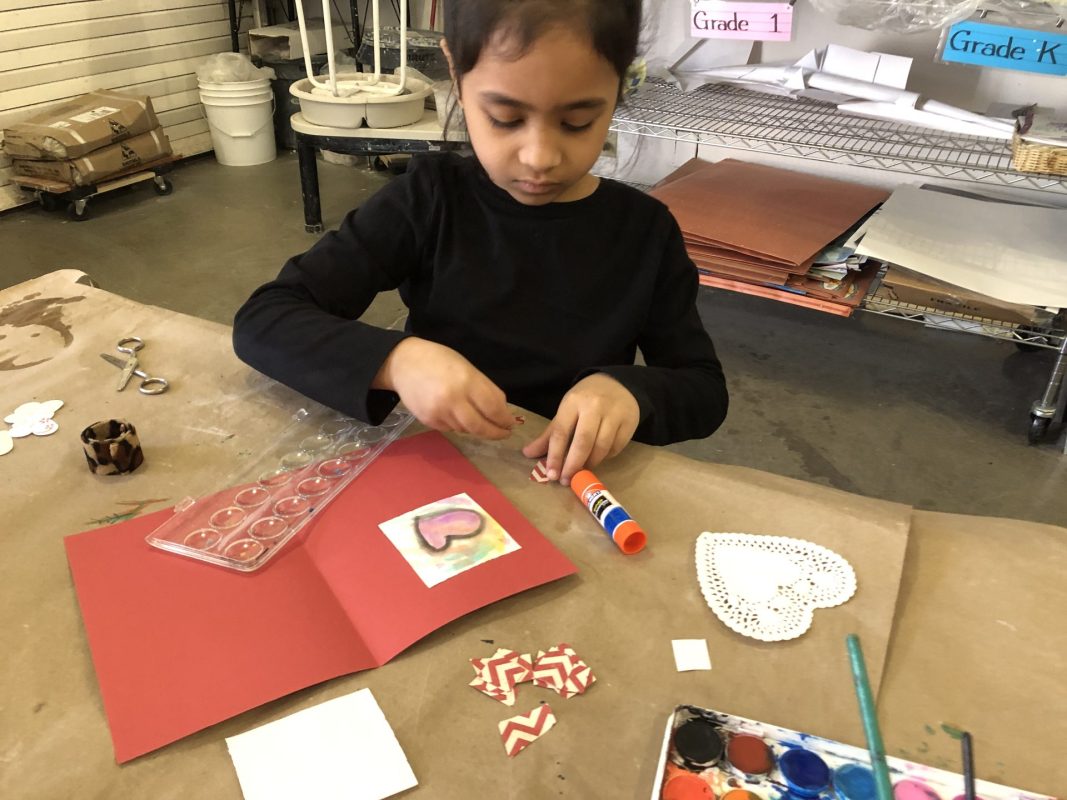
Students in Kindergarten through 8th grade have been hard at work creating colorful, thoughtful Valentine’s Day cards for older adults. We partnered with Watermark (Southbury Senior Living Community) and will send their residents our Valentine’s creations next week. Middle School students specifically designed cards for the visually impaired, while our younger students created cards using their own creative imaginations.

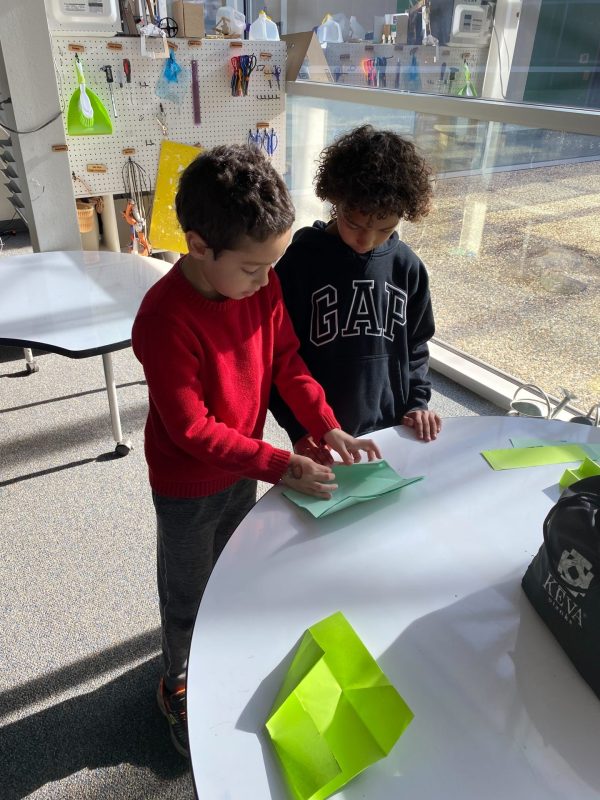
A recurring theme in our Middle School STEAM curriculum is empathy. We often explore this topic through design challenges in which the students make/build things for someone other than themselves. For February, we created a “High Contrast Valentines” project in which students created cards using bold, contrasting colored paper. We taught our students what high-contrast colors are (colors that are directly opposite one another on the color wheel )and why they’re easier to see. We also discussed tactile design and how incorporating textural elements into our cards could benefit the visually impaired. This is a small step in our efforts to design with empathy in mind so that our creations are accessible to older adults, who often have different types of visual impairments.
Younger students in Kindergarten through Upper Elementary also crafted Valentine’s cards for the Watermark residents using various collage materials.  We hope our creations will spread the love and joy of this holiday to their community!

Independent Creativity with Lower Elementary 

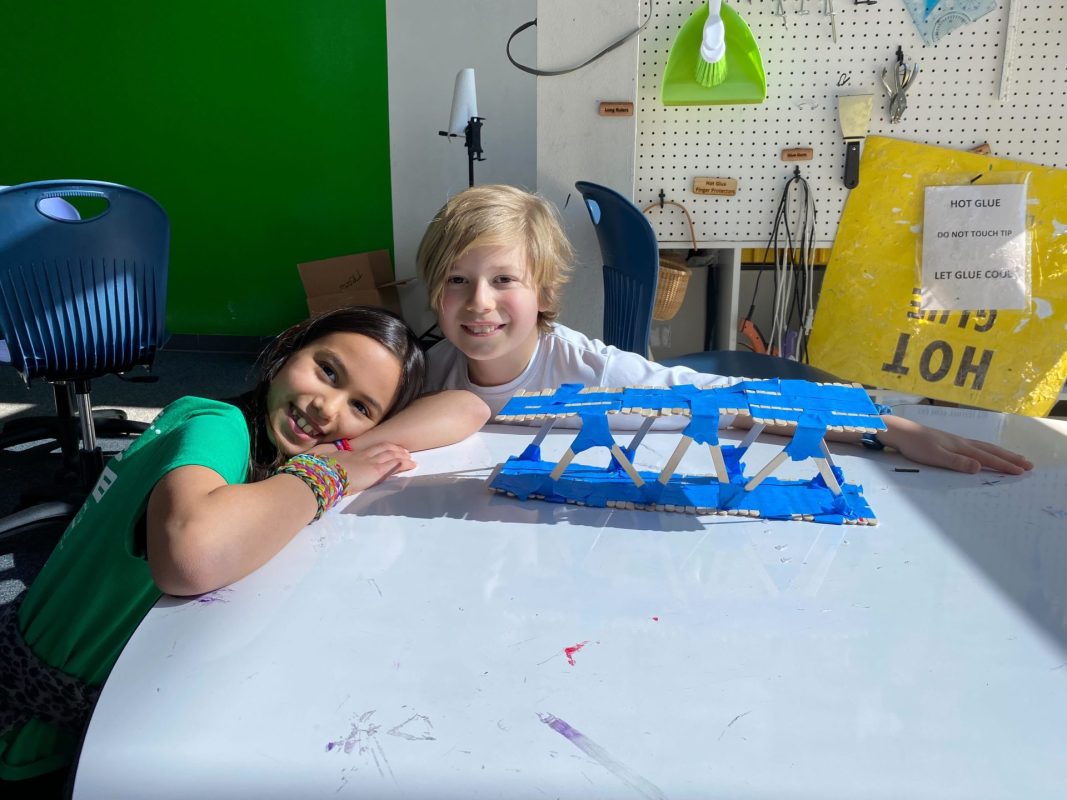
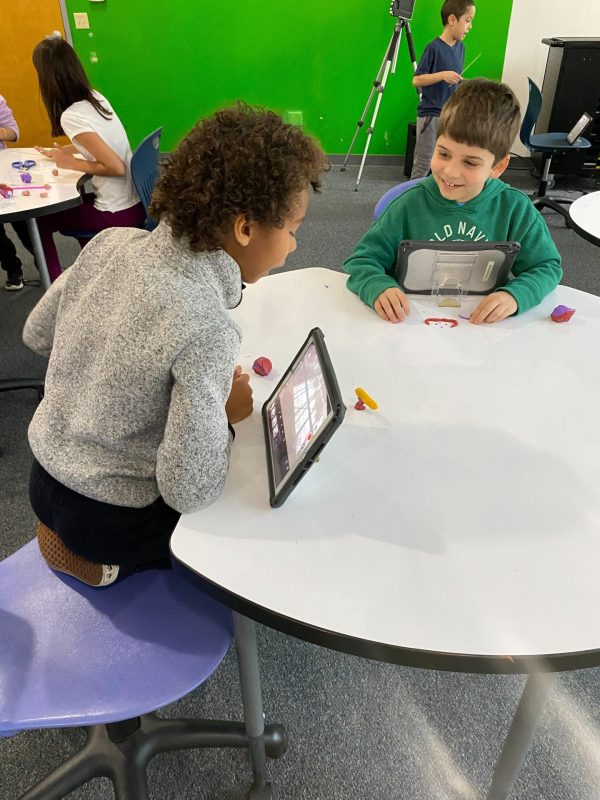
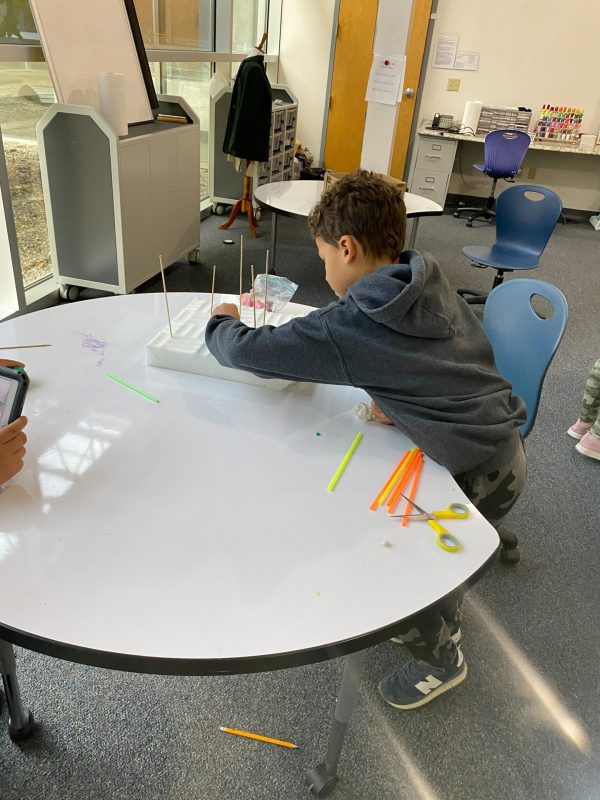
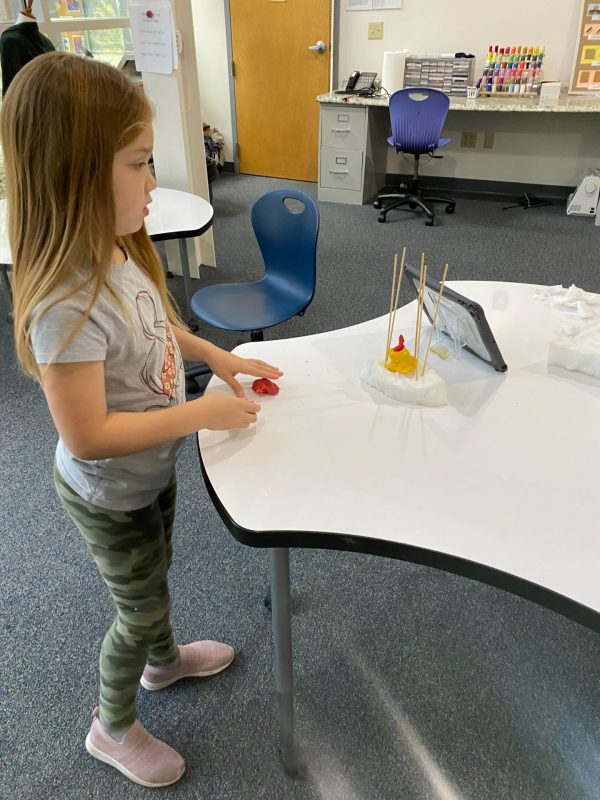
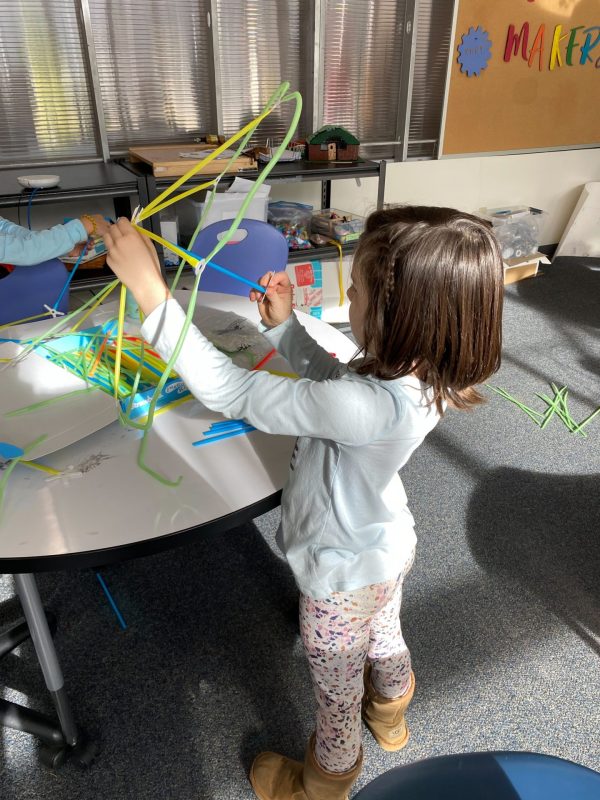
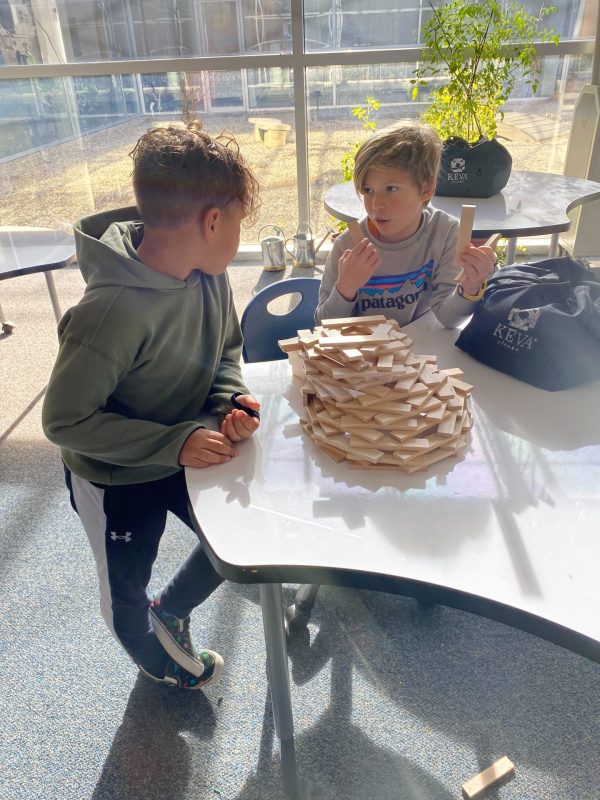
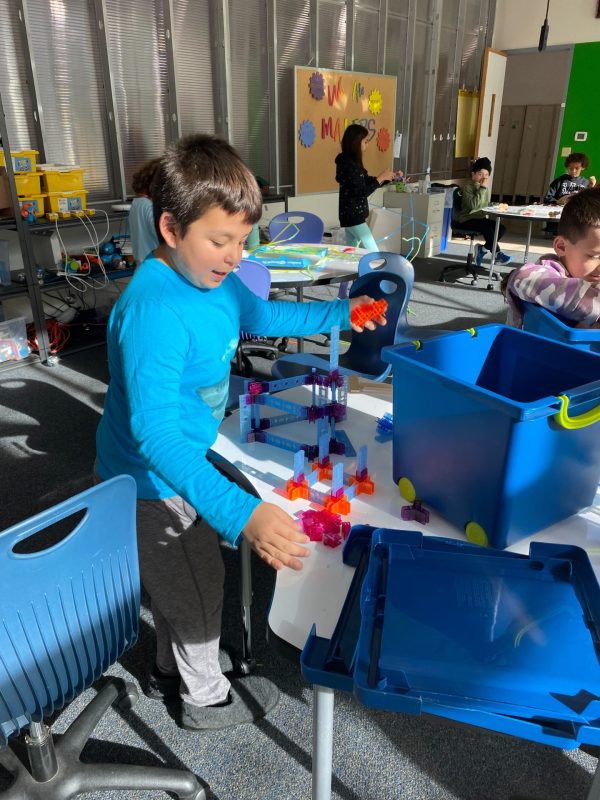
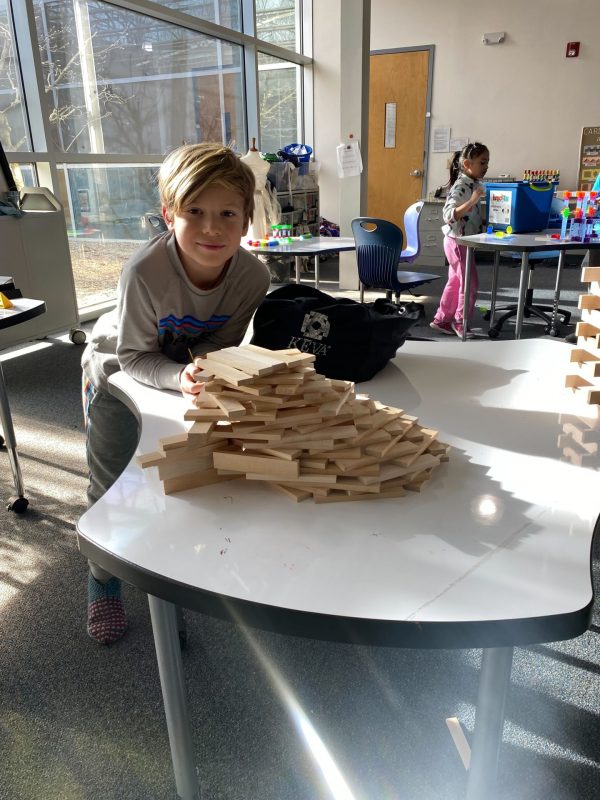
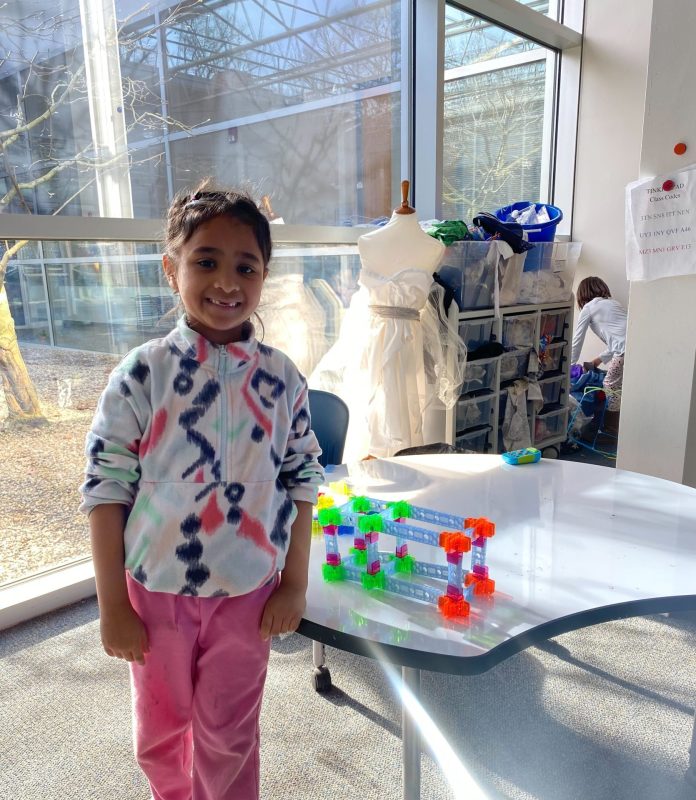
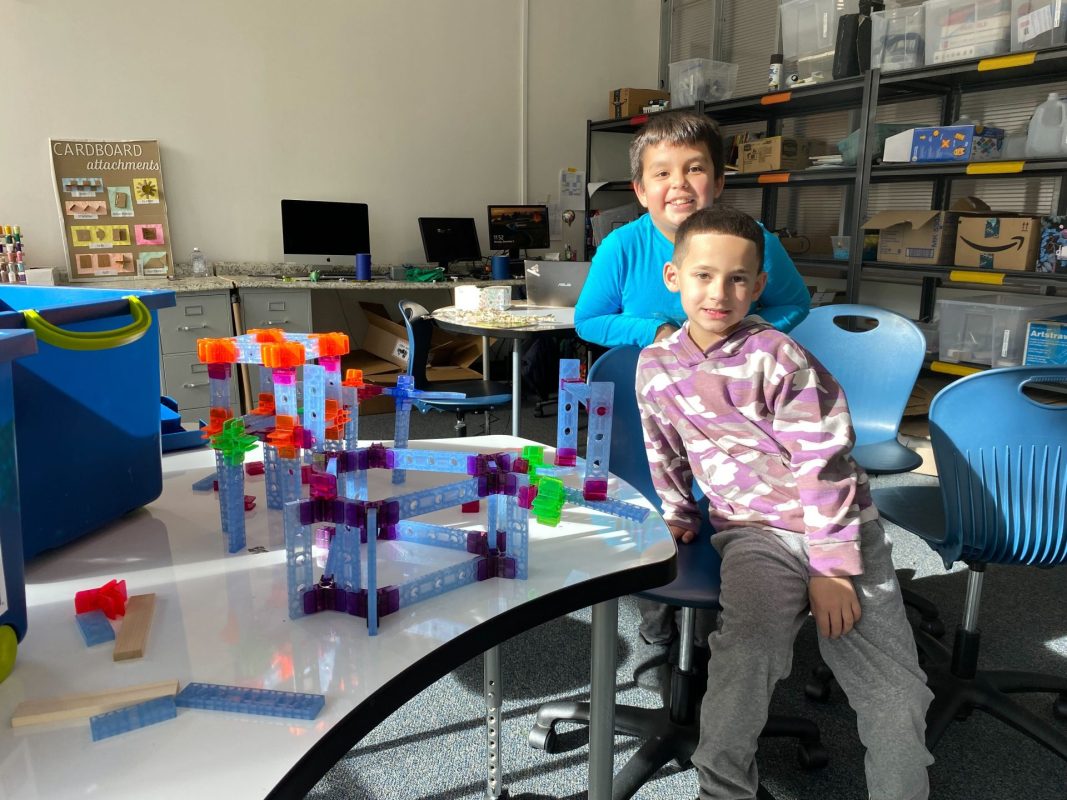
As our Lower Elementary students work on developing their independent ideas and using their creativity, we love to give them opportunities to explore their individual making style. During the past few classes, students were given a wide range of building materials and encouraged to let their creativity shine. Students created towers built in “future cities”, umbrellas that allow you to time travel (in addition to protecting you from the rain of course), well-constructed igloos, and more. The Lower Elementary makers are excited to share their projects and discuss the fine details of the creative process with each other. The type of collaboration I see in these experimental projects is awesome. These classes have continued to reinforce the value of teamwork, and I love to see the students rejoice in shared success. Keep on creating, Lower Elementary!


Middle School Health

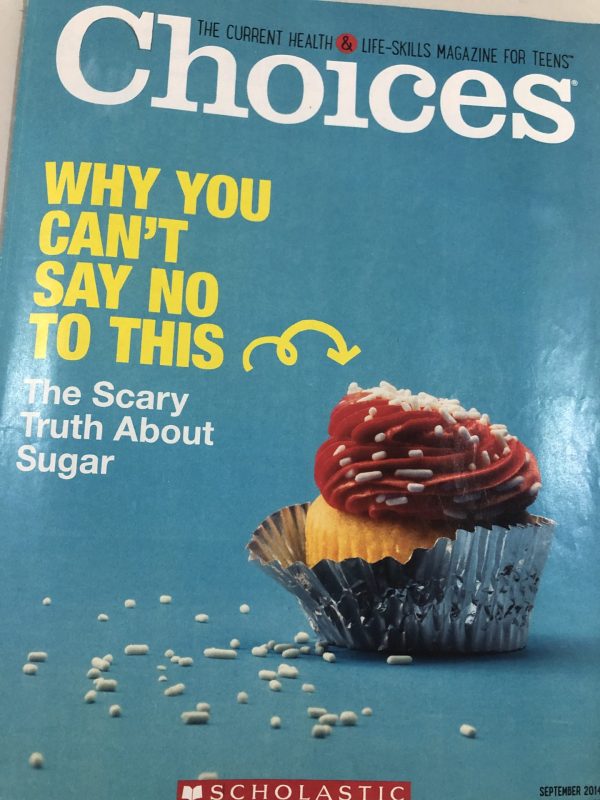
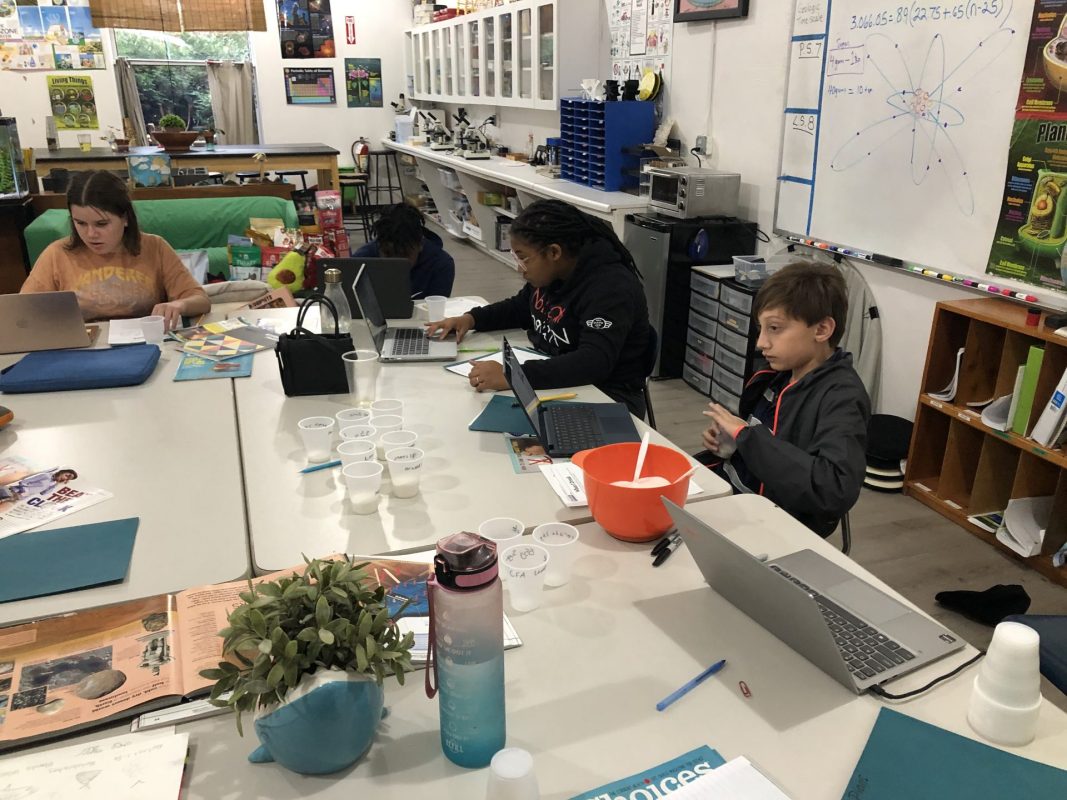
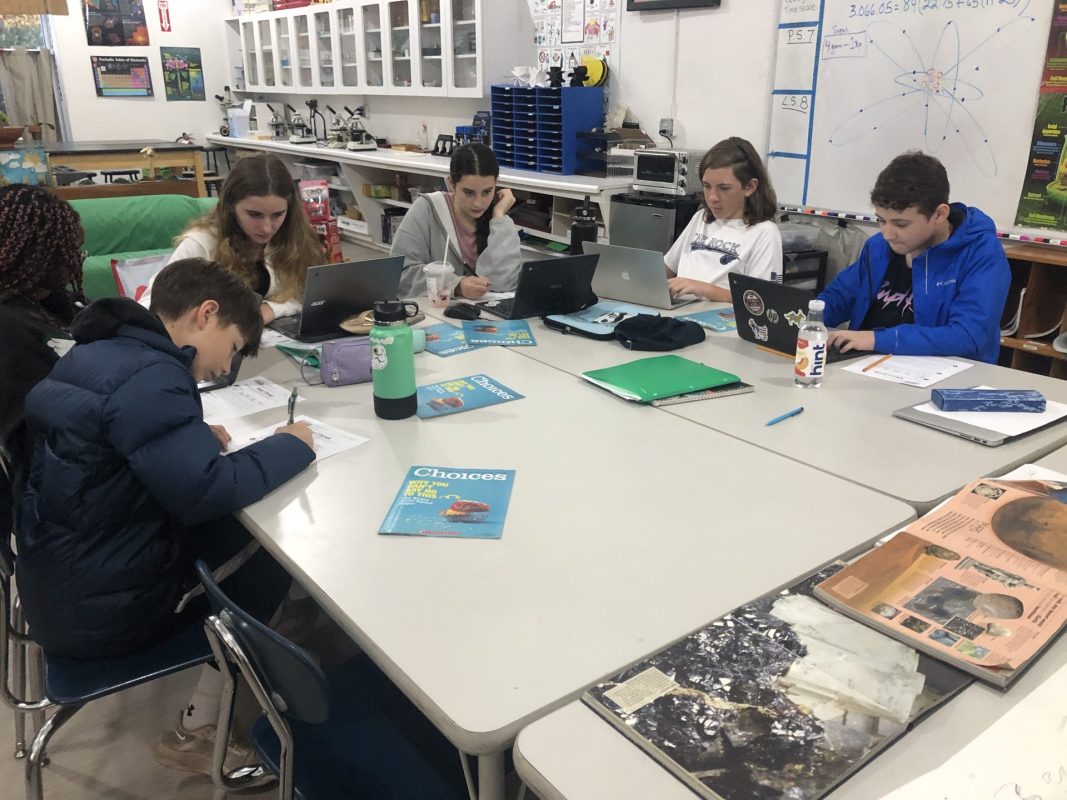
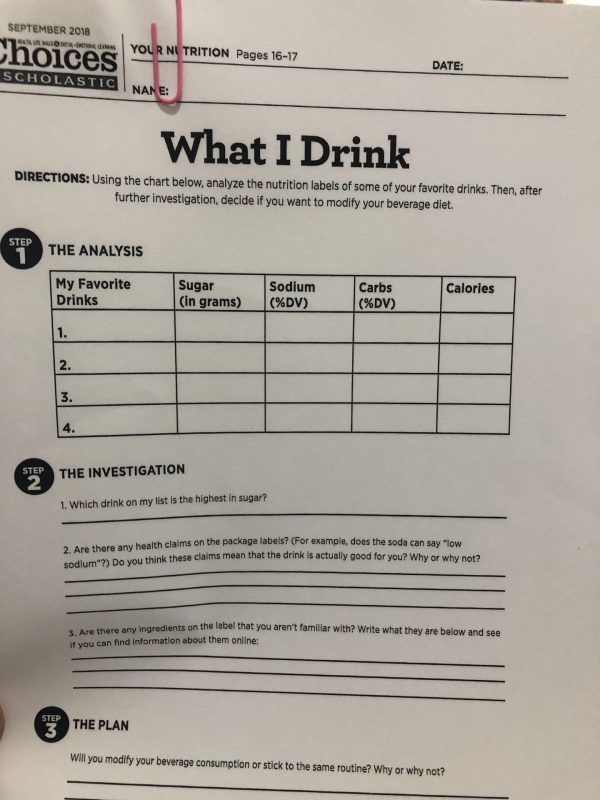
In Health class, the Middle School students read an article from Choice magazine discussing the effects of sugary drinks on the body. We also discussed as a group what their perceptions of healthy and unhealthy drinks were and which drinks had the most sugar. They learned how to calculate the number of teaspoons of sugar you find in a variety of drinks. One teaspoon of sugar equals 4 grams. For example, a soft drink that has 40 grams of sugar equals 10 teaspoons of sugar!

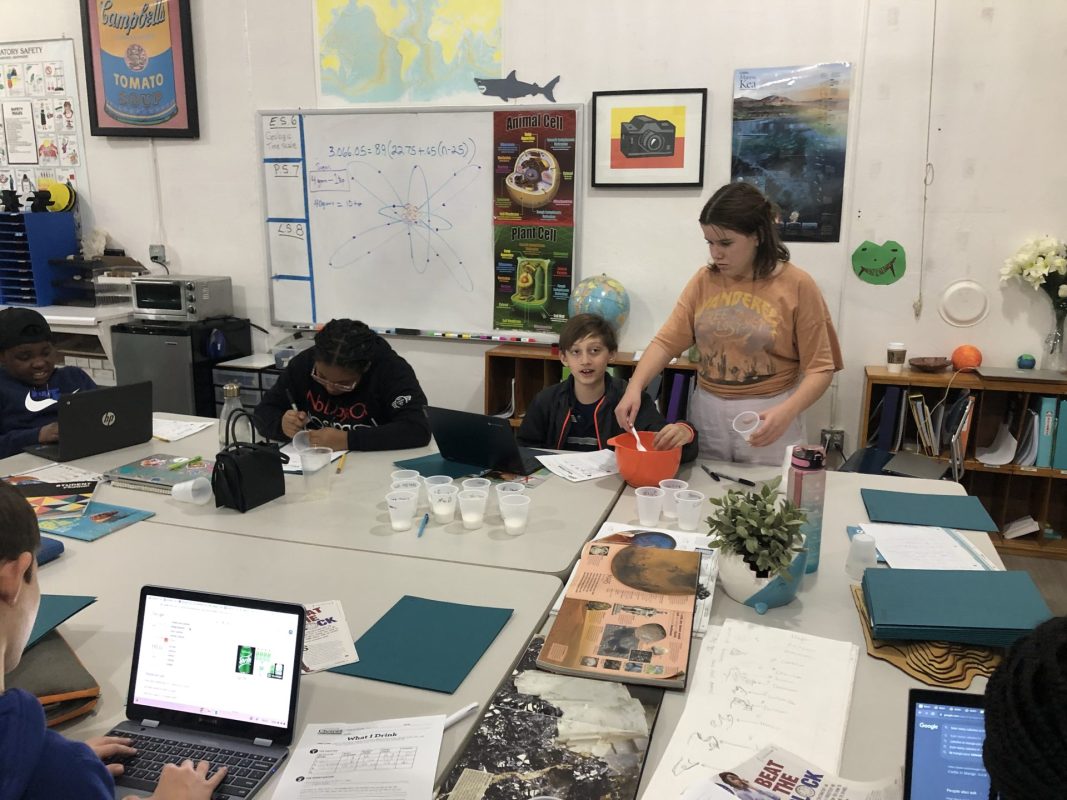
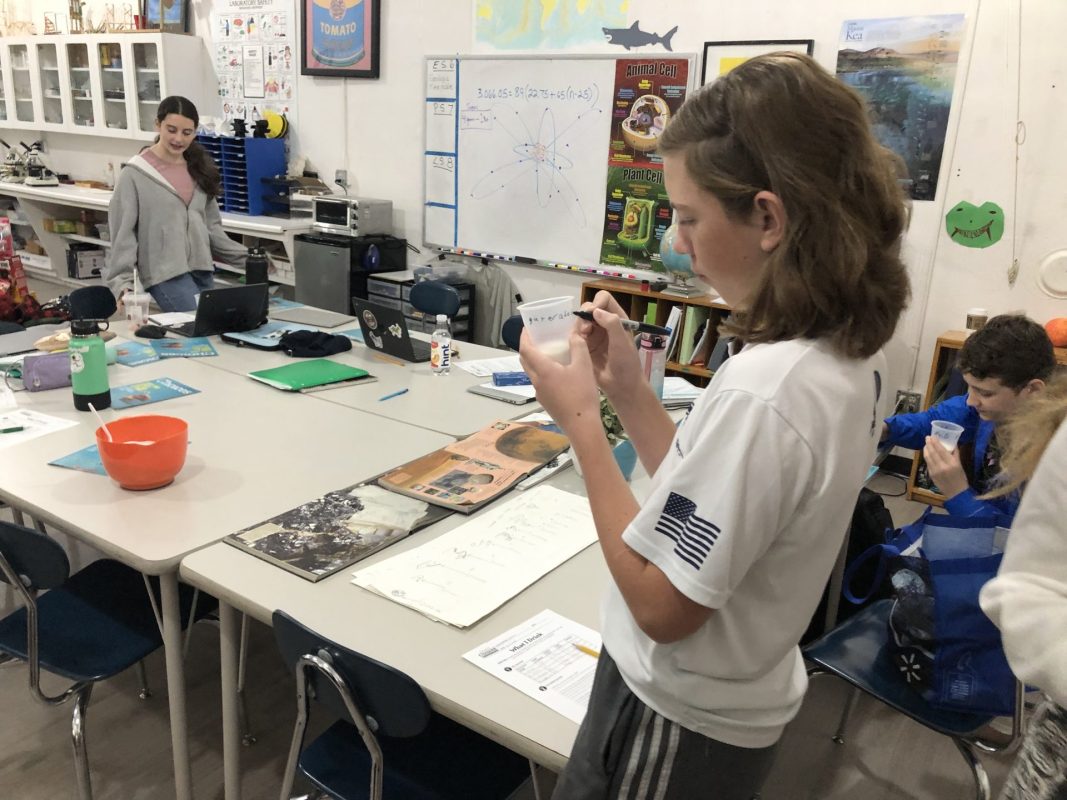
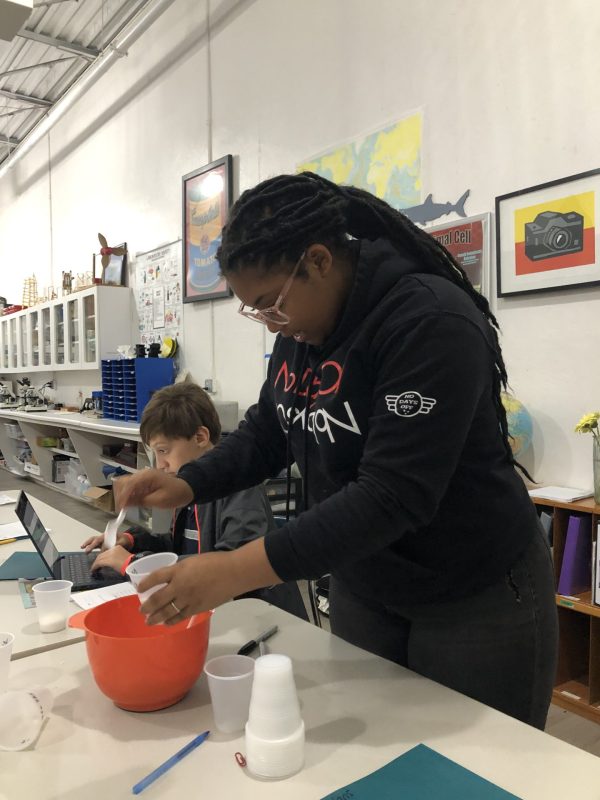
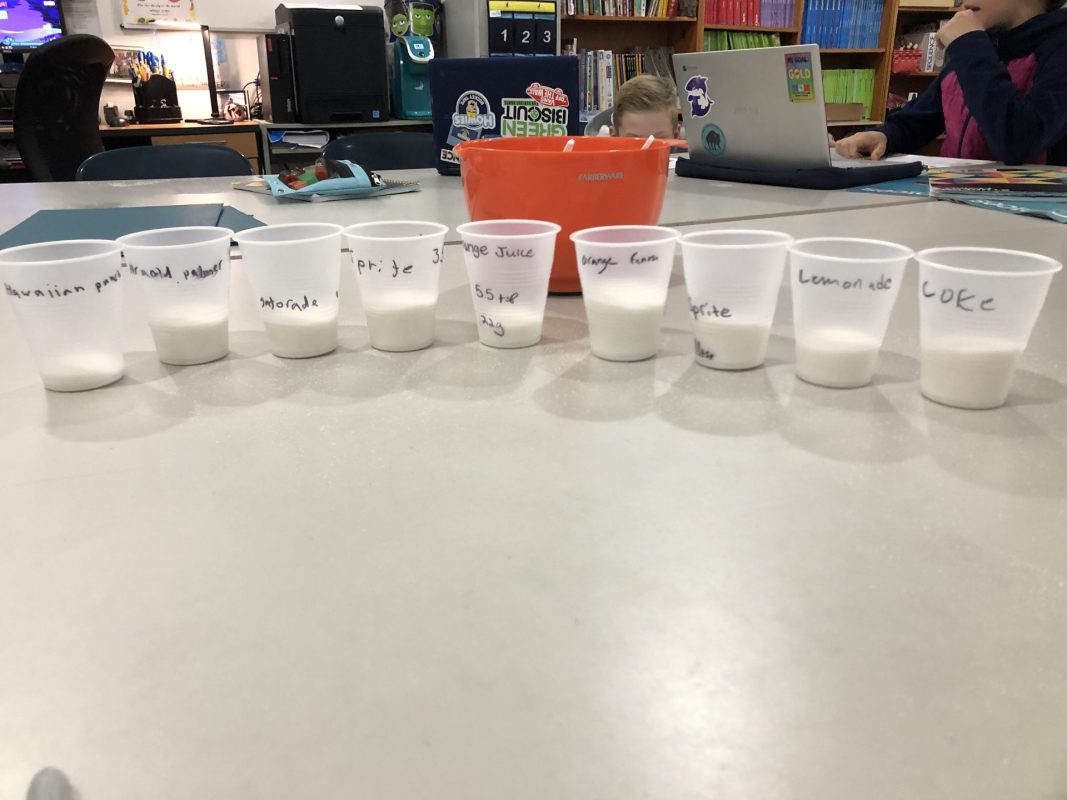
The students worked together to research beverages that they drink and calculated how many teaspoons of sugar each contained. The beverages that they researched were Sprite, Orange Juice, Lemonade, Gatorade, Pepsi, and Coca Cola. We then measured the individual teaspoons of sugar into a plastic cup to gain a better understanding of how much sugar is in each beverage.

Before the end of class, students presented their findings and shared their beverages and the sugar content. Some were surprised by how much sugar their favorite drinks had. We discussed the importance of reading the Nutritional Facts Labels as well as paying attention to the serving size per container. We also discussed how they can make healthier choices; such as drinking water, diluting sugary drinks with water, eating fruit rather than drinking juice, and keeping a bottle of water with them at school. The students enjoyed being involved in this learning experience and gained a greater understanding of healthier beverage choices.


First graders taking it from 2D to 3D!

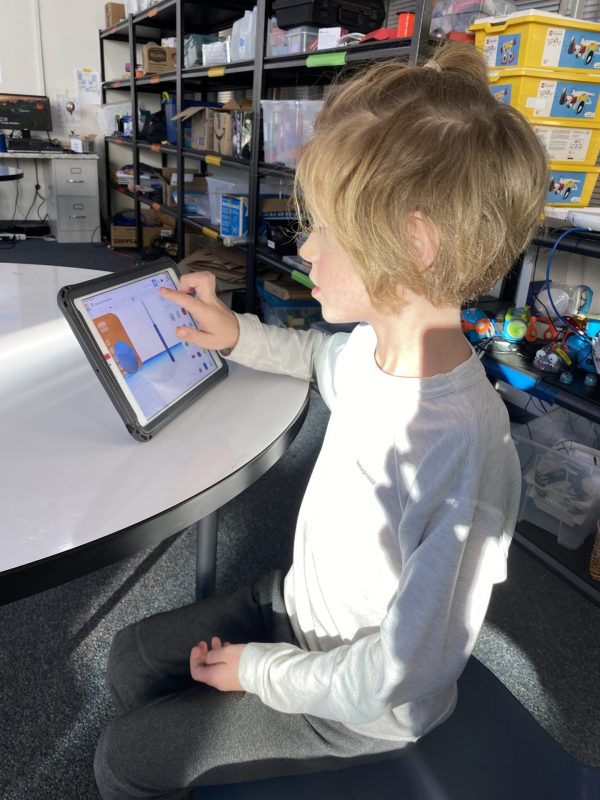
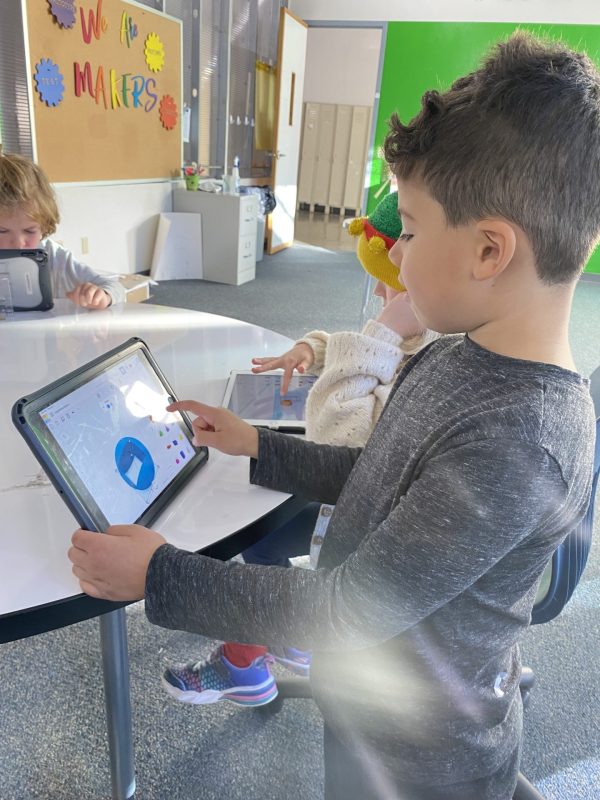
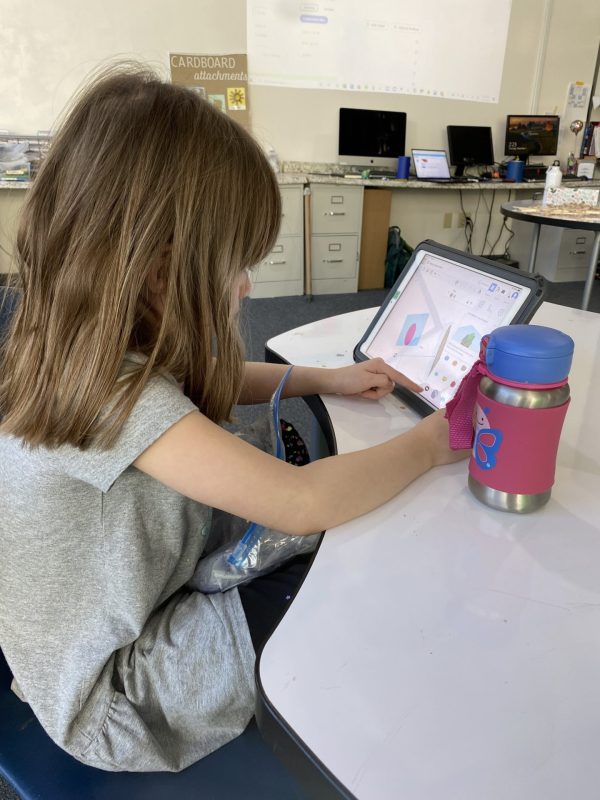
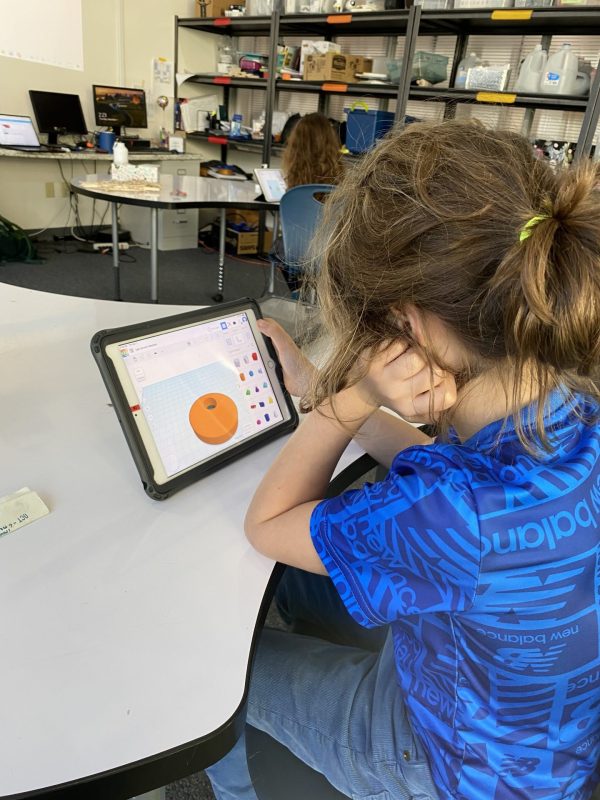
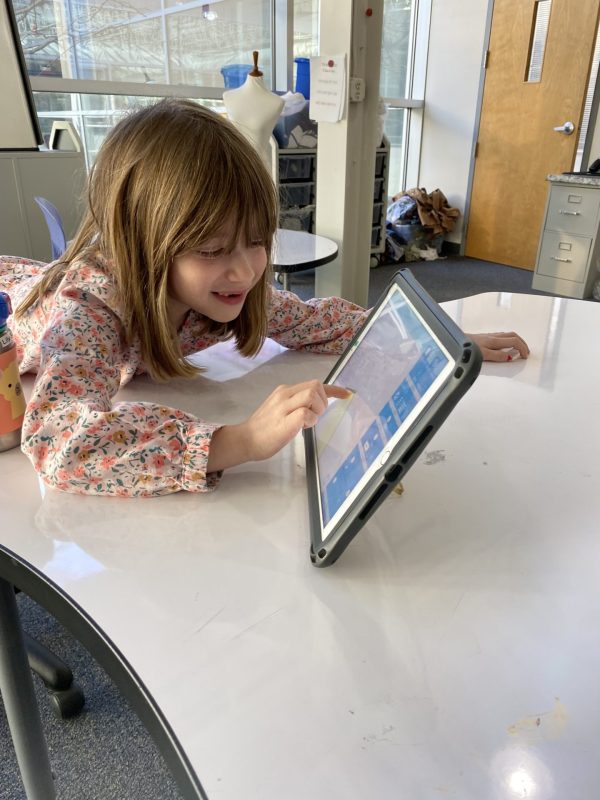
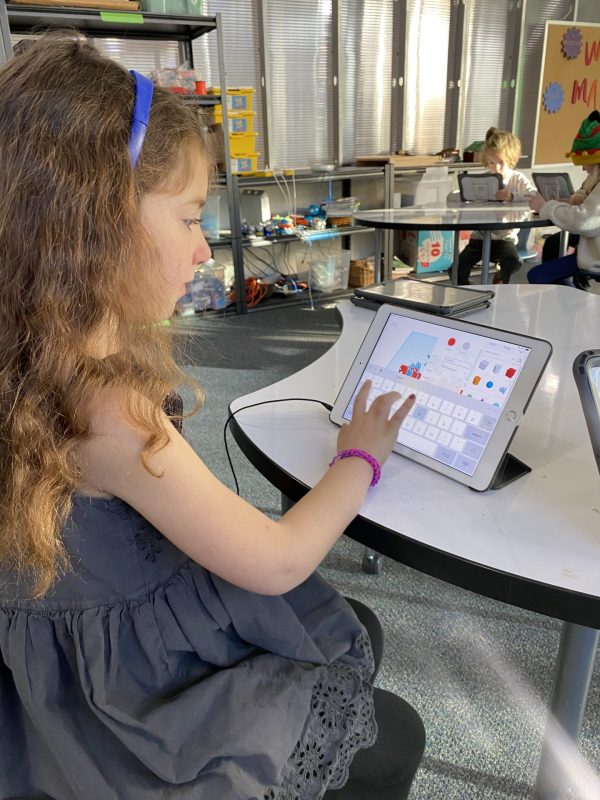
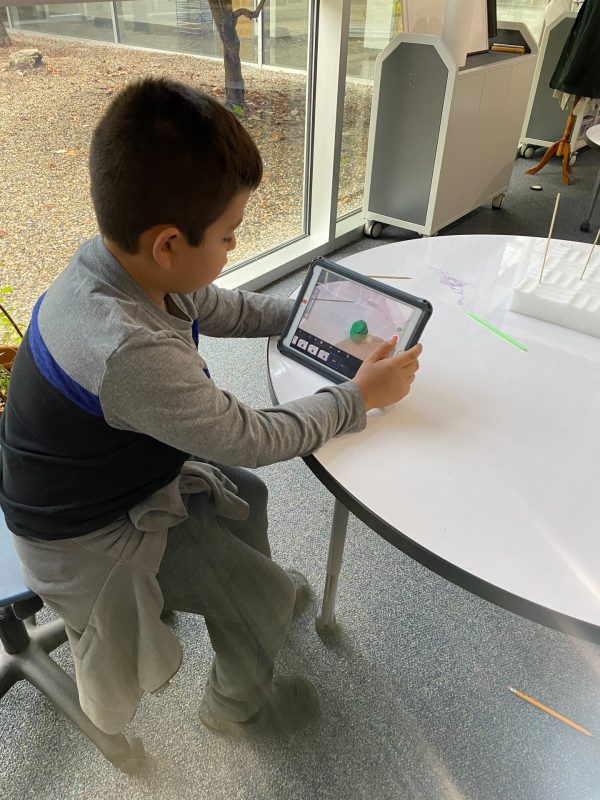
Our first graders have been hard at work learning how to 3d print. First the students must go through the  process of ideation and planning. They are then able to design their concepts freely on a program called TinkerCAD. This allows the students to learn the basics of 3D design with low risk and stress. Then after all the design work is done, we go to the FAB lab to actually print the independently designed creations! Throughout this endeavor the students are learning what it takes to bring what starts as an idea into the real world.   


Upper El Chalk Pastel Autumn Leaves

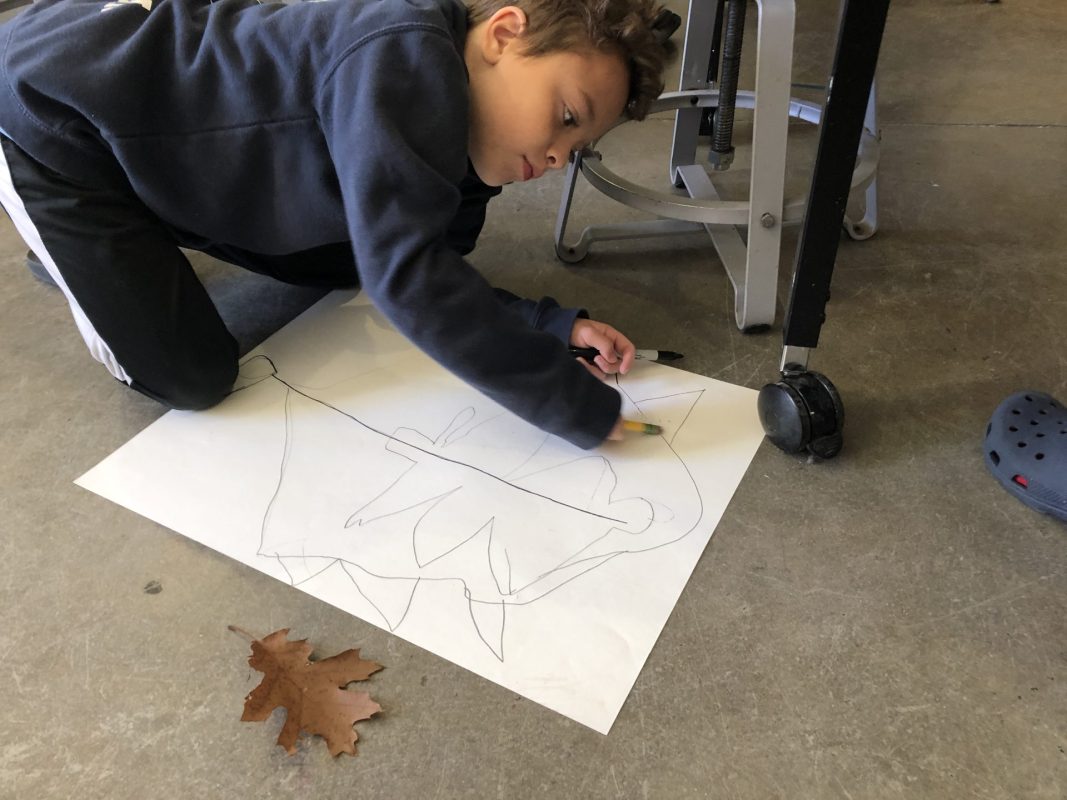
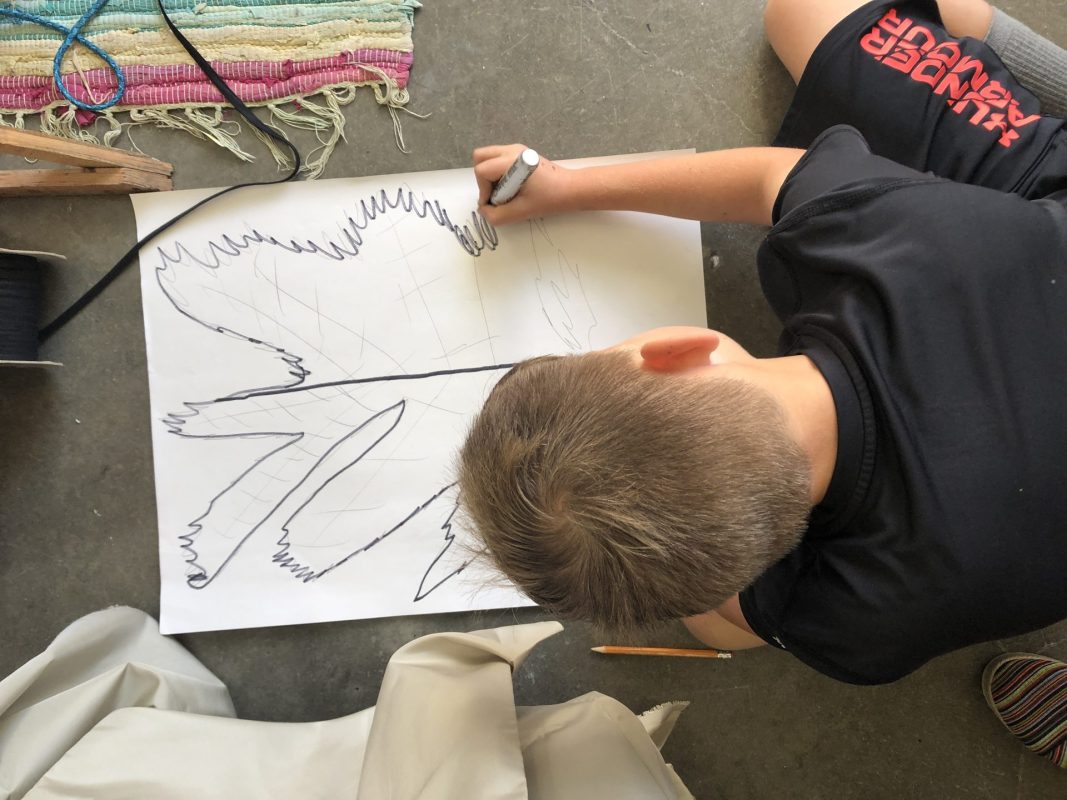
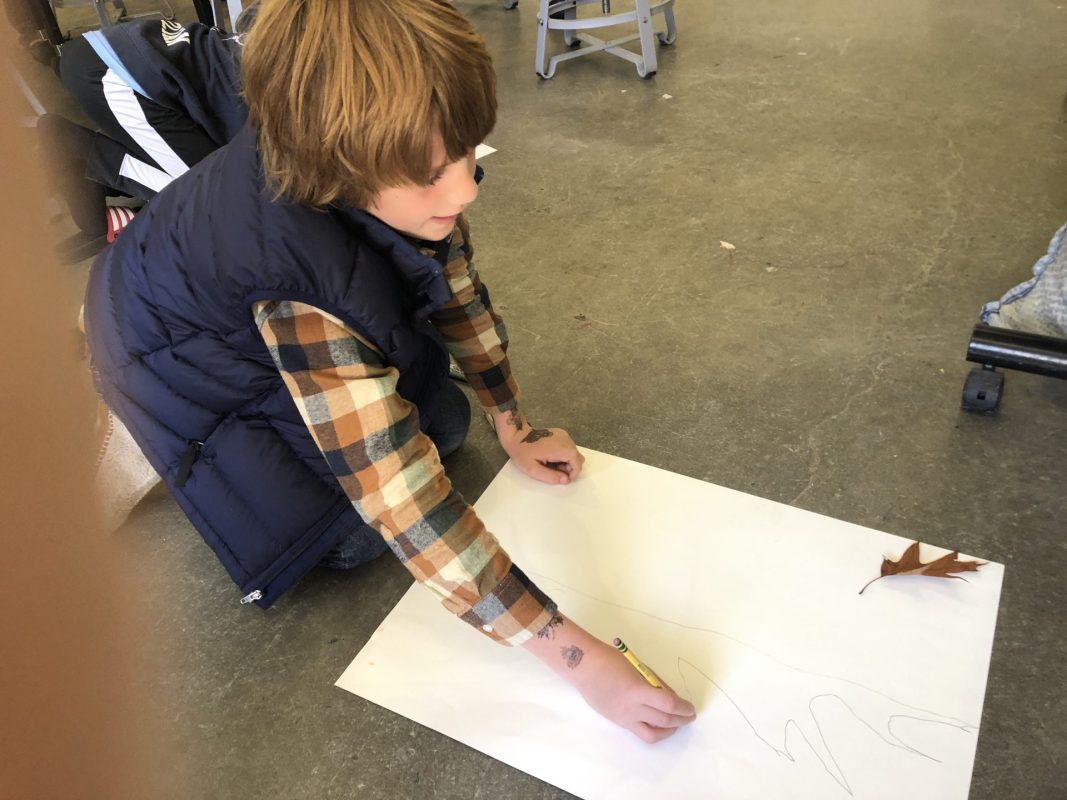
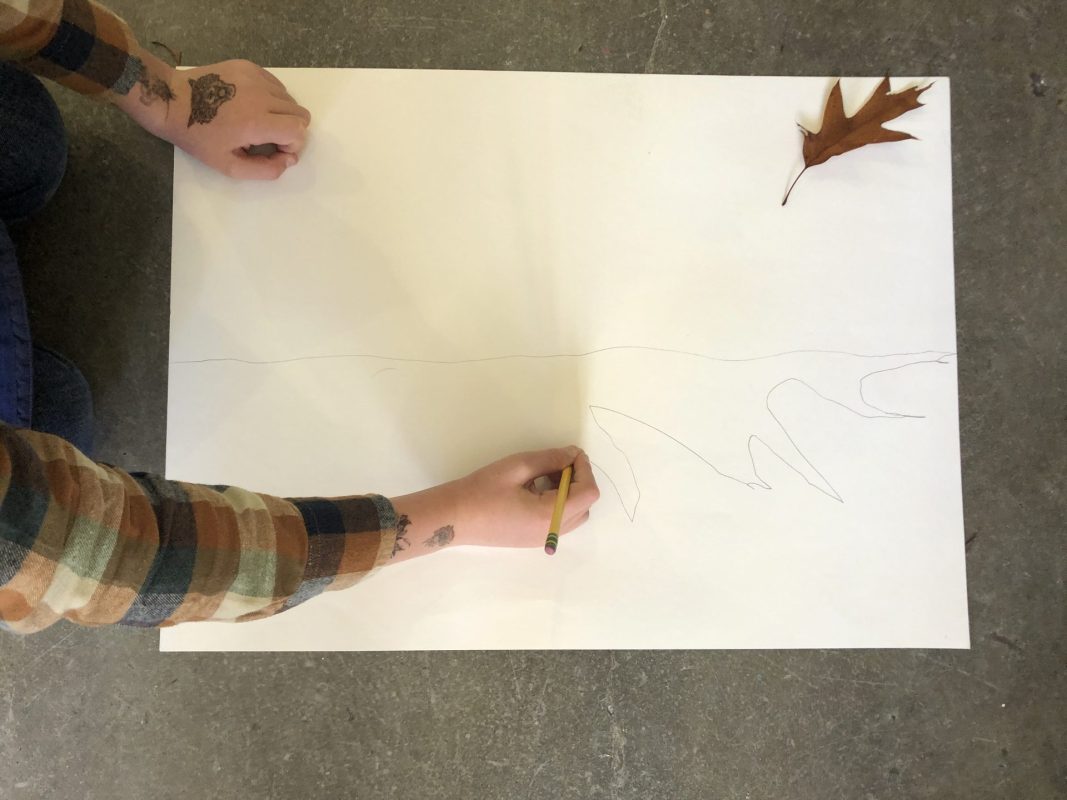
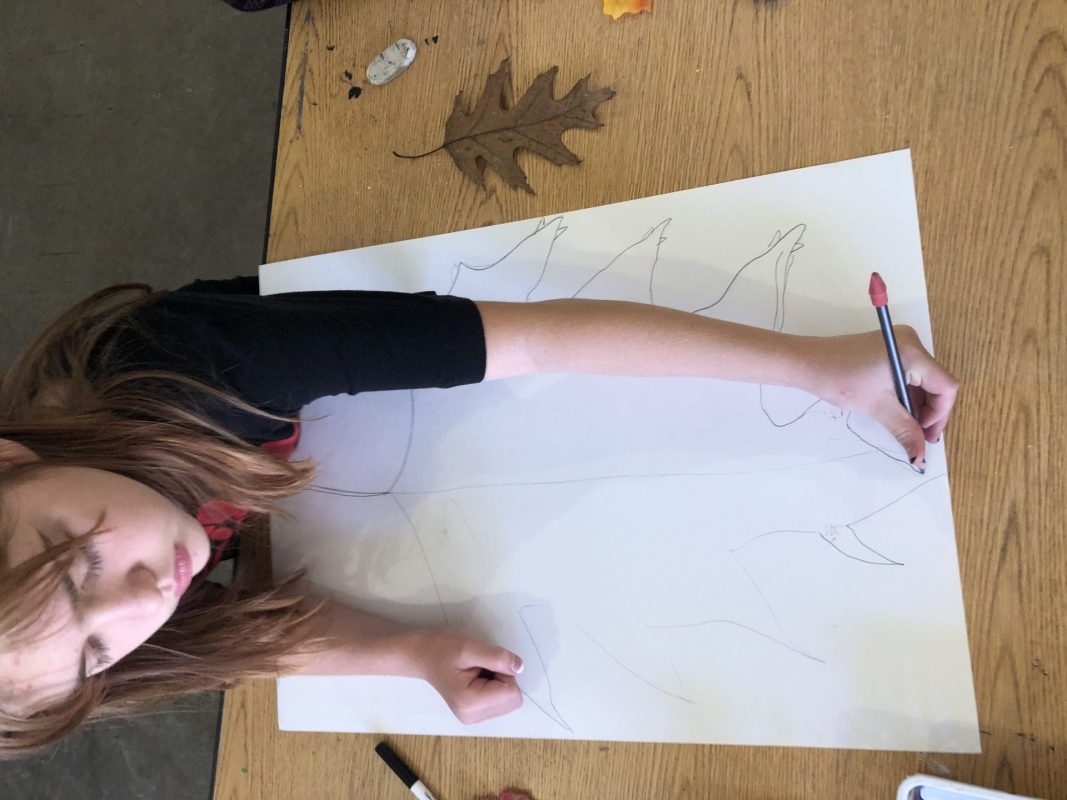
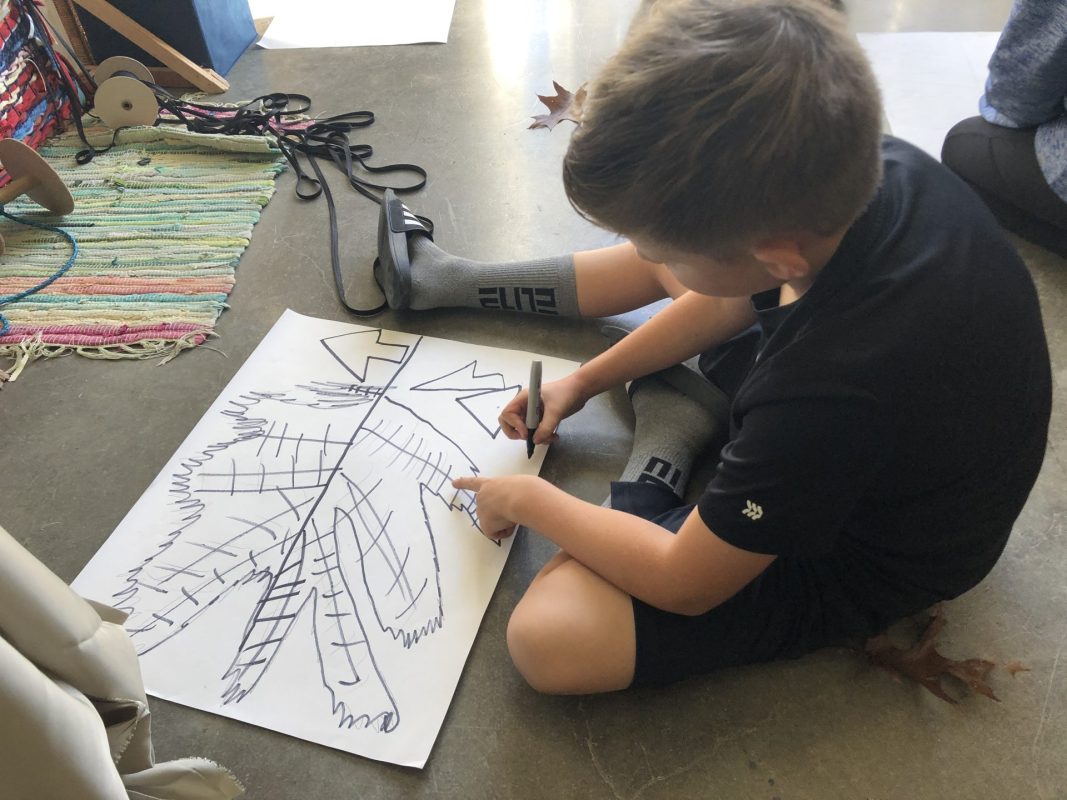
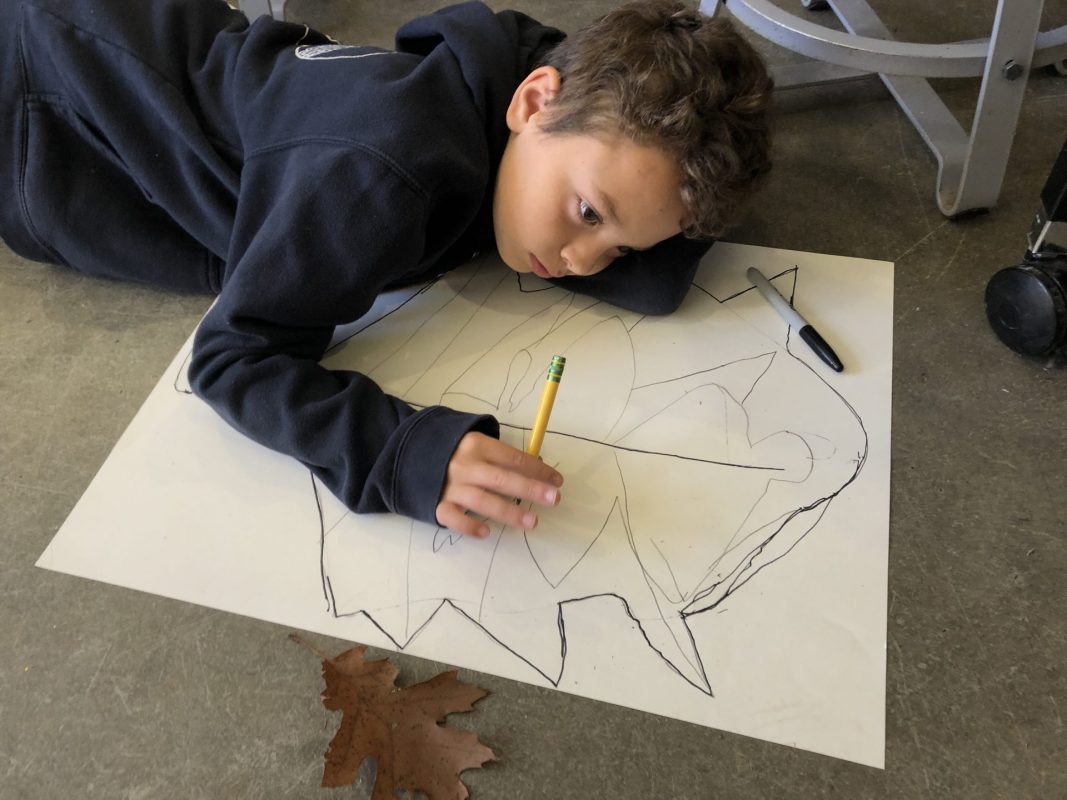
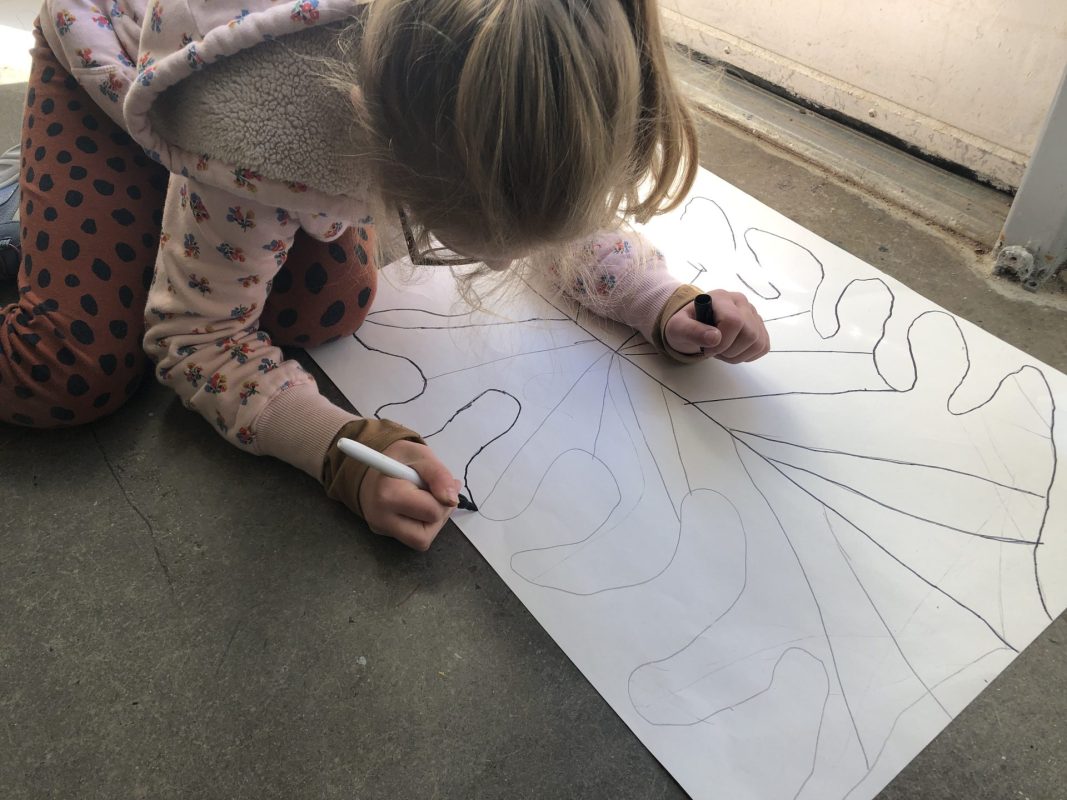
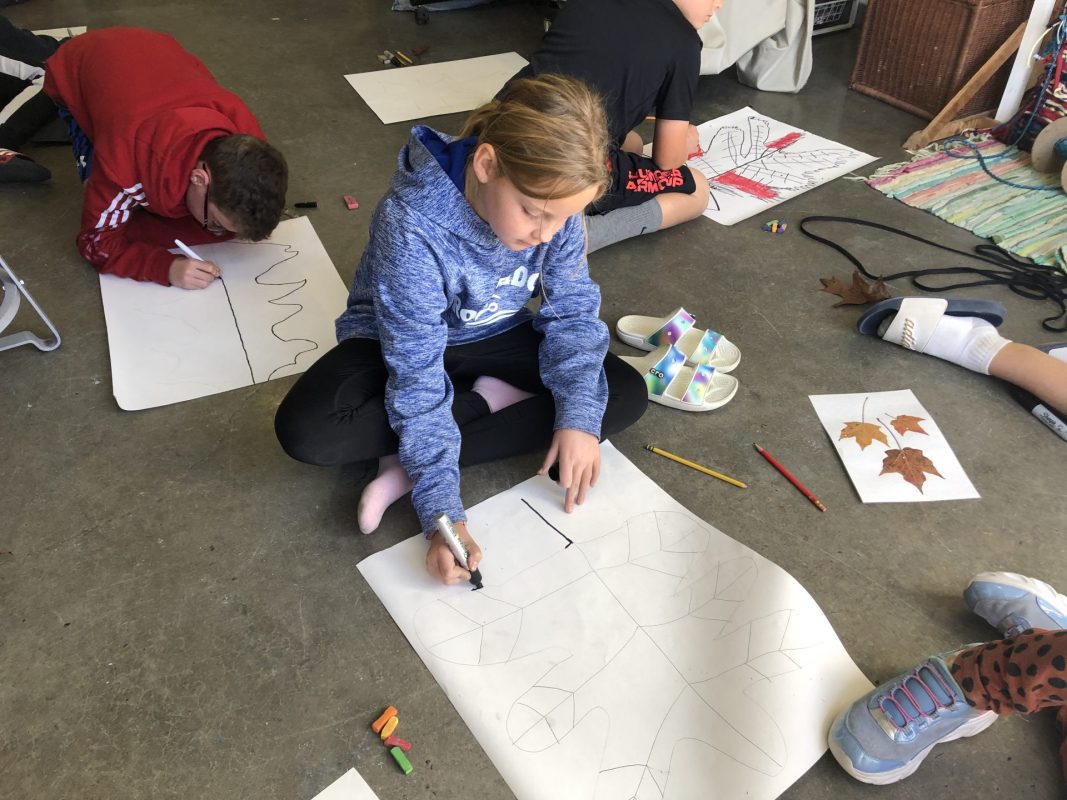
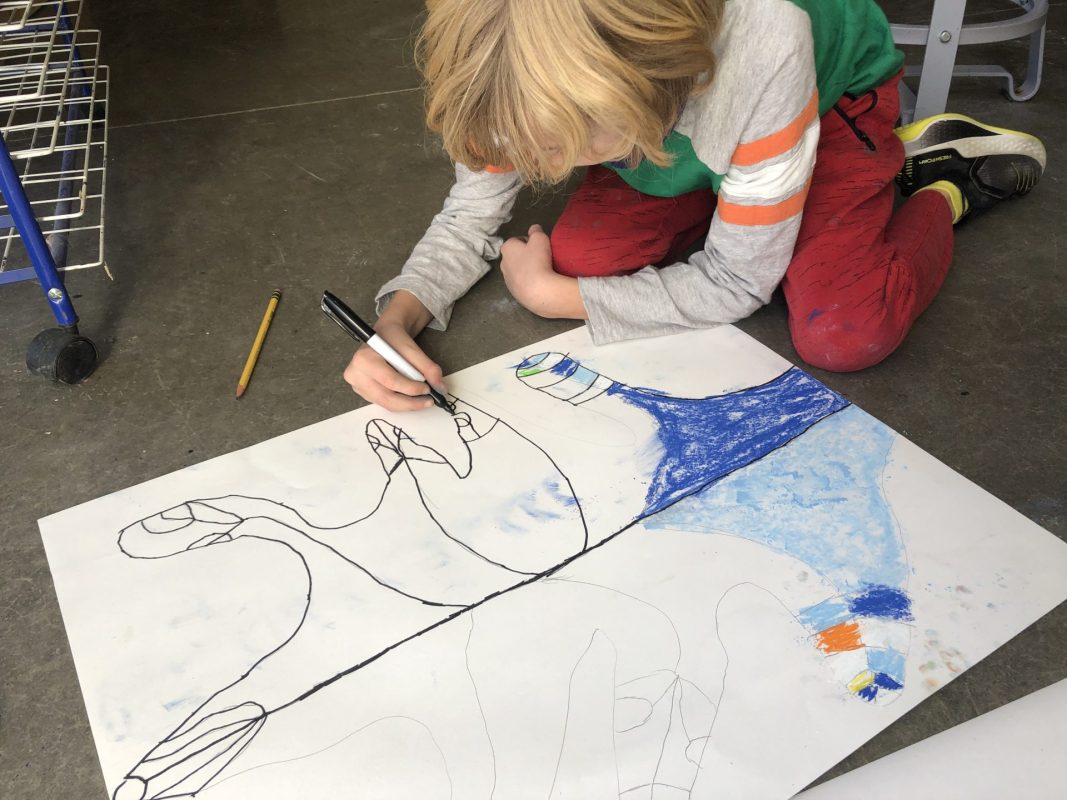
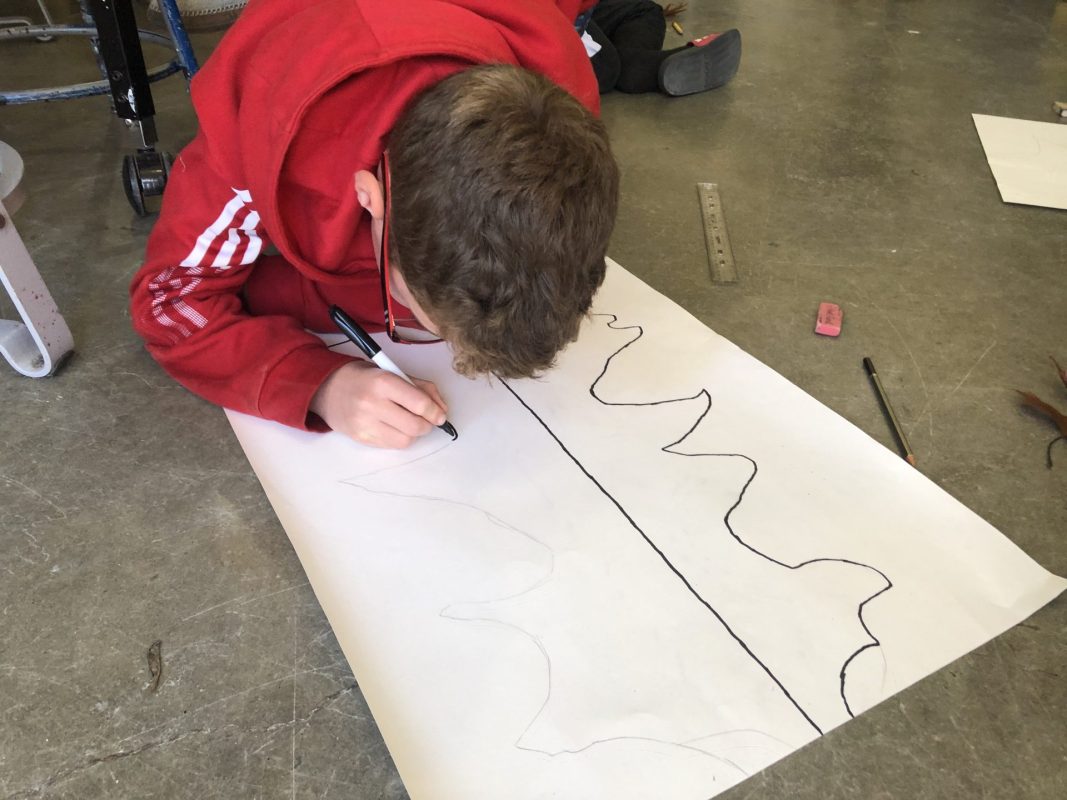
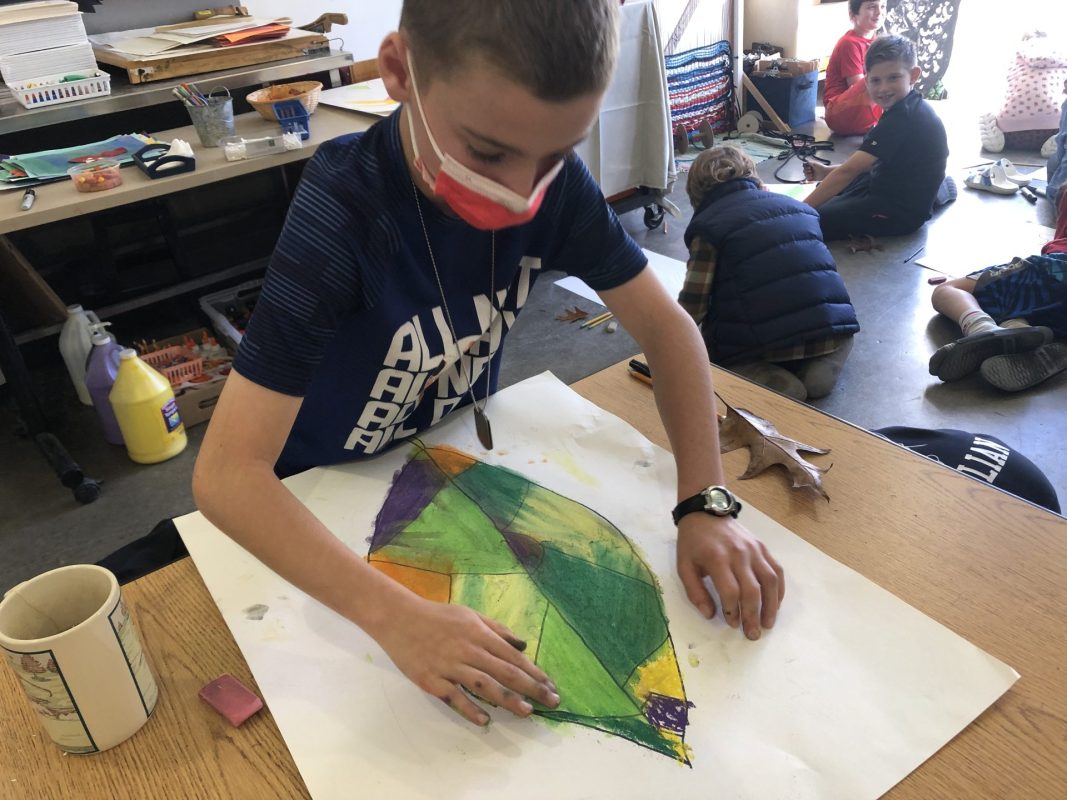
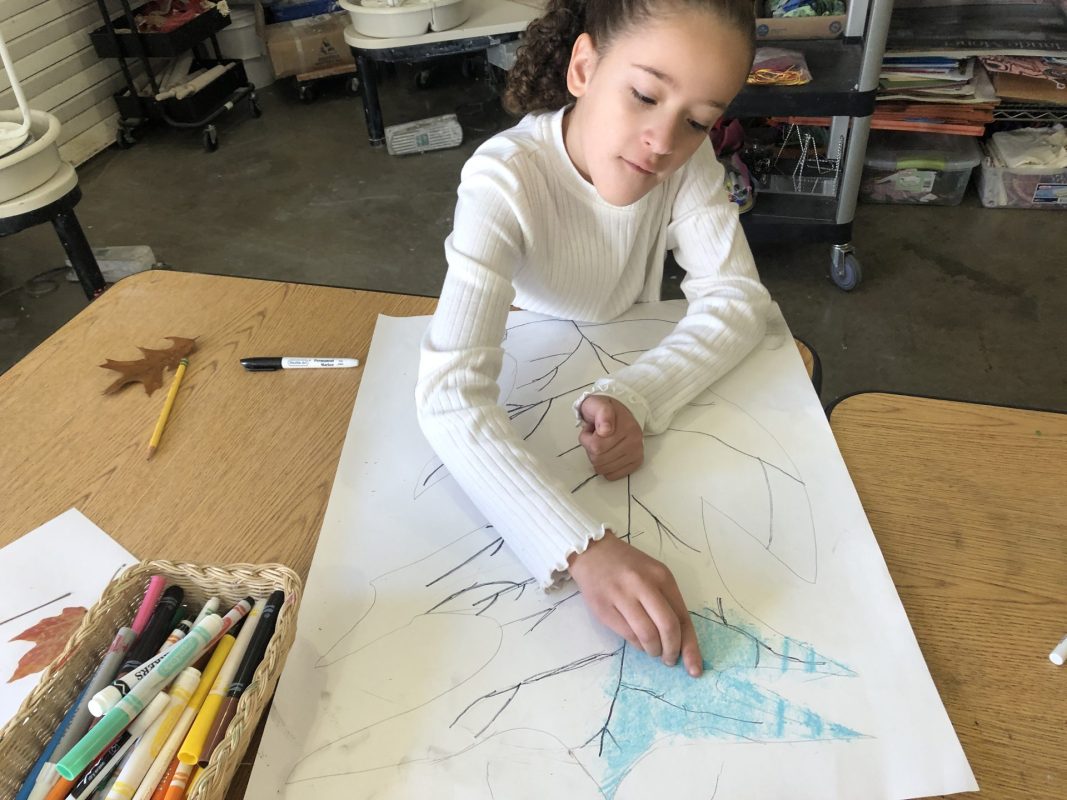
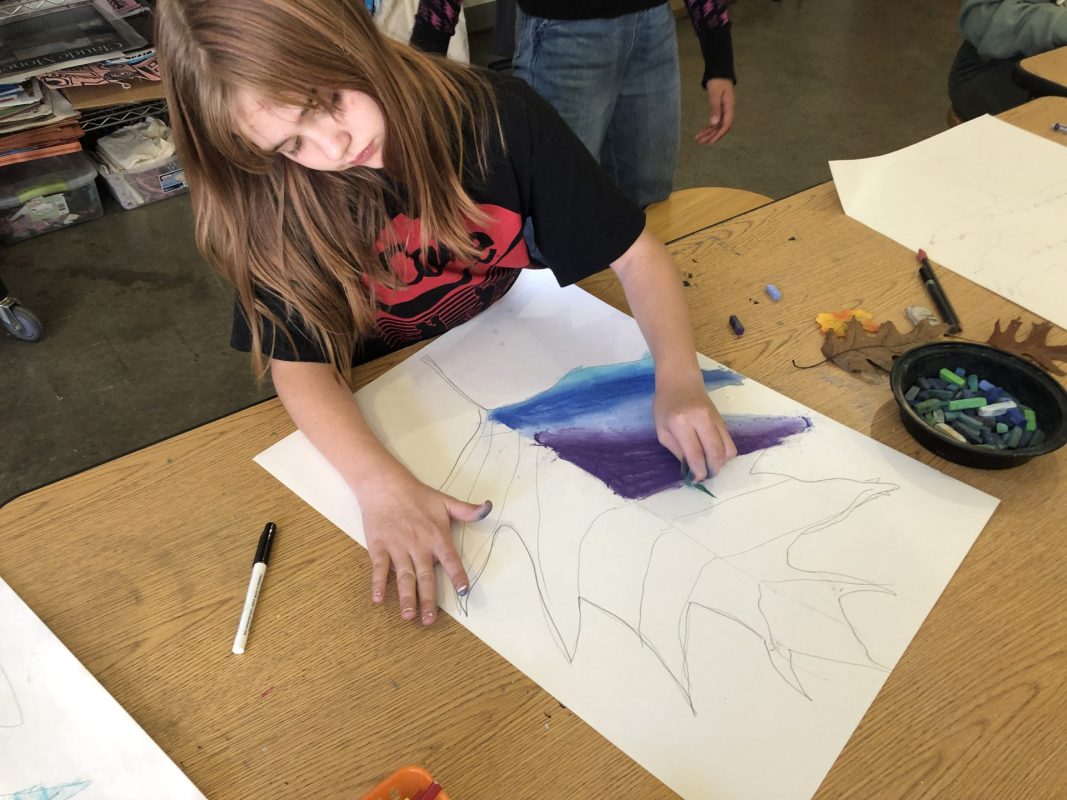
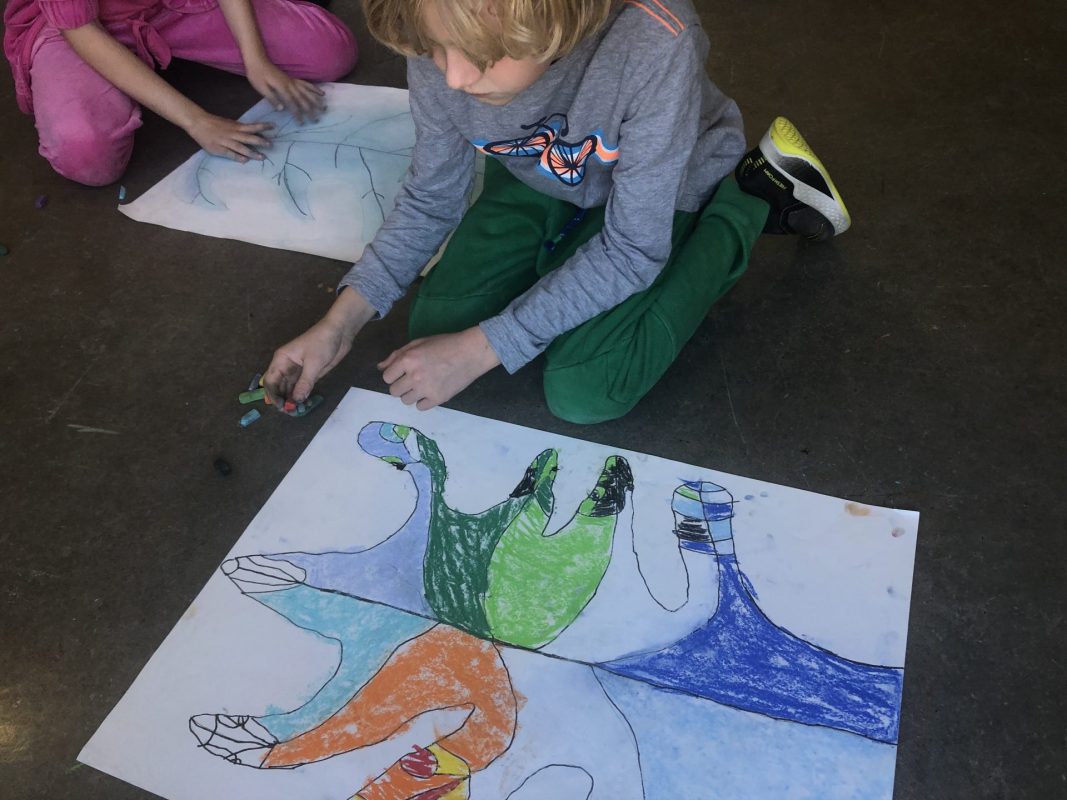
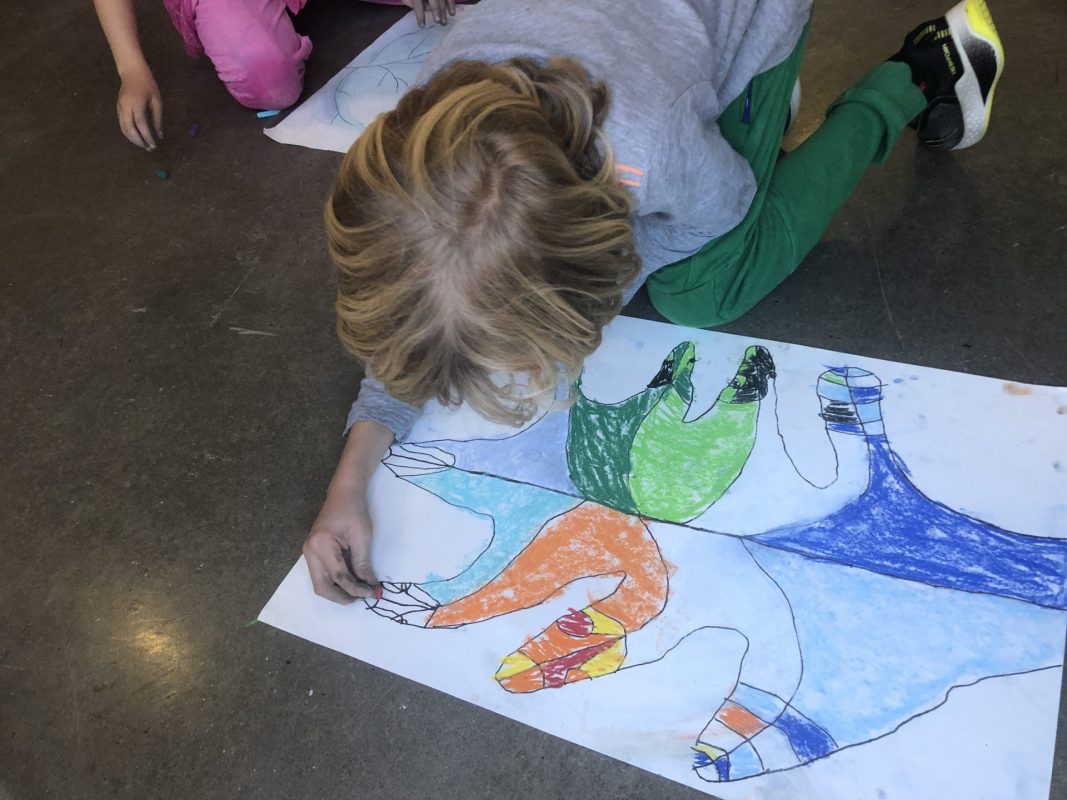
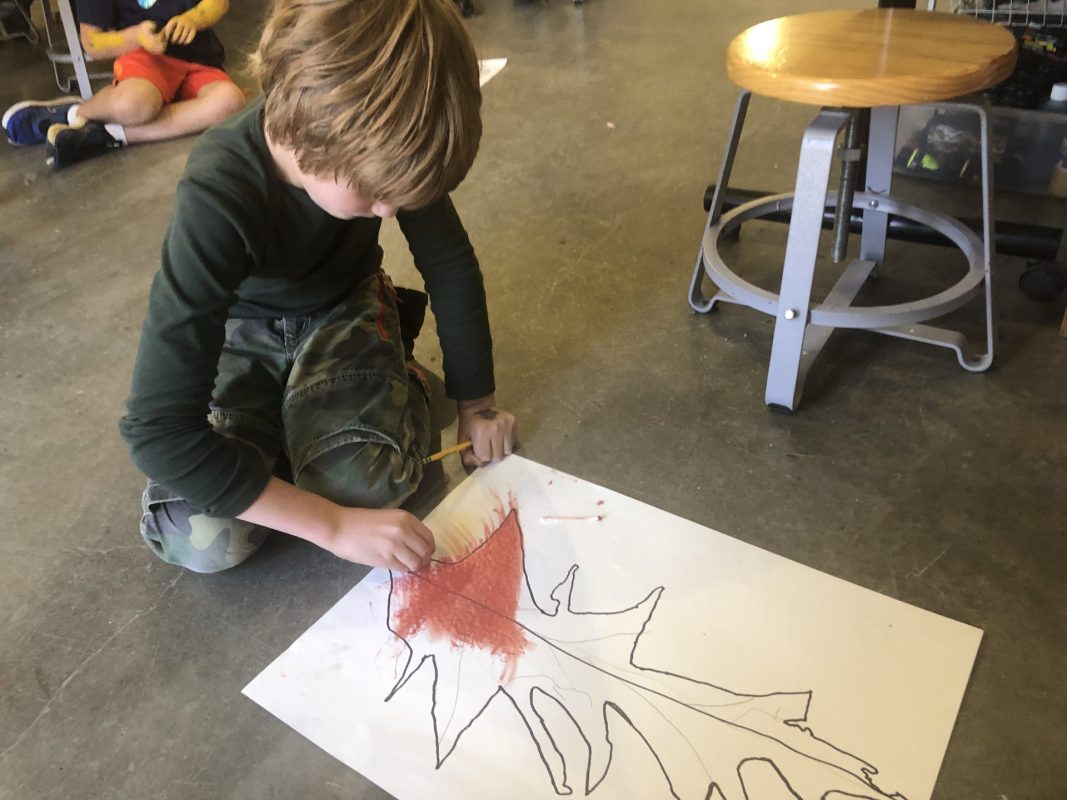
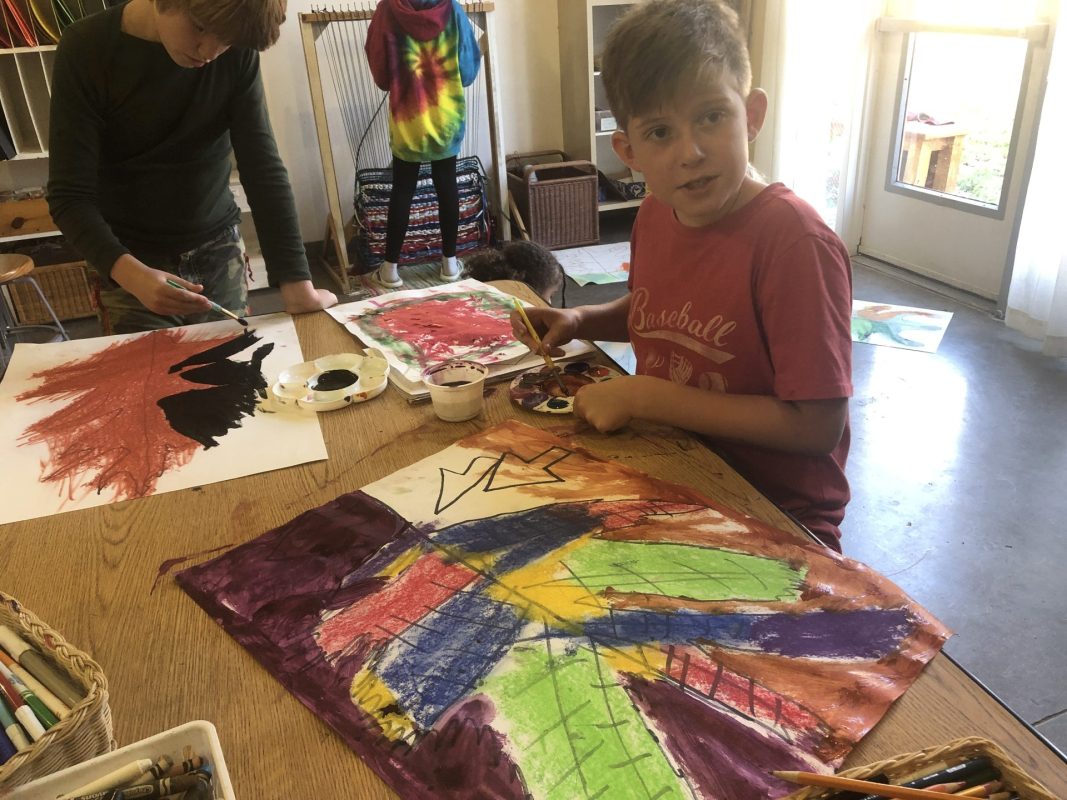
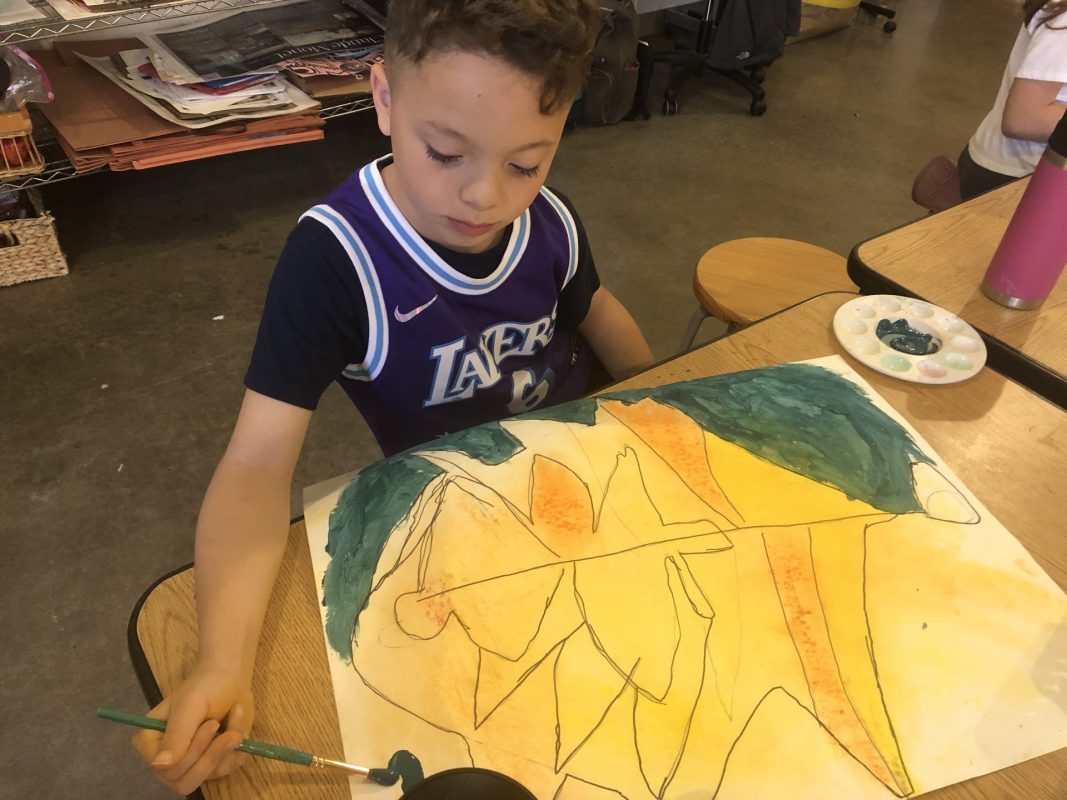
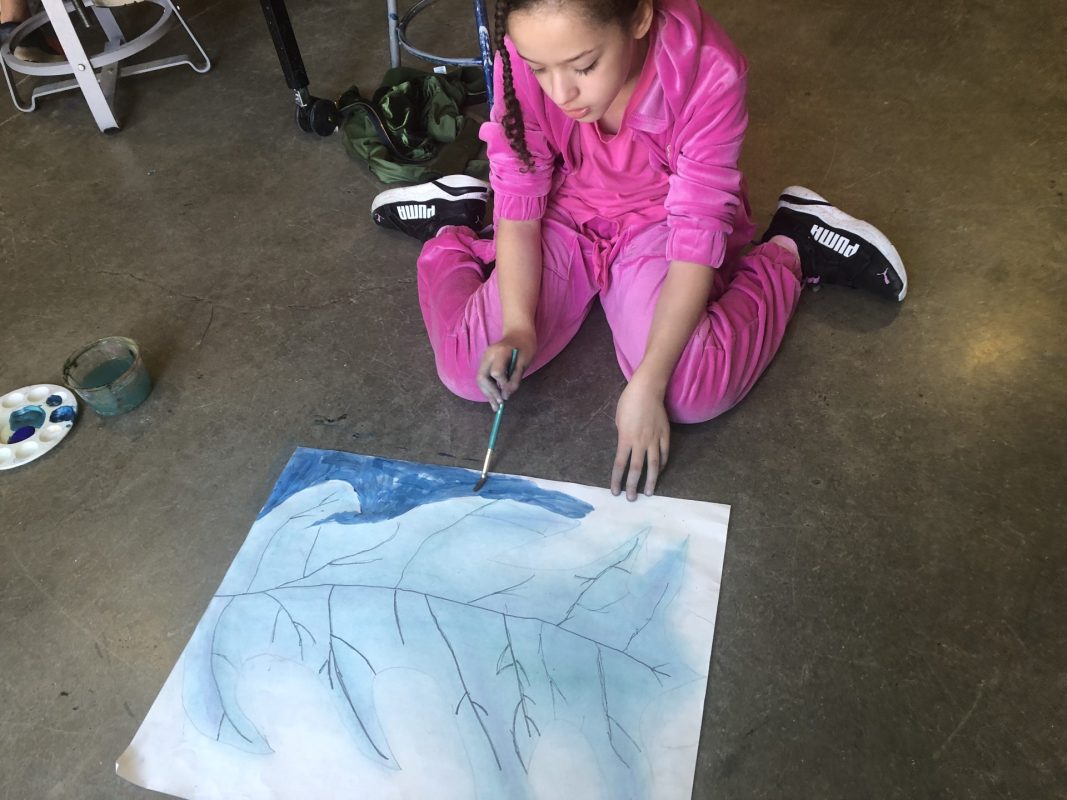
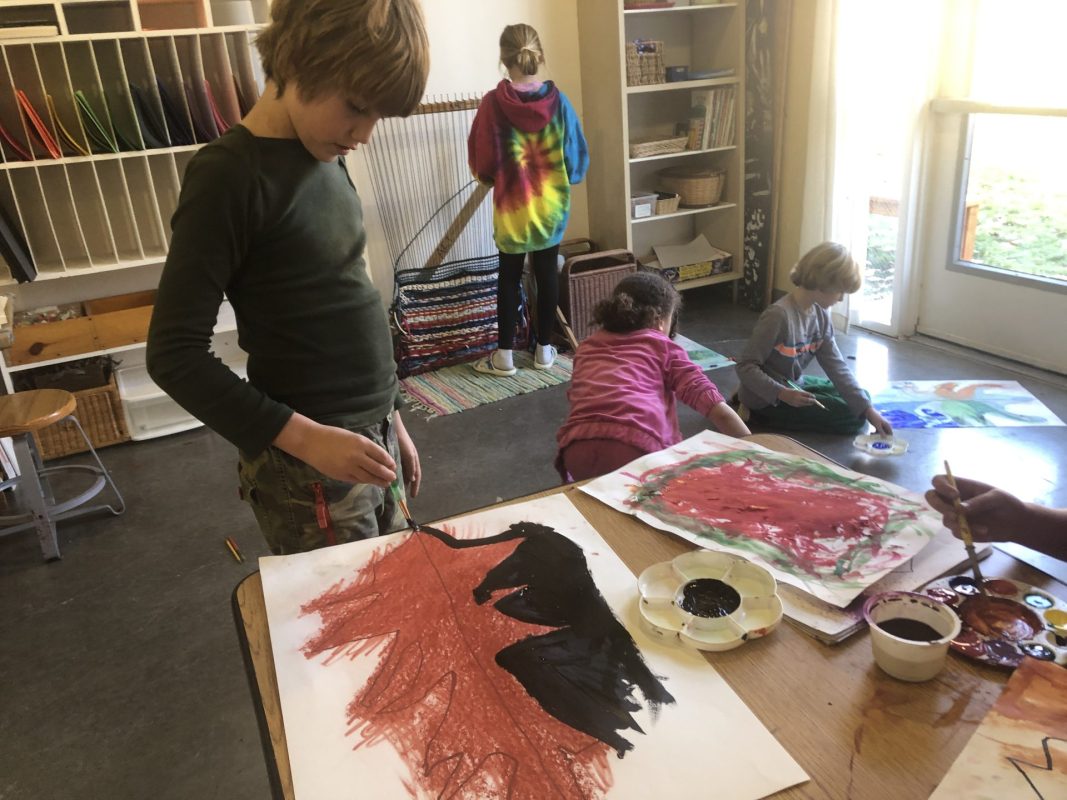
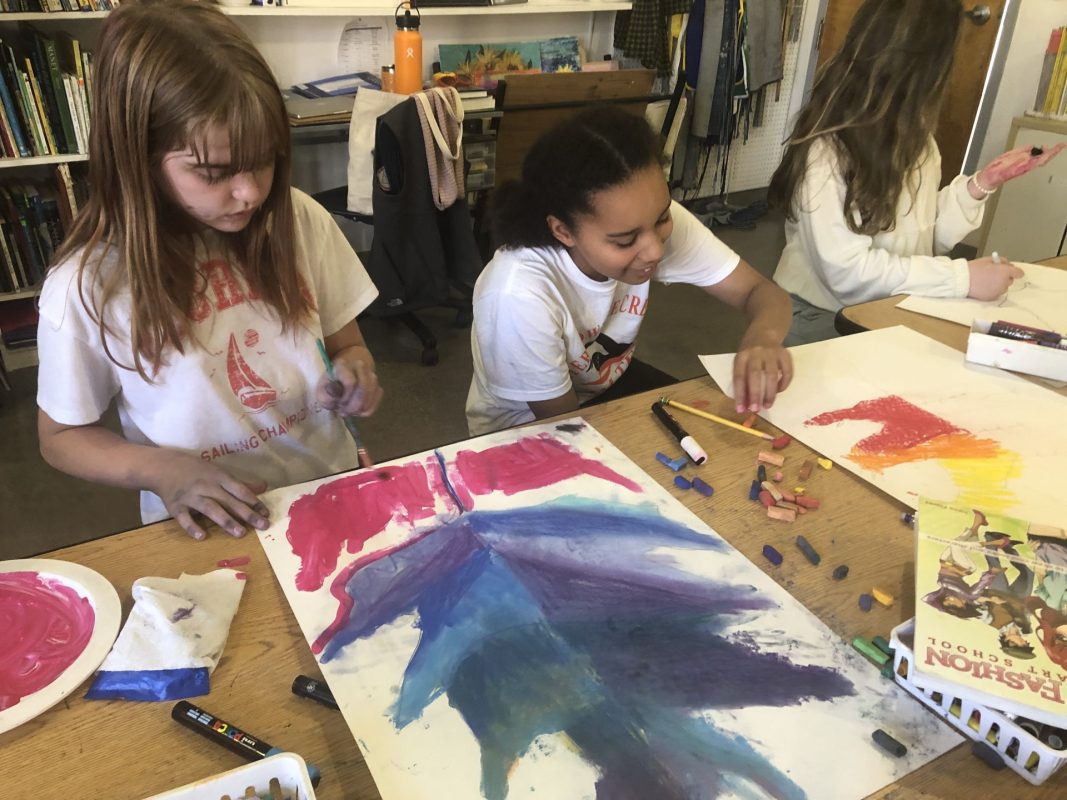
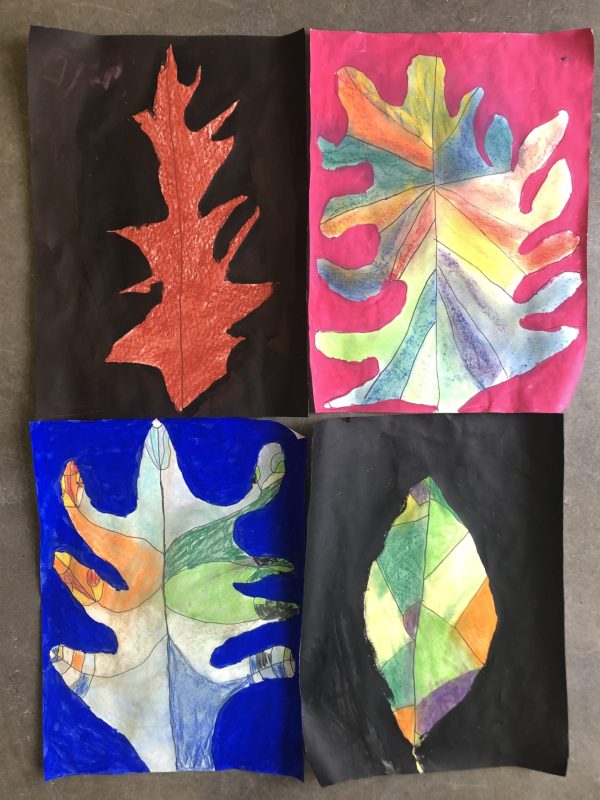
Upper Elementary students took time to slow down and carefully observe leaves in the Art Studio, and then drew the details they saw. Working on a large 18×24 inch piece of paper, each artist sketched out their leaf in pencil first, then traced it with black sharpie. Students were encouraged to fill the entire page with the leaf and to add the vein detail, and any other details observed. Next, we used chalk pastels to fill each section of the leaf with color, choosing either autumnal colors or any colors of choice, and blended the colors with a blending tool or finger. The finished products are so bold and unique. Bravo young artists!


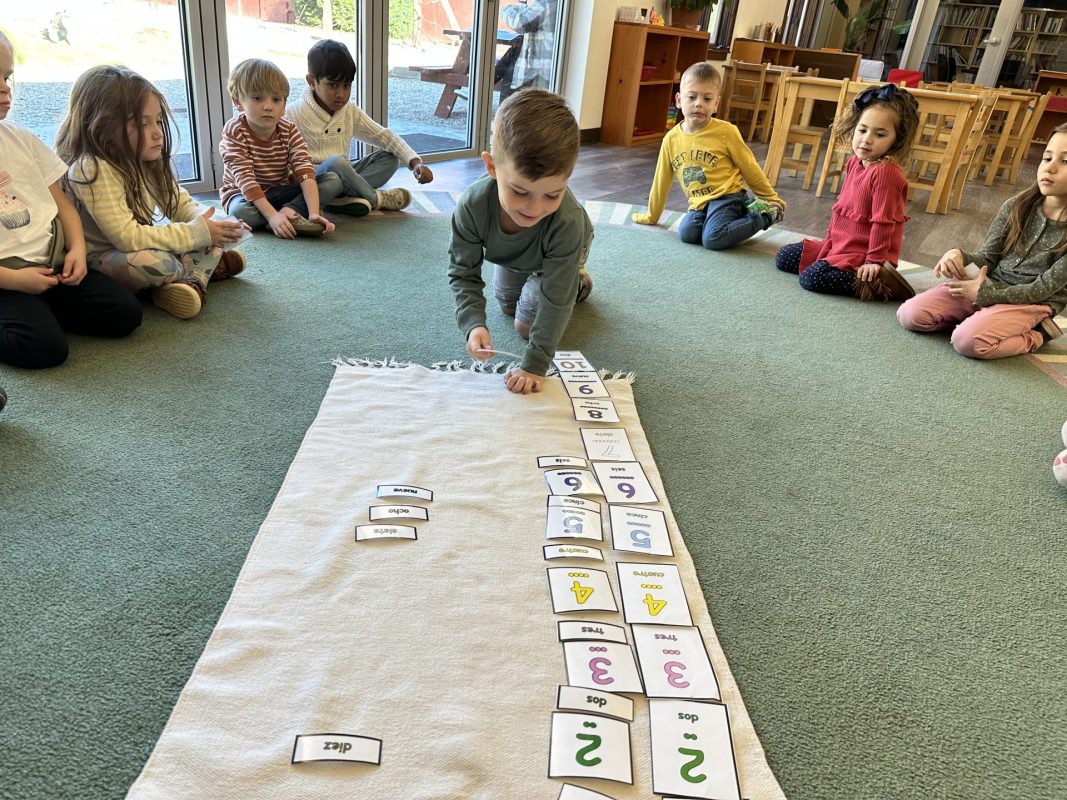
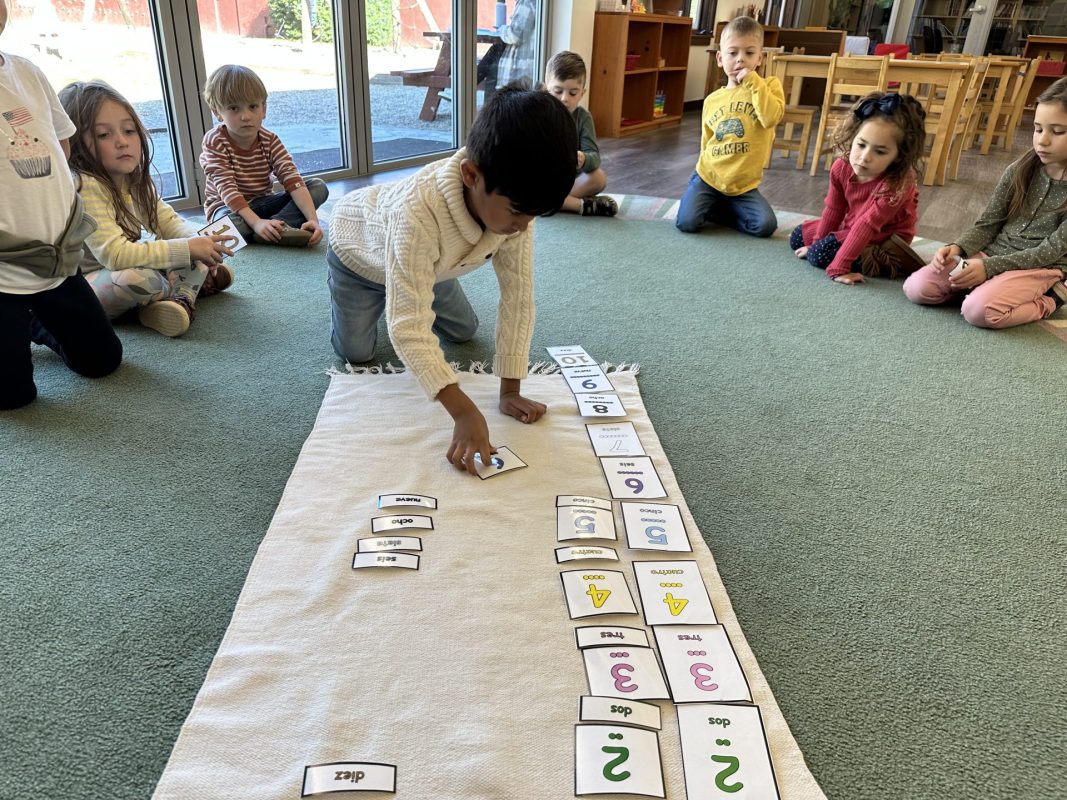
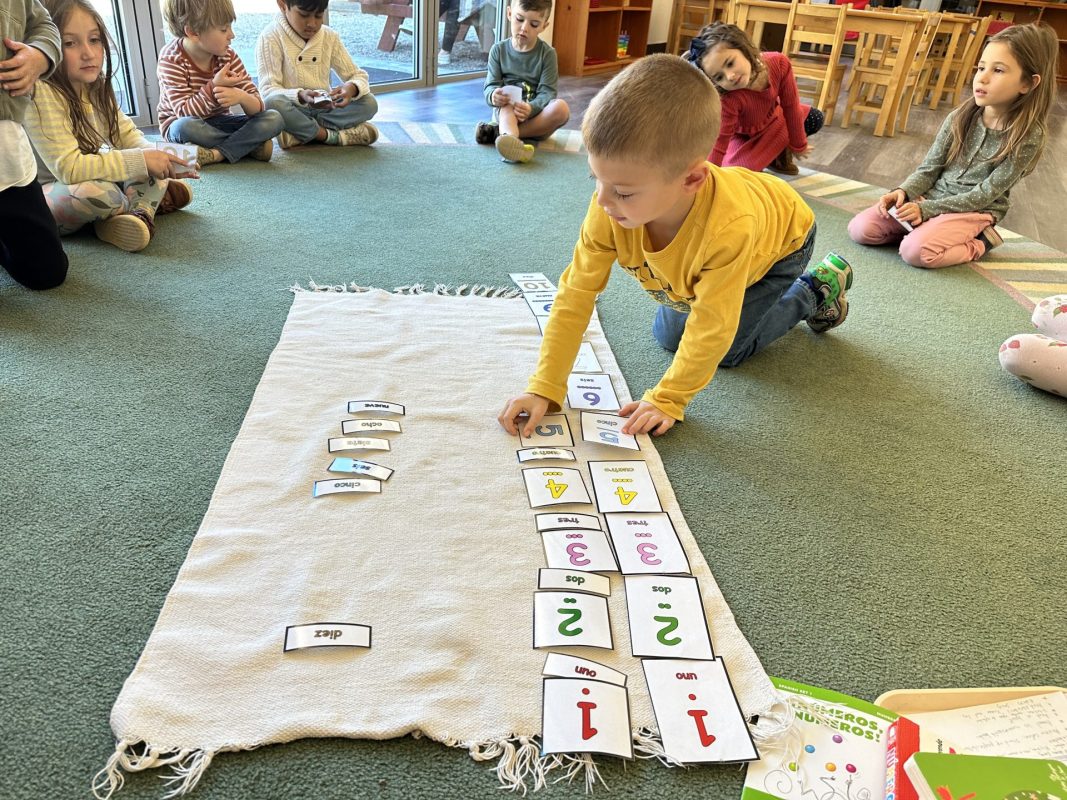
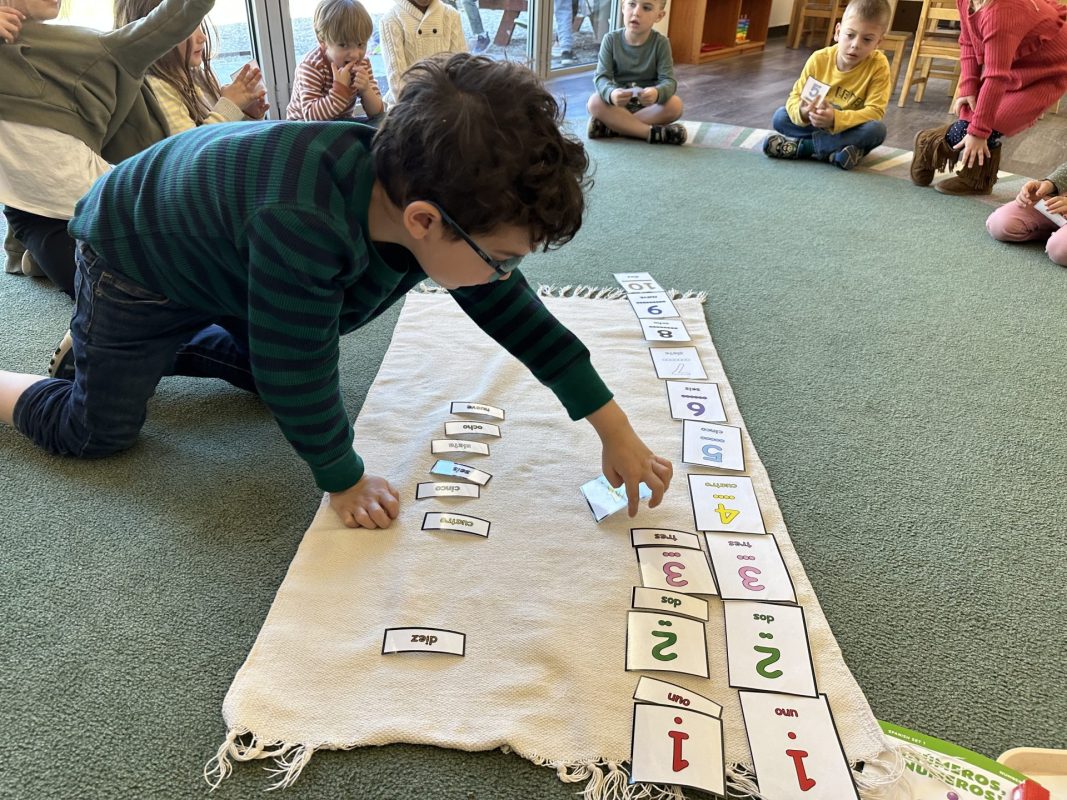
Progreso de la clase de Español en Noviembre/Spanish Class November Progress

Primary and Lower Elementary: “Los números”; Upper Elementary: “El calendario & Las estaciones”; Middle School: “Pronombres personales & algunos verbos”, “Cosas de la casa & los números ordinales” and “Articulos definidos e indefinidos”, “Acuerdo entre el sustantivo y el adjetivo”. In addition, FWM students learned about biography and the art of worldwide artists, Antonio Gaudi (Spain) & Frida Kahlo (Mexico).

This month at FWM students kept working on their usual conversation about feelings, Spanish greetings, the calendar and weather description. They are continuously improving their Spanish listening and vocabulary. Students from Primary, Lower Elementary, Upper Elementary and Middle School listened carefully to Spanish books and songs and participated in interactive games that were displayed during class.

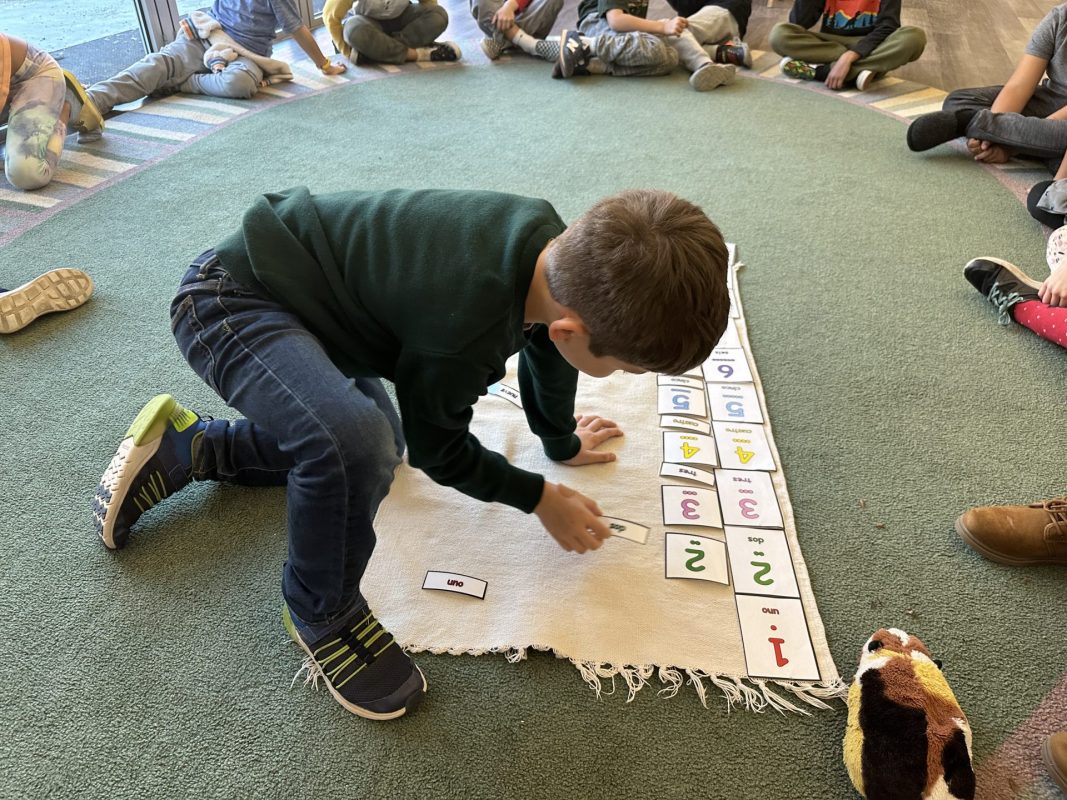
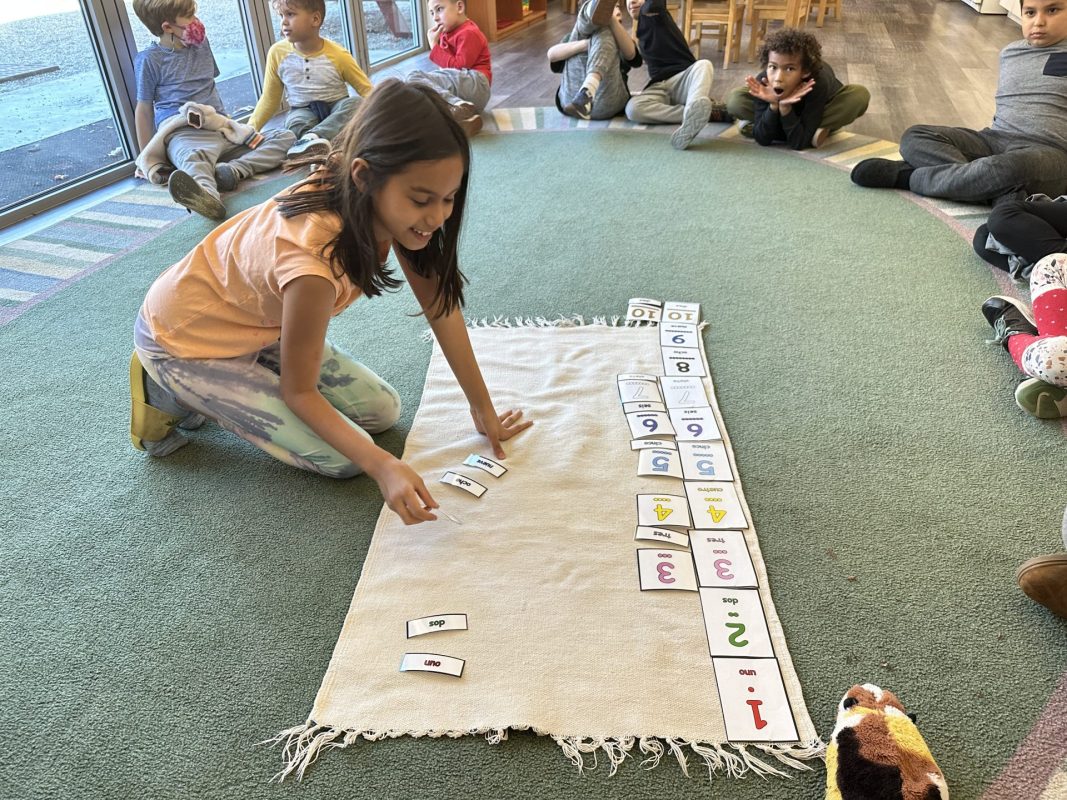
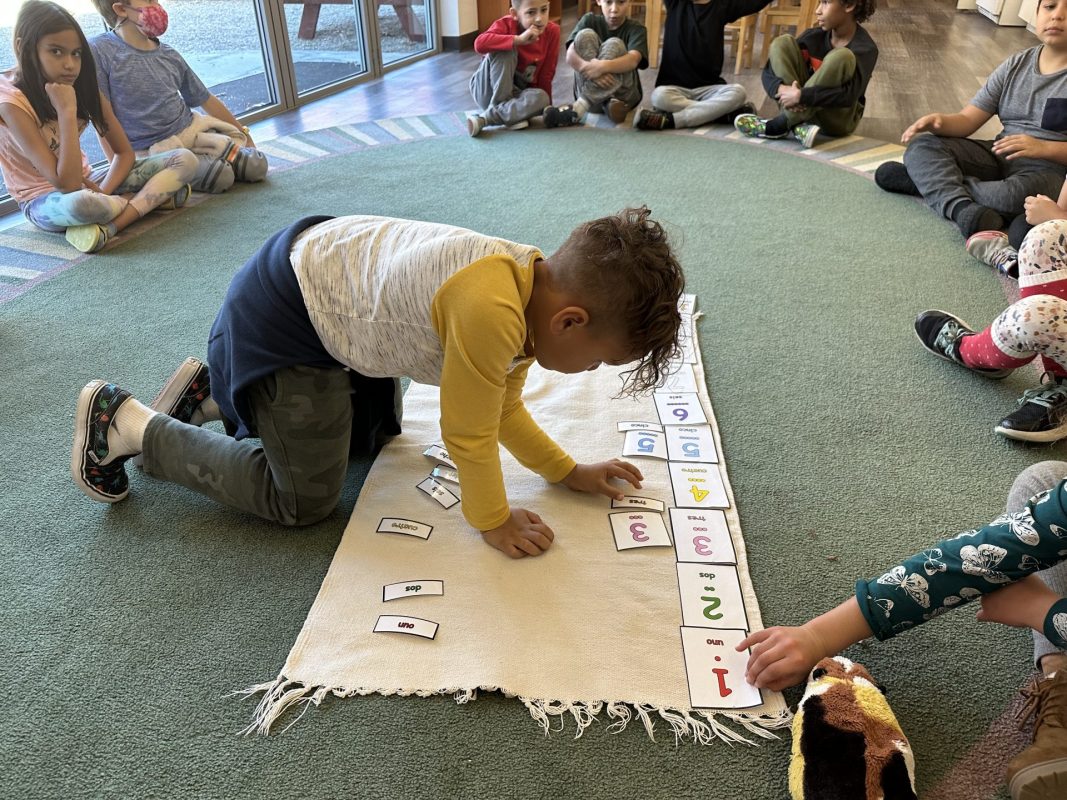
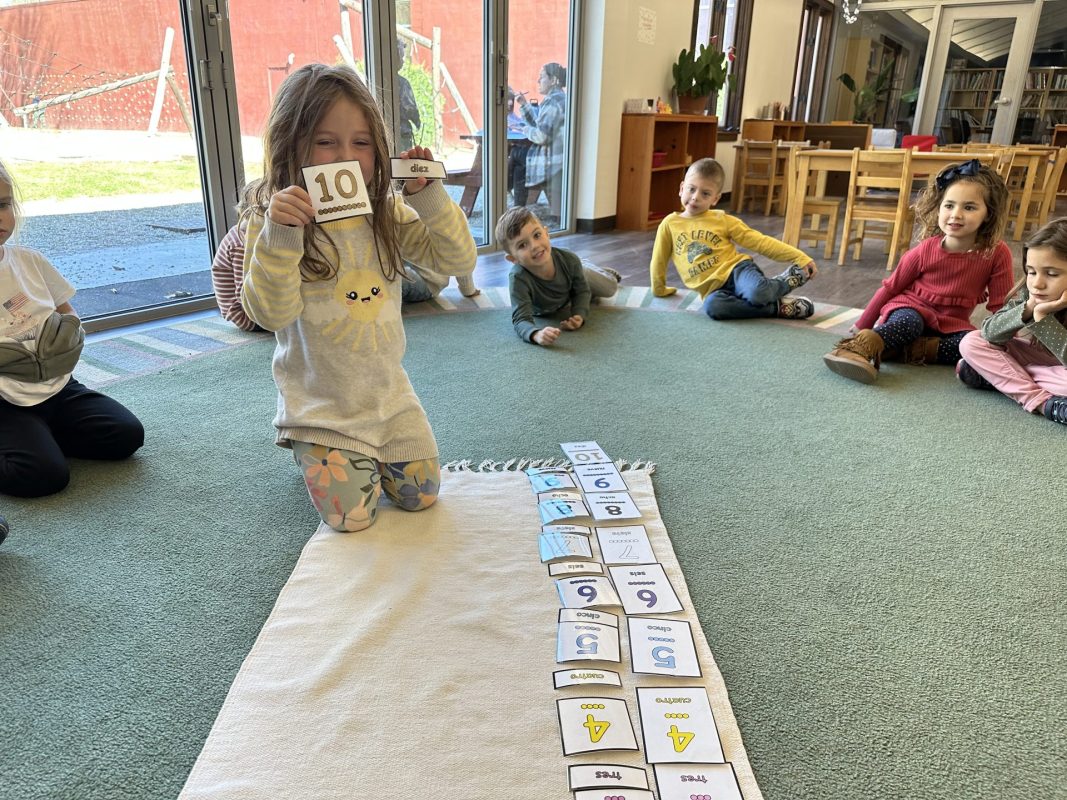
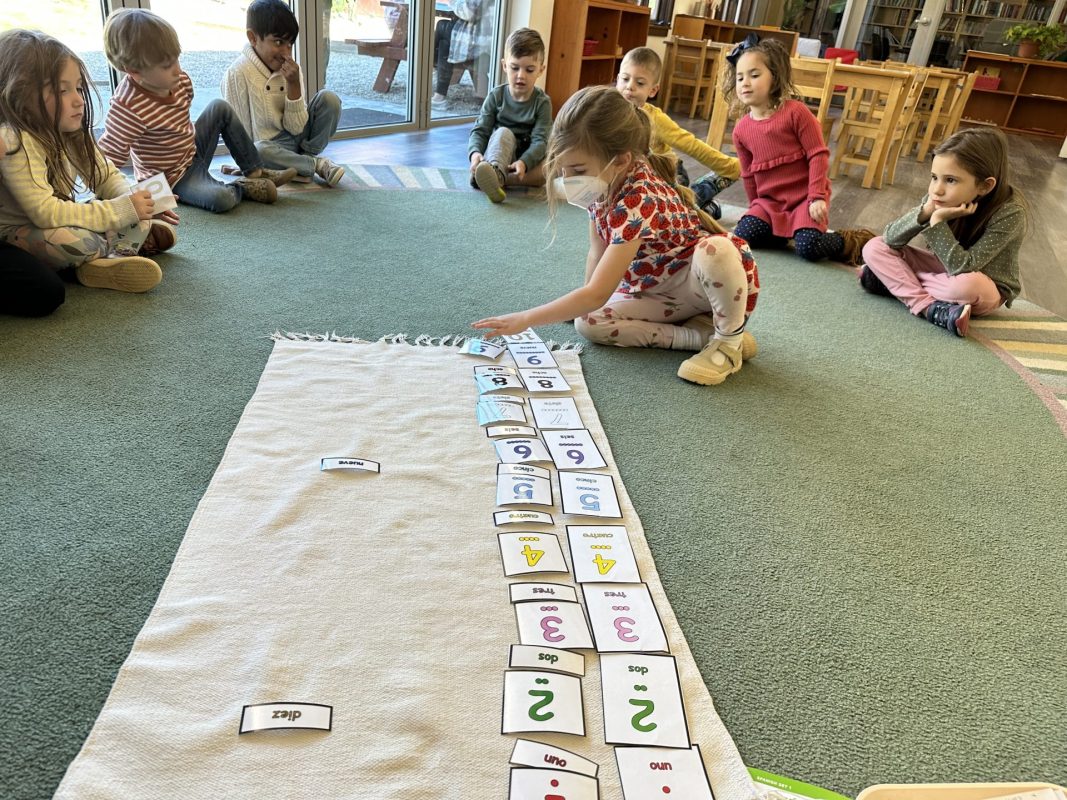
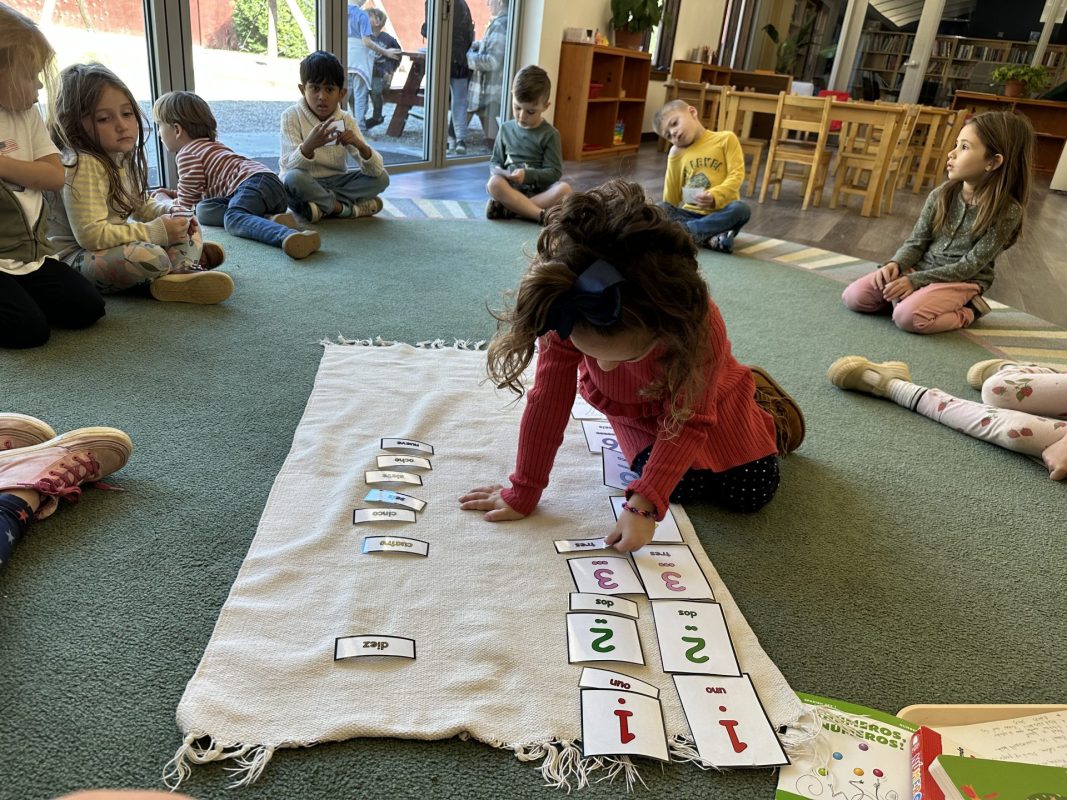
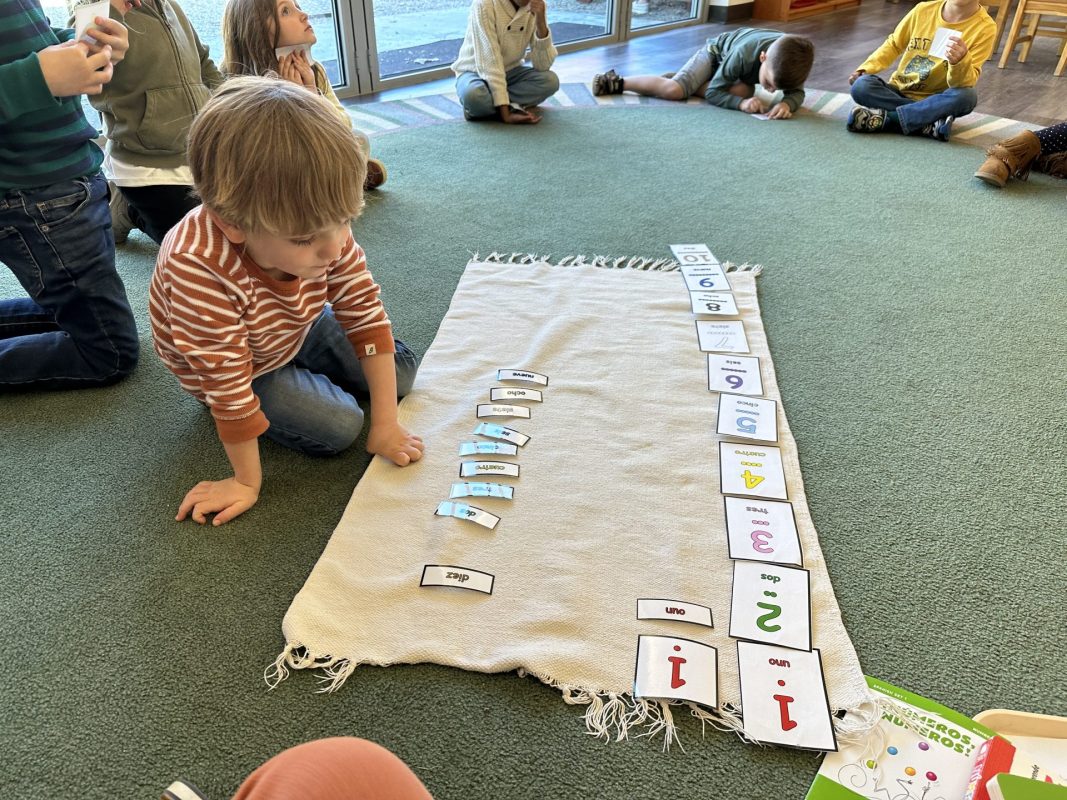
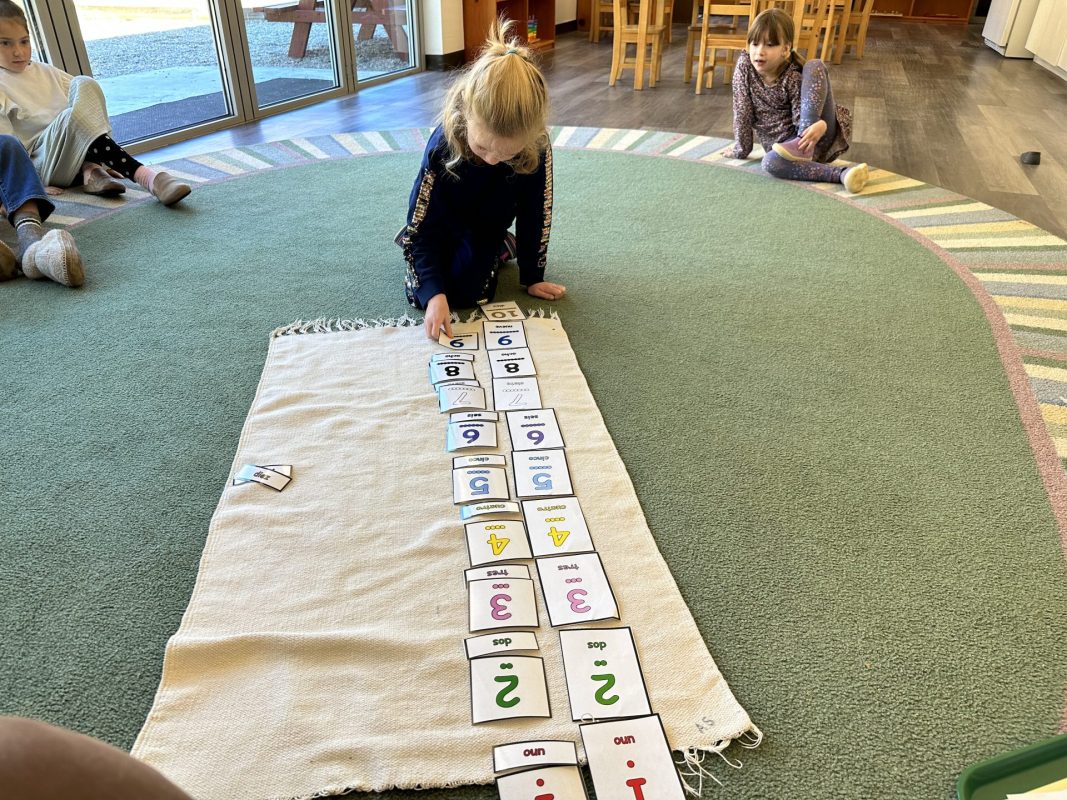
Primary students focused on learning the numbers from 1 to 10. Uno (1), dos (2), tres (3), cuatro (4), cinco (5), seis (6), siete (7), ocho (8), nueve (9) y diez (10). They studied “los números” through Spanish Montessori lessons that were left on the mathematics shelves of each class for the students to practice for the entire week.

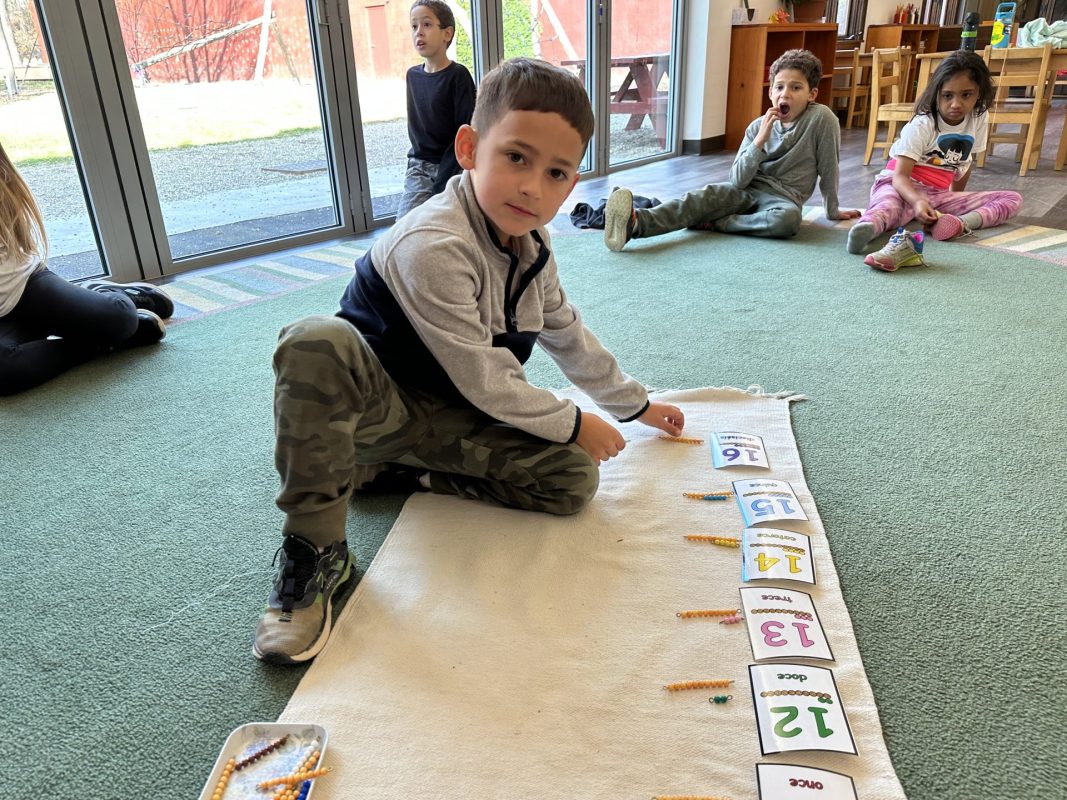
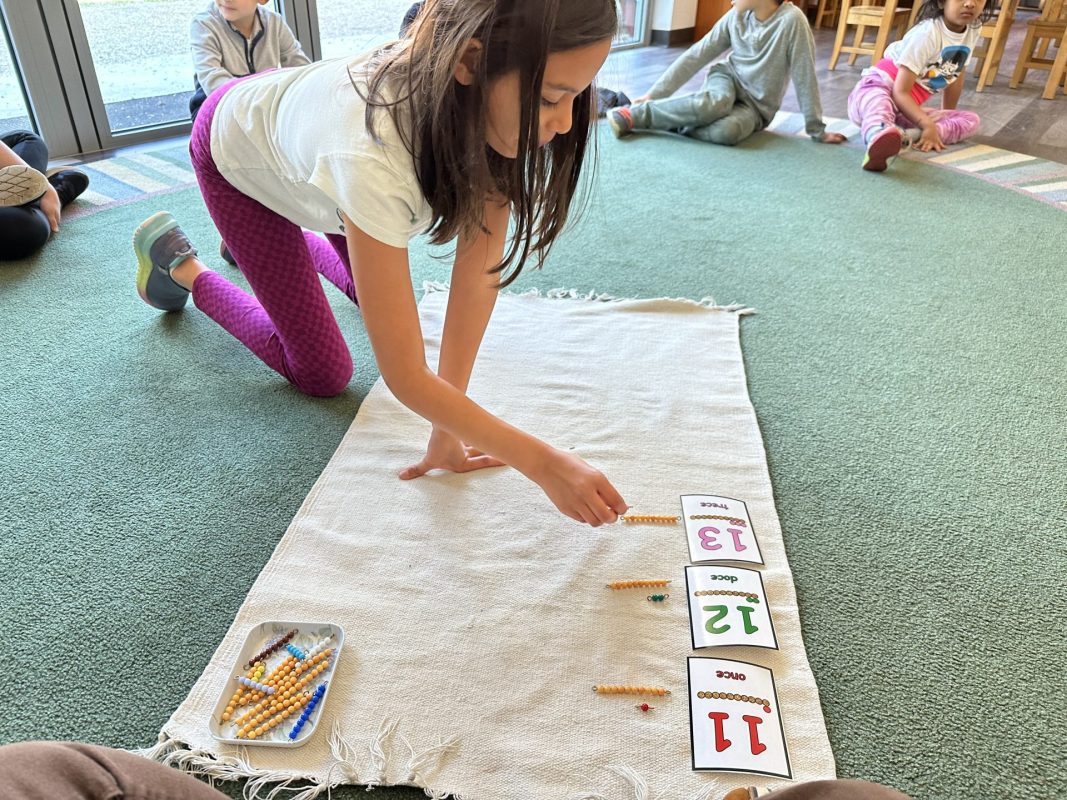
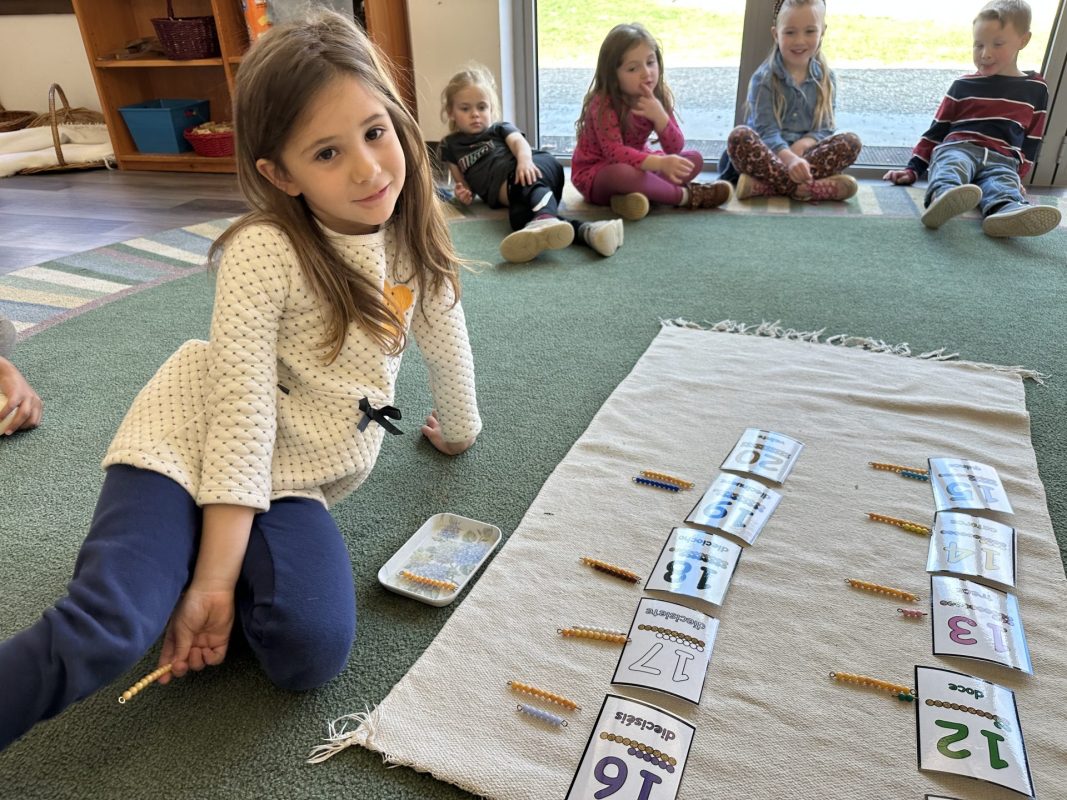
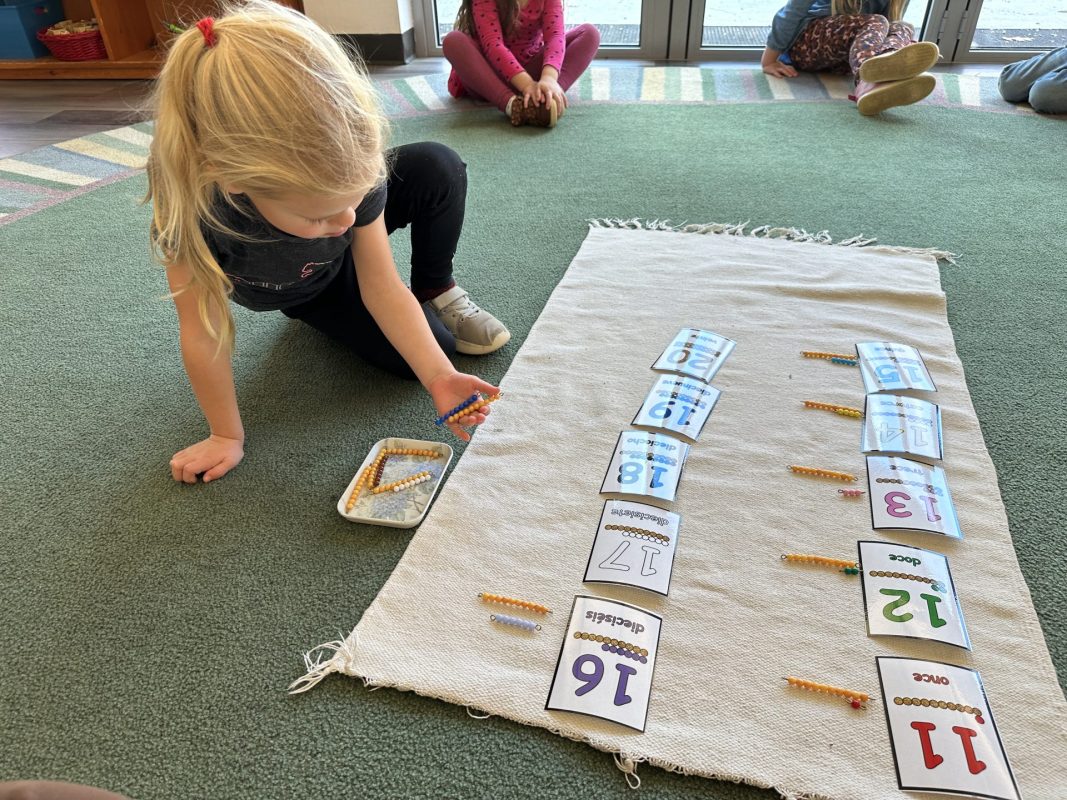
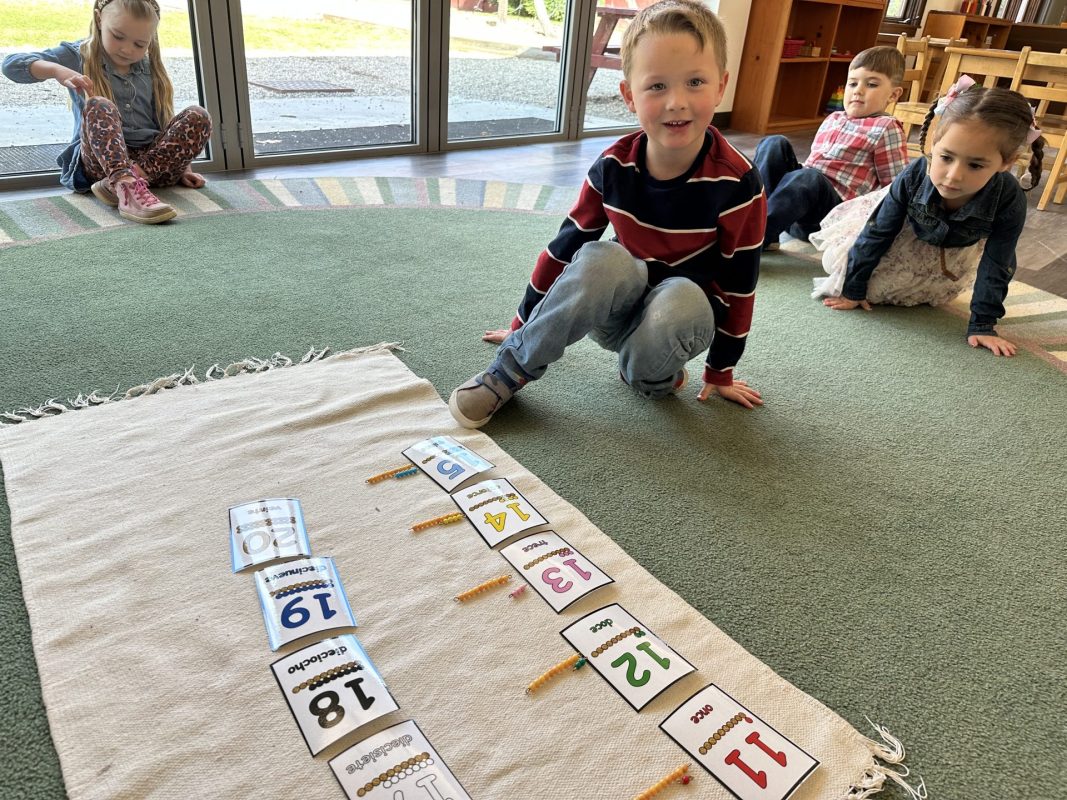
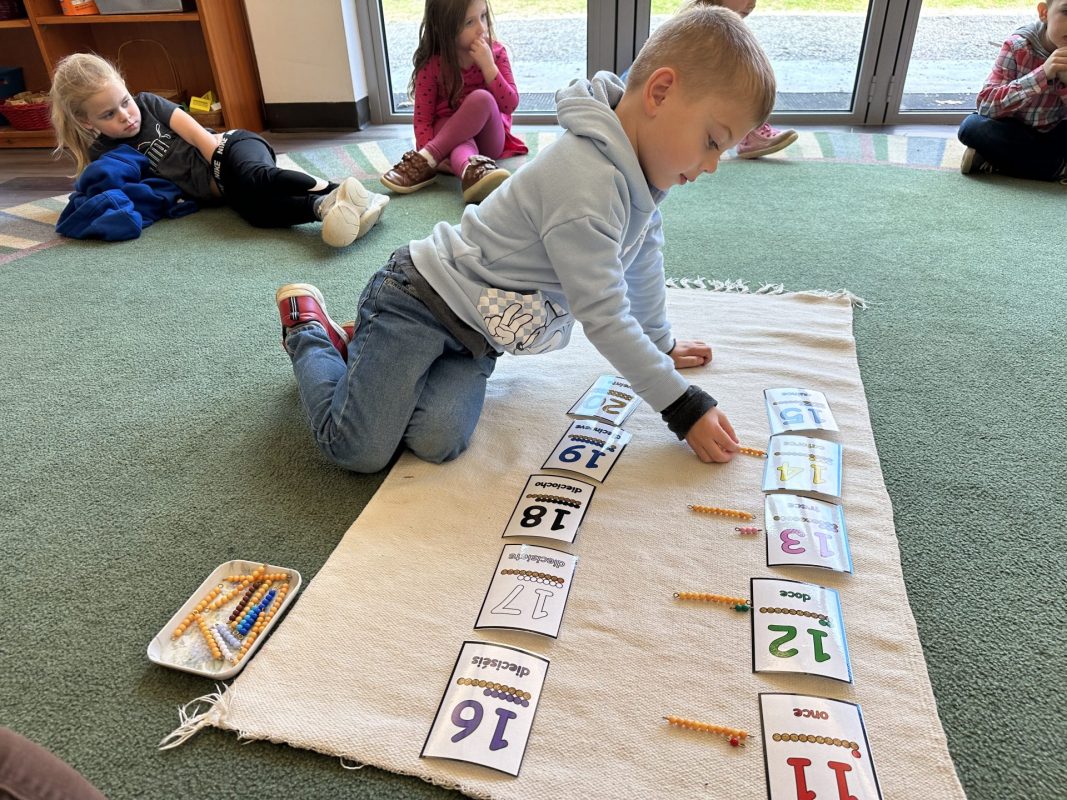
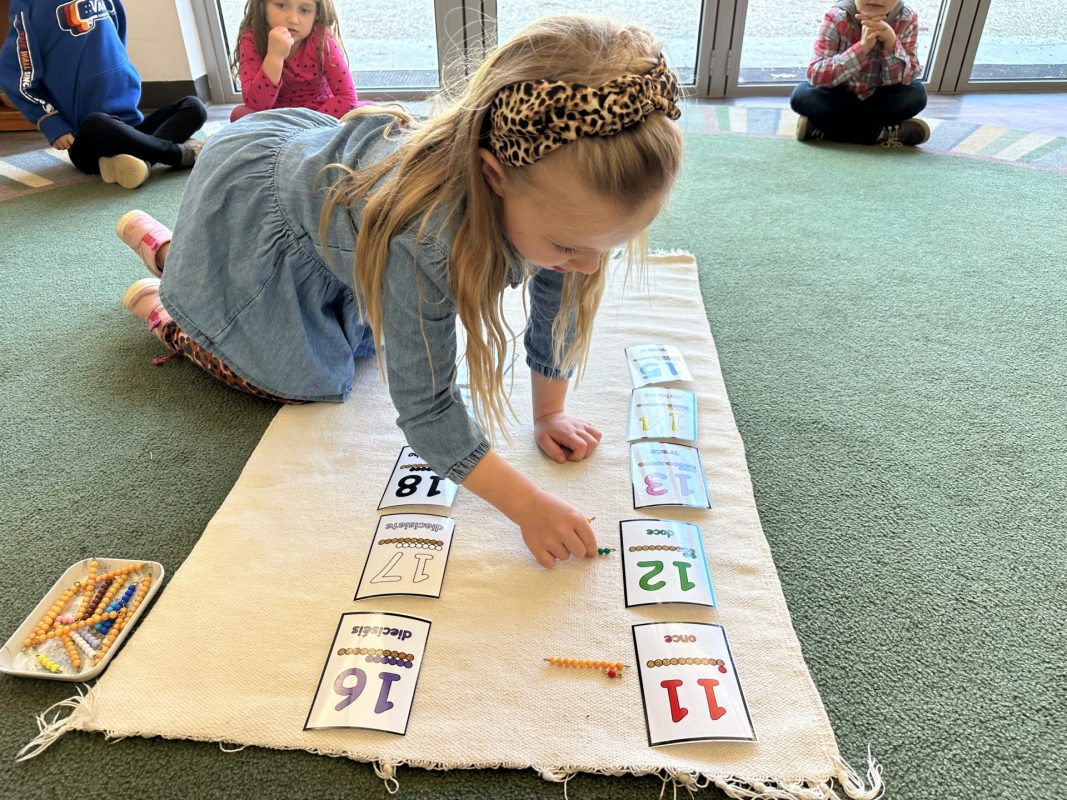
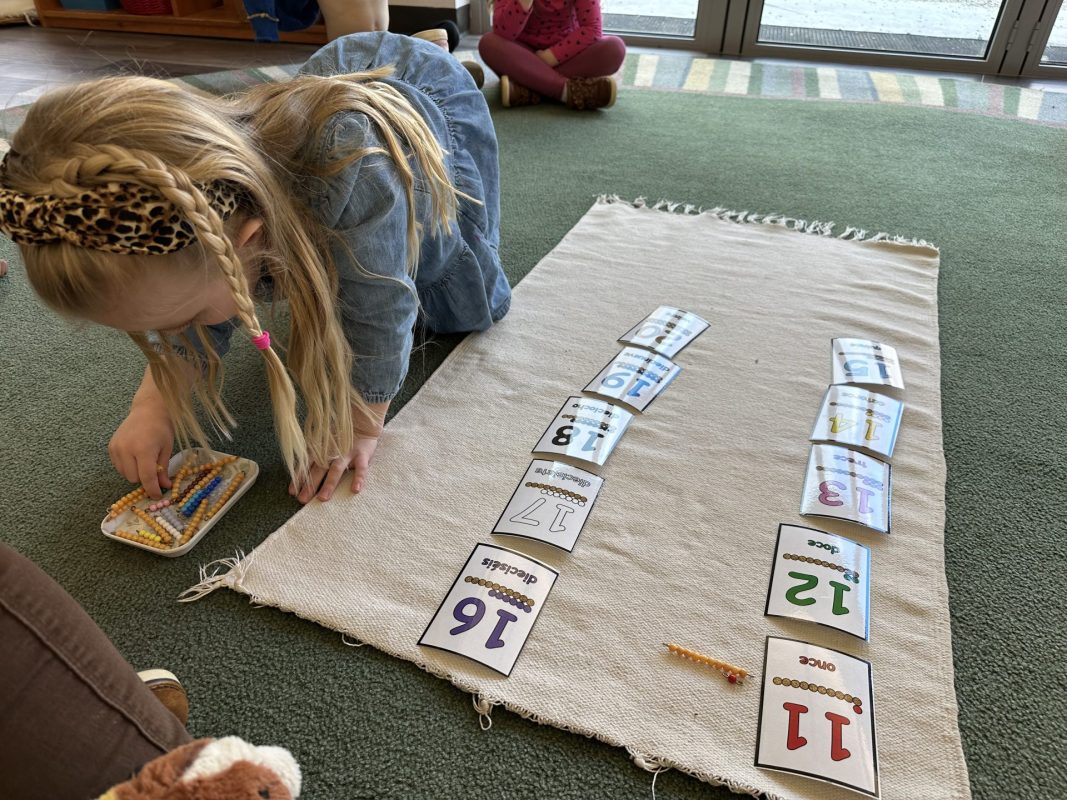
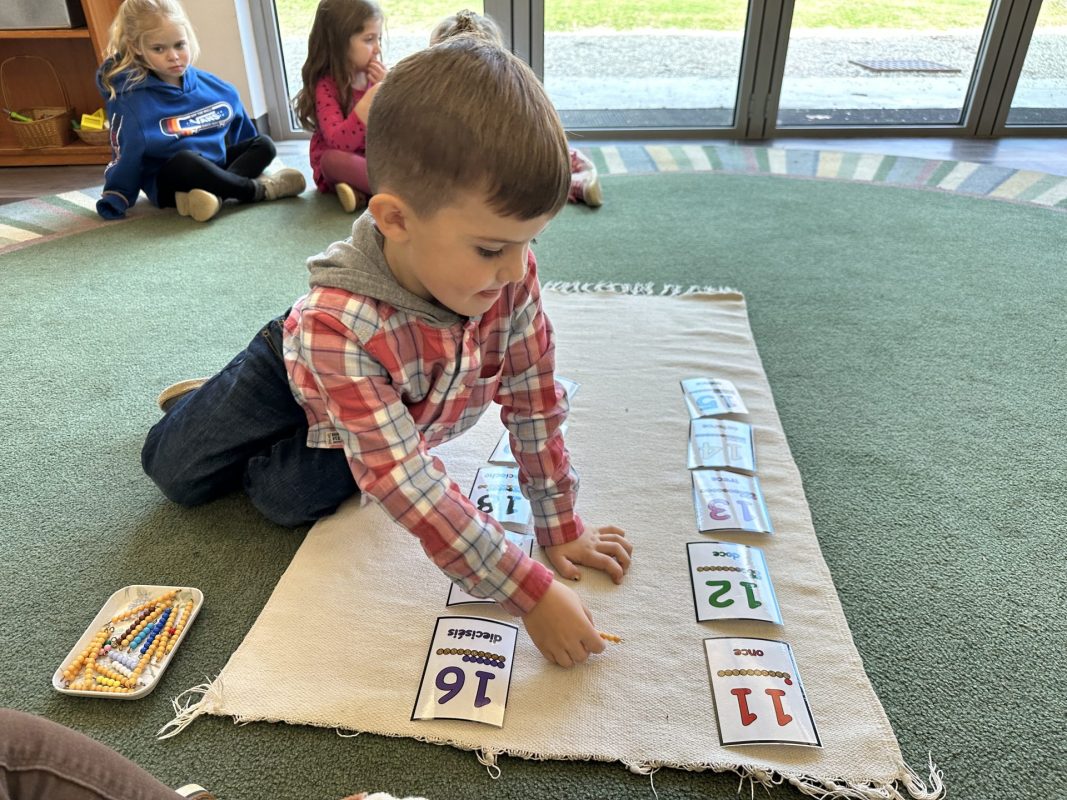
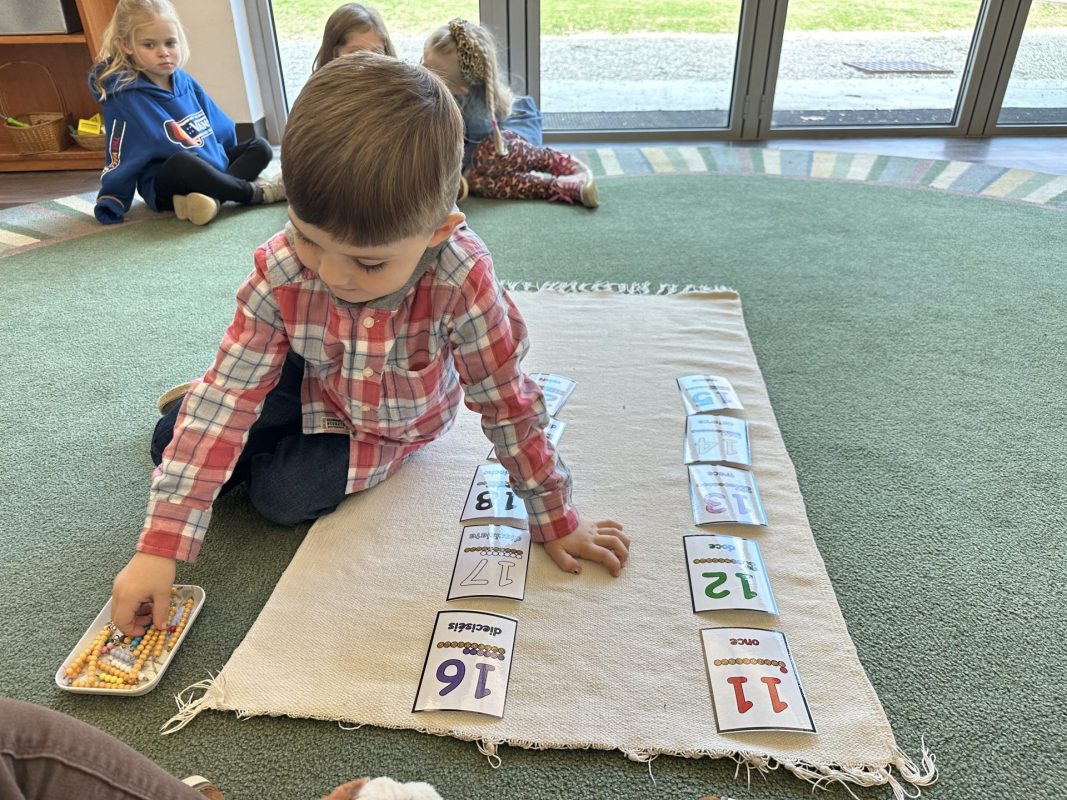
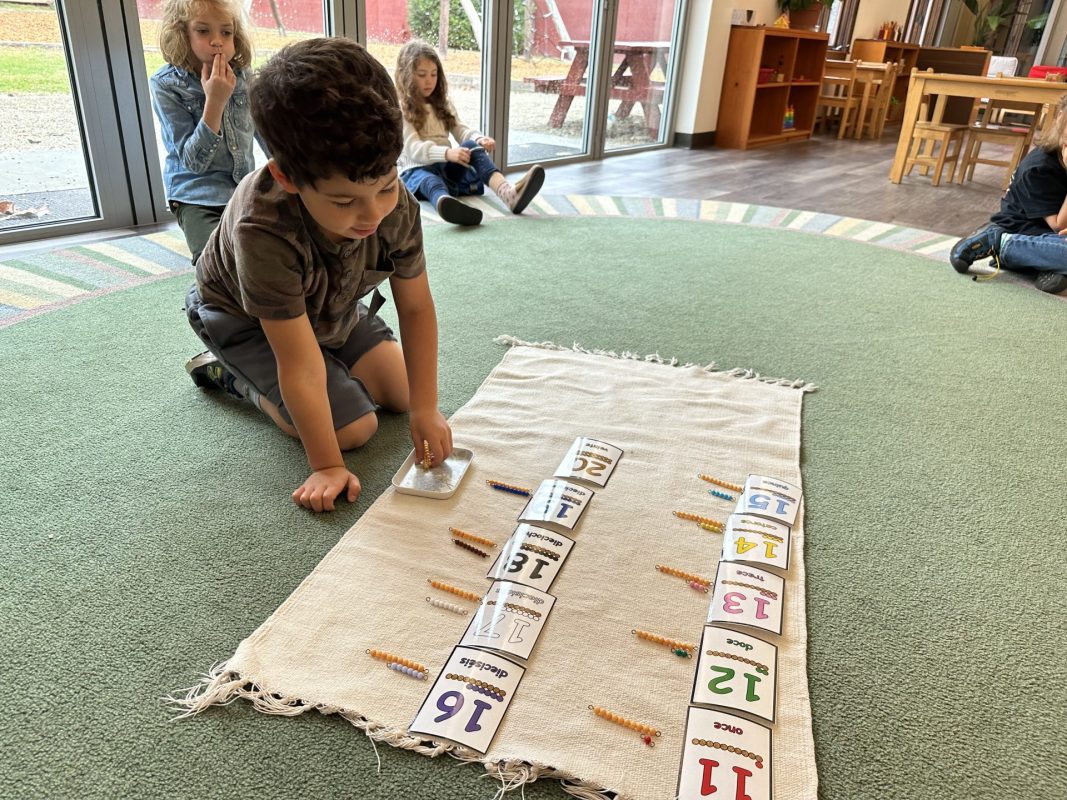
Lower Elementary students also learned “los números” from 1 to 20 in Spanish such as: uno (1), dos (2), tres (3), cuatro (4), cinco (5), seis (6), siete (7), ocho (8), nueve (9), diez (10), once (11), doce (12), trece (13), catorce (14), quince (15), dieciséis (16) , diecisiete (17), dieciocho (18), diecinueve (19) y veinte (20). They learned these numbers through Spanish Montessori Lessons that were presented in class and left in their classroom to be practiced during the week.

Upper Elementary students put in hard work learning about the calendar. They learned how to properly say the dates and specific celebrations in Spanish. They learned the seasons and their descriptions in Spanish, as well.

Middle Schoolers learned to talk about personal pronouns, kept working on their daily activities, definite and indefinite articles, noun adjective agreement, learned the conjugation of verb “ser, estar”, when and how to use it.  They also learned to conjugate the verb “tener” and indicate the order of things using the ordinal numbers, and how to describe the location of places.  They were very excited to play Bingo in Spanish.

Upper Elementary and Middle School students learned about the culture and art of two world renowned Spanish artists Antoni Gaudi (Artist and Architect) and Frida Kahlo (Painter). I am very pleased by the progress accomplishing their goals in my class. All the students from FWM are doing an amazing job in Spanish.

Art: Kindergarten Planet Paintings!

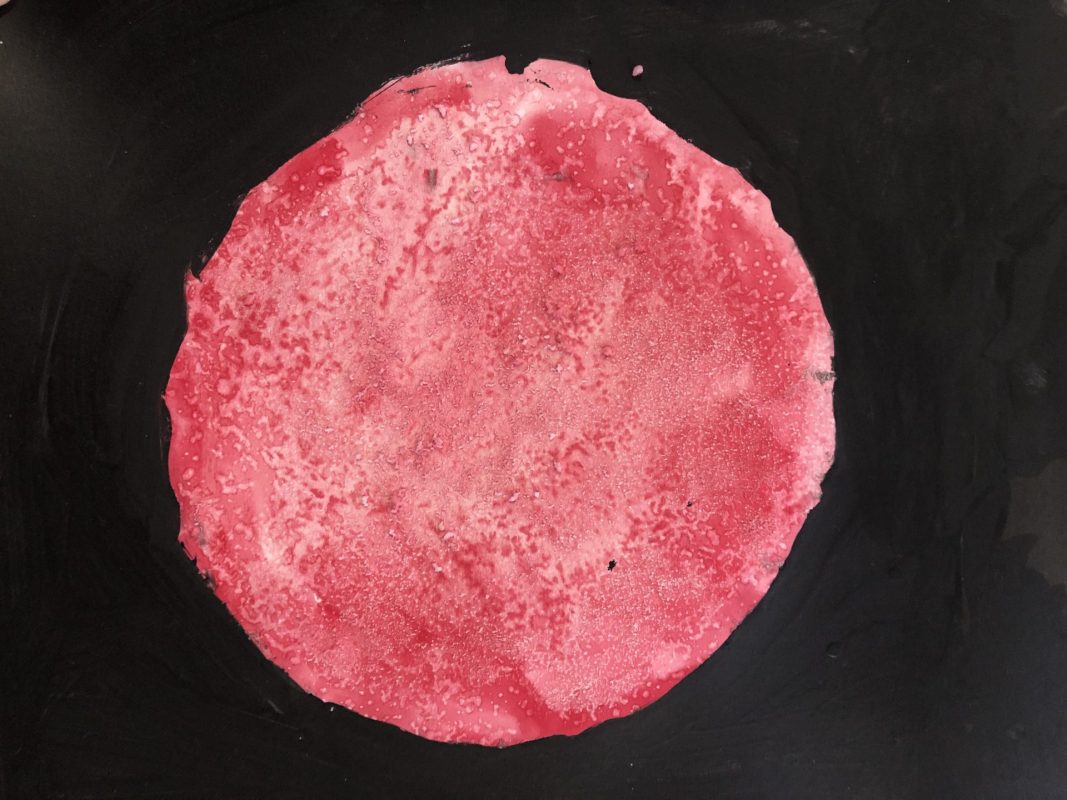
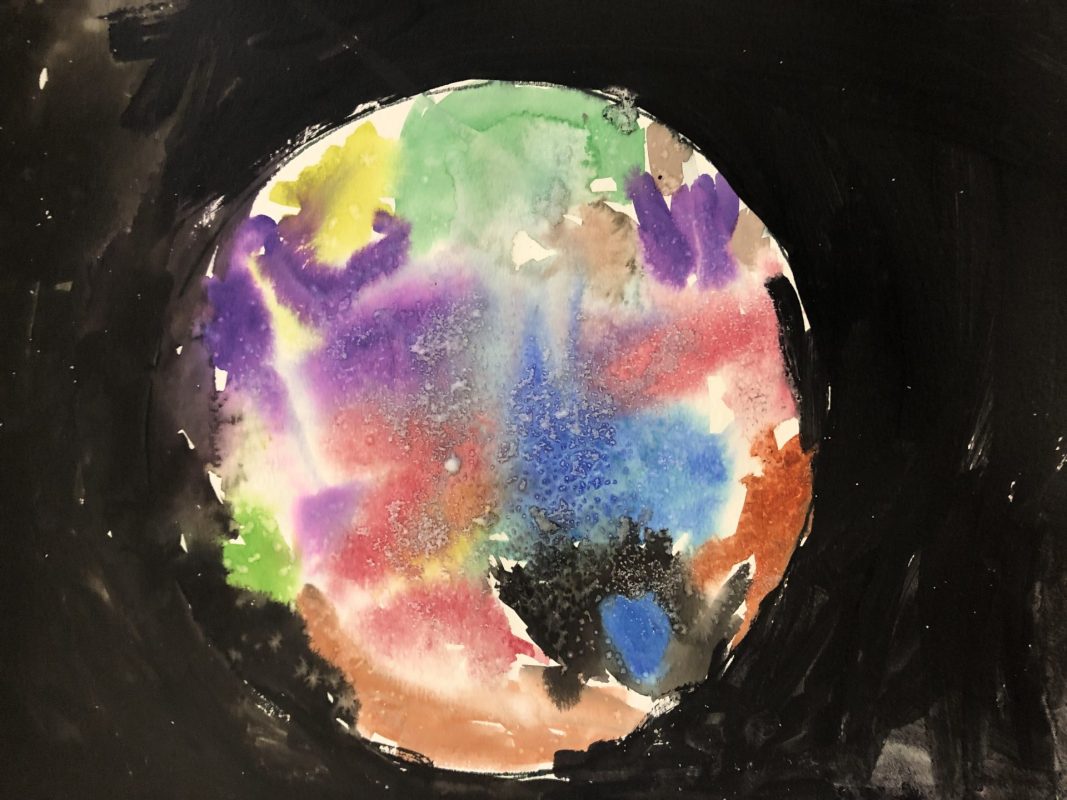
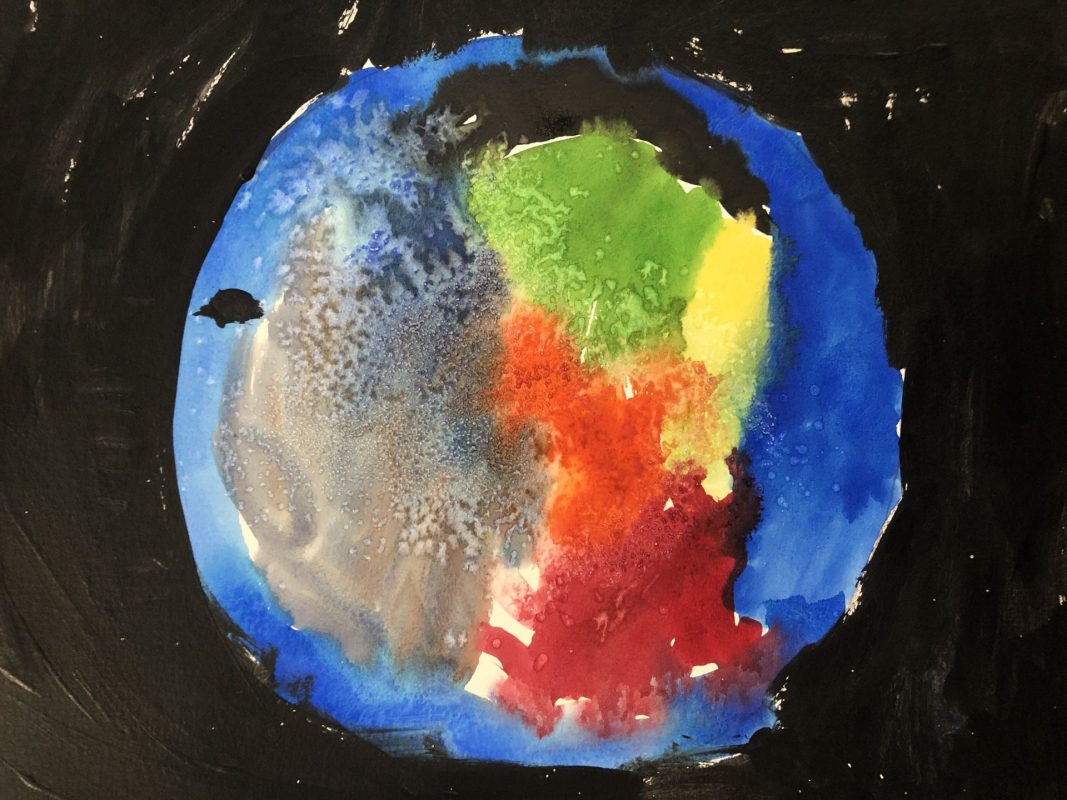
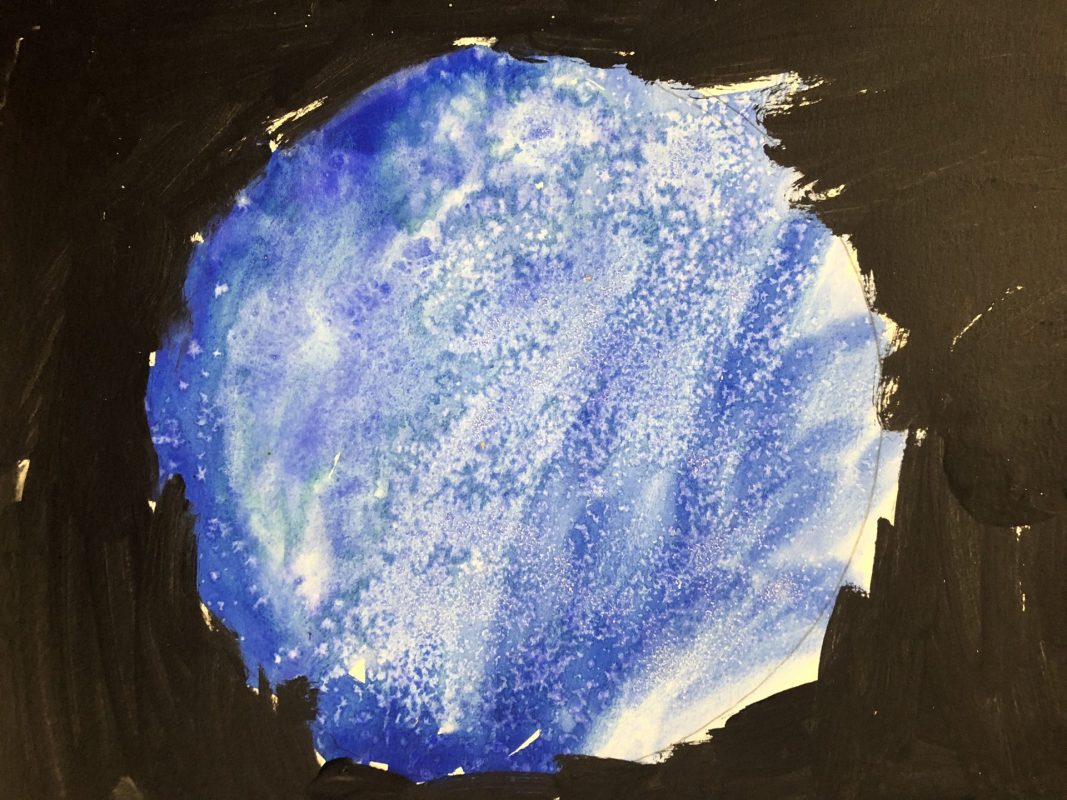
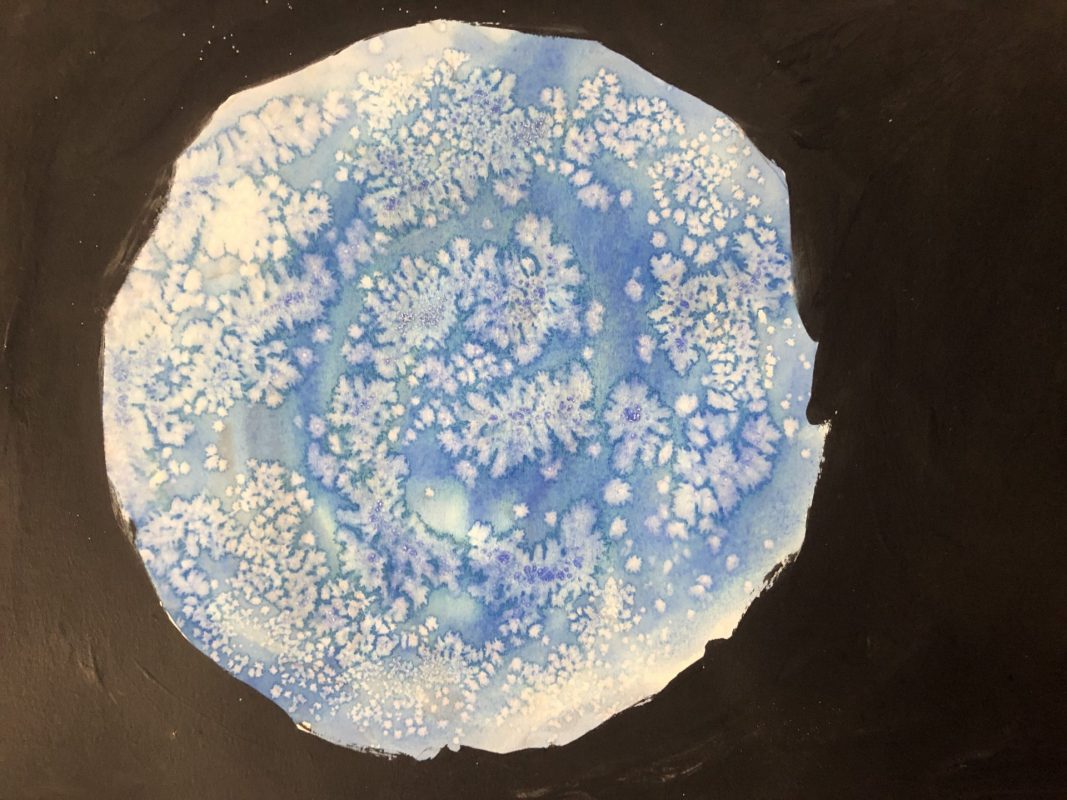
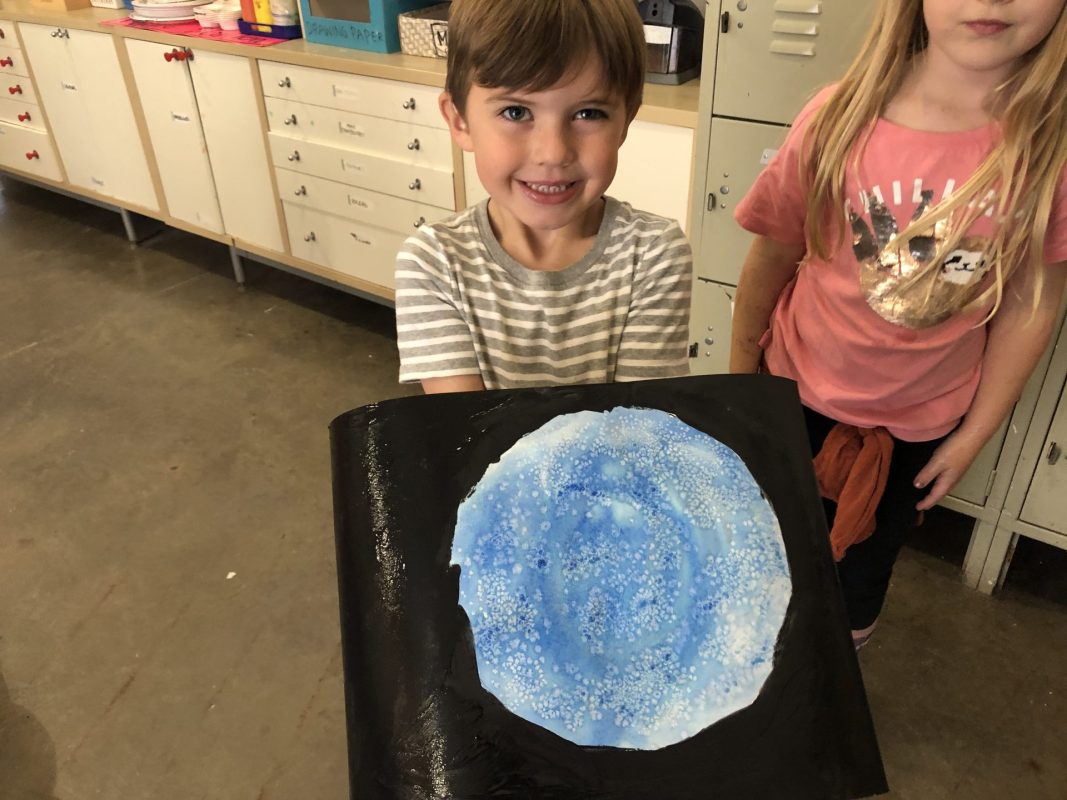
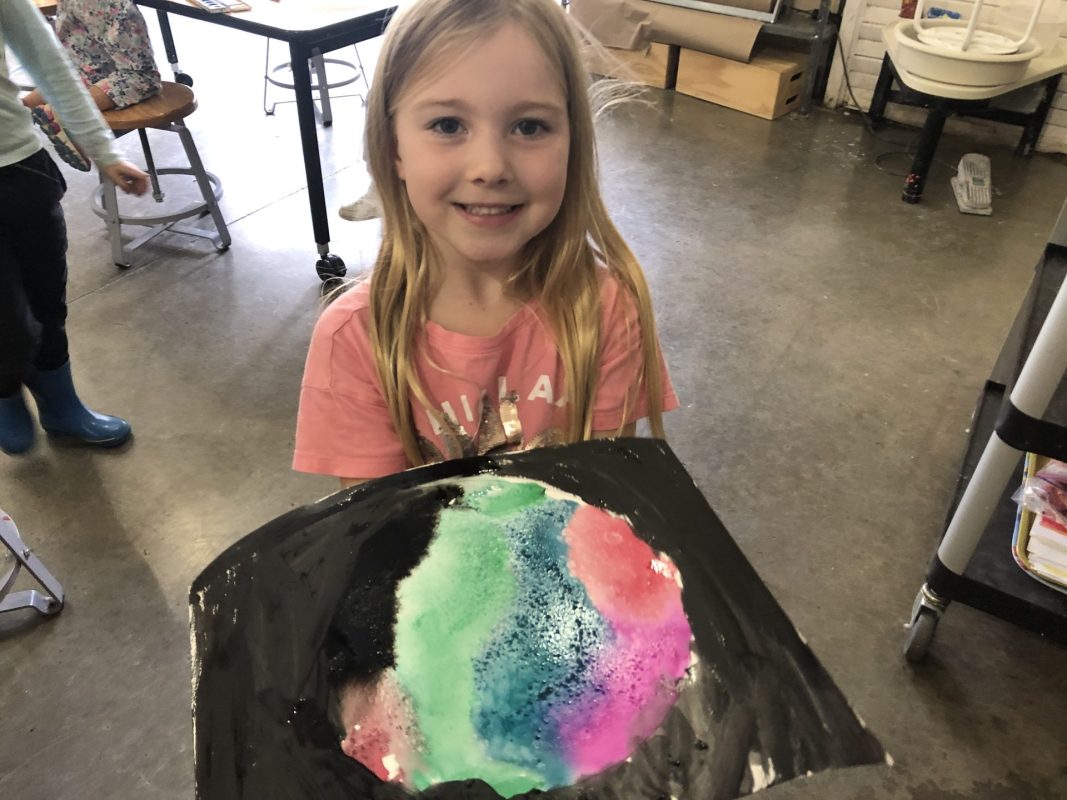
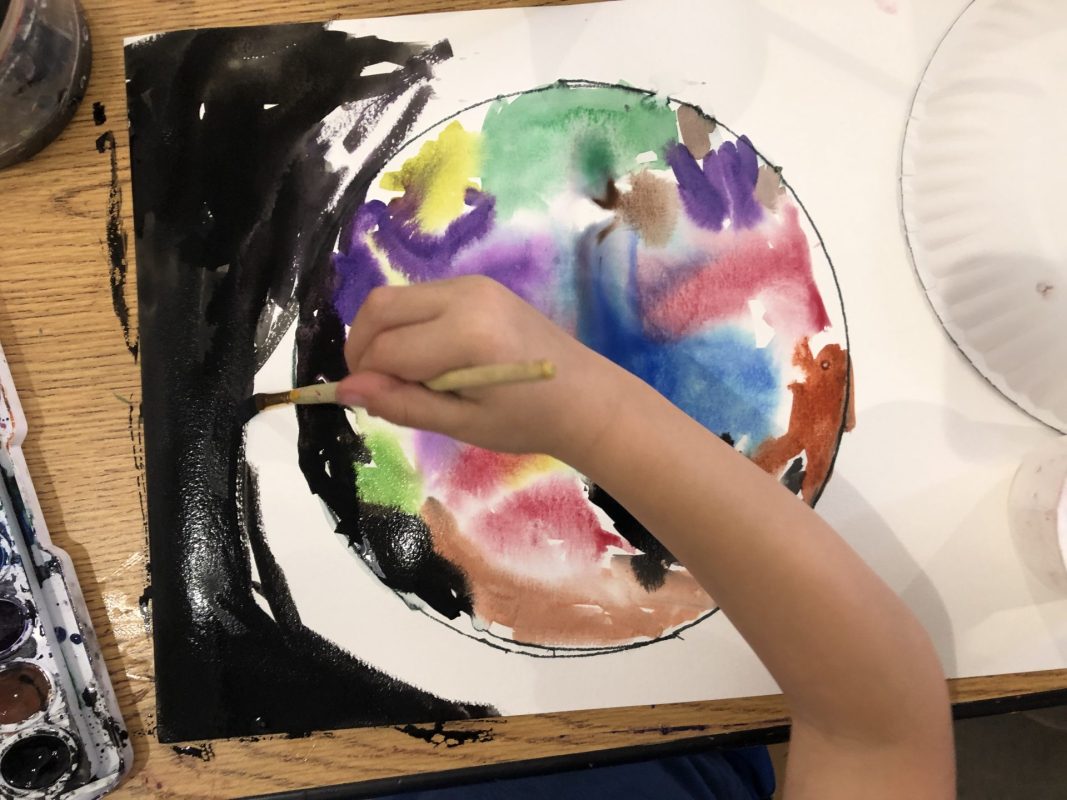
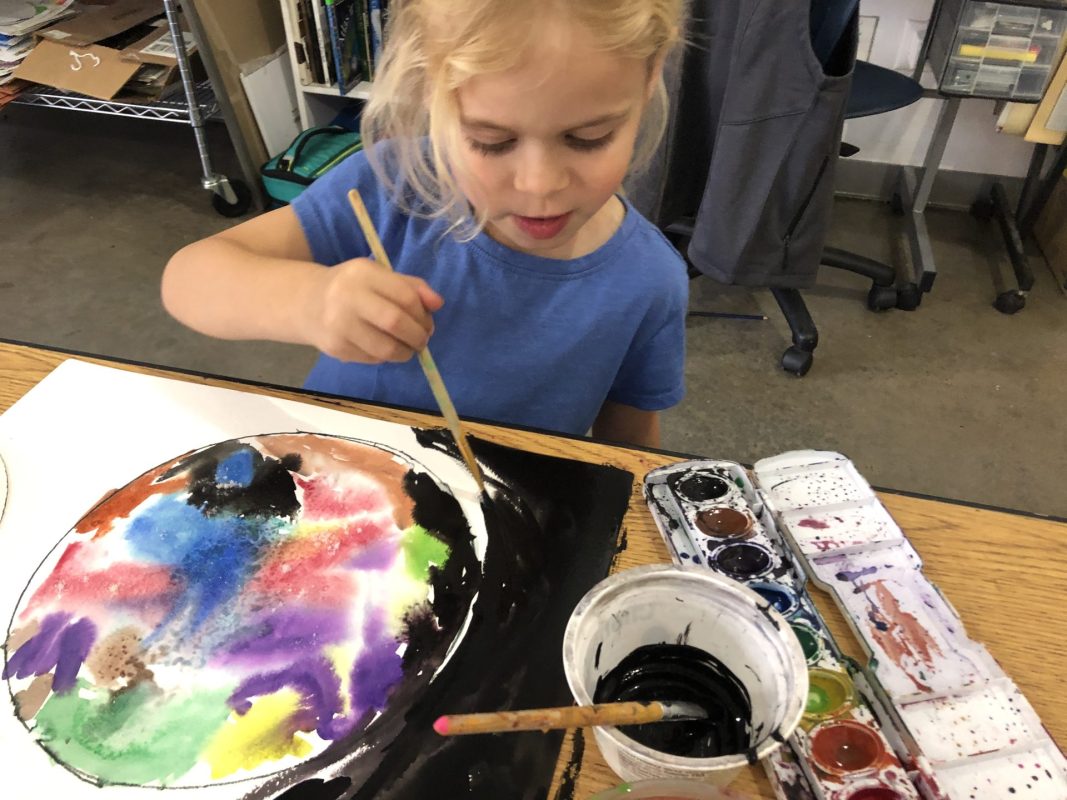
In the Art Studio, Kindergarten artists created planet paintings. During the month of October, Primary students studied the Solar System in their classrooms, therefore, many students knew which planet they wanted to recreate right away, while others invented a planet of their own! We began by looking at planet images and discussing the colors and textures observed. Next, each artist traced a large circle template with pencil and then filled it in with the colors of their planet using liquid watercolors. We also discussed how planets have different surfaces such as rocky, sandy, cloudy, or icy and added salt on top to give the planet texture! Black tempera paint was added around the planet as the last step to show that our planets are floating in the dark space of our Solar System.