1st Grade Tackles 3D Printing

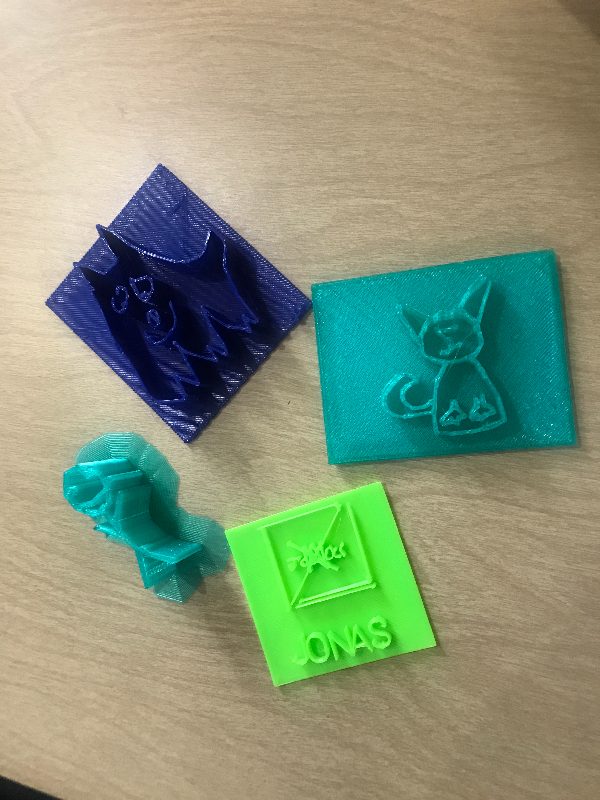
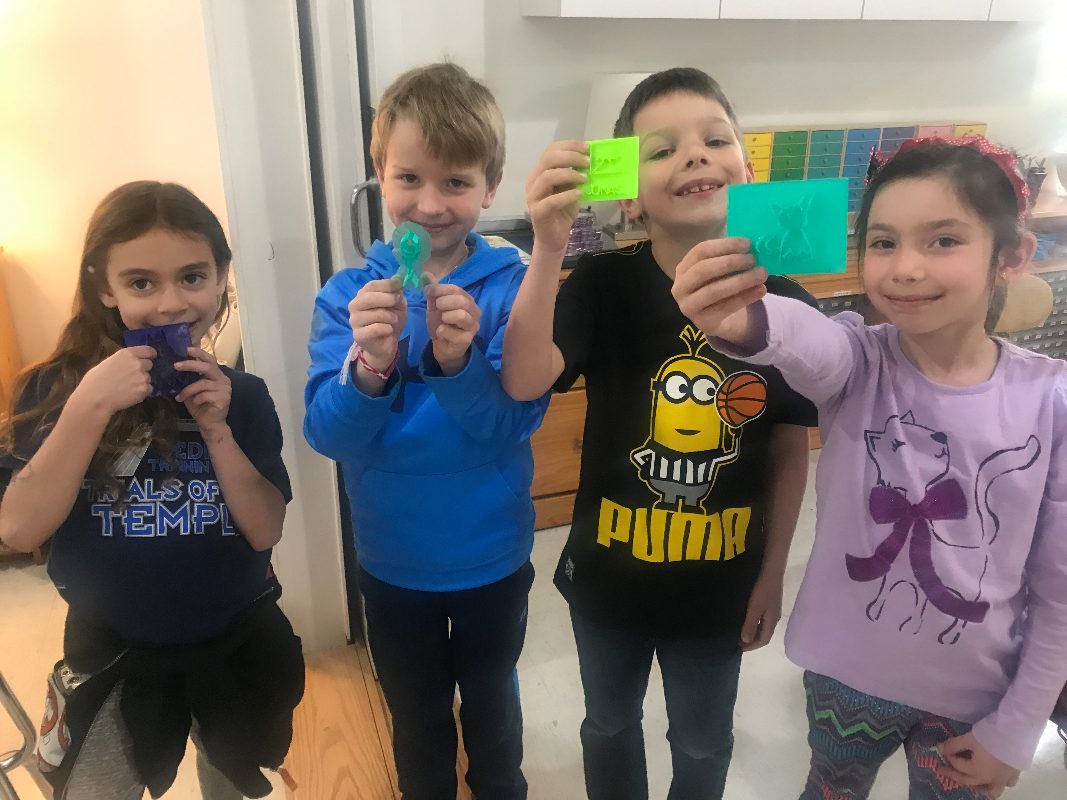
On our first day back from Spring Vacation our 1st year students dove head first into learning the design process for 3D printing. Together we sat in a circle on the floor and talked about what 3D printing is, how long it takes to make something, and the color choices you have for your project. Important vocabulary was introduced, as well.

Once we understood the basics, each student was given a MakerSpace iPad to create their print. We’ve purchased an innovative application that allows students to draw their design with just the touch of their finger. The ease of this program allows these lower elementary students to create exactly what they are picturing in their imaginations without the learning curve of understanding X, Y, and Z coordinates, angles, and degrees. (These are introduced in 2nd grade.)

Students were completely enamored by the simple fact that their designs that once lived on a screen- were handed to them a few hours later to bring home and share amongst family and friends. Bravo, to our littlest designers!


The 5th year Looking at Google Earth in French!


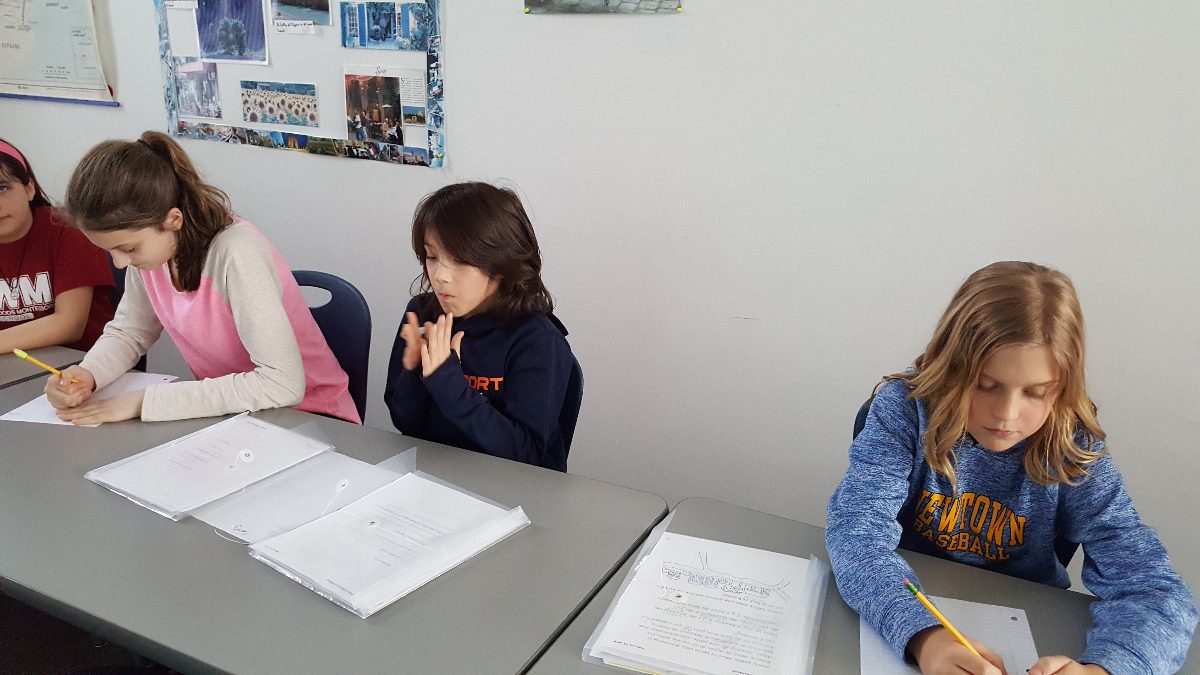
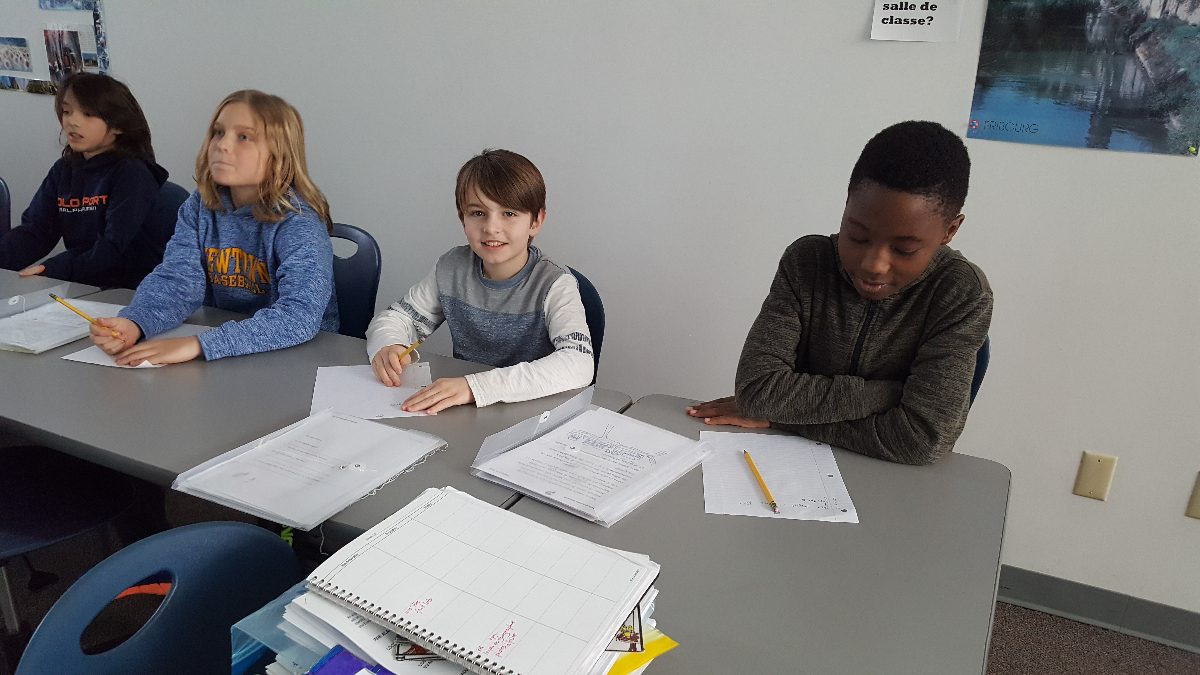
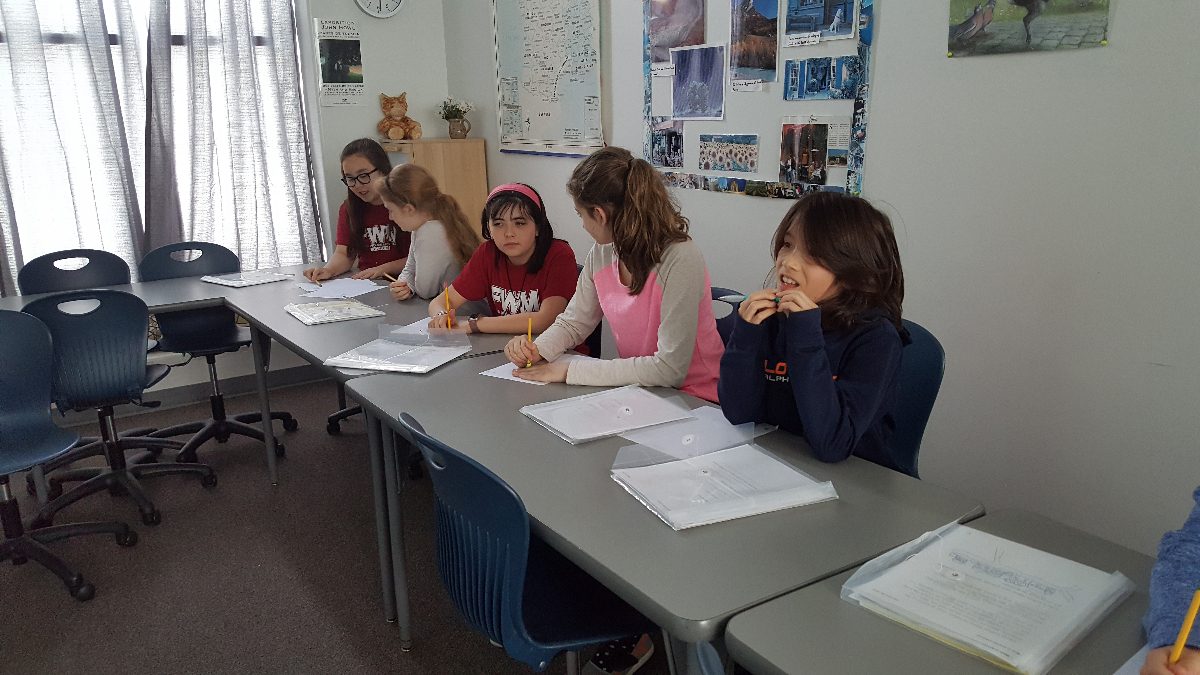
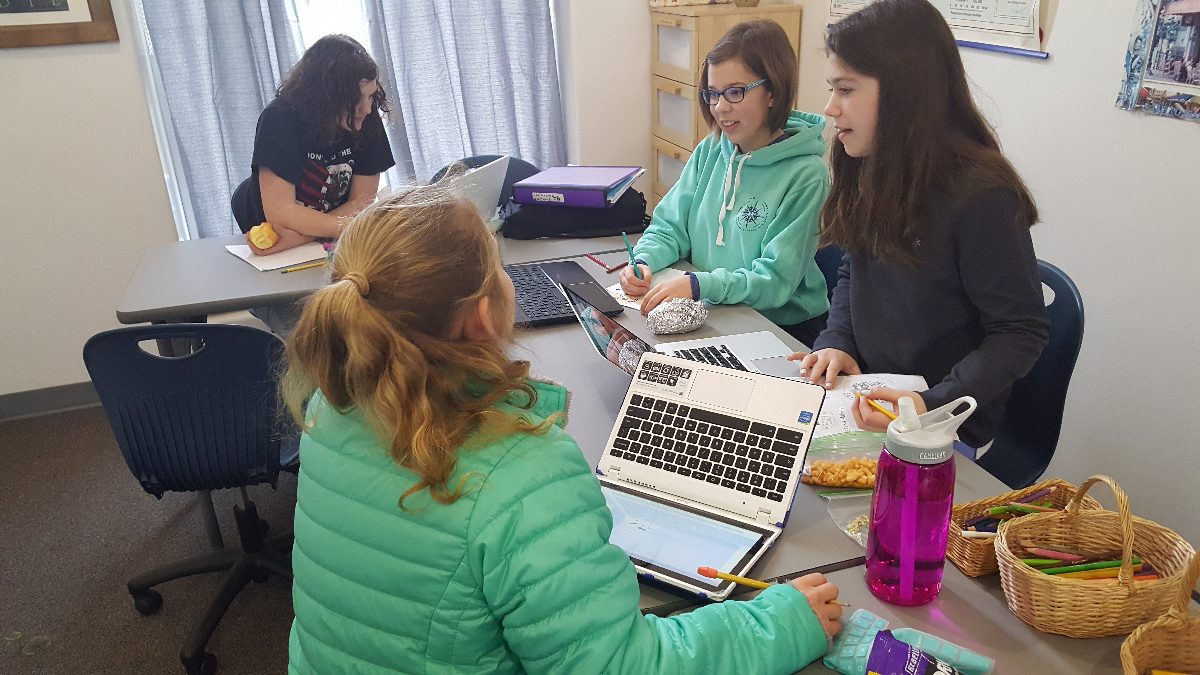
The fifth year class was looking at Google Earth as part of French Class. We are exploring the geography and regions of France.  In addition, we had a small lesson about the different countries that make up Europe and the rest of the world. The class even completed a little quiz at the end of that lesson! Google Earth is a great learning tool; everybody in class passed the quiz! We will now be able to continue our story which takes place in Annecy, in the Alps region of France where we are following a little girl who lives in a big house with her pet cat Anatole. This simple story gives us the opportunity to review a lot of French vocabulary along with learning new expressions as well!


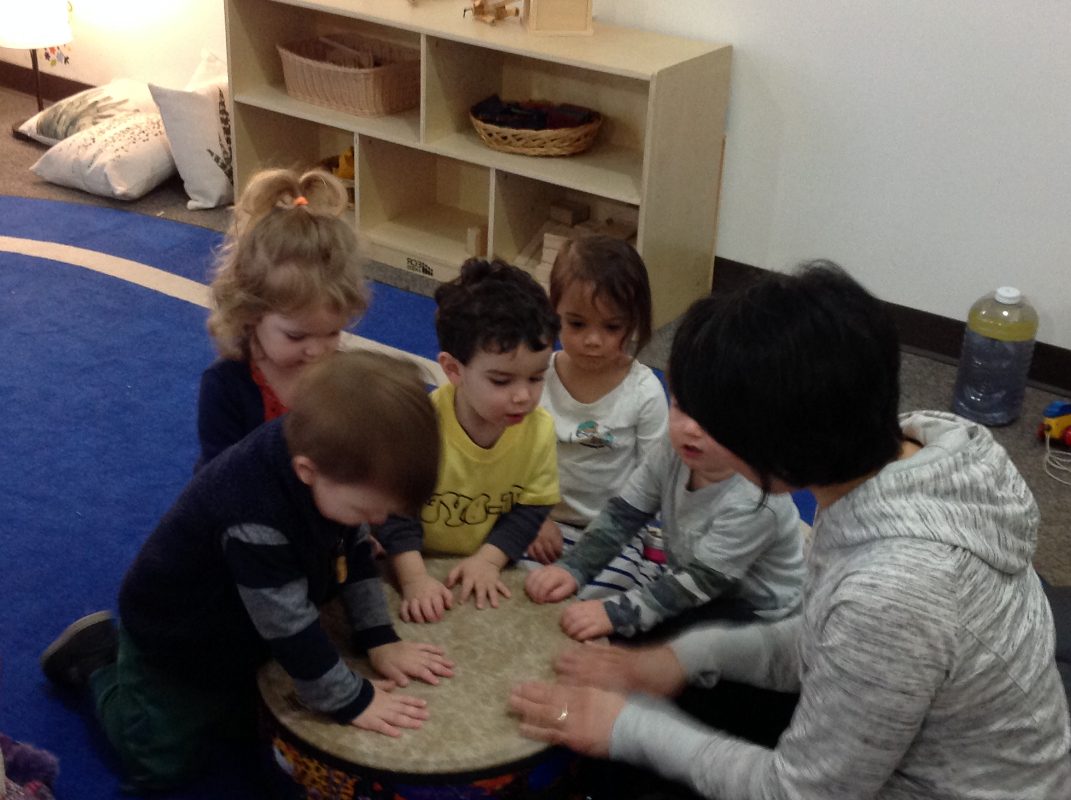
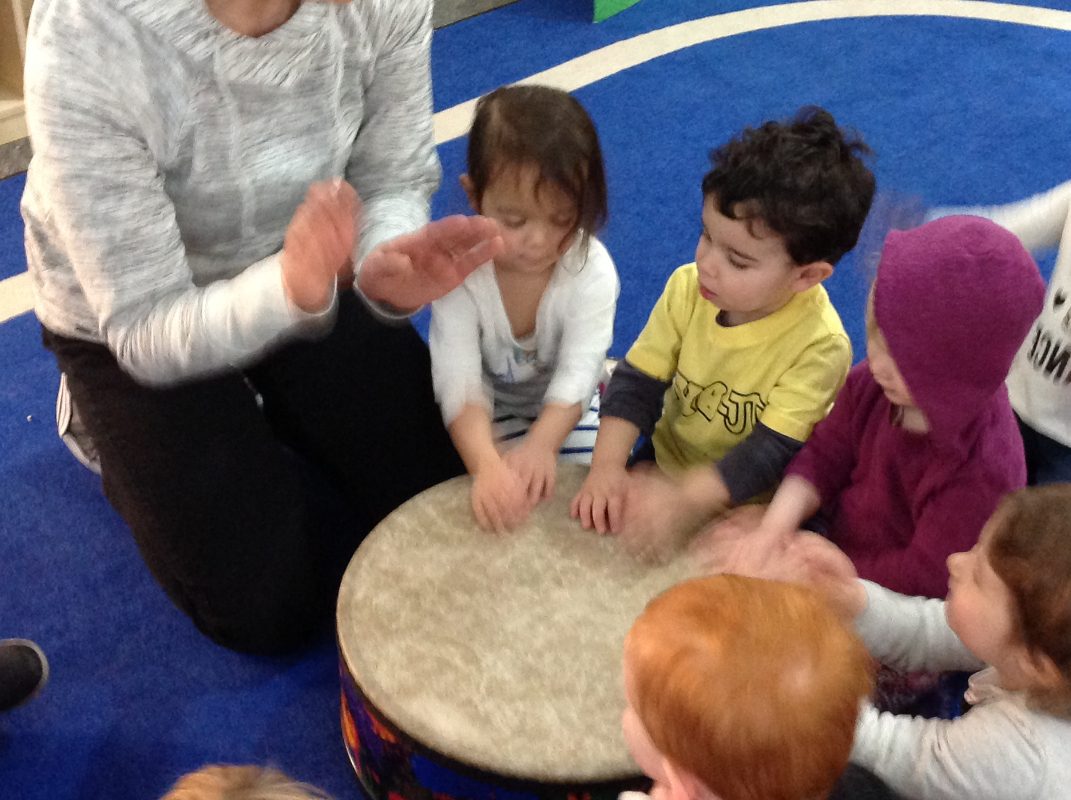
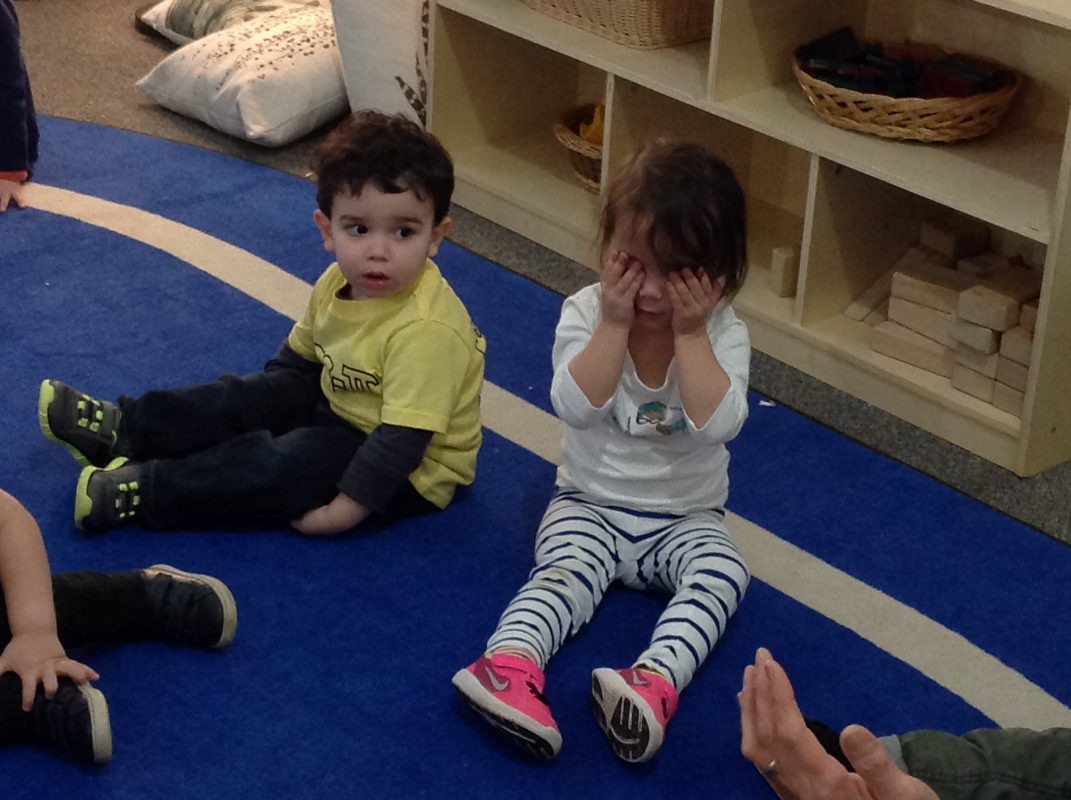
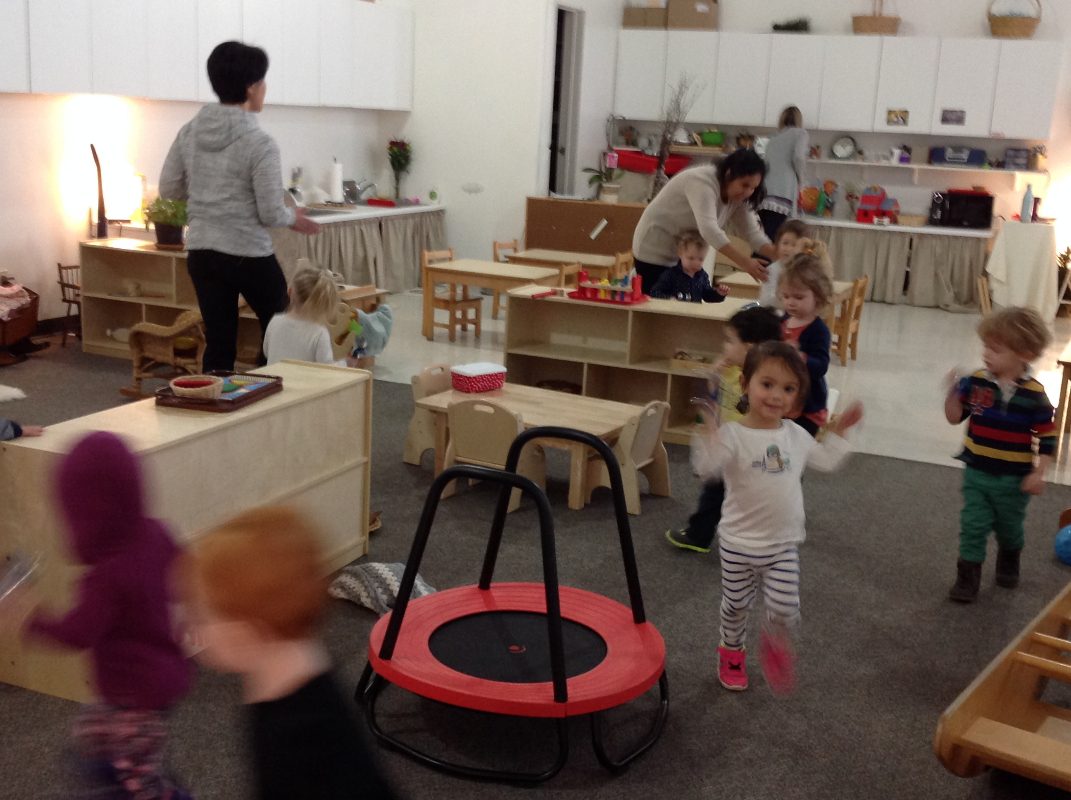
Toddlers: So Much Fun in Music

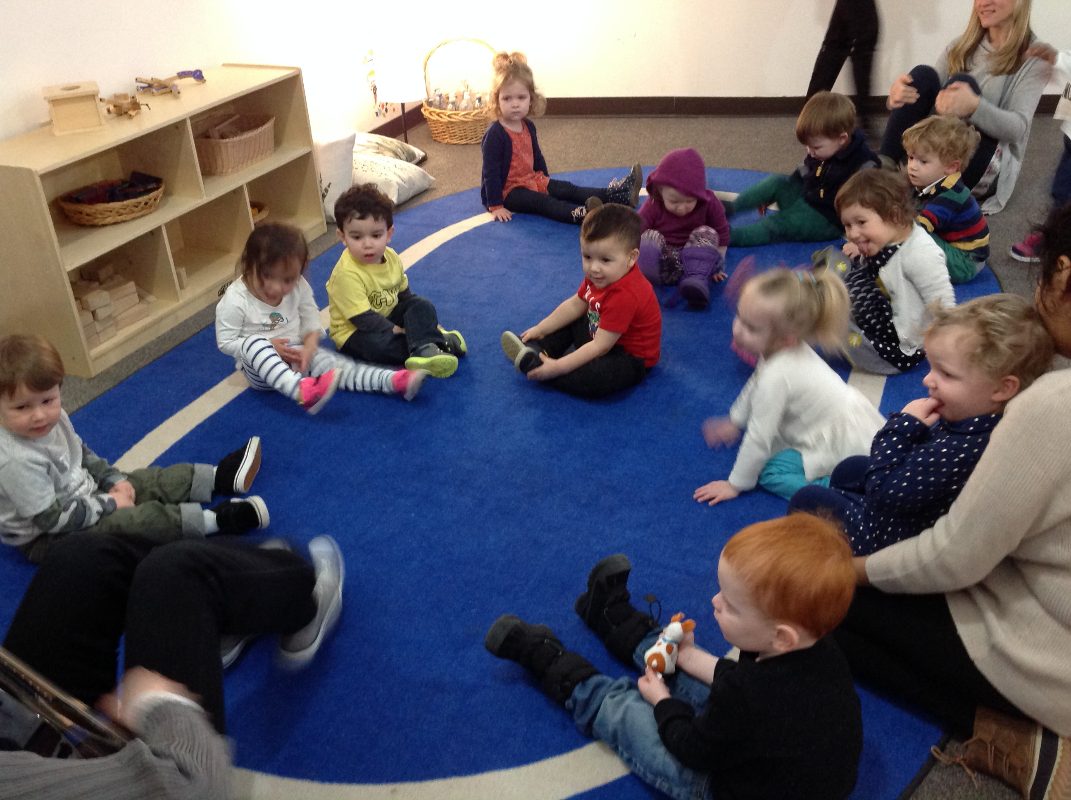
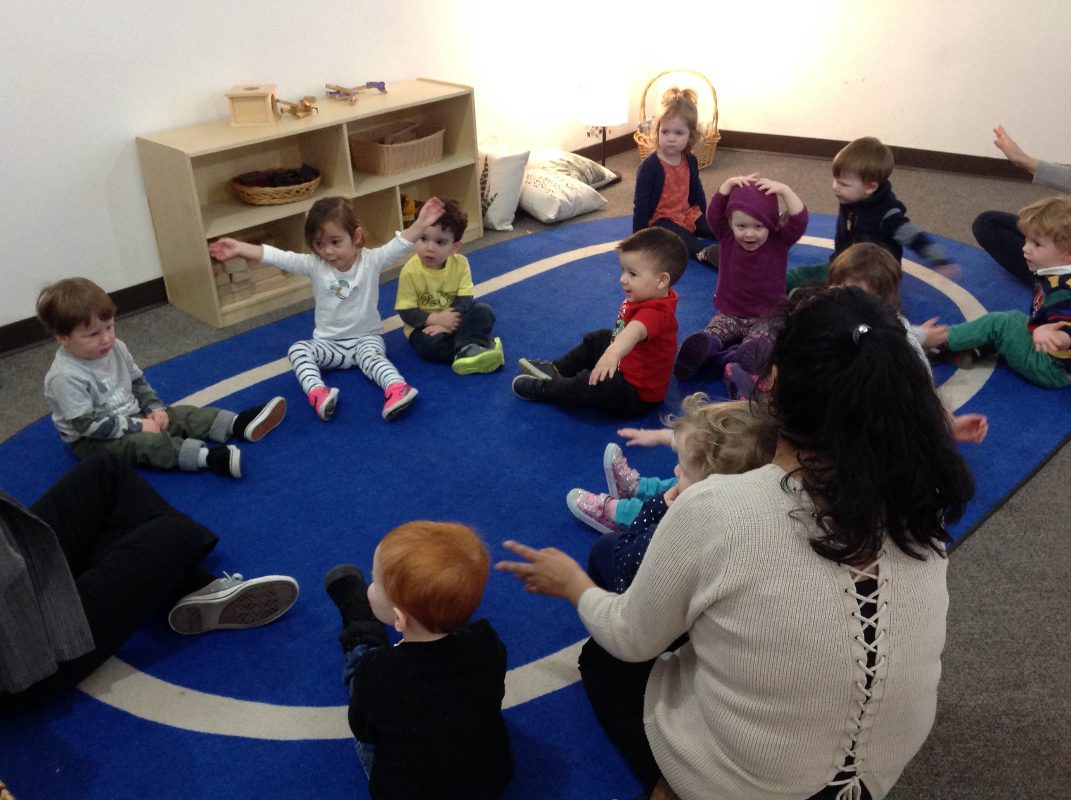
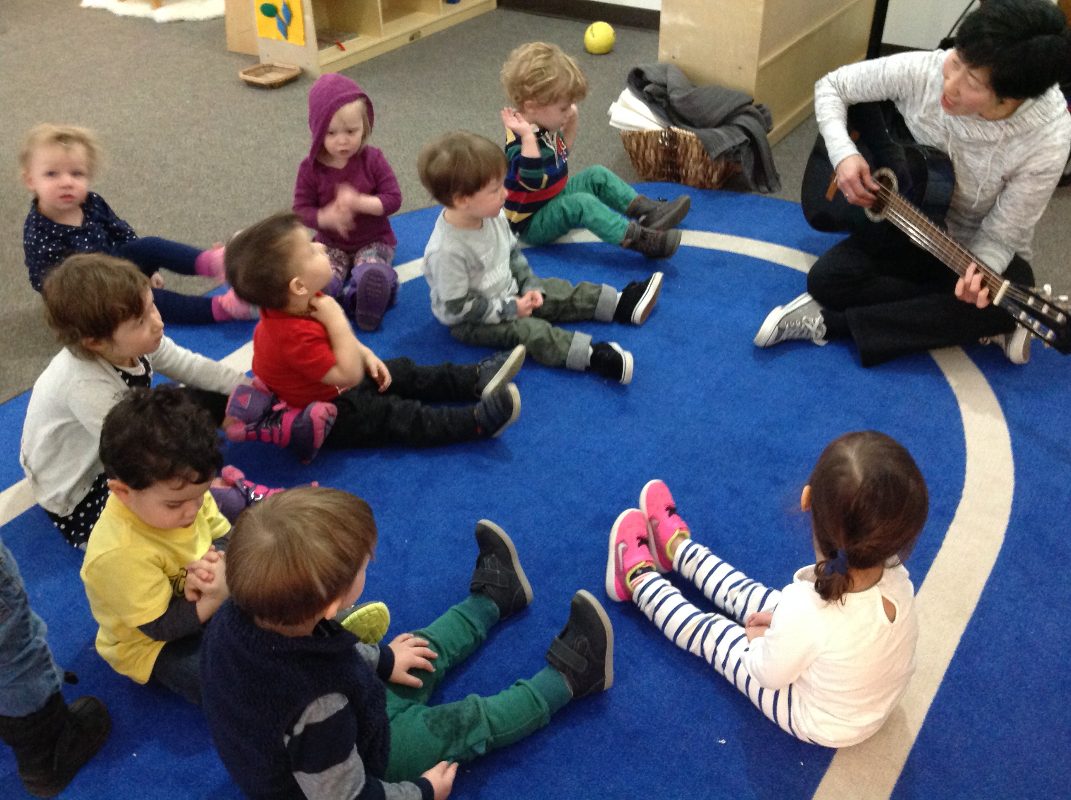
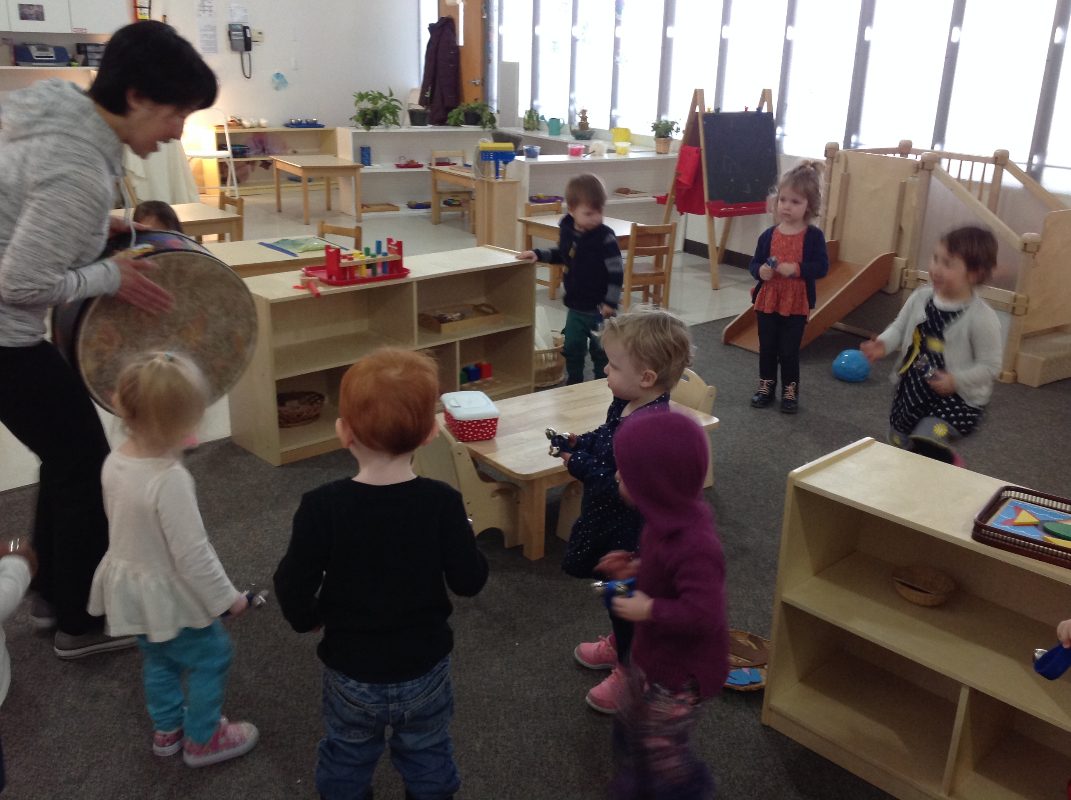
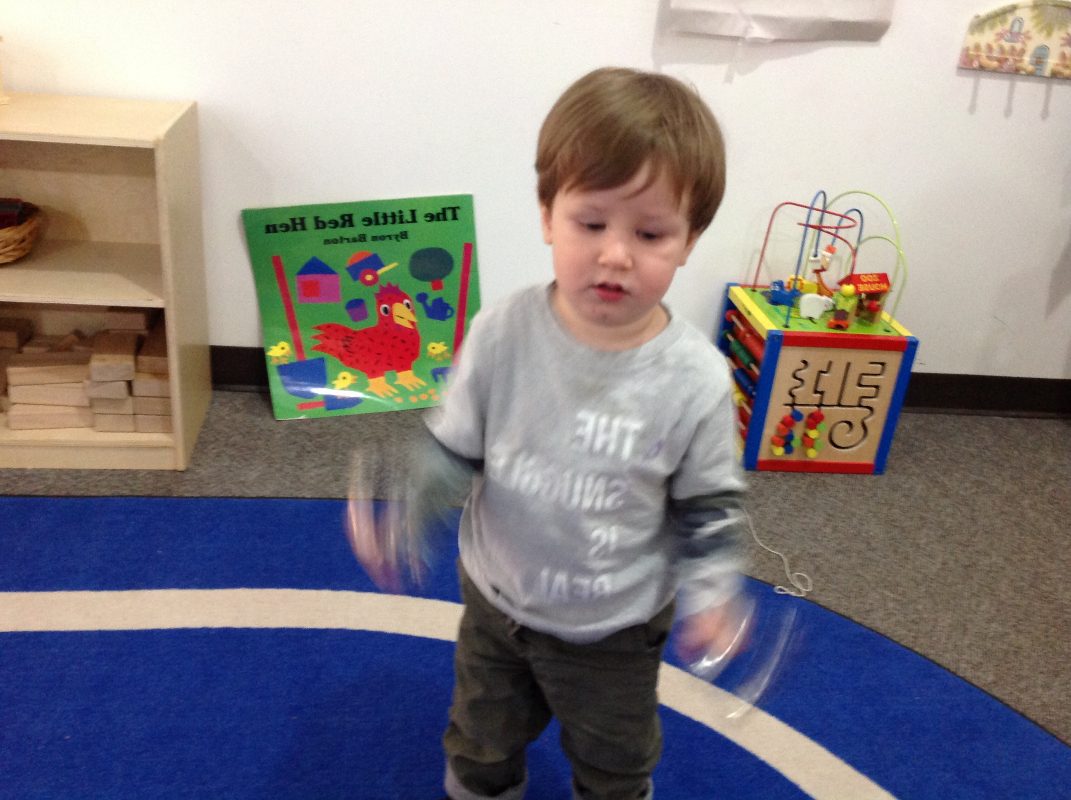
Toddlers are now fully and joyfully engaged in music class. Music ignites many sensory inputs; auditory and gross motor skills improve while they are singing along with movements. Tactile and fine motor skills are worked on during instrument playing. More than anything, the children have fun!


Fitness Boxing

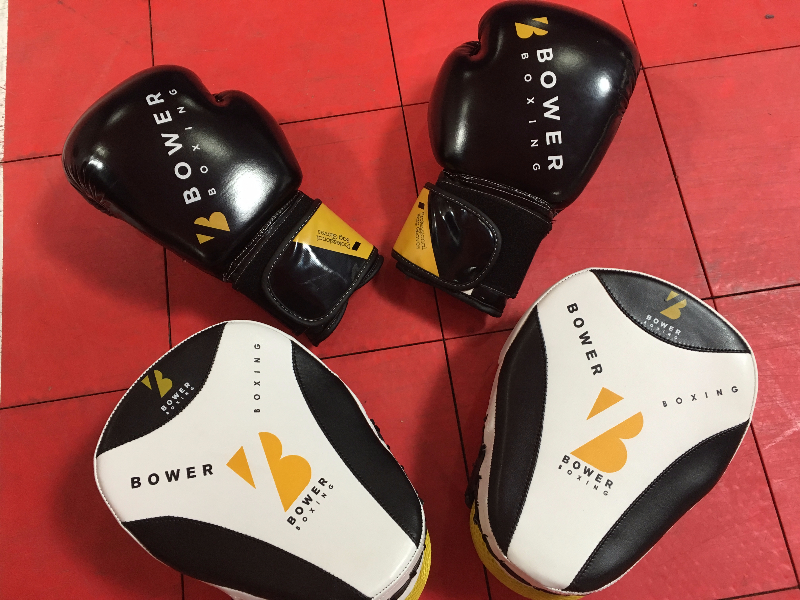
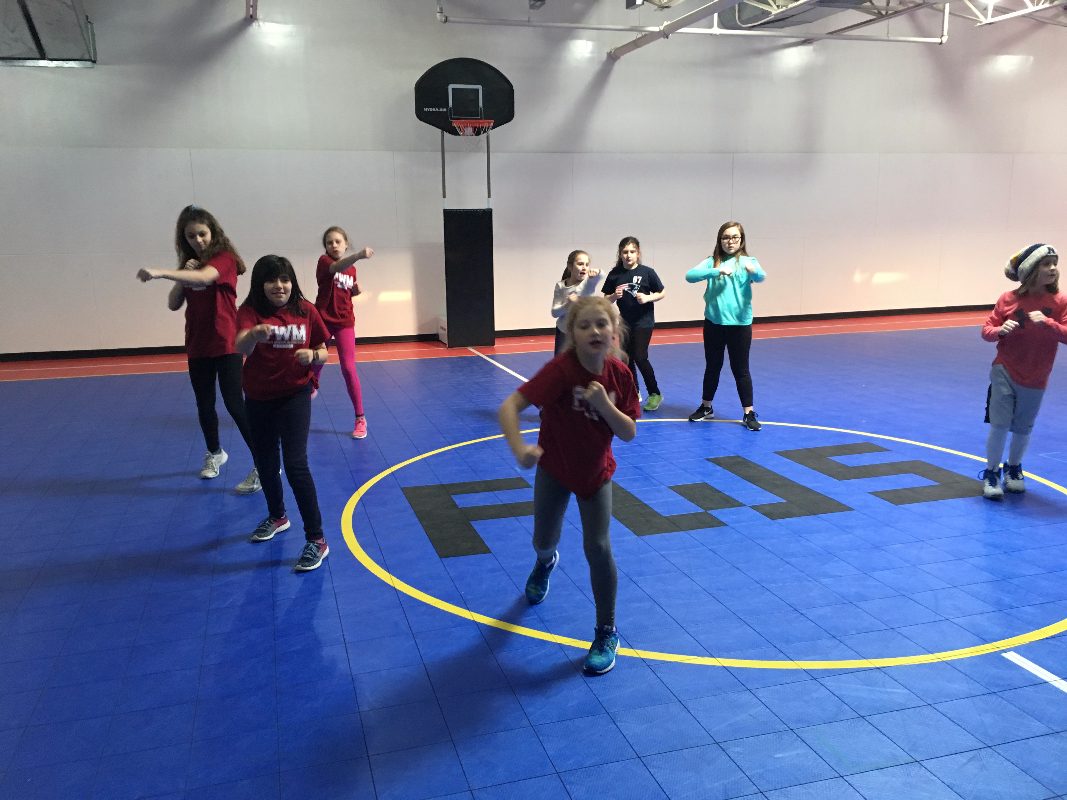
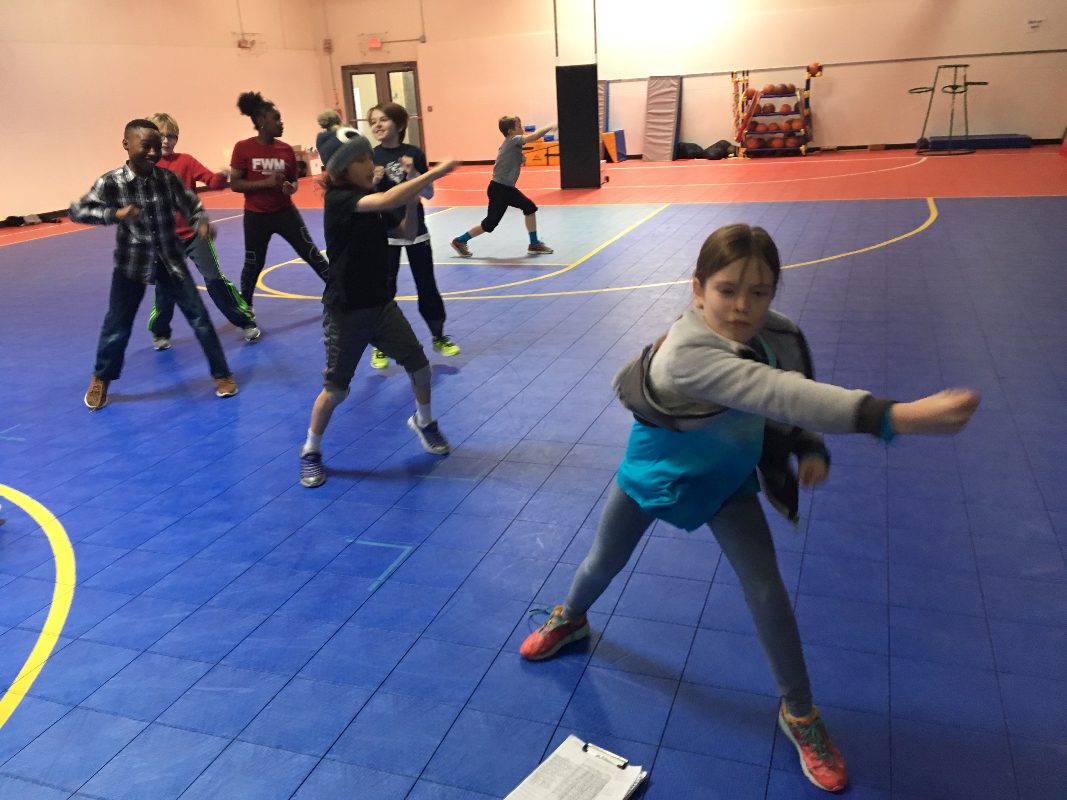
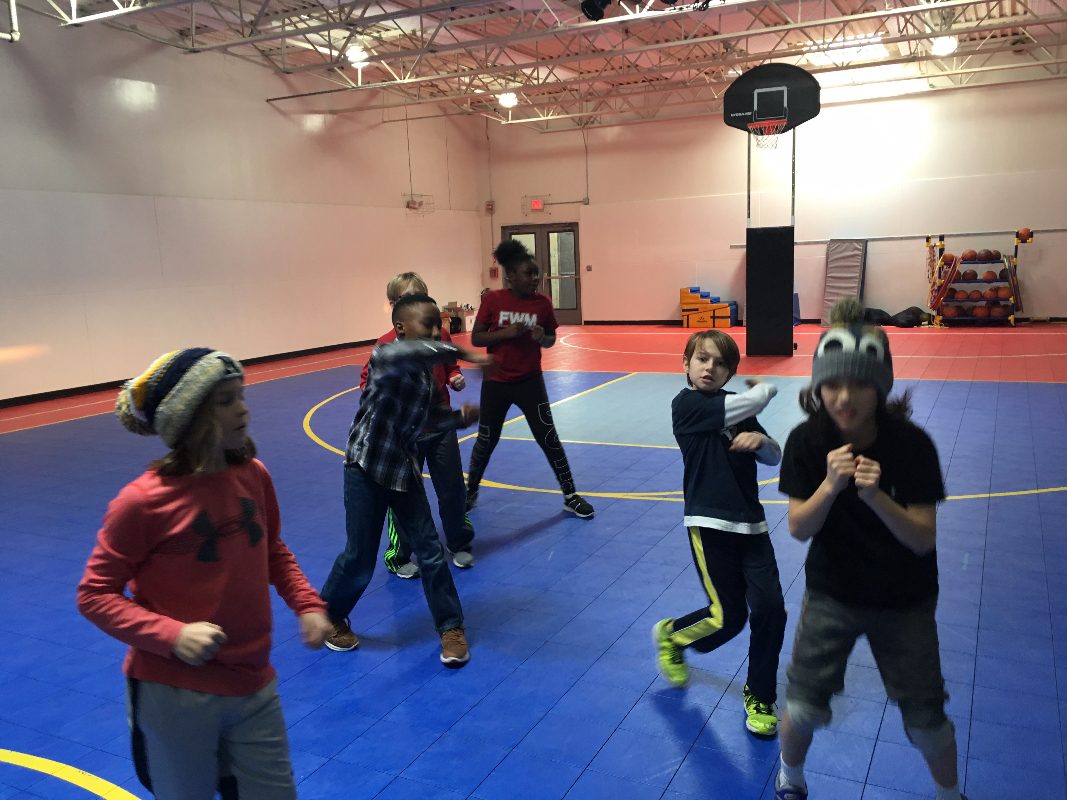
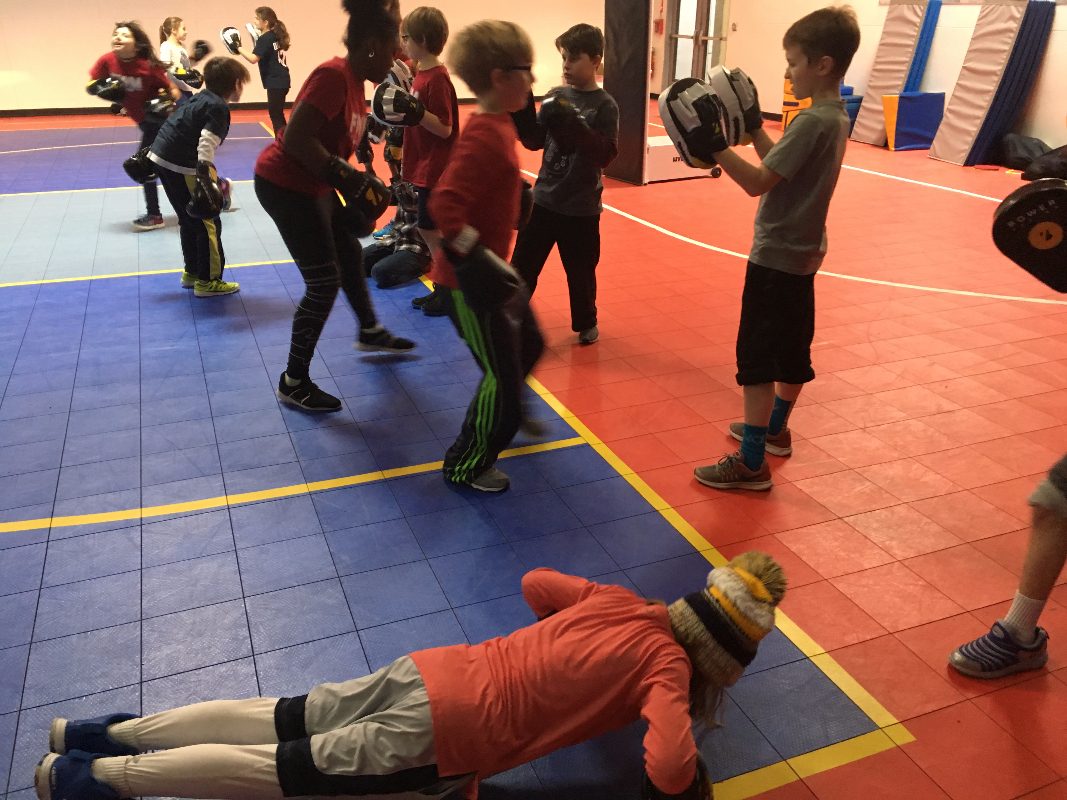
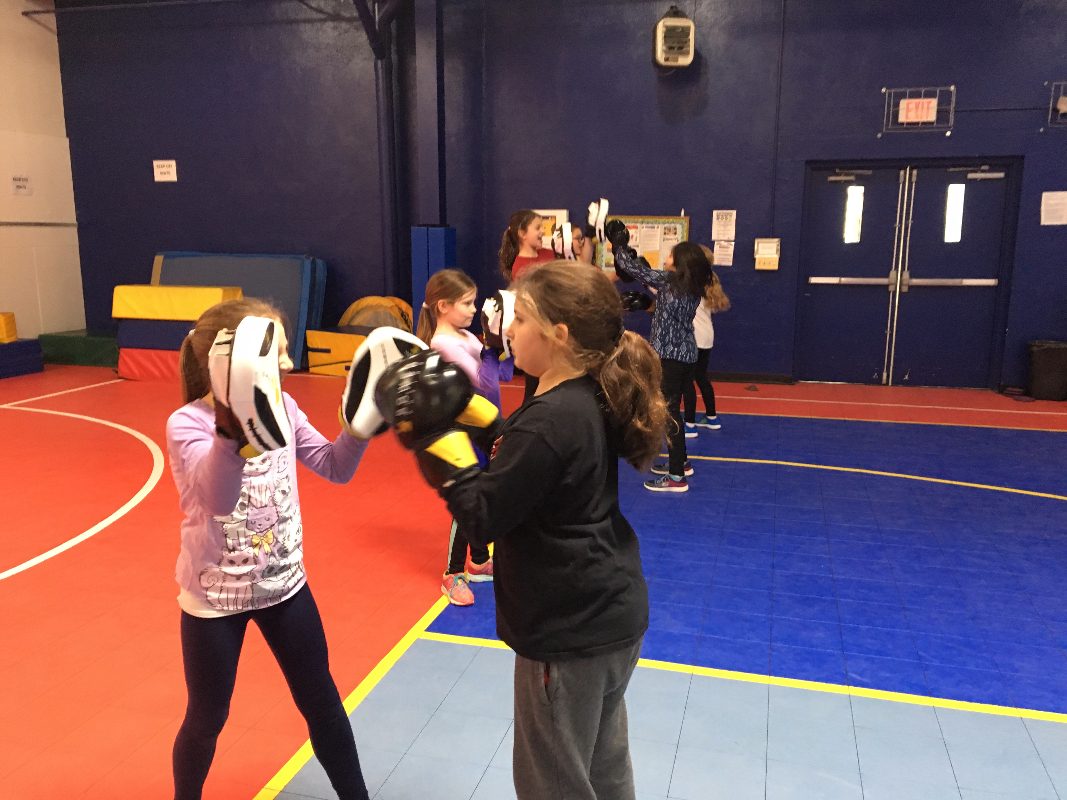
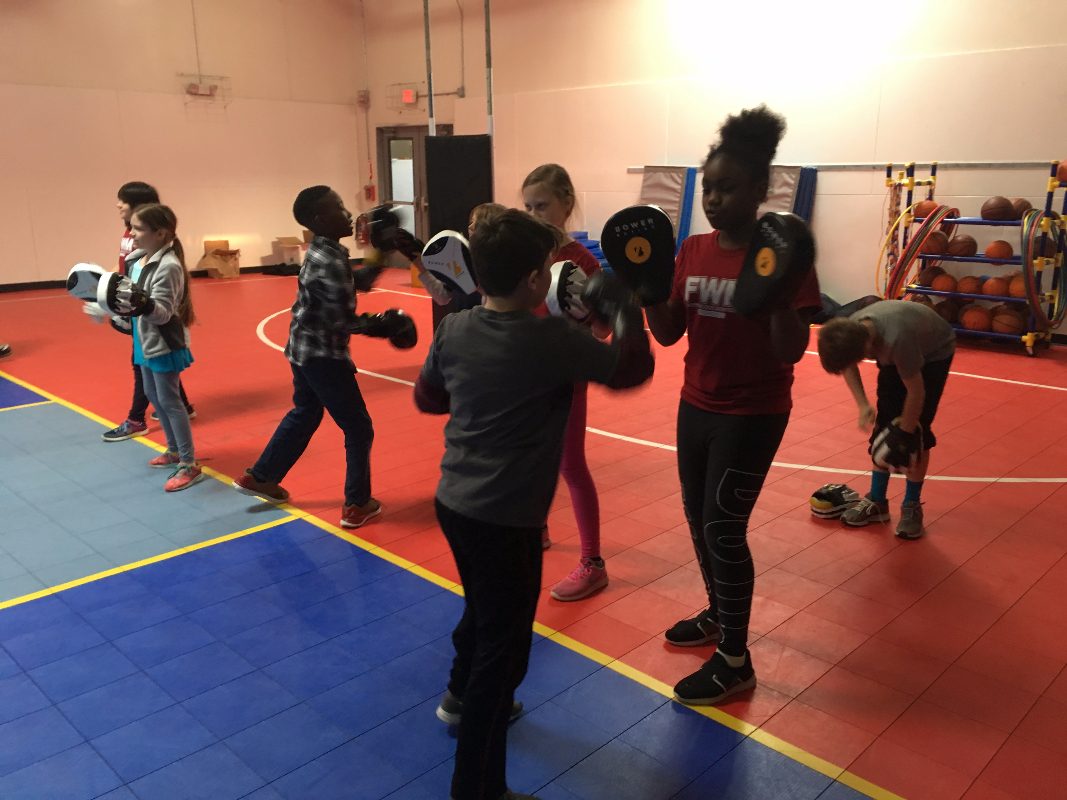
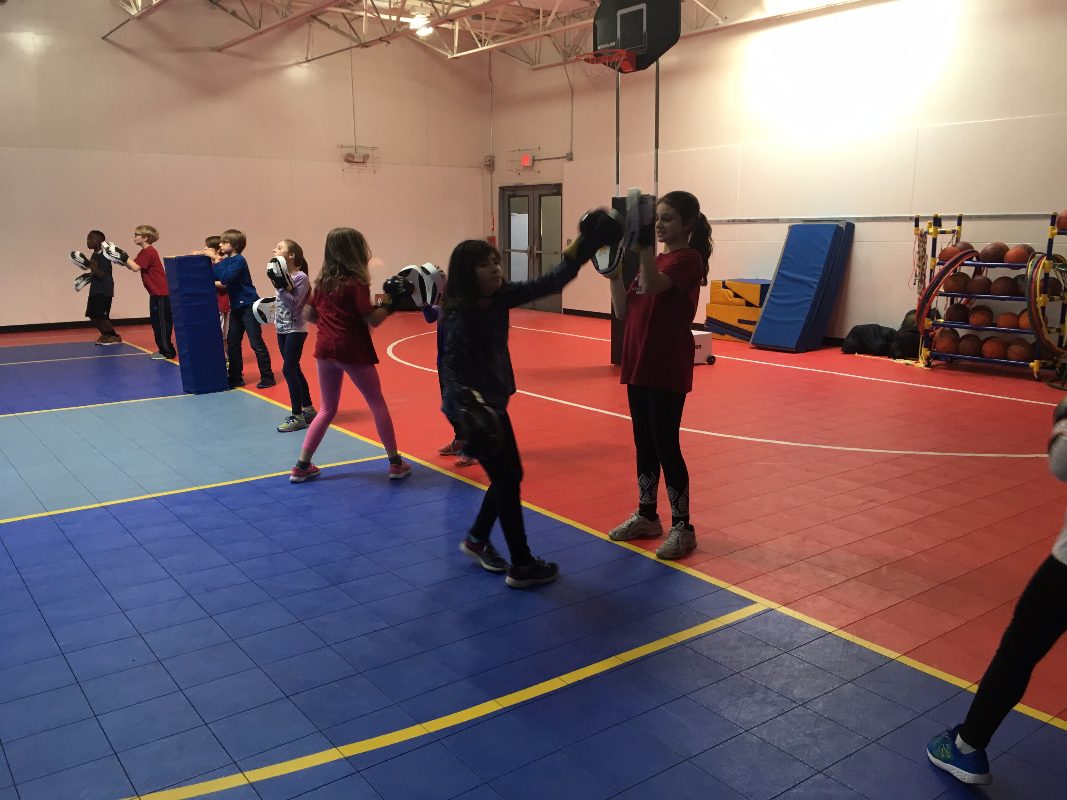
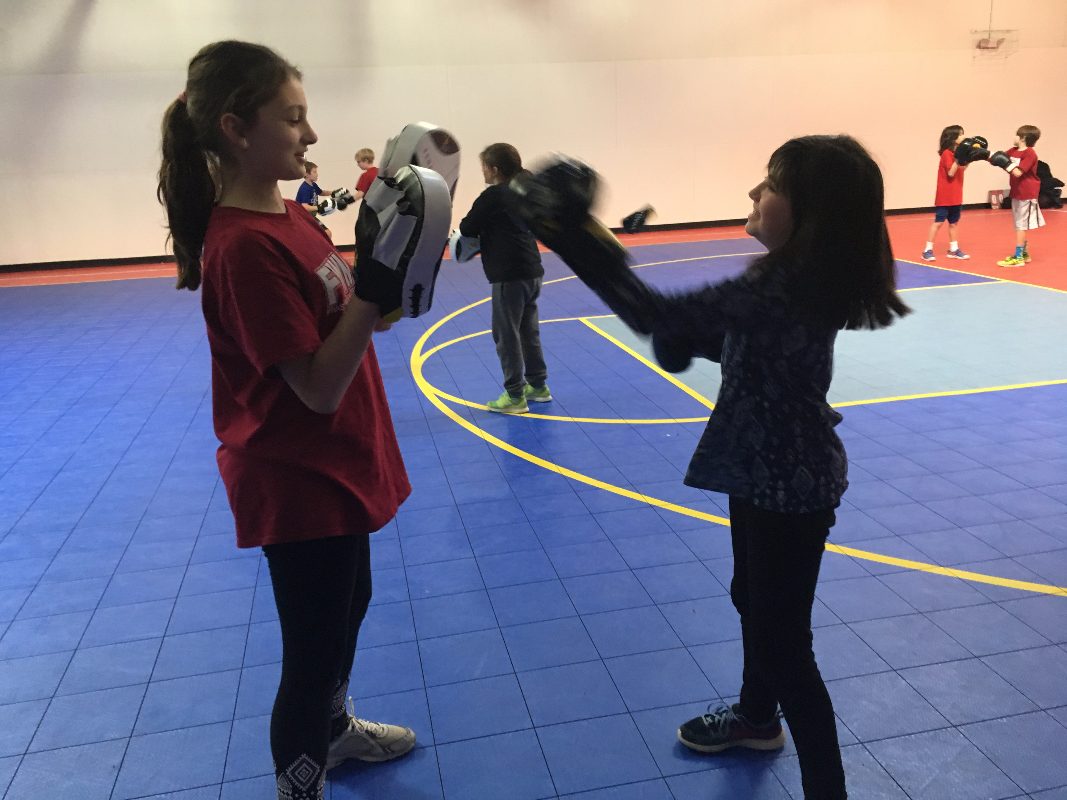
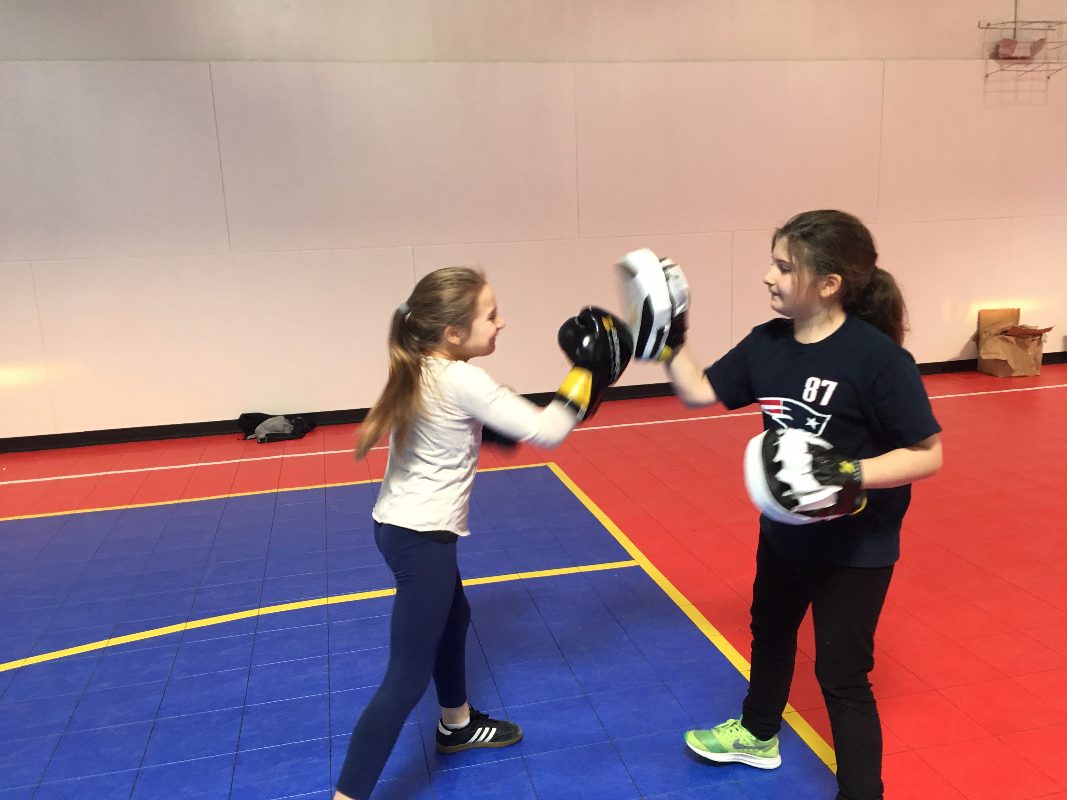
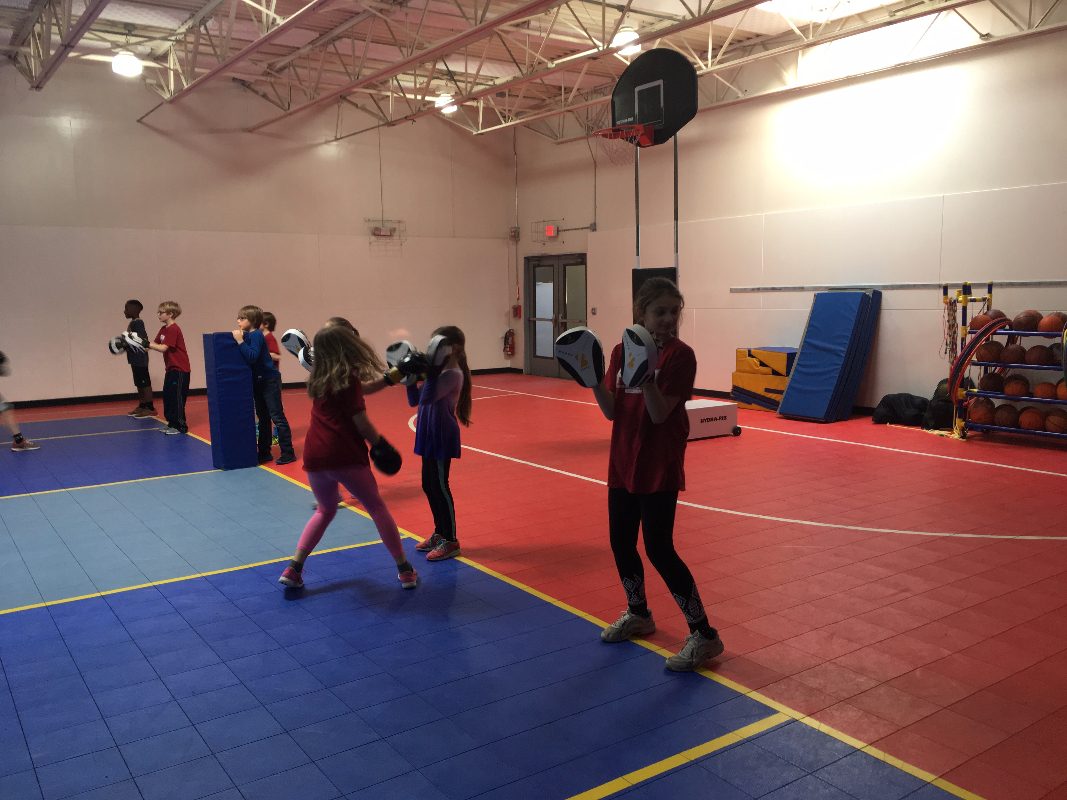
This month the Upper Elementary students participated in Fitness Boxing. Fitness Boxing provides a positive outlet where stress can be relieved while promoting positive energy. It does not create aggressive behavior. It is a high-intensity workout so students actually feel more calm post workout. Fitness Boxing improves athletic performance. It will improve a person’s agility, strength, conditioning, and endurance. Fitness Boxing can help hone hand-eye coordination. Students practiced with a partner. One partner punched as the other held up padded mitts. Students were taught and then practiced jabs, hooks, and crosses. After so many punches, students completed a fitness activity such as running, squats, push-ups, and planks before punching his or her partner’s mitts again. By the end of the unit, you could see the students had improved their confidence and self-esteem. Students were asked to respond to a self and peer assessment.


Lower Elementary – Moving Up Again and Poetry Sharing


Our second Moving-Up Day was a great success. We enjoyed having our kindergarten friends with us for almost the entire day. It was a nice glimpse into what next year’s class will be like. Such a great group of children! Our third-year students had a great day as well, visiting the Upper Elementary for the whole day. Some have shared that they wish they could have spent the entire week!

We have started sharing poetry with each other at our Friday morning meetings. We started with a book of winter poems called “A Snowflake Fell” and now we are reading Shel Silverstein’s “A Light in the Attic.” We take turns and each person gets a chance to read a poem to the class. We are enjoying reading poetry once a week.


Please read the following message about ticks.

With last week’s warm temperatures, ticks that were dormant have become active. Therefore, it is essential that parents begin checking their children for ticks at the end of the day. Please read the following important information from the Center for Disease Control and Prevention.

Check your clothing for ticks. Ticks may be carried into the house on clothing. Any ticks that are found should be removed. Tumble dry clothes in a dryer on high heat for 10 minutes to kill ticks on dry clothing after you come indoors. If the clothes are damp, additional time may be needed. If the clothes require washing first, hot water is recommended. Cold and medium temperature water will not kill ticks effectively.

Shower soon after being outdoors. Showering within two hours of coming indoors has been shown to reduce your risk of getting Lyme disease. Showering may help wash off unattached ticks and it is a good opportunity to do a tick check.

Check your body for ticks after being outdoors. Conduct a full body check upon return from potentially tick-infested areas, which even includes your back yard. Use a hand-held or full-length mirror to view all parts of your body. Check these parts of your body and your child’s body for ticks:

  • Under the arms
  • In and around the ears
  • Inside belly button
  • Back of the knees
  • In and around the hair
  • Between the legs
  • Around the waist
7th year French and Spanish Working on Coats of Arms!

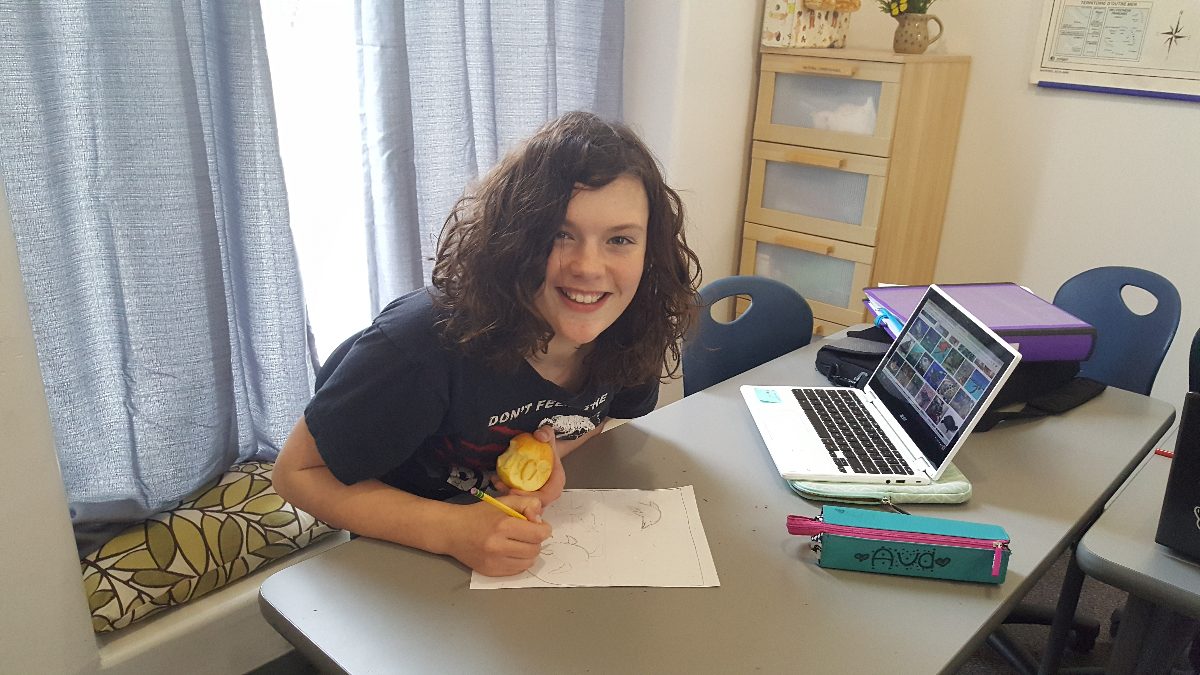
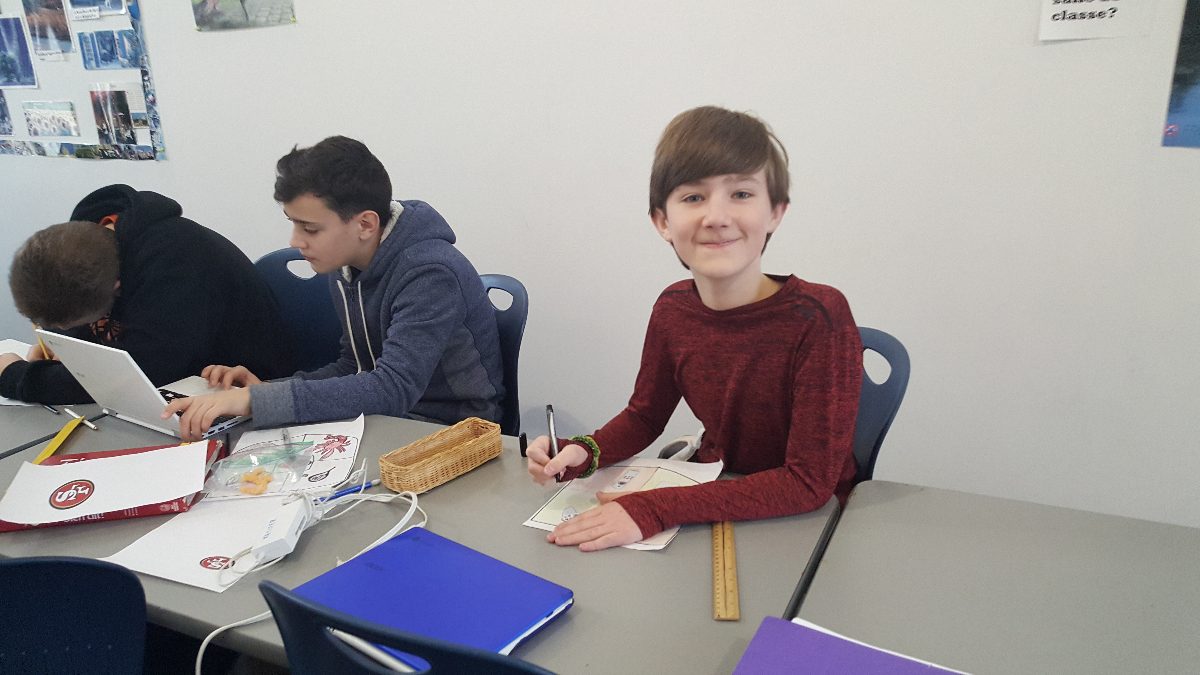
The 7th year French and Spanish Language classes have worked on a project which allowed the students to develop their own coats of arms (“blasons de famille” in French and “escudos de armas” in Spanish!) We made these to help the students understand and represent their likes and dislikes. Playing video games was the big one (jouer aux jeux vidéos + jugar juegos de video) and anything related to food and sports as well. This gave the students time to be artistic and to think about what they like to do, represent who they are and how to say that in their foreign language of choice.


MAKER Donations Needed

Student imaginations have been stretched to incredible lengths these past few weeks. We have started collecting materials from around the building, but now would like to extend this to our community. Students can drop off items at any point, but we will collect items during drop off on Monday mornings.
Recycled Items:

  • Cardboard
  • Plastic Bottles (rinsed)
  • Paper Towel and Toilet Paper Tubes
  • Cereal Boxes
  • Snack Boxes or Containers

BreakerSpace Items:

  • Electronics
  • Broken/Obsolete Technologies
  • Tools

Sewing:

  • Fabric
  • Curtains
  • Velcro
  • Stuffing Materials
  • Sewing Machines
  • Ribbon
  • Fabric Scissors

Green Screen/Movie Making:

  • Costumes
  • Props
  • Hangers

If you think something can be used in our space feel free to ask or send it in!


Elementary Basketball Skills and Fun Games

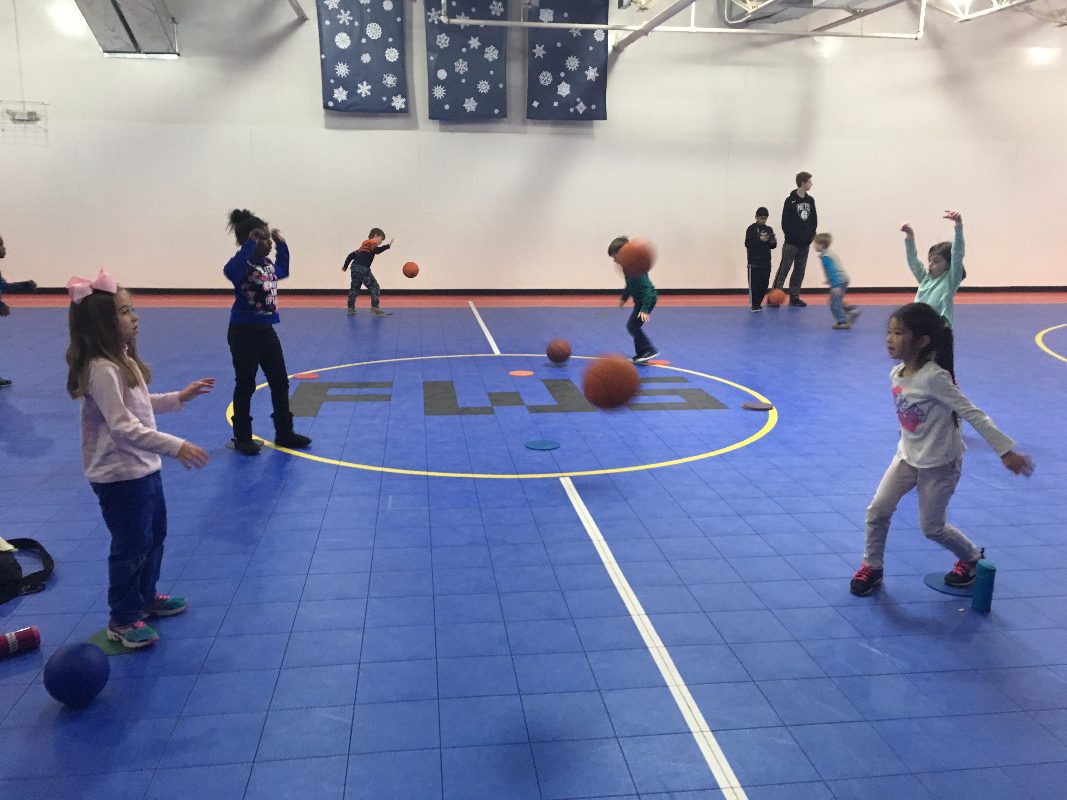
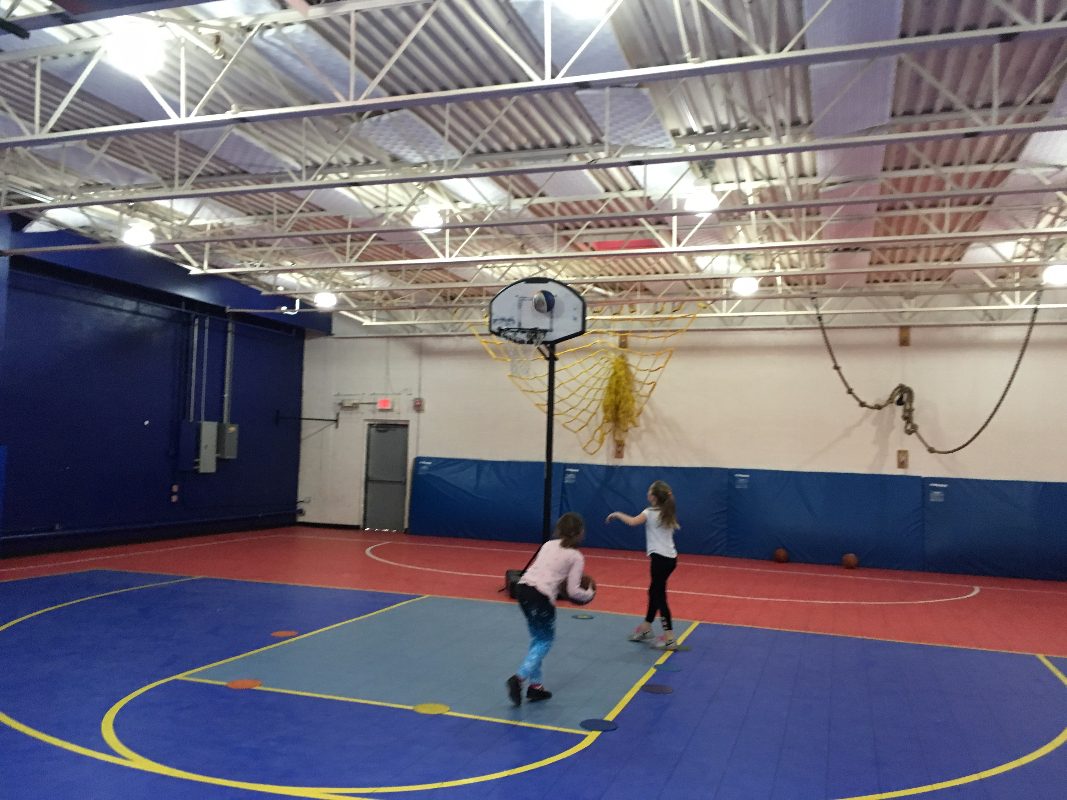
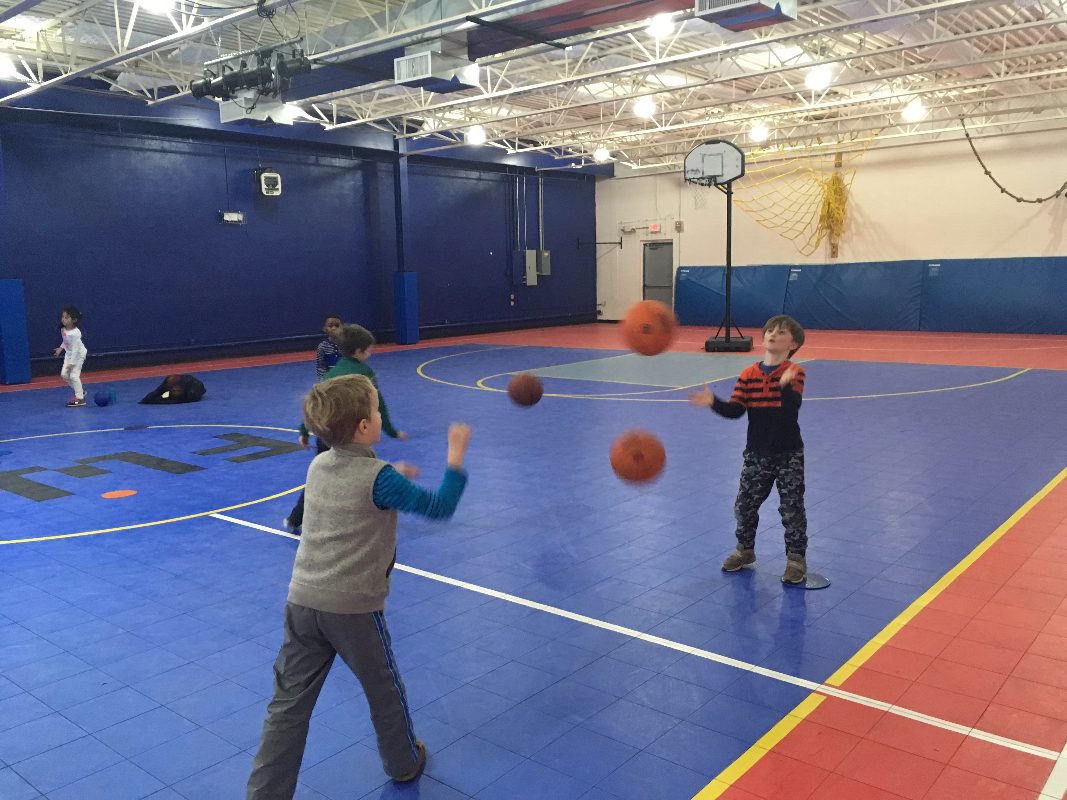
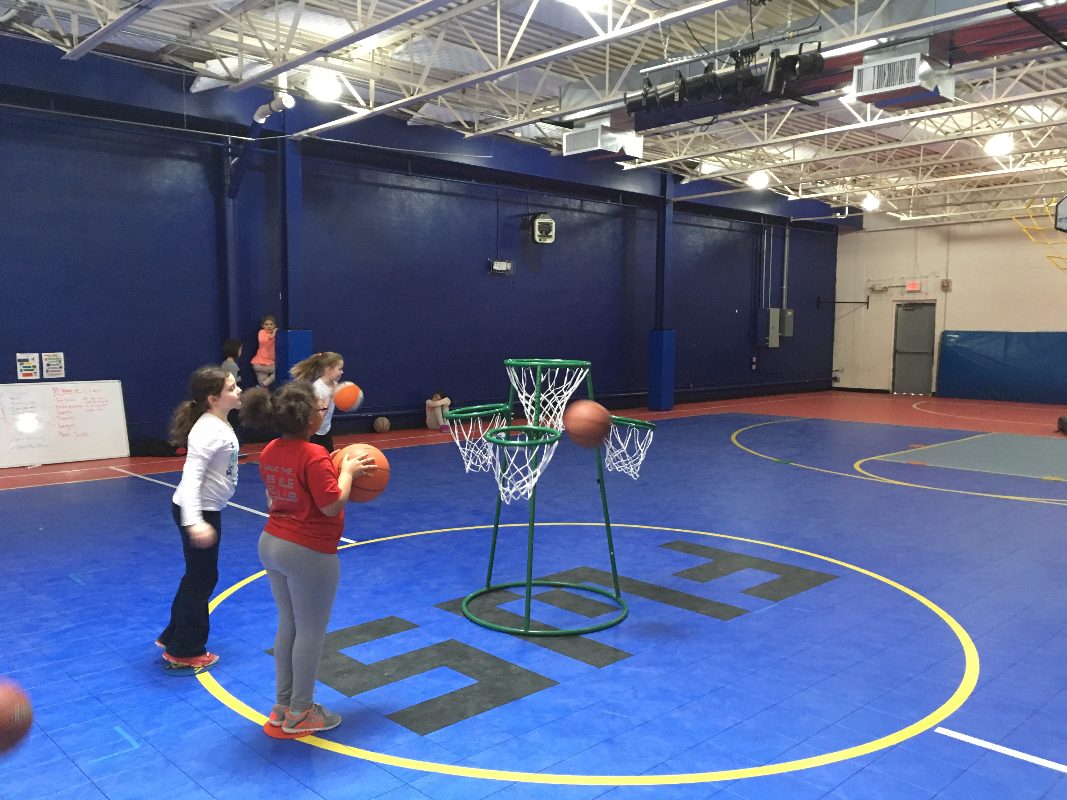
This month the Lower and Upper Elementary practiced and participated in the team sport of Basketball. The objectives are designed to develop hand-eye coordination and spatial awareness. We practiced dribbling a ball with either hand while changing pathways, direction, and speed. We worked on passing a ball to a stationary and moving target using both a bounce and chest pass. In addition, students had to catch a passed ball while they were stationary and in motion. We demonstrated the proper technique of pivoting while holding a ball and identified markings on the court. In the Upper Elementary level, we learned to differentiate roles of offensive and defensive players and understand and use simple basketball rules. We especially enjoy the games. Games we play are: Dribble Knockout, Knockout, Spot Takeaway, and Steal the Bacon.

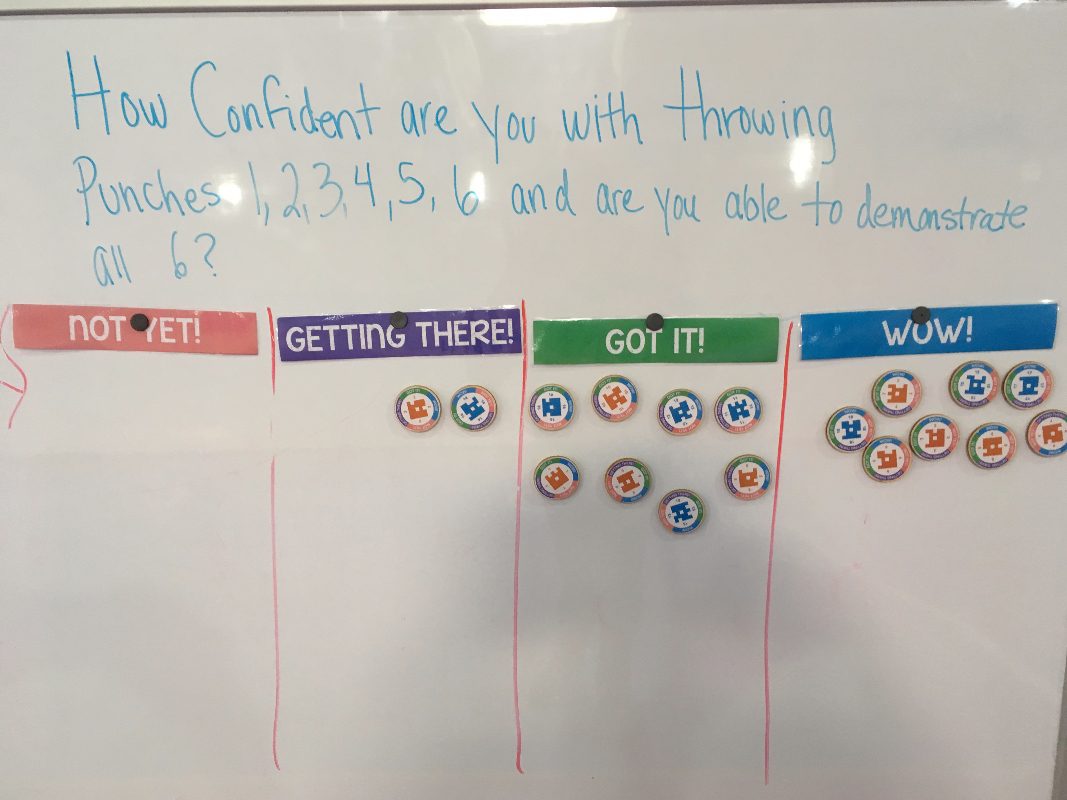
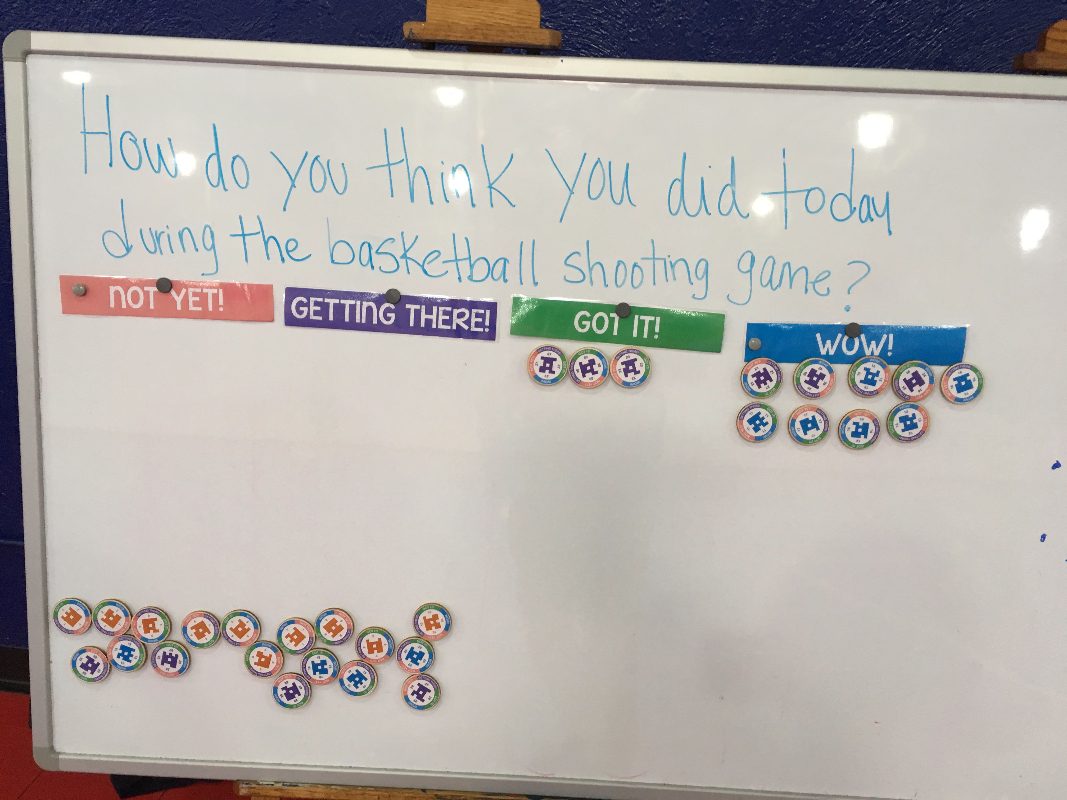
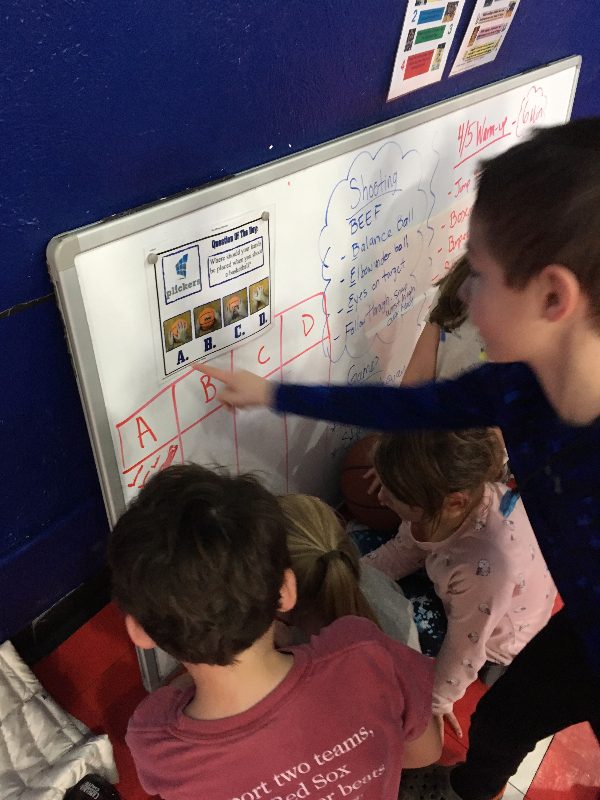
This month, I also started incorporating Plickers Magnets. Plickers magnet assessment is a relatively new to in the Physical Education community. Plickers magnets help students gain autonomy, mastery, and purpose.  Each student now has more control over  his or her individual road to mastery of various skills. It is a tool that allows the assessment of students’ knowledge through multiple choice questions or assessing how they felt they did in class. Plickers allows students to take ownership of their learning and creates a respectful class culture around individual differences. Every student is given a number so that they remain anonymous from one another.