Lions and Tigers… and MAKERS! OH MY!

By no surprise at all, 2nd and 3rd year students have become masters of their making. In January, students were introduced to our green screen movie making technologies. Once they learned how to capture audio and video, and change the visual behind them. Students’ imaginations led them to riding on waves, dancing and singing alongside a superstar, interviewing their favorite celebrity, catching a football pass from Tom Brady… and even more!

These Lower Elementary Students also tried out our MakeyMakey’s this month. MakeyMakey’s are circuit boards that act as a keyboard click and/or mouse click. Once powered by a USB connection to a computer, you use alligator clips to connect the circuit board to something conductive. In class, we started with play-doh and created buttons to act as our controllers for a game.

Throughout the month, we also explored the capabilities of our Bee-Bots (programmable robots) and used them to navigate across grids while using appropriate vocabulary. We practiced picking a starting block and an ending block and solved the mazes together. On our iPads, we used the Osmo applications to build tangrams and to practice our artwork. Proudly, the 2nd and 3rd year students continued constructing beyond their heights with Kēva Planks and Construction Straws.
January also allowed for more in-depth creating of stop motion animations with story lines and voice-overs (see videos below).


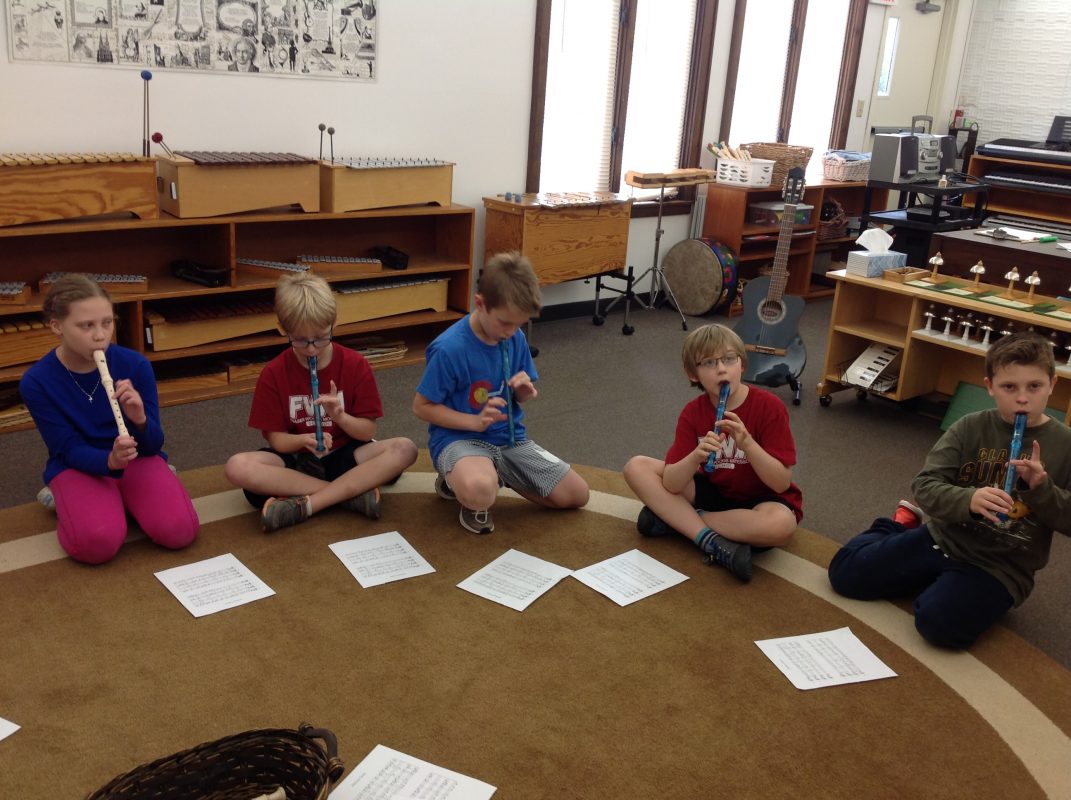
Reading Musical Notes with Recorders

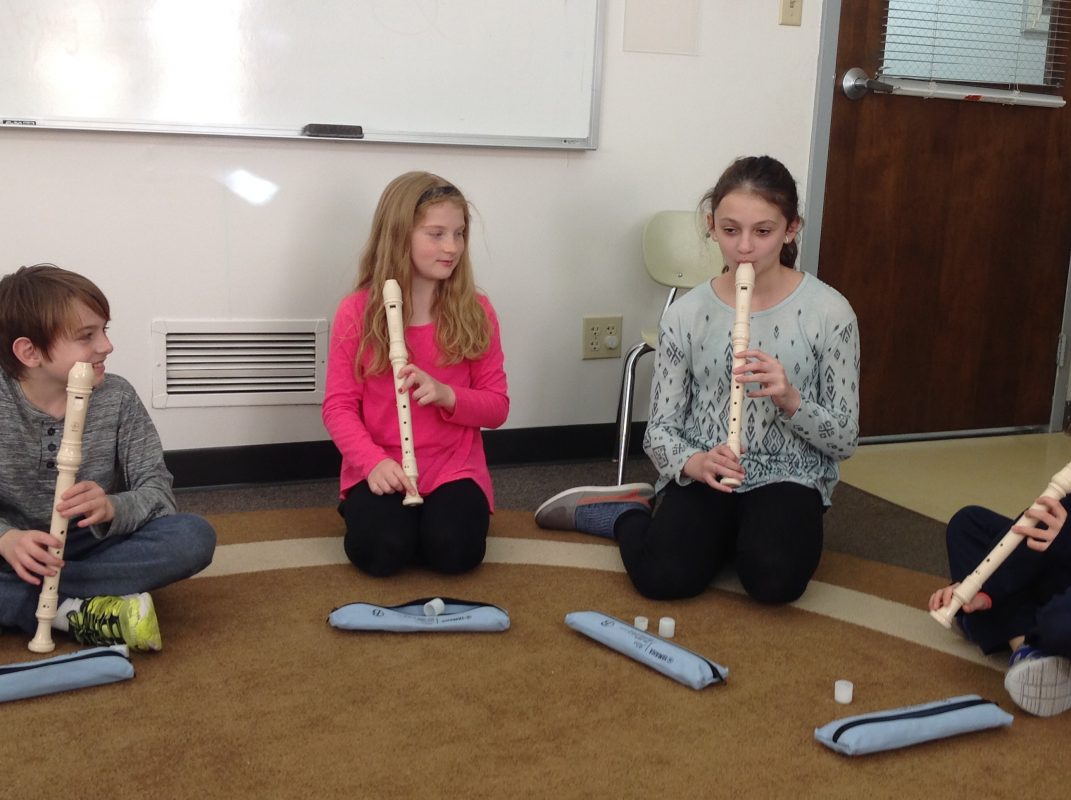
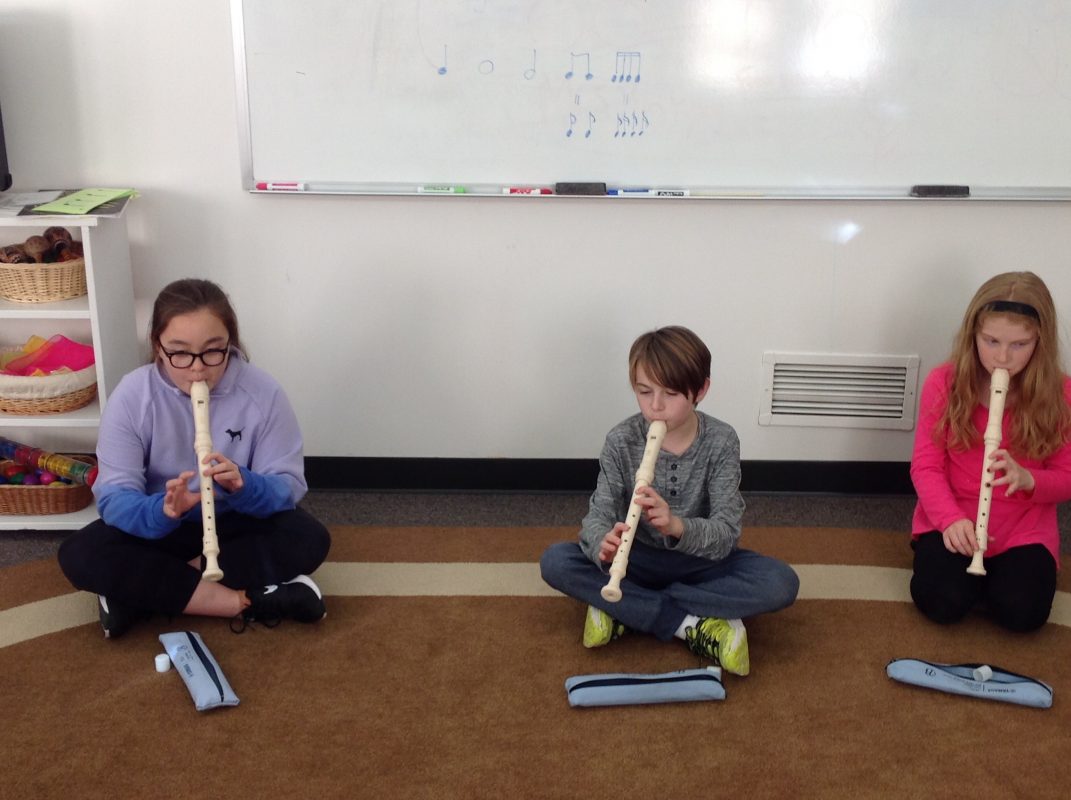
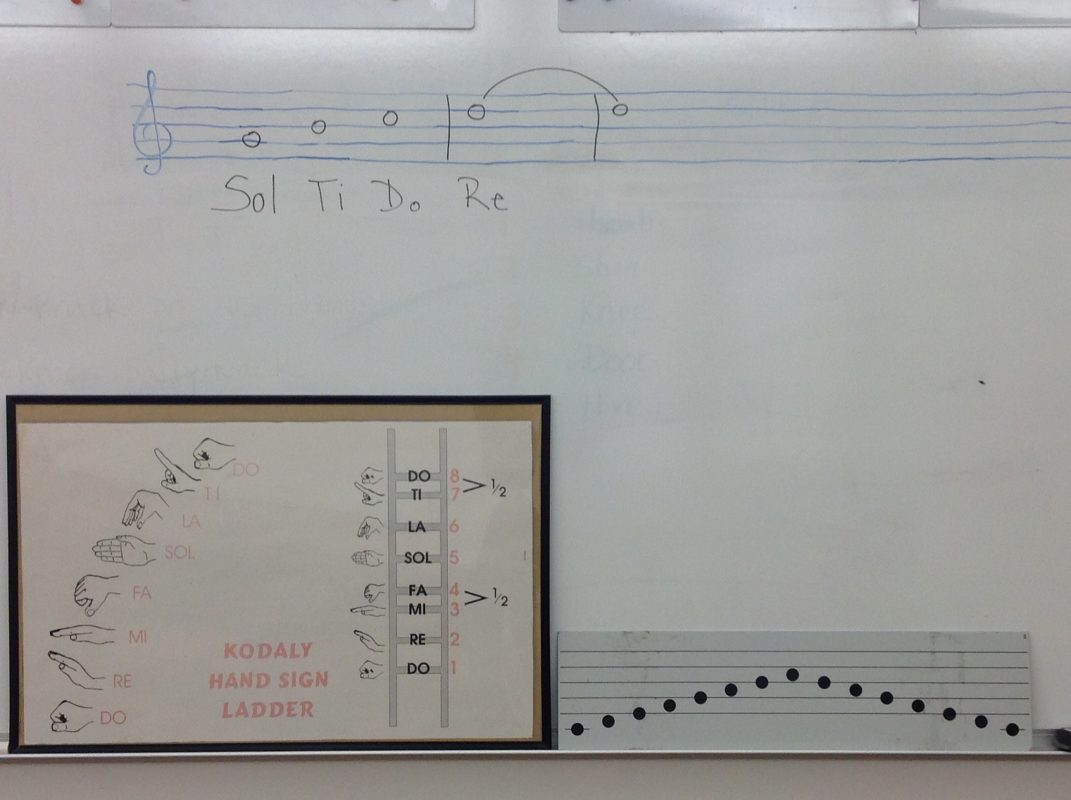
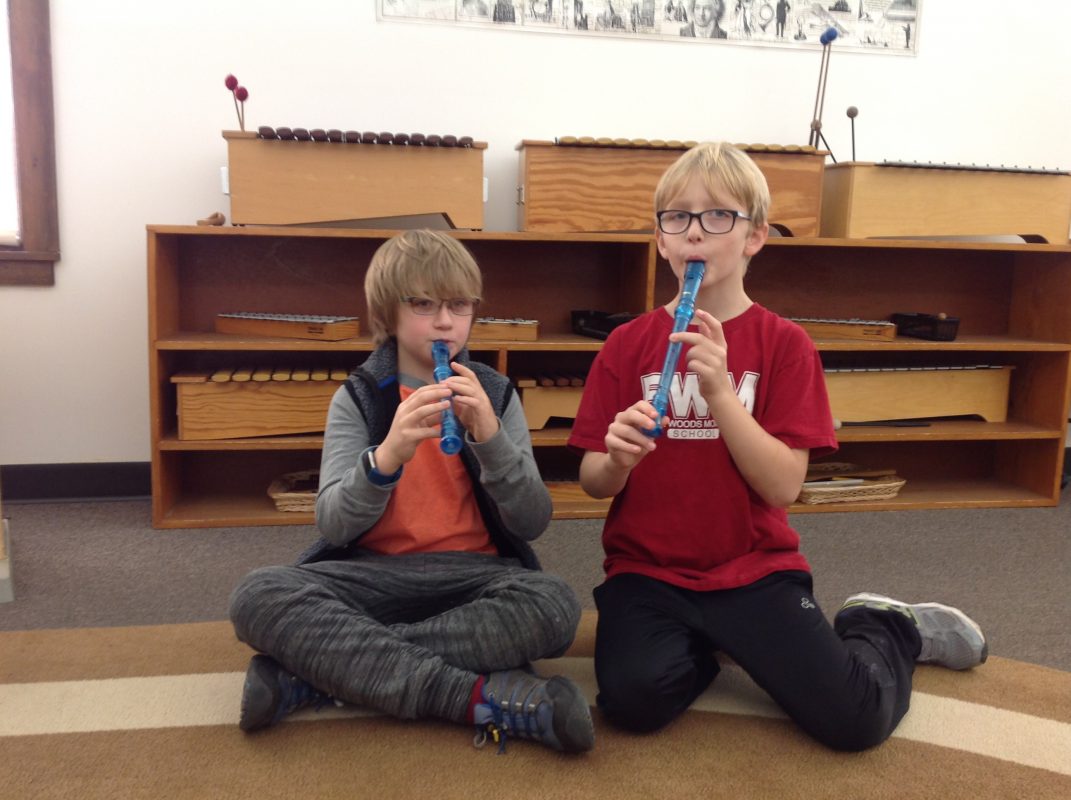
For the past couple of months, Upper Elementary students have been working on learning how to read musical notes. We used Solfege syllables and rhythmic cards when we were working with various pitched instruments. By learning to play recorders, students become better at reading sheet music and understanding the sound of different notes. 5th years began to work with Alto Recorders in addition to the Soprano Recorders. 

The recorder is a woodwind musical instrument in a group known as internal duct flutes—flutes with a whistle mouthpiece. A recorder can be distinguished from other duct flutes by the presence of a thumb-hole for the upper hand and seven finger-holes (three for the upper hand and four for the lower). The recorder was well known in Europe in the Middle Ages. The instrument, with its eight finger holes, is recognizable in numerous Medieval and Renaissance paintings. Many historical recorders have survived, showing broad variation. Soprano, sopranino, alto, tenor, and bass recorders were crafted from natural materials as diverse as pearwood, boxwood, and even narwhal tusk. The earliest were carved from one or two pieces. By the baroque era, recorders were typically made from three separate pieces, which allowed for more accurate tone. The recorder’s expressiveness earned it a significant place in baroque era ensembles.


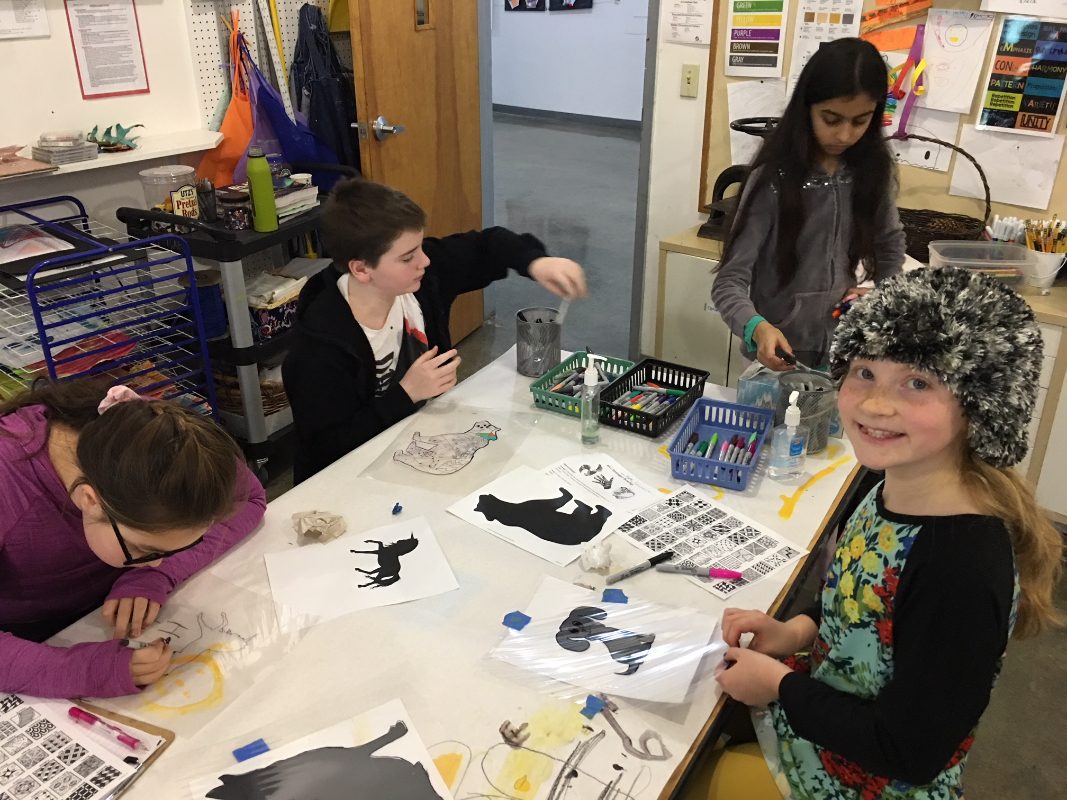
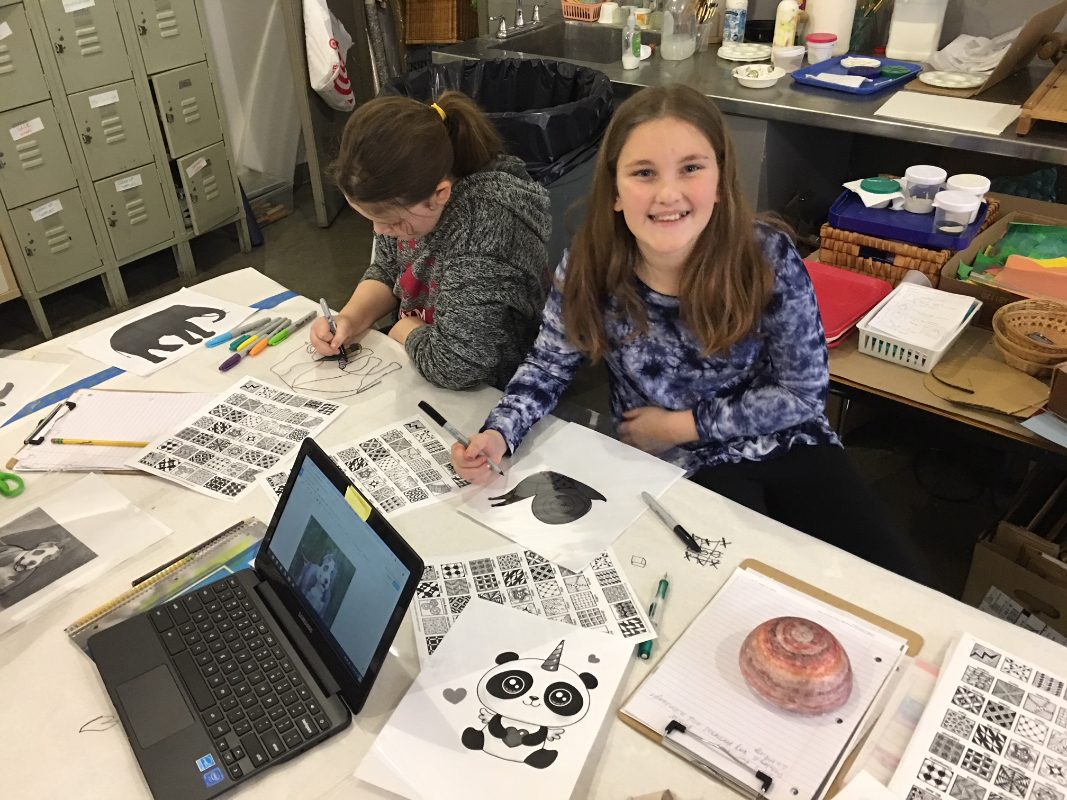
Middle school Moving Up Day in Art


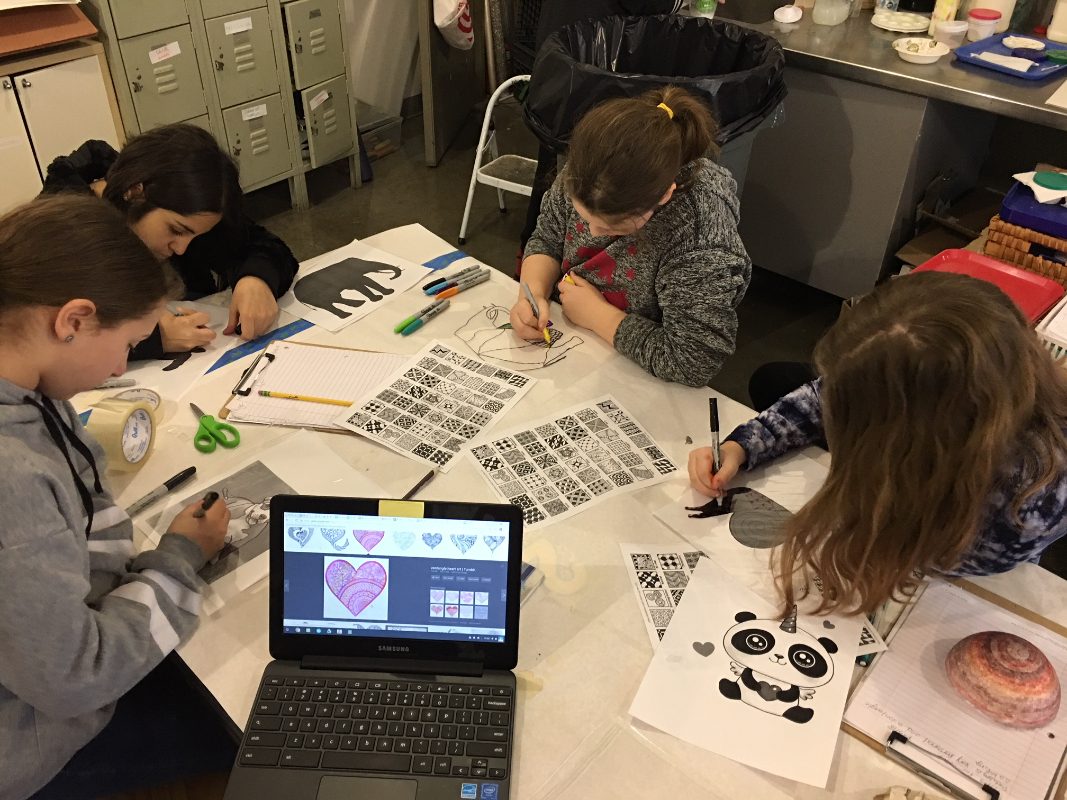
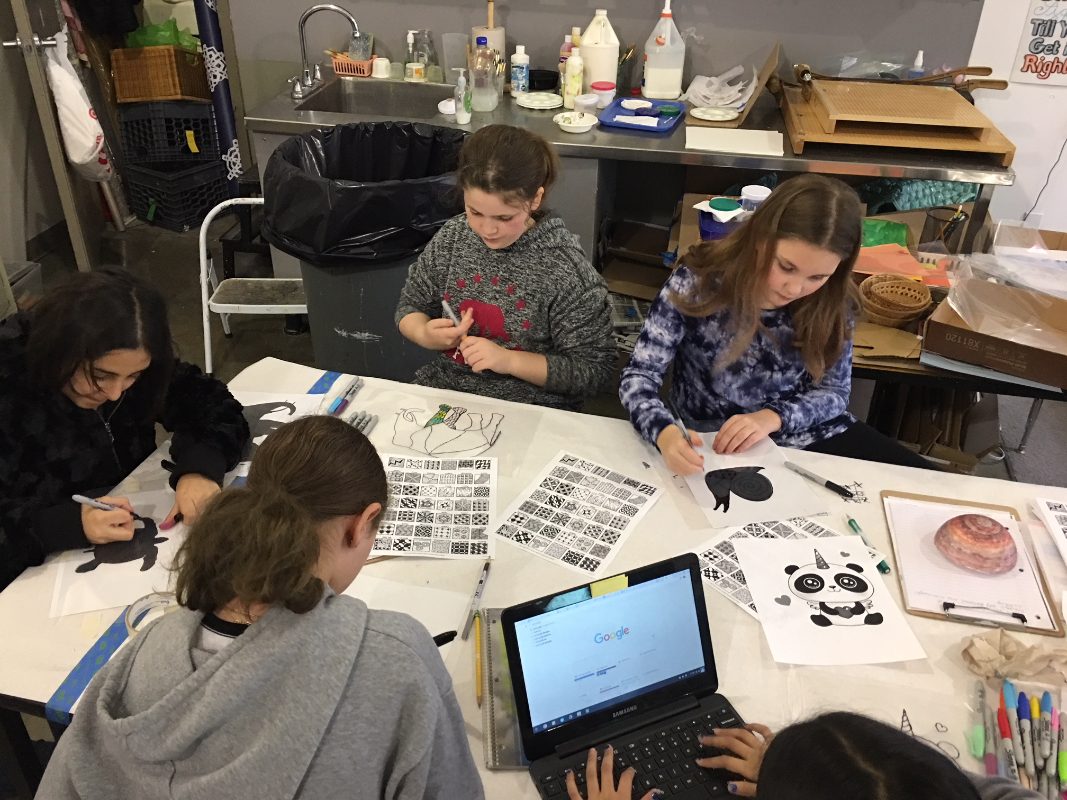
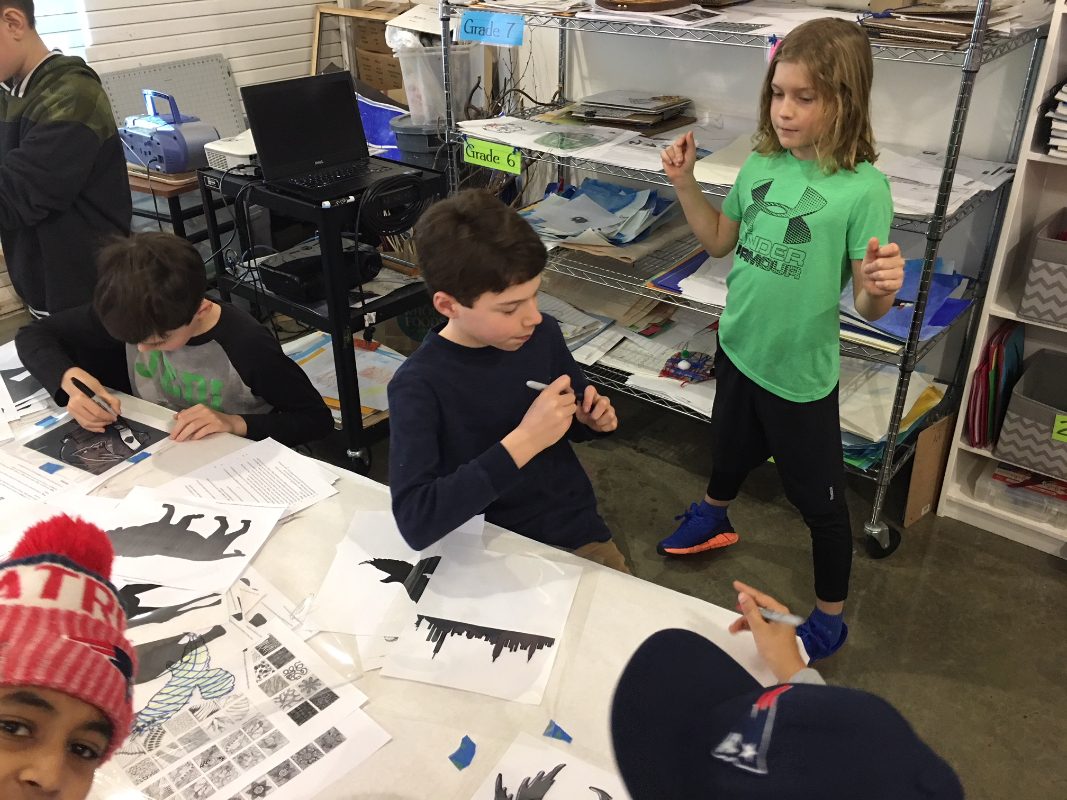
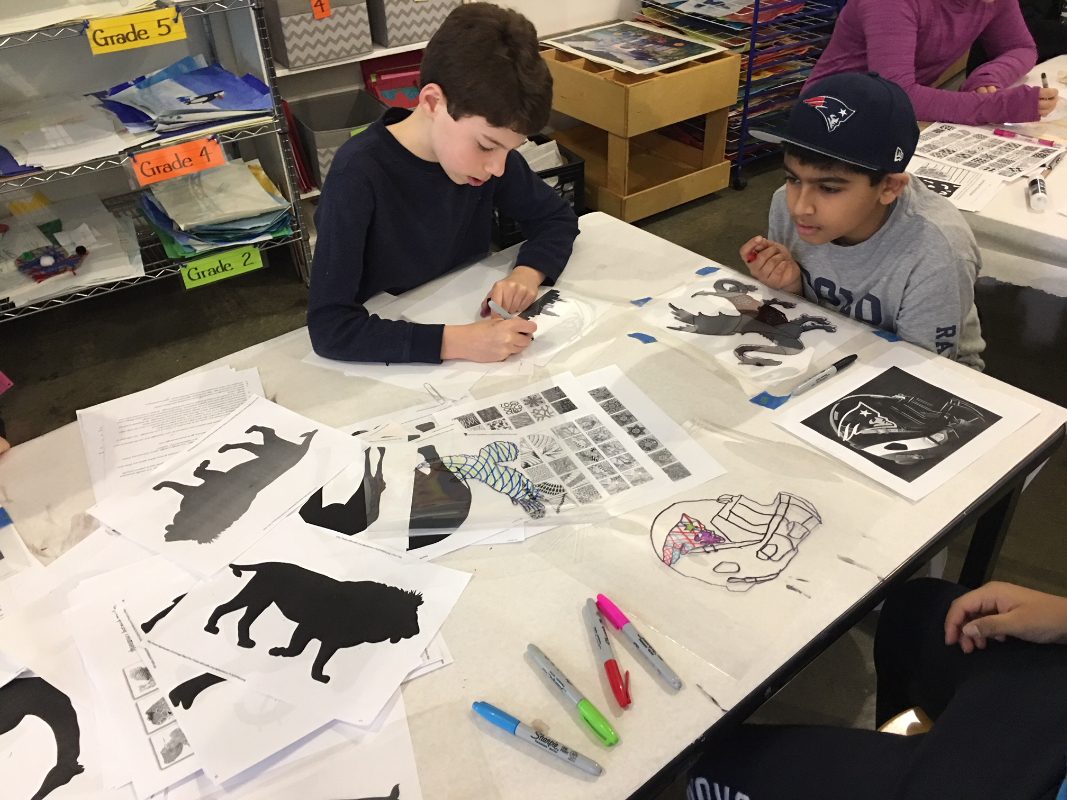
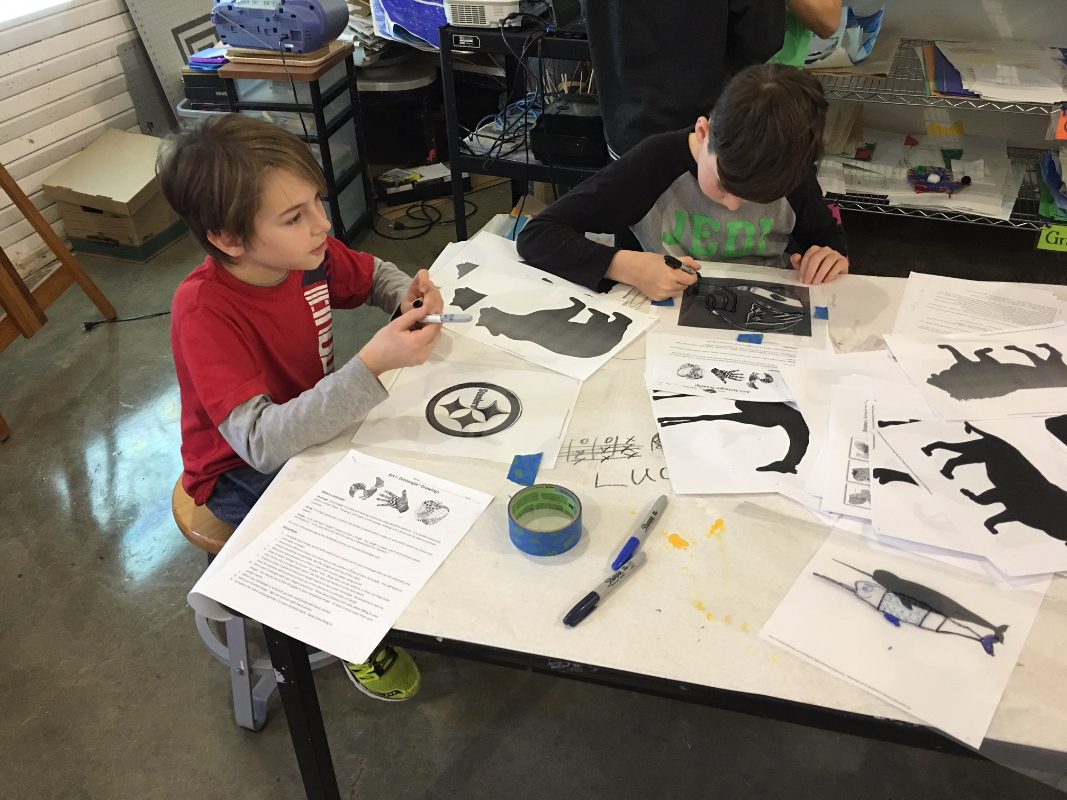
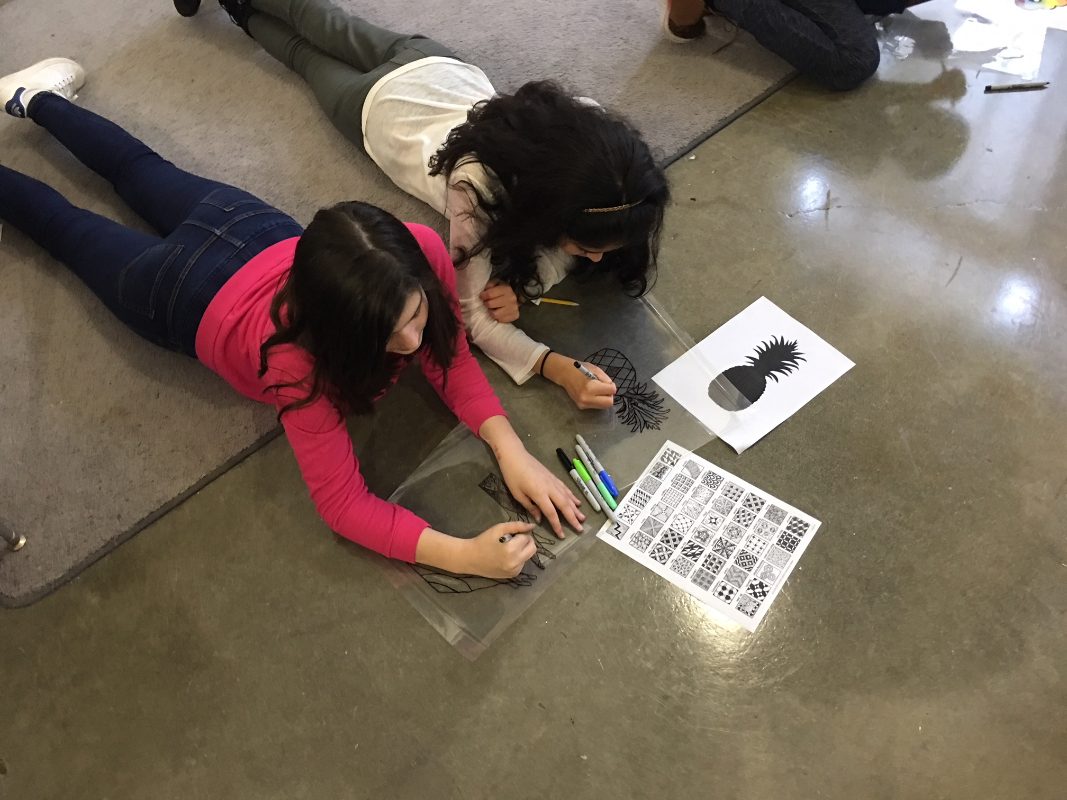
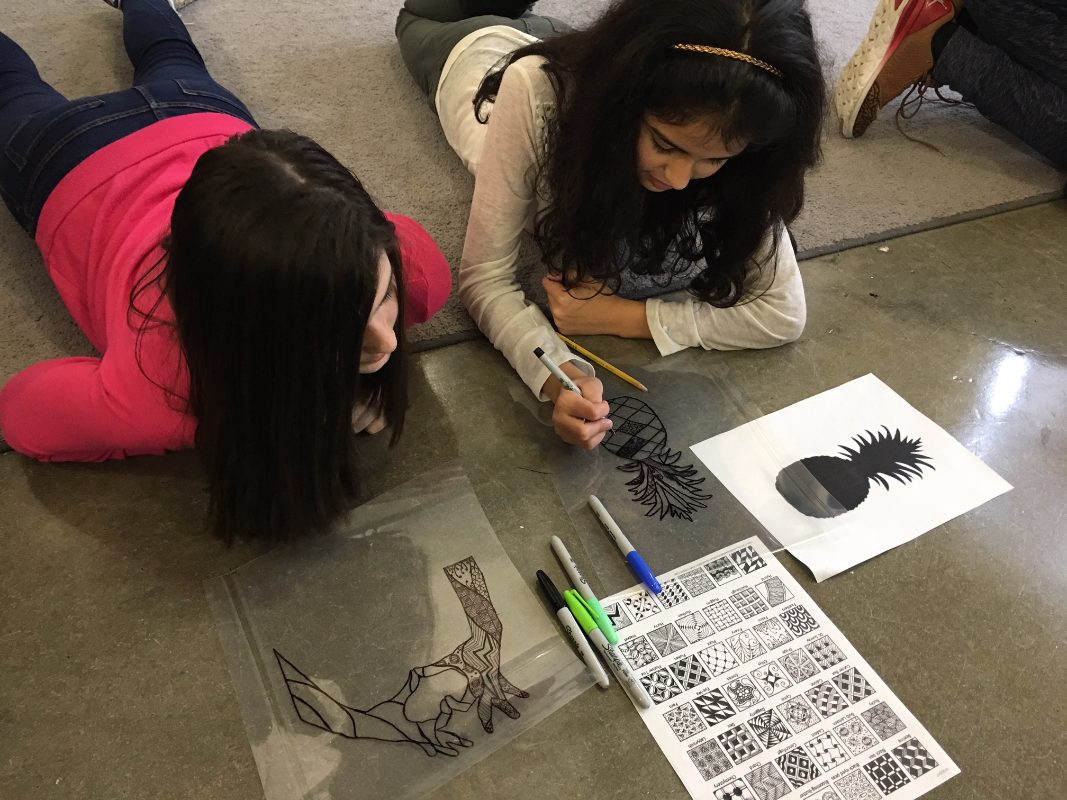
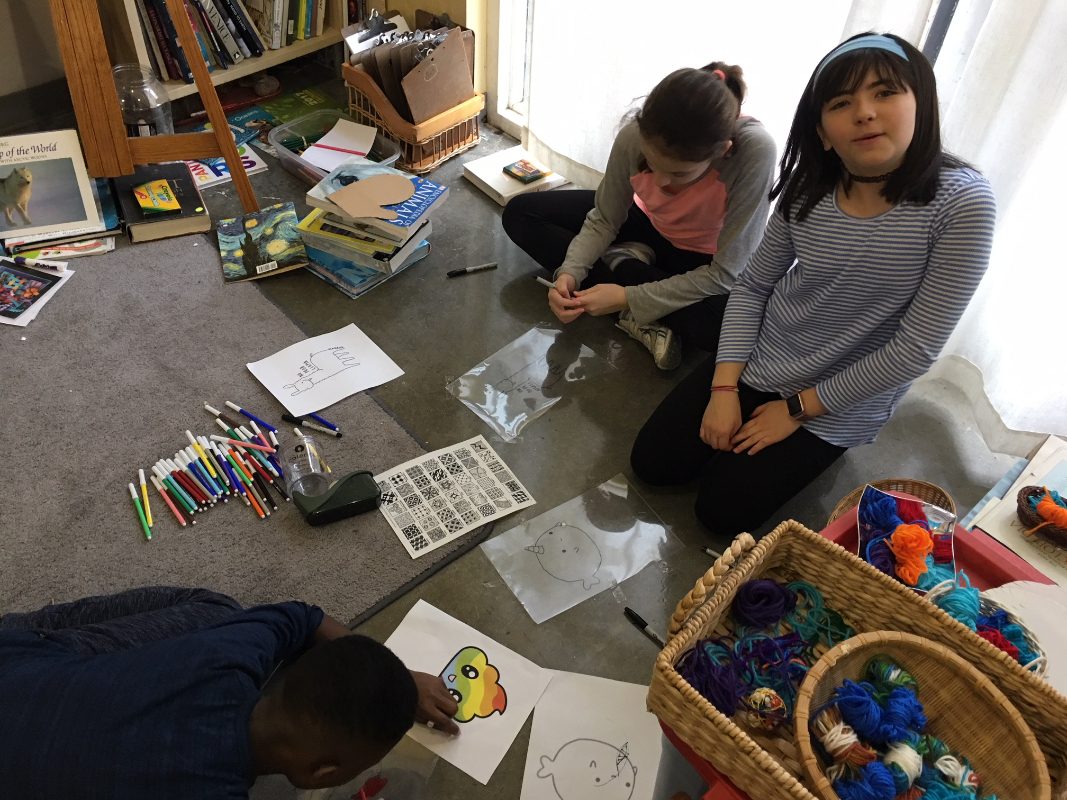
Fifth-year students joined sixth years in the art studio for a fun Zentangle inspired design project that the sixth years had worked on the week before. Sixth-year students acting as true mentors helped guide their fifth-year counterparts along and the fifth years were busy working and up to speed in no time. Zentangles differ from regular drawing, painting and other art forms as it is meant to be a form of artistic meditation that anyone can do. The process of creating a Zentangle is as important as the final outcome, which is appreciated for its unique beauty. Zentangles can resemble beautiful doodles but the difference being doodles are usually created while doing something else like talking on the phone while Zentangles are deliberate acts requiring undivided attention like other forms of meditation, and like other forms of mediation creating a Zentangle should help one achieve a feeling of relaxed focus.


Les Petites Maisons des 2e et 3e!


The second and third year students had a lot of fun working on their small houses. We had to deal with some snow days but overall everything went very well. Along with this project, we are now reading a story called Nadine and Castor. This is the first rather long story theses children are reading this year and I have no doubt that they will do enormously well! This story describes a small girl named Nadine and her dog Castor who is left behind in the attic (le grenier) inside a chest (la malle) by accident! Poor Castor! What is he going to do now? We are very excited to find out!


2018 Winter Olympic Games!


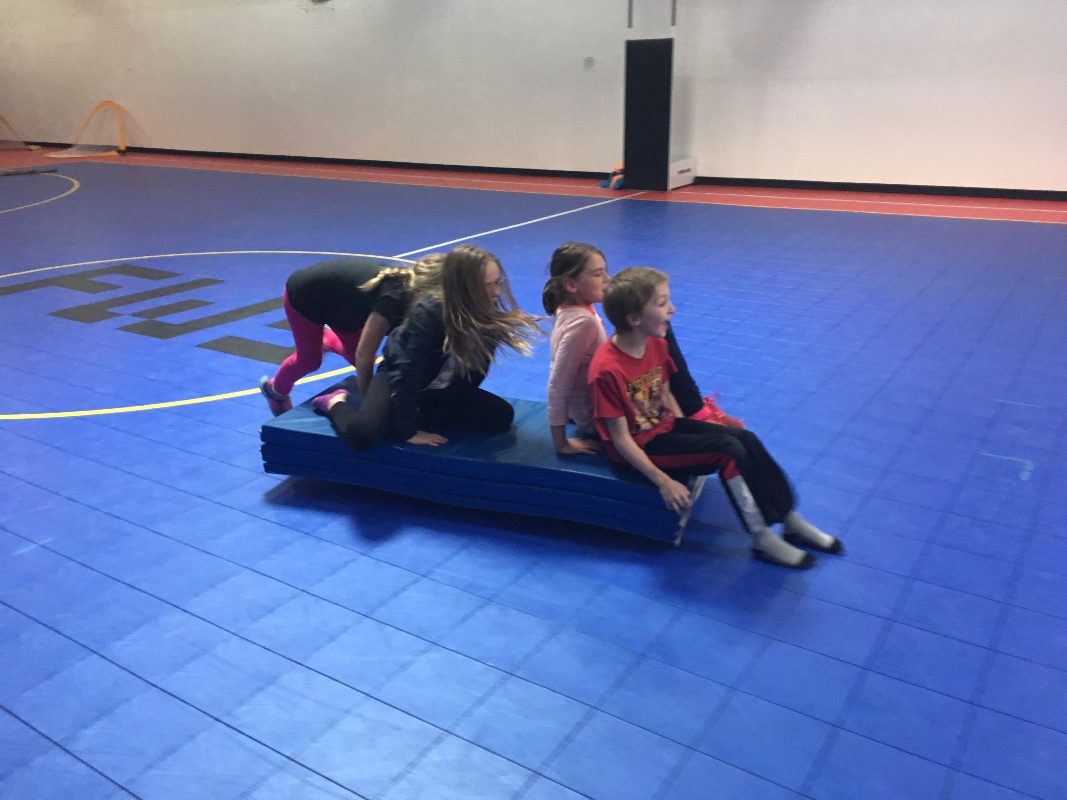
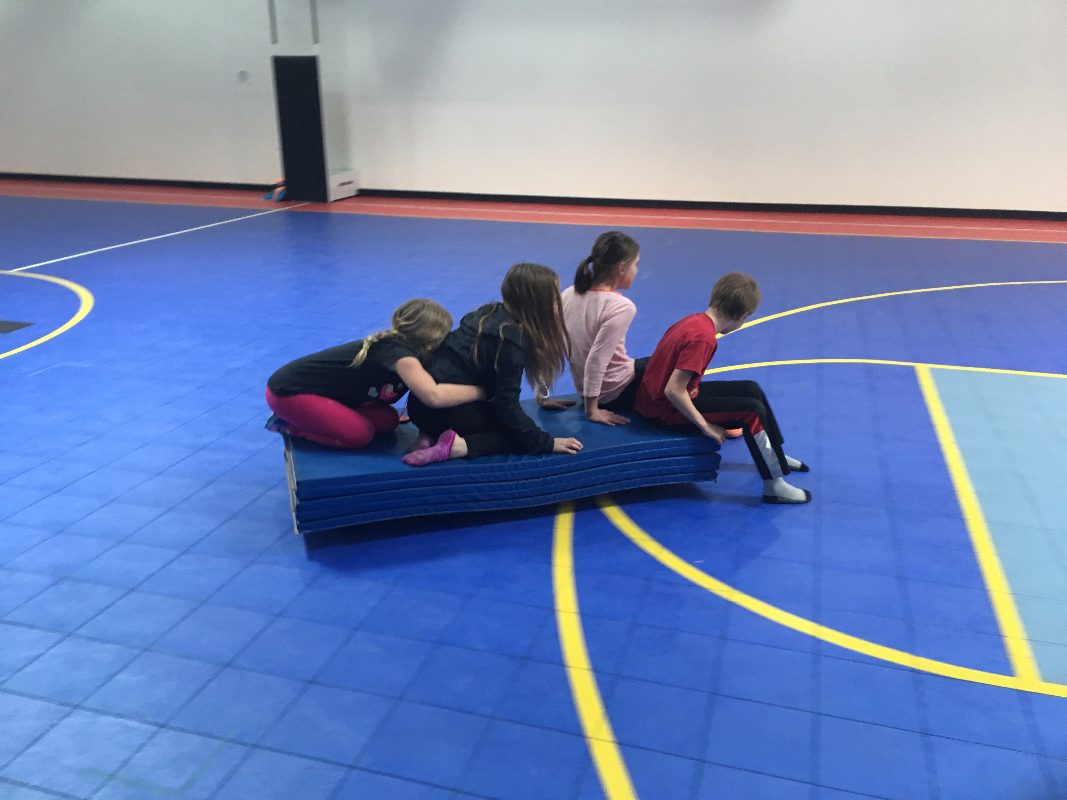
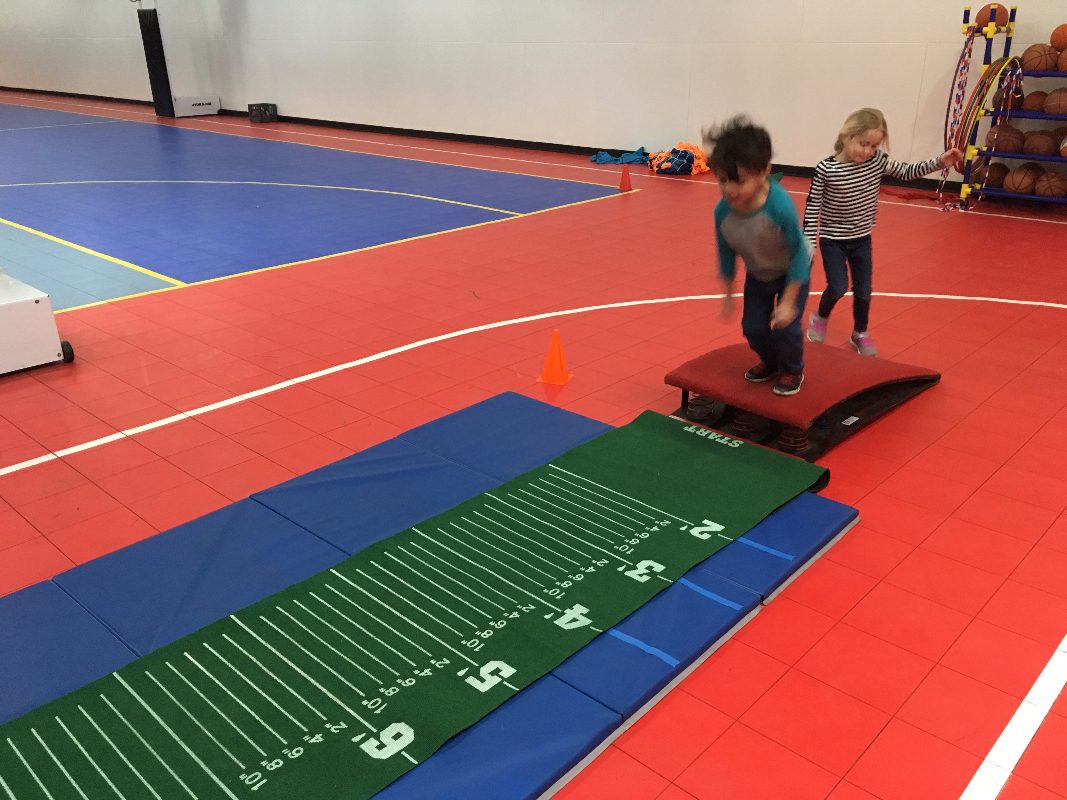
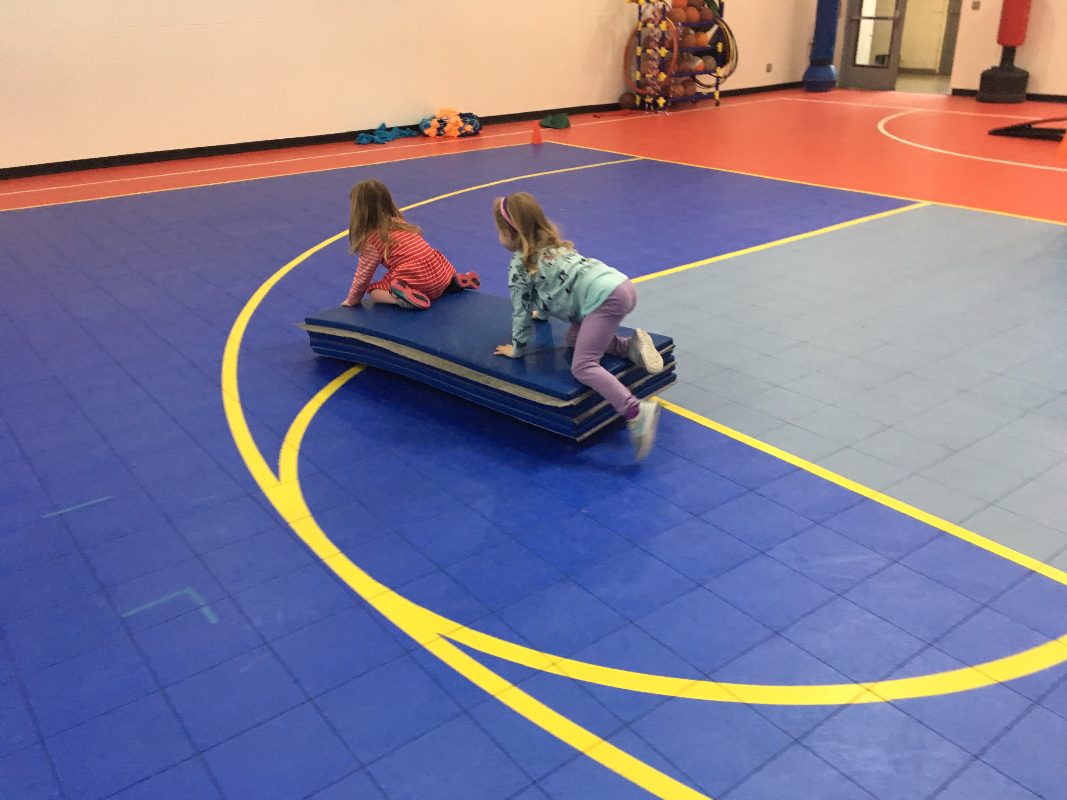
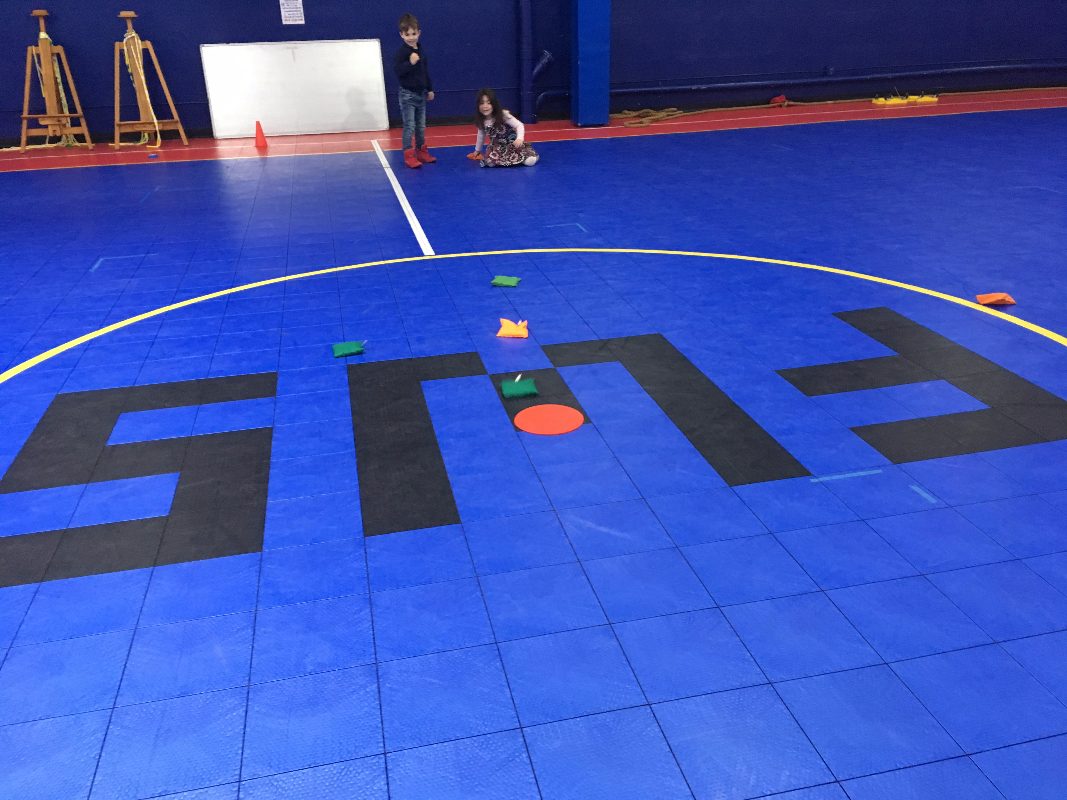
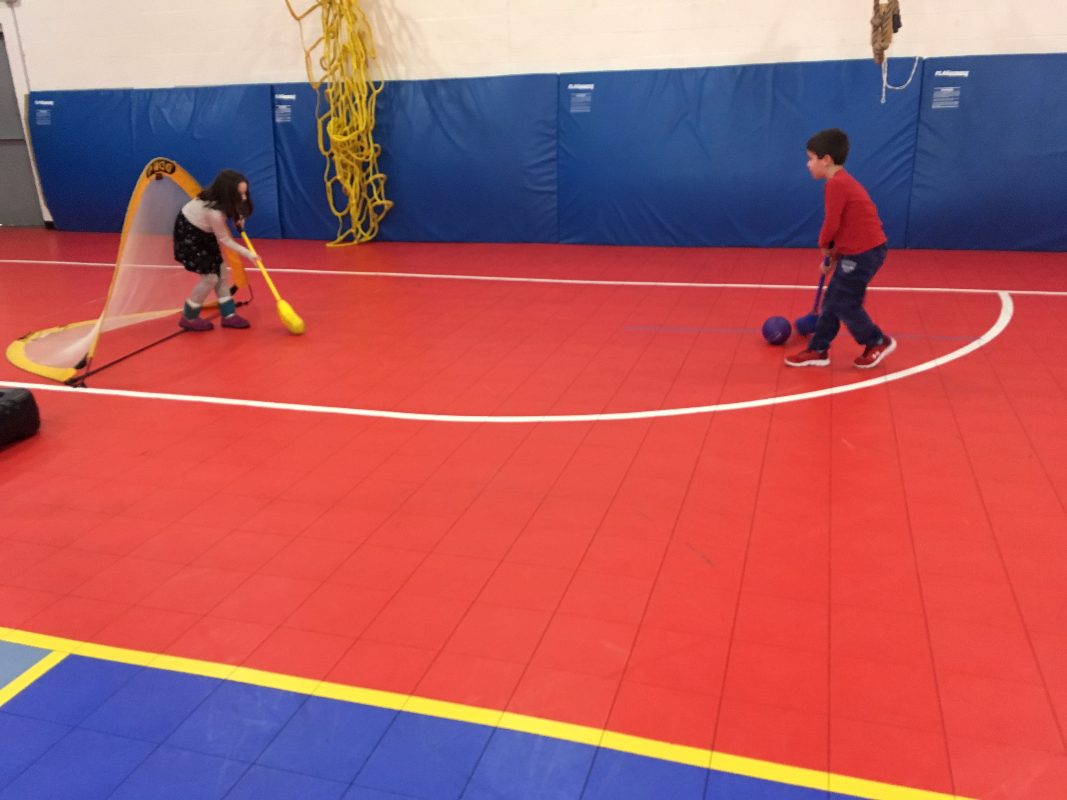
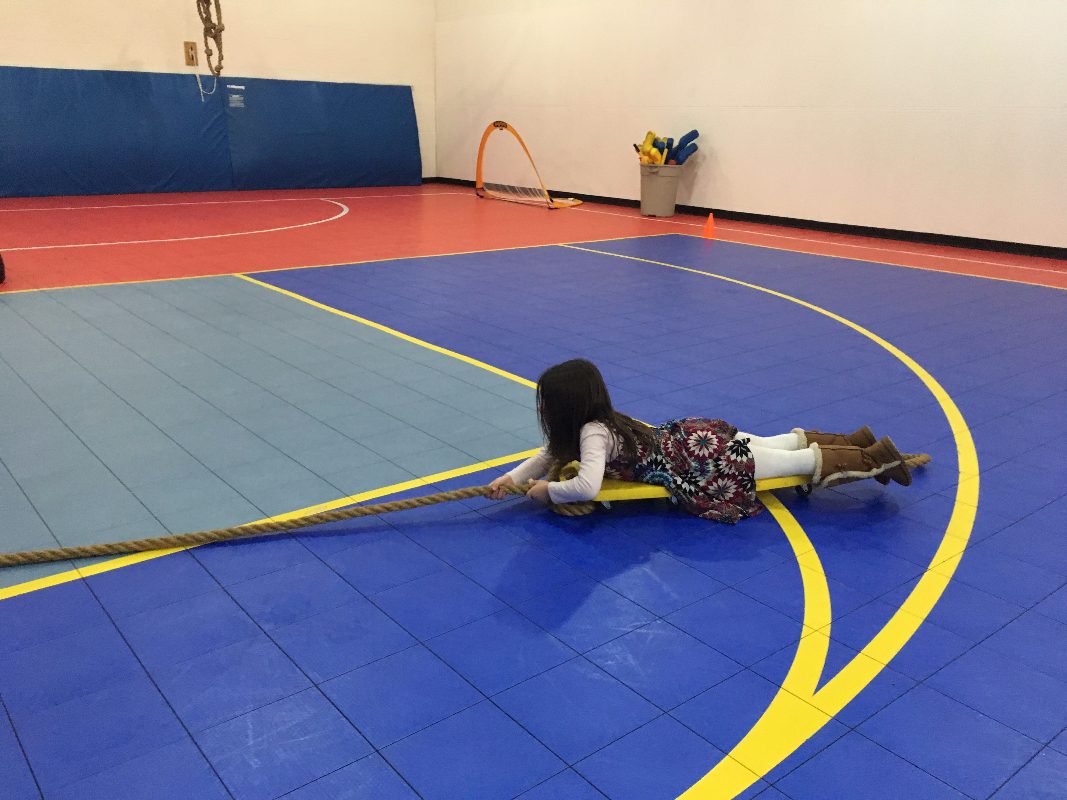
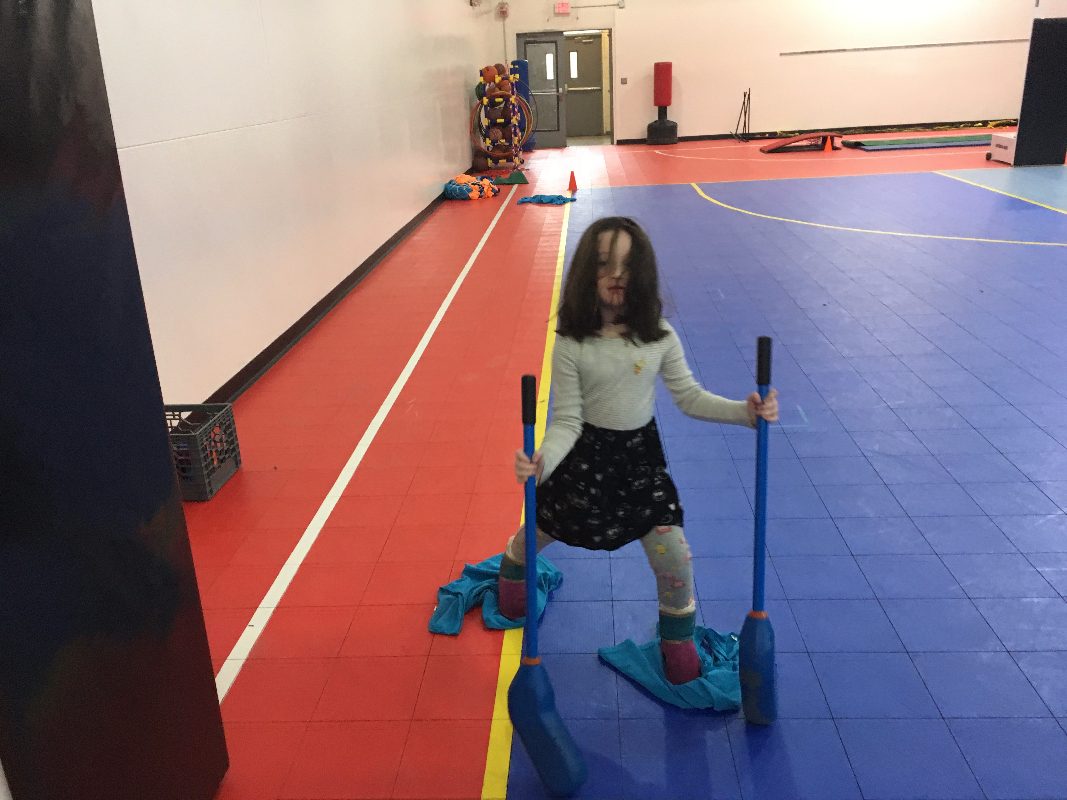
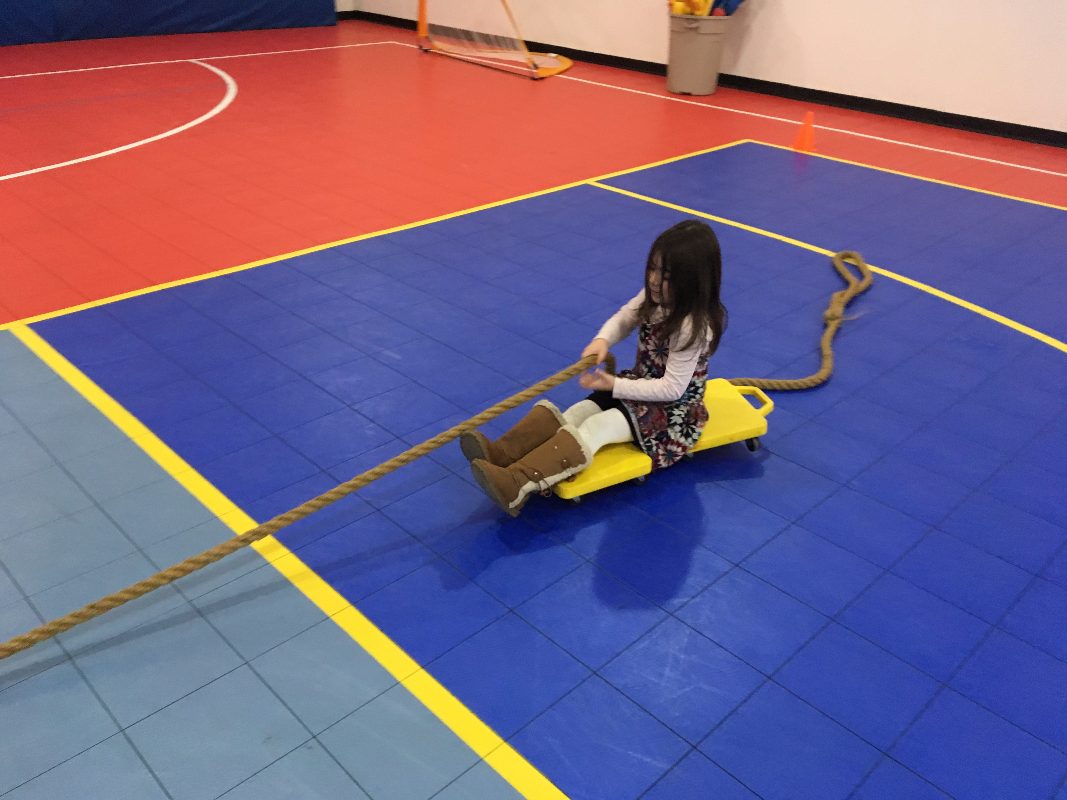
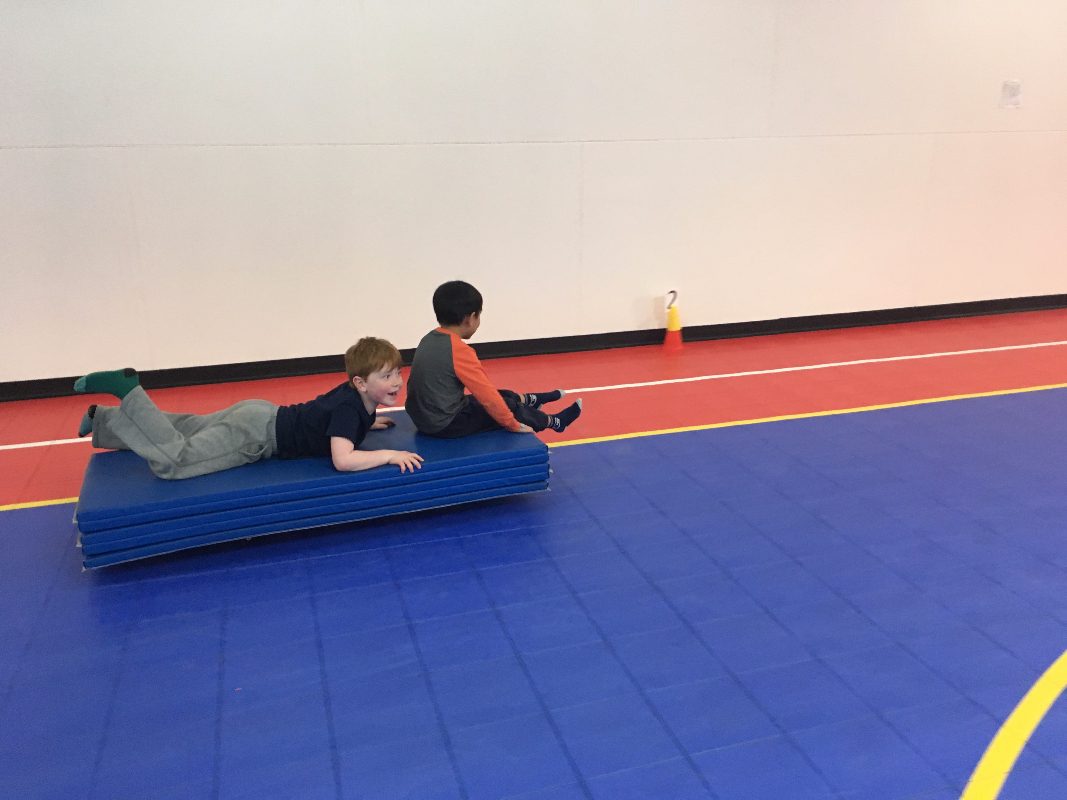
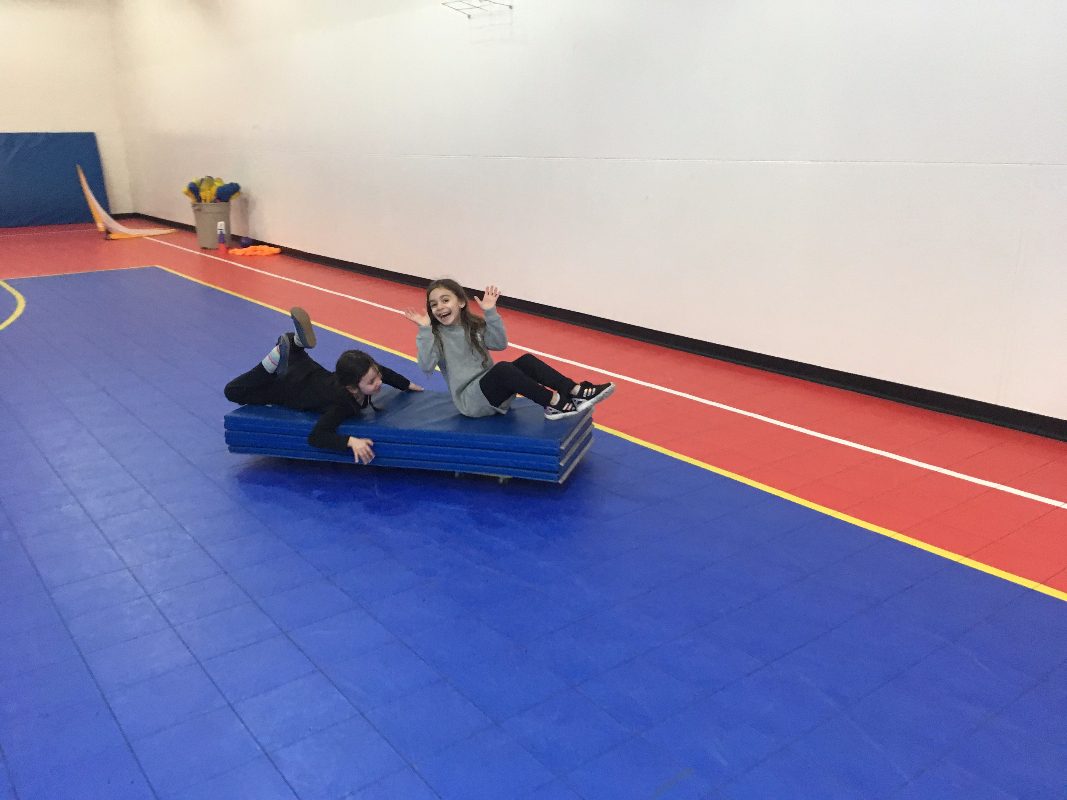
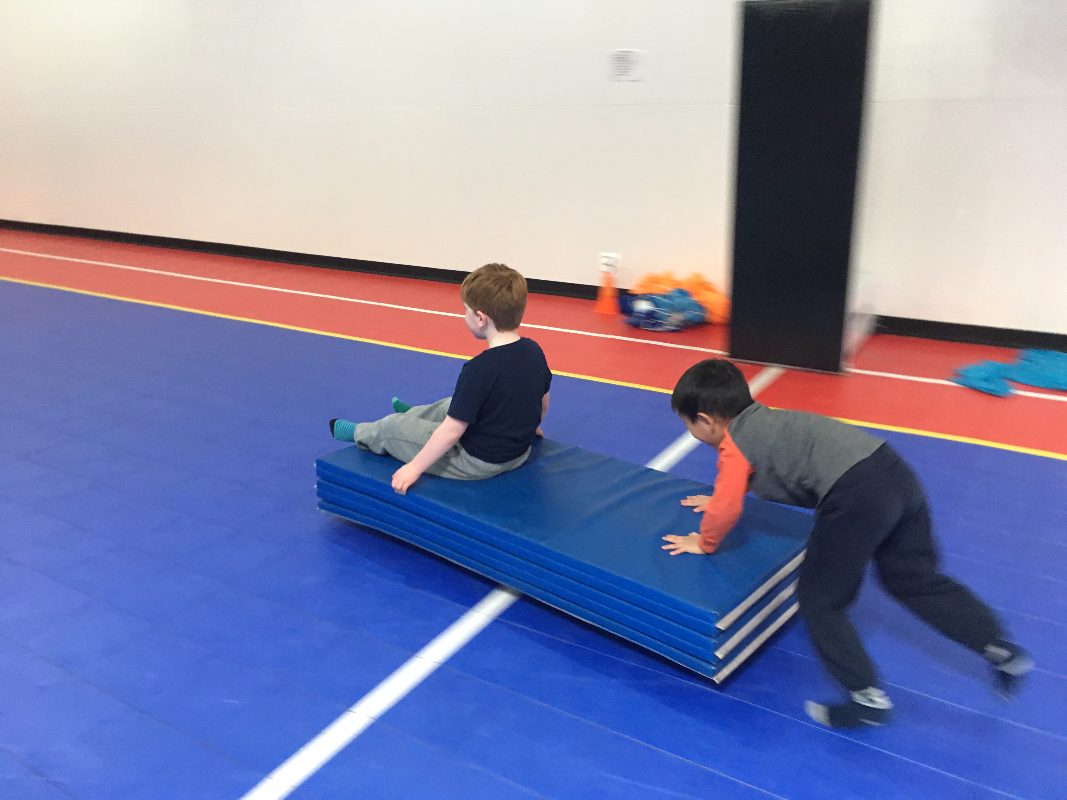
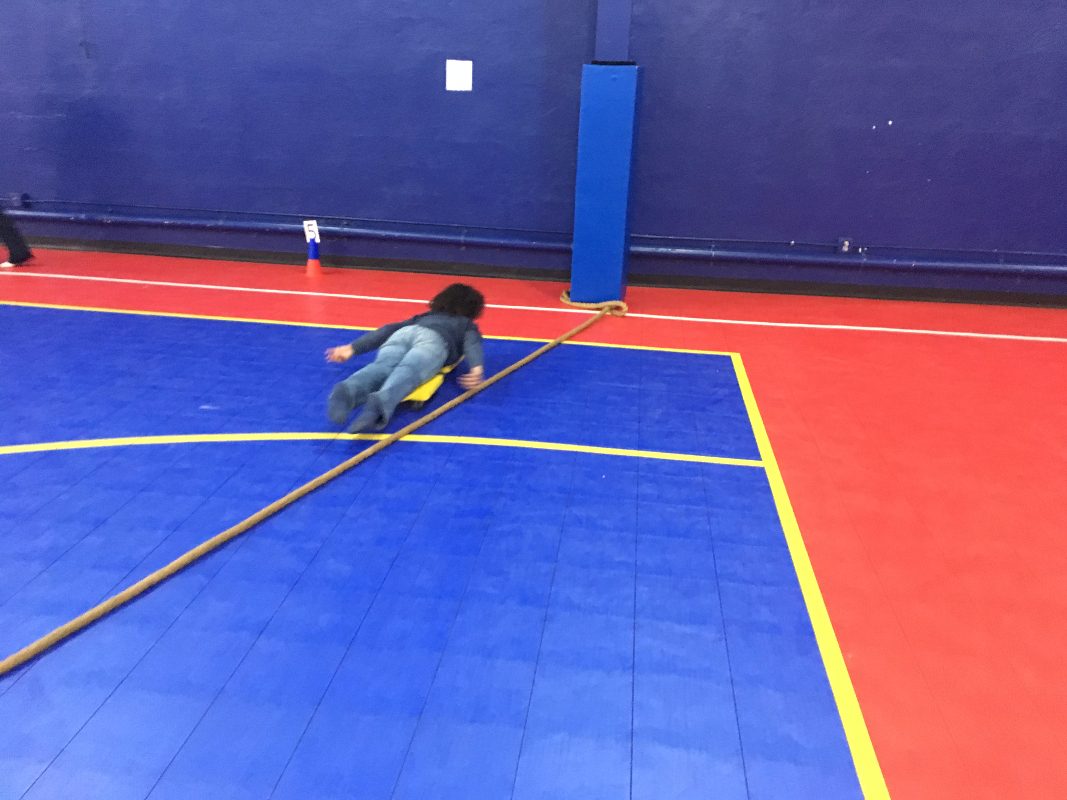
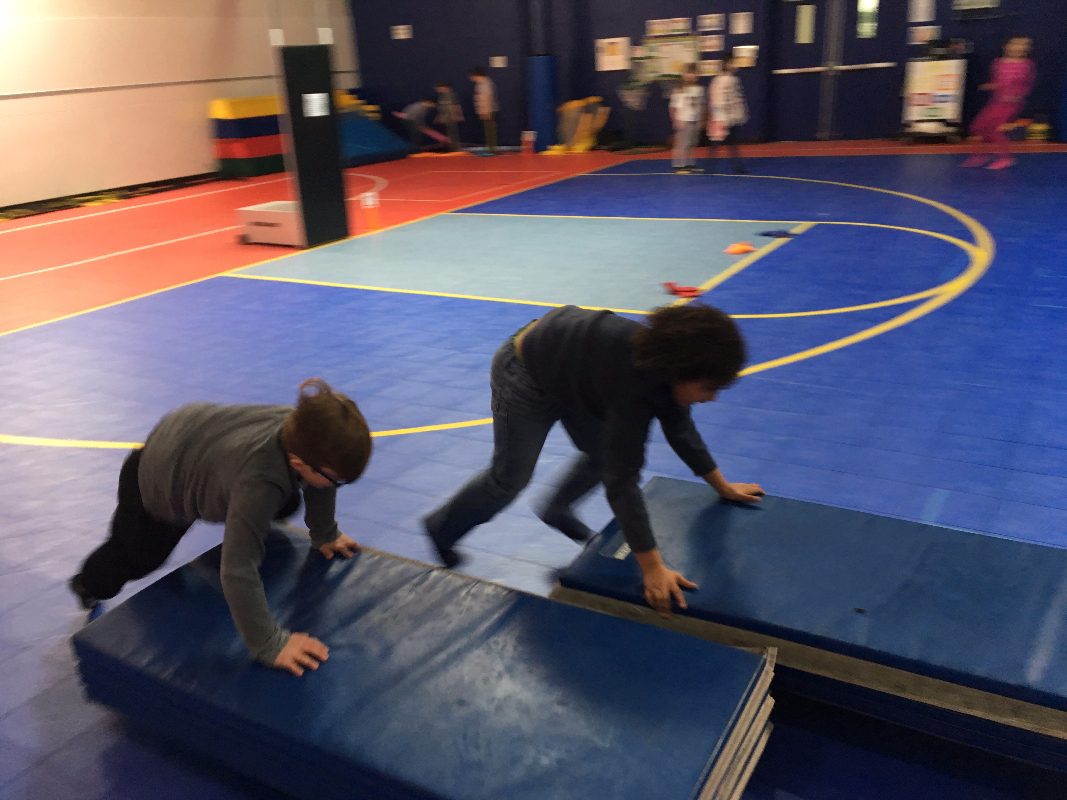
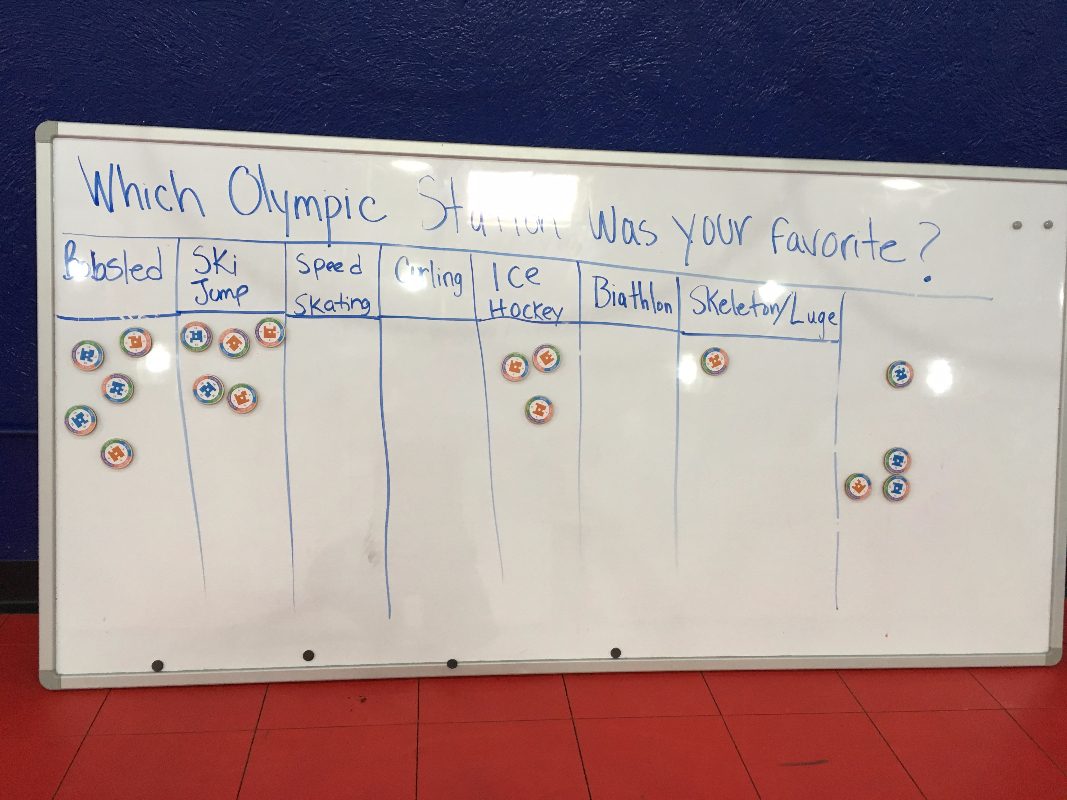
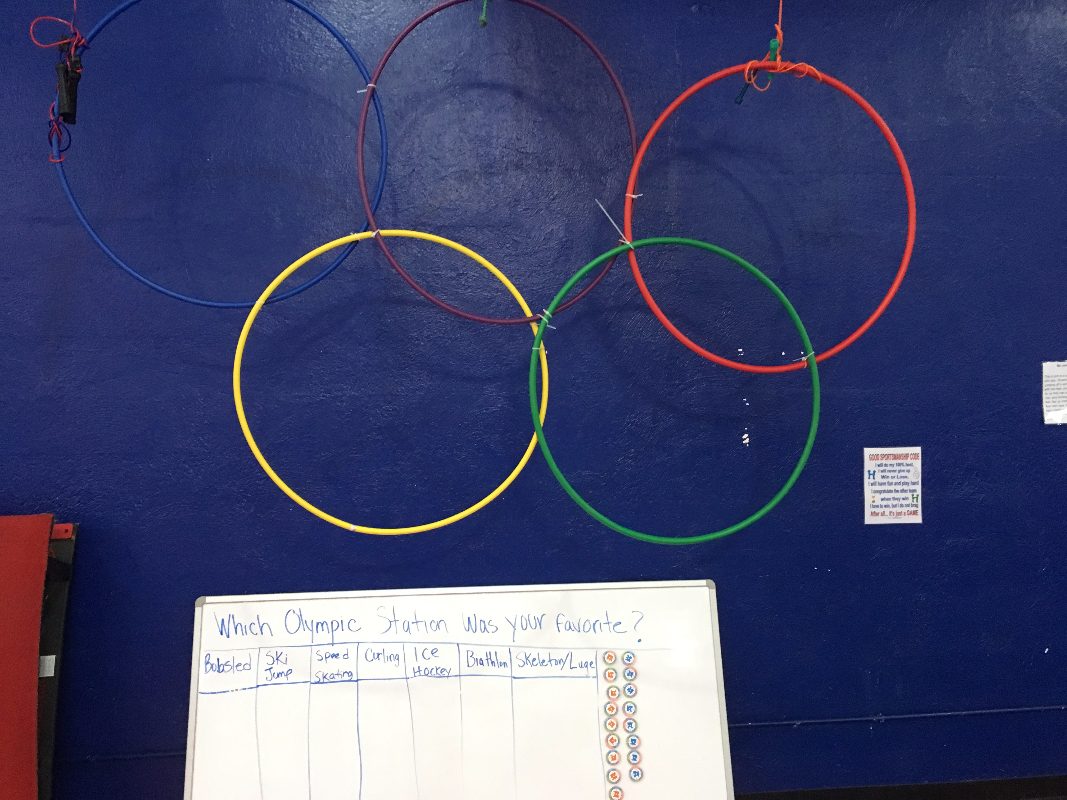
The Extended Day, Lower Elementary, and Upper Elementary participated in Winter Olympic Games stations in class. The students were questioned on their knowledge as to why there are only five rings and what the colors represented. They were also asked where they Olympics were taking place and what continent that country  was located in. The students participated in the following winter Olympic Game stations: Curling, Biathlon, Speed Skating, Ice Hockey, Skeleton/Luge, Ski Jump, and Bobsled. At the end of class the students assessed which station they liked the most. The stations they most enjoyed was the bobsled and ski jump!


Delightful Rhyming

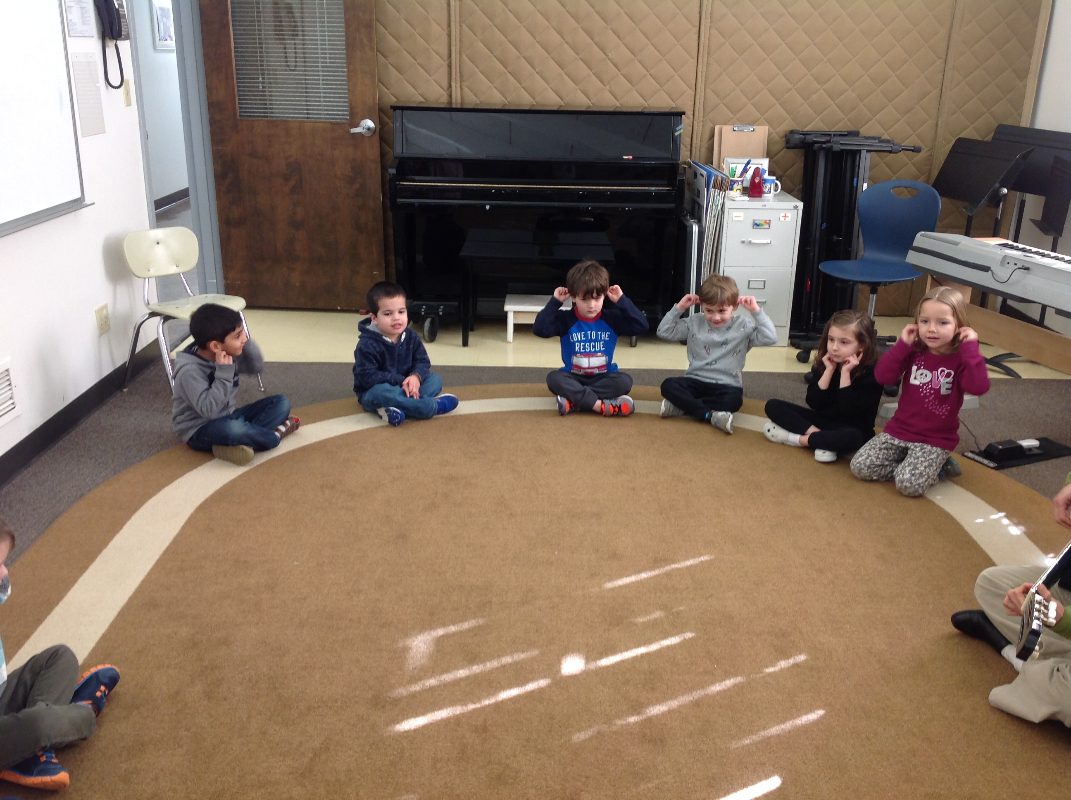
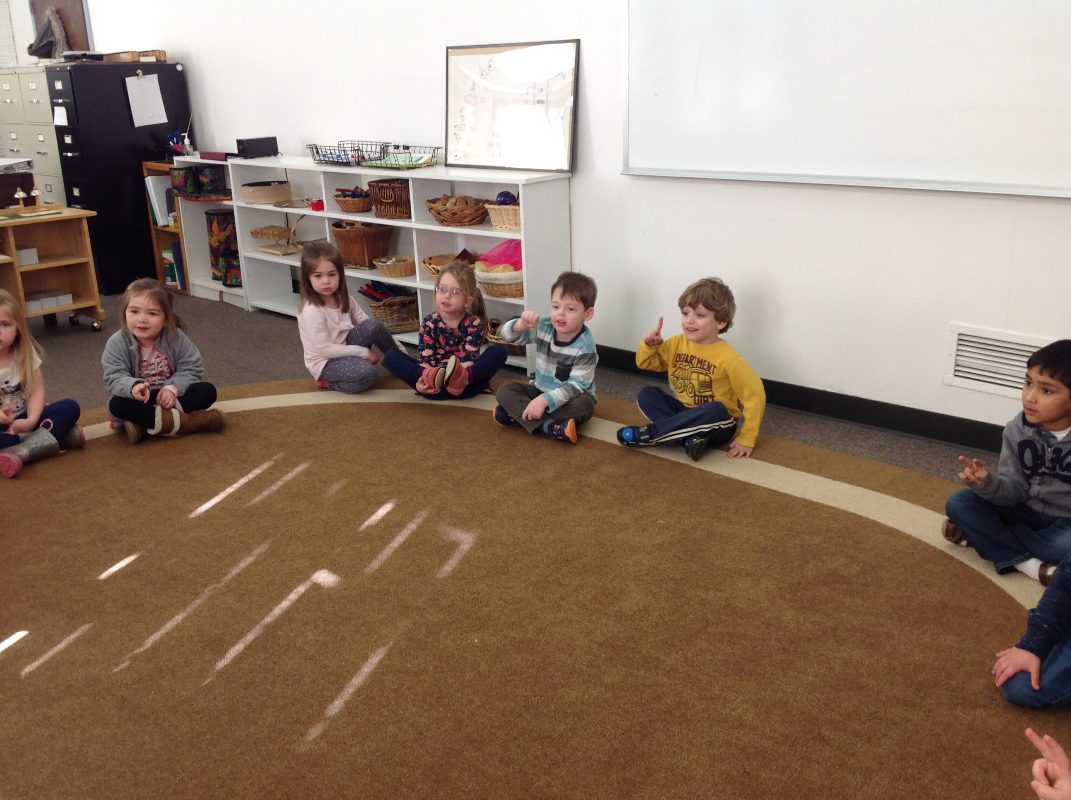
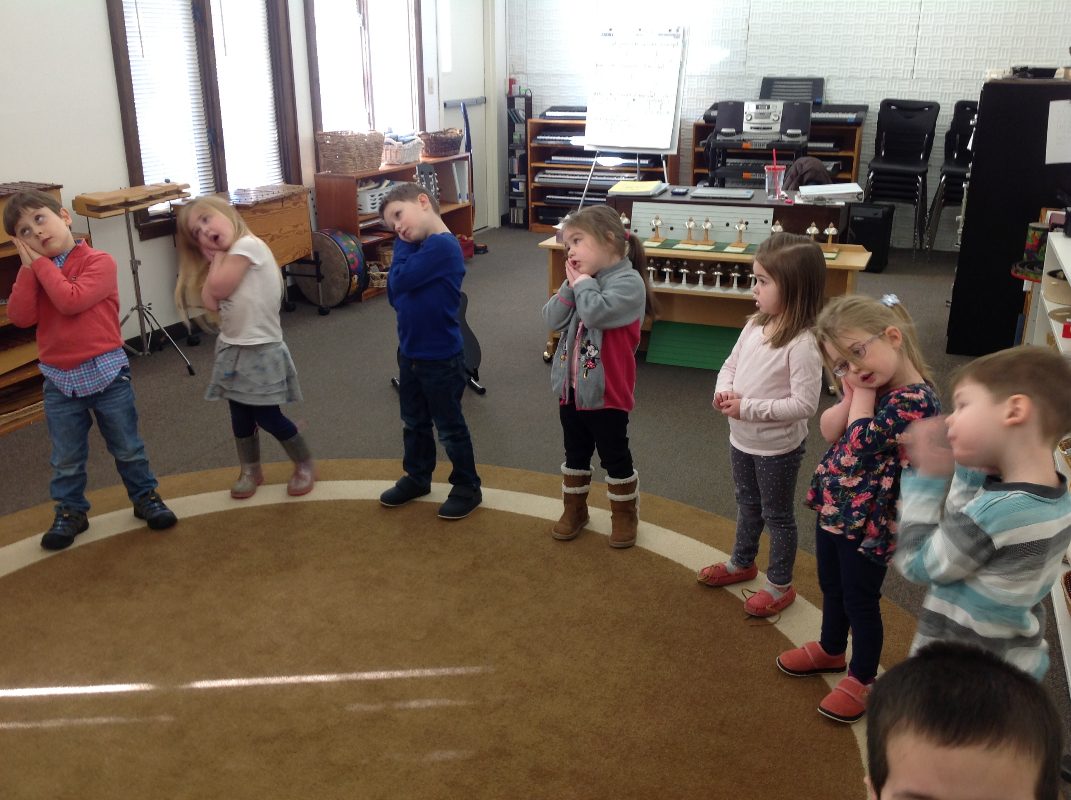
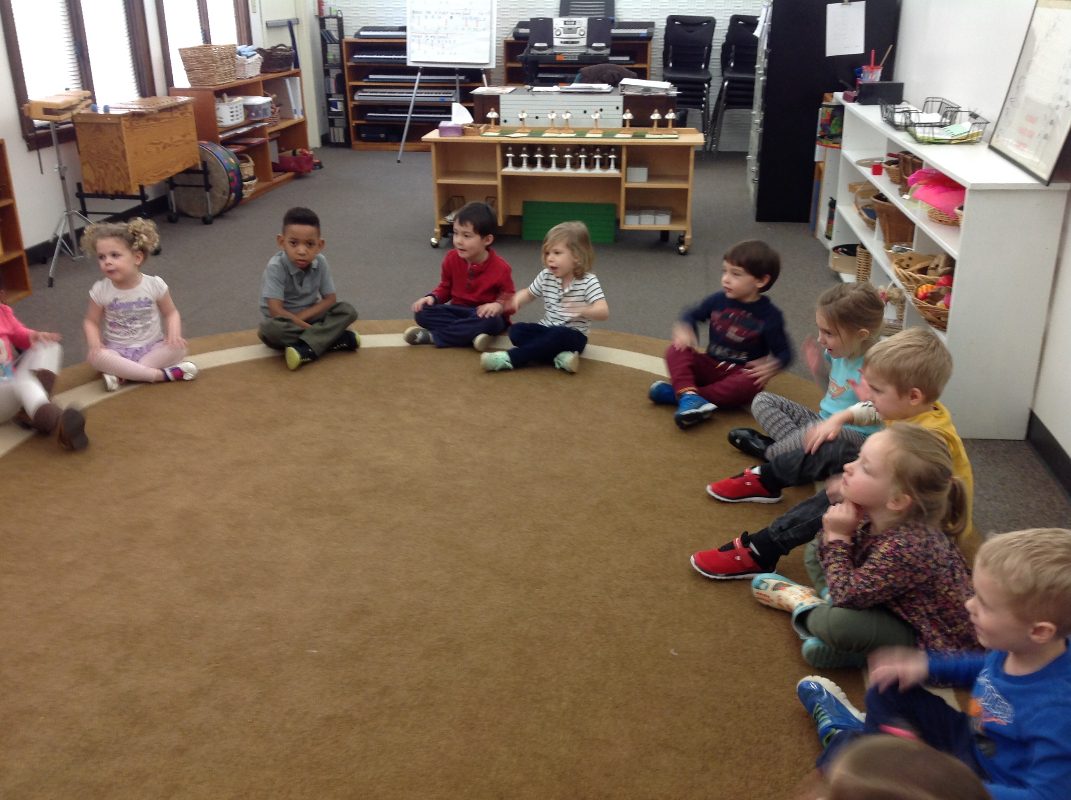
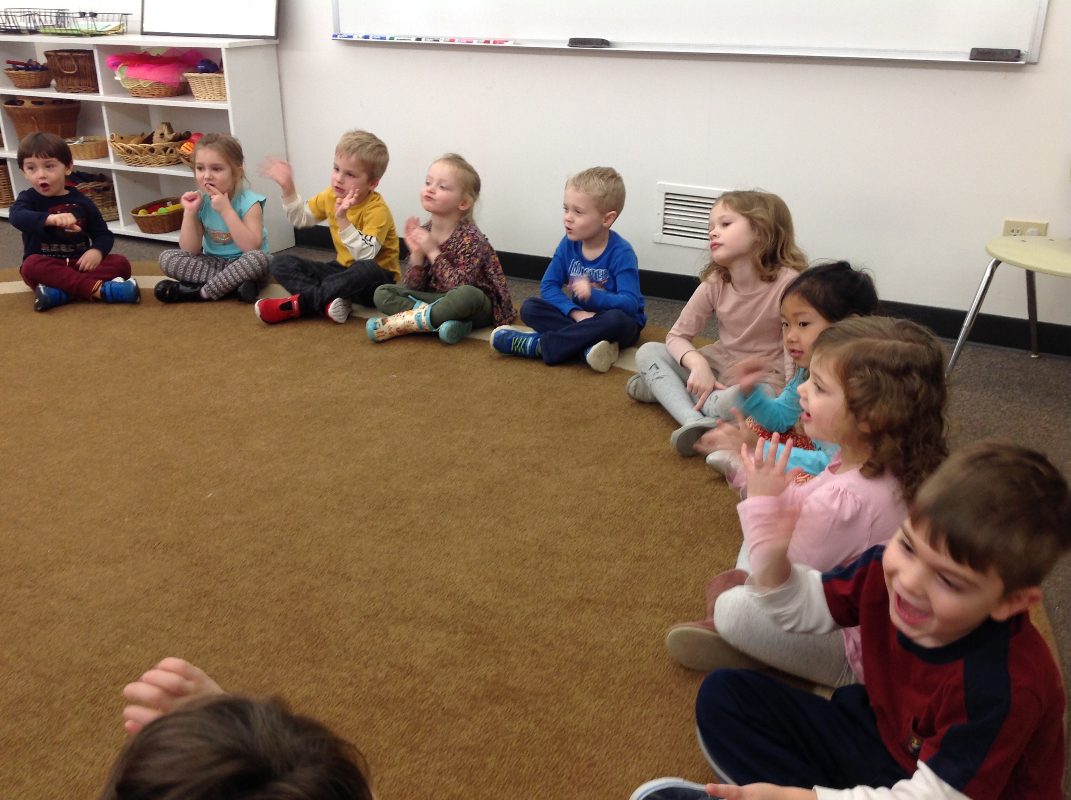
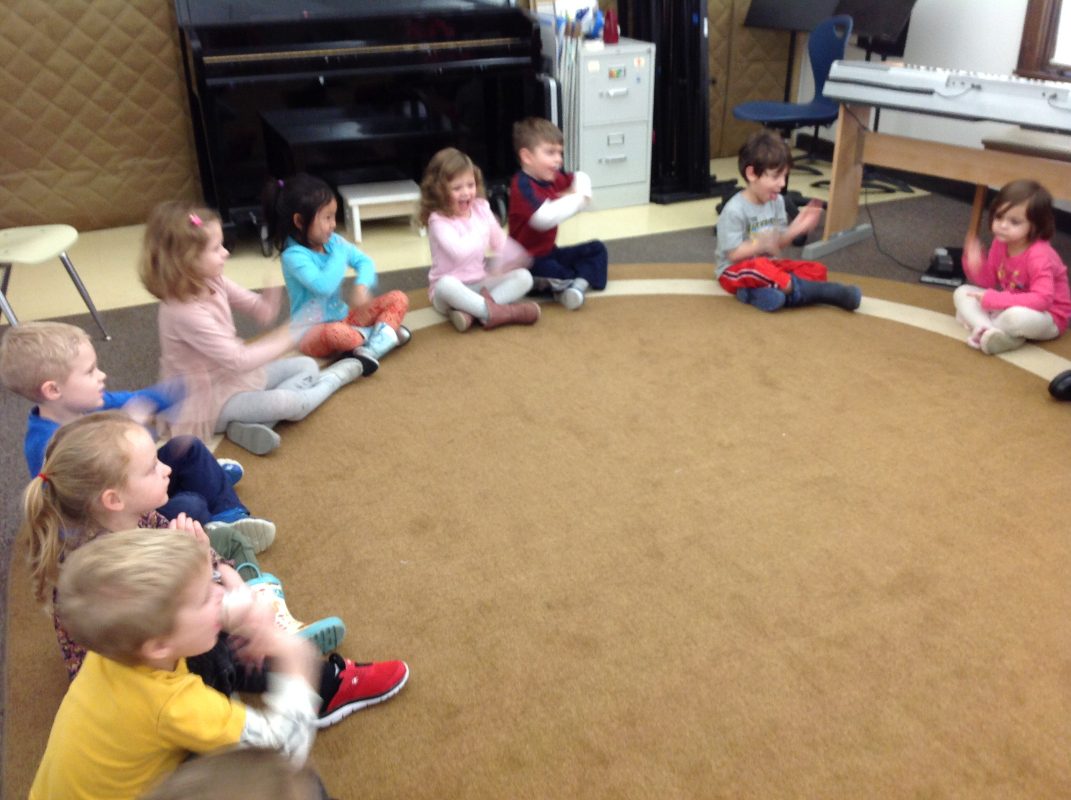
Our Lower School children enjoyed learning rhyming songs with accompanying movements. These young children, who possess absorbent minds, love chanting poems and singing songs especially when they rhyme. Beyond the delighted participation, there have been lots of research proving the benefits of ‘Nursery rhymes’ for lower school aged children. Below are some of the most significant findings:

Cognitive Development

  • Repetition of rhymes and stories are good for the brain, teaching how language works and building memory capabilities.
  • Nursery rhymes help develop inferencing skills, both with encountering new words and in reading comprehension.
  • Because these verses are made up of patterns, they are easy first memorization pieces.

Speech

  • Nursery rhymes are important for language acquisition and help with speech development.
  • They help children develop auditory skills such as discriminating between sounds and developing the ear for the music of words.
  • Rhymes like these help kids articulate words, modulate voices (practicing pitch, volume, and inflection) and enunciate clearly by saying them over and over without fear of criticism.
  • Nursery rhymes are excellent, natural choice for a first recitation selection.
  • The mouth and tongue muscles are developed as children say these rhymes.
  • Listening comprehension is a foundational skill that is often skipped, but nursery rhymes can help ensure this crucial ability (that precedes reading comprehension) is covered.

Reading

  • Nursery rhyme knowledge provides an excellent foundation for later literary works.
  • They are a great introduction to stories since many contain a beginning, middle, and end (sequencing).
  • Familiarity with nursery rhymes makes good readers, even despite differences in social background (Bryant, Bradley, Maclean & Crossland, 1989).
  • Work with these verses helps children detect the phonetic segments of words.

Language

  • Nursery rhymes increase vocabulary
  • They help children assimilate language.
  • They are a wonderful introduction to poetry.
  • They promote spelling skills.
  • Verses like these introduce literary devices like alliteration, onomatopoeia, and imagery.

Creativity

  • Nursery rhymes expand children’s imagination.
  • They promote creative dramatization when kids act the scenarios out.

History

  • These classic verses preserve culture and provide something in common between multiple generations (a good way to bond with grandparents or when meeting new people!)
  • Nursery rhymes teach history and connect a child to the past.

Math

  • Nursery rhymes are full of patterns, sequencing, numbers, and counting (forwards and backward).
  • They also discuss size, weight and other important math vocabulary.

Physical

  • Since many nursery rhymes involve movement, coordination and physicality are integrated with their readings (Think “Ring Around the Rosey” or “London Bridge.”)
  • Coordinating fingerplays are helpful to fine motor skill development.

Social and Emotional

  • Nursery rhymes develop humor.
  • Because of the connection between movement, rhythm, and words, singing these songs can be a great group activity.
  • Children can learn social skills from many of the rhymes.
  • Nursery rhymes are familiar and can thus provide comfort and support to youngsters in uncomfortable situations.

The Making Begins

The true essence of being a maker is within each and every one of us. When the year began, our Middle School students weren’t quite sure what to expect of our freshly remodeled room. Previous classes held in the space were not reflections of our beloved Montessori environment. Classes consisted of keyboarding techniques, the Microsoft Office Suite, and the occasional coding and digital arts lesson. But now, given the funds and time, we have the opportunity to create a space with our students’ interests at heart.

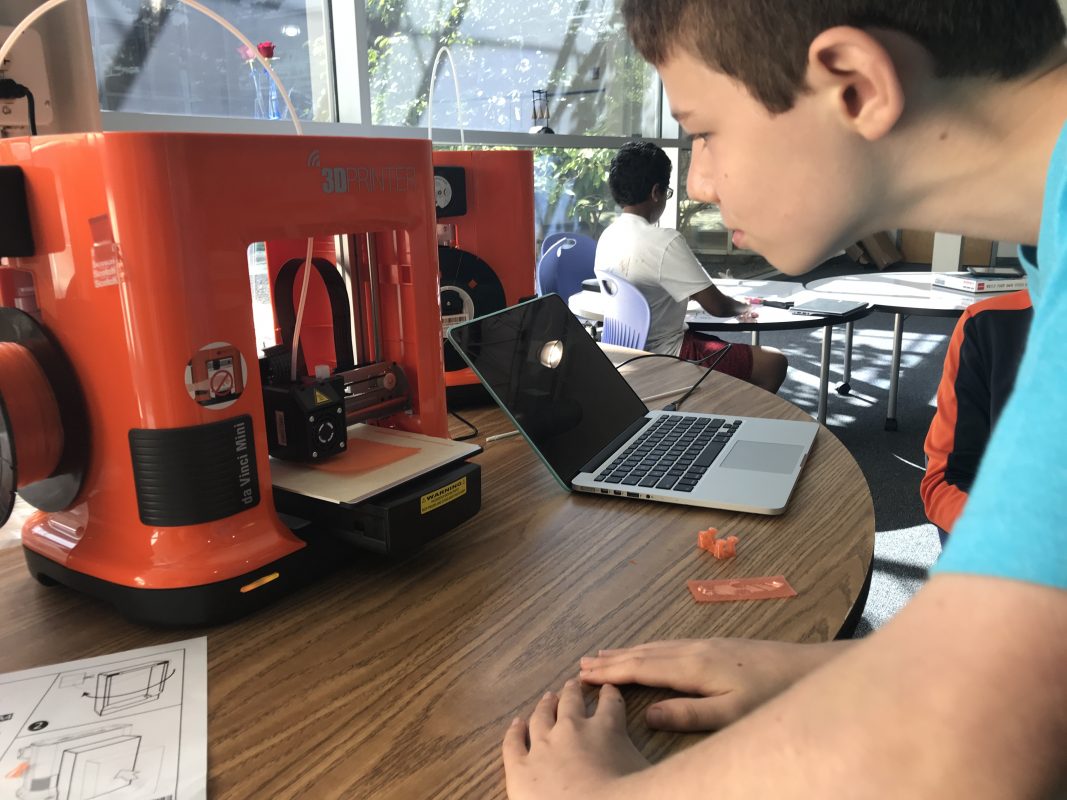
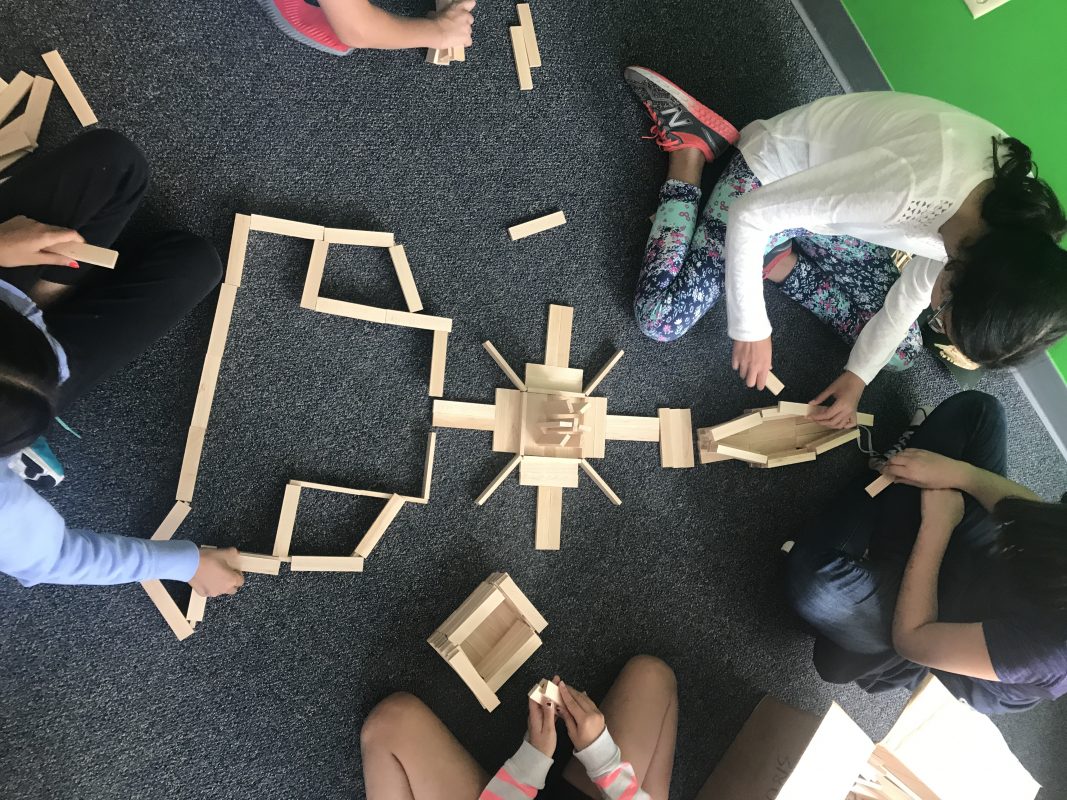
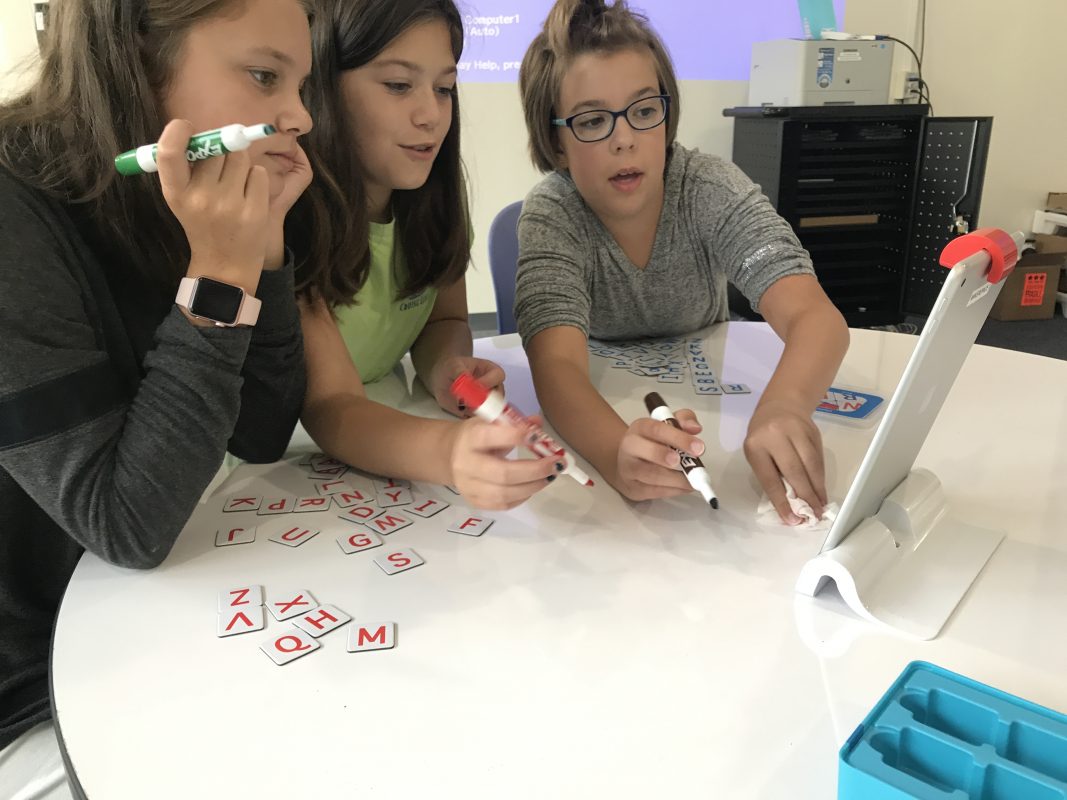
The month of September consisted of several new materials for our students. Keva Planks, Osmo, and Bloxels. Thanks to our wonderful BYOC (bring your own Chromebook), students have also been fully immersed into the world of 3D printing! The students were given individual accounts, but as you pass through the MakerSpace you will see them sitting with their peers… sharing thoughts, asking questions, smiling, laughing, and learning.

Now that the 3D printers are officially up and running, students are learning new printing terms, such as: raft, support, infill, and build plate. As we had hoped, 3D printing has fully immersed our students into the Design Thinking realm.


Elementary Basketball Skills and Fun Games

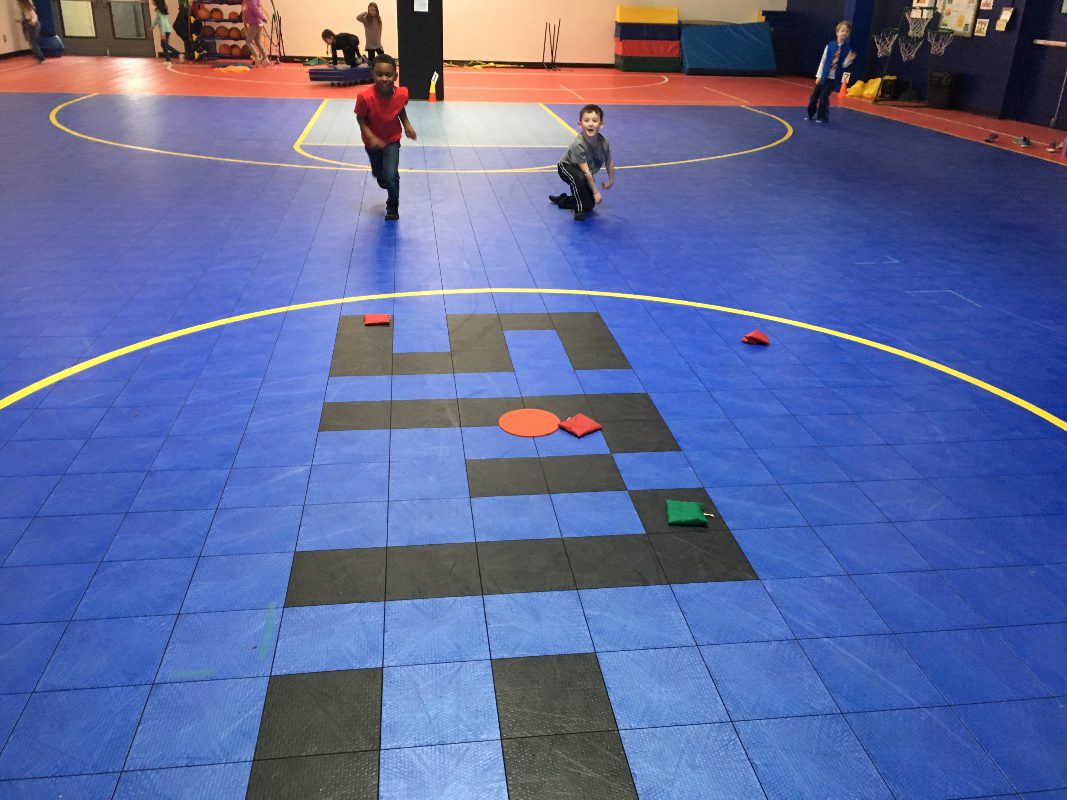
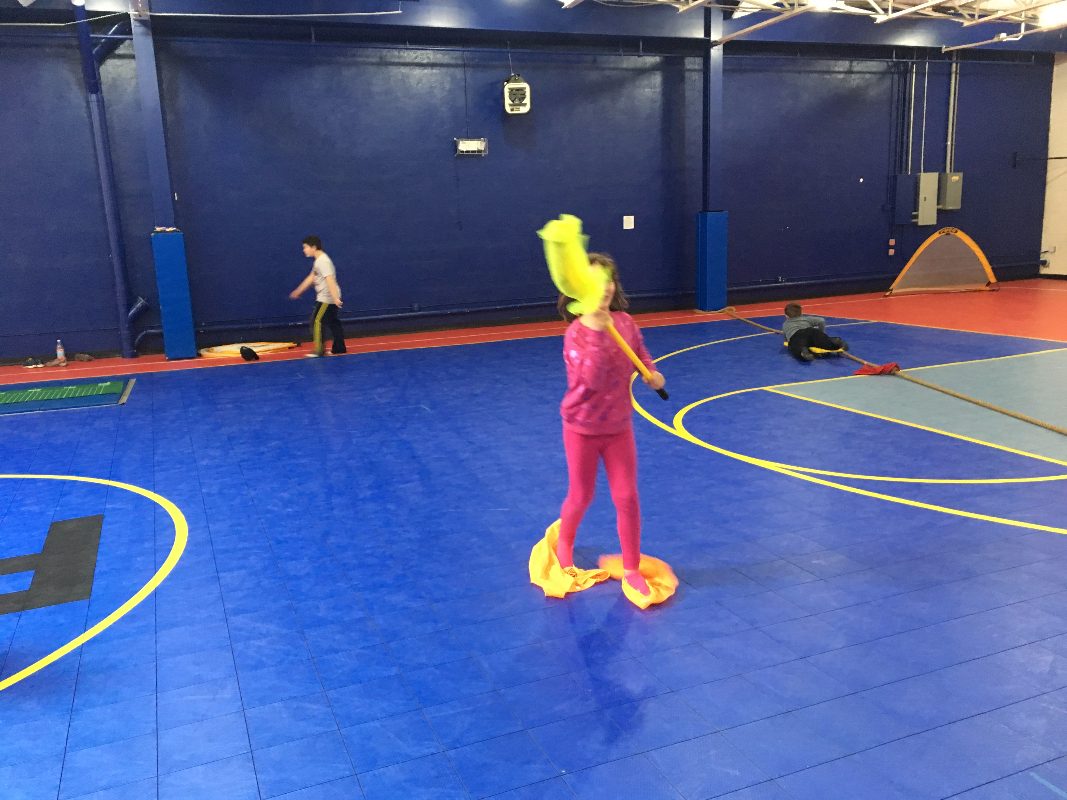
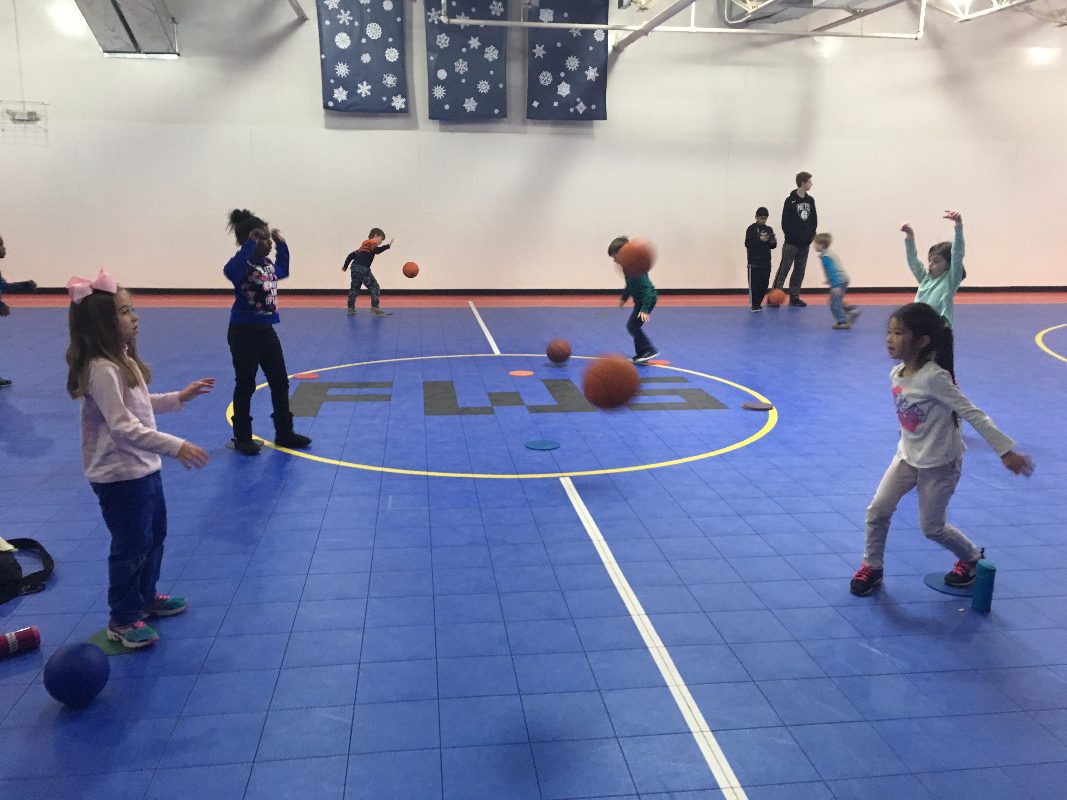
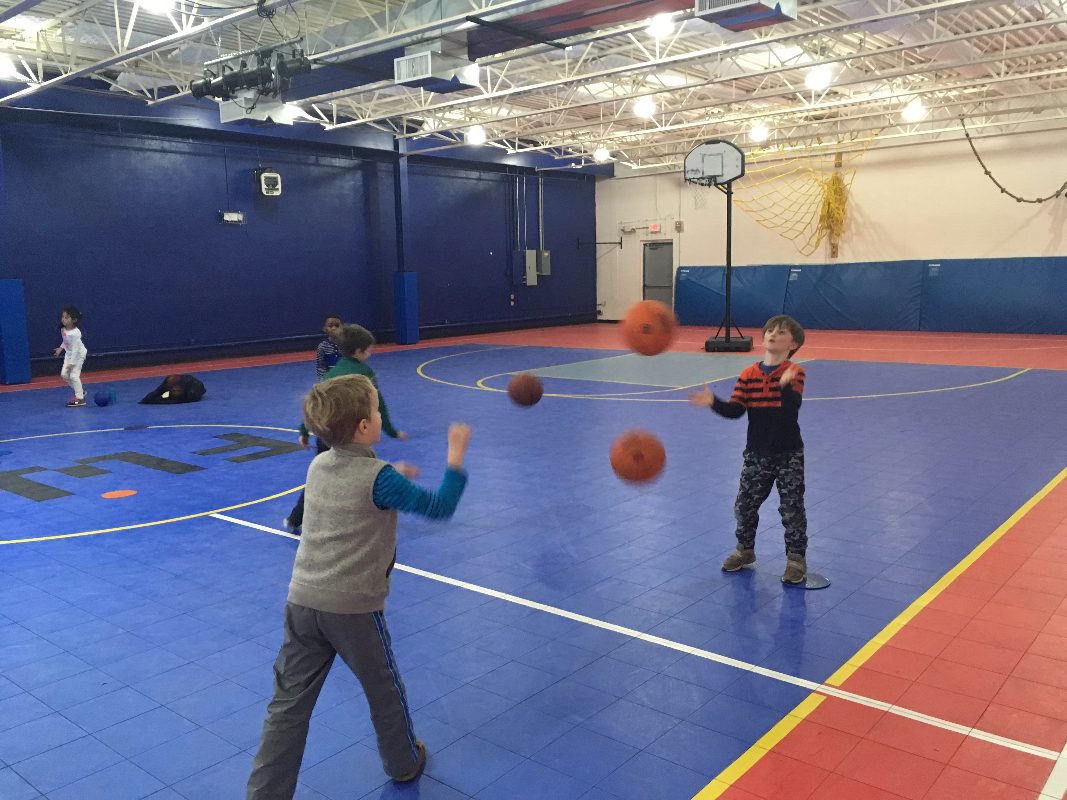
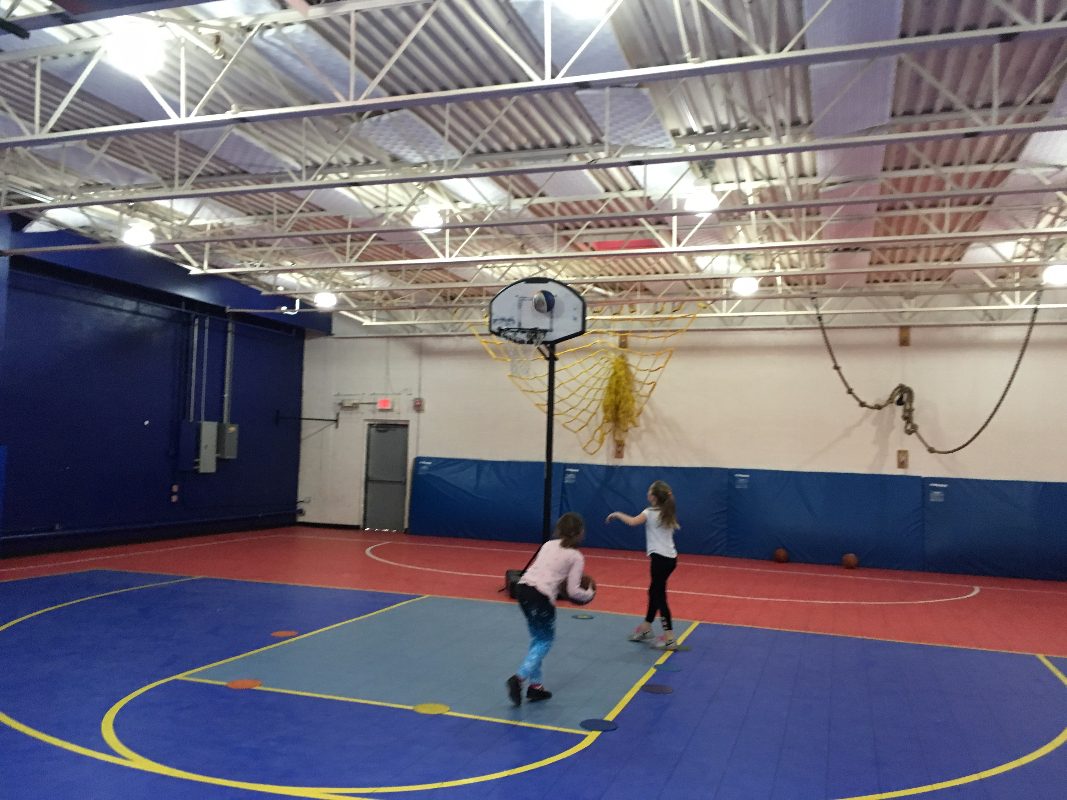
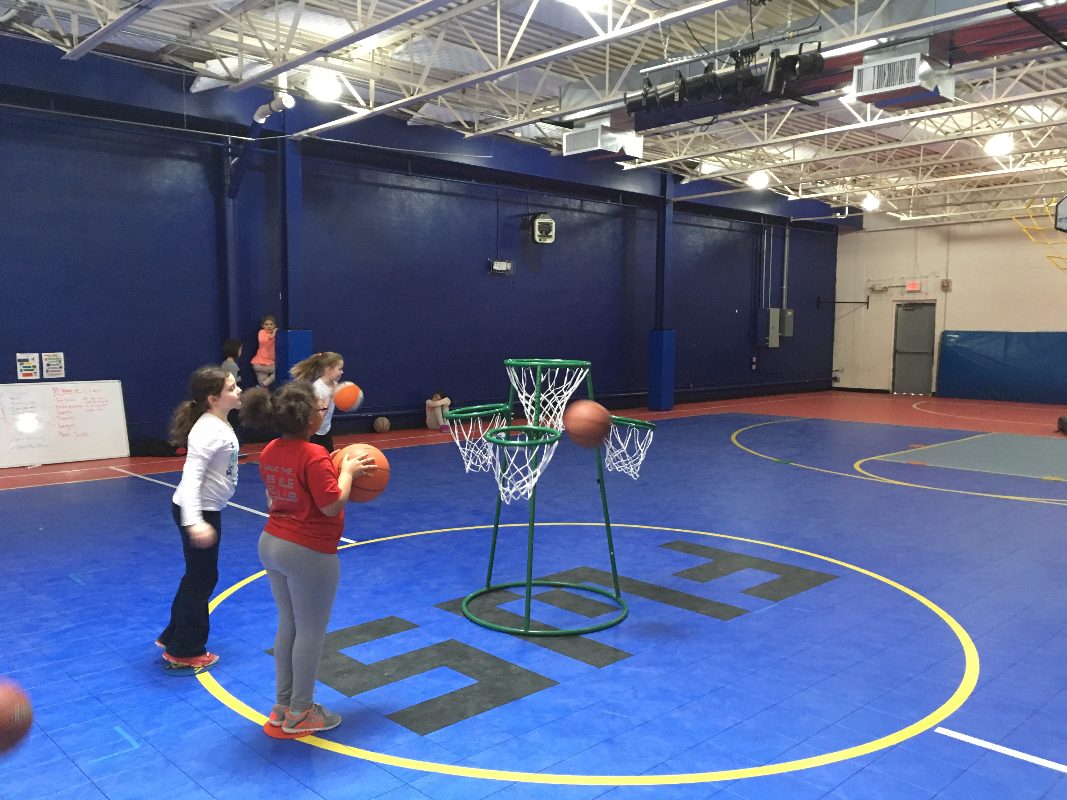
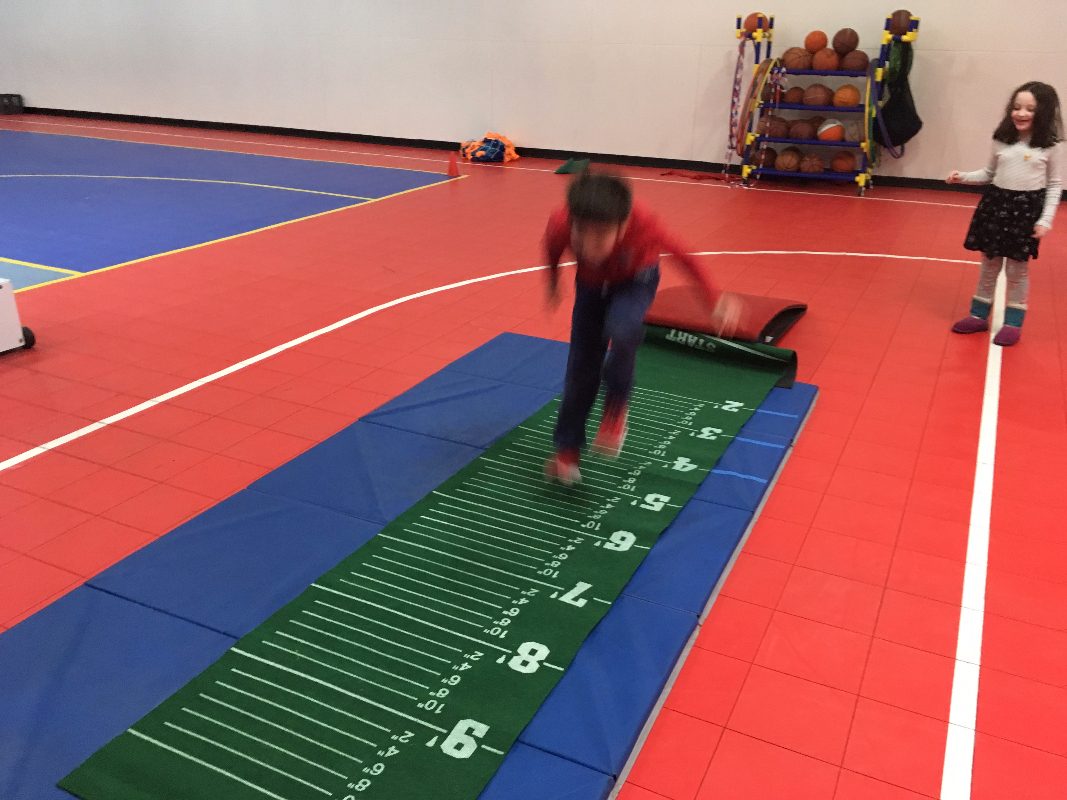
This month the Lower and Upper Elementary practiced and participated in the team sport of Basketball. The objectives are designed to develop hand-eye coordination and spatial awareness. We practiced dribbling a ball with either hand while changing pathways, direction, and speed. We worked on passing a ball to a stationary and moving target using both a bounce and chest pass. In addition, students had to catch a passed ball while they were stationary and in motion. We demonstrated the proper technique of pivoting while holding a ball and identified markings on the court. In the Upper Elementary level, we learned to differentiate roles of offensive and defensive players and understand and use simple basketball rules. We especially enjoy the games. Games we play are: Dribble Knockout, Knockout, Spot Takeaway, and Steal the Bacon.

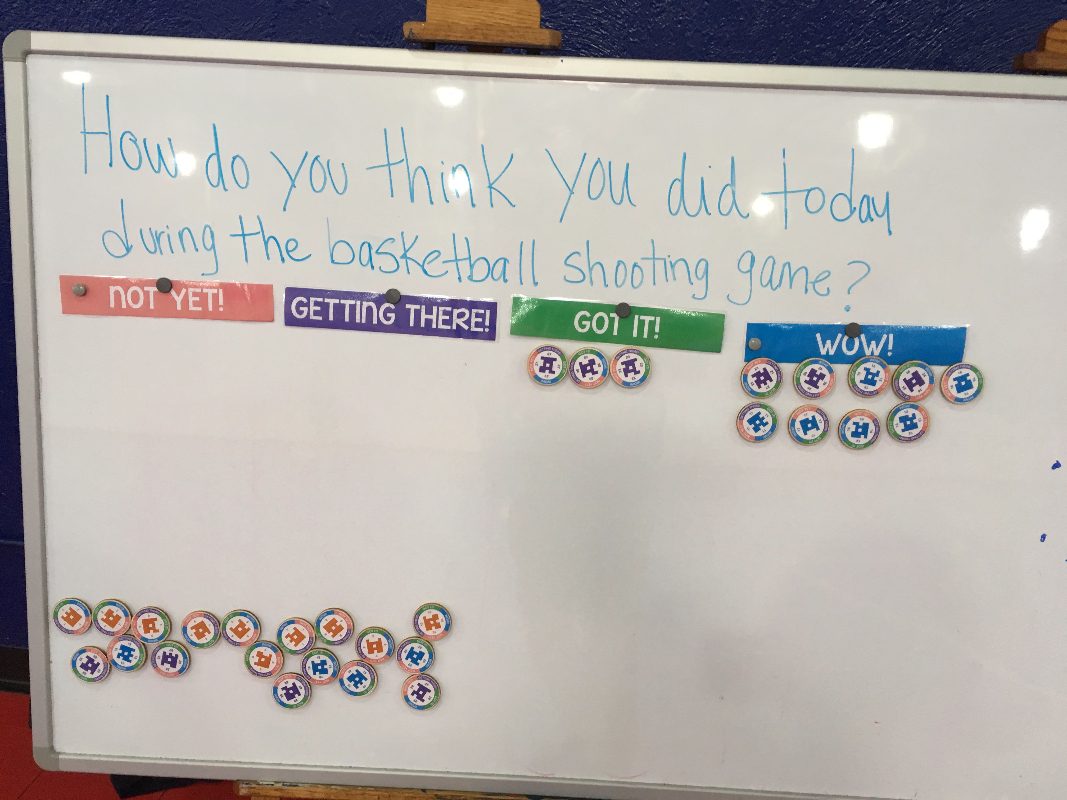
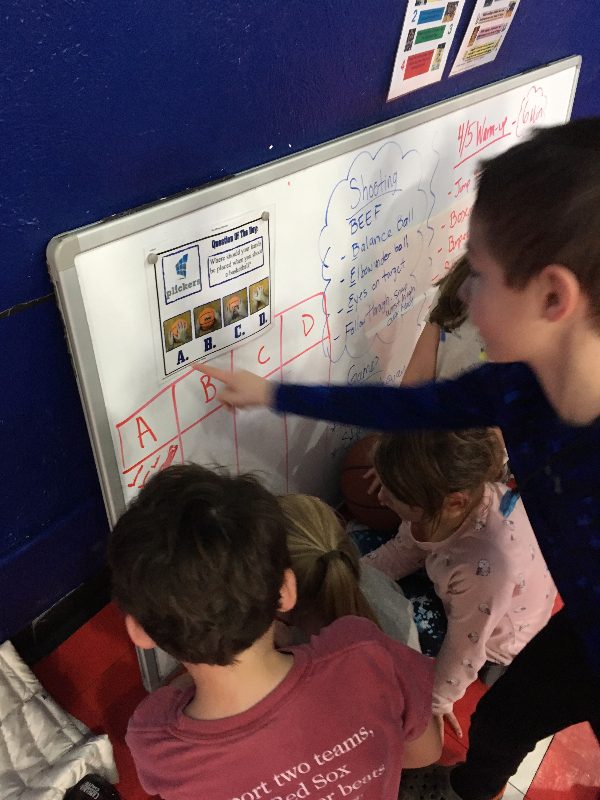
This month, I also started incorporating Plickers Magnets. Plickers magnet assessment is a relatively new to in the Physical Education community. Plickers magnets help students gain autonomy, mastery, and purpose.  Each student now has more control over  his or her individual road to mastery of various skills. It is a tool that allows the assessment of students’ knowledge through multiple choice questions or assessing how they felt they did in class. Plickers allows students to take ownership of their learning and creates a respectful class culture around individual differences. Every student is given a number so that they remain anonymous from one another.
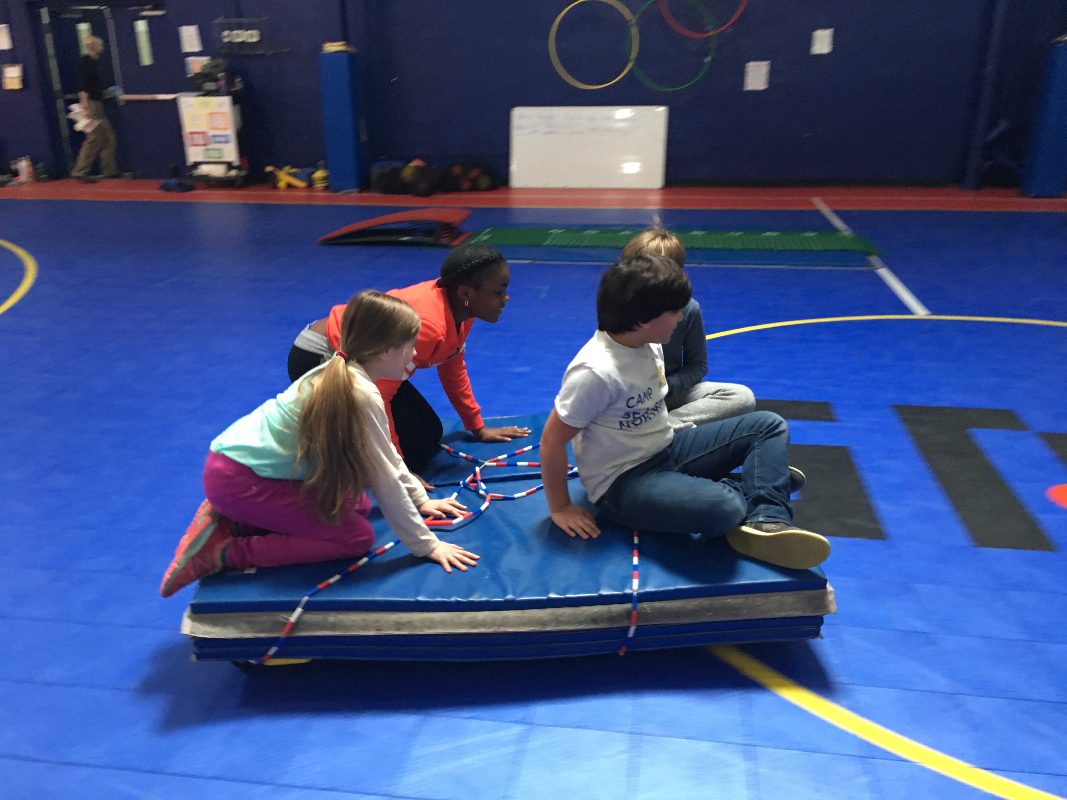
This month the Lower and Upper Elementary practiced and participated in the team sport of Basketball. The objectives are designed to develop hand-eye coordination and spatial awareness. We practiced dribbling a ball with either hand while changing pathways, direction and speed. We worked on passing a ball to a stationary and moving target using both a bounce and chest pass. In addition, students had to catch a passed ball while they were stationary and in motion. We demonstrated the proper technique of pivoting while holding a ball and identified markings on the court. In the Upper Elementary level we learned to differentiate roles of offensive and defensive players and understand and use simple basketball rules. We especially enjoy the games. Games we play are: Dribble Knockout, Knockout, Spot Takeaway, and Steal the Bacon.
This month, I also started incorporating plickers magnets. Plickers magnets was introduced in class as a way to help students gain autonomy, mastery and purpose. It is a tool that can assess students knowledge through multiple choice questions or how they felt they did in class. Plickers allows students to take ownership of their learning and creates a respectful class culture around individual differences. Every student is given a number so that they remain anonymous from one another.