Mindful Lower Elementary

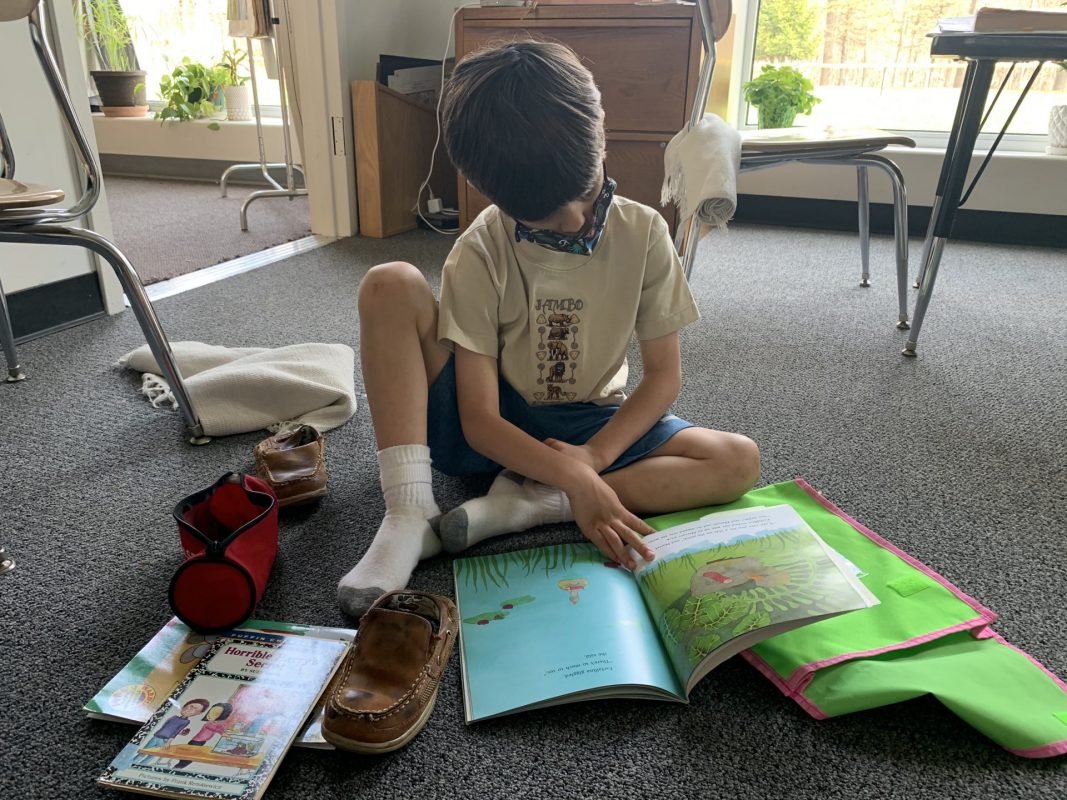
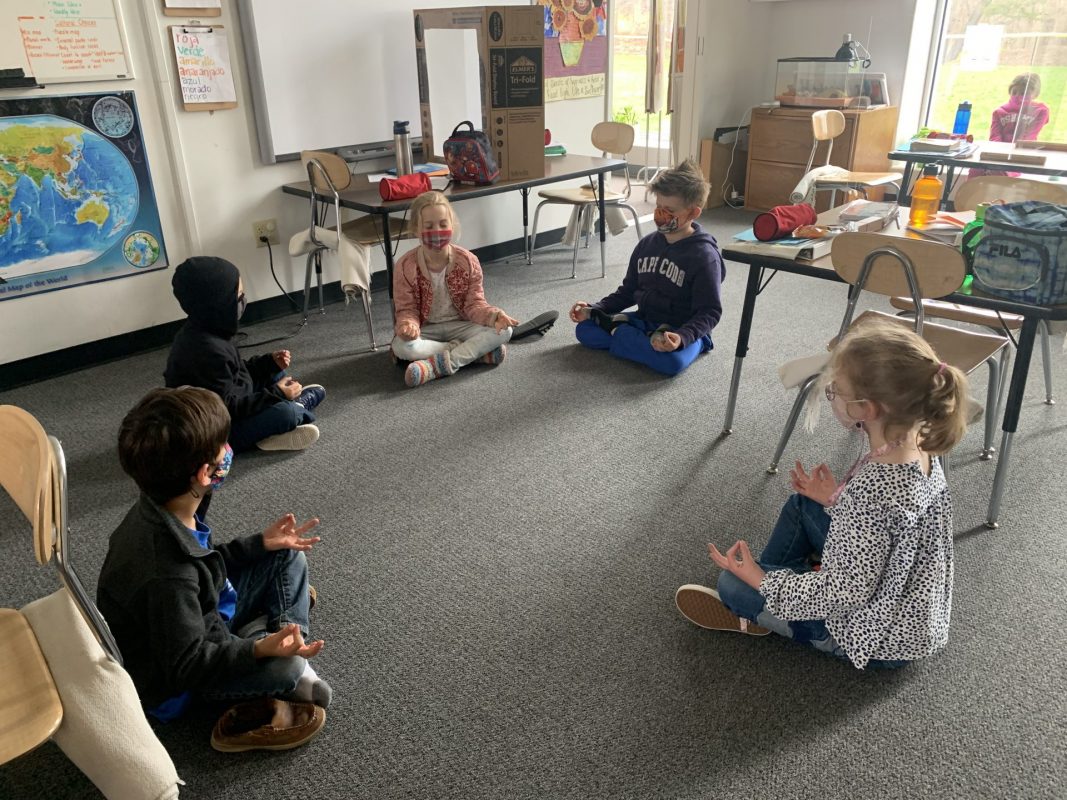
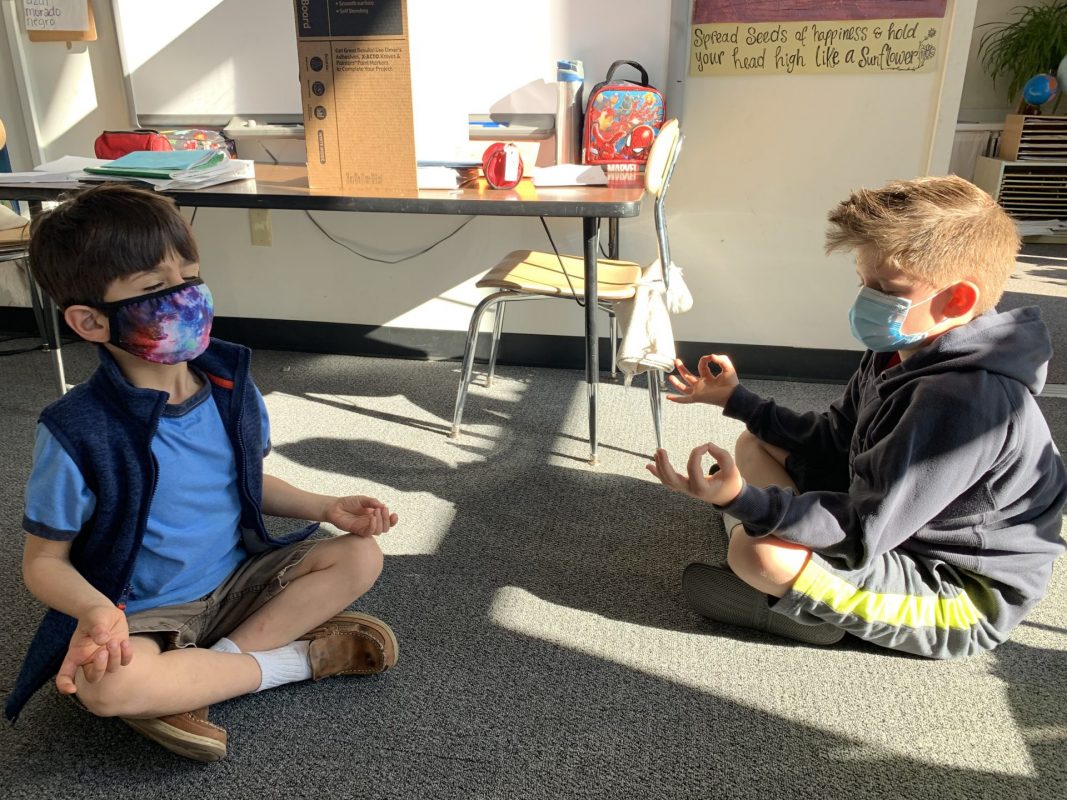
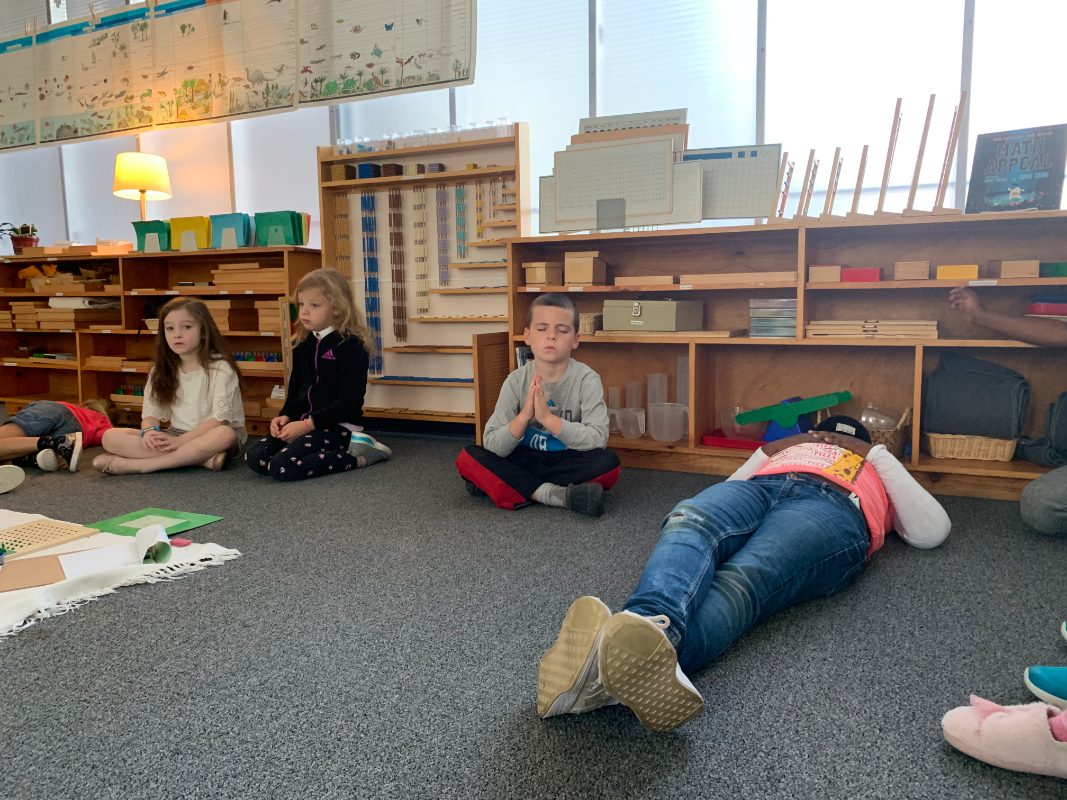
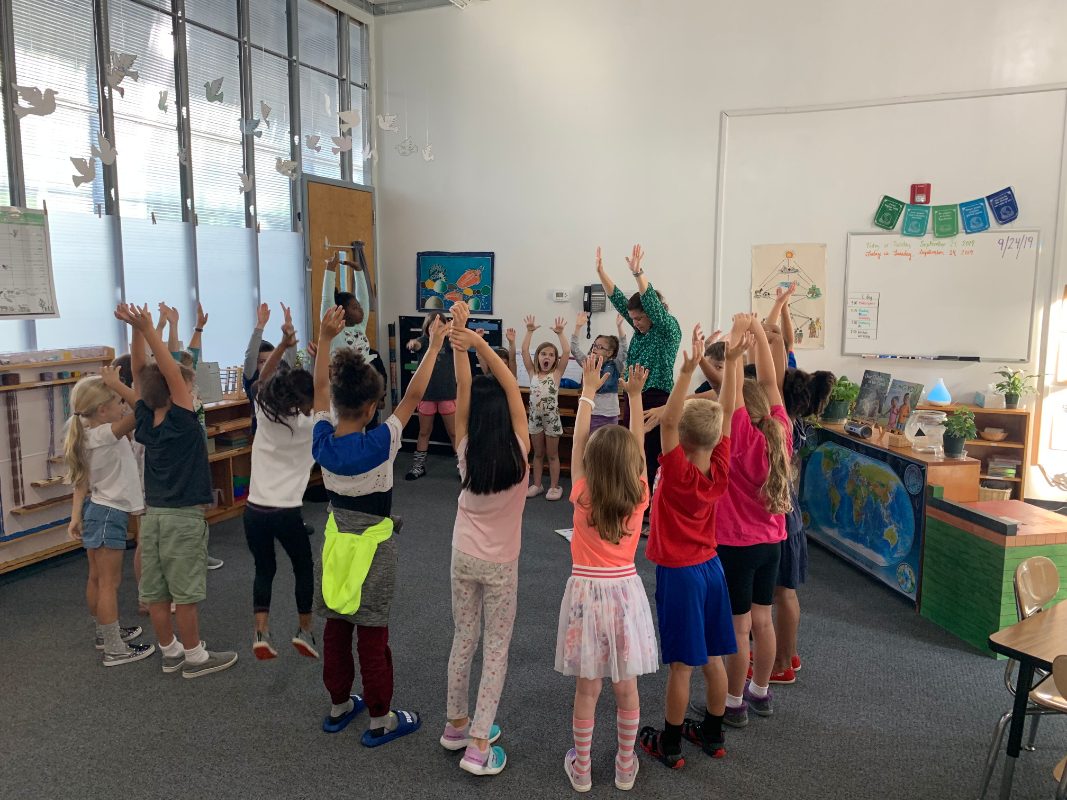
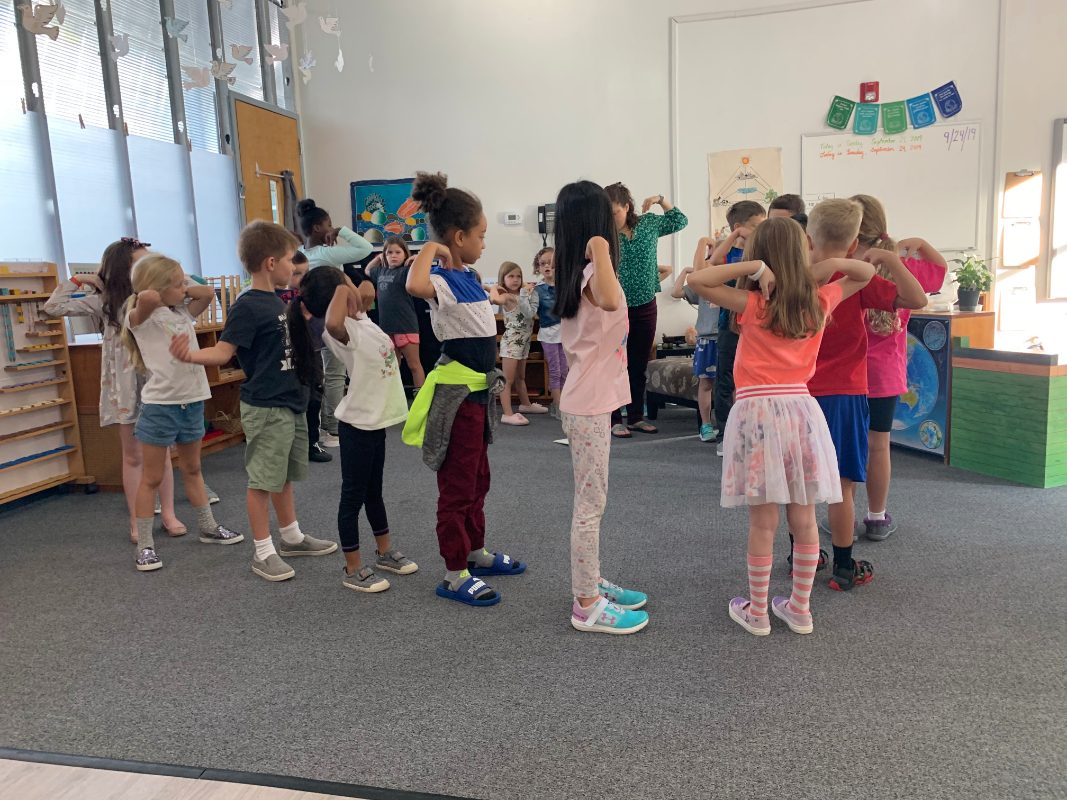
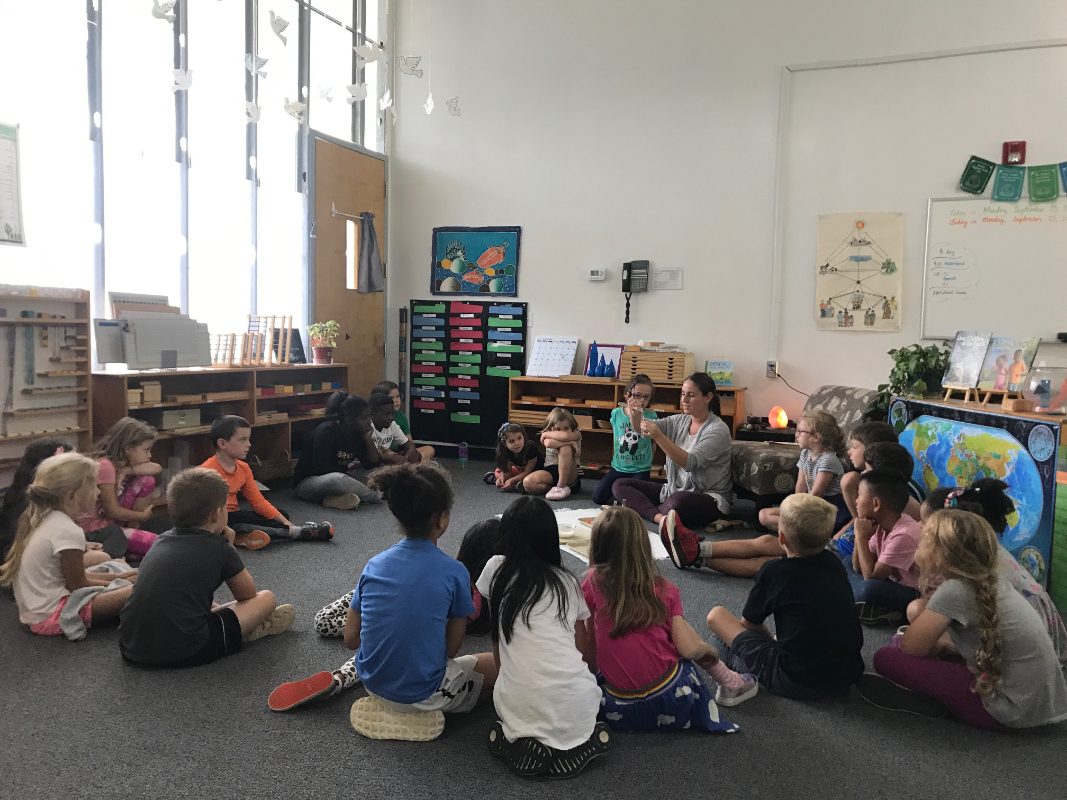
Each morning we start off our day with mindful meditation/movement. We often assume breathing is just a natural skill; everyone knows how to inhale and exhale. But breathing is more than that. Being aware of our breath not only helps us manage the difficulties of everyday life, it also helps develop compassion, empathy, and concentration. This is an exercise where children practice focusing on the present, instead of worrying about the past and uncertainties of the future. It helps us become aware of how we feel at a given moment.

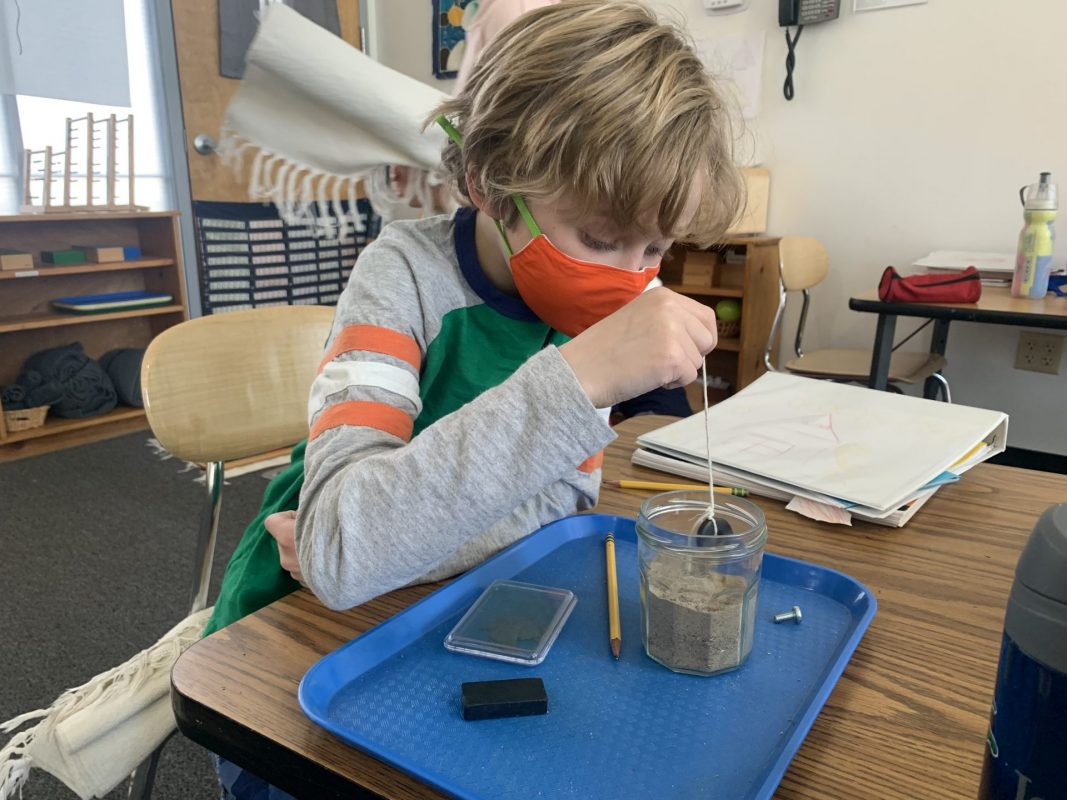
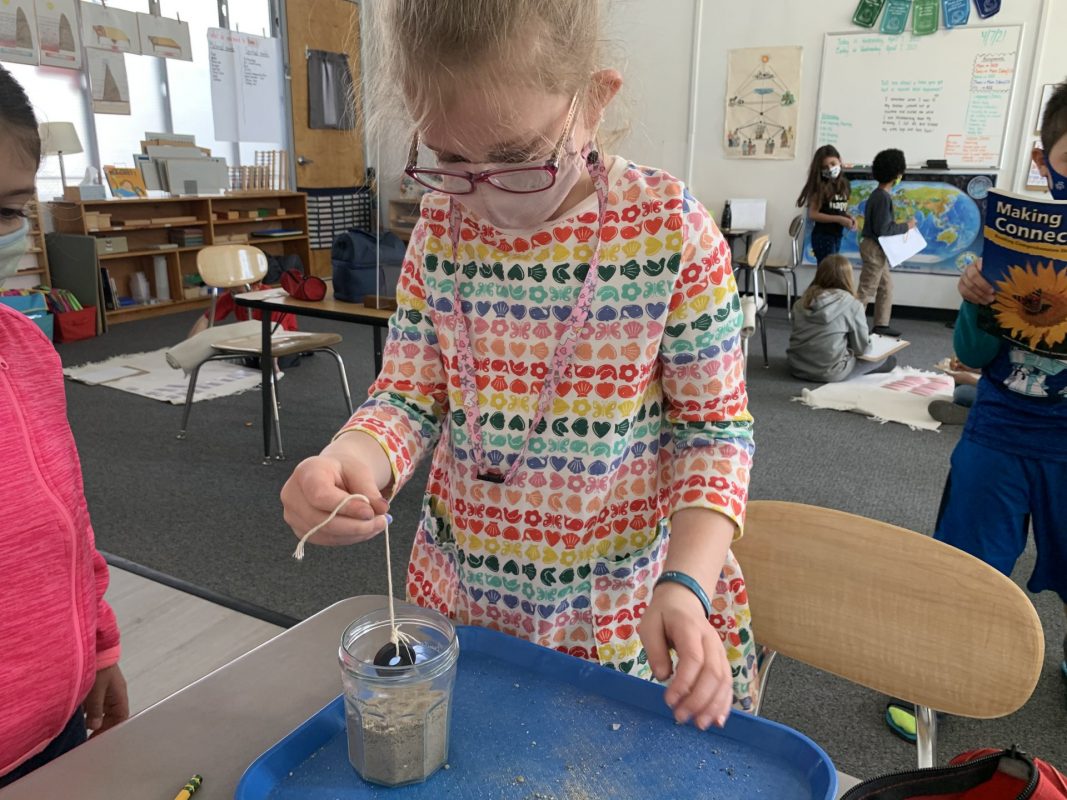
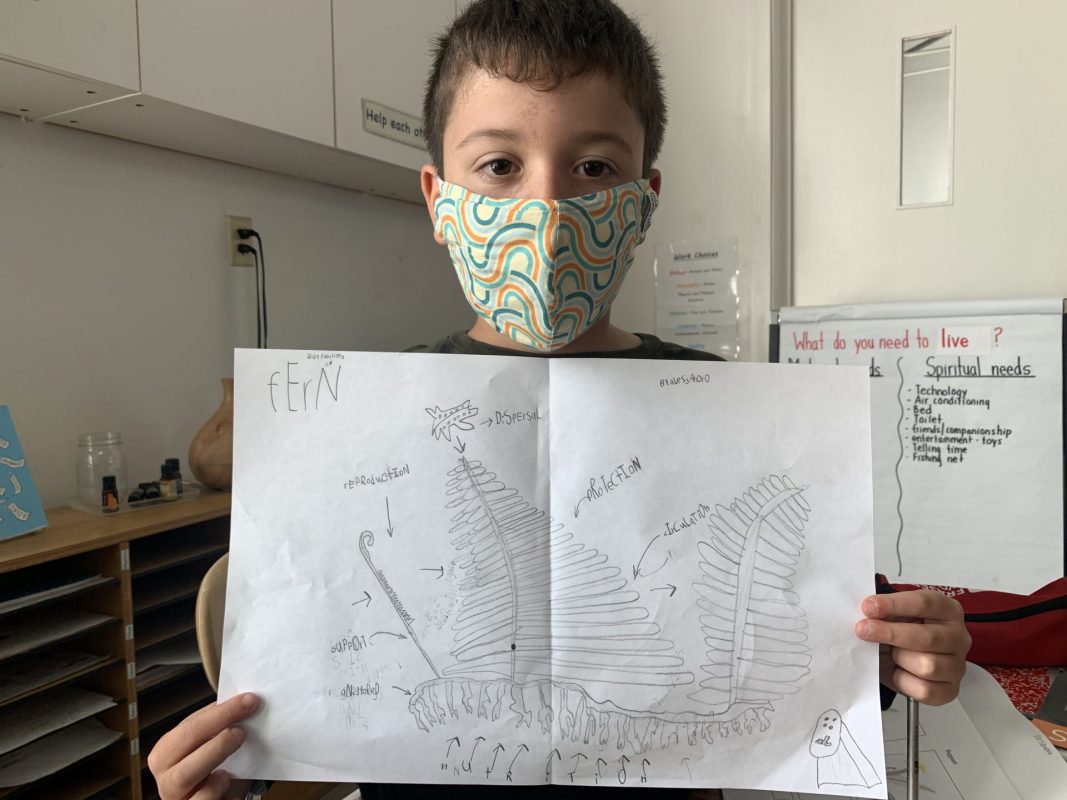
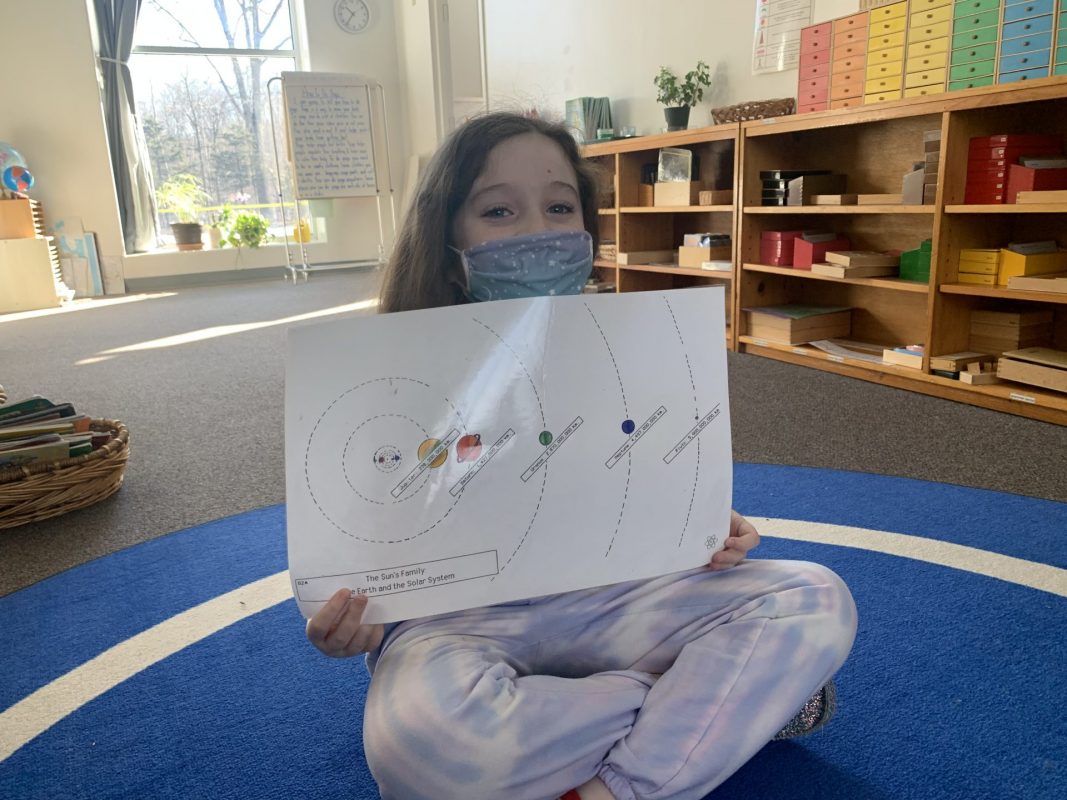
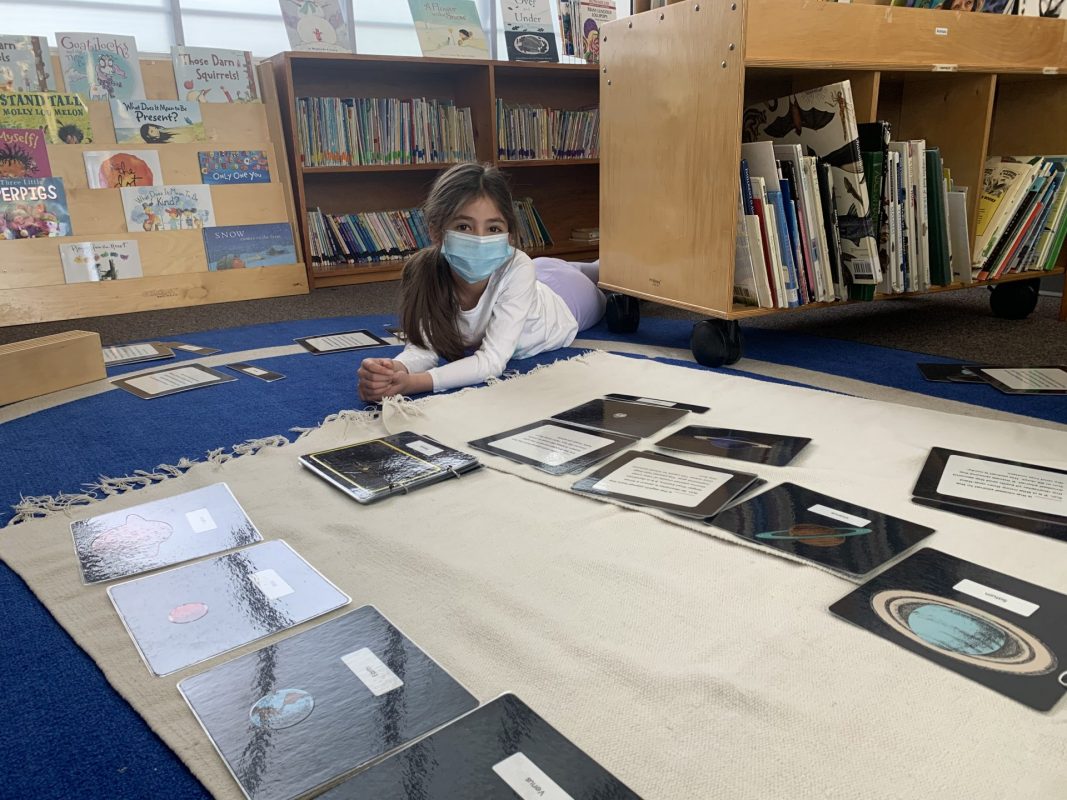
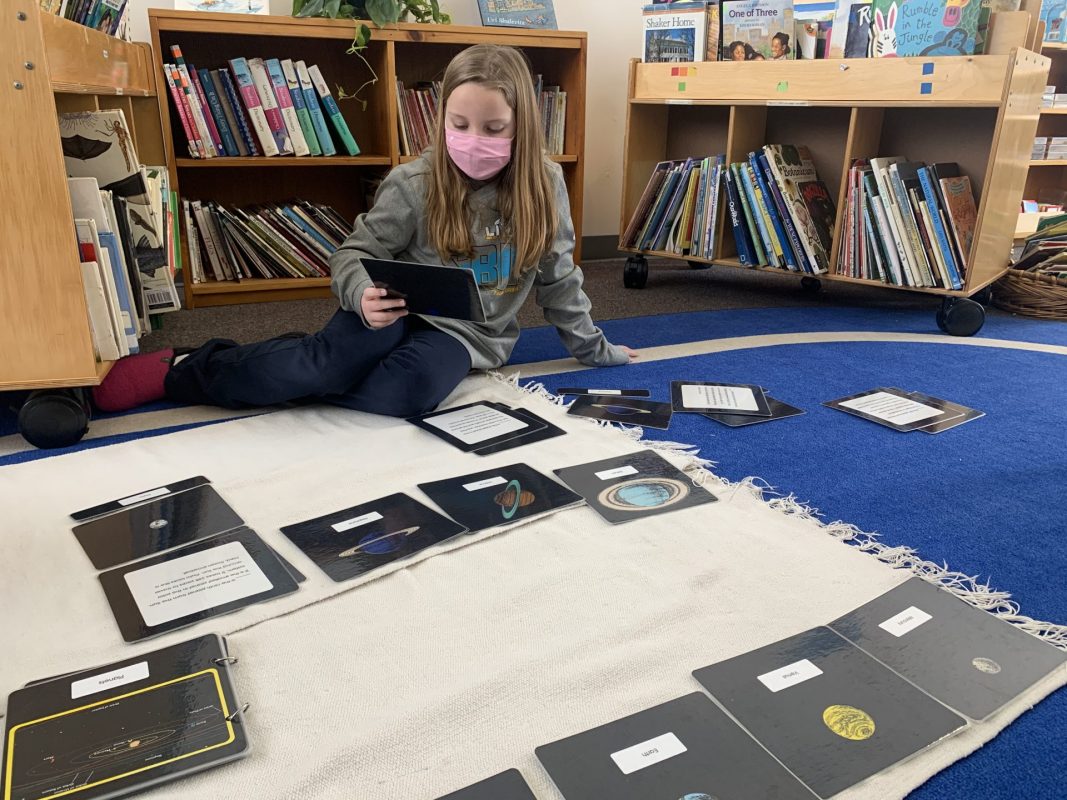
For the past few weeks we have been preparing for our creation story with some science demonstrations. The purpose of these demonstrations is to illustrate concepts explored through the story of the creation of the universe. The creation story provides an impressionistic demonstration of the origins of life. The story is designed to impart a sense of wonder and awe, to instill respect for all that has happened, and to ignite interest in scientific investigation.


Lovin’ the Language Lessons

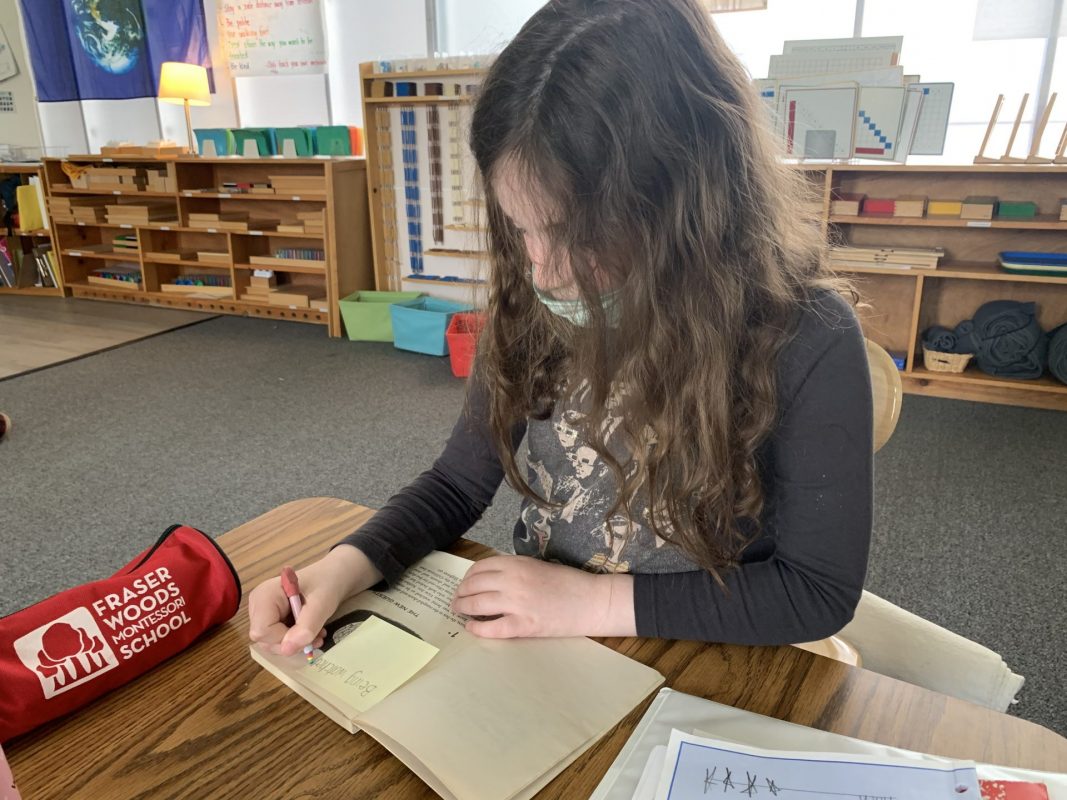
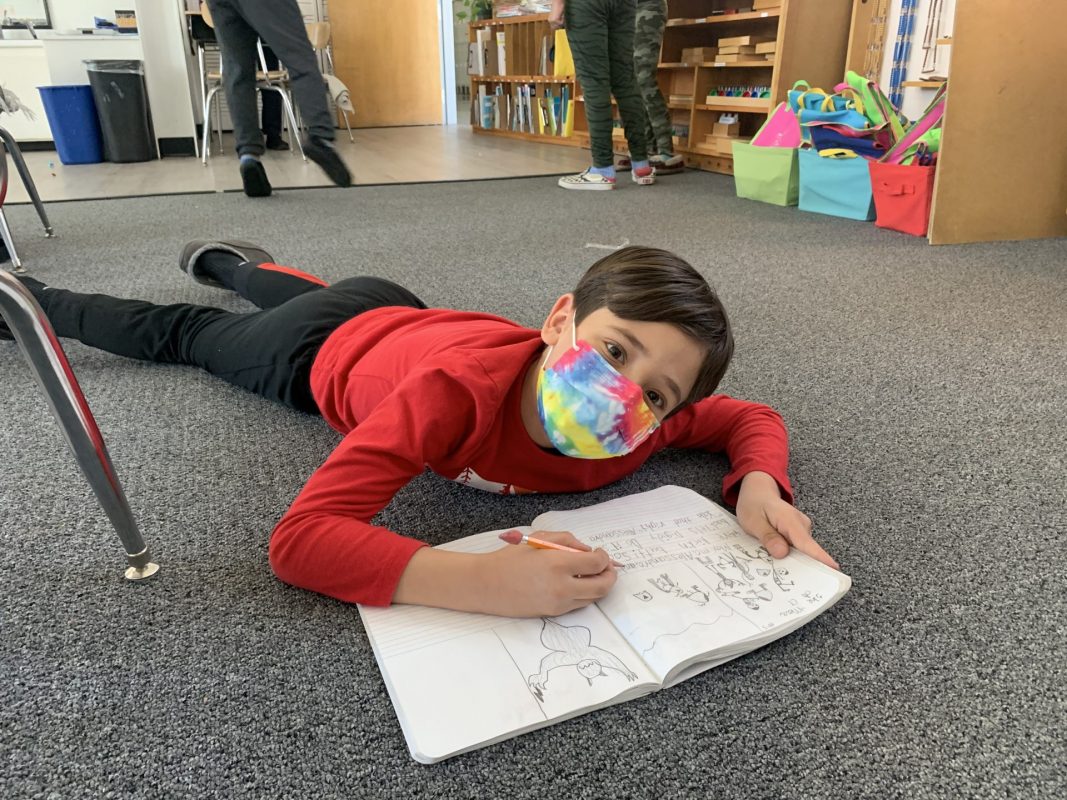
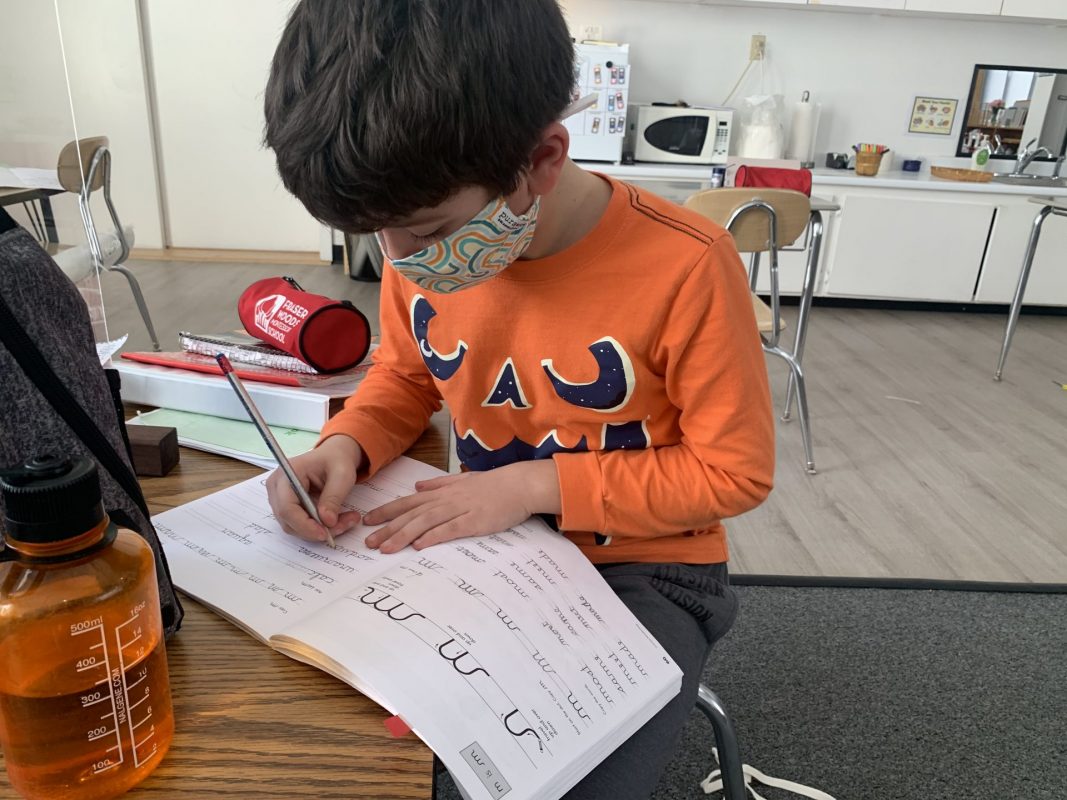
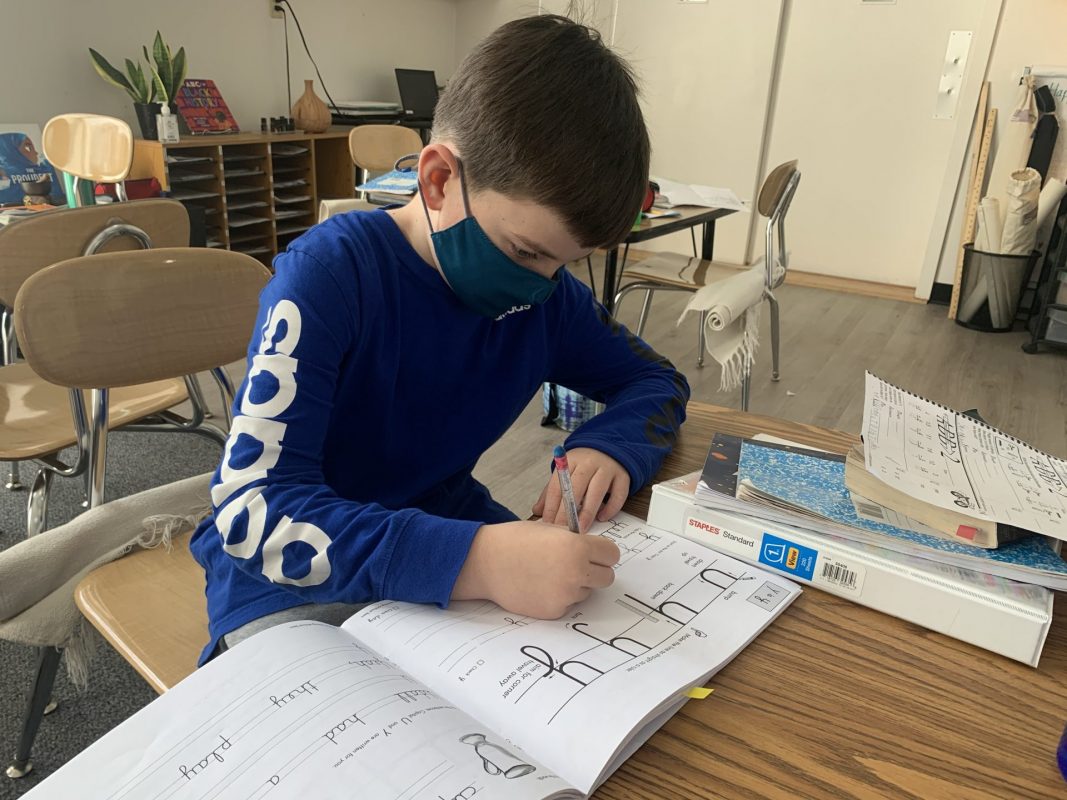
To Maria Montessori, the teaching of grammar was at the center of her language curriculum for elementary age children. Today, it still remains a critical element in the teaching of a complete language program in a Montessori environment. At this age, grammar is being presented at an impressionistic level and later on in their later elementary years, they will explore these concepts on a more formal level.

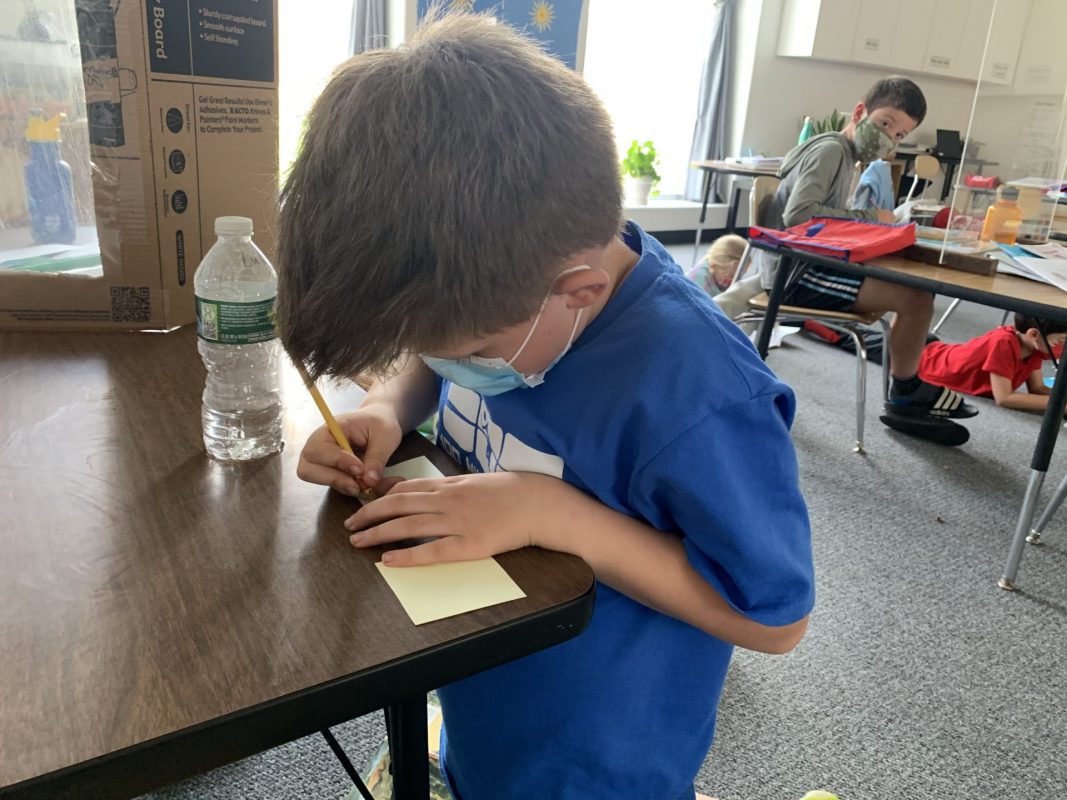
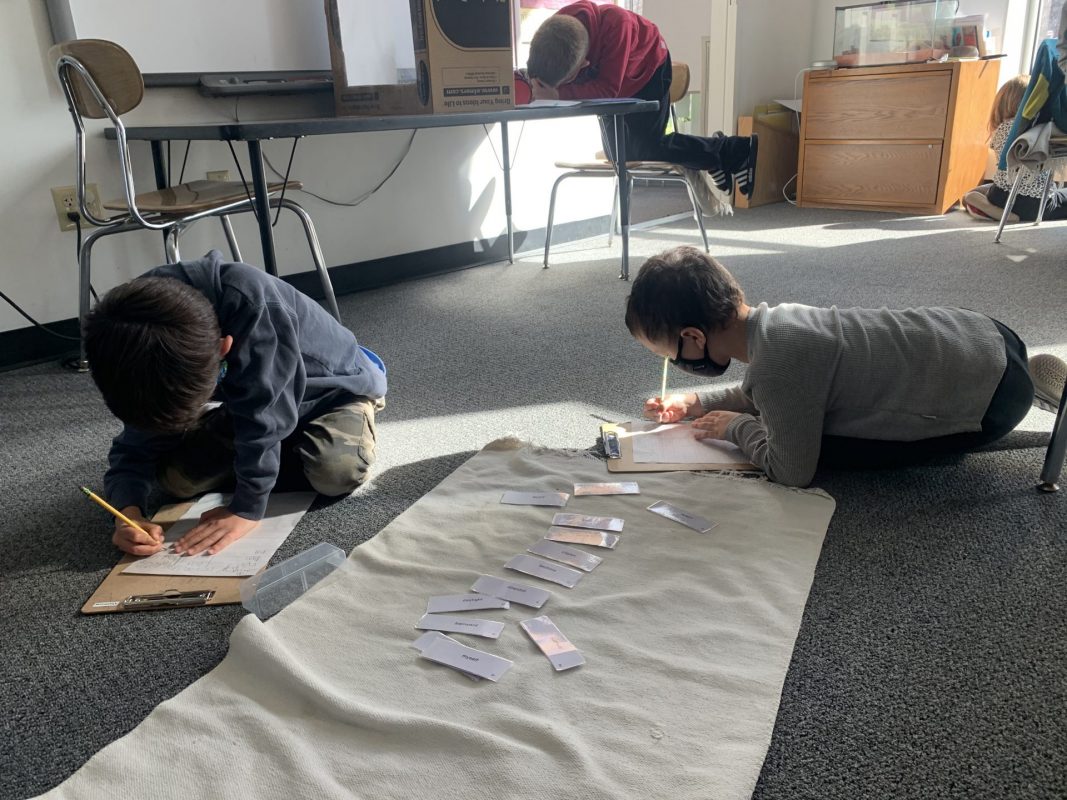
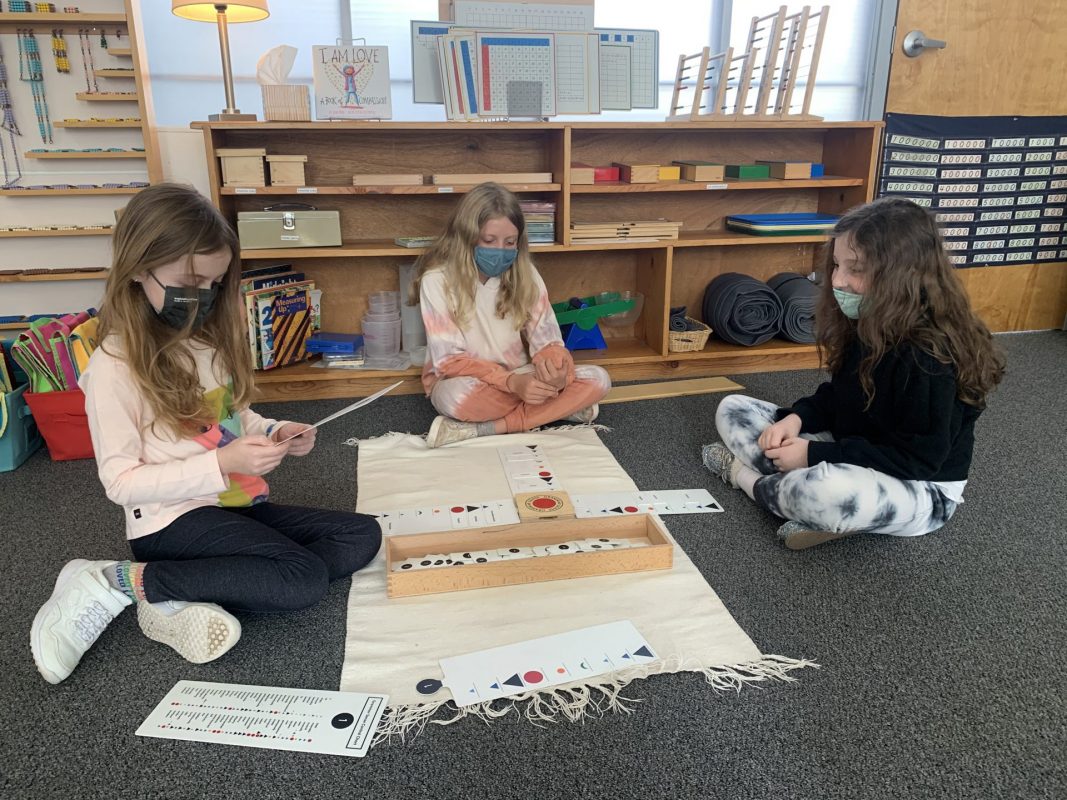
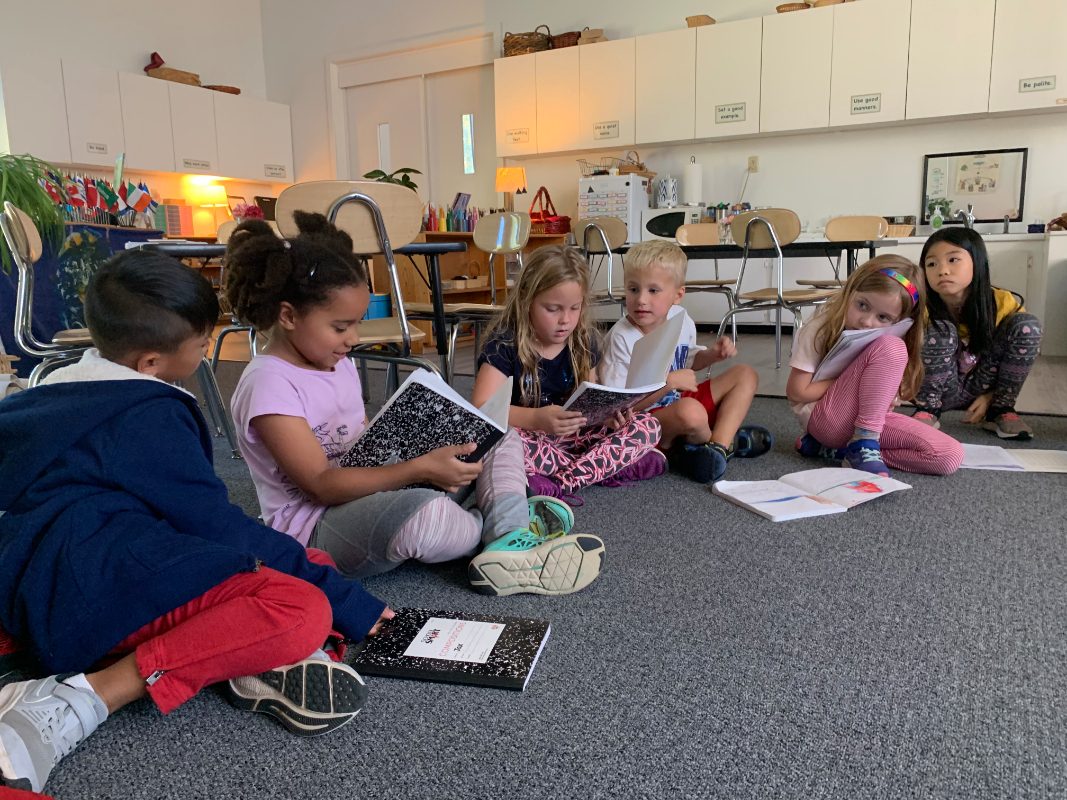
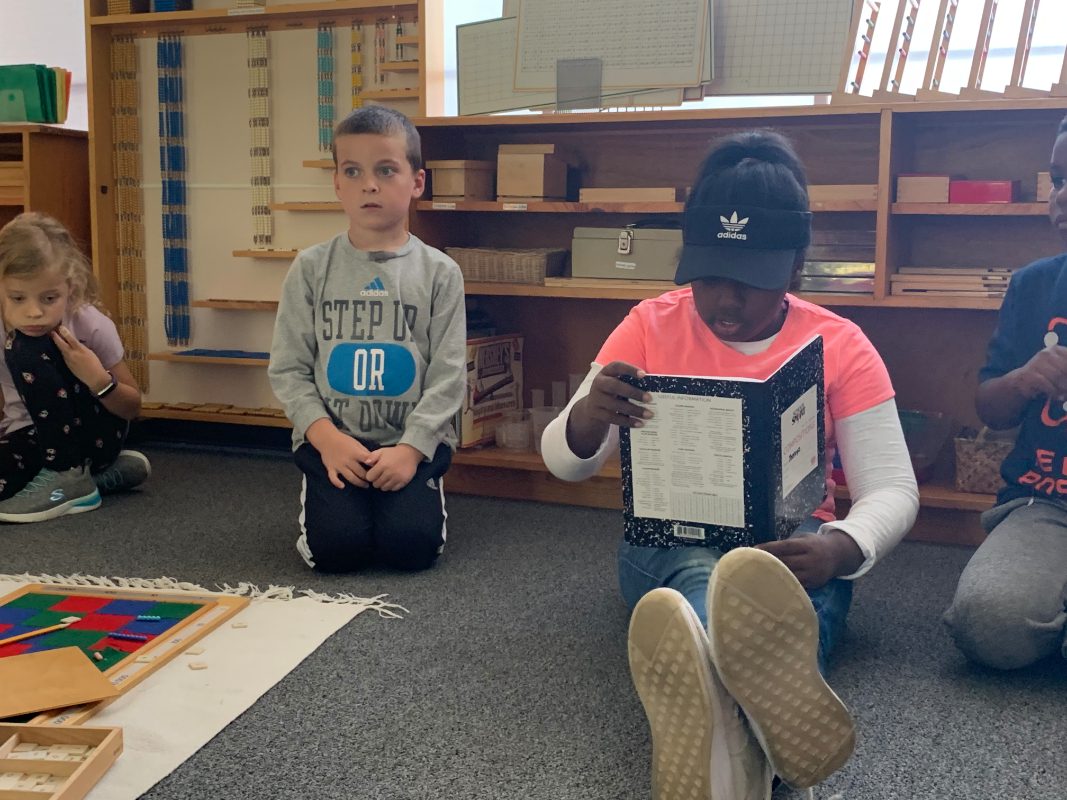
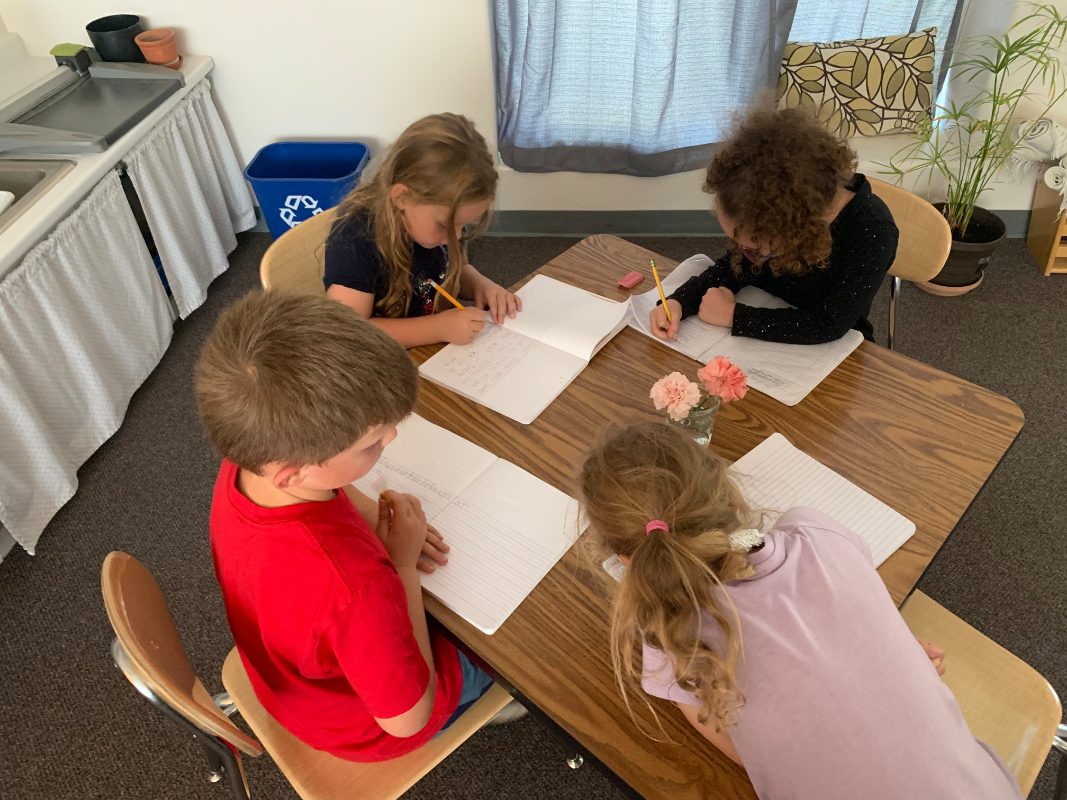
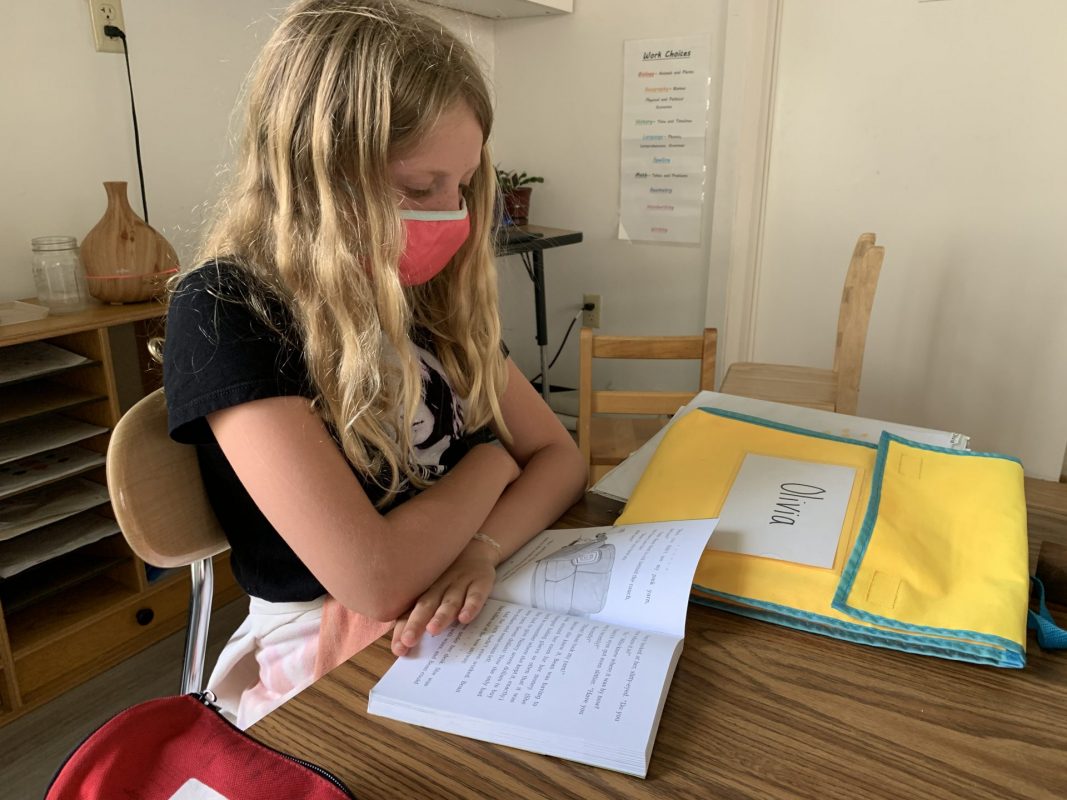
This week the first year group has enjoyed learning more about adjectives. We started the lesson reviewing the previous parts of speech learned earlier in the year (nouns and articles) and used descriptive words to describe our nouns. These words are called adjectives! As a follow up work to practice this grammar, the first years love to use the grammar box.

The second years are continuing their study of the adverb- a complex part of speech. They are learning that an adverb supports the verb and they tell us how to do an action. In Montessori grammar, just like the verb, the adverb is also represented as a ball. The adverb is a smaller ball than the verb because it is less important than the verb itself. This group is also enjoying using a grammar box to practice this work!
In the third grade year, the children begin the process of sentence analysis. The aims of this work are to study how words are used in the context of sentences and to make logical analyses of those sentences. Right now the third years are learning how to analyze simple sentences with subject, verb and direct object. They are beginning the process of asking themselves, “What is the action?” “Who is it that did the action?” “What/whom received the action?”


Science & Geometry

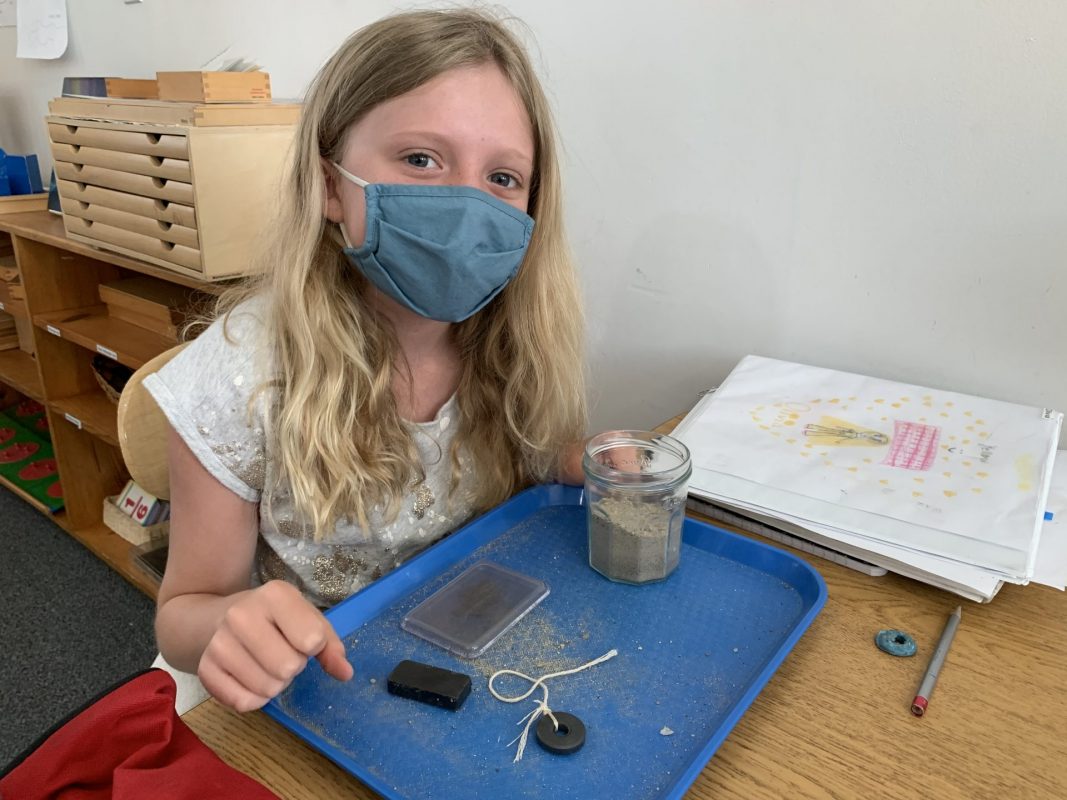
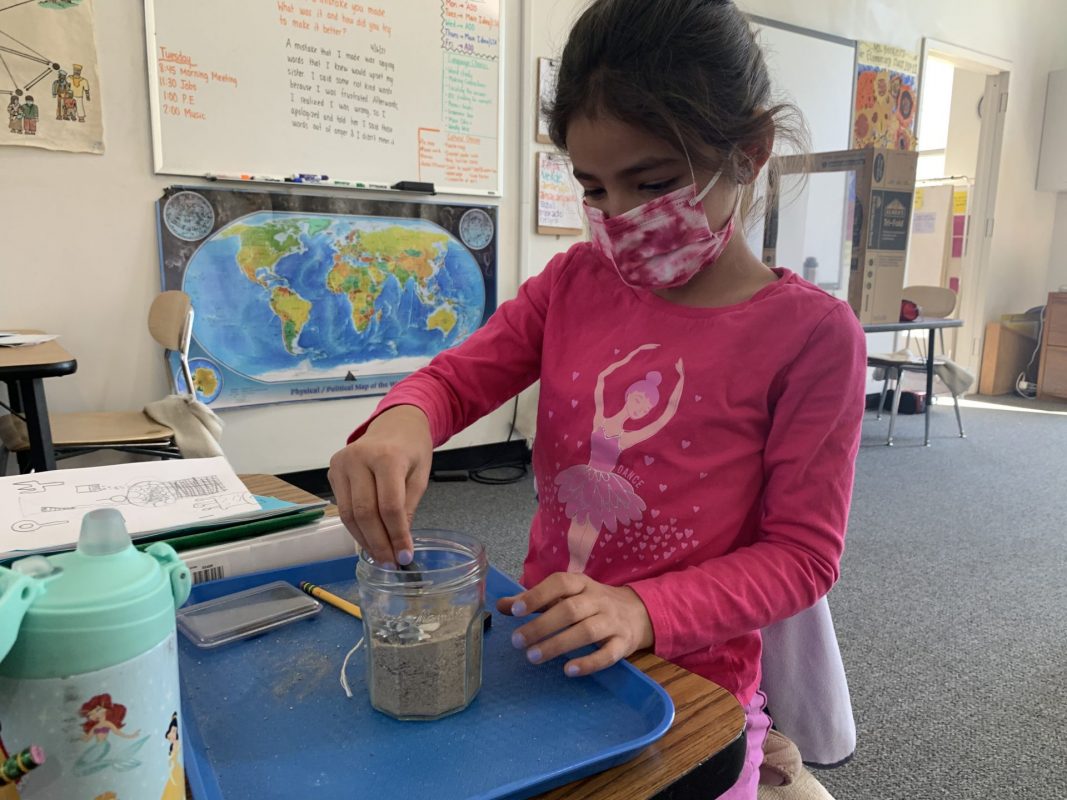
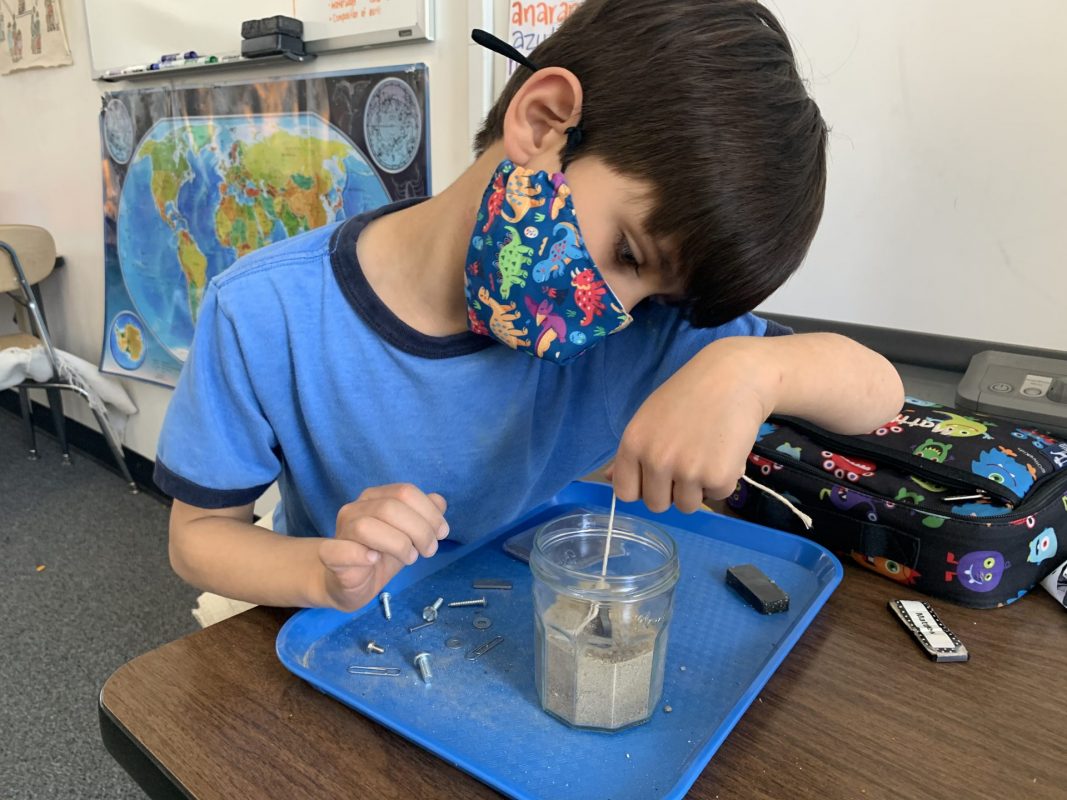
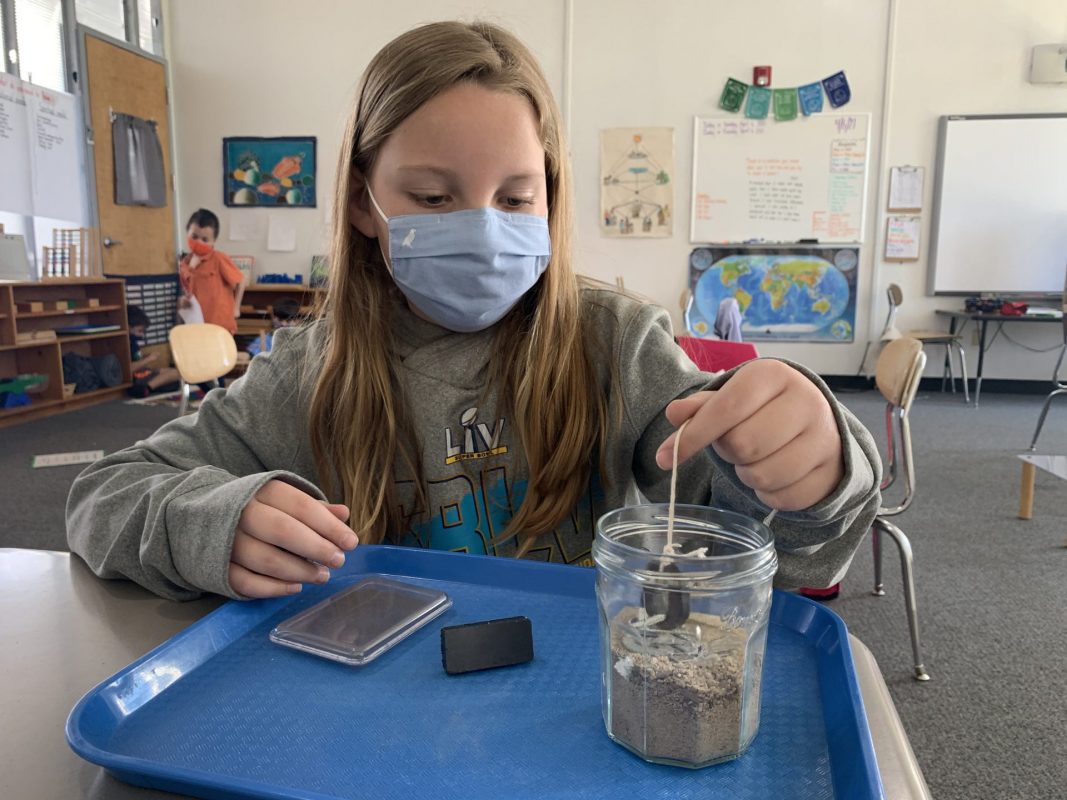
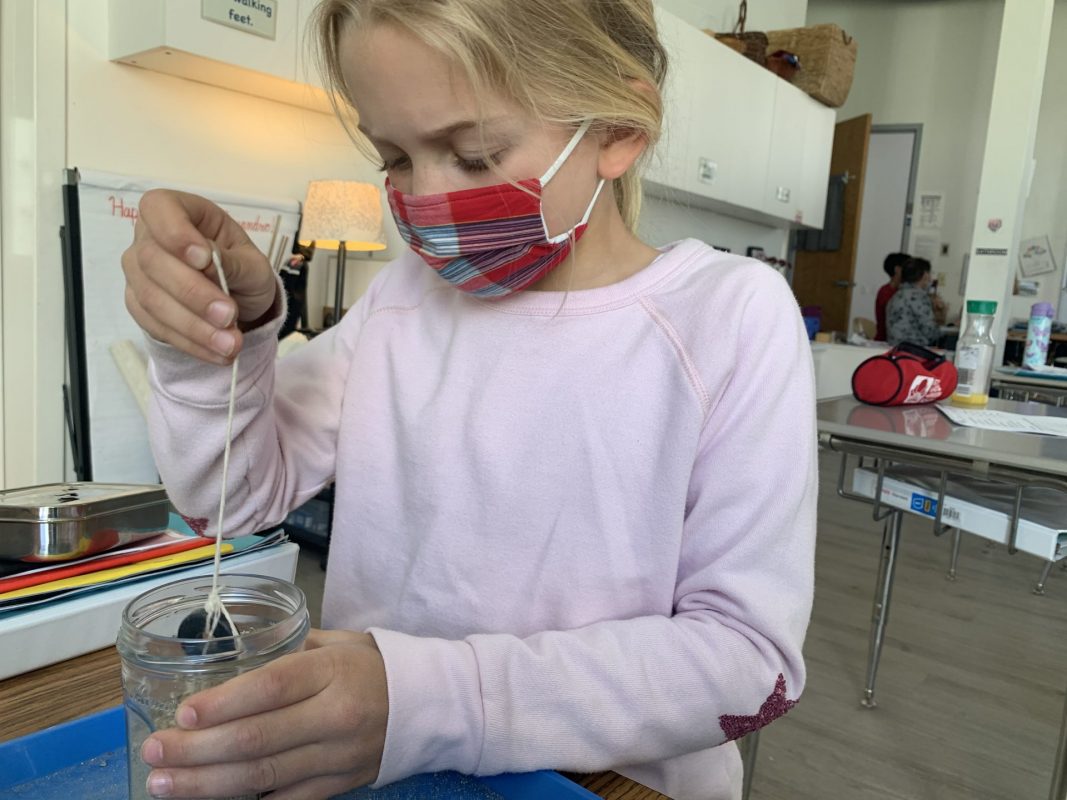
We were fully immersed this week in magnetism. The children enjoyed being scientists and exploring how iron filings are attracted to magnets. They also had a blast “fishing” for metal and steel objects in a bowl filled with sand. They learned that magnets are used in every day life- to separate metal accidentally mixed in with food and for recycling. Also, they are used by doctors to remove metal splinters from eyes without even touching the eye!

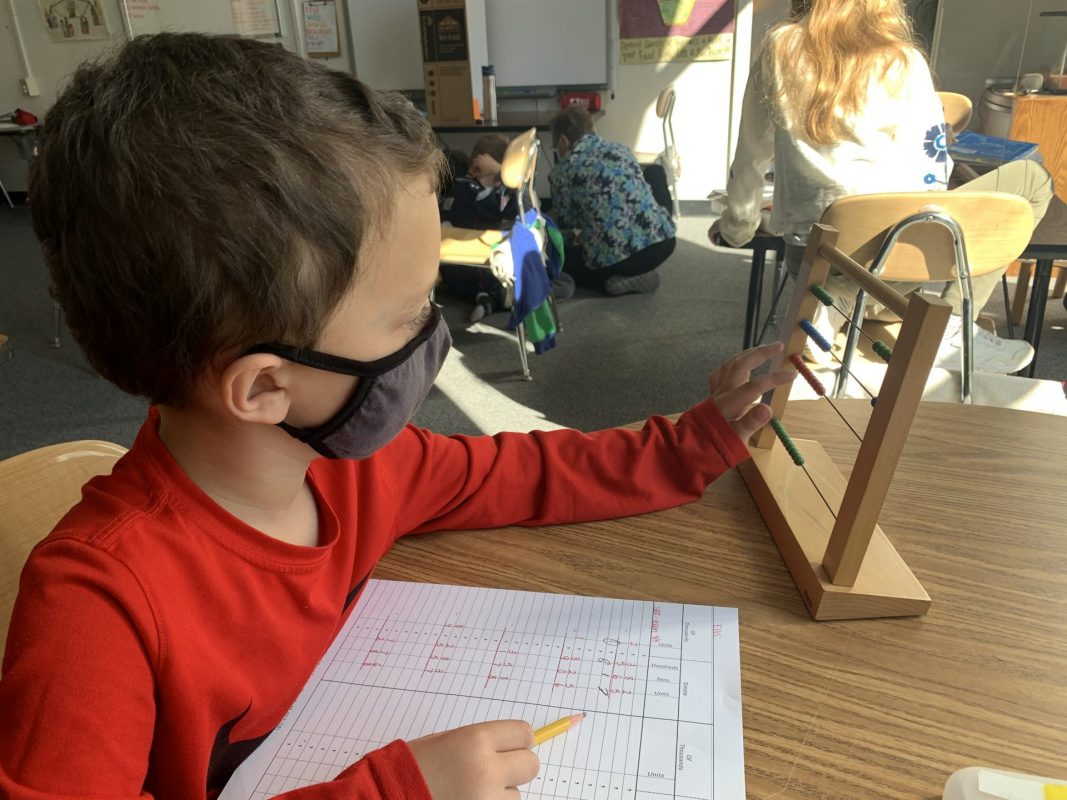
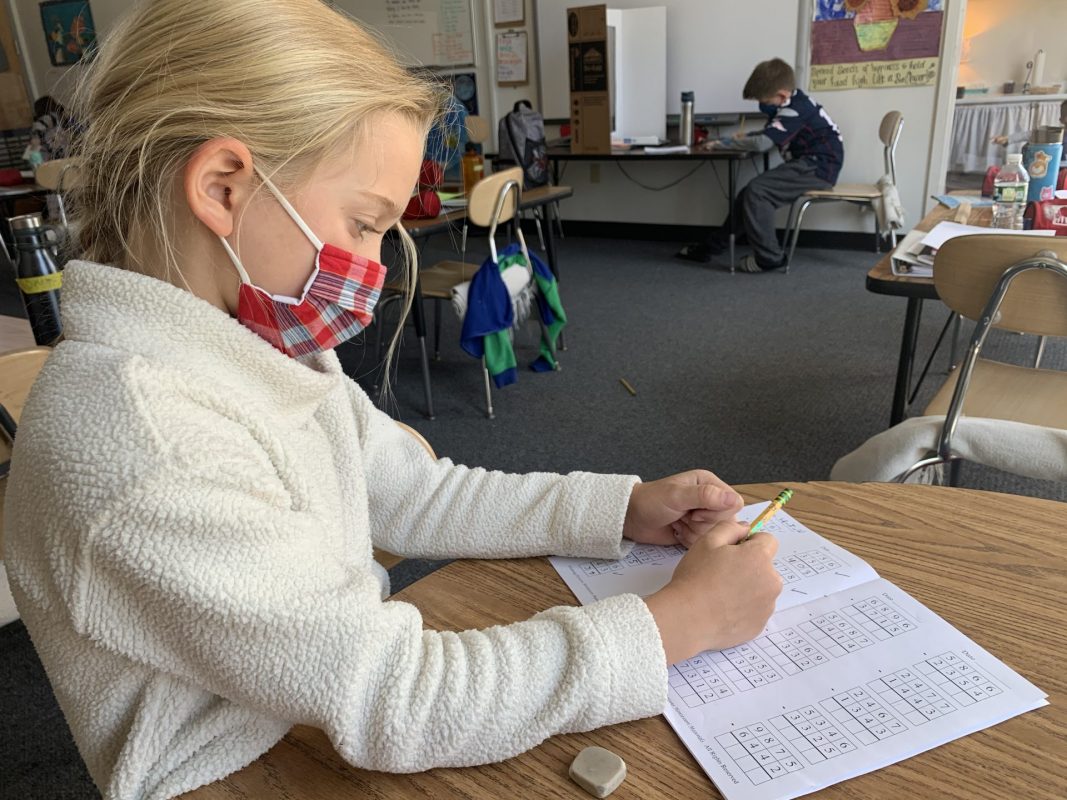
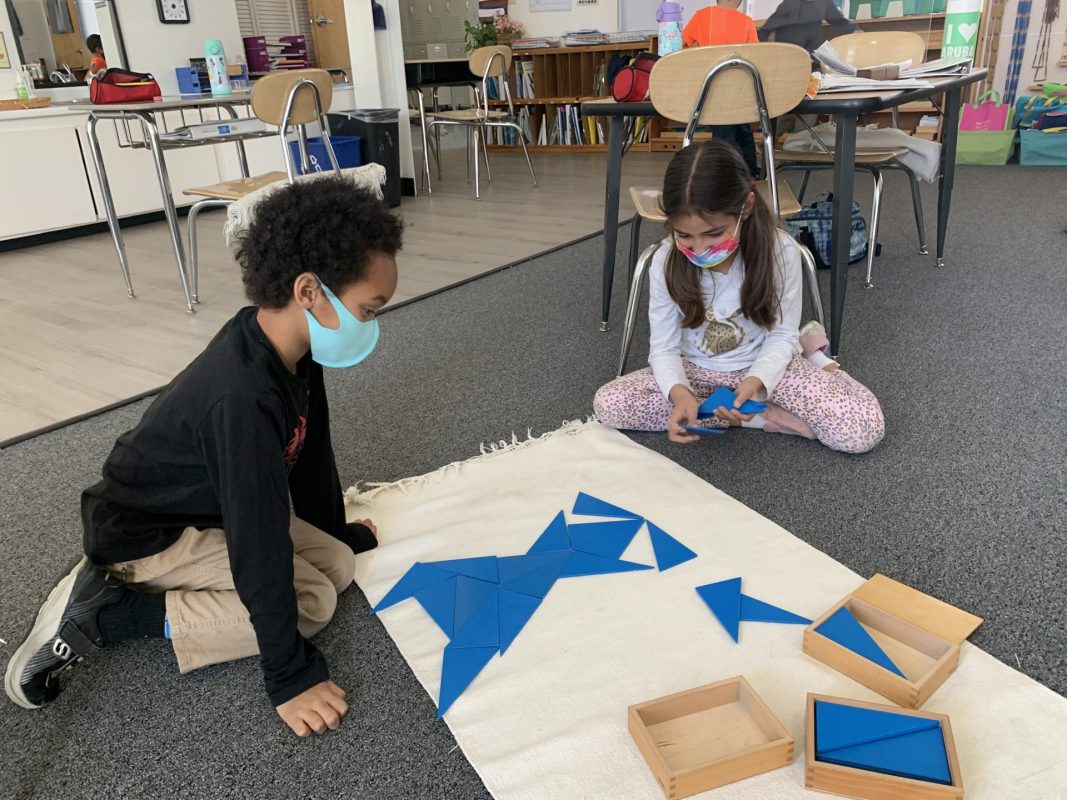
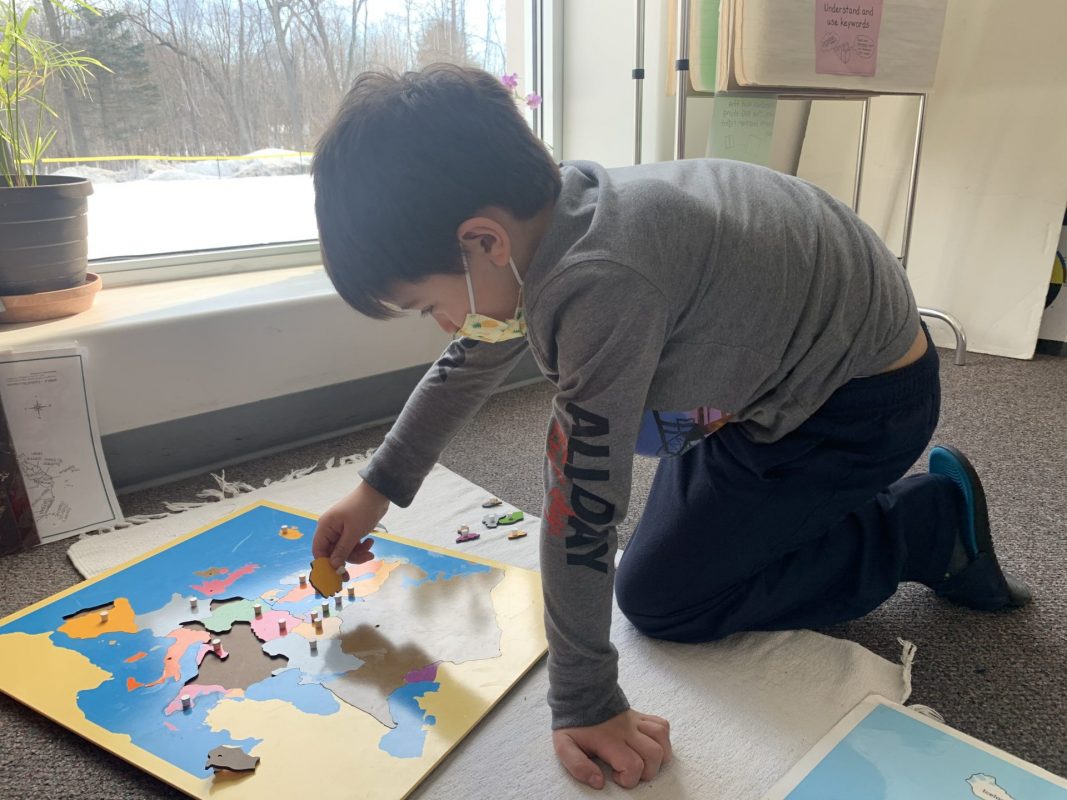
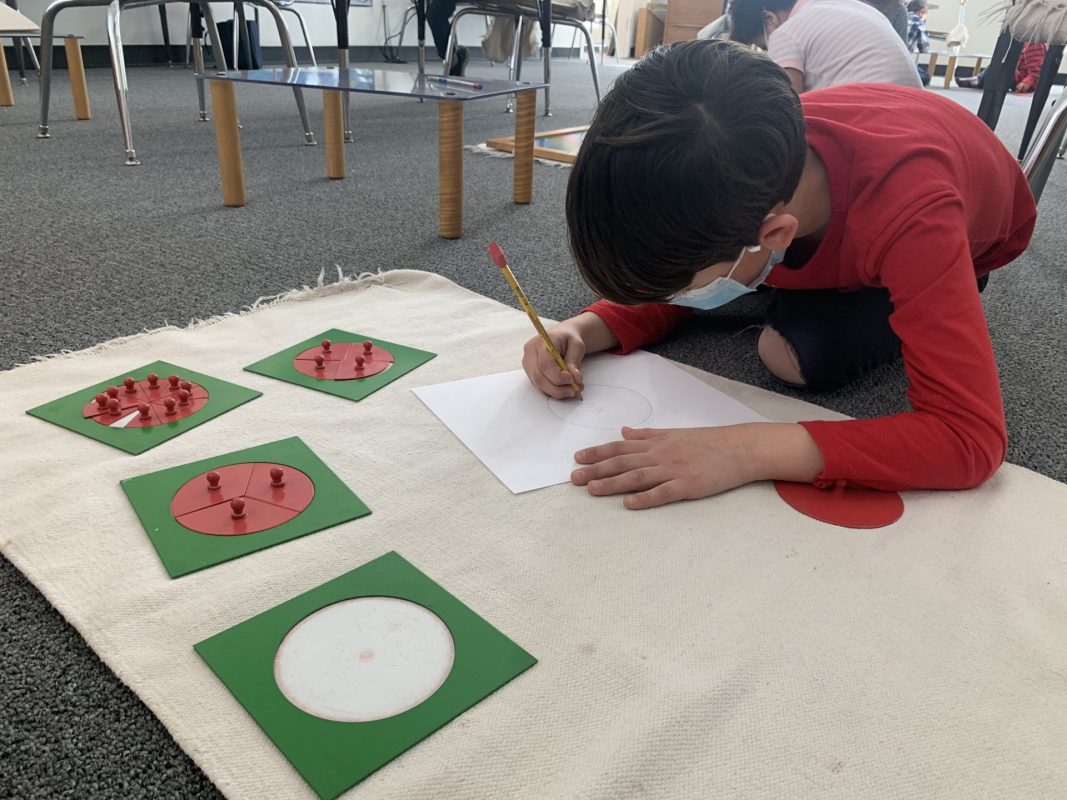
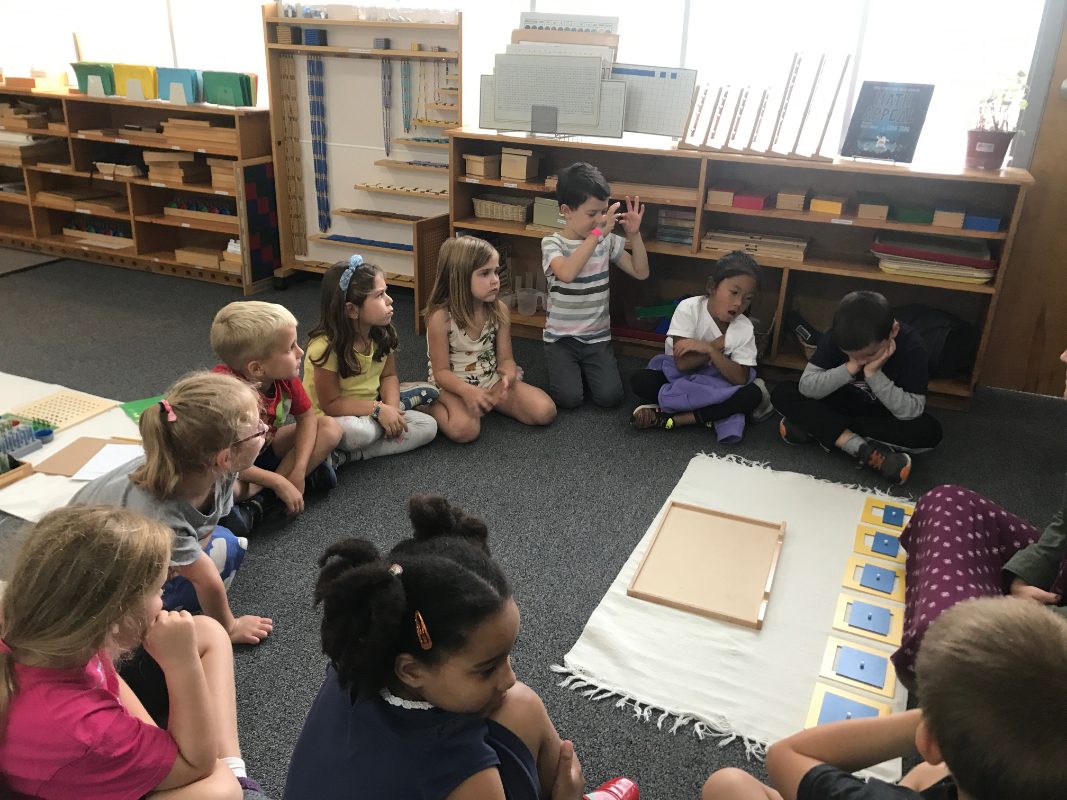
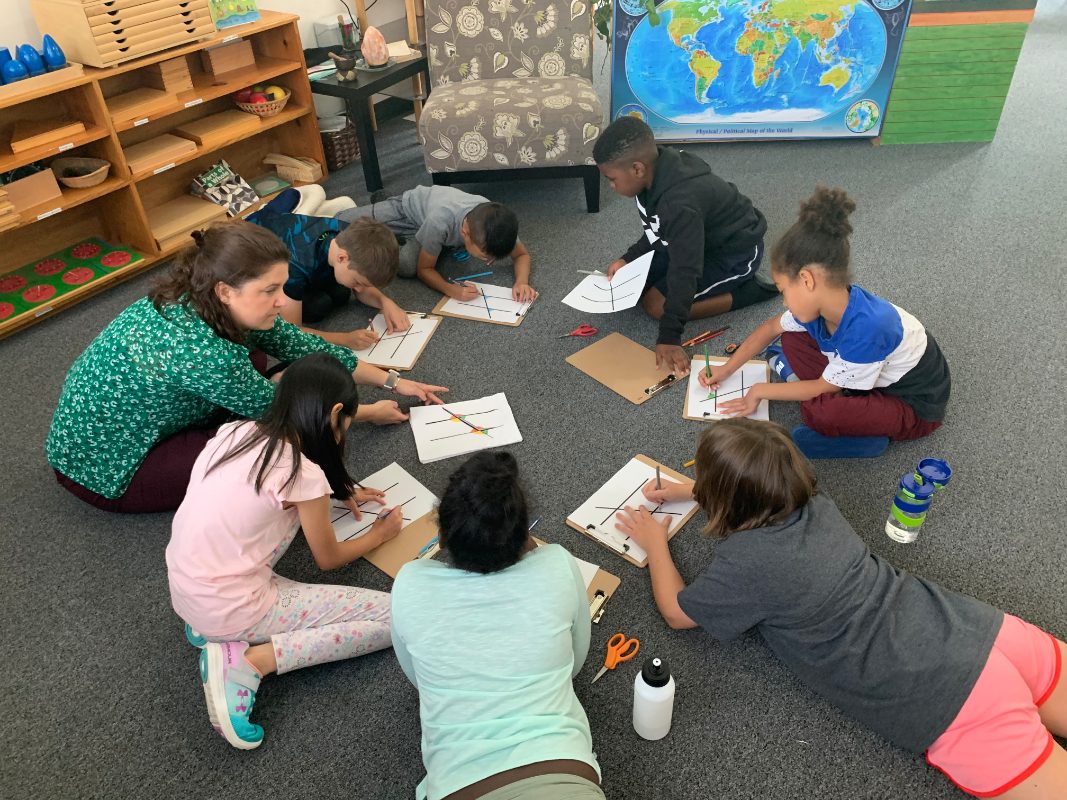
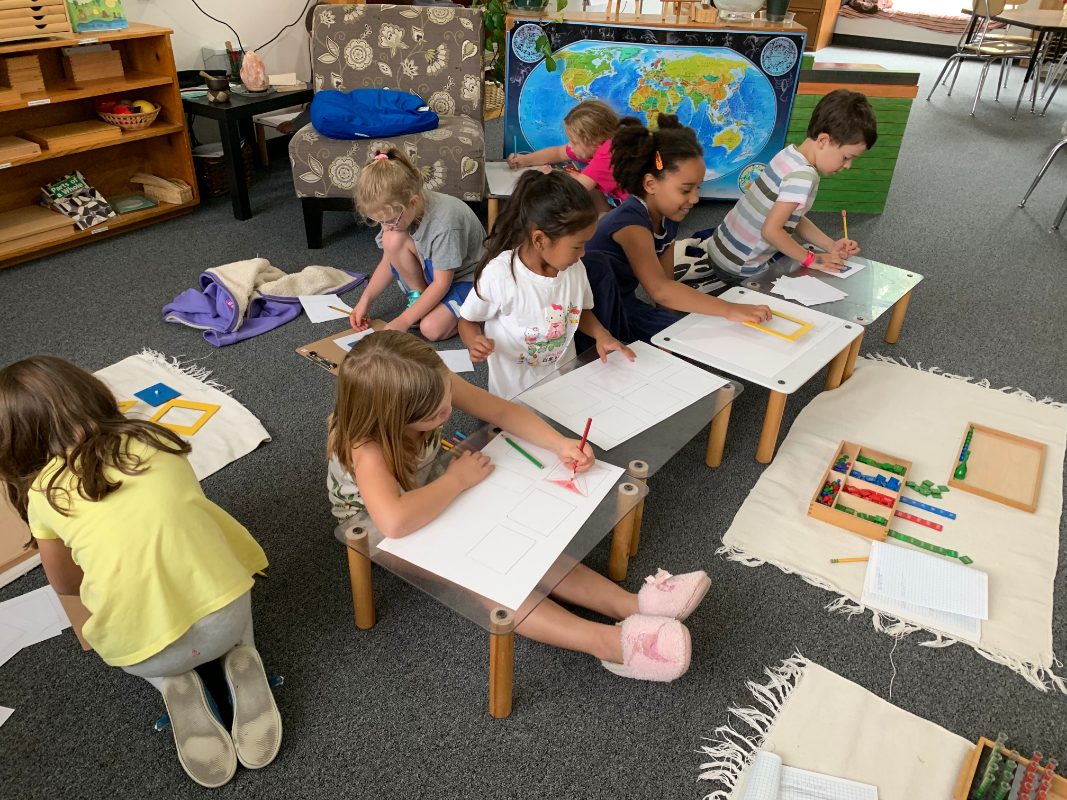
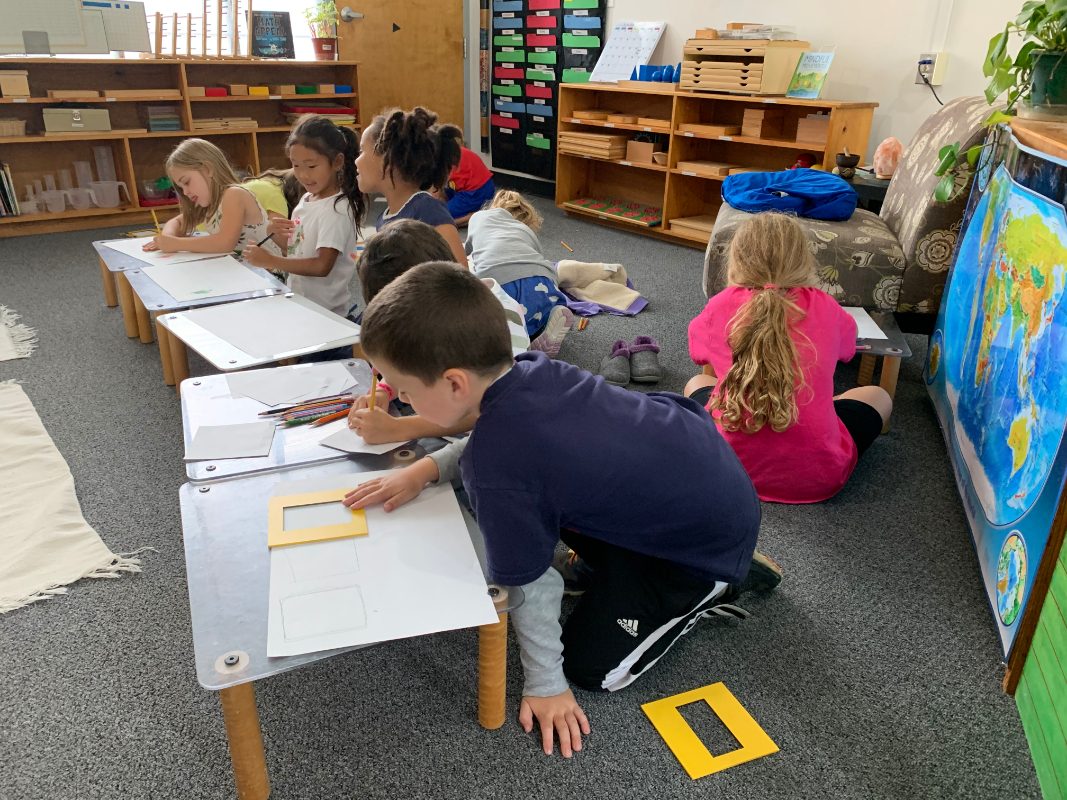
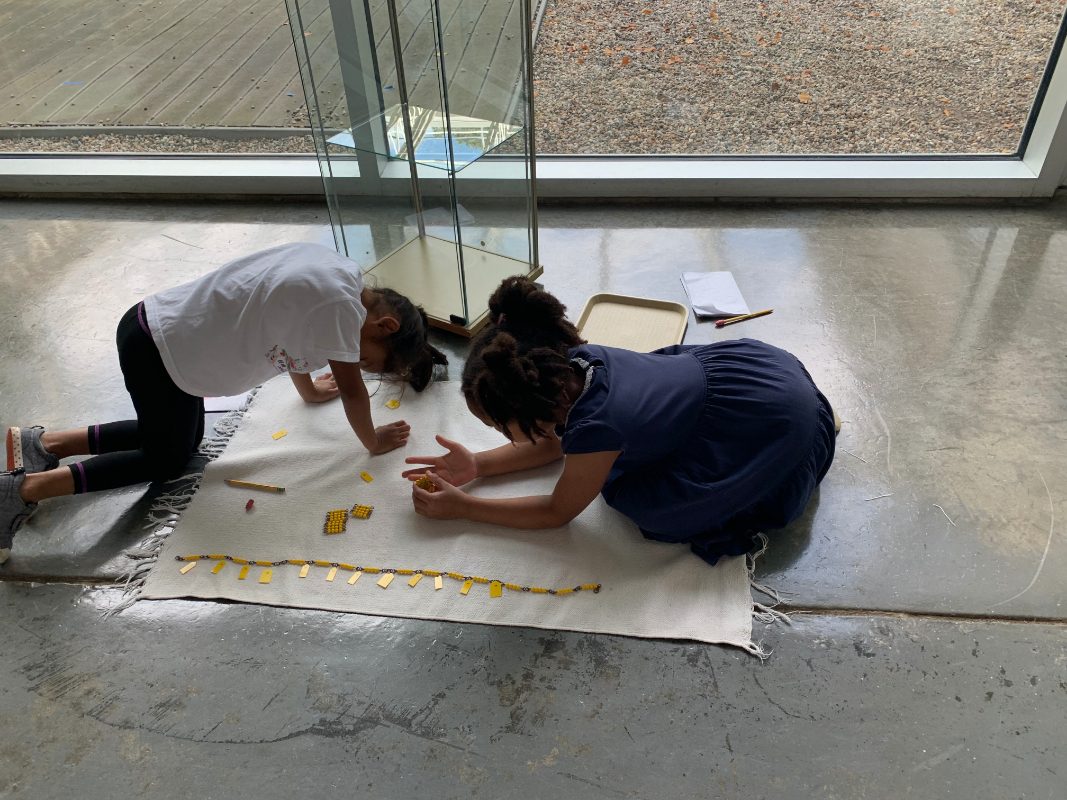
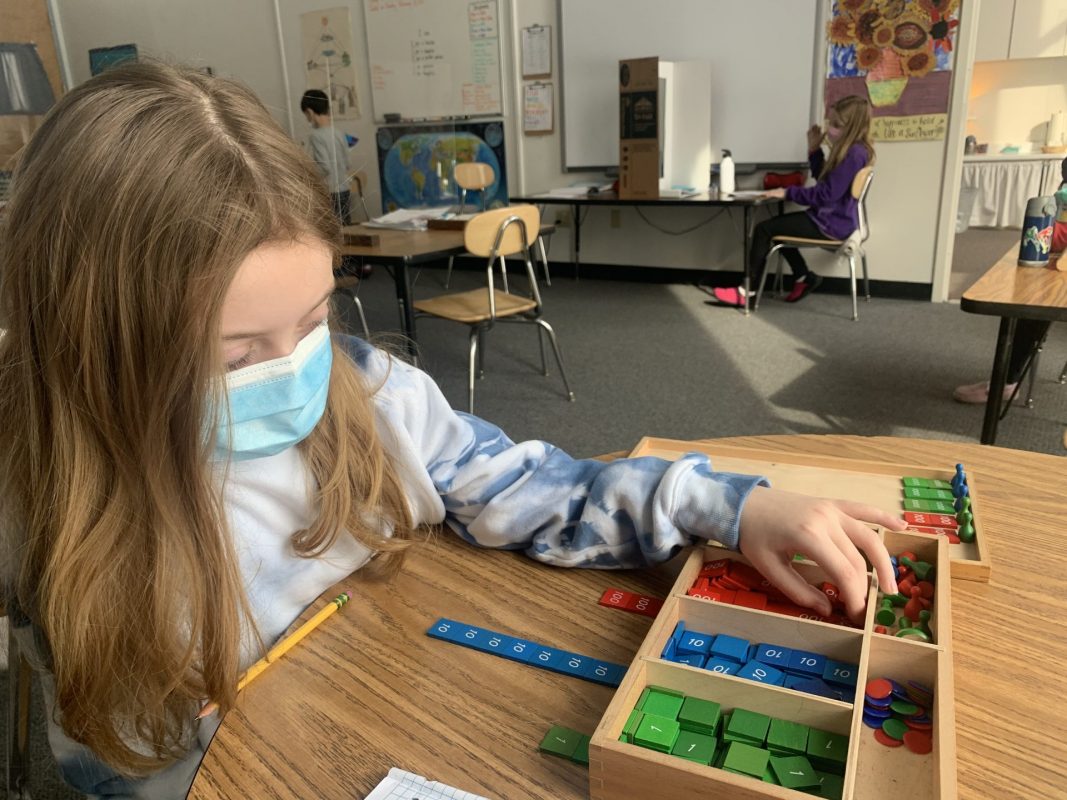
In addition to our science unit, the children are getting back into the swing of things in their geometry work. The third years are loving using the box of sticks to make and identify parts of a polygon. The second years are continuing their complex work with the Montessori protractor, measuring the angles of different types of triangles. The first years are enjoying learning the difference between lines, rays, and line segments. We’re keeping busy and motivated!

Back To The Routine

We are all so happy to be back in the swing of things. It always amazes me how quick the children are to pick up on the routine, like we never left! I hope everyone had a safe, restful, and rejuvenating break.

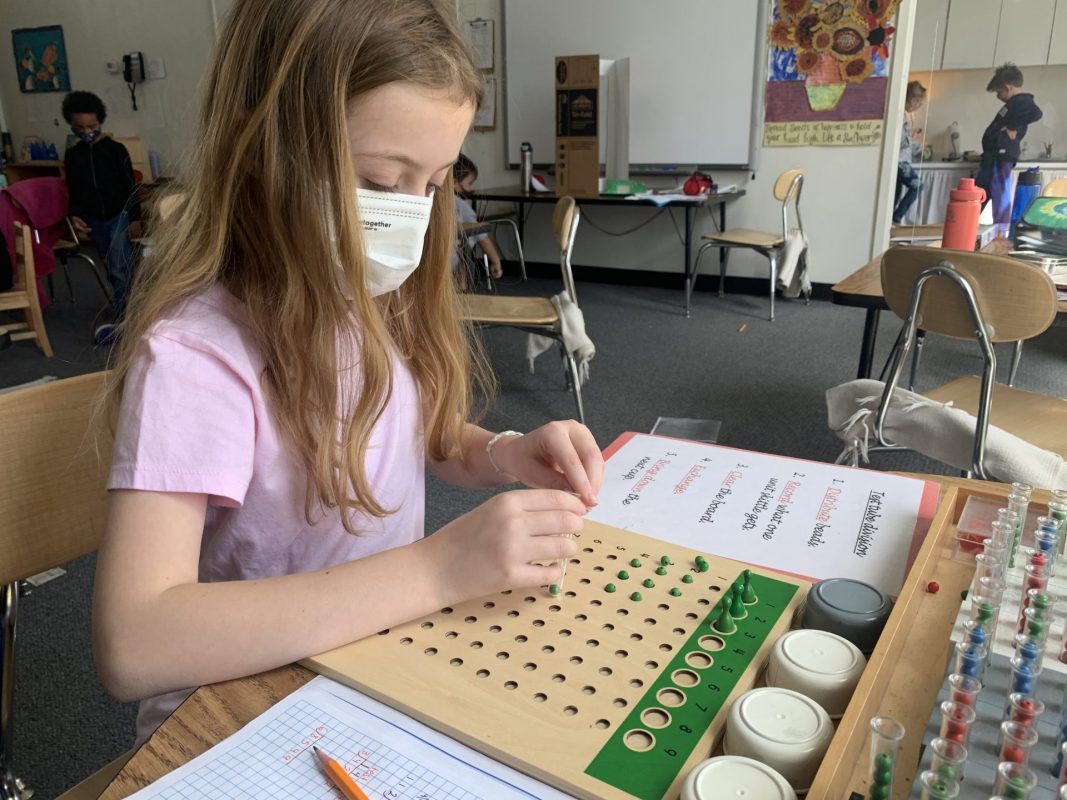
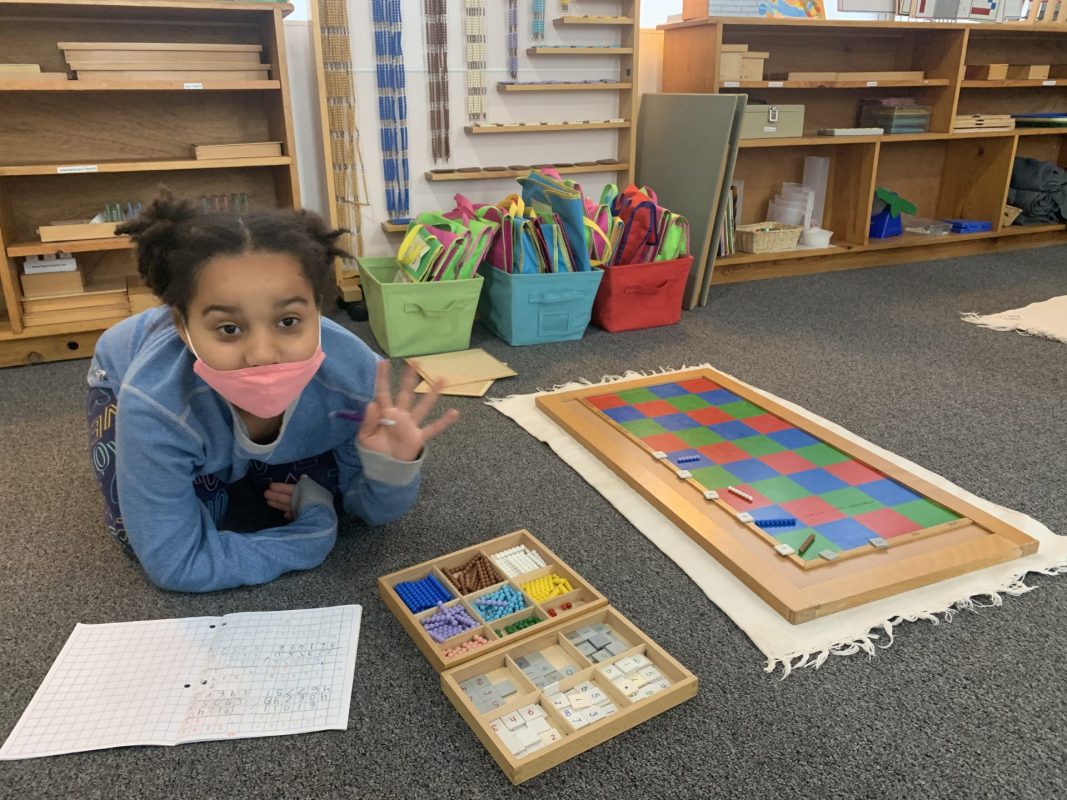
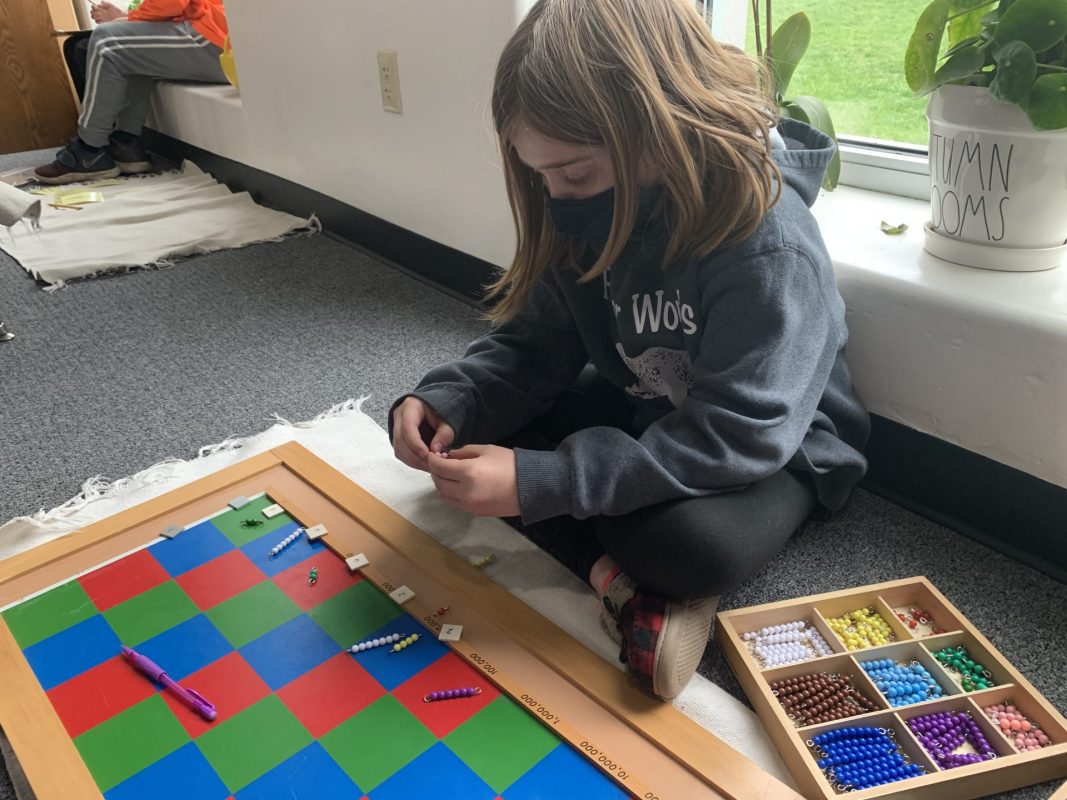
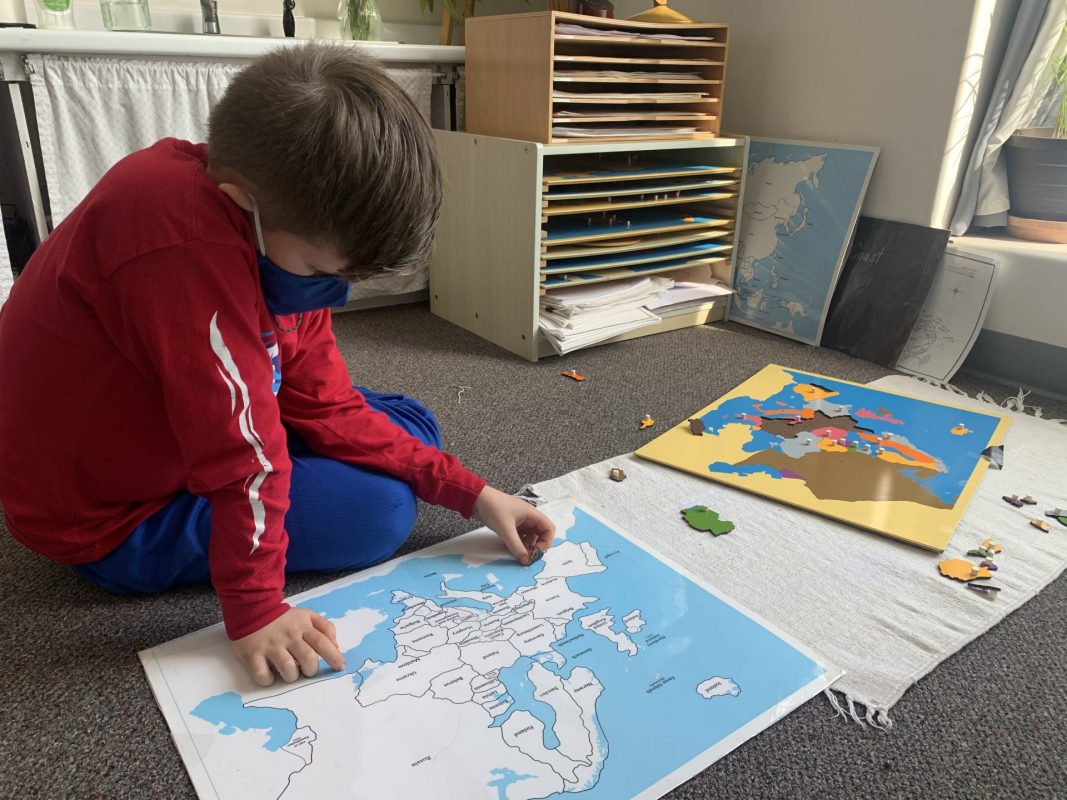
One of my favorite aspects about the Montessori curriculum is that it fosters autonomous learners, which means, children are learning the skills they need to be independent, successful citizens. When children are provided with concrete experiences, both academically and emotionally, they are able to progress to abstract concepts. They learn the skills, they are able to reflect upon their strengths and learn from their weaknesses. The goal I have for the children in my class is to be self confident, empathetic individuals- something they can take with them for the rest of their lives!

As we enter April, the end of the year seems right around the corner, and I can’t help but reflect on each child’s progress throughout the year. I am so pleased to see what a compassionate, kind-hearted, unique group of students we have in the classroom!


Spring, Is That You?

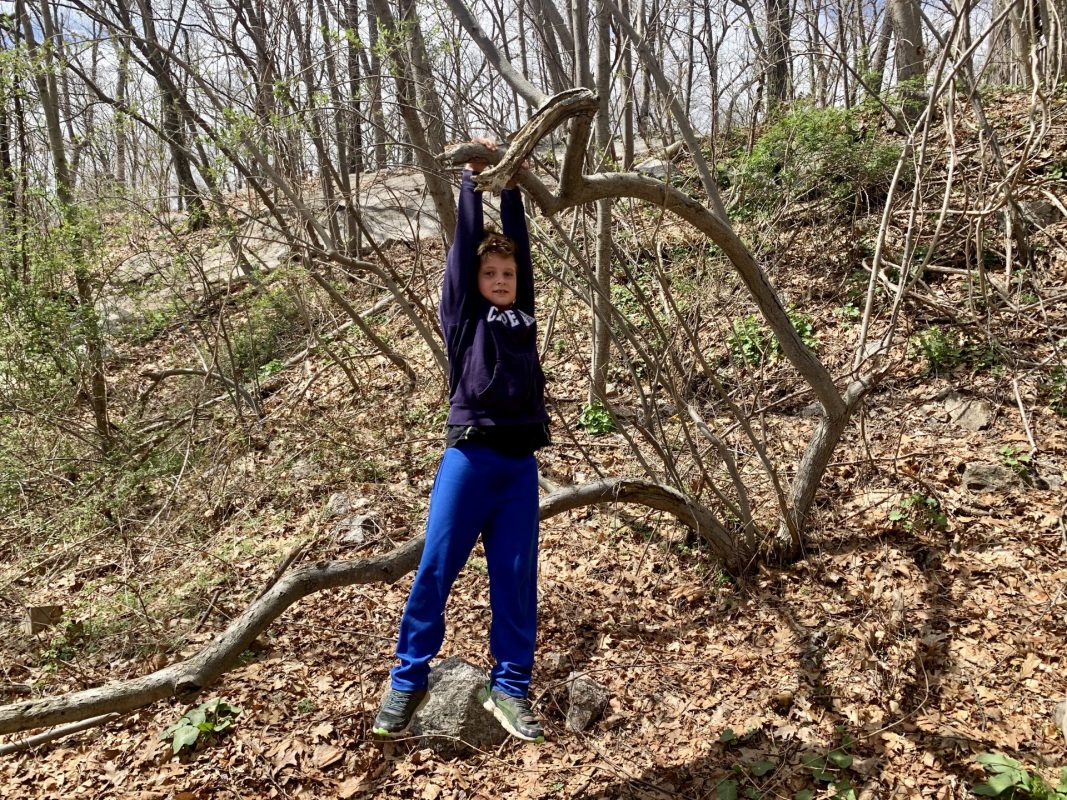
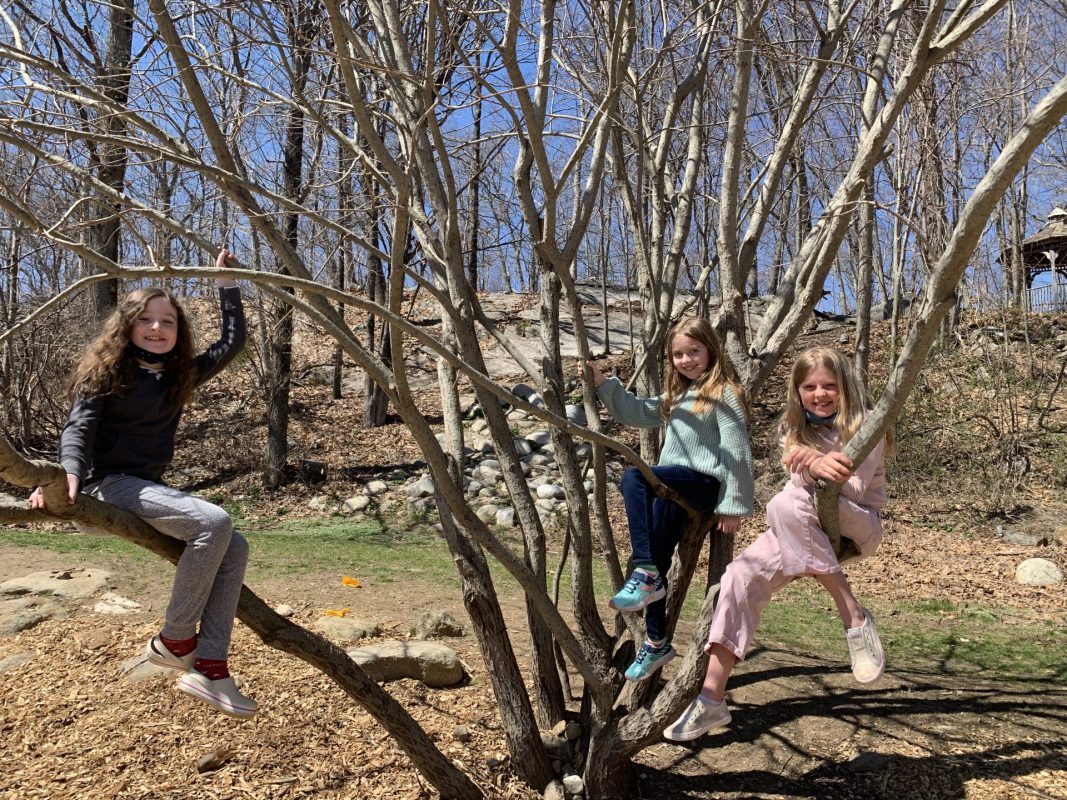
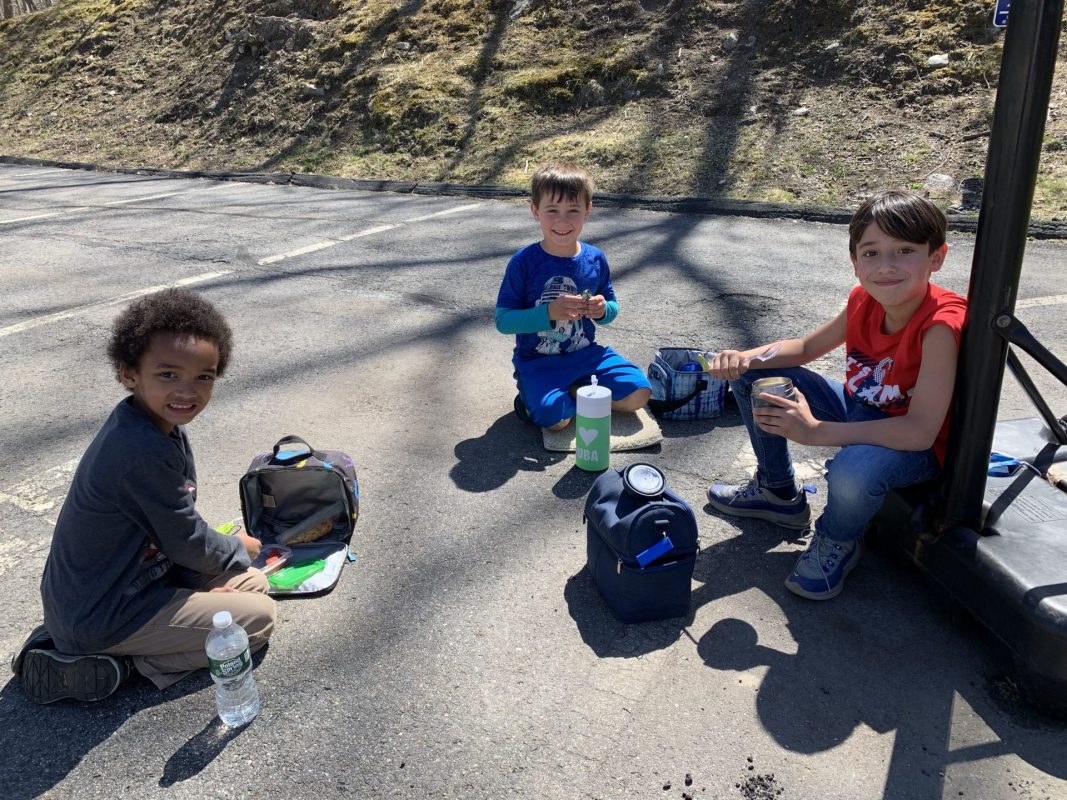
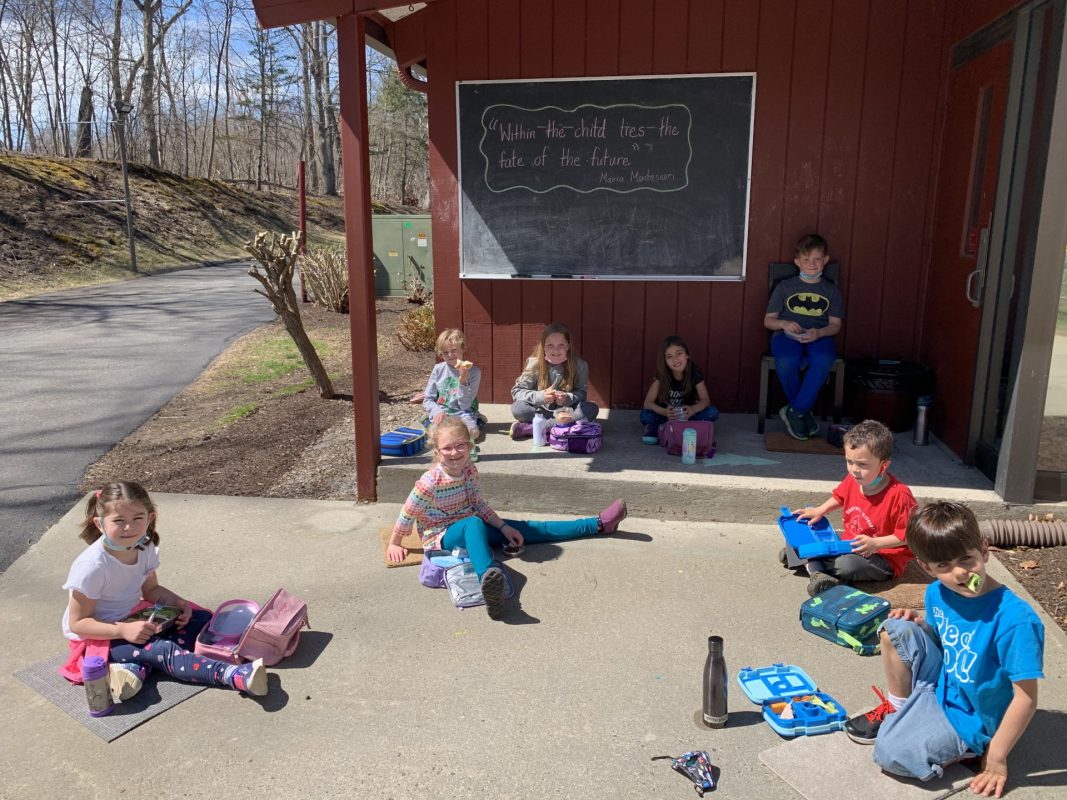
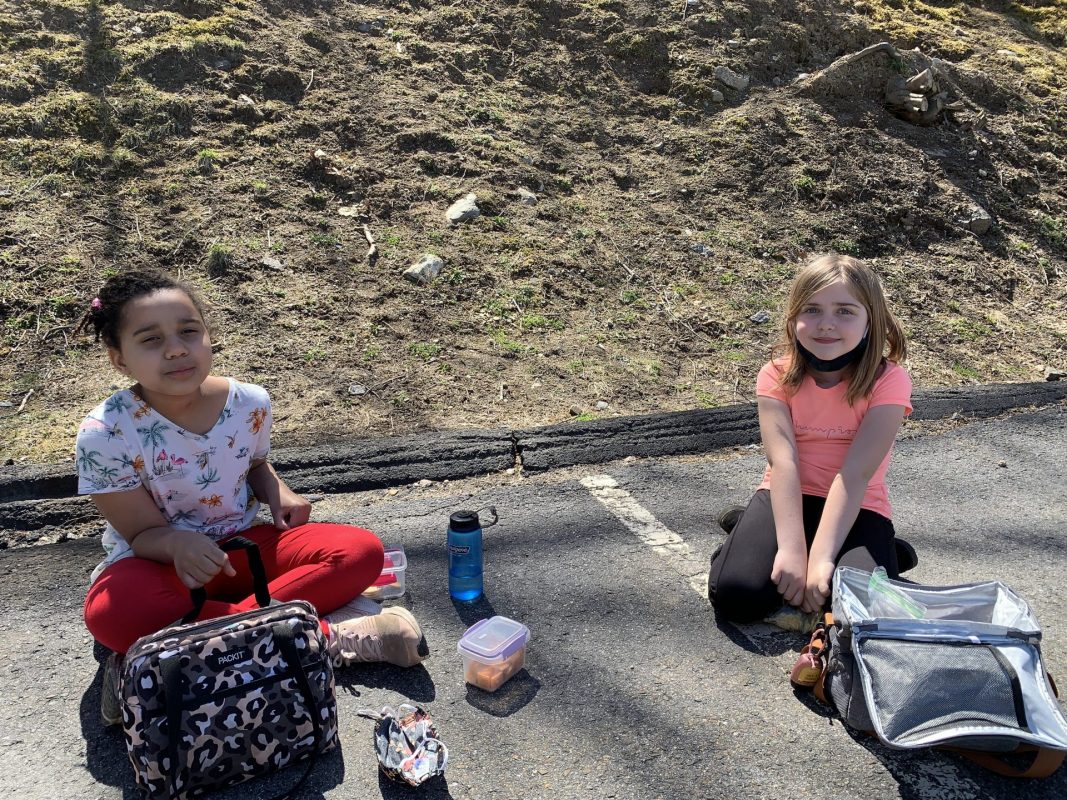
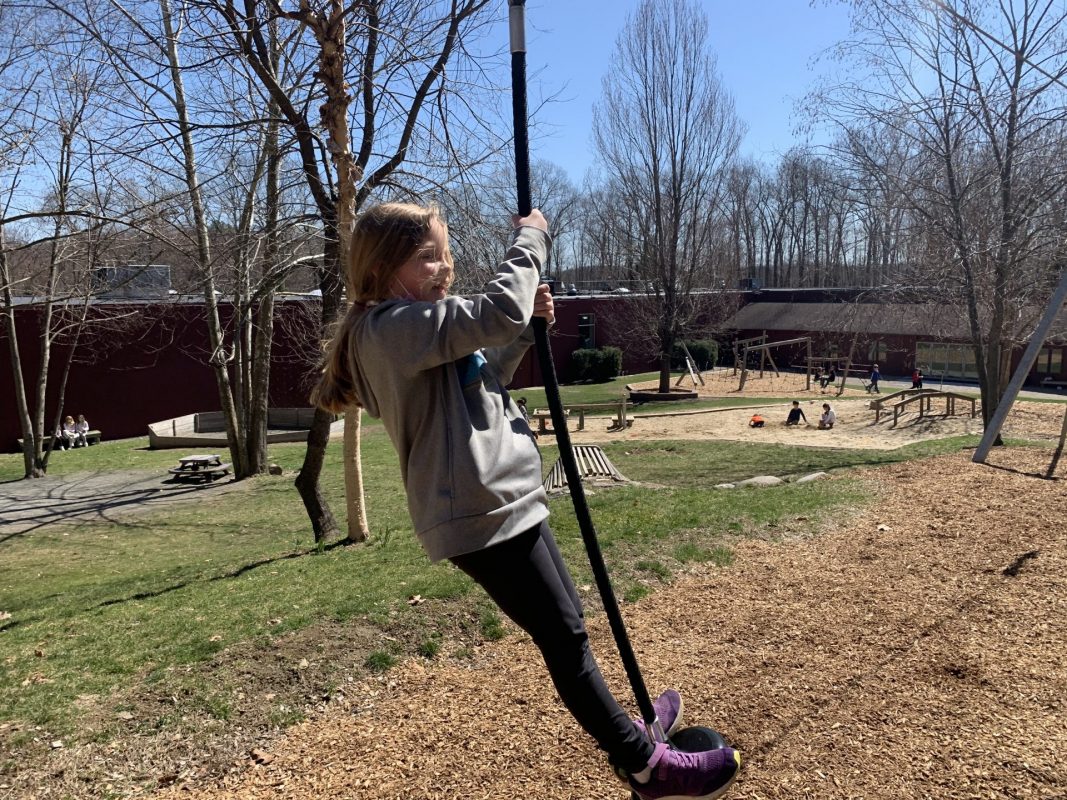
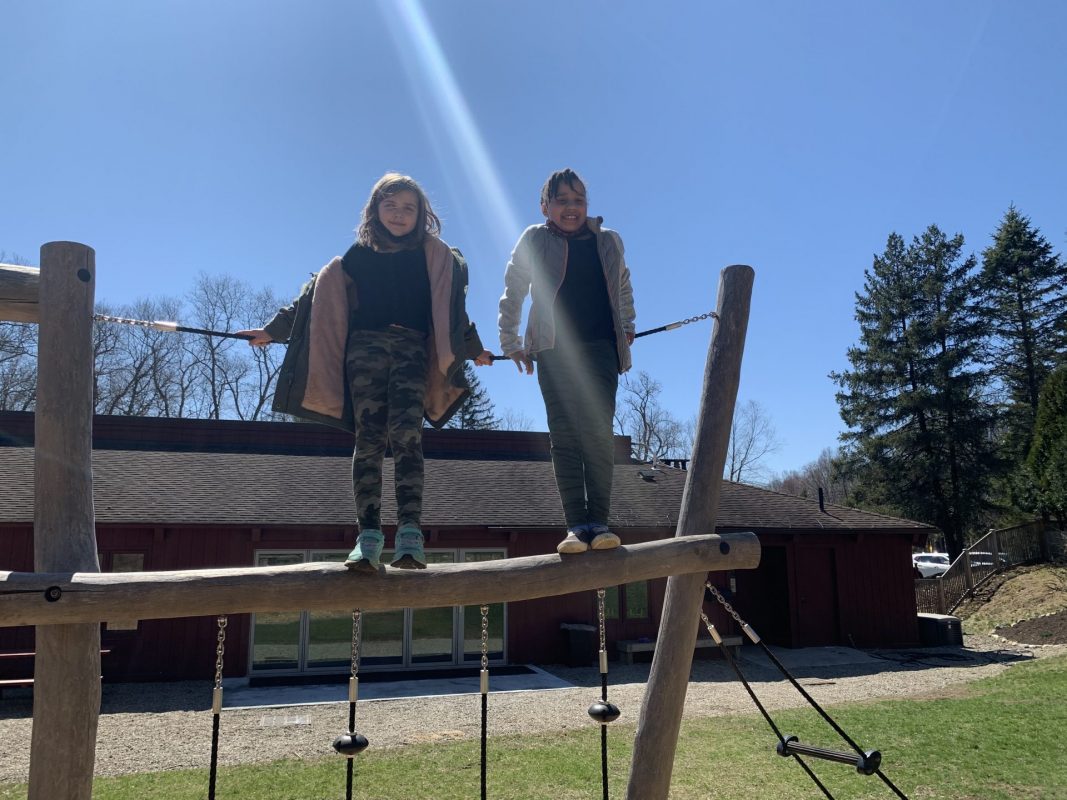
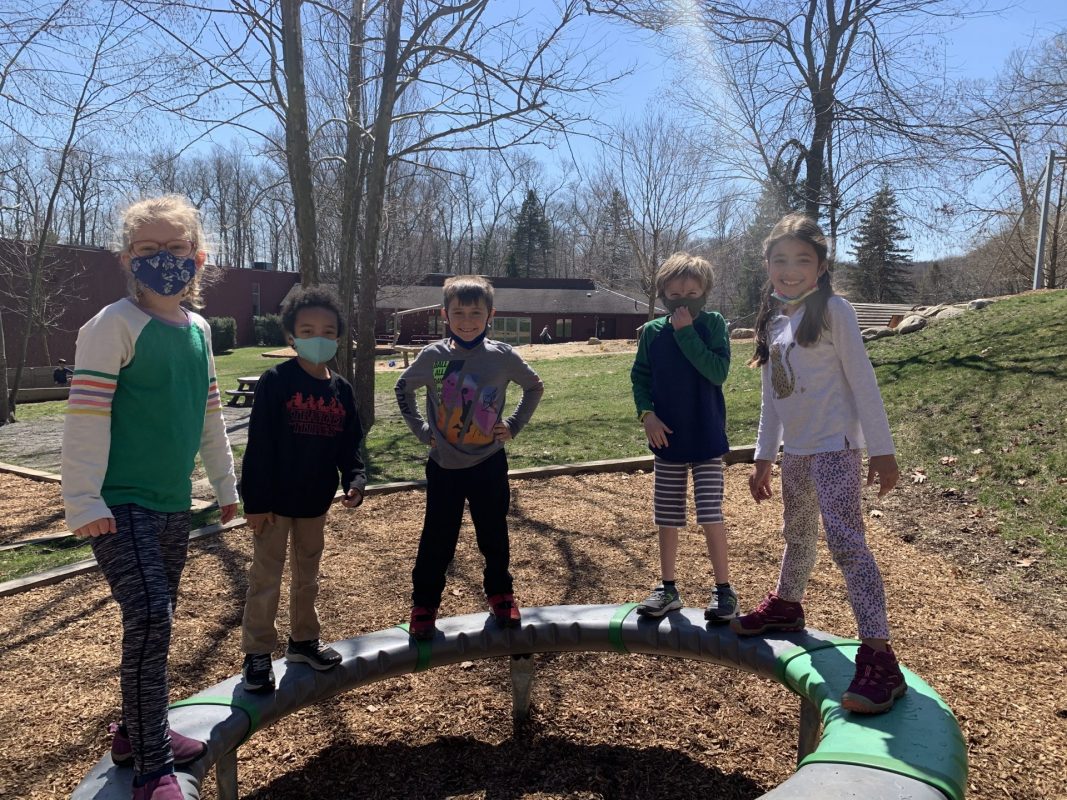
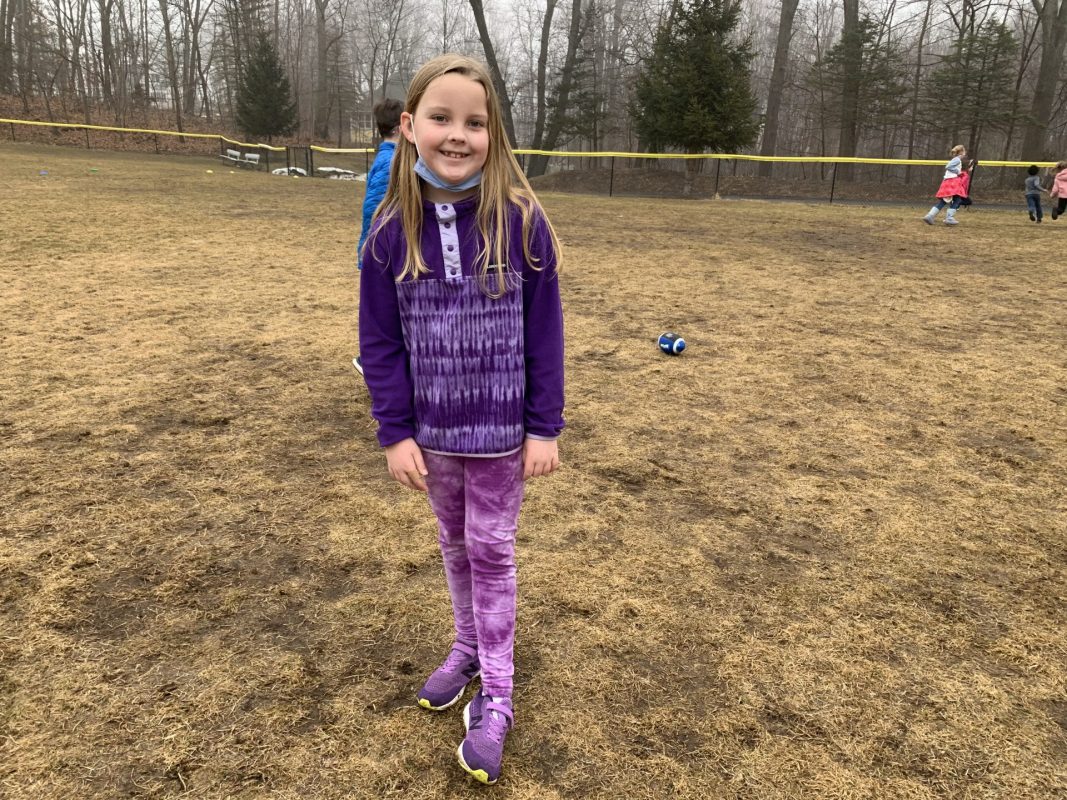
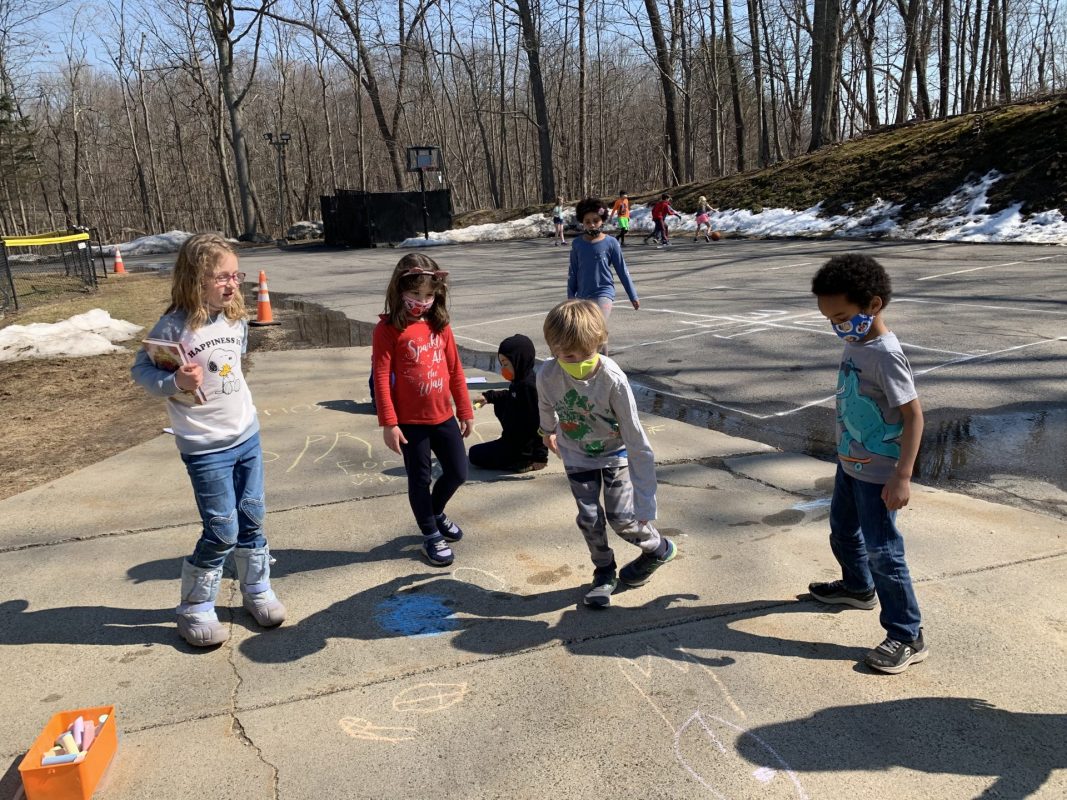
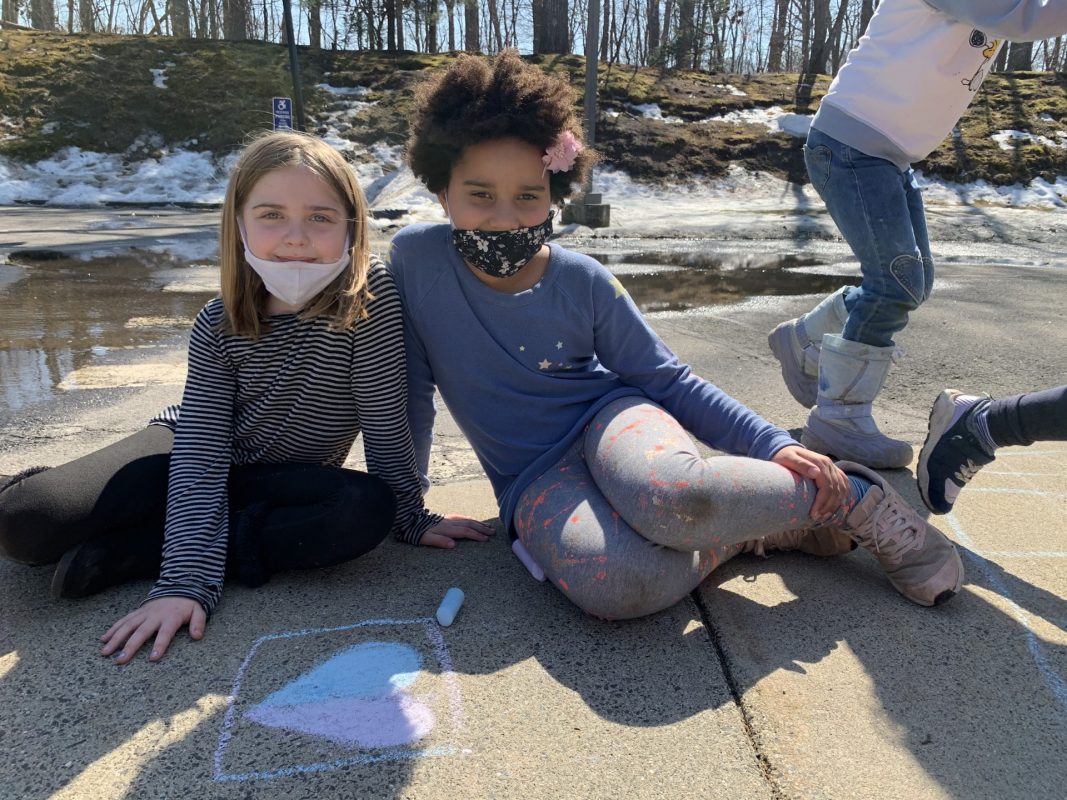
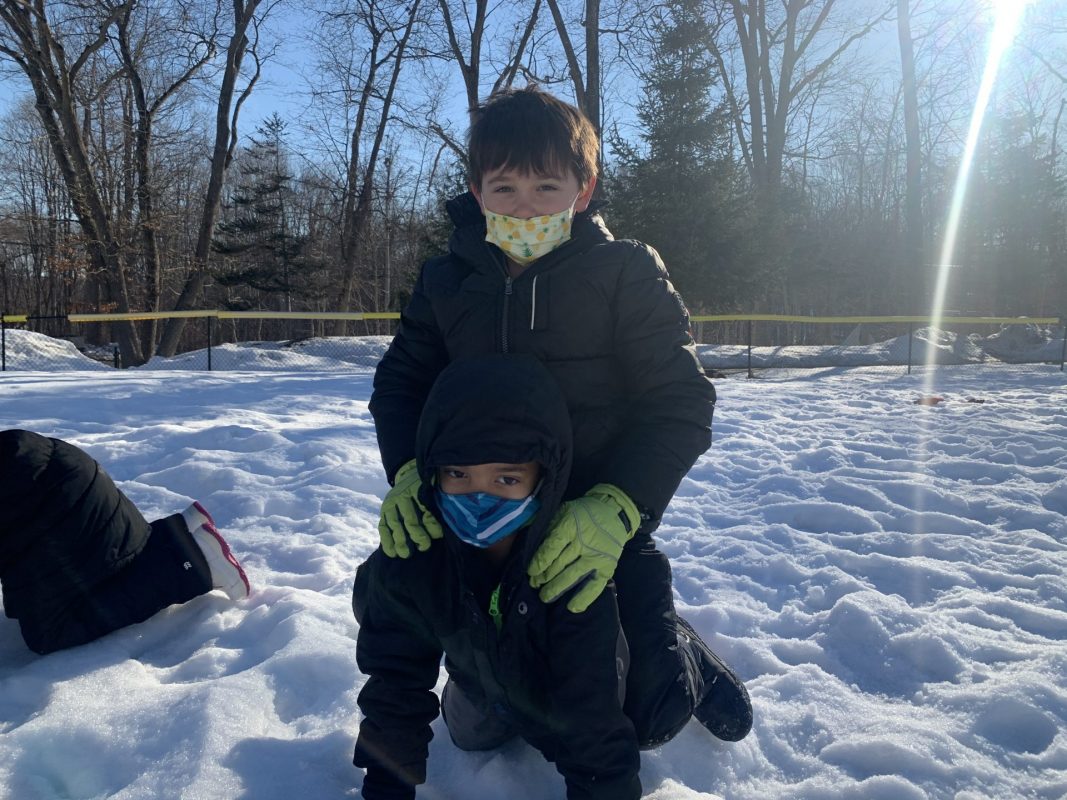
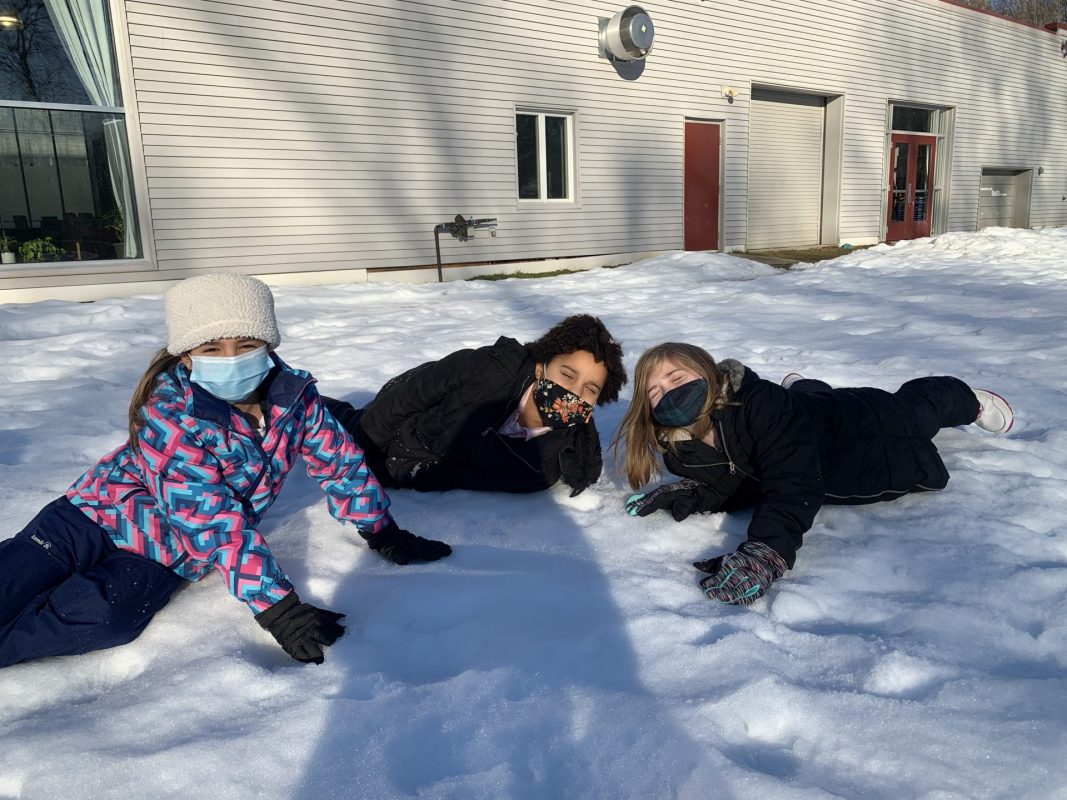
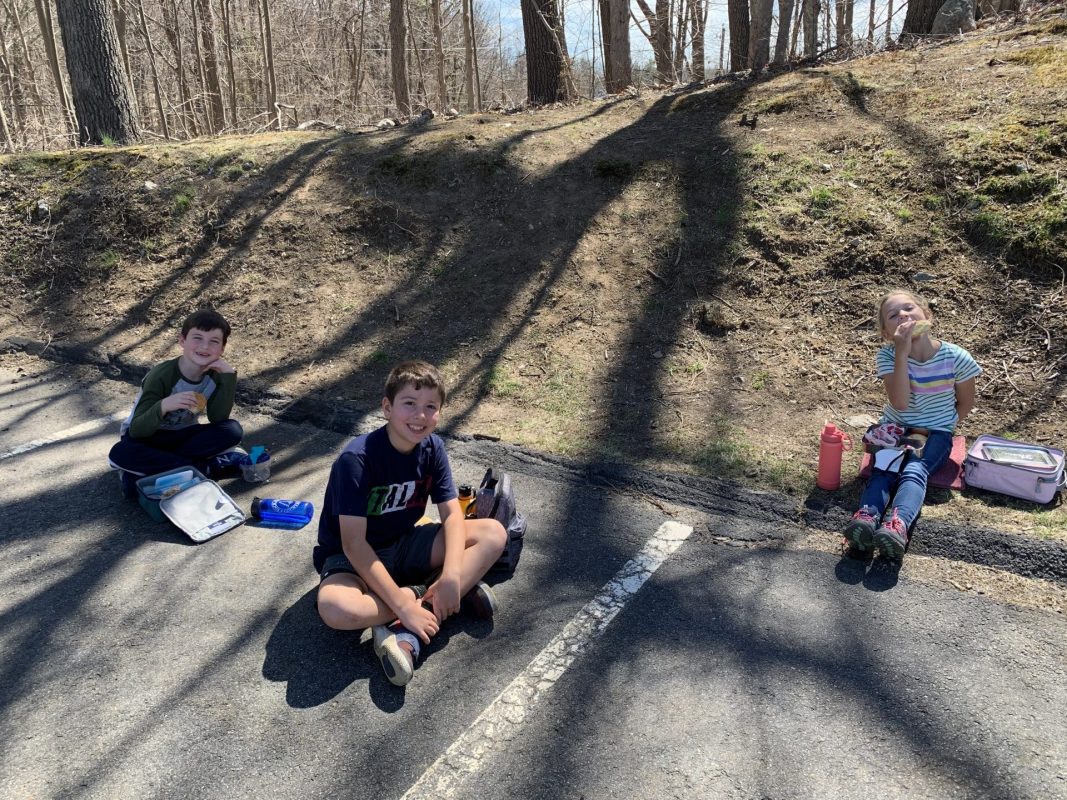
After a very cold, and snowy winter, we are all thrilled to see some signs of spring this week. On Friday, we even ate lunch outside!

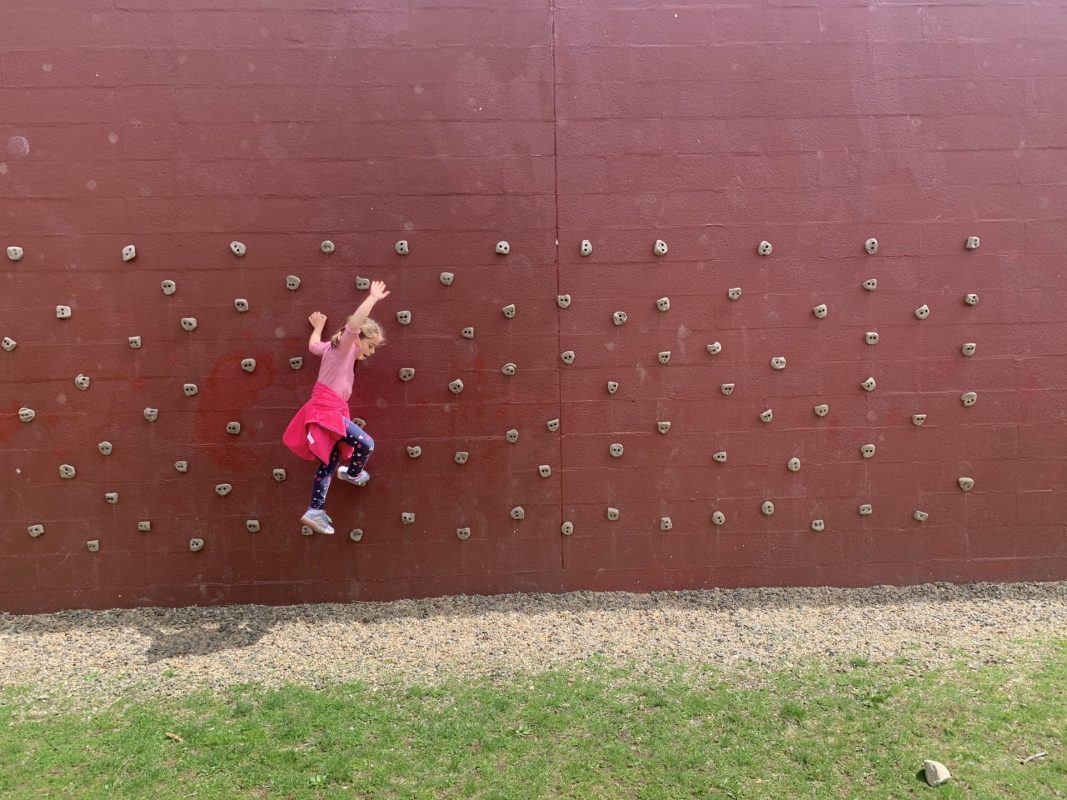
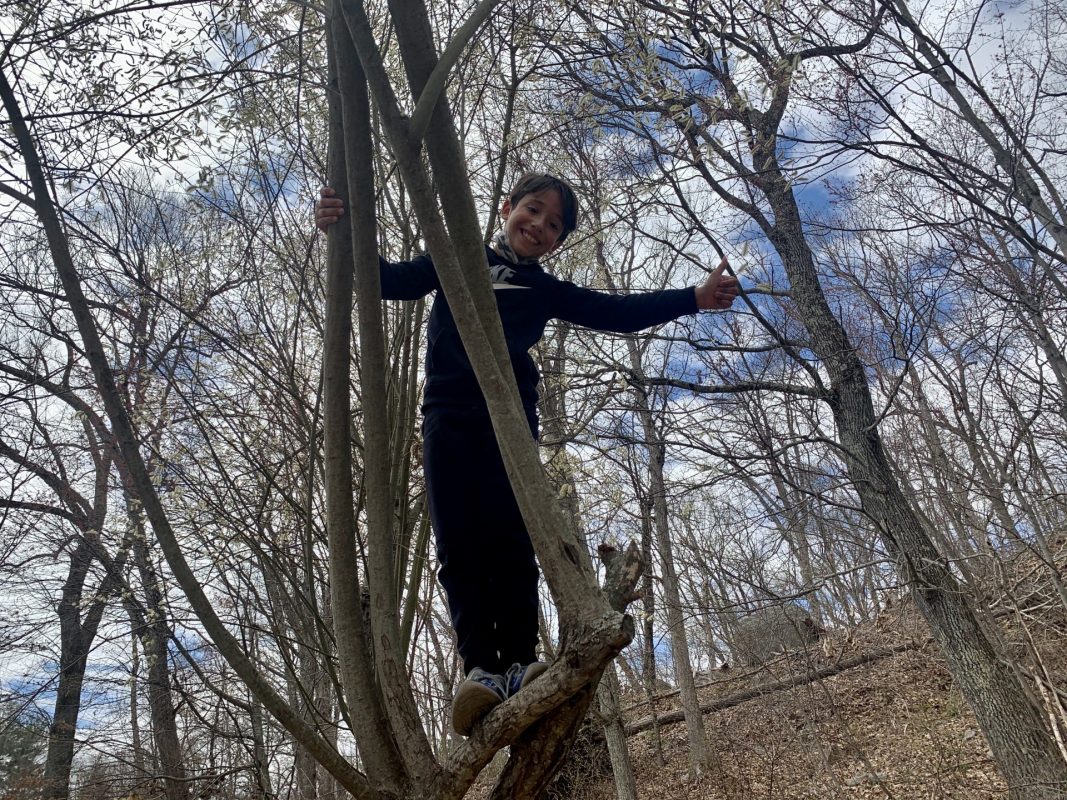
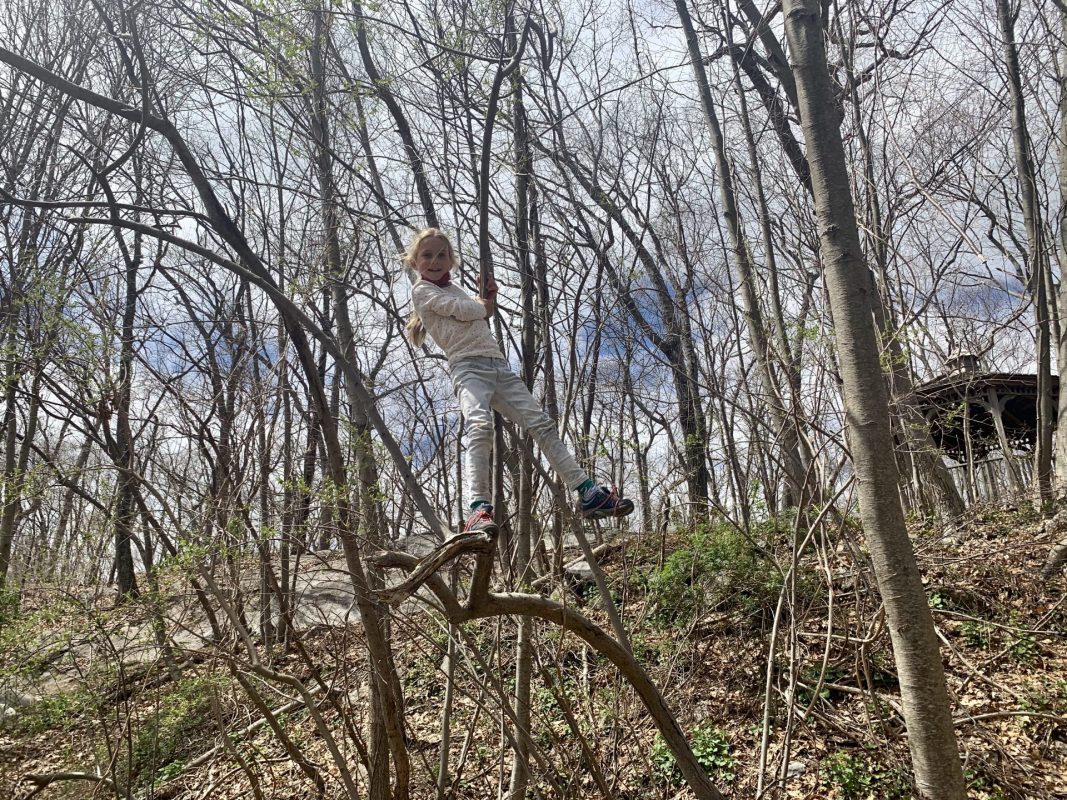
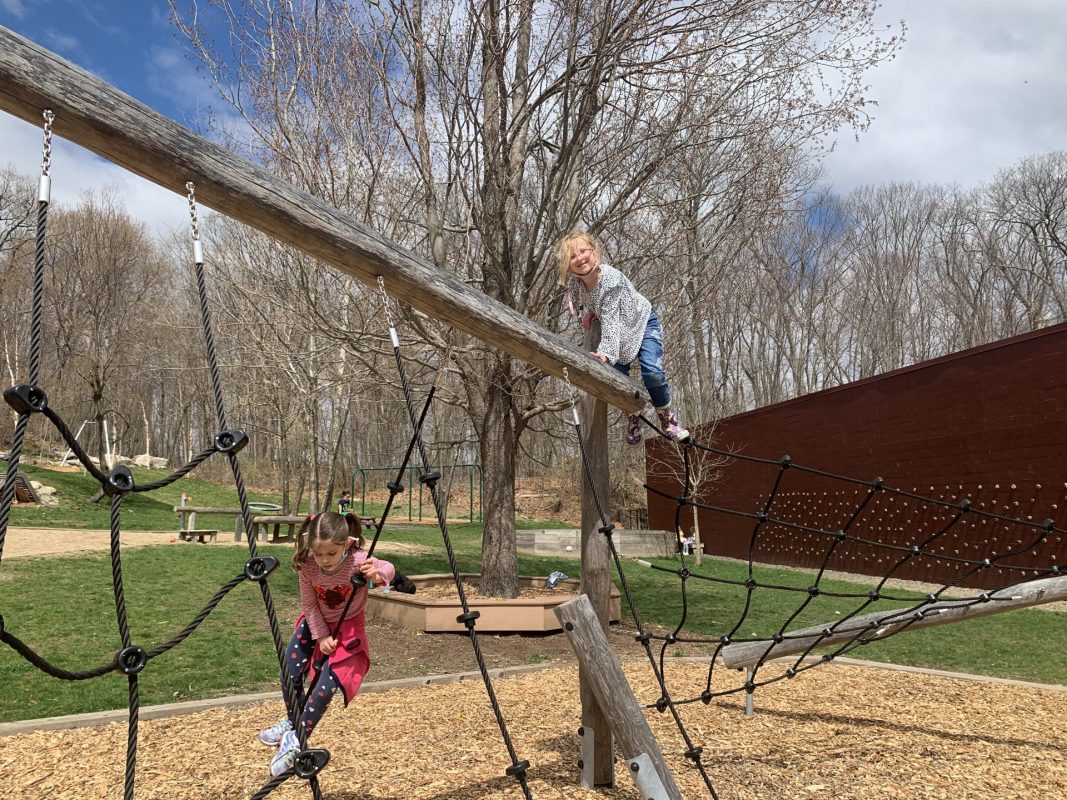
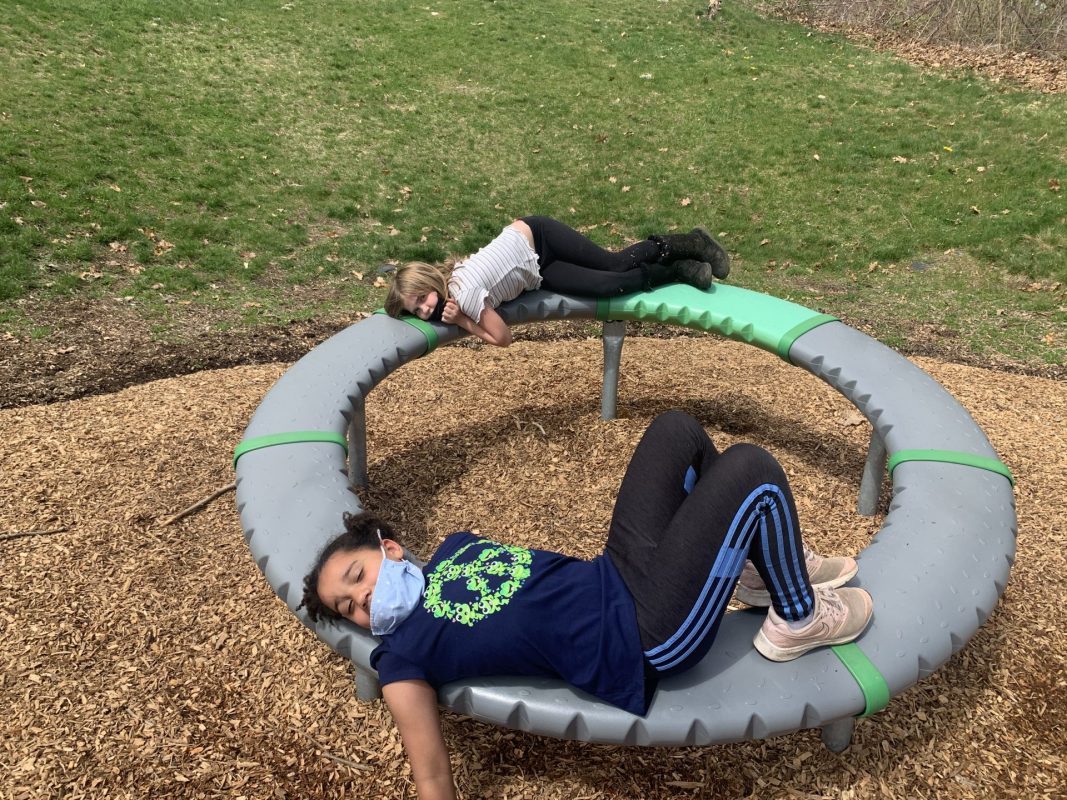
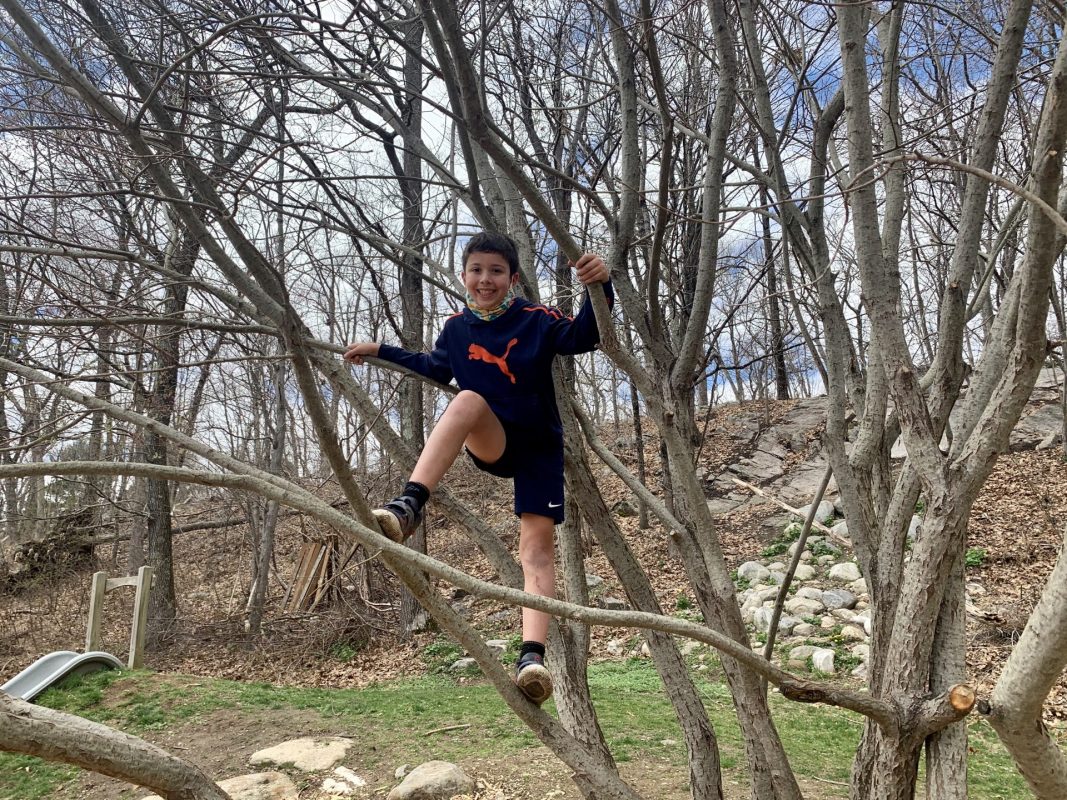
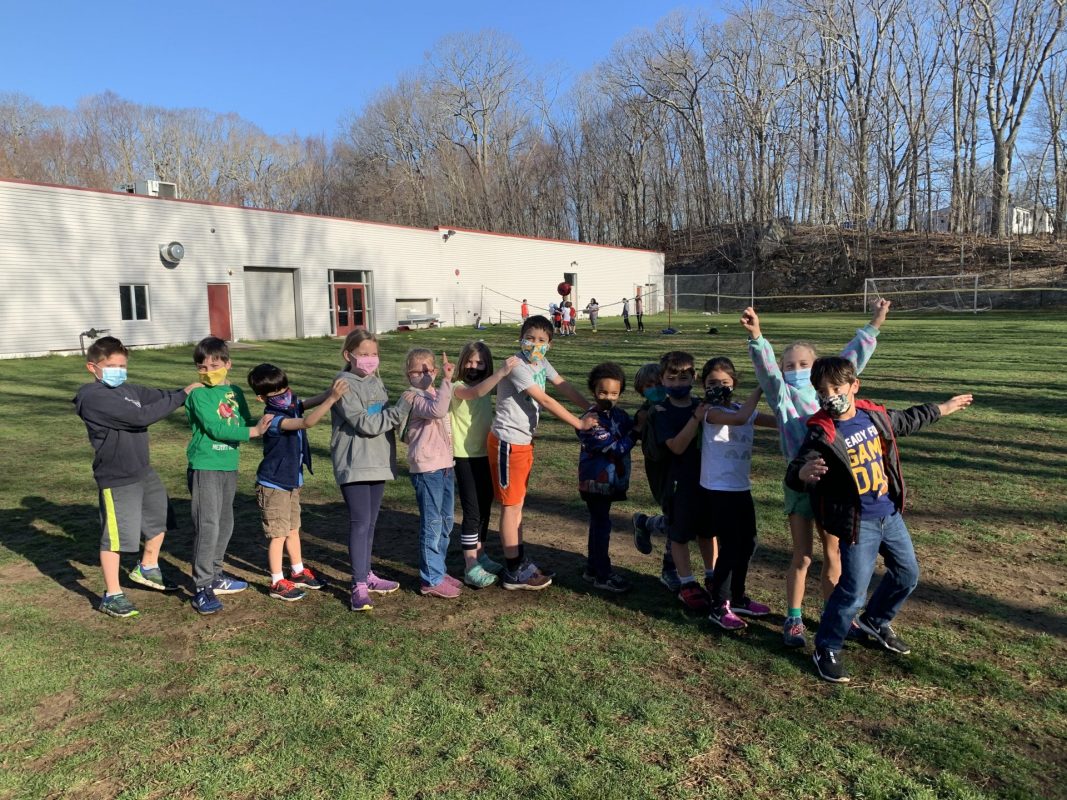
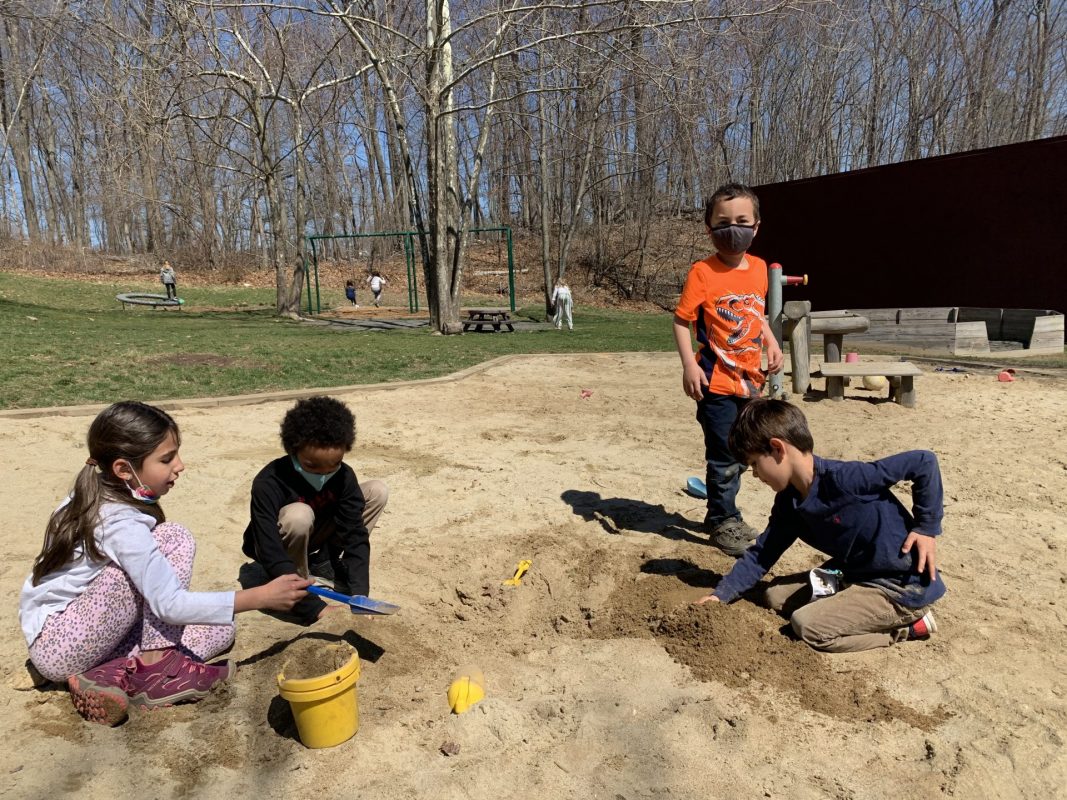
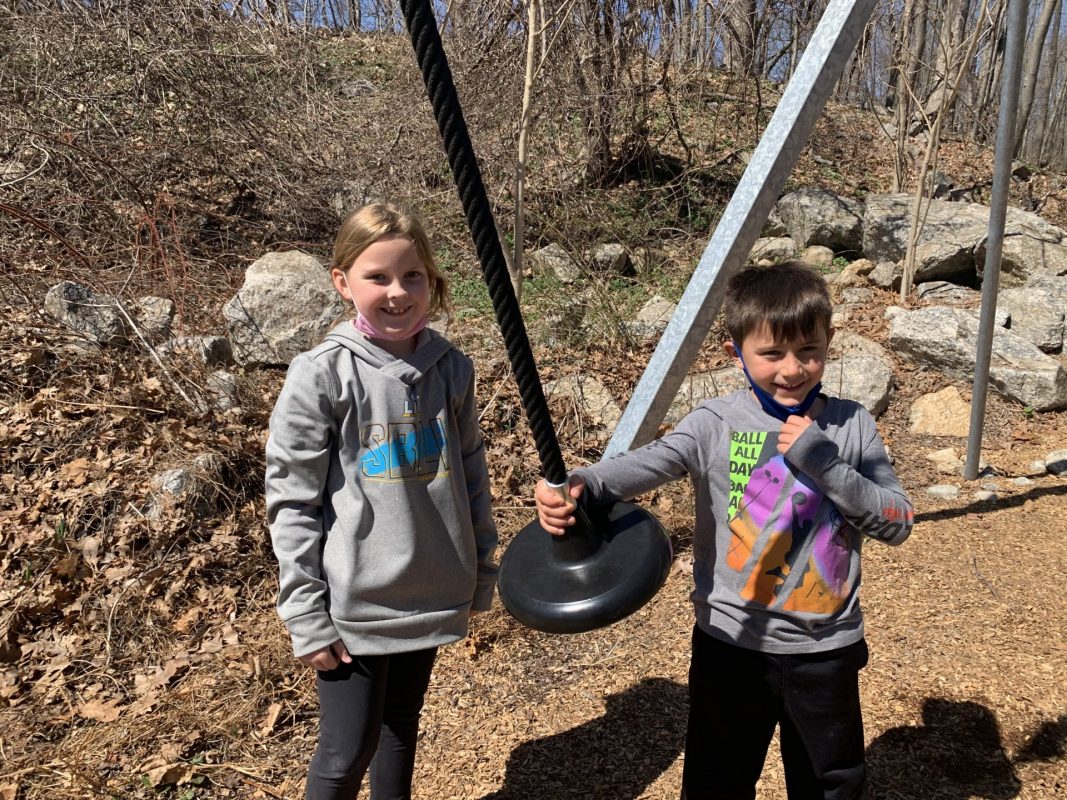
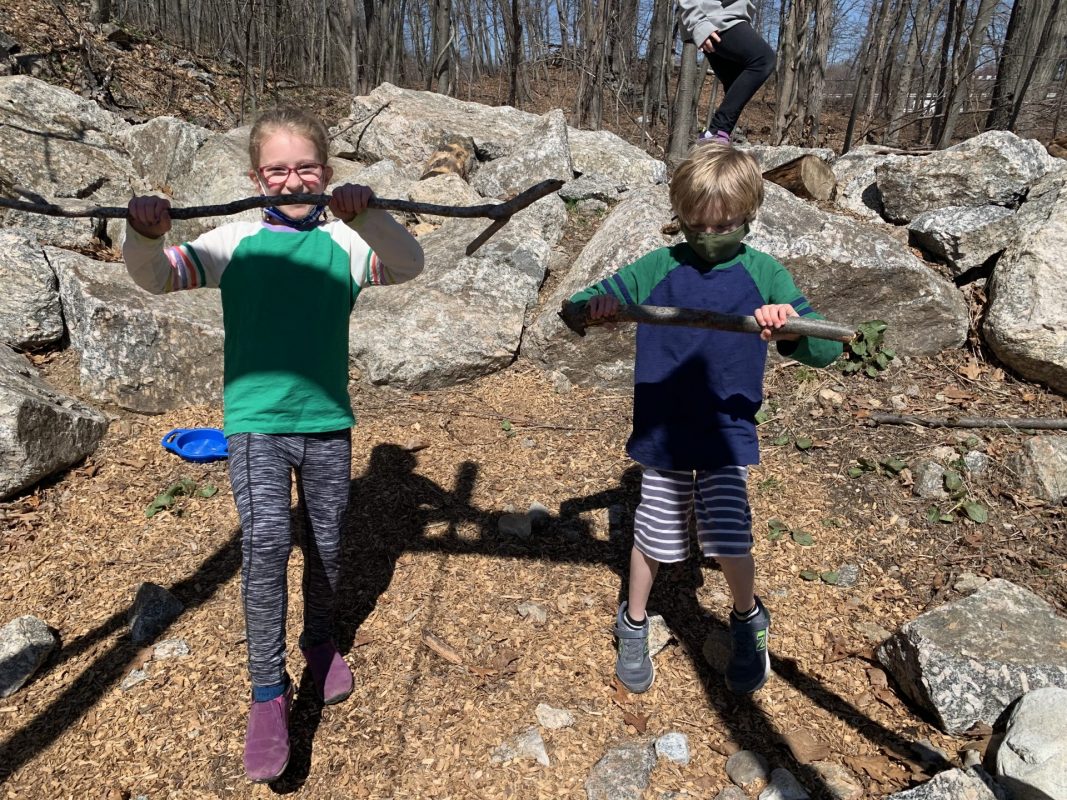
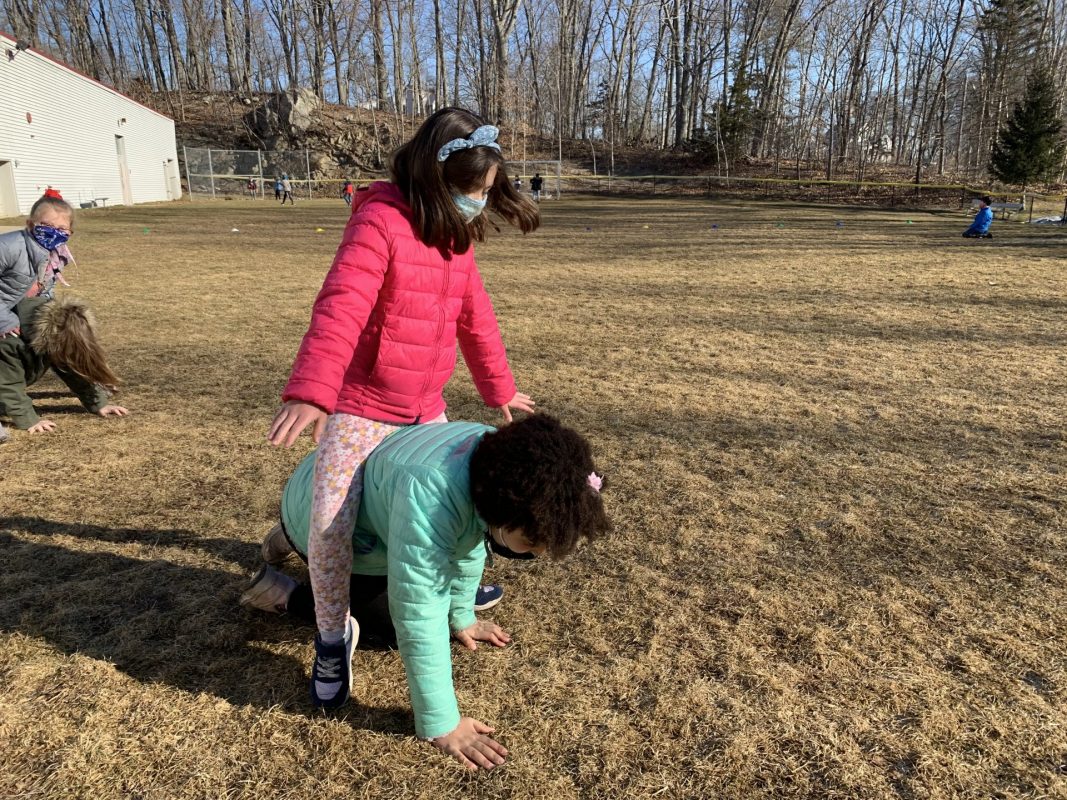
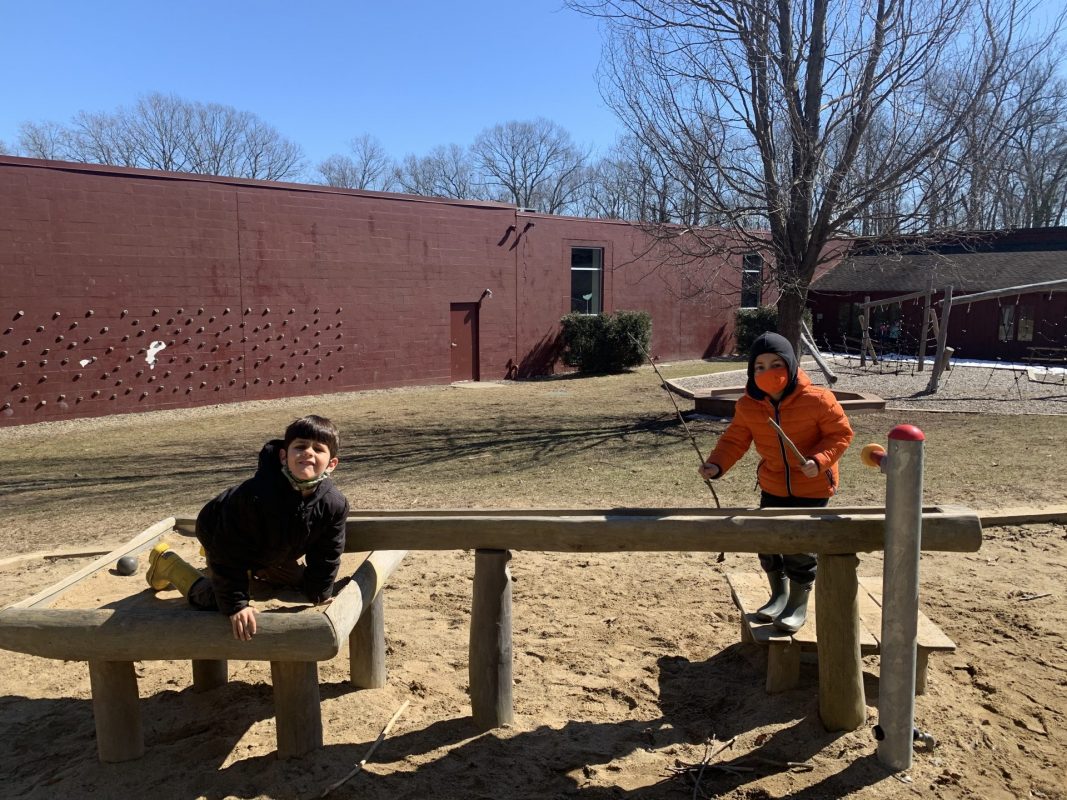
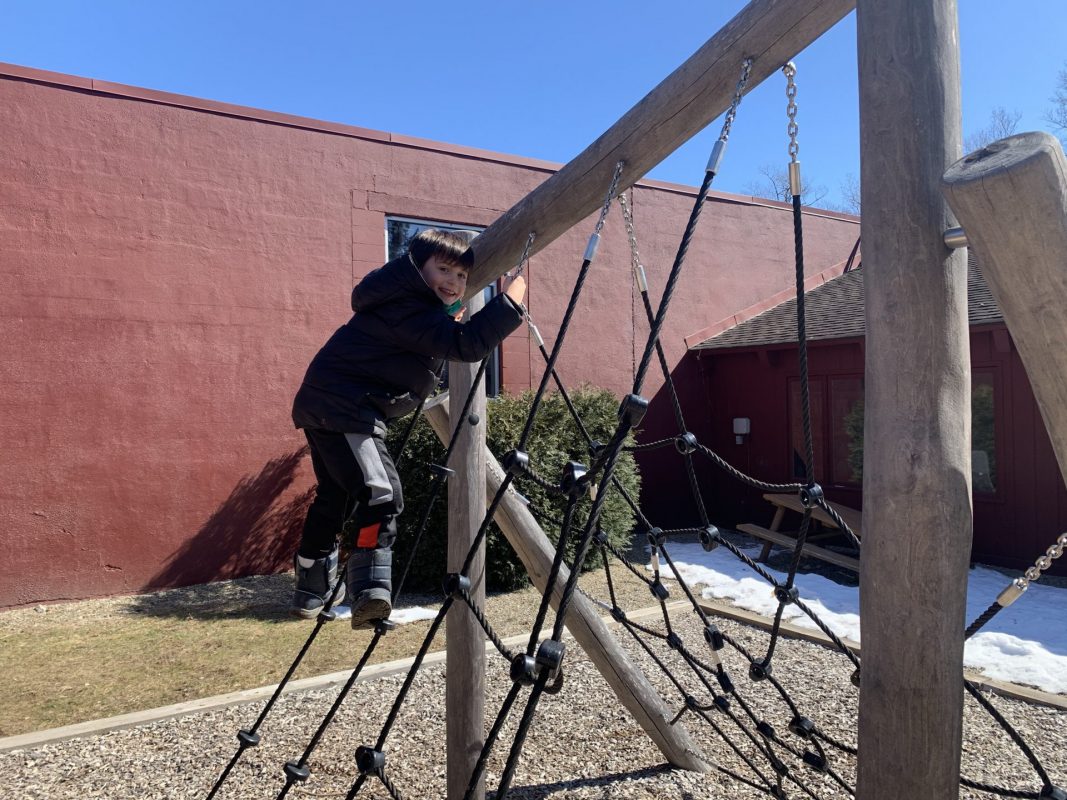
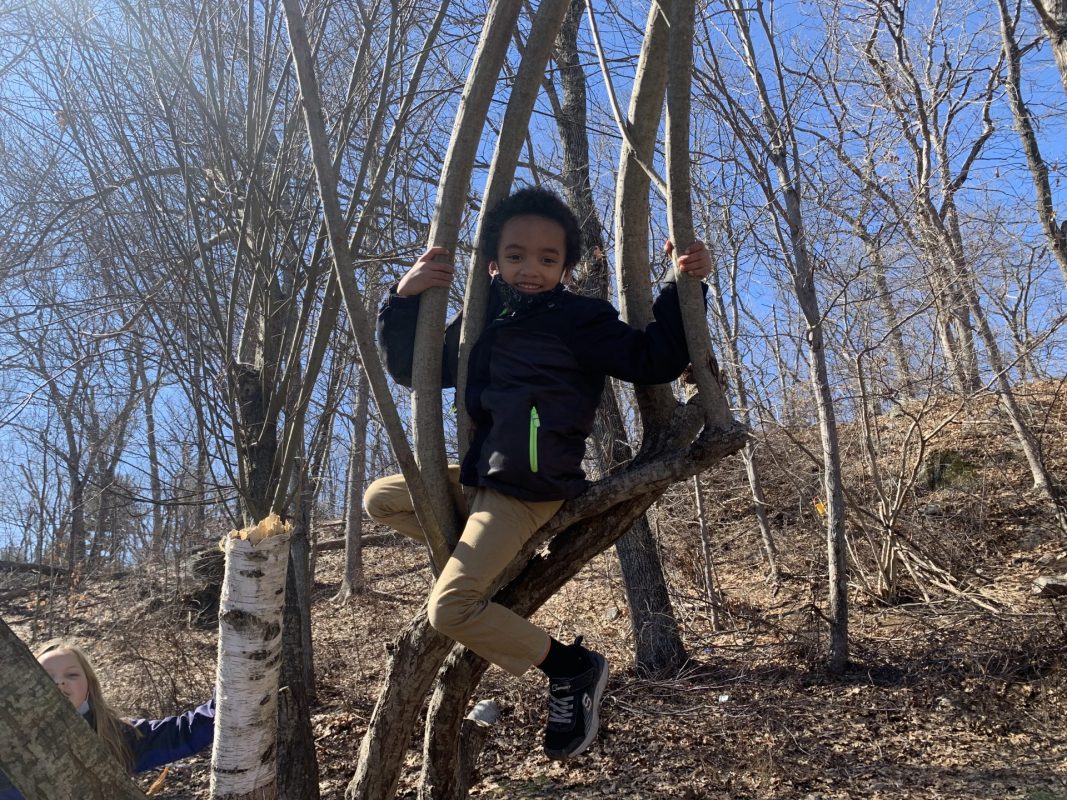
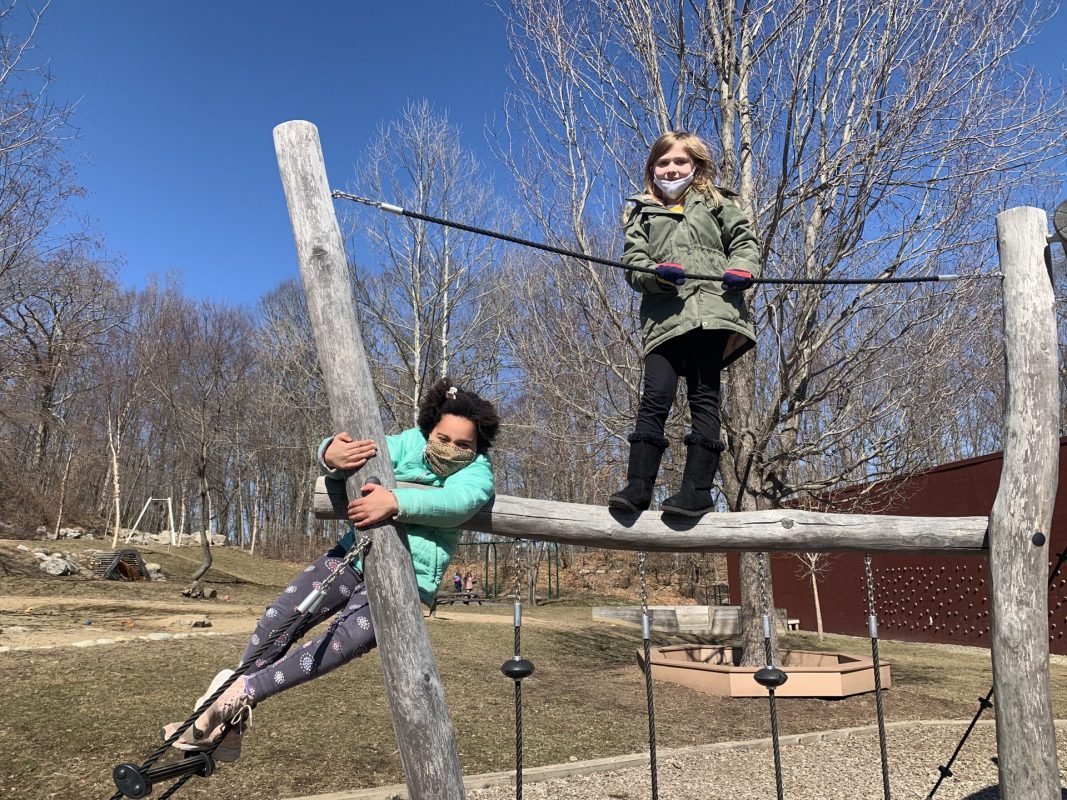
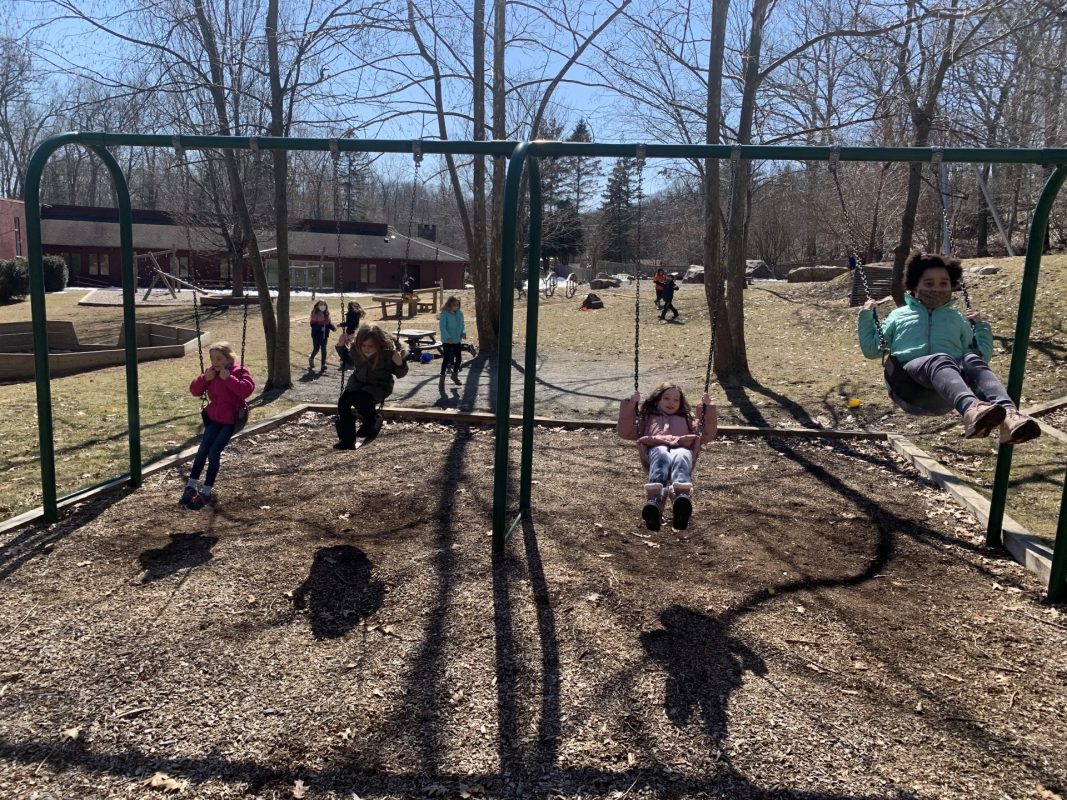
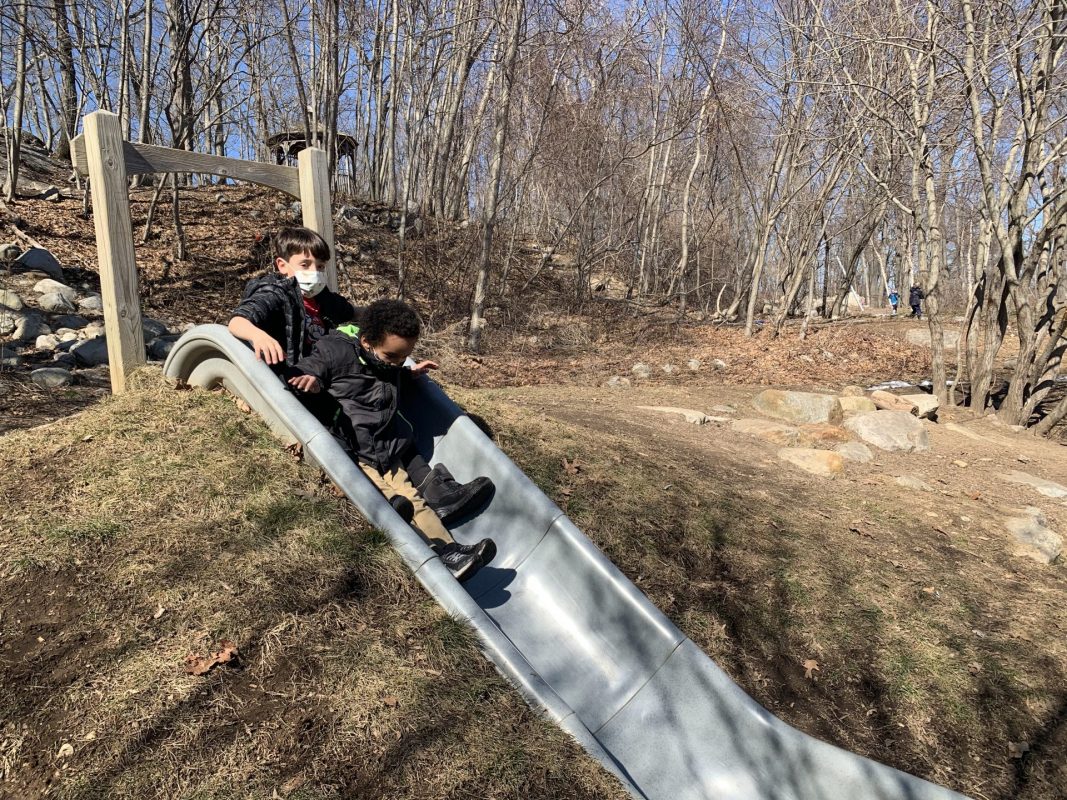
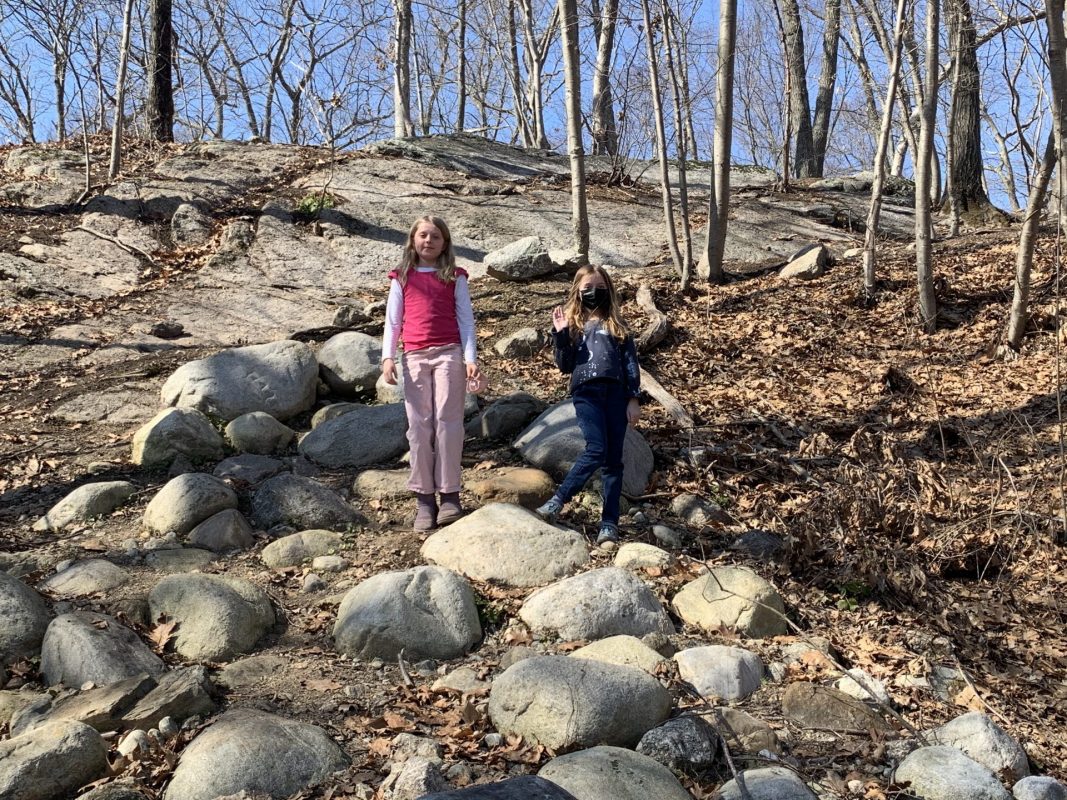
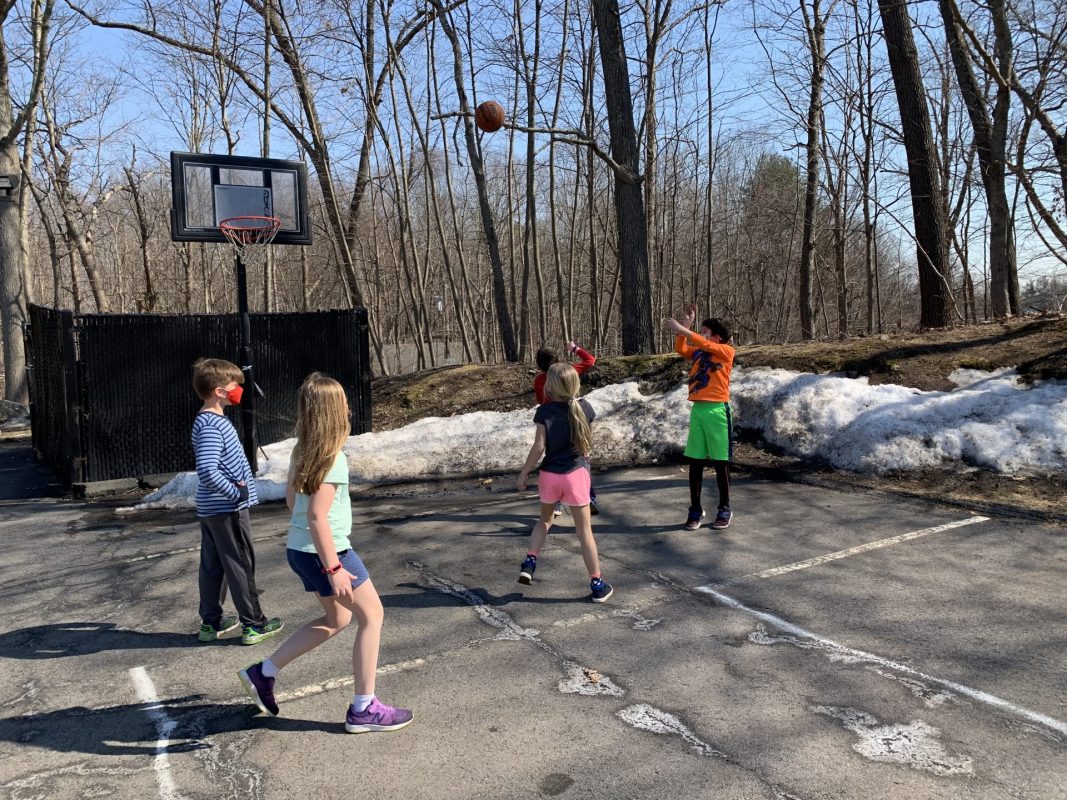
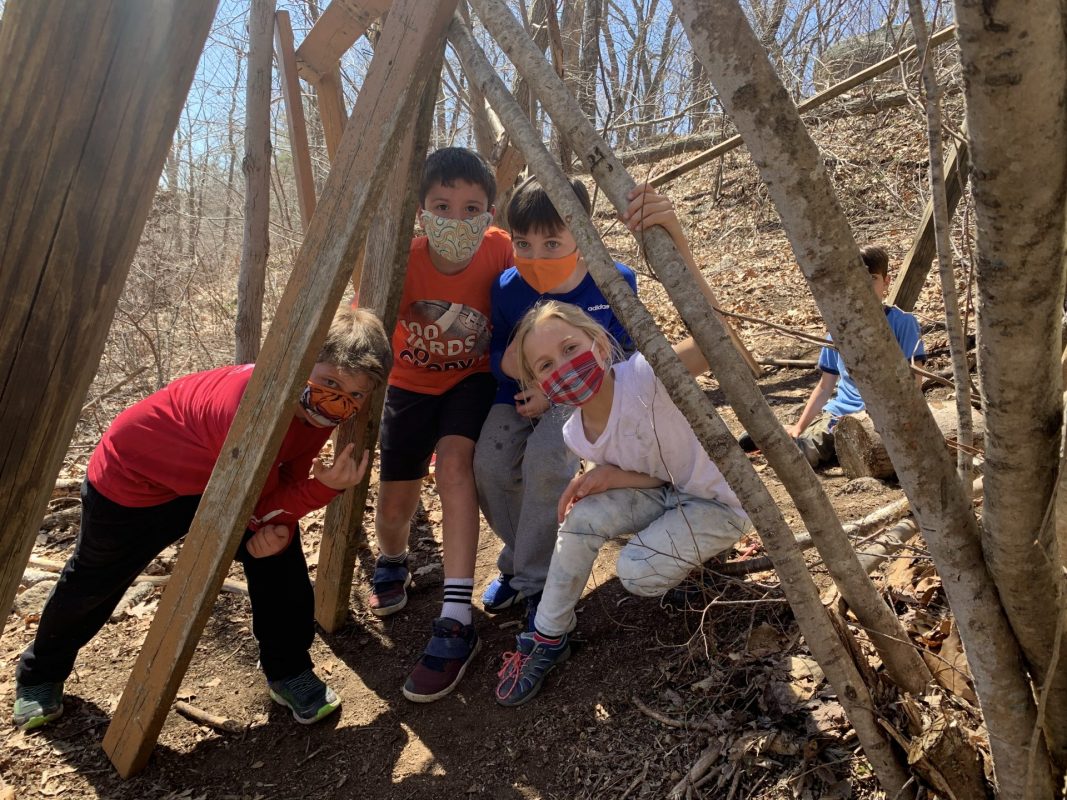
The importance of being outdoors is often overlooked, but is actually an essential part of the development of the whole child. Children need to learn how to work together, in unstructured settings. Being outside is a great chance for children to engage in imaginative play, learn how to share and cooperate, and learn appropriate ways to treat other people. In addition to the socialization benefits of being outdoors, it is a great way to foster children’s innate appreciate of nature. If a child grows up never walking in the woods, seeing animals in their natural habitat, digging in dirt, or playing in a stream, they may never really understand what there is to be lost. Since the future of our planet, Mother Earth, depends on our children, I think it is so important for them to learn to appreciate it.

Have a fabulous spring break!


Biology and History

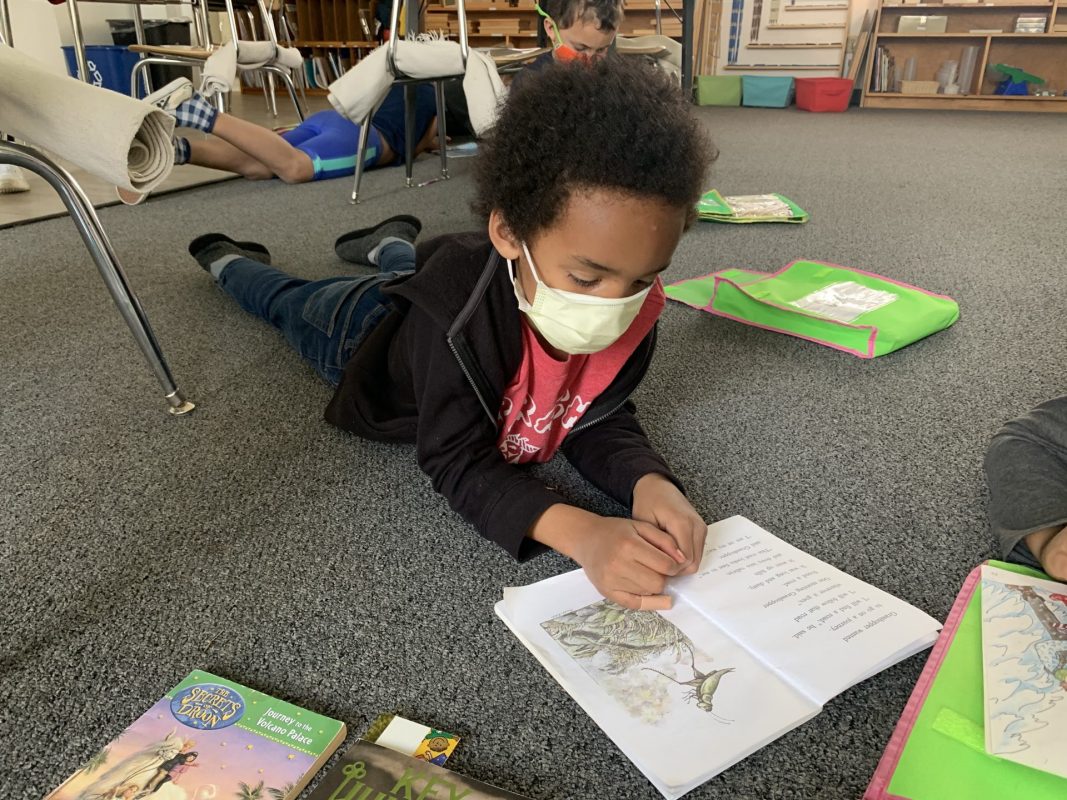
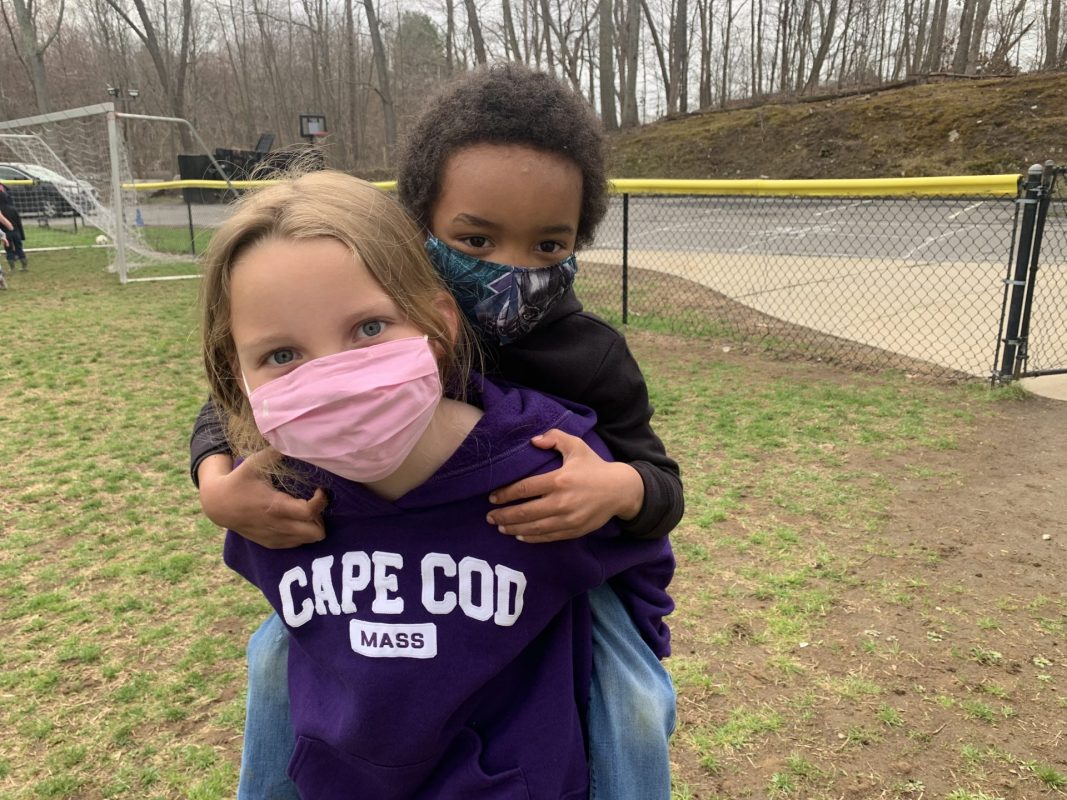
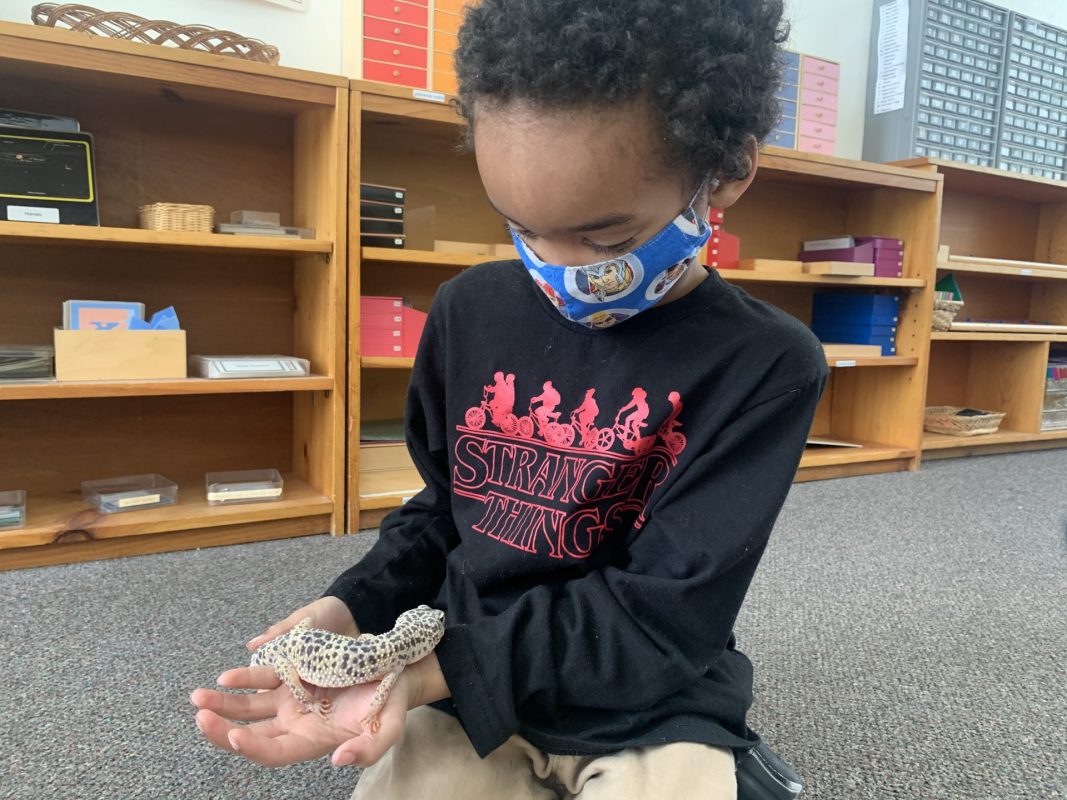
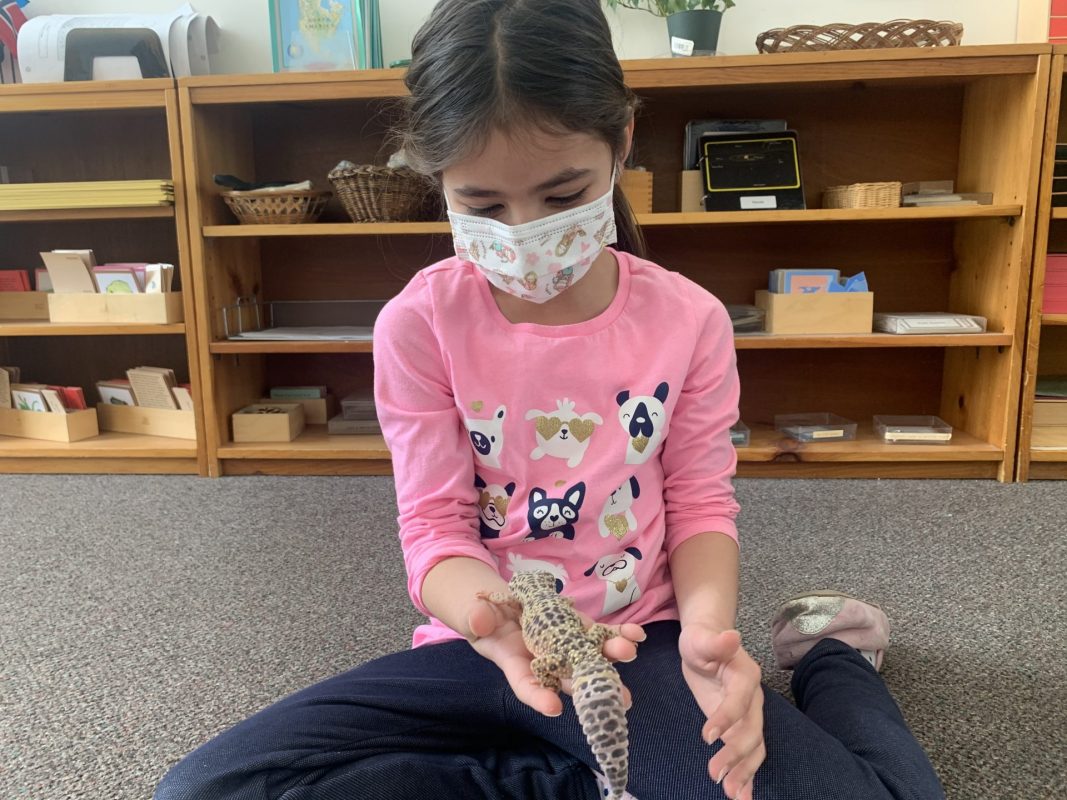
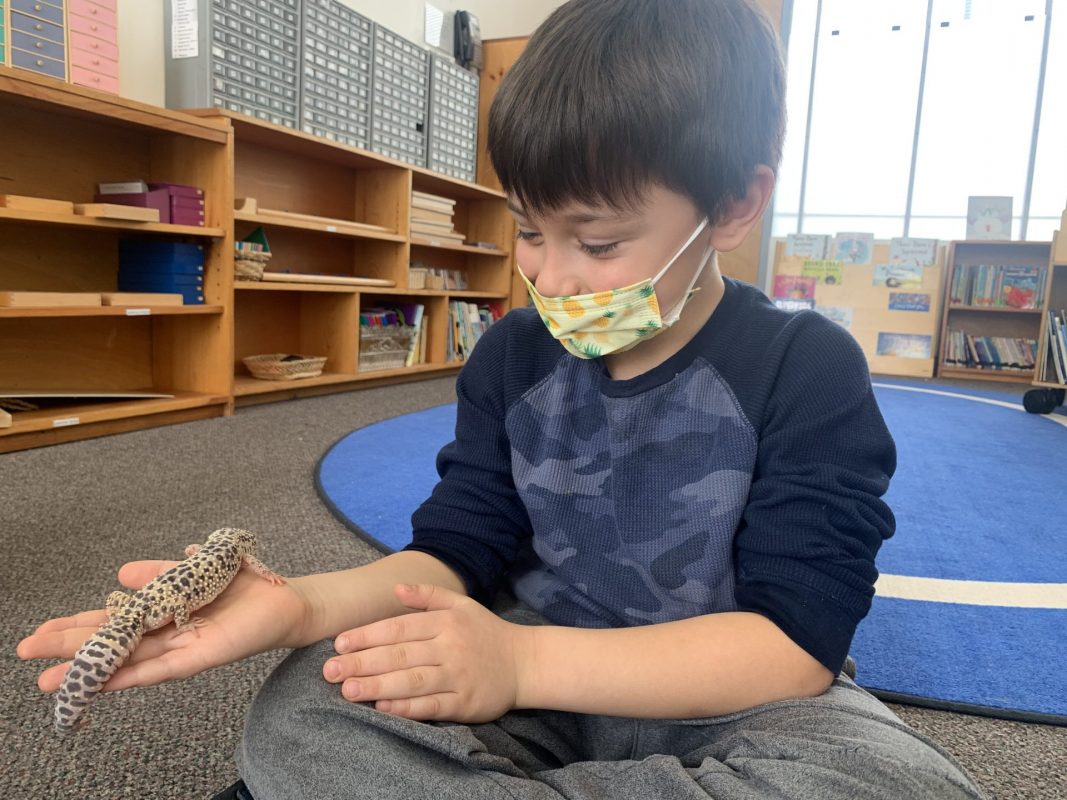
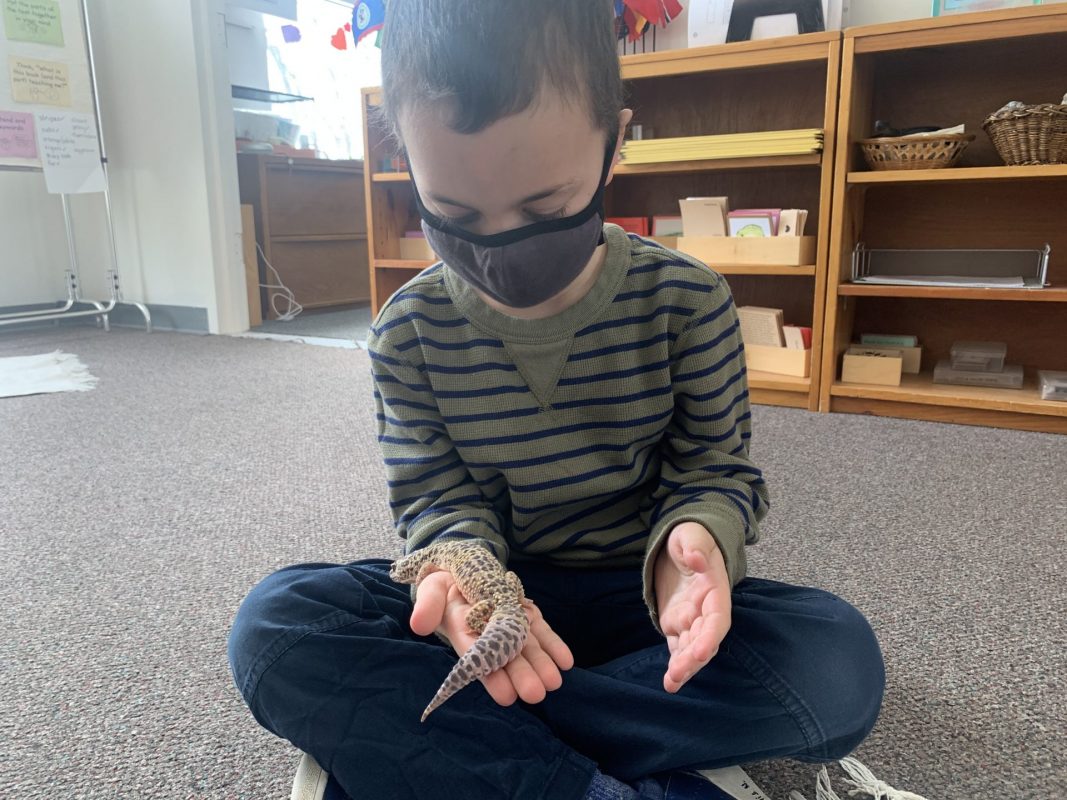
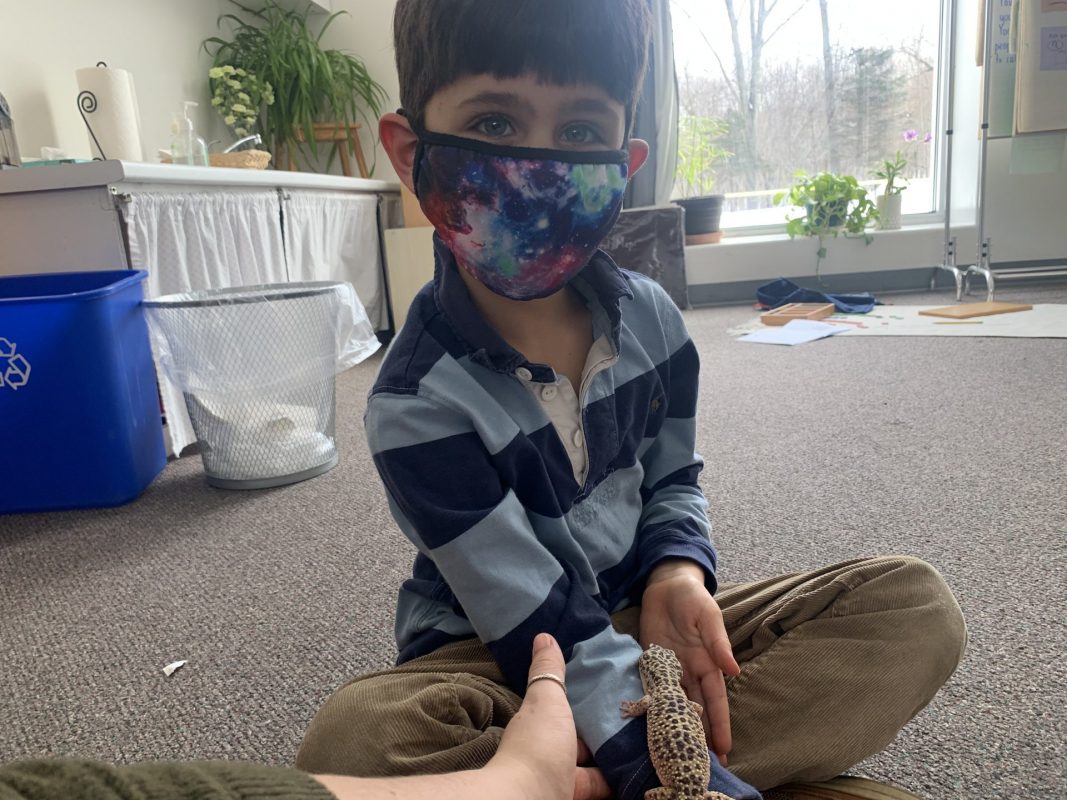
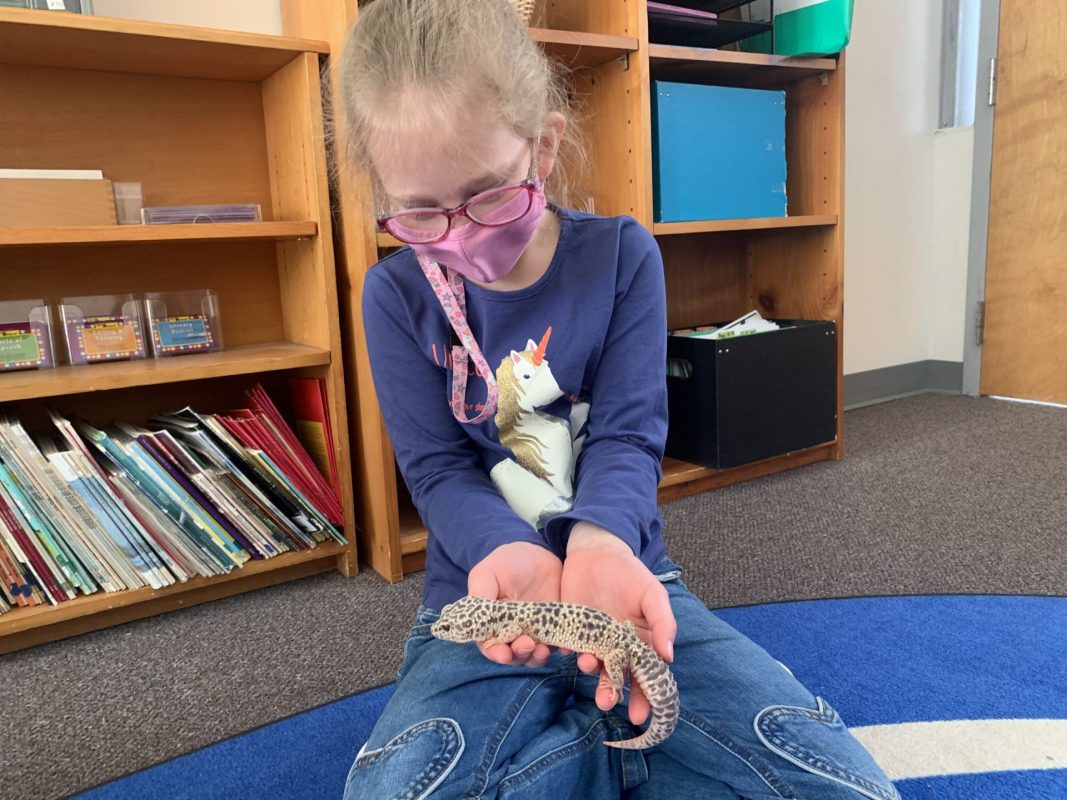
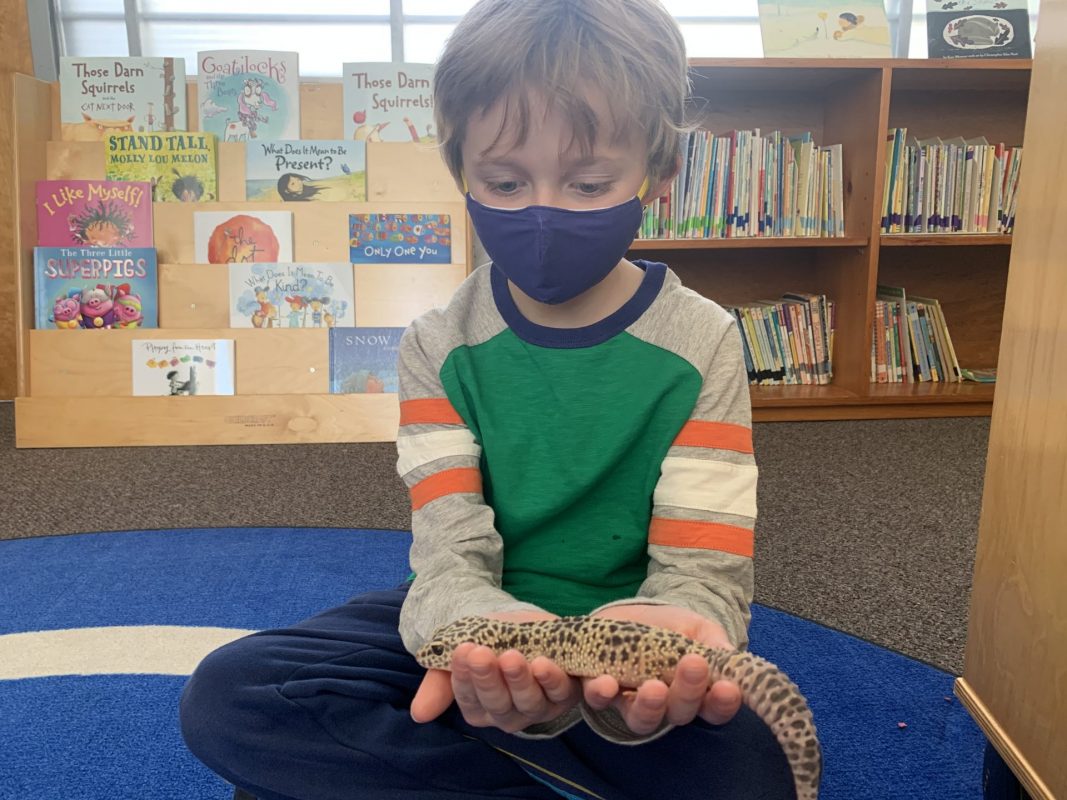
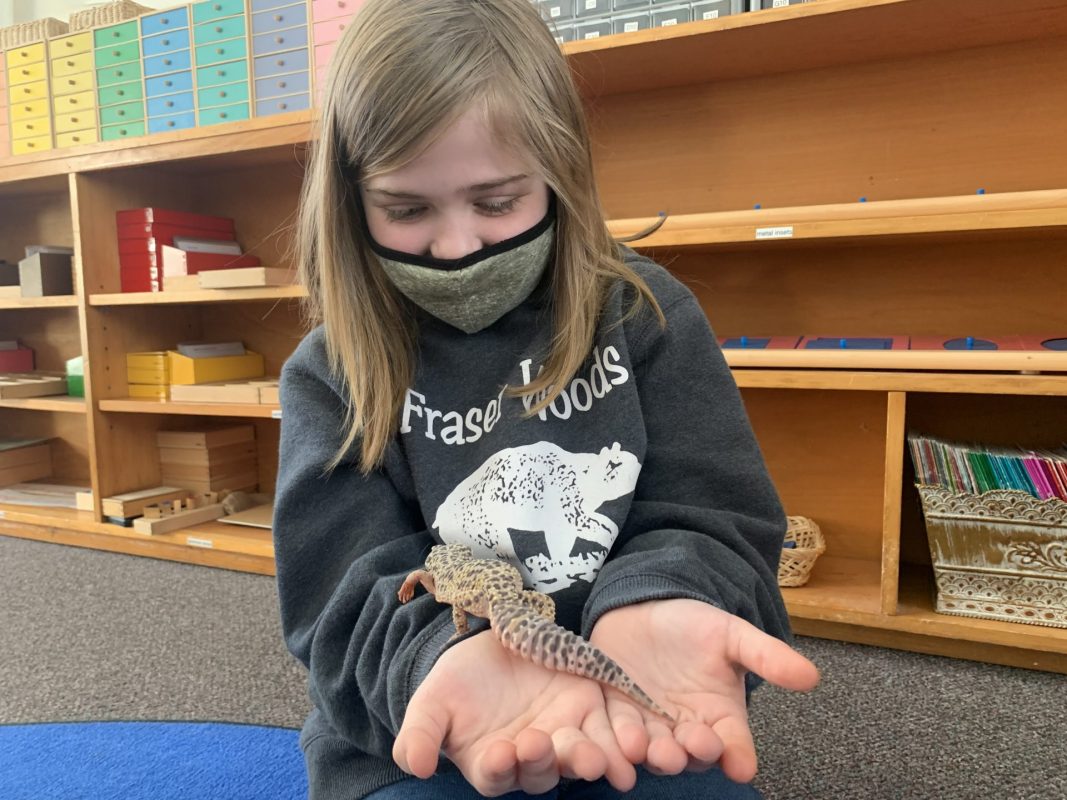
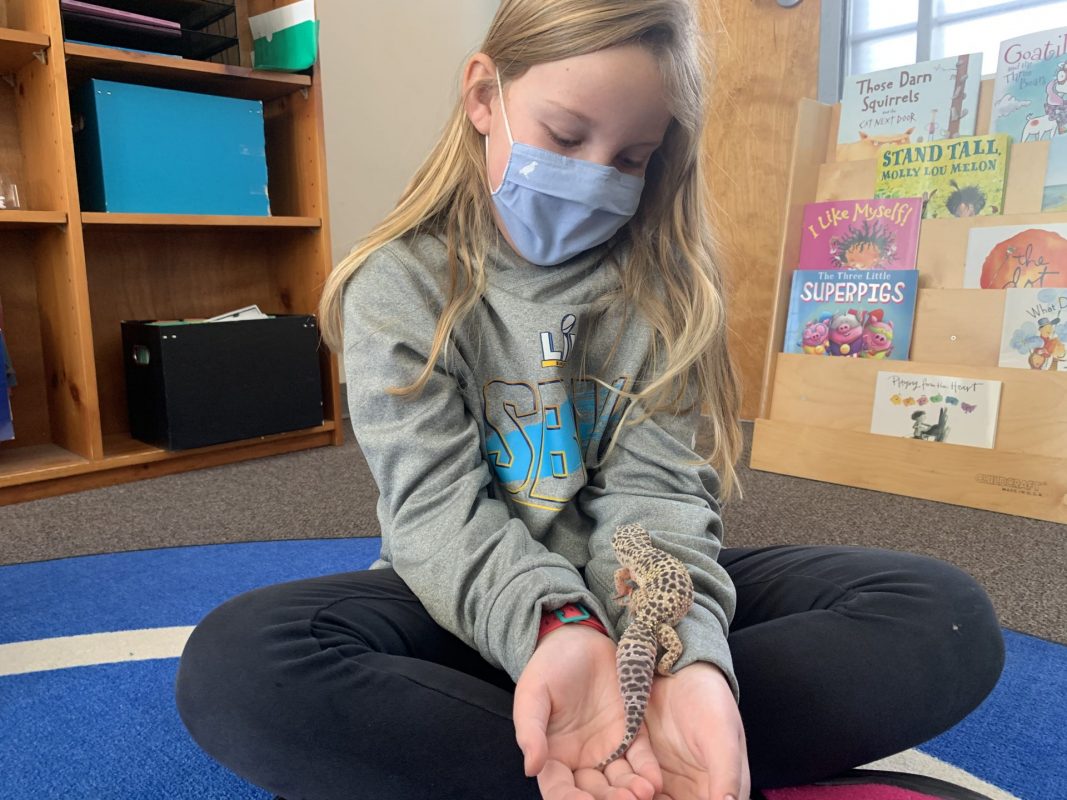
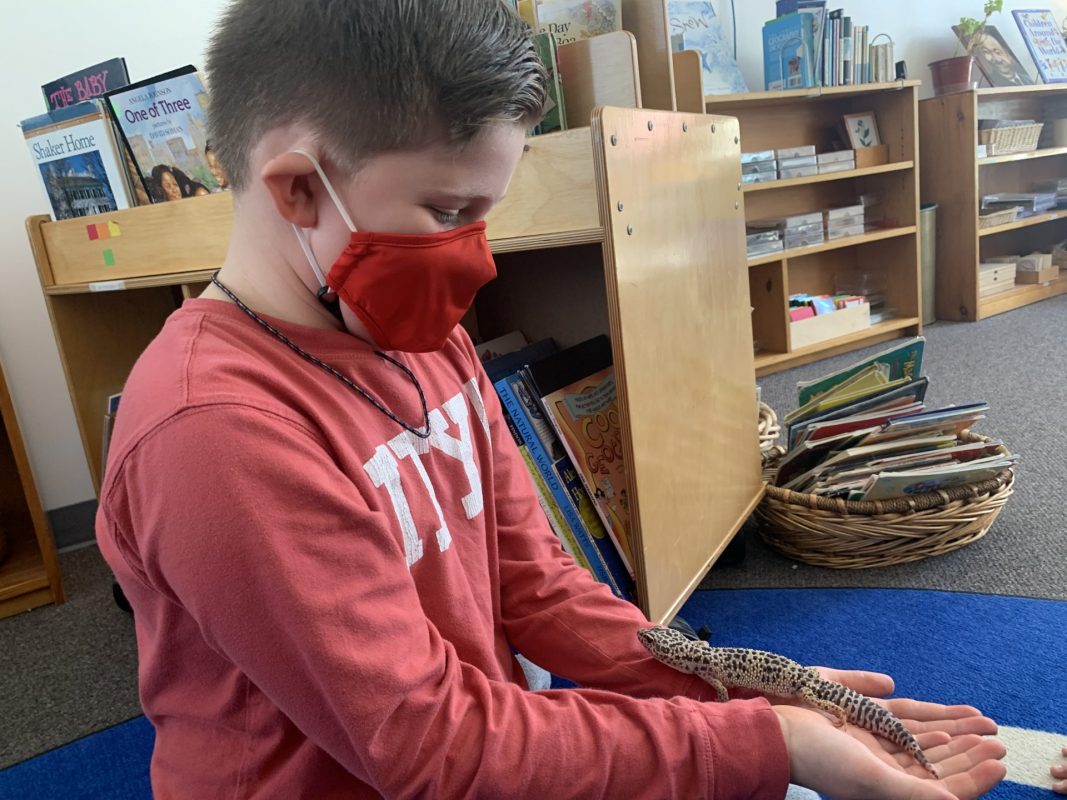
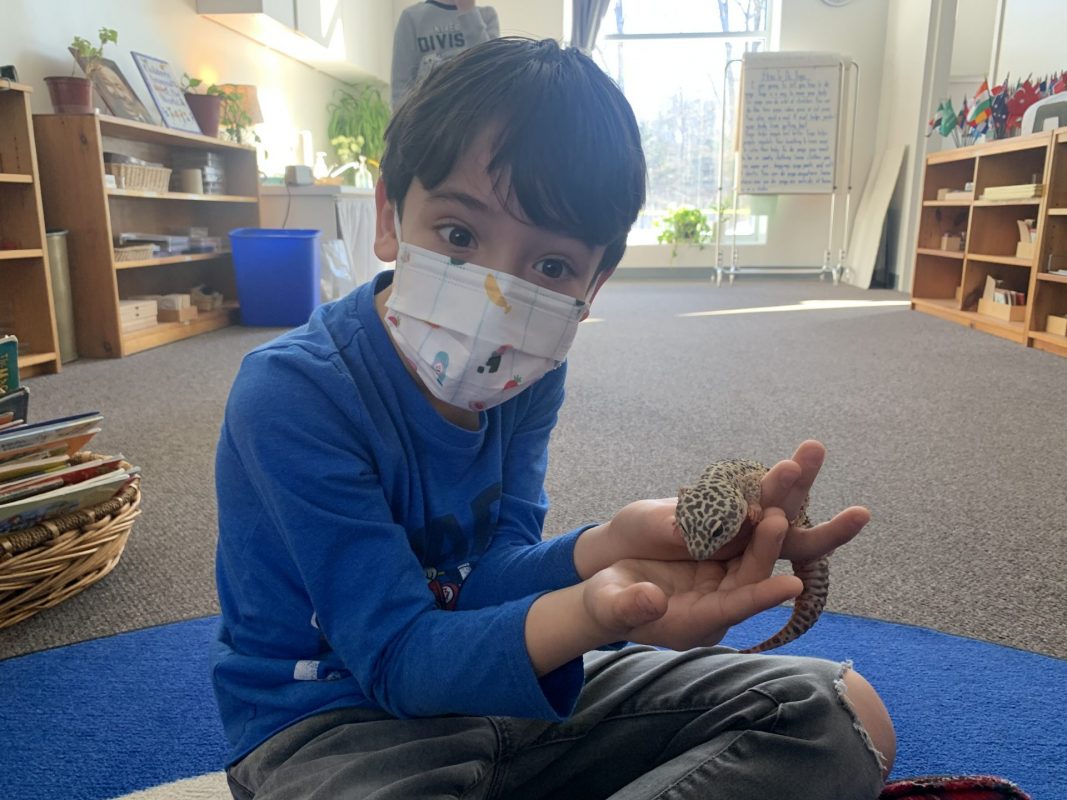
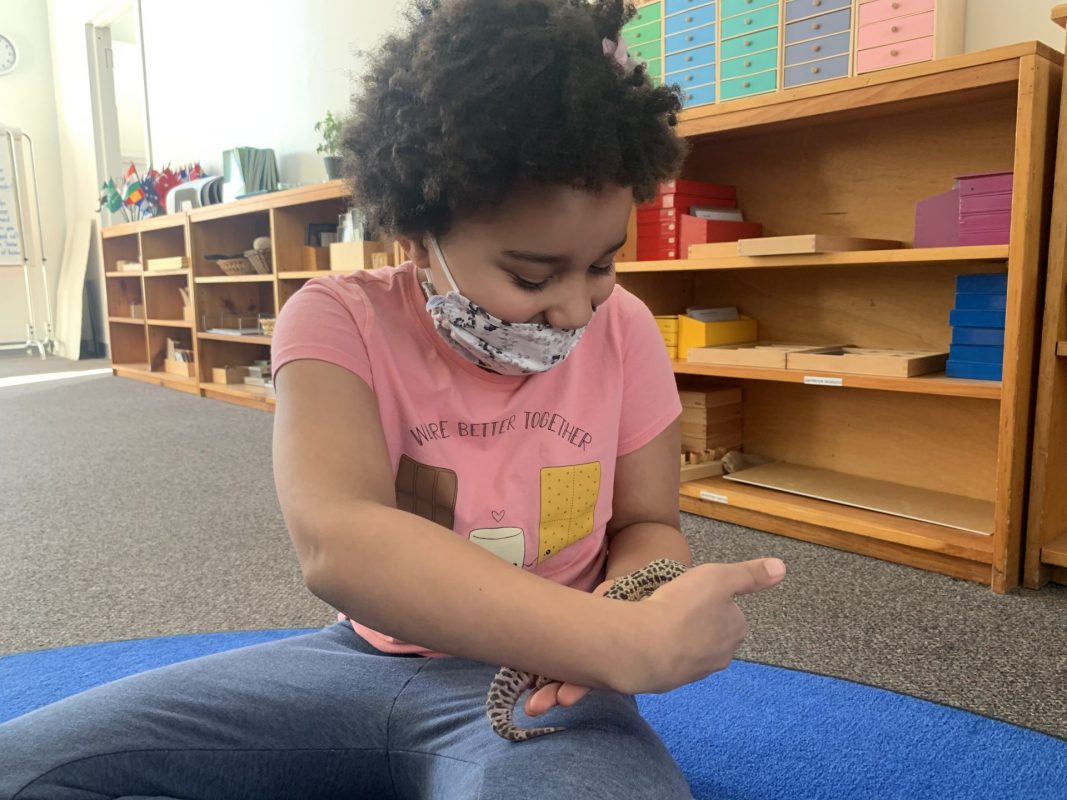
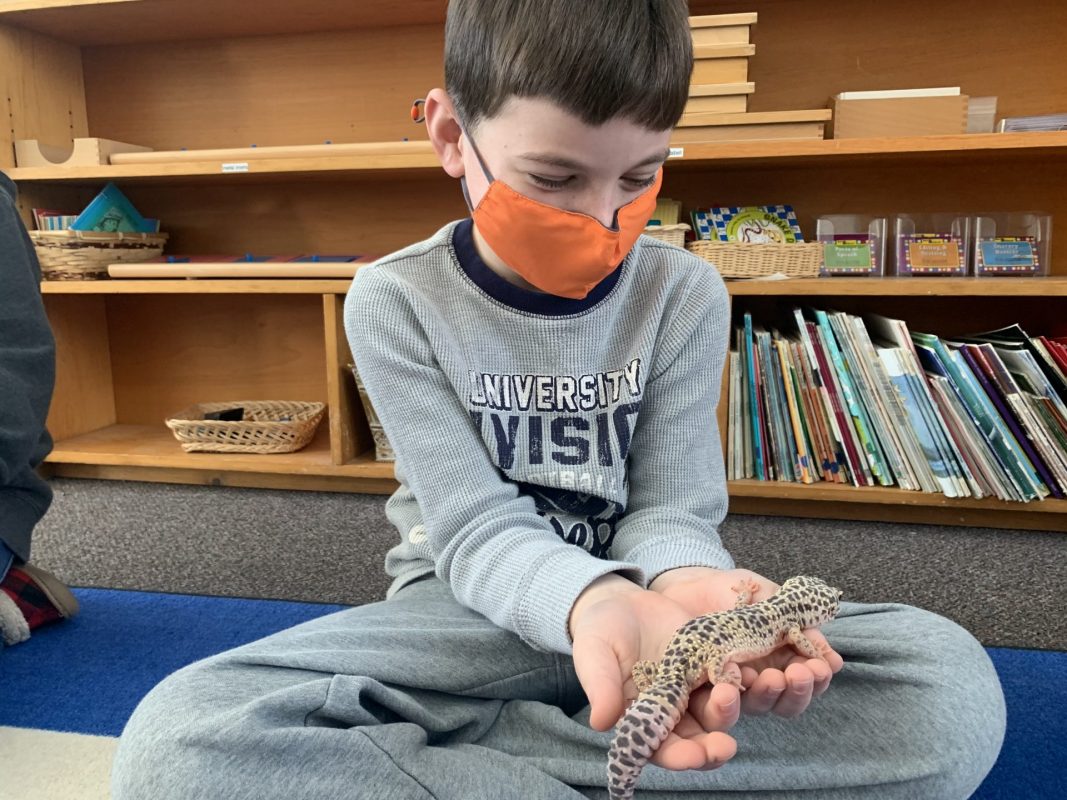
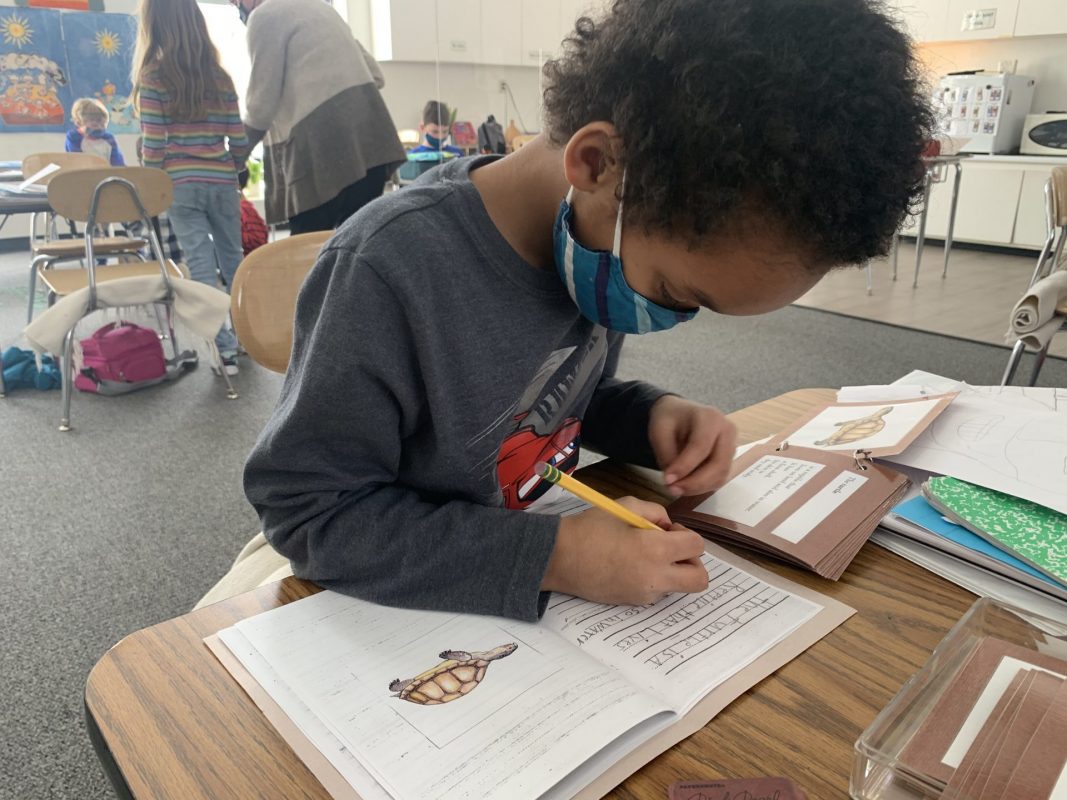
The first and second graders were ecstatic to learn about reptiles this week! The lessons began by taking a moment to observe Rocky, our leopard gecko, closely. You can see their excitement through the smiles on their faces, even behind the masks! From there, we had a group discussion to share our observations and our previous knowledge about reptiles. The first years learned about the external parts of a reptile, meanwhile, second graders took a closer look at the inside of reptiles; learning about the body functions. Working with the biology materials help enhance reading comprehension as well as teach organization, classification, and making comparisons and contrasts.

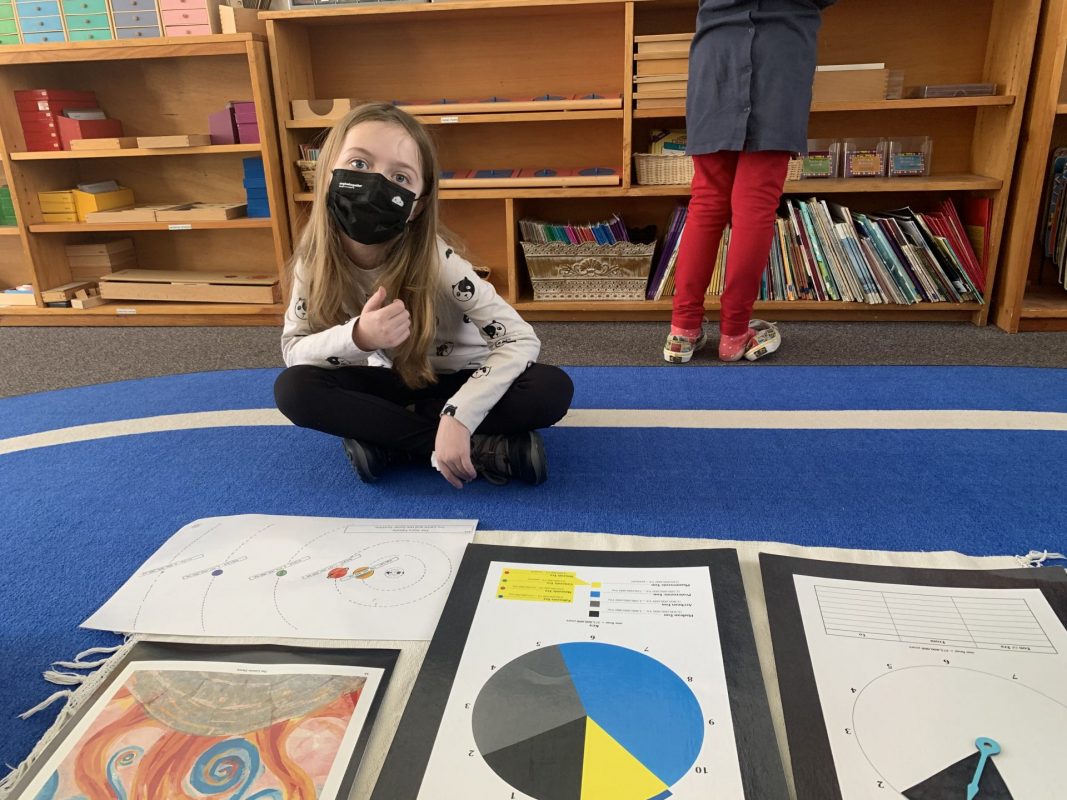
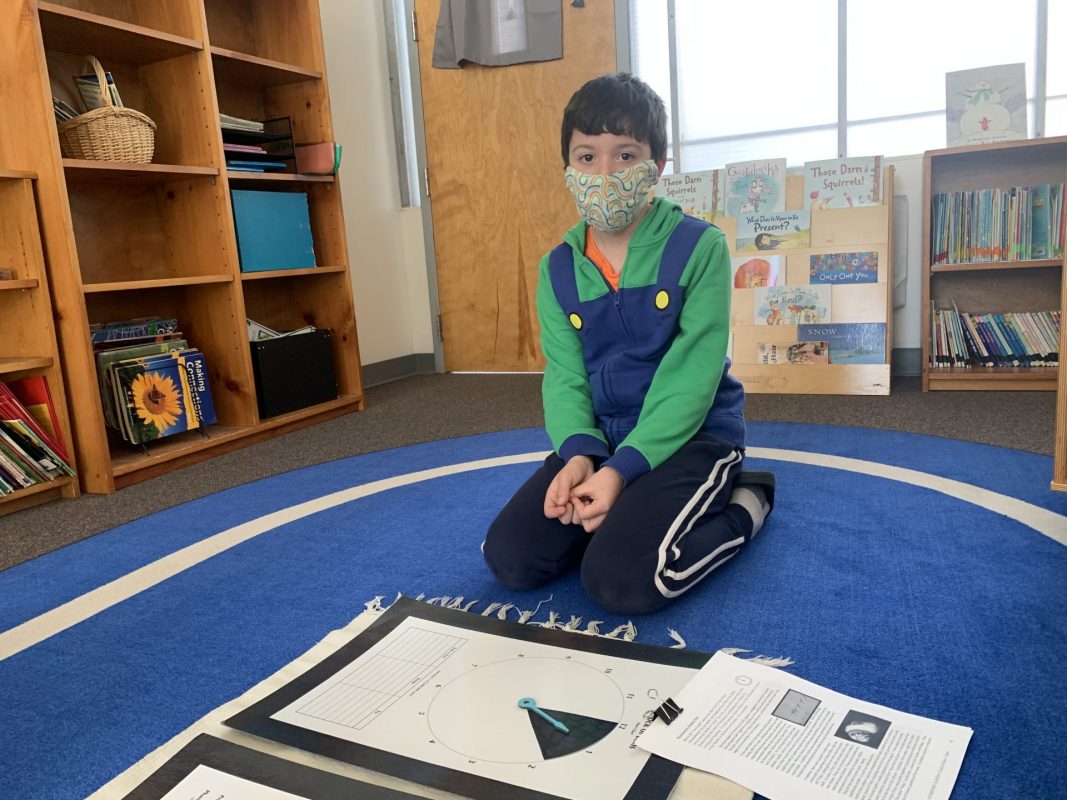
The third graders were immersed in history this week, learning about the Clock of Eons. We zoomed into the clock and took a closer look at the Hadeon Eon and explored the time of formation, bombardment, volcanoes, cooling, and layering. This eon of time is when our planet, Earth, was formed! Ask your child what they learned about proto earth and the planet, Theia!


Montessori Classroom- A Sacred Space

“The greatest sign of success for a teacher is to be able to say, “The children are now working as if I did not exist.”  ~Maria Montessori

After a few short weeks due to holidays and snow days, we are happy to be back in our routine. Even happier to welcome a new friend, Ellis, into our class community! We are thrilled to have you back.

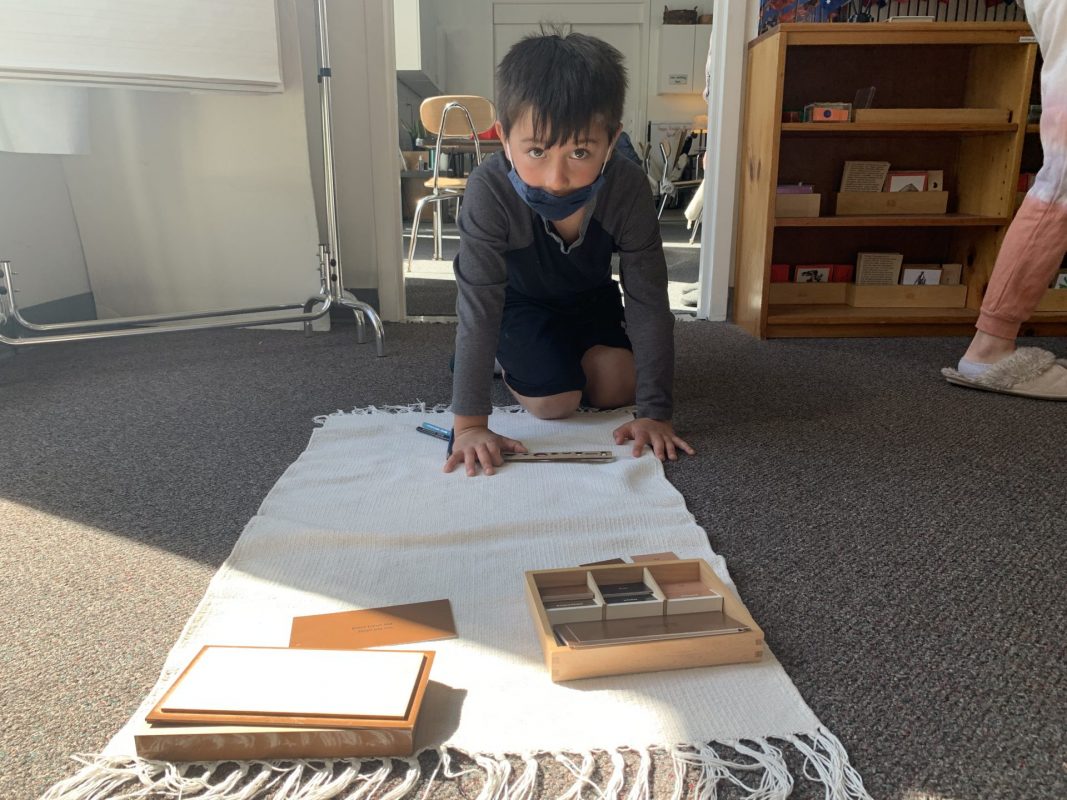
A Montessori classroom is a sacred space. Each child in a Montessori classroom is working to become independent. To be successful with this independence, the children have to feel empowered to solve their own problems, have a consistent and predictable routine, and have the opportunity to work cooperatively and independently. The Lower Elementary classroom is a community where I take the growth in independence of each child seriously. I strive to provide a space where the children feel comfortable and confident. This enables them to become independent and helps to shape them as they grow.


Research Fair

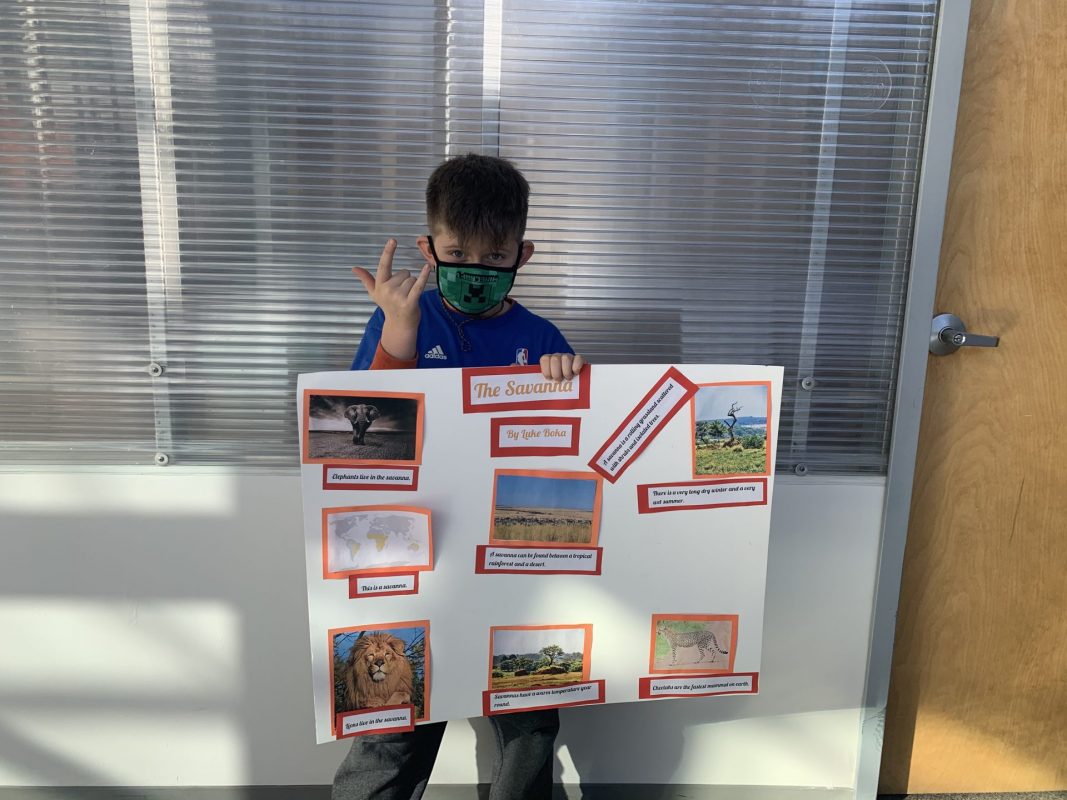
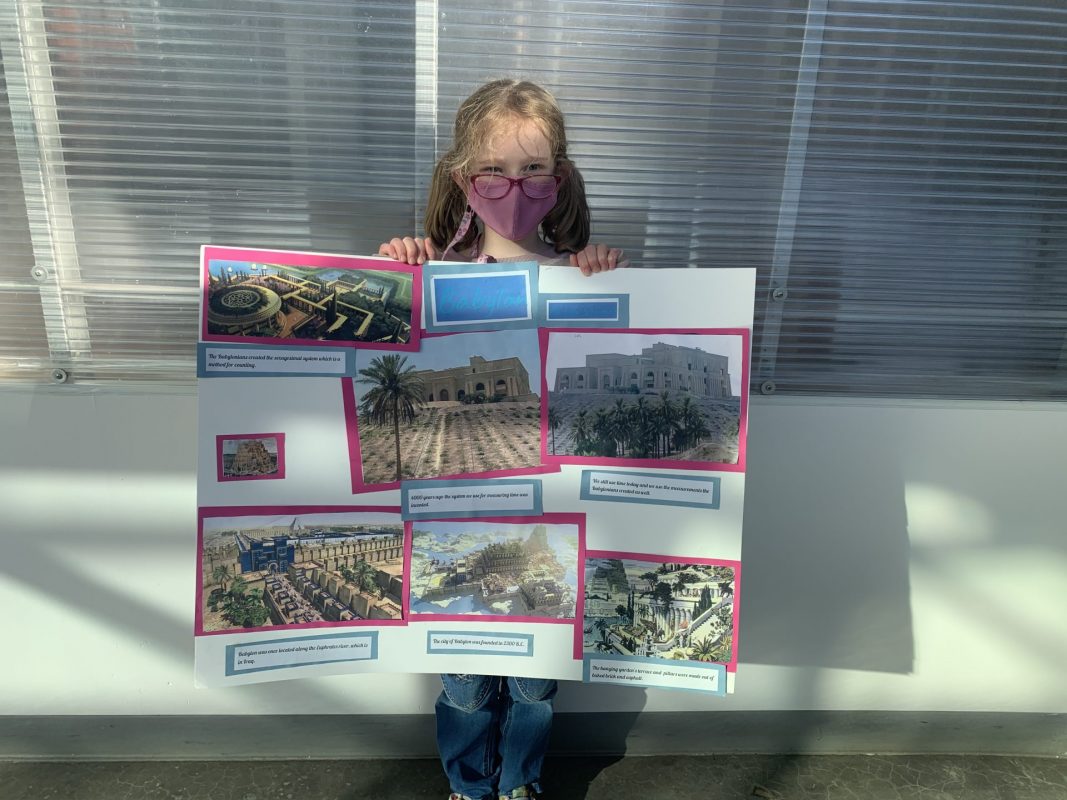
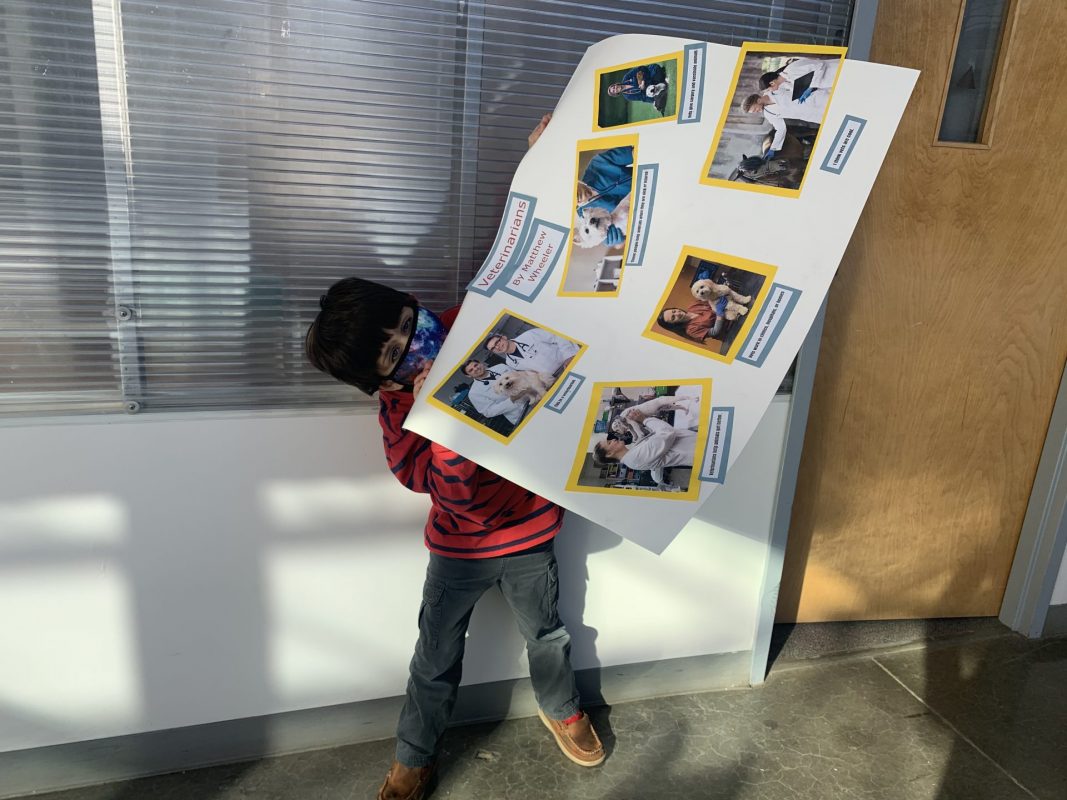
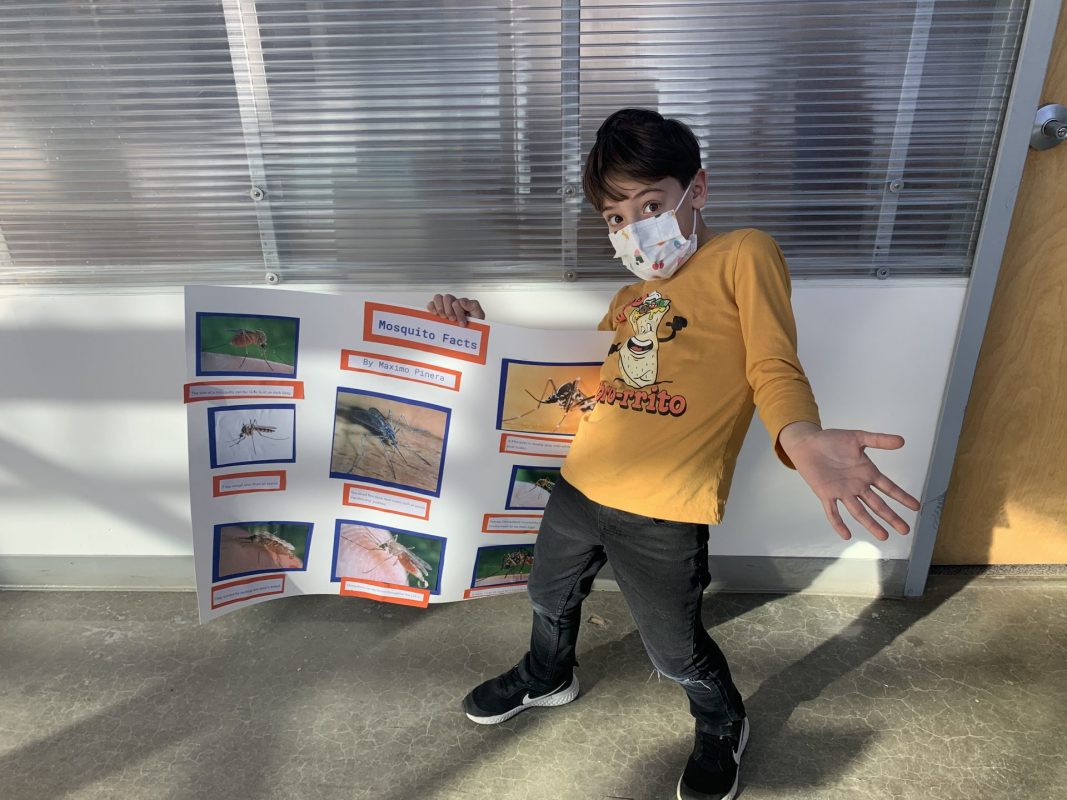
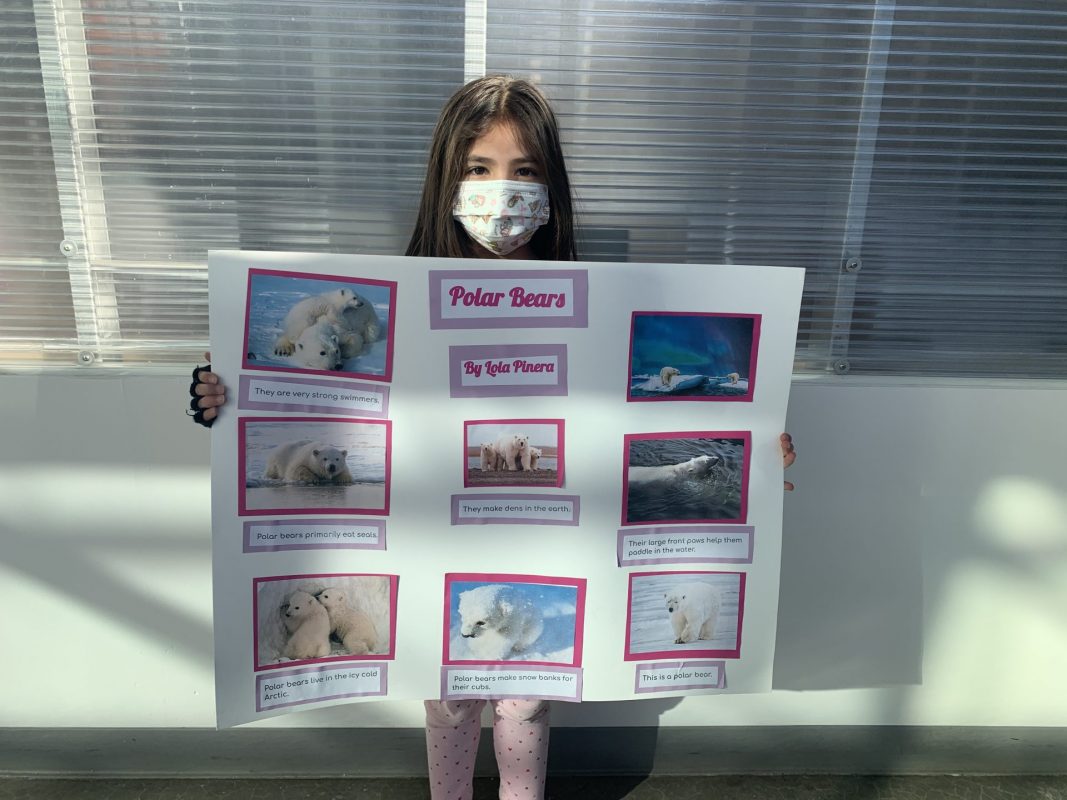
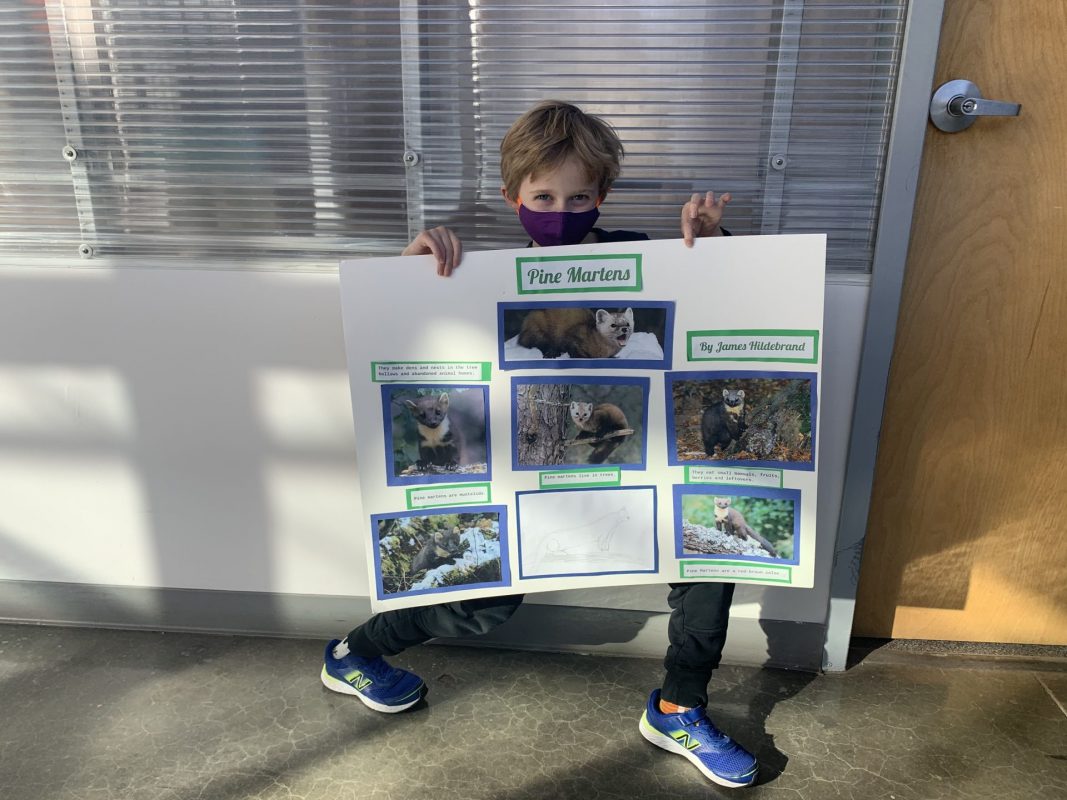
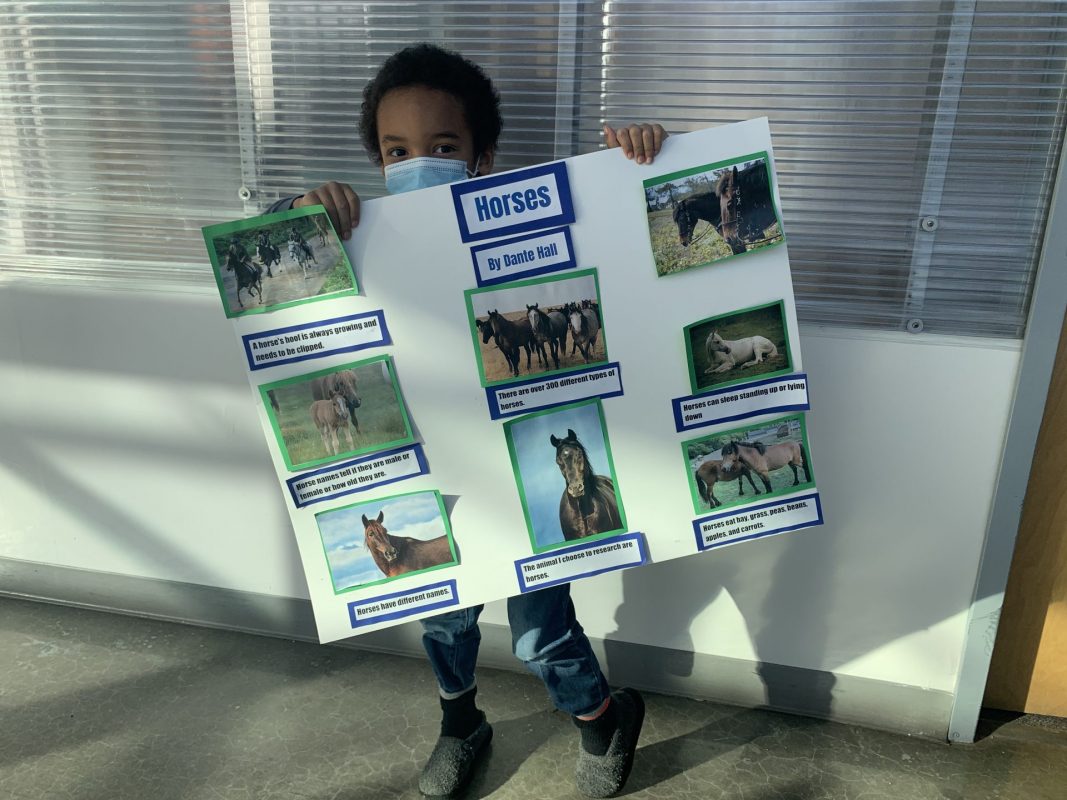
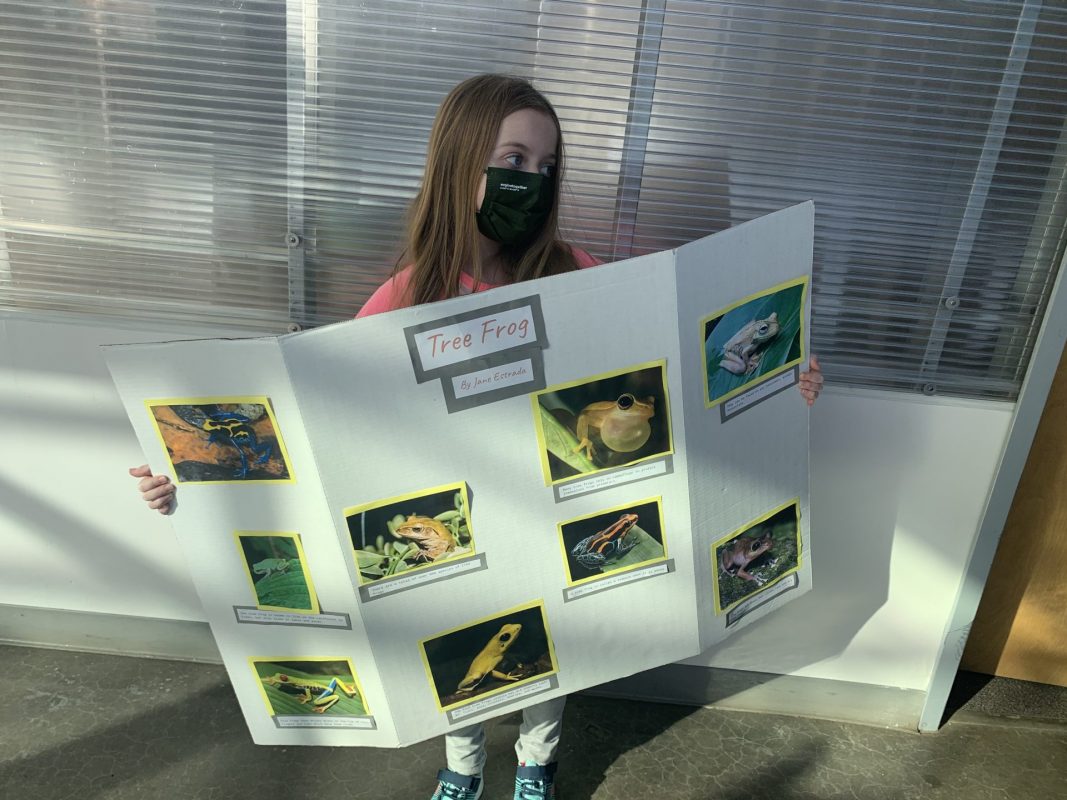
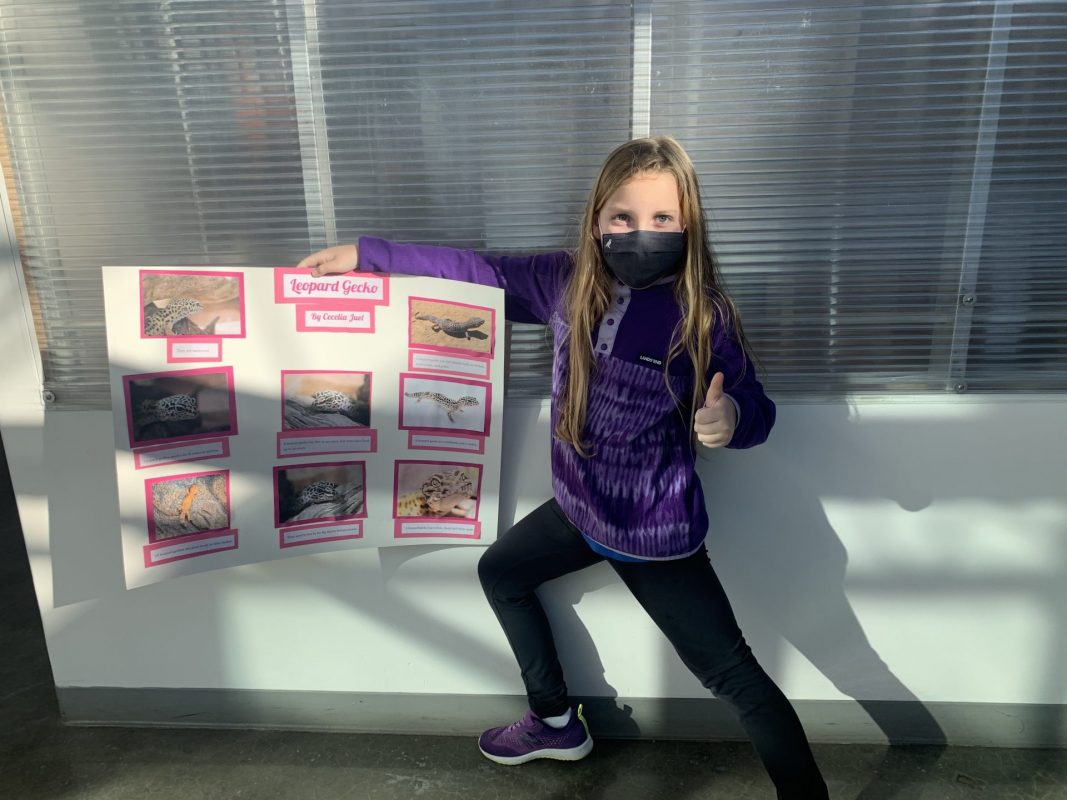
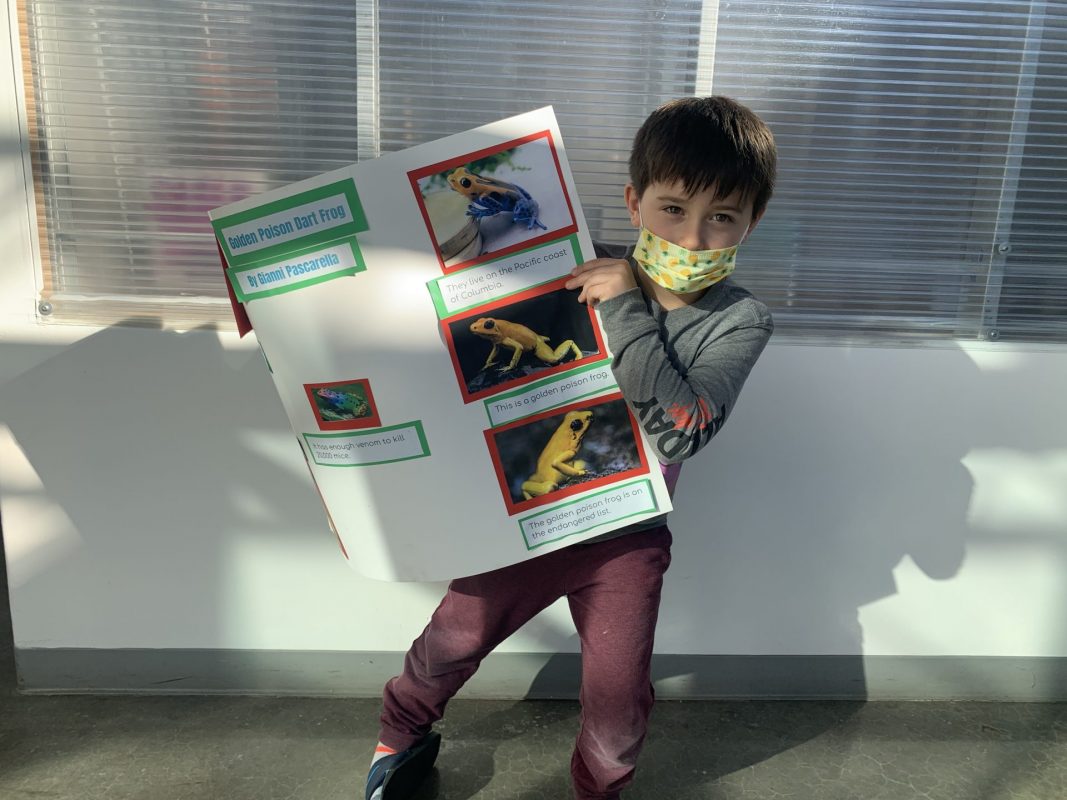
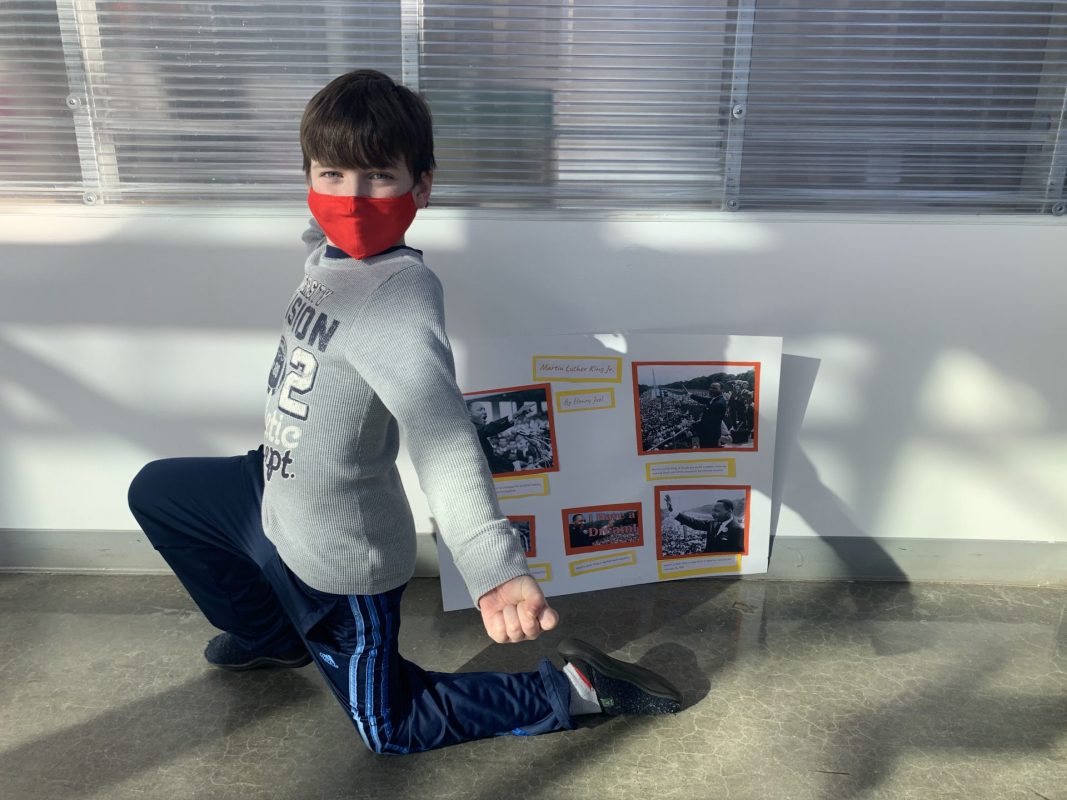
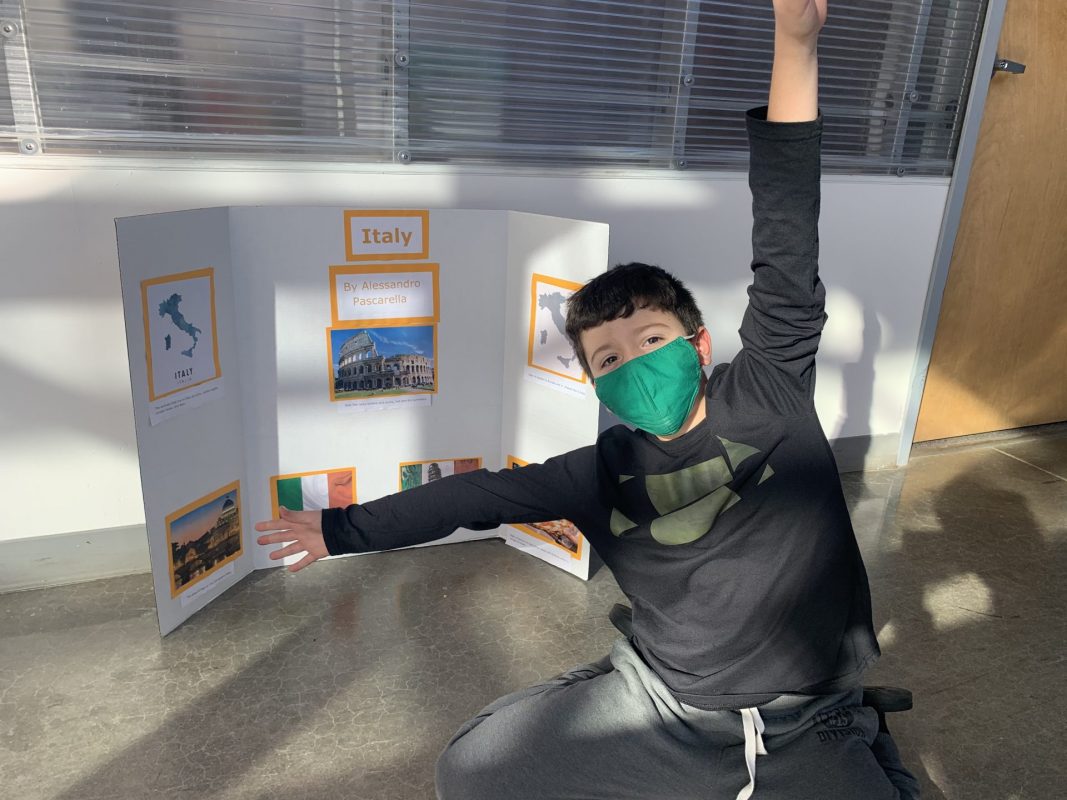
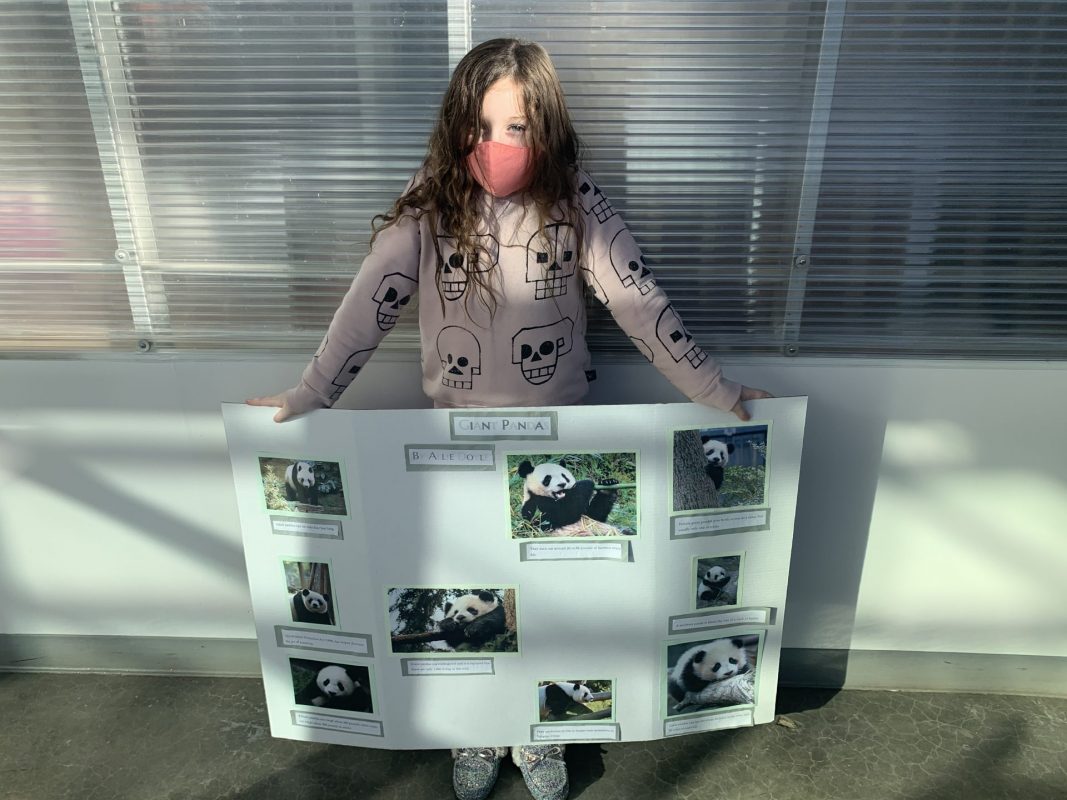
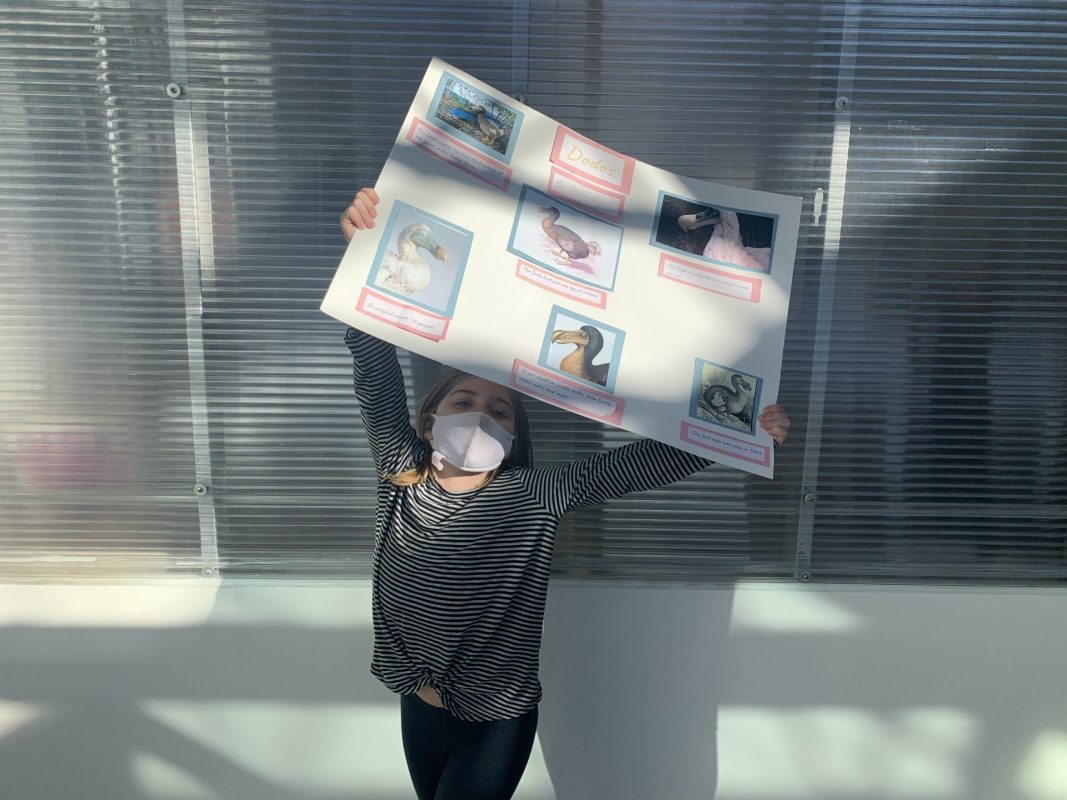
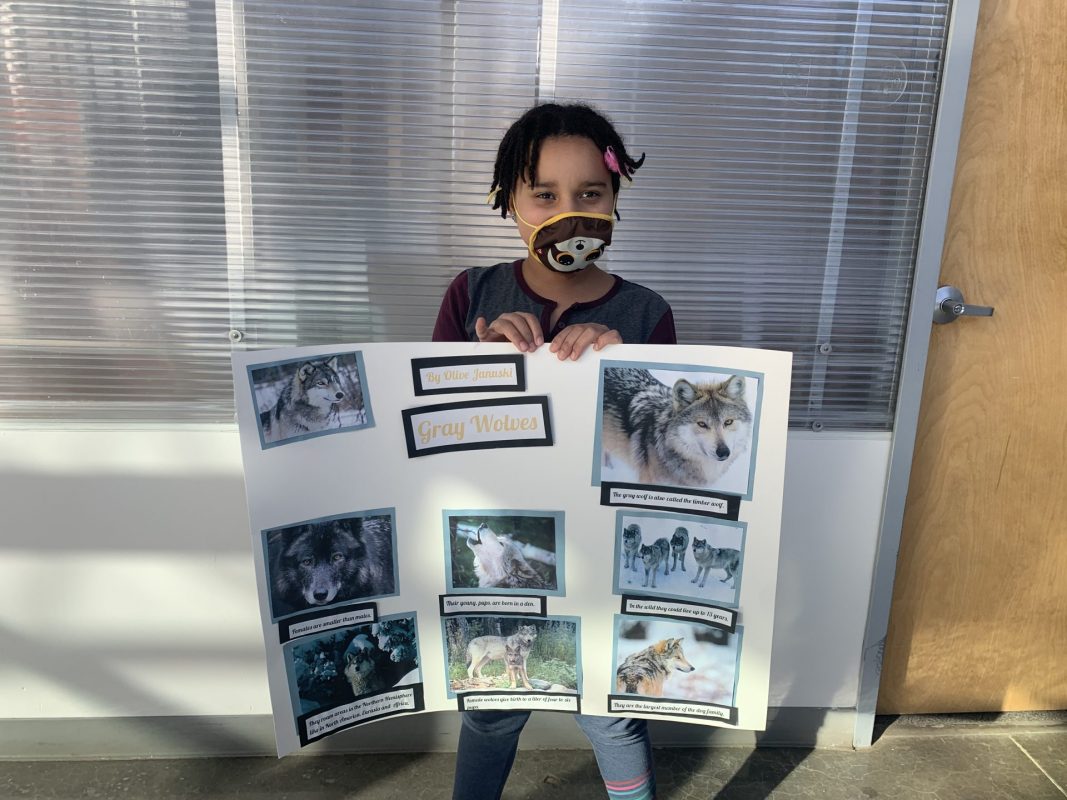
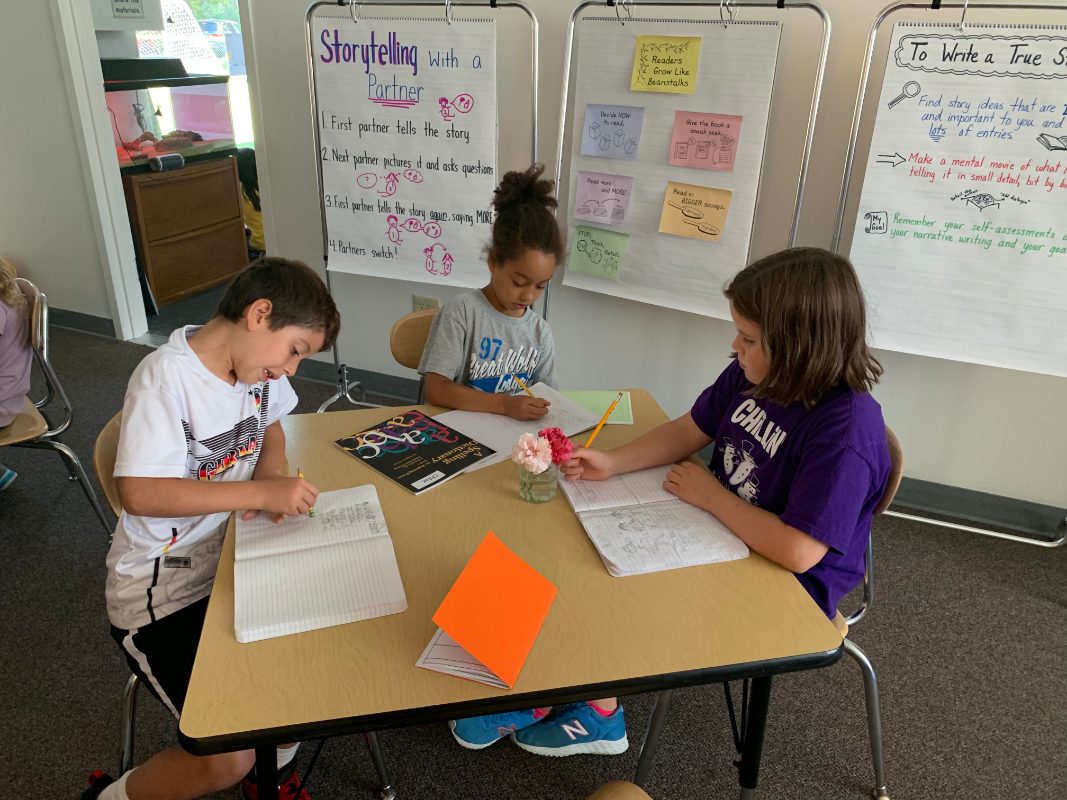
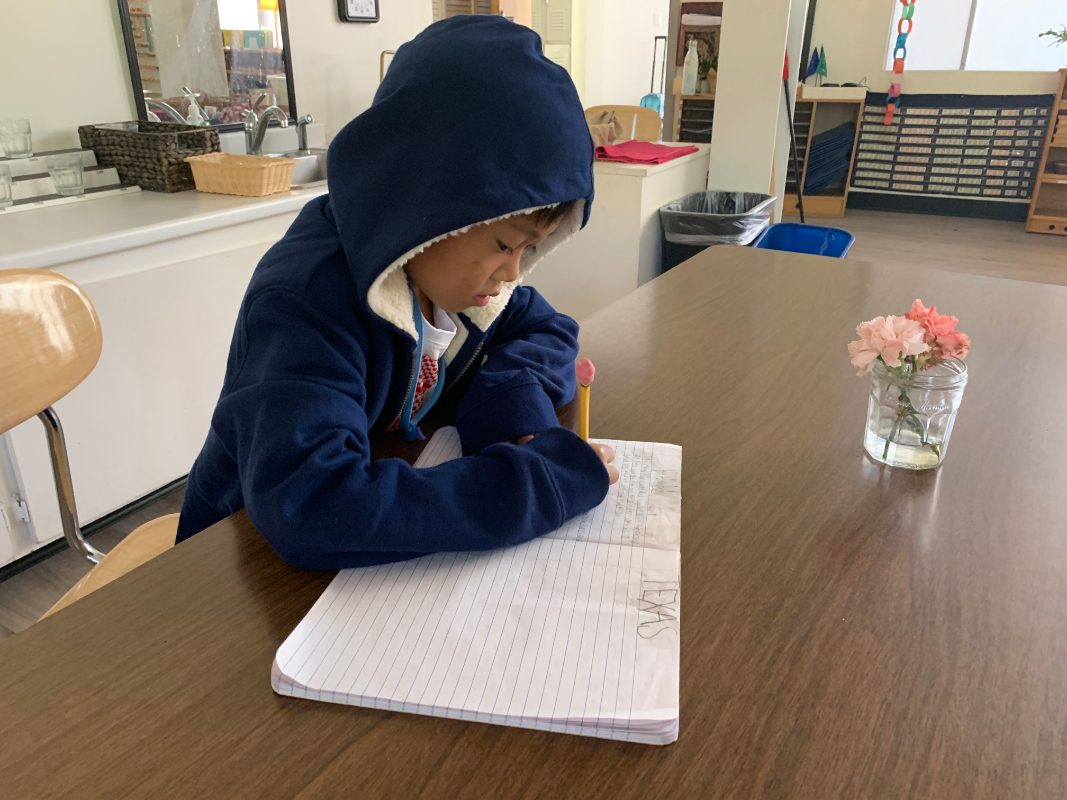
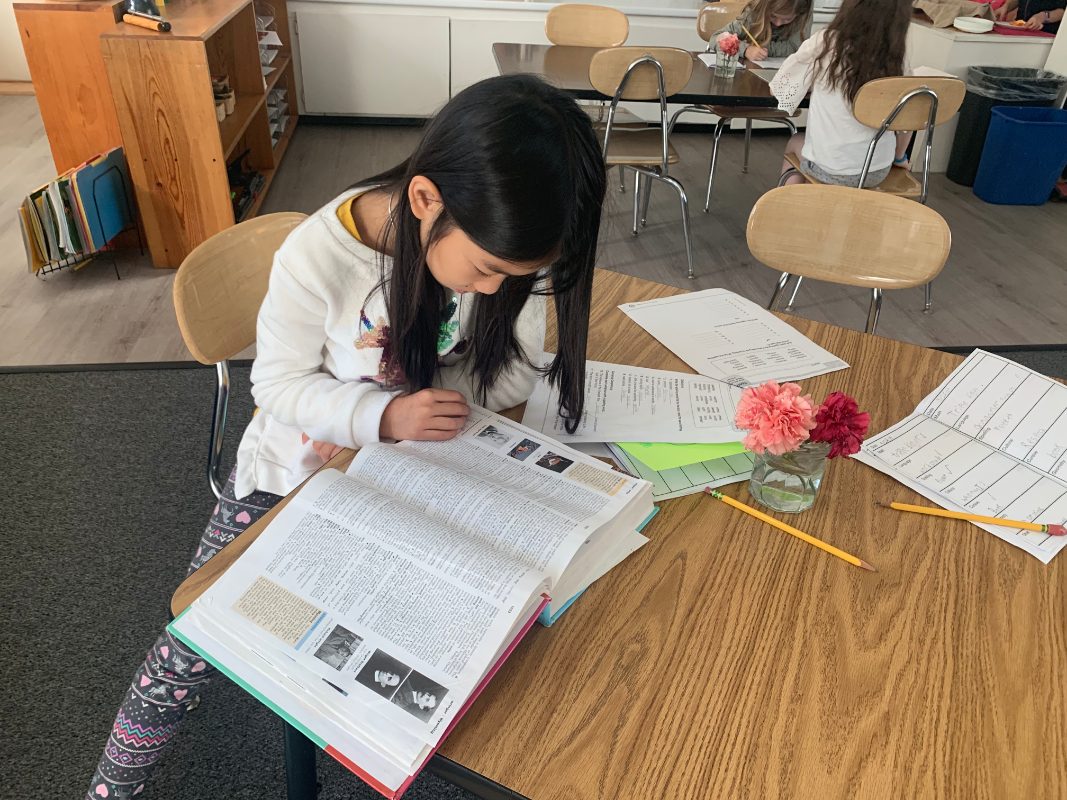
This time of year is special because the entire class is focused on one common goal, completing their research projects. This common focus connects us as a class and allows opportunities for the older children to take a mentoring roll and help the younger children who are new to research.

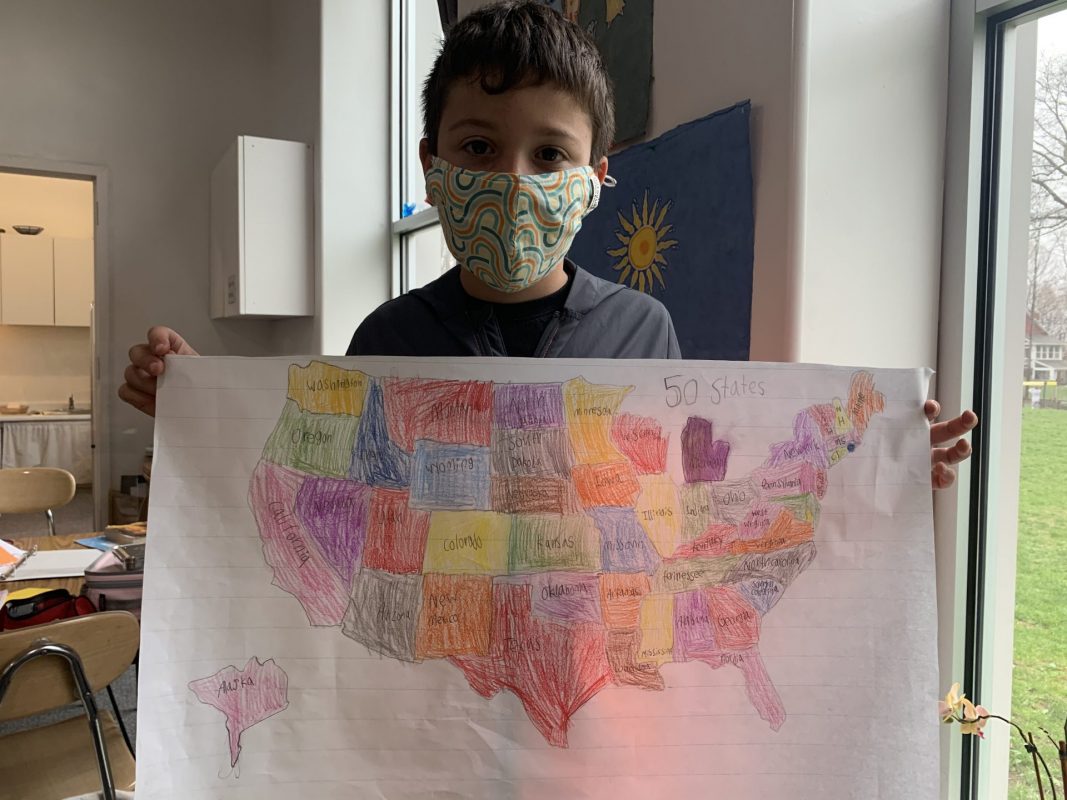
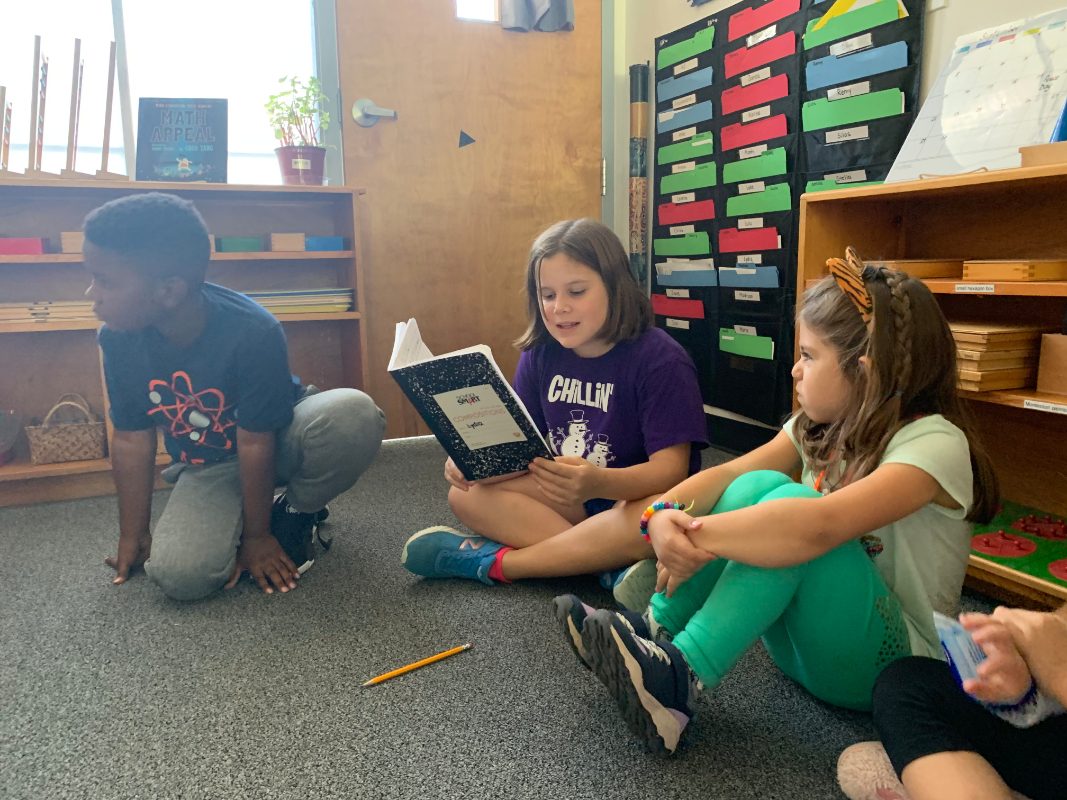
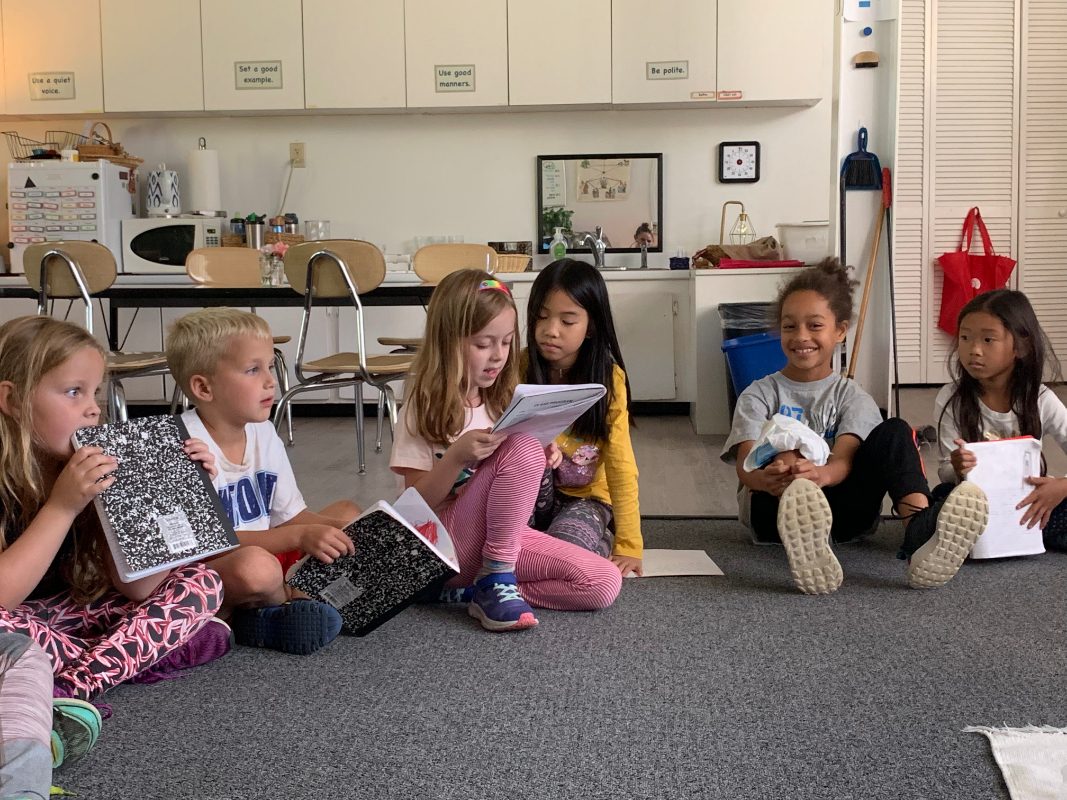
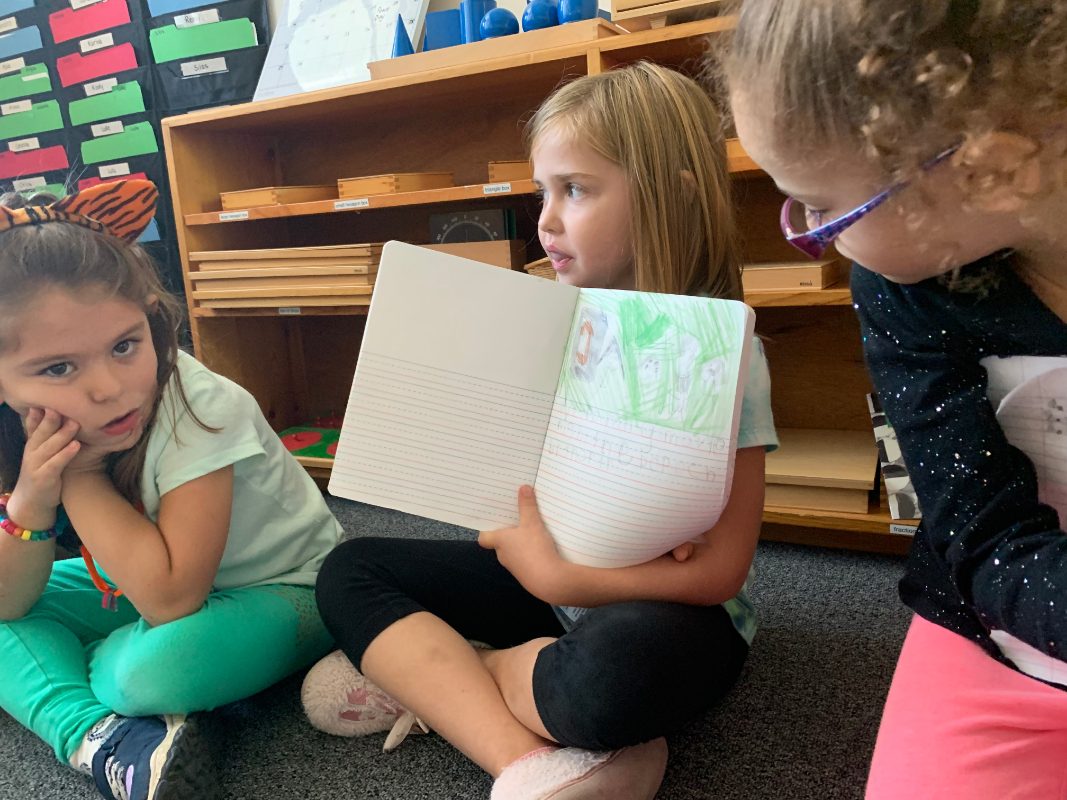
The children were so excited the past few weeks as the anticipation of Research Fair crept up. They were thrilled to be sharing their projects with their classmates, who they love so deeply. The third-year students had their first public speaking experience, presenting to their classmates. They were amazing! Although it was optional, some second and first years wanted to present to their peers as well! All of the children worked diligently and should be very proud of their work, as am I.