Lower Elementary: Wrapping Up 2024!

The children have been working incredibly hard these past few weeks to prepare for the holiday concert, and all that effort truly shone through! Despite a few pre-concert jitters, they performed with so much confidence and joy—it was a wonderful moment to witness. Seeing so many of you in the audience, cheering them on, made it even more special! A huge shout out to Megan Kirk for organizing this event and making it so memorable!

In addition to the concert, the kids had a great time creating their beautiful snowflake ornaments in class as a holiday craft. Their creativity and excitement really added to the festive spirit, and I hope those ornaments bring a little extra holiday cheer to your homes!

Mary and I wish you all a happy, healthy, and restful holiday break. Enjoy this special time with your families, and we’ll see you in 2025!


Lower Elementary: A Cosmic Collaboration

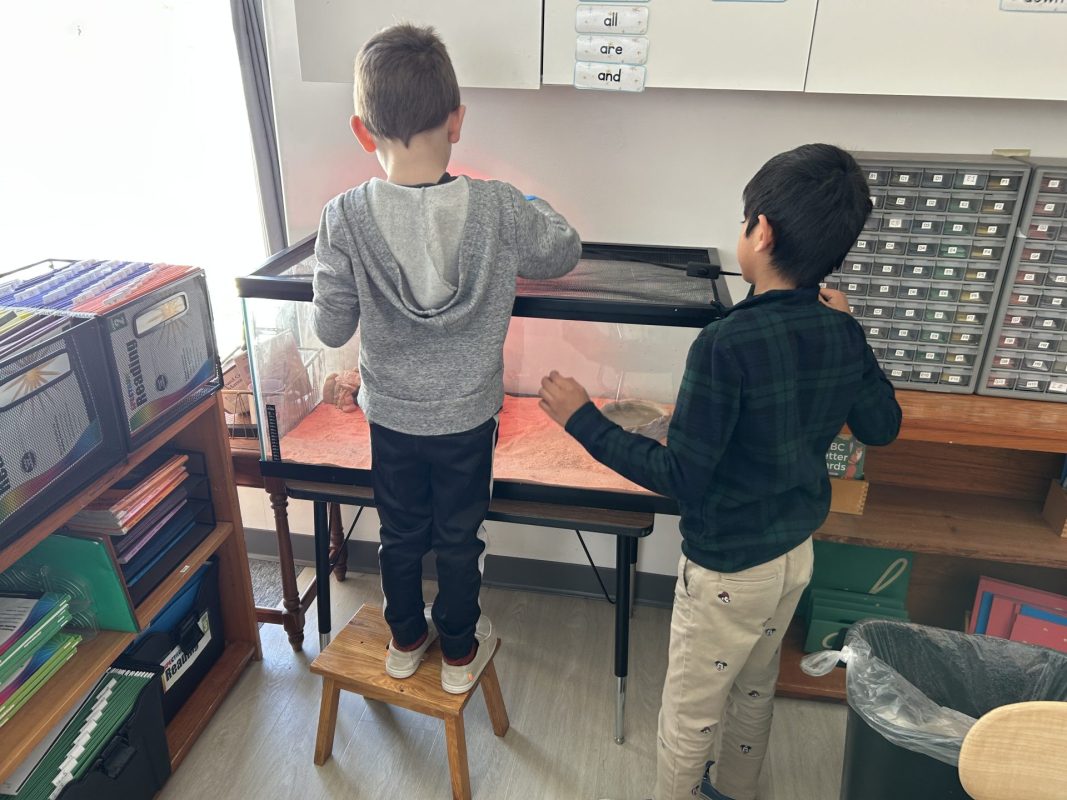
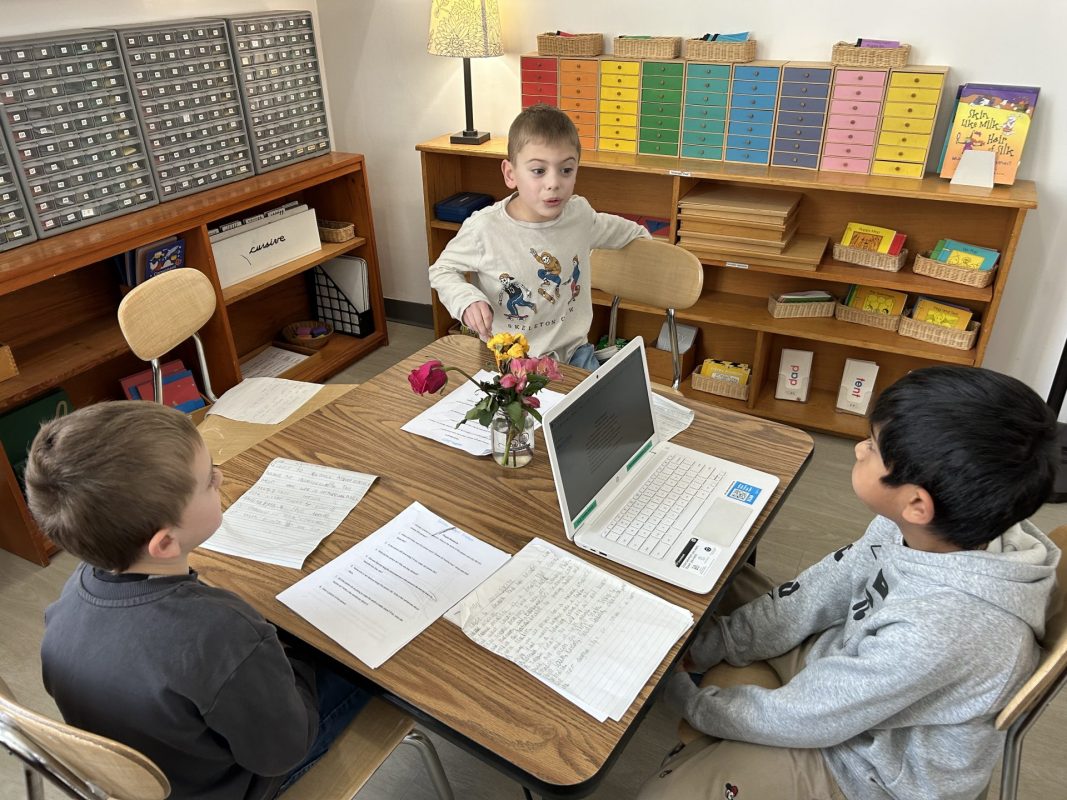
This week, the Lower Elementary students embarked on an exploration of Maria Montessori’s Great Lesson on the creation of the universe. What made this experience truly incredible was the leadership of the third-grade students, who not only embraced the lesson but also stepped into the role of educators.

As presenters, the third graders guided their younger peers through captivating science experiments, illuminating the processes behind the universe’s formation. This cross-age collaboration created a vibrant learning environment where curiosity thrived, understanding deepened, and knowledge flowed freely between students.

The younger learners were captivated by the hands-on demonstrations, their faces lighting up with excitement. Meanwhile, the older students gained confidence and a deeper grasp of the material through teaching. Moments like these highlight the beauty of Montessori education, where students learn from one another, fostering both intellectual growth and a strong sense of community.


Lower Elementary: Building Community in Action!

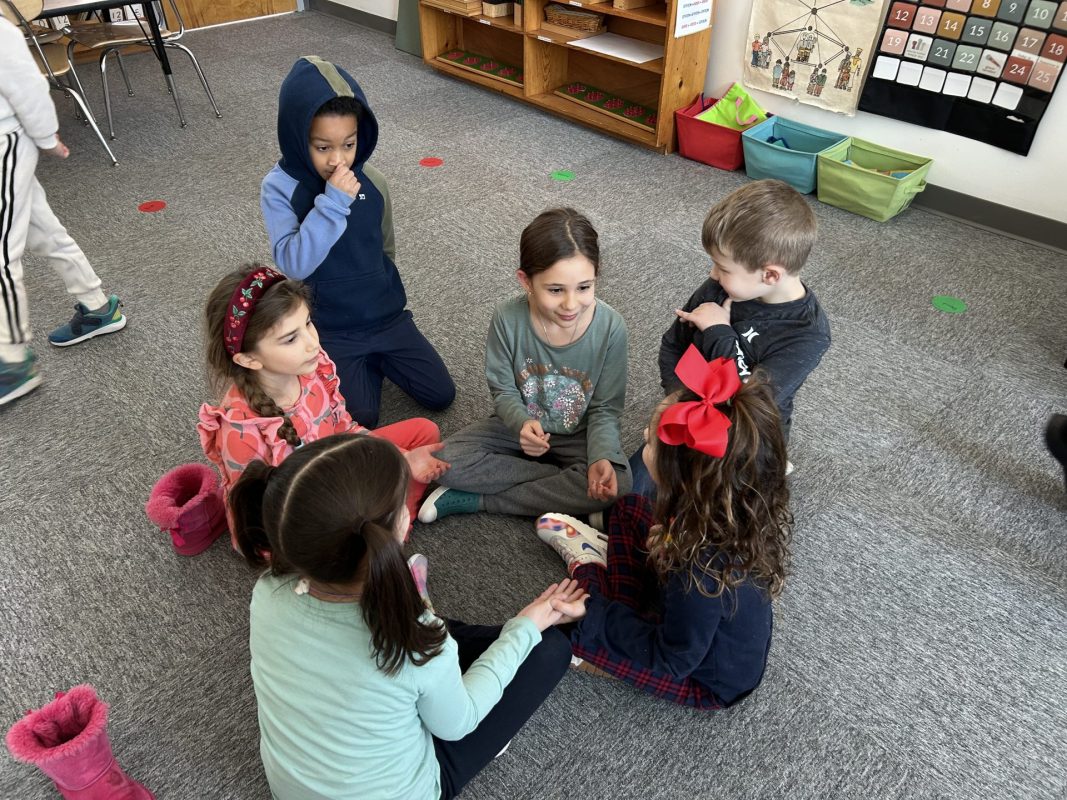
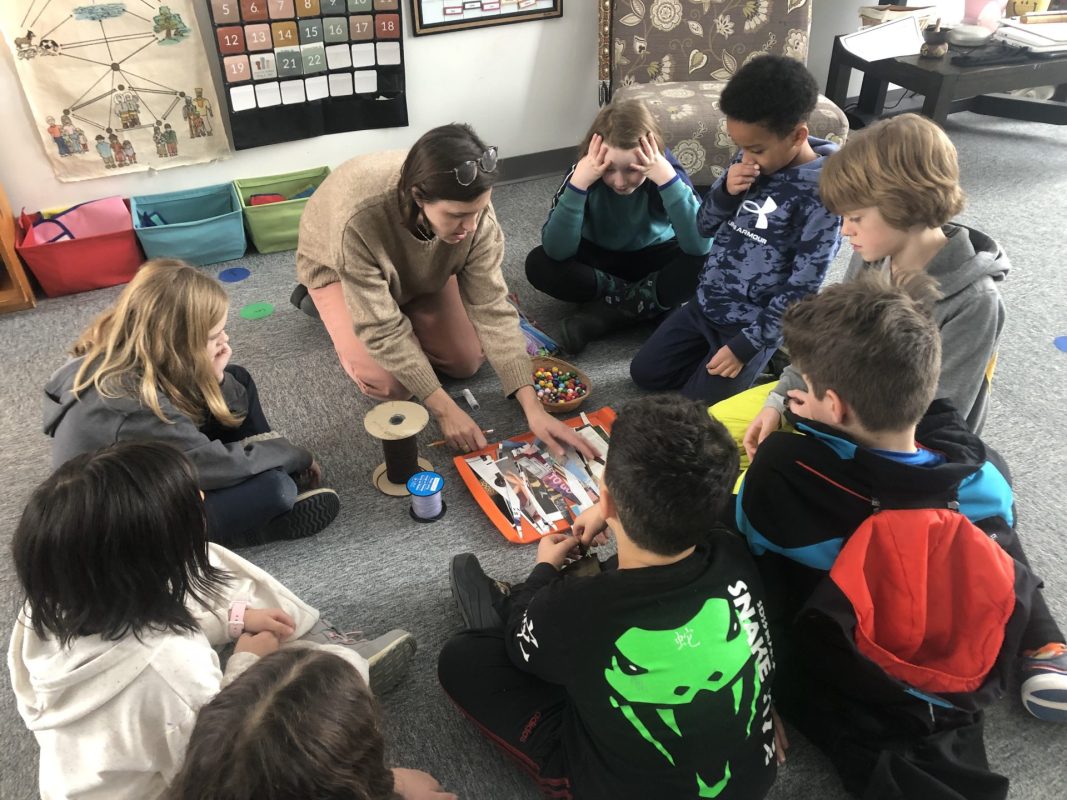
In our Lower Elementary class, we have weekly class meetings where students get to problem-solve together as a team. These meetings are all about making sure everyone feels heard, tackling problems as a group, and coming up with solutions that we all can get behind. When kids are part of the process, they’re way more likely to stick to the rules they’ve helped create!

What Happens During Class Meetings?

  1. Compliments and Appreciations
    We kick things off with five minutes of gratitude. Everyone gets a chance to share something positive, like a compliment or a thank you. It’s the best way to start on a happy note!
  2. Review a Past Problem
    The secretary (one of our student roles!) reads out a problem and solution from a past meeting. We have a quick chat to see if our fix is working or needs tweaking.
  3. Brainstorming Time
    Got a new issue? Bring it up! The person who added it to the agenda explains the problem, and then we all brainstorm possible solutions. After the brainstorming process, we vote on the solution we think will solve the problem the best.
  4. Connection Activity
    To wrap things up, we end on a fun note—telling jokes, riddles, or solving quick mysteries together.

Meeting Jobs

To keep things running smoothly, everyone has a part to play:

  • Facilitator (that’s me!): I keep the meeting on track and make sure everyone gets to share respectfully.
  • Time Keeper (student job): Keeps us on schedule and lets us know when it’s time to move on.
  • Scribe (that’s me again!): I jot down all the brainstormed ideas on the board.
  • Secretary (student job): Writes down the problem and solution in our Class Meeting notebook—a permanent record that anyone can check out anytime.

These meetings are such an awesome way for kids to build real-world skills like problem-solving, teamwork, and decision-making. Plus, they’re just fun!


Lower El’s Visit from the Botsford Fire Department

This week, we had an exciting and educational visit from the Botsford Fire Department! The firefighters arrived with their full gear and brought along one of their impressive fire trucks, ready to teach us about fire safety and prevention.

Students learned about the importance of creating a fire escape plan, what to do if there’s smoke in a building, and how to “stop, drop, and roll.” The kids were thrilled to explore the fire truck and see all the equipment up close! The firefighters showed us their tools, explained their functions, and even let one student try on their fireman suits. Students asked thoughtful questions and learned how the firefighters work as a team to keep the community safe.

Thank you to the Botsford Fire Department for a visit full of valuable lessons and fun memories!

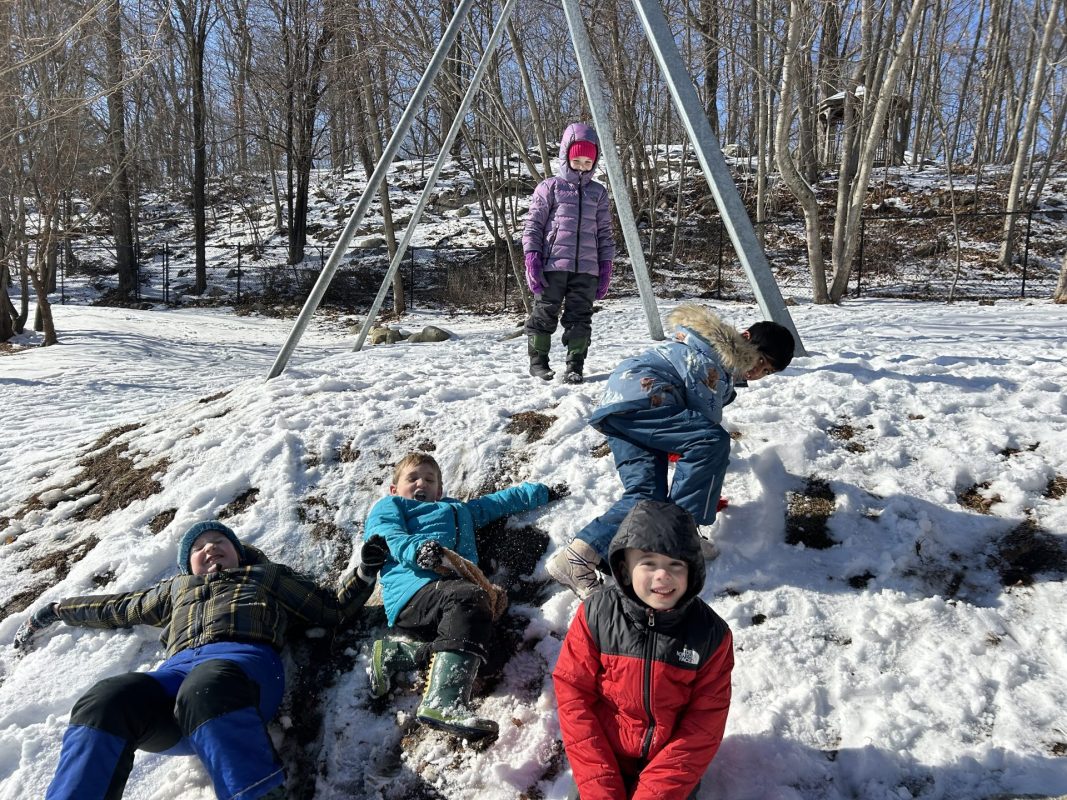
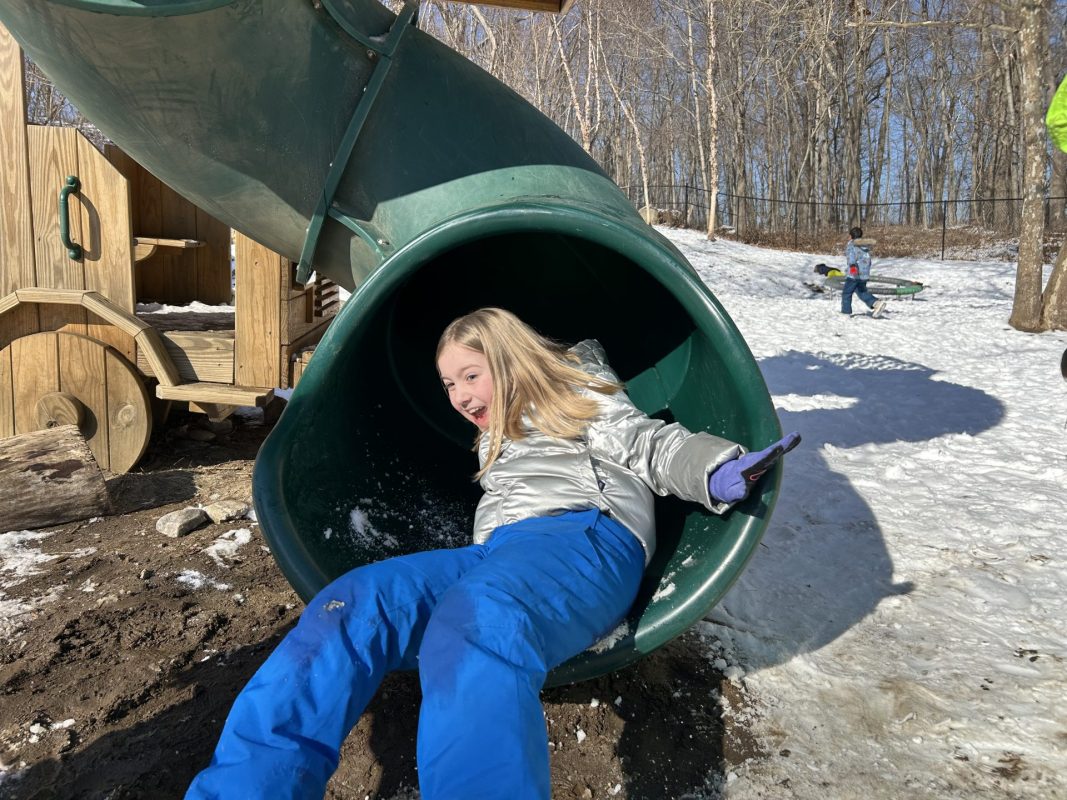
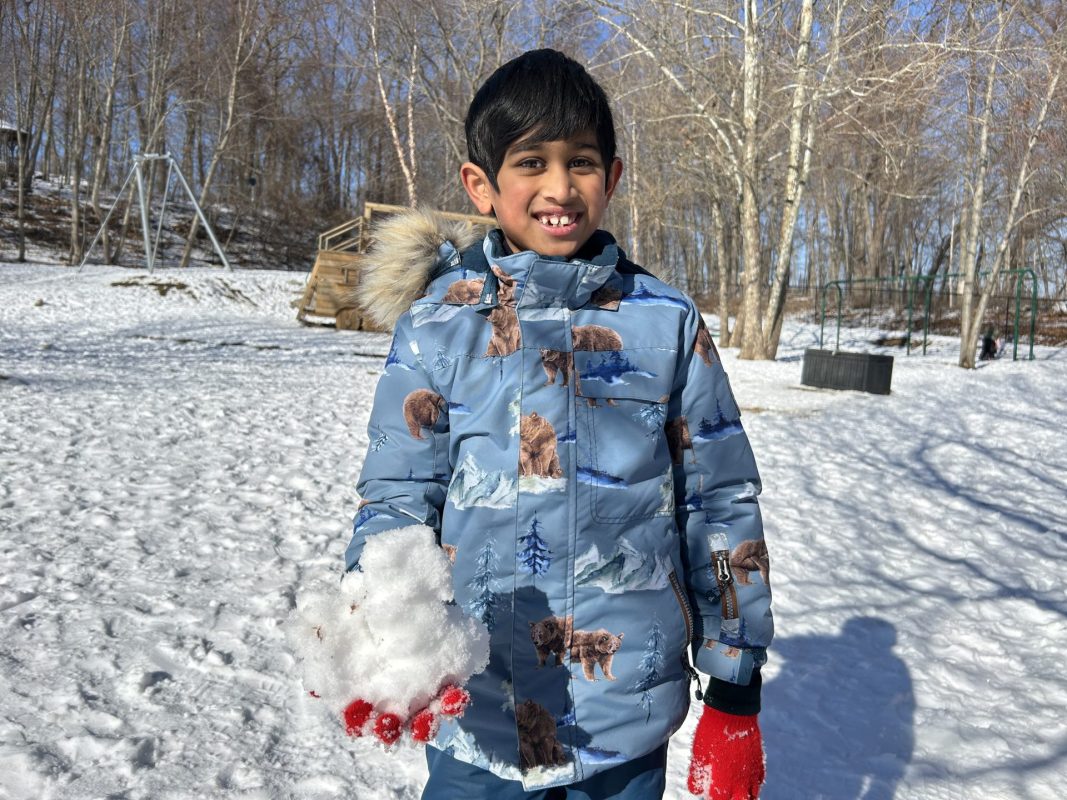
As the weather gets colder, please ensure your child is dressed appropriately with warm coats, hats, and gloves for outdoor activities. It’s especially helpful if clothing is labeled with your child’s name to avoid any mix-ups. Thank you for your support!


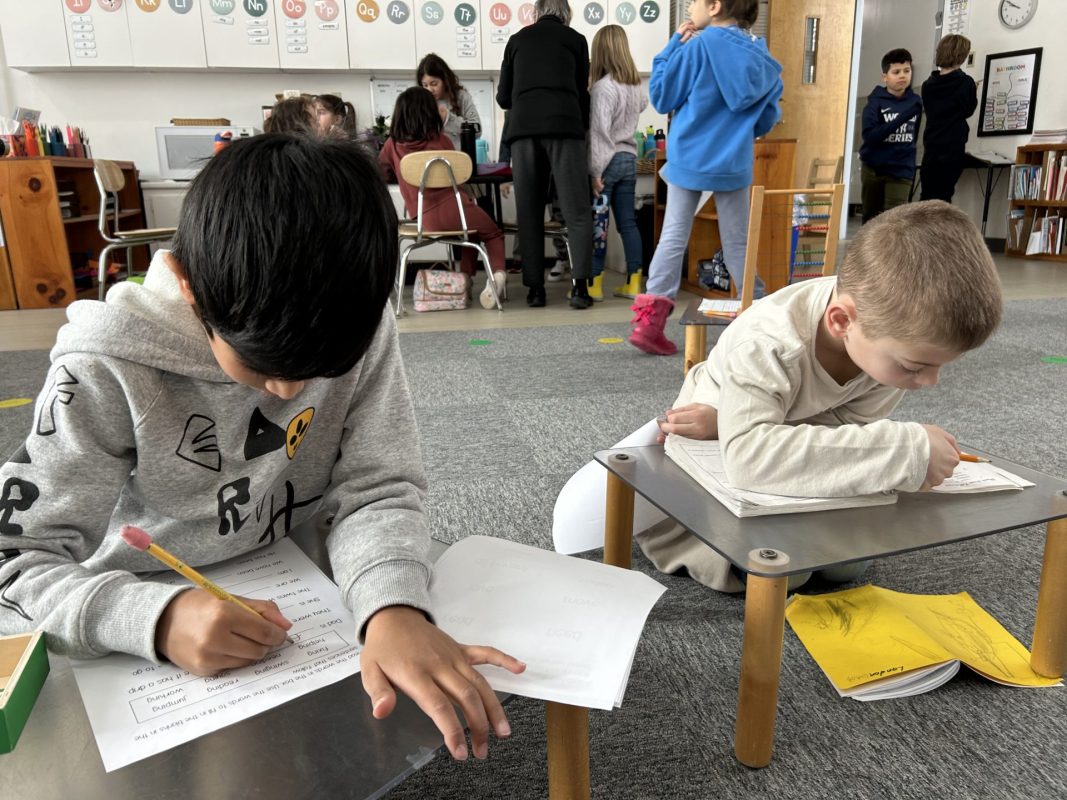
Getting Into the Grammar Groove in Lower Elementary

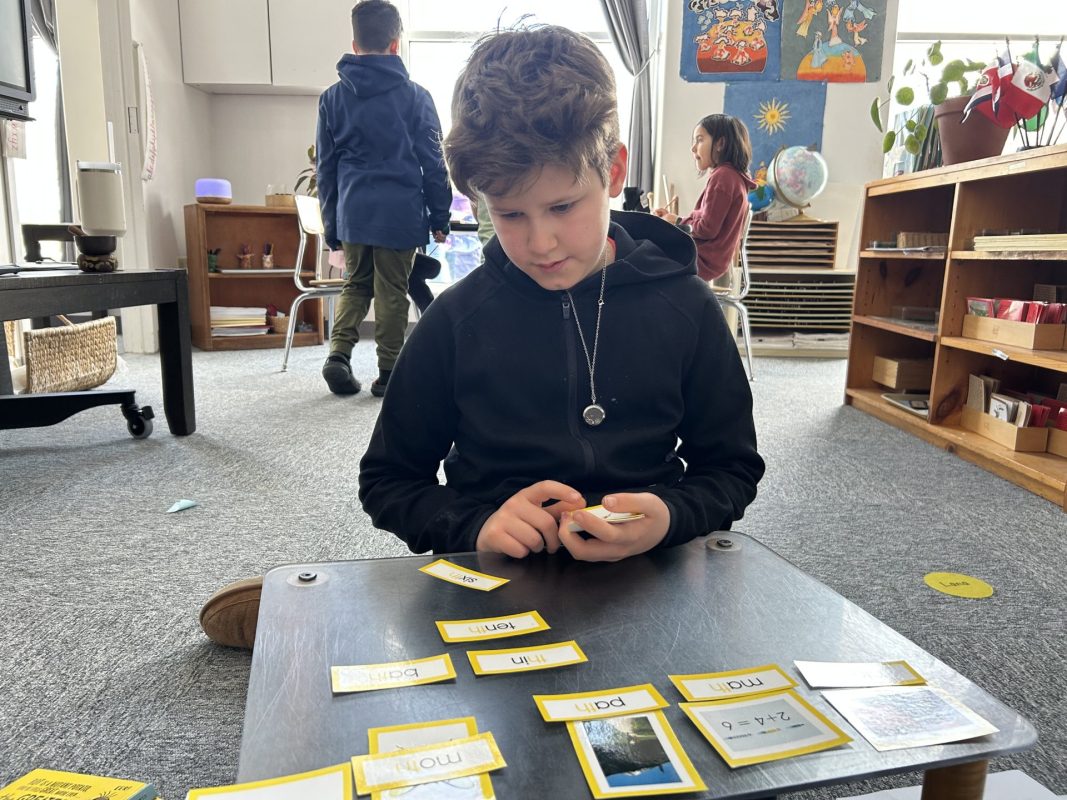
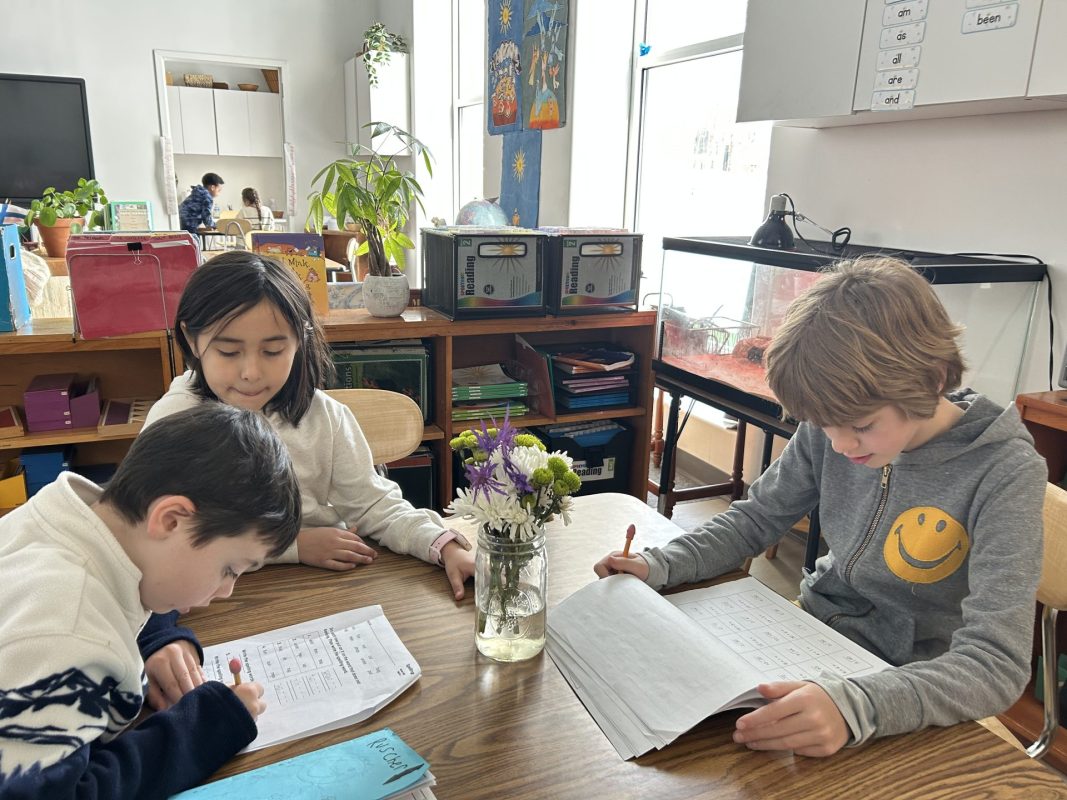
This week has been full of energy and discovery in our Lower Elementary classroom! Each grade is diving into Montessori grammar work, and I’m excited to share what everyone’s been up to.

The first graders are exploring the world of nouns. They’re on the move with a noun scavenger hunt around the classroom, finding and labeling all the nouns they can spot with a little black triangle—keeping them engaged and looking at the world around them in new ways! In Montessori, each part of speech is represented by a specific symbol to help students visually categorize words. Nouns are symbolized by a black triangle, representing stability and substance, just like people, places, and things in the world around us. Using this symbol helps first years recognize and connect with nouns in a concrete way.

Meanwhile, our second graders are working with prepositions. They’ve been using Grammar Dice and Grammar Strips to identify and understand how prepositions work in sentences. This hands-on activity has been such a fun way for them to get familiar with the idea of position and relationship words. In Montessori grammar, prepositions are symbolized by a green crescent, representing the way they “hold” relationships between words. Just like a bridge connecting ideas or objects, prepositions help us understand where things are in relation to one another.

The third graders have been diving deep with Grammar Sense, a game that helps them review all the parts of speech they’ve learned so far, from nouns to adverbs. They’re also starting to work on pronouns, expanding their grammar toolkit. In Montessori grammar, pronouns are represented by a purple, small triangle. This symbol resembles the black triangle for nouns but is smaller, indicating that pronouns act as stand-ins or substitutes for nouns.

Overall, it’s been a fantastic week of hands-on learning and building language skills. It’s wonderful to watch them discover the connections between words—and get excited about grammar!


Nature Adventures and Halloween Festivities in Lower Elementary

Last week’s field trip to Trumbull Nature and Arts Center was an amazing dive into nature and hands-on learning! We began with a biodiversity walk led by an environmental educator who guided us through meadows and forests, highlighting the unique adaptations that help plants and animals survive in these diverse habitats. Next, we learned about beavers and their incredible habitat-building skills. The students used sticks, mud, and water to create mini beaver dams, observing how these resourceful animals shape their environments. Finally, we explored how seeds travel in the wild, designing our own seed models that could be carried by wind, water, or animals. This fun mix of creativity and teamwork helped everyone gain a deeper appreciation for nature’s clever ways of adapting and thriving!

Our Halloween celebration was packed with fun from start to finish! The day began with the school parade, where the children proudly showed off their costumes to classmates and other classes, followed by a spooky dance session led by our fantastic performing arts teacher, Megan Kirk. In the afternoon, we got creative by decorating and painting pumpkins while listening to Halloween music, and we enjoyed delicious treats sent in by parents—thank you for making our day extra special!


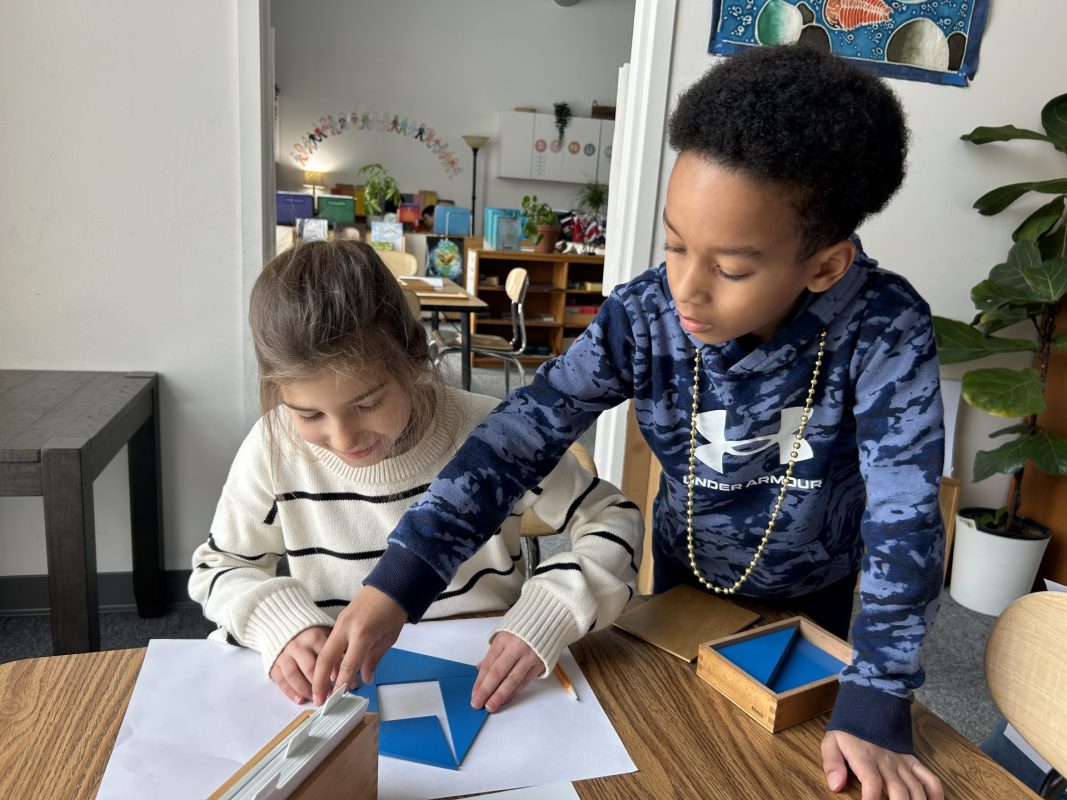
Exploring Geometry in Lower Elementary

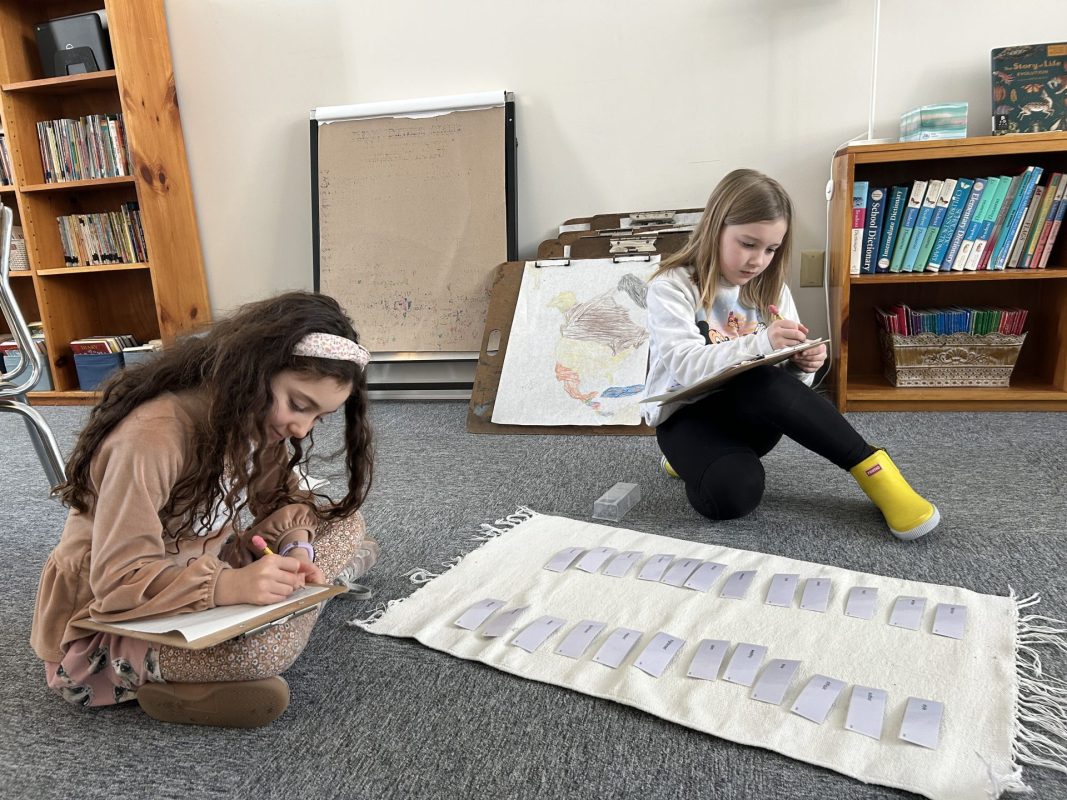
The first-grade group has been exploring geometric shapes. Their learning includes identifying and naming three-dimensional solids such as spheres, ovoids, and rectangular prisms. To deepen their understanding, they play a fun and tactile partner game: one student hides a geometric shape under a work rug while the other uses their sense of touch to feel the hidden shape and guess its name. This sensory-based approach not only strengthens their grasp of the vocabulary but also builds a deeper connection with the shapes themselves. It’s amazing to see how quickly they become confident with these terms through playful discovery!

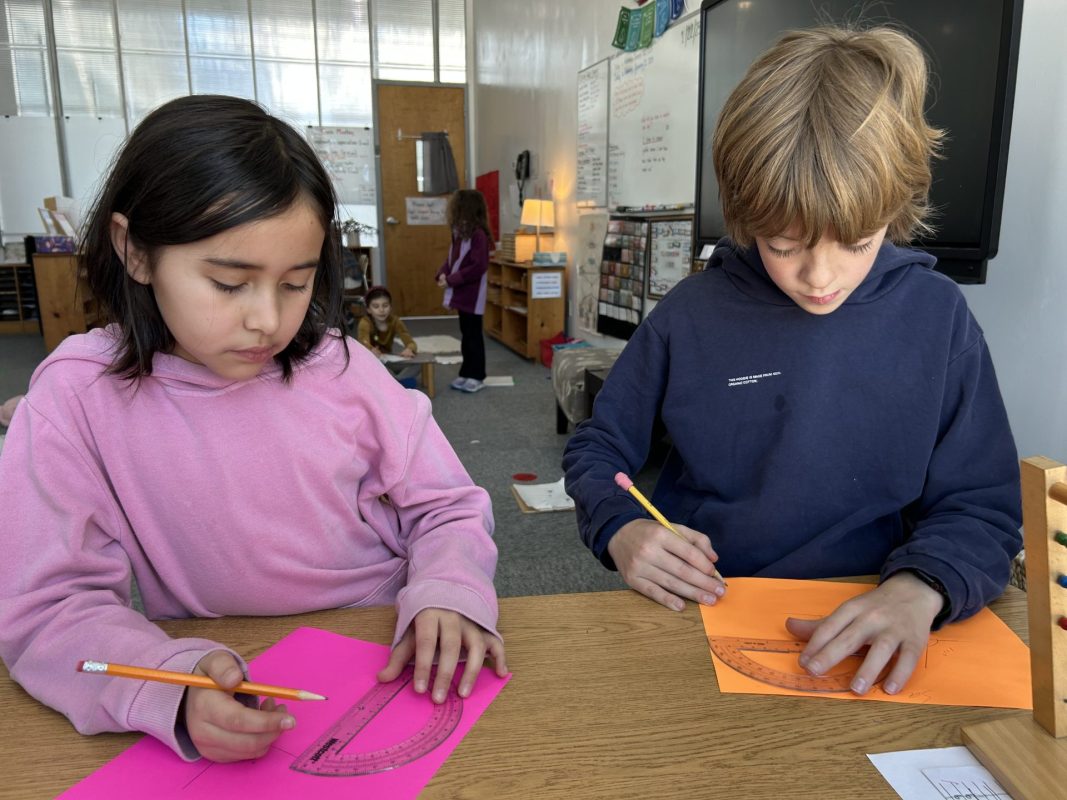
The second graders are beginning to learn about the rich history behind the Montessori Protractor. They’re delving into the origins of the Montessori protractor, exploring how ancient Babylonians tracked the stars in the night sky. The Babylonians discovered that it took roughly 360 days for a star to complete a full circle, giving birth to the concept of a 360-degree circle, which forms the basis of modern angle measurement. The students are also beginning to work with the Montessori protractor to measure angles. It’s incredible to witness the combination of historical storytelling and hands-on learning, helping them make connections between the past and the tools they use today.

For the third graders, geometry becomes more complex as they refine their skills in measuring and manipulating angles. Building on their prior experience, they are now learning to subtract and divide angles using the Montessori protractor. This work requires precision and focus, and it is through repeated practice that they learn how to measure and calculate with accuracy. This prepares them to learn how to measure and construct angles using a common protractor, a tool they will use more frequently as they advance in geometry and math classes.