Getting Into the Grammar Groove in Lower Elementary


This week has been full of energy and discovery in our Lower Elementary classroom! Each grade is diving into Montessori grammar work, and I’m excited to share what everyone’s been up to.
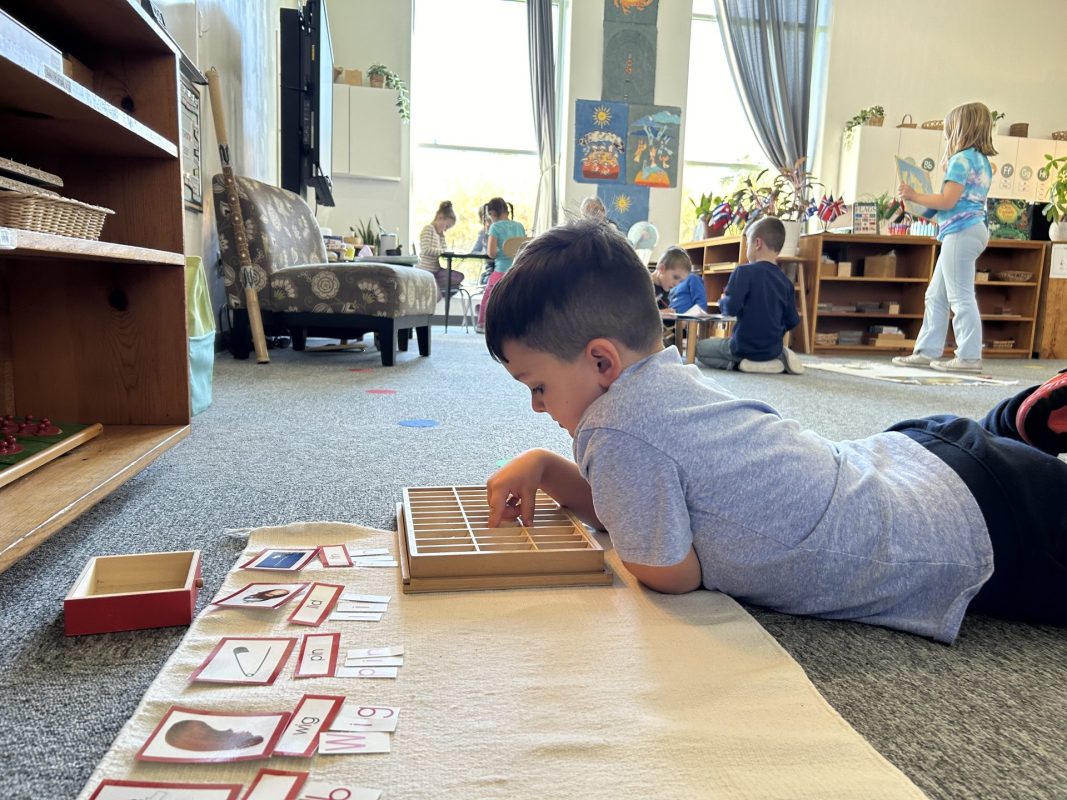
The first graders are exploring the world of nouns. They’re on the move with a noun scavenger hunt around the classroom, finding and labeling all the nouns they can spot with a little black triangle—keeping them engaged and looking at the world around them in new ways! In Montessori, each part of speech is represented by a specific symbol to help students visually categorize words. Nouns are symbolized by a black triangle, representing stability and substance, just like people, places, and things in the world around us. Using this symbol helps first years recognize and connect with nouns in a concrete way.
Meanwhile, our second graders are working with prepositions. They’ve been using Grammar Dice and Grammar Strips to identify and understand how prepositions work in sentences. This hands-on activity has been such a fun way for them to get familiar with the idea of position and relationship words. In Montessori grammar, prepositions are symbolized by a green crescent, representing the way they “hold” relationships between words. Just like a bridge connecting ideas or objects, prepositions help us understand where things are in relation to one another.
The third graders have been diving deep with Grammar Sense, a game that helps them review all the parts of speech they’ve learned so far, from nouns to adverbs. They’re also starting to work on pronouns, expanding their grammar toolkit. In Montessori grammar, pronouns are represented by a purple, small triangle. This symbol resembles the black triangle for nouns but is smaller, indicating that pronouns act as stand-ins or substitutes for nouns.
Overall, it’s been a fantastic week of hands-on learning and building language skills. It’s wonderful to watch them discover the connections between words—and get excited about grammar!
Nature Adventures and Halloween Festivities in Lower Elementary
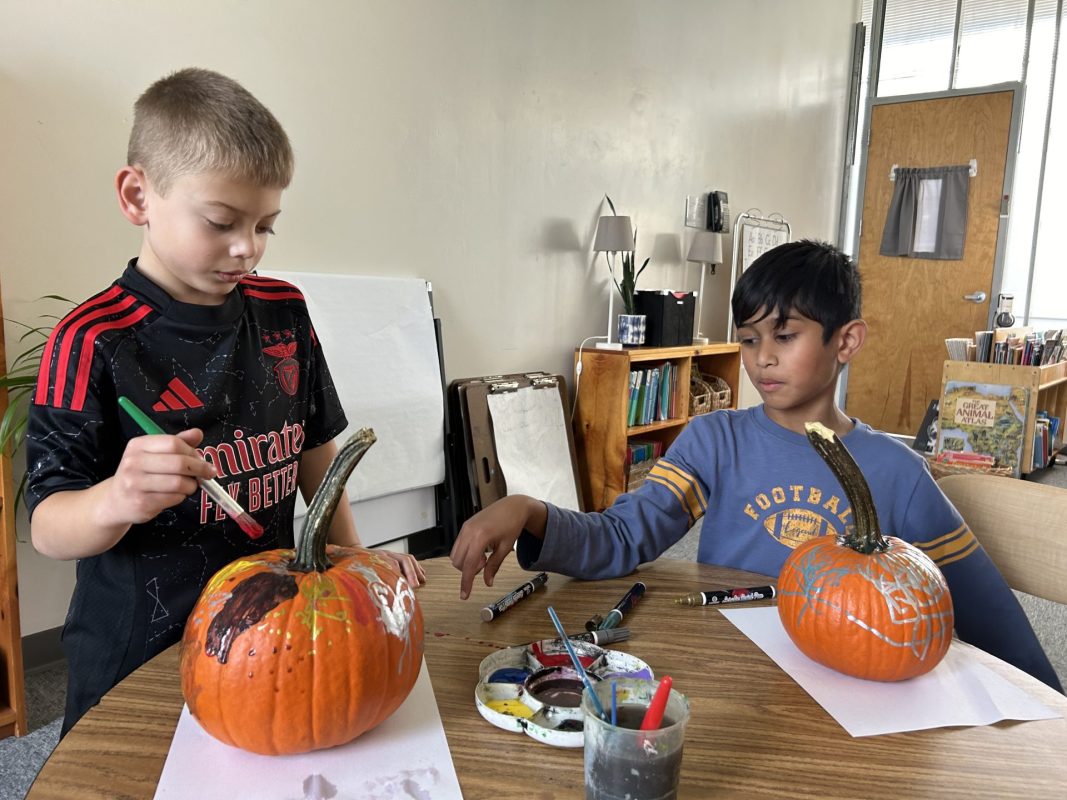
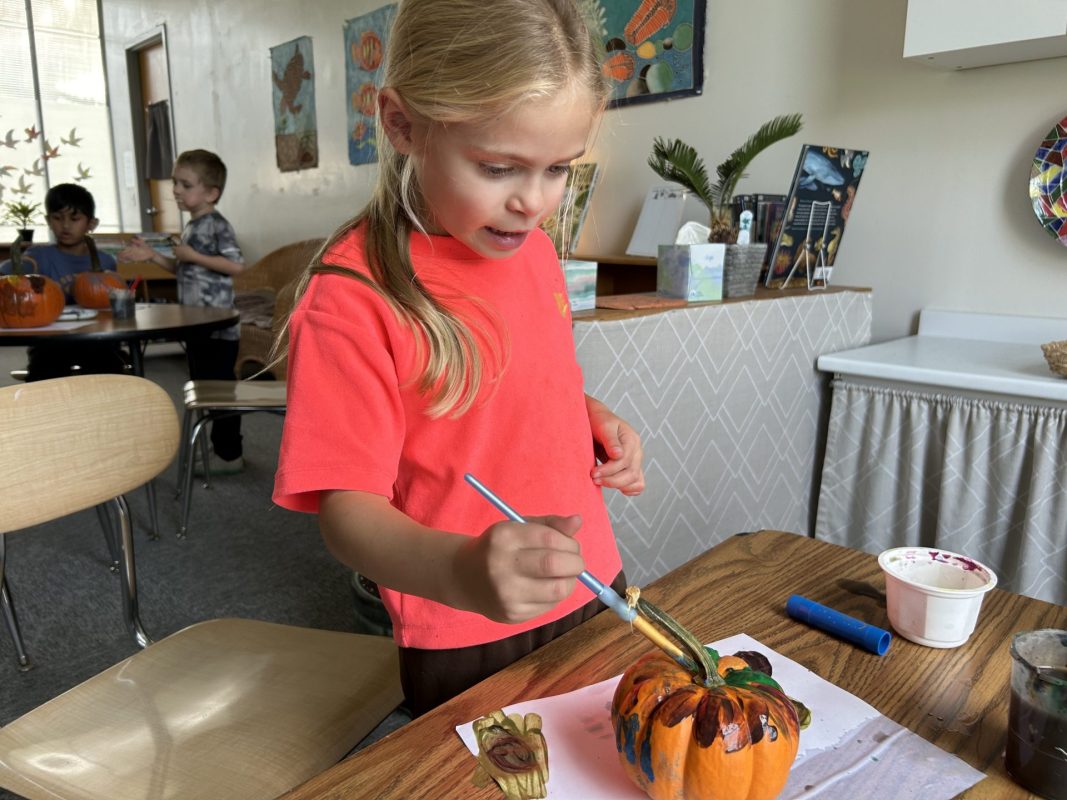
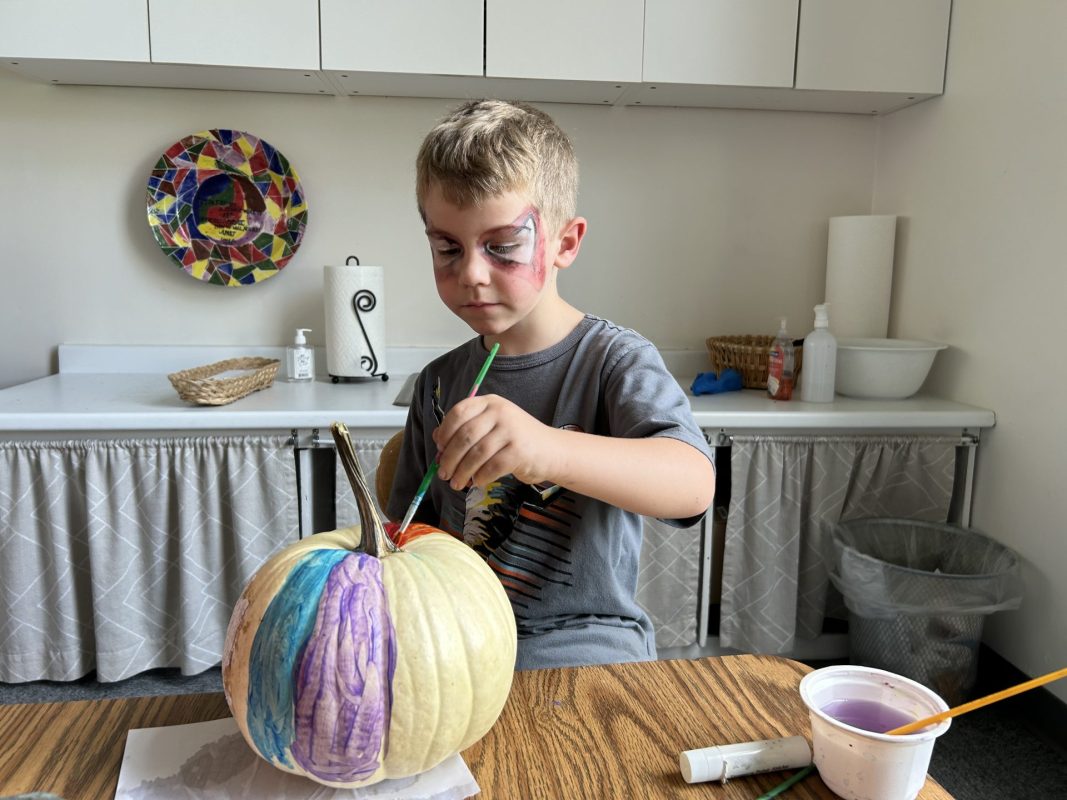
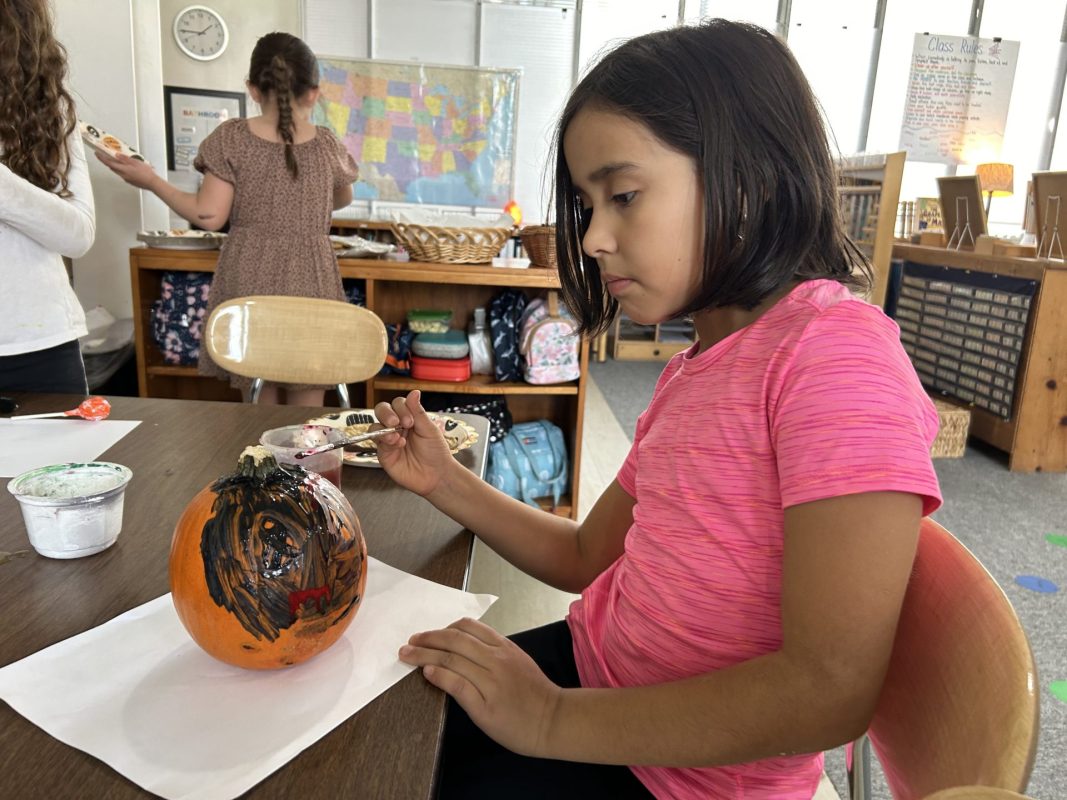
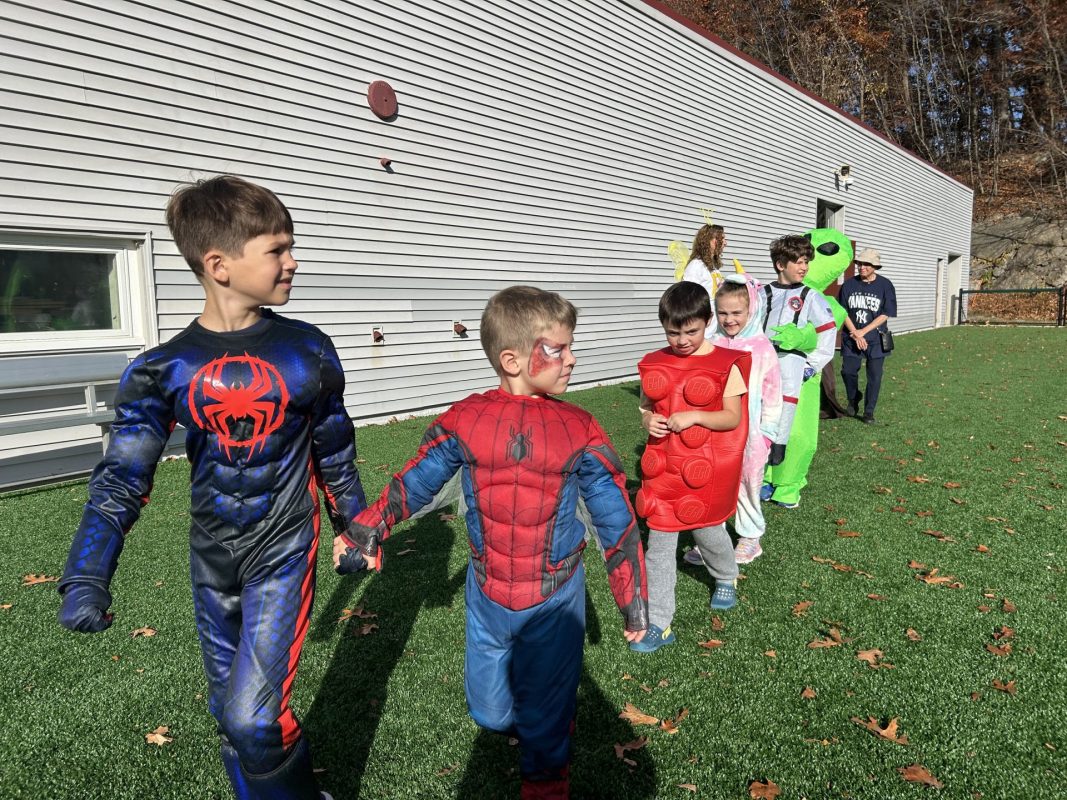

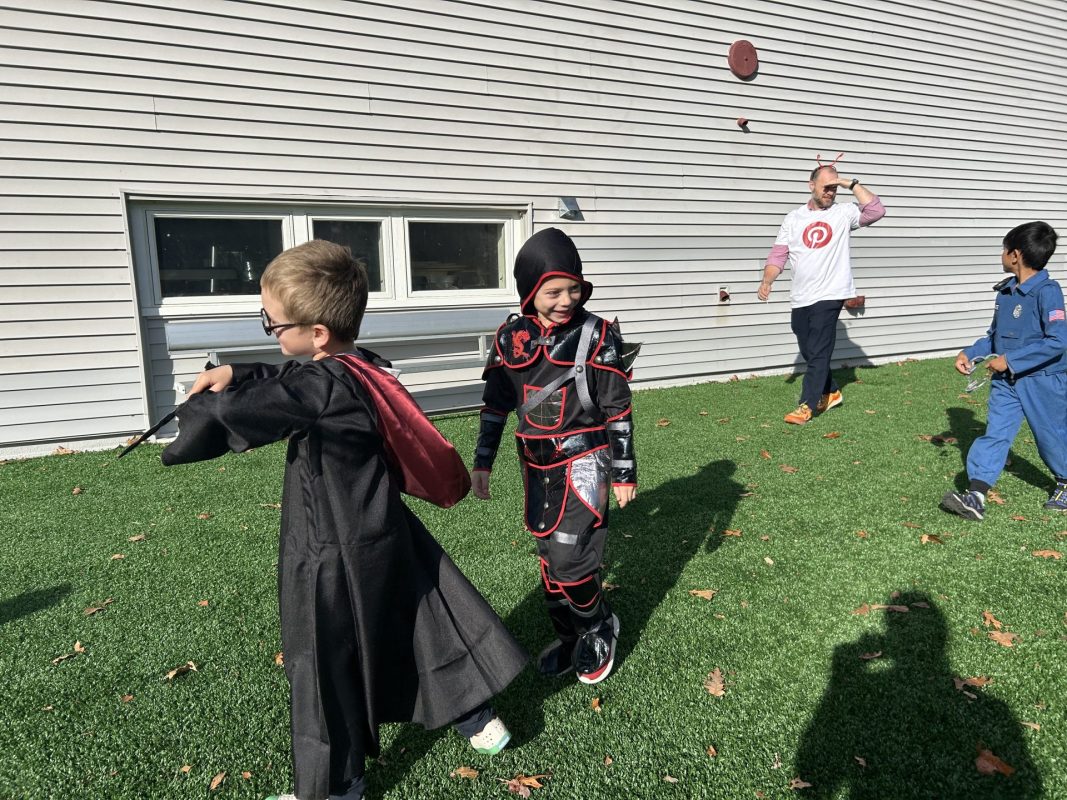
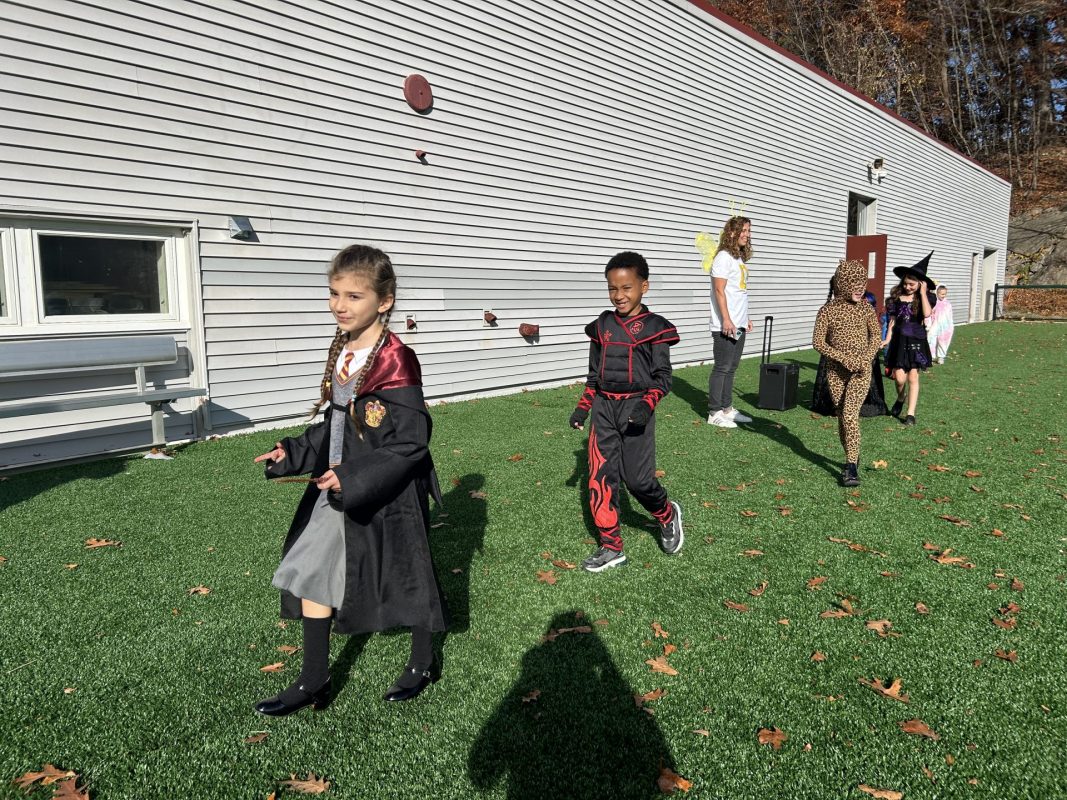
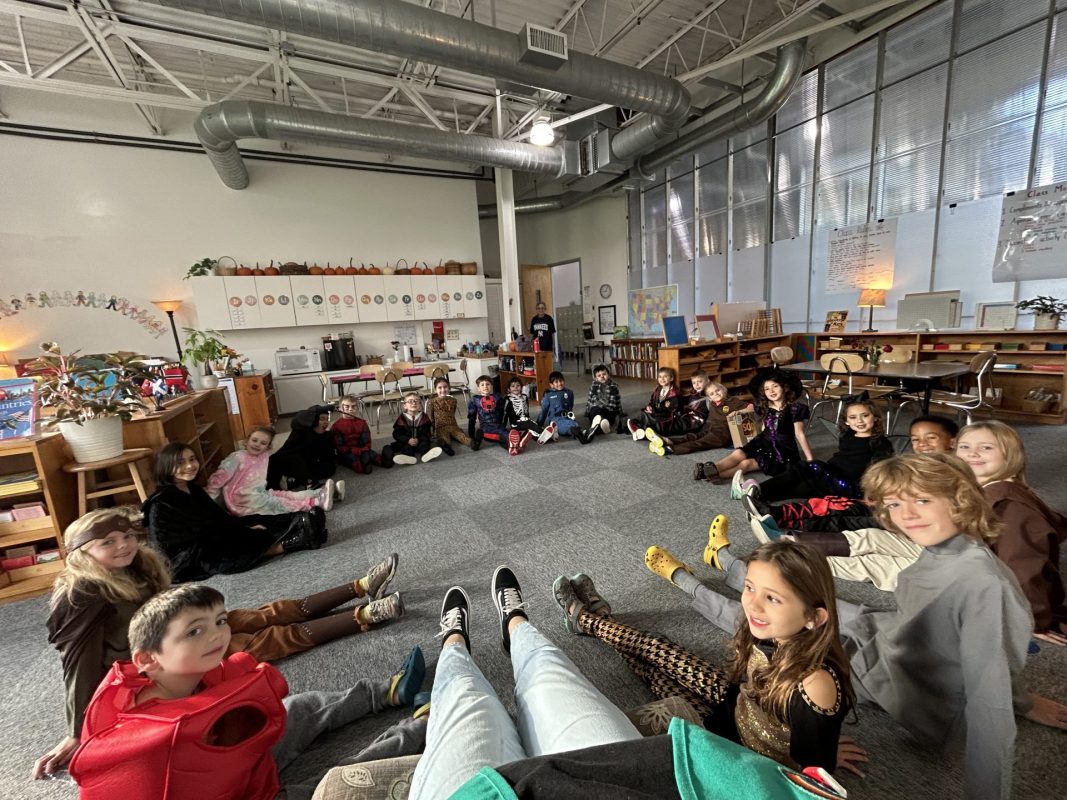
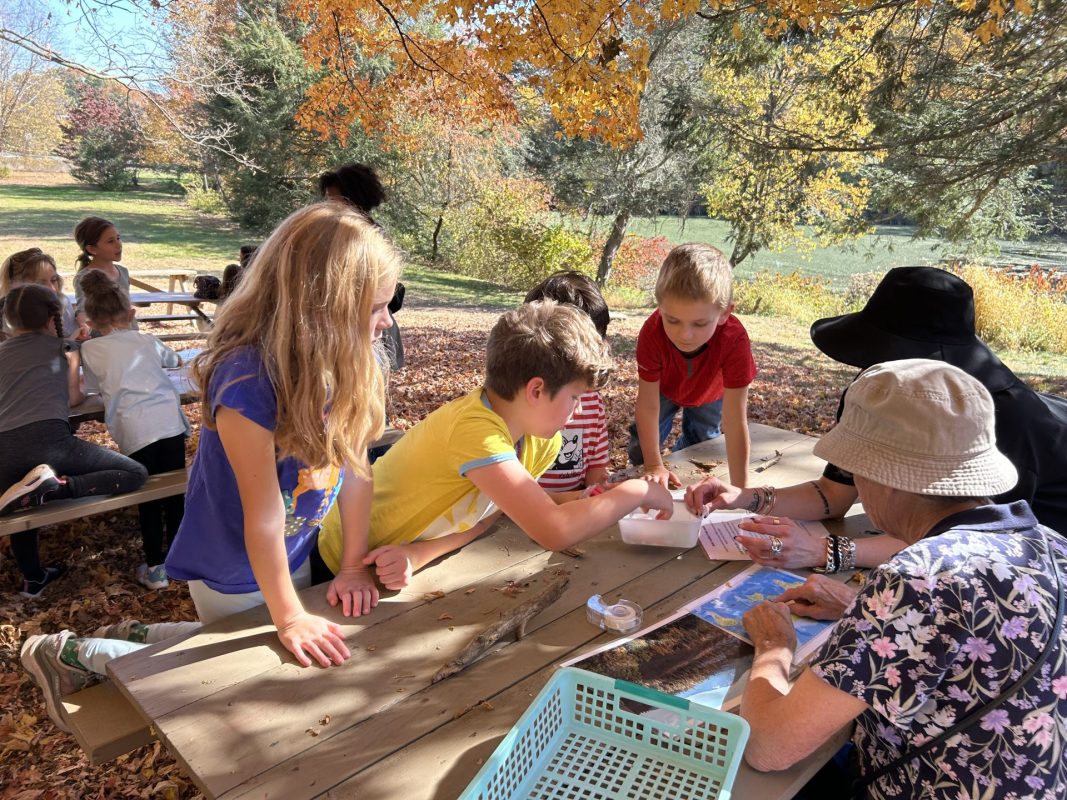
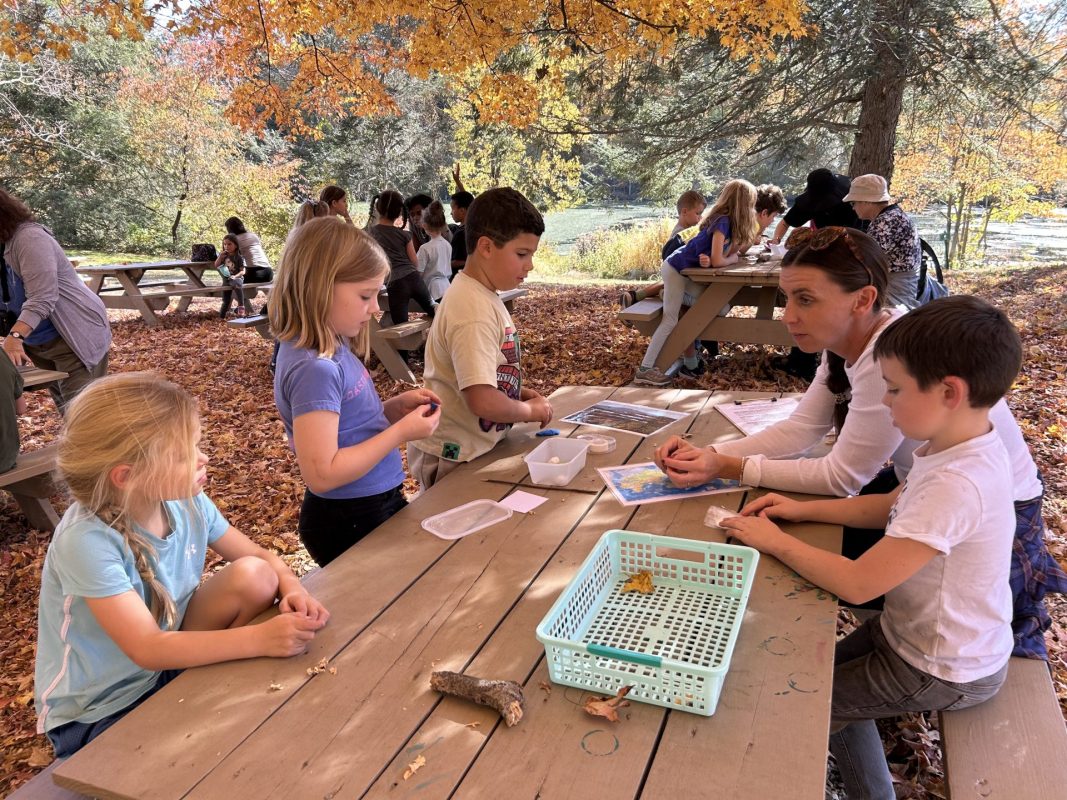
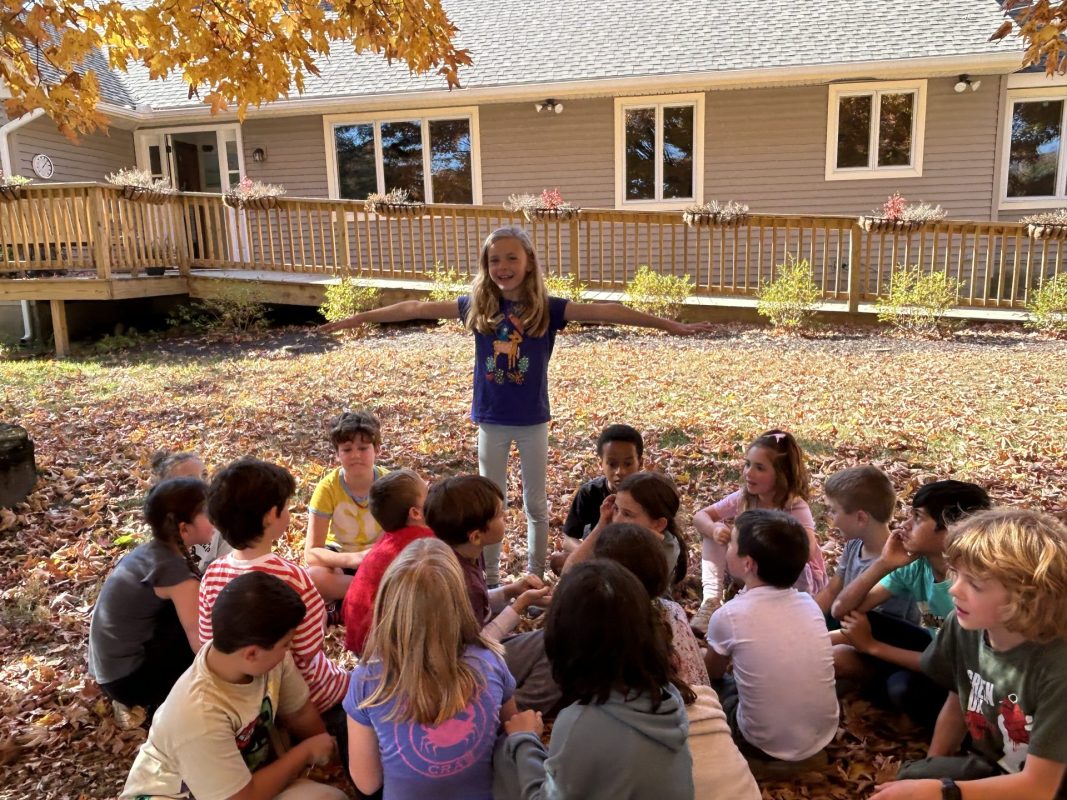
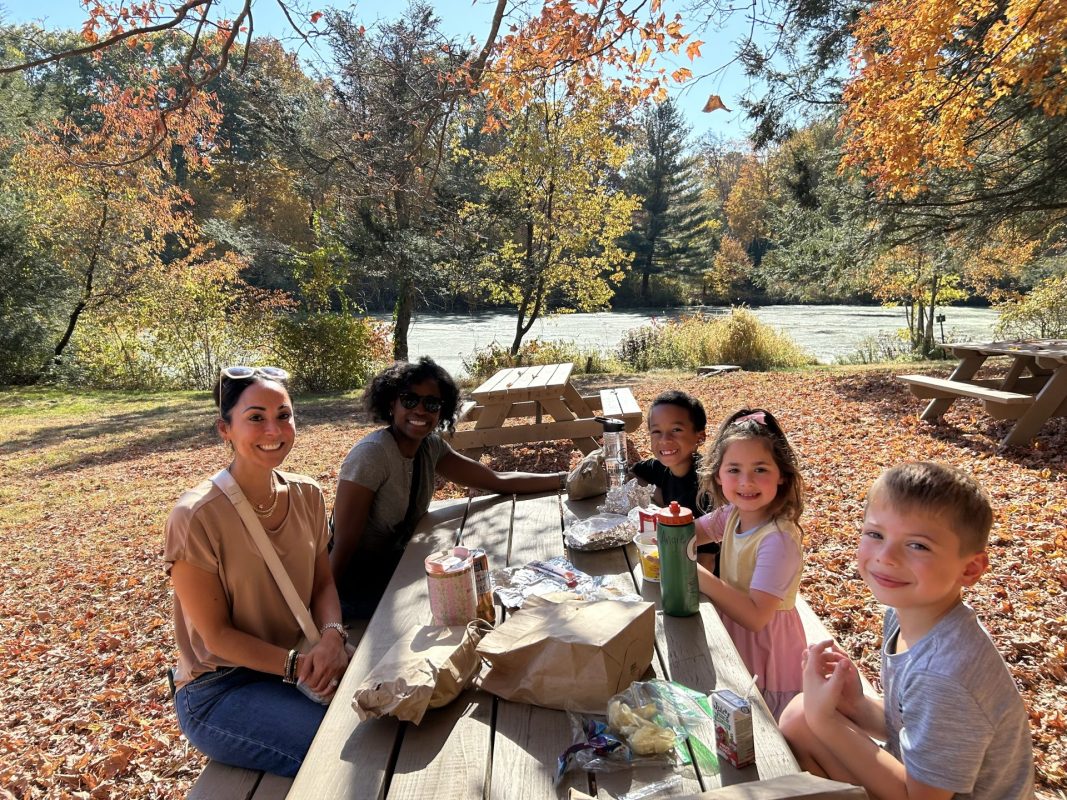
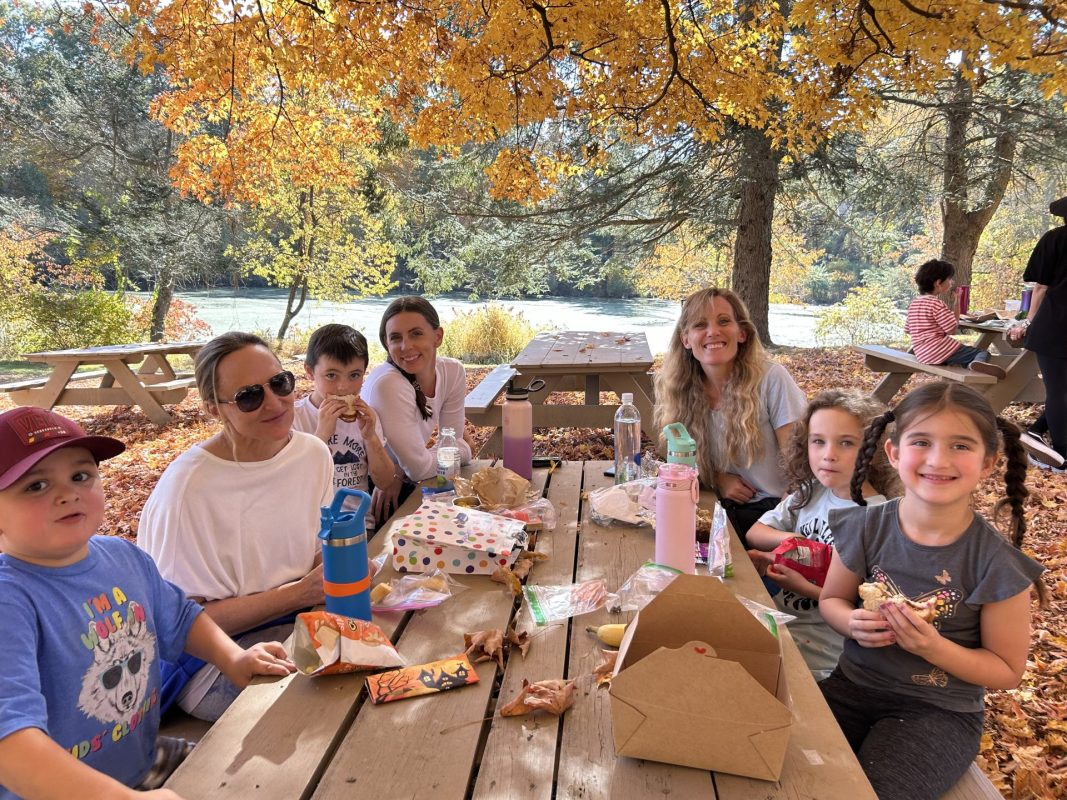
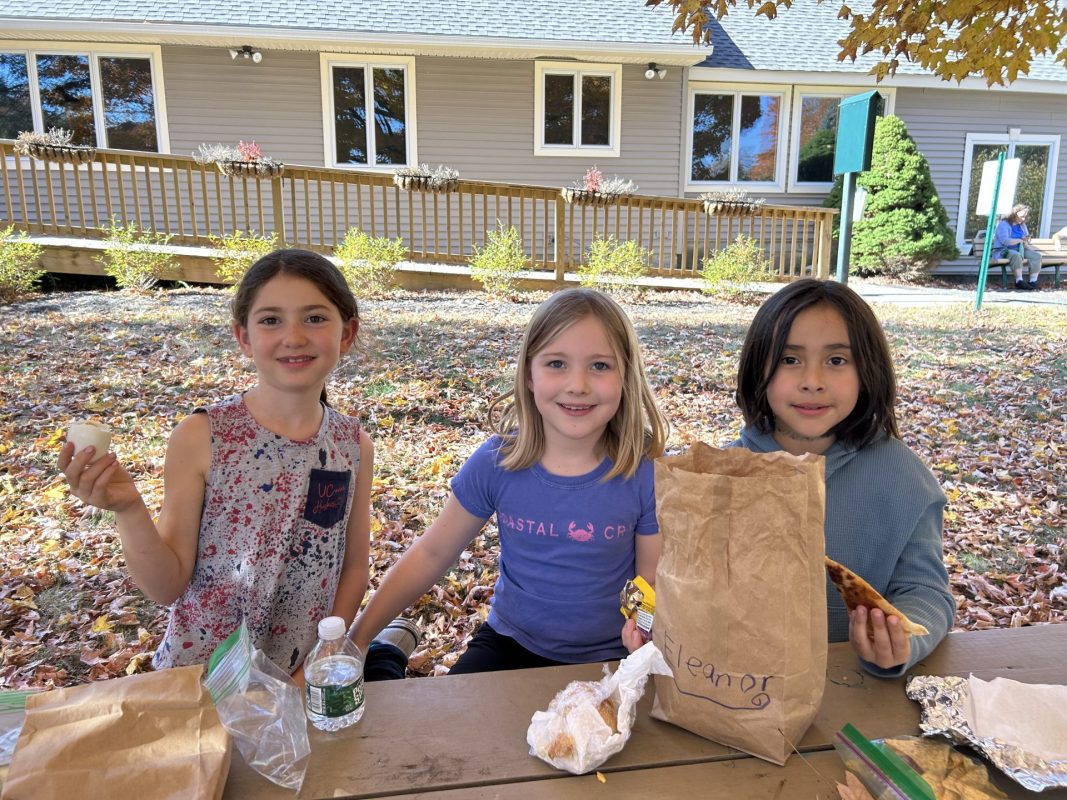
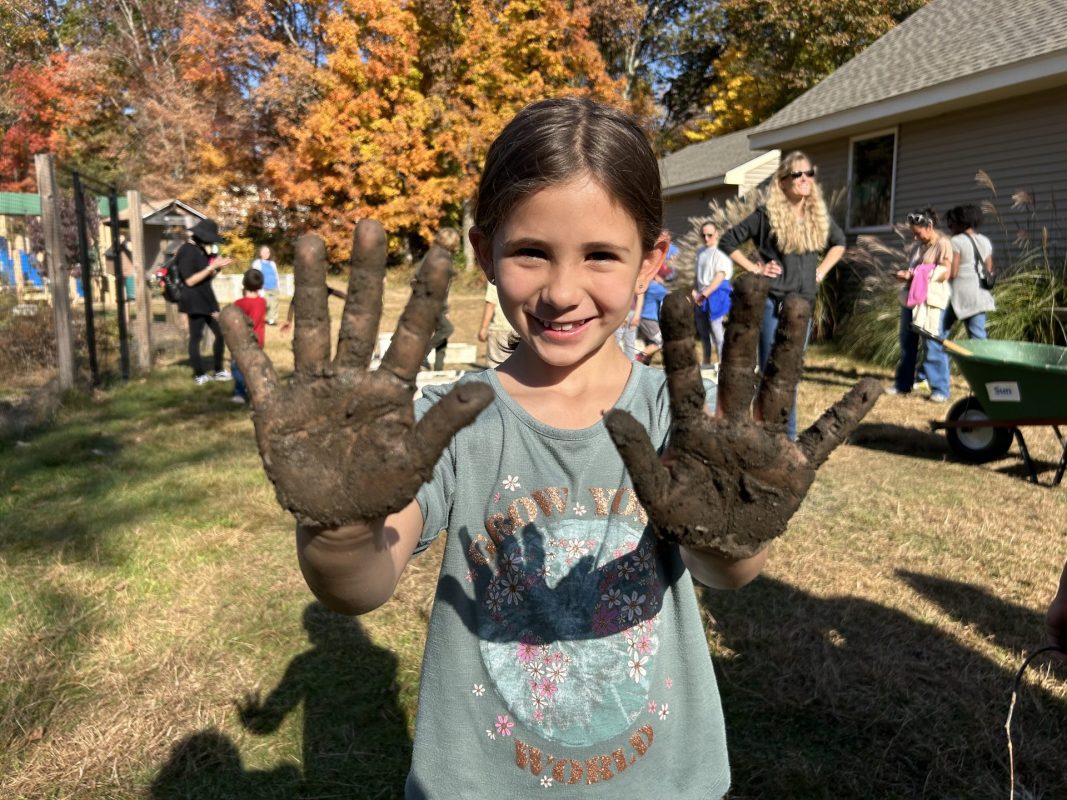
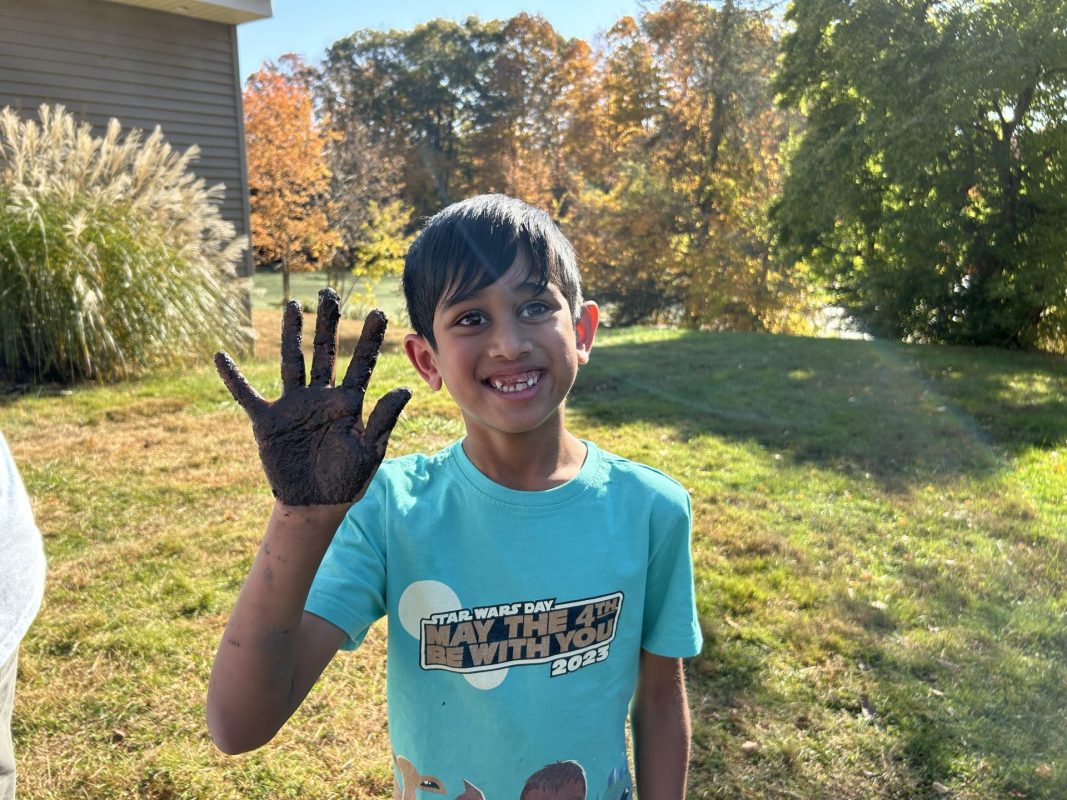
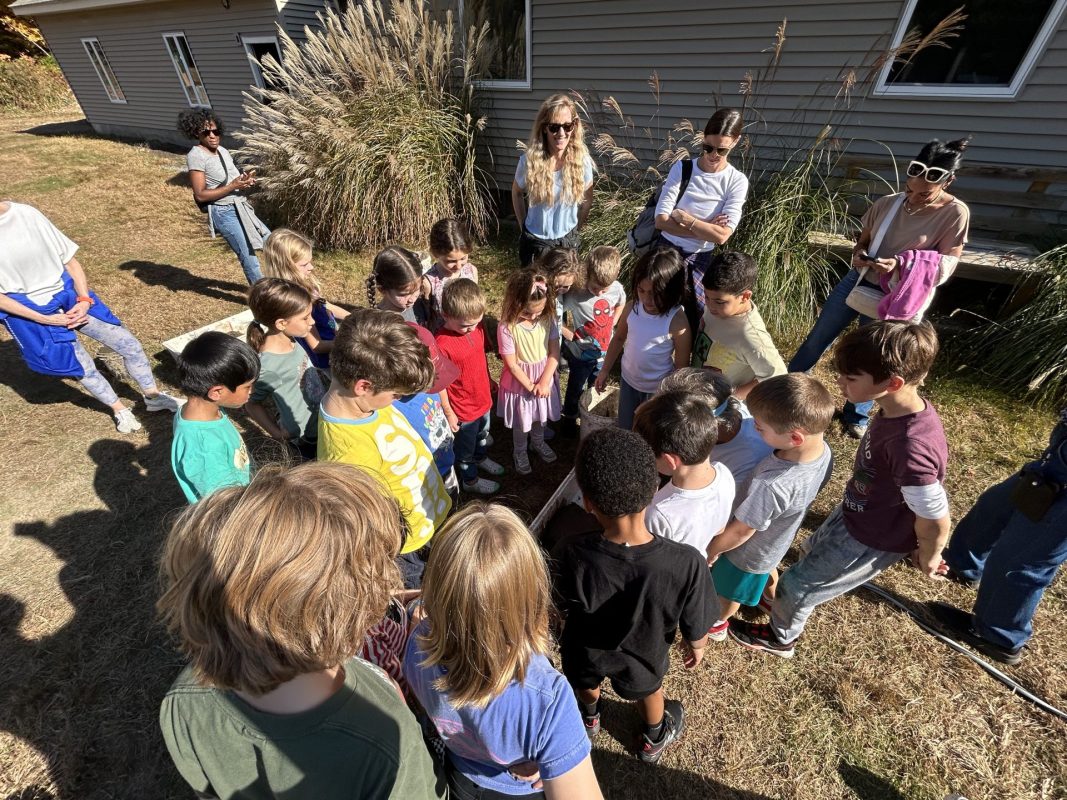
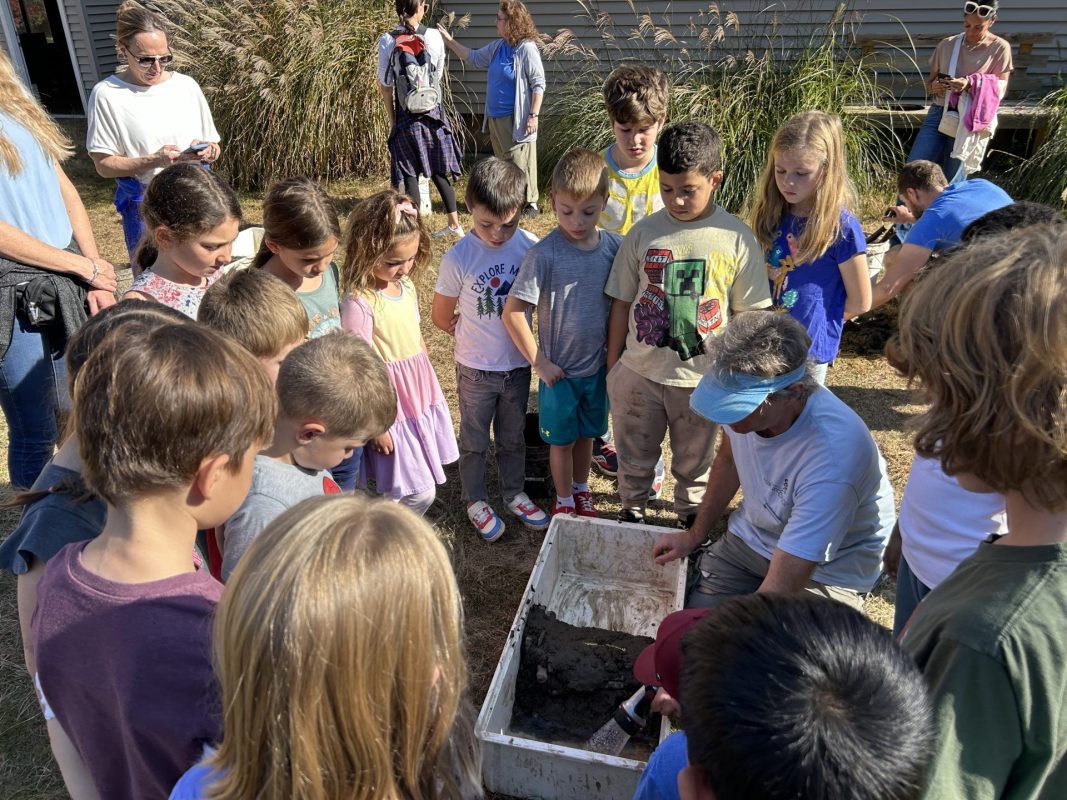
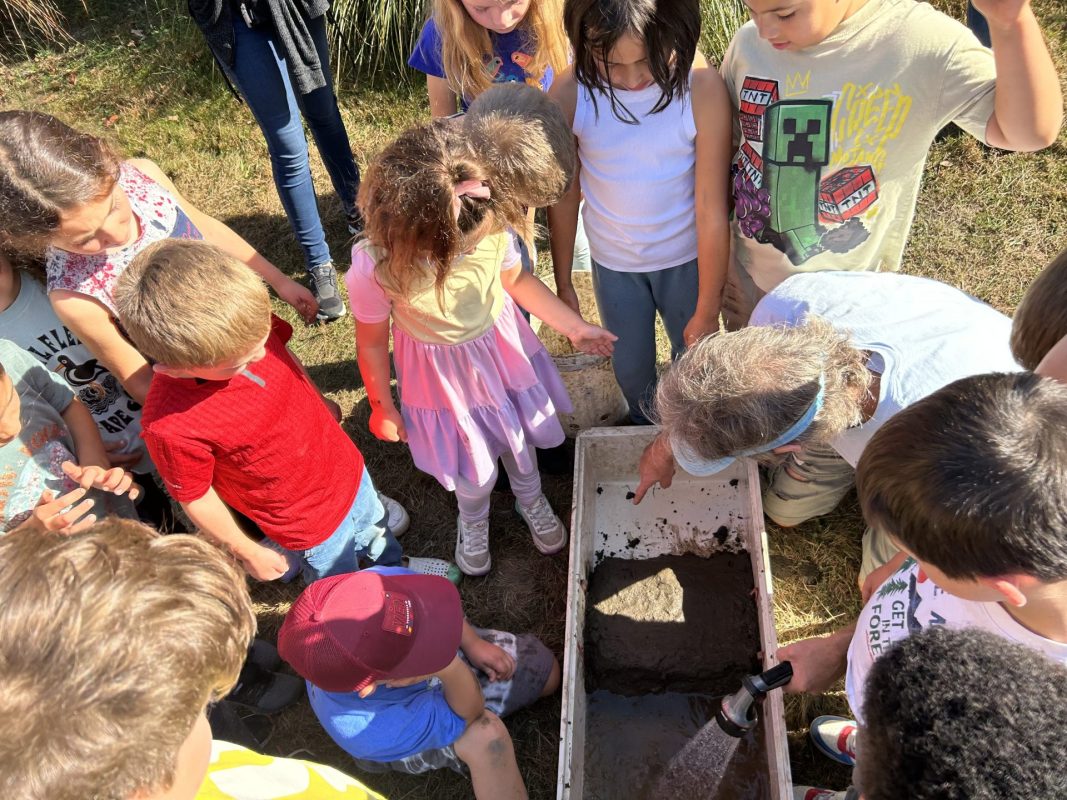
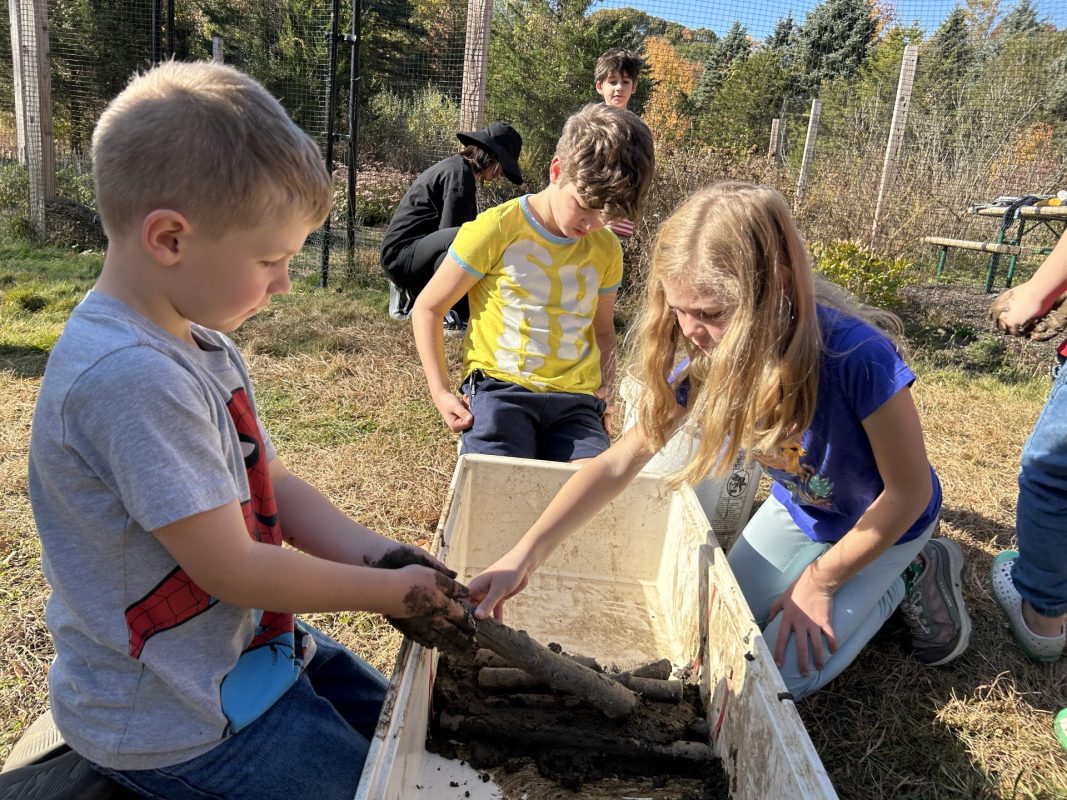
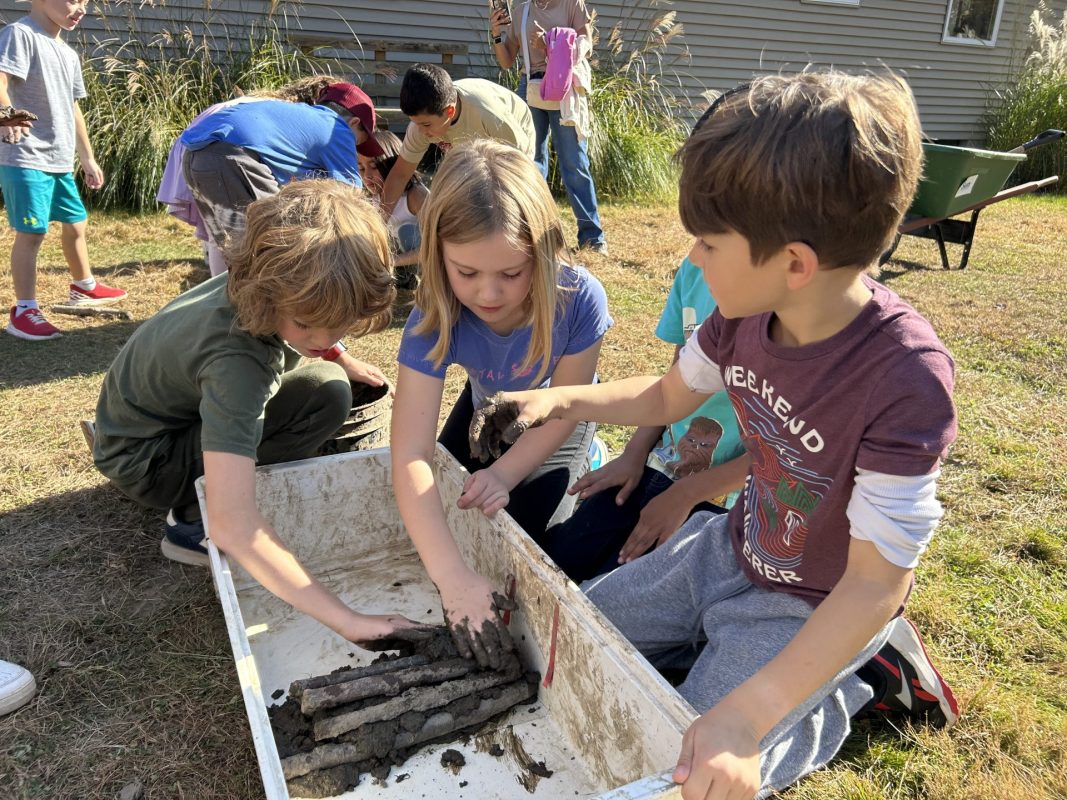
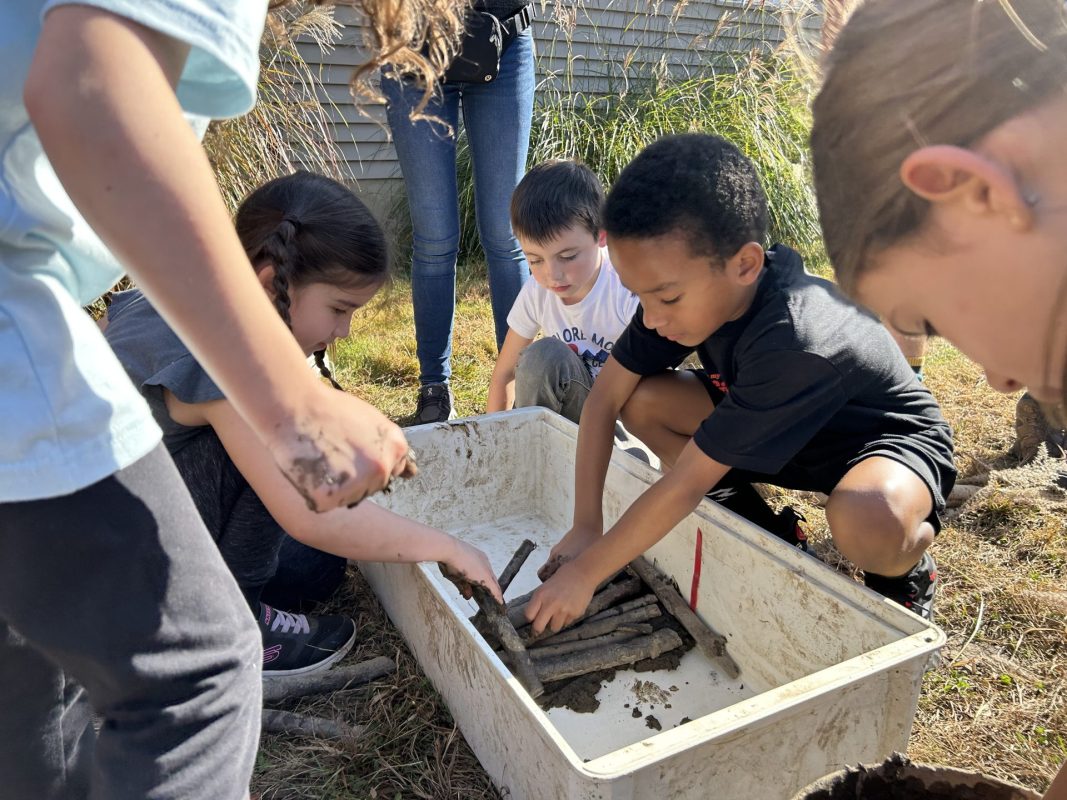
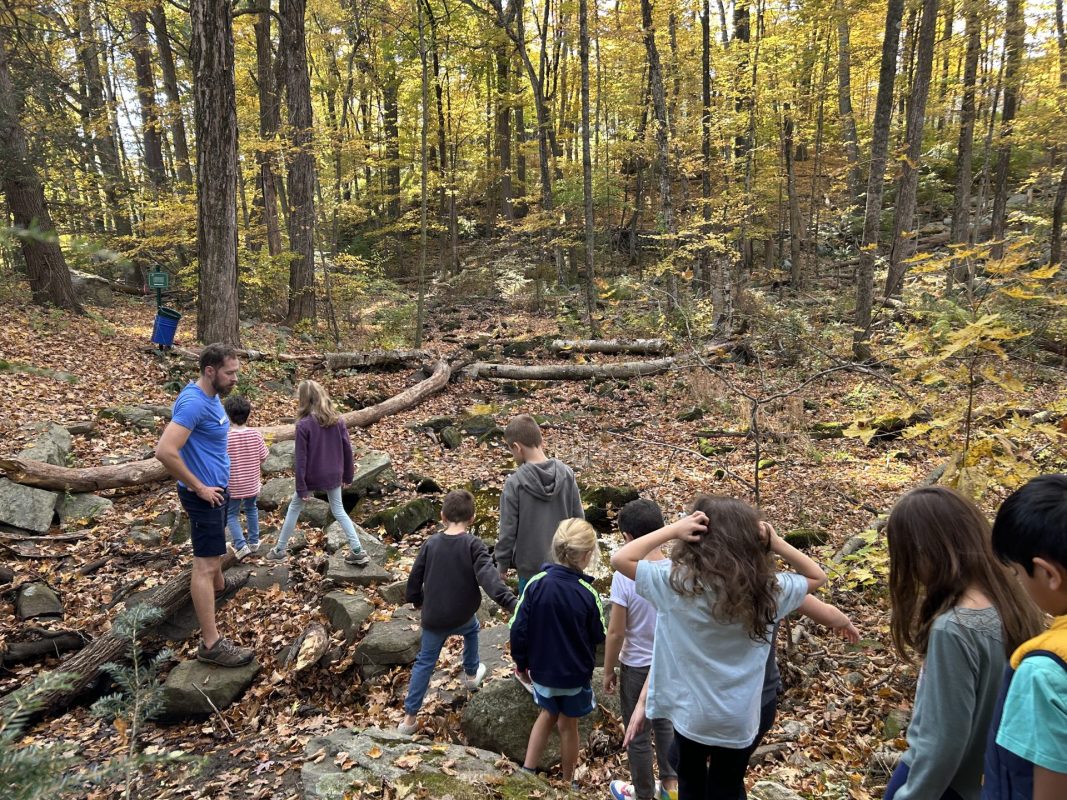
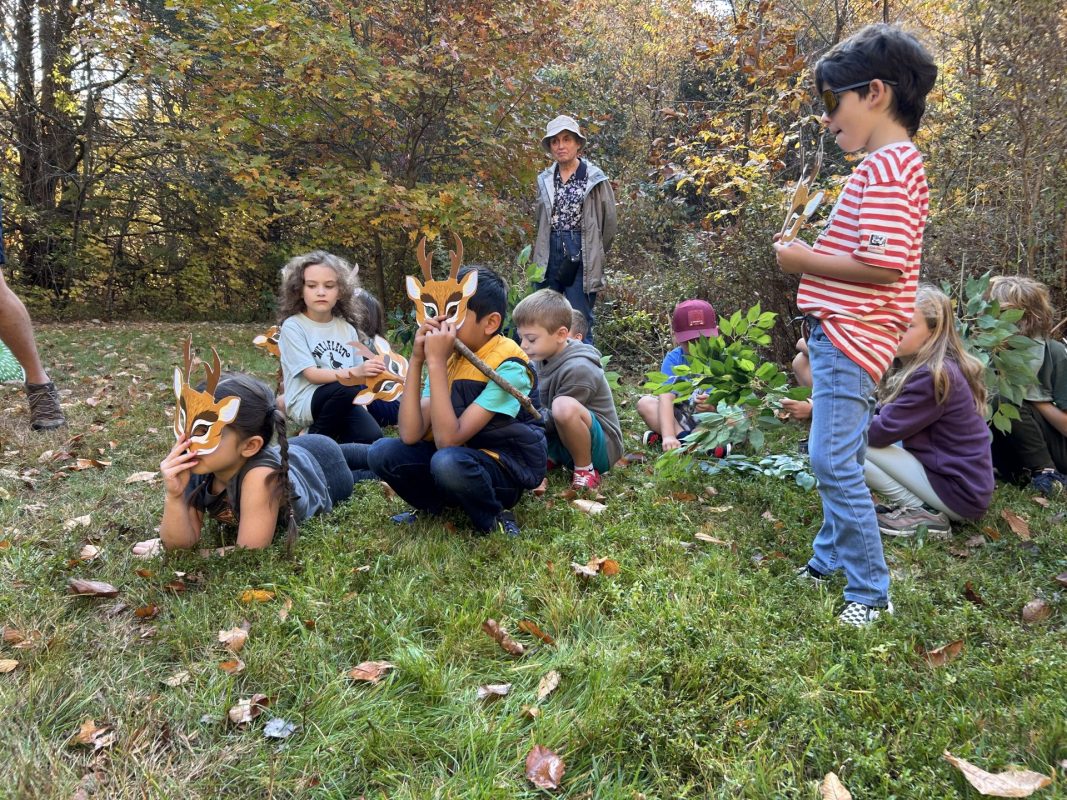
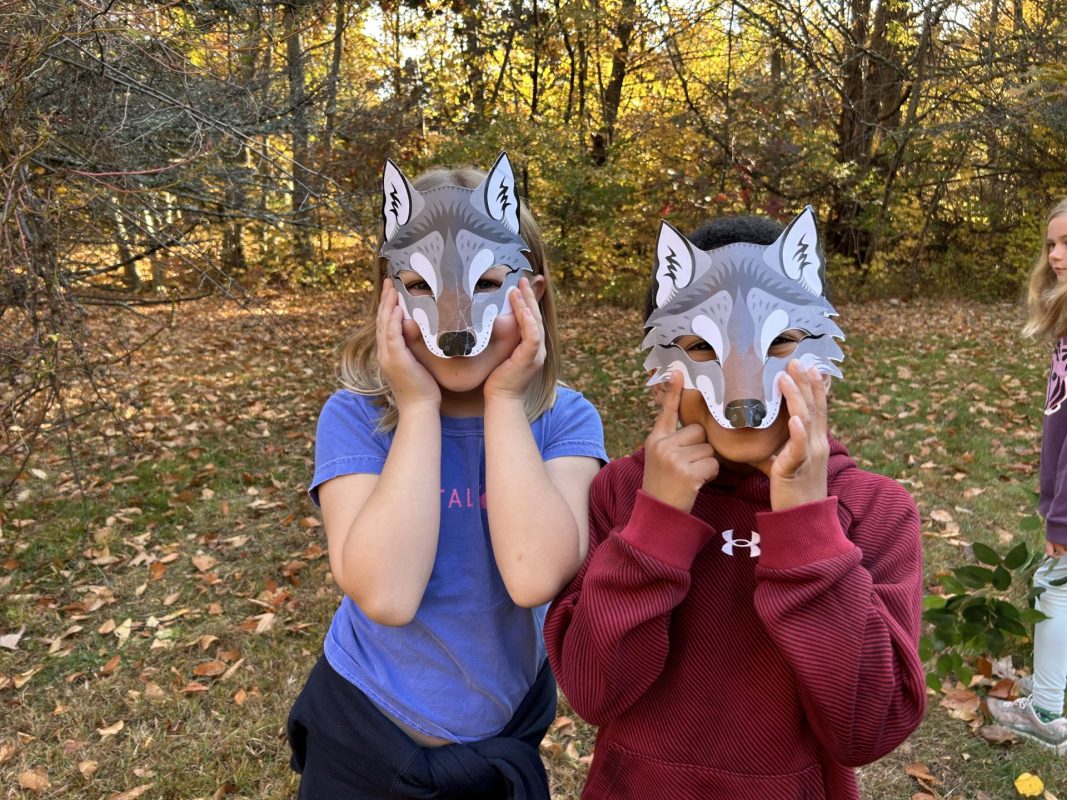
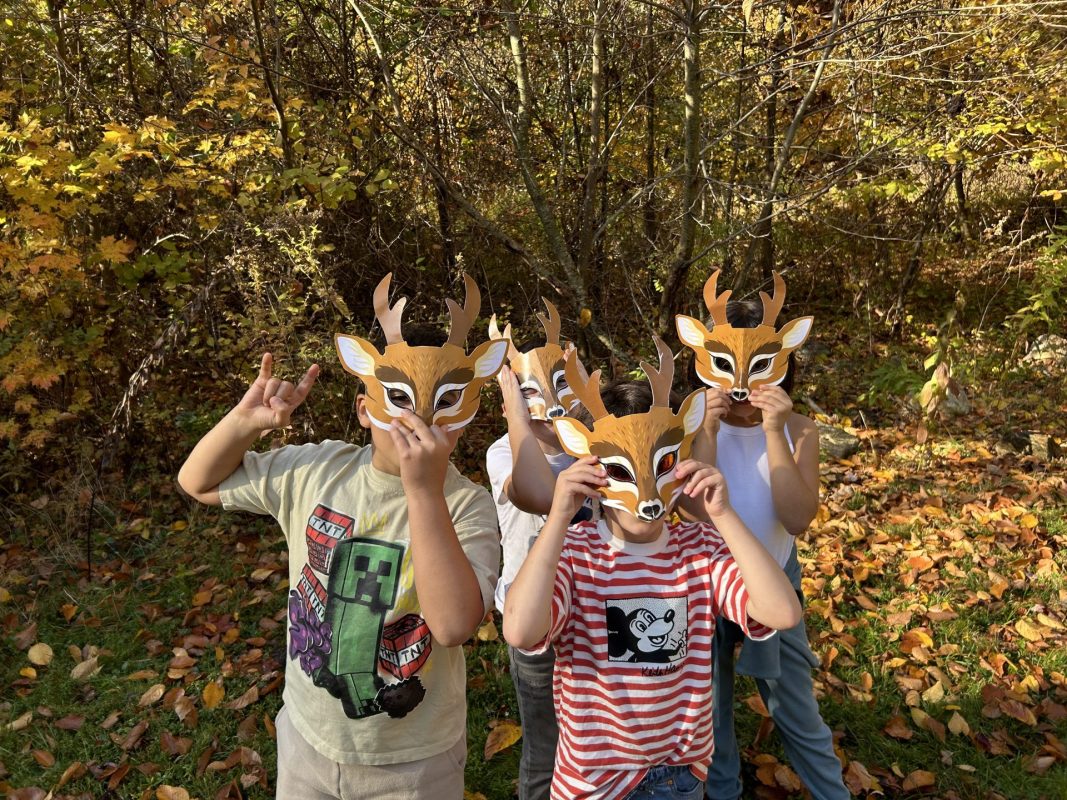
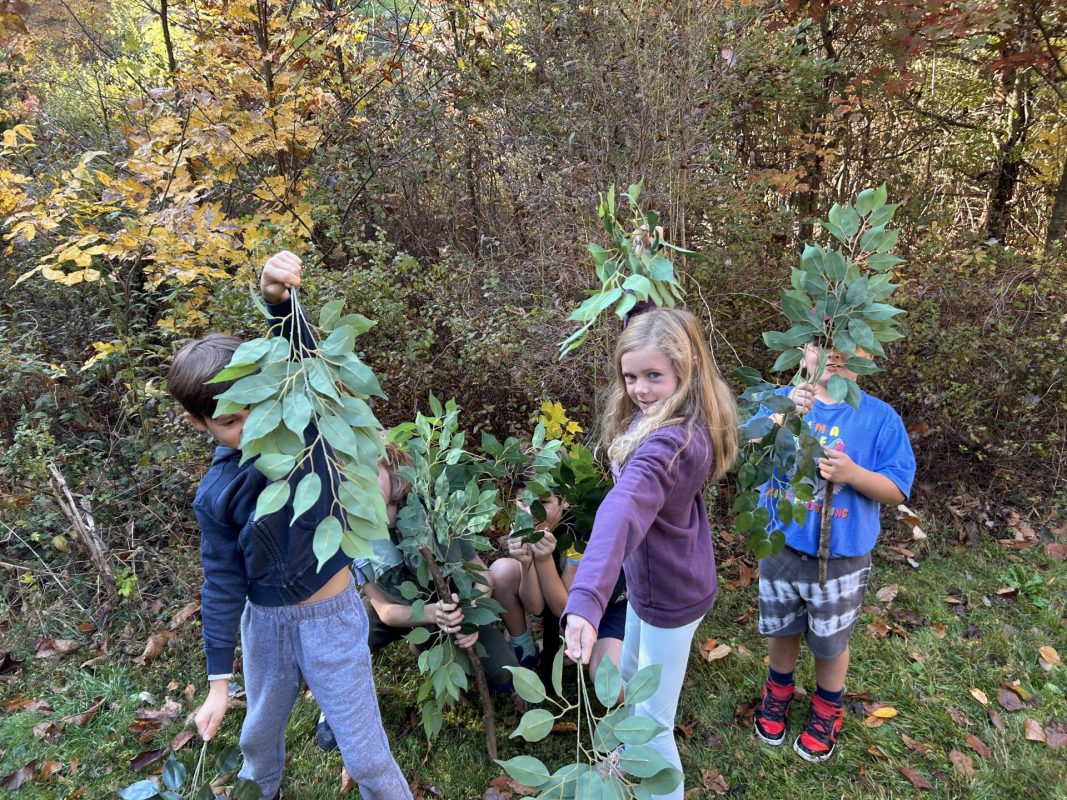
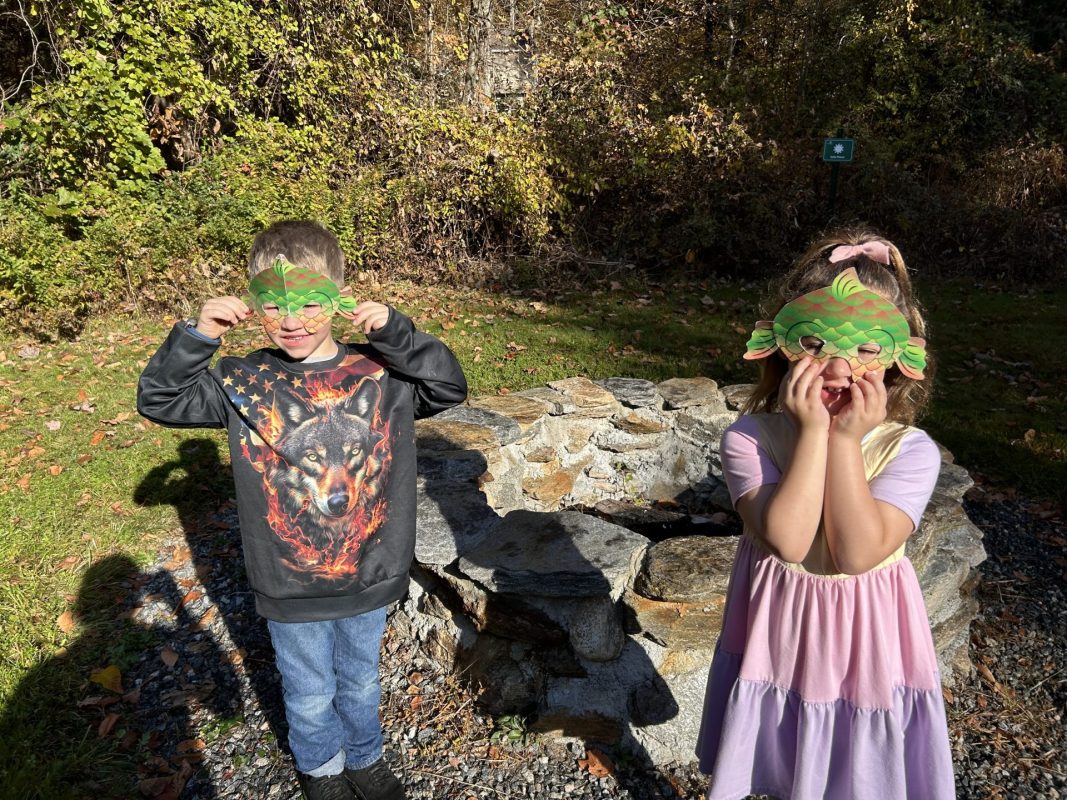
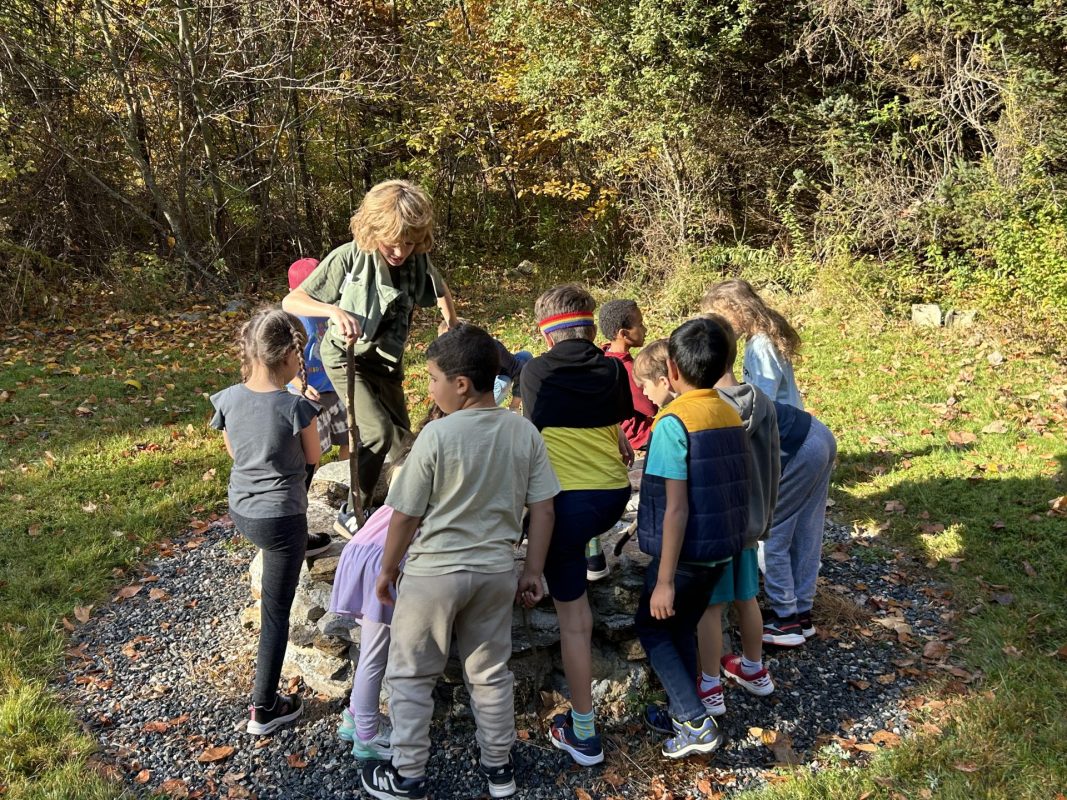
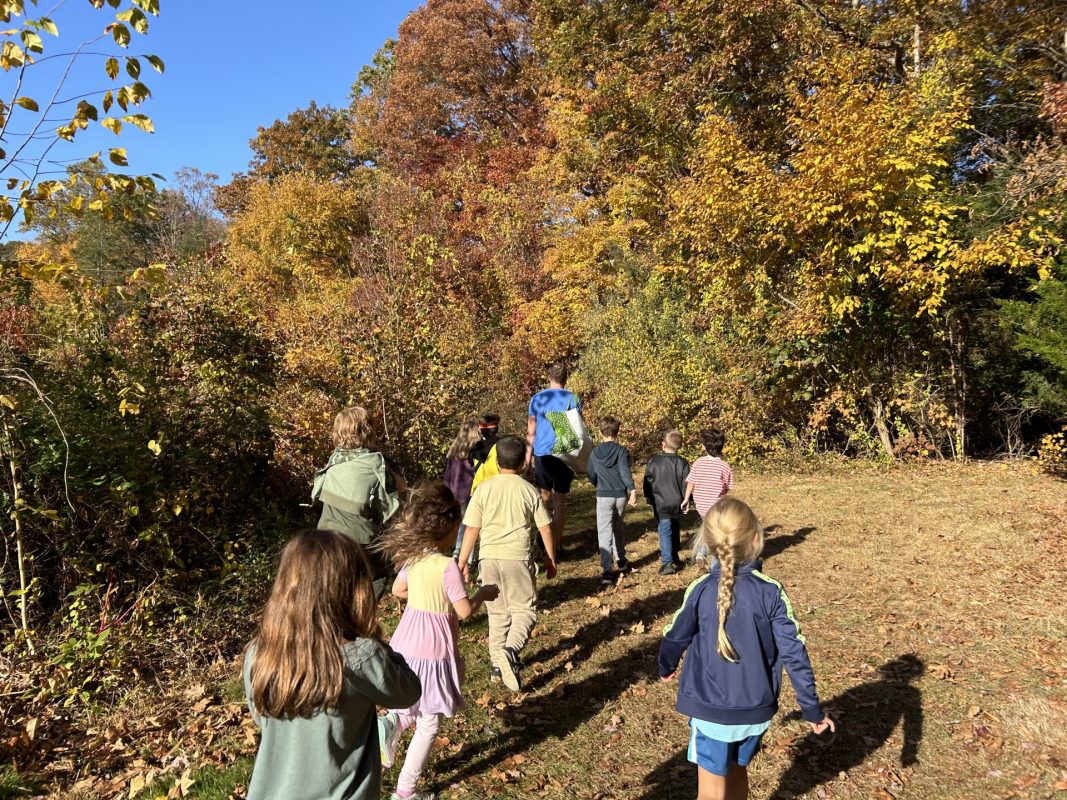
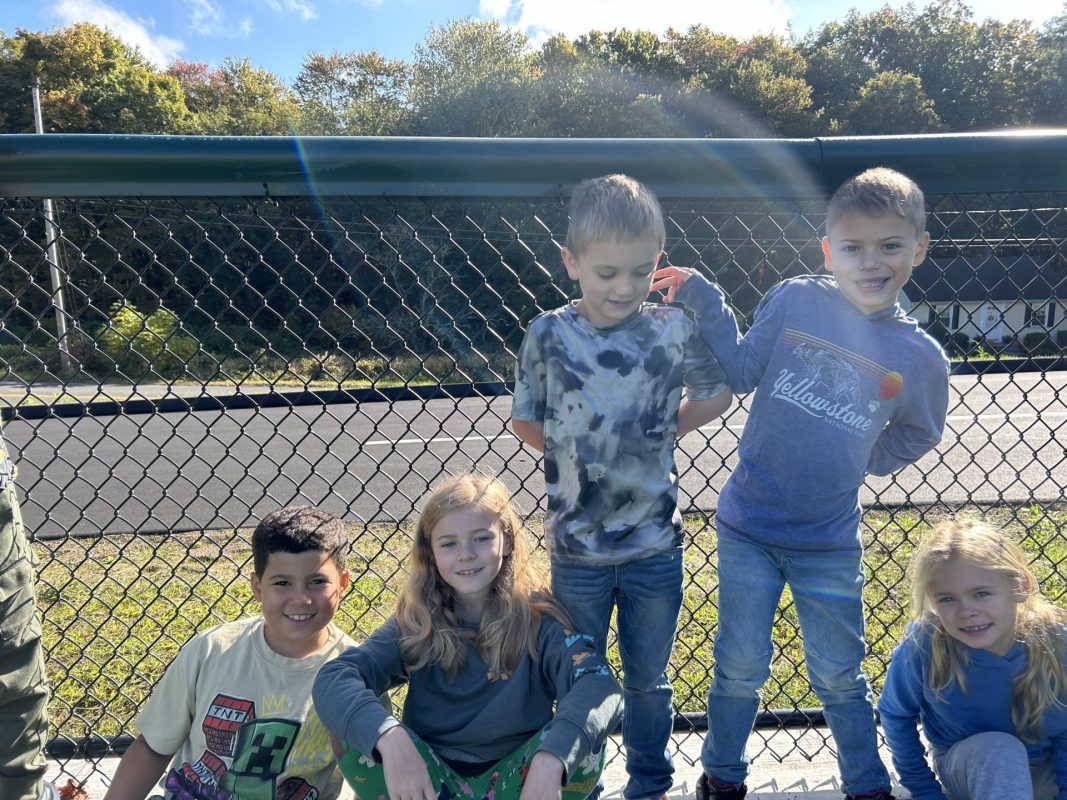
Last week’s field trip to Trumbull Nature and Arts Center was an amazing dive into nature and hands-on learning! We began with a biodiversity walk led by an environmental educator who guided us through meadows and forests, highlighting the unique adaptations that help plants and animals survive in these diverse habitats. Next, we learned about beavers and their incredible habitat-building skills. The students used sticks, mud, and water to create mini beaver dams, observing how these resourceful animals shape their environments. Finally, we explored how seeds travel in the wild, designing our own seed models that could be carried by wind, water, or animals. This fun mix of creativity and teamwork helped everyone gain a deeper appreciation for nature’s clever ways of adapting and thriving!
Exploring Geometry in Lower Elementary
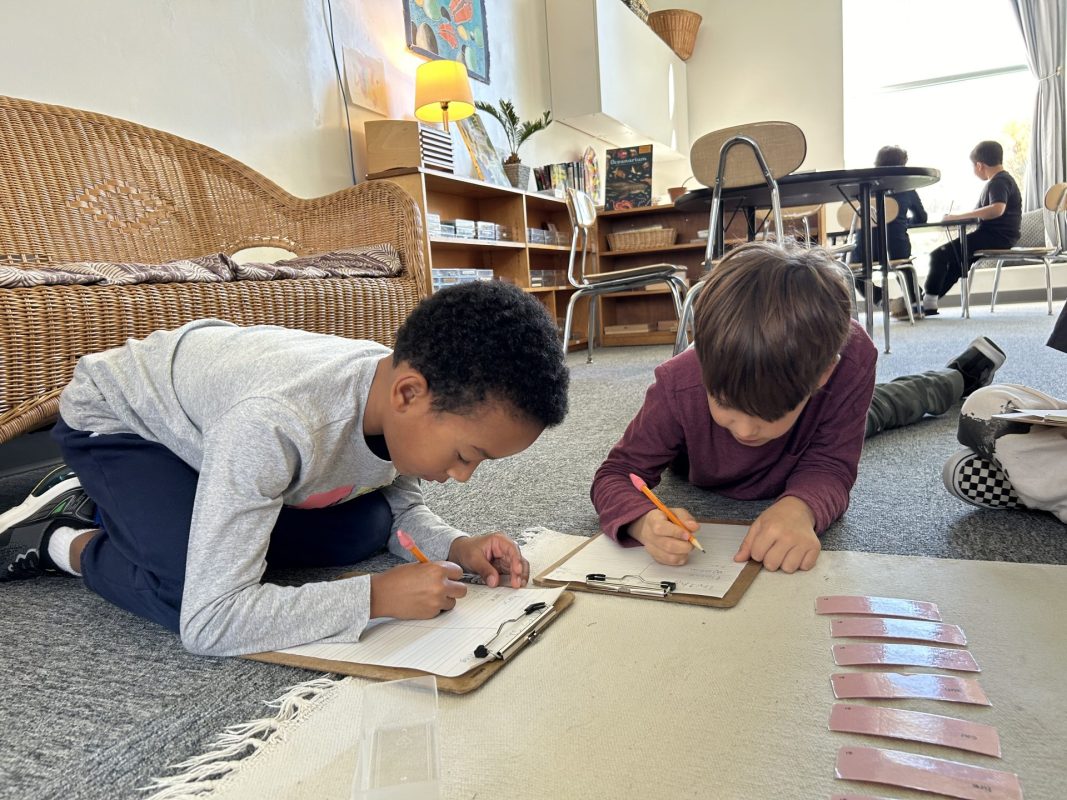
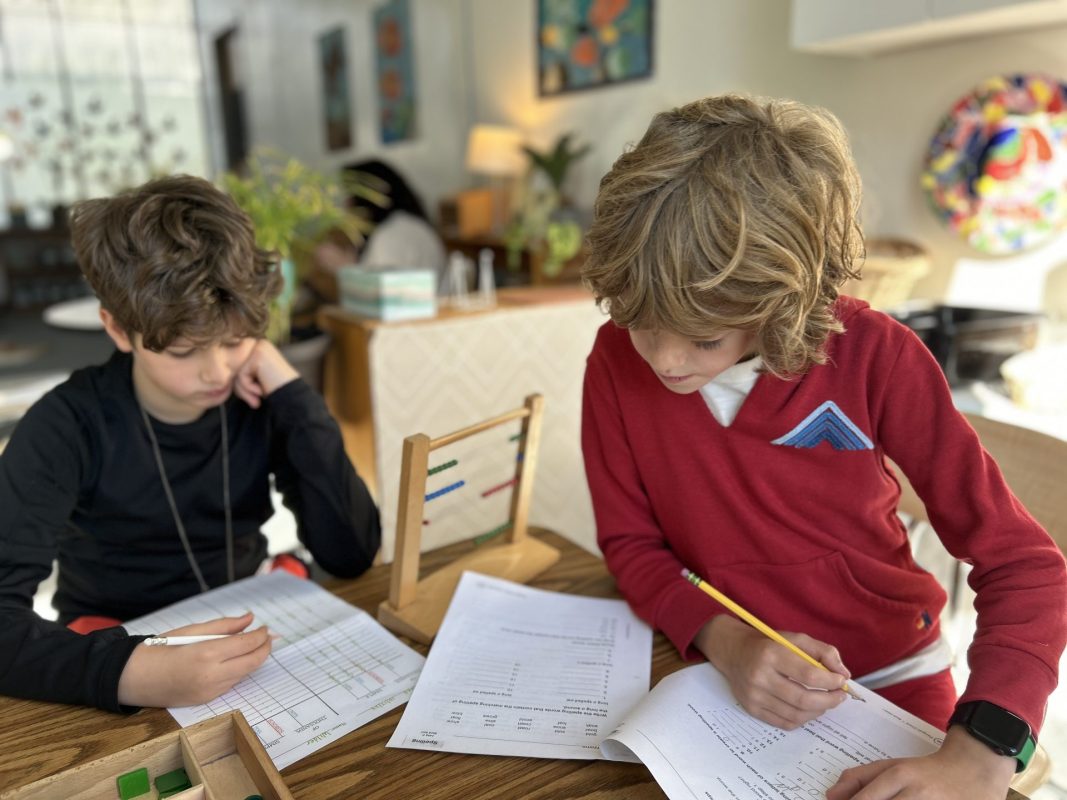
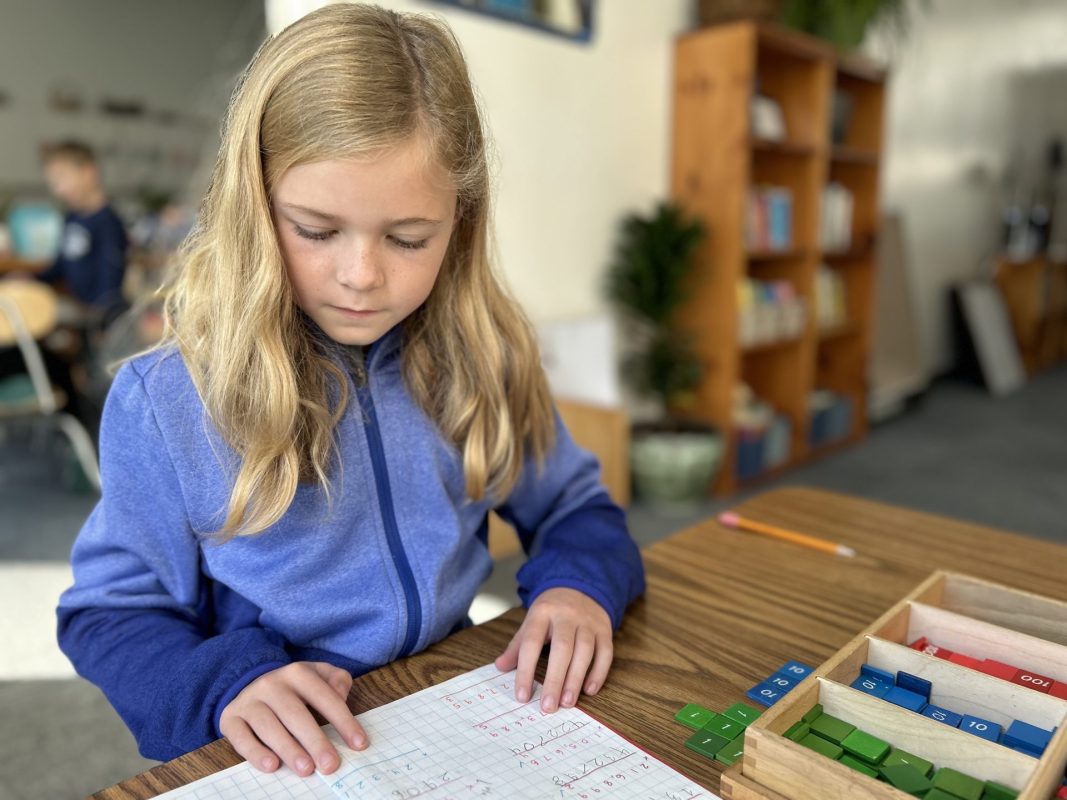
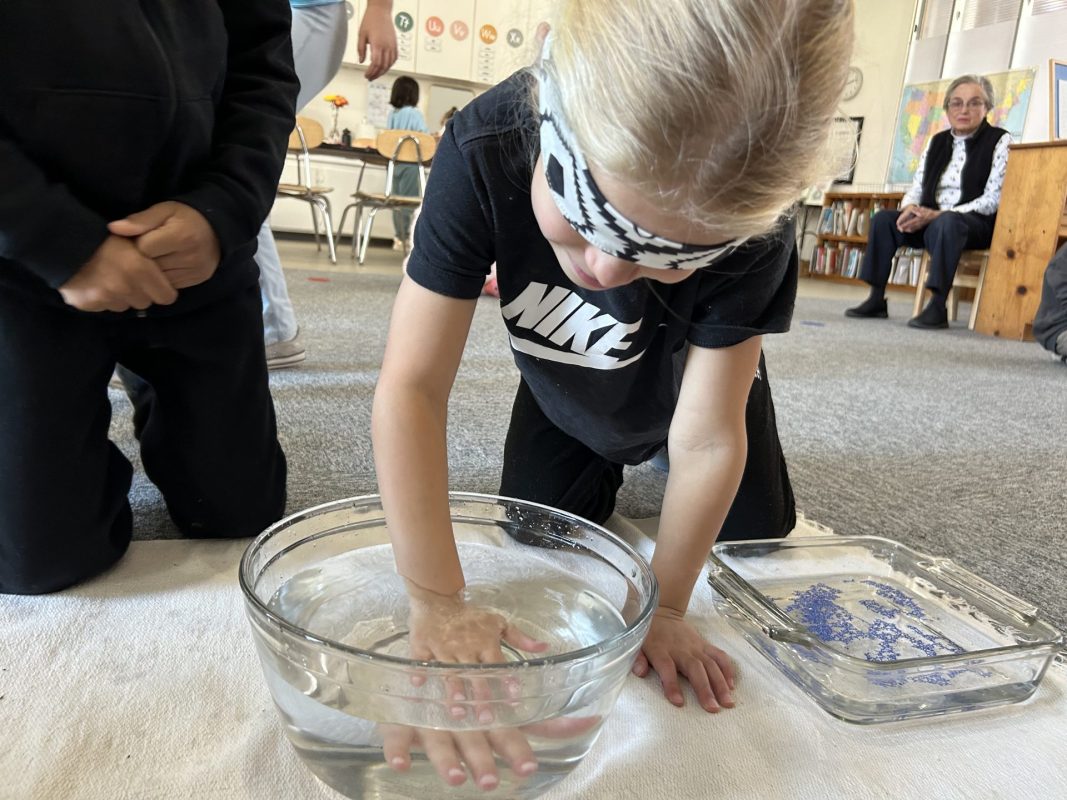
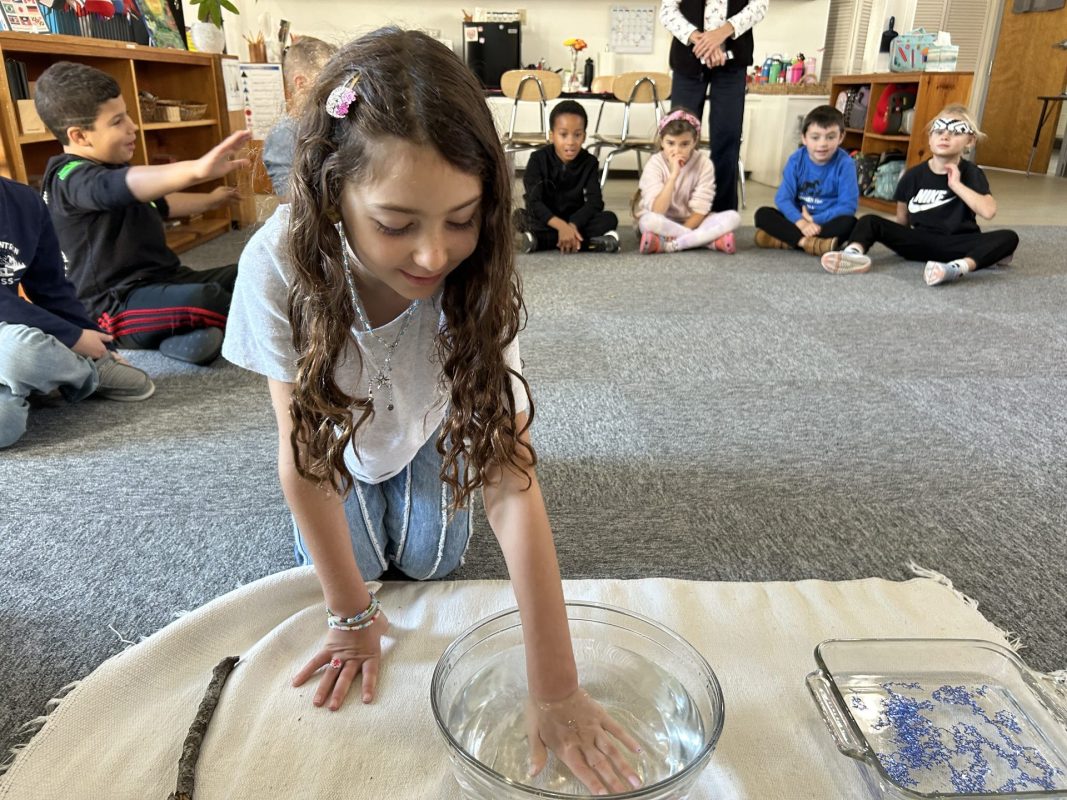
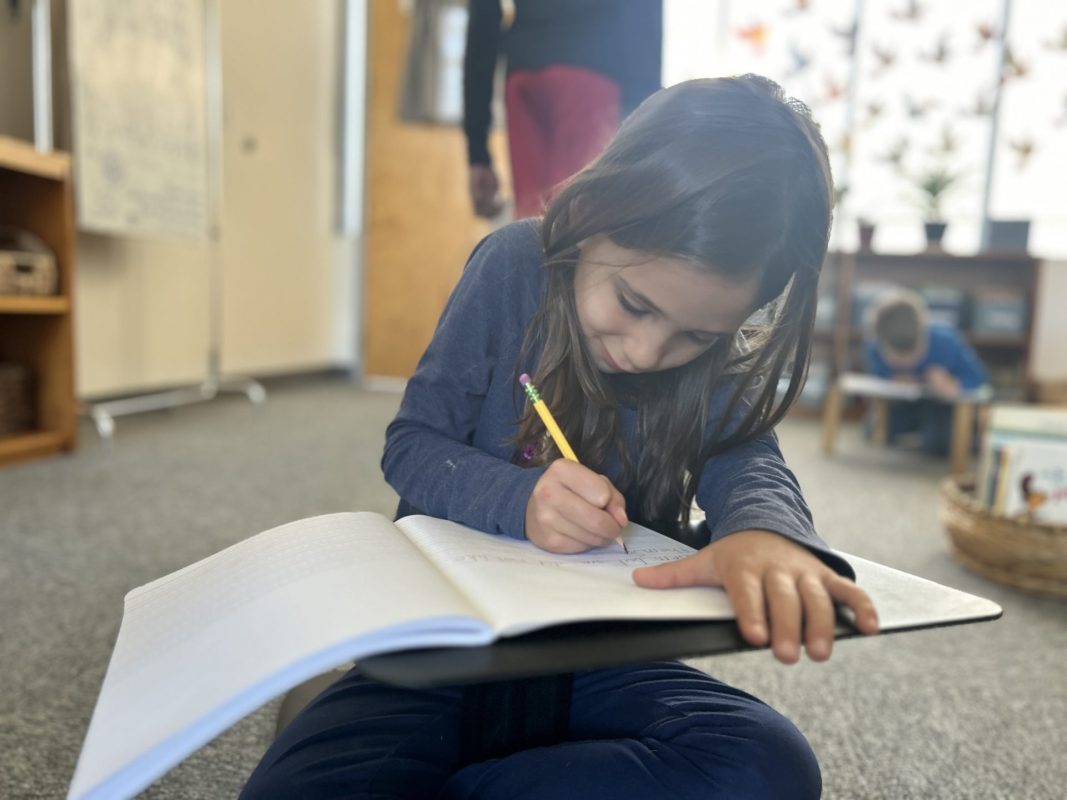
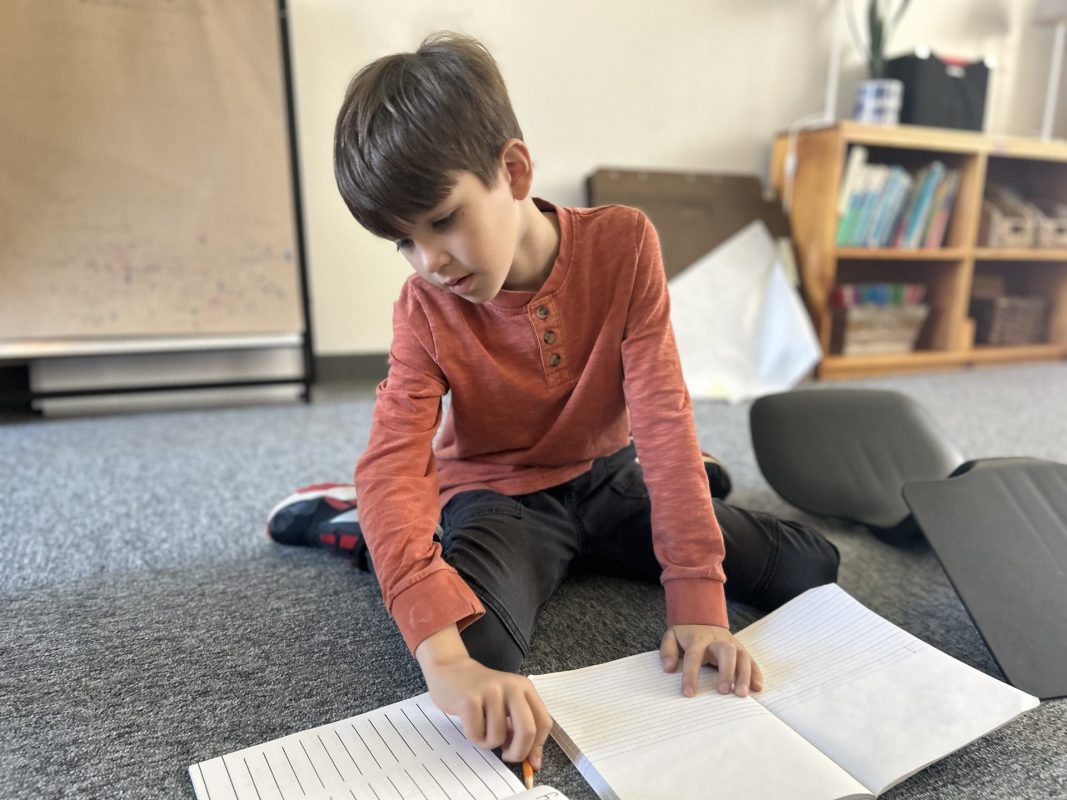
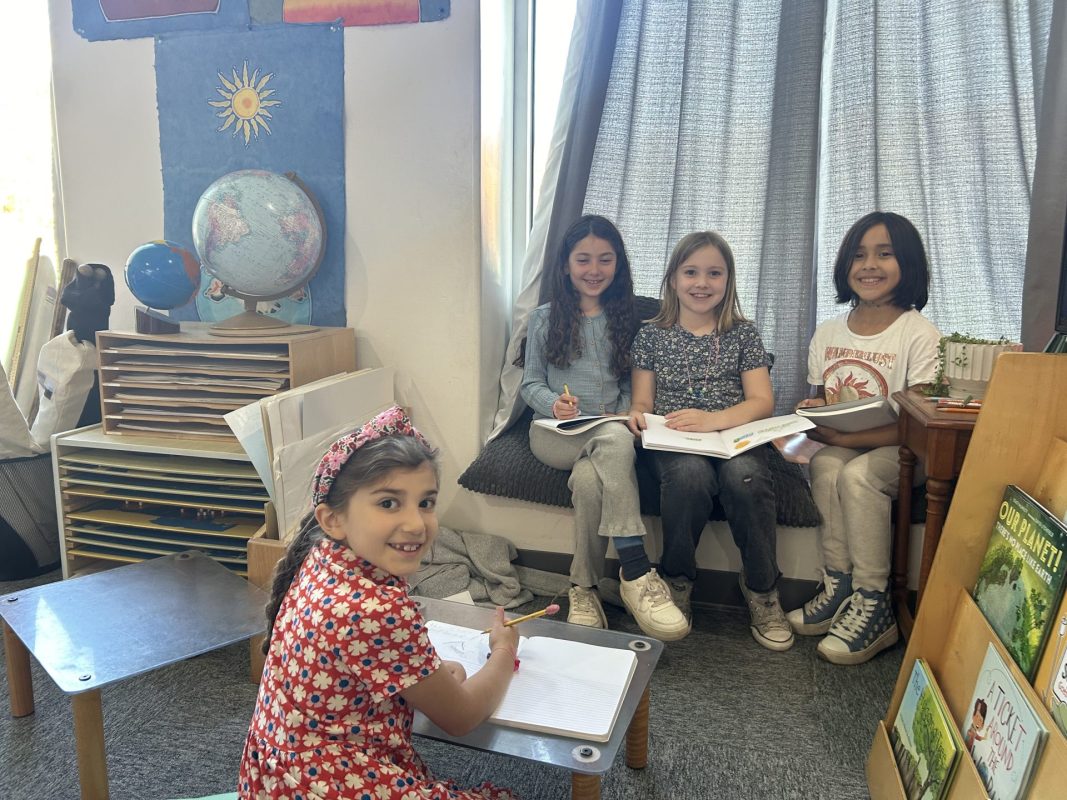
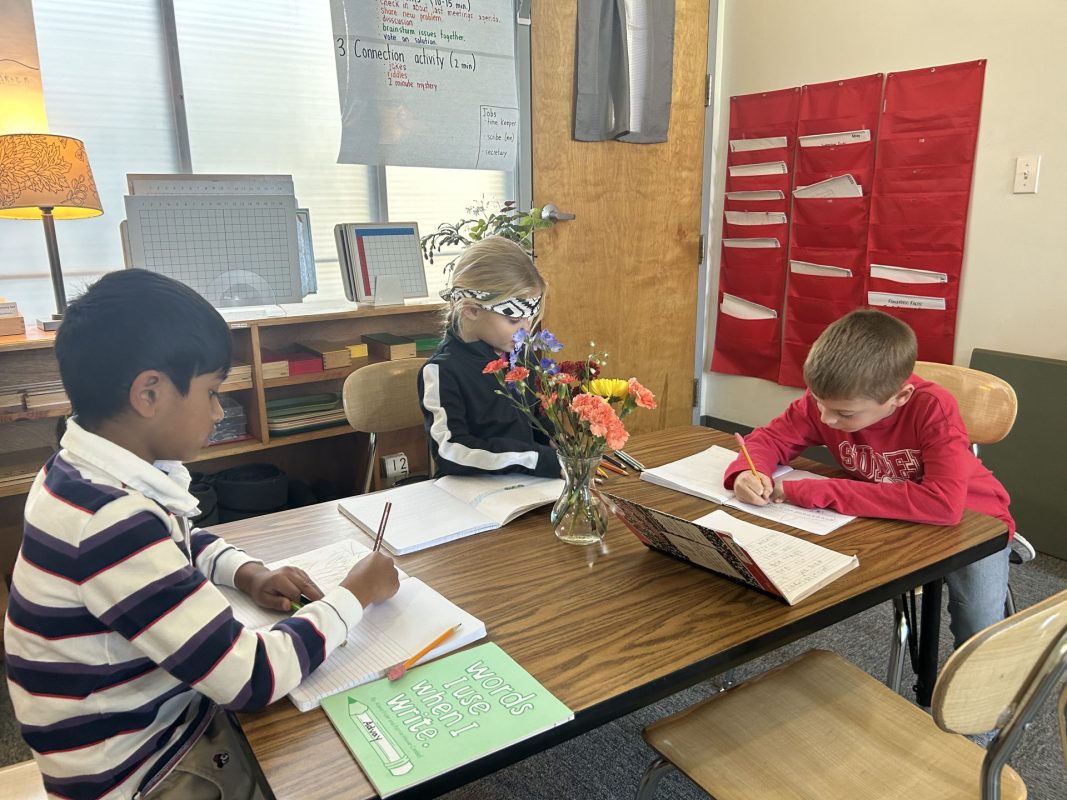
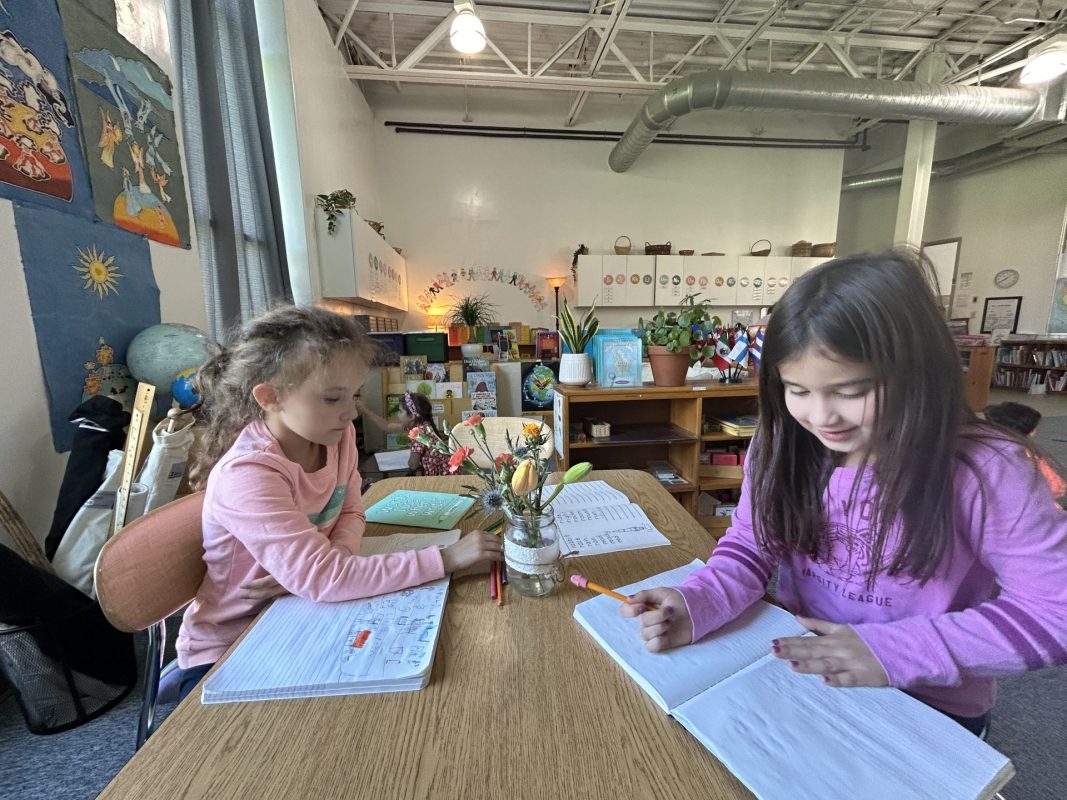
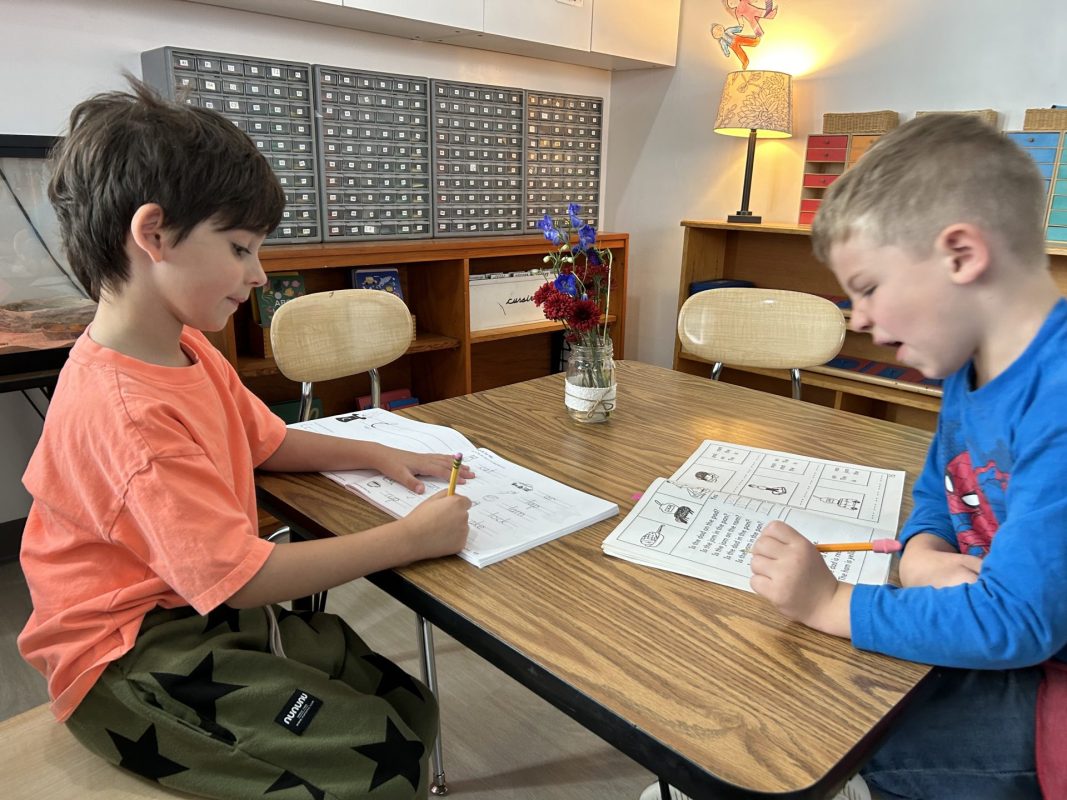
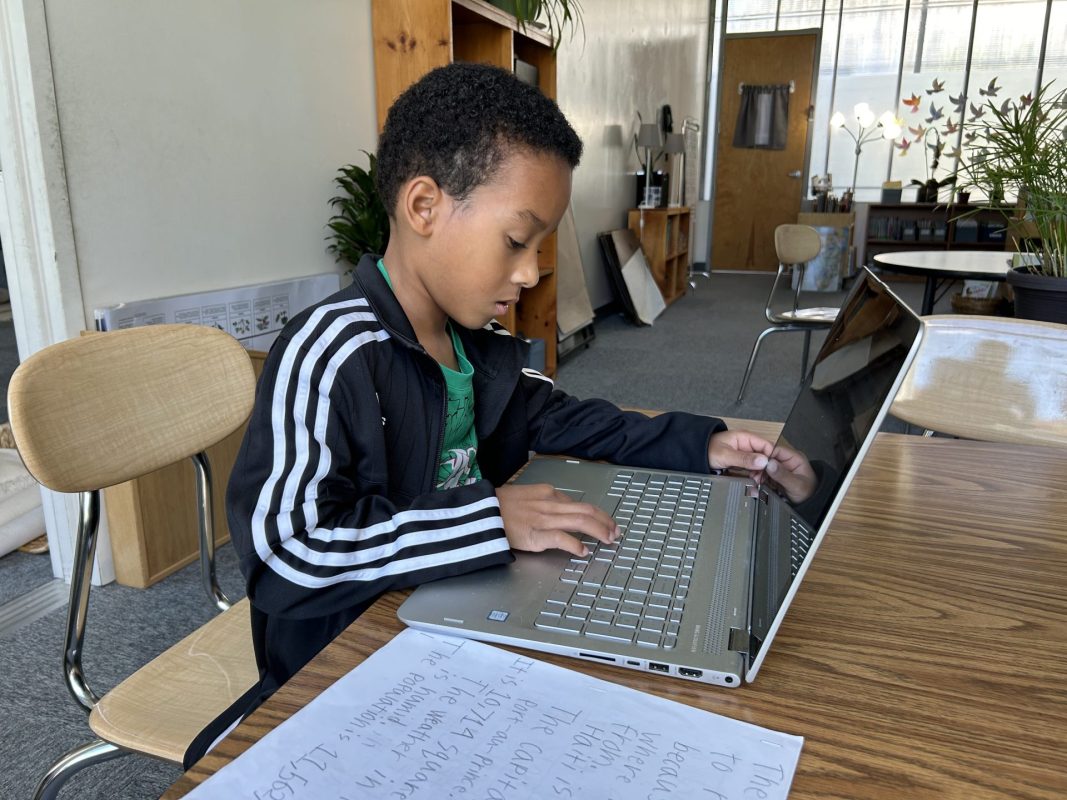
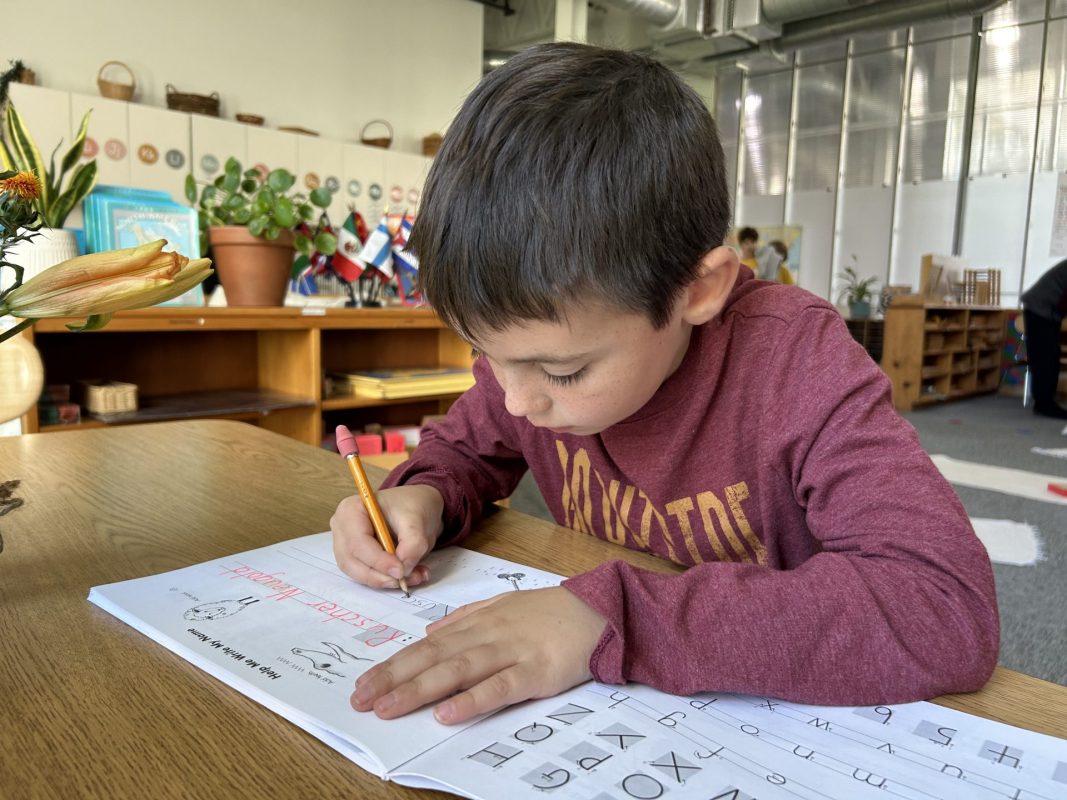
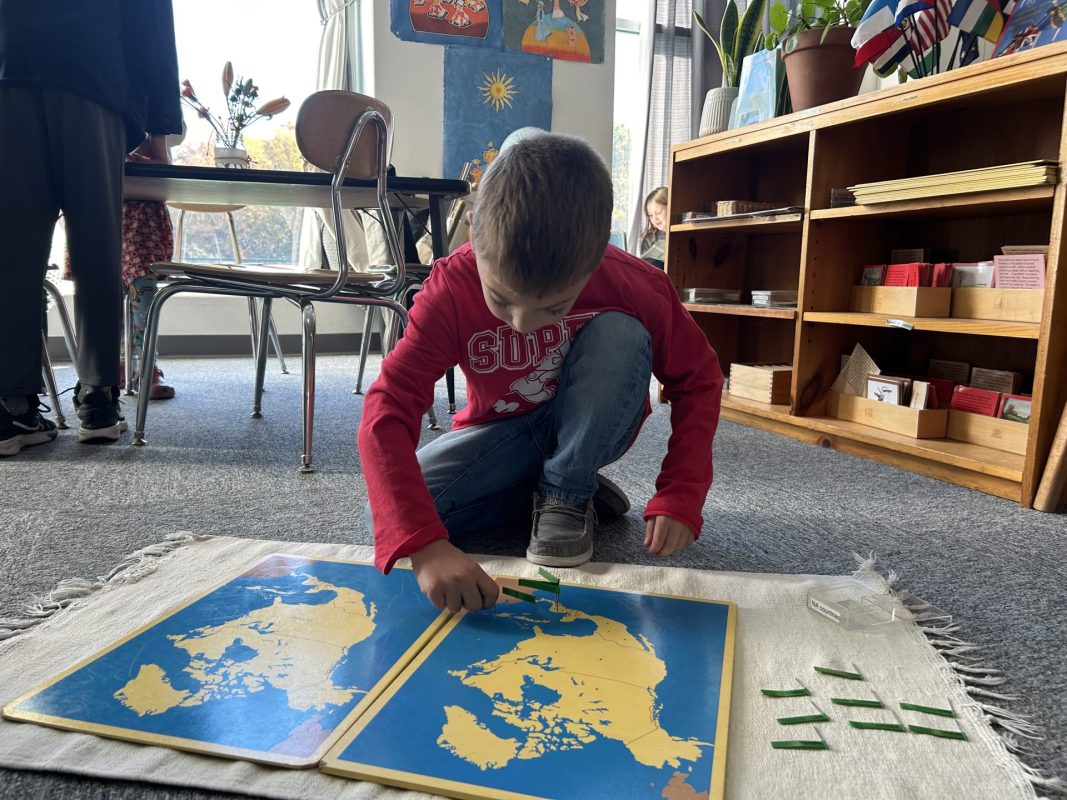
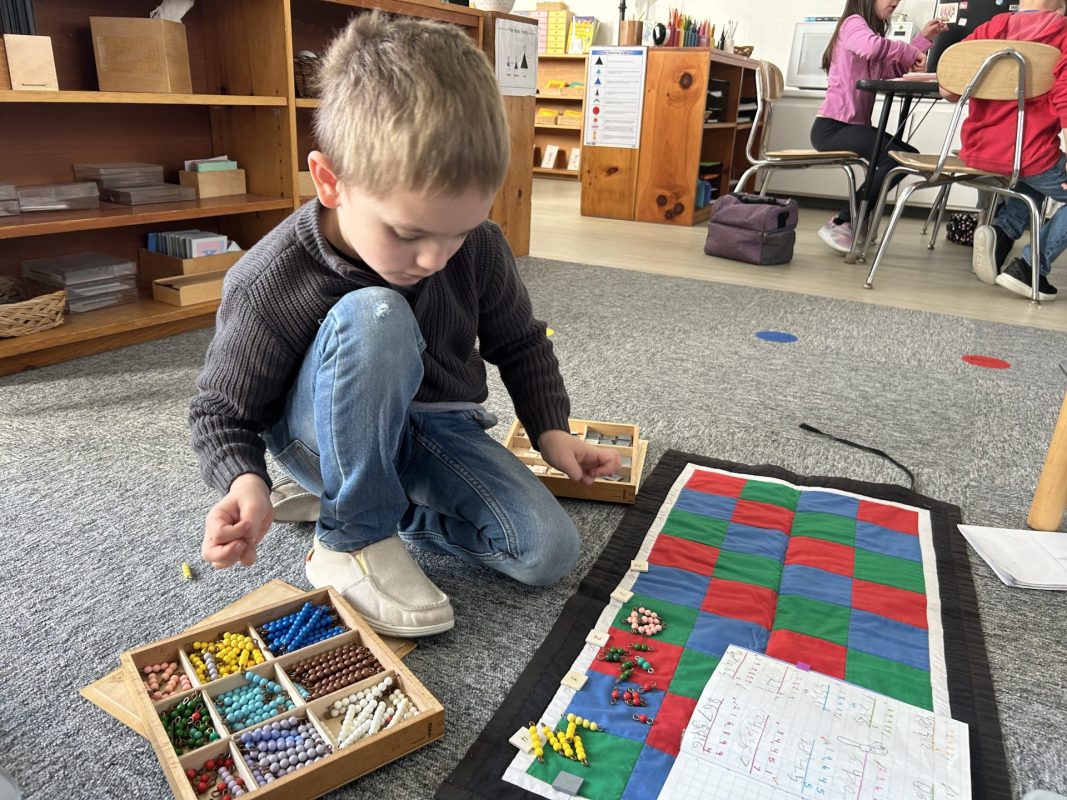
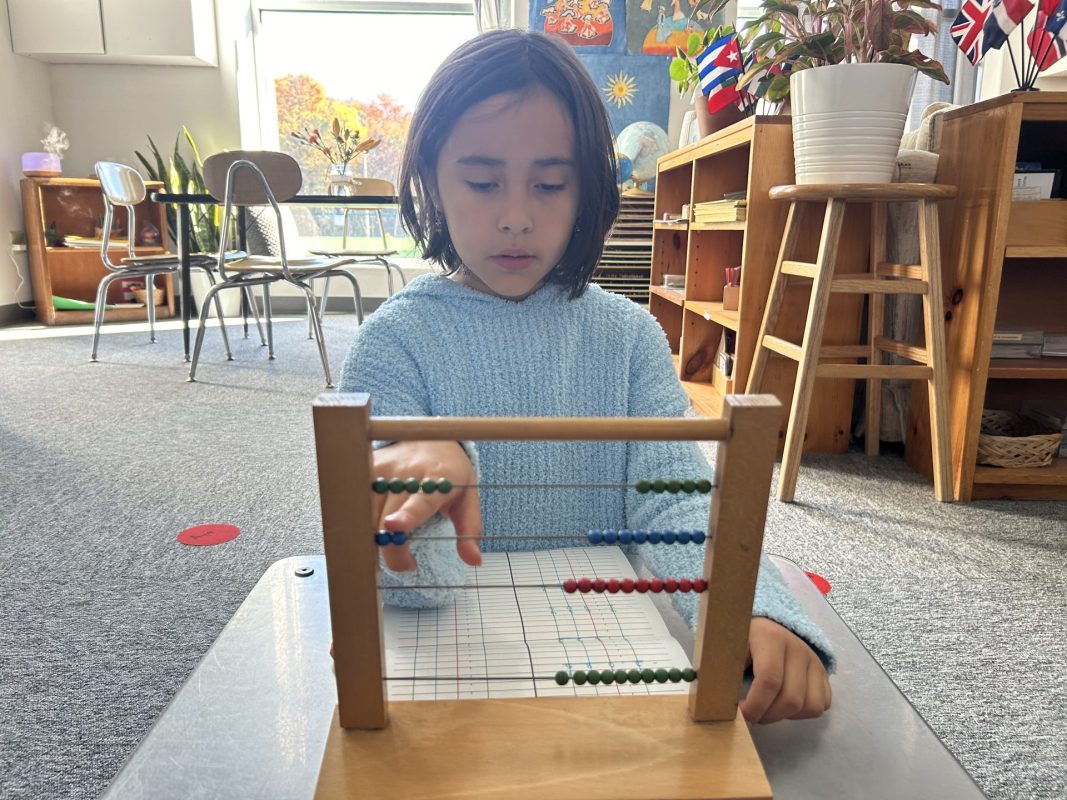
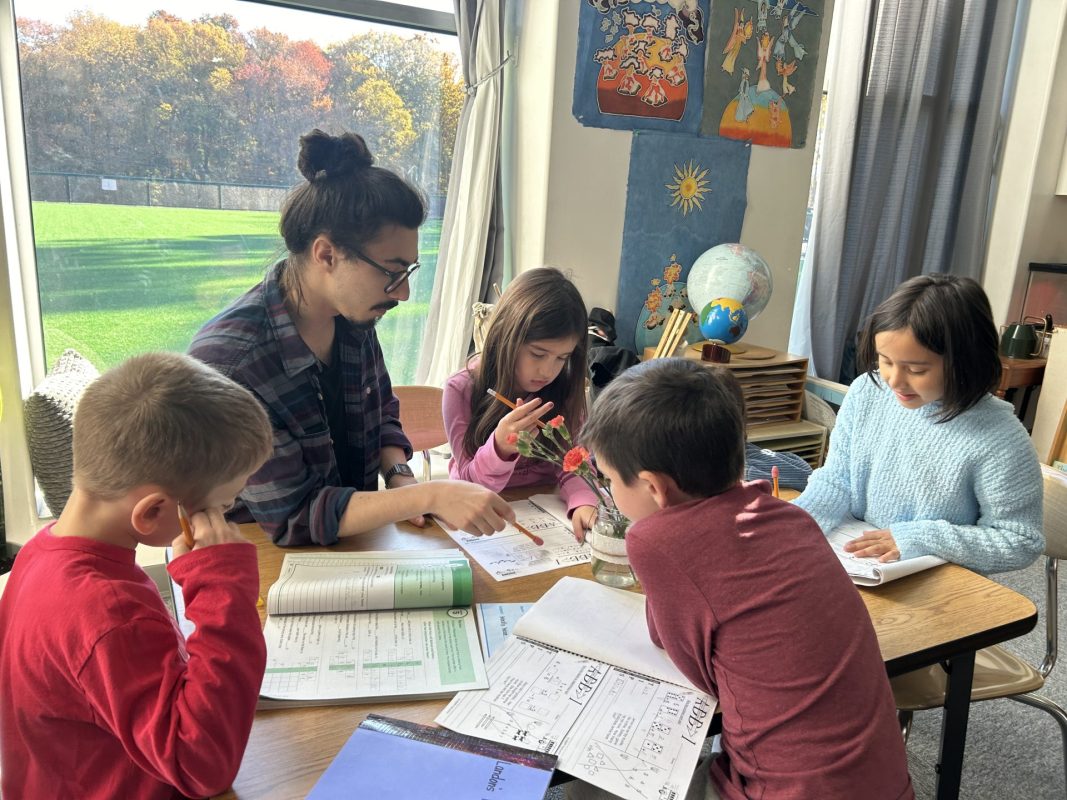
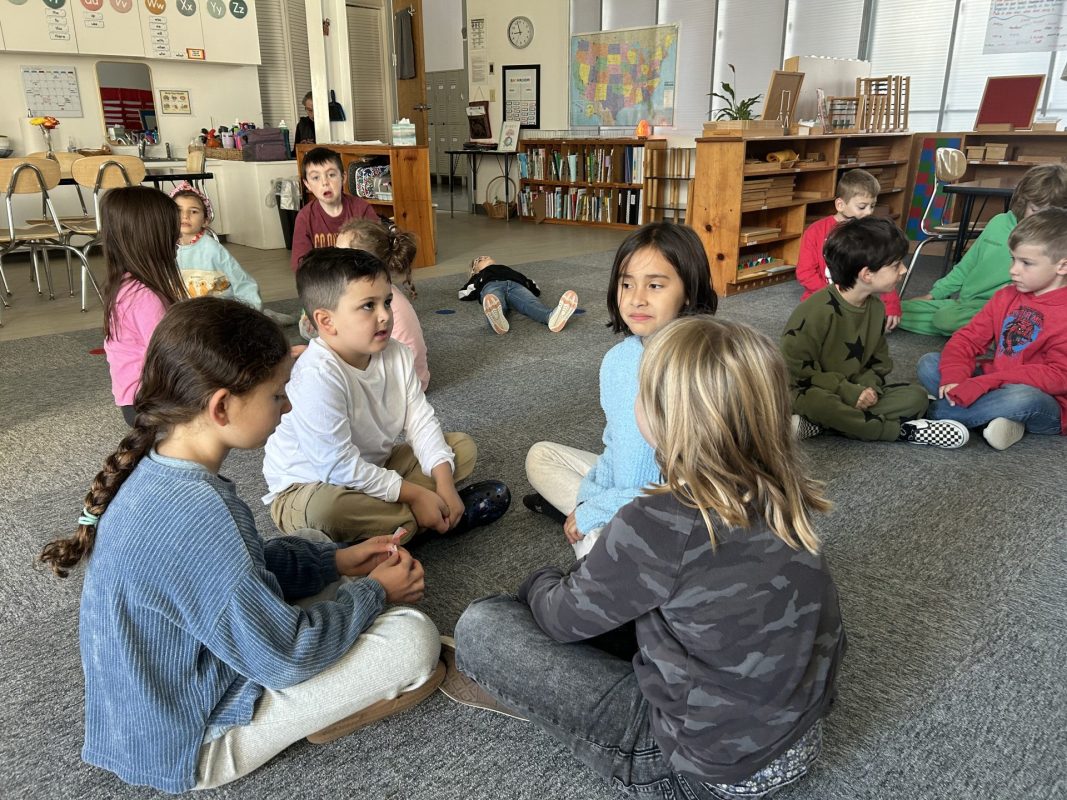
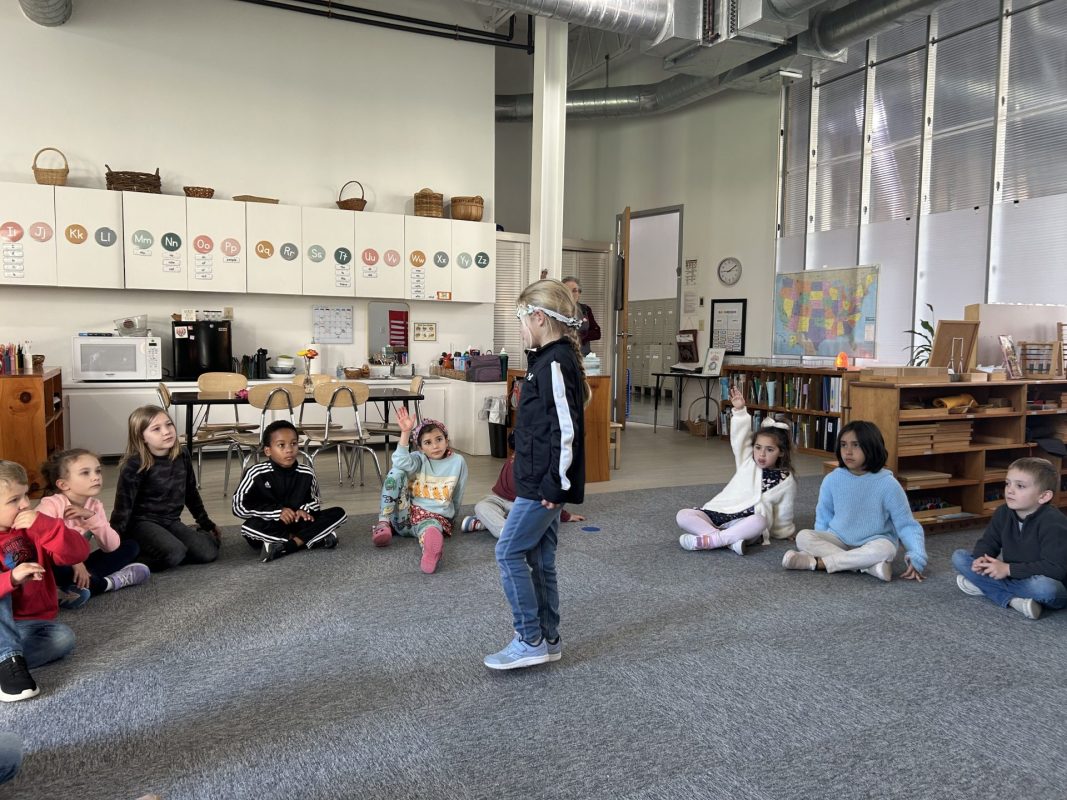
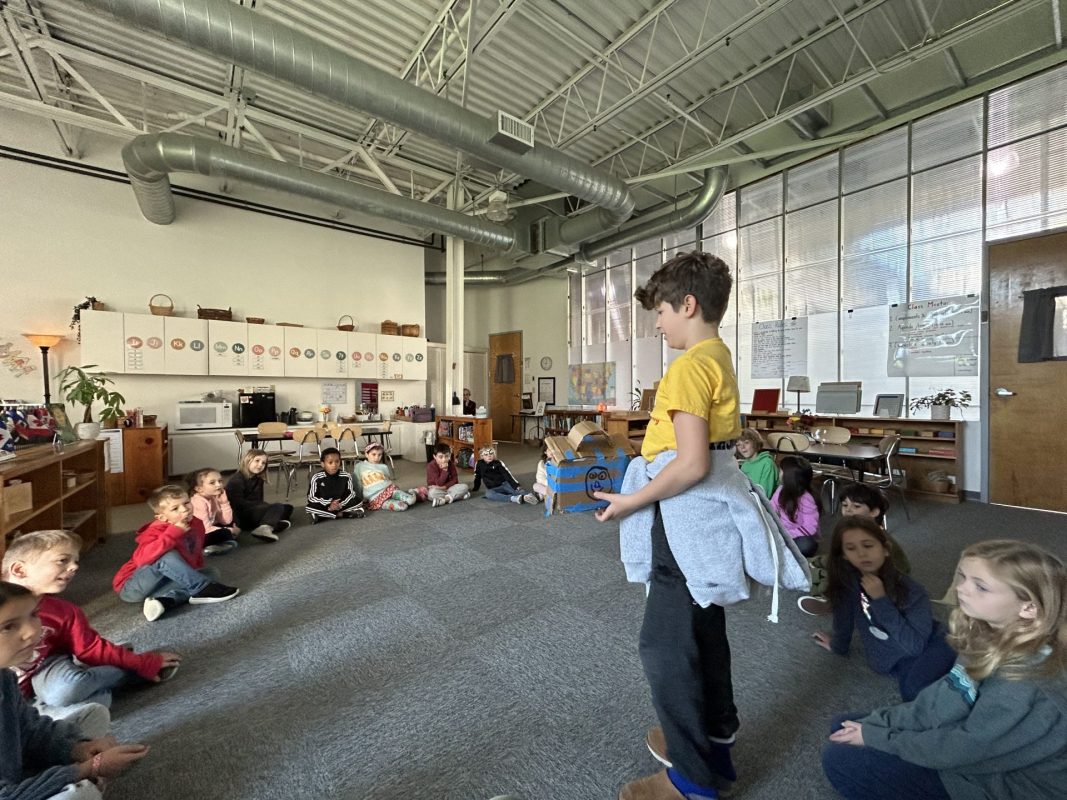
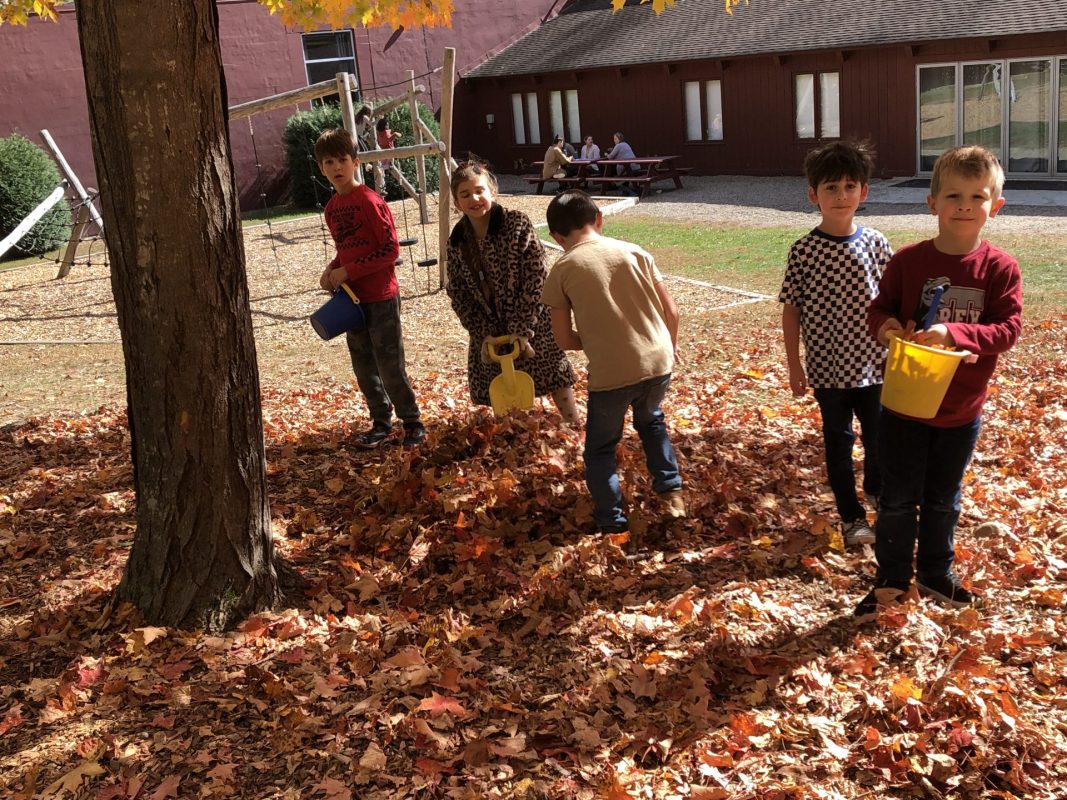
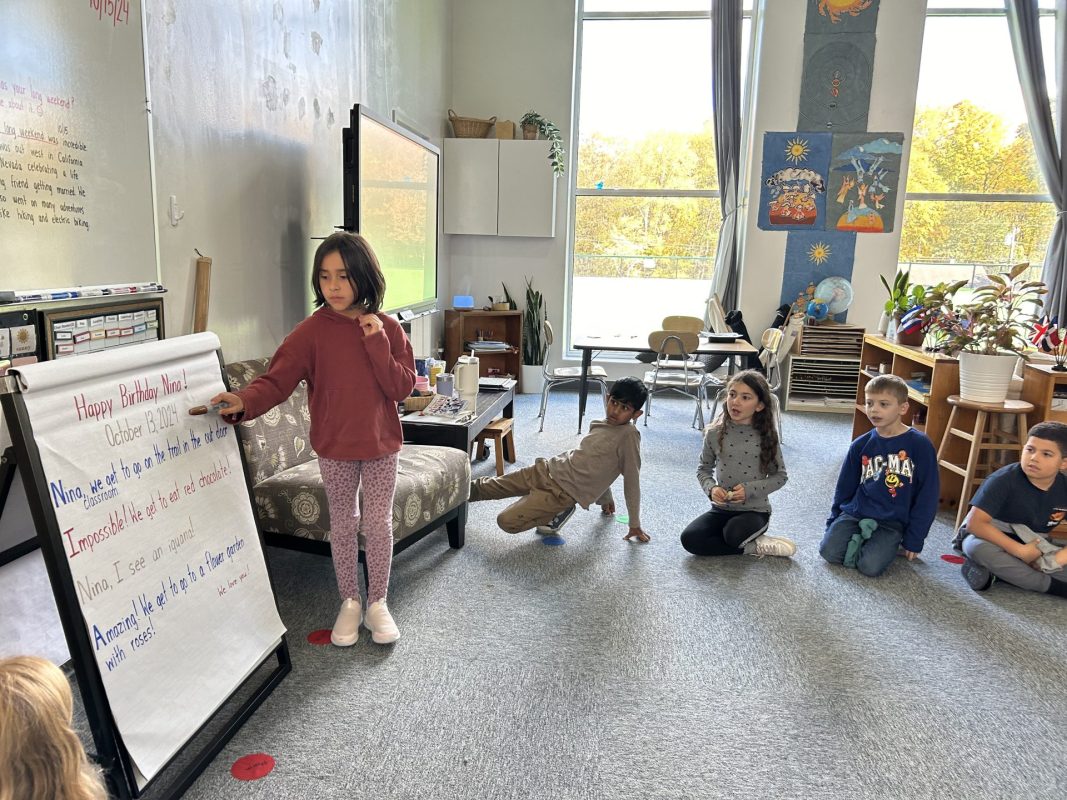
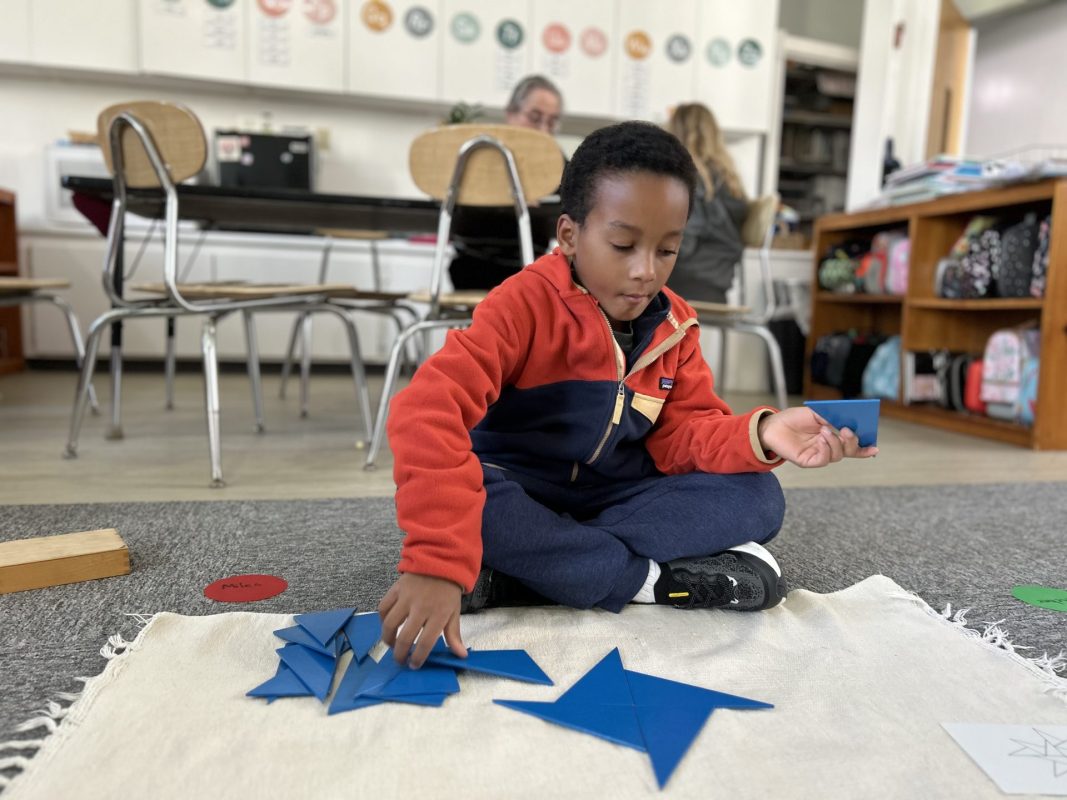
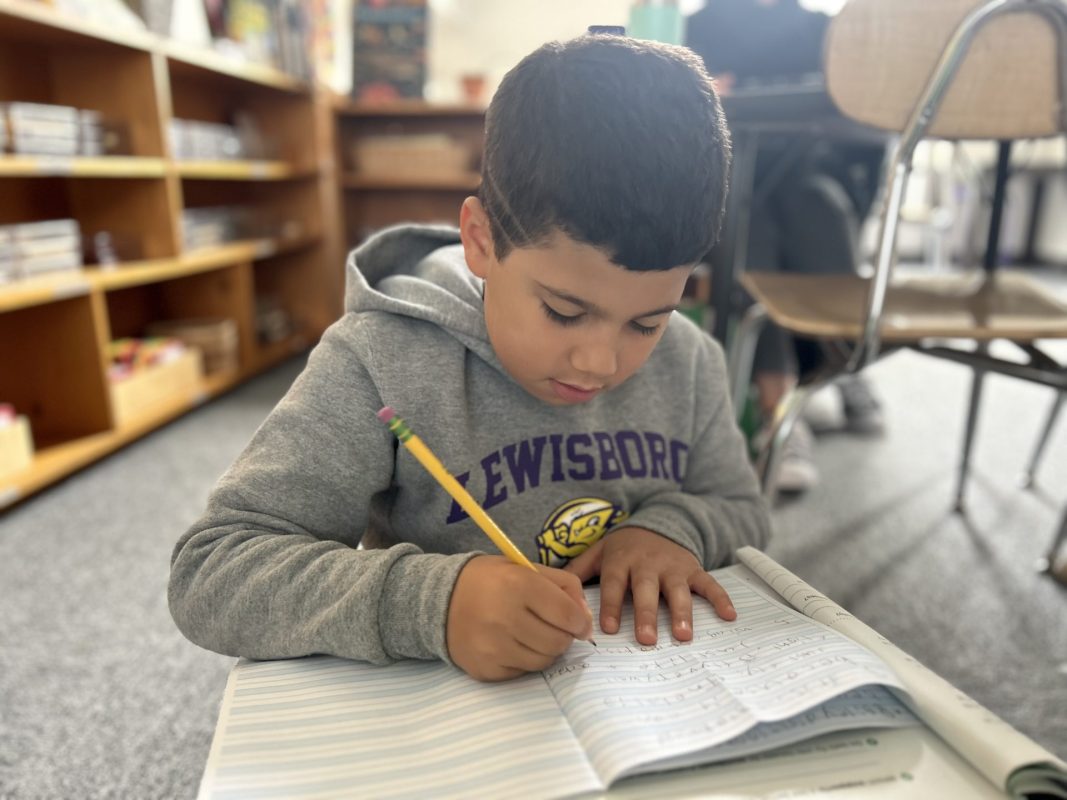
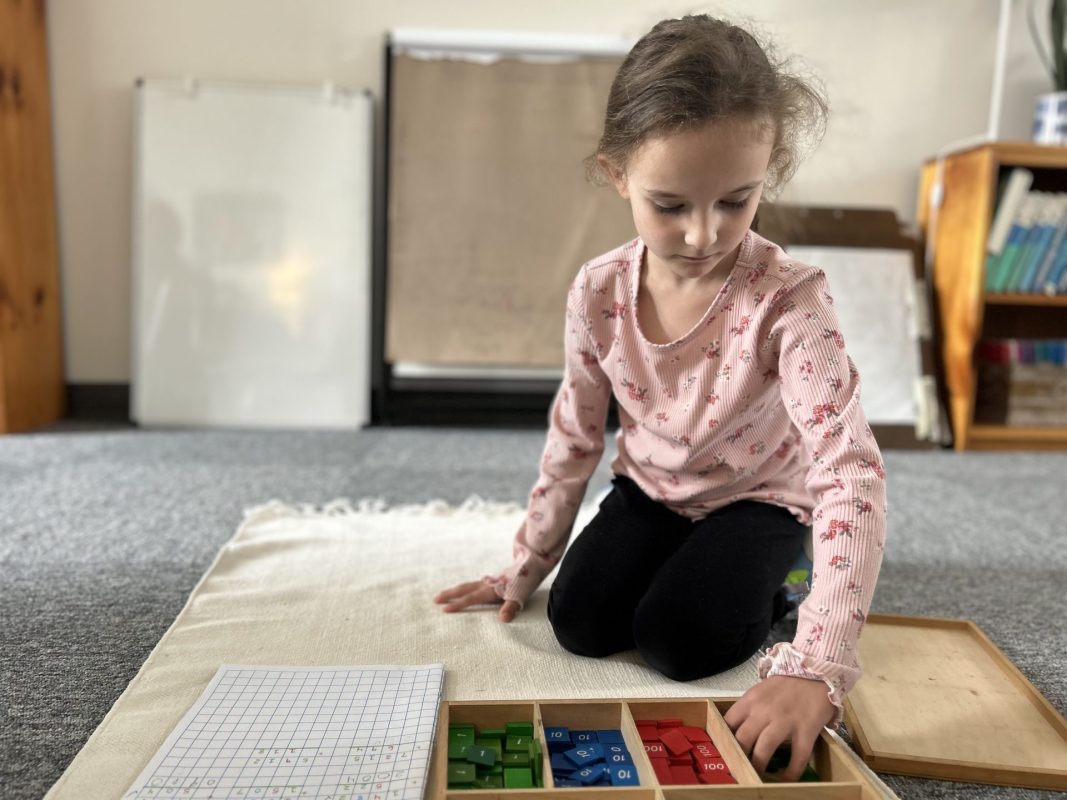
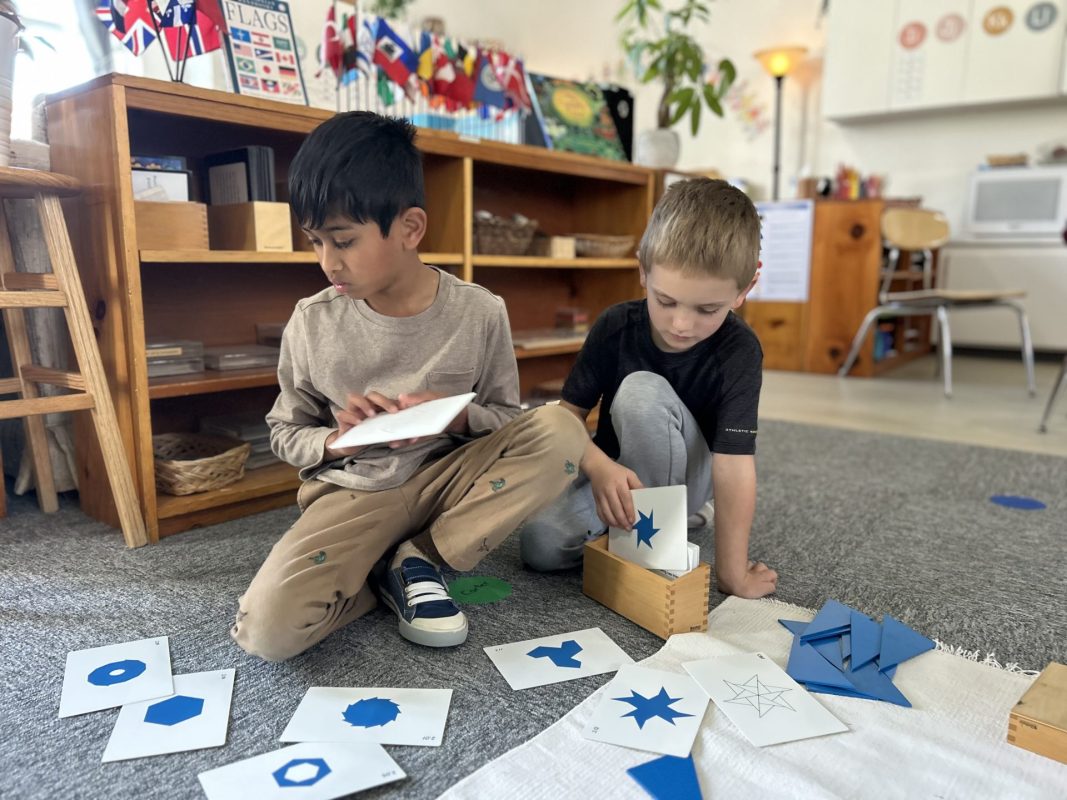
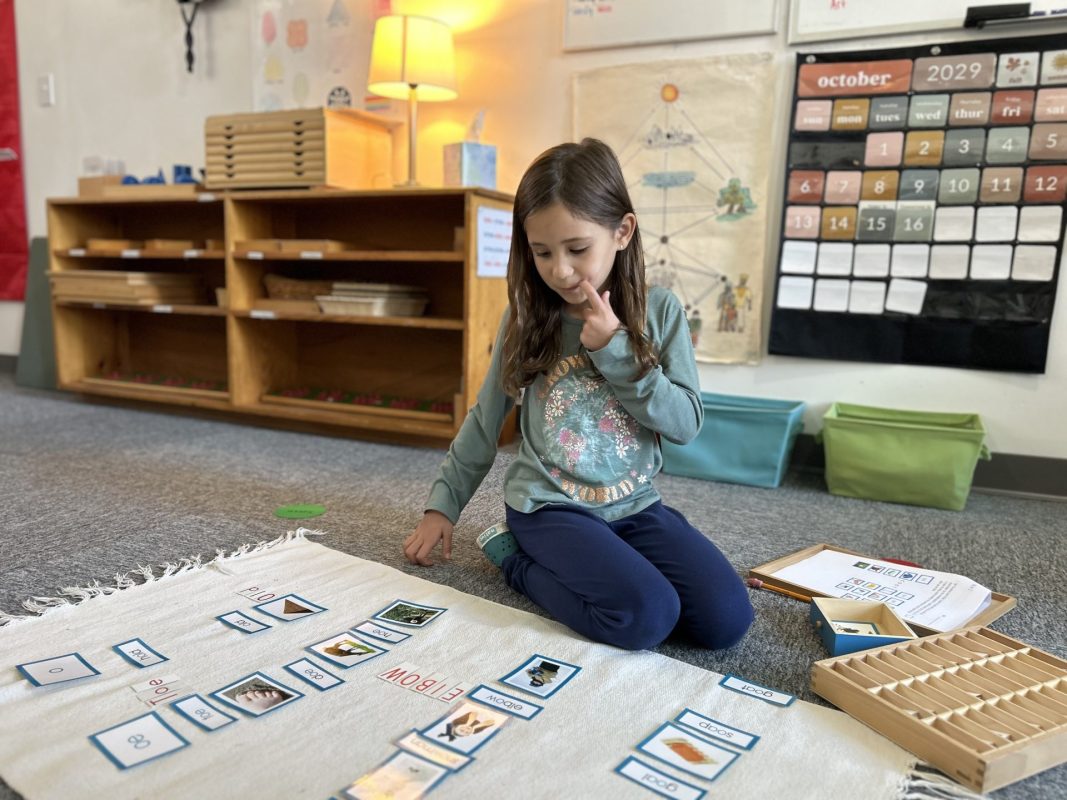
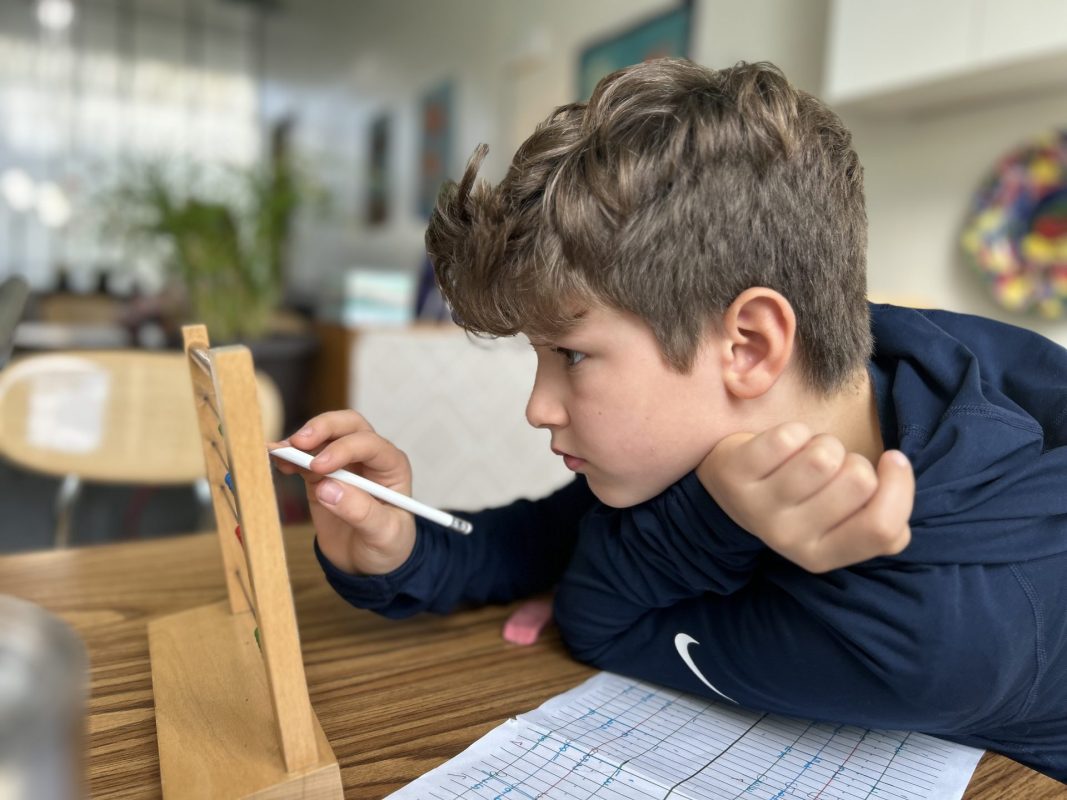
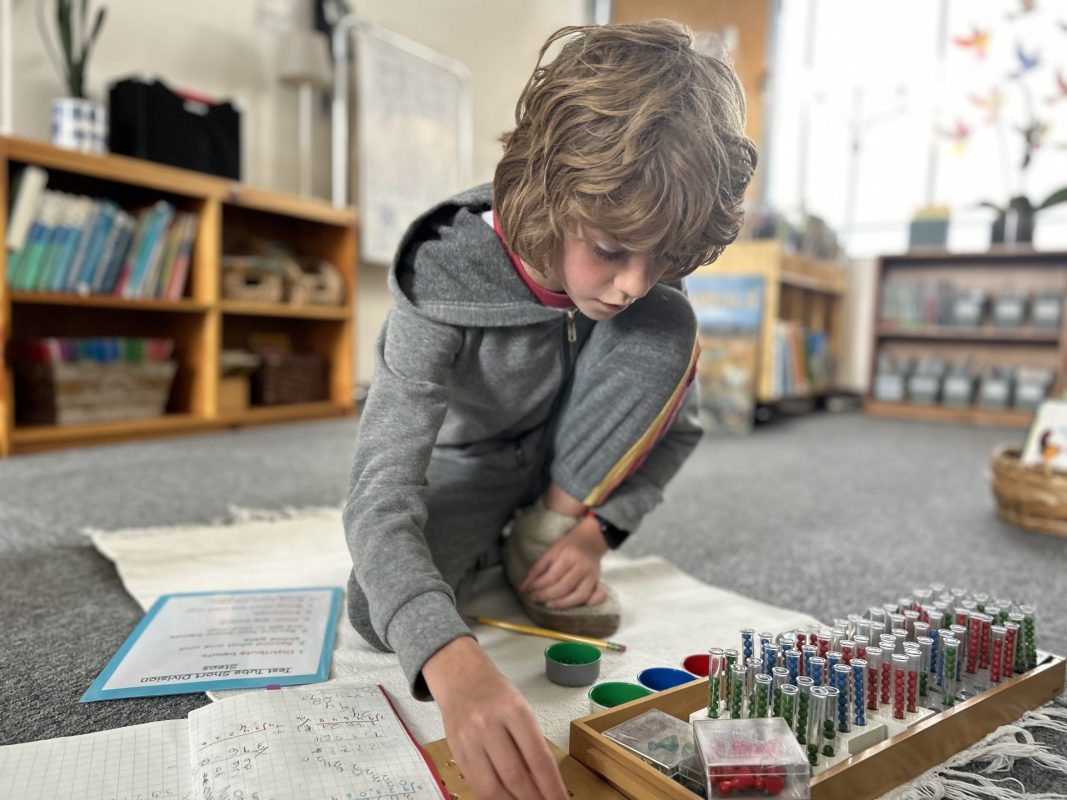
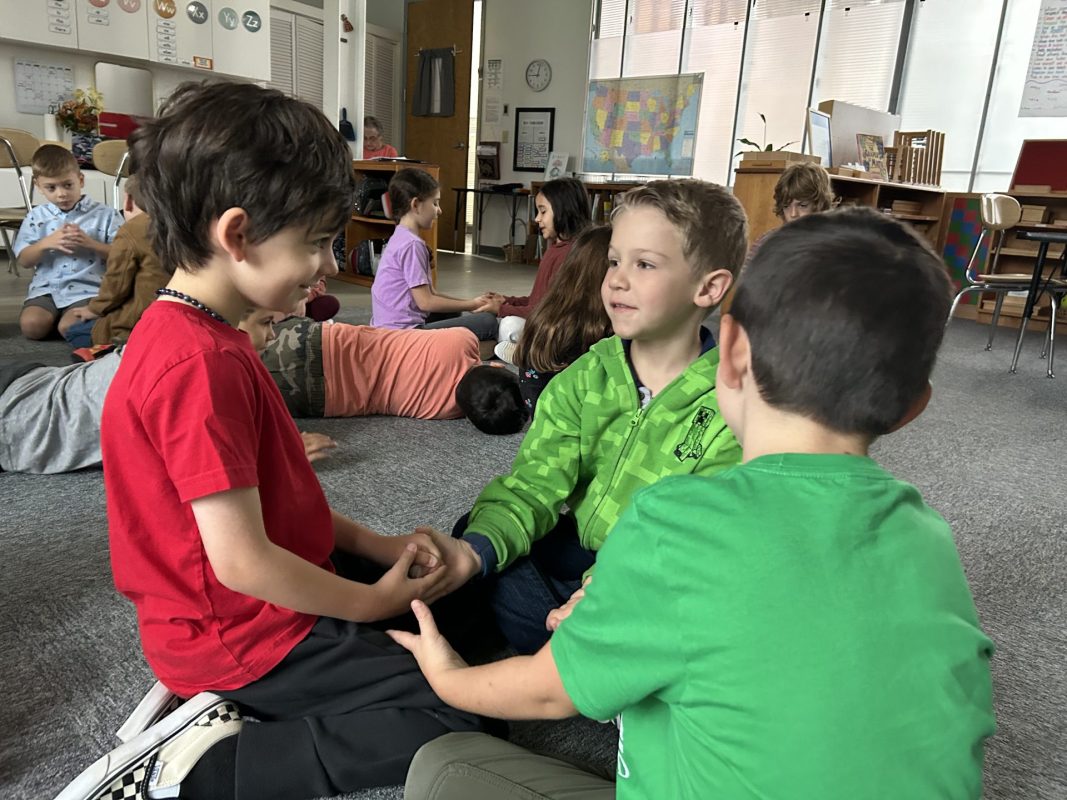
The first-grade group has been exploring geometric shapes. Their learning includes identifying and naming three-dimensional solids such as spheres, ovoids, and rectangular prisms. To deepen their understanding, they play a fun and tactile partner game: one student hides a geometric shape under a work rug while the other uses their sense of touch to feel the hidden shape and guess its name. This sensory-based approach not only strengthens their grasp of the vocabulary but also builds a deeper connection with the shapes themselves. It’s amazing to see how quickly they become confident with these terms through playful discovery!
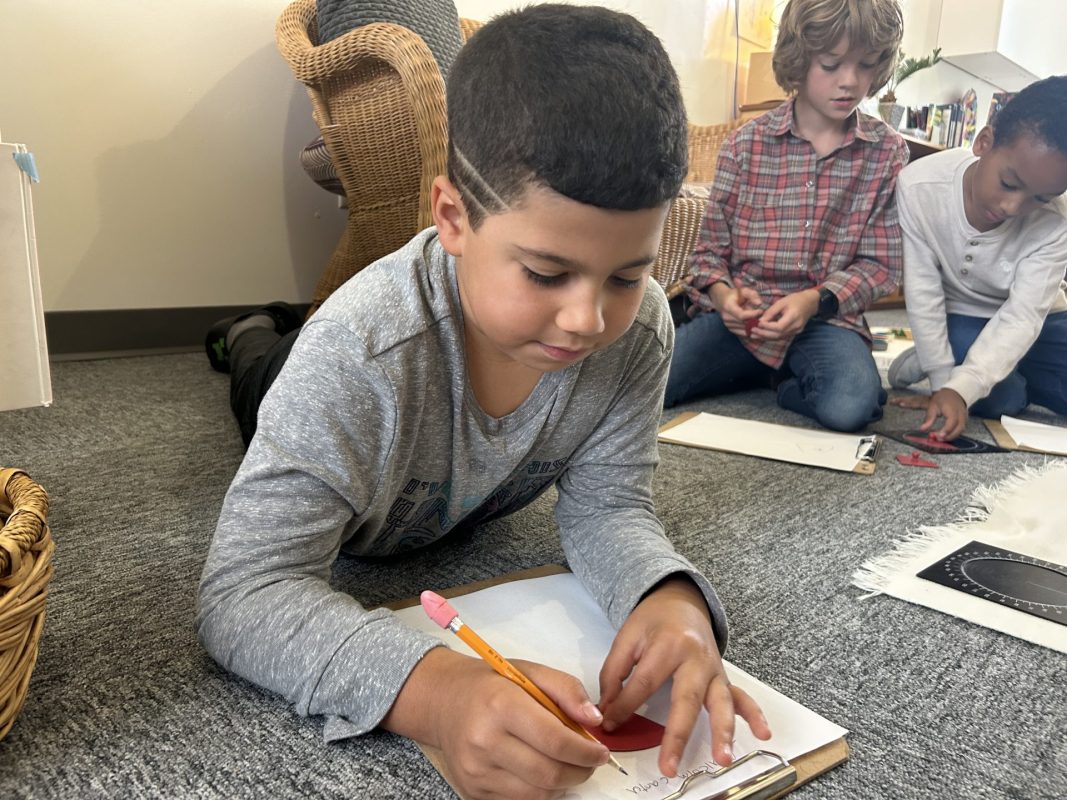
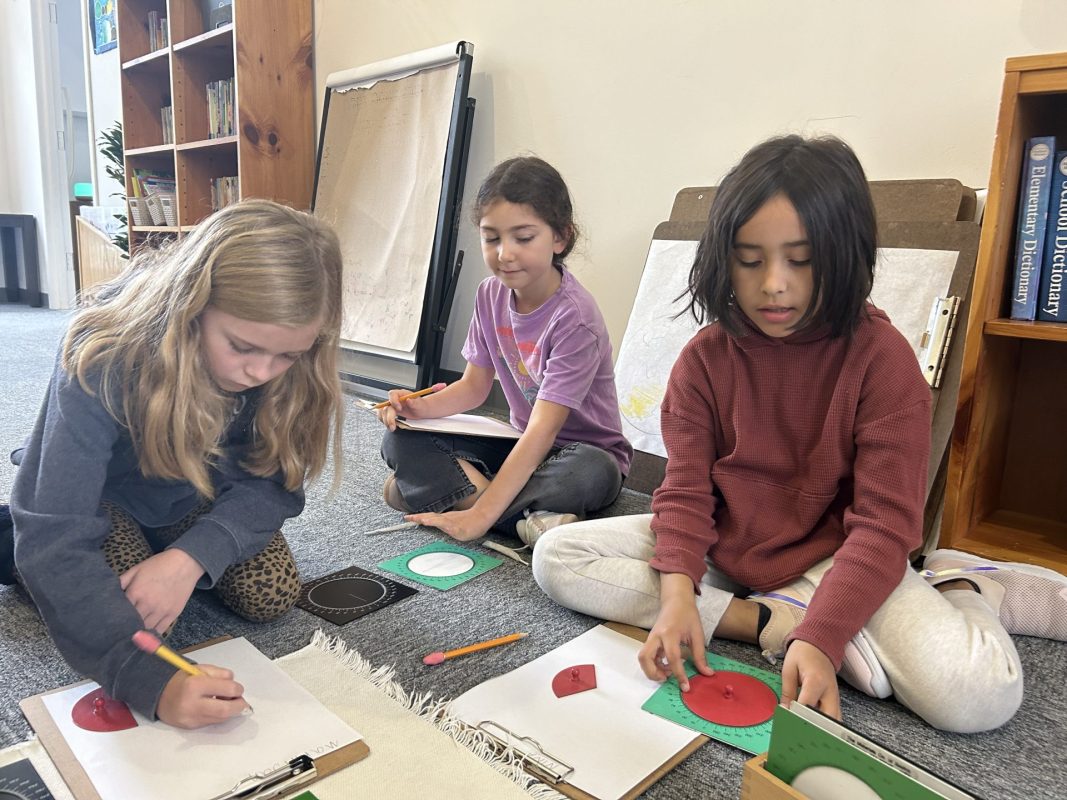
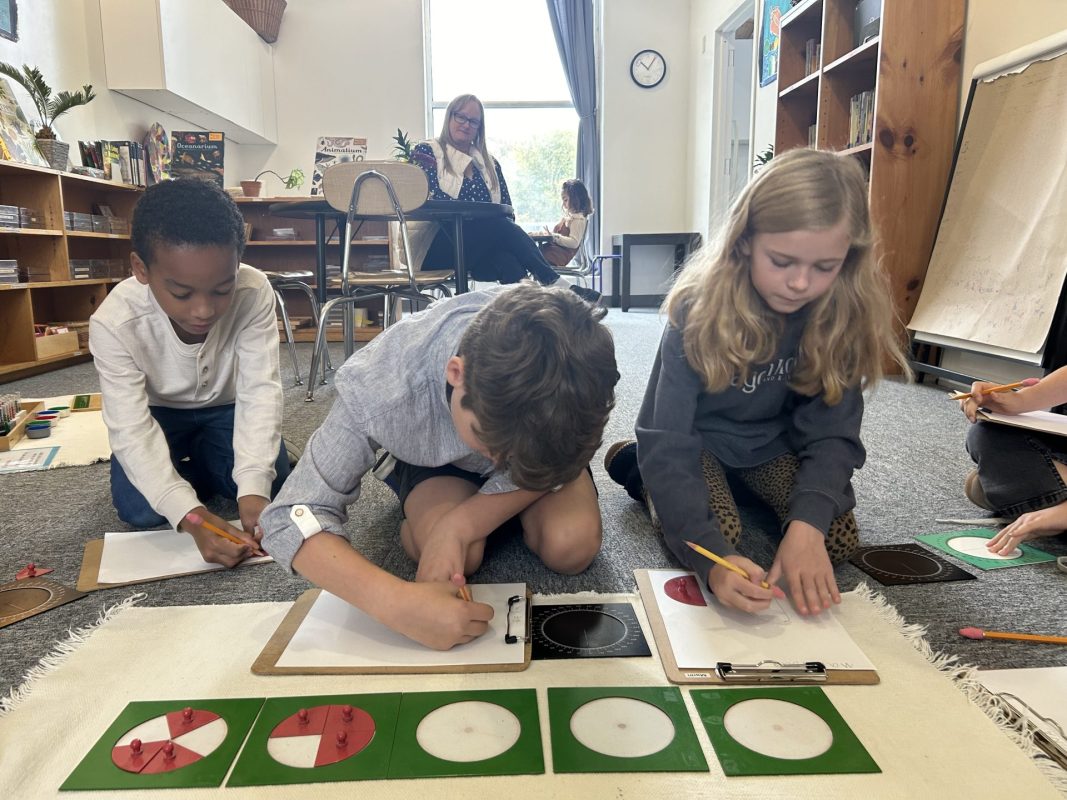
The second graders are beginning to learn about the rich history behind the Montessori Protractor. They’re delving into the origins of the Montessori protractor, exploring how ancient Babylonians tracked the stars in the night sky. The Babylonians discovered that it took roughly 360 days for a star to complete a full circle, giving birth to the concept of a 360-degree circle, which forms the basis of modern angle measurement. The students are also beginning to work with the Montessori protractor to measure angles. It’s incredible to witness the combination of historical storytelling and hands-on learning, helping them make connections between the past and the tools they use today.
For the third graders, geometry becomes more complex as they refine their skills in measuring and manipulating angles. Building on their prior experience, they are now learning to subtract and divide angles using the Montessori protractor. This work requires precision and focus, and it is through repeated practice that they learn how to measure and calculate with accuracy. This prepares them to learn how to measure and construct angles using a common protractor, a tool they will use more frequently as they advance in geometry and math classes.
The Power of a Multi-Aged Classroom in Lower Elementary
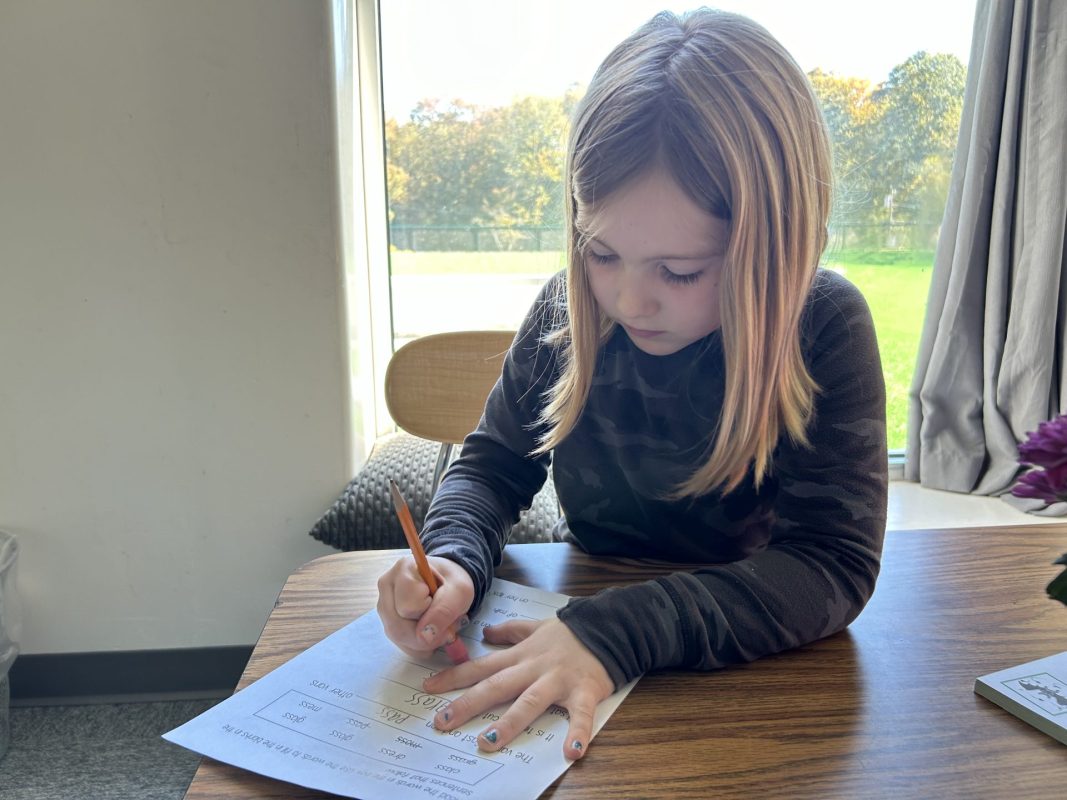
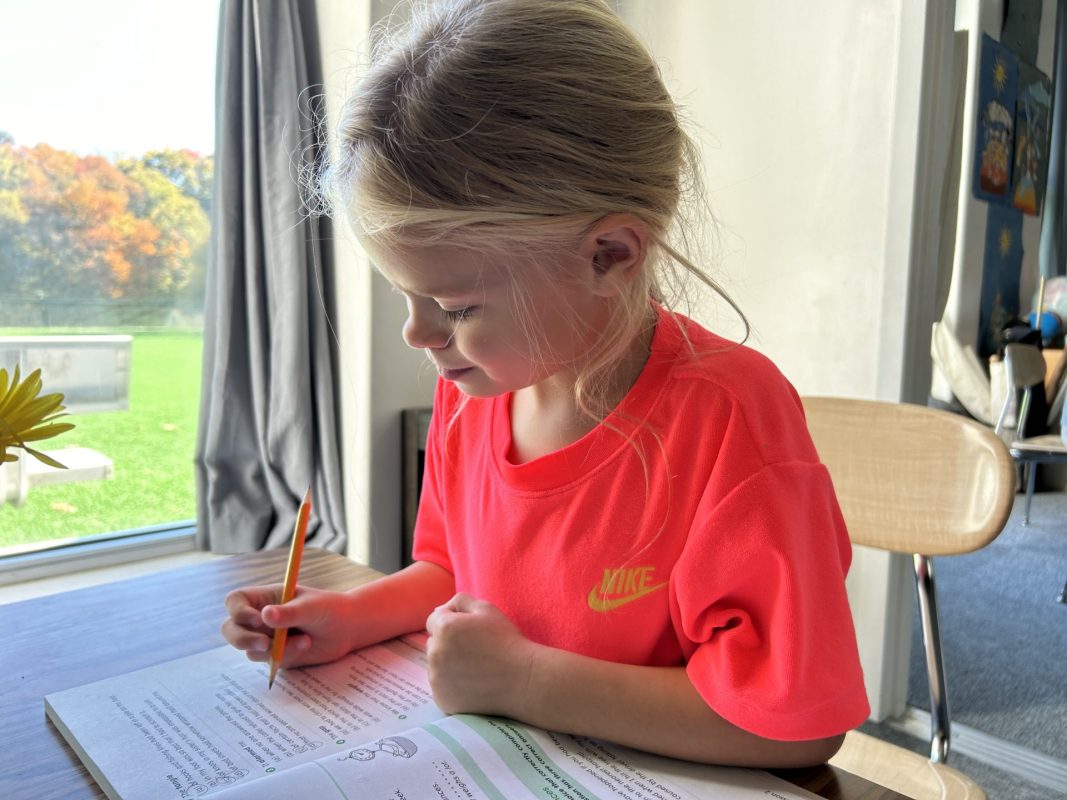
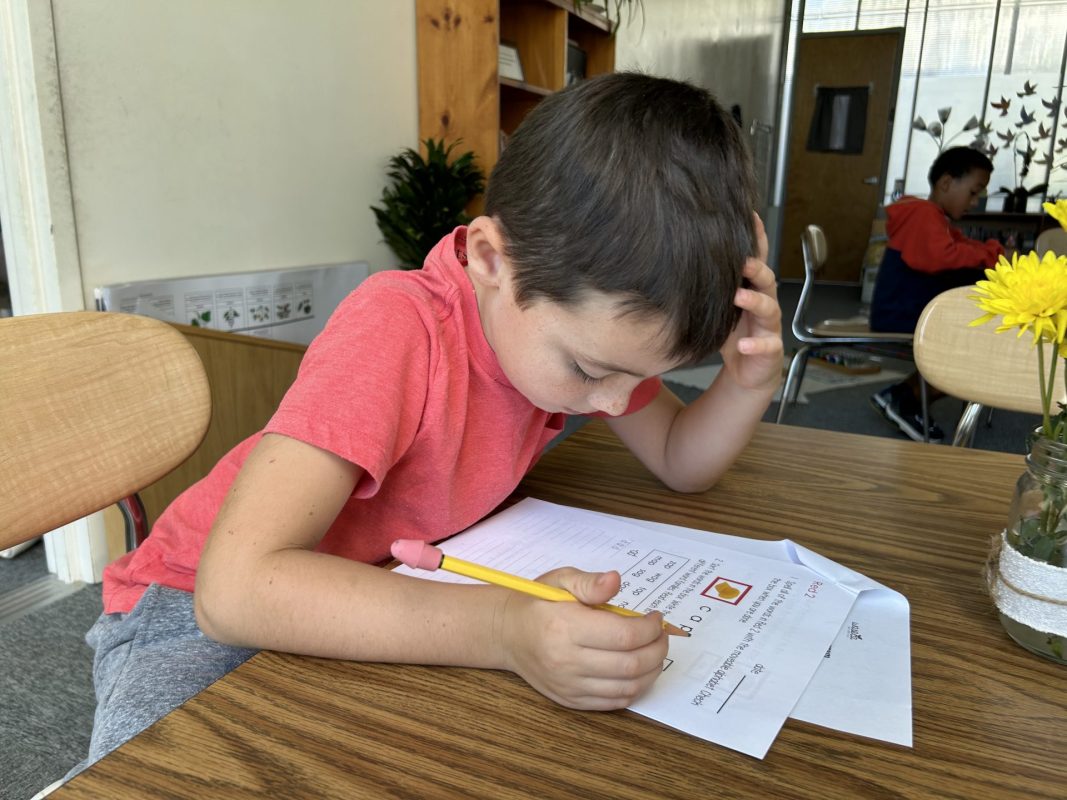
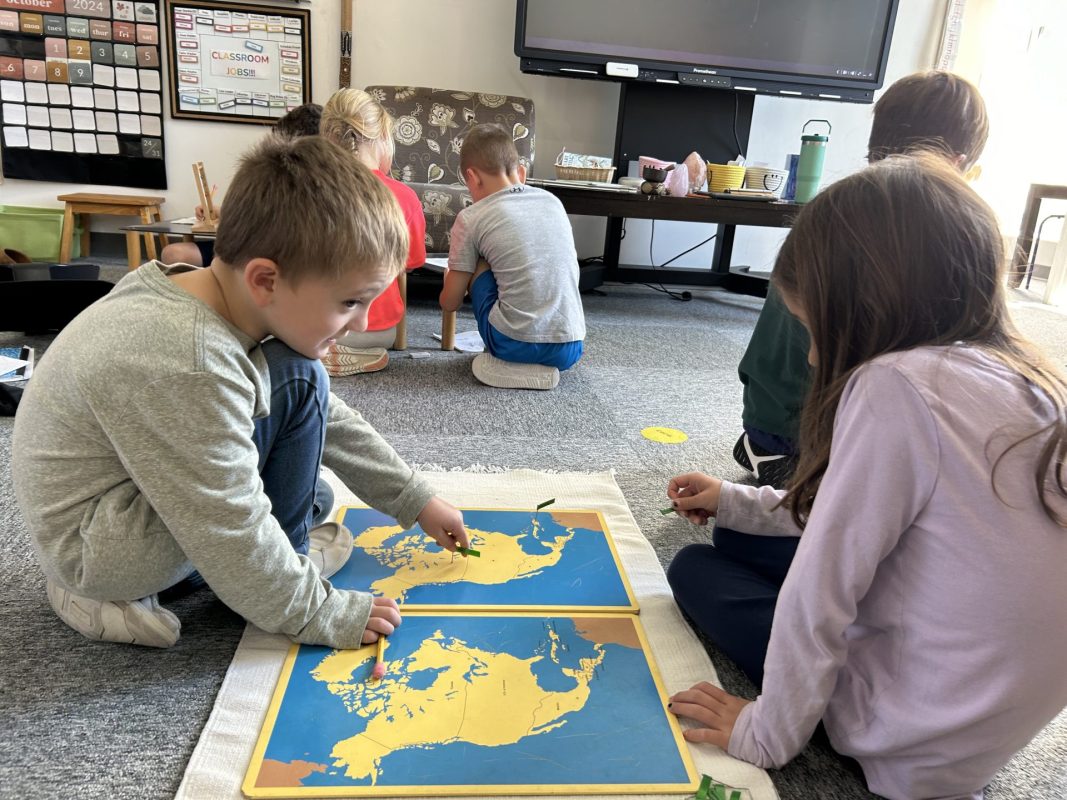
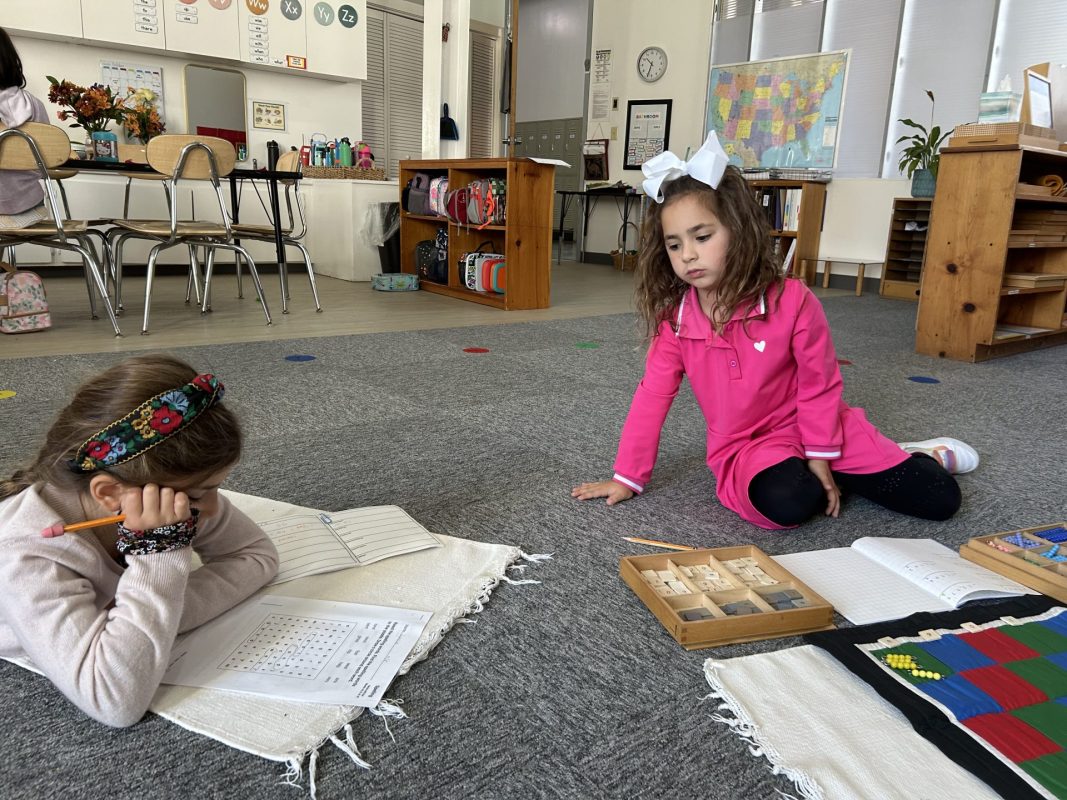
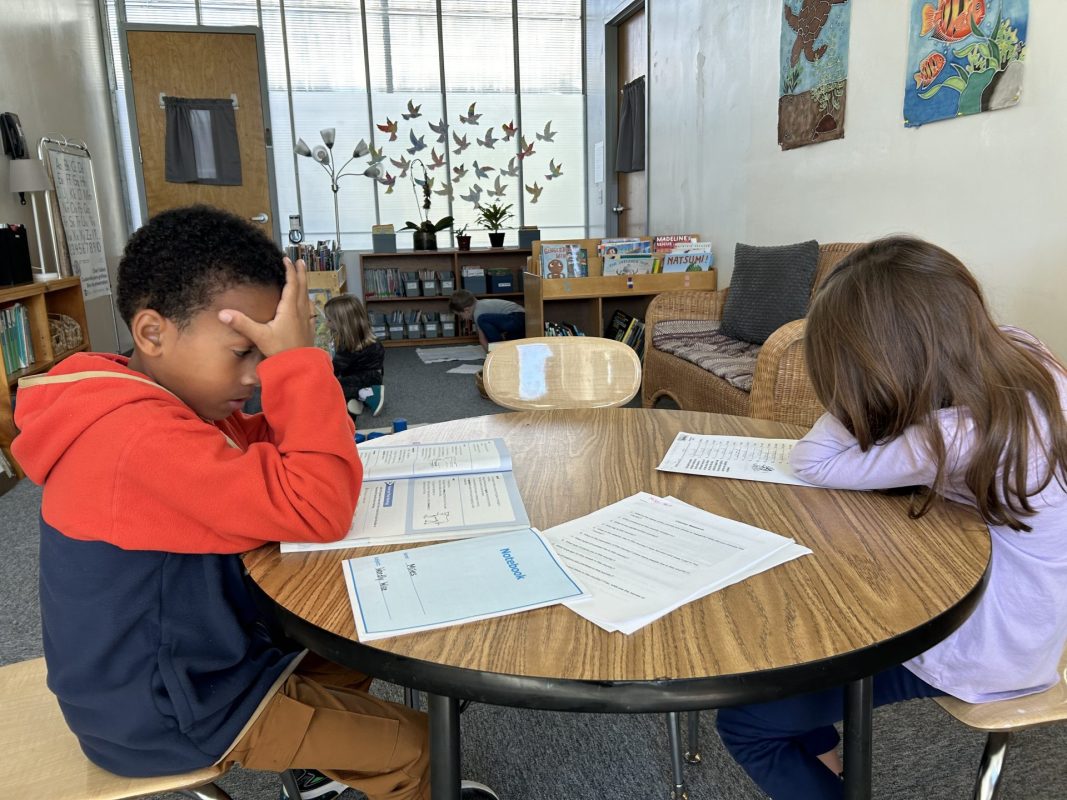
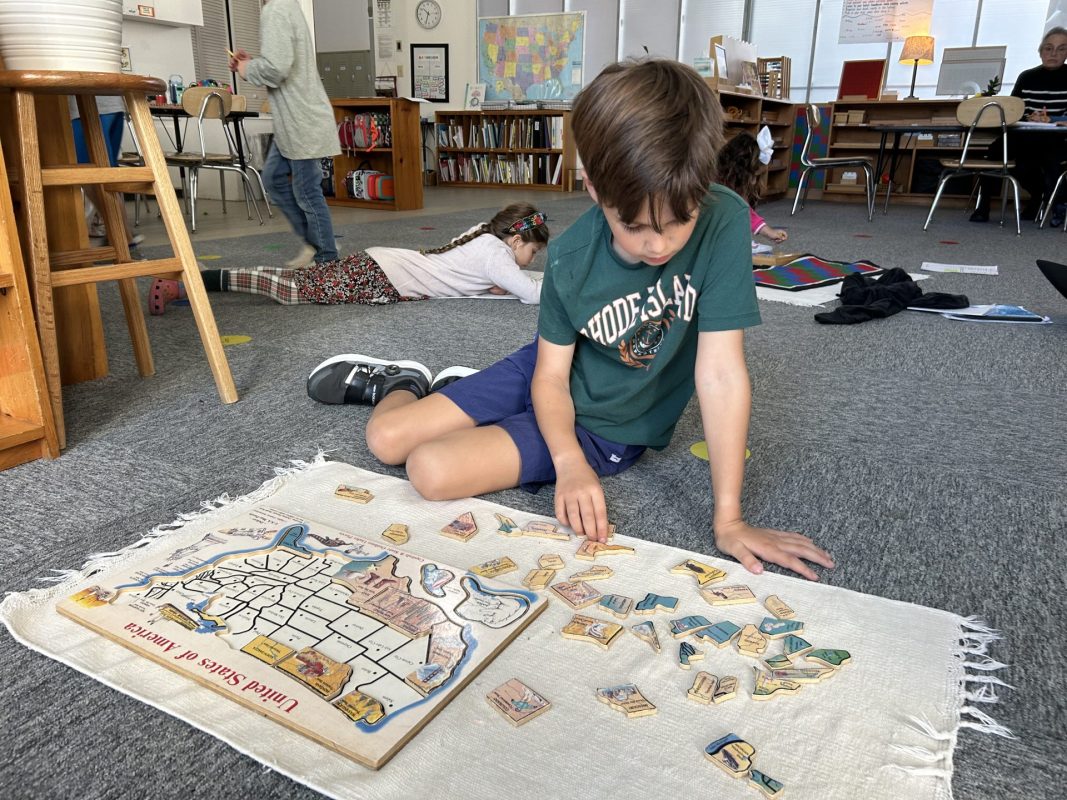
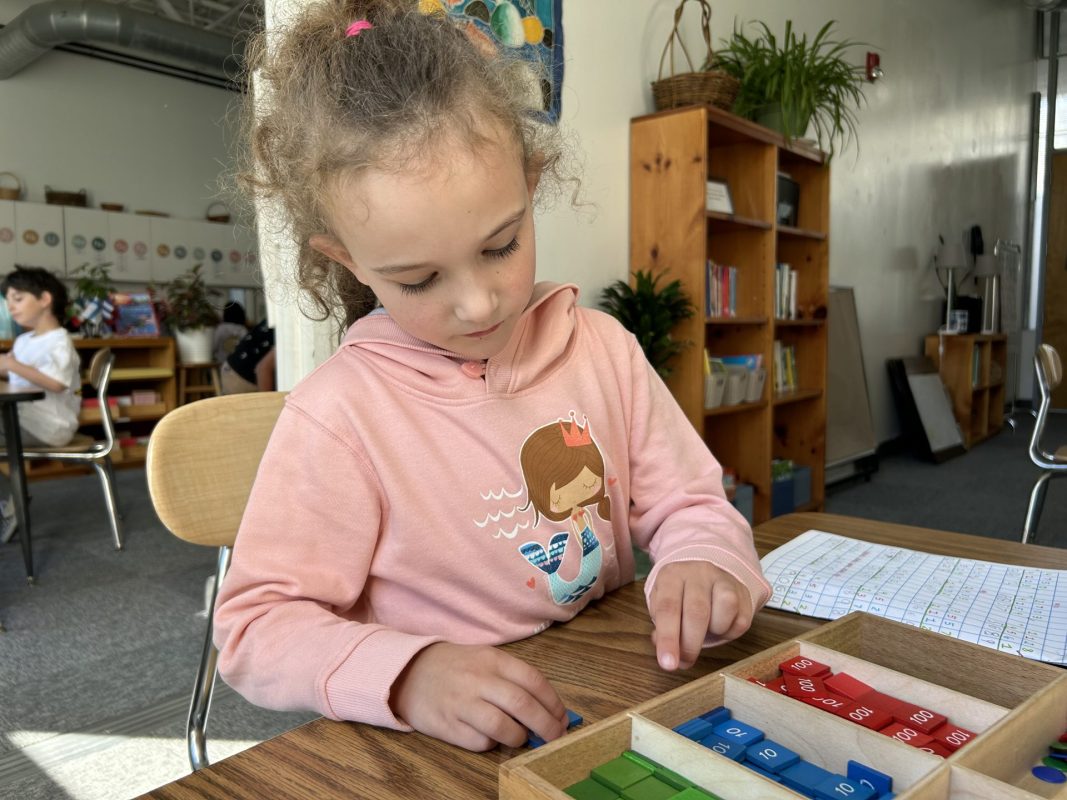
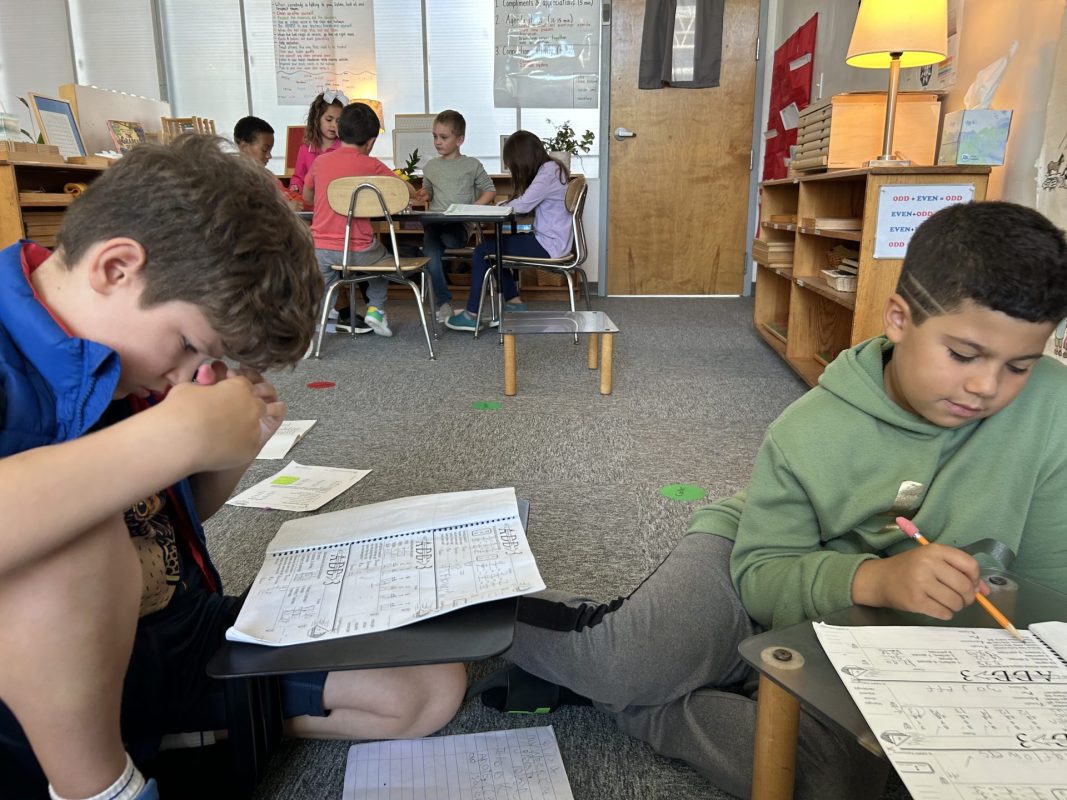
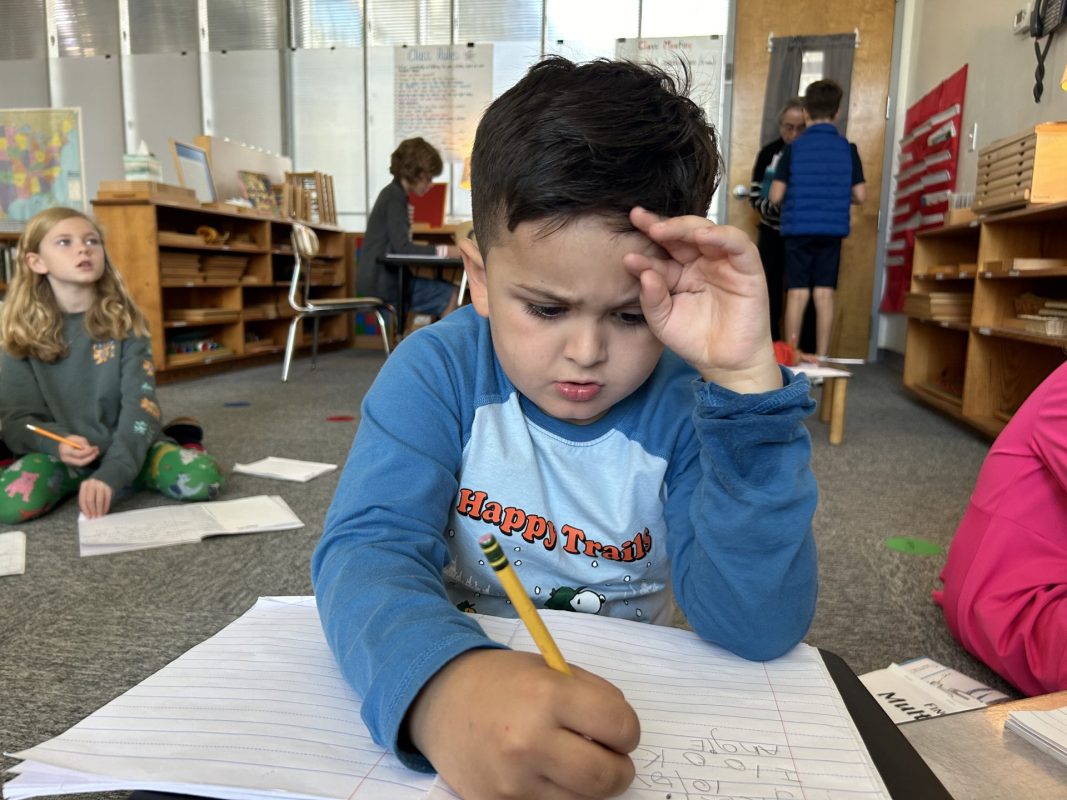
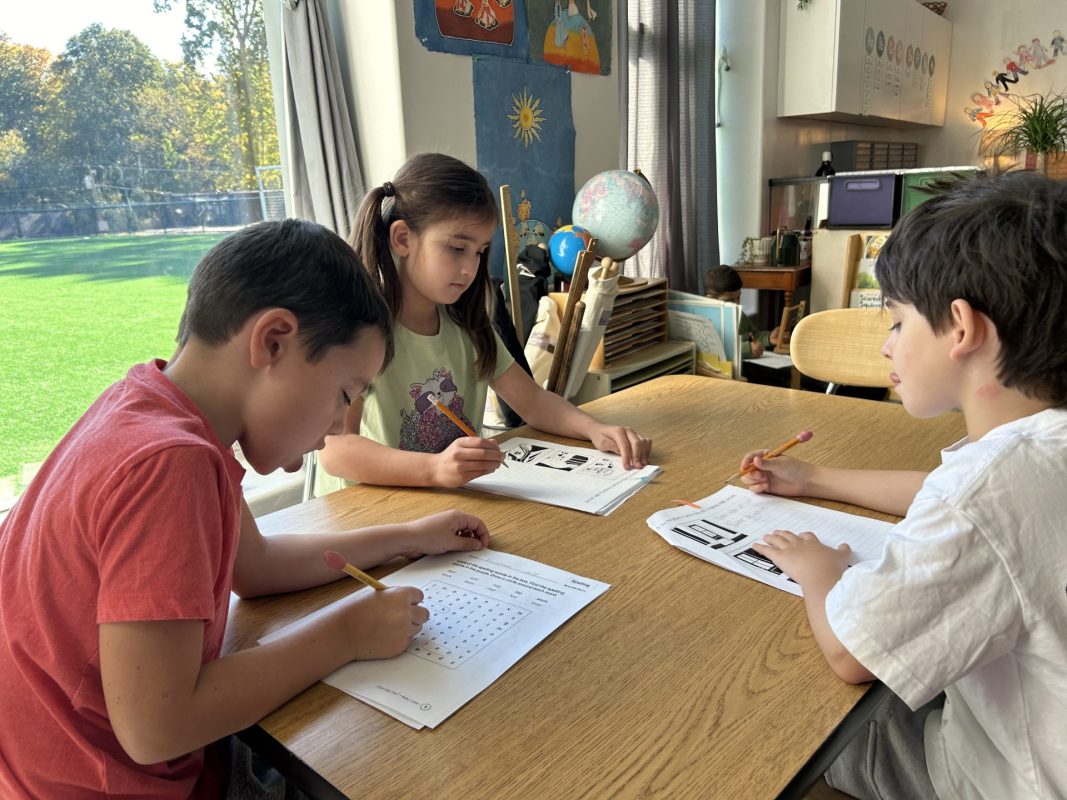
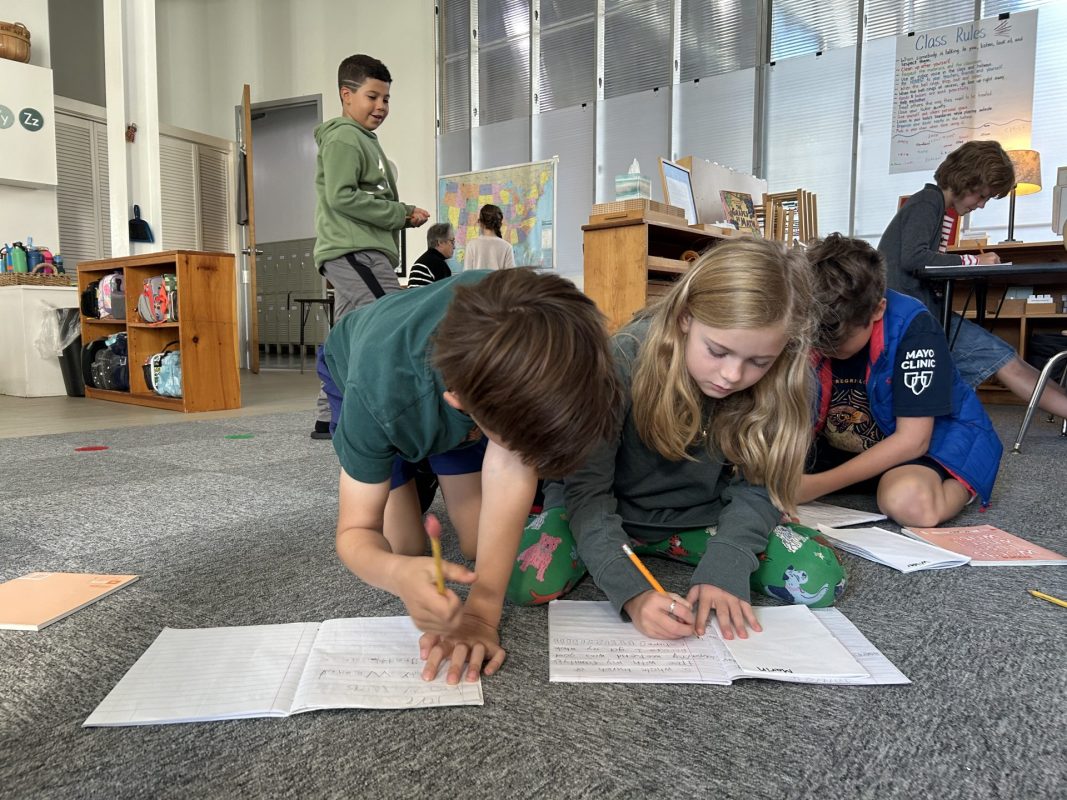
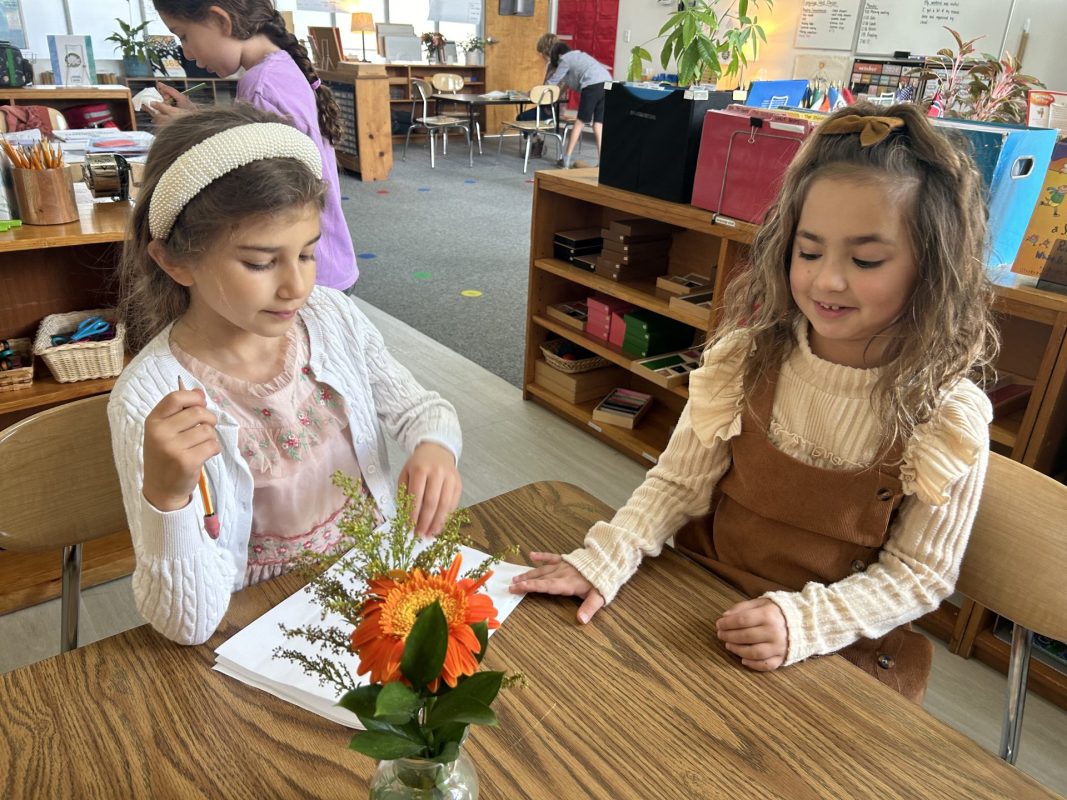
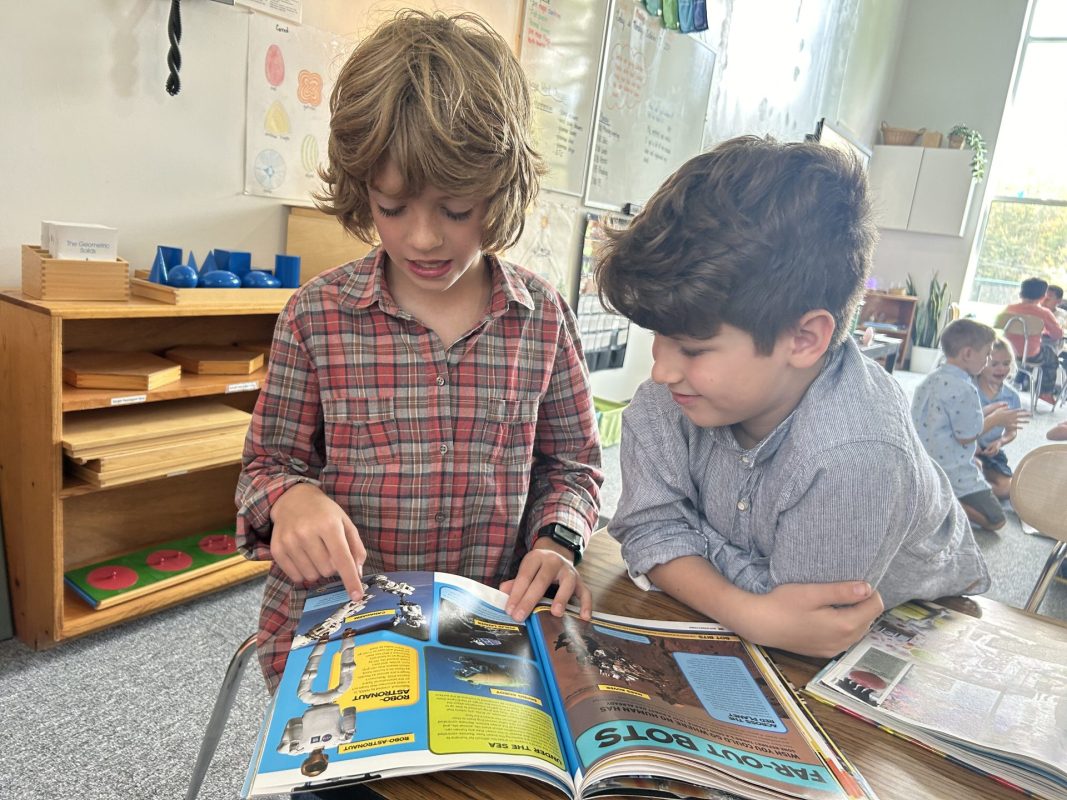
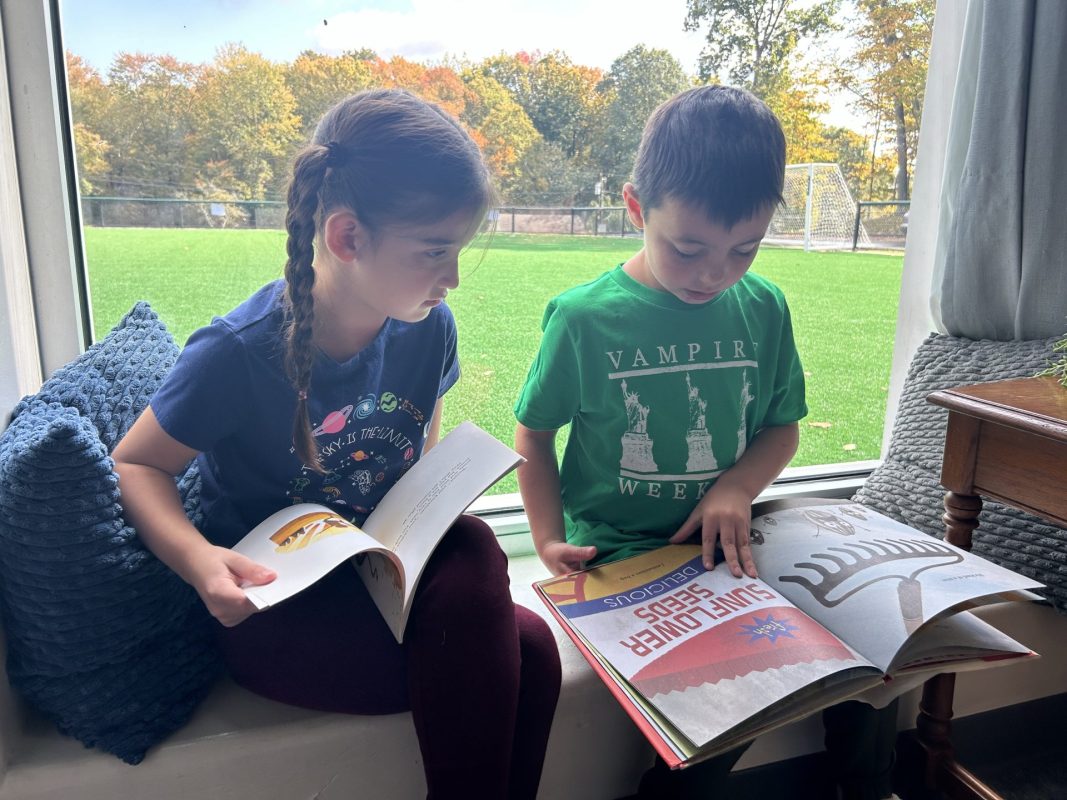
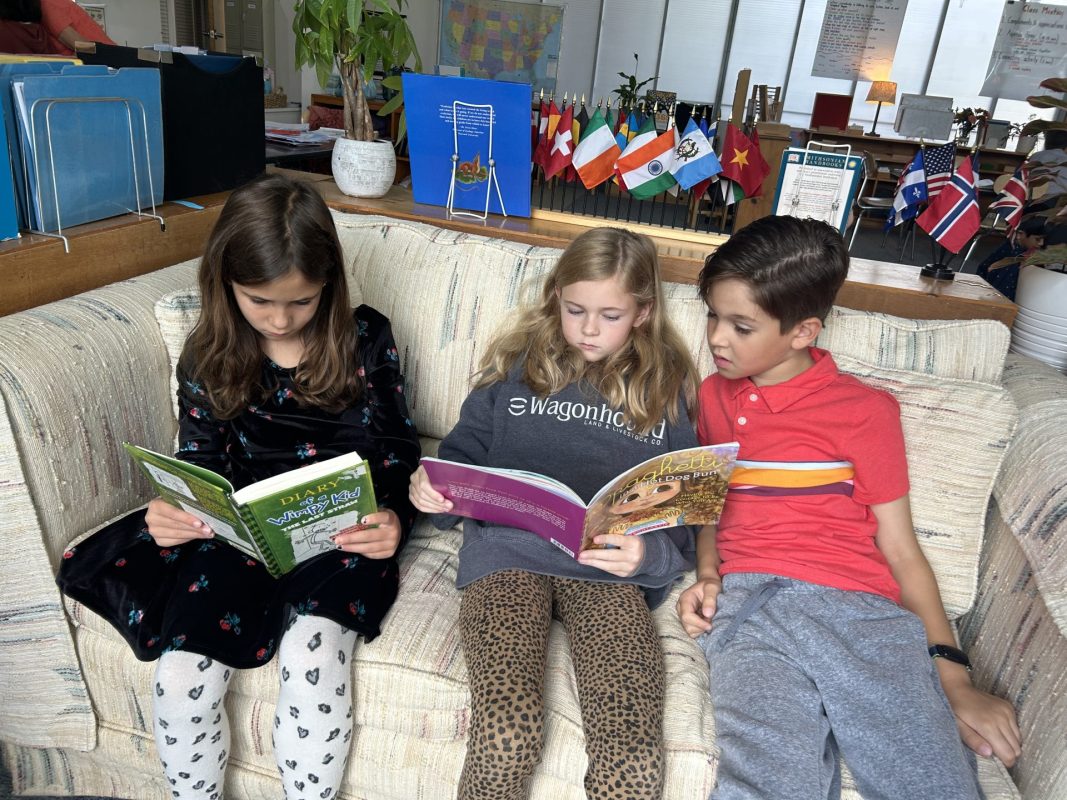
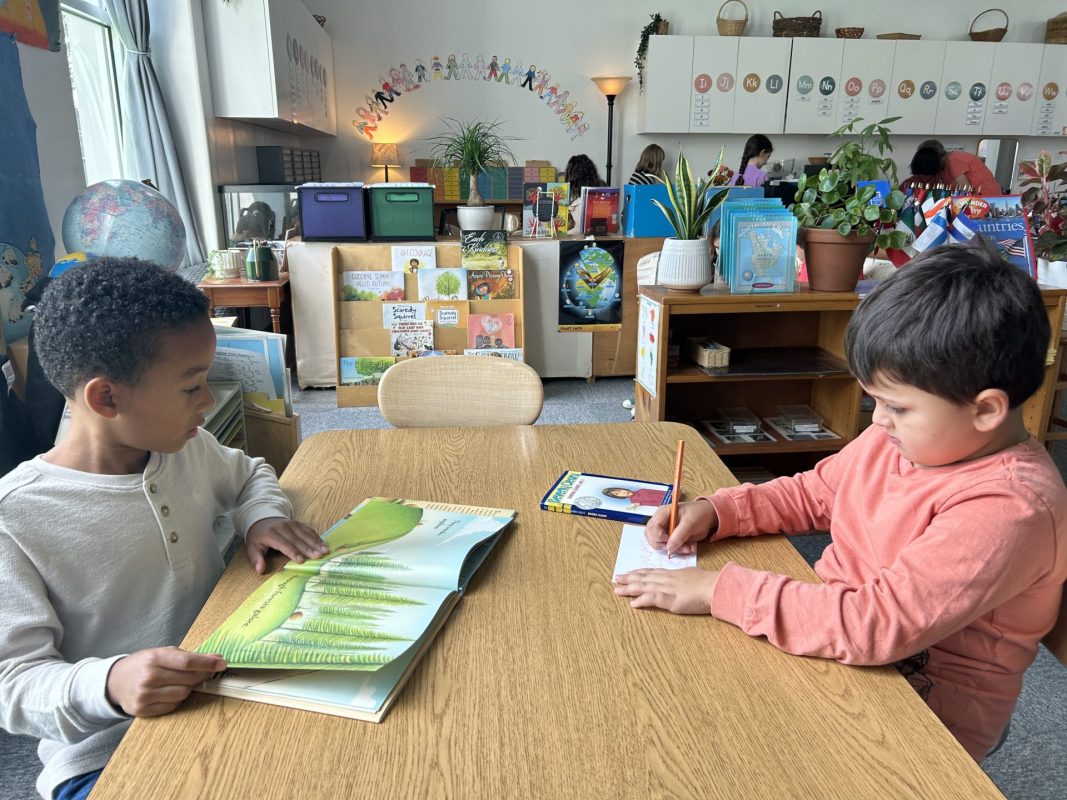
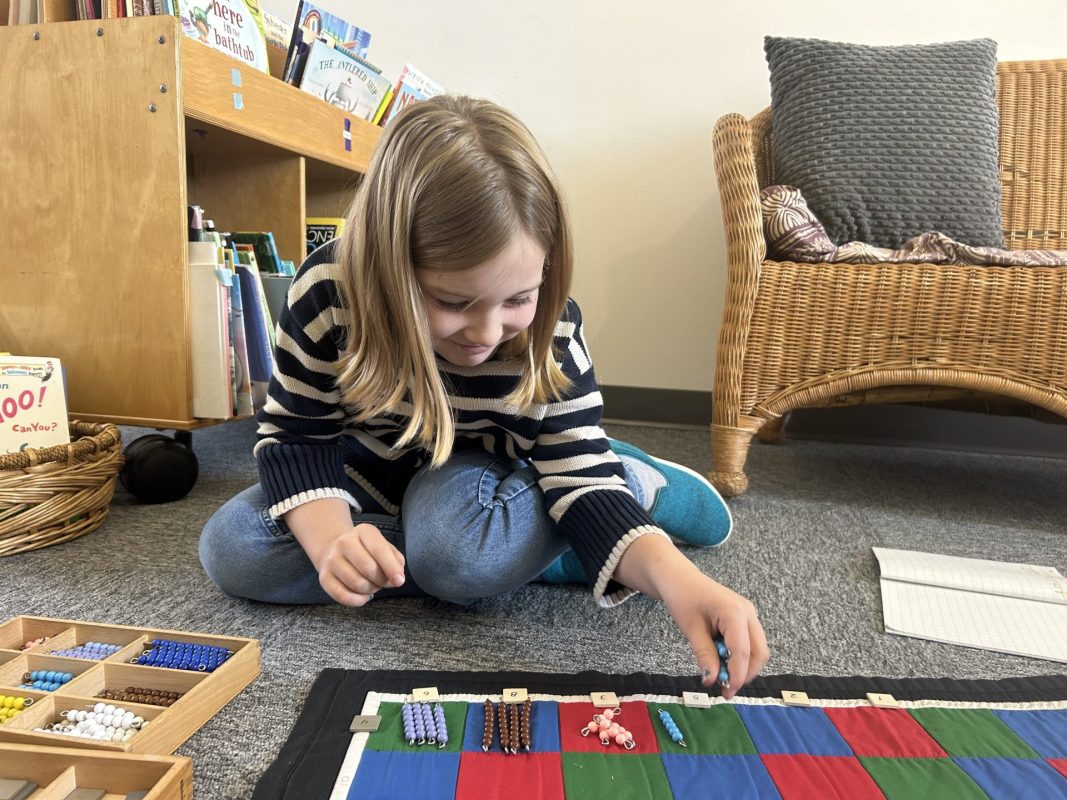
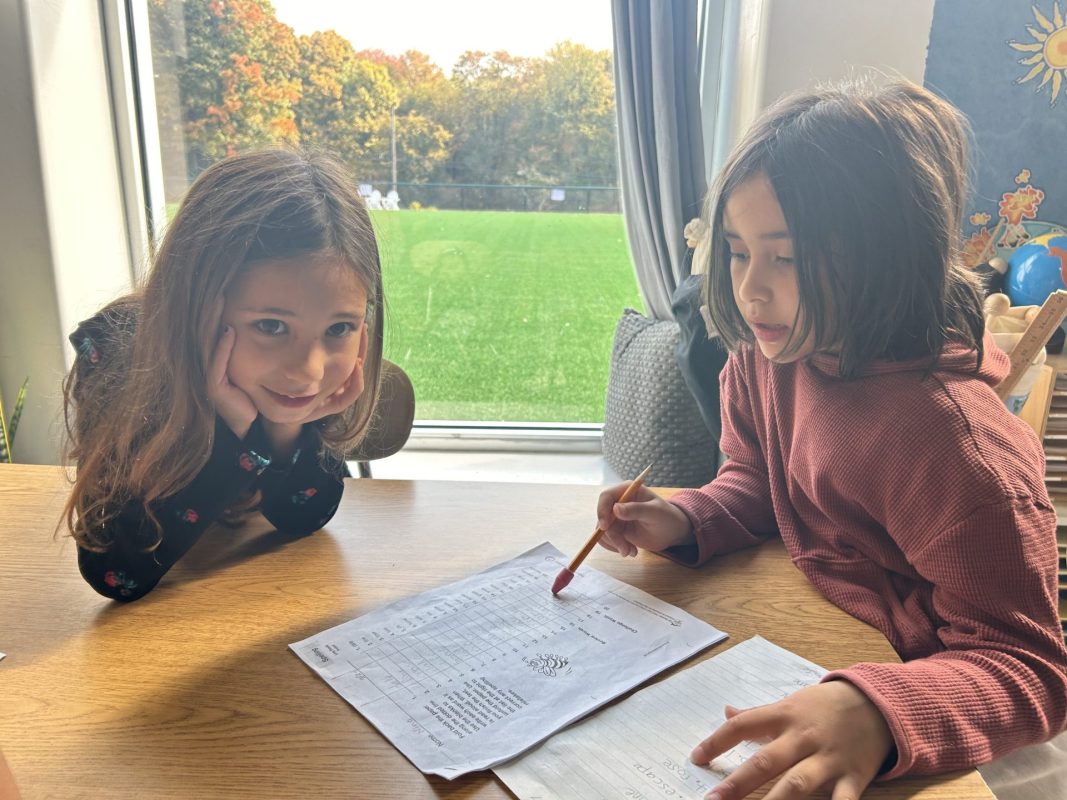
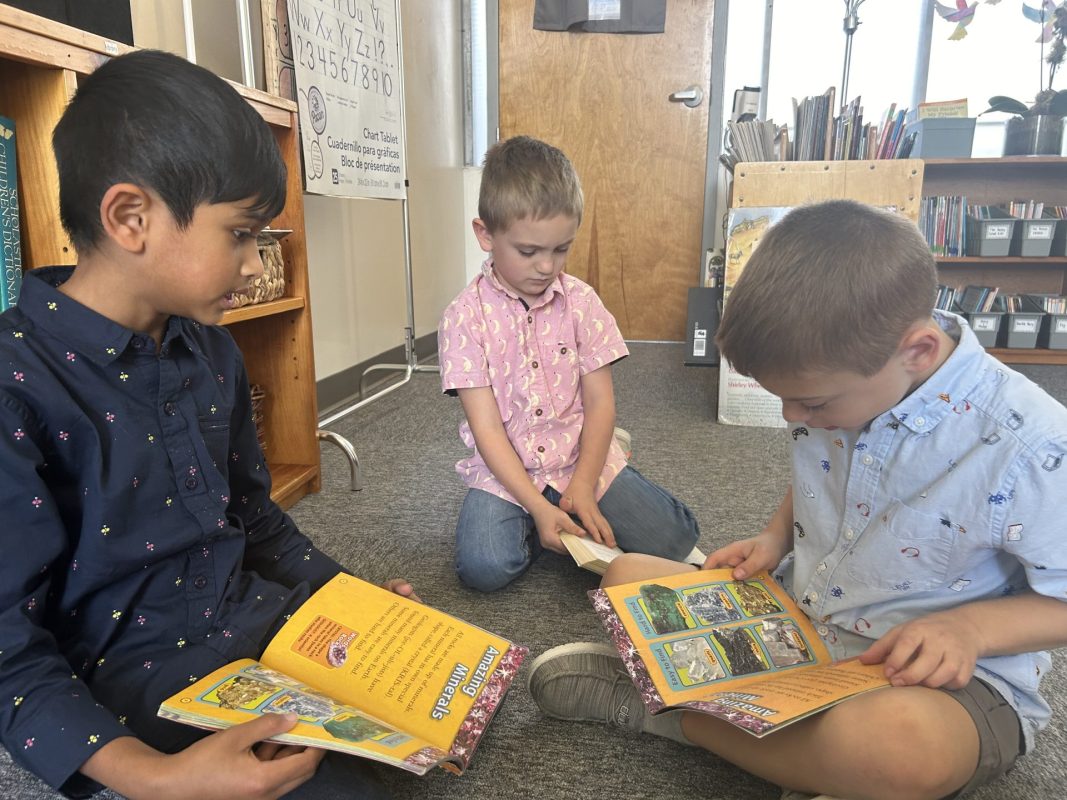
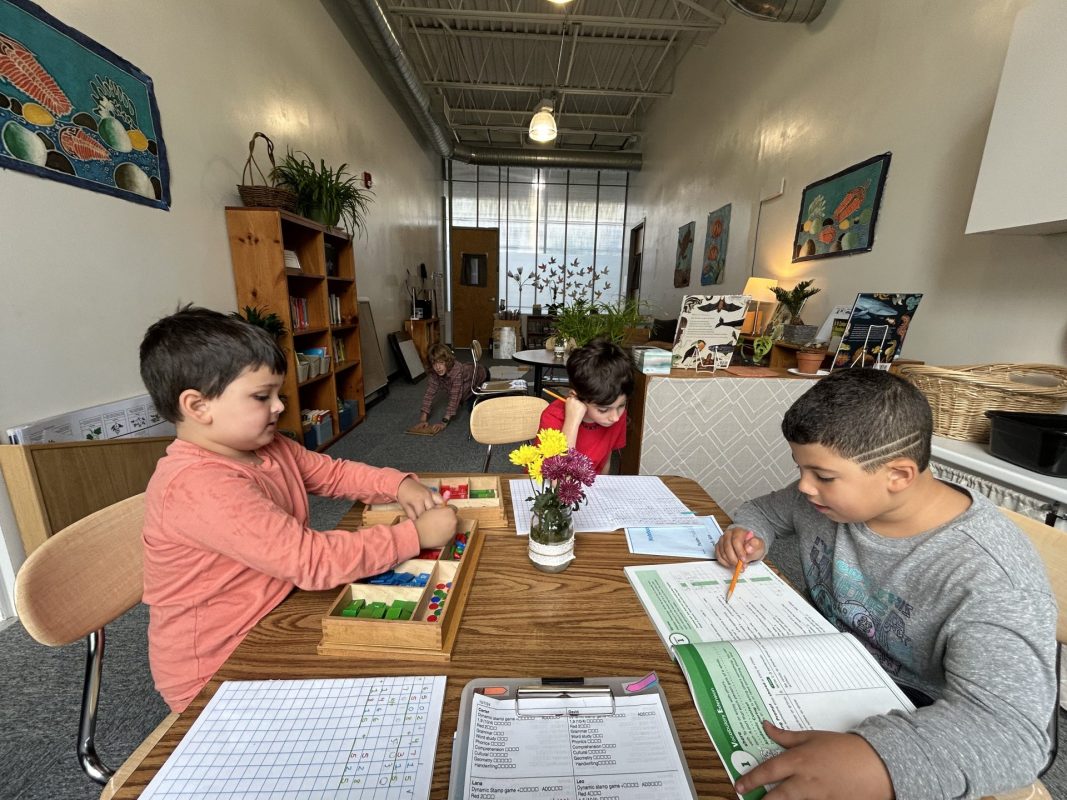
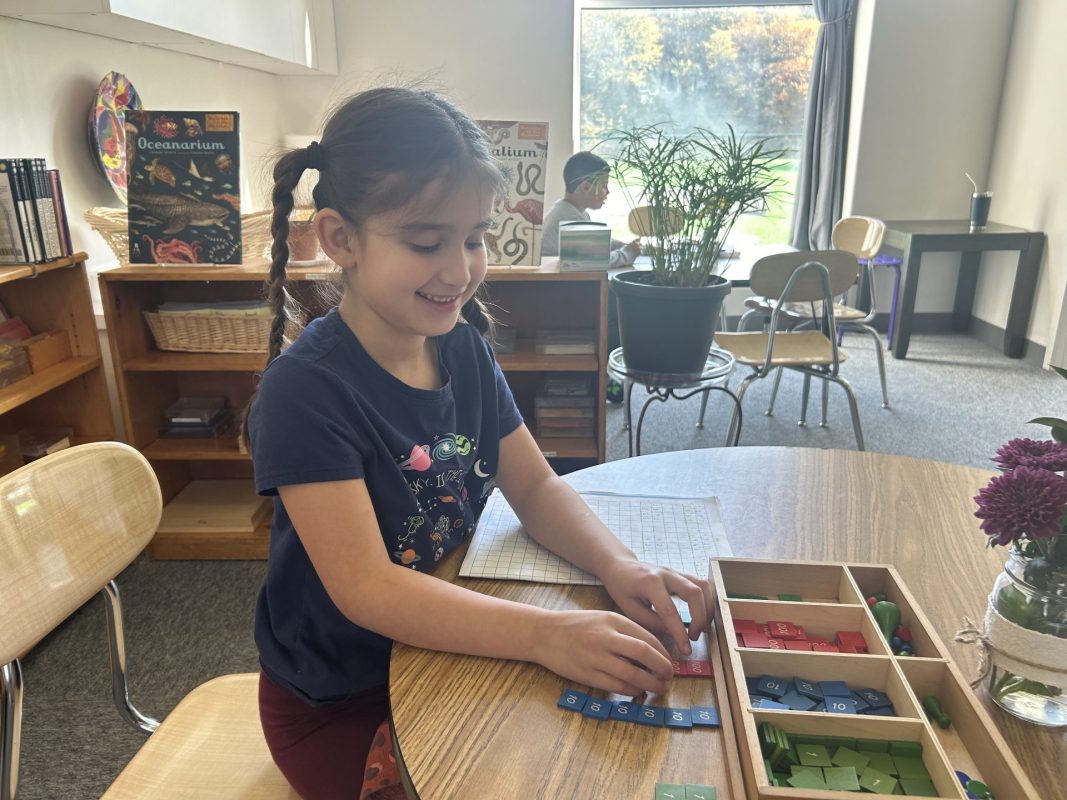
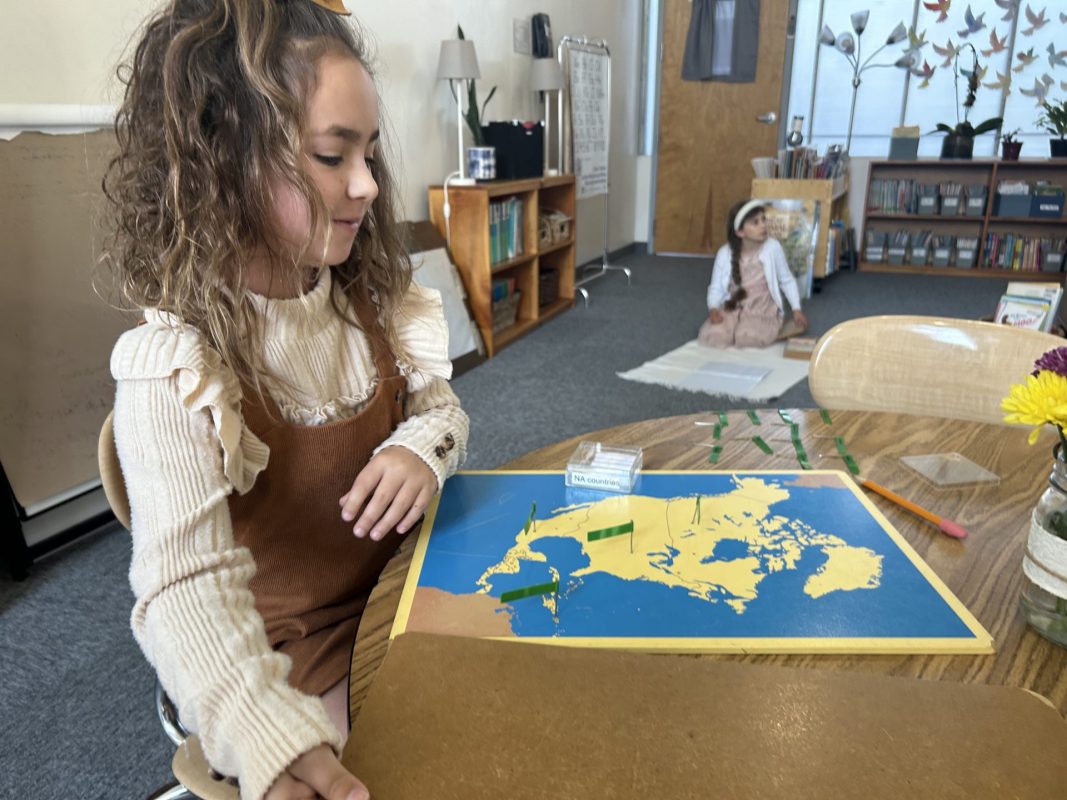
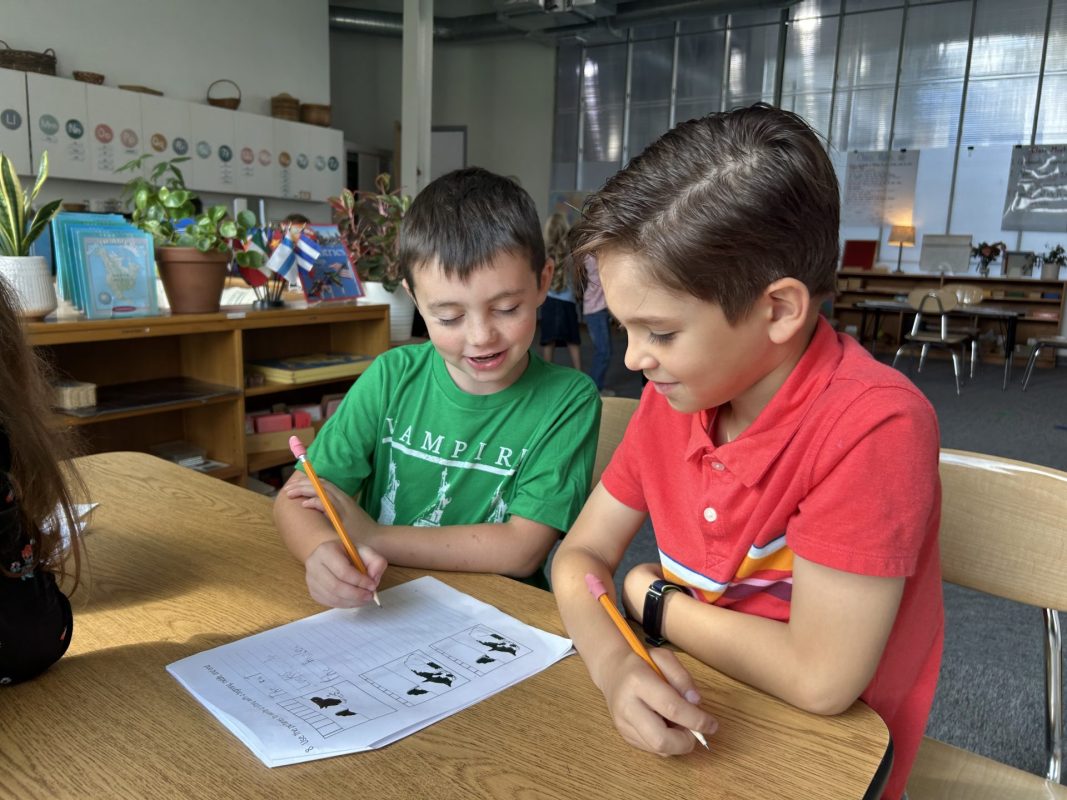
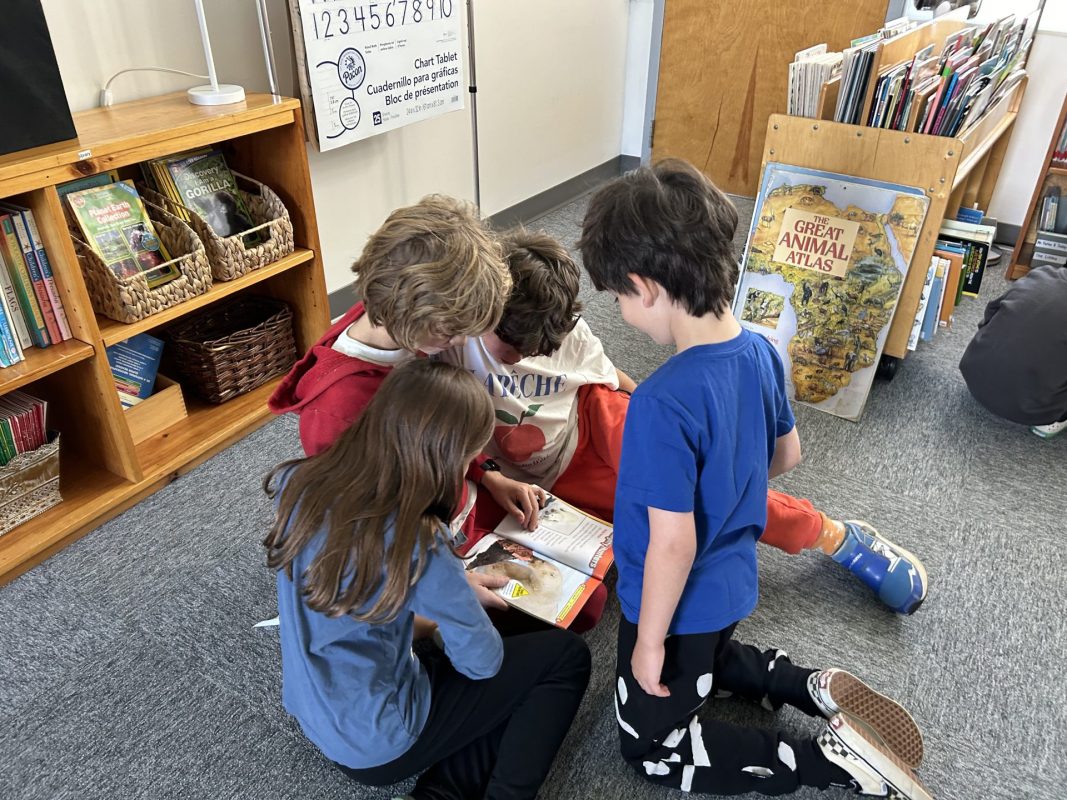
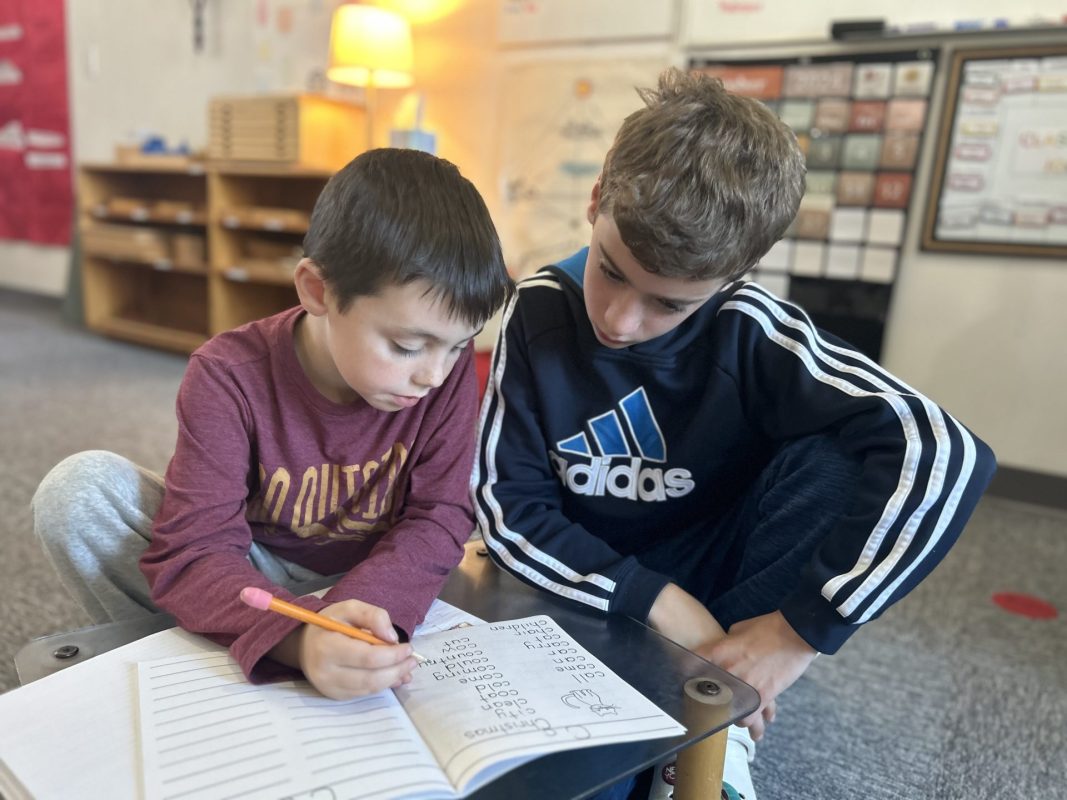
One of my favorite aspects of teaching in a Montessori lower elementary classroom is the multi-aged environment. One of the most remarkable benefits of this multi-aged setting is how it fosters mentorship. Older students naturally step into leadership roles, guiding and supporting their younger classmates. This dynamic offers a wealth of opportunities for both groups. Older children who take on the role of a mentor develop leadership, patience, and empathy. They solidify their own understanding of concepts by teaching and helping others. Younger students, in turn, benefit from the modeling of skills and behaviors from their peers, often finding inspiration in their mentors.
The multi-aged setup reflects real-world communities where individuals of different ages and abilities learn from one another. It encourages collaboration over competition and helps cultivate a deep sense of responsibility, as older students realize the positive impact they can have on their peers’ learning journey. In this nurturing environment, every child has the chance to be both a learner and a leader, ensuring growth and development on a holistic level. This mentorship model is a cornerstone of Montessori education, and its benefits extend far beyond the classroom.
Lower Elementary: Exploring the Creation Story Through Science
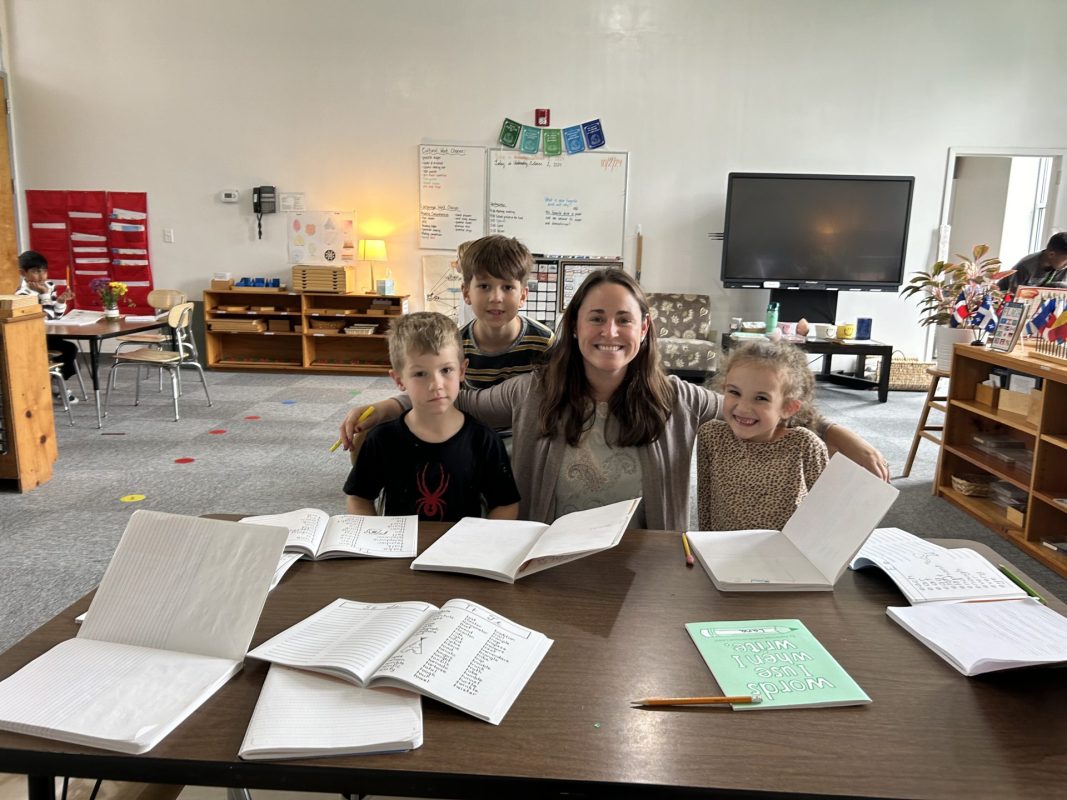
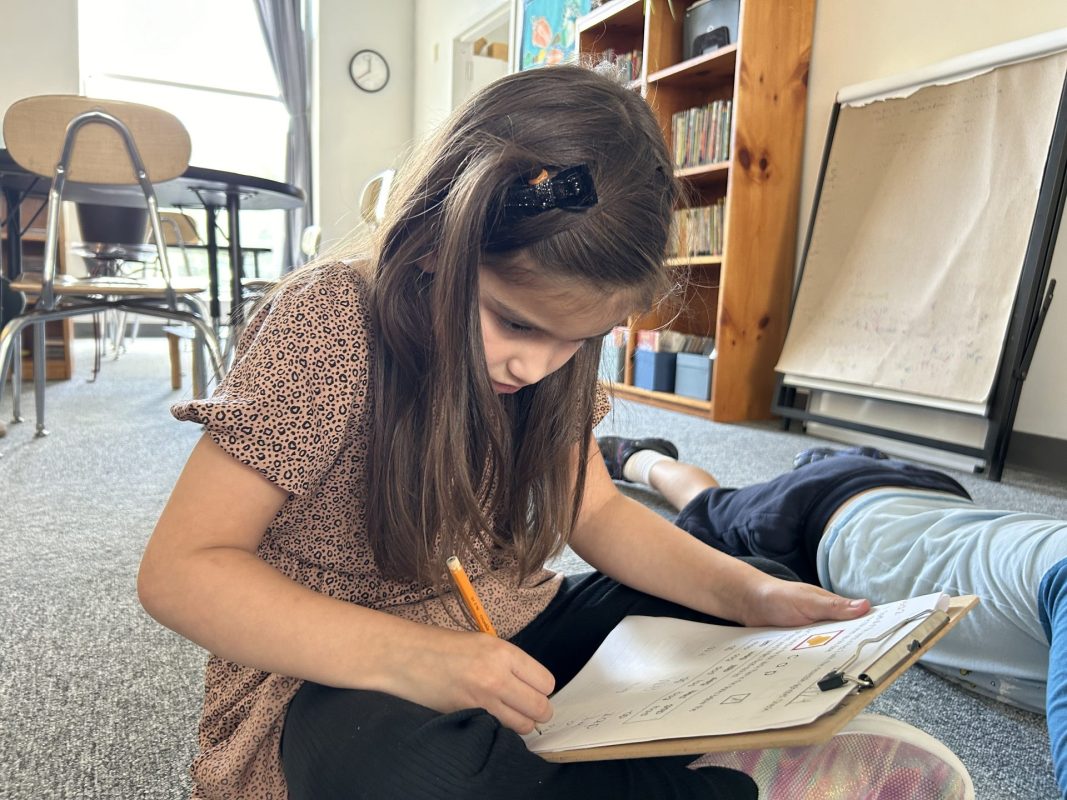
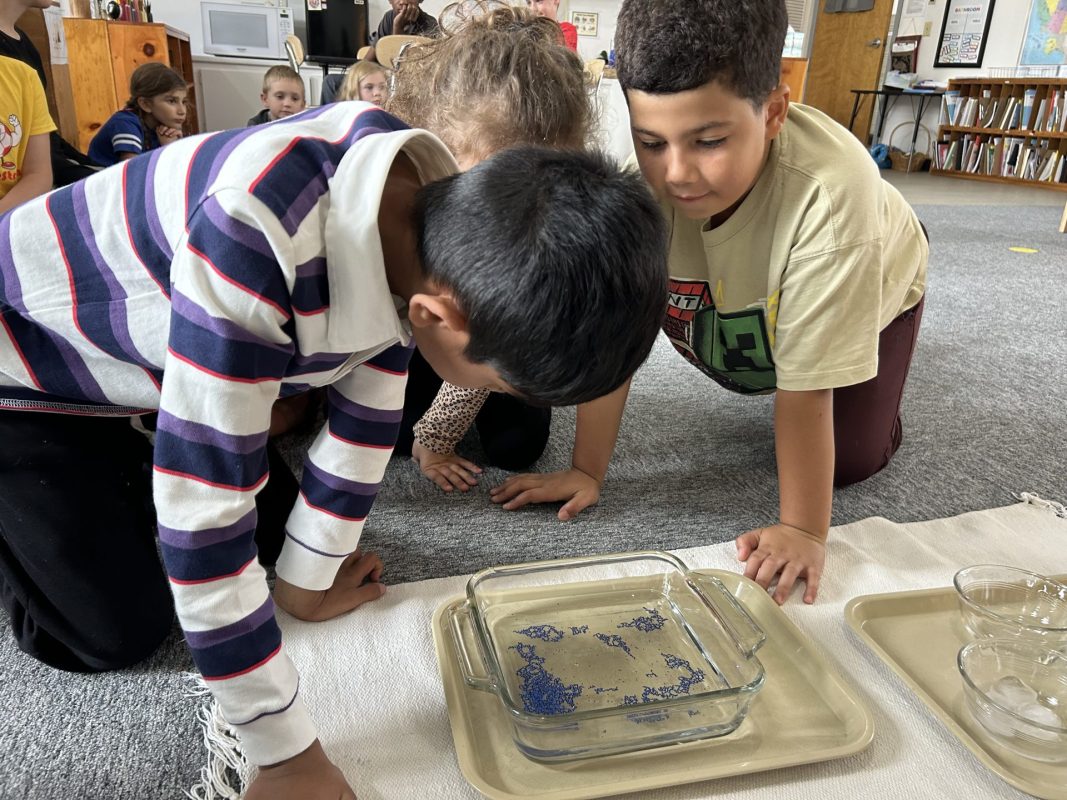
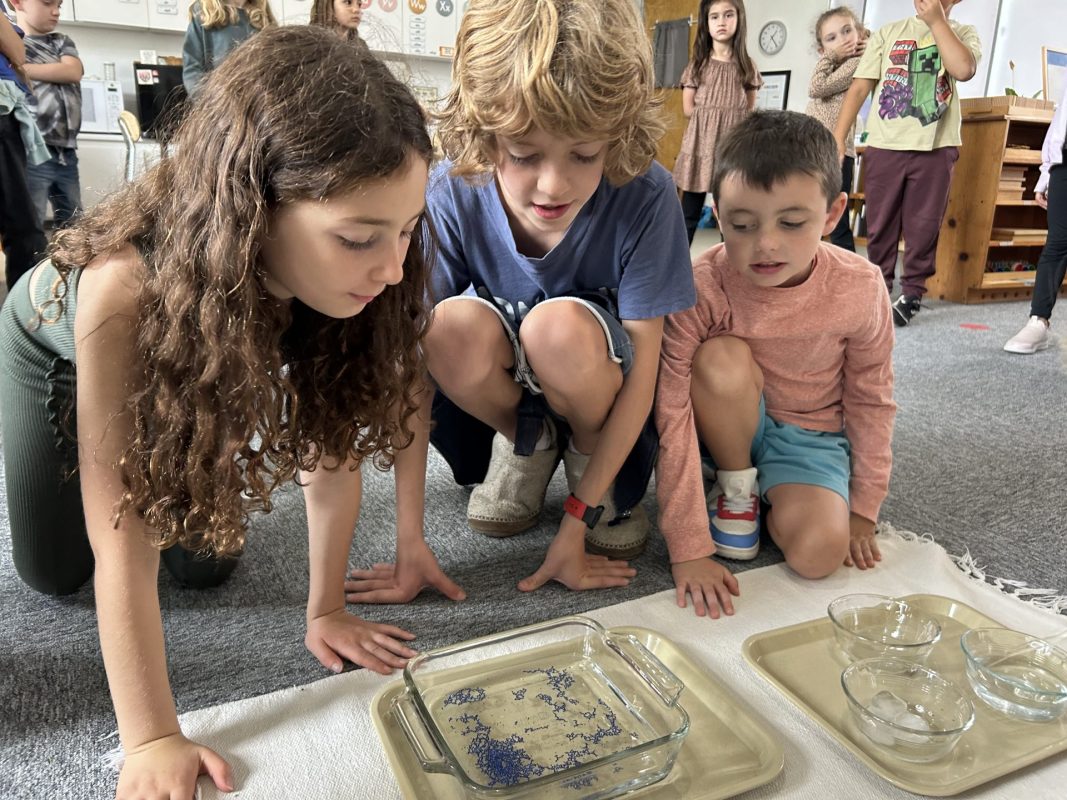
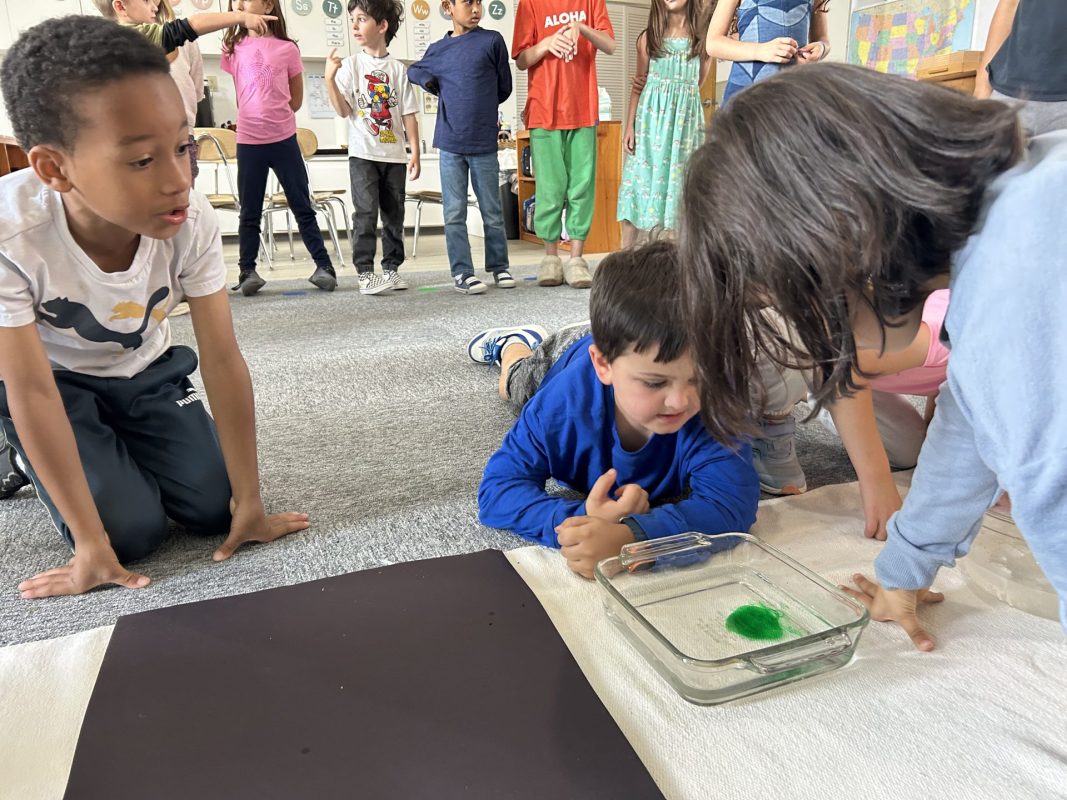
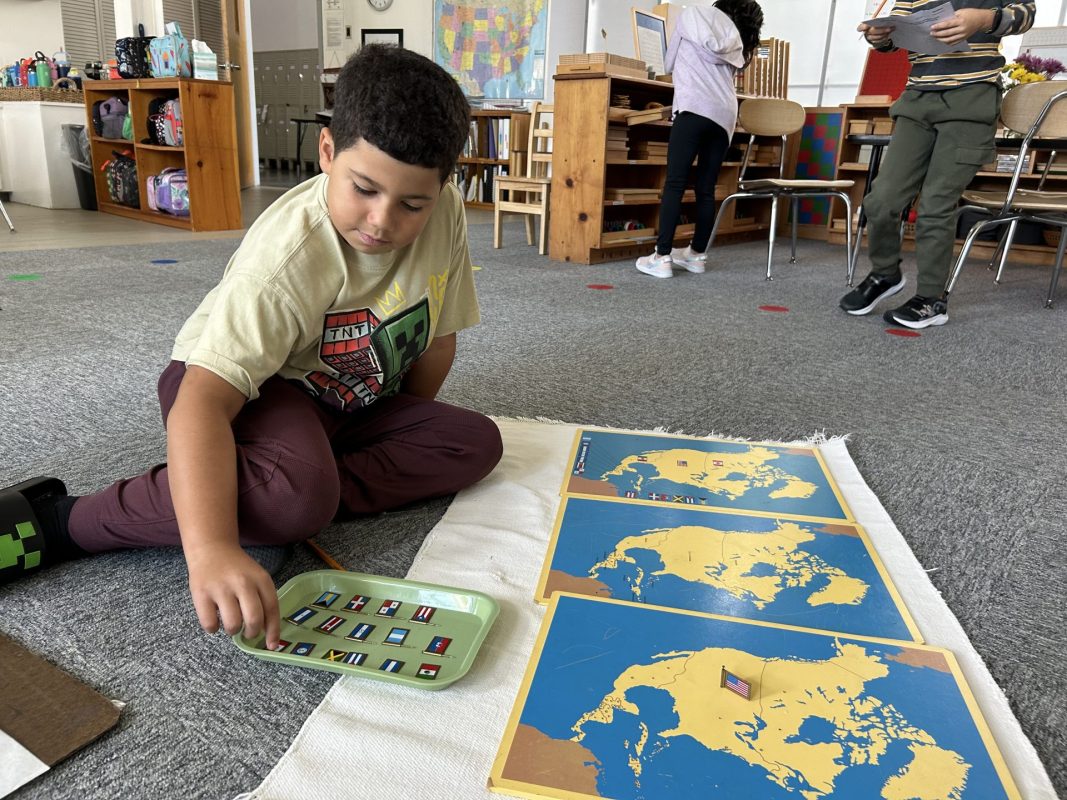
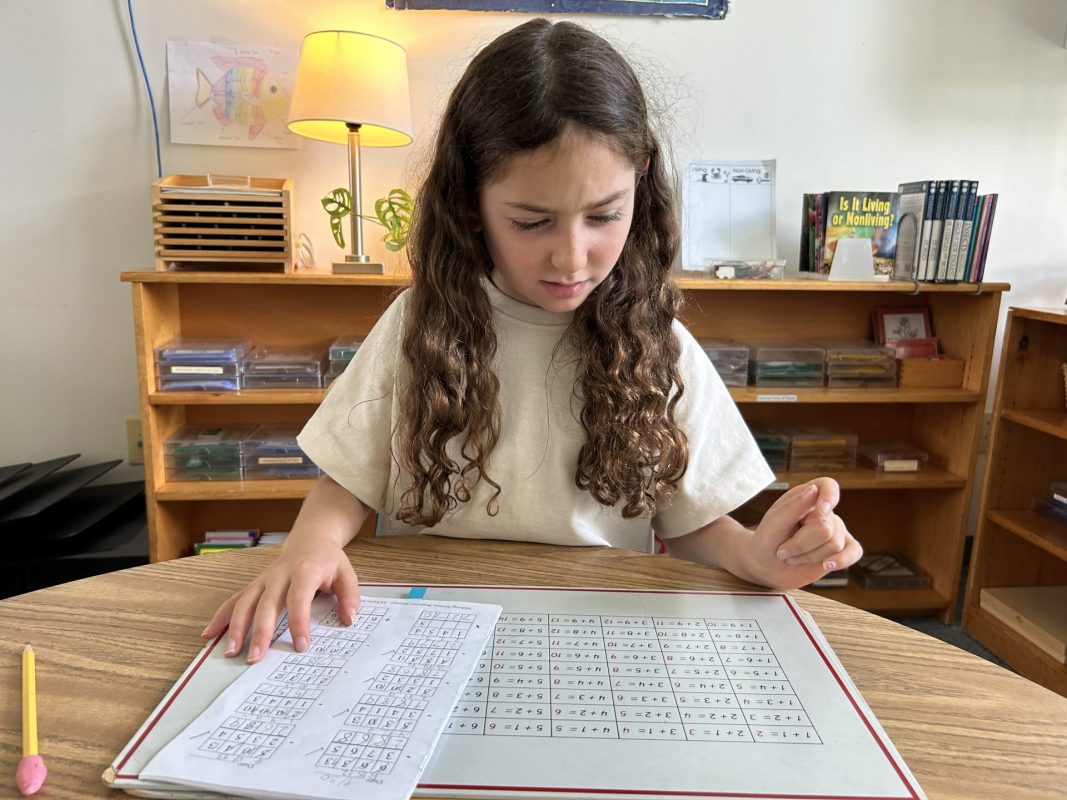
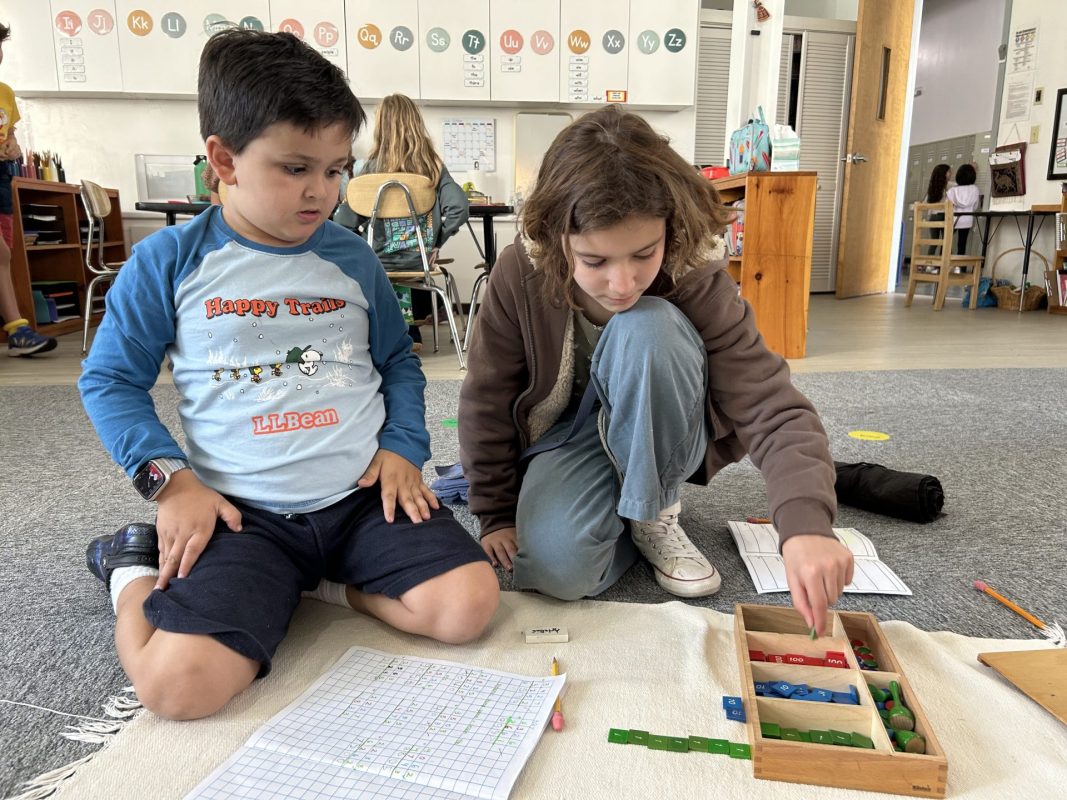
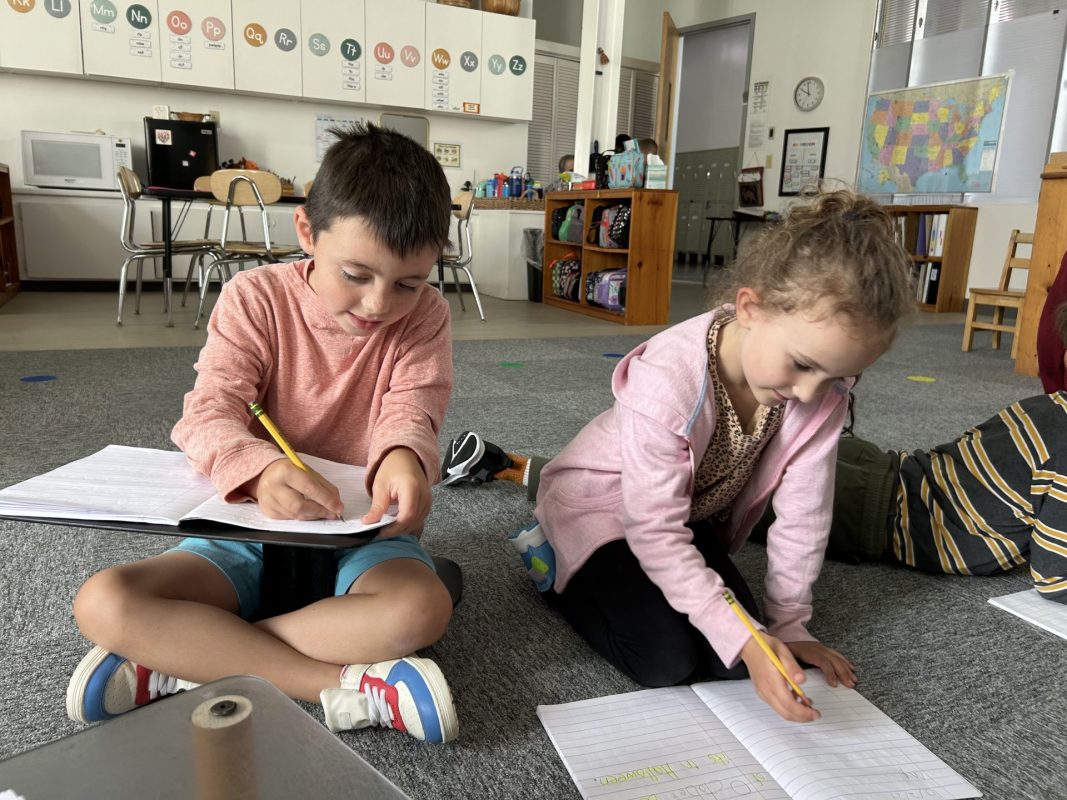
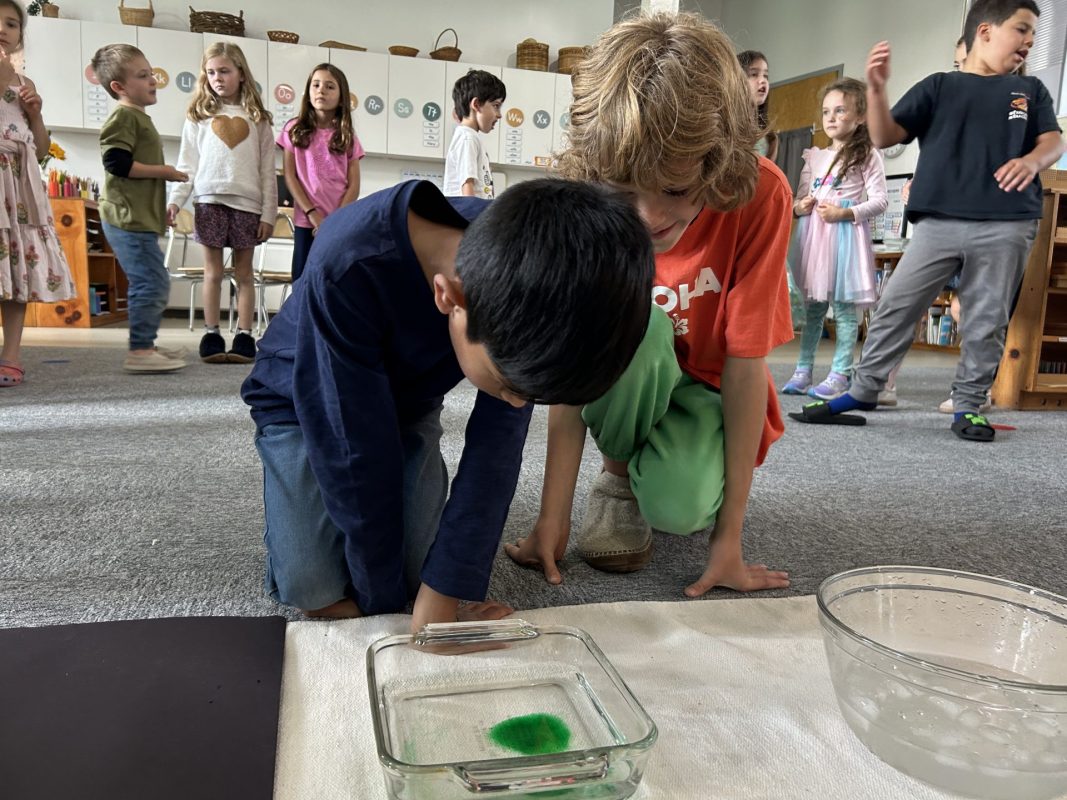
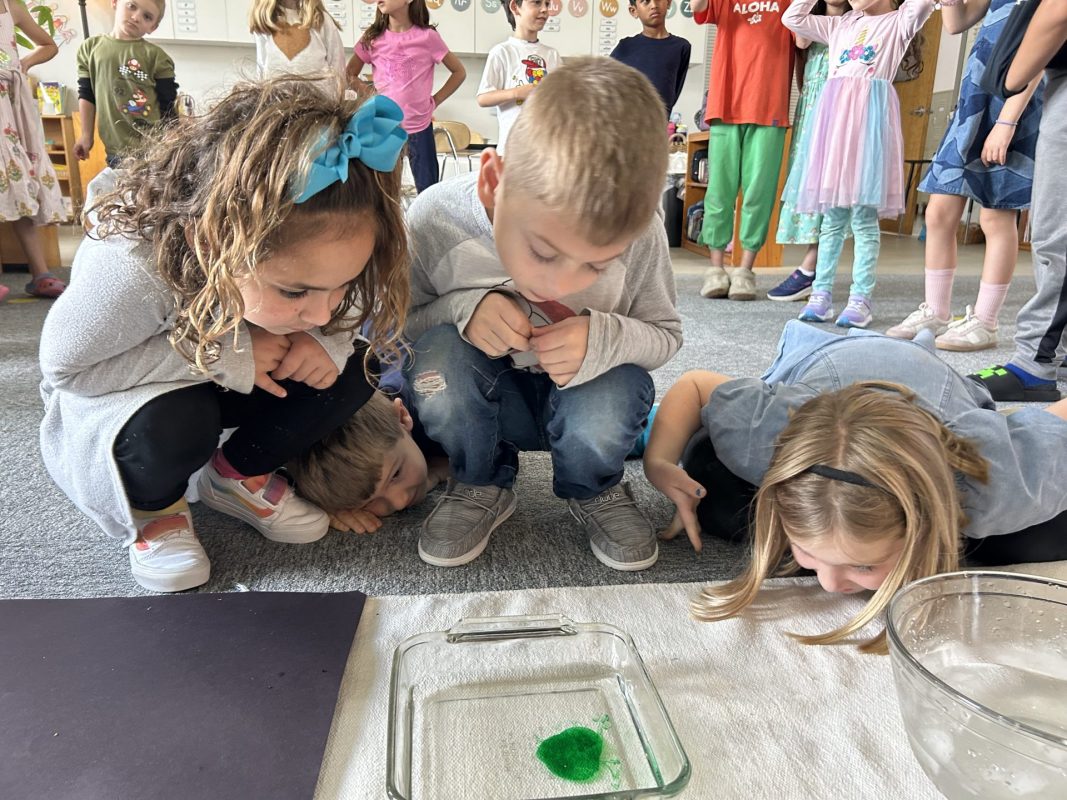
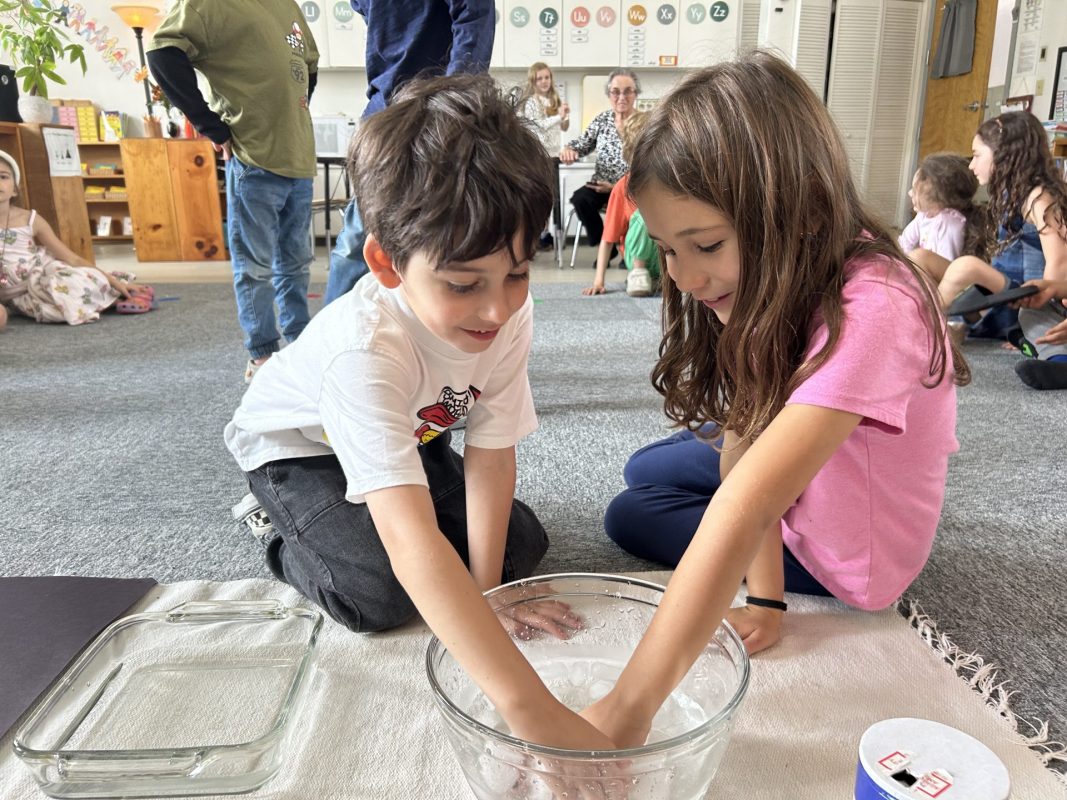
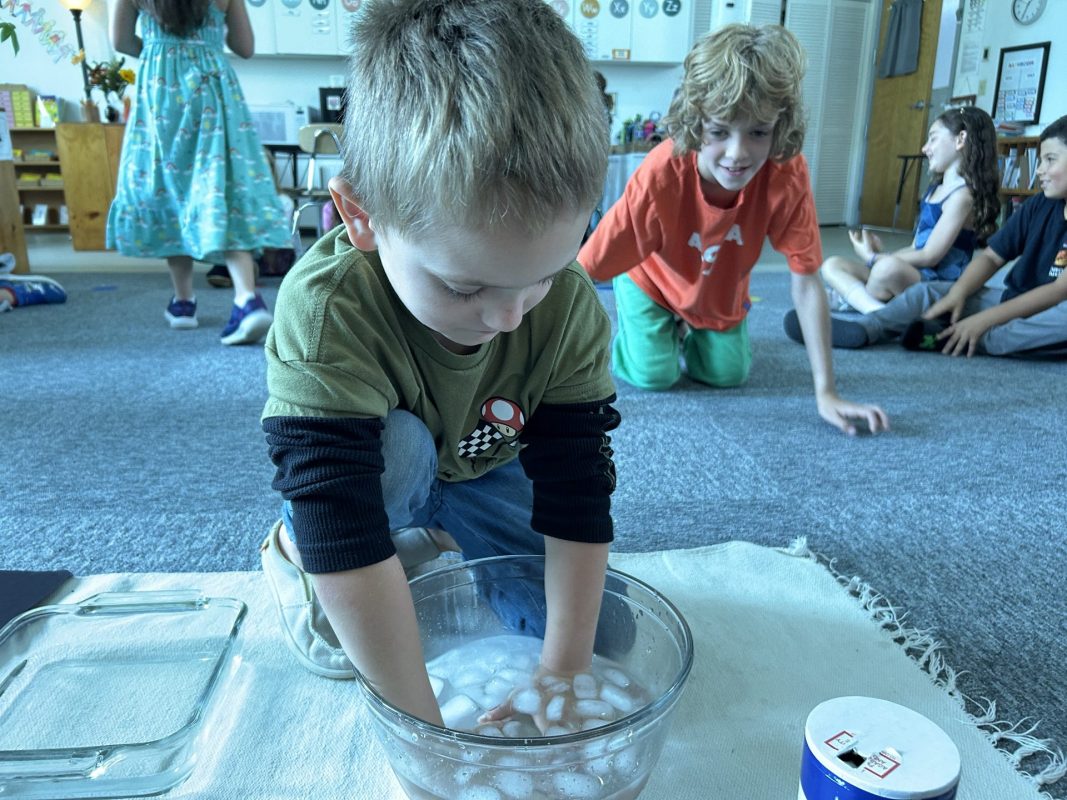
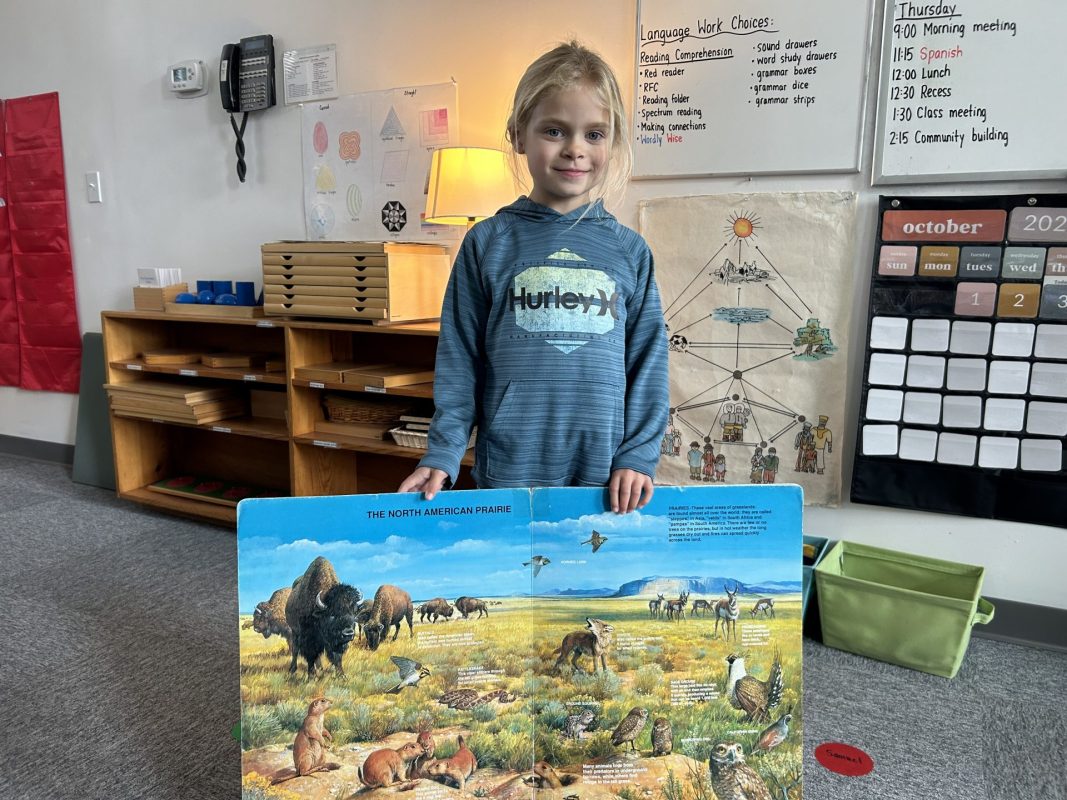
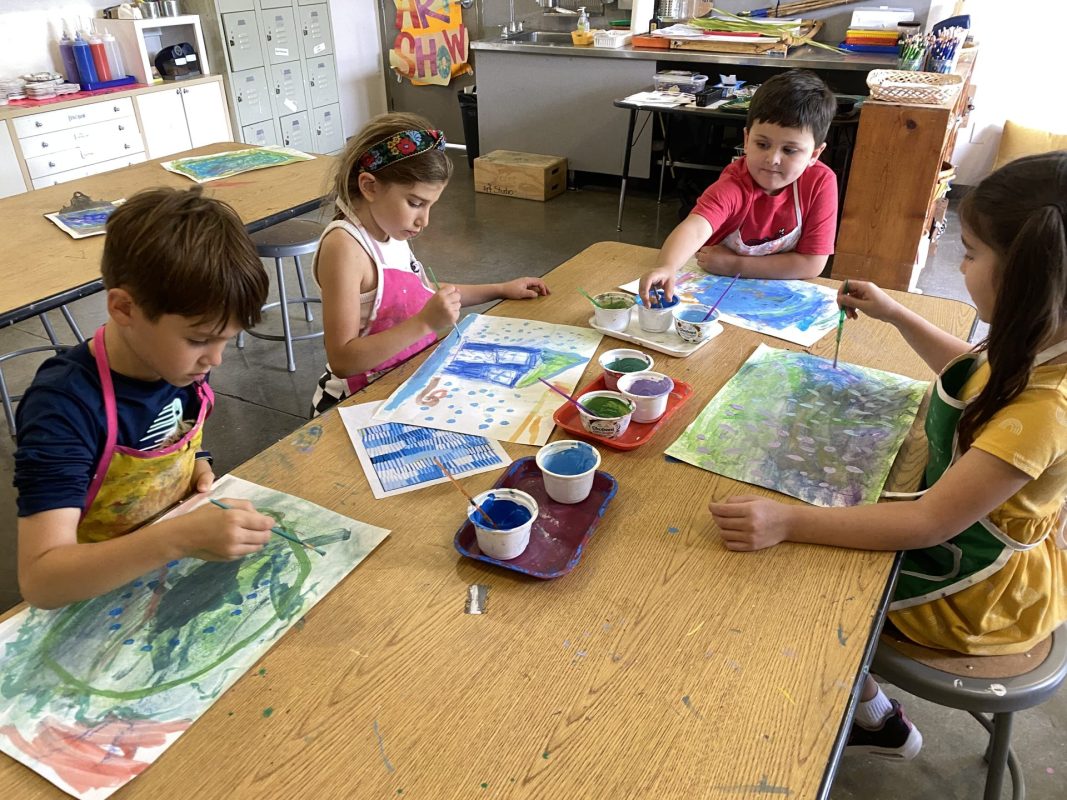
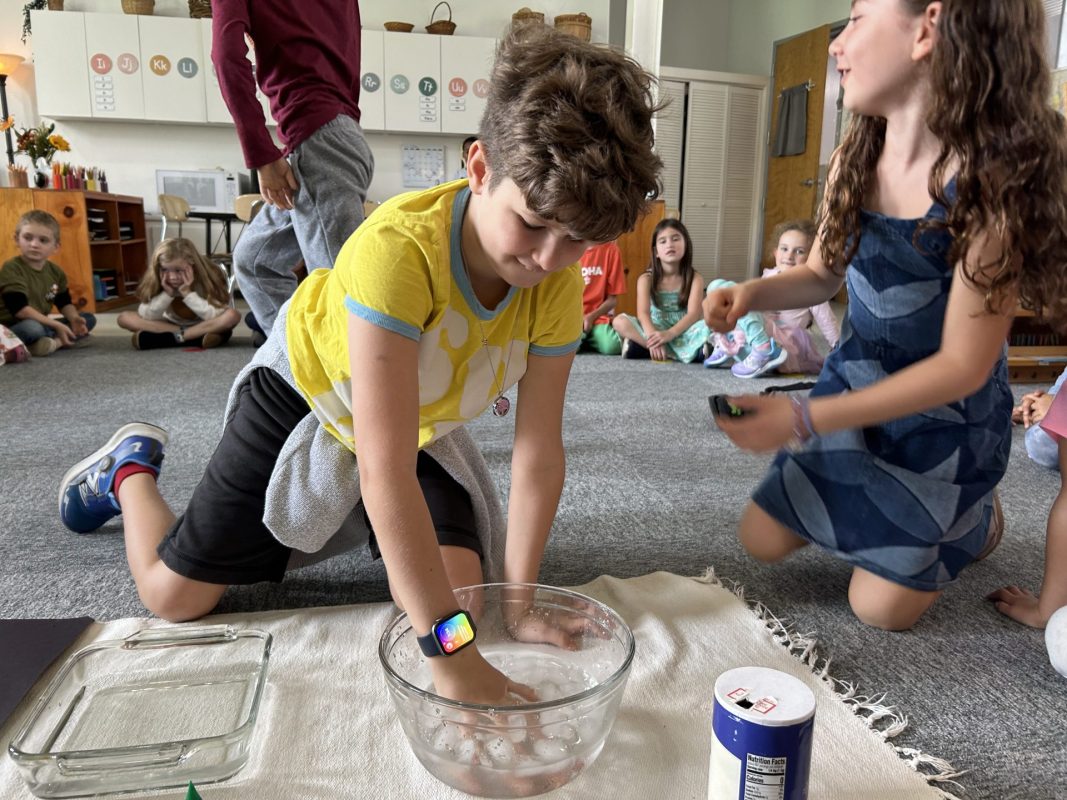
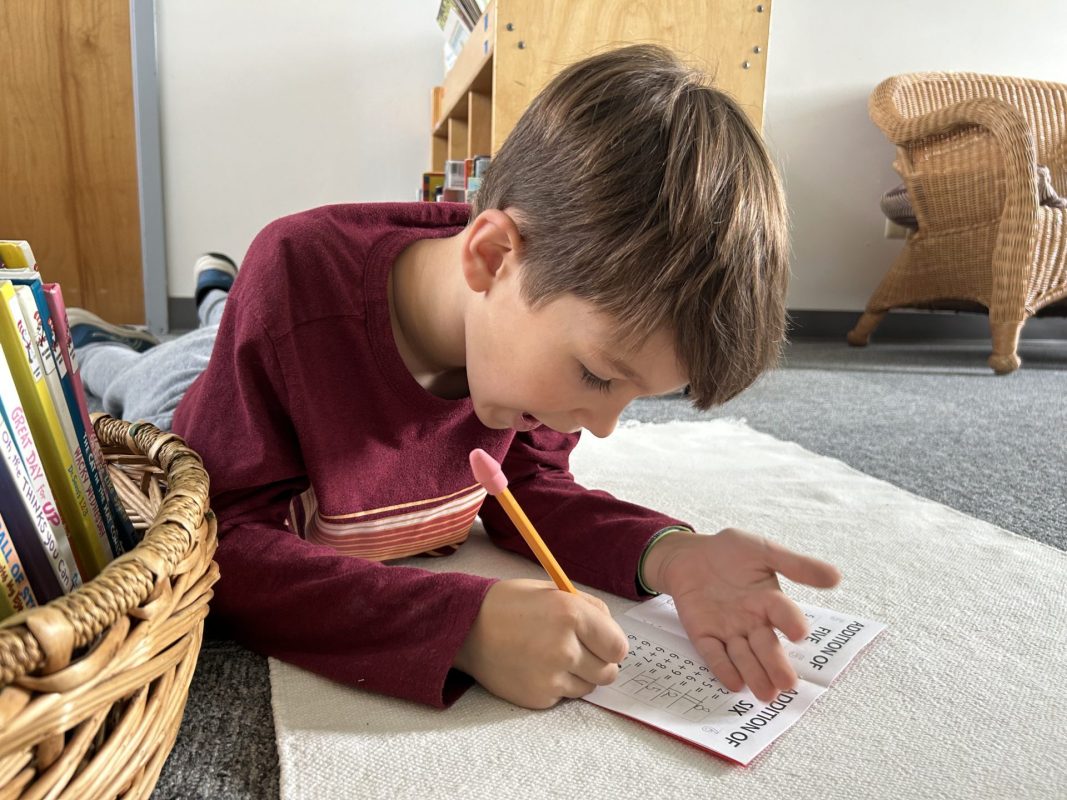
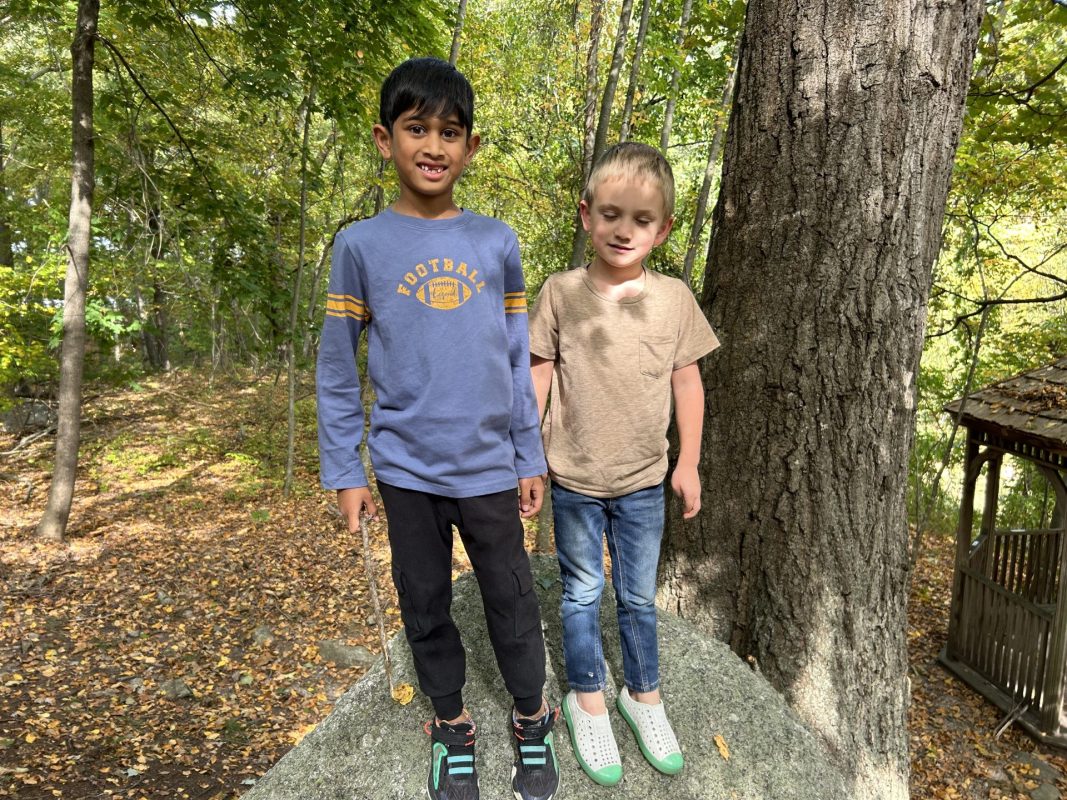
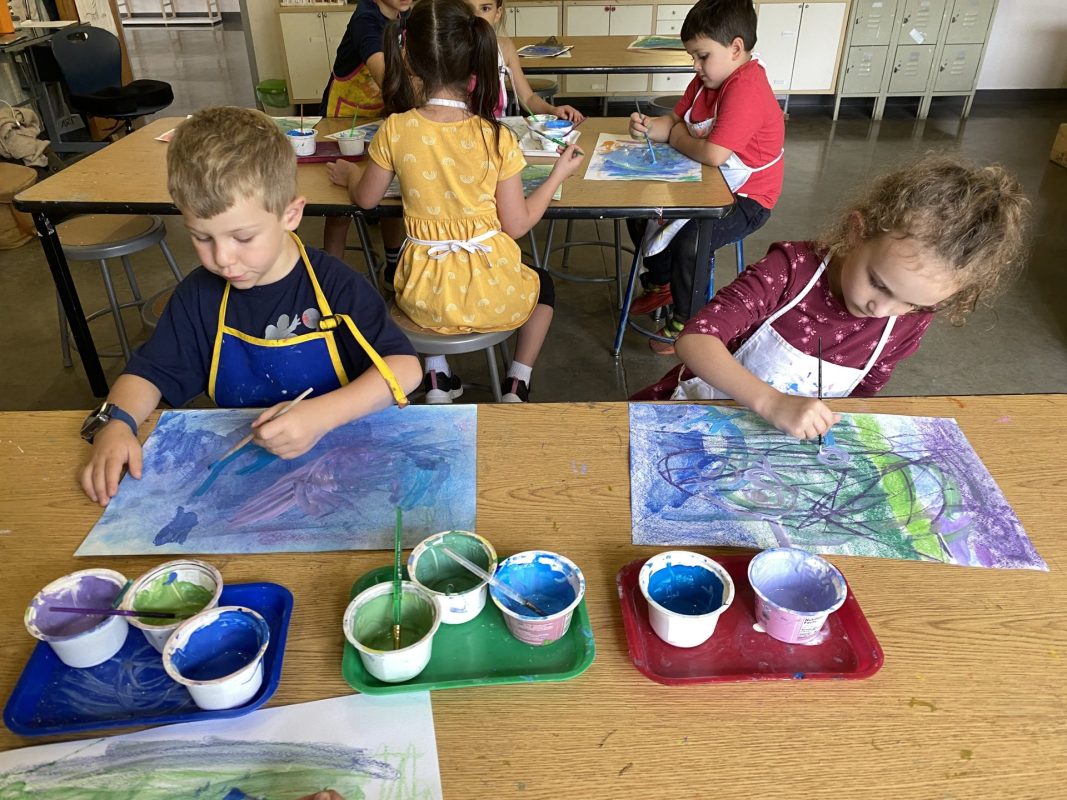
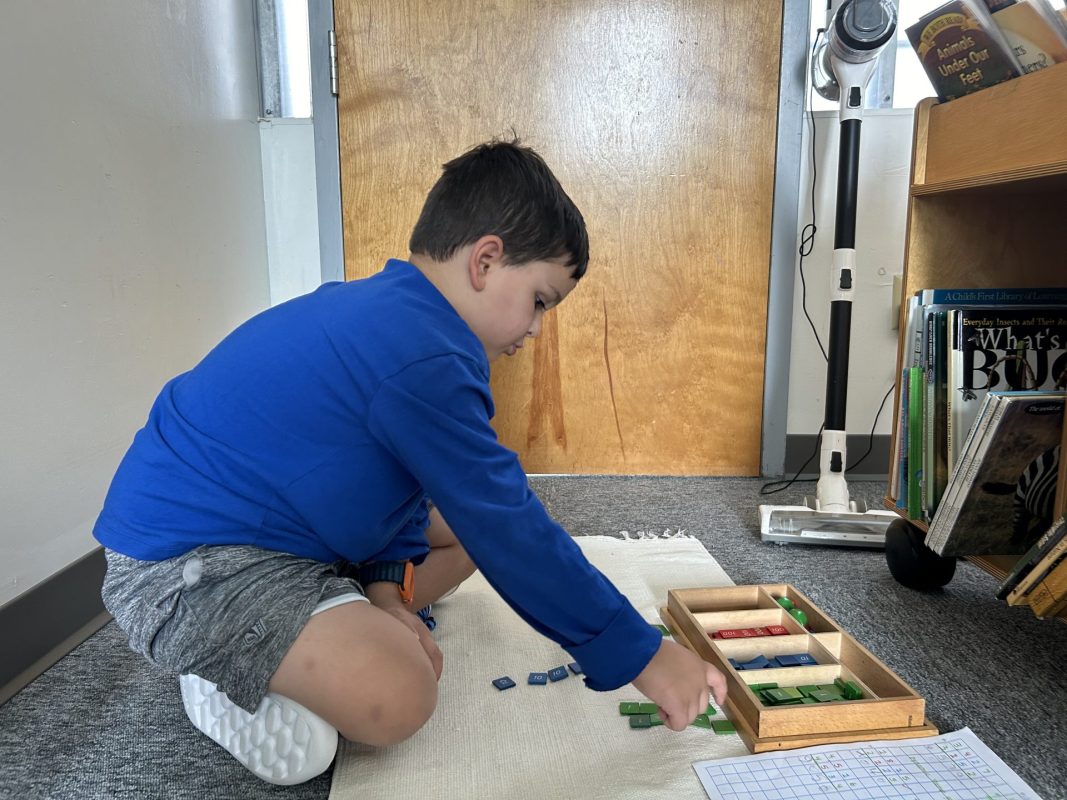
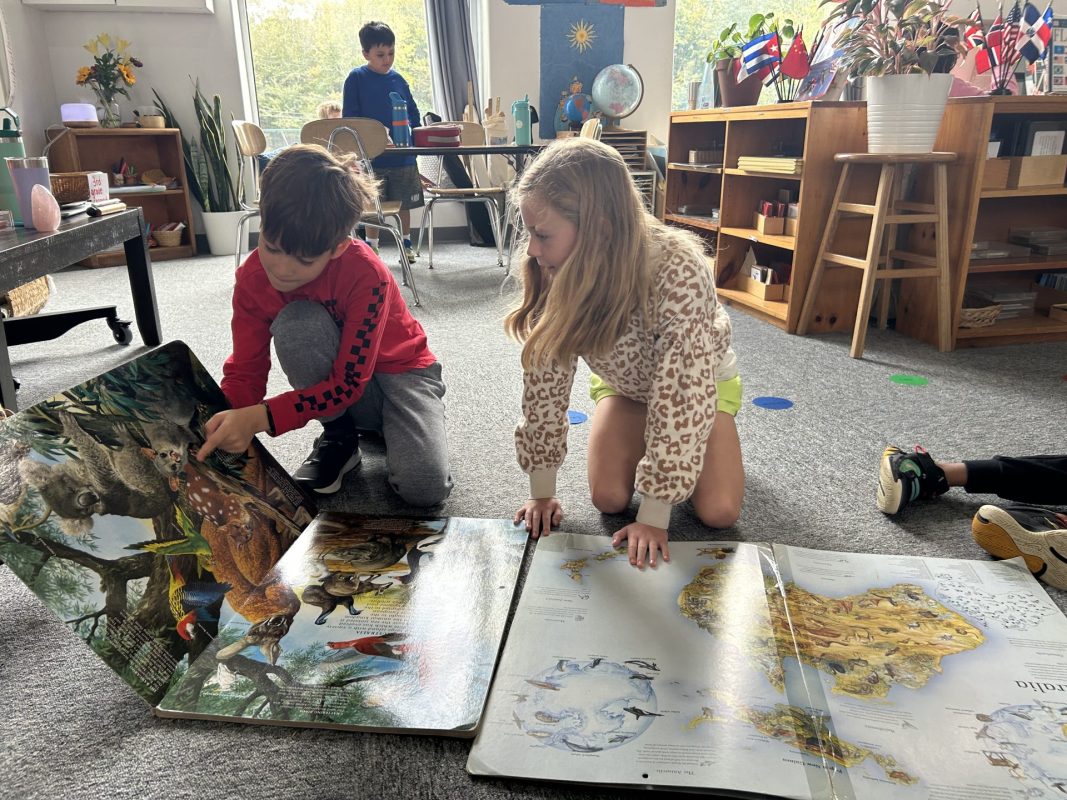
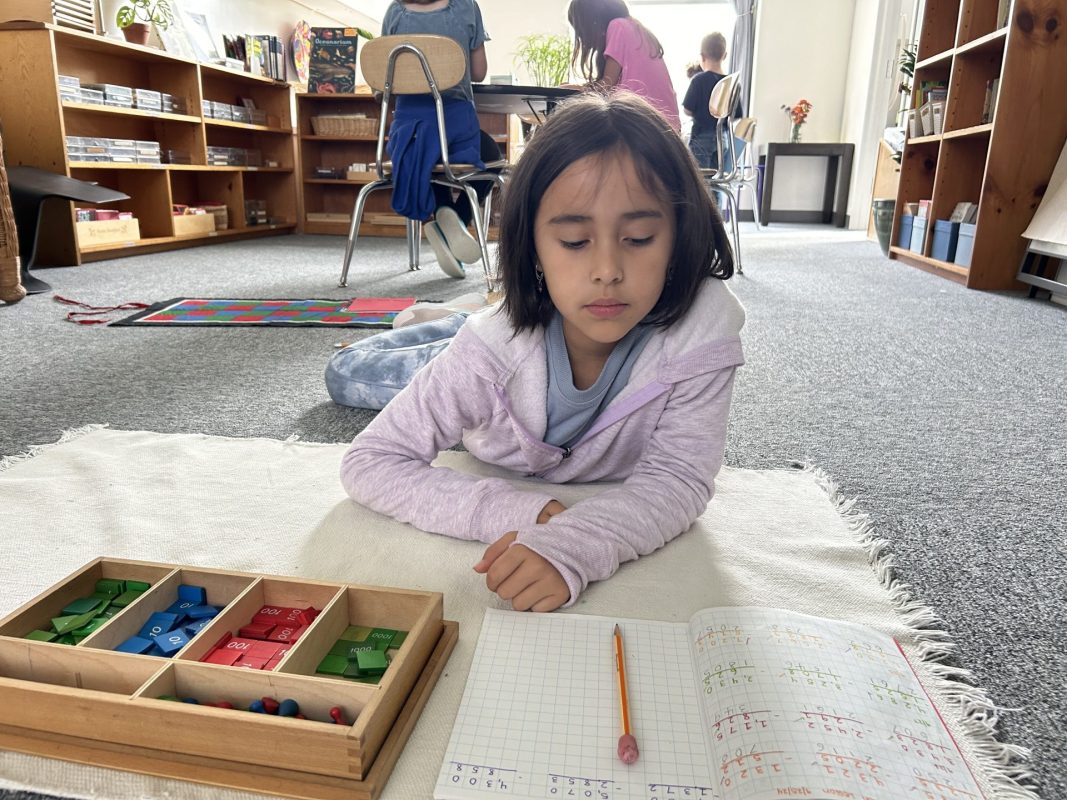
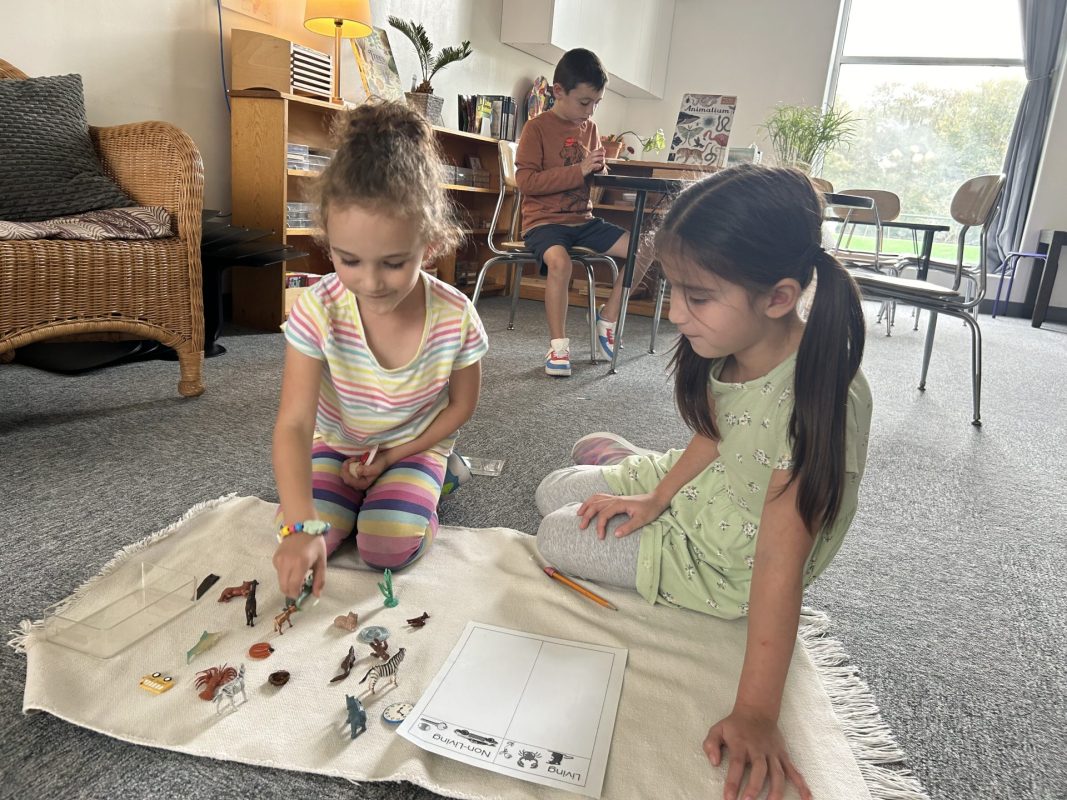
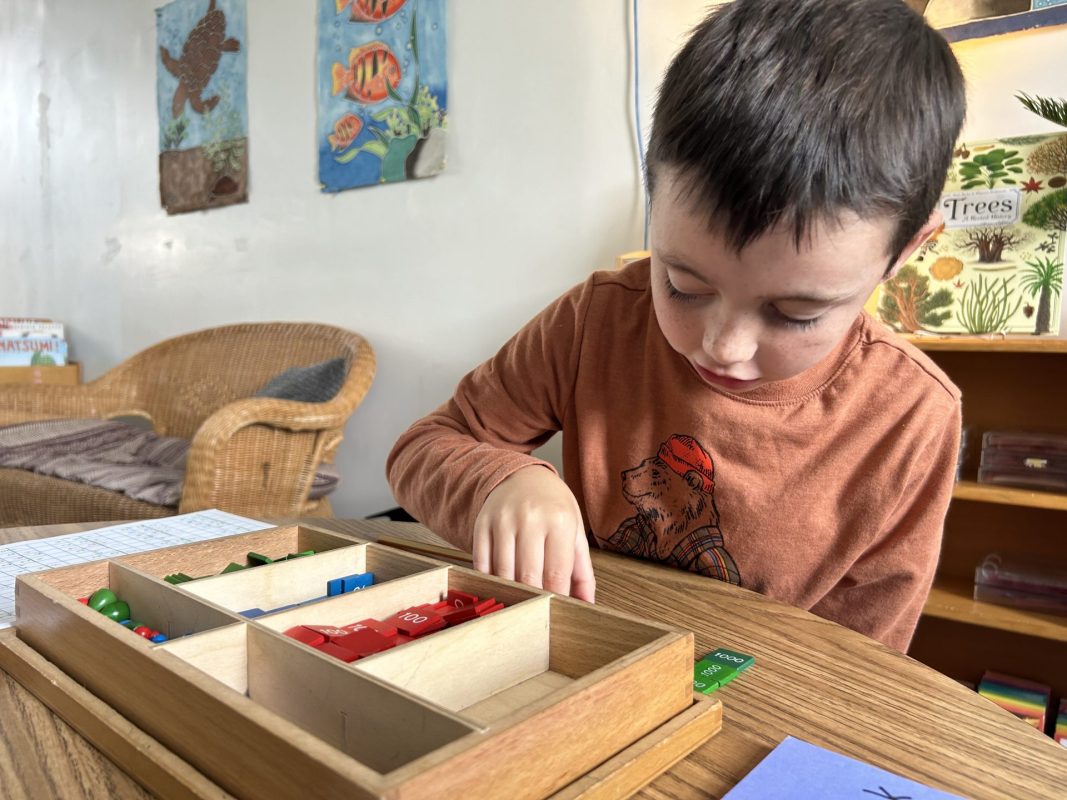
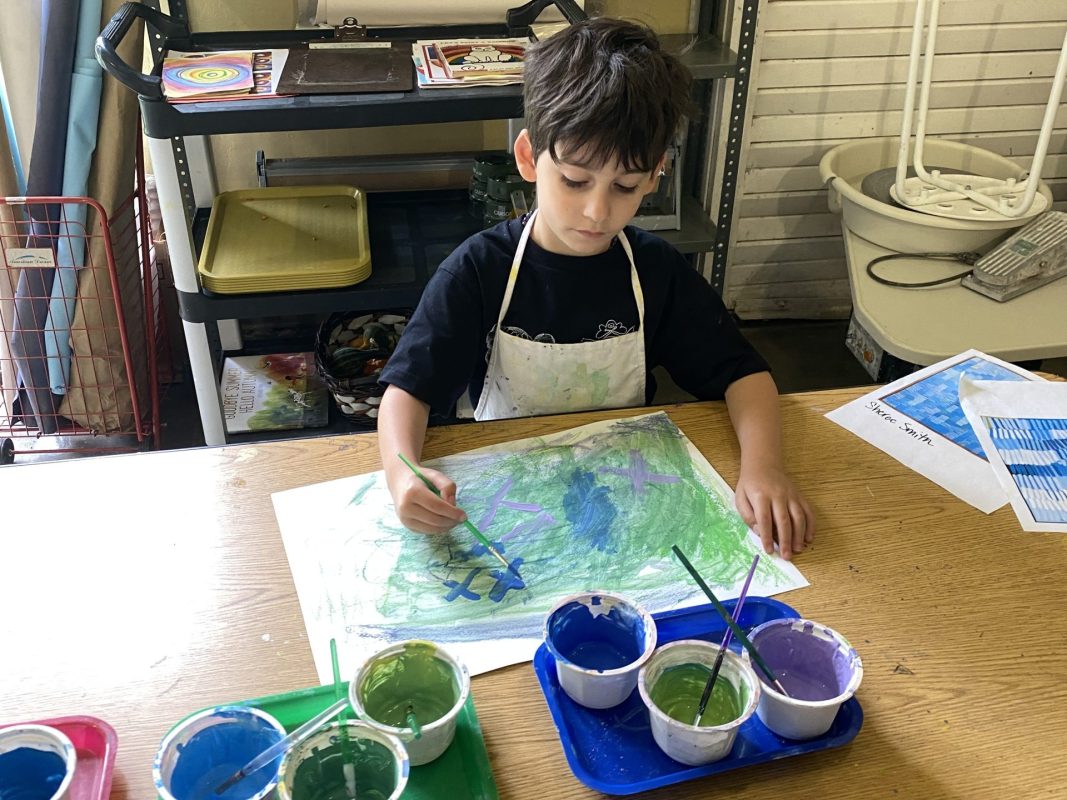
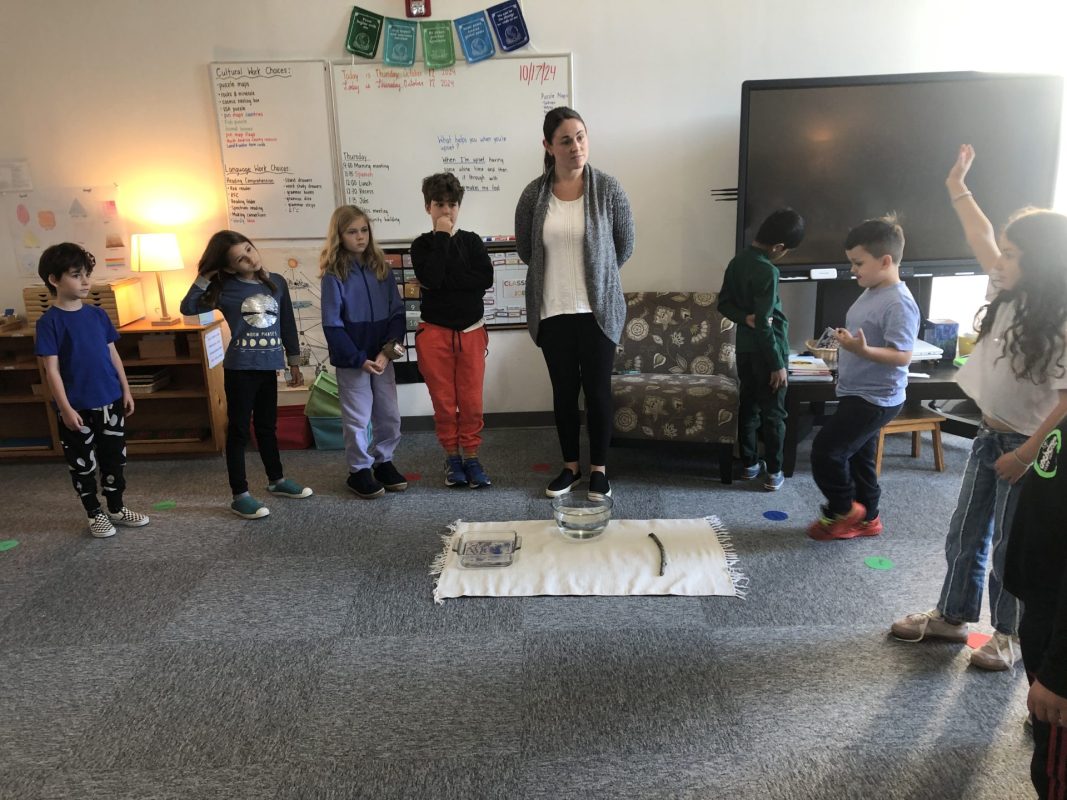
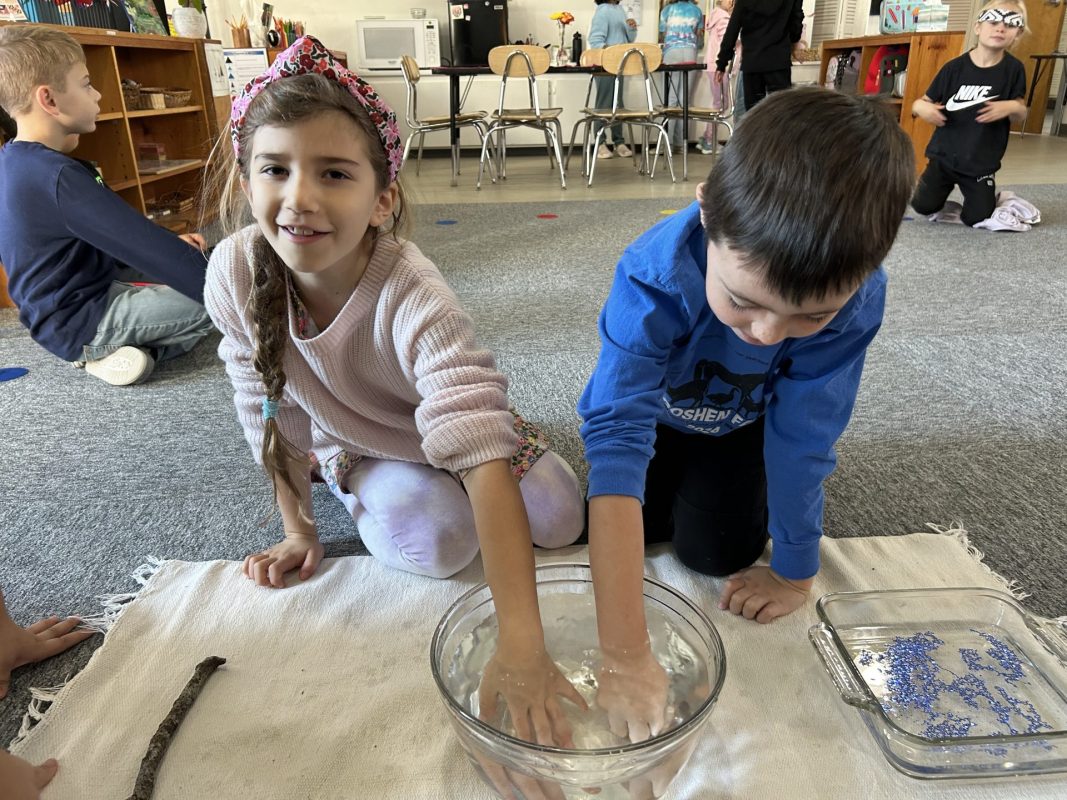
This week, we embarked on an exciting journey to explore the creation story through a series of captivating science demonstrations. Each demonstration serves as a vivid illustration of the fundamental concepts intertwined with the story of the universe’s formation, offering tangible insights into the forces that shaped our world.
The creation narrative provides a profound glimpse into the very origins of life itself. It invites us to reflect on the mysteries of the cosmos and our place within it. More than just a story, it sparks a dialogue between science and wonder, highlighting the intricate tapestry of events that have unfolded over billions of years. Our overarching goal is to evoke a sense of awe, nurture an appreciation for the complexity of the universe, and ignite a genuine curiosity for scientific inquiry.
These science demonstrations are carefully designed to build up to the culminating lesson on the creation of the universe, which will be presented by the third graders and me. Each experiment serves as a stepping stone, gradually introducing key concepts such as the Big Bang, the formation of stars, and the birth of our planet. By experiencing these moments through hands-on learning, we hope to inspire a deeper understanding of the natural world and foster an environment where curiosity leads to discovery.
Class Who Am I Activity in Lower Elementary


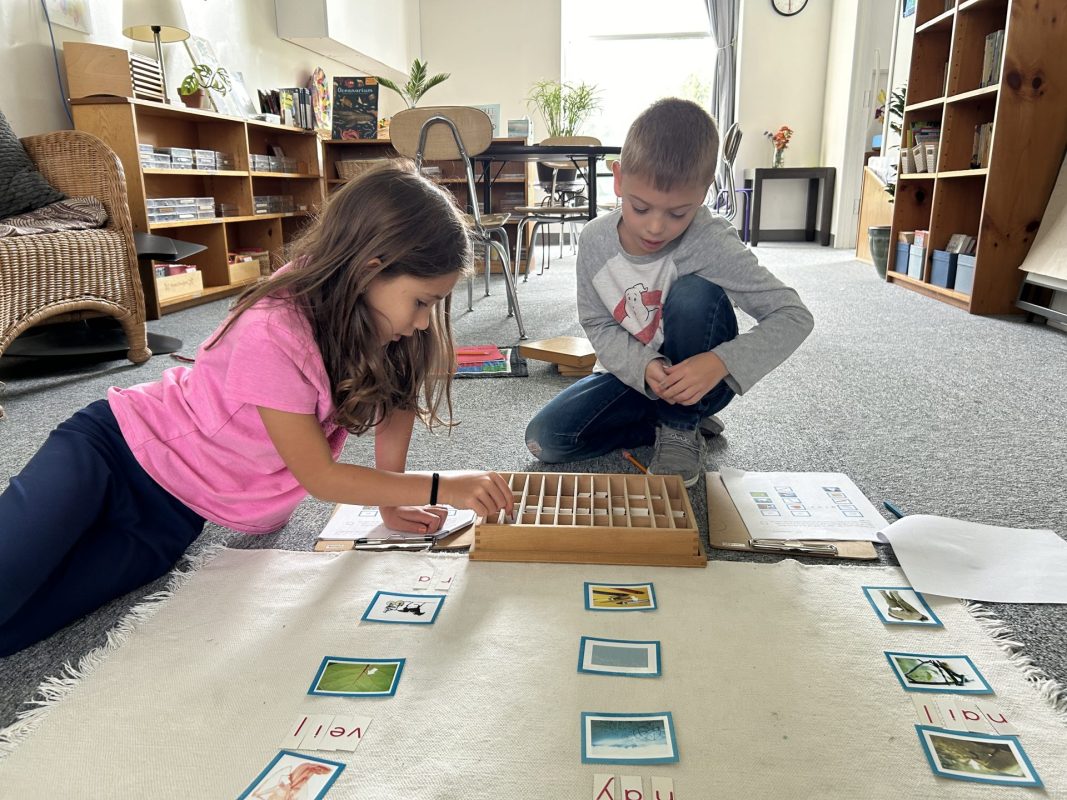
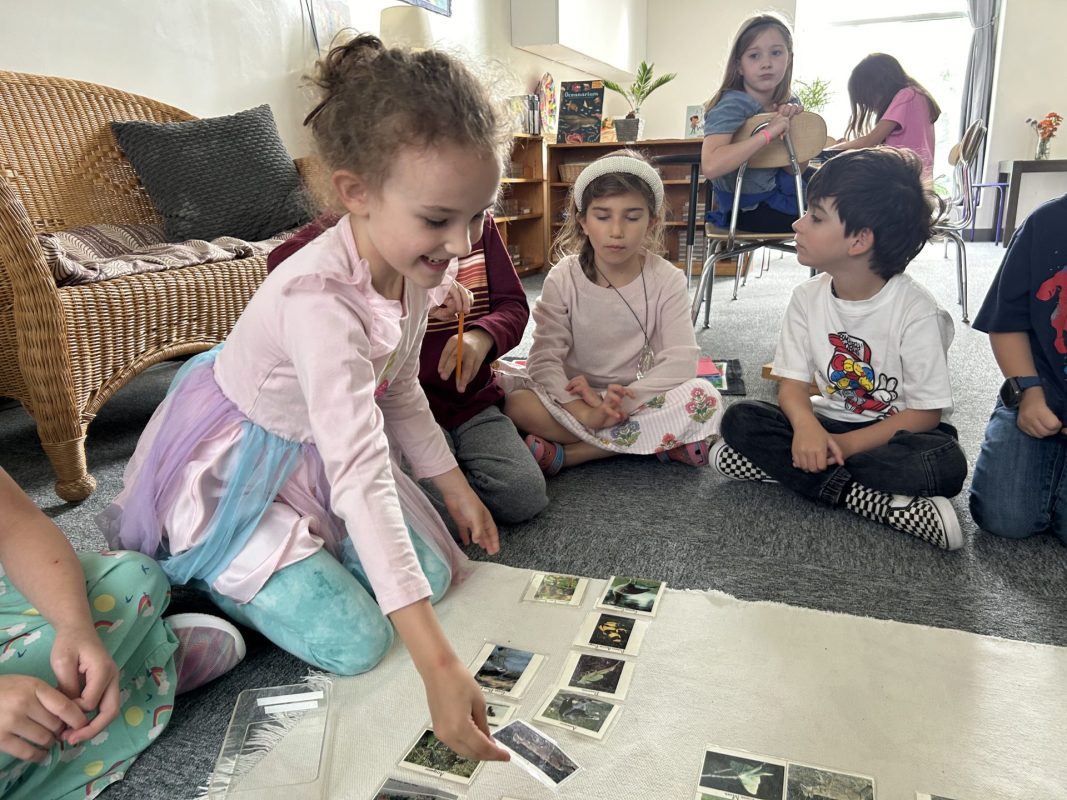
An exciting highlight of our week was working together to create the class “Who Am I” material. This is a special set of Montessori biology resources designed to introduce the five kingdoms of life—animals, plants, fungi, protists, and prokaryotes. As a fun and personalized beginning-of-the-year project, we focused on making this material all about the children in our classroom.
The process began with each child answering a series of questions about themselves, which was then compiled and typed up to create a unique material for our work cycle. Several children also had the opportunity to participate in cutting, gluing, and laminating the cards, adding their own creative touches to the final product.
The “Who Am I” material has quickly become a favorite activity in the classroom, offering a blend of classification, comprehension, and fluency work. It’s not only an engaging way to explore these concepts but also a wonderful tool for helping the children learn more about each other and build a sense of community!
We look forward to seeing you at Parent-Teacher Conferences on October 25. Please sign up for your conference here.
Building Foundations in LE: Mindfulness, Routines, and Responsibility


I’m happy to share that our second week of school has been wonderful! The children are adjusting beautifully and are quickly learning the routines and rules of the classroom. They are showing great enthusiasm and curiosity, making each day so much fun.
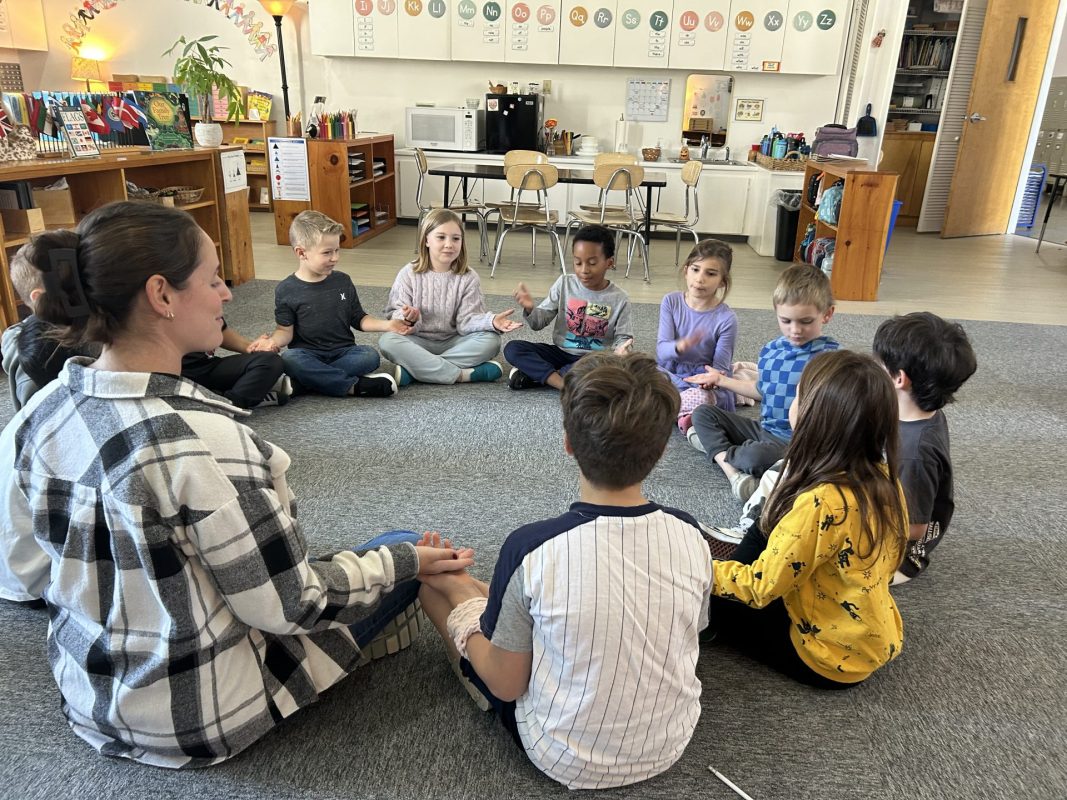
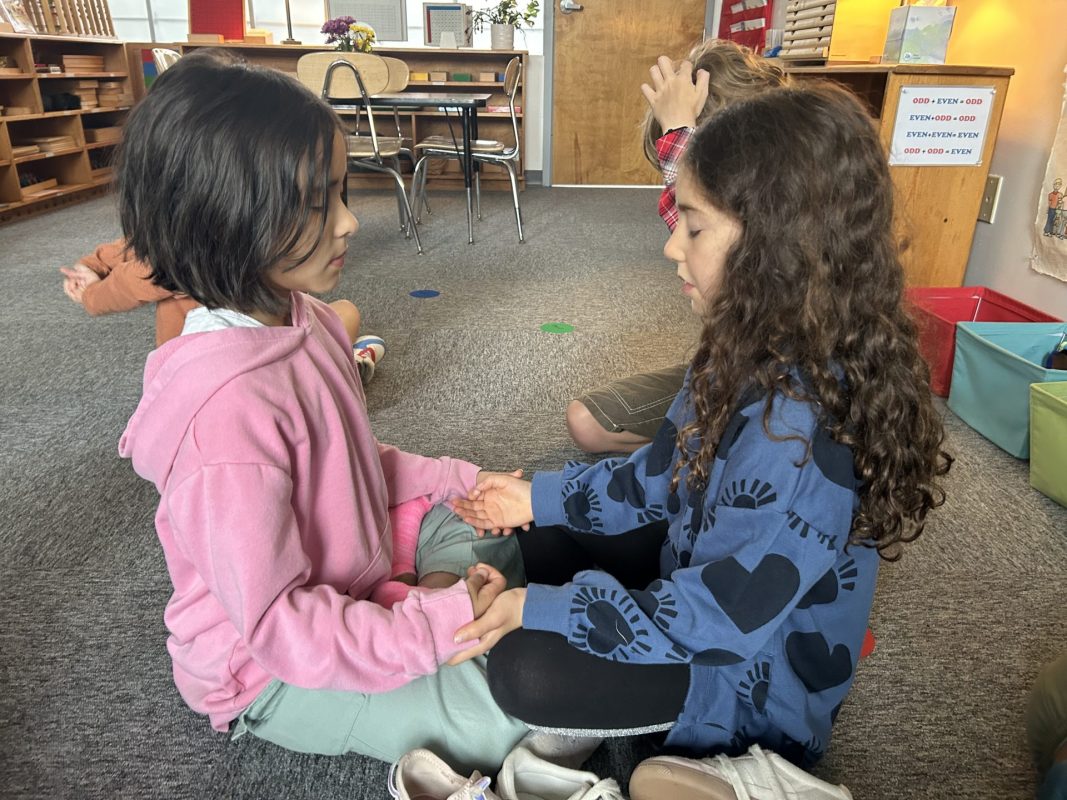
Each morning, we start our day with a few minutes of meditation. Teaching children meditation at a young age has many benefits, such as helping them develop focus, self-awareness, and emotional regulation. It provides a calming start to the day and gives them tools to manage their emotions and practice mindfulness, which can positively impact their learning and social interactions throughout the day.
In our lower elementary classroom, we also have classroom jobs that the children are excited to take part in. These jobs are chosen by the students each week and rotate, so everyone gets a chance to experience different responsibilities. Classroom jobs help foster a sense of community and ownership, and they teach important life skills like responsibility, teamwork, and time management. It’s wonderful to see how proud the children feel when they contribute to keeping our classroom running smoothly!