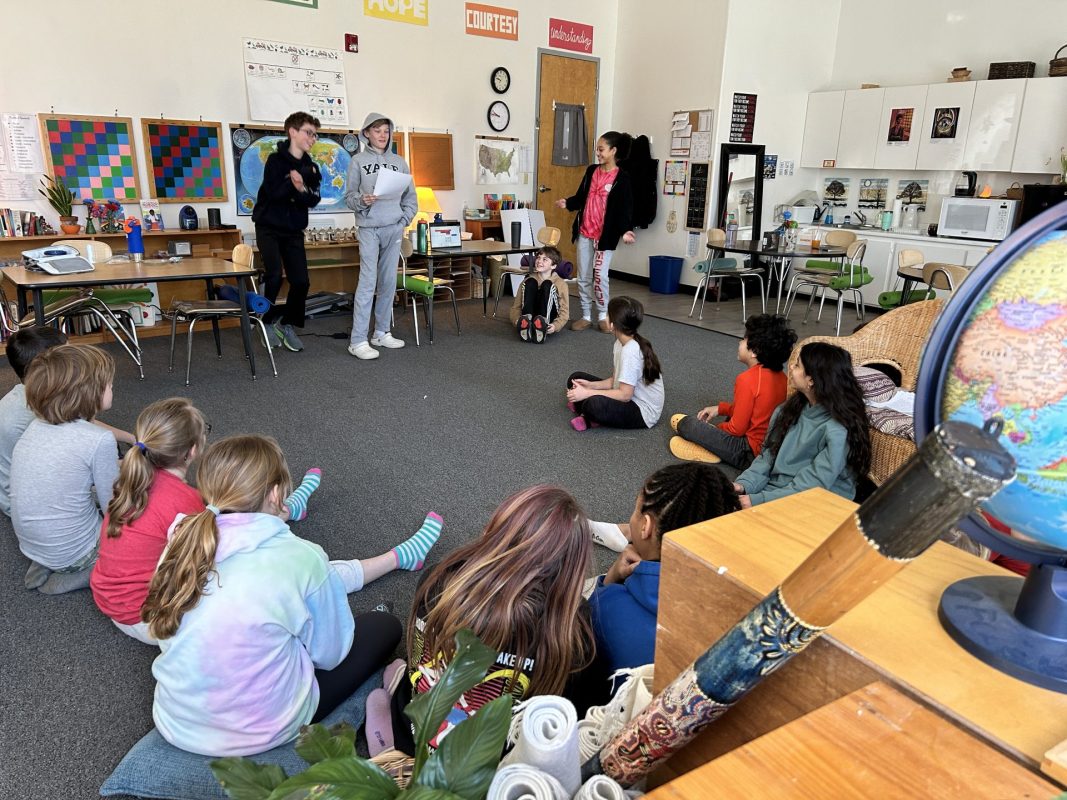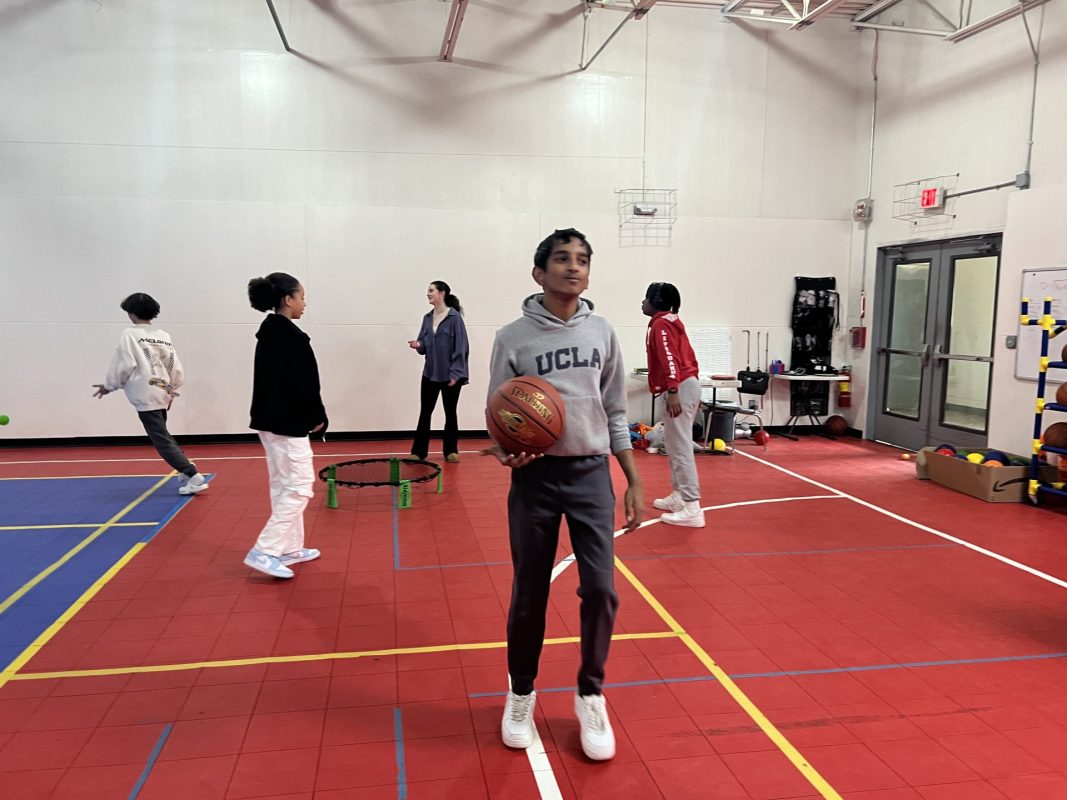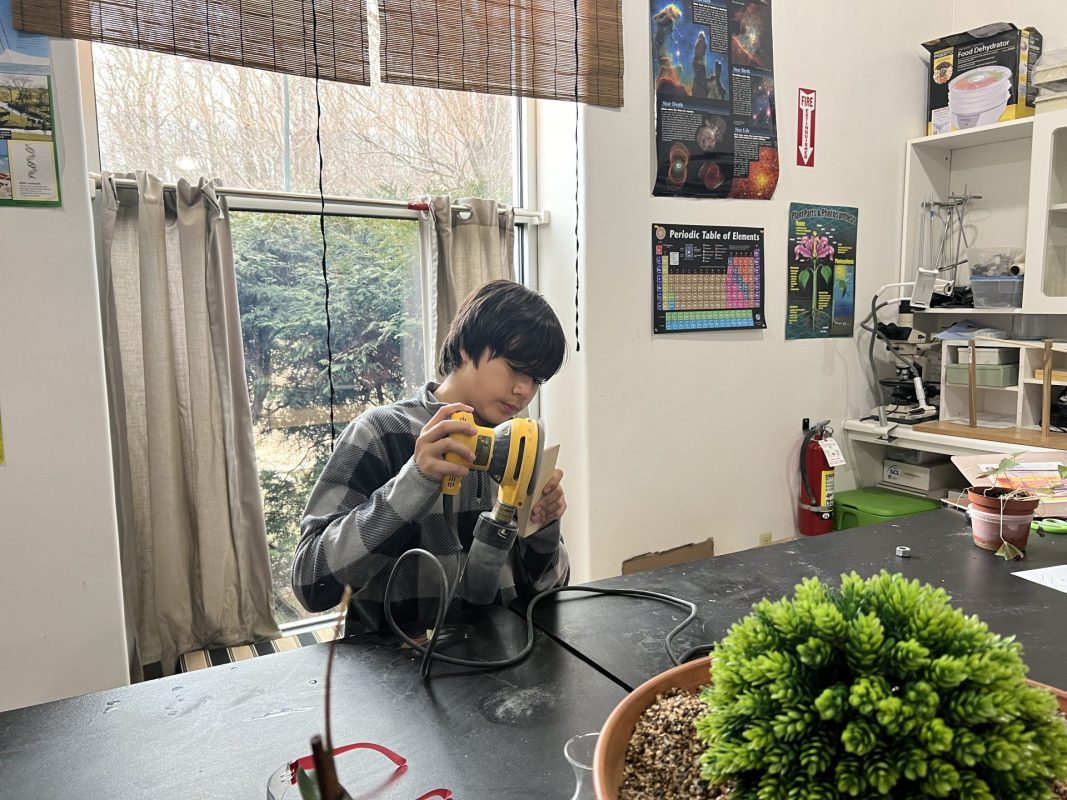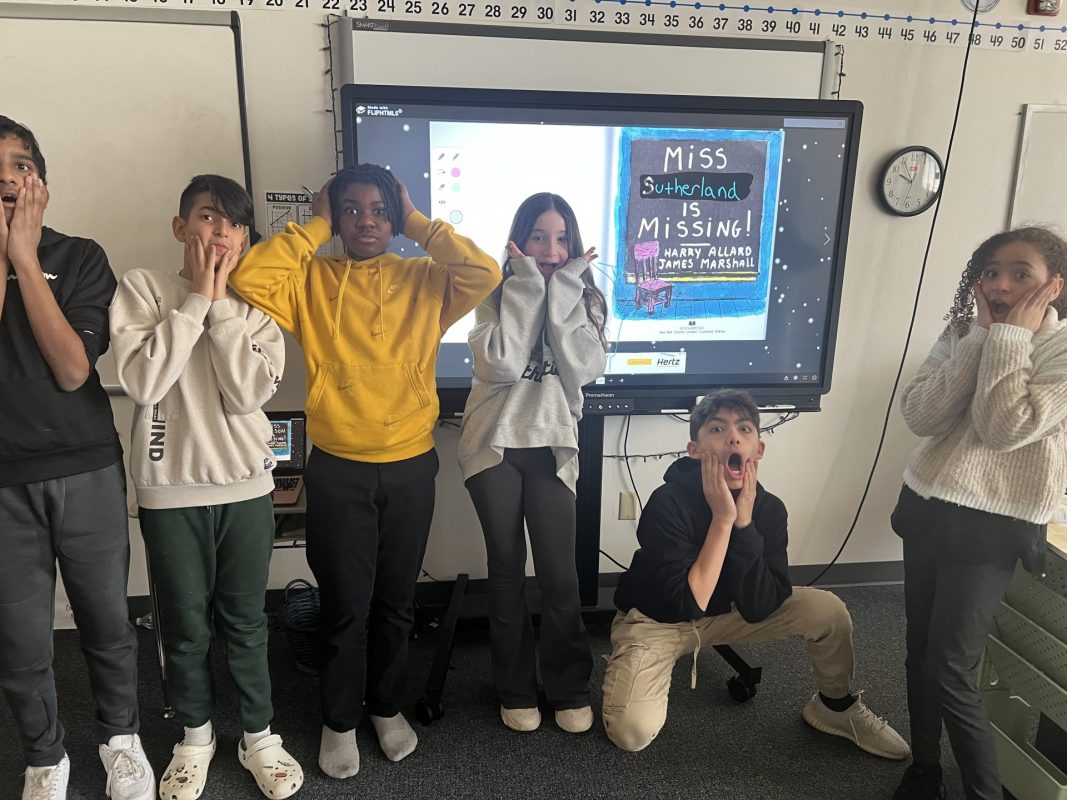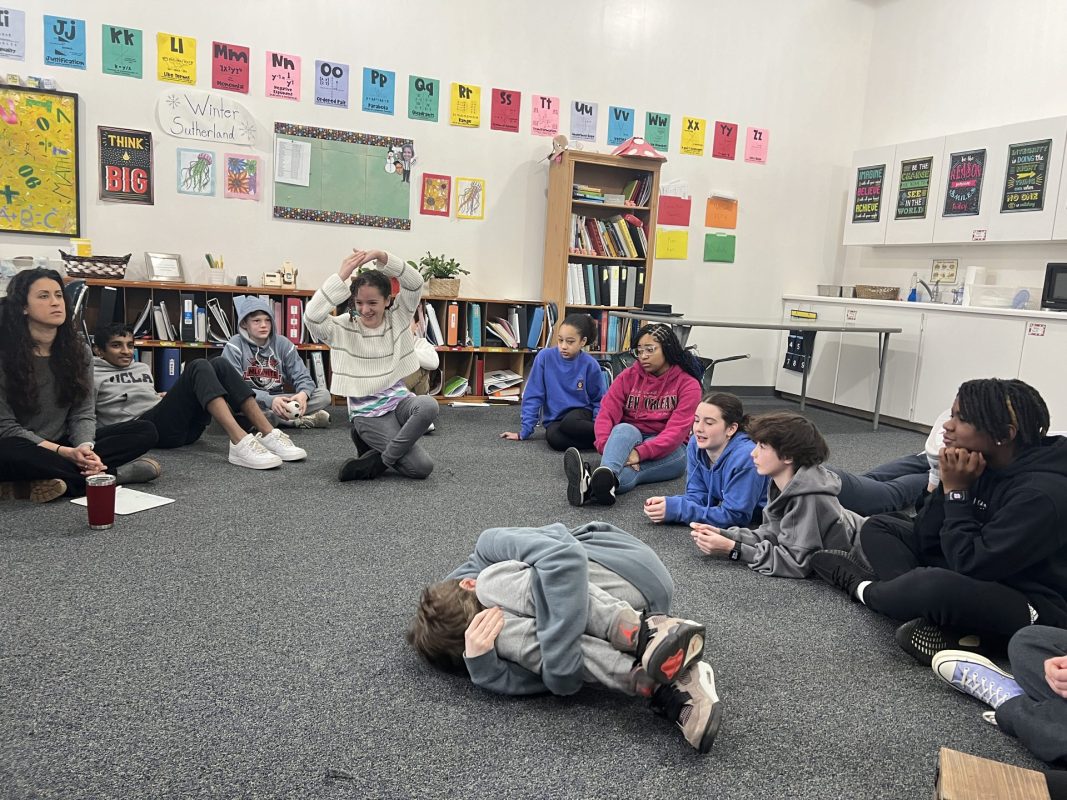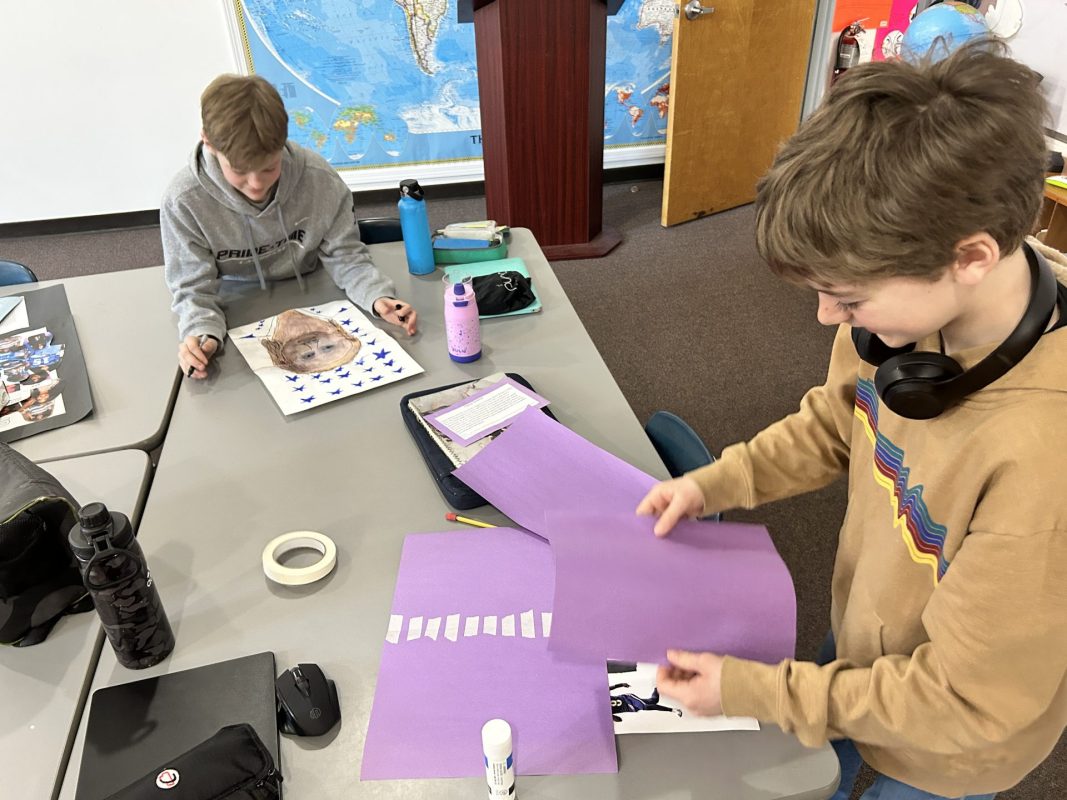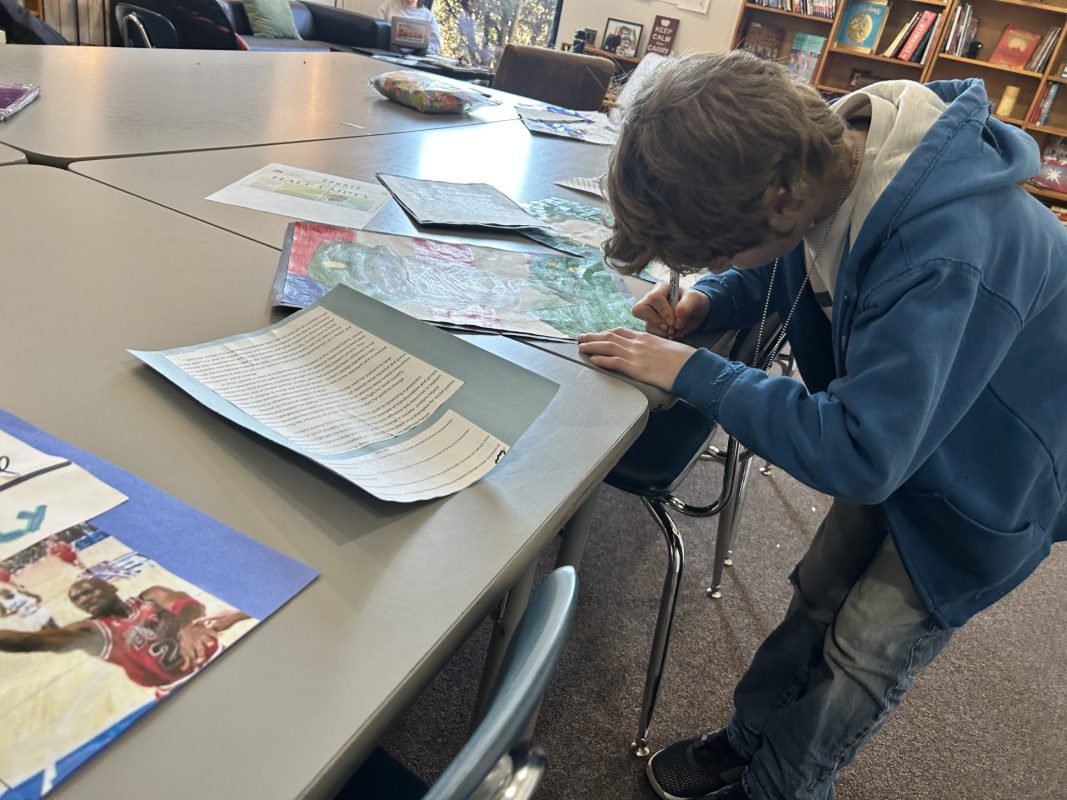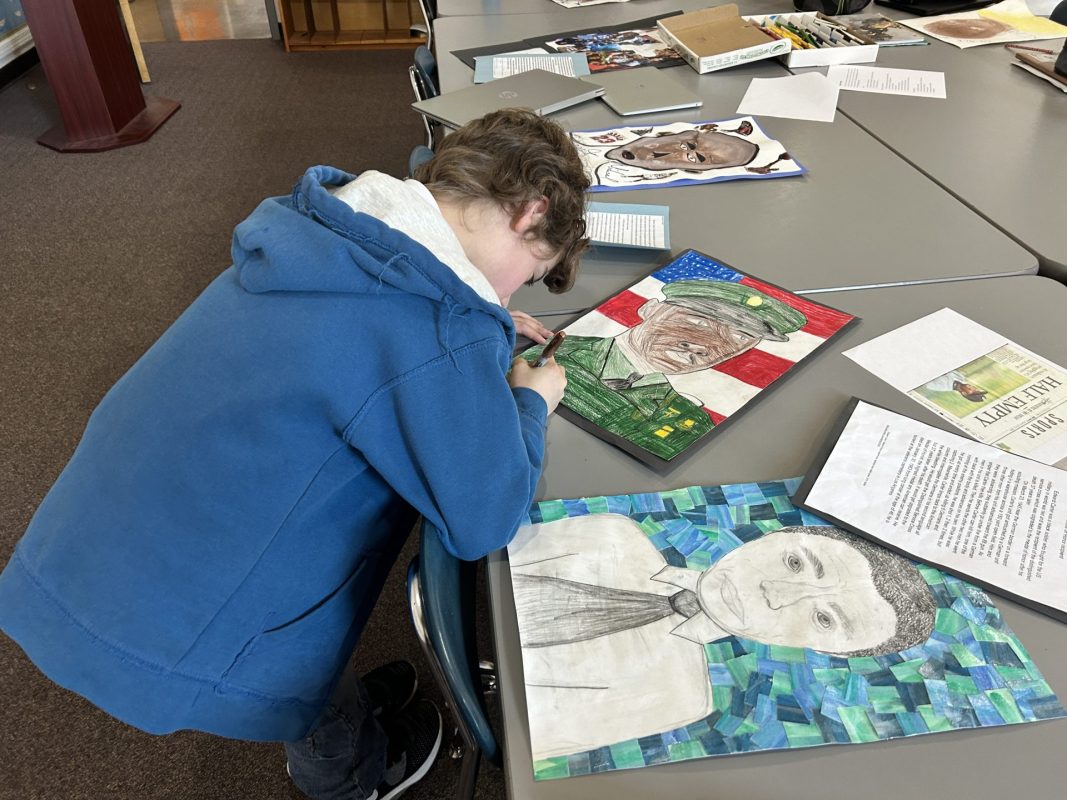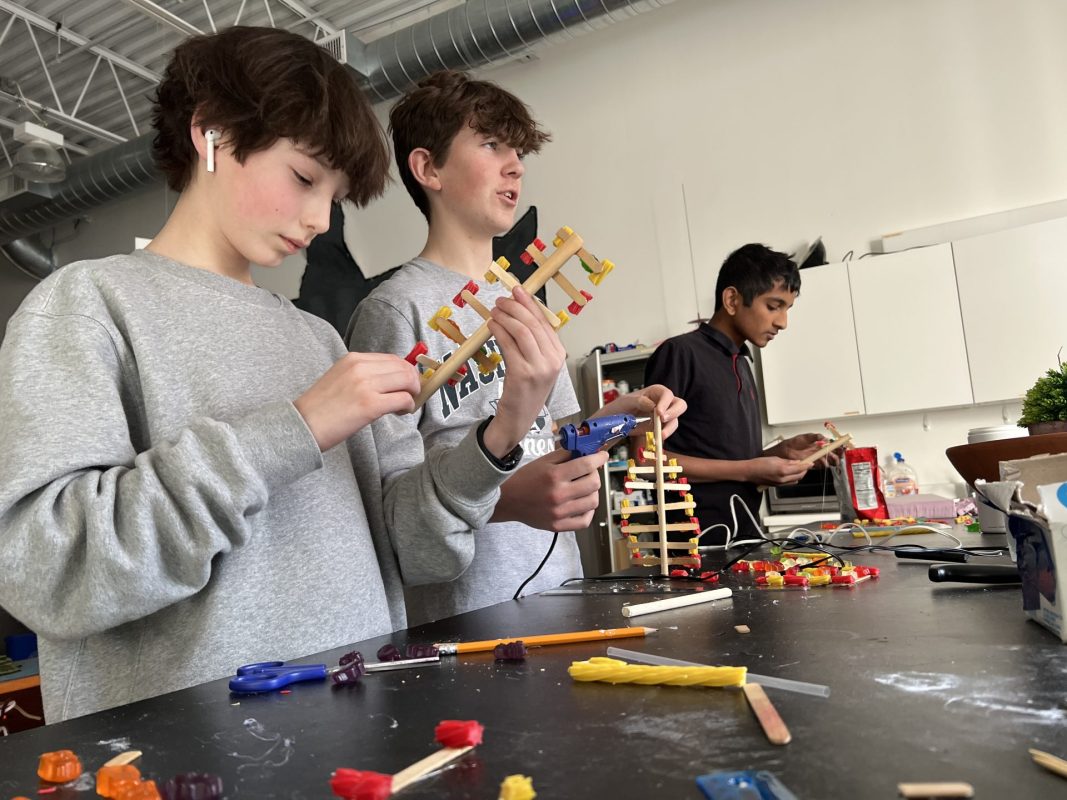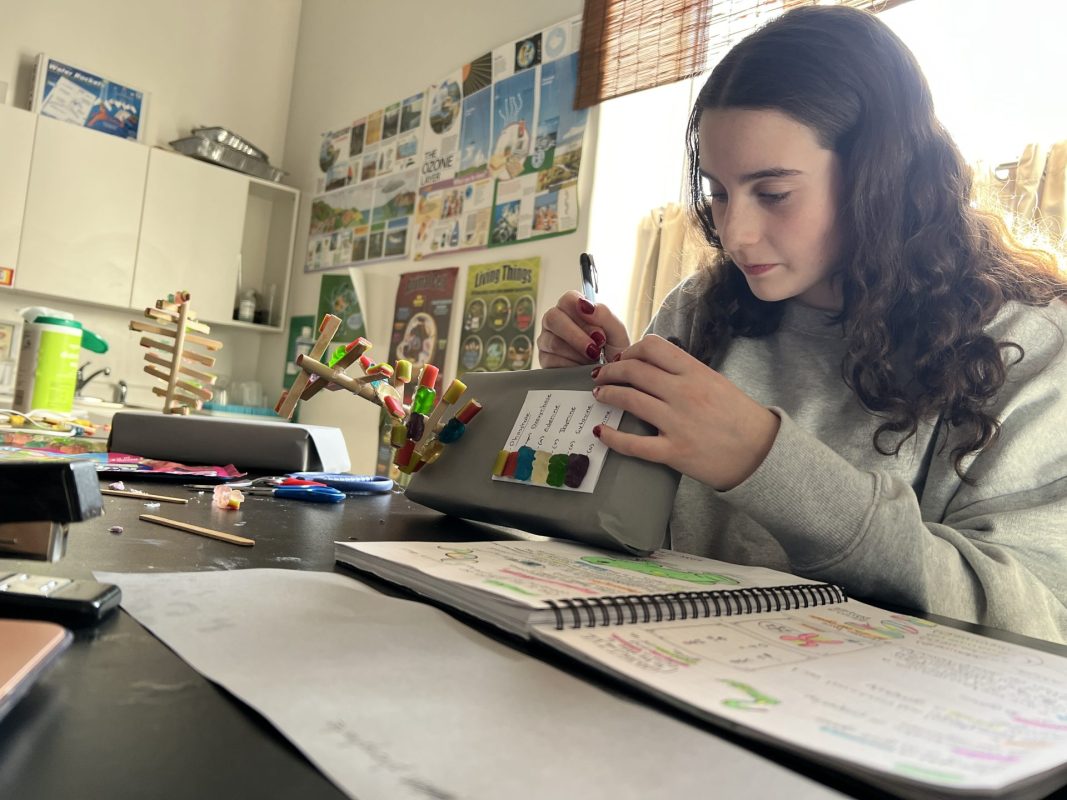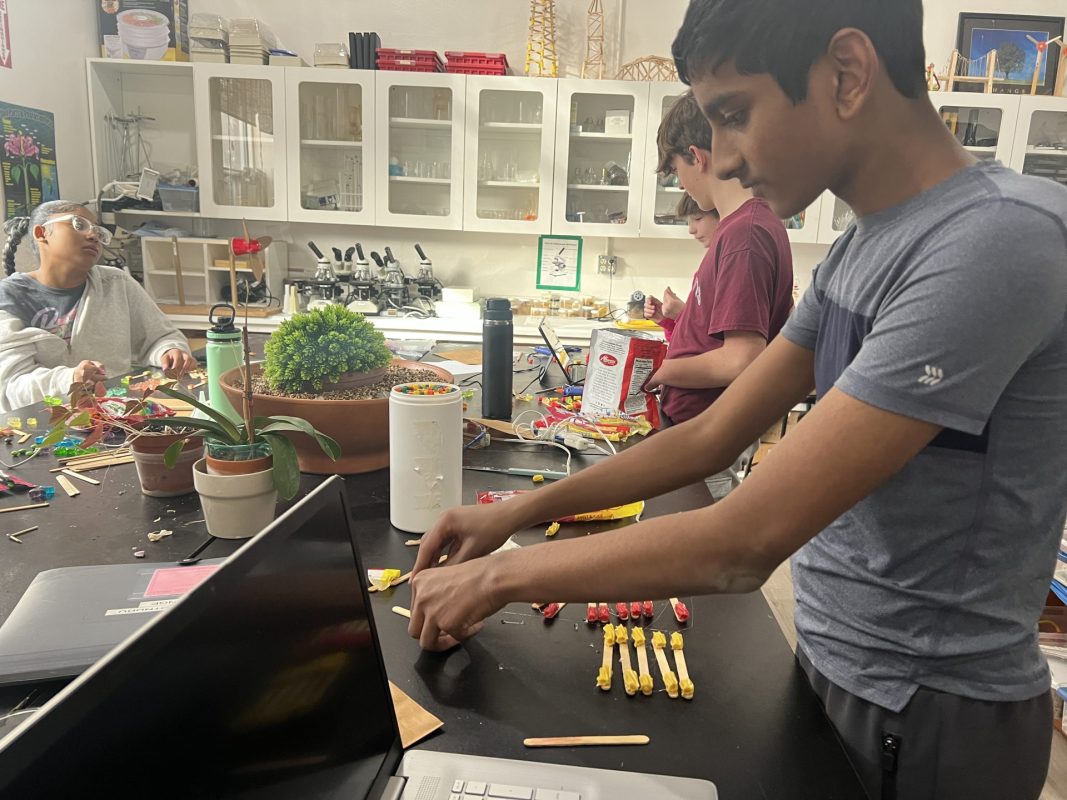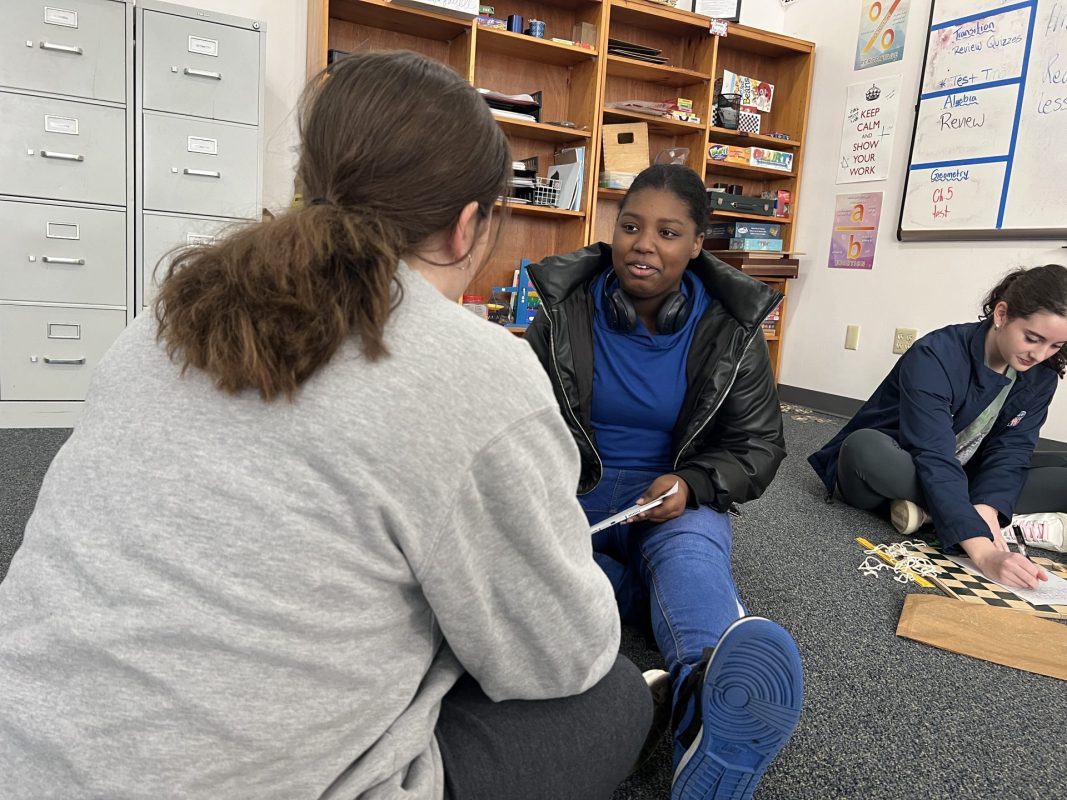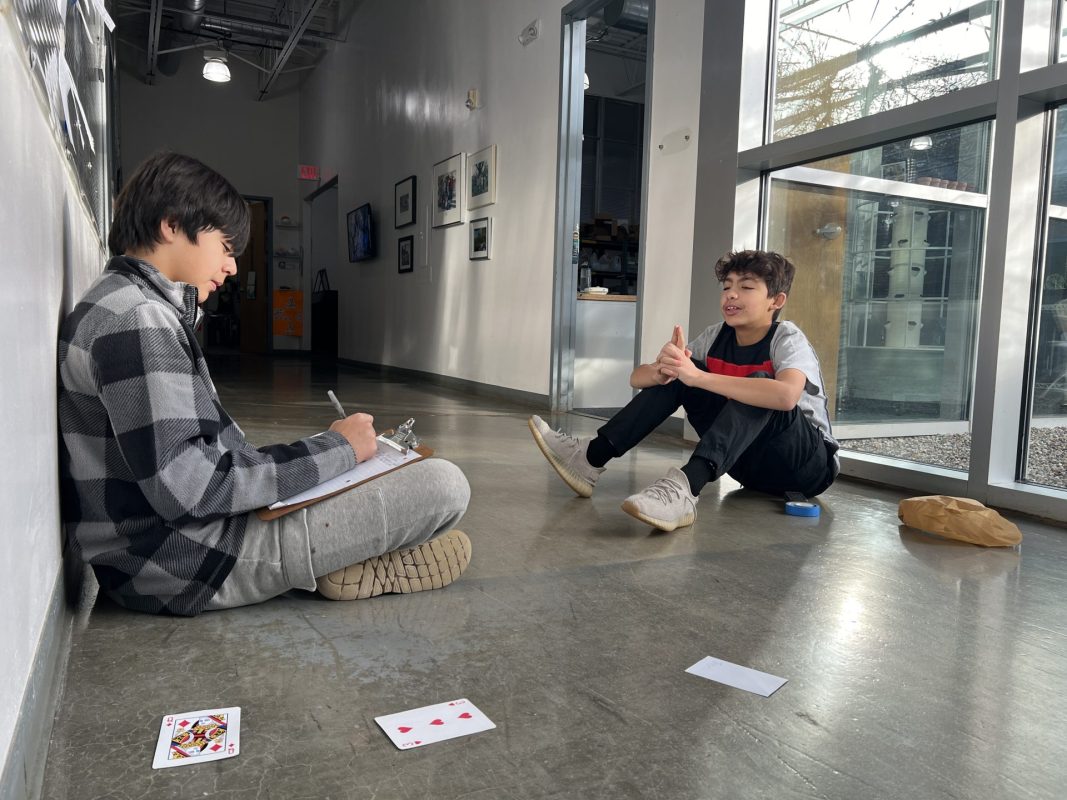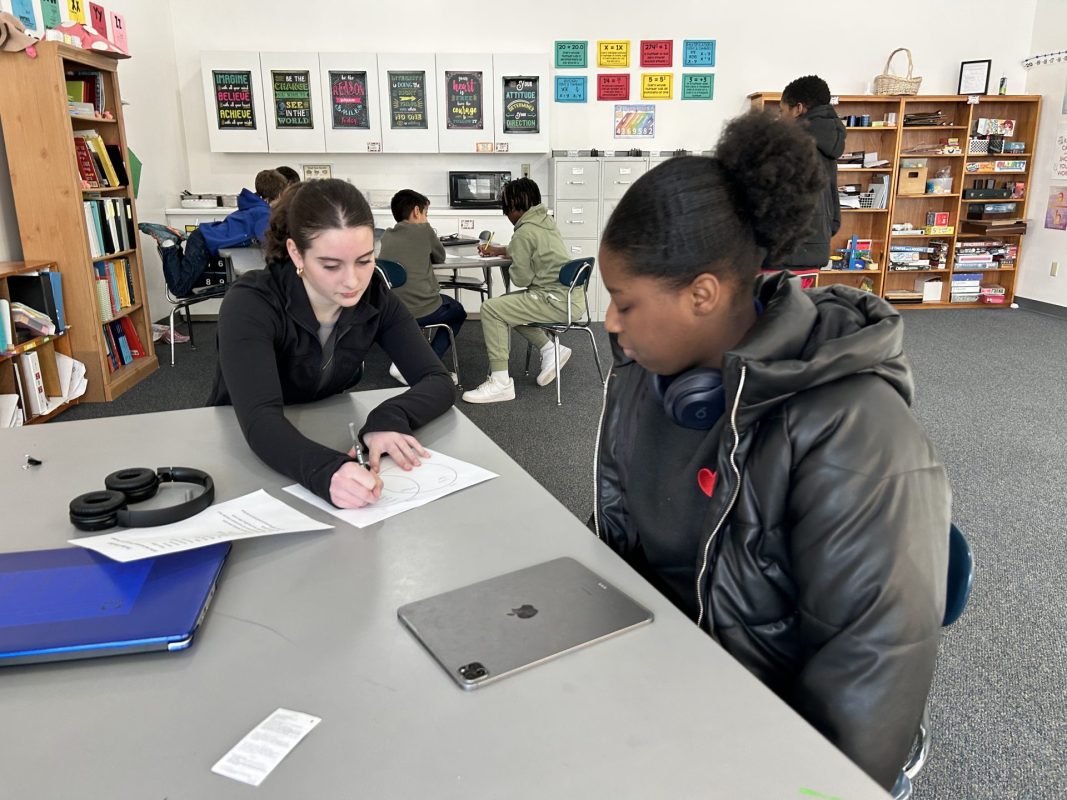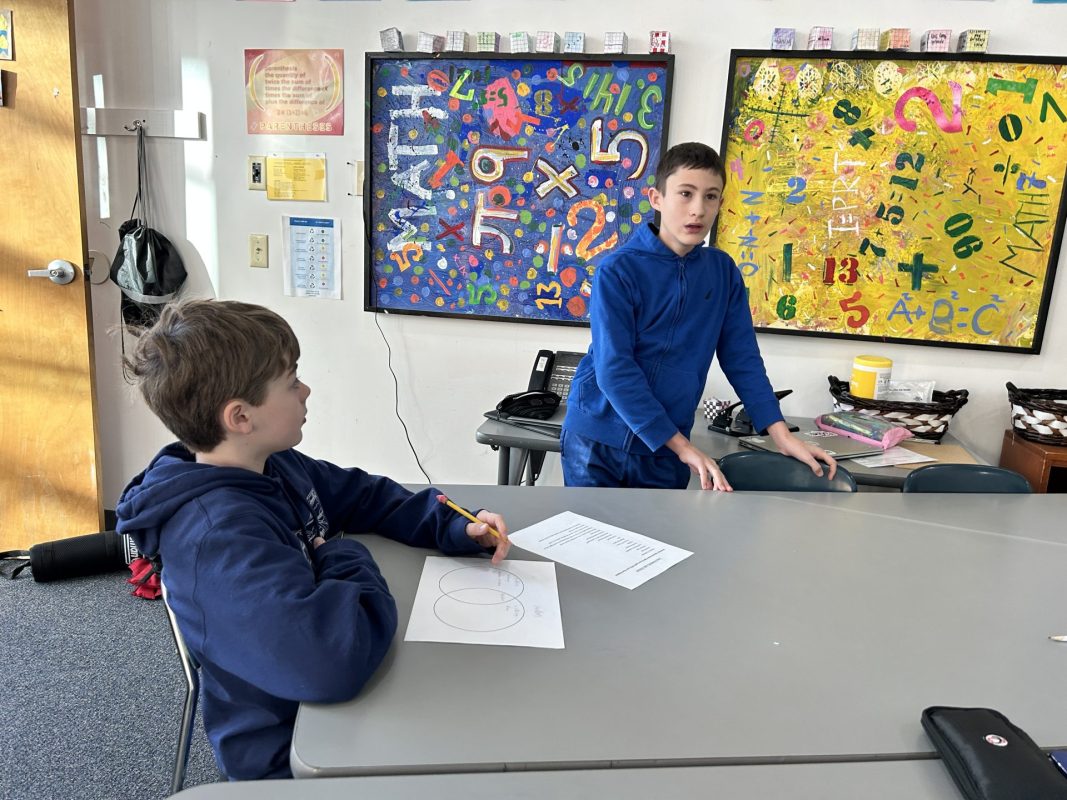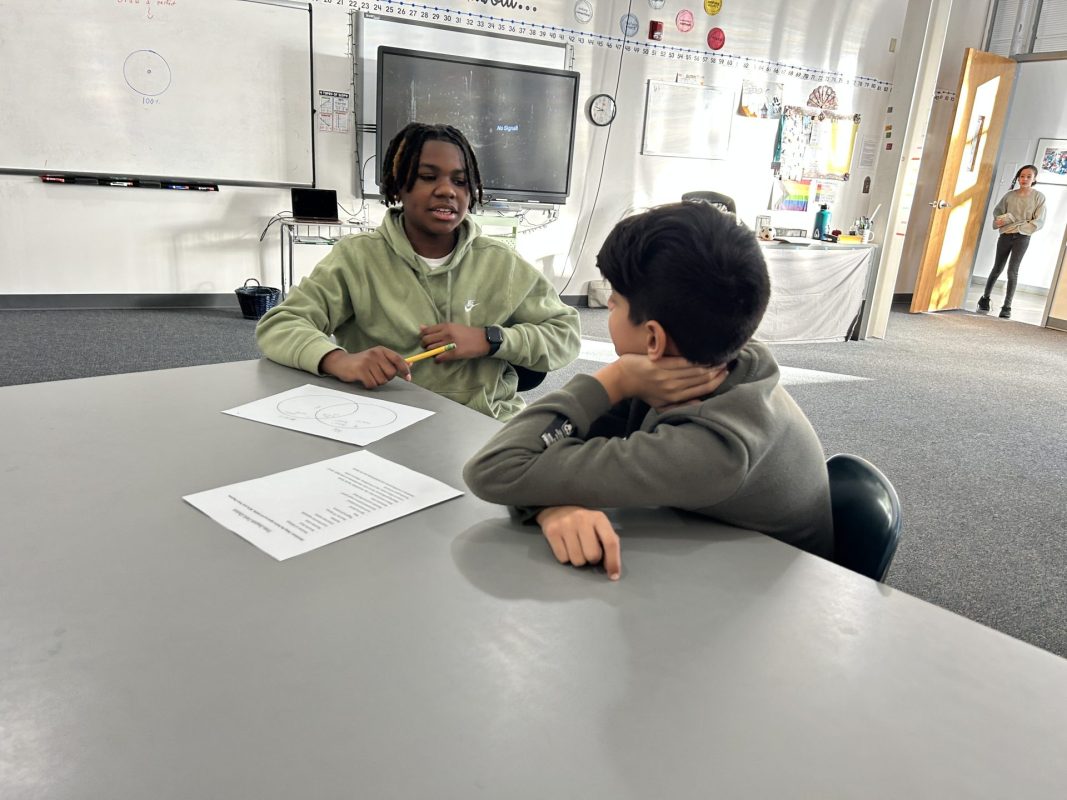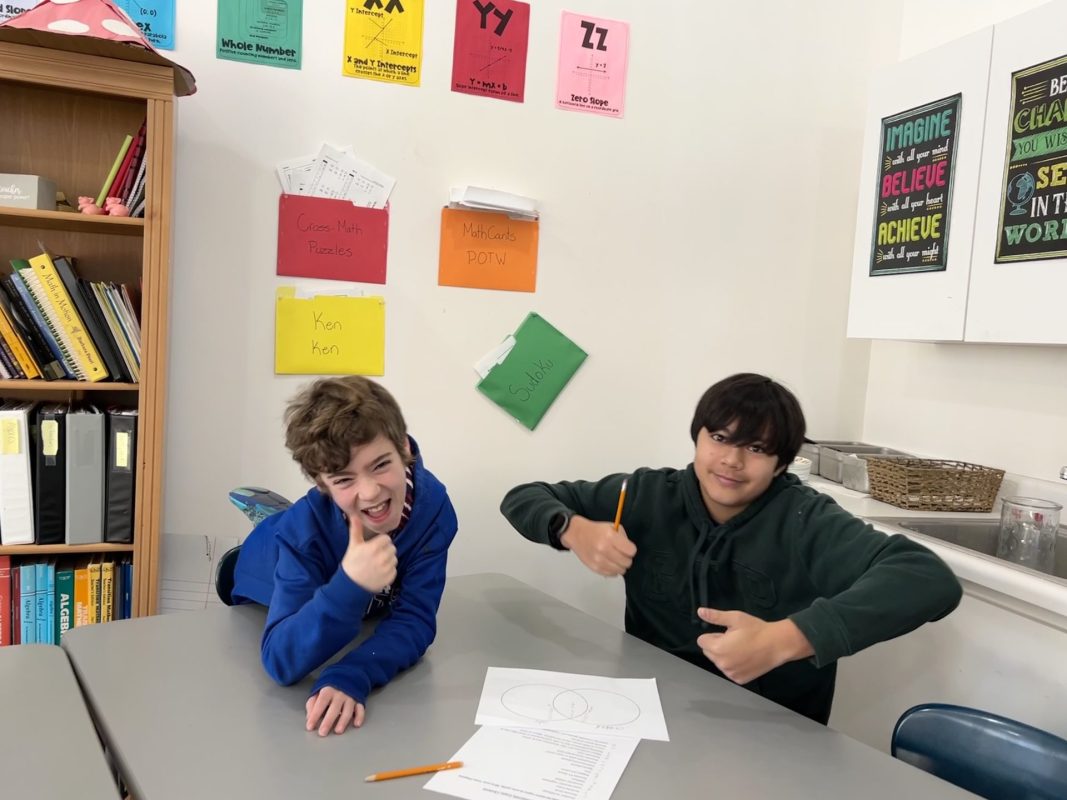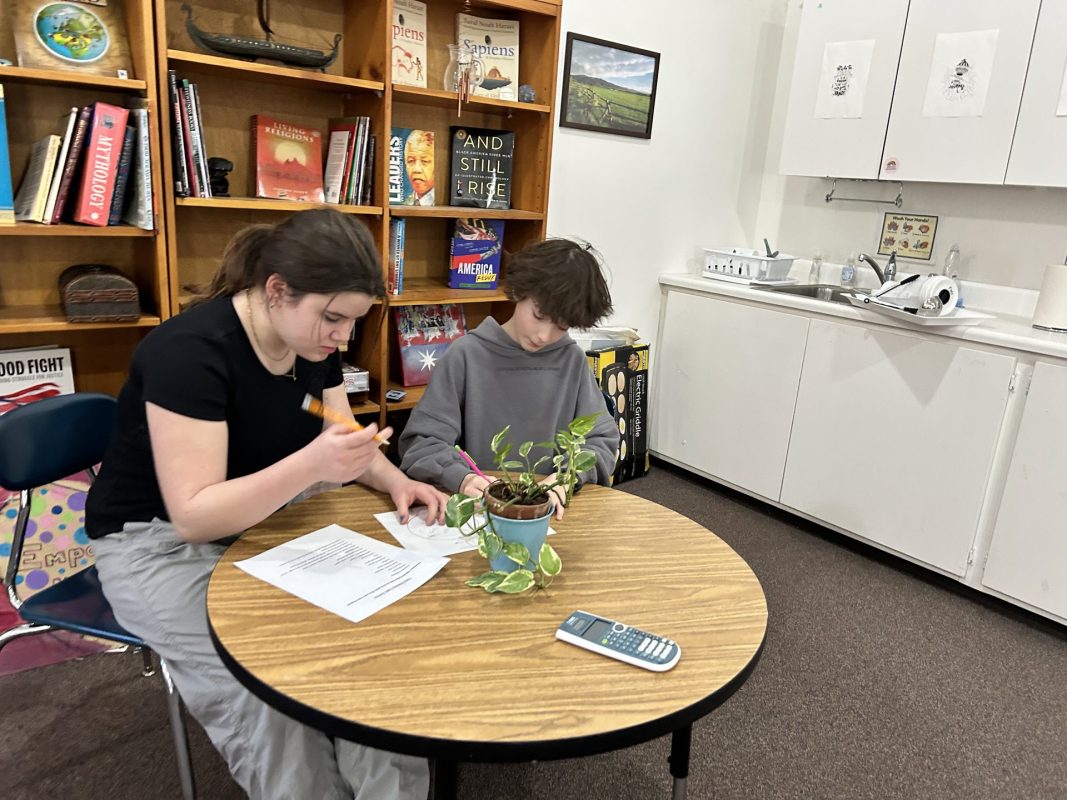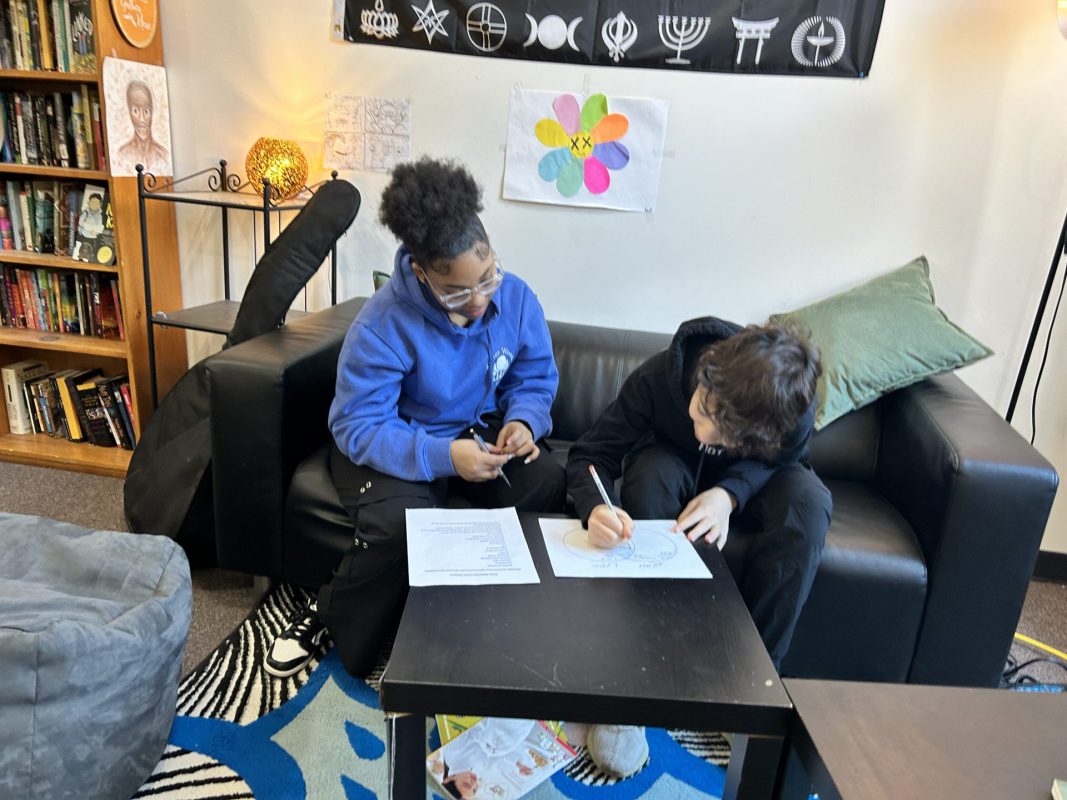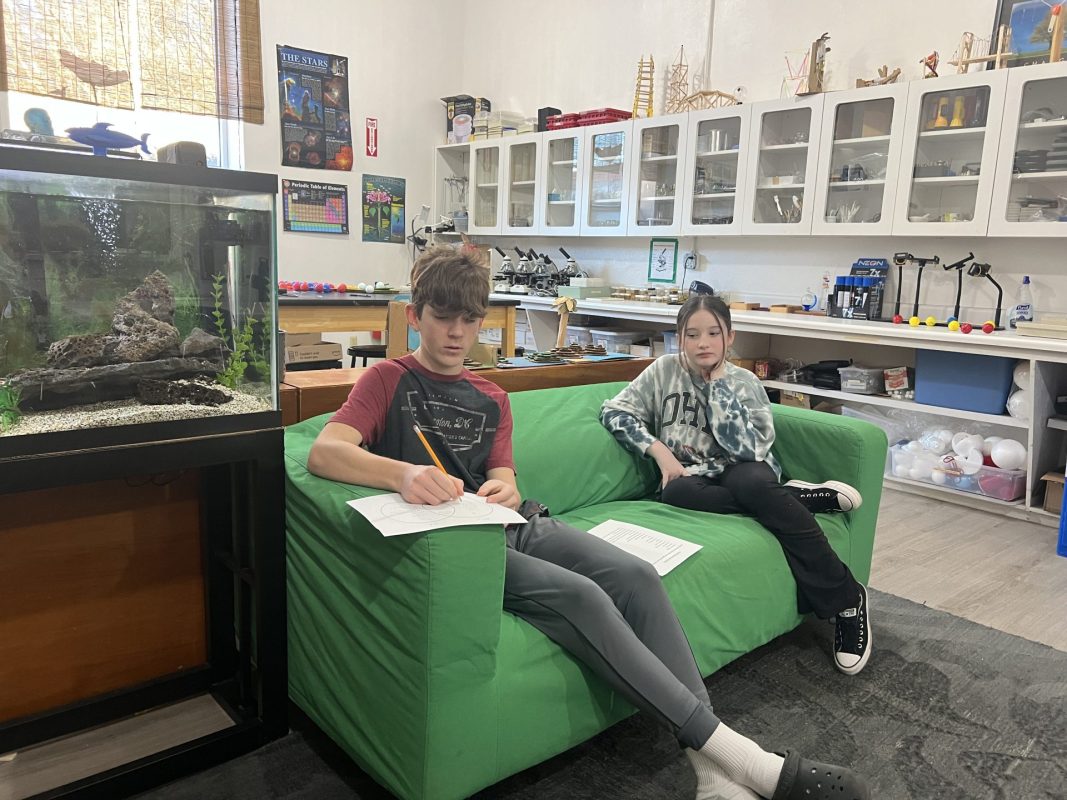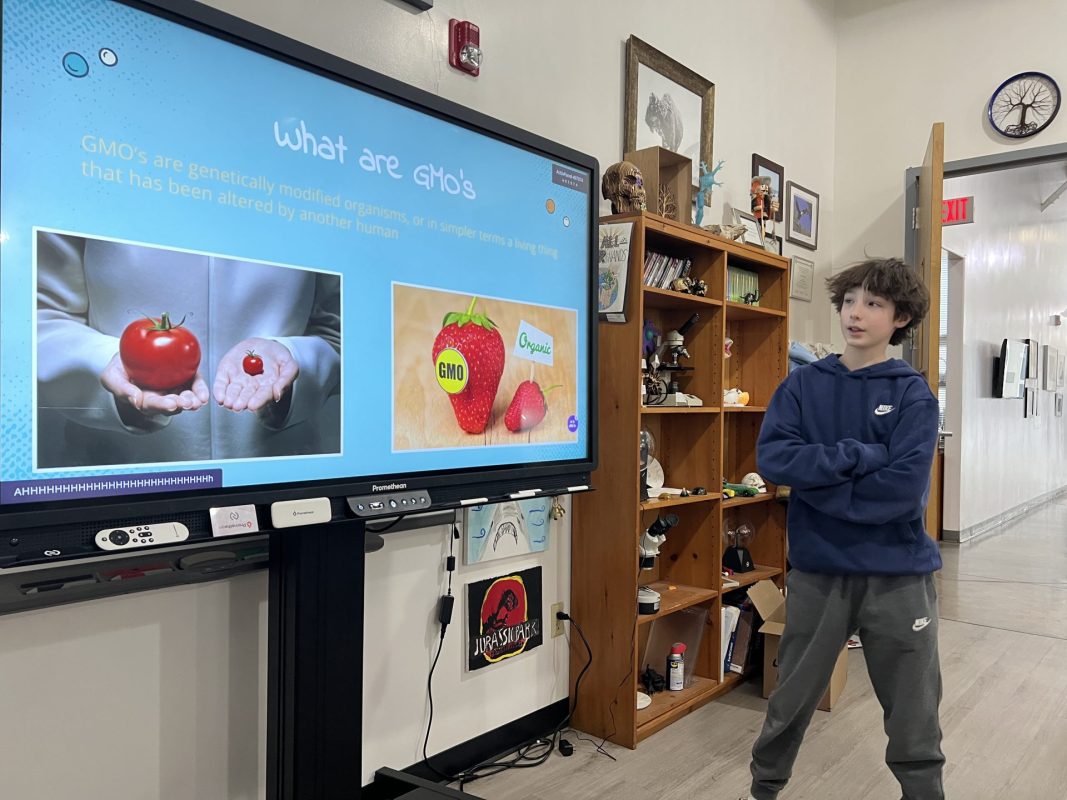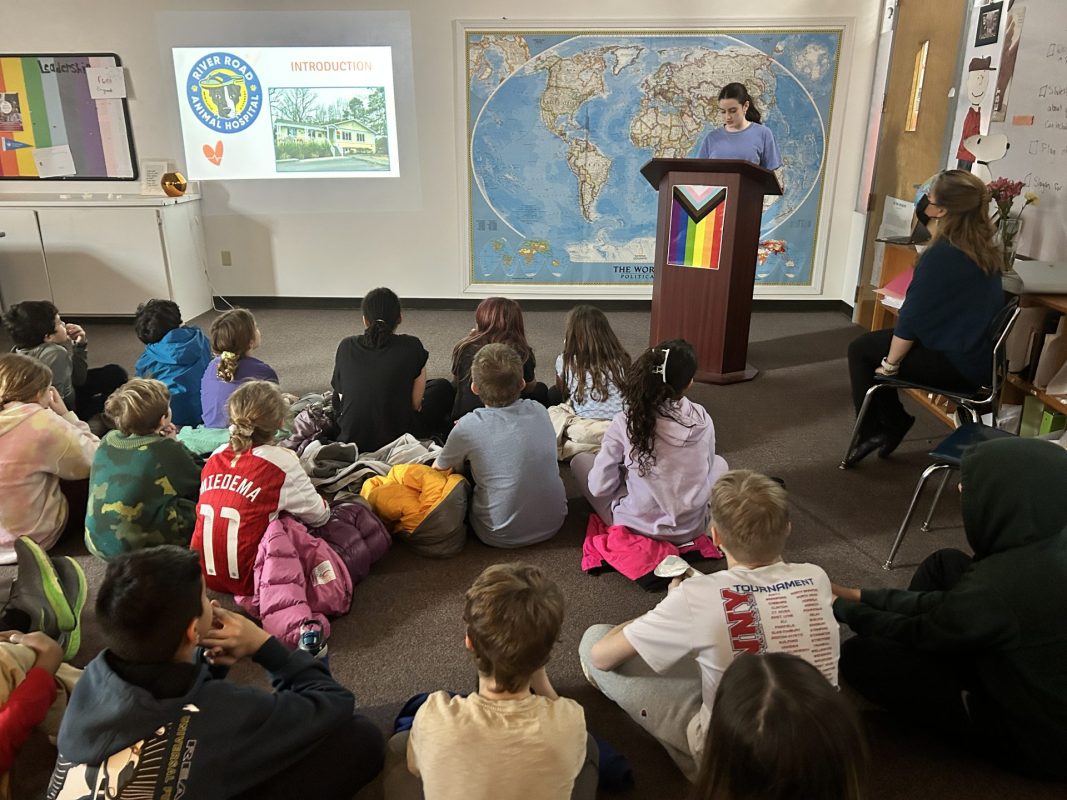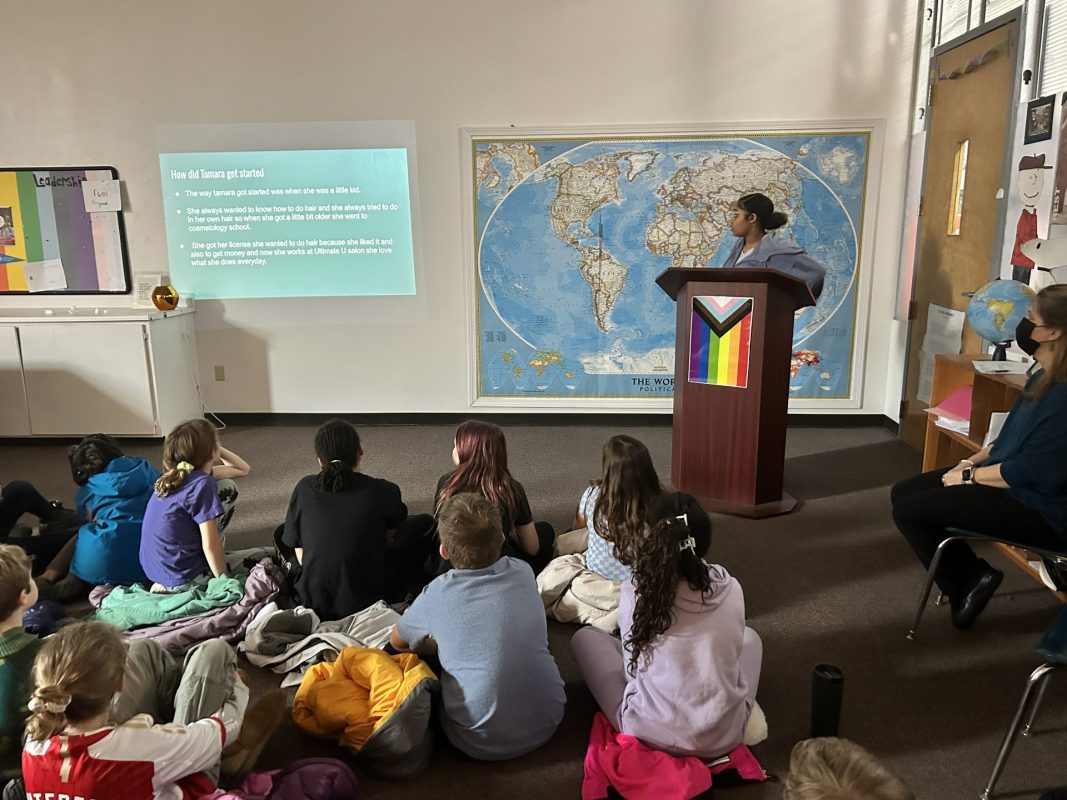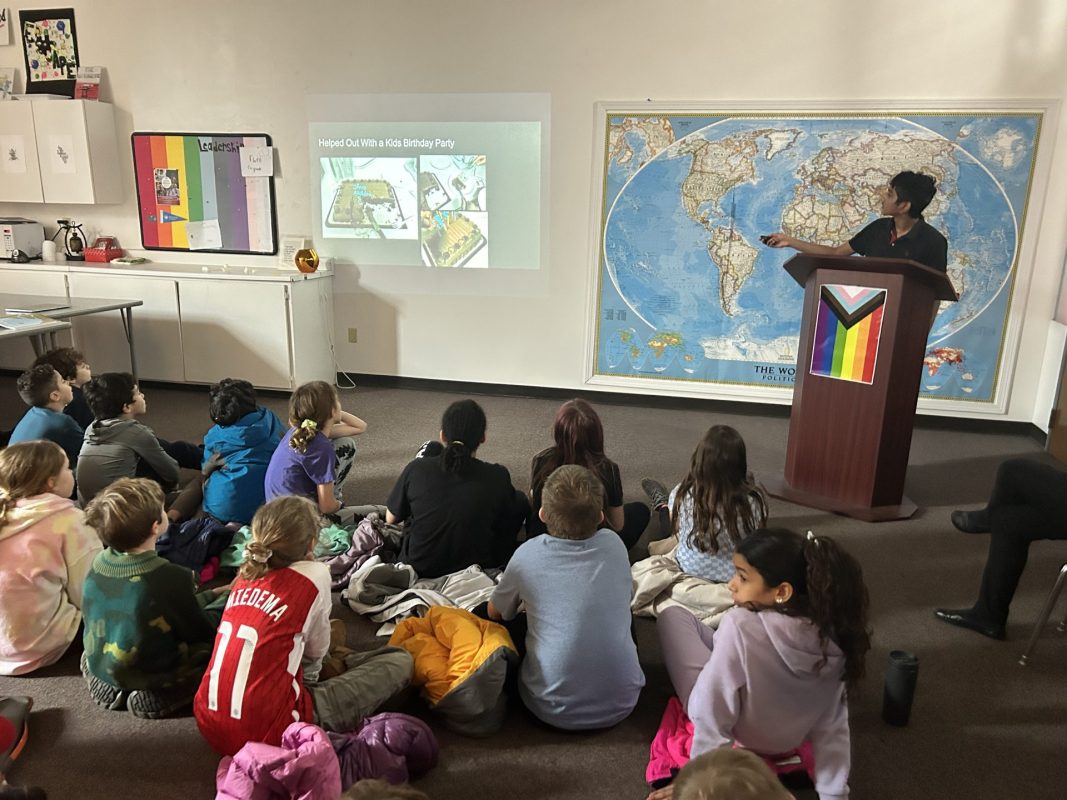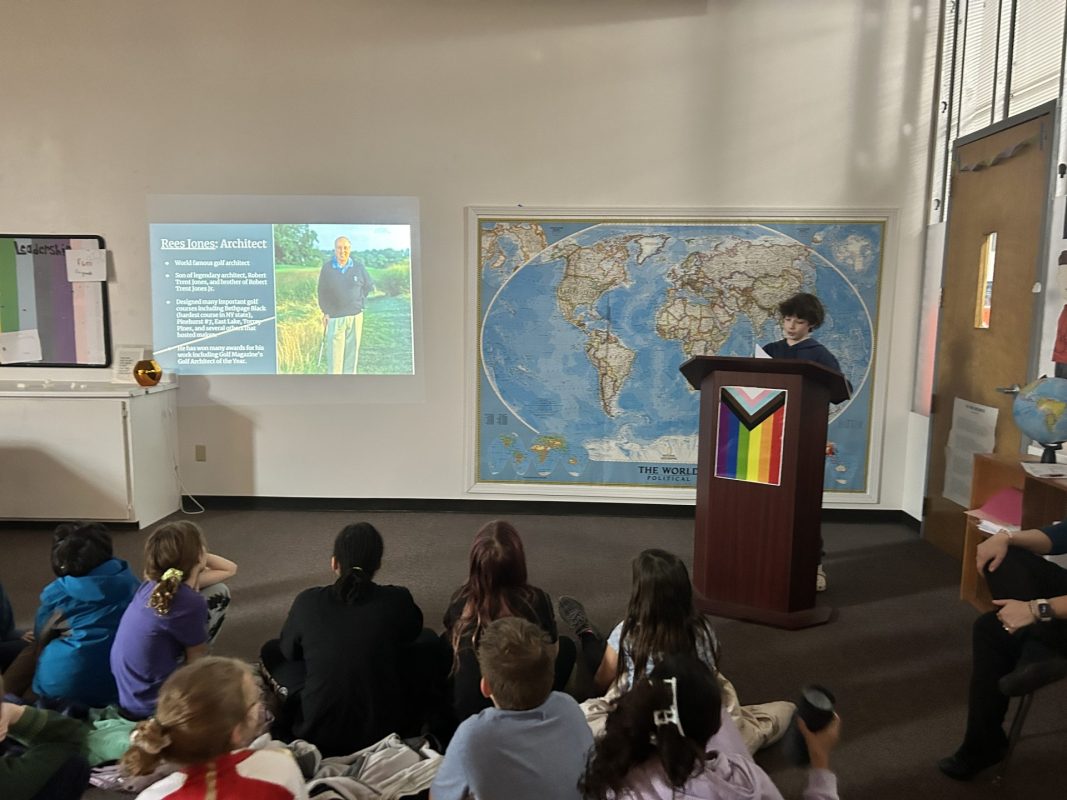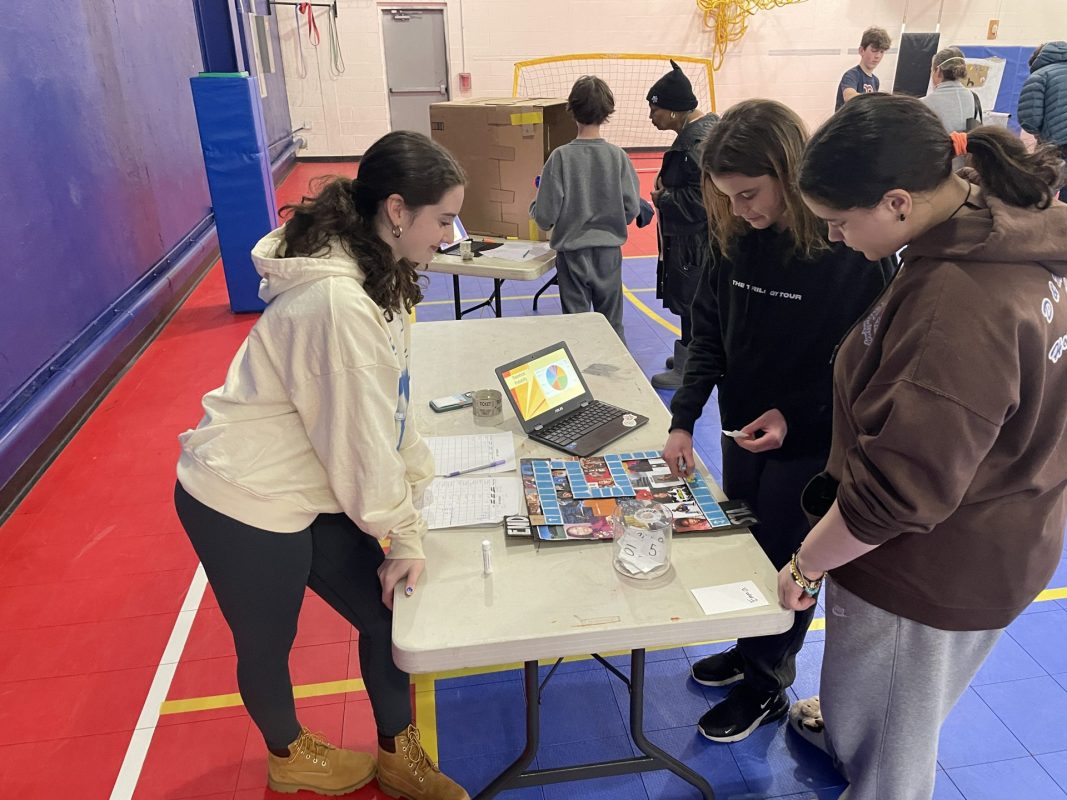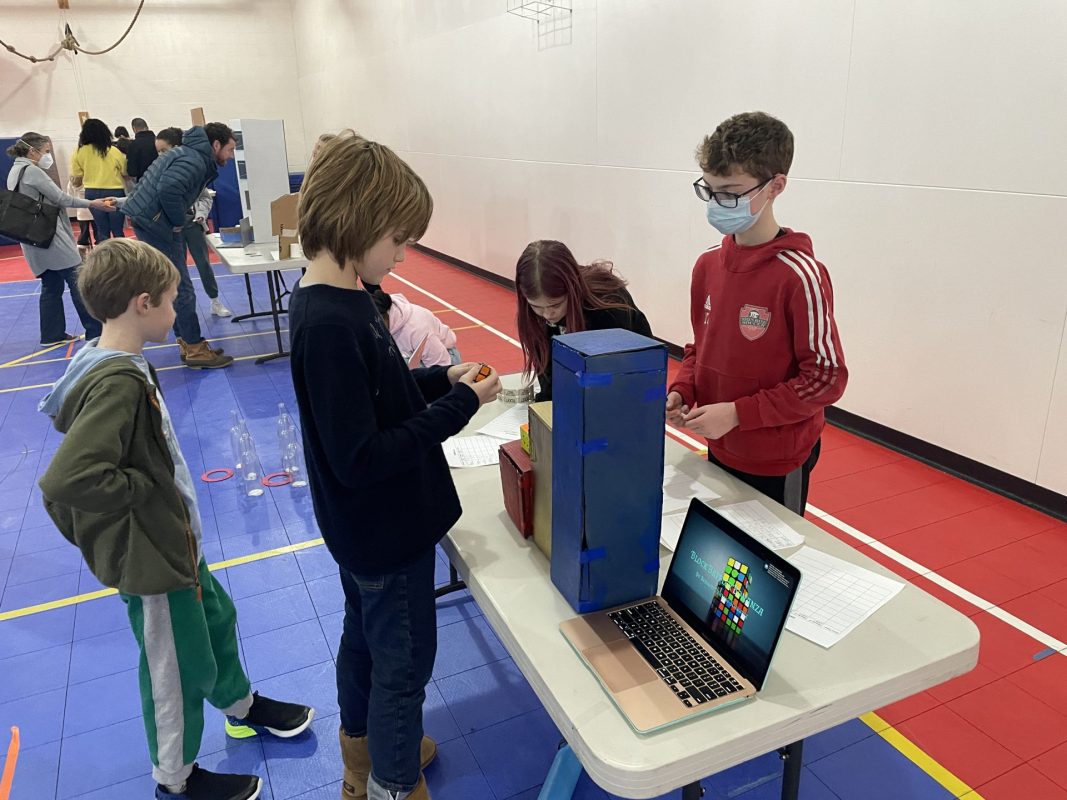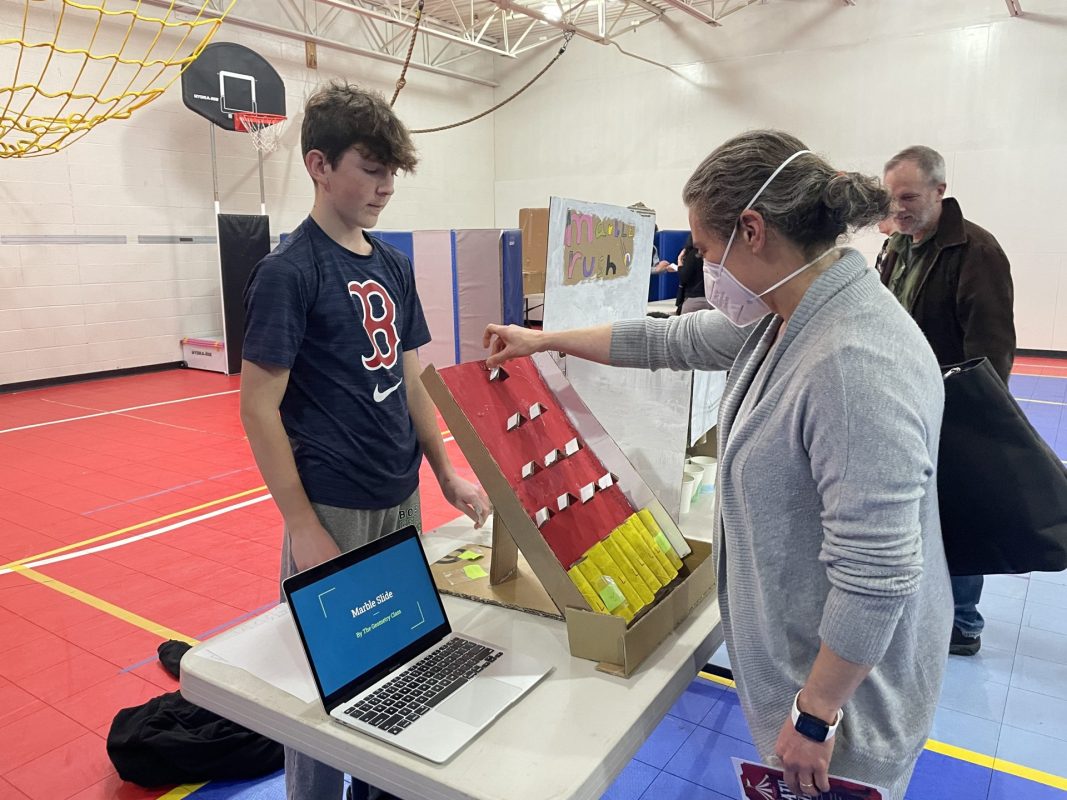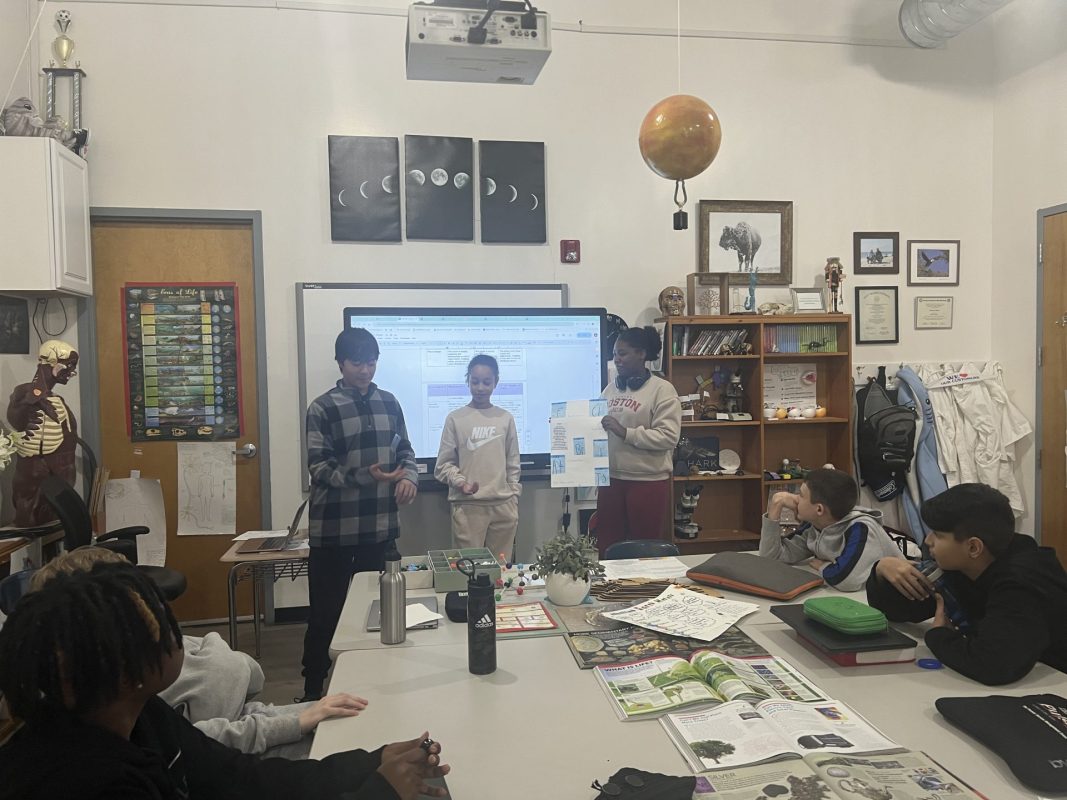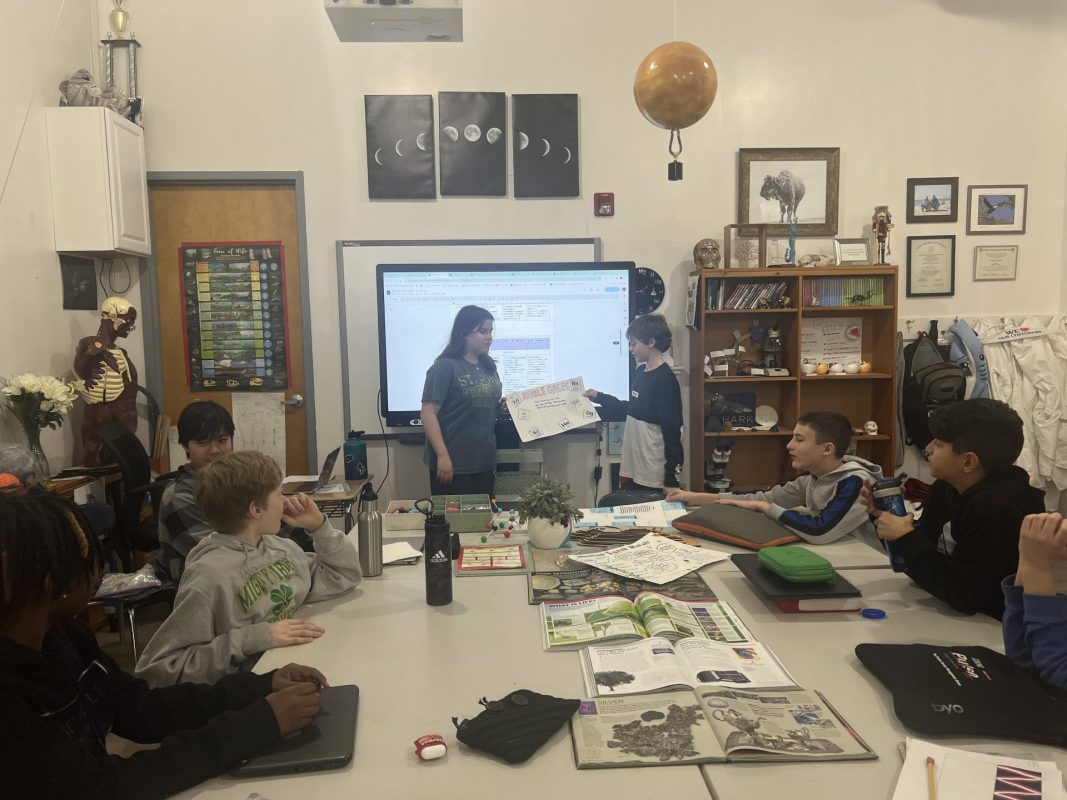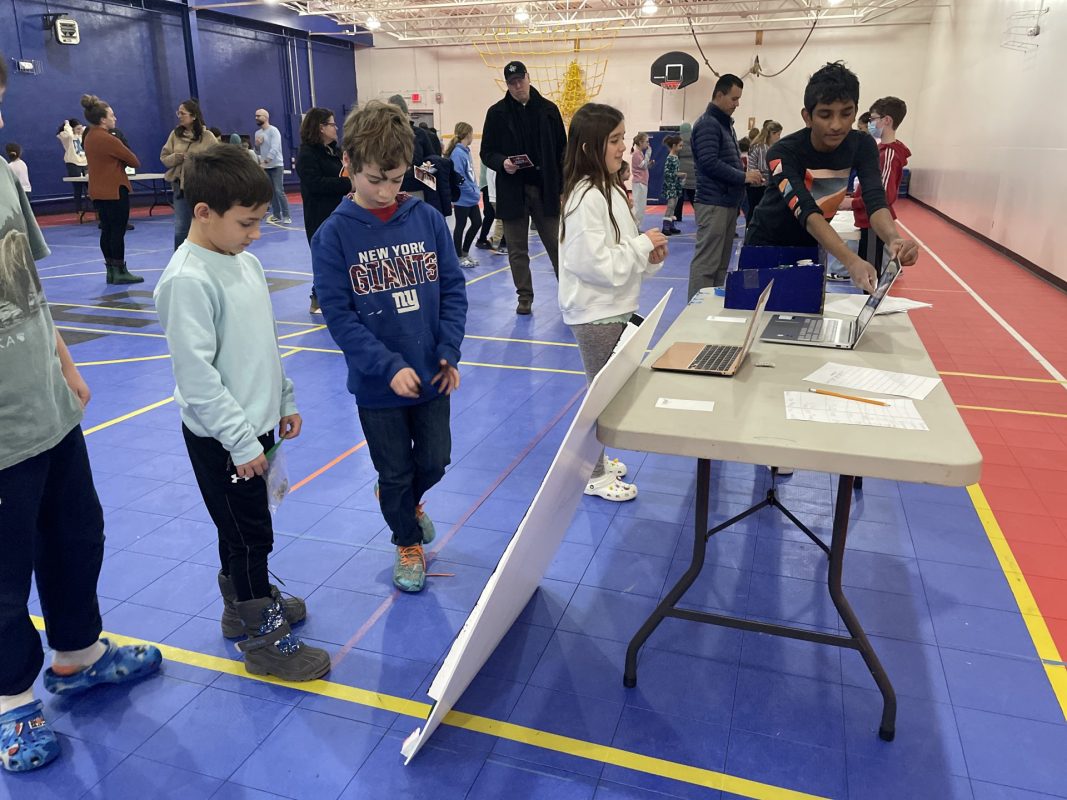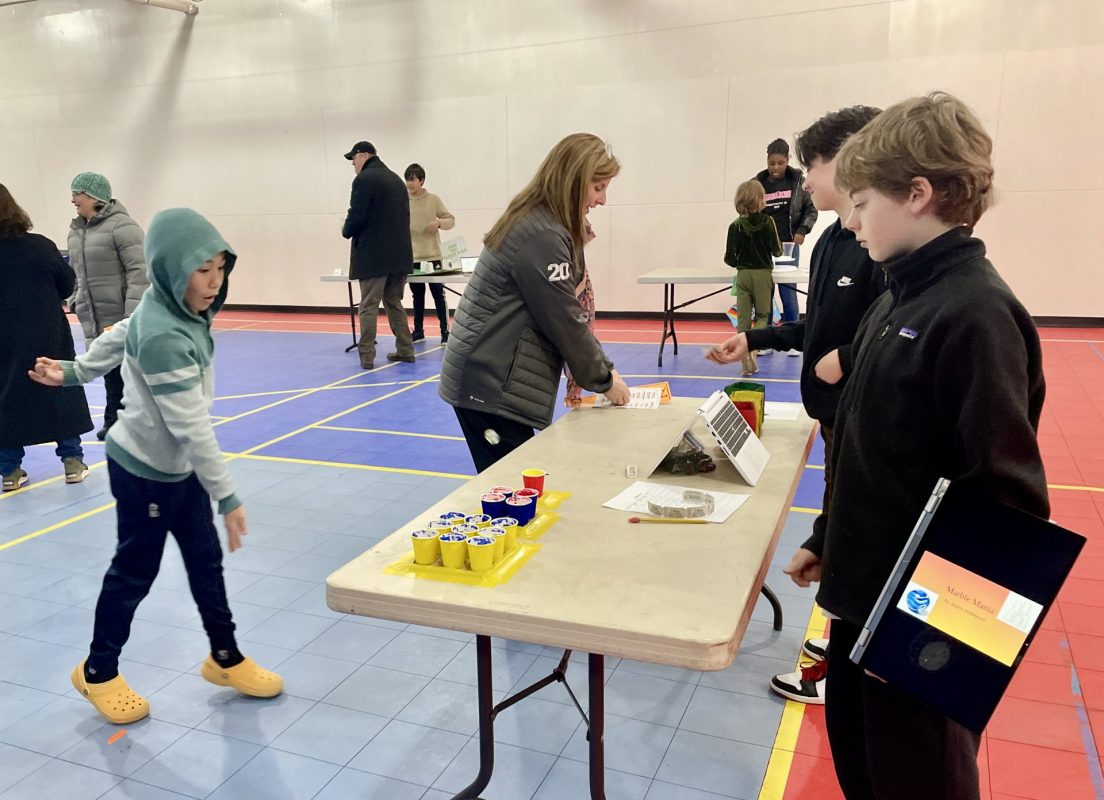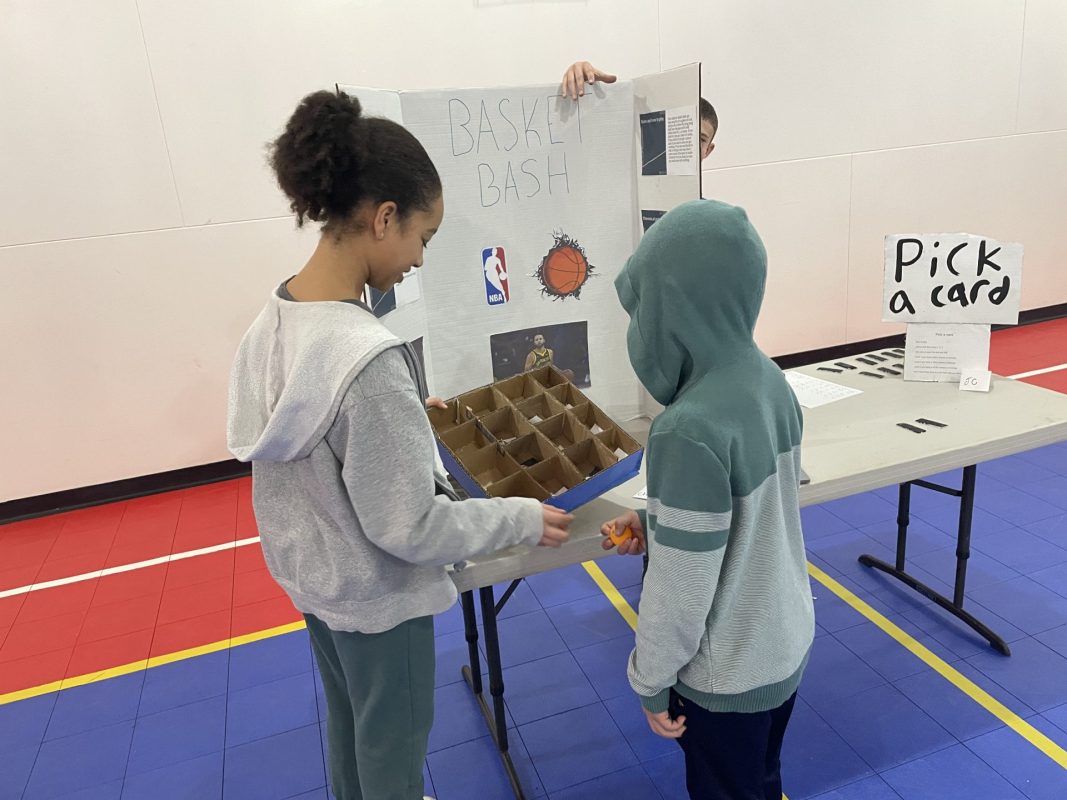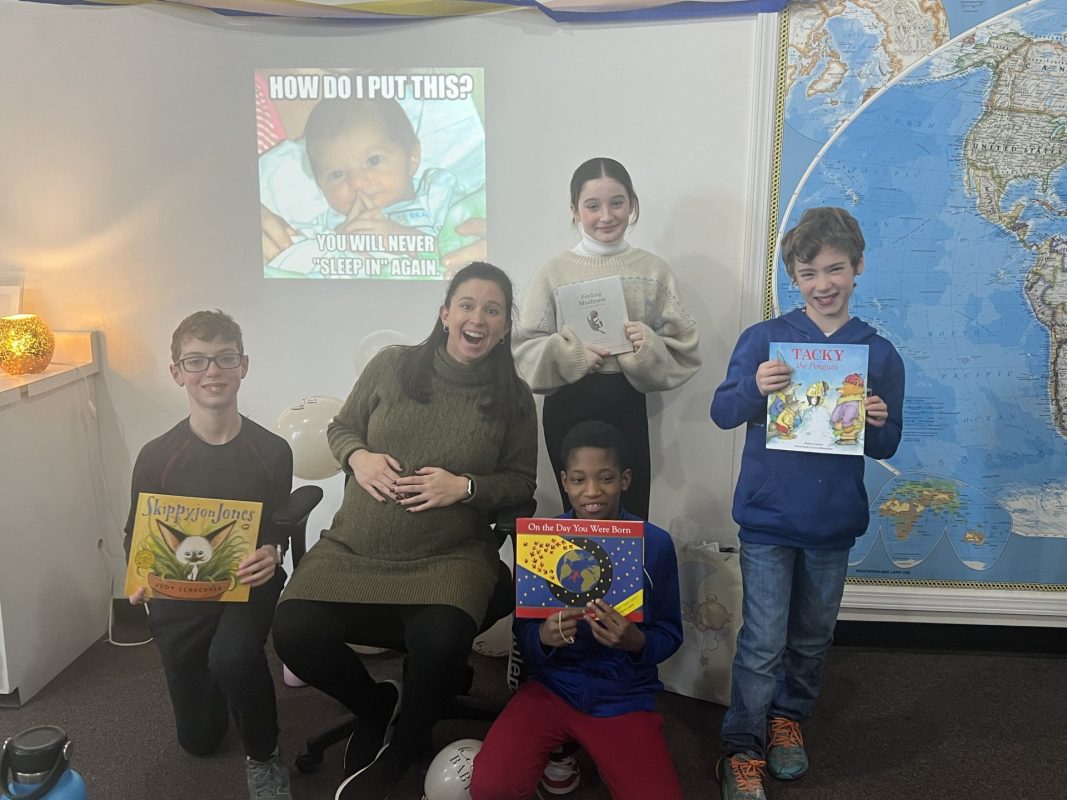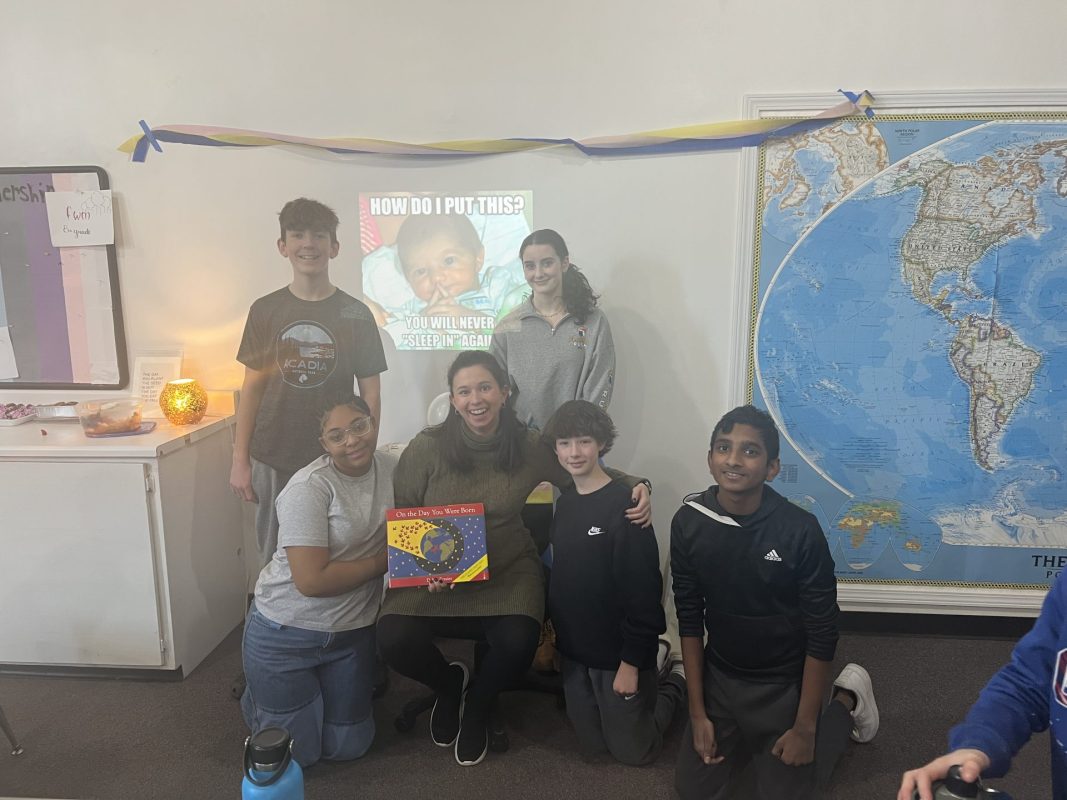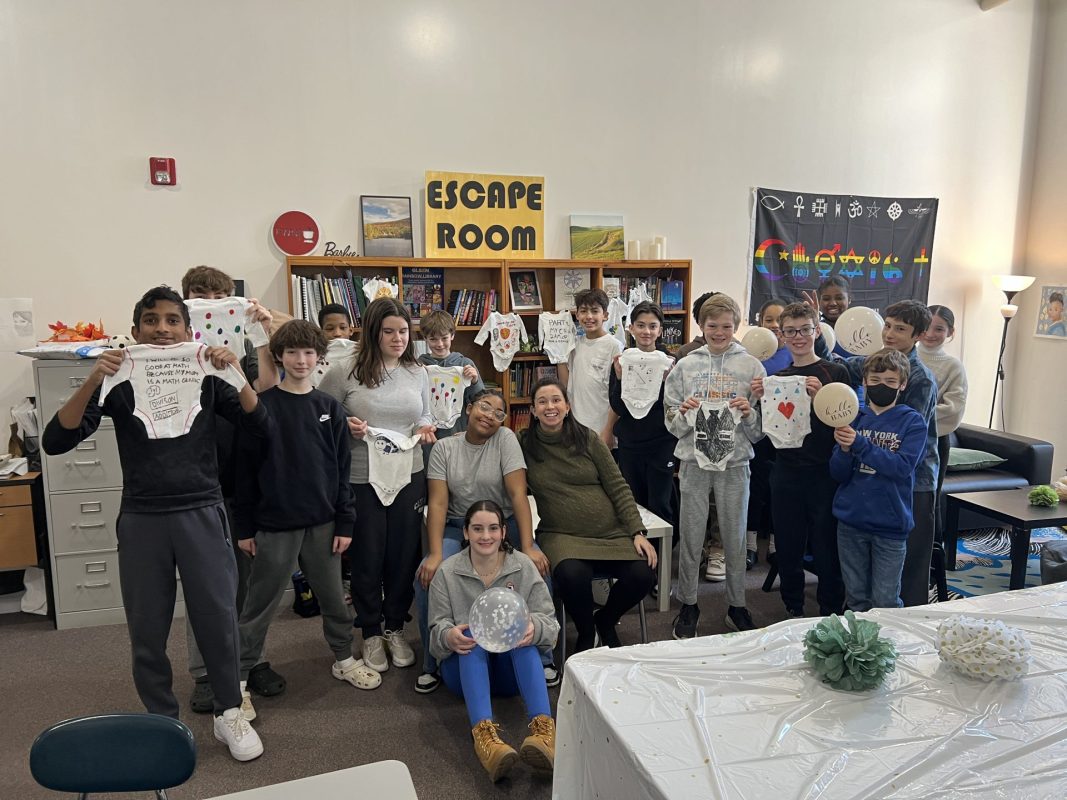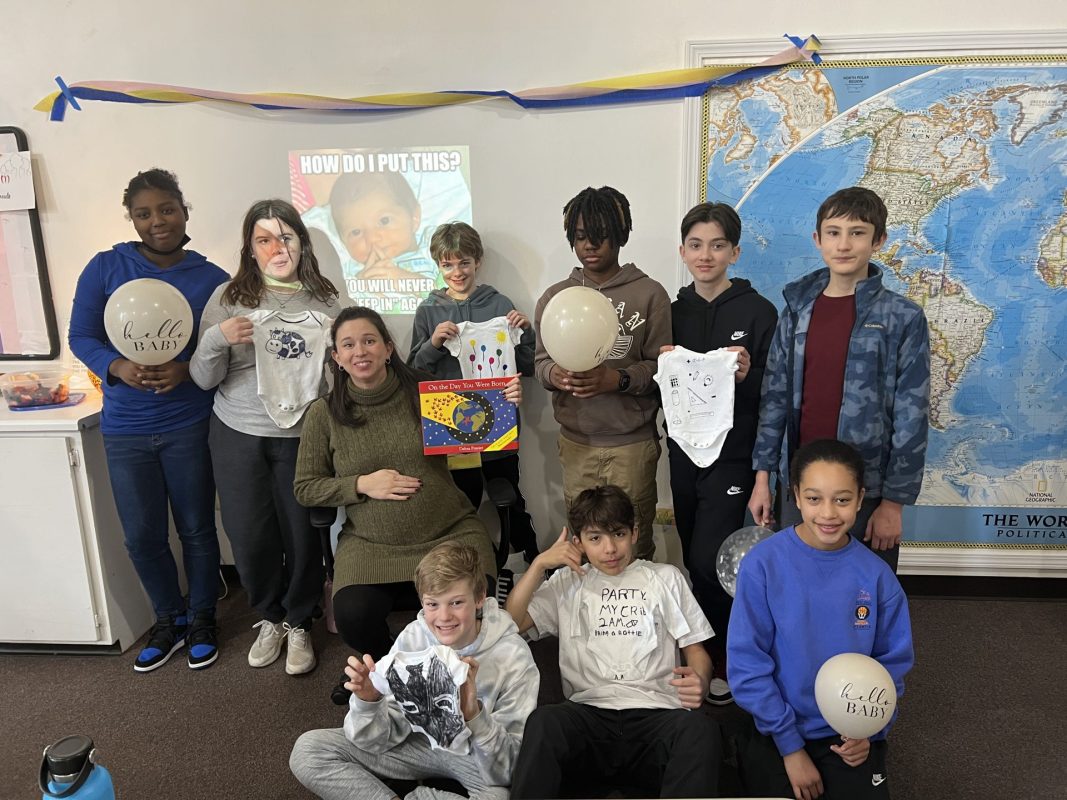
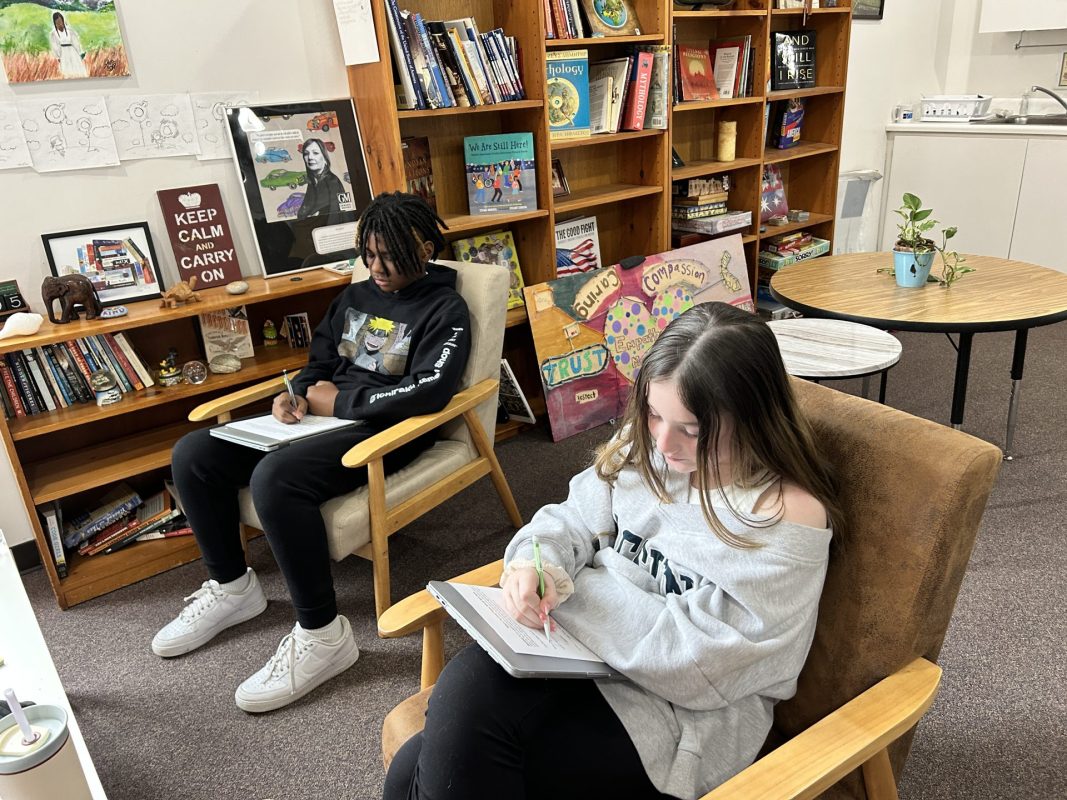
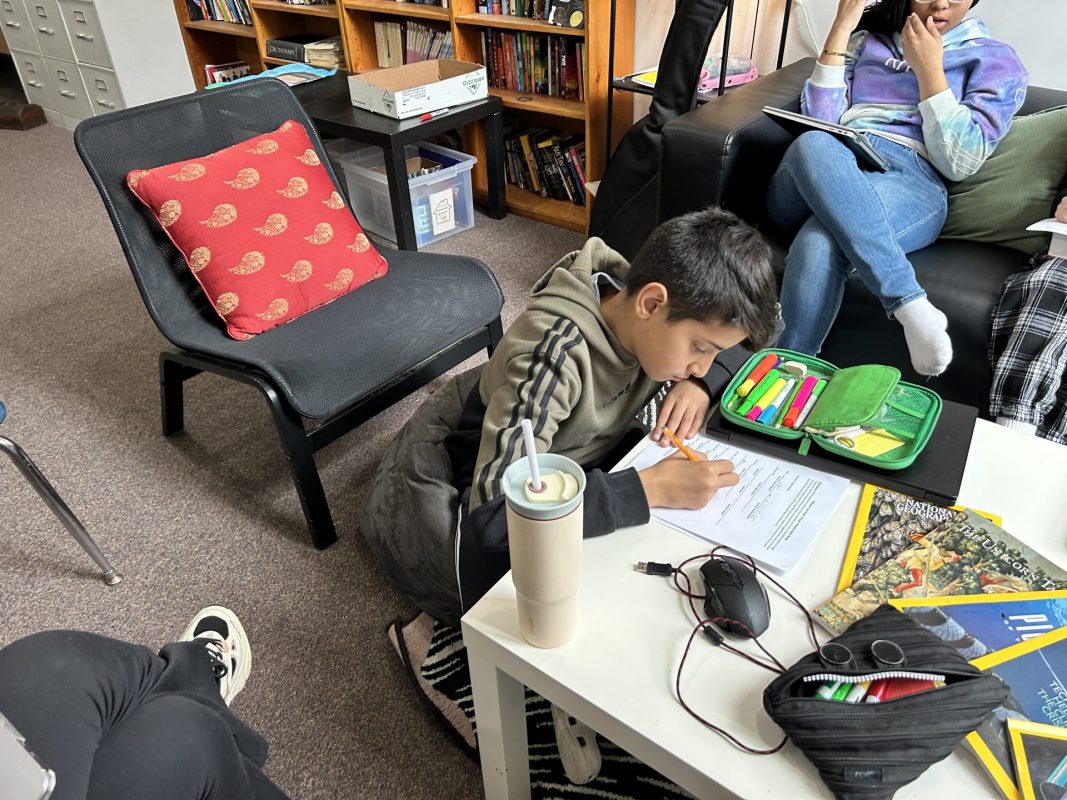
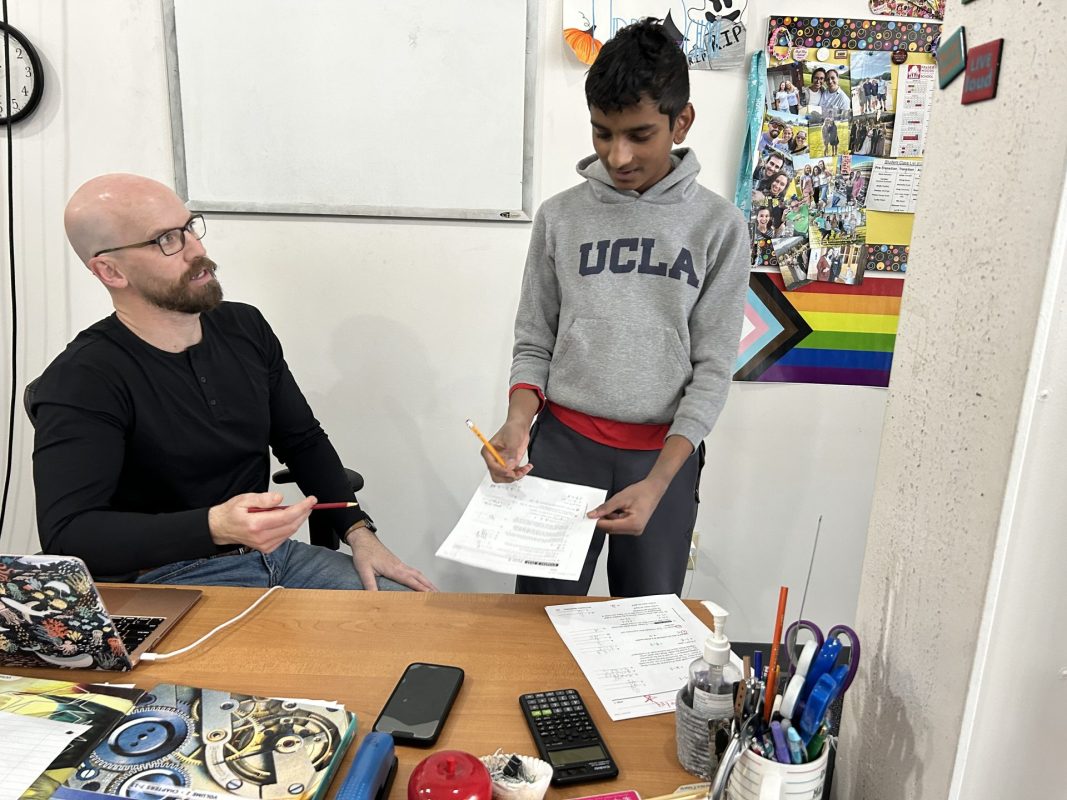
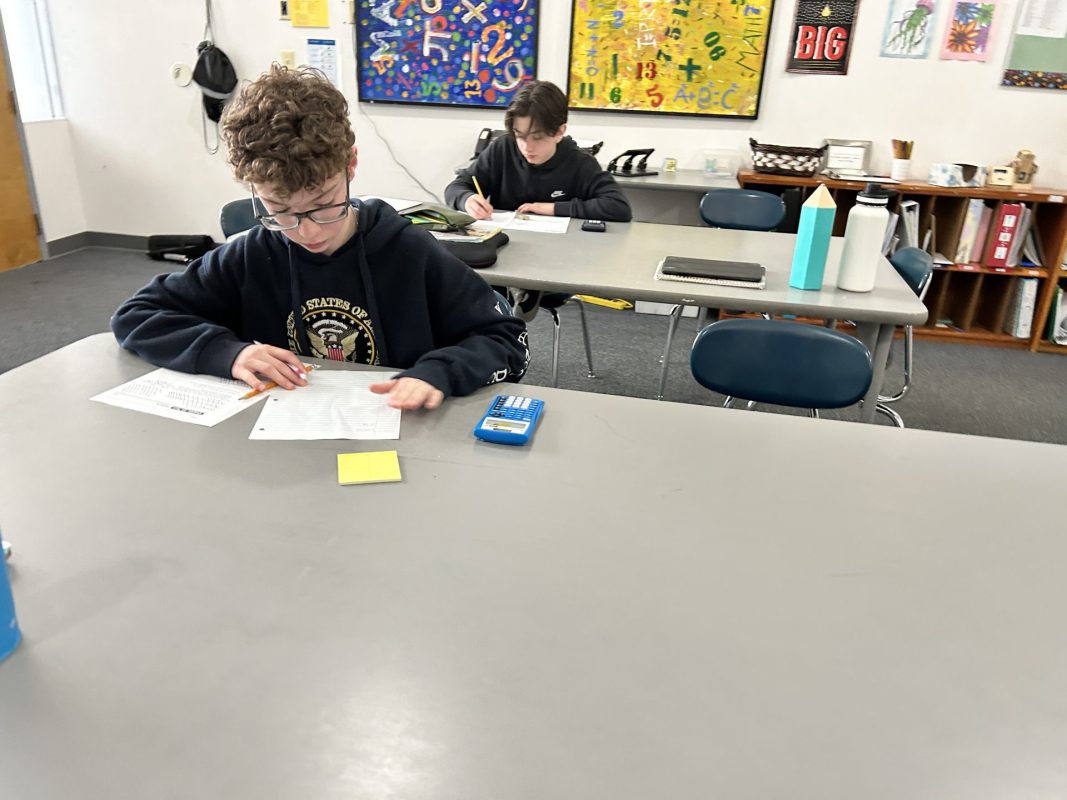
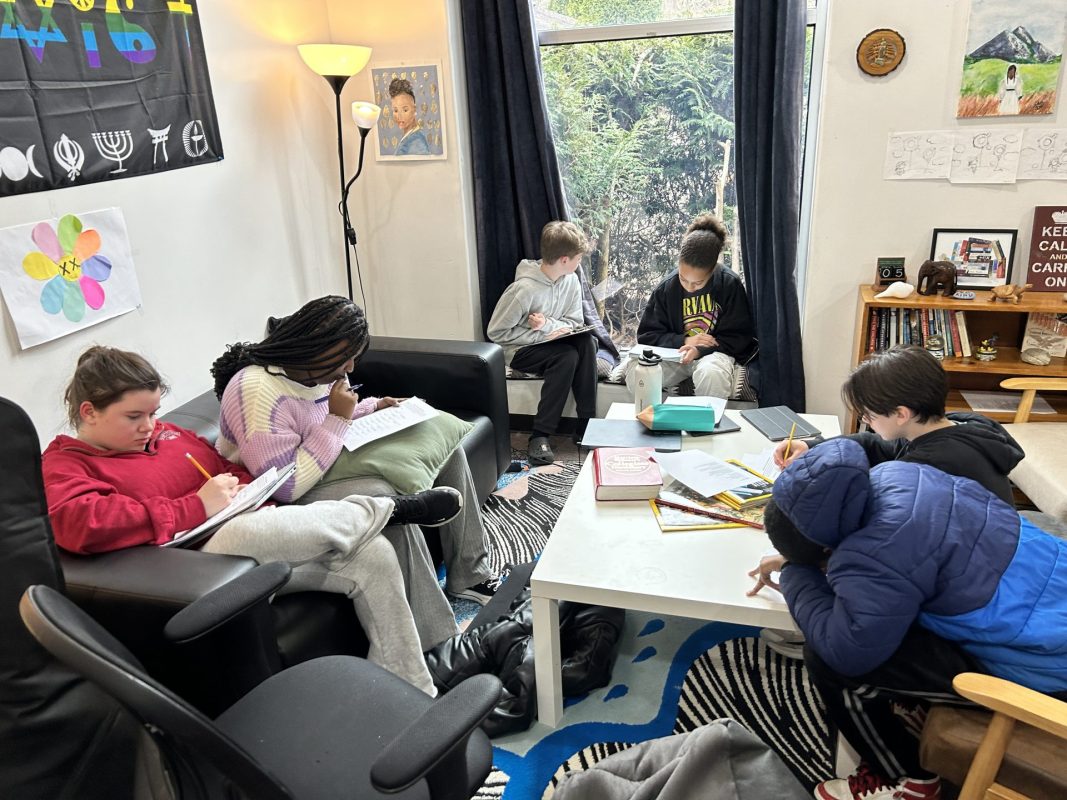
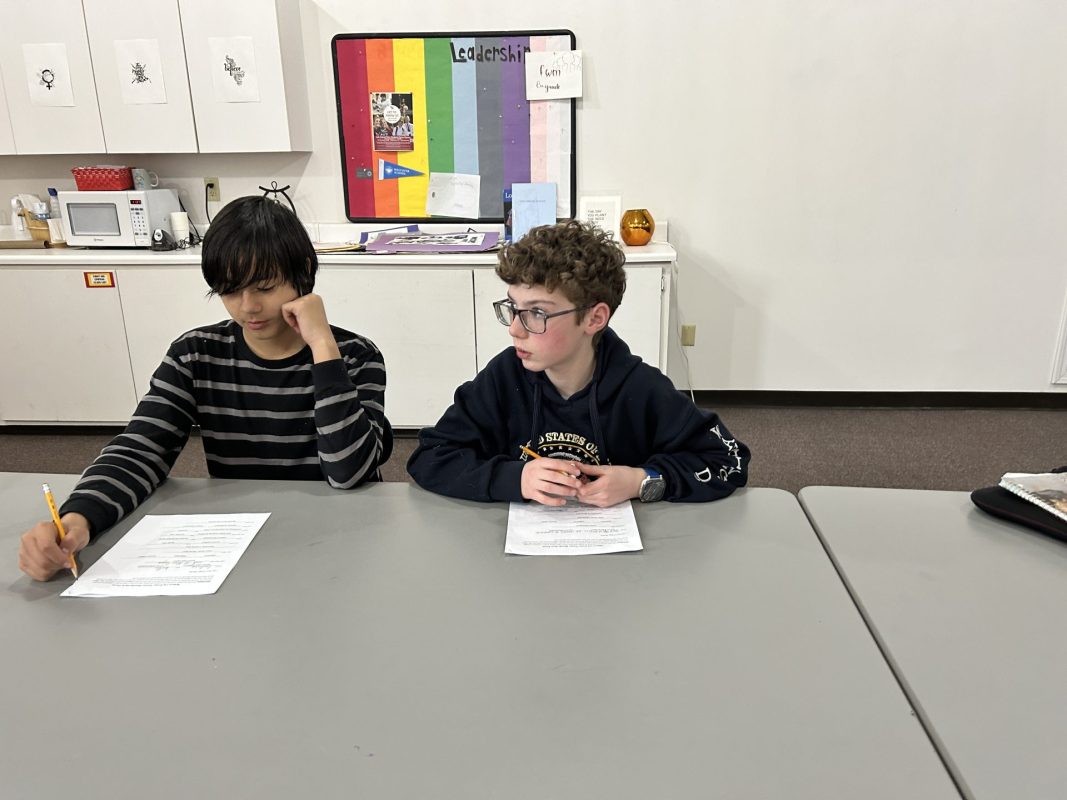
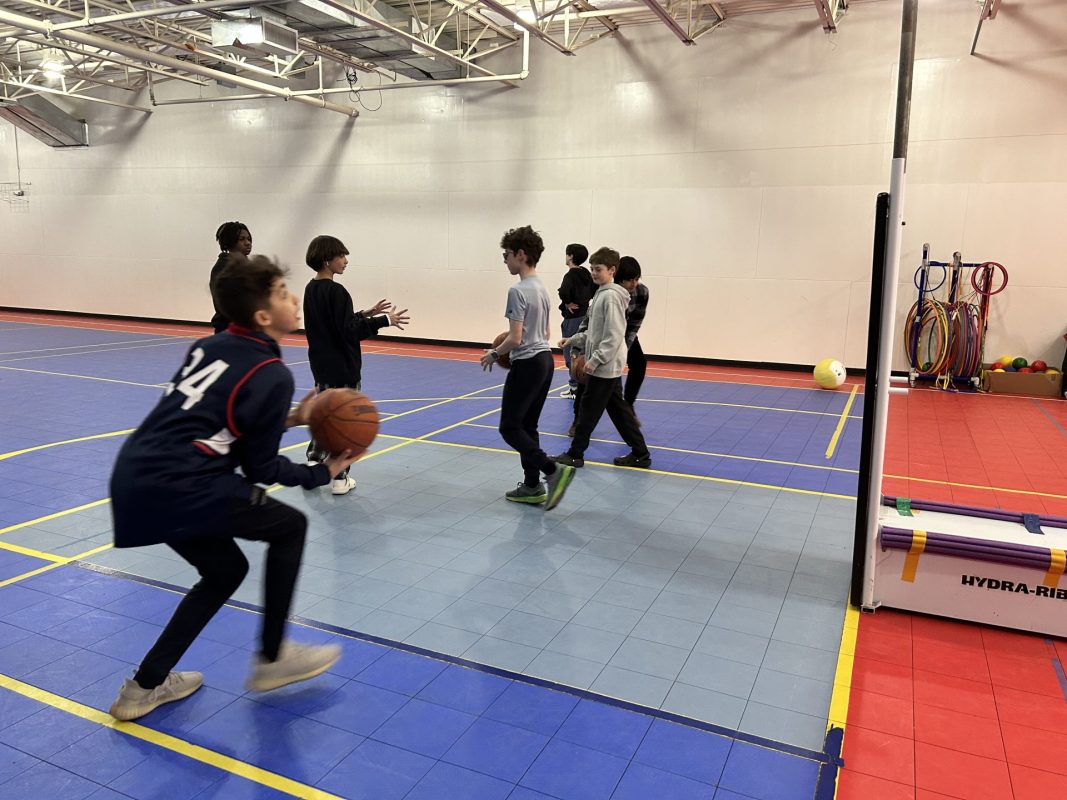
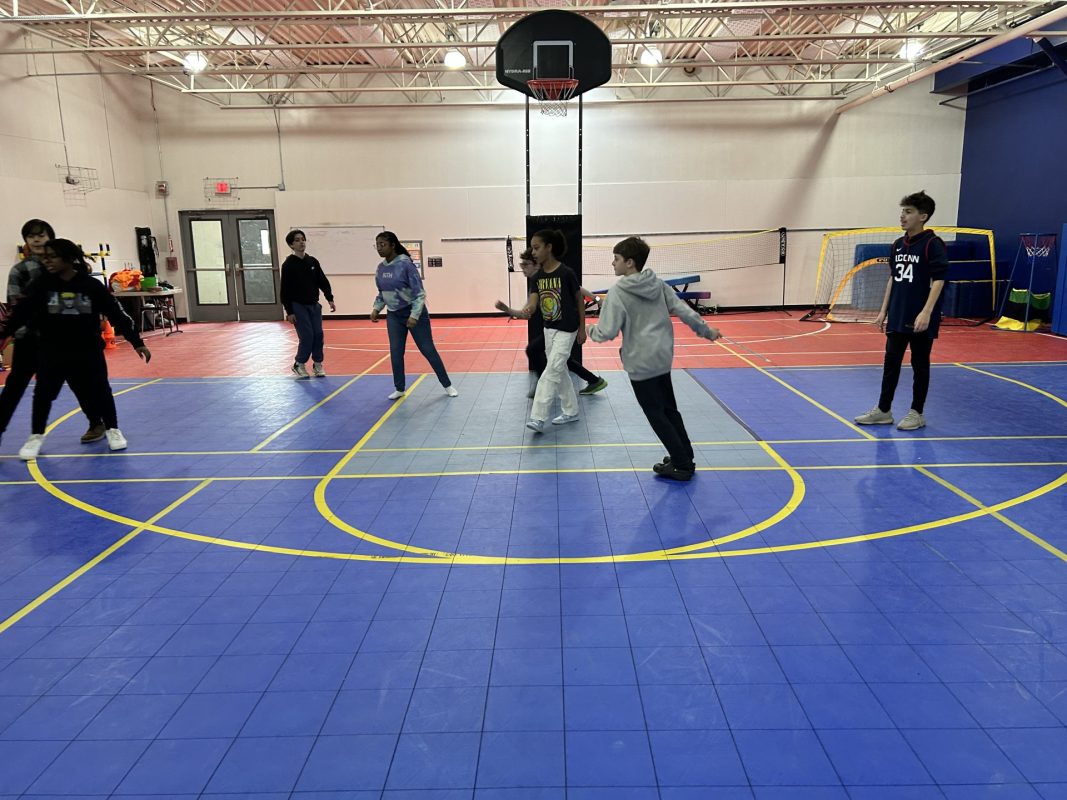
Another productive week in Middle School! A highlight outside of academic classes took place on Wednesday afternoon when all middle school students assisted the kindergarteners with their research projects. They read books about their topic to the kindergarteners and then chatted about the new information they learned.
Here’s what went on in other classes:
Math
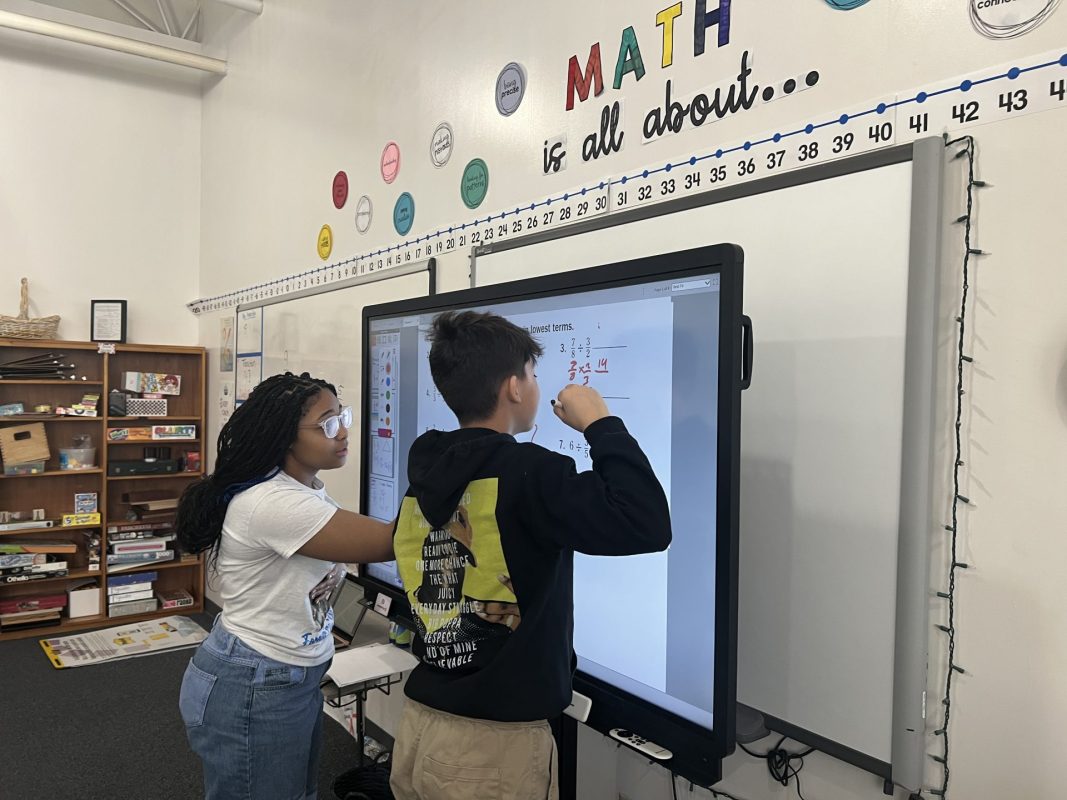
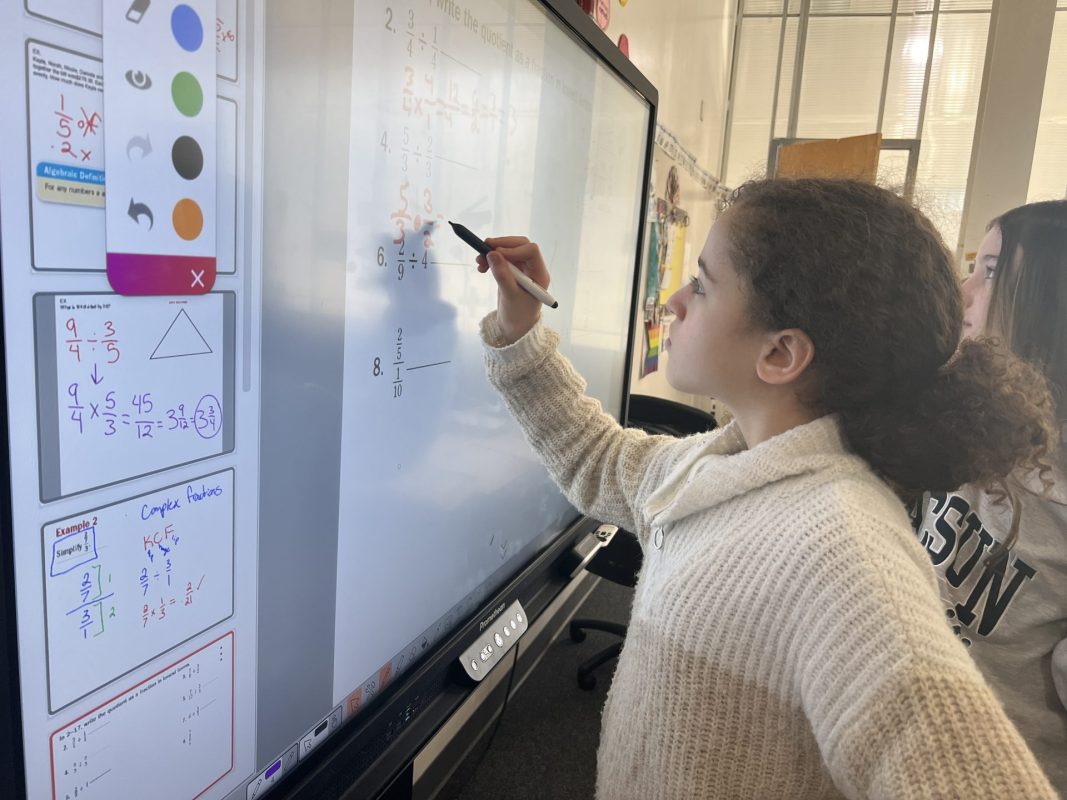
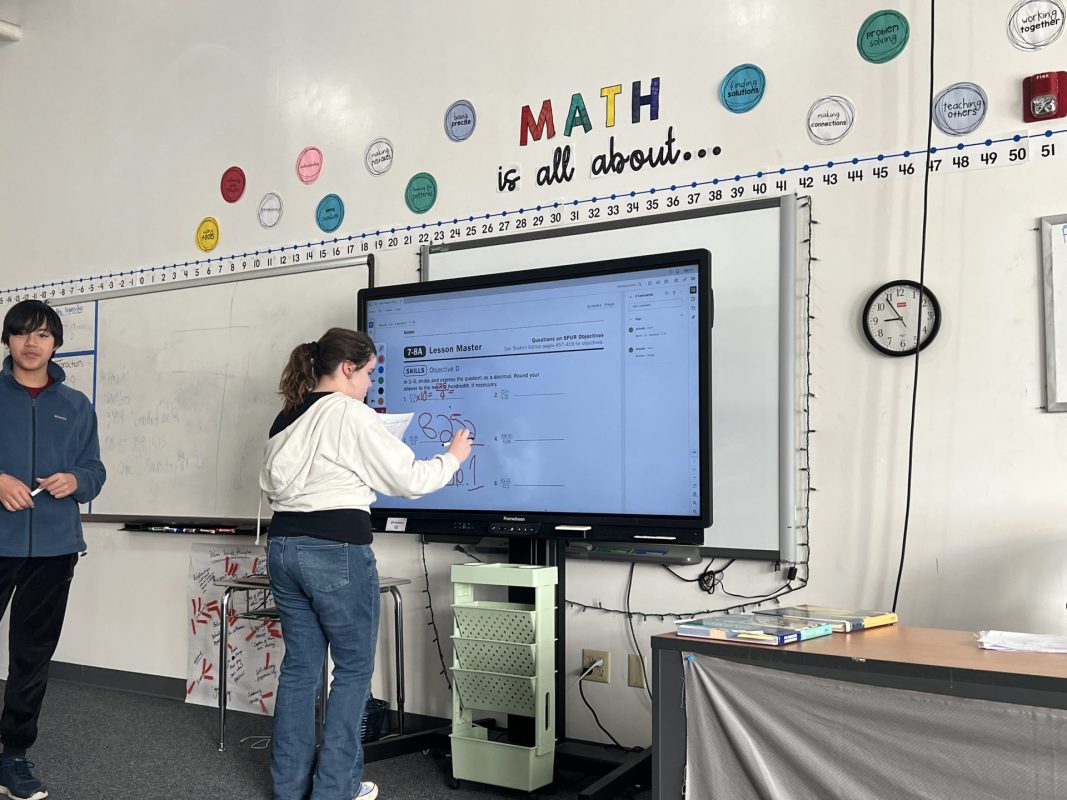
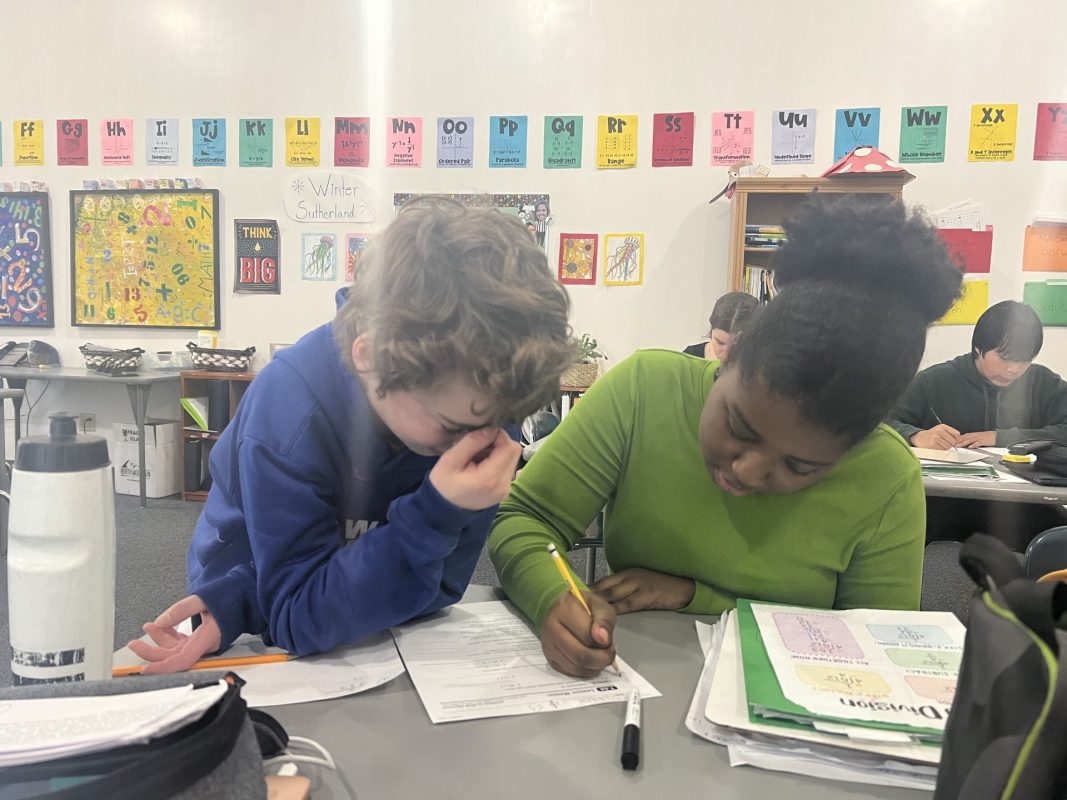
Transition math students have been discussing real-world patterns that eventually lead to division. This week’s lessons have focused on the ratio-comparison model for division, allowing students to grasp the concept of dividing quantities into equal groups. Moving on to proportions, students have been exploring the idea of comparisons between two ratios, enhancing their proportional thinking skills. To further solidify their understanding, students have also been studying proportions in similar figures, connecting geometry with their newfound knowledge of division.
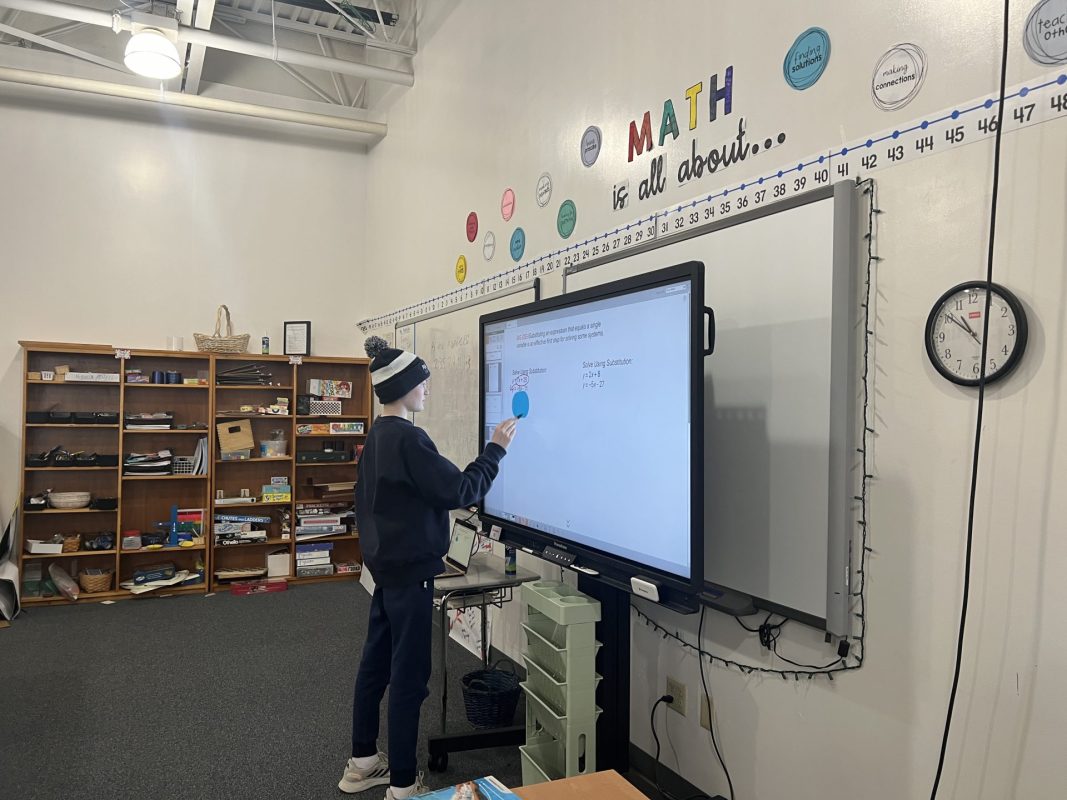
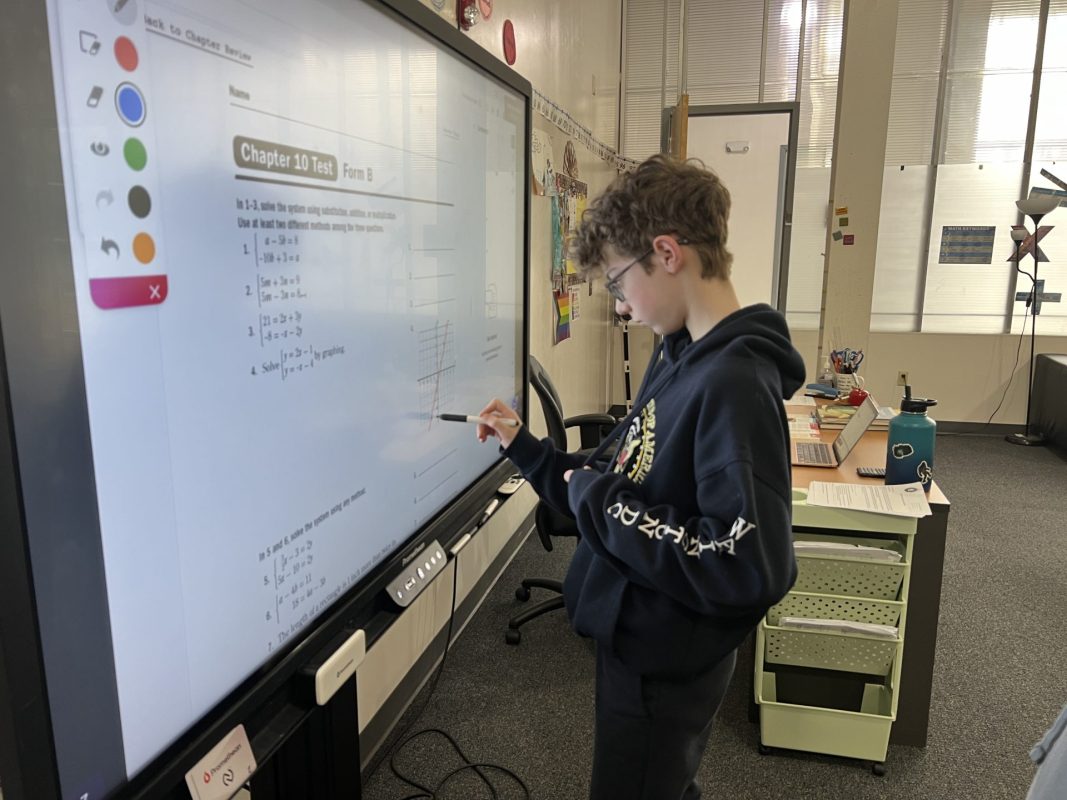
In the chapter on Linear Systems that Algebra math students have been working on this week, they delved into various intriguing concepts. These included exploring systems and parallel lines, grappling with systems of inequalities, and deciphering nonlinear systems. The discussions also extended to real-world applications, such as how air traffic controllers use these mathematical ideas to anticipate points of intersection for air travel routes, showcasing the practical relevance of algebra in everyday scenarios.
The eighth-grade geometry class has been busy exploring the Pythagorean theorem and how it is used to find different sides of a triangle. They also learned how it would help them find missing sides in a complicated polygon that doesn’t have all the given sides. They can classify triangles as obtuse, right, or acute, given the three sides.
Science
6th-year Earth Science students have completed their study on rotation, revolution, and seasons. Excitingly, they are now gearing up for their next adventure into the captivating realm of eclipses. During this unit, they will delve into the mysteries of lunar and solar eclipses, aiming to model and explain the mesmerizing phenomena that occur during these celestial events. As they eagerly anticipate the upcoming solar eclipse next Monday, each student will have the opportunity to observe this rare occurrence safely with the provided pair of solar glasses.
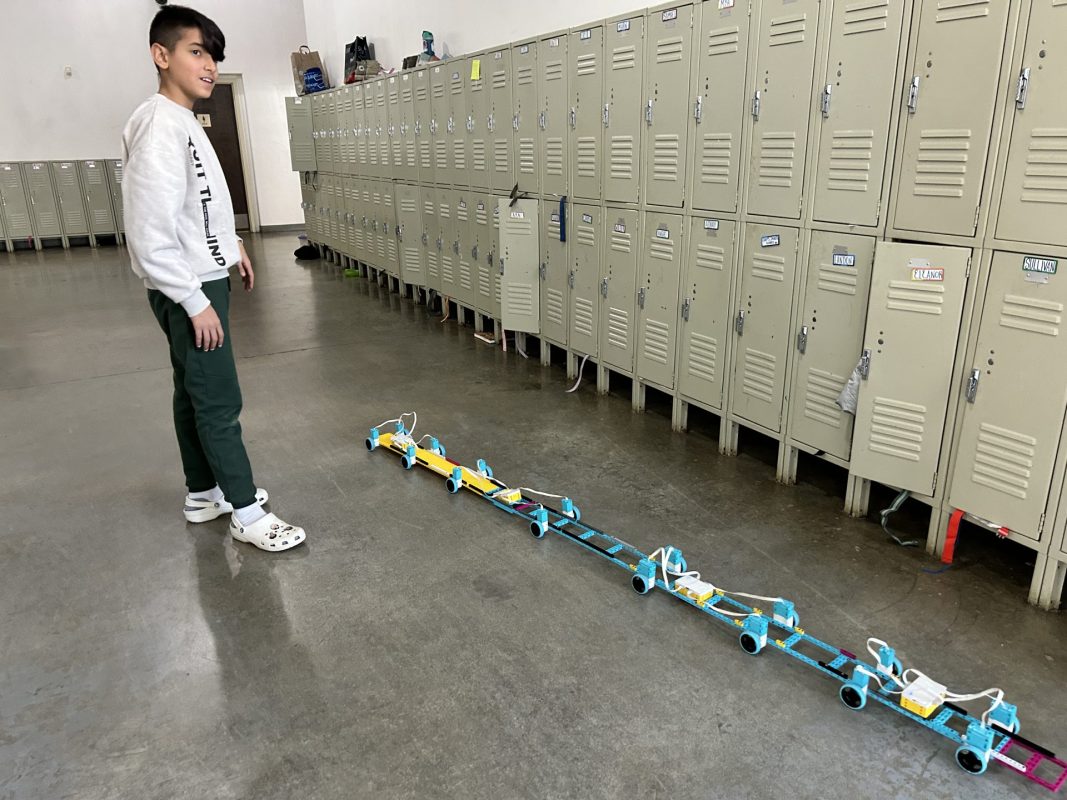
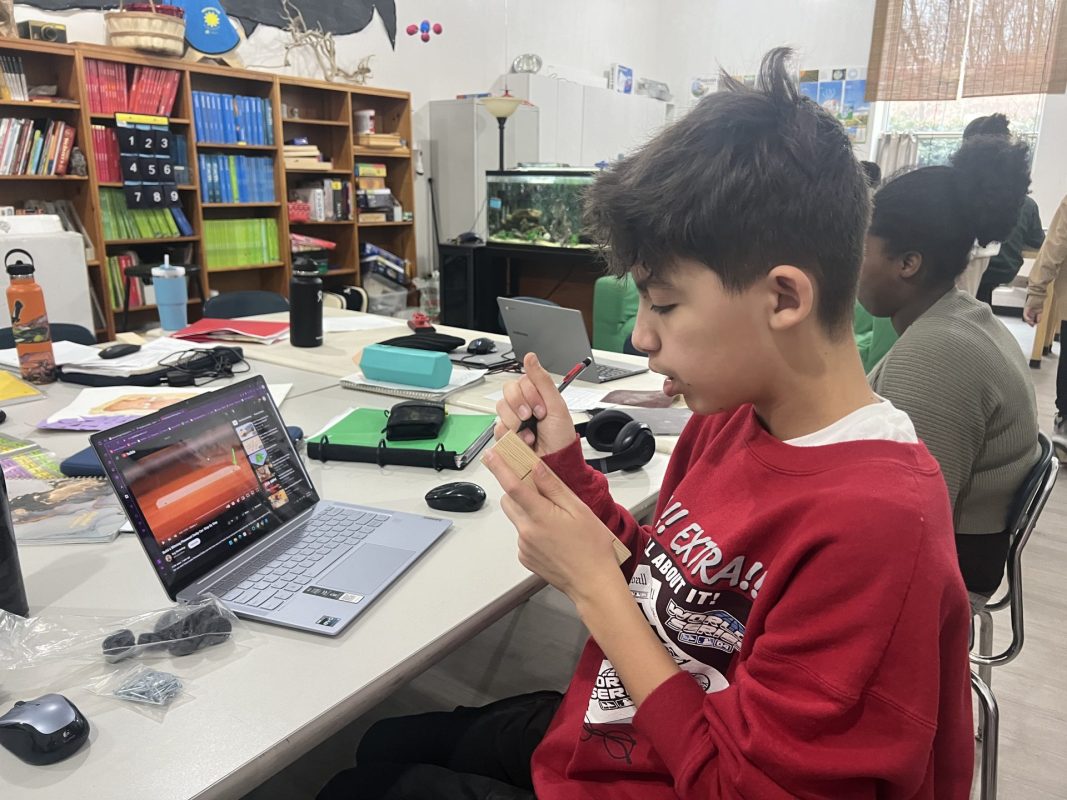
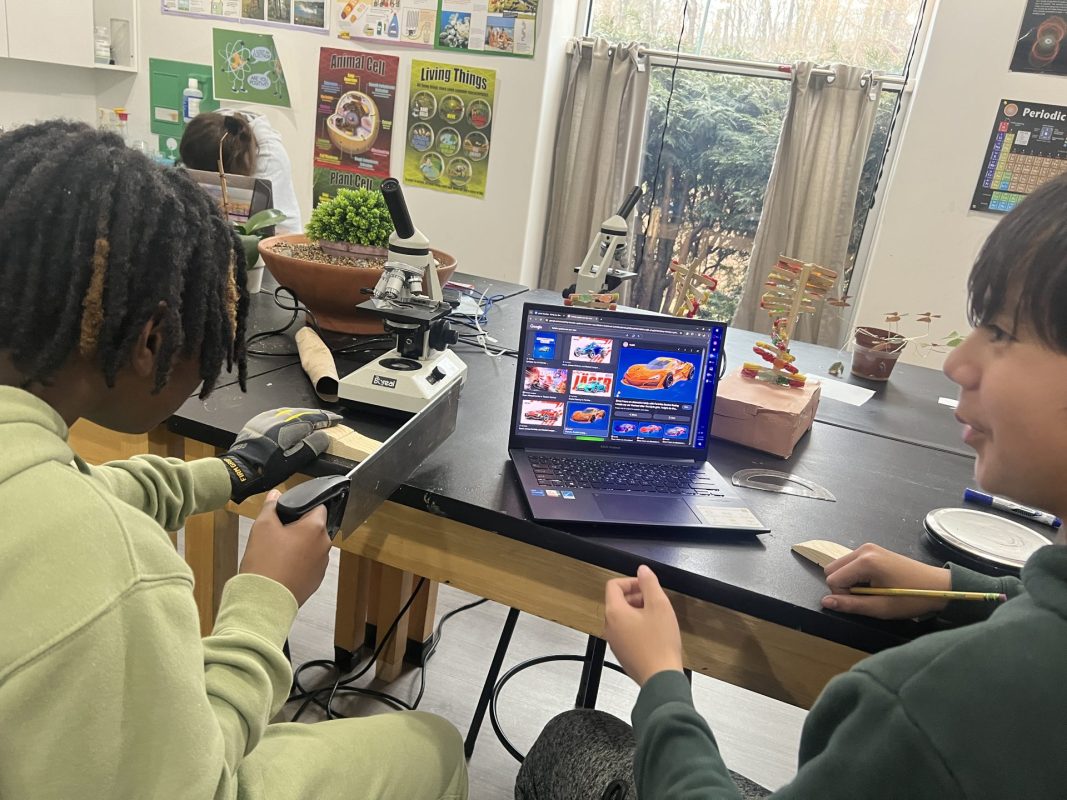
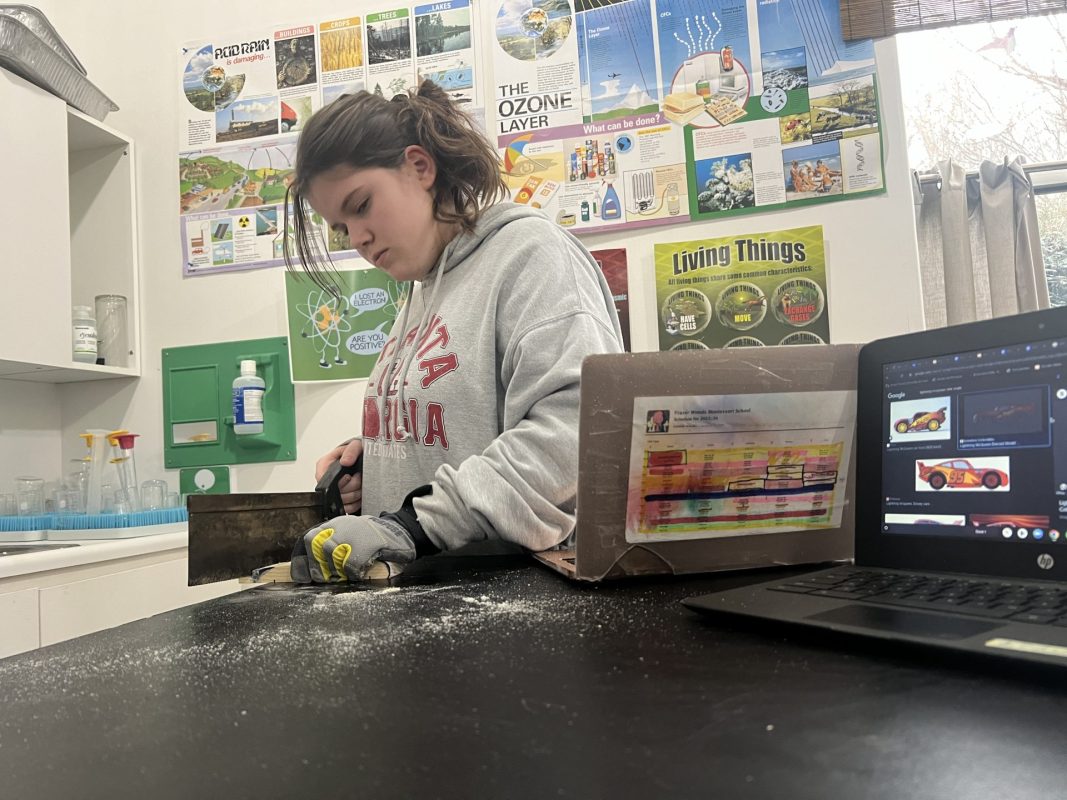
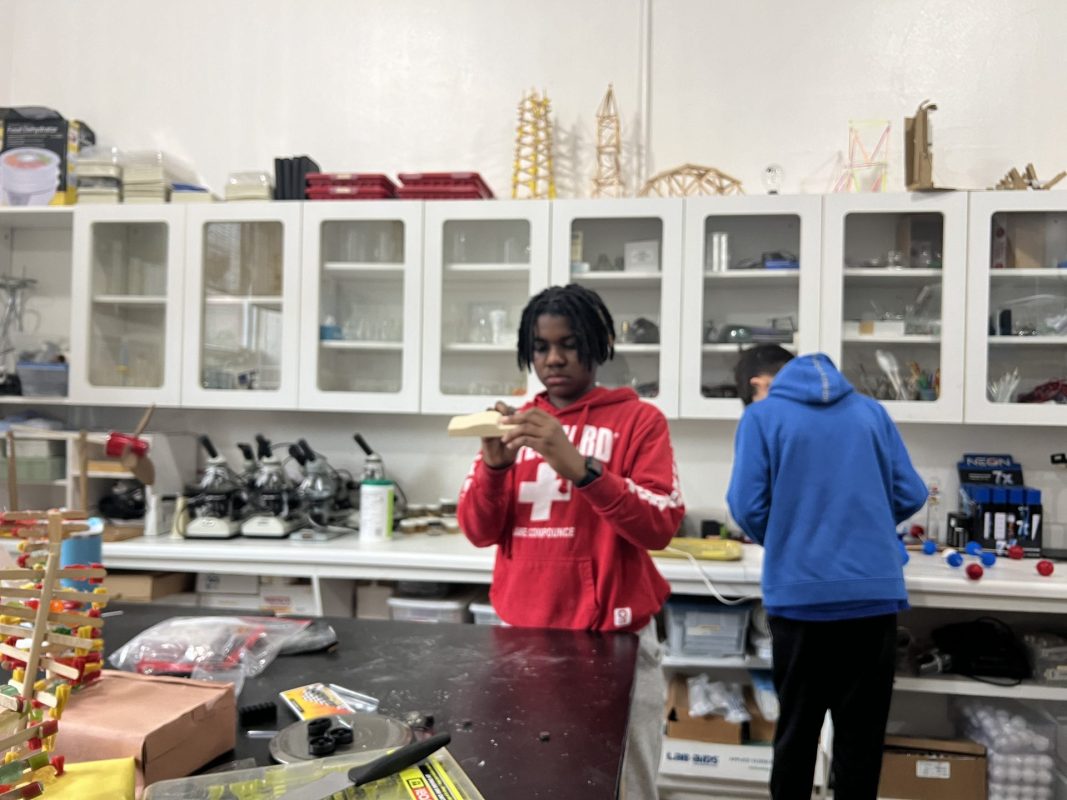
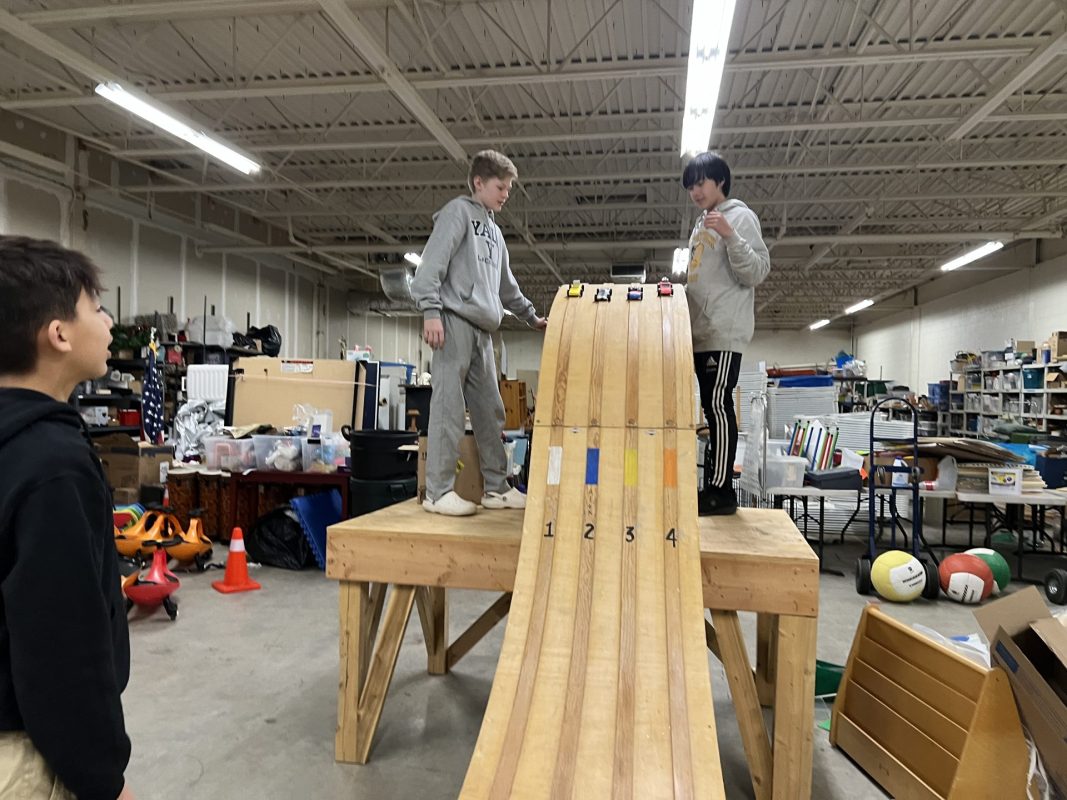
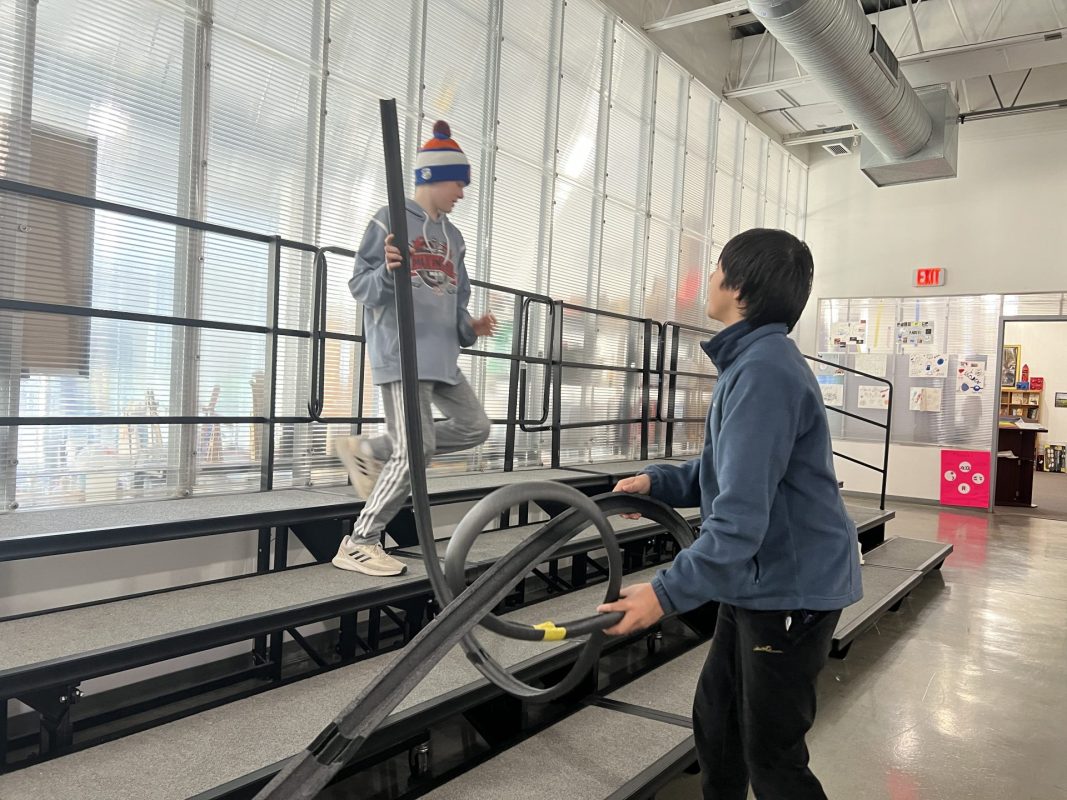
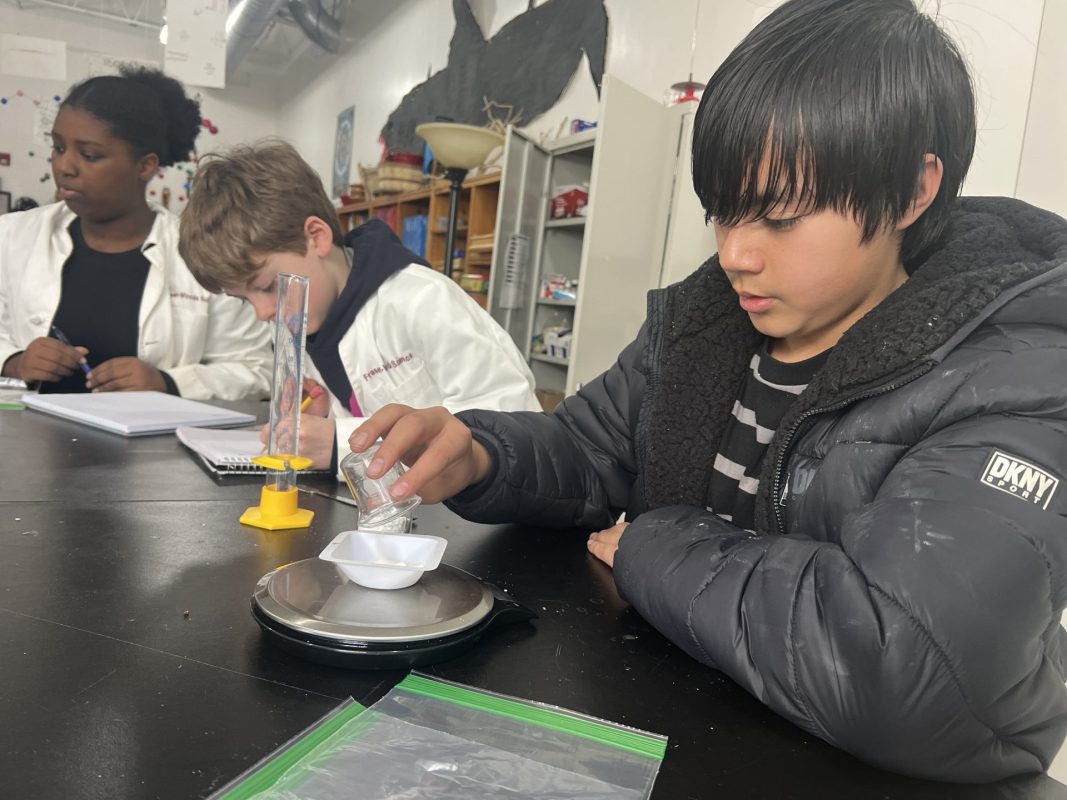
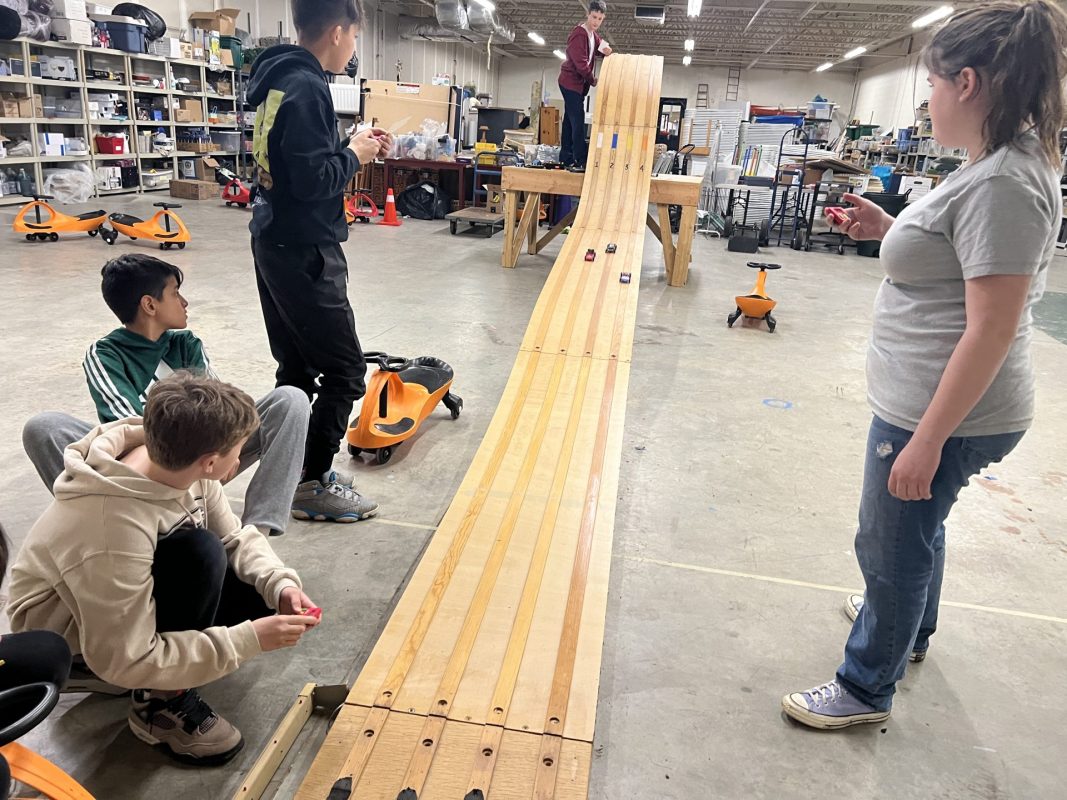
7th-year physical science students recently wrapped up their exploration of kinetic energy by putting their derby cars to the test. They raced each car multiple times, taking the average of their runs while also carefully calculating the mass of their creations. Looking ahead to the next unit, Reflection, students are eager to design experiments to investigate the reflectivity of various materials. As they delve into this new topic, they will learn to identify key characteristics of different types of mirrors and understand how light behaves as it reflects off different surfaces, paving the way for a deeper understanding of the fascinating world of light and optics.
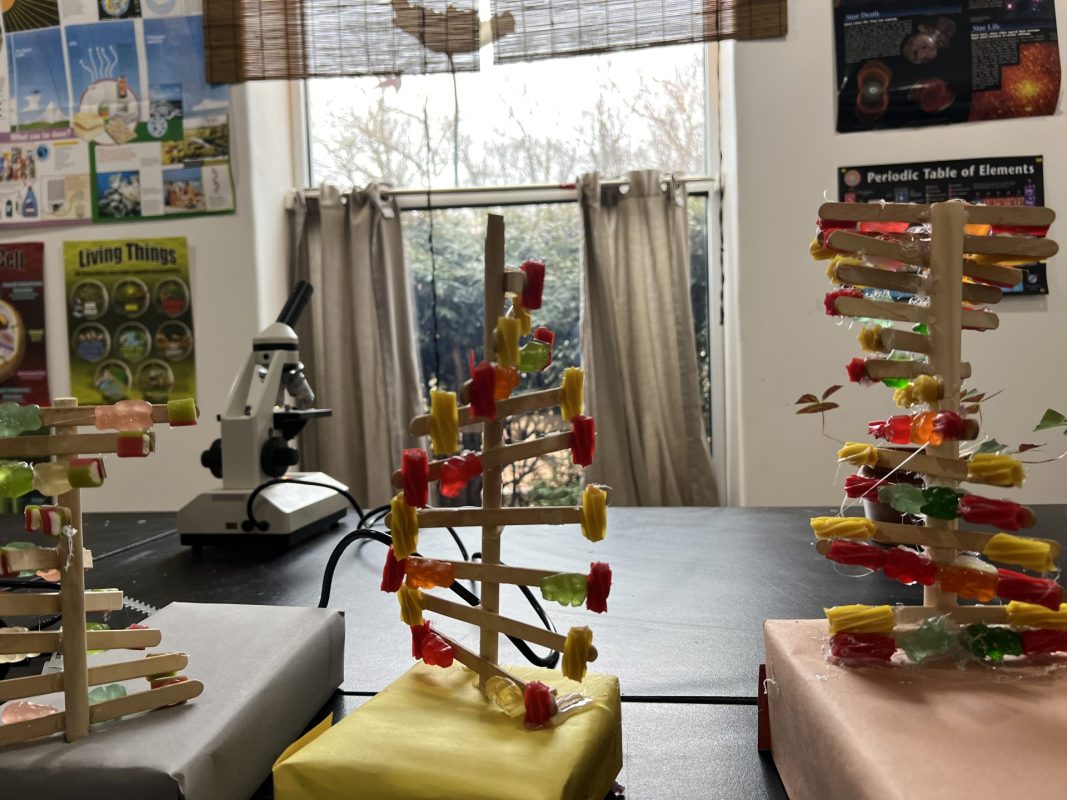
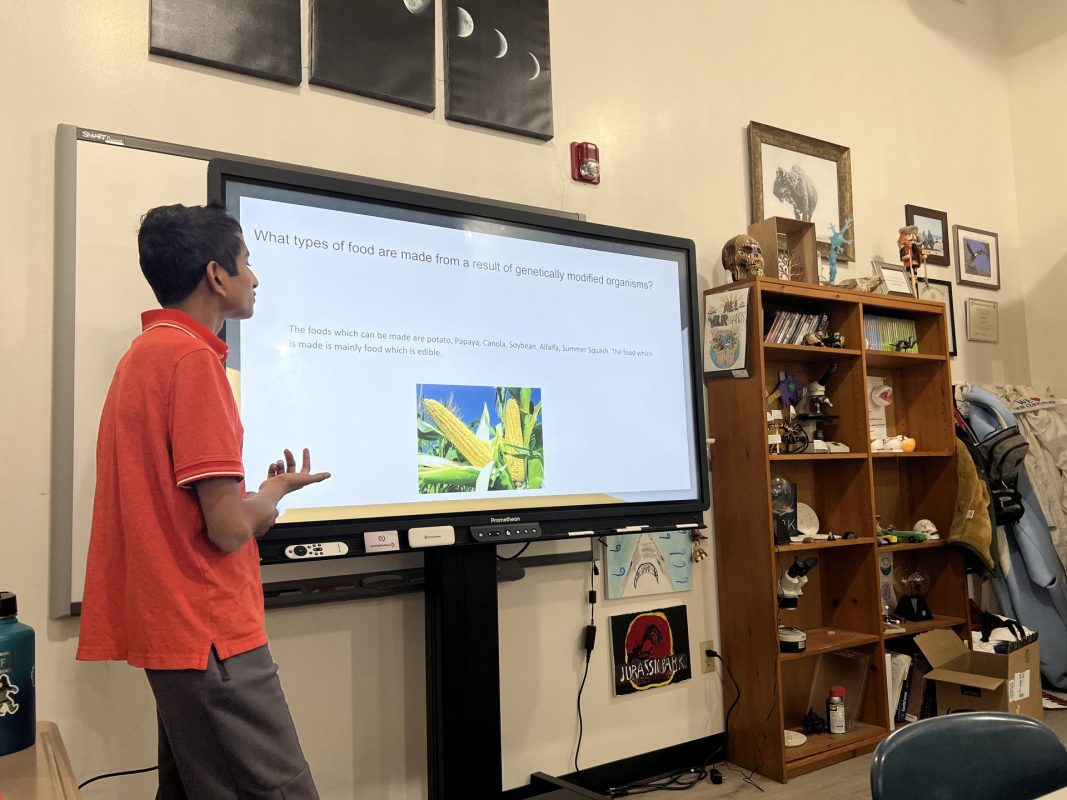
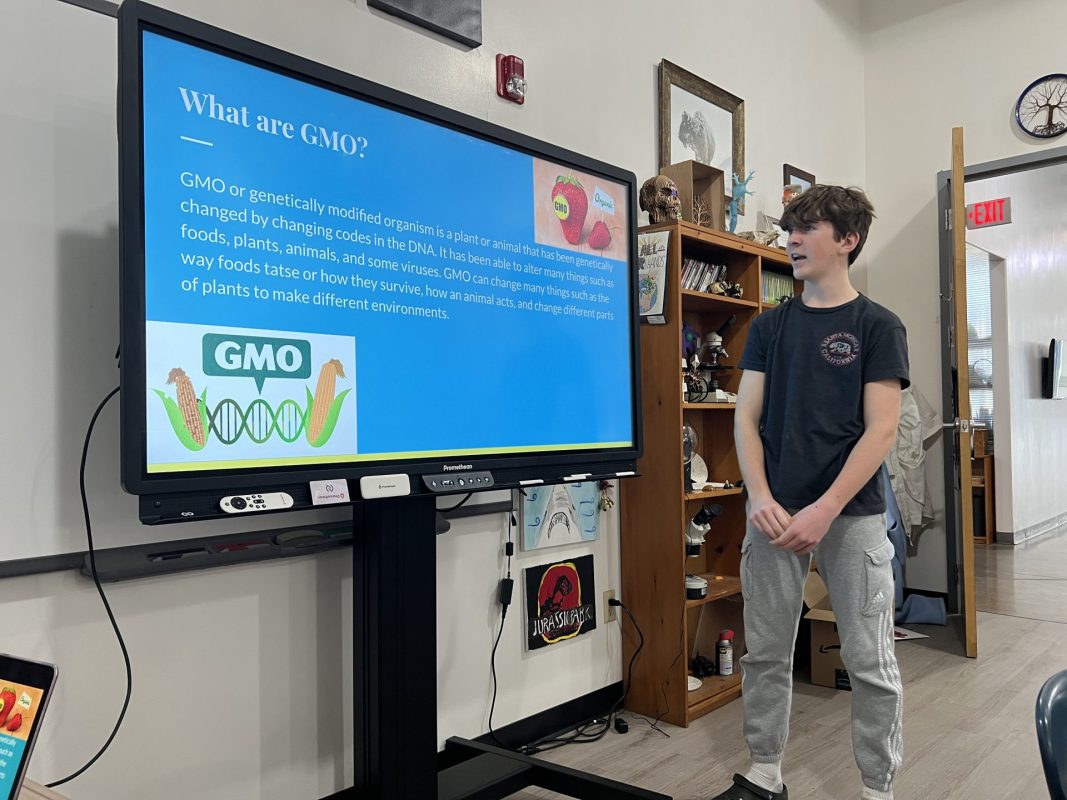
In their recent exploration of genetics and heredity, 8th-year life science students have gained a deeper understanding of how traits are passed down through generations. As they transition into the next unit on the circulatory system, students will explore the intricate networks responsible for transporting oxygen, nutrients, and waste throughout the body. They will learn to describe the function of the circulatory system, create a drawing illustrating the path of circulation in the body, know the difference between veins, arteries, and capillaries, and understand the structure and function of the heart. This new unit promises to reveal the fascinating inner workings of one of the body’s most vital systems.
Humanities
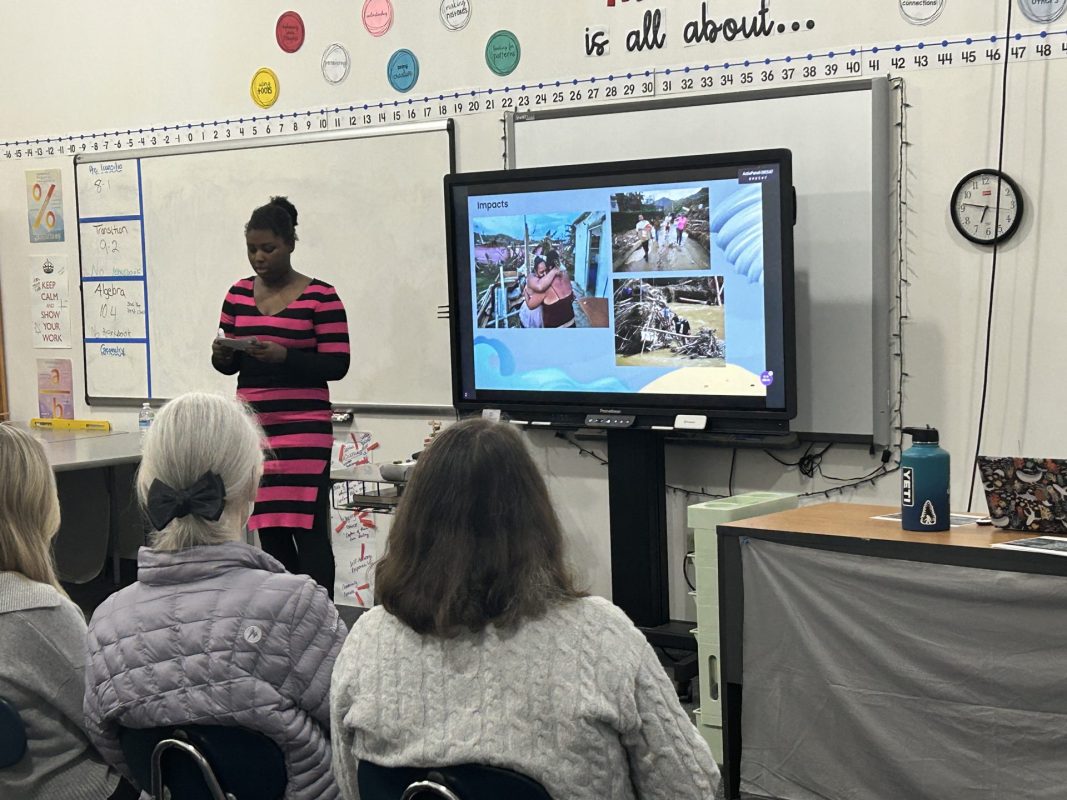
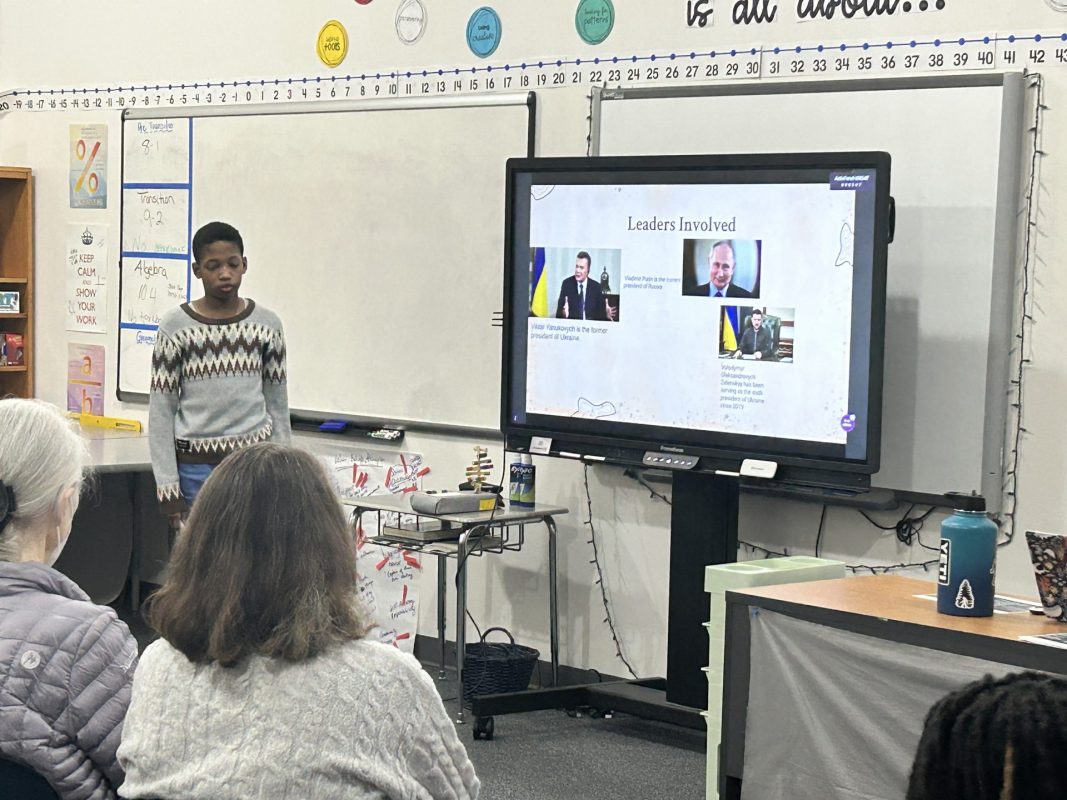
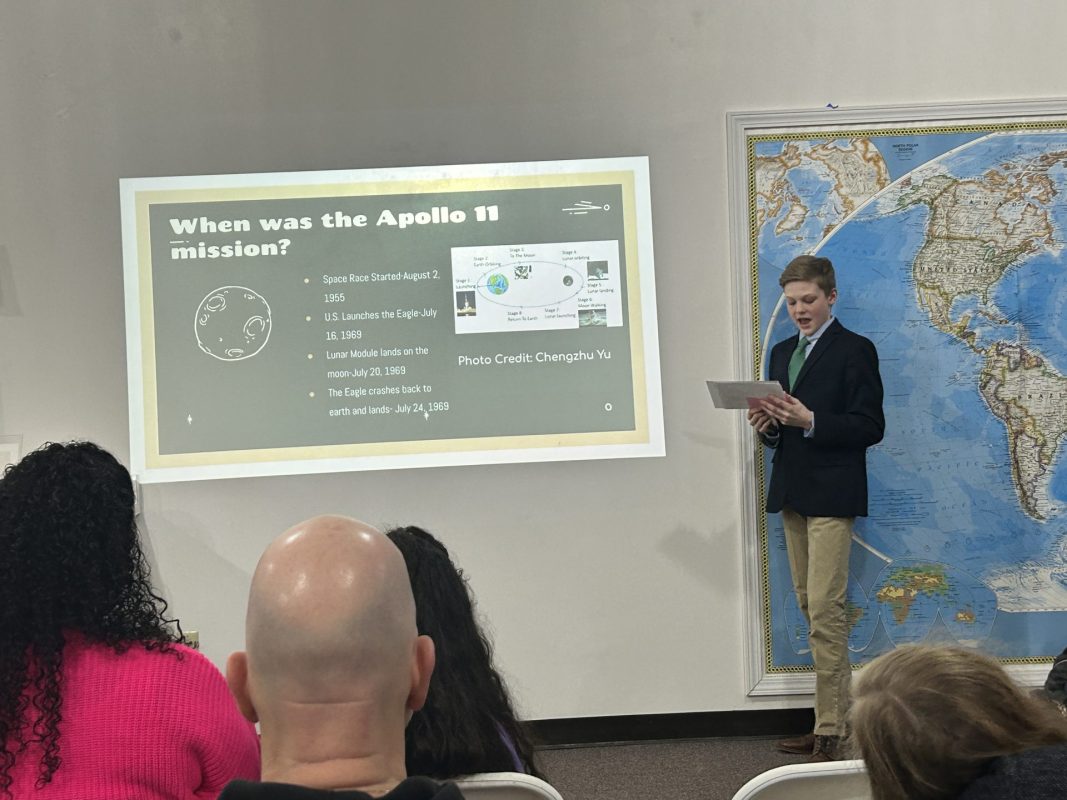
6th-grade Humanities classes continued reading their class novel, The Eye of Ra, by Ben Gartner, which centers around two kids accidentally traveling back to Ancient Egypt. This group is leading discussion using their annotations from nightly reading assignments. The students also read the Egyptian creation myth and learned about the first of the great pyramids, the Pyramid of Djoser, or the Step Pyramid. Finally, students are preparing a current events report and discussion for next week.
The 7th-grade Humanities class completed the novel A Long Walk to Water, which follows the real story of Salva Dut, a Lost Boy of Sudan. We have spent the week learning about Sudan and South Sudan, their geography and culture, as well as their conflicts, and delved deeper into the stories of the Lost Boys who walked from Sudan to Ethiopia and then on to Kenya. Finally, students are preparing a current events report and discussion for next week.
8th-grade Humanities classes with Mrs. Lamb began with a major check-in for the Expert Project. Most students have completed their expert interviews and research, and they are ready to write their research essays. Next, the students continued reading and annotating She Came to Slay, a biography of Harriet Tubman by Erica Armstrong Dunbar. Finally, as they read and learned of the role religion played in the lives of the enslaved, they learned and listened to African American spirituals.
We hope everyone has a wonderful weekend!!