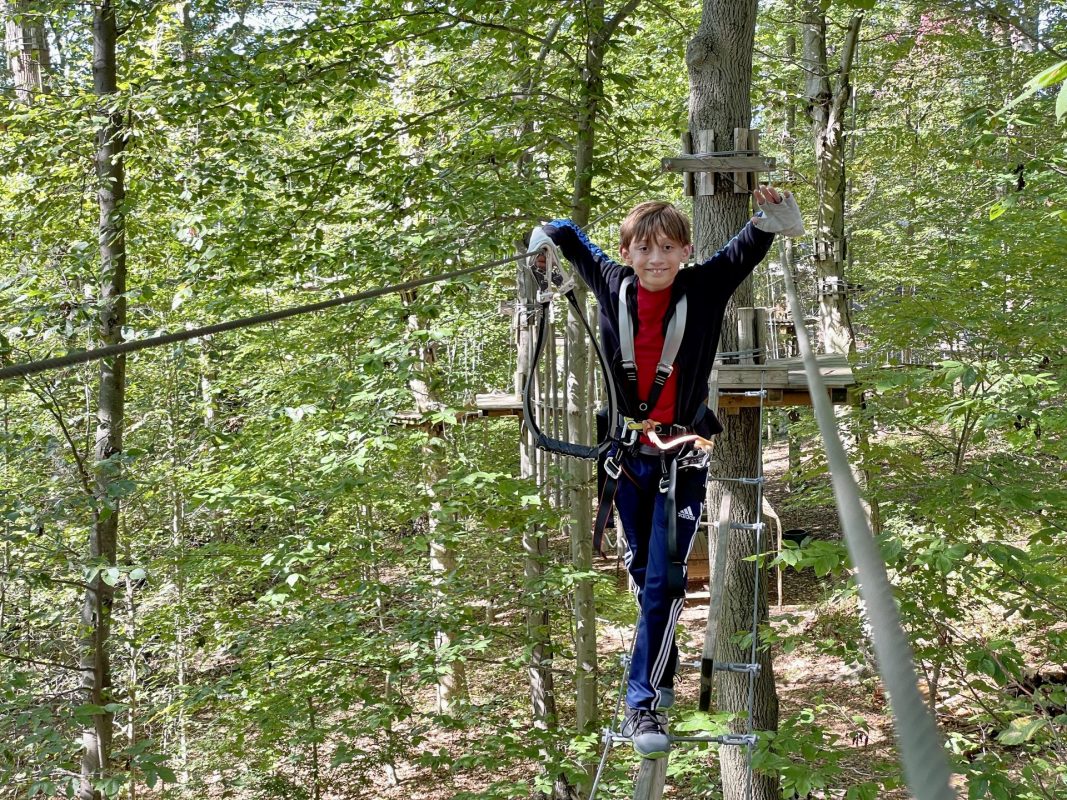
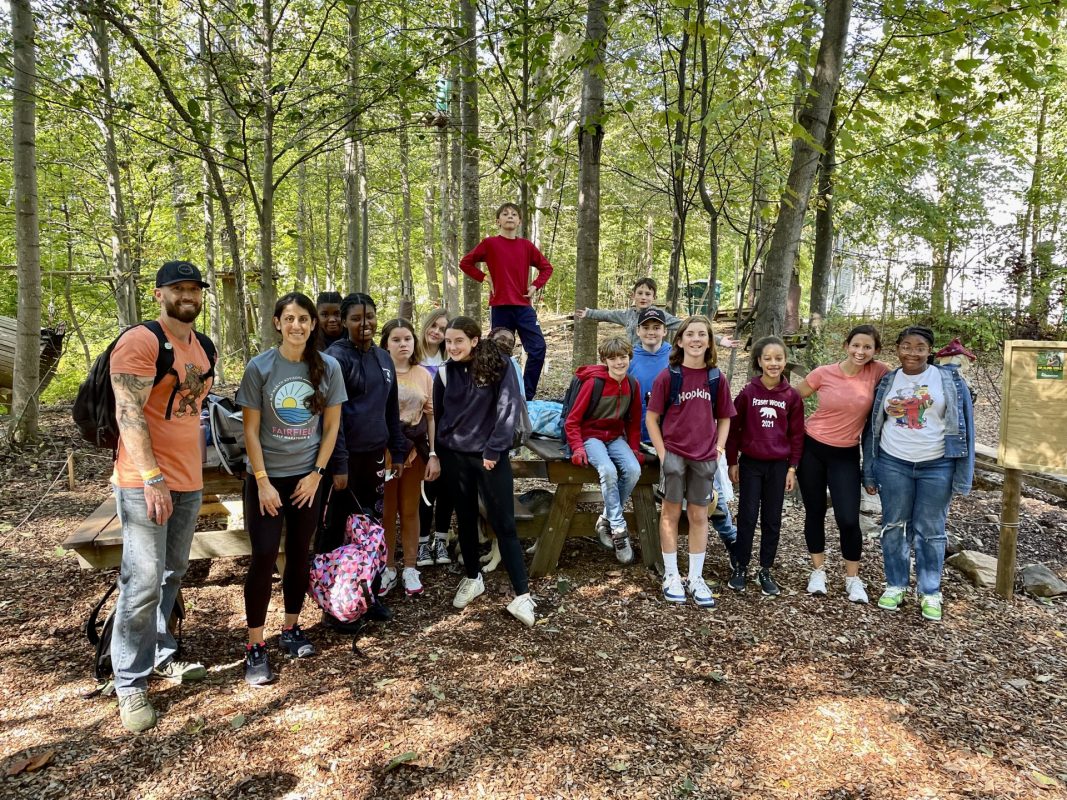
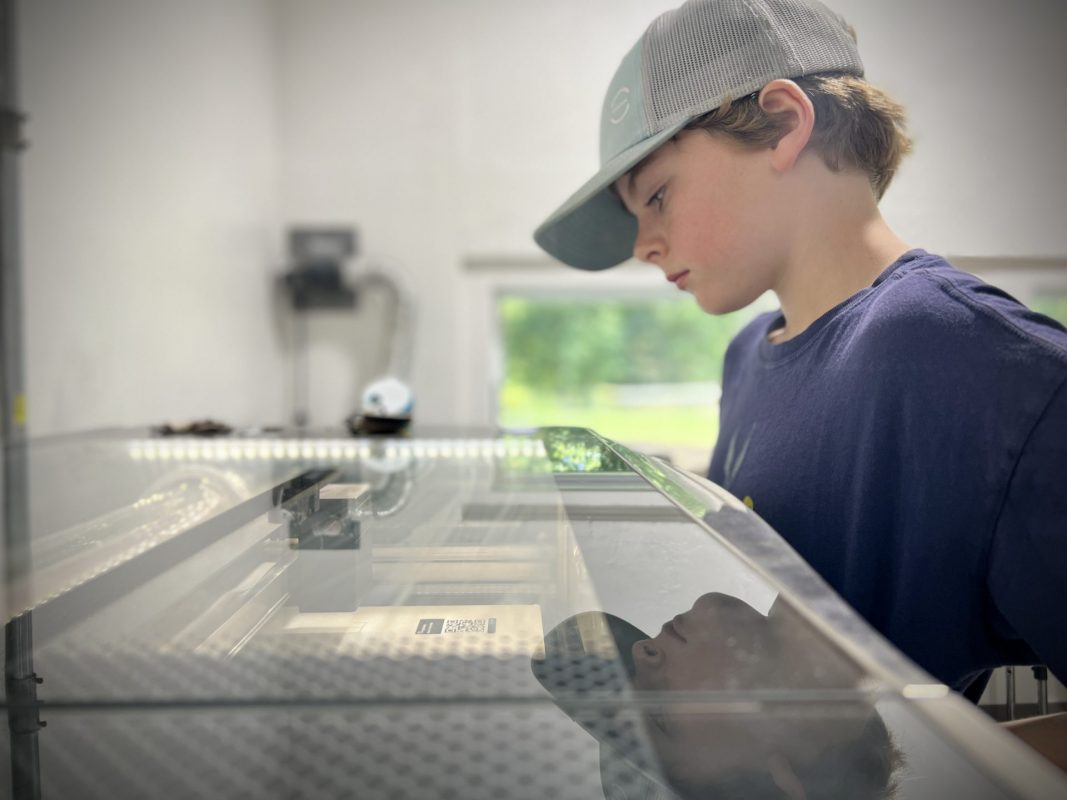
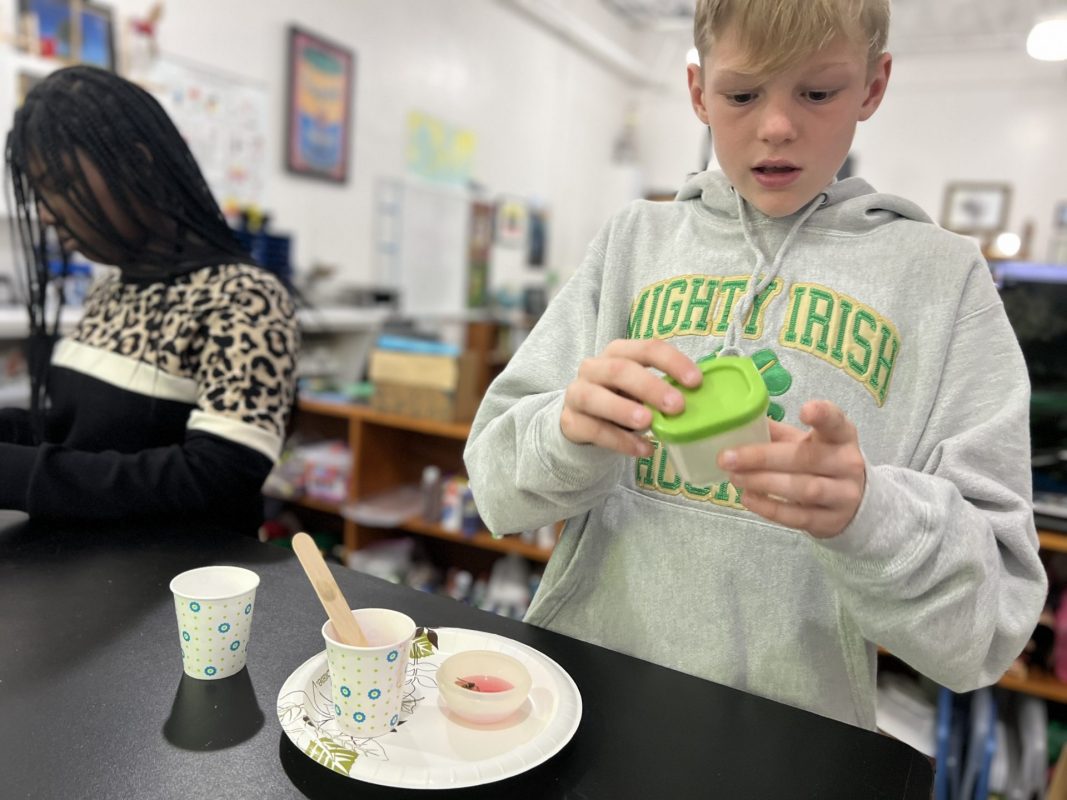
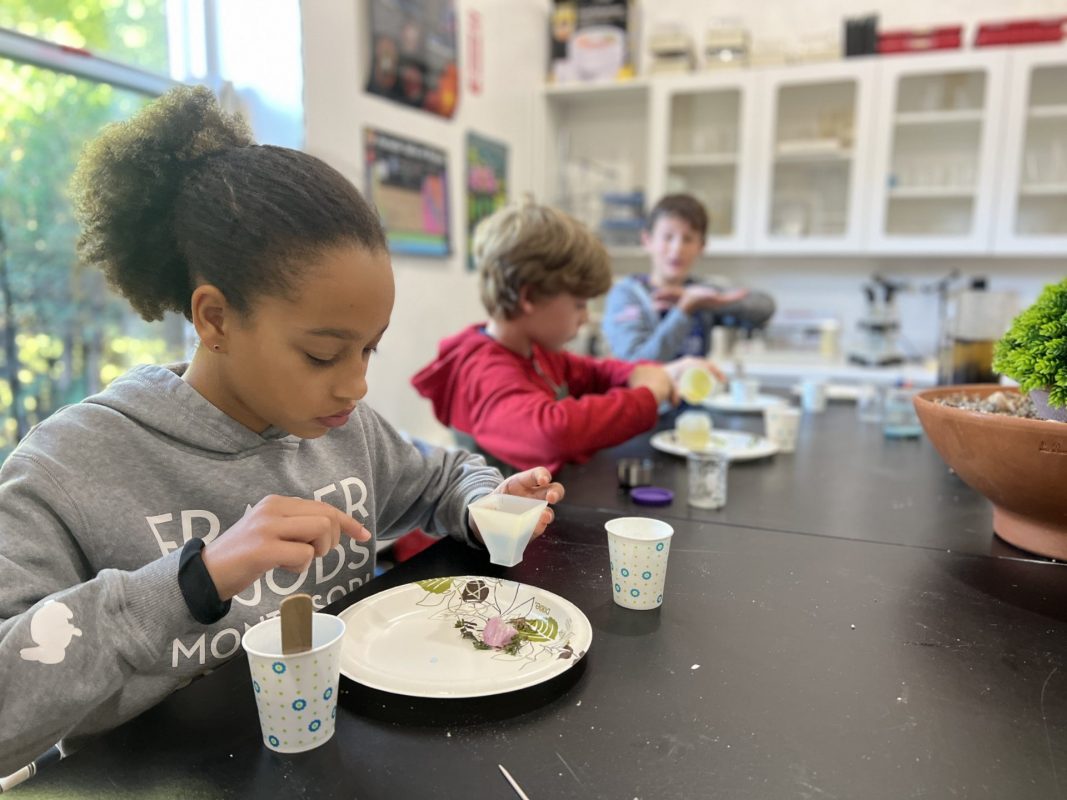
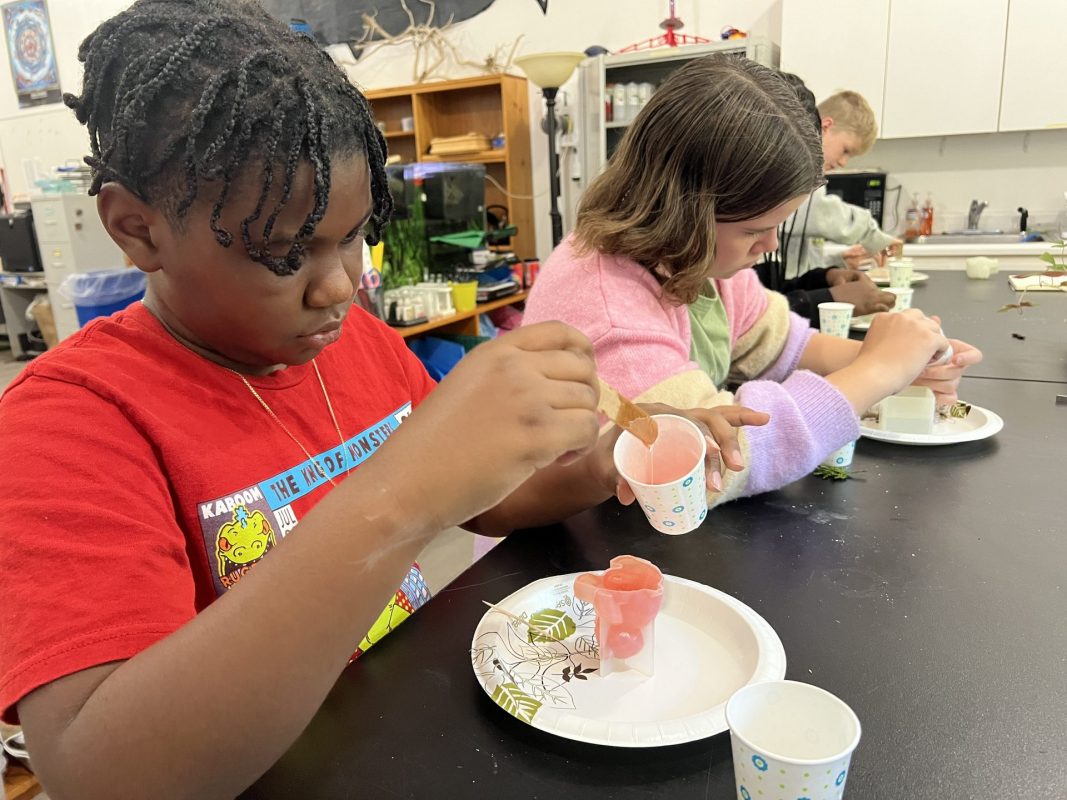
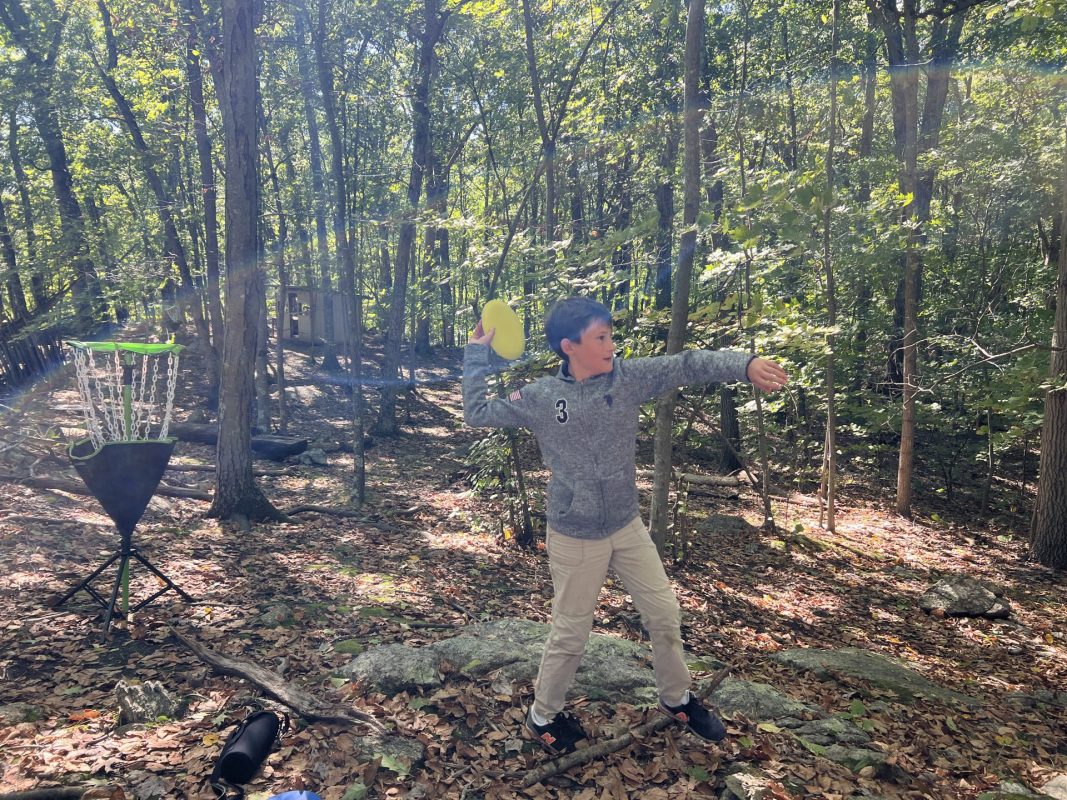
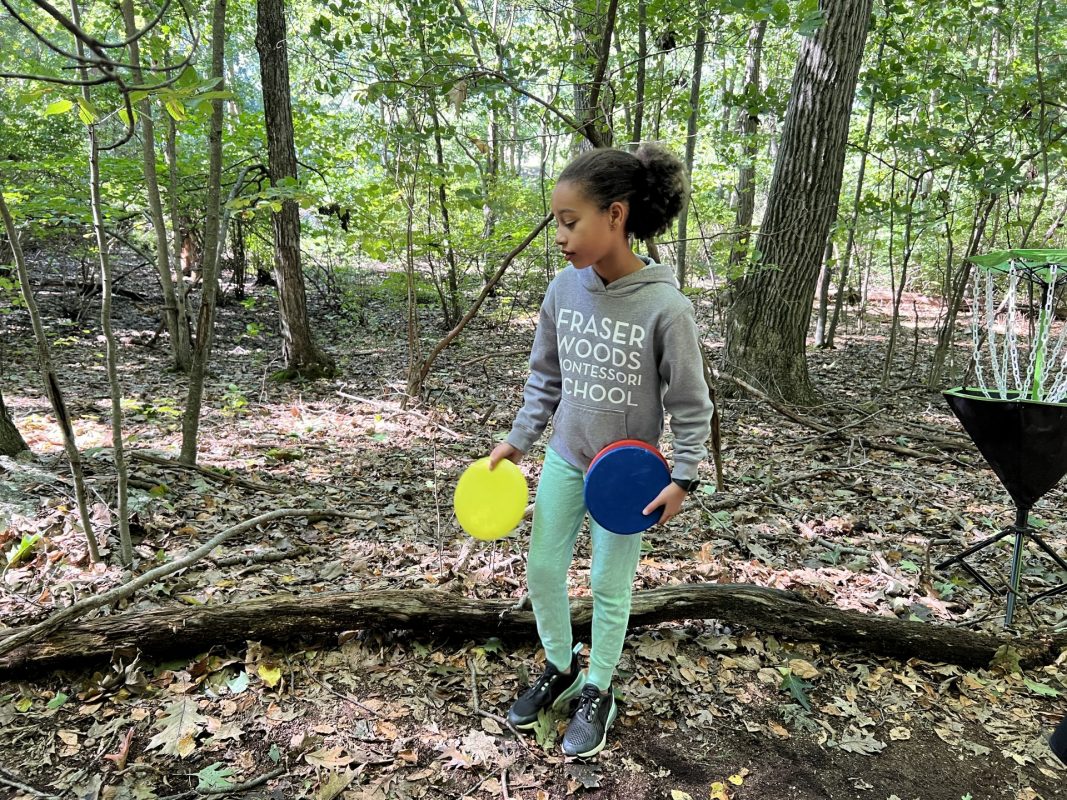
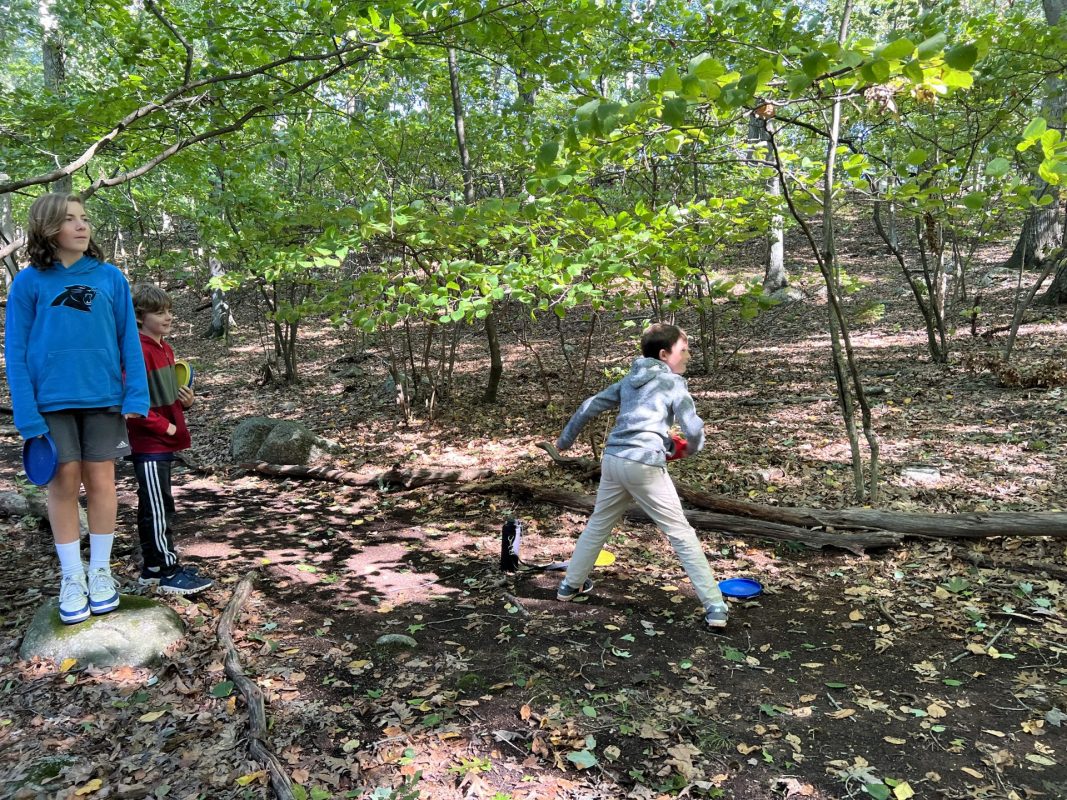
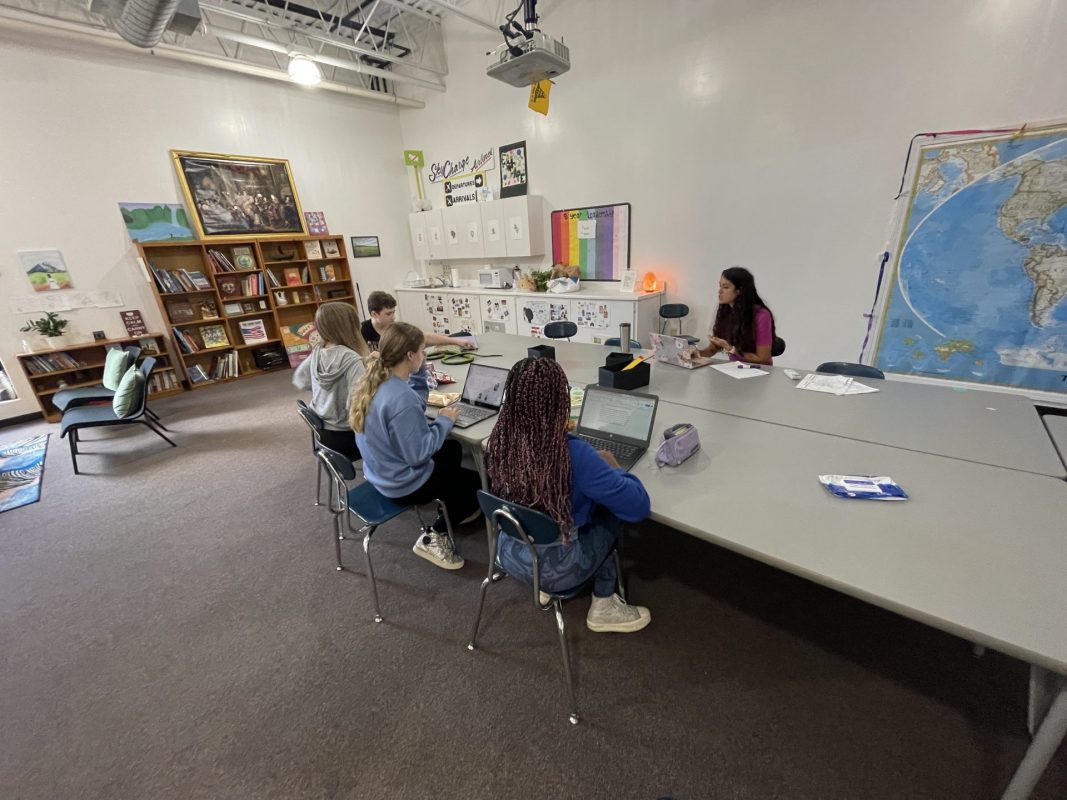
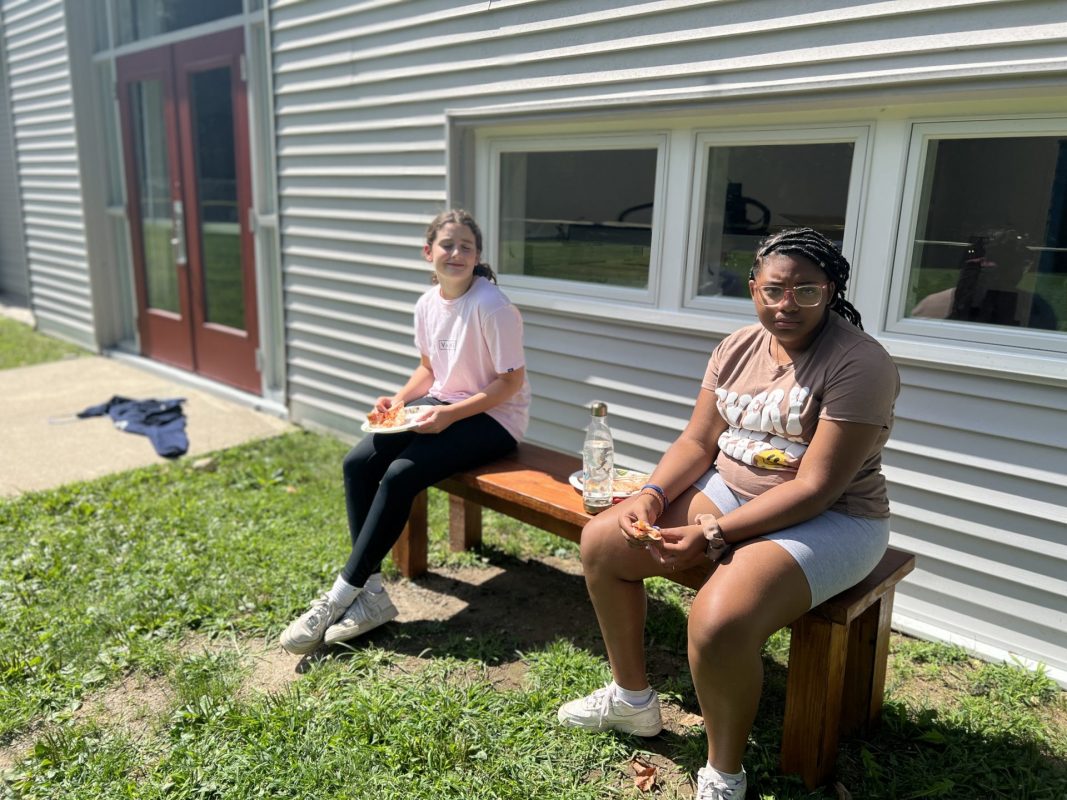
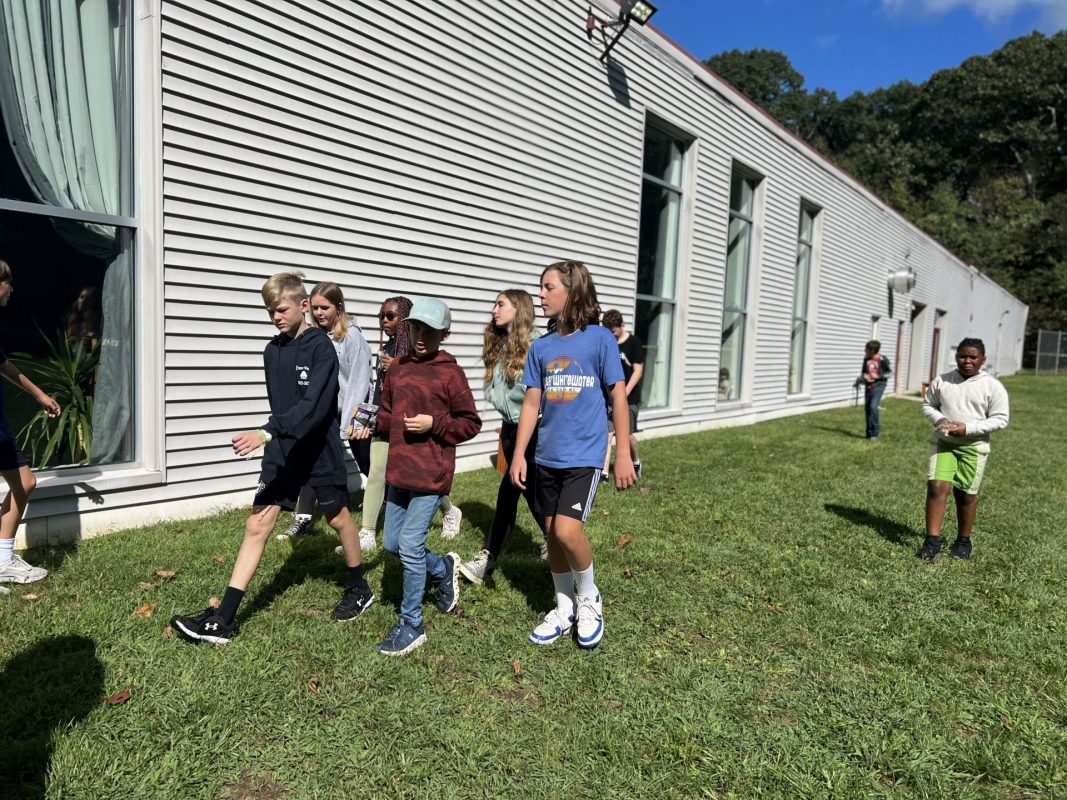
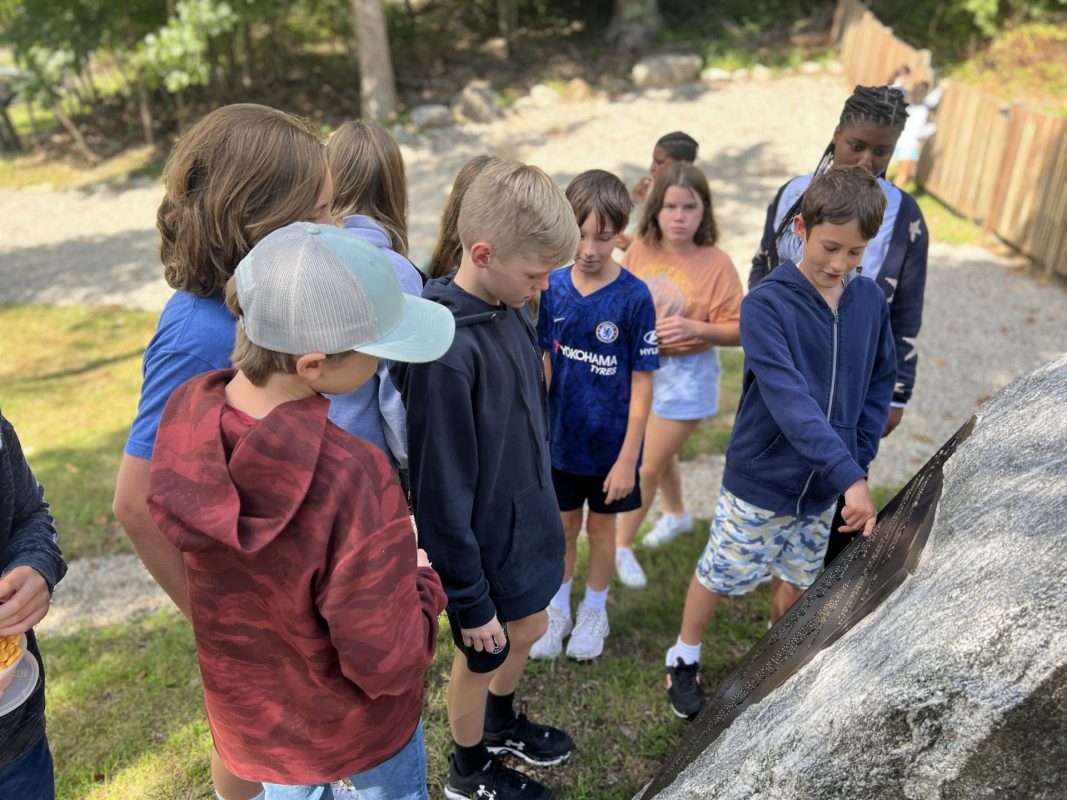
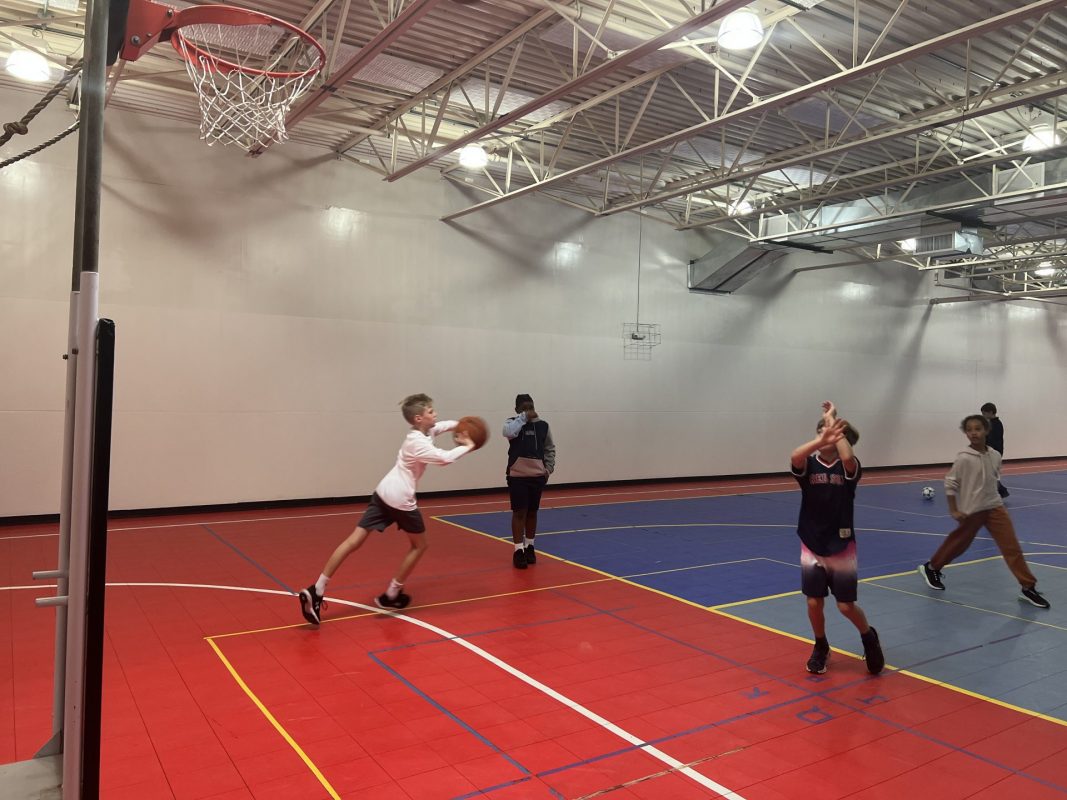
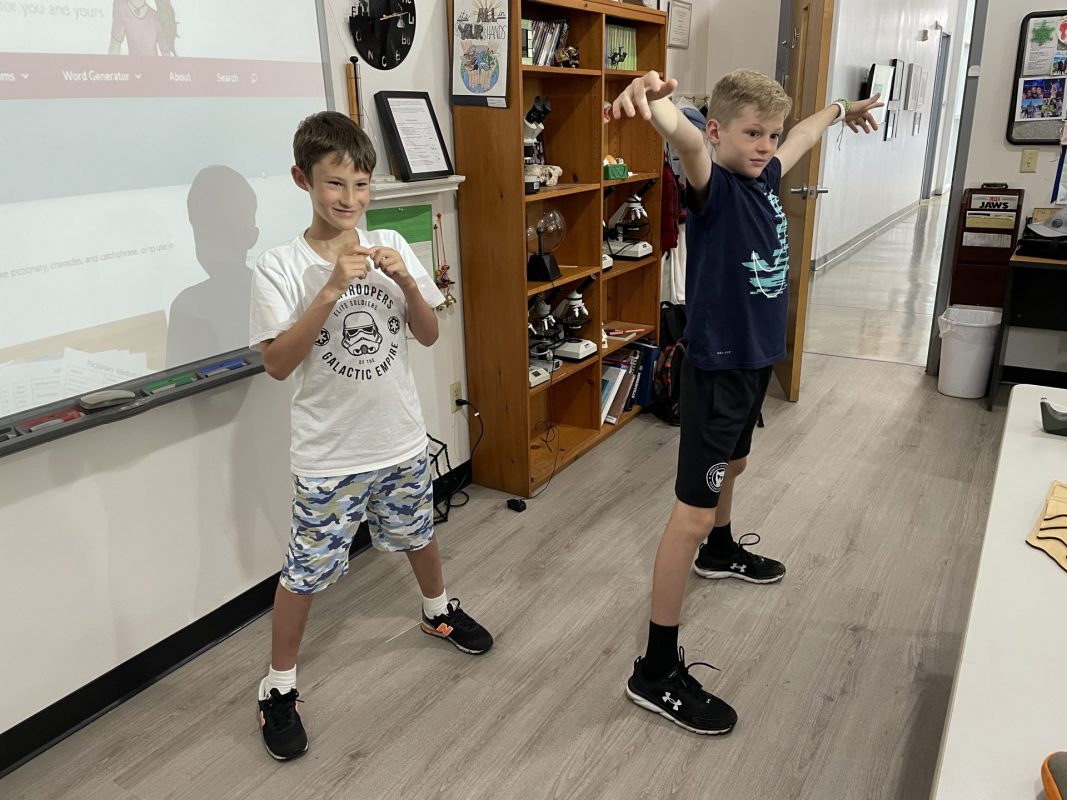
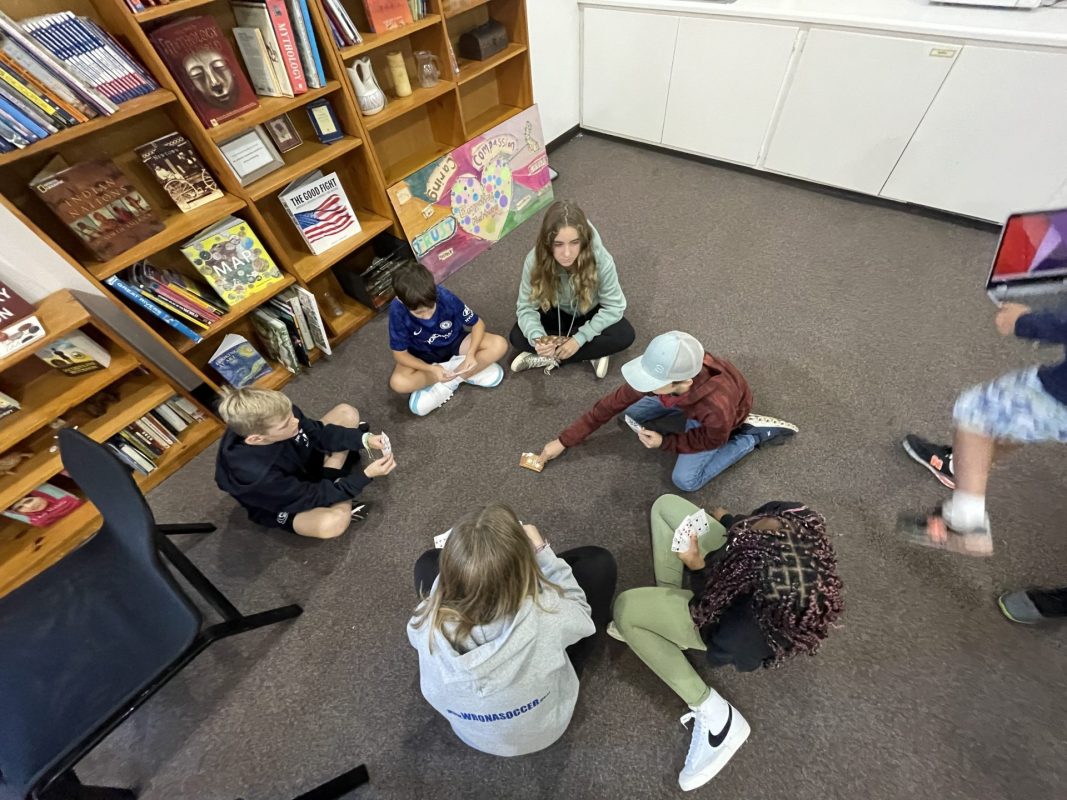
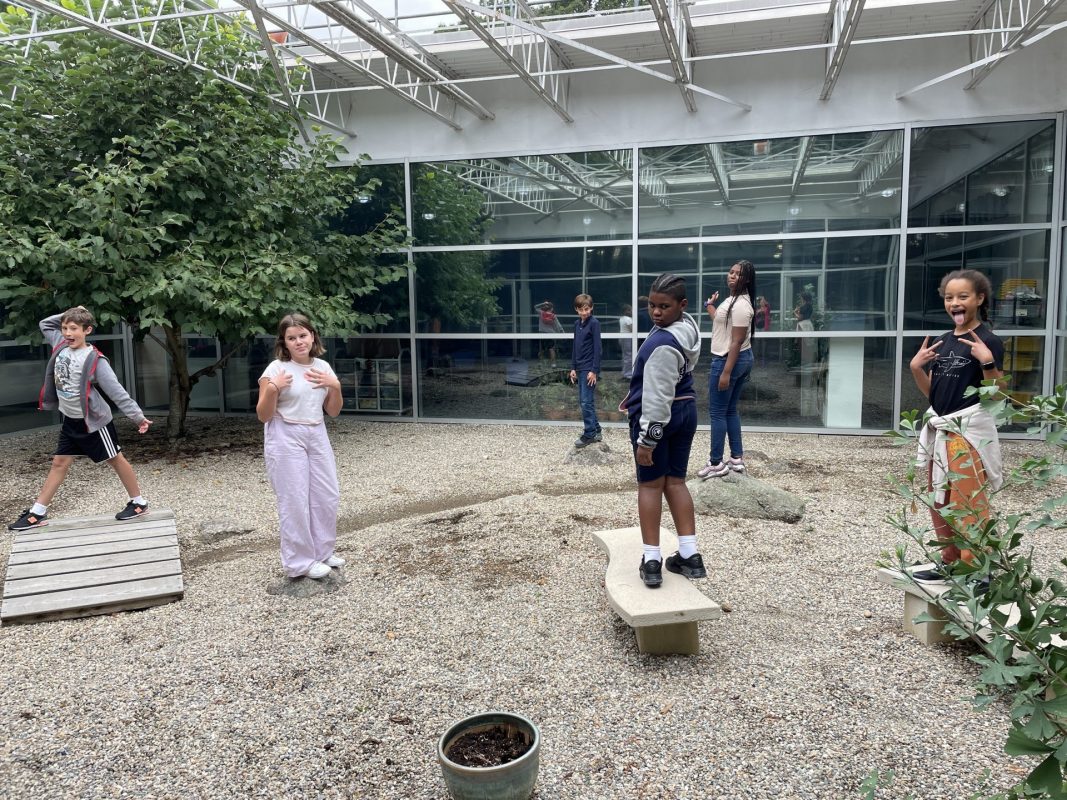
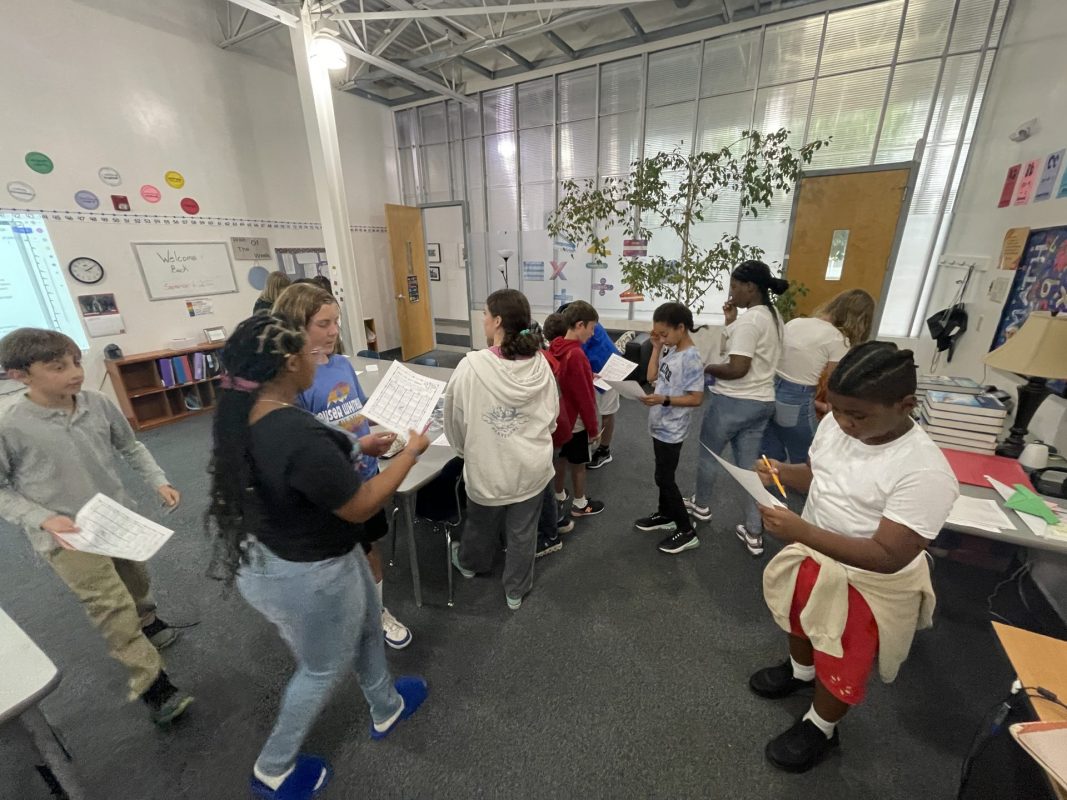
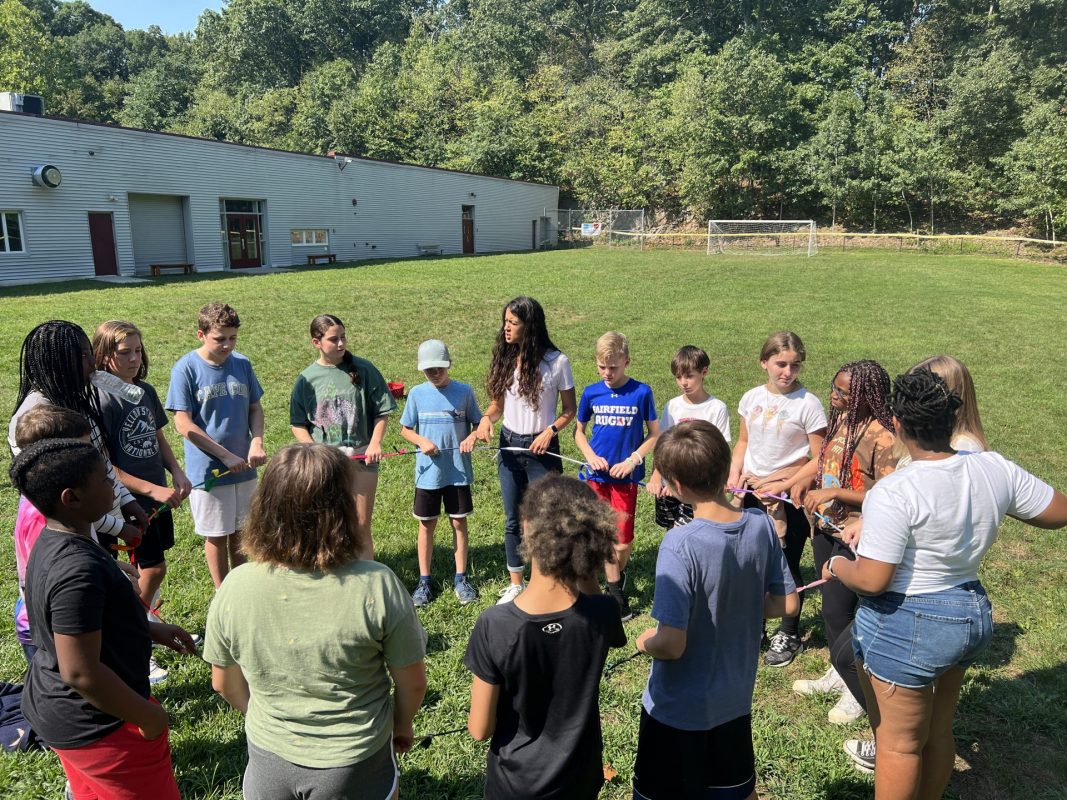
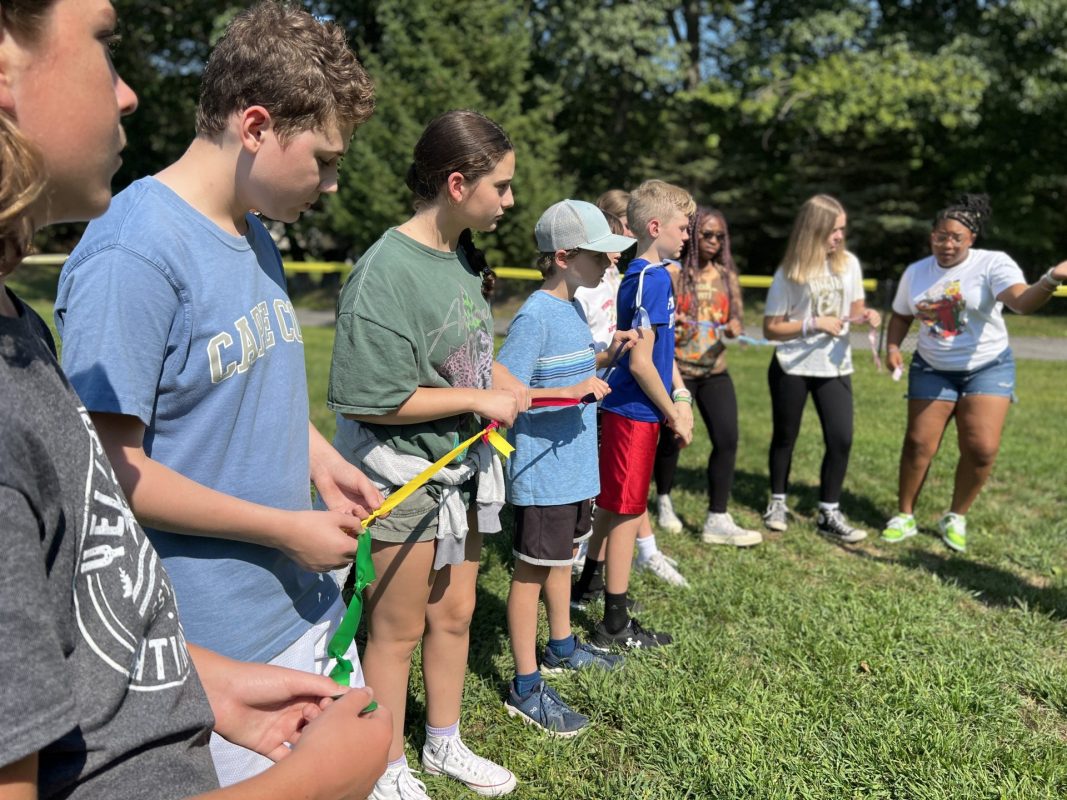
What an awesome week! We enjoyed seeing you at Curriculum Night. If you have any additional questions or discussion items, please feel free to contact us.
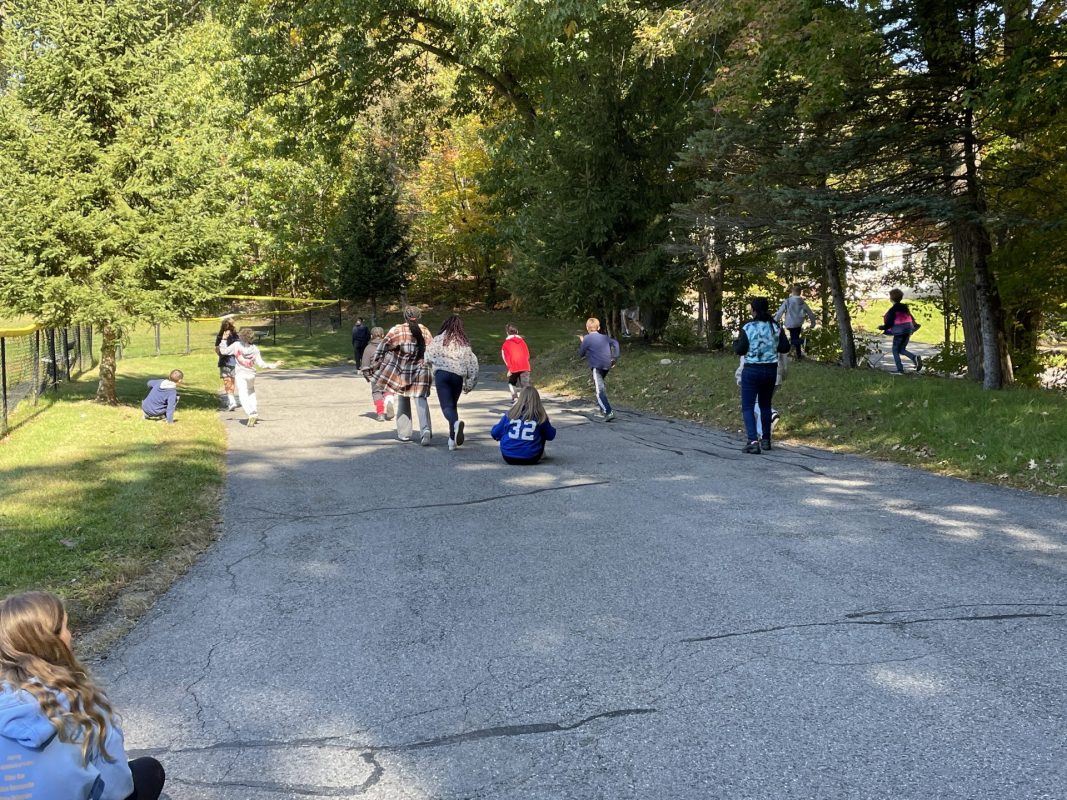
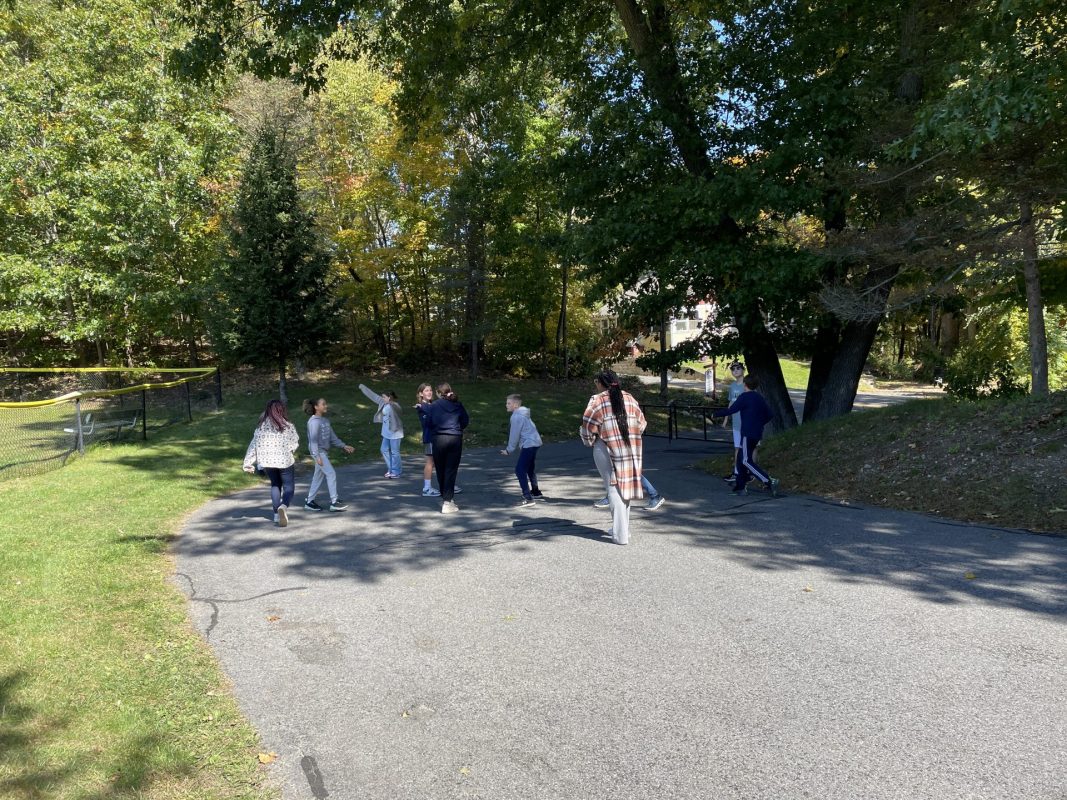
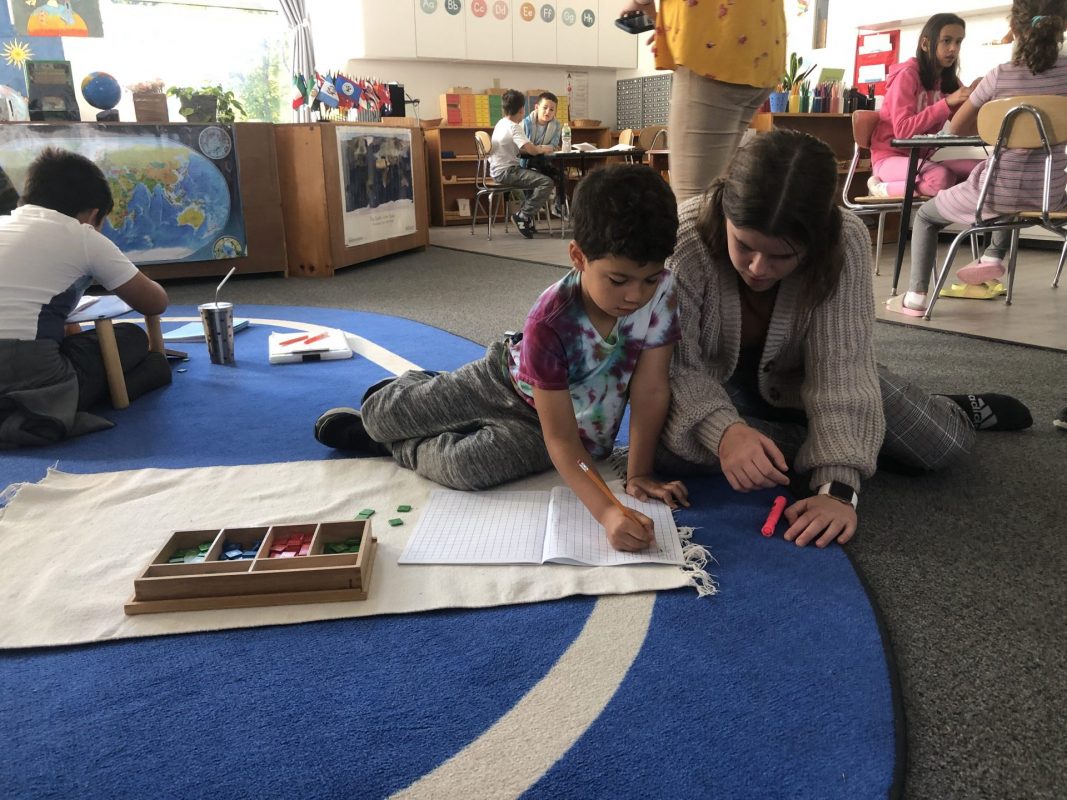
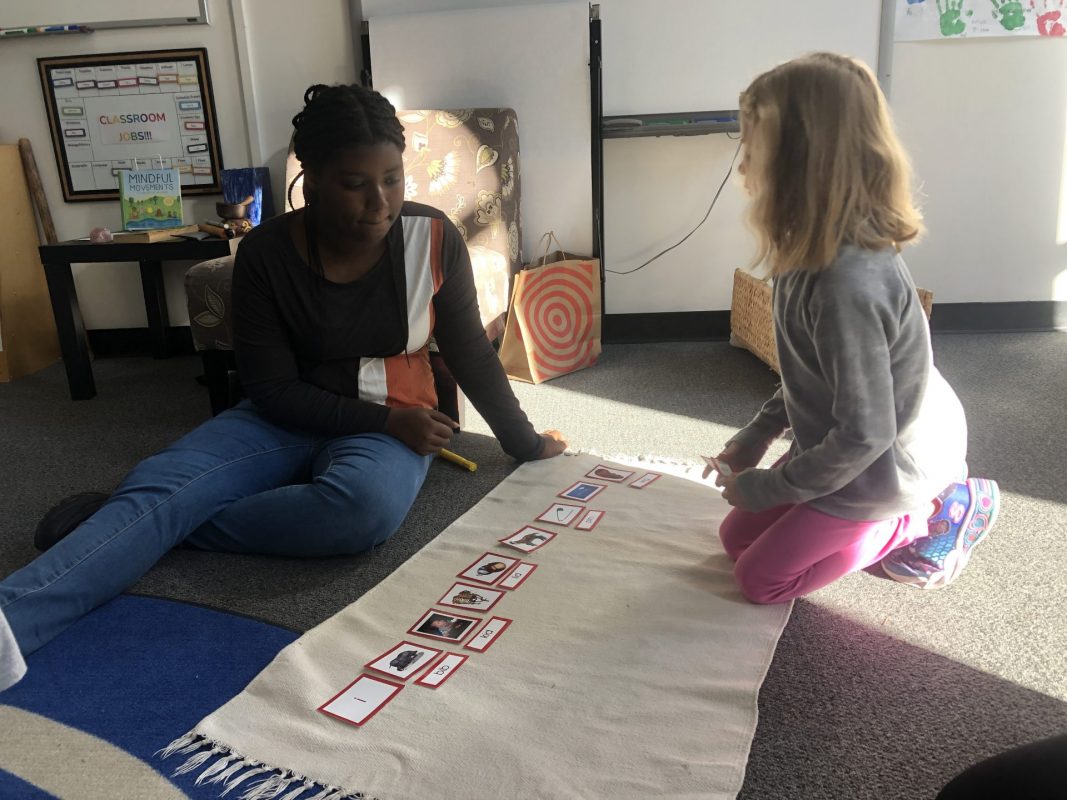
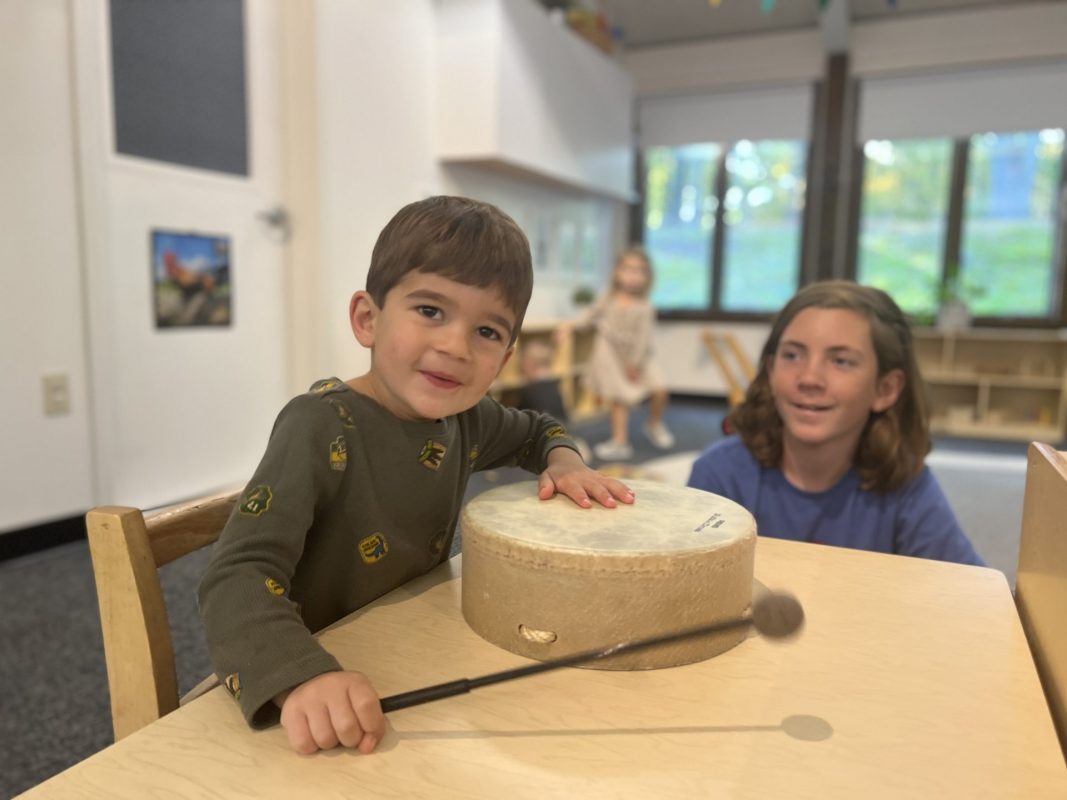
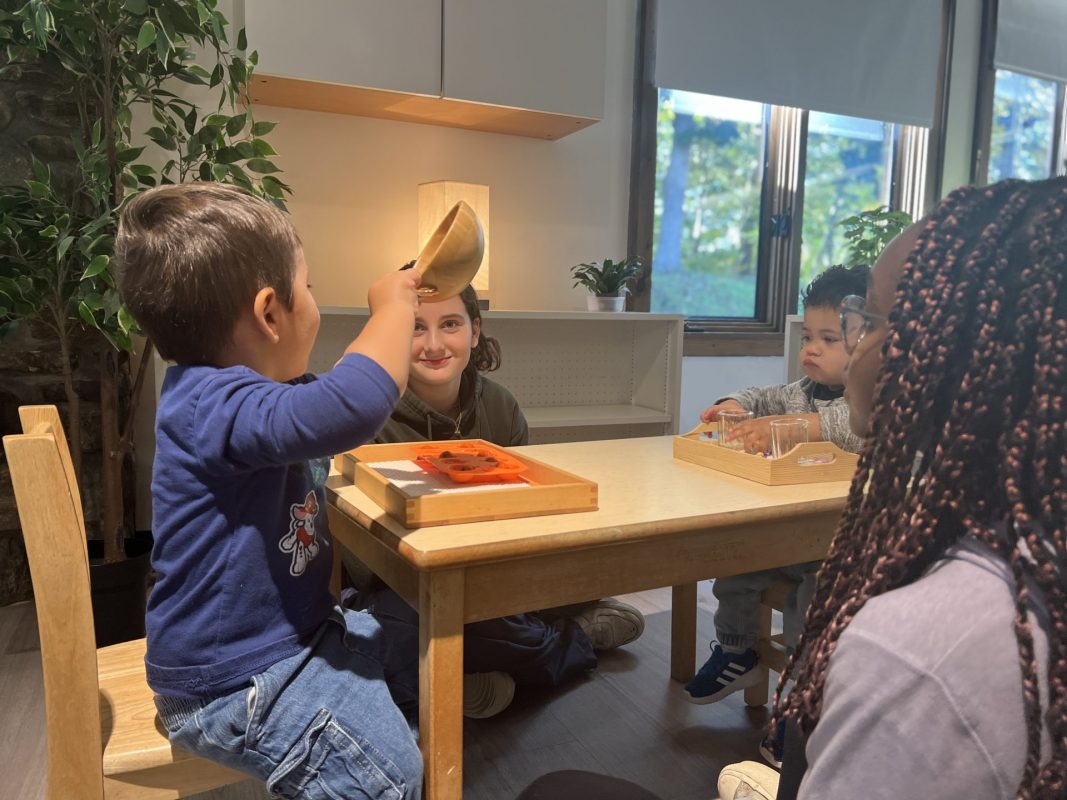
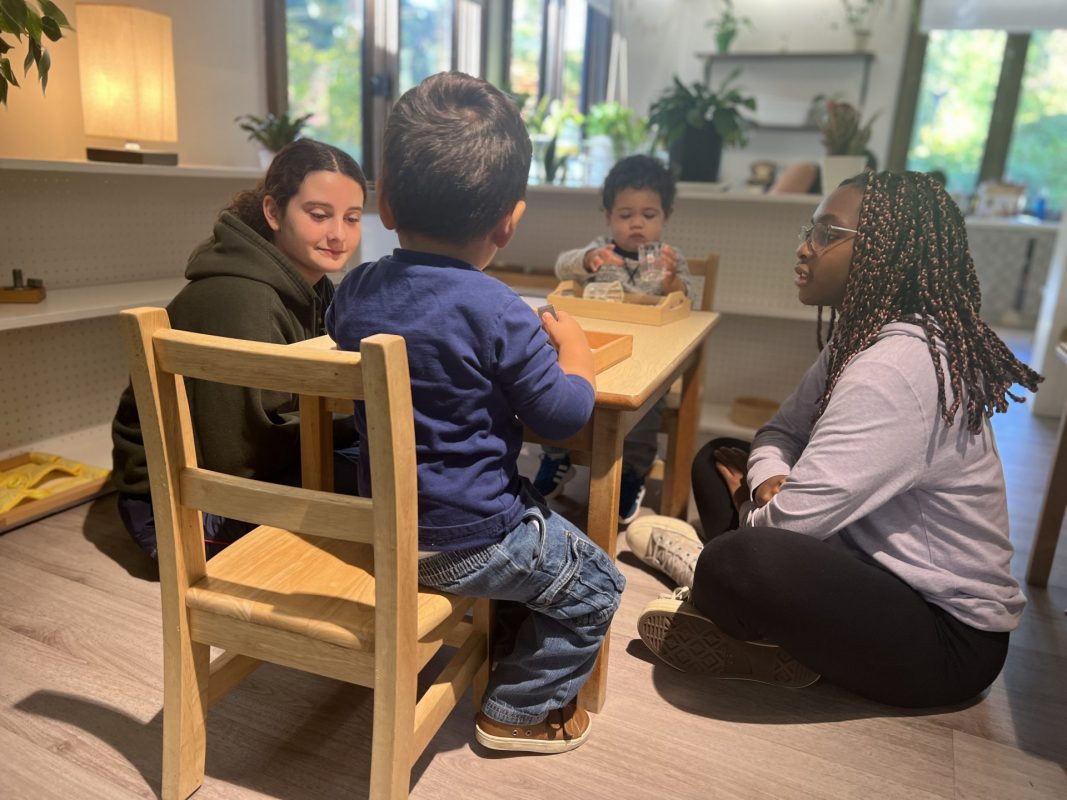
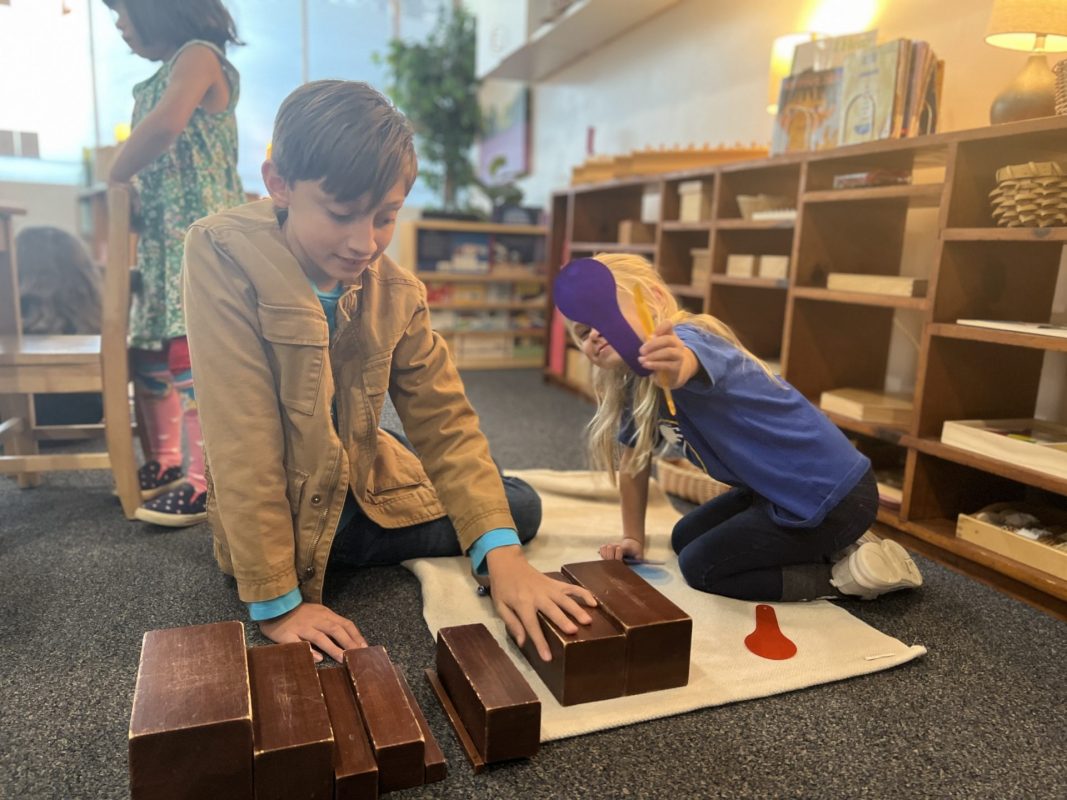
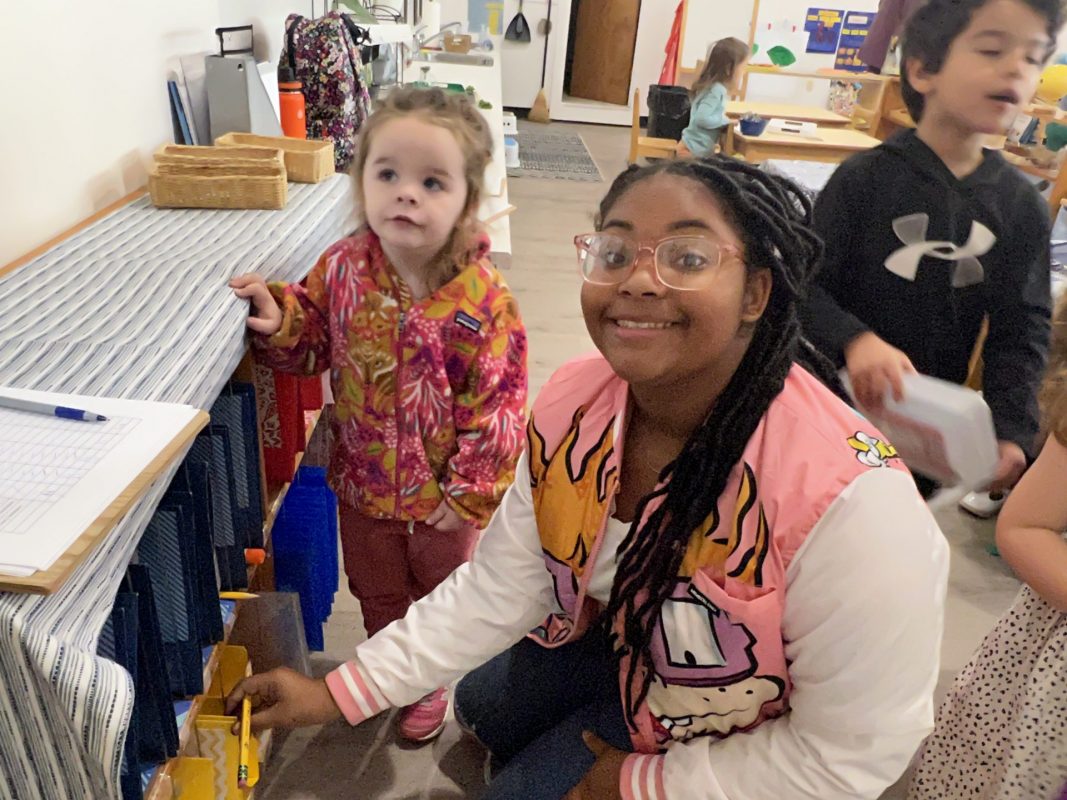
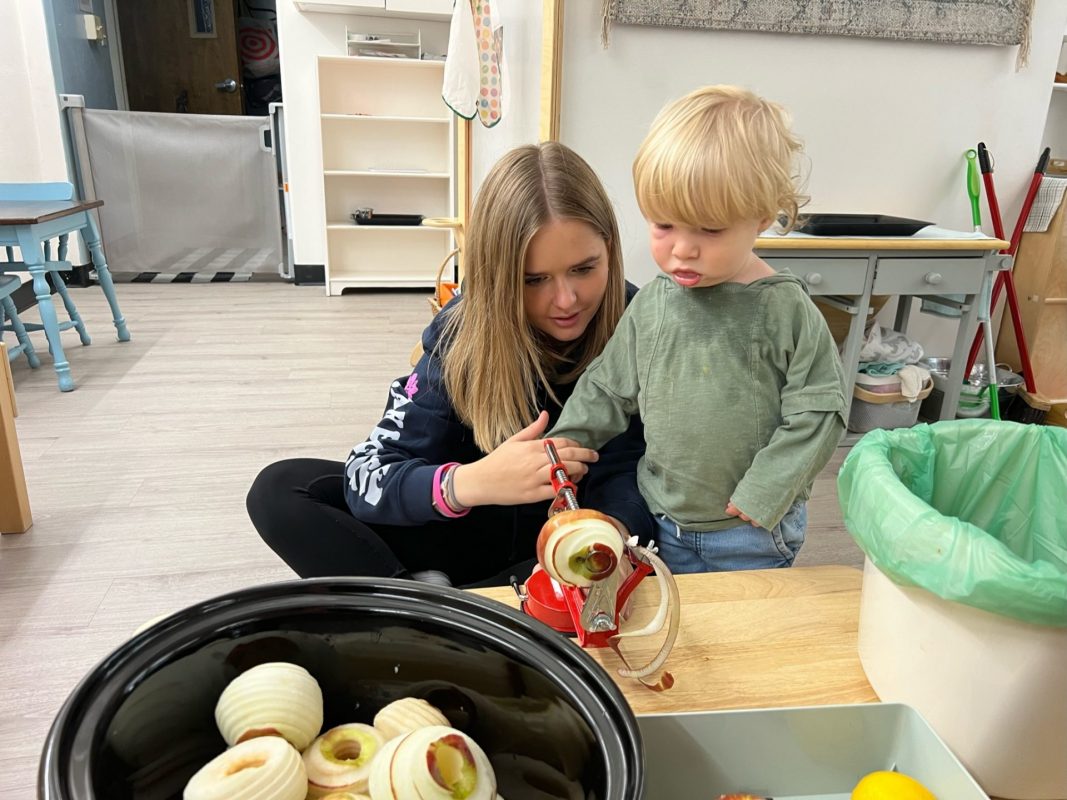
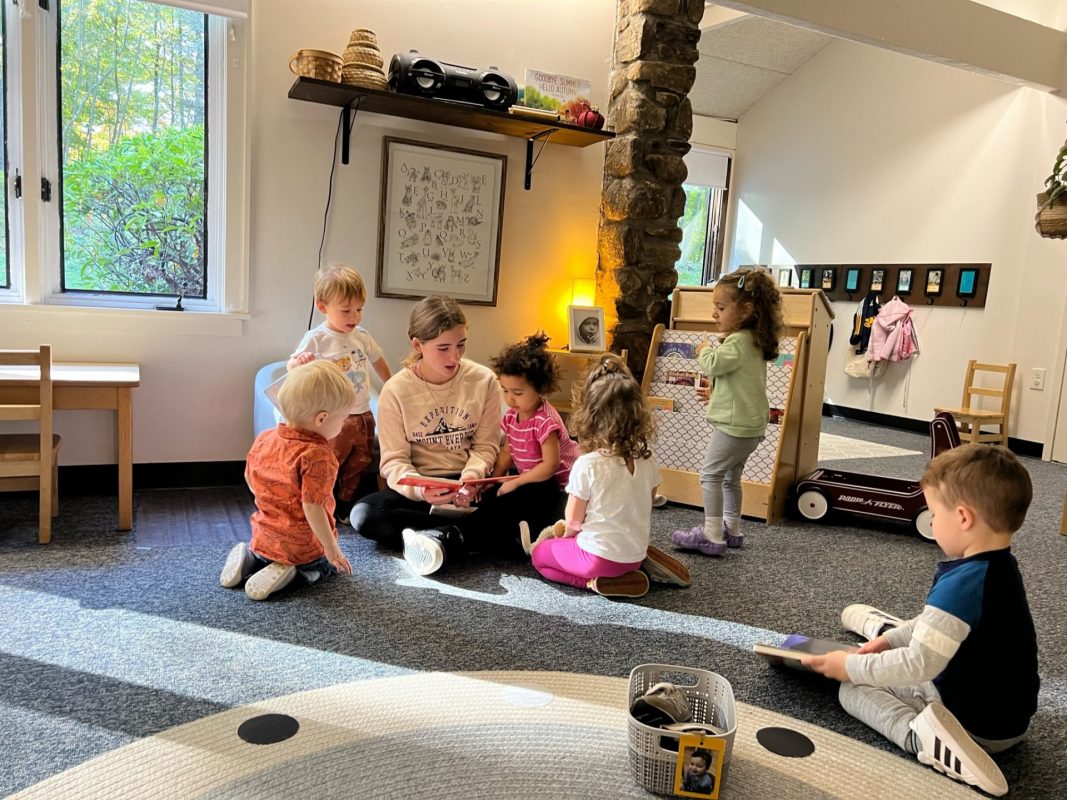
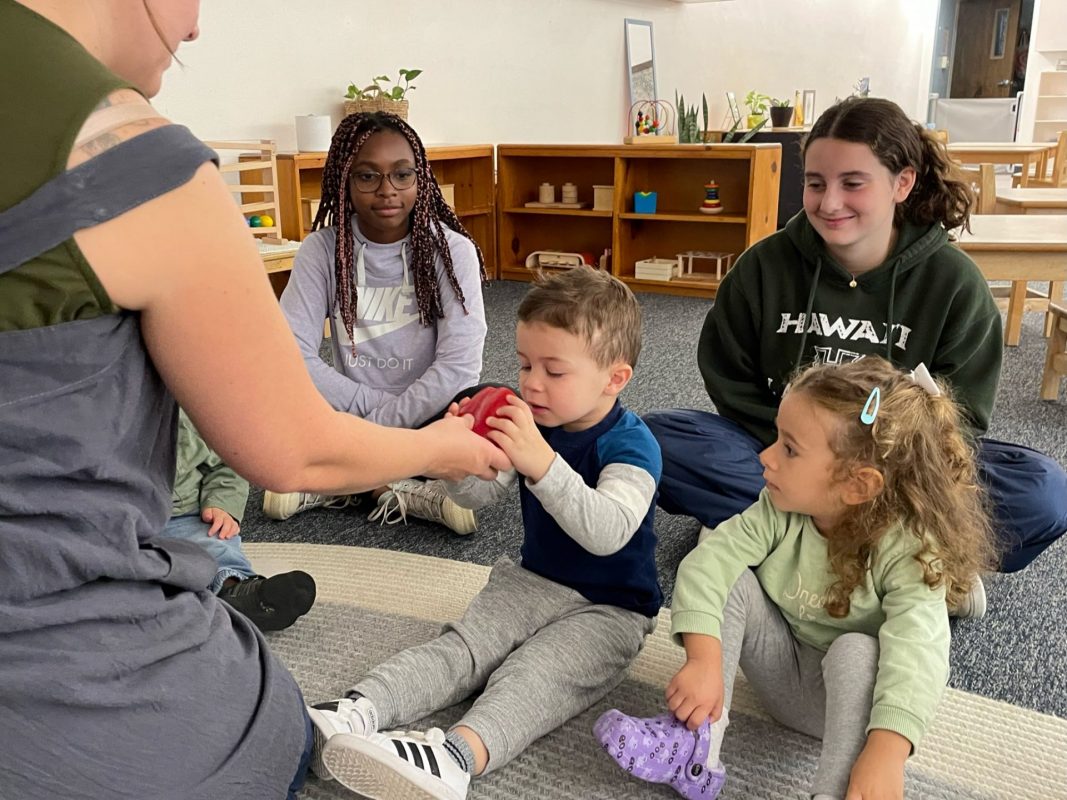
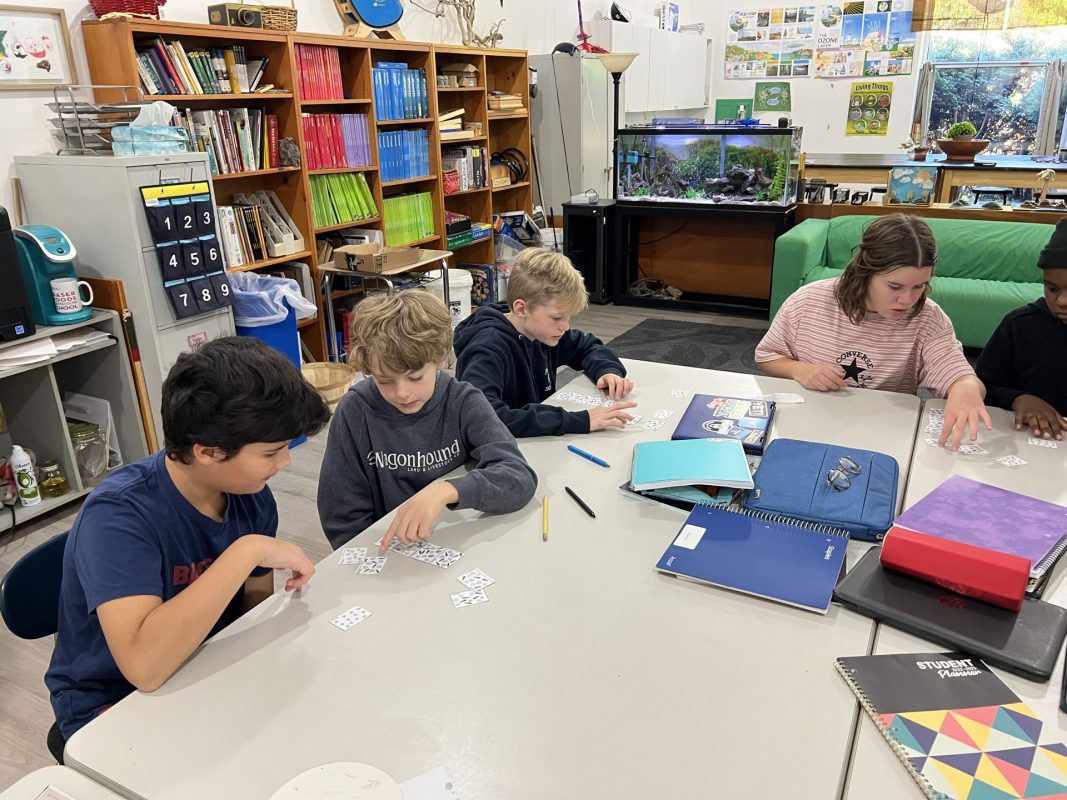
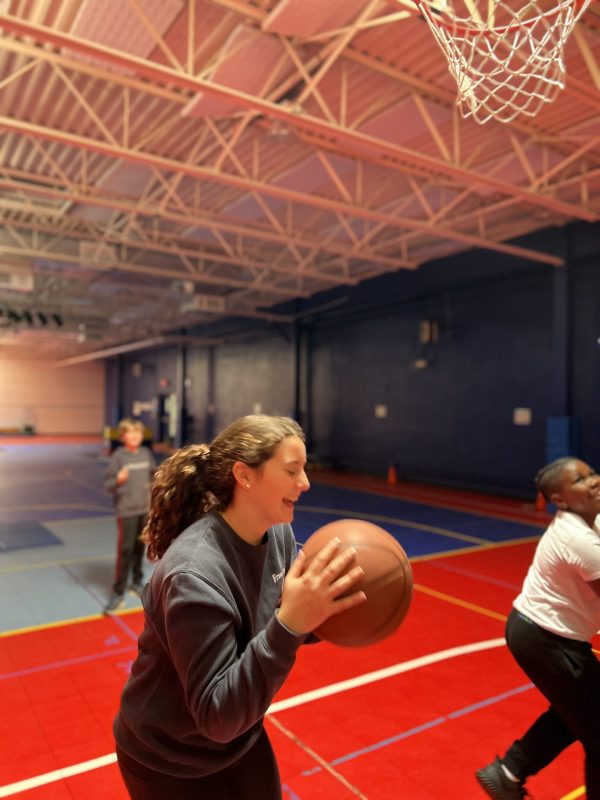
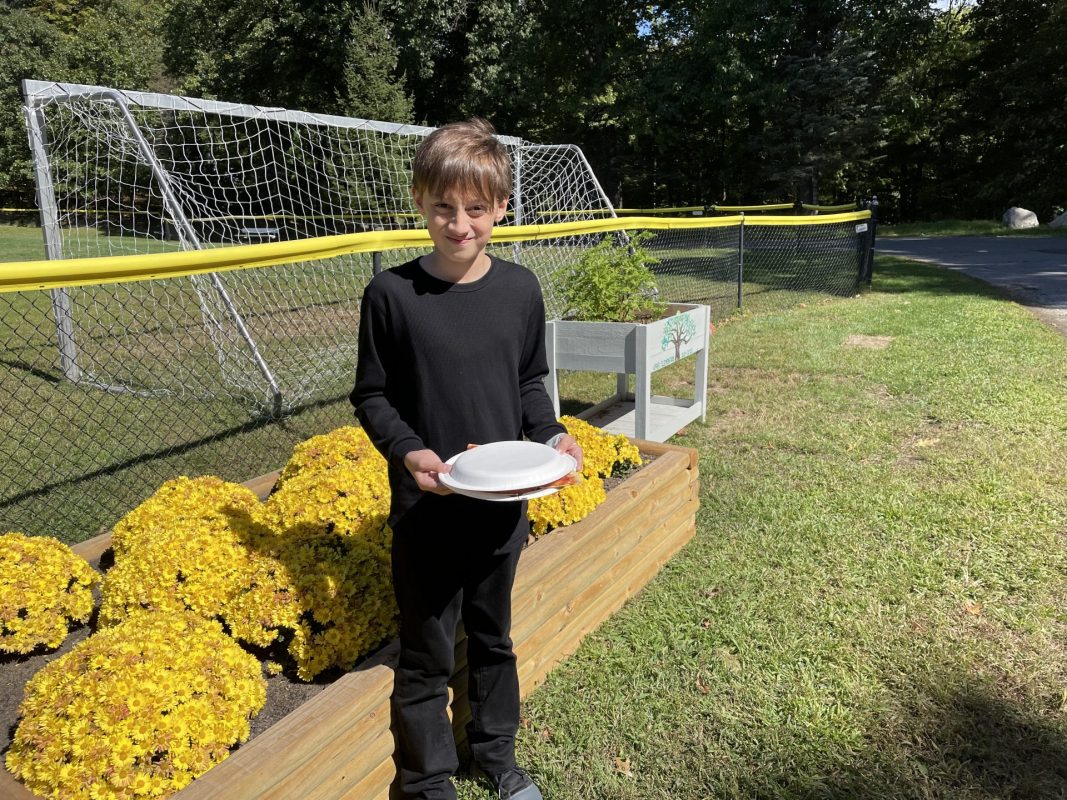
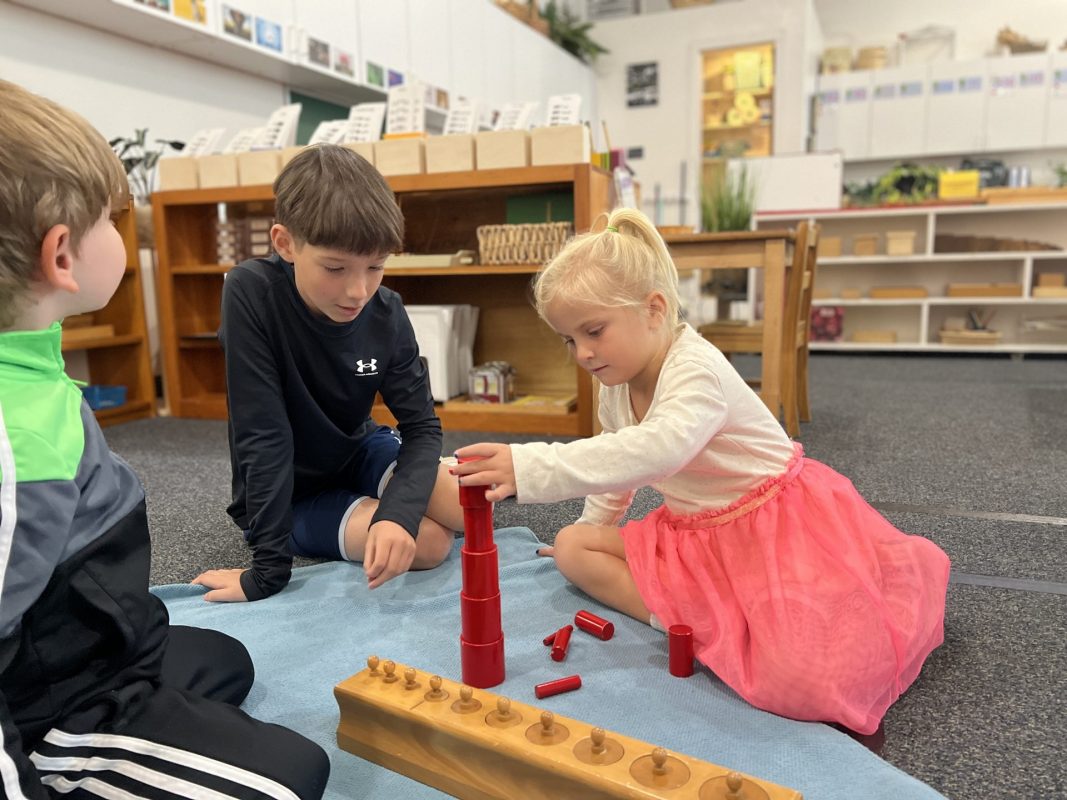
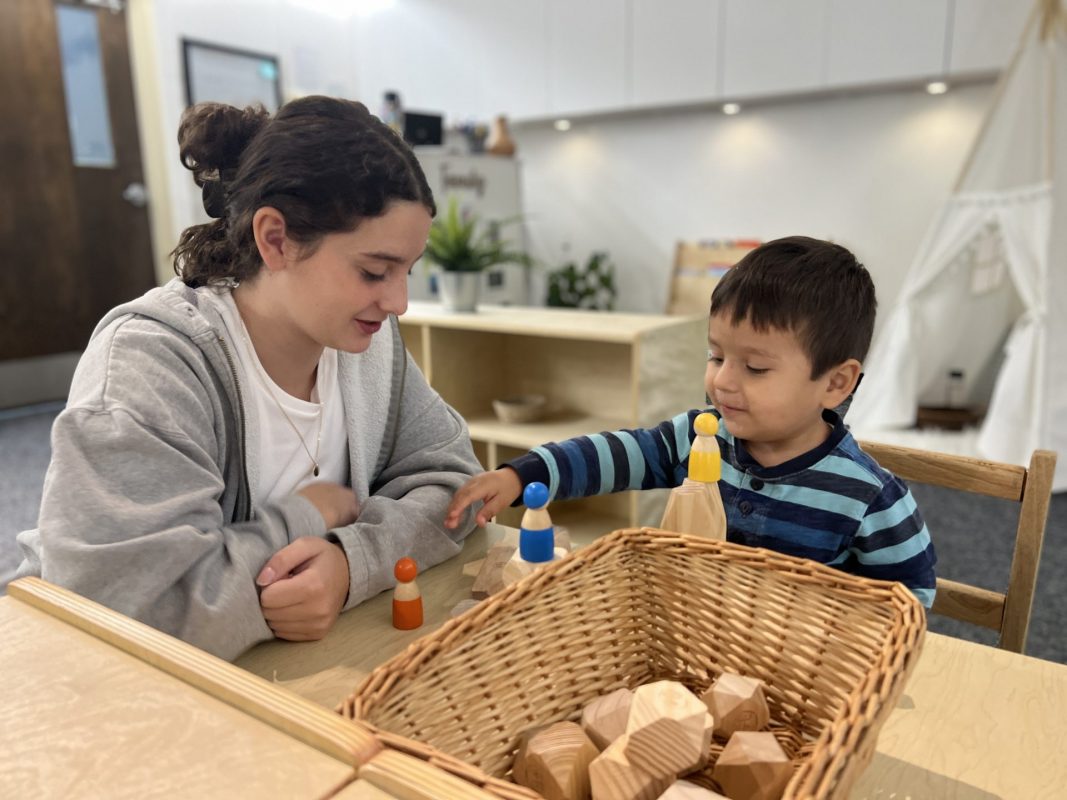
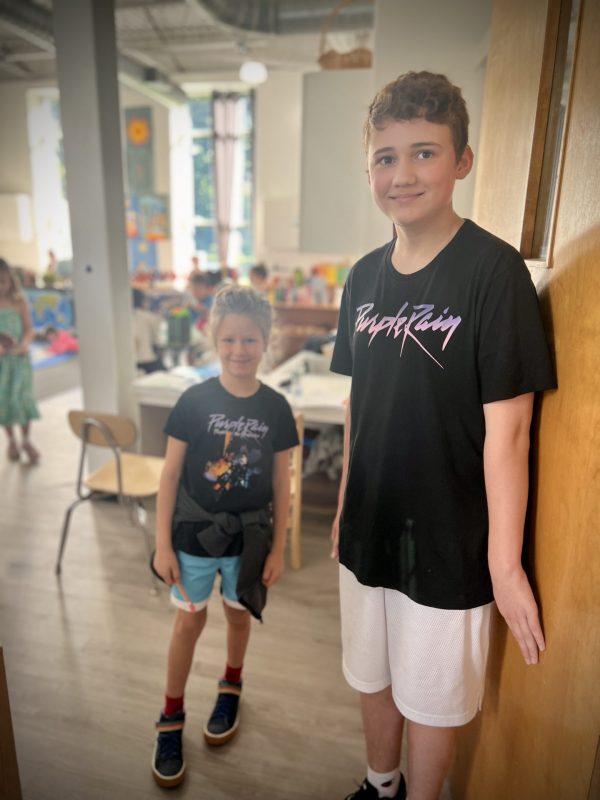
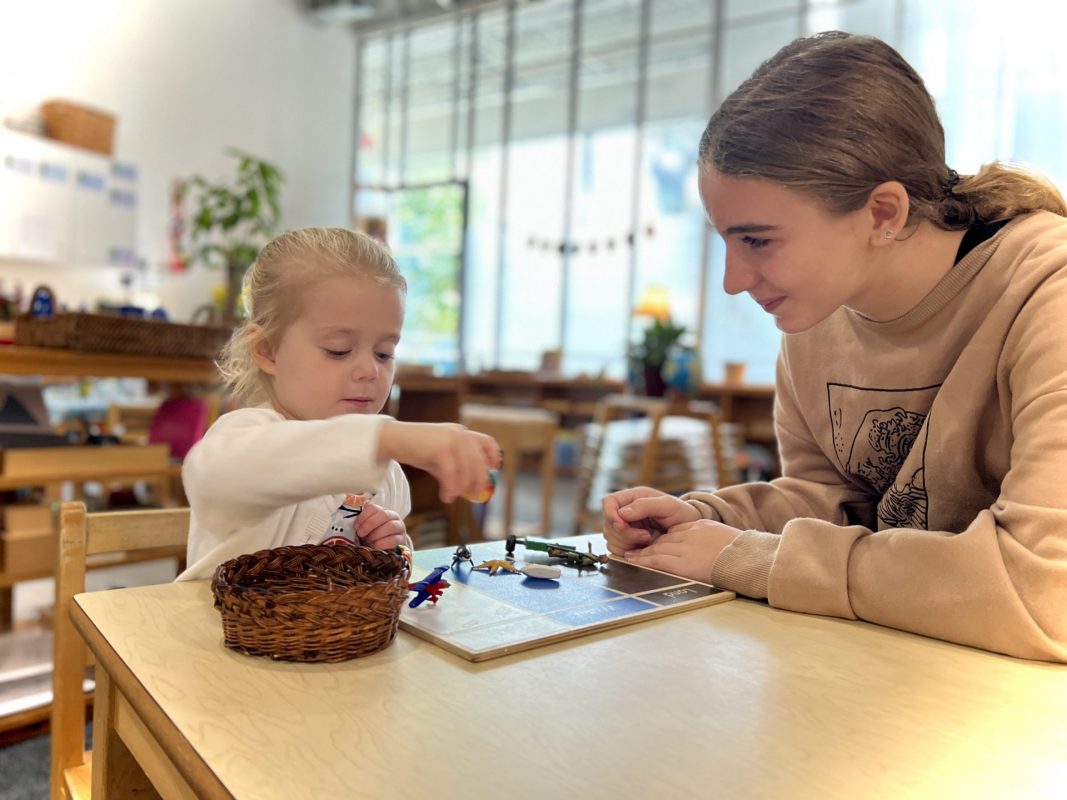
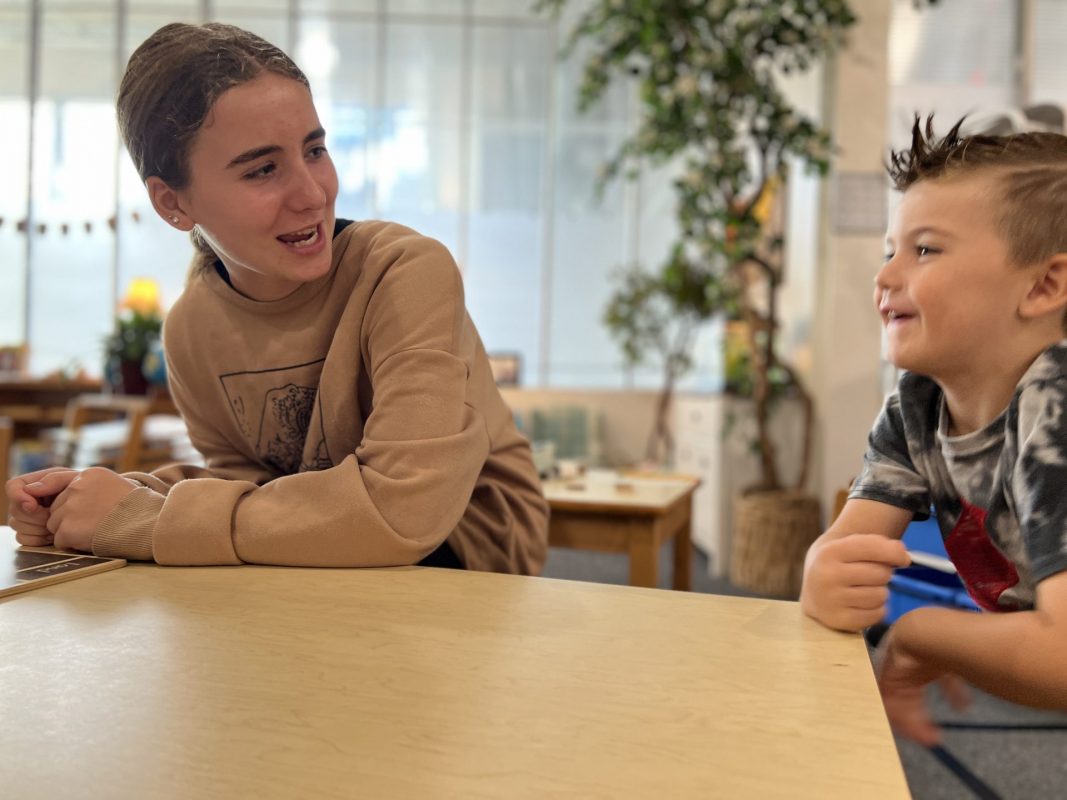
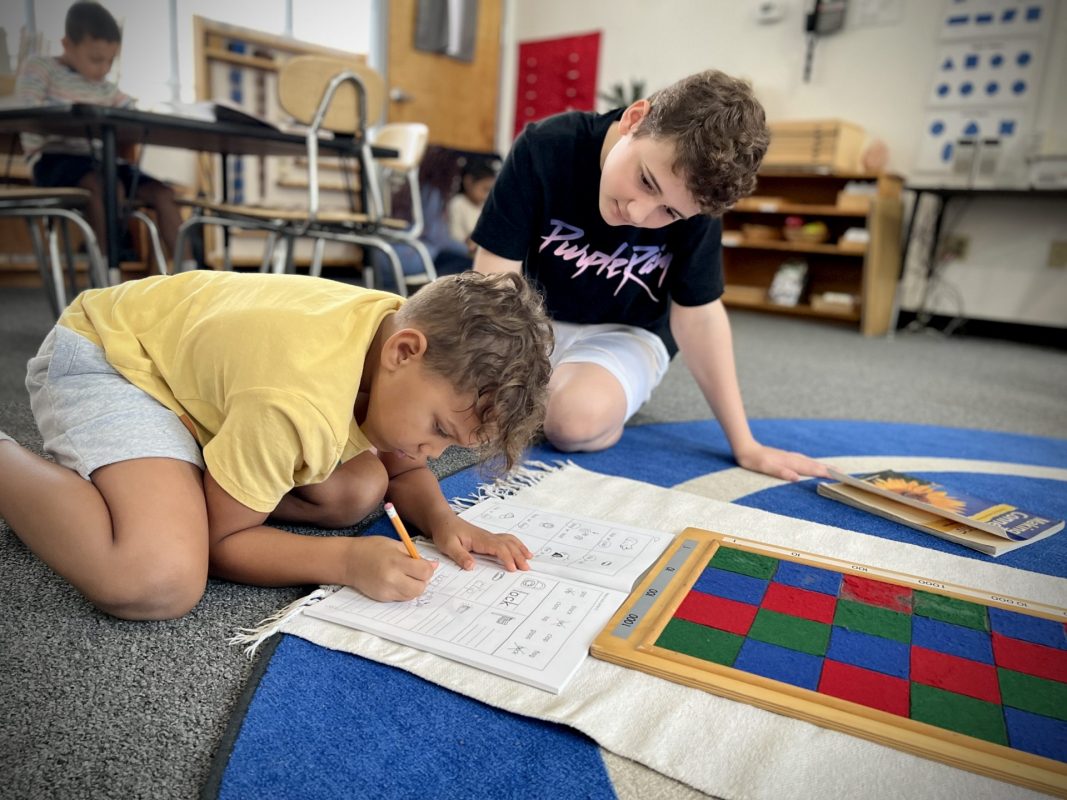
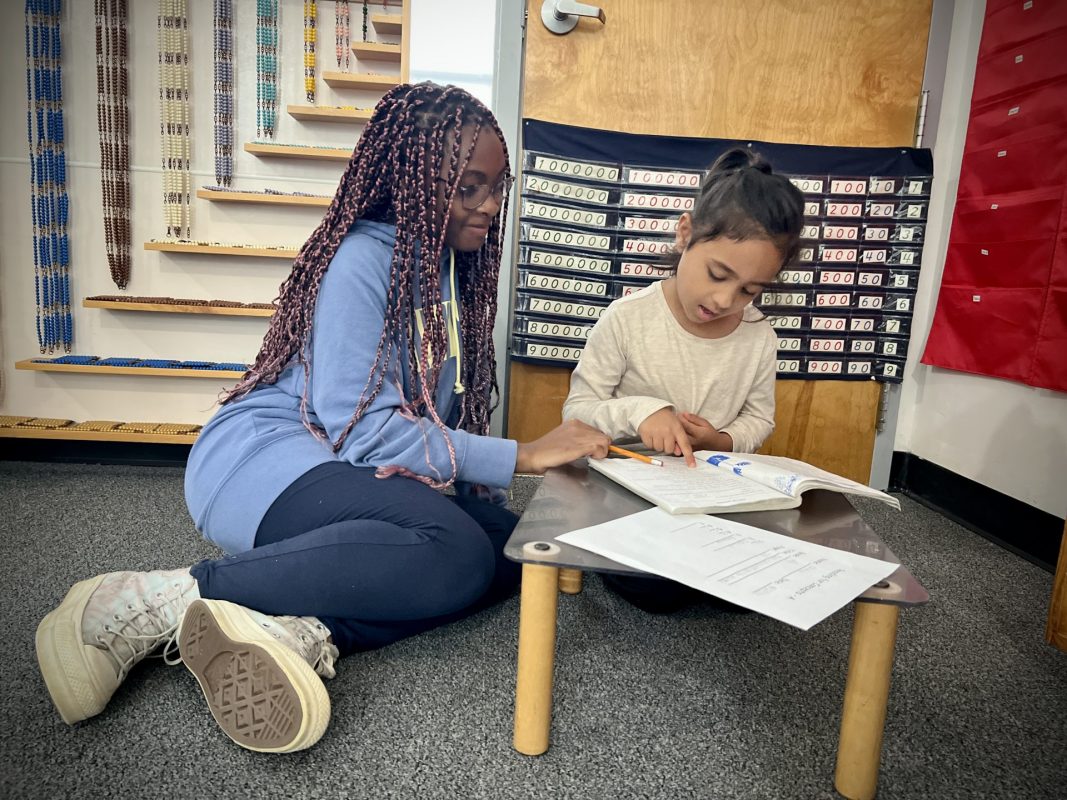
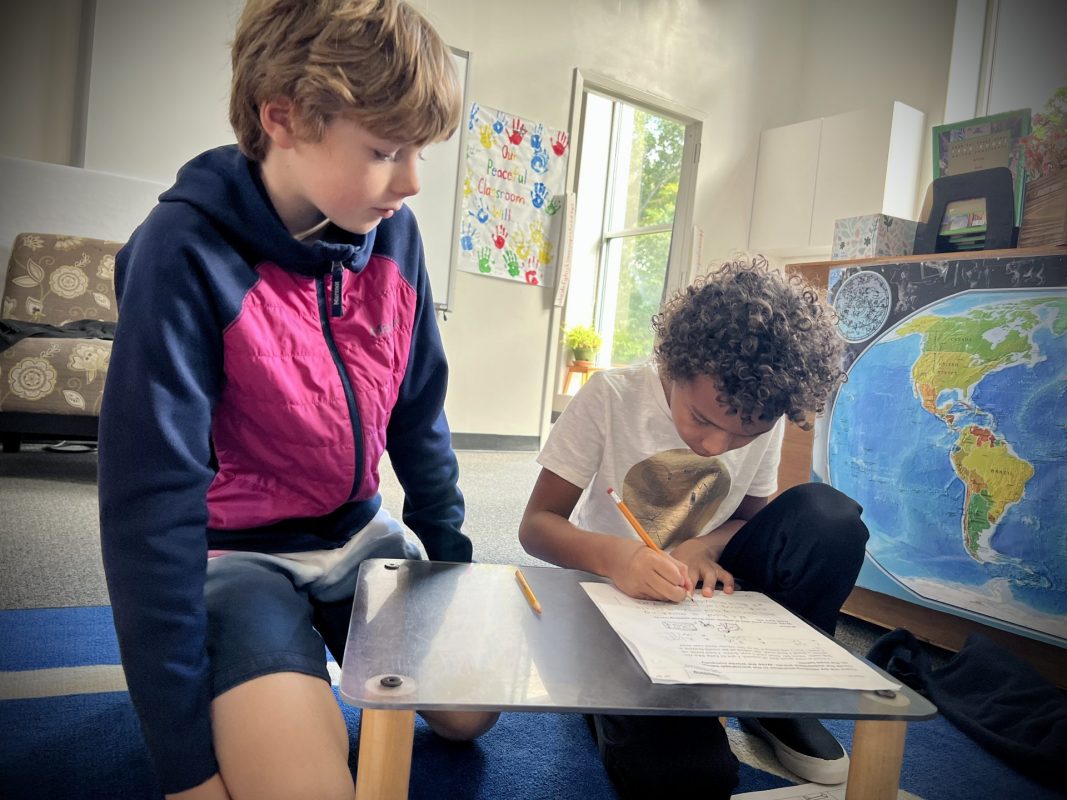
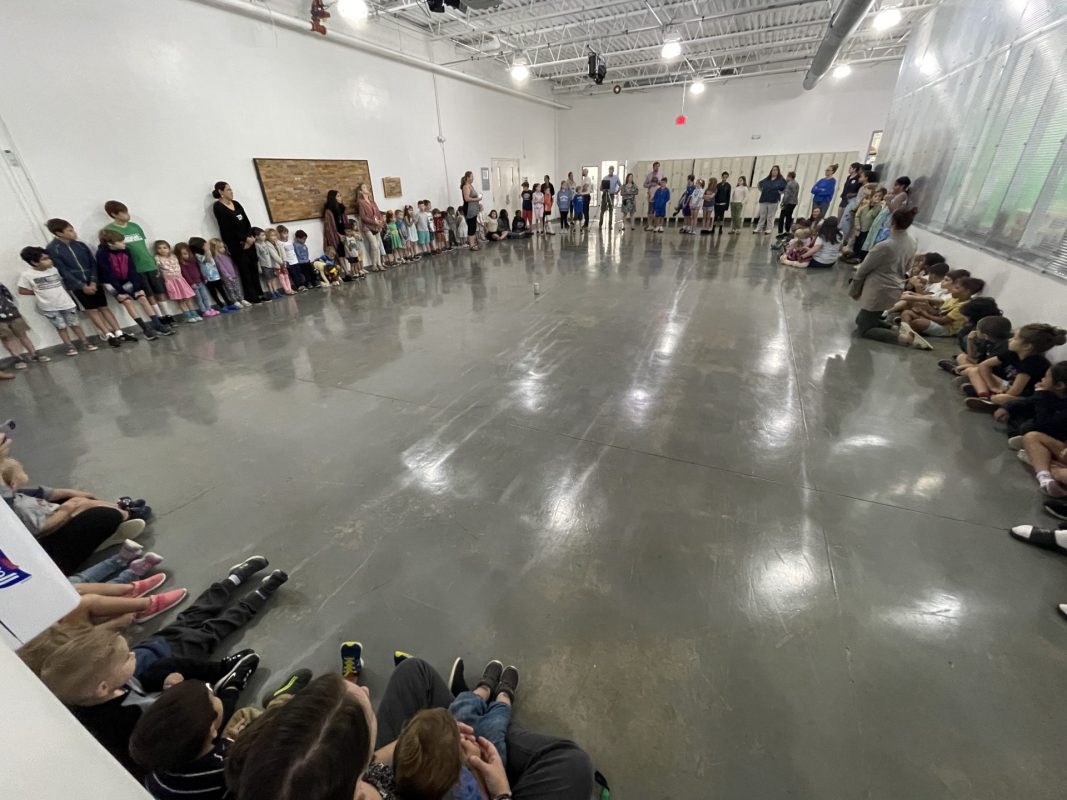
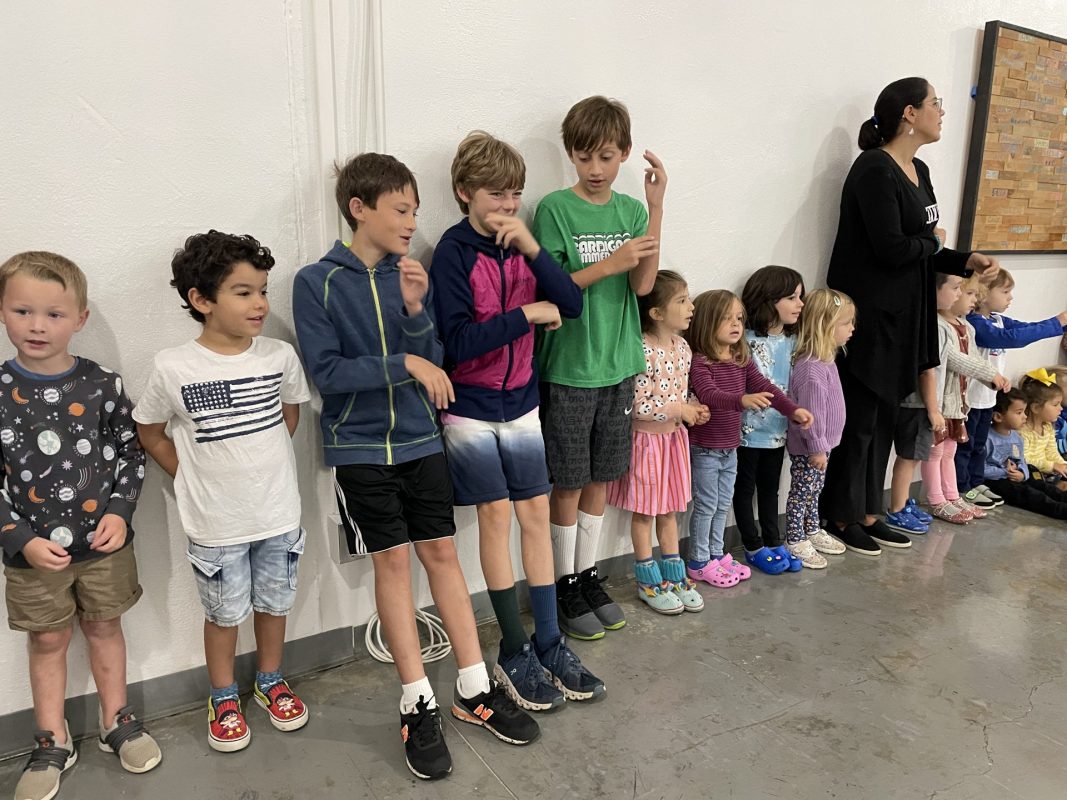
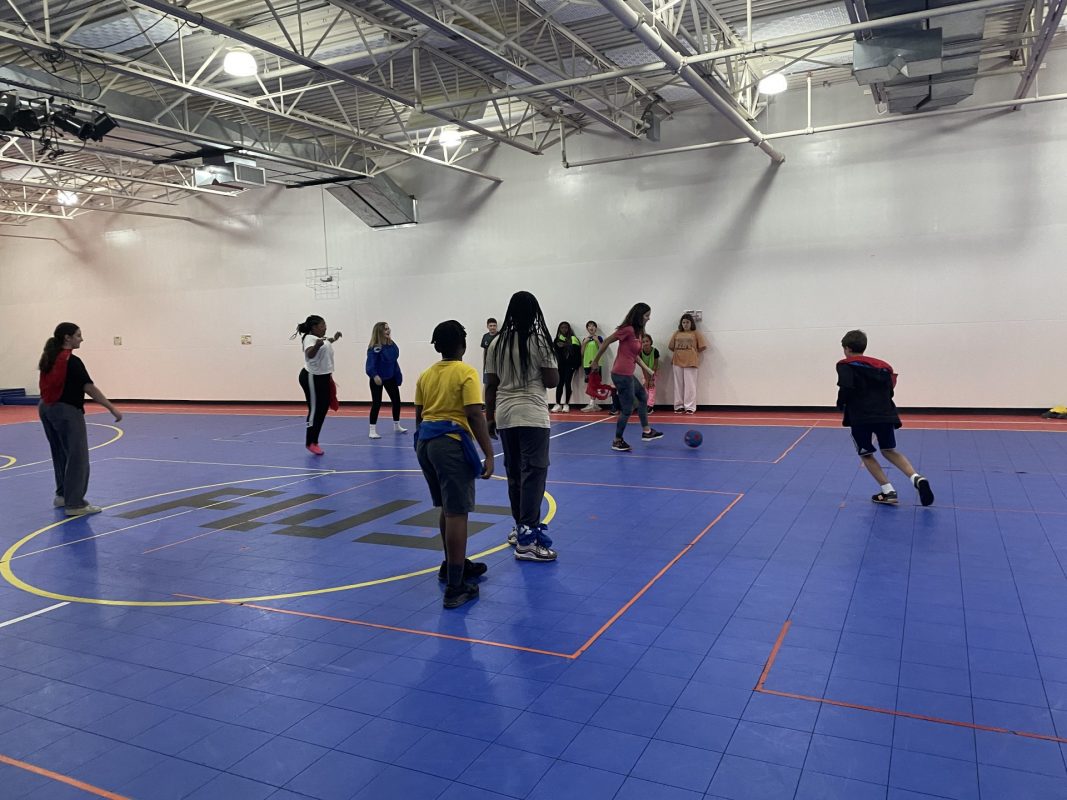
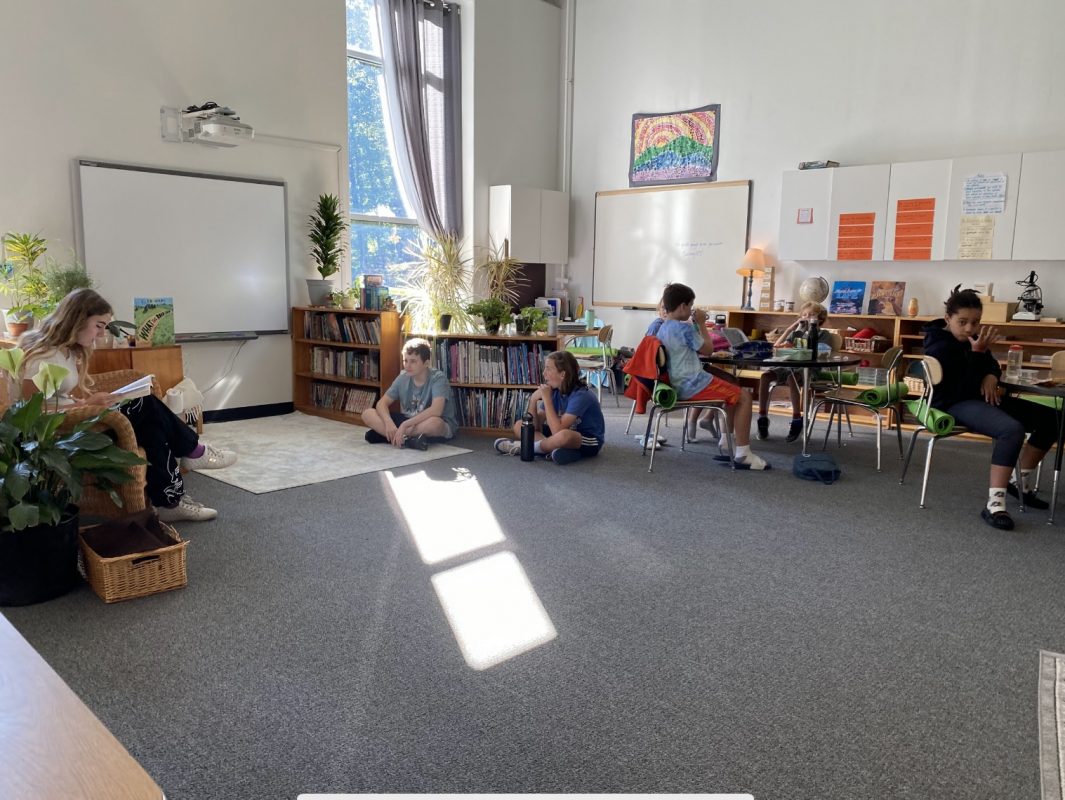
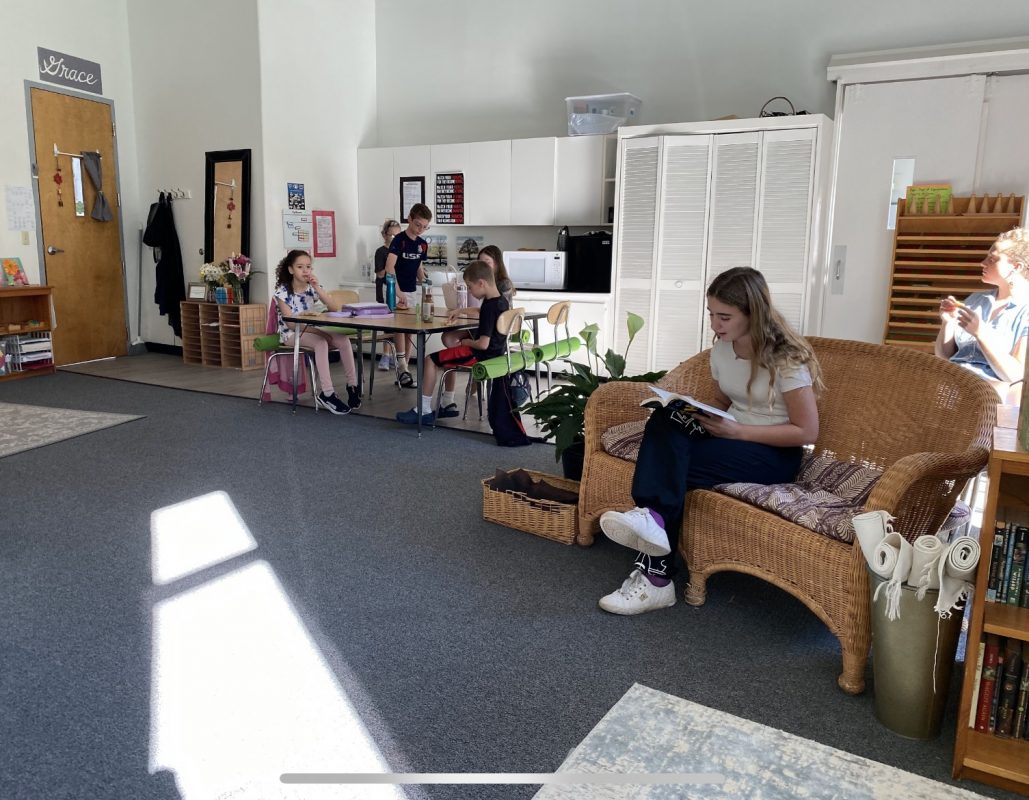
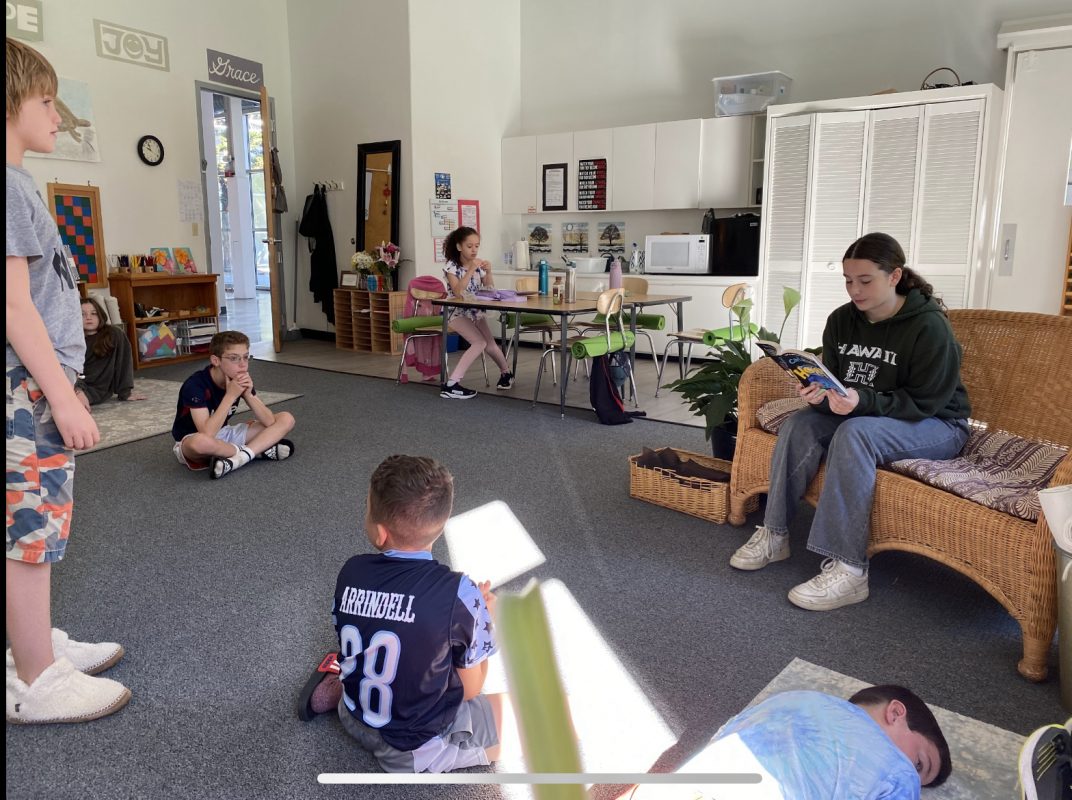
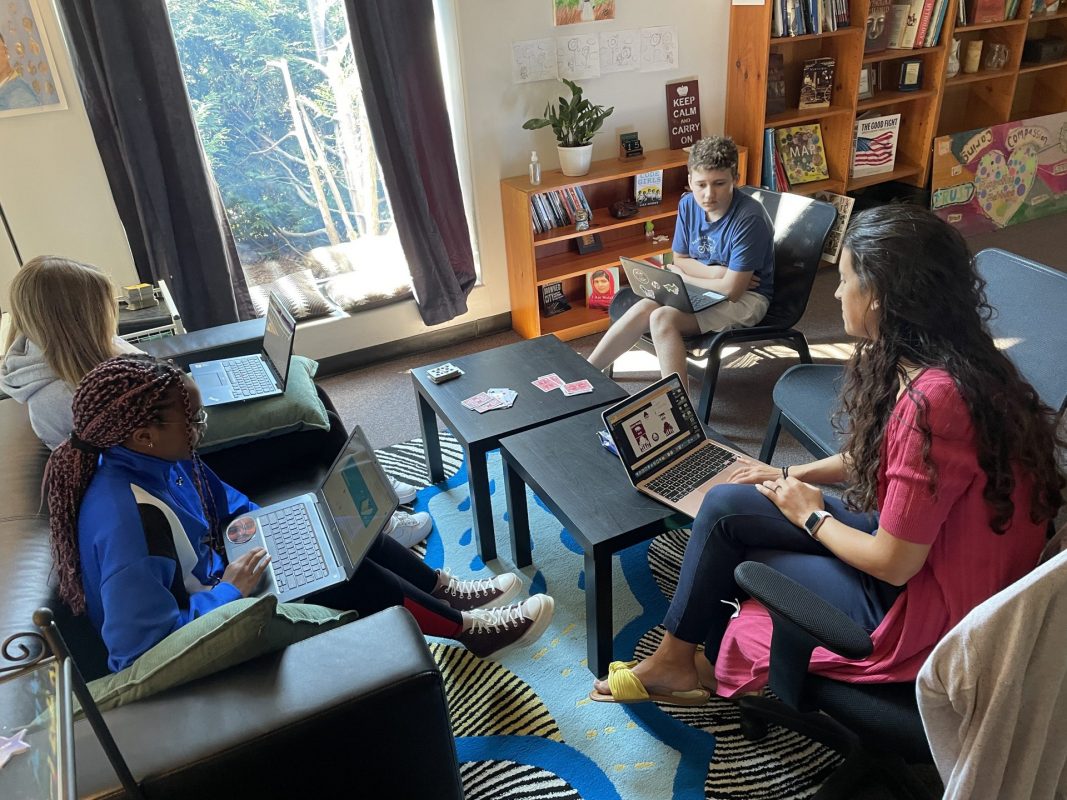
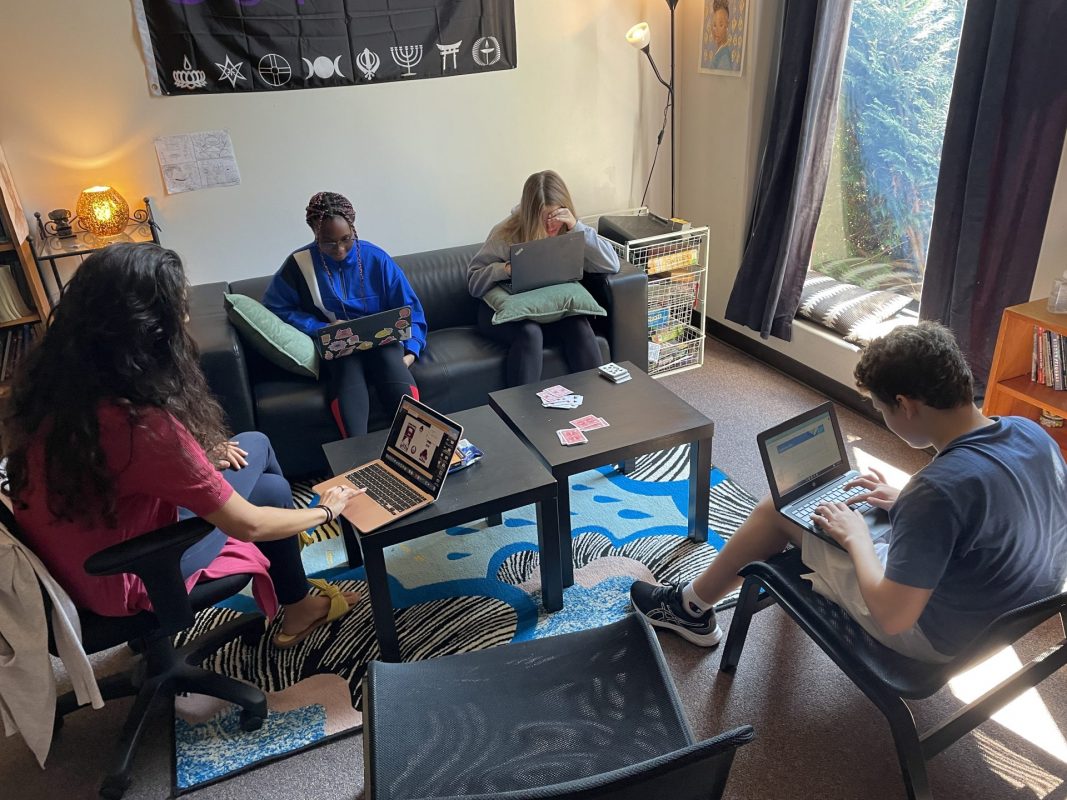
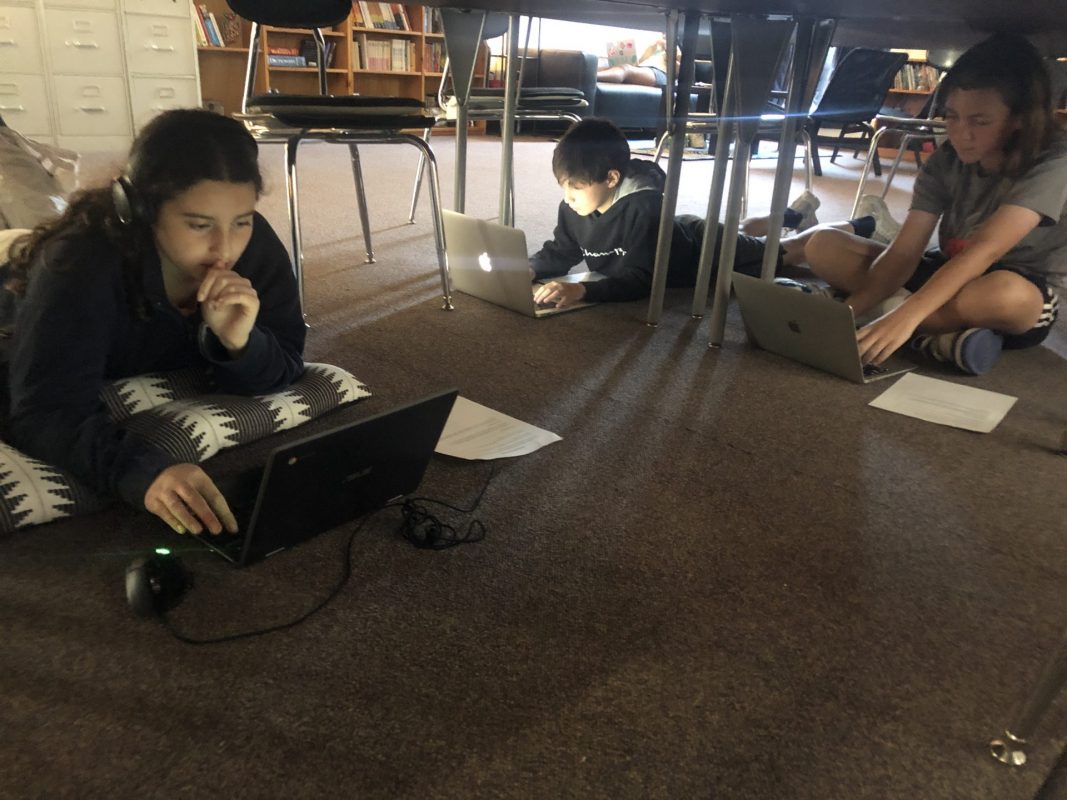
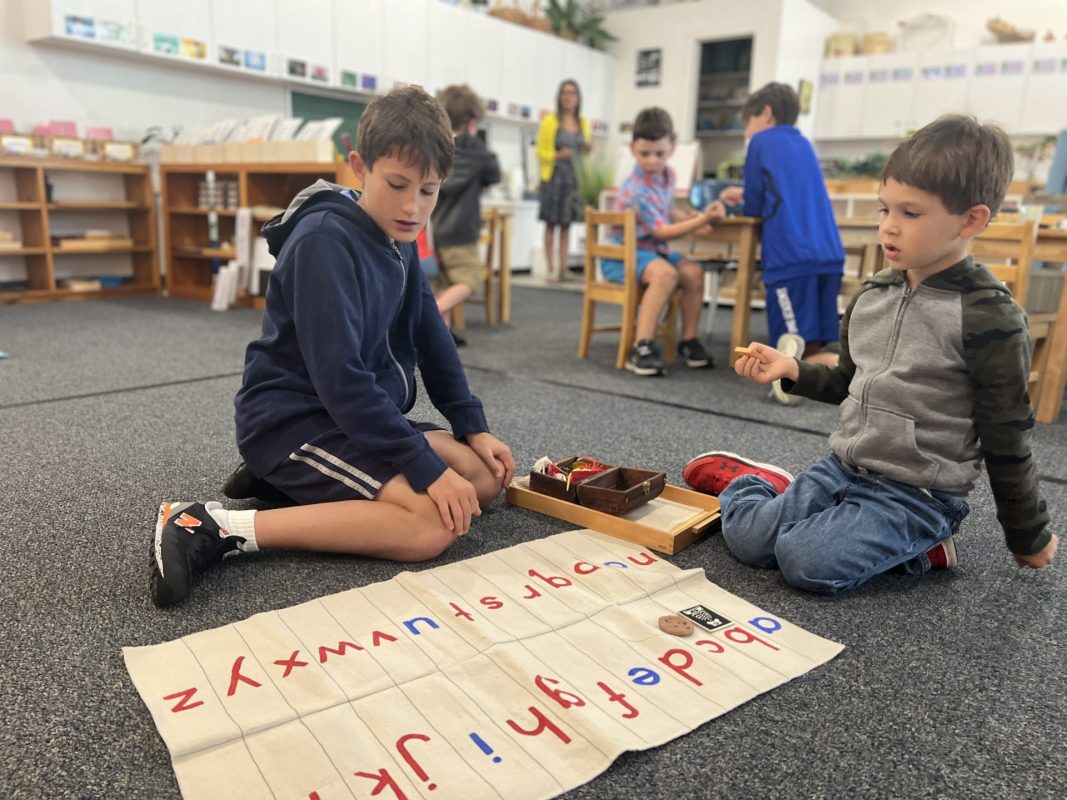
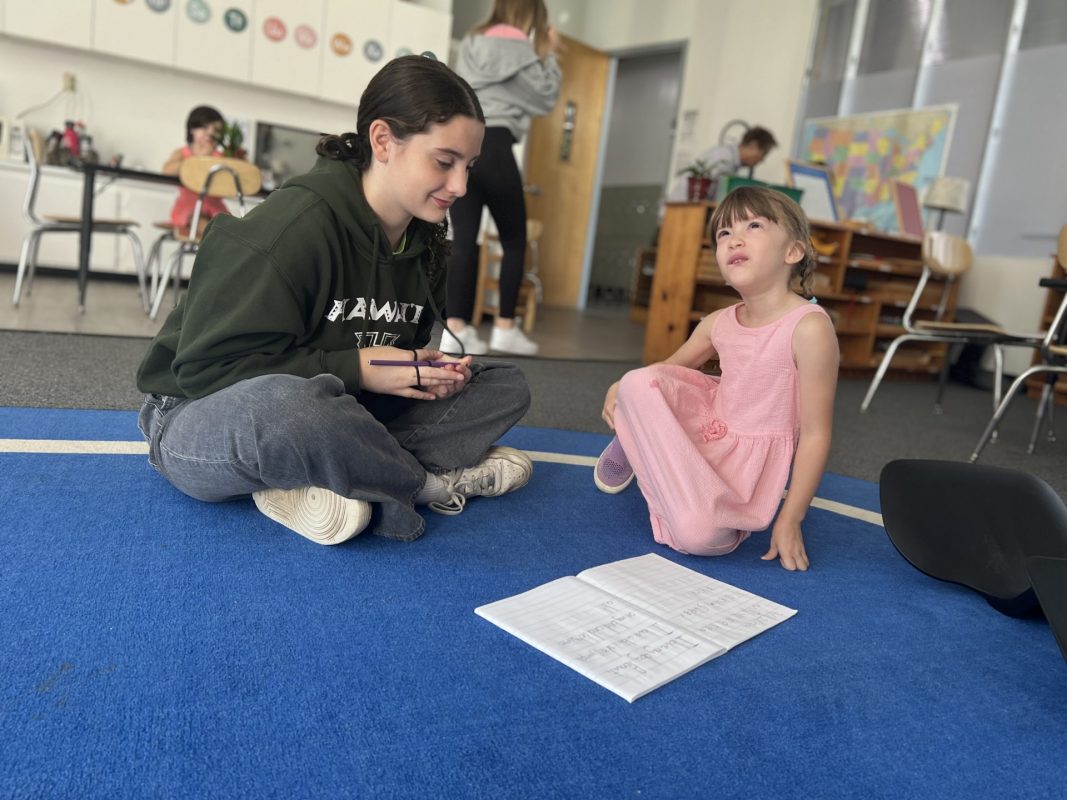
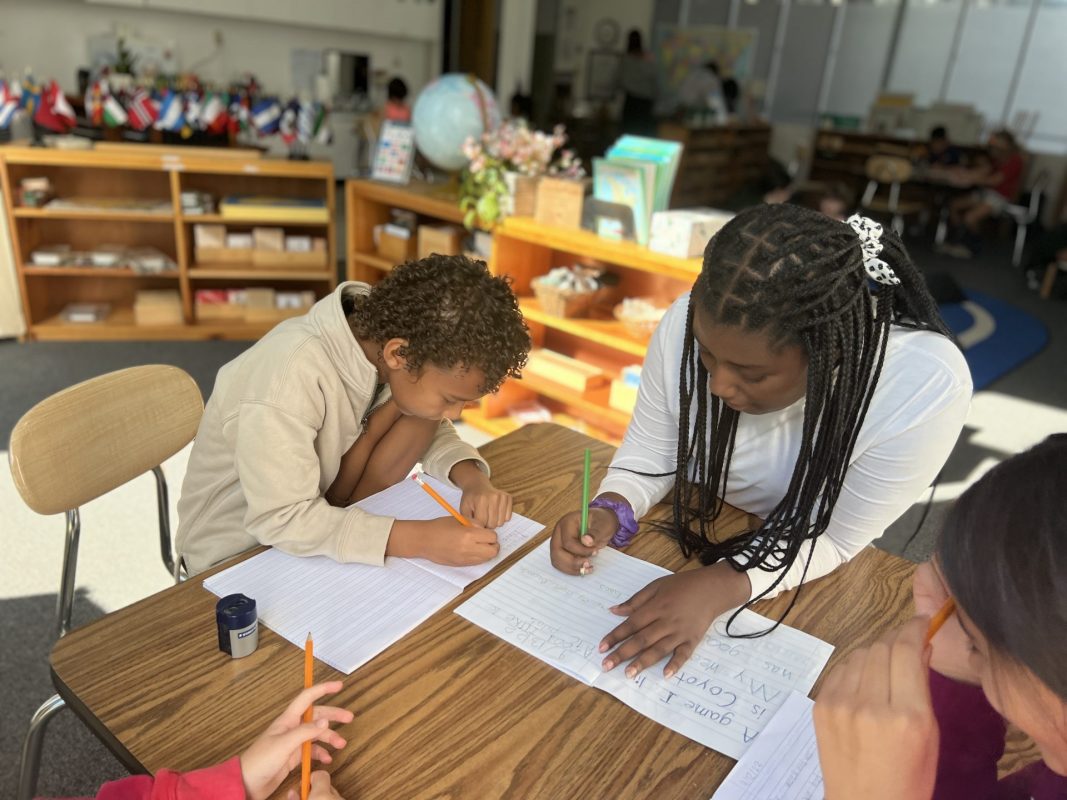
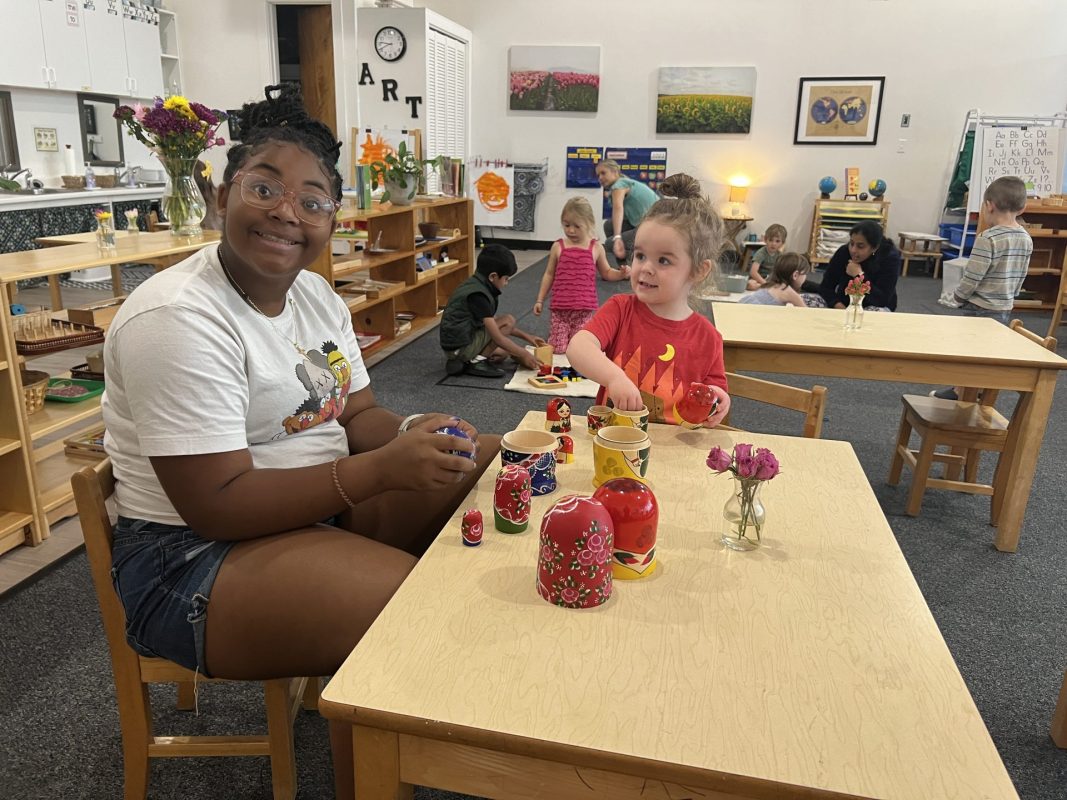
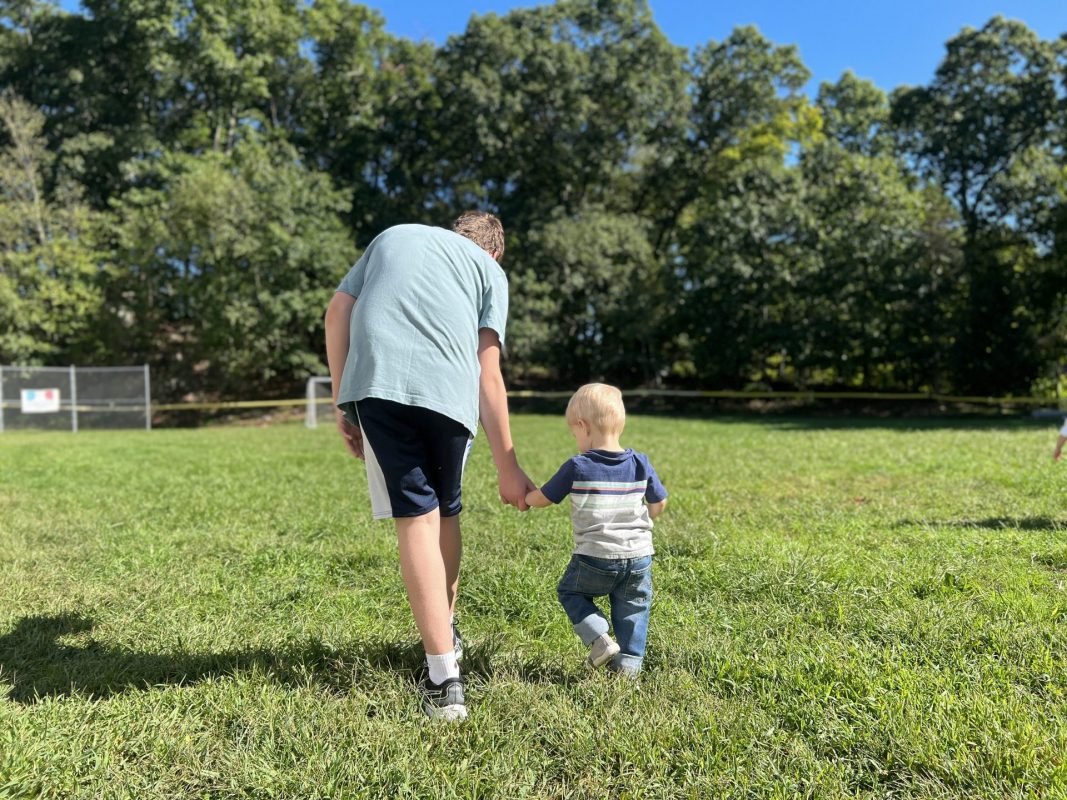
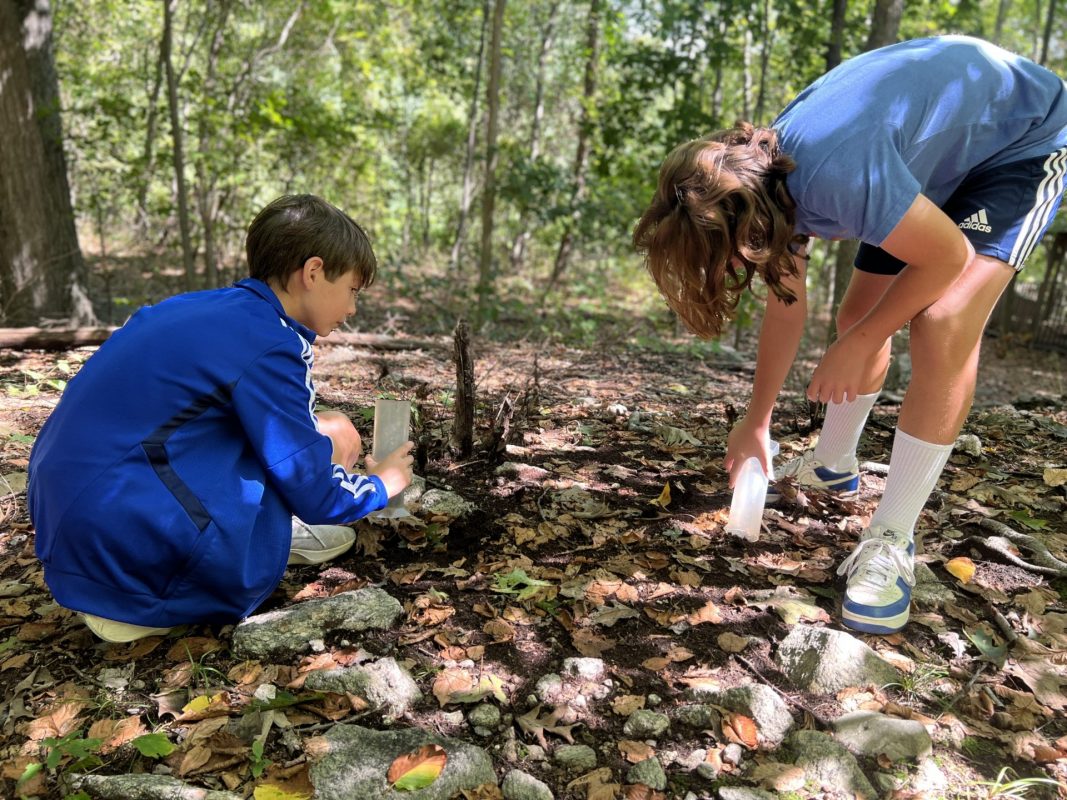
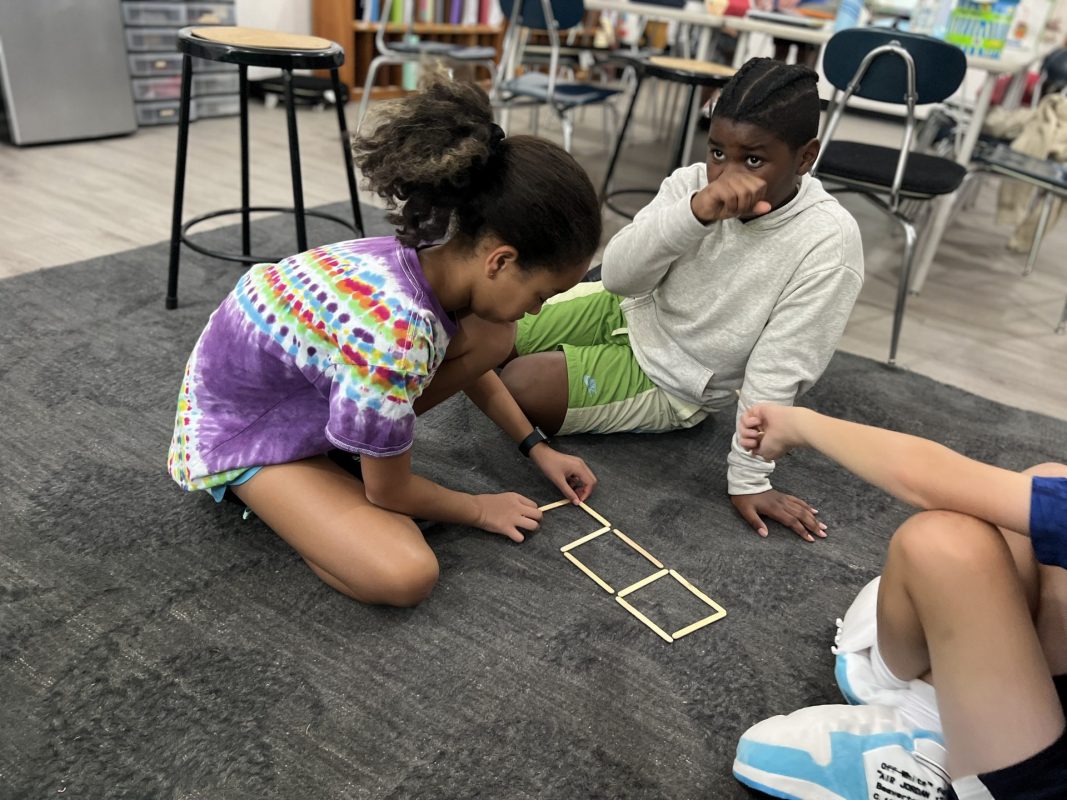
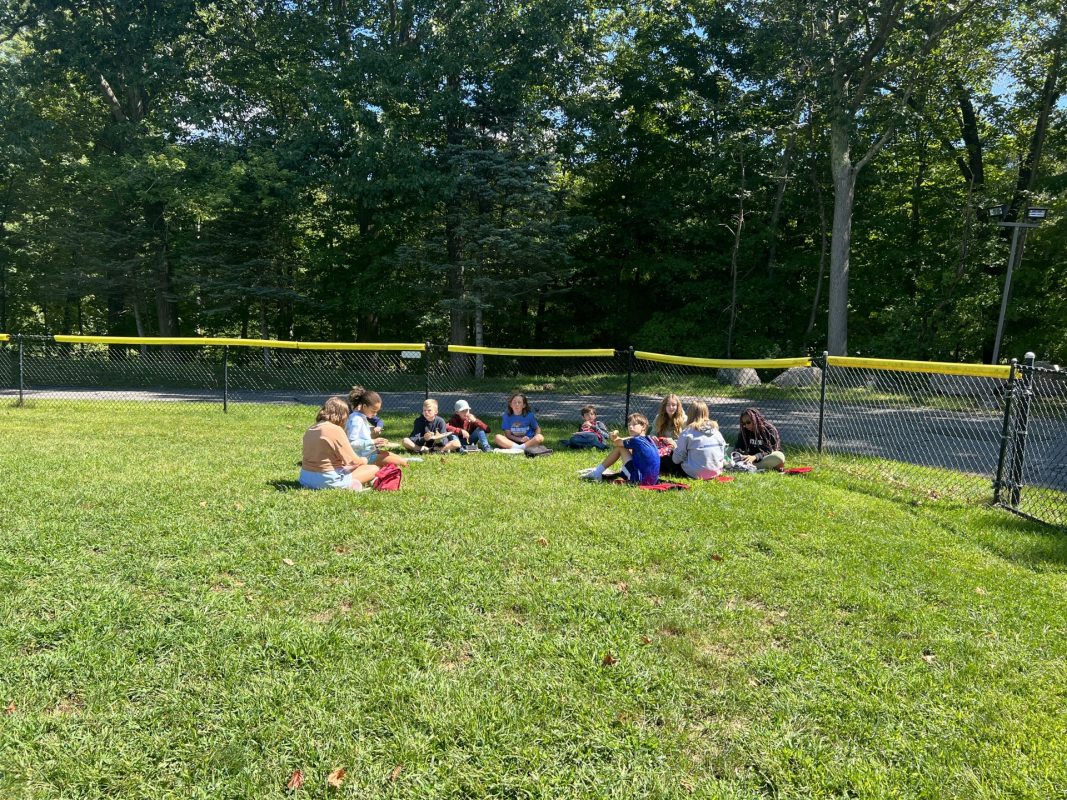
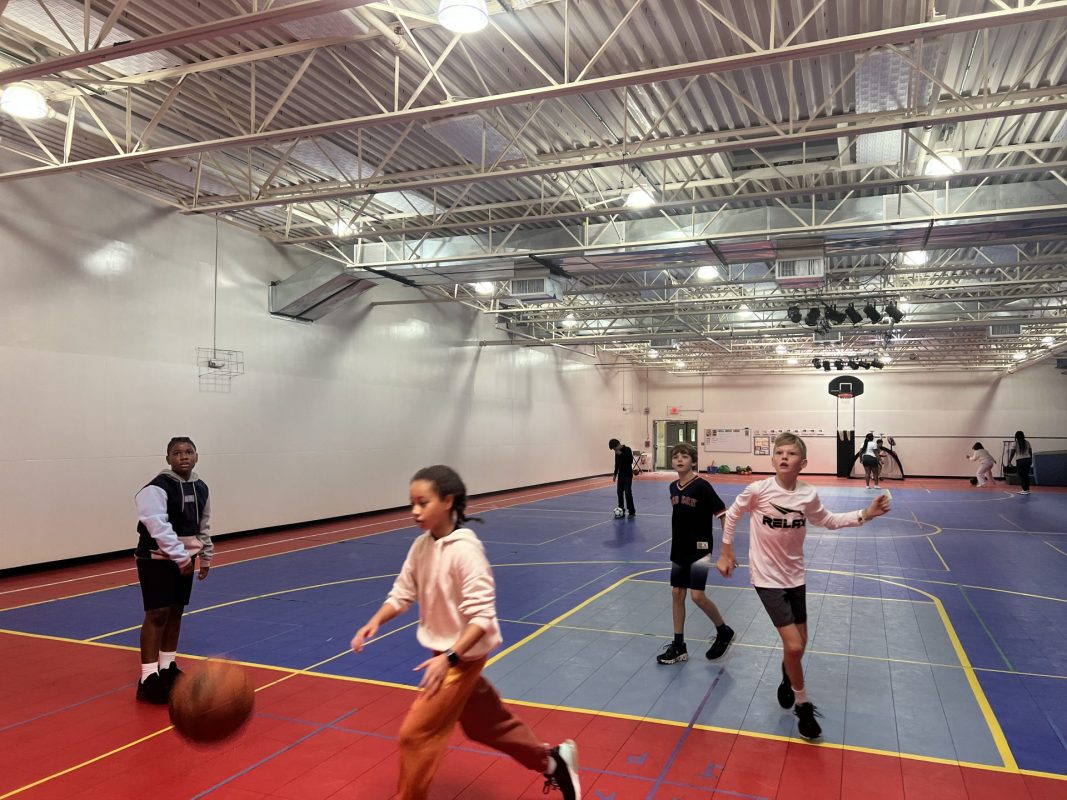
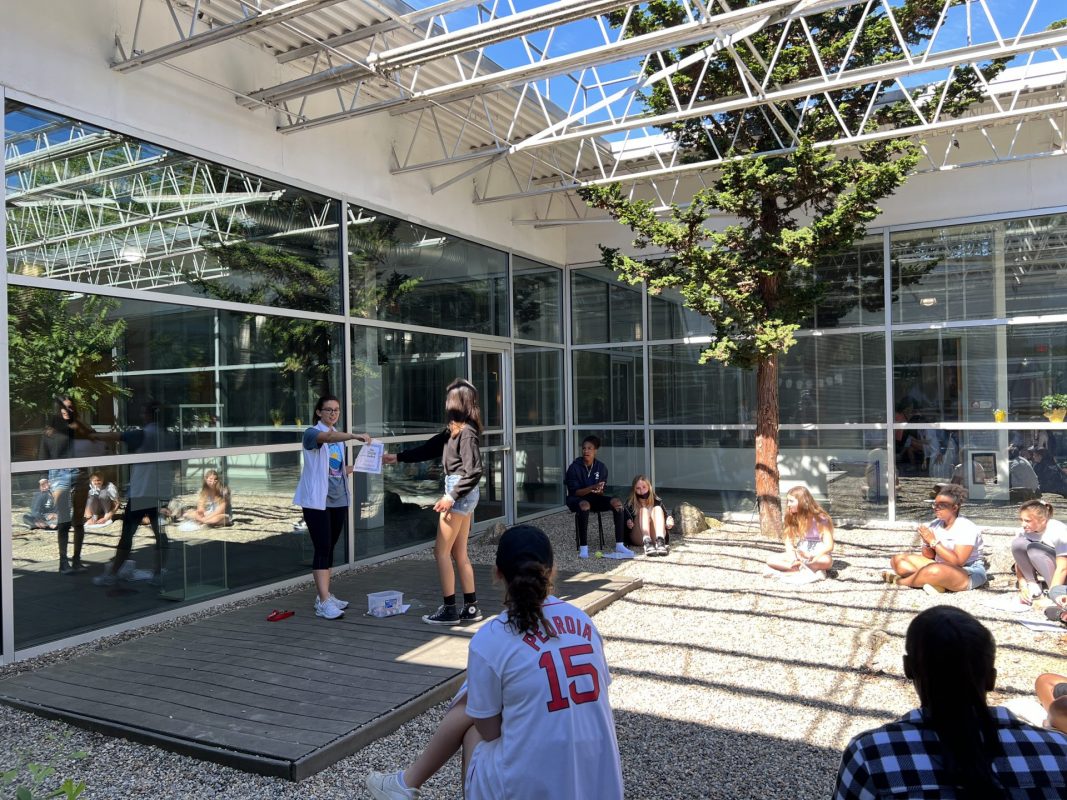
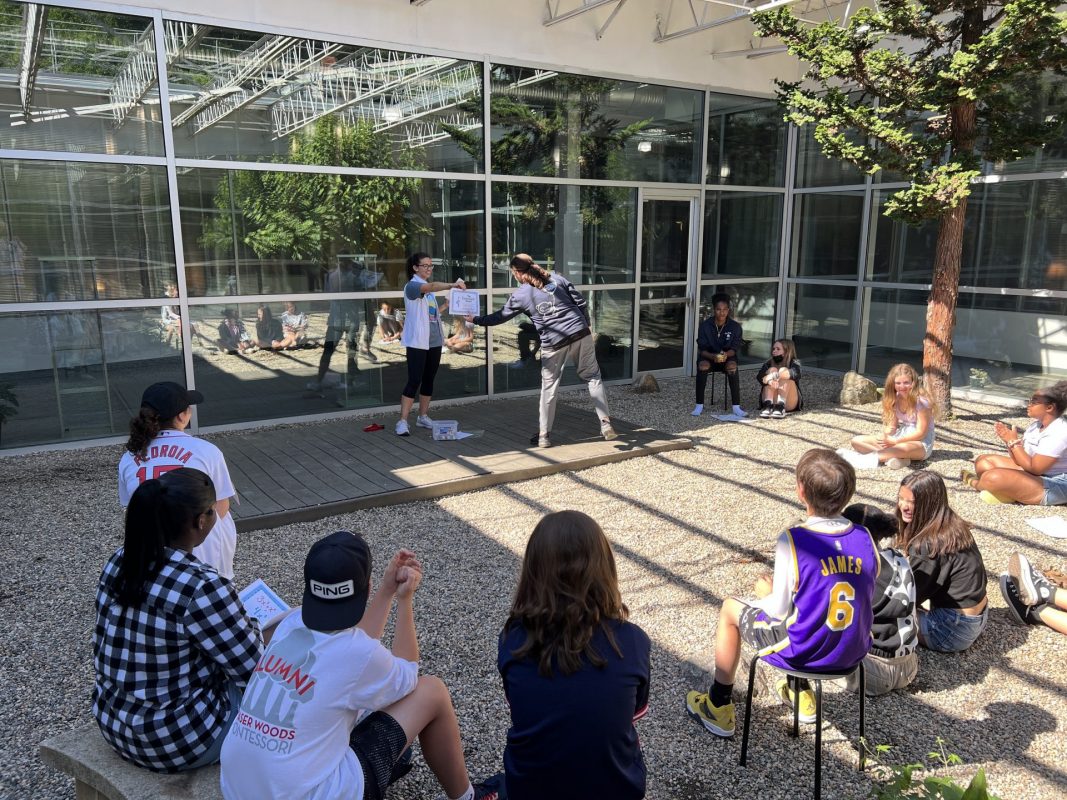
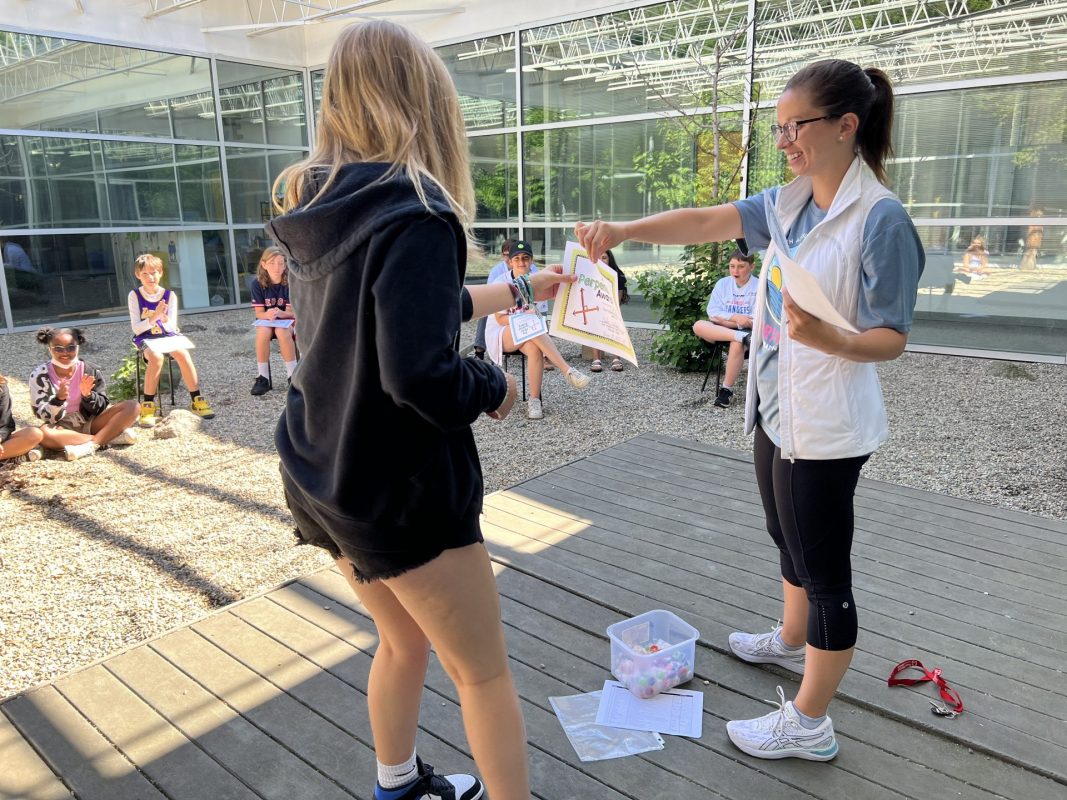
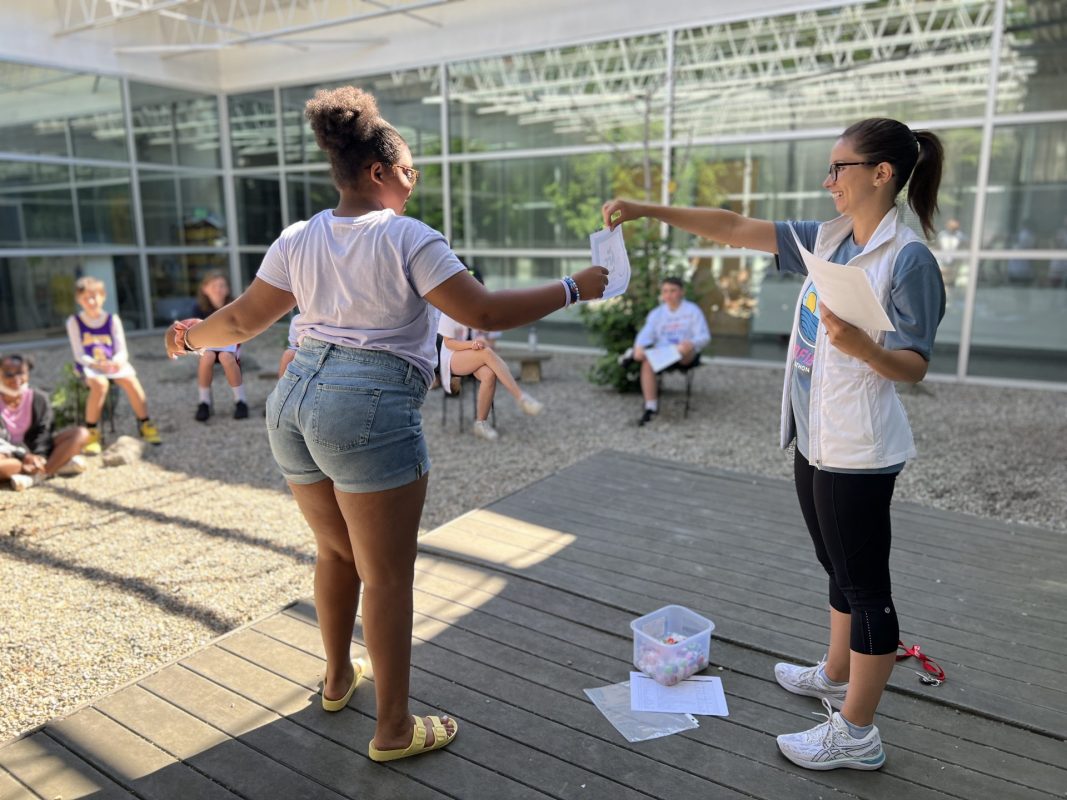
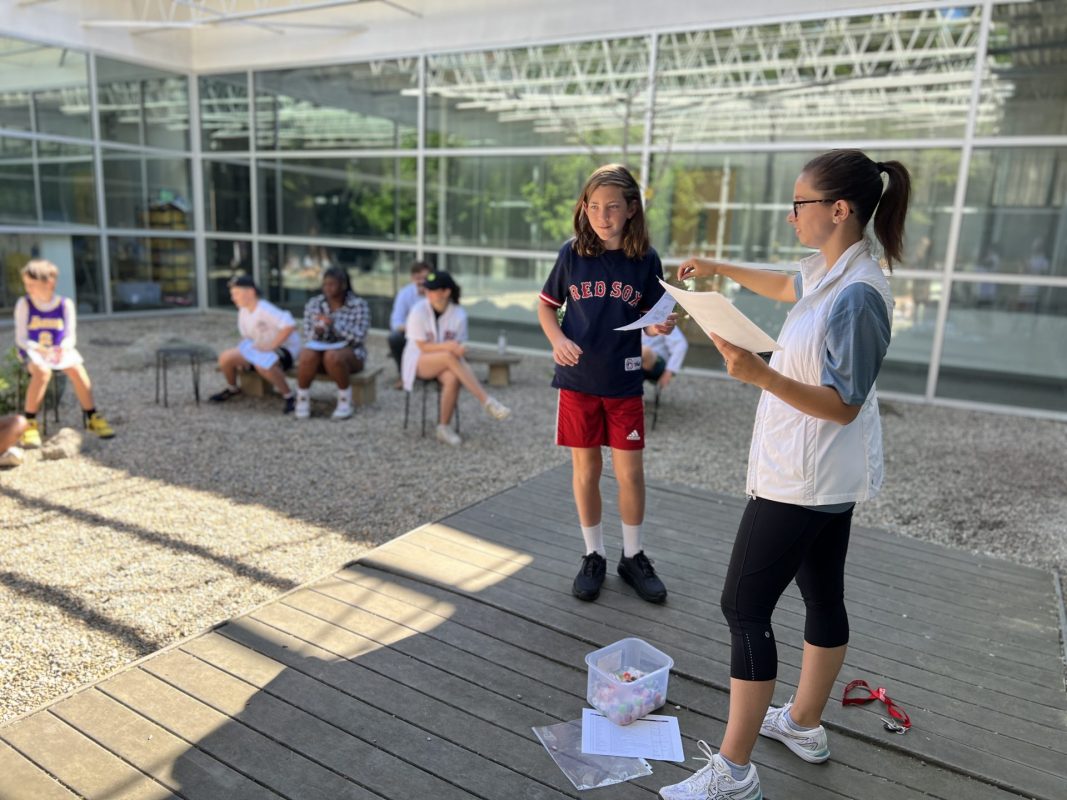
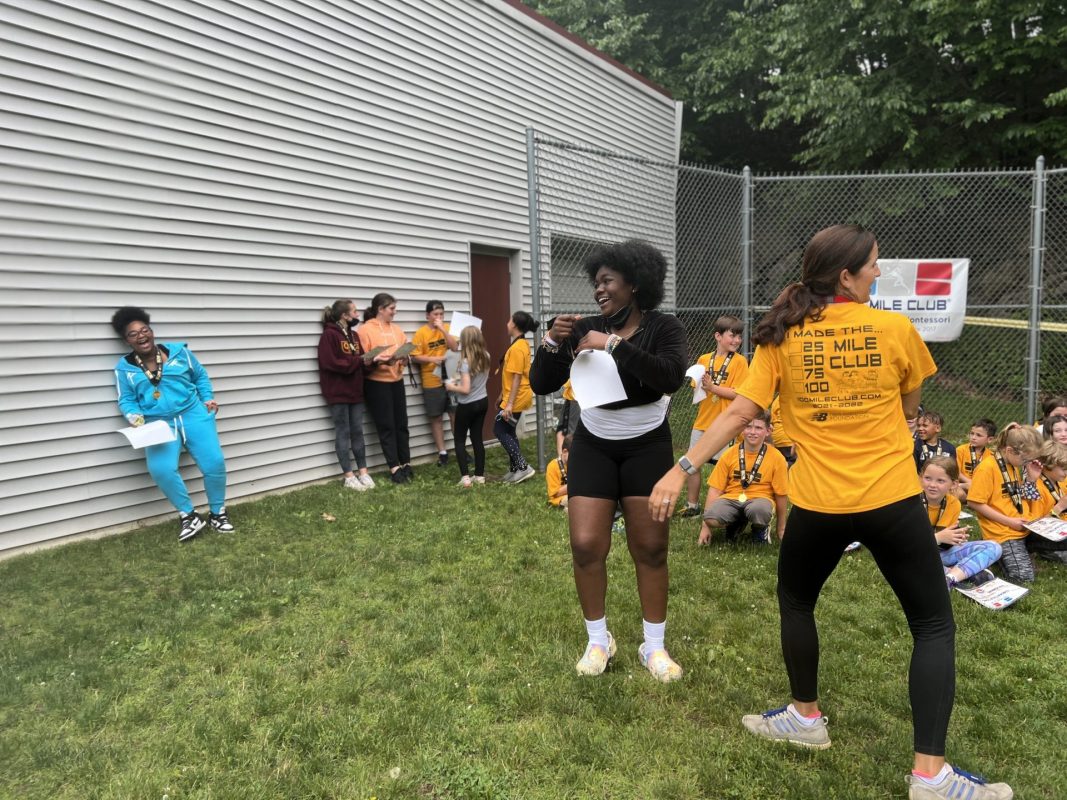
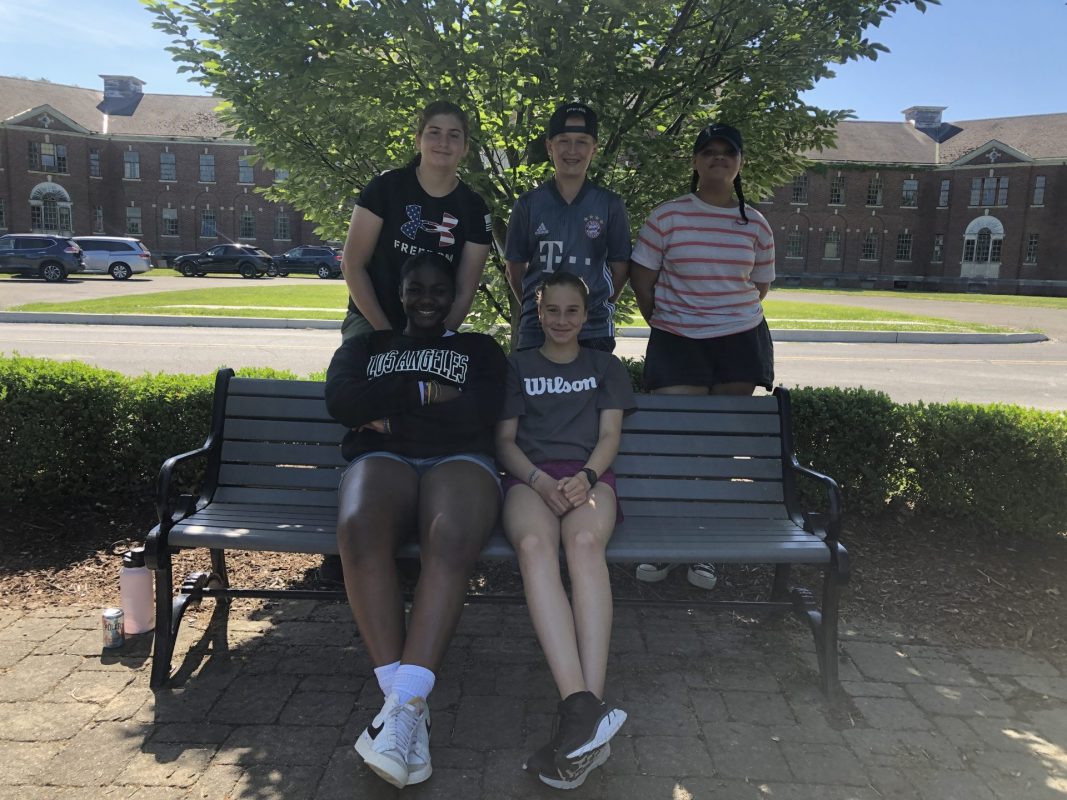
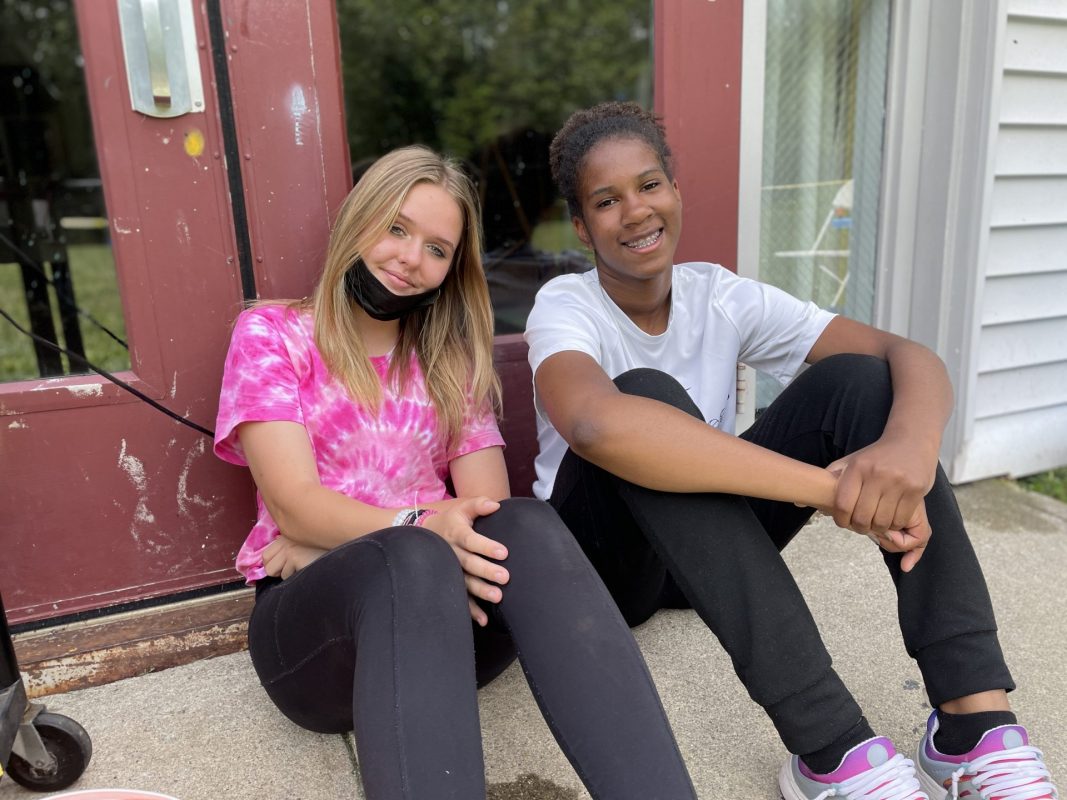
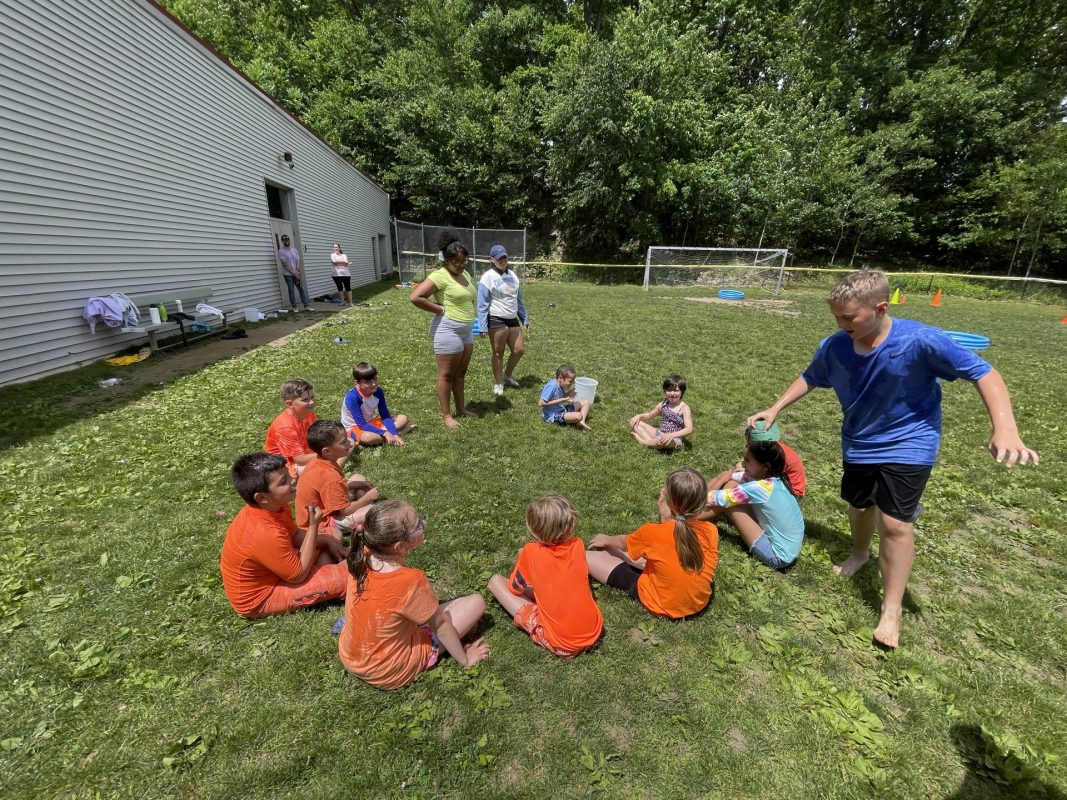
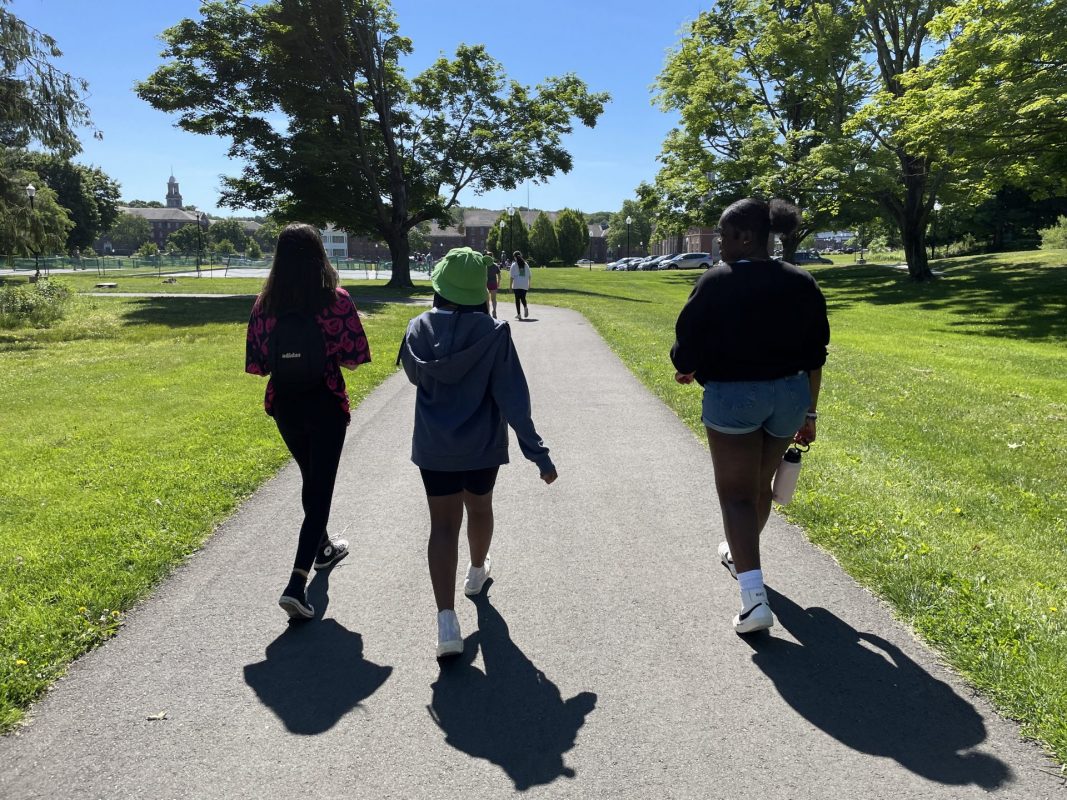
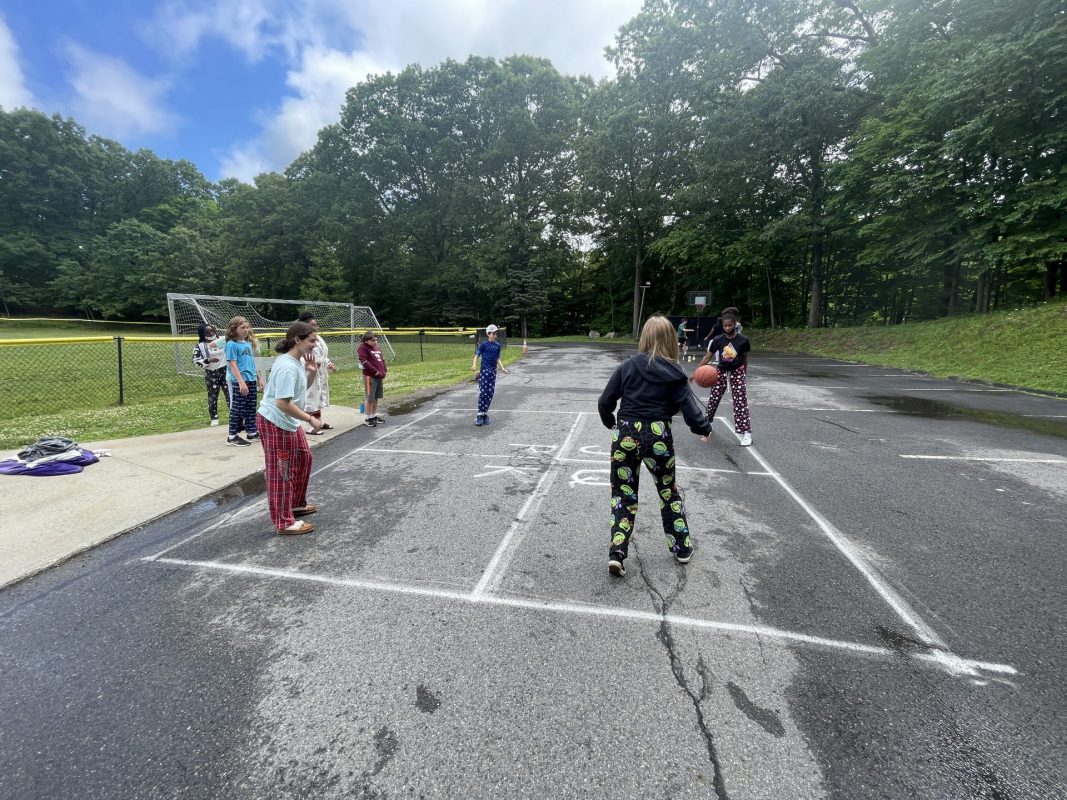
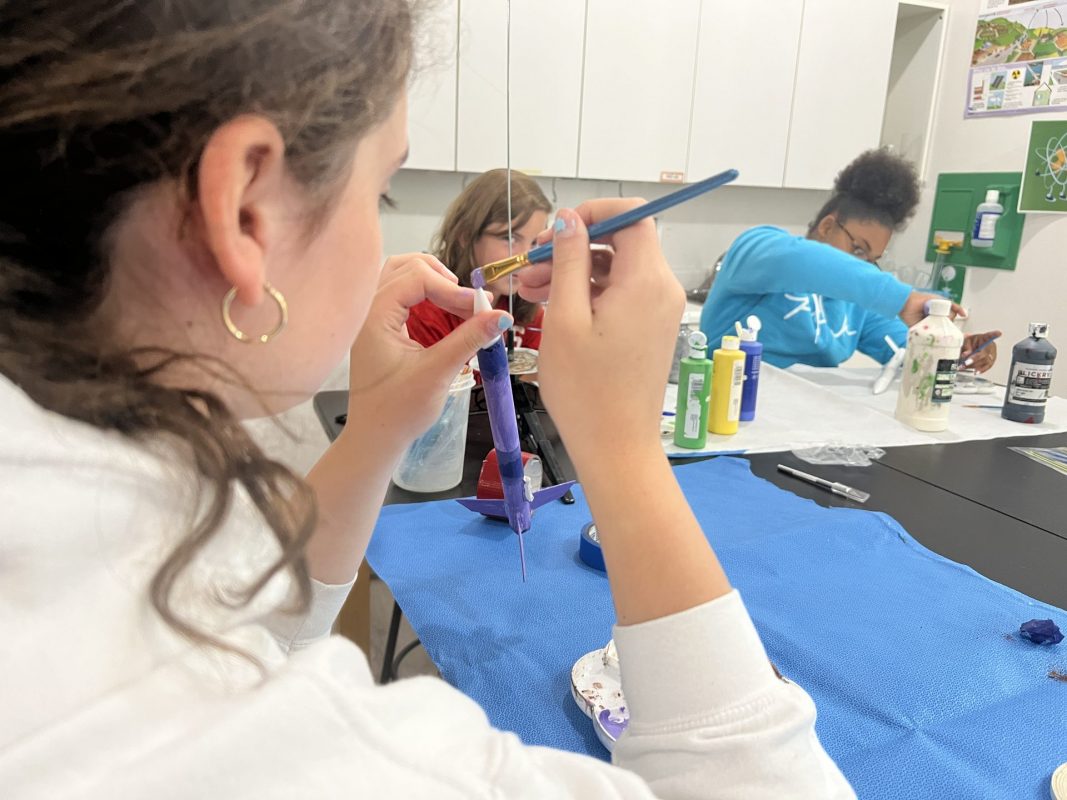
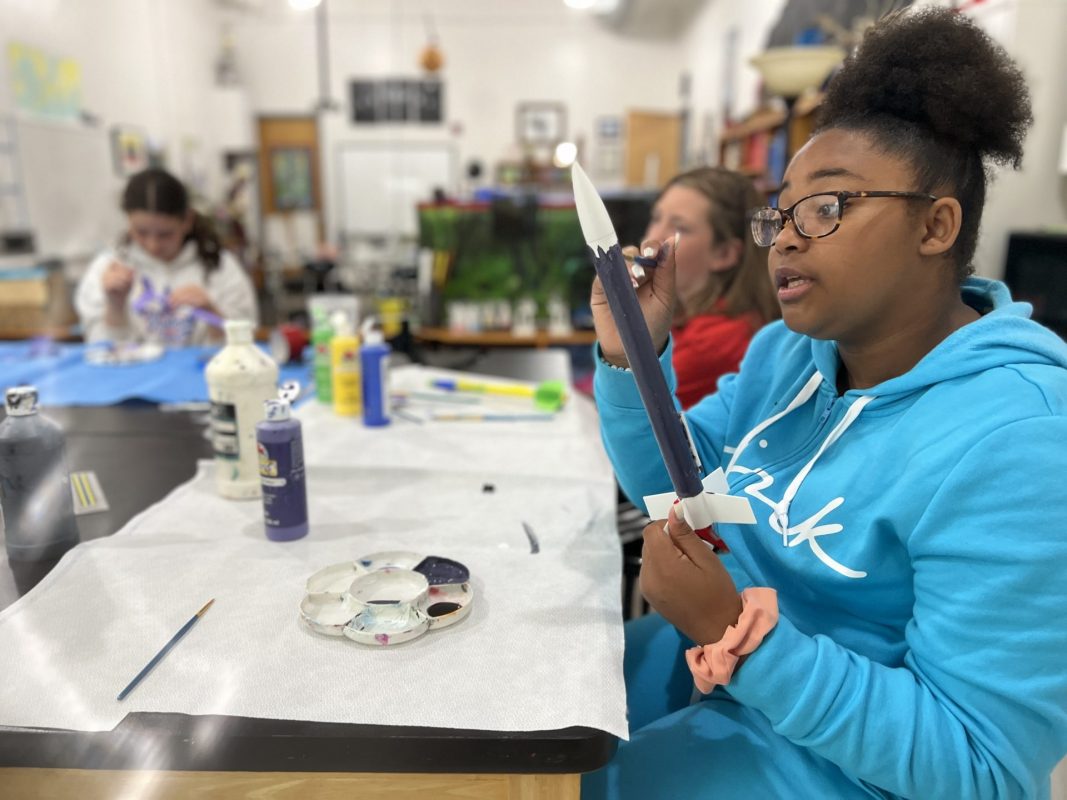
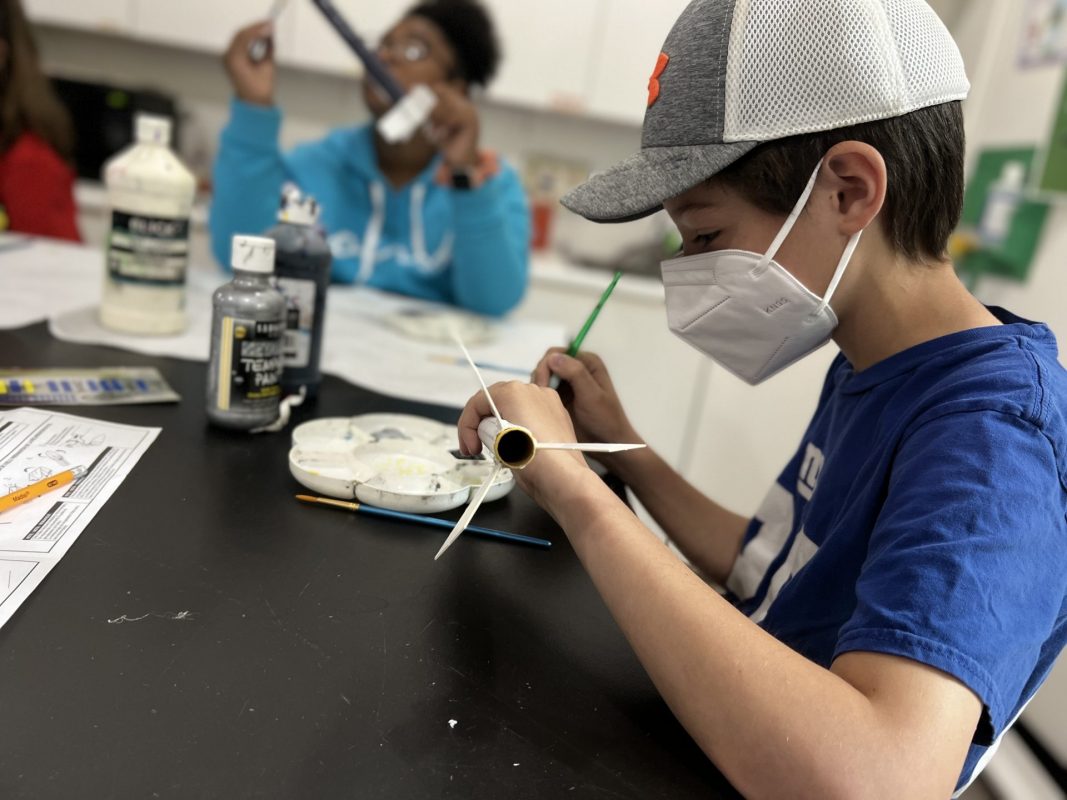
It was our first week working with the younger students in Community Service since early 2020. All Middle School students spend two periods each Wednesday morning with their younger peers. They helped with work, sat in circle, sang songs, and even read to the children. Everyone is excited to visit again next week.
Here’s an update for Science, Math, and Humanities:
Science
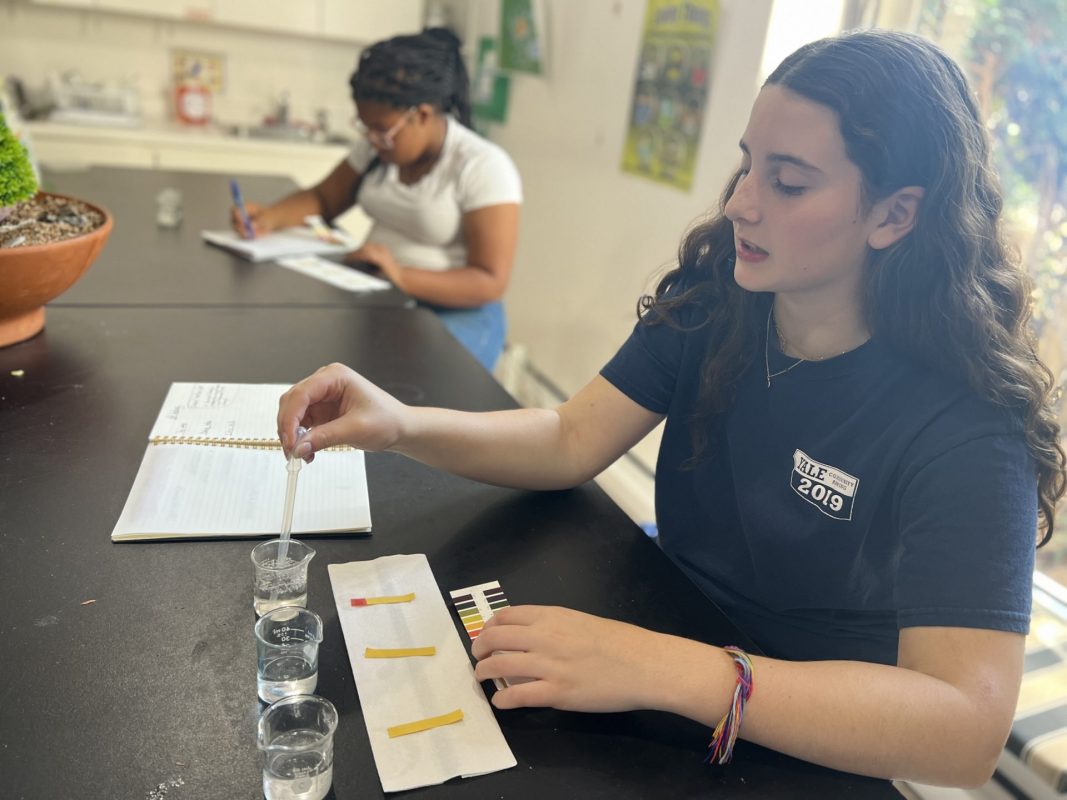
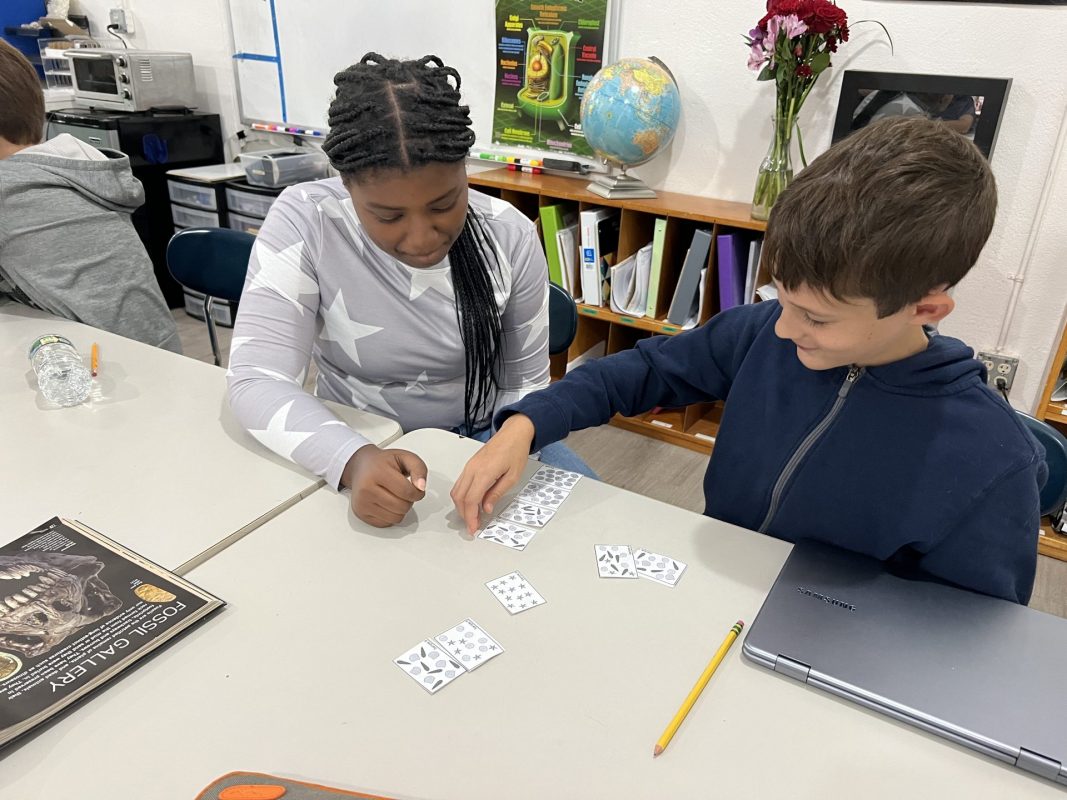
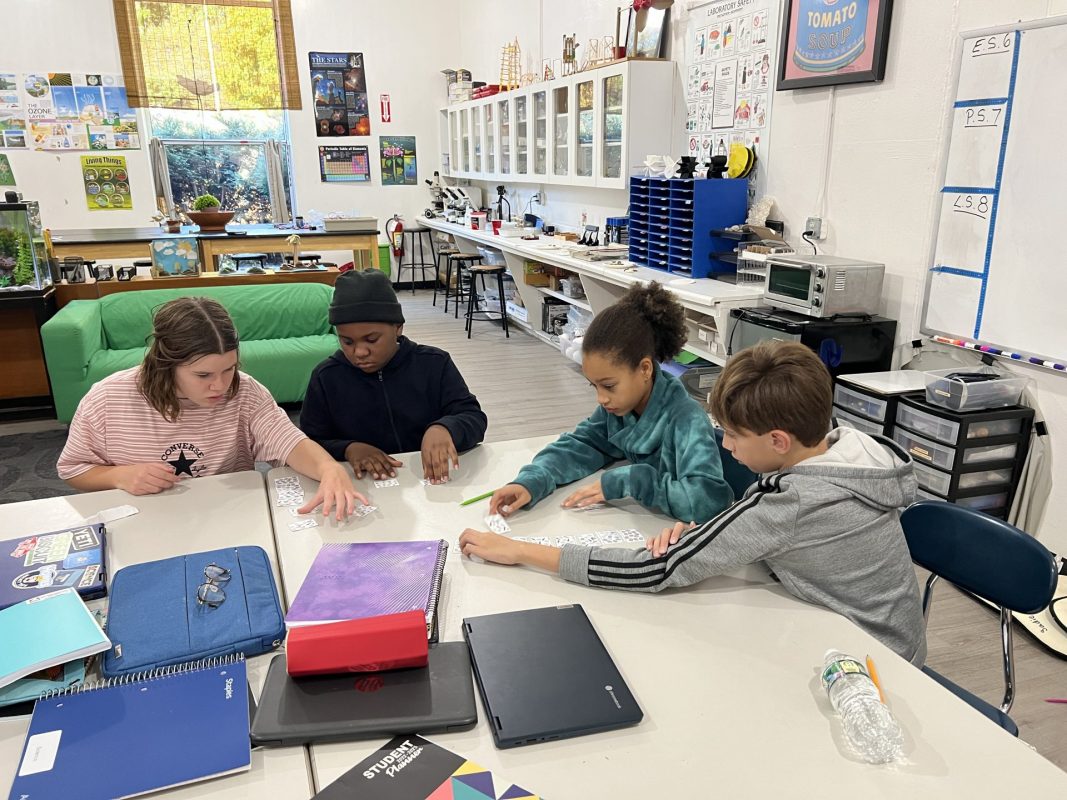
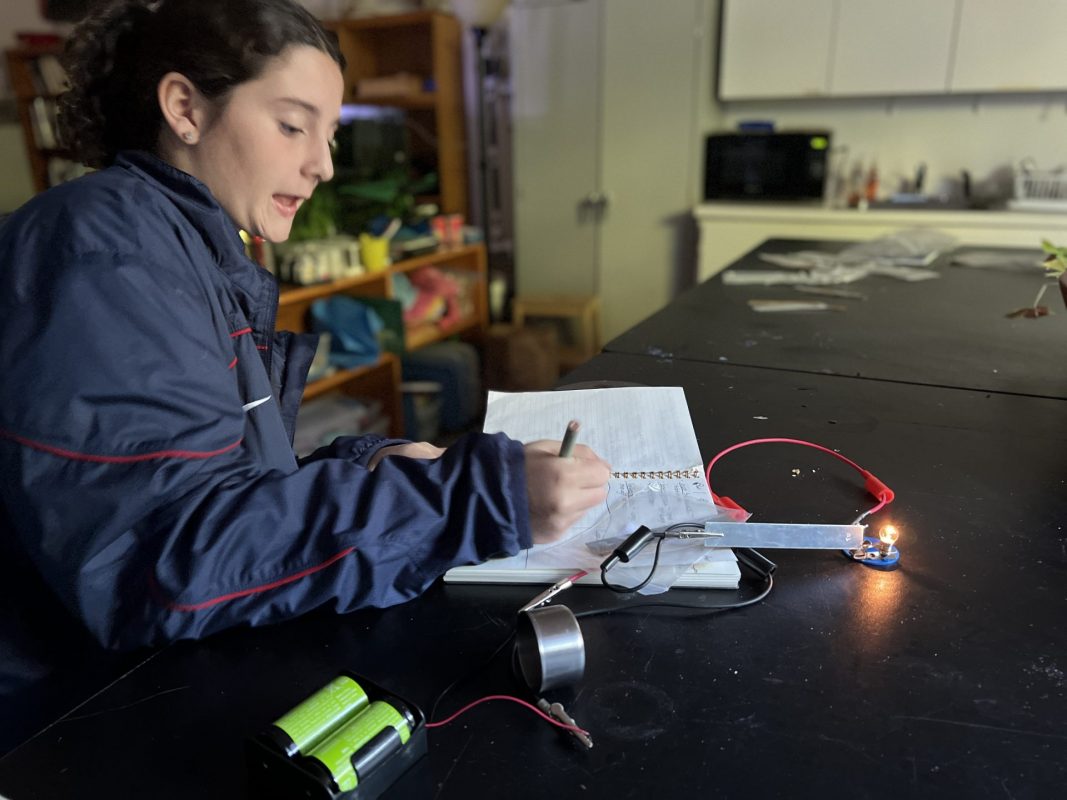
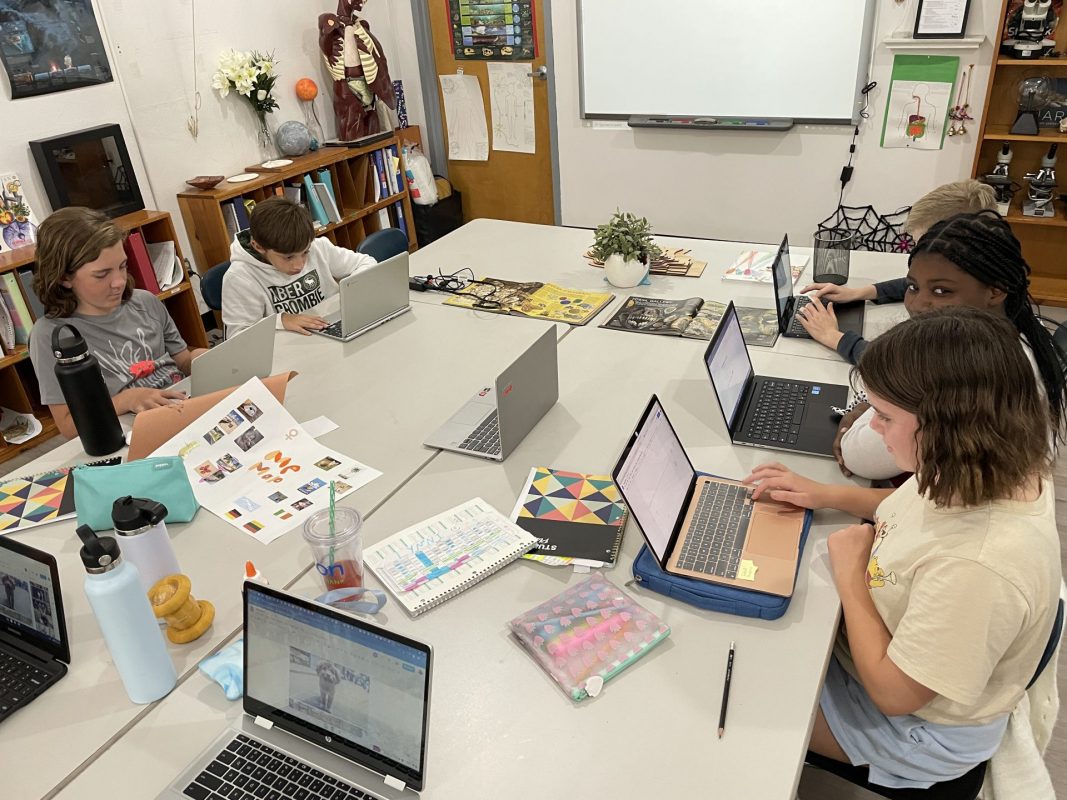
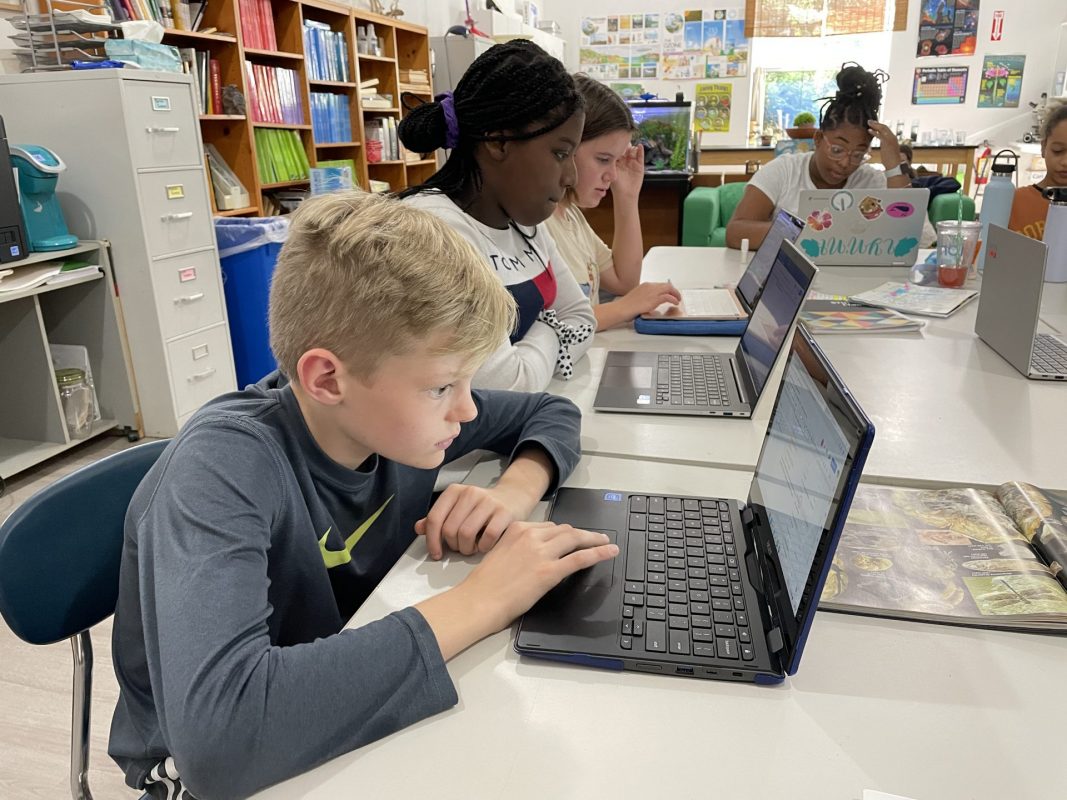
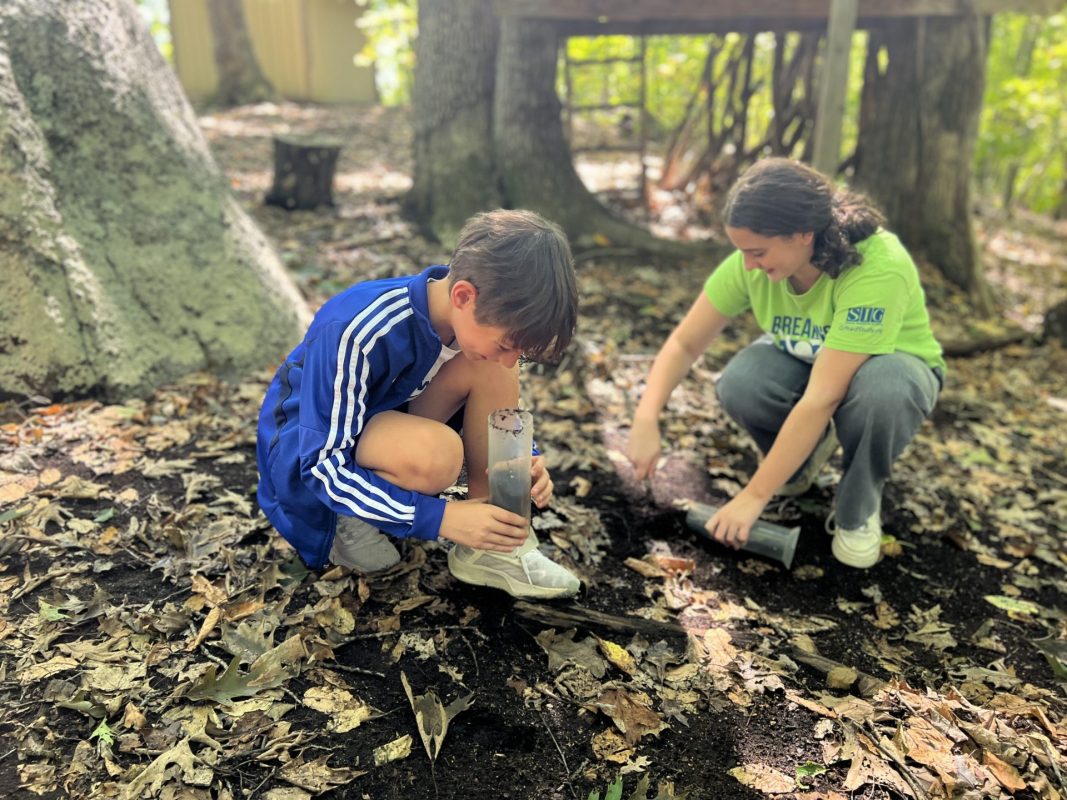
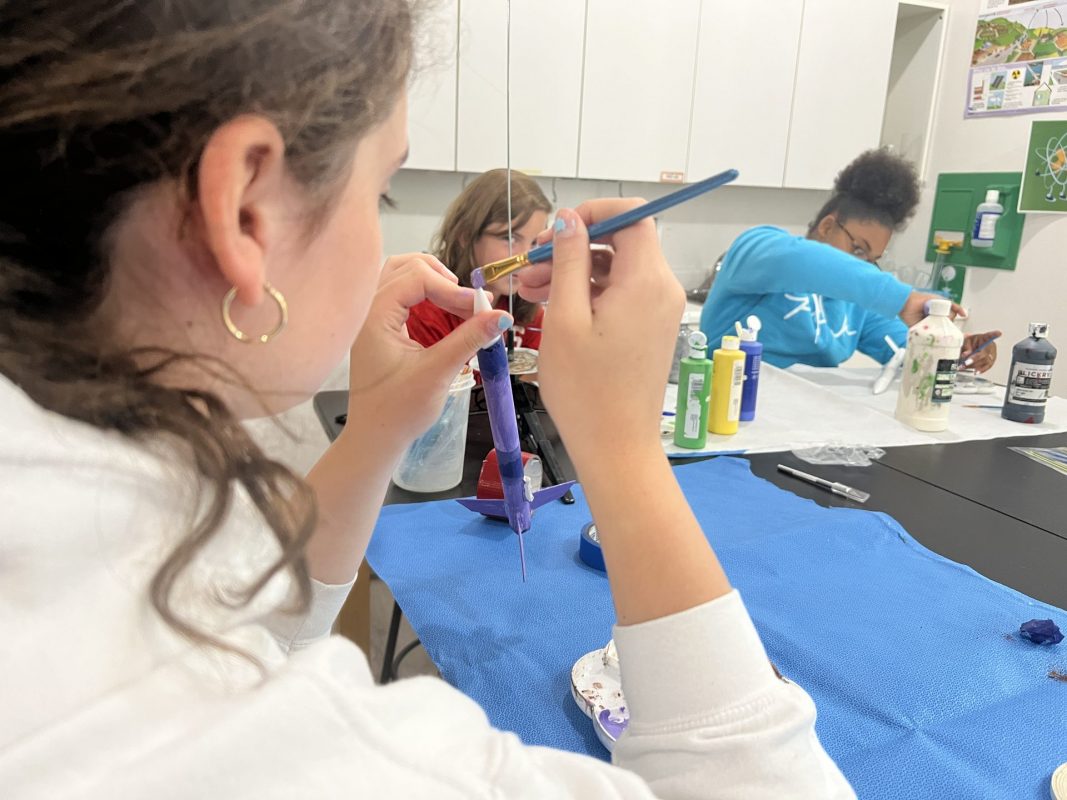
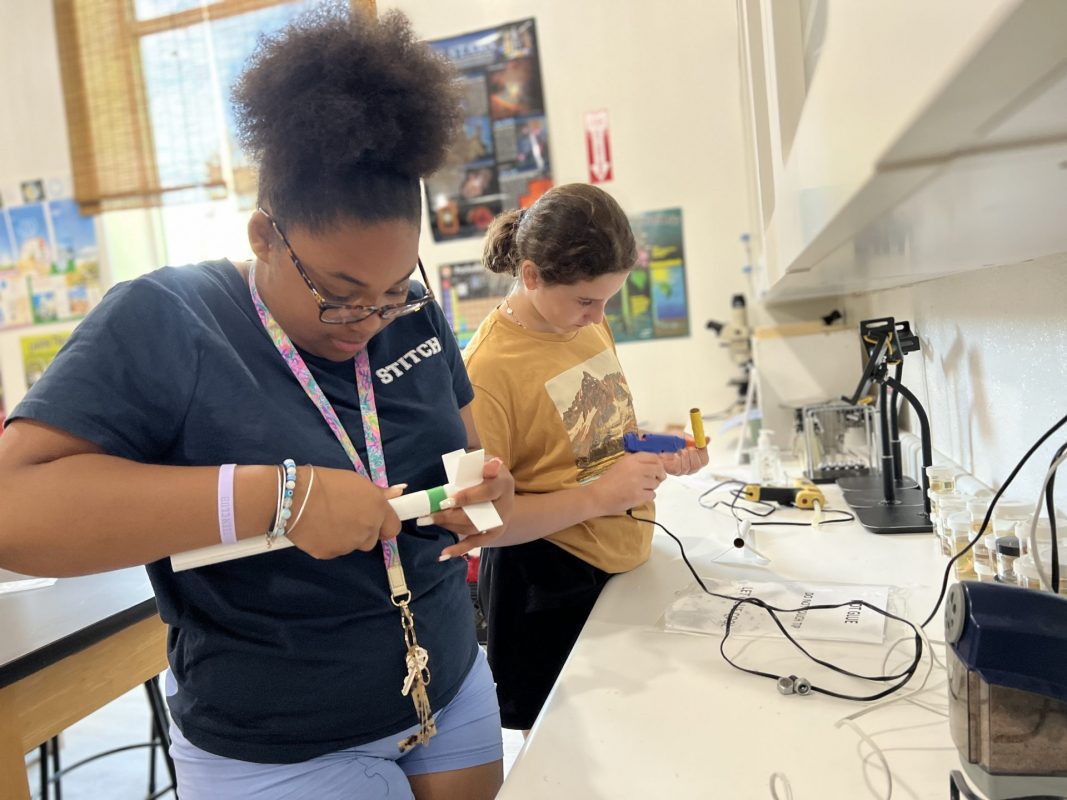
6th year Earth Science students have begun the year exploring how to generate an experiment to answer a question or solve a problem. Students spent several days identifying examples of dependent and independent variables from a set list of experiments while creating their own at the end. We have also begun our first unit from our Discovery Education tech-book, Earth’s History. Students will learn what factors influence the preservation potential of fossils and the information one might obtain is this discovery.
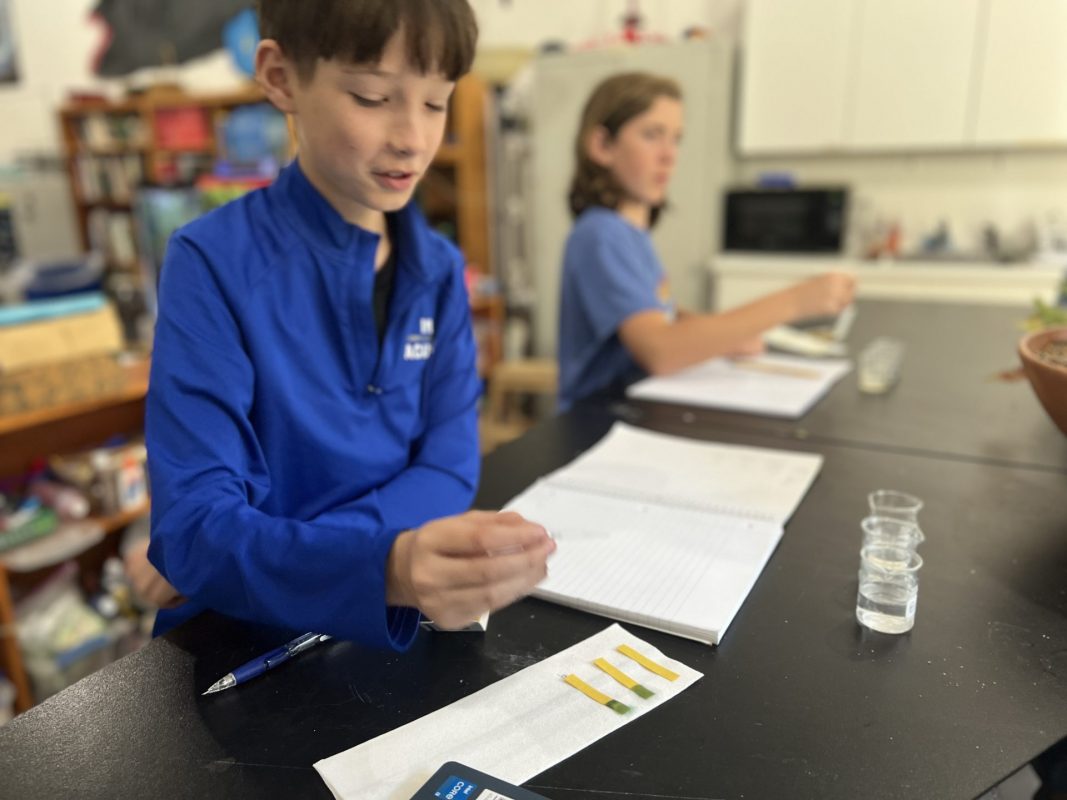
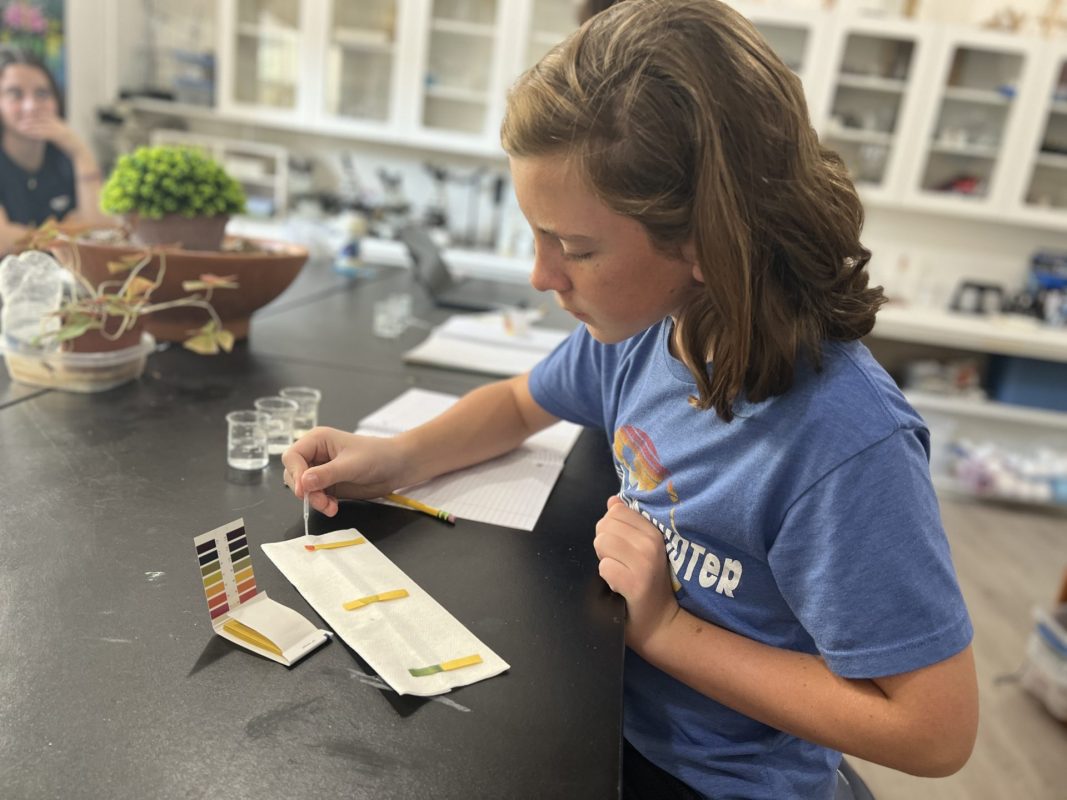
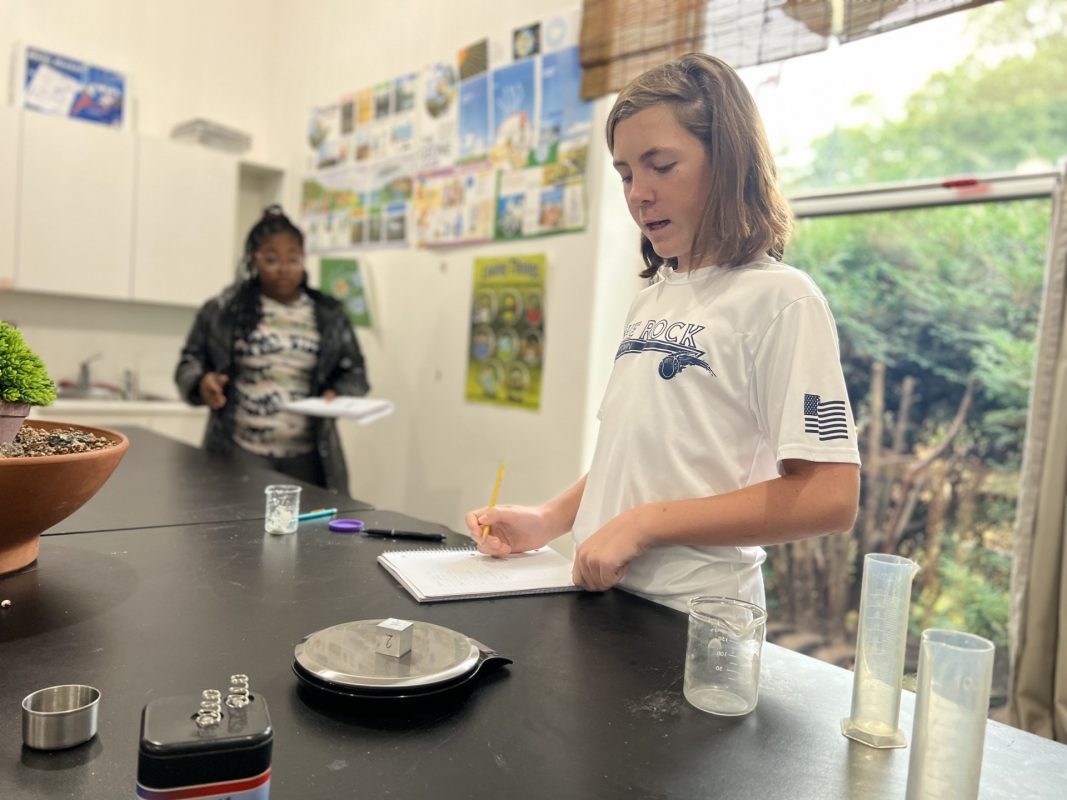
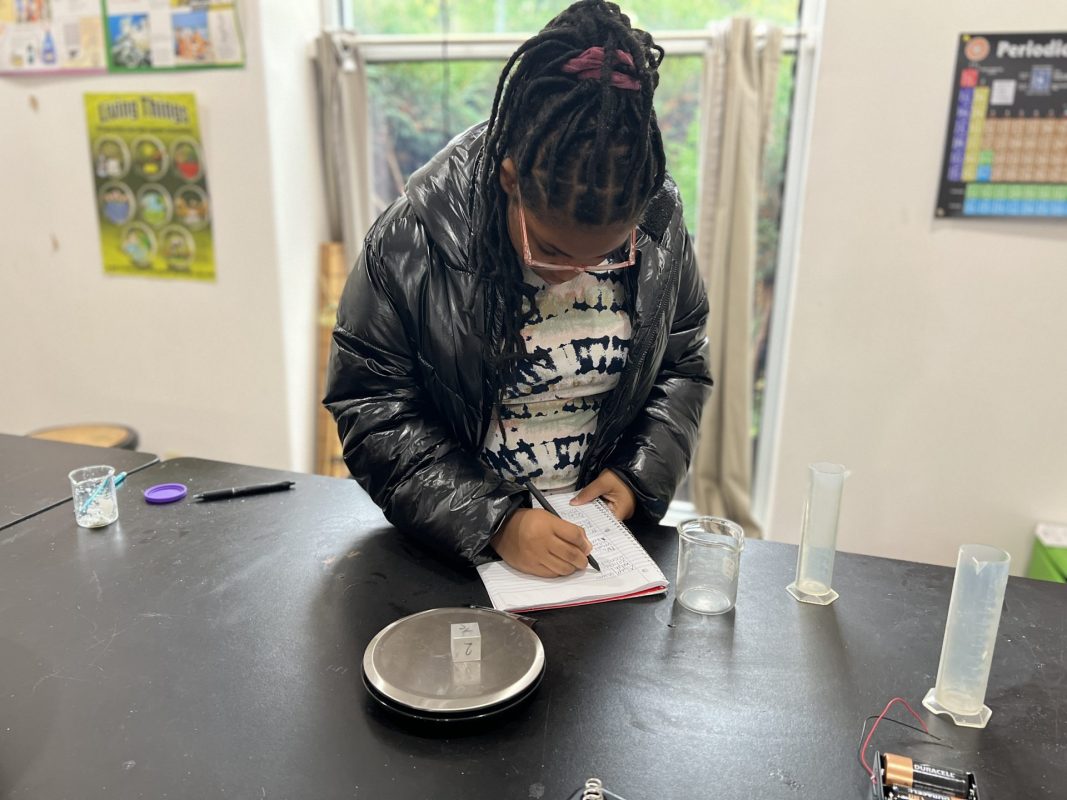
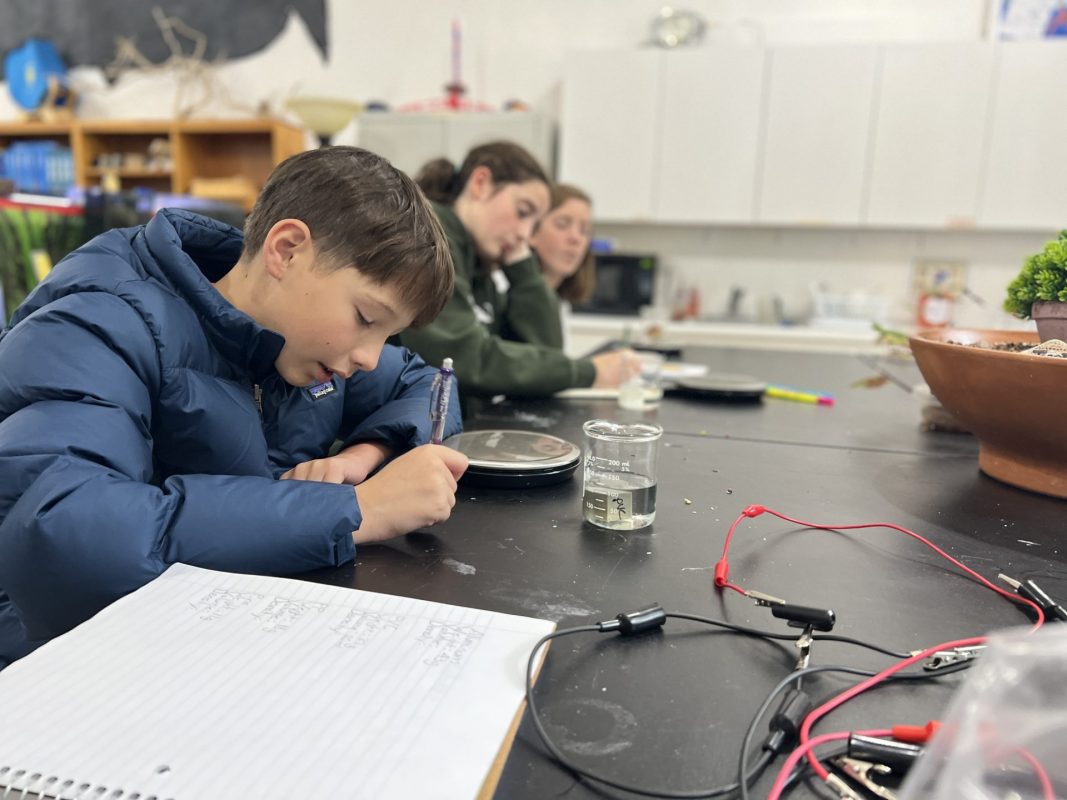
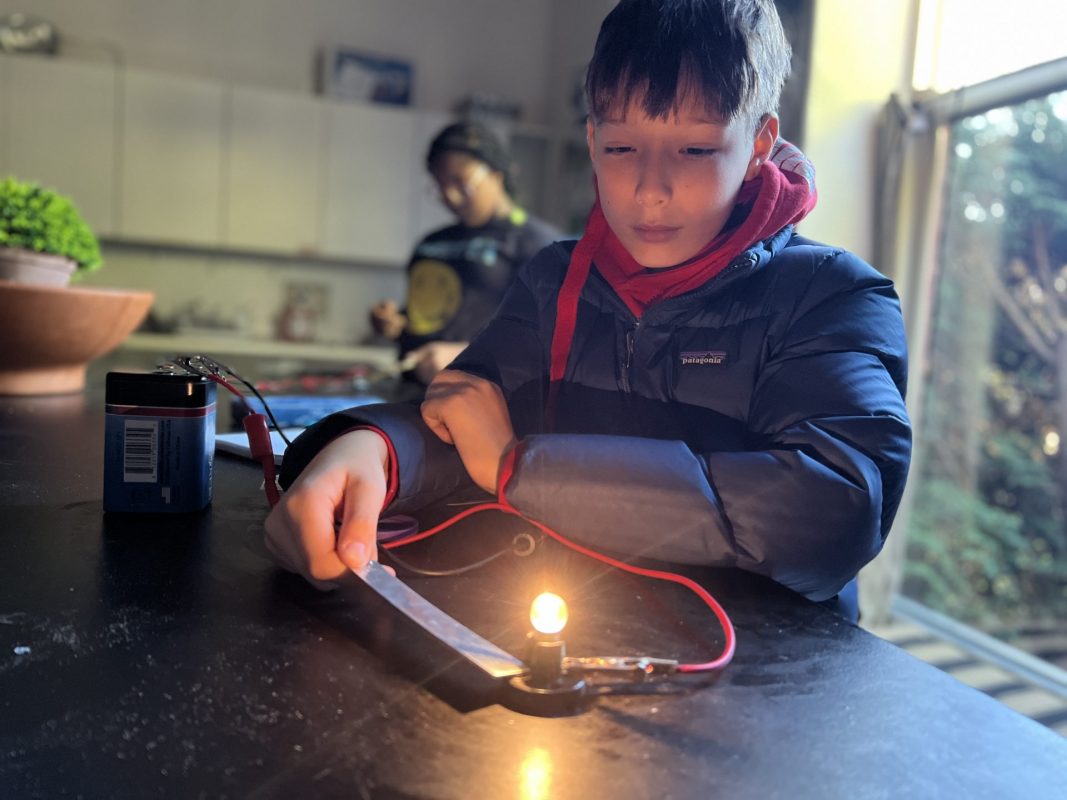
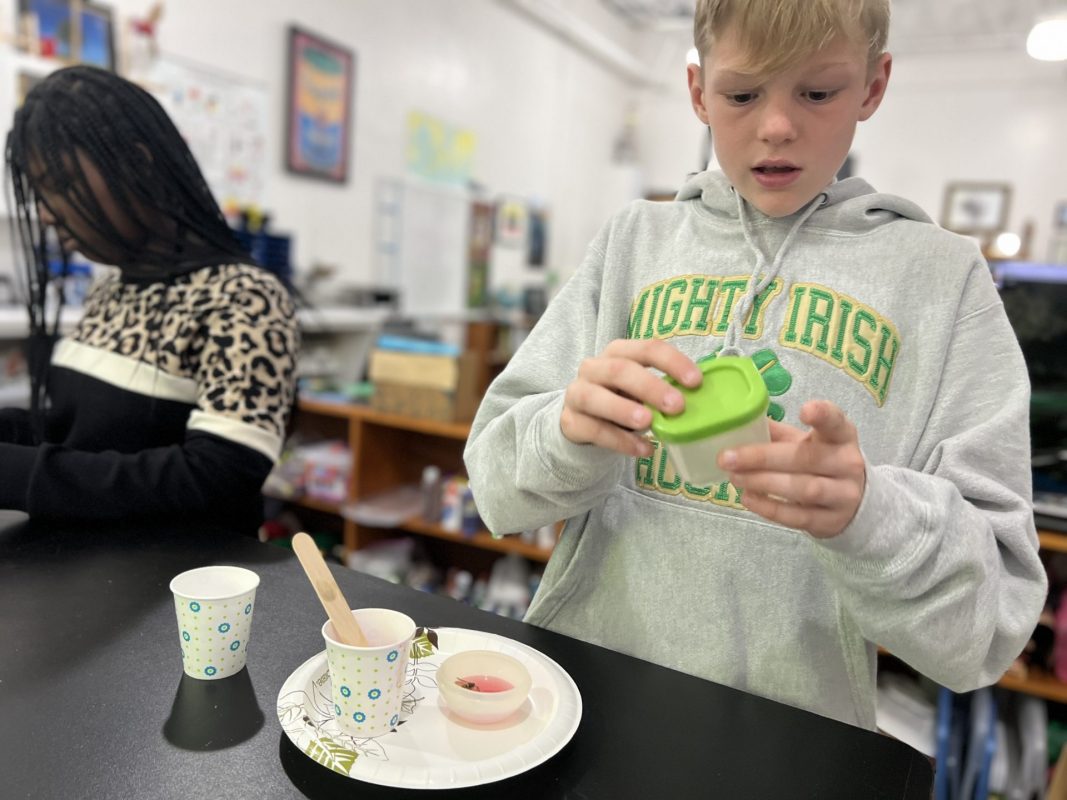
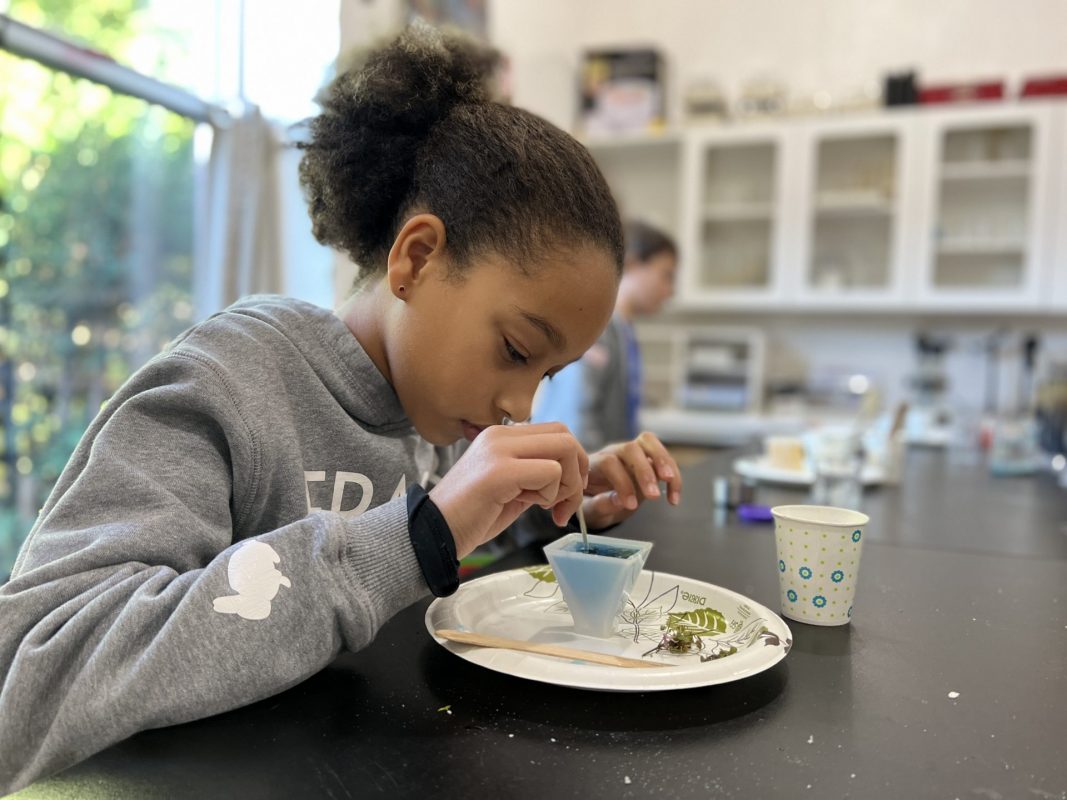
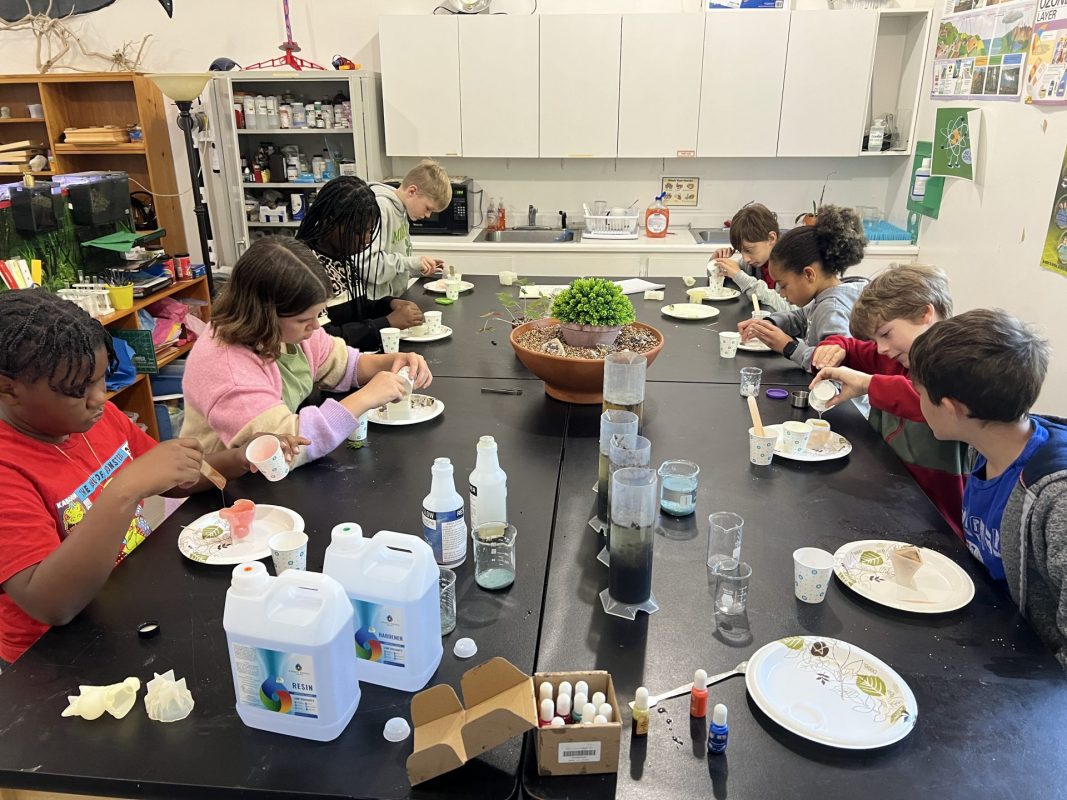
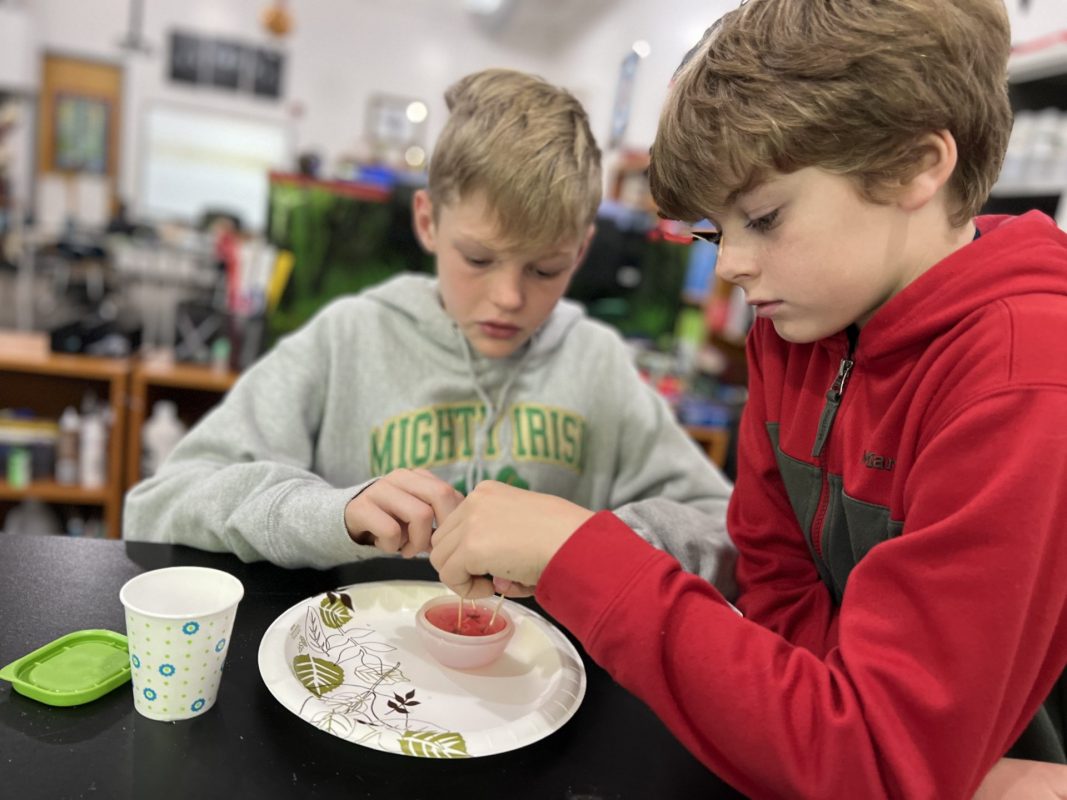
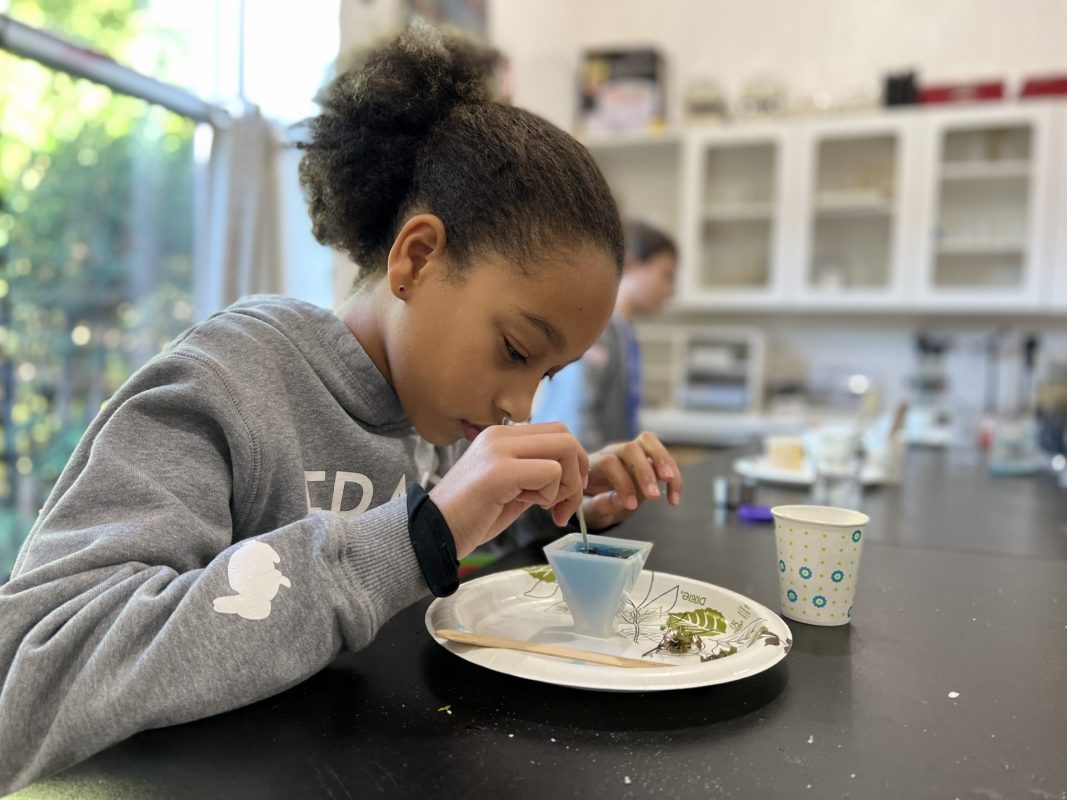
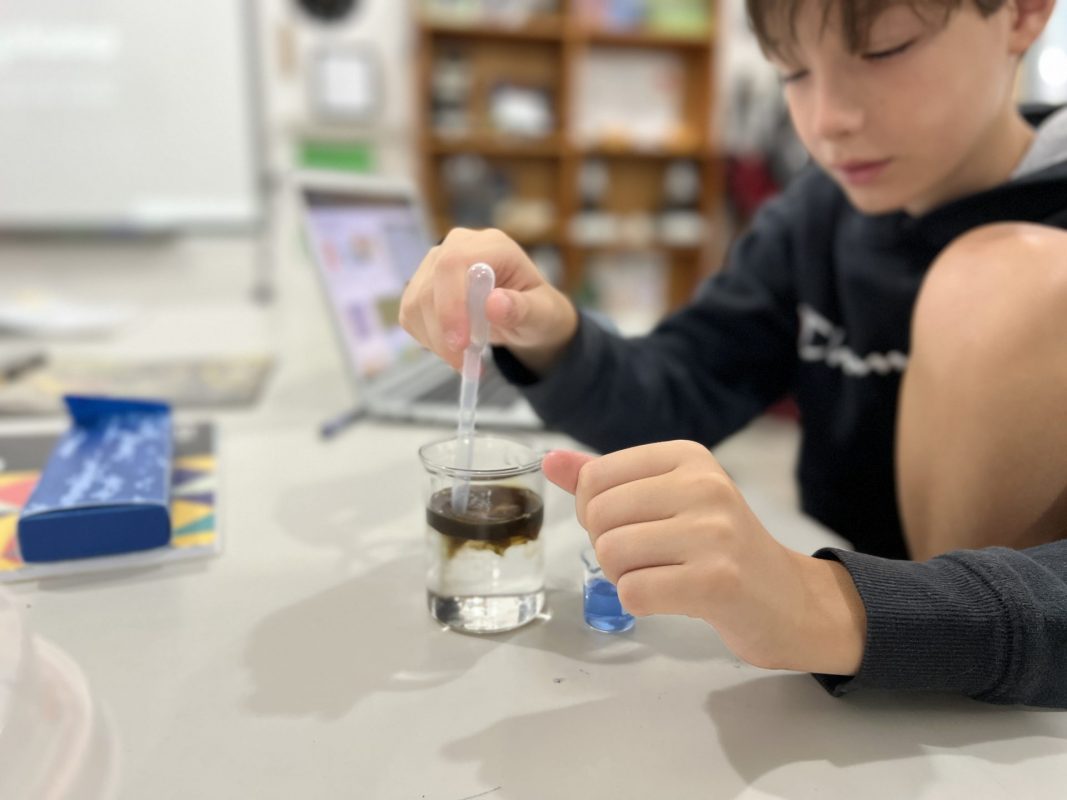
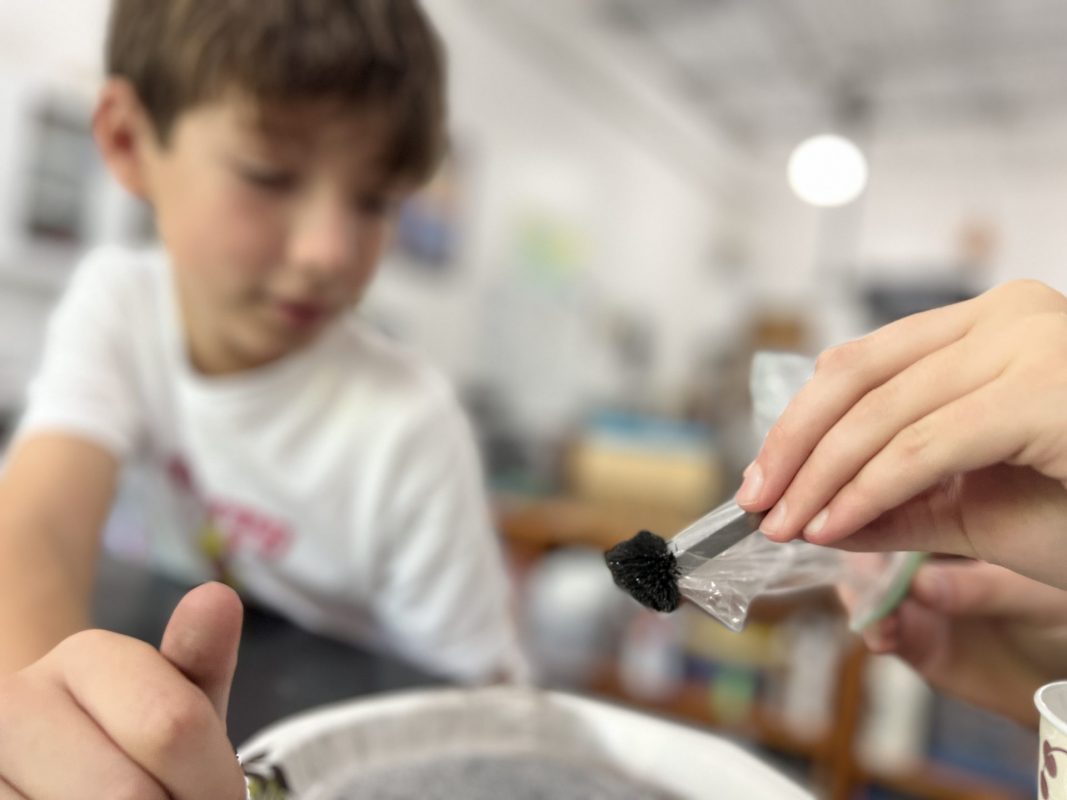
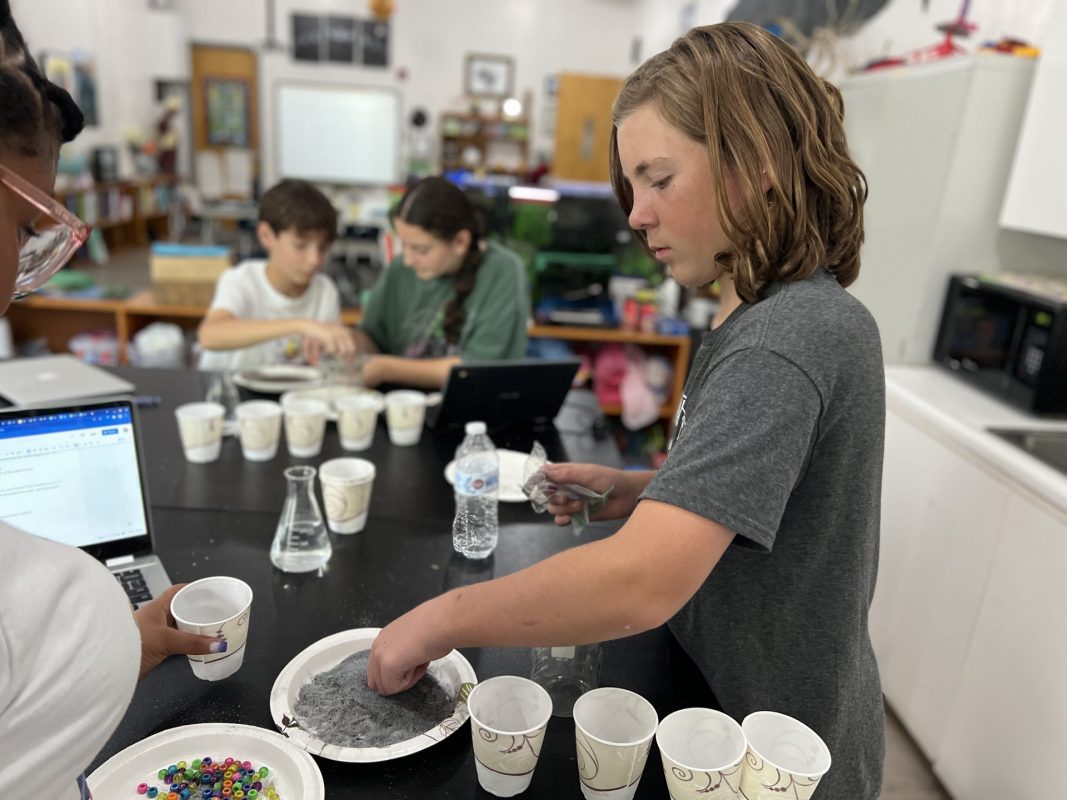
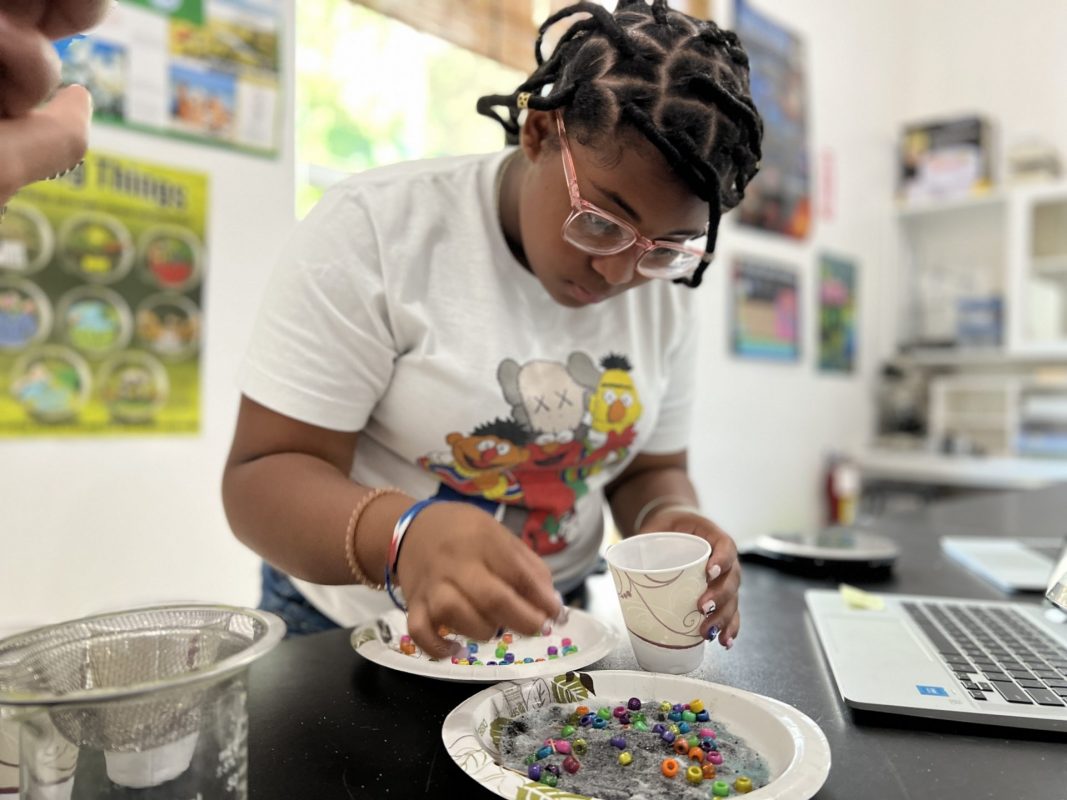
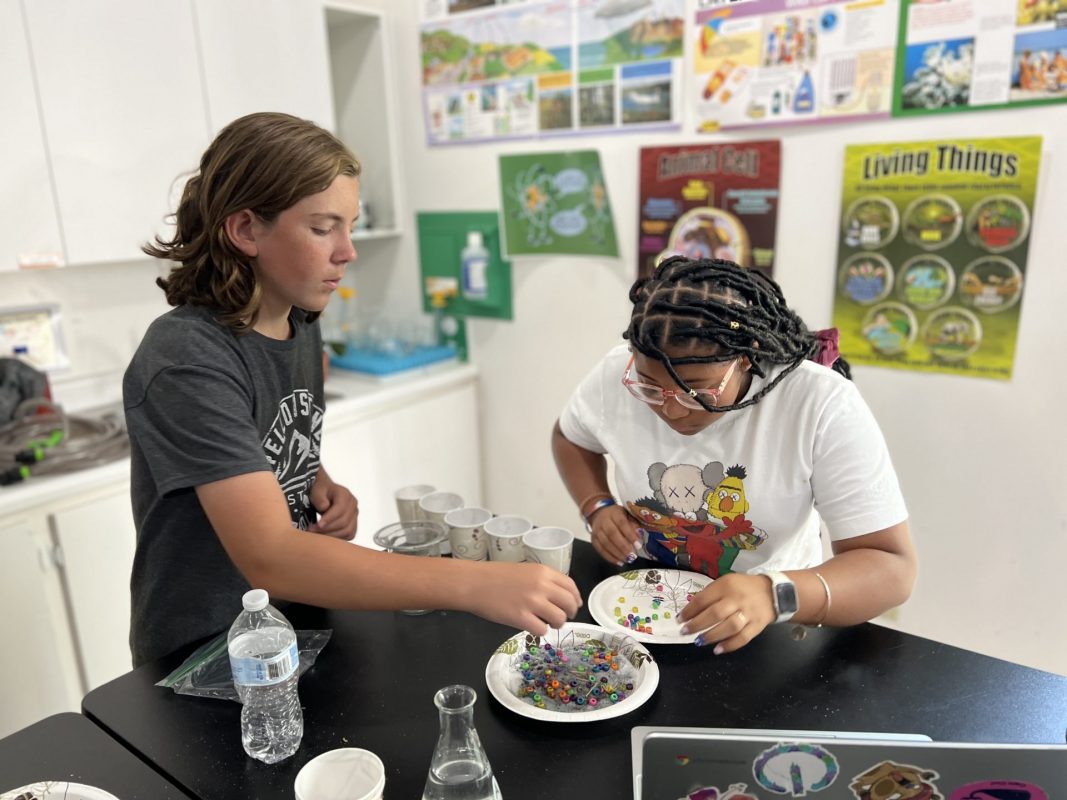
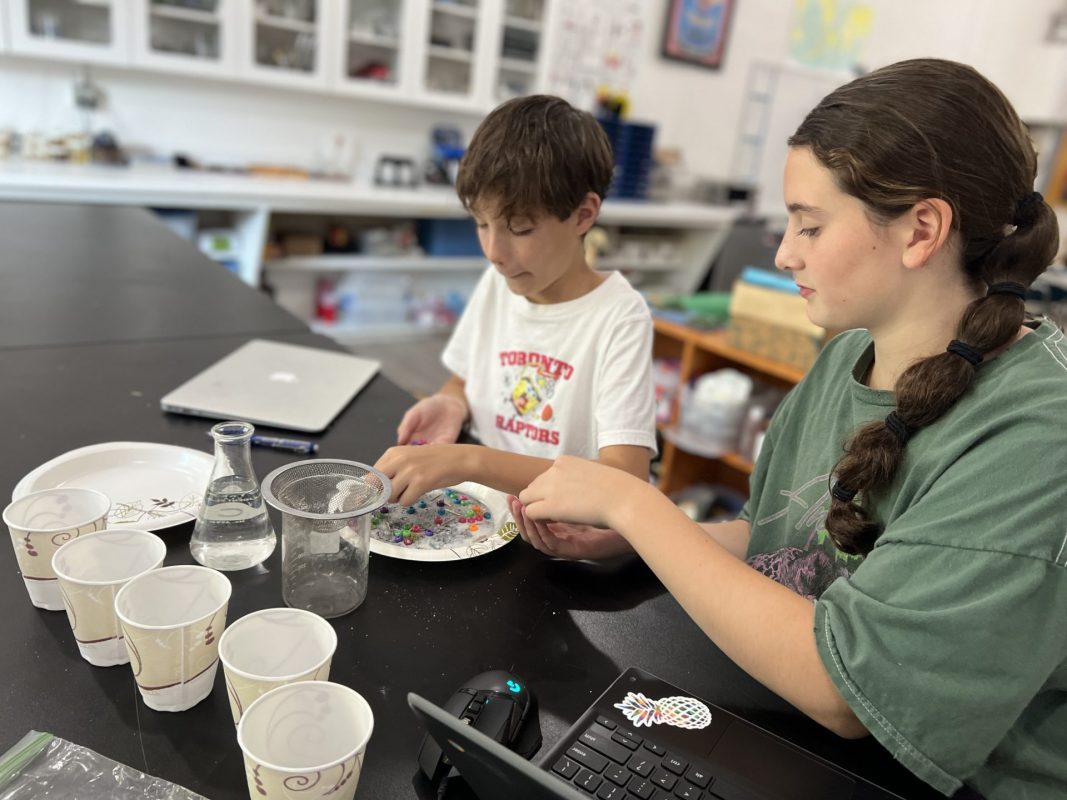
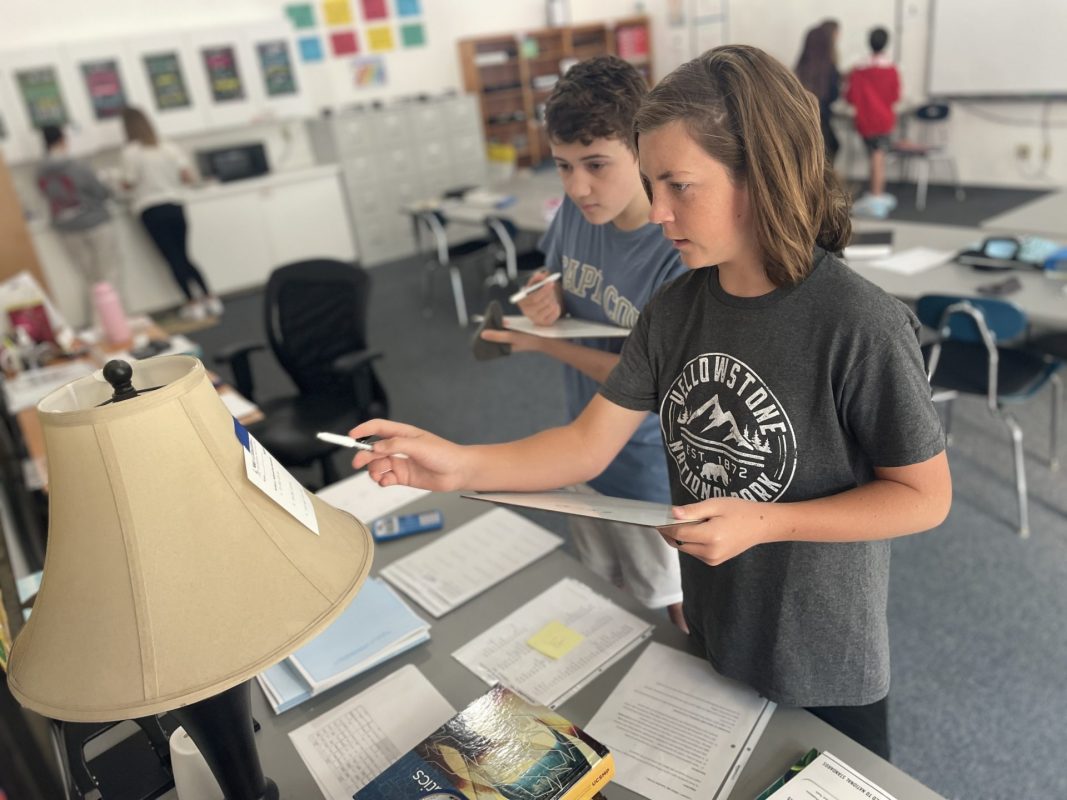
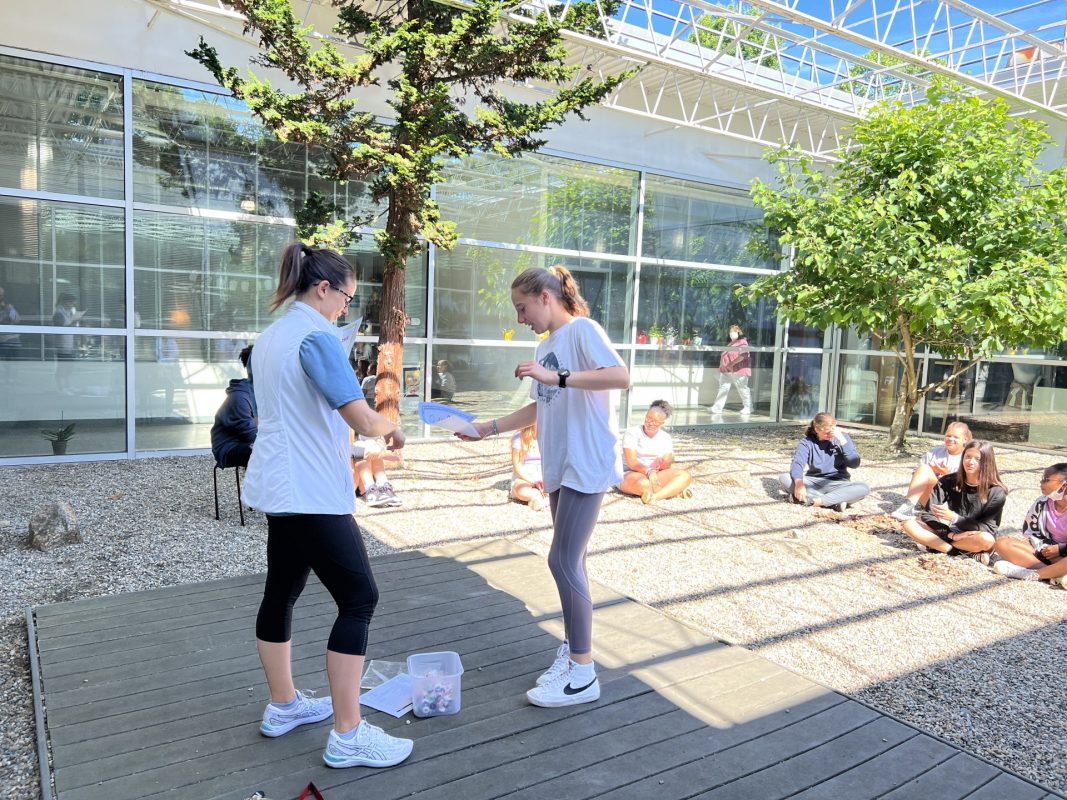
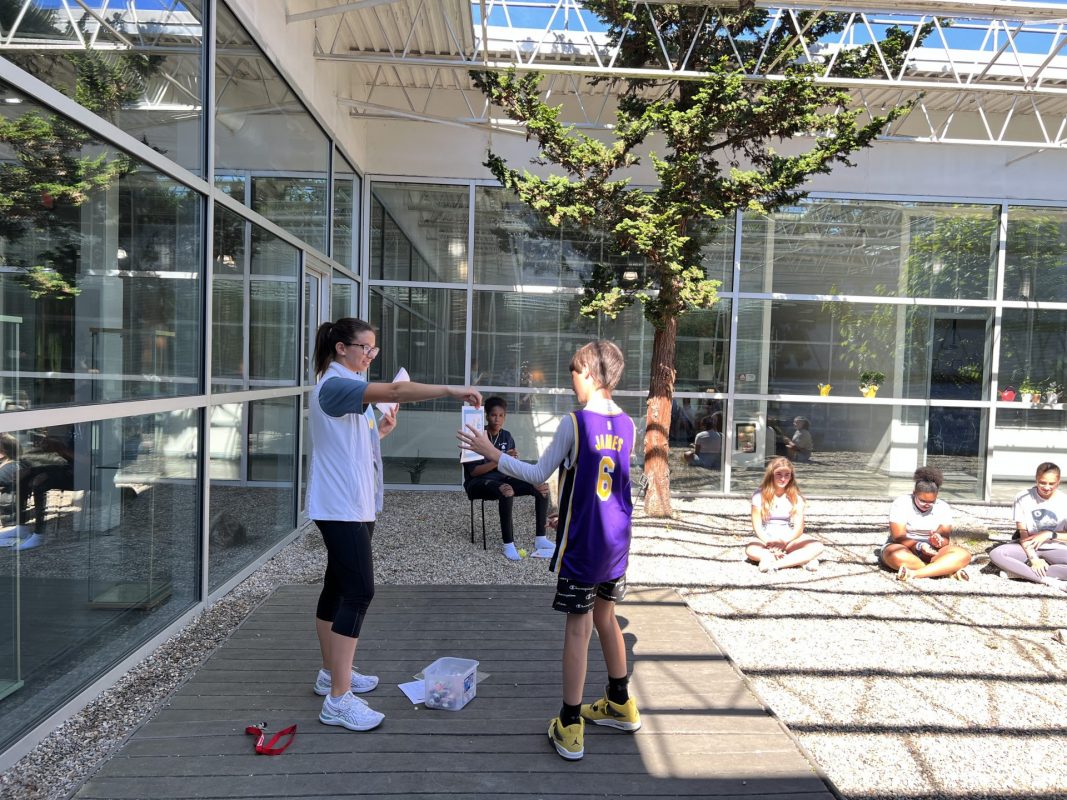
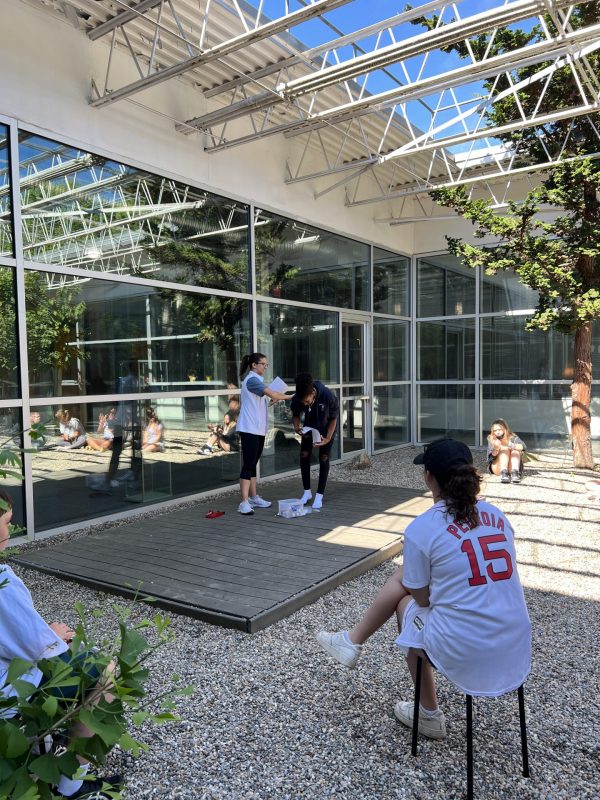
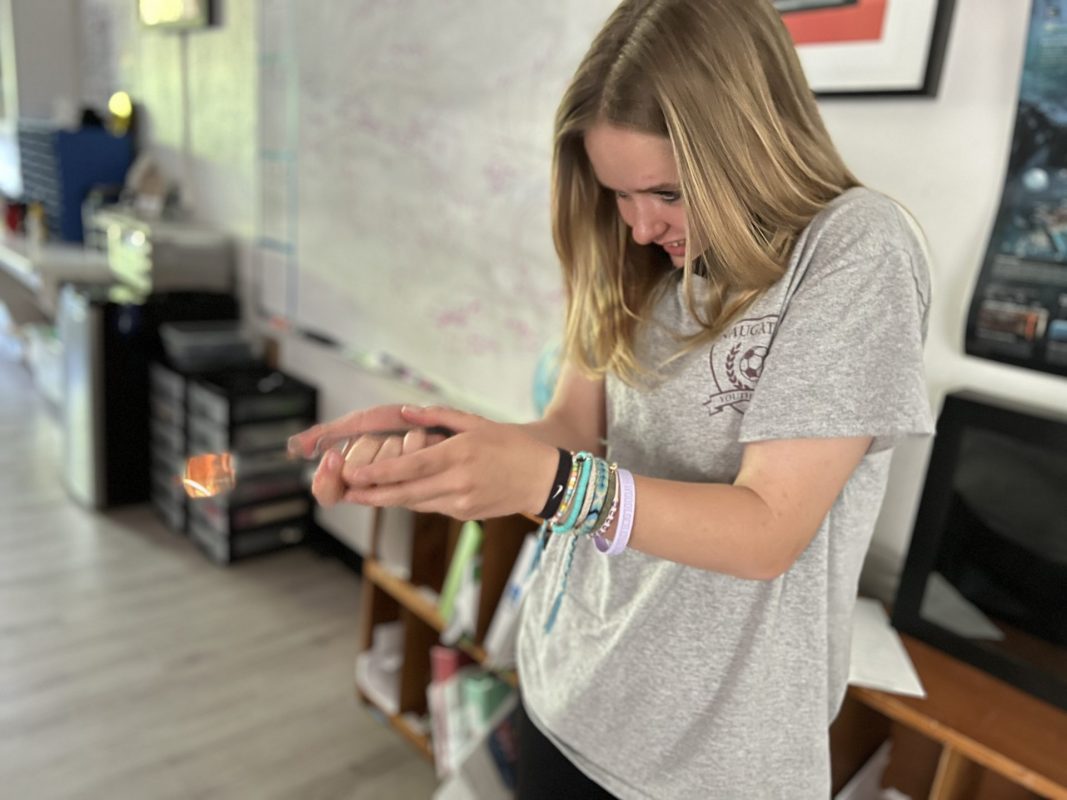
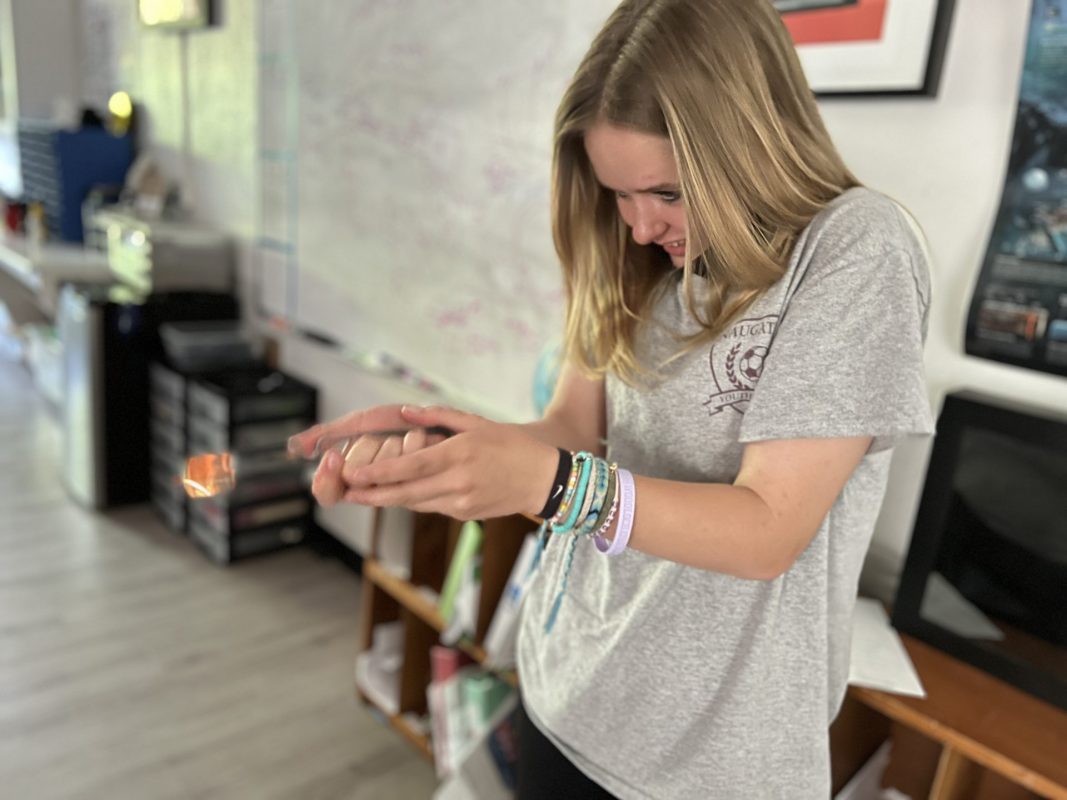
7th year Physical Science students have begun the term learning about the scientific process of combining and separating of mixtures. Students were tasked with separating a mixture in class using a variety of methods such as magnets, sifter, filter paper, and evaporation. Real world applications of this practice such as the clean up of oil spills was later discussed and analyzed.
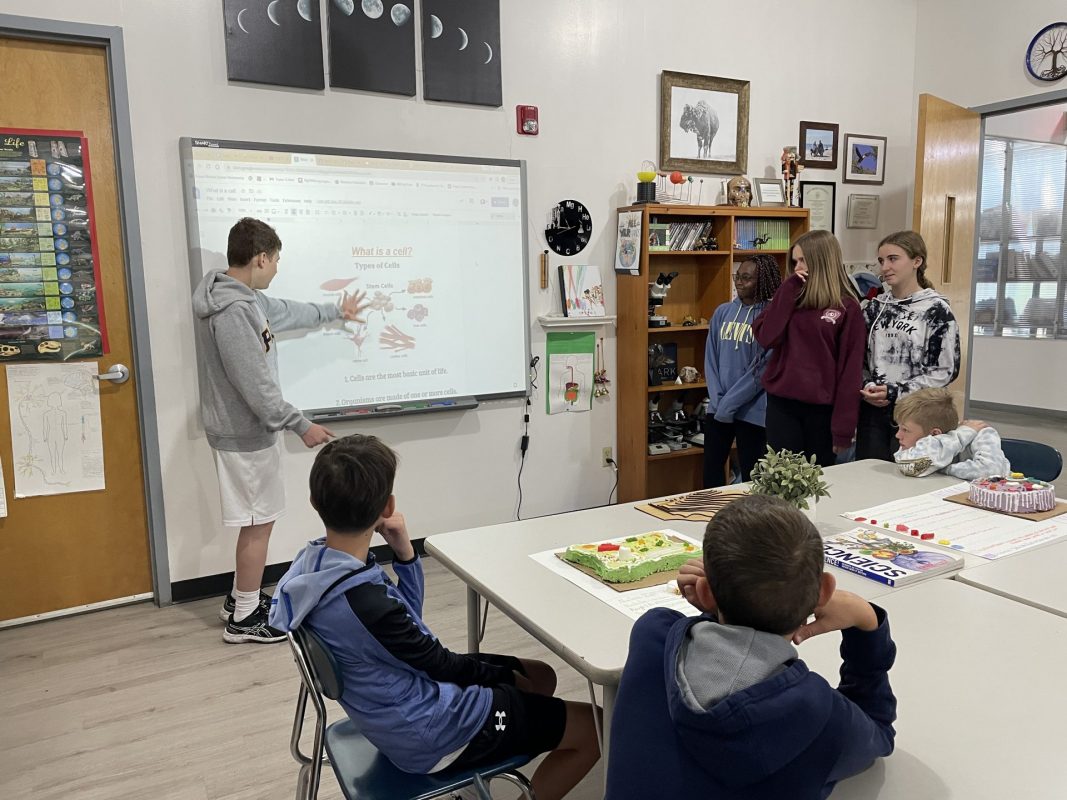
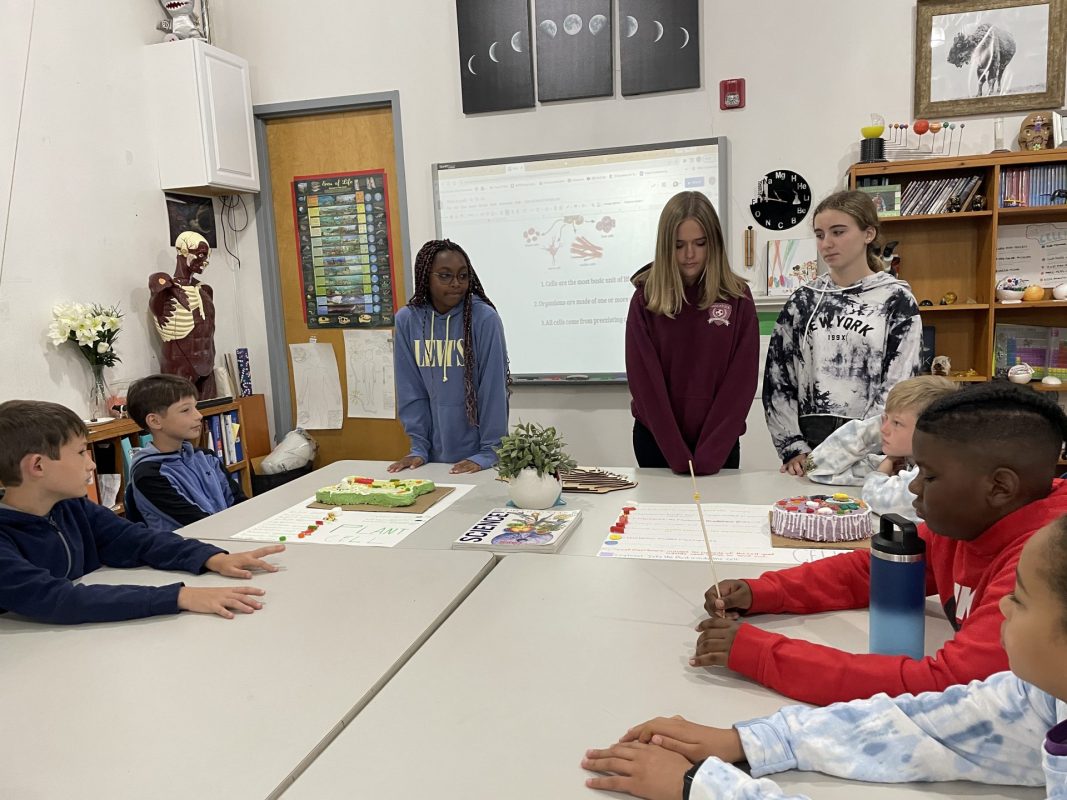
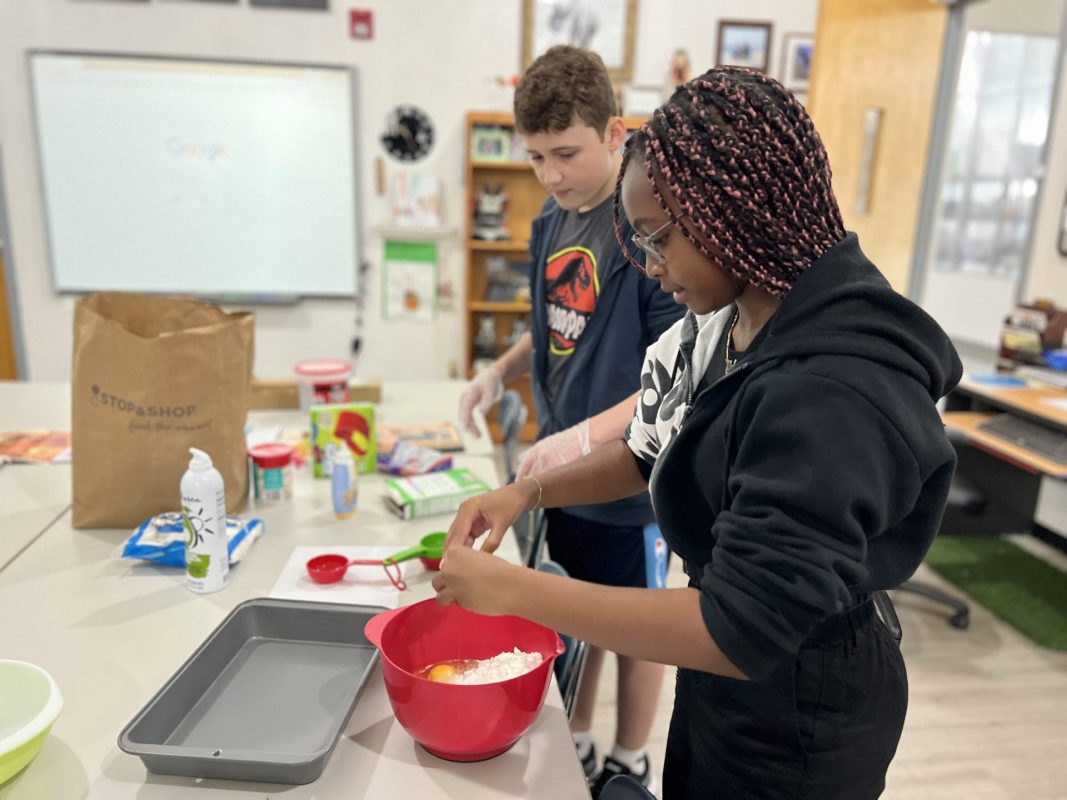
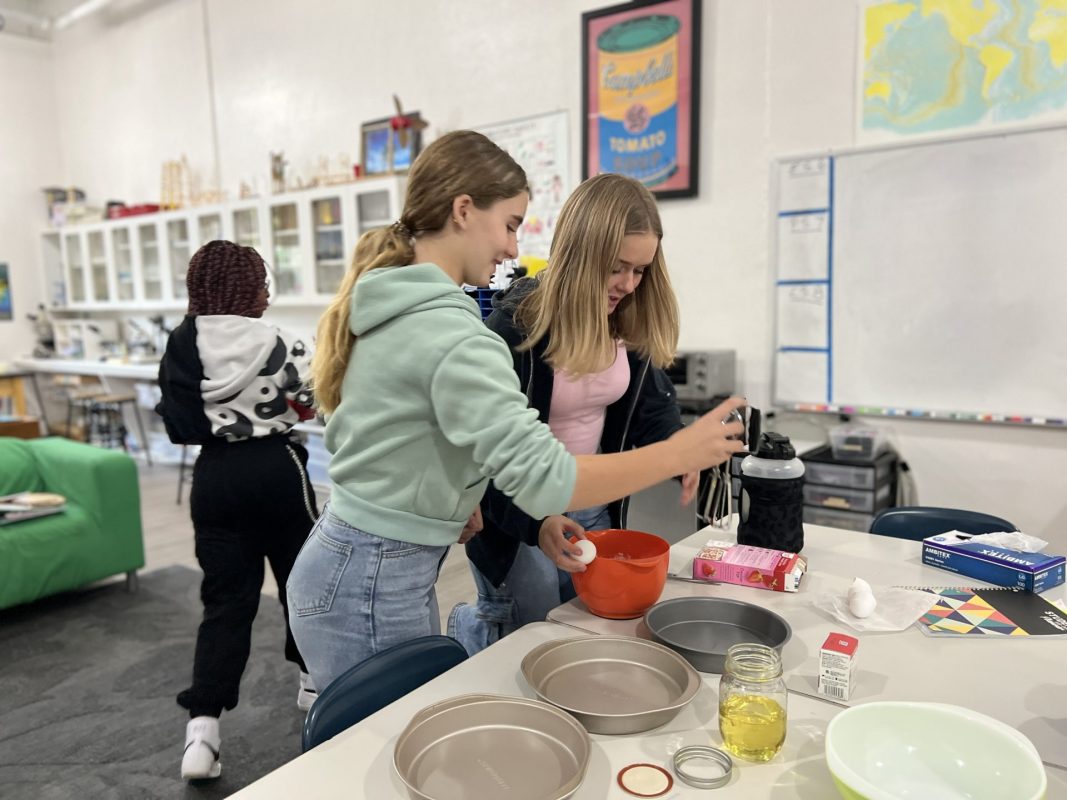
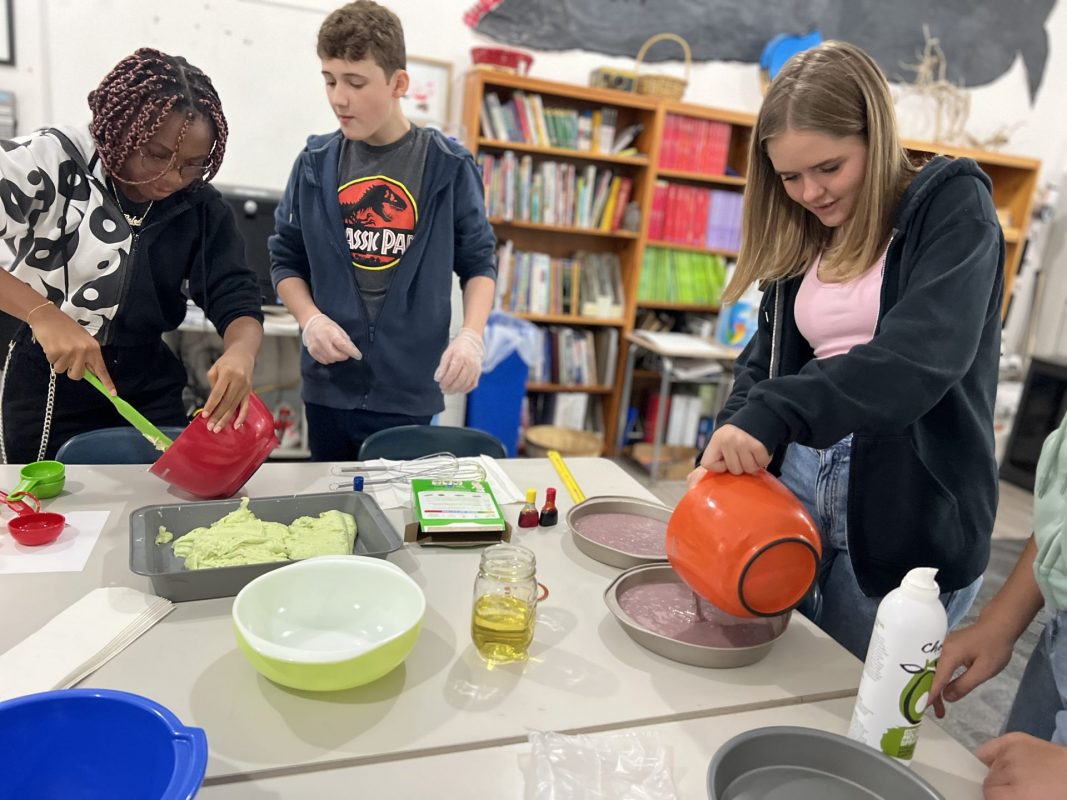
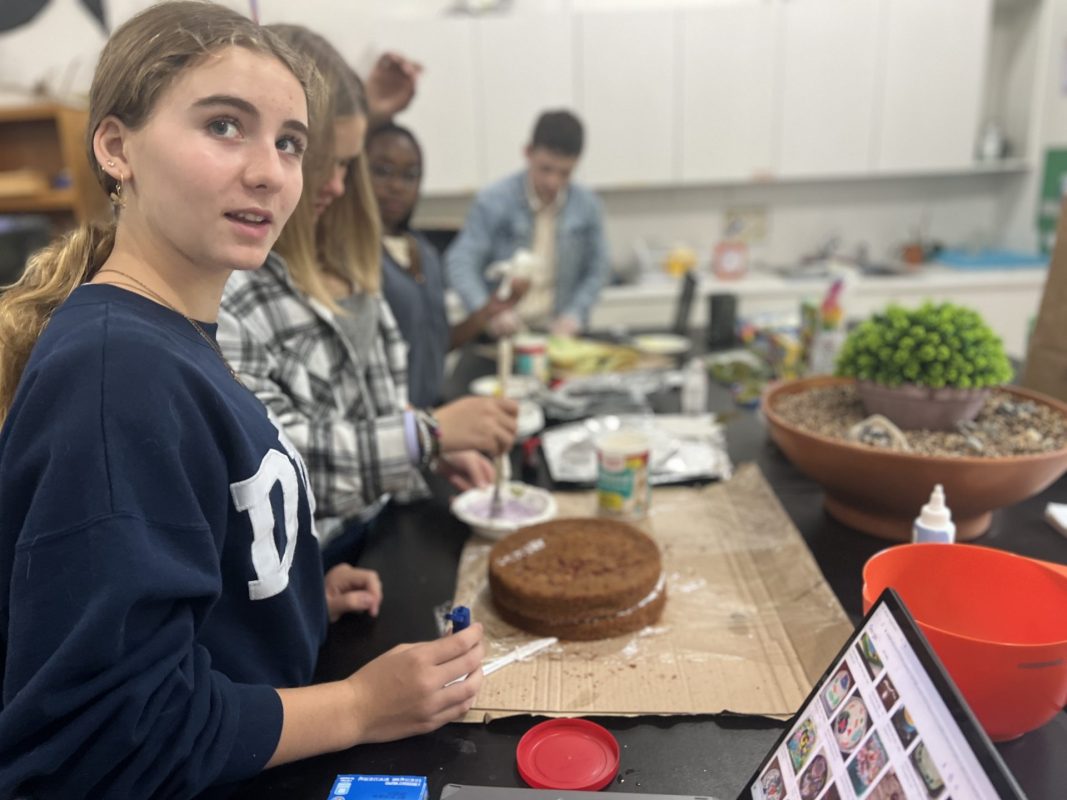
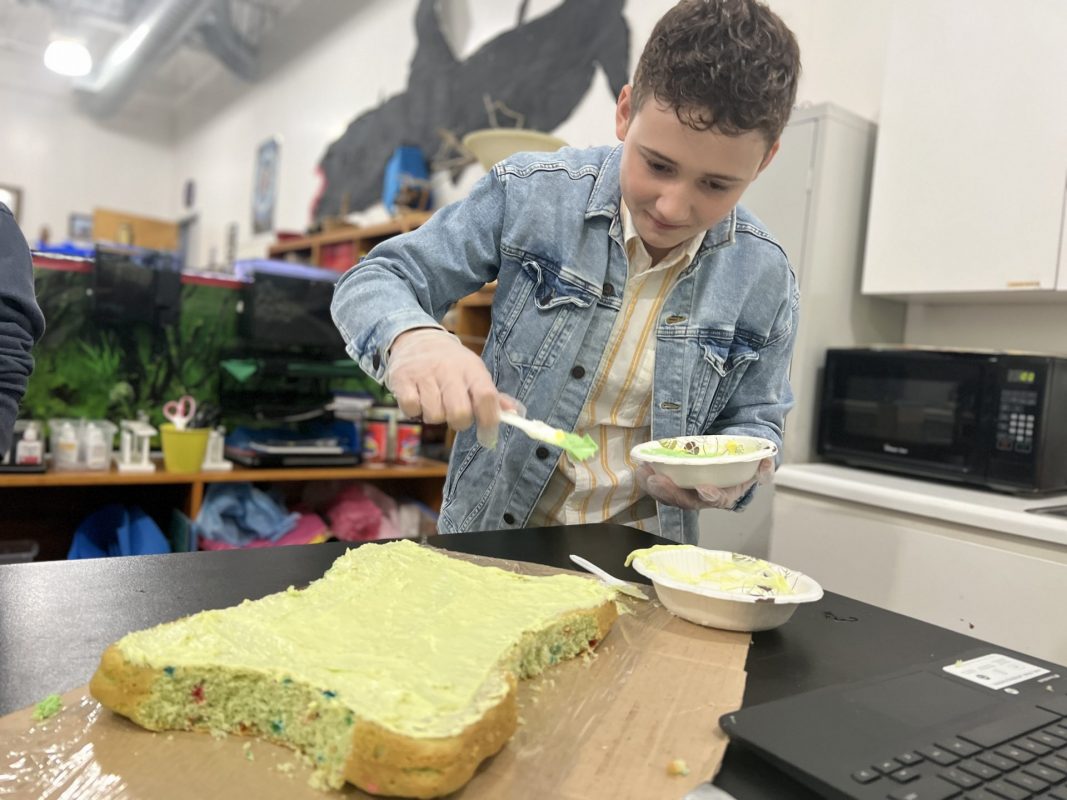
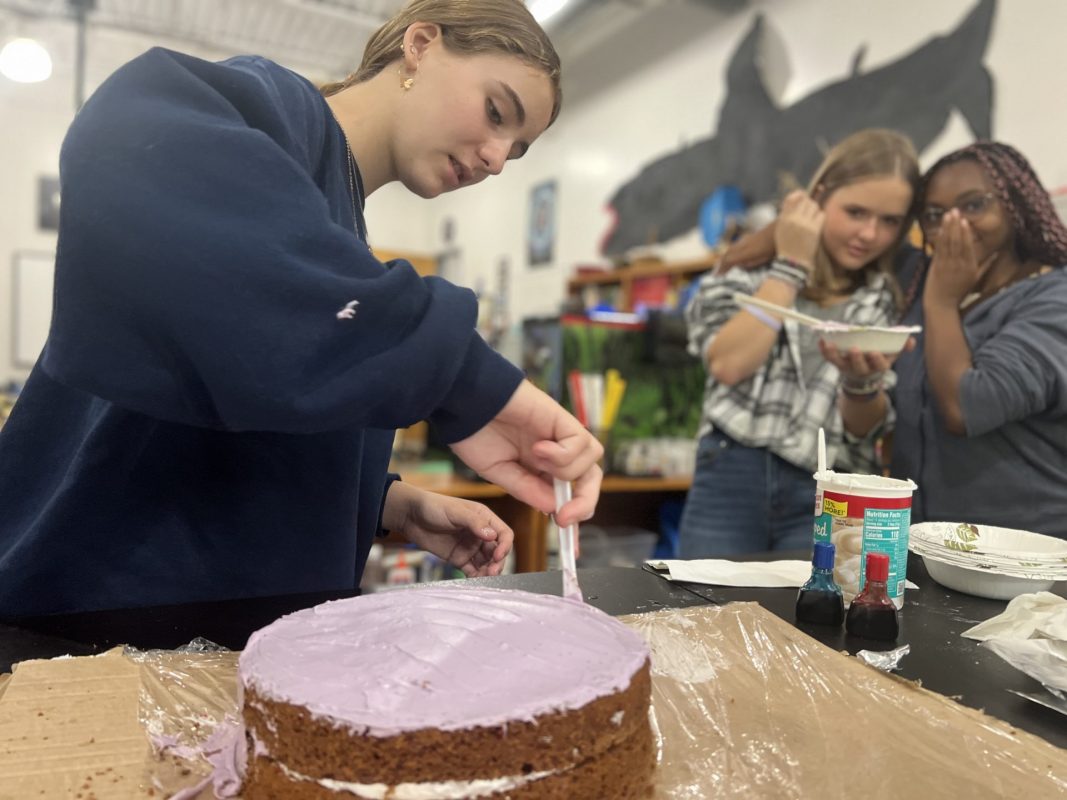
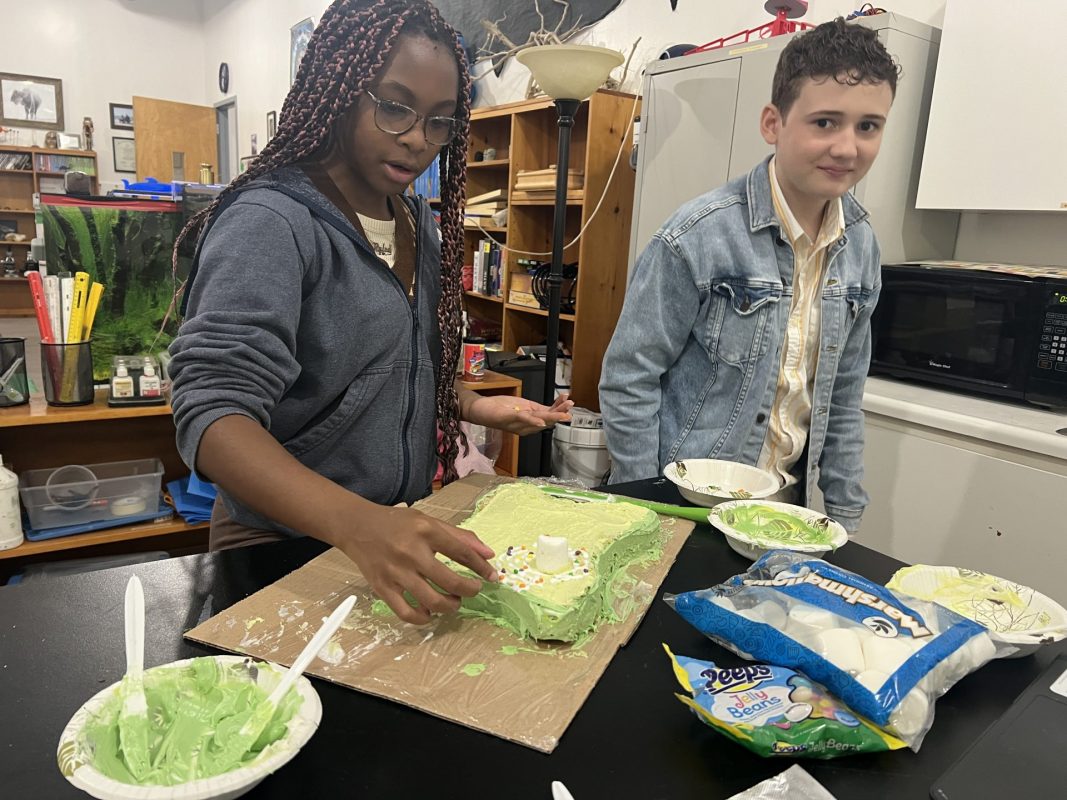
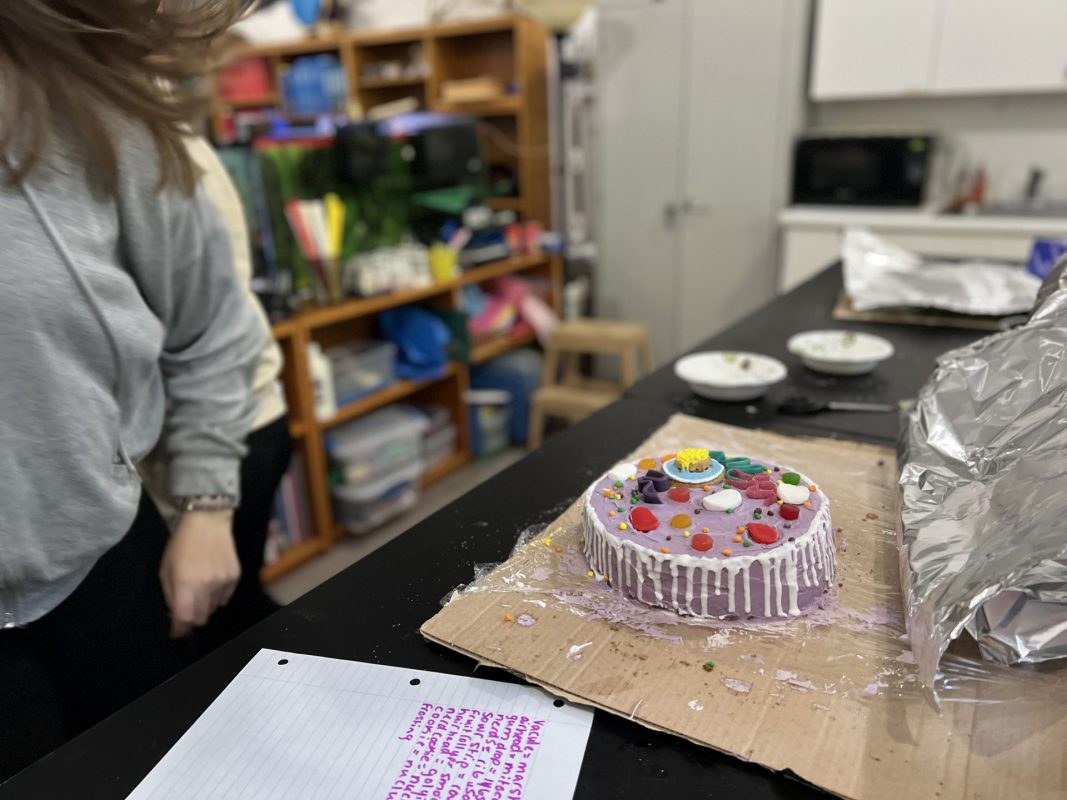
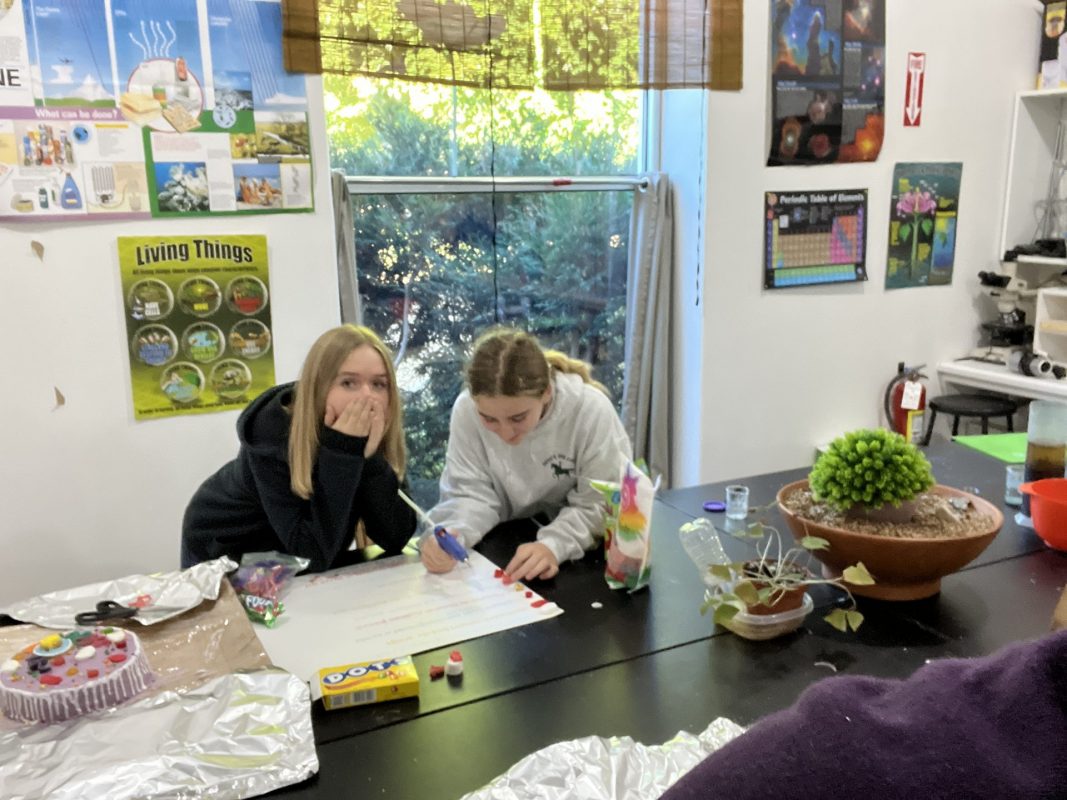
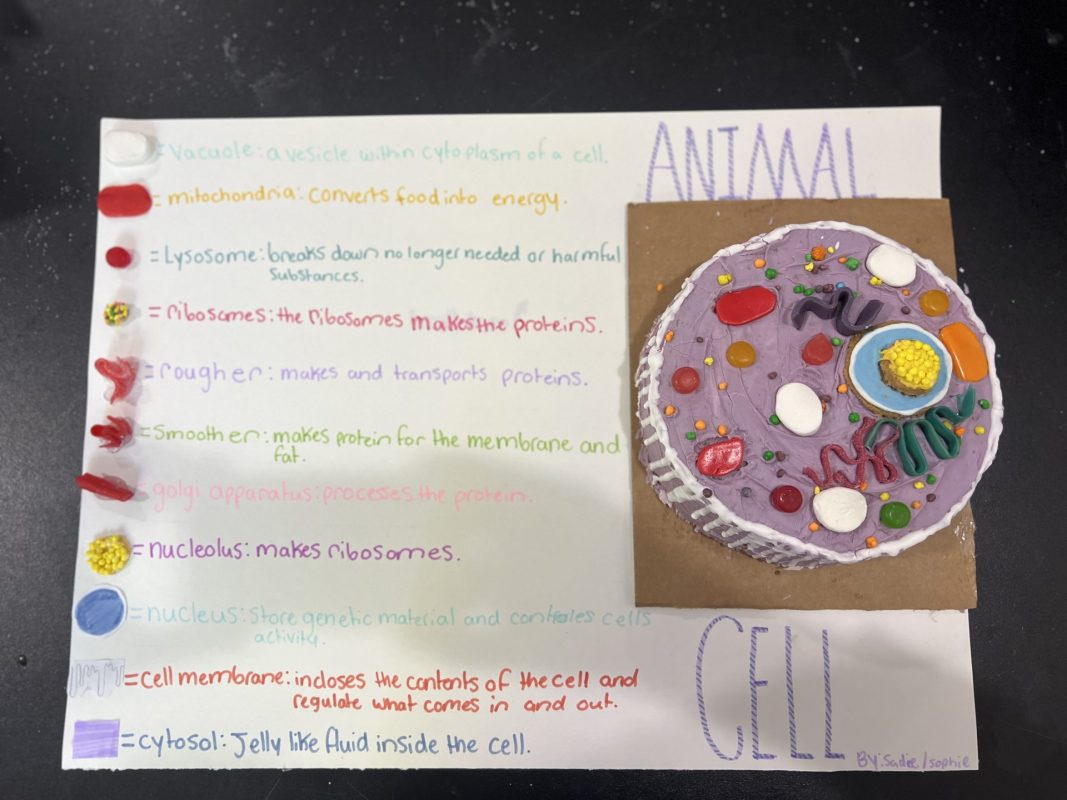
8th year Life Science students have begun the term on the unit, Cell Theory. Within this unit, students are first introduced to the three tenets of cell theory which state, “All living things come from preexisting cells, cells are the basic unit of life, and all organisms are made up of one or more cells.” Students are working on identifying similarities and differences between a plant and animal cell, which they will represent by creating their own plant/animal cell cake. Students will choose items to represent and identify each cell’s organelles using foods of choice that best represent each organelle. Students will present their work to the middle school students once completed.
Math
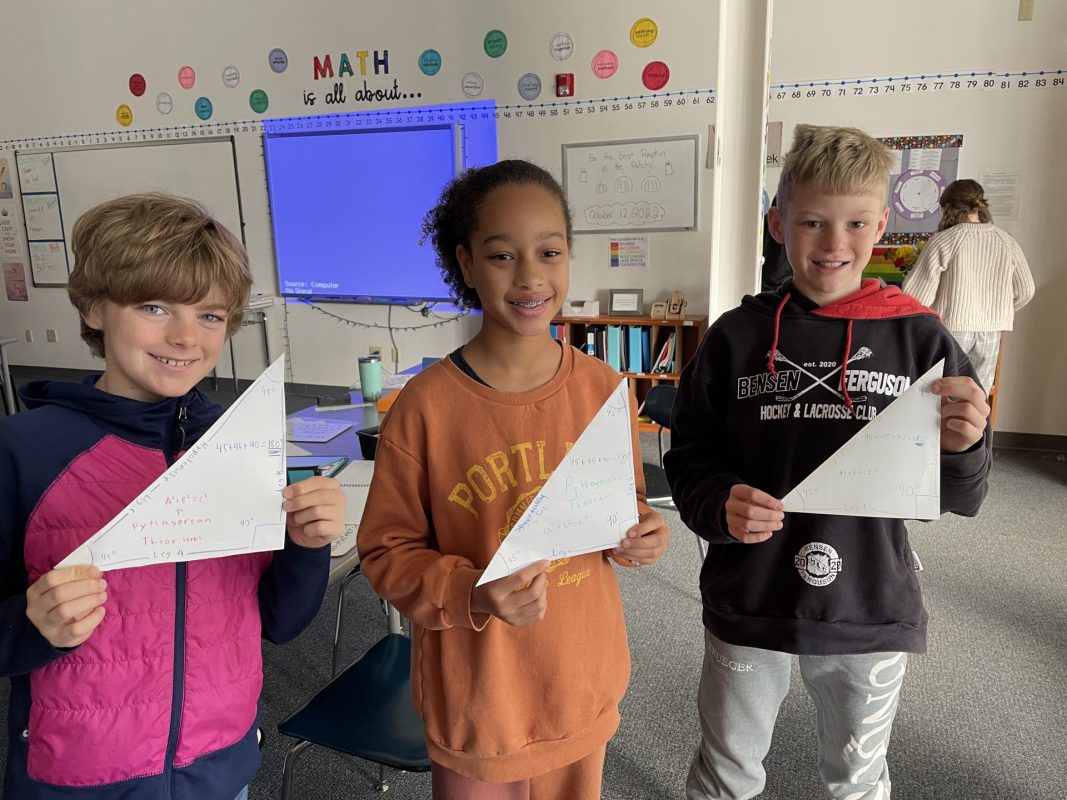
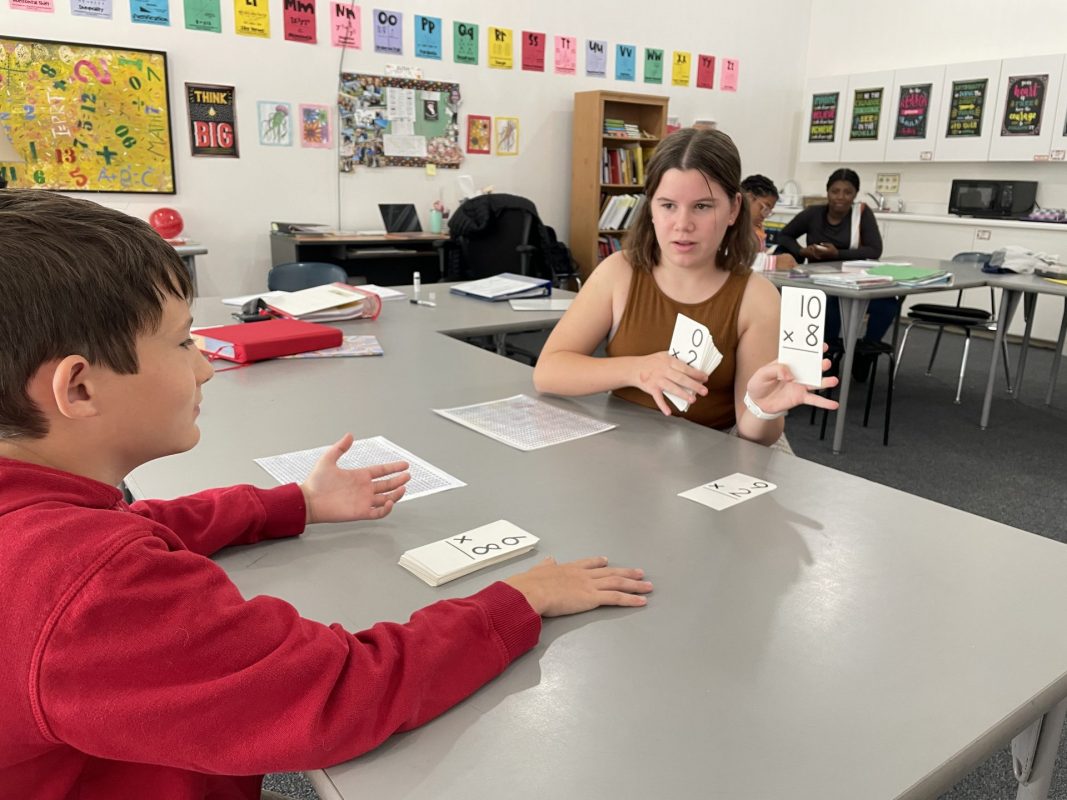
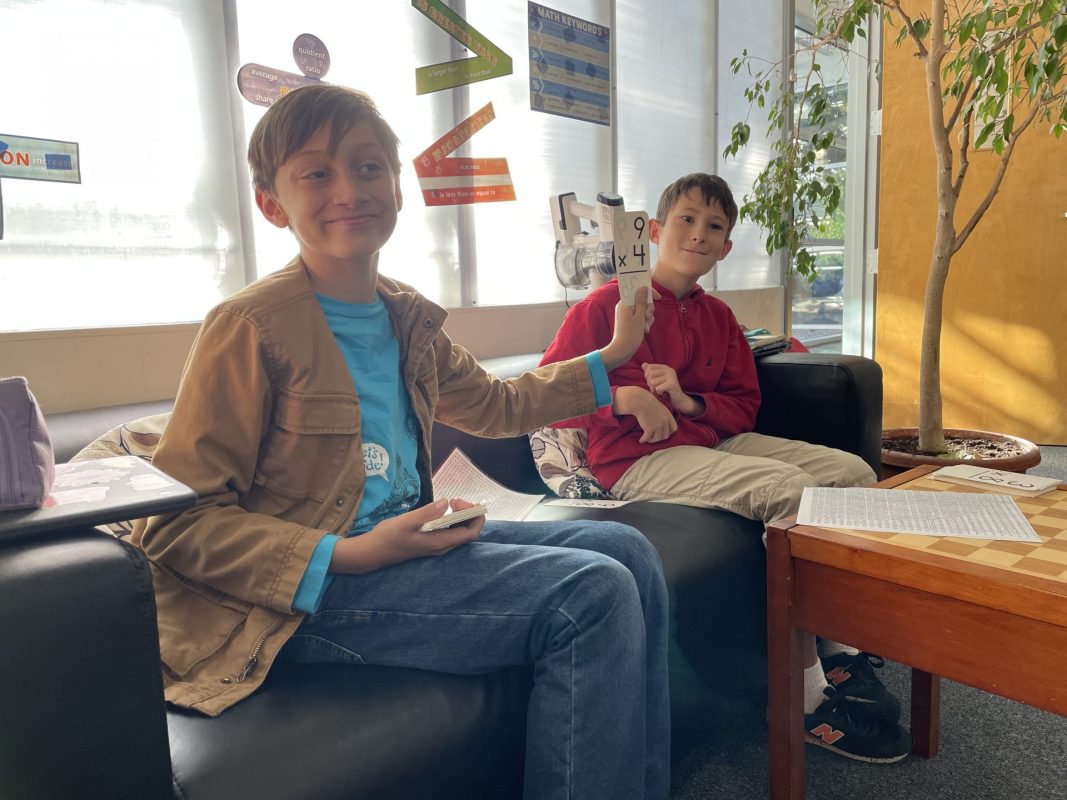
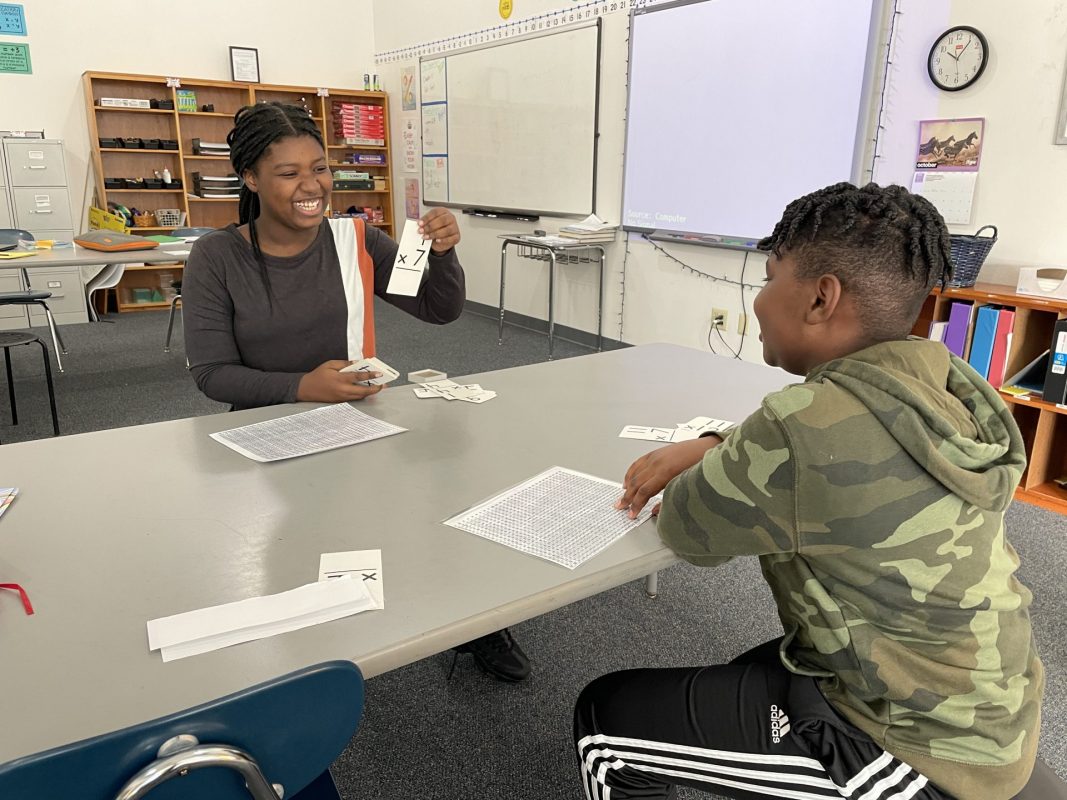
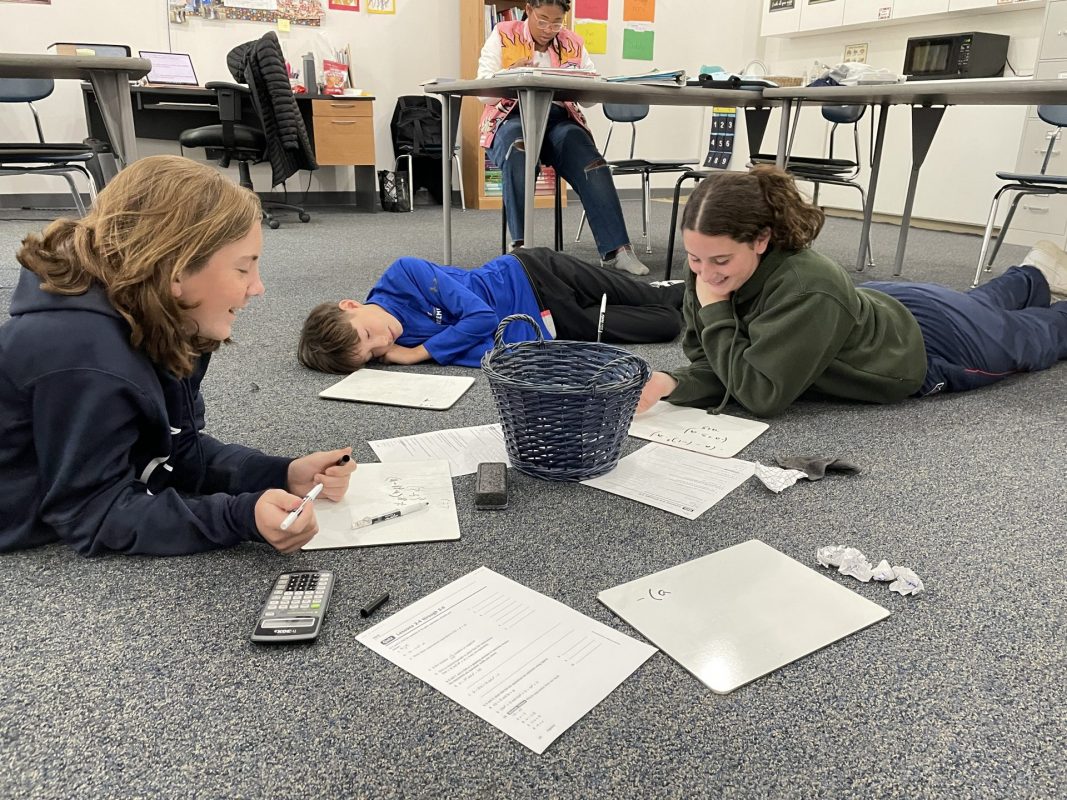
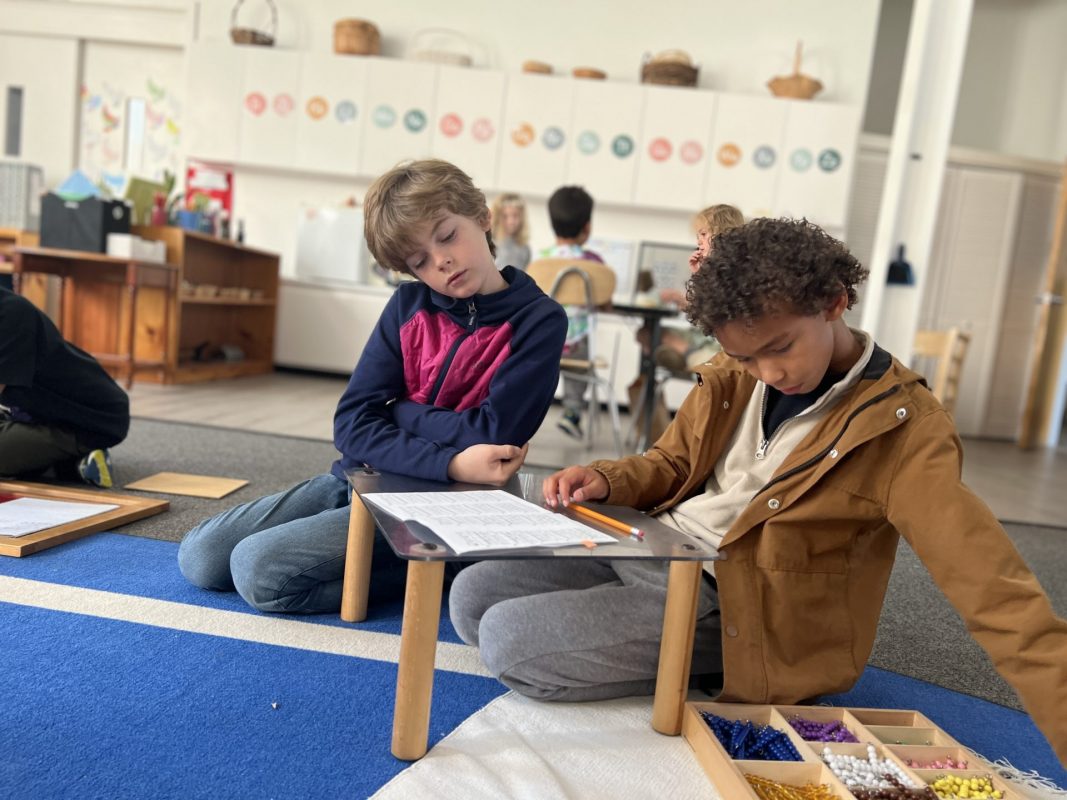
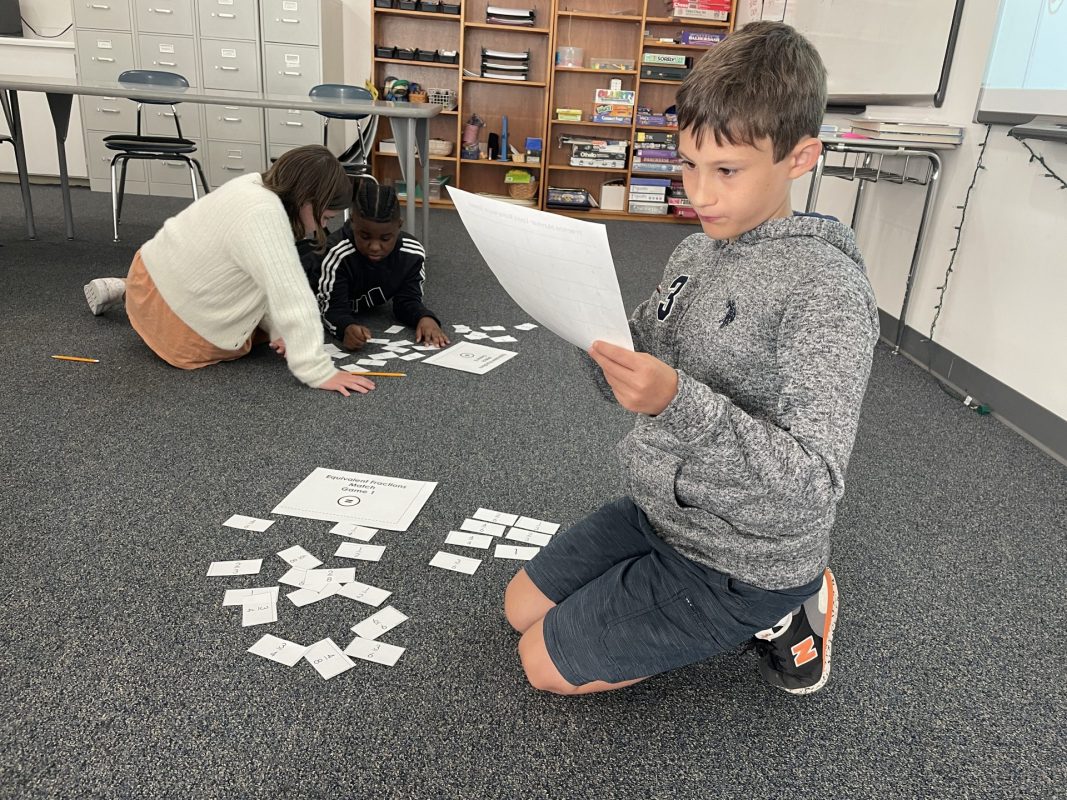
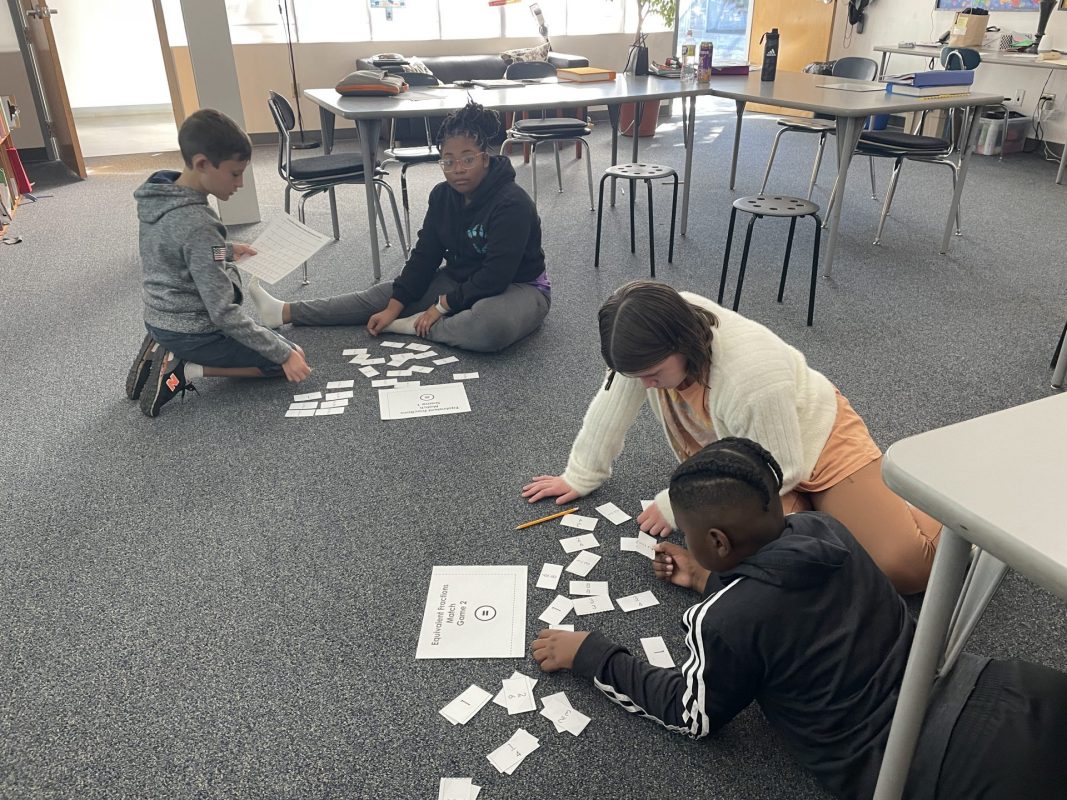
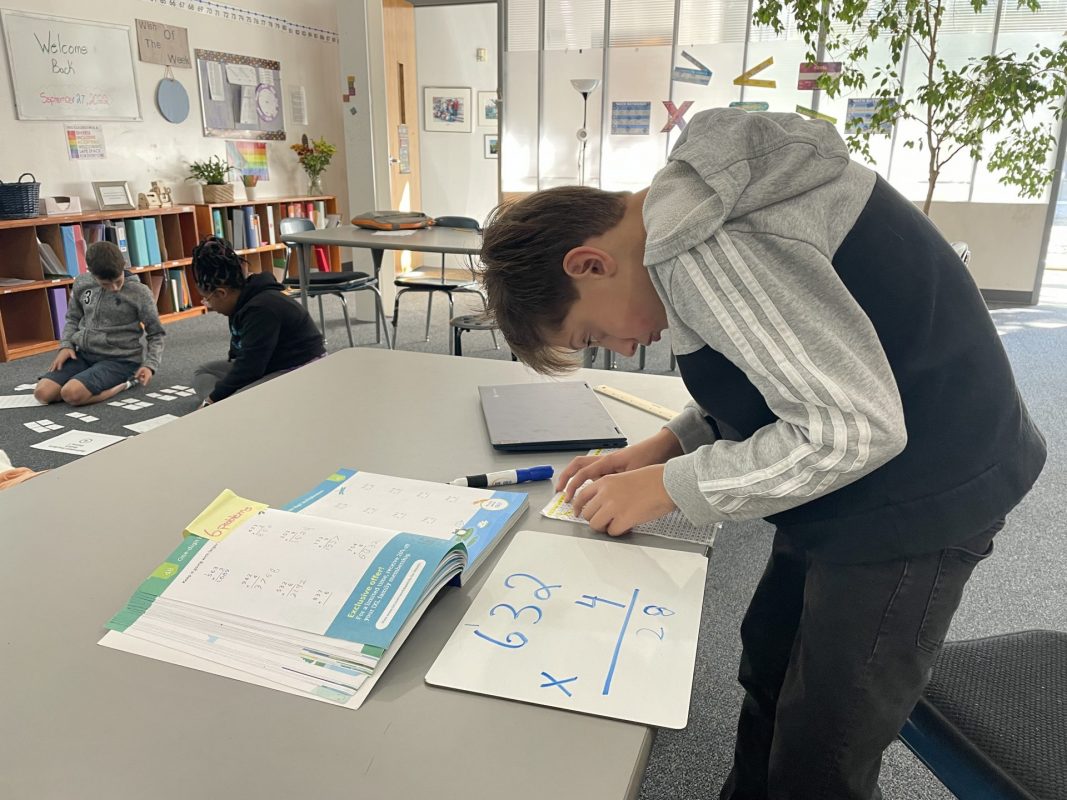
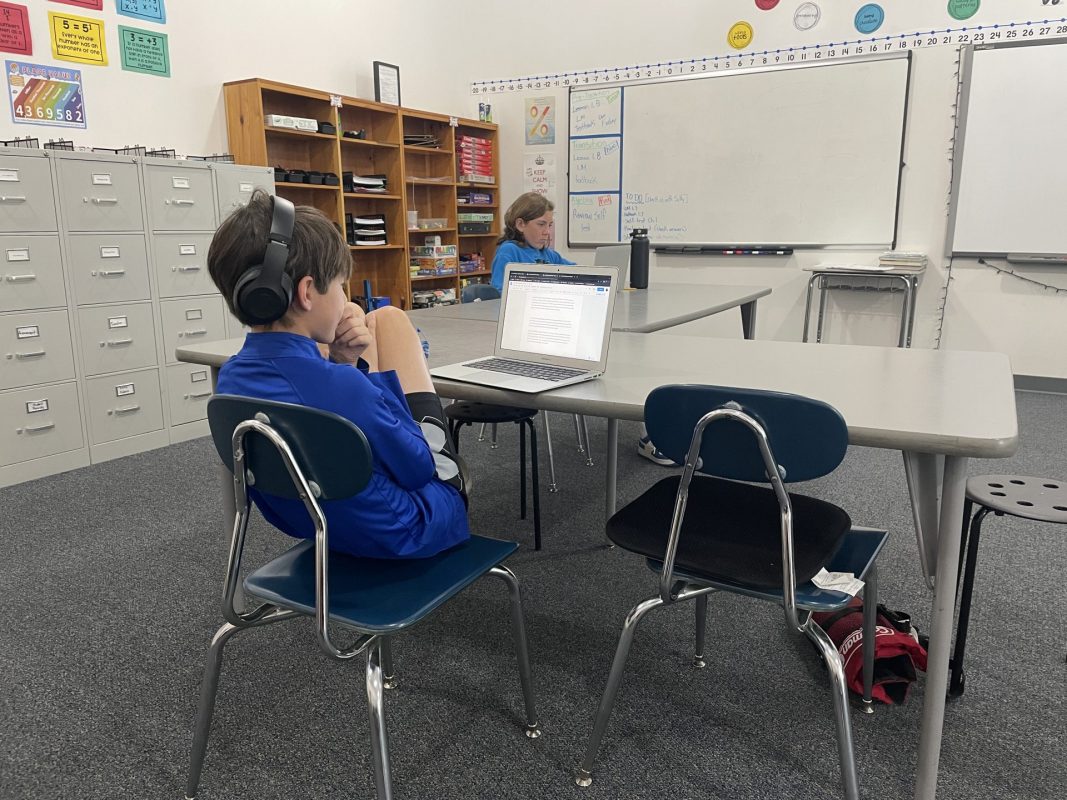
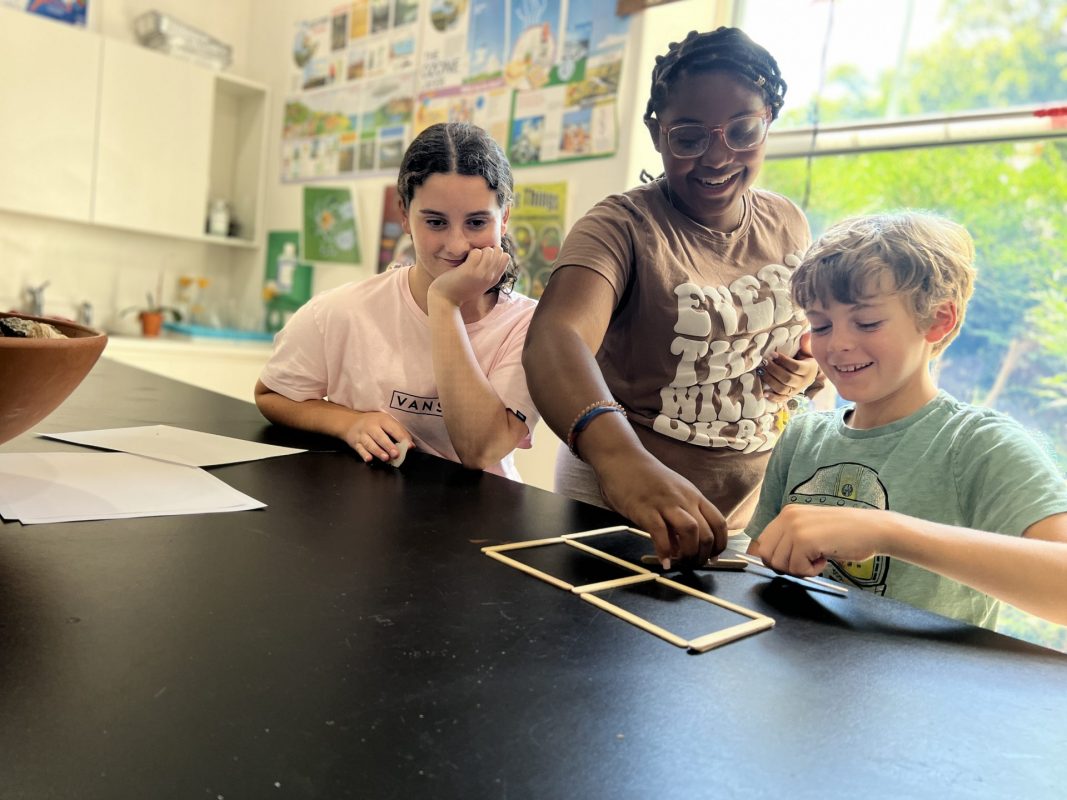
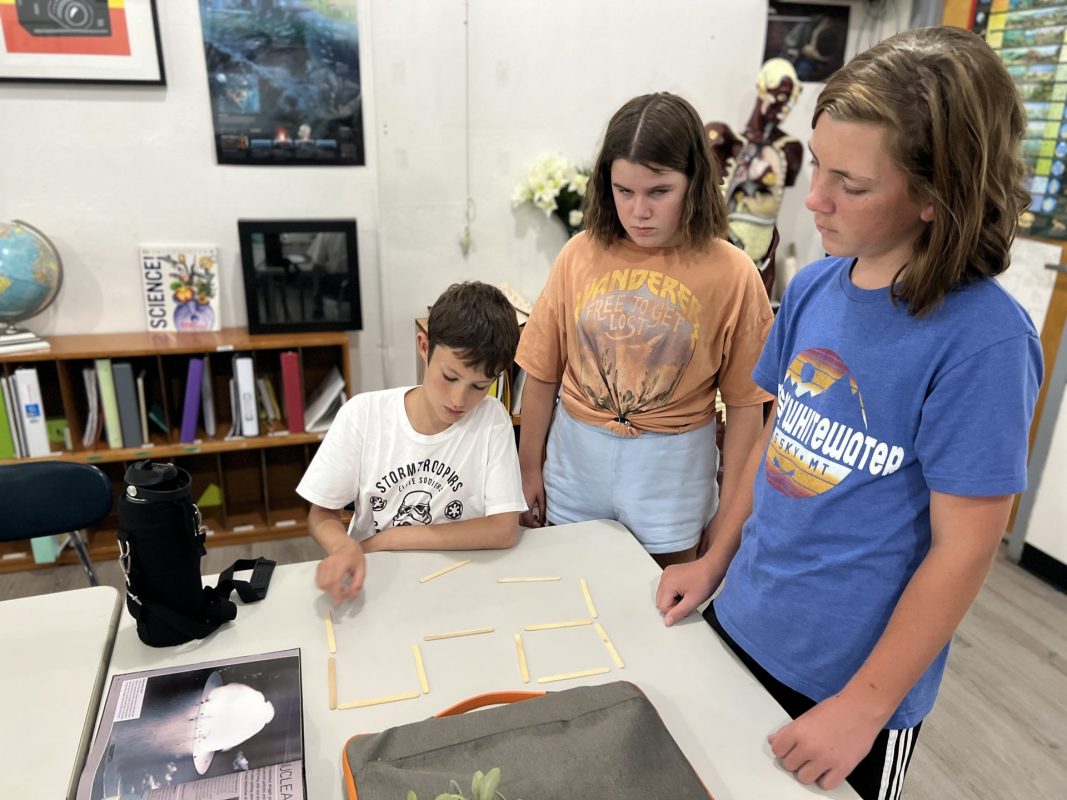
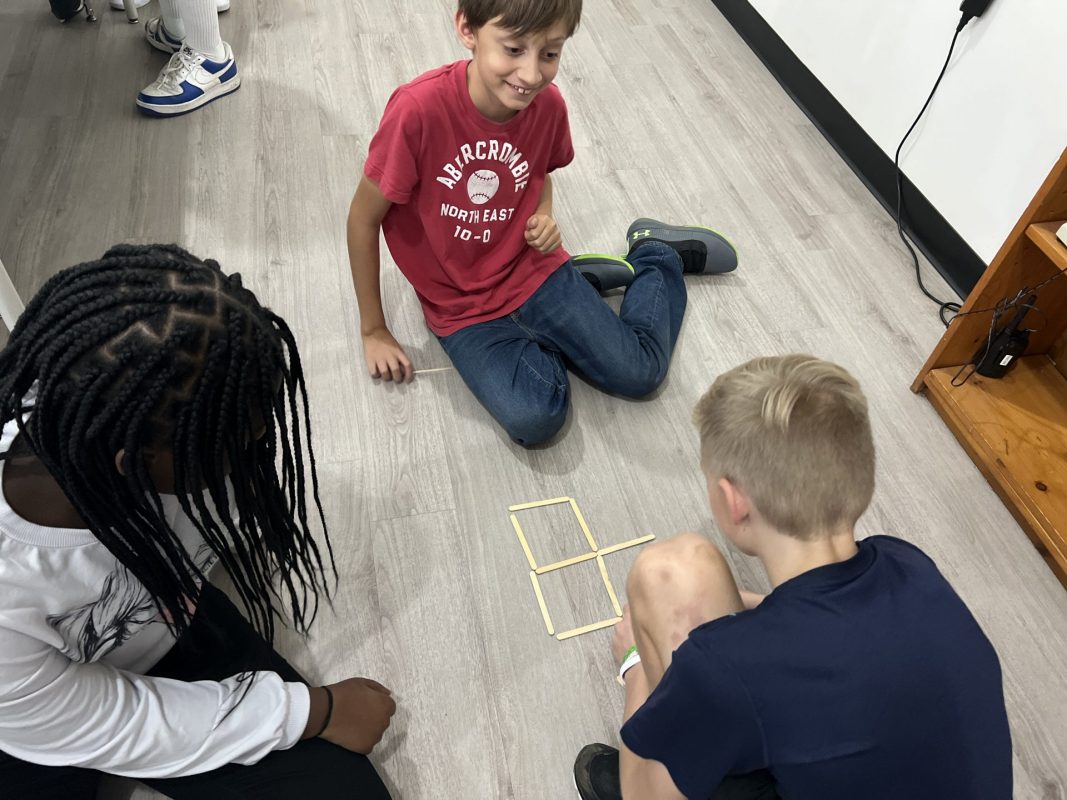
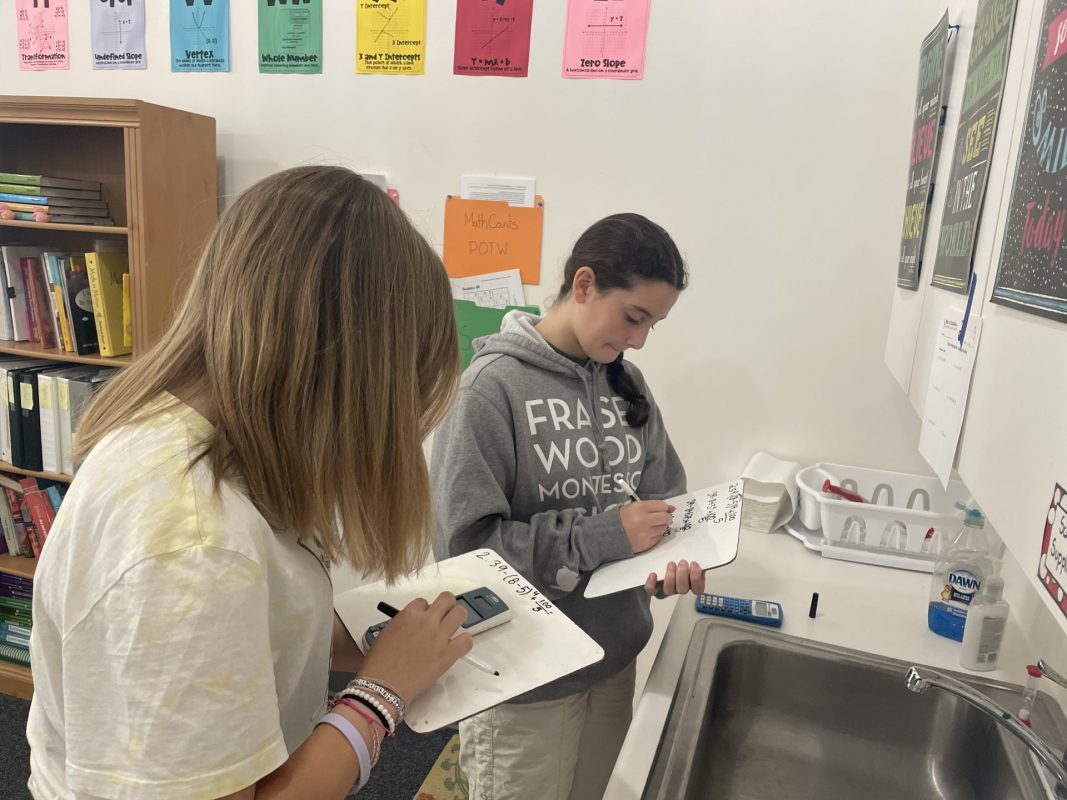
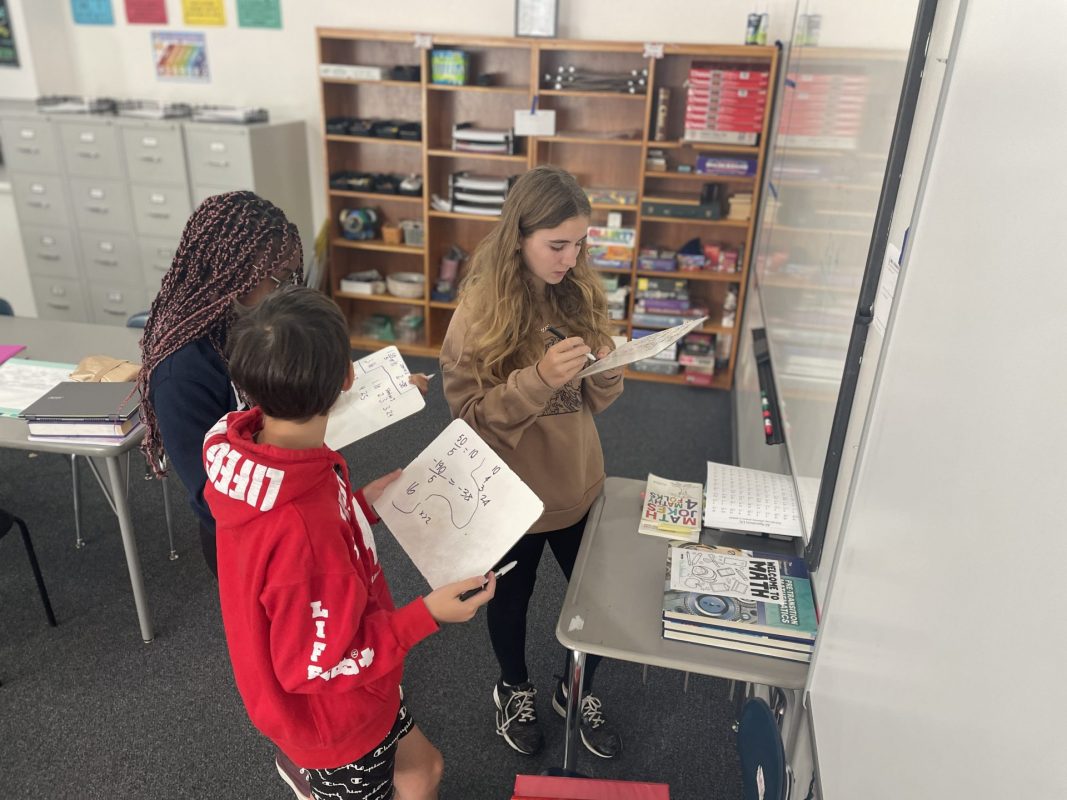
Welcome to Middle School Math! Students are off to a busy start with textbook distribution, completing their first homework questions, and practicing note taking skills. Ms. Sutherland is excited to learn and grow this year alongside the energetic middle school mathematicians.
In Pre-Transition class, students reviewed how to write numbers in written form and identify place values in large numbers. This class can measure units in customary units and divide line segments into equal parts. This class is working towards their first quiz on Wednesday, September 21st.
In Transition class, students learned how to use rational numbers to solve real world problems, graph values on a number line, as well as multiply by powers of ten. This class can use inequalities to compare numerical values and can definite a rational number.
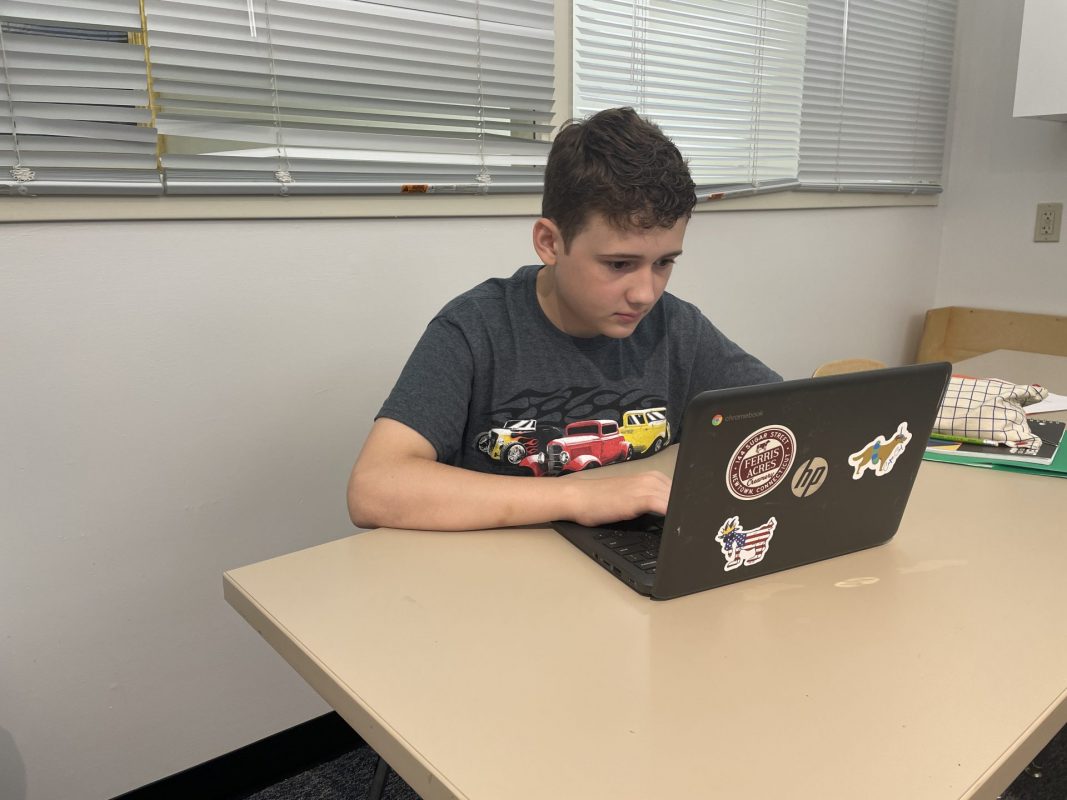
In Algebra class, students explored how to use variables to describe real world situations, determine if expressions are equivalent, as well as identify the associative and commutative property of multiplication/addition. This class is learning how to use a new graphing software (Desmos) and how to substitute values into an algebraic expression.
As a general reminder, daily homework assignments (lesson master worksheets) are due at the beginning of each class. Math Help Sessions are embedded into the Wednesday timetable for students to receive extra one on one support.
Math Joke: Hey, have you ever noticed what’s odd?…….. Every other number!
Humanities
All Humanities classes completed Identity Maps to start the year and they are posted in the classroom. Theses maps include identifiers and visually represent what each student wishes their peers and teachers to know about themselves. They can certainly change each year, so it is a great way to start fresh.
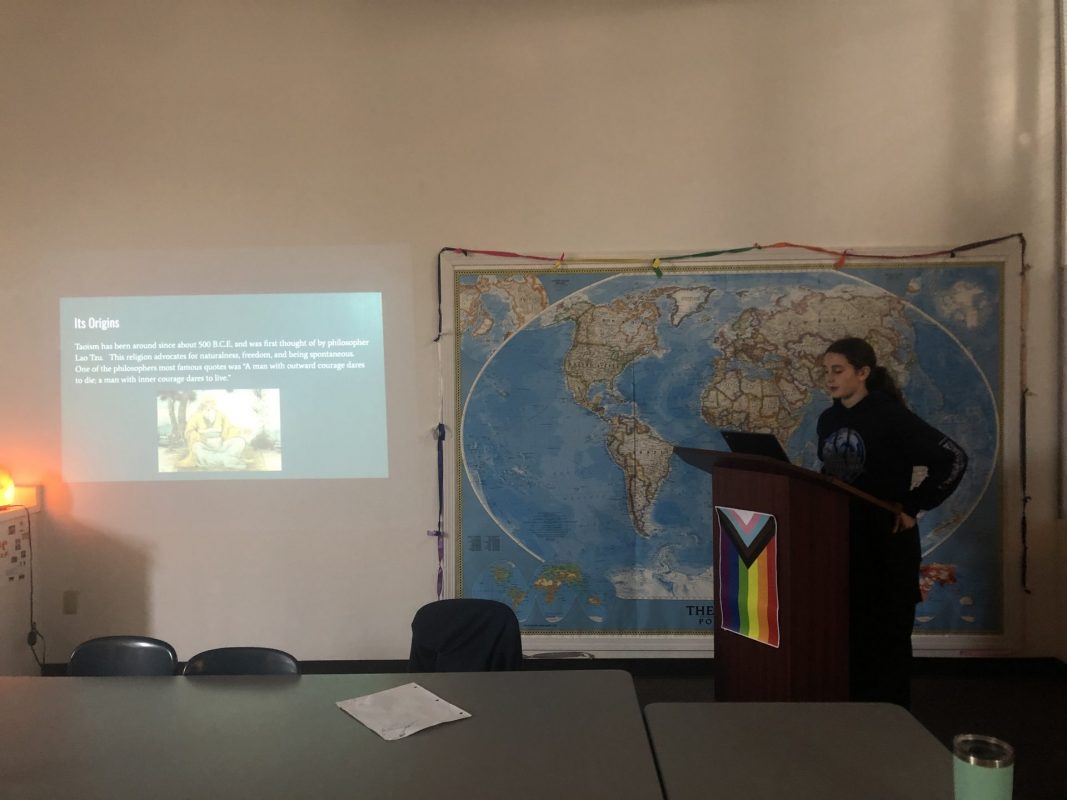
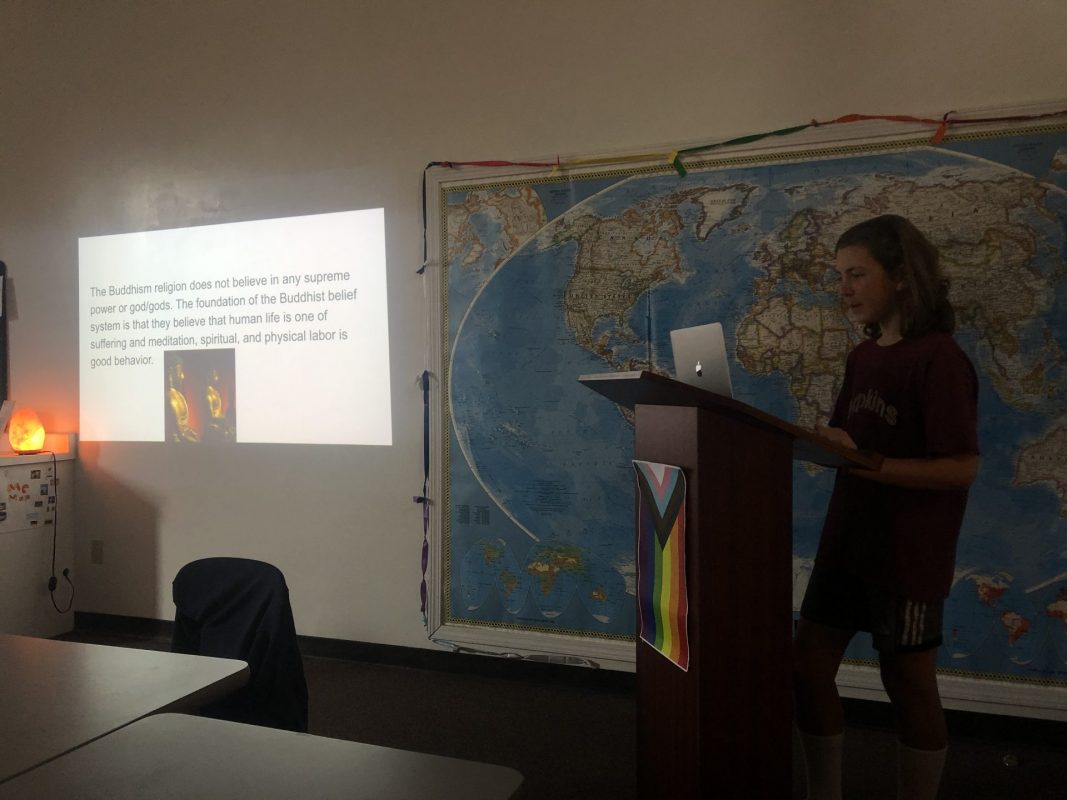
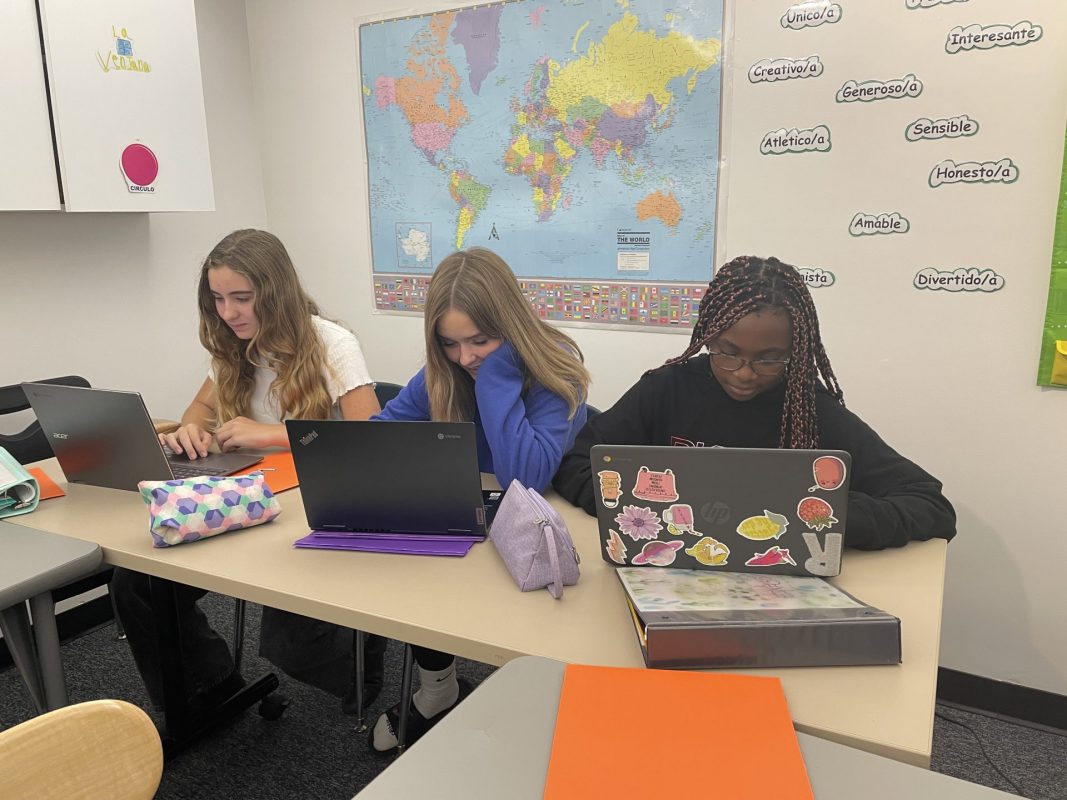
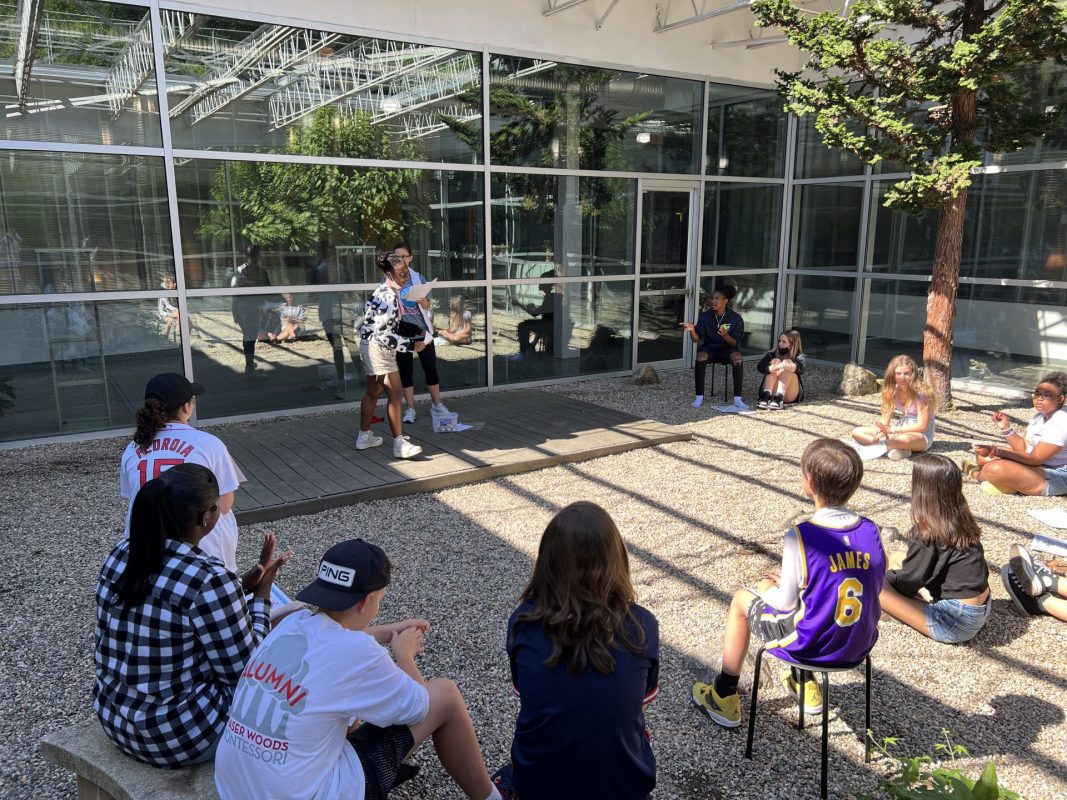
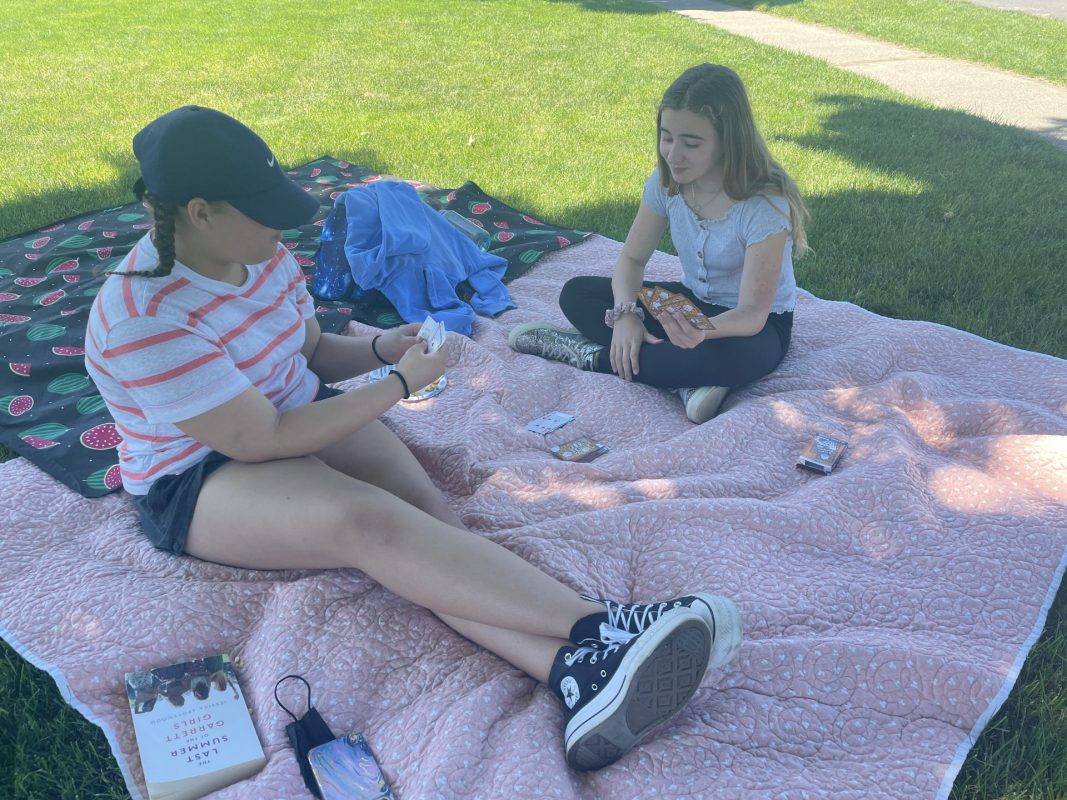
All classes also presented their summer independent reading presentations to classmates. There were great book choices and a good mix of genres. Ms. Lamb also added some books to her must-read list!
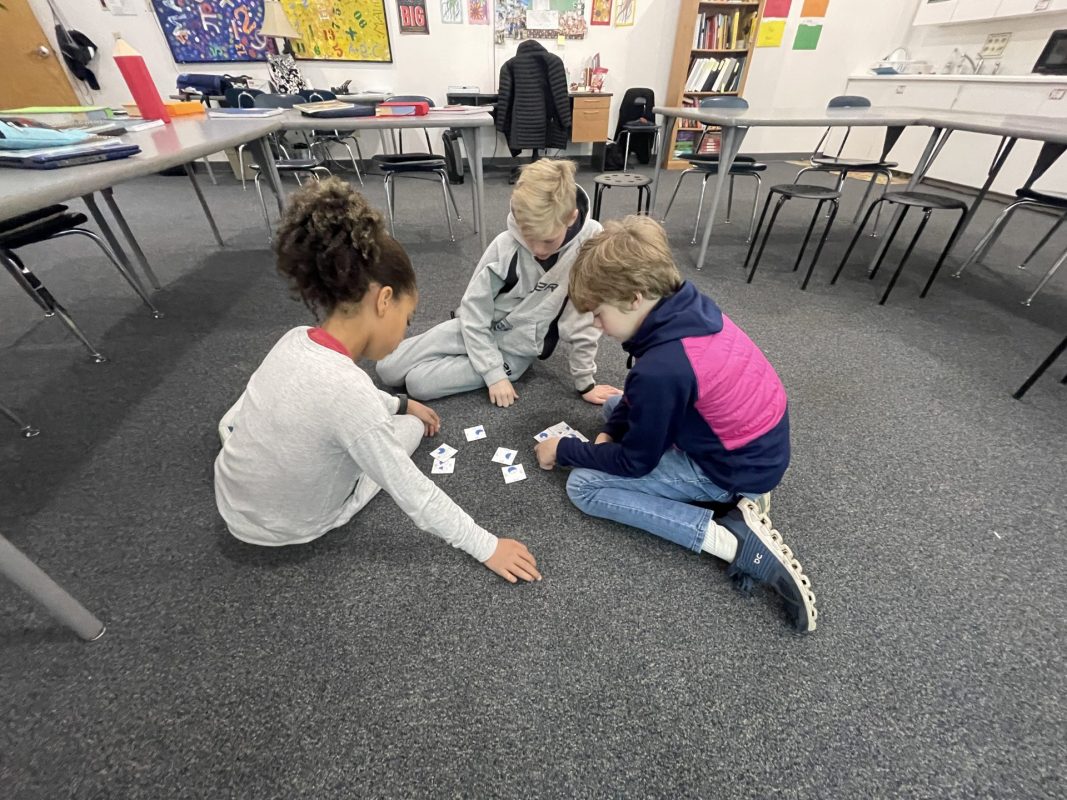
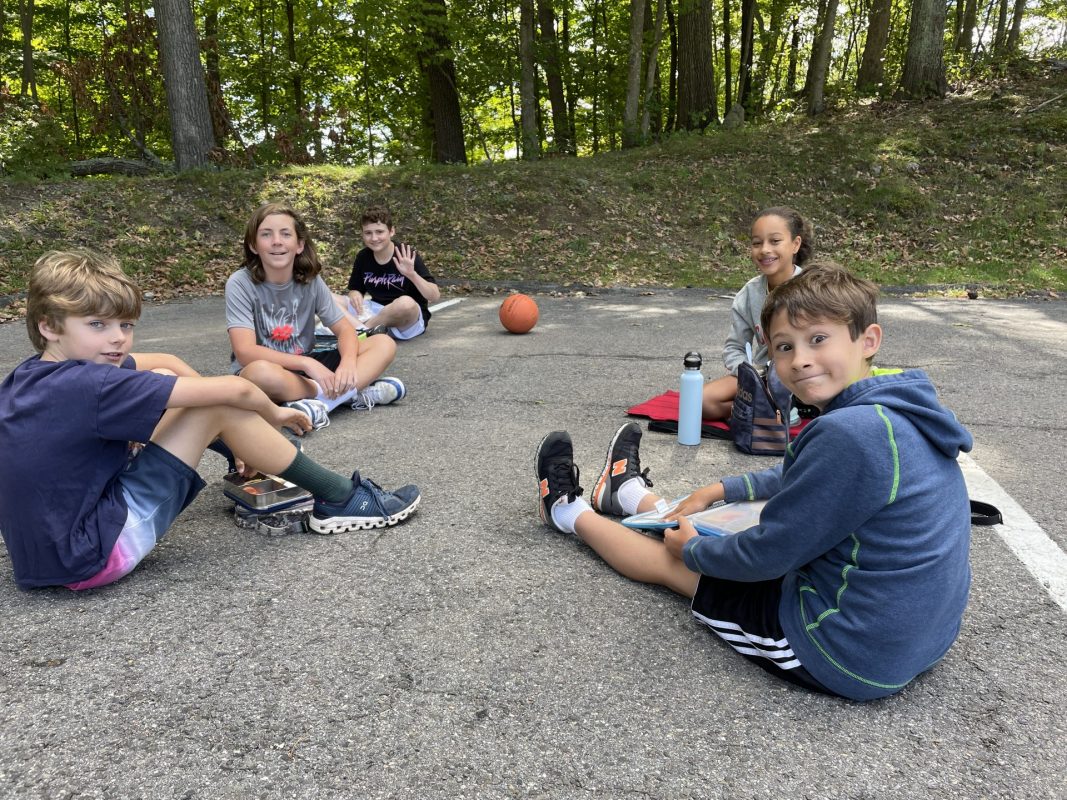
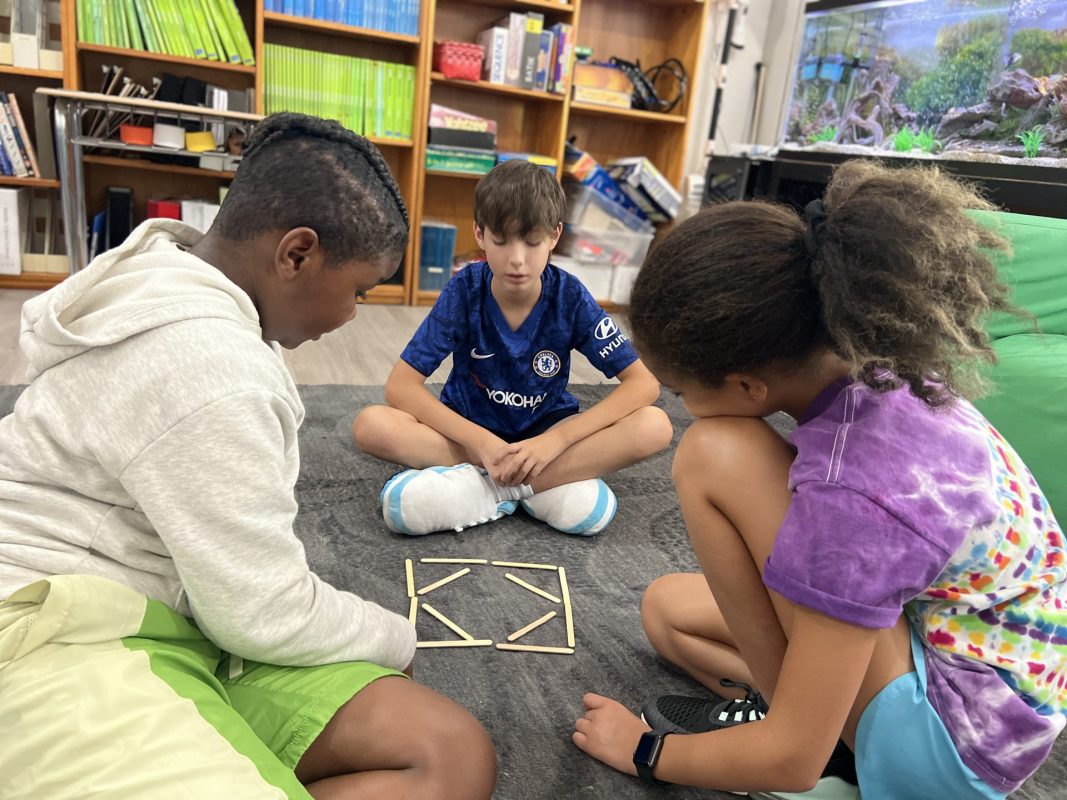
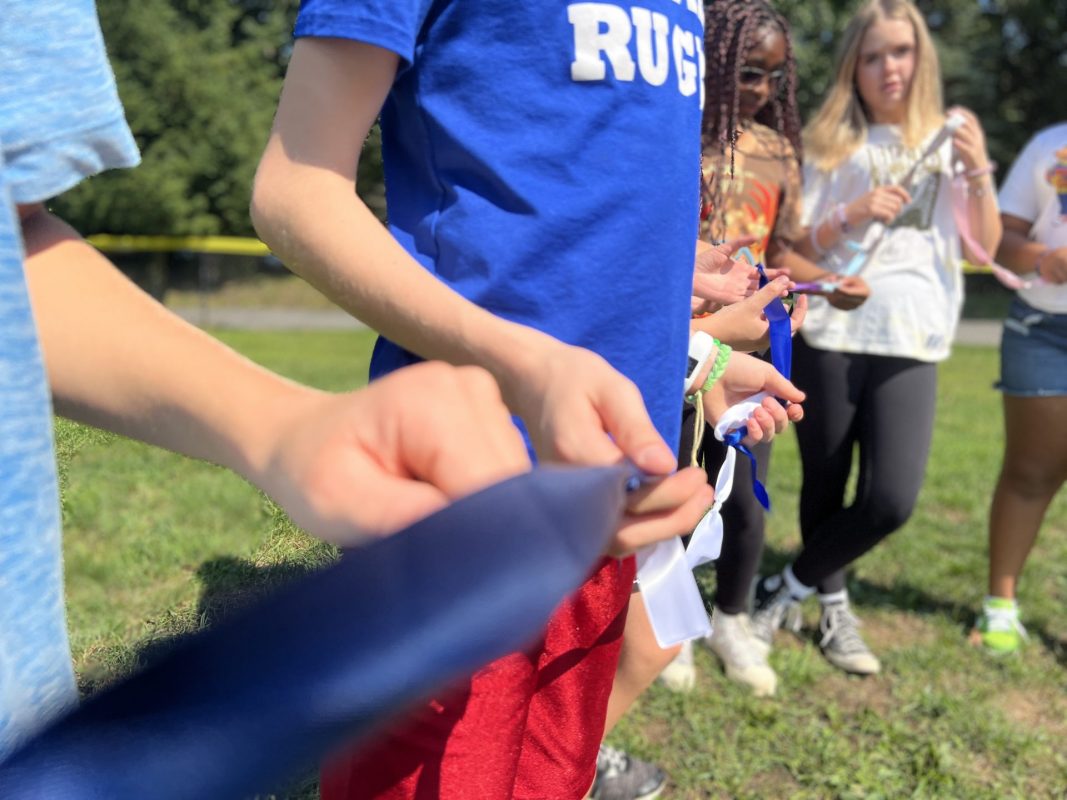
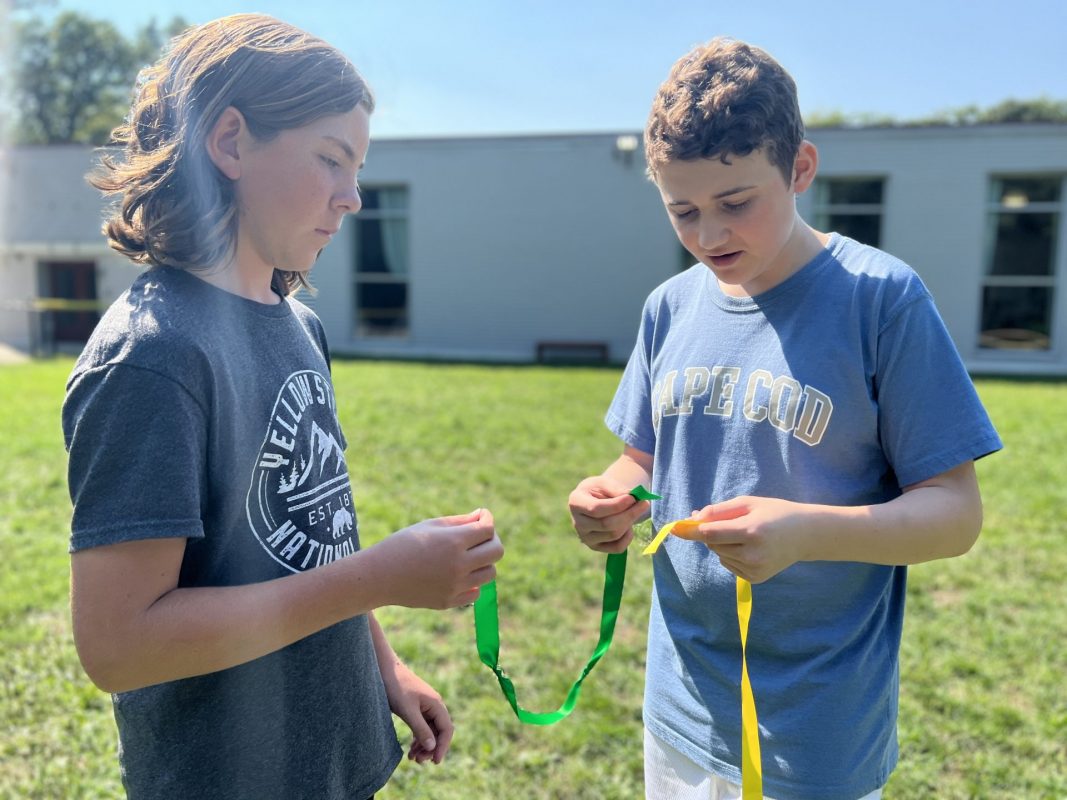
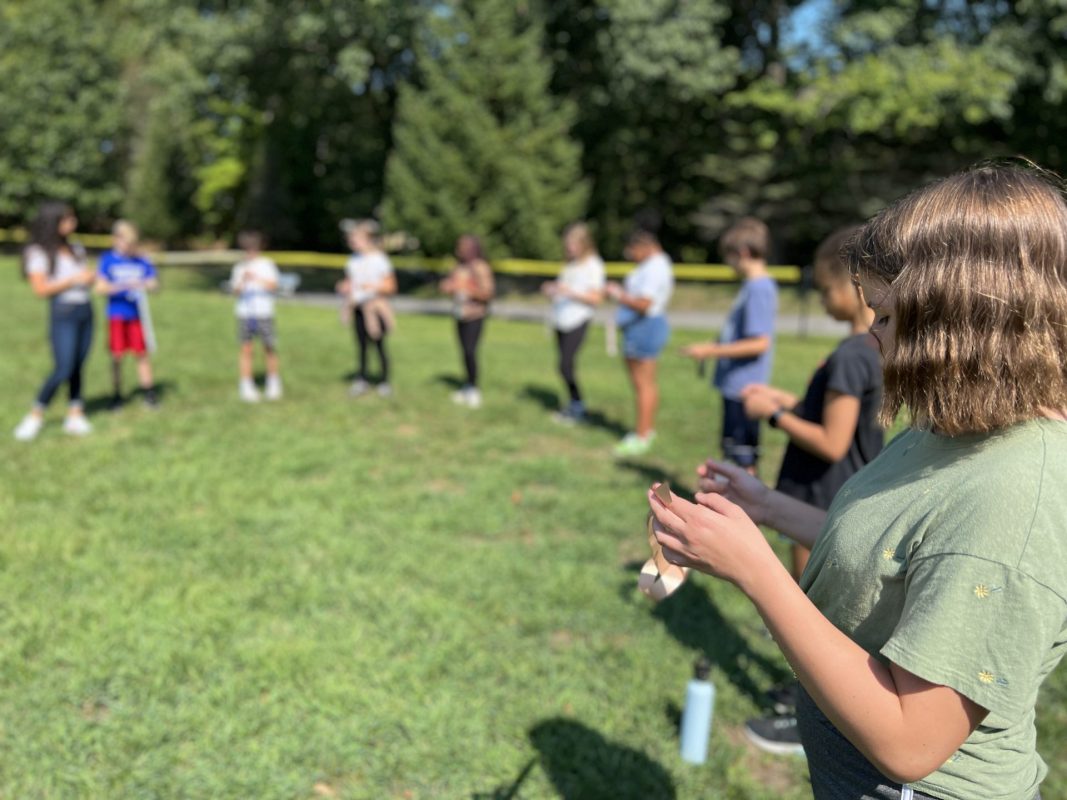
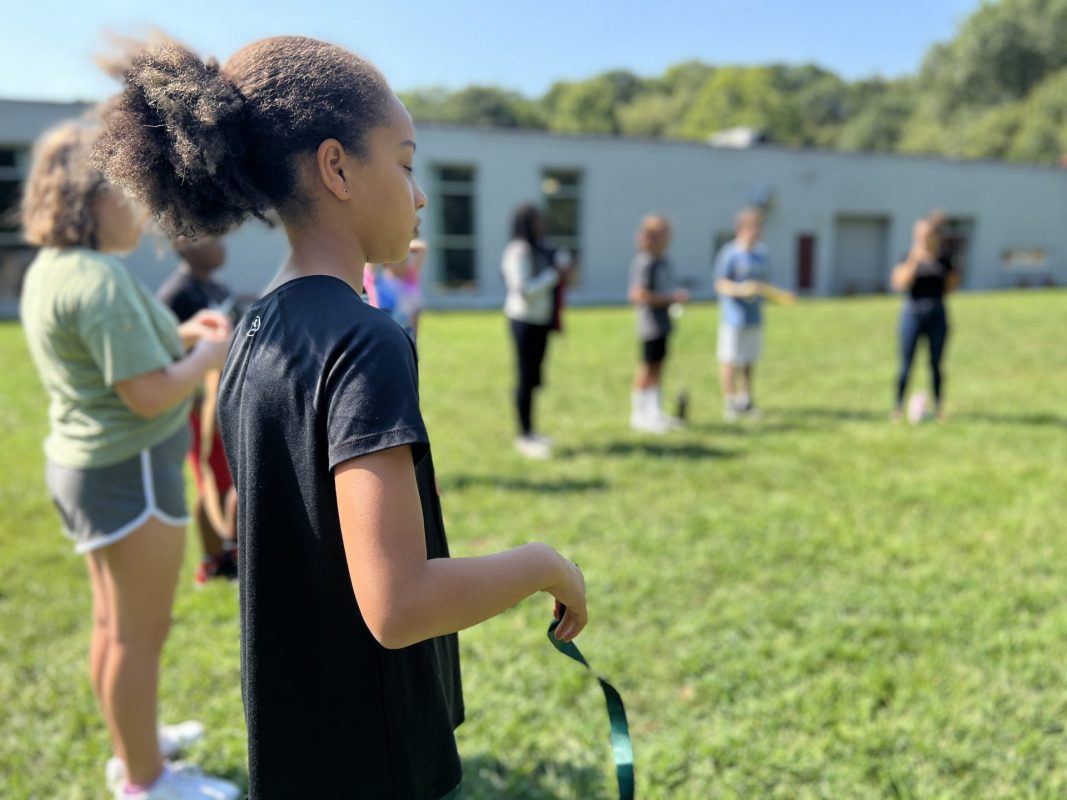
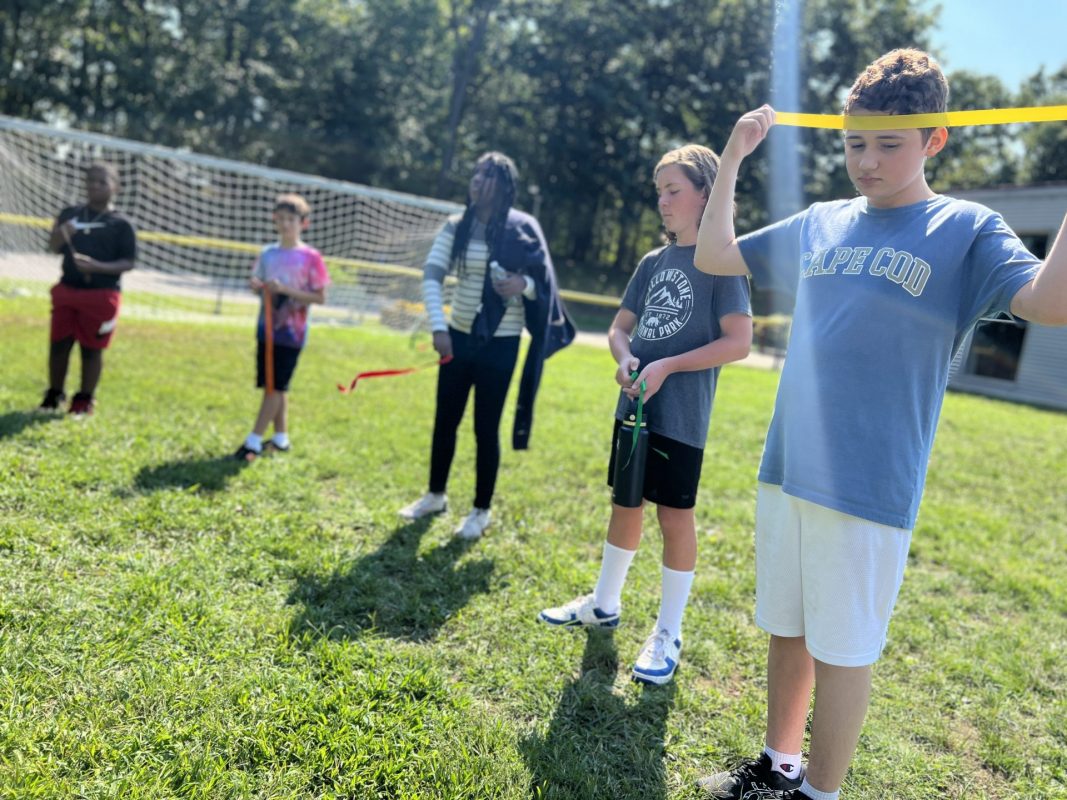
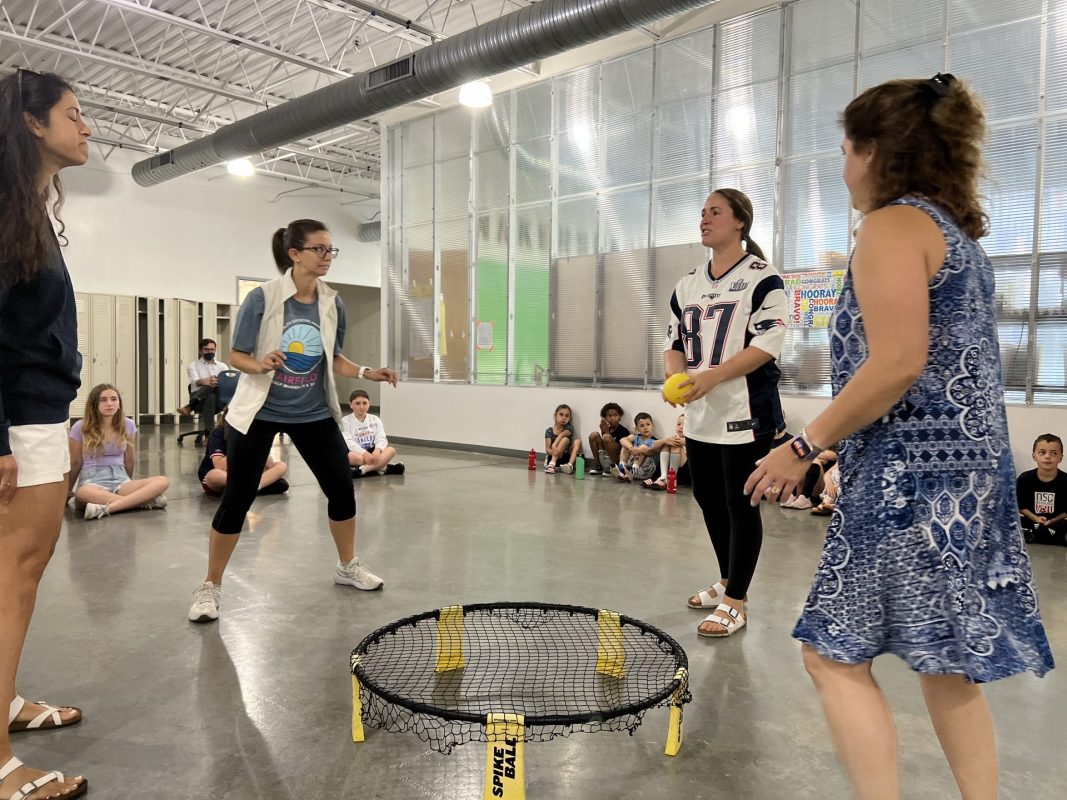
In addition to the work above, the 6th grade Humanities class did some additional group-forming activities. While the group already knows each other well, they found some new information they didn’t know about each other. This helps students become comfortable sharing with each other. In Humanities class, students often share personal writing and perspective, so these additional activities help with listening and responding. Next week, students will begin vocabulary and a unit surrounding their summer novel, Becoming Naomi Leon by Pam Munoz Ryan.
7th grade Humanities class began their unit surrounding China and their summer novel, Ties That Bind, Ties That Break by Lensey Namioka. They researched and defined some key vocabulary that will be seen in their study of this region and completed political maps of China. Finally, students completed their first unit of vocabulary and a writing assessment to identify their independent writing skills at the start of the year.
8th grade Humanities classes took part in written and spoken discussion surrounding their summer novel, The Giver by Lois Lowry. With the idea that the setting of the book is supposed to be Utopia, they reviewed parts of the novel that were, in fact, dystopian. They also went over the most shocking events of the novel and will complete a final writing assignment surrounding the book next week. Finally, they also completed a unit of vocabulary as well as a writing assessment to identify their independent writing skills at the start of the year.
Have a wonderful weekend! It’s feeling like fall!