Middle School: Week in Review

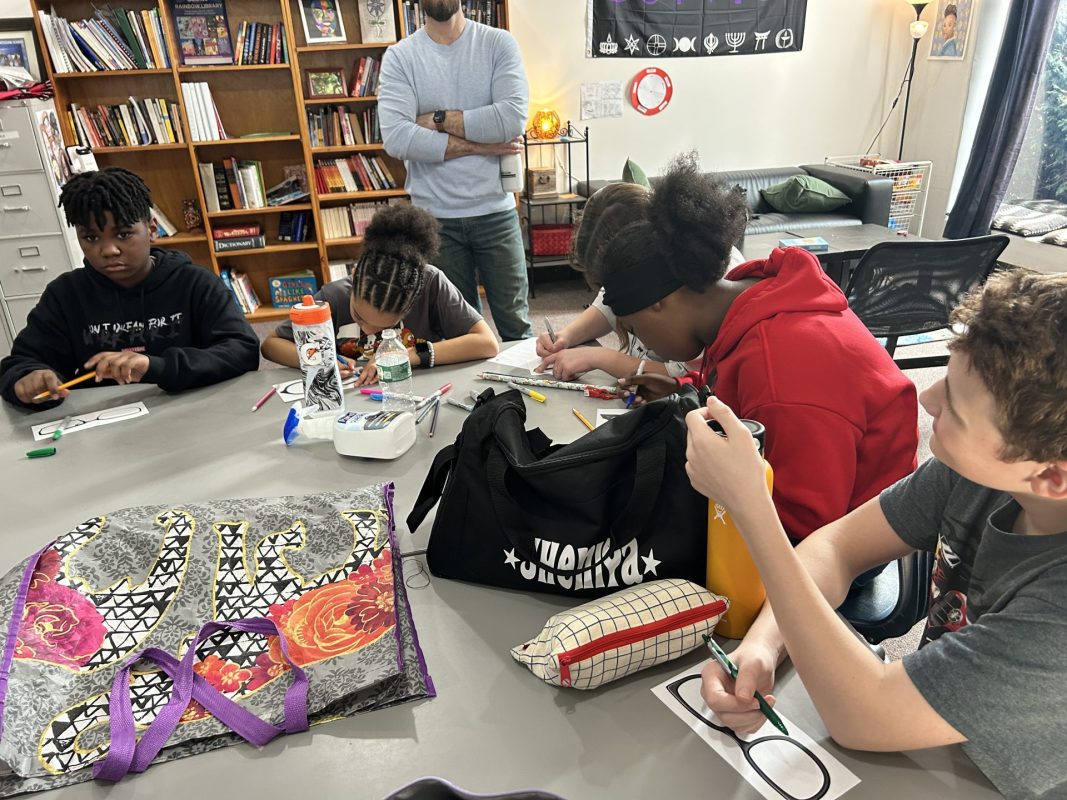
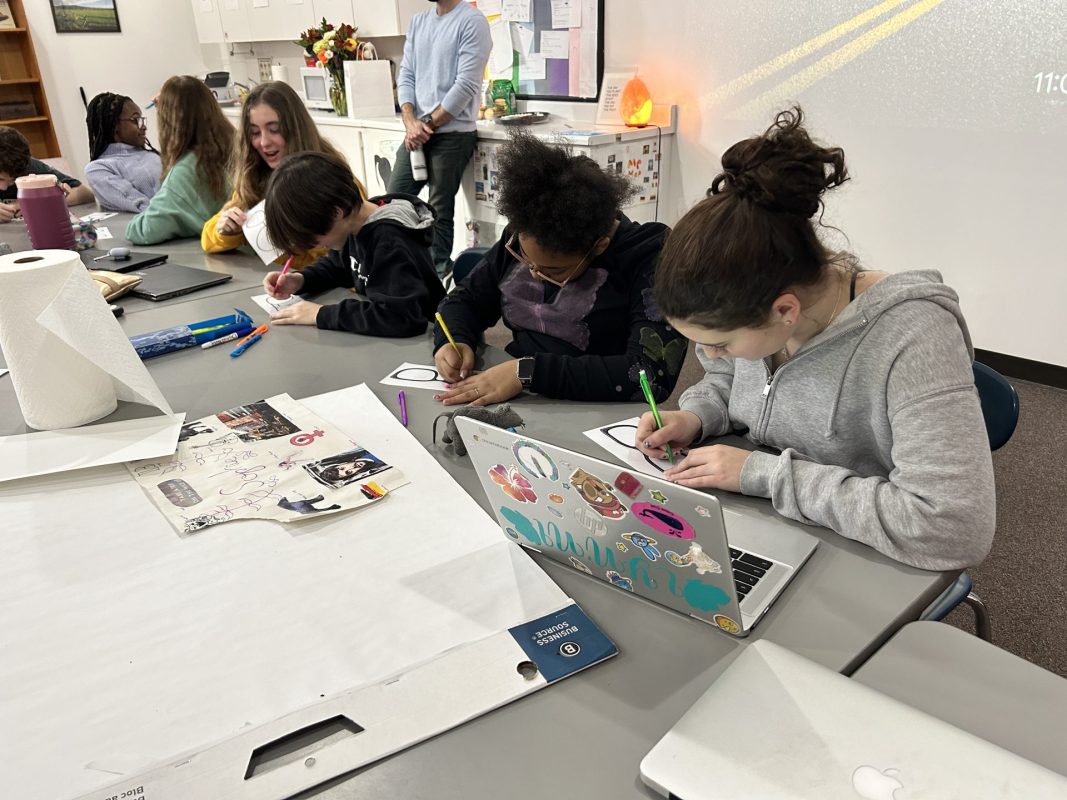
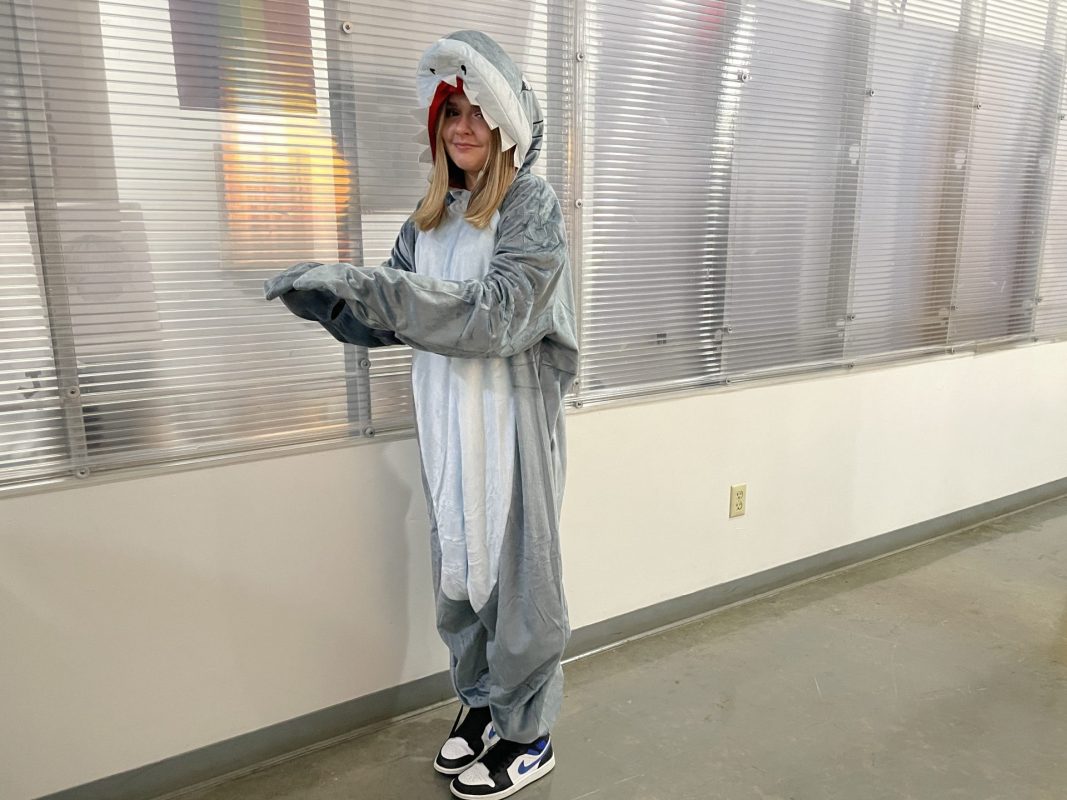
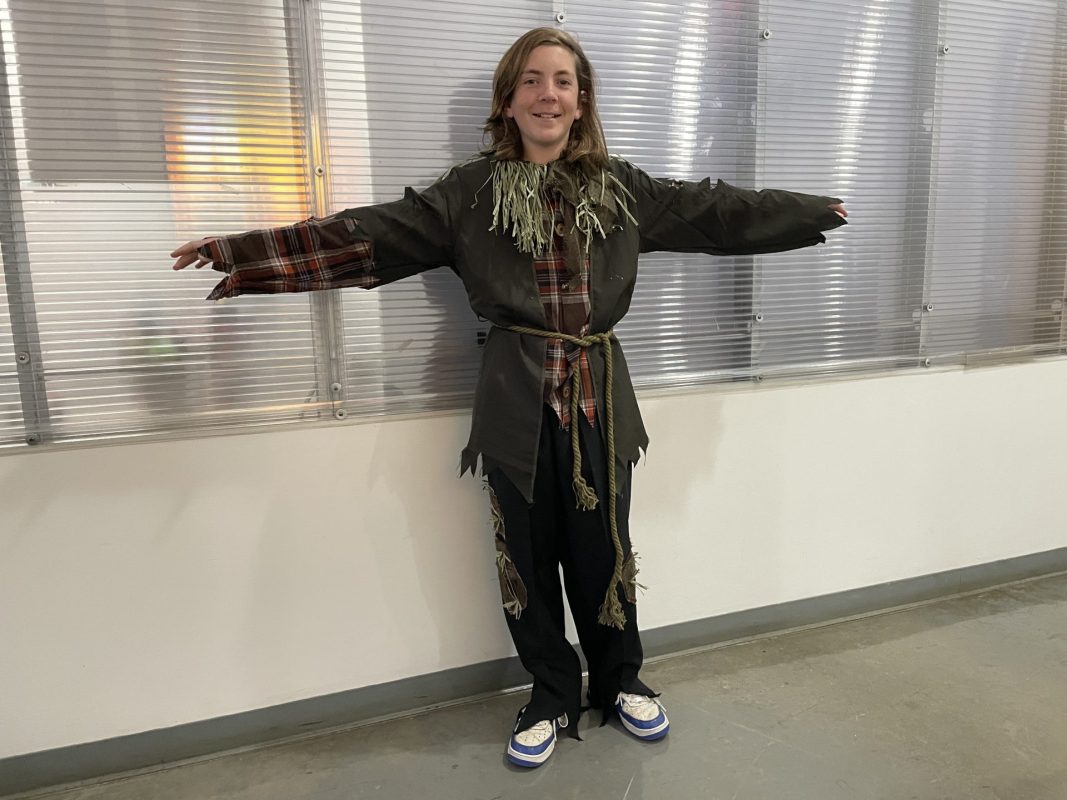
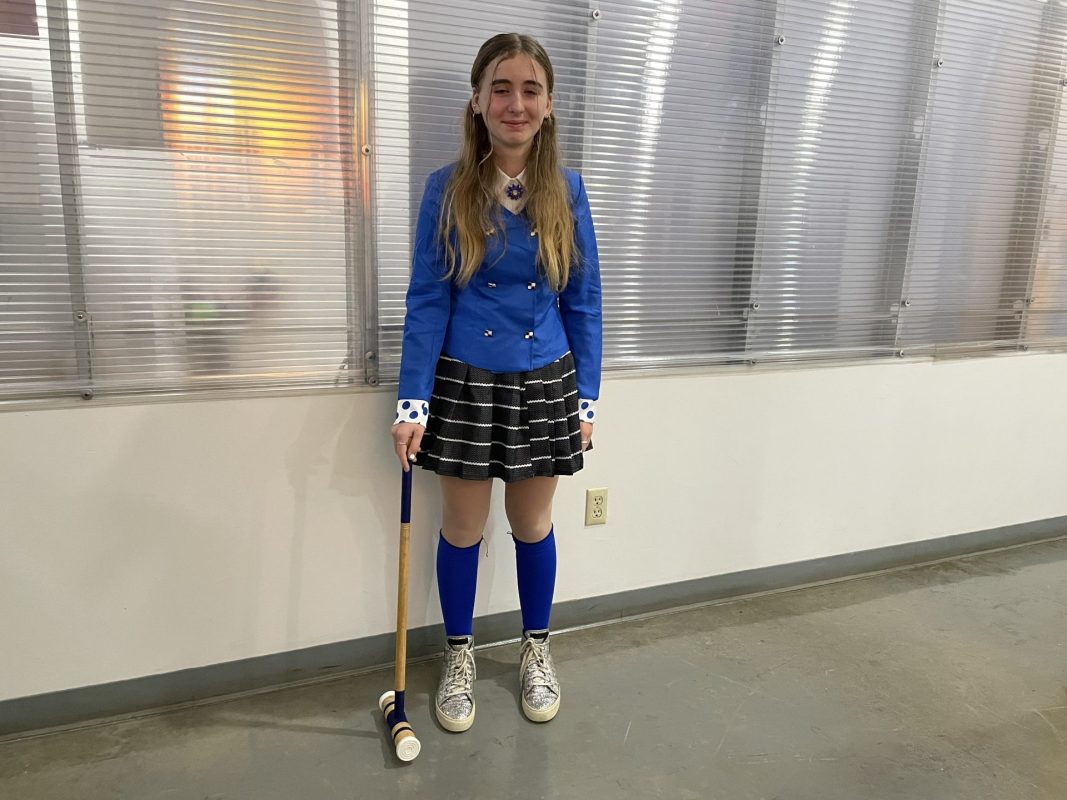
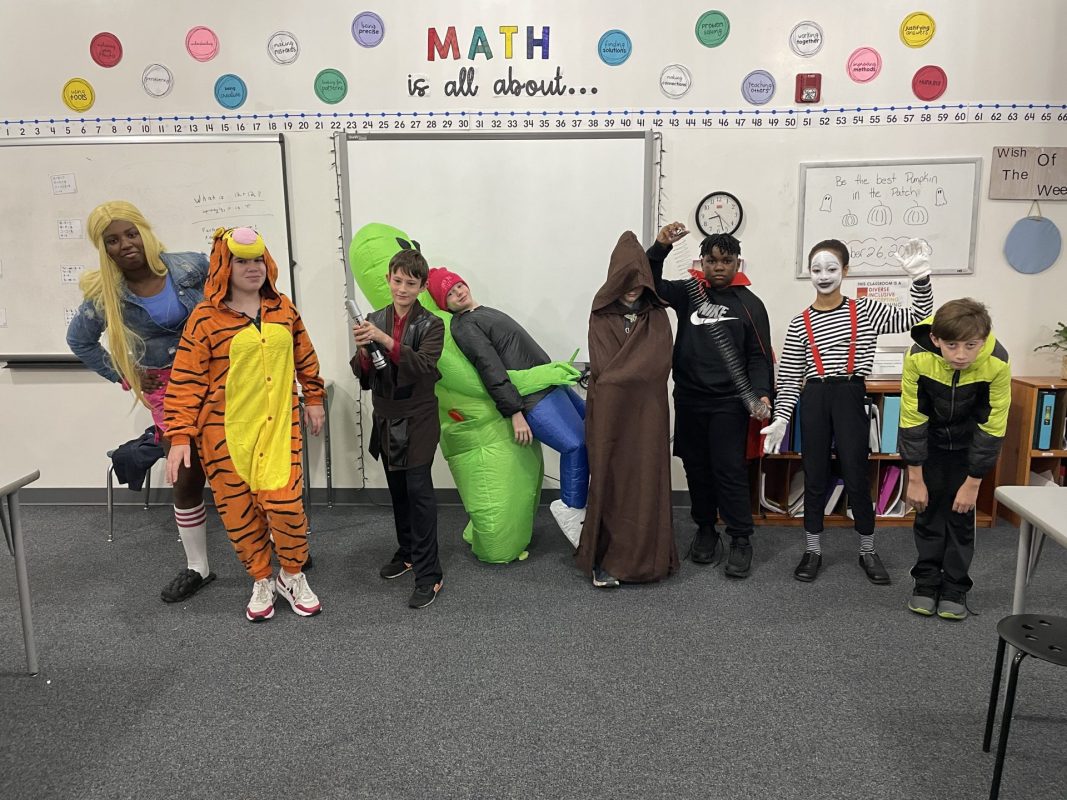
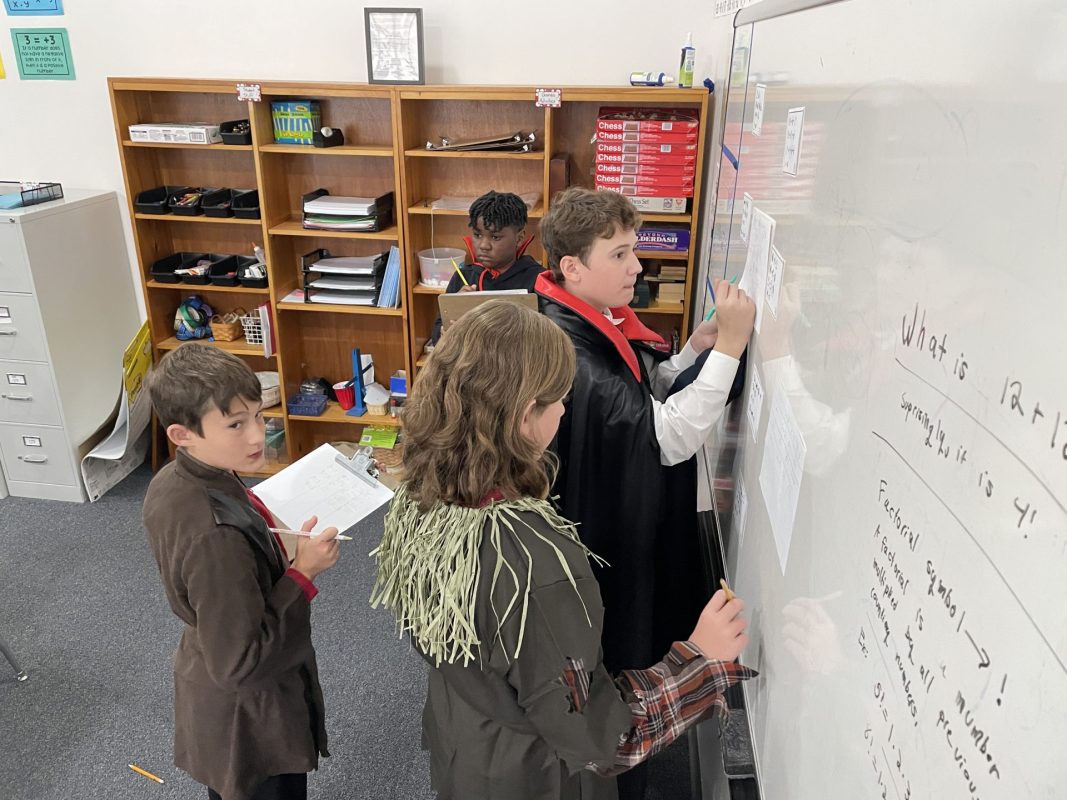
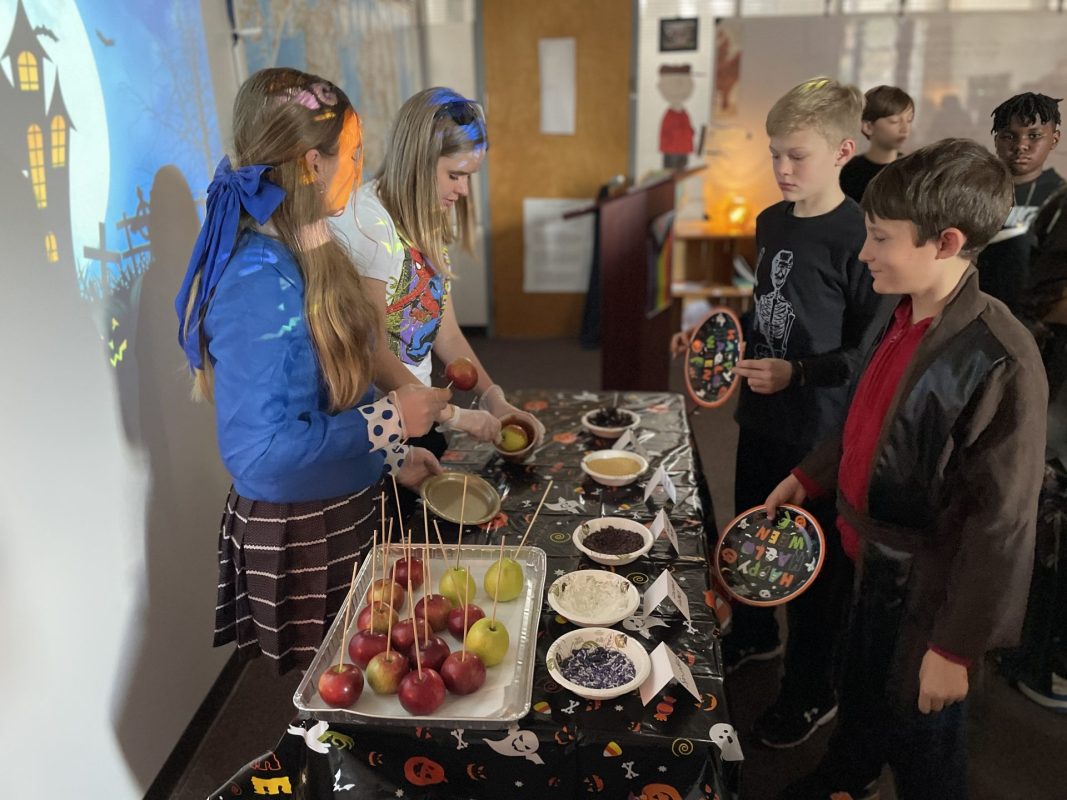
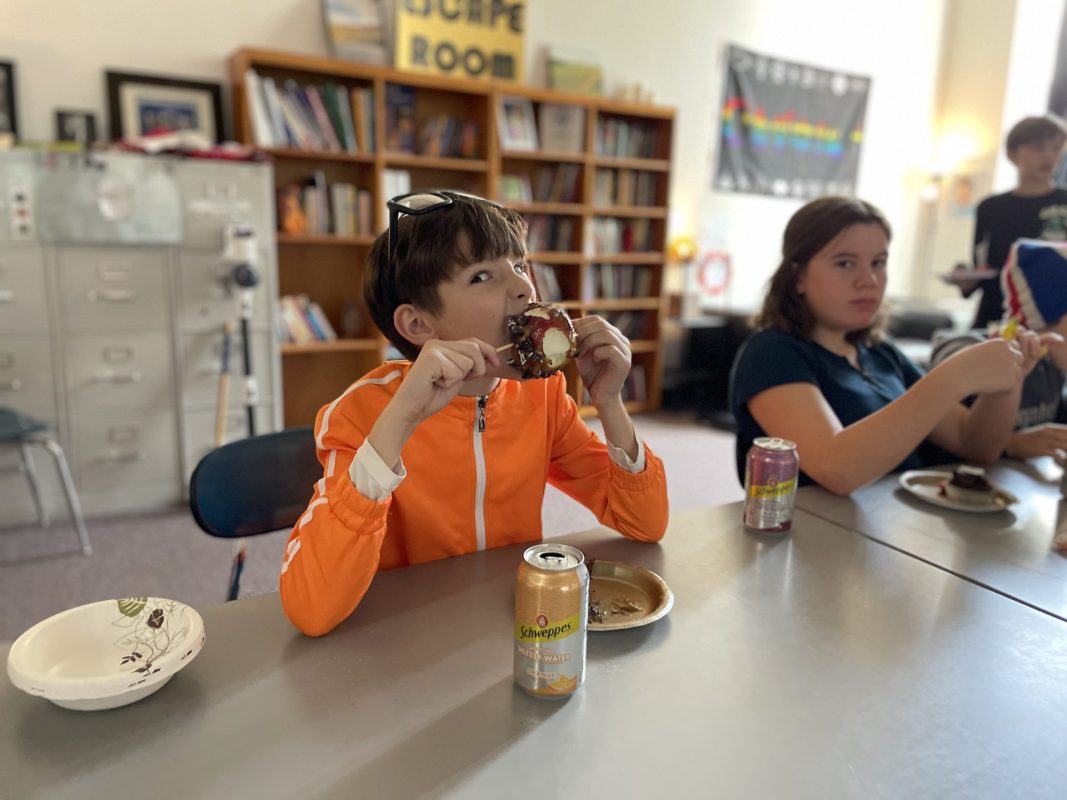
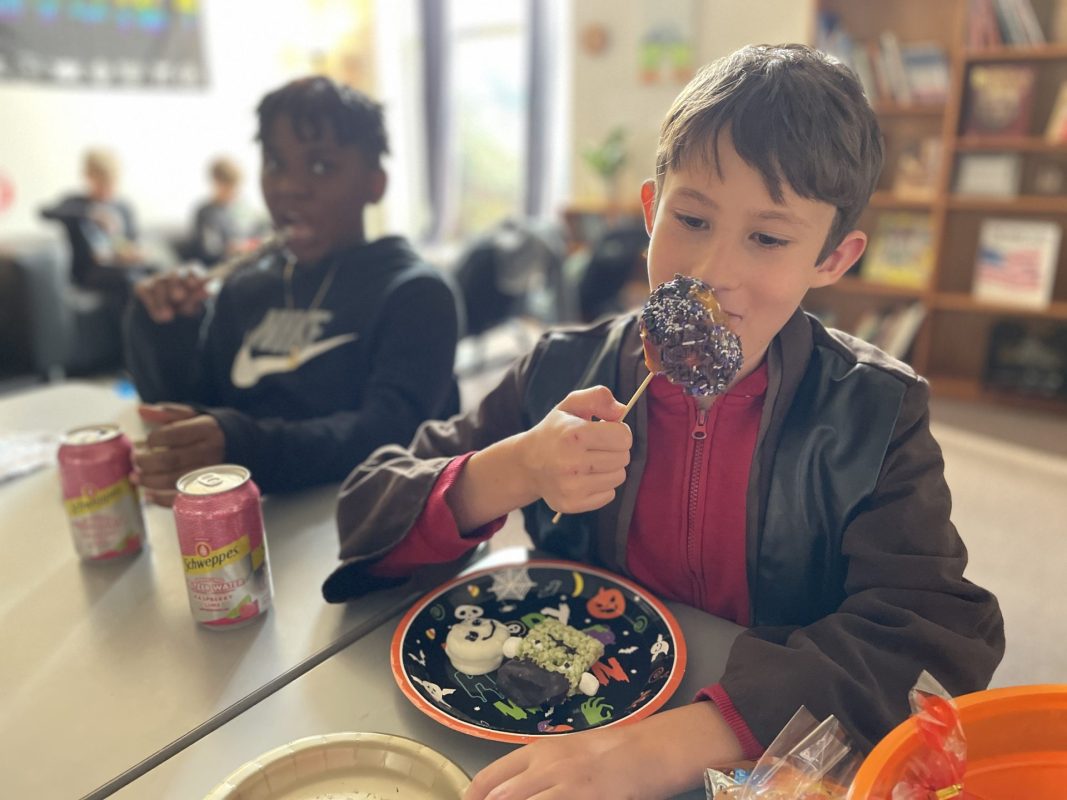
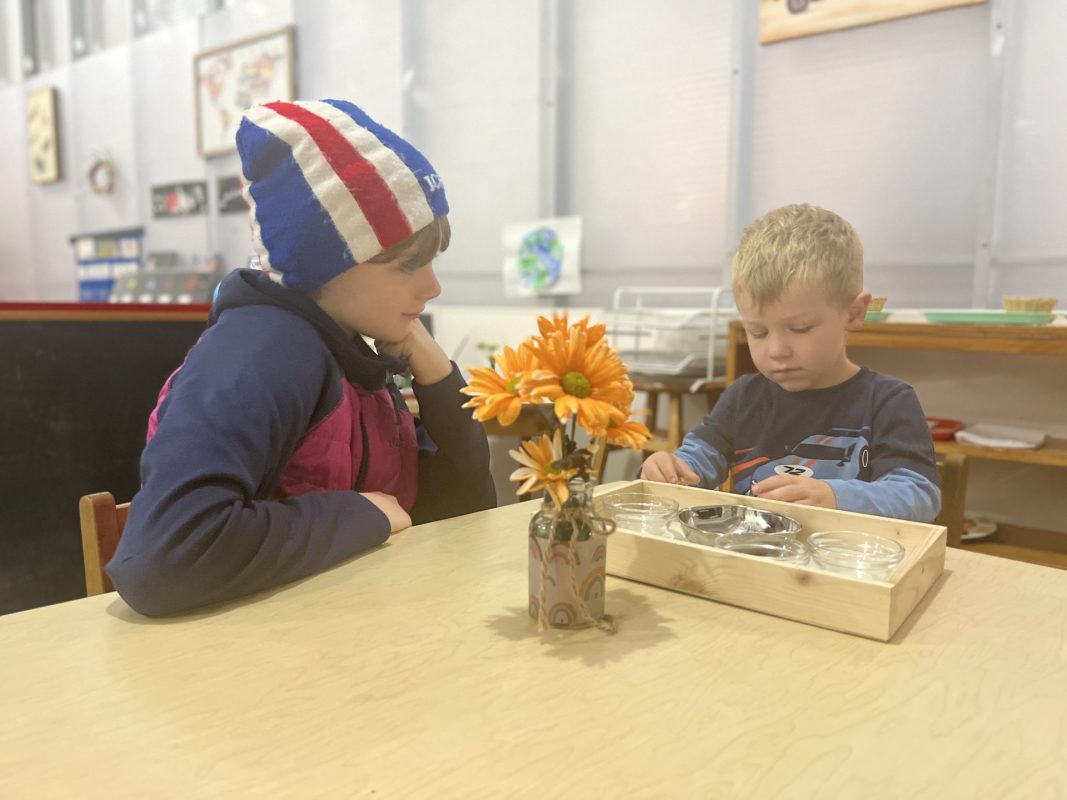
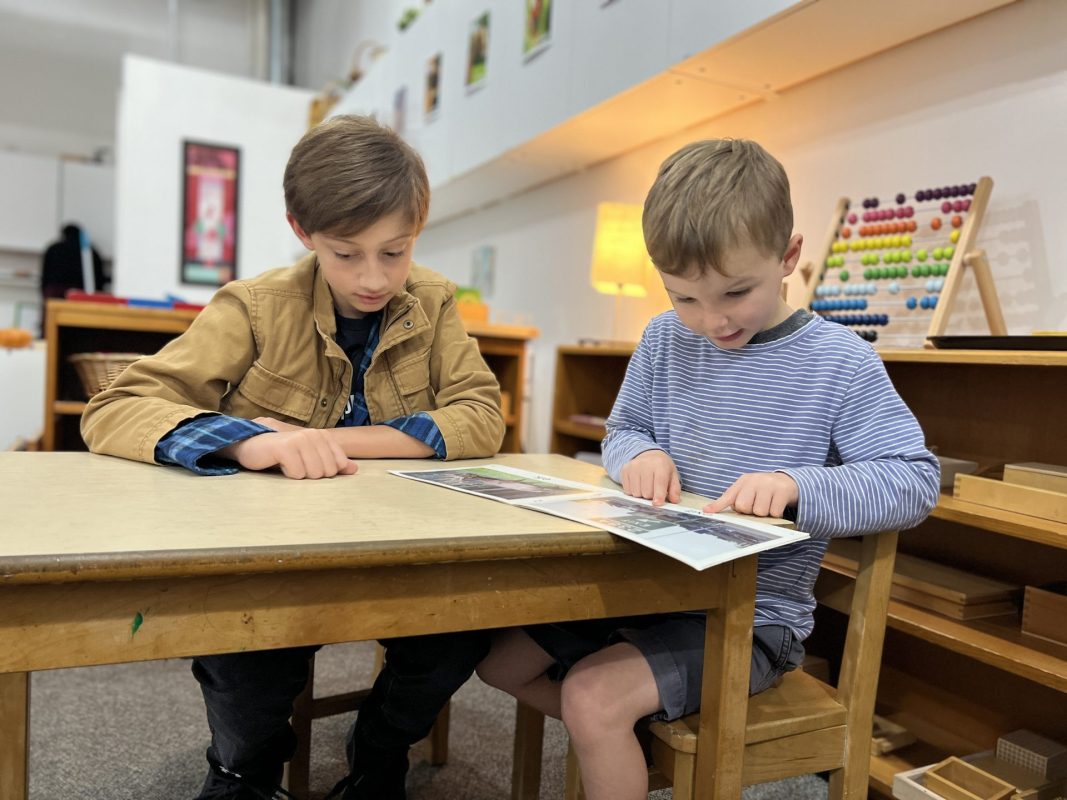
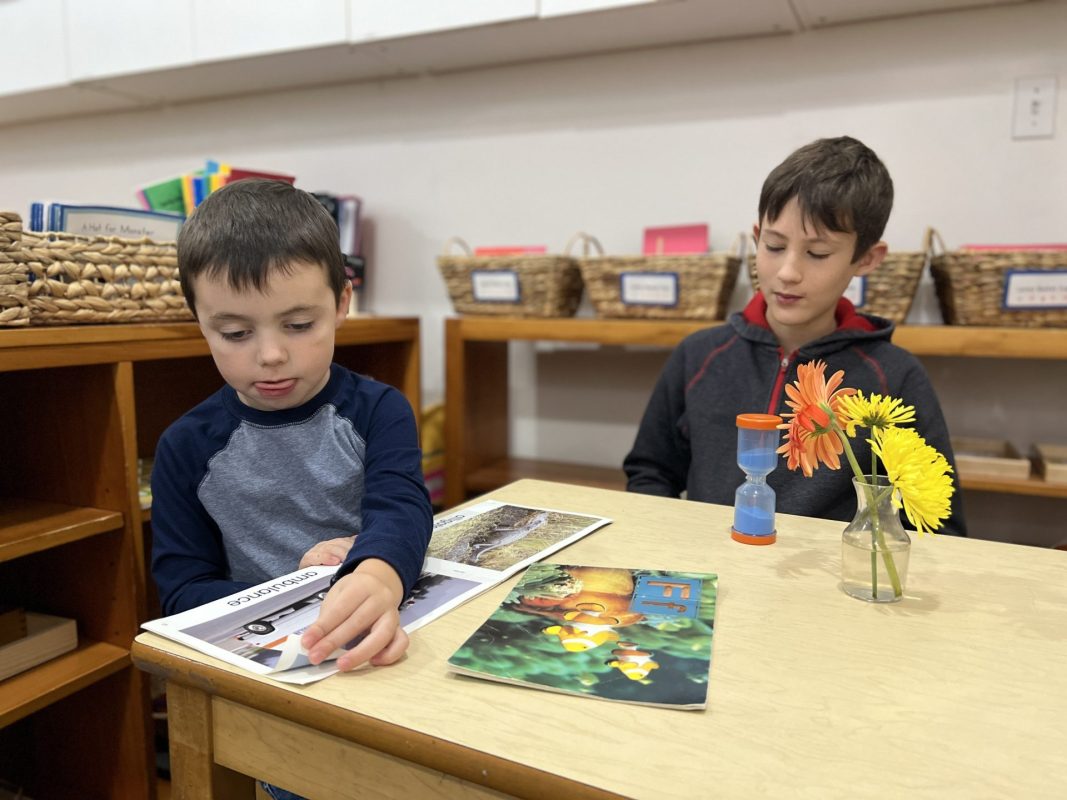
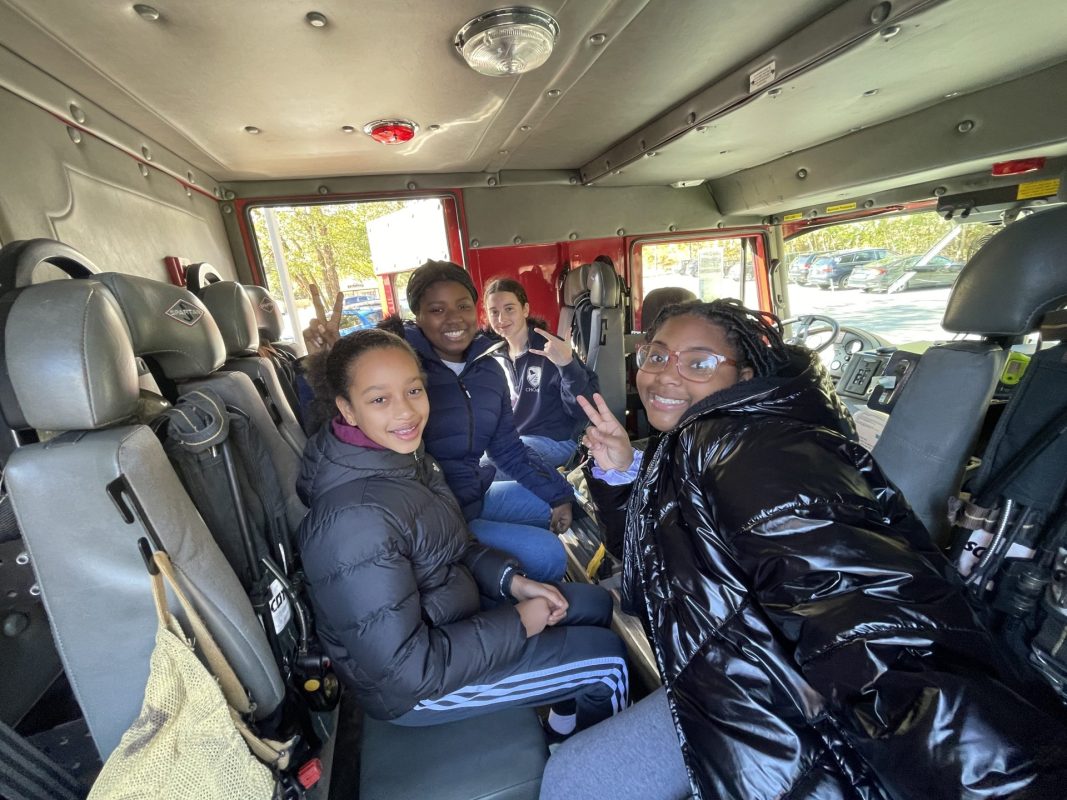
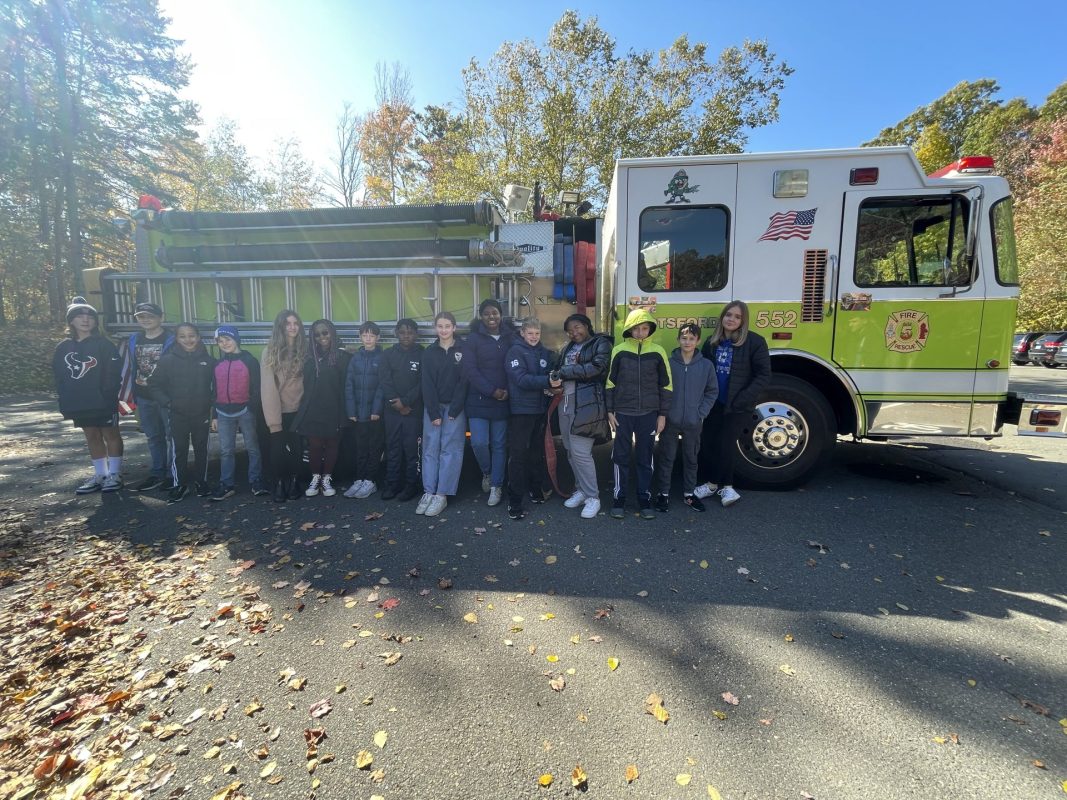
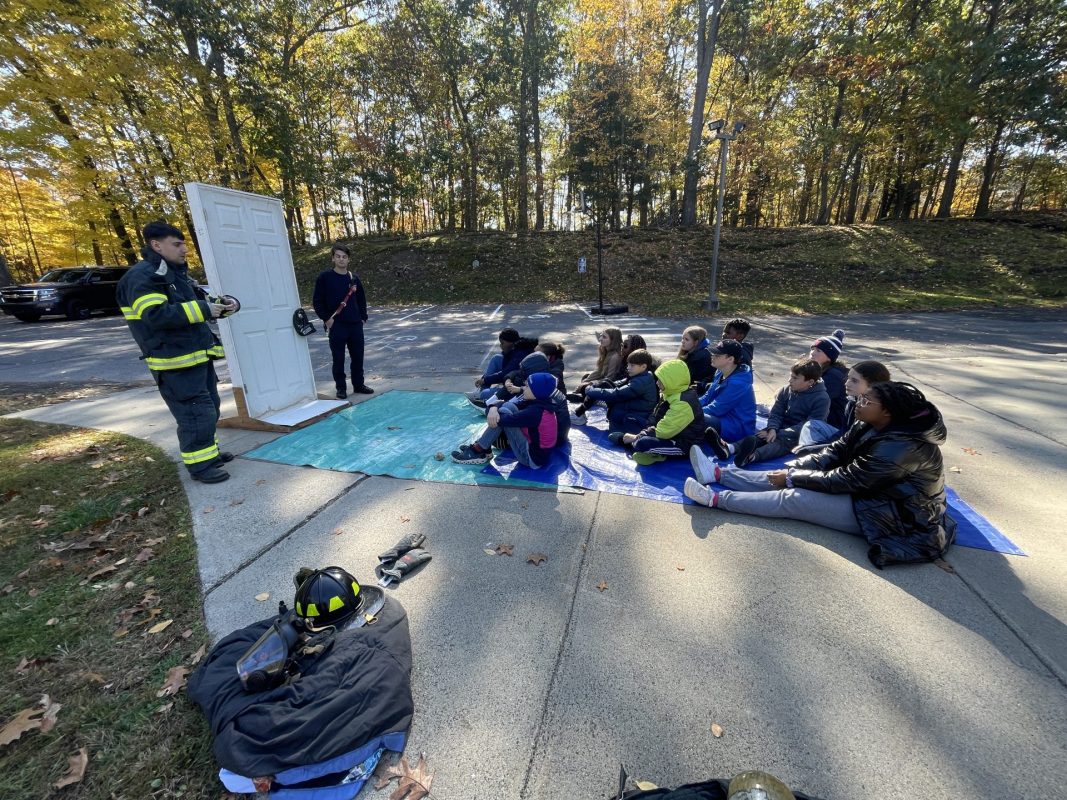
It was an exciting week in our Middle School community. A few highlights included a fire safety presentation from the Botsford Fire Department, reflective writing exercise in Advisory class, and outdoor recess to enjoy the beautiful fall weather. As a general reminder, parent-student-teacher conferences are on Thursday, October 27th, 2022. Please use your child’s respective advisory teacher’s Sign-Up Genius link to find an appropriate time slot. Friday, October 28th is a professional development day for staff and there will be no class for students. We are looking forward to seeing everyone at the upcoming Oktoberfest celebration this Saturday!

Humanities

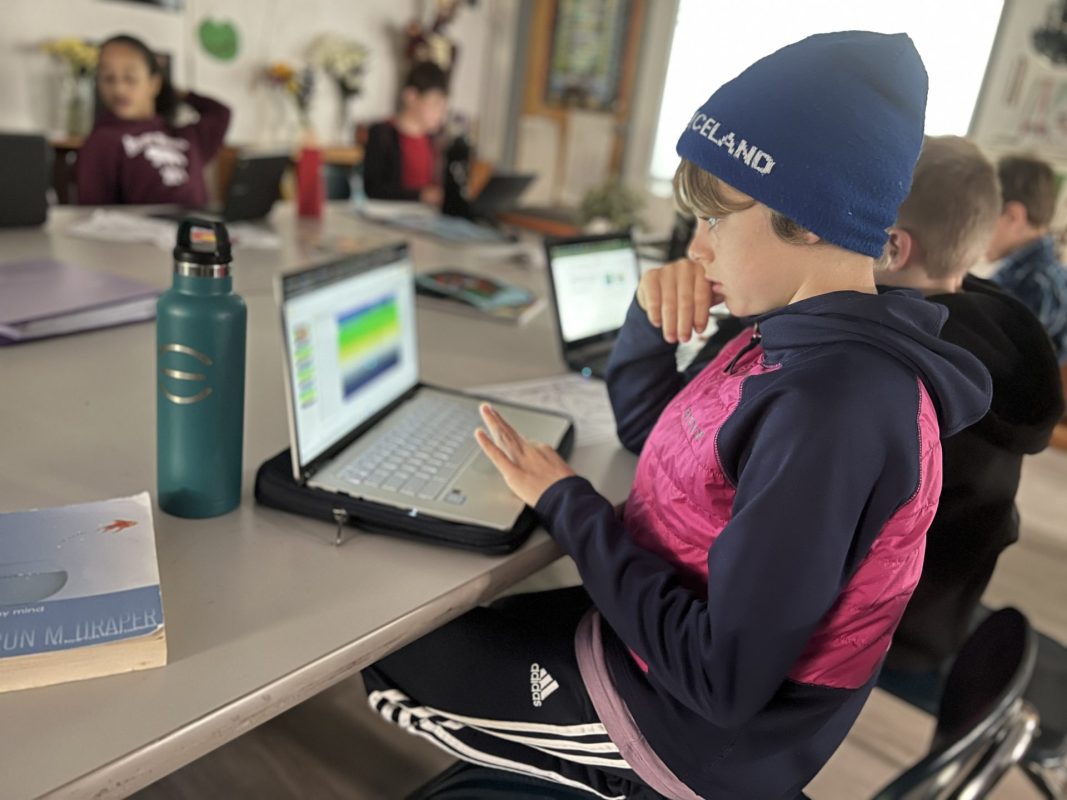
6th grade Humanities classes continued to read Out of My Mind by Sharon Draper. They have lively discussions reviewing their daily reading homework which includes comprehension questions that cause them to analyze, recall, elaborate, predict, and infer. Students also completed a unit of vocabulary this week.

In 7th grade Humanities class, students began learning about the following political economic systems: capitalism, socialism, communism. These are important as we get into events of 20th century China when the country adopted the Communist ideas of Karl Marx under Mao Zedong. Tying into last week’s Religions of China presentations, we discussed the practice of prayer since it is a part of religion. What is the purpose of prayer? Does it have to be religious? We read James Marsden’s, “Prayer for the 21st Century” and Bob Dylan’s lyrics to “Forever Young” and discussed how and if they embodied prayers. Finally, students completed a unit of vocabulary.

The 8th grade had an exciting week of class as we concluded our reading of S.E. Hinton’s The Outsiders. Students were on the edge of their seats reading the ending, and discussion about the falling actions and resolution of the plot were rich. In the end, they discussed major book themes and also wrote about how a characters transcended the stereotype of a greaser (their labeled social group). Finally, students completed a unit of vocabulary.

Math

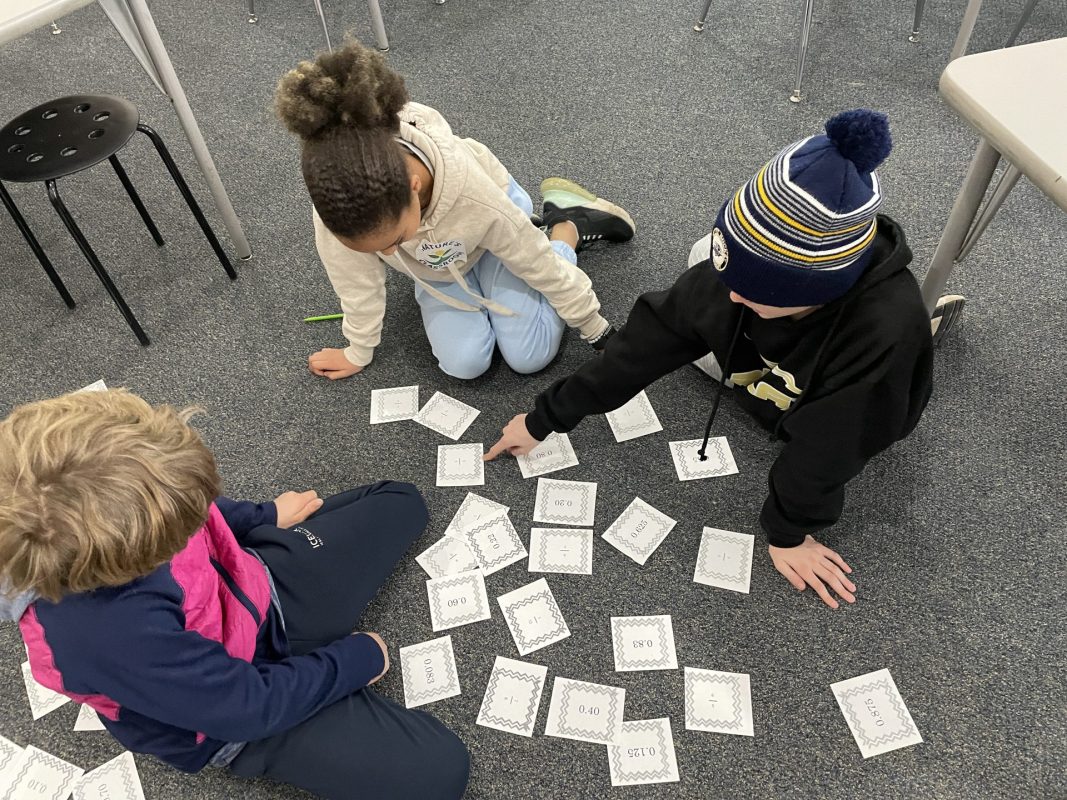
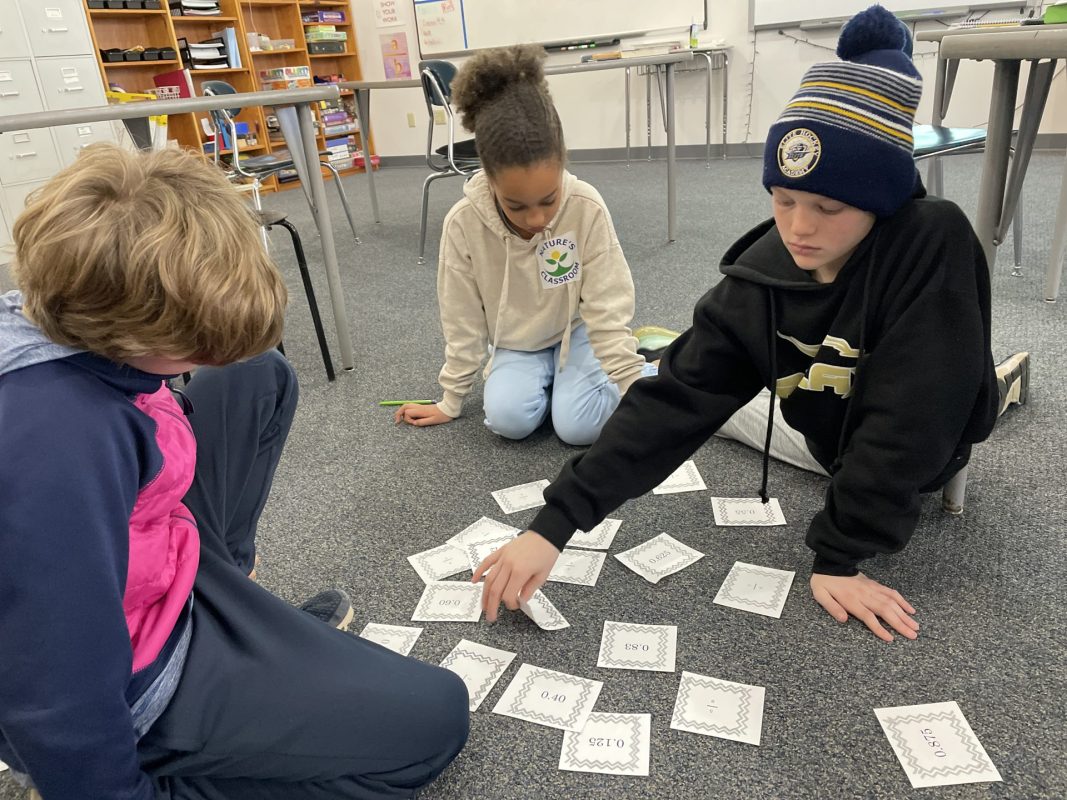
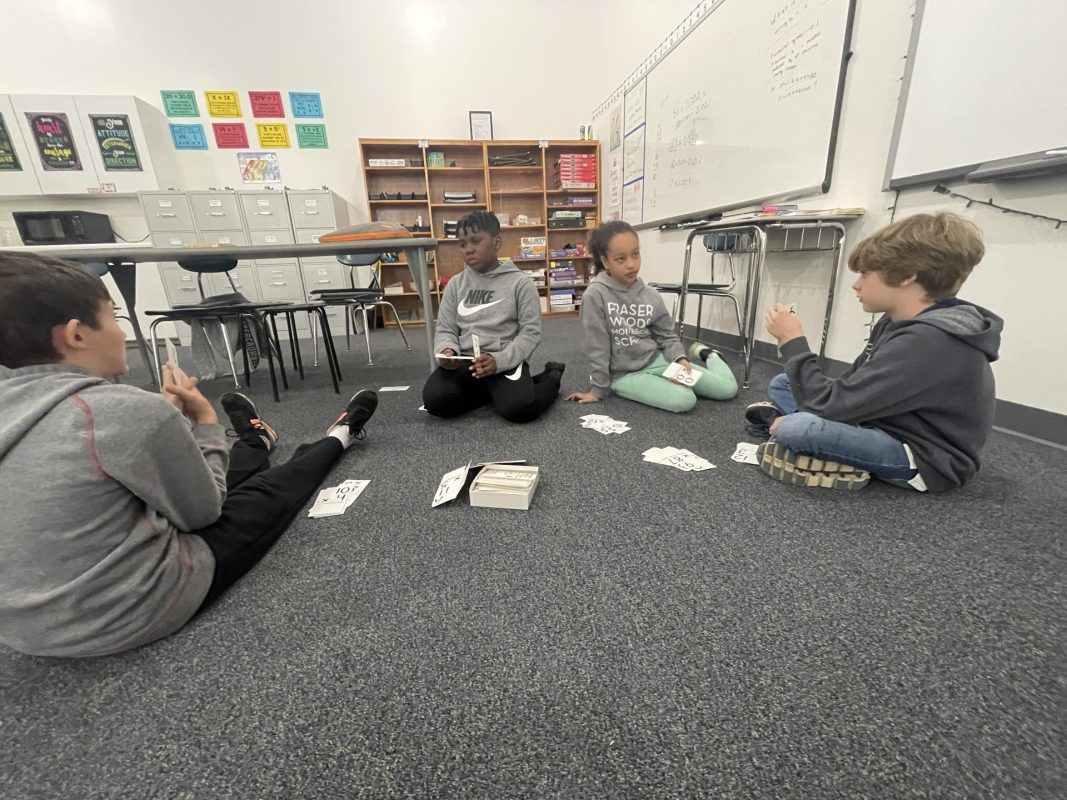
In the Pre-Transition math class, students began to understand decimal values and the relationship with fractions. Students were able to identify place values in a decimal number and created a rule for multiplying by 10, 100, 1000, etc. This class will continue to practice rounding decimals next week as we start the second half of Chapter 2.
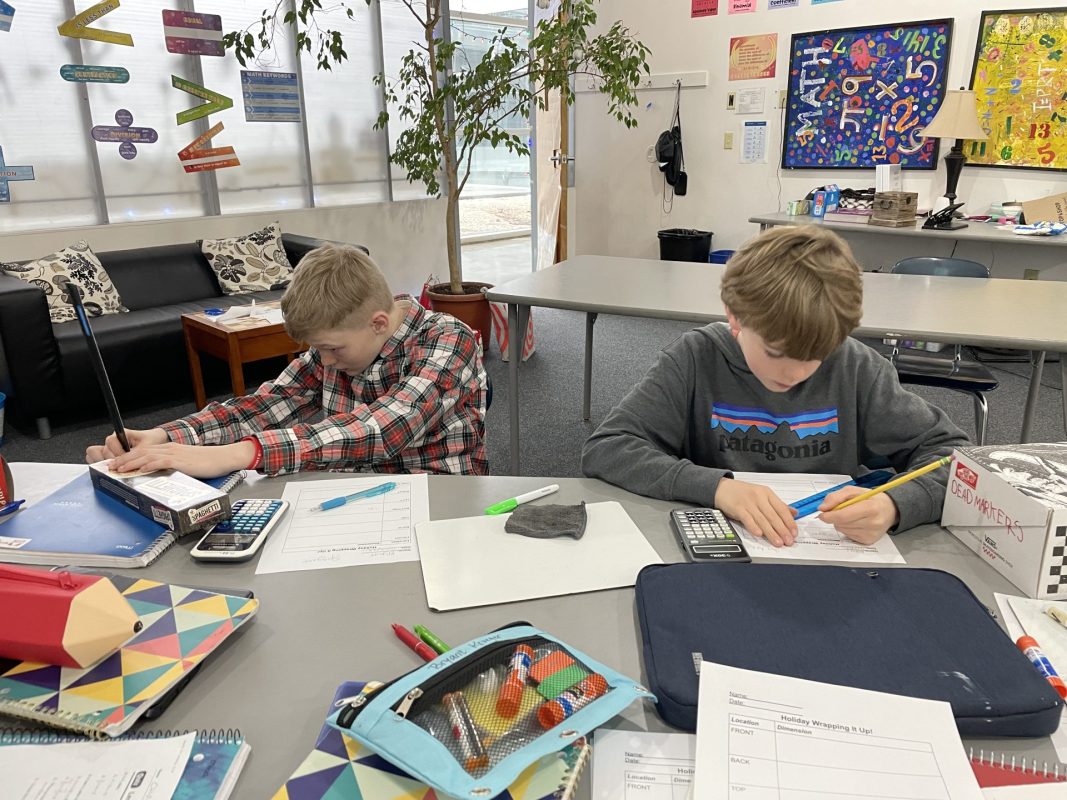
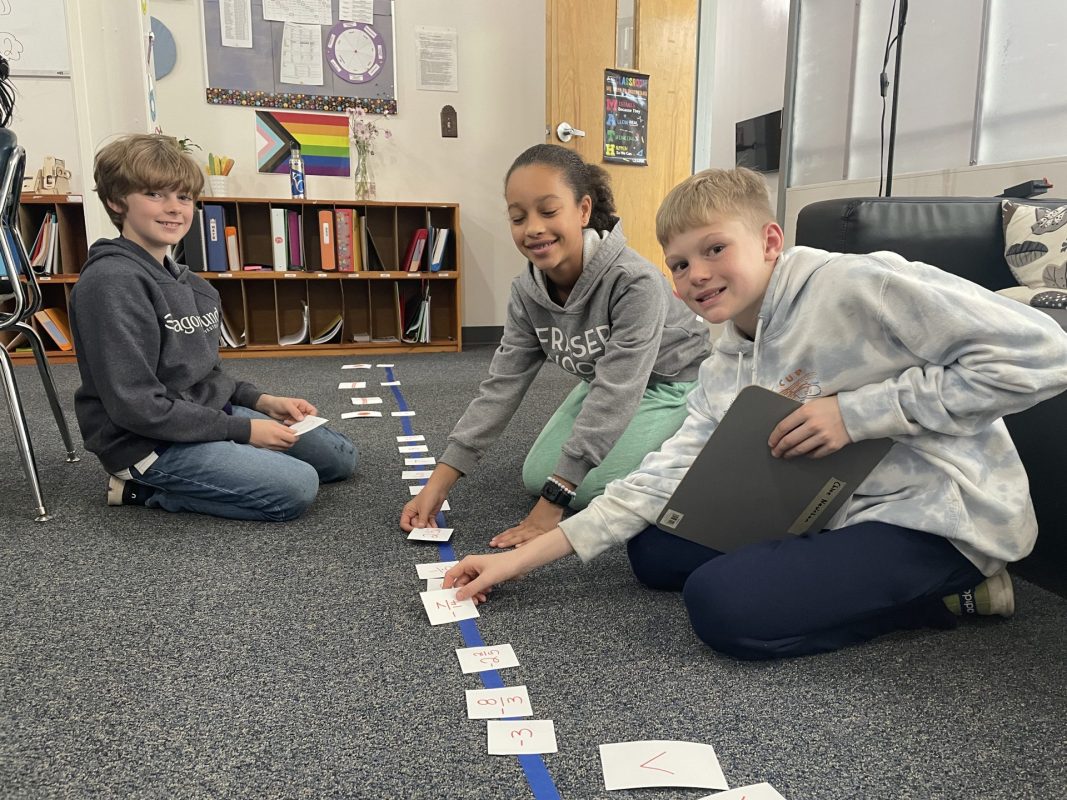
In the Transition math class, students concluded their learning of Chapter 2 and demonstrated their understanding of variables. We learned about the Pythagorean Theorem, substituting values into an open sentence and graphing inequalities on a number line.
In the Algebra math class, students were excited to learn about graphing linear patterns on a coordinate grid. We wrote detailed notes on how to solve two-step equations involving fractions and decimals. Next week, we will continue to practice how to create a linear equation from  a real world word problem.
Math Joke: What is a math teacher’s favorite season? …..SUMmer!
 
Science
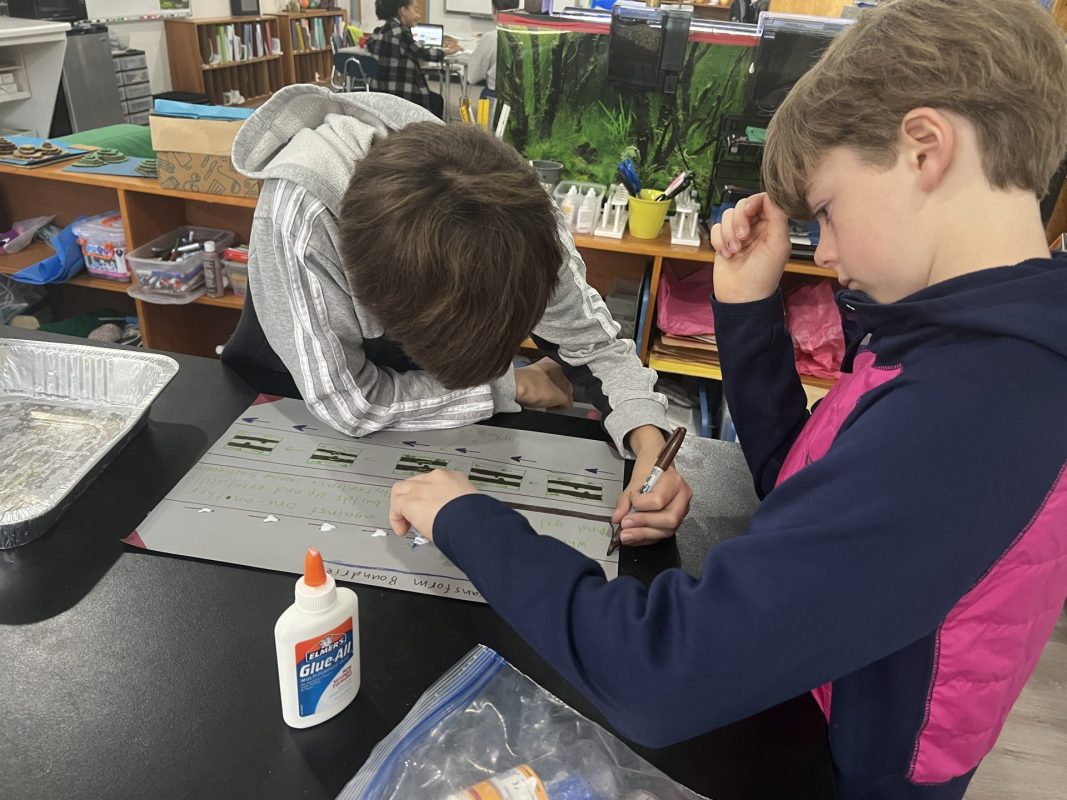
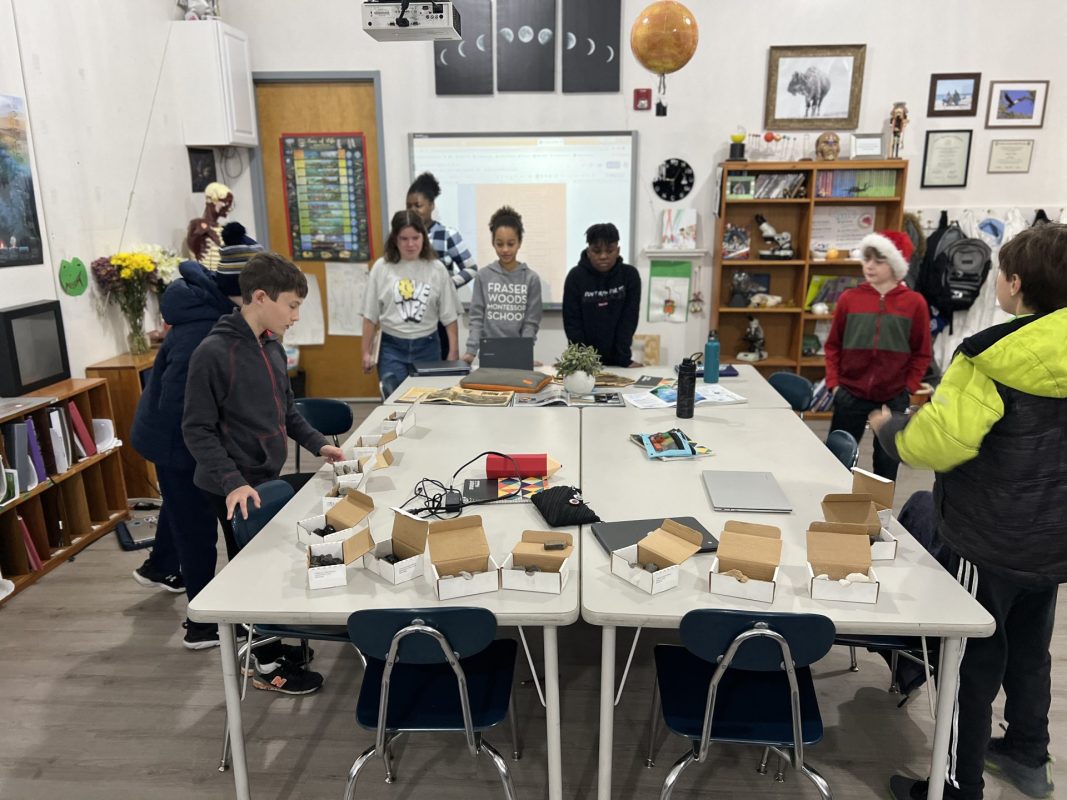
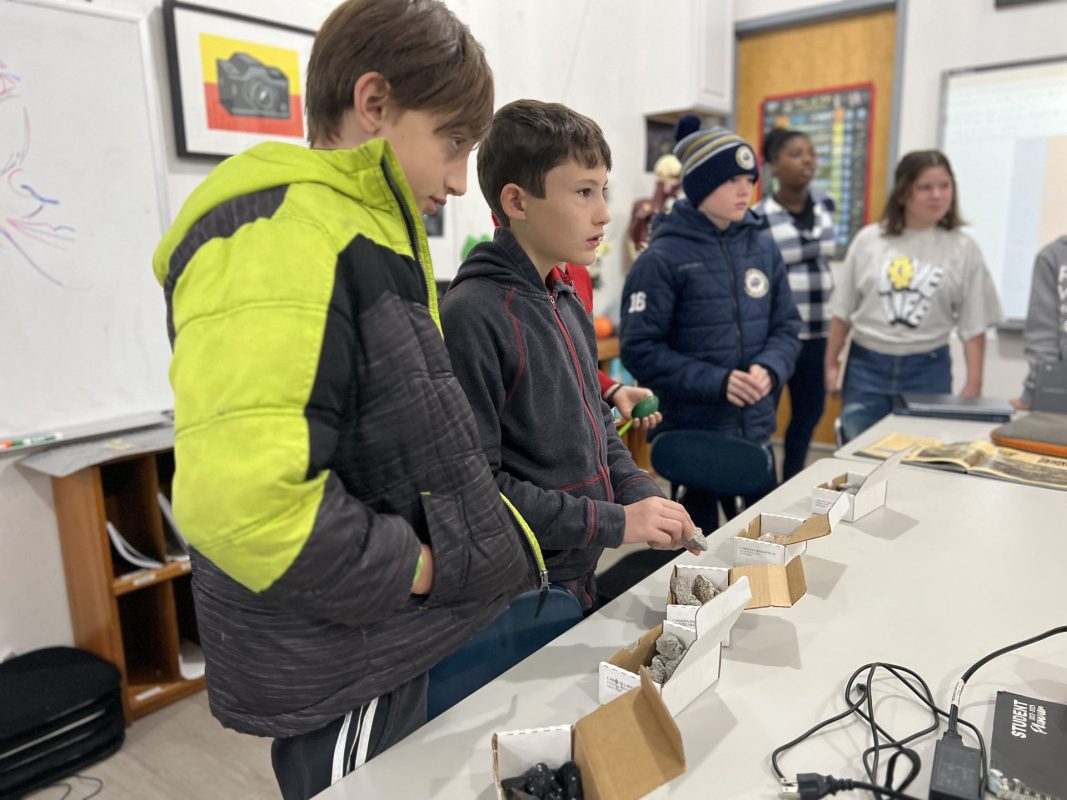
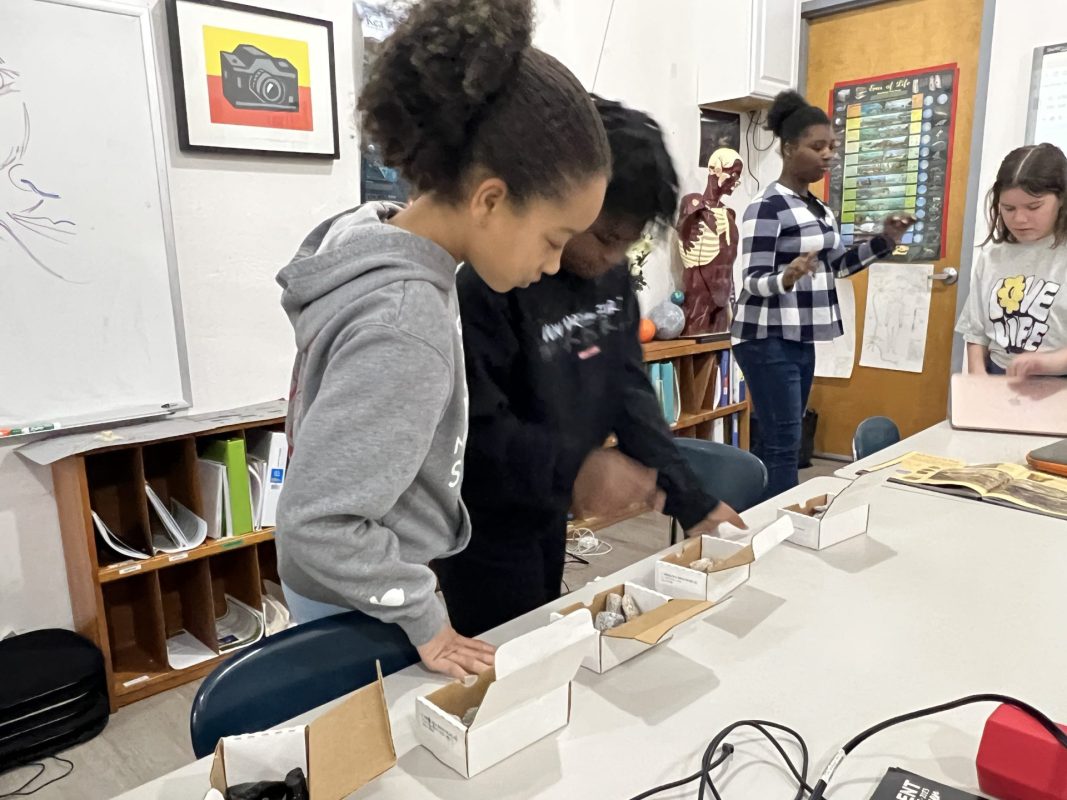
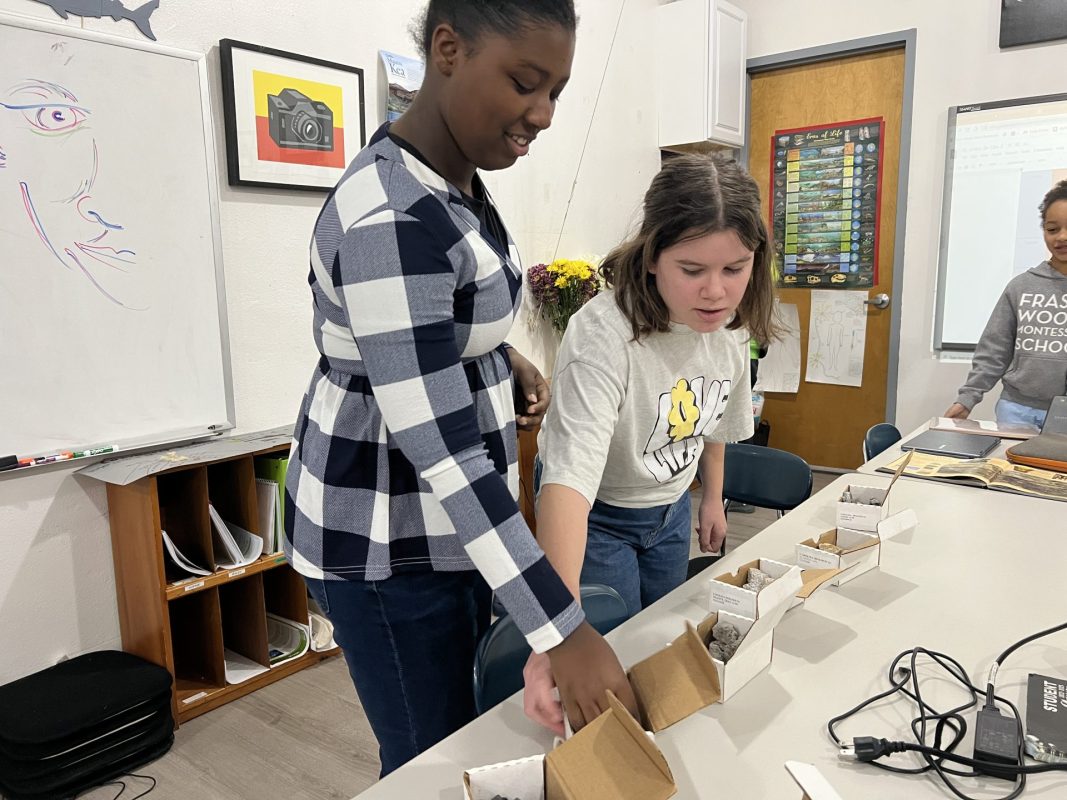
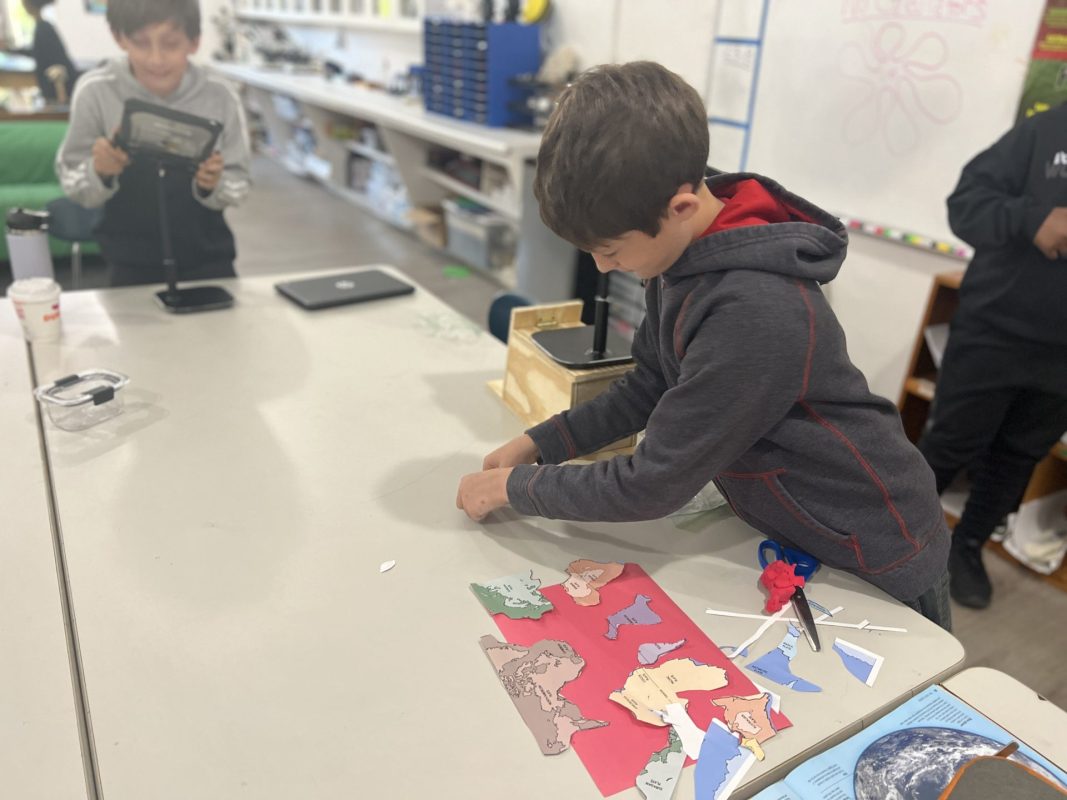
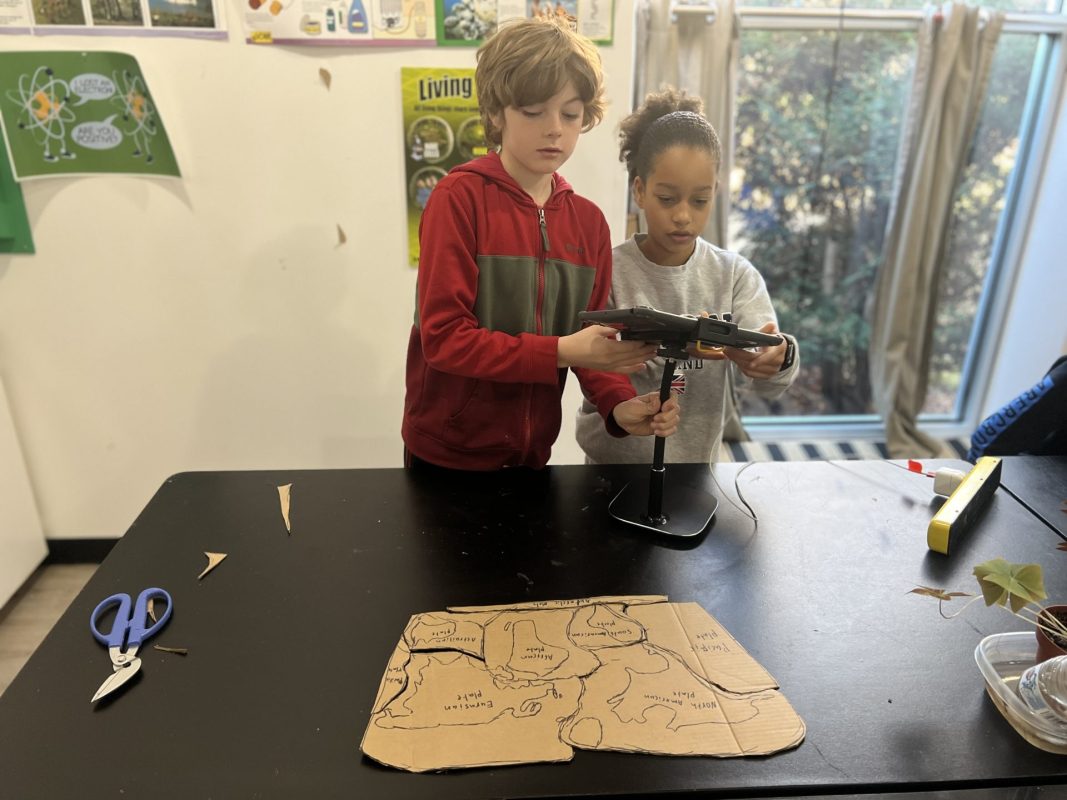
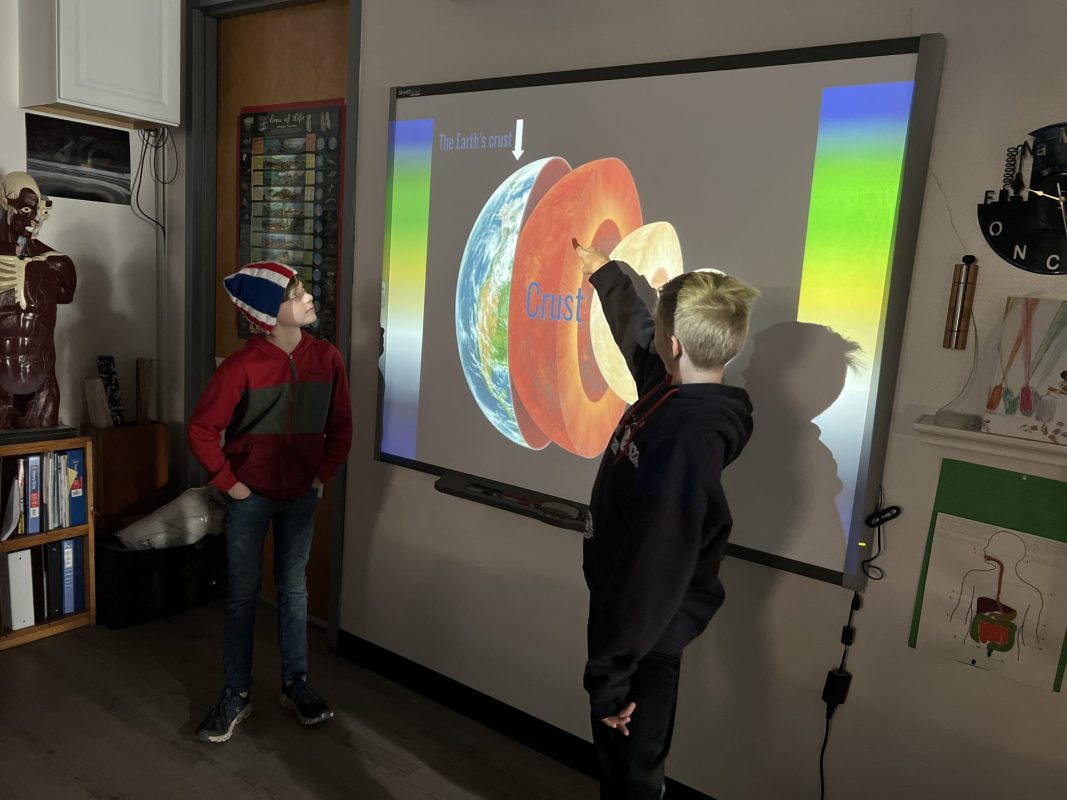
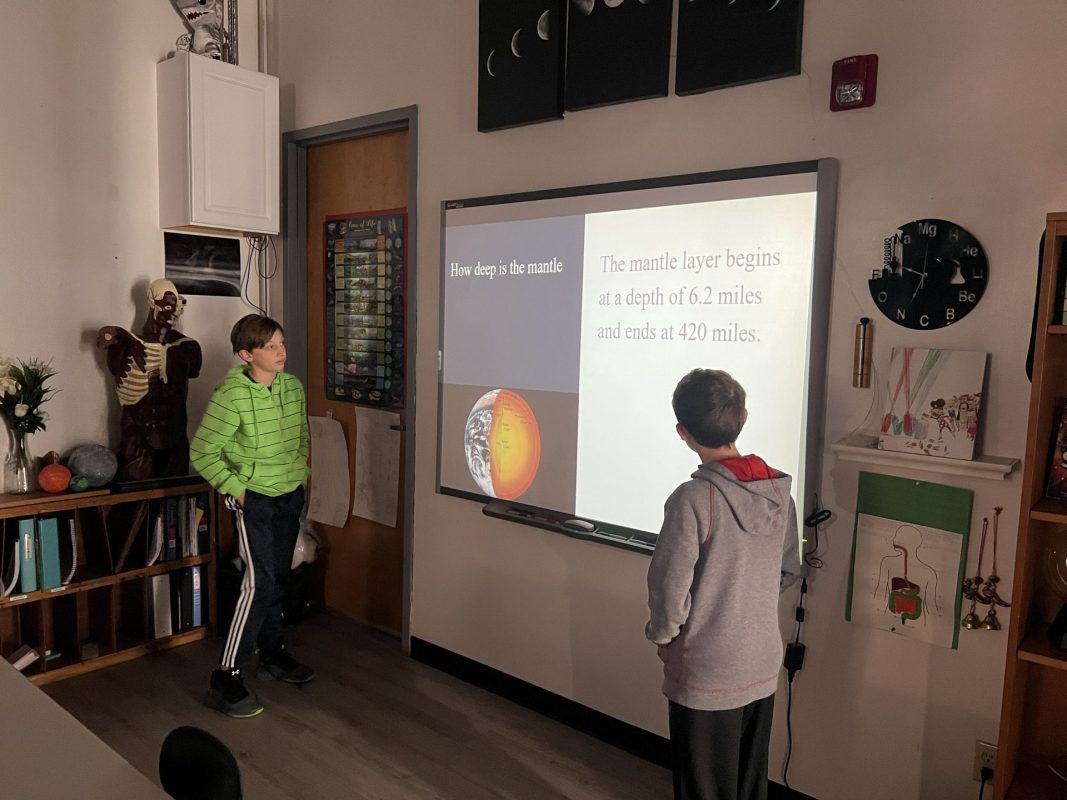
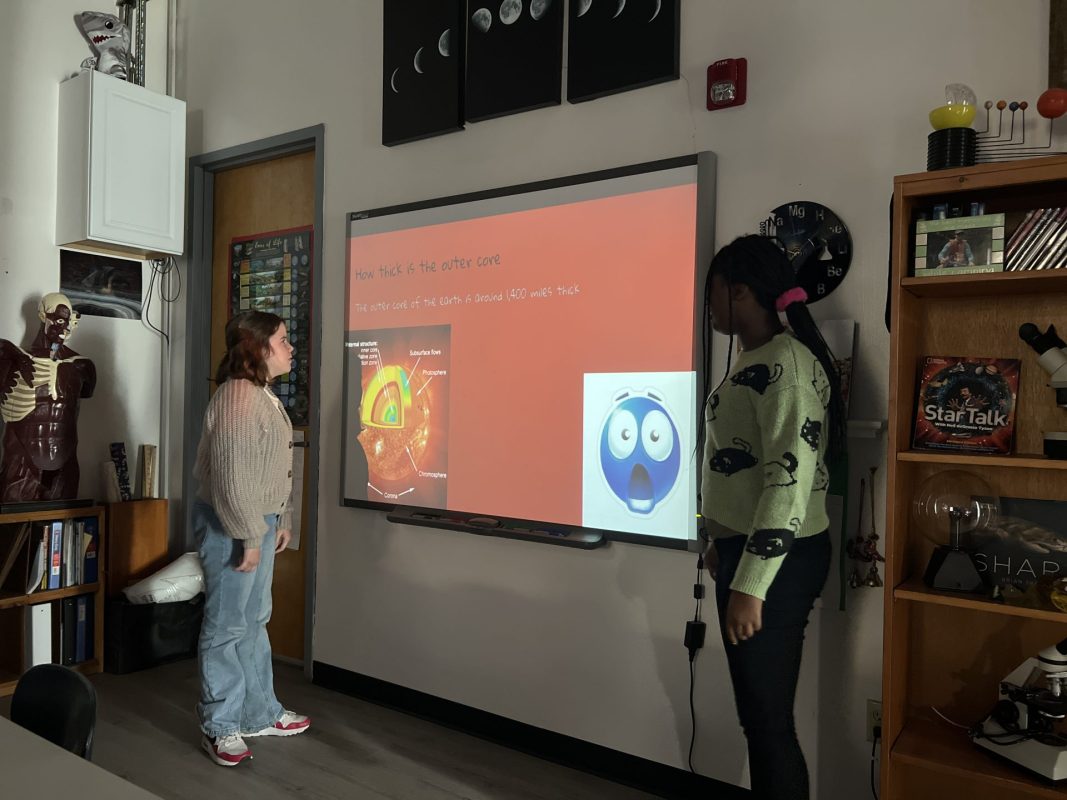
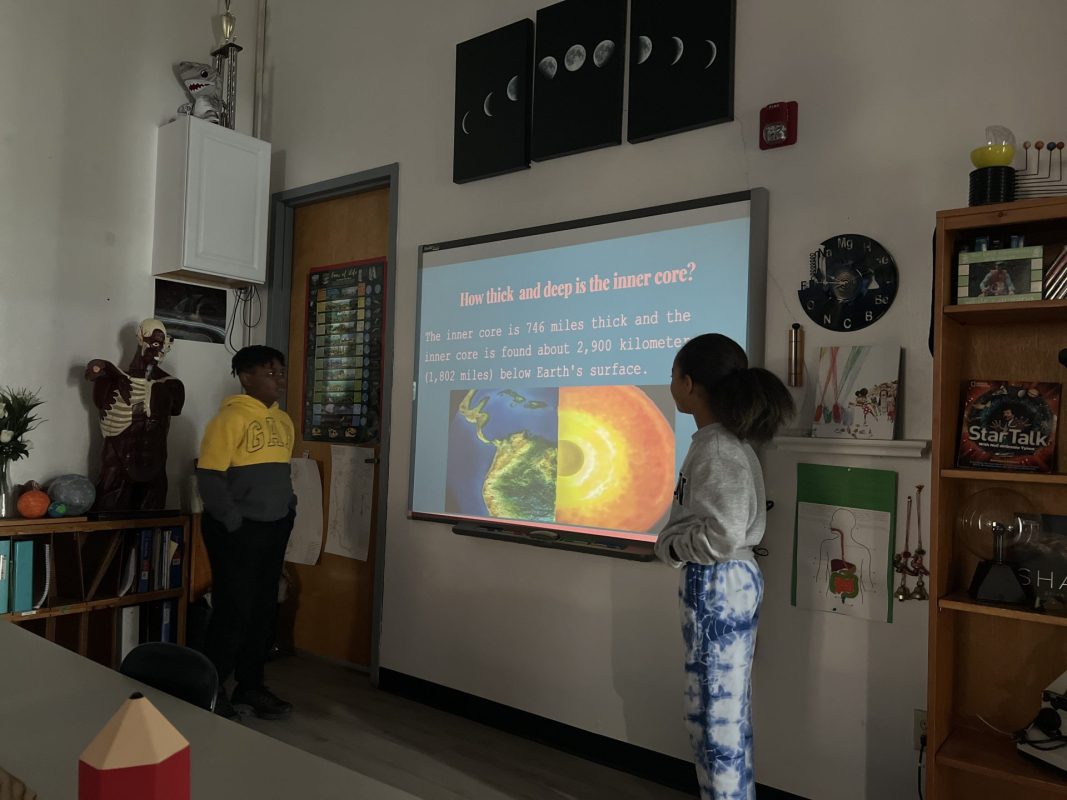
6th year Earth Science students are finishing their unit “Fossils and Studying Earth’s Past.” Our next unit is “Plate Tectonics.” The objectives of this unit will be for students to describe tectonic plates and  how they move, how the movement of tectonic plates causes natural processes, how the three primary types of plate boundaries cause a variety of landforms, and how the rock cycle and plate tectonics are related.

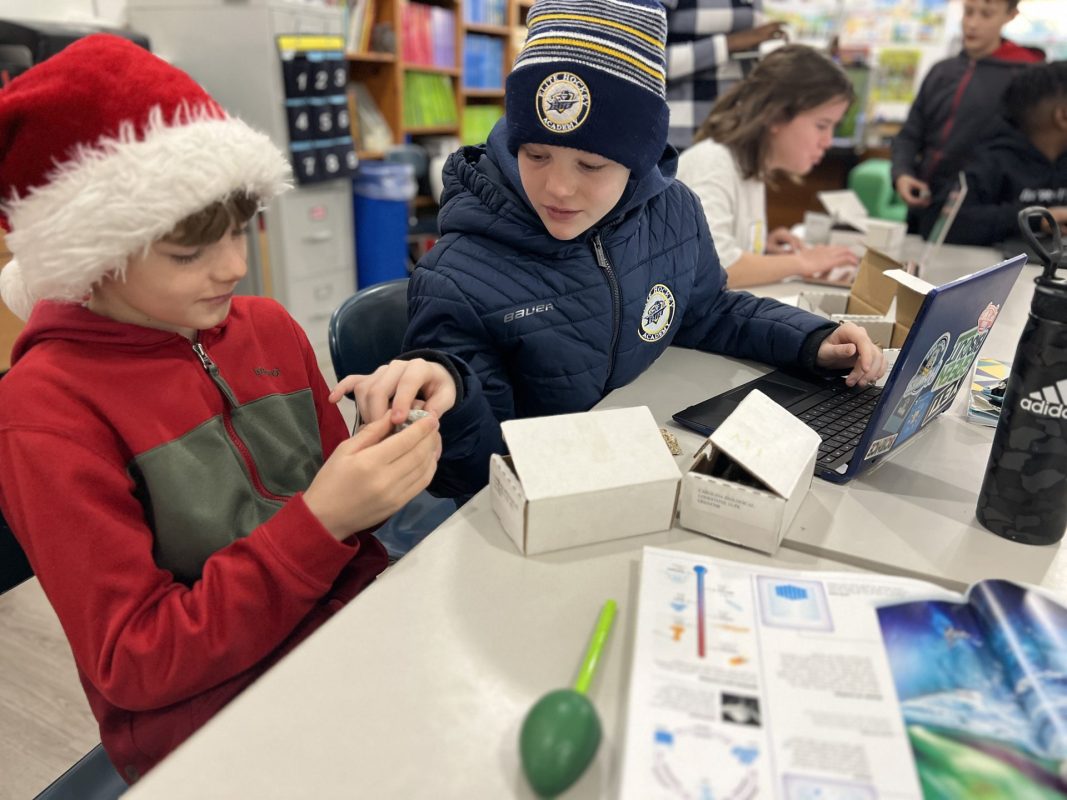
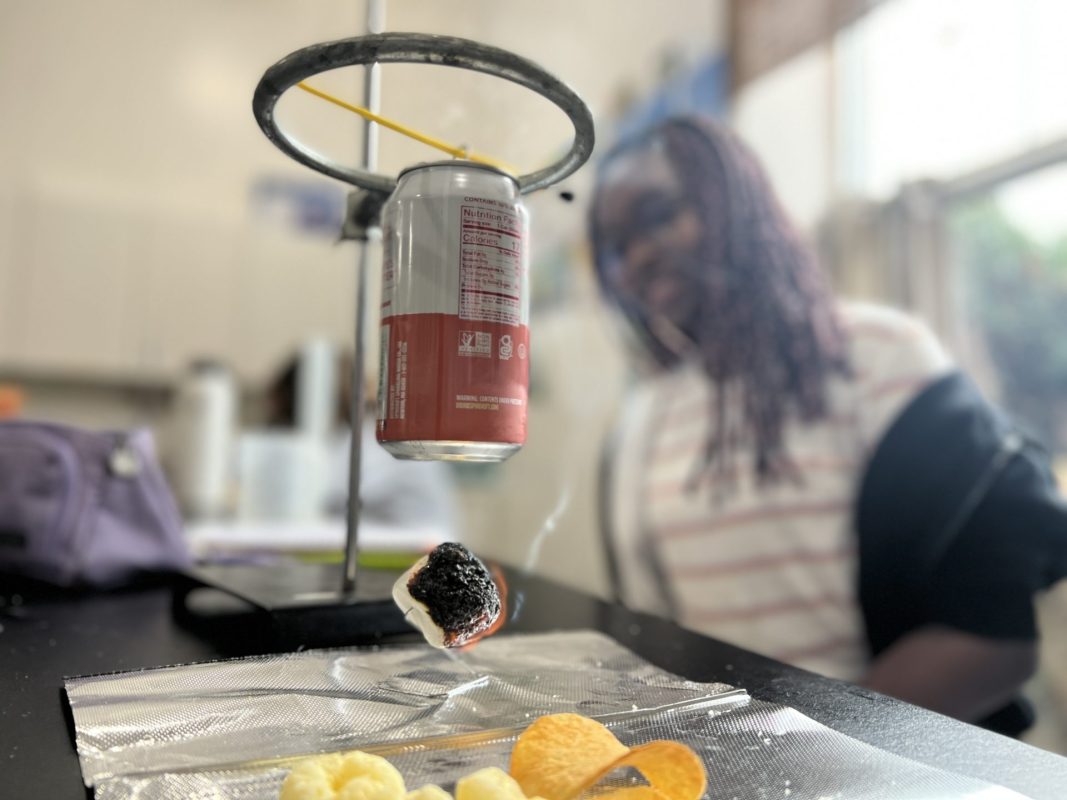
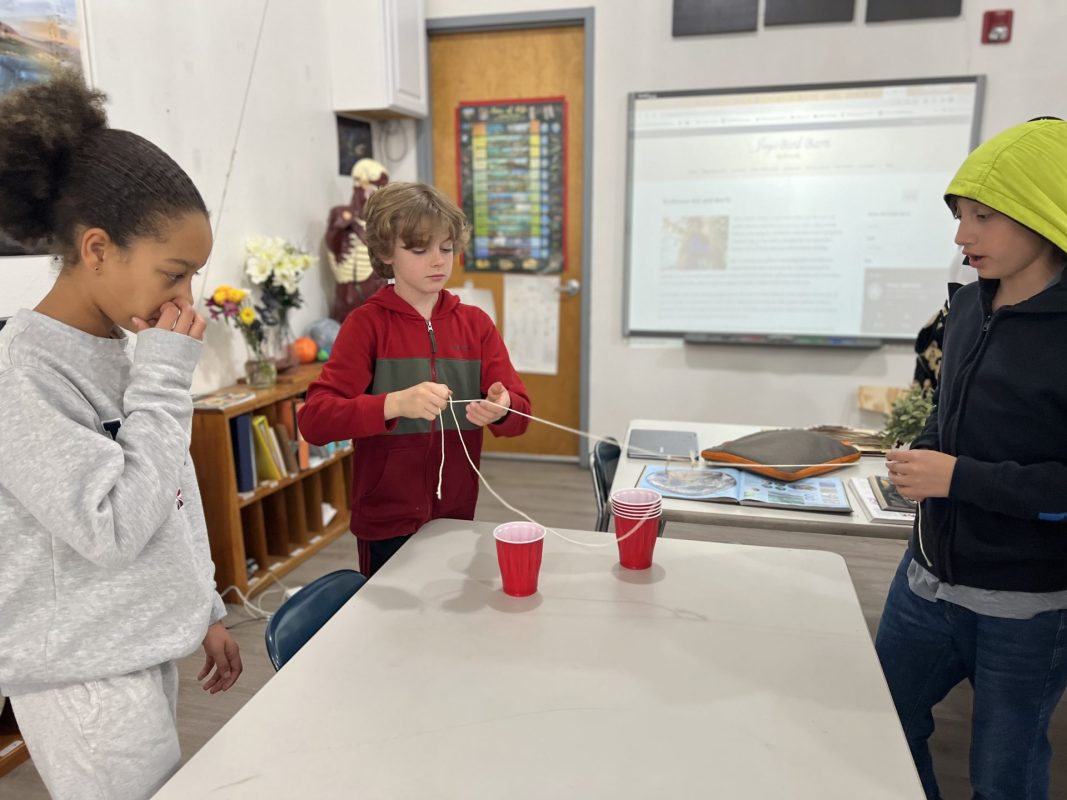
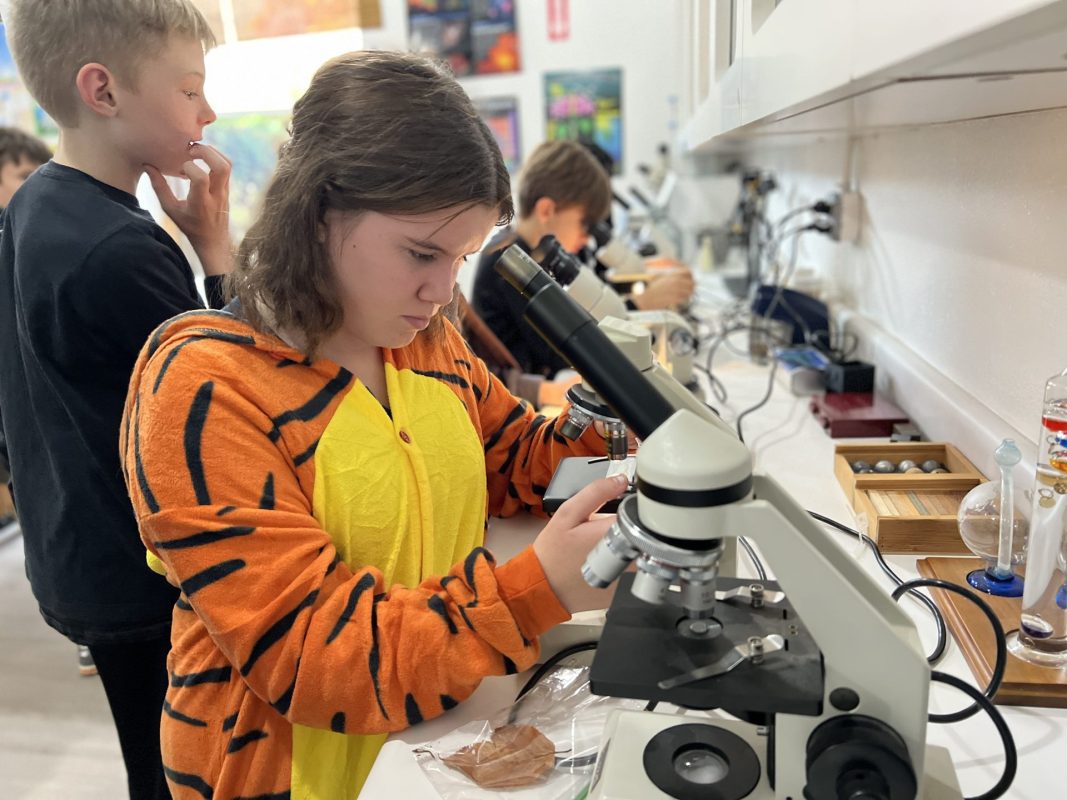
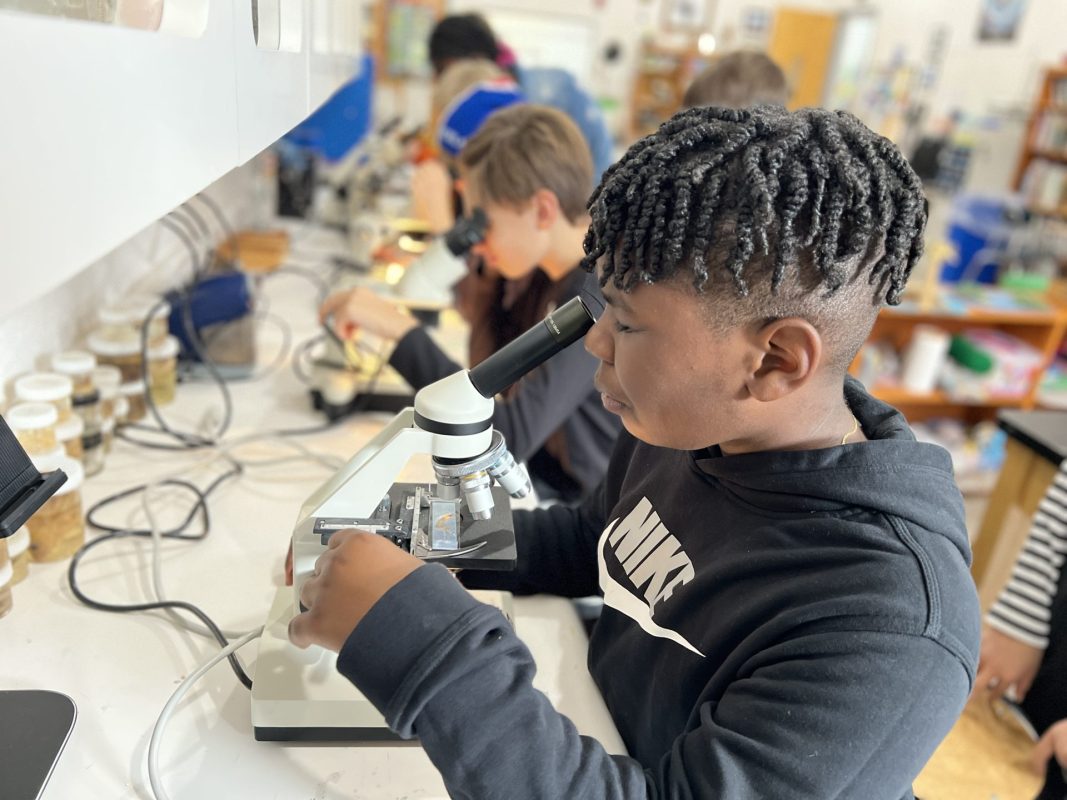
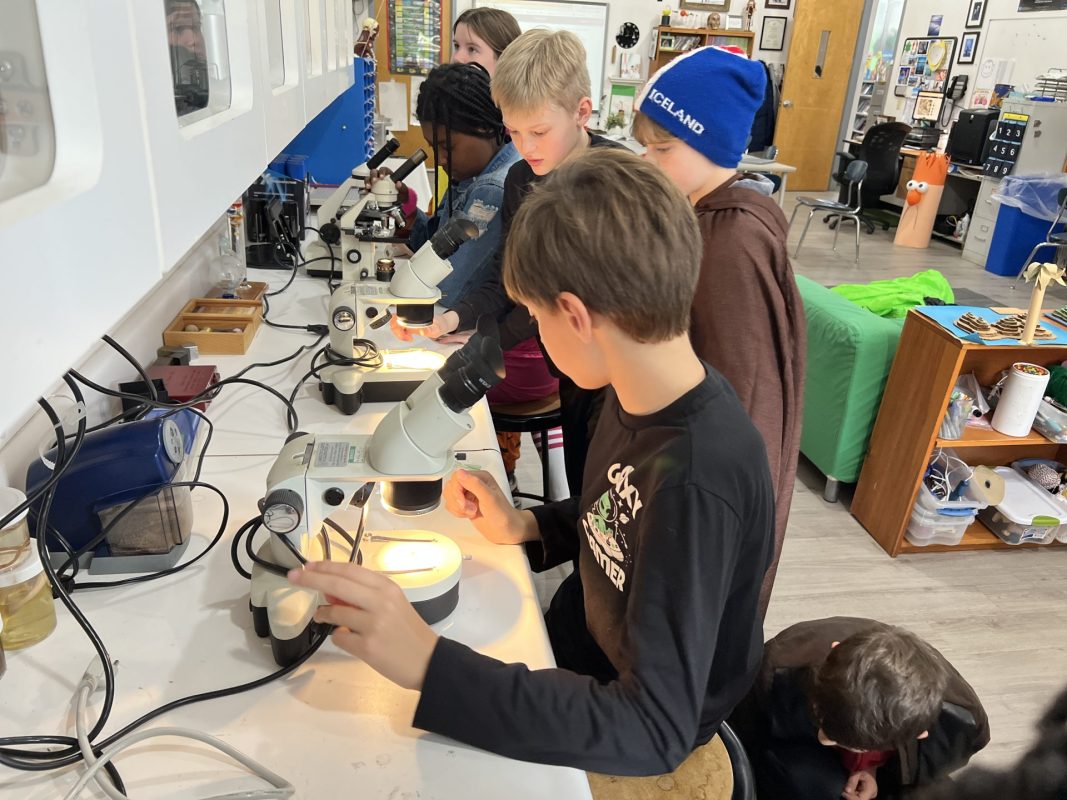
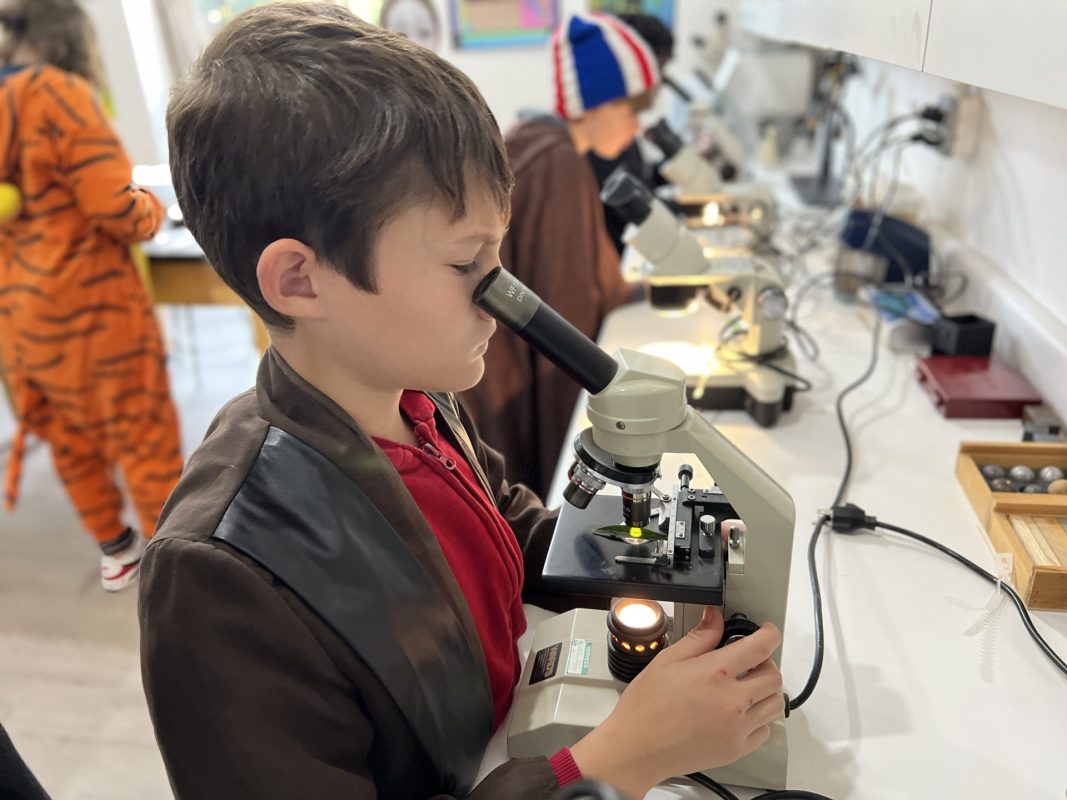
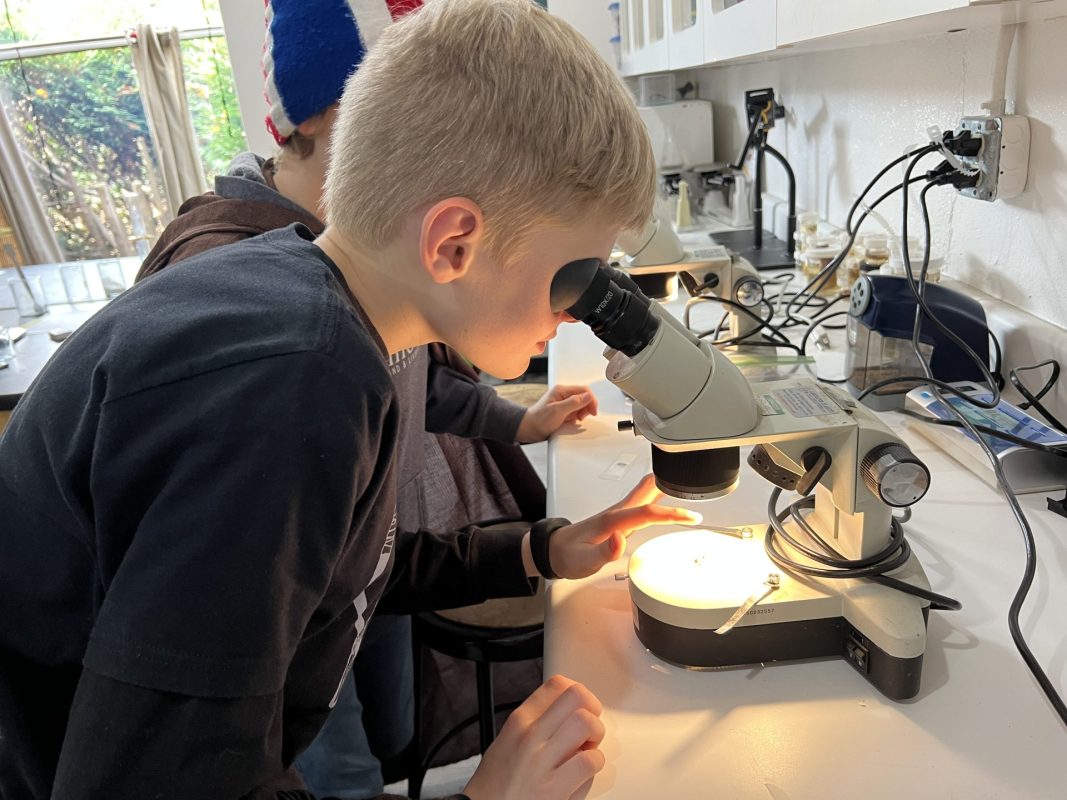
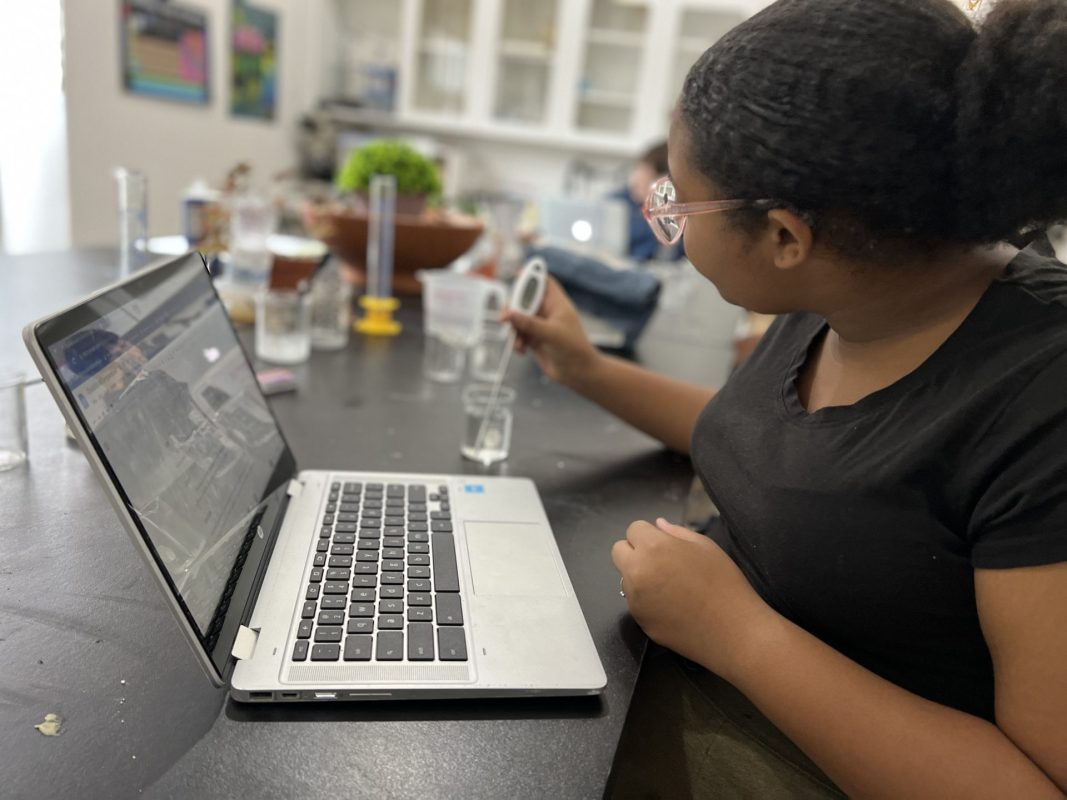
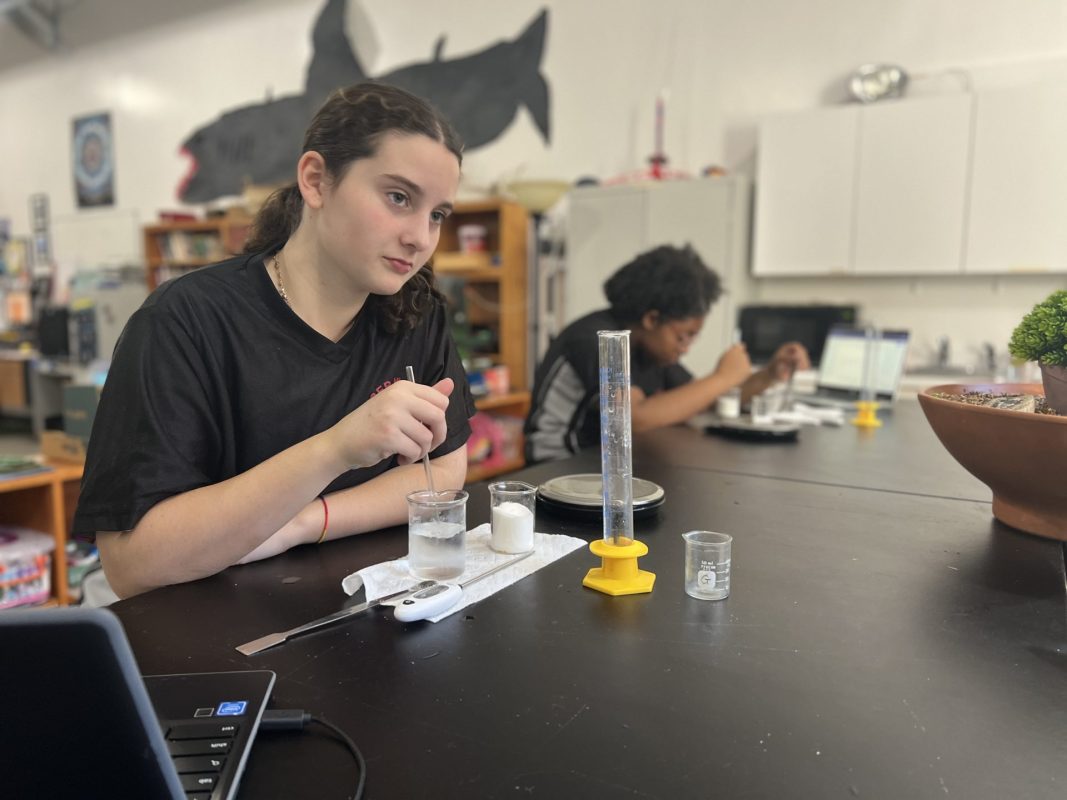
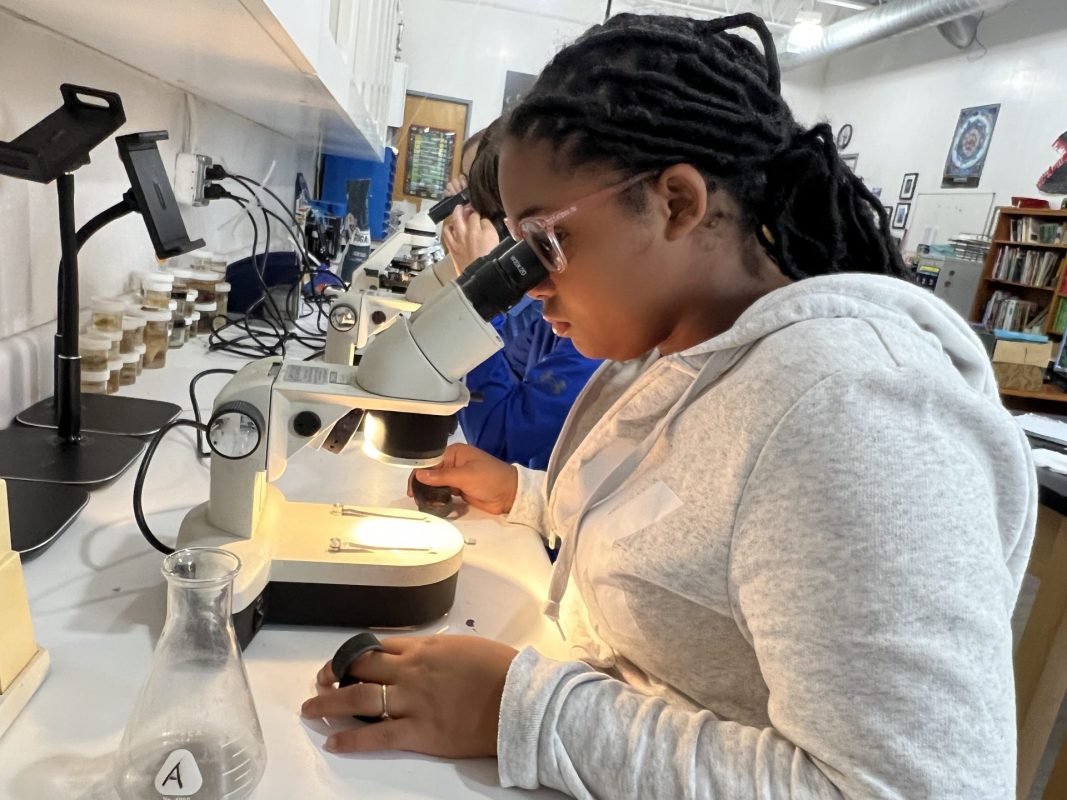
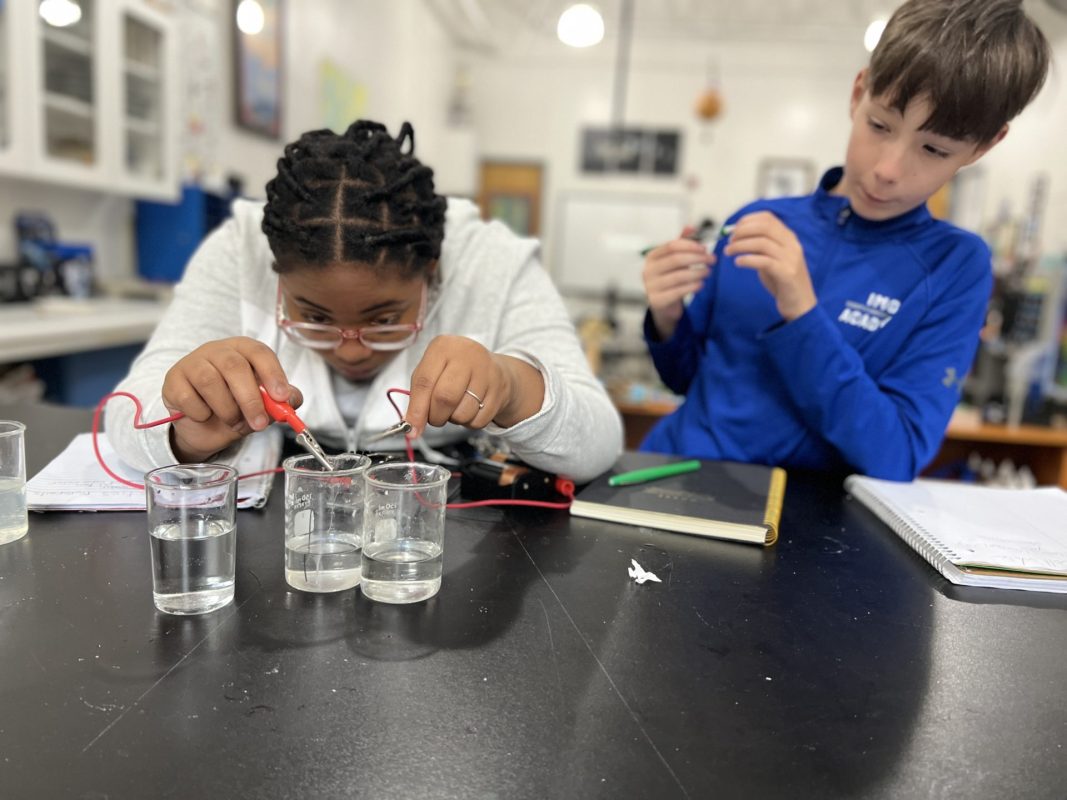
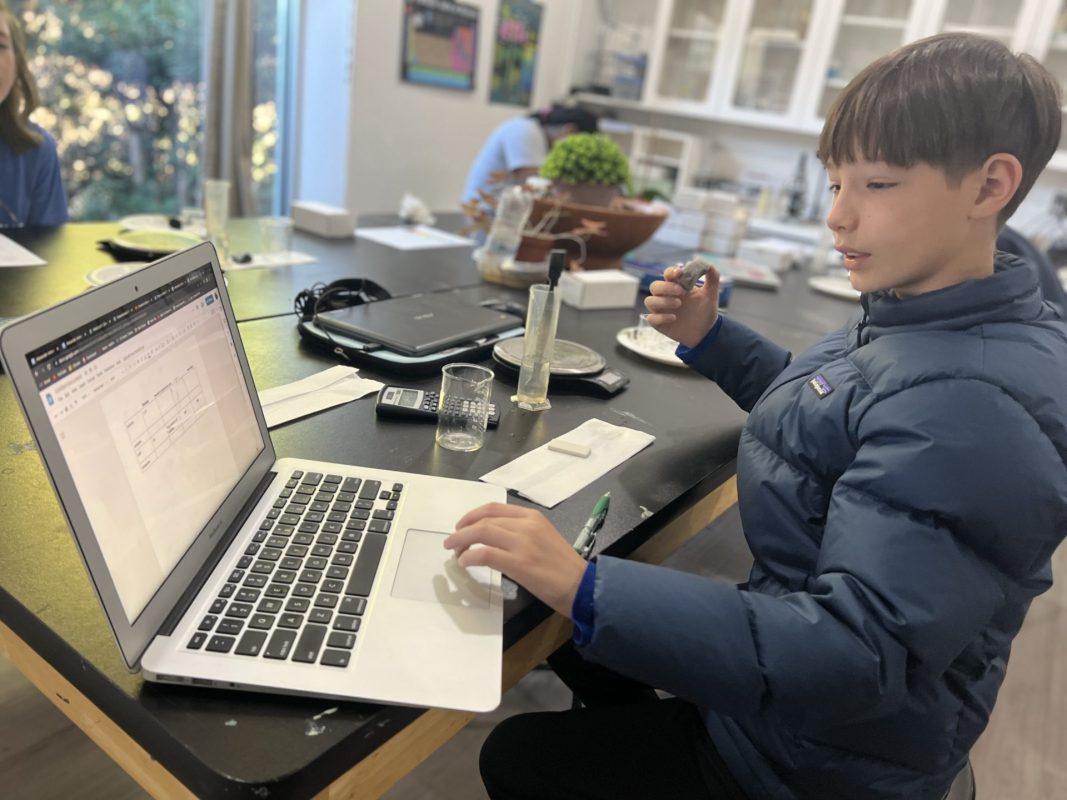
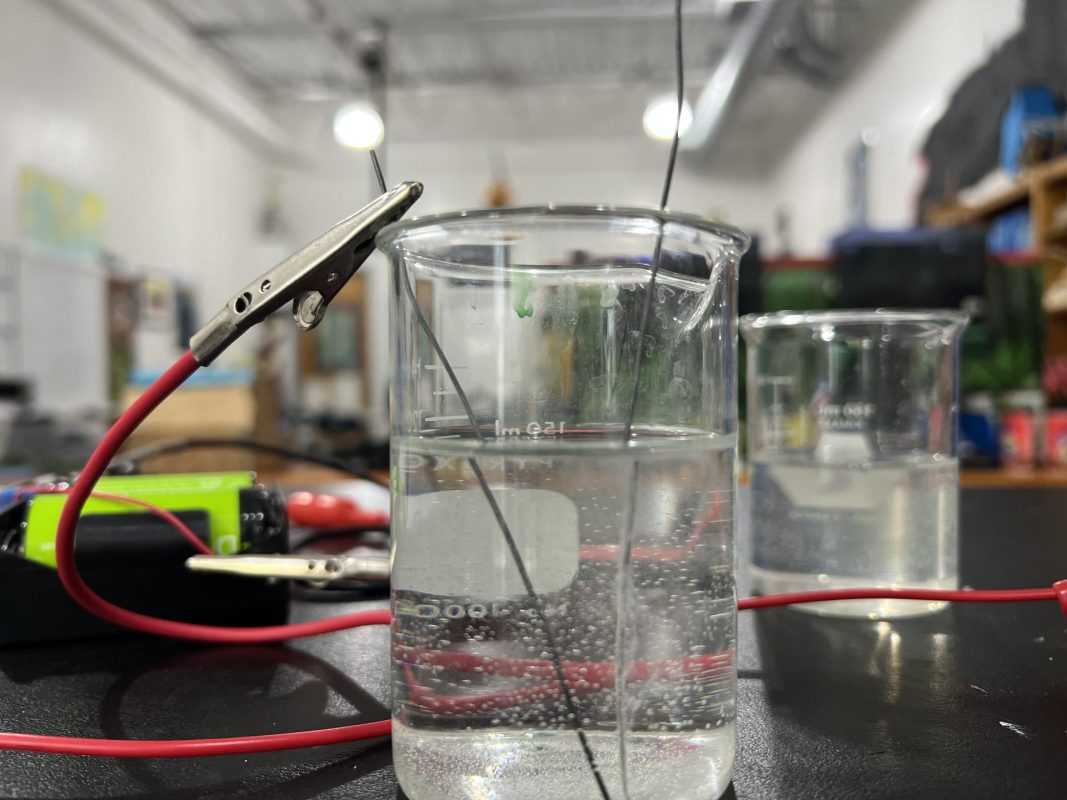
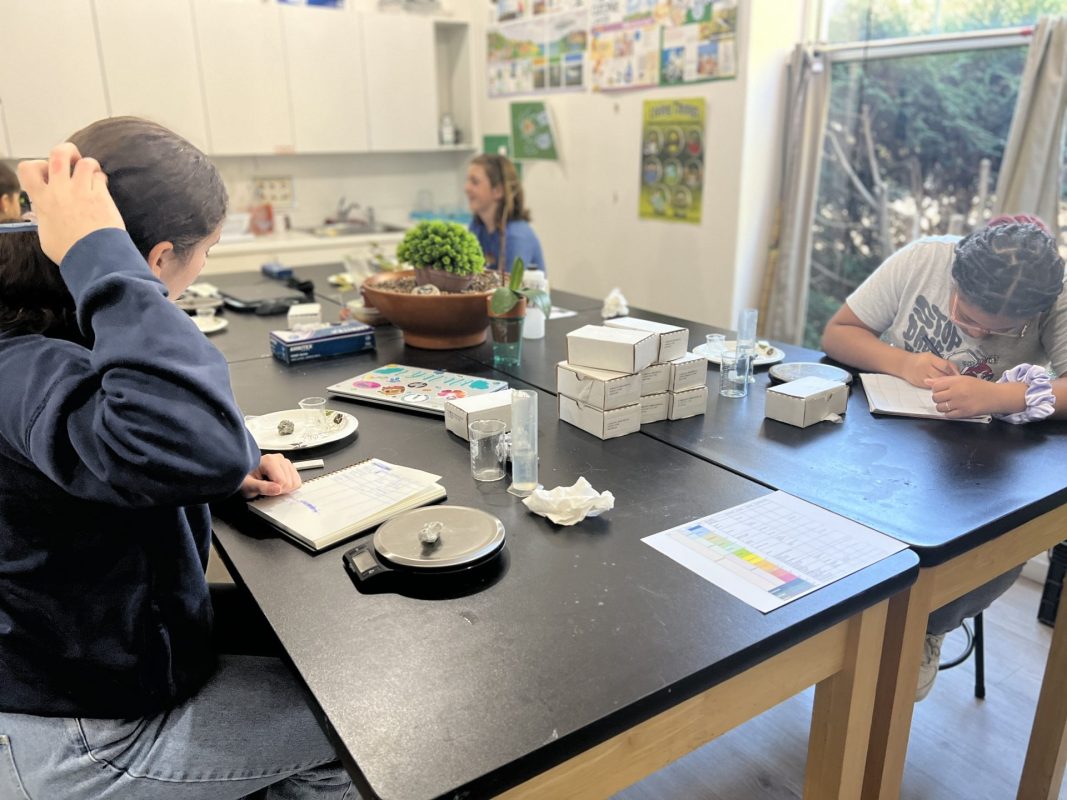
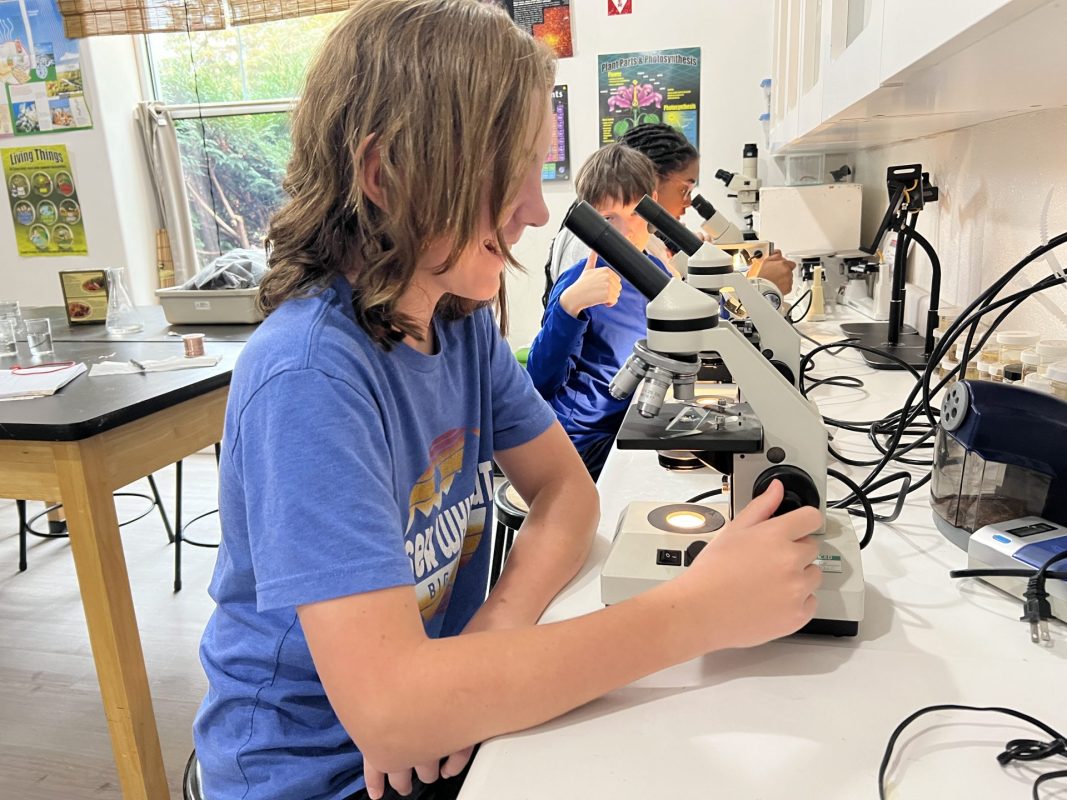
7th year Physical Science students this week spent time exploring the physical and chemical differences between salt and sugar. Students conducted an experiment to determine whether salt or sugar had the greater electrical conductivity when mixed with water. To do this, students placed two galvanized wires attached to a battery in each solution and observed if bubbles formed around each wire. When bubbles formed, this indicated the presence of electrical conductivity within the solution. Students then observed each crystalline structure of salt and sugar under compound and stereo microscopes. Students were asked to illustrate in their journals what they observed.
8th year Life Science students are working on the unit “Structure of Life.” Objectives of this unit are to explain what cells are and why cells are important, compare and contrast the organelles and other structures that most cells have in common, distinguish between the cells in unicellular and multicellular organisms, and explain how the structure and function of multicellular organism depends on the interaction of tissues, organs, and organ systems.

Middle School: Week in Review

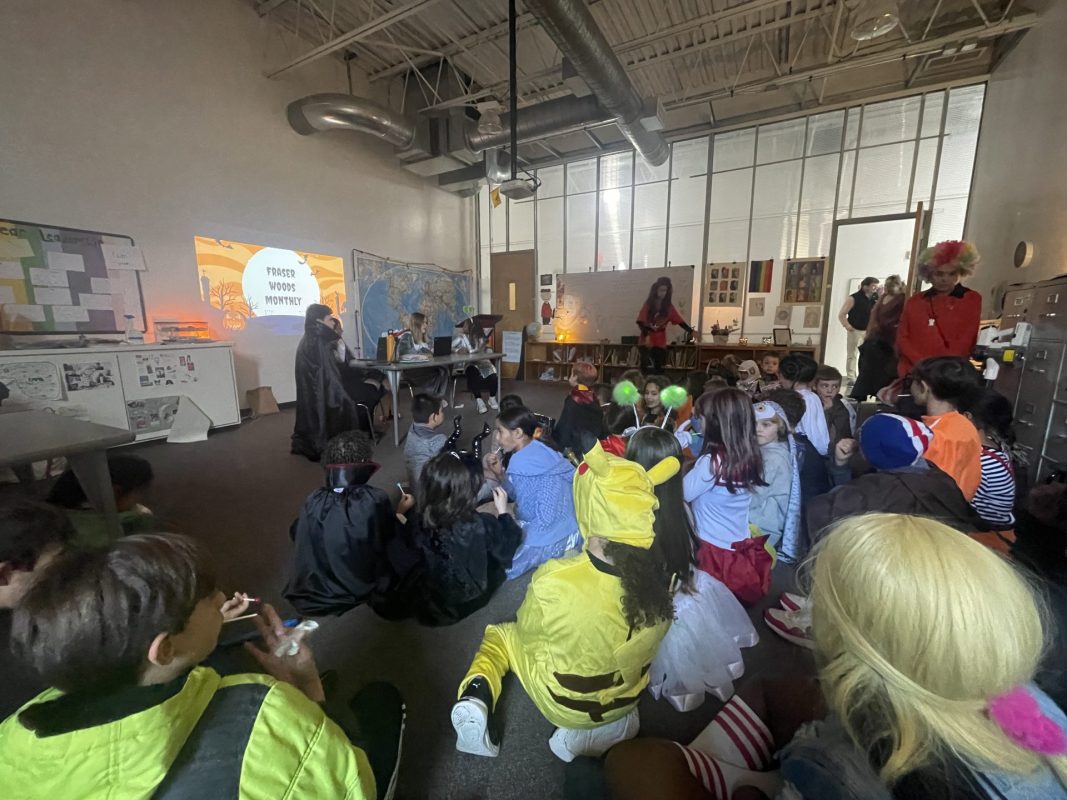
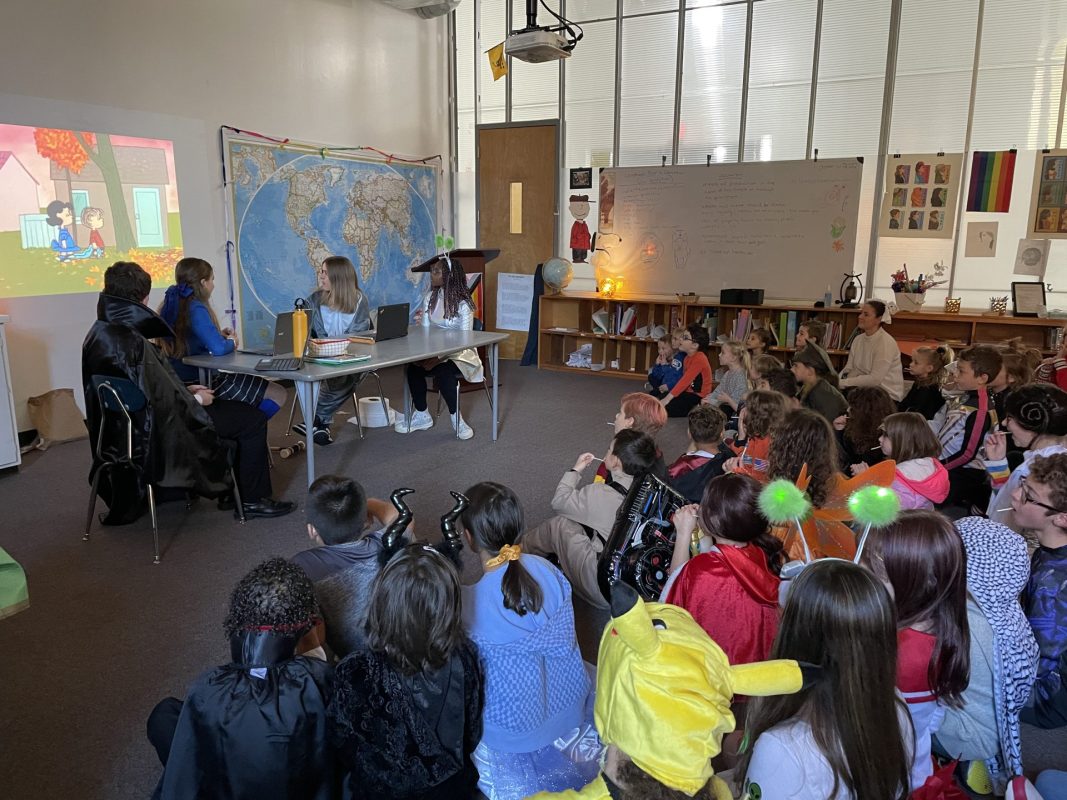
It has been another great week in Middle School. The middle school continues to enjoy their Wednesday morning time working with younger peers in their classrooms. Another highlight this week was the first FWM Monthly news, created and presented by the 8th grade class. Faculty members, Lower El, Upper El, and Middle School students gathered in the Commons to watch and listen. Great job, 8th Grade!

Science

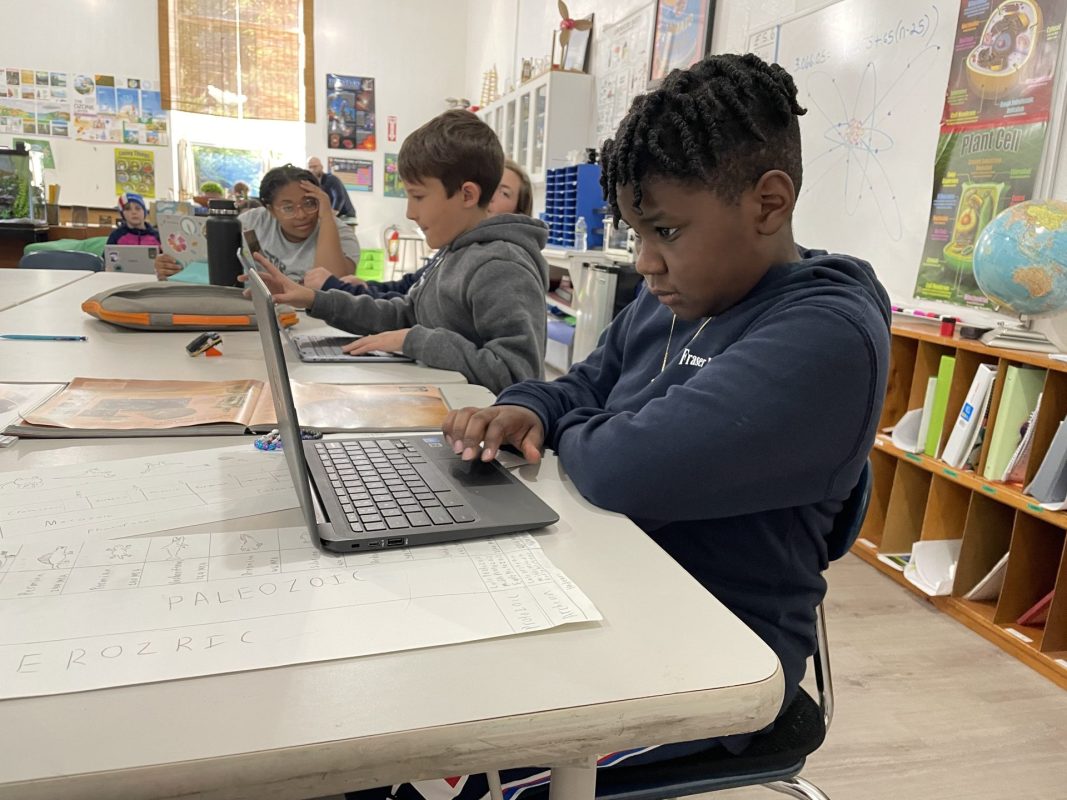
6th year Earth Science students are identifying how geologic time is measured and how fossils play a role in dating geologic events. Students are collaborating with their peers to create an artistic representation of the geologic timeline. This timeline includes eons, eras, periods along with predominant species found within each phase. The objective of this project is for students to see how fossils are used to gauge the time period when species were alive based on previously discovered index fossils.

7th year Physical Science students are discovering the differences in matter as it relates to their physical and chemical properties. Students have been asked to conduct several experiments to test properties of matter such as density, electrical conductivity, and pH. From these experiments, students are able to see how certain properties are able to change while others remain the same while conducting certain tests.
8th year Life Science students did a great job presenting their research on stem cells earlier in the week. Students provided evidence to support their claim about whether to support or oppose further research regarding stem cells. Moving forward, students presented research on the differences between our body cells. Students shared their findings on nerve, cardiac, blood, and fat cells. Each student highlighted the difference in the cell’s structure/shape as it relates to the function each cell is intended to serve.

Humanities

6th grade Humanities classes had a great week. They each presented their first current events assignment to the class. Using a topic of interest, students found a current news article, summarized it, wrote about its impact and why it matters, and then led a discussion on the topic. The students were active and engaged in conversation, asked thoughtful questions, and were respectful to each other. Next, 6th grade began their class novel, Out of My Mind by Sharon Draper.

7th grade Humanities class researched and presented an assigned religion of China. They were tasked with finding the history of the religion in China, explain its philosophy, teach about its traditions, and talk about how it is practiced. The religions presented were Confucianism, Taoism(Daoism), Buddhism, Islam, and Christianity.

8th grade Humanities classes were busy this week. They are reading The Outsiders by S.E. Hinton and discussing how socioeconomic status can play a role in society’s views and treatment of certain groups. Also, we continued our study of U.S. history by discussing Indigenous Peoples’ Day, its origins, and the narratives that surround Christopher Columbus. From there, we read and discussed the influence of gold which brought many explorers after Columbus as well as what the landscape looked like at the time of contact.

Math

In the Pre-Transition math class, students began exploring Chapter 2 in the UCSMP textbook. This class is learning about decimals between whole numbers and how to order decimals from greatest to least value. This class is working hard to understand converting decimals into fractions, as well as identifying place values behind the decimal point. 
 
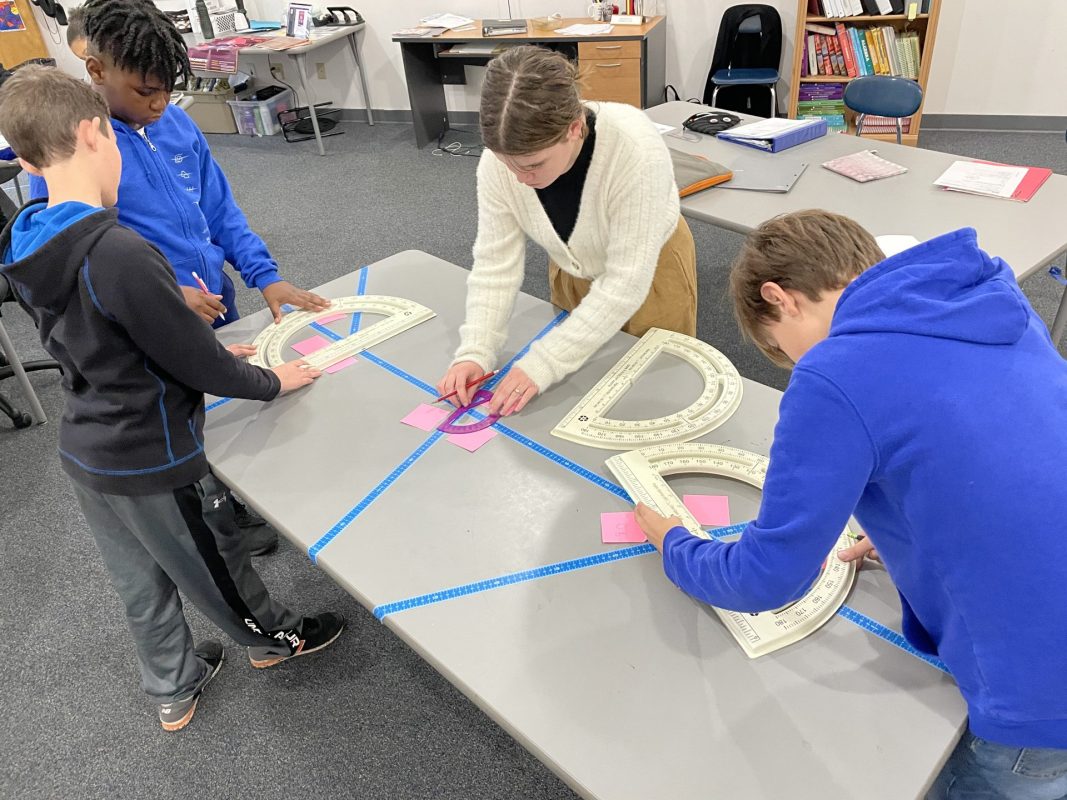
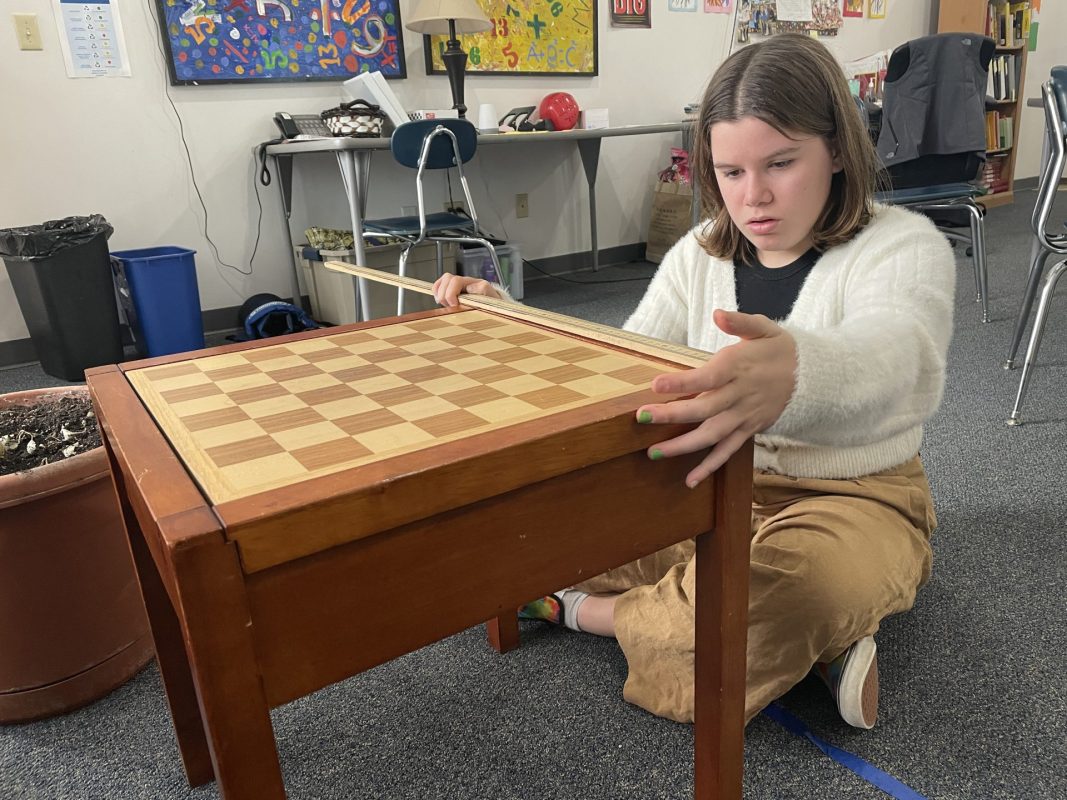
In the Transition math class, students were excited to learn more about the Pythagorean Theorem and were able to construct a life size right angle triangle to help visualize their understanding. This class is continuing to practice substituting values to a formula and simplifying expressions with like terms. 
 
In the Algebra math class, students concluded their learning of Chapter 2 and were able to master the distributive property. This class was able to use related facts to solve for a missing variable, as well as test for equivalency using the 4 key methods learned in class. Next week, they will begin to investigate Chapter 3 titled, Linear Equations and Inequalities. 
 
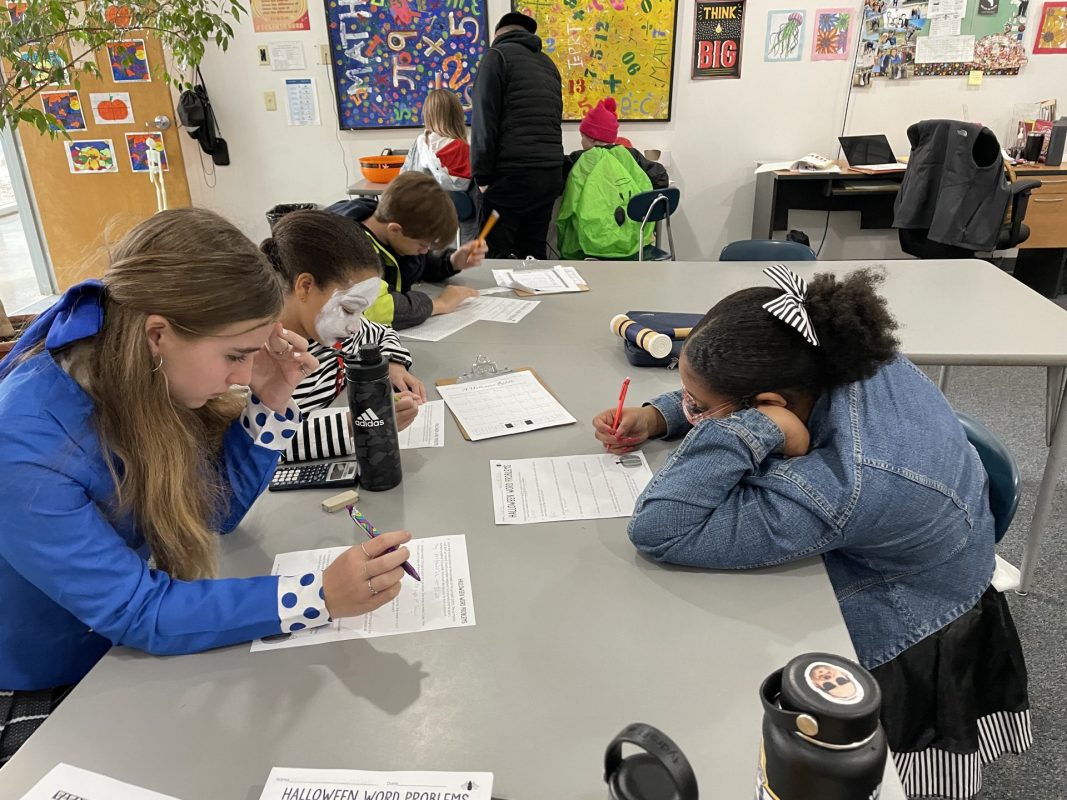
Math Joke: Are monsters good at math?…..Not unless you count Dracula!
Have a wonderful fall weekend!
Middle School: Week in Review

It was an awesome week in middle school! While class time was short with the mid-week break for Yom Kippur and the trip on Friday, we were busy! Our trip to the Adventure Park at the Discovery Museum in Bridgeport was amazing. A wonderful time swinging in the trees, challenging ourselves, and laughing with friends was just what we needed to end the week.

Humanities

6th grade Humanities class this week looked at Mexican & Latin American history. The class started with the overarching question that lead to a rich discussion about how we figure out our past. Specifically, in what ways can people determine history? From there, the class focused on Oaxaca, one of the settings in Becoming Naomi Leon,  and they read about the Zapotec civilization. They discussed how geography plays a role in the formation and life of a civilization. Also, discussion surrounding what could happen to a civilization to cause it to dissipate. Finally, students will present their first current events report on Tuesday and begin their class novel, Out of My Mind!

7th grade Humanities began the week with our first current events presentations. Everyone got right into the swing of things, and we had excellent discussions about interesting topics. Next, we finished with Chinese Dynasties and began religions of China. Next week, students will continue to research the following: Taoism, Buddhism, Christianity, Islam, and Confucianism.

8th grade Humanities class also began the week with current events presentations. Their thoughtfulness with discussion questions and excellent presentations led to productive conversations about the topics. Next, 8th grade began the novel, The Outsiders by S.E. Hinton.

Math

In the Pre-Transition math class, students have been reviewing all week for the Chapter 1 Unit Test on Tuesday, October 11th. This assessment covers simplifying fractions, finding the length of a line segment, and ordering integers on a number line. Students should be using their lesson master assignments, class notes, and textbook questions to study well in advance. Next week students will also begin learning about Chapter 2 titled, Fractions, Decimals and Percentages. 
 
In the Transition math class, students are continuing to learn about variables and how to substitute values into a given expression. This class can translate a word sentience into a number sentence using the correct arithmetic operations. They will explore the Pythagorean Theorem and other important formulas next week. 
 
In the Algebra math class, students have been learning how to solve for two-step algebraic equations that involve all four arithmetic operations. This class discovered how to rearrange an equation for a specific variable as well as use a table of values to test for equivalence between two different equations. 
 
Math Joke: What do you get if you divide the circumference of a jack-o-lantern by its diameter?………………….Pumpkin pi.
Science

6th year Earth Science class spent the week gathering information to support their understanding of what we can learn from fossils. The objectives of the past several classes were deciding how fossils provide evidence of environmental changes that occurred in the past, how geologic time is measured, and what role fossils play in dating geologic events.

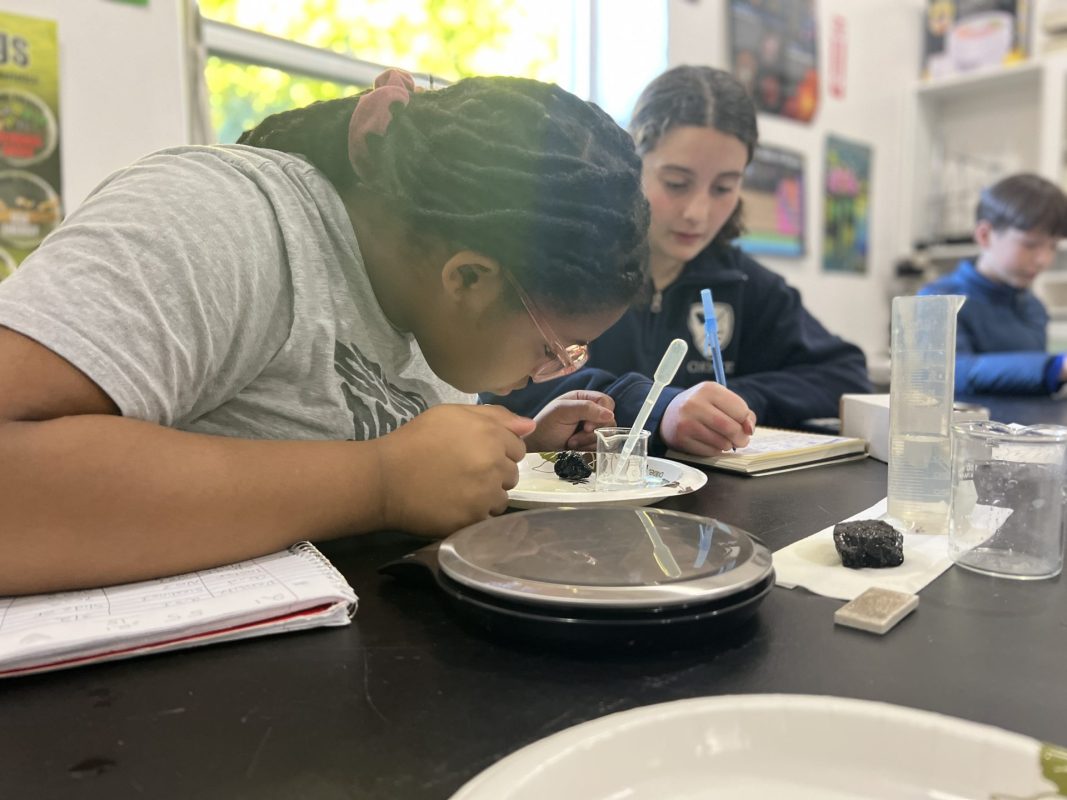
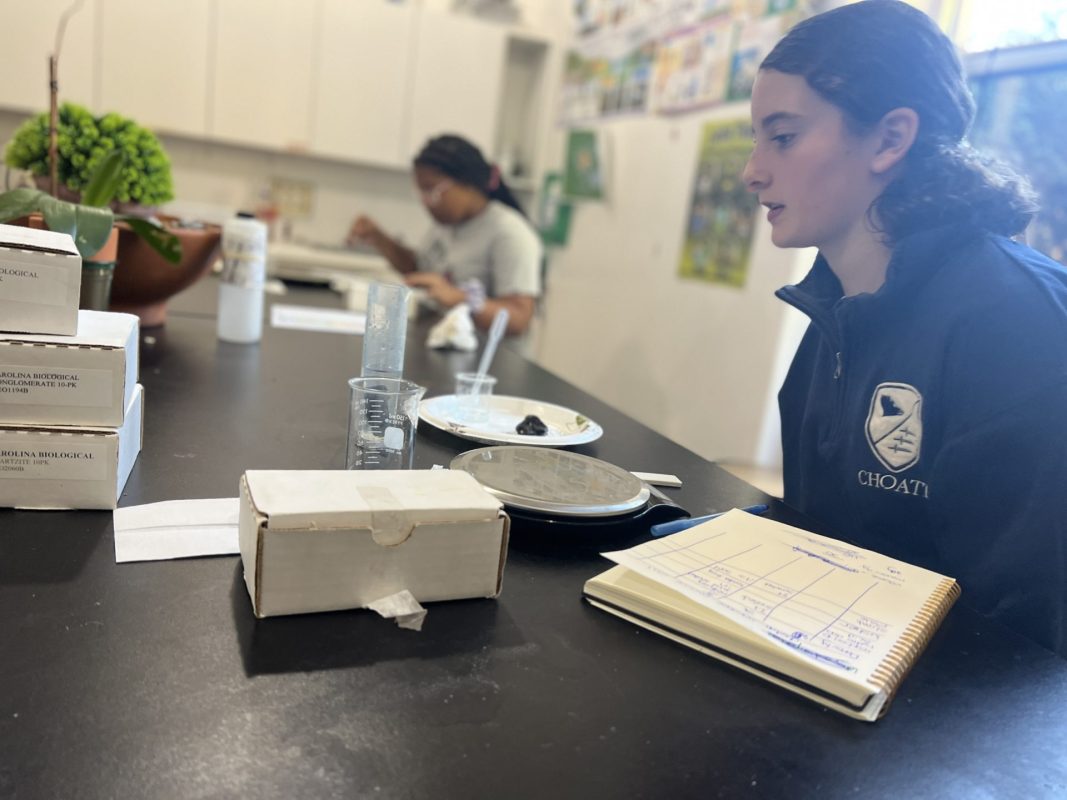
7th year Physical Science students conducted several activities to establish the differences between chemical and physical properties of matter. Students tested the density and conductivity of different materials, determining which of those properties remain constant and which could change with different samples. Concluding this unit, students will be asked to perform several tests on unknown objects, identifying what object they have before them based on the physical and chemical properties observed. 
 
8th year Life Science students are continuing to research the history and application of stem cells. Students are doing a great job gathering information and data to support their side of the argument regarding the practice of stem cell use. Students will present their stem cell research the week following. 

Middle School: Week in Review

We hope everyone had a great week! Classes were busy, and students were working hard. Additionally, the weather might be chilly, but we are still going outside! Jackets and weather-appropriate clothing is recommended.

Humanities

In 6th grade Humanities class, we began the week with a vocabulary assessment and history work. They learned about Mexican history and culture including a few historical sites, the Mexican Revolution, the importance of maize, and the art form Alebrijes. Students also completed a writing assessment to show Mrs. Lamb where she can challenge and support individual students this year with writing. Finally, 6th grade students began their first steps in producing their current events presentations. They learned about media bias and opinion articles when looking for articles of interest. Mrs. Lamb posted a few site possibilities for their topics.

This week, 7th grade Humanities classes have been sharing their research about Chinese Dynasties throughout the week. They will soon connect this with Ties That Bind, Ties That Break, which surrounds the revolution and cultural change in China. Students also reviewed metaphors by looking at the humorous poem, “Litany” by Billy Collins. Finally the 7th grade completed a second unit of vocabulary.

8th grade Humanities class presented their research on the Pre-Contact American civilizations of the Olmec, Incas, Mayas, Aztecs, Mississippians, and the Ancestral Puebloans. They also took time to learn more information about each after they presented. 8th grade students discussed the idea of a Legacy after reading Nikki Giovanni’s poem, “Legacies.” We talked about how we can relate to it as well as what it means to connect with culture as time goes by for different groups in the United States, including Indigenous Americans. Finally, students completed another unit of vocabulary.

Science

6th year Earth Science students were able to create their resin molds incorporating an object of their choosing. Students chose between geometric or animal molds to represent their own representation. Following the completion of this project, students were asked to write a fictional story using key terms from our unit, Fossils, as it relates to the preservation of fossils. Each student was able to share their story aloud to the class and later display their resin mold and story for the entire school to see.

7th year Physical Science students finished their unit, Combining and Separating. Students learned about relevant issues in which we rely on the knowledge of separation as discussed in the Flint Water Crisis (2014-16) along with the process of desalination (removal of salt from saltwater). We conducted an experiment of the desalination process by saturating water with salt, and later boiling it, which resulted in fresh water once again. We will begin our next unit, Characteristic Properties of Matter, the following week.
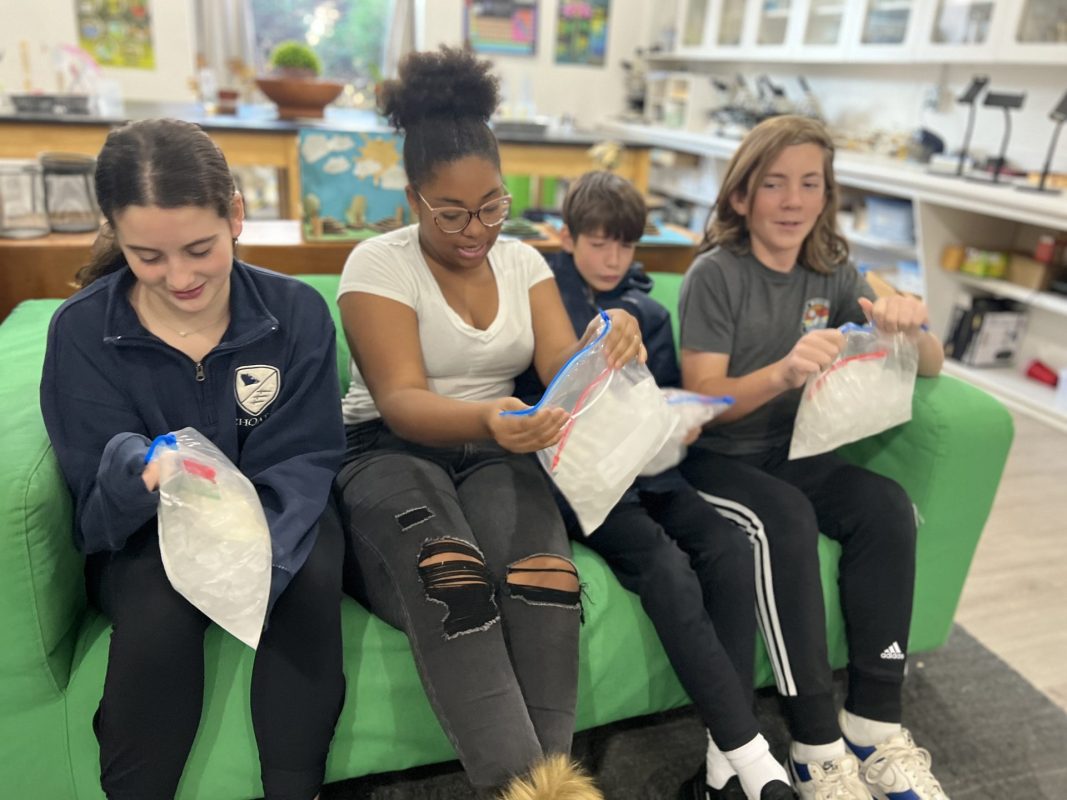
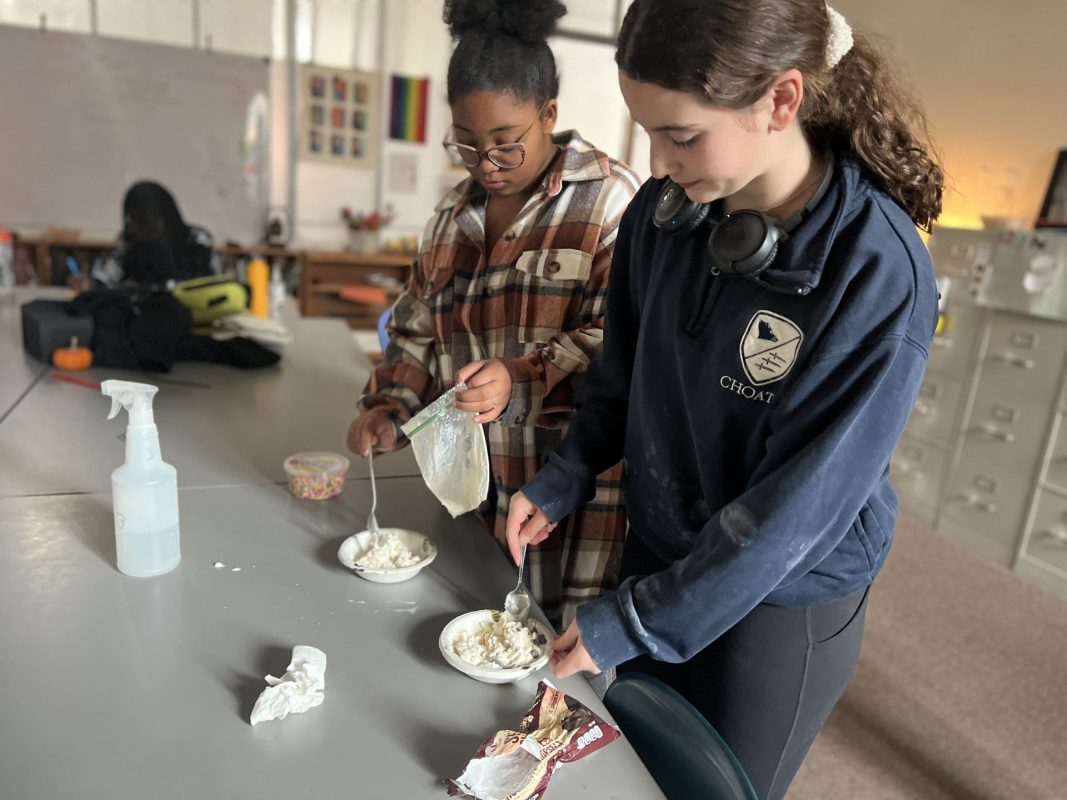
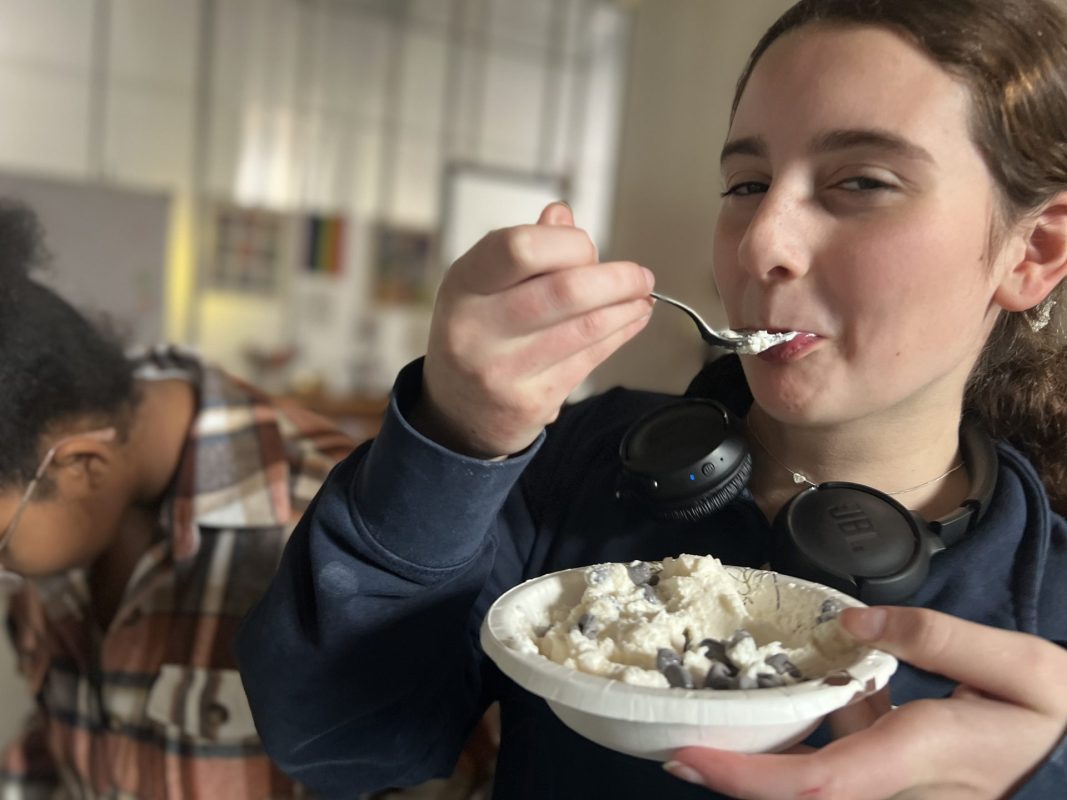
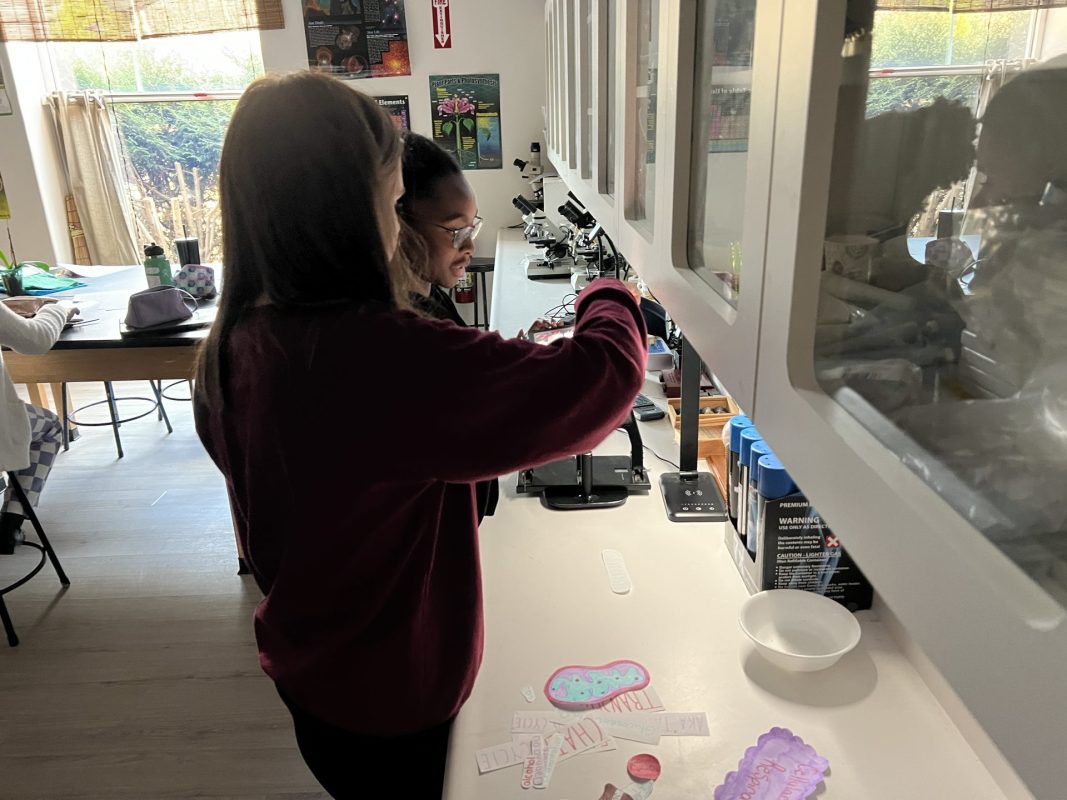
8th year Life Science students began their cell cake project from the unit, Cell Theory. Students were instructed to represent either an animal or plant cell along with its primary organelles by using food (candy/cake). Students chose certain candies to best represent each organelle’s actual appearance.  Once completed with the construction, students created a key diagram, labeling the organelles along with the function served within the cell. Students presented and later consumed their finished product to the middle school students  Following this project, students will begin their research on our debate based on stem cell research and use.
Math
In the Pre-Transition math class, students learned about improper, proper, and mixed fractions. This class can identify integers on a number line and find fraction or decimal values between whole numbers. This week, they continued to practice reducing fractions to lowest form and writing word numbers into a numerical value.
In the Transition math class, students concluded their learning of Chapter 1 and worked hard to prepare for their final assessment. They worked on plotting ordered pairs on a coordinate grid and writing numbers in scientific notation. This class was able to perform order of operations questions and write exponent values in expanded notation.
In the Algebra math class, students started Chapter 2 in the UCSMP textbook. They explored how to use the distributive property in simplifying expressions as well as how to collect like-terms. This class learned how to test for equivalency in different equations and how to identify opposite values.
Math Joke: What do geometry teachers have decorating their floor?………………………… Area rugs!
Have a great weekend! We are looking forward to our trip to The Discovery Museum in Bridgeport on Tuesday!
Middle School: Week in Review

Happy Friday! It’s been another productive week in middle school. Classes are busy, and it’s feeling like fall!

Math
In the Pre-Transition math class, students continued to practice measuring lengths in customary units as well as identifying mixed numbers. This class is learning about simplifying fractions, finding equivalent fractions, and converting improper fractions into mixed numbers. Next week, they will conclude their learning of Chapter 1.
In the Transition math class, students are learning how to multiply by powers of ten, perform order of operations, and write numbers in scientific notation form. Students are becoming more comfortable with comparing positive and negative numbers as well as converting decimals to fraction form.
In the Algebra math class, students finished studying Chapter 1 and wrote their first unit test on Friday, September 23rd. This class can successfully graph absolute values on a coordinate grid, find the range, median, and mean absolute value of a given data set.
Math Joke: Did you hear about the over-educated circle? It has 360°!
Humanities
6th grade Humanities class worked on their first unit of vocabulary. They also read and completed drafts of poems titled, “Where I’m From”, modeled after George Ella Lyon’s poem of the same name. Connecting with our summer reading, Becoming Naomi Leon, these poems further define who we are, just as Naomi discovered where she came from and how she embodied her past. Students also completed some geography work, labeling a political map of Mexico and Central America along with the bodies of water that border these countries.
7th grade Humanities class finished reviewing the geography of China, and they began researching Chinese Dynasties. They also read and composed drafts of odes in the style of Pablo Neruda’s, “Ode to the Apple”. They chose an inanimate object and, using descriptive language and imagery, they glorified these objects. Finally, students worked on their first current events writing of the year, which will be October 3rd.
8th grade Humanities class wrapped up their work surrounding their summer reading, The Giver. They composed writing pieces that supported whether or not the United States could ever be Utopia. This lead into the first chapter of our history book,  A Different Mirror: A History of Multicultural America by Ronald Takaki. We talked and wrote about what it means and what it looks like to be American. Finally, we backed up to human migration and started researching civilizations in pre-contact America.
Science
6th year Earth Science students worked on creating their resin molds this week. Students were able to choose an item they wished to preserve in their resin. Some students chose leaves of native plants while others a mosquito (very Jurassic Park). The intentions of this activity were for students to apply their working knowledge of the different elements that affect preservation potential.

7th year Physical Science students finished their unit, Combining and Separating, this week. Students were tasked with collaborating with one another to separate a mixture using a set of materials provided and later separate a mixture independently. Students were able to determine which tool was best suited to remove certain items based on their physical properties such as size, shape, color, density, or magnetism. Each student was able to apply their knowledge of past activities, making each process moving forward more efficient and effective.
8th year Life Science students have worked hard creating their list of items to represent the organelles of both a plant and animal cell. Beginning next week, students will create their cell cake construction, which will be presented to and consumed by the entire middle school. In association with the unit, Cell Theory, students are conducting research on the use of stem cells. Students will be divided into groups of two, which will provide evidence that is either in favor or against the use of stem cells.
We hope you have a wonderful weekend!
Middle School: Week in Review

What an awesome week! We enjoyed seeing you at Curriculum Night. If you have any additional questions or discussion items, please feel free to contact us.

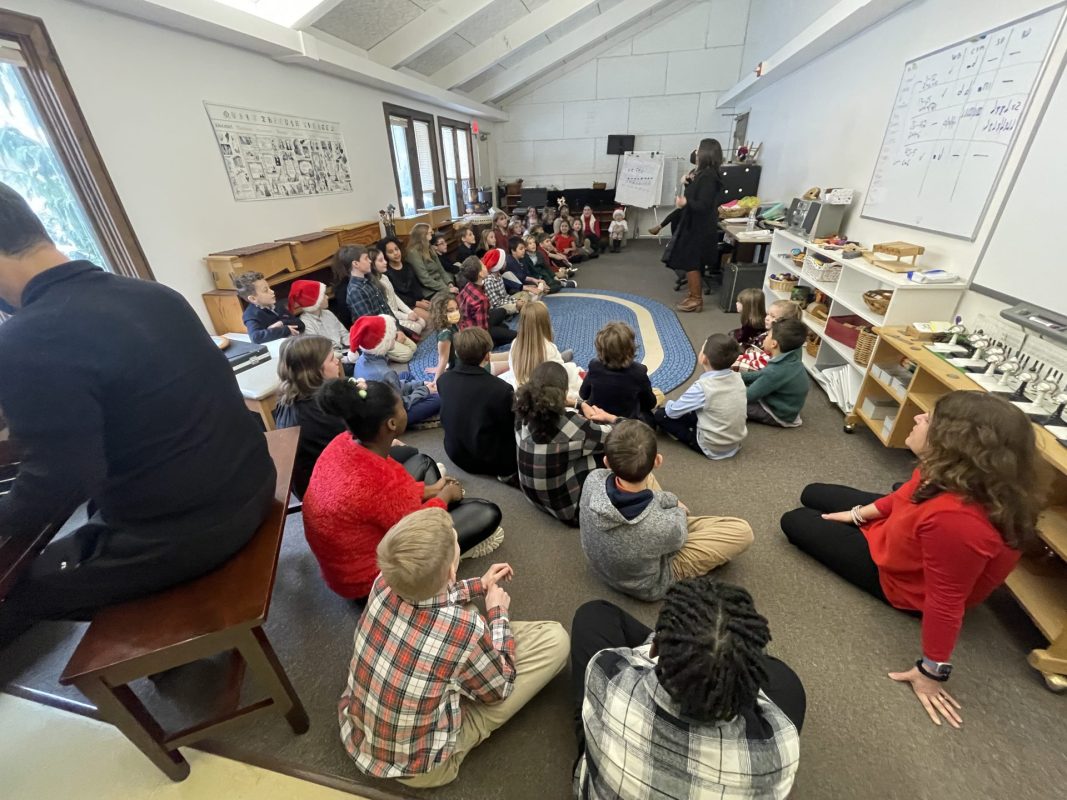
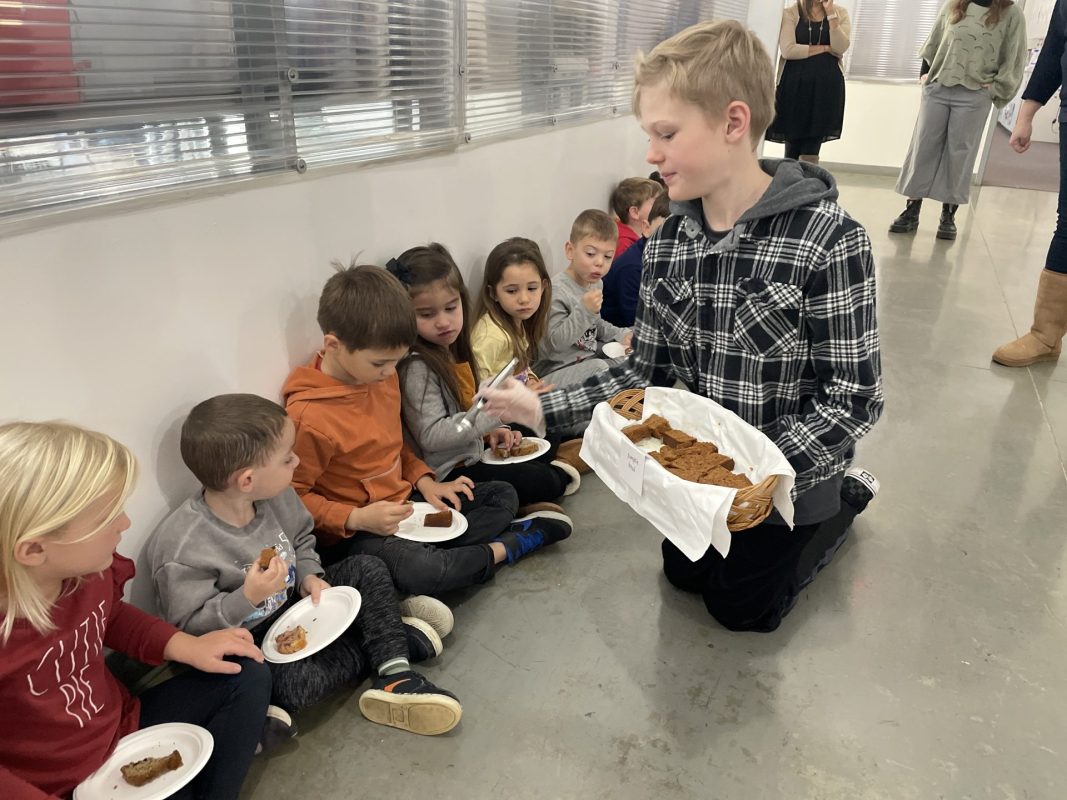
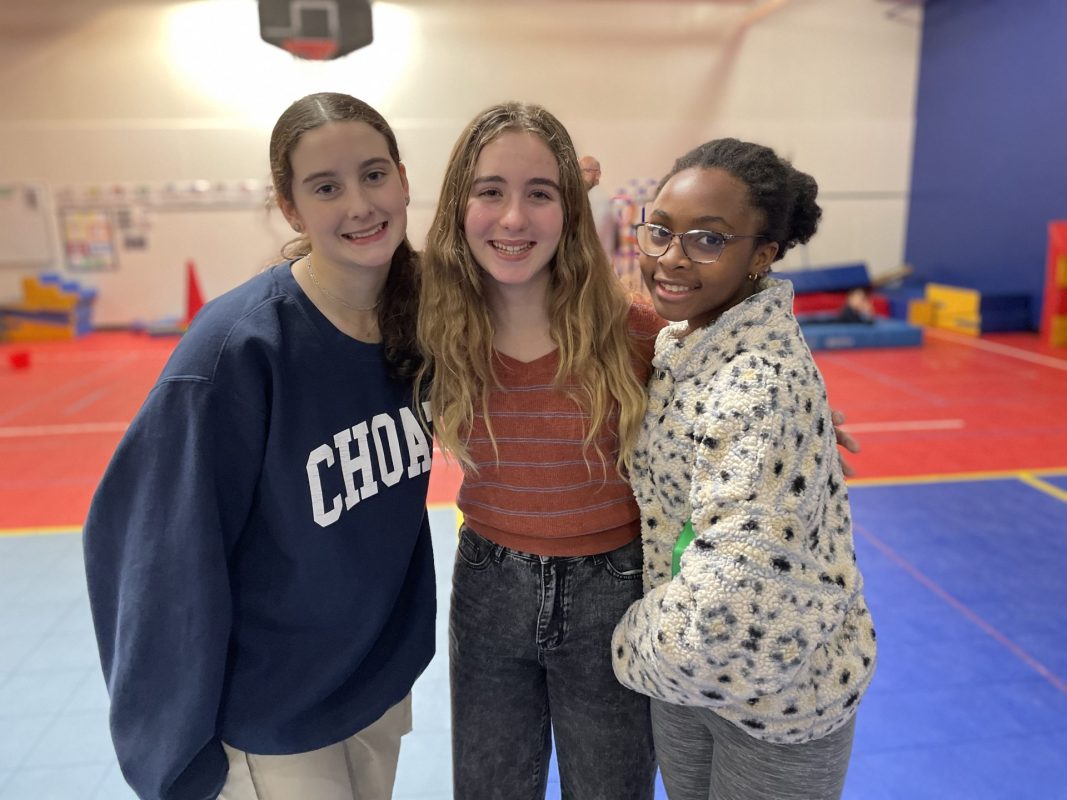
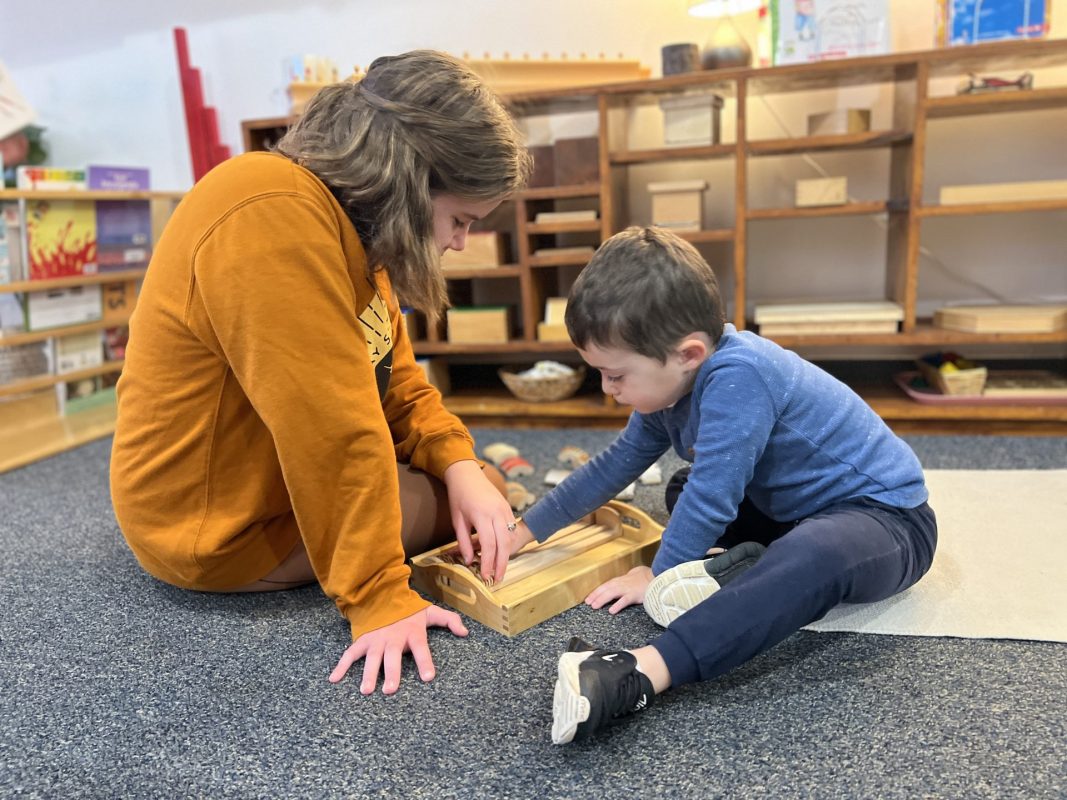
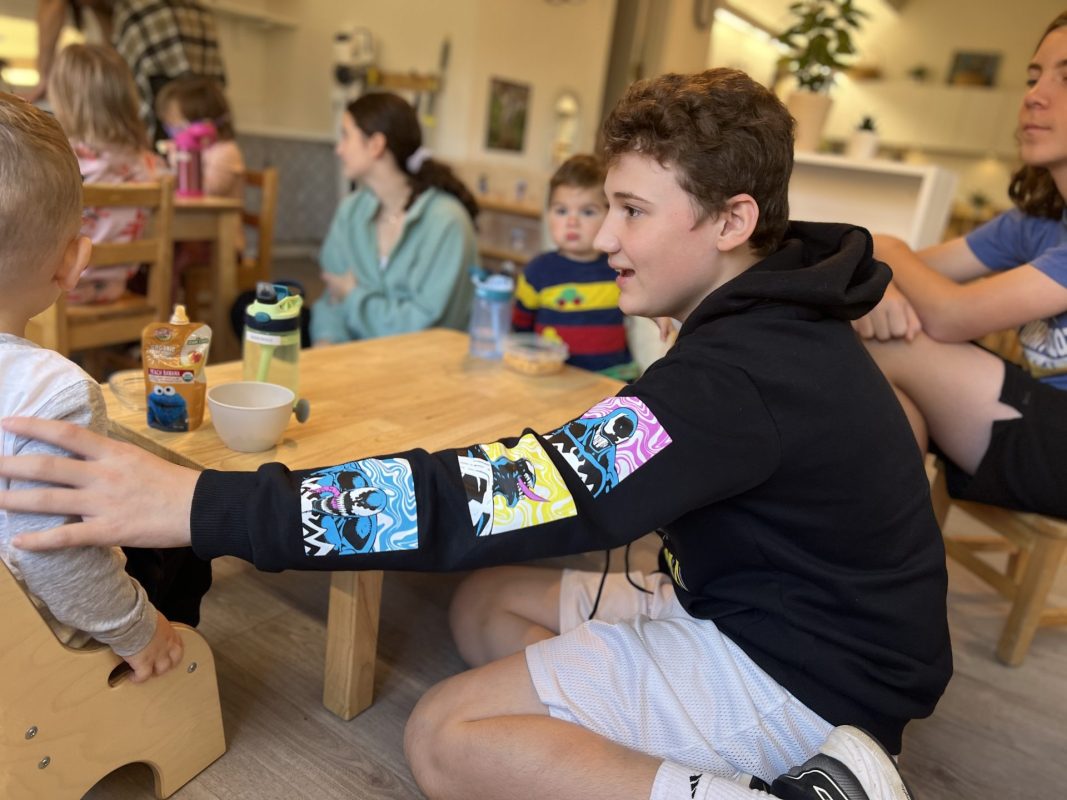
It was our first week working with the younger students in Community Service since early 2020. All Middle School students spend two periods each Wednesday morning with their younger peers. They helped with work, sat in circle, sang songs, and even read to the children. Everyone is excited to visit again next week.

Here’s an update for Science, Math, and Humanities:

Science

6th year Earth Science students have begun the year exploring how to generate an experiment to answer a question or solve a problem. Students spent several days identifying examples of dependent and independent variables from a set list of experiments while creating their own at the end. We have also begun our first unit from our Discovery Education tech-book, Earth’s History. Students will learn what factors influence the preservation potential of fossils and the information one might obtain is this discovery.

7th year Physical Science students have begun the term learning about the scientific process of combining and separating of mixtures. Students were tasked with separating a mixture in class using a variety of methods such as magnets, sifter, filter paper, and evaporation. Real world applications of this practice such as the clean up of oil spills was later discussed and analyzed.
8th year Life Science students have begun the term on the unit, Cell Theory. Within this unit, students are first introduced to the three tenets of cell theory which state, “All living things come from preexisting cells, cells are the basic unit of life, and all organisms are made up of one or more cells.” Students are working on identifying similarities and differences between a plant and animal cell, which they will represent by creating their own plant/animal cell cake. Students will choose items to represent and identify each cell’s organelles using foods of choice that best represent each organelle. Students will present their work to the middle school students once completed.
Math
Welcome to Middle School Math! Students are off to a busy start with textbook distribution, completing their first homework questions, and practicing note taking skills. Ms. Sutherland is excited to learn and grow this year alongside the energetic middle school mathematicians.
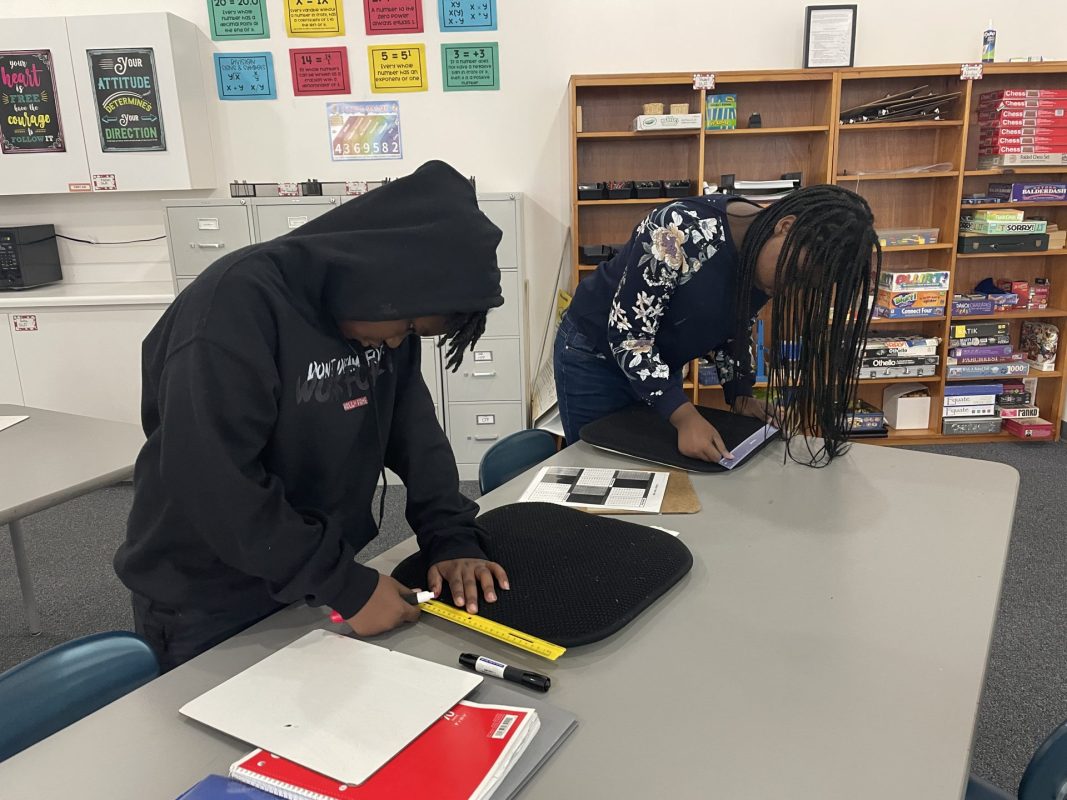
In Pre-Transition class, students reviewed how to write numbers in written form and identify place values in large numbers. This class can measure units in customary units and divide line segments into equal parts. This class is working towards their first quiz on Wednesday, September 21st.
In Transition class, students learned how to use rational numbers to solve real world problems, graph values on a number line, as well as multiply by powers of ten. This class can use inequalities to compare numerical values and can definite a rational number.
In Algebra class, students explored how to use variables to describe real world situations, determine if expressions are equivalent, as well as identify the associative and commutative property of multiplication/addition. This class is learning how to use a new graphing software (Desmos) and how to substitute values into an algebraic expression.
As a general reminder,  daily homework assignments (lesson master worksheets) are due at the beginning of each class. Math Help Sessions are embedded into the Wednesday timetable for students to receive extra one on one support.
Math Joke: Hey, have you ever noticed what’s odd?…….. Every other number!
Humanities
All Humanities classes completed Identity Maps to start the year and they are posted in the classroom. Theses maps include identifiers and visually represent what each student wishes their peers and teachers to know about themselves. They can certainly change each year, so it is a great way to start fresh.
All classes also presented their summer independent reading presentations to classmates. There were great book choices and a good mix of genres. Ms. Lamb also added some books to her must-read list!
In addition to the work above, the 6th grade Humanities class did some additional group-forming activities. While the group already knows each other well, they found some new information they didn’t know about each other. This helps students become comfortable sharing with each other. In Humanities class, students often share personal writing and perspective, so these additional activities help with listening and responding. Next week, students will begin vocabulary and a unit surrounding their summer novel, Becoming Naomi Leon by Pam Munoz Ryan.
7th grade Humanities class began their unit surrounding China and their summer novel, Ties That Bind, Ties That Break by Lensey Namioka. They researched and defined some key vocabulary that will be seen in their study of this region and completed political maps of China. Finally, students completed their first unit of vocabulary and a writing assessment to identify their independent writing skills at the start of the year.
8th grade Humanities classes took part in written and spoken discussion surrounding their summer novel, The Giver by Lois Lowry. With the idea that the setting of the book is supposed to be Utopia, they reviewed parts of the novel that were, in fact, dystopian. They also went over the most shocking events of the novel and will complete a final writing assignment surrounding the book next week. Finally, they also completed a unit of vocabulary as well as a writing assessment to identify their independent writing skills at the start of the year.
Have a wonderful weekend! It’s feeling like fall!
Middle School: Forming the Group

Middle School had a fabulous start to the year this week! The students came in energized and ready to go. They met teachers, new and old, with warm welcomes. In academic classes, teachers and students spent time going over units for the year and assessing skills. The best part of the week was forming our new Middle School community.
Among other personal and team building activities, students came together to form goals for themselves using a ribbon contract. Each student was asked to think of a personal goal for the school year both having to do with school as well as outside of school in their personal lives. Each goal was represented by a knot in a ribbon. In the end, they tied their ribbons together as a promise that they would hold each other accountable for their goals and help friends achieve theirs.

It has been a wonderful, short week full of smiles, discussion, and creativity. If this is any indication for what’s to come, we are all in for a spectacular school year.

**We are thrilled to welcome you into the school for Curriculum Night on Thursday, 9/15 at 5:30pm. Please park at Sand Hill Plaza to pick up the shuttle bus that will be running from 5:00-7:30 pm.**


Middle School: See You Later!

Never “Goodbye,” but “See you later!” That’s a wrap on the 2021-22 school year! It’s been a year of growth for everyone and full of memories. We ended with an awesome spirit week that included Park Day!

As we wish our 8th grade class a fantastic transition from Fraser Woods to high school, we welcome a new 8th grade class as well as brand new Upper El students to middle school.

Have a beautiful summer, everyone! We will miss you!

Love,

The MS Team (Michelle, Zak, & Megan)