Middle School: Week in Review

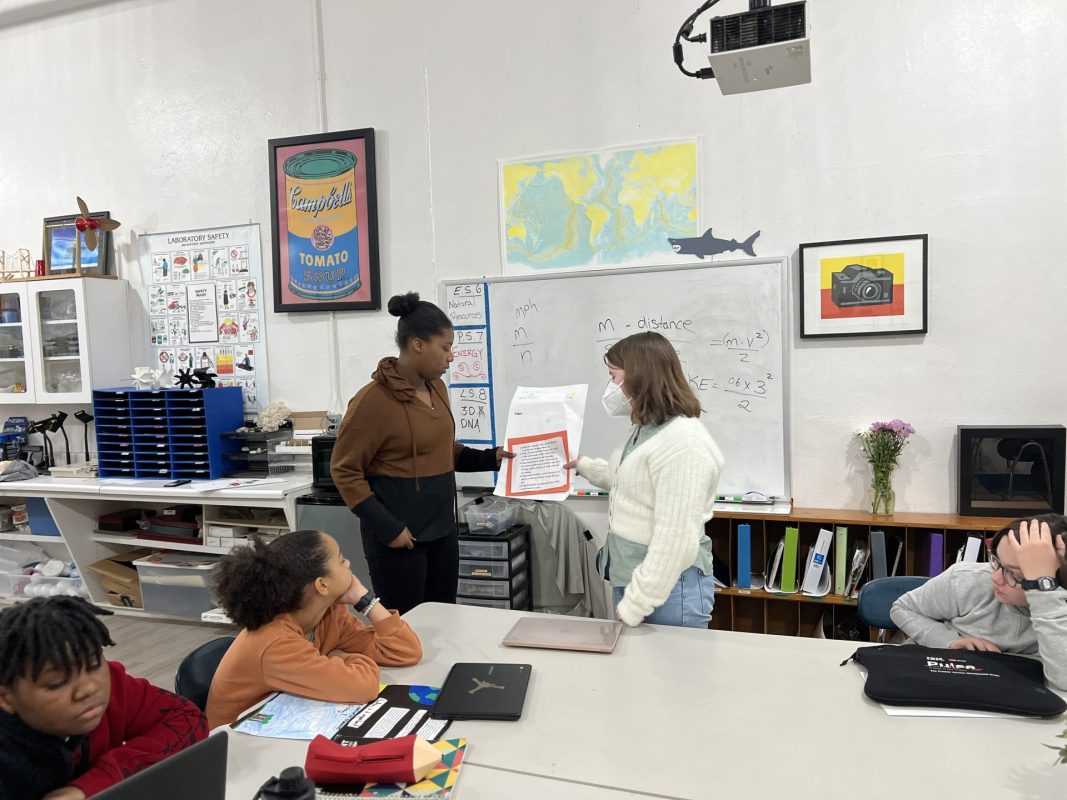
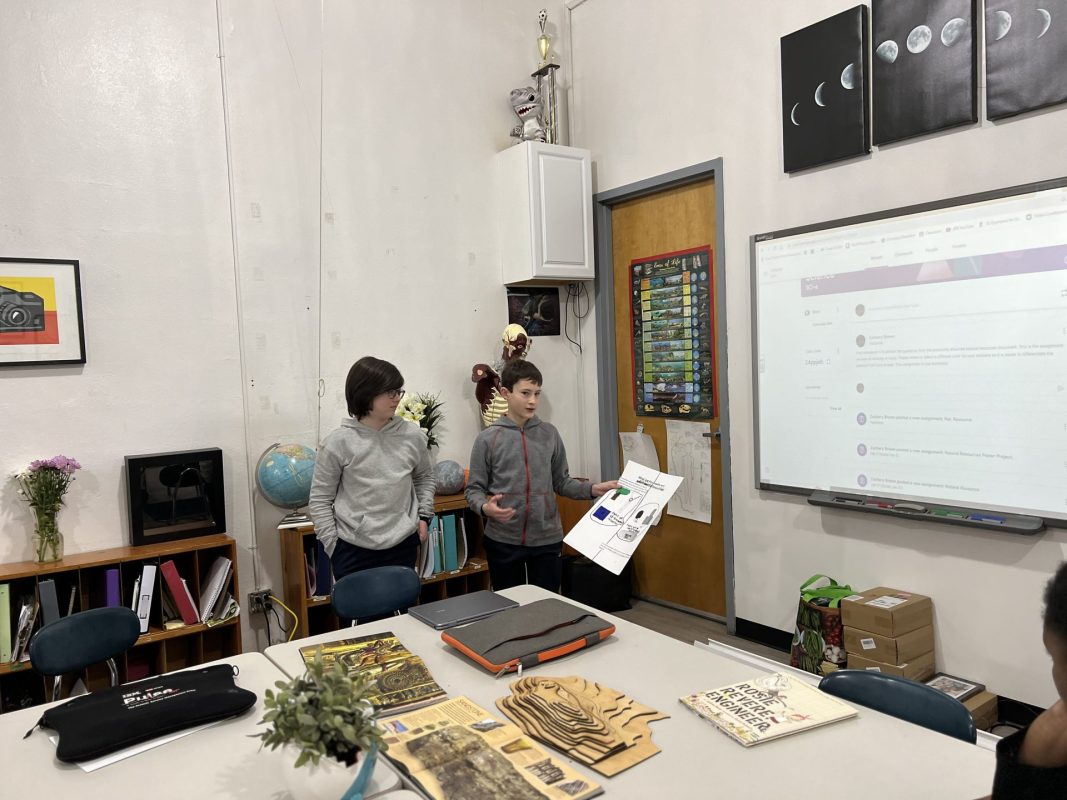
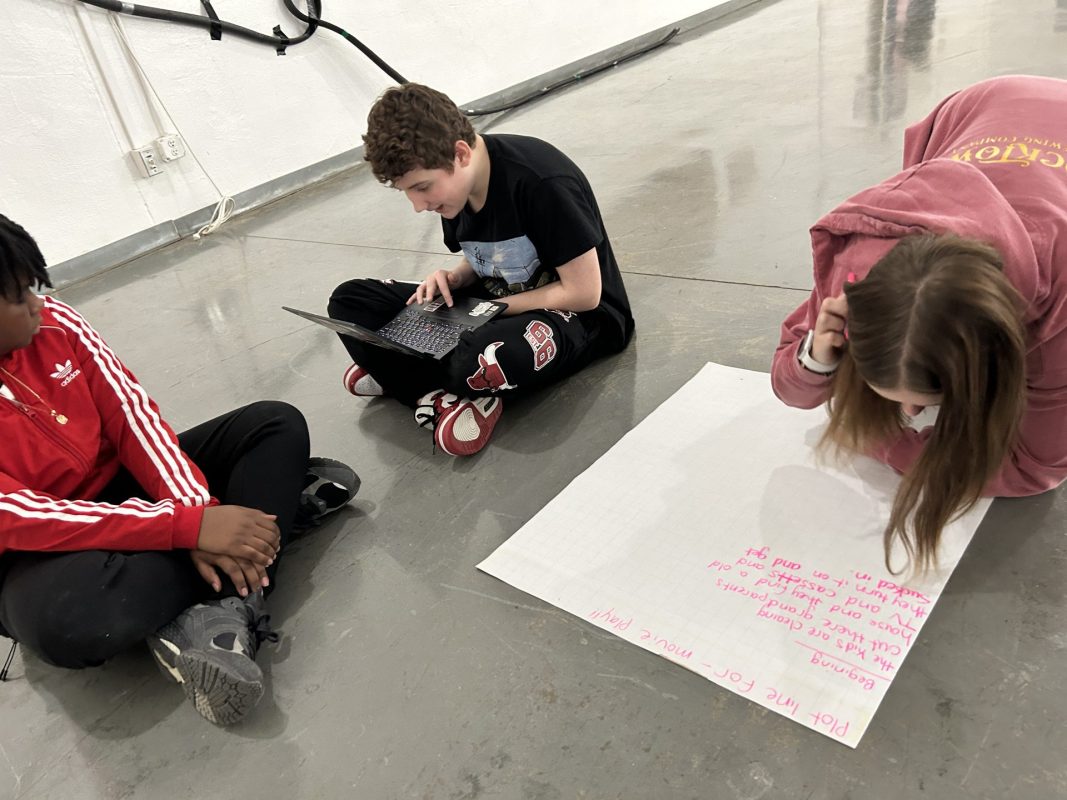
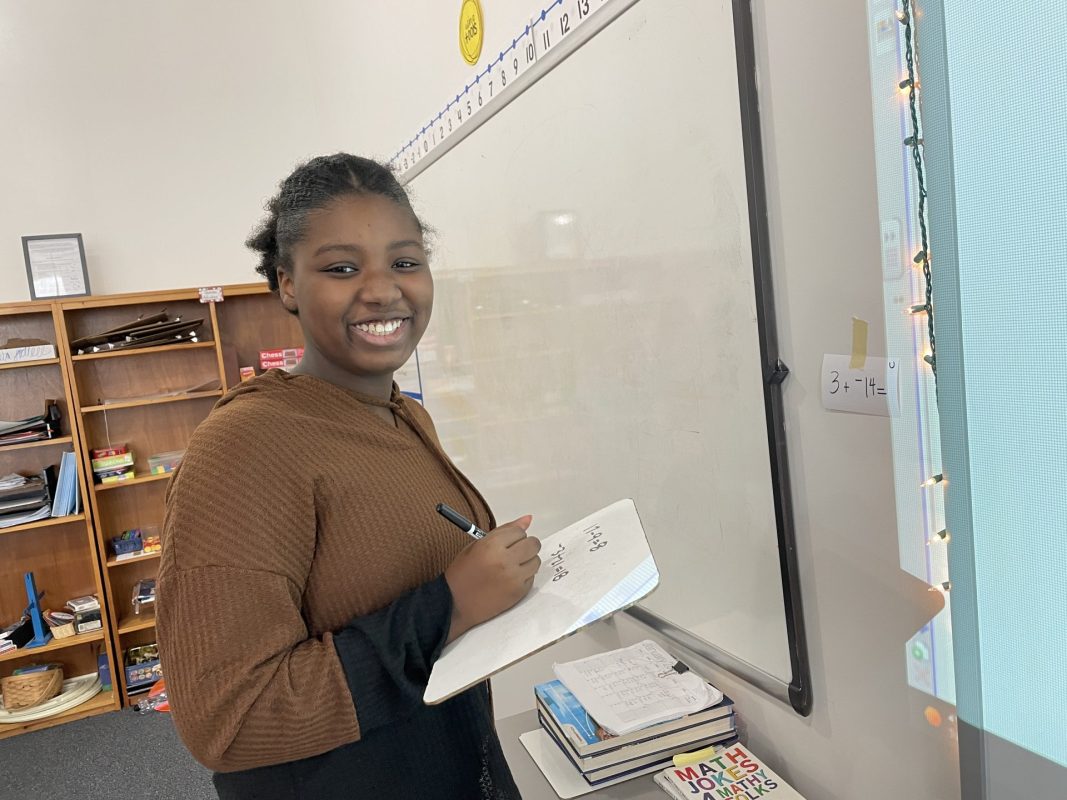
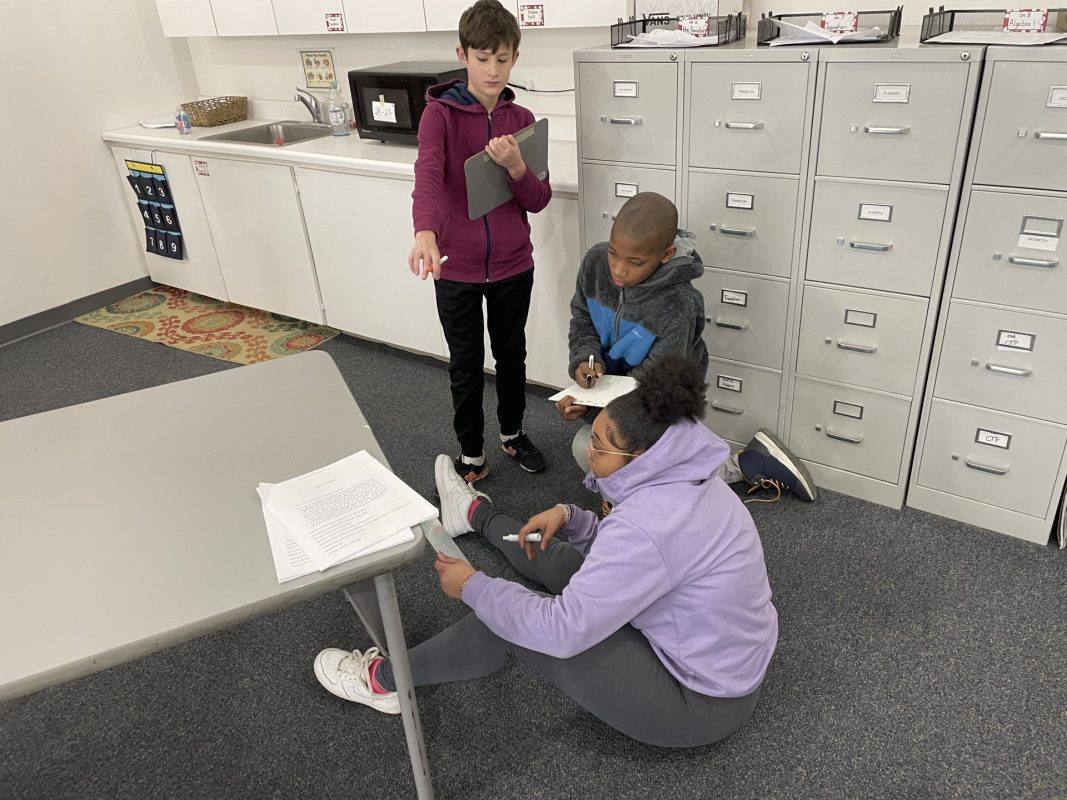
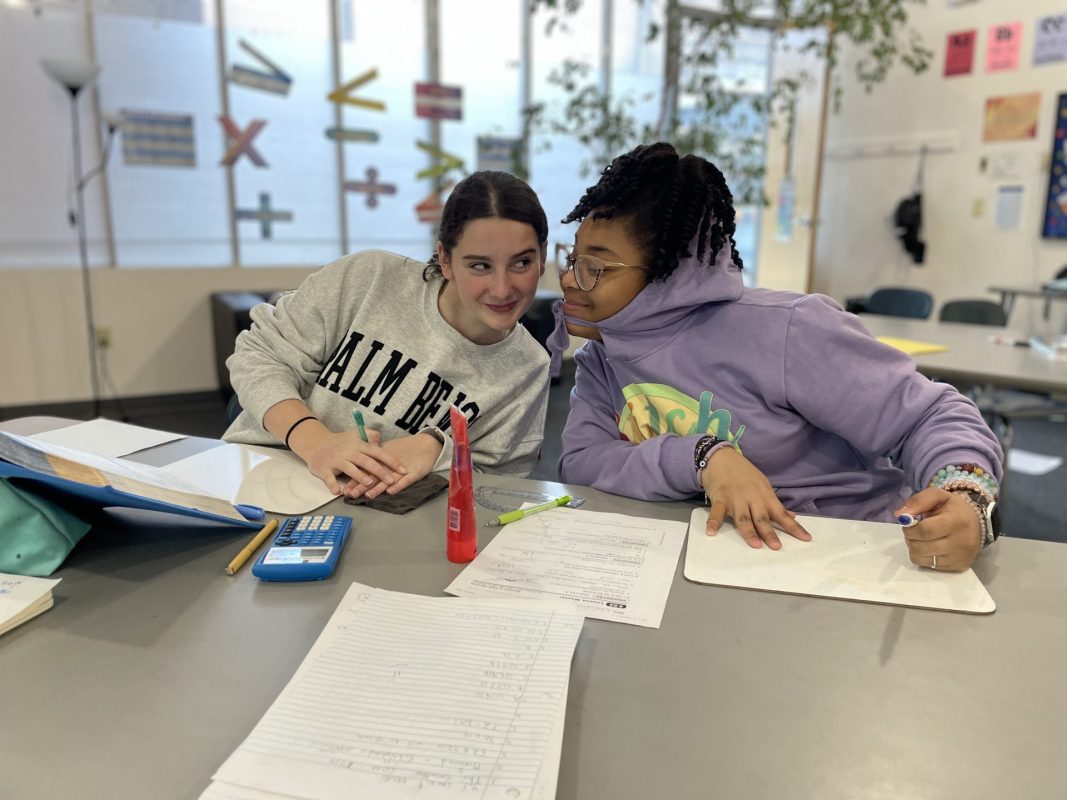
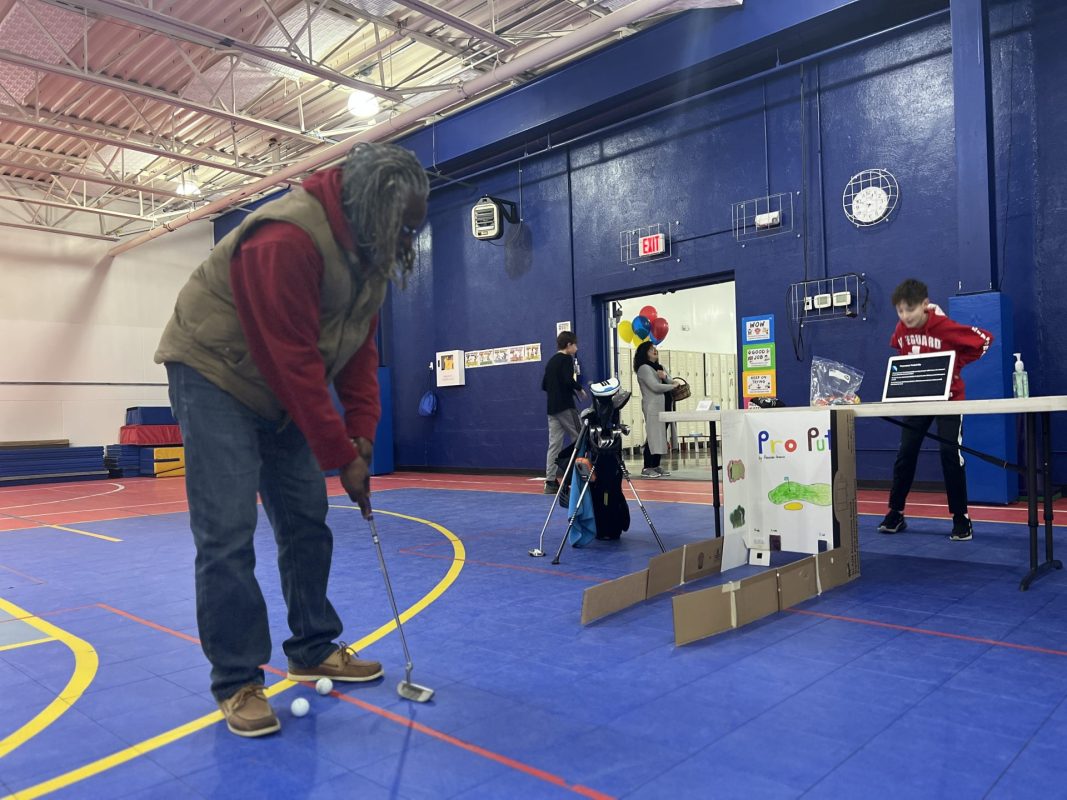
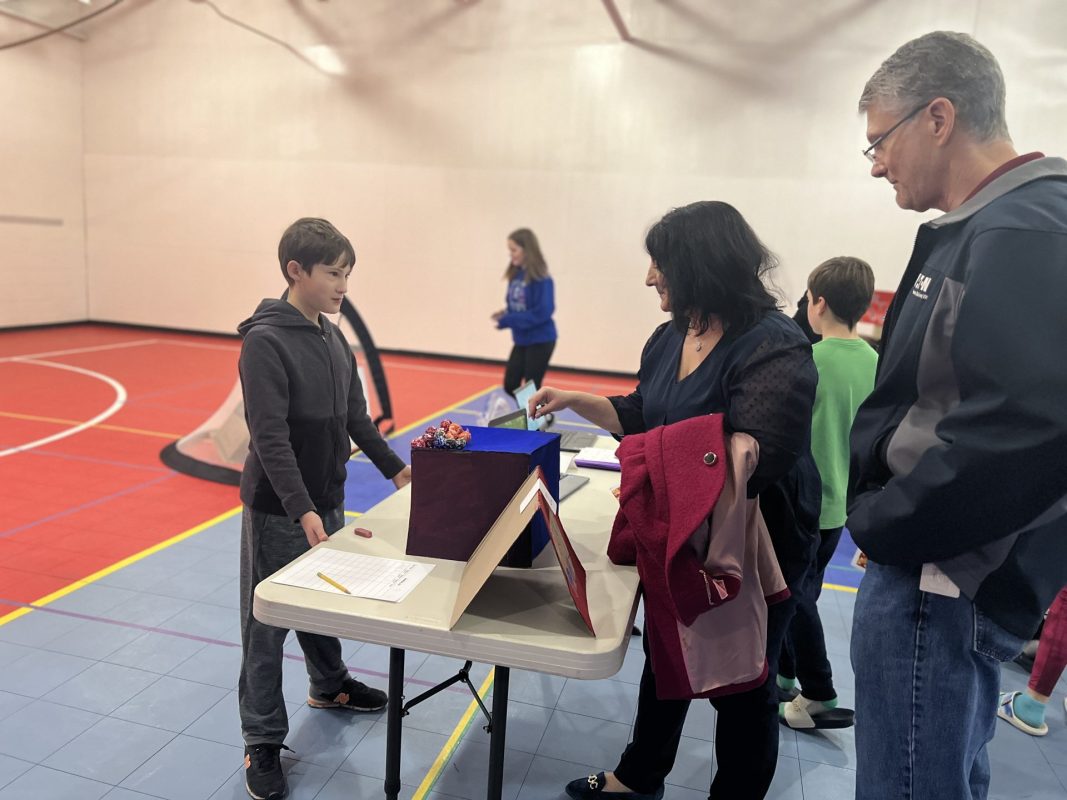
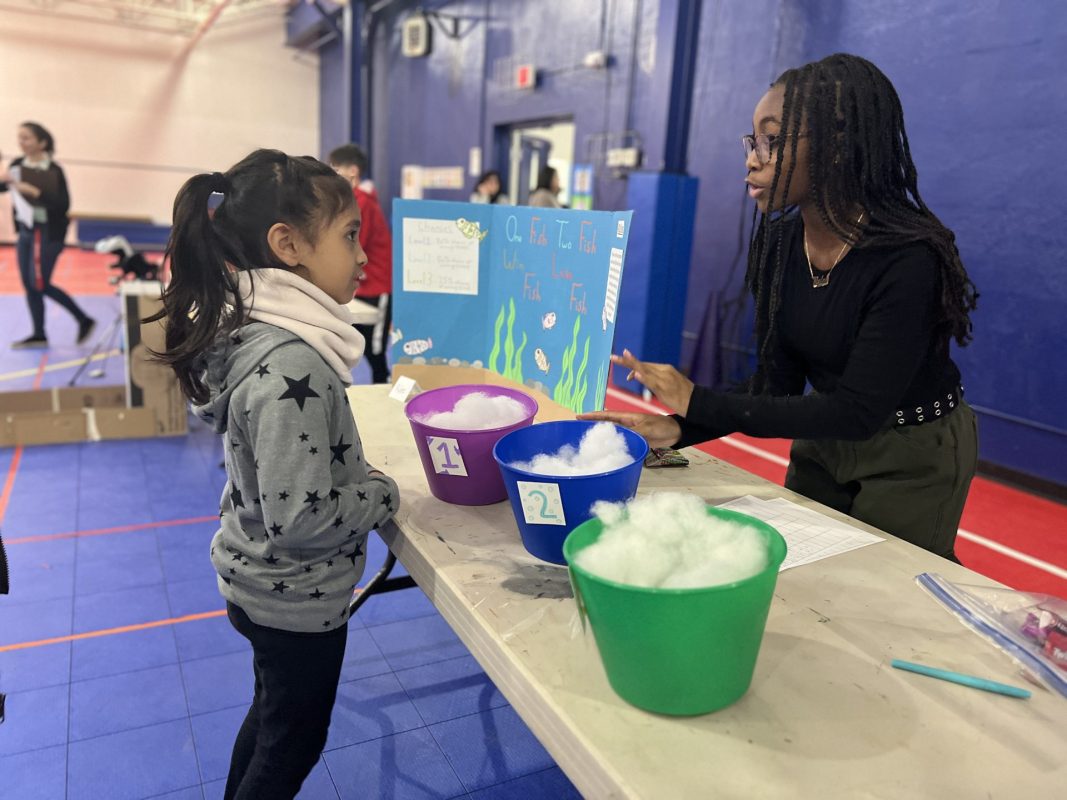
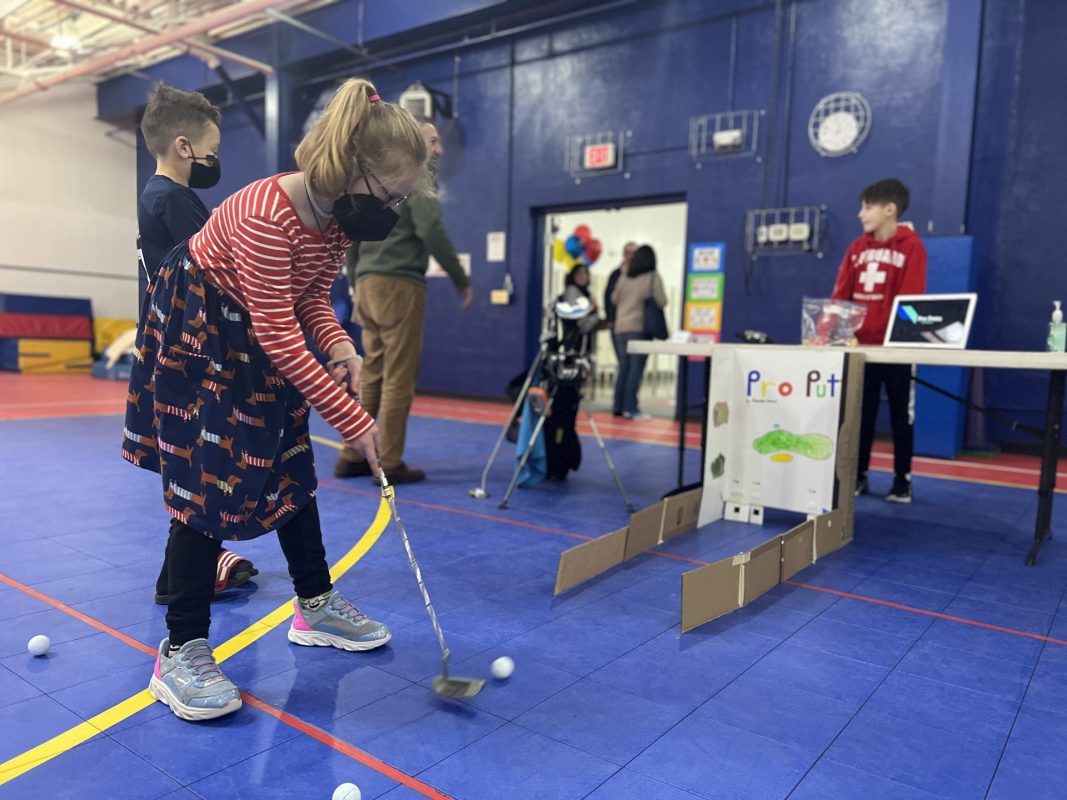
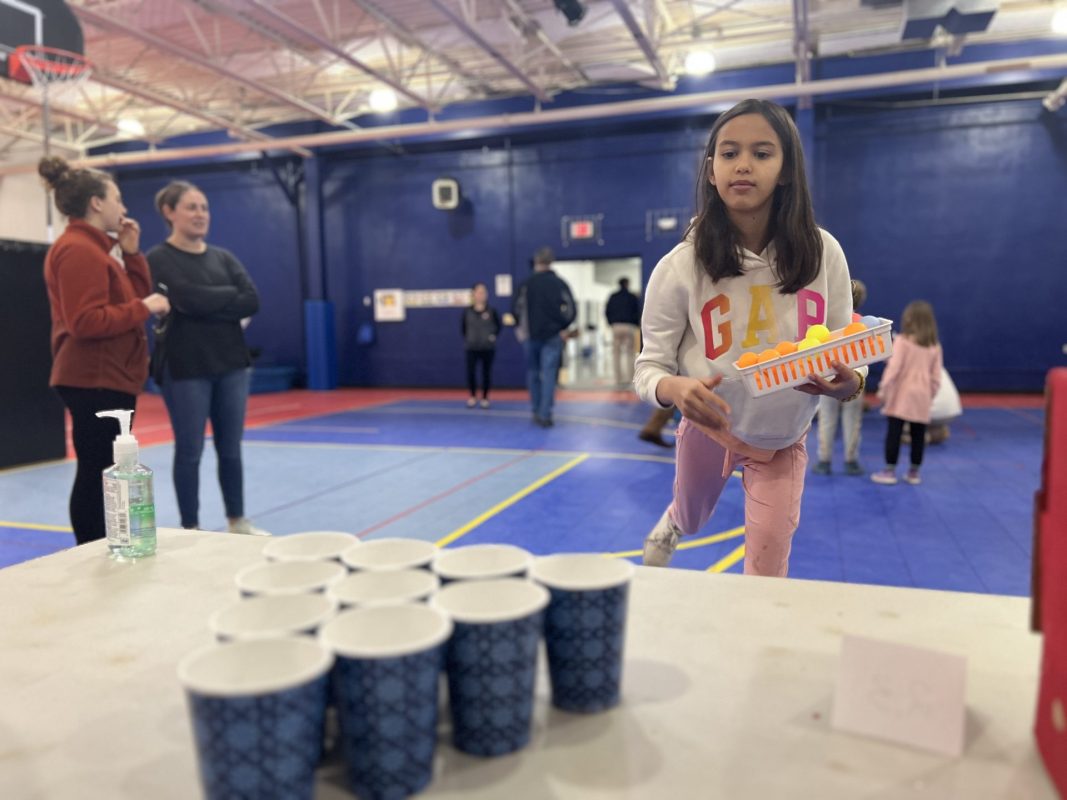
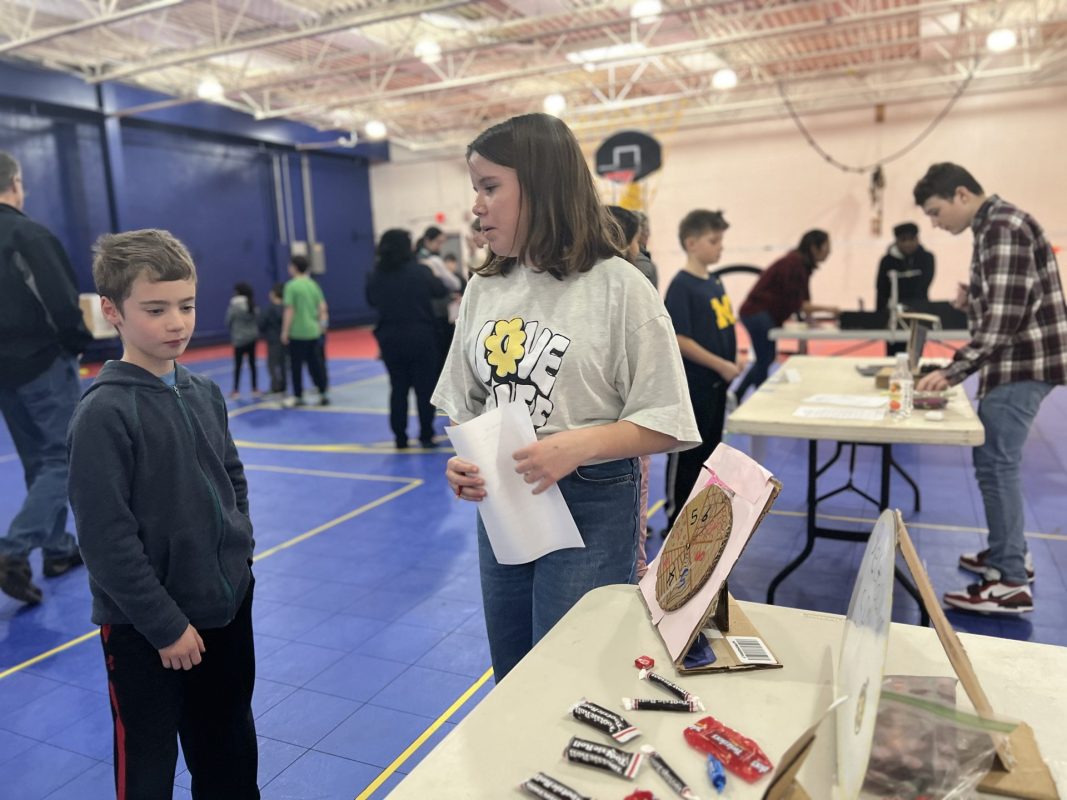
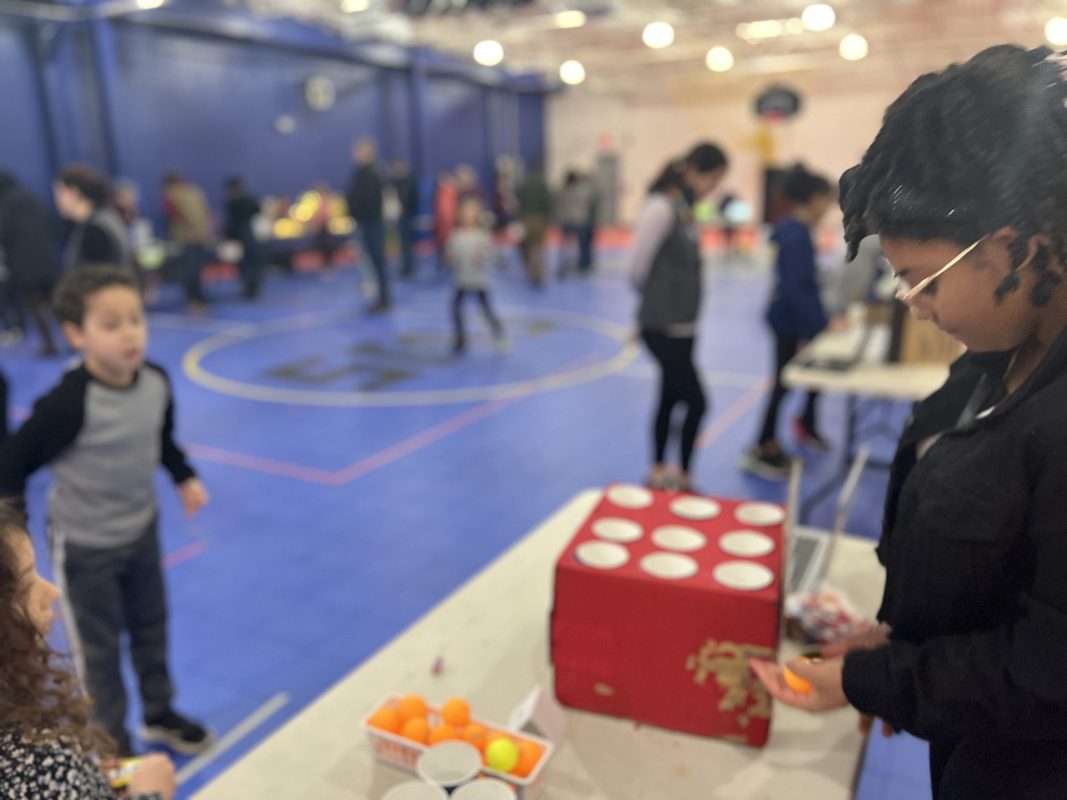
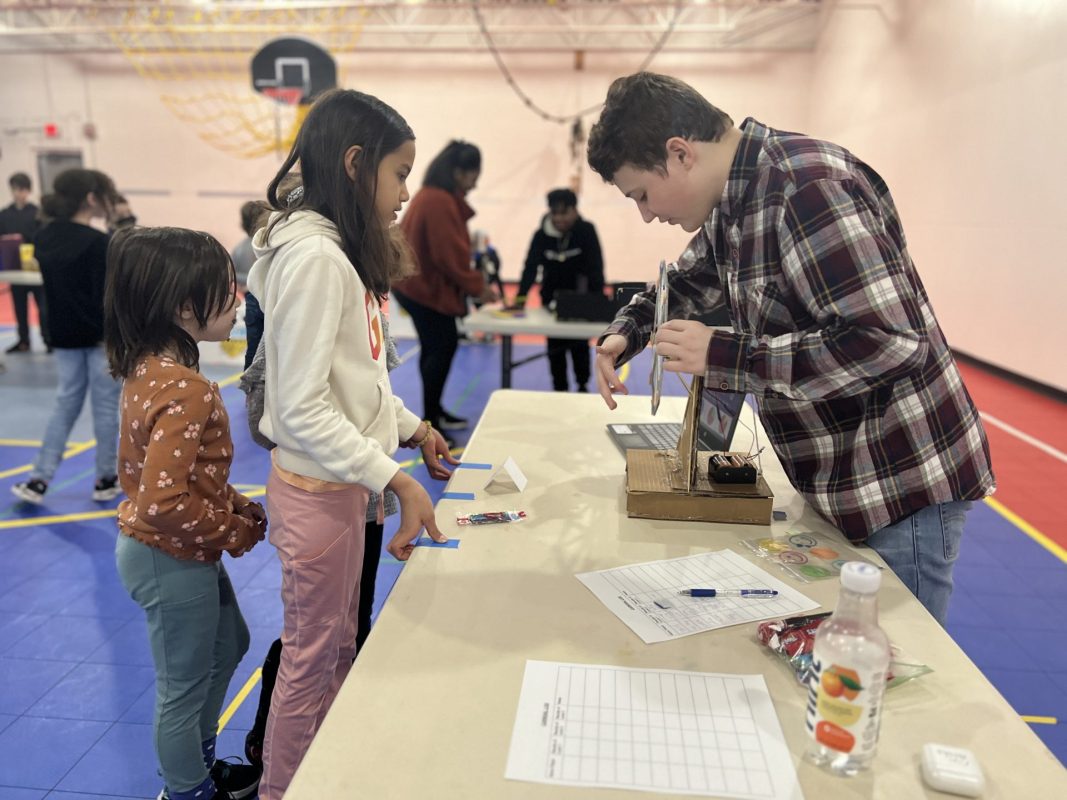
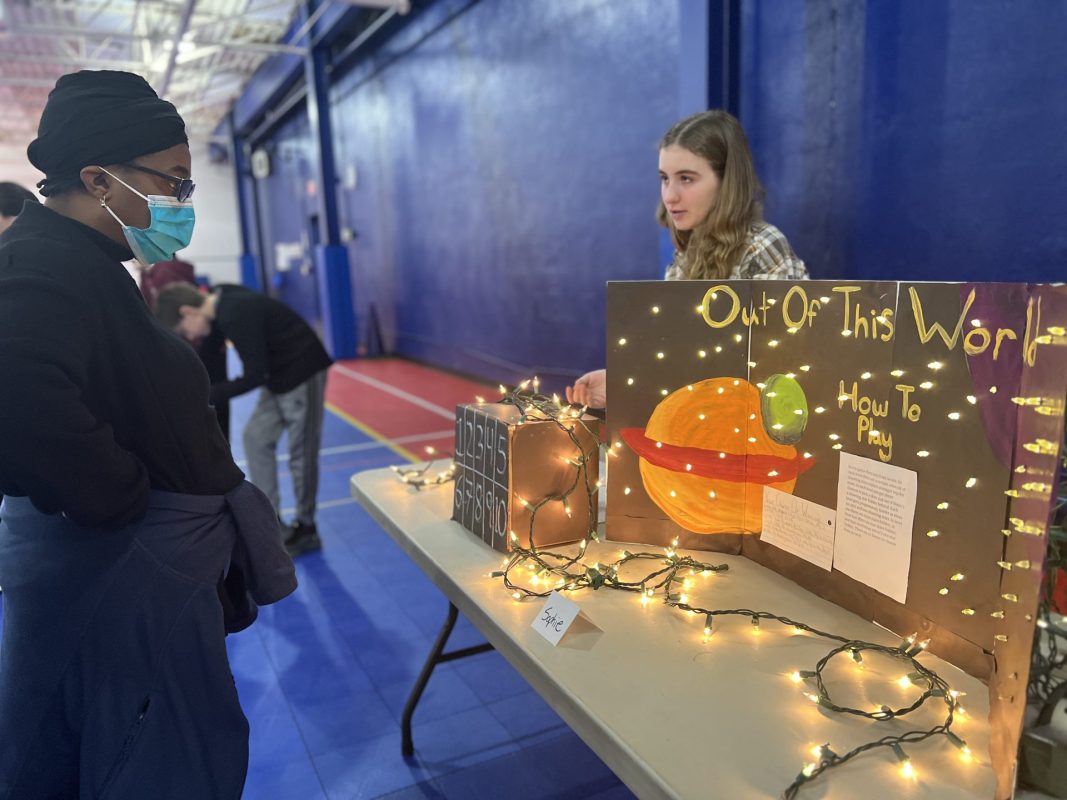
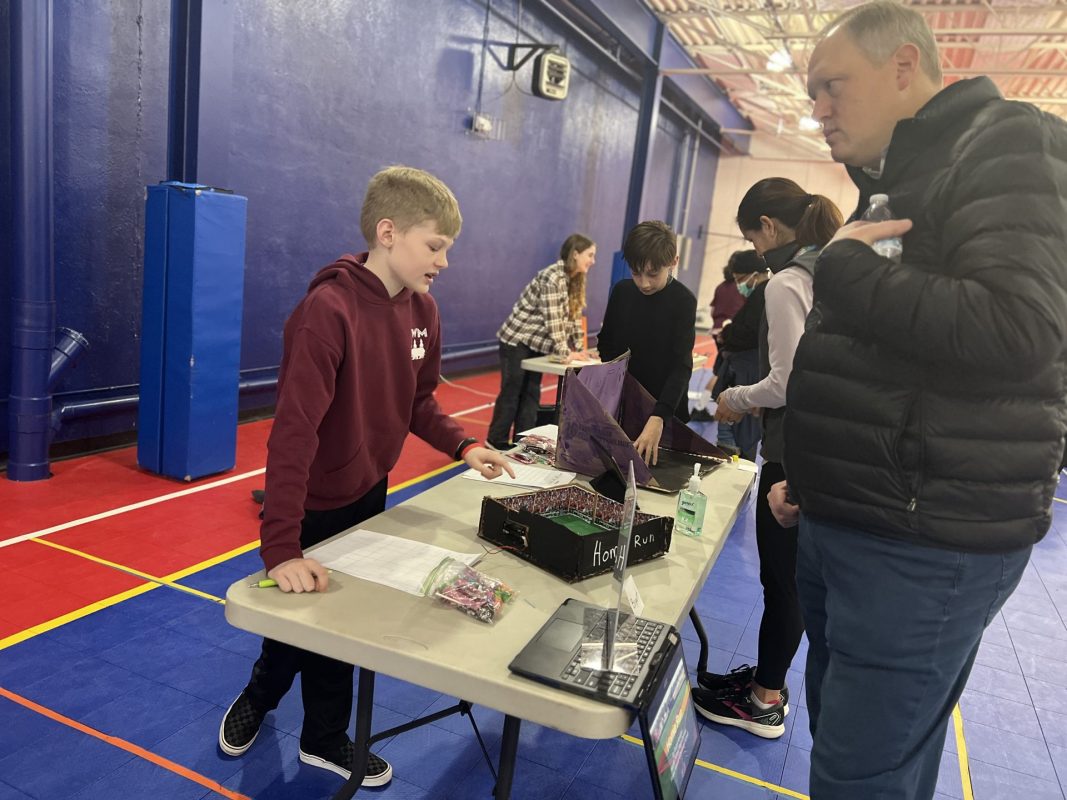
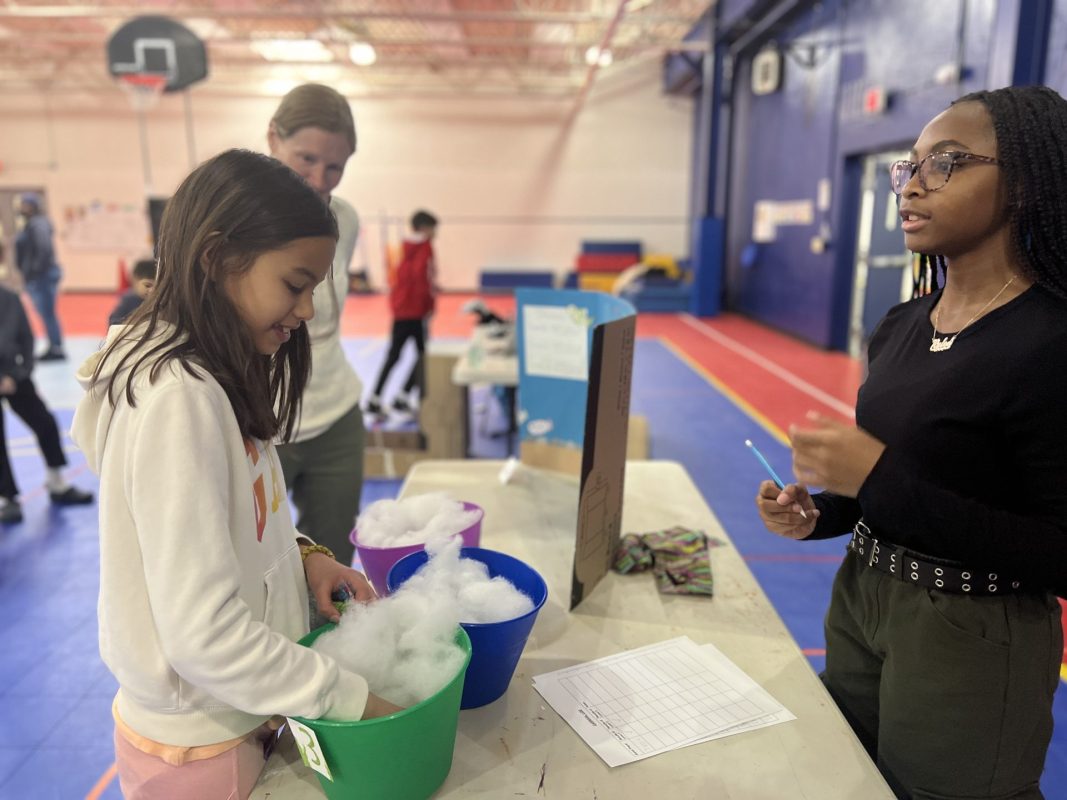
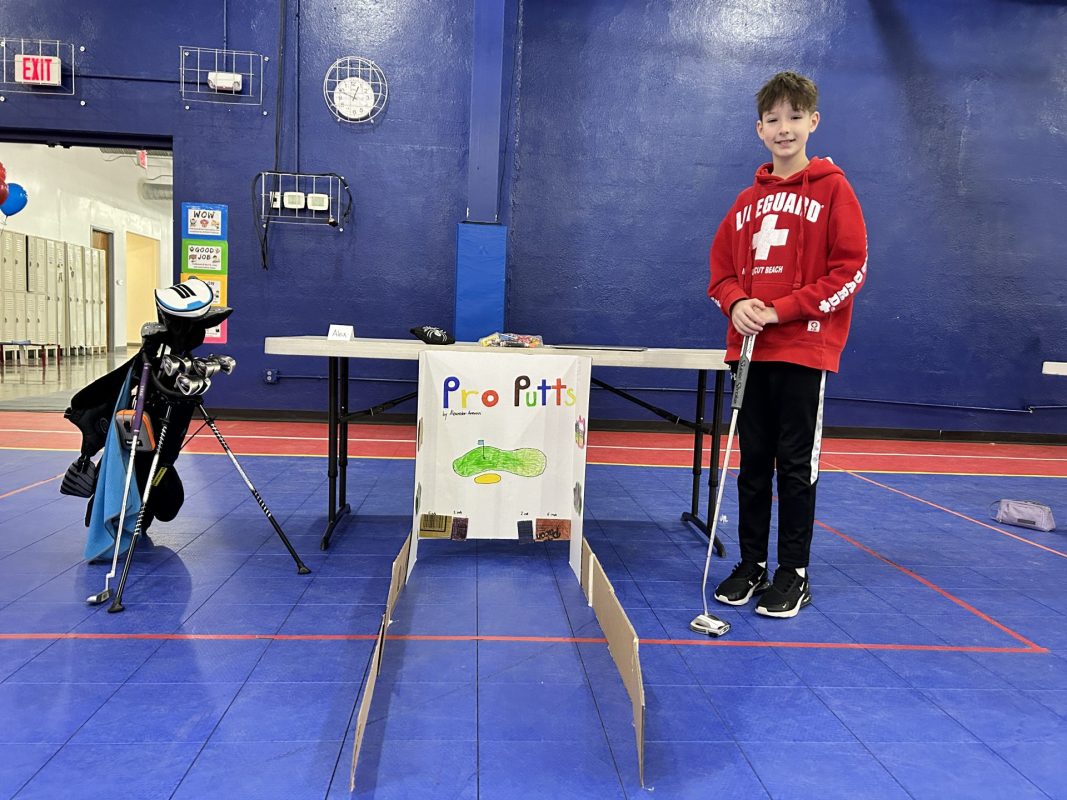
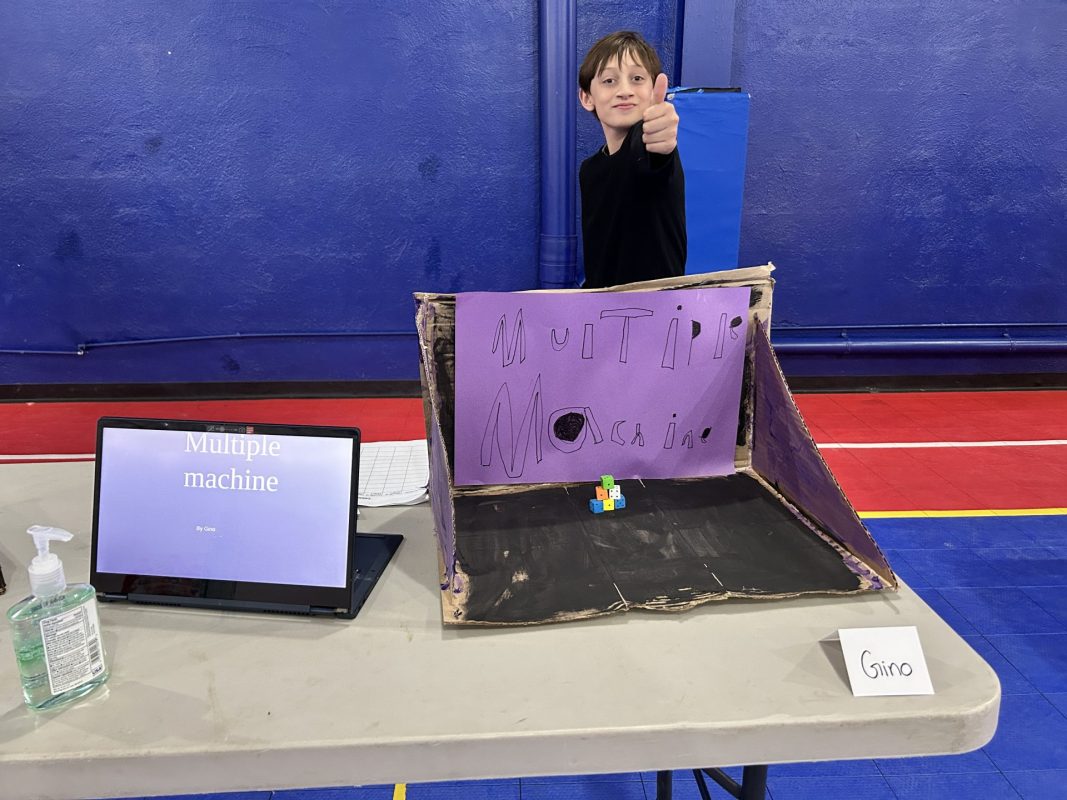
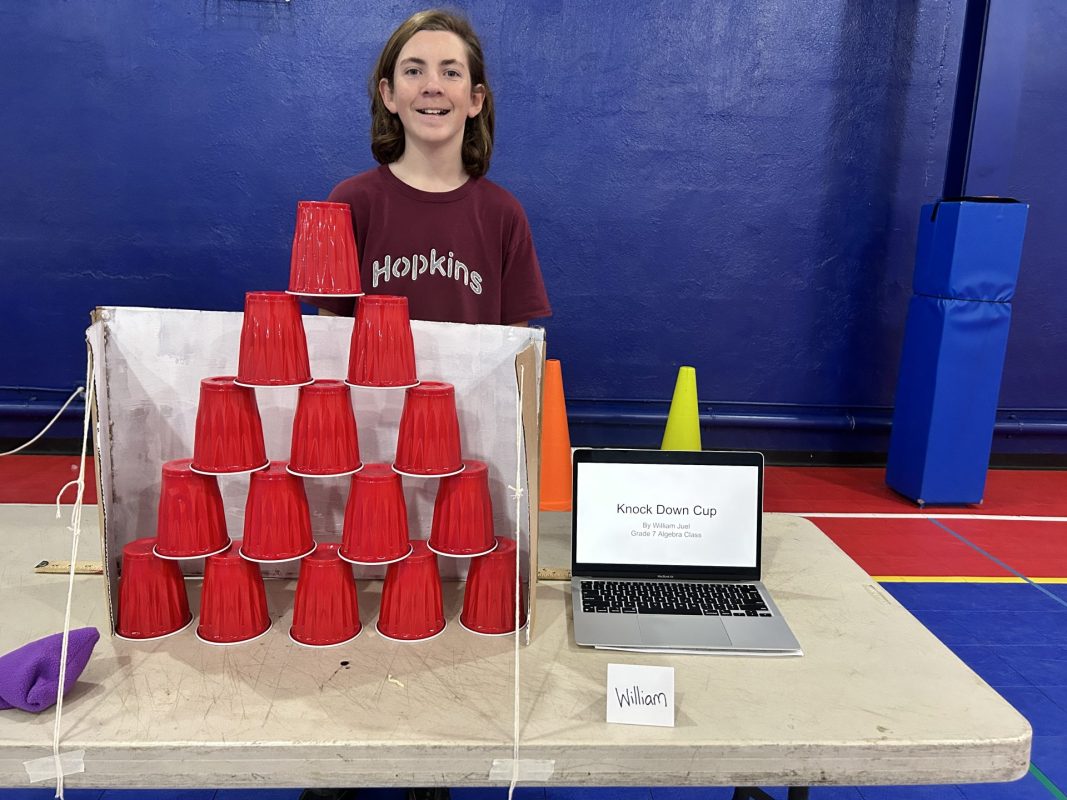
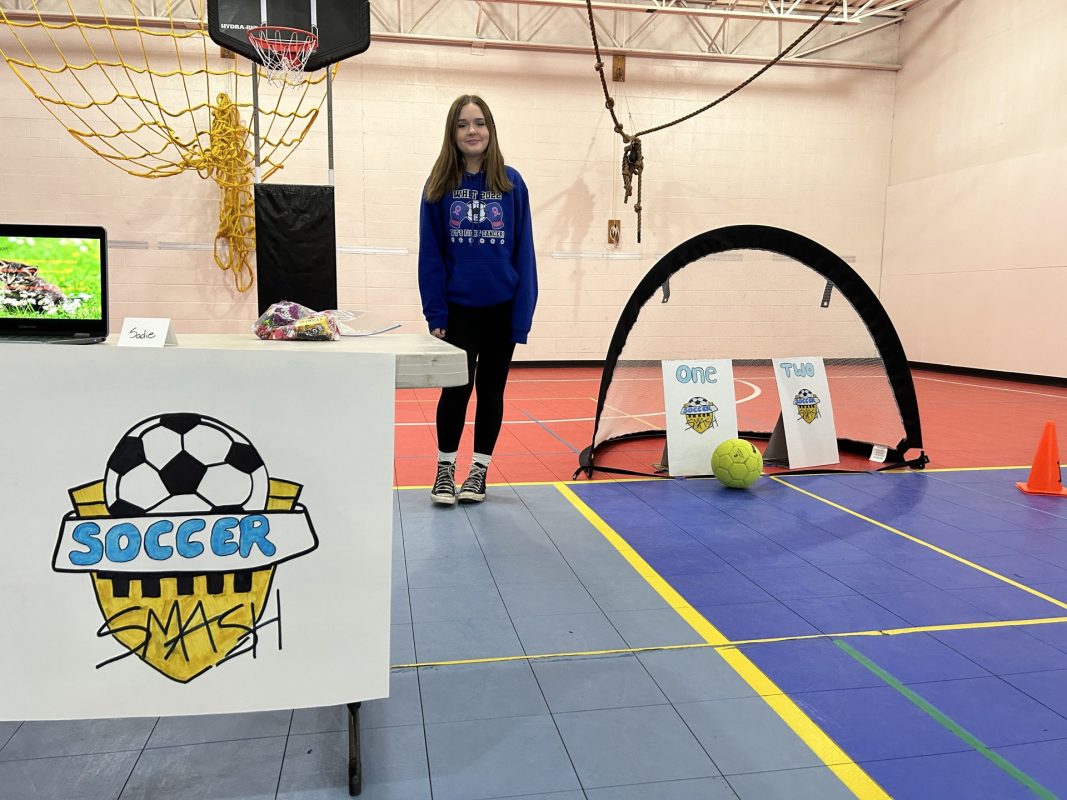
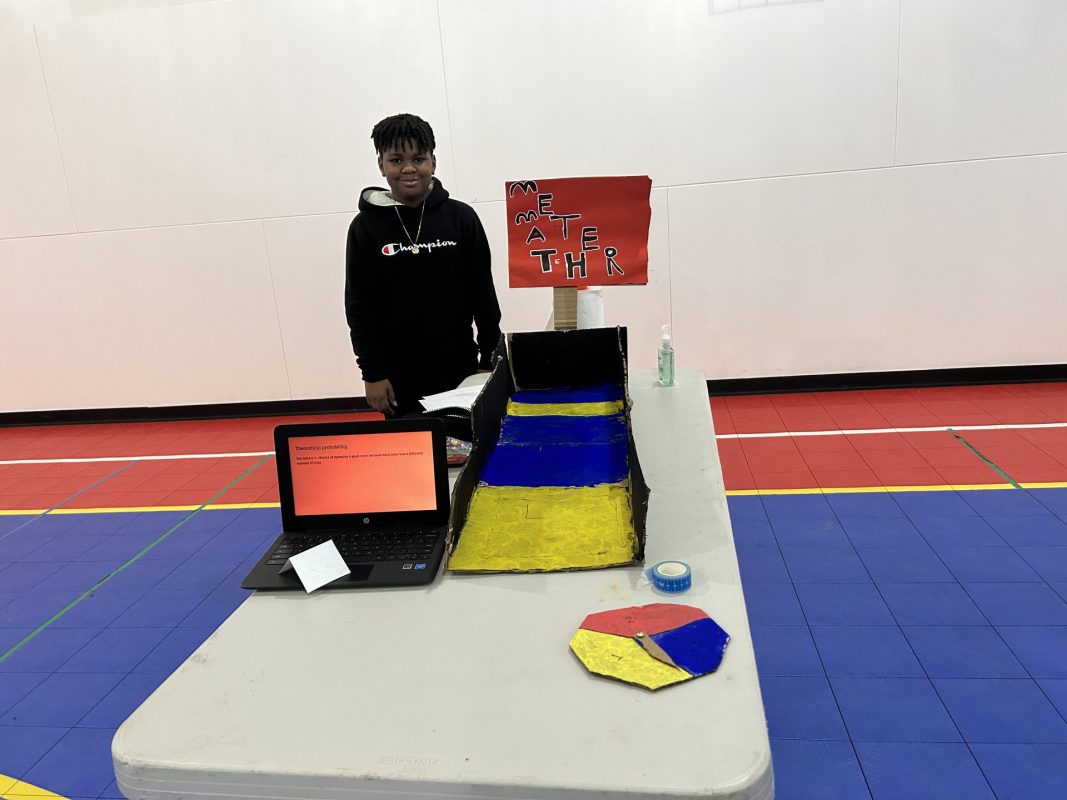
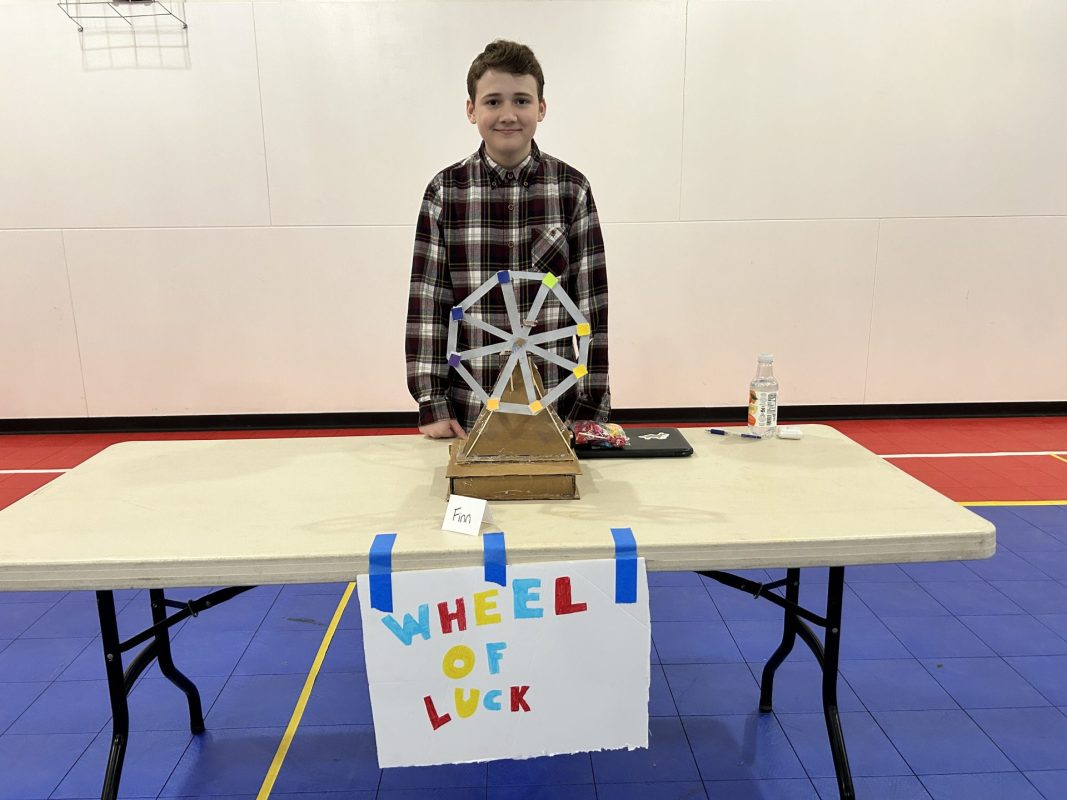
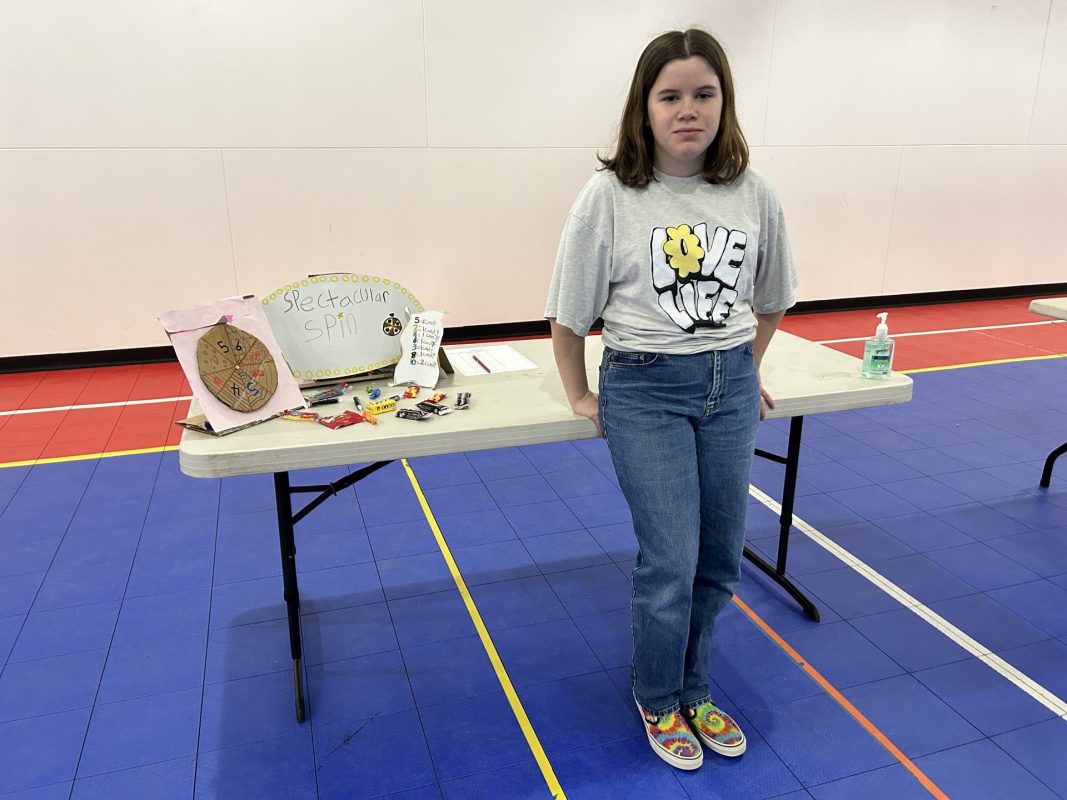
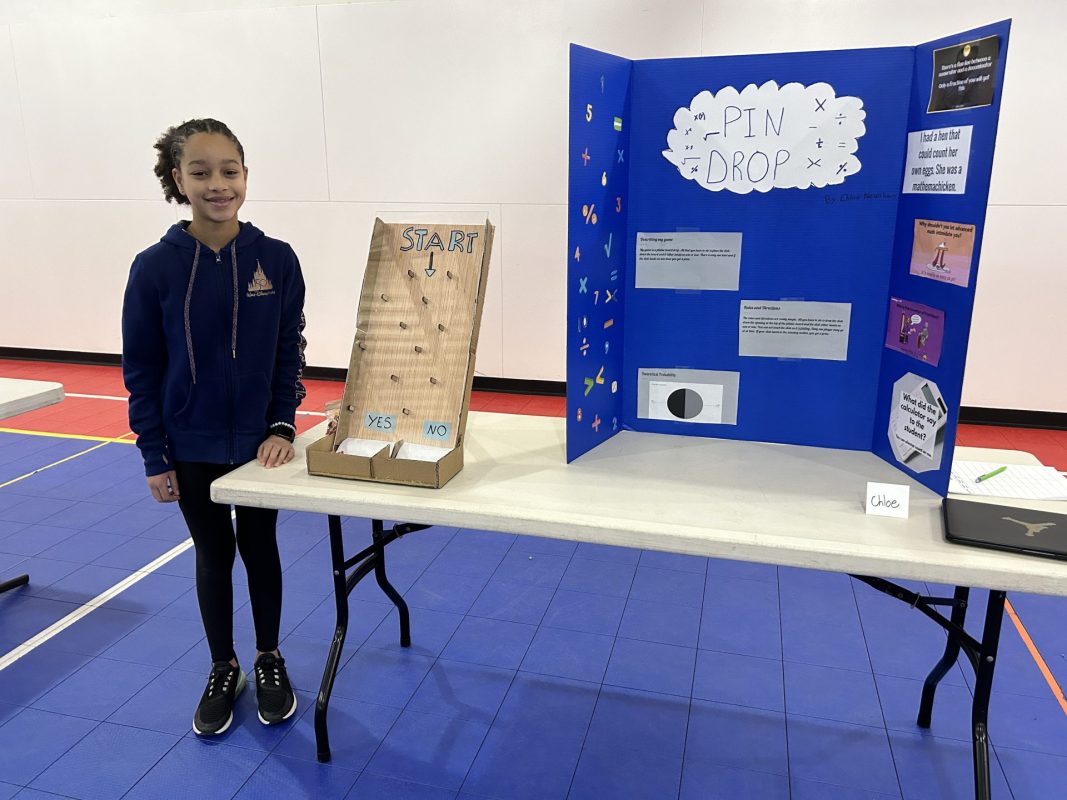
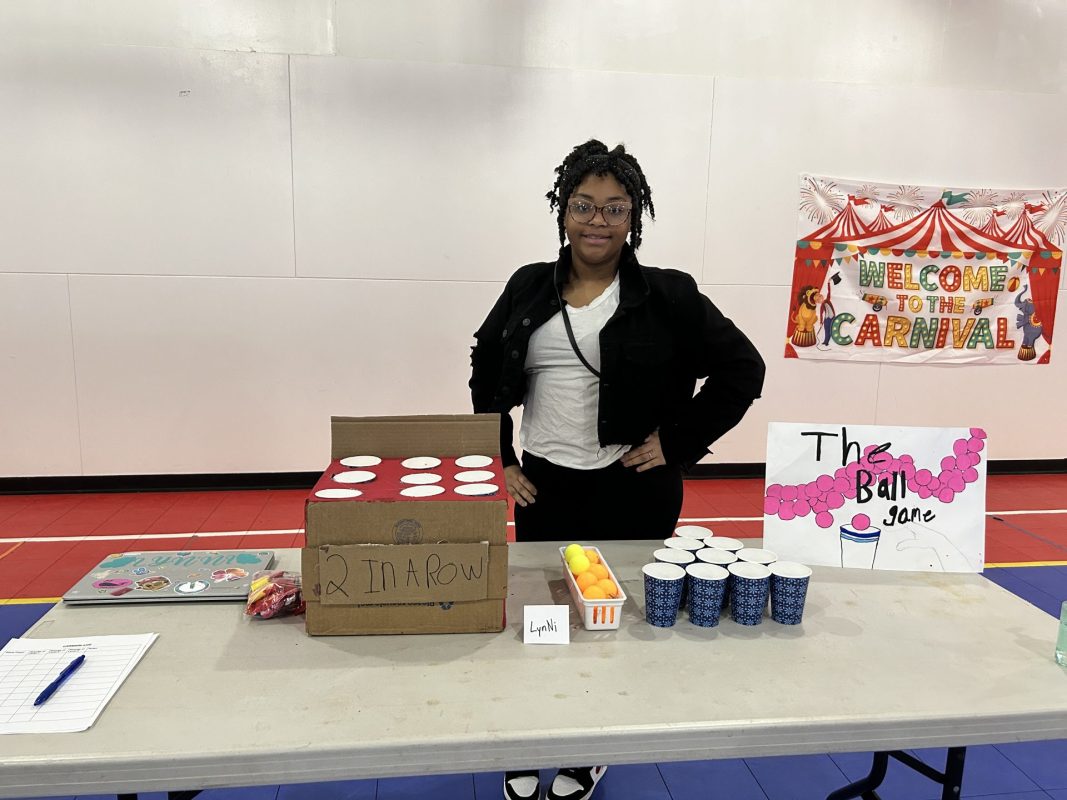
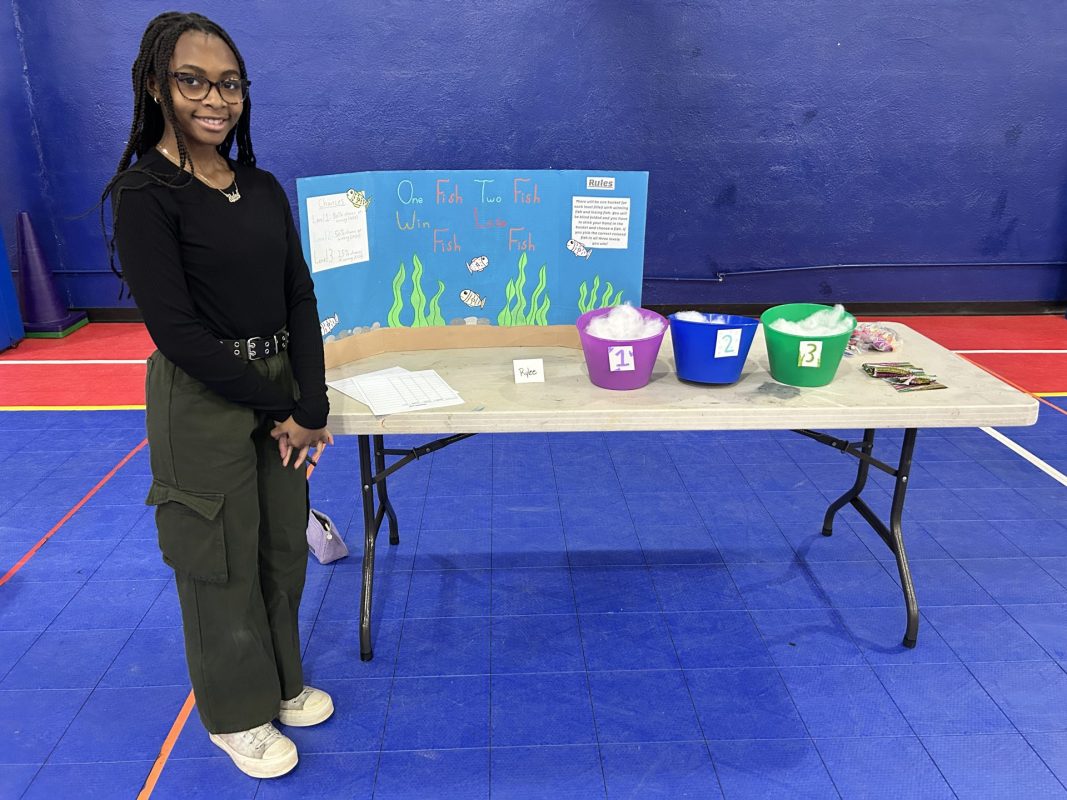
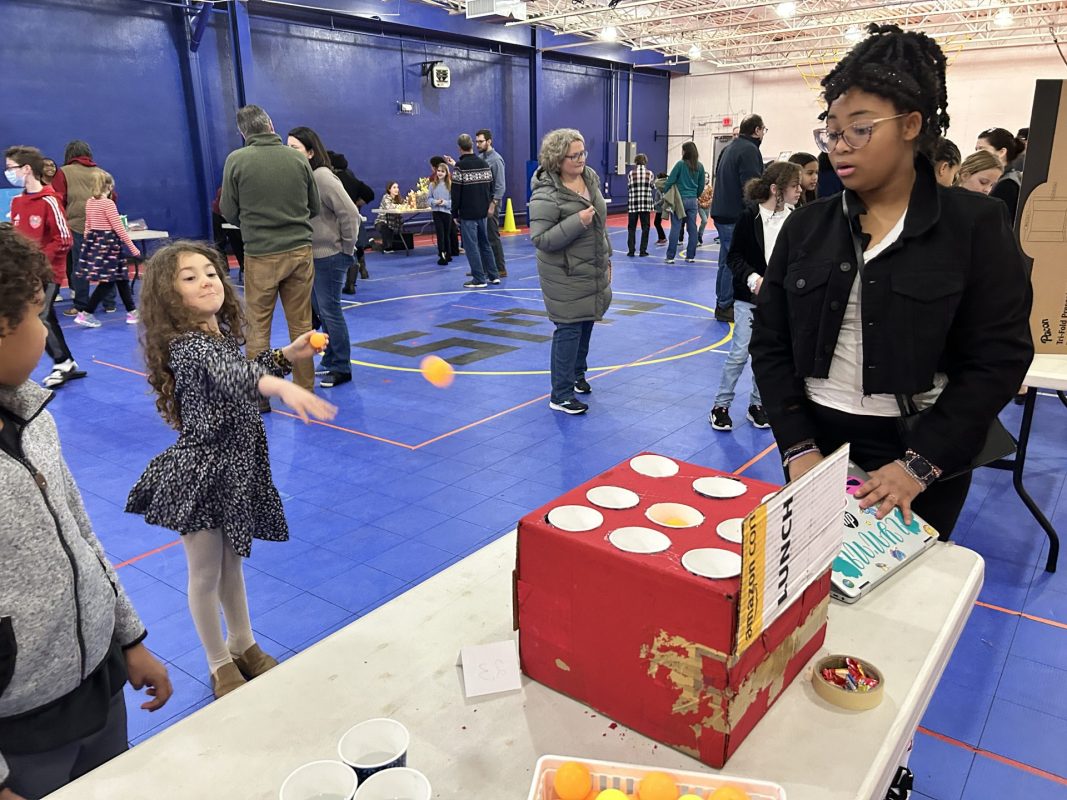
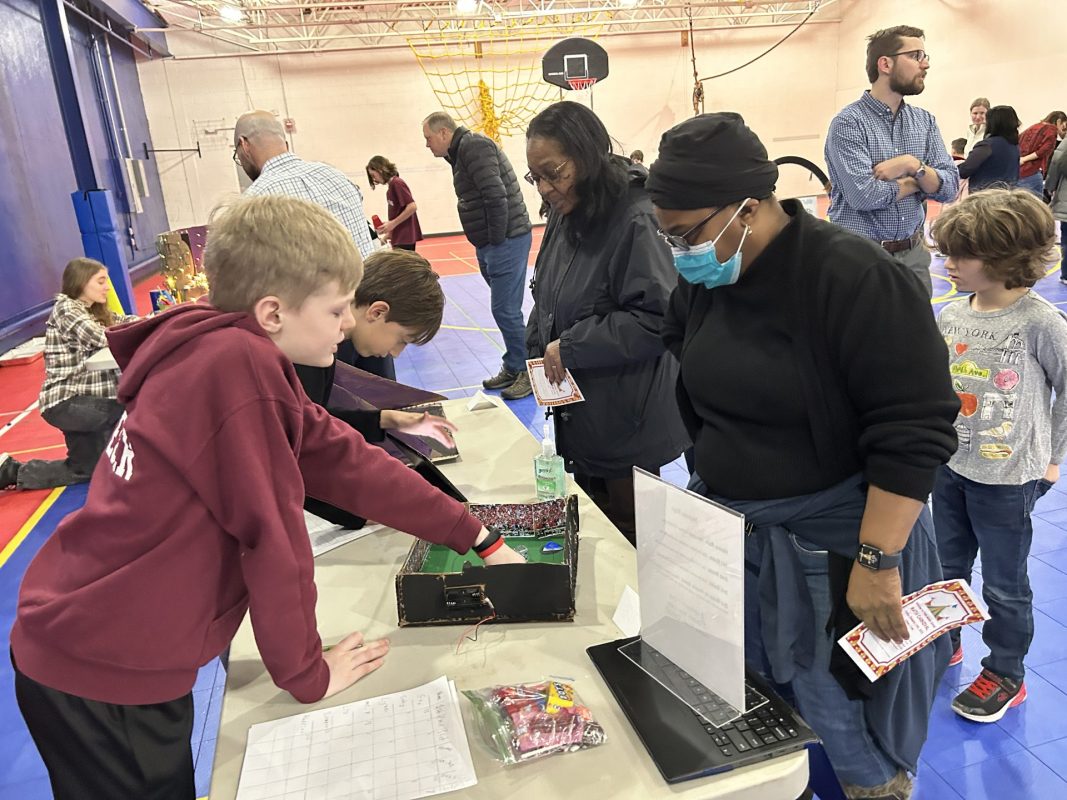
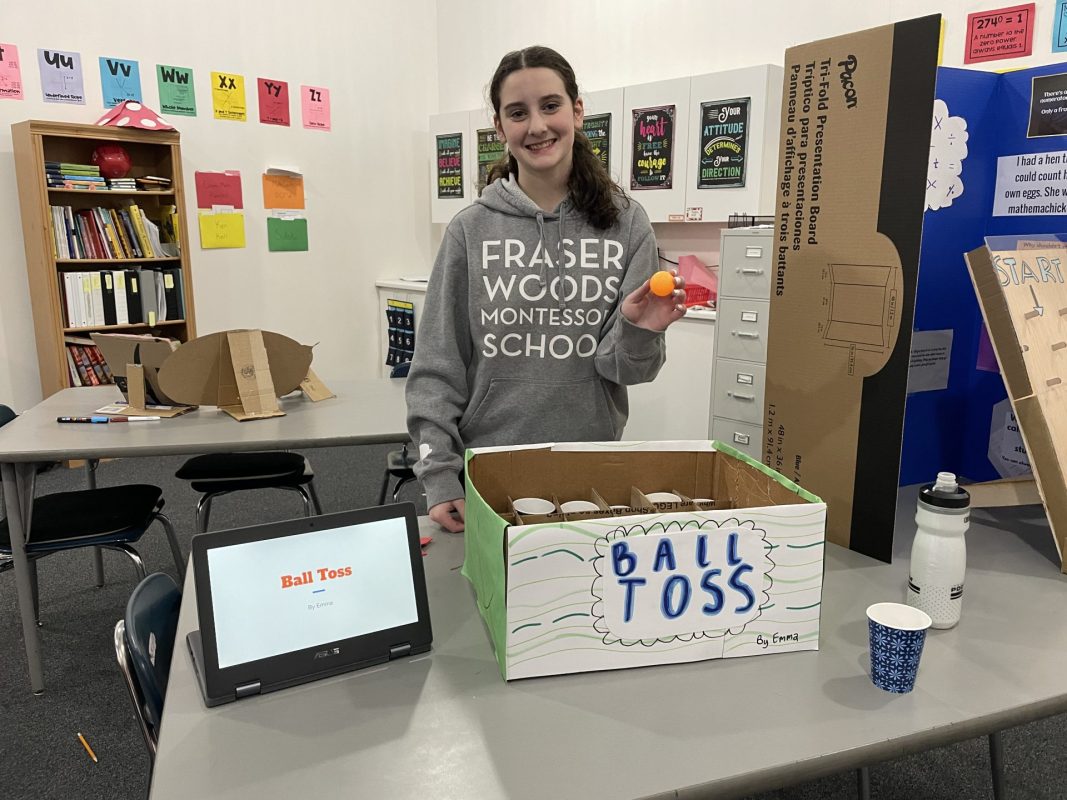
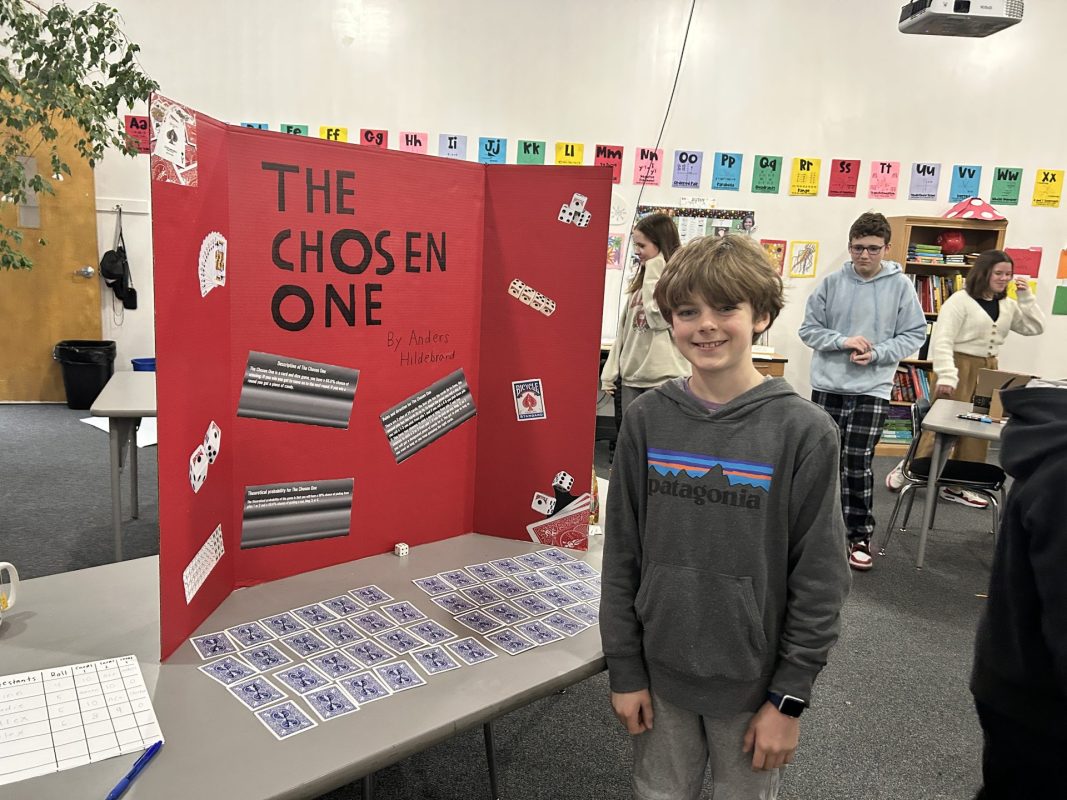
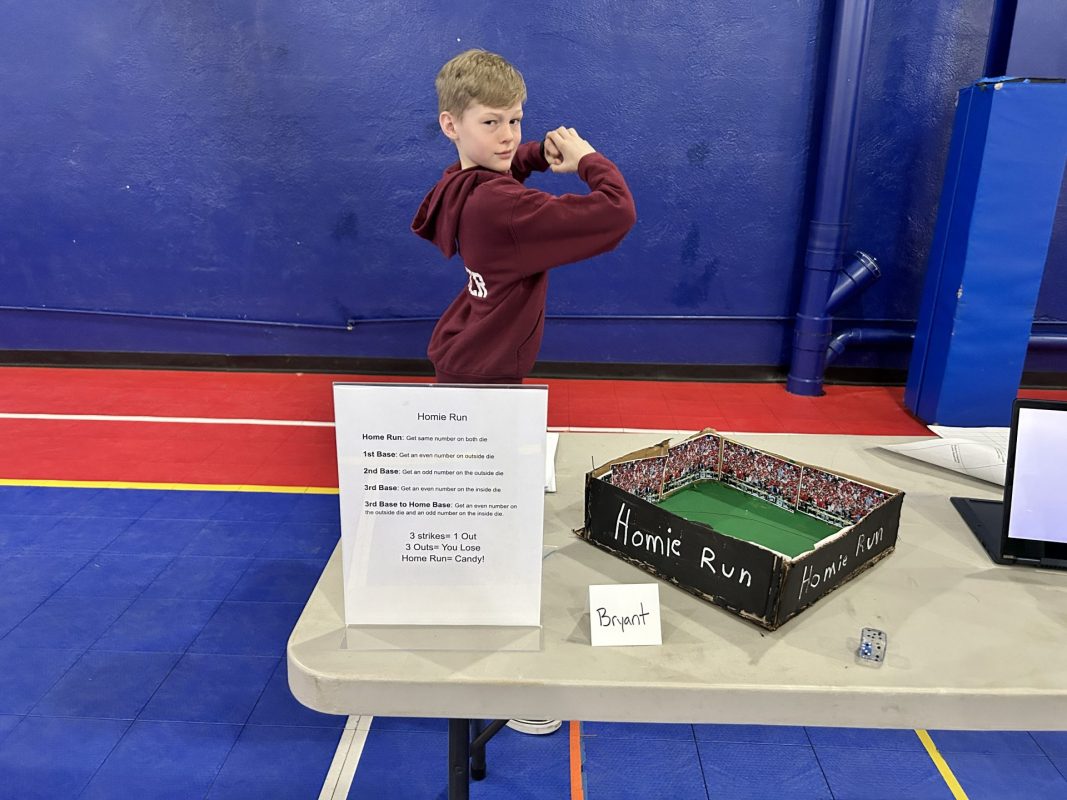
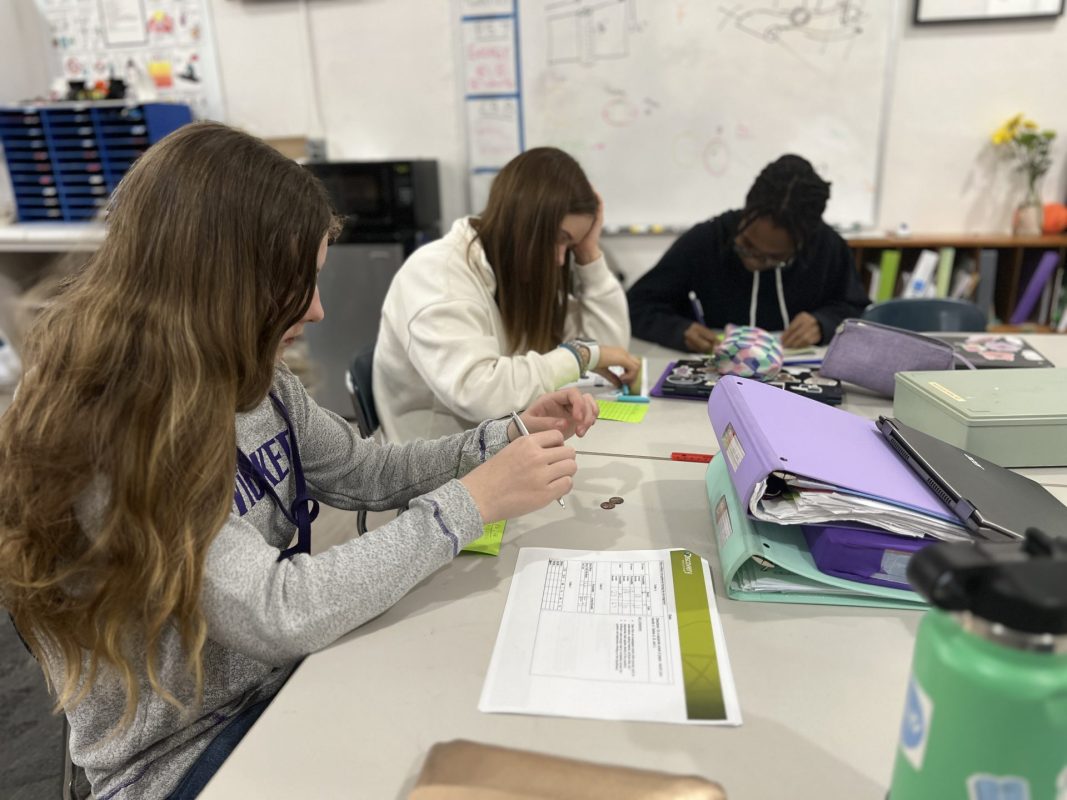
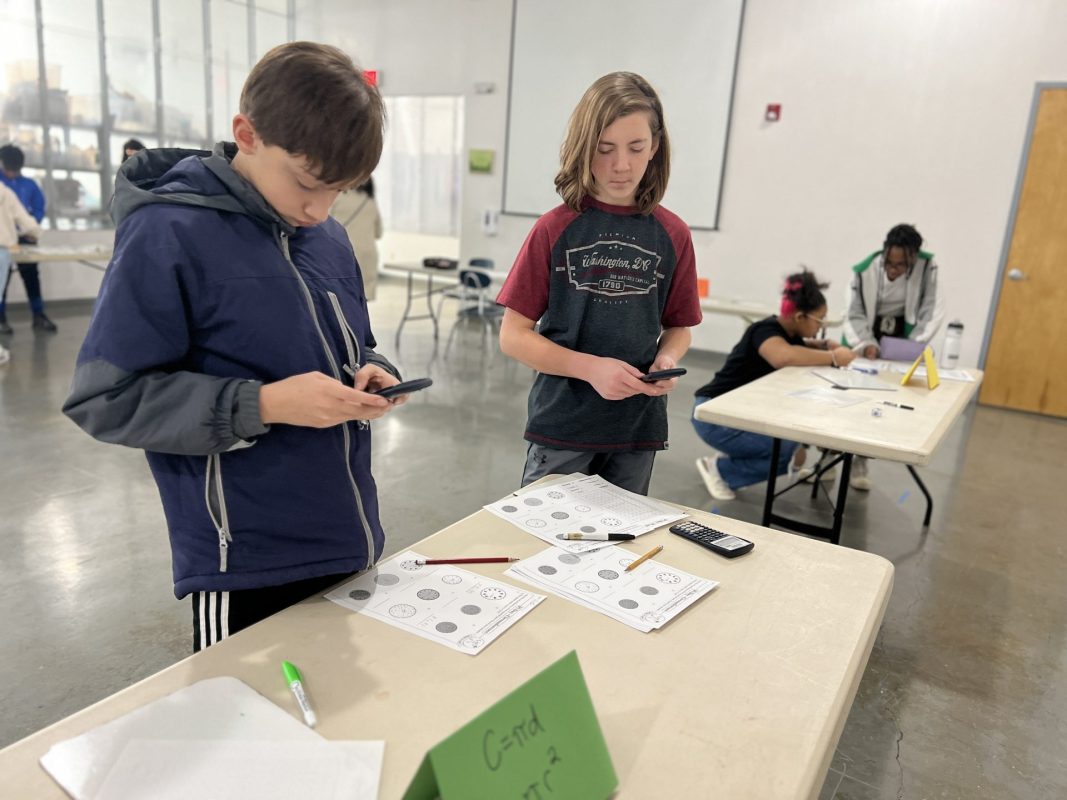
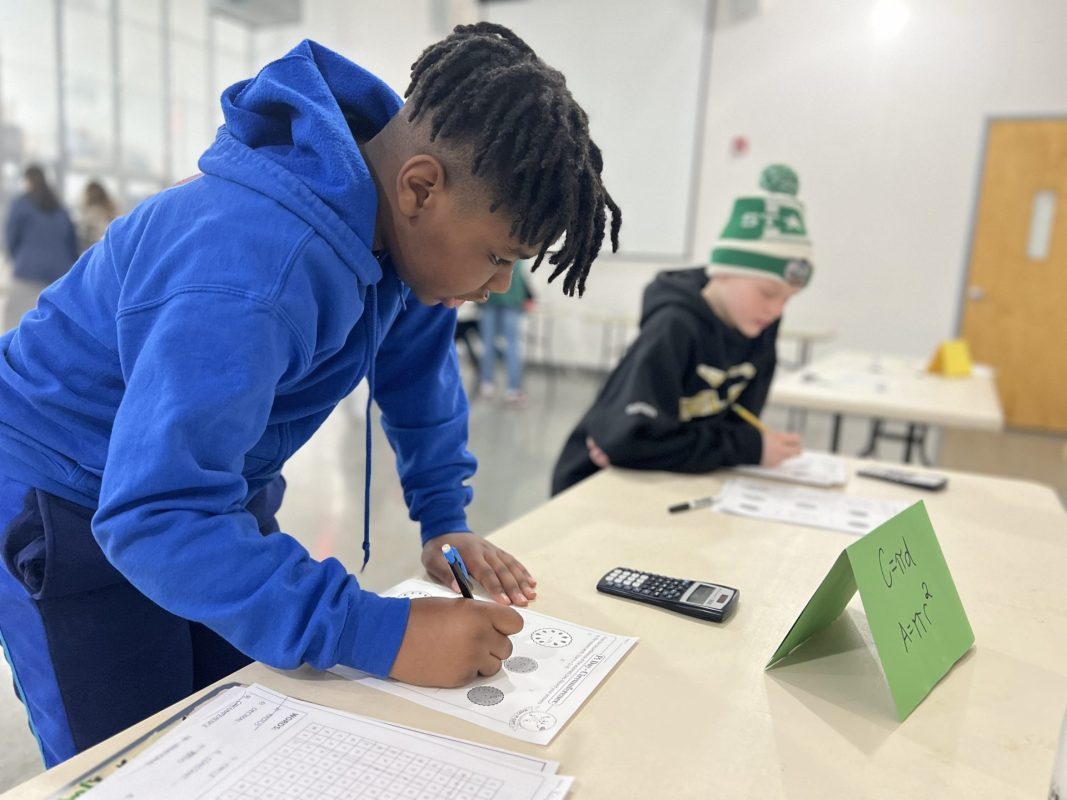
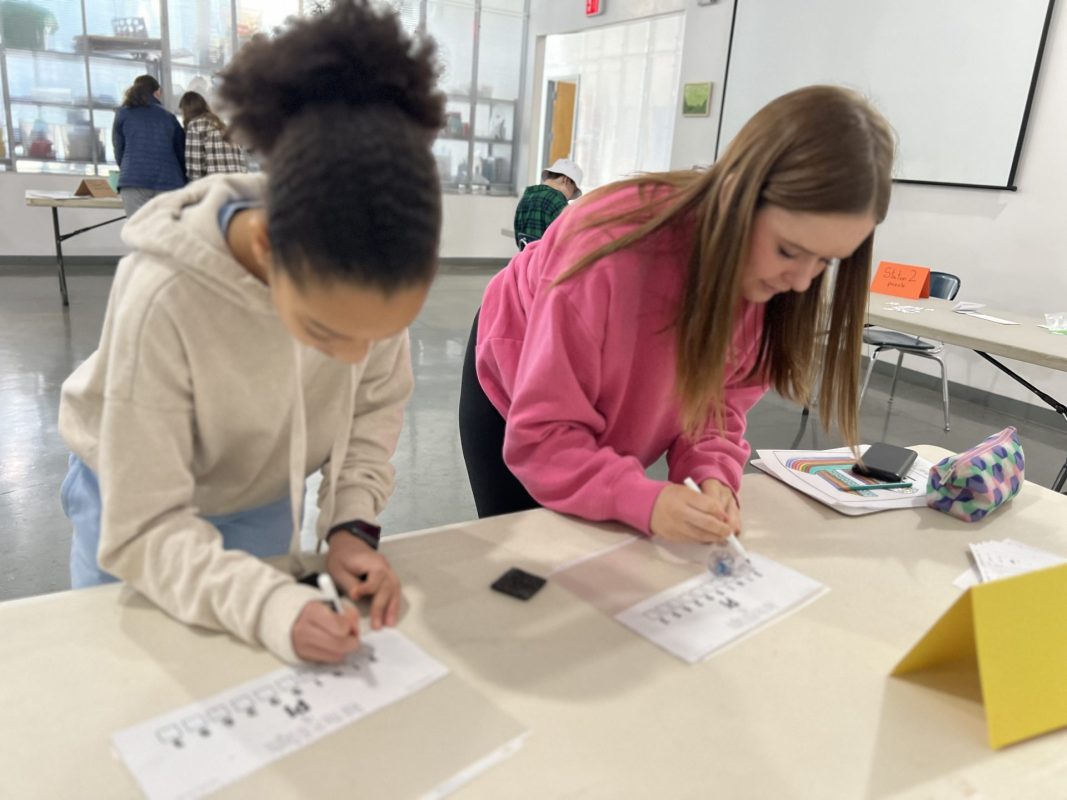
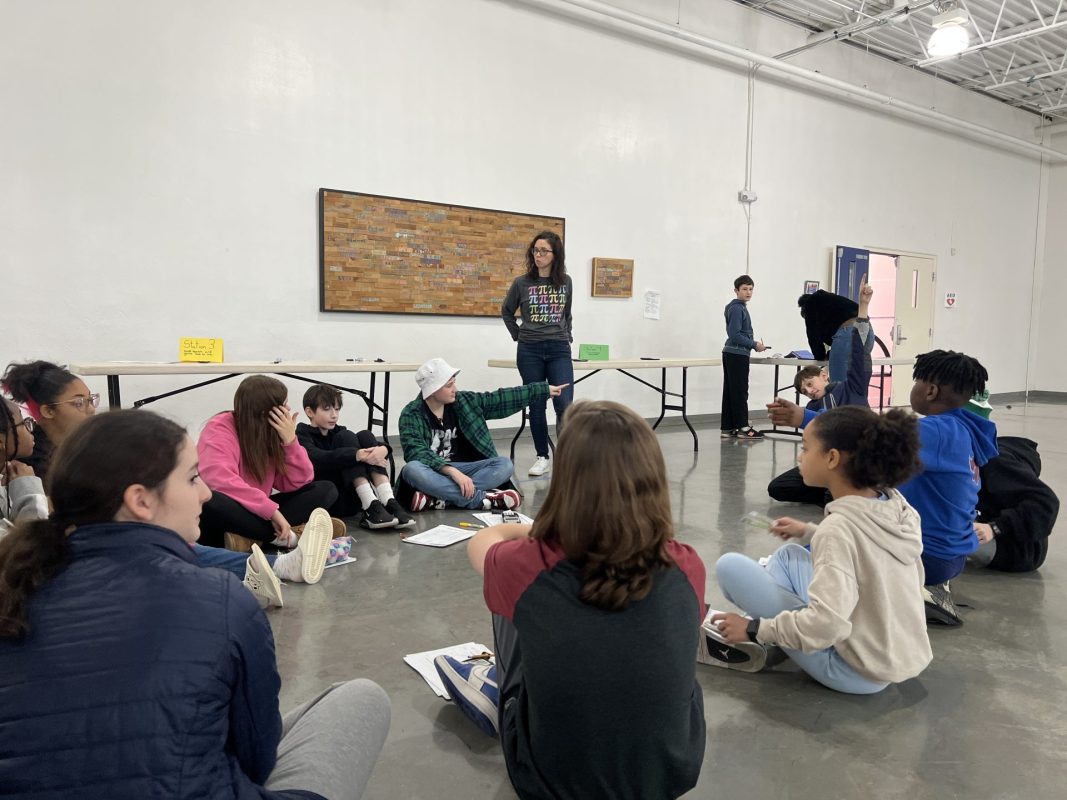
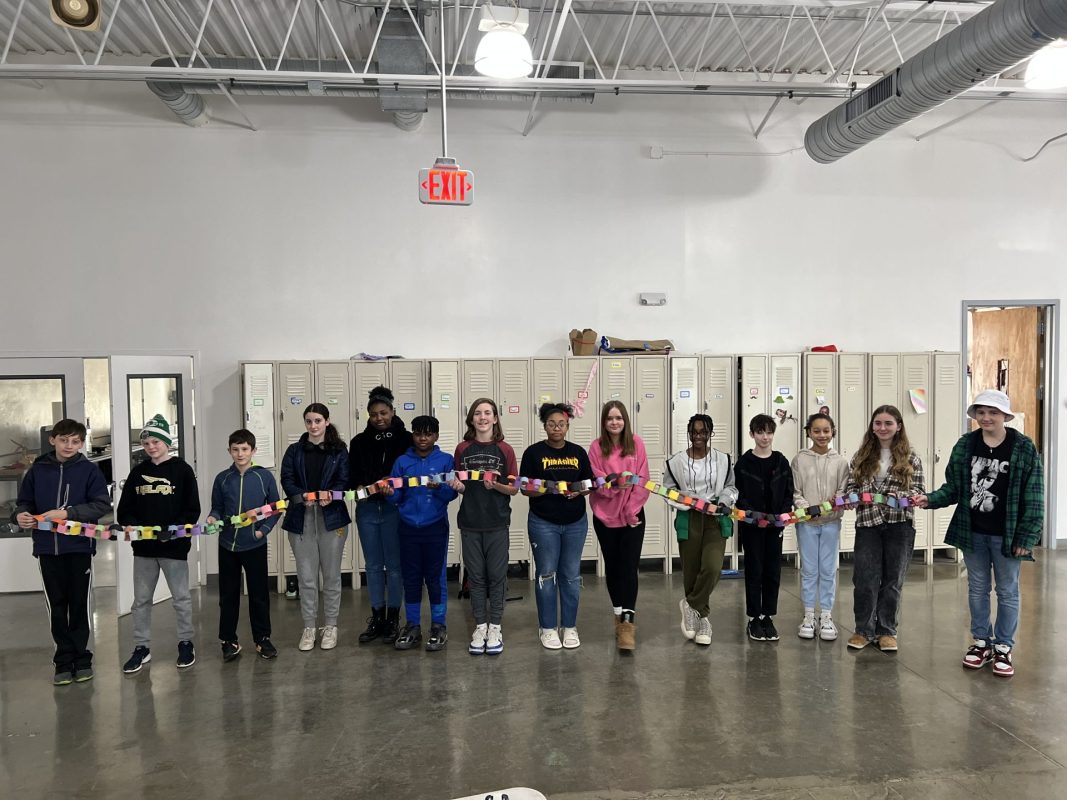
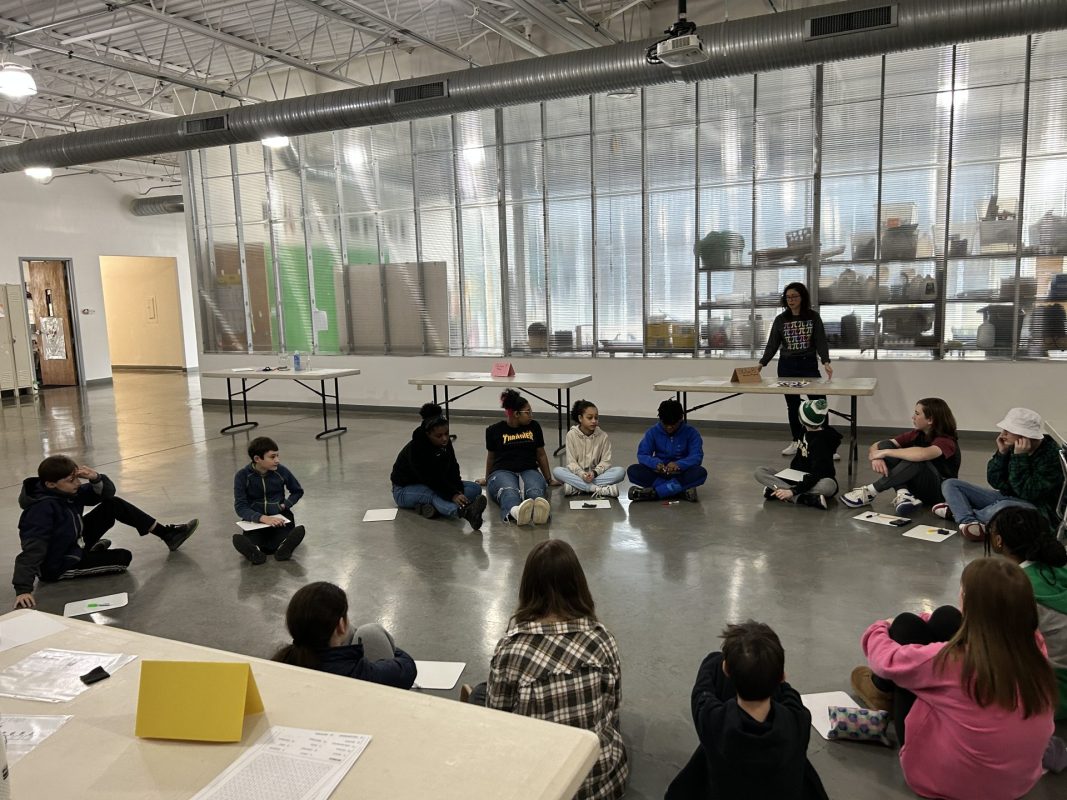
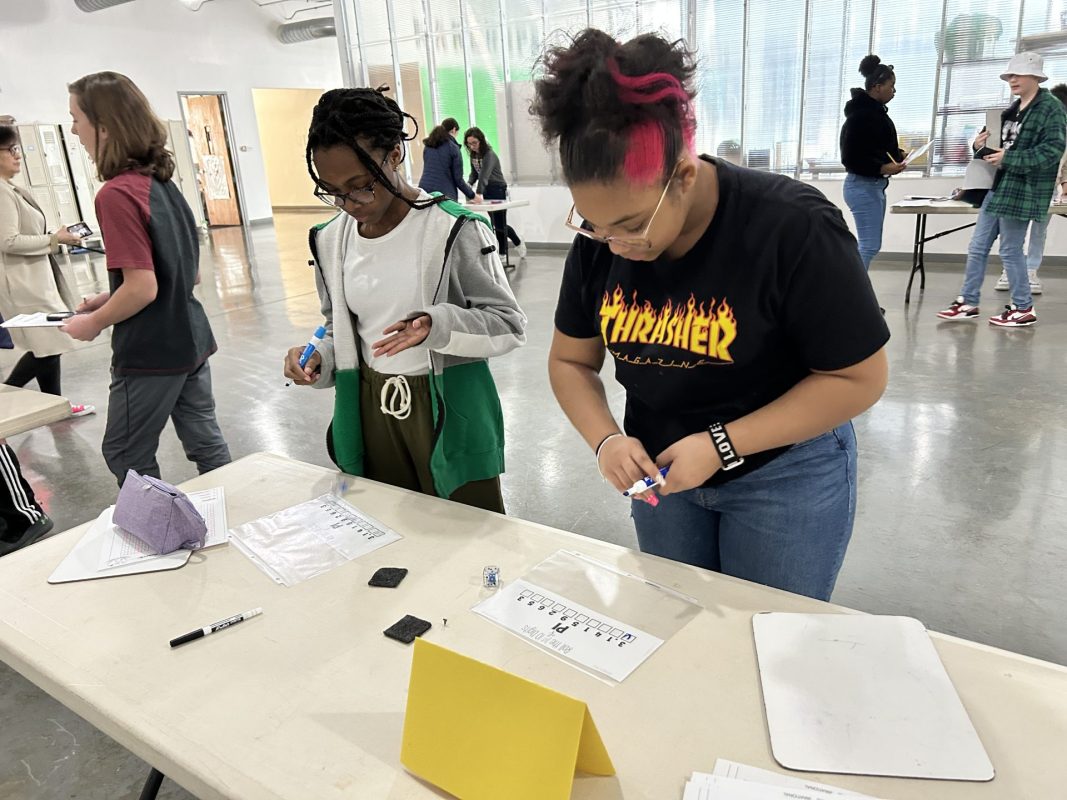
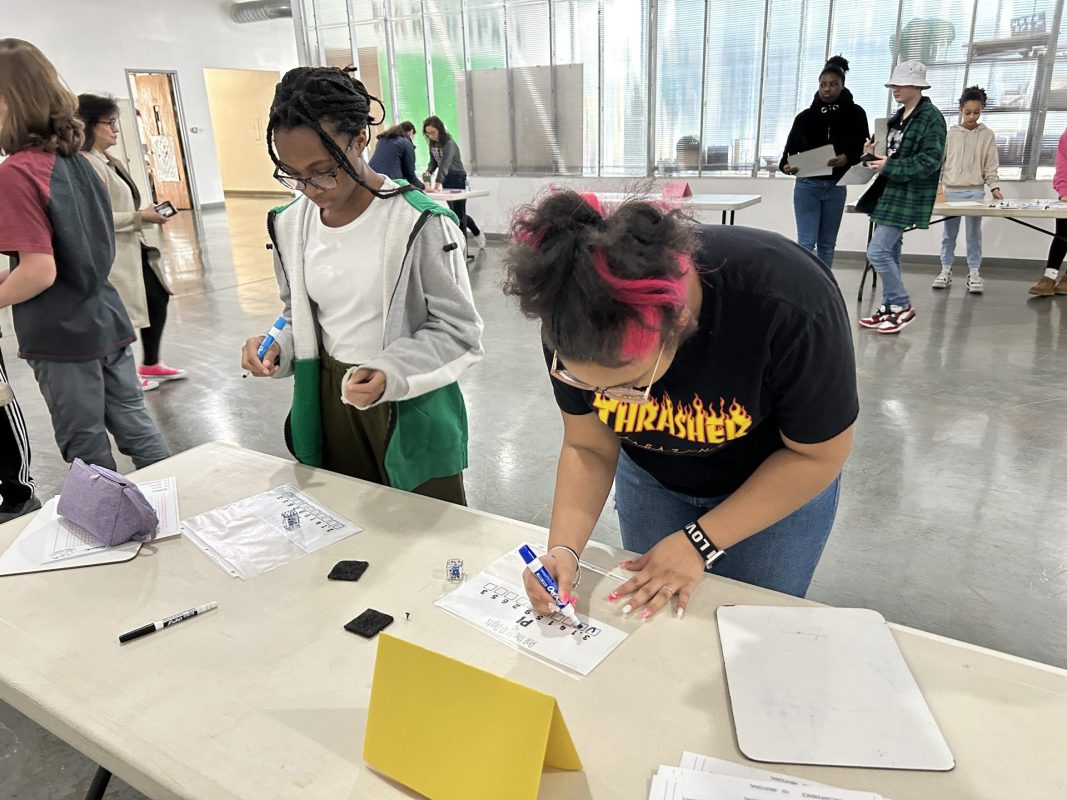
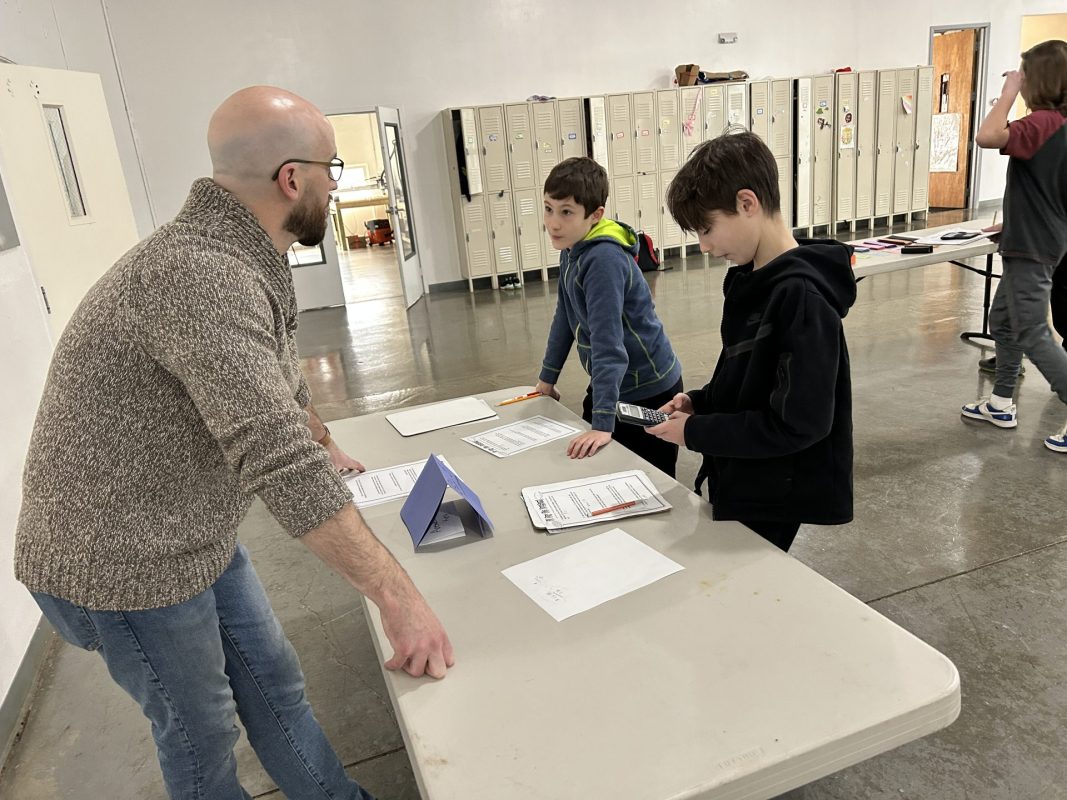
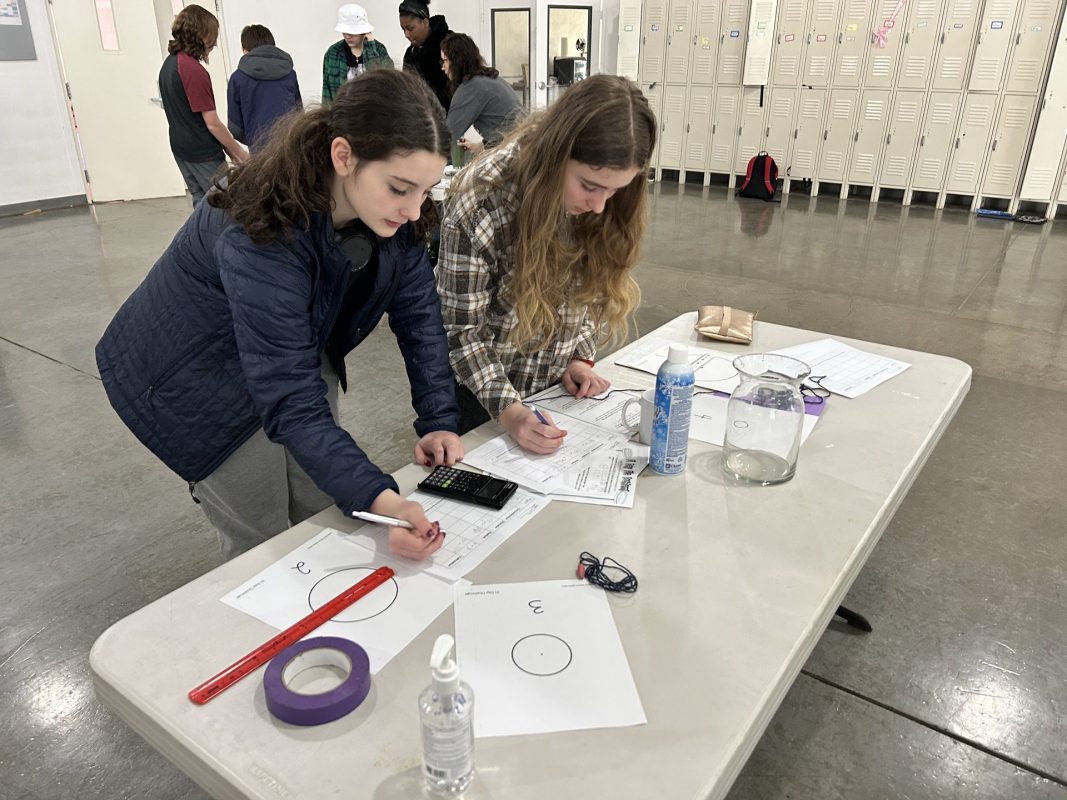
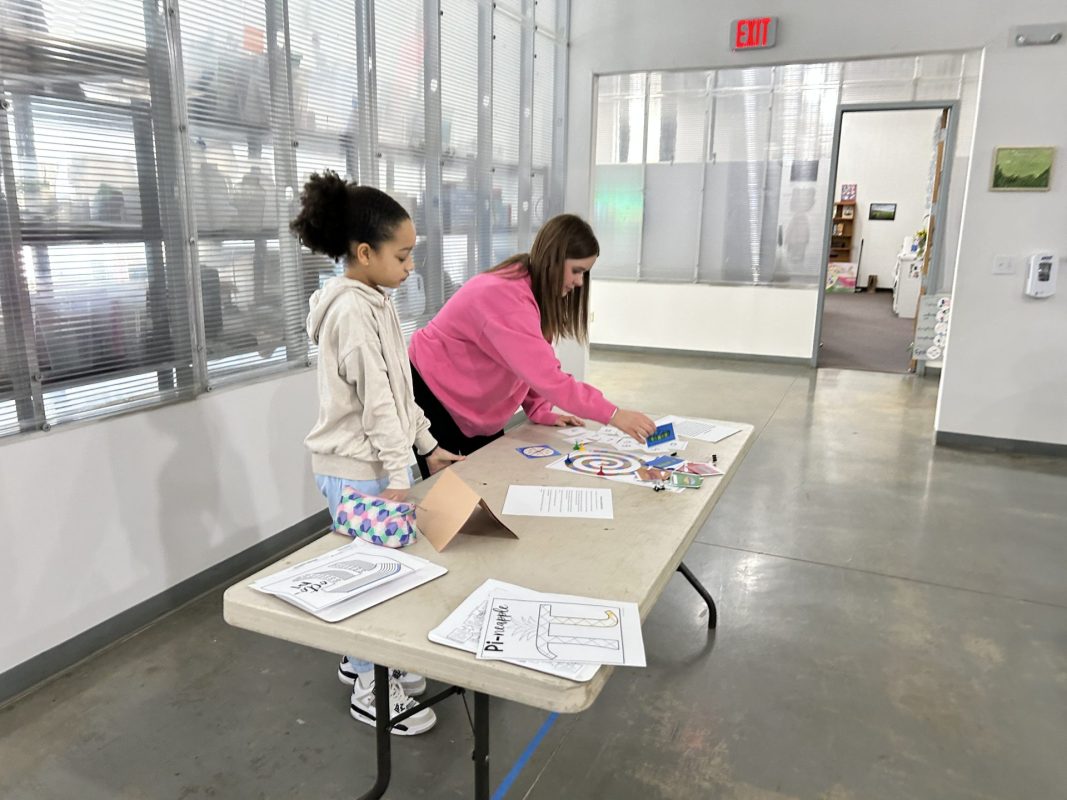
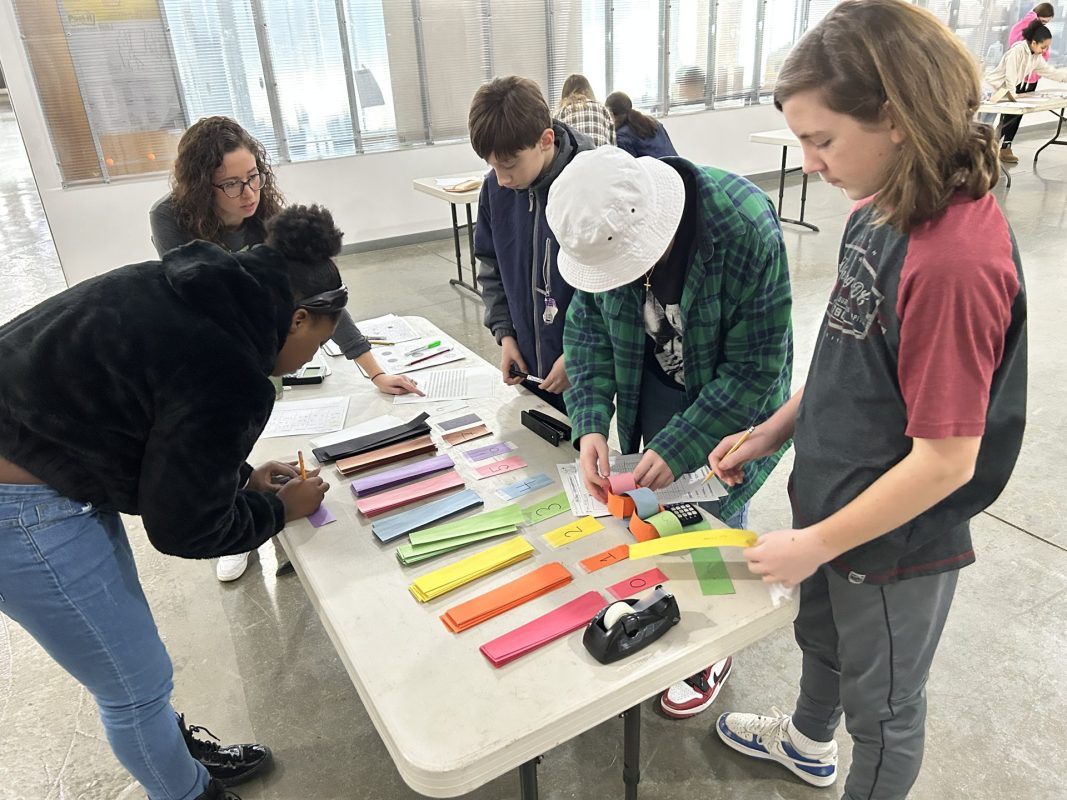
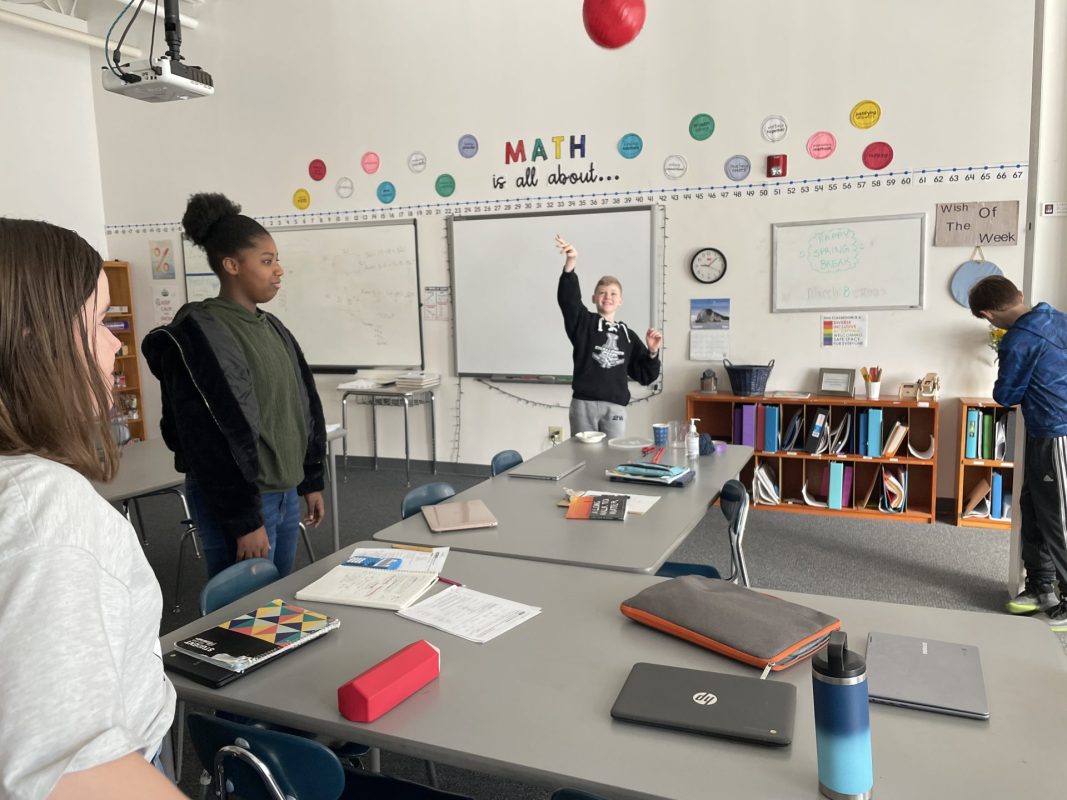
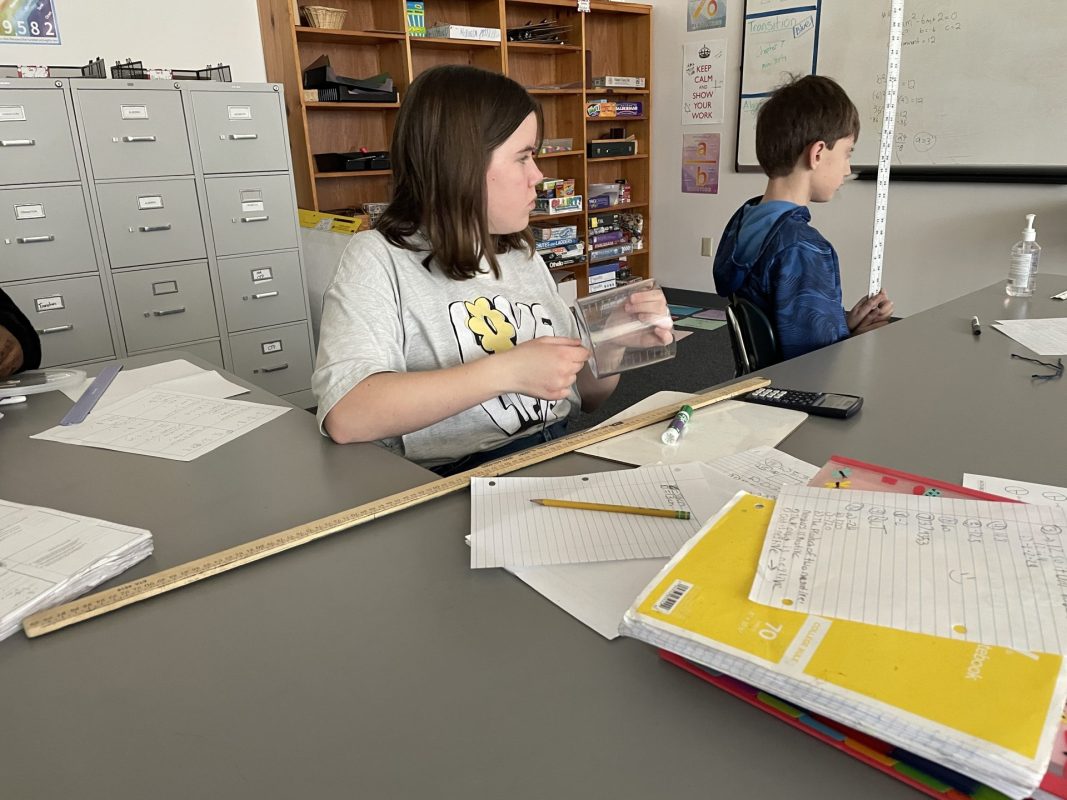
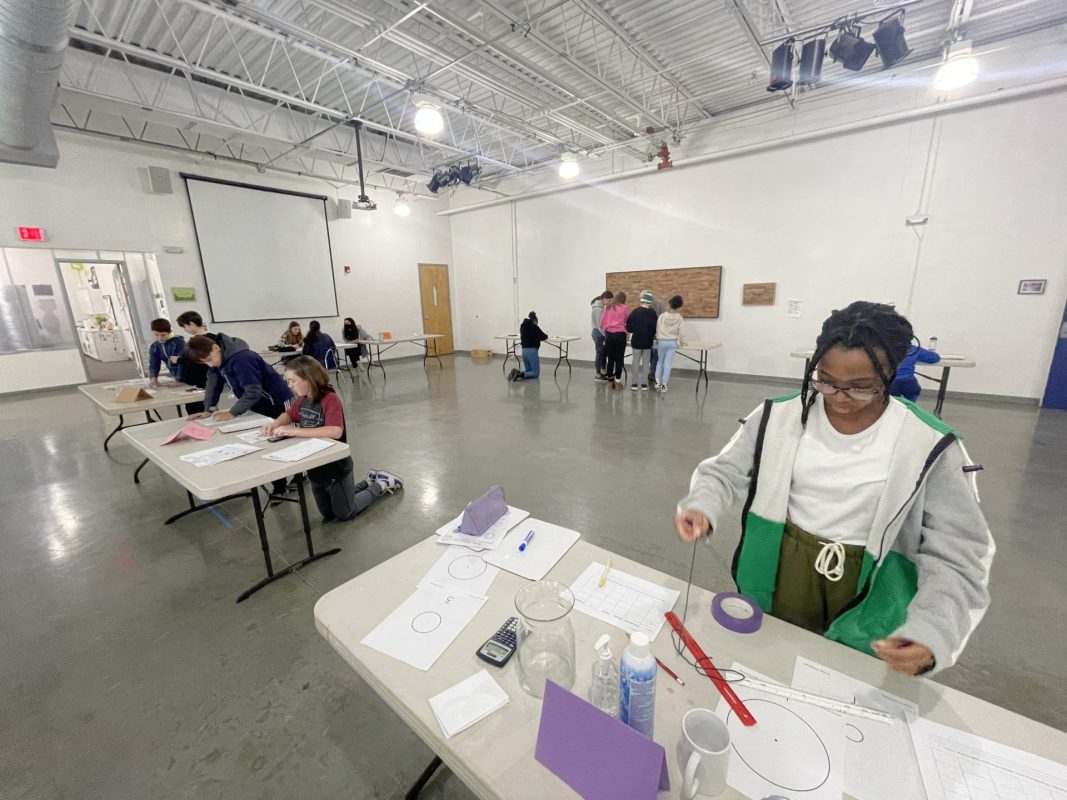
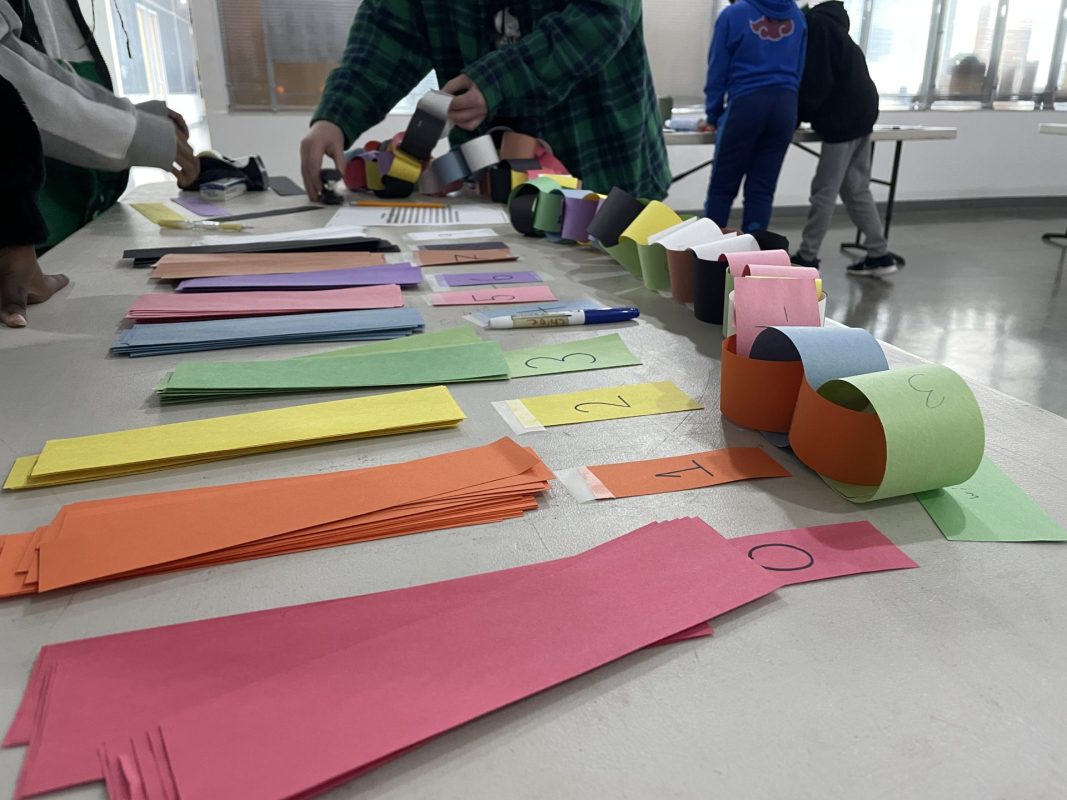
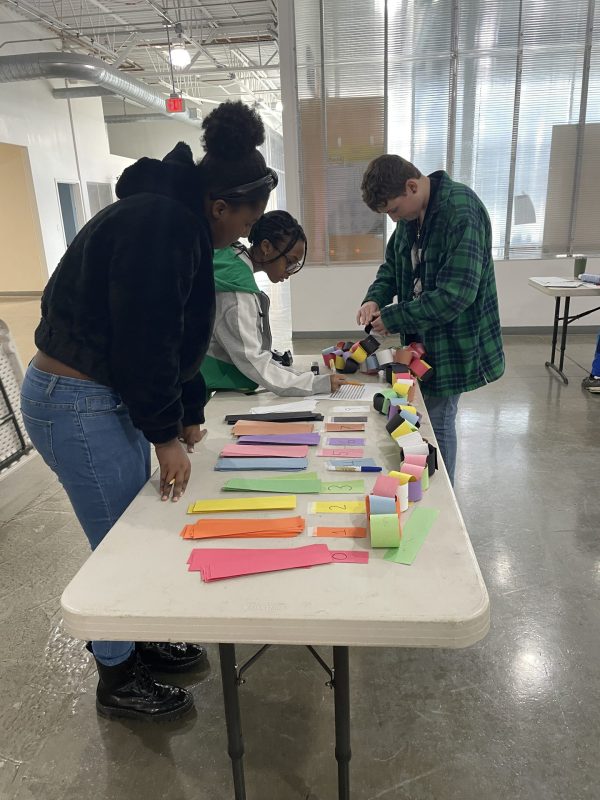
Thank you to the student and parent participants for a wonderful Math Carnival! The students’ projects were fun and engaging and showcased their math skills.
Week in Review:

Humanities

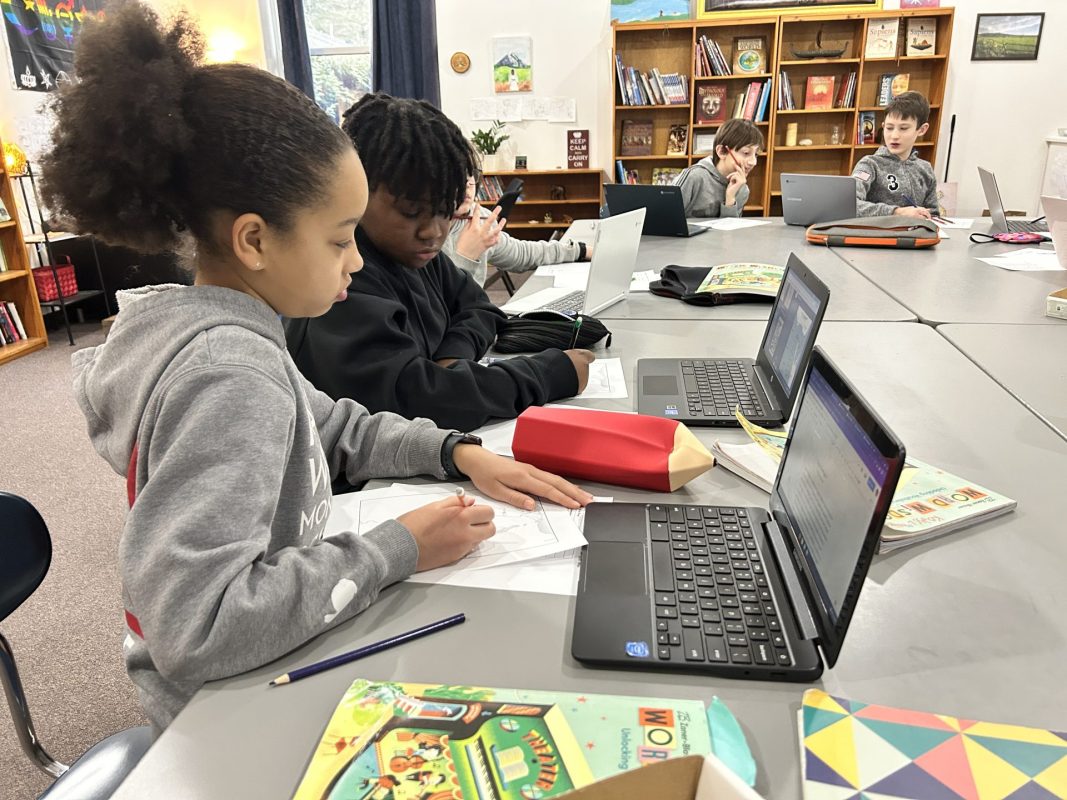
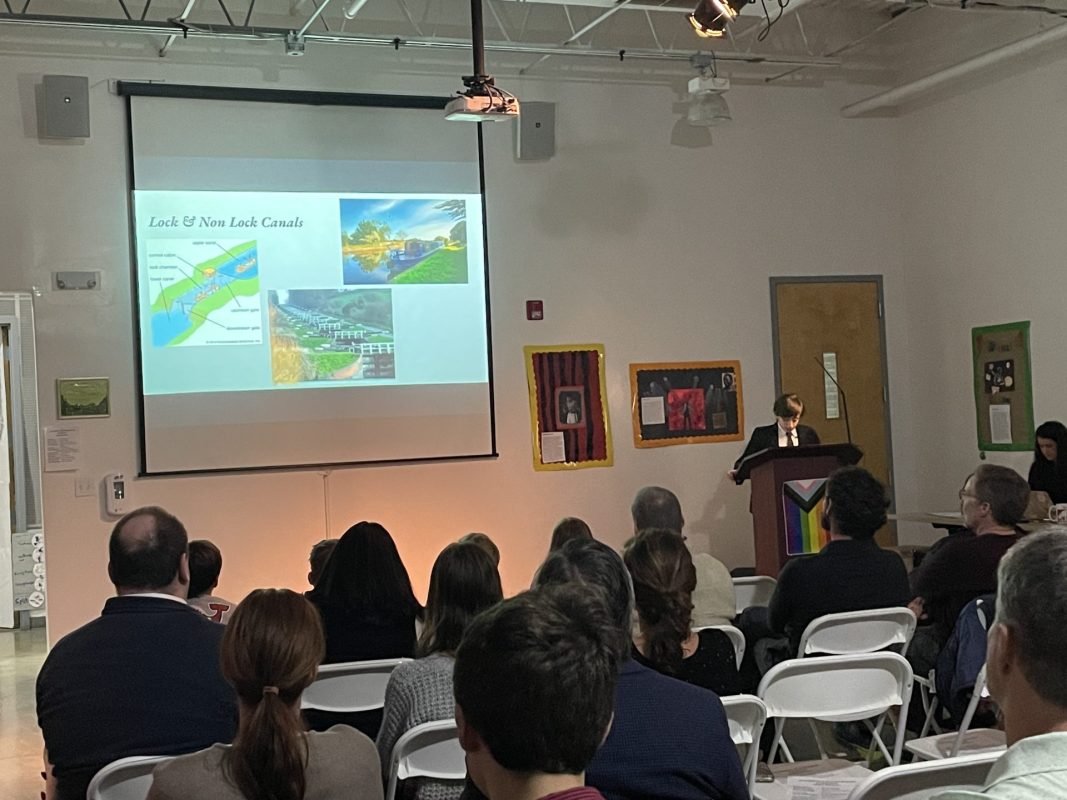
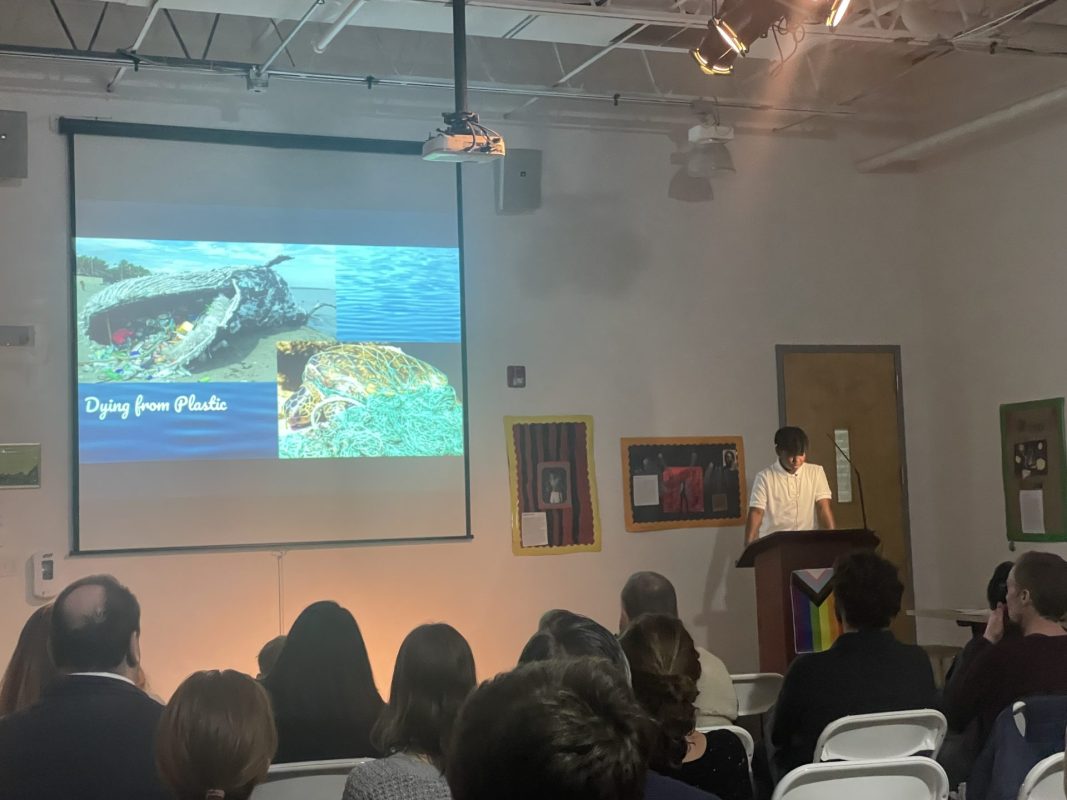
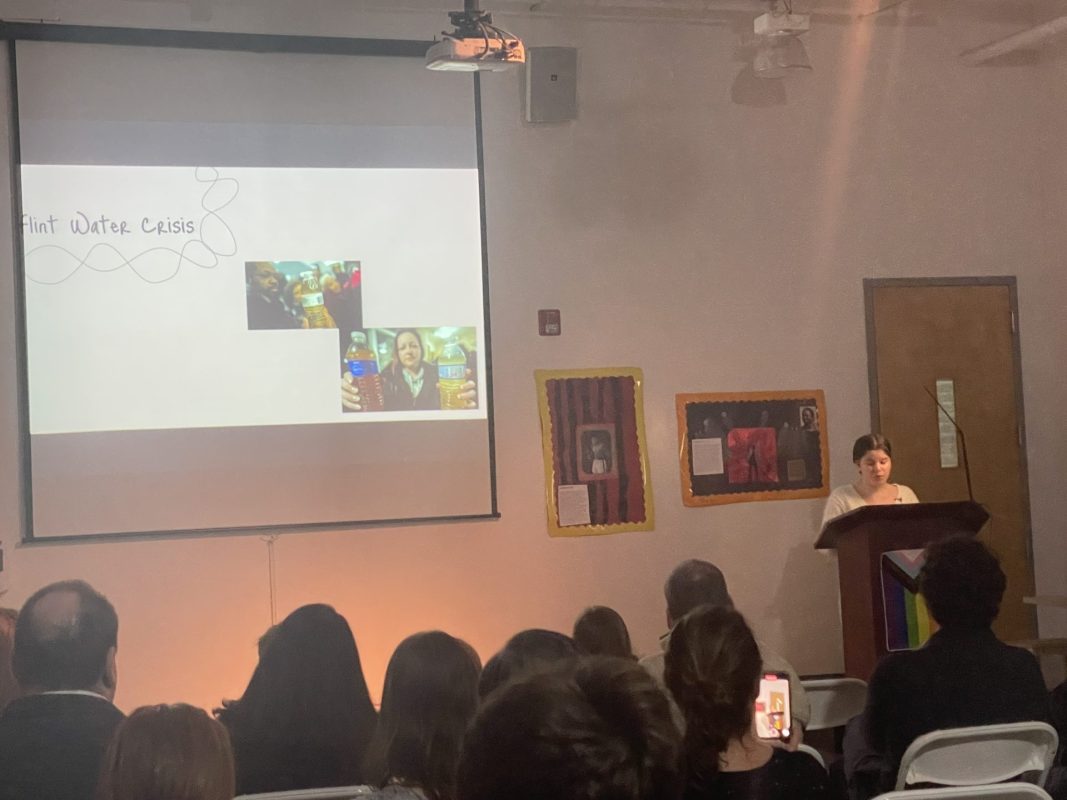
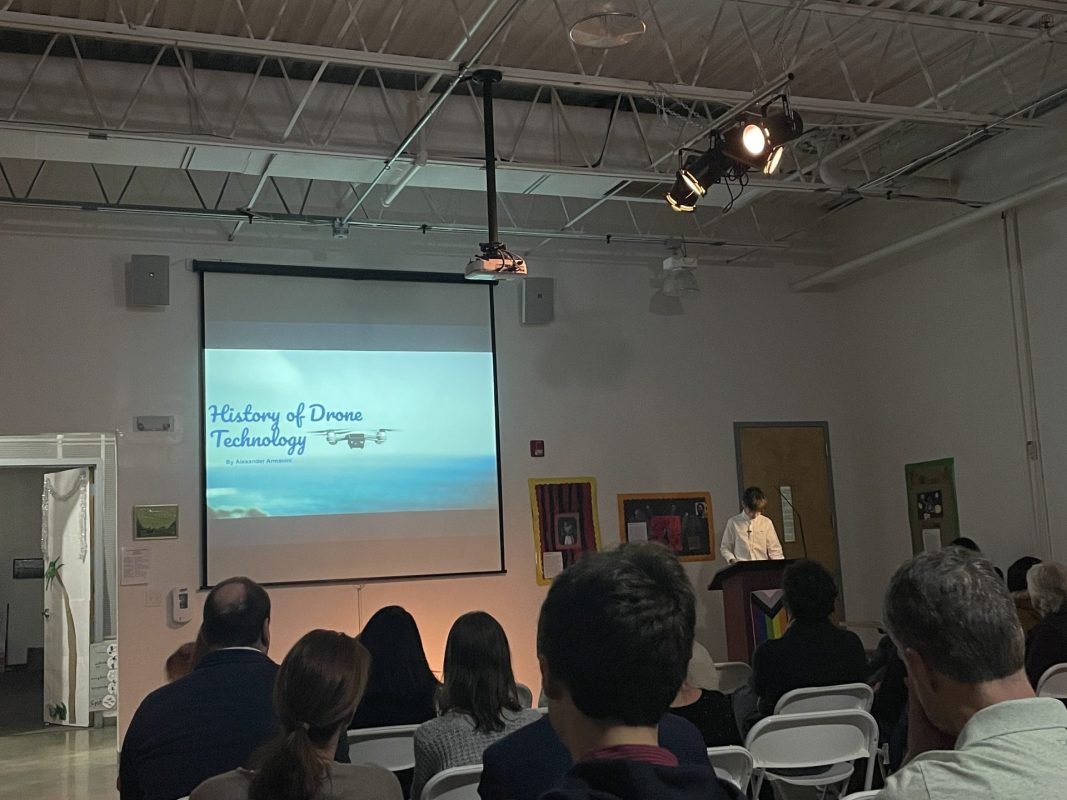
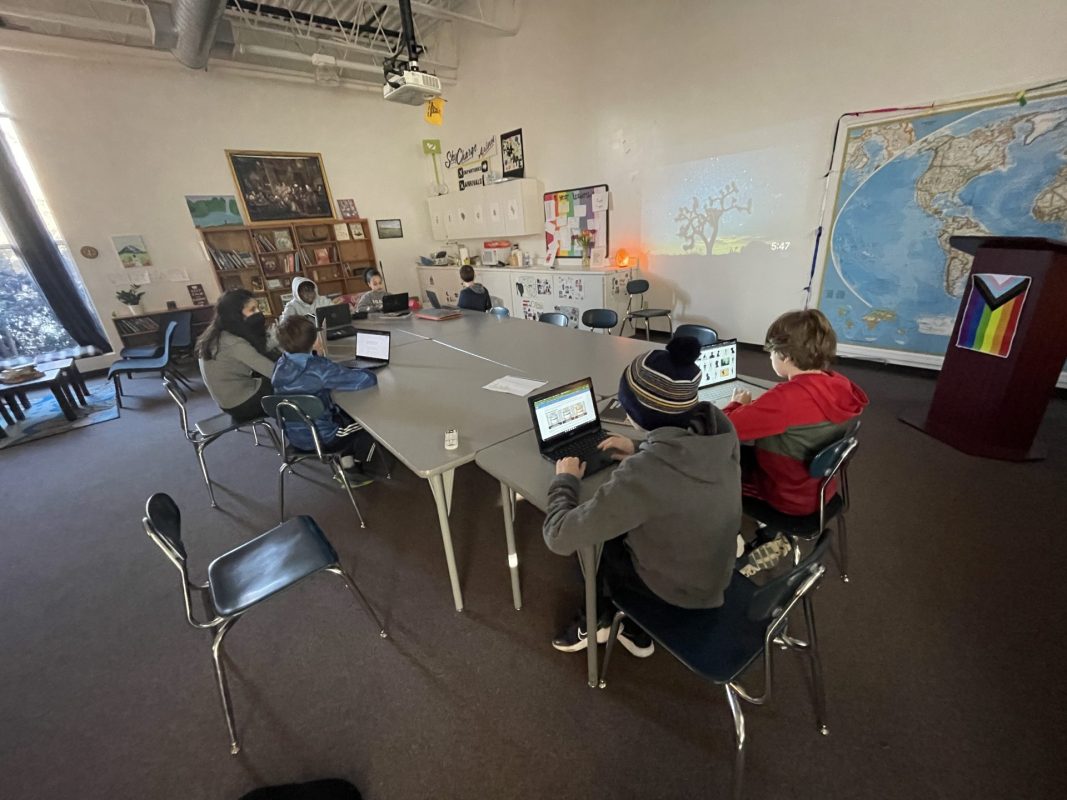
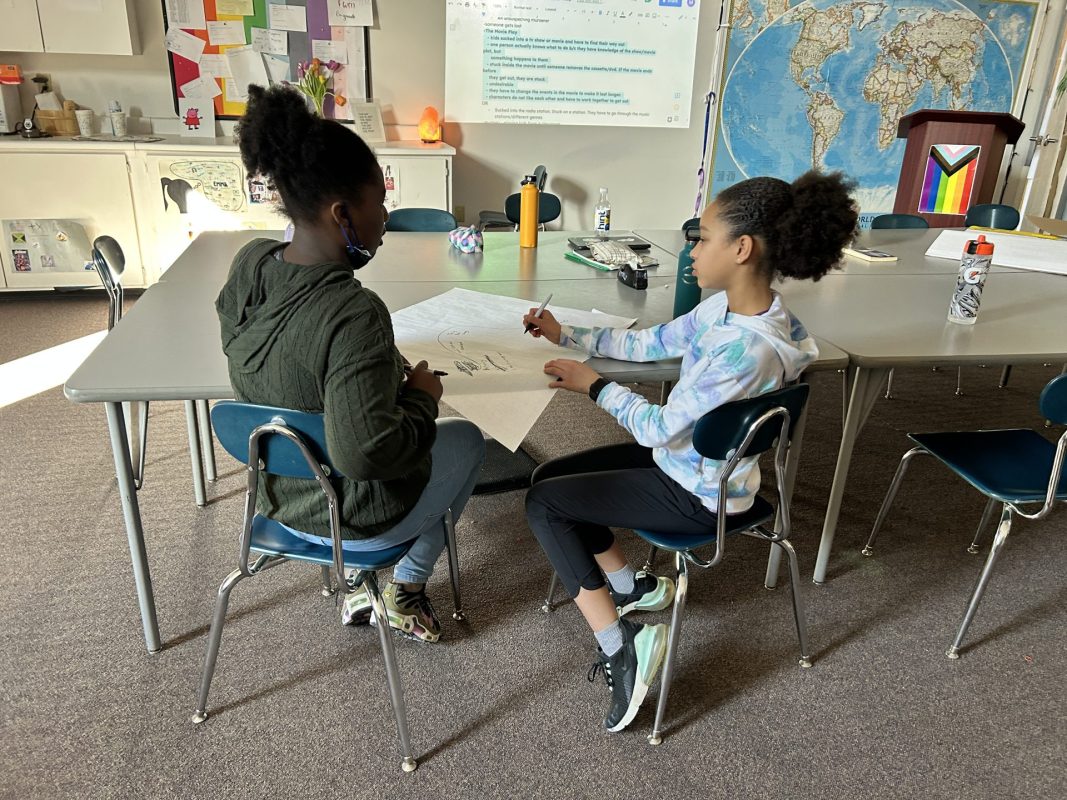
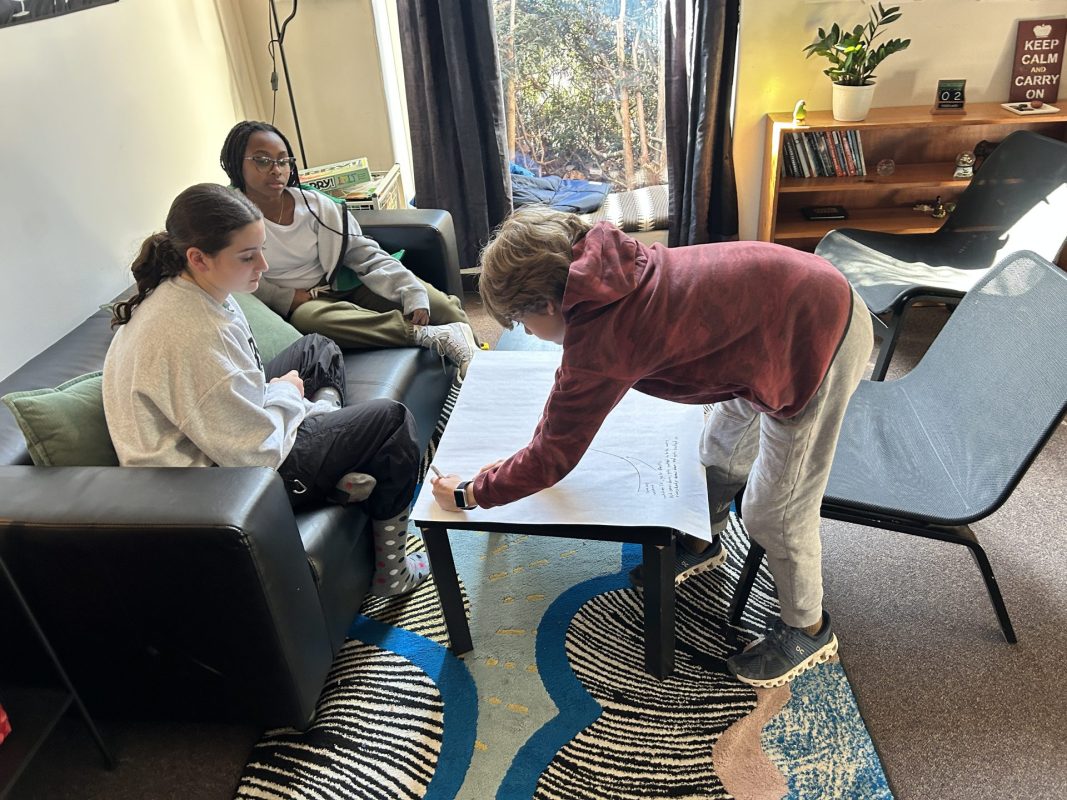
Grade 6 Humanities students are off and running with their research projects surrounding the theme: Solutions to the World’s Challenges. 6th-grade students have submitted a topic proposal that includes what they want their audience to know in the end, a written and revised thesis statement, and questions to guide their research. Students then organized their questions in a guided doc, which is where they will keep their notes and corresponding sources for their project. Mrs. Lamb is excited by the enthusiasm and beginning stages of research! They are now working at home to compile their notes, and they are due Monday, 1/23.

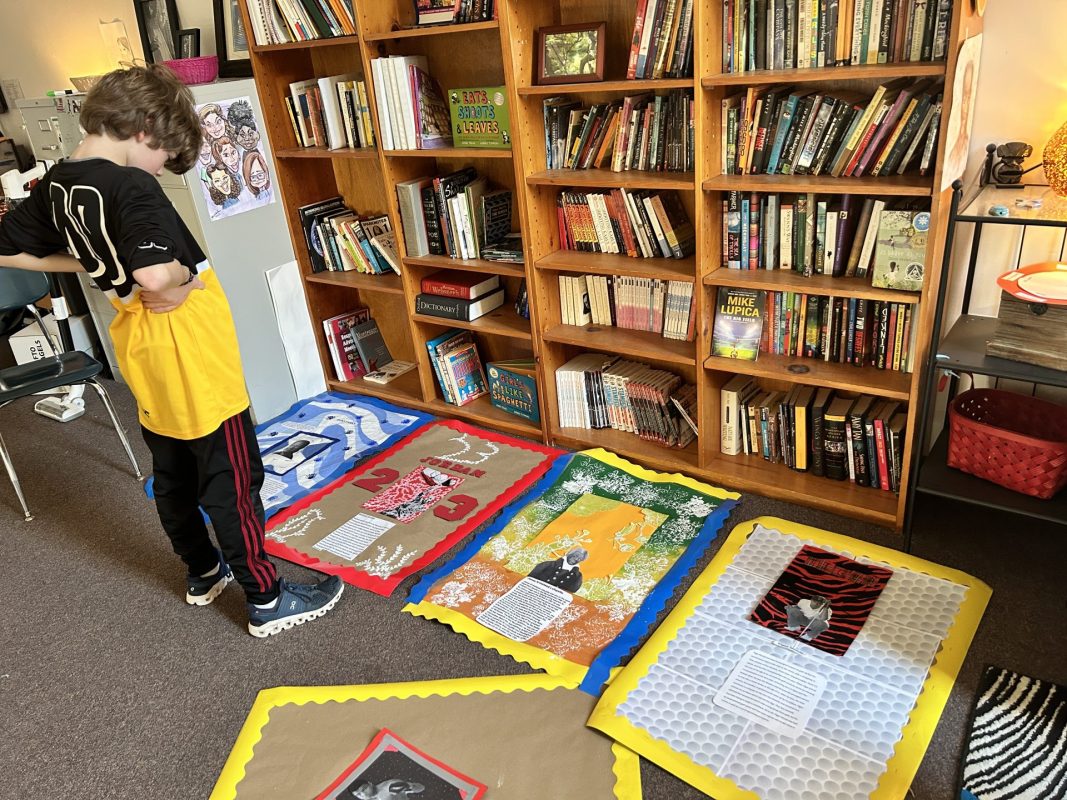
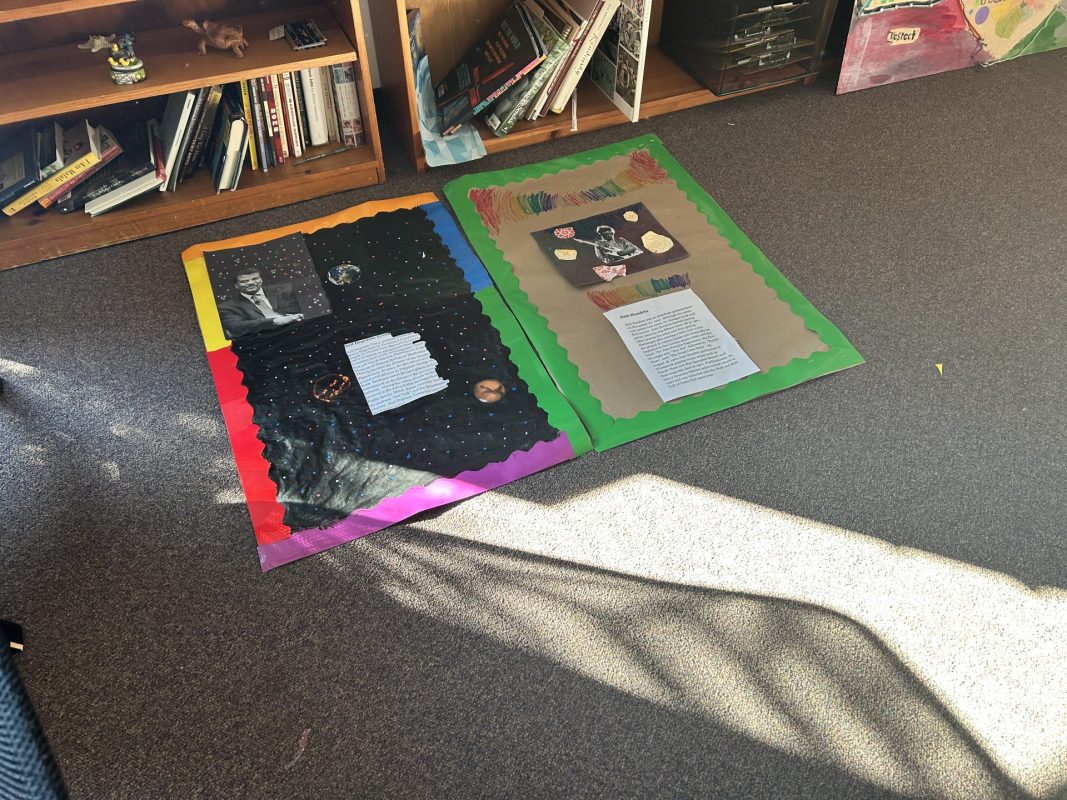
Grade 7 Humanities class has also completed their research project proposals surrounding the theme: Solutions to the World’s Challenges. They included their goal, written and revised thesis statement, and questions to guide their research. Students have also organized their questions in a Research Notes doc that will hold their information and keep track of the corresponding source. They are now working at home to compile their notes, and they are due Monday, 1/23. 7th-grade students also continued with Baba Wague Diakite’s memoir, A Gift From Childhood, and will complete this novel next week. They have been going through the novel and locating the proverbs and metaphors that are used as life lessons throughout the pages. These are foundational to the story’s central message. This will be in preparation for drafting their own folktale in the coming week. We discussed the importance of oral history in many traditional cultures globally and how this looks today.

8th-grade Humanities classes and Leadership period had students launching their 5-month research project! Topics are selected, research proposals are submitted, and thesis statements were written and revised. 8th-grade students are now researching and organizing their information. Also, the 8th grade continued with their study of the colonies as we get closer to the American Revolution. This week, students looked at the effects of religion on the colonies. They particularly have an interest in the Puritans of Massachusetts Bay and Connecticut Colonies. They learned about the unfortunate witch trials and saw the progression of how something like this could unfold. They are now reading The Crucible by Arthur Miller, which is a historical dramatization of the well-known Afflicted Girls.

Math

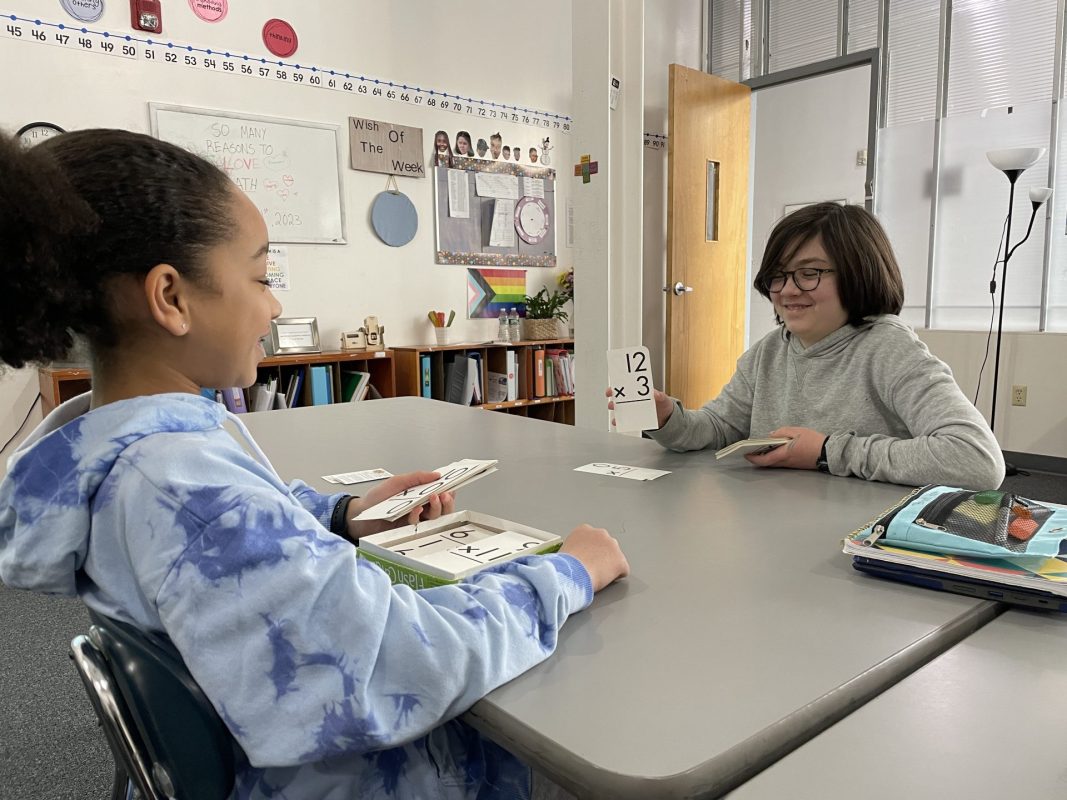
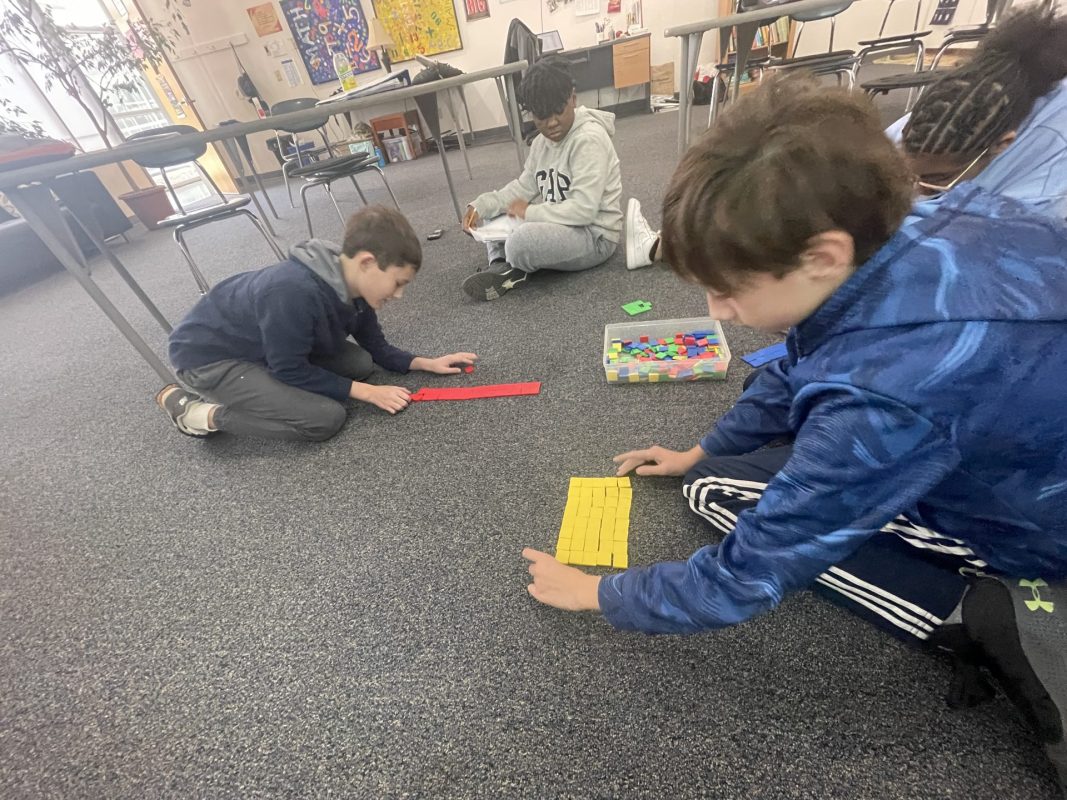
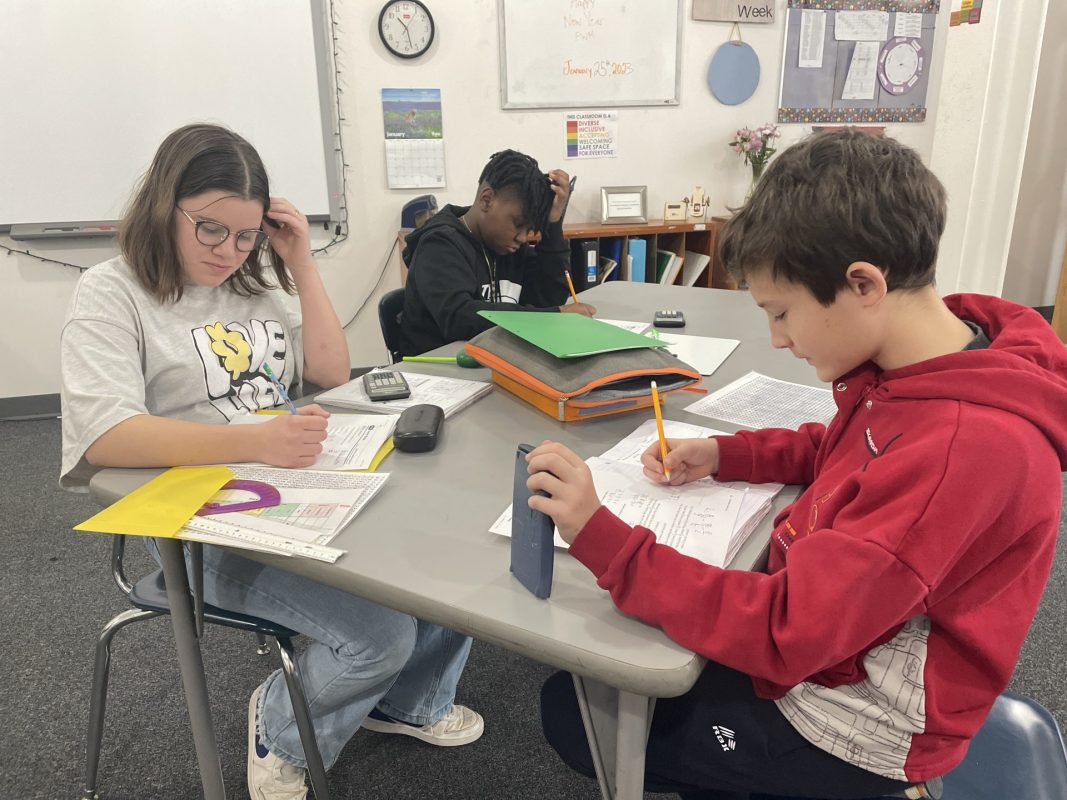
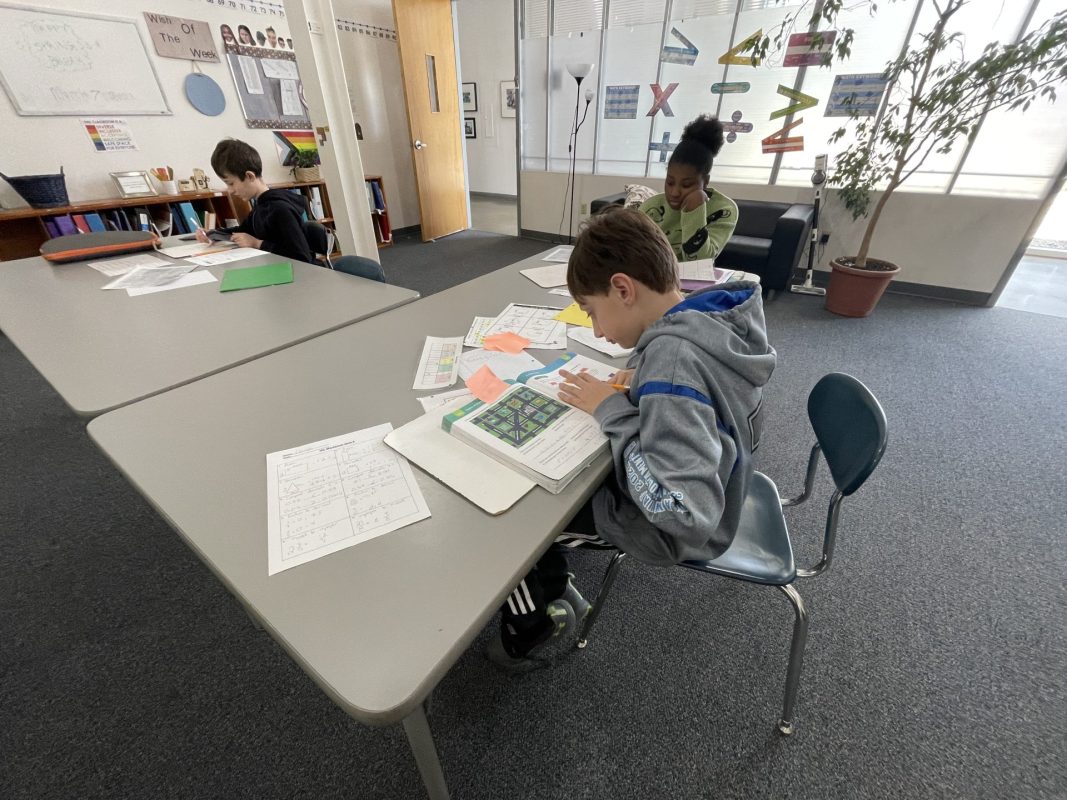
In the Pre-Transition math class, students started learning about chapter 4 in the UCSMP textbook. They explored topics such as subtracting negative numbers, creating subtraction number sentences from word problems as well as using fact triangles to find related facts in a subtraction equation.
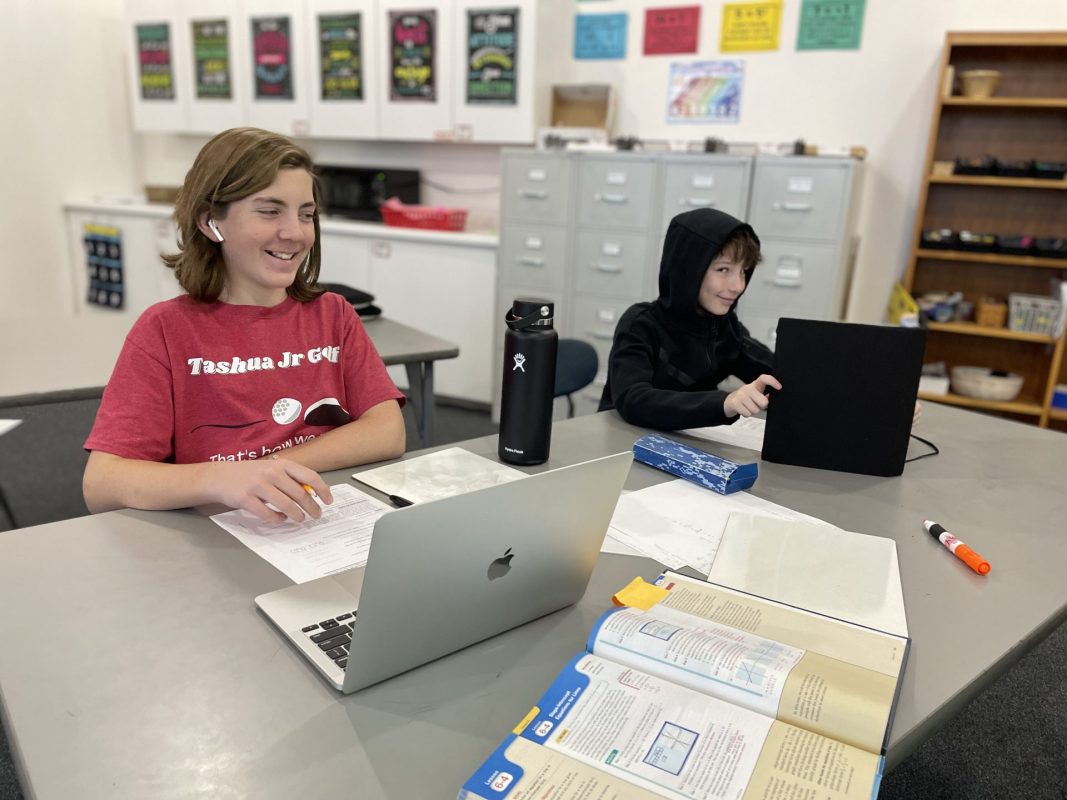
In the Transition math class, students began investigating chapter 6 in the UCSMP textbook. They discussed the three key concepts of transformations on a coordinate grid, which include reflection, rotation, and translation.
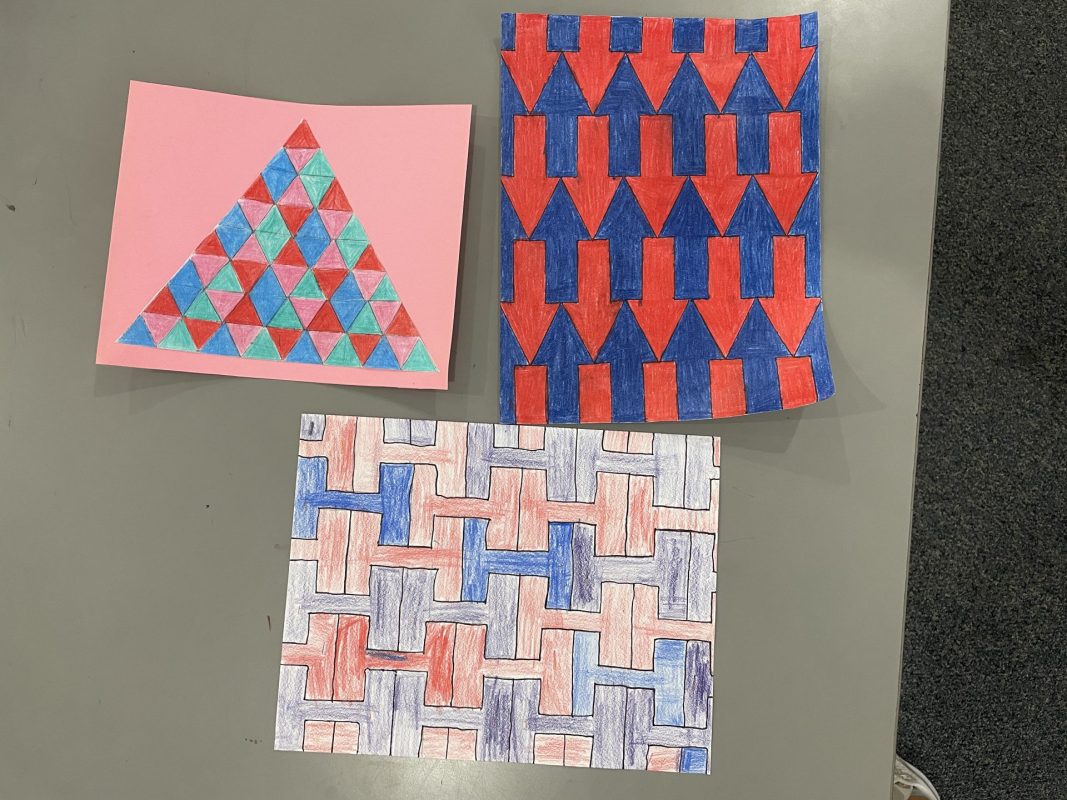
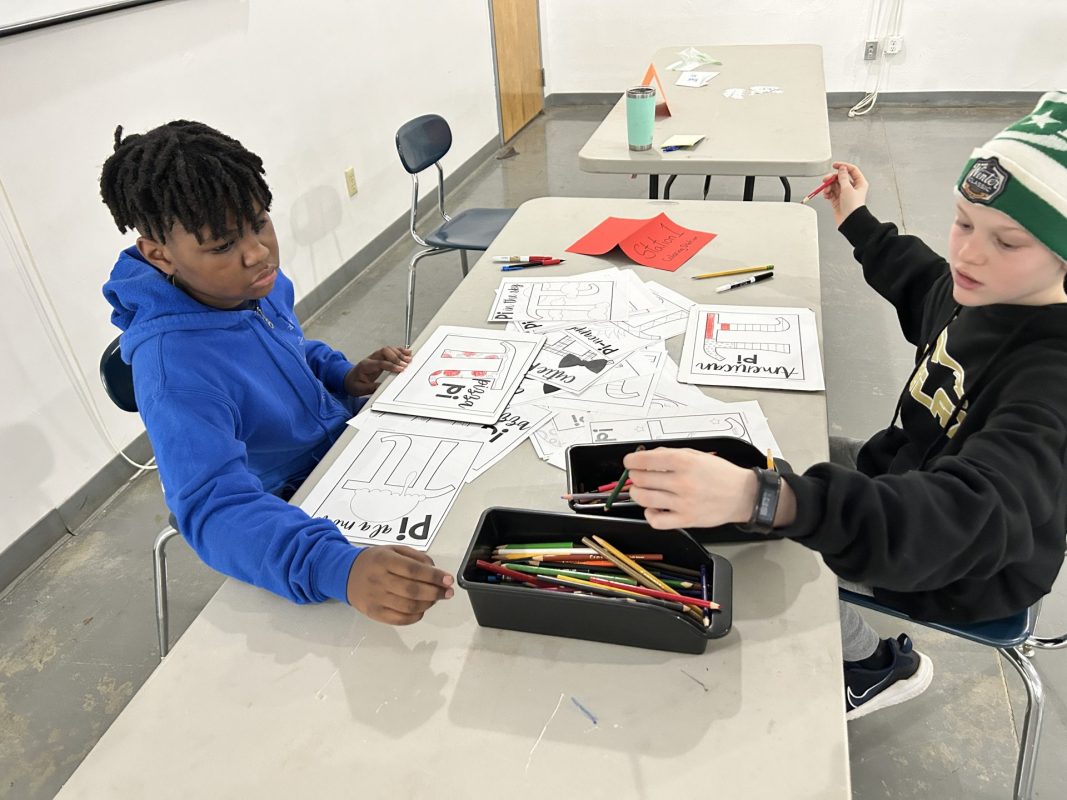
In the Algebra math class, students were excited to create their doodle note pages for slope. They are studying how to calculate rates of change, how to find the slope of a line given two ordered pairs, and how to identify the difference between a positive and negative slope on a graph.
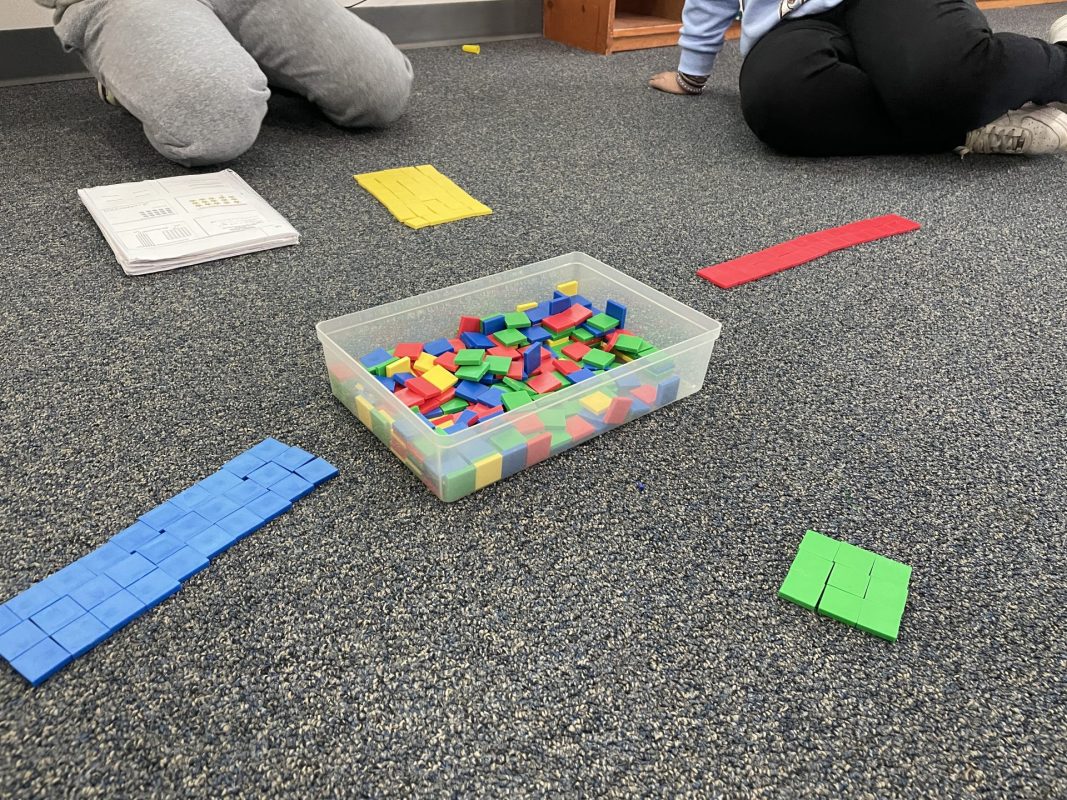
Thank you to all our friends and families who supported the middle school students at this year’s Math Carnival. It was a treat to have so many special guests join us in celebrating the hard work of our grade 6, 7, and 8 classes. Everyone had so much fun and look forward to keeping the tradition alive next year!
Science

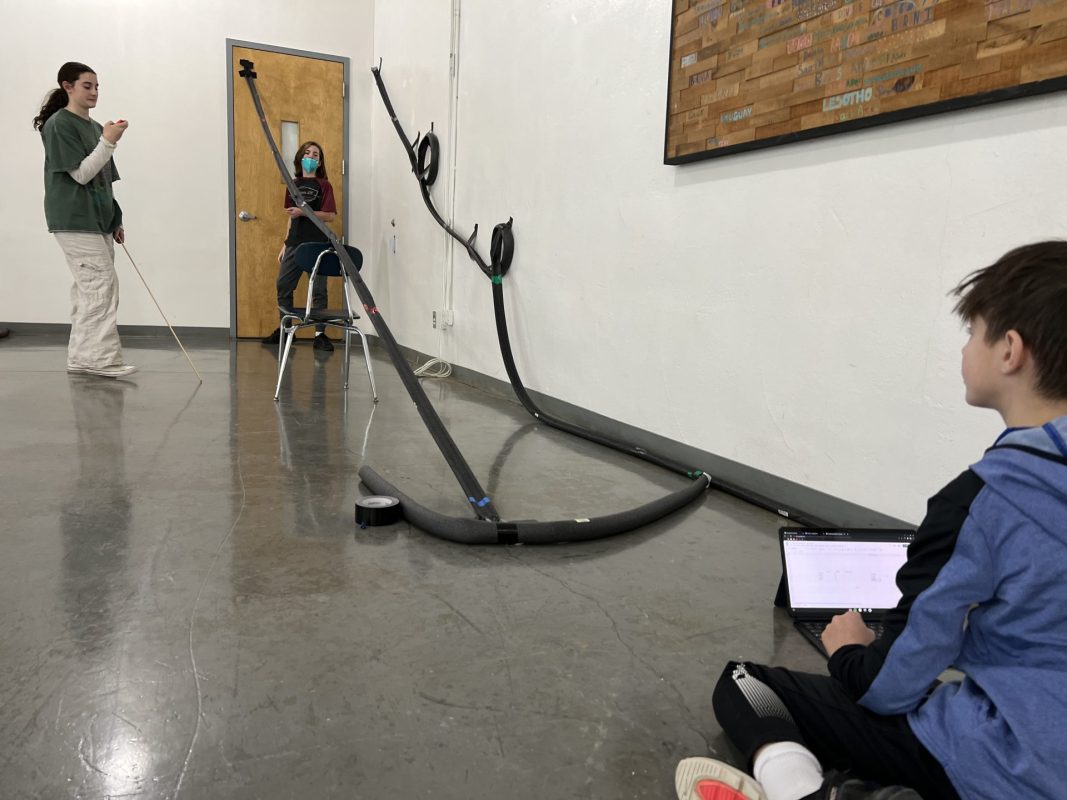
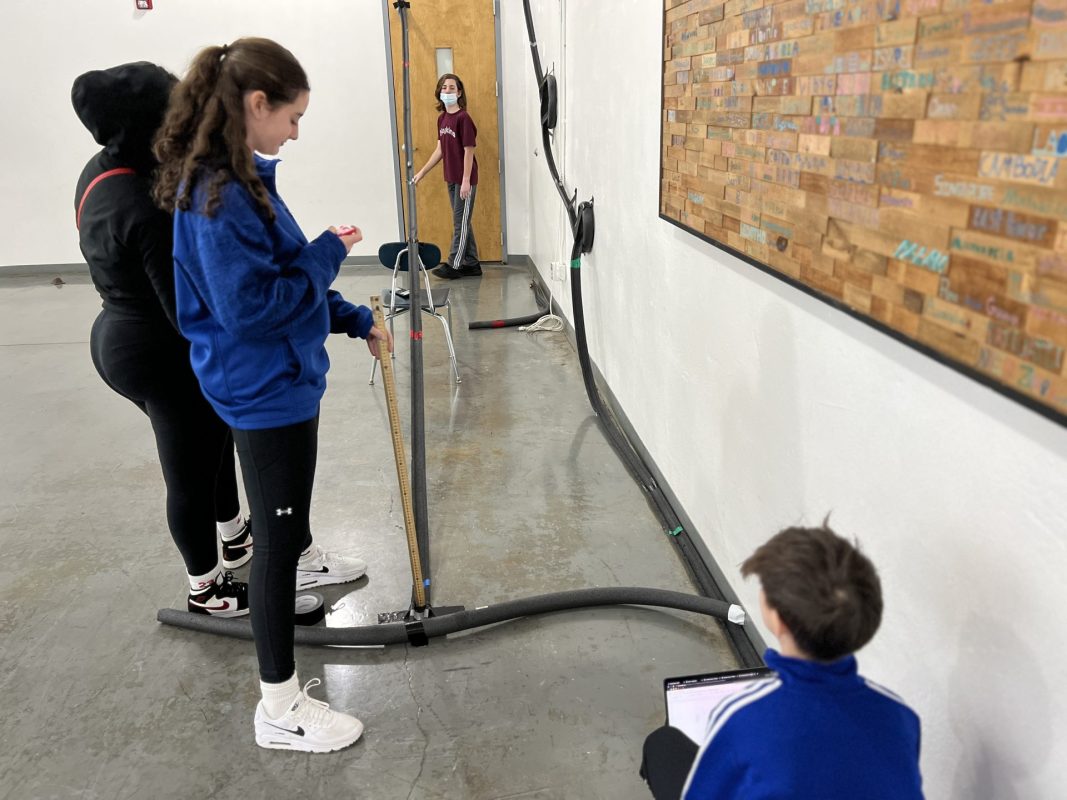
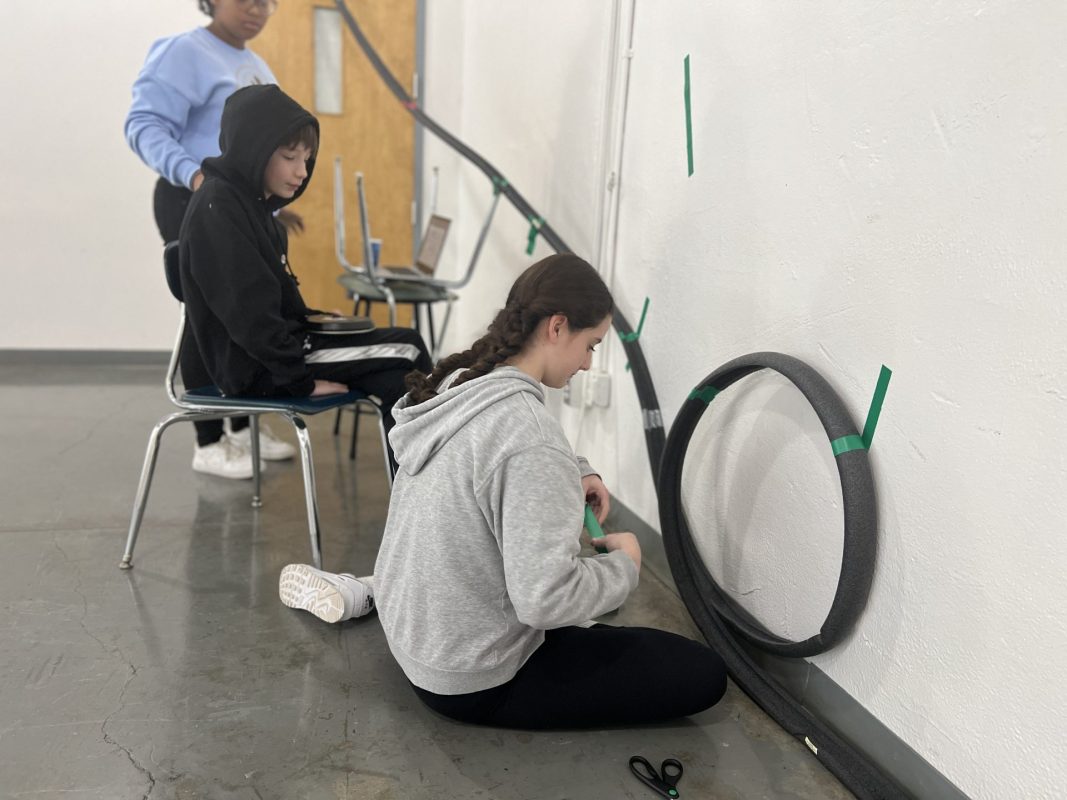
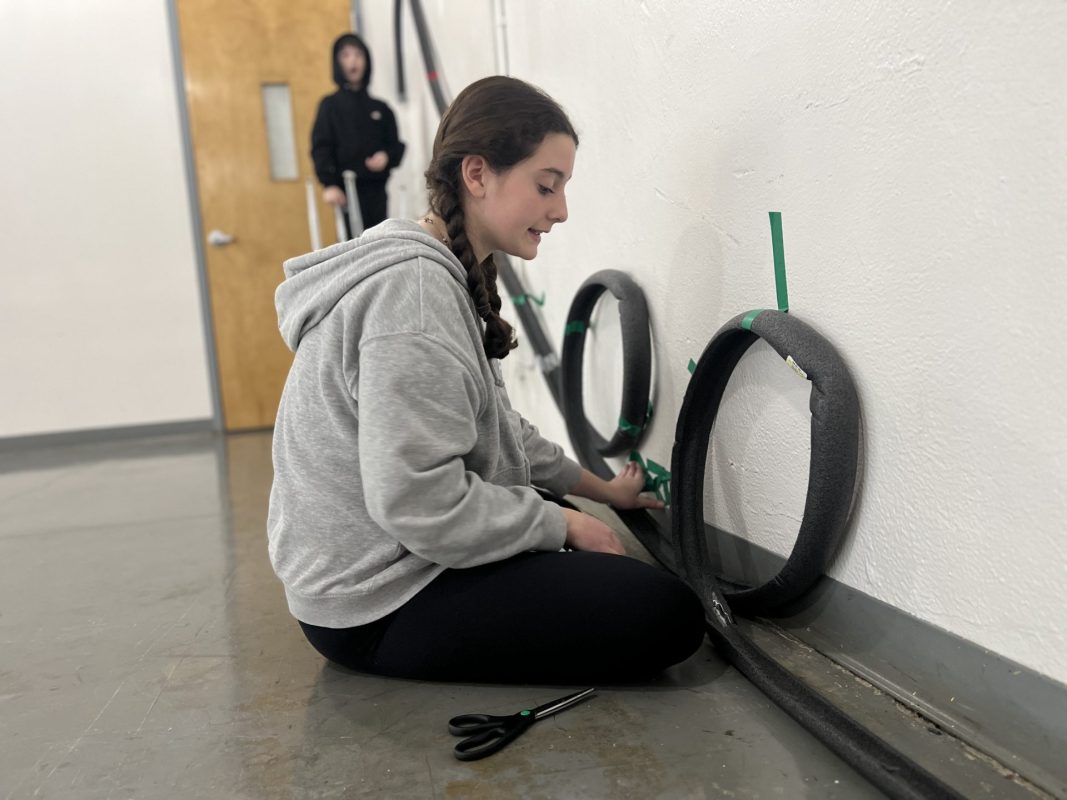
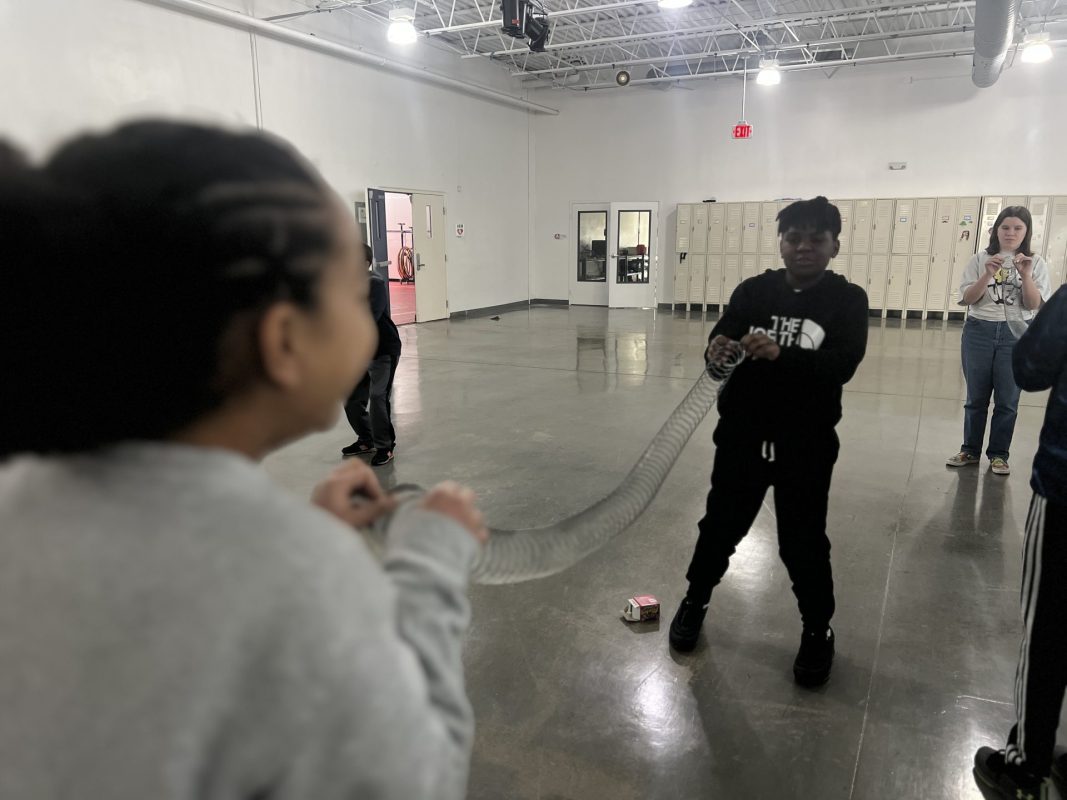
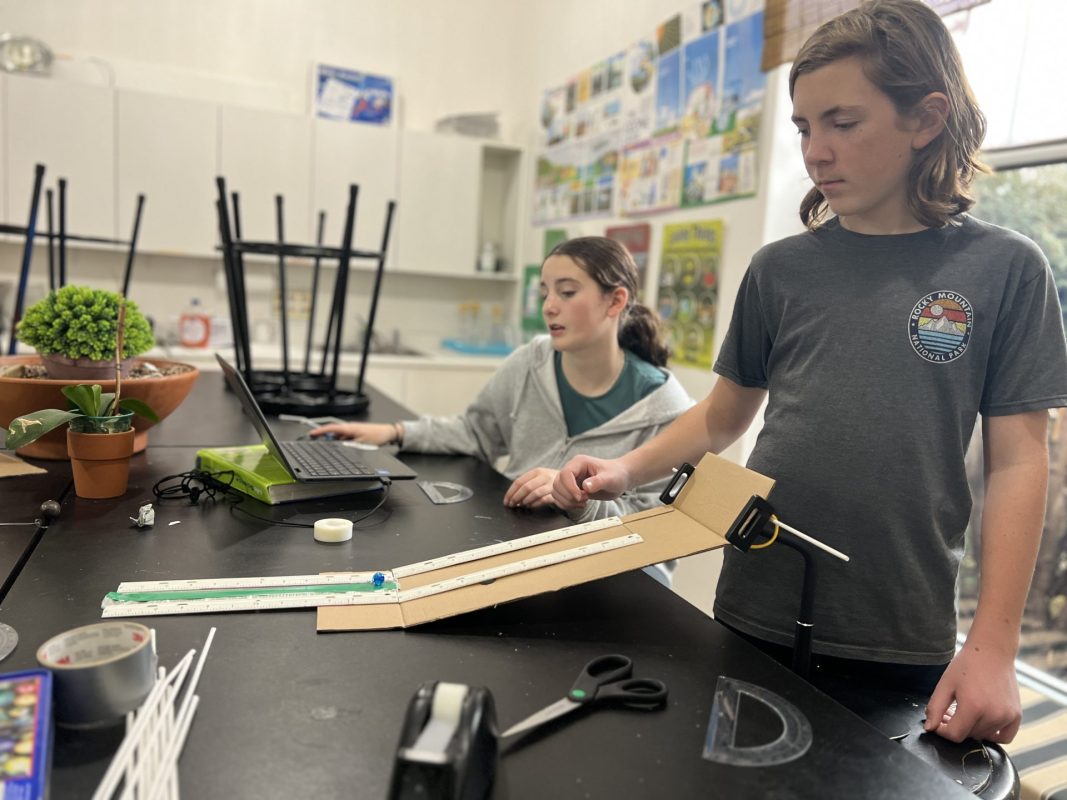
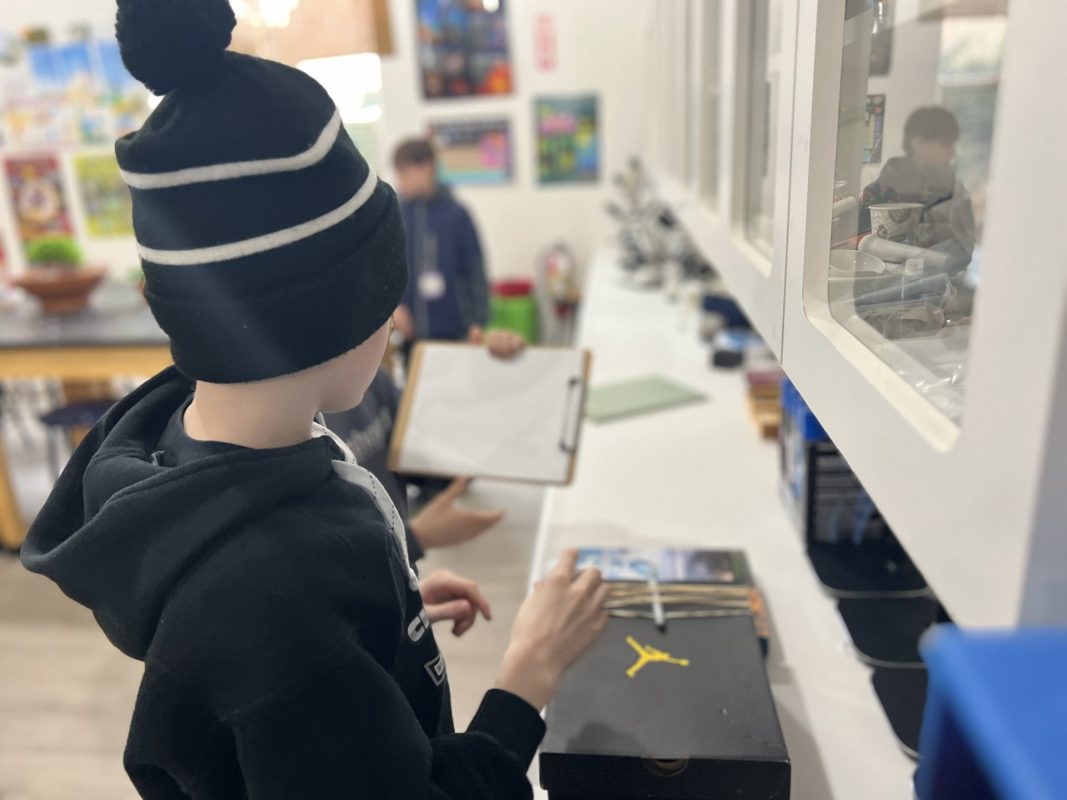
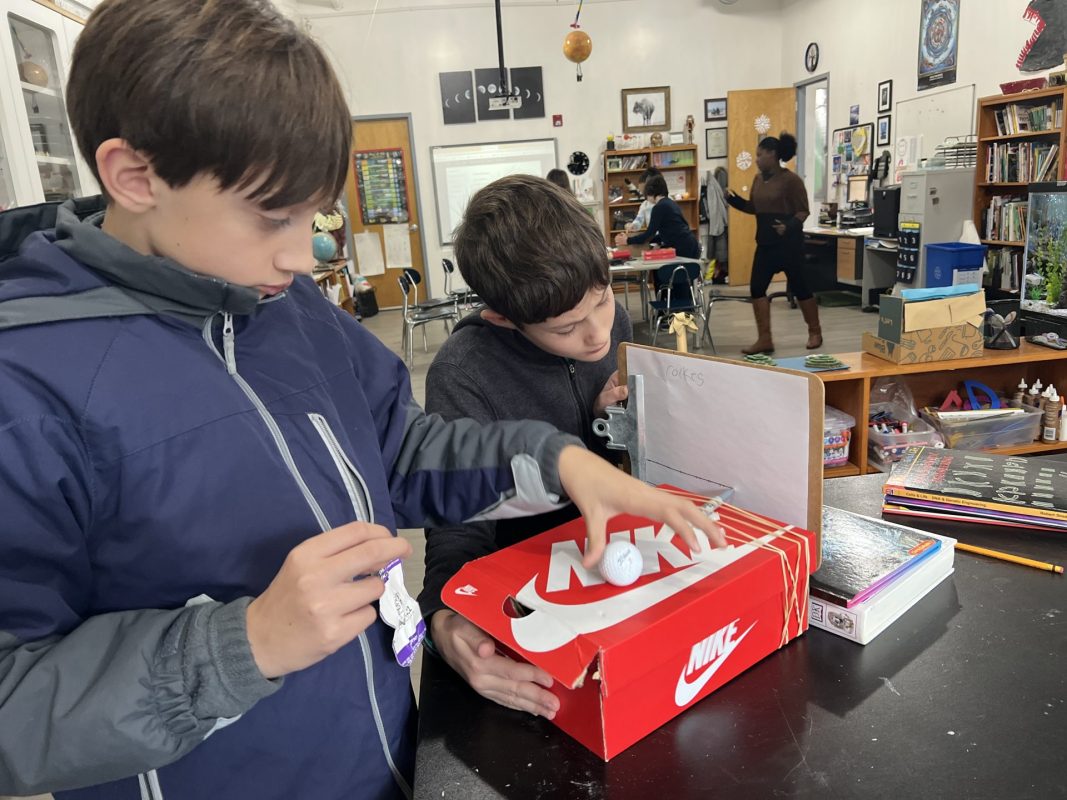
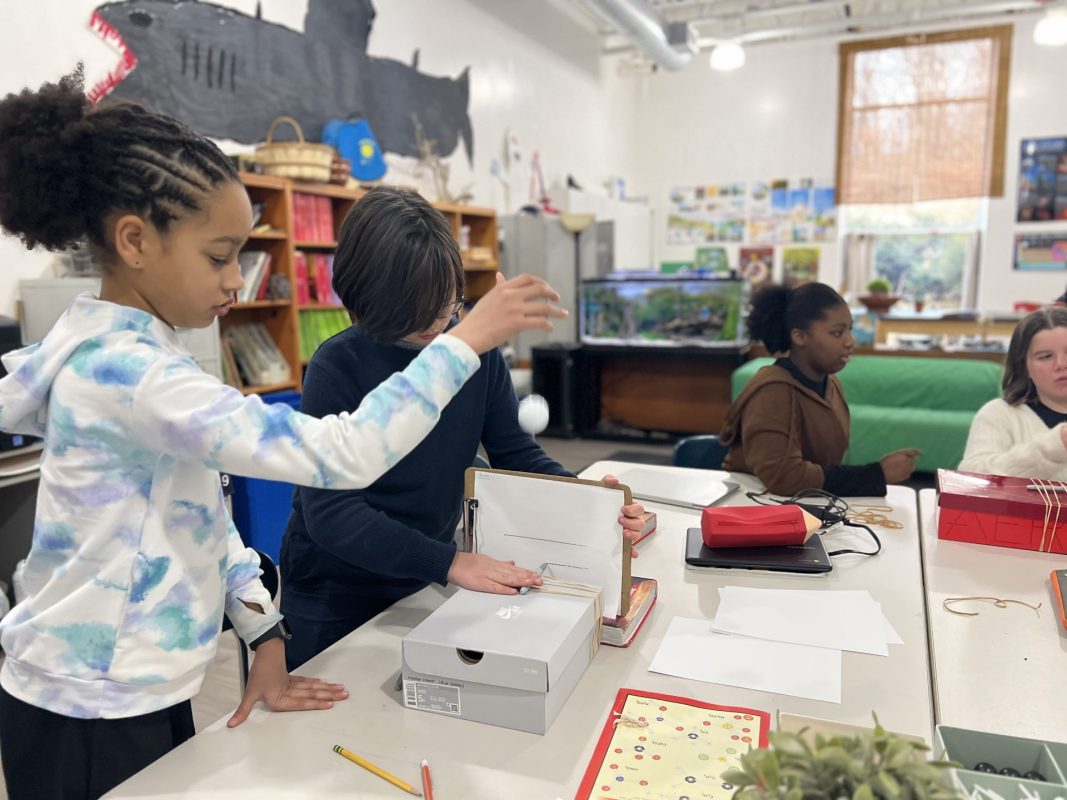
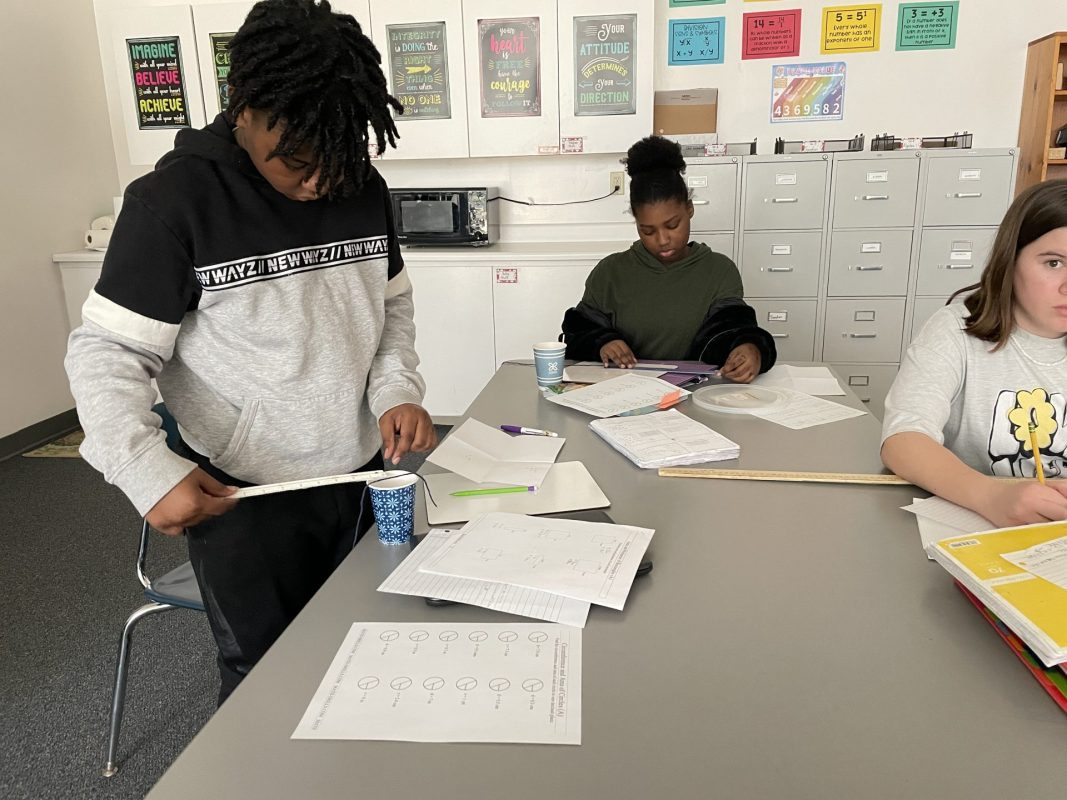
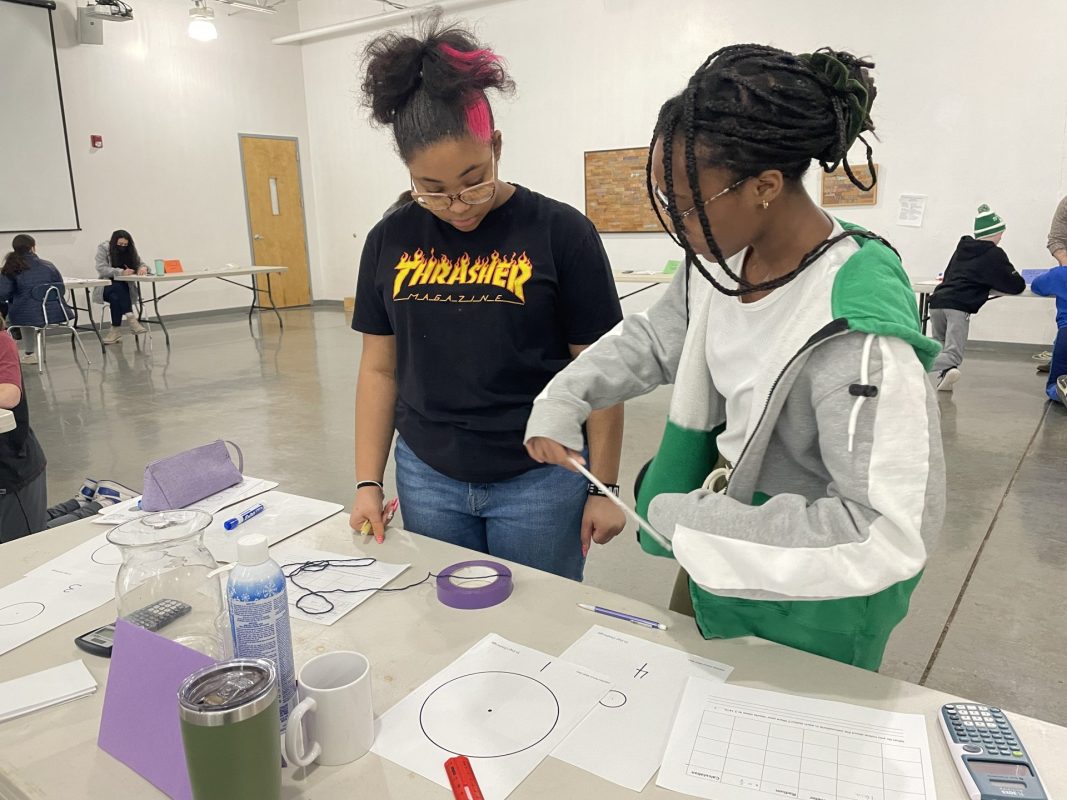
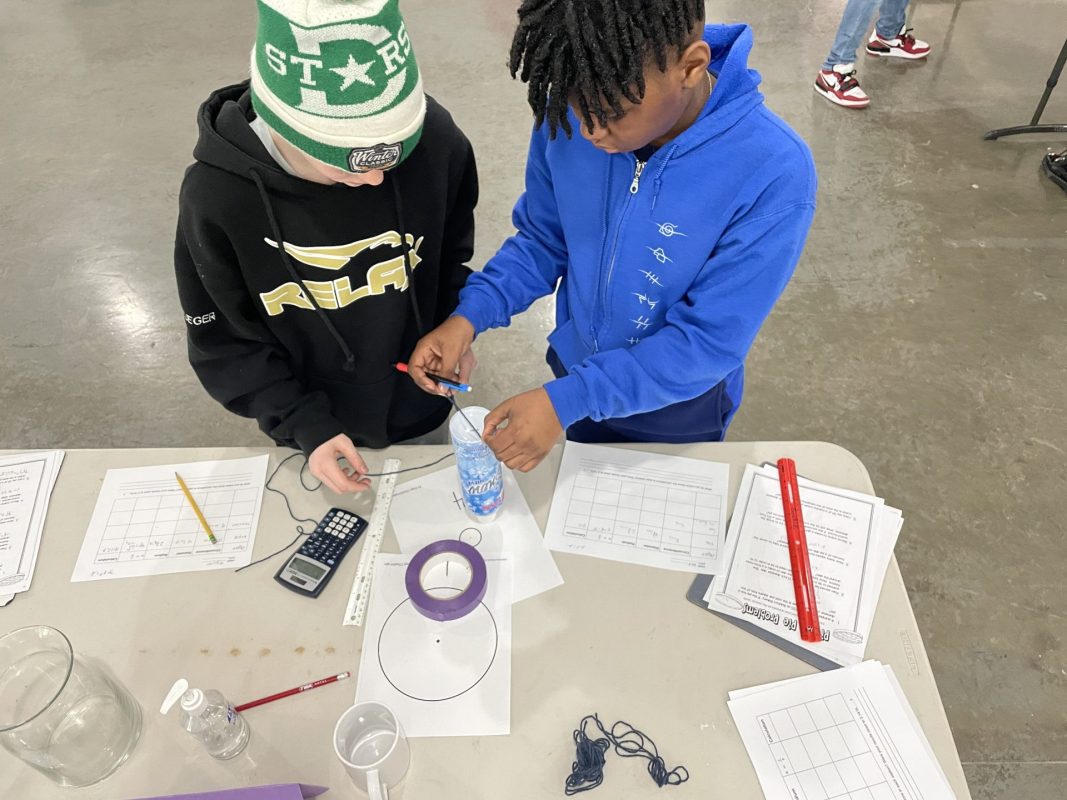
6th-year Earth Science students have spent the week analyzing seismographs and seismograms as part of our current unit, Why Earthquakes Occur. Students were asked to determine the epicenter of an earthquake from data collected from three seismograph stations. The first step in the process was to determine the difference in P and S wave arrival, the students correlated the time difference with a seismic wave radius from each station, and lastly, they determined where the three circles overlapped, which resulted in the calculated epicenter. Students also created their own seismograph stations to see how the density affects the ability of seismic waves to travel through different densities of Earth’s crust.

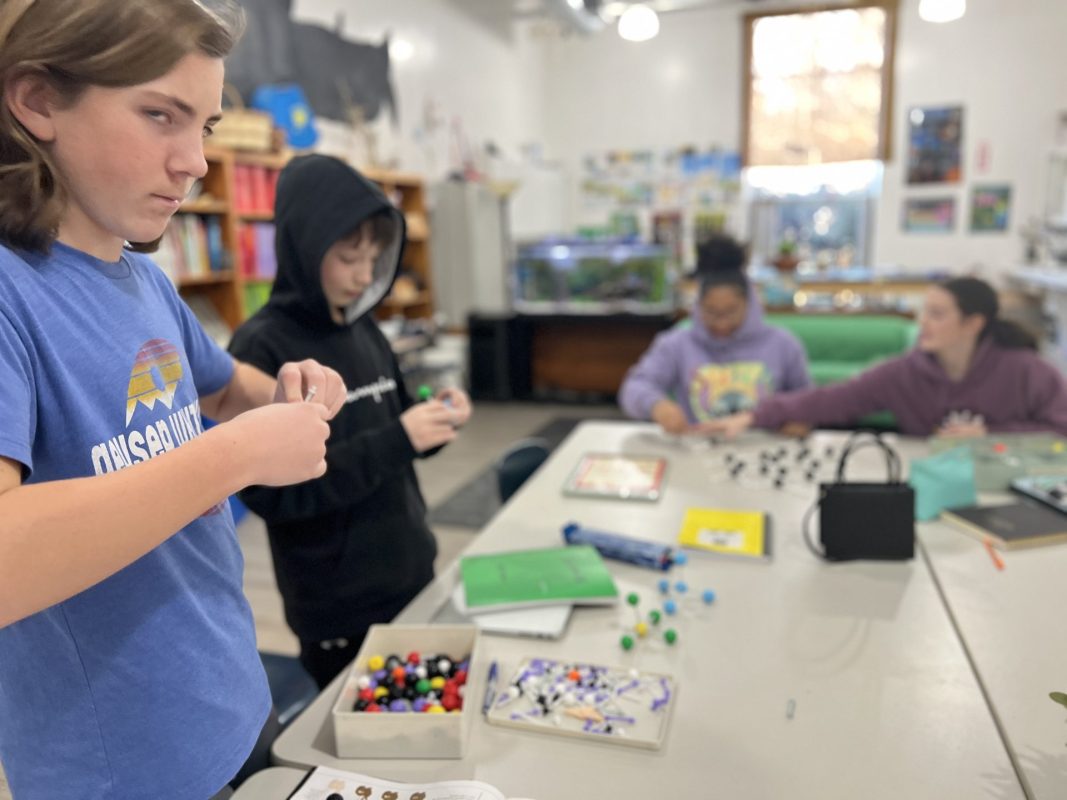
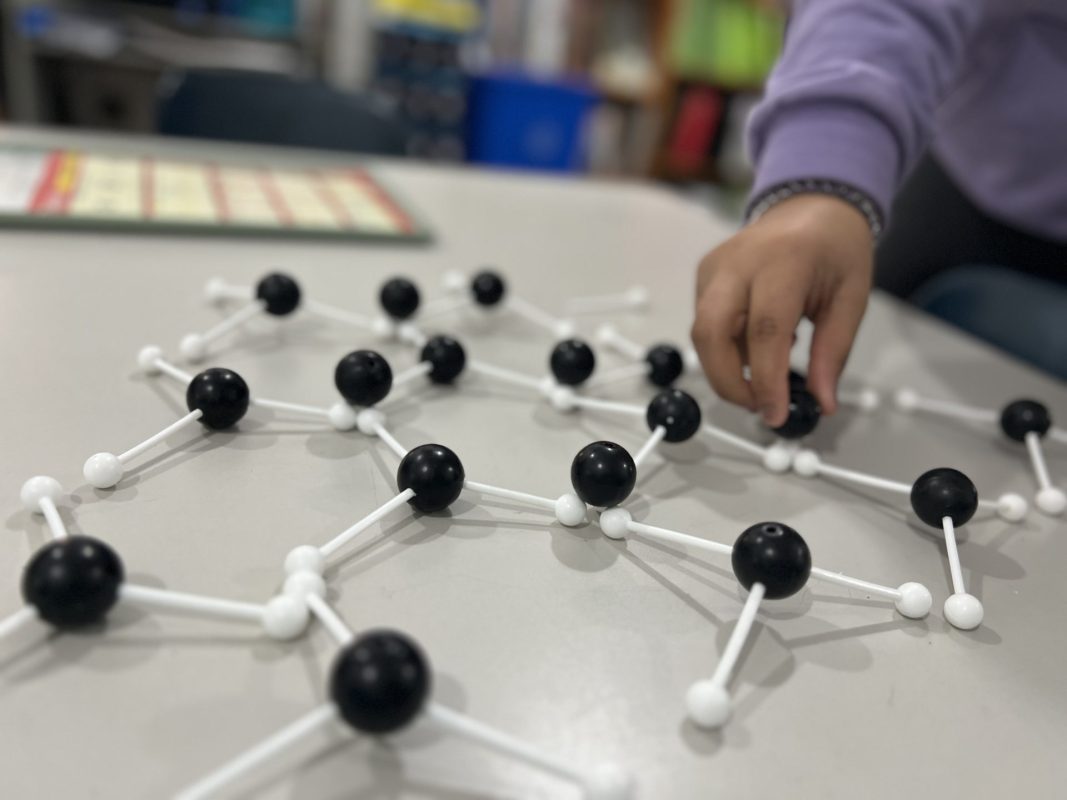
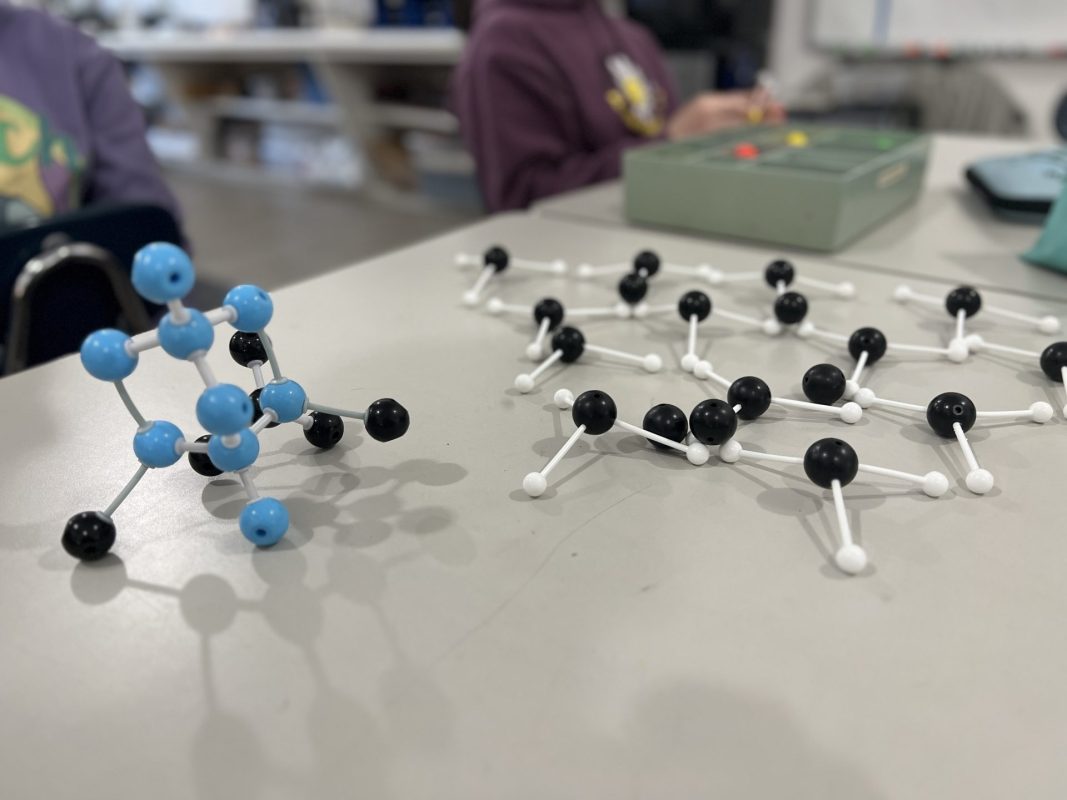
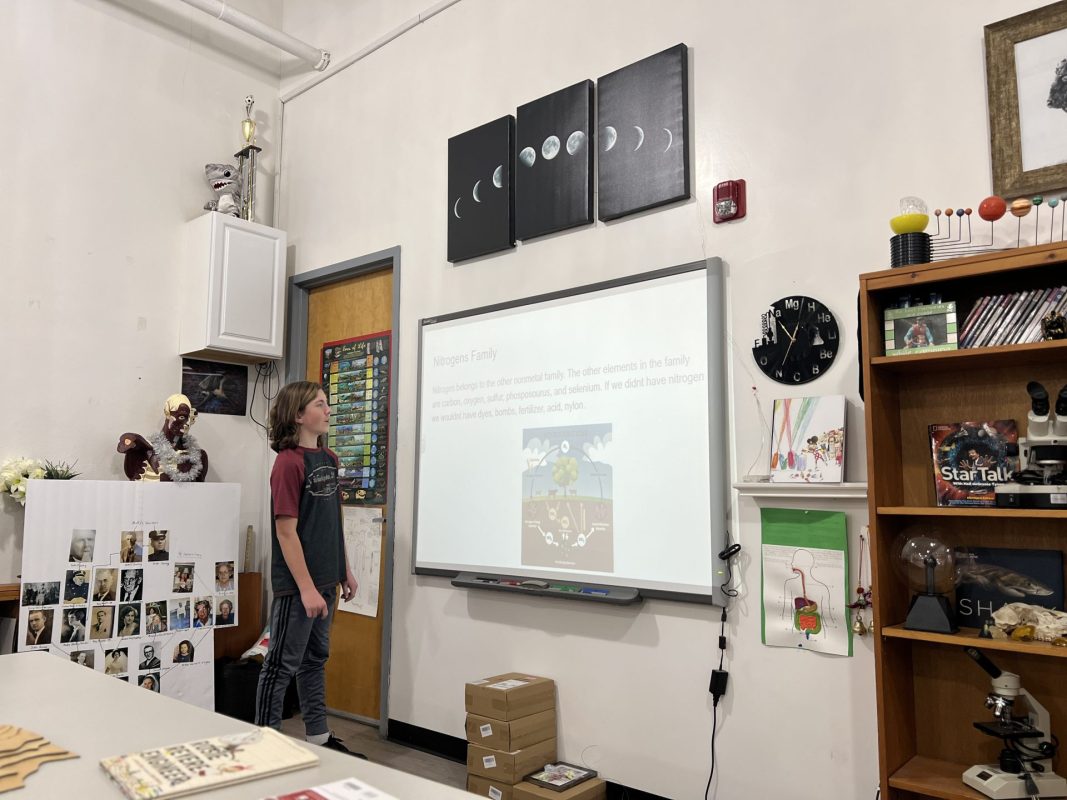
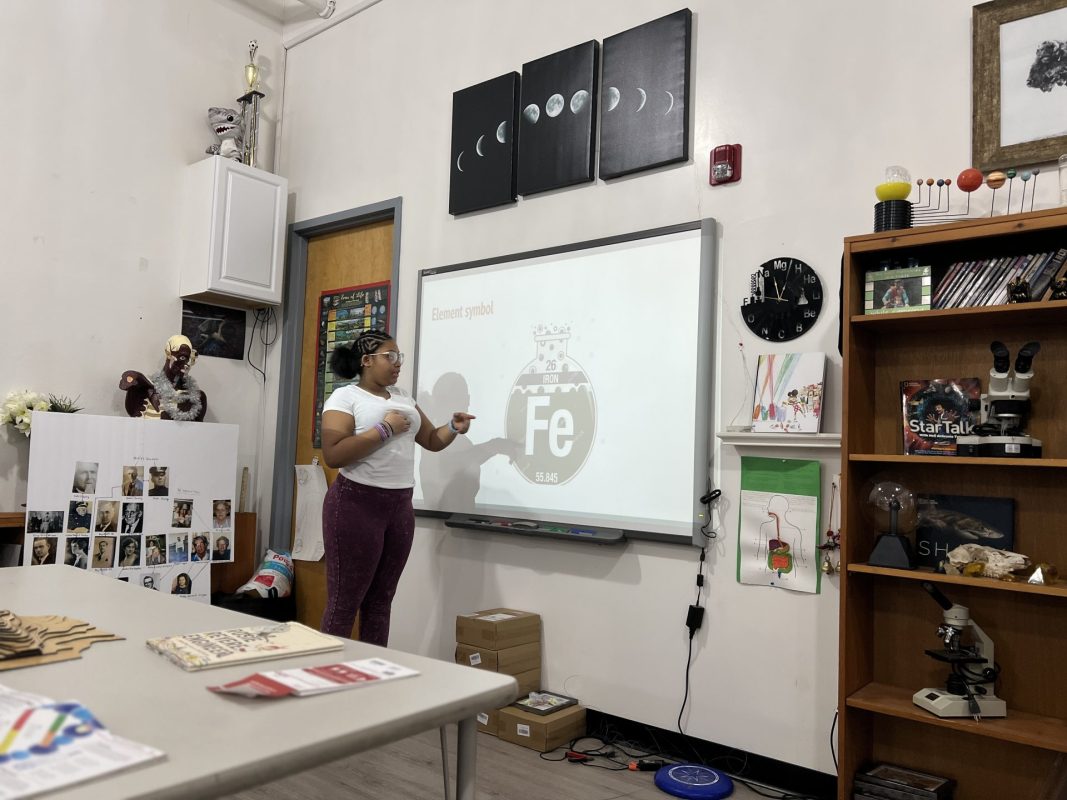
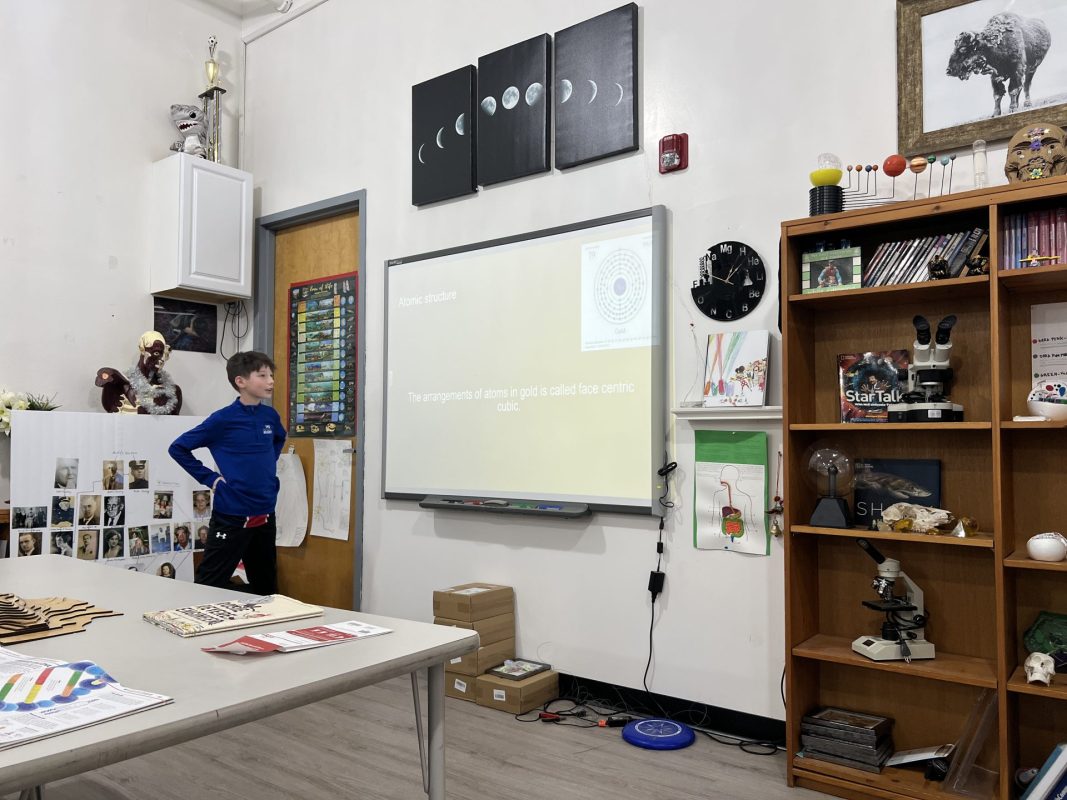
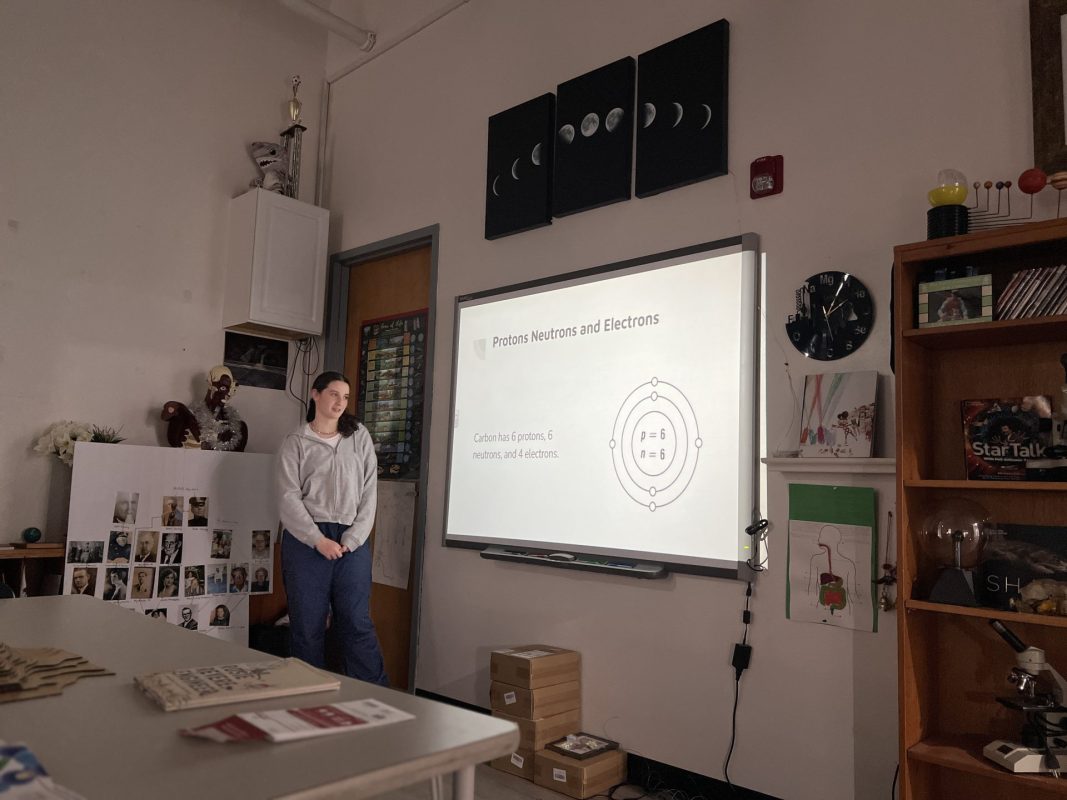
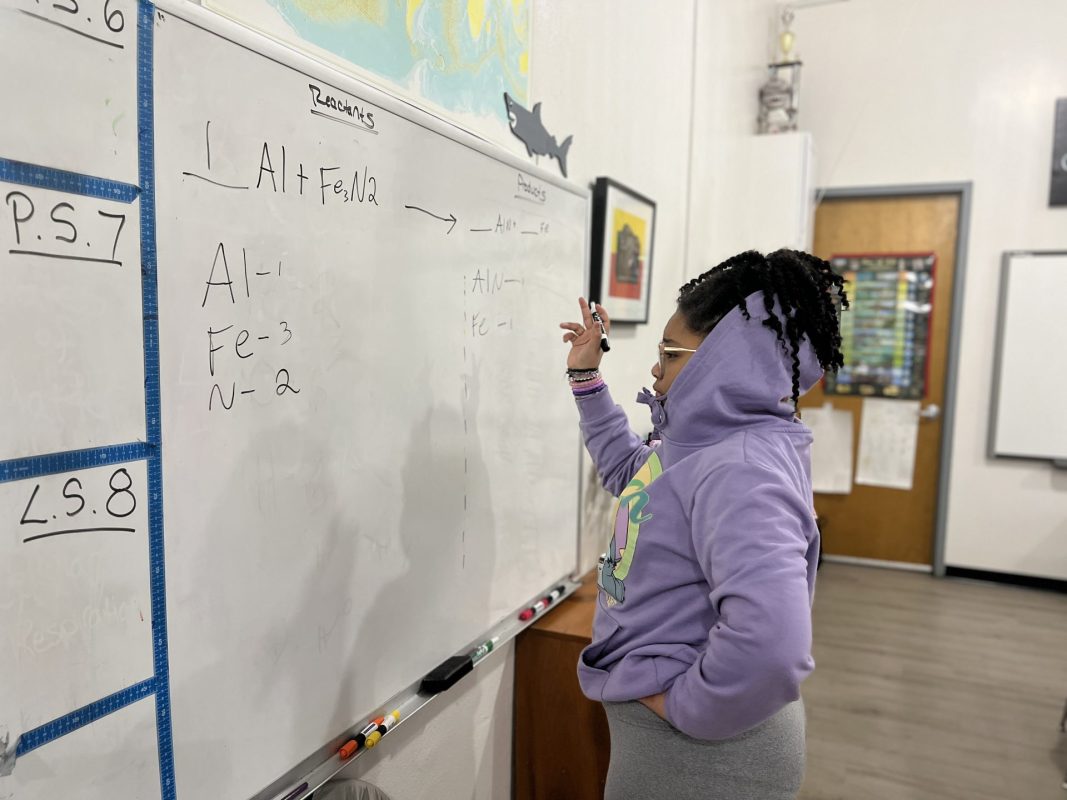
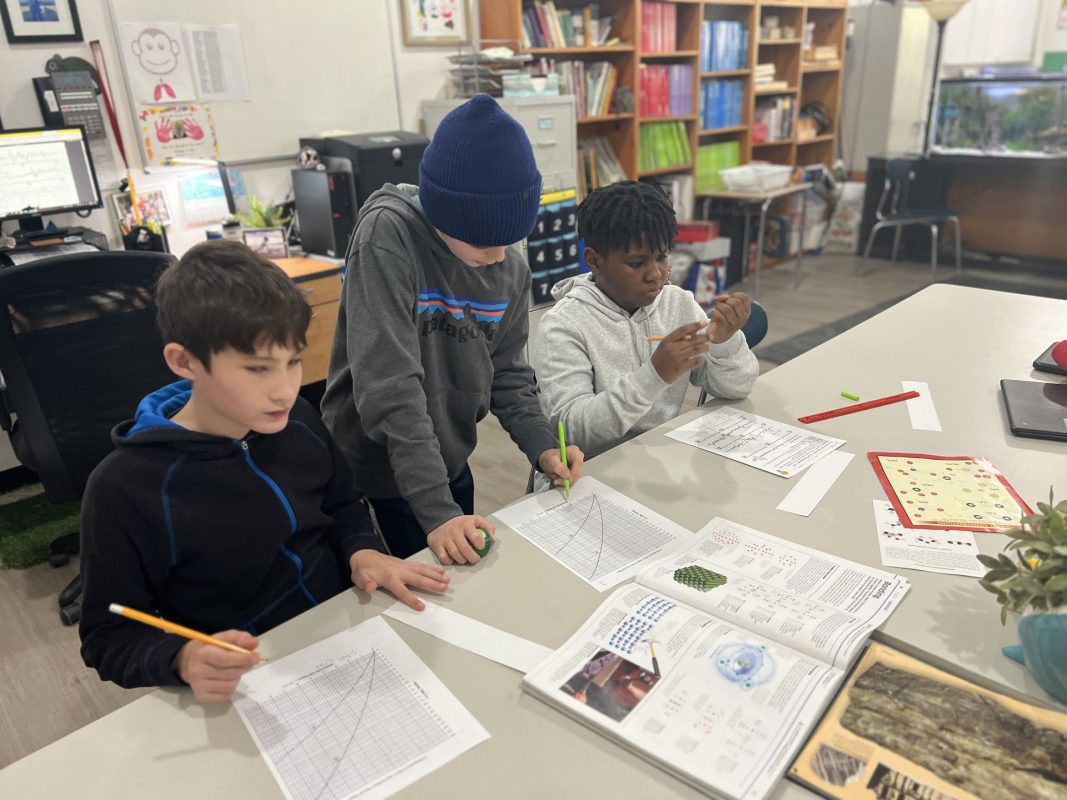
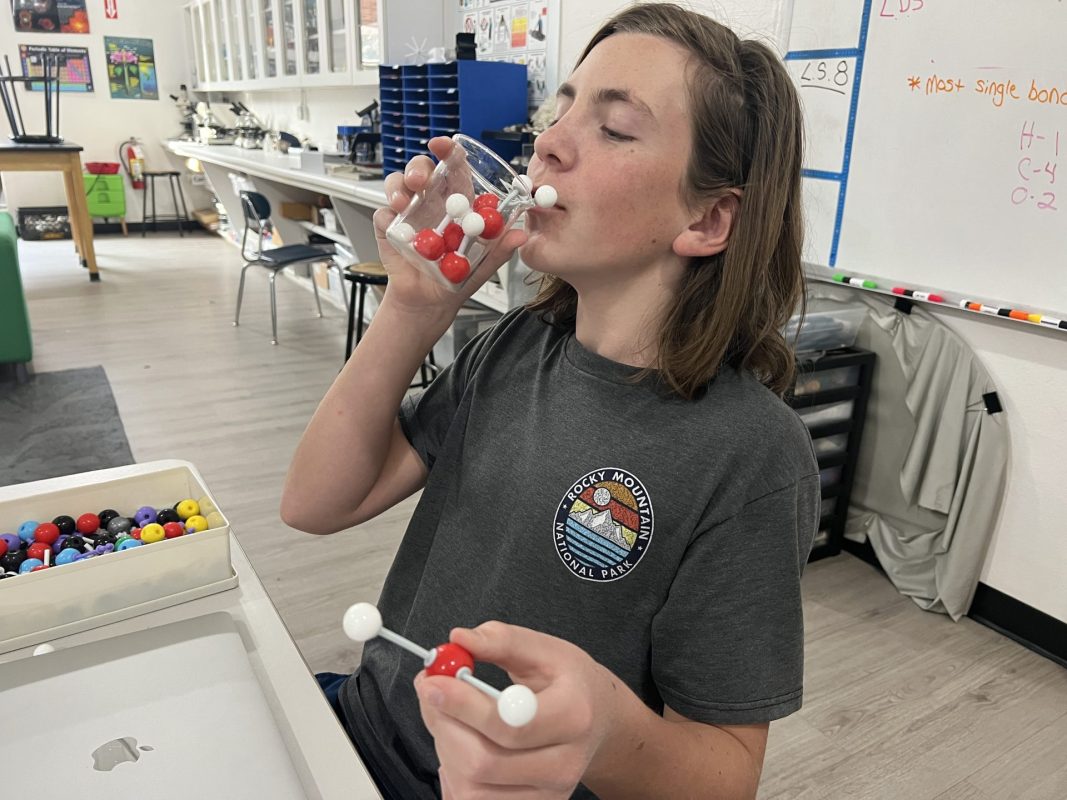
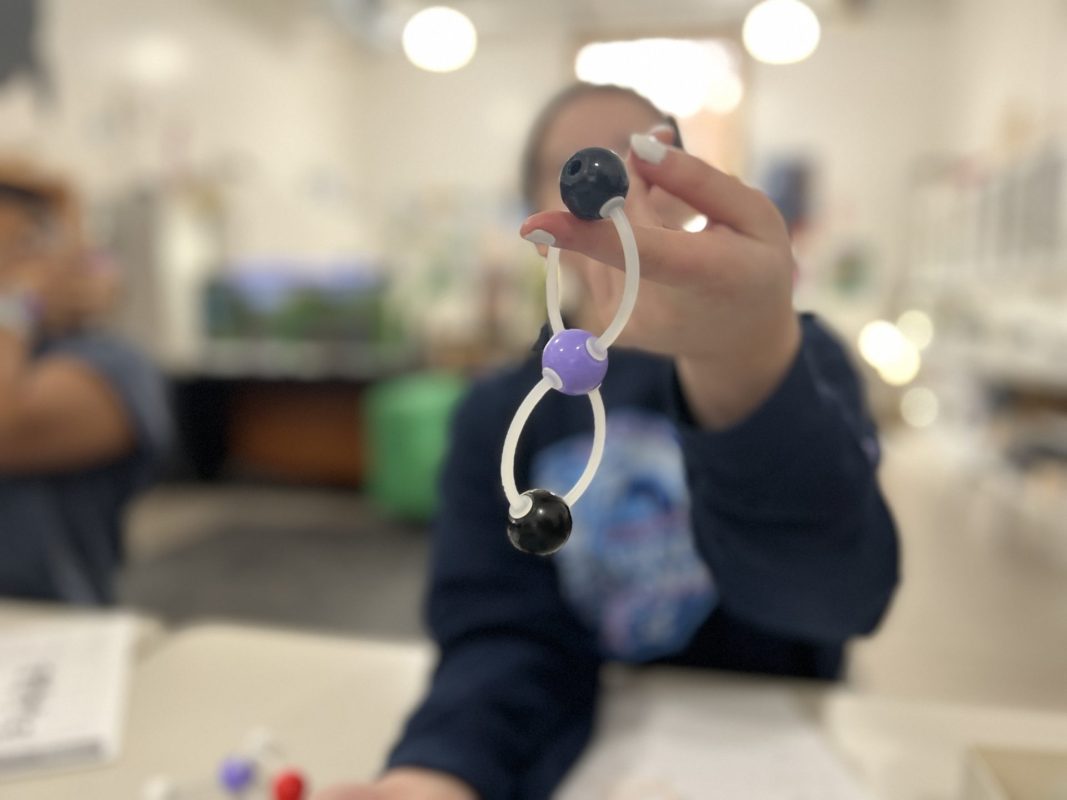
7th-year Physical Science students have been working on representing the physical nature of molecular compounds. Students have been able to determine how many protons, neutrons, electrons, and valence electrons each element has, how they bond with other elements (ionic or covalent), and how to draw the atomic structure of individual elements and compounds. Students are beginning to apply each of these concepts to formulate a larger representation of how each element reacts with elements of varying reactivity.
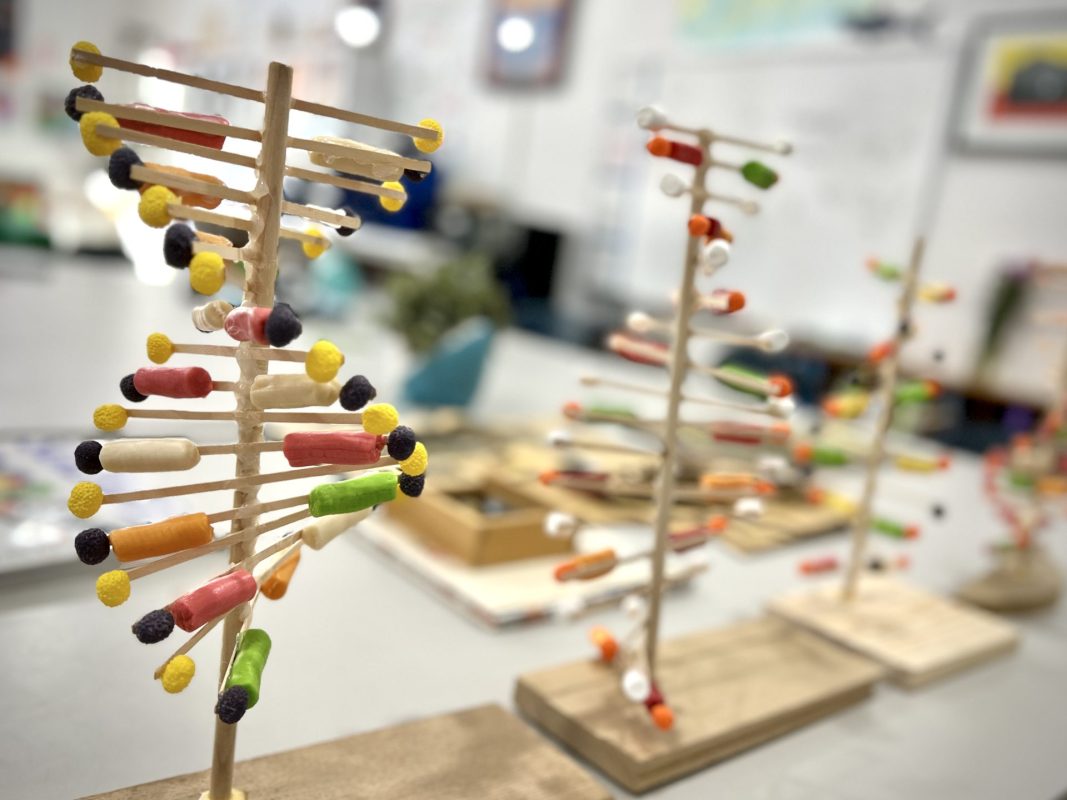
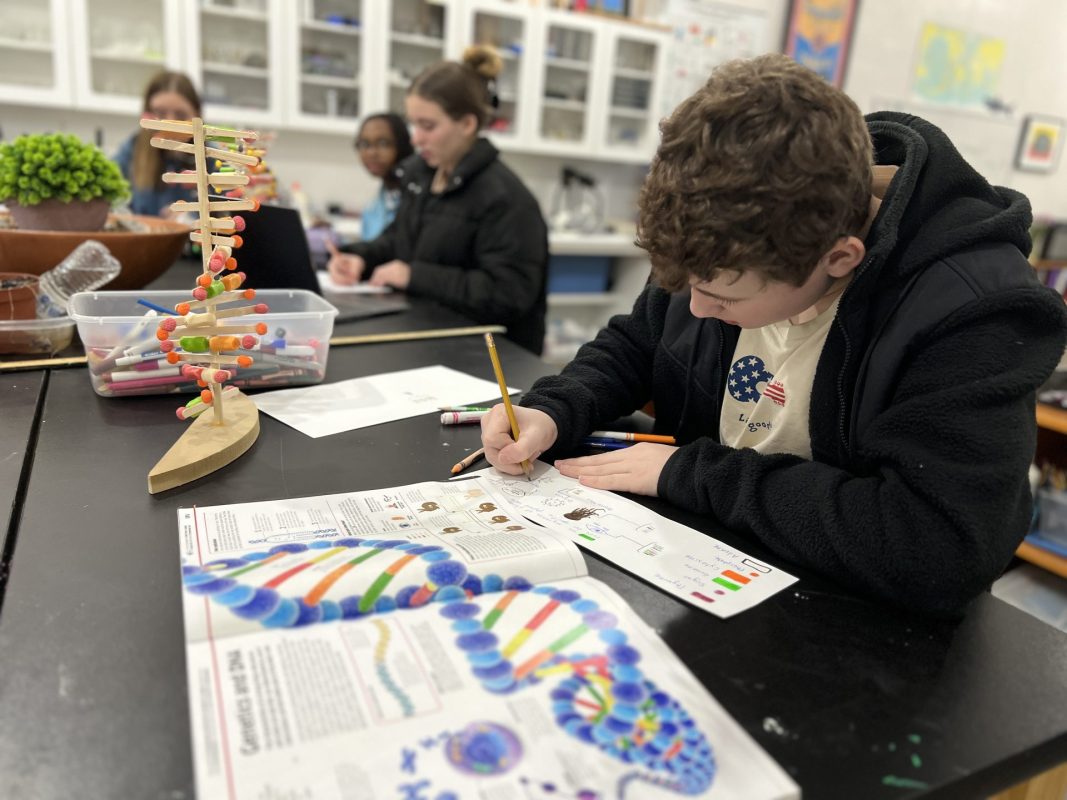
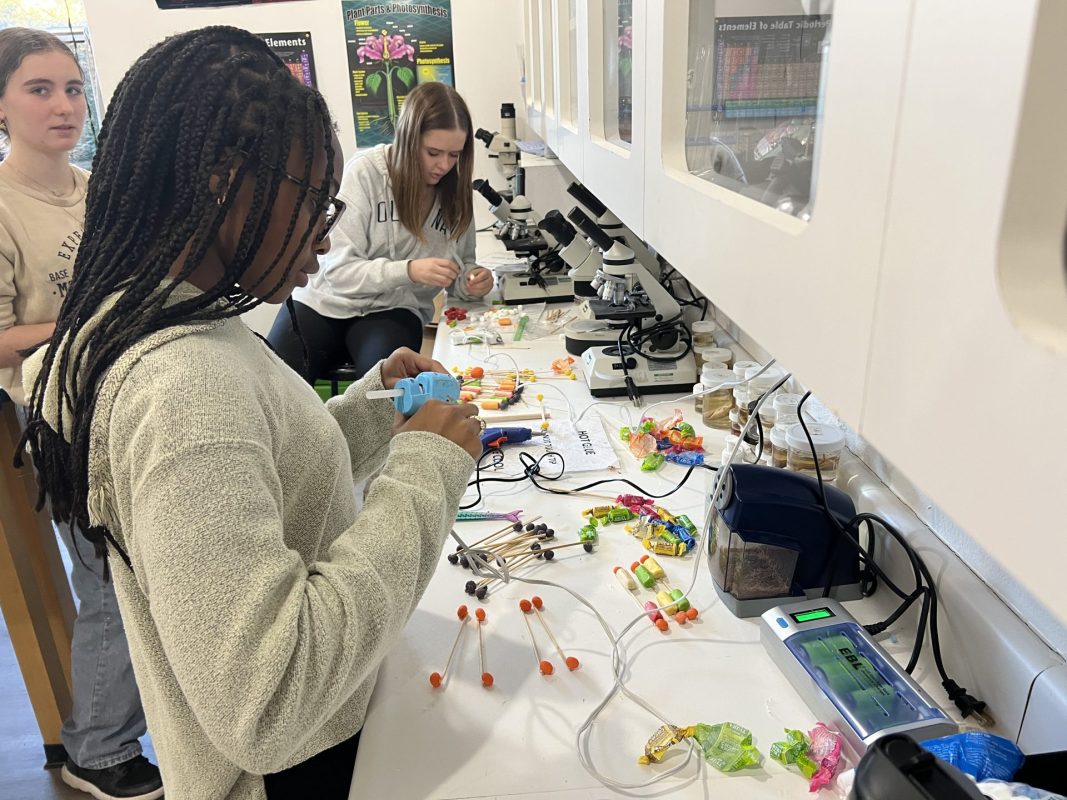
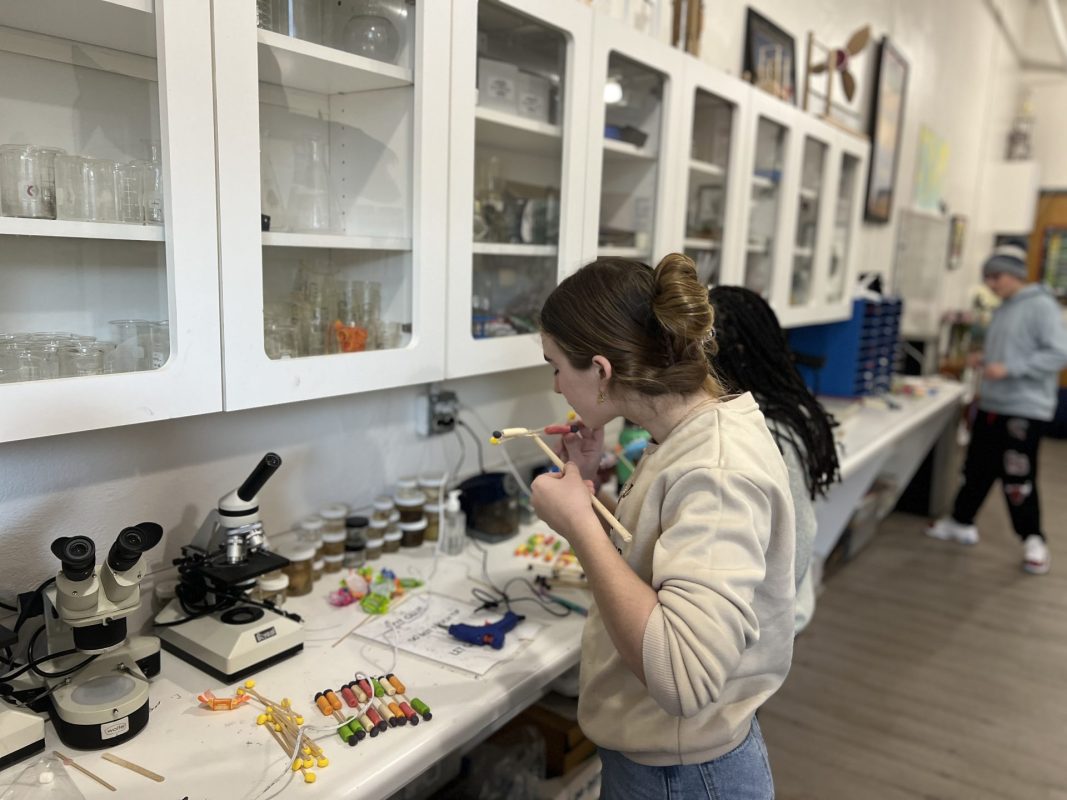
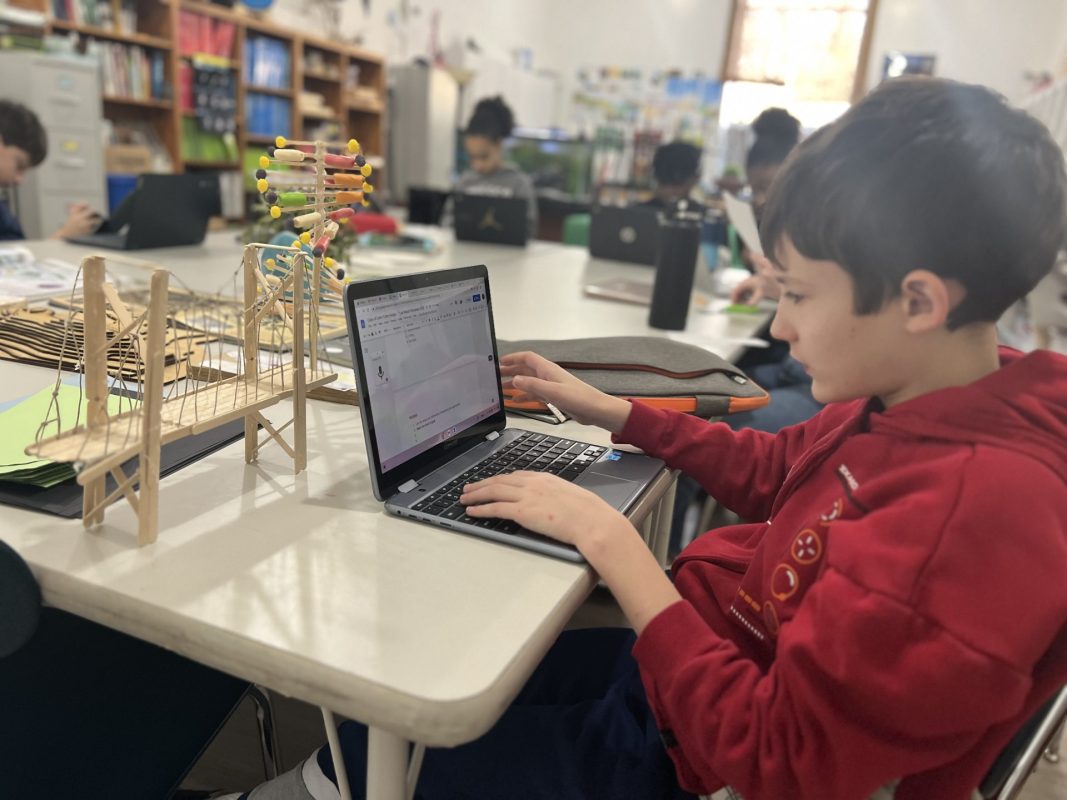
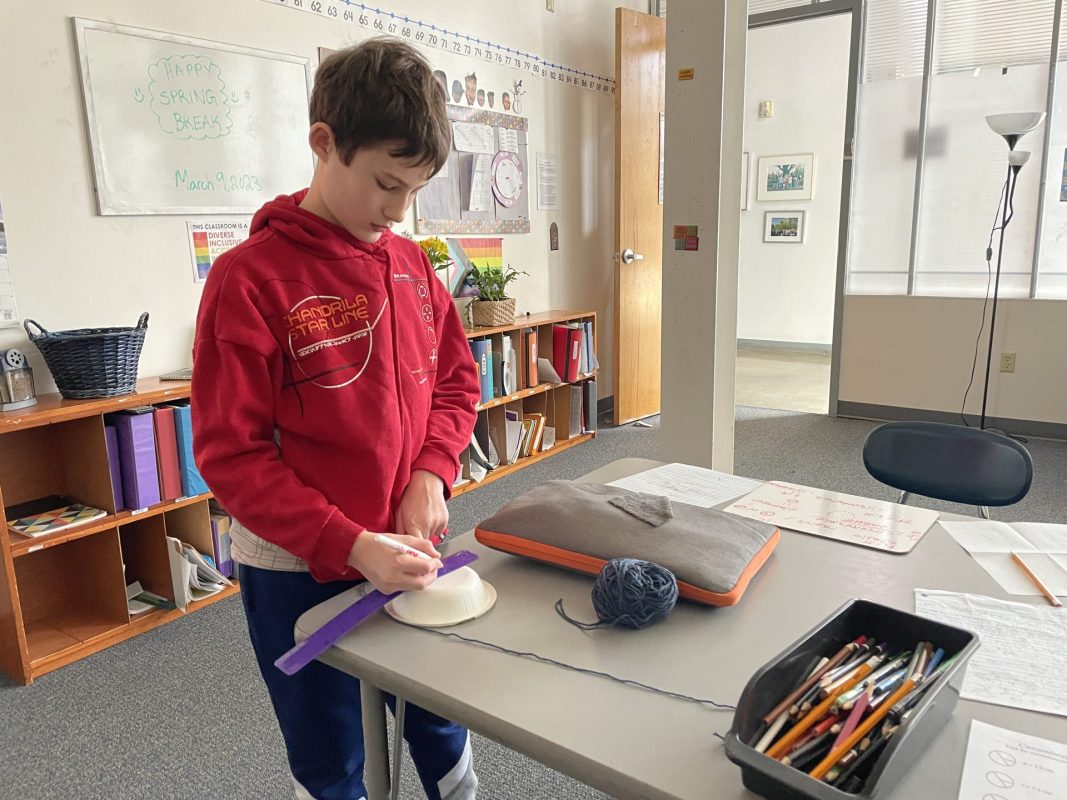
8th-year Life Science students finished creating an artistic representation of meiosis. Students were asked to represent the multi-stage process of meiosis, which cells undergo, resulting in genetic variation. Students were able to represent this process using pipe cleaners for chromosomes and paper plates for the cell. Each student applied their own creativity to the project, which was representative of their personal understanding.
It has been an engaging and enriching week in the classrooms! More to come next week!

Middle School: Math Carnival Week

Welcome back to a new year at FWM! Teachers and students were excited to return and celebrate the start of 2023. To kick off the school year, the middle school students began working on the math carnival project.
All classes participated in the third annual Carnival Day activity scheduled for Friday January 13th from 10-11am. This year, we are happy to invite students from Lower Elementary, Upper Elementary, Staff and Parents to join us in playing all the fun filled games.  Each student was assigned to create a unique game with rules, a creative title, and a full description. Students were asked to calculate the theoretical probability before the actual game day in order to predict the players’ chances of winning the games. Students created games that involved throwing discs, spinning a spinner, tossing a bean bag, randomly selecting a candy, flipping a coin, and knocking down cans. We have been working tirelessly all week to construct and perfect our carnival games. The students are extremely proud of their accomplishments and we hope you will be able to attend our upcoming event. Please contact Ms. Sutherland if you have any questions.
A few general reminders:
– Moving Up Night is Thursday, January 12th, 2023 from 5:30pm-7:00pm
This event is for prospective students interested in joining our middle school community next year.
– Flower Distribution for 2023
Please be sure to check the flower distribution schedule posted in resources on MyFWM for when your family’s assigned day is scheduled.

Middle School: A Joyous Week

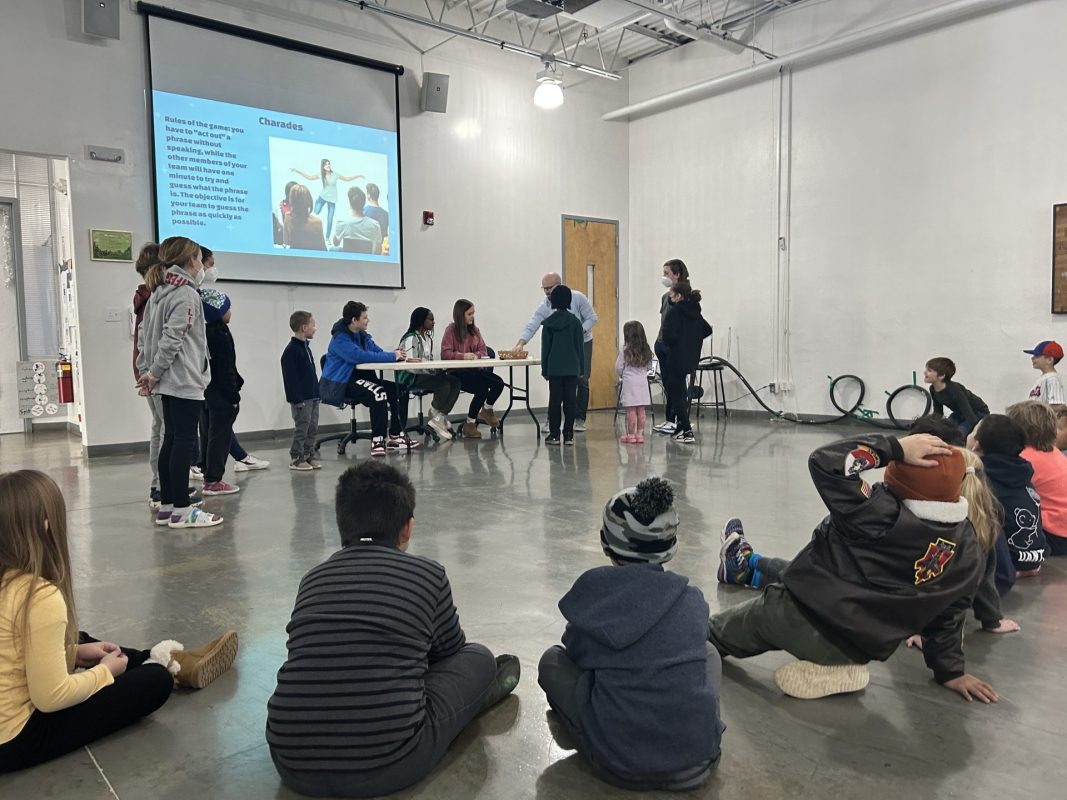
This week was a lot of fun from holiday door decorating to the winter concert and a final 8th grade news before our class party!

We hope everyone has a wonderful break full of joy, memories, and togetherness. We look forward to welcoming everyone back in 2023!


Middle School: Building Community

Being the oldest members of the school community holds great privileges and responsibility. It is important to connect with each other in middle school and also to bring students of all ages and families together. The middle school is doing this now through two different projects.

Birdhouses- Grades 6 & 7

The 6th and 7th year Community Building class have worked for the past several weeks creating birdhouses to display around the Fraser Woods premises. The goal of creating these birdhouses is for teachers, students, and families to see an aspect of wildlife conservation every time they step outside.

To begin this project, students were asked to choose a native bird to our northeastern territory. Once a bird was decided, students researched the habitat, geographic region, and nesting requirements specific to each bird. Students were able to generate a QR code from The National Audubon Society website, which provided a full review of their bird’s image, geographic range, feeding behavior, songs/calls, and how climate change will reshape the range if patterns don’t change.

Next, students designed and constructed the birdhouses. The QR code was laser engraved onto the side of each birdhouse allowing anyone with a phone to scan the QR code and be taken to the Audubon’s website specific to each bird species. A silhouette of the bird was also engraved opposite the side of the QR code. Working alongside Mr. Fuchs in MakerSpace, students assembled their birdhouses, applying mineral oil as a weathering deterrent prior to finding a location to place them outside.

We hope everyone who comes across these birdhouses will take the time to scan the code and learn a little bit about the bird species and what impact we have on maintaining their longevity.

Family Holiday Gift Drive- Grade 8

As part of their Leadership class, 8th grade students have a few initiatives they organize and run in connection with the town of Newtown. Partnering with the Newtown Fund and Social Services, the 8th grade requested a family for the Fraser Woods community to provide a holiday meal, provisions, and satisfy their holiday wish list.

There are several courses of action they take to run the initiative. First, they take the received information from the Newtown Fund and create a Sign Up Genius to send to the community. Then they write all email communications that are sent to Fraser Woods families. Next, they collect and keep track of all donations, wrapping and labeling as needed. Finally, students will help deliver the gifts and provisions to the family on delivery day, December 17th.

This time of year it is important to reflect about what we have, show gratitude, and help others. The middle school teachers are incredibly thankful for the generosity and hard work of the middle school students and their enthusiasm towards community projects.


Middle School: Week in Review

Happy December! It will be a fun, but short, month here at FWM. We are certainly busy with our classes and community service projects (more to come on this in next week’s blog).

If you would like to sign up for the 8th grade’s Family Gift Drive for a local family, please visit the Sign Up by clicking this link: Family #28 Sign Up

Humanities

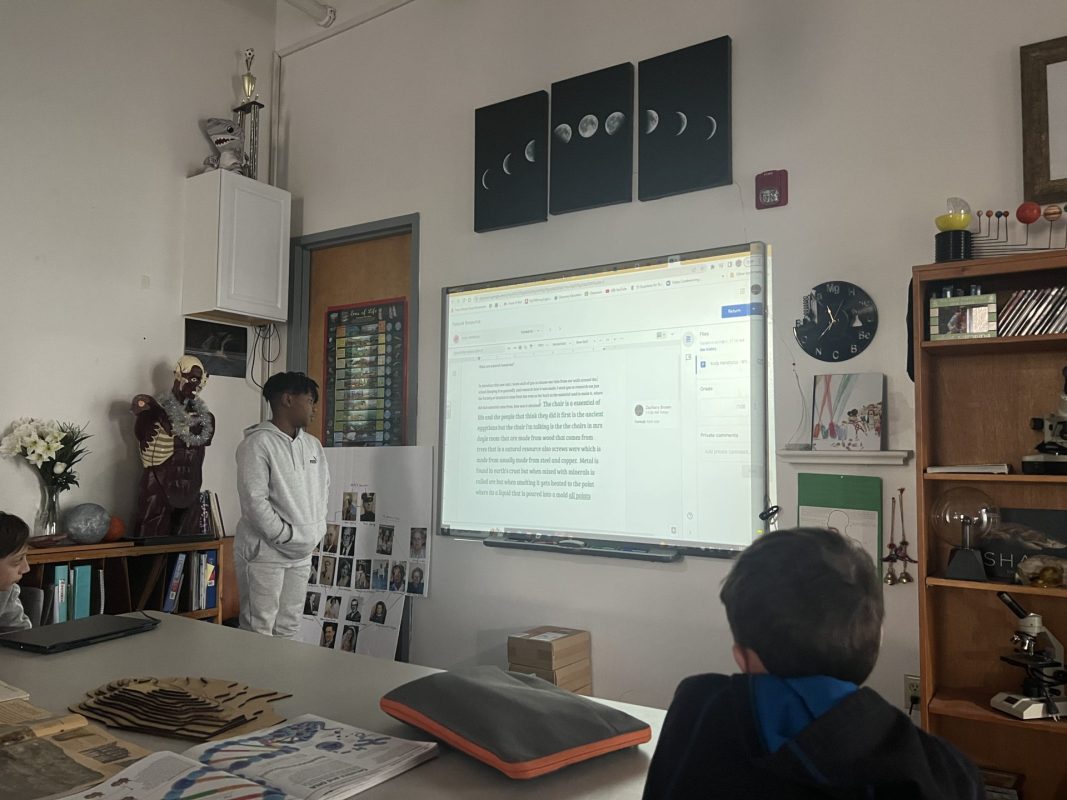
In 6th grade Humanities classes this week, students have been working on their writing, particularly organization and word choice. First, they continue to understand the importance of organization. How can we write topic sentences that represent a paragraph’s main idea? How do we present the details to support it in a logical and fluent way? How about the ending? They have also worked on using transitions to move from one idea to the next. For word choice,  students have talked about using specific nouns, strong verbs, and descriptive adjectives to enhance their sentences. They are starting to take risks using synonyms of more common words. For example, using the word “stroll” or “saunter” rather than “walk” when appropriate. Currently, students are writing to compare Melody, the main character from their recently completed novel, Out of My Mind, to Mackenzie, a young adult living with cerebral palsy in New Zealand from the short documentary, Mackenzie’s Voice.

7th grade Humanities class has begun their study of SubSaharan Africa. They completed maps of the countries that make up this part of the continent. They also identified their capital cities and took notice of the placement of capital cities within a country and how terrain might affect this. Also, they read about the diverse human population of SubSaharan Africa as well as the industries of mining, drilling, forestry, and fishing. At the end of the week, students wrote about and discussed the difference between modern and traditional culture leading into the beginning of the memoir, A Gift From Childhood by Baba Wague Diakite, a Malian artist currently living in Portland, Oregon.

8th grade Humanities class moved north from the Jamestown Colony this week to the settlement of the Massachusetts Bay Colony. They discussed the Separatists’ voyage on The Mayflower, challenges following this voyage, and the initial encounters with the Wampanoag. They read and discussed the story of the “first Thanksgiving” and began to learn about the Puritans. Finally, continued discussions about the value of religion to the people of Great Britain and those deciding to make the journey to the colonies and how this ultimately affected settlements, rules, the Indigenous people, and decision making.


Science

6th year Earth Science students worked in groups this week to represent a specific plate boundary (transform, divergent, convergent), the actions leading to this boundary, and any landforms as a result of this. Finishing the week, students were able to make connections about how plate tectonics influence earthquakes. Students were able to share their prior knowledge of earthquakes, whether personal or through the news. Moving forward, we will learn about how geologists are able to monitor and rate earthquakes in hope of future safety measures to be implemented.

7th year Physical Science students began to work on their states of matter stop motion project. Students are asked to represent the transition of matter as a solid, liquid, and gas as it relates to the increase or decrease of energy (temperature) applied. Students first were required to write a script of how they are going to represent these transitions which was later followed by the process of the artistic representation.
8th year Life Science students are also working on their stop motion project, Cellular Respiration. Students are asked to represent how our bodies process food into usable energy for our body by breaking down glucose into forms of ATP (energy). Students are asked to include the reactants and products of the 3 main steps of cellular respiration (glycolysis, Kreb’s Cycle, and Electron Transport Chain).
Math
In the Pre-Transition math class, students are learning about the properties of addition which include the zero property, opposite property, and commutative property. This week, students learned how to use a protractor to measure angles in a given shape. This class can label the vertex and understand the difference between an acute and obtuse angle. 
 
In the Transition math class, students are exploring how to solve single step equations and inequalities. This week, students used fact triangles and fact families (Addition and Subtraction) to understand how to rearrange an equation with a single variable. 
 
In the Algebra math class, students started working through Chapter 5 and were first introduced to algebraic fractions. Students are able to multiply and divide algebraic fractions as well as simplify to the lowest form. Next week, the class plans to cover proportions and solving for similar figures. 
Have a wonderful weekend!

Middle School: Week at a Glance

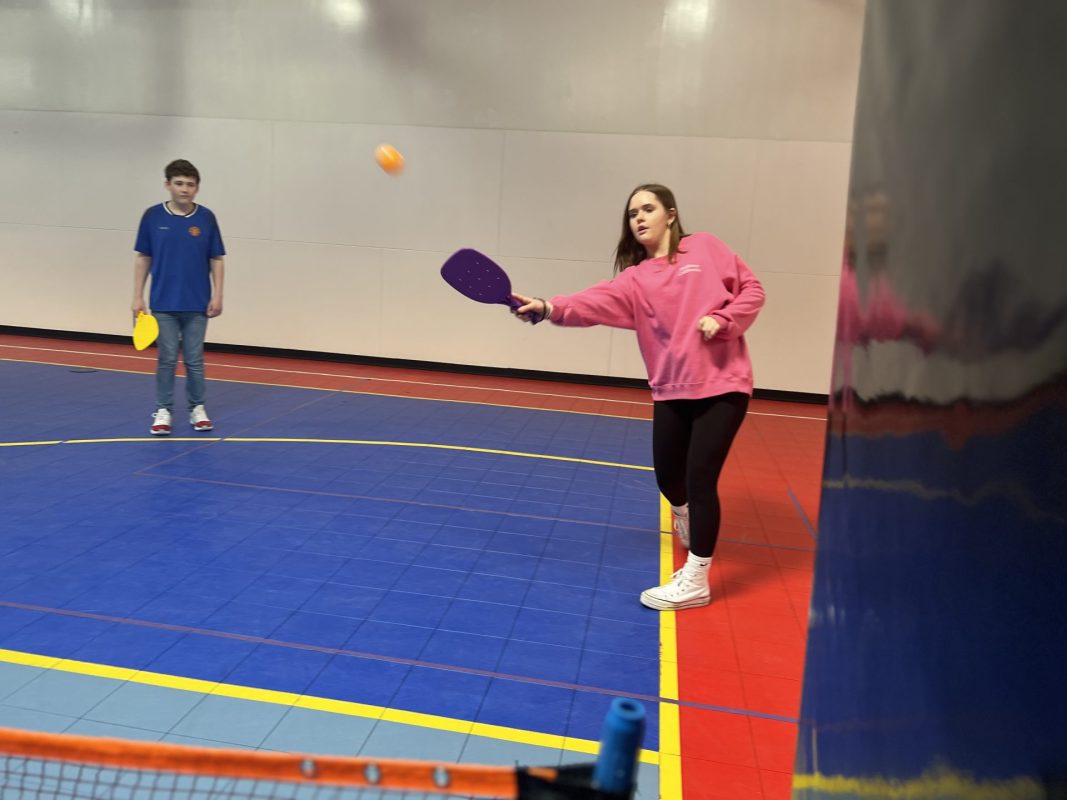
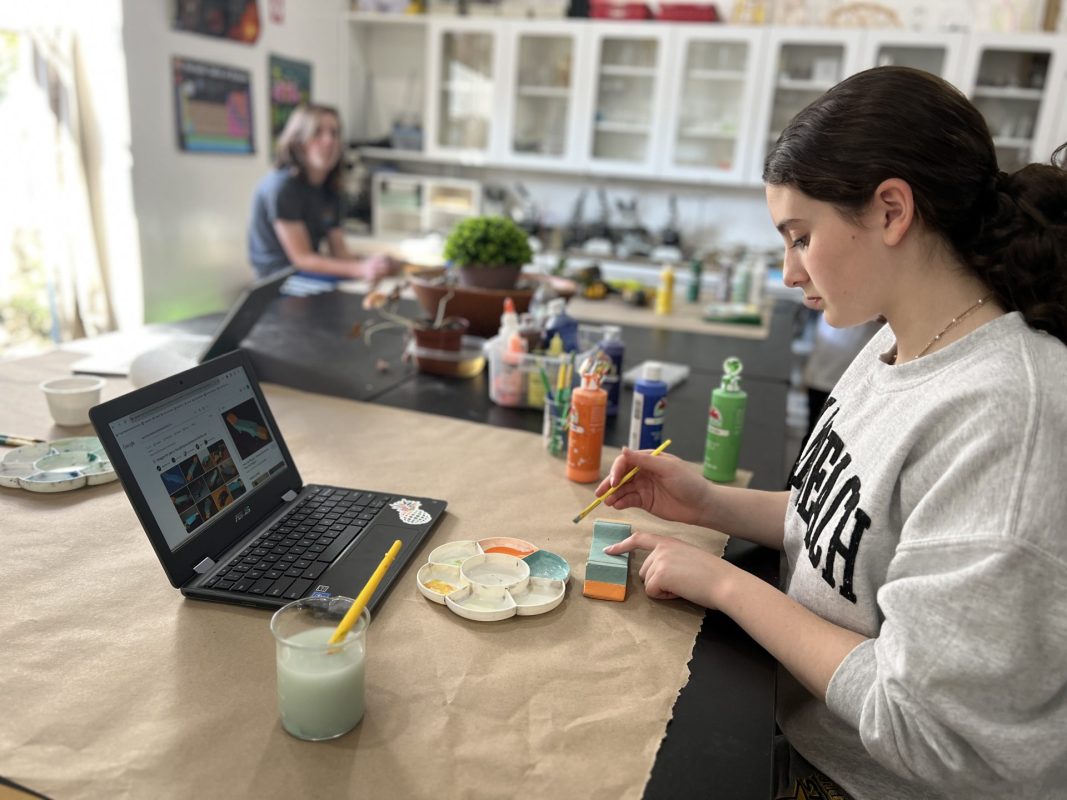
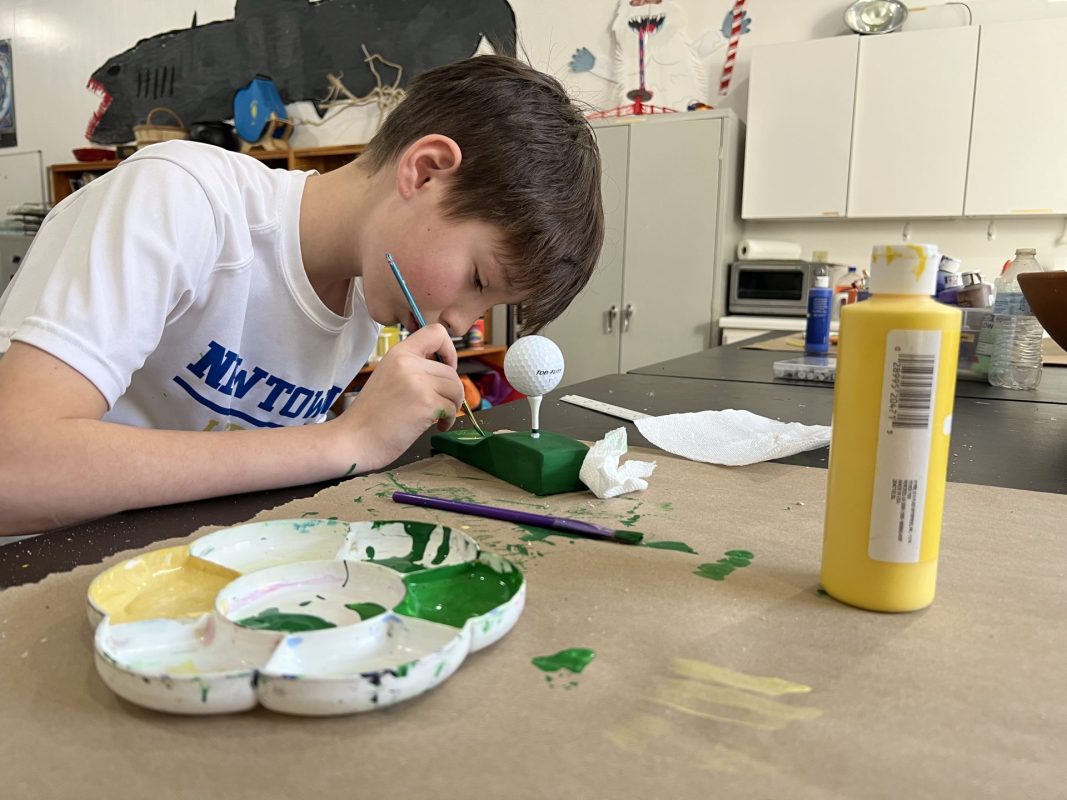
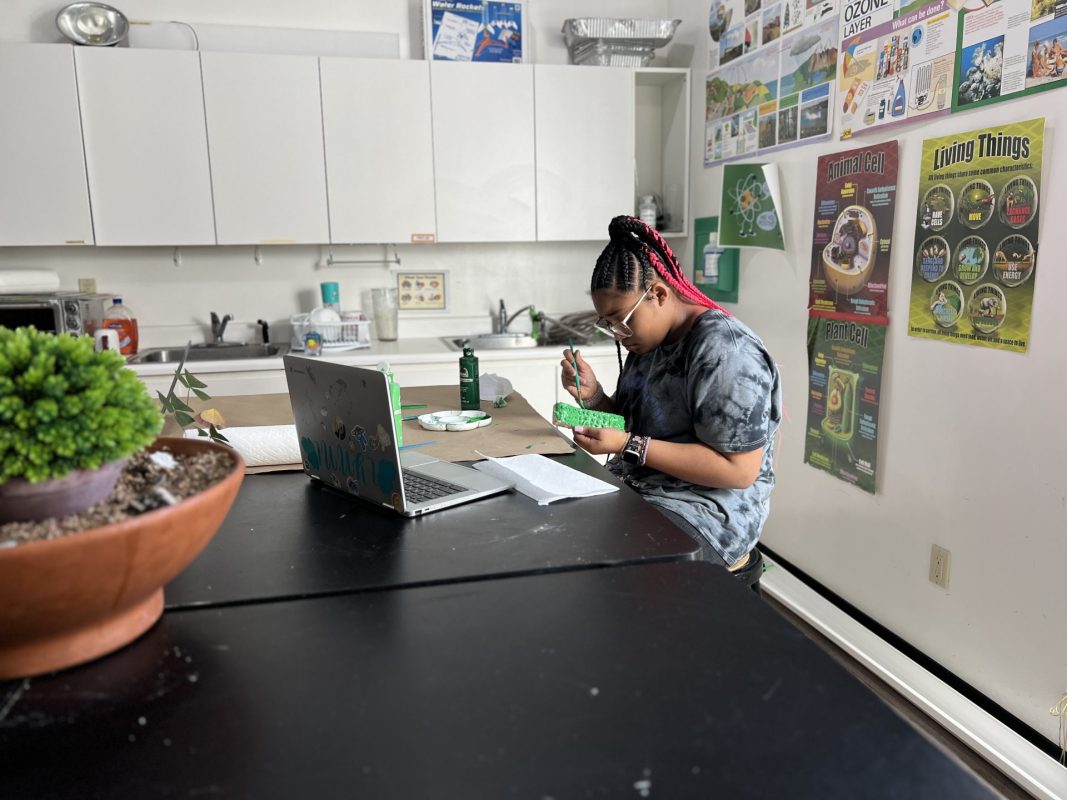
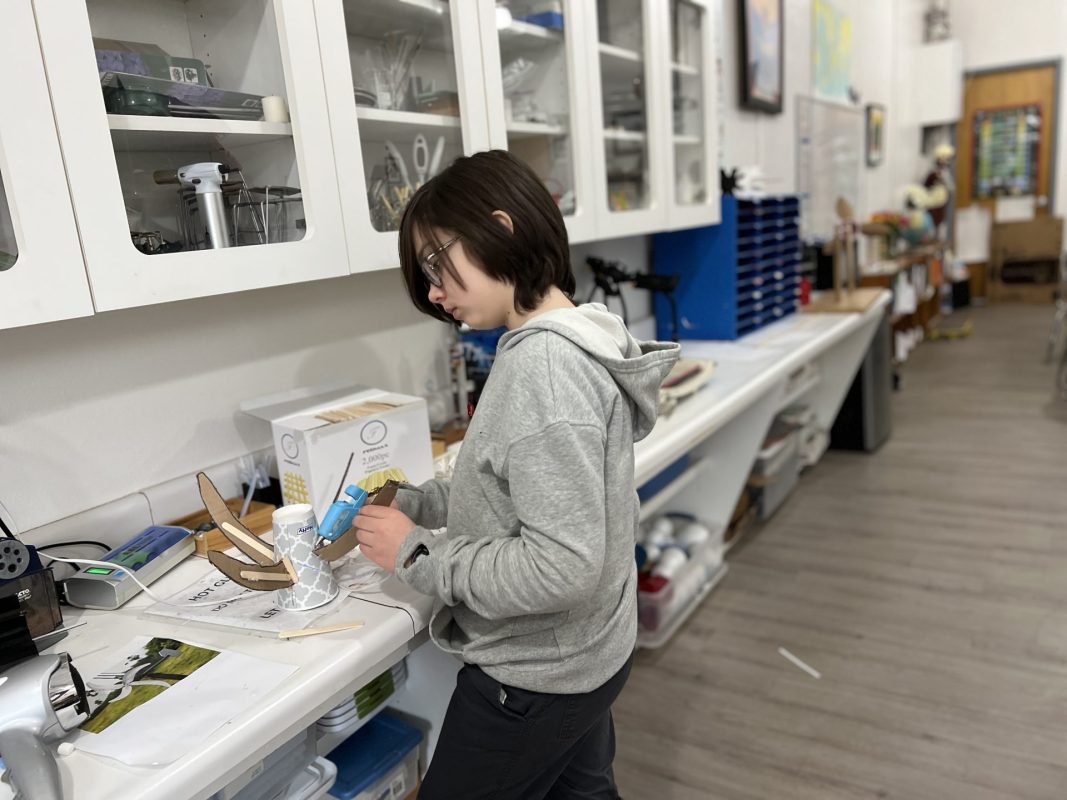
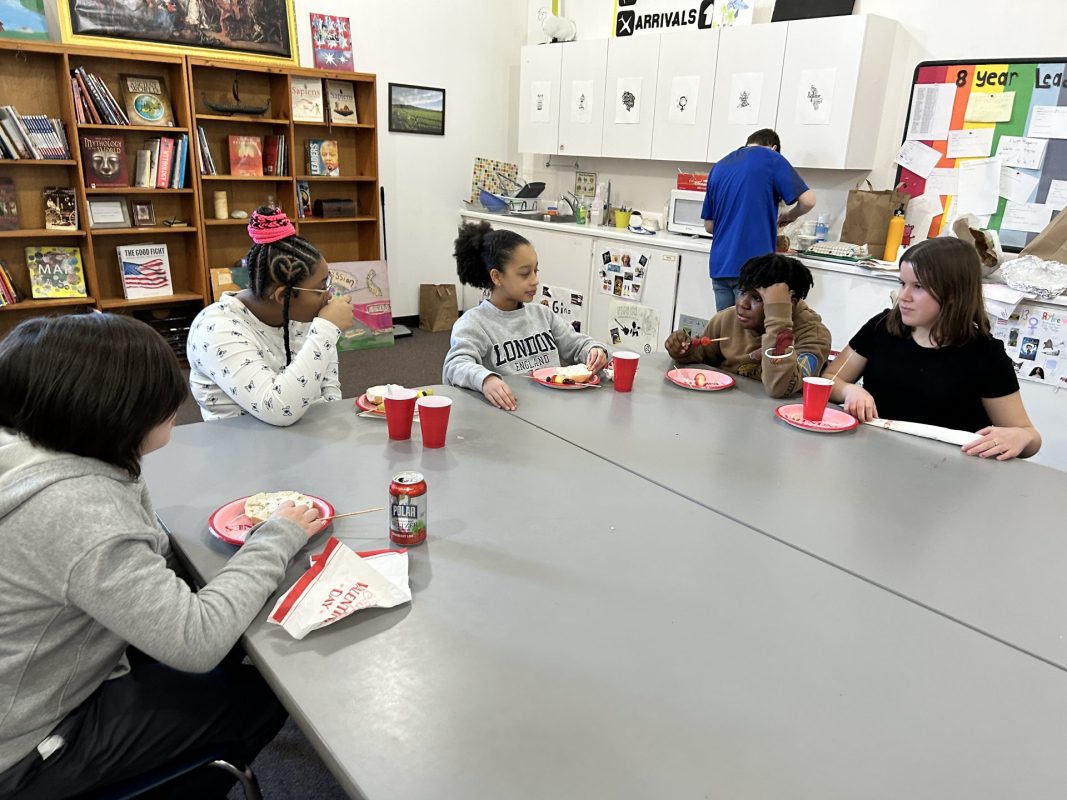
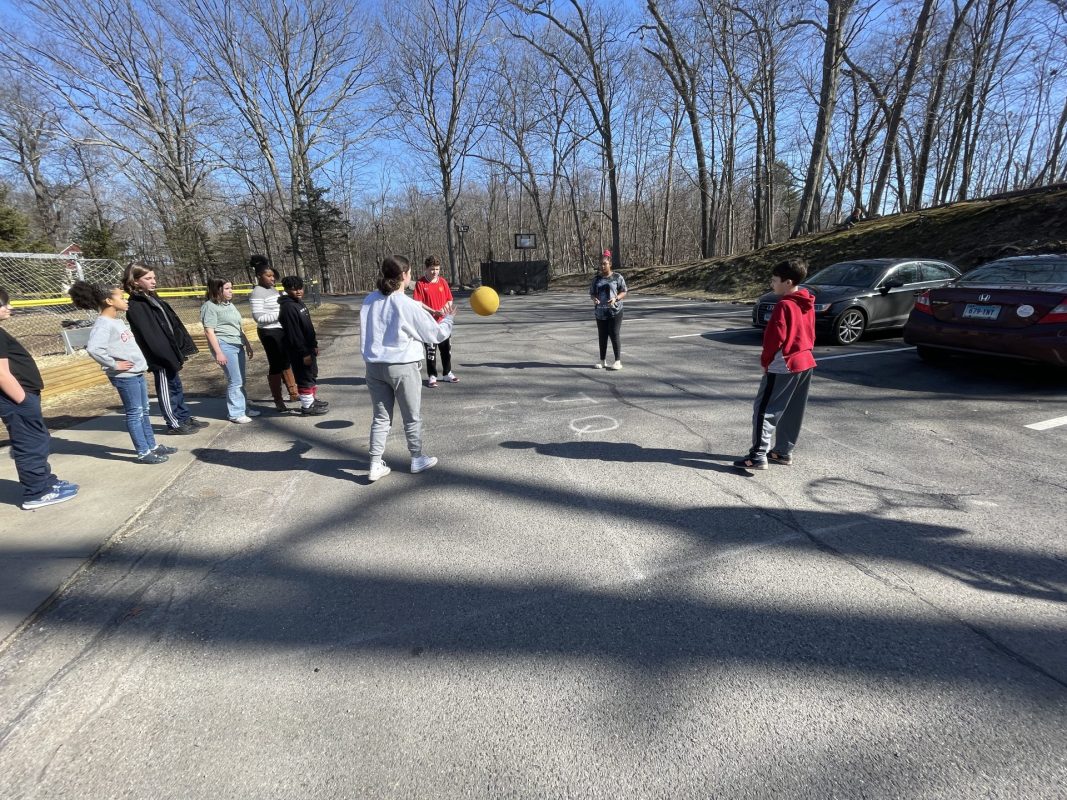
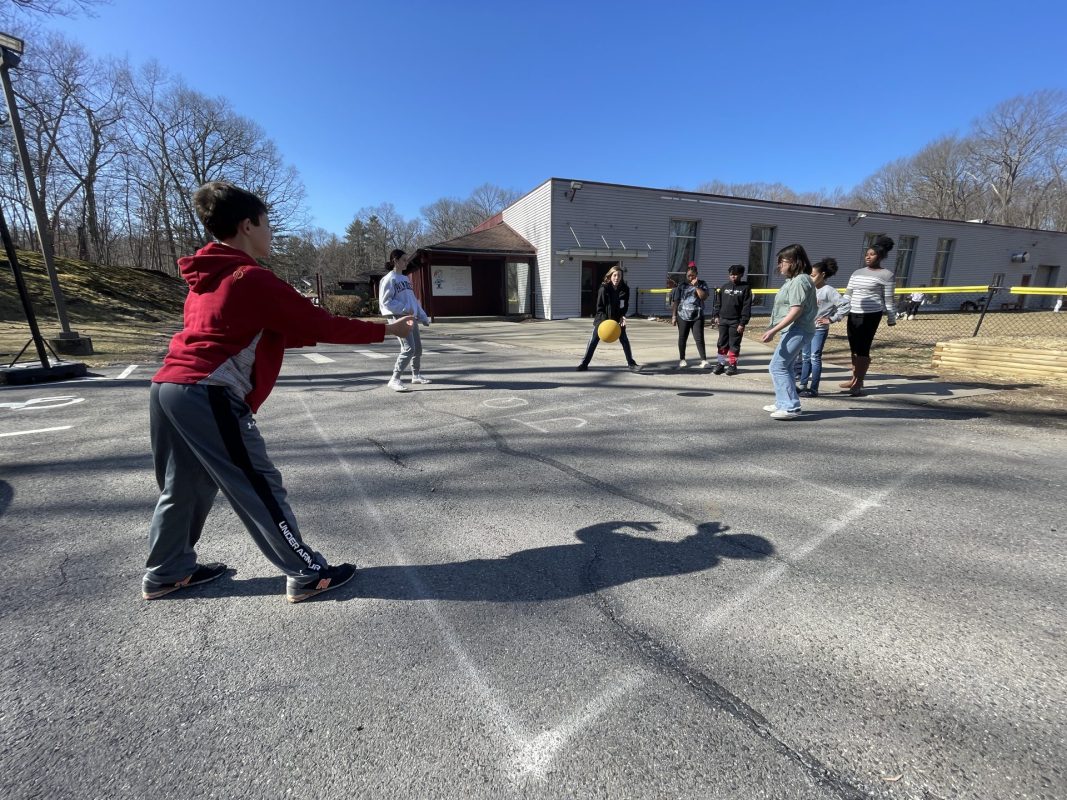
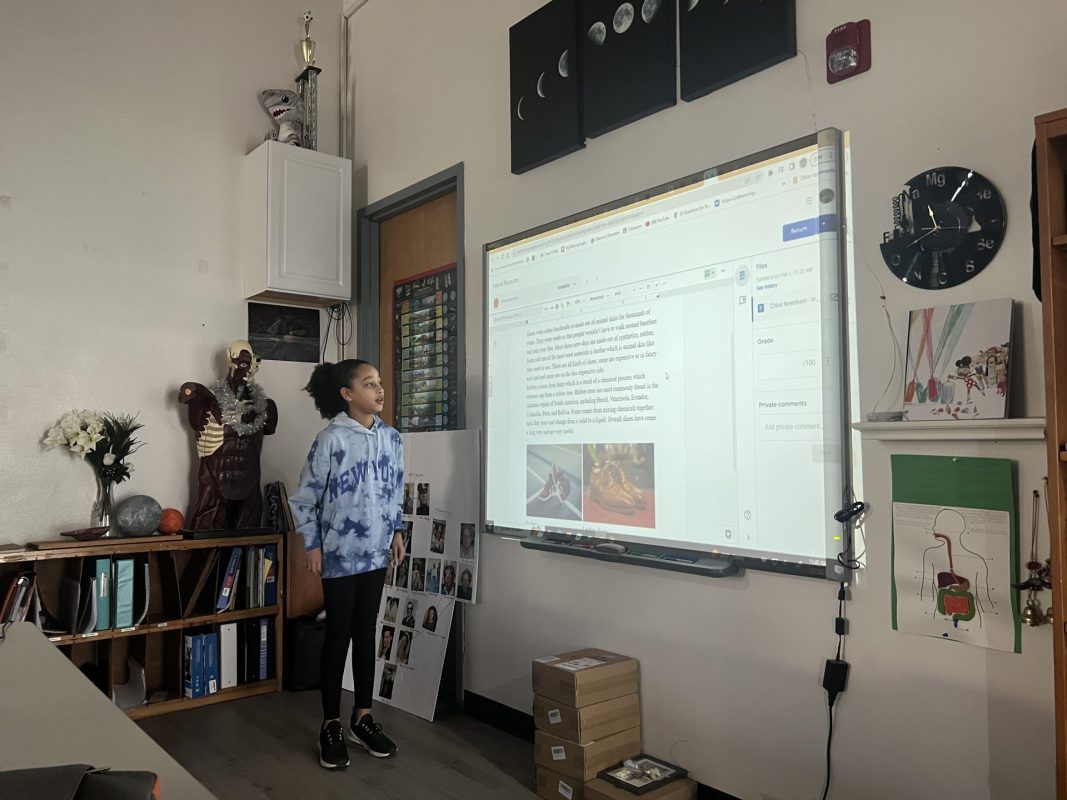
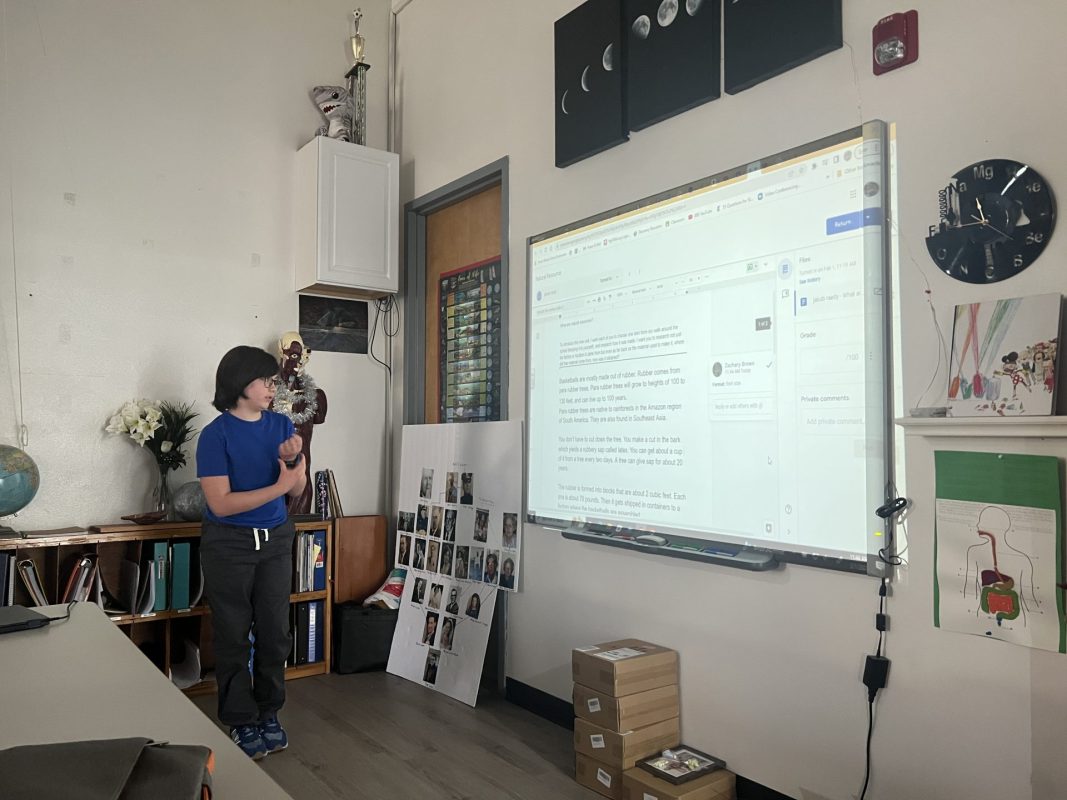
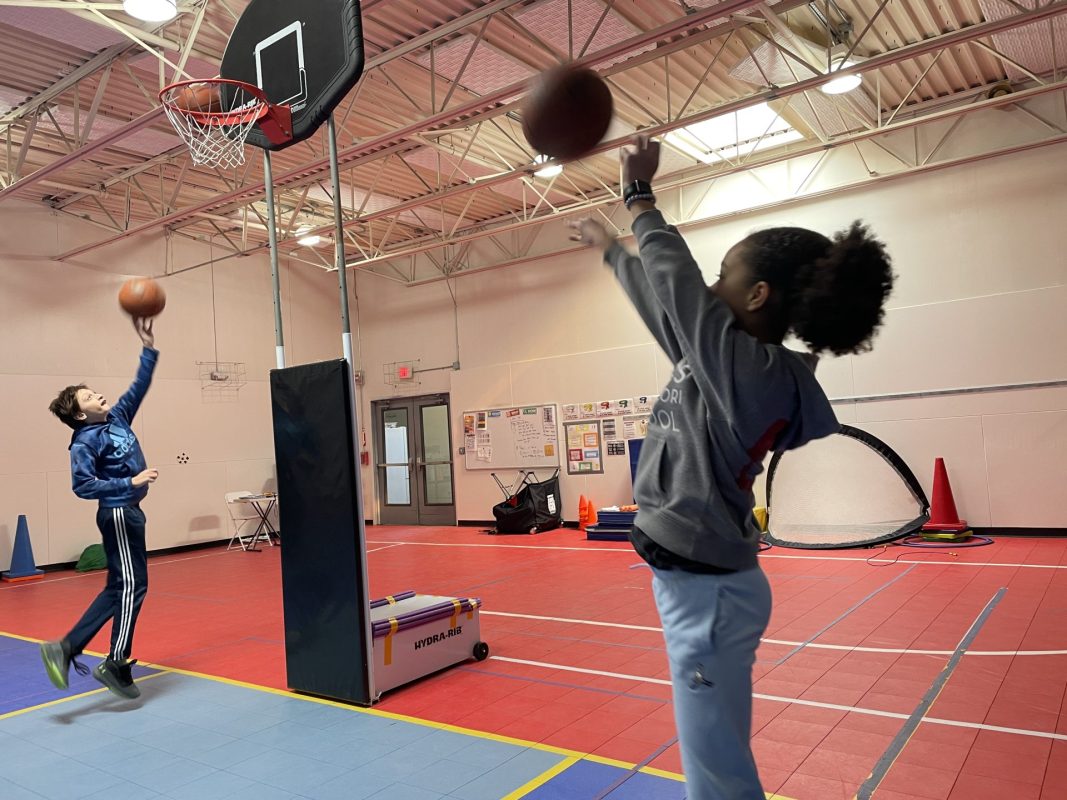
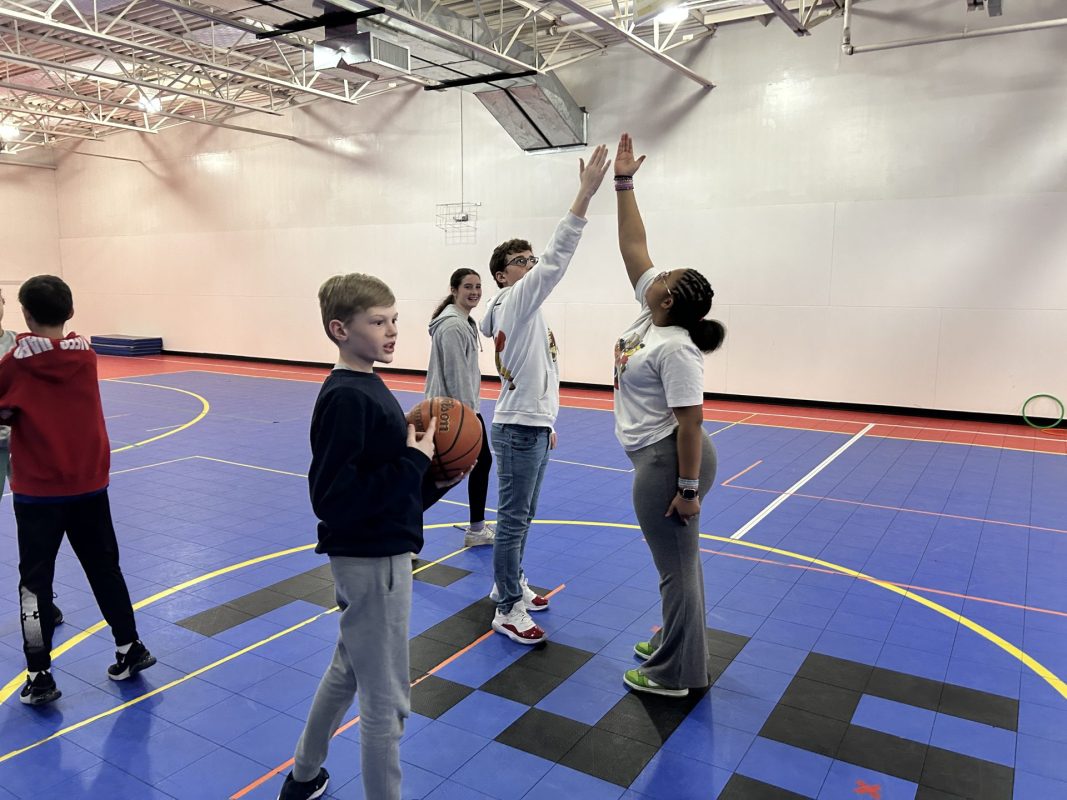
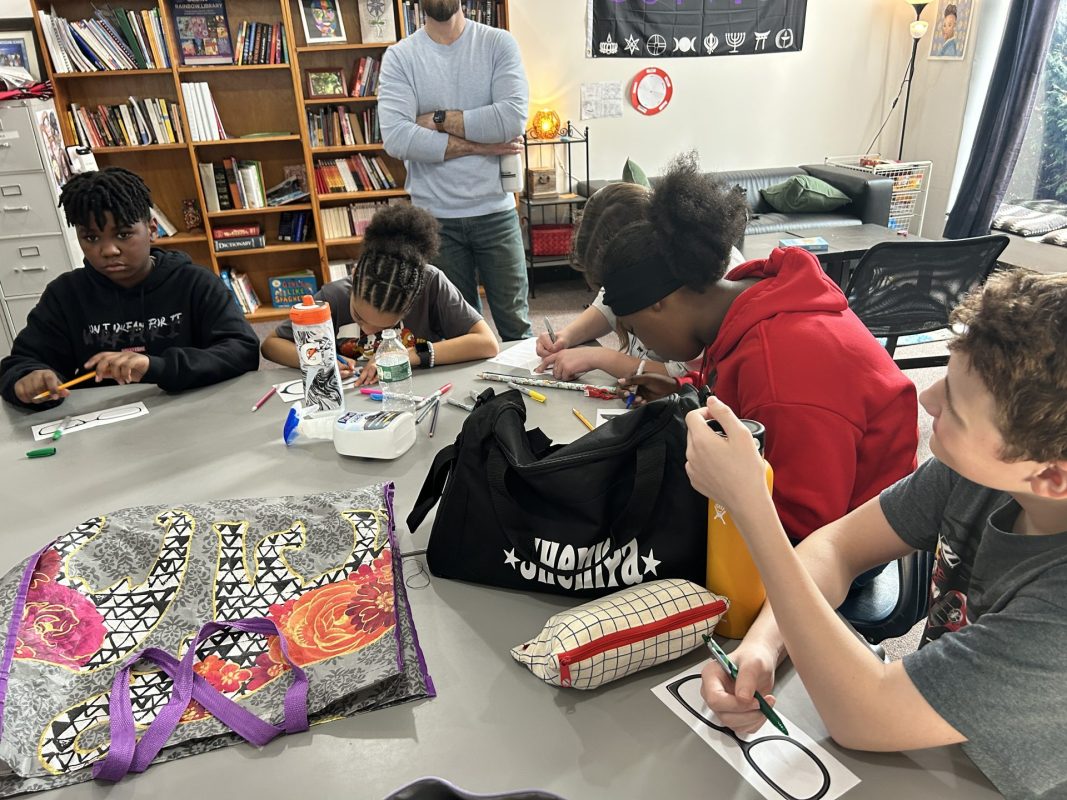
It was an exciting week in the Middle School community. Students participated in a fun game of floor hockey, they each created a unique clothing brand in STEAM class, and we prepared for the Thanksgiving Day celebration.  Each grade selected a bread of choice to bake and share with our entire school community during our assembly next week. As a reminder, Tuesday November 22nd is an early dismissal at 11:30 am  with no school for the rest of the week. We want to wish everyone a safe and happy Thanksgiving Fall Break! 

Humanities: 

6th grade Humanities classes were busy this week. They completed their class novel, Out of My Mind by Sharon Draper. This week, they led discussions using their own annotations from their nightly independent reading. This has been a breath of fresh air, and the class has been having rich conversations about the novel and how they are reacting to it. It is most exciting, and sometimes surprising, to them when they annotate the same section. The 6th grade also reviewed organization in their writing, particularly in using a topic sentence representative of their paragraph, details to support with transitions incorporated and sometimes used at the end to bridge paragraphs, and a conclusion that wraps up their thoughts. Finally, students completed a unit of vocabulary

7th grade Humanities classes looked at the impact of Mao Zedong and his reign in the first half of the 20th century. This included the Civil War in China, the Japanese-Sino War, and the Cultural Revolution. Next, we are completing a mini-unit of the structure of the US government in connection to the mid-term elections. We completed a broad overview of the 3 branches of government and then focused on the legislative and executive branches. Students will continue this next week. Finally, a unit of vocabulary was completed.
 
8th grade Humanities classes continued to study the formation of the Virginia Colony. They finished a Smithsonian Documentary about the legend of Pocahontas, which explains the myth and her impact on both the Powhatan/Pamunkey people as well as the Virginia colonists. Then, they studied the importance of the cash crop tobacco in the success of the Virginia Colony and as the catalyst to slavery, indentured servitude, and the livelihood of what would be the U.S. Finally, they completed a unit of vocabulary.
Science:
6th year Earth Science students have finished their stop motion videos depicting tectonic plates. Students were able to share ideas with their partner in a collaborative effort to meet each of the objectives. Students did a great job finding creative ways to represent convection currents, the 3 types of plate boundaries (transform, convergent, divergent), and the influence this has on our landscape.
 
7th year Physical Science students have begun their unit “States of Matter”.  The objectives of this unit are for students to be able to draw or model the movement of atoms in a solid, liquid, and gas, explain what happens to the motion and energy of molecules as a substance is heated or cooled, and explain how substances change state.This unit was first introduced by students demonstrating the movement of molecules in a solid (ice) as the energy level was increased (heat applied). Students represented this by moving marbles (molecules) around a tray at different speeds/rates, including how this relates to the temperature, volume, and shape of the given object. 
 
8th year Life Science students have been working on their unit “Cellular Respiration”. This week students were able to represent the first step of cellular respiration (glycolysis) by testing how different amounts of sugar affect the rise of yeast. Students were provided a set amount of yeast and water, with varying amounts of sugar. After the yeast, water, and sugar were added to a graduated cylinder, students were asked to record the rise/height of yeast produced. The results were compared to additional samples tested with varying amounts of sugar. Our next step of cellular respiration to represent will be the Kreb’s Cycle (citric acid cycle). 
 
Math:
This week all math classes participated in a Thanksgiving ‘Meal Plan’ activity. Students were asked to calculate total servings for their guests, make an accurate grocery list and total the cost of purchasing the ingredients to host a fun thanksgiving dinner! As a bonus activity, students could design a seating chart, make a digital invitation and write a toast about what they were most thankful for this year. 
 
In the Pre-Transition math class, students got to investigate using fractions to add mixed numbers or numbers with mixed units in real-world situations. This class can add positive and negative numbers on a number line and identify integer values.
 
In the Transition math class, students were excited to begin Chapter 5 in the UCSMP textbook and started to explore absolute values. This week we learned about simplifying expressions with order of operations and using fact triangles to depict relationships between numbers. 
 
In the Algebra math class, students concluded their learning of Chapter 4. We finished learning about compound inequalities and rearranging complex formulas for indicated variables. Students will begin to learn about Chapter 5 after the Thanksgiving Break! 
 
Math Joke: What do turkeys call a math test? ……and EGGS-amination

Middle School: Week in Review

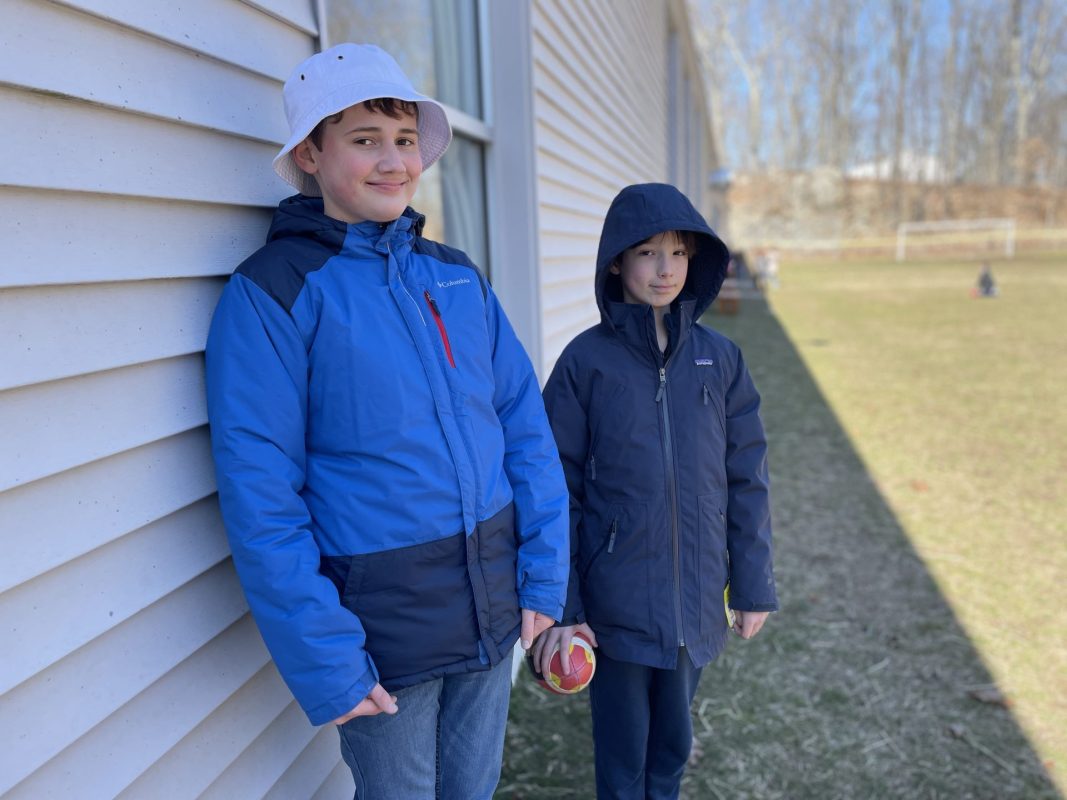
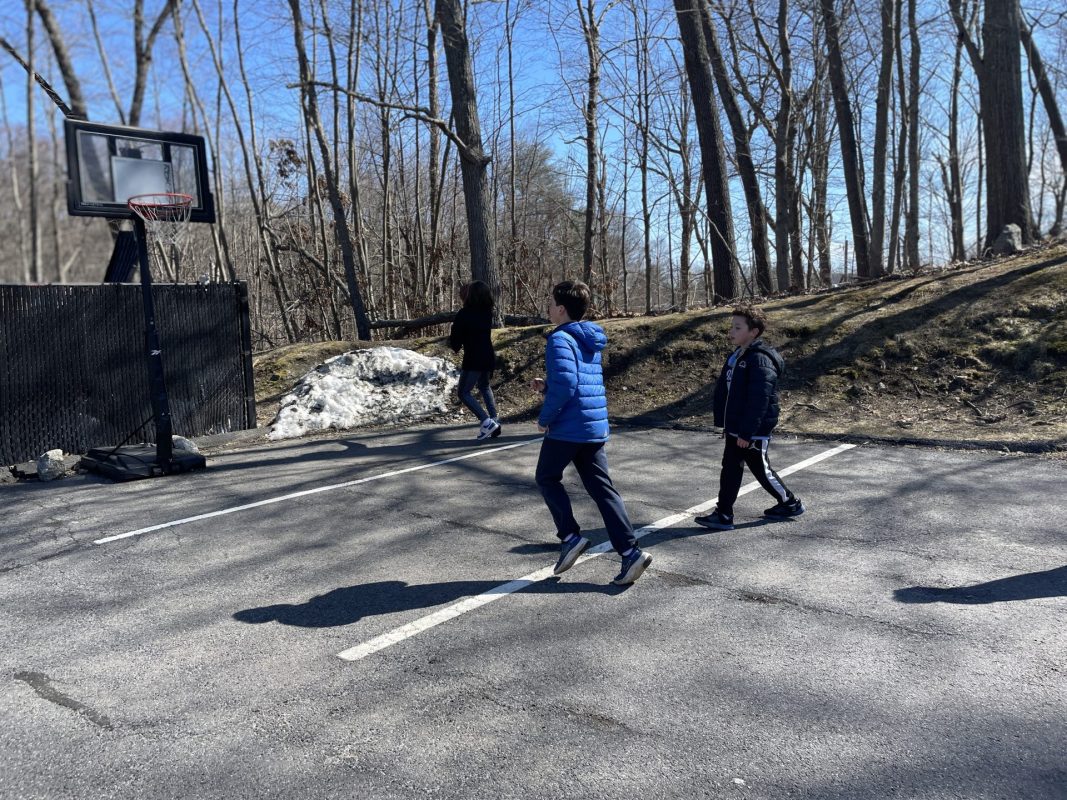
It’s been a great week in Middle School! We are asking students and parents to check the temperature and make sure that students’ attire aligns. We will be going outside for recess when possible even through the winter months, so having legs covered and a jacket or other heavier layer on top to cover the arms is expected. Thanks!

LOOK OUT for the email this weekend regarding how you can help next week with our Thanksgiving Food Drive for a family in need in Newtown. The 8th grade just received information from WIN (Women Involved in Newtown), and they have put together a Sign Up Genius that will go out to the community this weekend.

Humanities

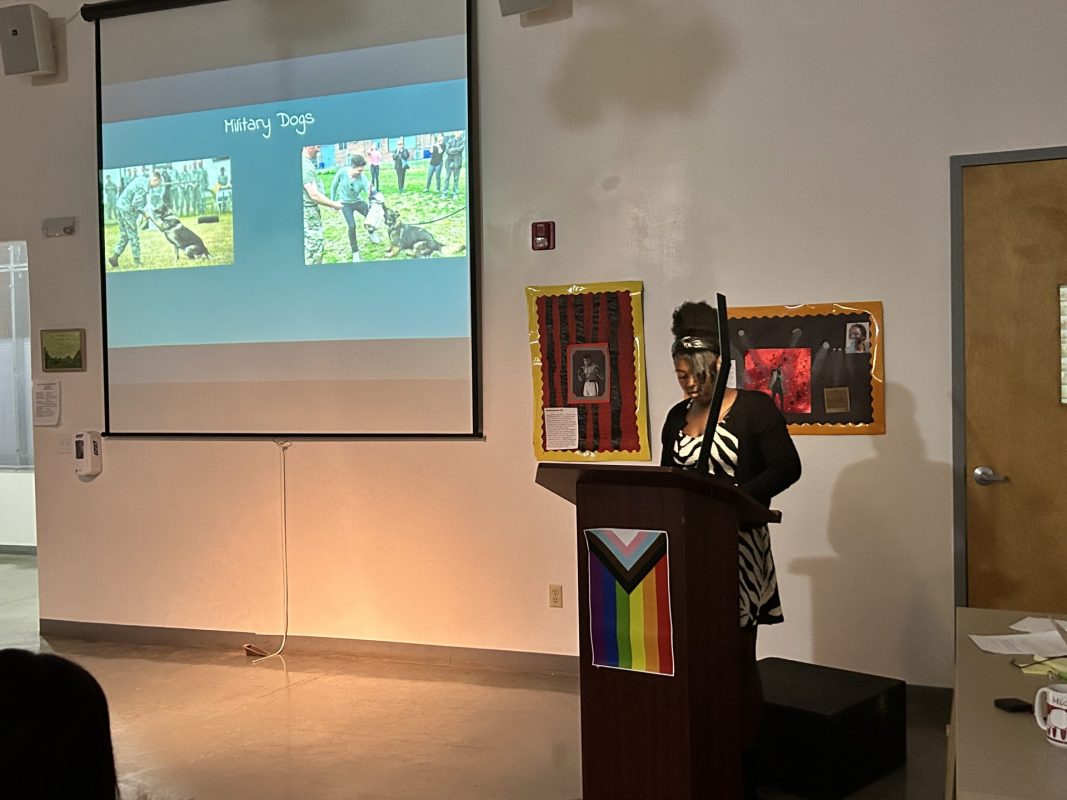
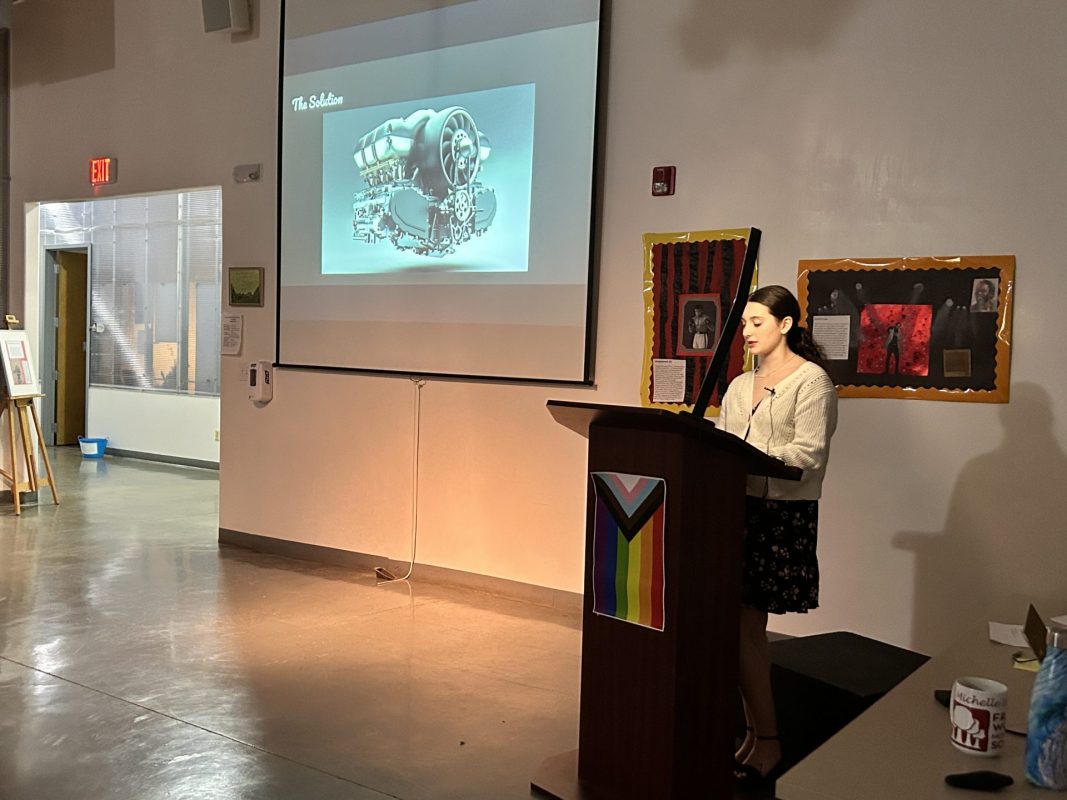
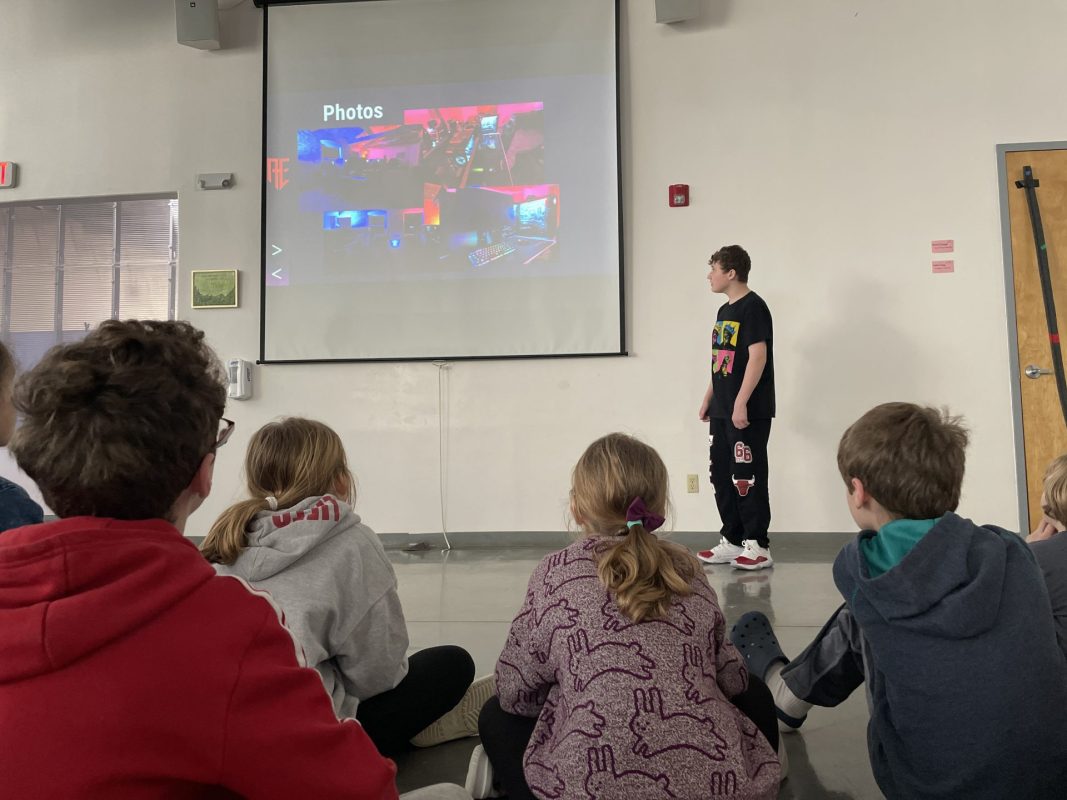
All Humanities classes began the week presenting their current events. The topics were thought-provoking and presenters were informative and led great discussions.

6th grade Humanities classes are in the second half of their class novel, Out of My Mind. While students typically answer questions related to their chapters during and after daily reading, they attempted annotations towards the end of the week instead. In class, they have been guided in their questions this week towards locating what is important, what gives them a reaction, and what they question. As they continue to read and practice annotation, their skills will strengthen, and students will build their confidence. Also, 6th grade students worked on organization in their paragraphs to enhance their writing.

7th grade Humanities classes focused on early 20th century China. We reviewed the following terms from earlier in the year, as they are the focus of the events occurring at this time in China: republic, imperialism, and nationalism. Students studied events and people that affected Chinese views of these terms such as WWI and the signing of the Treaty of Versailles, the May Fourth Movement, Sun Yat-Sen and the Xinhai Revolution, the rise of the CPC, and Chiang Kai-Shek. Students showed interest in the Chinese involvement in WWI through helping to dig the trenches in Europe, so the class researched Trench Warfare a bit further. Also, they read from the National Archives about the Chinese Exclusion Act and the Johnson Reed Act, which were early US Immigration Policies that affected the Chinese coming to the US and those already in the US at the time.

8th grade Humanities classes are still working on the Jamestown Colony and its relationship with the Powhatan. Mainly, this week they focused on the truth that exists from the myth of Pocahontas, the “Indian Princess”. After reading an interview in Smithsonian Magazine with historian, professor, and author Camilla Townsend, and watching Smithsonian’s documentary about Pocahontas and John Smith, classes discussed how the stories of history can change over time. They also discussed why they change and how they might be written in the first place.

Science

6th year Earth Science students are working on representing their unit, Tectonic Plates, by creating stop motion videos. Students are asked to represent what tectonic plates are, what causes them to move, what the 3 different types of plate boundaries are, and how tectonic plate movement influences our landscape. Students have the ability to choose from a variety of artistic representations to base their videos off of.

7th year Physical Science students are finishing their unit, Characteristic Properties of Matter. Throughout the unit, students conducted several experiments and lab reports which tested the physical and chemical properties of unknown substances. Some of the experiments conducted tested electrical conductivity, malleability, density, pH, and combustibility. Our next unit will be States of Matter.
8th year Life Science students have been working on their unit, Cellular Respiration. This week students were asked to begin the unit by first understanding the differences between respiration (breathing) and that of cellular respiration (obtain energy from food). Students will be asked to break the unit into 3 main parts (glycolysis, Kreb’s cycle, and the electron transport chain).
Math

In the Pre-Transition math class, students concluded their learning of Chapter 2. This chapter covered topics such as converting between decimals, fractions and percentages, rounding values, and identifying repeating or terminating decimals. Next week, we will explore integer values and learn how to use both positive and negative numbers.

In the Transition math class, students were excited to learn about simple interest, sales tax, and how to find the discount price of an item. We worked on calculating the square root of a number as well as how to convert between decimals, fractions, and percentages.

In the Algebra math class, students learned how to solve equations with variables on both sides of the fulcrum. Students can successfully solve equations in the form ax + b = cx + d as well as graph horizontal and vertical lines on a coordinate grid.

Math Joke: Why did the two 4’s skip thanksgiving dinner?….Because they already 8

We hope you have an awesome weekend!


Middle School: Halloween Fun & A Busy Week!

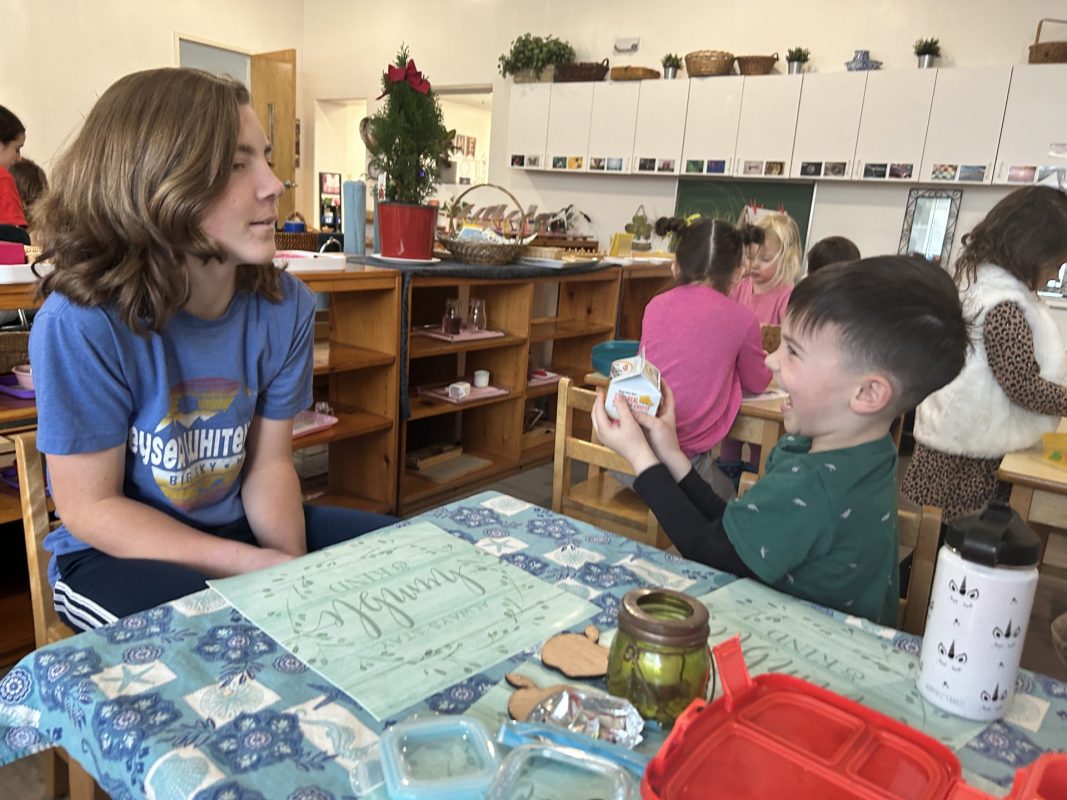
Happy Friday! We had a great Halloween in Middle School. Costumes and spirits were great, and we enjoyed all of the themed Halloween treats that parents provided. Thank you! Additionally, 8th grade leadership was excited to plan a fun Halloween photo scavenger hunt for the rest of the middle school. While they were completing it, the 8th grade set up for the Halloween party and set up a surprise caramel apple station for the students! 8th grade leadership also ran an installment of FWM Monthly for students in Kindergarten through 7th grade.

Math
In the Pre-Transition math class, students have been learning how to round numbers to a given place value. This class has also been practicing how to convert fractions to decimals and vice versa. They ended the week with creating equivalent fractions and understanding how to find a percent from a decimal value.
In the Transition math class, students are excited to explore fractions, decimals and percents in a more complex way. This class is able to understand how to compare values in different forms, correctly use raised-bar notation for repeated decimals, and calculate the percent of a quantity from a given word problem.
In the Algebra math class, students are able to use linear equations and inequalities in the form ax + b = c or ax + b < c. This class also discovered how to clear fractions and decimals in an algebraic expression. They concluded their learning of Chapter 3 and will begin learning Chapter 4 next week.
Math Joke: Why was the math teacher suspicious of prime numbers? …..They were all odd.
Humanities
6th grade Humanities class began the week with some creative, Halloween writing. They chose from prompts that either had them write in the perspective of a pumpkin about to be carved or imagine their stuffed animals came to life. Next, students continued their reading and class book discussions with Out of My Mind by Sharon Draper. The class is more than halfway through the novel, and they are doing well with making connections, writing about personal reactions, and analyzing specific quotations. Finally, students worked on their current events presentations.
7th grade Humanities class also began the week with some creative, Halloween writing. They chose from prompts about an imaginary friend from their past coming to life, ending a story with, “…and that is why I never returned there again”, and waking up as someone else. In continuing with their China study, students learned about the British-Chinese trade relationship, which led to the Opium Wars. They also studied the Taipei Rebellion, one of the worst instances of Civil War. Finally, students worked on their current events presentations.
8th grade Humanities class continued with their study of the colonization of North America and its effects on the Indigenous people on the land. Last week, students drew what they imagined the landscape of what is now the United States looked like before colonization. This would use students’ previous knowledge and assumptions. Similarly, students drew untouched landscapes that included mountains, trees, tall grasses, and some animals. What we read about the actual landscape in Roxanne Dunbar-Ortiz’s An Indigenous Peoples’ History for Young People  had some variations. Native Nations had cities, road systems, governments, farms, etc. Why didn’t any of their pictures include these? We then talked about how books, media, and American culture frame our ideas of what Native American life looked like. While there was, of course, more untouched land, the infrastructure is usually omitted. Then, students began studying the settlement at Jamestown, the Powhatan, and the Virginia Company. Finally, students worked on current events.
Science

6th year Earth Science students worked this week on identifying the main layers of Earth. Students were assigned a partner to research a layer of the earth (inner/outer core, mantle, and crust) and later present their work to the class. Students were asked to include the depth, temperature, thickness, and fun facts about each layer in their presentation. From this research and the information found within their tech-books, students will begin creating a stop motion video depicting tectonic plates and the influence they have on shaping our planet.

7th year Physical Science students have continued working on identifying physical and chemical properties of matter. As a part of this unit, students conducted an experiment which tested how temperature influences solubility. Students were provided with three different temperatures of water, adding recorded amounts of sugar to them until the sugar no longer was able to dissolve in the solution. Each student formulated their hypothesis beforehand, anticipating the warmer water (solvent) to allow more sugar (solute) to be dissolved in the water. Now that the experiment has concluded and their data has been recorded, each student will format the information as a formal lab report.
8th year Life Science students are just finishing their unit, Structure of Life. This week, students continued their research and class discussions around data and information regarding what cancer is and the work that is conducted to address this disease. Students learned about certain factors that influence the mutation of cells within the body, such as smoking or exposure to high levels of uv radiation. Students have been able to apply our past unit, Cell Theory, to our current unit as it relates to the behavior a cell might undergo when exposed to detrimental factors.
We hope everyone has a peaceful weekend.