Middle School Immersion Week #1

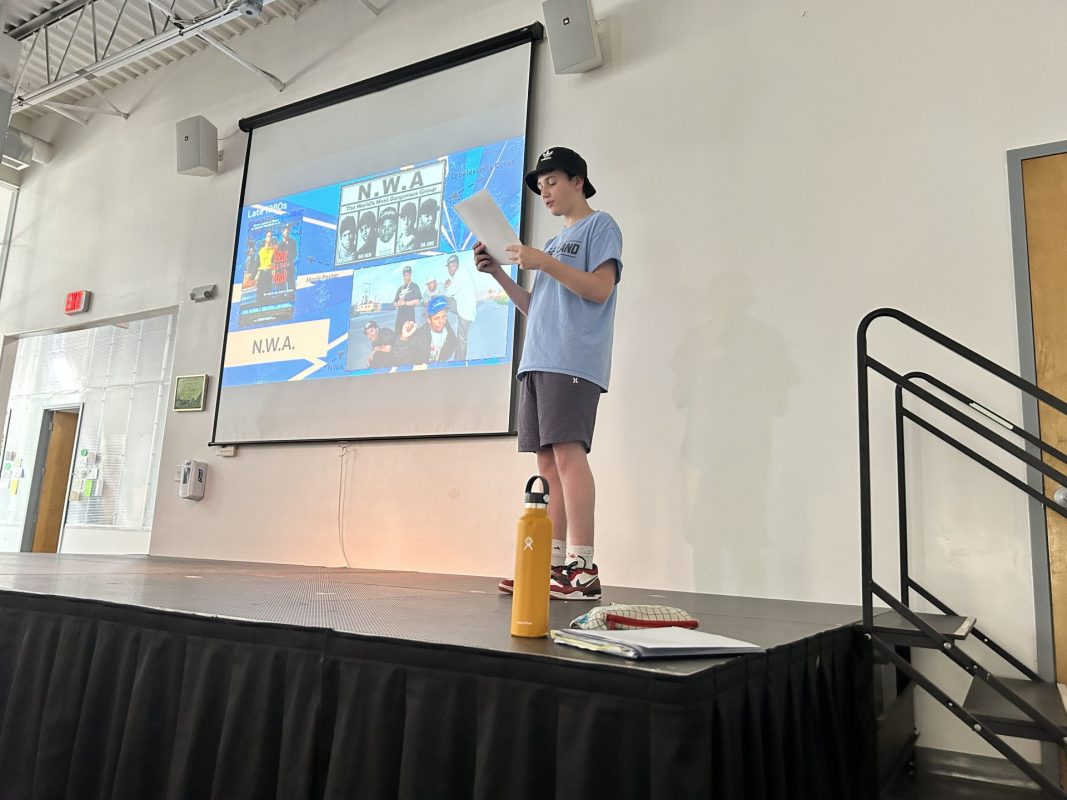
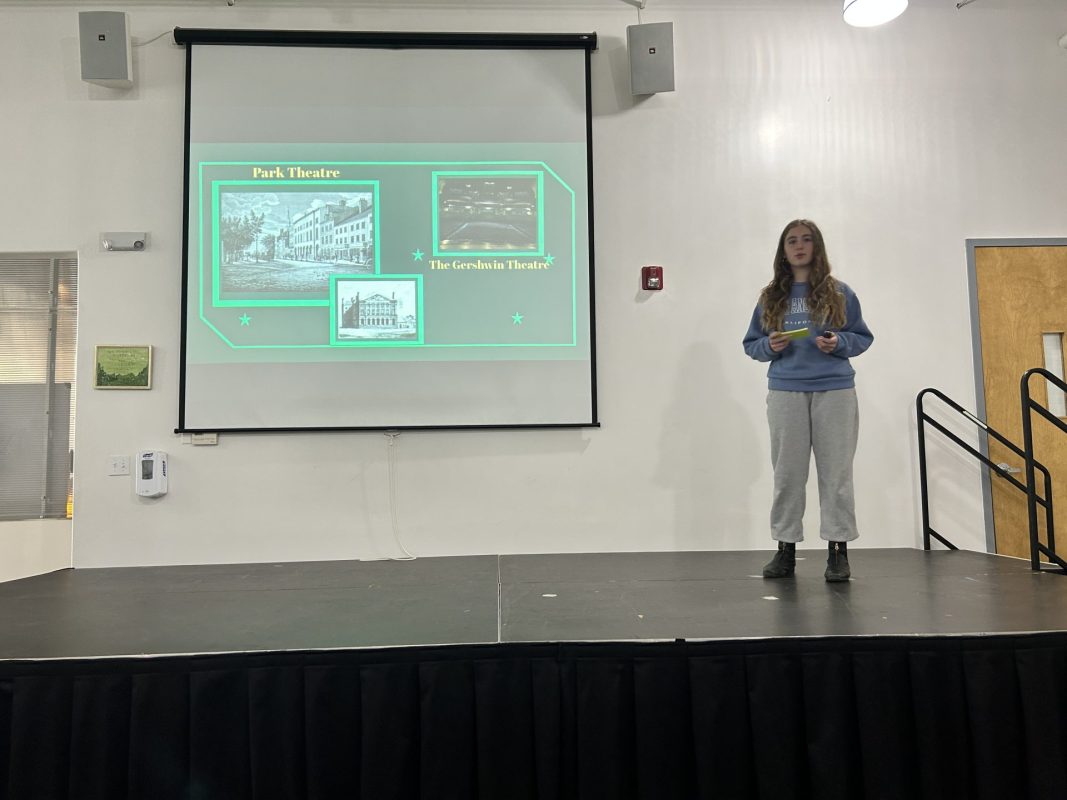
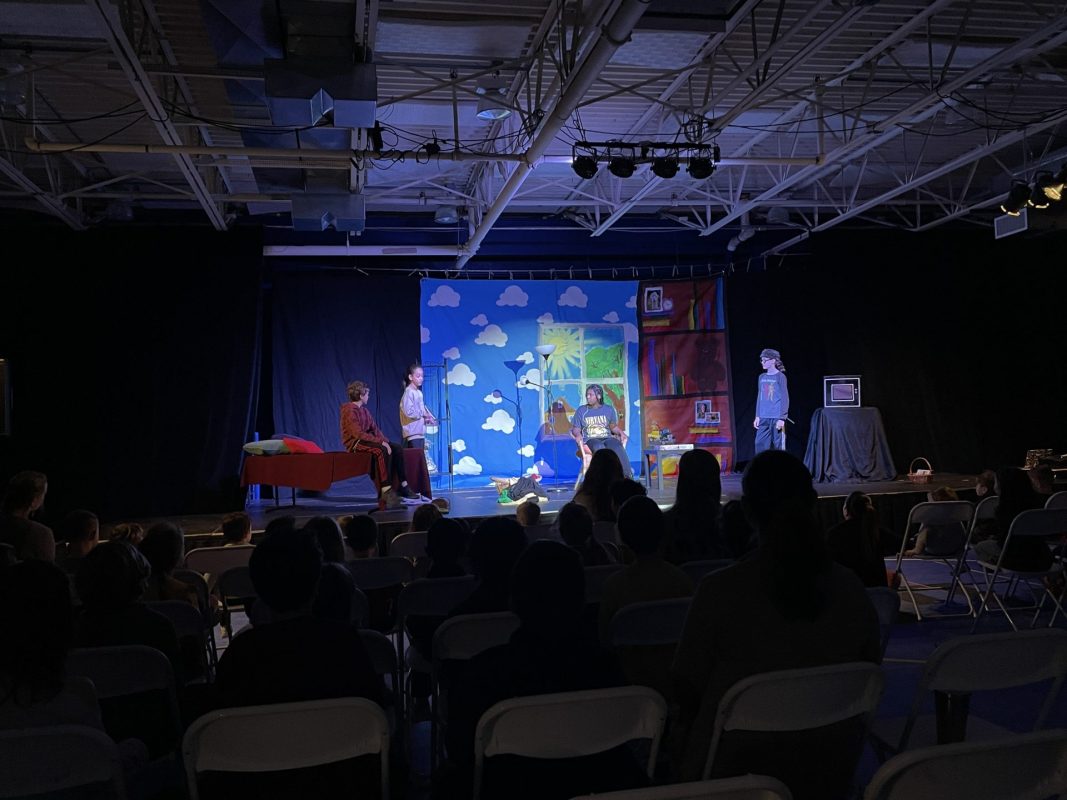
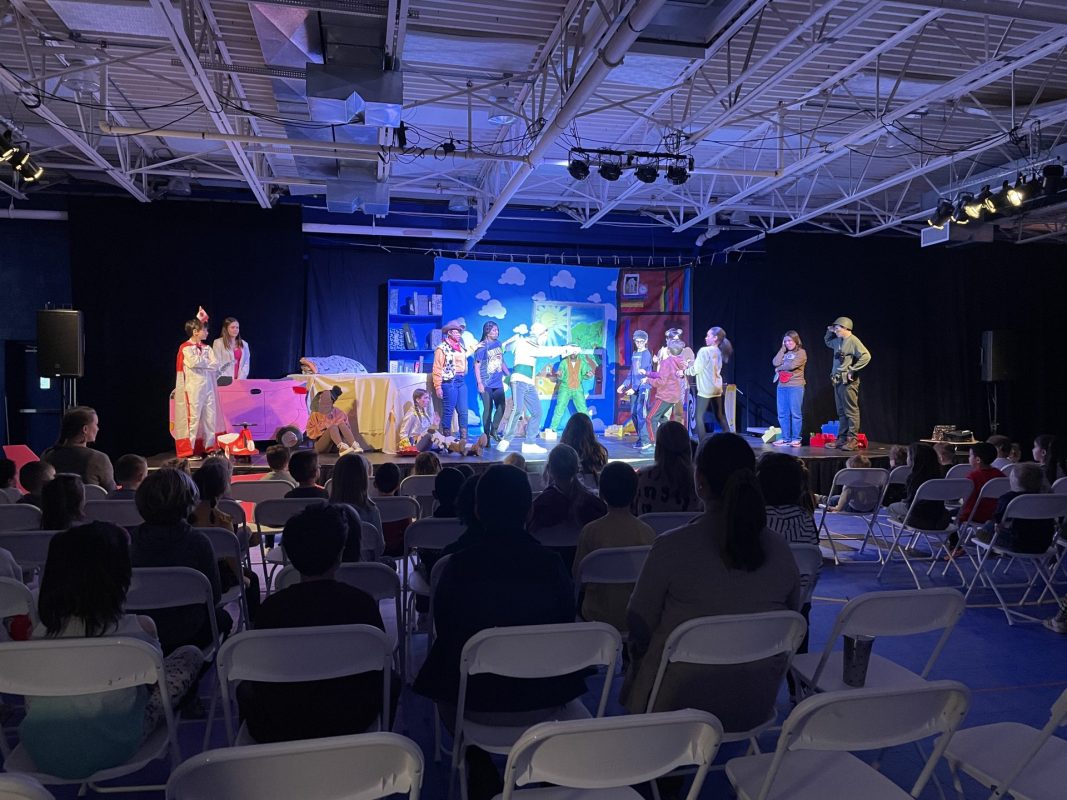
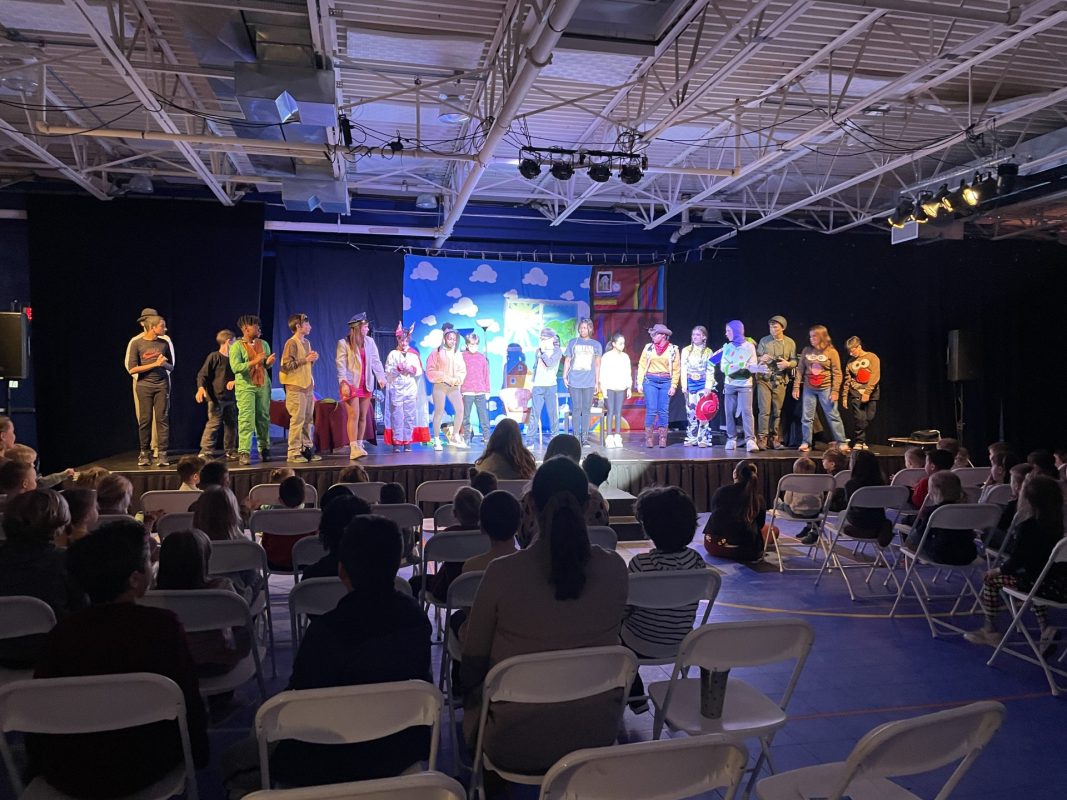
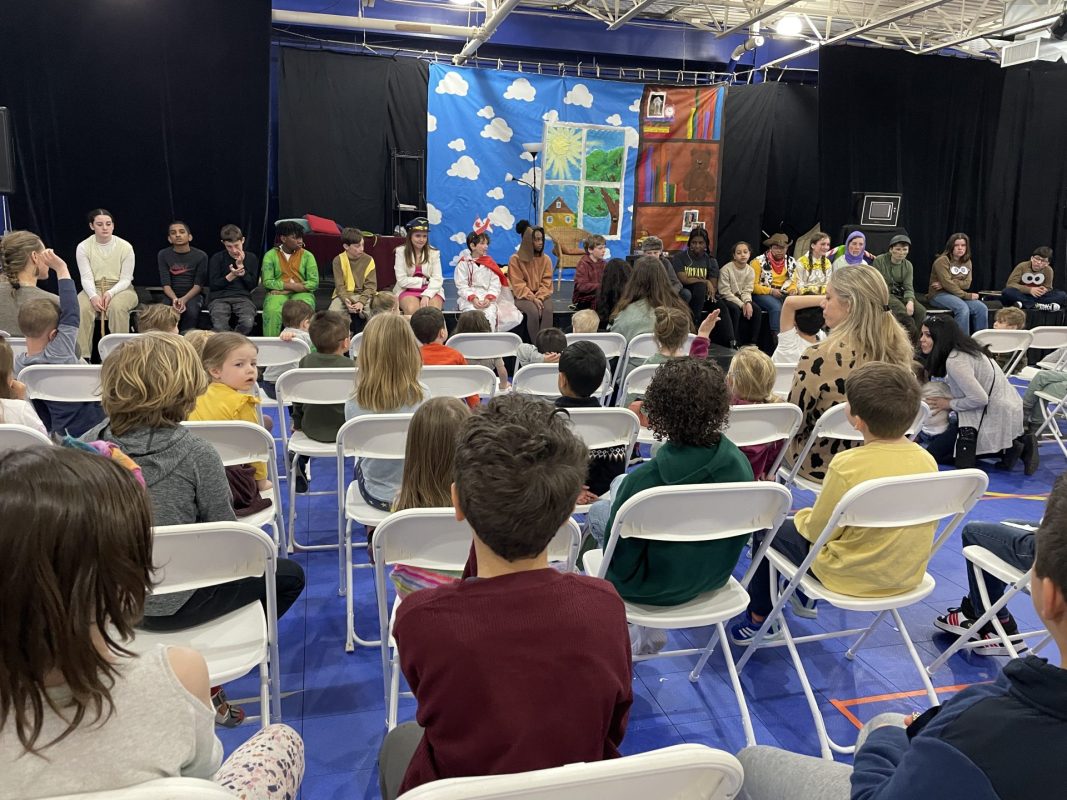
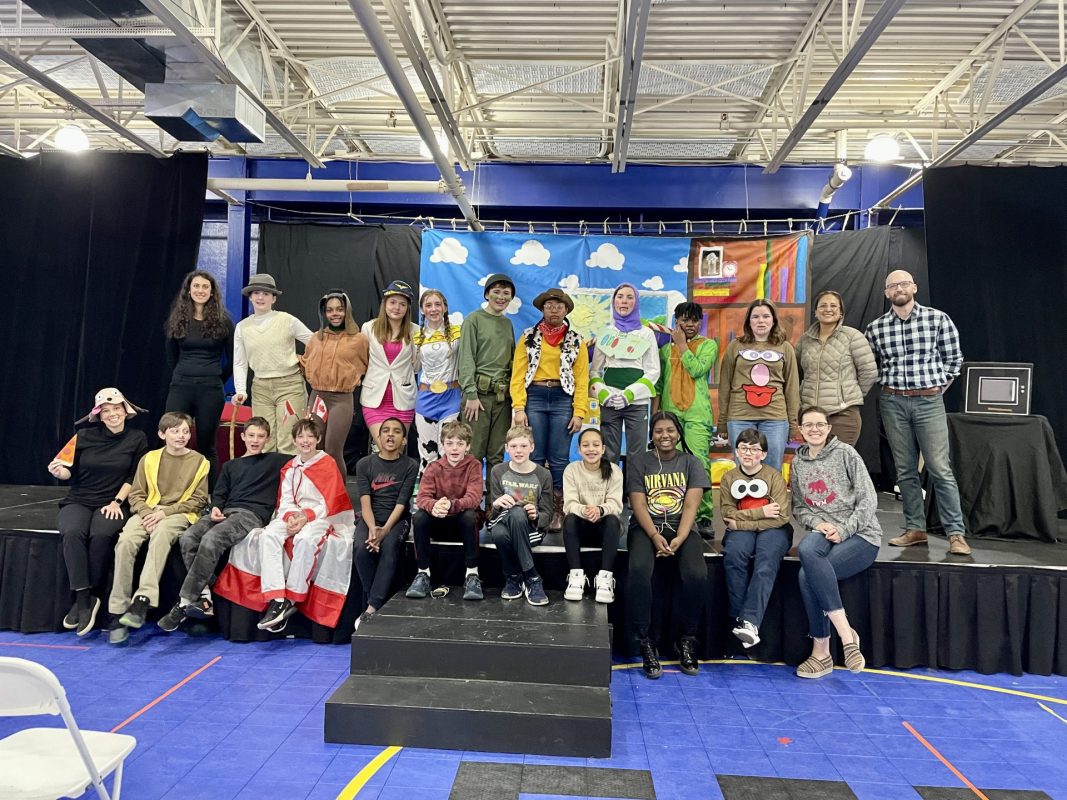
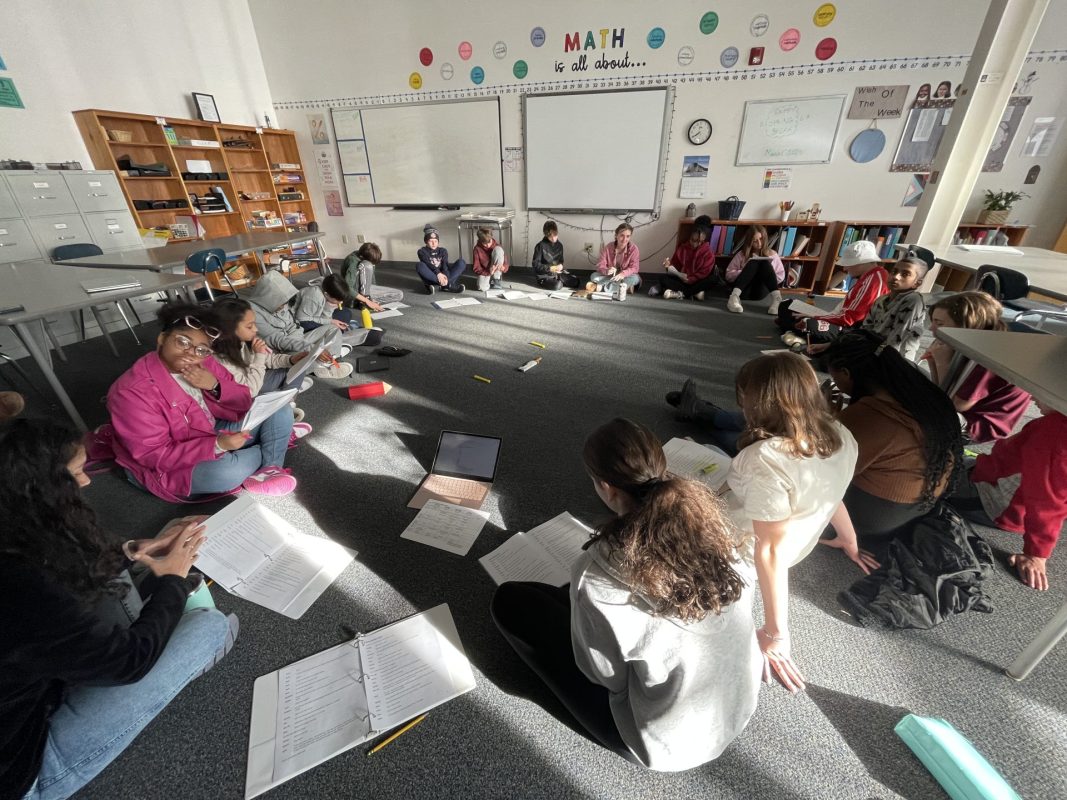
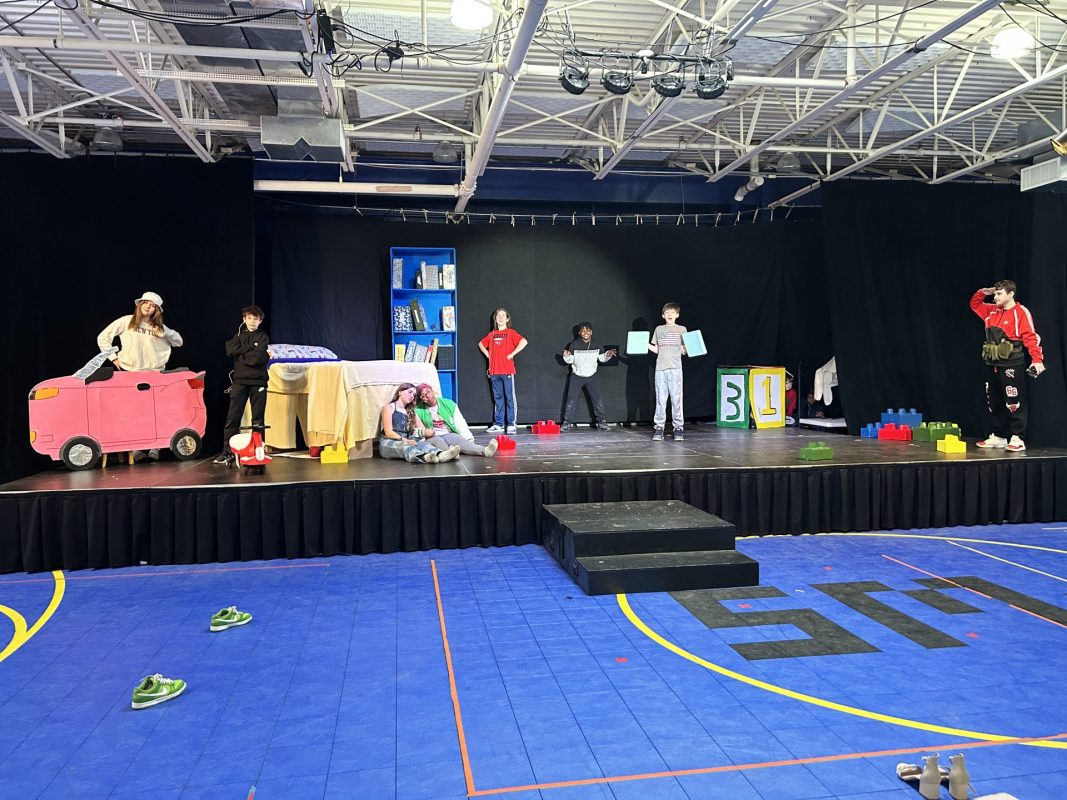
It has been a wonderful return to school following spring break. It has been great to see all of the students and to be working on the amazing play they wrote: Toys’ Adventure. 

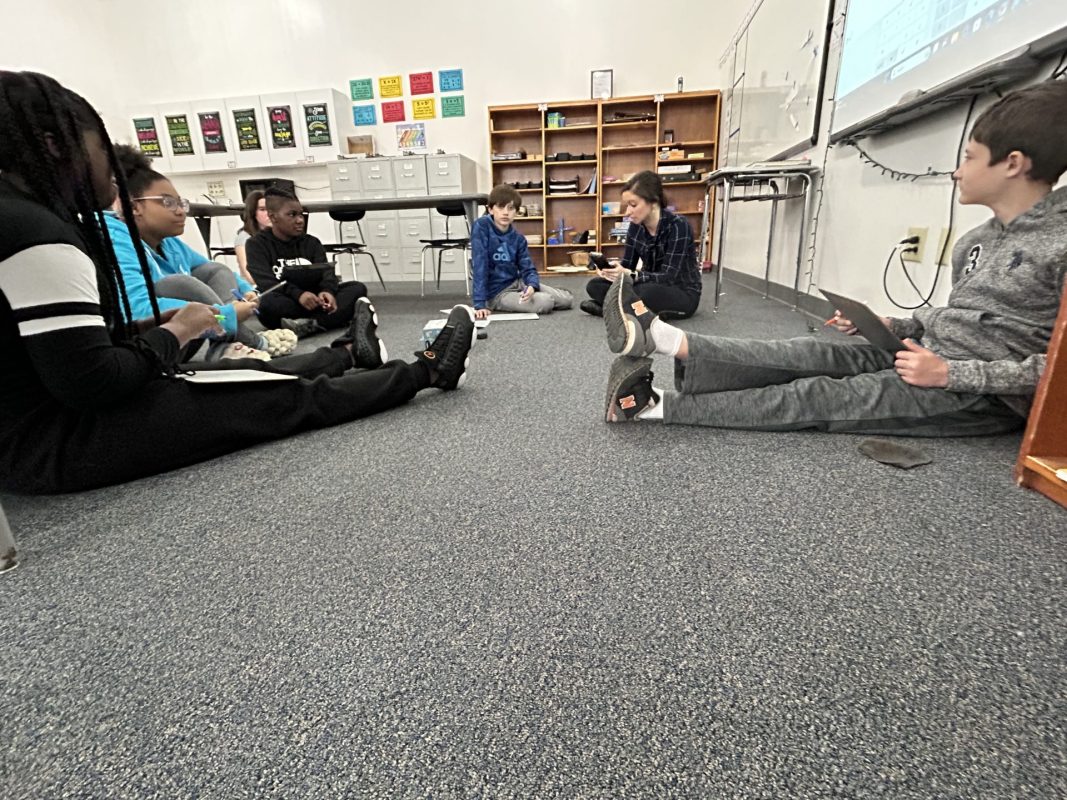
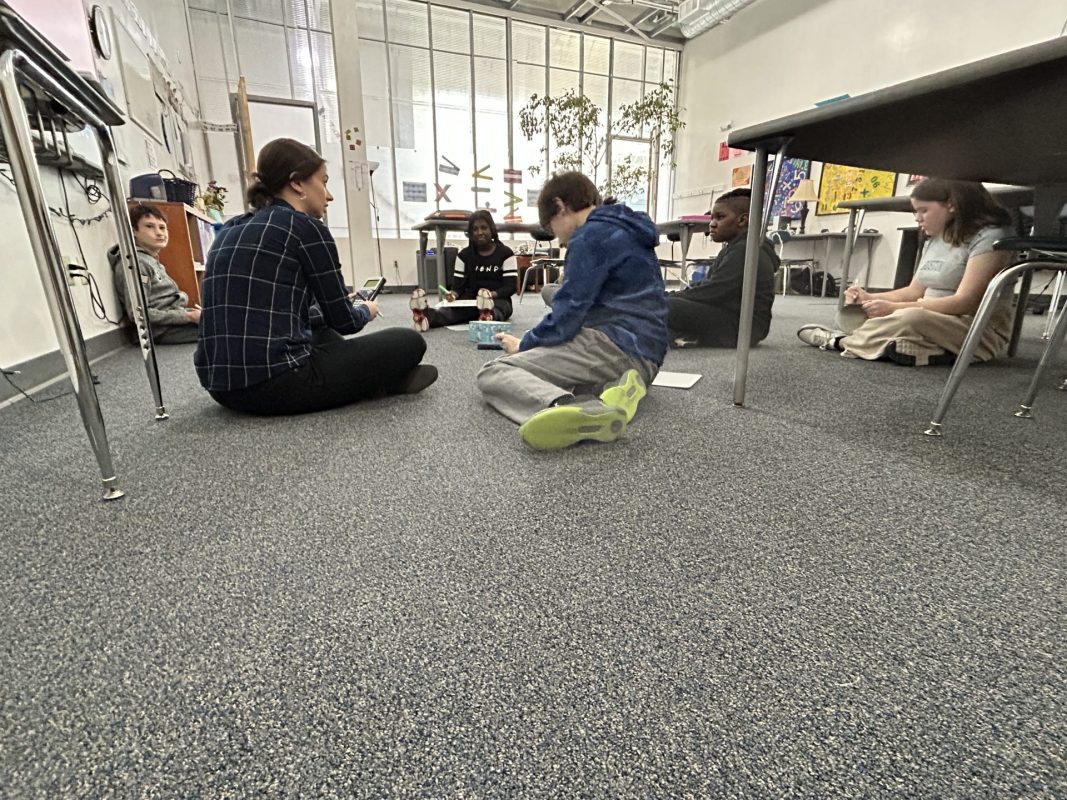
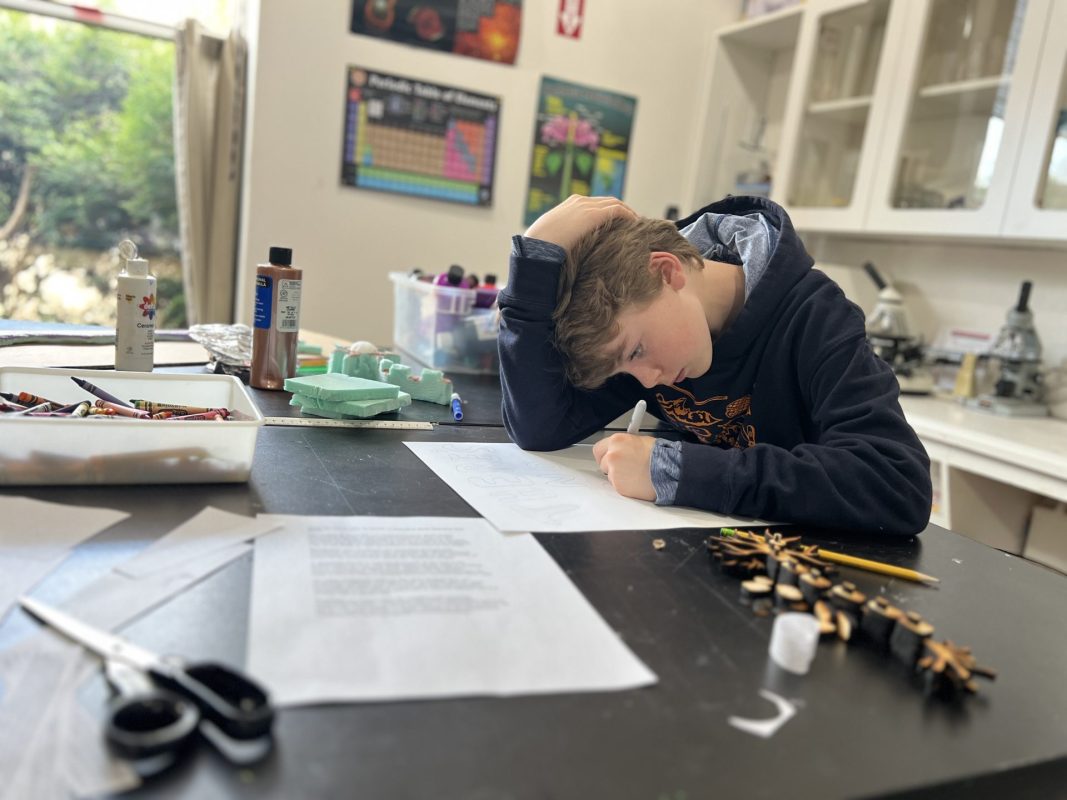
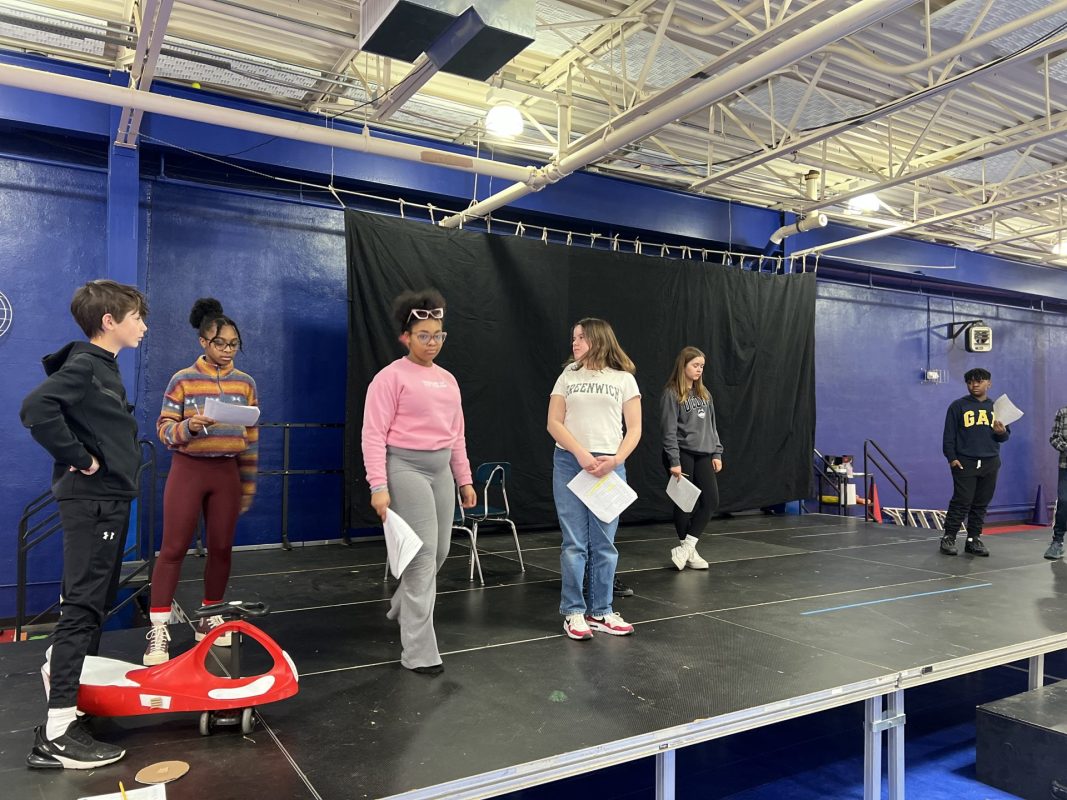
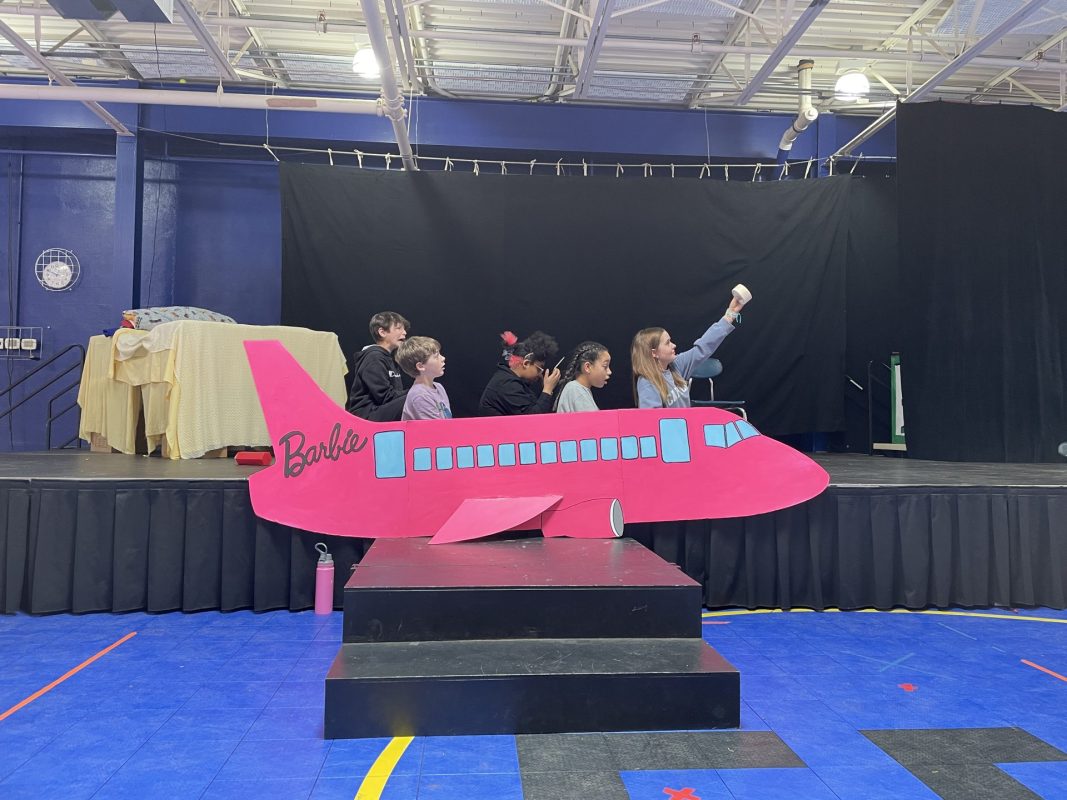
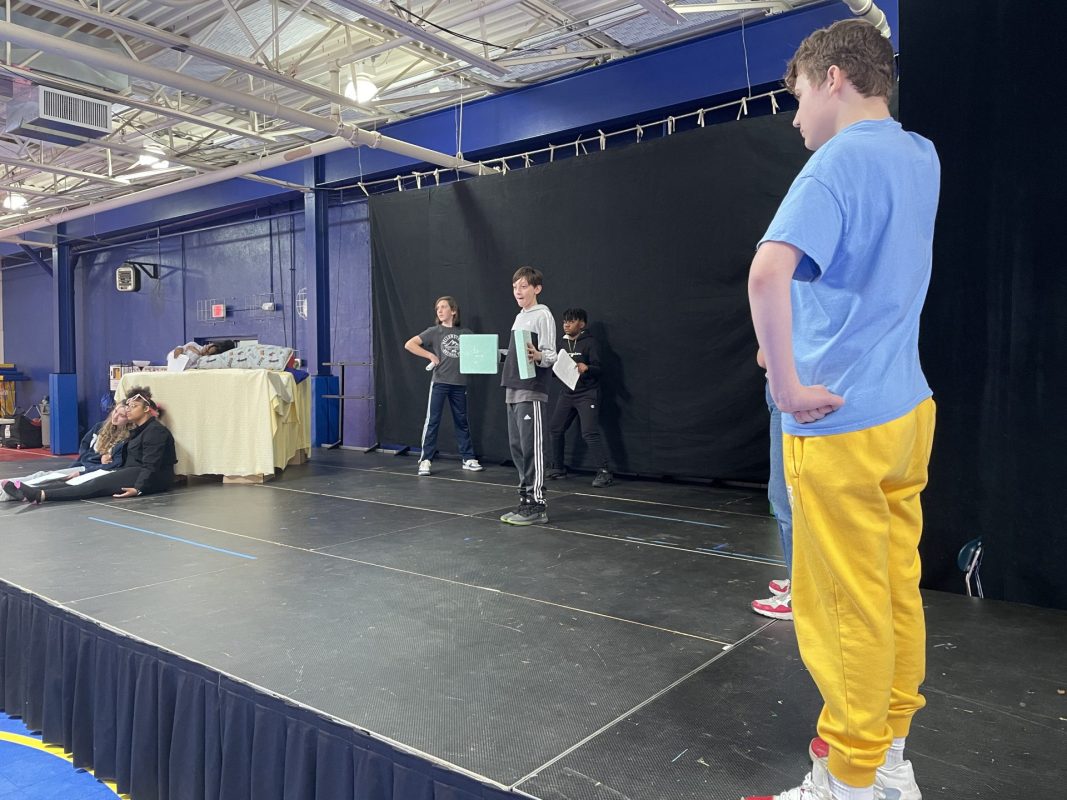
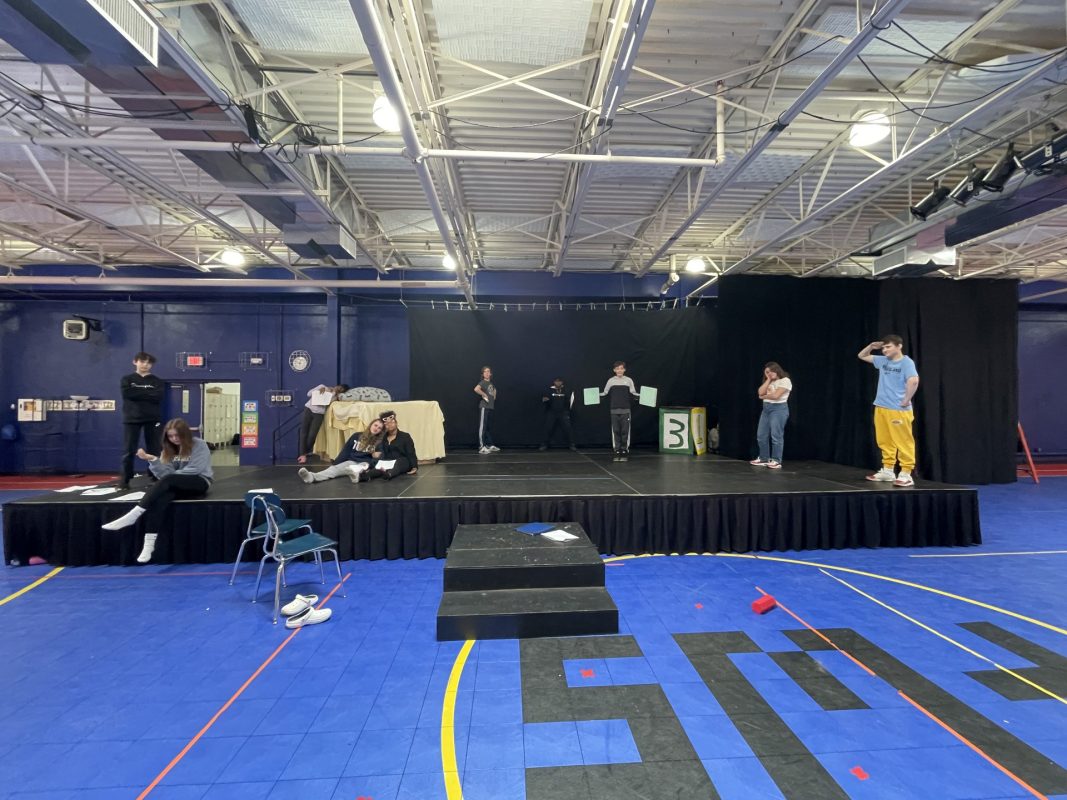
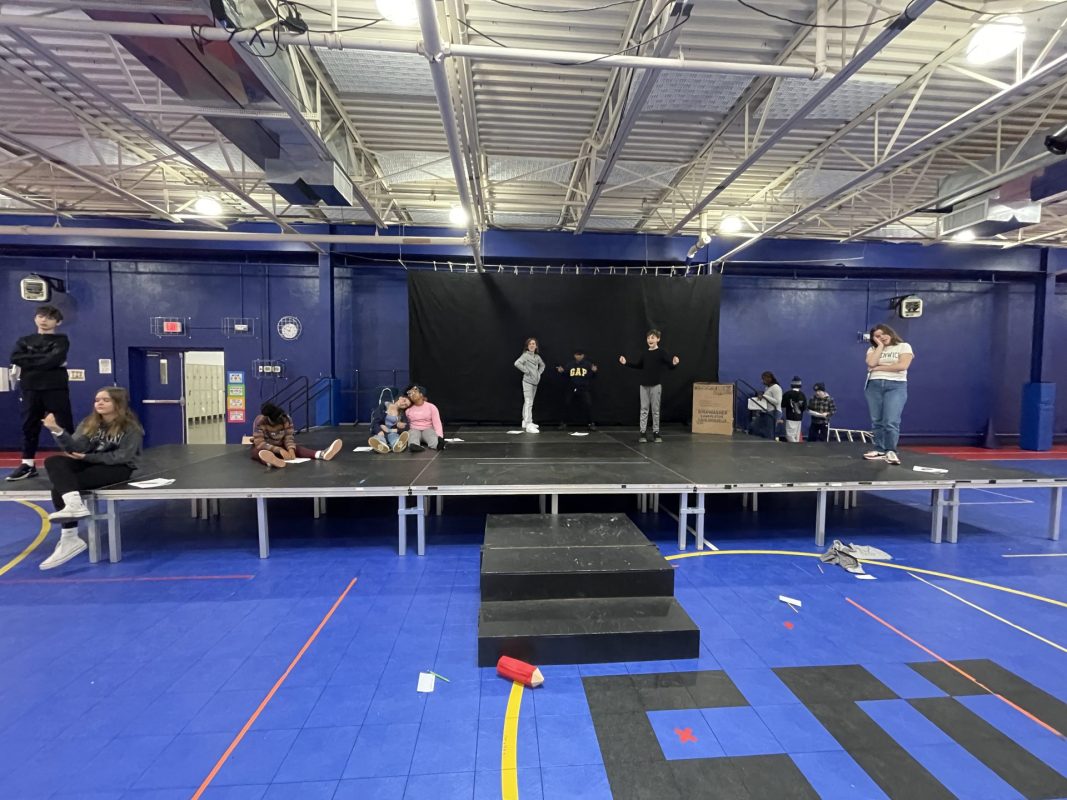
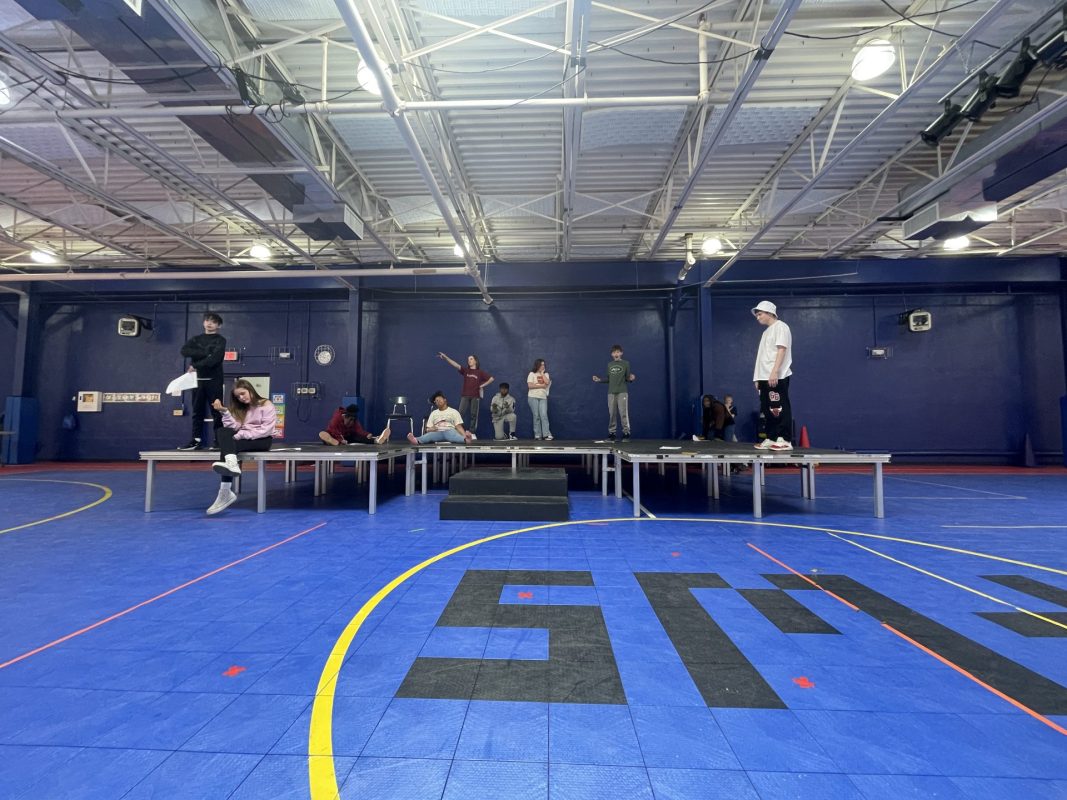
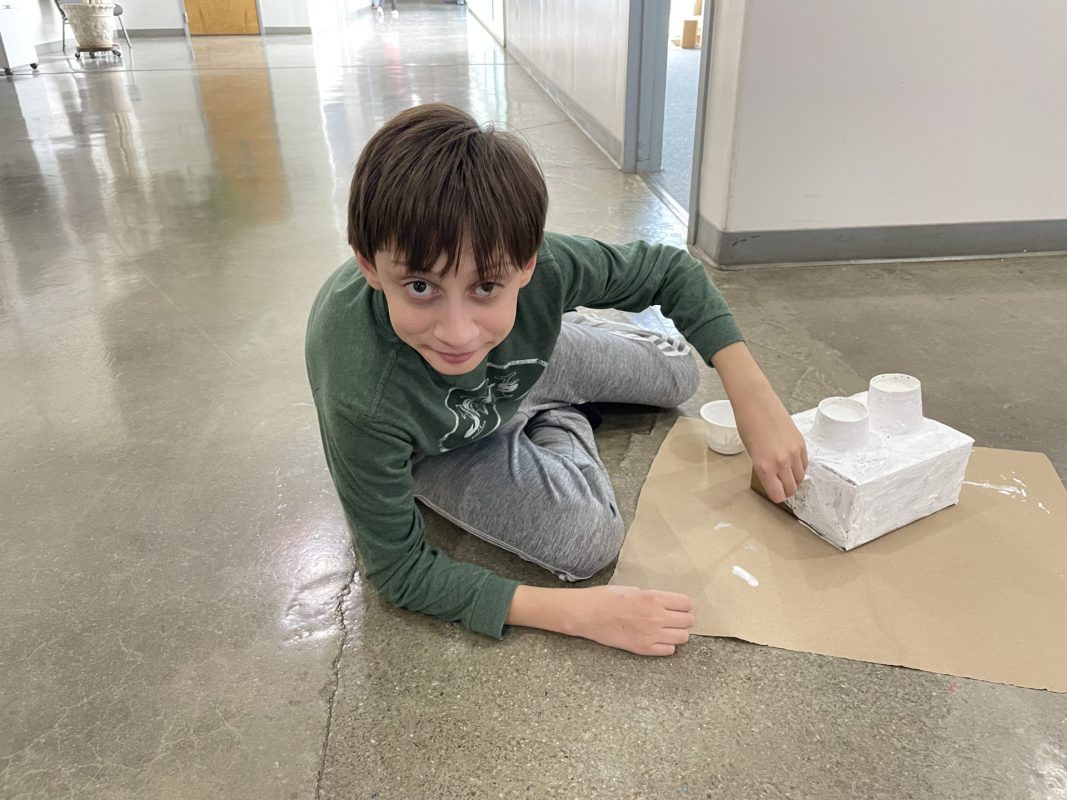
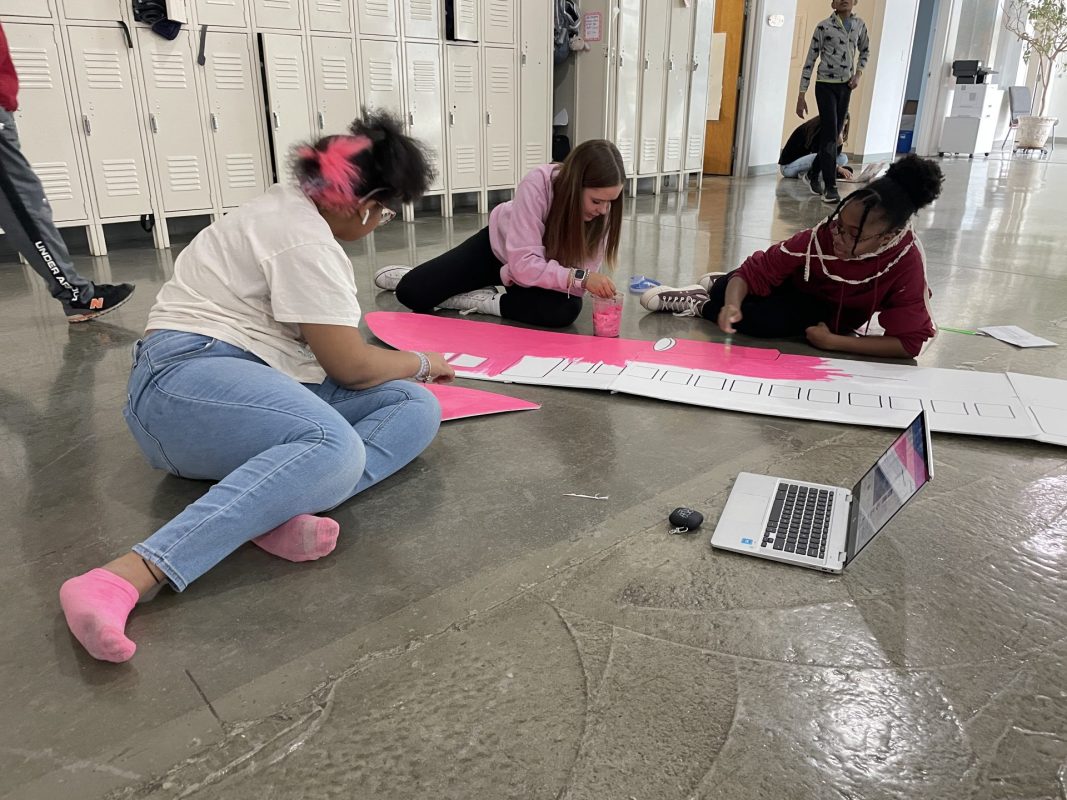
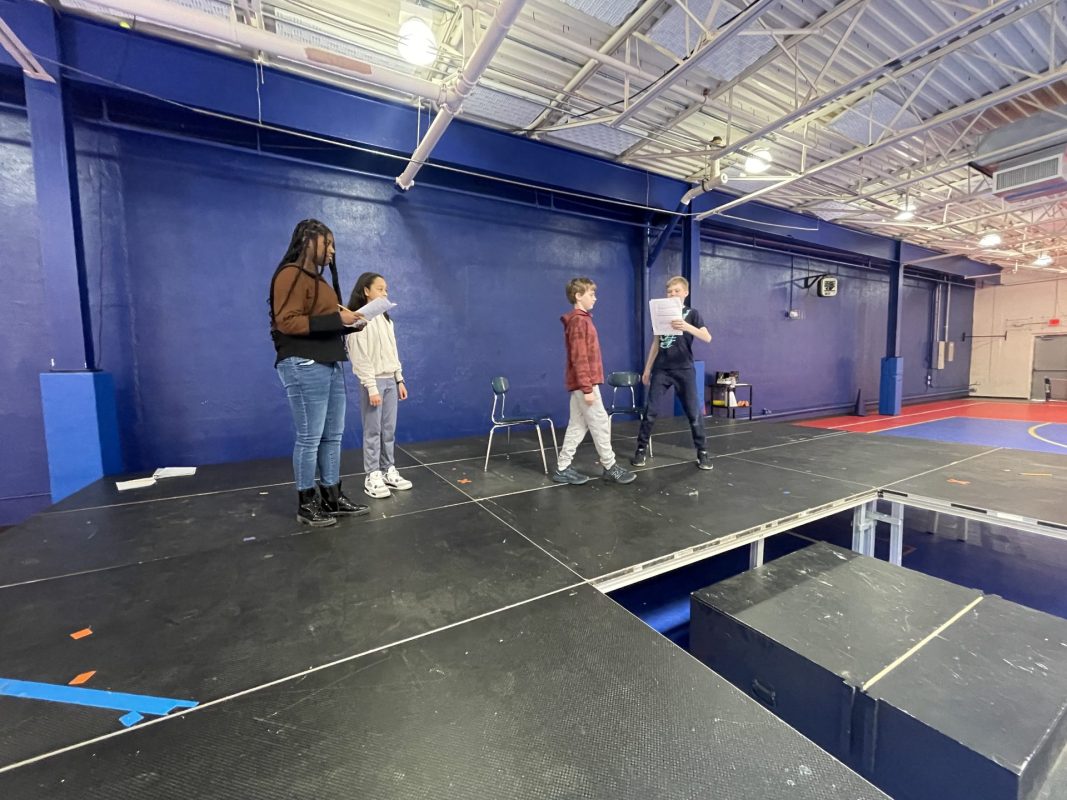
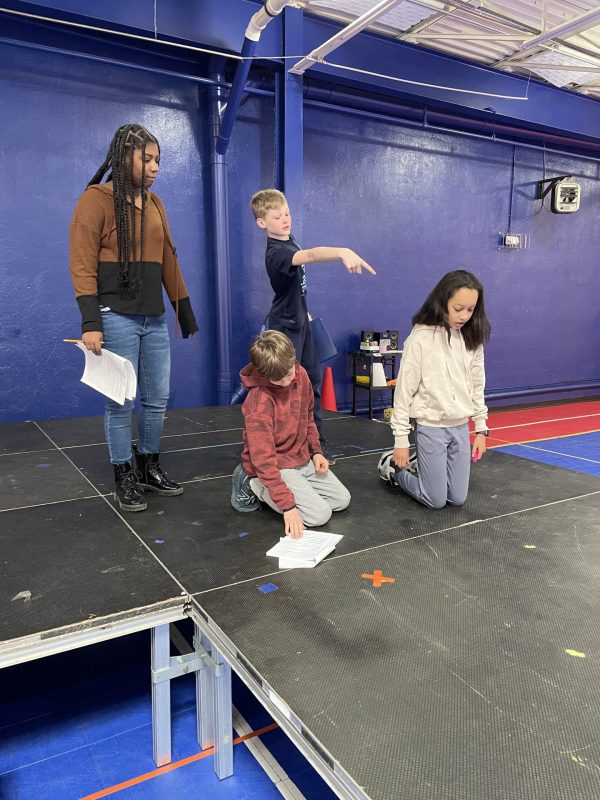
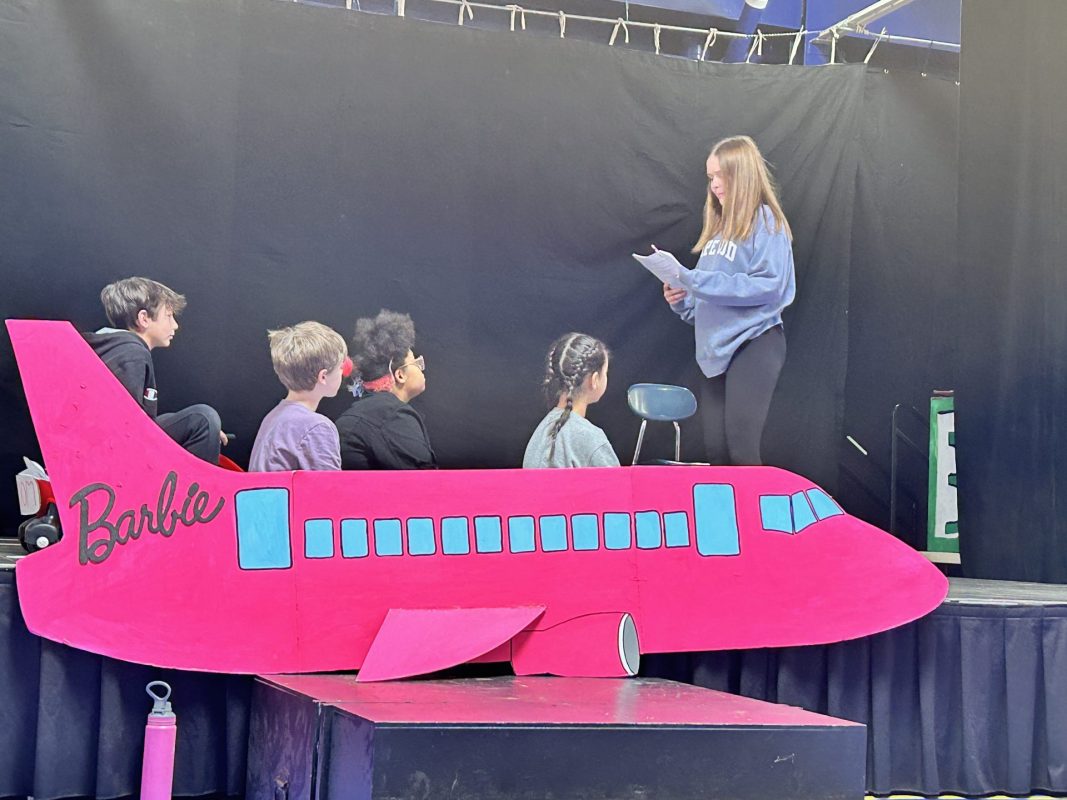
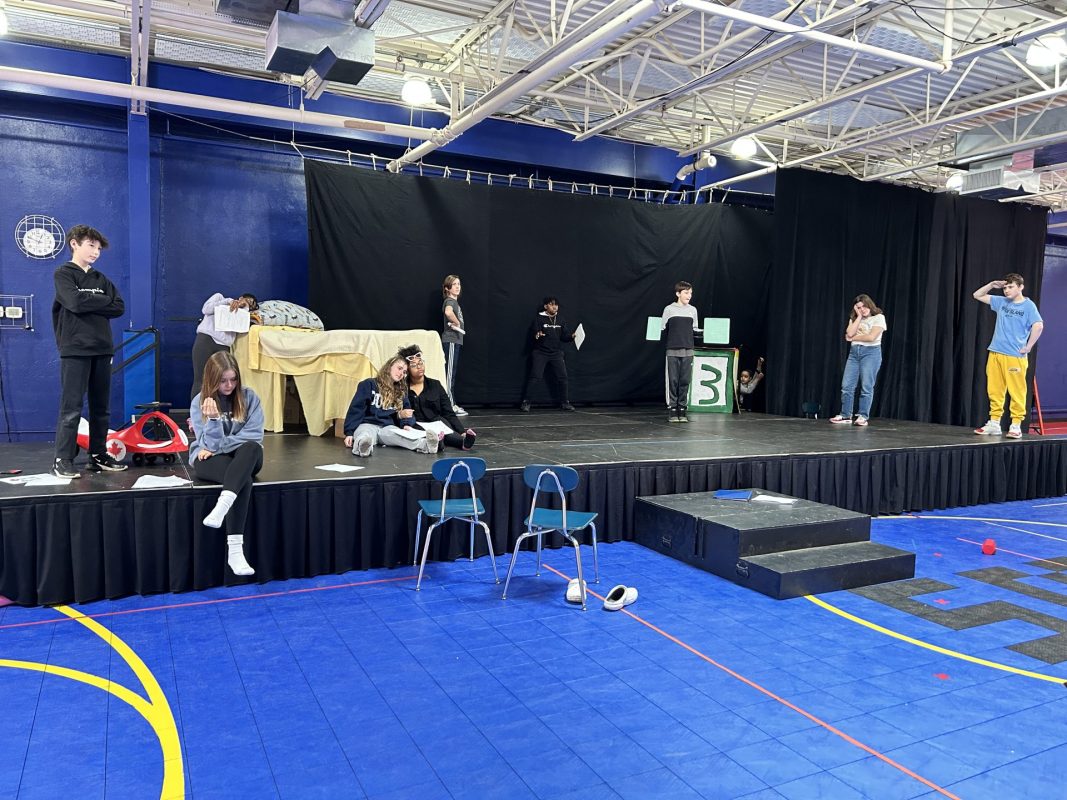
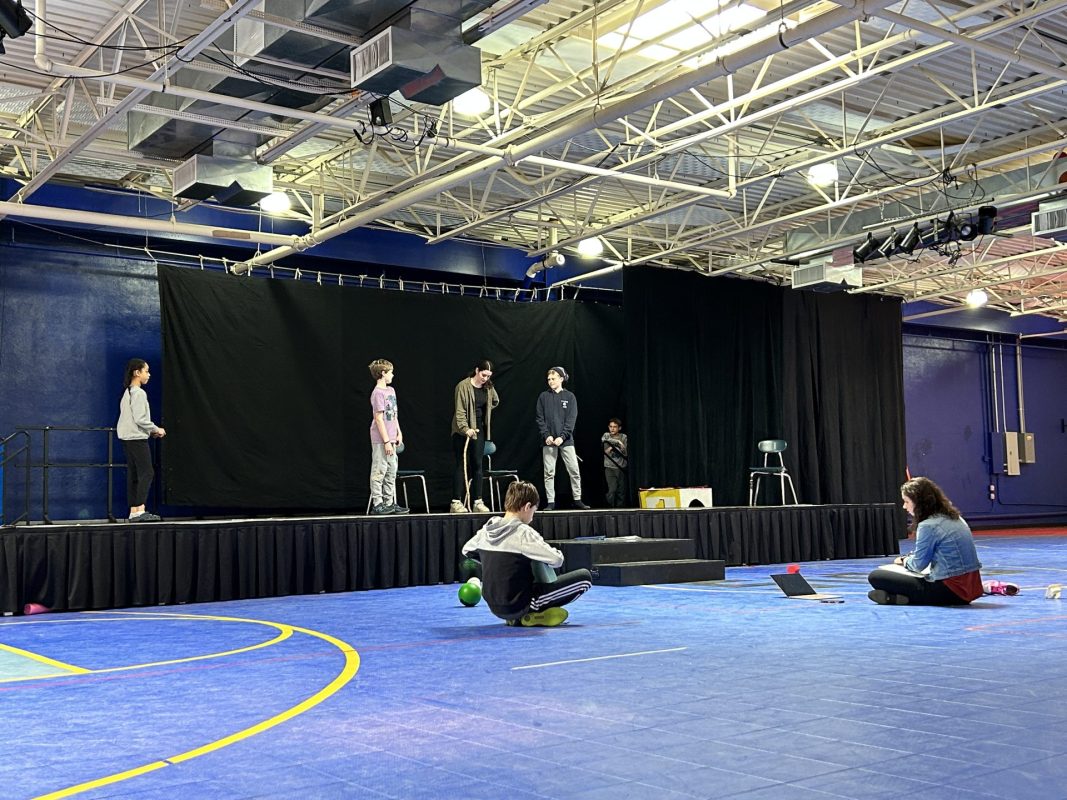
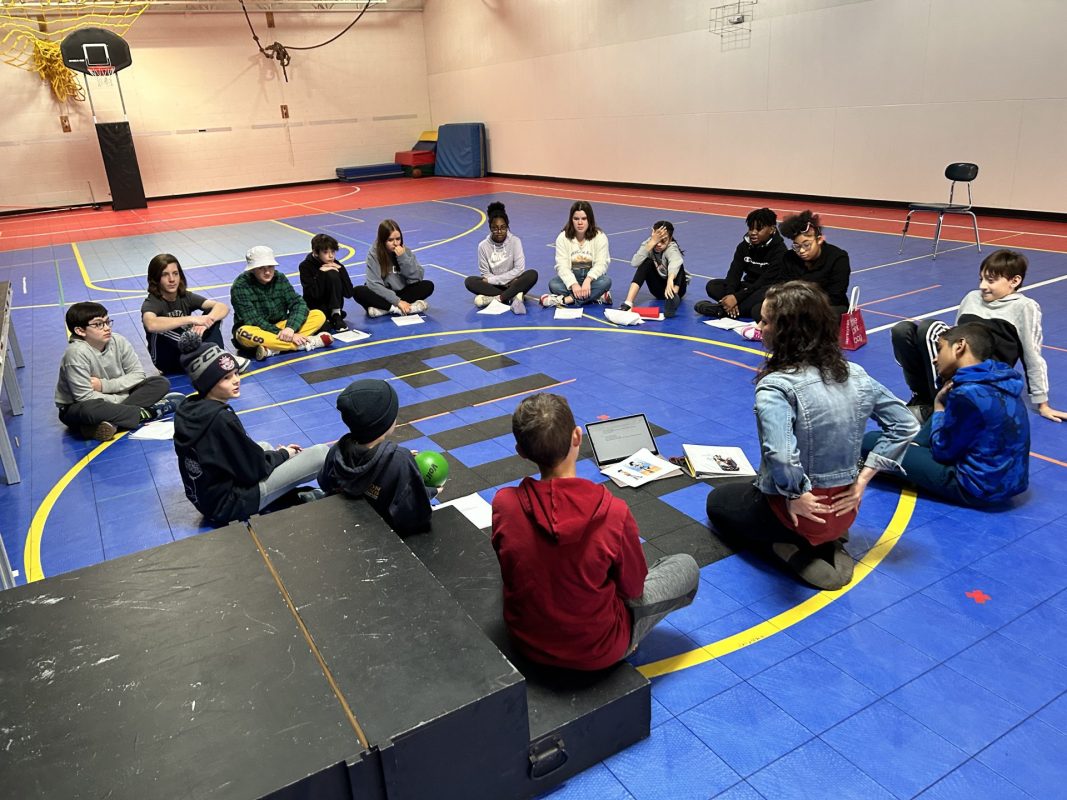
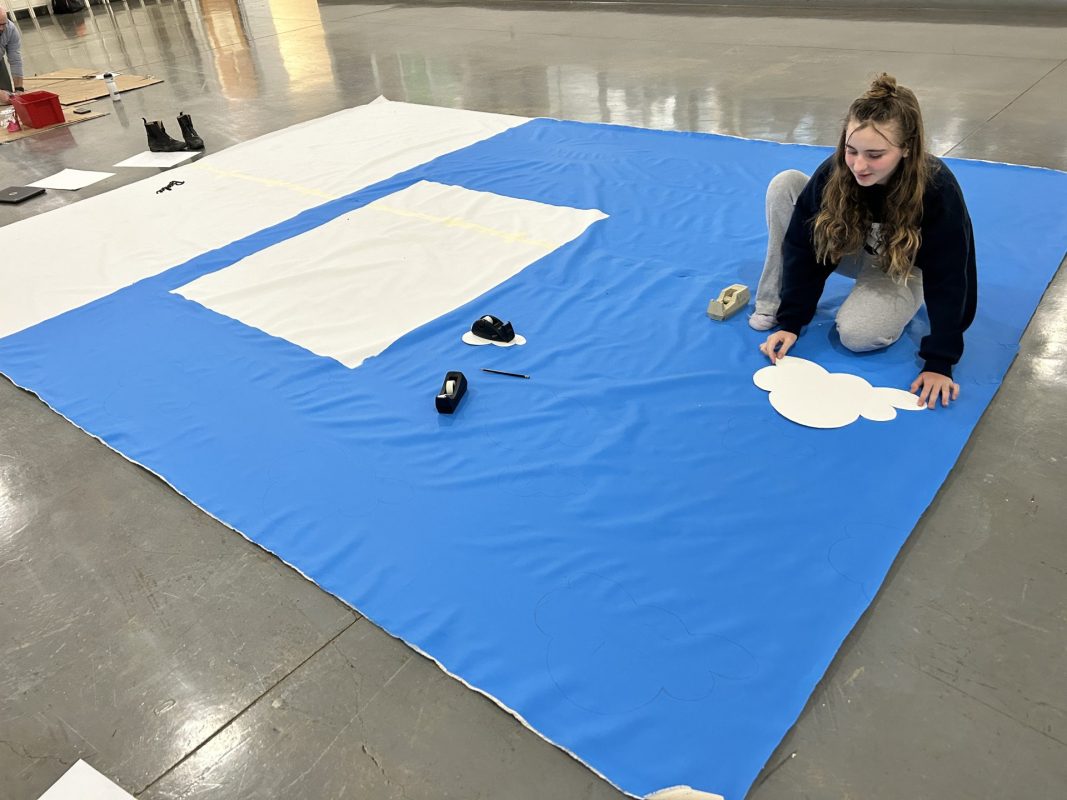
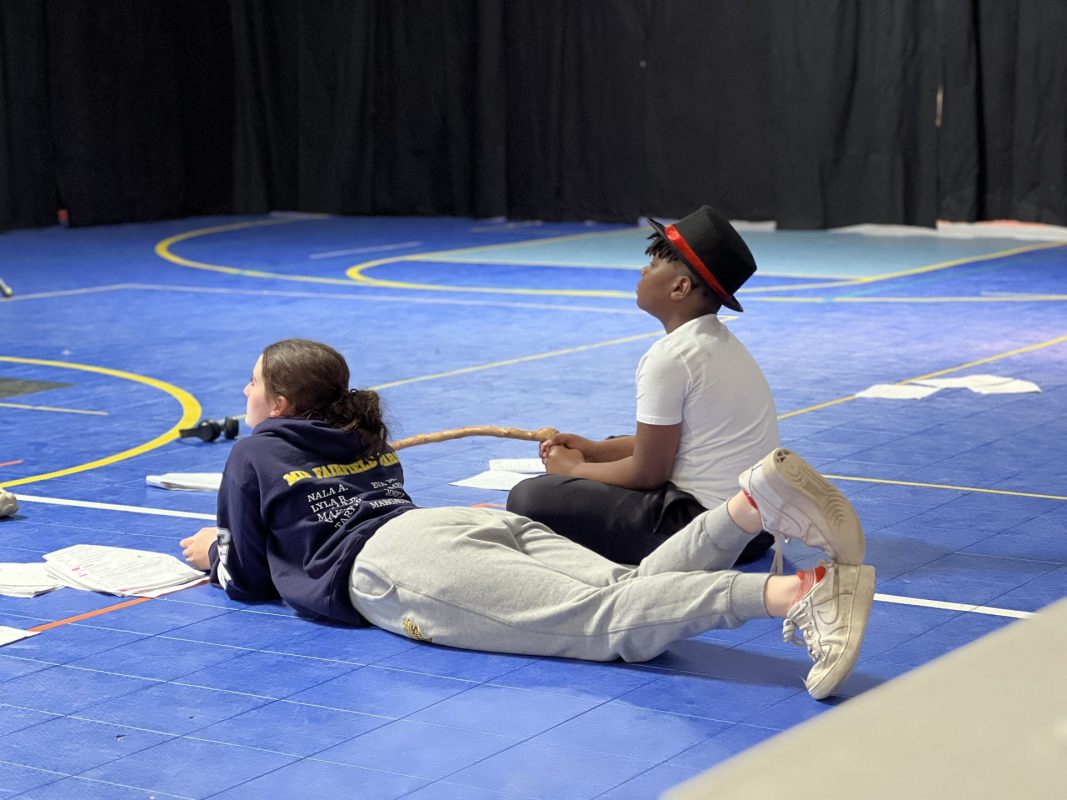
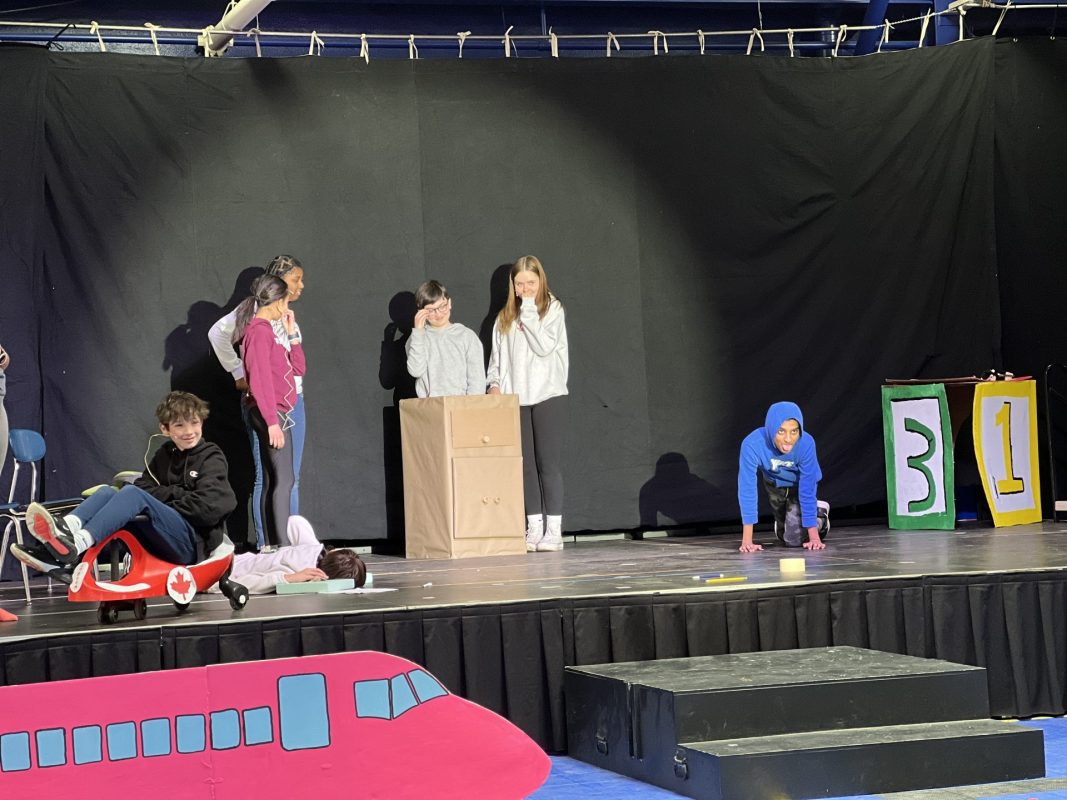
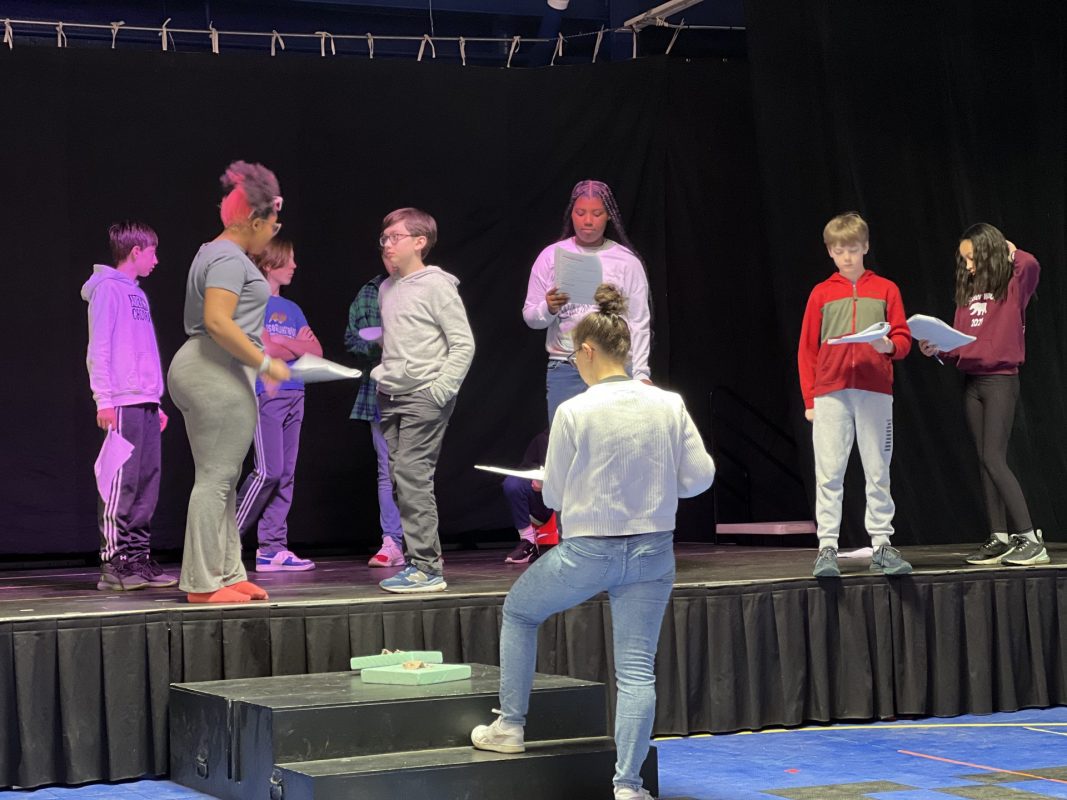
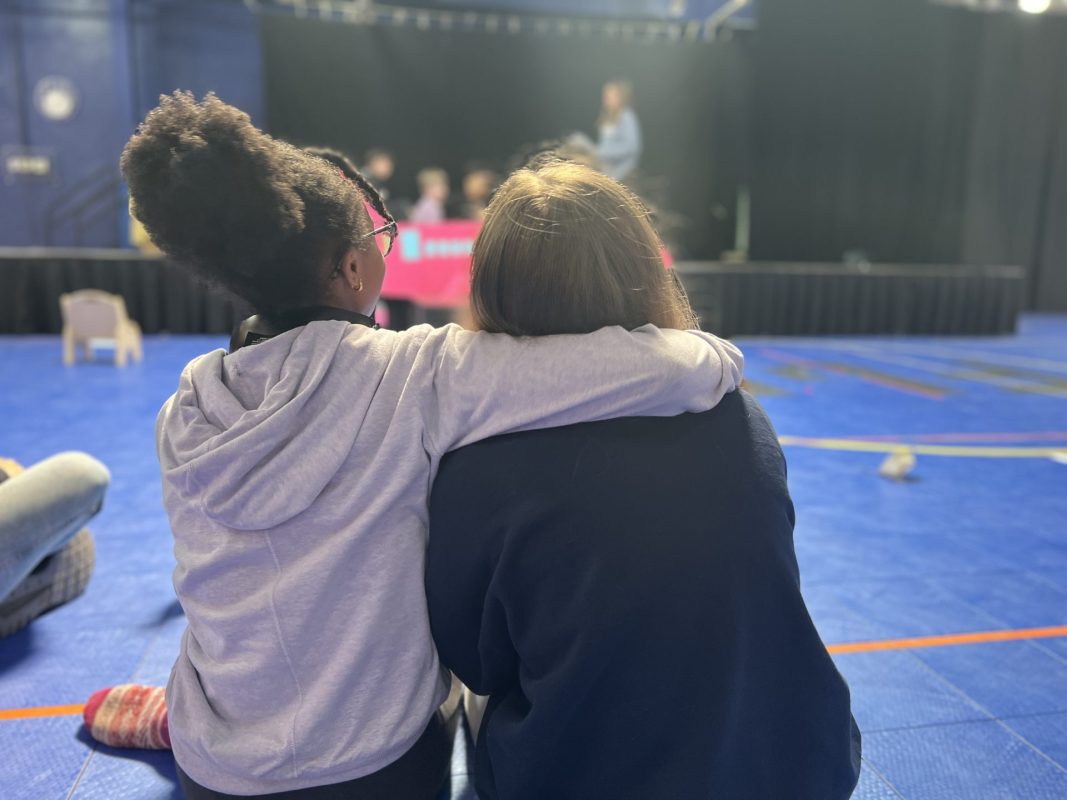
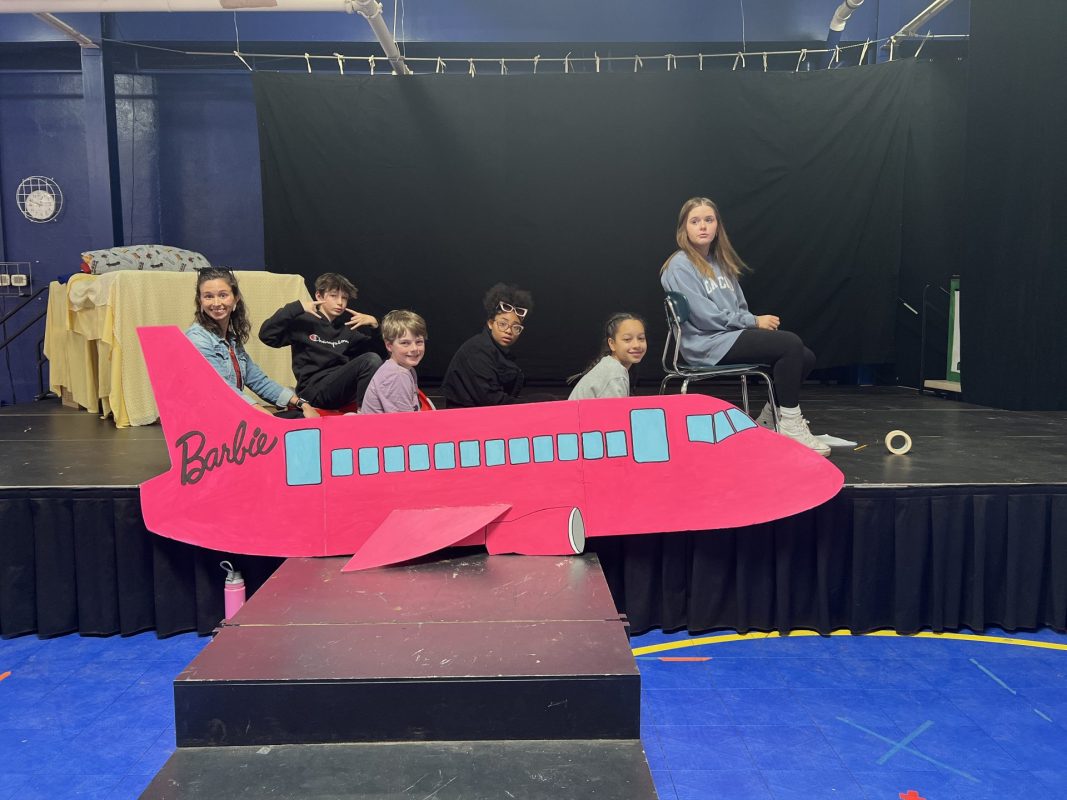
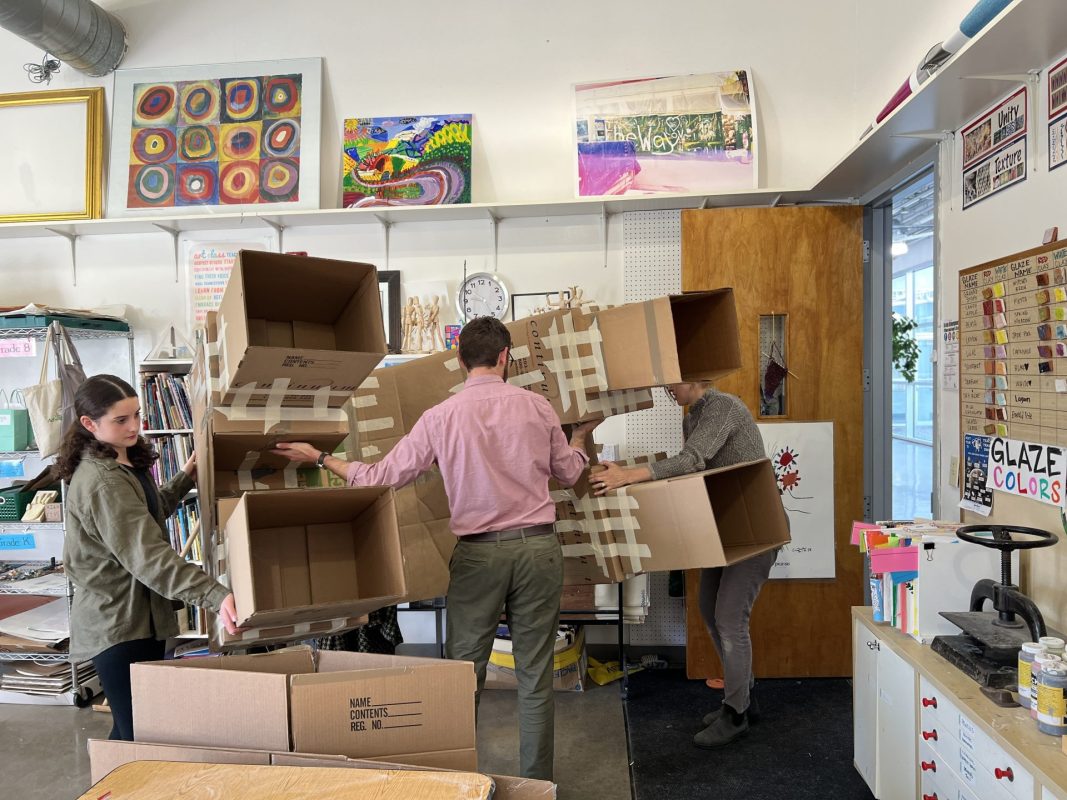
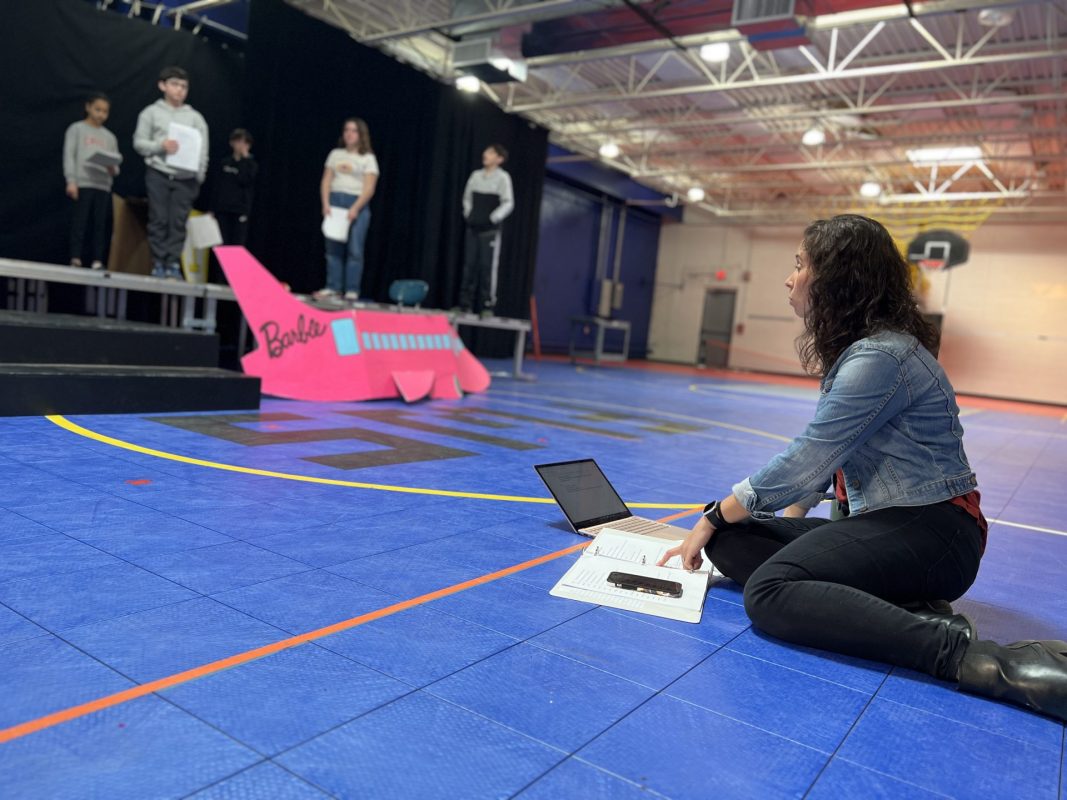
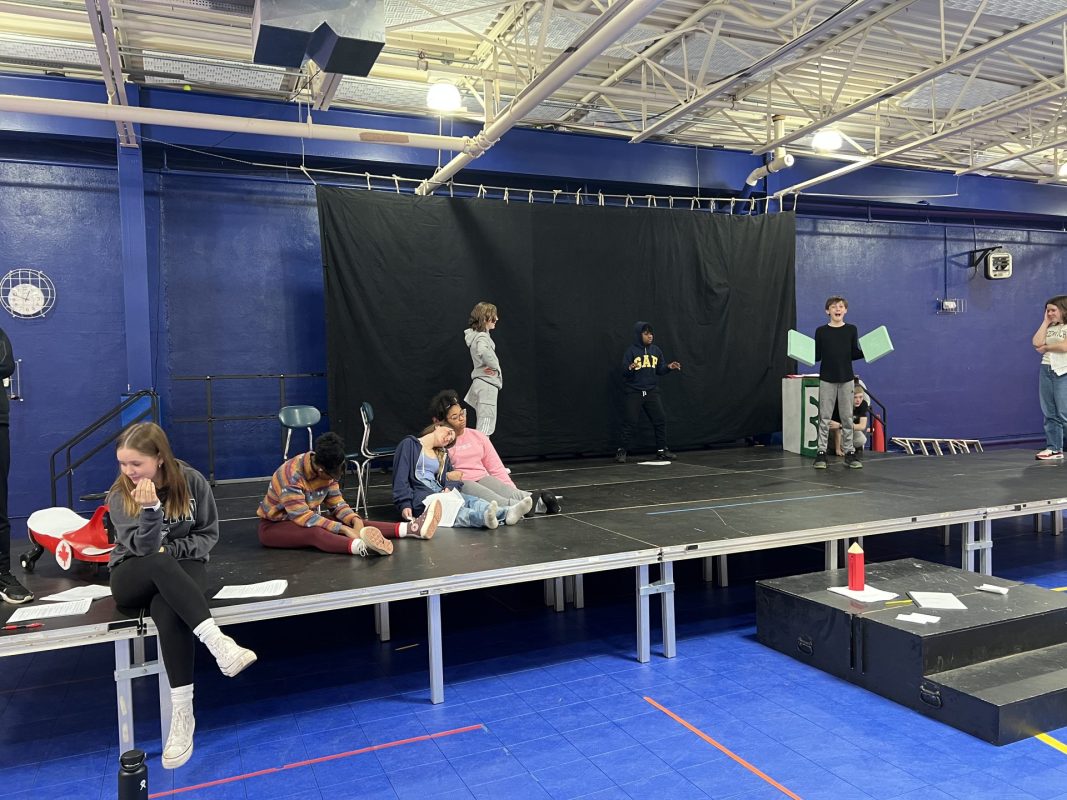
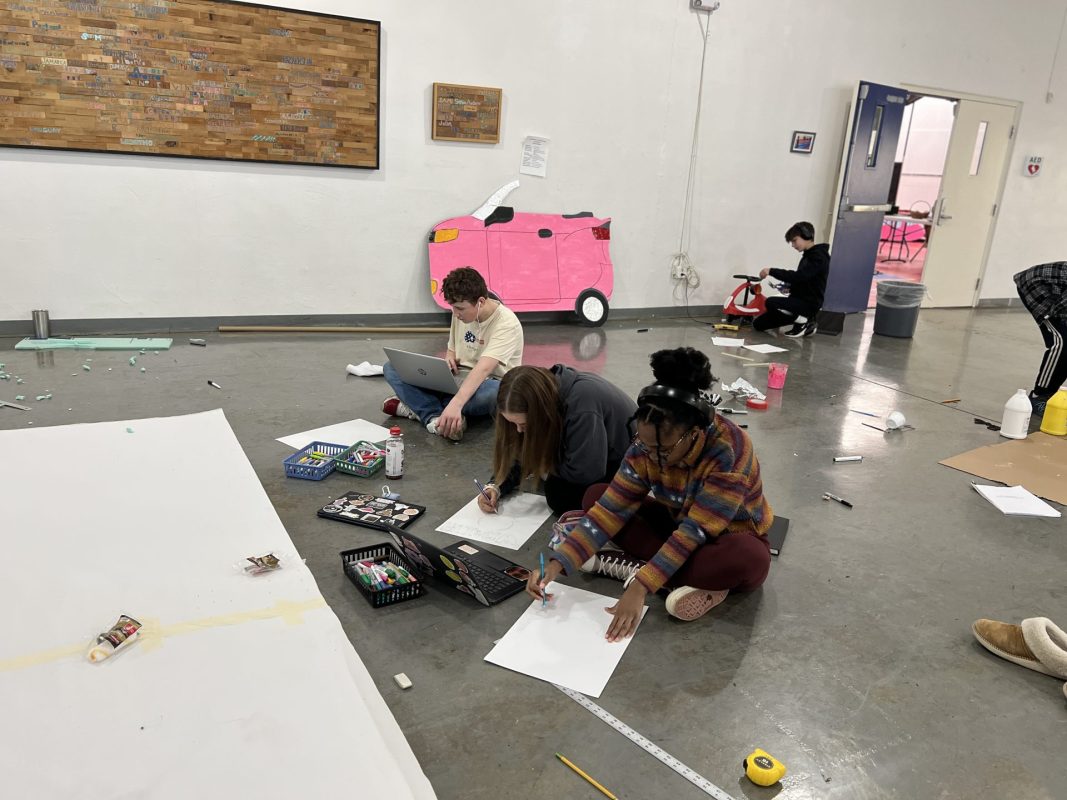
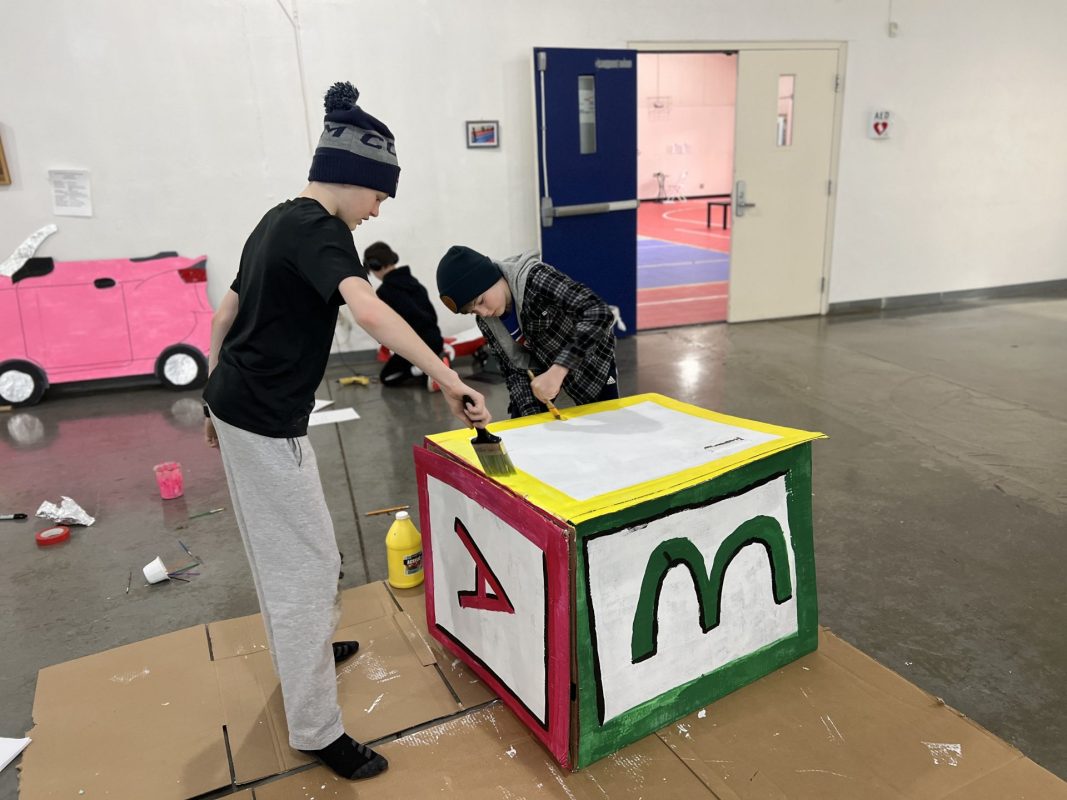
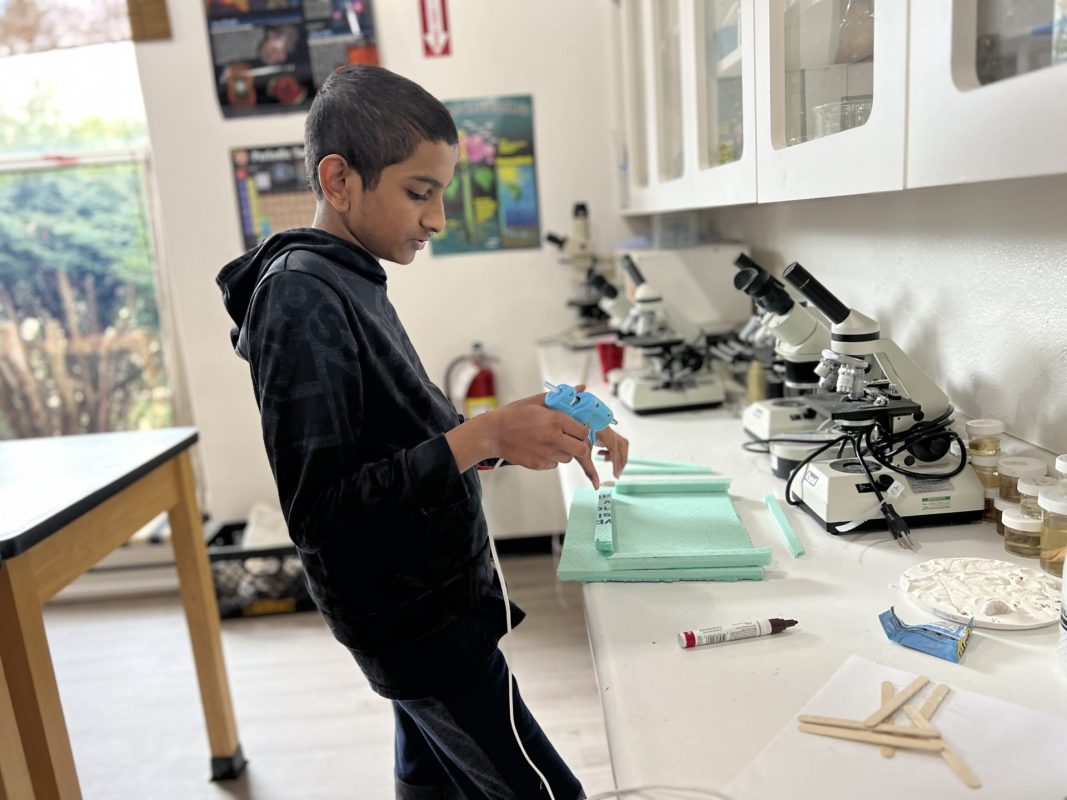
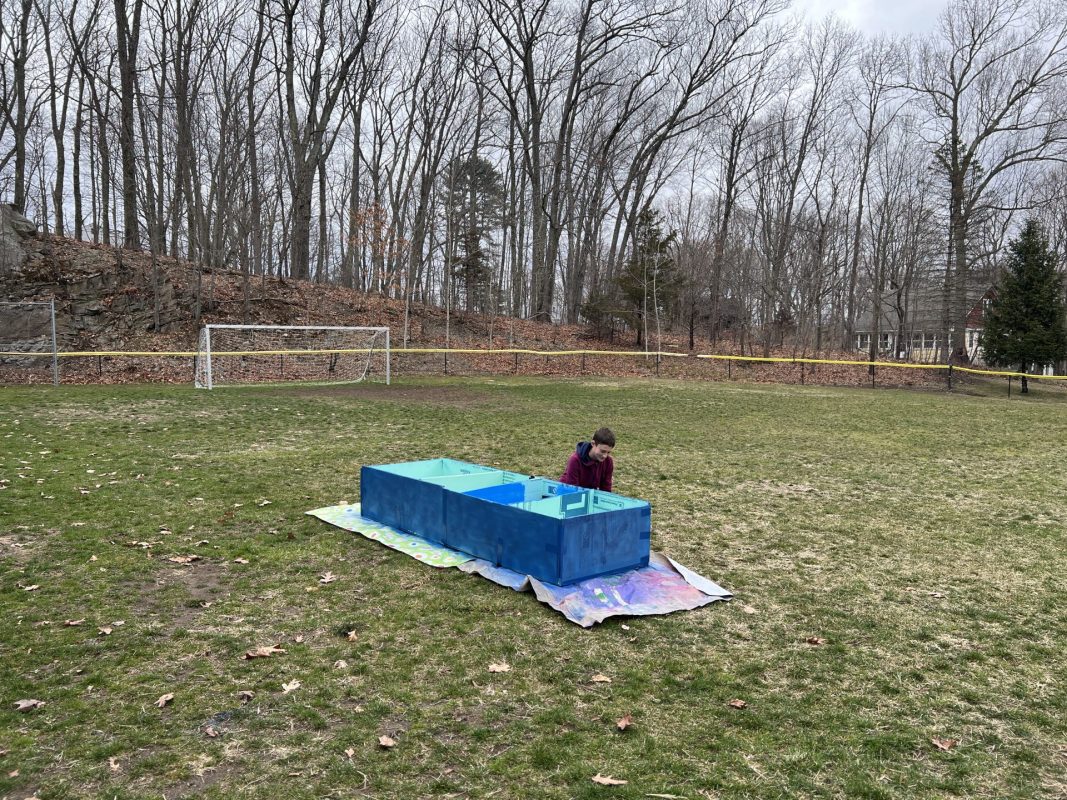
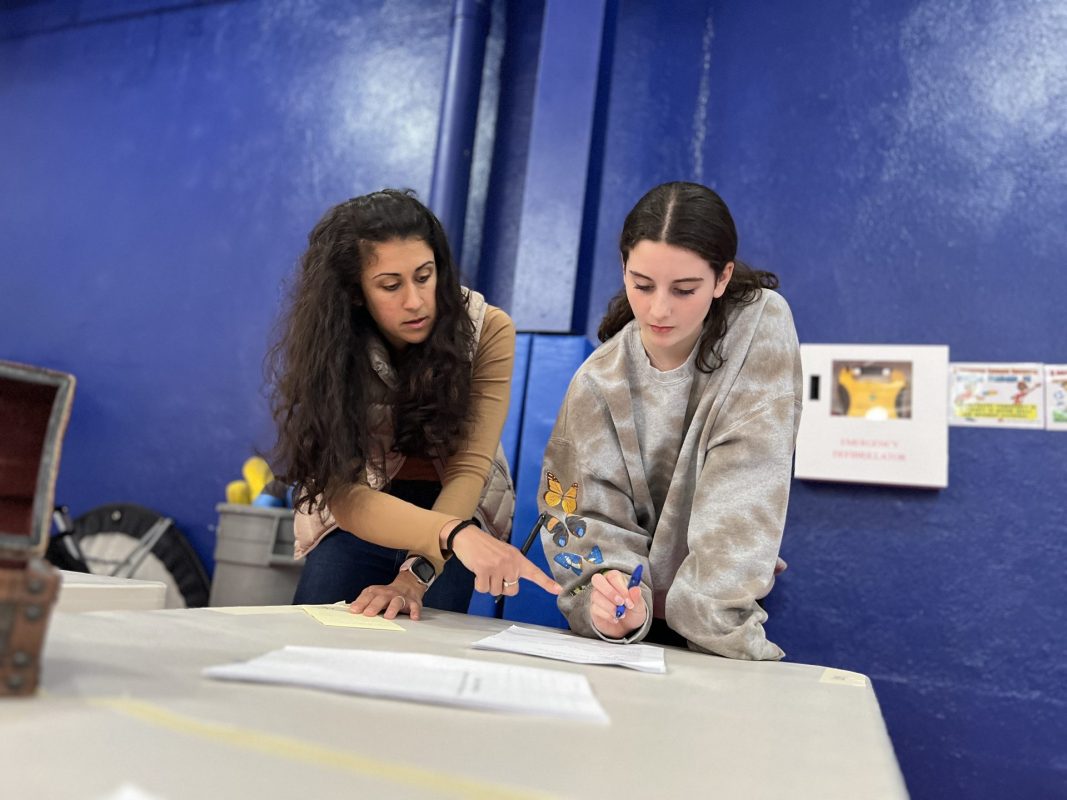
We started the week with a full cast read-through of the script. From there, the days begin with warm-up games, and then students work either on the stage blocking with Ms. Sutherland, building the set with Ms. Reid and Mr. Brown, or gathering and organizing props with Mrs. Lamb. The set is looking great, and the entire play is blocked. The teachers are impressed with how well the students work together and learn their lines. There is a lot of positive energy!

Next week, the Middle School looks forward to finishing rehearsals and performing LIVE for the middle school families and Fraser Woods community on Tuesday evening, April 4, at 7 pm, and another show for the younger students during the school day on Wednesday. We will wrap up by taking down the set and having our cast party on Wednesday afternoon.


Middle School Pi Day & Middle School Play!

Pi Day!

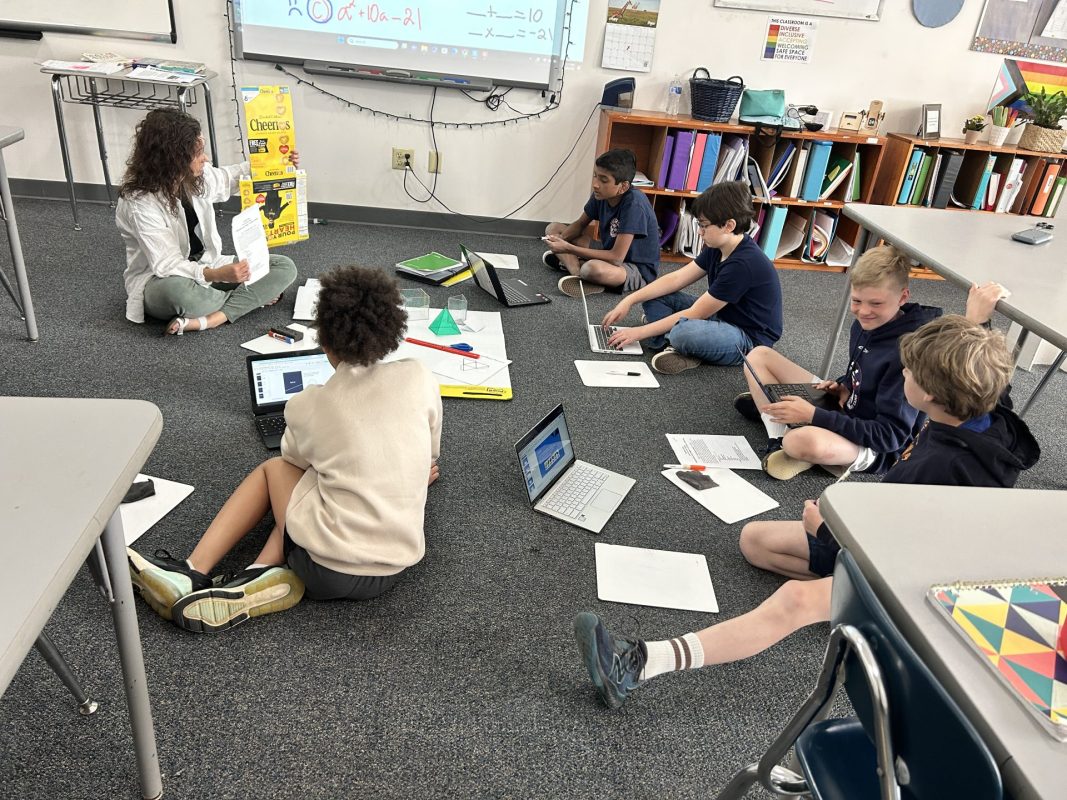
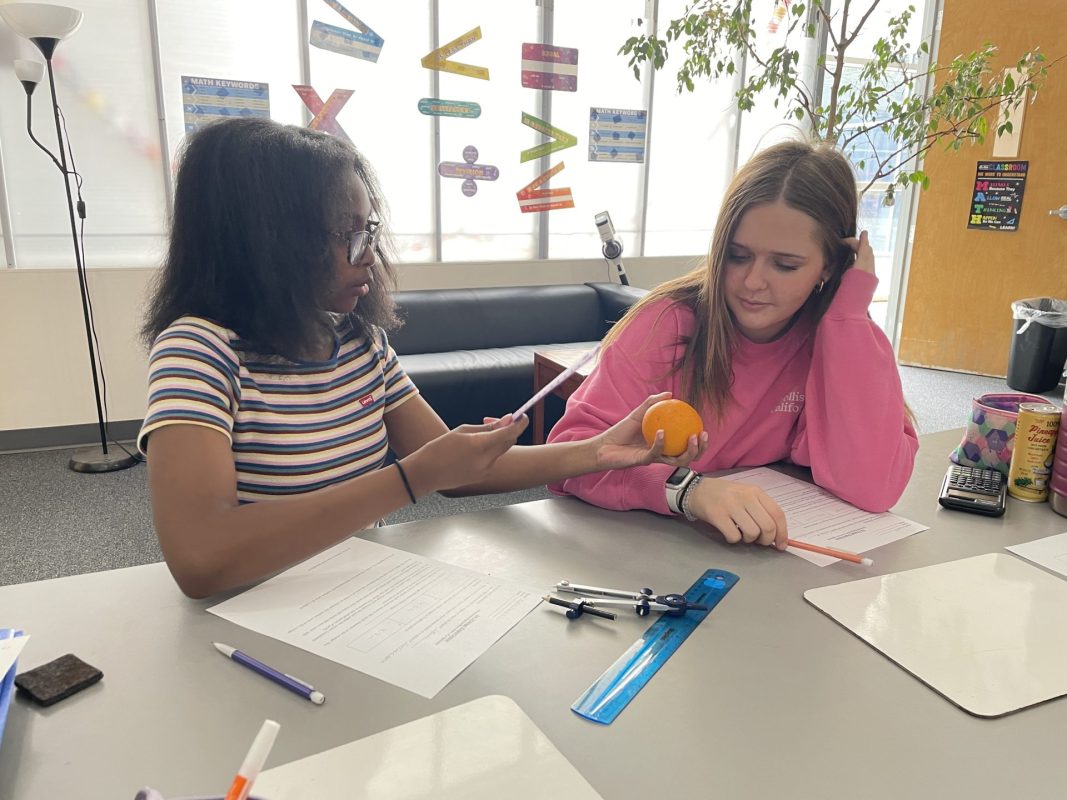
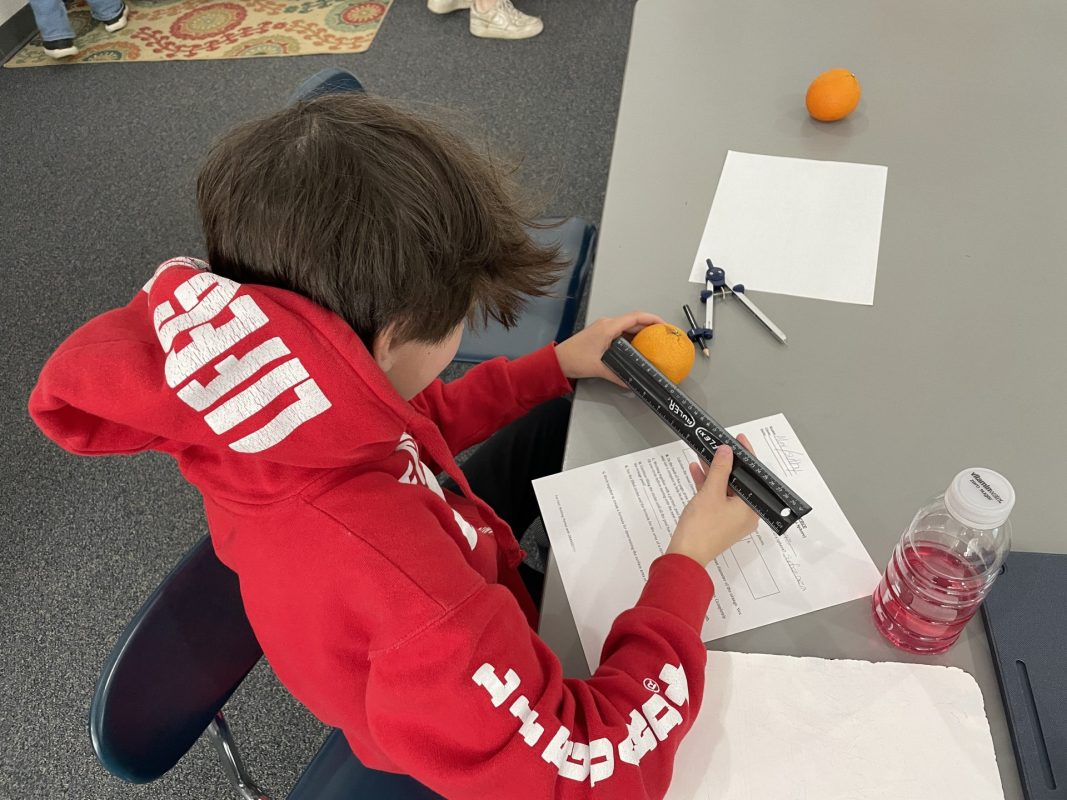
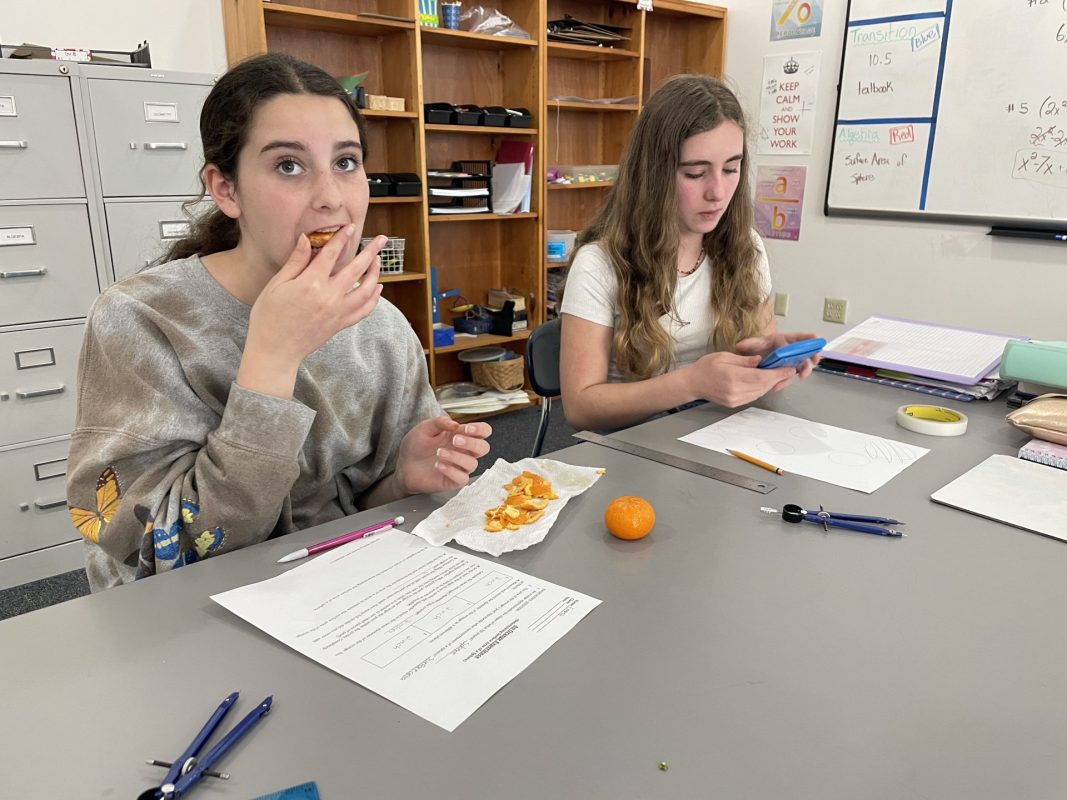
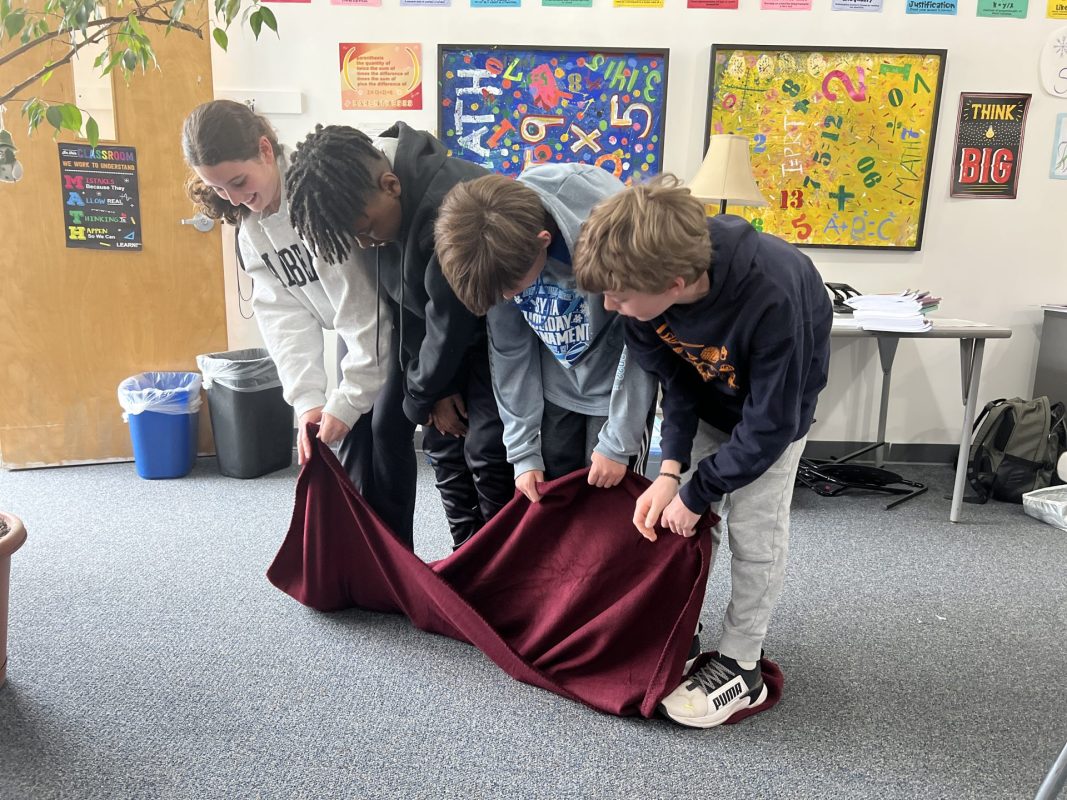
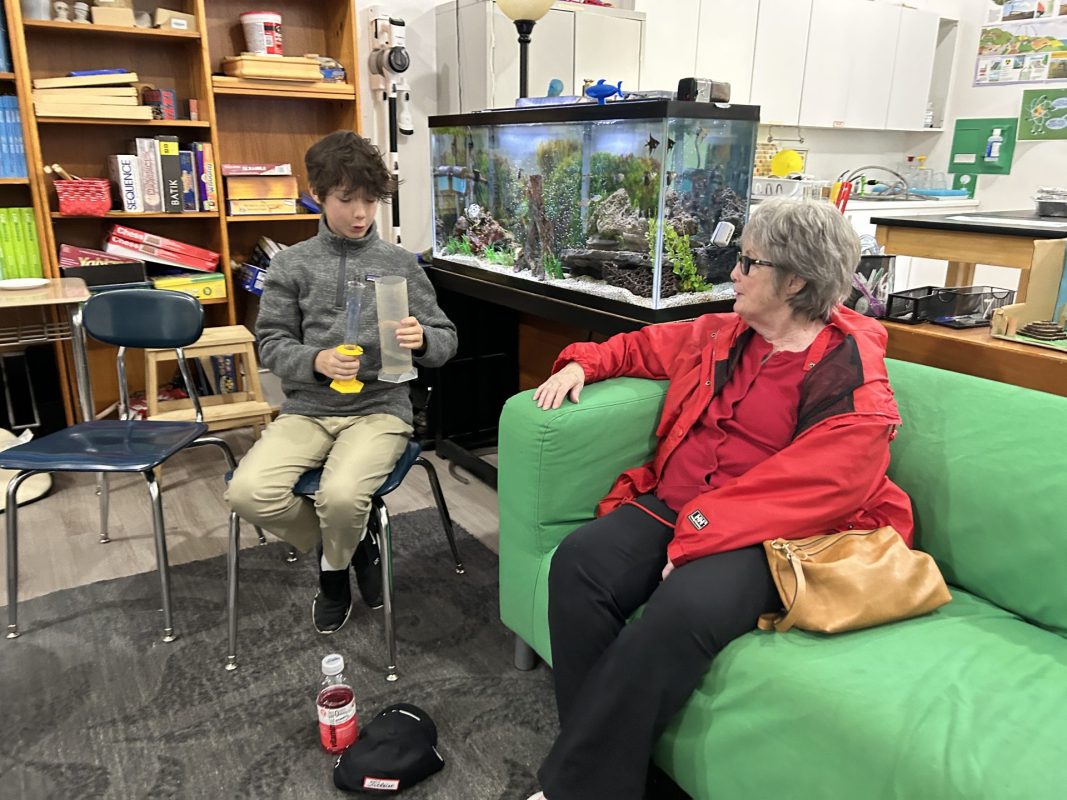
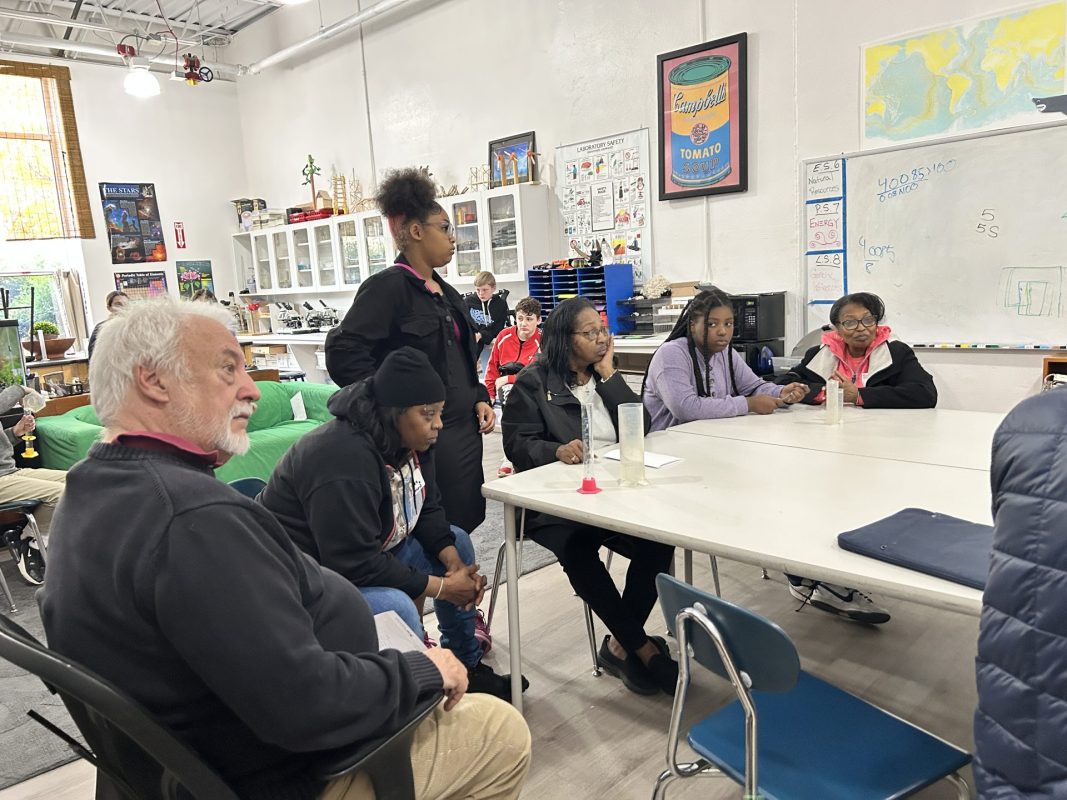
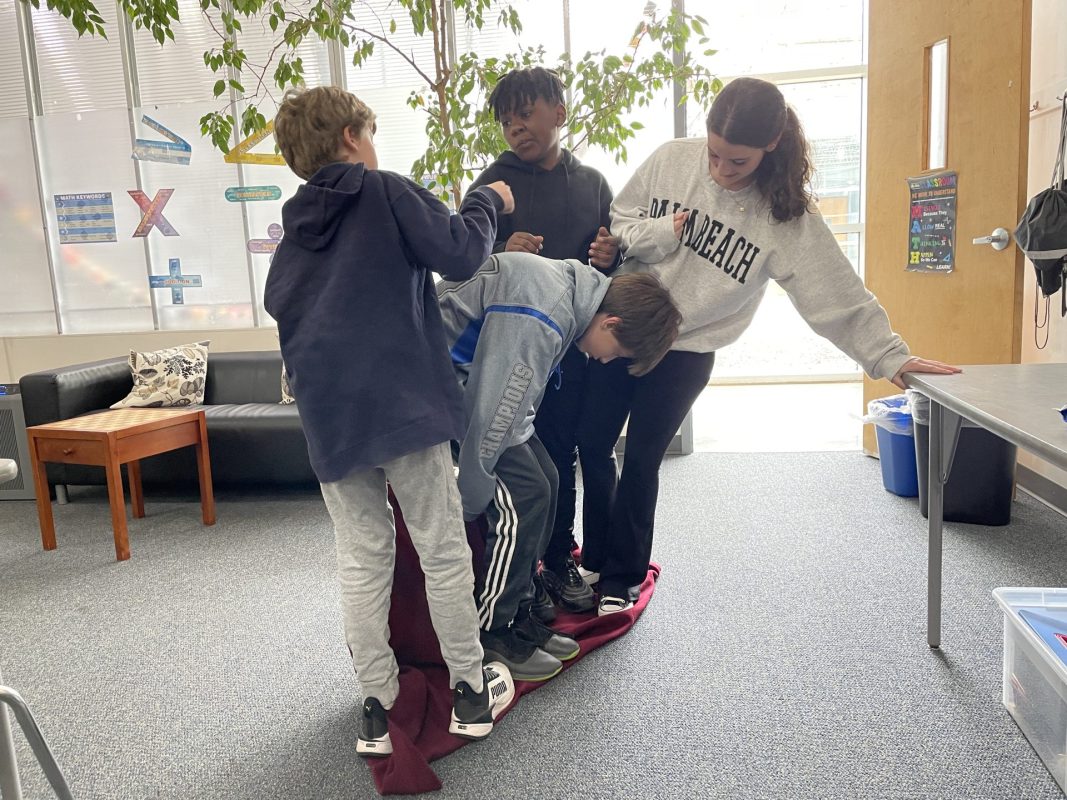
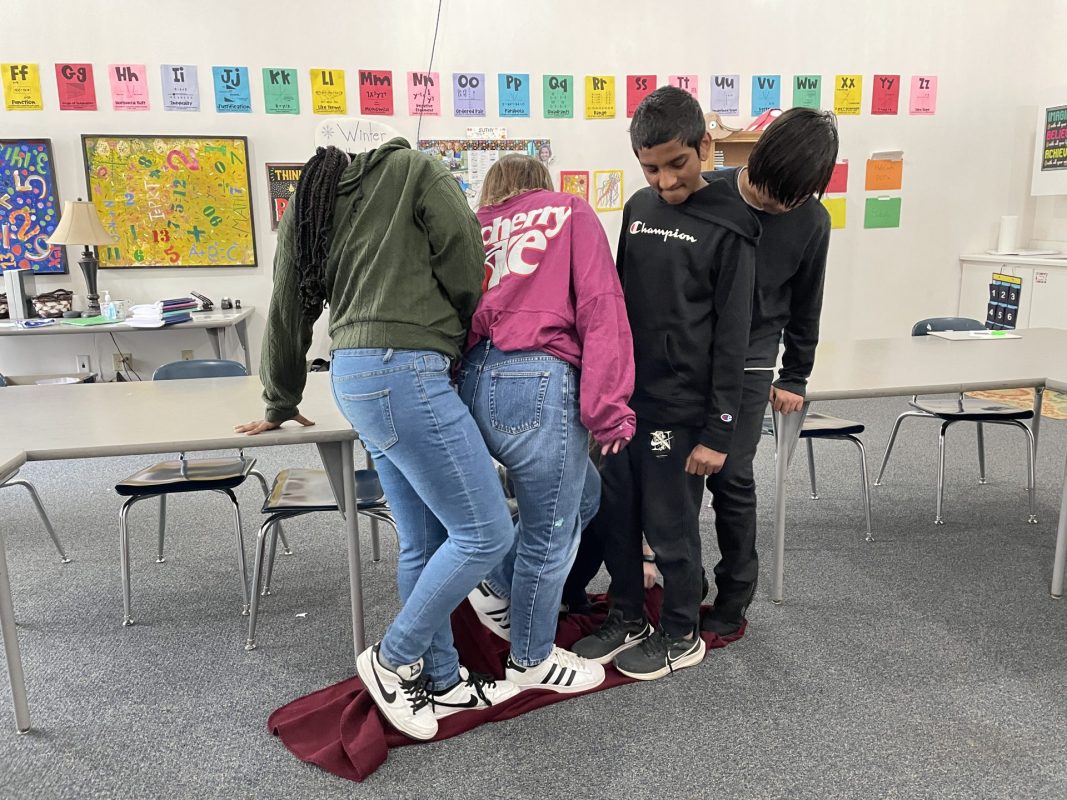
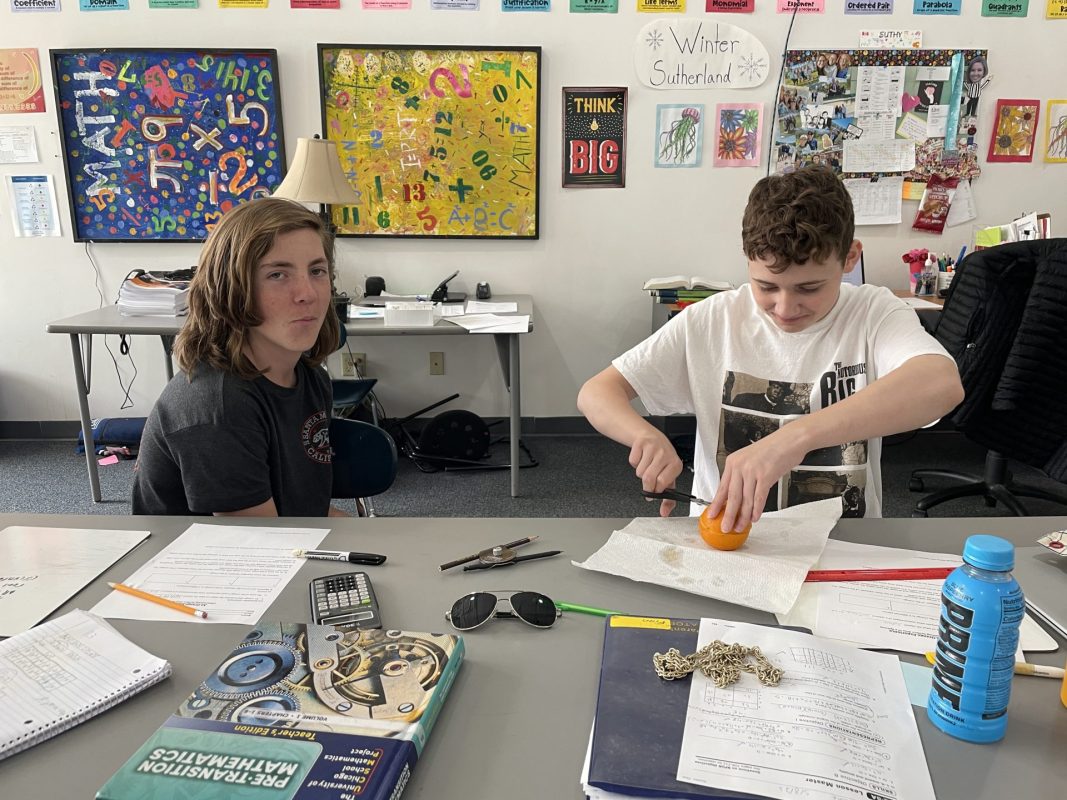
On Friday, March 10th, the middle school students celebrated Pi Day (officially on Tuesday, March 14th). Grade 6, 7, and 8 students participated in 8 rotating stations in the common area to learn about the significance of Pi. We enjoyed a variety of engaging stations that included calculating the circumference of everyday objects, descrambling the digits to Pi, and constructing 3D cylinders with given dimensions. After our exciting activities, students listened to a read-aloud story of “Sir Cumfrance and the First Round Table,” written by Cindy Neuschwander and illustrated by Wayne Geehan, and sampled a variety of real pie treats before heading off to our spring break vacation!

There is no official homework for math over the spring break holiday. However, it is highly recommended that students review past concepts and practice their basic math skills as often as possible.

Pi Day Jokes: 

1. Why should you never start talking to pi at a party?…………………. Because it just goes on forever.
 
2. What do you get when a bunch of sheep stands around in a circle?……………… Shepherd’s pi.
 
3. Why shouldn’t you eat too much pi?…………………….. You’ll end up with a big circumference.

Middle School Play

SAVE THE DATE

**The Middle School Play will be held in the Gym on Wednesday, April 5th, at 7 pm.**

The 2023 Middle School play, called Toys’ Adventure, is just about finished! We have spent the last two weeks developing the plot and writing the script after the Playwriting Elective developed the overall main idea of the play during the winter months.

The main idea was developed over the winter and was a long list that was then narrowed down.  In the end, the idea of a group of kids getting stuck in a movie was perfect for the production. It is loosely centered around the original Toy Story movie, which is a first for the MS production.

Character development is the next pivotal piece in developing the play. Who will bring this story to life? Each student had a chance to develop a character, whether it was to be played by them or someone else. This involved imagining a personality and appearance, how they will affect the plot, and writing examples of what this character might say. The magic comes in when each student presents their character. The rest of the class can contribute ideas, which then solidify their role. This year, we had integral characters from the movie Toy Story to be added. Developing the characters has been a favorite portion of the process for me.

Finally, it’s time to write!  We used Humanities classes over the last two weeks, and we used two full mornings to write. Now, Mrs. Lamb is going through each scene to ensure that plot goals are carried through, digressions are removed as much as possible, characters stay true to who they are supposed to be, and the play comes together the way it was originally intended. Students should have final scripts posted to review and memorize by Wednesday, 3/15!

We hope everyone enjoys their break and look forward to immersion weeks when we return! More to come!


Middle School: Week in Review

Happy first Friday of March! What a great week it has been!

Humanities

This week’s humanities classes consisted of plot development, character development, and scene writing for the middle school play they are calling “The Movie Play” for now. Students reviewed important elements of the plot structure that need to be included and are learning how to translate that into dialogue. It is exciting watching it all come together and knowing that in another week, students will have composed a play!

Math

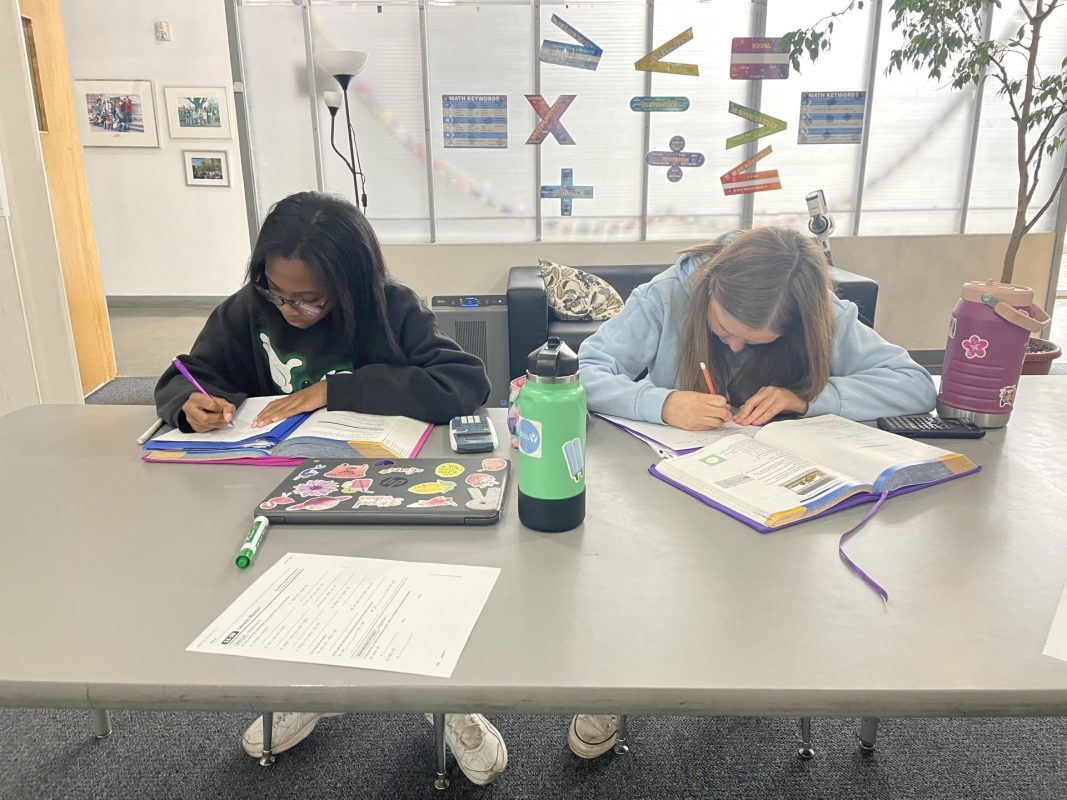
In the Pre-Transition math class, students concluded their learning of Chapter 6 this week and are studying for their Unit Test, which is scheduled for Tuesday, March 7th. The class reviewed multiplying mixed fractions and operations with negative numbers. This class has a complete understanding of multiplying decimals, using order of operations, and expanding the power notation of a value.
In the Transition math class, all students started exploring new ideas in Chapter 7, Multiplication in Geometry. This class learned how to use the distributive property, find the area of a variety of shapes, and how to draw an array to represent multiplication pictorially.
In the Algebra math class, students began investigating quadratic equations and functions. This class can graph an equation with a degree of 2 and explain the parabola’s vertex, intercepts, and orientation. Next week, students will learn about the quadratic formula and practice graphing their functions without Desmos.
As a reminder, Pi Day is officially Tuesday, March 14th, so get your Pi Math Jokes ready! 
What is a math teacher’s favorite dessert?…… Pi
There will be no Math homework assigned over the Spring Break vacation. However, Ms. Sutherland highly recommends students take a few moments to review trimester 1/2 key concepts before returning to classes. Our next regular math classes are scheduled for after immersion week.
Science

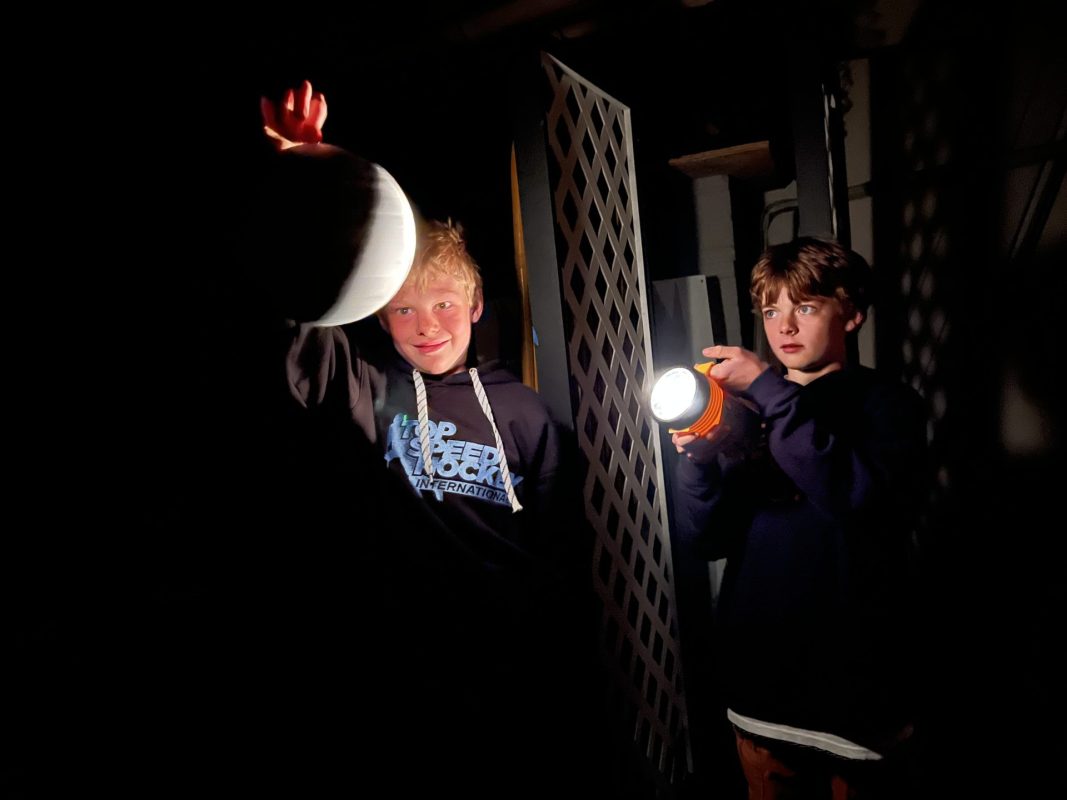
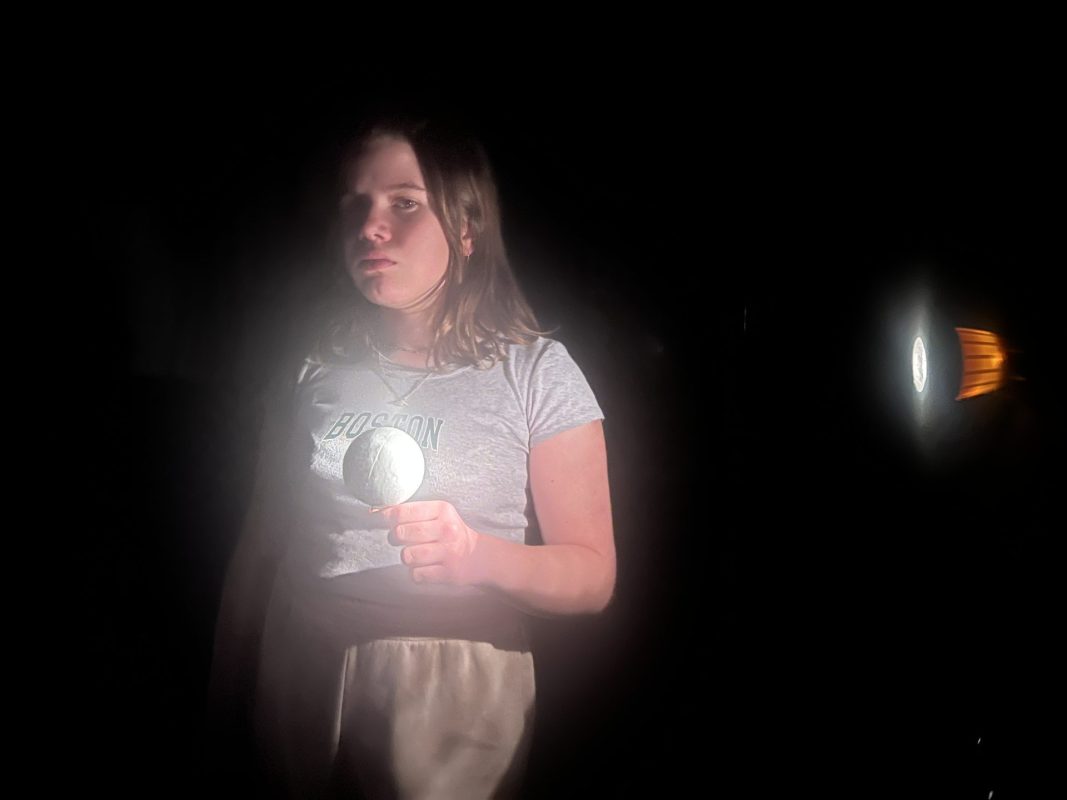
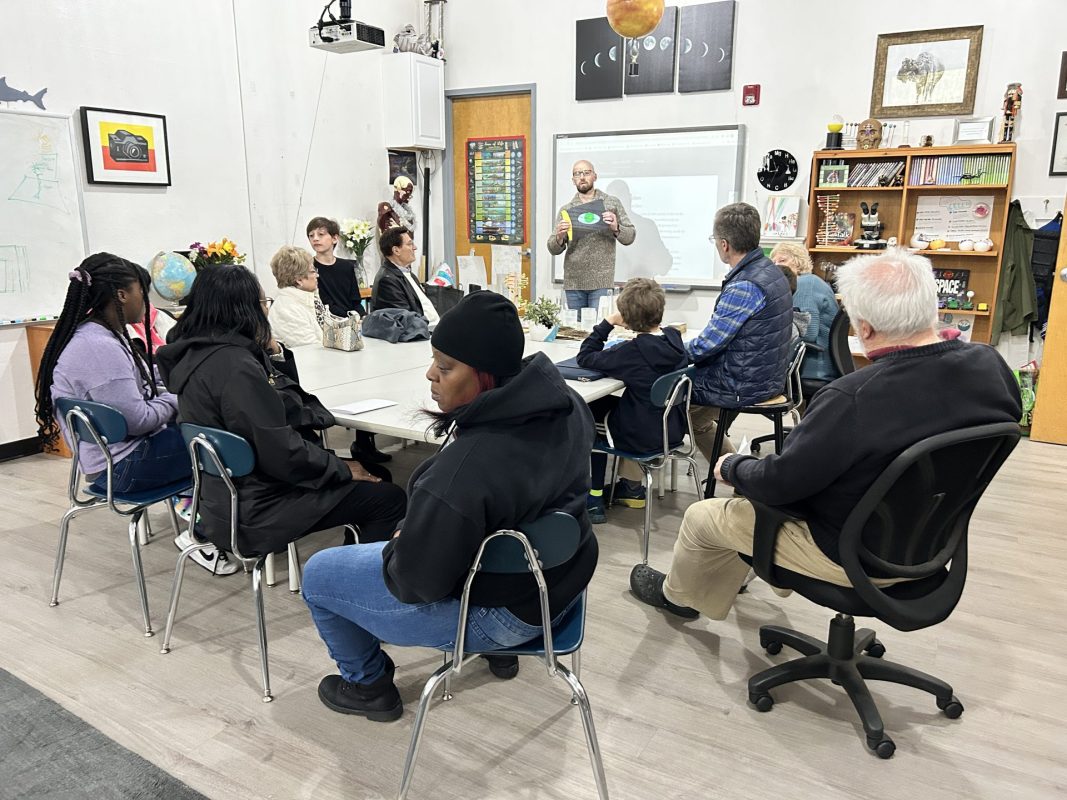
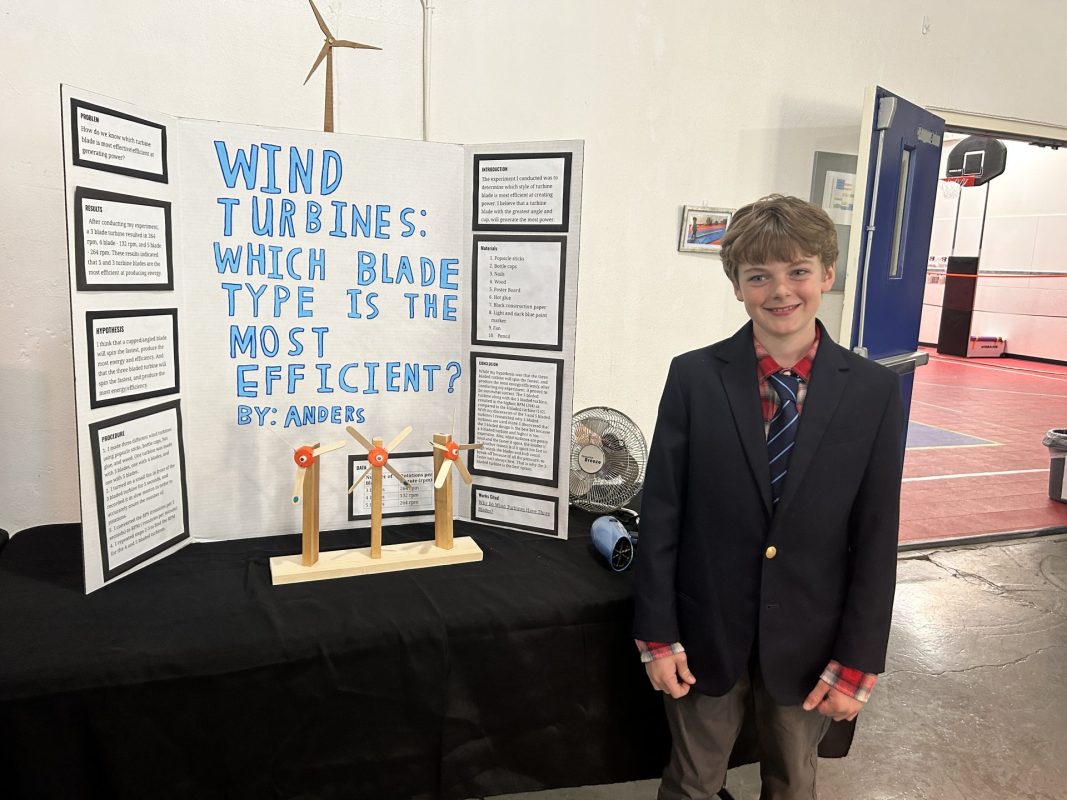
6th-year Earth Science students have continued working on designing both their hydroelectric and wind turbines for their unit, Natural Resources. Once each turbine has been 3-D printed, they will test the efficiency of each design in class. The next unit will be Earth, Sun, and Moon Systems. The first concept students will explore within this unit will be Tides. The objective of this concept is for students to be able to explain what tides are, what causes high and low tides, describe the difference between high and low tides, and explain the relationship between the sun, moon, and Earth concerning tides.

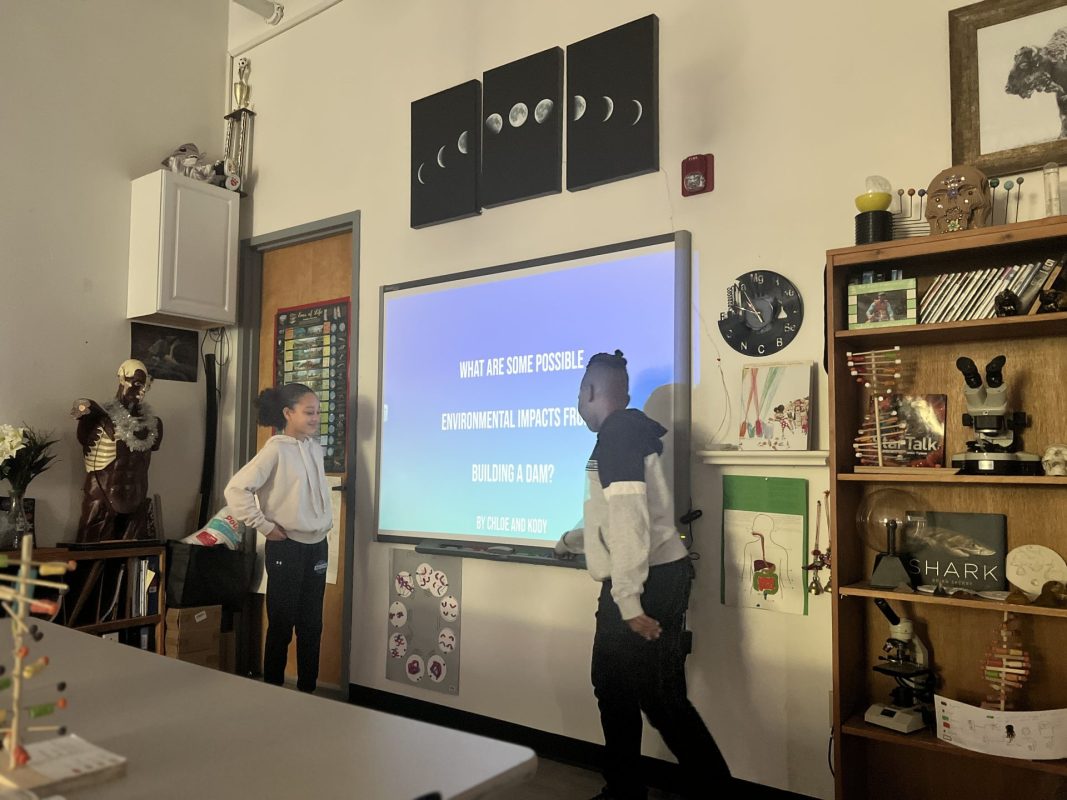
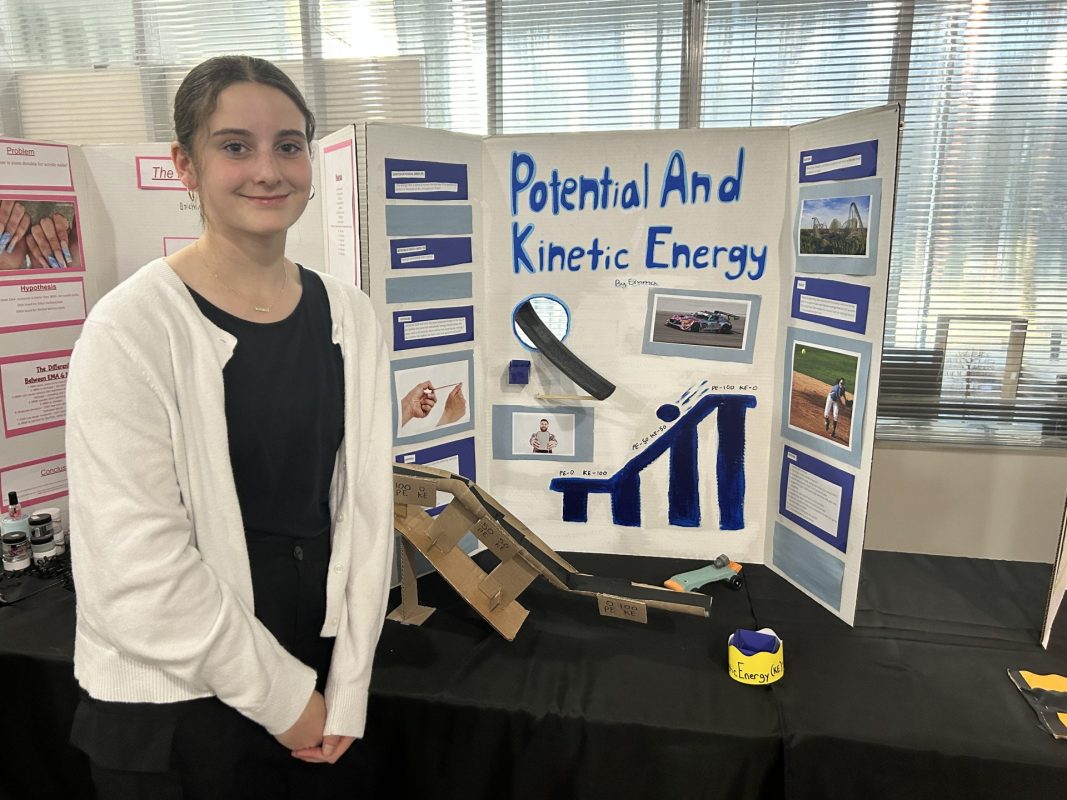
7th-year Physical Science students finished constructing their Pinewood Derby cars for their Kinetic and Potential Energy unit. Students did an excellent job designing, building, assessing, and redesigning their cars. In addition, during this week’s Middle School News, students could explain and demonstrate to the Upper and Lower Elementary students the kinetic and potential energy principles applied in constructing their car.
8th year Life Science students finished their unit, Influencing Inheritance. The next unit to be introduced will be, Genes. By the end of the lesson, students should be able to explain the purpose and function of a gene, how genes are organized within DNA,  the relationship between genotypes and phenotypes, and describe and compare the effects of genetics and environment on an organism’s characteristics.
Have a great weekend!
Middle School News: February Coming to a Close

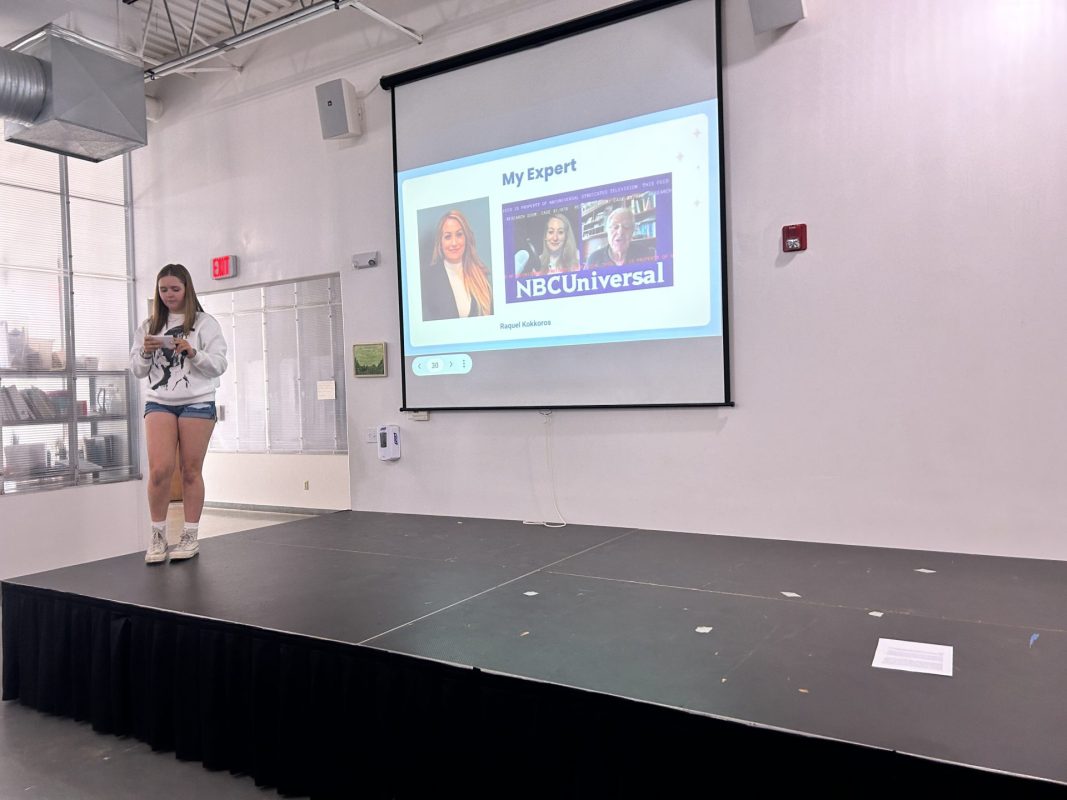
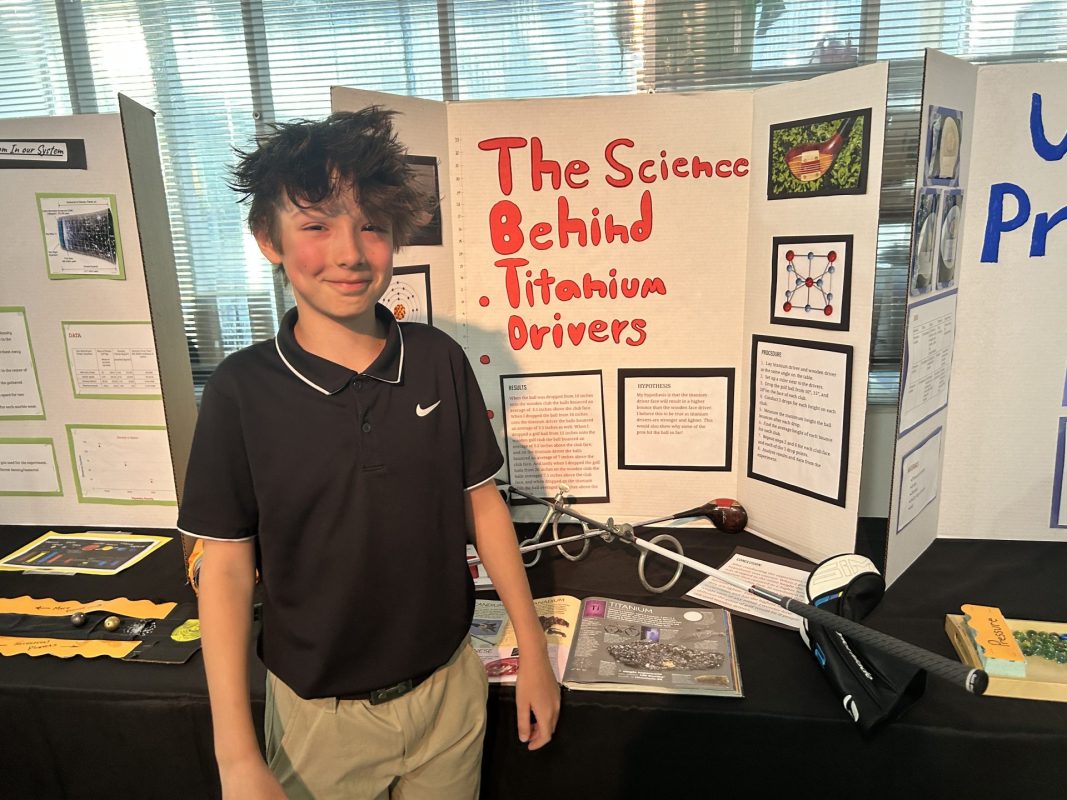
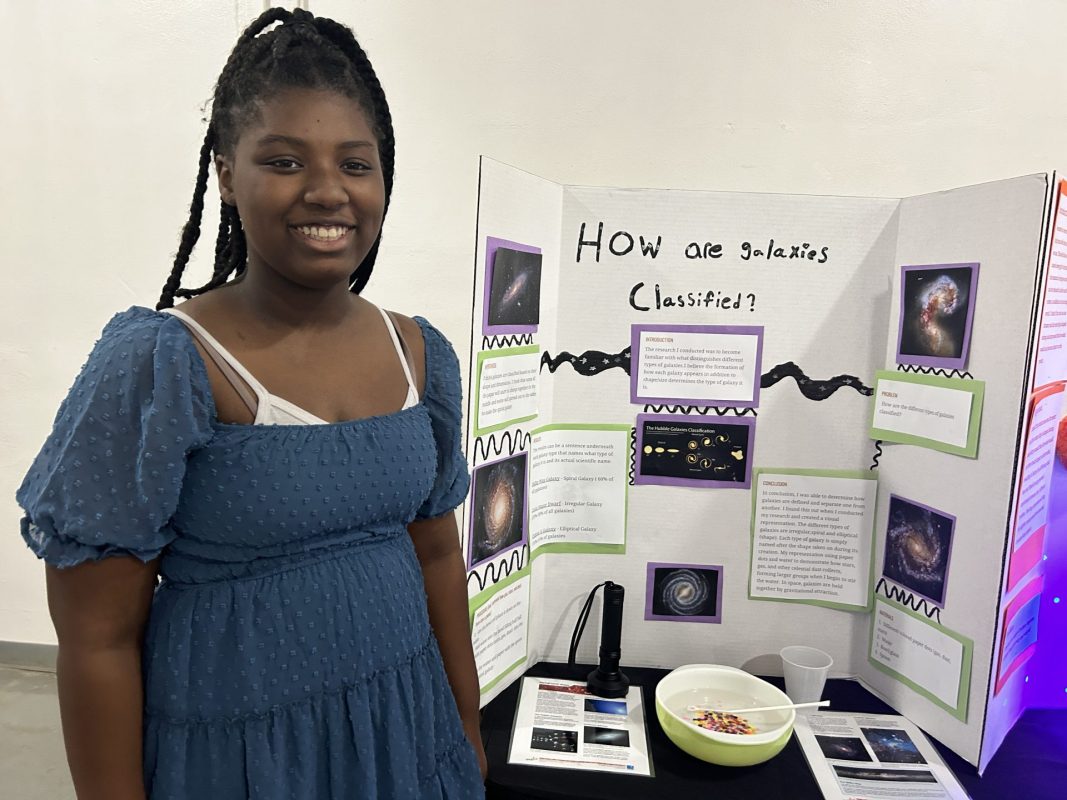
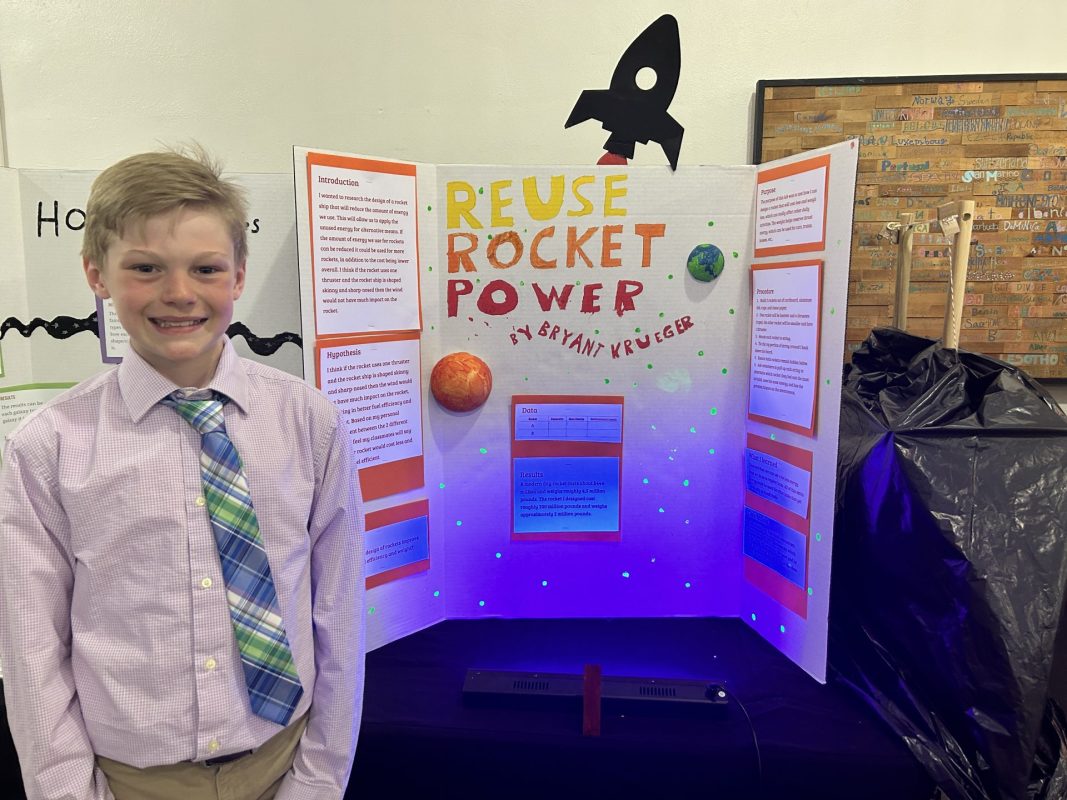
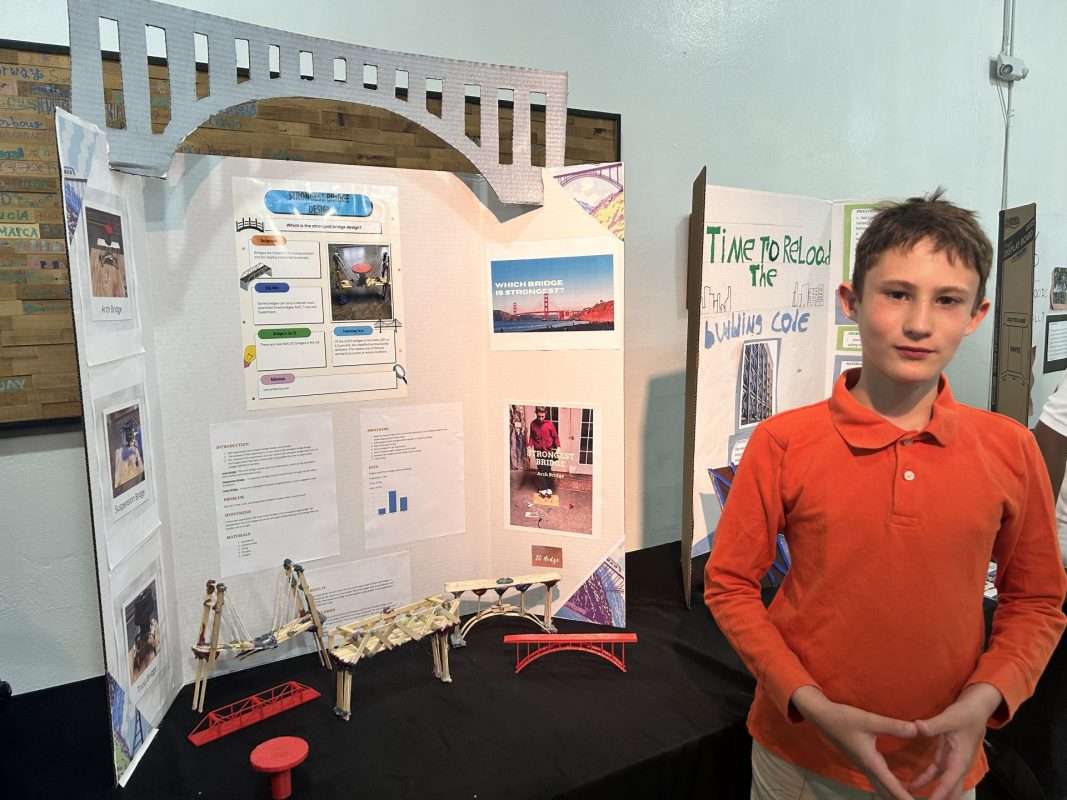
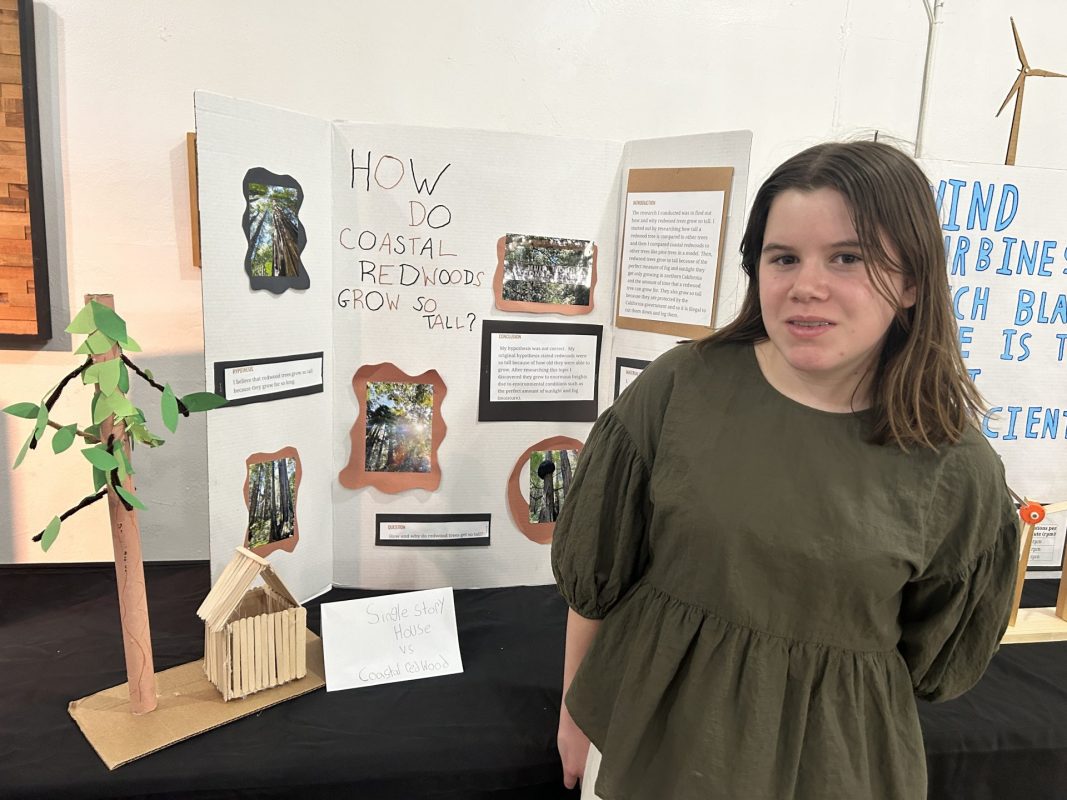
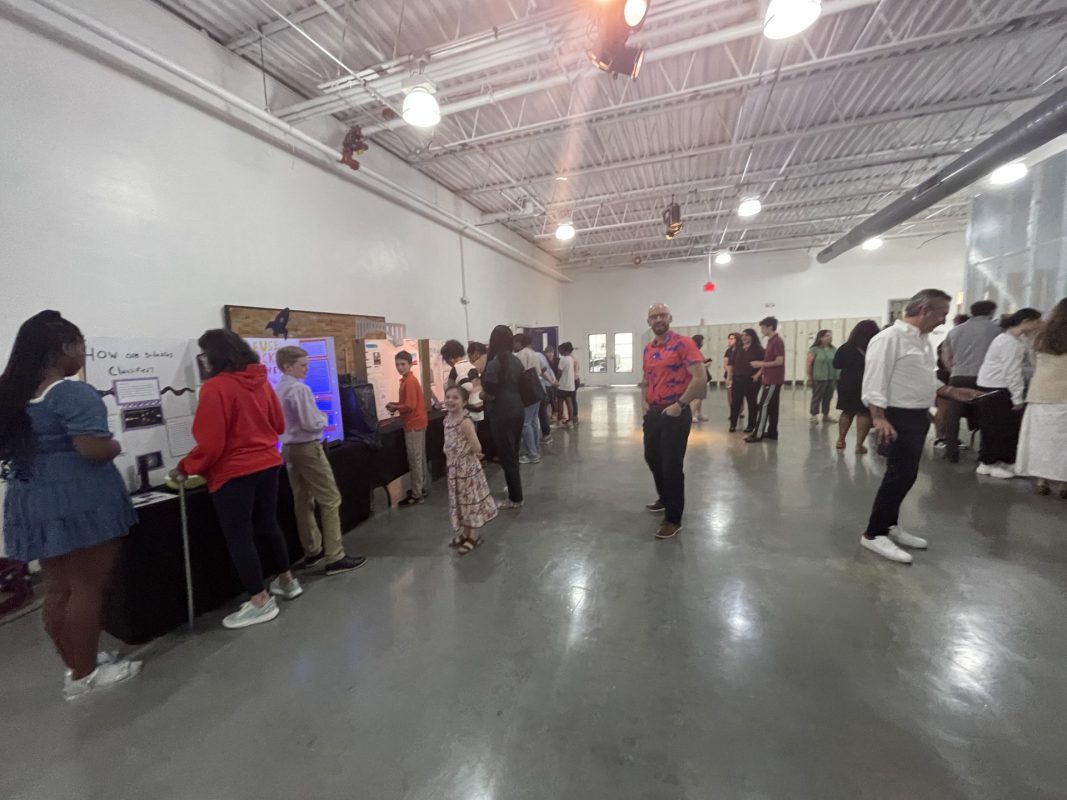
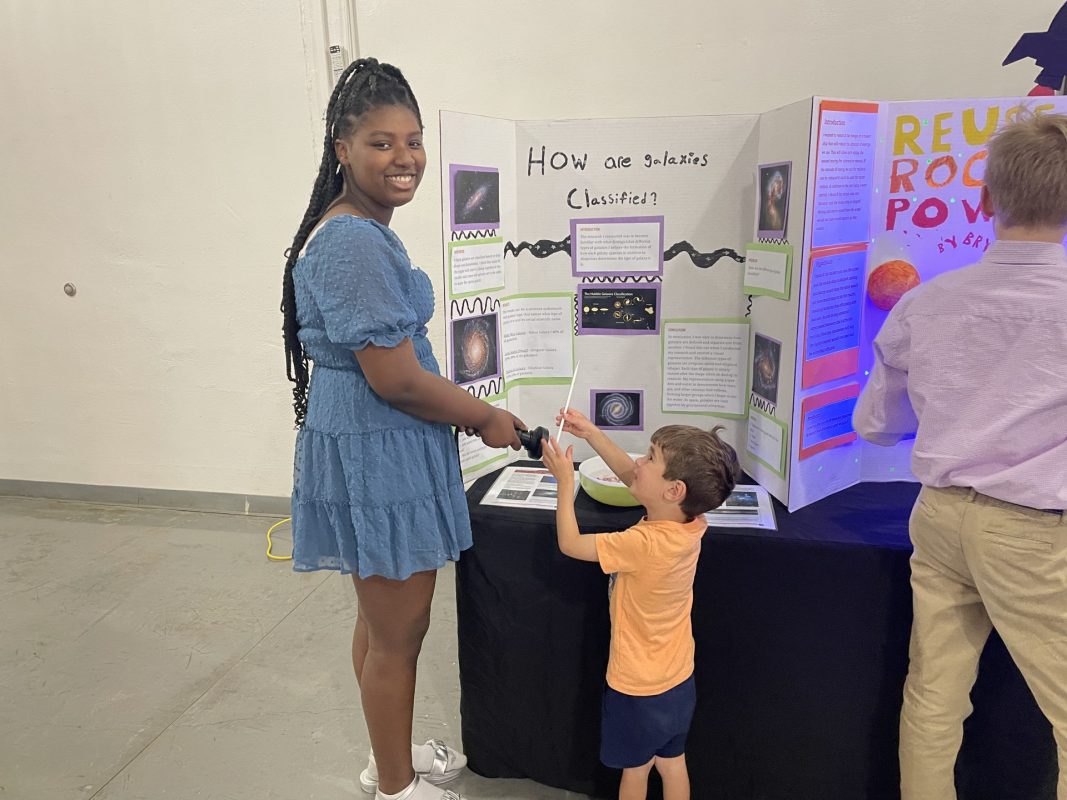
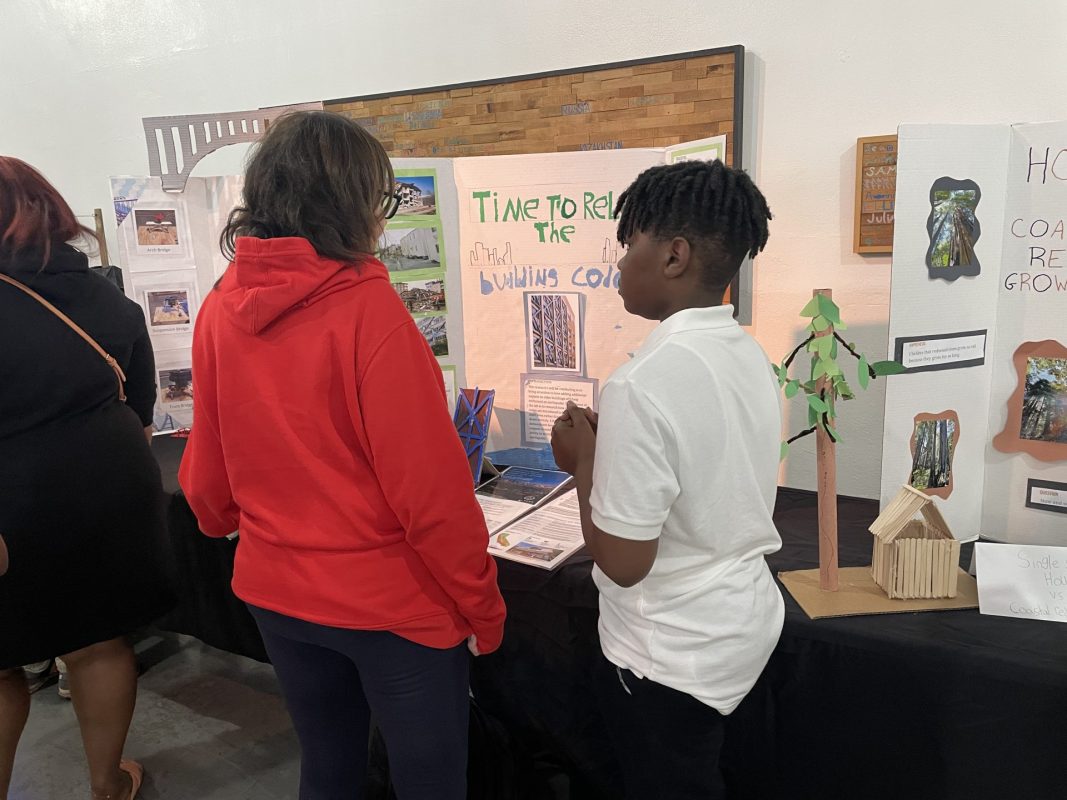
Happy Friday! Let’s catch up! First, thank you for providing delicious food for our Valentine’s Day celebration. Secondly, we had a wonderful evening showcasing grade 6 & 7 research projects on the 15th. The teachers appreciate your support for the students; they certainly felt accomplished. Finally, it was great to see all of you for parent conferences just before Presidents’ Day. The middle school conferences are unique because our students participate in the conversation, offering their reflection on the trimester and providing goals for the rest of the year.
The Middle School also completed a gallery in the commons celebrating historic Black figures in honor of Black History Month. They wrote short pieces highlighting the achievements of the individual they chose to research and created an artistic portrait in the style of artist Kehinde Wiley. Please feel free to come in and check it out!

Humanities

Grade 6 Humanities classes started the week with a reflective discussion about the research project. Then, looking back, they thought about what worked for them and what they might do differently moving forward with a long-term project. Next, the class has begun studying Ancient Egypt. They started by mapping the region’s geography and researching key terms they would hear during their study. Finally, students completed a unit of vocabulary this week.

Grade 7 Humanities classes also started the week with a reflective discussion about the research project. They had the unique opportunity to observe growth from last year’s project. They also considered what they might do differently moving forward with a long-term project. Next, students are in different phases of drafting their fables as we begin our next class novel, A Long Walk to Water, by Linda Sue Park. They will be reading this and looking at more modern Sudanese and South Sudanese history and the experience of the Lost Boys of Sudan. Finally, they completed a unit of vocabulary this week.

Grade 8 students studied the hard history of the transatlantic slave trade this week. First, they used the online database Slave Voyages, which logged all of the charters submitted by captains of ships, and it has a moving representation of the ships and the enslaved Africans they held captive over the course of 300 years. Next, the students were guided to do work that was analyzed and asked to make observations of this resource stemming from primary sources. Next, they watched and reflected on the transatlantic slave trade episode of Crash Course: Black American History, hosted by Clint Smith. Finally, students completed a unit of vocabulary.

Science

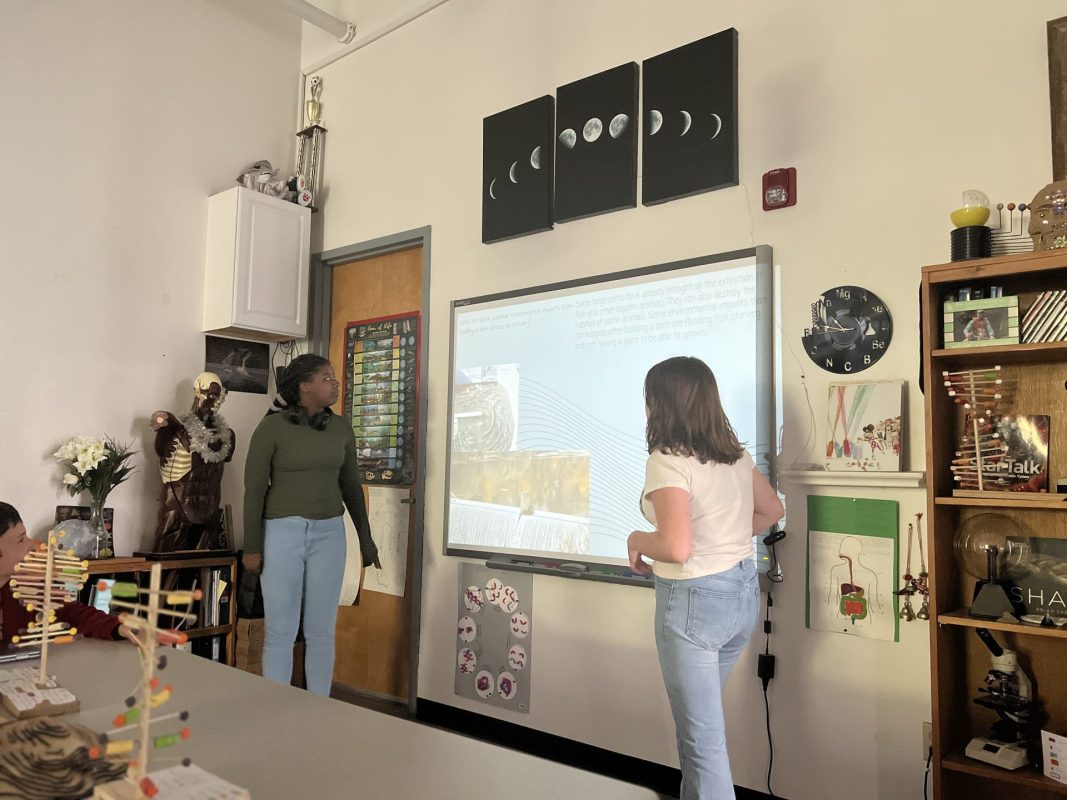
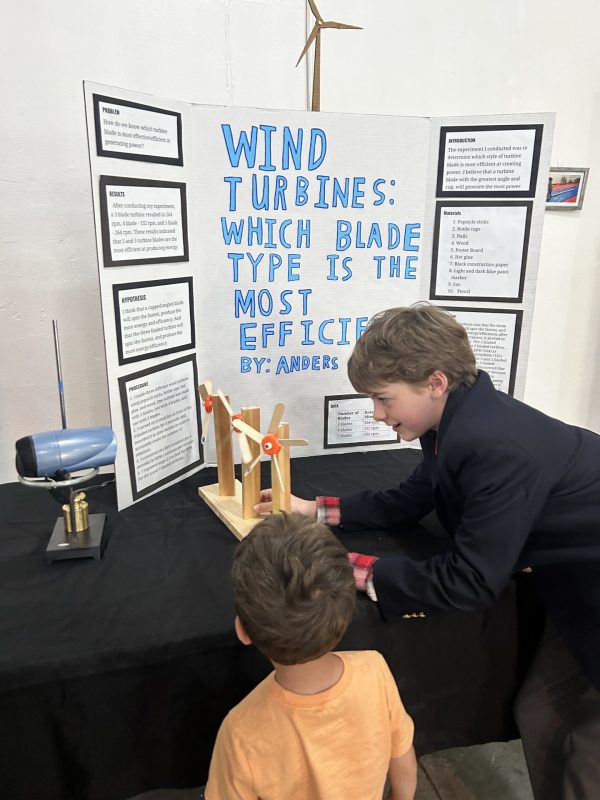
6th year Earth Science students are busy designing their hydroelectric and wind turbines as part of their unit, Natural Resources. Students are using the program Tinkercad with the help of Mr. Fuchs to print each of their designs. Once each turbine is created, students will test out the efficiency of their design in class. The hydroelectric turbine will be tested using a continued cycle of water flowing through a gutter, with its blade design attached to a wooden dowel. As the turbine spins from the water pressure, a string will wrap around the dowel, lifting a set unit of weight. Students will test how much weight their designs can lift and the time required to do so. As with the hydroelectric turbines, the wind turbines will have a similar concept of testing their efficiency using a hair dryer to simulate wind power.

7th-year Physical Science students are finishing up fine-tuning their pinewood derby cars as part of their unit, Kinetic and Potential Energy. Students generated a rough outline of their car design which was later sanded and painted in class. Each student was then tasked with determining the weight placement of their car to maximize the kinetic energy while traveling down the derby track. Students can adjust their car’s weight distribution after each run providing an immediate redesign application and assessment. Once the cars are dialed in, students will hold a pinewood derby contest for the rest of the Fraser Woods community to observe.

8th-year Life Science students are working on the unit Genetic Influences. Students are researching how geneticists can manipulate the genes of organisms to yield desirable traits resulting in higher production of a particular crop or studies that help individuals with a strong likelihood of acquiring genetic diseases. We have discussed what exactly GMOs are and the importance of being educated regarding such a title when it comes to what we put into our bodies.

Math

In the Pre-Transition math class, students completed three lessons this week; all focused on the theme of multiplication. This class is learning about calculating percentages of a quantity, evaluating expressions using order of operations, and multiplying positive and negative fractions. Students will conclude their learning of chapter 6 next week, and Ms. Sutherland encourages everyone to prepare well in advance for the upcoming assessment.
In the Transition math class, students finished learning the second half of chapter 8. They covered topics such as solving ax=b statements, graphing simple linear equations, and solving two-step algebraic equations. This class works very hard to connect their learning of linear equations and real-world application questions.
In the Algebra math class, students are excited to learn about power and root properties in different algebraic equations. This class has reviewed Quotient of powers, Product of powers, Negative exponents, and Power of powers rules for simplifying exponent expressions. In addition, this class is excited to use a doodle note study technique to help with remembering all the property rules and guidelines.
Math Joke: Why did the student wear glasses in math class?….. To help with their di-vision.
Have a wonderful weekend, Middle School Community!

Middle School: Week in Review

Happy Friday, Middle School Community! We missed the 8th graders while they were away on their internships for the first part of the week, but we enjoyed hearing about their experiences.

Humanities

Grade 6 & 7 Humanities classes worked on their research presentations’ first and second rounds. For each “round” they present, Mrs. Lamb gives both written and one-on-one feedback. When classmates are presenting, they are making revisions, checking off their editing to-do list, and practicing. Students are excited to welcome you to their Research Presentation Night on Wednesday, 2/15, at 7 pm in the Commons!

Grade 8 students were off working at their internships from Monday through Wednesday. Upon their return, they practiced presentations given to the Upper Elementary and Middle School classes about their experience.

Math

In the Pre-Transition math class, students continued to work on solving multiplication equations. They learned how to multiply fractions with positive and negative numbers, how to draw array diagrams to represent an equation, and how to simplify our answers to the lowest form. They concluded the week by exploring power functions and rewriting numbers in base ten notation.
In the Transition math class, students are becoming more comfortable with the pre-algebra concepts of solving single-step equations. This week, they worked on solving equations of the form ax = b and ax + b = c, as well as multiplying both positive and negative complex numbers. They ended the week with a short assessment and will conclude our learning of chapter 8 next week before the Presidents’ Day long weekend.
In the Algebra math class, the grade 7 students worked on a real-world project that guided them through purchasing their first car. This activity was a three-day exercise with students calculating the price of their “new” car with tax and fee charges, understanding financing options, and determining depreciation. Once the grade 8 students returned from their internship week, they continued learning chapter 8 about algebraic powers and roots.
Math Joke: Why are teenagers always traveling in groups of threes and fives?…..Because they can’t EVEN!
Science

6th Year Earth Science students have been working on creating a poster presentation that depicts key aspects of our unit, Natural Resources. Students have been working on this project collaboratively with one another to represent such topics as “What Are Renewable and Nonrenewable Resources?”, “How Do Natural Resources Form?”, “How Do Humans Use and Access Natural Resources?” and “Why Is It Important to Use Natural Resources Wisely?”. Once students are done illustrating their concept, each group will present their poster as it relates to addressing the main topic.

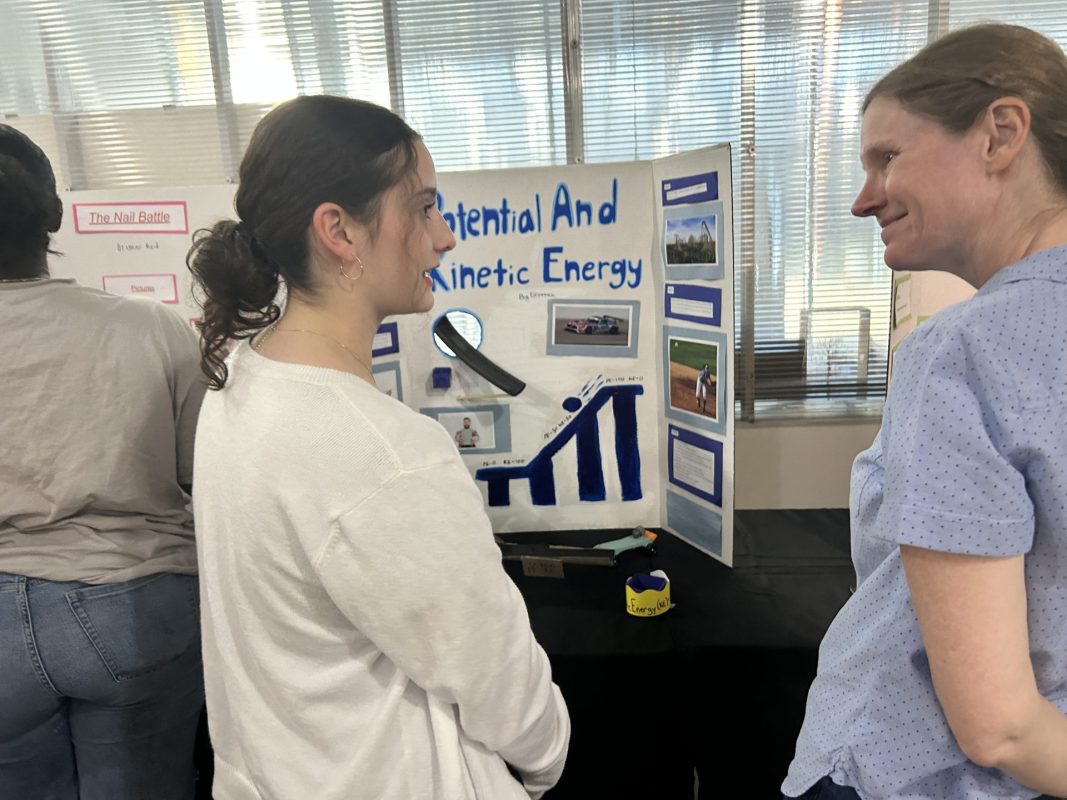
7th Year Physical Science students are working on representing key aspects of their unit, Energy. Students have created two types of “roller coasters” using foam insulation. The first coaster students created represented how the change of potential and kinetic energy depend on one another, while the 2nd coaster tested how velocity and mass affect kinetic energy. Students performed several tests, collecting and analyzing data to formulate their conclusions.
Have a great Super Bowl Weekend!!

Middle School: Week in Review

Another great week has ended, and we entered February, an exciting month for middle school. This month, we have Research Presentation Night on February 15th at 7 pm for 6th and 7th-grade students. We invite 8th graders to come and support their classmates if they are able. The middle school is also working on a collective “Gallery” (more to come on this) in recognition of Black History Month. We also have Conferences on Thursday, 2/16. If you haven’t already, please sign up with your child’s advisor (a link to a Sign Up Genius went out last Friday). Finally, discussions have begun about this year’s middle school play that we will be writing at the end of the month.

Humanities

6th-grade Humanities classes completed written drafts of their research essays. They made sure to include in-text citations, paragraphs that support their thesis statements, transitions between body paragraphs and whenever necessary within them, and meaningful introductions and conclusions. They are now working diligently on their Google Slides presentation. Their visual presentation along with prepared notes is due on Monday. Next week, Mrs. Lamb will be listening to first-round presentations and giving feedback to all presenters.

7th-grade Humanities classes received refreshers on developing a works cited page and writing meaningful conclusions before submitting their drafts of their research essays. They also made sure to include in-text citations, paragraphs that support their thesis statements, transitions between body paragraphs and whenever necessary within them, and meaningful introductions and conclusions. 7th-grade students are now working on their presentations with the expectation of creating appealing visuals that will accompany their expertise on their topics. Once they complete this prepared presentation for Monday, Mrs. Lamb will listen and give feedback to each student presenter.

The 8th-grade Humanities class has officially finished reading Arthur Miller’s, The Crucible! Feedback was mostly positive about the reading experience and navigating a play together in class. Upon its completion, students drafted essays giving compelling arguments about power dynamics in the play. Students had to give evidence using direct quotations and events in the piece. The 8th graders are away for their internships next Monday through Wednesday, and we wish them well!

Math

In the Pre-Transition math class, students concluded their learning of chapter 4 and successfully learned how to add and subtract integer values, identify angles, and solve equations with fact triangles. We started learning about chapter 6 and are covering topics such as multiplying fractions and decimal values. This class will explore how to use power notation and multiply mixed numbers next week.
In the Transition math class, students finished learning all about Chapter 6 and have a complete understanding of the properties of triangles and parallelograms. This week we started working with multiplying negative values and solving single-step equations/inequalities. This class was invited to participate in a Montessori lesson with Mrs. Sankey and learned how to square binomial values using a peg board to understand the squaring concept.
In the Algebra math class, students are excited to learn about powers, roots, and exponent problems. We discussed the multiplication counting principle, power rule, quotient rule, power of powers rule, and negative rule. This class is working hard to build their study skills, challenge their overall thinking each day, and continue to be curious mathematics students!
Math Joke: Did you hear the one about the two thieves who stole the calendar? They each got six months!
Science

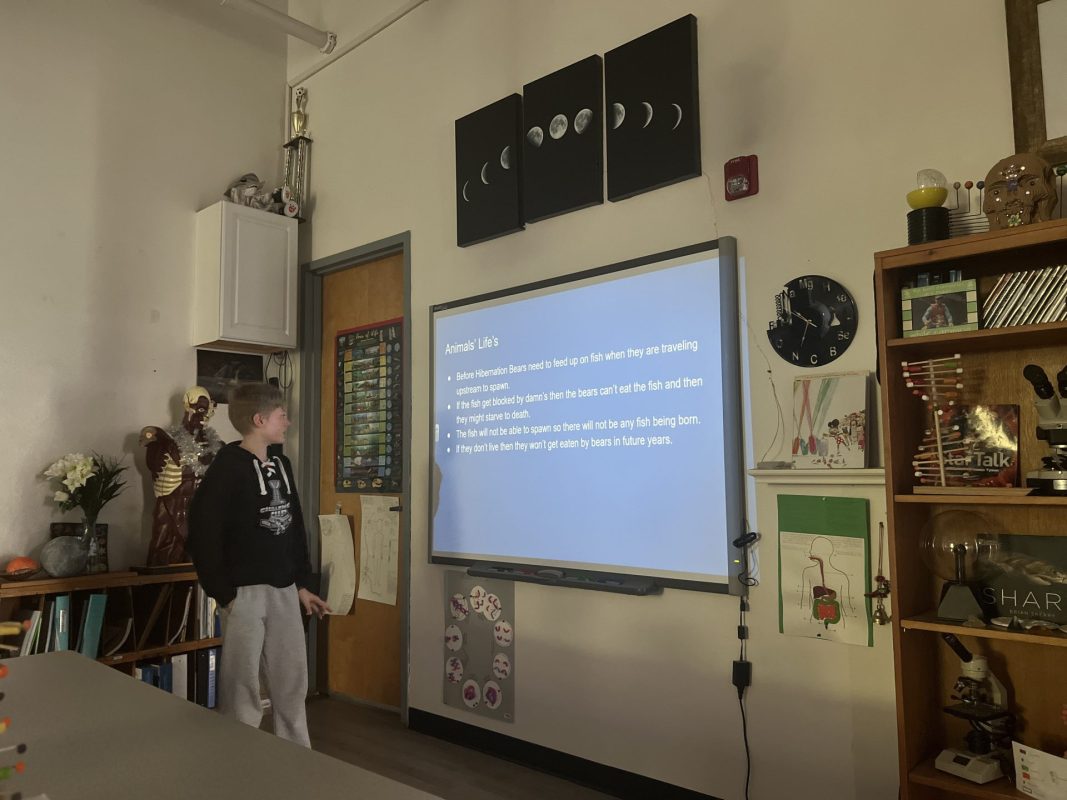
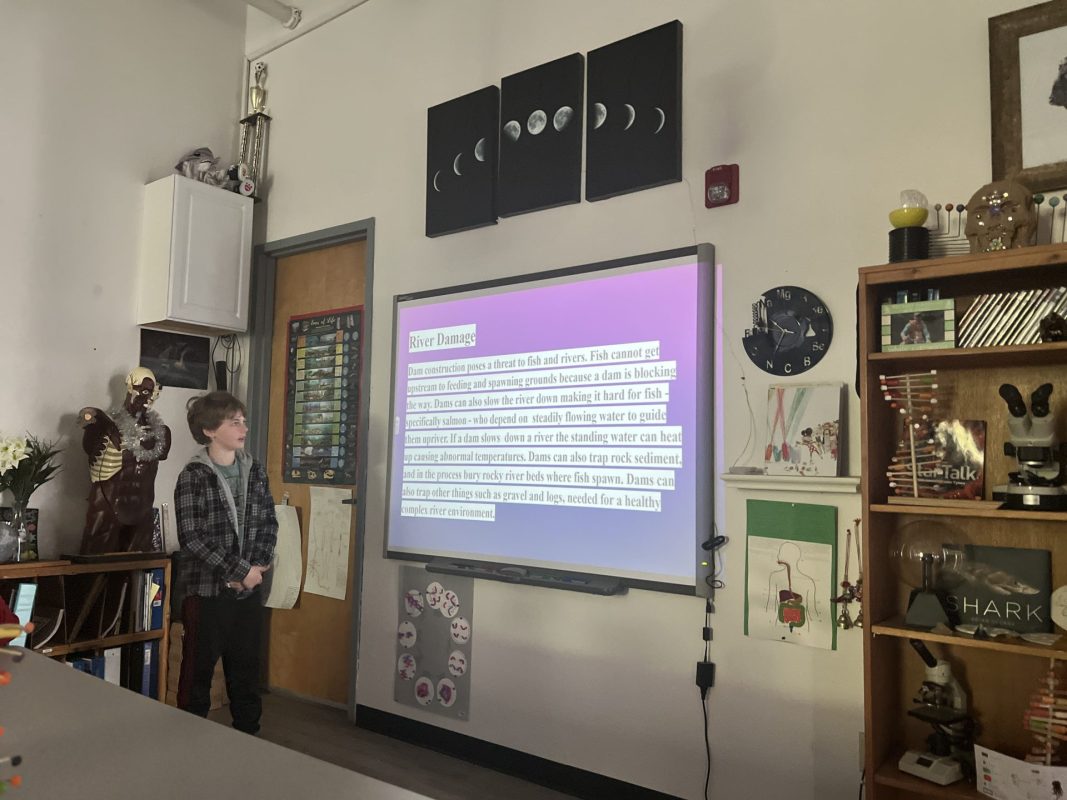
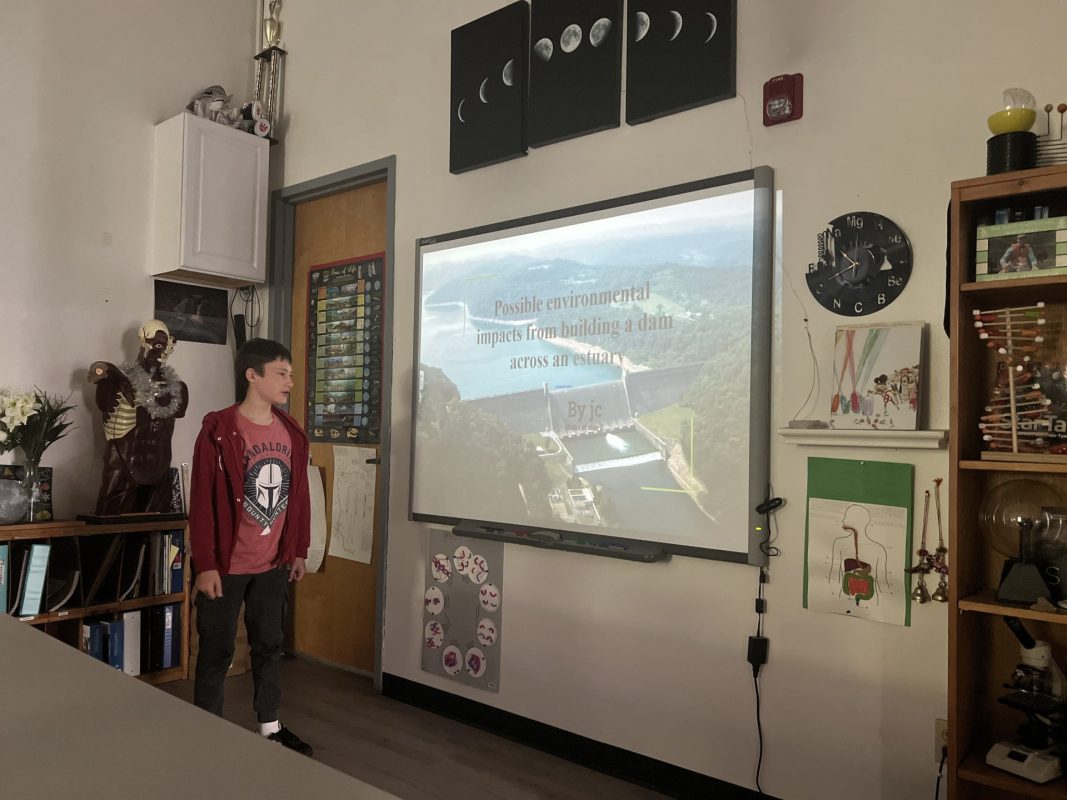
6th-year Earth Science students are working on the unit, Natural Resources. The objectives of this unit are to classify a natural resource as renewable or nonrenewable, provide examples of ways humans depend on natural resources, compare and explain how natural resources form, and explain the importance of using natural resources wisely. Students were introduced to this unit by conducting research and presenting to the class how natural resources are used to make everything around us from trash bins to basketballs.

7th-year Physical Science students are working on the unit, Kinetic Energy. The objectives of this unit are to explain how the kinetic energy of an object depends on its mass and velocity, compare kinetic energy to potential energy, and model how kinetic energy can be transformed into potential energy and how potential energy can be transformed into kinetic energy. Throughout this unit, students will design and test pinewood derby cars and build their own marble roller coaster, both of which will test all theories and principles of kinetic and potential energy.
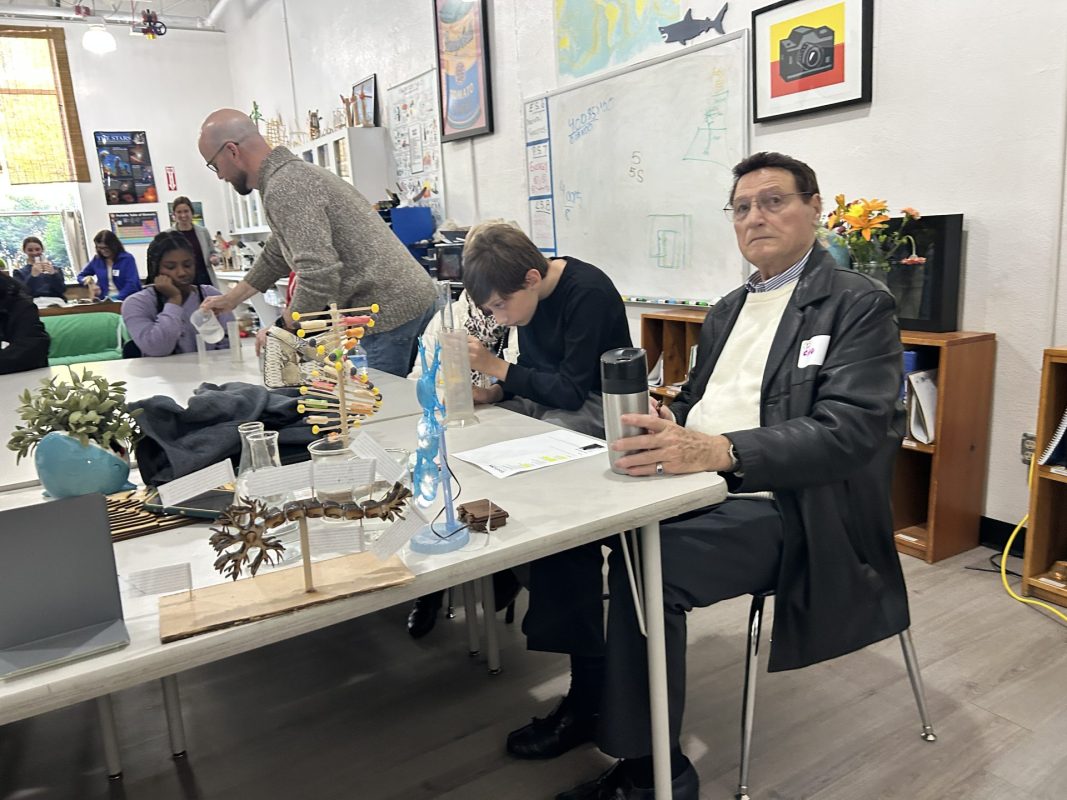
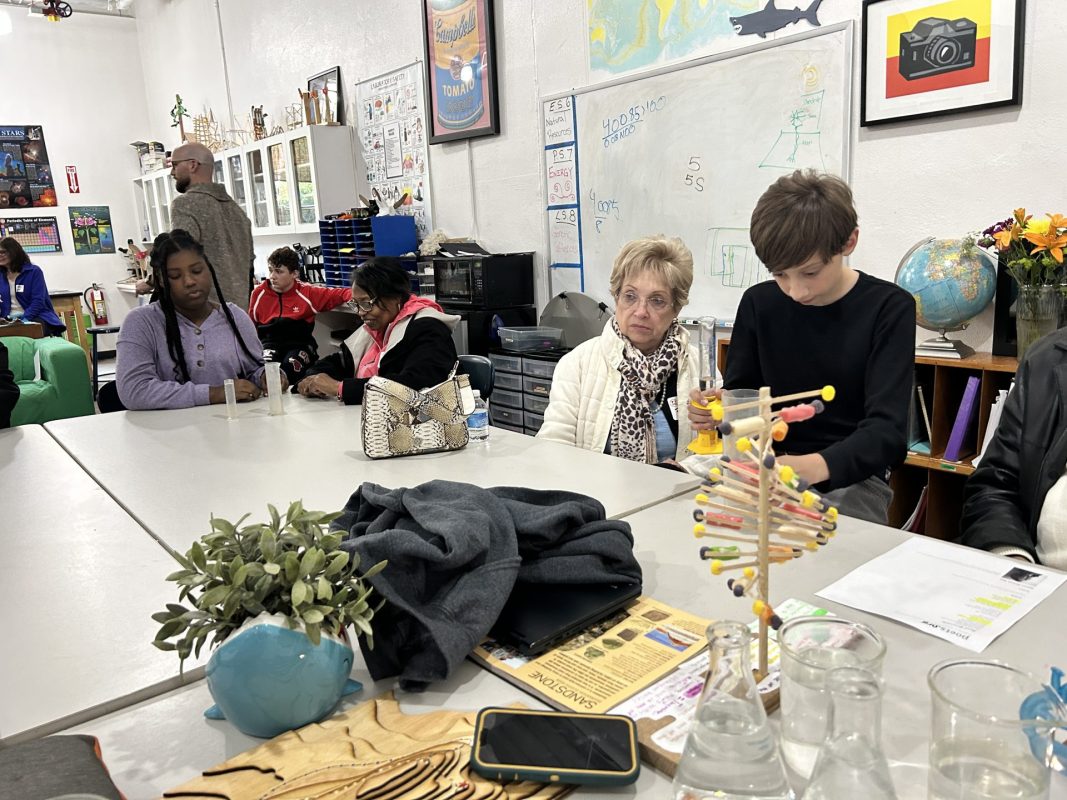
8th-year Life Science students have finished constructing their 3-D DNA models and will soon be mounting them to a base that will provide the properties of DNA such as nitrogen bases, genes, codons, and proteins. Our new unit, Influencing Inheritances, will require students to do the following: distinguish between two categories of genetic engineering; explain how humans can influence certain characteristics of organisms by selective breeding; why gene modification, animal husbandry, and gene therapy are examples of artificial selection; and, evaluate the impacts of human use of technology to influence the desired traits of organisms.
Have a wonderful weekend, everyone! Stay warm!

Middle School: Week in Review

Hello, Middle School Families! It has been another fun week for us, and we got a taste of winter….almost.

Math

In the Pre-Transition math class, students finished learning the last few lessons of Chapter 4 in the UCSMP textbook. They covered topics such as using properties of angles to find unknown measurements, classifying complementary and supplementary angles, as well as subtracting fractions with positive and negative values.
In the Transition math class, students learned about perpendicular and parallel lines and can now solve for angles created by a transversal line. This class learned how to use the triangle-sum property to find unknown angles in a triangle, as well as they can identify vertical angles and linear pairs from a given image.
In the Algebra math class, students concluded their learning of Chapter 6 titled, “Slope of a Linear Equation”. This class reviewed standard form, slope point form, and slope intercept form of a linear equation. They also discovered how to graph a linear inequality and can correctly shade the solution region on the coordinate grid.
Math Joke: I had an argument with a 90-degree angle…..turns out it was RIGHT! 
Humanities
6th-grade Humanities classes completed an introduction to the ancient civilization of Mesopotamia. They learned about the Sumer people including their social structure, inventions, and their cultural downfall. Students also began writing their drafts for their research essays. Lessons on how to write an introduction that included organization, strategies for hooking the reader, and how to incorporate the thesis statement were included. Most students workshopped their introduction drafts and are ready to put them into their draft! Next, they were shown some strategies for how to outline their essay using their research. It is important for their papers to be organized logically, so they will make decisions about how the information they researched is incorporated into the flow of the piece and how everything relates to their thesis statement. Then, students were told the importance of referencing their sources at the end of their body paragraphs. Drafts are due on Wednesday, and they will be working a bit in class and mostly at home on this. Hopefully, they will take advantage of the weekend to get a lot of it done!
7th-grade Humanities classes finished establishing their knowledge base of fables by reading three this week. They had to identify their morals and how the writer demonstrated this to the reader. This is in preparation for students to write their own folk tale or fable inspired by lessons from A Gift From Childhood.  Also, students drafted their introductions to their research essays after a refresher lesson. They look great! Now, they are drafting their essays, which are due on Wednesday. Hopefully, they will take advantage of the weekend to get a lot of it done!
8th-grade Humanities classes are close to finishing The Crucible! The early dismissal kept this group from finishing this week. It has been more and more incredulous, and the class is doing a great job of reading multiple parts. Students also completed their current events for the month of January, and they presented at the end of the week.
On a separate note, 8th-grade Leadership is lining up their Internships, finalizing the annual sweatshirt design, and working on their expert projects!
Science

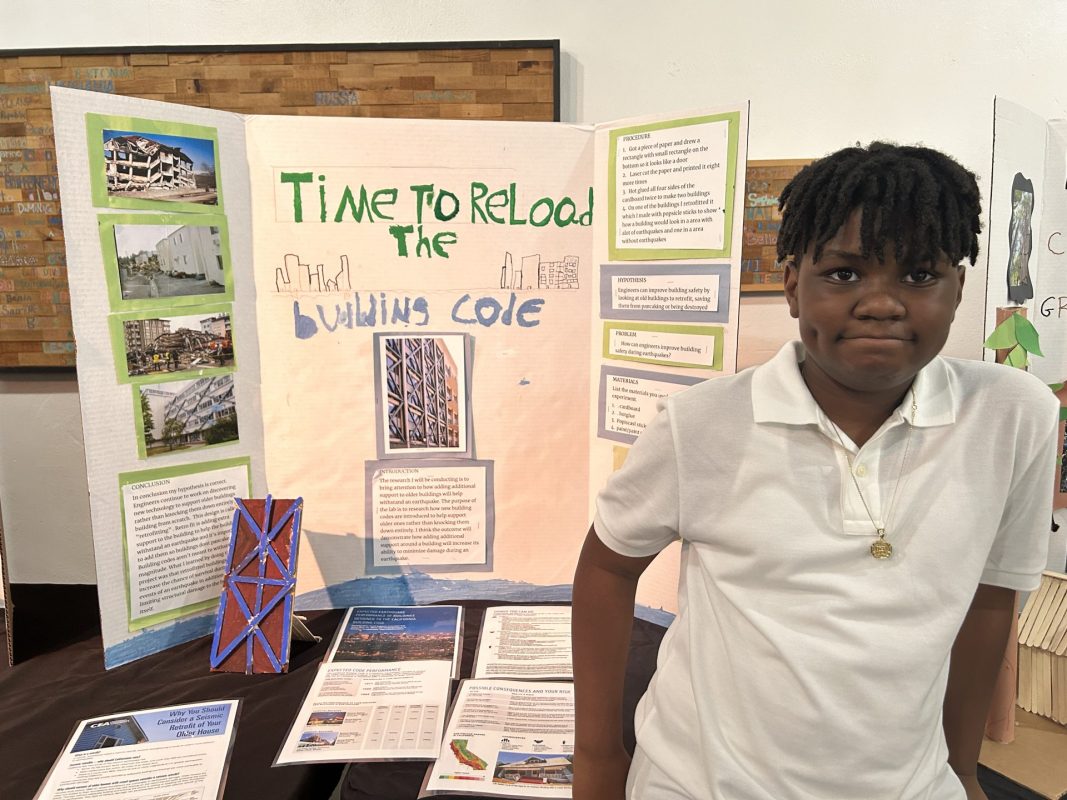
6th-year Earth Science students are working on understanding the architectural aspect of building in areas prone to earthquakes. Students learned how to assess the geographical terrain and components of a building when exposed to varying strengths of an earthquake. Students partnered up with a classmate to build a simple structure using a set list of materials which provided a sense of the planning involved. Once their buildings were finished, we discussed what a “rebuild” would look like based on what was still standing compared to the collapse in the days that followed.

7th-year Physical Science students are finishing their unit on molecules. This week we represented the similarities and differences between the molecular structure of graphite and diamond. We discussed what aspects of each compound were similar and different along with the implications it has on its structural design and strength. Students were able to make connections with how graphite appeared to be in flat sheets which allowed parts of it to slide off from one another which is why we use it in pencils. Diamonds on the other hand had a crystalline structure, attributing to the durability and strength a diamond possesses.
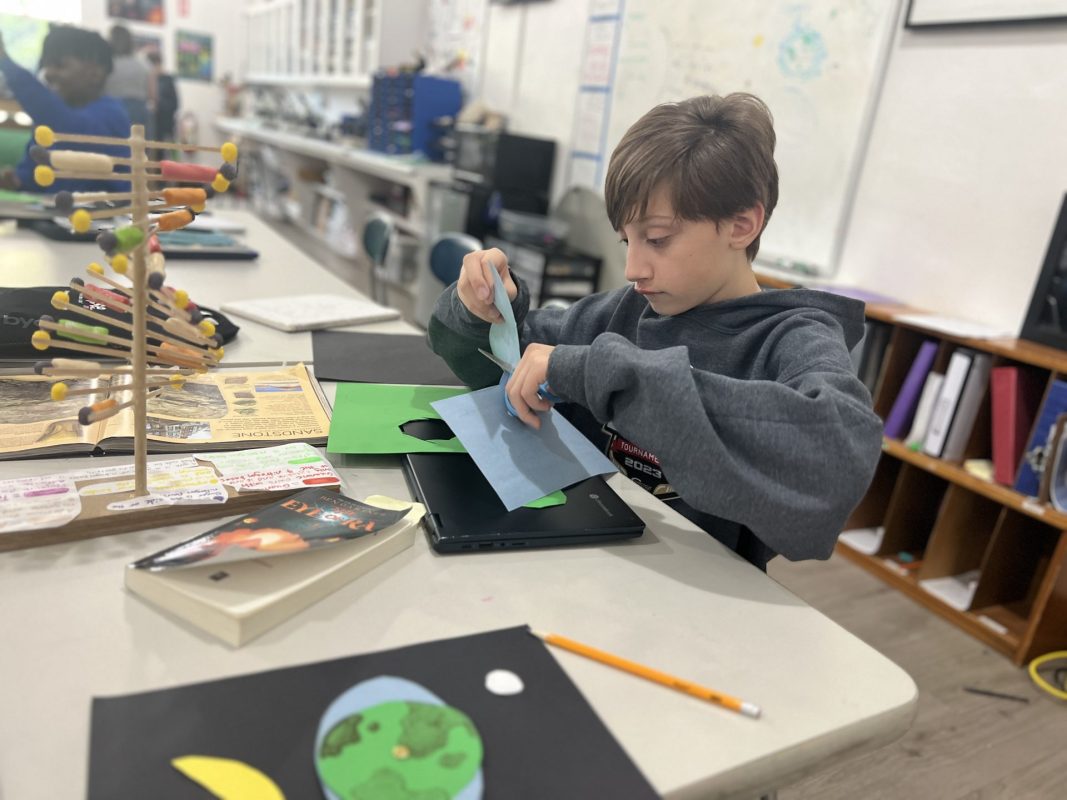
8th-year Life Science students have begun constructing their 3D model representation of DNA. Each student is building their own DNA model using a variety of candies to represent the alternating sugar/phosphate backbone and the nitrogen bases (A, G, C, T). Students will identify what each nitrogen base represents in addition to how every 3 nitrogen bases is a codon for producing a unique amino acid.

Middle School: Week in Review

It’s been another productive week in Middle School! Classes are busy, and everyone is doing research for either Research Night or their Expert Project. We look forward to another full week coming up.

**We still like to go outside for some fresh air during the winter months, so please ensure your middle schooler has the proper outerwear!

Science
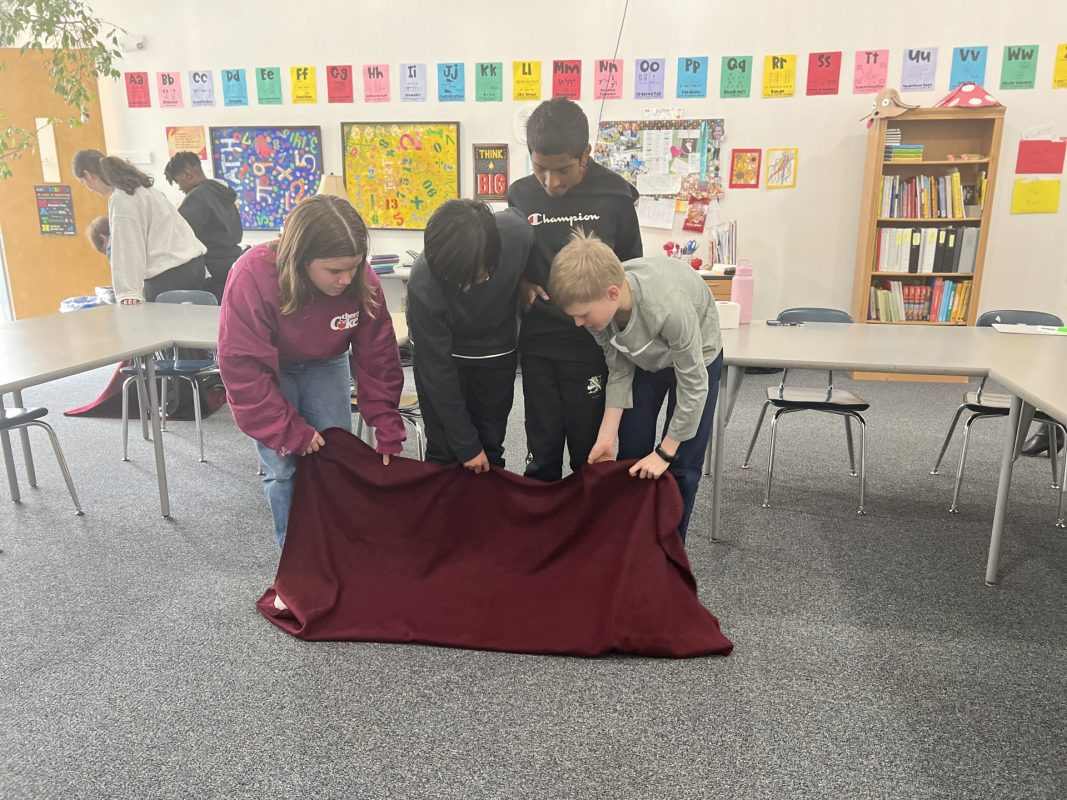
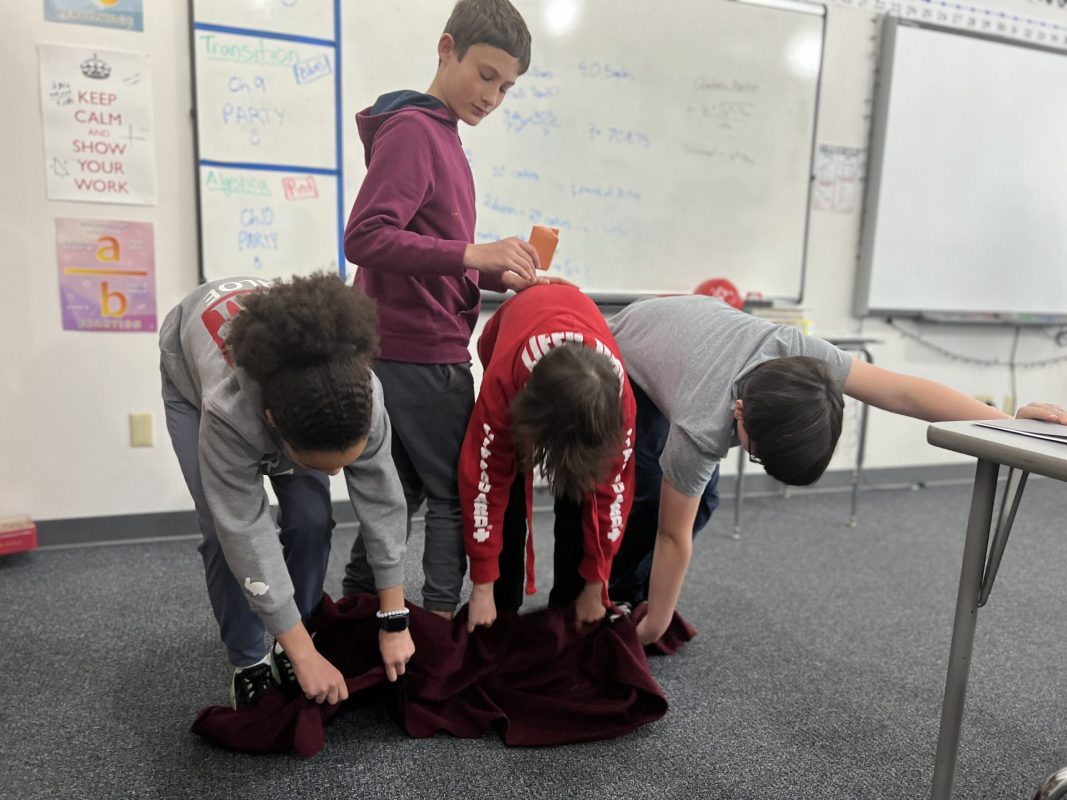
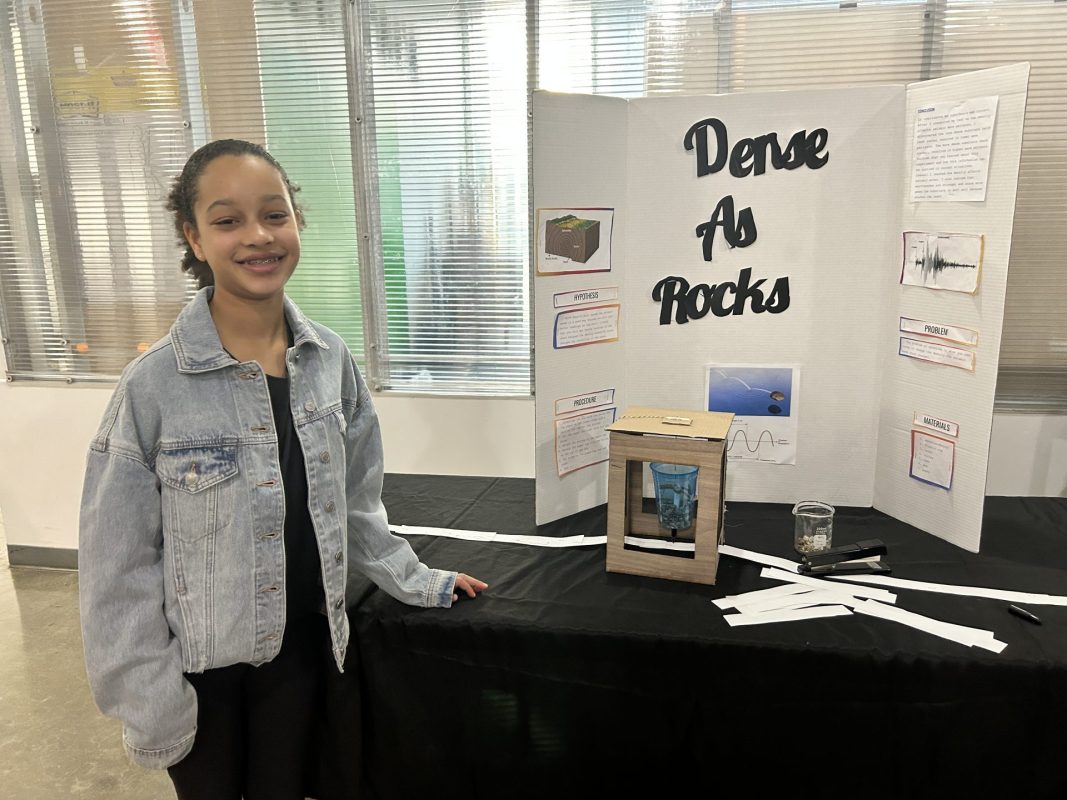
6th-year Earth Science students began writing their formal lab report on how density affects the movement of seismic waves. Earlier in the week, students represented a change in density and seismic waves using a shoebox, rocks, a marker, and a golf ball to simulate energy traveling through a medium while recording the waves on paper. Each student worked alongside a partner on this project while compiling their data and analysis individually.

7th-year Physical Science students have been working on identifying what makes up a polymer and how to balance equations. We discussed the history of how the first polymers (chains of large molecules) were discovered and the application of this new technology (plastics) throughout the world. The objective of learning how to balance chemical equations was for each student to see how matter can neither be created nor destroyed but, rather, changed. Each student is continuing to understand more concepts and patterns found within the periodic table from each exercise.
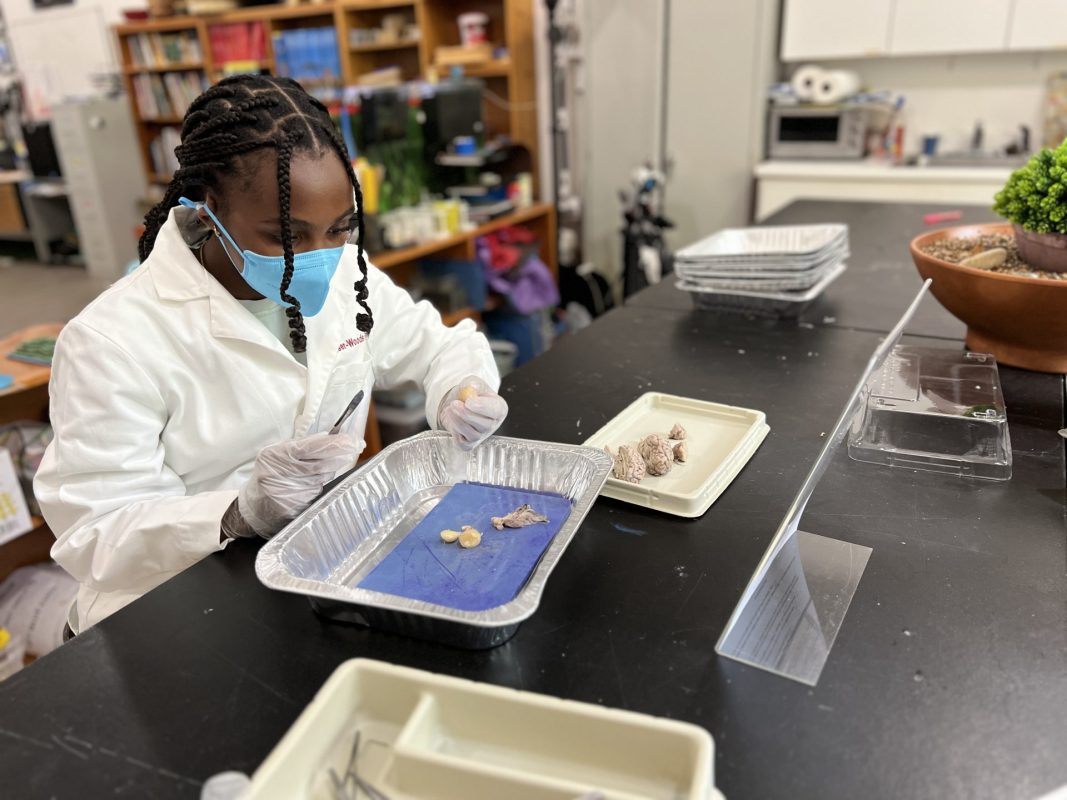
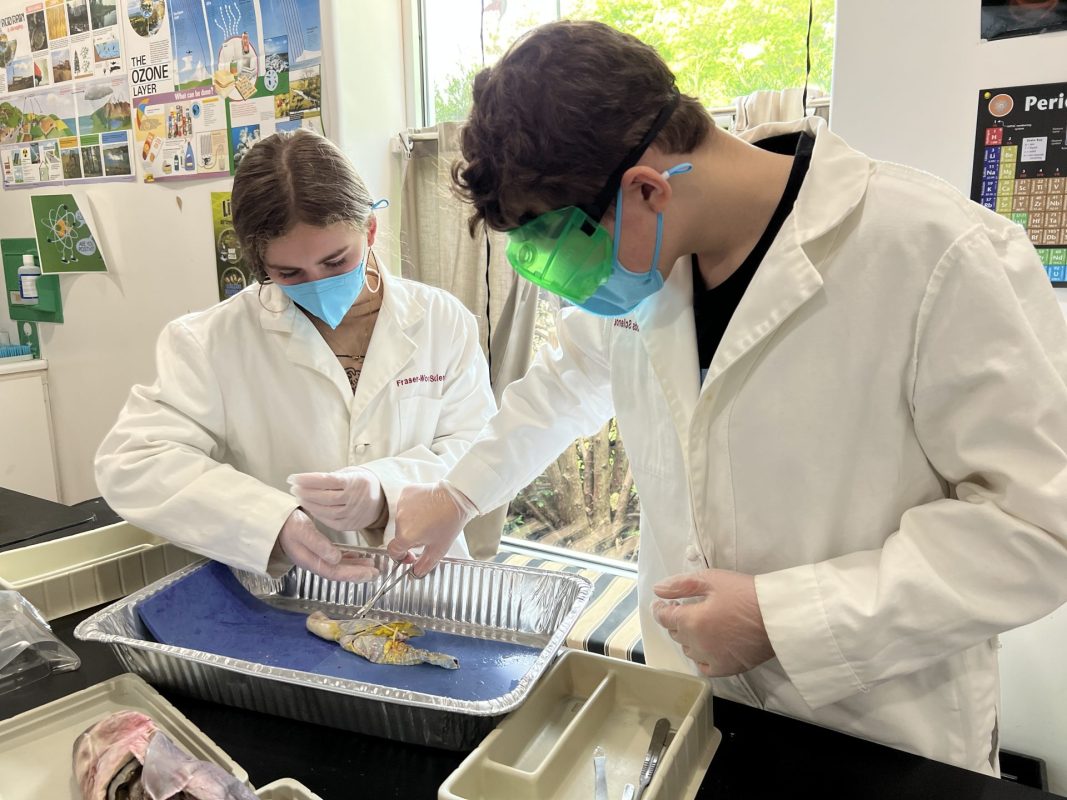
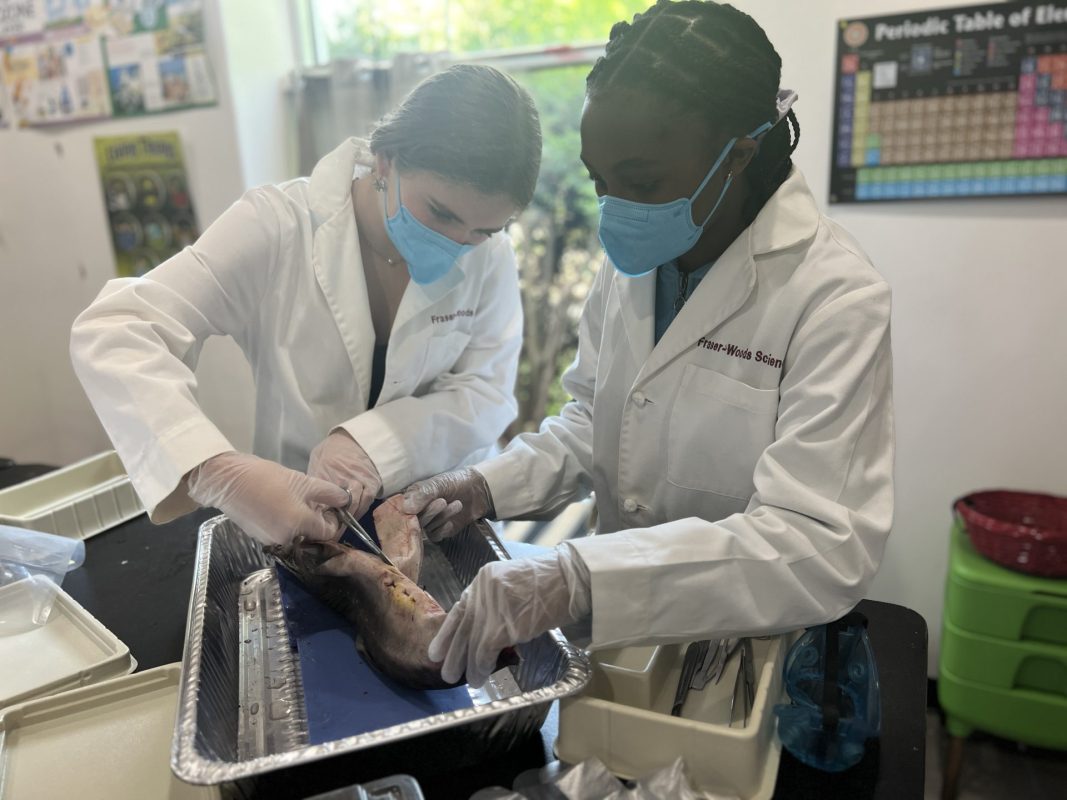
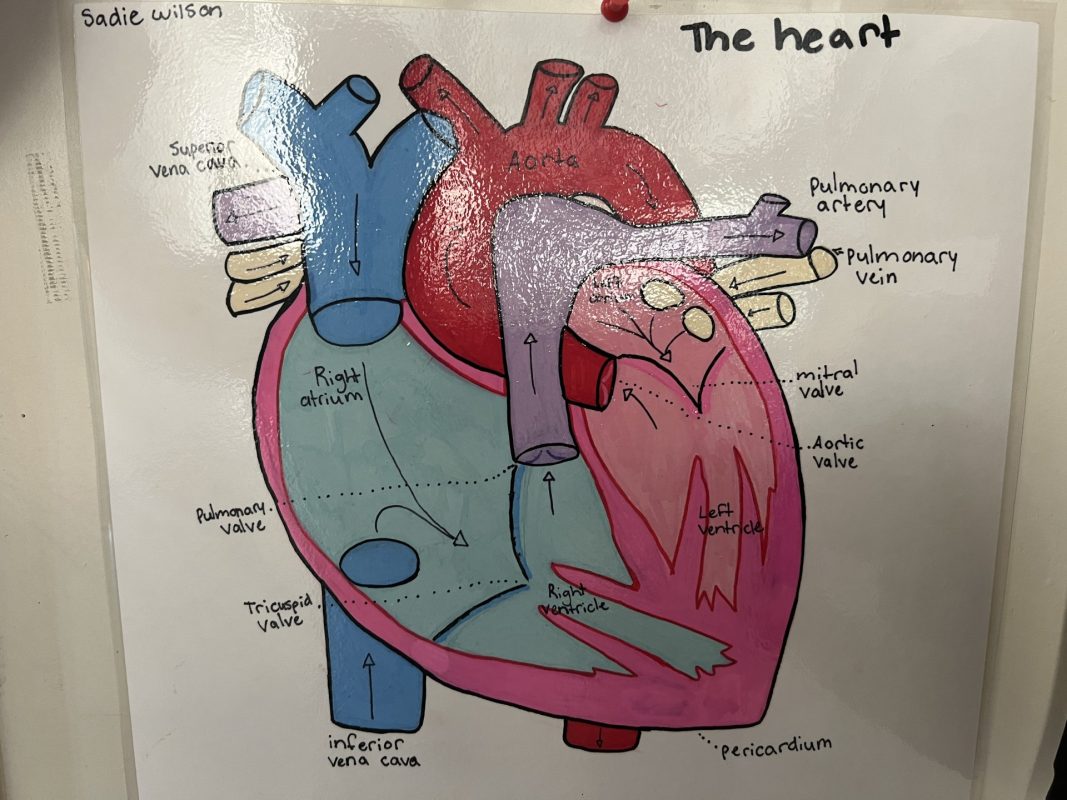
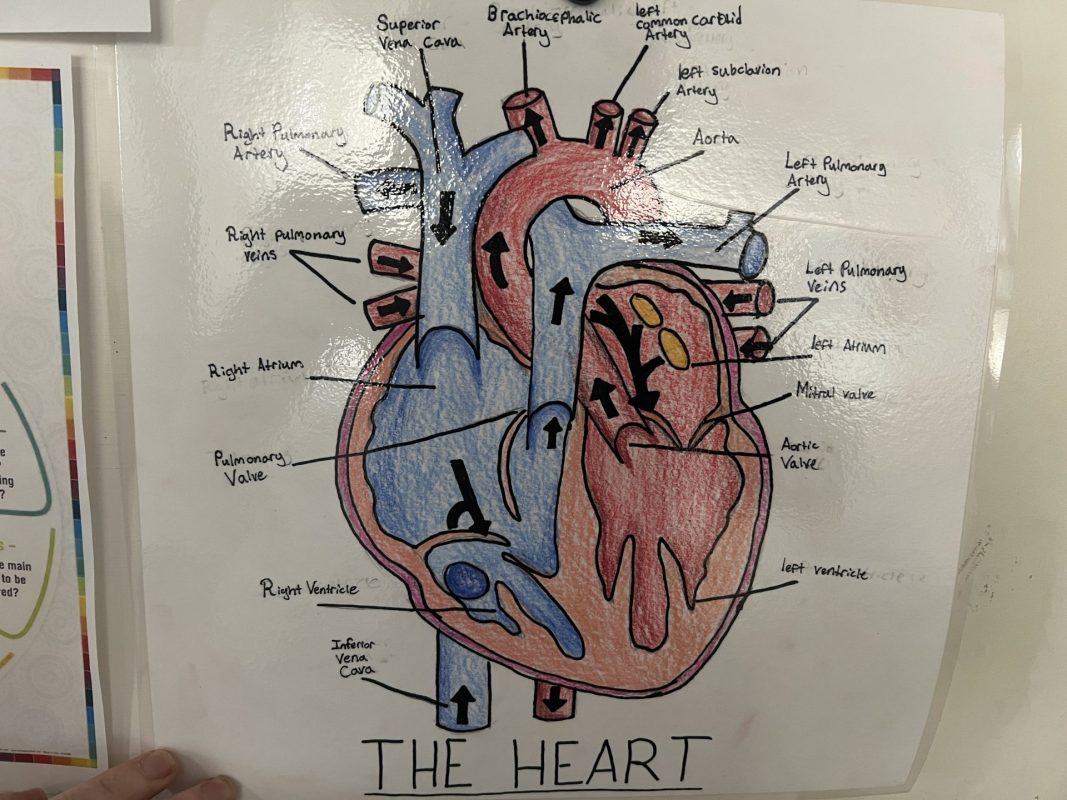
8th-year Life Science students have continued to work on their unit, Genes. We are currently holding several class discussions and exercises related to whether certain gene mutations are beneficial or harmful. As a part of this unit, students will be asked to create a 3D model of DNA, labeling key features such as nitrogen bases, sugar-phosphate backbones, and the overall description of what a gene is.
Math
In the Pre-Transition math class, students are able to use fact triangles to find related facts for addition and subtraction sentences. This class learned how to identify linear pairs and vertical angles as well as supplementary and complementary angles. They will continue to study acute, obtuse, and right angles next week in class.
 
In the Transition math class, students are confident in working with the three different types of geometry transformations: translation, reflection, and rotation. They applied their learning by creating tessellation art installments that will be displayed in the classroom next week. This class will continue to learn about the properties of angles and lines in order to solve for specific measurements.
 
In the Algebra math class, students are excited to learn more about slope and rate of change. They discovered the slope-point form and slope-intercept form of linear equations this week. During chapter 6, students have been using a creative doodle notes technique to learn the key information from the unit.
 
MATH JOKE: Why did the mathematician spill all of his food in the oven? ……….The directions said, “Put it in the oven at 180°.”
Humanities
All classes recognized Rev. Martin Luther King, Jr. this week and his impactful life. After discussing his goals, students learned about the new monument commemorating his life in Boston and the story behind this impressive sculpture. They also took time to read and analyze Amanda Gorman’s poem, “The Hill We Climb” in its relation to the initiatives MLK set forth.
6th-grade Humanities classes were split between students researching for their project and beginning their study of Ancient Civilizations of North Africa, the Middle East, and Subcontinental Asia. We are beginning with Mesopotamia before going to Egypt and the Indus River Valley. The class defined what it means to be a civilization and we covered some examples. Students also completed a map of the Fertile Crescent and looked at the geography of the region, discussing what makes this region an ideal spot for a civilization. Finally, they researched a few terms related to Mesopotamia and will learn about Sumer next week.
7th-grade Humanities students completed their class novel, A Gift From Childhood. This memoir by Baba Wague Diakite showcases the importance of storytelling in culture as well as highlights the differences between traditional, modern, and Westernized cultures. Students are now gaining their prior knowledge in folktales and fables before embarking on their own. Additionally, students continued their research that is due on Monday for their research projects.
8th-grade Humanities classes focused on their reading of The Crucible by Arthur Miller. This play has an abundance of historical context, and the students have enjoyed discussing this and questioning this troubling time in the colonies’ establishment. 8th-grade students have also done a great job reading for the characters!
We hope you have a lovely and peaceful weekend, FWM middle school families!