Middle School: Week in Review

It’s been a busy week, and we are starting to feel like the end of the year will be here before we know it! While we are enjoying the spring weather and the pop of greens and pinks, we are reminded that our 8th year students are nearing the end of their time at Fraser Woods. This is a special time of year for them with expert projects and high school plans on their minds.

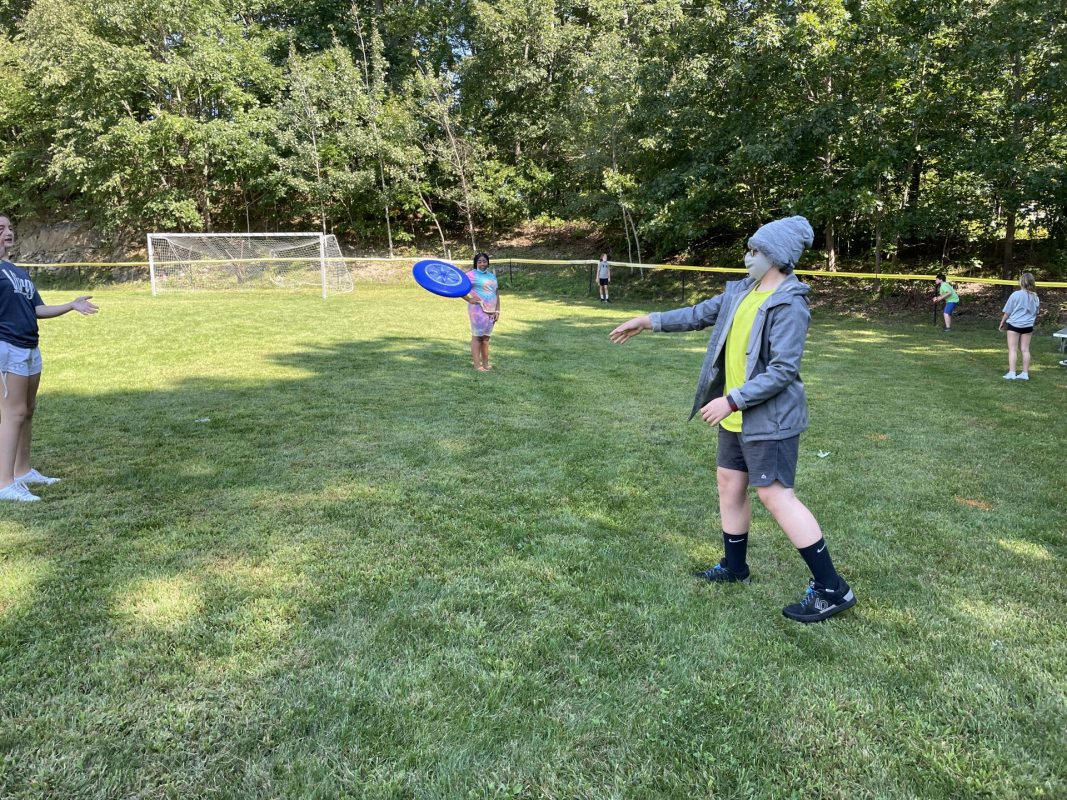
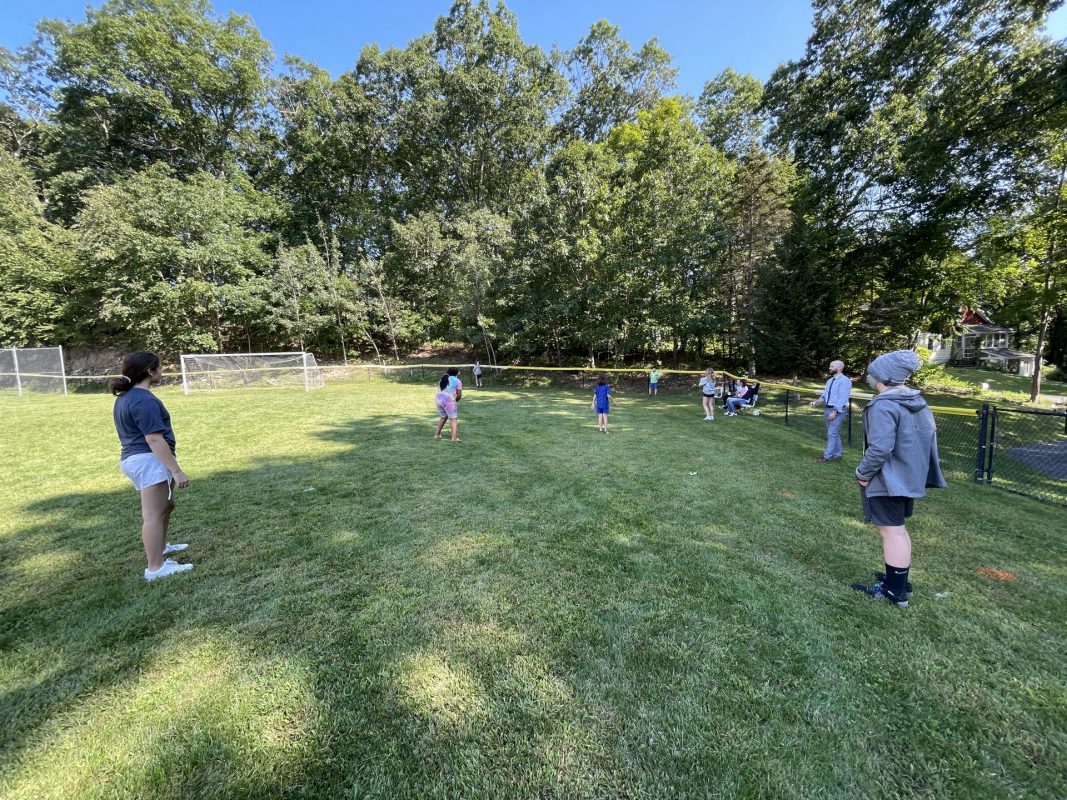
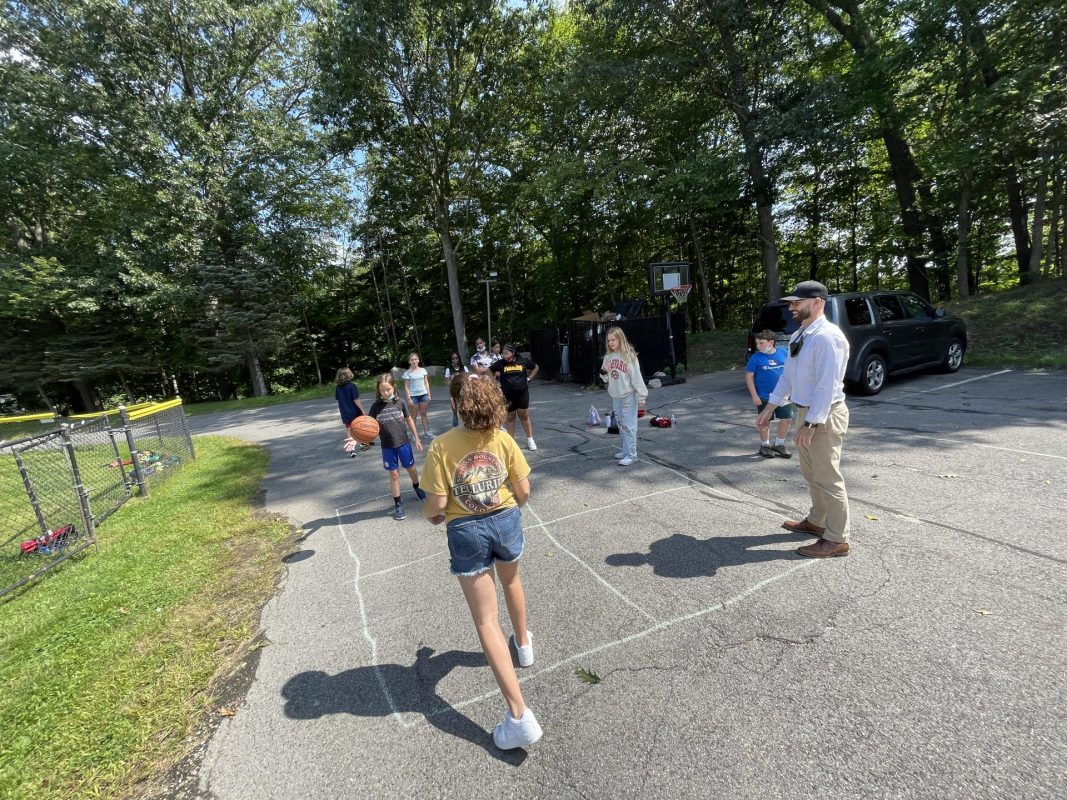
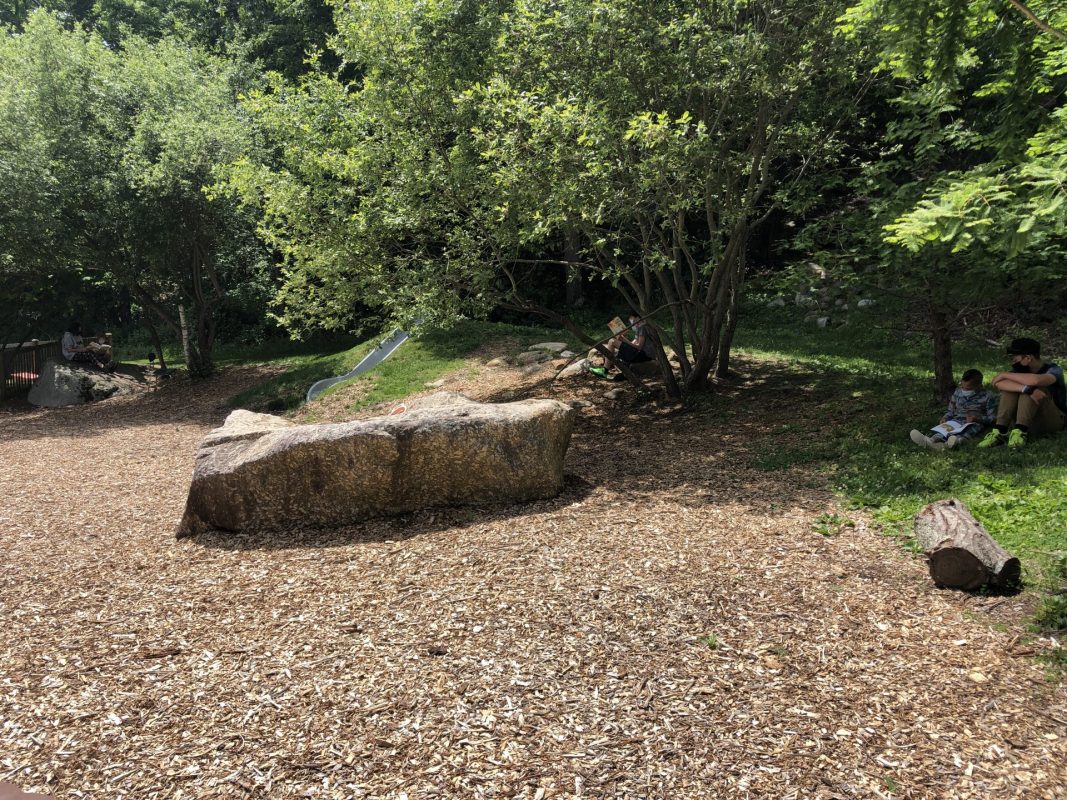
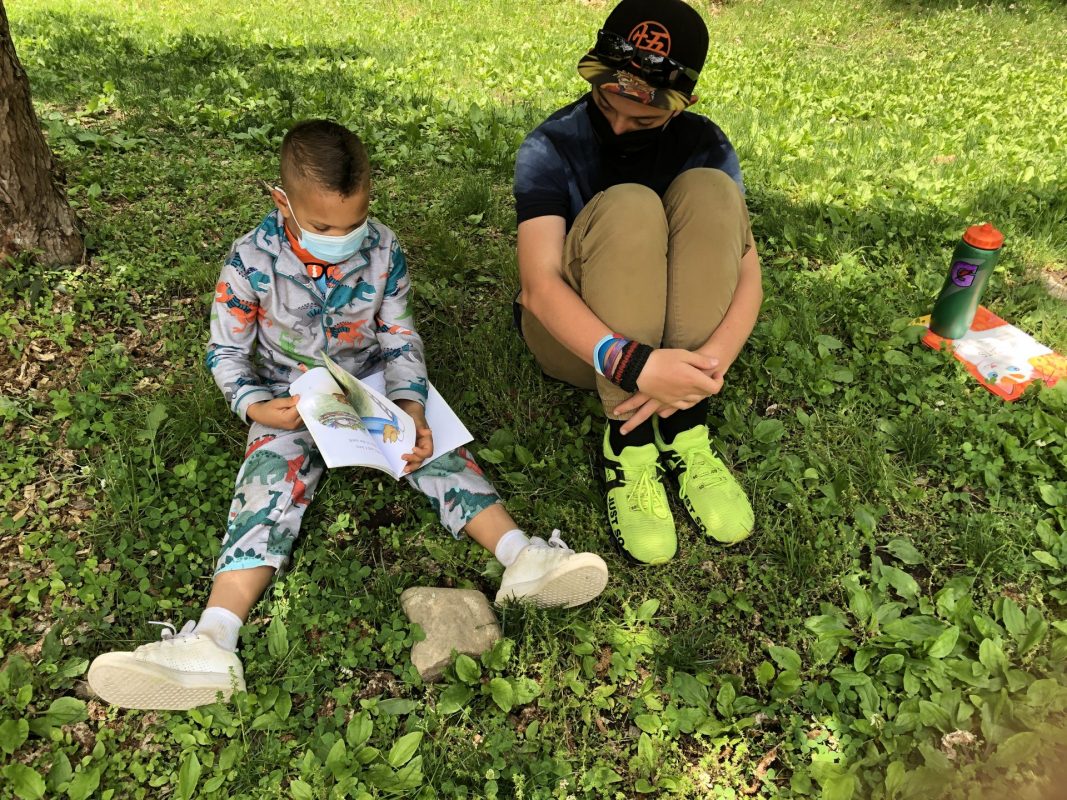
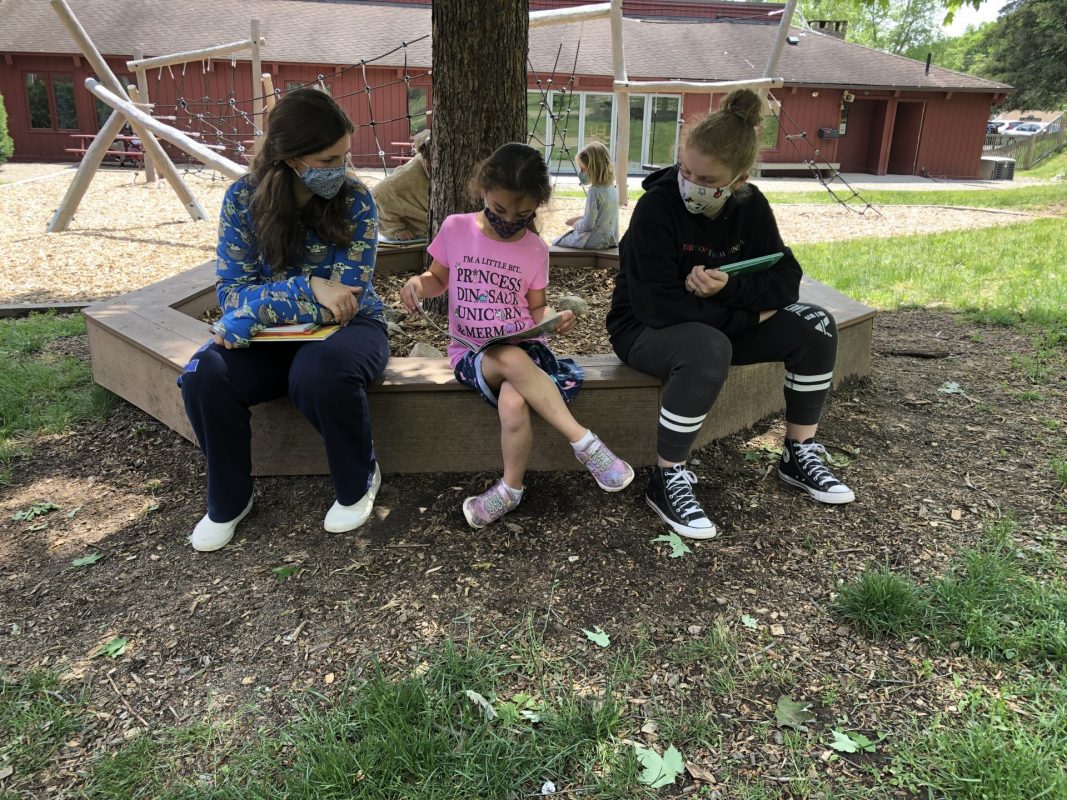
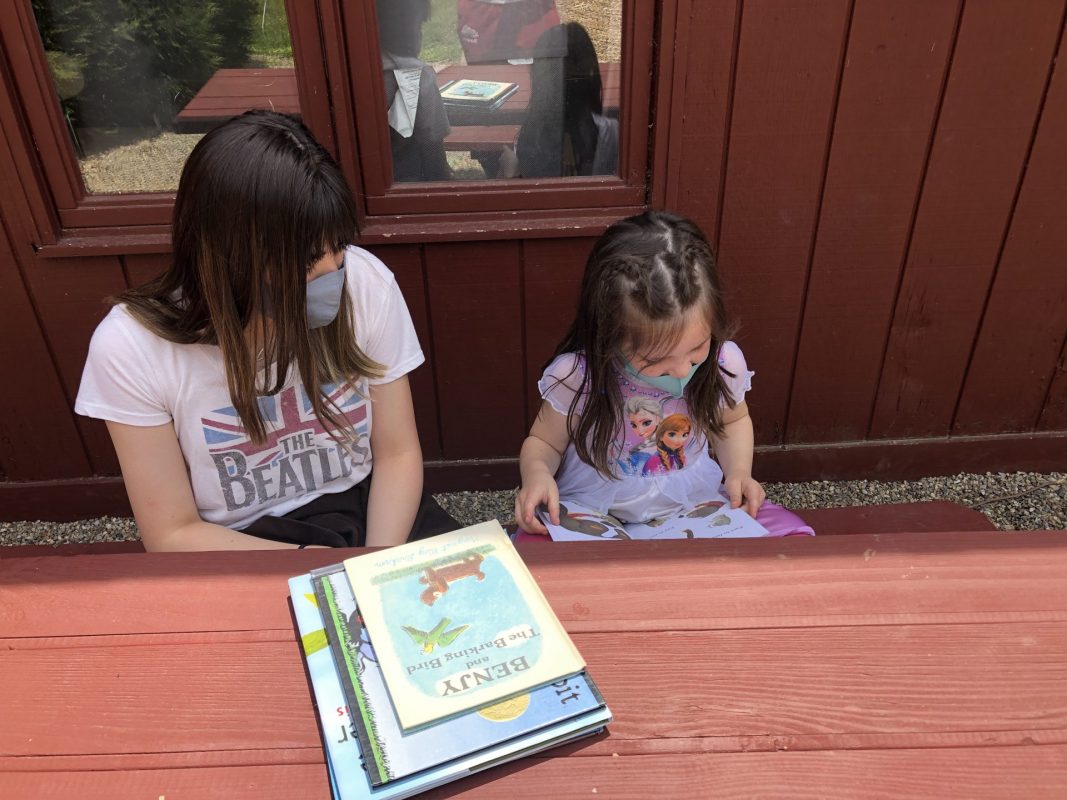
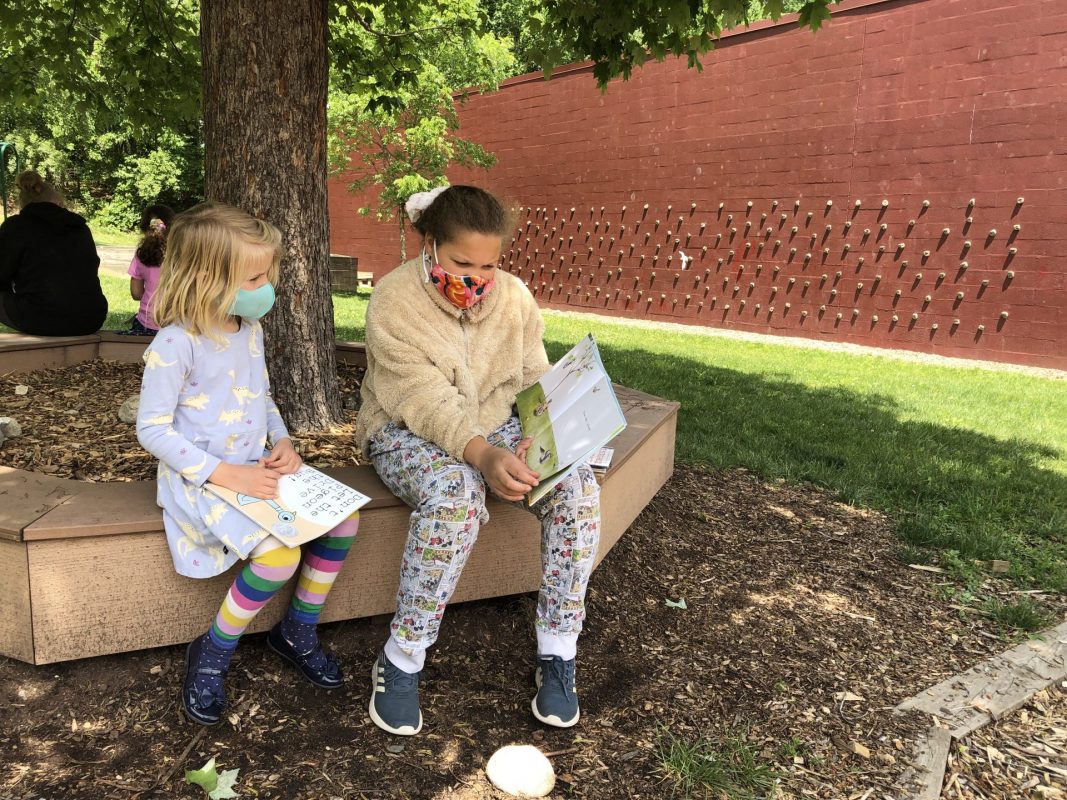
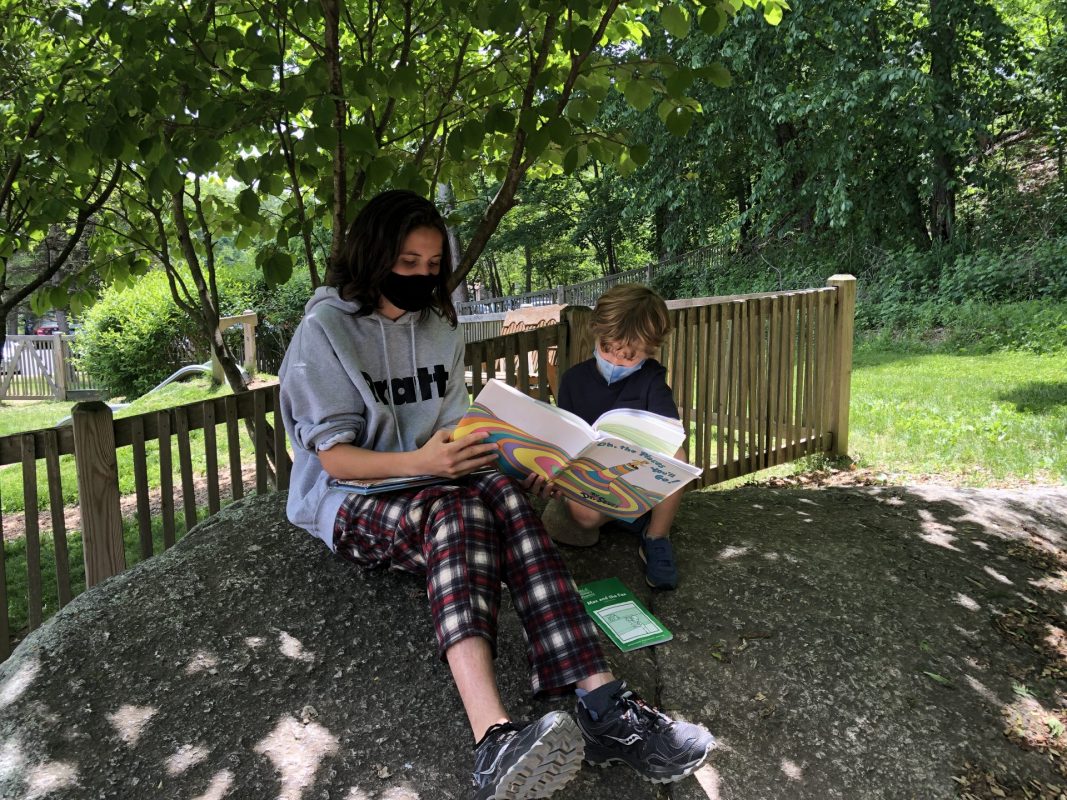
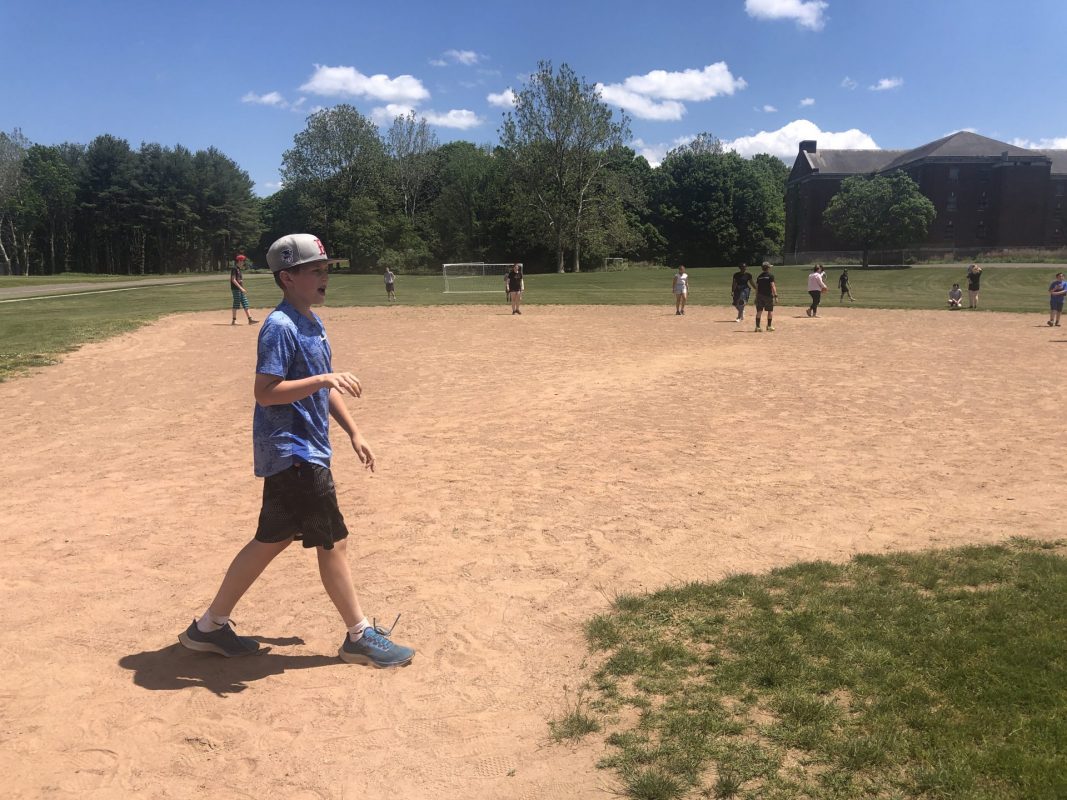
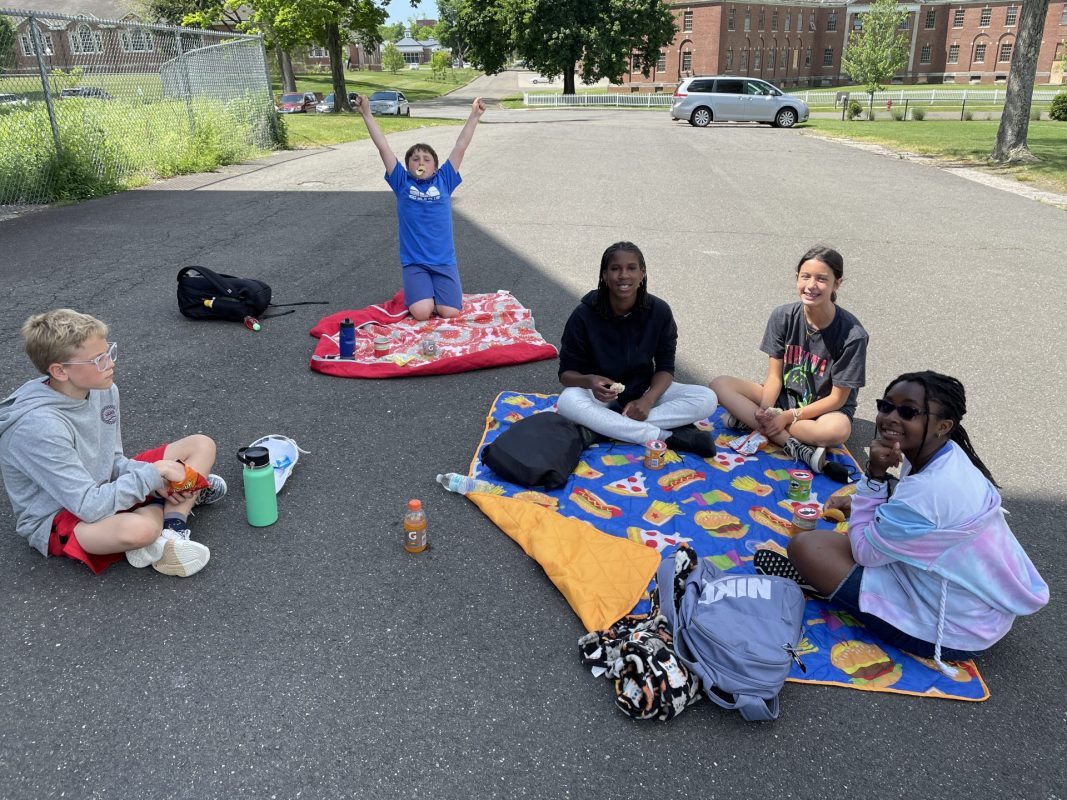
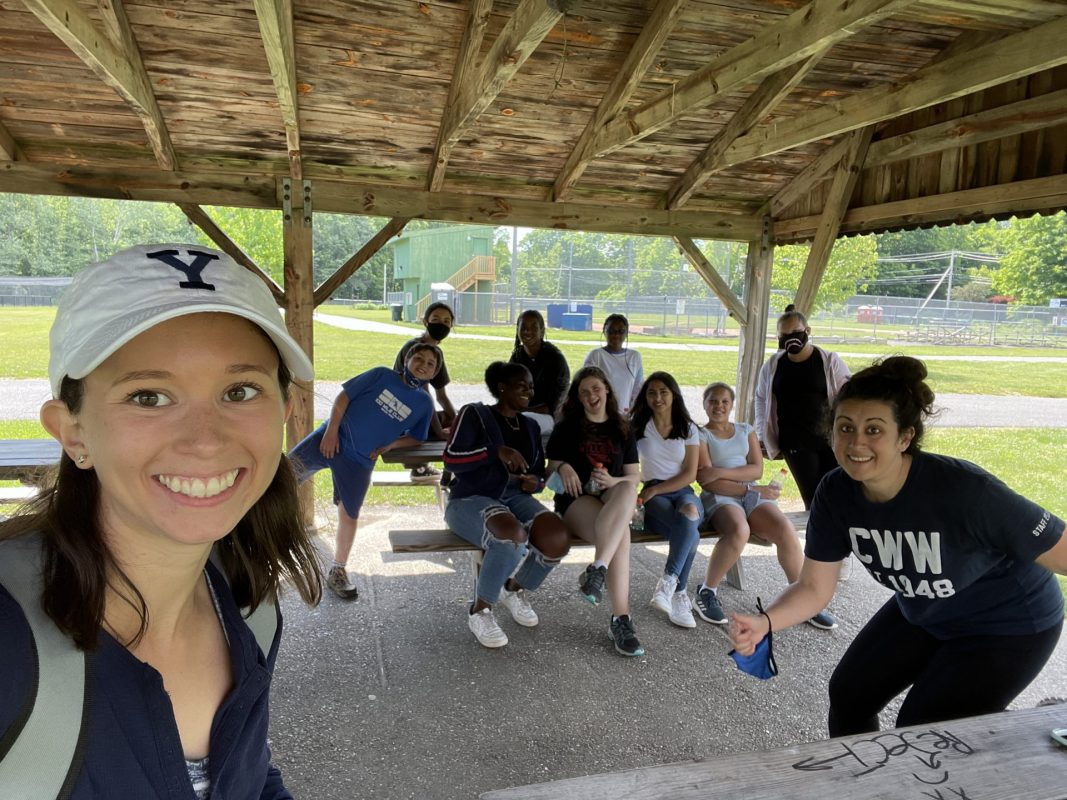
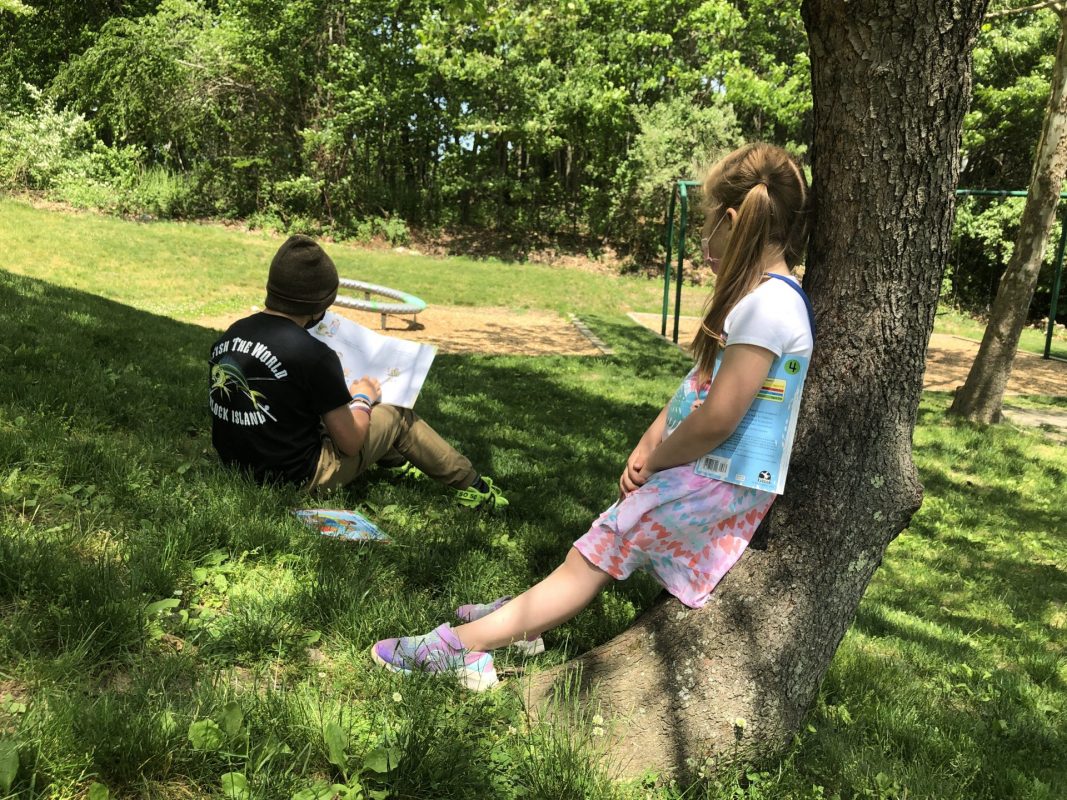
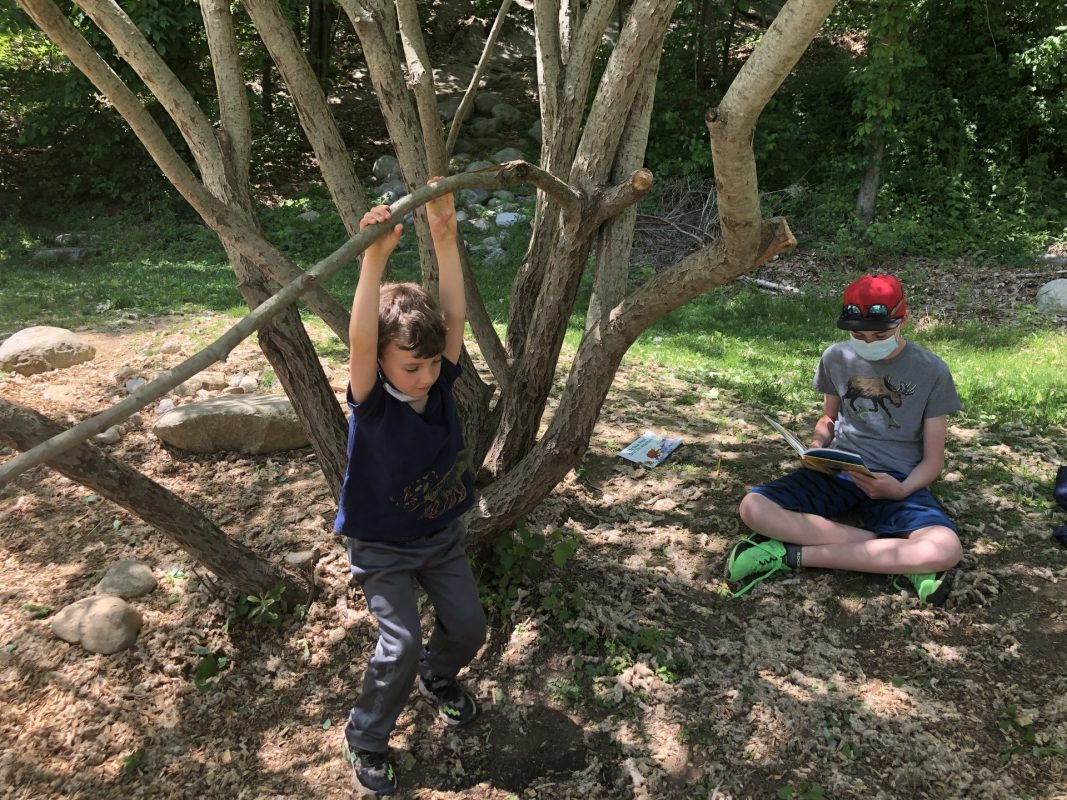
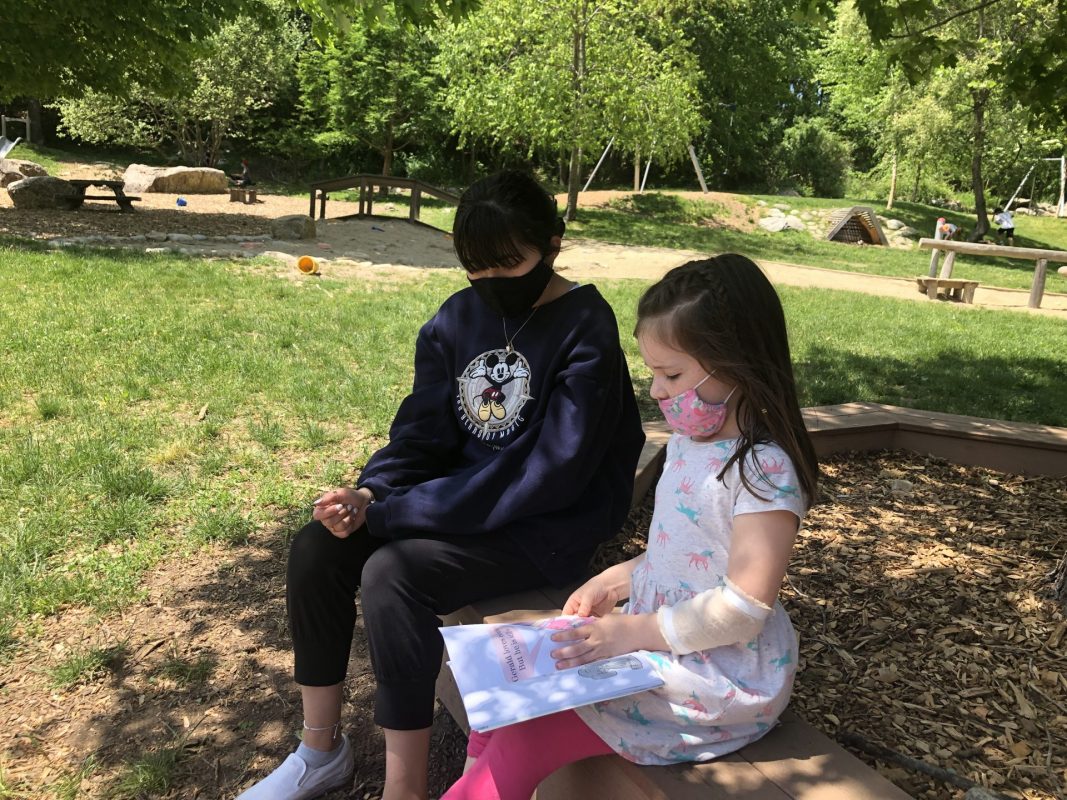
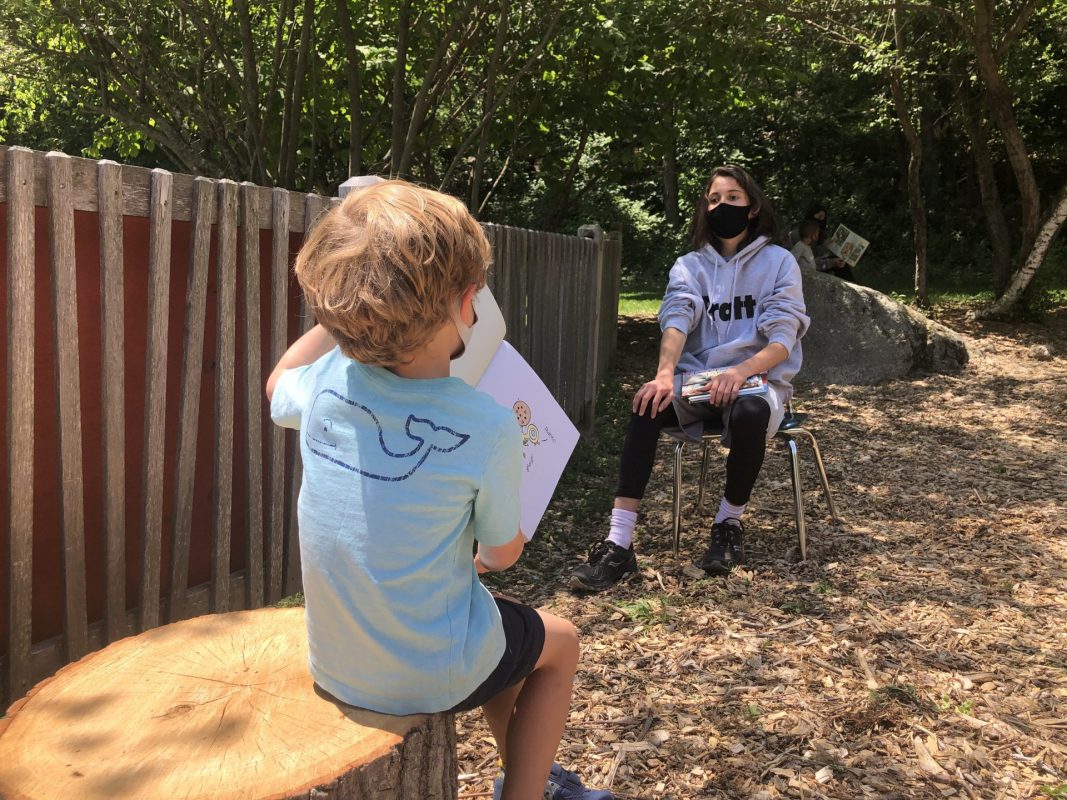
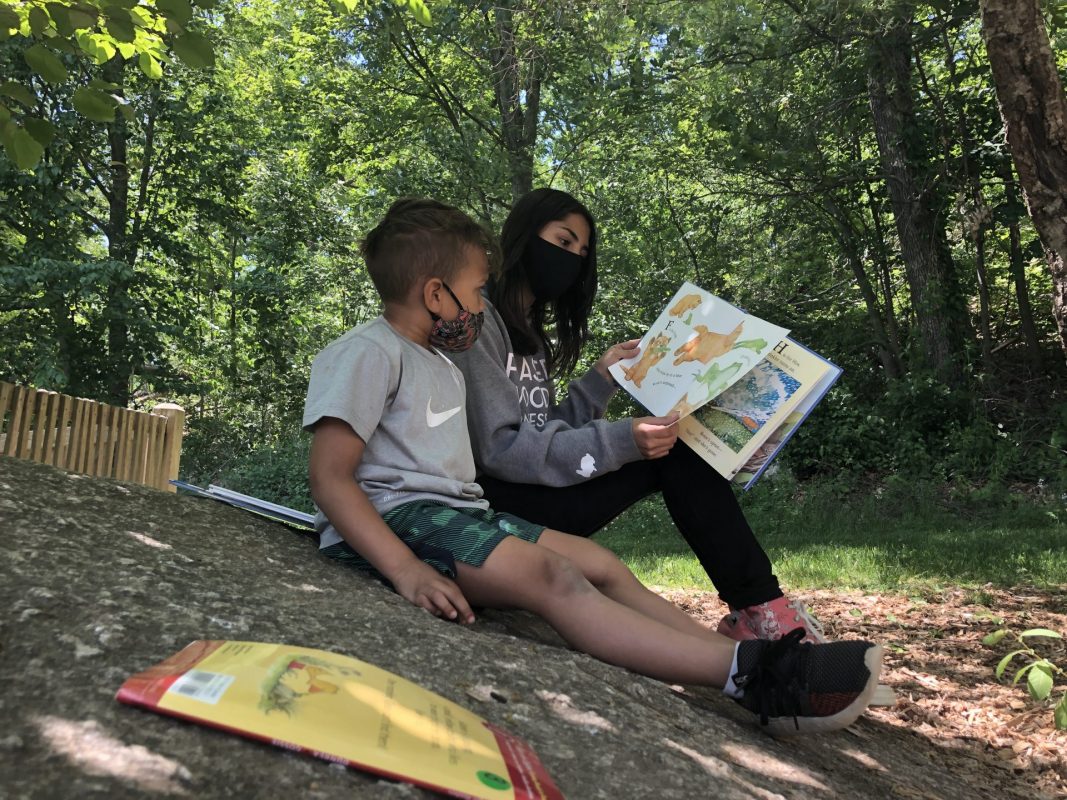
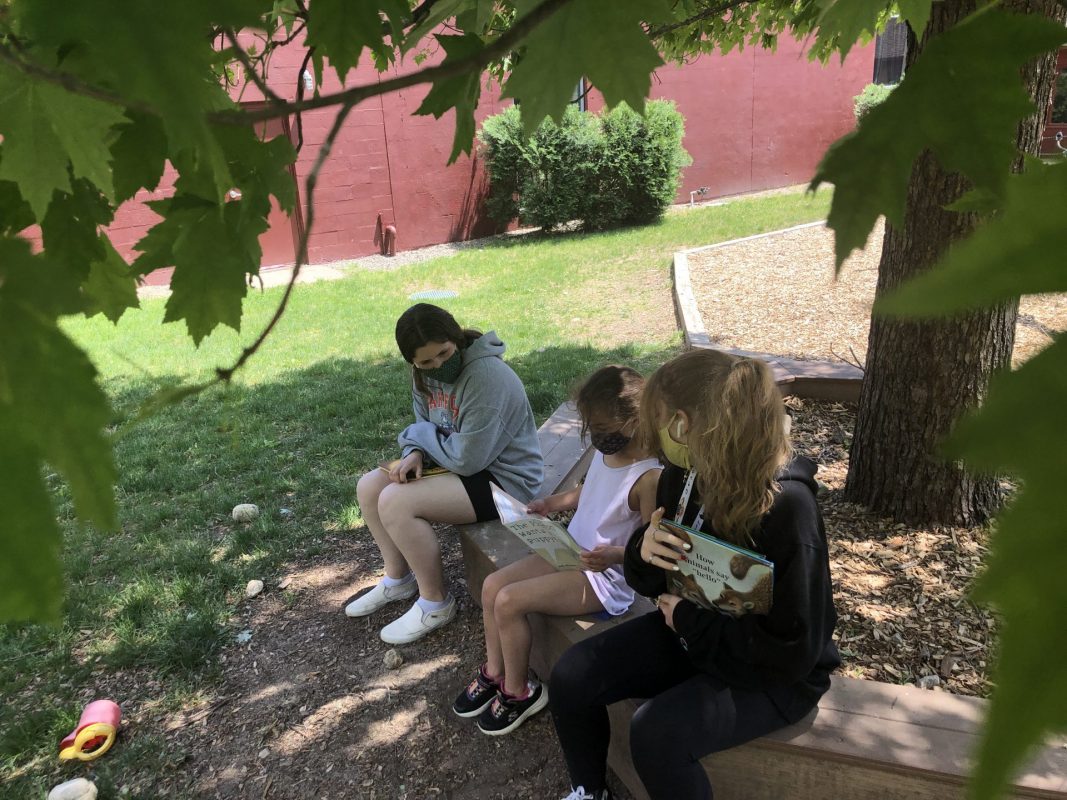
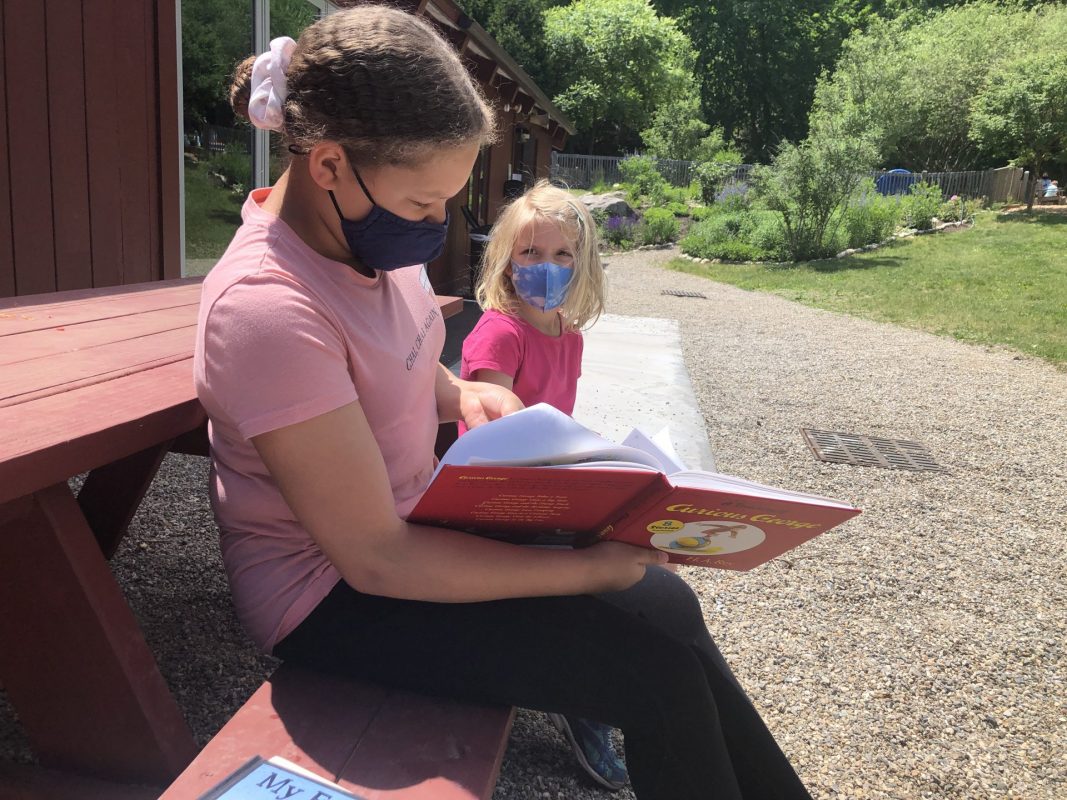
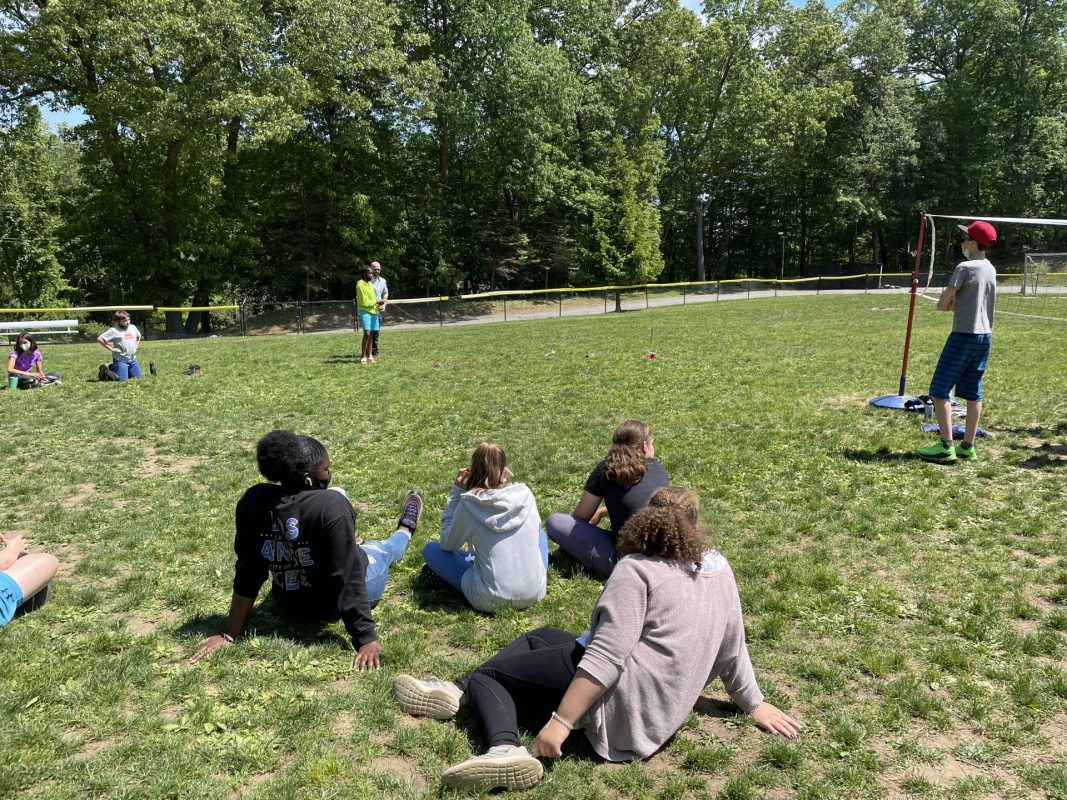
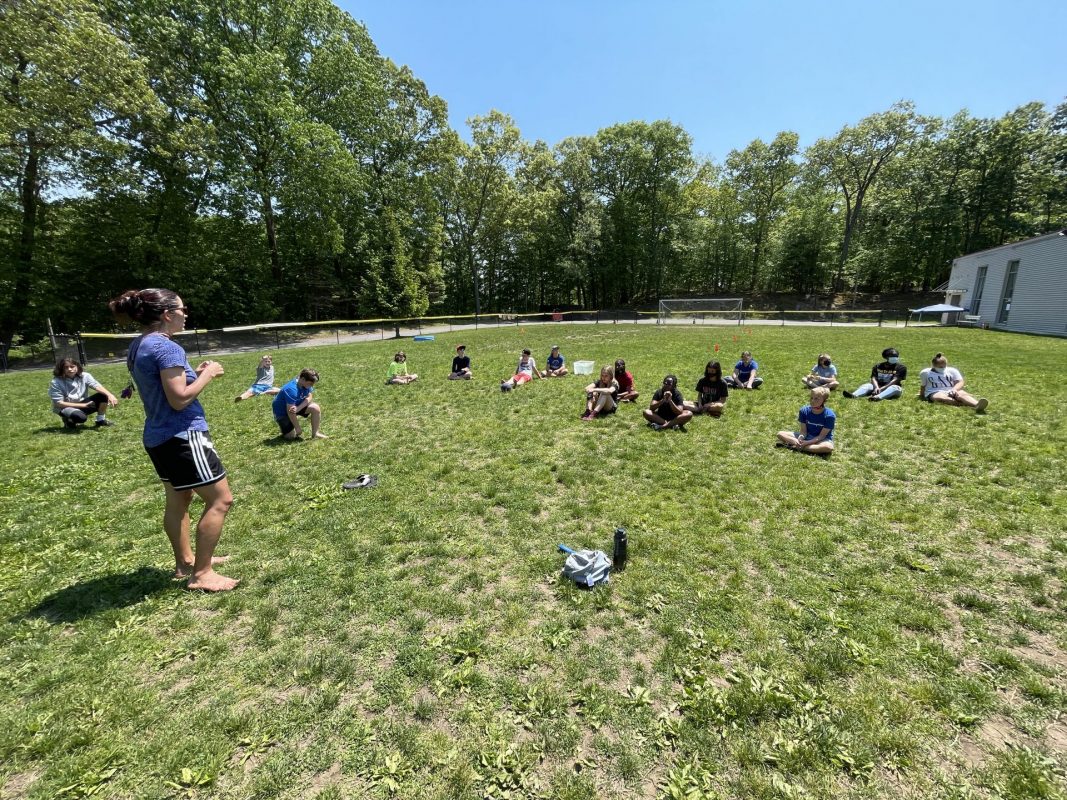
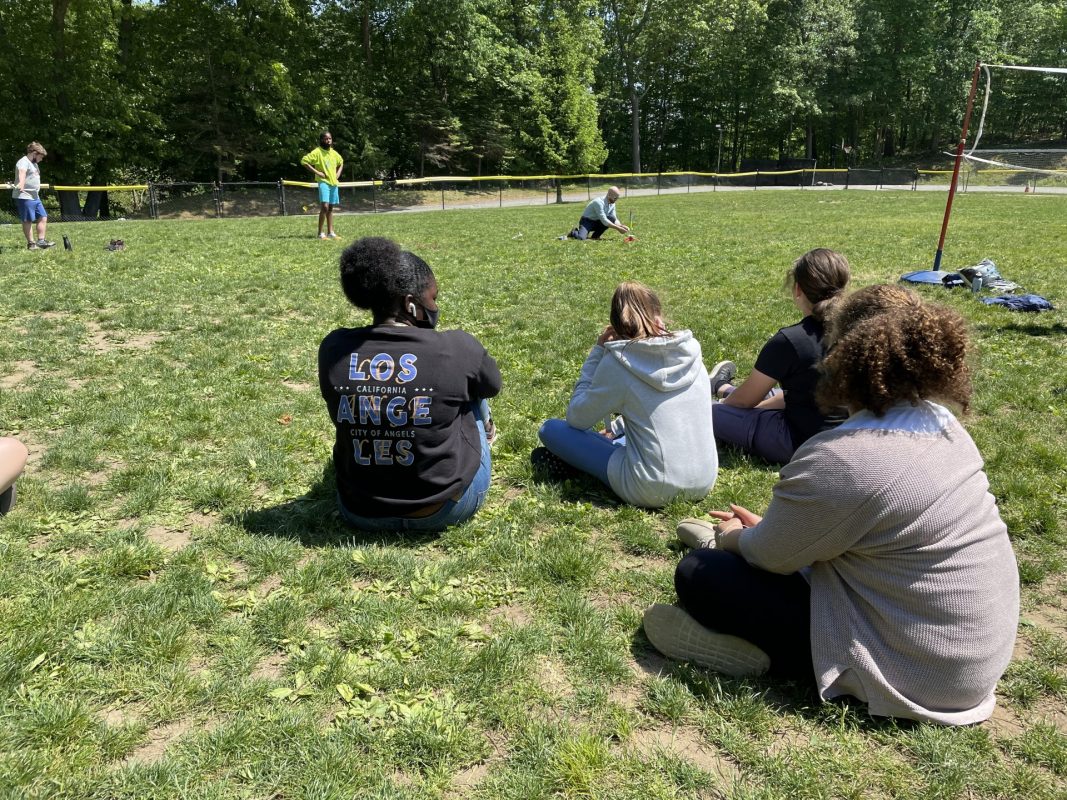
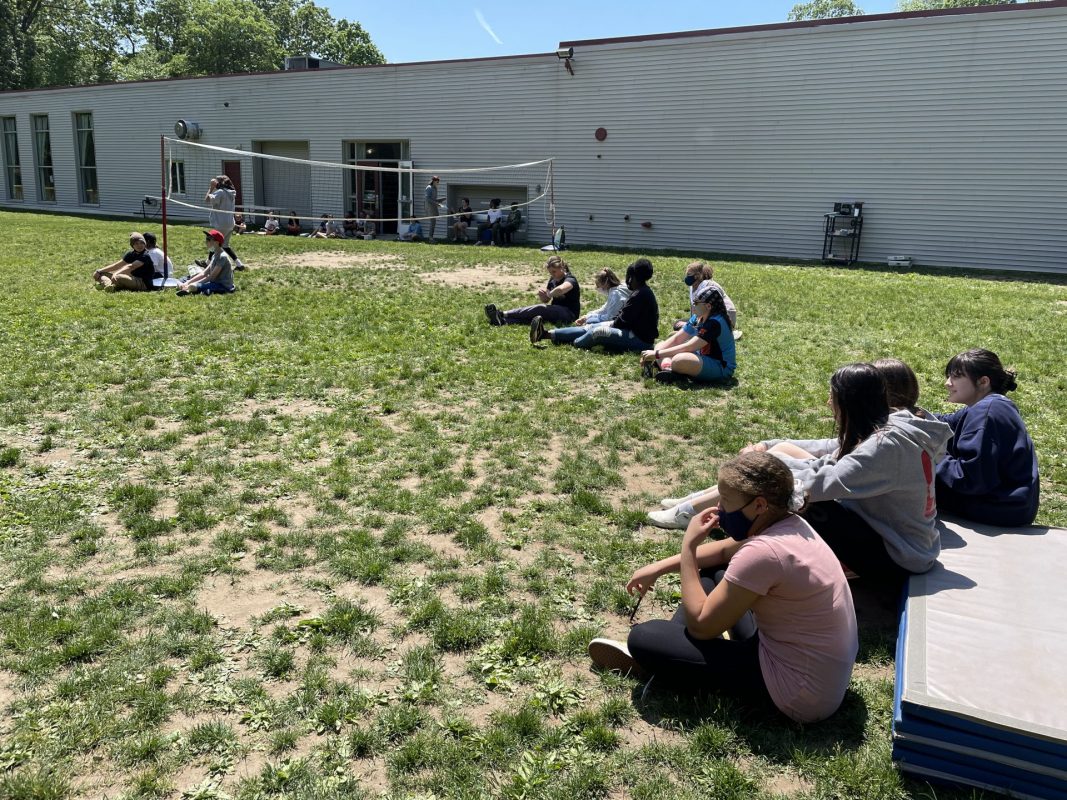
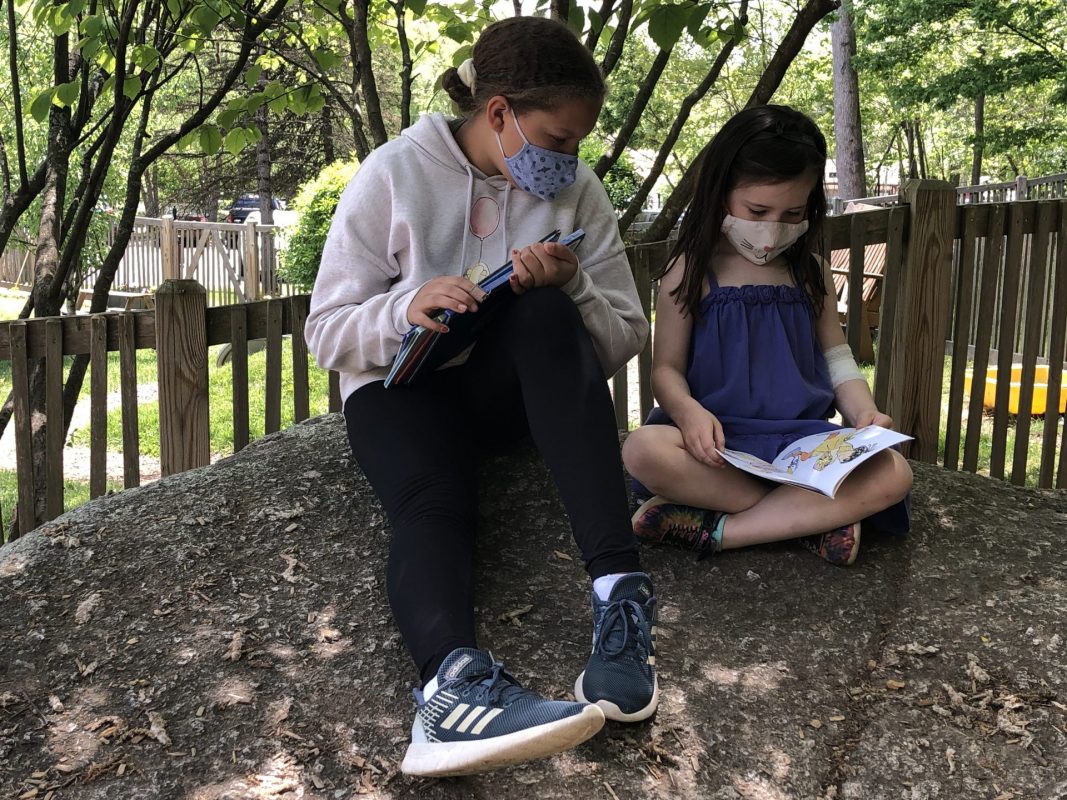
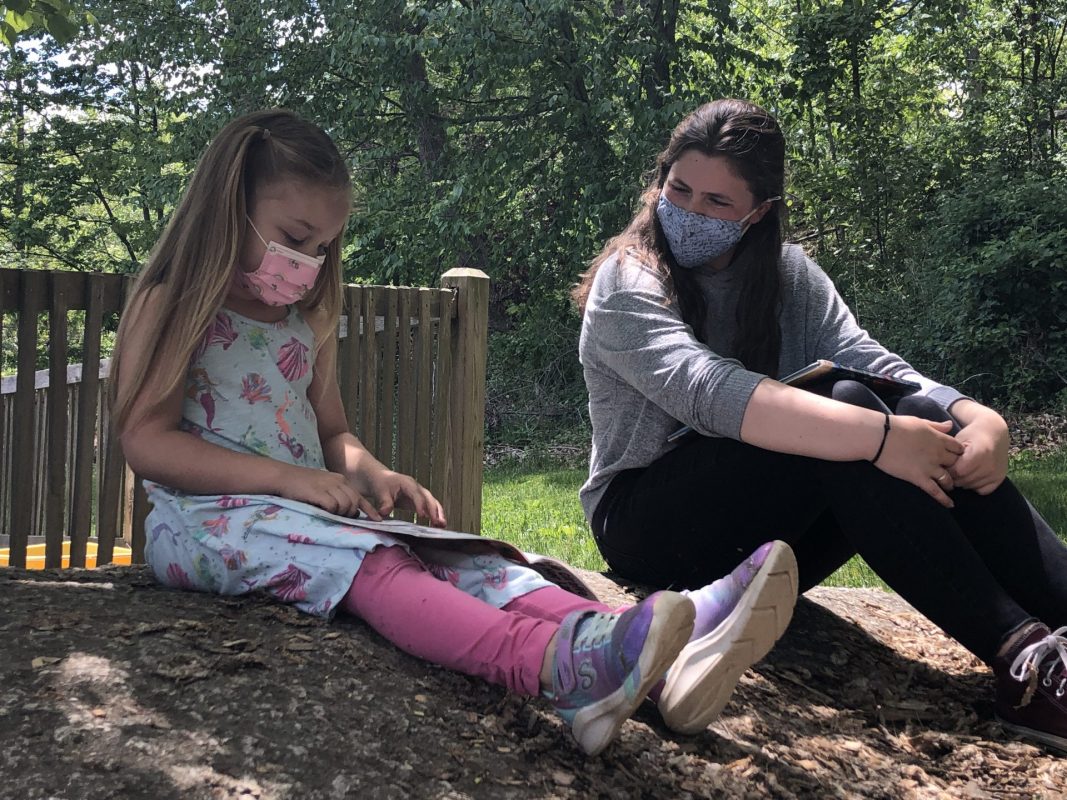
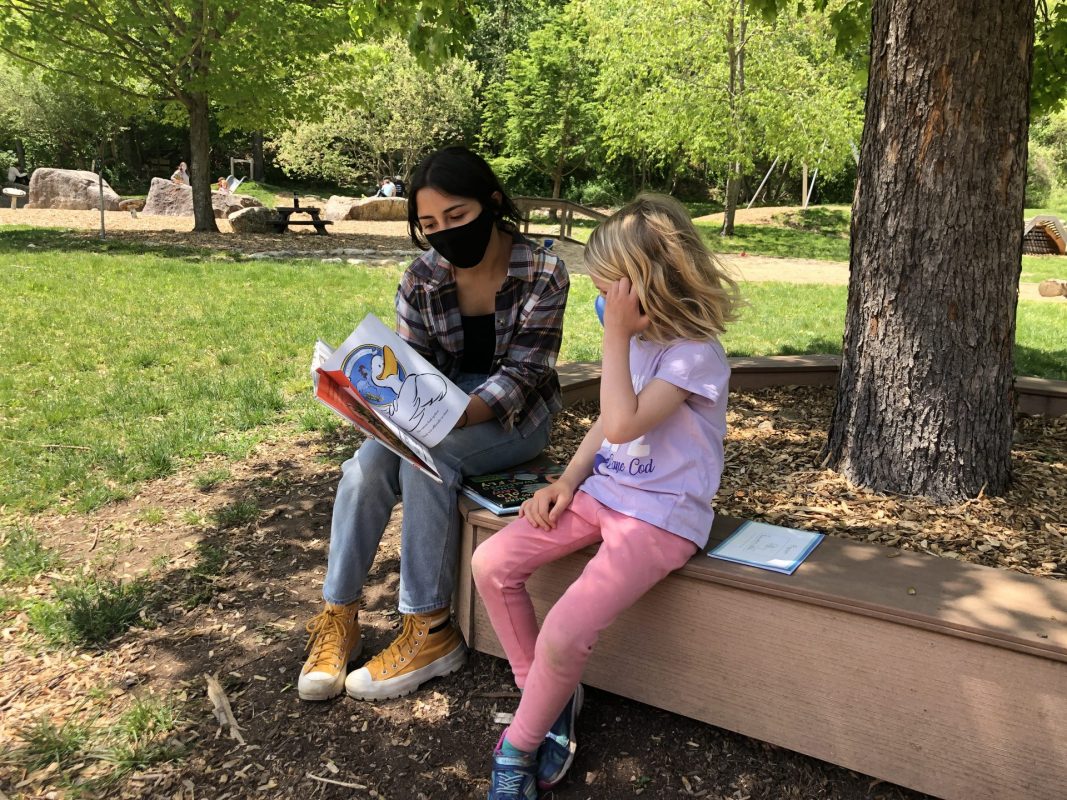
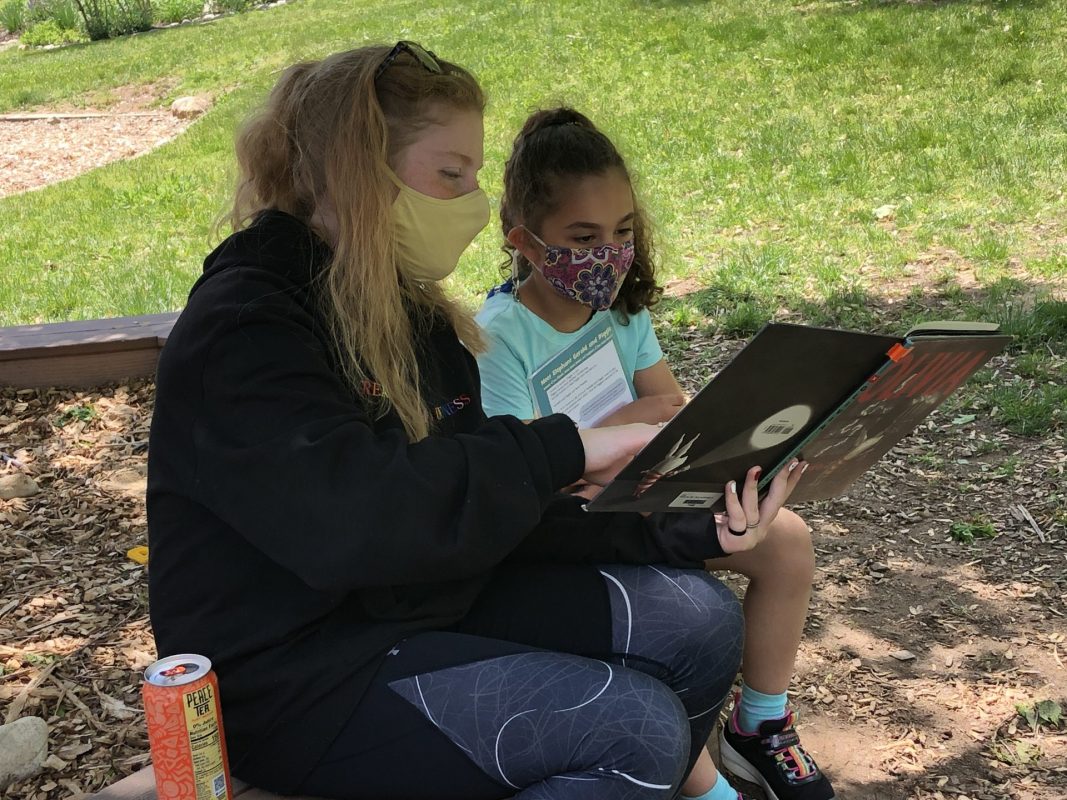
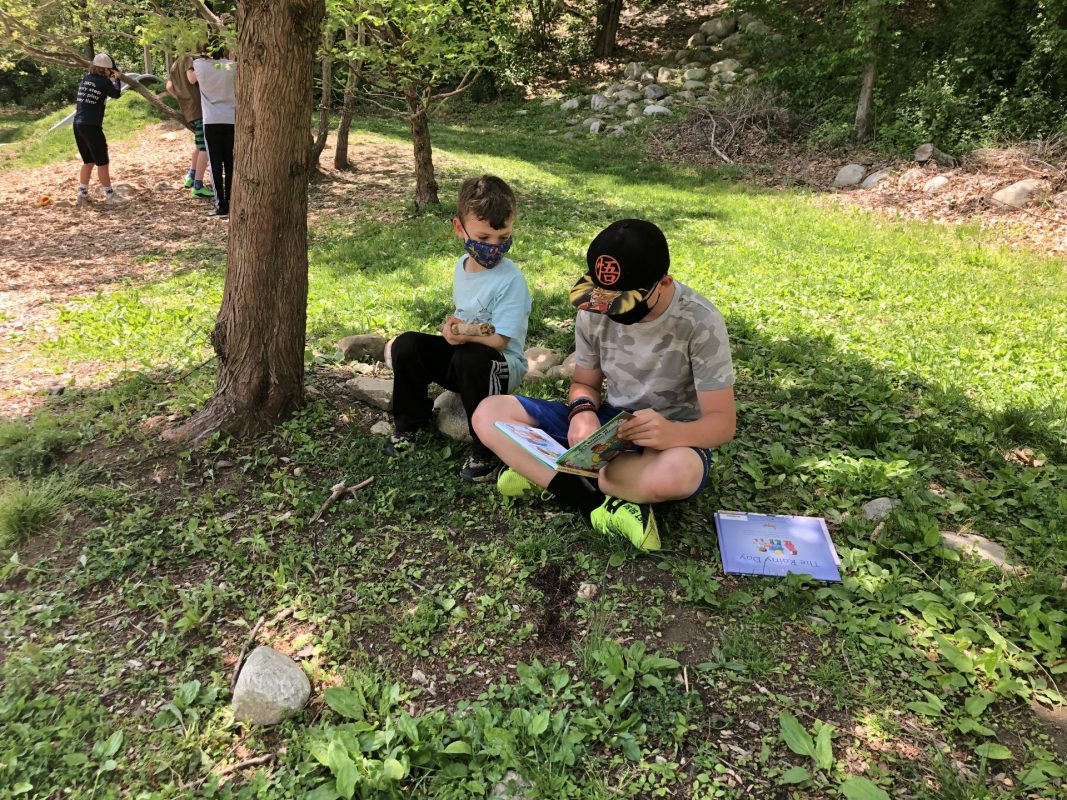
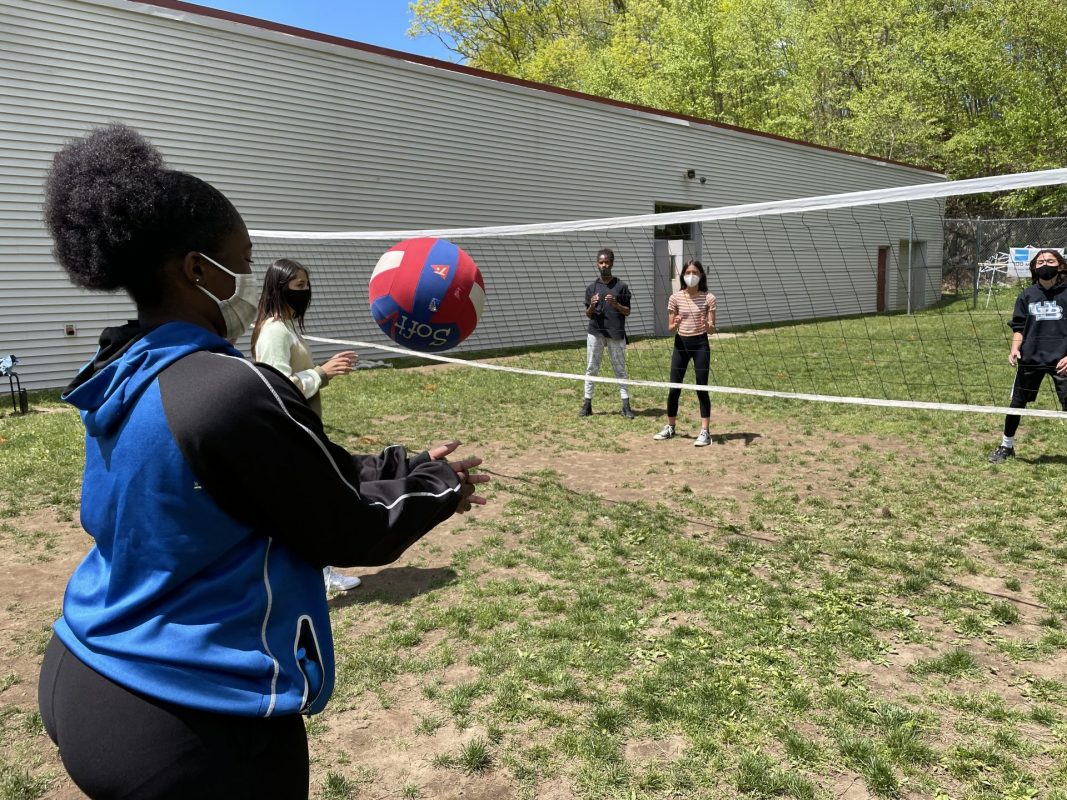
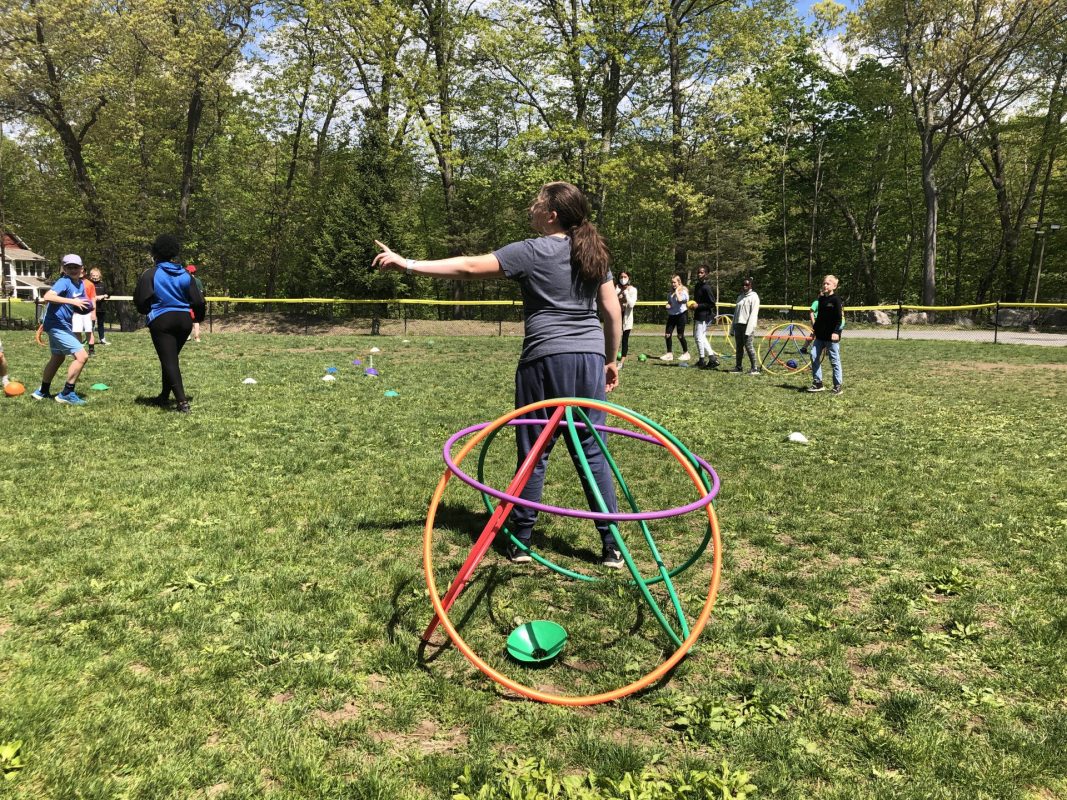
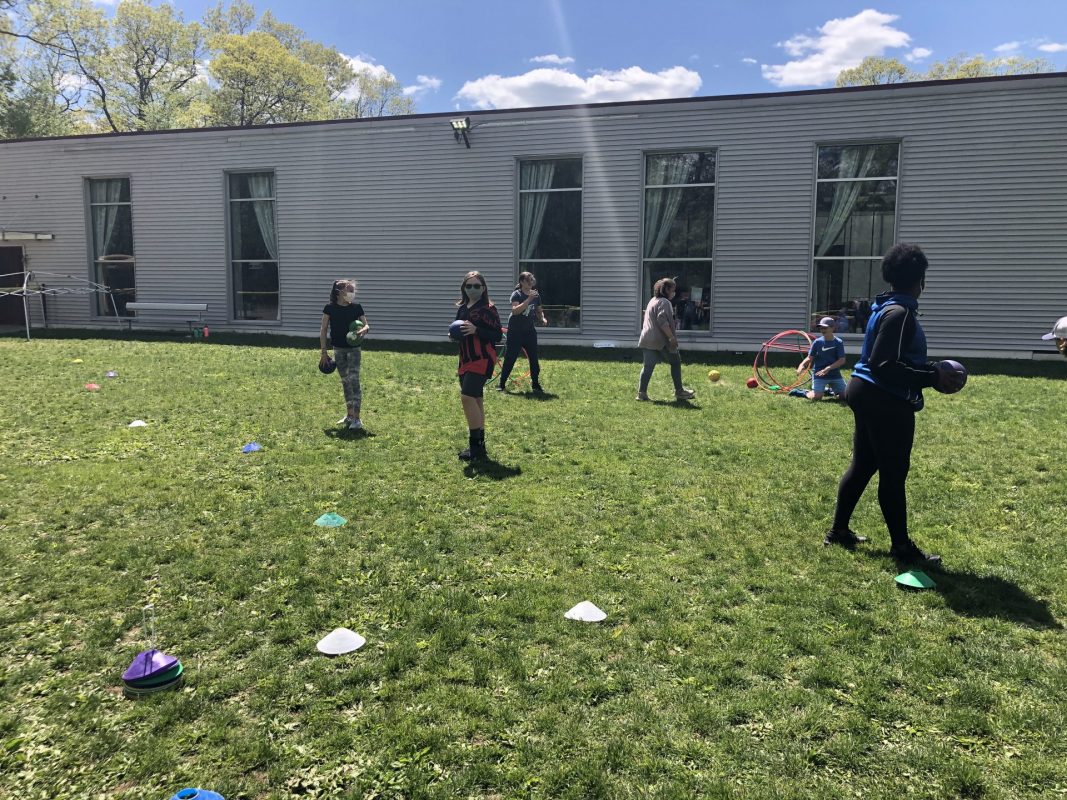
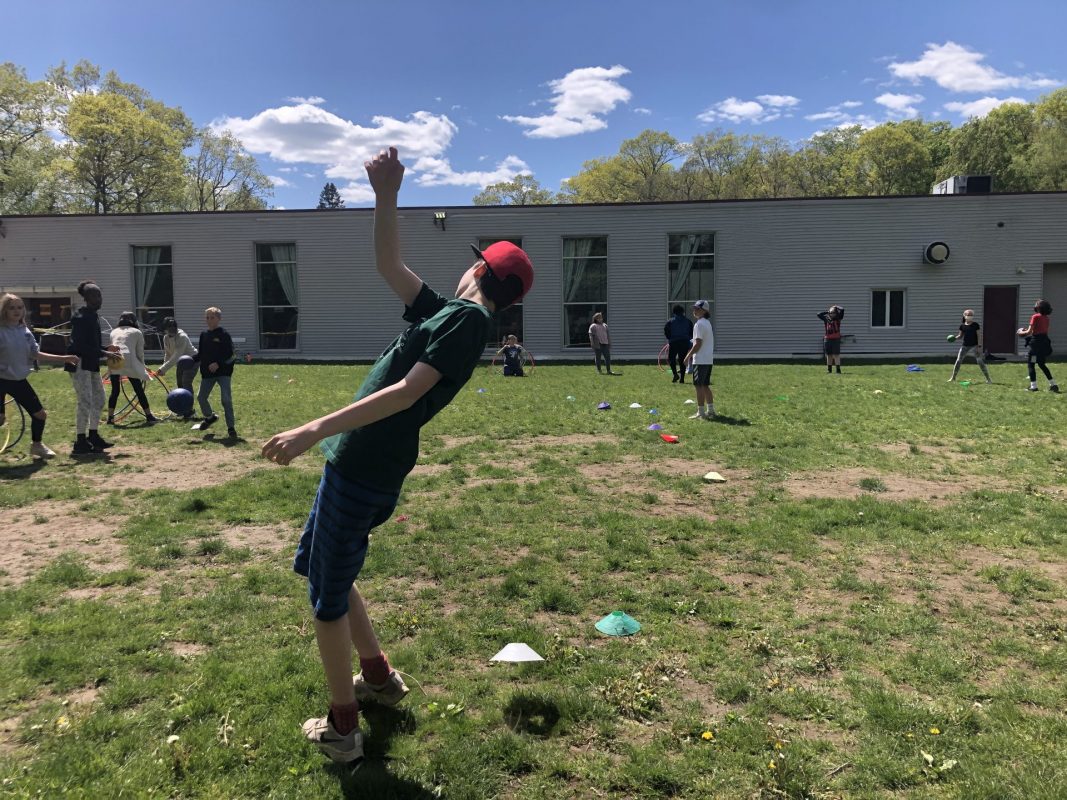
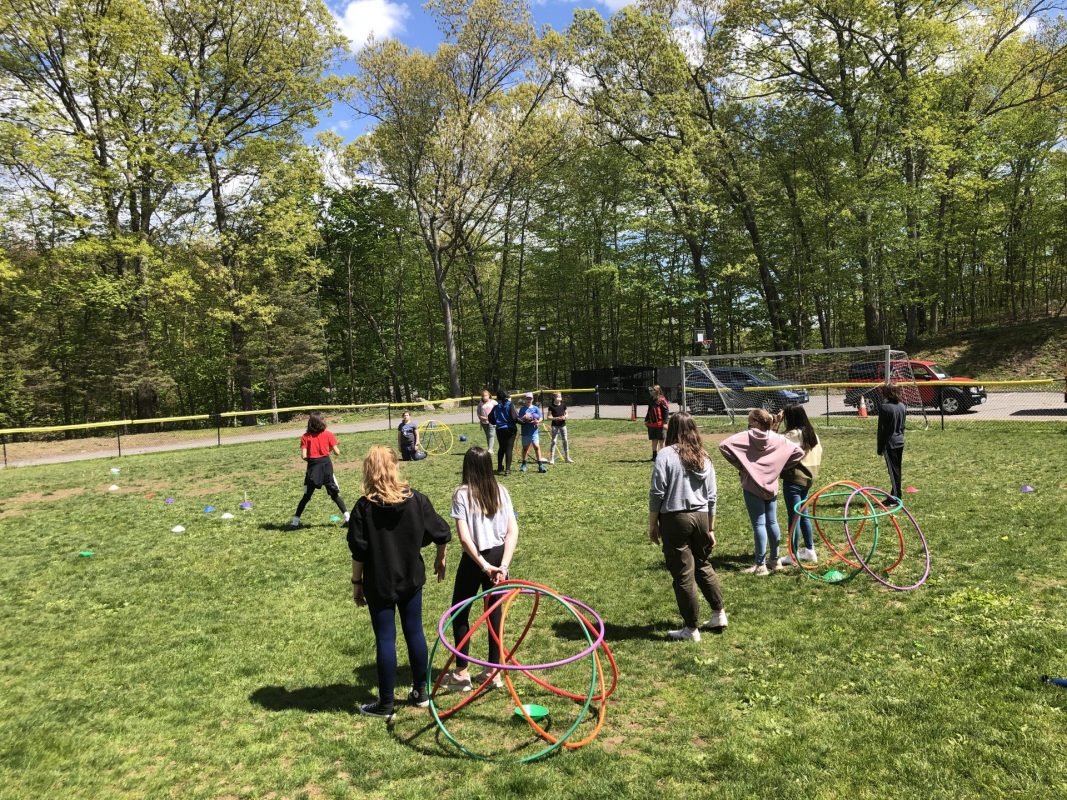
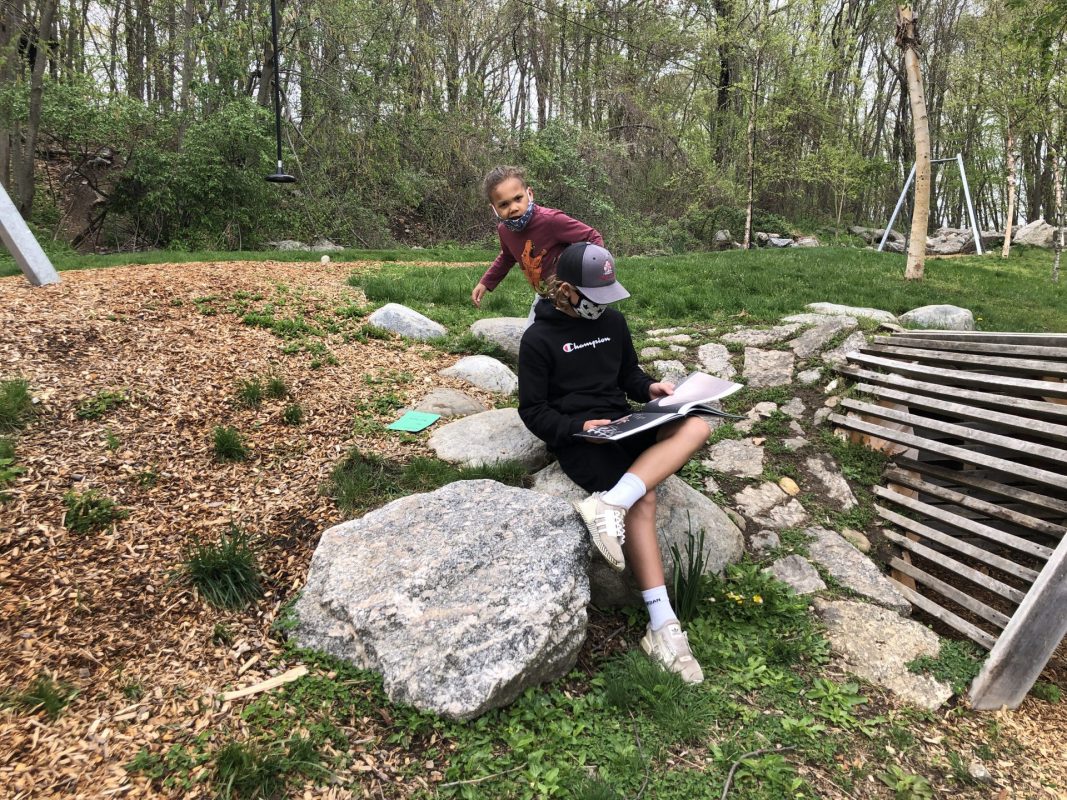
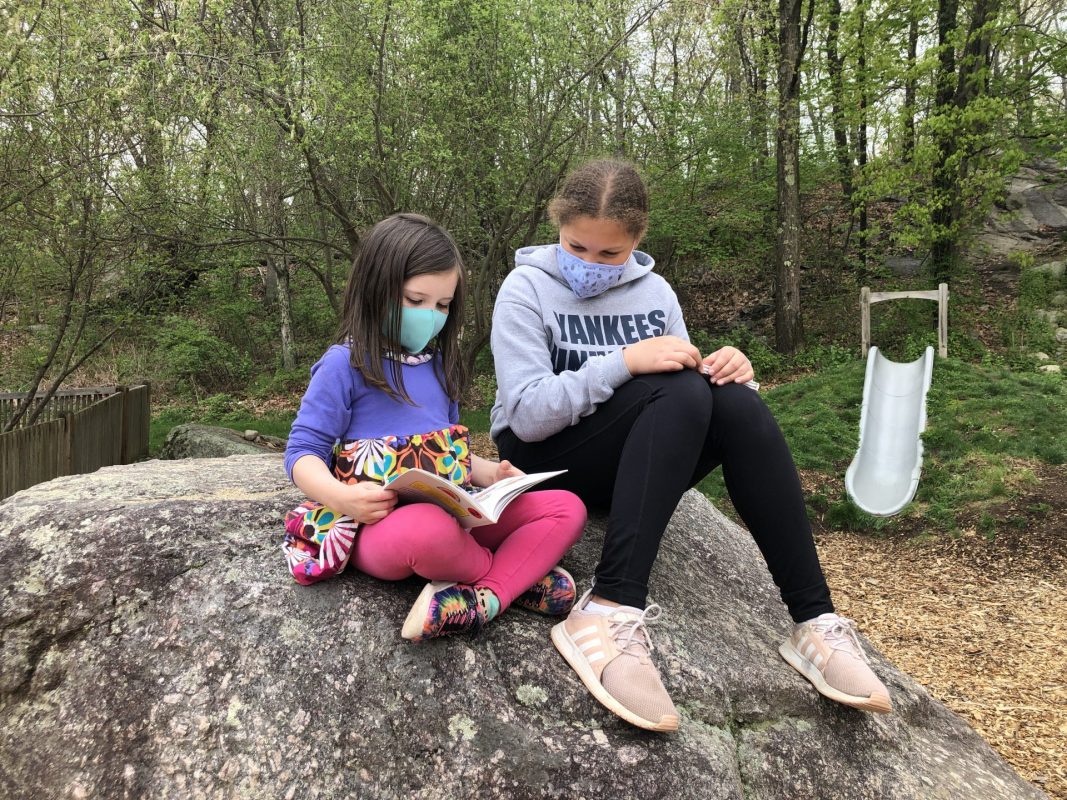
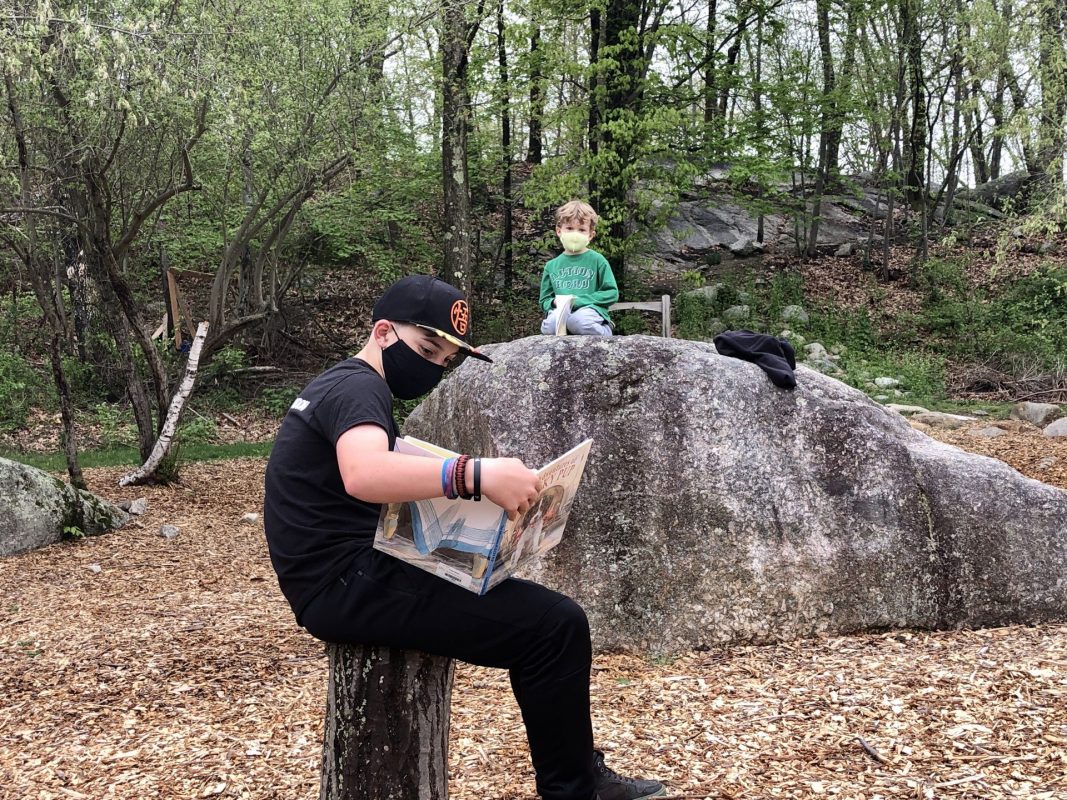
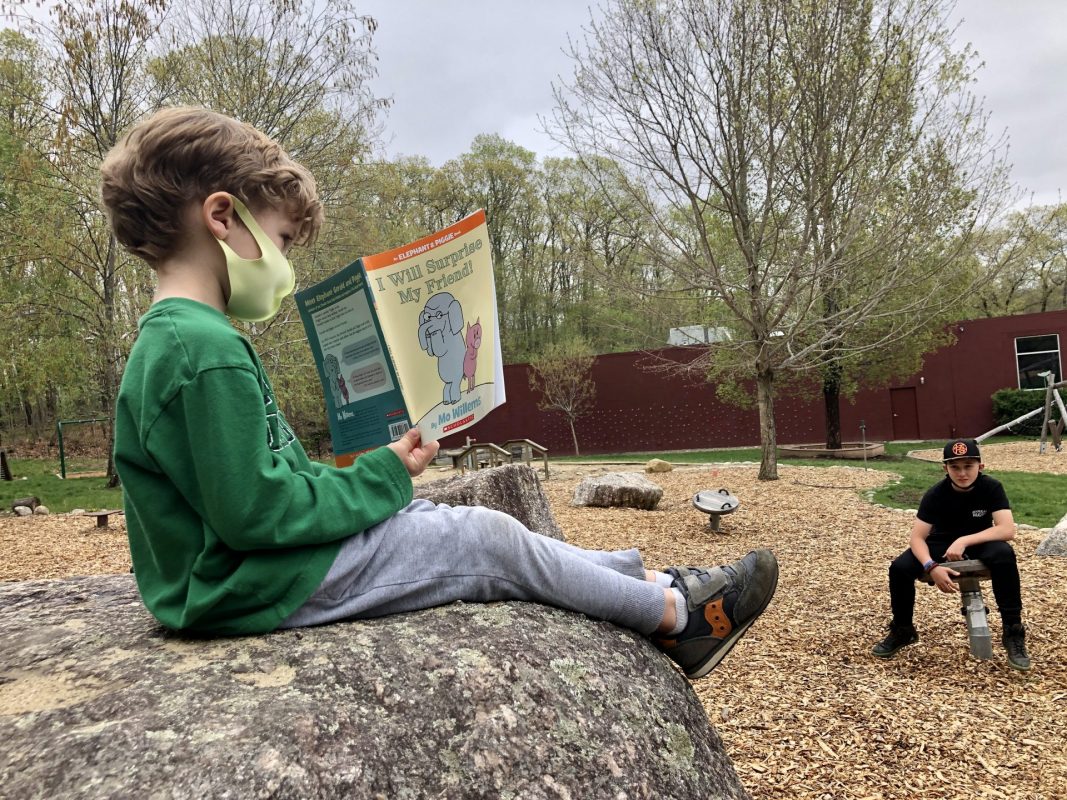
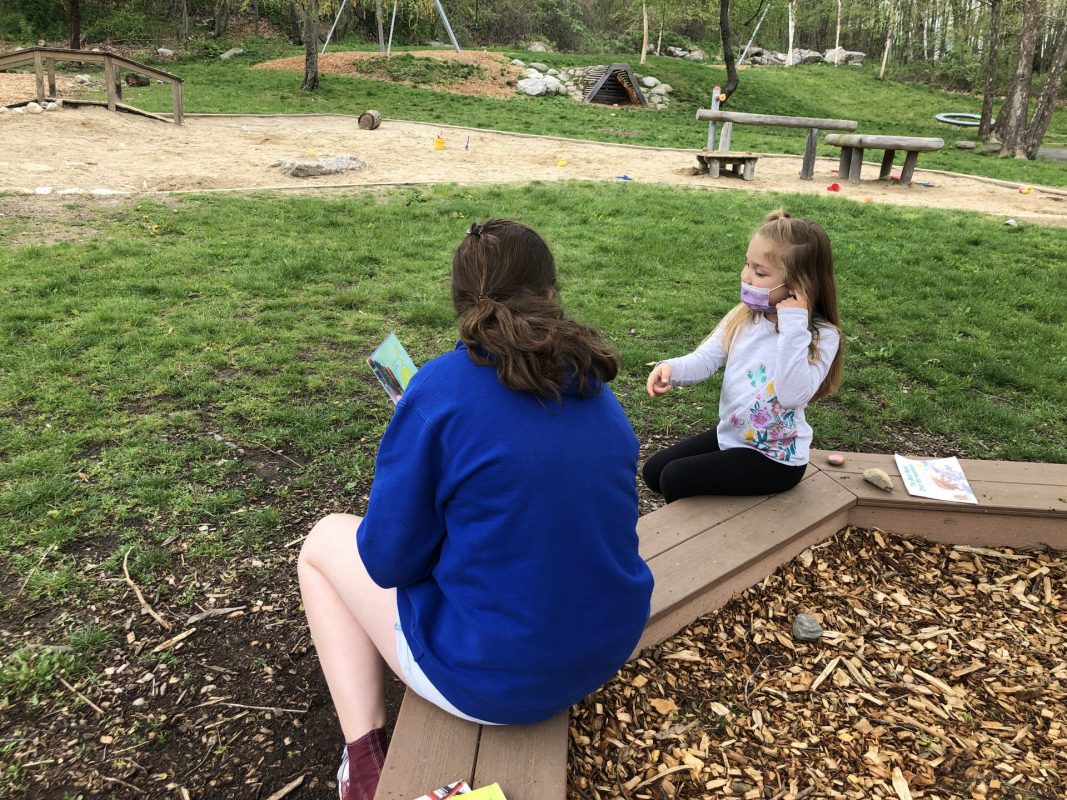
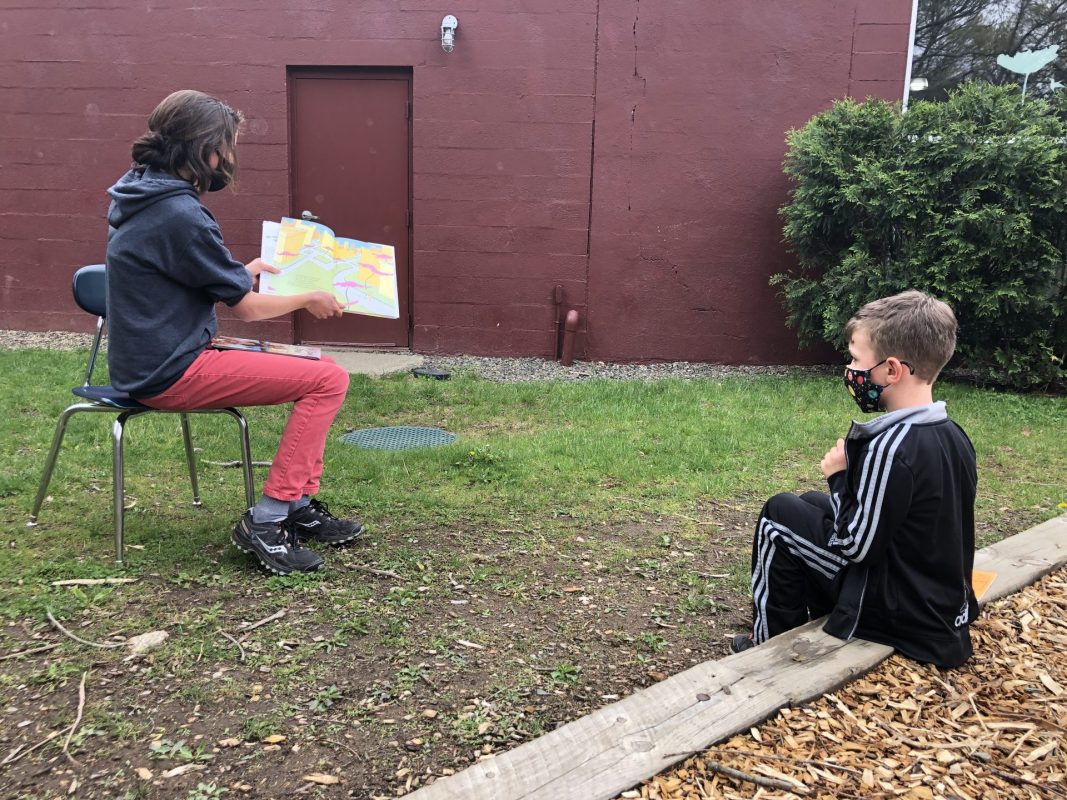
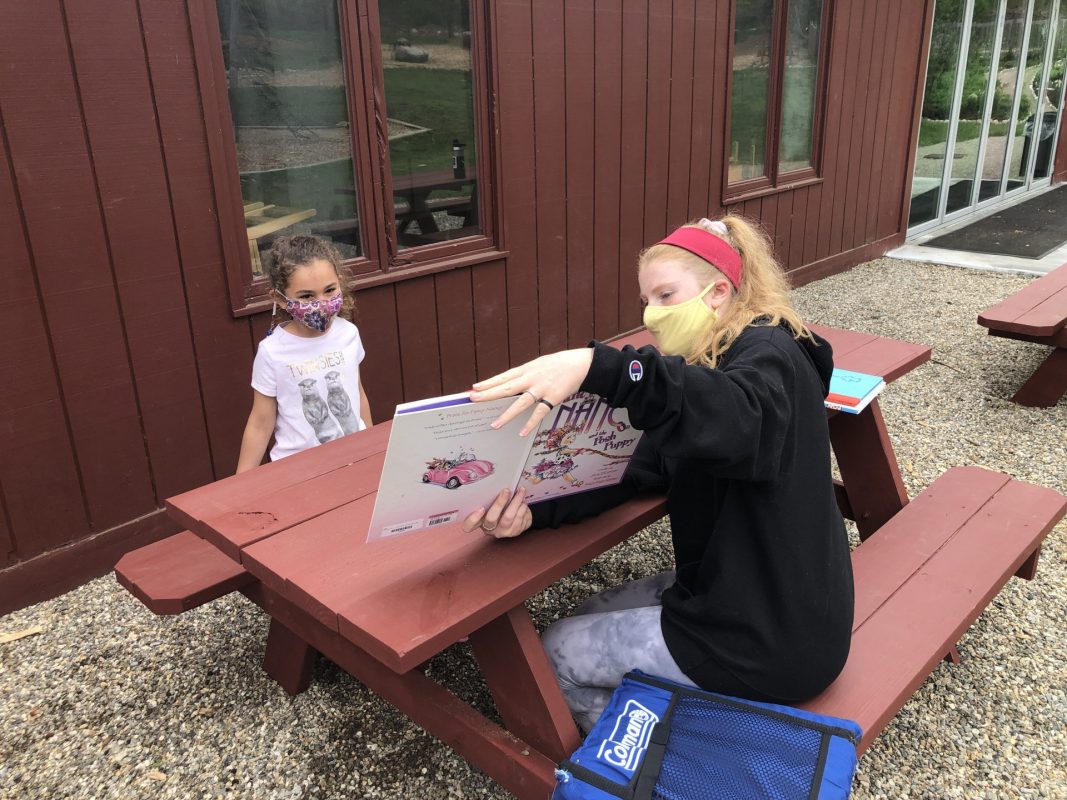
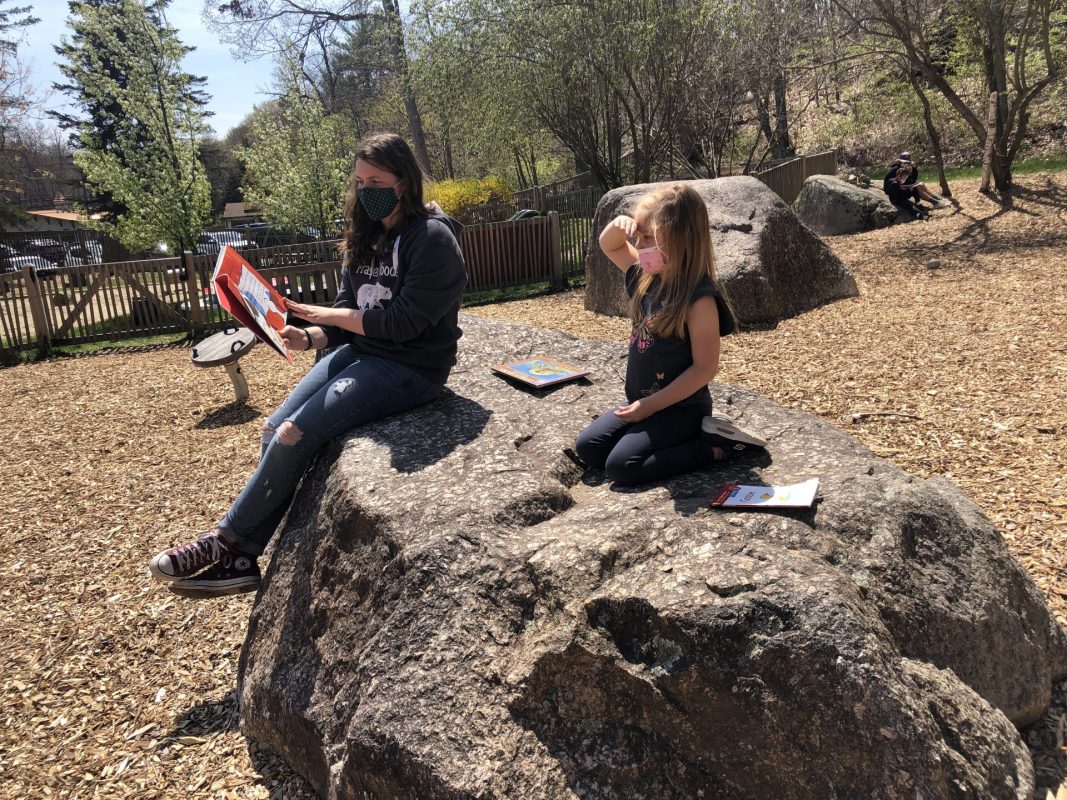
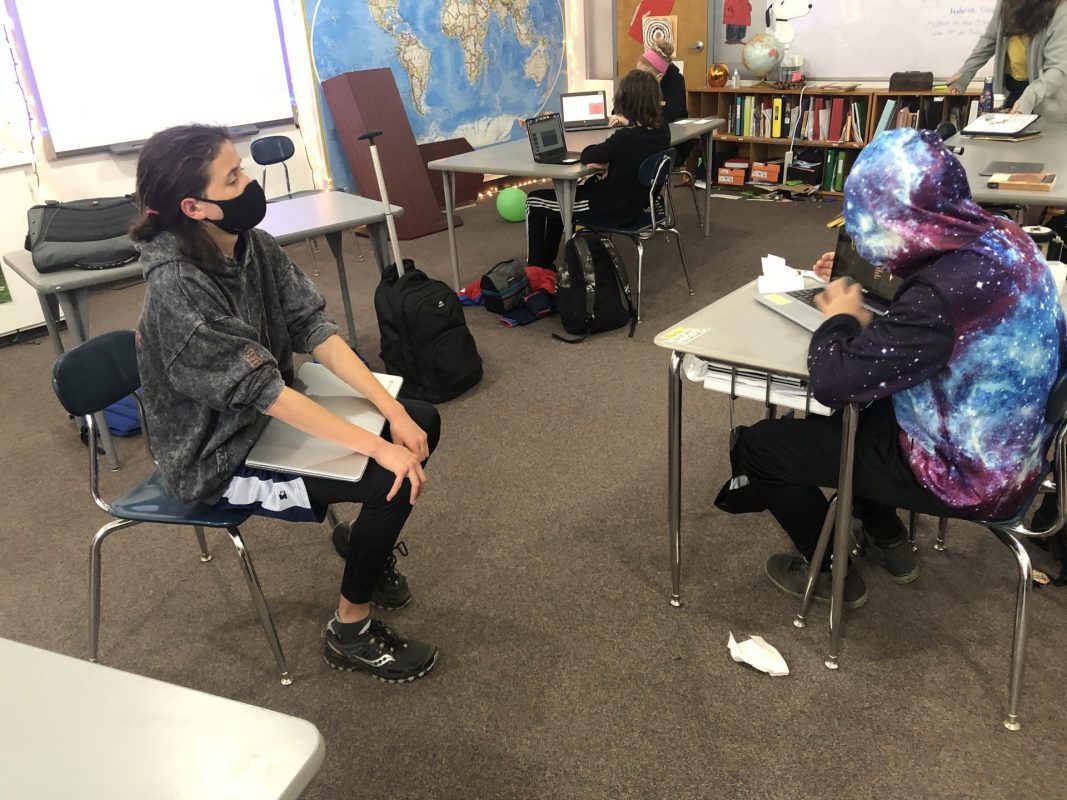
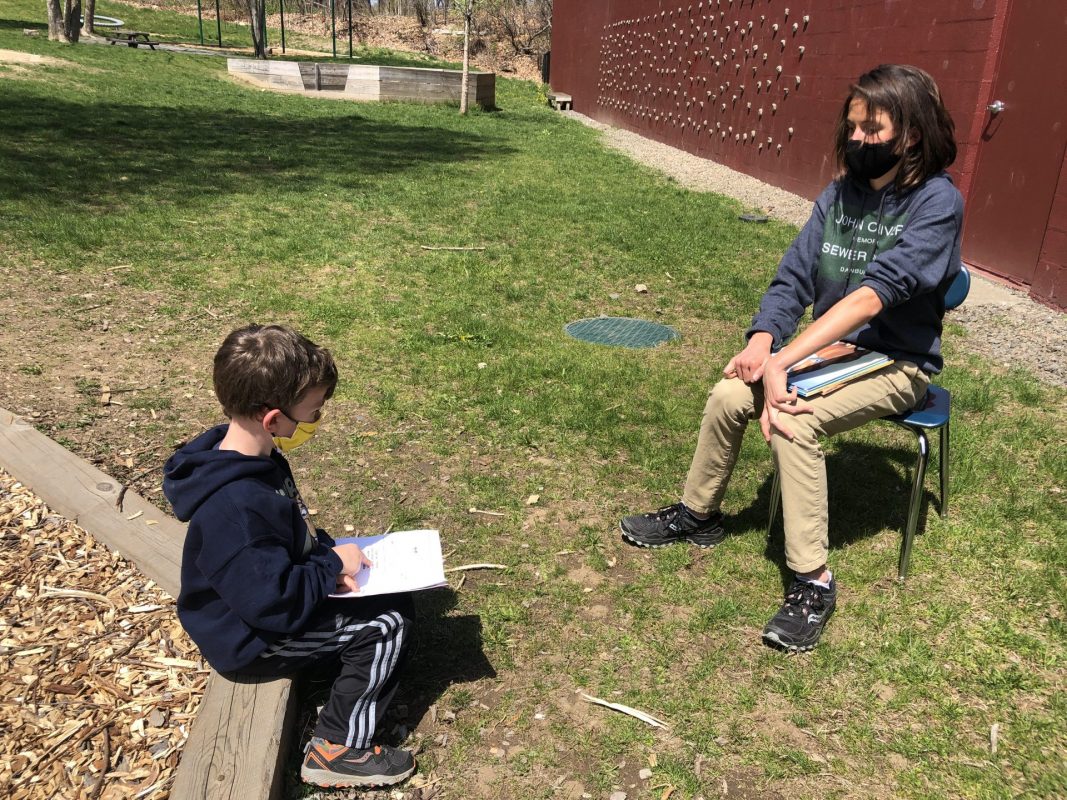
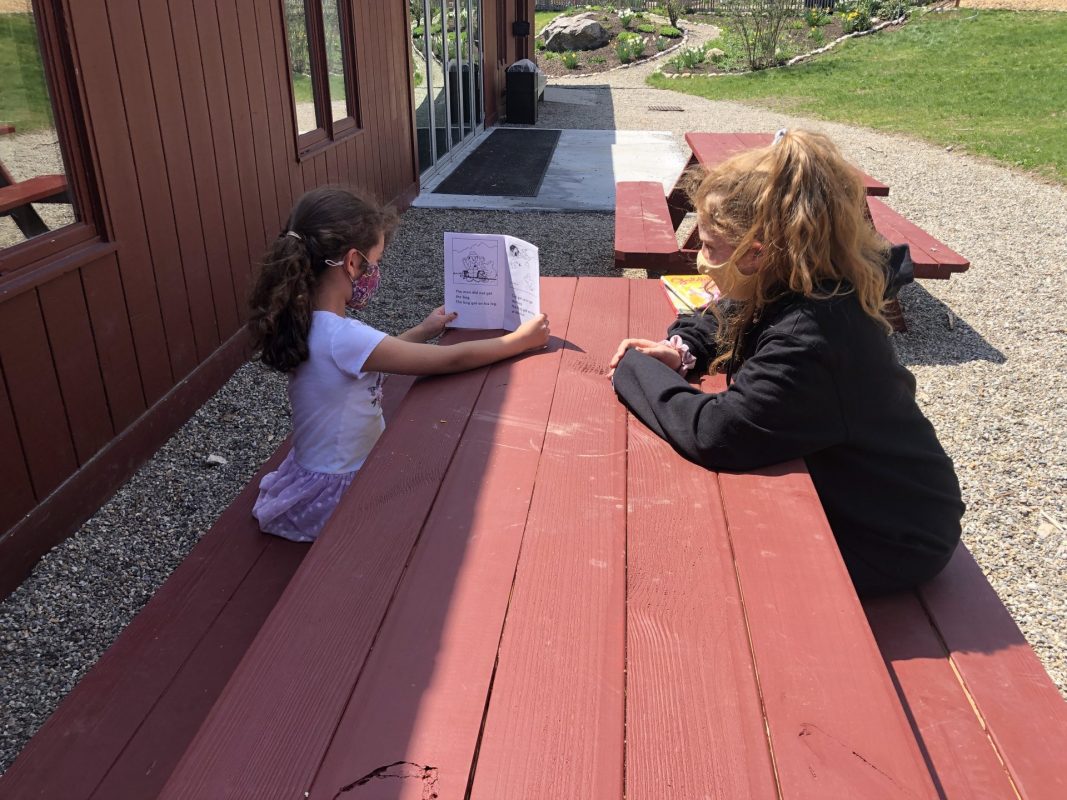
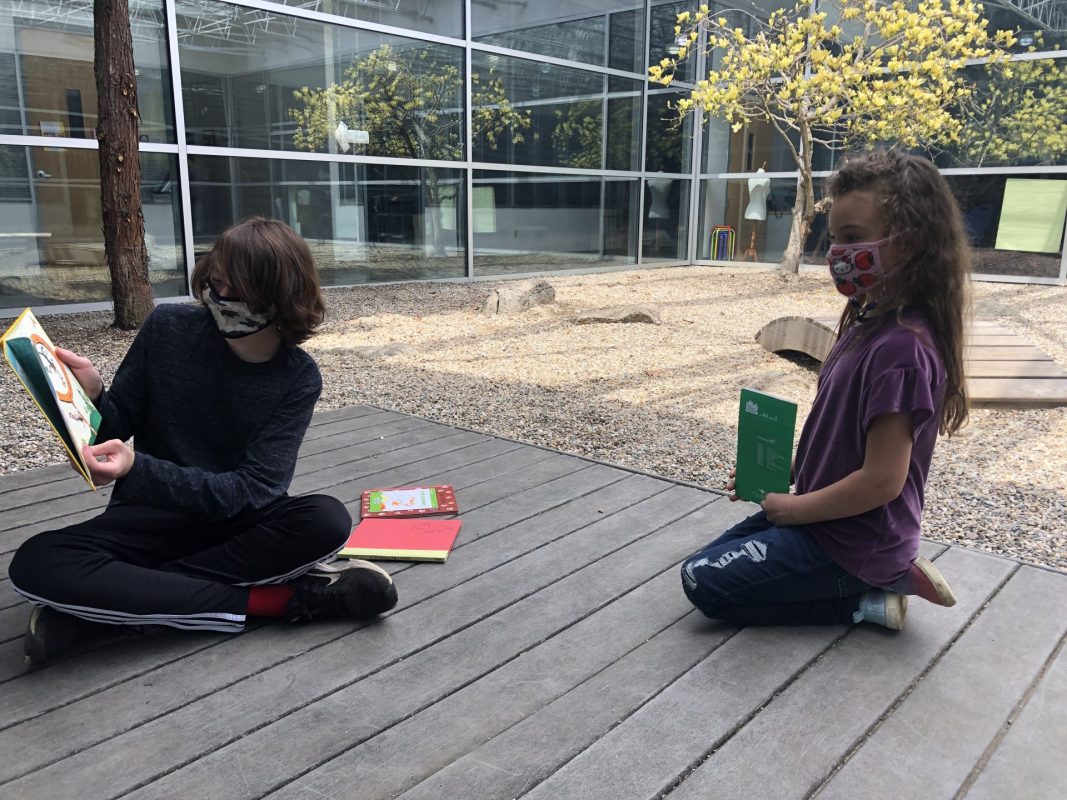
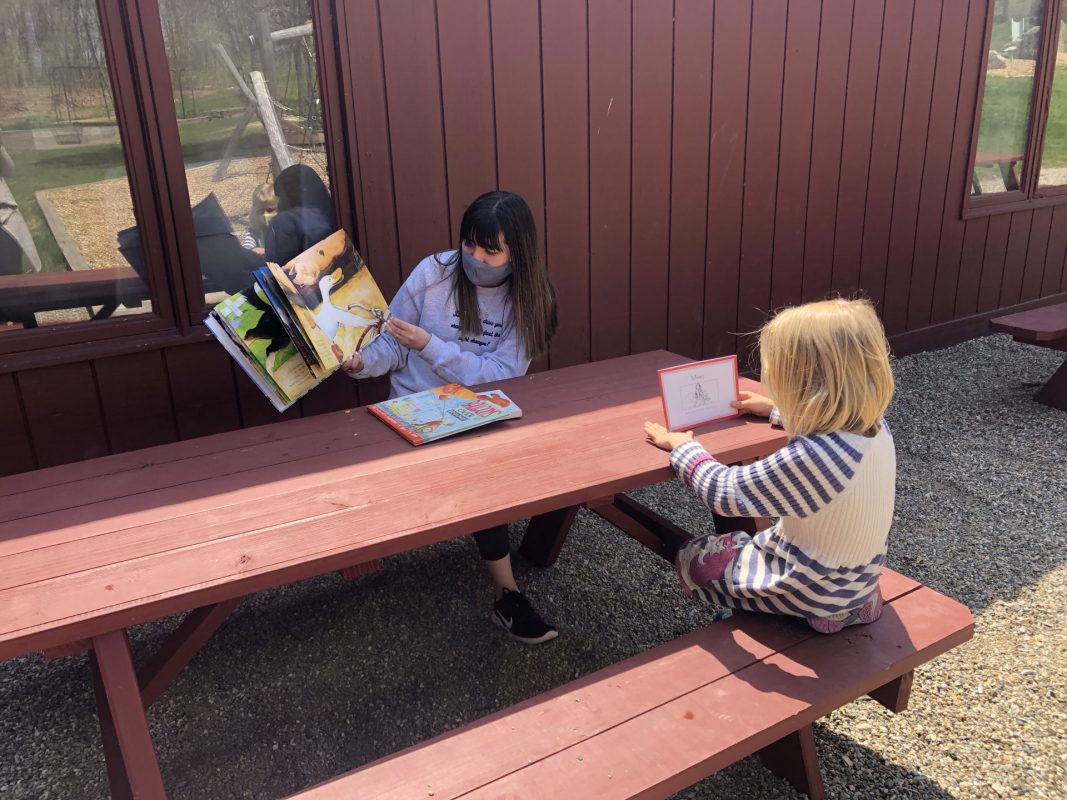
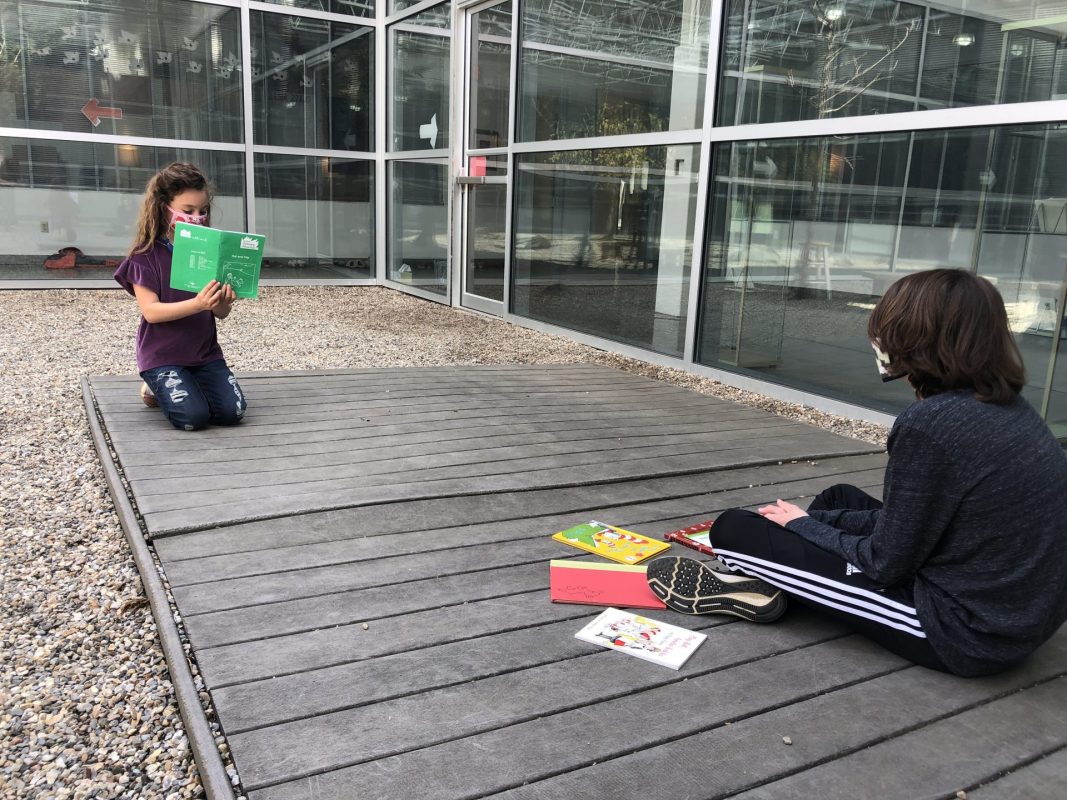
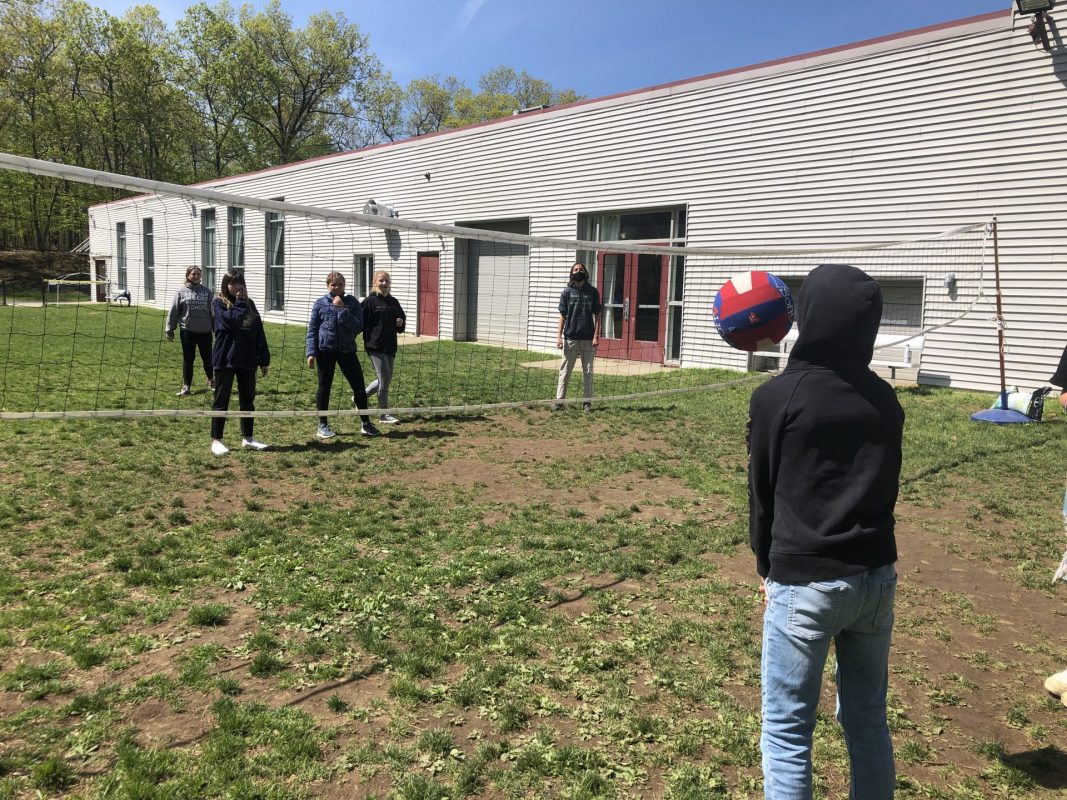
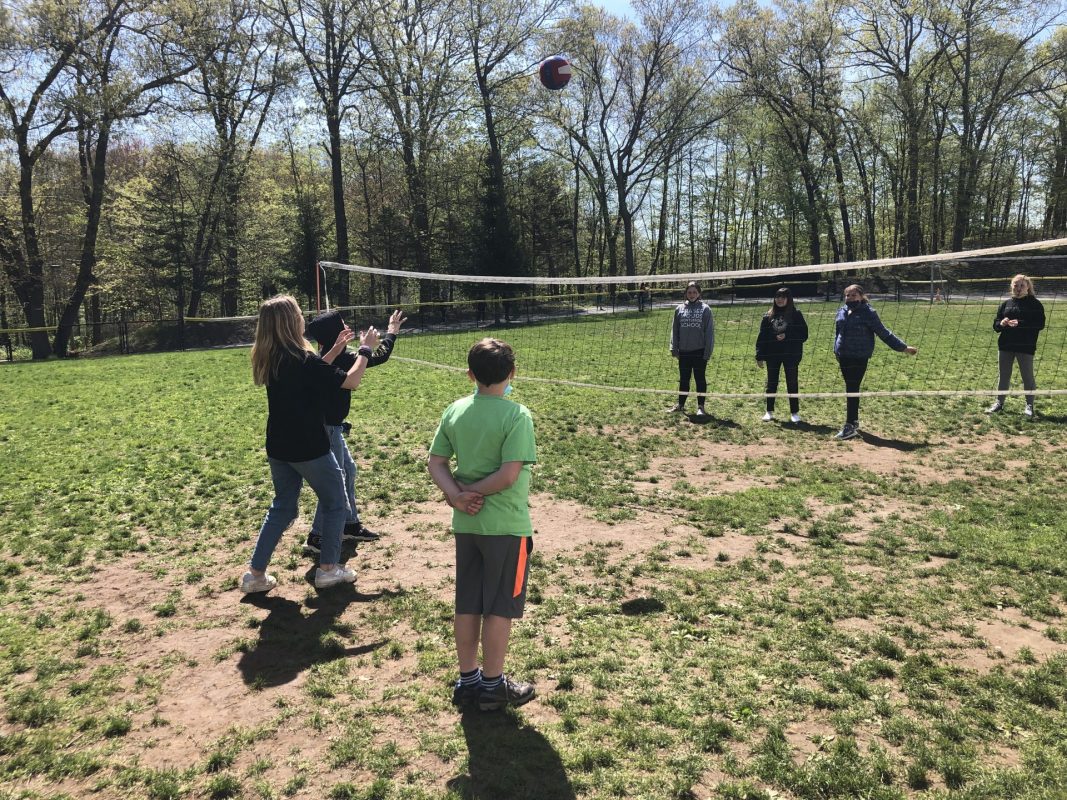
As leaders in the FWM community, 8th graders safely became reading buddies with FWM’s Kindergartners. Both 8th graders and Kindergartners come together once a week, outside, with books and read their choices to each other. This has been a highlight for both classes the last couple of weeks, and we can’t wait to continue throughout the month.

Humanities

The 6th grade Humanities class has been studying SubContinental Asia, particularly the country of Afghanistan, as they read the novel, Shooting Kabul by N.H. Senzai. They completed guided research about Islam and are watching a documentary about Kabul, highlighting the beauty of the Afghani culture. They also completed current events this week.

After completing George Orwell’s Animal Farm last week, the 7th grade Humanities class is wrapping up their work for the novel. They began the week with an activity called, “Who’s Who in Animal Farm?” Based on what they learned in class about the historical context of the novel, students took guesses as to who or what in Russian history the characters and setting were meant to represent. They had to provide evidence for their claims as well. Next, students began writing their final literary essay about the novel and are using quotations from the book to defend their thesis statements. 7th graders also completed current events presentations.

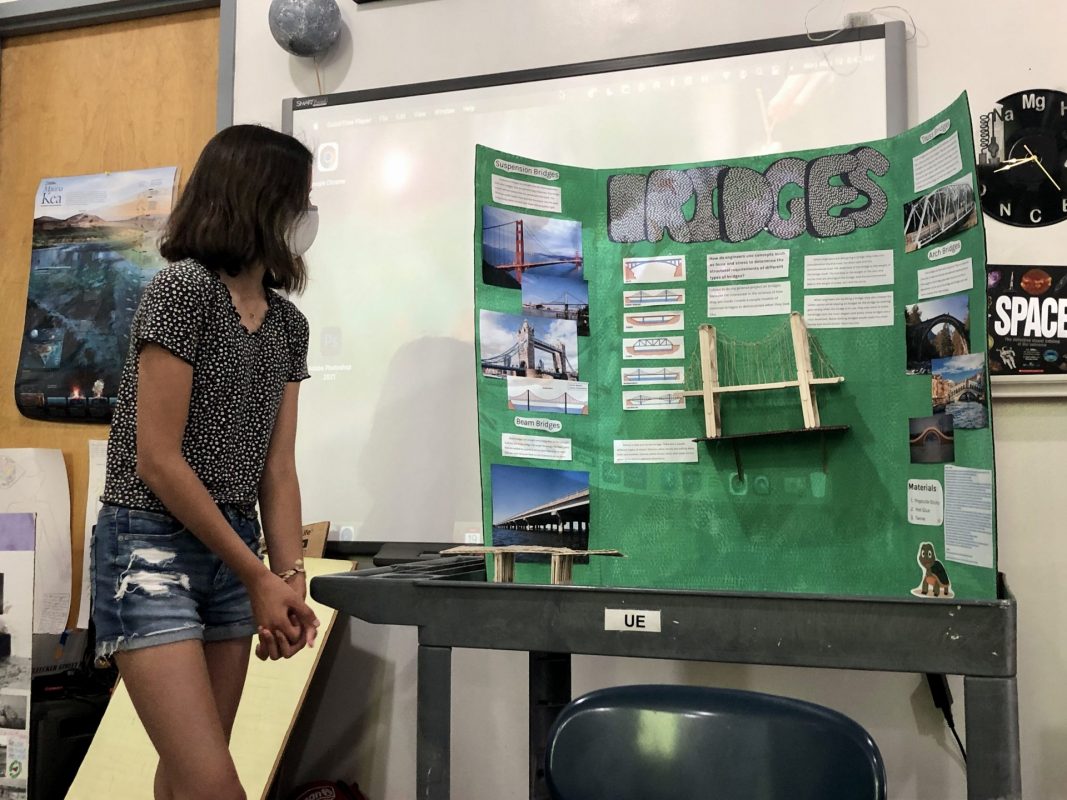
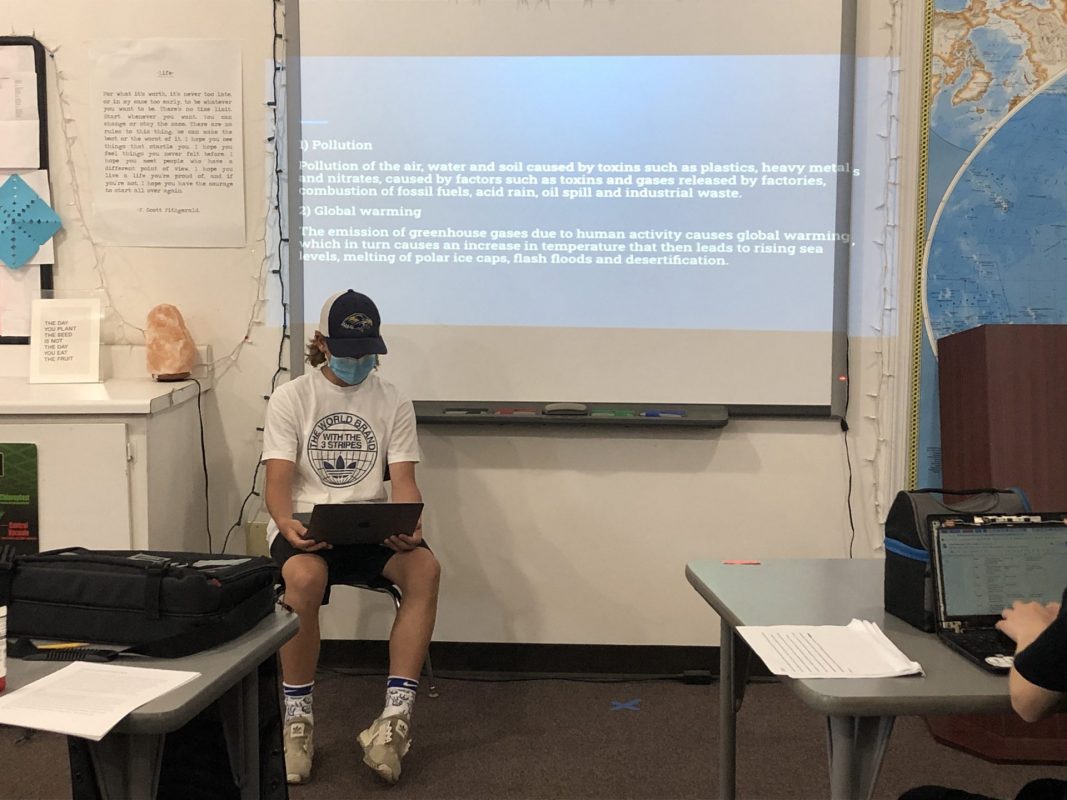
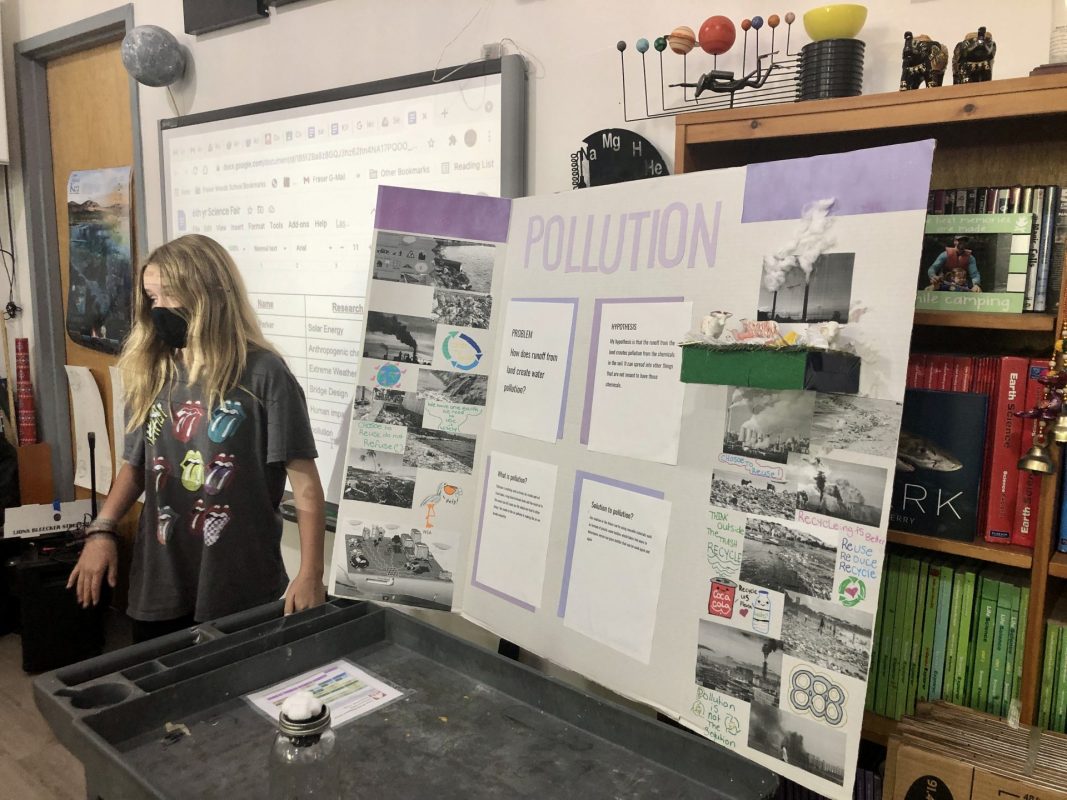
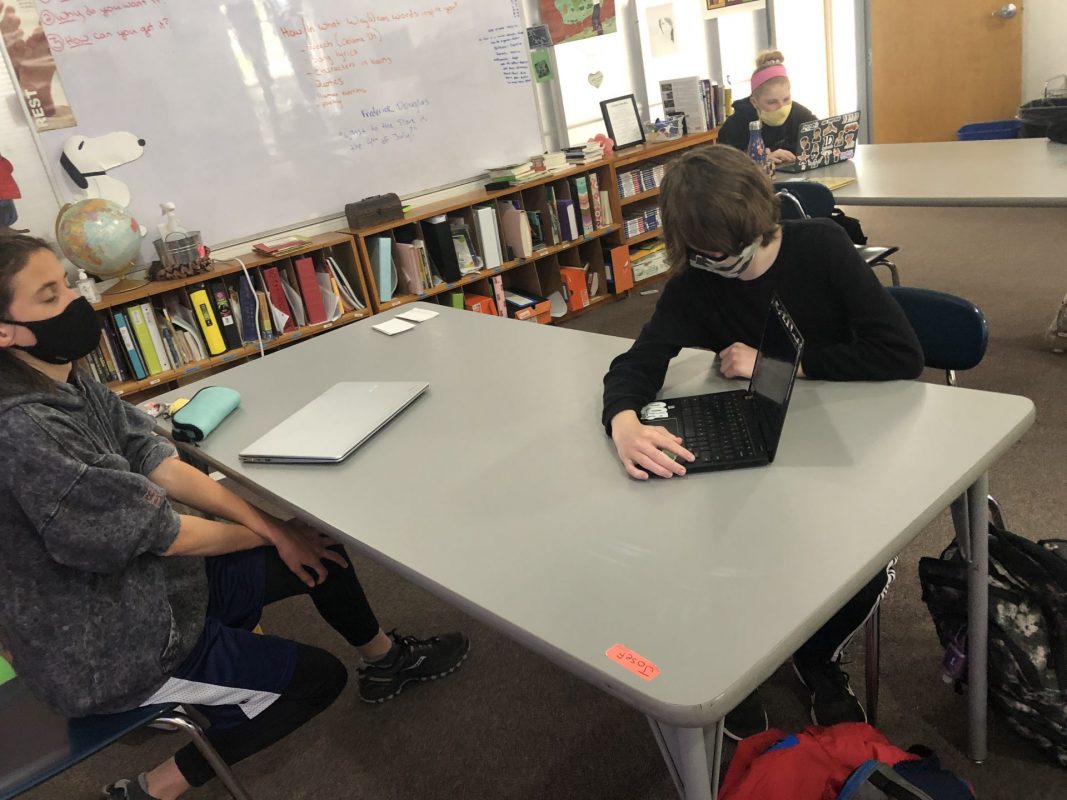
8th grade students spent the week presenting their Expert Presentations for the first time. First, they worked with peers and then presented to Mrs. Lamb for feedback. They are impressive projects and clearly show the amount of time and effort students have dedicated to the work.

Science

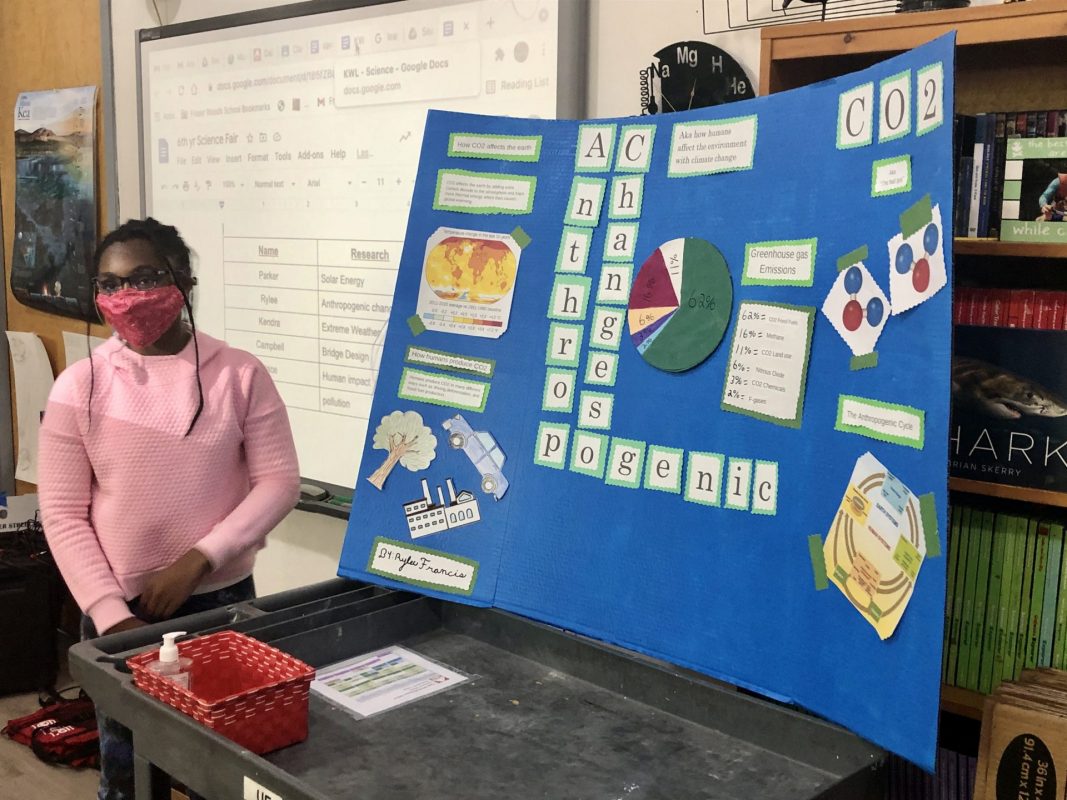
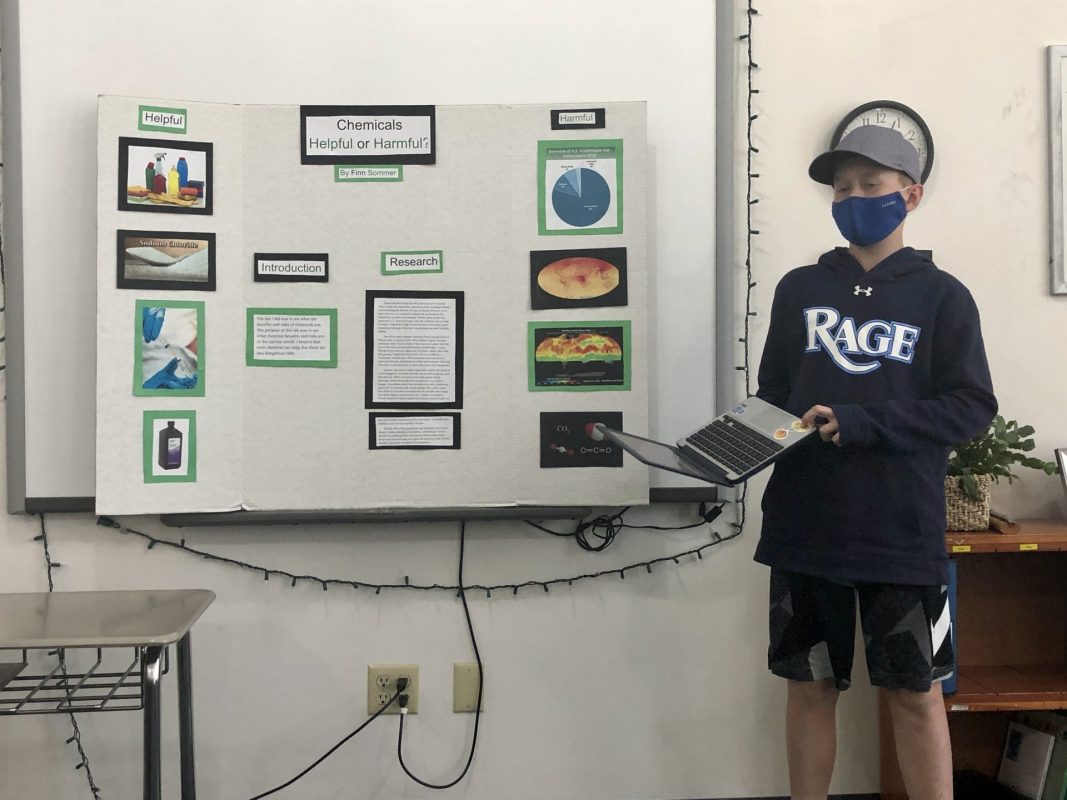
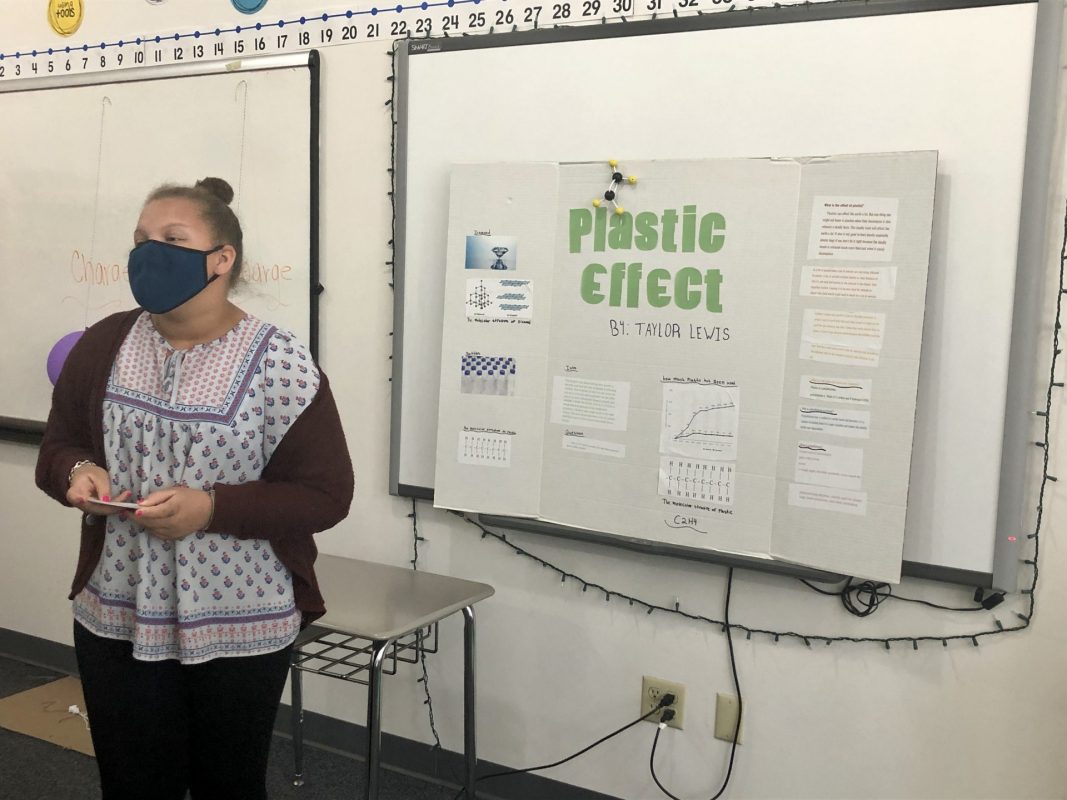
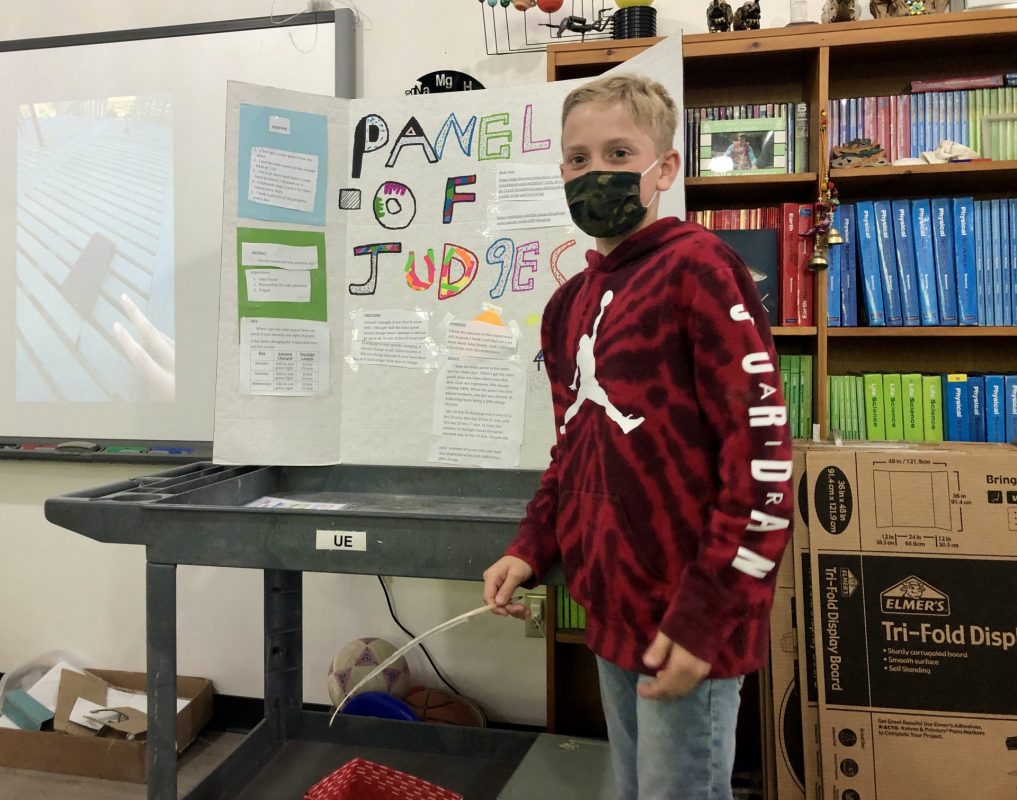
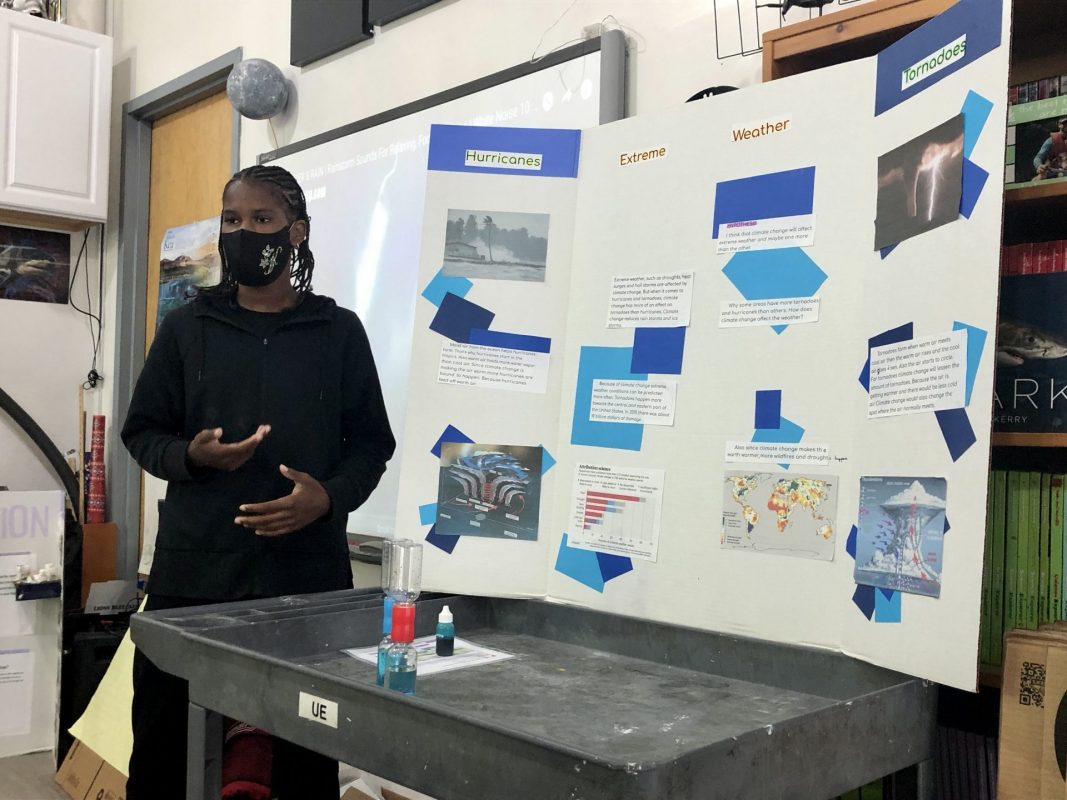
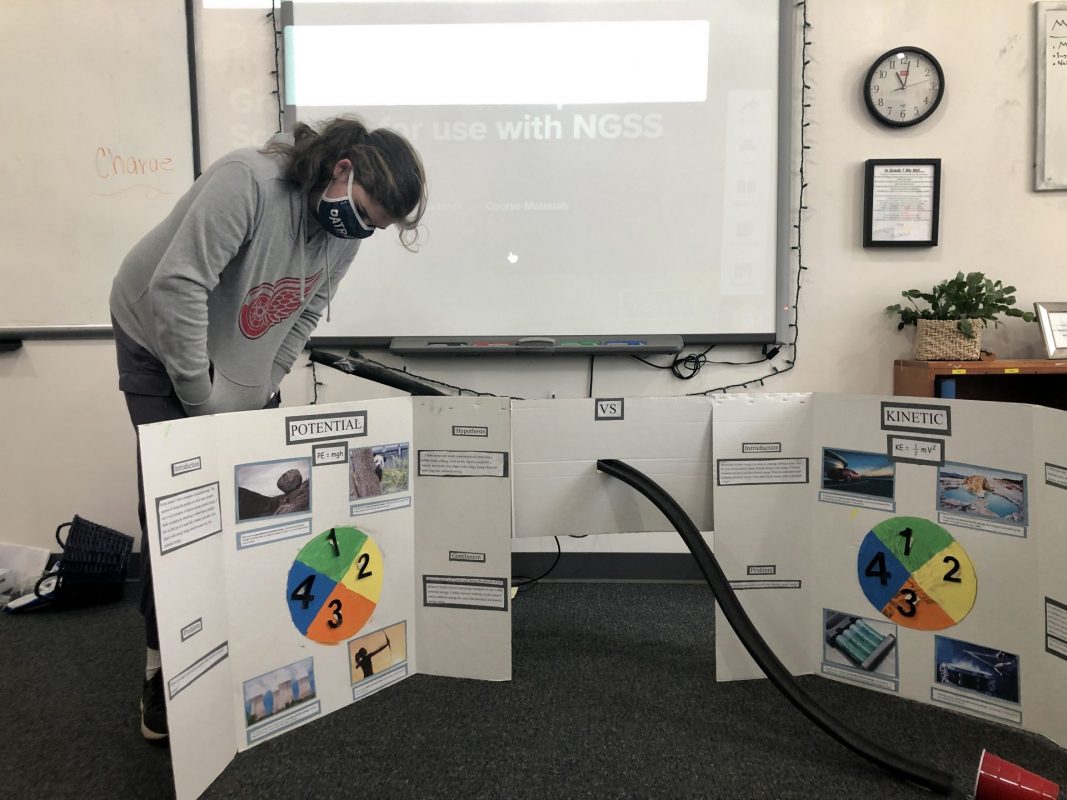
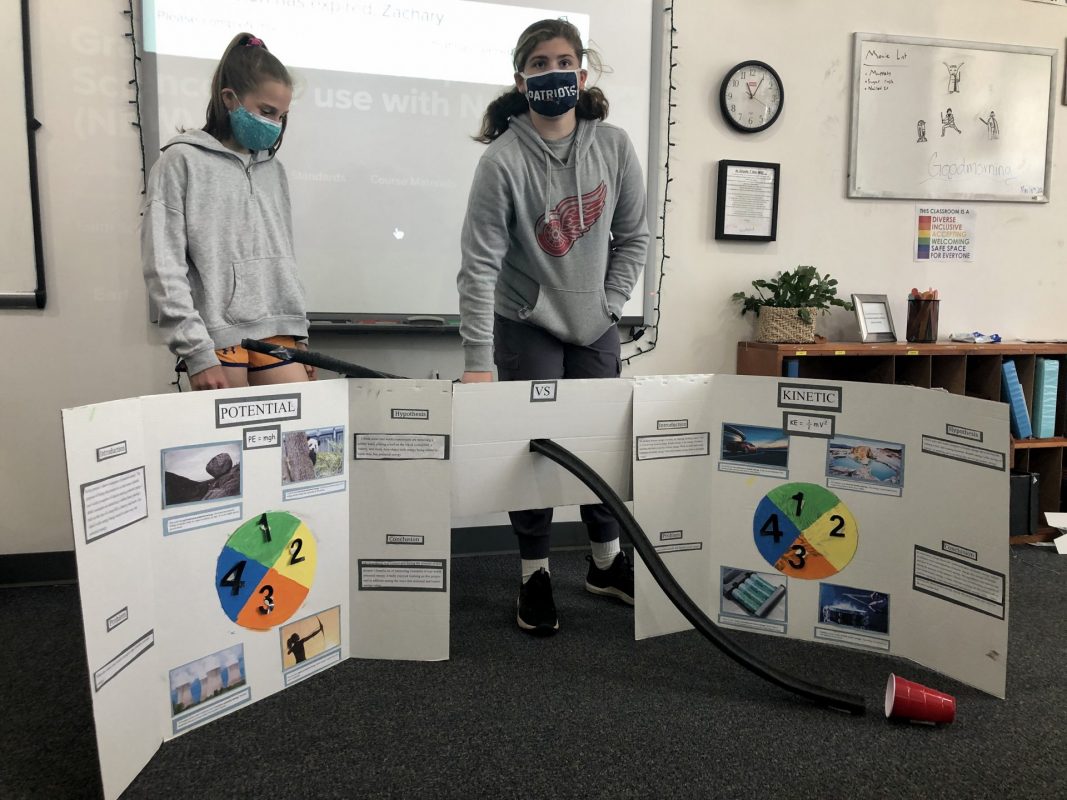
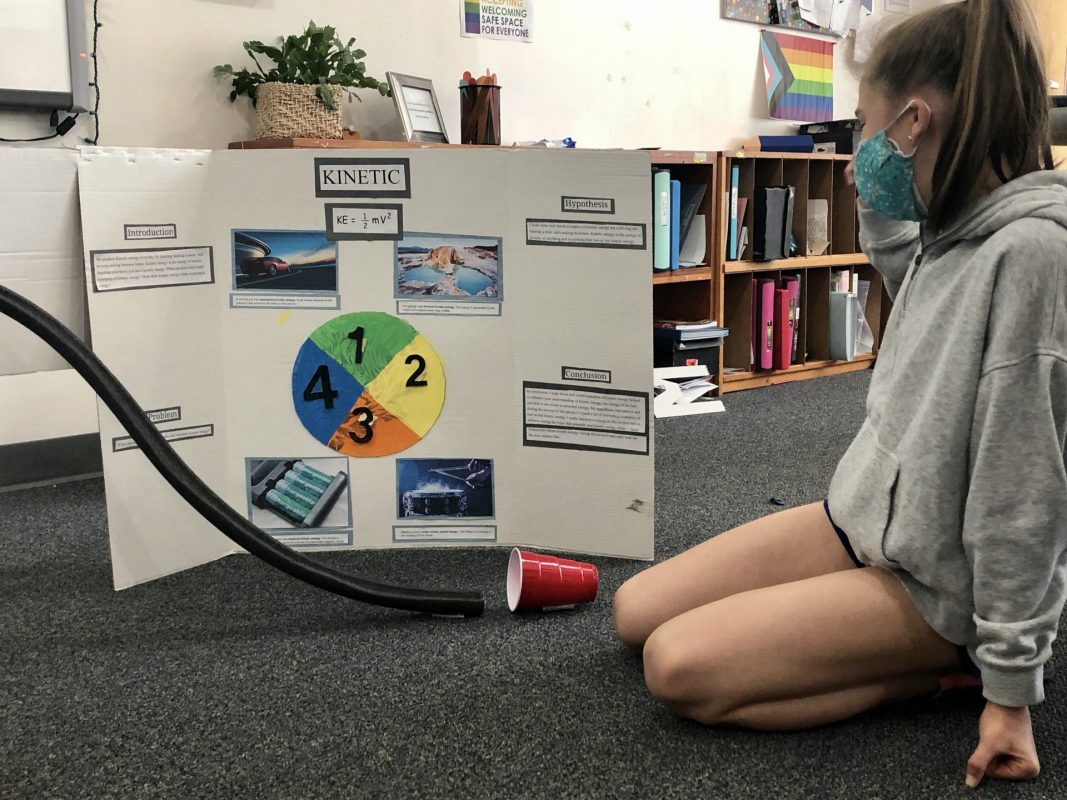
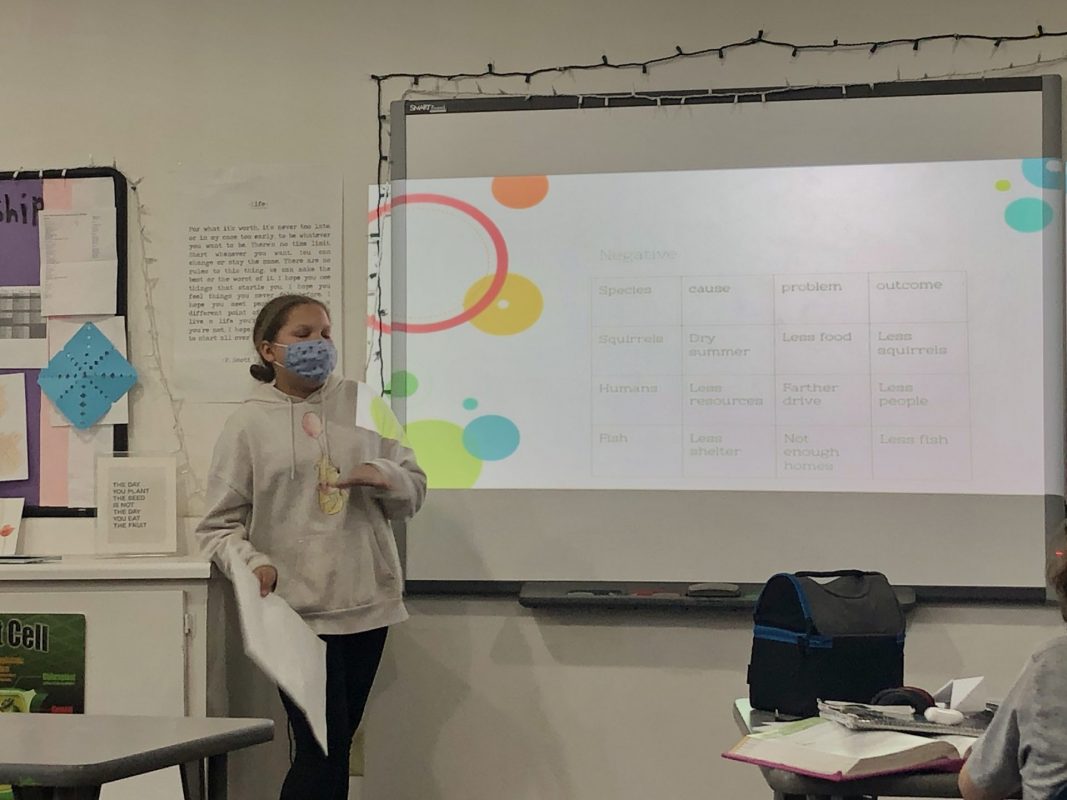
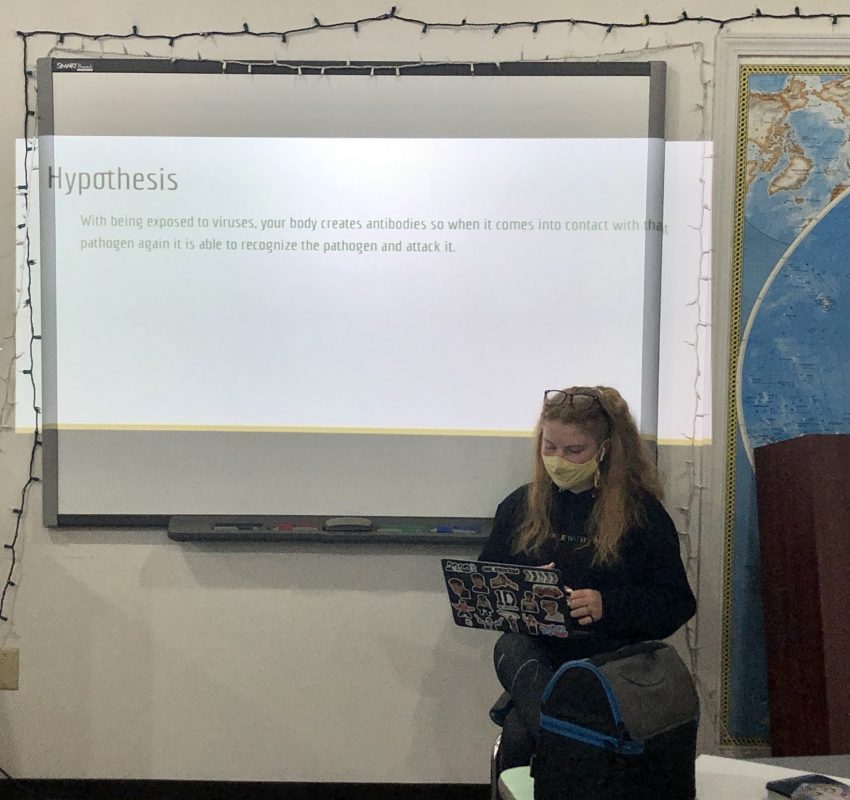
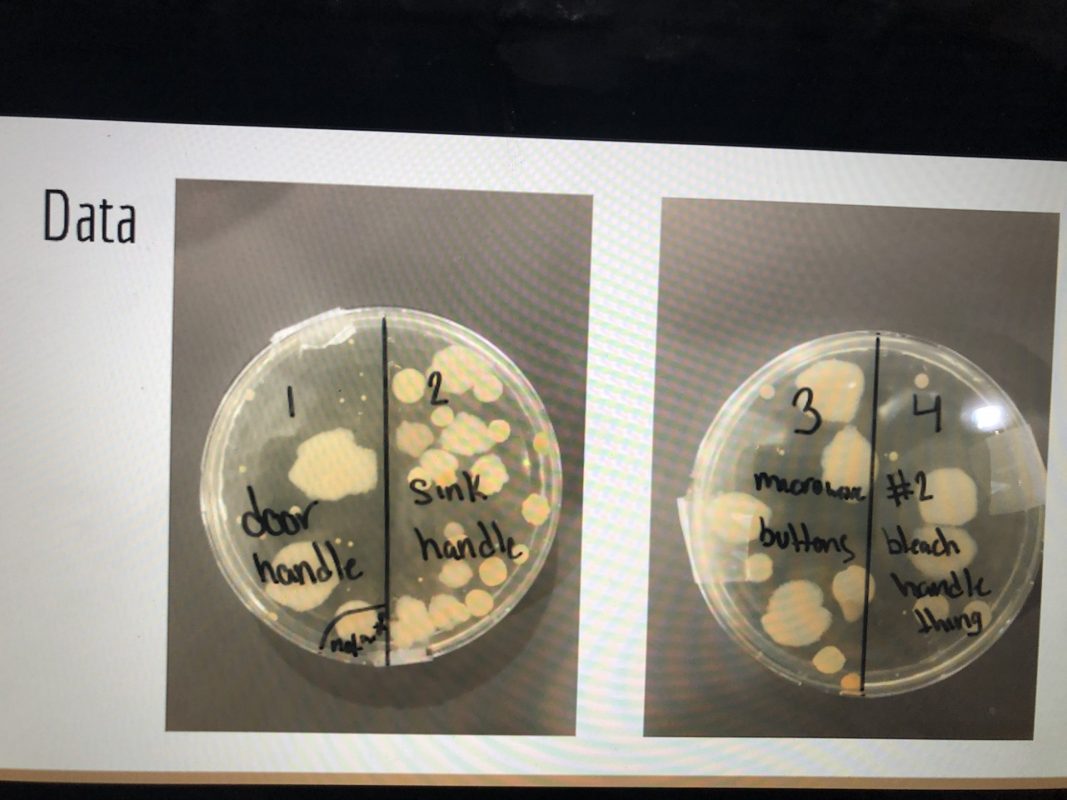
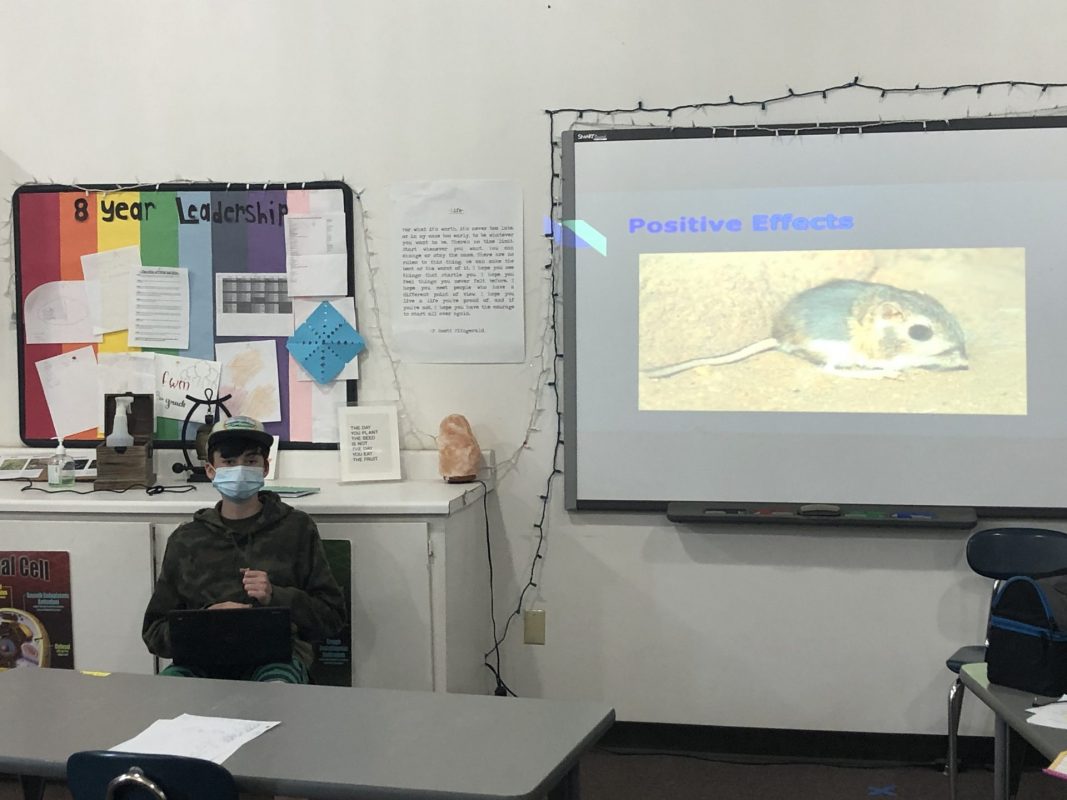
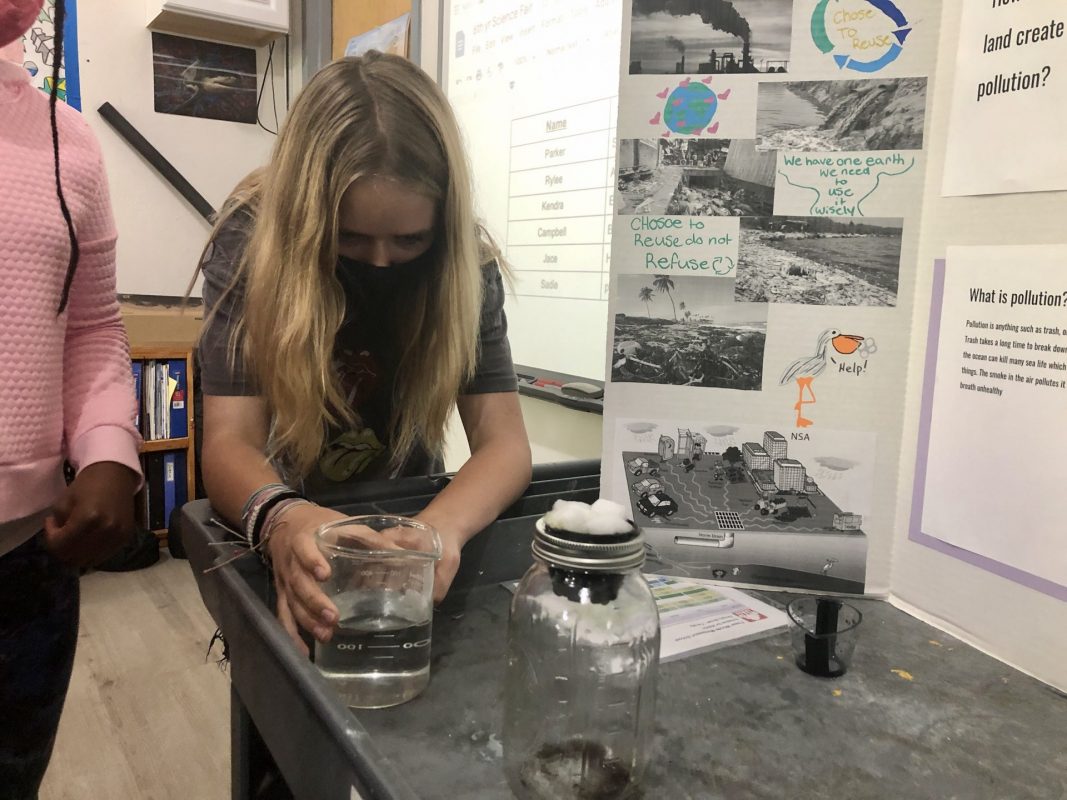
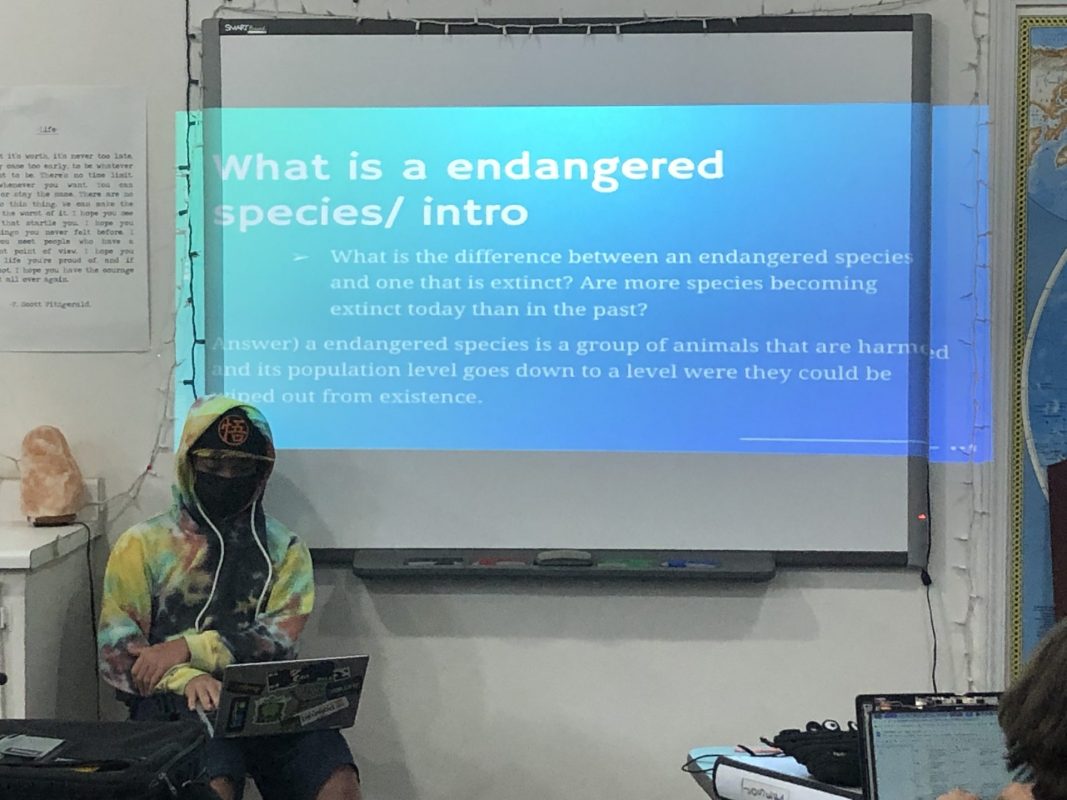
In Science, 6th, 7th, and 8th year students are all working on their individual end-of-the-year projects. This project requires students to select a concept from within their respective course (Earth, Physical, Life). Each student is to research and find supportive information/data that addresses the overarching question of their concept. Concepts range from anthropogenic changes to environmental issues attributed to overpopulation. Each student will be required to present their research/data to the entire class at completion.

Math

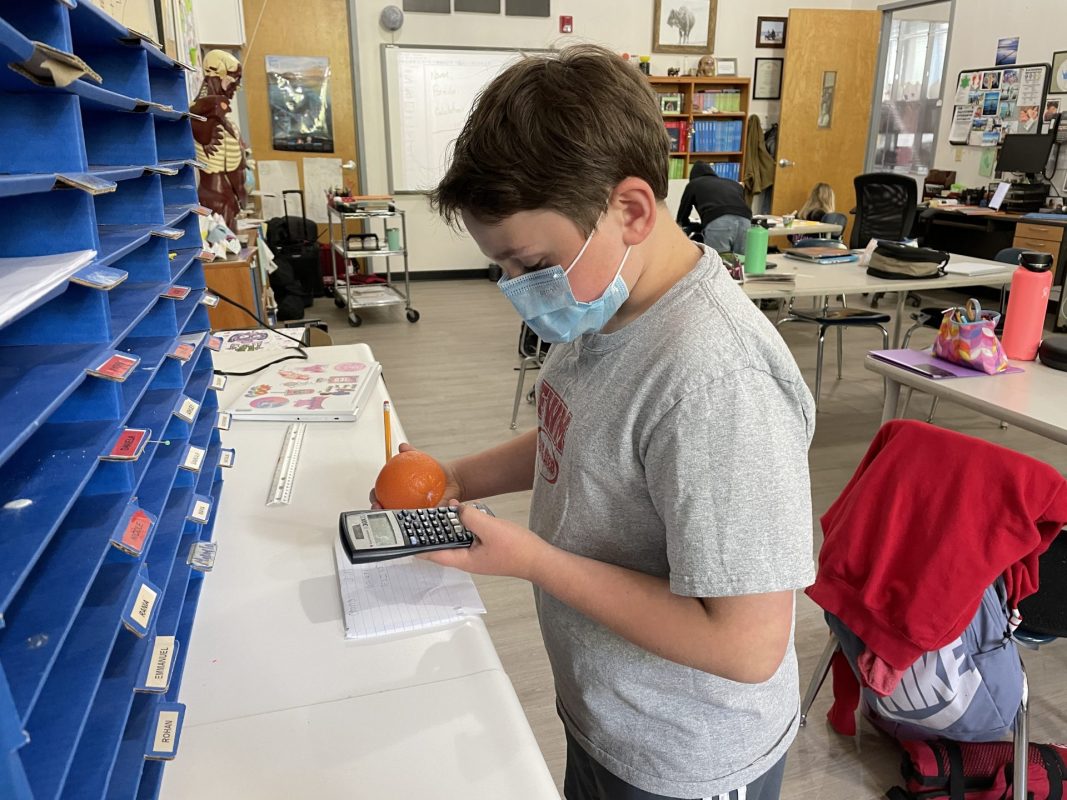
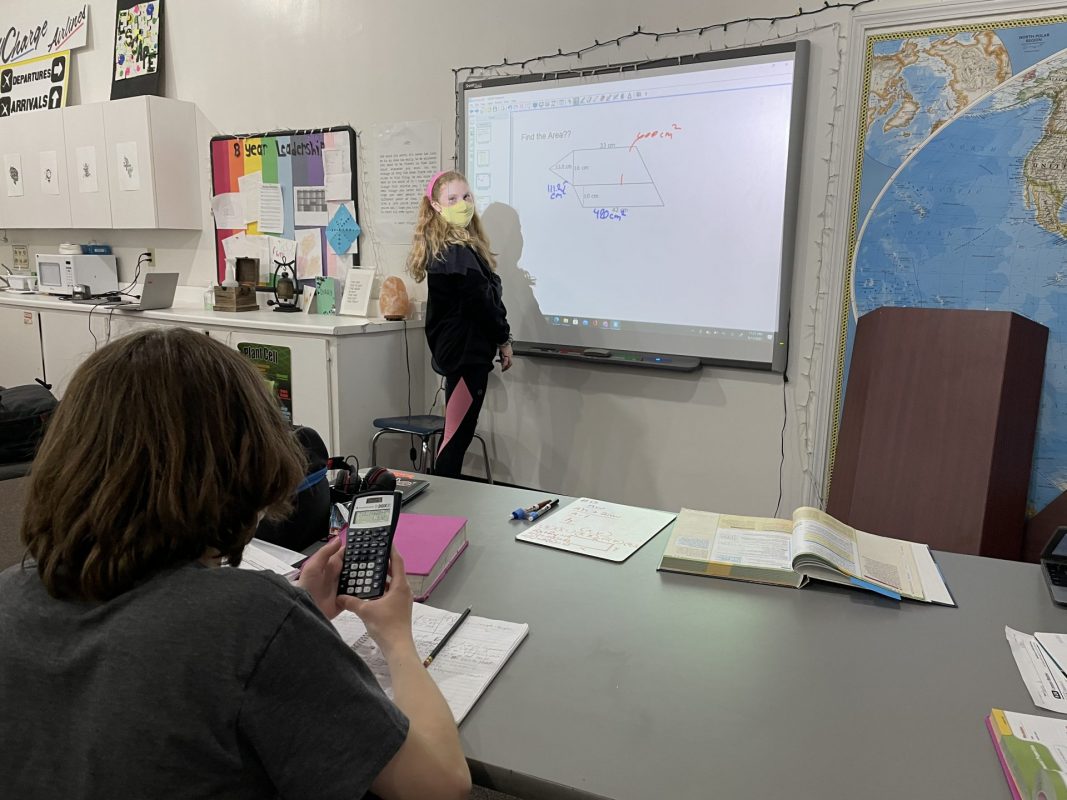
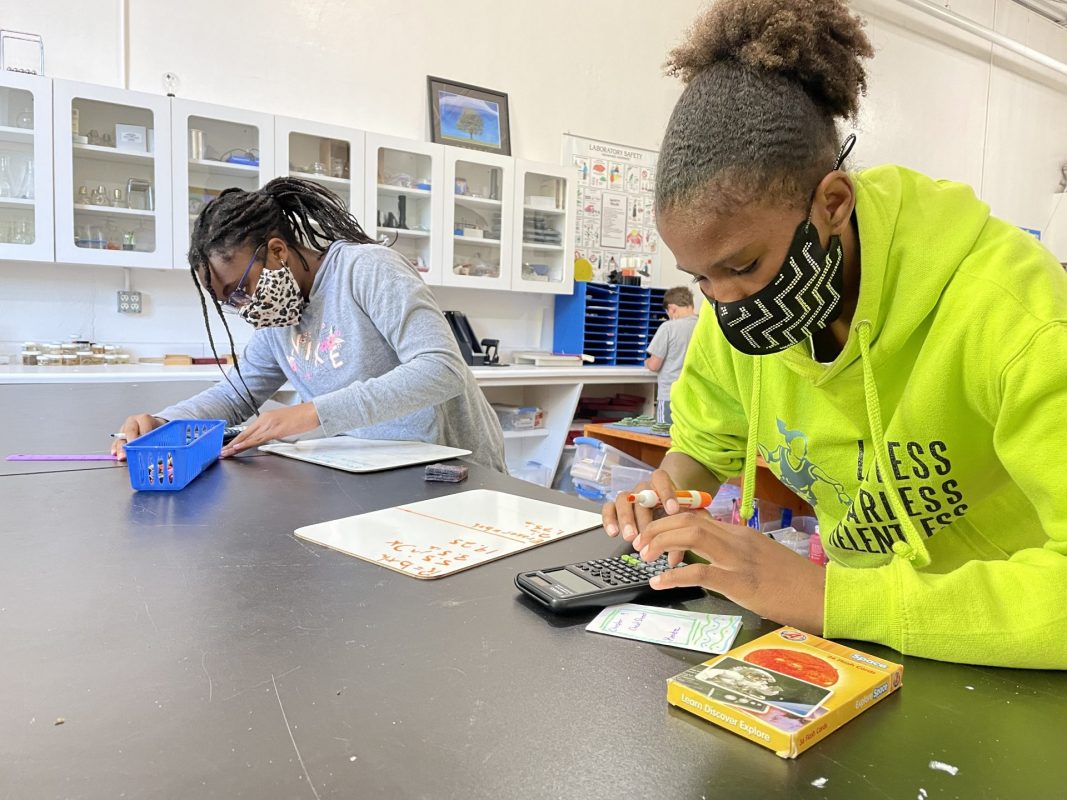
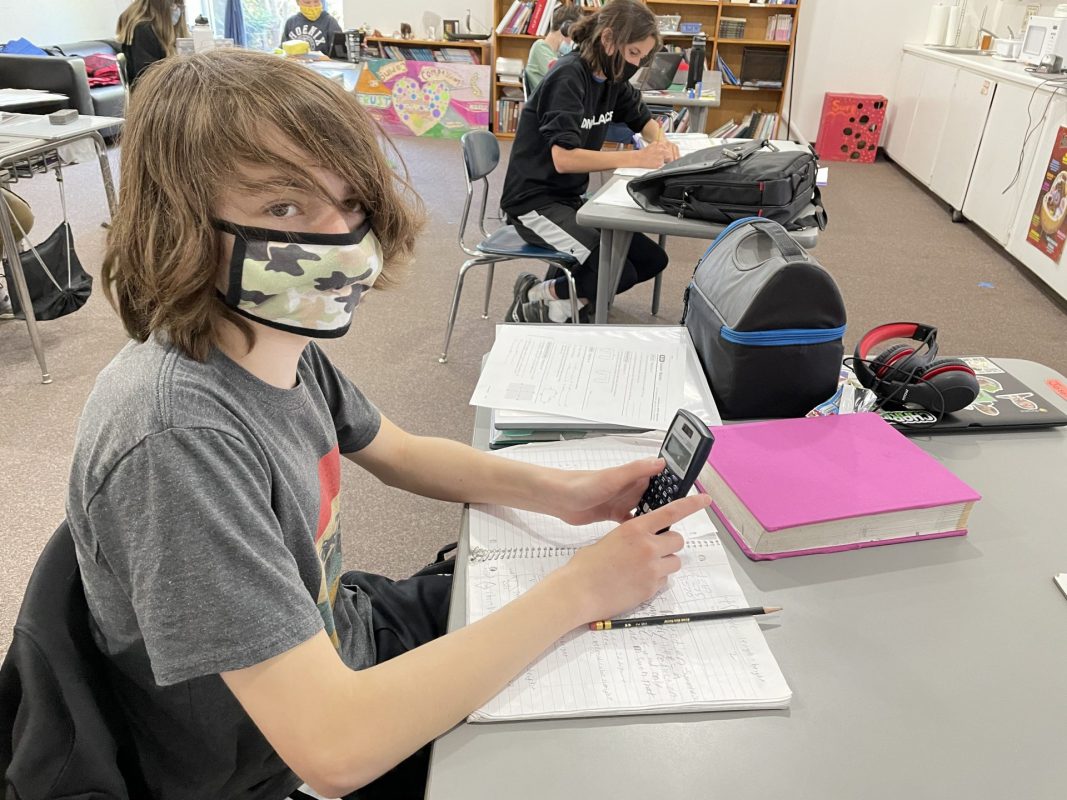
In Pre-Transition class, students are learning about areas of different geometric shapes. They have discovered the formulas for the area of a triangle, square, rectangle, parallelogram, and circle. In addition, students are able to find the given area of a shaded region when multiple shapes are combined. Chapter 9 will be their final unit for this course before the exciting end-of-the-year project.
In Transition class, students are excited to find patterns leading to division. They are now comfortable with dividing fractions, dividing integer values, and solving for unknown variables in simple algebraic equations using division. This class can identify integer division in real-world examples and can understand the division properties of inequalities.
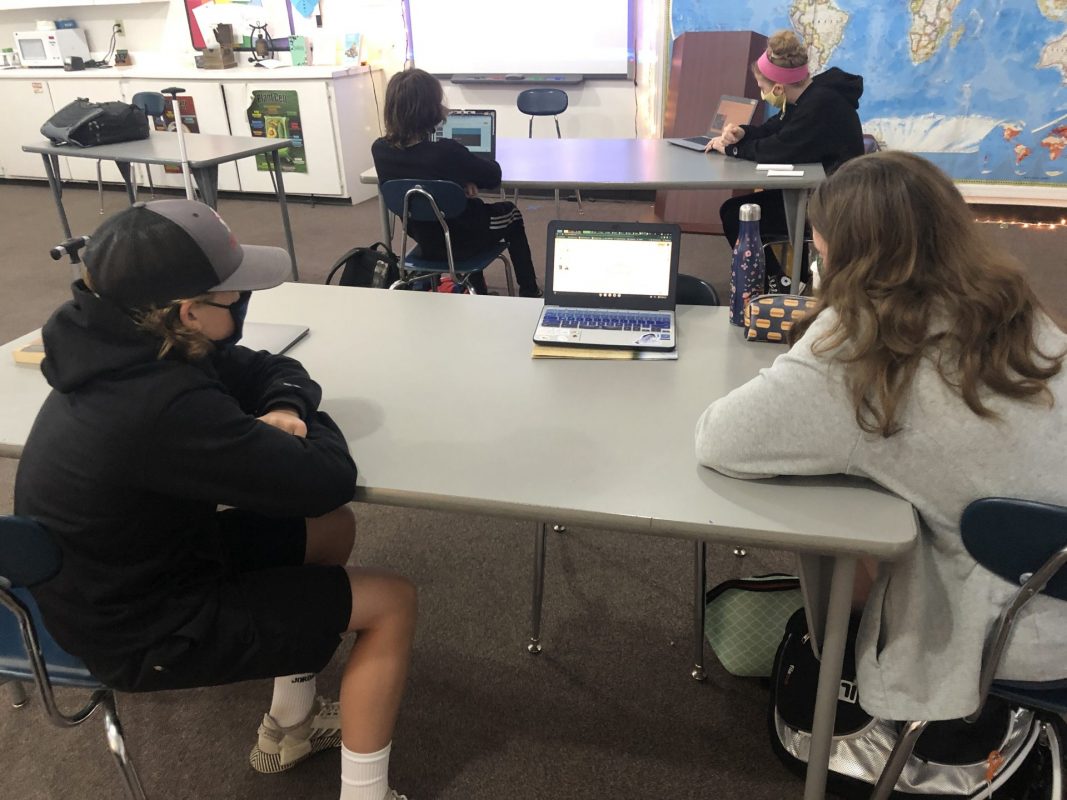
In Algebra class, students have been practicing their skills to solve systems of linear equations. This class can use either graphing (desmos), substitution, or elimination (adding or subtracting) to find a solution set for 2 linear equations. This class can also graph linear inequalities to find the appropriate shaded region and can use the 5 step “cookie recipe” to solve complex word problems that incorporate real world scenarios.
In Geometry class, students concluded their learning of chapter 7 and wrote the unit exam on Thursday, May 6th. This chapter tested students’ knowledge on triangle congruency theorems, properties of parallelograms, tessellations, and diagonals of quadrilaterals. Chapter 8 will be the final unit of this course.
Math Joke: Did you hear that old math teachers never die?…..They just lose some of their functions.
 
Because Tuesday was May 4th ( Star Wars Day): What do you call an invisible droid?….c-through-PO
Have a beautiful weekend!
Middle School: Earth Day!

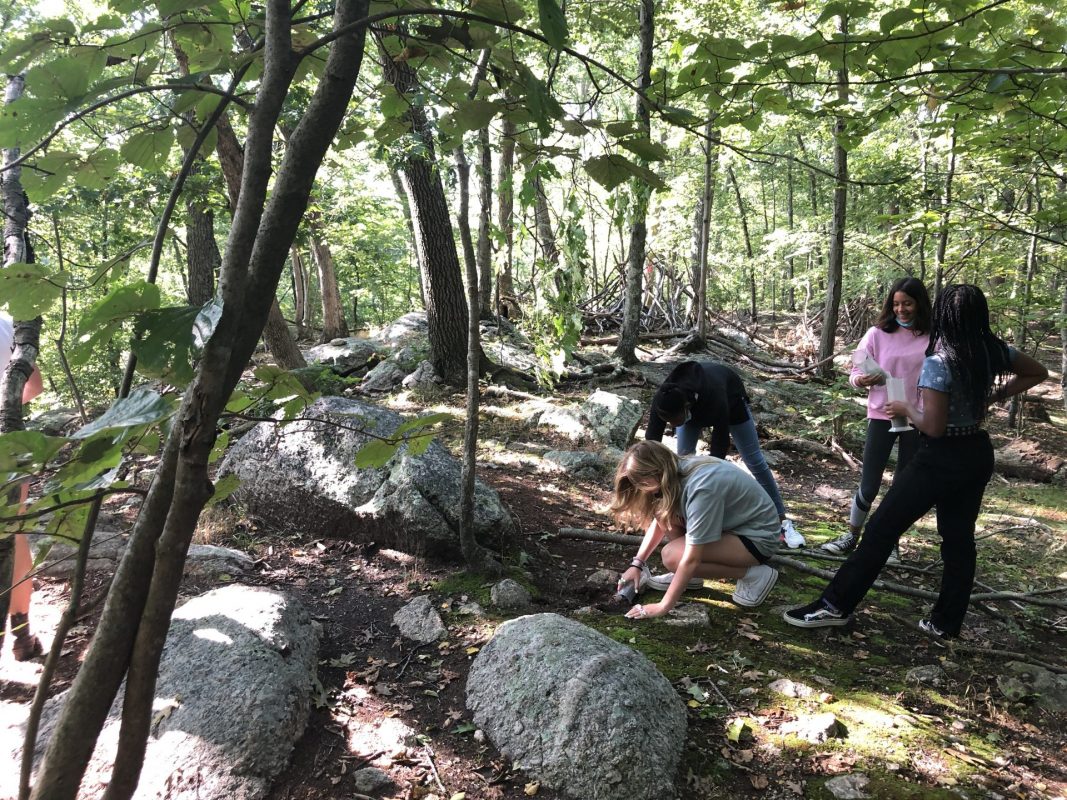
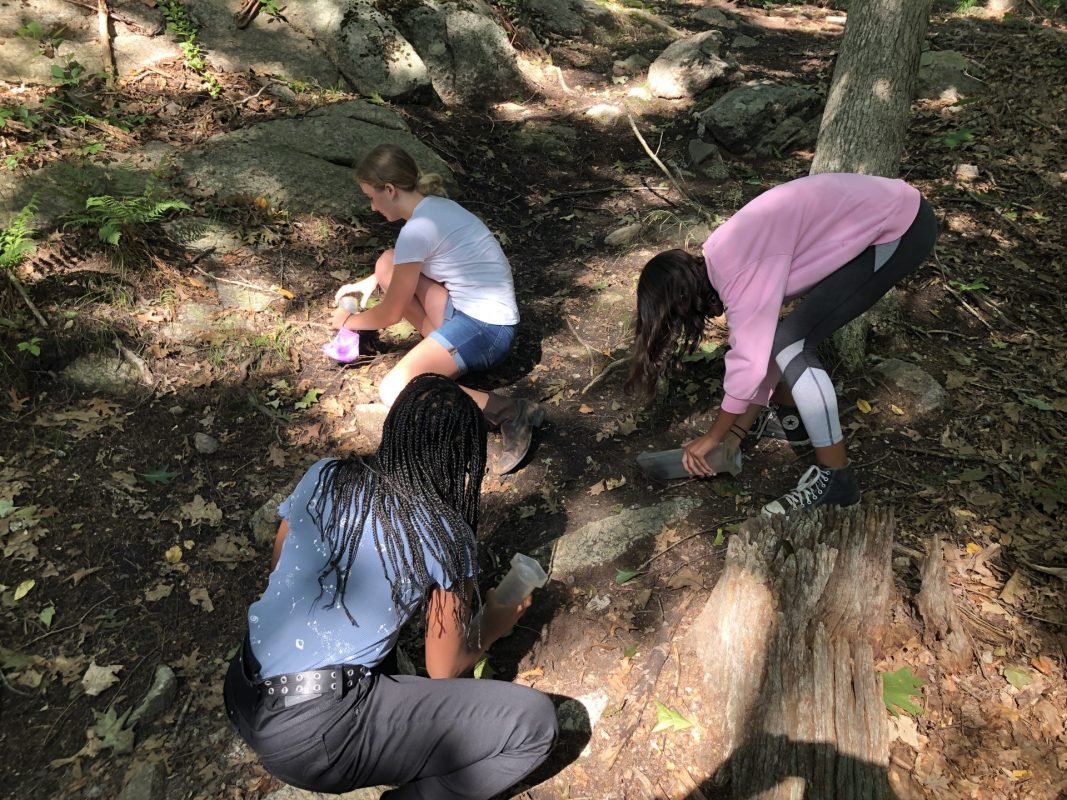
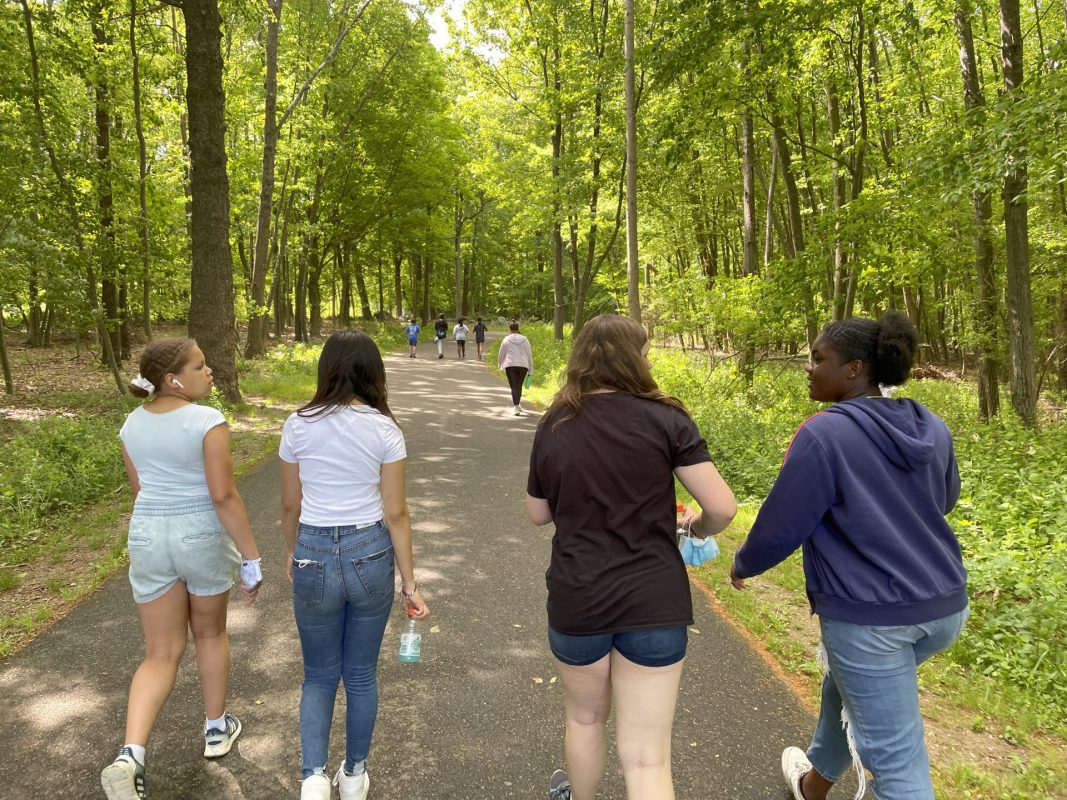
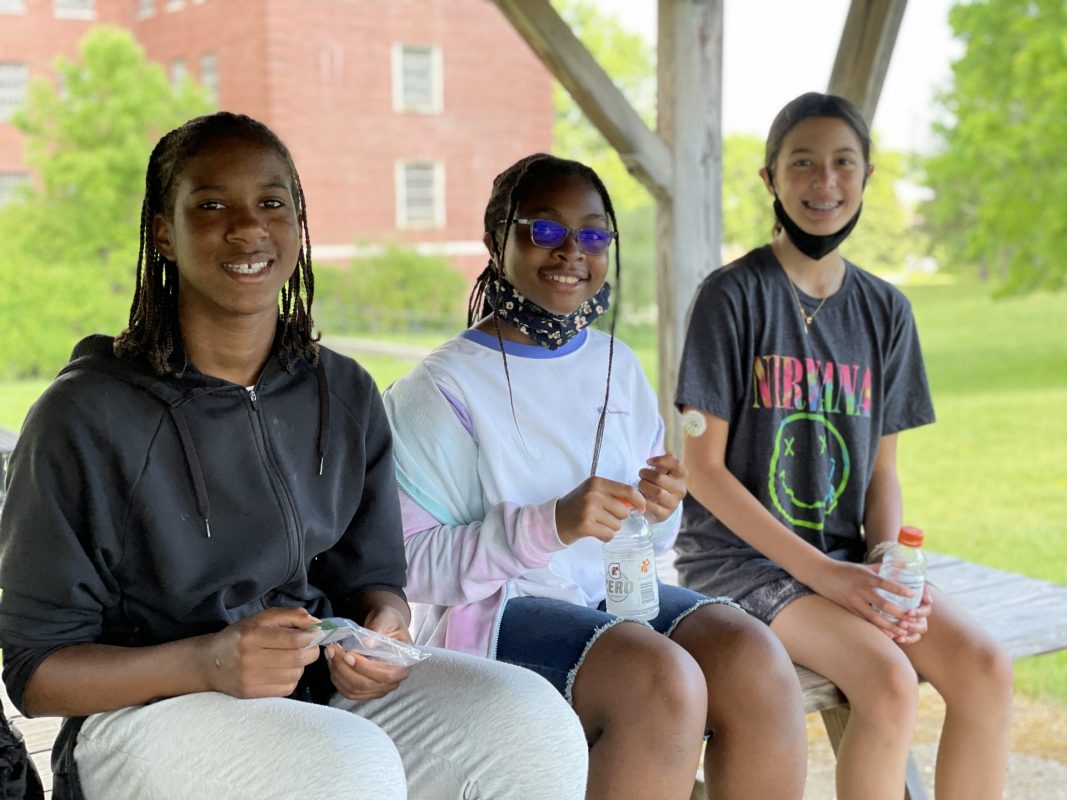
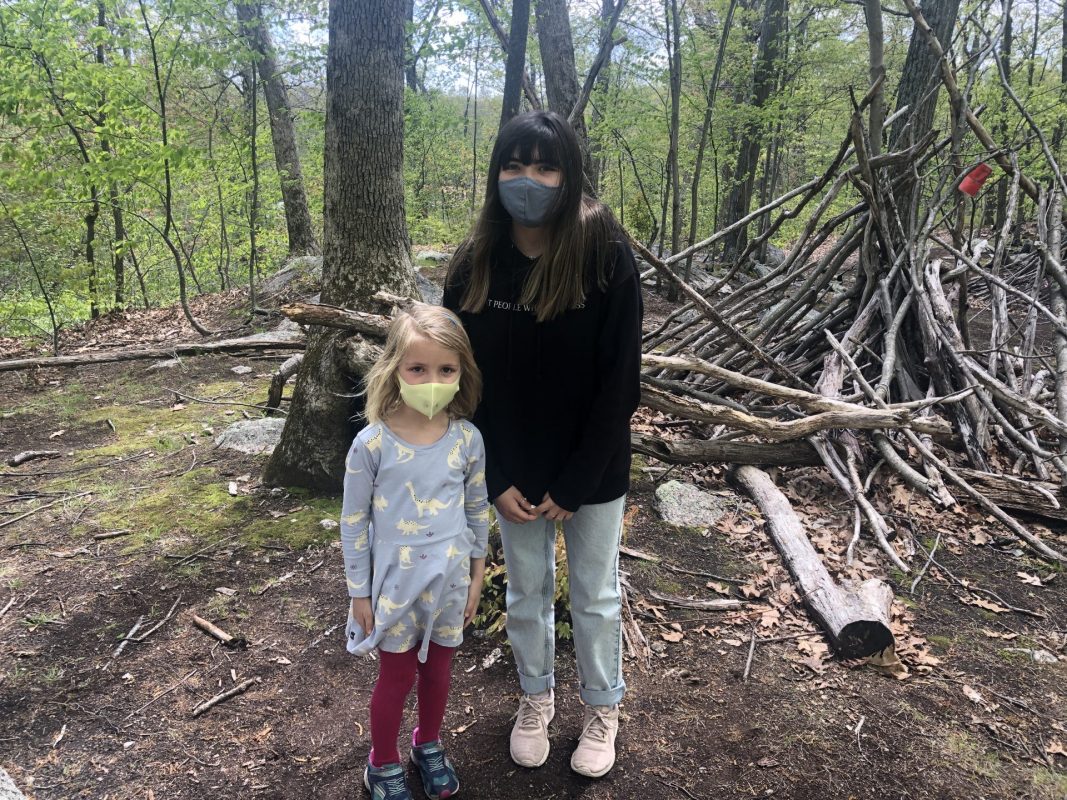
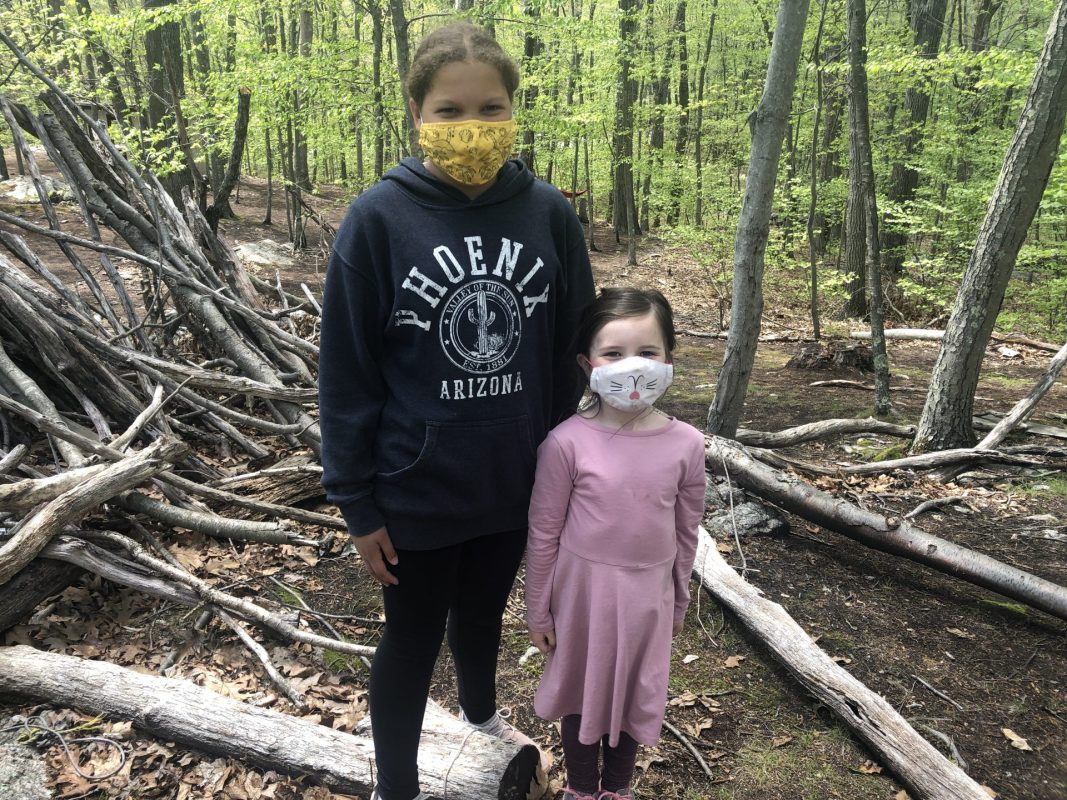
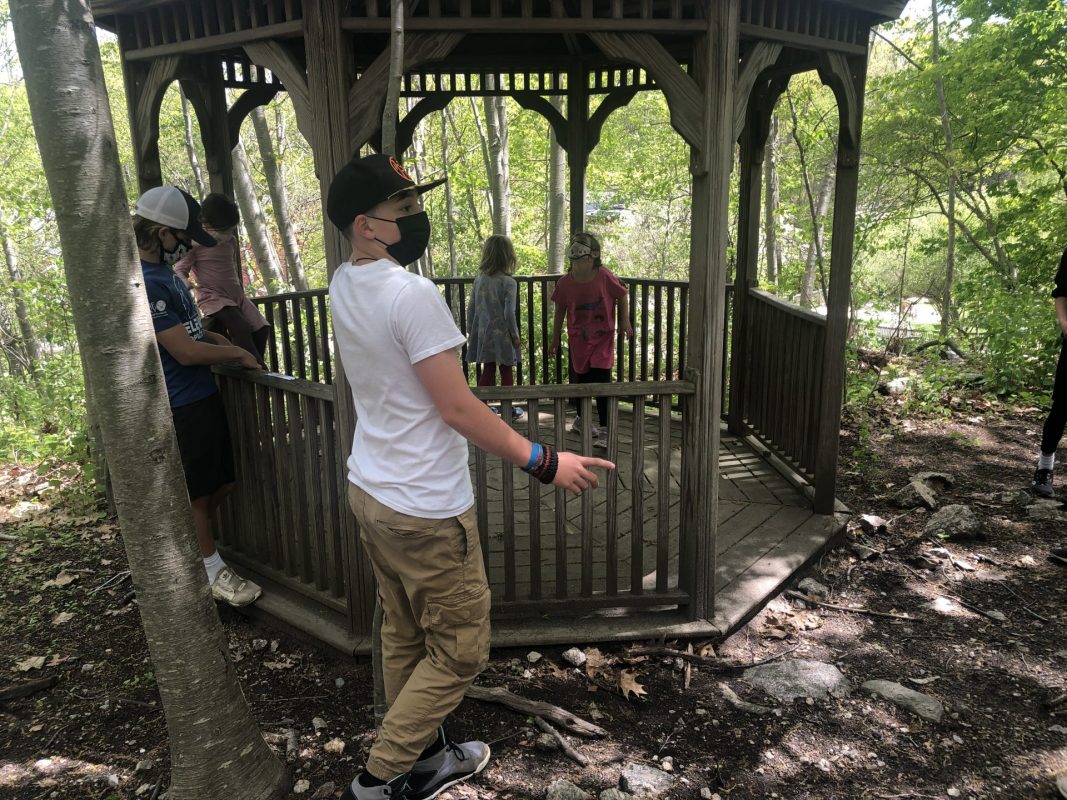
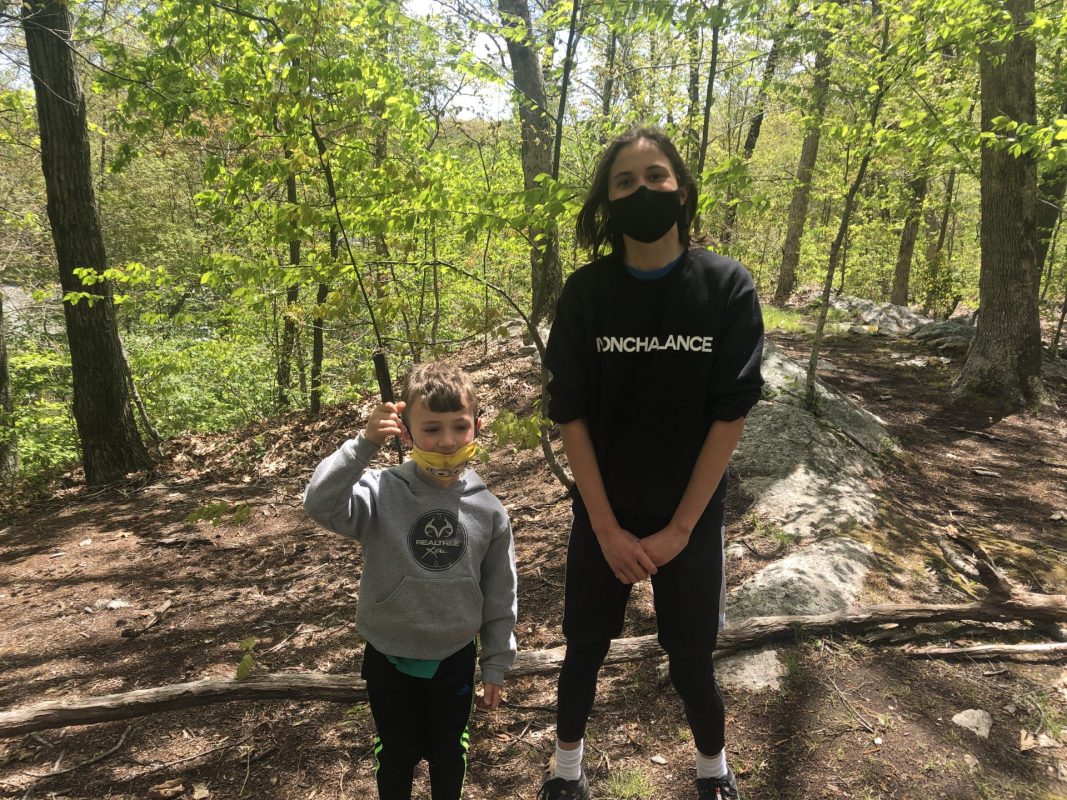
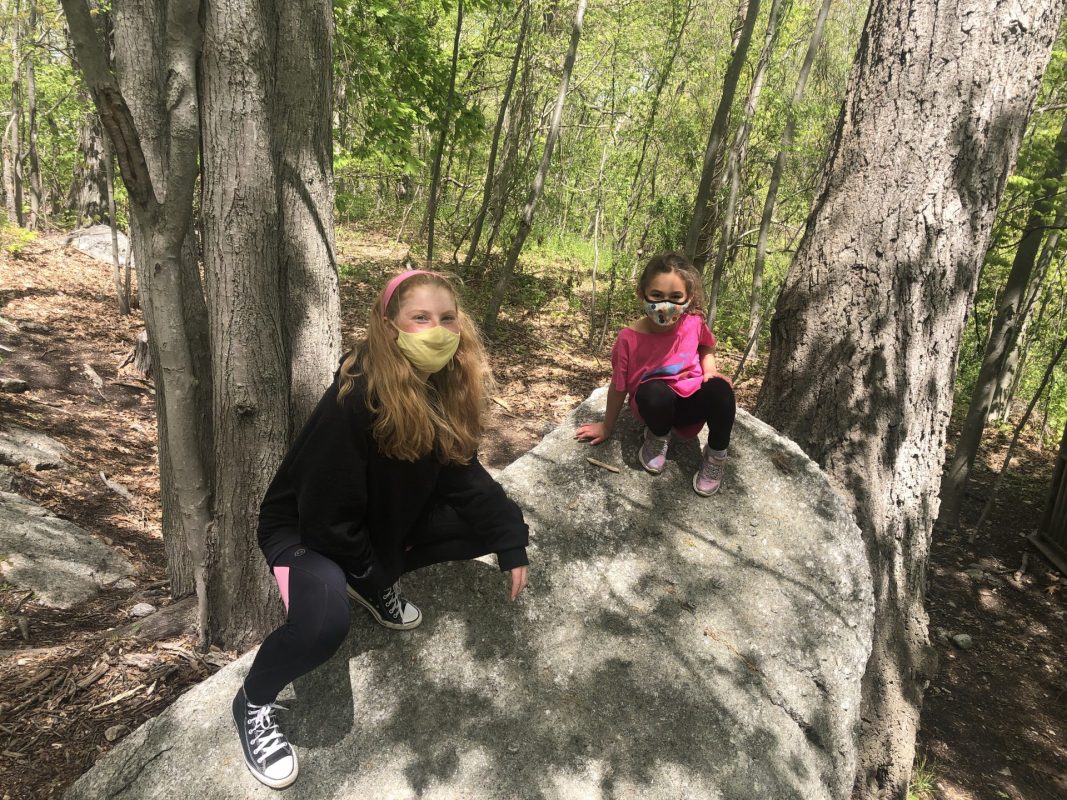
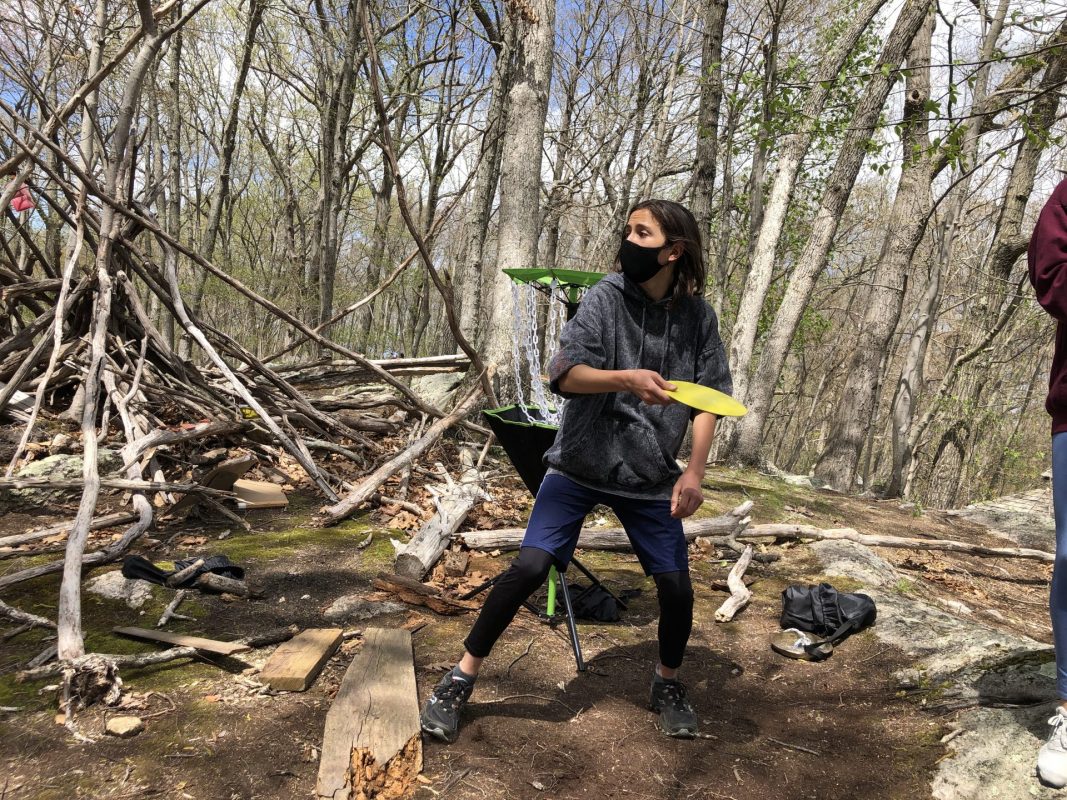
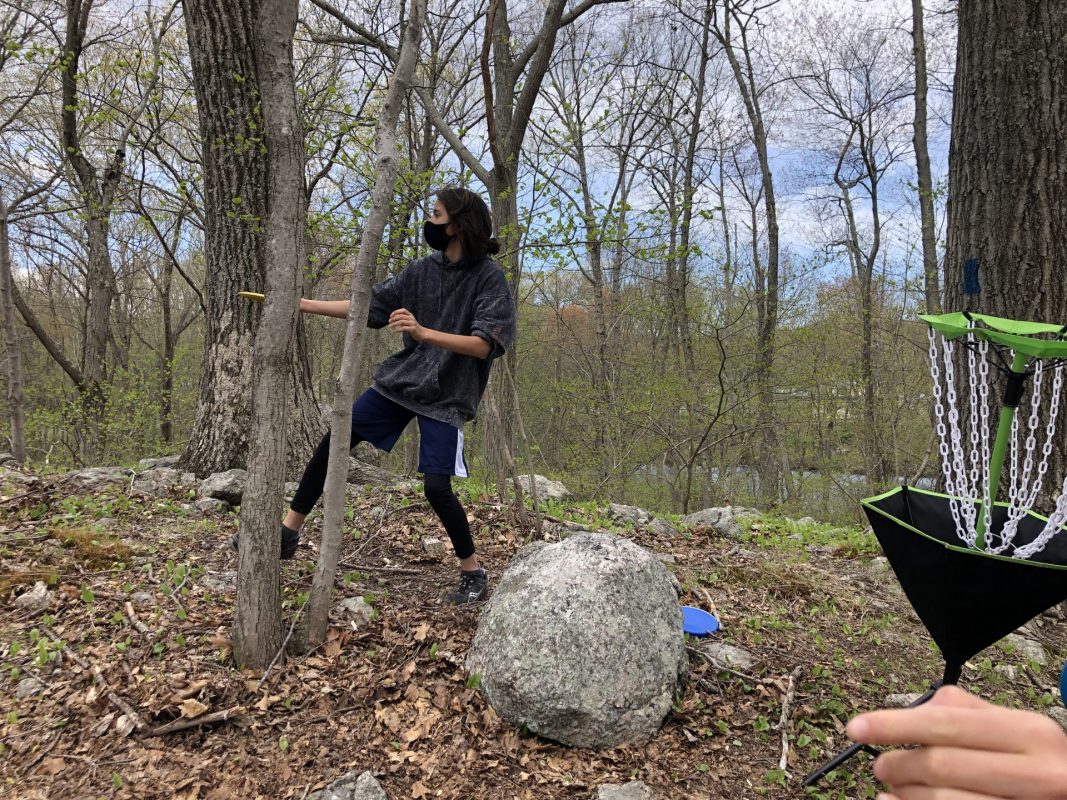
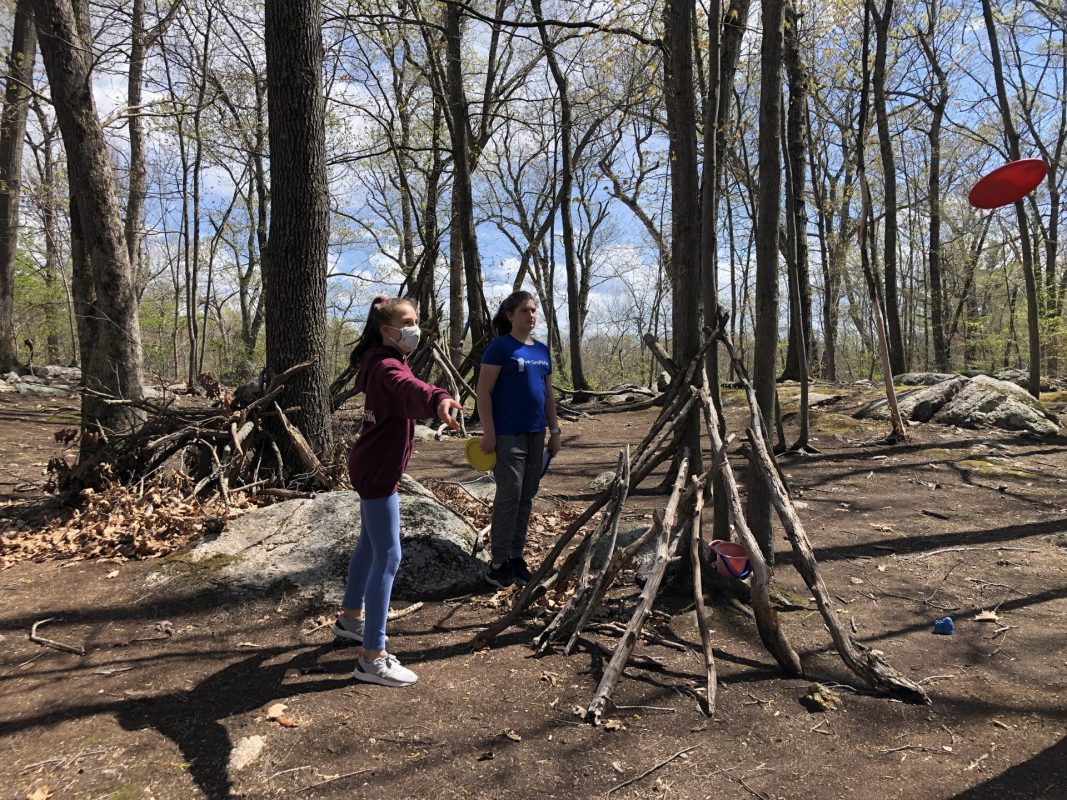
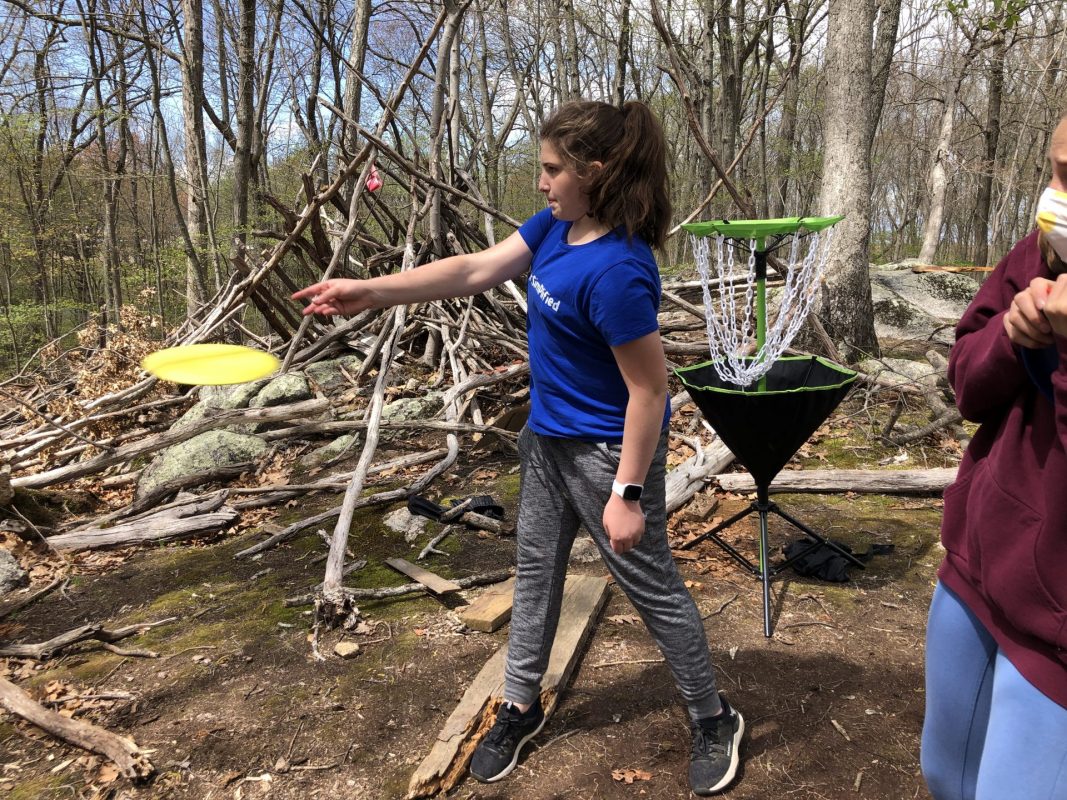
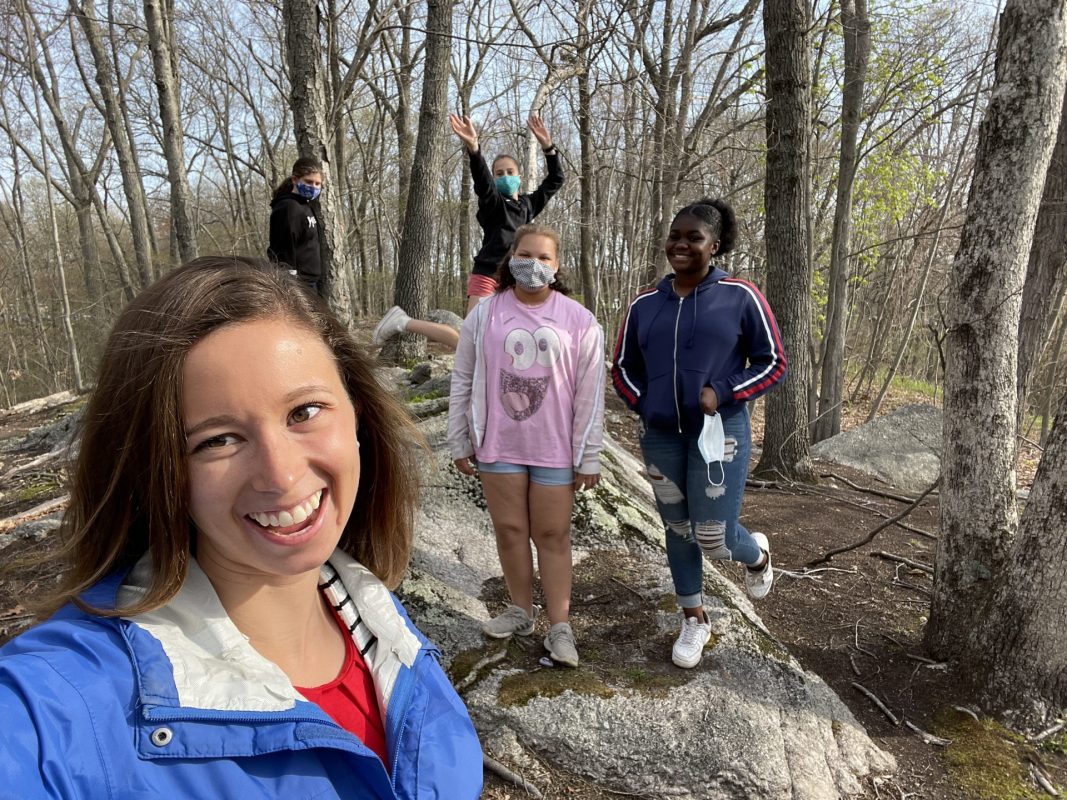
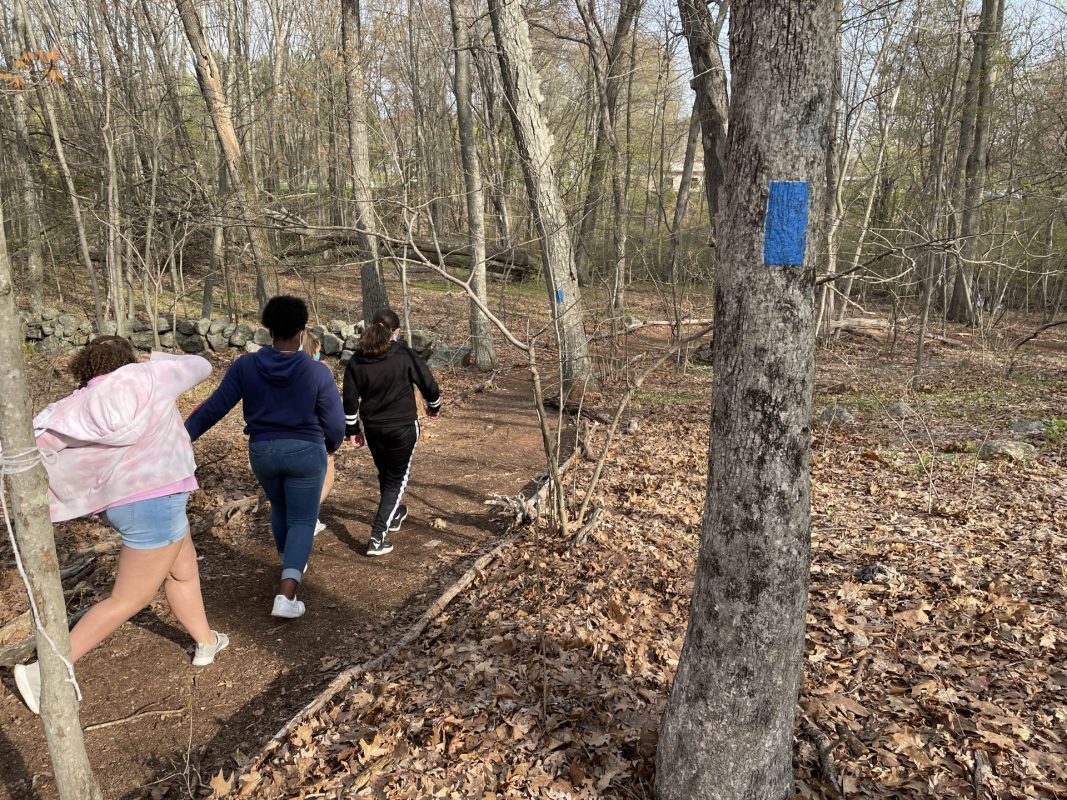
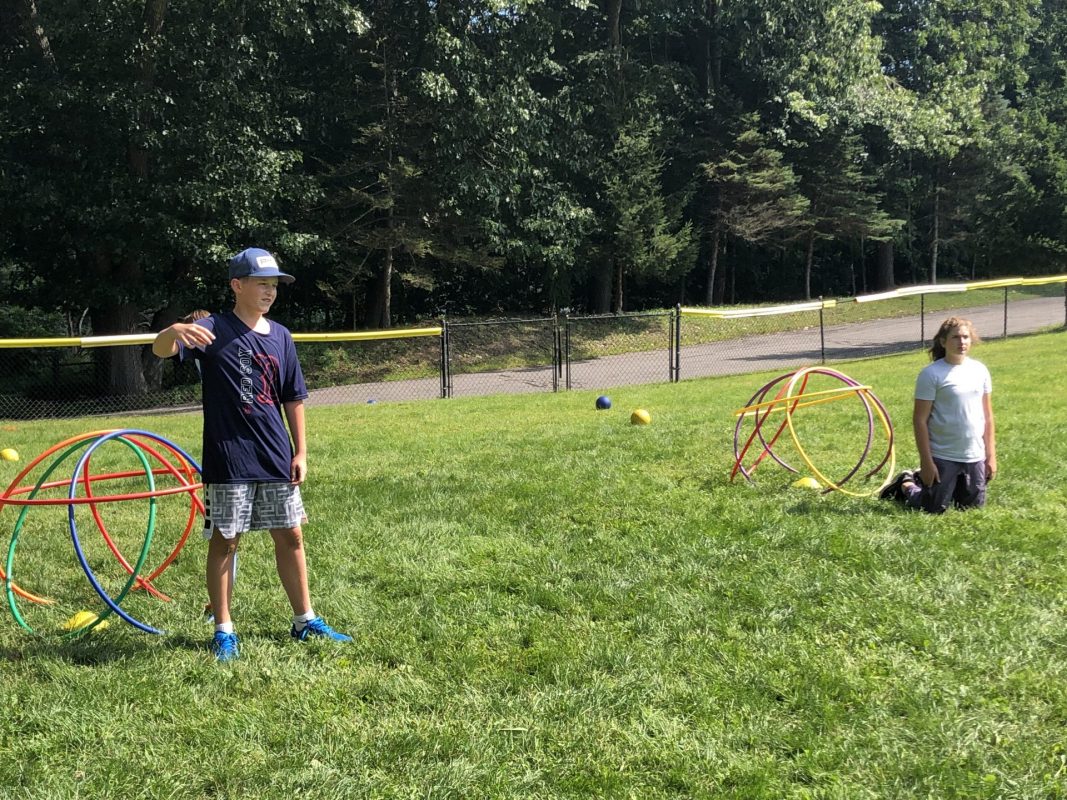
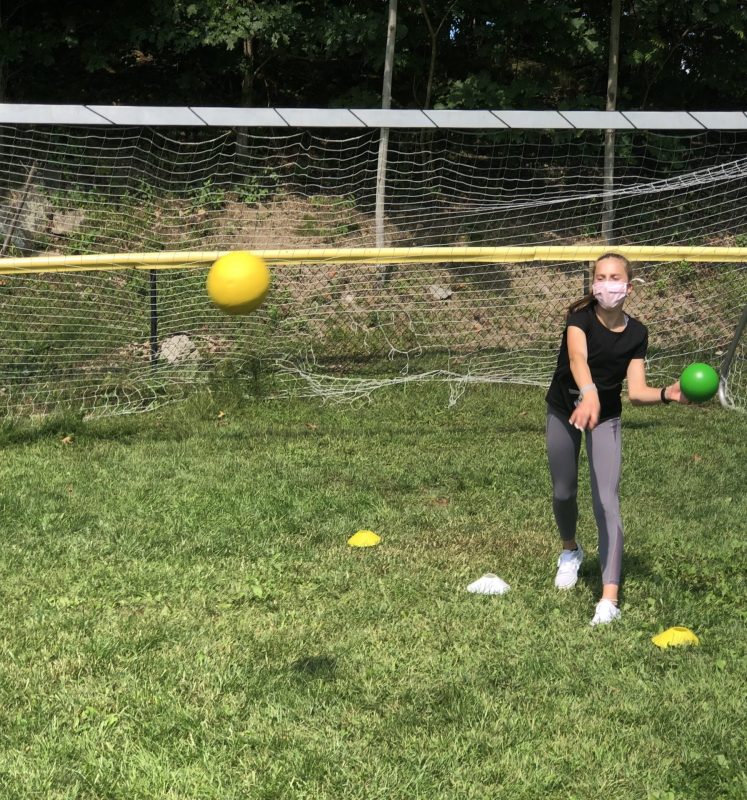
As part of Earth Day on April 23rd, the Middle School took part in an all-day project on the property of Fraser Woods. The day began with each grade assigned a portion of our outdoor trails located behind the school’s playground to be cleared of debris such as leaves, fallen limbs/sticks, or rocks. Once the set trail was clear, students searched for limbs to border each side of the trail. These borders will help prevent an excess of debris on the trail along with establishing a clear path of use. After the trails were cleaned and bordered, 6th year students carefully marked the path of travel with blue blazes. The Middle School is excited for the trail’s use by other students in the school.

A continuation of this project is being developed by the 6th year Earth Science class. Students are currently creating a 3-D topographic map of the trail which will be printed using the school’s glow forge. This map will indicate which portion of the trail will have either a steep or gradual slope along each path of travel based on the distance from one contour interval to the next. Once the map is completed, students will designate two entry points of the trail for the maps to be displayed. We look forward to its completion.

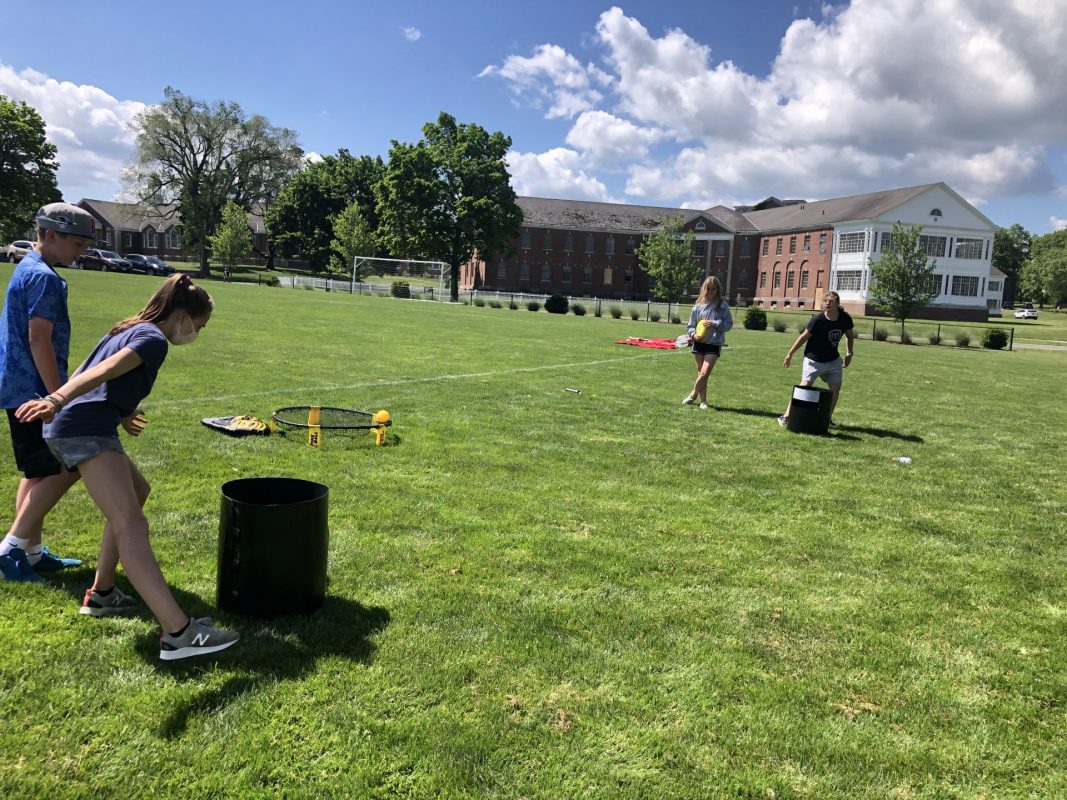
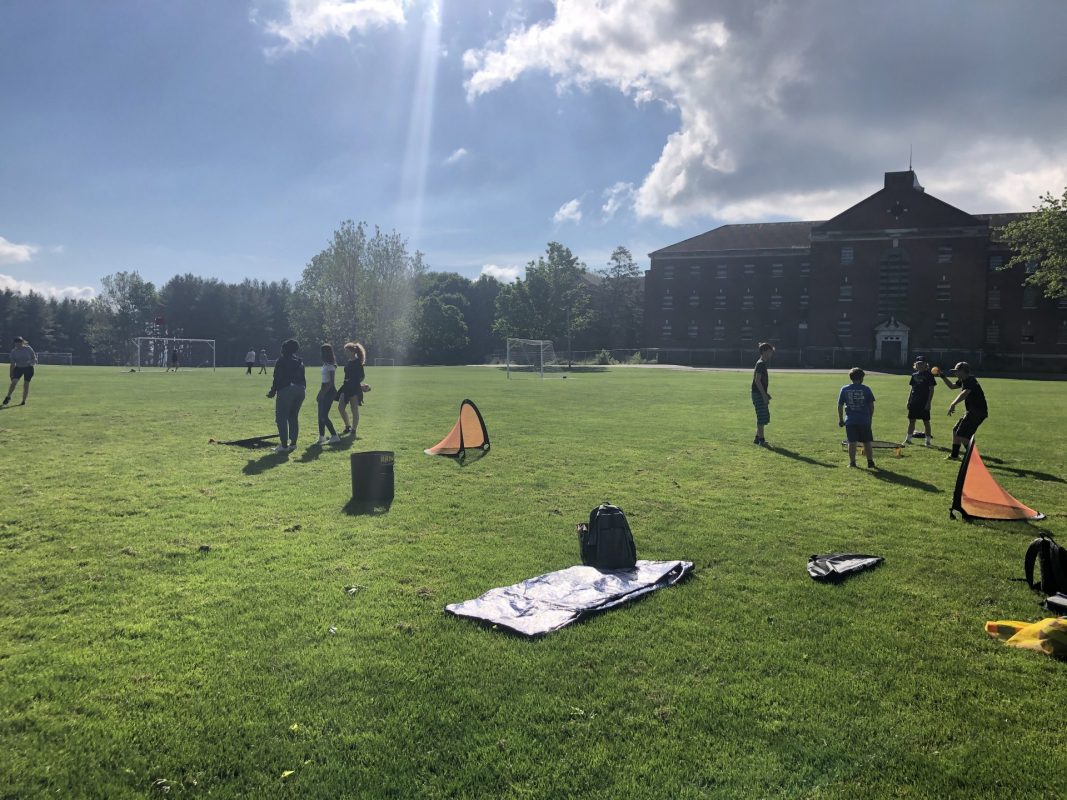
The goal of this project was to promote an outdoor experience in nature where learning for all grades can take place. We feel that goal has been met. Thank you to all who participated in this project.

Nature knowledge is most important for young children. It would be well if we all persons in authority, parents and all who act for parents, could make up our minds that there is no sort of knowledge to be got in these early years so valuable to children as that which they get for themselves of the world they live in. Let them once get touch with nature, and a habit is formed which will be a source of delight through life. We were all meant to be naturalists, each in his degree, and it is inexcusable to live in a world so full of the marvels of plant and animal life and to care for none of these things..”  ~Charlotte Mason
-Z. Brown

Middle School: Week in Review

After a quite typical spring week where we felt (almost) the four seasons literally and figuratively, we ended the week with a beautiful spring day outdoors in honor of Earth Day (more on this in next week’s blog)!  Our classrooms were full of activity this week. Spring trimester is such a wonderful time to focus on our curriculums while taking advantage of the outdoors. A perfect combination for learning.

Humanities

In 6th grade, students completed their pharaoh presentations while transitioning to SubContinental Asia. They toured this beautiful part of the world virtually and finished a map of the region. This class enjoys geography, so we take time to explore, answer questions, and see what we can see from our classroom. Finally, half of the 6th grade students wrote current events essays and developed discussion questions for their presentation.

7th grade Humanities classes are reading George Orwell’s Animal Farm fast and furiously. Before starting, 7th graders continued learning about Russian History, specifically focusing on the Russian Revolution of 1917. This, and its aftermath, is the historical context for their class novel. The class also staged their own Humanities Revolution and overthrew Mrs. Lamb! They had to come together and decide how to proceed and make a plan moving forward. Finally, 7th graders completed current events writing and presentations.

8th grade classes have submitted their Expert Project research paper drafts and are on their way with their presentations. With history, they have transitioned to Black America, a look at US history through the lens of this group with deep roots in our country. They particularly looked at the system of slavery including slave trade with the Americas and the global impact it made. Next week we will move into slavery in the US, legislation developed, social impacts, and influential Black people during the time preceding the Civil War.


Science

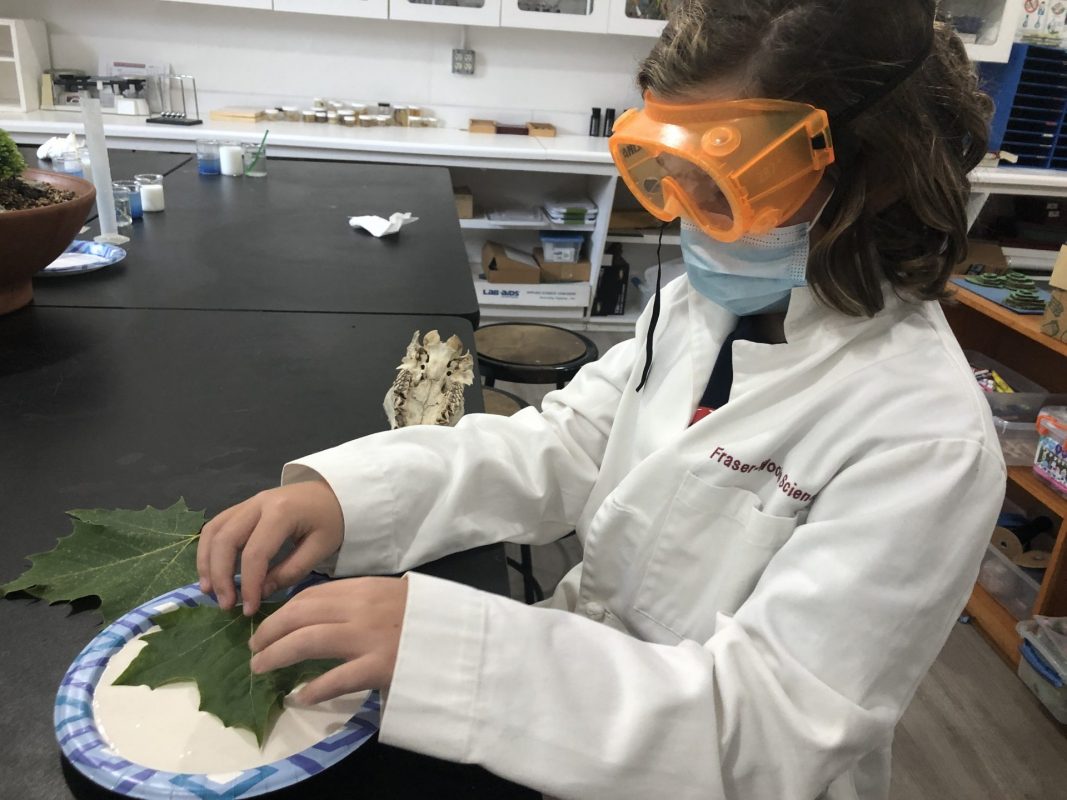
6th year Earth Science students spent the week creating an environmental cartoon that depicts a point of view related to the consumption of natural resources. Some students focused on the effects of climate change on animals while others incorporated renewable energy such as solar energy. In conjunction with Earth Day, students are working on designing a 3-D topographic map representation of Nature’s Classroom at Fraser Woods .

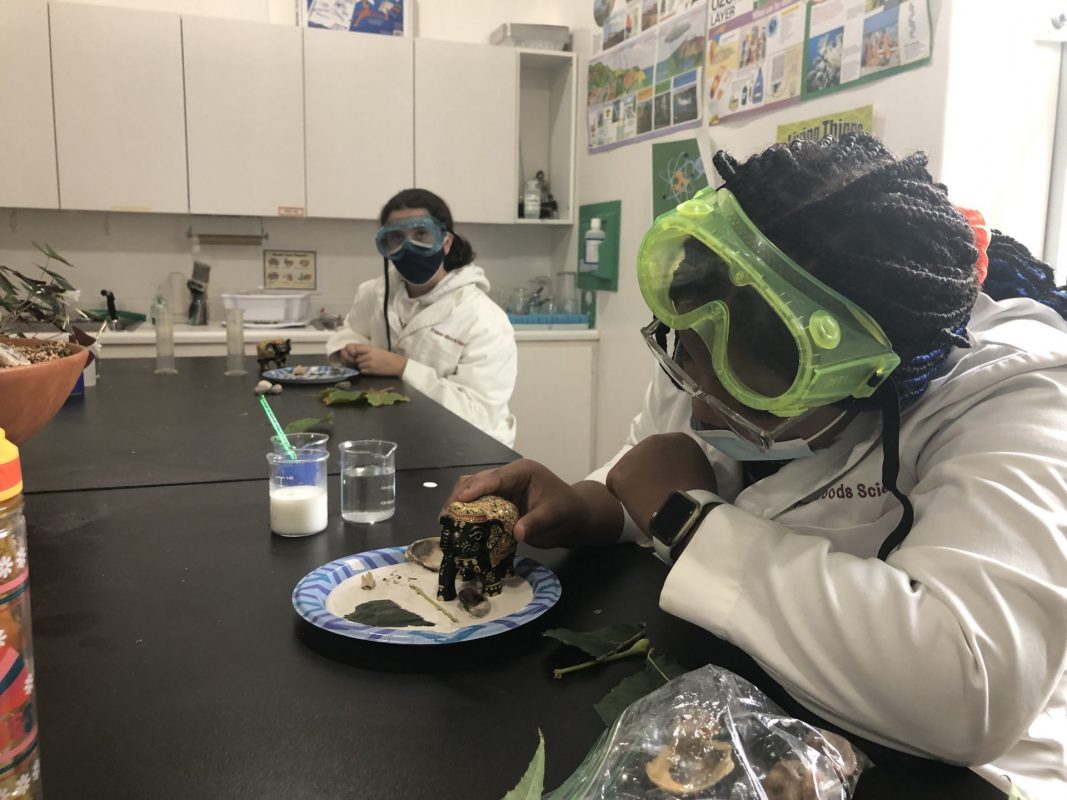
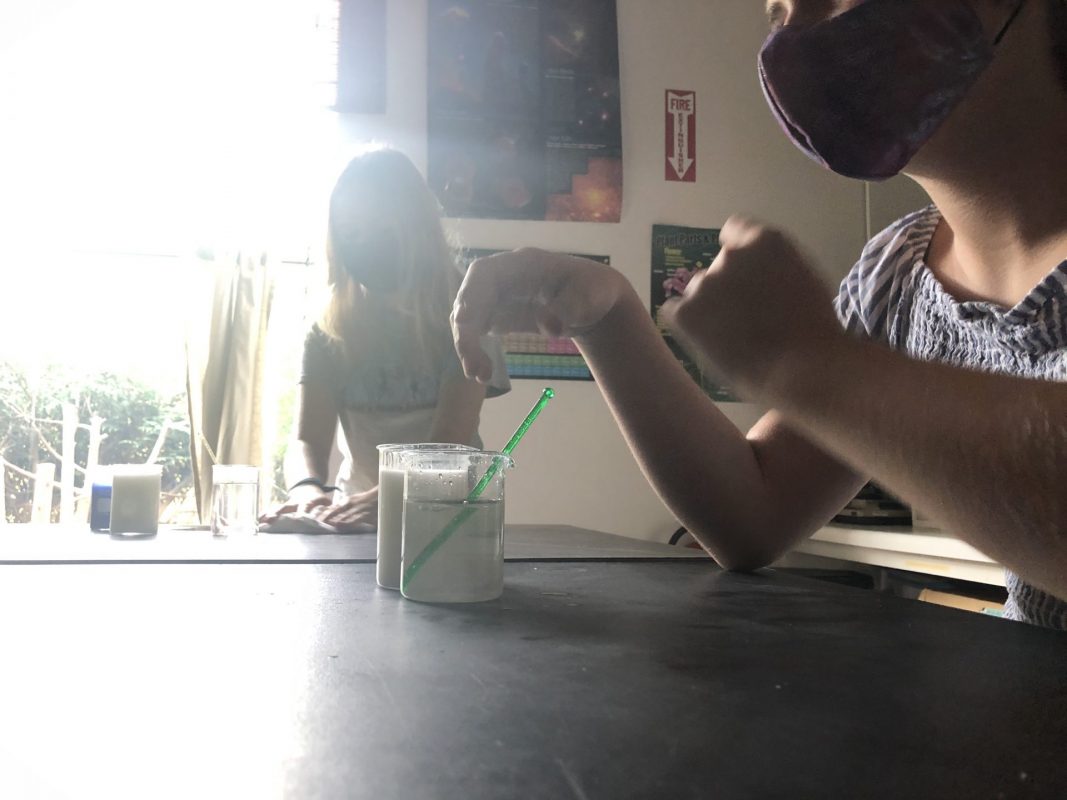
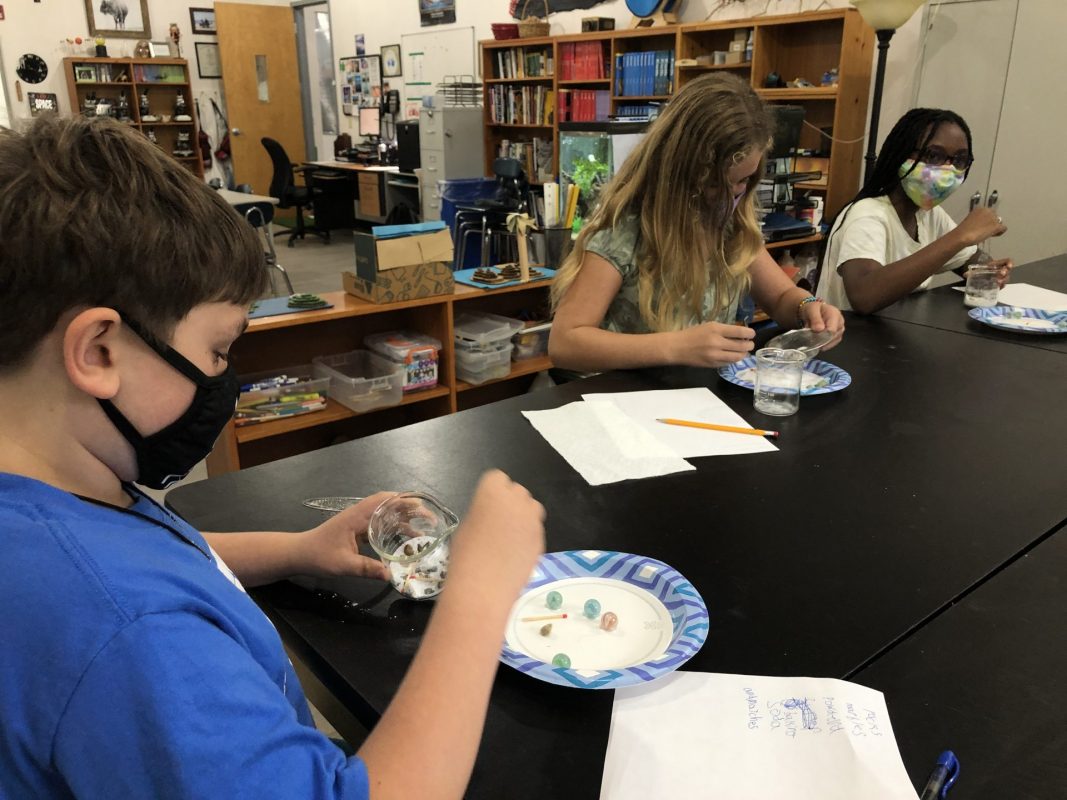
7th year Physical Science students are still exploring concepts and activities as part of their unit on refraction. Students demonstrated how a convex lens is also known as a convergent lens by converging sunlight through a magnifying glass. Yes, many may recall doing such a thing when younger, whether it was burning leaves or ants with this method. Little did you know, it was a first introduction to the refraction (convergence) of light energy. Students also demonstrated how an image is flipped when displayed through a convex lens past its focal point by using a ruler, flashlight, convex lens, and index cards.
8th year Life Science students are currently learning about the Endocrine System. We have defined each gland of the endocrine system, hormone produced, role that particular hormone serves in the body, and the complications one would face if there were issues in any particular gland. Students were asked to draw and label each gland in its approximate location in the body, the hormone produced, and role served. Each group was then assigned a deficiency in one gland and researched what complications a person would face. Once their research was complete, we held a class discussion sharing our work.
Math
In Pre-Transition class, students are continuing to work with proportions and solve for unknown values using a cross multiplication method. Students are practicing how to create proportion equations from real-world word problems and draw pictures to help visualize their understanding. We are working towards the Chapter 9 unit exam scheduled for Tuesday, April 27th.
In Transition class, students are excited to begin solving single step algebraic equations and are learning how to graph on a coordinate plane. This class can now solve and check for unknown variables in the form ax=b, as well as use and identify the multiplication property of equality.
In Algebra class, students can successfully solve quadratic equations using the Quadratic Formula. Students can identify the discriminant value,  the vertex of a parabola, and correctly graph an equation in the form y = ax^2 + bx + c. Students will begin learning Chapter 10 next week and will finish the year with learning Chapter 11.
In Geometry class, students are able to use and identify the triangle congruence theorems in a two-column proof statement. Students can draw a tessellation using real world design, they can identify specific properties of quadrilaterals, as well as identify triangle congruence within an overlapping shape.
Math Joke: Why did the triangle make the basketball team over the square?………………….He always made three-pointers.

Middle School: Week in Review

We are back in the swing of our regular, academic schedule in Middle School. It felt great to return to the classrooms and hit the ground running with third trimester curriculum. The spring weather at the start of the week was energizing, and we look forward to bringing our classes back outside with the warmer weather.

Science

6th year Earth Science students have been working on the unit, Natural Resources. The objective of this unit is to inform students what a natural resource is and how to tell the difference between a renewable and nonrenewable resource. Students are also planning for Earth Day (April 22) by designing a 3D topographic representation of Fraser Woods’ trails. Their goal is to promote other classes to be outdoors on the trails to appreciate nature and all it has to offer.

7th year Physical Science students are on the unit, Refraction. Students have demonstrated how light refracts as it passes through different mediums (water, glass), resulting in an array of colors (rainbow). Students created stop motion videos beginning with white light and ending with the different spectrum of colors. We are also learning about how an image is projected when viewed through a concave and convex lens.
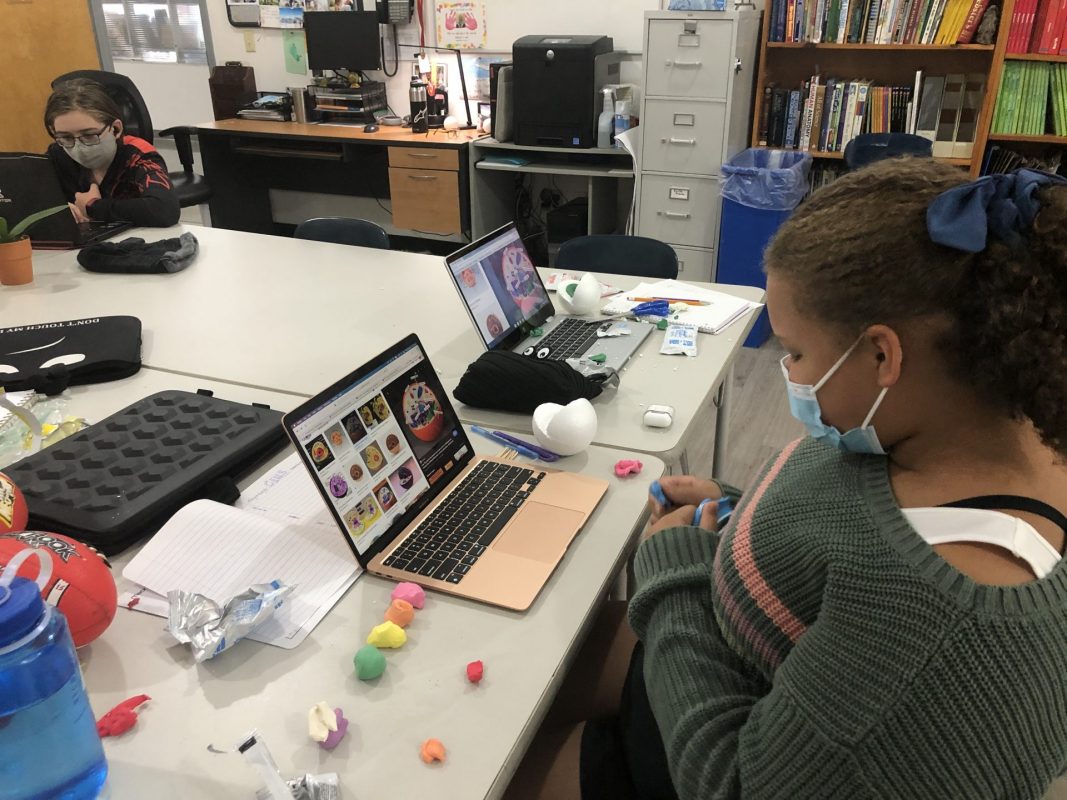
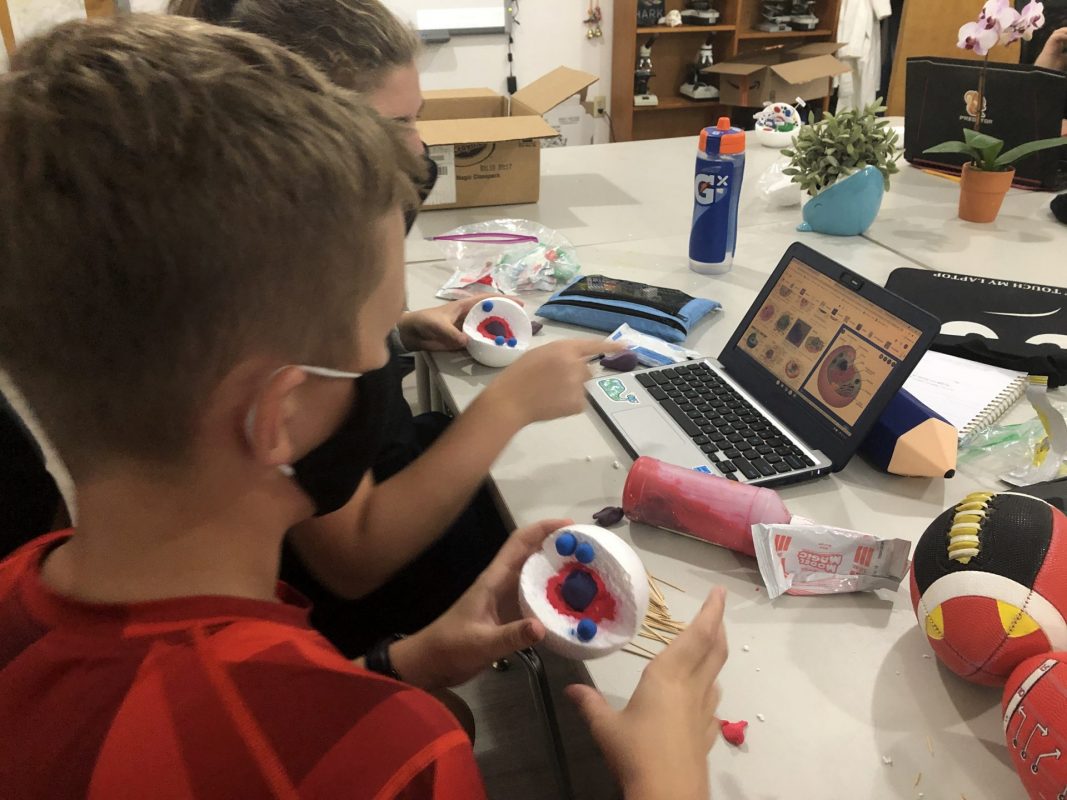
8th year Life Science students have finished their unit, Digestive System. Throughout this unit, students learned how the digestive system works, what it is made of, and what each organ is responsible for. Each student was asked to make a representation of the digestive system using clay that labeled and identified each digestive organ. The next unit will be about the endocrine system.
Math
In Pre-Transition class, students began the week with reviewing lessons 1-4 in Chapter 8 titled, Ratios and Proportions. This class is practicing how to divide mixed fractions, evaluate expressions containing fractions, and making connections to proportions in real life. This class will continue to work through this chapter for the next 2 weeks and should consider preparing in advance for the unit exam scheduled for Thursday, April 22nd.
In Transition class, students began the week with reviewing lessons 1-3 in Chapter 8 titled Multiplication in Algebra (introduction). This class is practicing how to multiply both positive and negative numbers, isolate the variable in an equation ax=b, and solve problems that combine percentages (discount and tax). Towards the end of the week, this class will begin to understand and demonstrate how to graph equations of the form ax=b on a coordinate grid.
In Algebra class, students are excited to continue their learning of the quadratic equations and functions. This class is beginning to understand equations of the form y=ax^2+b+c, how to solve for unknown values using the quadratic formula and can identify the maximum and minimum of the vertex on a parabola.
In Geometry class, students are learning about congruent triangles and the properties to prove congruency. This class can successfully draw triangles given specific restrictions, determine whether triangles are congruent, and apply the triangle congruence theorem to write a two-column proof statement. This class will have their first quiz for chapter 7 on Tuesday, April 20th.
As a general reminder, all math students are required to complete the daily textbook questions and lesson master assignments. Please check google classroom and myFWM for updates on assignments.
Math Joke:
What’s a math teacher’s favorite sum?…………..SUMMER!
What is a butterfly’s favorite subject at school?…………..Mothomatics
Humanities
This week, grade 6 Humanities classes wrapped up their unit about Ancient Egypt. They reviewed their reflections to the novel, The Egypt Game, and discussed the Ancient Egyptian social hierarchy before completing mini-biography presentations of a pharaoh. They also completed a unit of vocabulary.
Grade 7 Humanities students began the week reflecting on the memoir, Four Perfect Pebbles. that they completed in March. They wrote about how written accounts of something affect both the writer and the reader. Students also wrote about how knowledge about what they learned and read about the Holocaust will affect them moving forward. 7th graders then continued onto revolutions and Russian history, giving historical context for their upcoming novel, Animal Farm. 7th graders also completed a unit of vocabulary this week.
8th grade students are writing their expert project research papers that are due on Monday. They spent a portion of the week reviewing research writing techniques including interesting introductions to hook their readers, in-text citations, and using quotations effectively to support their thesis statements. They also met one-on-one with Mrs. Lamb to review progress and discuss any challenges with the writing process. Students have already completed their research as well as 2 expert interviews. For the last part of the week, 8th grade students reviewed the US policies surrounding the removal and westward relocation of Native Americans in the 1800s.
We hope you have a beautiful weekend!
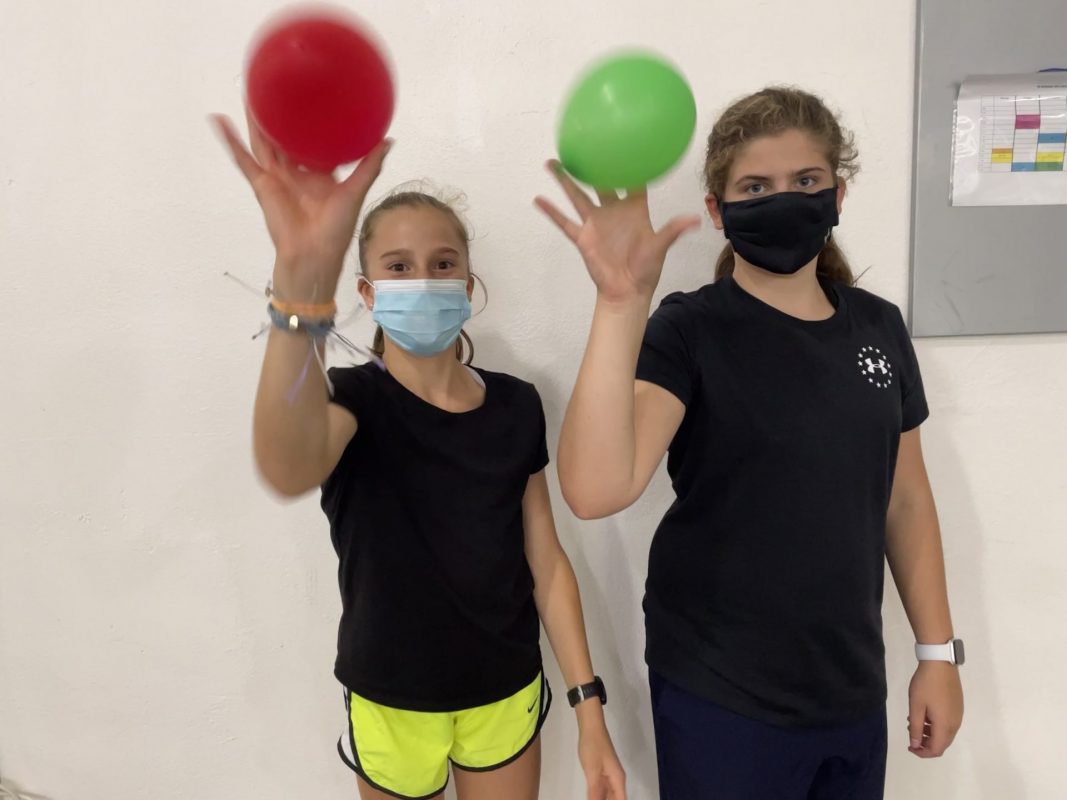
Riddle Me This: Week #2

That’s a wrap! Production week for Riddle Me This, the 2021 Middle School written and produced play, is behind us! The children were incredibly patient, flexible, and hard working. It has been an absolute pleasure for the teachers to work with the students. From the genesis of the play’s concept to writing the dialogue, creating the set, and filming, it has been an amazing experience! With having to keep Covid protocols in mind, adding another layer of challenge during the entire process, the students stayed positive and made the show a great success.

We can’t wait to share the show with you once the editing is complete! Thank you for your support!


Middle School: Riddle Me This Week #1

It has been a wonderful return to school following spring break. It has been great to see all of the students and to be working on the amazing play they wrote: Riddle Me This. 

We started the week with a full cast, read-through over Zoom. From there, the day has been divided into thirds with each group working either on the stage blocking with Ms. Sutherland, building the set with Ms. Reid & Mr. Brown, or running through lines and additional rehearsal time with Mrs. Lamb. By Wednesday, the set was looking great and almost half the play was blocked!
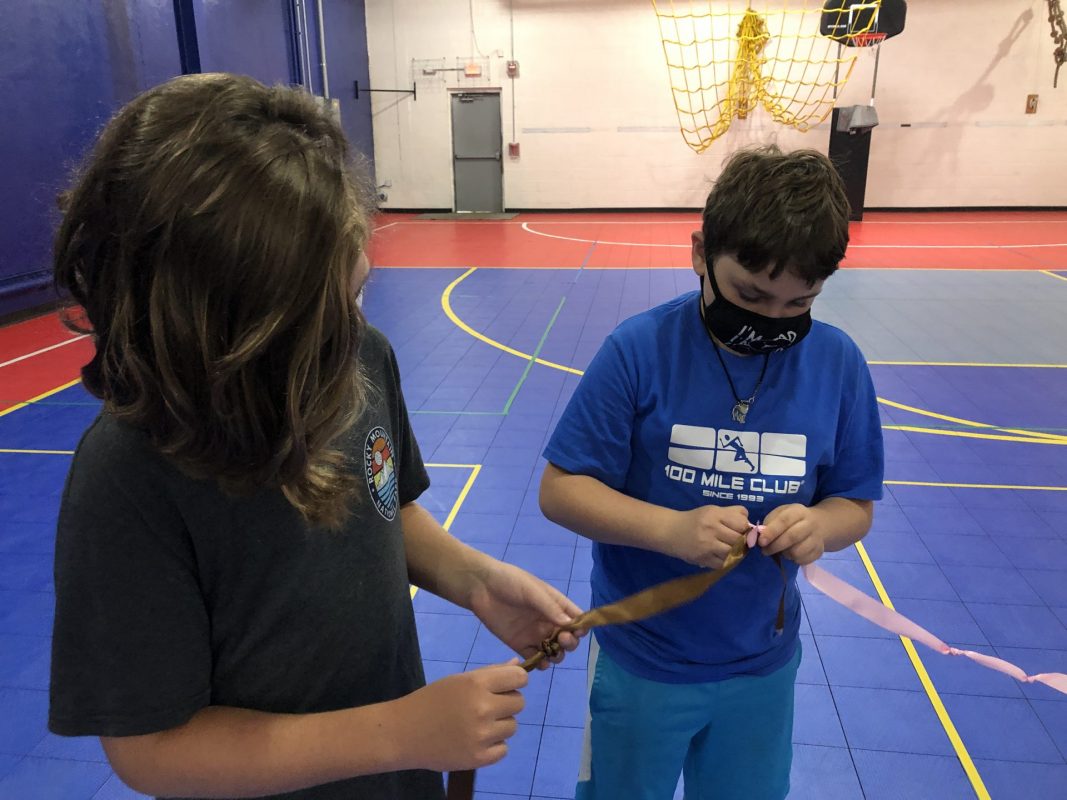
Next week, the Middle School looks forward to finishing rehearsals and starting to film! Stay tuned!
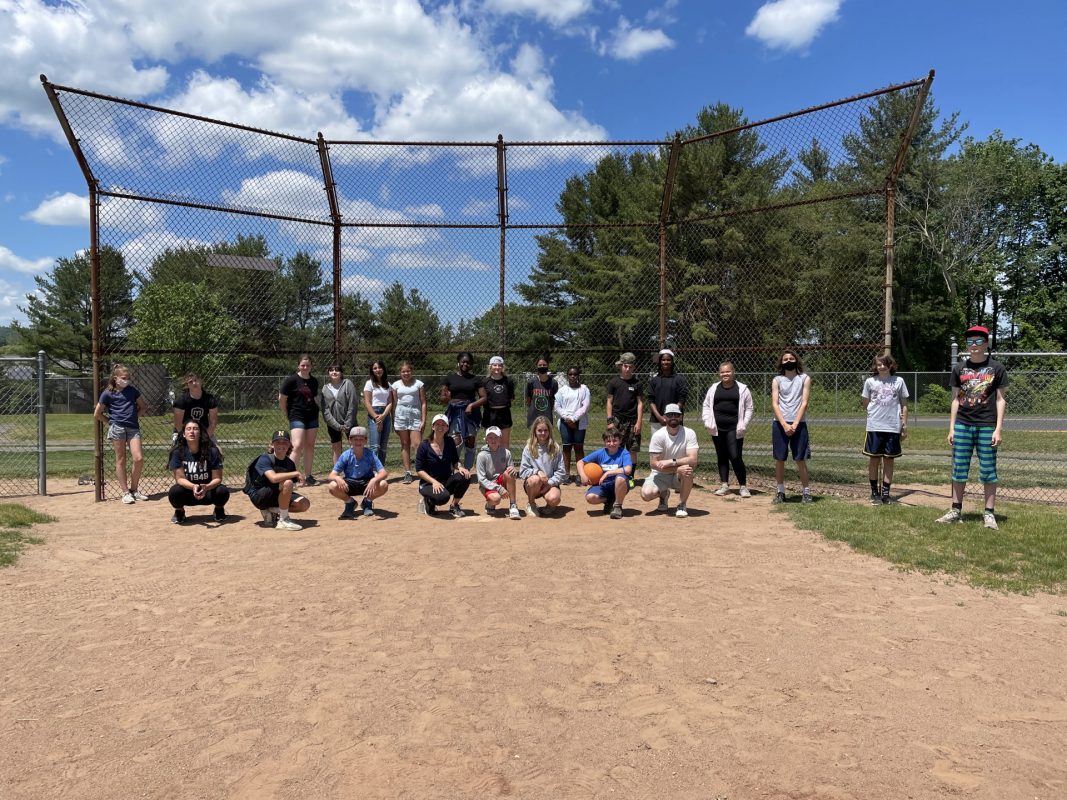

Middle School: Pi & Play!
Pi Day
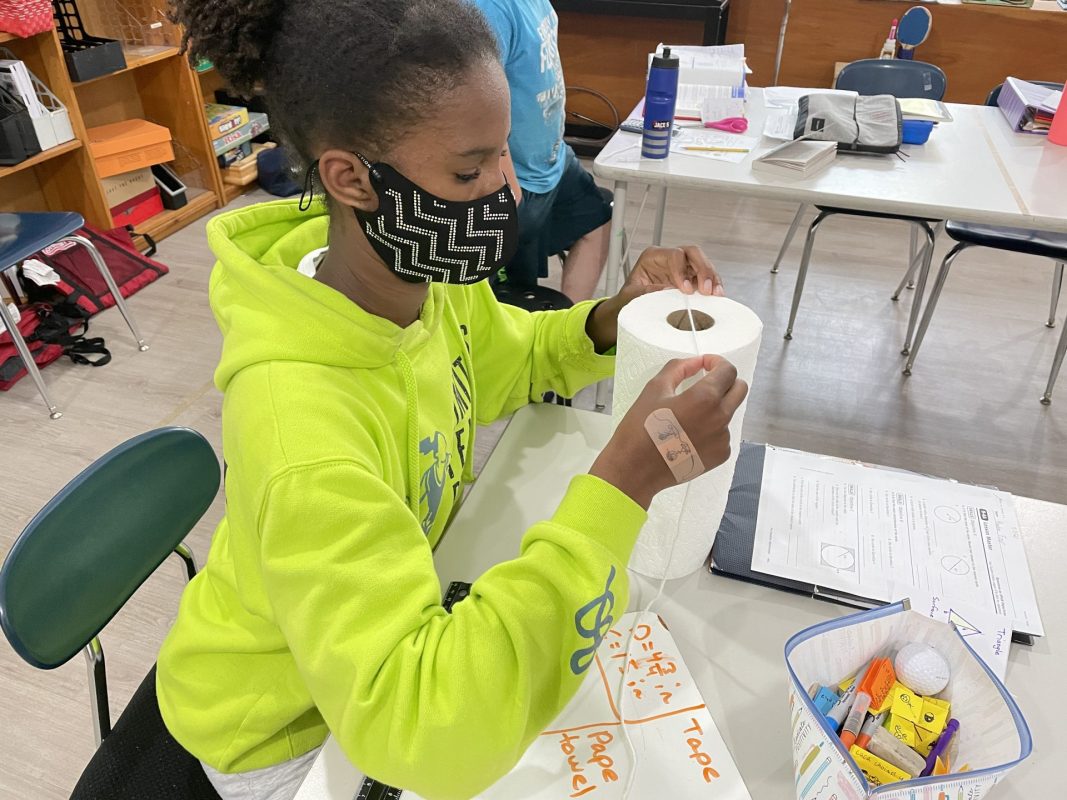
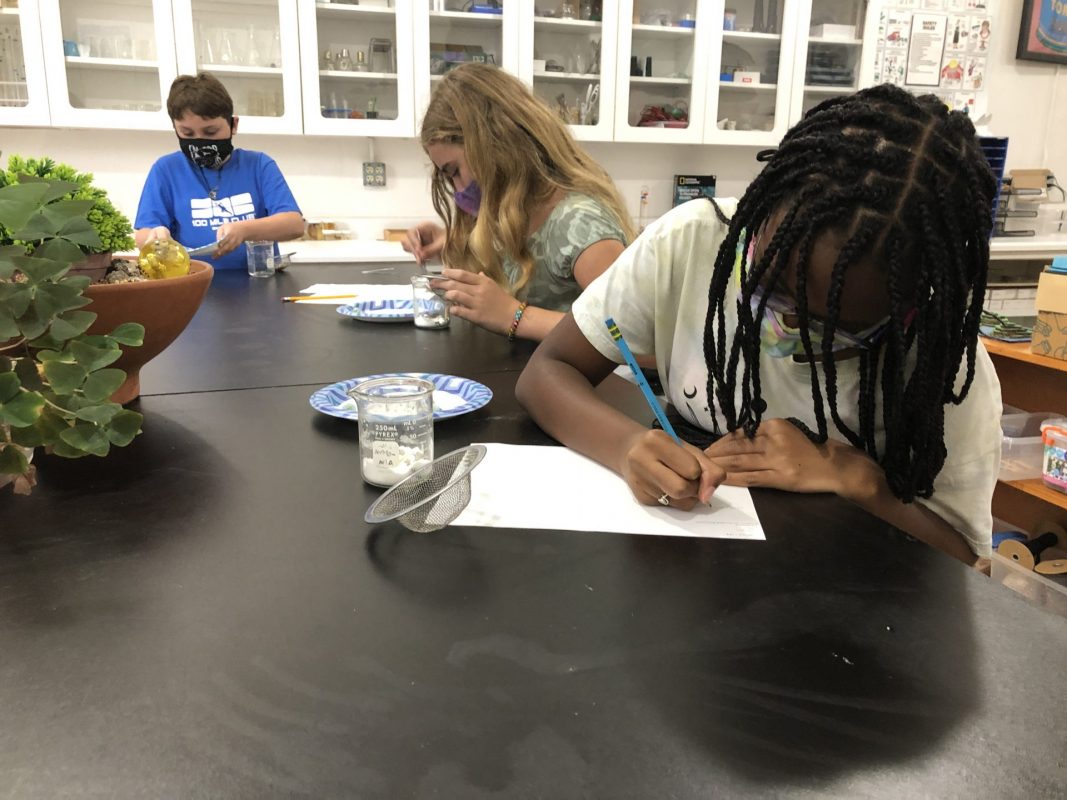
On Friday all students celebrated Pi Day which officially takes place on March 14 (3/14). Students enjoyed a read aloud story of Sir Cumfrance, they learned how Pi was discovered and used in the early days as well as enjoyed a tasty, circular cookie to celebrate the round theme. Each class participated in a 6-part station activity where everyone had an opportunity to calculate the circumference of a pop can, find the surface area of a toilet paper roll, and play a probability game to roll the correct digits to Pi from a 10-sided dice. Students enjoyed the day of hands on practice to calculate equations using Pi and reflect on how circular objects are used in the real world.
Fun Facts About Pi
1. there are over a trillion digits to Pi
2. its a irrational number that never terminates and never repeats
3. the world record for memorizing the most pi digits is 67890
Math Joke: 
What’s the math teacher’s favorite dessert?………………………Pi.
Why shouldn’t you eat too much pi?……………….You’ll end up with a big circumference

Riddle Me This: Middle School Play

The 2021 Middle School play, called Riddle Me This, is written! We have spent the last two weeks writing the script after the 8th graders developed the overall main idea of the play during the winter months. This year’s added challenge of Covid protocols and how to write a play where we need to remain in cohorts, 6-feet apart took some extra brainstorming. In the end, the decision was to write one play, not three smaller ones, which the scenes, when put together, gave one story.

The main idea was developed over the winter and was initially two plot plans that were developed and then presented and voted on by the entire middle school. In the end, the idea of a fun evening at Escape Room gone wrong was perfect for the production. It allowed us to have two “rooms” playing the game and a third “control room” twisting the game and puzzles for the others.

Character development is the next pivotal piece in developing the play. Who will bring this story to life? Each student had a chance to develop a character, whether it was to be played by them or someone else. This involved imagining a personality, appearance, how they will affect the plot, and writing examples of what this character might say. The magic comes in when each student presents his/her character. The rest of the class can contribute ideas, which then solidifies their role. Developing the characters has been a favorite portion of the process for me.

Finally, it’s time to write! This year, the writing process was done differently. We used Humanities classes over the last two weeks, and we used two mornings to write. Students remained in their cohorts to write their scenes. Now, I am going through each scene to ensure that plot goals are carried through, digressions are removed as much as possible, characters stay true to who they are supposed to be, and the play comes together the way it is originally intended. Students should have final scripts posted to review during the first week of break!

We hope everyone enjoys their break and look forward to immersion weeks when we return! More to come!


Middle School: Week in Review

We can’t believe it’s already the first week of March and only one more week before spring break. With spring weather coming, we are still asking that students are mindful of their clothing: layers for colder weather and with the warmer weather, shirts and shorts that are appropriate in length. Thank you!

Humanities

This week is Week 1 of playwriting for the MS play! This week, all students developed their characters and wrote the first three scenes. We have a goal of finishing the play before spring break and look forward to a Covid-friendly immersion experience once we return from Spring Break. More to come about the process and product in next week’s blog!
Meanwhile, 6th graders are finishing up with their class novel, The Egypt Game, and the 7th graders are finishing the memoir, Four Perfect Pebbles. 8th grade students are busy with their expert project, with several students conducting expert interviews.
Science

6th year Earth Science students are currently learning about Natural Resources. As part of this unit, students will identify what a natural resource is, where they come from, and what the differences are between renewable and nonrenewable fossil fuels. Students have just presented their research on what products are most environmentally friendly, recycled or bamboo based products.

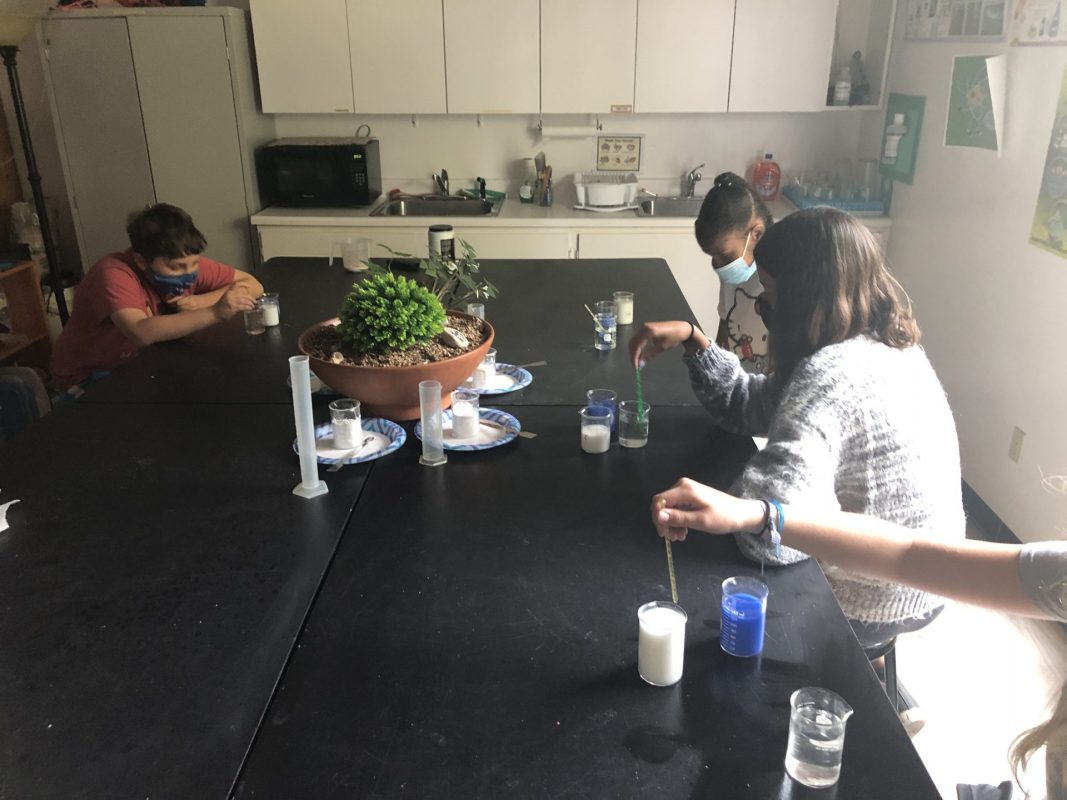
7th year students tested their knowledge and taste buds, enjoying banana pancakes as part of our unit “Heat and Temperature.” Besides enjoying the pancakes, students were asked to reflect how energy was transferred to the skillet in addition to the heat to pancakes. Students were able to explain the transfer of heat through conduction from the skillet to the batter which speeds up the molecules within the batter to spread apart, solidifying a perfect pancake.
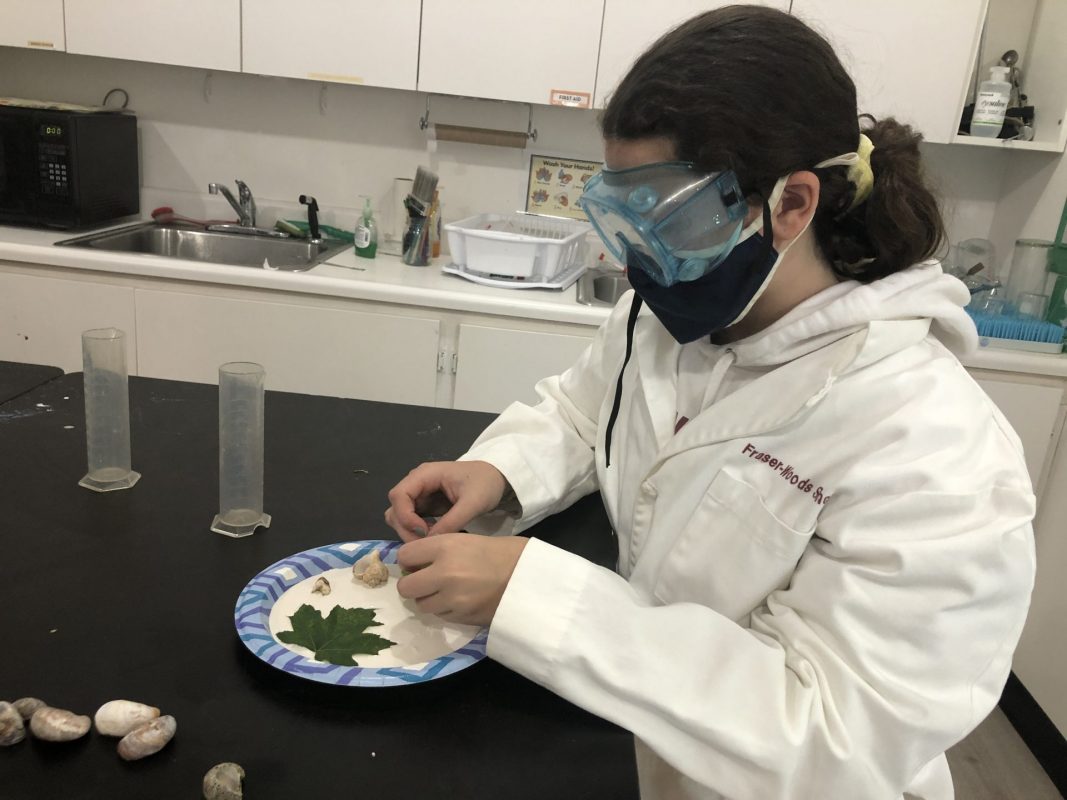
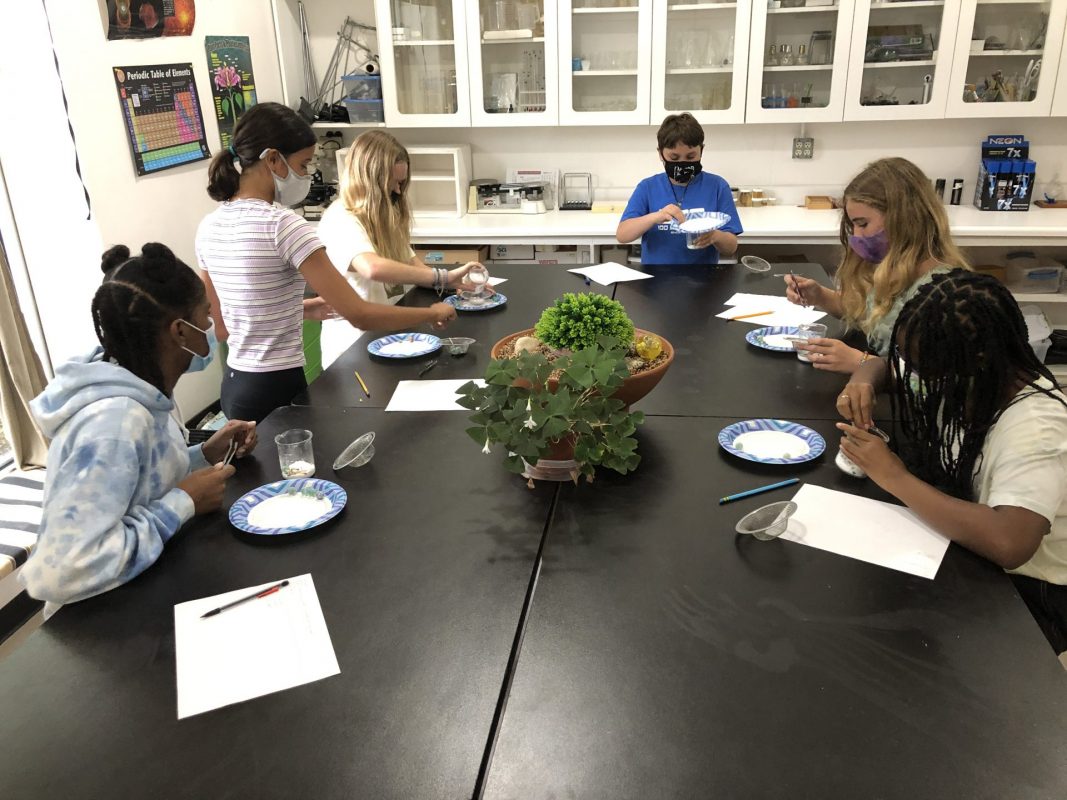
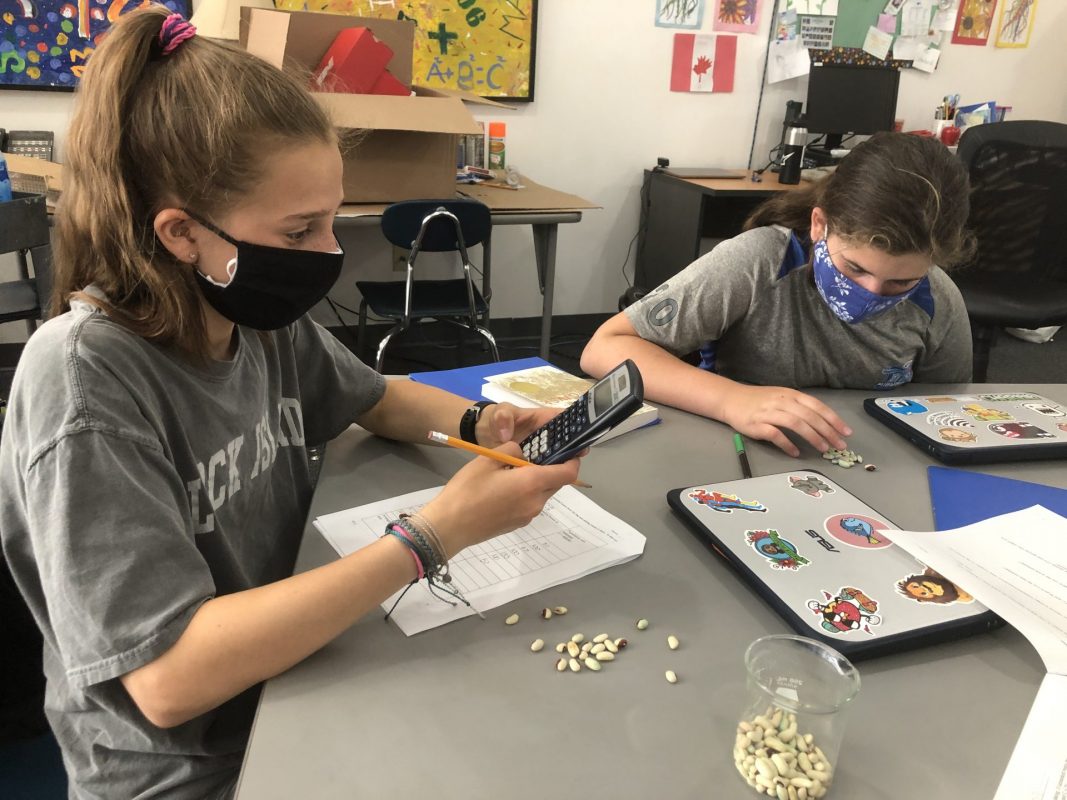
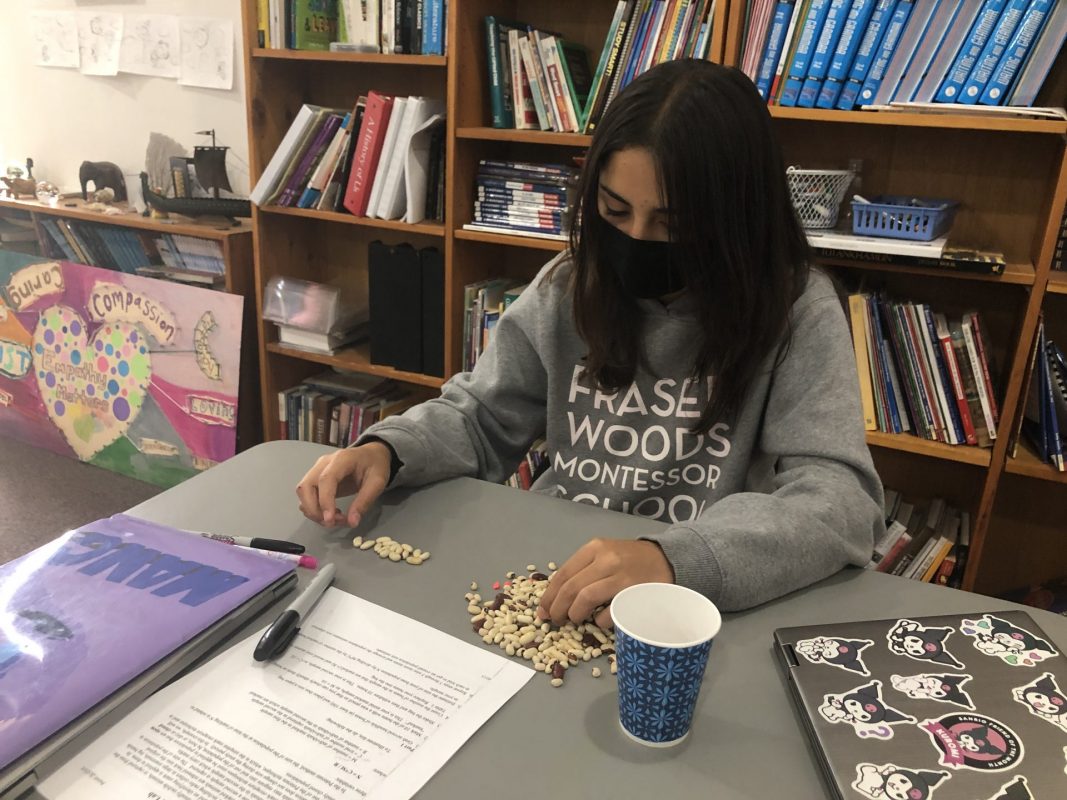
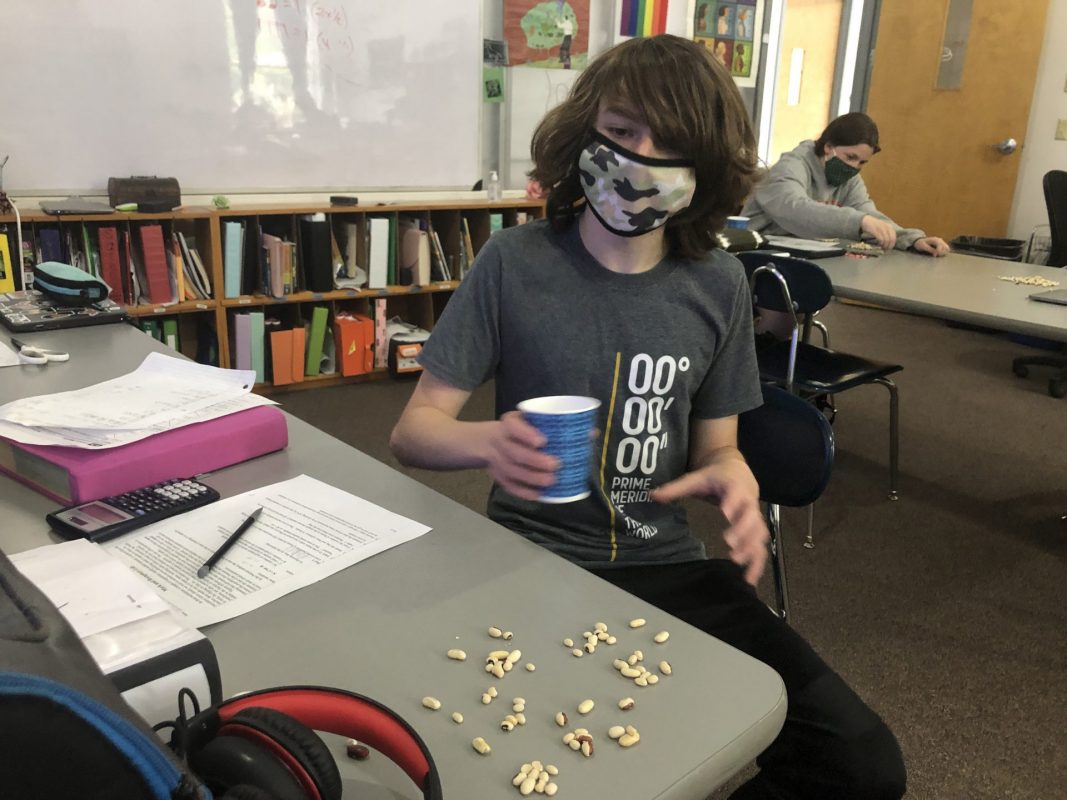
8th year Life Science students were able to demonstrate the 25′-30′ journey of food through the digestive system. Modeling this system required students to simulate the mechanical breakdown of food in the mouth by tearing apart small pieces of bread, accompanied by the addition of juices and beans. These items were then mixed thoroughly in a sealed bag (stomach) and poured into a nylon stocking (intestines). Despite the squeamish nature of students during this activity, they were able to identify portions of the system in which enzymes in our body assist in the breakdown and potential absorption of energy from the food we ingest before its exit.
Math
In Pre-Transition class, students concluded their study of Chapter 7. We participated in a scavenger hunt review game to go over key concepts of division properties. Students learned about dividing positive and negative numbers, using fact triangles to solve for missing values, and practicing dividing decimals without a calculator.
In Transition class, students also concluded their study of Chapter 6. We reviewed concepts such as properties of parallelograms, the Triangle sum theorem, and calculating distances between two points. This class made helpful review questions for each other and supported their peers with a team teaching activity.
In Algebra class, students are excited to continue their learning of exponent properties. This class has a successful  understanding of simplifying square roots and cube roots, calculating distance on a coordinate grid, and rewriting powers of products and quotients. This class will have the Chapter 8 Unit Test on Tuesday, March 9th.
In Geometry class, students are able to build their understanding of knowing properties for various types of triangles and regular polygons. This class can identify rotational symmetry, isosceles trapezoids vs regular trapezoids, as well as finding missing side lengths and angles in a given shape.
Math Joke: Why was the equal sign so humble?…………….He knew he wasn’t less than or greater than anyone else.