Middle School: Week in Review

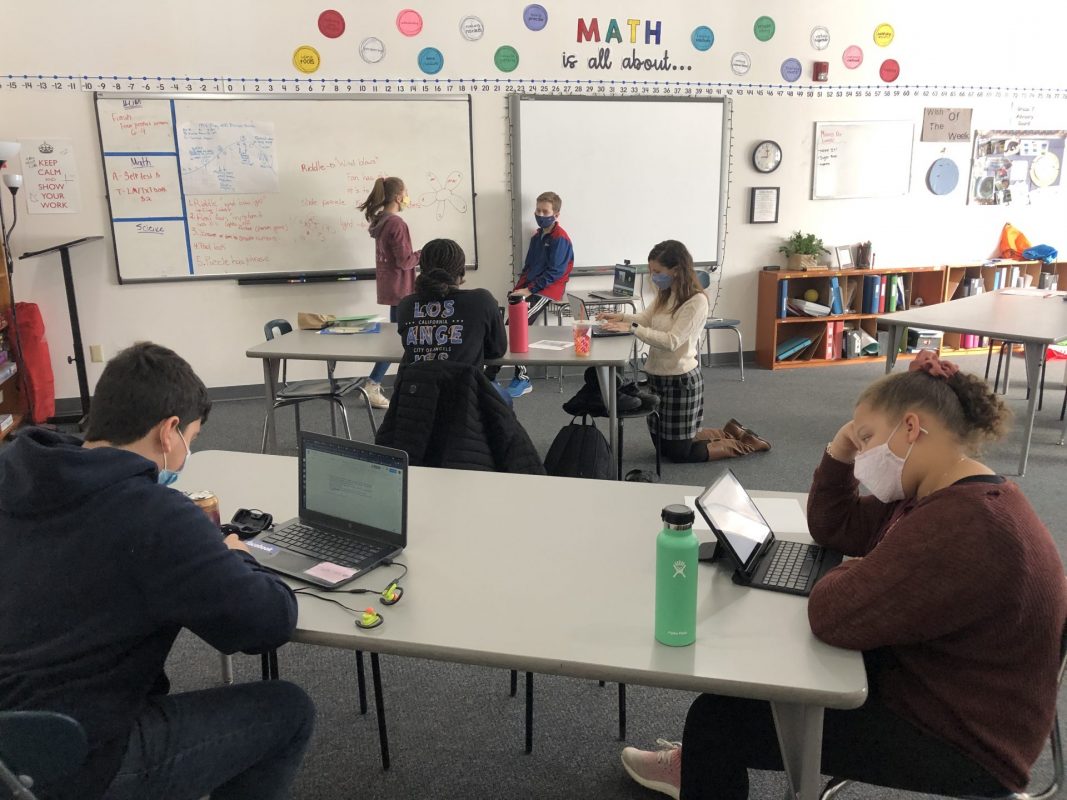
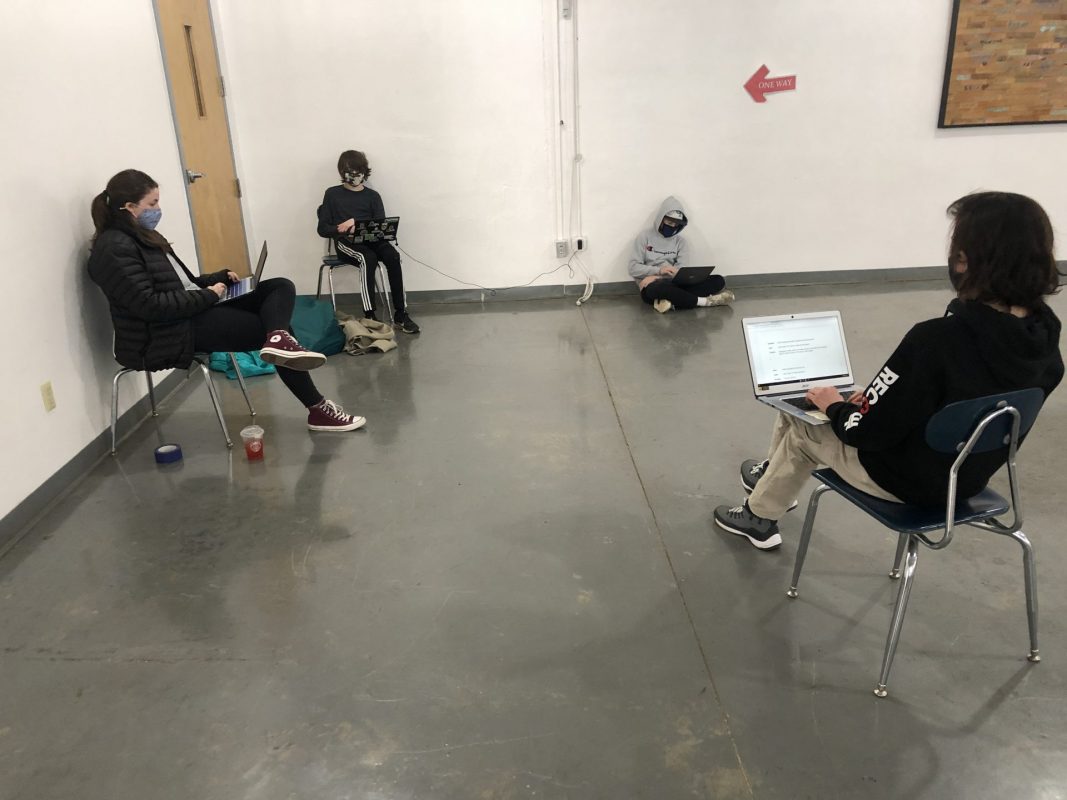
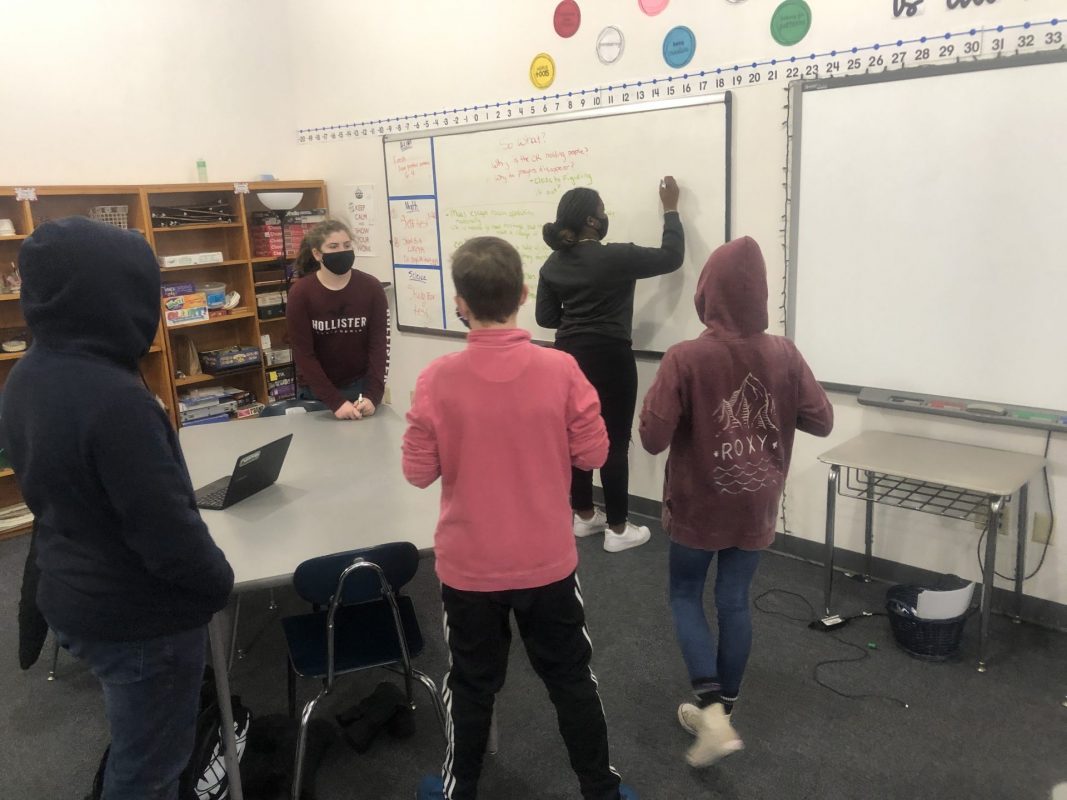
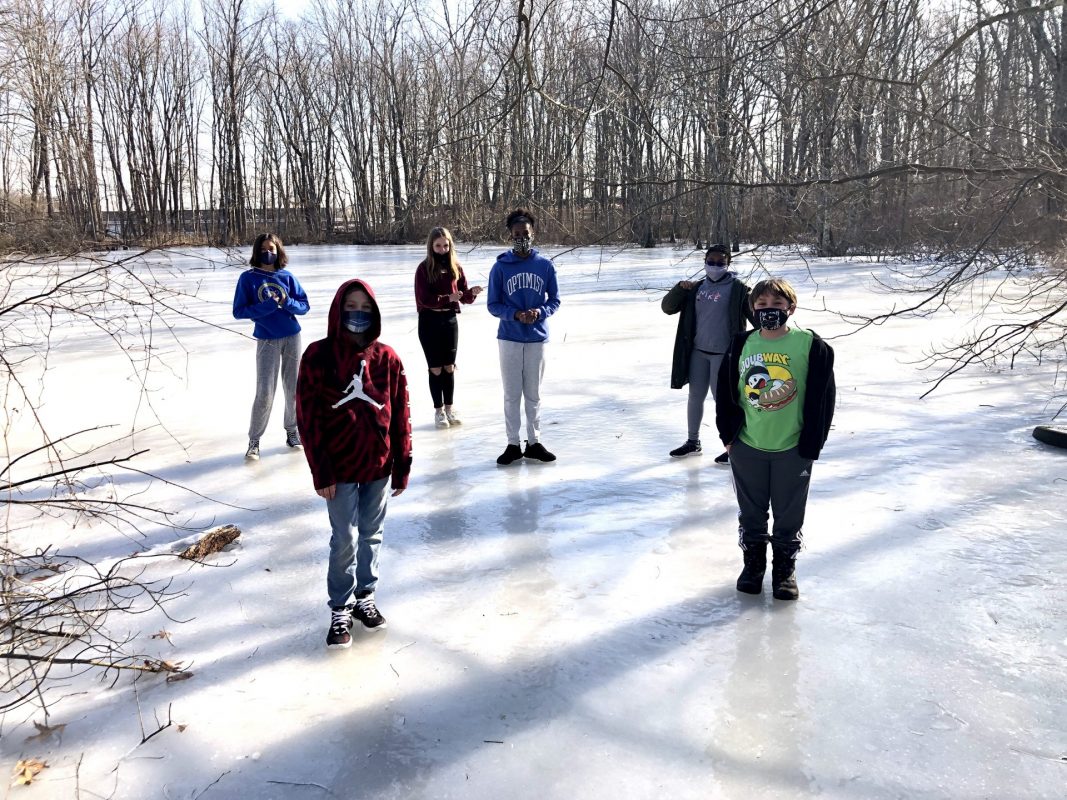
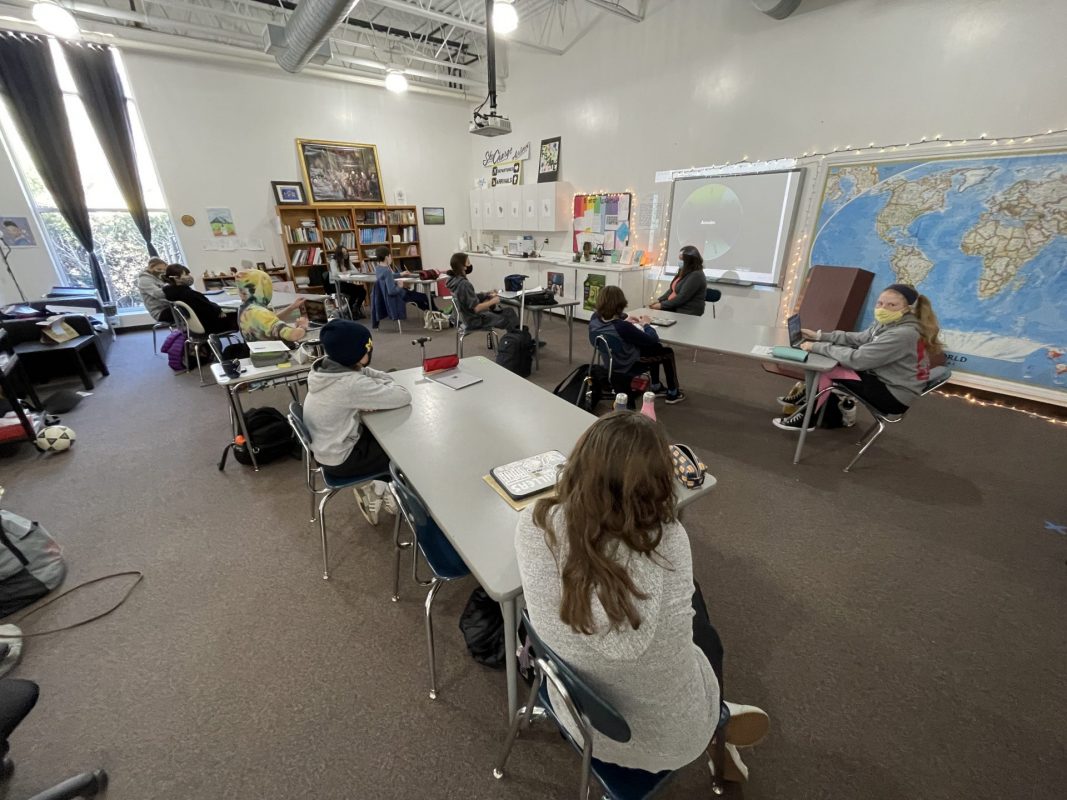
It is the last week of February, and we had a glimpse of spring weather this week (following a wintry Monday). Coming into March, students have been talking about the last year quite a bit and discussing many of the events that have occurred for them personally. We are happy to report that all are having positive conversations with anticipation for the spring season at school!

Humanities

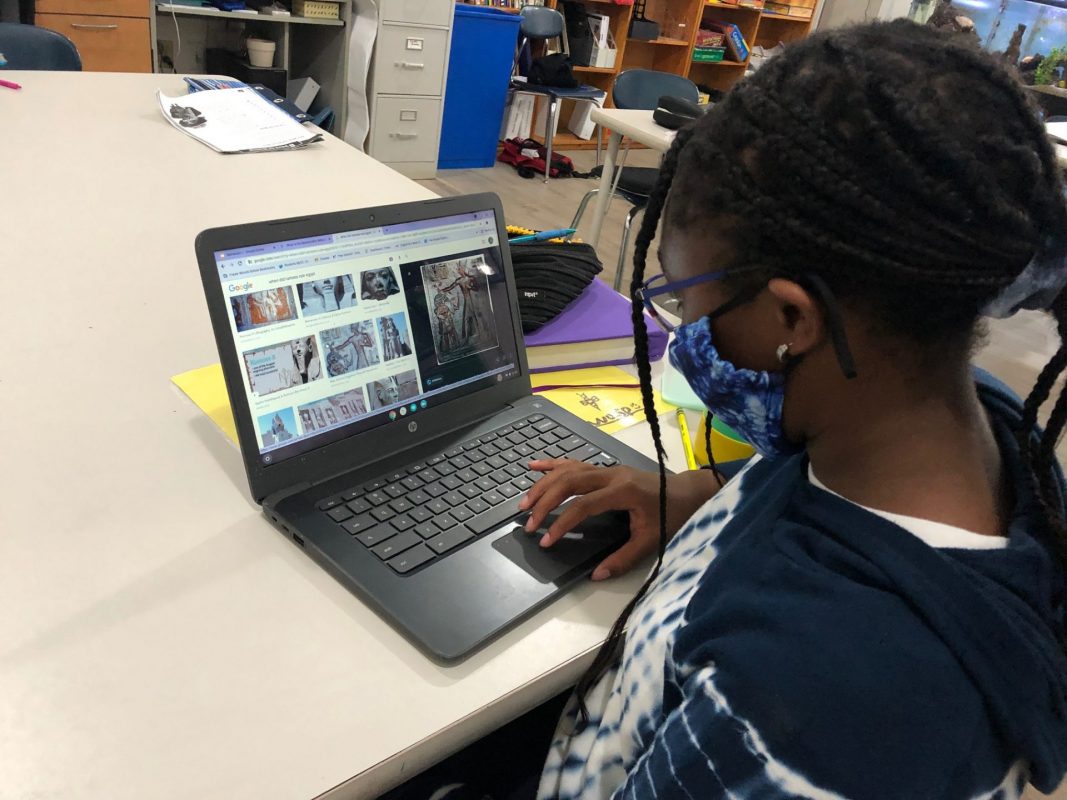
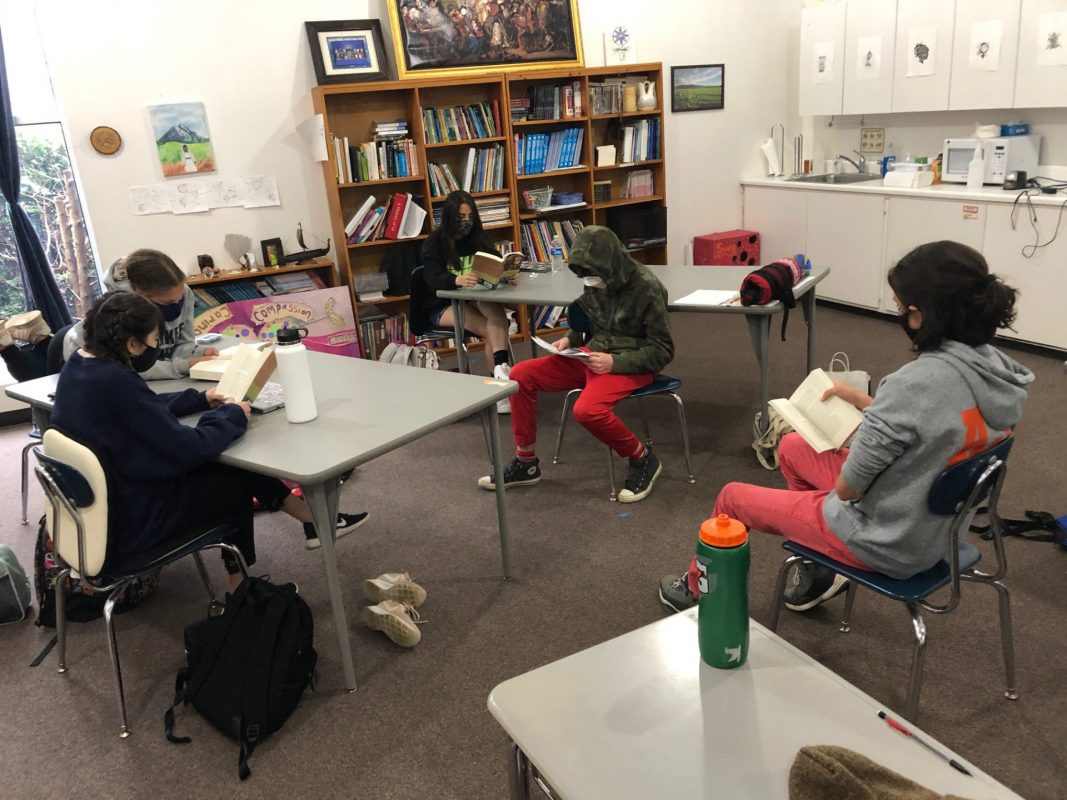
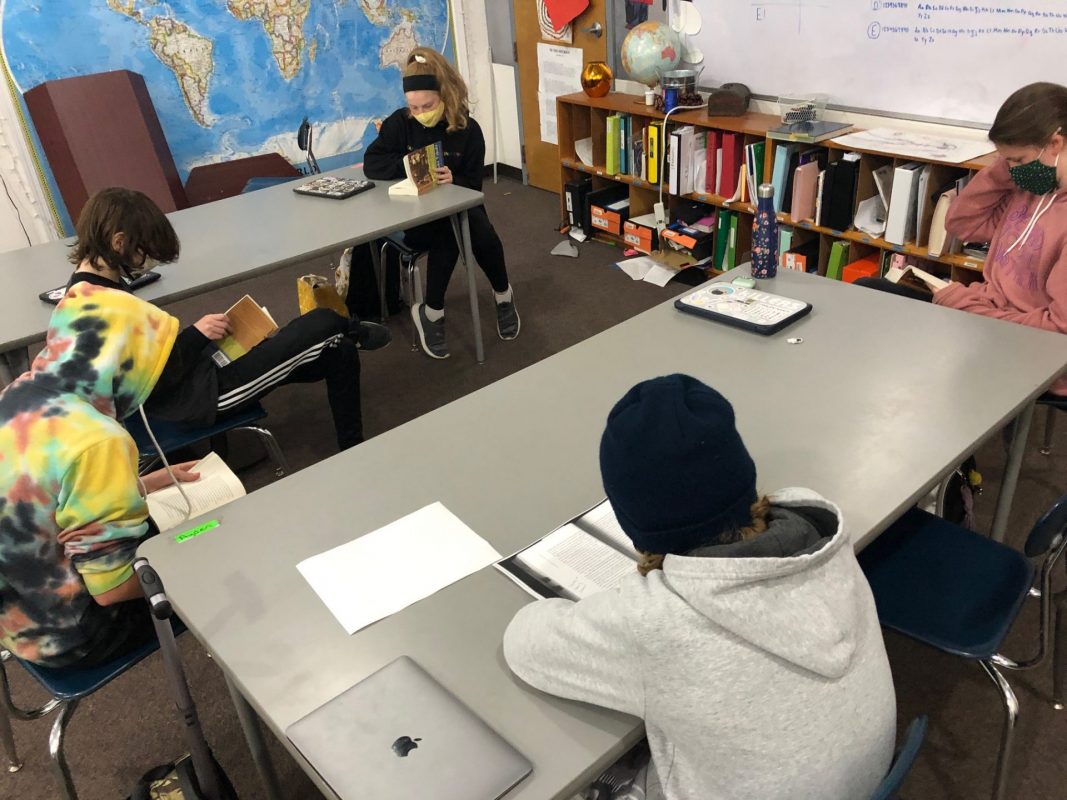
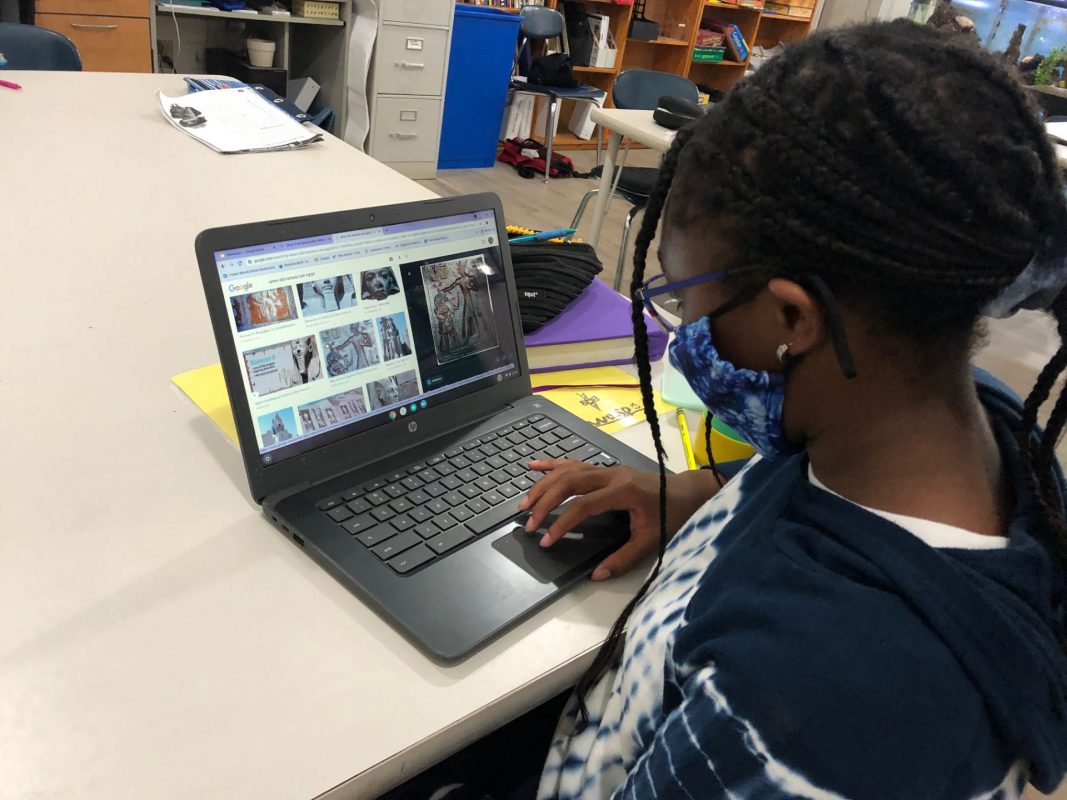
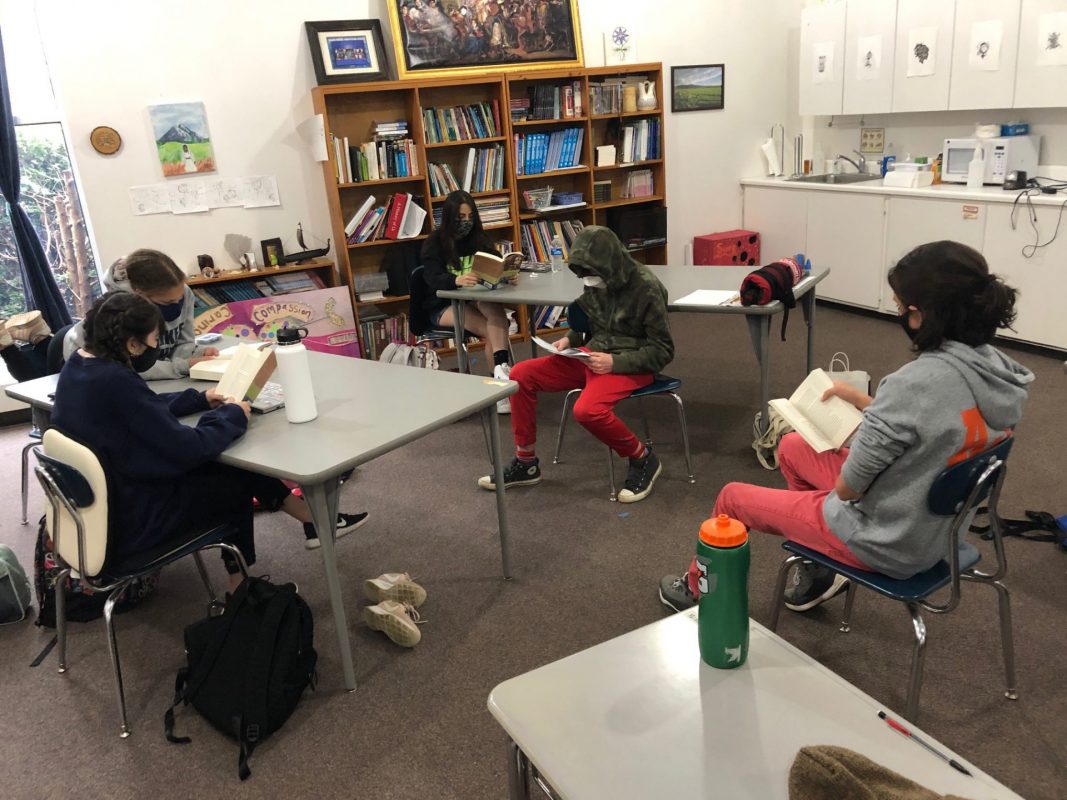
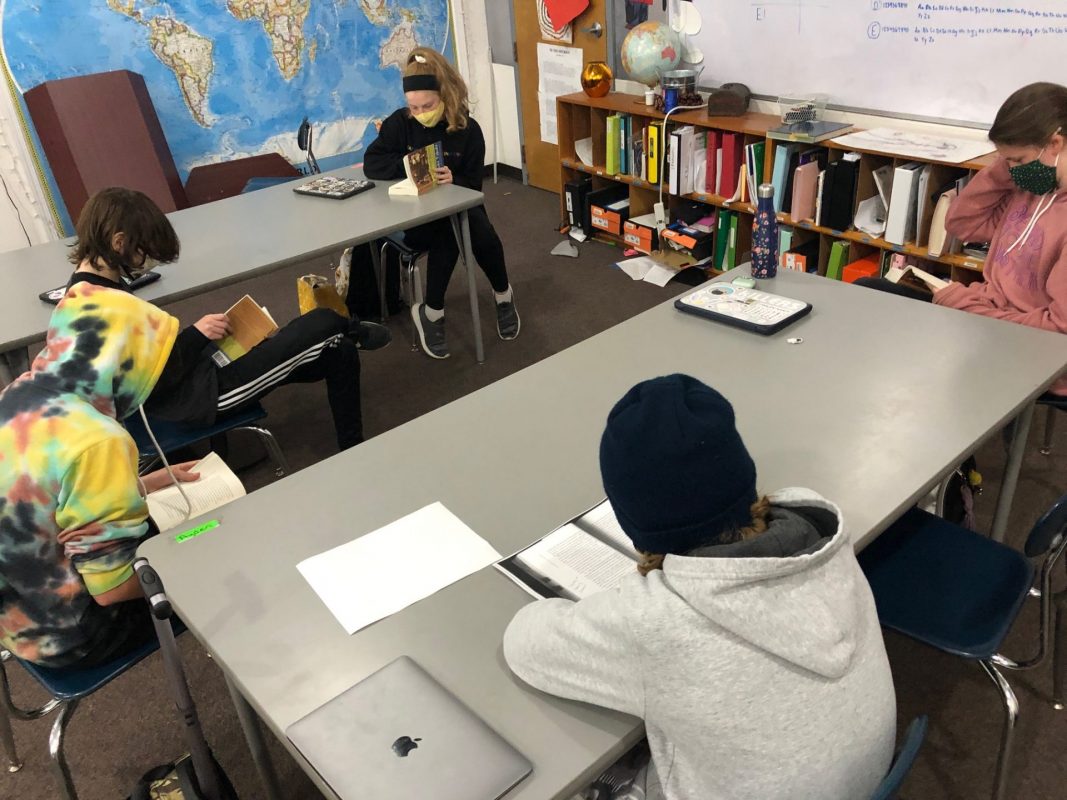
This week, 6th graders were focused on reading! They continued their class novel, The Egypt Game, and learned more about the ancient civilization of Egypt including information about Nefertiti, mummification, and hieroglyphics. Additionally, students all completed current events presentations.

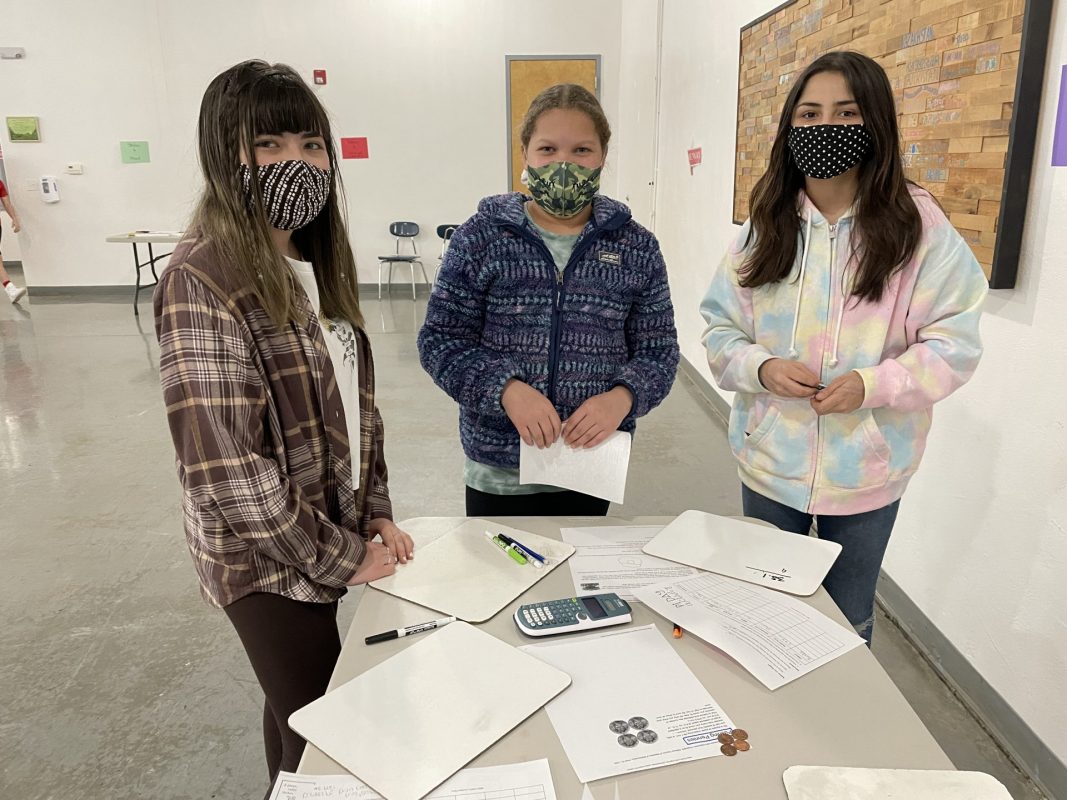
The 7th grade class continued learning about the rise of Hitler, particularly in the years 1933-34. They also began reading Four Perfect Pebbles, a memoir by Marion Blumenthal Lazan, about her Jewish family’s experience during the Holocaust. This profound book also includes information regarding Germany and the Netherlands during World War II. 7th graders also completed current events presentations.

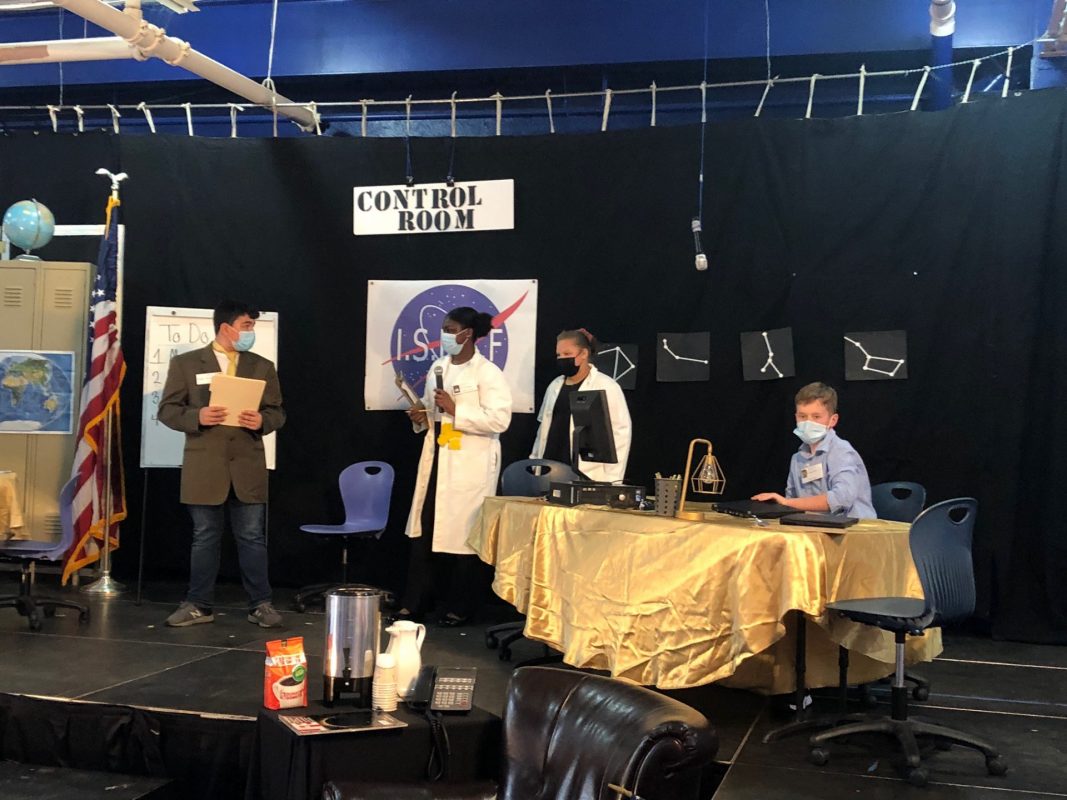
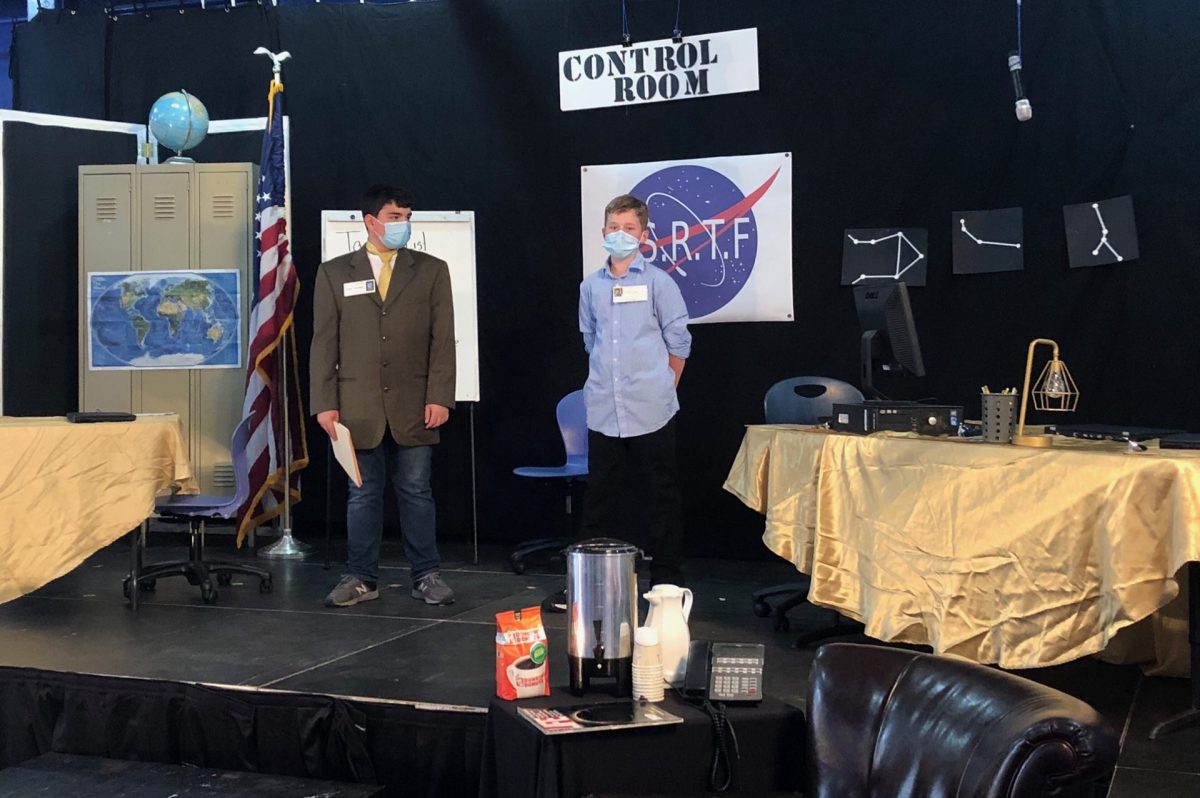
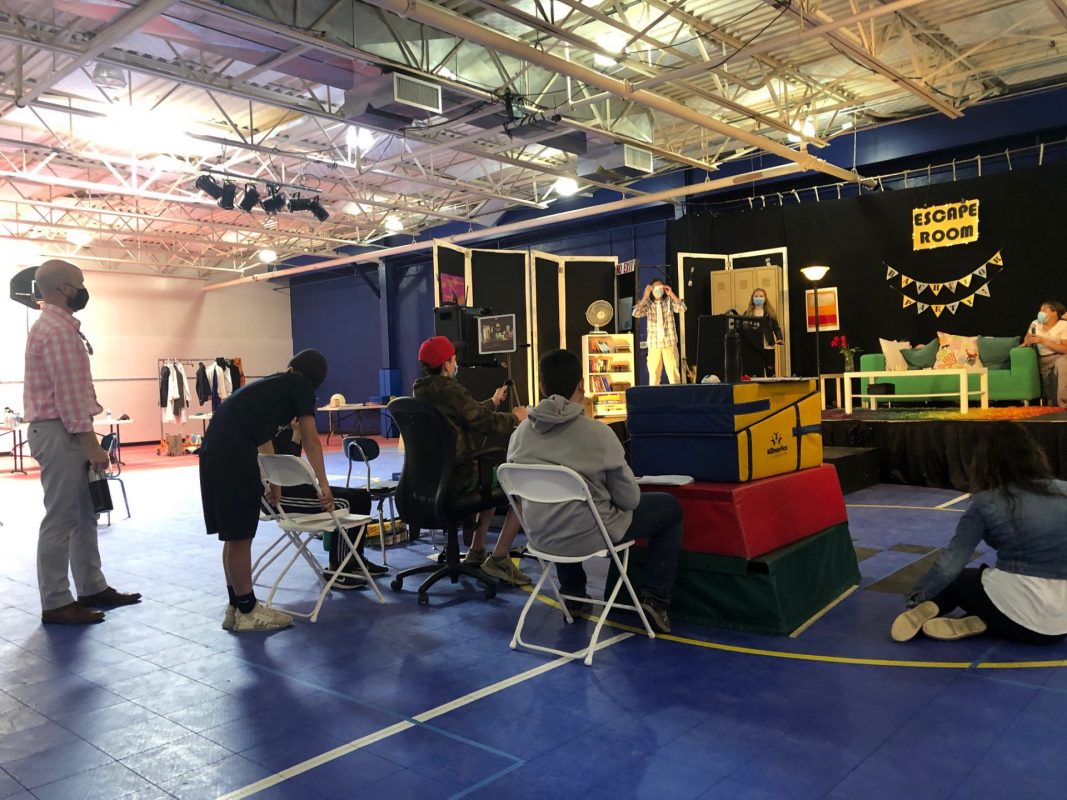
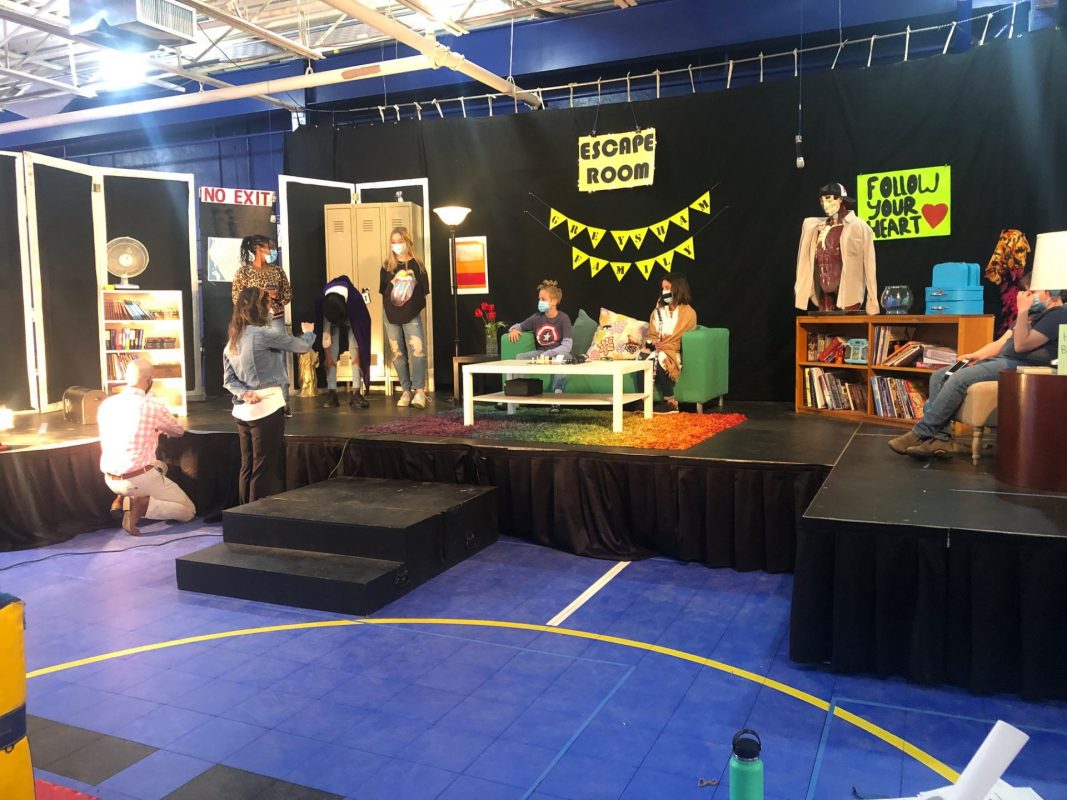
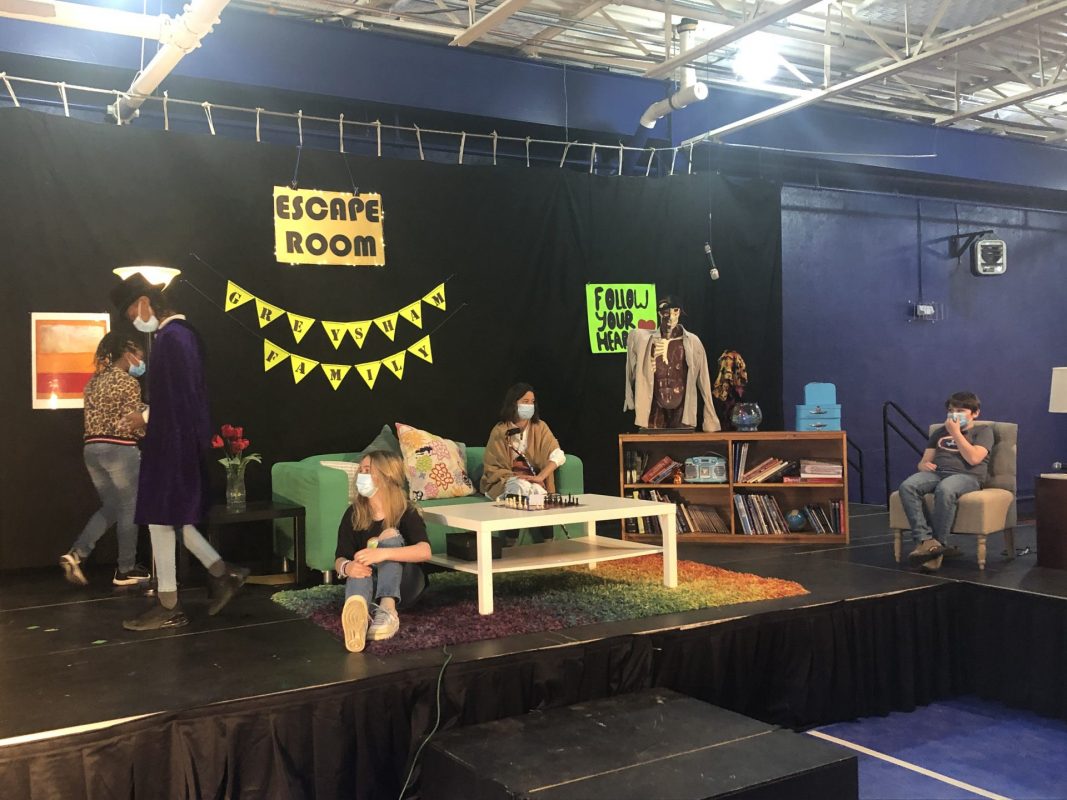
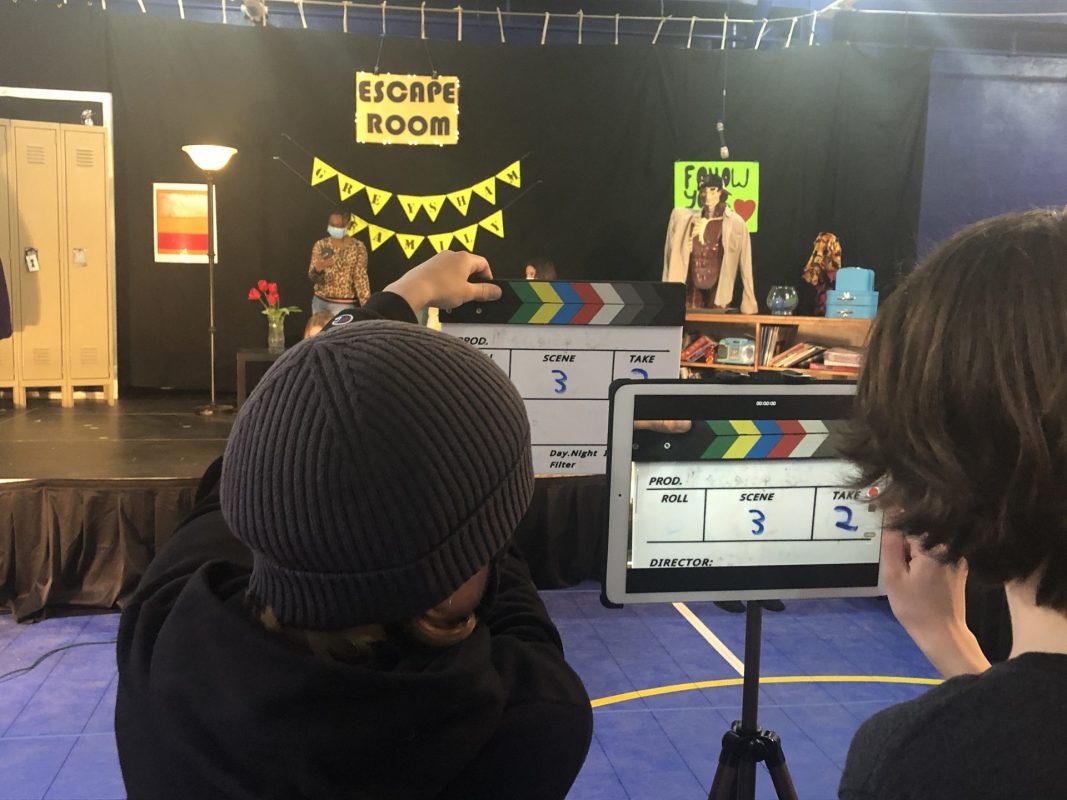
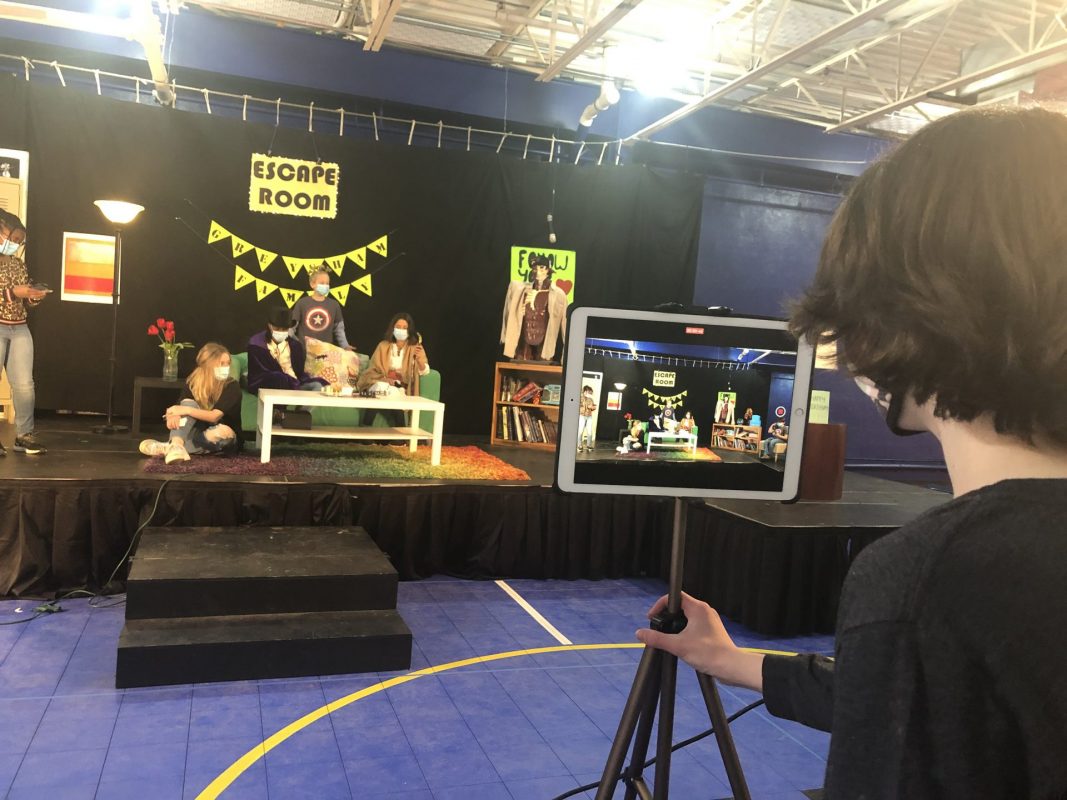
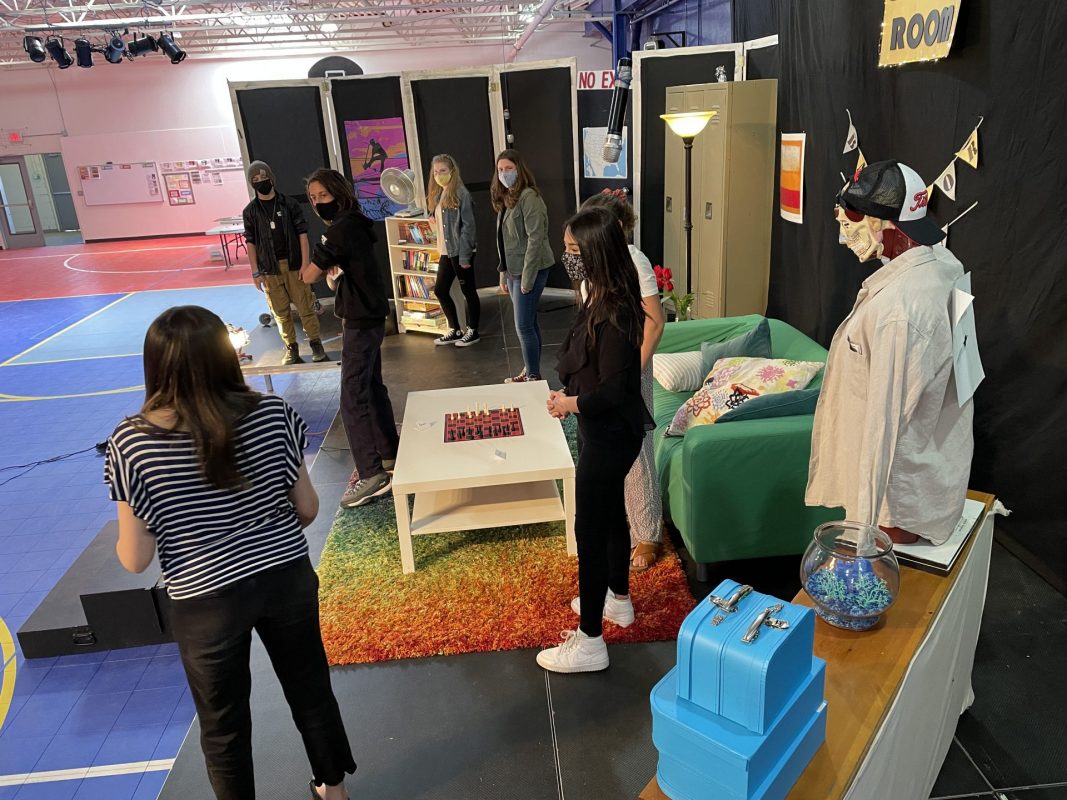
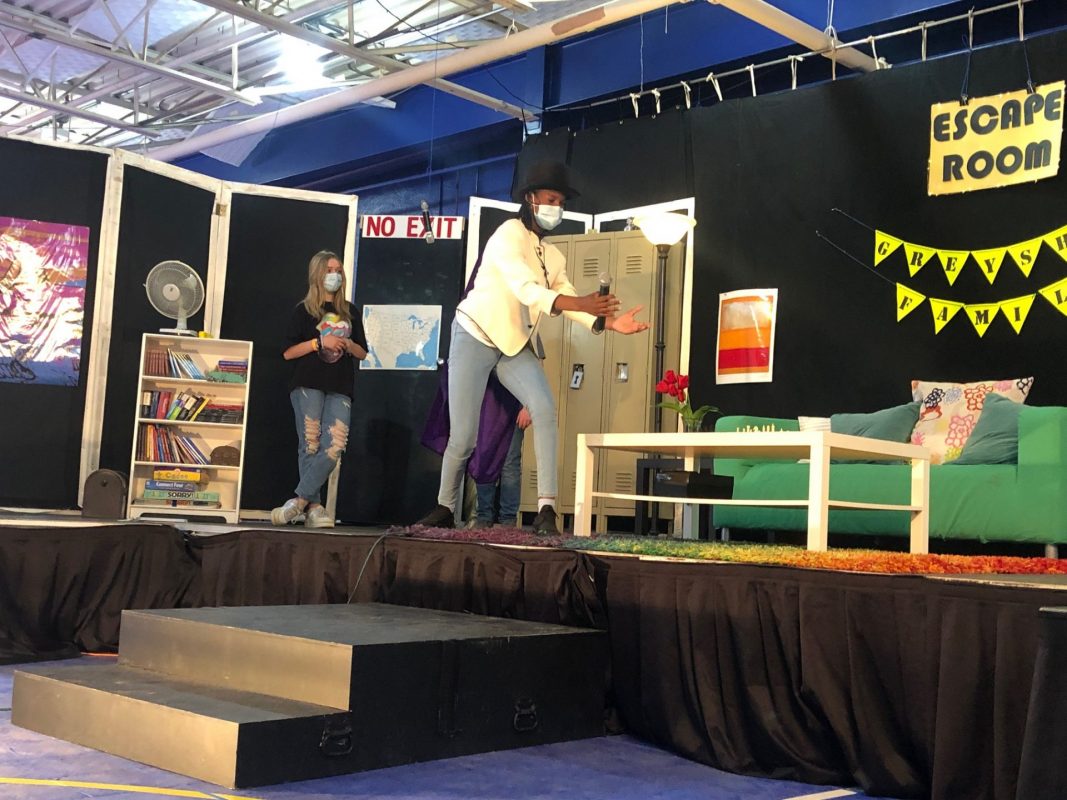
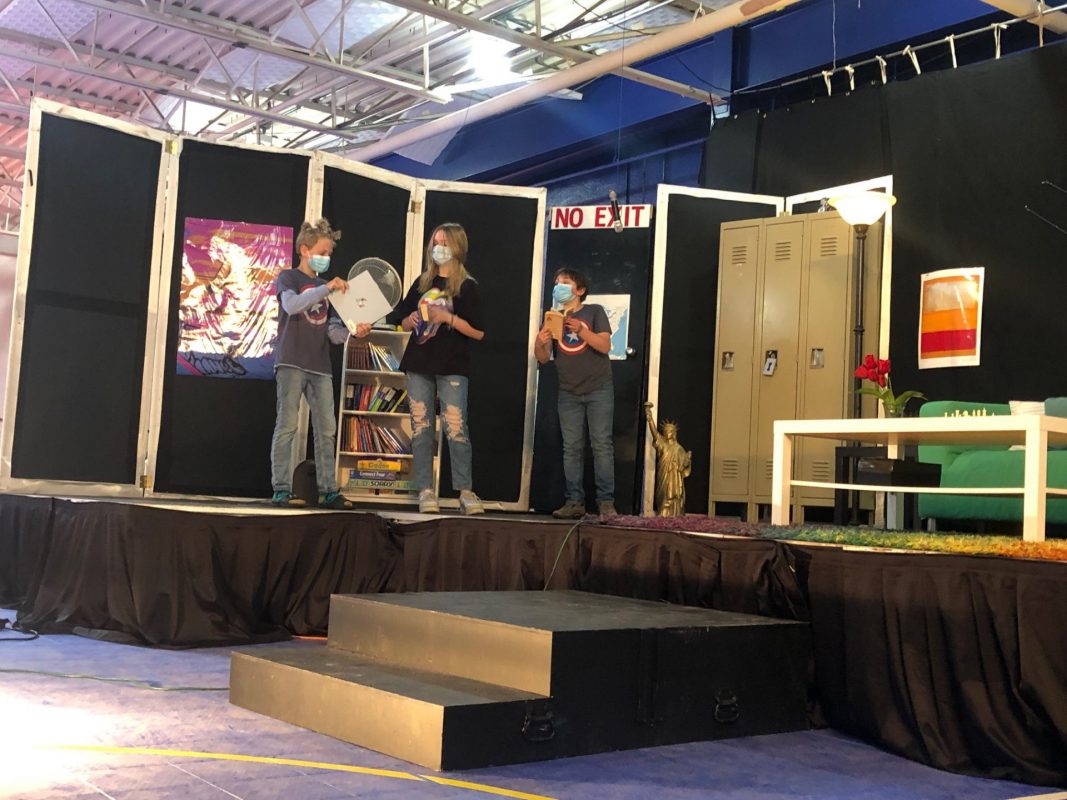
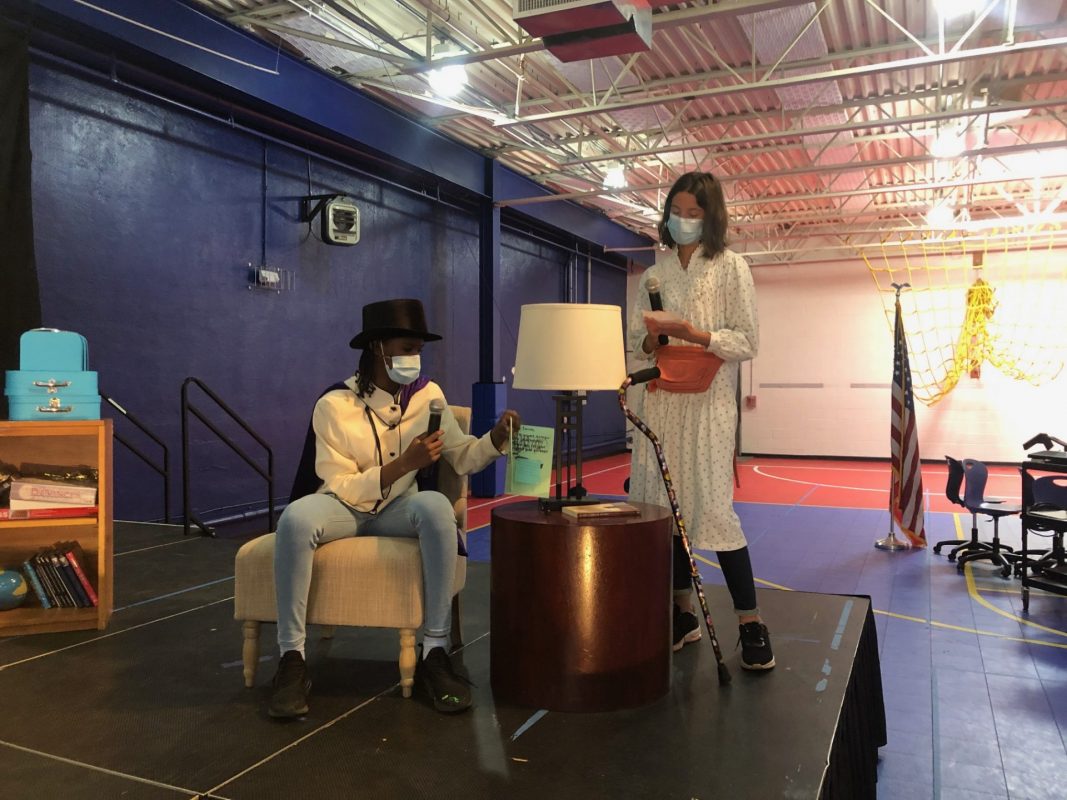
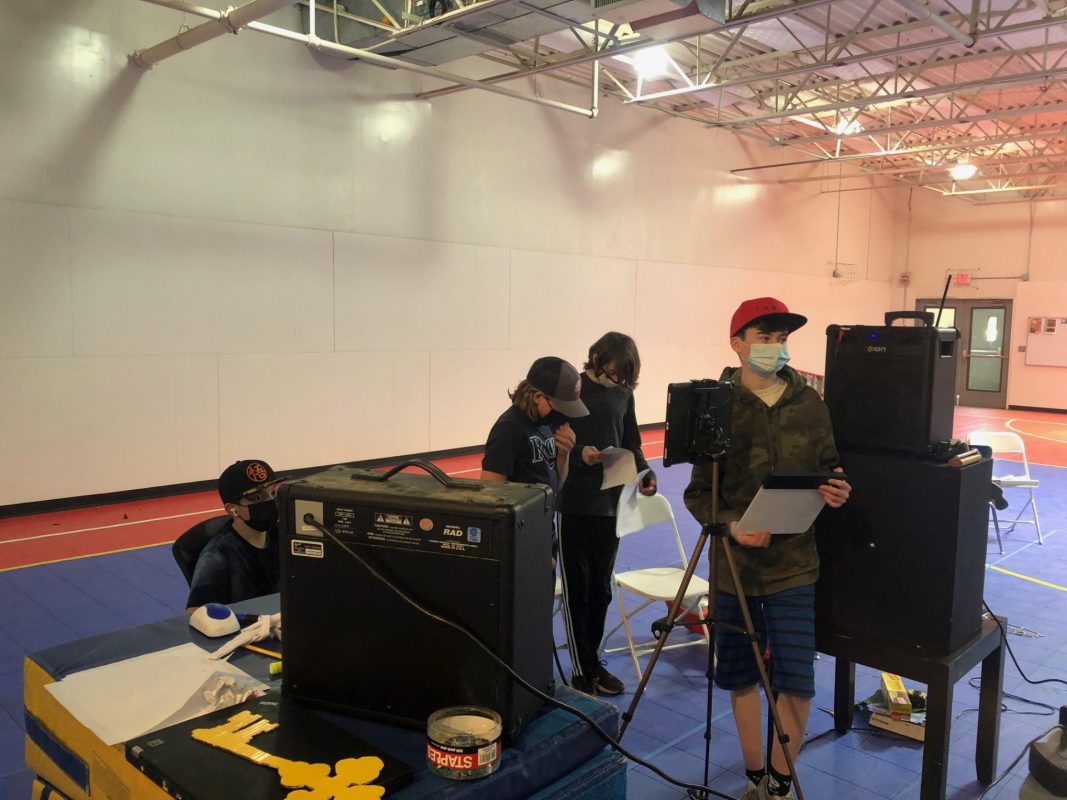
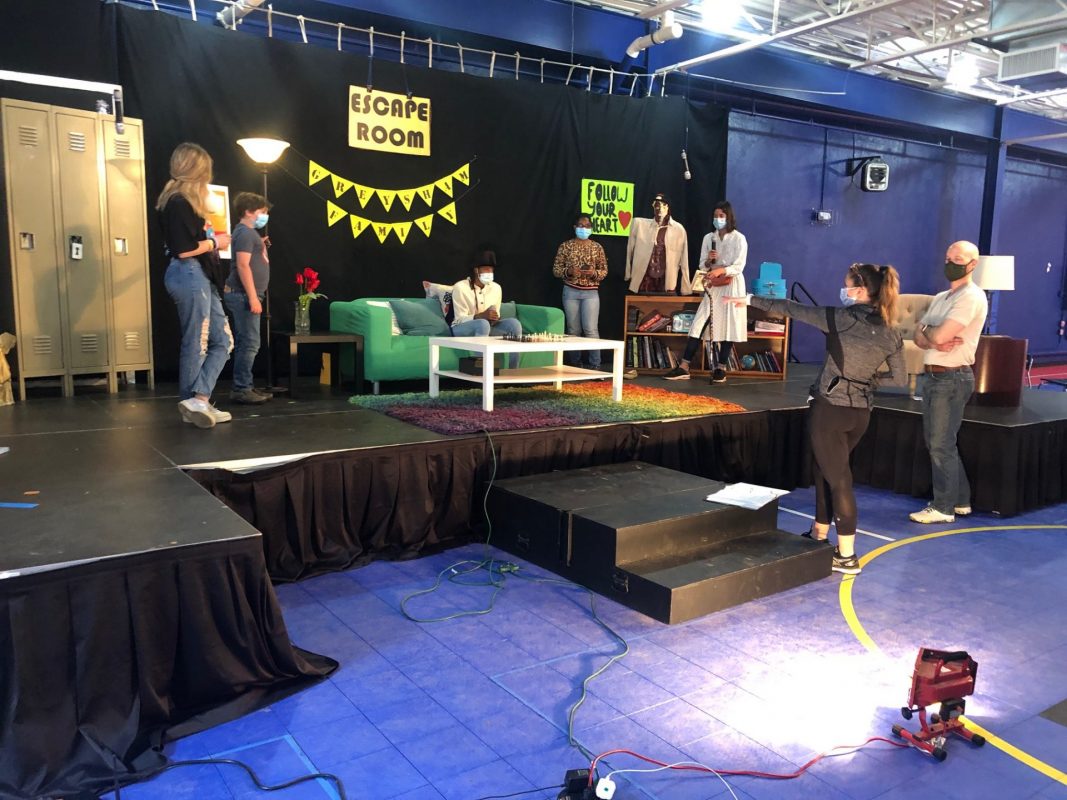
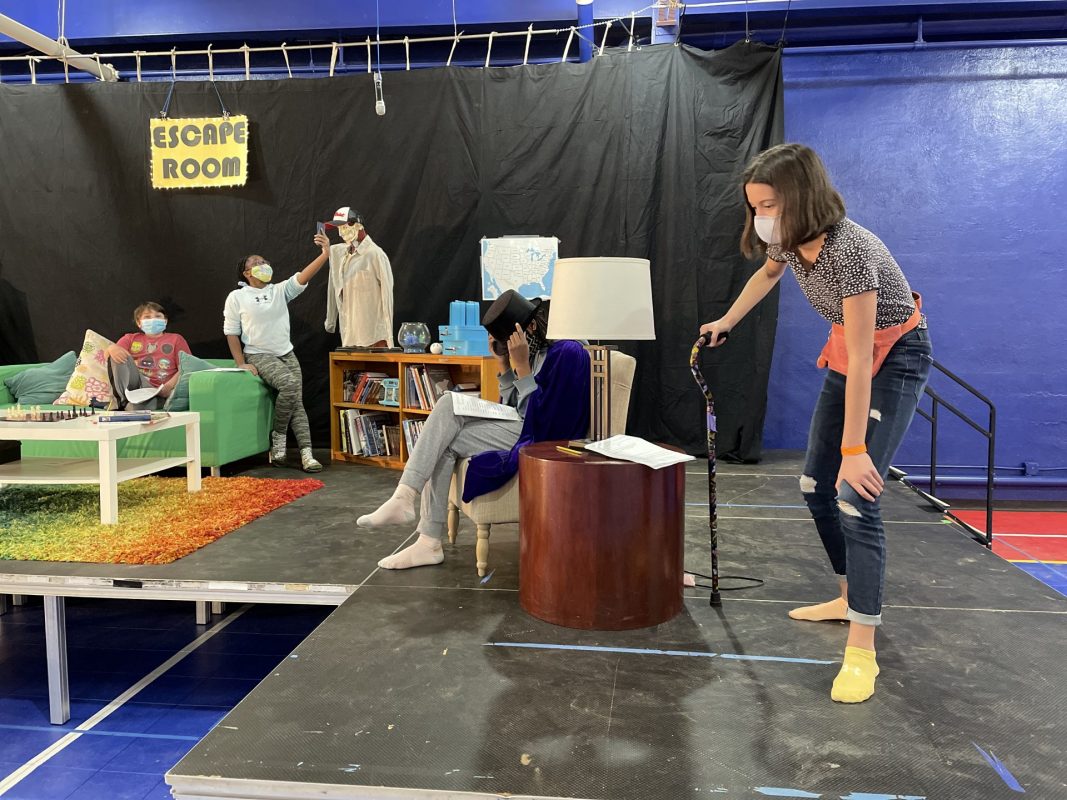
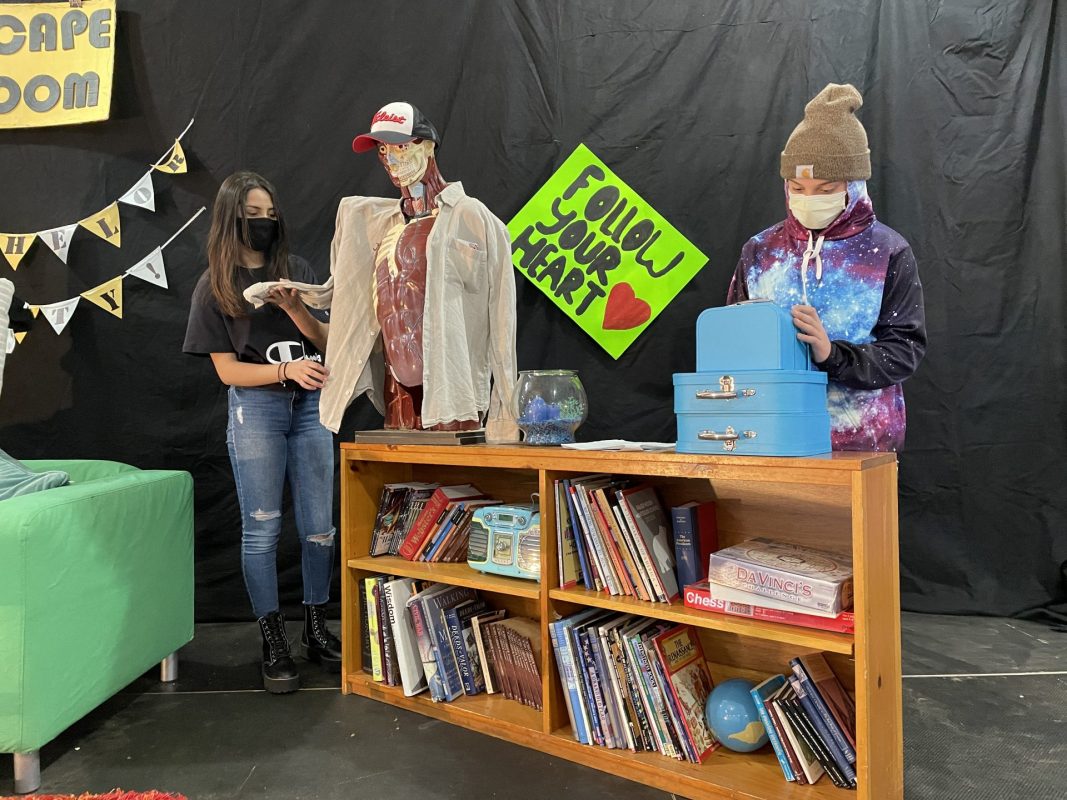
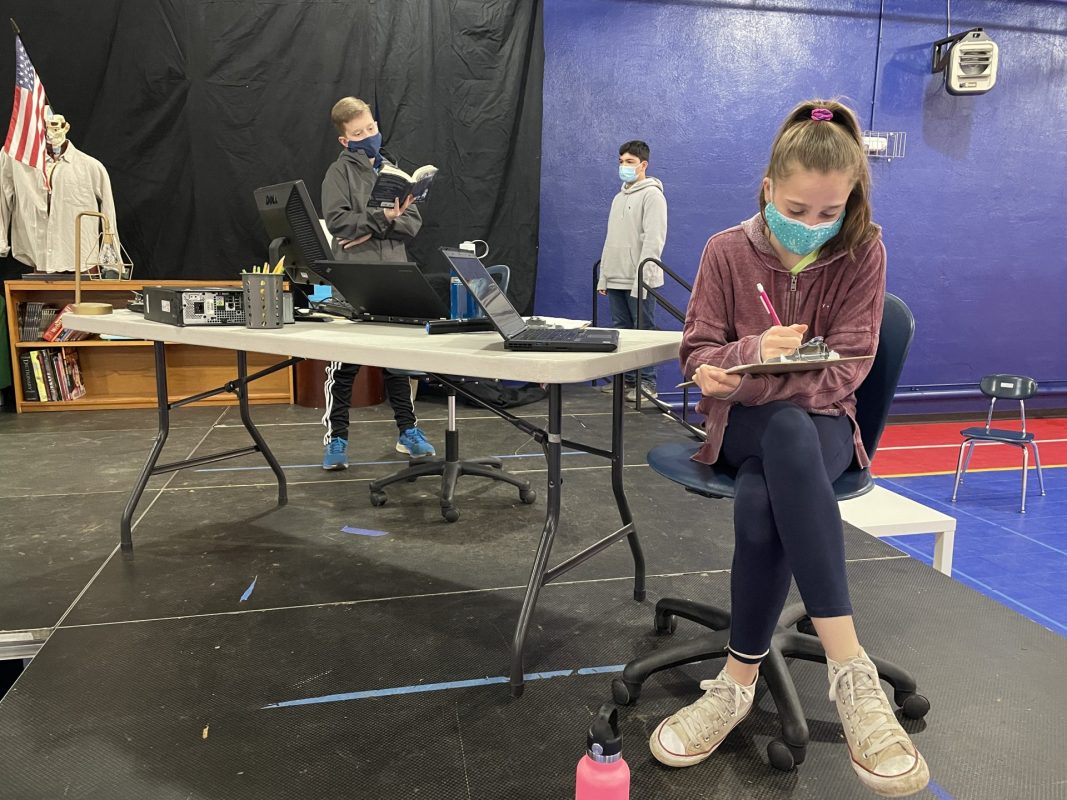
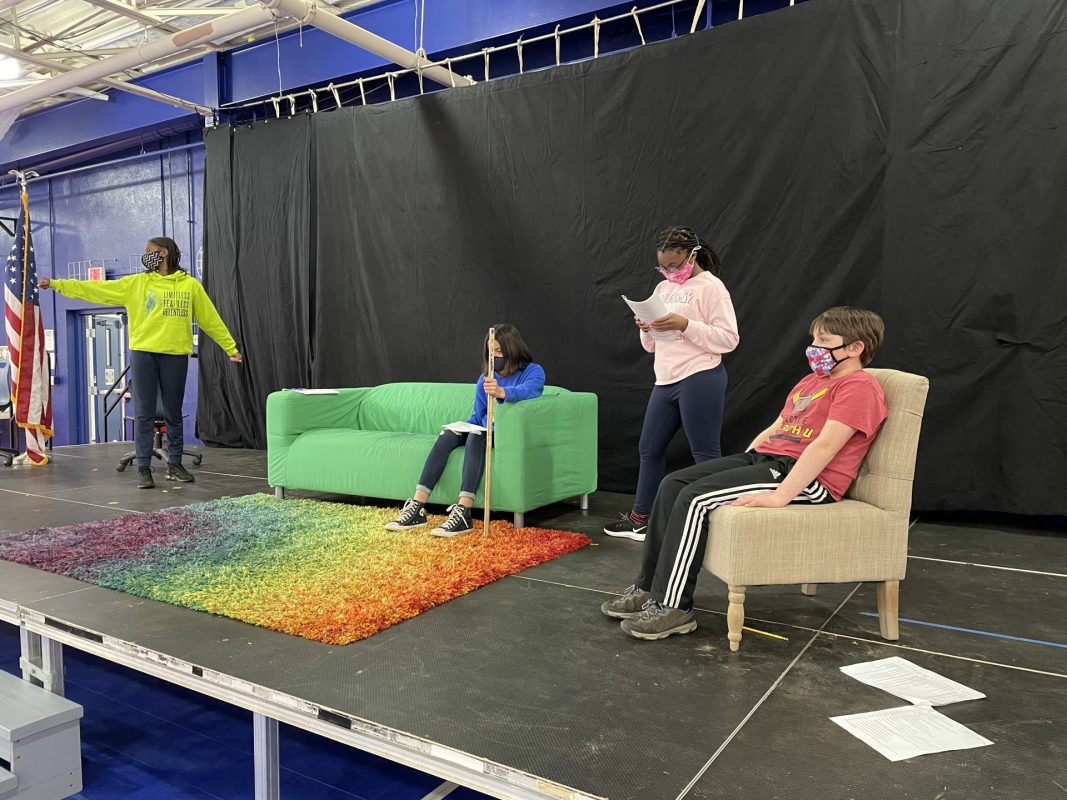
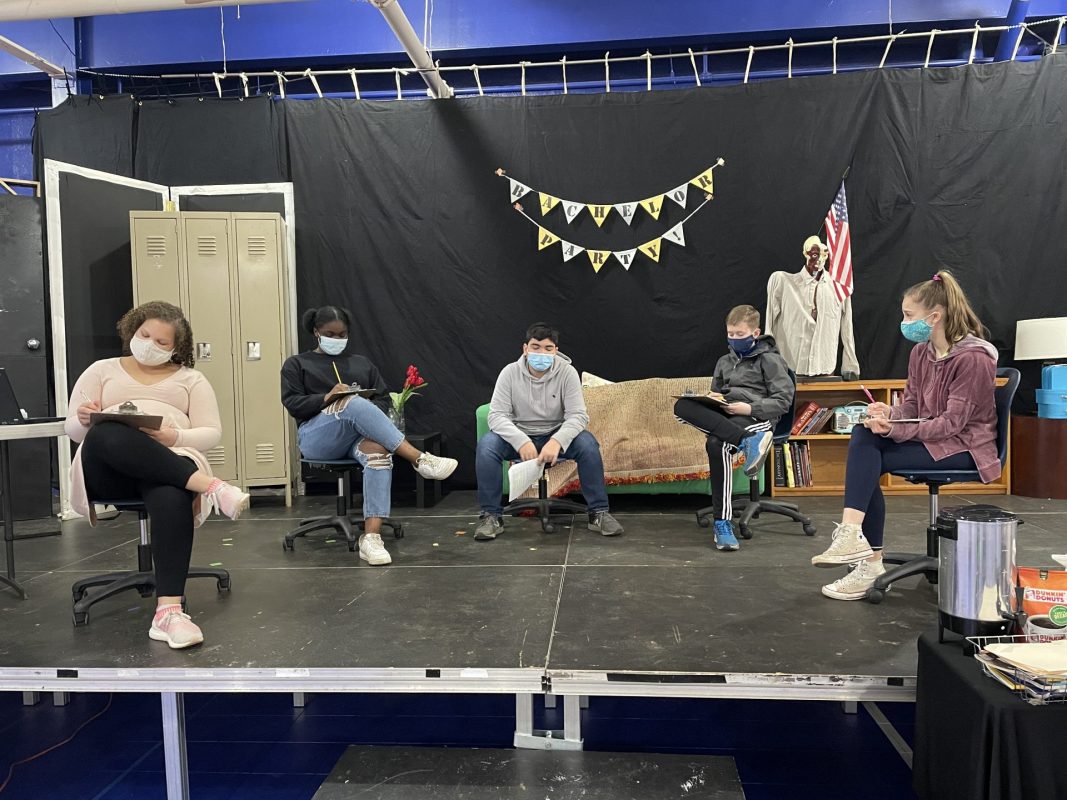
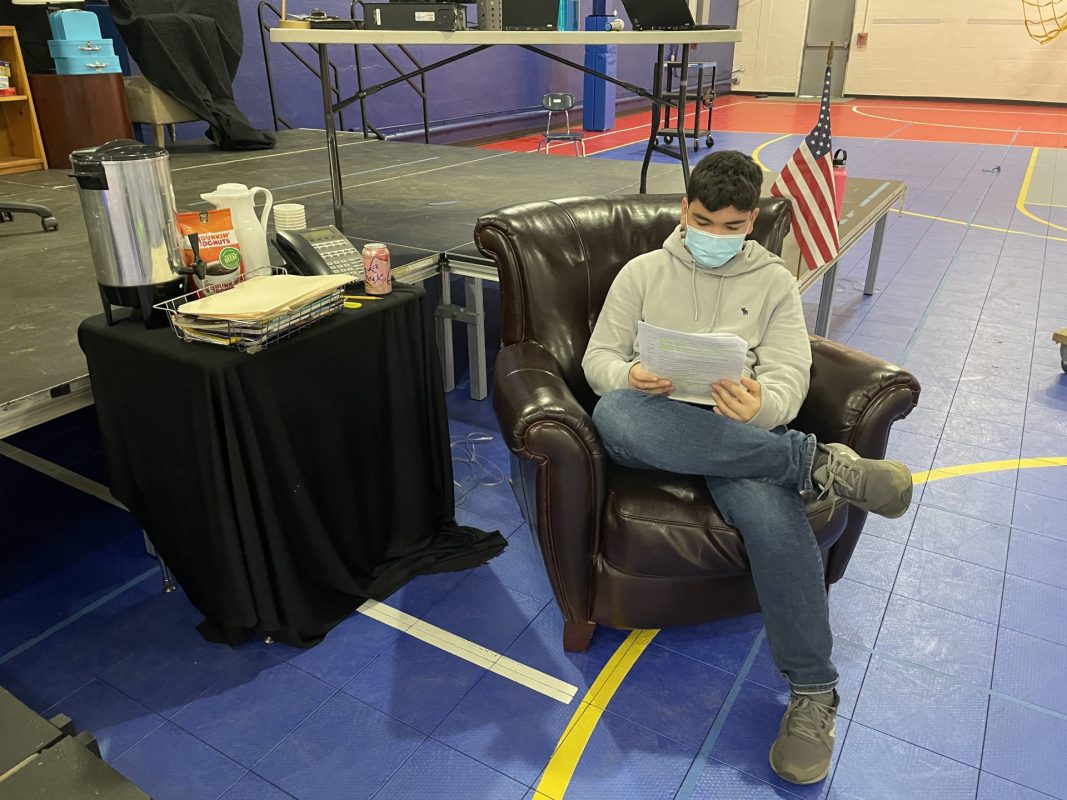
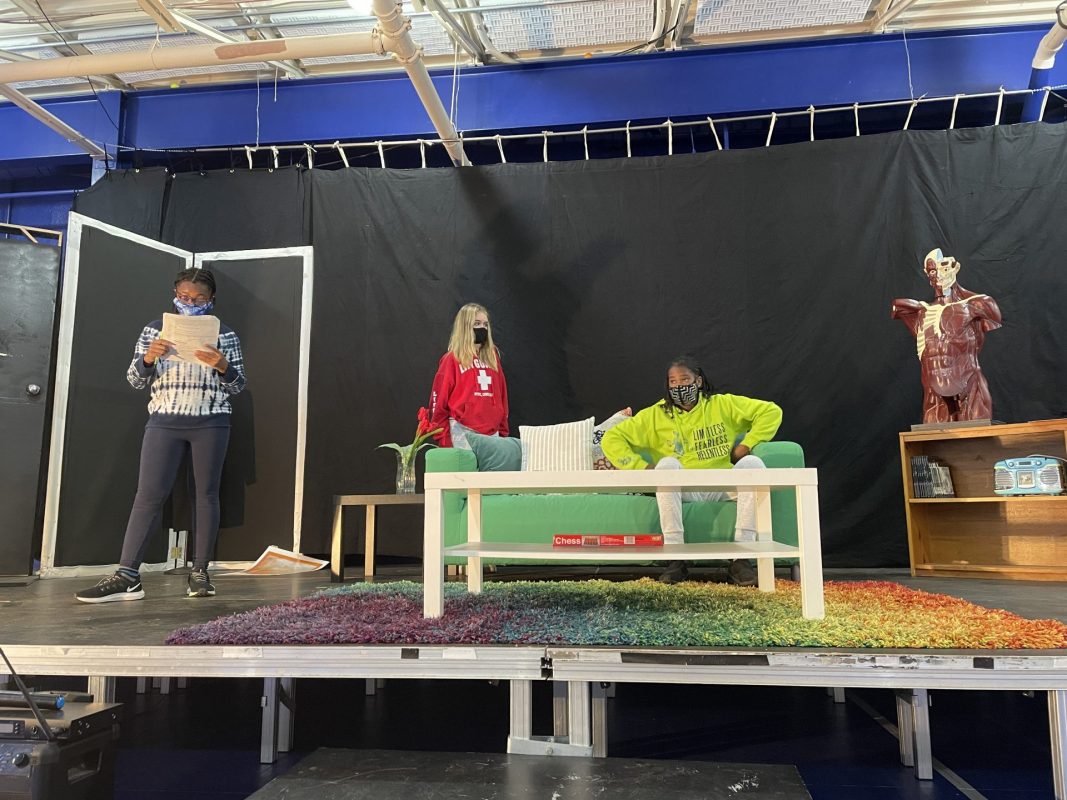
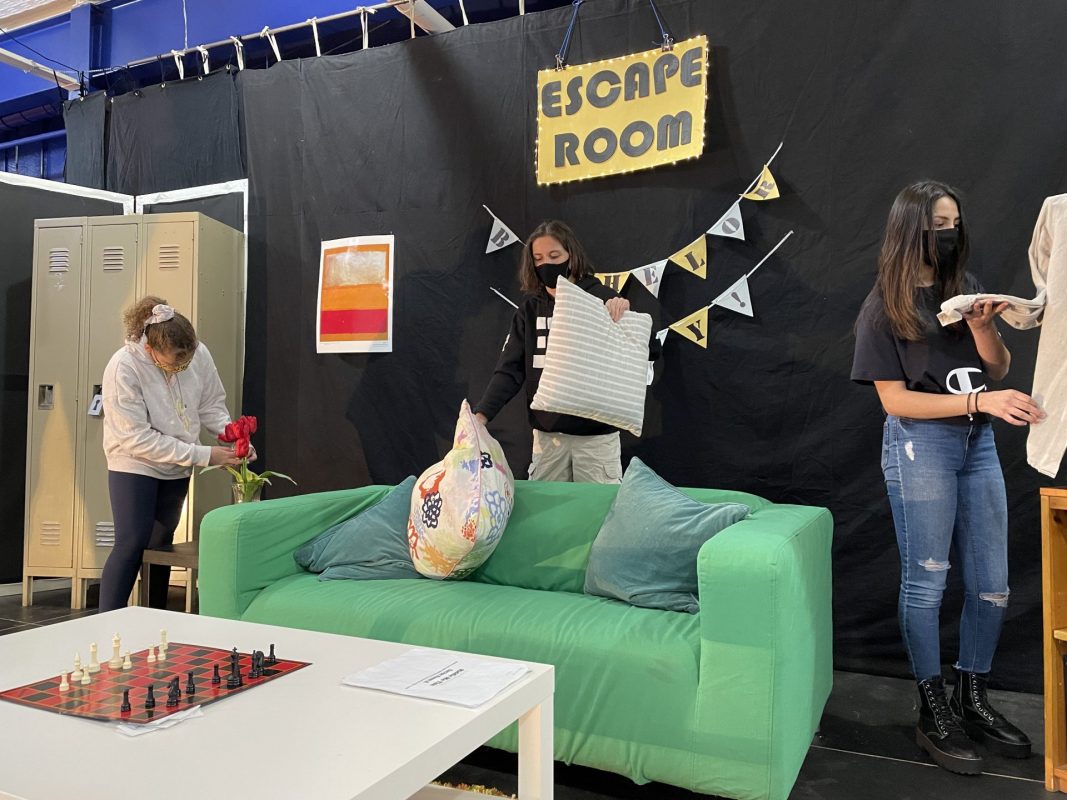
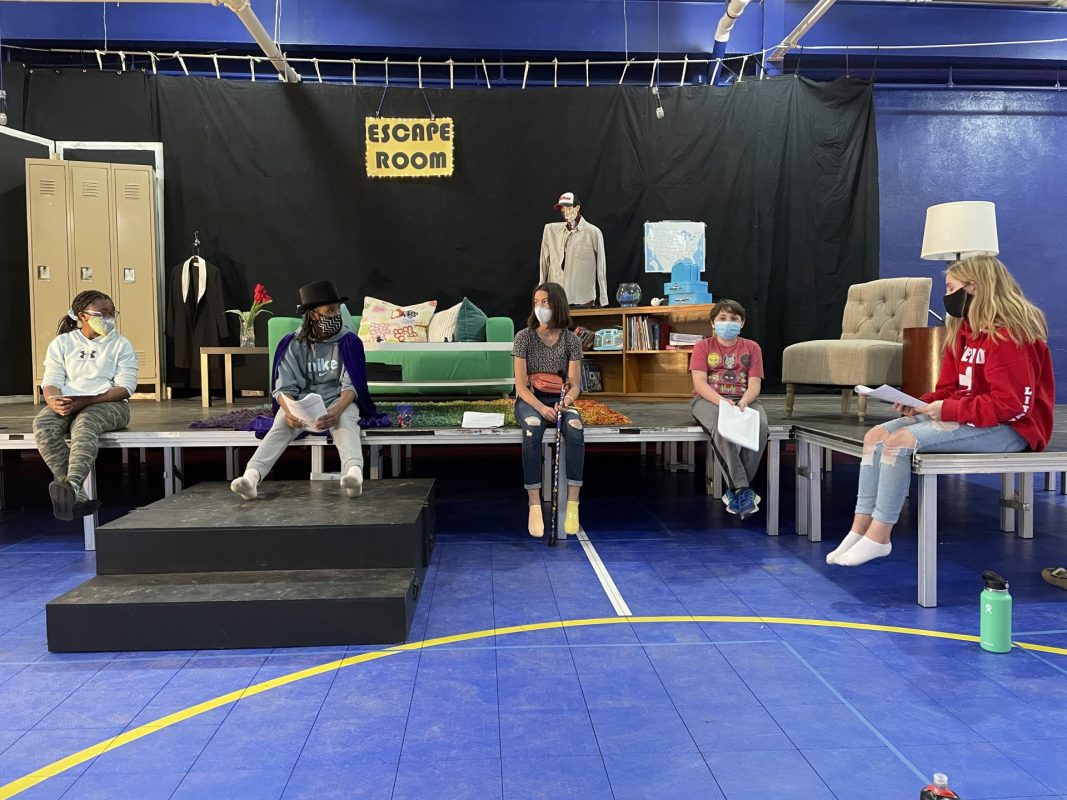
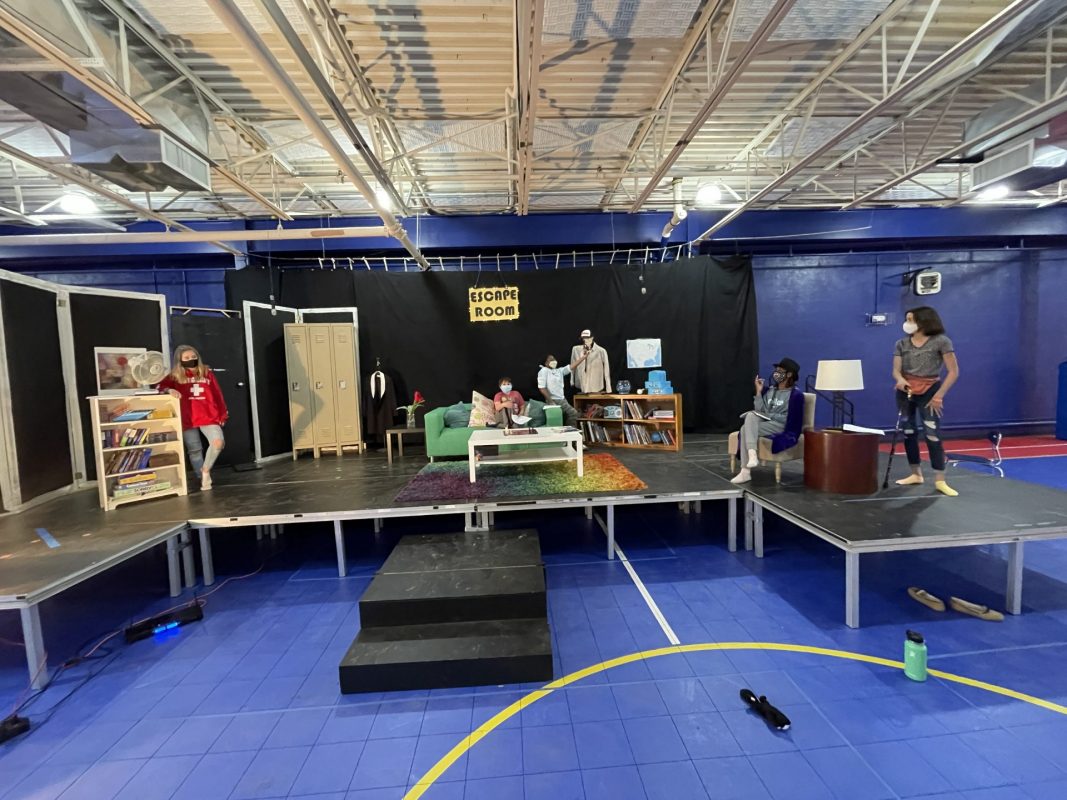
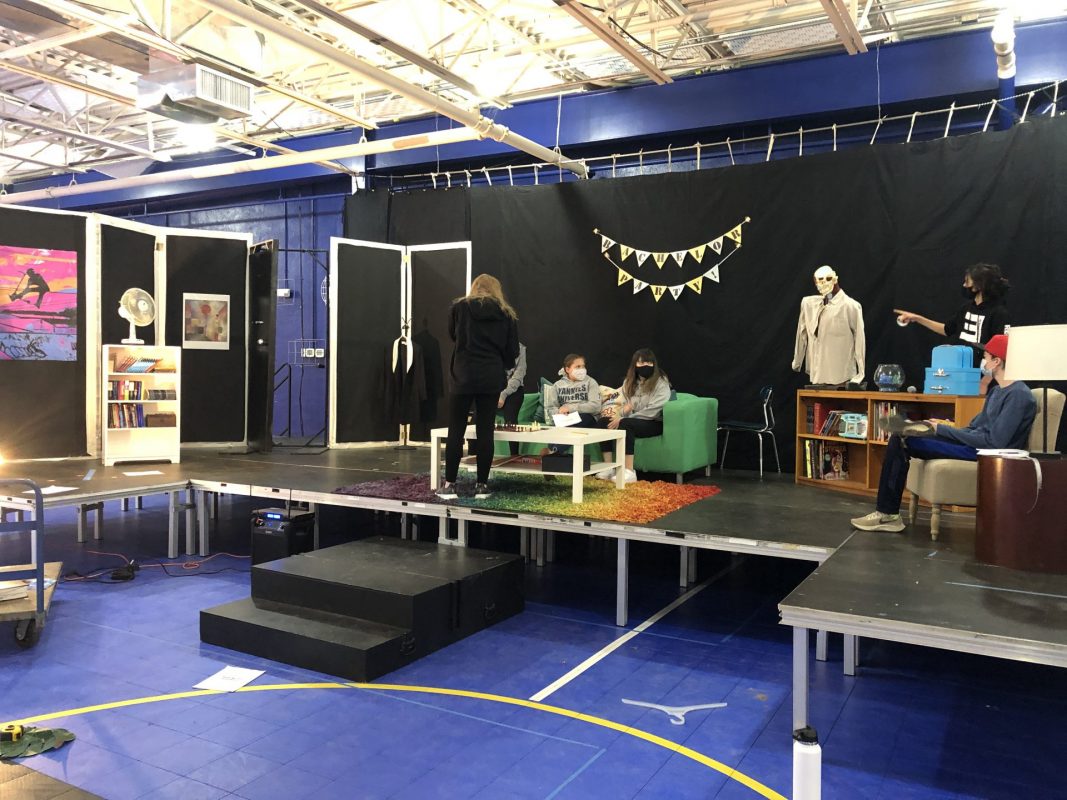
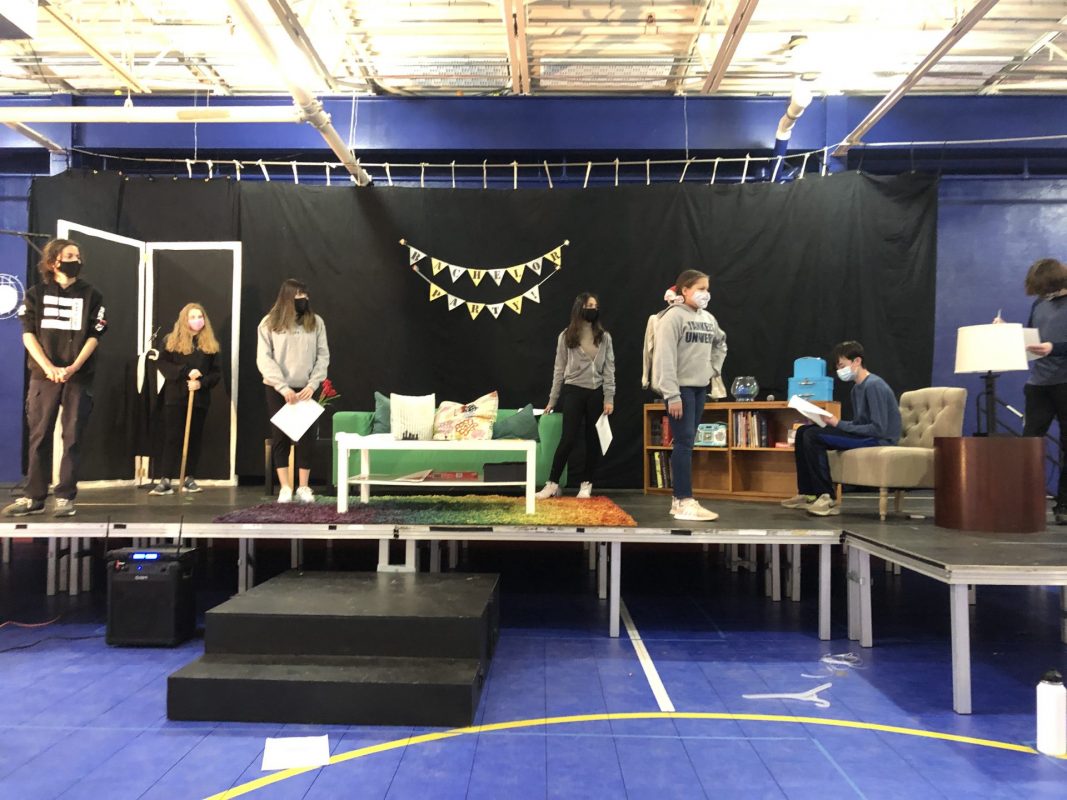
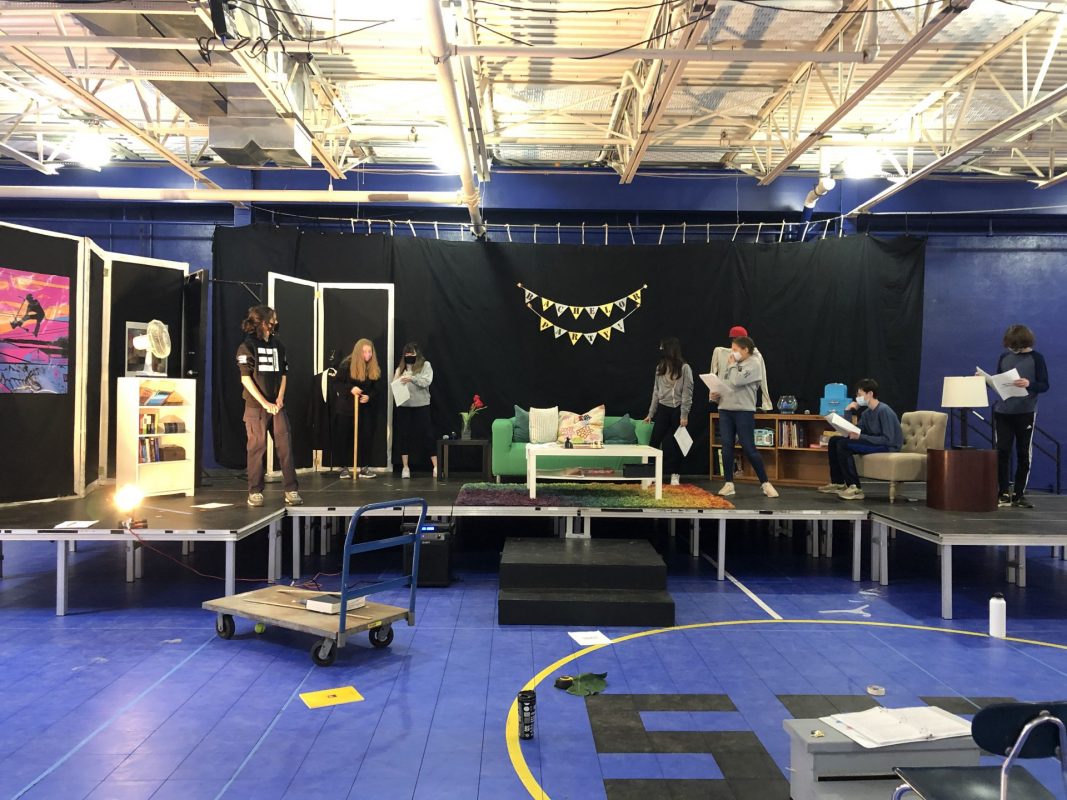
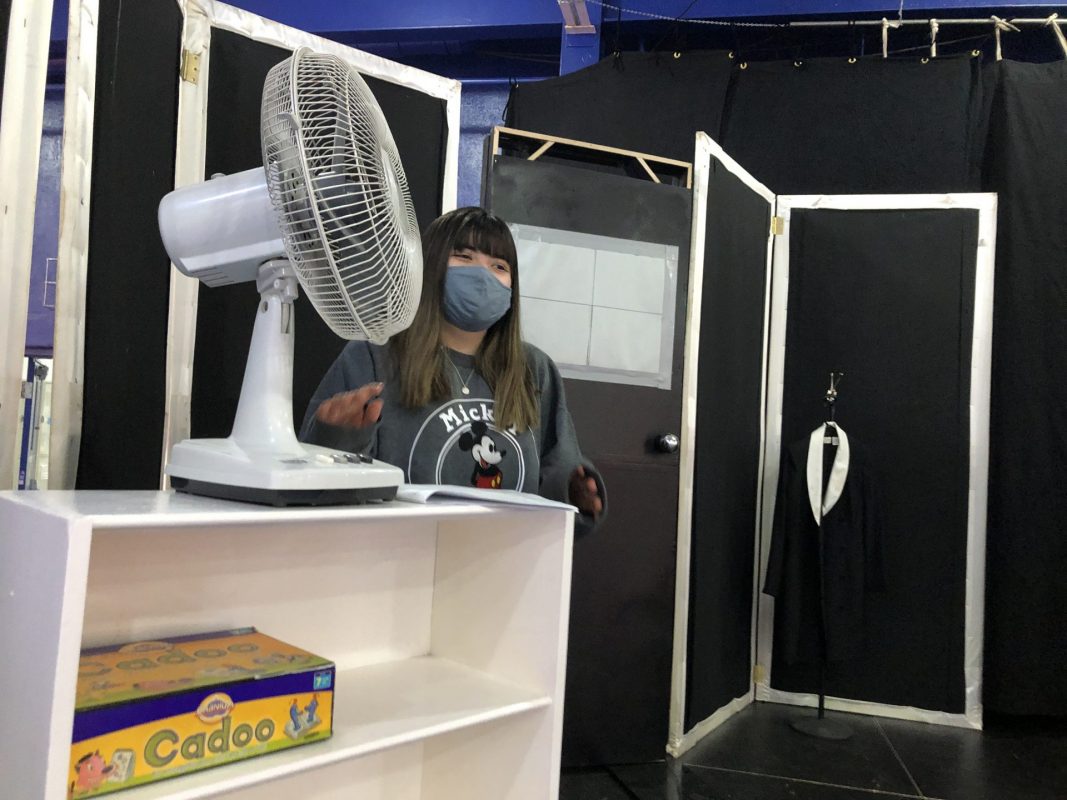
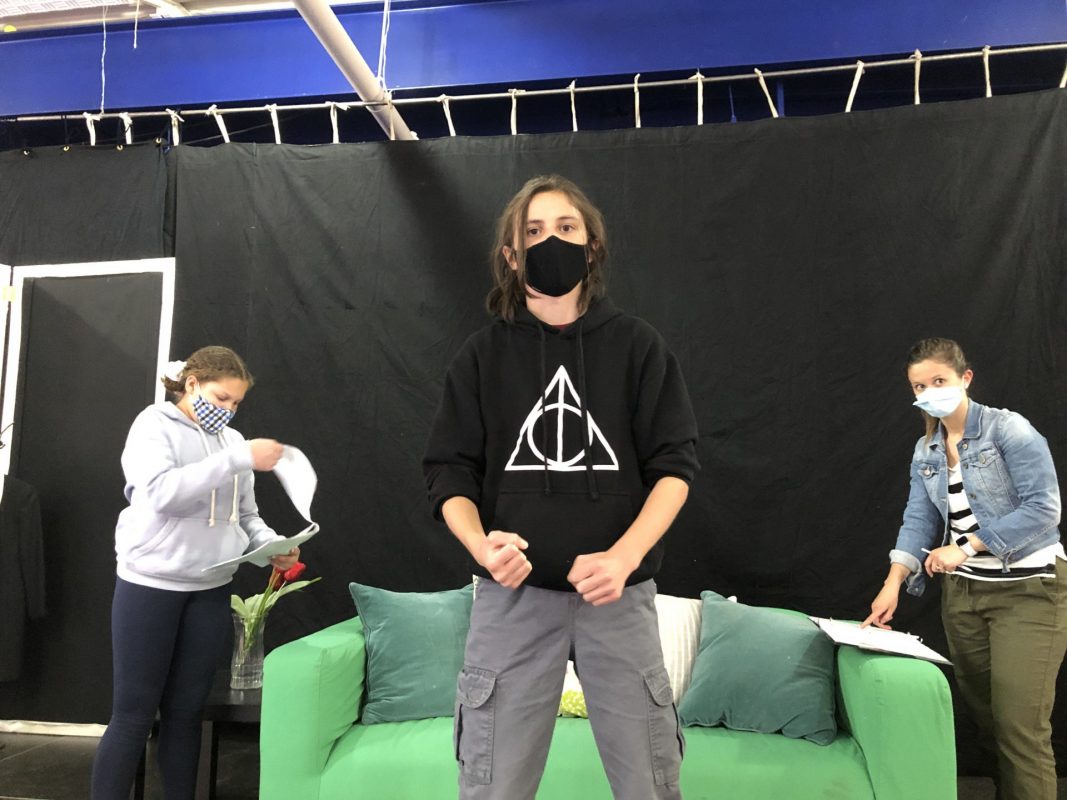
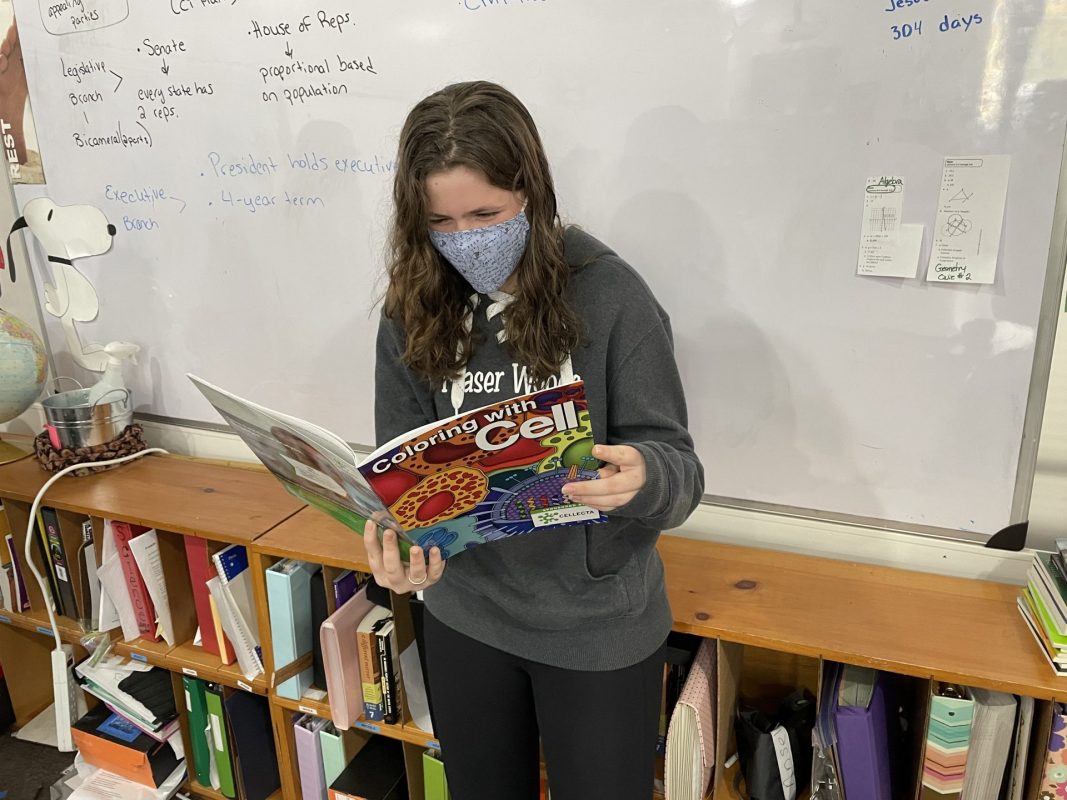
The 8th grade finished the Constitution, particularly the judicial branch of government, checks and balances, a refresher of all three branches, and they read the Bill of Rights. Students also completed a unit of vocabulary and worked on the play!

Math

In Pre-Transition class, students are continuing to work with division problems and understand how we use this operation in the real world. Students are able to find the quotient of a rational number sentence, determine if a fraction is a repeating or terminating decimal, and understand the rules of dividing positive and negative numbers. Students took the chapter 7 quiz 2 on Friday and should continue to practice their skills with the daily homework.
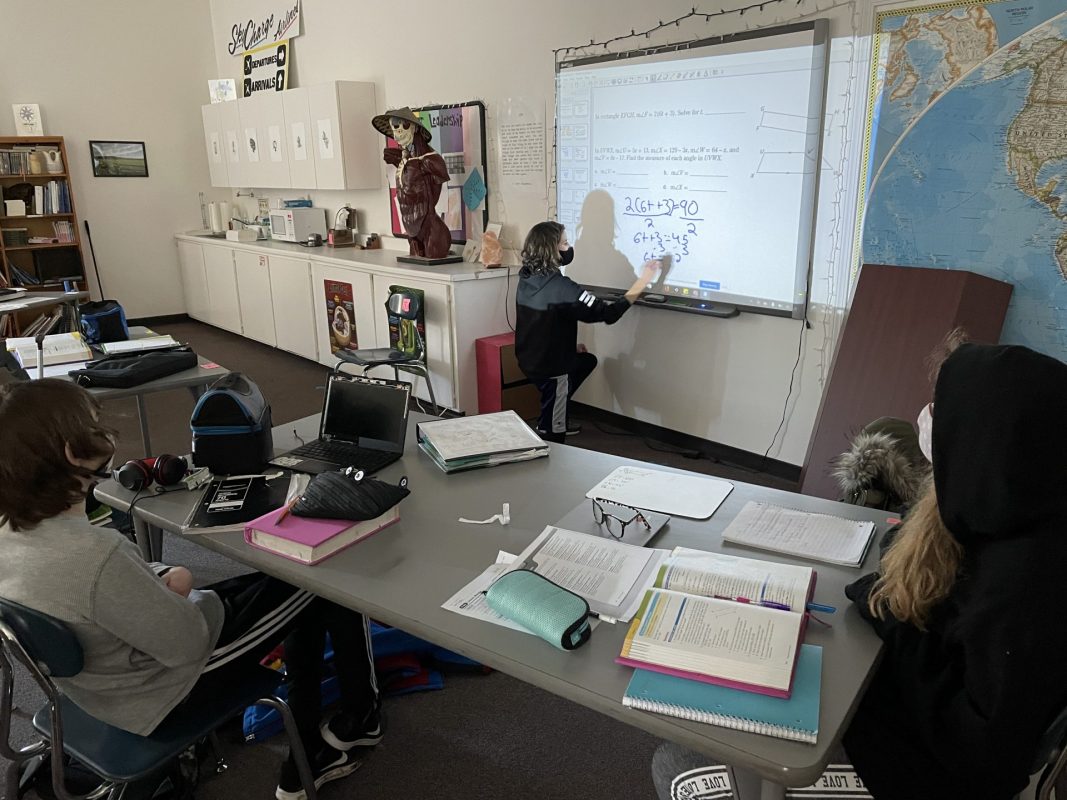
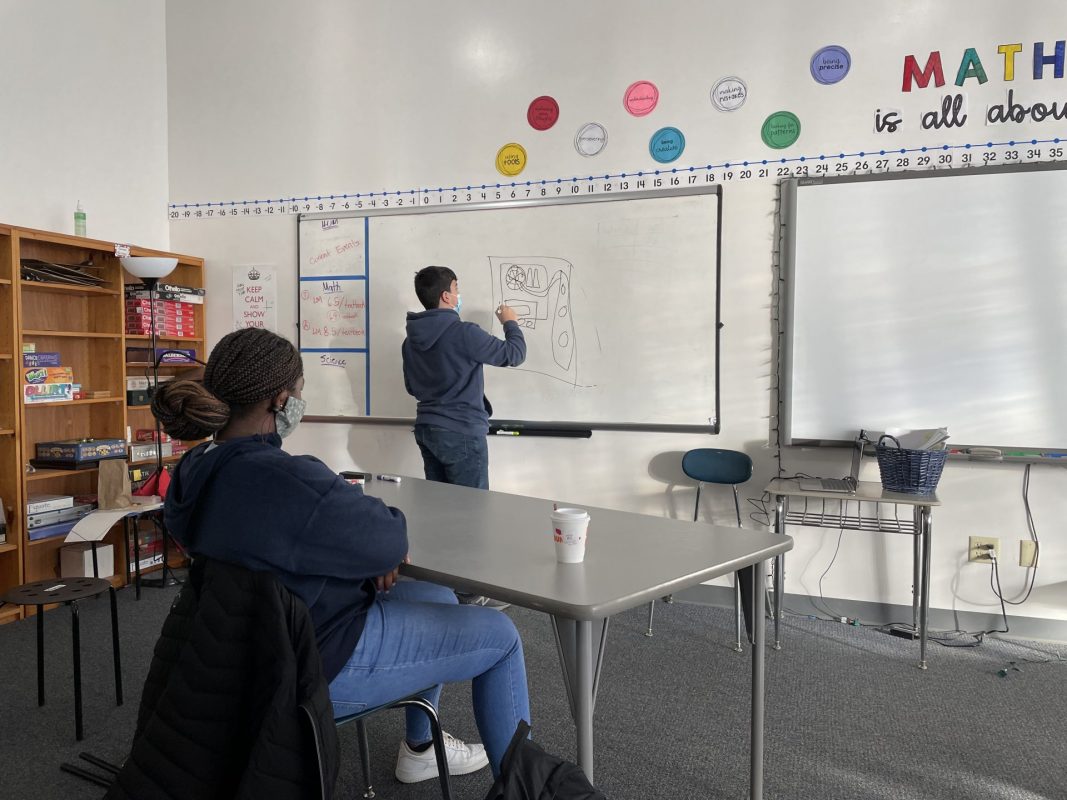
In Transition class, students are exploring unique ways to use angles and lines with geometry. This class can identify a complementary and supplementary angle, determine missing angle types such as acute and obtuse, as well as understand properties of parallelograms. This class will conclude chapter 6 before spring break and then begin learning key basic algebra concepts.
In Algebra class, students are excited to learn more exponent properties and building our foldable notebooks. This class is excited about simplifying negative exponent expressions, evaluating square and cube root expressions, and rewriting powers of products and quotients properties. At the end of the week they will participate in a carousel station exercise to help students memorize the property names.
In Geometry class, students are able to build their understanding of polygon shape properties. This week they specifically focused on kites, trapezoids, parallelograms and rhombuses. This class has been excited to play with real shapes and understand the complex connection between shapes and space in the real world today.
Math Joke: 
Which king loved fractions? ………………………..Henry the ⅛
Do you know why seven eight nine? ………………………………Because you’re supposed to eat three squared meals a day!


Science

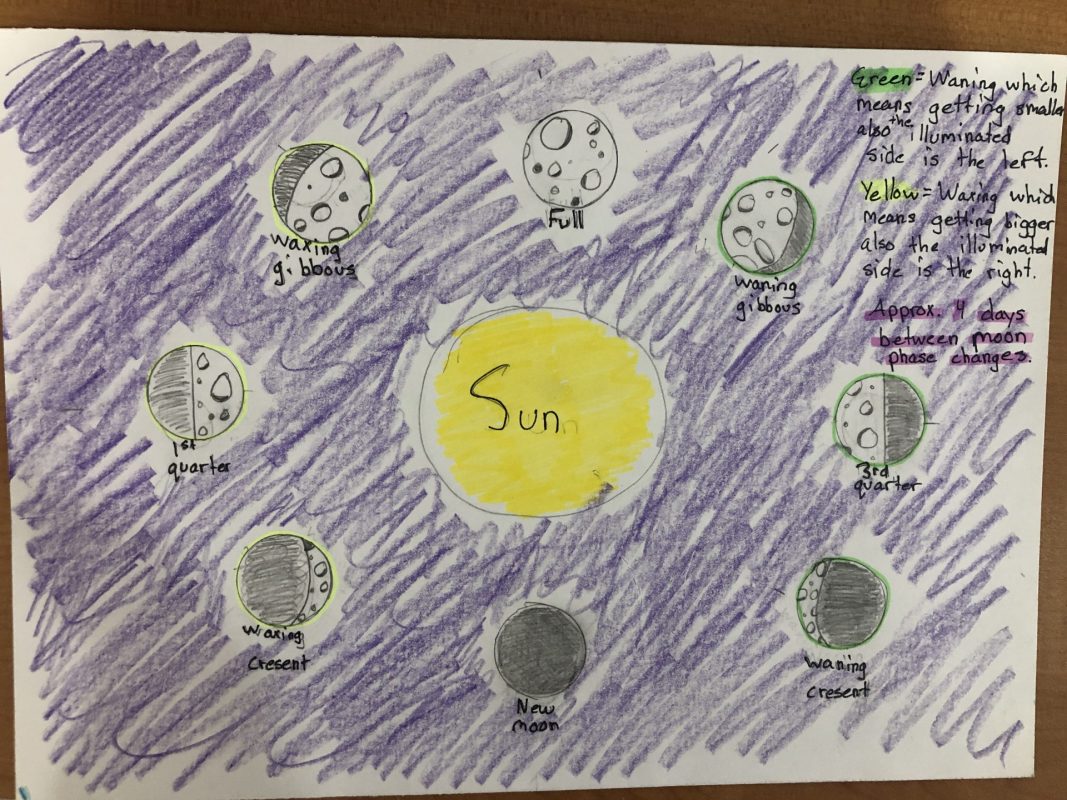
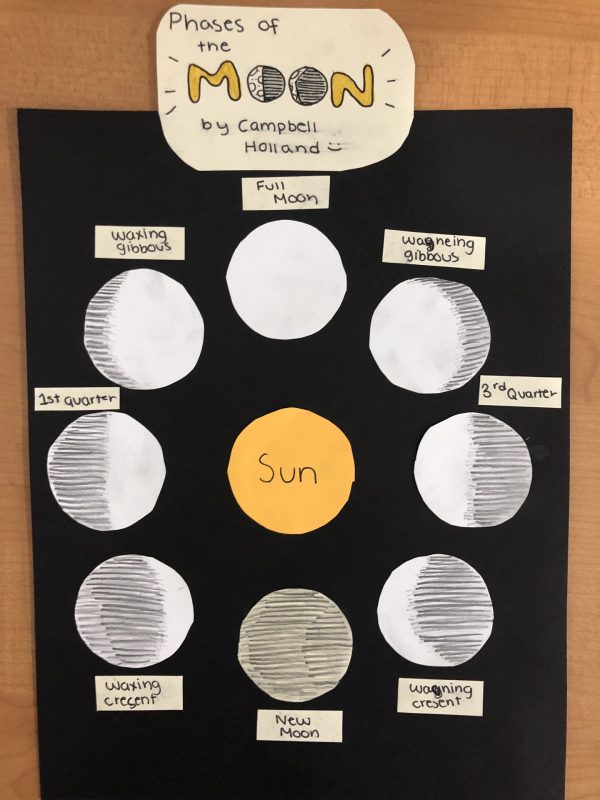
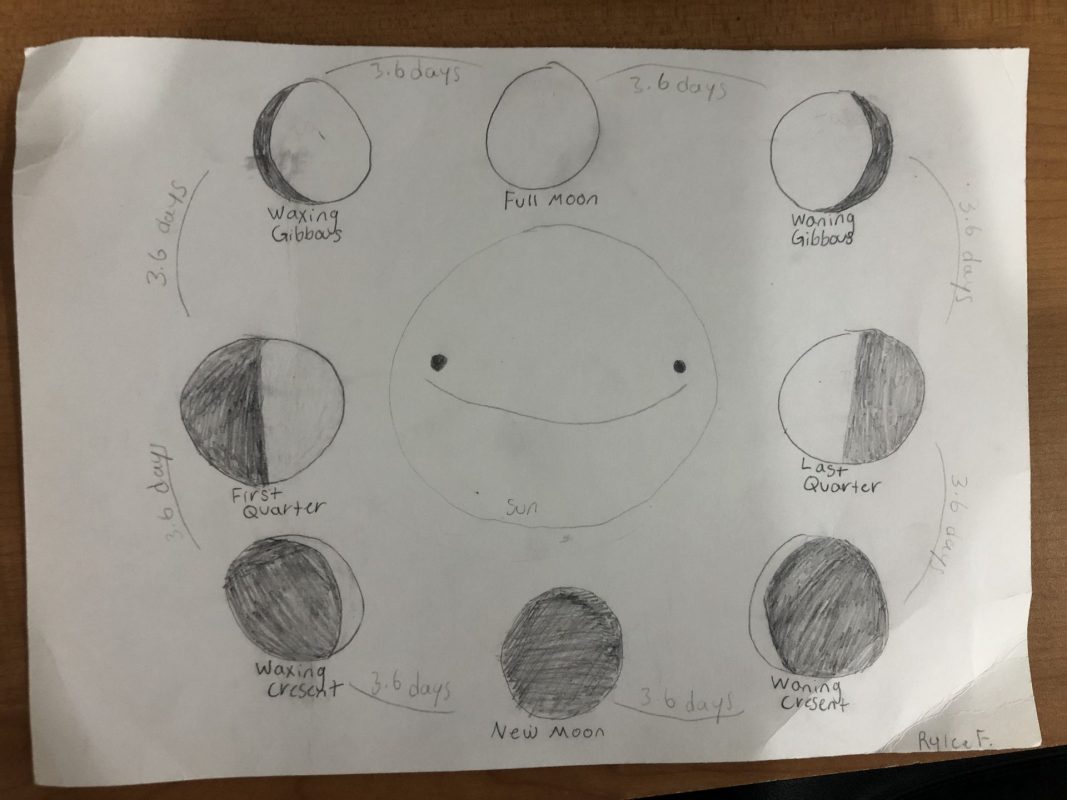
6th year Earth Science students finished up their unit, Phases of the Moon, and have just begun their new unit, Natural Resources.  Throughout this unit, students will become familiar with what a natural resource is and what differentiates a renewable from a nonrenewable resource. Students will look at past and present environmental issues that are based on the application of natural resources.
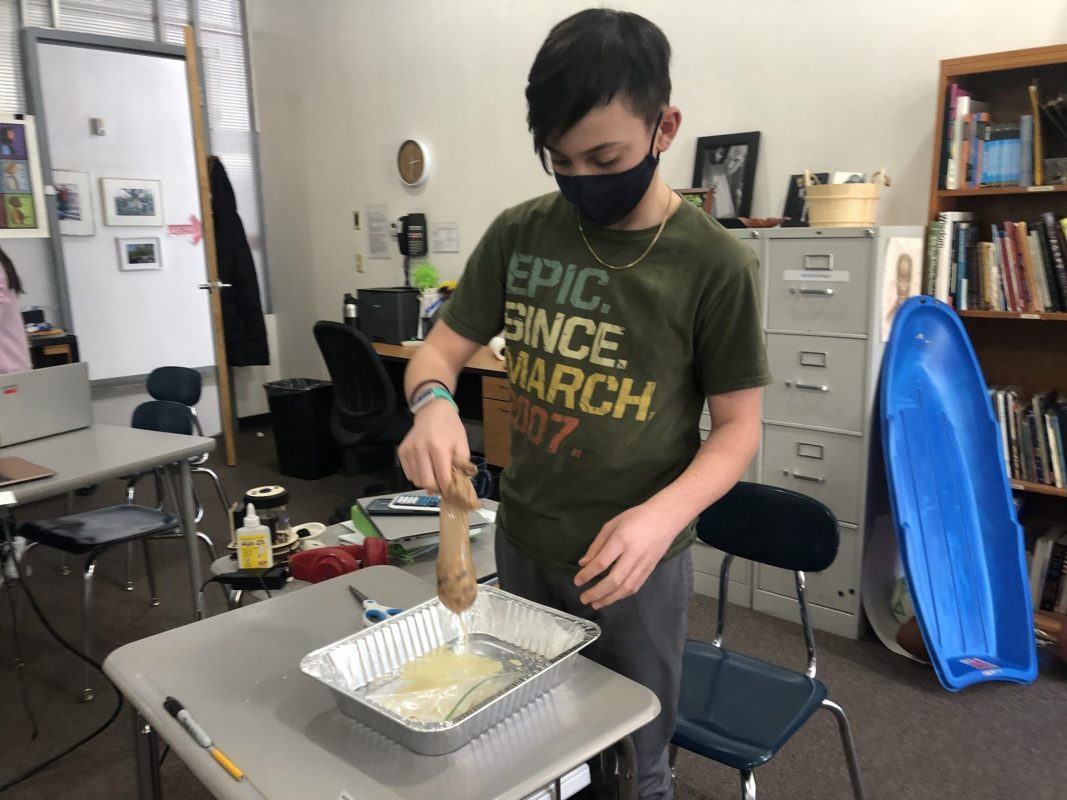
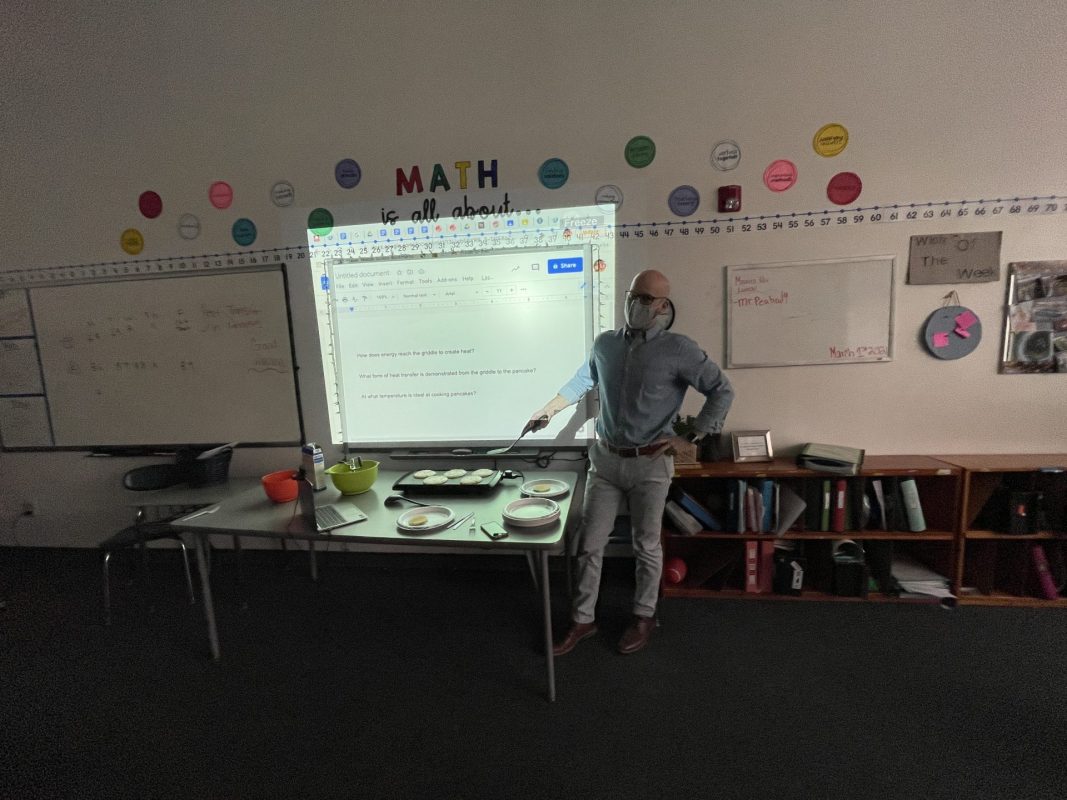
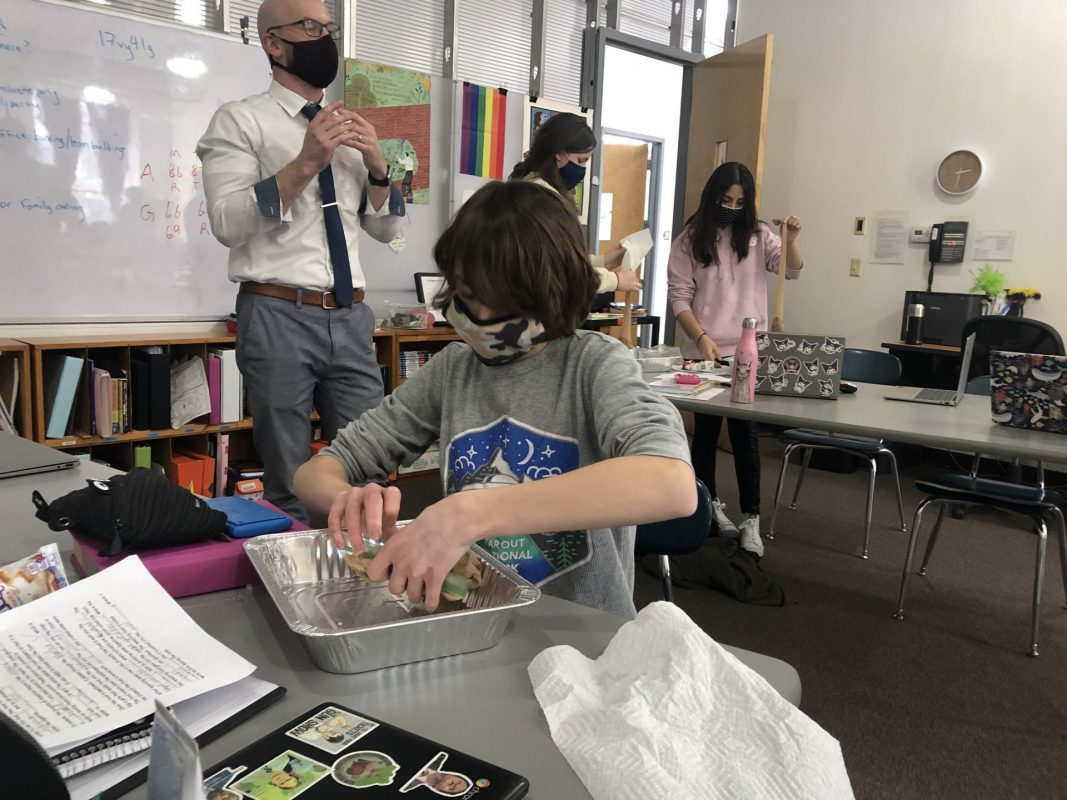
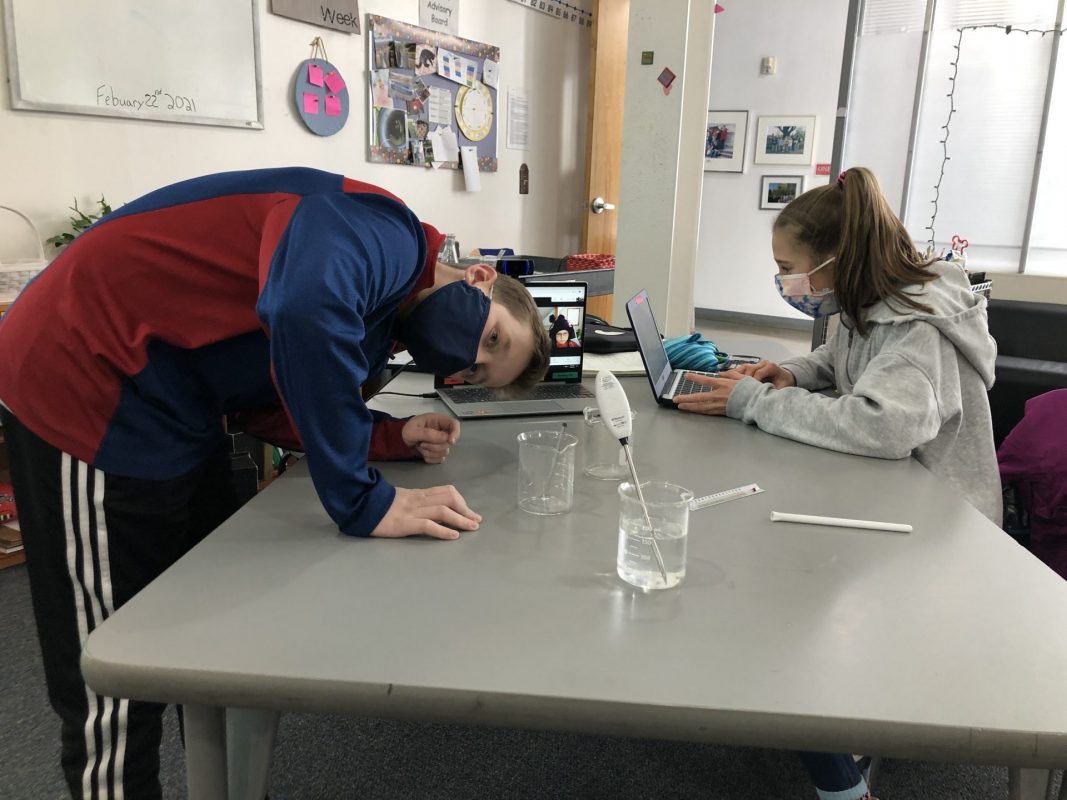
7th year Physical Science students are working on their unit, Heat and Temperature. This past week students performed an experiment identifying how the heat of hot and cold liquids reach thermal equilibrium based on their initial thermal energy. Concluding this experiment, students were asked to write up a formal lab report interpreting the data obtained while conducting the lab.
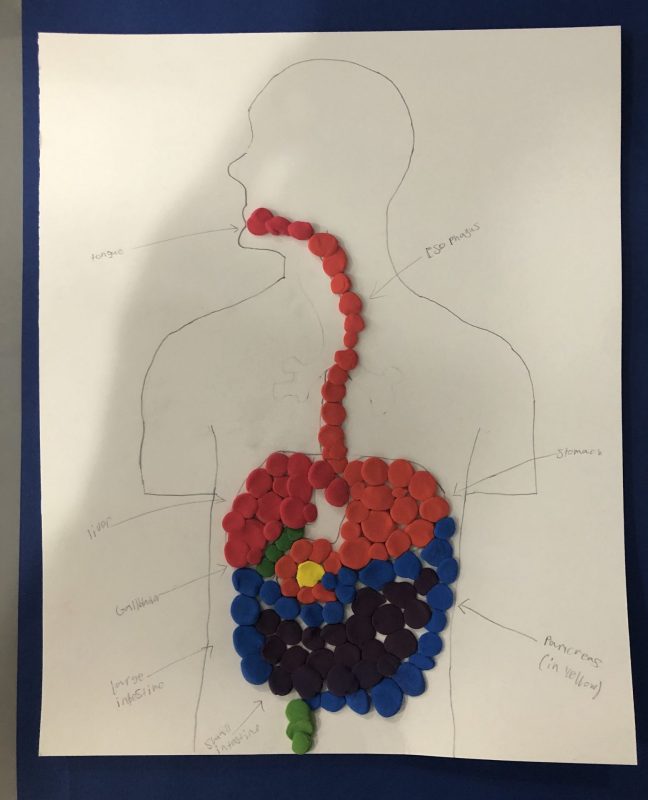
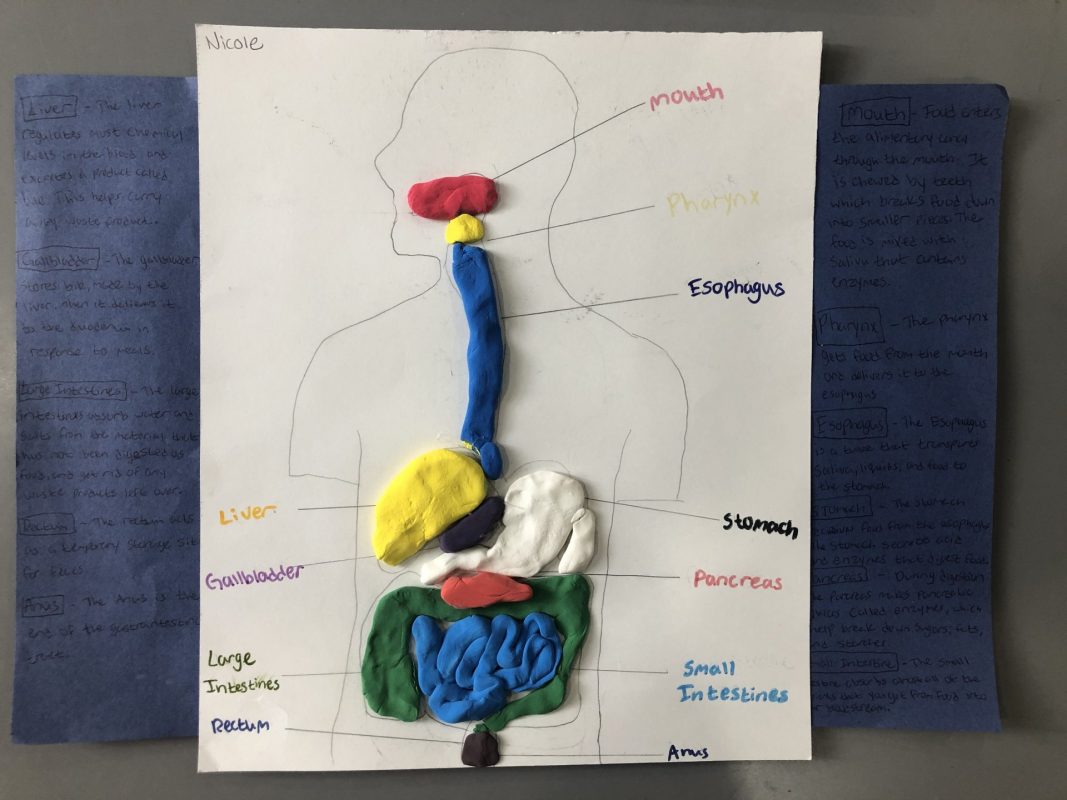
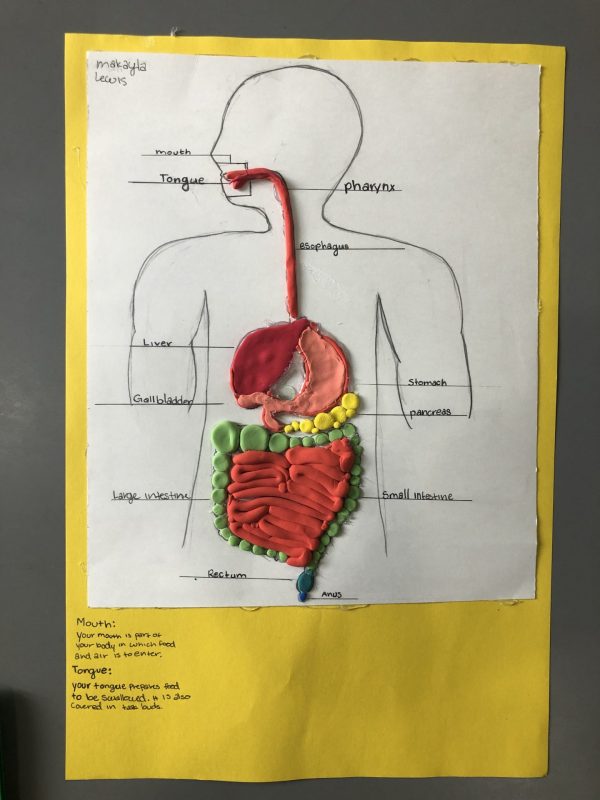
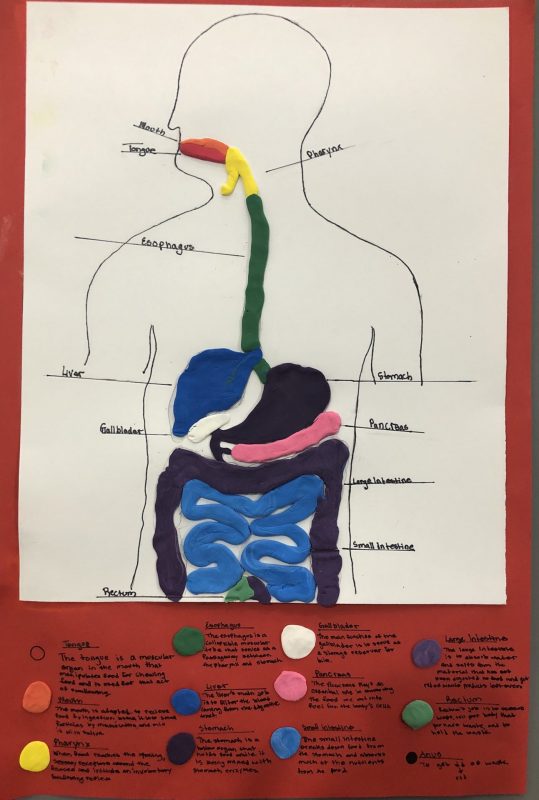
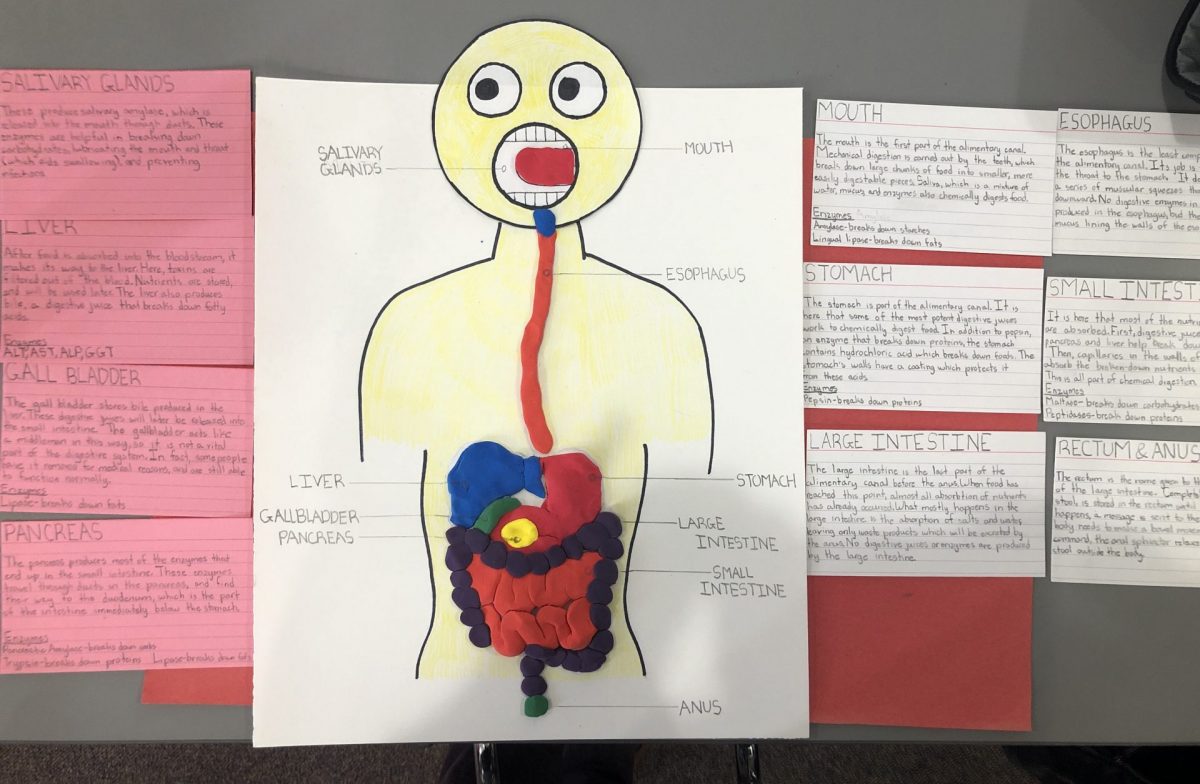
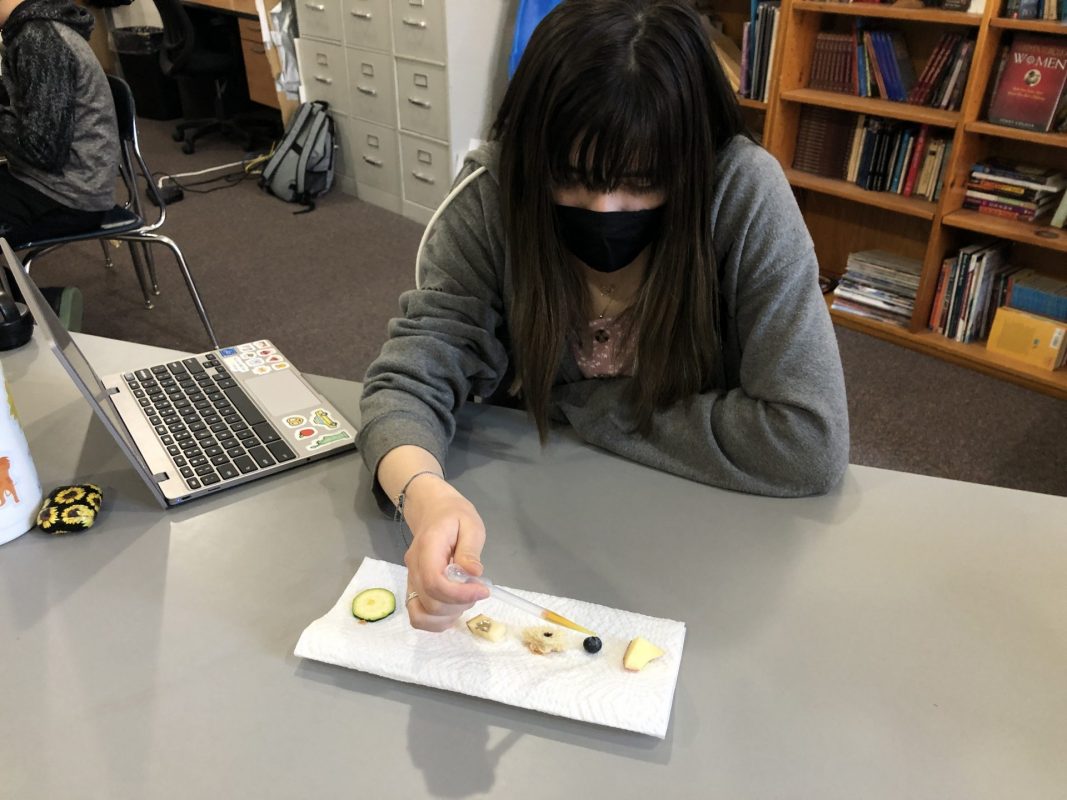
8th year Life Science students finished their unit, Circulatory System, and are now just beginning their unit on the digestive system. To begin the unit, students are sharing prior knowledge they are familiar with such as, “Why is the digestive system necessary for the body’s health?” and, ” How do structures in the digestive system function?” Concluding this unit, students will gain awareness about how the food they put in their body is directly attributed to the energy (or lack thereof) that they exhibit throughout the day.
Middle School: Week in Review

Thank you, students and parents, for taking time to have meaningful conversations during parent conferences. The students’ reflections and goals are important for growth and progression as we soon transition from winter to spring.

Science

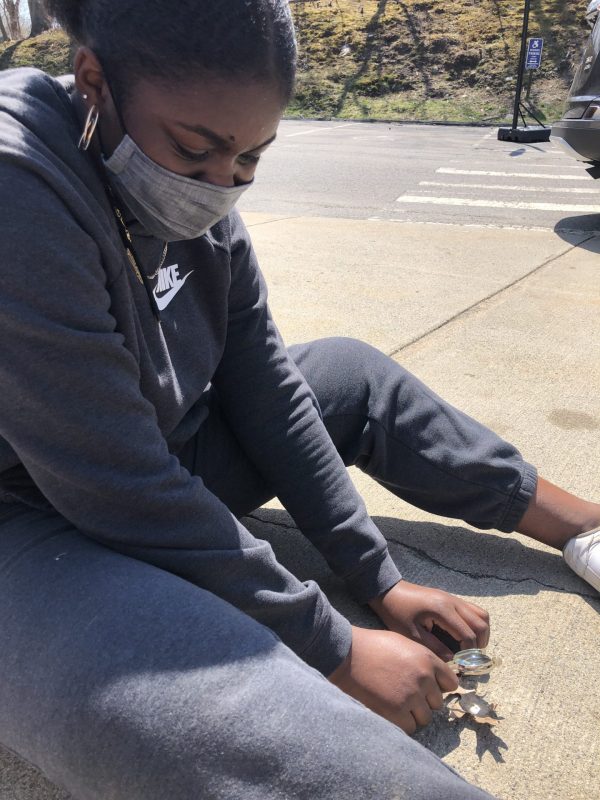
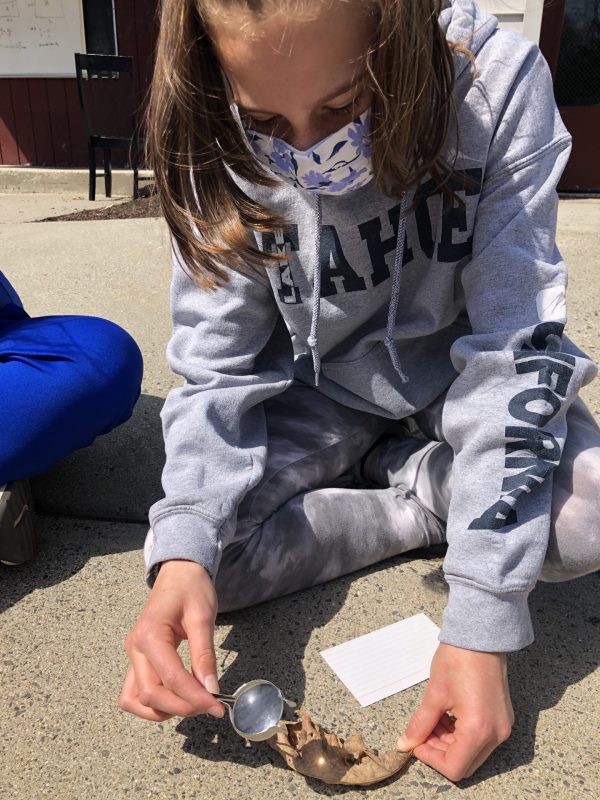
6th year Earth Science students are working on Phases of the Moon. This week students spent time creating visual representations of 8 main moon phases using their own light source (sun) and styrofoam ball (moon). Students illustrated each phase of the moon and then defined what was observed and the transition that occurred as the “moon” was rotated in a clockwise direction around the “sun”.

7th year Physical Science students began their new unit, Heat and Temperature. The objective of this unit is to identify the similarities and differences between heat, temperature, and thermal energy. Students will conduct a variety of hands-on activities/examples that assist in their working knowledge of the objectives.
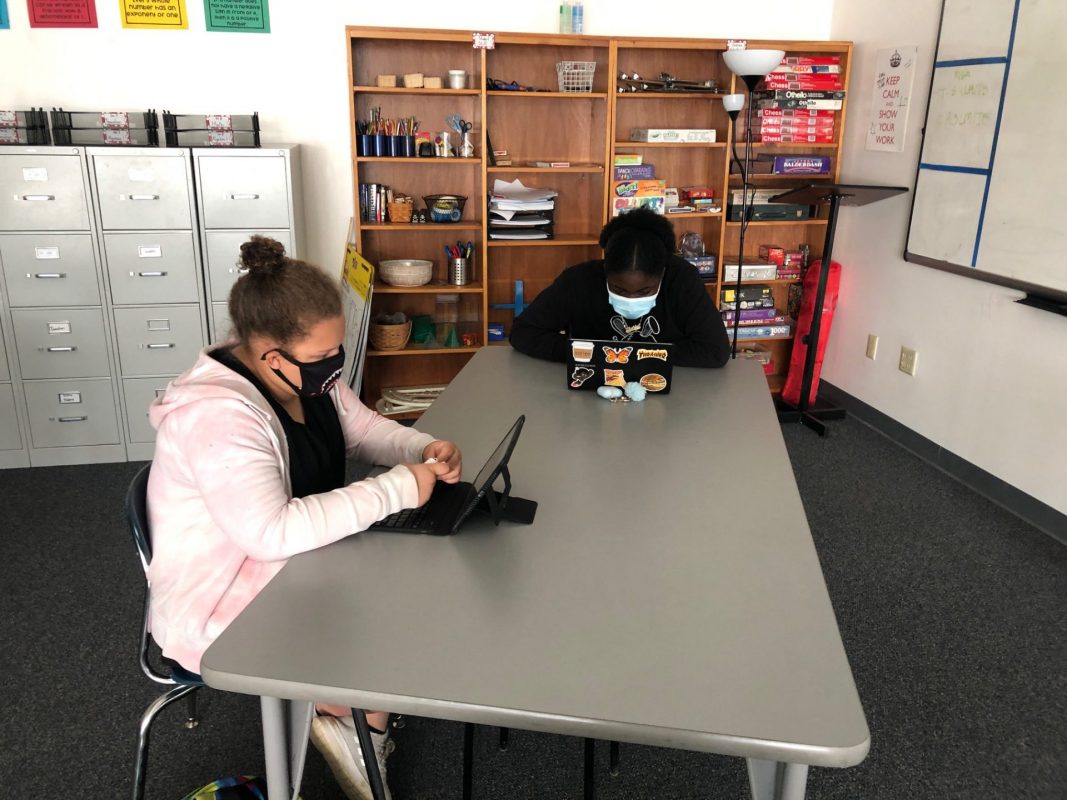
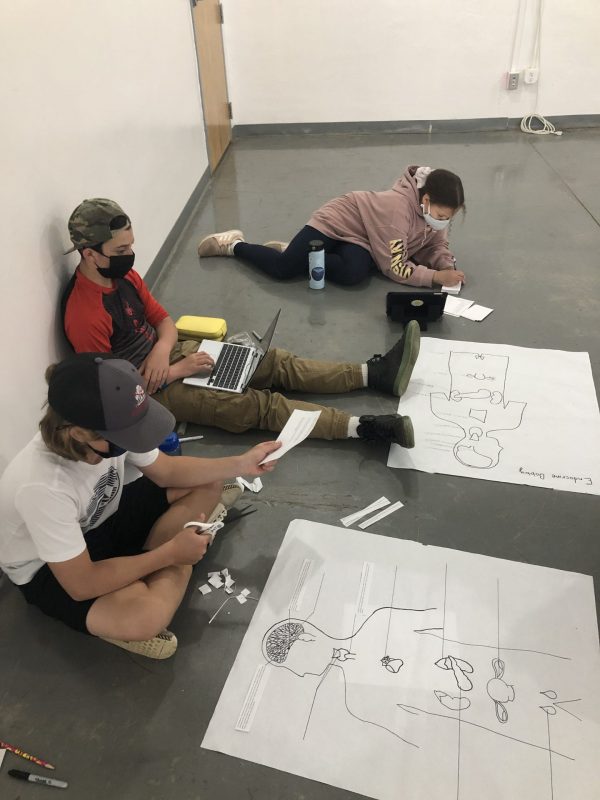
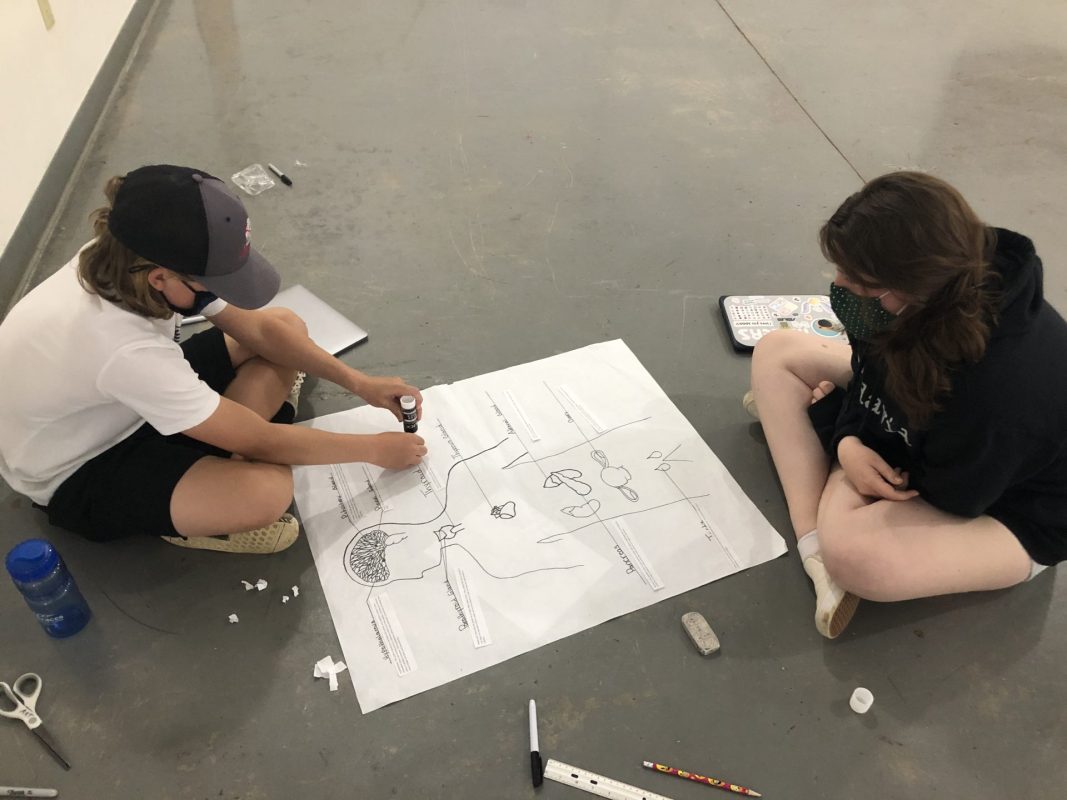
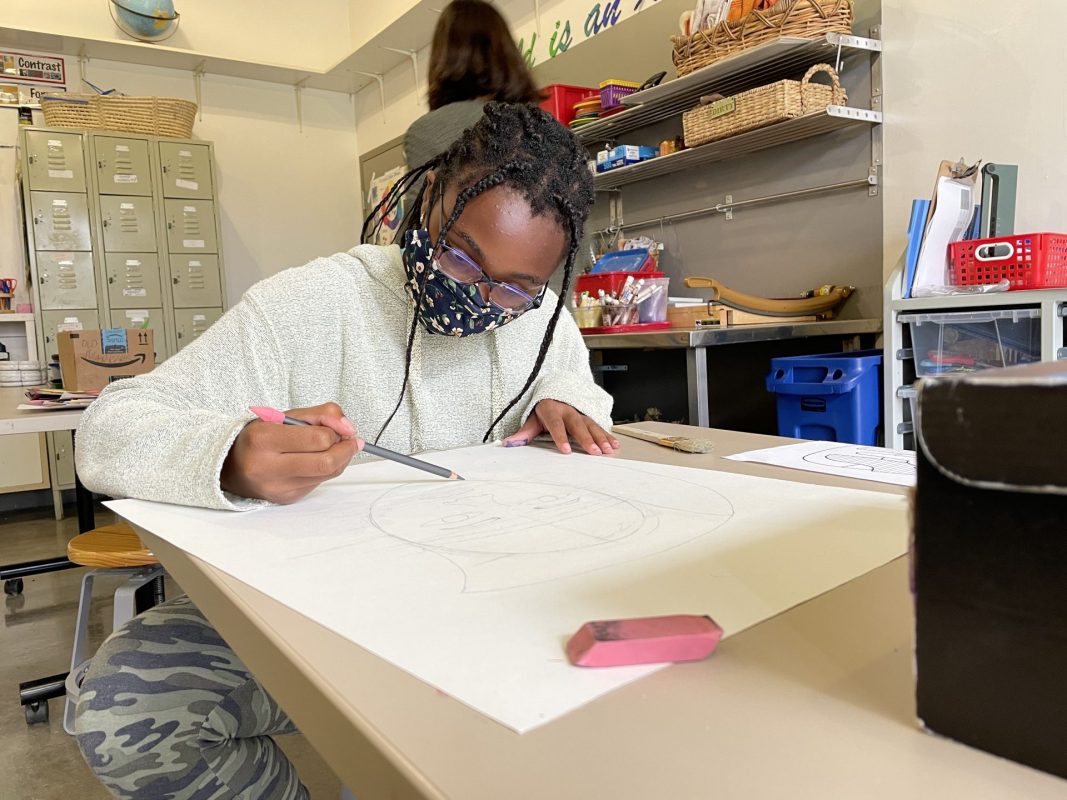
8th year Life Science students are finishing up their unit on the Circulatory System. Last week students were assigned to illustrate the human body, incorporating all aspects of the circulatory system discussed thus far. Students were asked to include the heart, lungs, arteries, veins, and any additional information they felt supported their understanding of the unit. Mr. Brown was very happy with the work from each student. Great job.
Humanities
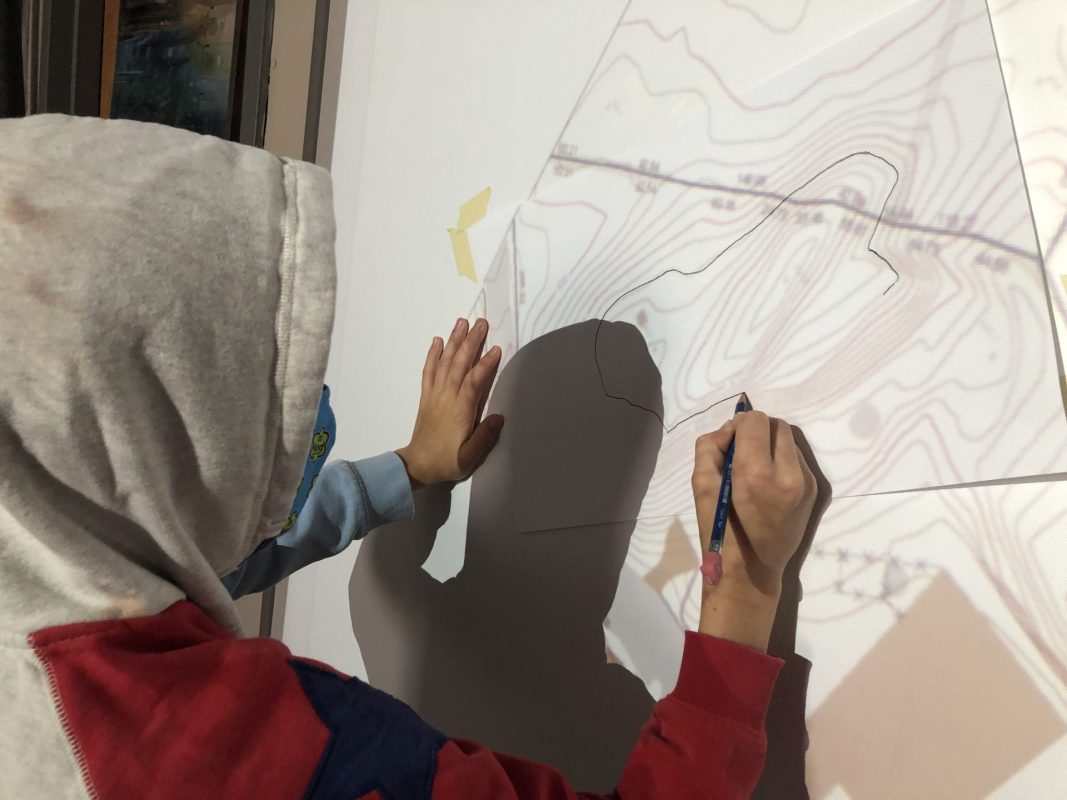
6th grade students are now studying Ancient Egypt. They made maps of the physical area as well as labeled important cities. They are also reading The Egypt Game by Zilpha Keatley Snyder. This fictional story follows one group of kids who create a secret game involving characters, rituals, and references to Ancient Egypt. We will learn alongside them in our study of the civilization.
7th grade Humanities students continued studying the rise of Adolf Hitler after learning about World War I and its effects on Germany economically, politically, and socially. They studied the formation and platform of the National Socialist German Workers’ Party (Nazi Party) and how antisemitism played a role. Next week, they will read Four, Perfect Pebbles, a memoir about the Holocaust written by Marion Blumenthal Lazan.
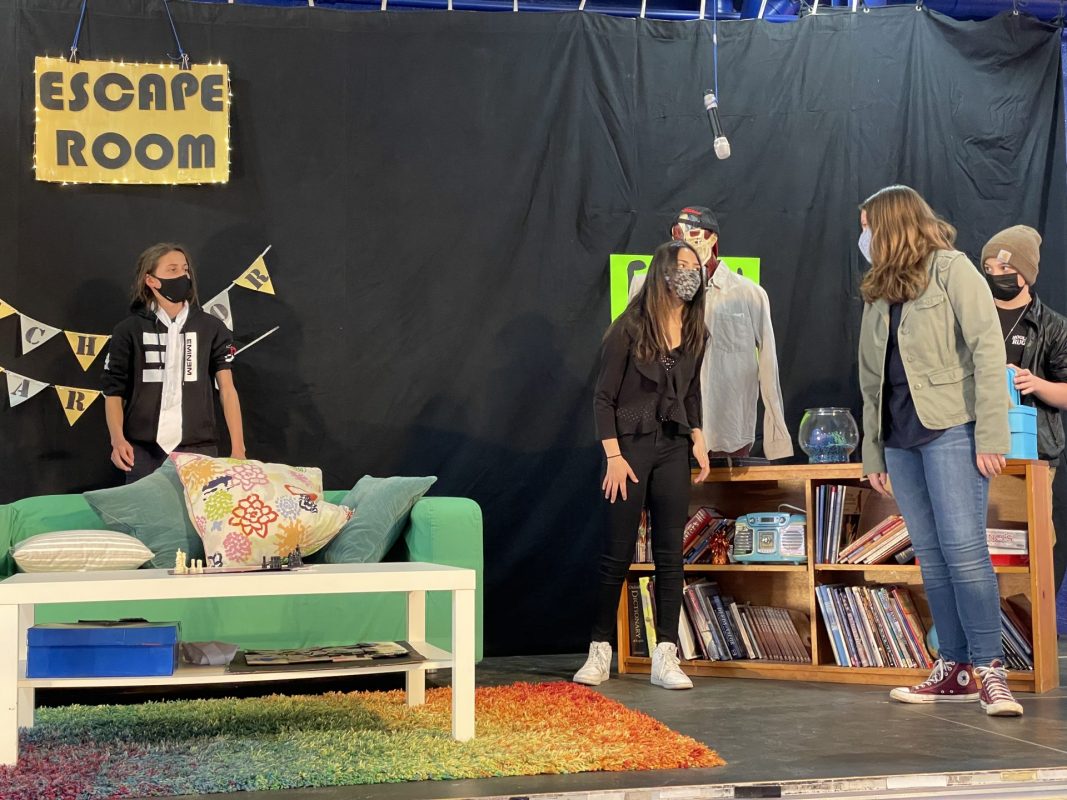
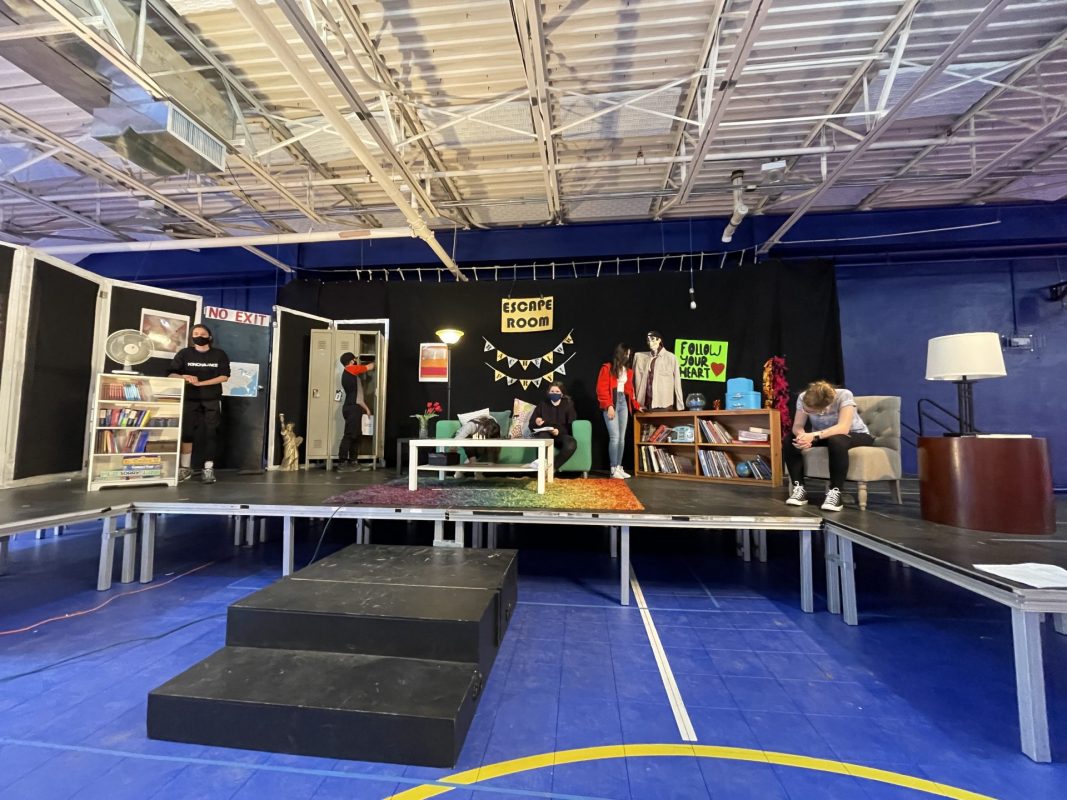
8th grade continues to study the Constitution, presenting five compromises made during the convention and their lasting effects on history, most notably the Great Compromise (Connecticut Plan) and the Three-Fifths Compromise. Then, students read the Articles of the Constitution surrounding the establishment of the Legislative and Executive branches. Finally, they continued to read in An Indigenous People’s History of the United States the effects of expansion on the alliance of tribes in the Ohio Country (land between the colonies and the Mississippi River).
All classes read and analyzed poetry this week, and all completed a unit of vocabulary. Next week is a current events week!
Math
In Pre-Transition class, students are learning unique ways to use division in the real world. Students are able to use the rate model to determine a single unit price, use an array model to draw divisibility statements, compare composite and prime numbers, and draw a factorization tree. We are continuing to work on our skills with integer division and identifying the quotient, dividend, and divisor of a number sentence.
In Transition class, students started their work with the Geometry unit and understanding transformations on a coordinate grid. Students can determine rotational symmetry of a figure, translate a set of ordered pairs on a coordinate grid, and can reflect an image over a given line. Next week, we will continue to work on our tessellation art projects which will be posted on the classroom walls.
In Algebra class, students were excited to build foldable notes for the chapter 8 exponent unit. Students are learning about power rules, product rules, quotient rules, and zero exponent rules. Students have begun to study for the first assessment of this chapter which will take place on Tuesday, February 23rd.
In Geometry class, students are learning about polygons and reflection symmetry in chapter 6. They have discussed inscribed angles and central angles in a circle, finding reflection symmetry in real world objects, using isosceles triangles to prove symmetry, and classifying quadrilaterals using a hierarchy system.
Math Joke: 
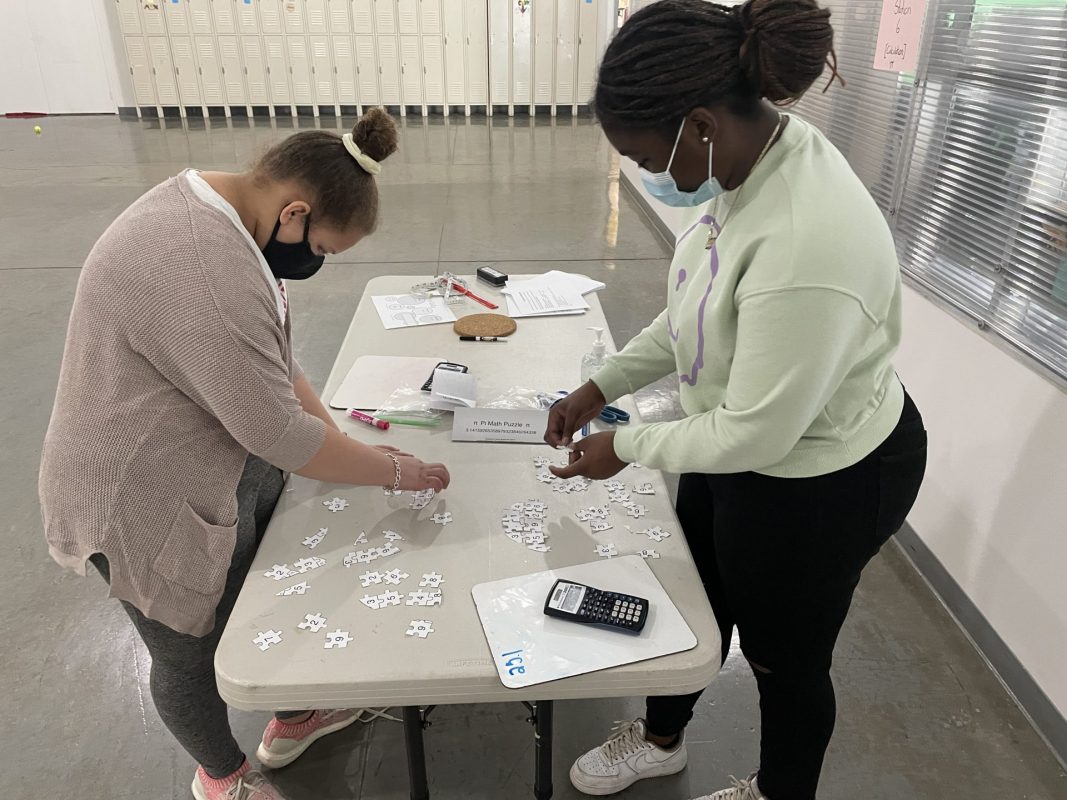
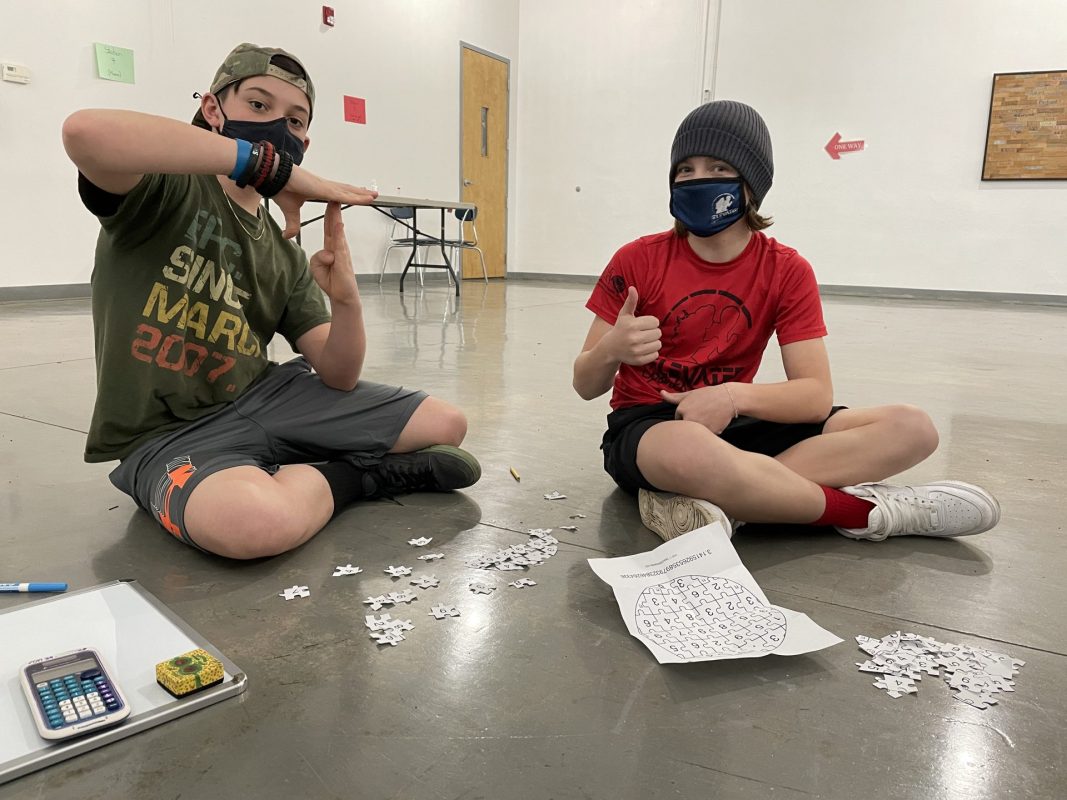
Why did Pi get its driver’s license revoked?………………….. Because it didn’t know when to stop.
What shape do you always have to be careful of?………………… A trap-ezoid!
Have a great weekend!

Middle School: Research Presentations

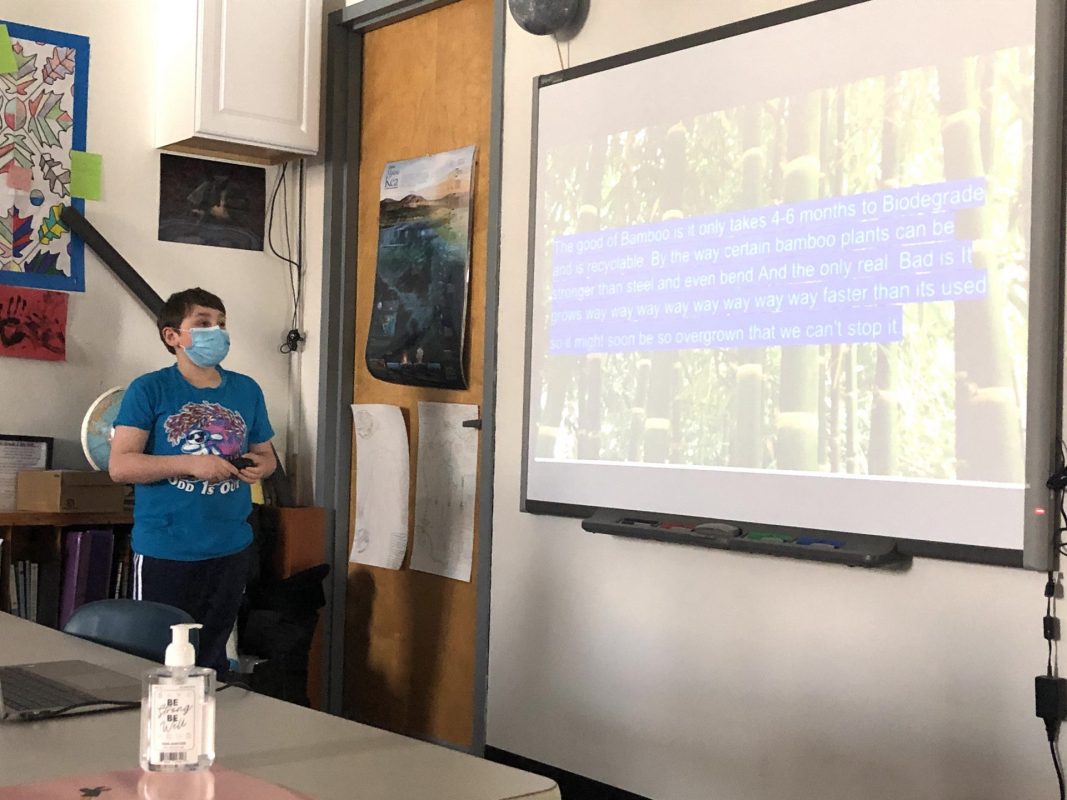
Thank you to all who came to watch our 6th & 7th year scholars give their virtual presentations on Wednesday and Thursday evenings! Research Night was the culmination of a multi-week investigation into a topic surrounding the theme, Great Discoveries. Students used an inquiry-based research method to develop and support their thesis statements.

The expository paper included 3-5 pages of writing, in-text citations, transitions, an interesting introduction, and a summative conclusion. Skills such as locating reliable resources, word and sentence variation, organizing information, and paraphrasing were included.

For their presentation of 5-10 minutes, students were asked to use the research that was relative and interesting to their topics to achieve the answer to the question, “What do I want my audience to walk away knowing?” The visual component to their presentations included audio clips, video segments, pictures,  and some quotations relating to the topic. The students focused on their voices being the main focus for information.

The Middle School teachers are incredibly proud of the students showcasing their individuality in their topics. Congratulations!

**Snow gear is encouraged when there is snow on the ground! We love to jump in it, throw it, build with it, slide through it, etc. and want to keep students as comfortable and dry as possible when they come back inside.**


Middle School: Week in Review

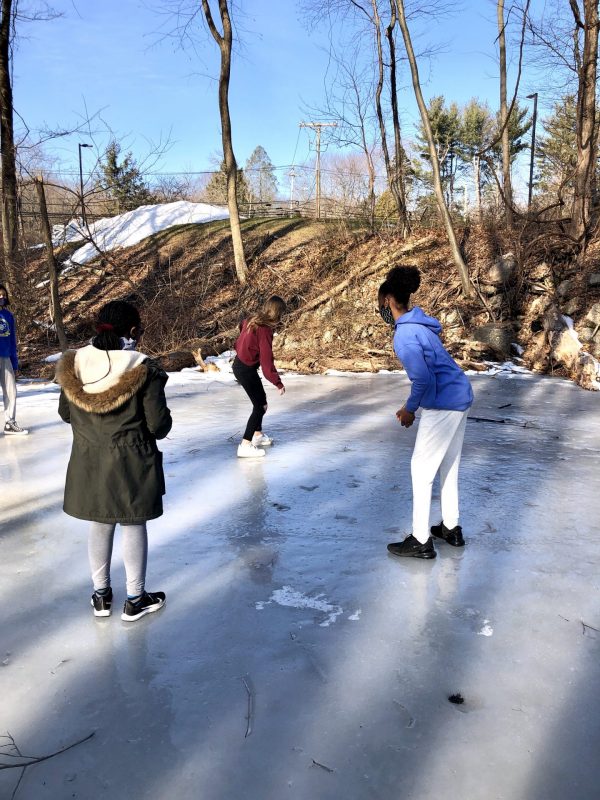
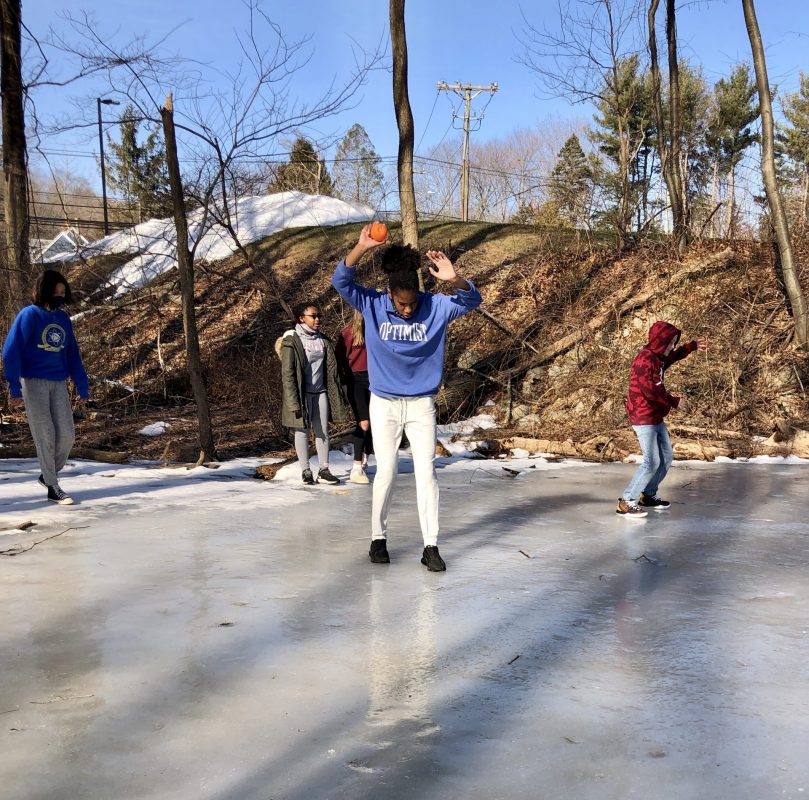
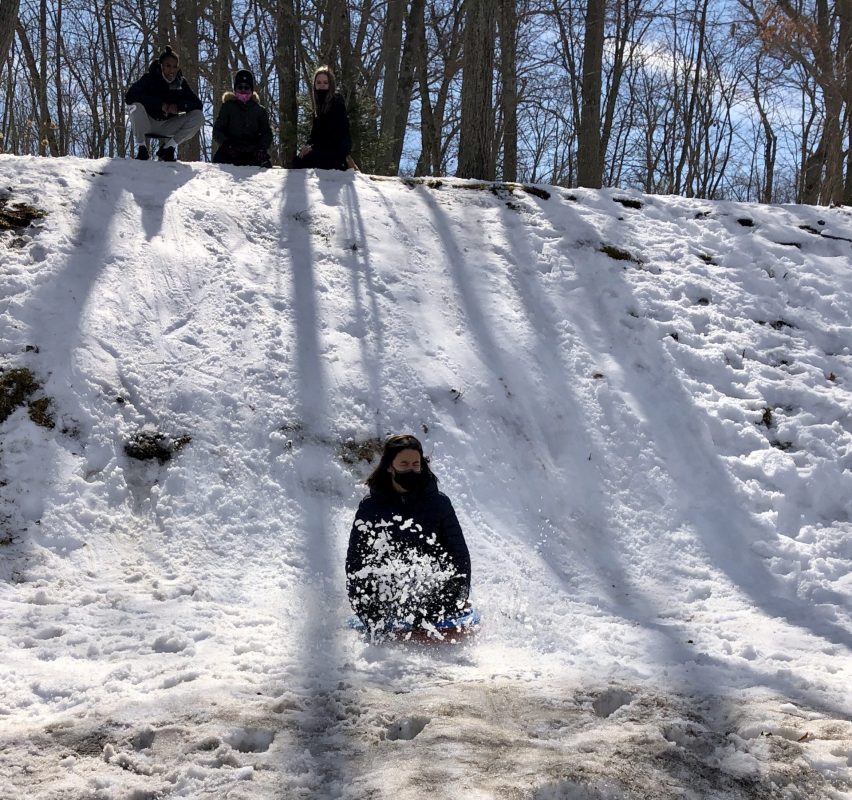
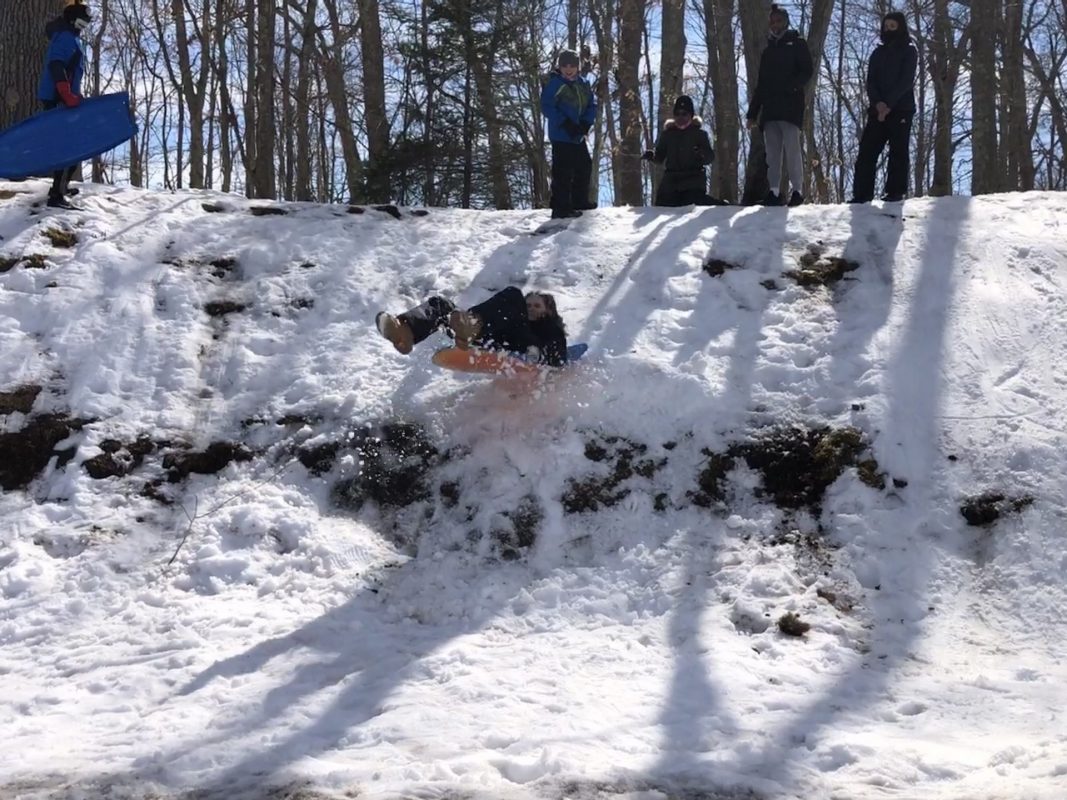
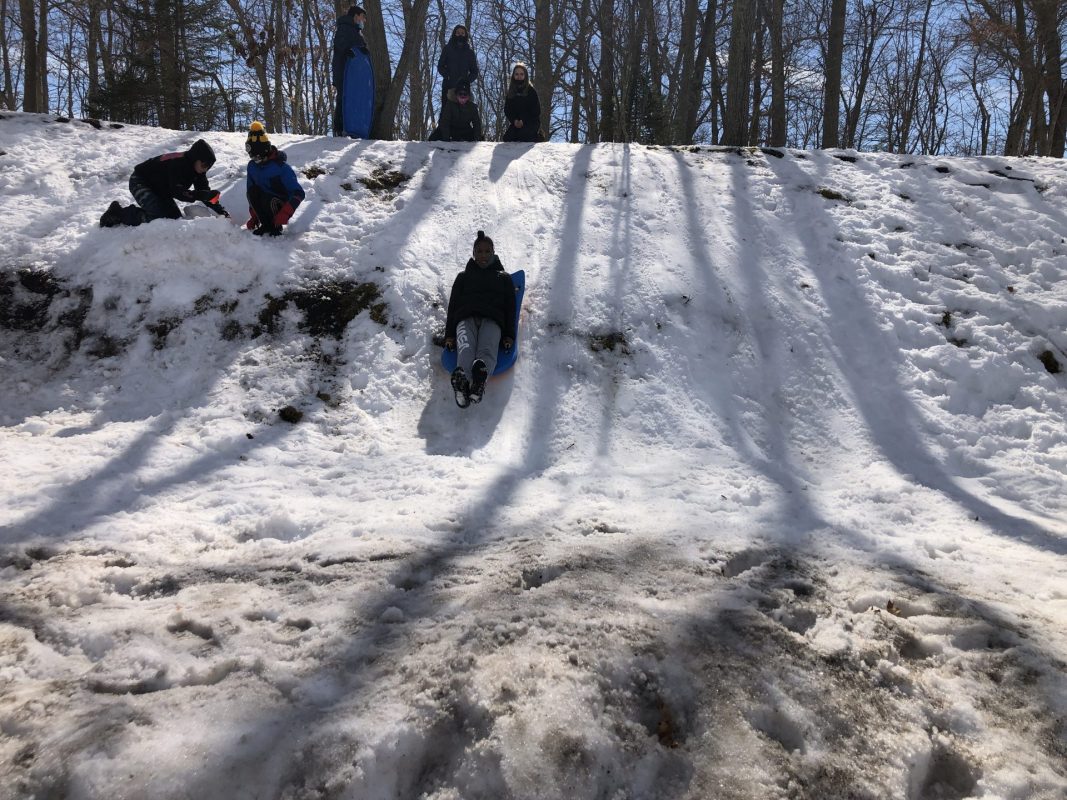
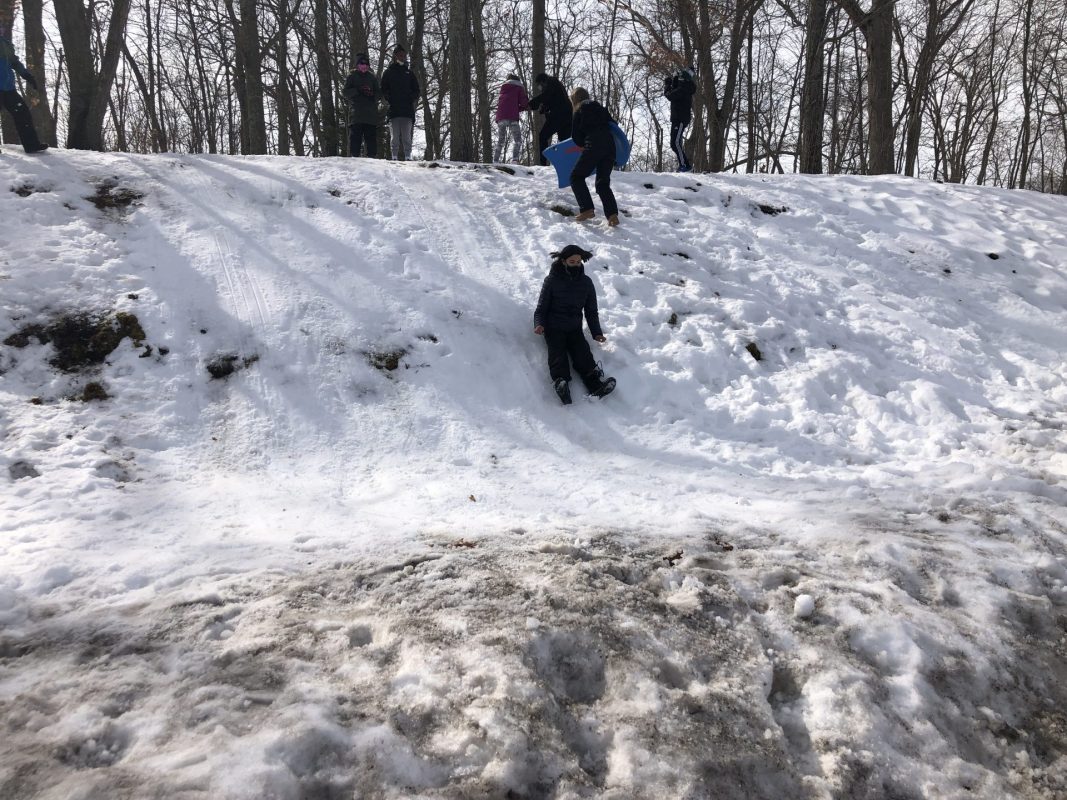
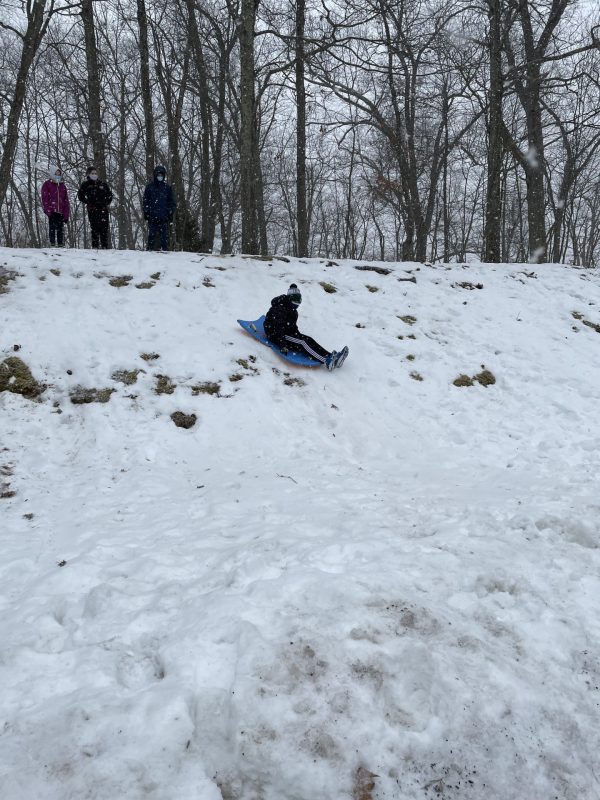
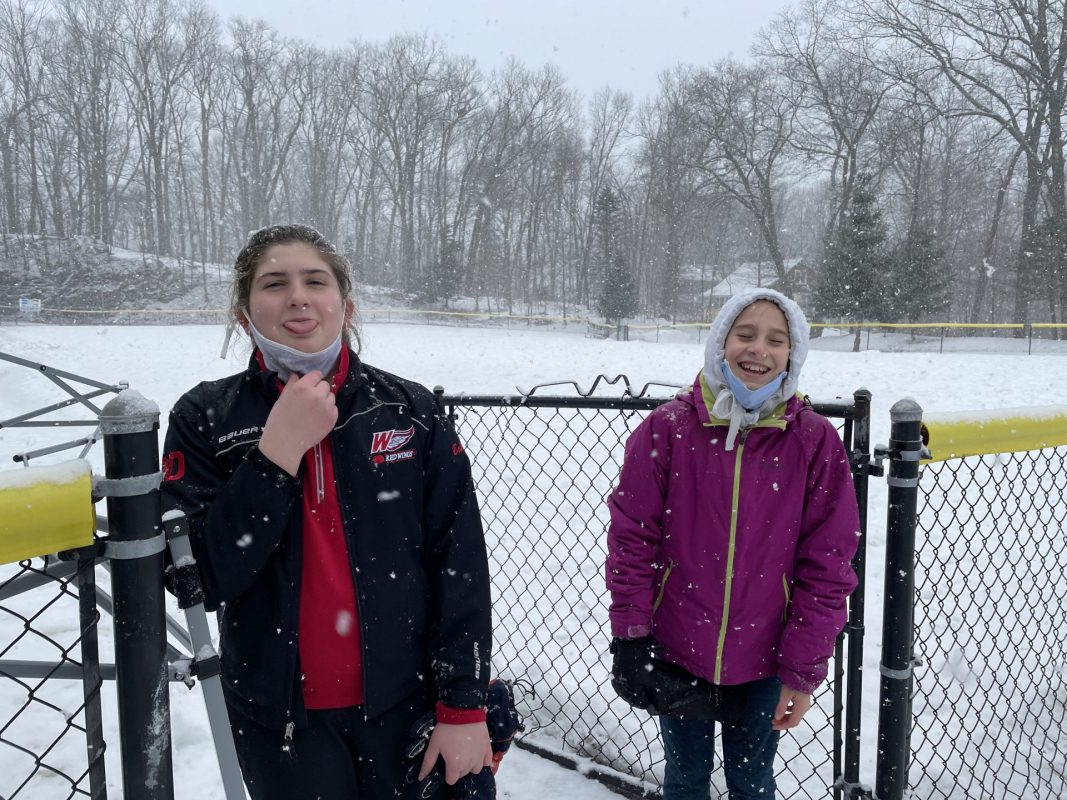
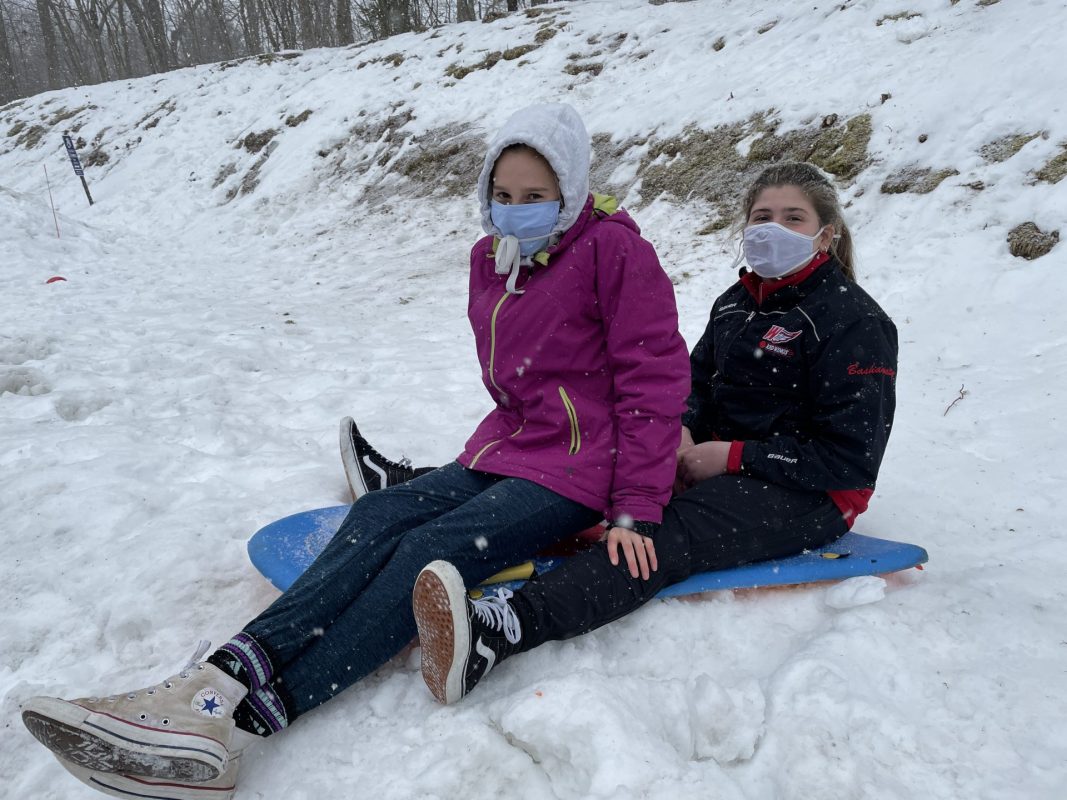
Brr! It’s cold out there this week! Students had fun in the snow and even a Middle School vs. Upper Elementary snowball fight across the field! Inside, Middle School students kept warm and busy.

Please make sure your child/children has a warm jacket, gloves, hat, and any other necessary cold-weather accessories for recess. Of course, we will not be outside for extended periods in temperatures below 30 degrees with the exception of a brief mask break.

Humanities

This week, 6th and 7th year students are gearing up for research project presentations next Wednesday and Thursday nights! They worked on revising their research essay drafts and ran through their presentations for the first time. This group has been working diligently through the process. 6th year students have been incredibly conscientious with their first research projects of this caliber. Mrs. Lamb is excited for them to present to you!

The 8th grade learned about the American Revolution this week. They learned about the formation and first two meetings of the Continental Congress that drafted the Declaration of Independence. Before reading it, students guessed what would be included as reasons given to King George III for wanting to be independent. All of their speculations were correct! After reading the document, 8th graders learned about the battles of the war and involvement by other countries. Next we will cover the Treaty of Paris and move into Westward expansion.

Science

6th year Earth Science students have been finishing their unit, Rotations, Orbits, and Seasons. This past week, students have demonstrated the cause and effects of Earth’s orbital path around the sun. Students were able to represent the orbital path and gravitational attraction of an object using a sheet of spandex stretched over a hula hoop with a central weight and marbles. Each student projected a marble of different weight around our central weight (sun), recording how the paths differed from one another.

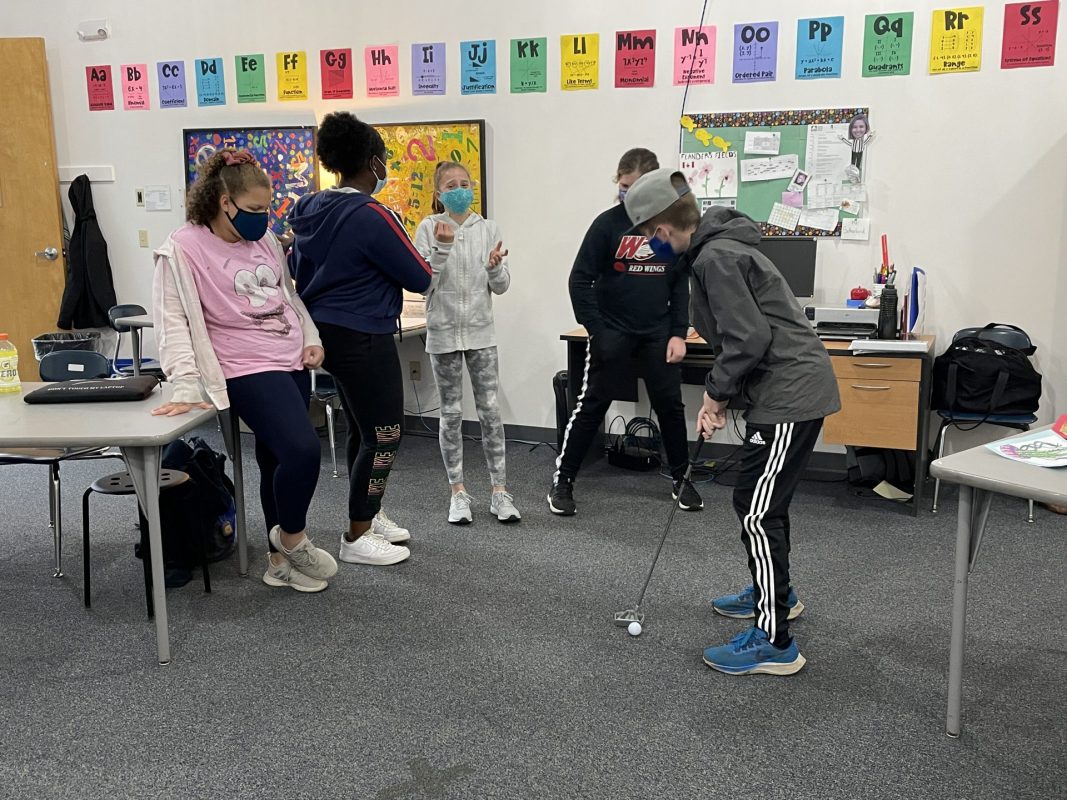
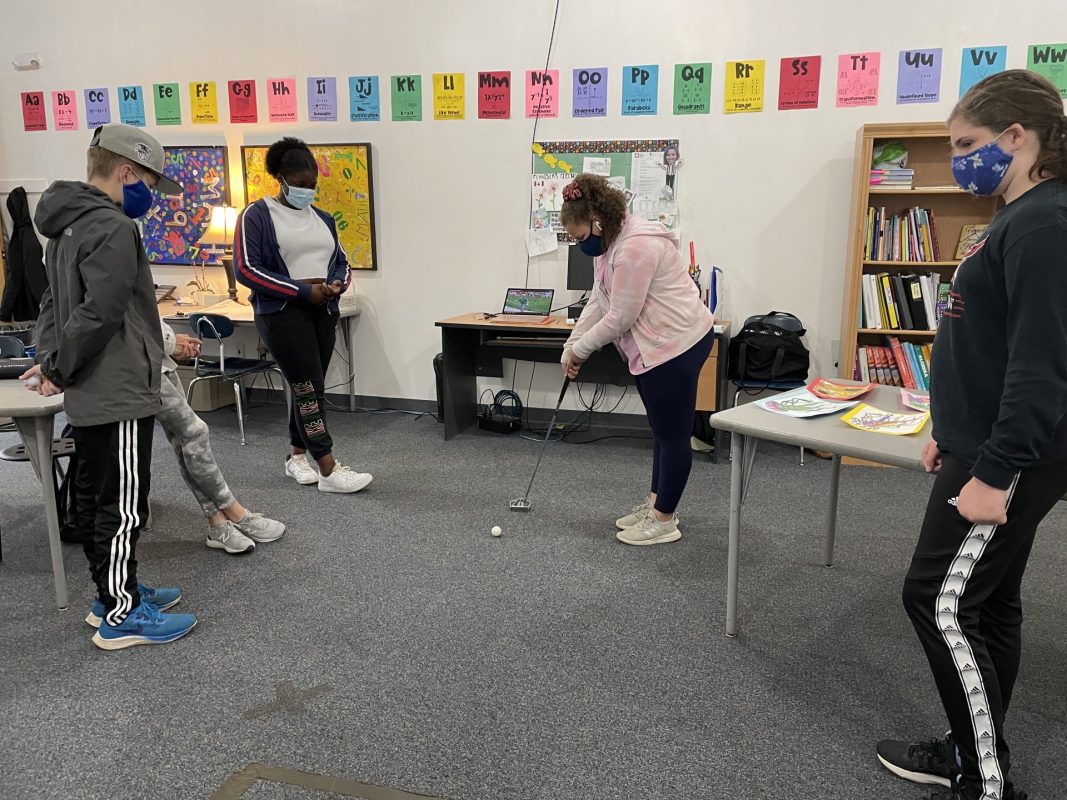
7th year Physical Science students have begun the unit, Potential Energy. This week, students have been conducting a laboratory investigation that analyzes how the weight and height of a pendulum affects an object’s stored potential energy. Students are recording the distance a golf ball travels, which is representative of the amount of potential energy stored prior to the pendulum’s release. Students are to record each of their trials, analyzing their data through a series of graphs and charts which will be a part of their formal lab report.

8th year Life Science students are just beginning their new unit, Circulatory System. So far this week, the class has held discussions to gauge what background knowledge of the circulatory system students may have. They began identifying myths of the circulatory system such as blood in our body is blue. They have identified the four chambers of the heart, roles of both the arteries, veins and capillaries, and the path in which the blood travels through the body. Students will work on several artistic representations of the heart and circulatory system, identifying the role and importance each holds.

Math

In Pre-Transition class, students are learning all about order of operations questions, finding the percent of a quantity, multiplying fractions and mixed numbers, as well as multiplying negative and positive numbers in real world situations. They have been preparing for the Chapter 6 unit test by going over good study strategies for math class. This includes reviewing old homework questions, correcting past quizzes, and reading the textbook lesson for more examples.
In Transition class, students had the opportunity to learn about graphing solutions to linear equations by using an input and output chart. Students are also more confident in using the triangle inequality theorem, calculating absolute values, and rearranging equations to isolate a variable. We are concluding our learning of Chapter 5 and will start Chapter 6 next week.
In Algebra class, students are using a unique set of notes to build their understanding of slope/rate of change. We have learned about the general form equation, line of best fit on a scatter plot, graphing linear inequalities on a coordinate grid, and identifying the x and y intercepts of a linear equation. Students have been working very hard to prepare for their Chapter exam this week.
In Geometry class, students are learning how to use the triangle-sum theorem, quadrilateral- sum theorem and the exterior angle theorem. Students are able to draw and identify auxiliary figures, demonstrate a two-column proof using the perpendicular bisector theorem, as well as find missing angle measures in polygons.
Math Joke: What do mathematicians do after a snowstorm? ……………………Make snow angles!
EXTRA JOKE: Are monsters good at math? ………………………………Not unless you Count Dracula.
Thanks for reading! Have a great weekend!

Middle School: Presidential Inauguration


As you know, Wednesday was the 59th Presidential Inauguration and first viewed by most of the MS students. After months of following the process of presidential nominations, the primaries, debates, elections, and taking time to really learn about the executive branch of the U.S. government, the ceremony had a long build-up.

It was a memorable experience for the teachers to share this with their students and for them to share with their peers. Seeing the tears of some of the students in the rooms while watching Kamala Harris be sworn in as Vice President reaffirmed how connected the students are to what is going on in our country. Some were equally moved by the Inaugural Address which called for unity, condemned white supremacy and systemic racism, and ensured representation for all people in the country- including a promise to those whose politics differ. Students are always watching and listening to the leadership.

In Humanities, I continually work with students to speak to each other respectfully, always listen, and show tolerance of others’ perspectives. While we are never allowed to use hate speech and rhetoric that oppresses others, we work to understand what we hear, how our words are heard, and how we feel.

Finally, we watched Amanda Gorman recite her poem, “The Hill We Climb”. This was another affirmation of how language moves us. As a lifelong poetry enthusiast, I was thrilled to have my students see the possibilities of the genre and in Amanda Gorman.

Thank you for supporting this opportunity. We look forward to more profound moments in the times ahead.


Middle School: Week in Review

The first two weeks after Winter Break have been filled with recharged mental and physical energy. As you can see, the Middle School classes have been incredibly busy!

**As a reminder, next Tuesday-Friday mornings, the MS will be taking the CTP-5 test. The following is important to keep in mind:

  1. Please be prompt. Drop off is between 7:50-8:10.
  2. Please have your child/children get a good night’s sleep and eat a good breakfast in the morning.

Math

Now that the Math Carnival has come and gone, all classes started learning a new chapter in the UCSMP textbook. Please remember to check Google Classroom regularly for upcoming assessment dates and posted homework assignments.
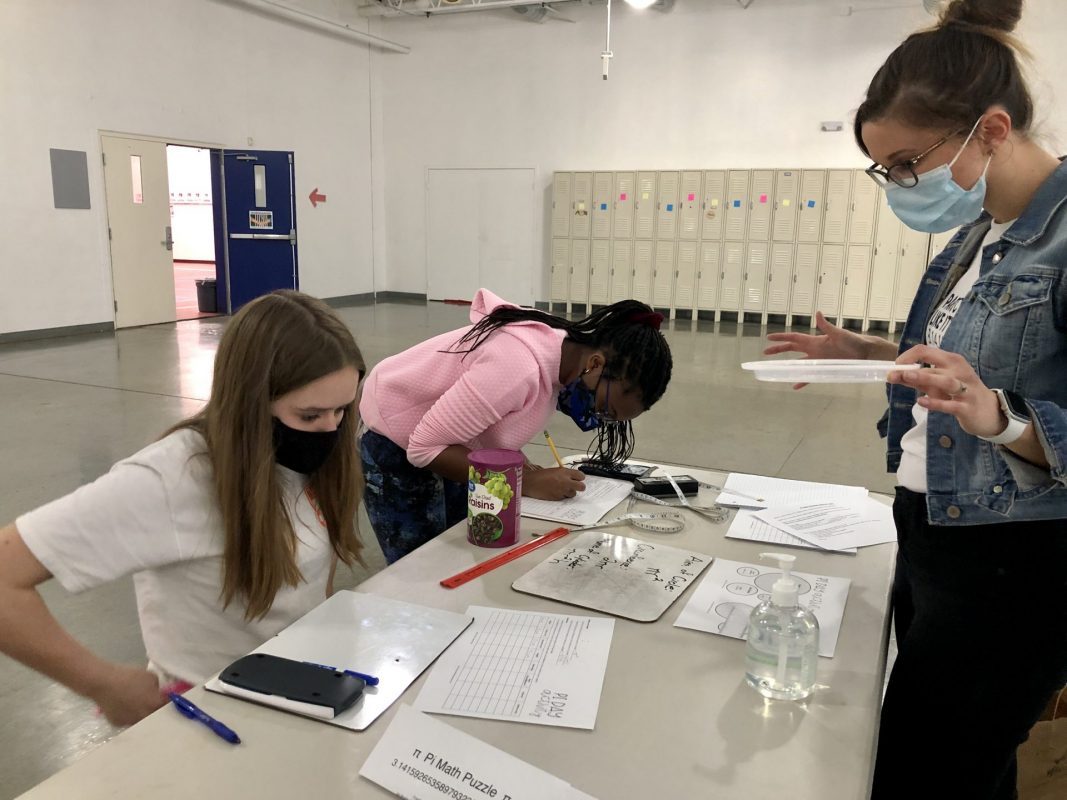
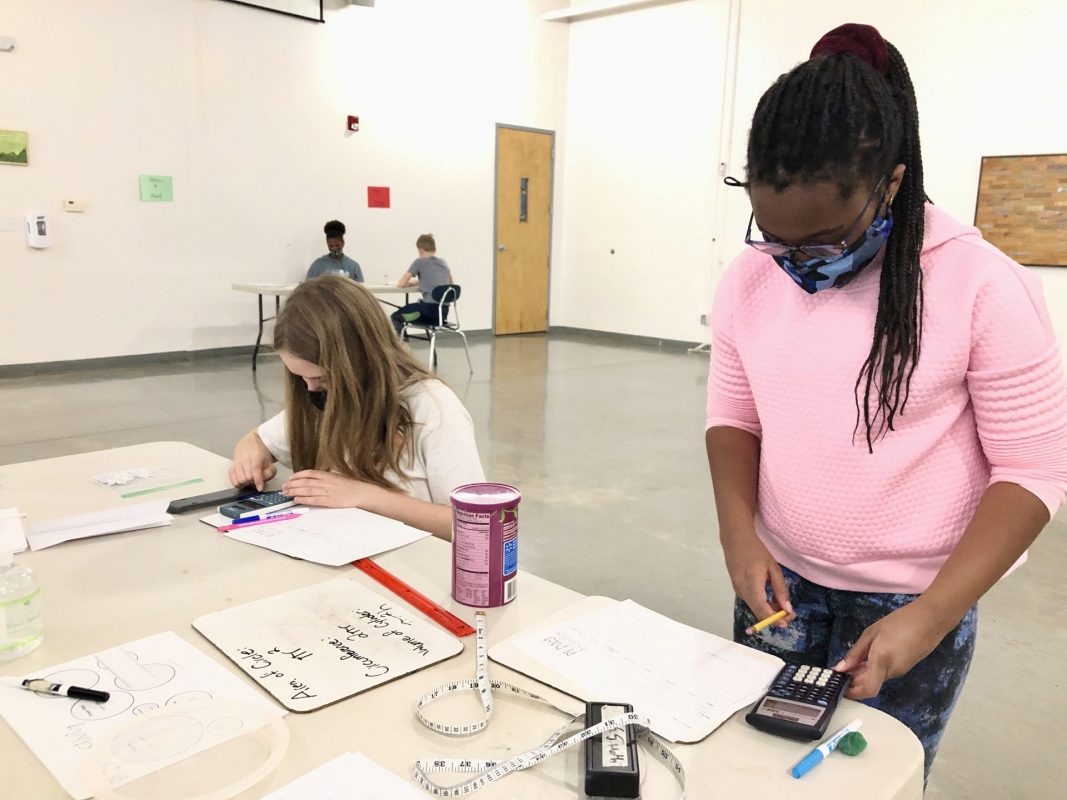
In Pre-Transition class, students are learning all about multiplication strategies for dealing with real world problems. Students took time this week to understand multiplying fractions and mixed numbers, finding the area of a shape using multiplication, as well as the basic ideas of powers (exponent values). This class is working hard to build their confidence in multiplying decimals, finding the percent of a specific quantity, and evaluating expressions using order of operations.
In Transition class, students had the opportunity to learn about the commutative and associative property for addition and subtraction with integer numbers. This class can successfully calculate absolute values, use fact triangles to depict relationships between rational numbers, and add and subtract positive and negative numbers on a number line. This group of students is working on being more comfortable with solving x+a=b equations and understanding how to graph their solutions on a coordinate plane.
In Algebra class, students were excited to learn the first few lessons of chapter 6 which discusses the importance of slope (rate of change). We have learned how to find the slope of a line given two ordered pairs, writing an equation of a line in slope-intercept form or slope-point form, as well as use the equations of a line to describe real-world situations.
In Geometry class, students are learning how to make conclusions for congruent figures, identify and determine measures for congruent figures, as well as write proofs for the transitive property of equality. This class can now construct equilateral triangles and construct circles through three non-collinear points. Students are going to continue to work on using the perpendicular bisector theorem and practice identifying interior/exterior angles created by a transversal.
Math Joke: Why do teenagers travel in groups of three?………………Because they can’t even.
EXTRA JOKE: What kind of meals do math teachers eat? ………………………… Square meals!
Humanities
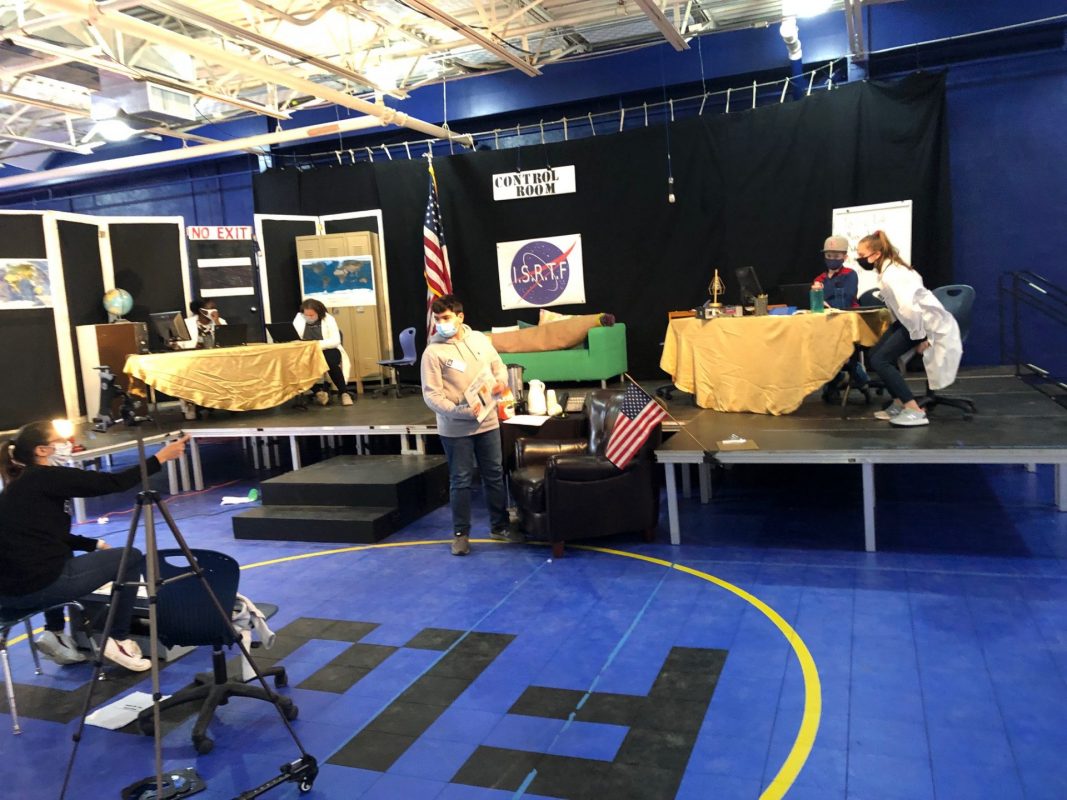
There is some fantastic learning and work going on in Humanities classes. It should be mentioned that with the unprecedented events occurring in the United States at the moment, Humanities classes have been having daily current events updates and discussions during part of their classes. The 7th years named this now-daily part of class, “History in the Making”. Fraser Woods is lucky to have such mature and curious students who denounce violence, have respectful dialogue, and ask thoughtful questions.
6th and 7th grade classes are well into their research projects surrounding the theme, Great Discoveries. Some of the topics include Pompeii, the Chicxulub Crater, Stonehenge, and the Nazca Lines. Students completed topic proposals, thesis statements, questions to guide research, and have been spending time researching. Additionally, 6th year students have been studying the geography of the Fertile Crescent that was the location of Mesopotamia. The Sumer people will be the first they study from this region. 7th year Humanities students wrote essays and discussed the notion of leadership which will be leading into their look at the the rise of Adolf Hitler. They also read about the history of anti-Semitism.
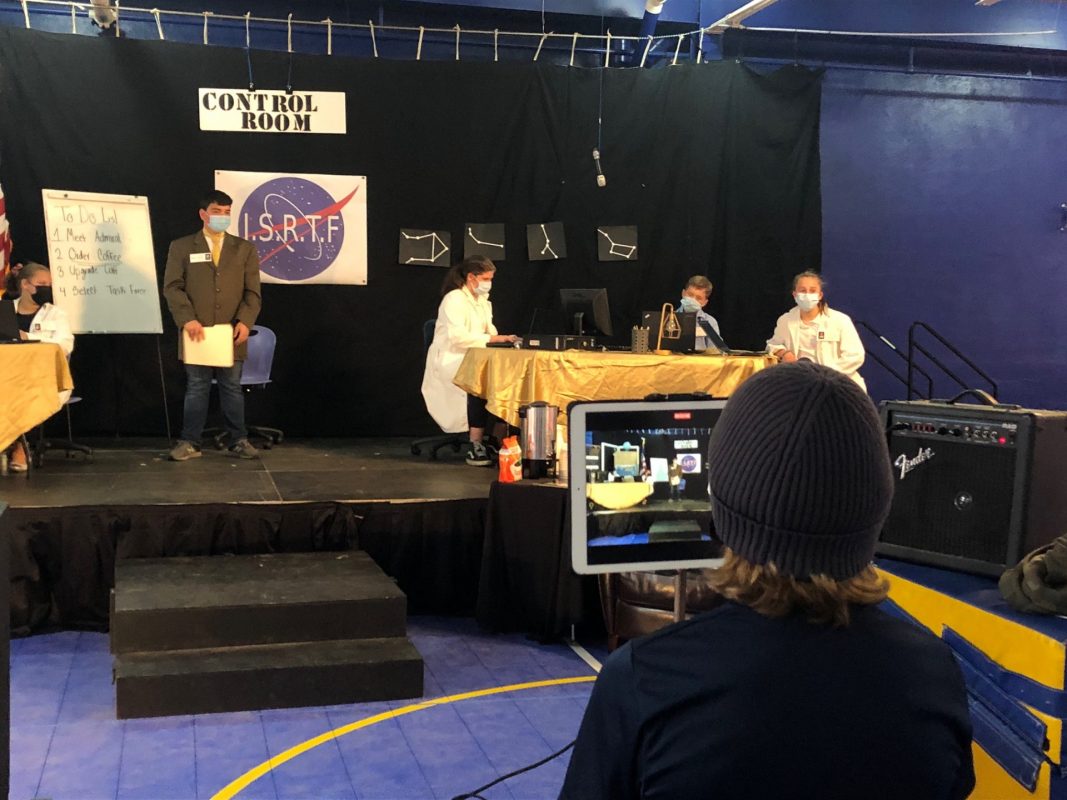
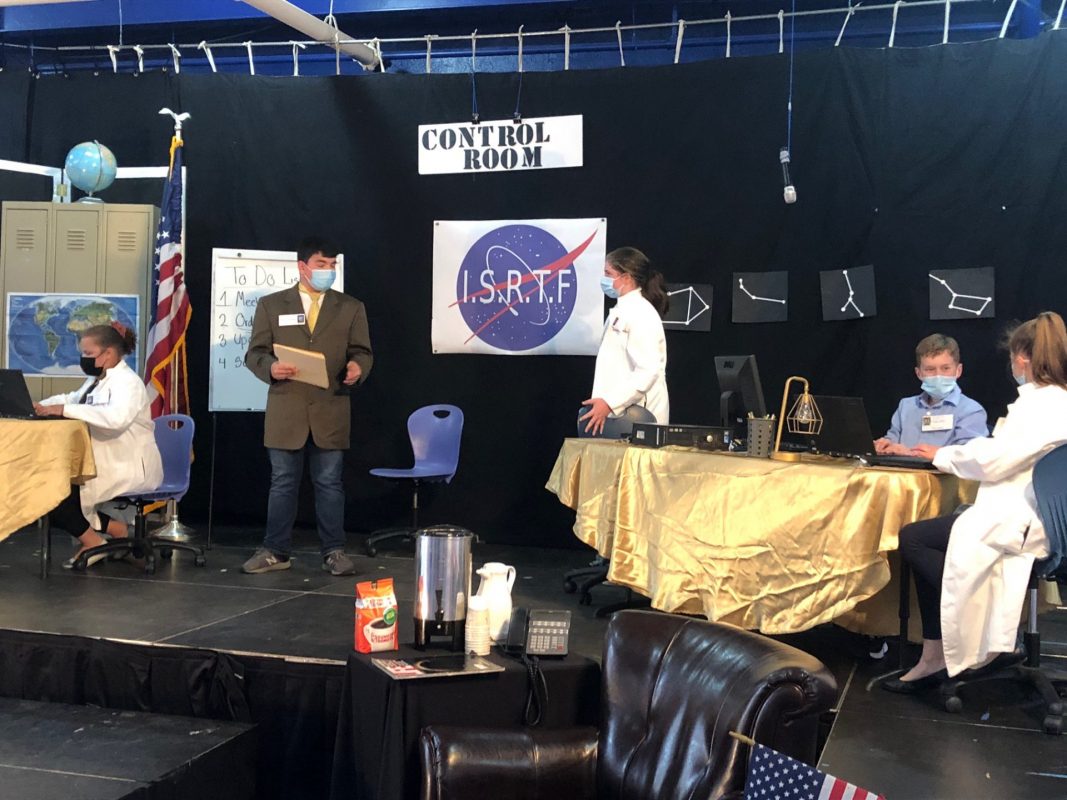
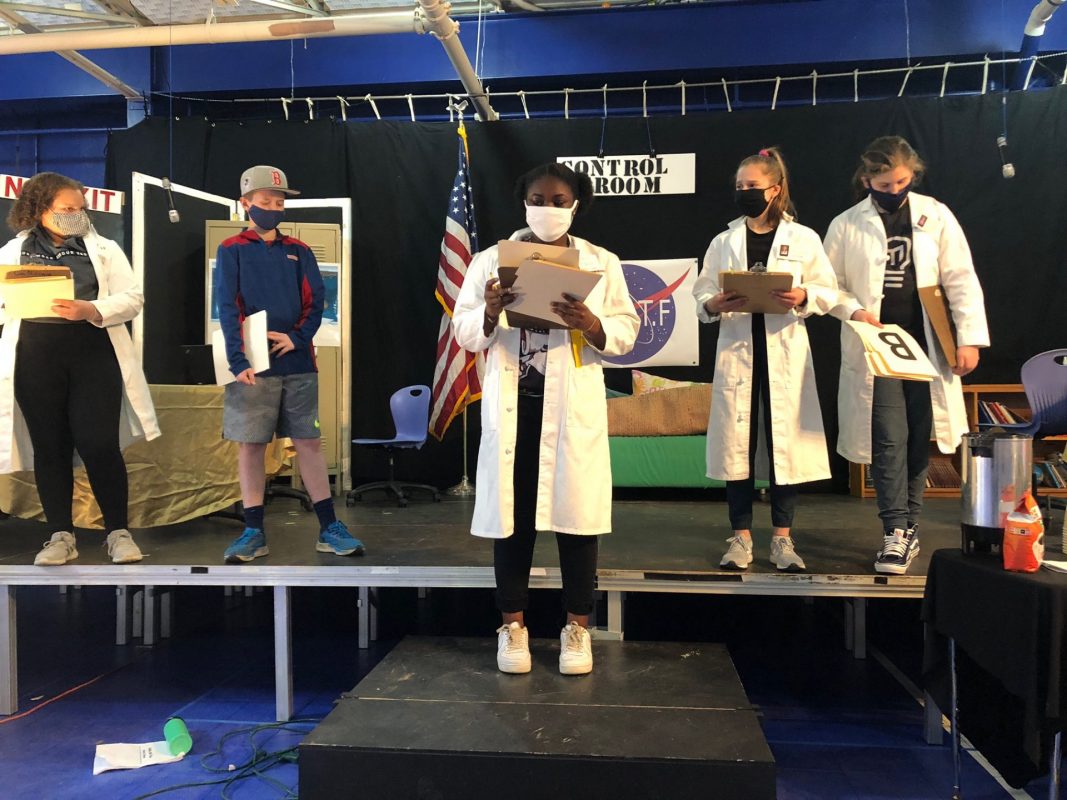
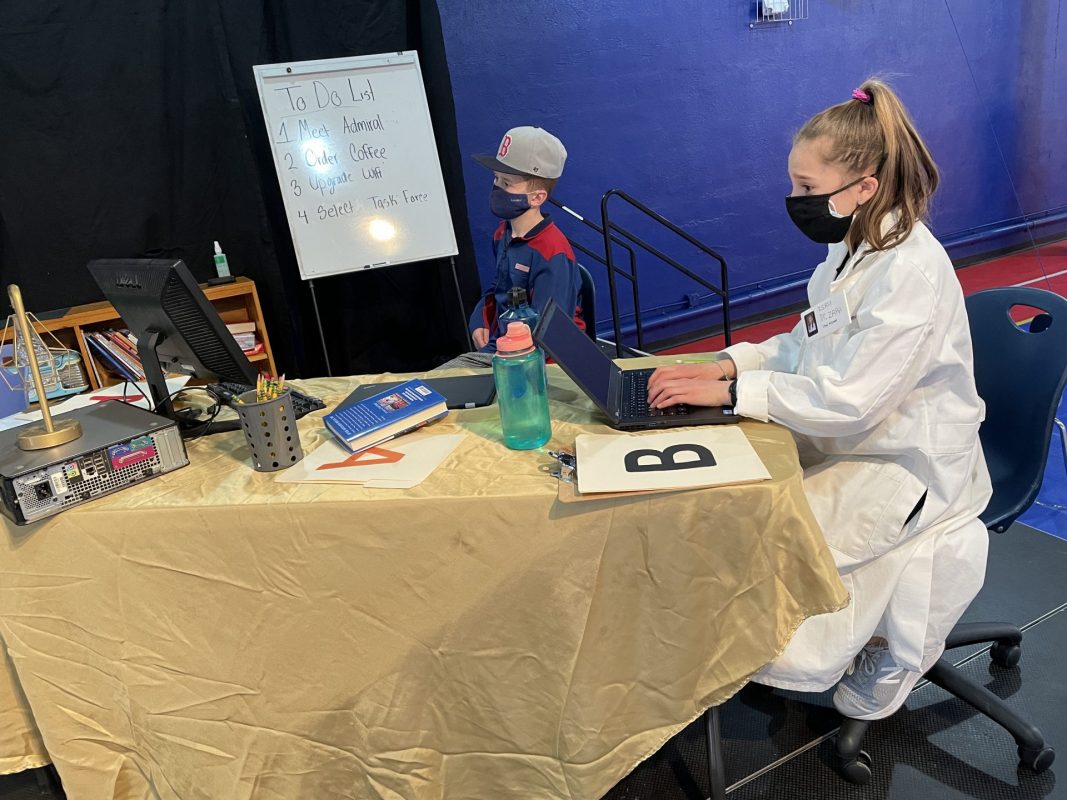
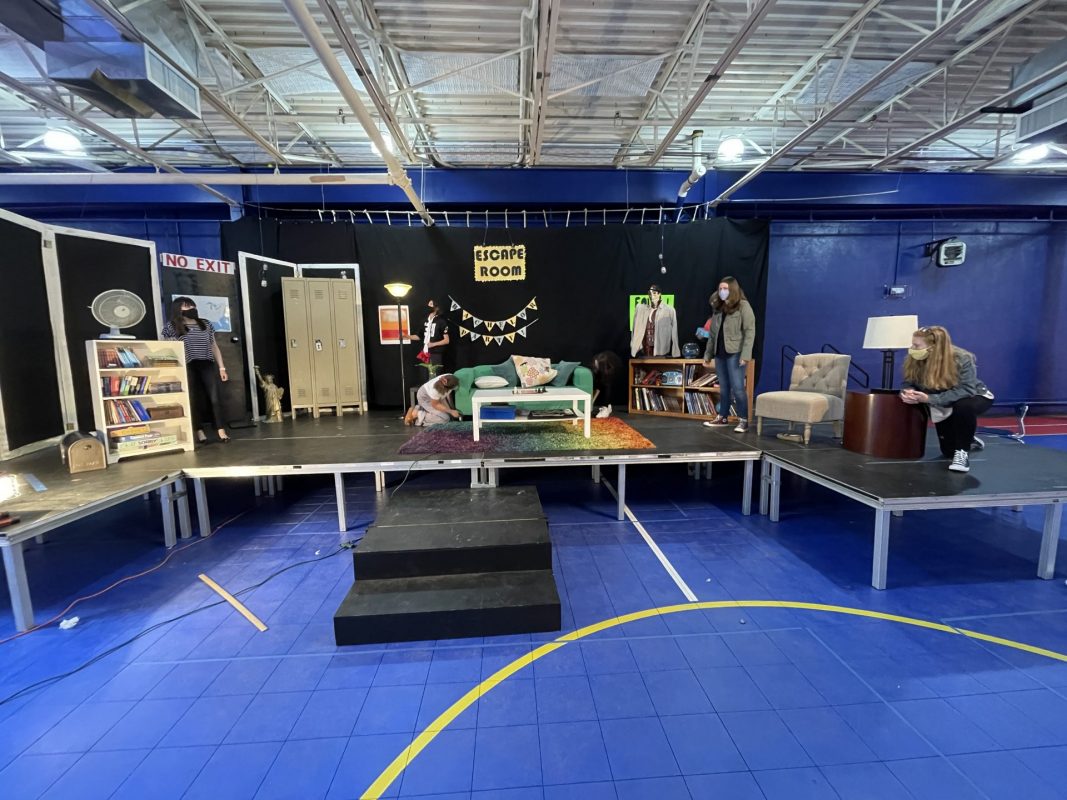
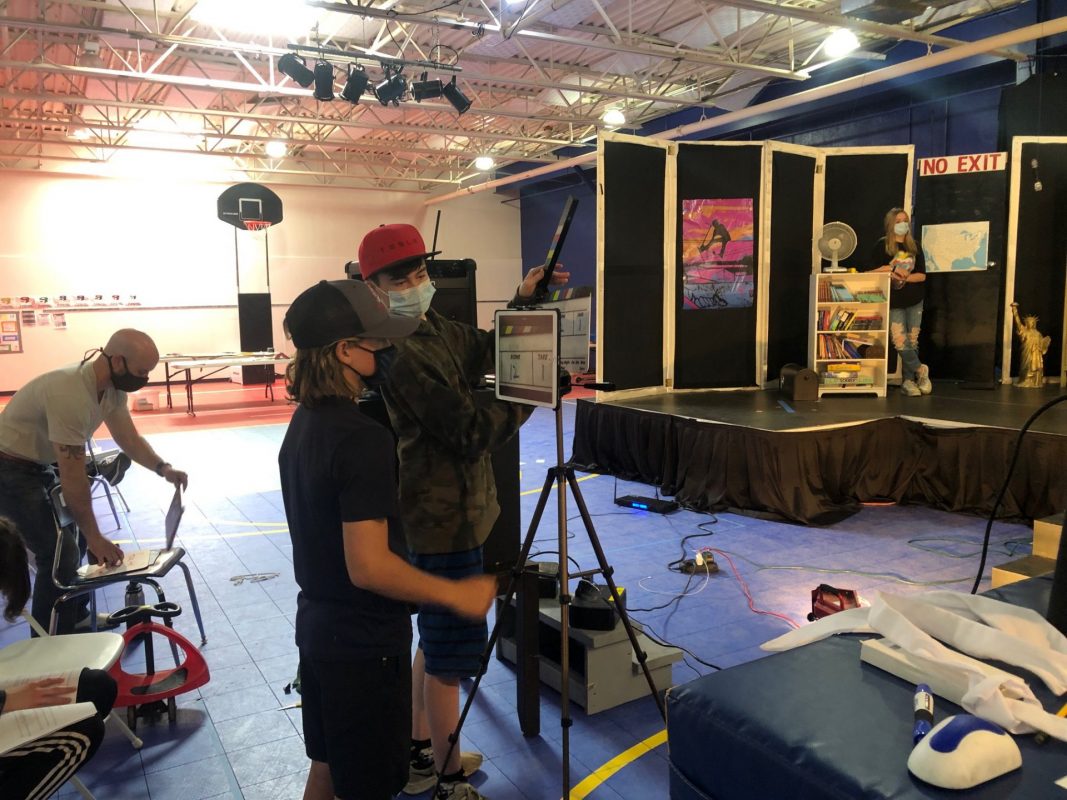
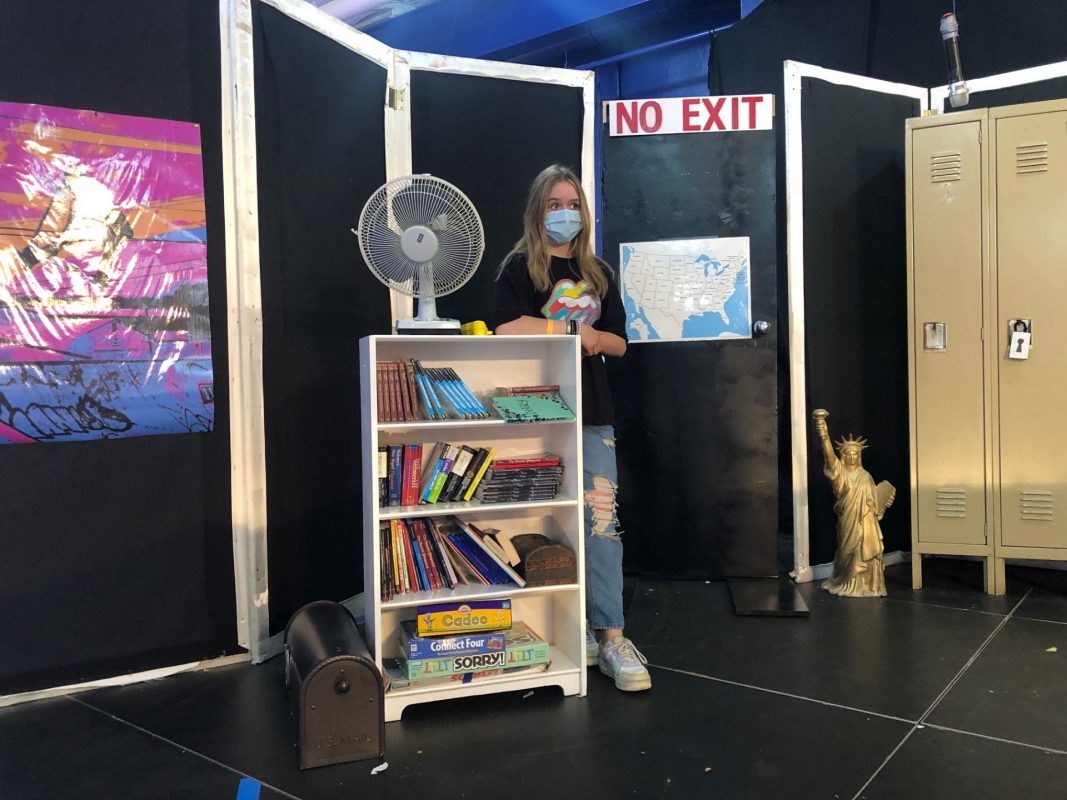
8th year students have begun Expert Projects. Topics have been selected, thesis statements were written, and students are working on writing the questions to guide their research for the next several months. 8th year students have also begun discussing the plot of this year’s MS play, which is shaping up to be exciting. Finally, the 8th year students researched and completed a presentation surrounding the causes of the American Revolution.
Science

6th year Earth Science students have been conducting experiments that represent what causes seasons and a difference in the amount of daylight throughout the course of a year. In order to represent this understanding, students constructed their own model of Earth using a Styrofoam ball and toothpicks (Earth’s axis). Students rotated their models around a lamp (sun), monitoring the difference in lit portions of their model as it orbited around the light.

7th year students just finished constructing and testing their catapults as part of our Kinetic Energy unit. Each student spent two days constructing a catapult out of Popsicle sticks, a plastic spoon, and rubber bands. Students tested their design several times and followed up with a reflection for potential changes to enhance performance. Last week, 7th year students also demonstrated their working knowledge of potential and kinetic energy by building a “roller coaster” out of halved pieces of foam insulation. Students were able to express their creativity in designing how many twists, loops, and ramps they wished to include in the design. After completing it, students were able to determine the kinetic energy of their design by calculating the velocity and mass of the marble.
8th year Life Science students are currently exploring the unit, Nervous System. Within this unit, students are understanding what our peripheral and central nervous systems are composed of and how each plays a role in everyday functions. Students were able to perform several activities that tested their senses in relation to their own nervous system. These activities included testing reflex speed by catching a falling meter stick without warning, submerging hands in ice and warm water simultaneously, eye test, and reflex test. Time was provided for students to openly discuss how heavily we rely on our nervous system from the simplest of daily functions to the most difficult choices we are faced to make.

Middle School: Come One, Come All

Welcome back to a new year at FWM! Both teachers and students were excited to return and celebrate the start of 2021. The Middle School teachers are incredibly grateful for your generous holiday gifts.
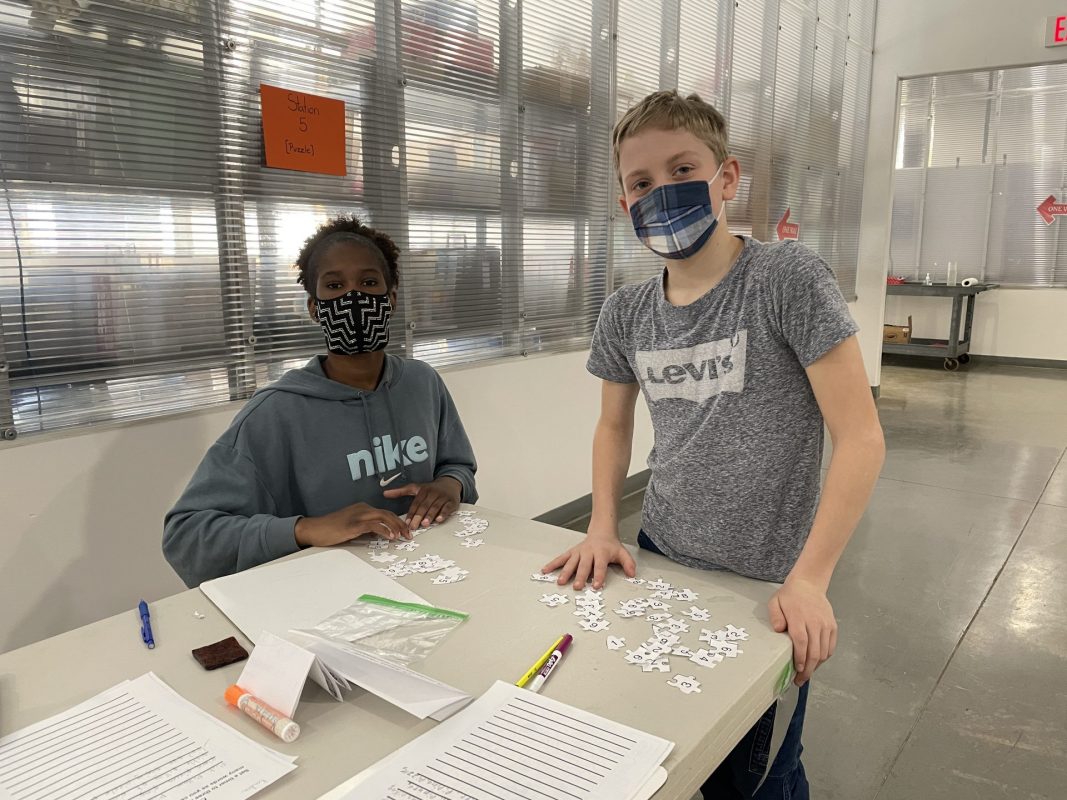
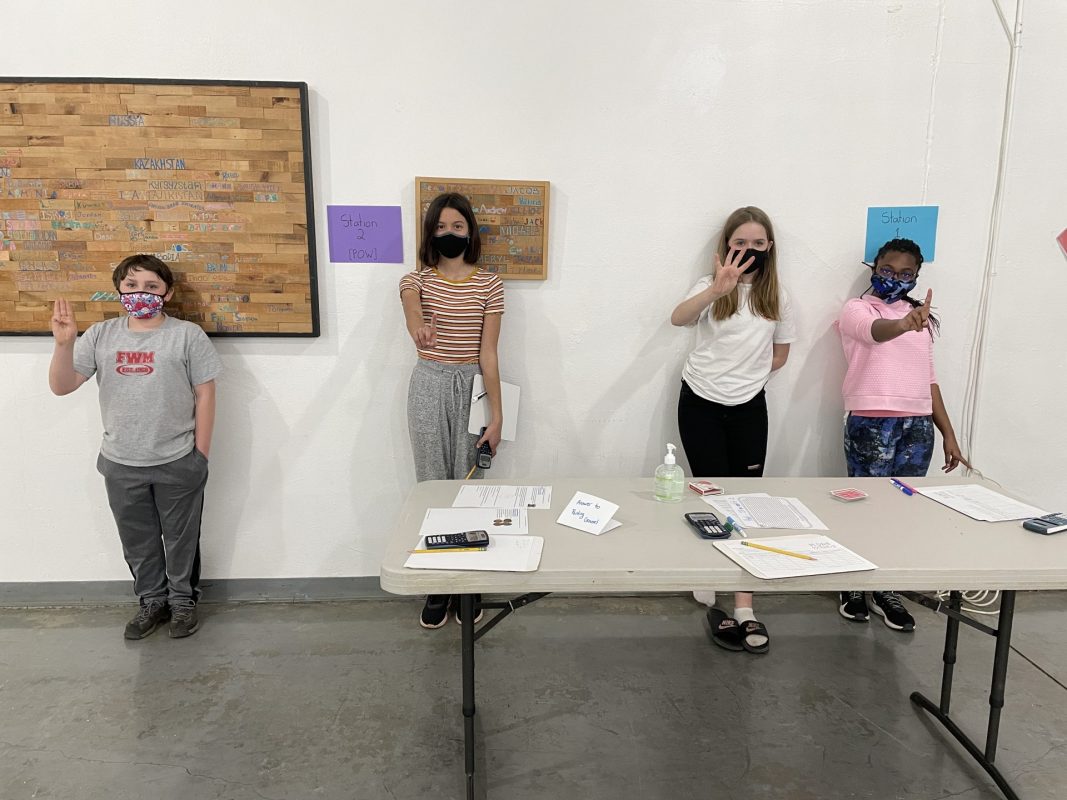
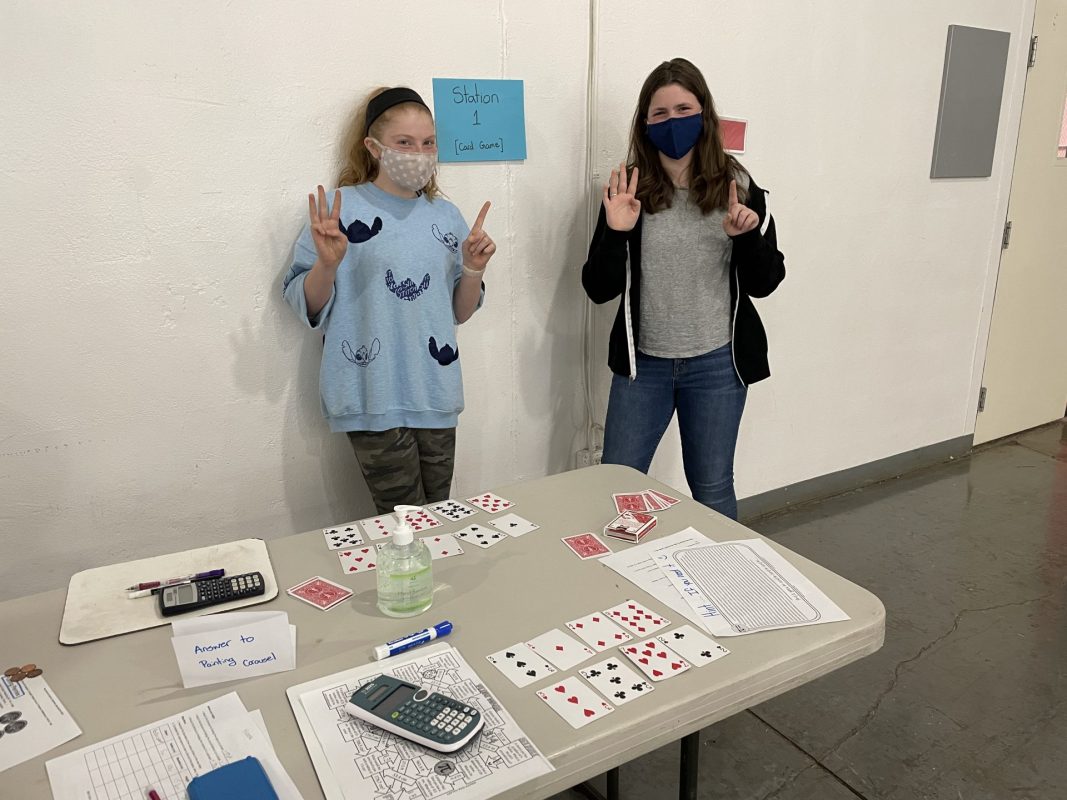
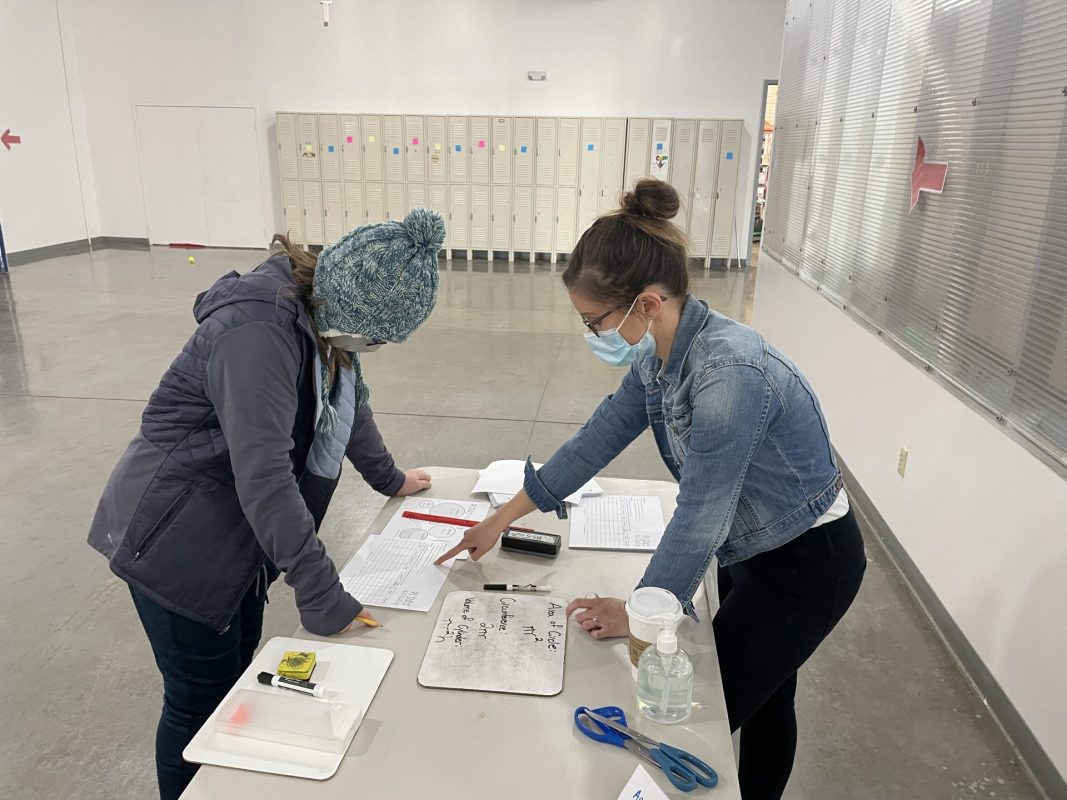
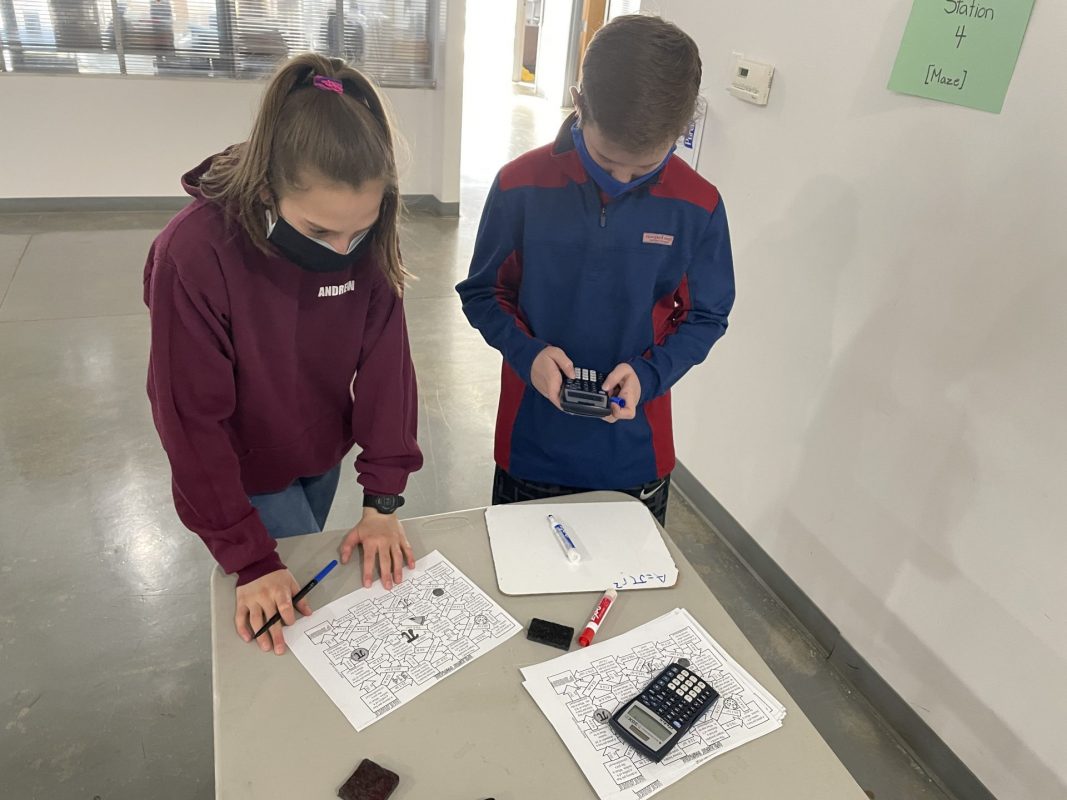
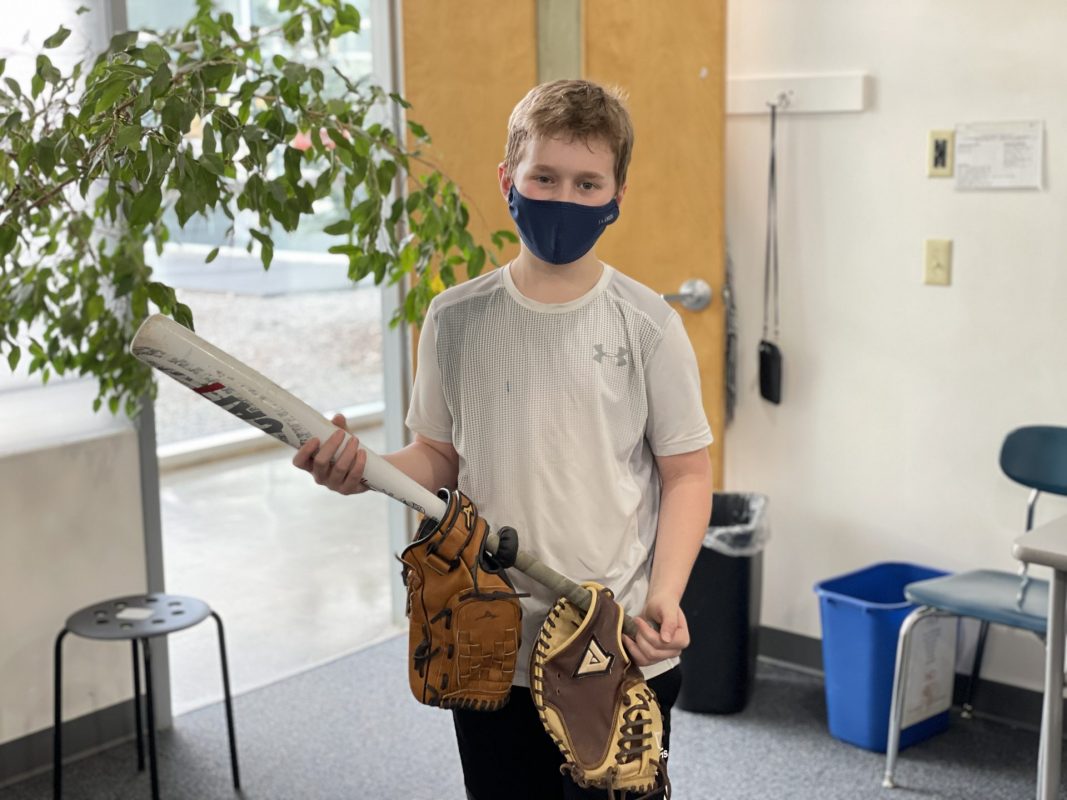
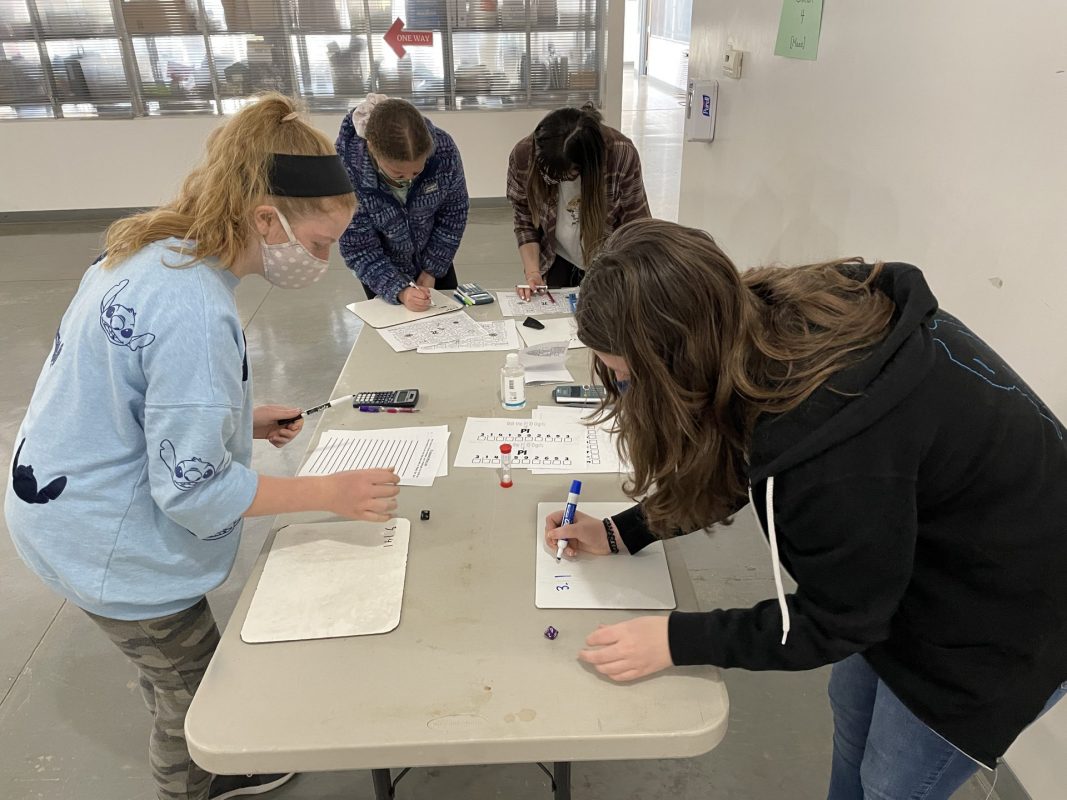
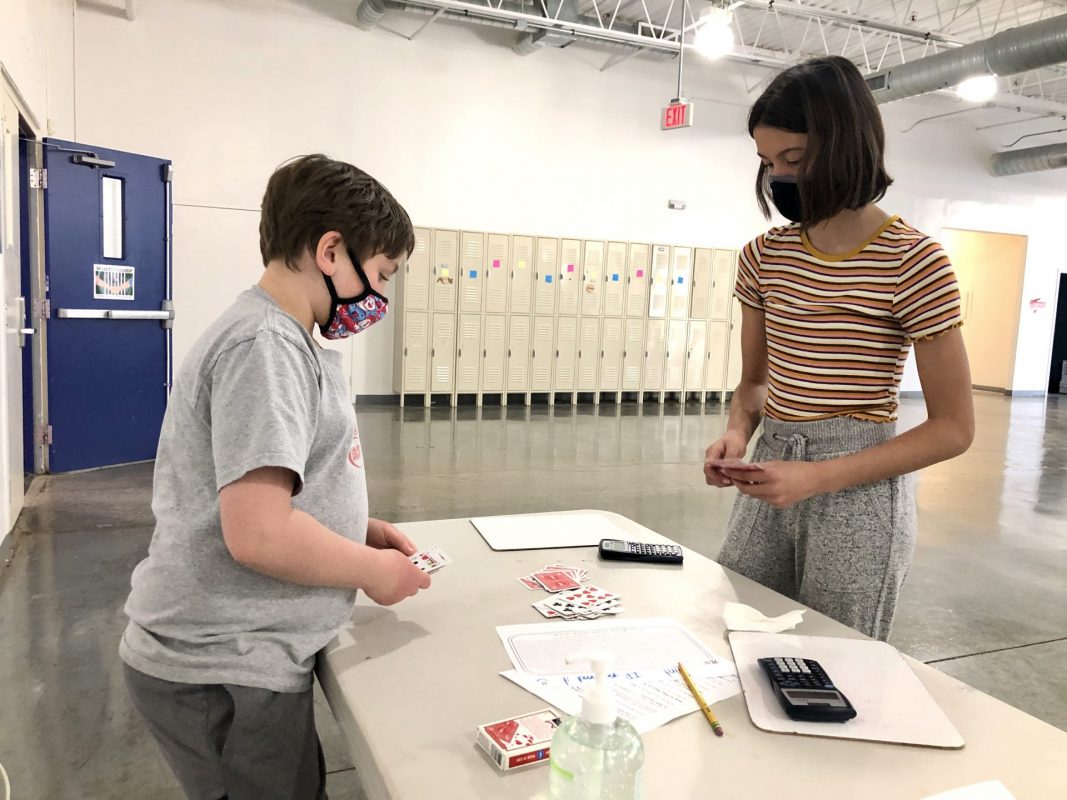
To kick off the school year, CARNIVAL DAY FINALLY ARRIVED! All middle school classes participated in a class Carnival Day activity on Tuesday, January 5. Each student created a unique game with rules, creative title, and full description. Students were asked to calculate the theoretical probability before the actual game day in order to predict the chances of winning their games. We invited FWM staff to join in our games and hope to have an all-school Carnival next year. Students created games that involved throwing discs, spinning a spinner, tossing a bean bag, randomly selecting a candy, flipping a coin, and knocking down cans with a tennis ball. The entire class period was filled with cheer and practicing our learning of probability in the classroom. Students recorded their results and presented a final Google Slides presentation with their experimental probability findings.  I am extremely proud of the students’ accomplishments. Based on the photos, you can see how exceptional the final games turned out.
REMINDER: There will no longer be Thursday Math help sessions after school on Zoom as we have incorporated this time into our weekly schedule. Students are given a 40 minute math help period on Monday afternoons to maximize time for one-on-one support.

Middle School: Math Carnival, Kindness Cards, Alternative Gift Market, & Fun Friday

In our final Friday post of the year, we have a variety of activities to share with you!

Math Carnival

Come one, come all…..IT’S CARNIVAL WEEK! During the last week of December, all middle school classes participated in a Math Carnival. Each student was required to build a unique game that could easily be played by their peers. They spent the week gathering materials, creating blueprint sketches, and calculating the theoretical probability of winning the games. Students were creative with building games such as corn hole ball toss, picking a specific card and spinning a colored spinner, dropping a marble down a shoot , and randomly selecting two correct colored tiles from a mystery jar. Everyone was eager to play each other’s games at the end of the week; however, due to the Thursday Snow Day, the live Carnival game day is postponed to the first week of January. During the live games, students will record the experimental probability of having other students/ staff play their games. After the live carnival day, students will graph their results and compare the theoretical probability to the experimental probability.  Stay tuned for more pictures to come.

Kindness Cards

In continuing to connect with their younger peers, the 8th year students have been working for weeks to create a personal card for each student in Fraser Woods during Leadership. This week, students delivered cards to Primary classes, Lower El, and Upper El. The younger students were excited to receive their cards! One Primary student, eager to show off their card, said, “I love my card so much that I hugged it!” 8th grade will continue to reach out to the remainder of the students once they return from winter break.

Alternative Gift Market

Another Leadership initiative is the Alternative Gift Market. Usually held during the holiday concert on the morning before winter break, 8th grade students advocate for national and international causes they have personally selected. While we can’t meet in person, the gift market (called a crowdfund) is now live online! Please preview the causes in the slideshow and then click here to donate!

Fun Friday

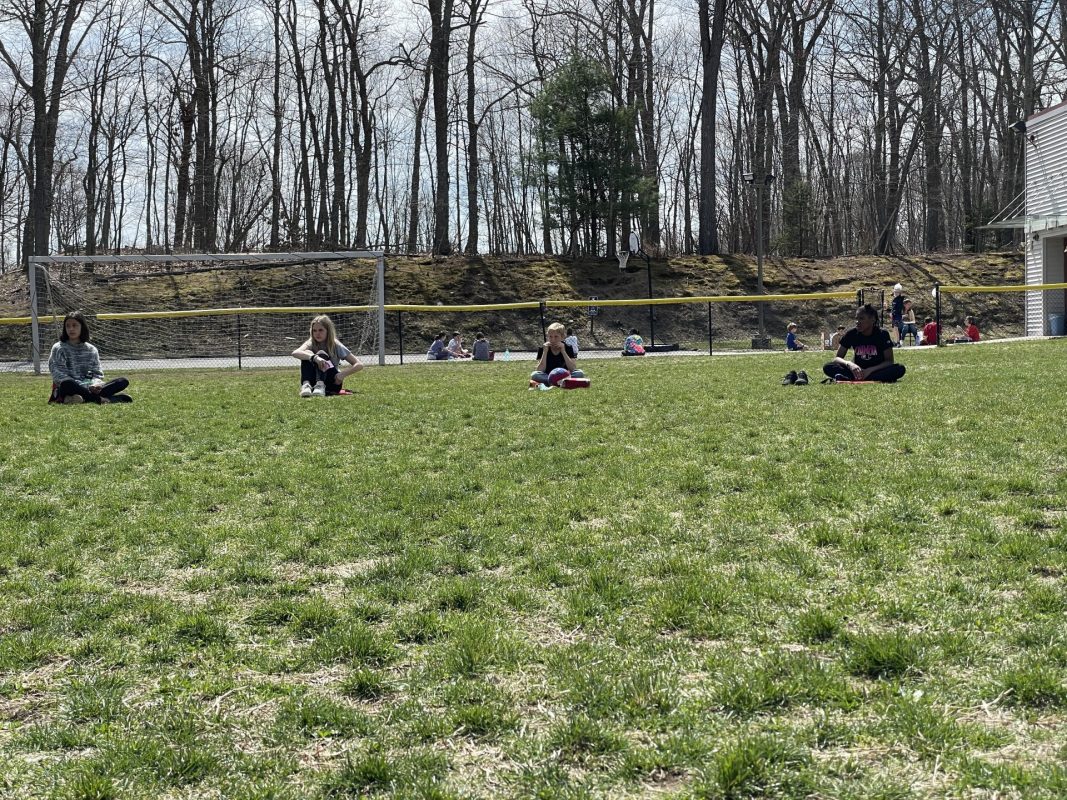
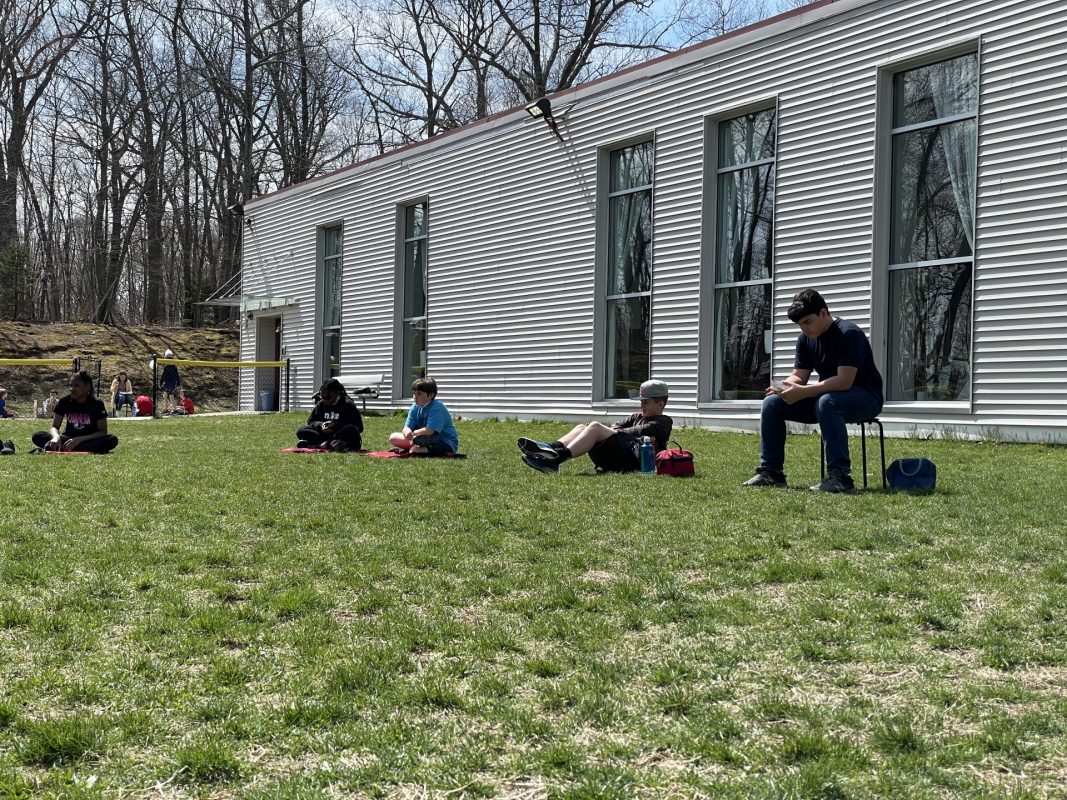
Over the past 4 weeks, all middle school students were given a unique fun Friday challenge…build a chair! Sounds easier than you might think given their only materials included 5 pieces of printer paper, 10 paper straws, and 18 inches of masking tape. The challenge was to be able to hold a full water bottle, a minimum of 2 inches off the ground. Students worked individually to create structures they felt would hold best. Students used a variety of techniques to create a seated unit, such as triangular based prisms, cylindrical units filled with straws, and taped together paper squares. The middle school was fortunate enough to gather all together outside to observe the live challenge. Each student had a chance to test their structures by placing a water bottle on top and having it stand solo for 10 seconds. With the encouragement of their peers, students were excited to see how their hard work would fare.

We hope you have a wonderful and safe winter break!

Best,

Megan, Zak, & Michelle