Middle School: “The Peace of Wild Things”

Anticipating an emotionally charged week of excitement, anticipation, and some trepidation, I knew I needed the right poem for my Humanities classes for Poetry Tuesday. When I dug into my poetry, unsure of what I was looking for, I came across a poem that I haven’t used in several years. I’m not sure how it fell out of my rotation, but Wendell Berry’s “The Peace of Wild Things” was just the right poem. It reads as follows:

The Peace of Wild Things – by Wendell Berry

When despair for the world grows in me
and I wake in the night at the least sound
in fear of what my life and my children’s lives may be,
I go and lie down where the wood drake
rests in his beauty on the water, and the great heron feeds.
I come into the peace of wild things
who do not tax their lives with forethought
of grief. I come into the presence of still water.
And I feel above me the day-blind stars
waiting with their light. For a time
I rest in the grace of the world, and am free.

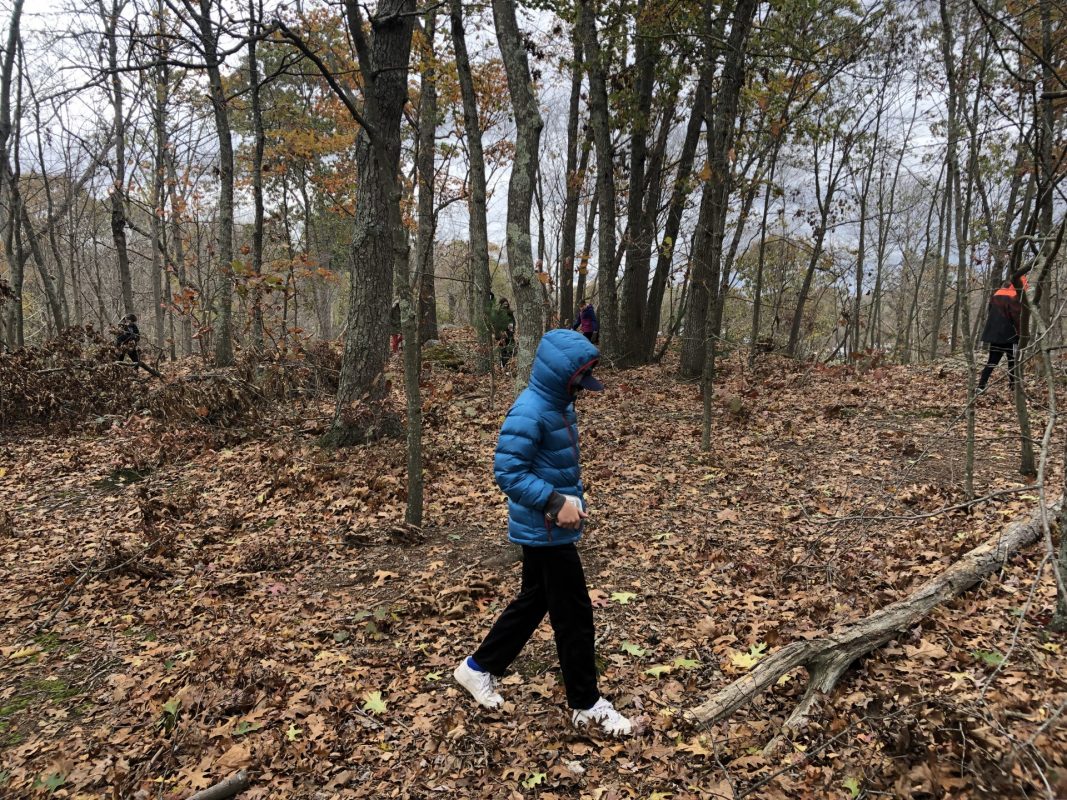
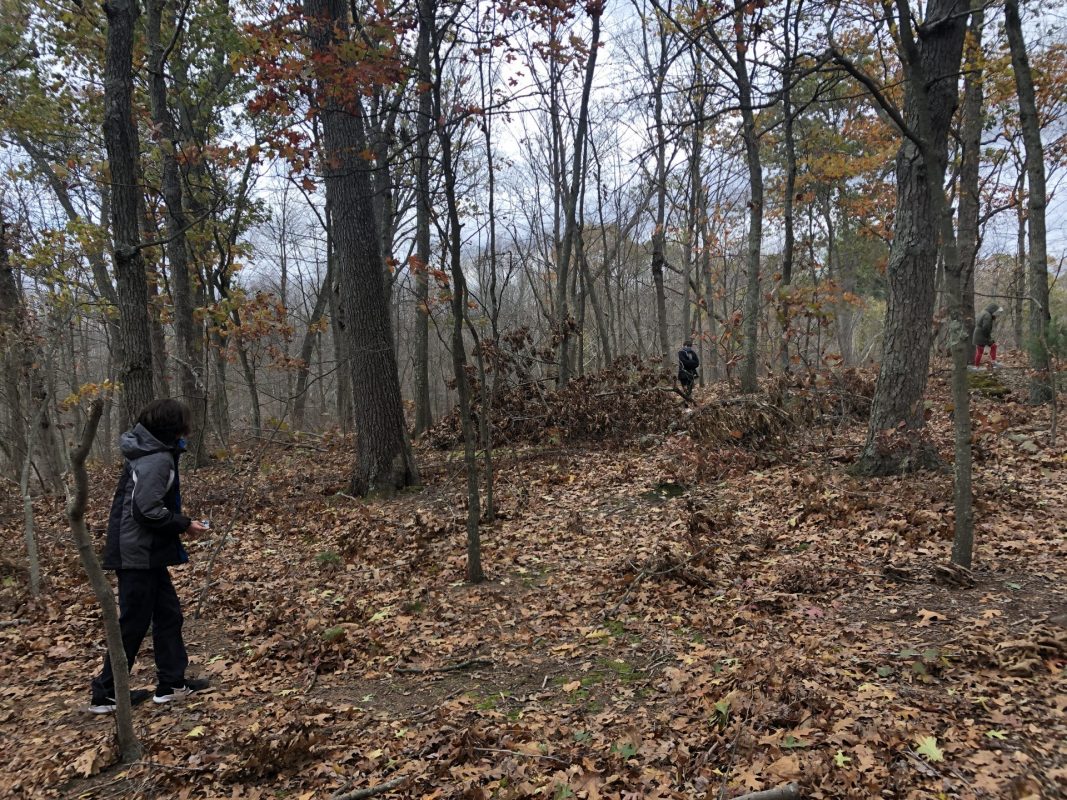
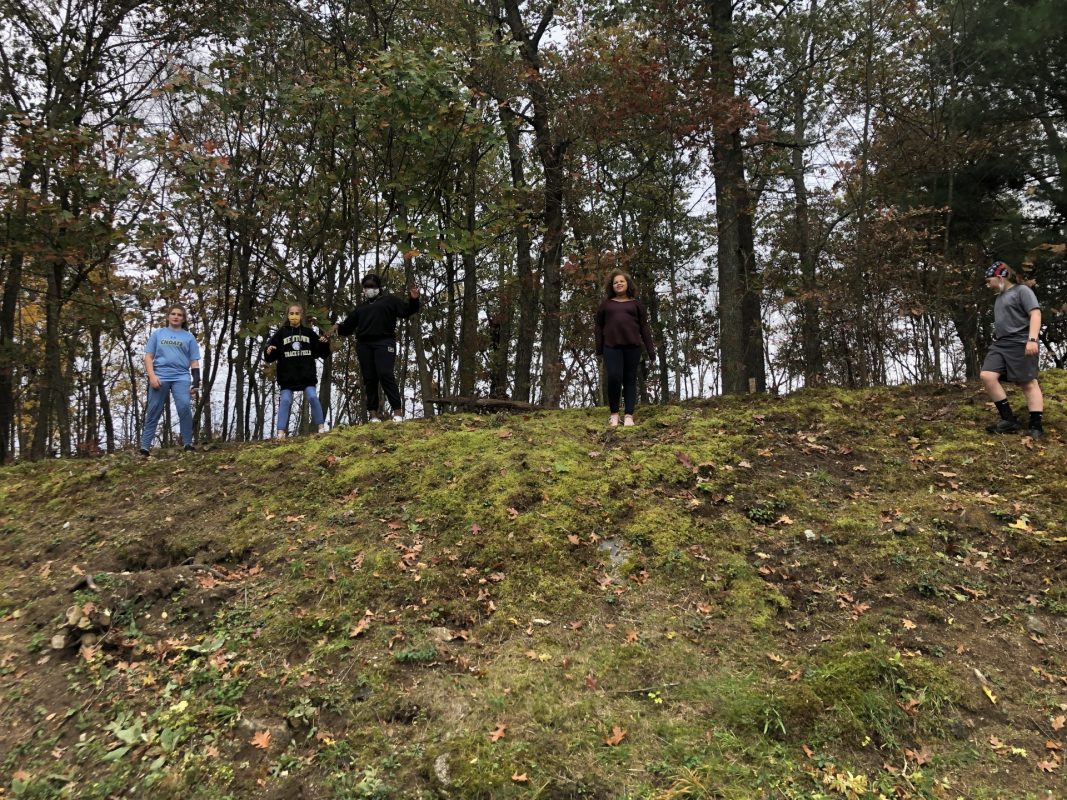
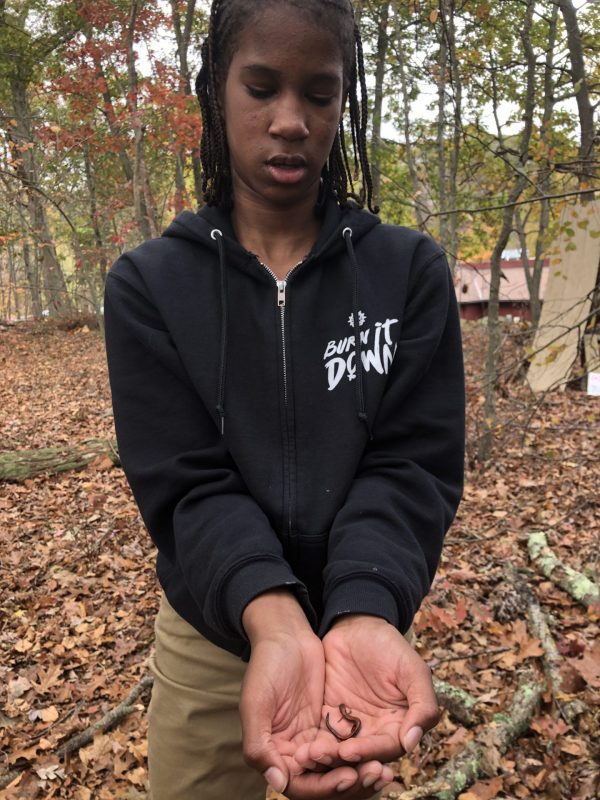
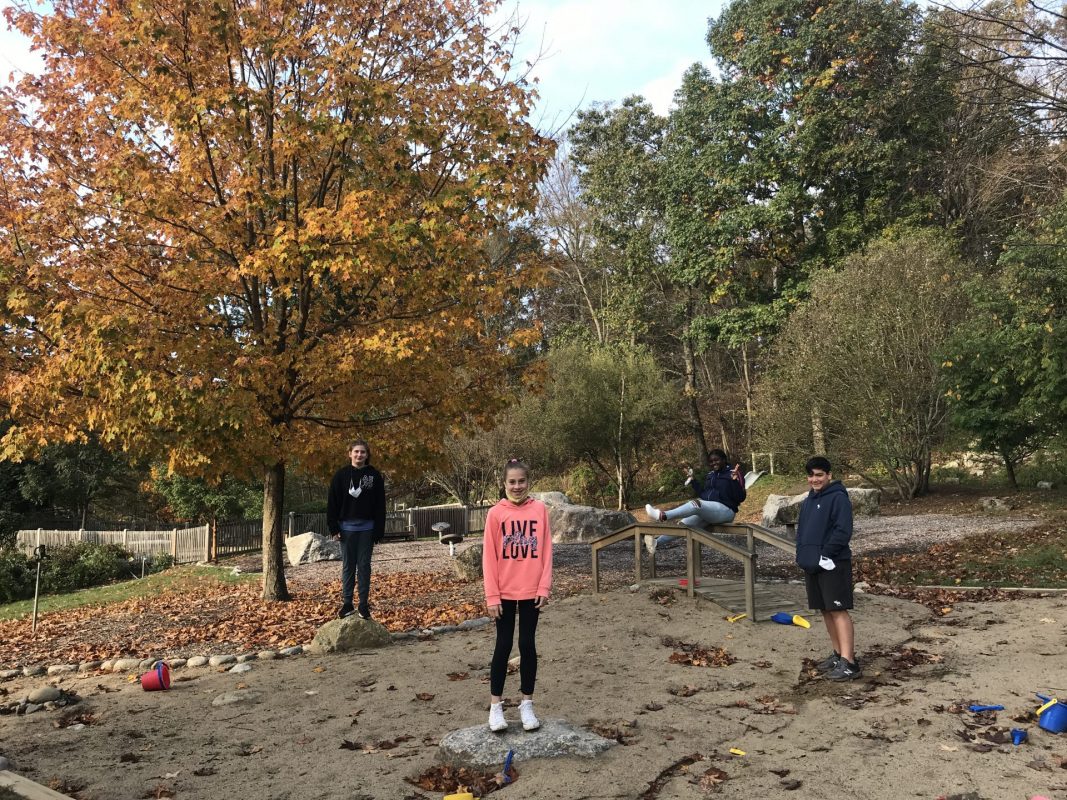
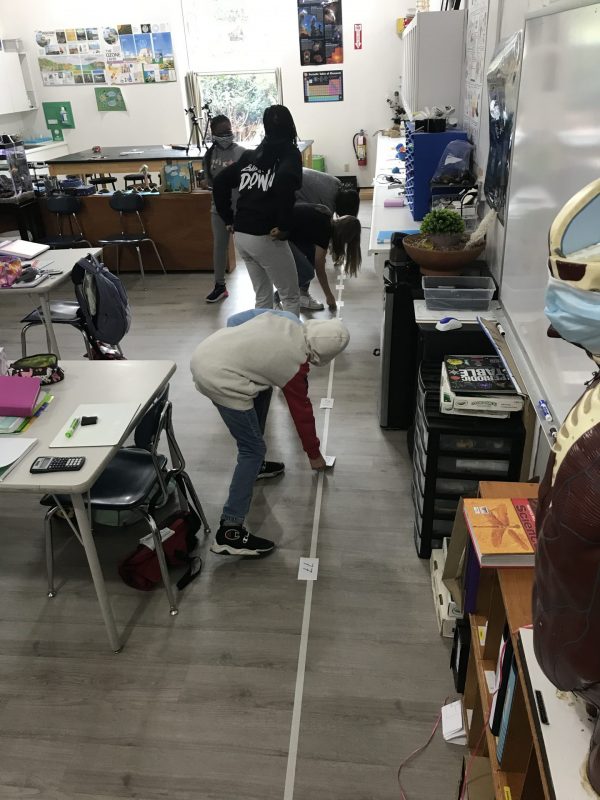
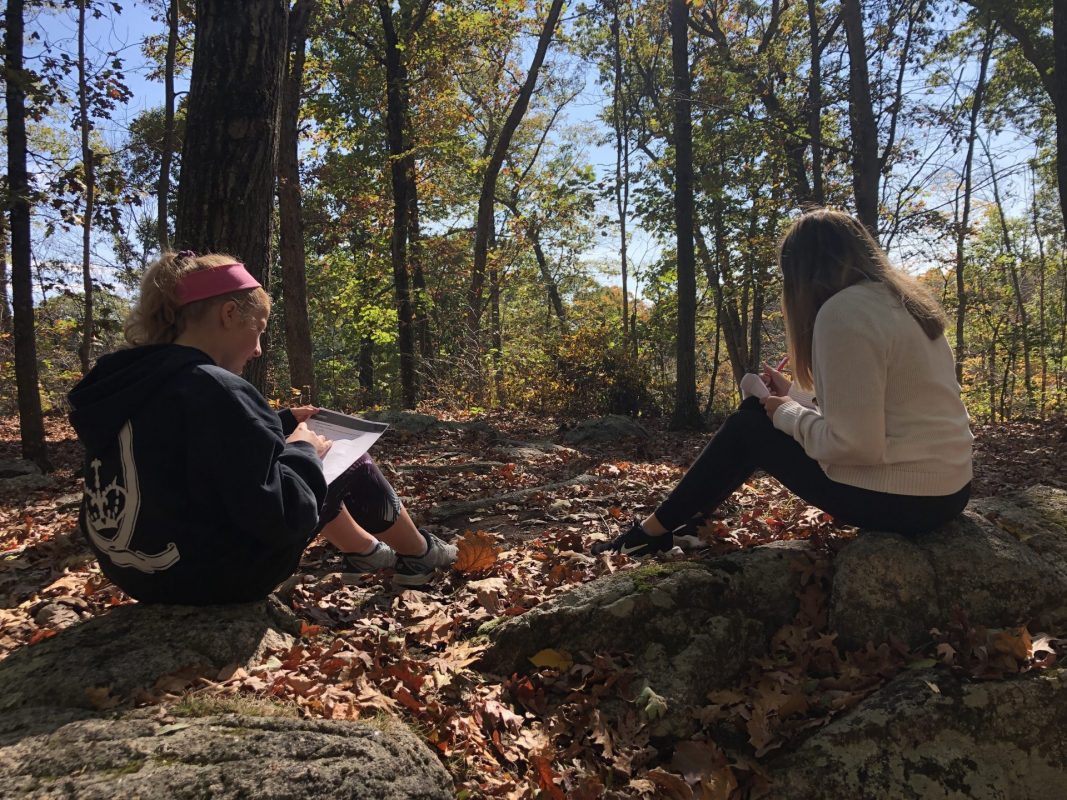
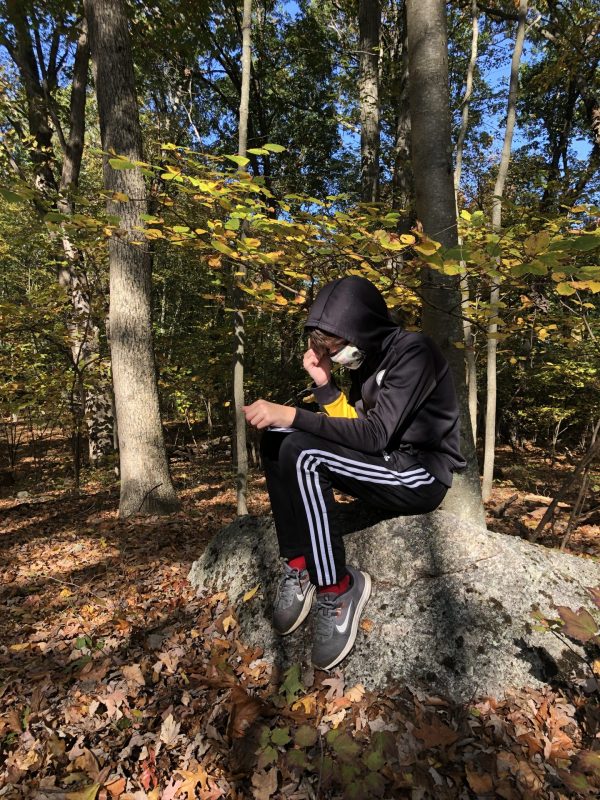
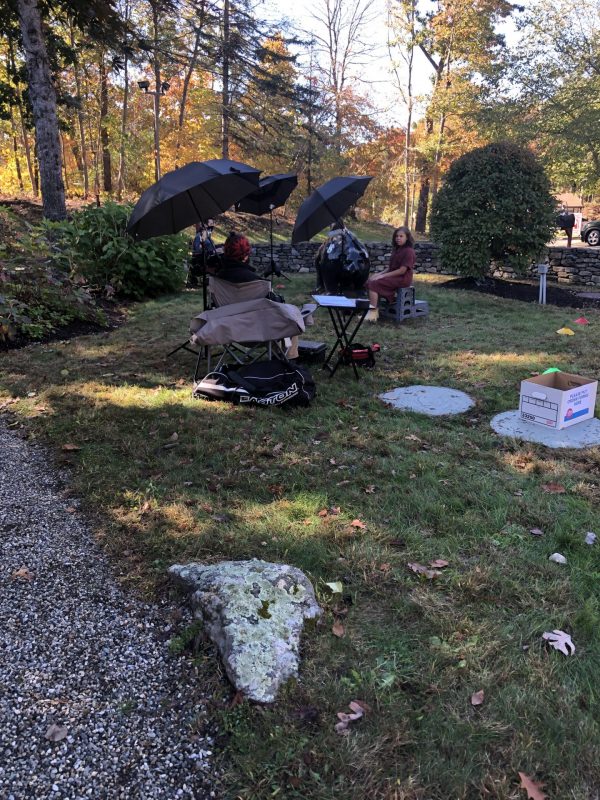
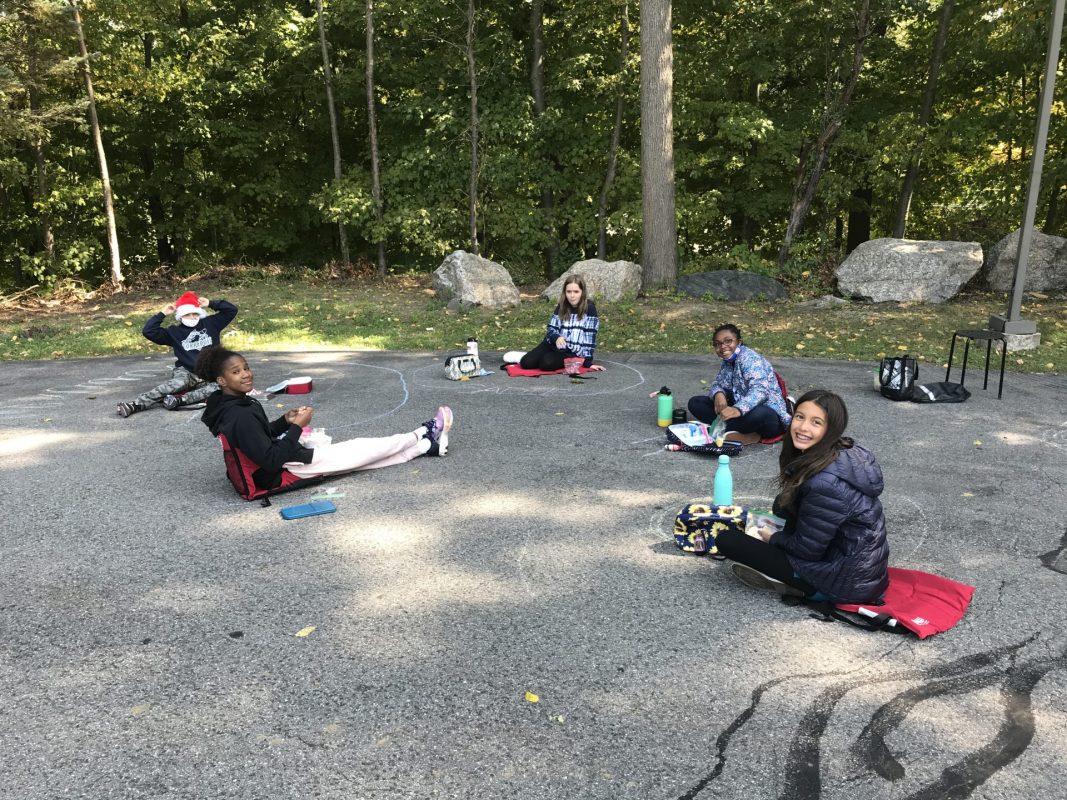
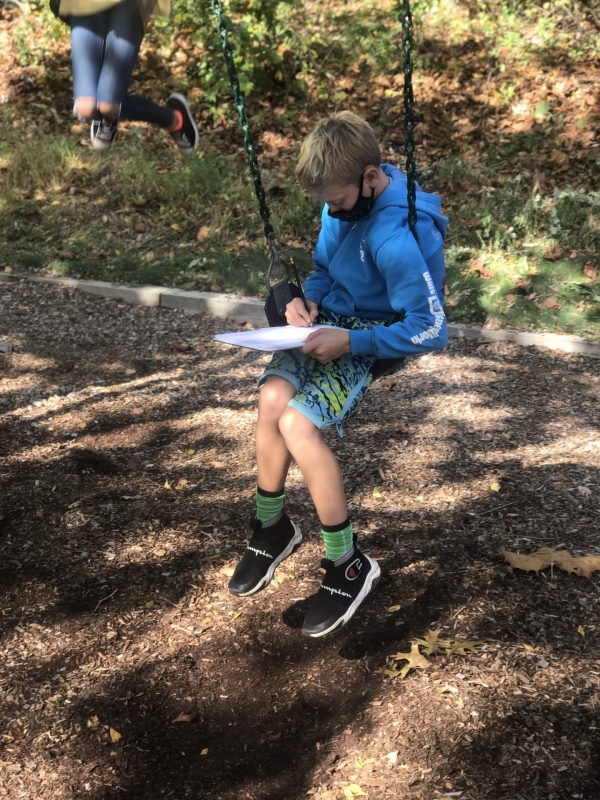
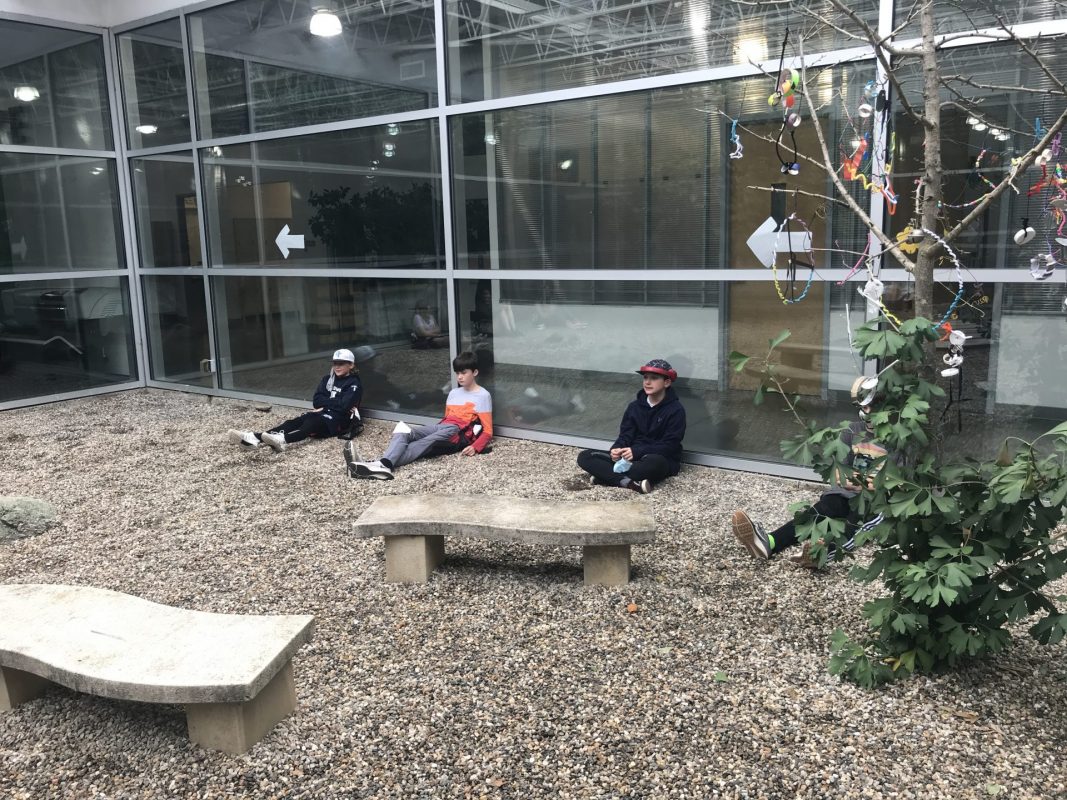
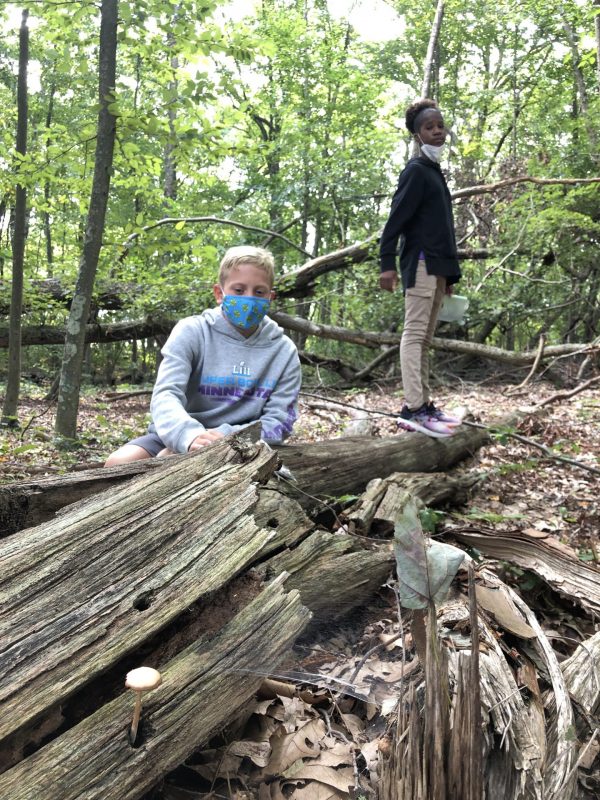
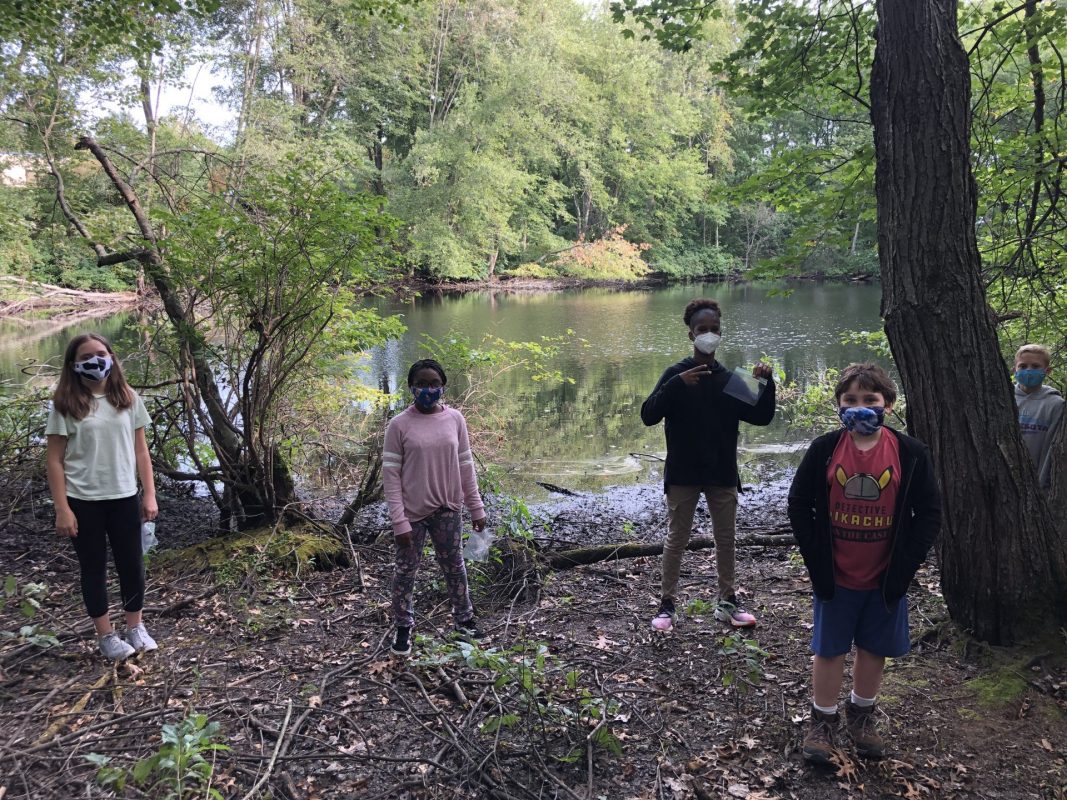
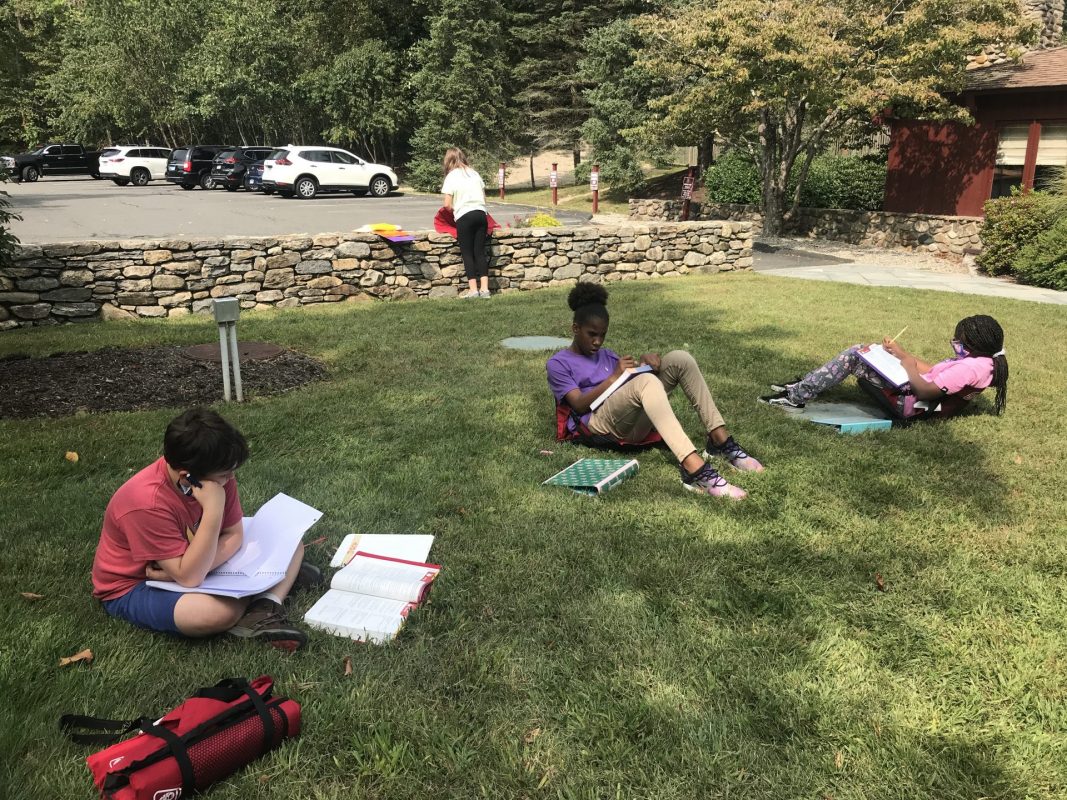
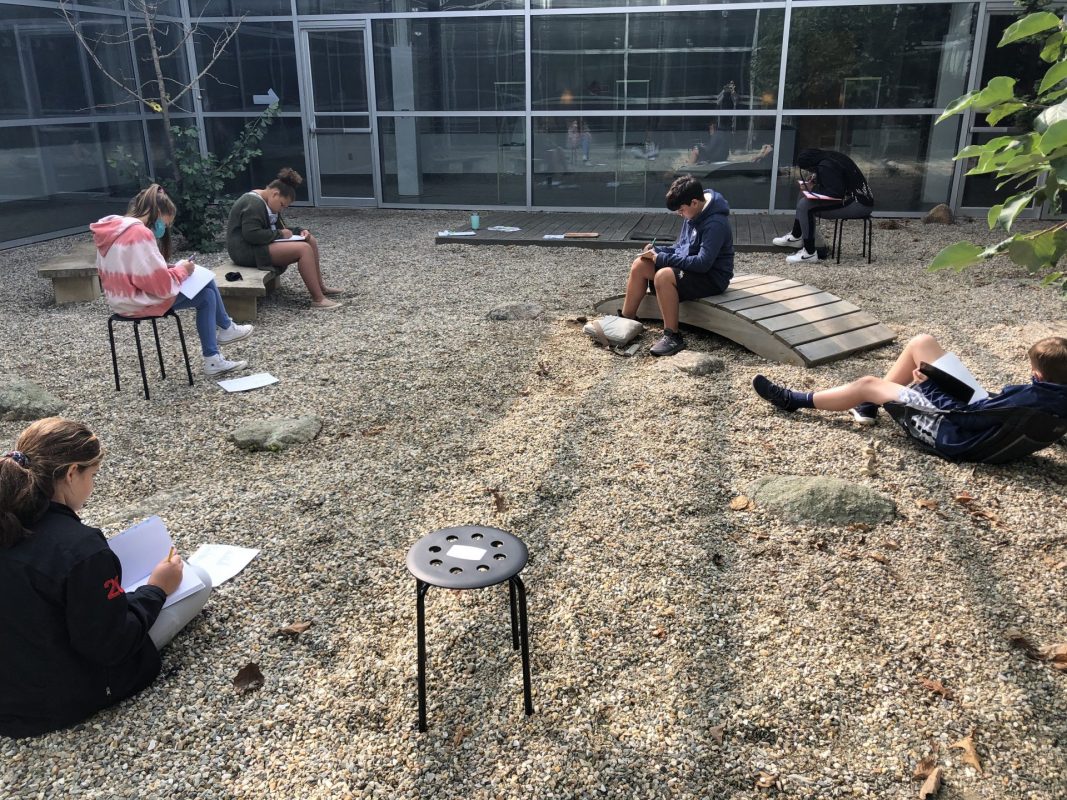
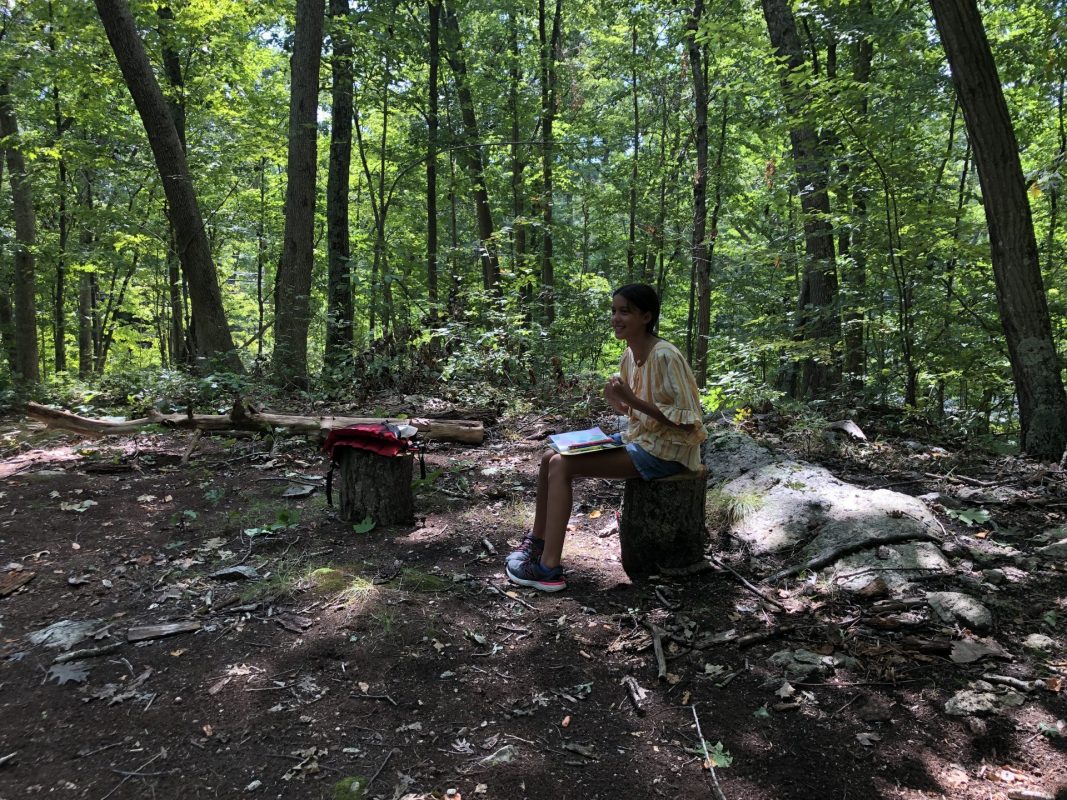
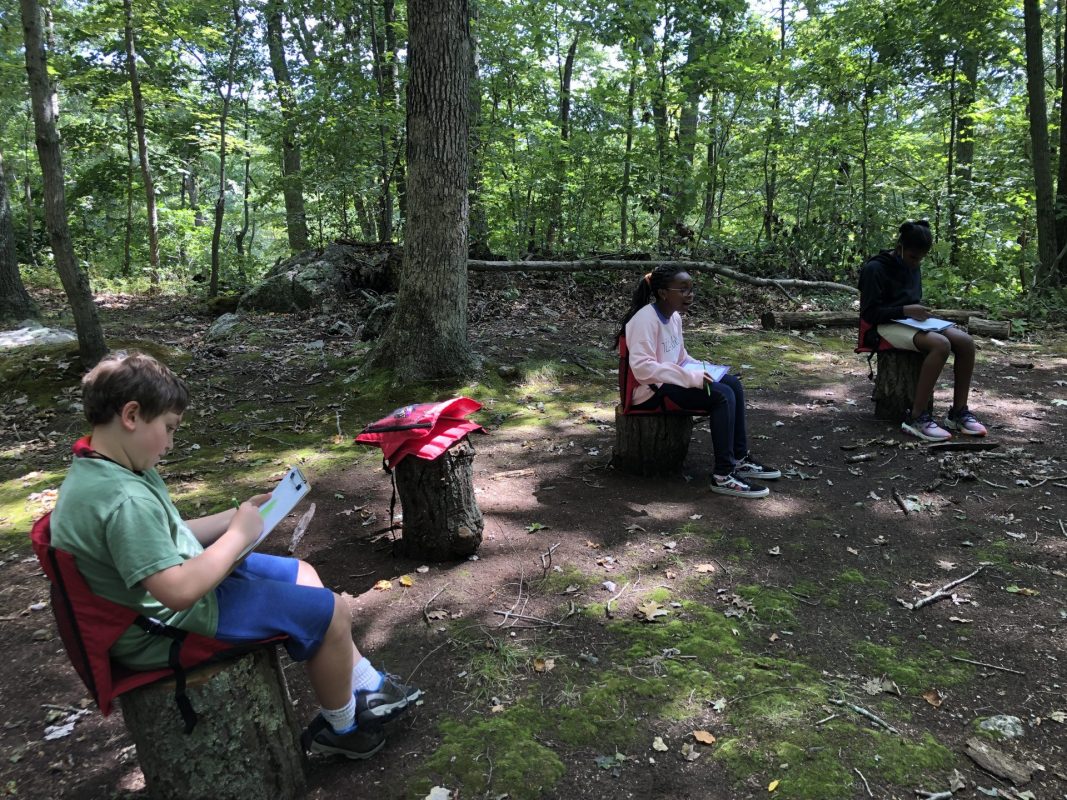
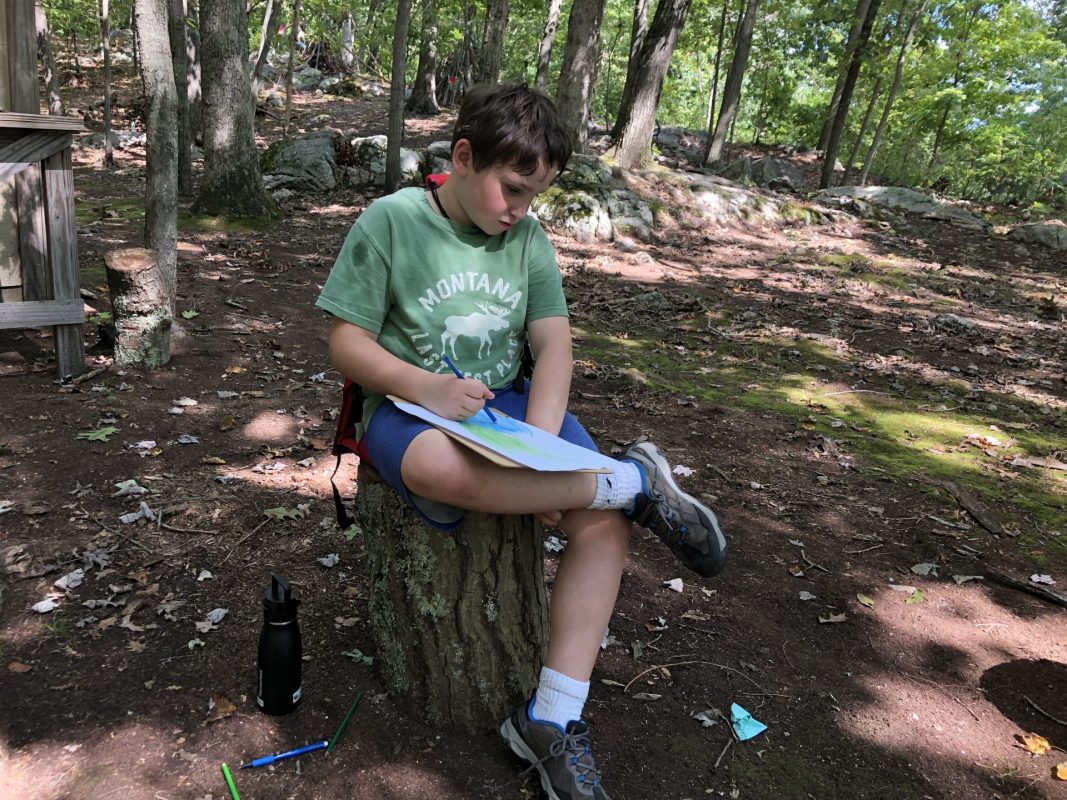
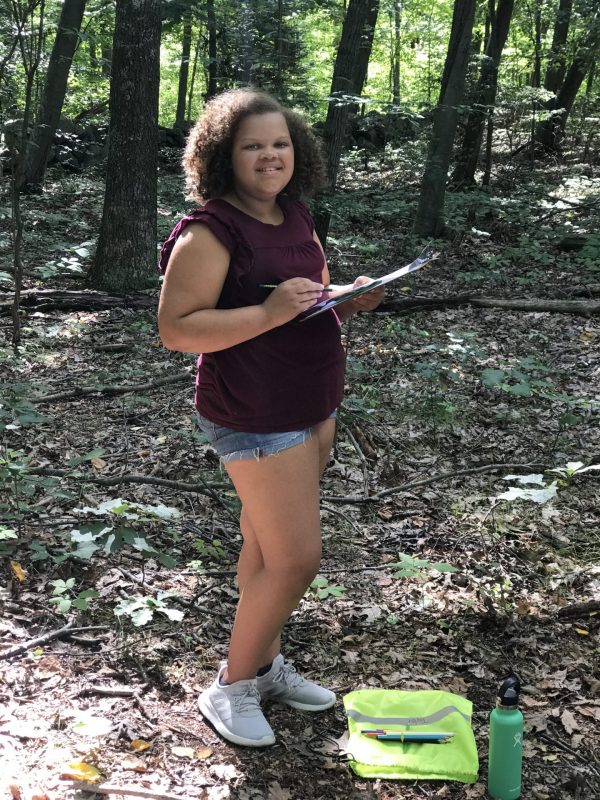
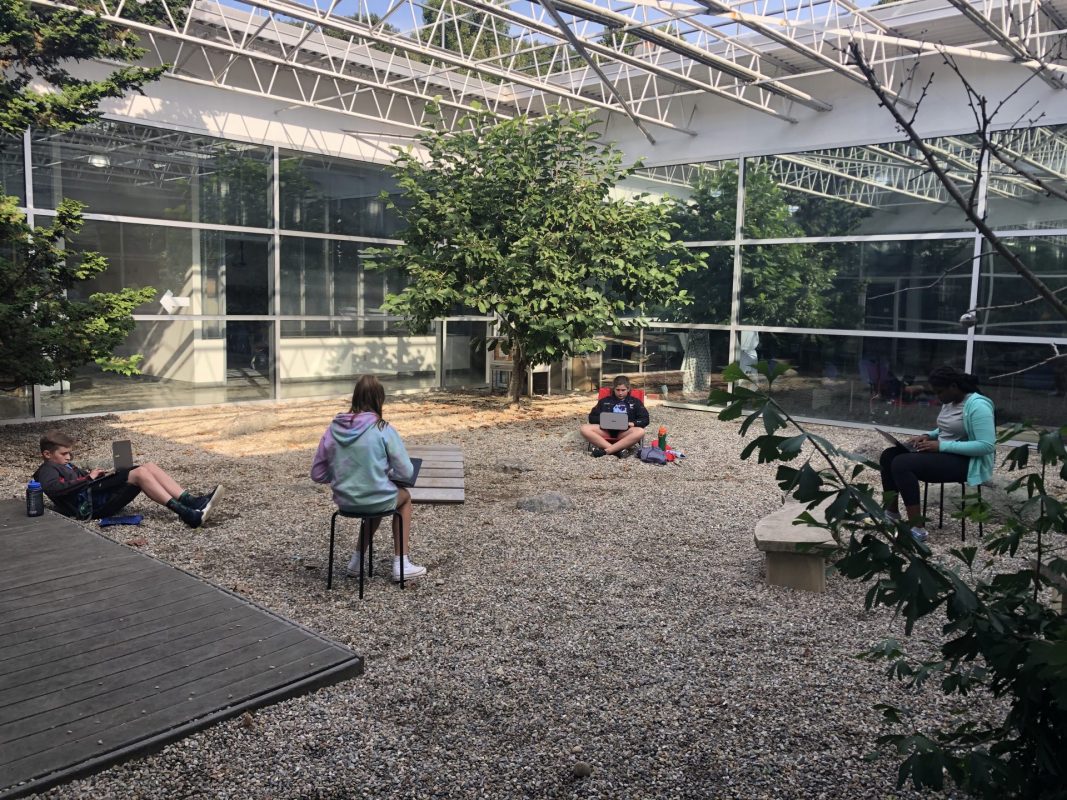
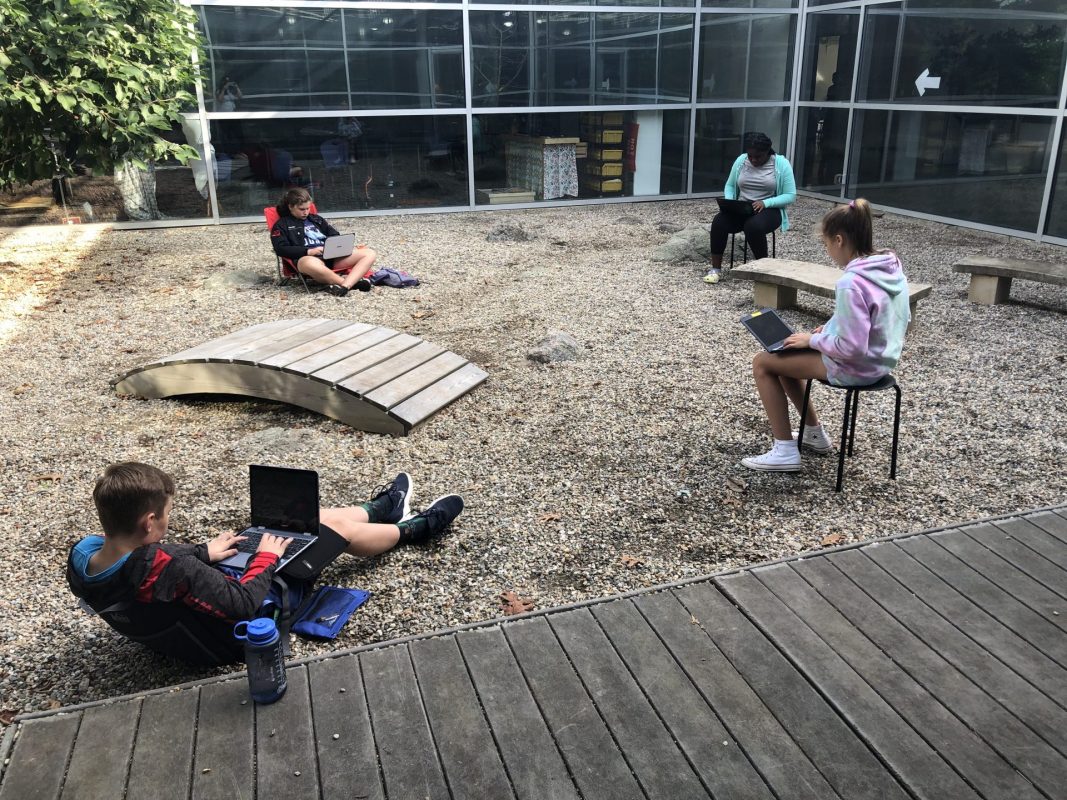
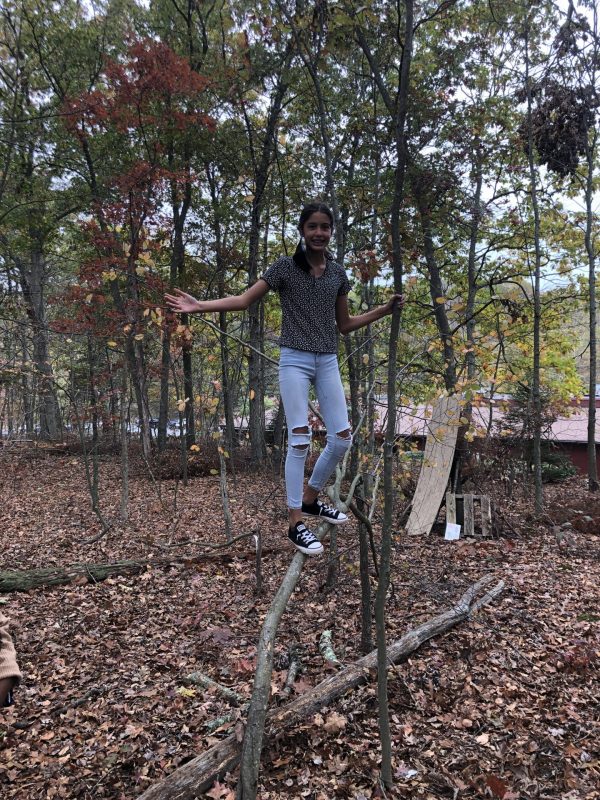
This poem reminds us all to find our own peace and grace with ourselves in the present despite what may worry us down the road. To me, it also reads that nature can be a force that grounds us. After reading the poem with the 8th years, we attempted a mindful walk through the woods. Albeit some leaf blowing noise and chilly winds, we tried to let our minds be present and focused on the crunch of the leaves beneath our feet.

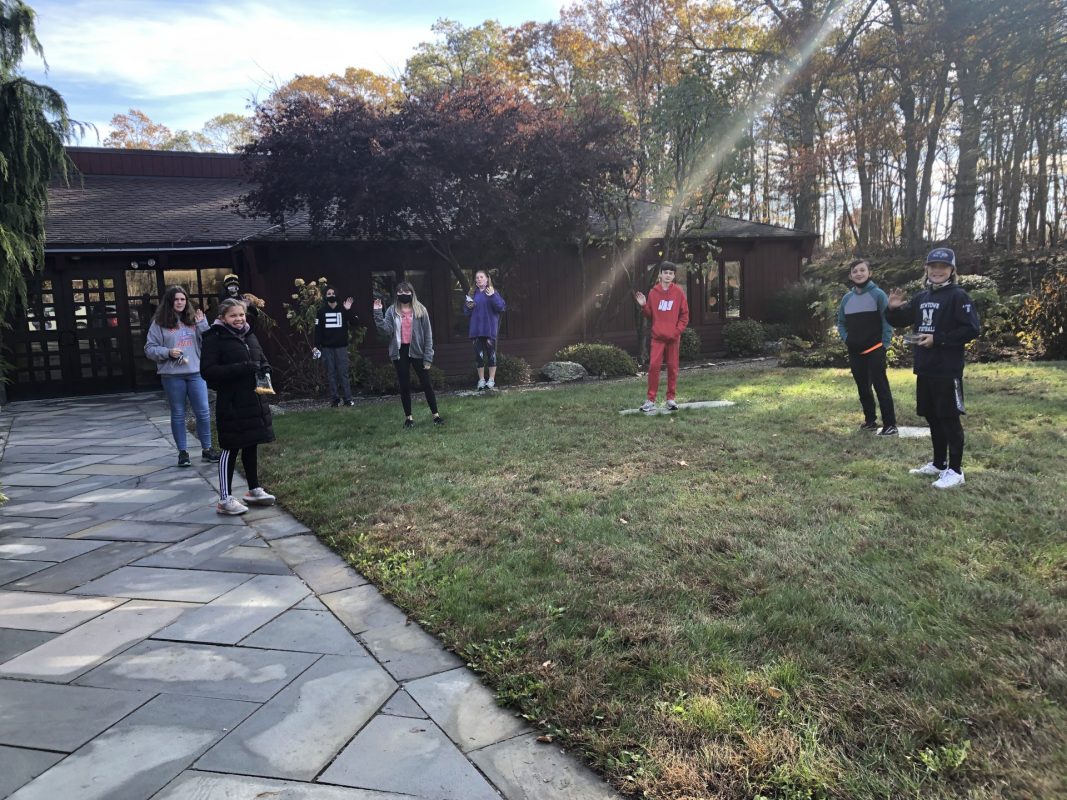
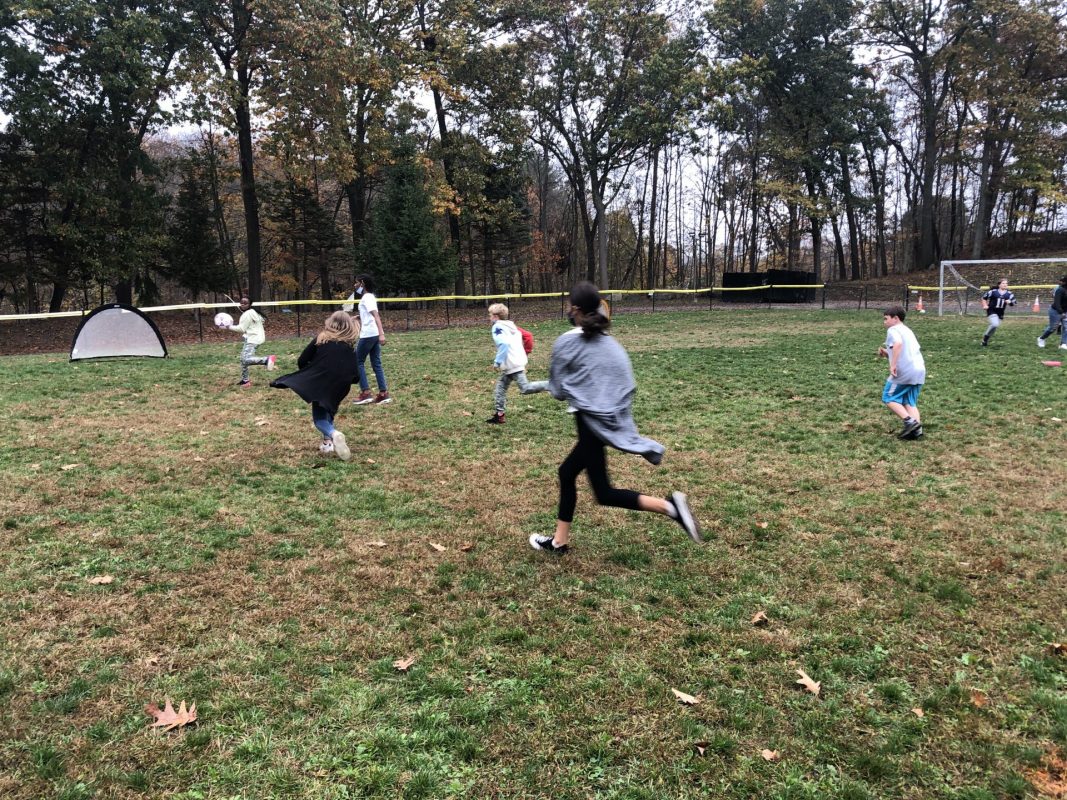
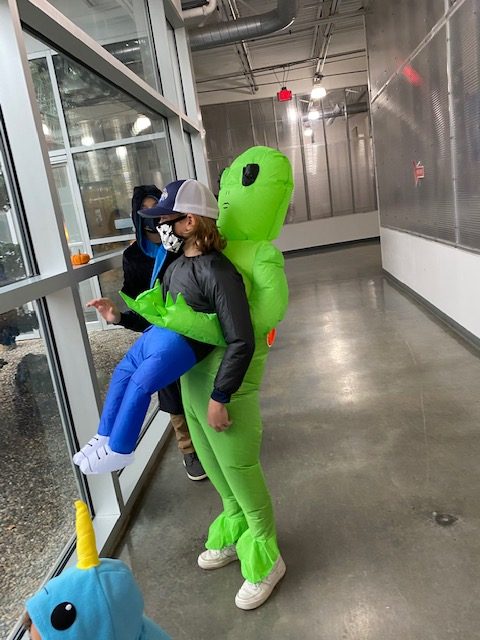
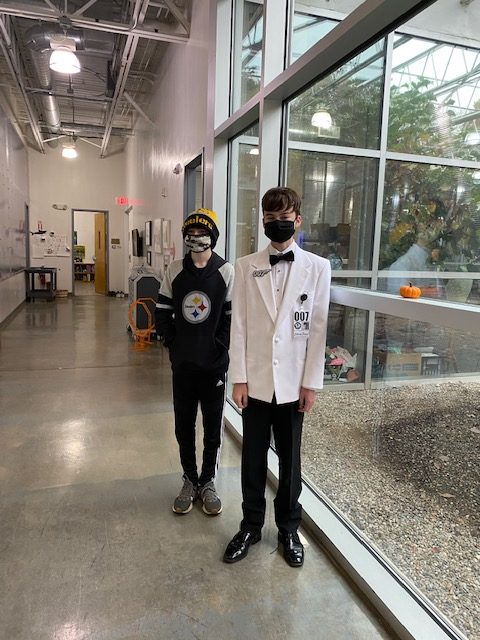
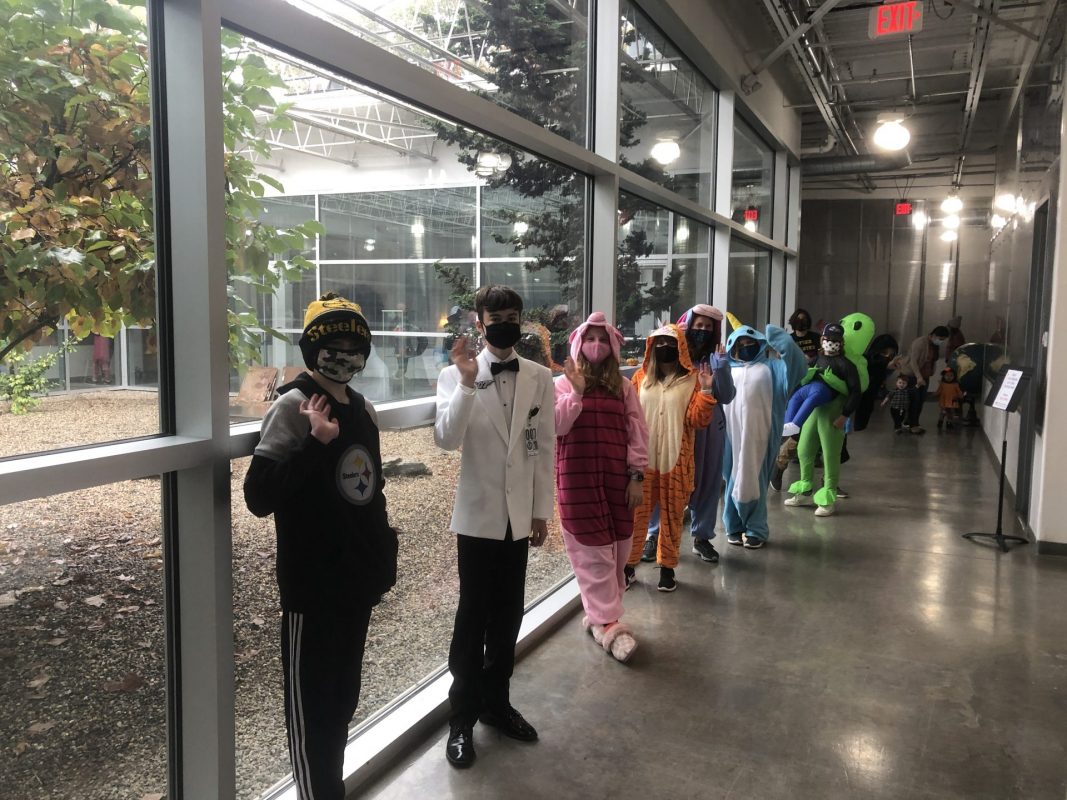
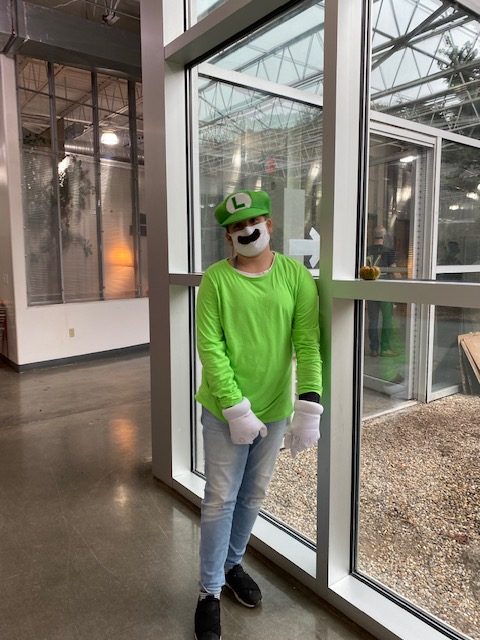
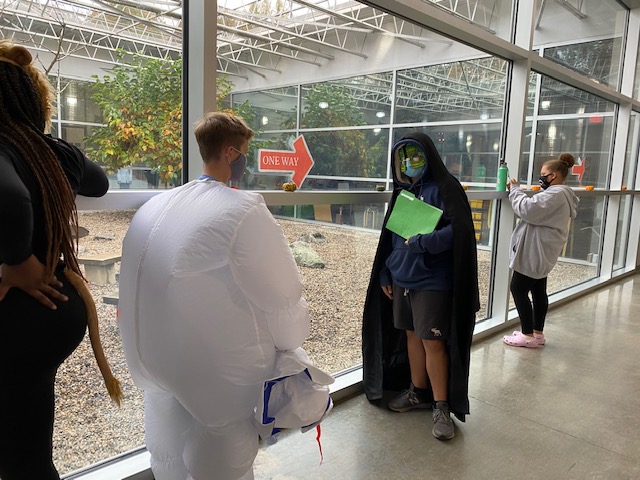
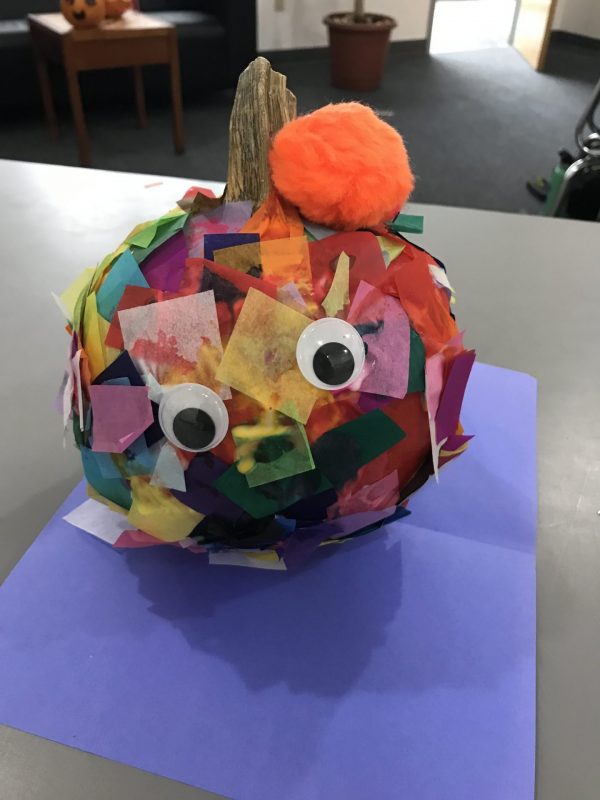
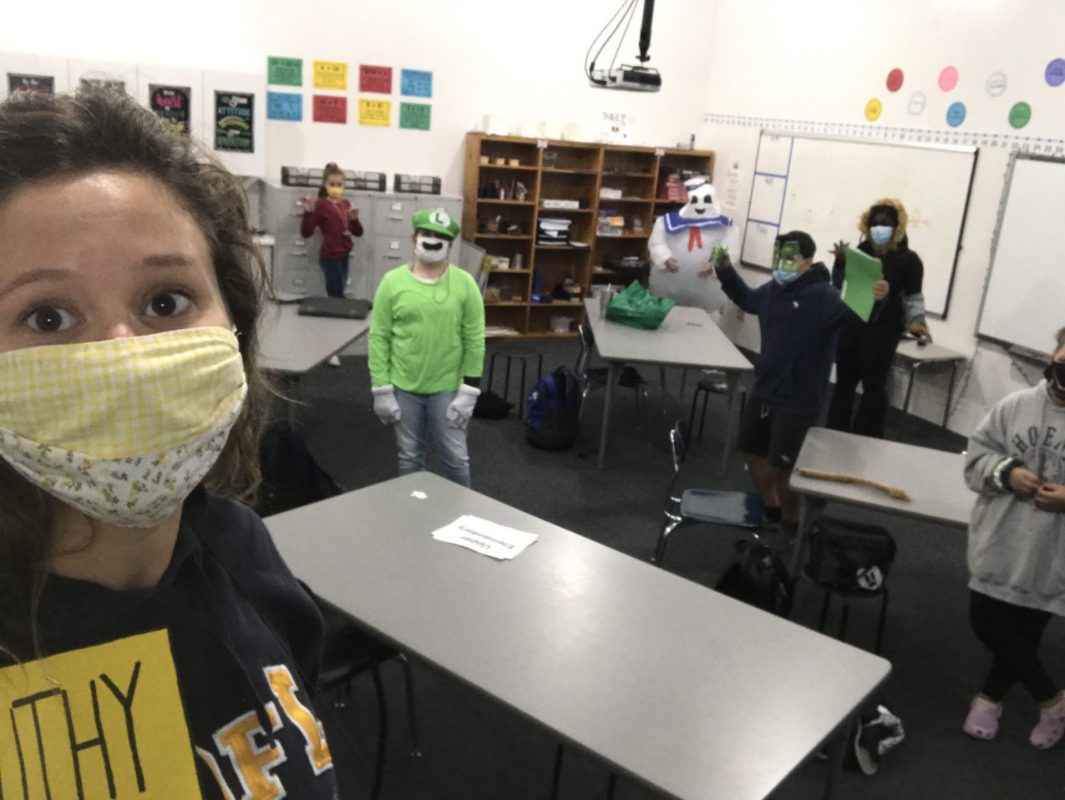
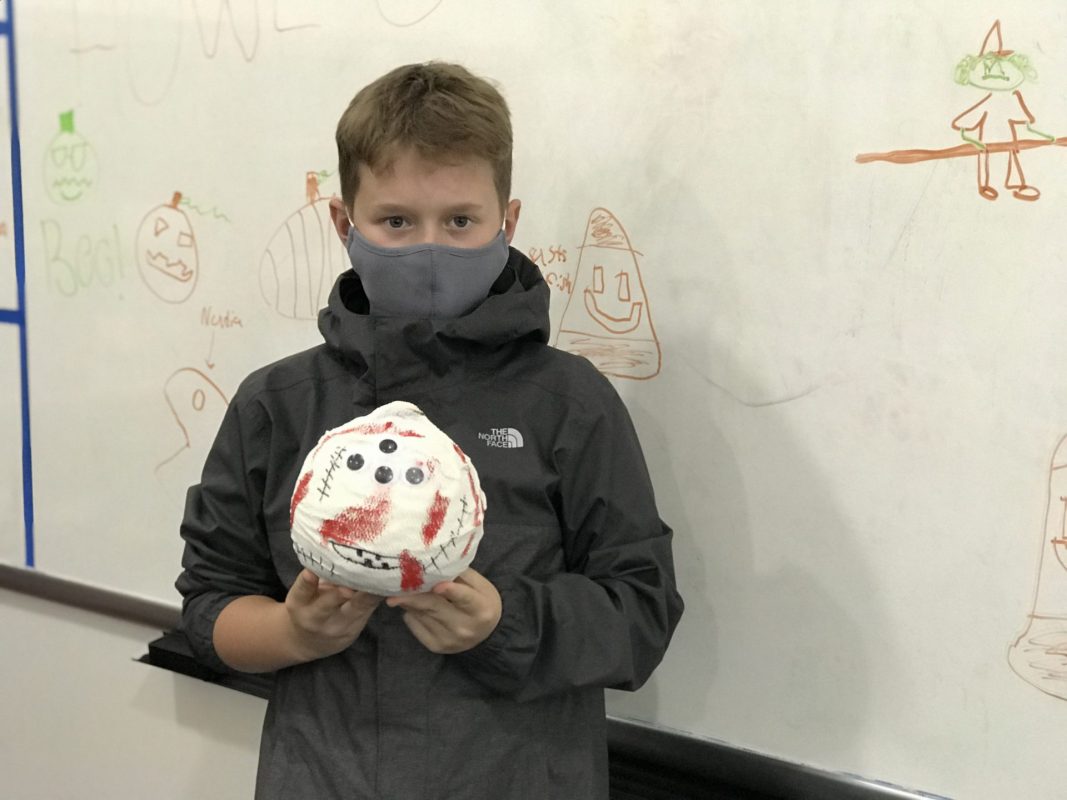
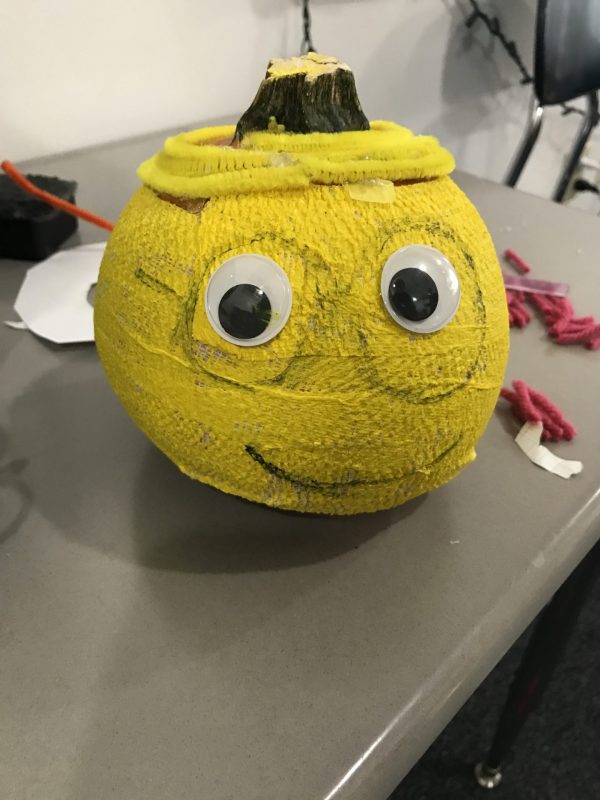
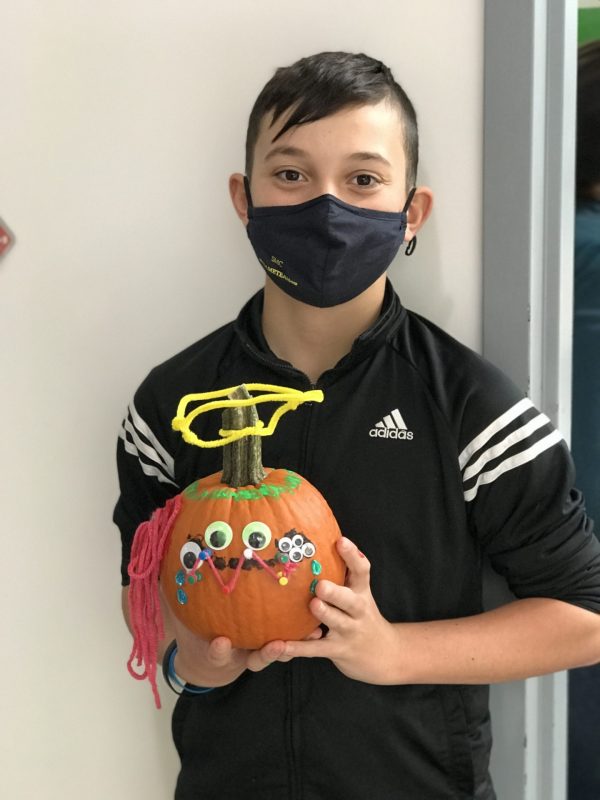
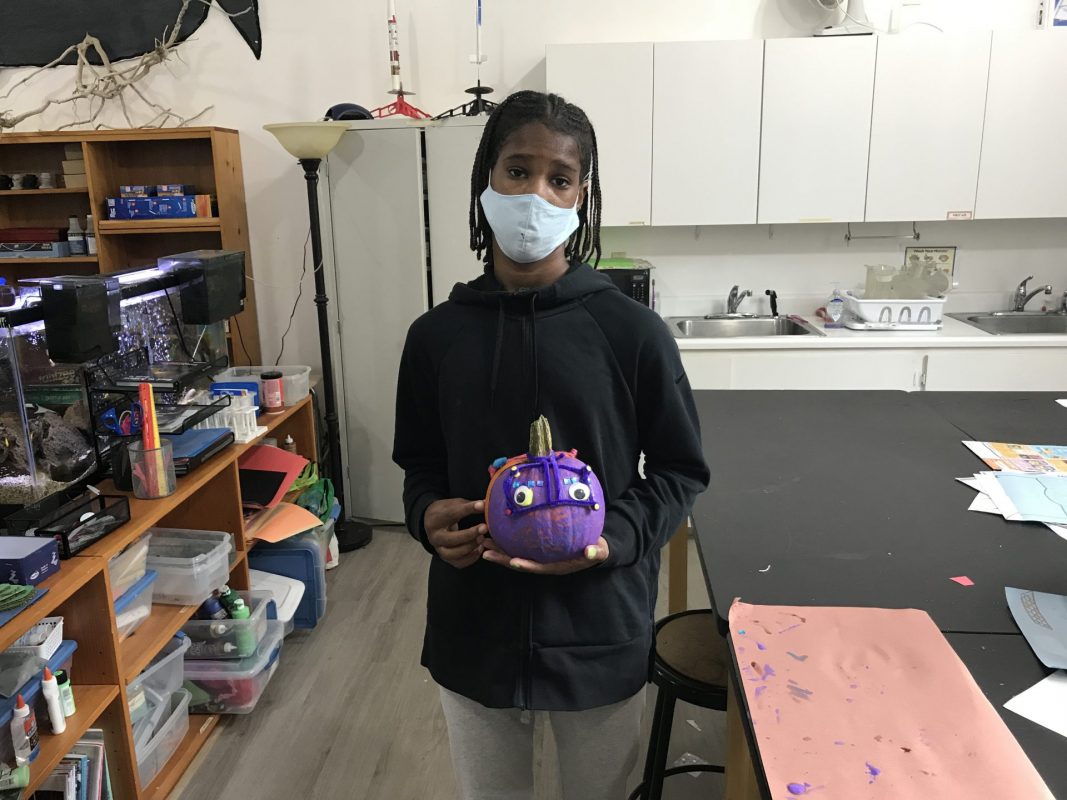
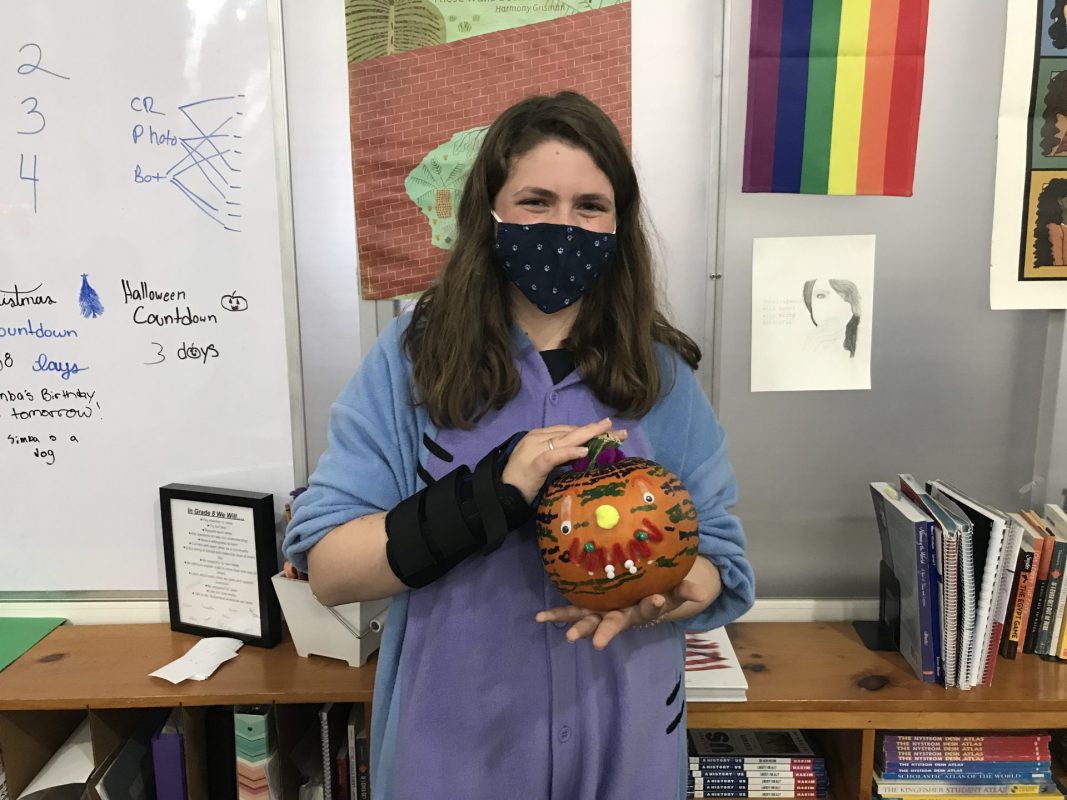
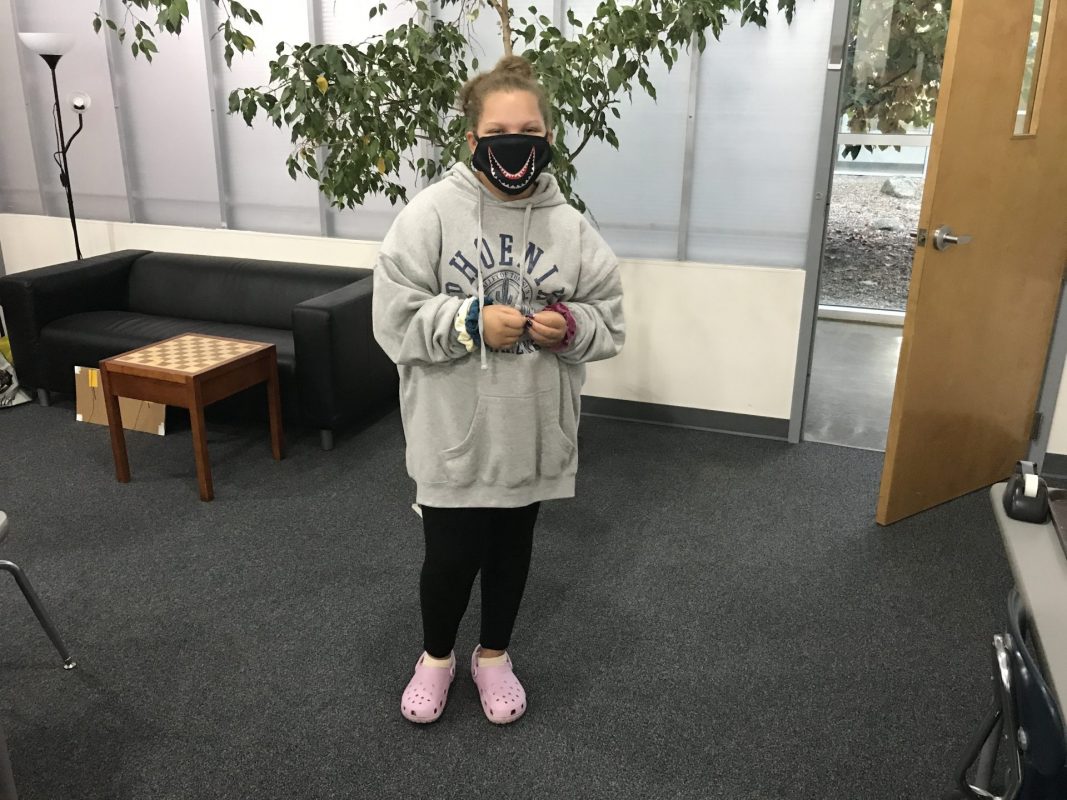
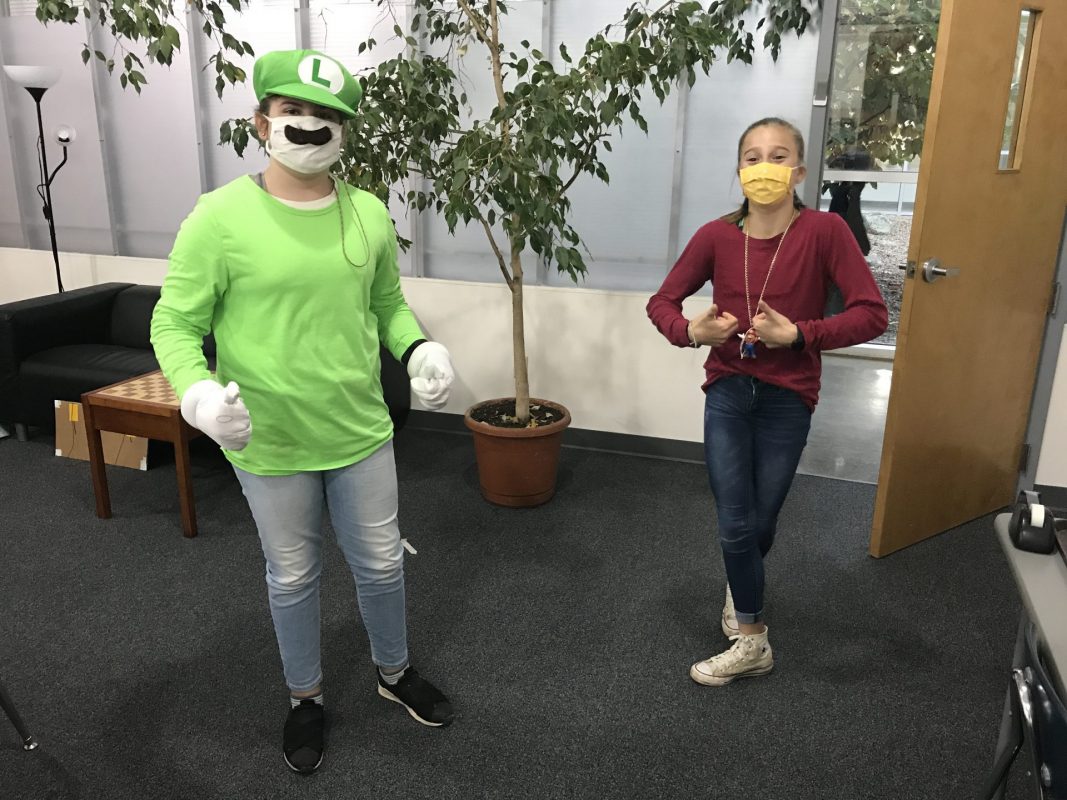
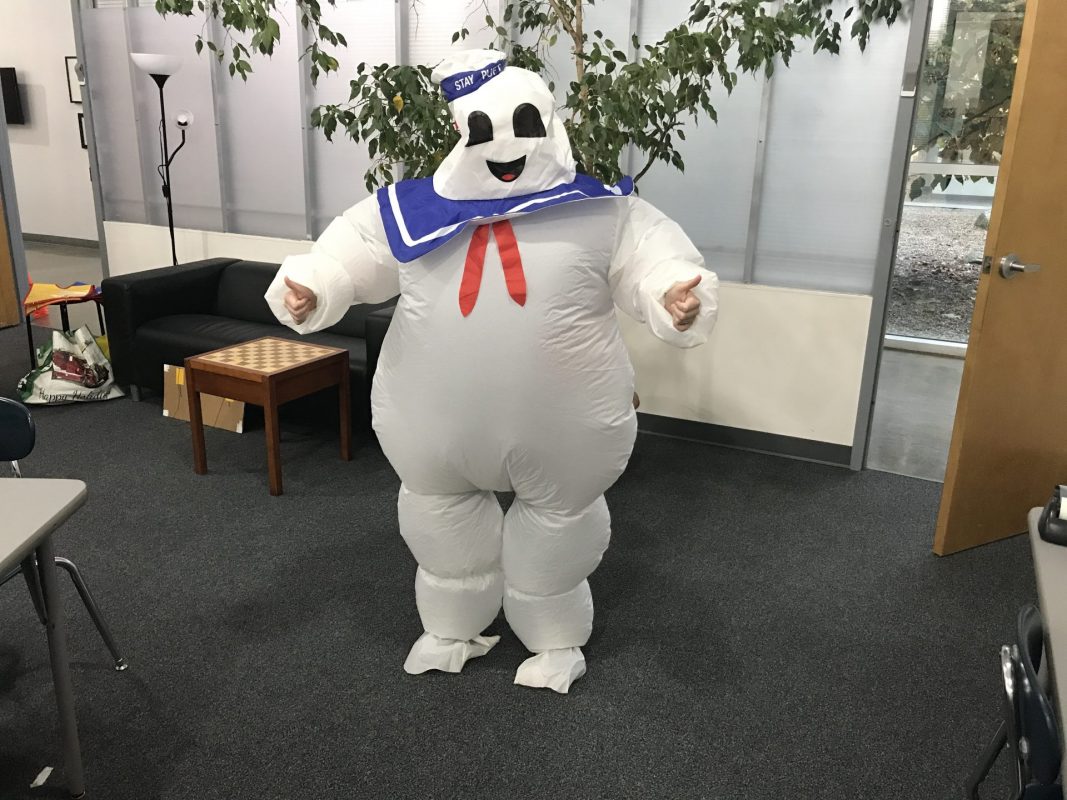
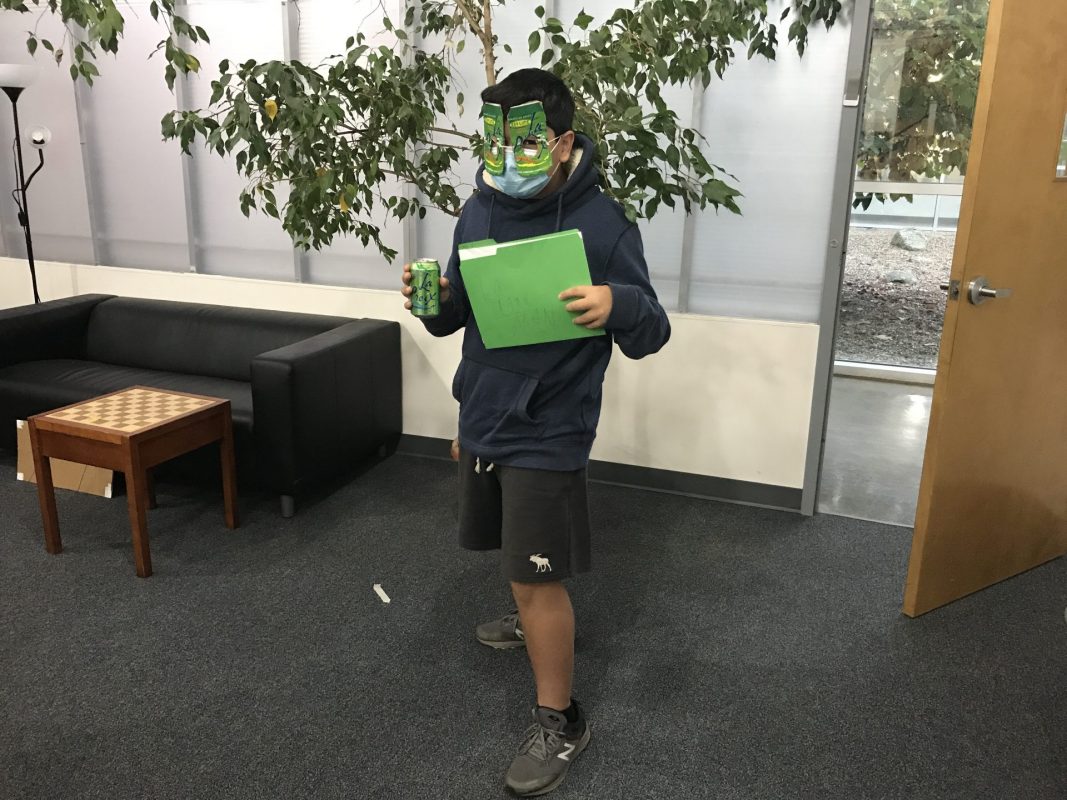
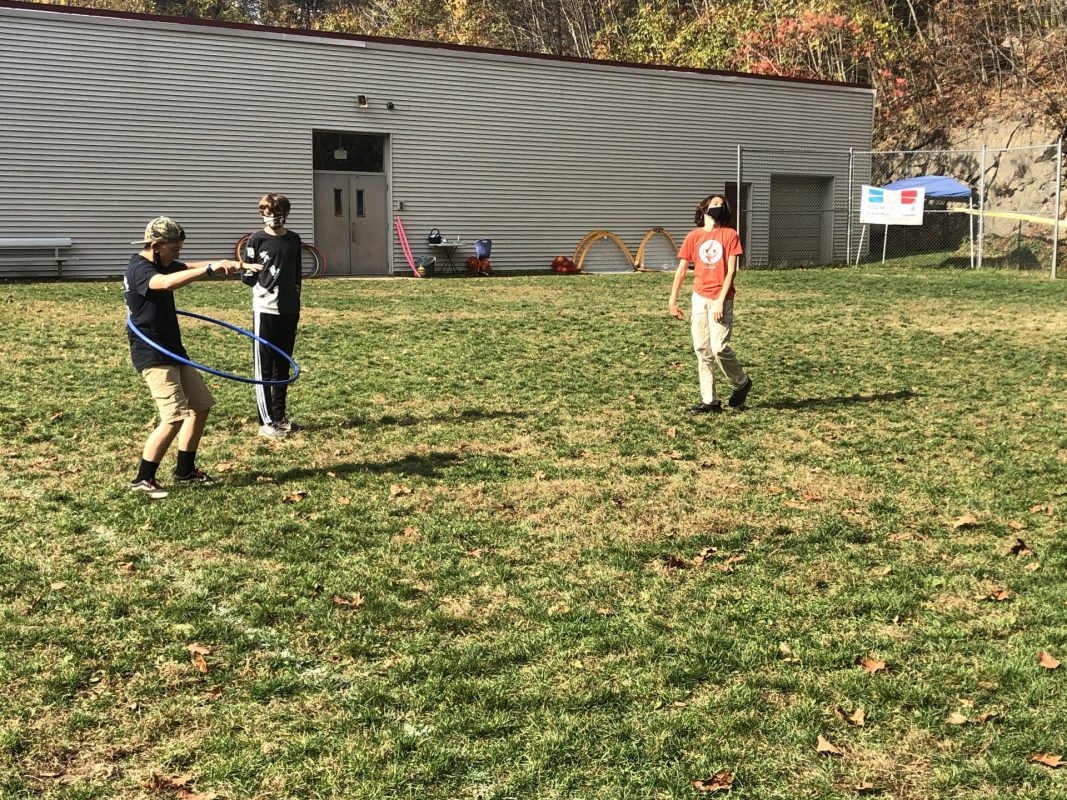
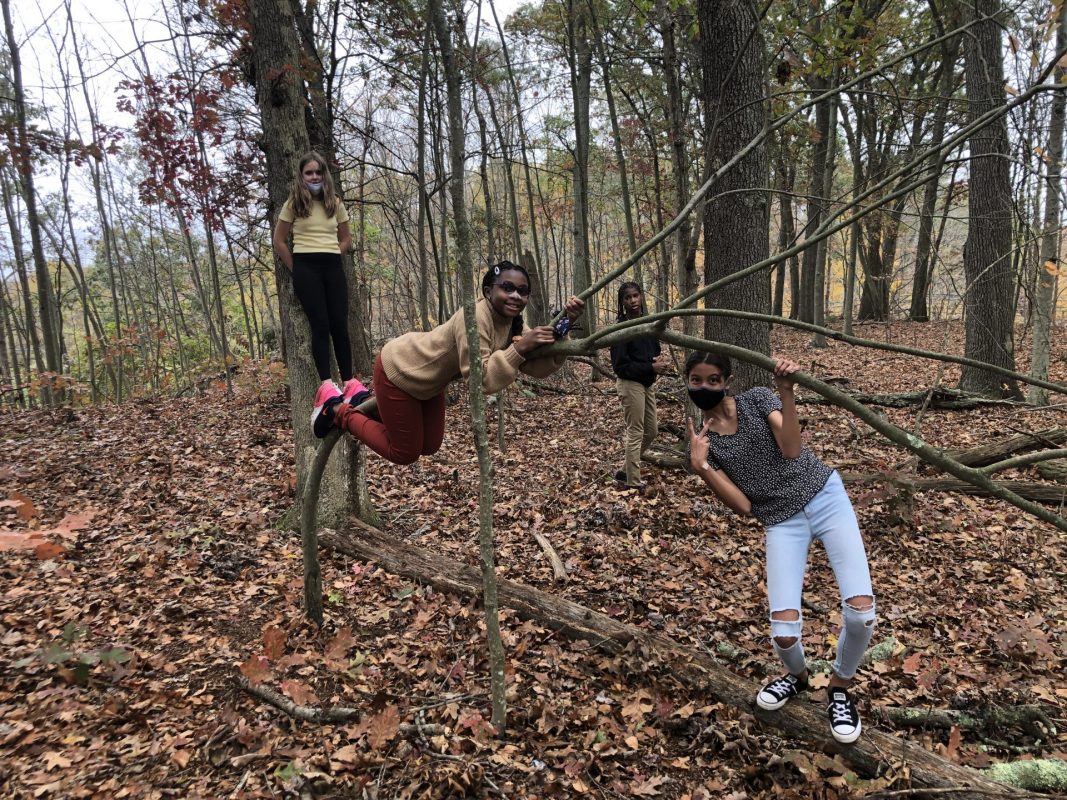
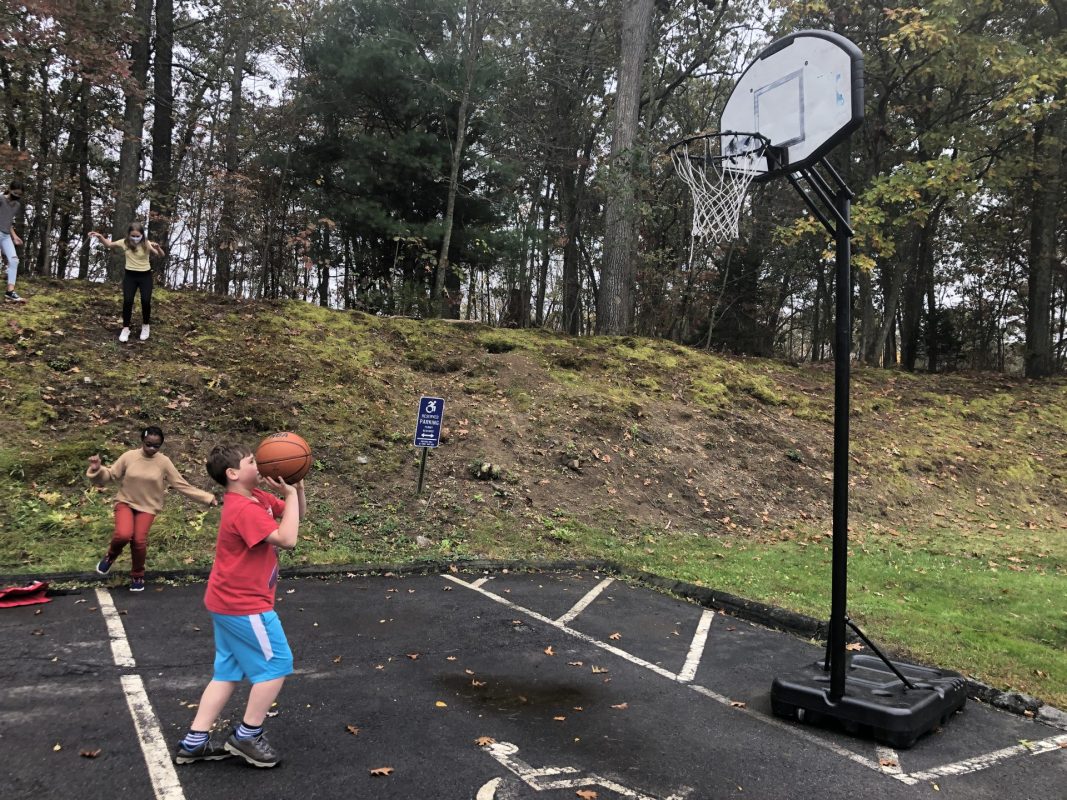
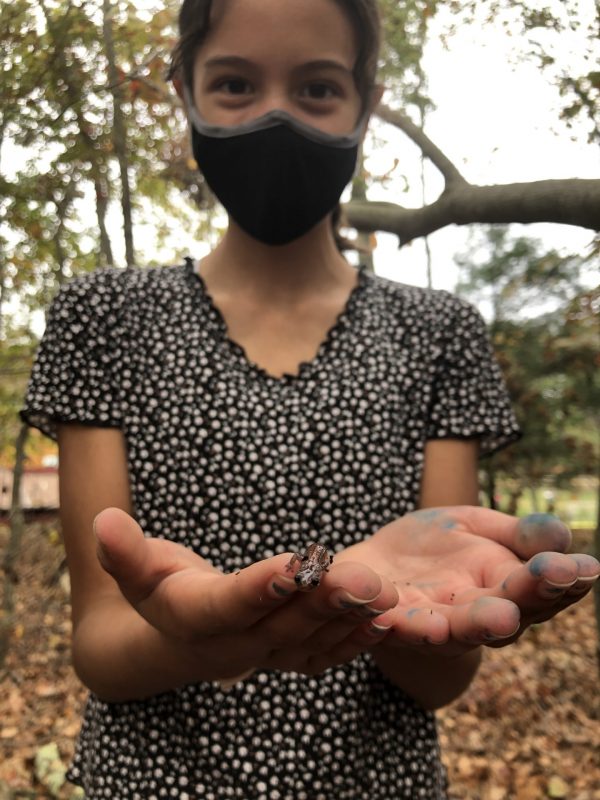
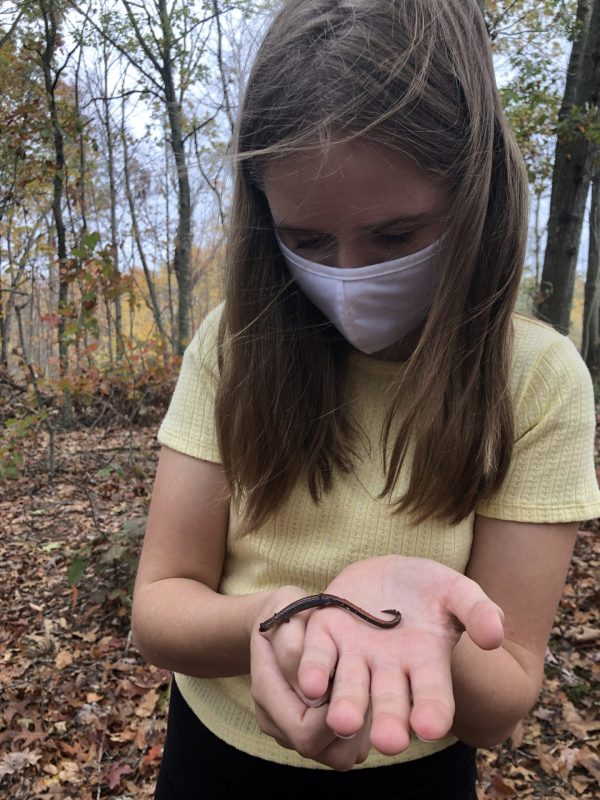
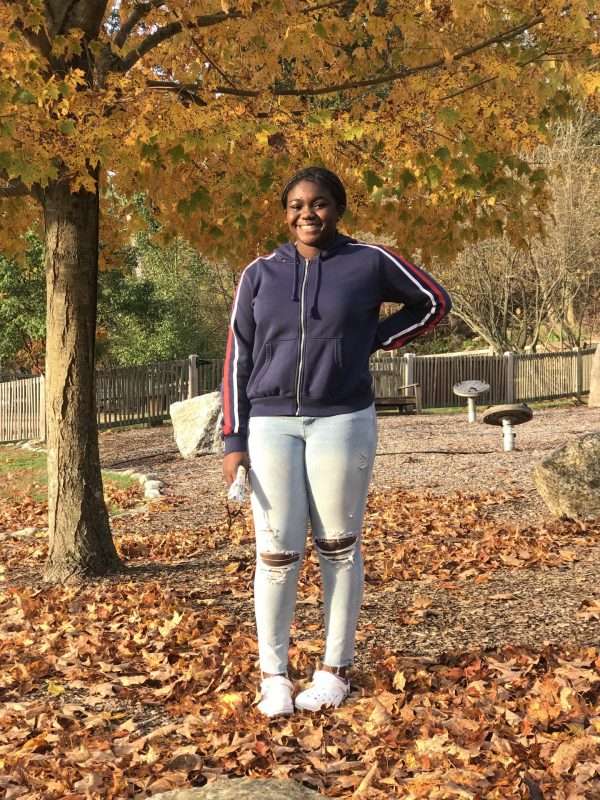
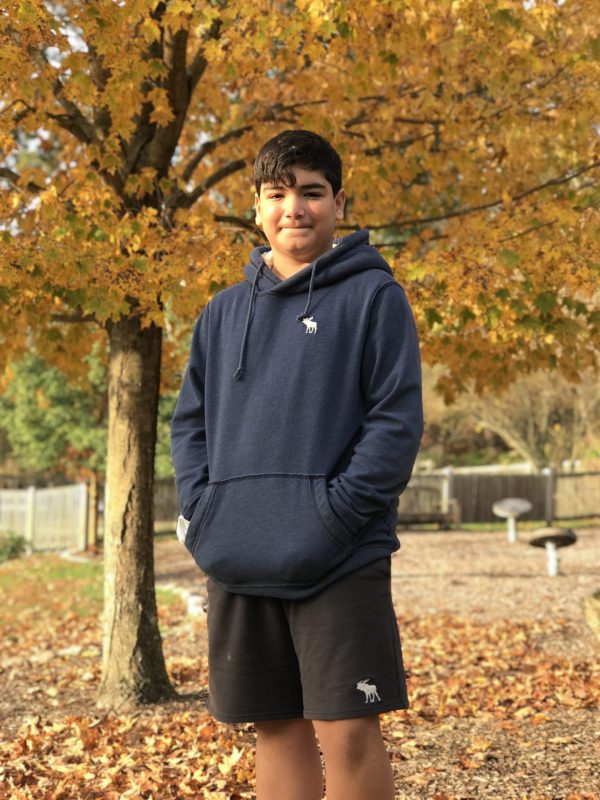
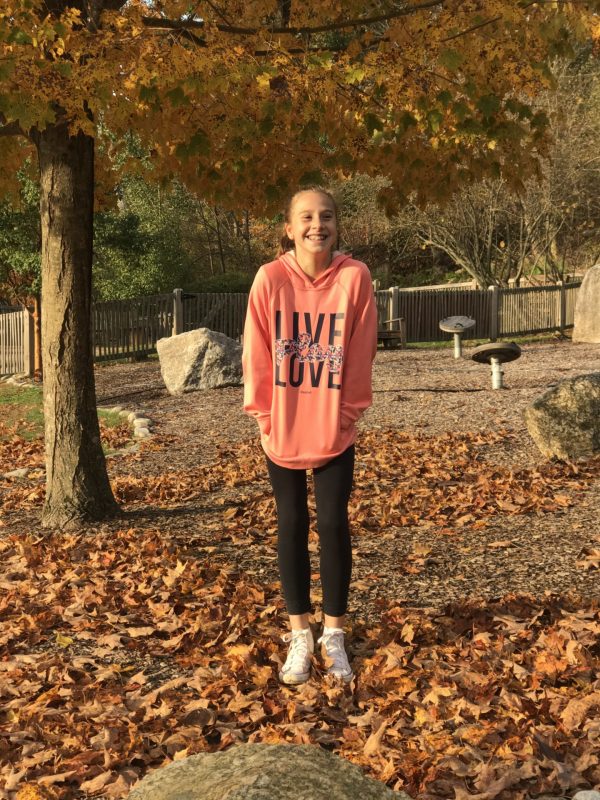
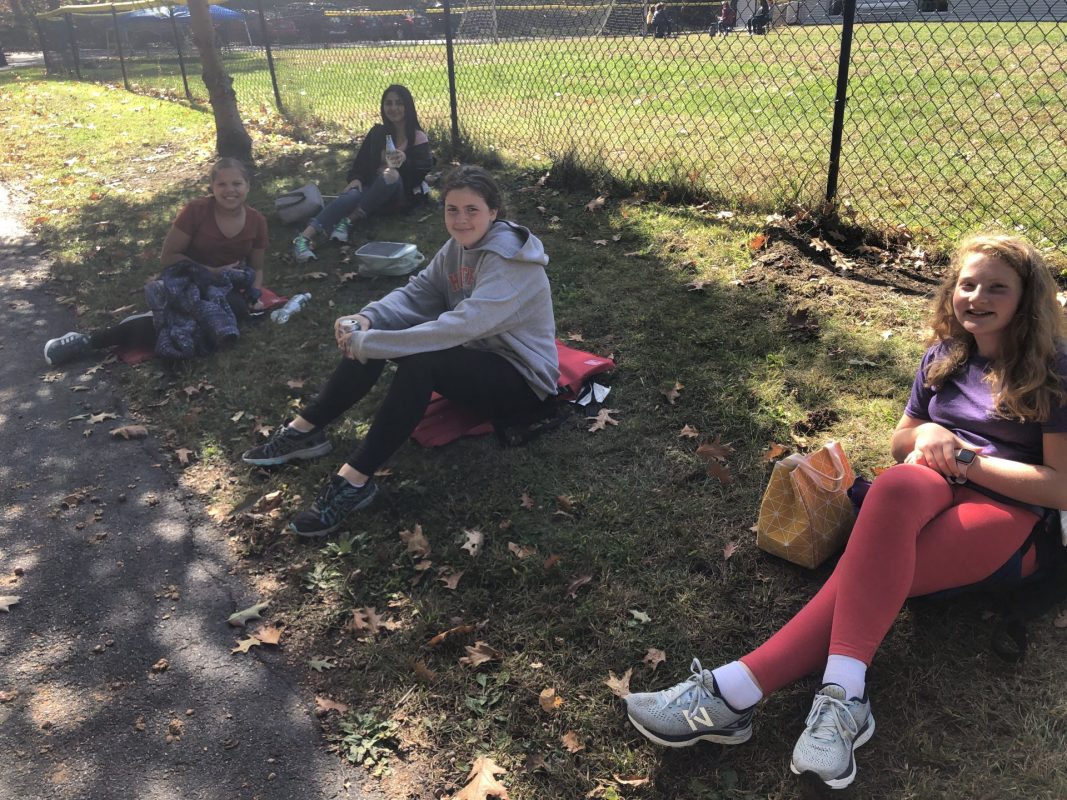
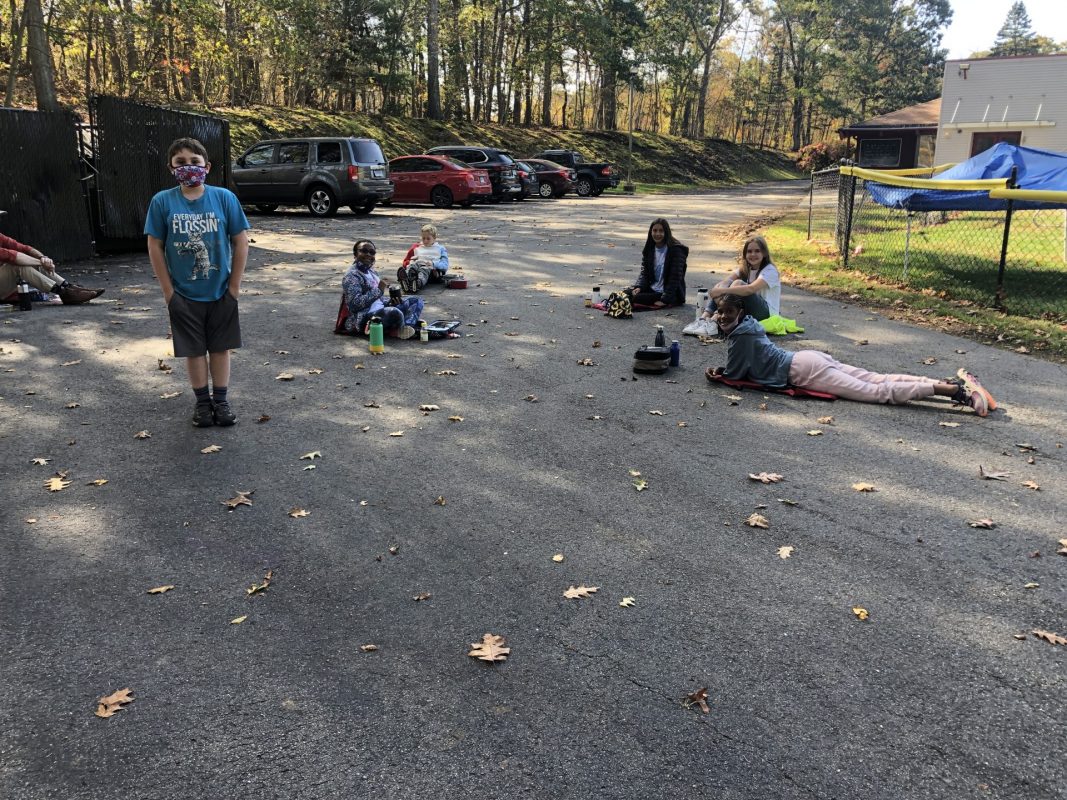
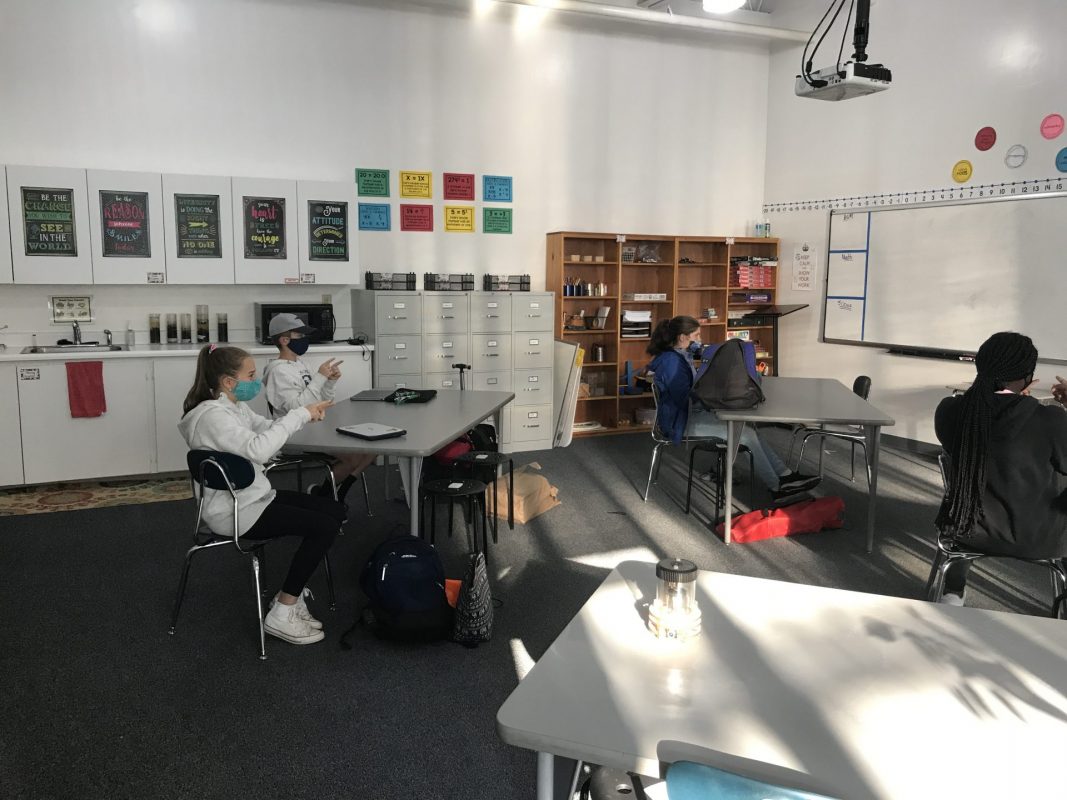
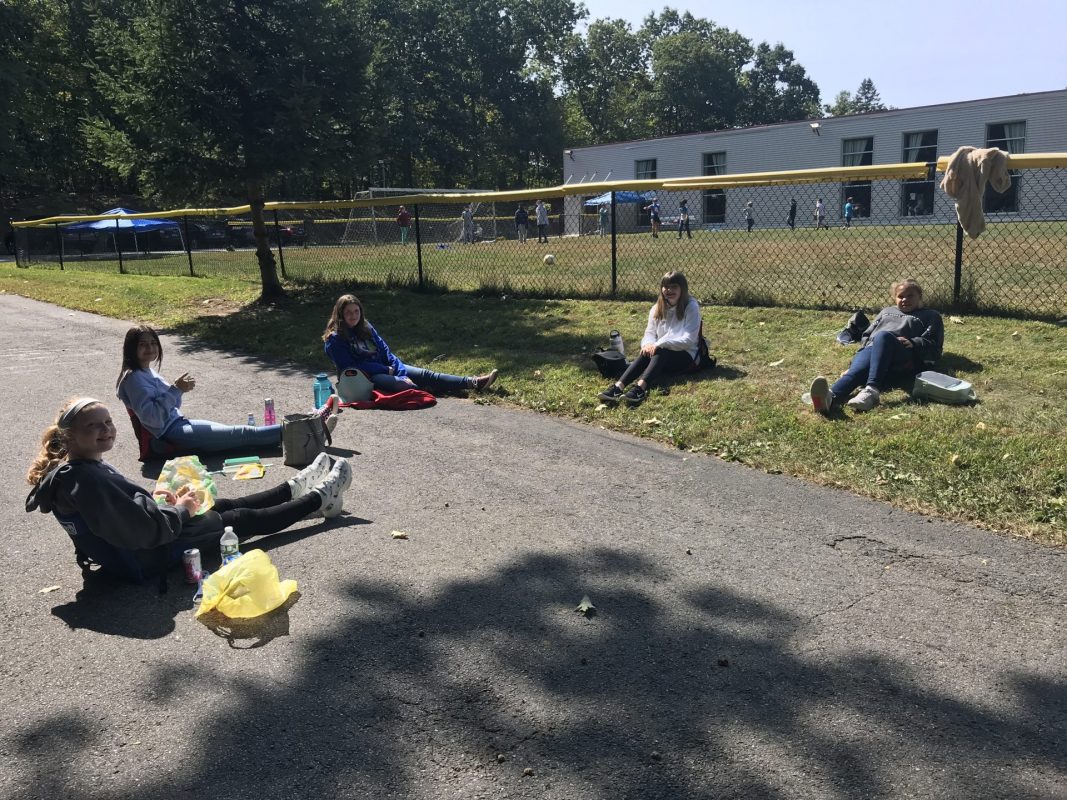
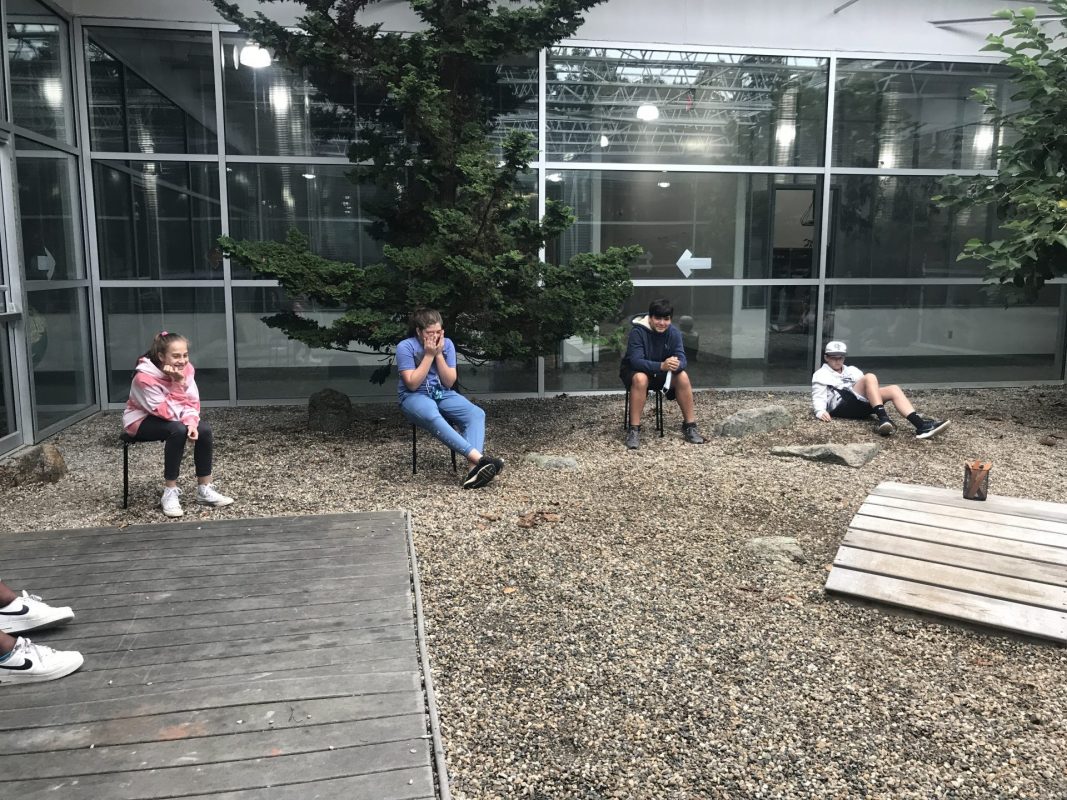
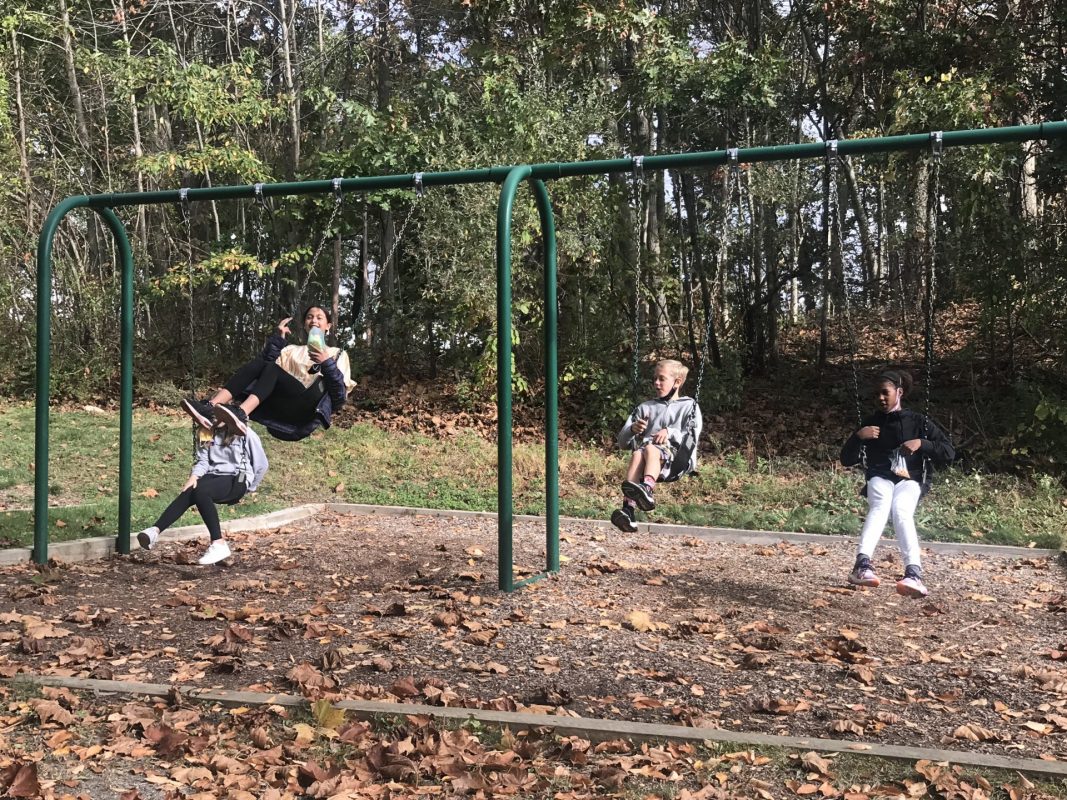
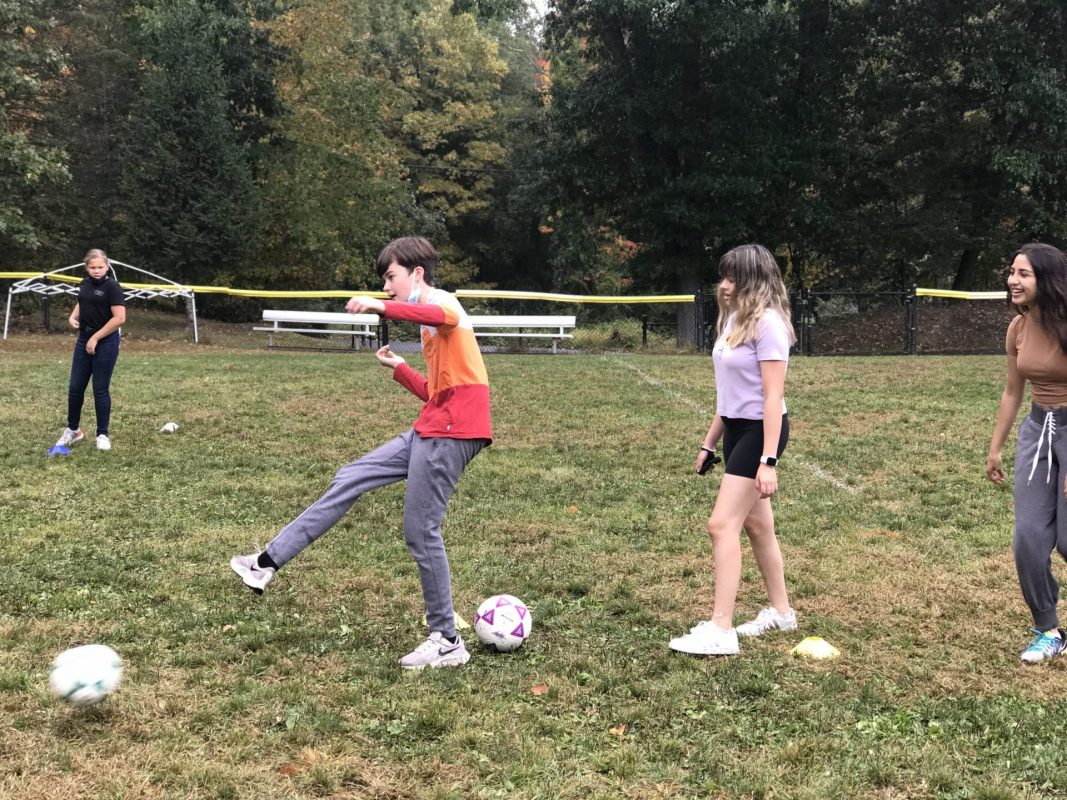
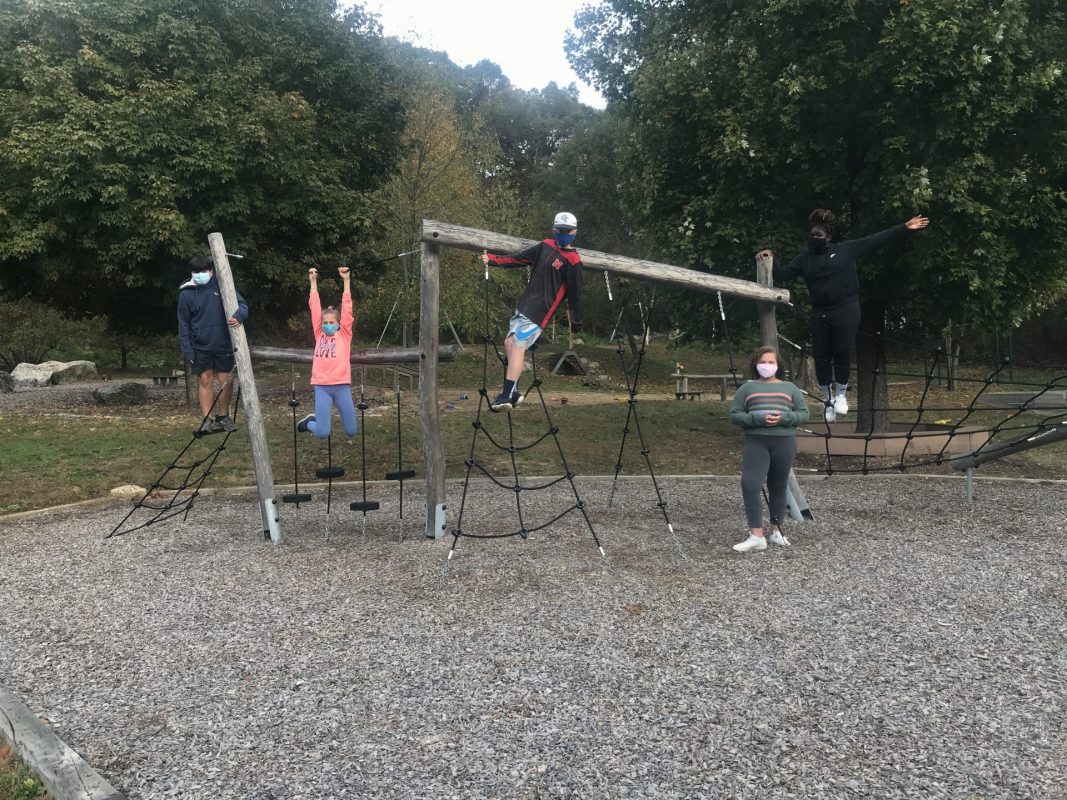
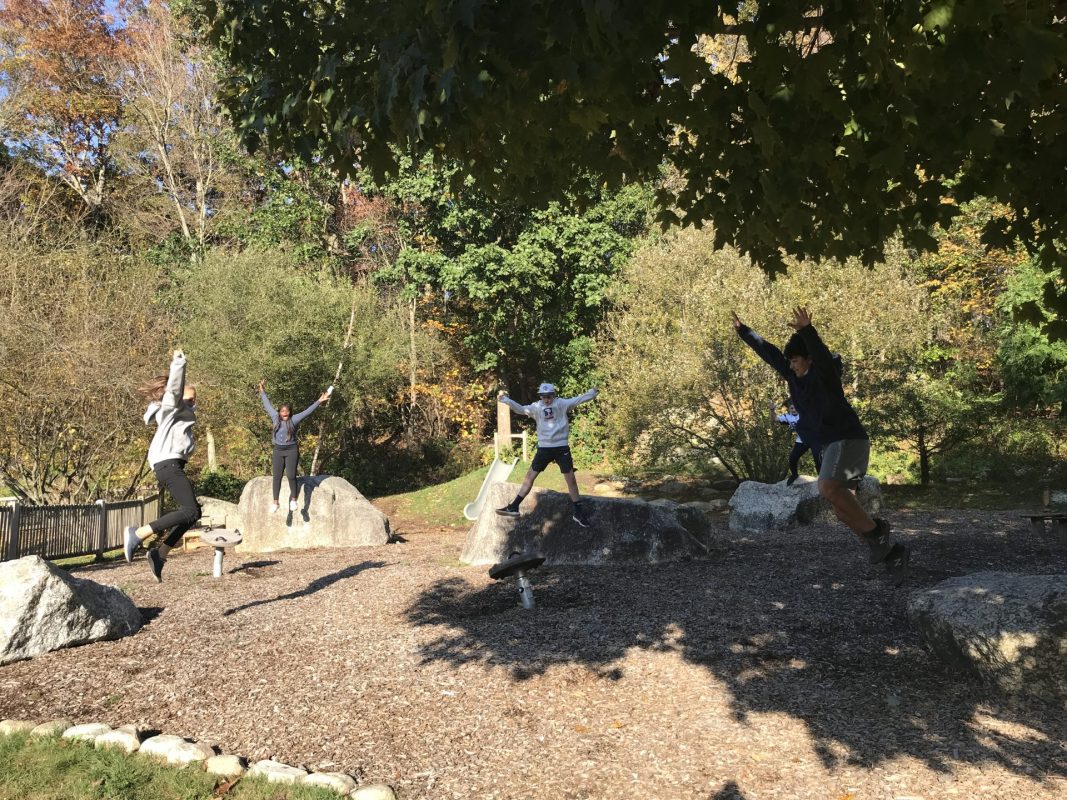
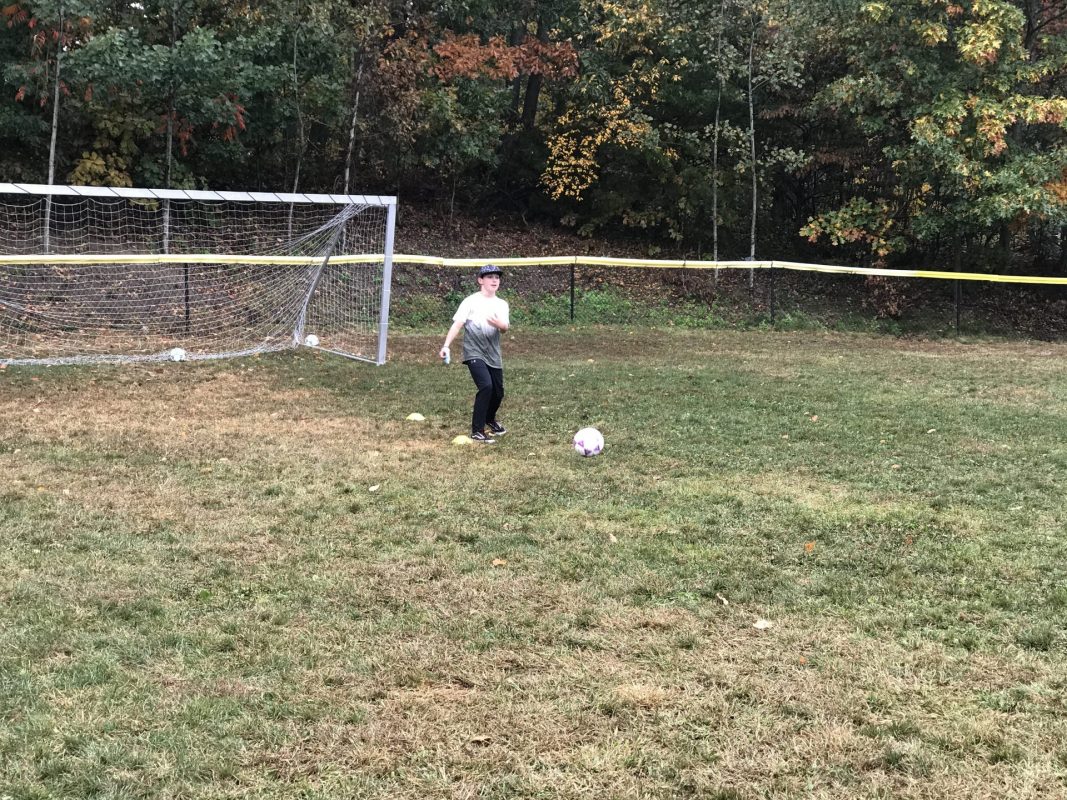
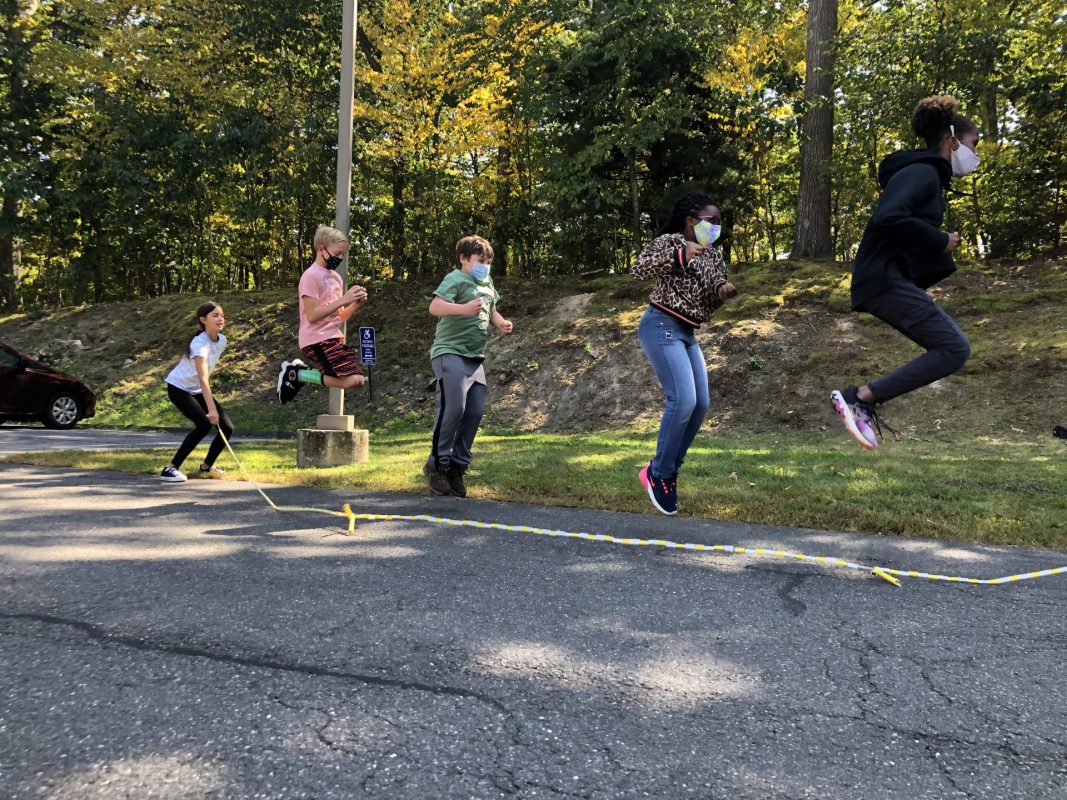
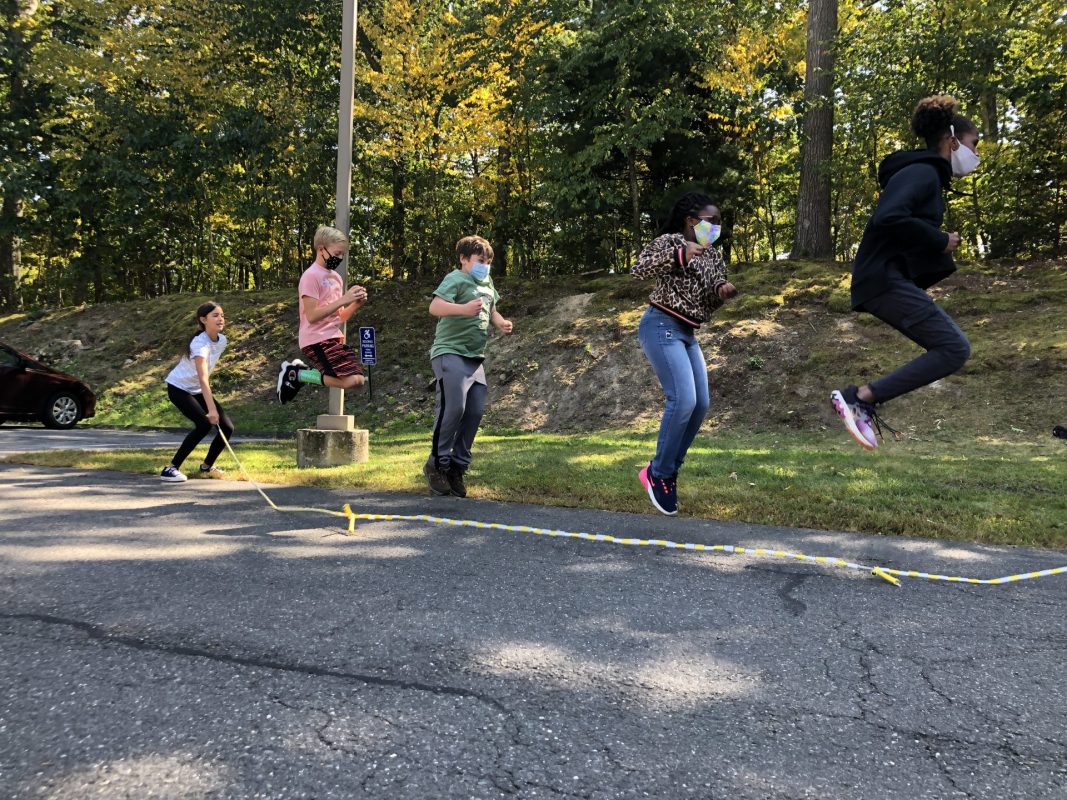
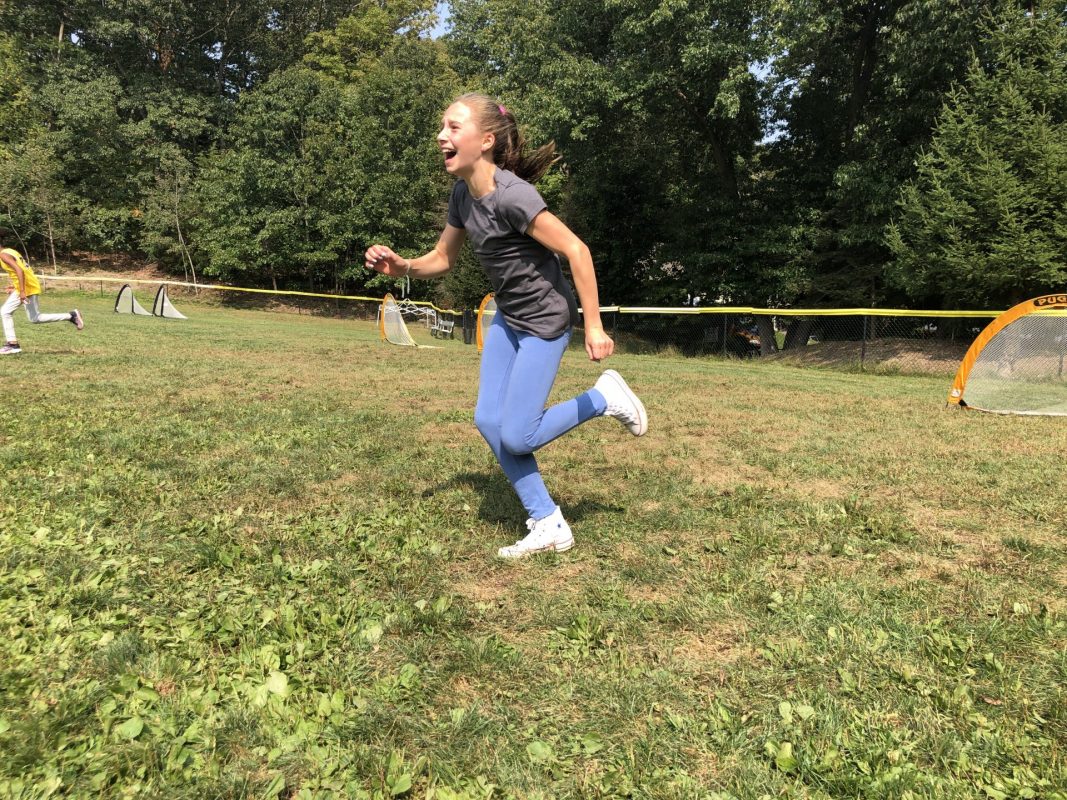
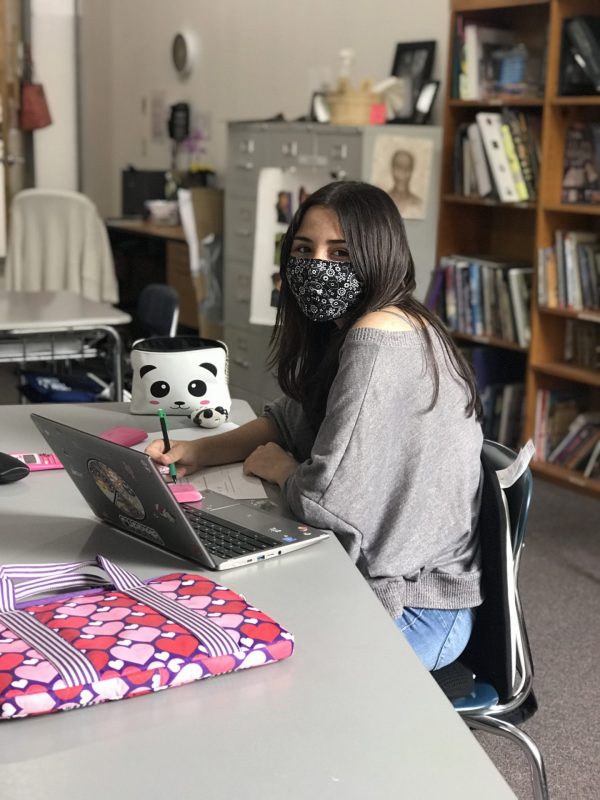
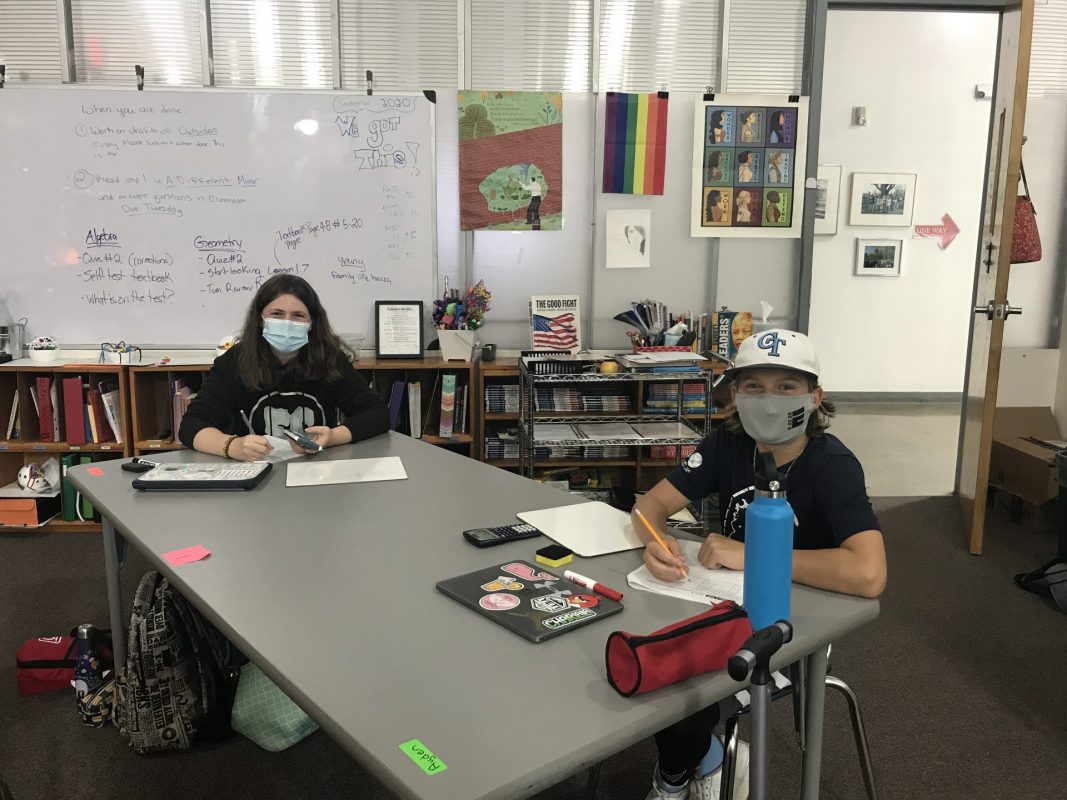
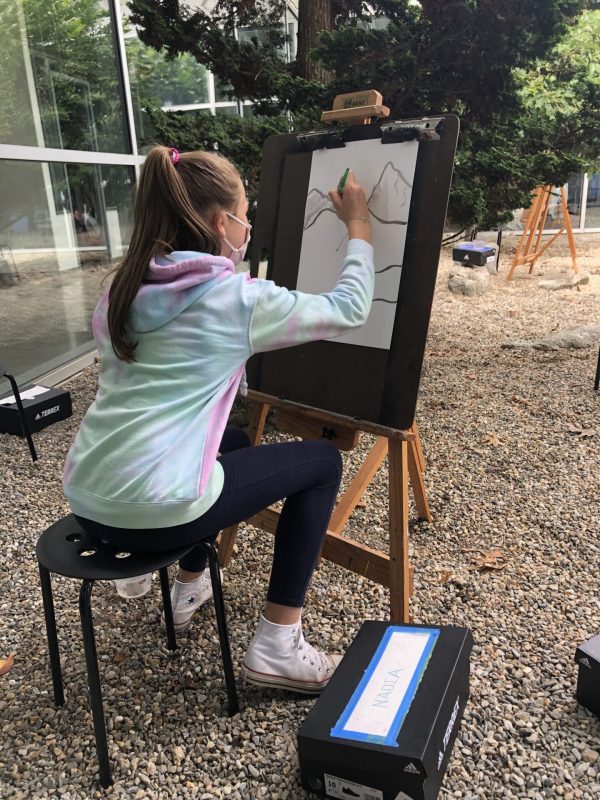
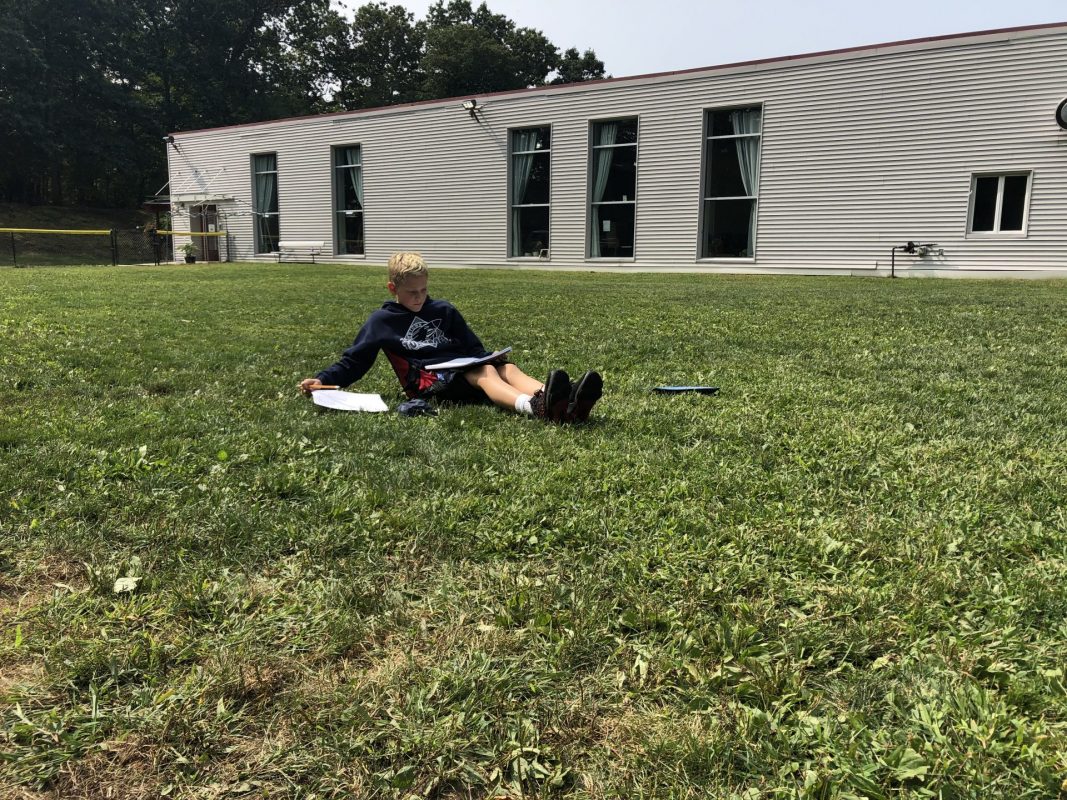
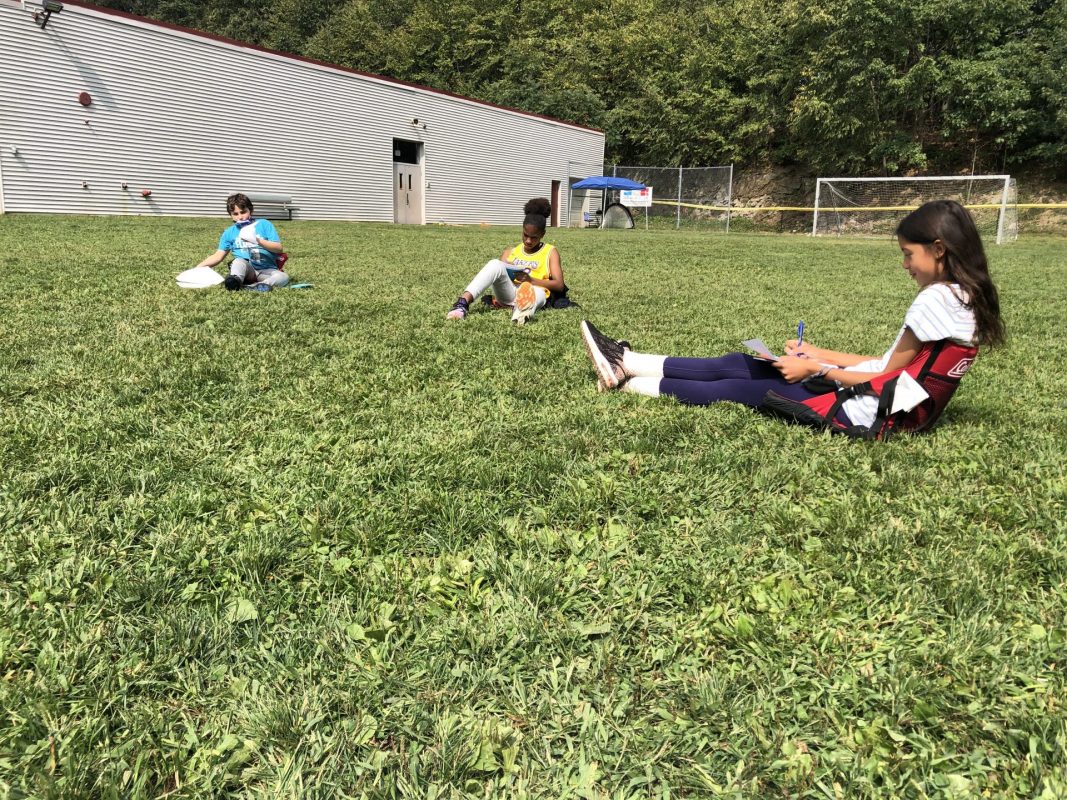
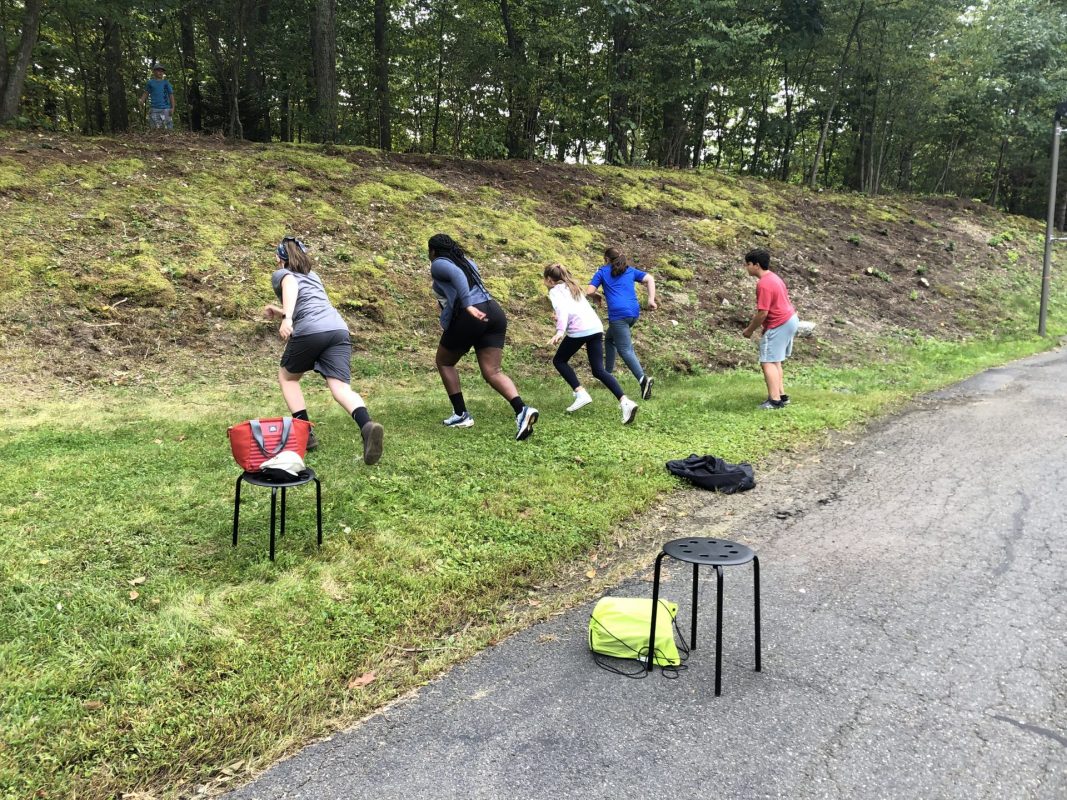
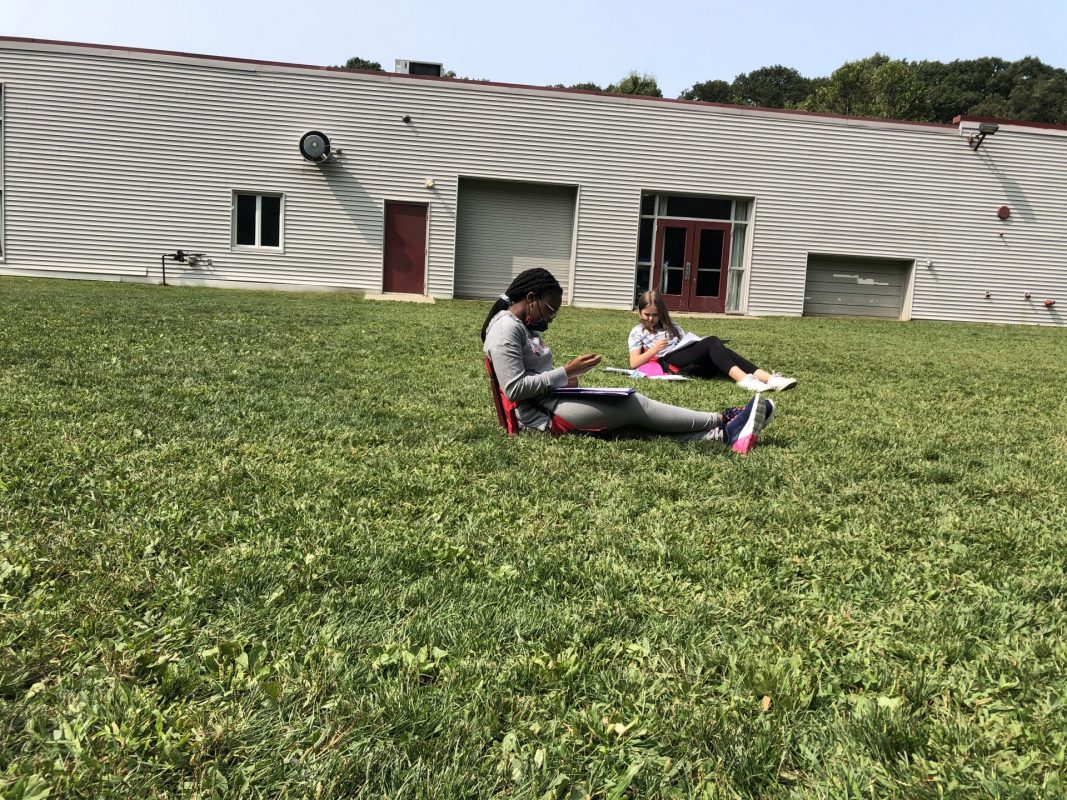
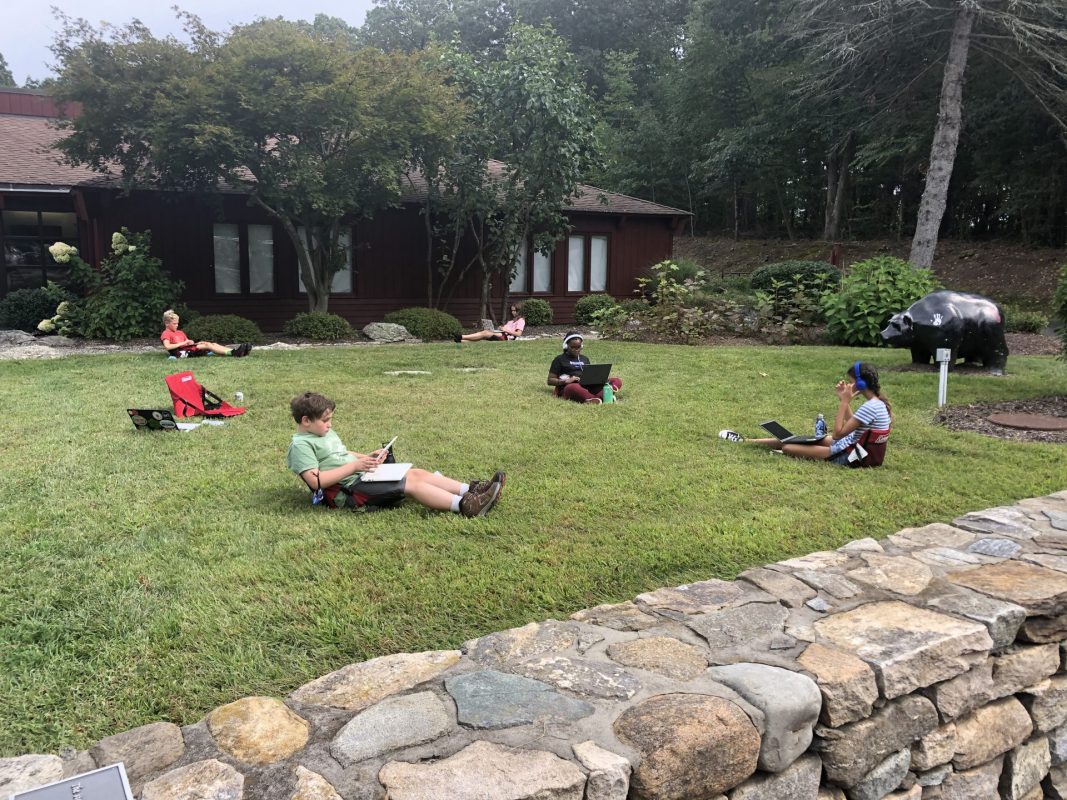
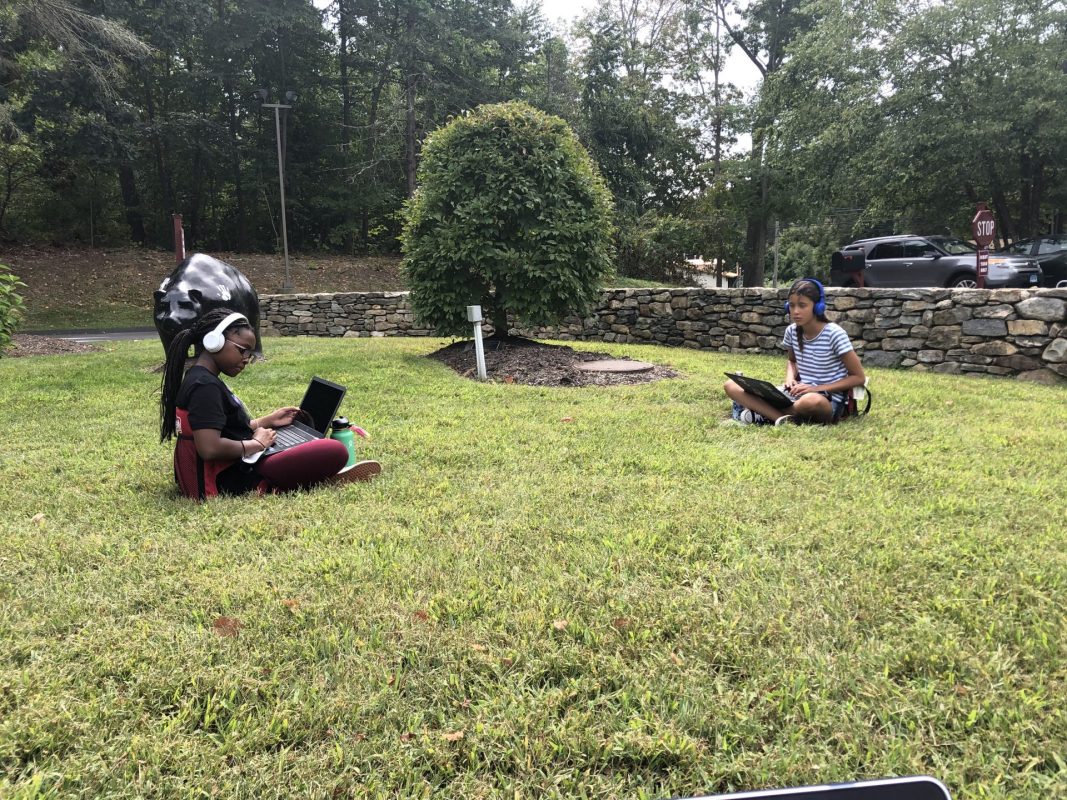
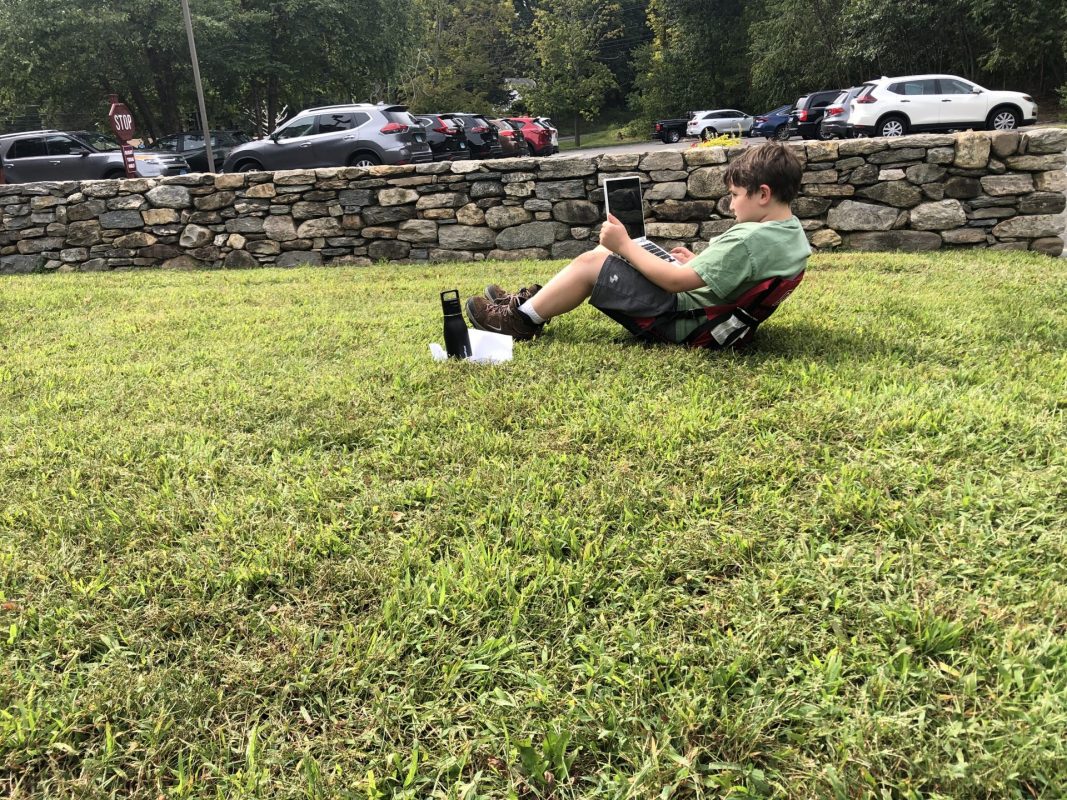
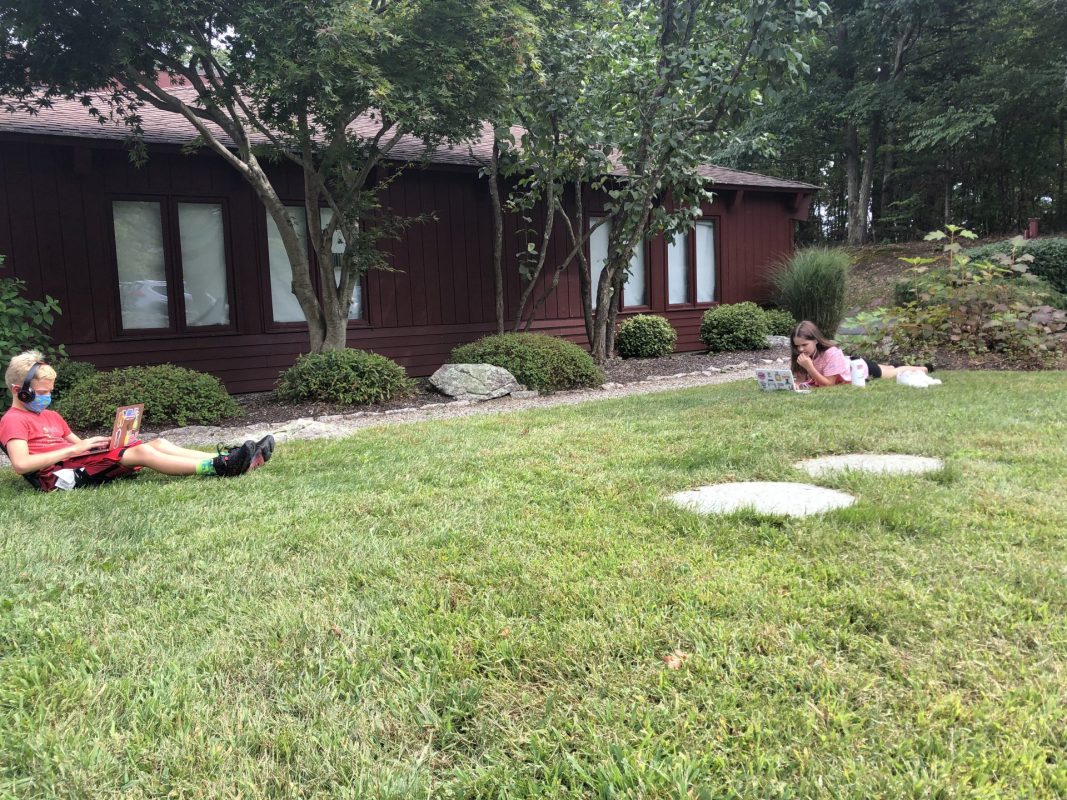
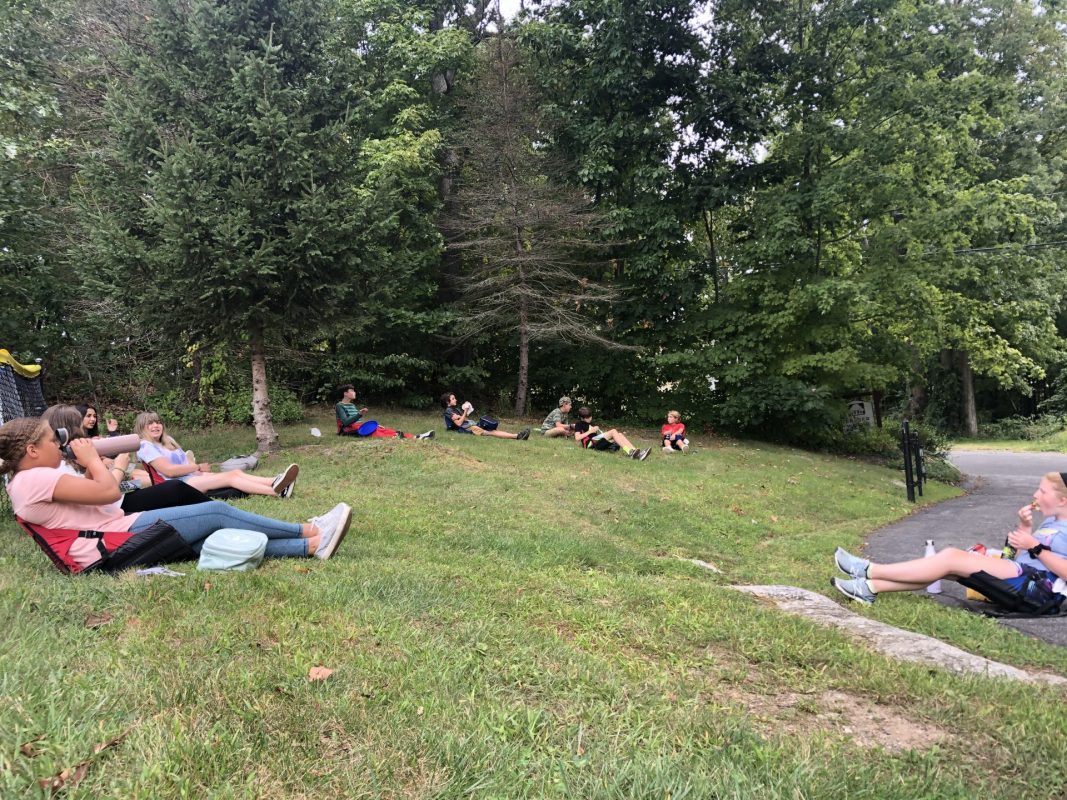
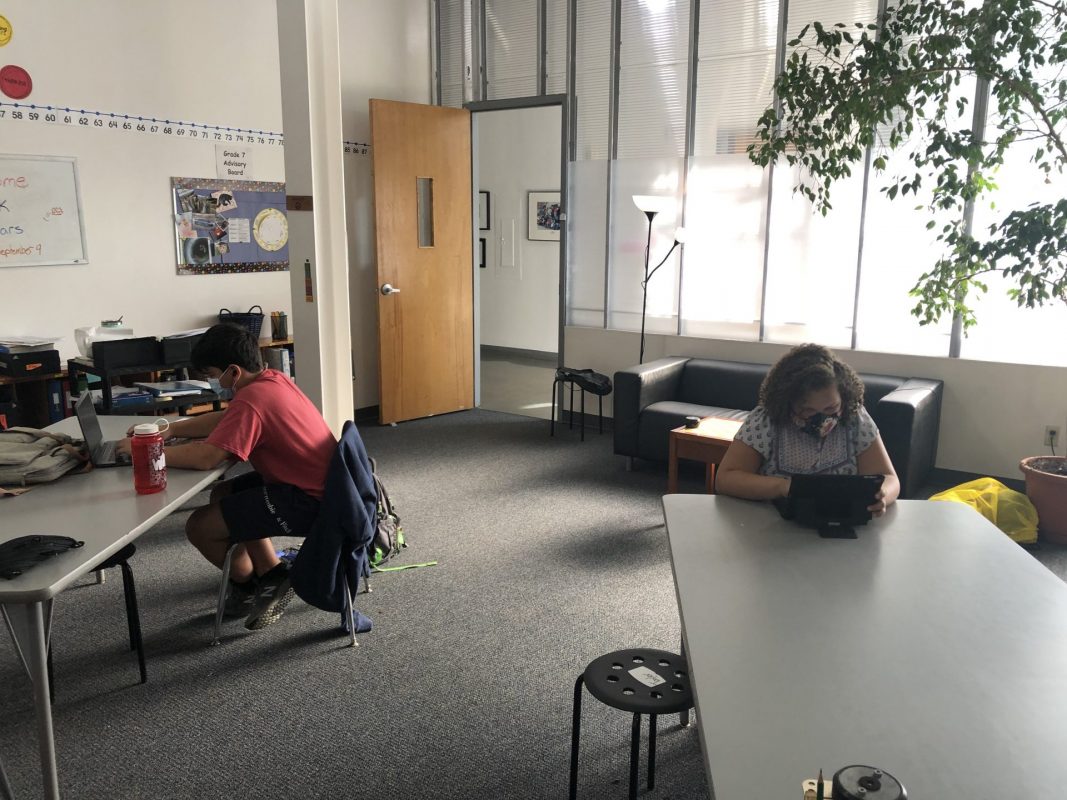
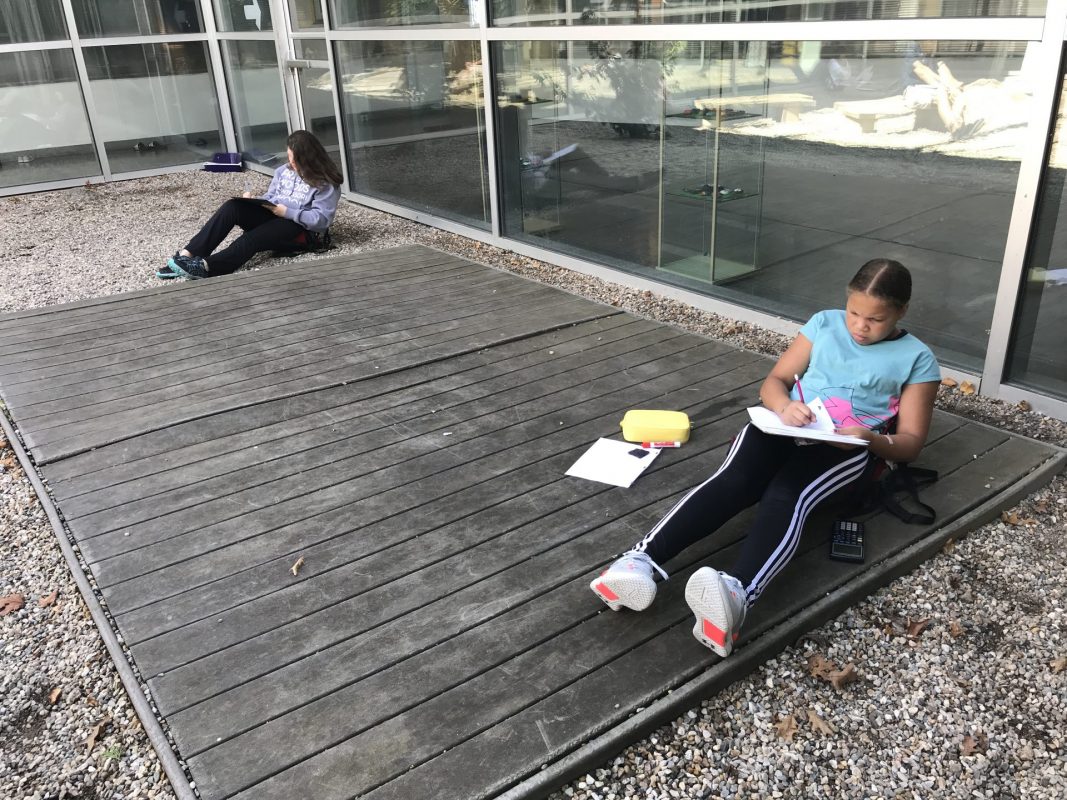
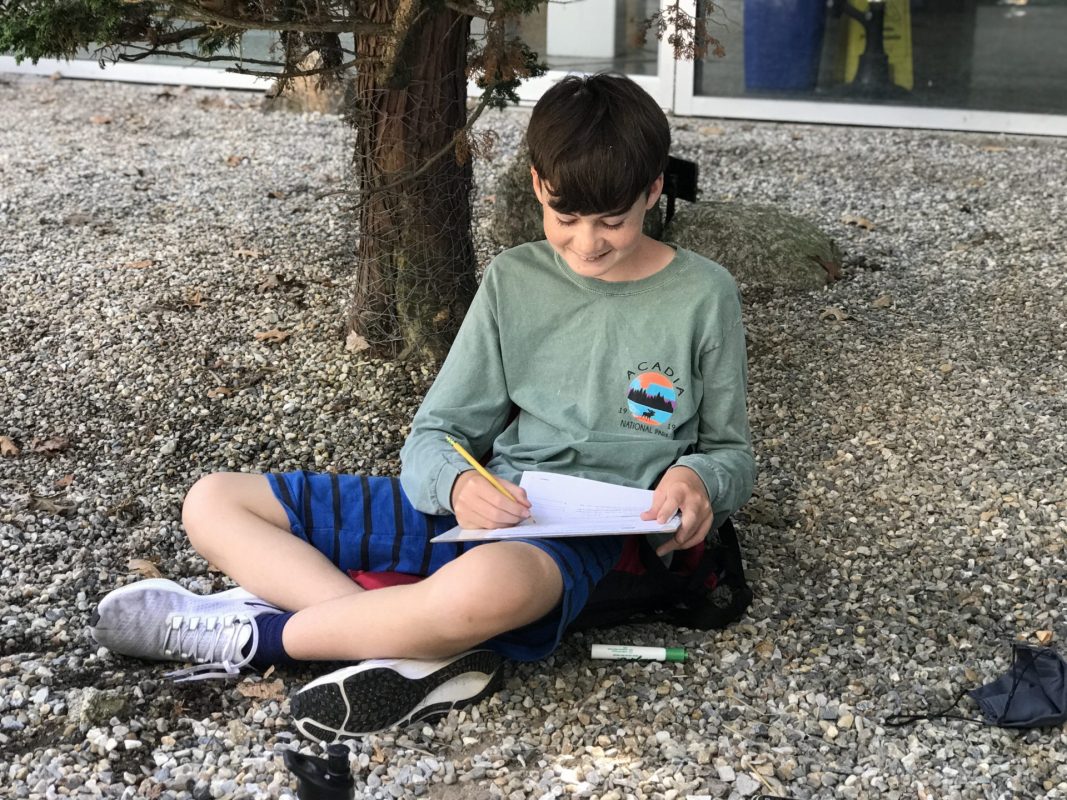
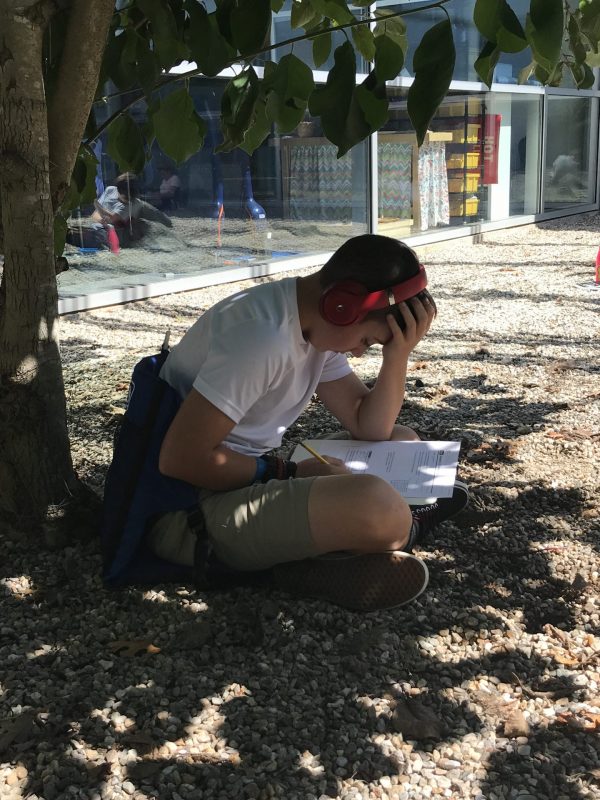
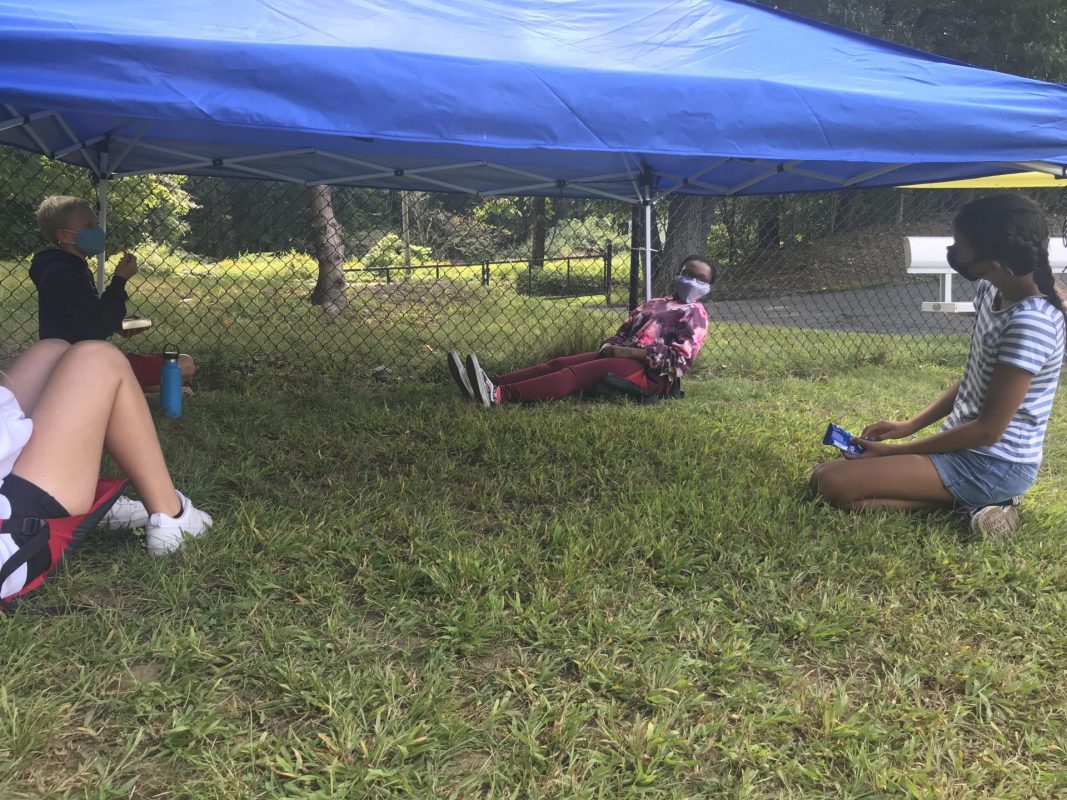
There are many moments of joy in our days together at school. Please enjoy the photos of the happiness experienced by our Middle School students in the recent days.


Middle School: A Week in Review

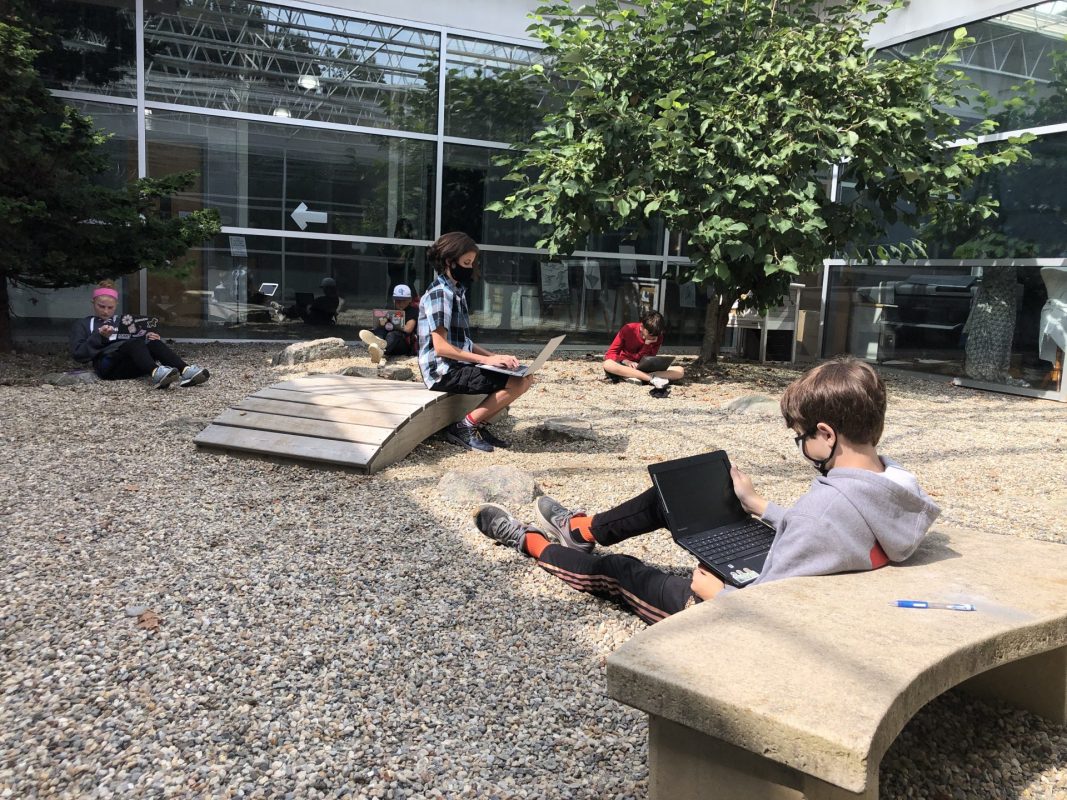
Another beautiful fall week has closed, and we were lucky to enjoy the outdoors again. Fresh air has been good for our bodies and minds, and as we transition through the seasons, we will continue to enjoy it as much as possible.

Science

6th year Earth Science students are continuing their work on Plate Tectonics. Students are learning about the role that tectonic plates play in the creation of the rock cycle. Over the next couple of days the class will discuss the similarities and differences between metamorphic, igneous, and sedimentary rocks.

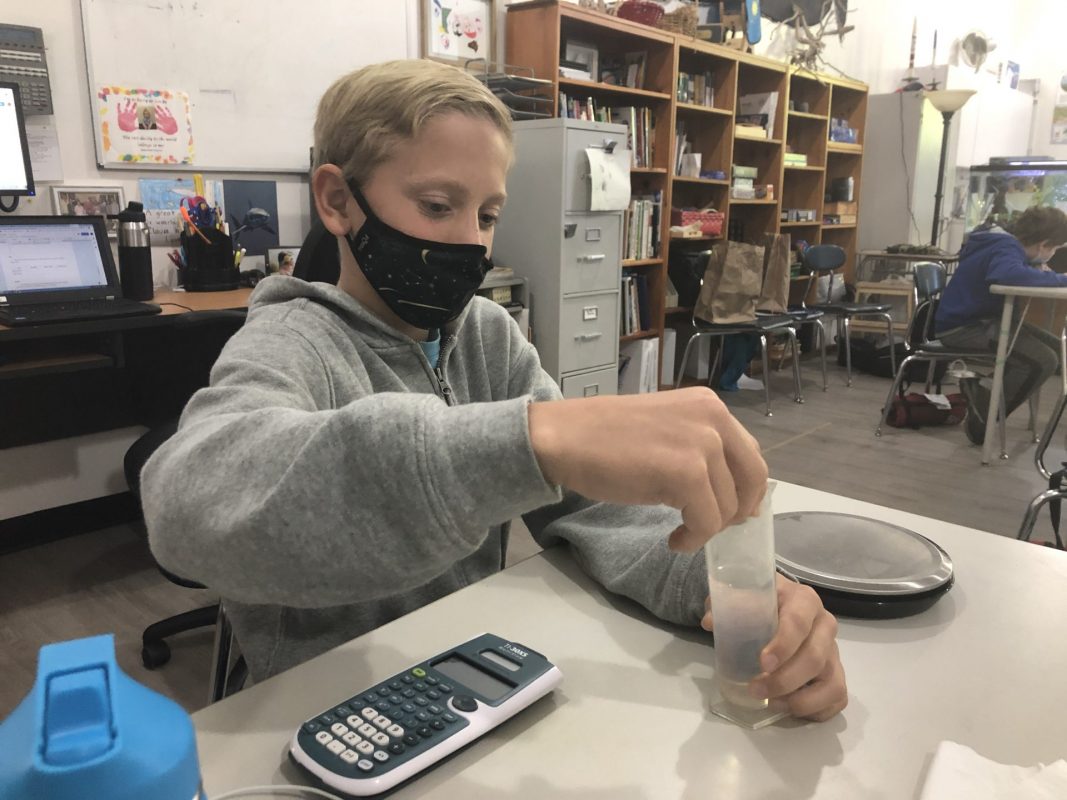
7th year Physical Science students have been doing daily activities representative of the different states of matter. Students are able to relate how temperature increases both the potential and kinetic energy of matter resulting in the transition between solid, liquid, and gas.
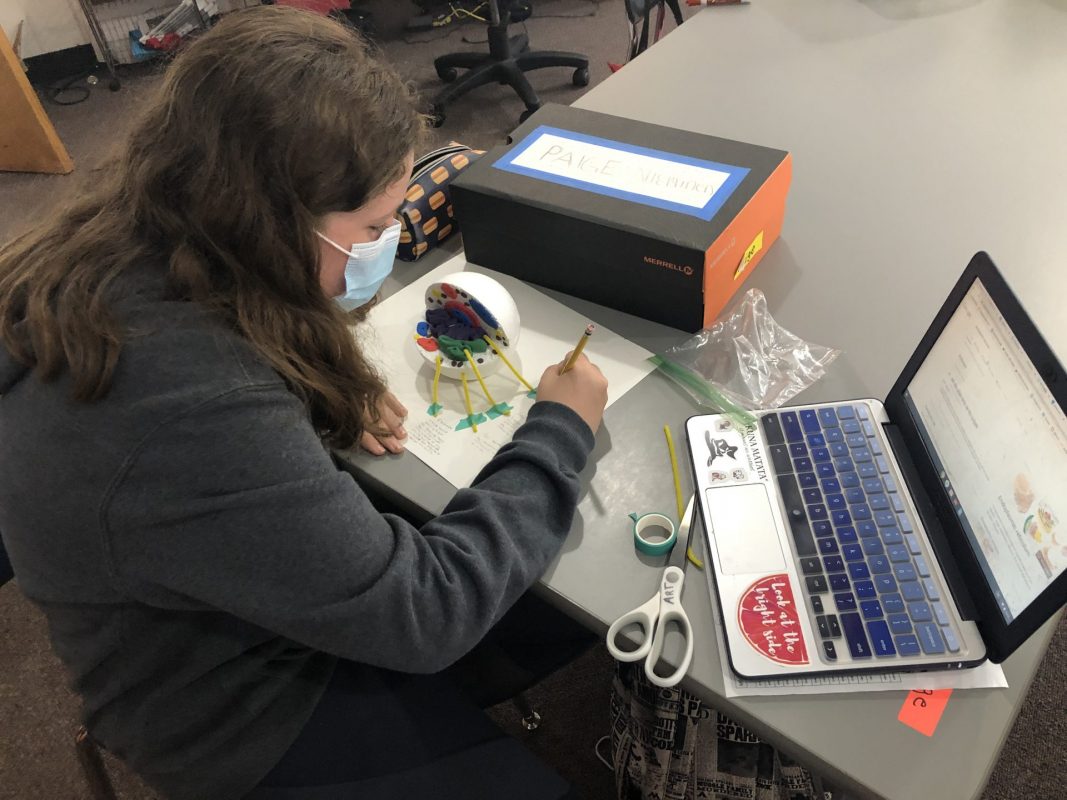
8th year Life Science students have begun their unit on Cellular Respiration. Students are understanding how our bodies are able to process glucose from the food we eat into usable energy (ATP) through cellular respiration. Currently, students are working on creating a visual representation of cellular respiration which includes glycolysis, Kreb’s cycle, and the electron transport chain.
Math
In Pre-Transition math class, students are learning how to use fractions to add mixed numbers in real world situations. This class can successfully find the perimeter of a polygon shape, add positive and negative integers without a calculator, and place integers/rational numbers on a number line.
In Transition class, students are learning how to order and compare decimals and fractions, graph inequalities on a number line, and add fractions without common denominators. This class can successfully convert amongst decimals, fractions, and percents; know and apply the substitution principle; and, they can round any number up or down to the indicated place value.
In Algebra class, students are learning about solving and checking linear equations from the form ax+b=c. This class is working through how to create a linear equation or inequality from a given word problem, as well as applying the addition and multiplication properties of equality and inequality.
In Geometry class, students have started writing 2-column proof statements.  This class has been practicing how to use algebra to represent an angle, give justifications for conclusions involving angles and segments, and determine the slope of a line if parallel or perpendicular.
As per the students’ request, Ms. Sutherland will be hosting an after school Math help session starting the week of November 2nd. Please stay tuned for next week’s blog as more information will be released about dates and times.
Math Joke: Why didn’t the quarter roll down the hill with the nickel?……………Because it had more sense.
Humanities
This week, all students completed a unit of vocabulary and, due to class-driven interest, discussed the current election with regards to the candidates’ stances on different topics. Topics ranged from the fundamental differences of the parties, to the definition of taxation, as well as changing immigration policy. Students are curious about all they hear at home as well as the media and ask for some basic definitions on terms they hear and the process of a presidential election. Information given to students is unbiased, respectful of both candidates, and uses information that is clear and concise. Students are allowed to express their personal opinions and engage in conversation with each other in a way that honors individual perspective without putting down any person or group of people.
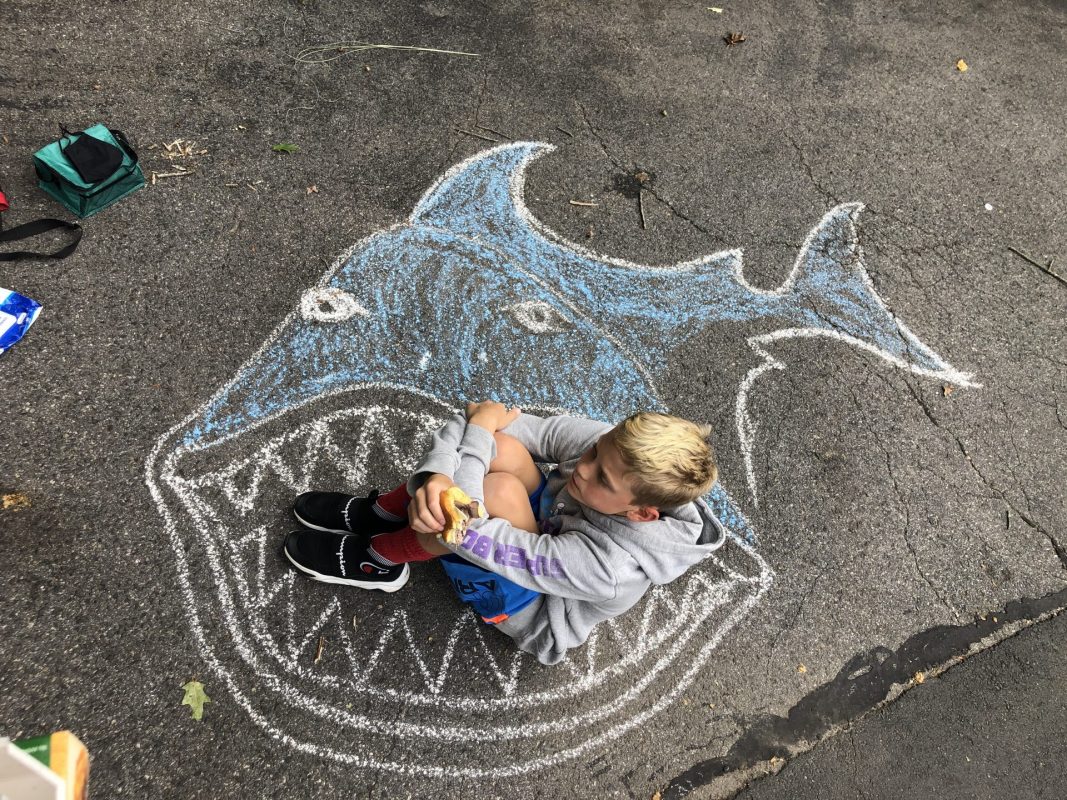
The 6th grade Humanities class continued to work on descriptive writing using the poetry of Langston Hughes and Emily Dickinson to identify forms of figurative language and imagery. Then, students watched a 40-second slow motion video of a shark leaping out of the water to catch a seal and were charged with the task of writing a descriptive narration implementing their skills of word choice, figurative language, and imagery that will give anyone a complete experience, through words, of the video without actually watching it. Finally, students continued their reading of Out of My Mind.
7th grade Humanities classes finished geography of the SubSaharan African continent and worked on their class novel, A Gift From Childhood by Baba Wague Diakite. They discussed proverbs as they apply to the memoir as well as the effects of colonization on a culture.
8th year students wrapped up Jamestown settlement and the Virginia Colony by focusing on the land. They learned about what it meant for different people: the Indigenous people, indentured servants, African slaves, and plantation owners. They drew and discussed their ideas of what the land looked like pre-Colonization and then compared it to the reality of what it looked like before European settlement (developed systems of roads connecting Nations, structures, farmland, etc.) which is the opposite of the “vast wilderness” that is widely portrayed (48-49, Dunbar-Ortiz). We then learned about the House of Burgesses and how land ownership decided voting rights. This eventually led to Bacon’s Rebellion, an uprising of the lower classes against the elite land owners. The outcome was the abolishment of both indentured servants and the headright system. It also led to slavery as the predominant labor force. Religion, the Puritans, and the settlement of Massachusetts Bay Colony are on-deck for next week.

Middle School: Week in Review

It’s been a busy short week in Middle School! As a reminder, please have your child/children dress for the weather.  We will be going outside each day! 

Also, thank you for signing up for our virtual parent conferences on Thursday, 10/29 with your child’s/children’s advisor via Sign Up Genius. Students will prepare to lead a portion of the conference, so please keep this in mind when scheduling. We look forward to speaking with you!

Humanities

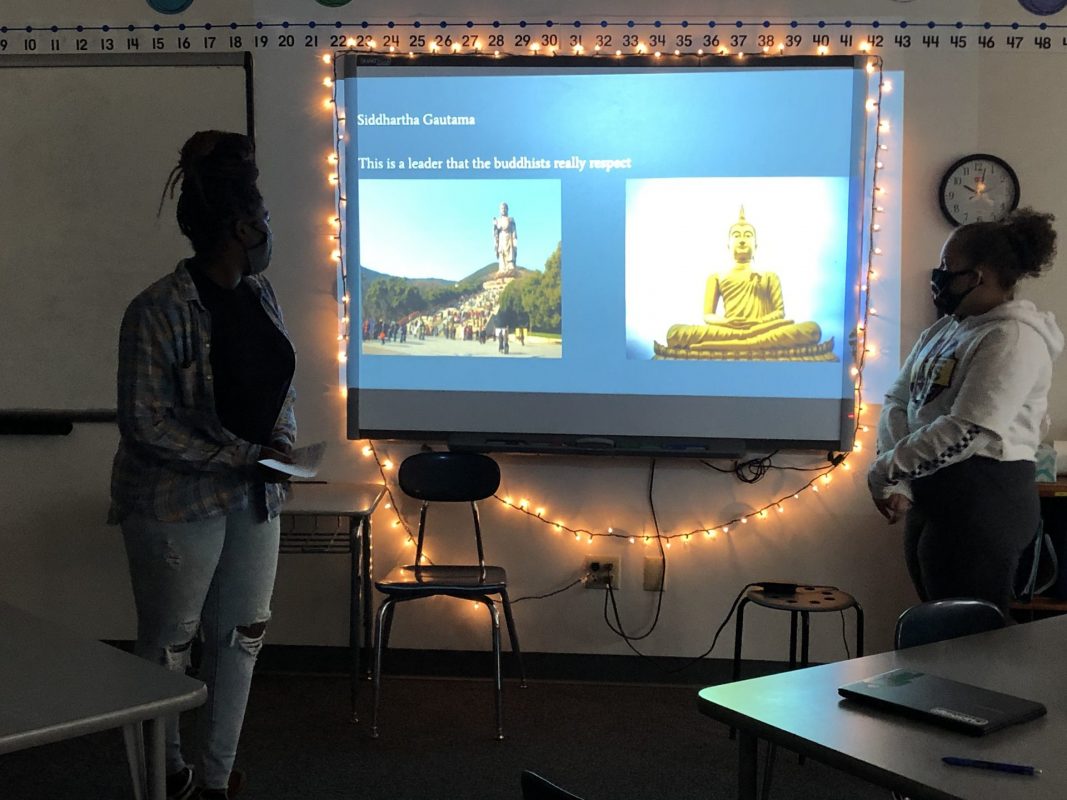
This week, 6th years continued their class read, Out of My Mind, having wonderful discussions about the characters and plot. They also began annotating and leading their own class book discussion. 6th year students also worked on descriptive writing this week, particularly with word choice, figurative language, and imagery. The 7th years finally finished presenting their Religions of China projects and began their unit about SubSaharan Africa. They worked on the geography of the large region by using a map to identify the countries and their capitals. We had discussions surrounding cultural perceptions of the regions and influences due to colonization. Students are beginning the memoir, A Gift From Childhood by Baba Wague Diakite. Finally, the 8th years studied Jamestown colony this week. This included information about the Virginia Colony, Powhatan Confederacy, tobacco, beginnings of socioeconomic groups, indentured servitude, and slavery in the early 1600s. All classes completed current events presentations this week.

Math

In Pre-Transition math class, students had a few days to study and prepare for the Chapter 2 Unit Test. They completed practice questions, played review games and quizzed each other on their knowledge of decimals, fractions, and percents. Students started to work through the first few lessons of Chapter 3 which discusses the addition property of opposites and adding mixed fractions together.
In Transition class, students are learning how to order and compare decimals and fractions using inequalities. Students can use the equal fraction property to rewrite fractions, use fractions to answer questions about real world situations, and identify decimals between rational numbers.
In Algebra class, students are learning about solving and checking for linear equations in the form ax+b=c, graphing solutions to a linear inequality problem on a number line and coordinate plane, as well as applying the addition and multiplication properties of equality and inequality. Students will be preparing for the Chapter 3 Unit Test next week and should allow the appropriate study time well in advance.
In Geometry class, students are learning how to draw and label major and minor arcs in a circle and semi circle, find the appropriate degree measured for an inscribed and central angle, as well as give justification for conclusions involving angles and line segments. This group of students is preparing to solve for proofs, and they have created a postulate and theorem book to keep track of all the important definitions needed to give their reasoning.
As a general reminder, students should check Google Classroom each day for posted assignments and supplementary videos to help reinforce the concepts taught in class.
Math Joke:
What is a math teacher’s favorite snake?…………A pi-thon

Science

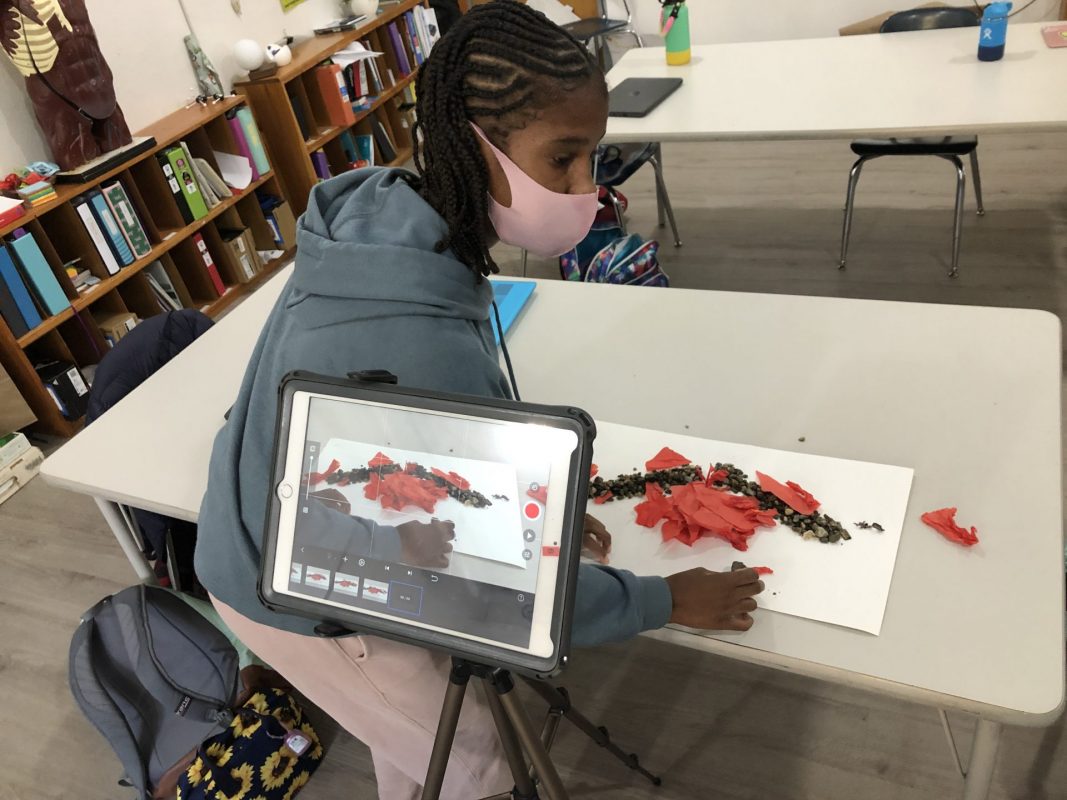
6th year Earth Science students are currently working on creating a stop motion movie illustrating how tectonic plates shape our planet. The types of plate movements include transformation, divergent, and convergent. 7th year Physical Science students have conducted several lab activities in conjunction with their unit on States of Matter. Students determined how temperature relates to a water’s solubility level and how the speed of molecules relates to temperature. 8th year Life Science students are finishing their unit on “Structure of Life”. Students have conducted research, detailing how radio-pharmaceuticals and chemotherapy technology has advanced throughout the years in response to cancer.


Middle School: Week in Review

It is another beautiful Friday! What an amazing week to be outdoors!

Humanities

In Humanities, 6th year students are reading Out of My Mind by Sharon Draper. This goes hand-in-hand with our unit centering around empathy and compassion. Also, 6th year students have begun their descriptive writing unit. They are locating and practicing word choice and figurative language to enhance their writing. The 7th year students finalized and delivered their Religions of China research, and presentations on Buddhism, Islam, Taoism, Confucianism, and Christianity. While not concerning world history, this group has an interest in US politics, so we are taking time to go over the election process. We are excited to begin looking at the SubSaharan African continent next week. The 8th year students are also learning about the US election process. Additionally, they continue their unit about Indigenous Americans. This week they covered time in the 1500s concerning conquistadores and Spanish colonization as well as the British trips to Roanoke that resulted in the lost colony. All Humanities classes completed a vocabulary unit this week as well.

Math

This week in Math class, all groups concluded their study of Chapter 2 in the USCMP textbook. They have started to learn about Chapter 3 concepts and are more comfortable with their class routines and expectations as they enter the second month of the school year.
In Pre-Transition class, students are learning about rounding a decimal to an indicated degree, converting decimals, fractions and percents, as well as comparing values using inequalities. Students are becoming more comfortable with finding percentages in a real-world situation and reading a circle graph to analyze the given information.
In Transition class, students are learning how to substitute values into a given formula, identify the variable, constant, and coefficient within an algebraic expression, as well as use the Pythagorean Theorem to find distances in real-world situations. Students can successfully find a value that satisfies an open number sentence and they can graph inequalities on a number line.
In Algebra class, students are learning to graph linear patterns, solve equations with tables, and manipulate two-step equations to isolate a variable. This class is able to write related facts for all arithmetic operations and use graphing technology to check that equations are equivalent.
In Geometry class, students are learning how to draw and analyze arcs and angles in a circle,  find the degree measure of arcs, and appropriately measure the central angle. Students can also give justification and reasoning to rotations in real-world situations.
As a general reminder, all students are expected to complete both the lesson master assignment and the assigned textbook questions on a daily basis. These assignments help students practice what they are learning and ensure they are understanding what is being taught in class.
Math Joke: Why should you worry about the math teacher holding graph paper? …………..She’s definitely plotting something.

Science

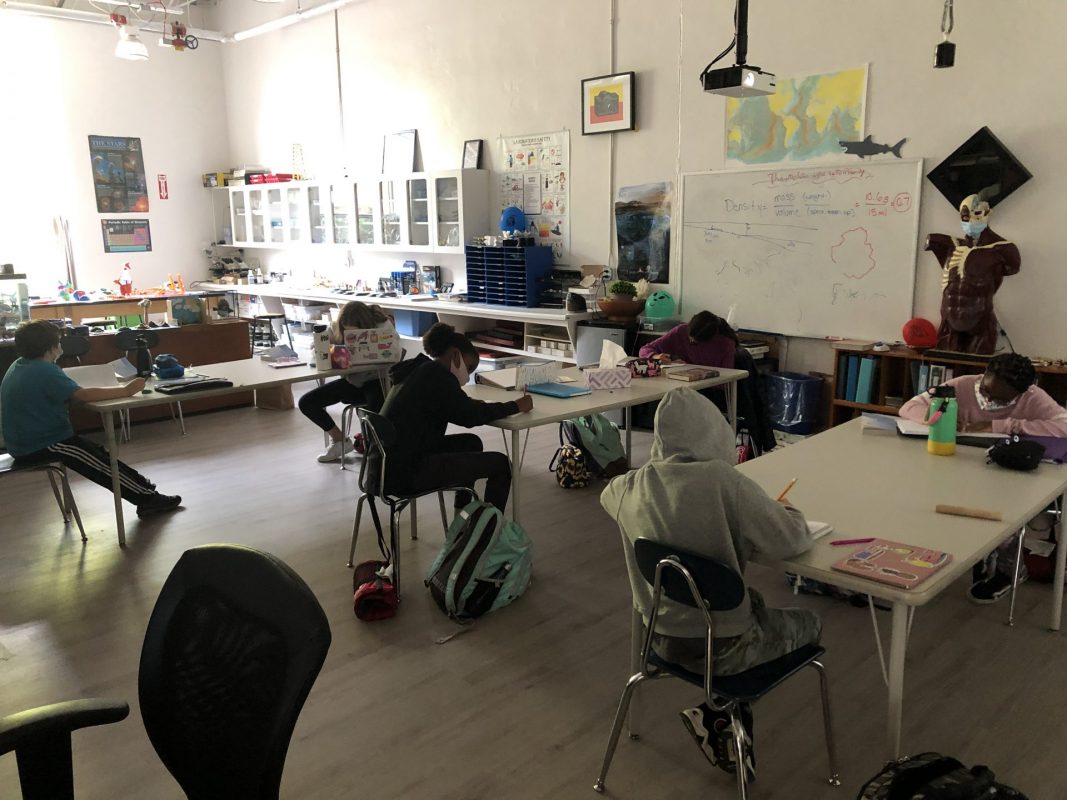
6th year Earth Science students have finished their 3d models of Earth’s layers. Each student designed their own model, illustrating the different layers that make up our planet. Students were able to use a variety of material, from styrofoam balls, clay, markers, or paper to best represent their ideas. They are currently working on formatting their first formal lab report on Density.

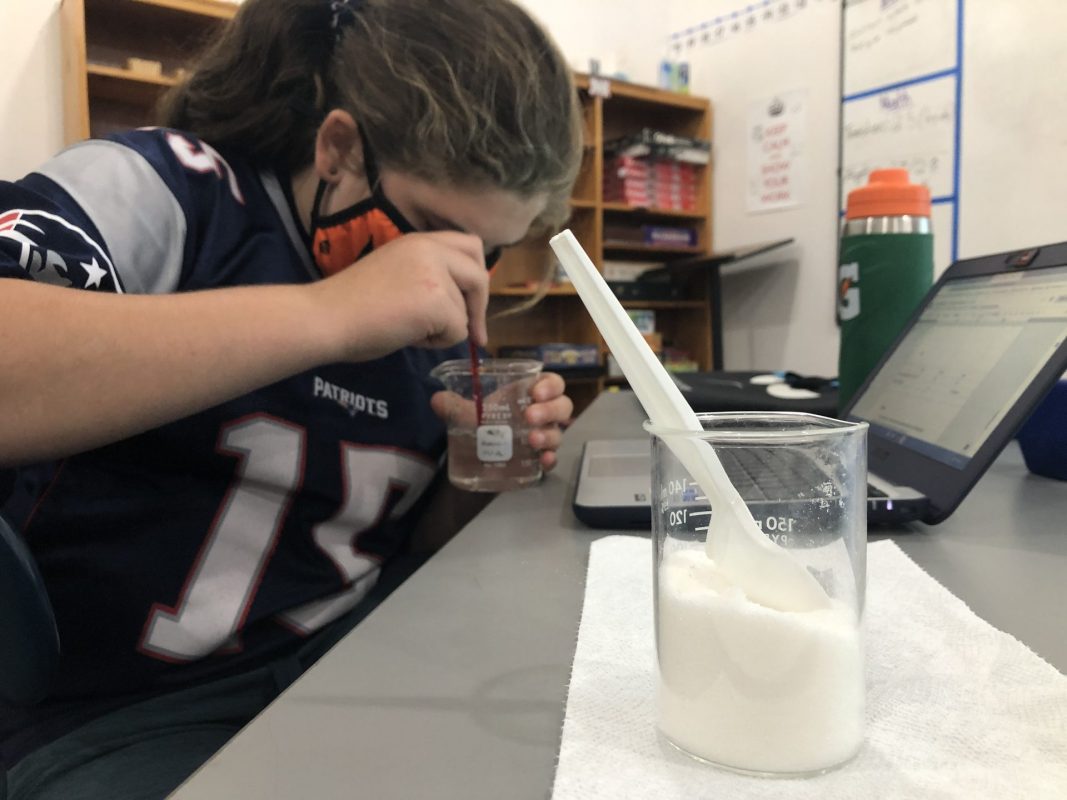
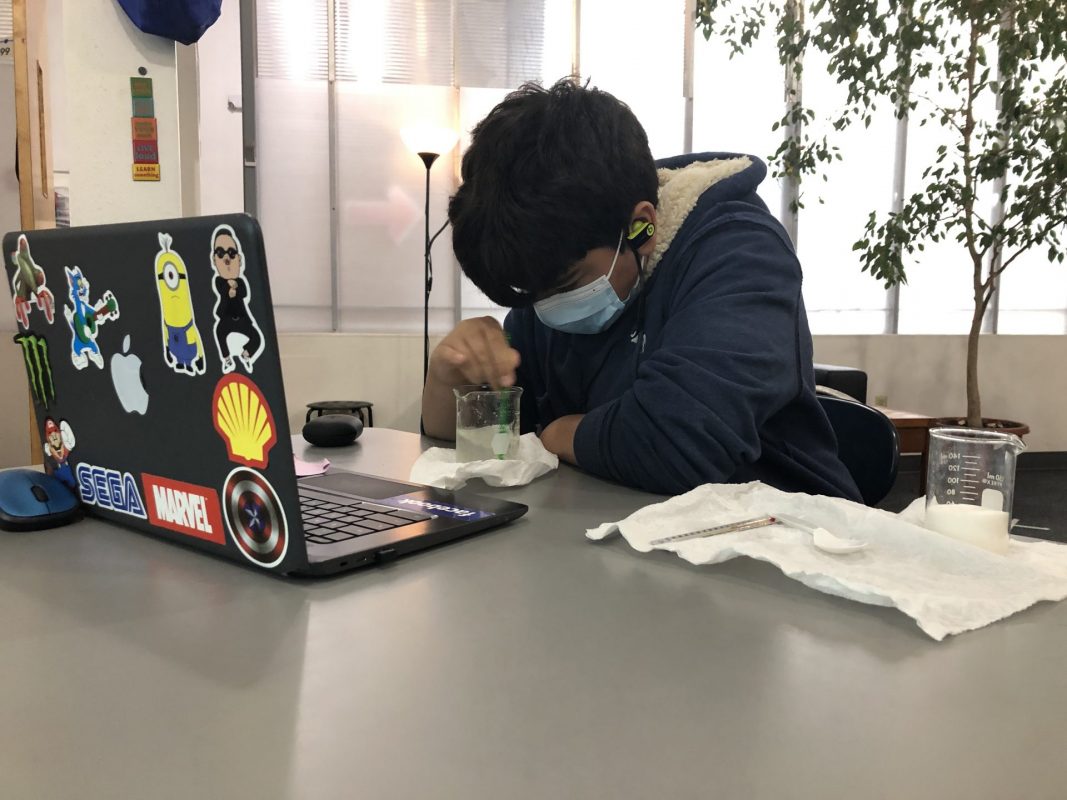
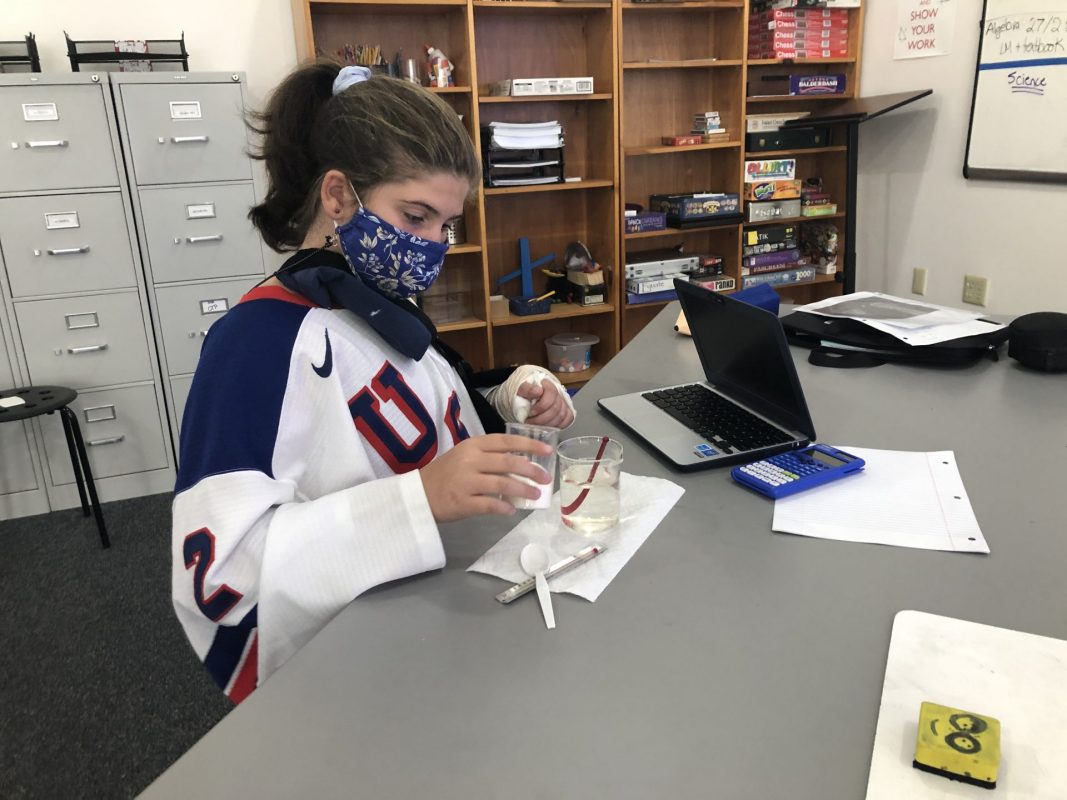
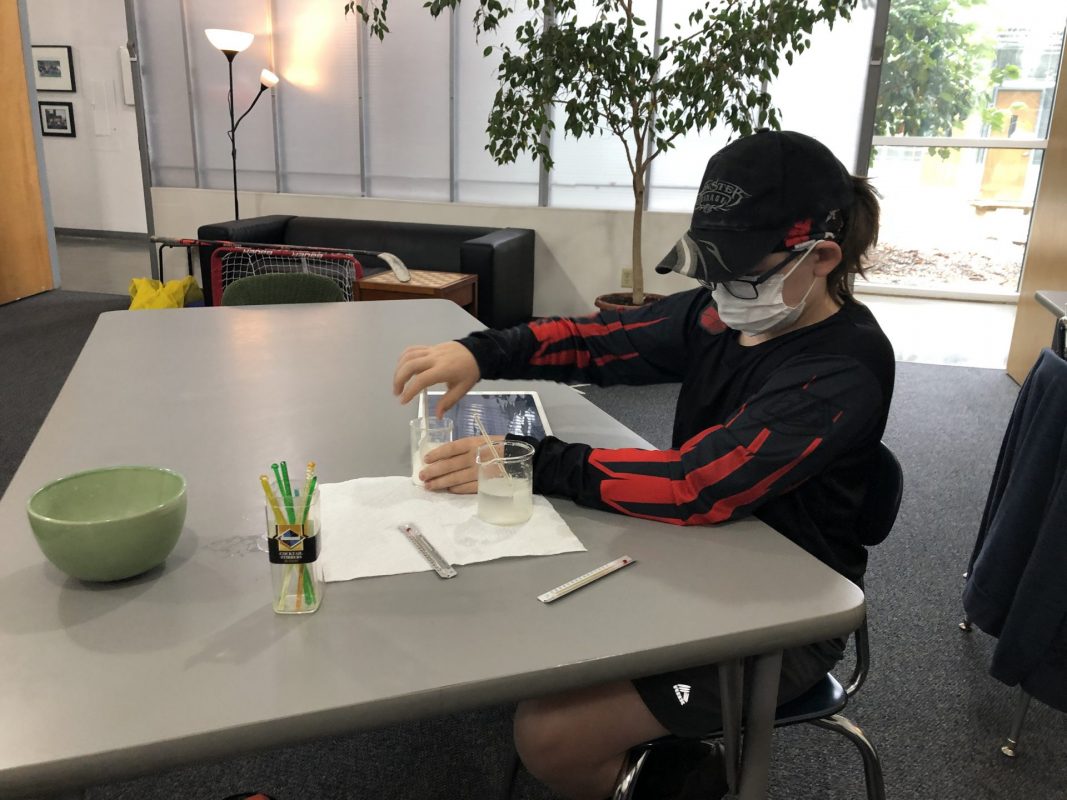
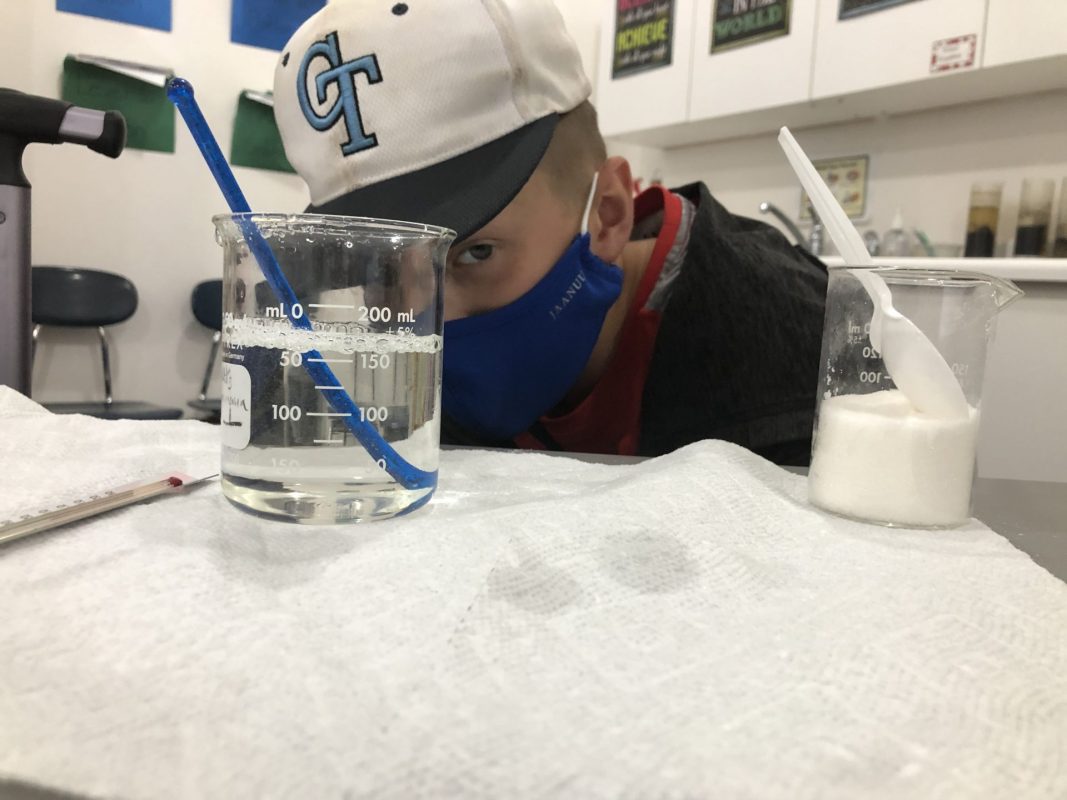
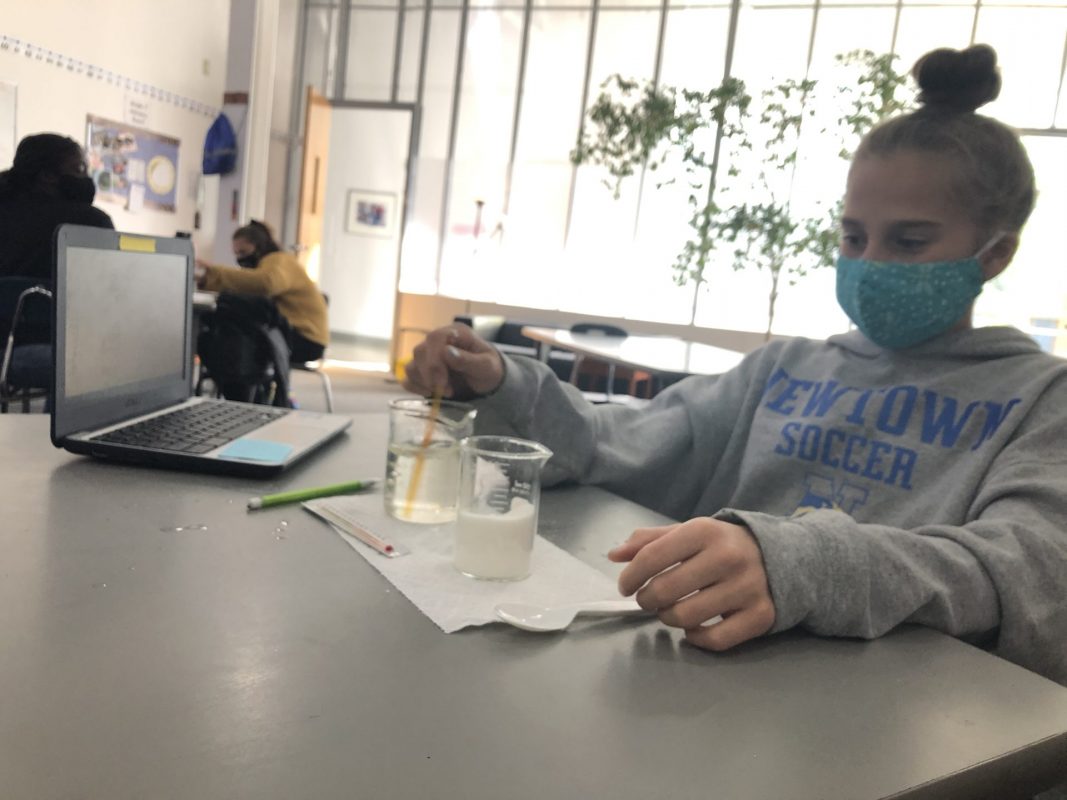
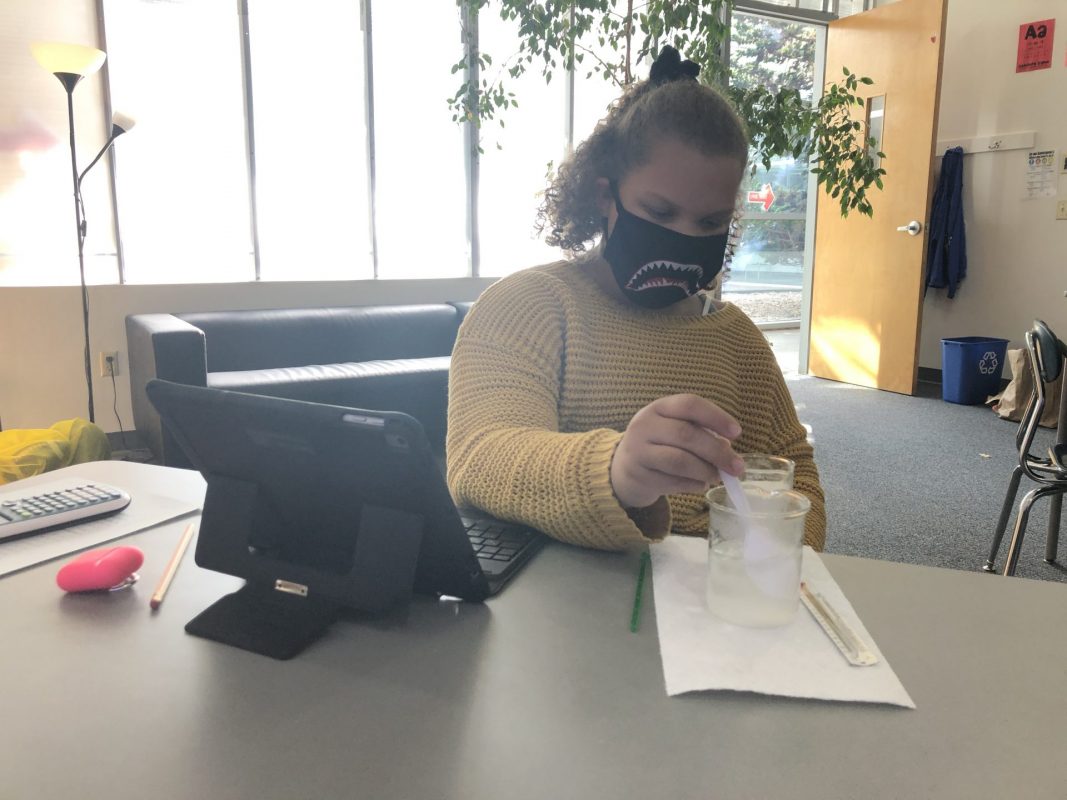
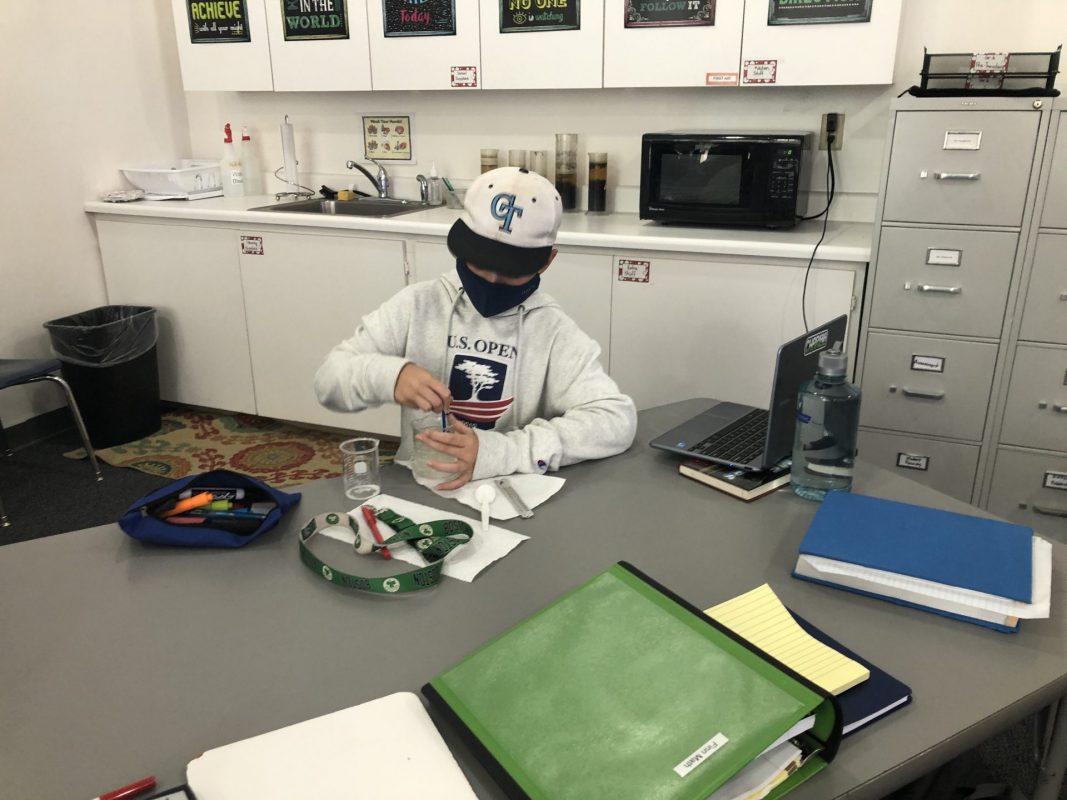
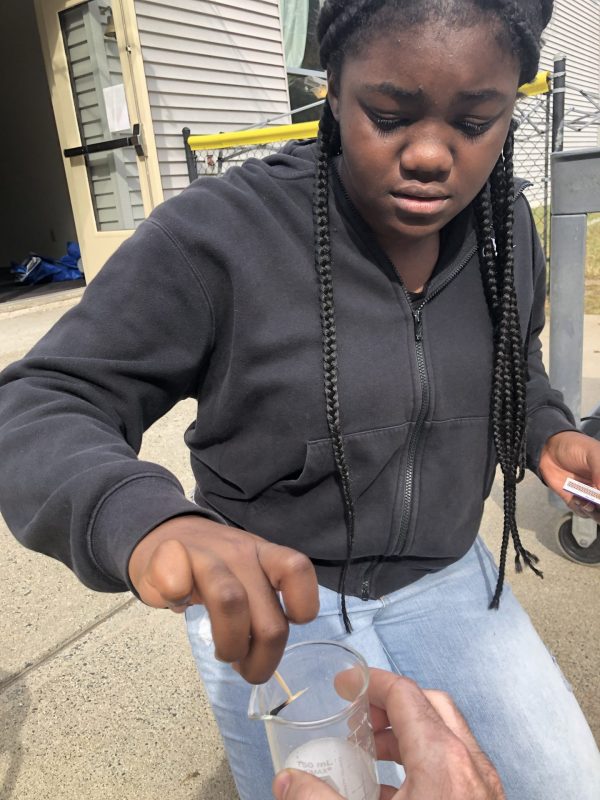
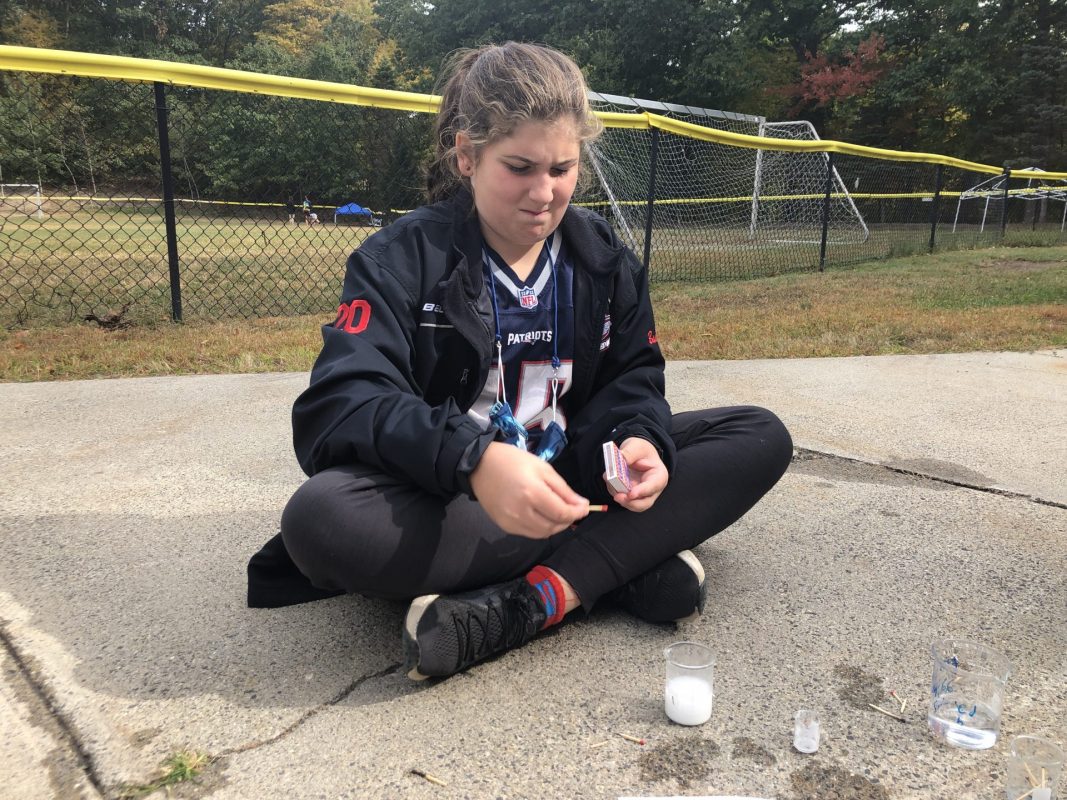
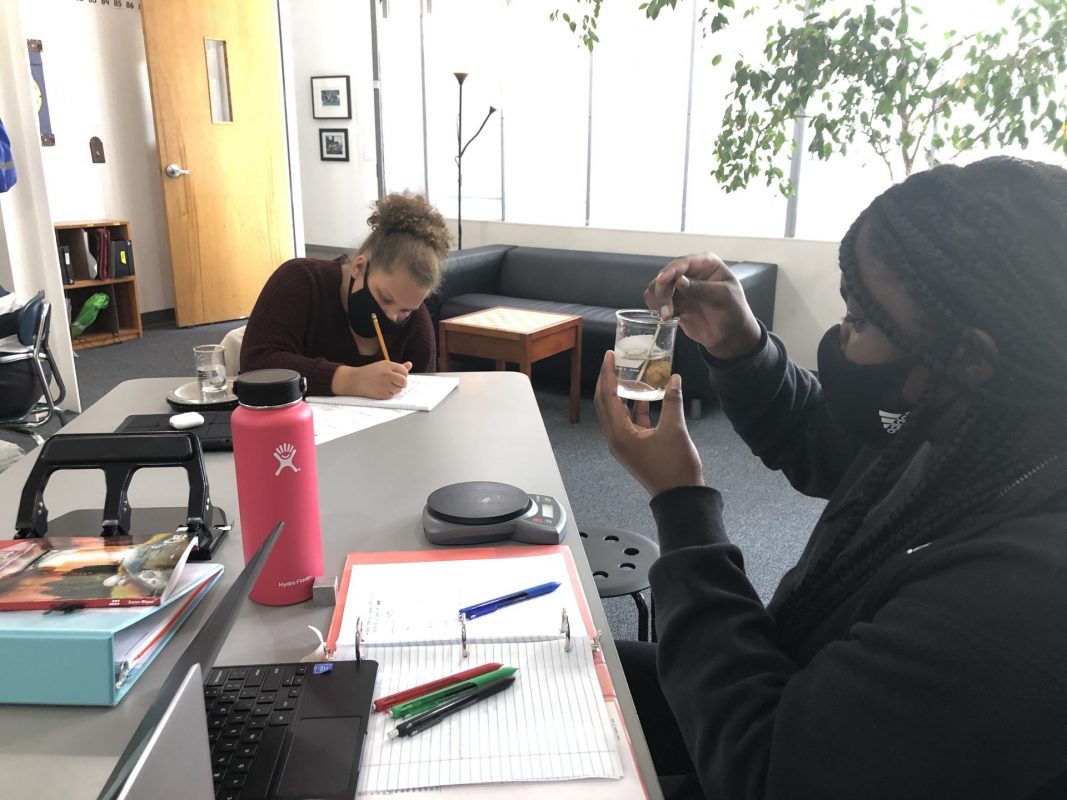
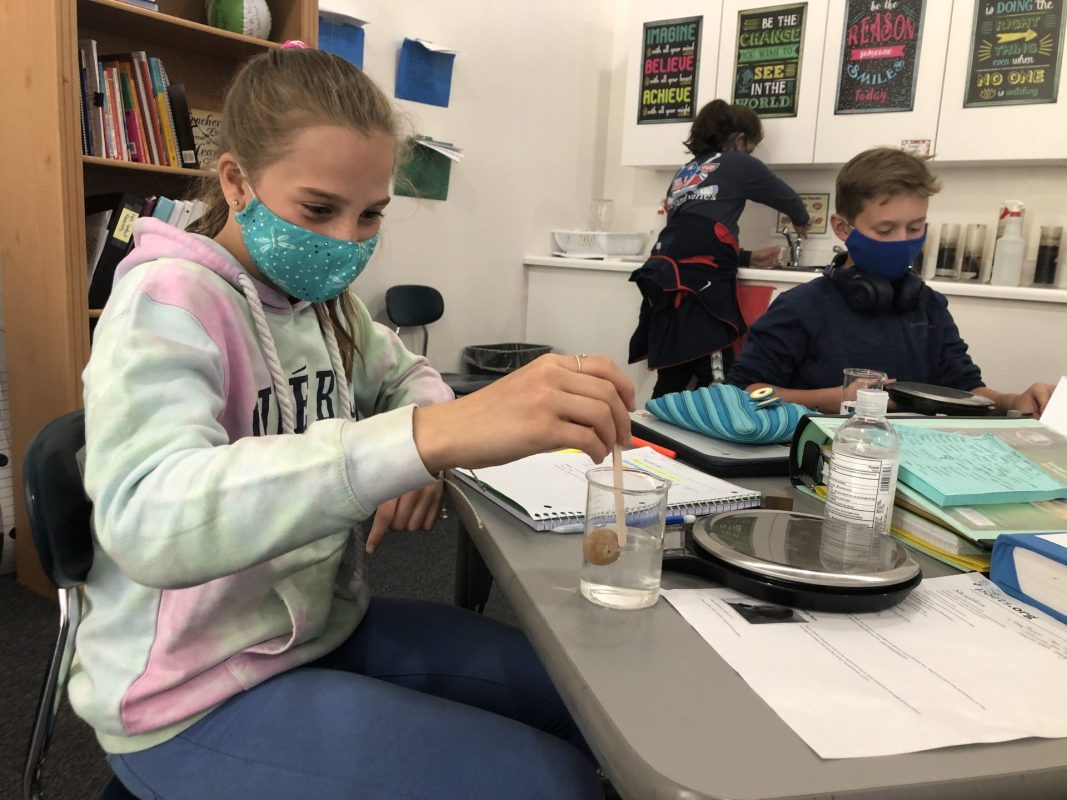
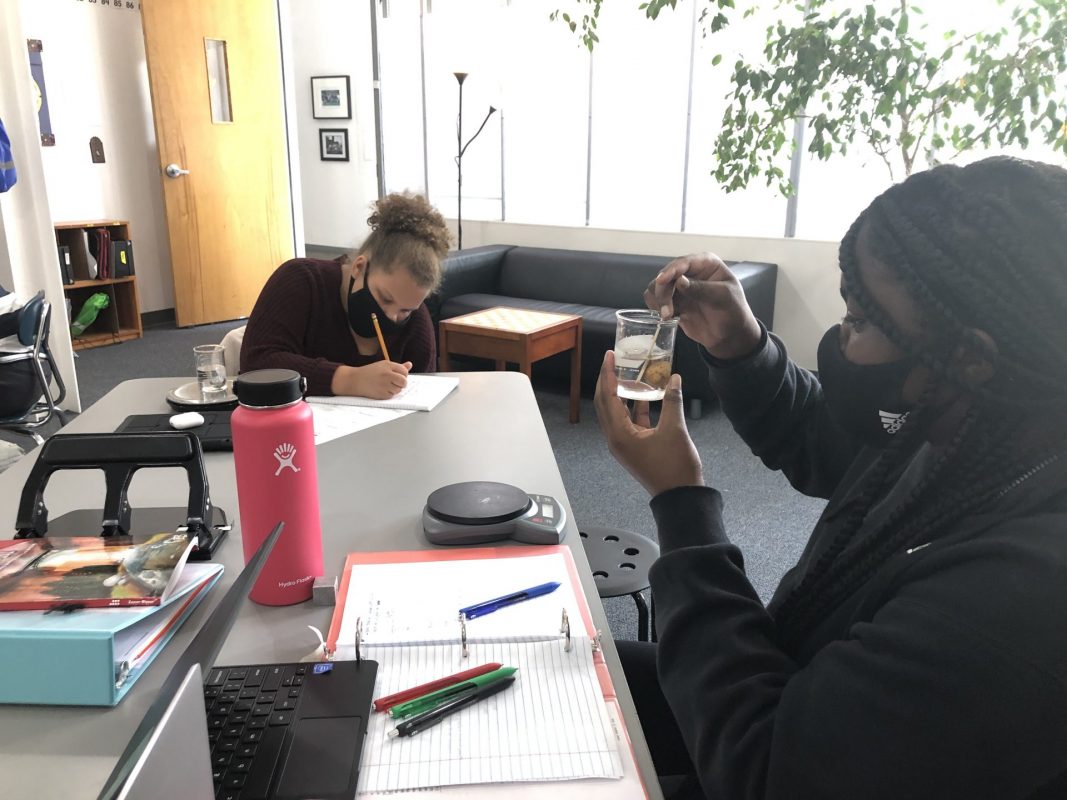
7th year Physical Science students have completed their laboratory investigation on the solubility of water based on temperature. Students conducted three trials using ice, room temp, and hot water to determine which temperature water was able to hold more dissolved sugar. Students knew that their water sample was saturated when the sugar being added would no longer dissolve but rather remain crystalized at the bottom of their beaker.
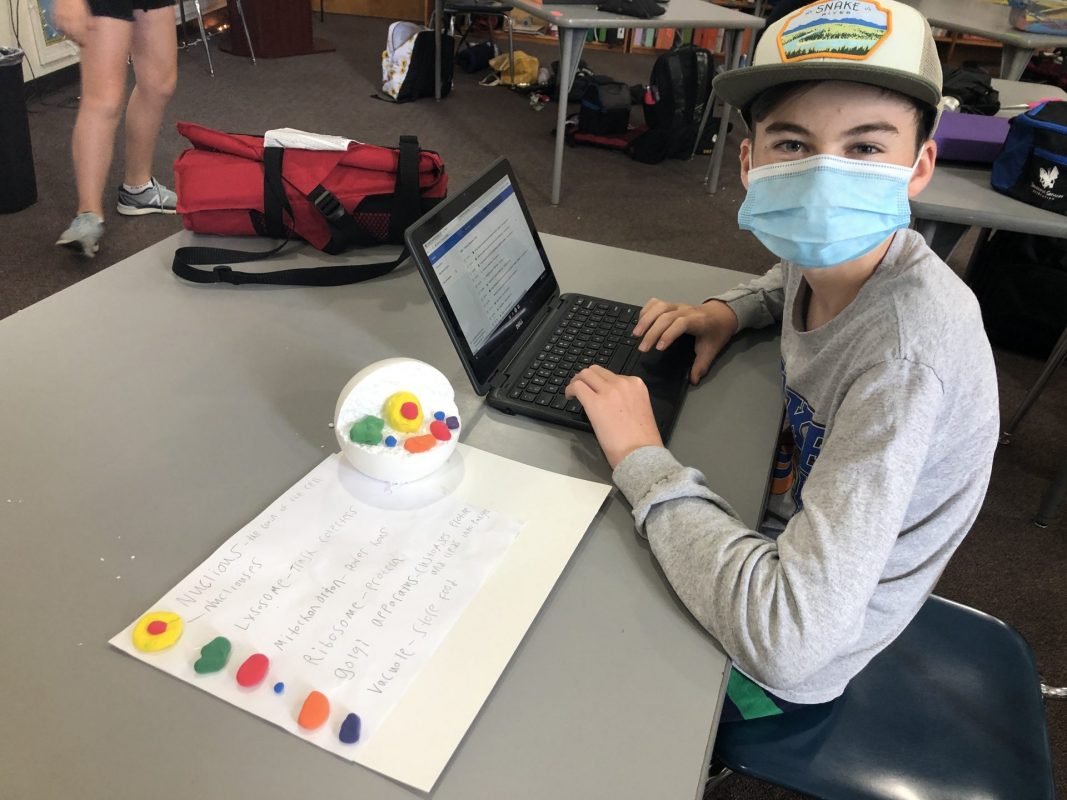
8th year Life Science students are working on identifying key characteristics that define an animal cell from a plant cell. Students have performed several tech-book simulations to facilitate meeting this objective in addition to classroom activities.

Middle School: Fun Friday!

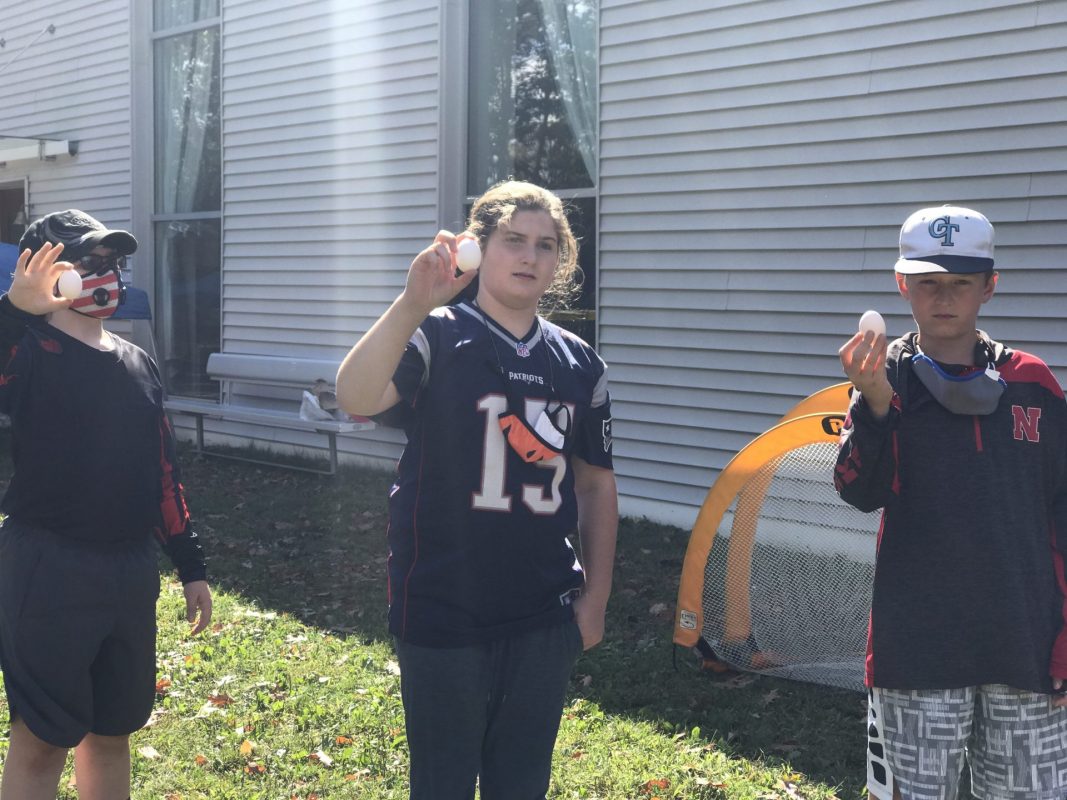
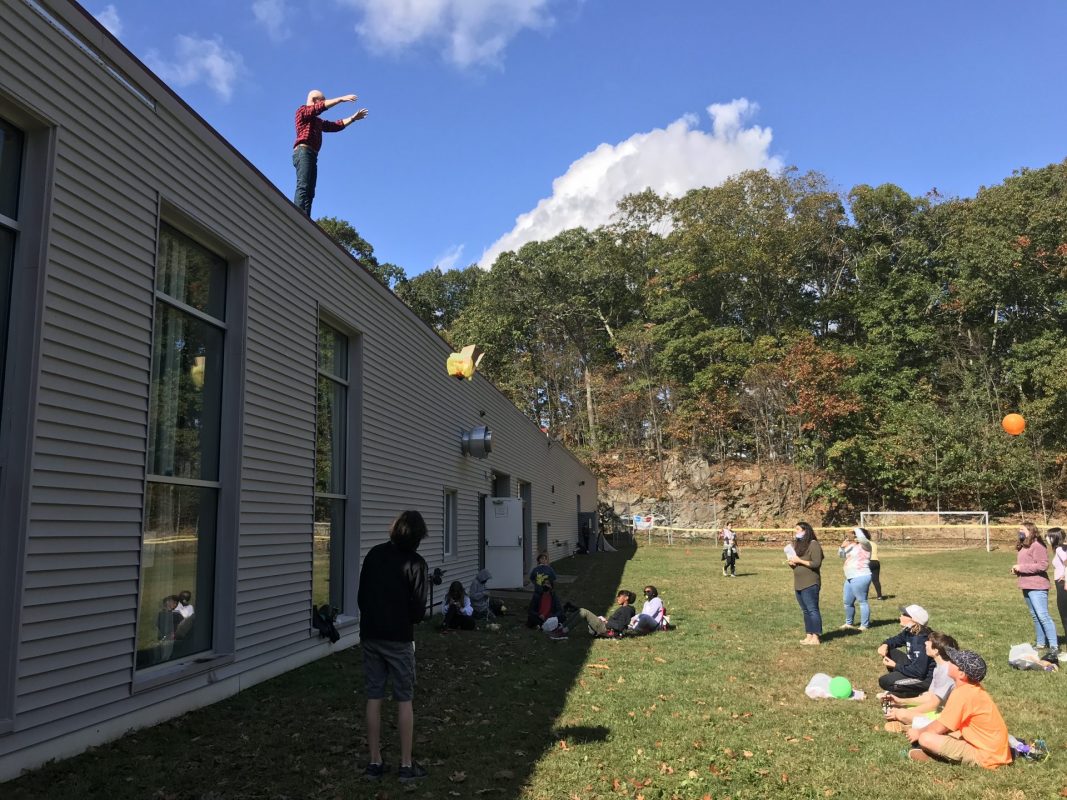
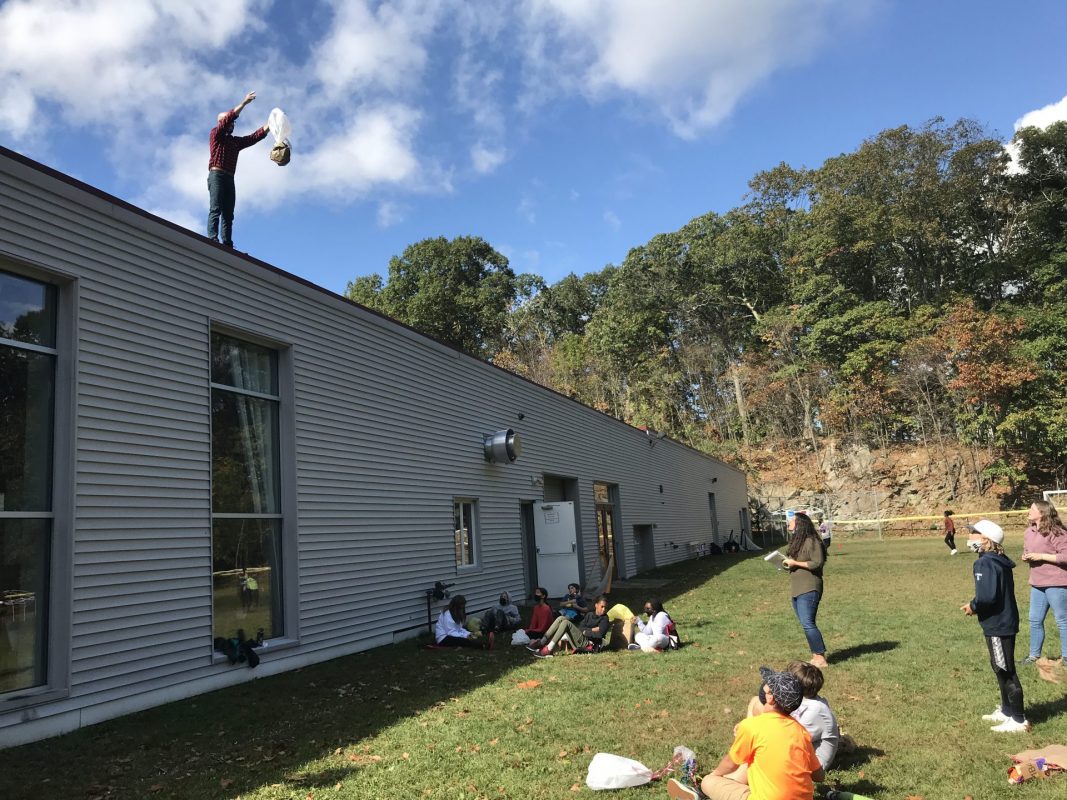
With the changing elements of Middle School this year, one that we haven’t highlighted yet is Fun Friday. With cohorts, it became a challenge to figure out how to run elective period that used to take place during one of the afternoon periods about once a week. Fun Friday is a time that the MS teachers designed to incorporate community among middle school students, while still remaining in cohorts, and having a fun activity unrelated to academics.

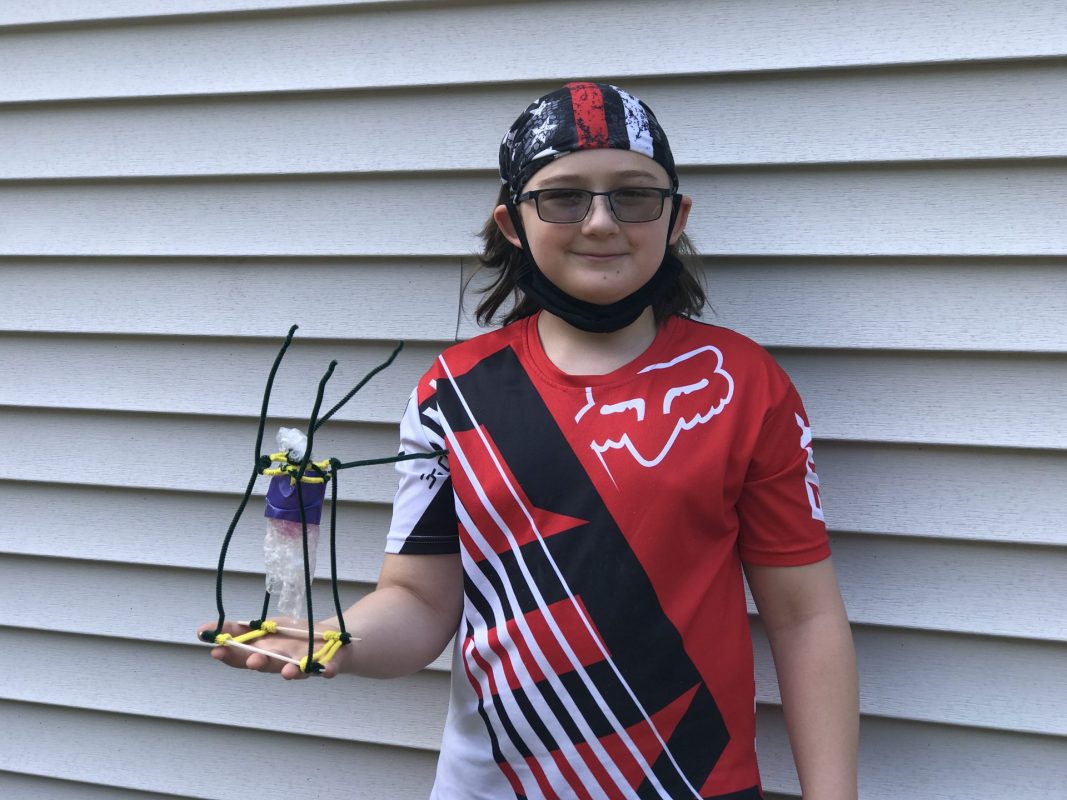
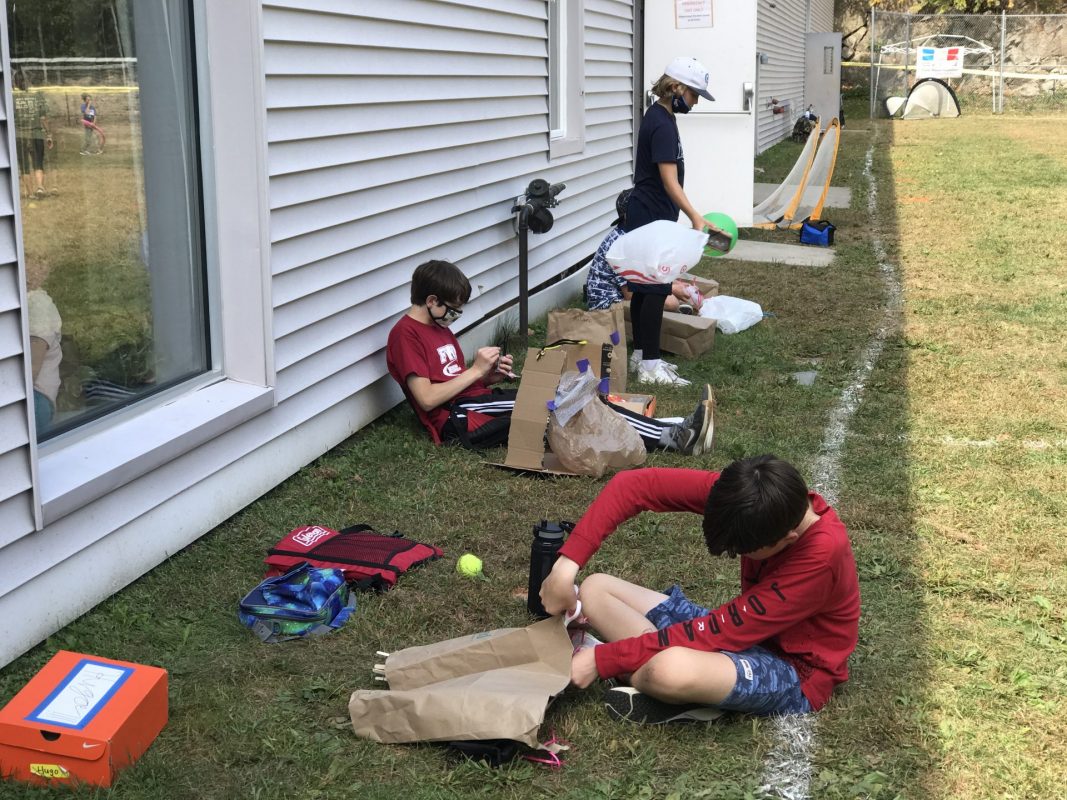
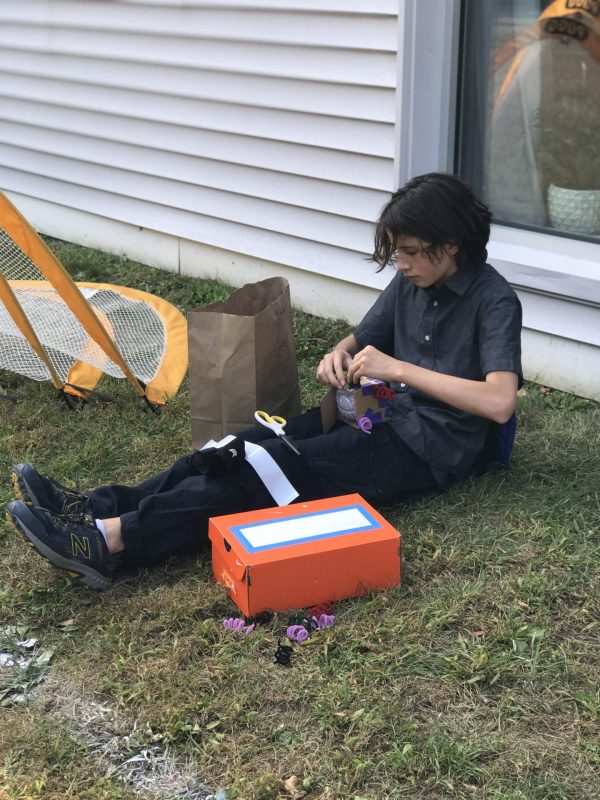
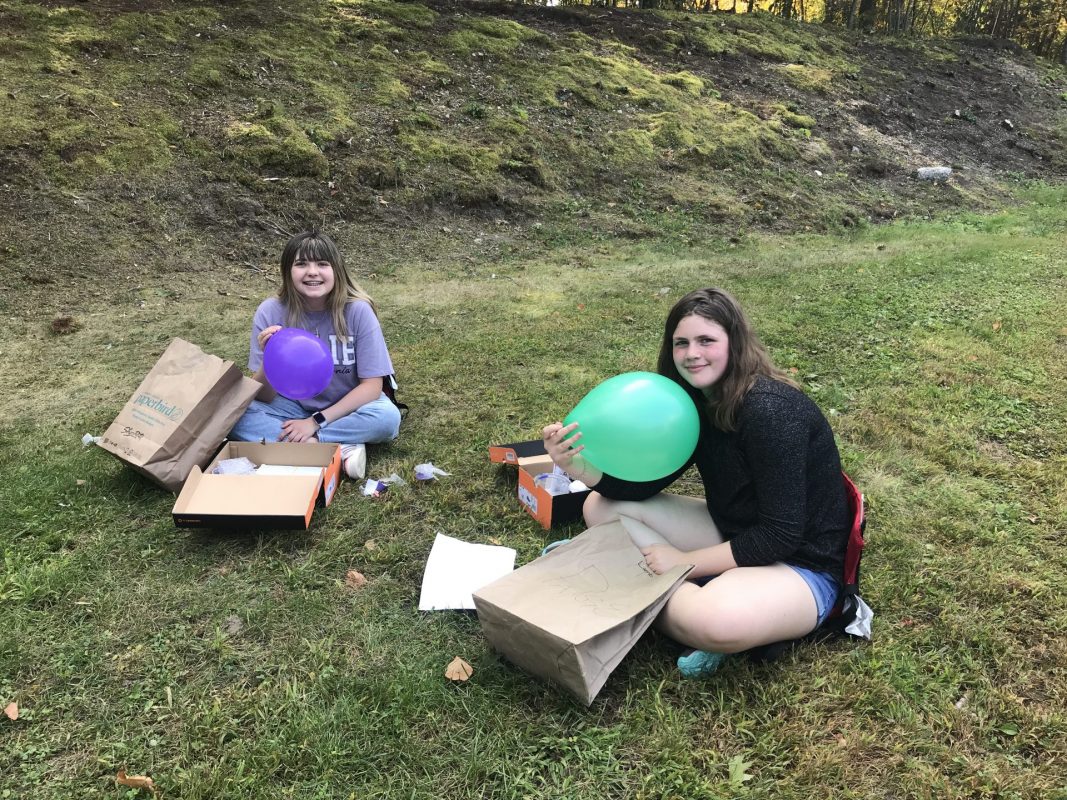
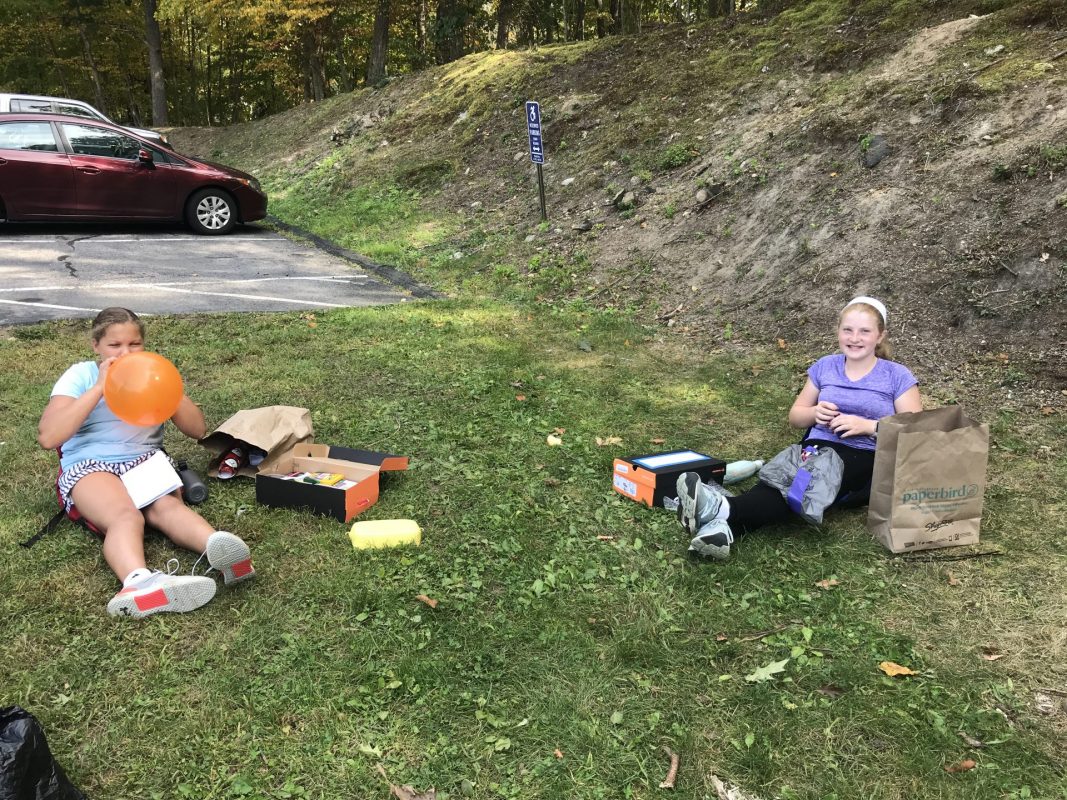
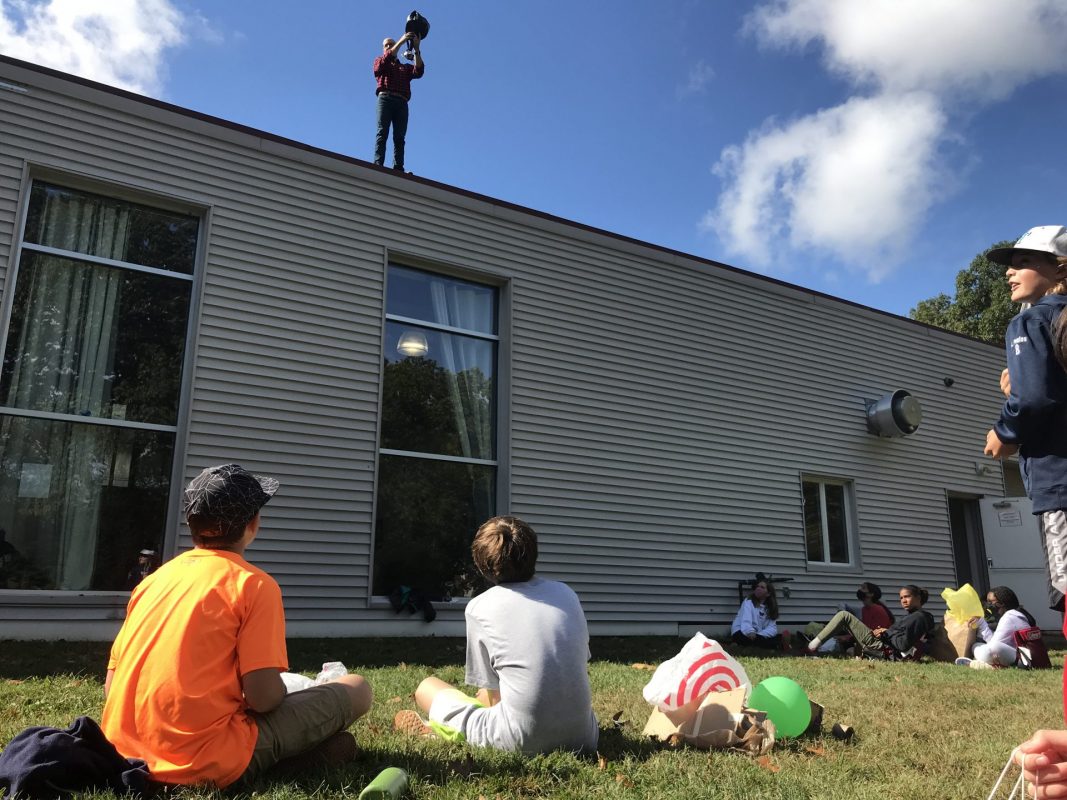
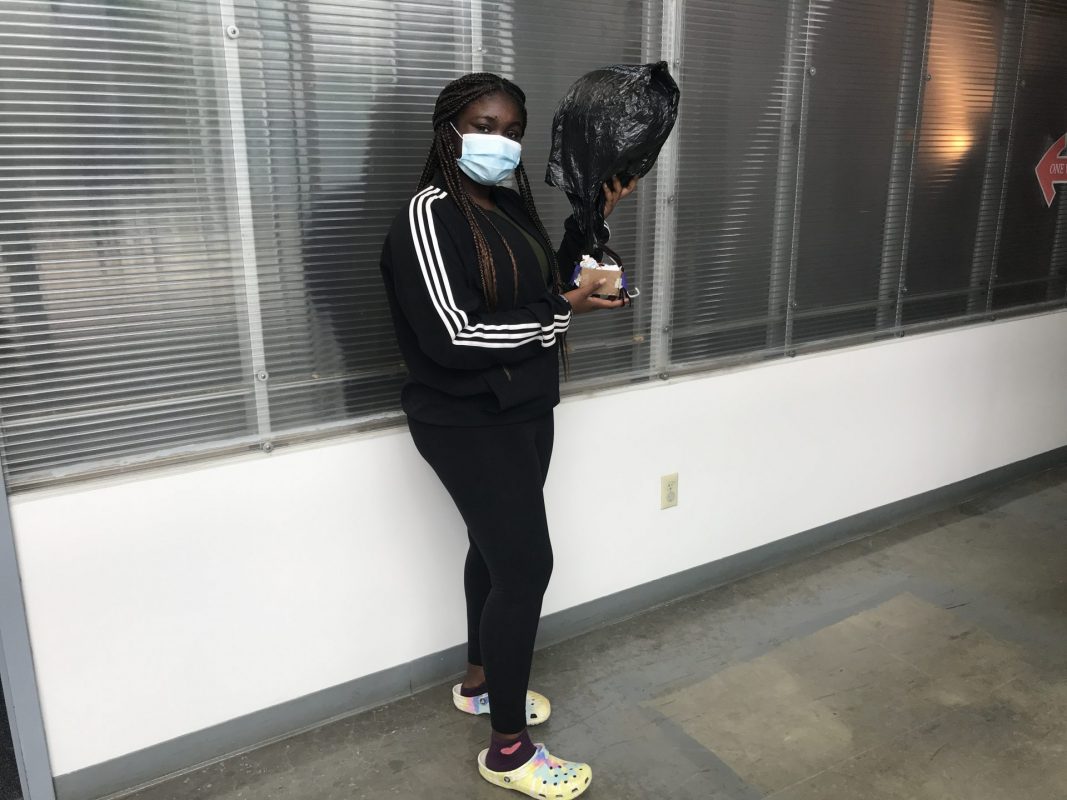
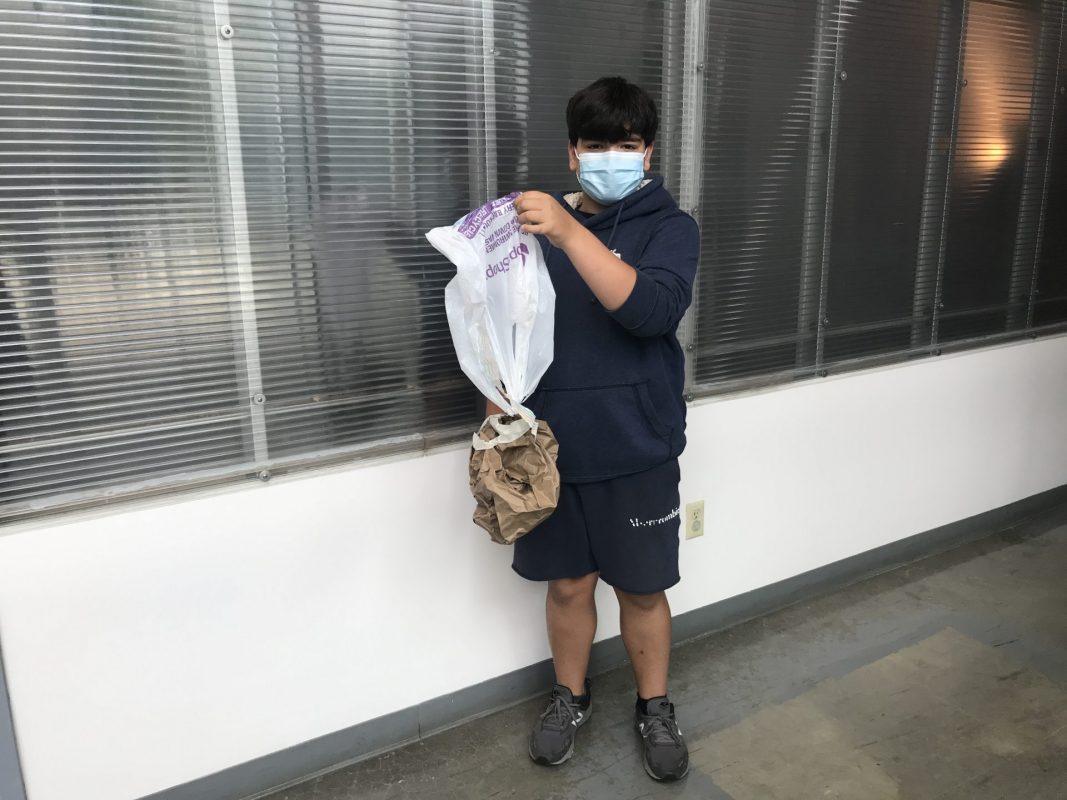
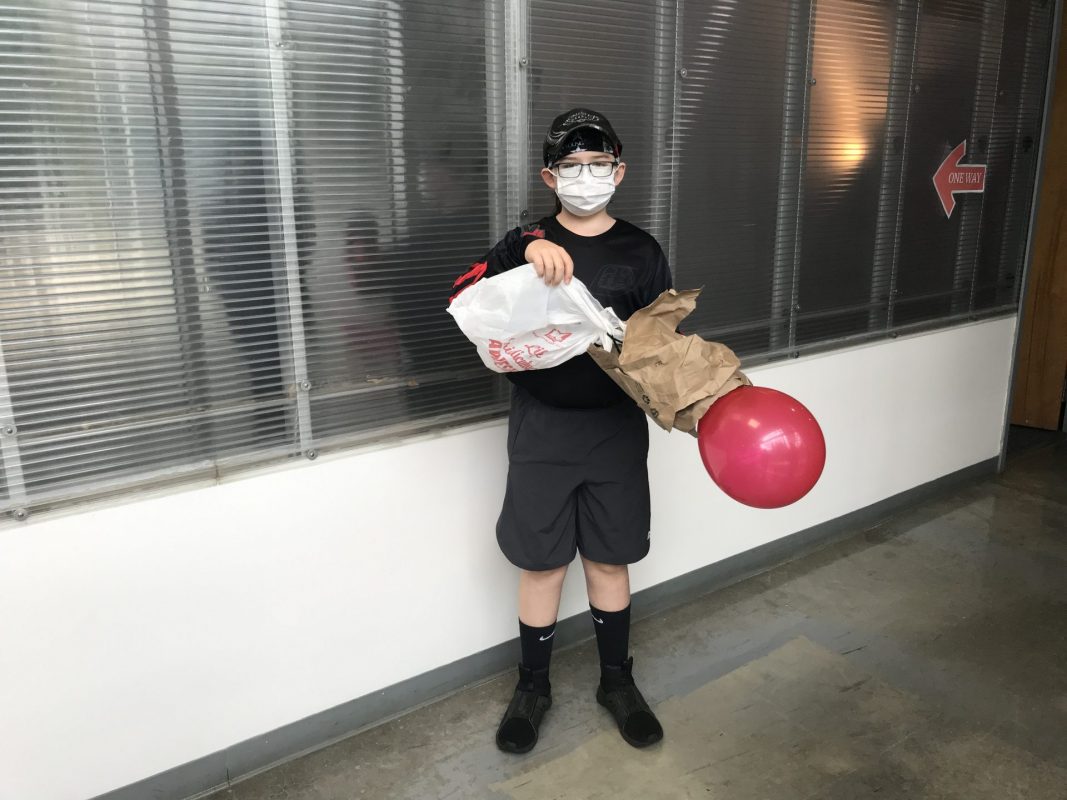
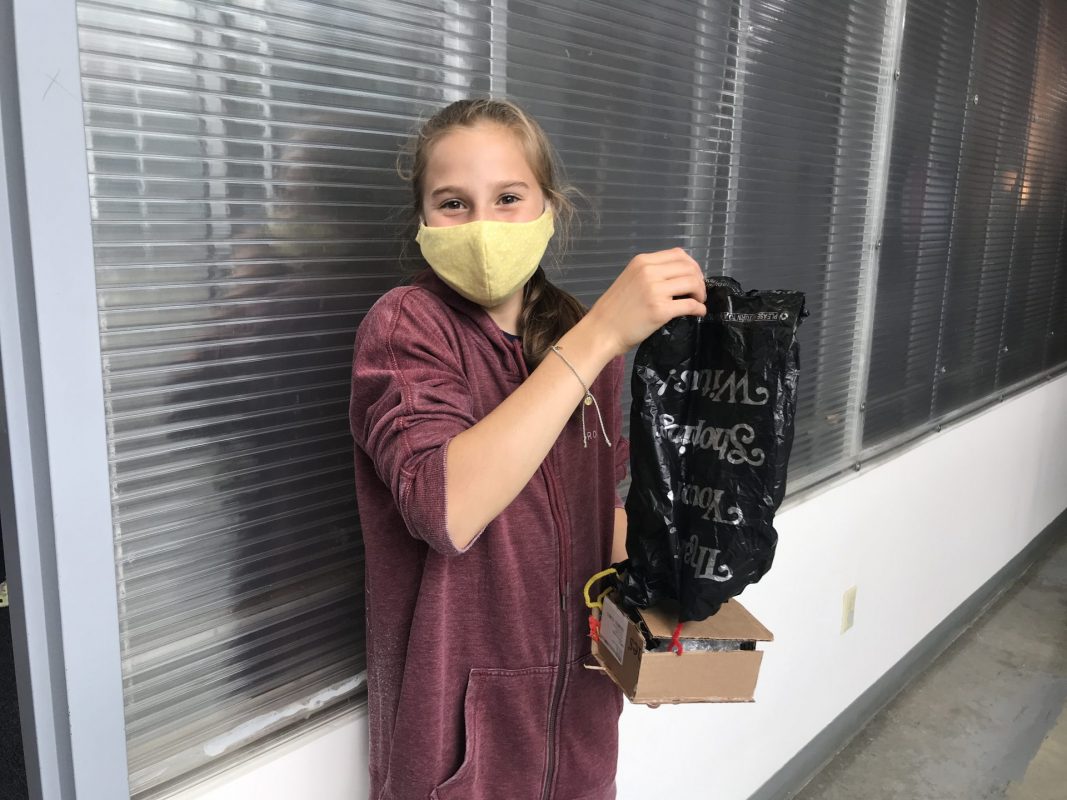
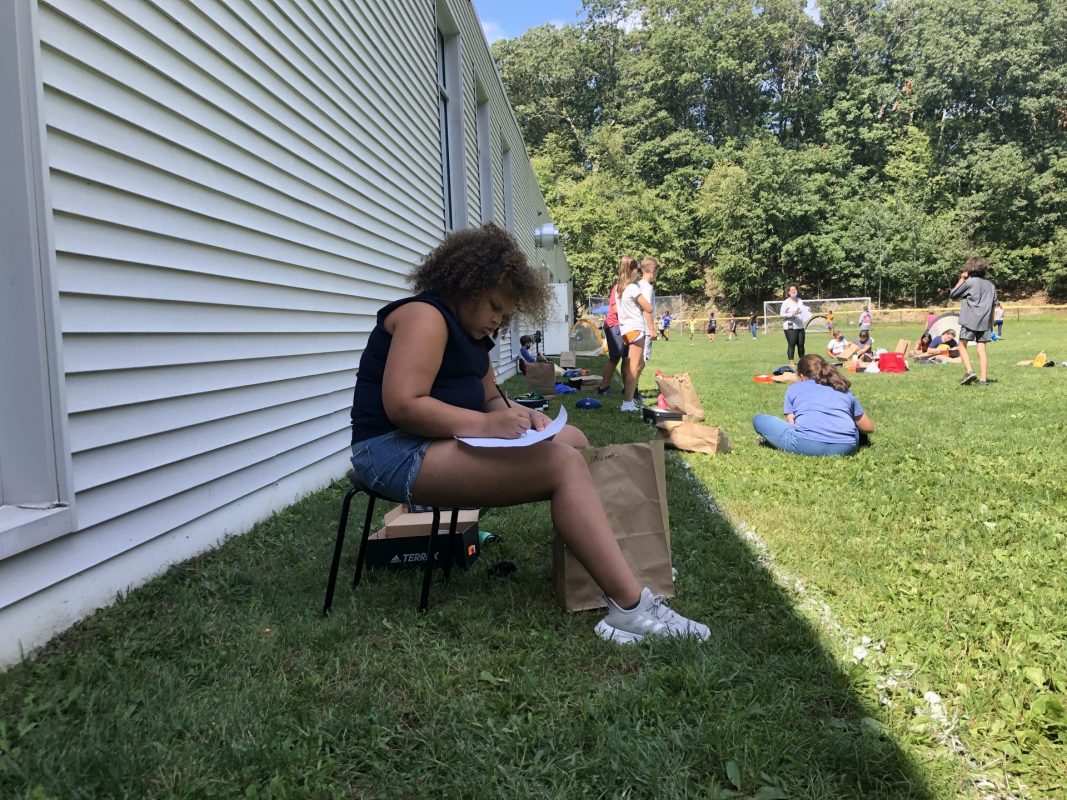
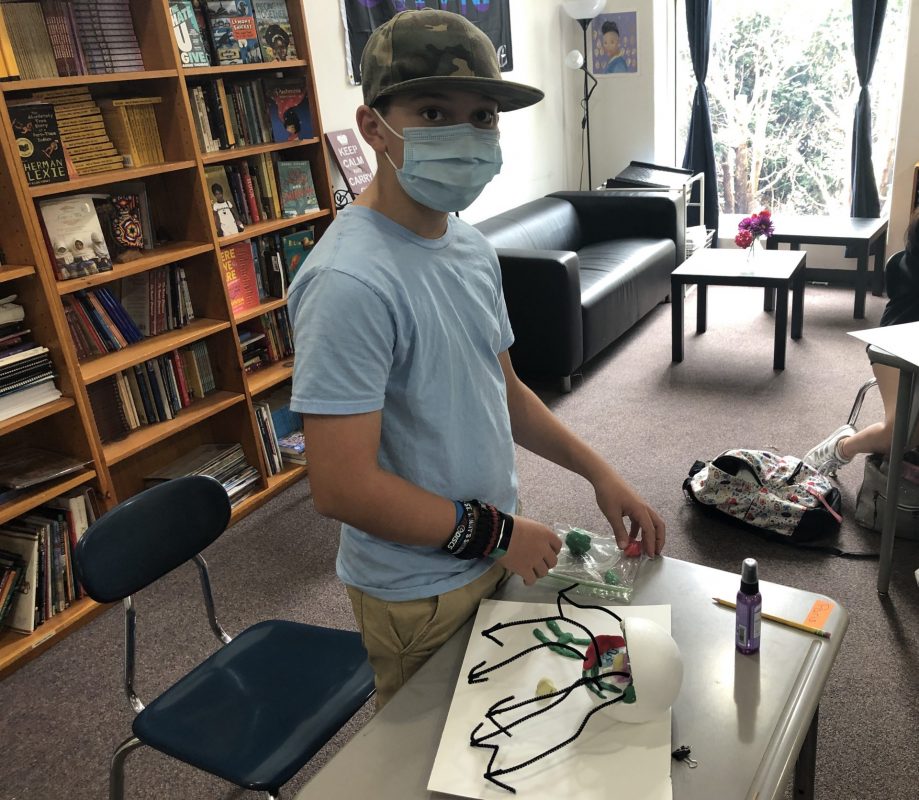
The activities planned for Fun Fridays have varied. The first week, students played Pictionary and Charades with topics that were designed uniquely for the Middle School. The second Friday, students relaxed and completed beautiful leaf rubs. The 3rd through 6th Fridays, students participated in an egg drop. The object was to design and build a vessel that could keep a raw egg intact once dropped from the roof of the school using only the materials provided in their materials bag: paper bag, plastic bag, rubber bands, pipe cleaners, empty paper towel tube, balloon, ribbon, bubble wrap, cardboard, popsicle sticks, and tape. Students designed during the first week, built during weeks two and three, and then dropped on the fourth Friday of the project.

All have looked forward to being outside together, but separately, during our Fun Friday activities. We look forward to our future Friday afternoons together!


Middle School: Week in Review

Happy Friday! Thank you to parents who joined us for Curriculum Night this week! It is an exciting night for us to give you a glimpse into our upcoming year teaching your children.

Science

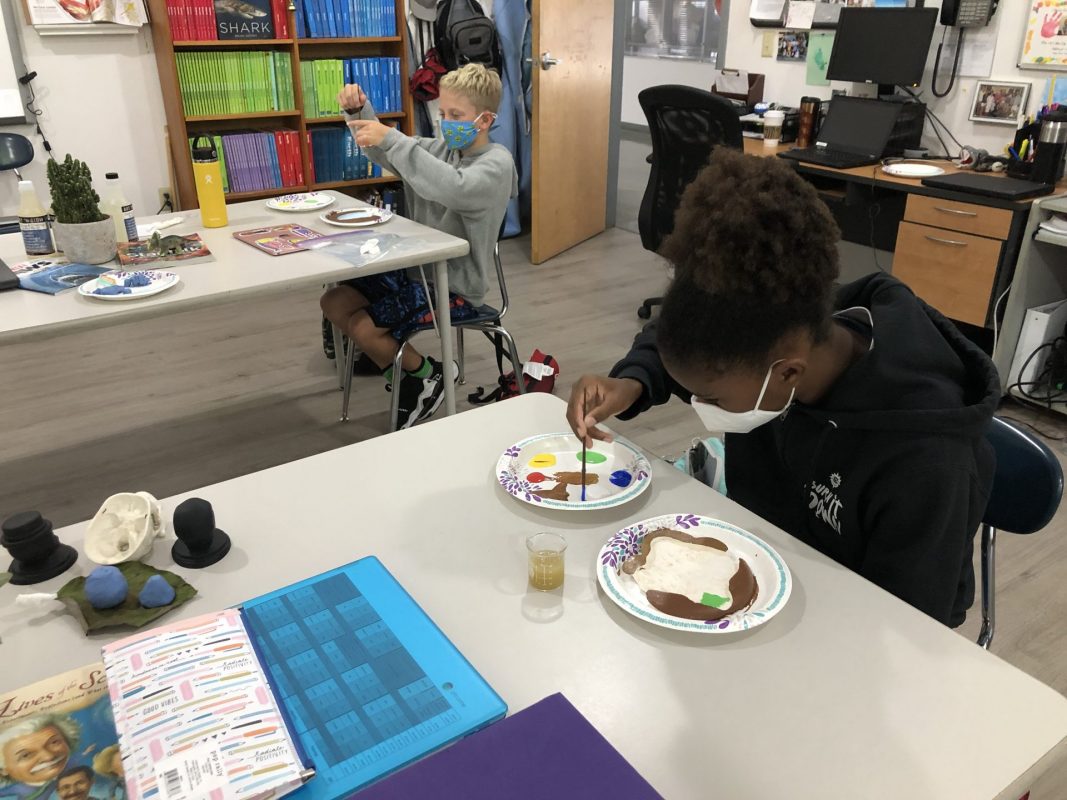
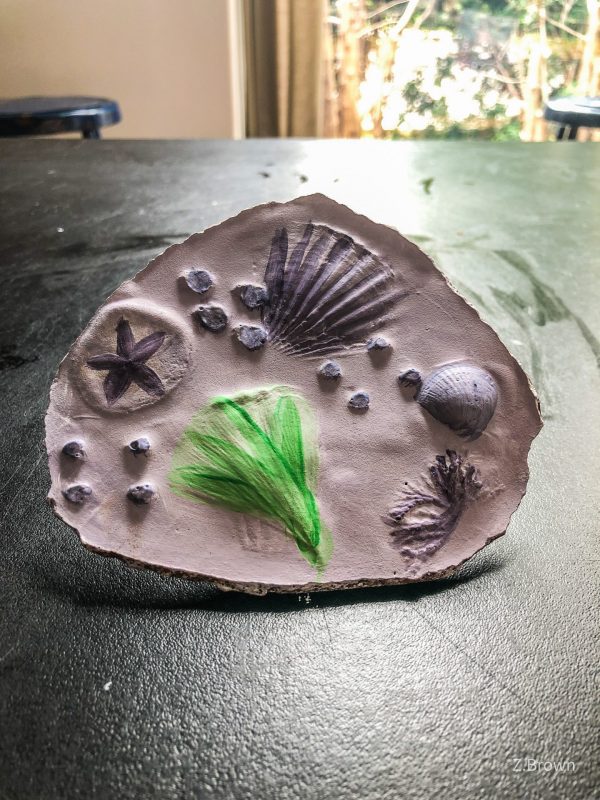
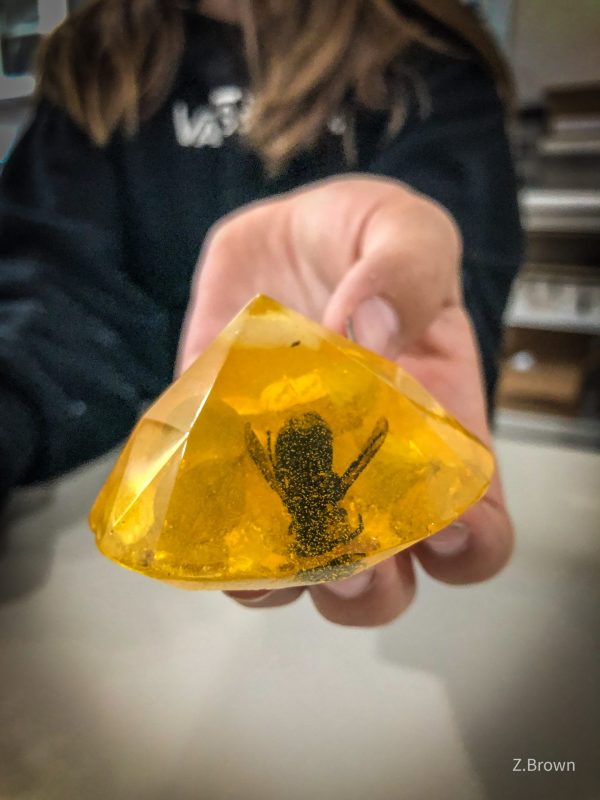
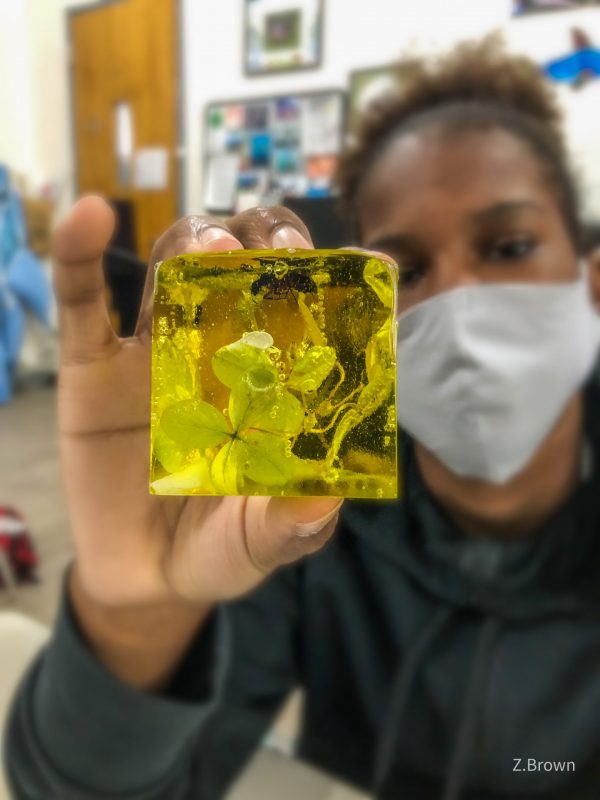
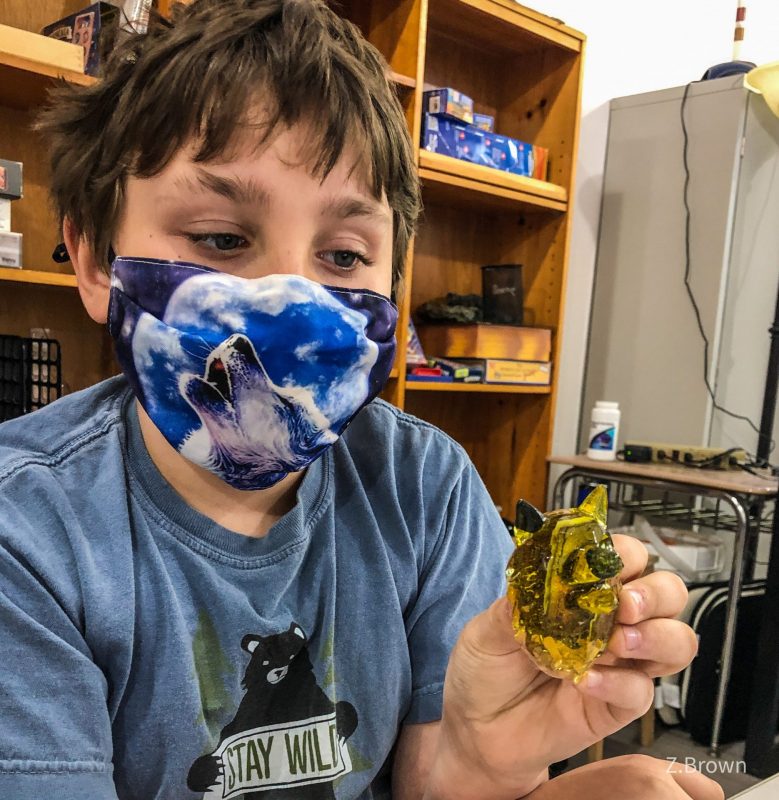
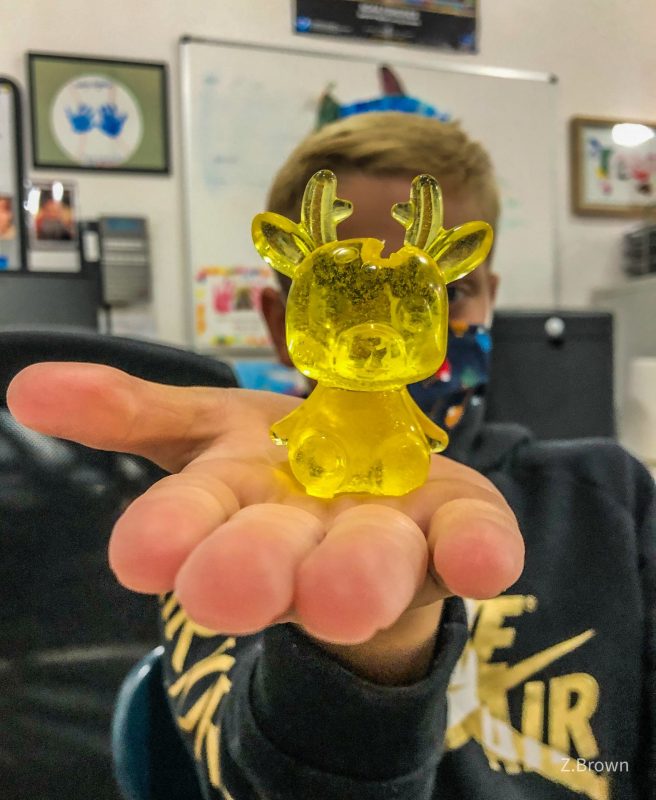
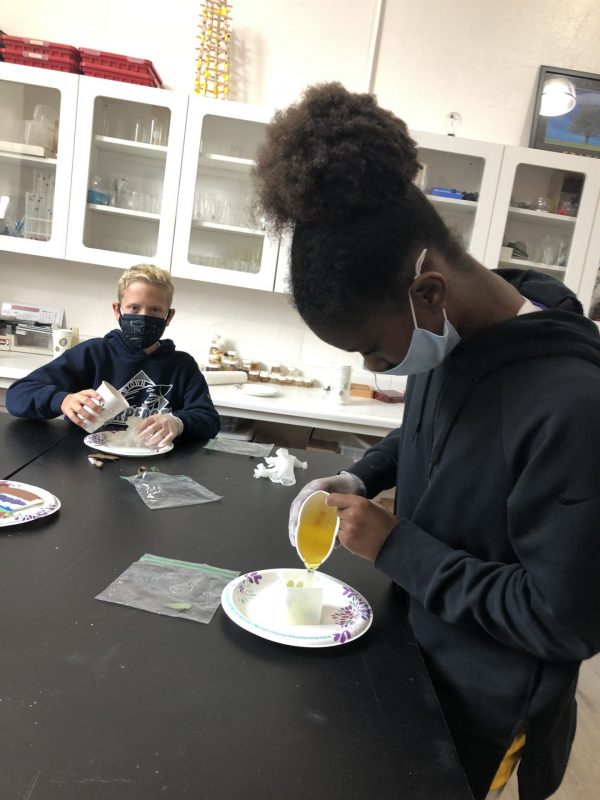
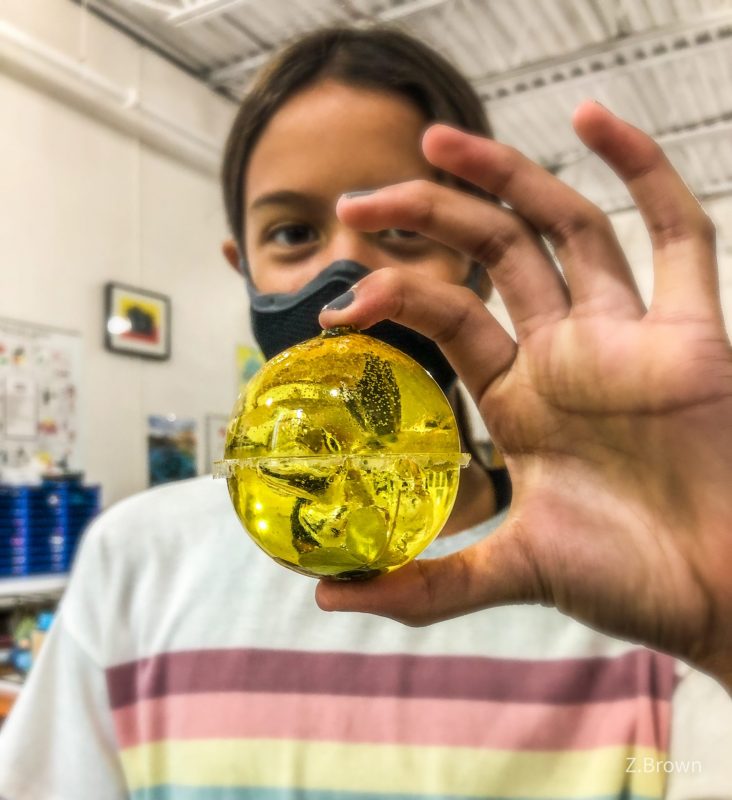
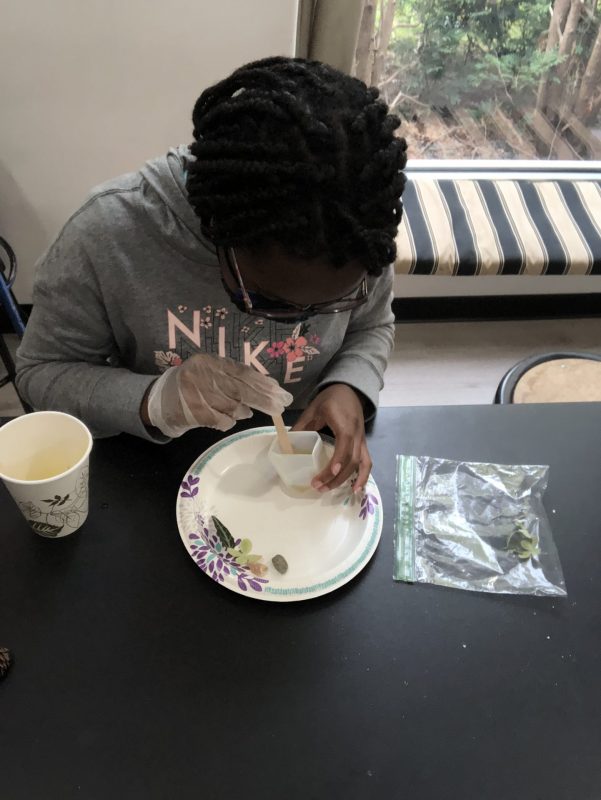
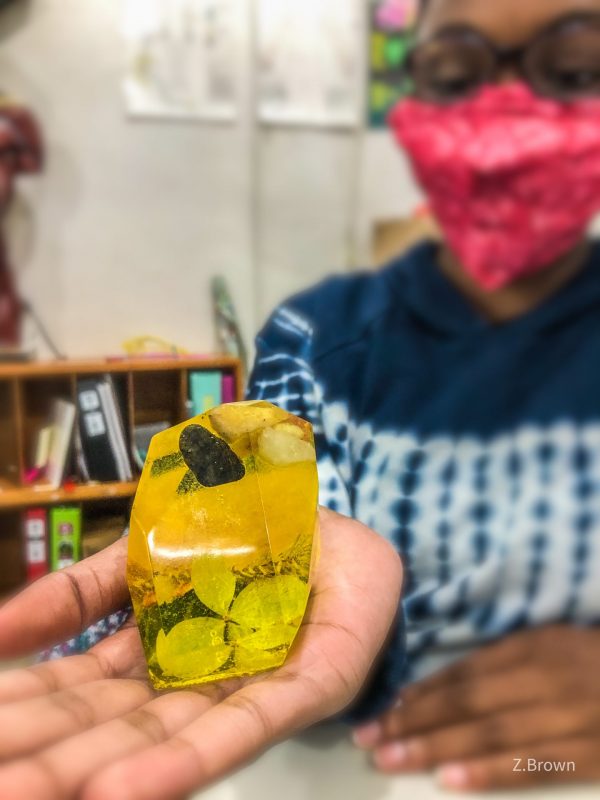
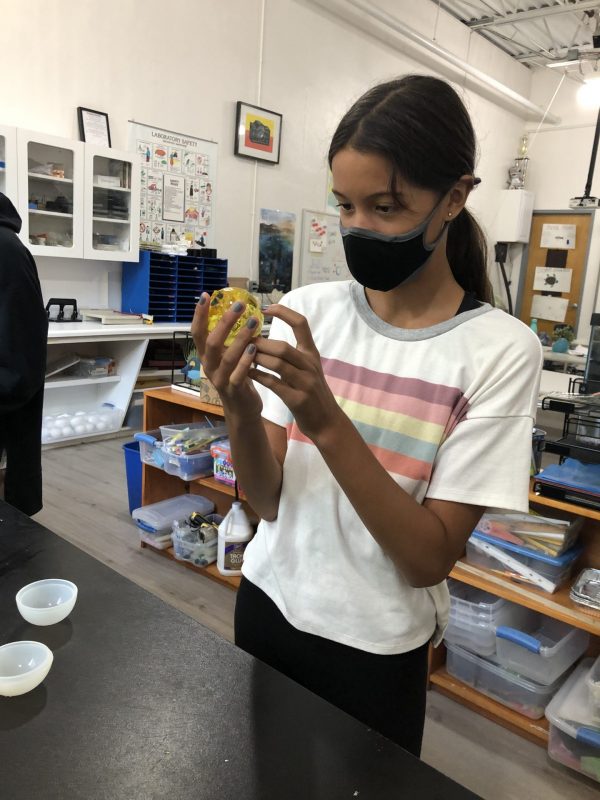
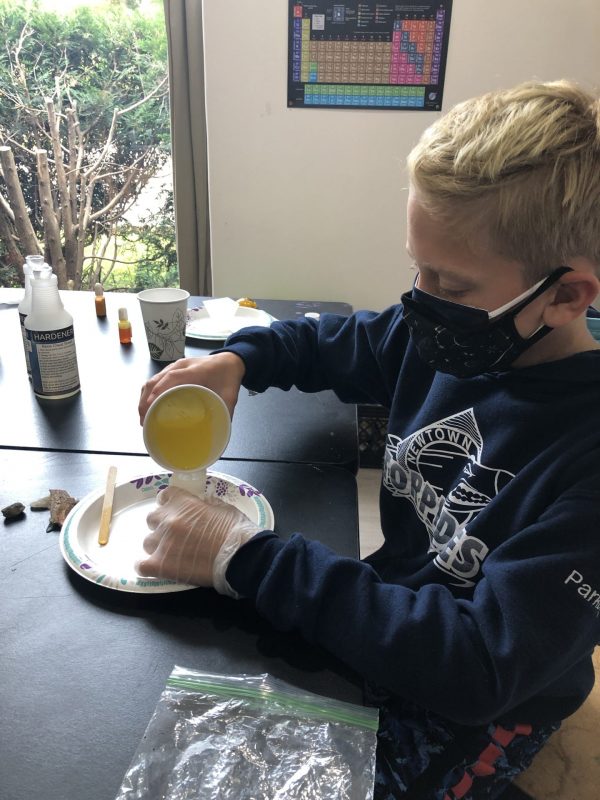
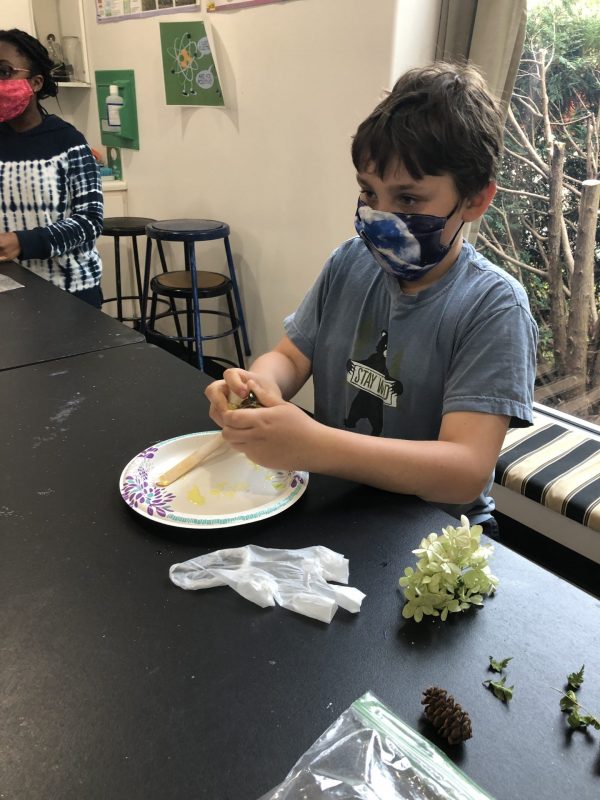
6th year Earth Science students have finished creating their representations of fossils in both plaster and amber. The next unit they will begin is titled, Earth’s Structures. By the end of this unit, students will be able to describe what plate tectonics are and that they have shaped and continue to shape our planet.

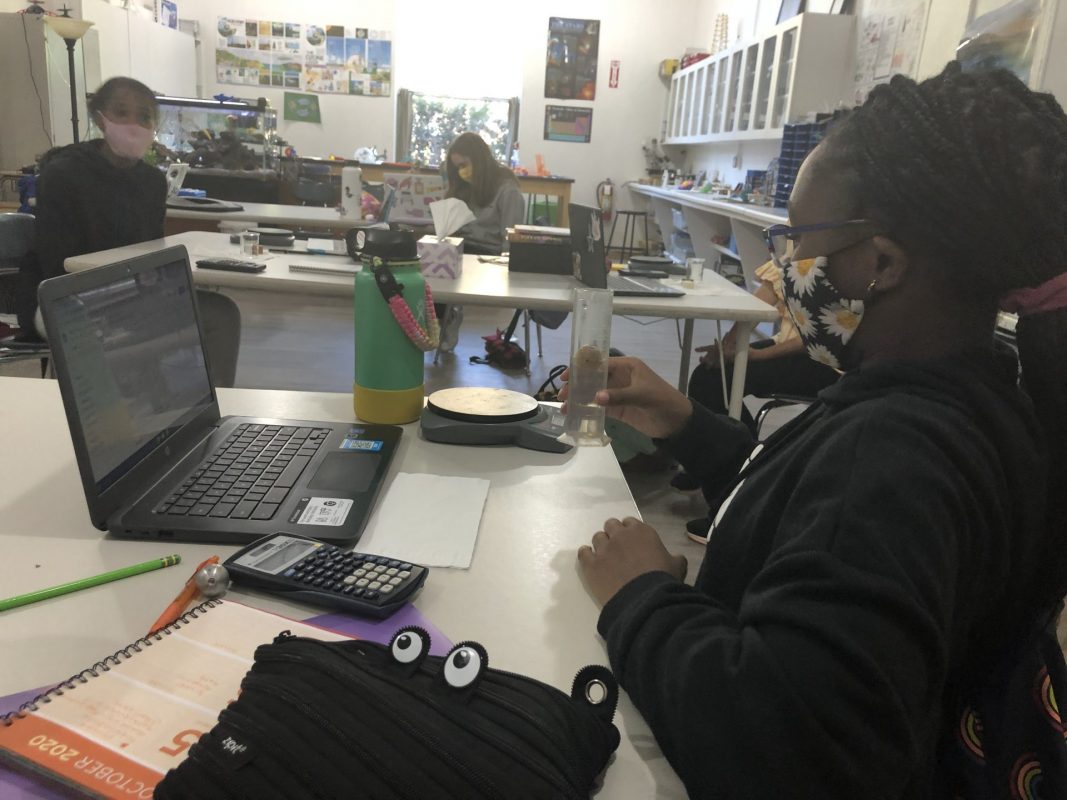
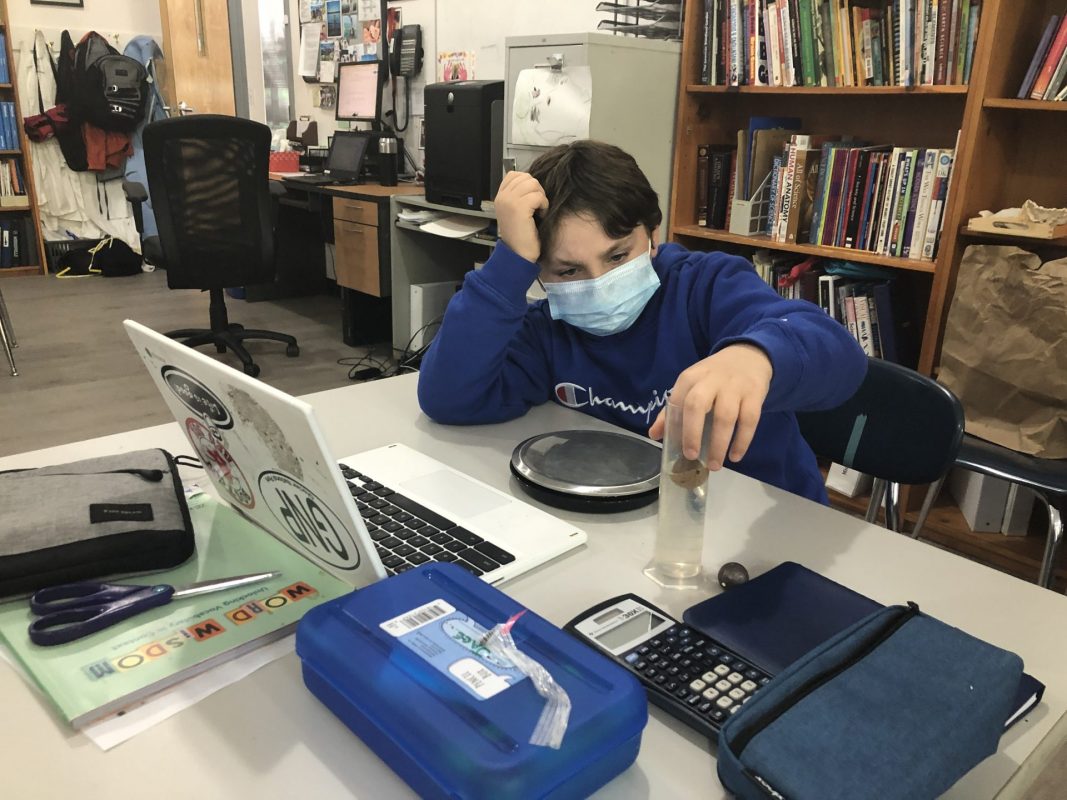
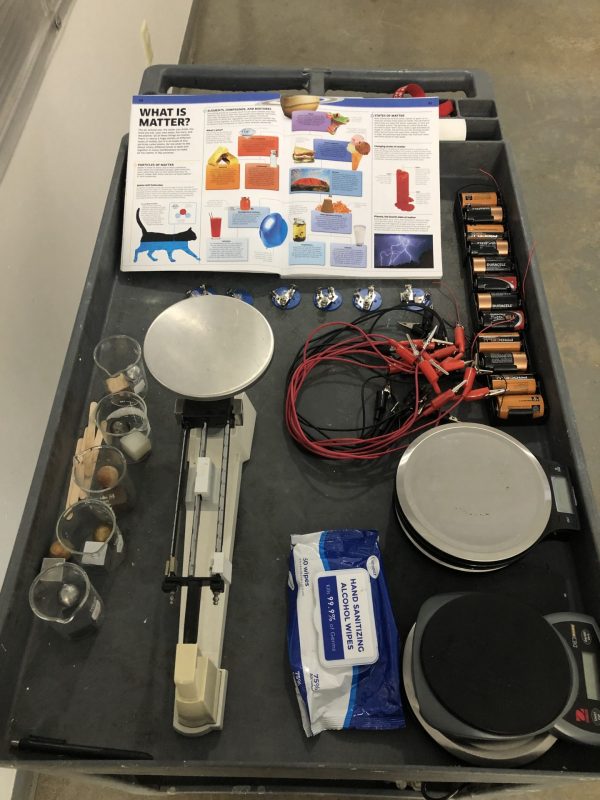
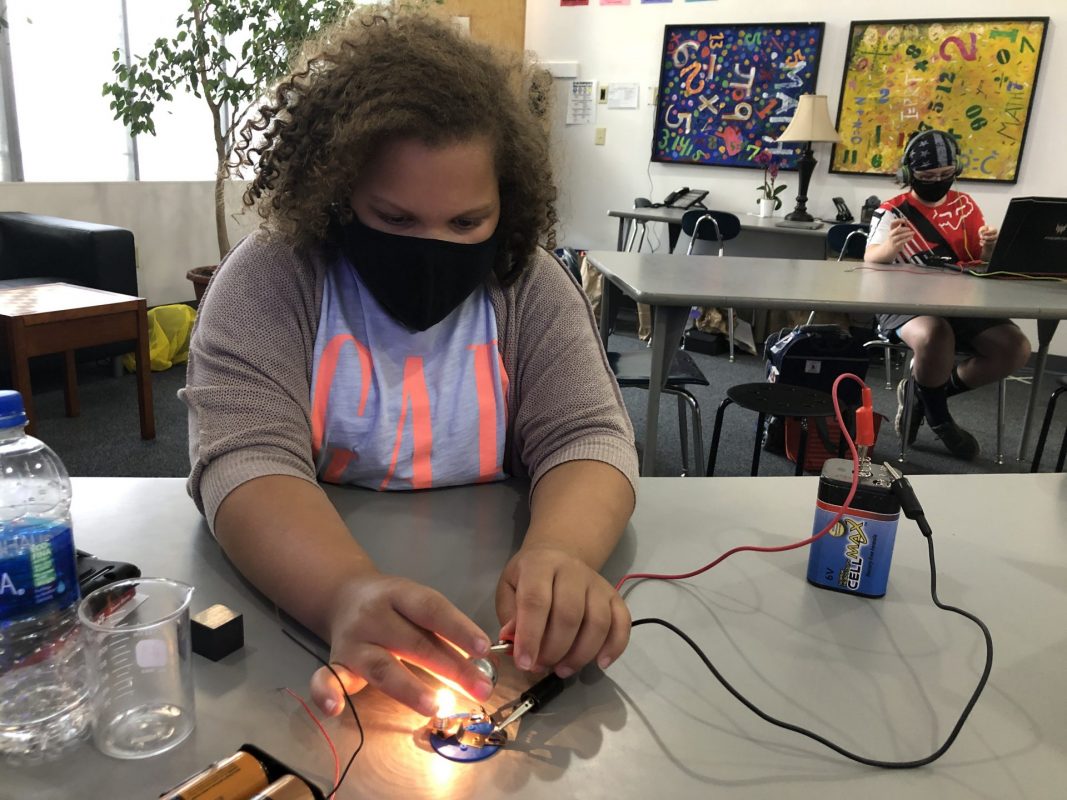
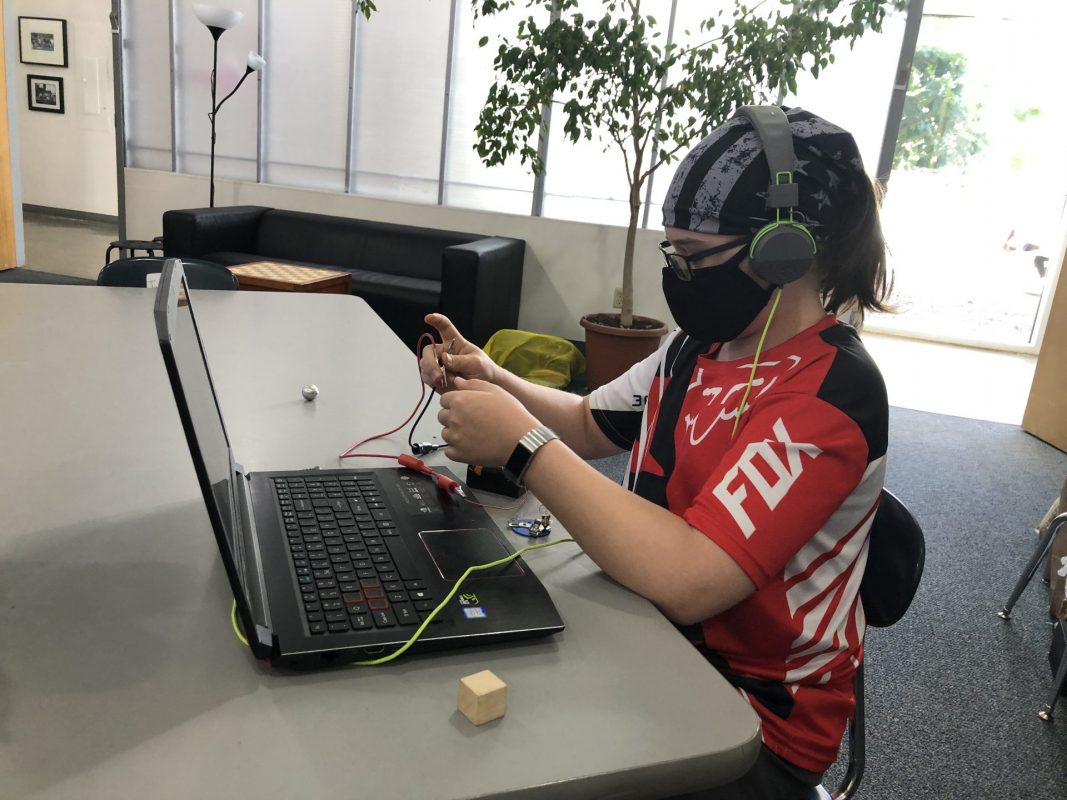
7th year Physical Science students are currently studying the unit Characteristic Properties of Matter. To start the unit, students are conducting experiments which highlight the characteristic physical properties of such items as wooden spheres and metal cubes. They test the density, malleability, hardness, and electrical conductivity. 

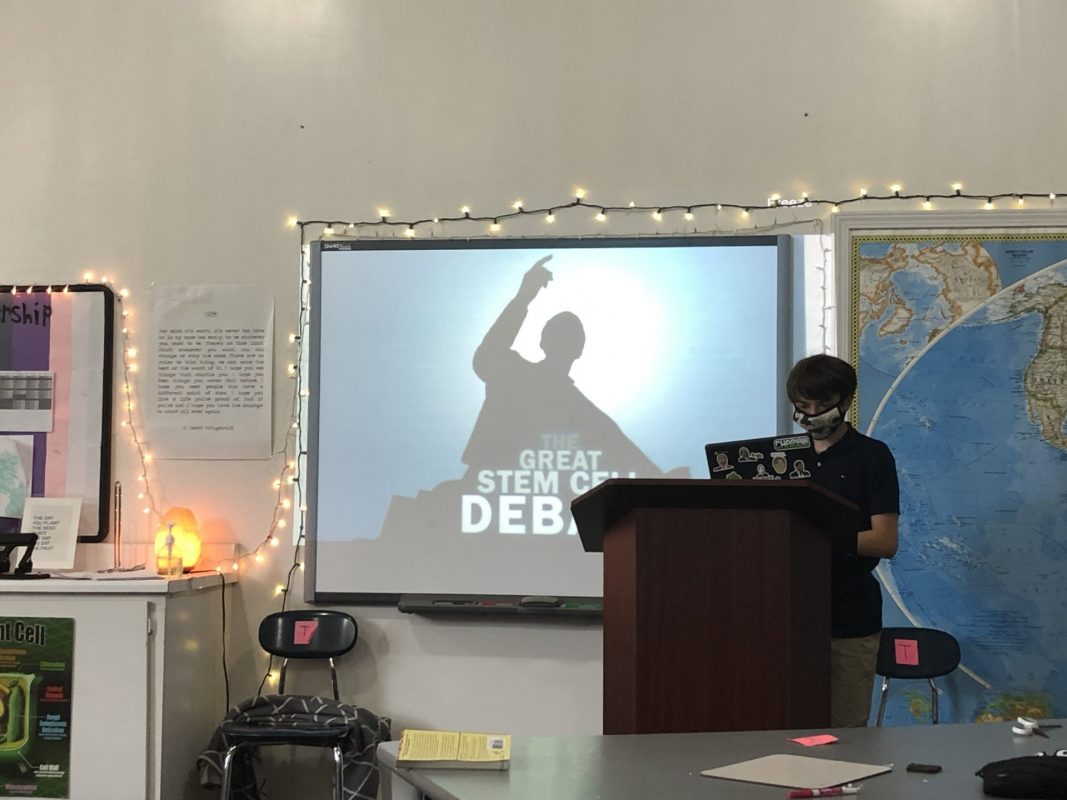
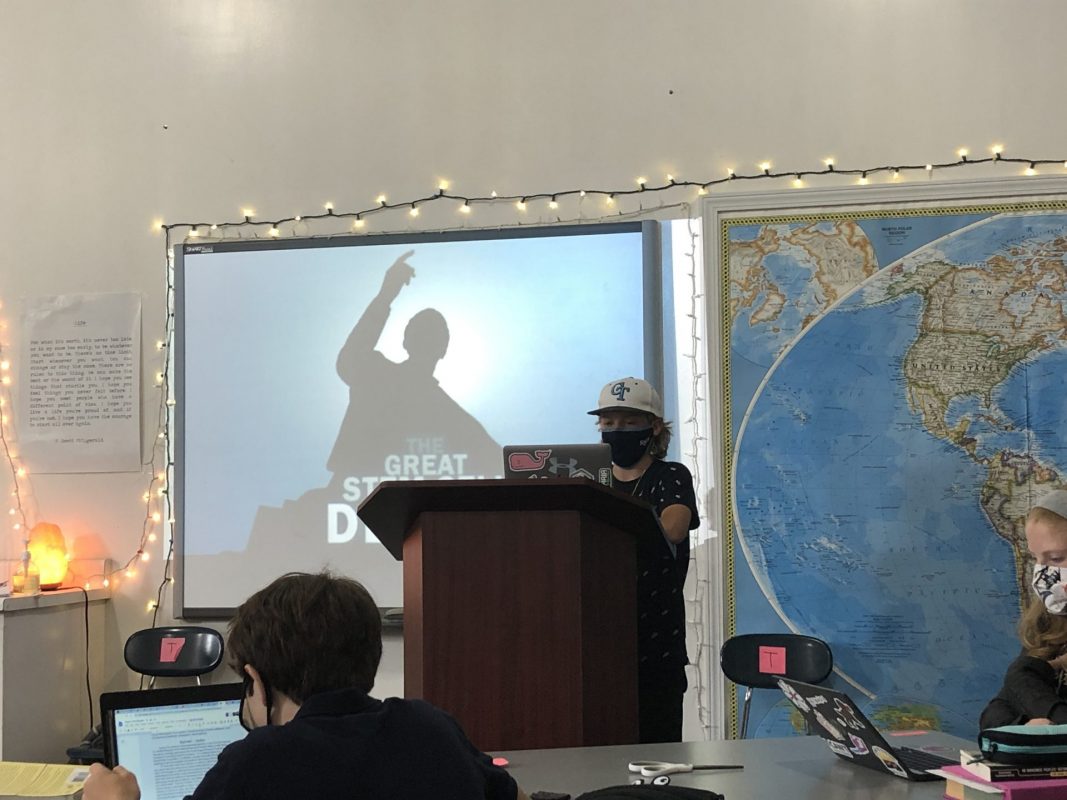
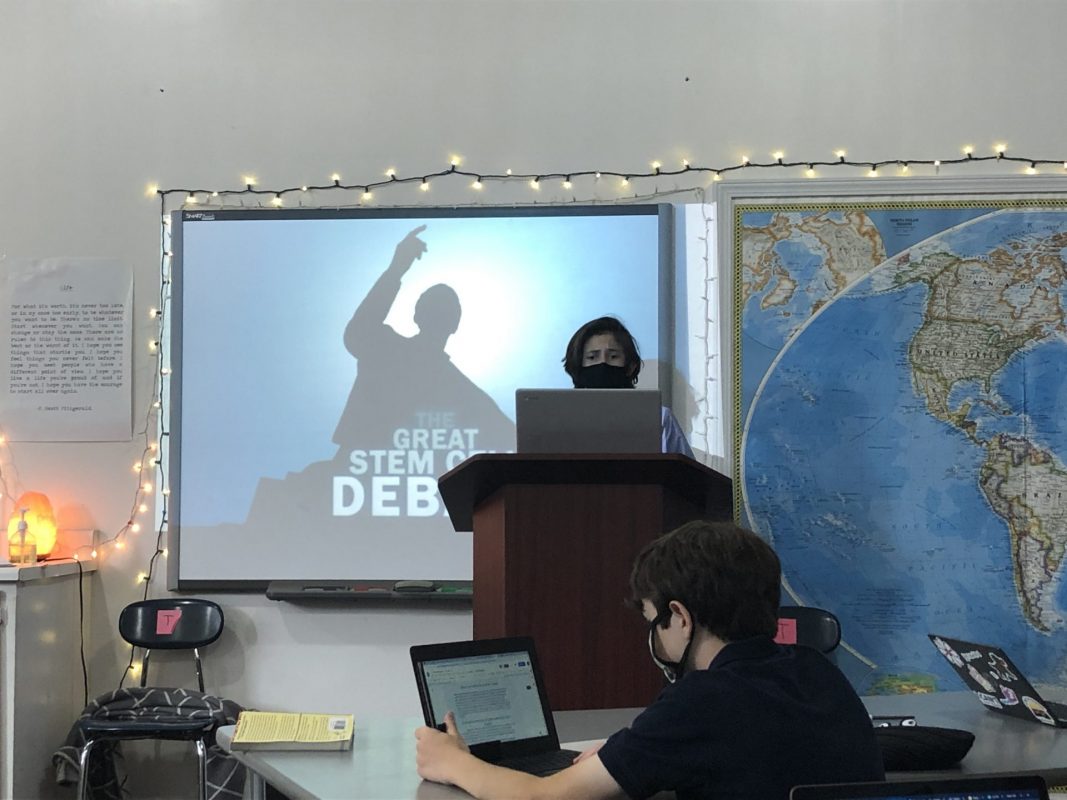
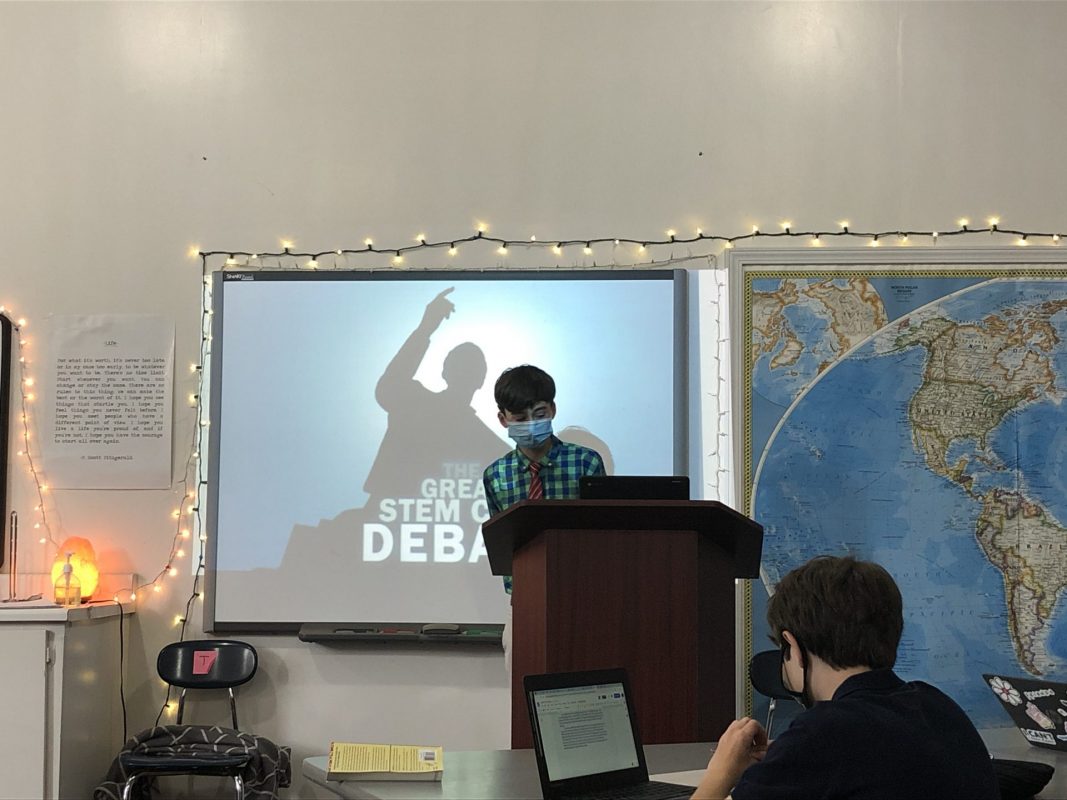
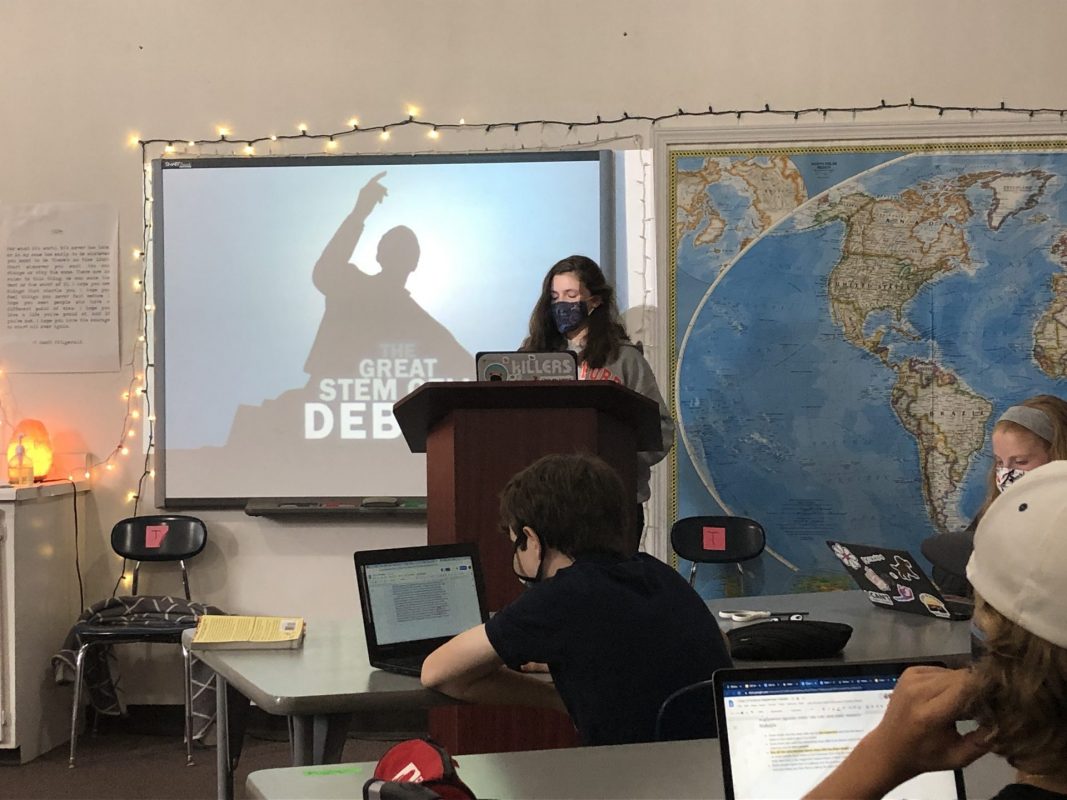
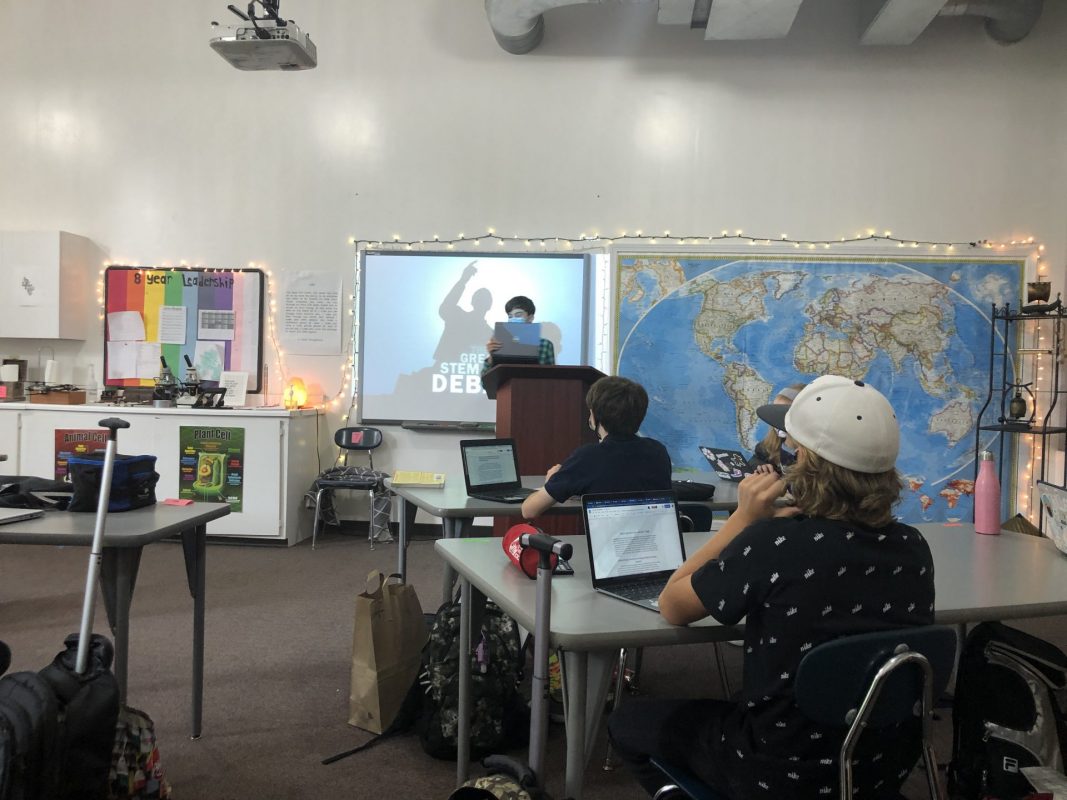
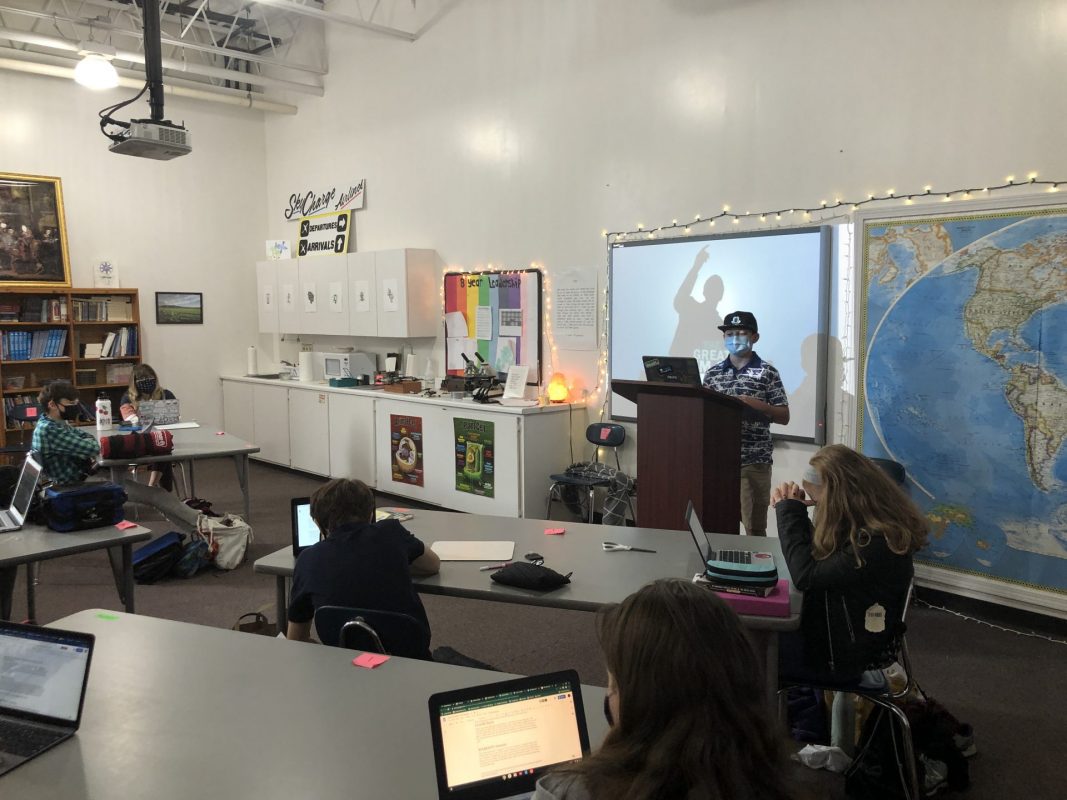
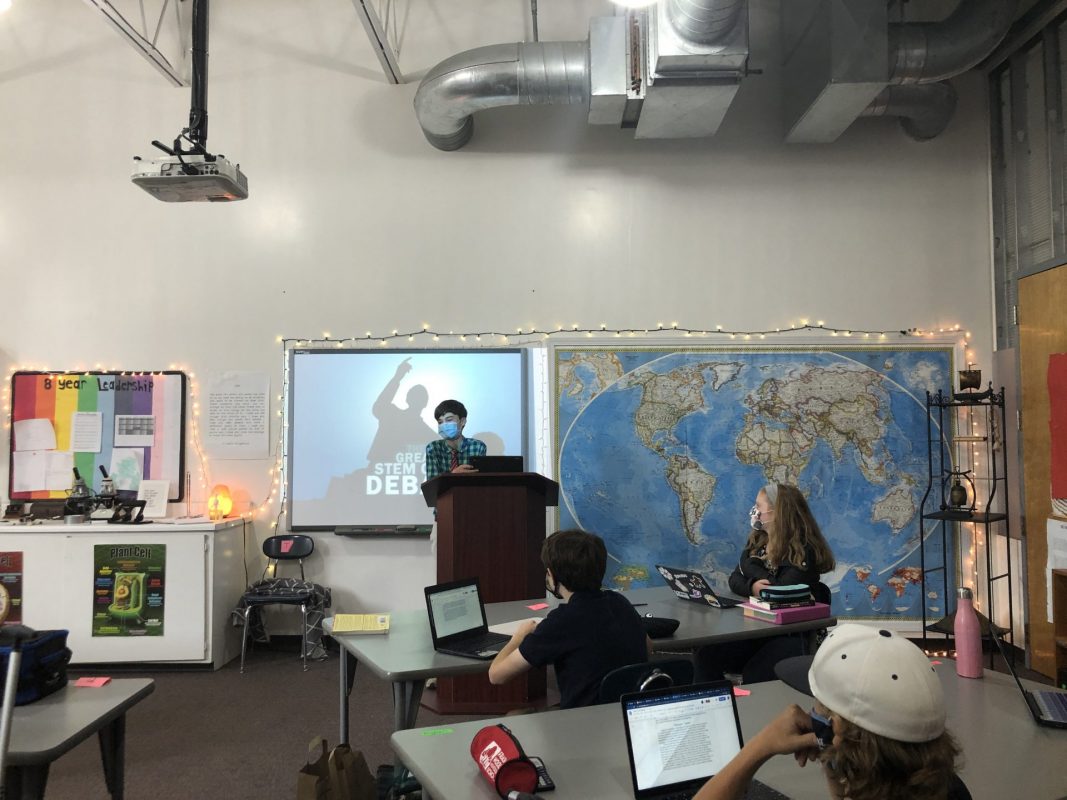
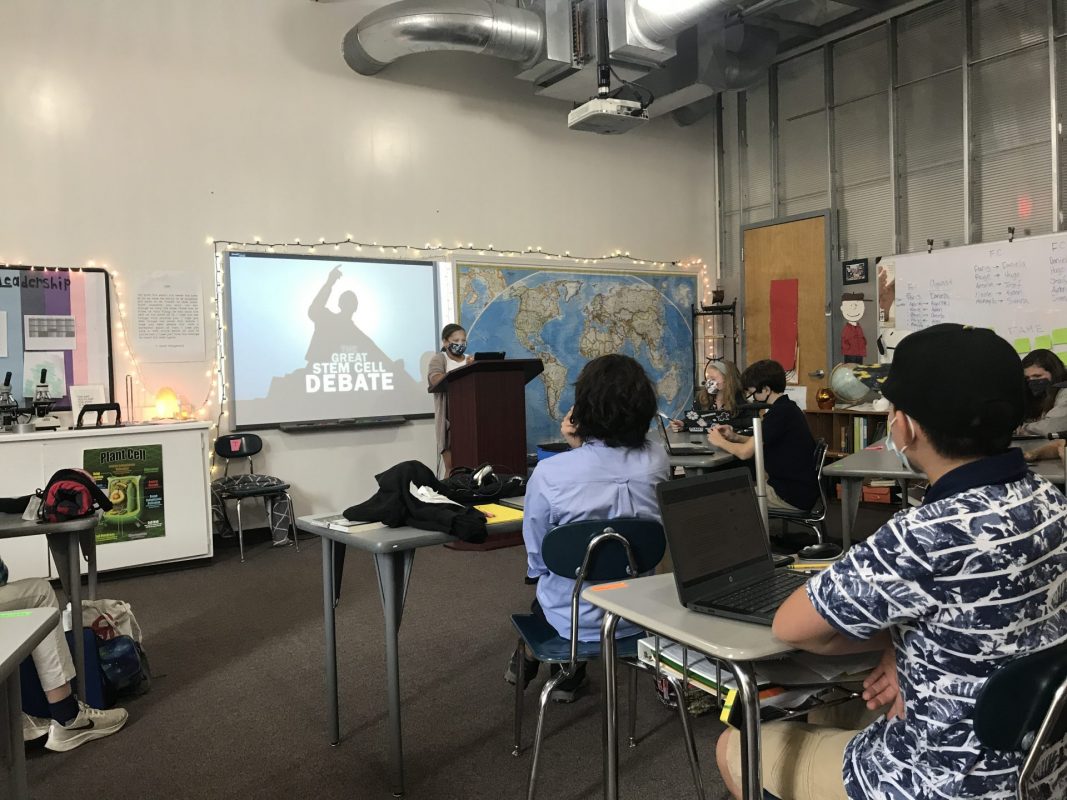
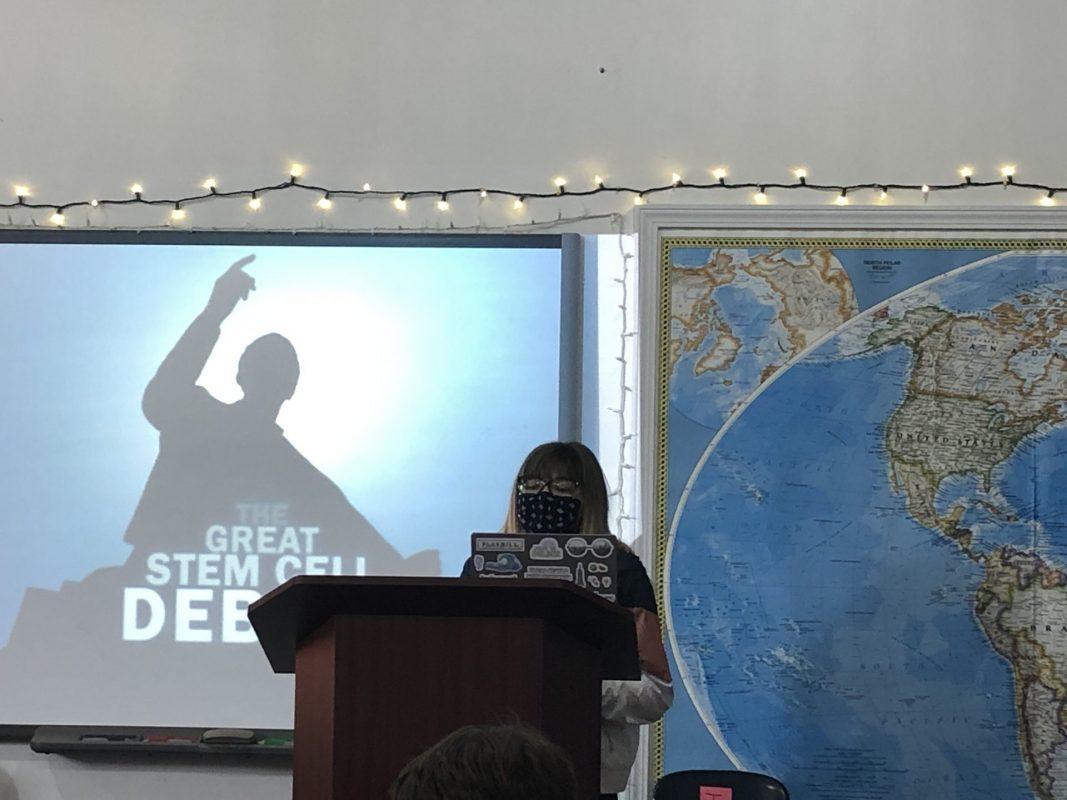
8th year Life Science students have continued to research their topic and fact check the opposing side’s warrants in preparation for their debate about stem cells. Students have done an excellent job collaborating with one another while taking ownership of their personal responsibility. 
Math
This week, all math classes started working through Chapter 2 of The University of Chicago School Mathematics Project Textbooks. In each class, students discussed the importance of staying organized as they move onto the next series of lessons. Students are encouraged to keep their graded worksheets in an appropriate section of their binder or store them in a safe place at home. The following is a summary of what each class accomplished this week.
In Pre-Transition class, students were able to identify place values in a decimal number and compare decimals using inequality symbols. Students can draw and measure lengths in the metric system, as well as round any decimal to the indicated degree of accuracy.
In Transition class, students were able to give an instance of a pattern described with variables. Students are learning how to evaluate an algebraic expression when given a value to substitute in. This class has also become comfortable with representing a relationship between two variables using a table.
In Algebra class, students were able to practice using the distributive property to simplify algebraic expressions. This class can now prove equations are equivalent by using graphing technology and solving by hand. These students have started to learn about the multiplication property of zeros and the importance of opposite values.
In Geometry class, students were able to distinguish between convex and non-convex shapes. This class can interpret a Venn diagram, write true conditional statements, and can apply properties of conditionals to real world situations.
Mathy Joke for Mathy Folks: Why is the obtuse triangle always so frustrated?……Because it’s never right.
Humanities
This week in Humanities classes, all completed vocabulary units. 6th year students also worked on their paraphrasing skills and  spent time learning how form in writing can dictate meaning using poetry by E.E. Cummings to demonstrate. The 7th year Humanities classes now understand the differences between capitalism, socialism, and communism, and what they look/have looked  like in the world. They looked at how the People’s Republic of China was established by Mao Tse-Tung’s takeover of Chiang Kai-shek’s regime. Finally, the 8th years used the book, An Indigenous Peoples’ History this week to read about the time in Europe during the Crusades that brought about the establishment of European cultural ideals which were later brought to the Americas during colonization.
Have a great weekend,
The MS Team
Middle School: Feeling Like Fall

Happy Friday, everyone! Another busy and beautiful week has gone by. Here is what the Middle School is up to!

**NOTE: The weather is turning cooler, and we still plan to spend just as much time outside! Please ensure your child is dressed for the season!

Math
This week in math class all groups concluded their study of chapter 1.
The Pre-Transition class has been focused on practicing effective study techniques in order to help them stay organized and feel prepared for their first summative assessment. This class learned all about using fractions in the real world, identifying integers, ordering fractions, and converting between mixed and improper fractions. The Transition class has been focused on solving order of operations questions, identifying the base and exponent in a power, and practicing how to write a large value in scientific notation. The Algebra class has been working on describing patterns using variables, evaluating similar expressions through Desmos, and solving absolute value problems that involve substitution. The Geometry class has been learning about graph theory, Euclidean geometry, and the betweenness postulates and theorems.
There is no Tuesday after school help this year. Please encourage students to email Ms. Sutherland in the evenings if they need assistance.
Mathy Joke for Mathy Folks:  Who is in charge of the pencil case? ….The Ruler!
Science
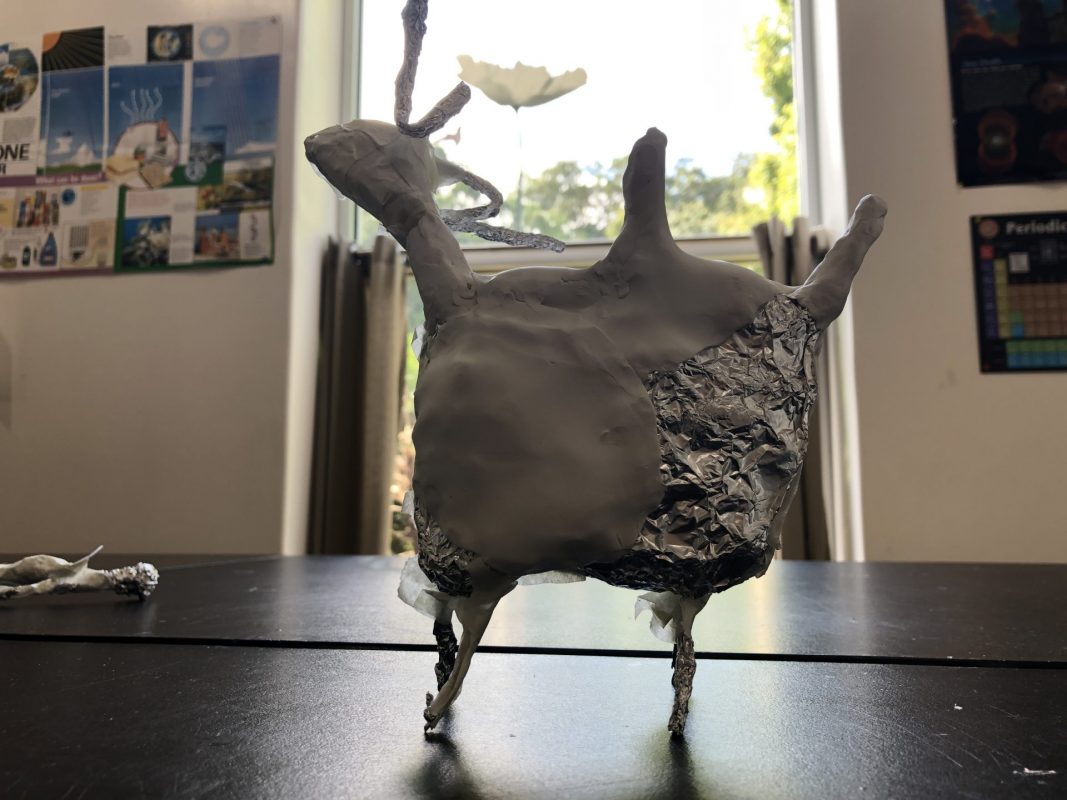
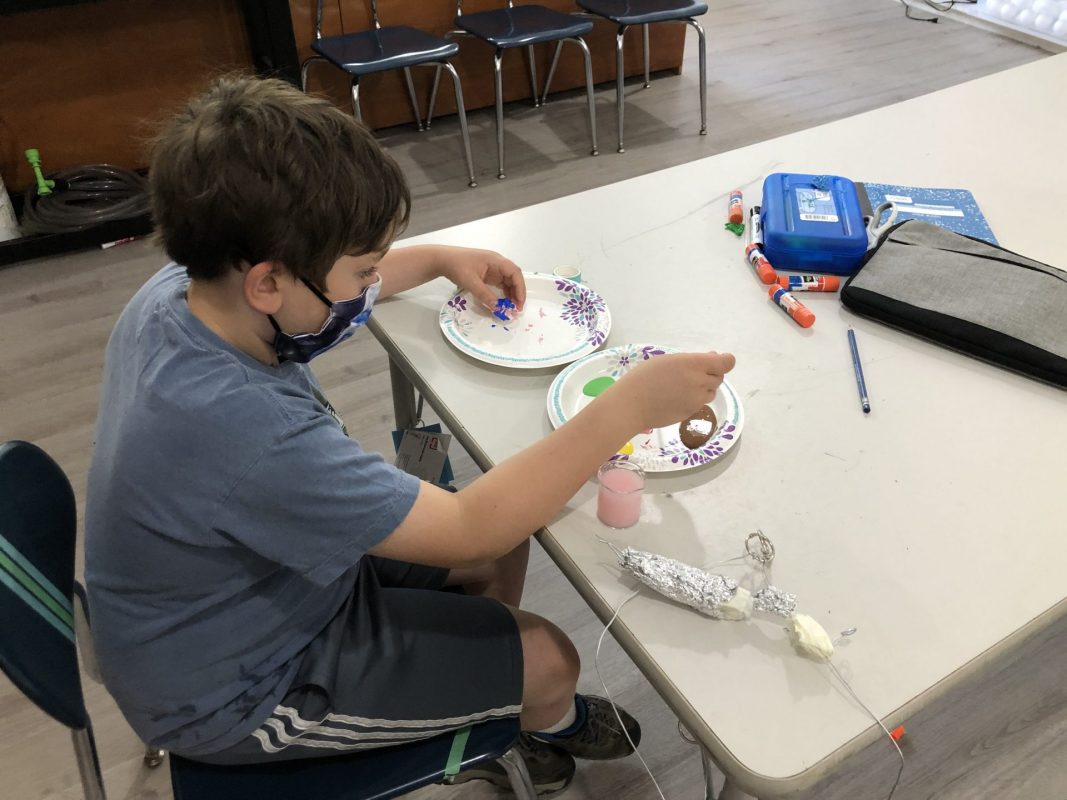
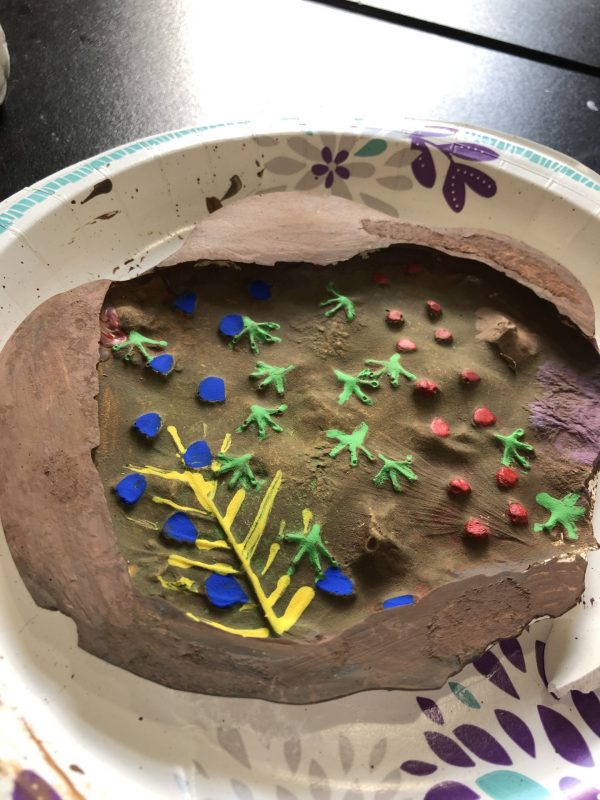
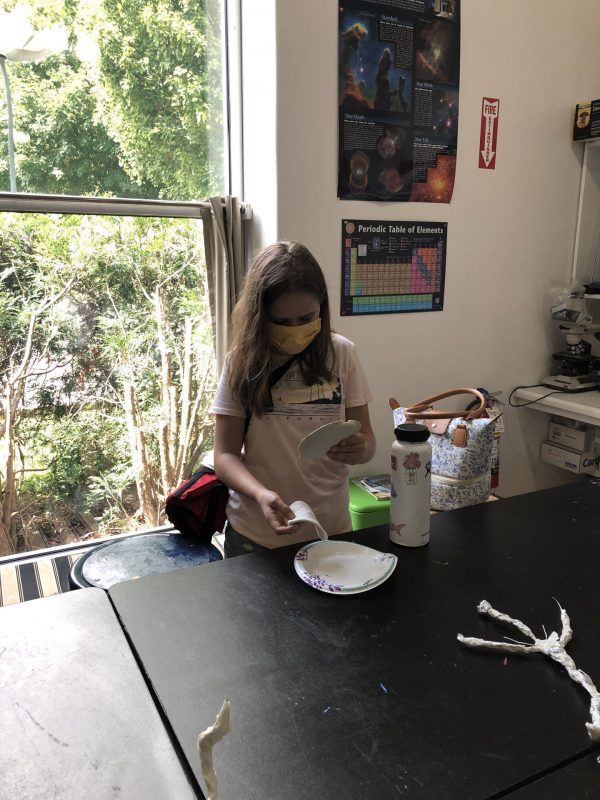
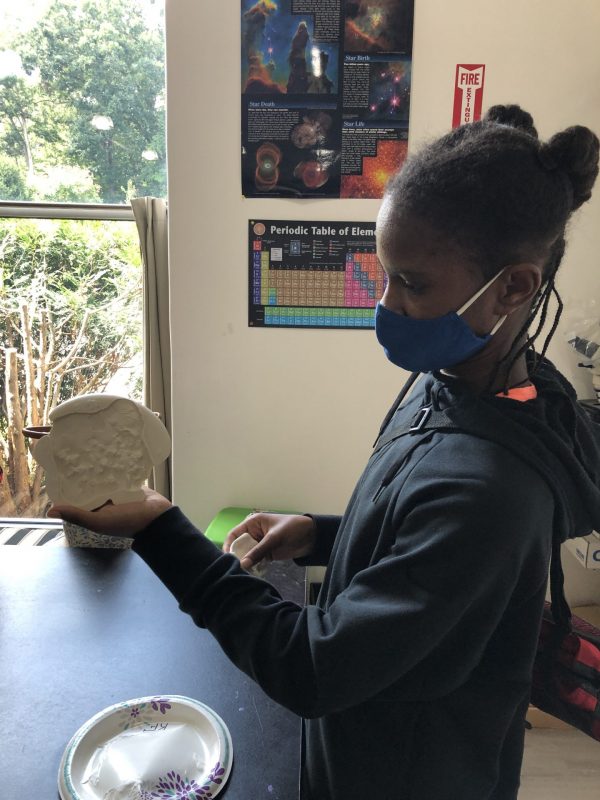
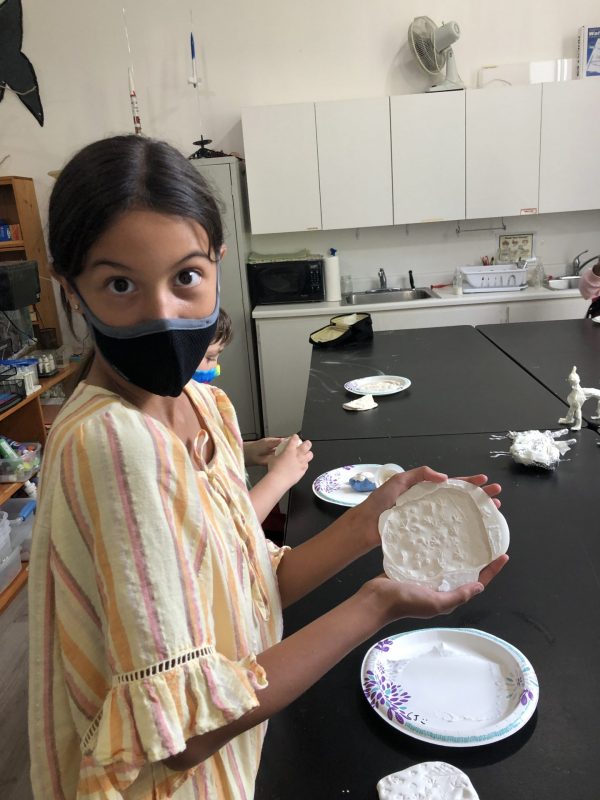
6th year Earth Science students have finished building and designing their fossils made from plaster and resin as part of their unit on fossils. Students made impressions in clay using a variety of objects from home and nature. These impressions resulted in a mold which they later poured plaster in to make a cast. Students were then asked to paint their fossils and create a story, depicting how their fossil was created using terminology introduced from their tech-book.
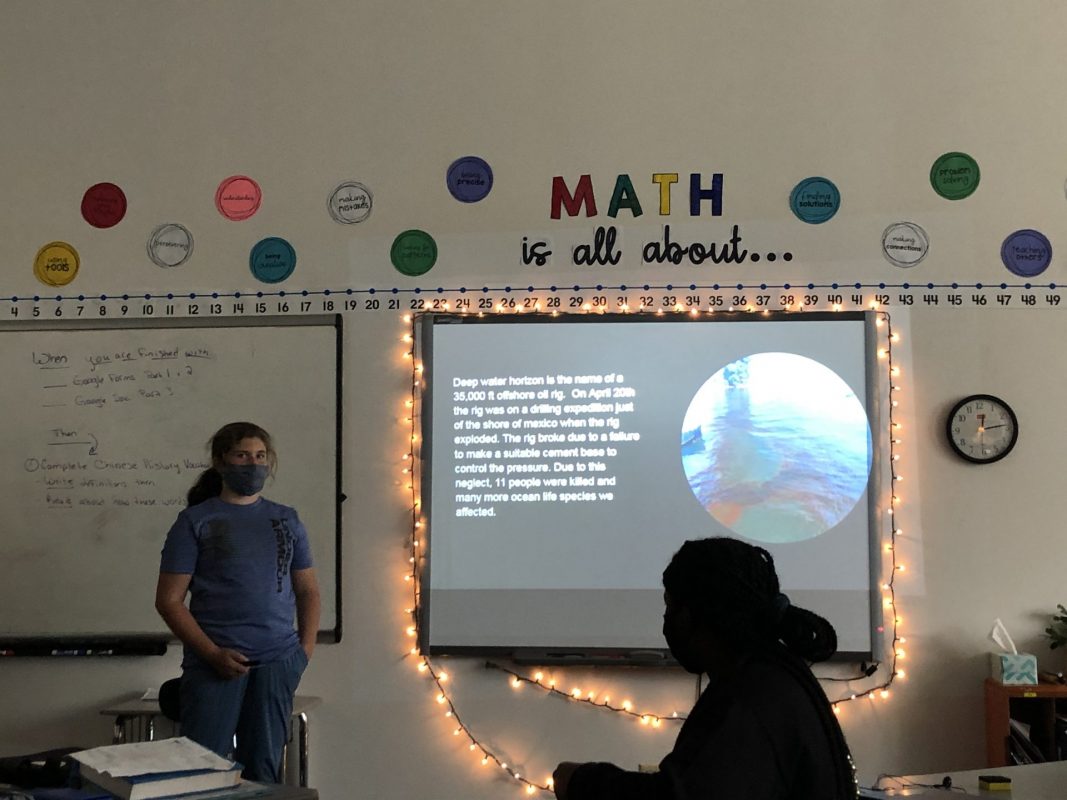
7th year Physical Science students have been gathering information through a variety of resources which support how the separation and mixture process is a part of our everyday lives. Students conducted a report and presentation on the Deepwater Horizon oil spill of 2010 and how garbage companies and sewer treatment plants continue to apply methods and techniques of separation.
8th year Physical Science students are beginning to research their side to debate the usage of stem cells. Students will be required to provide a claim, warrant, and impact, supporting their cause on the topic. Upon completion of their research, each side will state their case in the form of a debate.
Humanities
It was a current events week for all! There were many exciting topics and discussions. Mrs. Lamb is proud of all of the mature discussions, especially from the 6th years as they presented their first-ever current events topics.
This week, 6th years continued their exploration into Mexican culture by learning about the value of food (corn as a crucial ingredient and the importance of preparation). They also learned about various art forms, especially from Oaxaca, including textiles, metal work, and Alebrijes (wood carvings). They also learned even more about Noche de Rabanos (Night of the Radishes). With writing, the students worked on identifying main ideas and summarizing nonfiction text. They also wrote their own William Carlos Williams-inspired poetry after reading “The Red Wheelbarrow” and a few of his other poems. They learned that inspiration can come from what is right in front of us.
7th years continued their study of China. This week, students particularly focused on the Qing Dynasty (the last Chinese dynasty to rule). They learned about the Opium Wars, Taiping Rebellion, and the Boxer Rebellion. As they move into the Republic of China and People’s Republic of China, students are learning about the economic systems of Capitalism, Socialism, and Communism. 7th year students also read Pablo Neruda’s “Ode to the Apple” and wrote their own odes to everyday objects. This was especially fun because students wanted to share their poems anonymously and have their classmates guess which was theirs. They were surprised and impressed by each other’s writing styles!
Finally, 8th years began both A Different Mirror for Young People: A History of Multicultural America and An Indigenous Peoples’ History of the United States for Young Readers. They studied theories of human migration, early American civilizations and nations (Aztecs, Mayans, Olmecs, Mound Builders, Puebloans), and the idea of the master narrative. We discussed what it looks like to be an American and defined appropriation.
We hope you have a beautiful weekend!

Please remind your child to wear something BLUE on Monday, September 21 to recognize and celebrate the International Day of Peace.  Blue is the universal color of peace.


Middle School: Highlight on Advisory

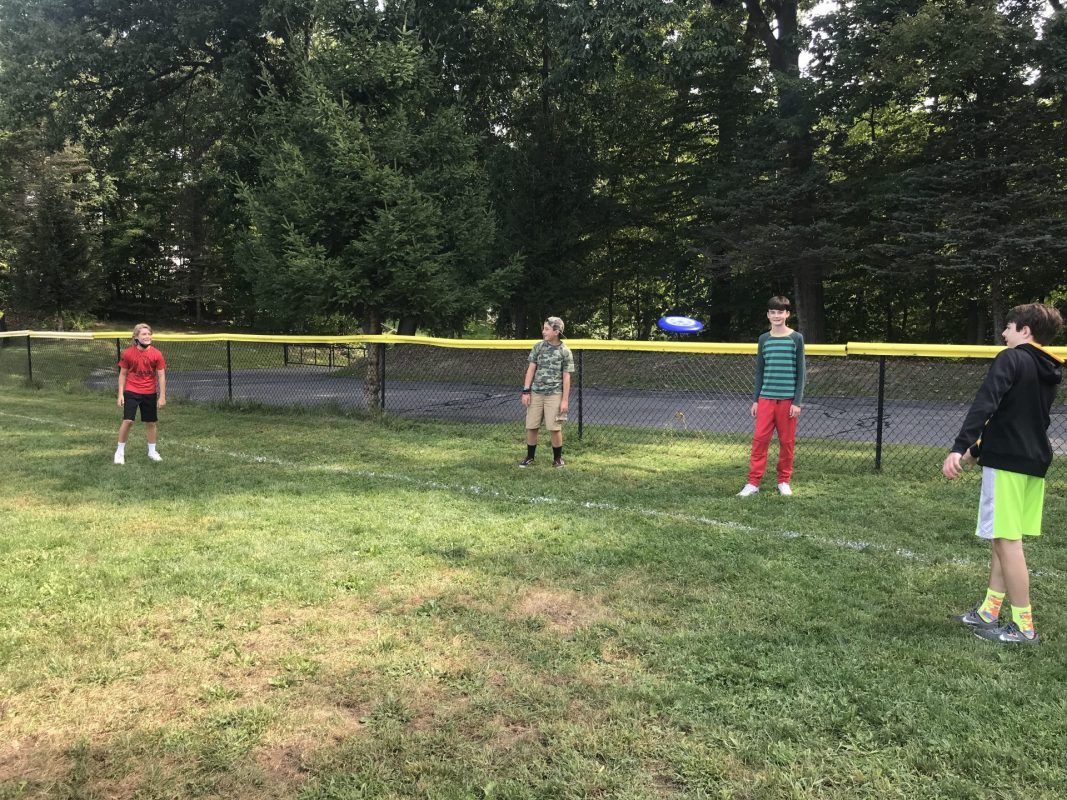
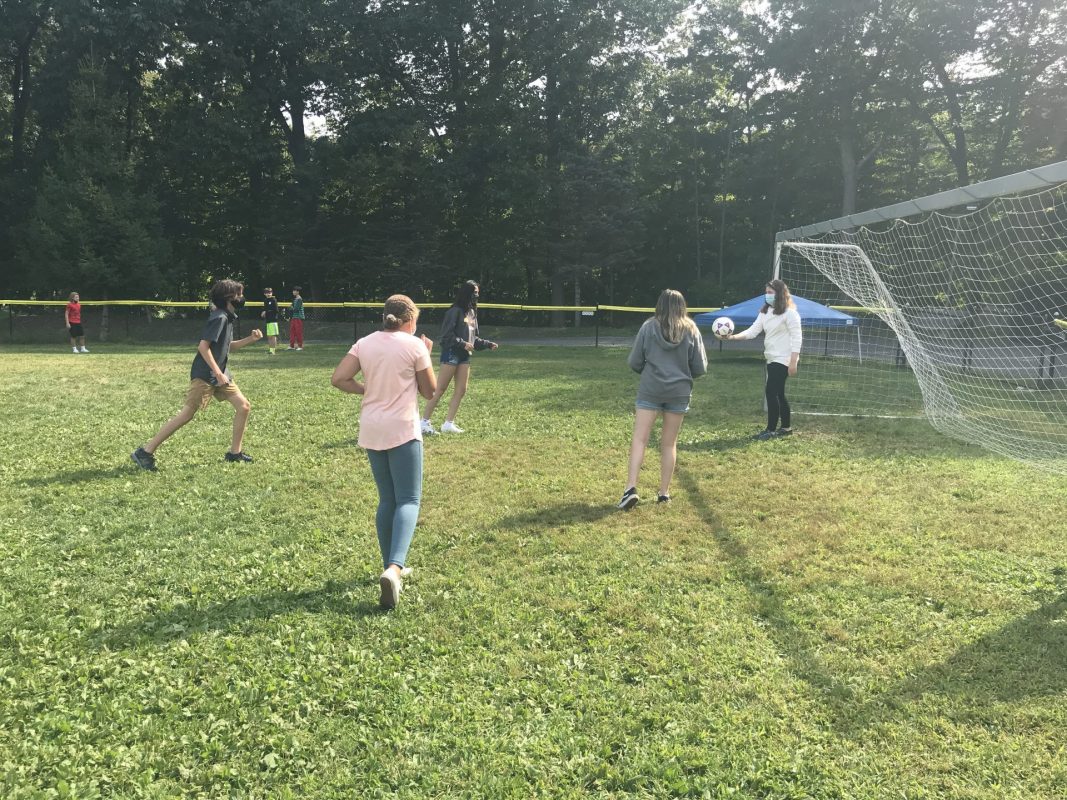
Happy Friday! This week sure flew by. The Middle School teachers want to give you a snapshot of what middle school advisory looks like on each level. Also, enjoy this week’s photos!

6th Year Advisory: Forming the Middle School Group

The 6th year advisory period consists of building a strong community and trust among one another. In order to achieve this vision of community and trust for the year, students have shared questions and concerns they face throughout their transition into middle school. Discussions consisting of how to balance homework, prioritizing time efficiently, and respecting peers have been covered in Advisory. Mr. Brown makes the students’ transitions into middle school as comforting as possible while promoting their accountability as students, peers, and members of the community.

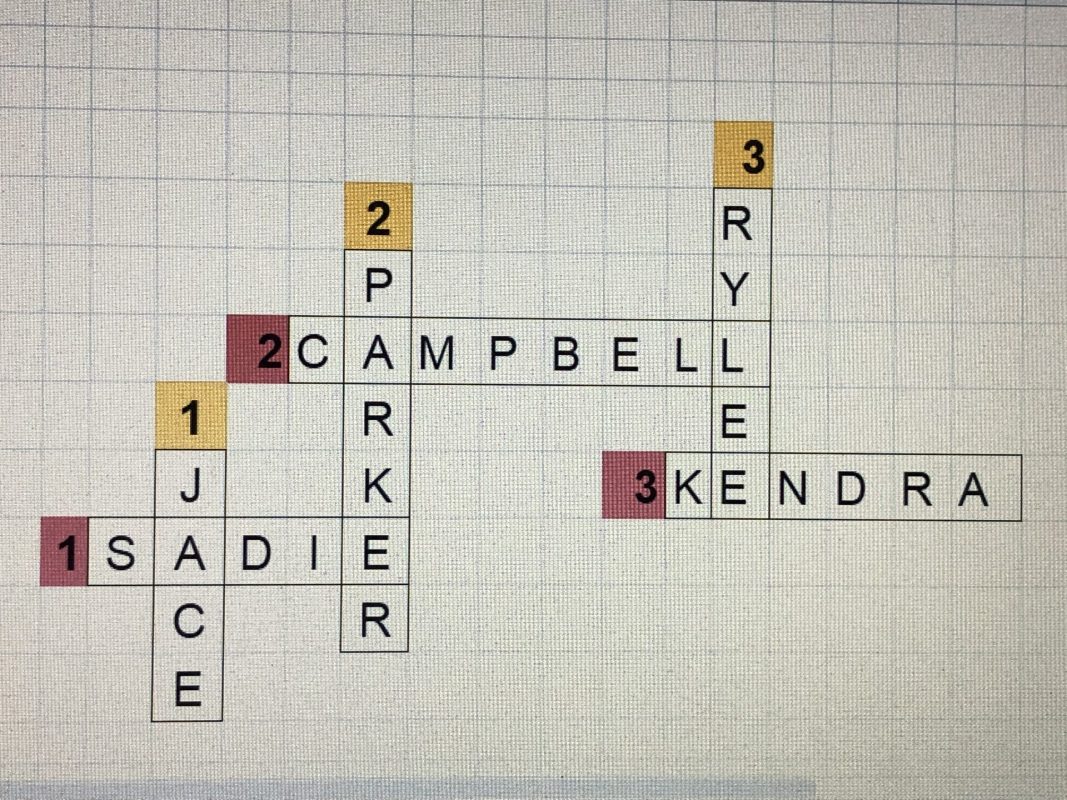
In addition to using activities in the Responsive Advisory Curriculum, Mr. Brown forms the 6th grade group in creative ways. One example is Student Scrabble. 6th years used a Scrabble board to connect the students’ names. Then, almost like a crossword puzzle, the group develops a unique clue representing each of their personalities. Each student provides something different about one another to help develop their clues. Once everyone finishes their boards, they attempt to solve them as a class. It is nice to see how some students are surprised to find some characteristics of themselves others saw in them.

It is clear that 6th Year Advisory is a crucial component to this important transition that students go through from elementary to middle school.

7th Year Advisory: Community Development

Each day, the 7th year students with Ms. Sutherland have a new topic to help them get to know each other as community members and practice sharing kindness at FWM.  Students are assigned a role each week and rotate through responsibilities. The following are the topic titles for each day of the school week and an example of what they have already explored:

Monday (Weekend Update) – Students share news stories and current events about what is happening in the world. The advisory has already talked about the ongoing progression of COVID-19, how sports games are affected by living in a bubble, and favorite local restaurants in Newtown.

Tuesday (Talk it Out Tuesday) – Students bring forward an open question that will spark conversation about how to be good community members and spread kindness towards others. They have discussed how stress affects them in middle school, their greatest accomplishments, and what their favorite movies were over the summer.

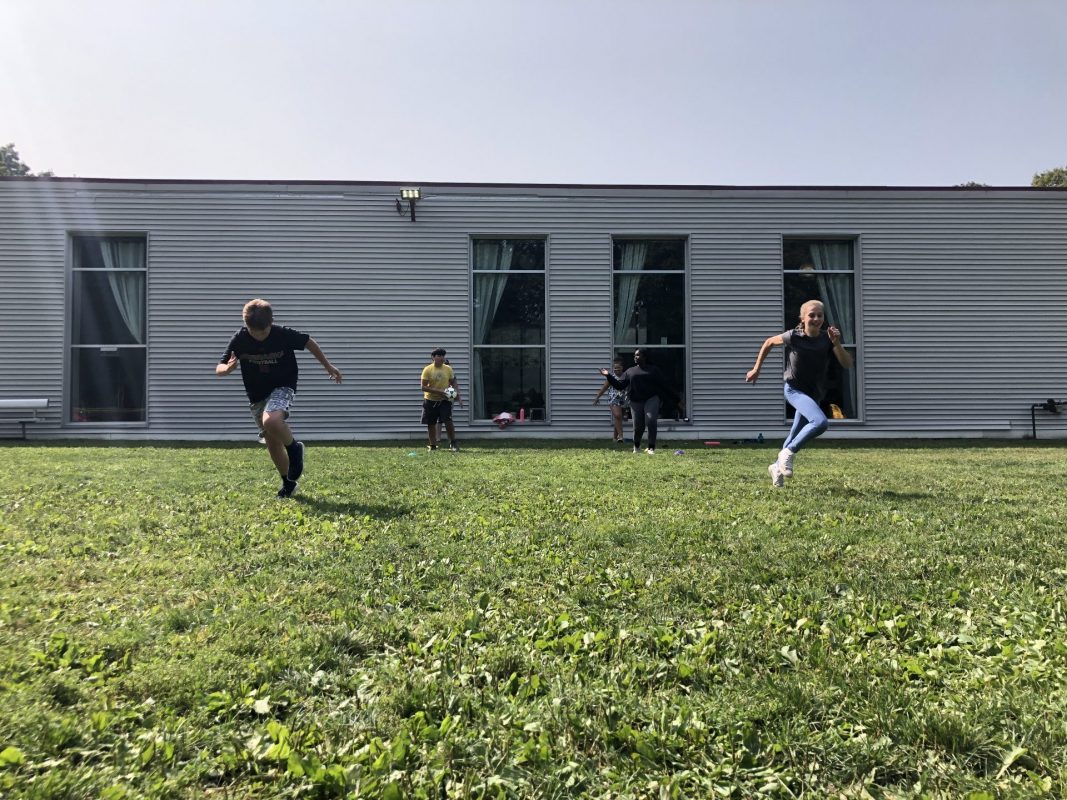
Wednesday (Work it Wednesday) – Students initiate a physical activity to start the morning advisory group. This is a chance to be creative together and play a fun game in hopes of building friendships among peers. They have practiced morning yoga, tried a 4 minute gym workout routine, and followed along in Simon Says.

Thursday (Life on the Outside) – Students have an opportunity to share a skill or talent they practice outside of school. So far, they have learned different ballet positions and how to throw a spiral football.

Friday (Fun Fridays) – Students can decompress from the busy school week and reflect on how they are feeling. They have talked about our highlights and our lowlights from the first few weeks back at school. They do this all while listening to fun music and enjoying each other’s company.

The ultimate goal for the 7th year advisory group this year is to build our kind community and be comfortable and confident working together.

8th Year Advisory

As 8th years, these are the oldest students at FWM. 8th Year Advisory is unique because it gives space for the eldest students to develop and run items like fundraisers, charitable events, Morning News, as well as discuss what is important in the school community and how they can be effective leaders.

This year, mornings are spent in many ways. First of all, they started the year discussing their goals. What do they wish to achieve as 8th years? How do they want others to view them? The following is the usual weekly schedule for Advisory. Check-ins and activities that strengthen the group will also occur during the week as needed.

Motivational Monday – Each Monday, students will listen/watch/chat with someone who inspires leadership and individuals to be their best selves. For example, on the first Monday, 8th years watched Nigerian American author Luvvie Ajayi talk about getting comfortable being uncomfortable, which motivates people to speak up or do something when they feel others are being treated unfairly. They then discuss and connect with the topic.

Make Peace Tuesday – Students have also begun reading Putting Peace First: 7 Commitments to Change the World by Eric David Dawson as a guide to being leaders and change-makers in their school community. 

Leadership Wednesday – This is the time when 8th years will work on fundraising ideas and planning for events.

8th Grade News (Thursday & Friday) – Each week, 8th years also plan, write, and film the FWM News (formerly the Friday Morning Gathering) that will be viewed by students in Lower El, Upper El, and the rest of Middle School. 8th years have a vision for how they want the news to go this year, so they are working hard to execute their plan and get the first episode out. They are determined to continue this tradition despite restrictions on the students gathering. They have great spirit!

Without a doubt, Advisory is important to the whole Middle School community. Forming cohesive groups that communicate well and work consistently on their social emotional wellness is vital to adolescent development.

Have a Peaceful Weekend,

The MS Team