Middle School: Focus on Academics

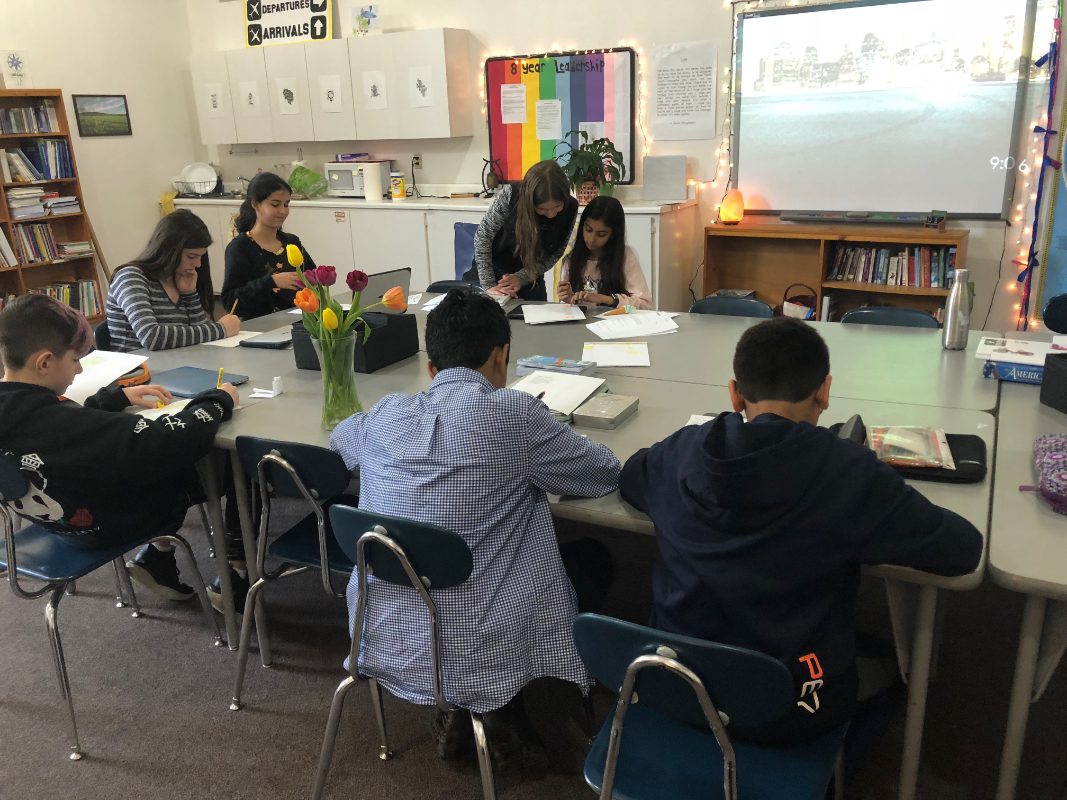
April is a great month for teachers and students, as we are able to move through material without the threat of snow (did I just jinx us?)! The momentum is wonderful, and students come back from spring break ready to learn.

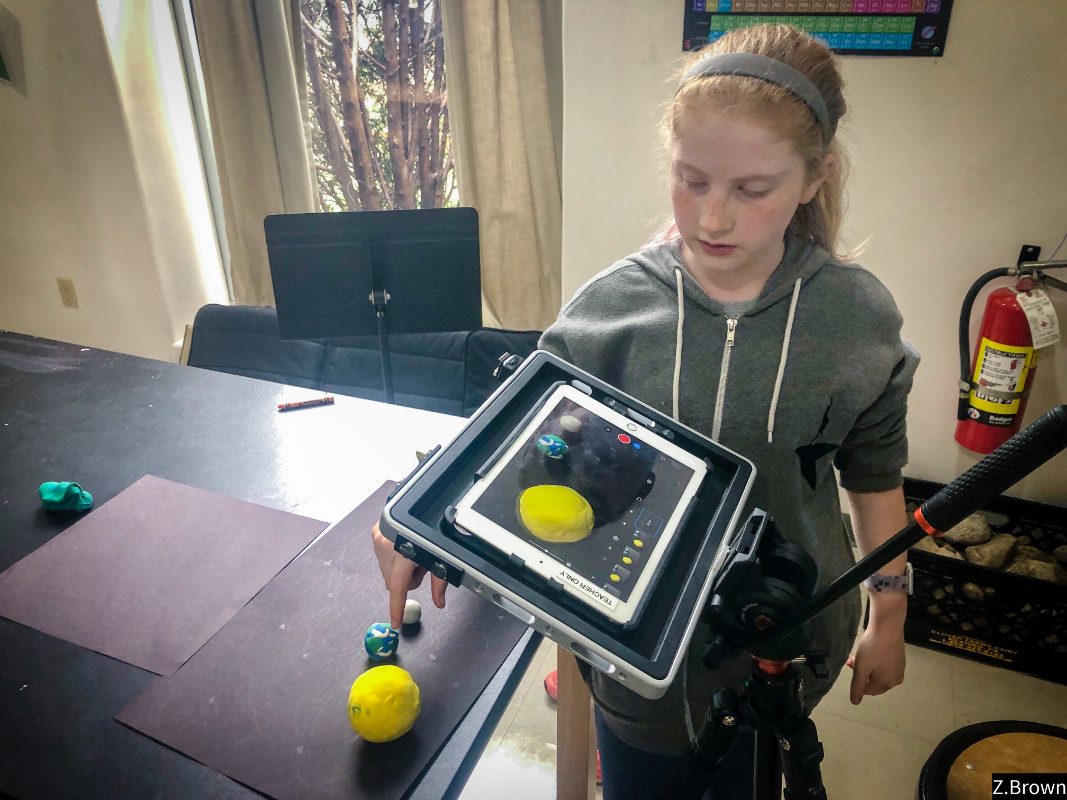
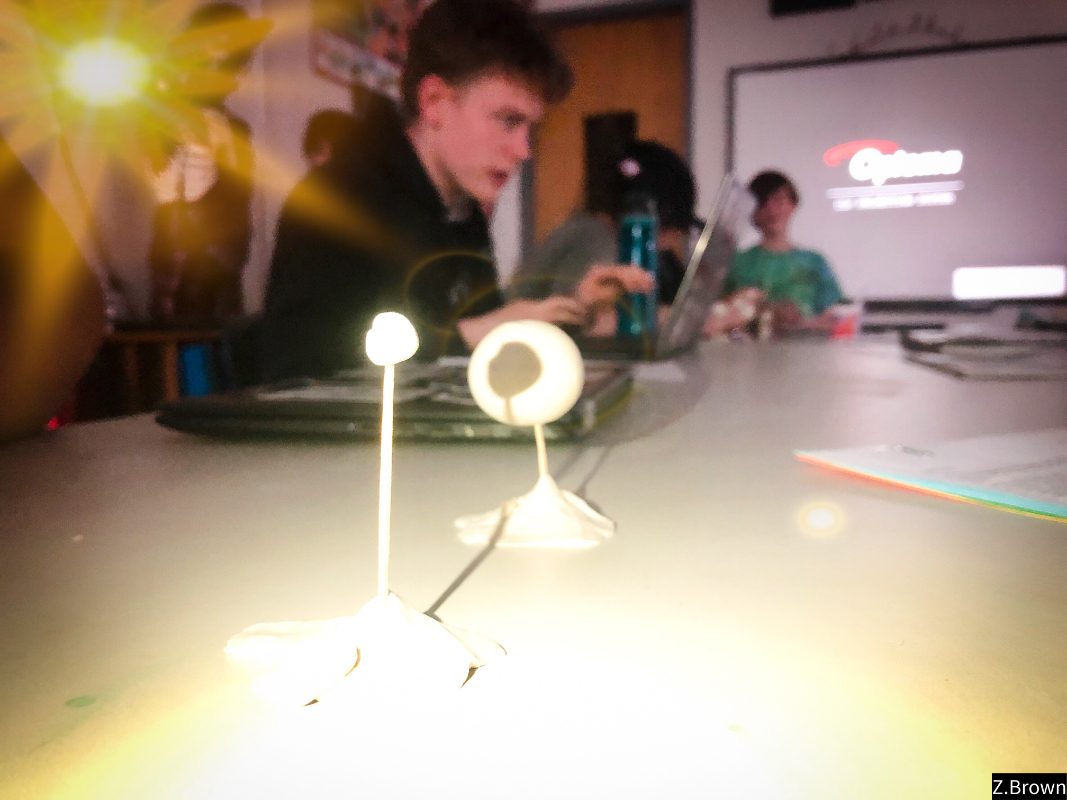
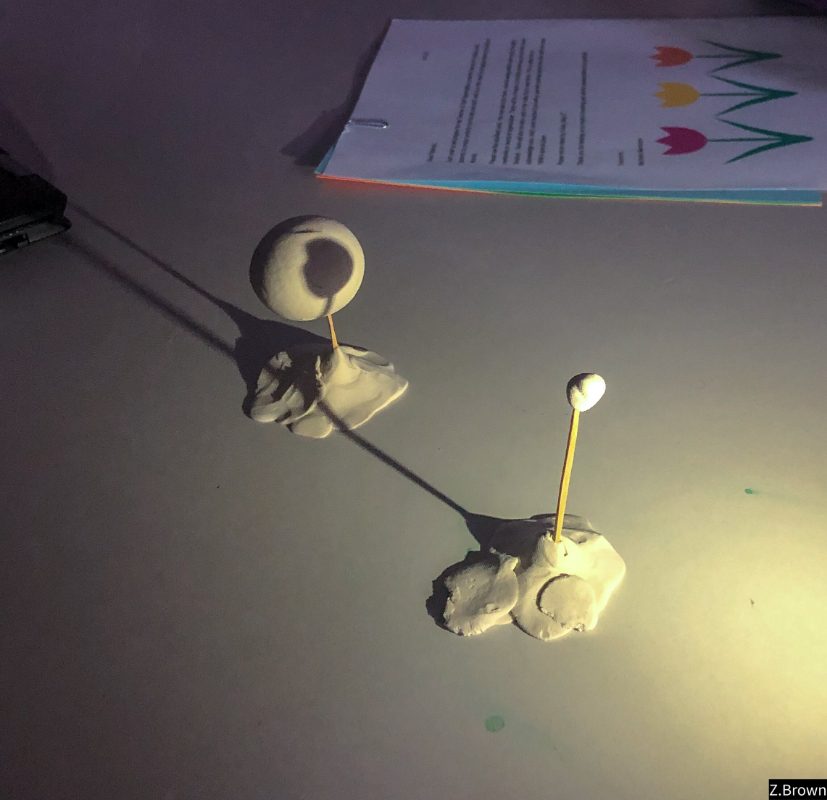
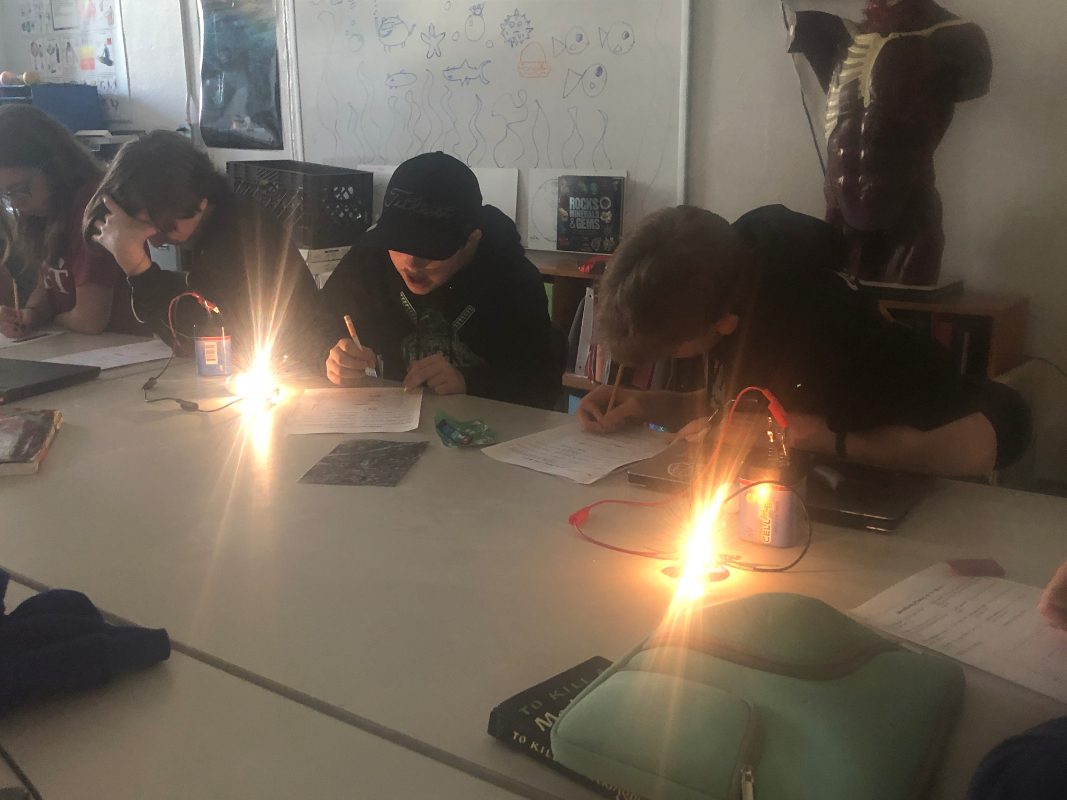
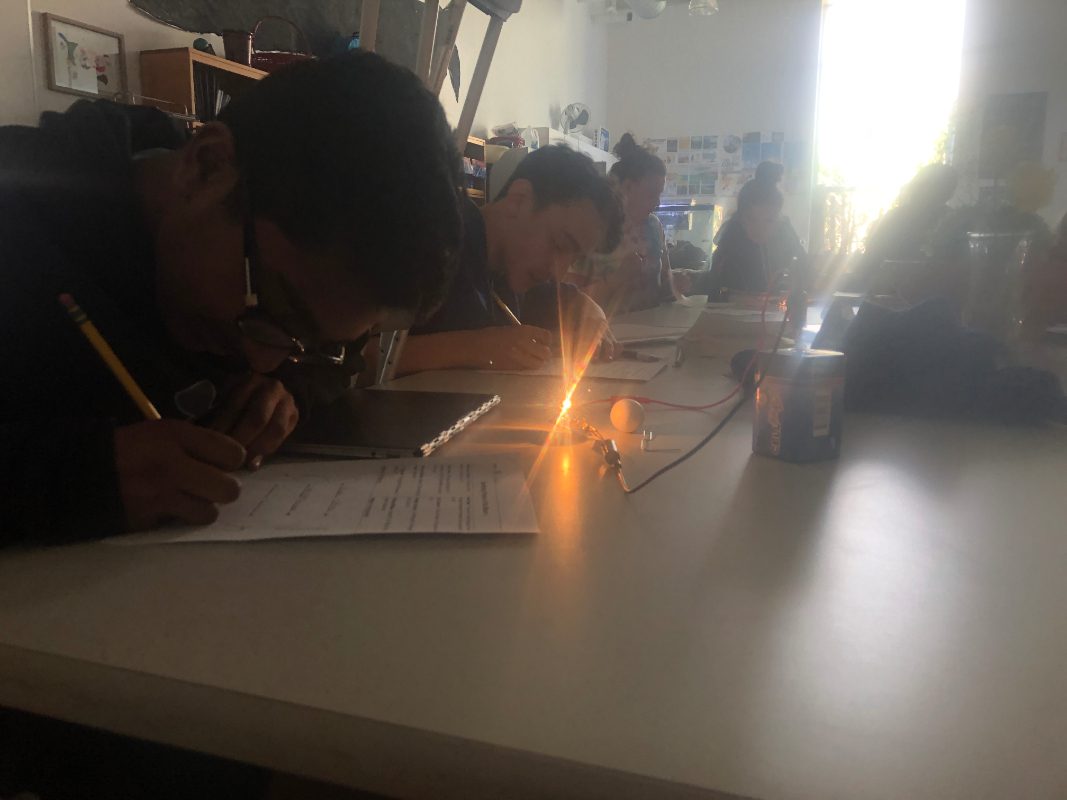
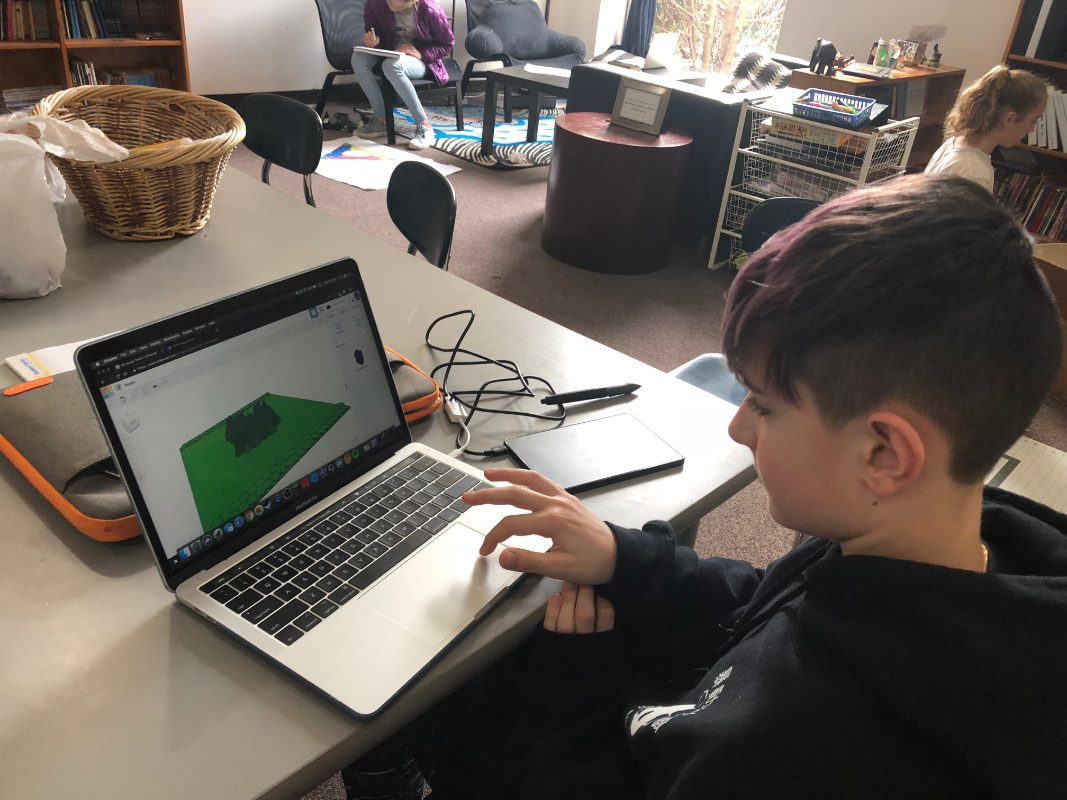
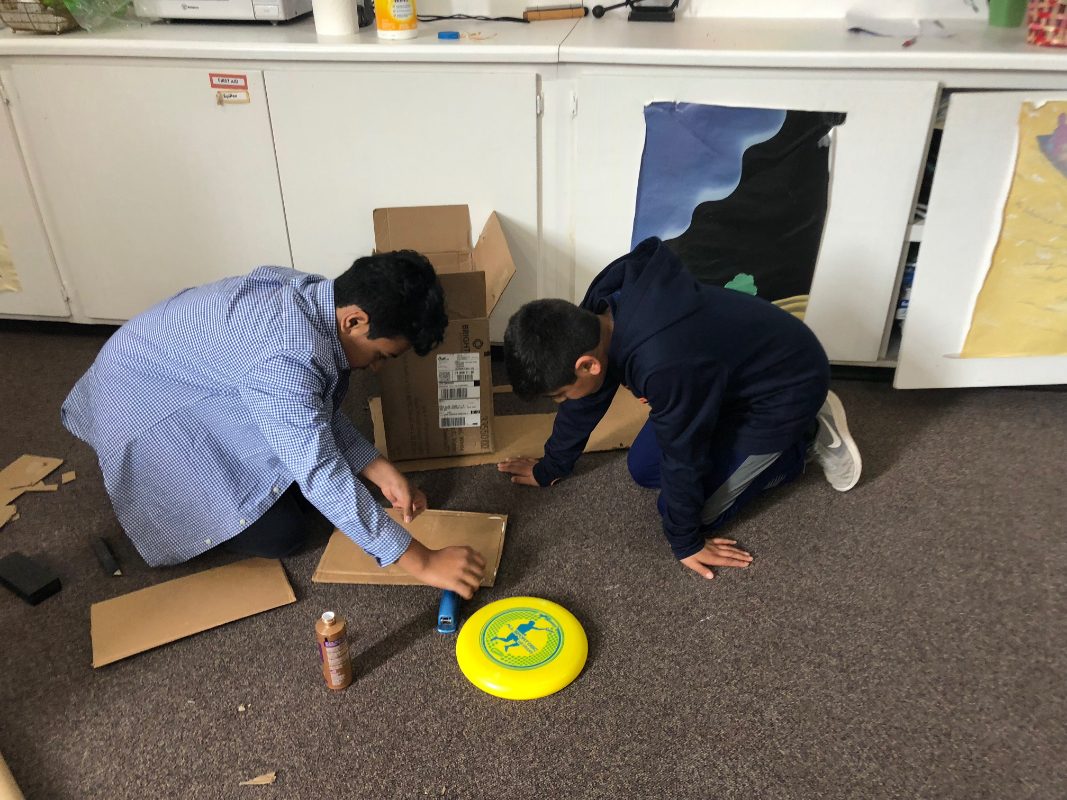
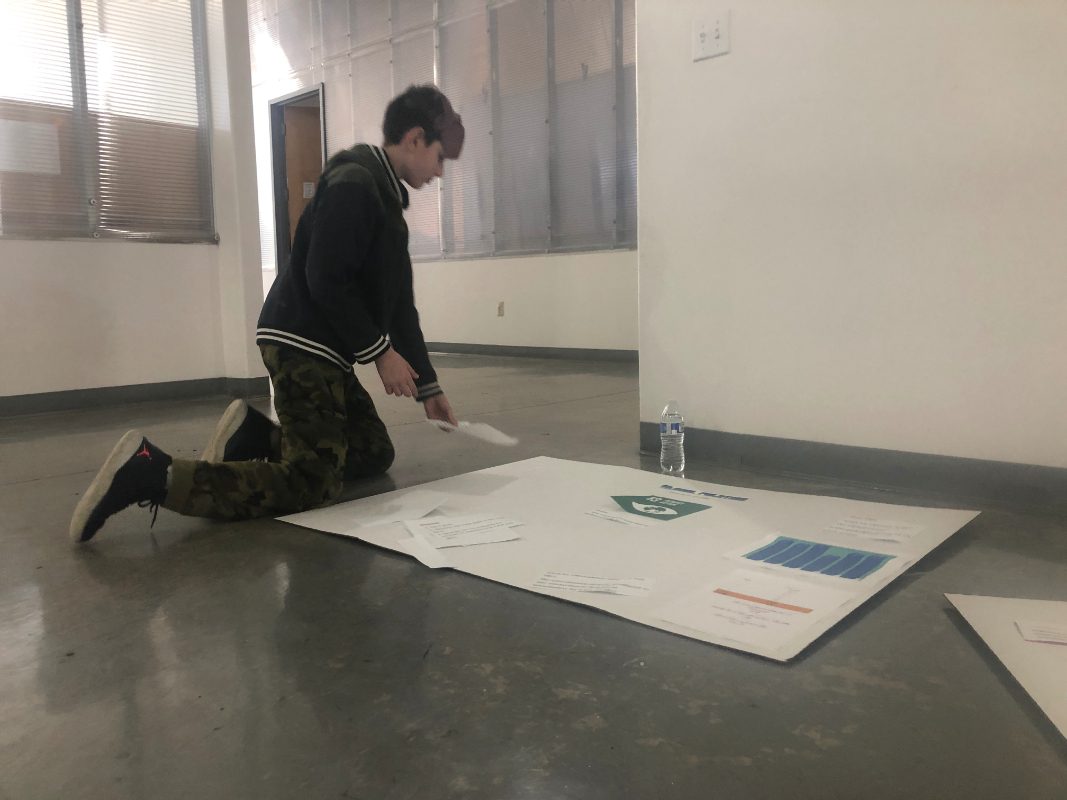
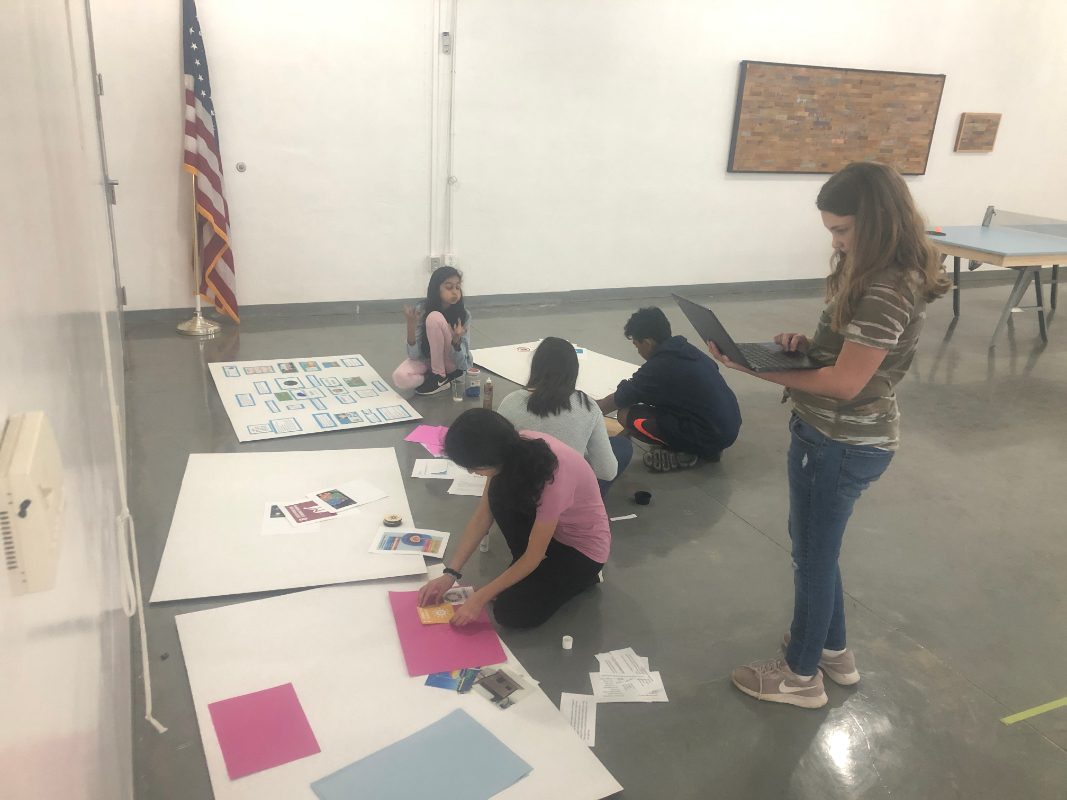
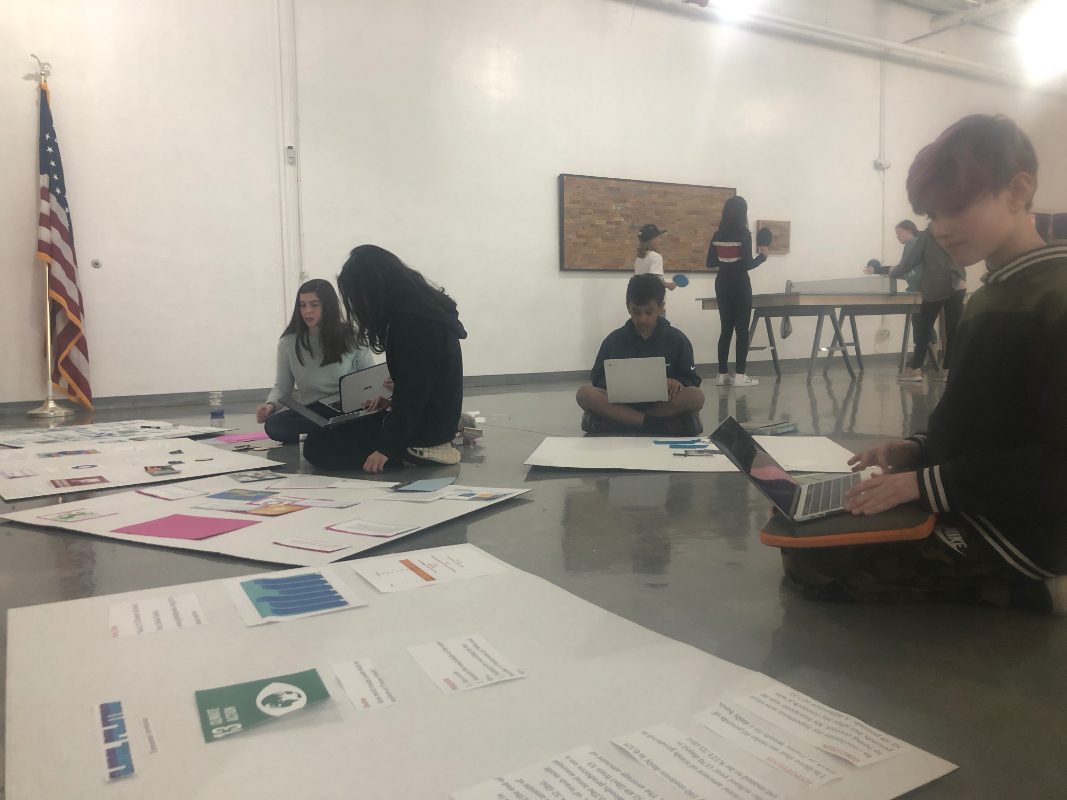
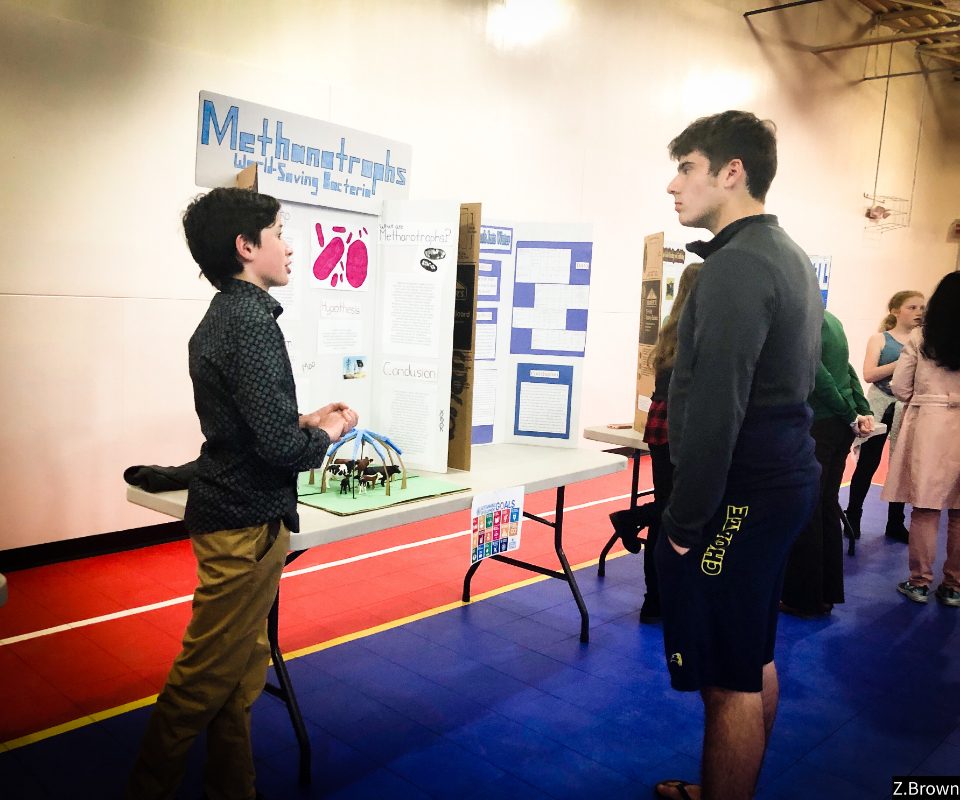
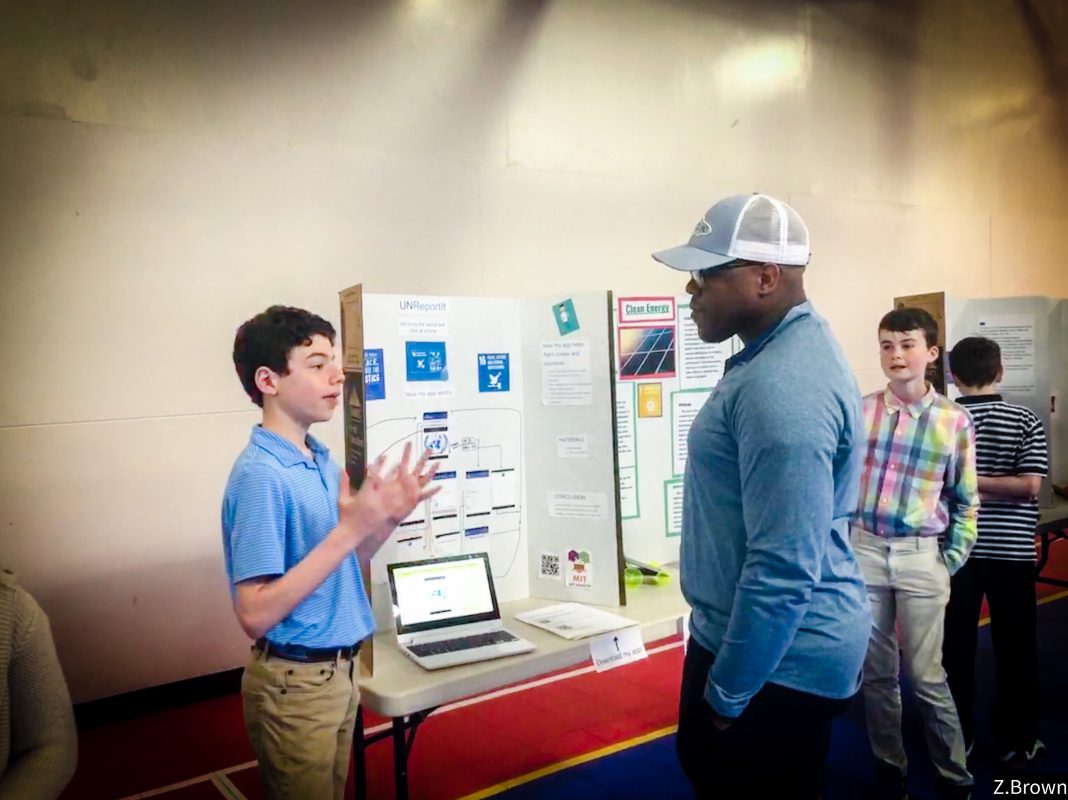
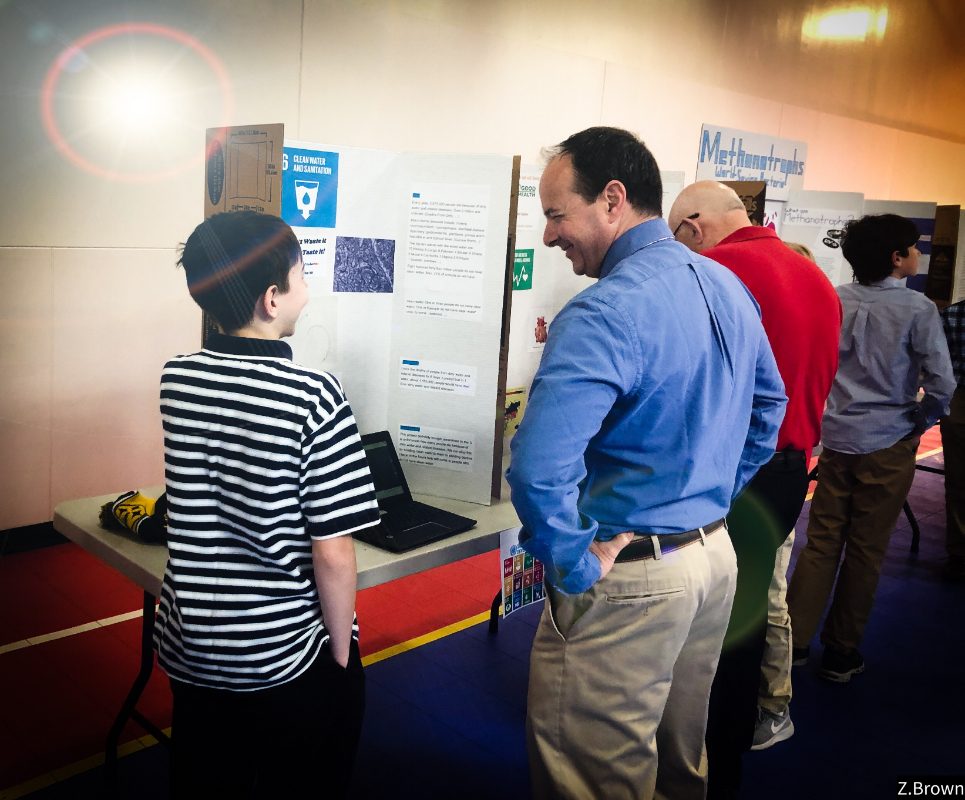
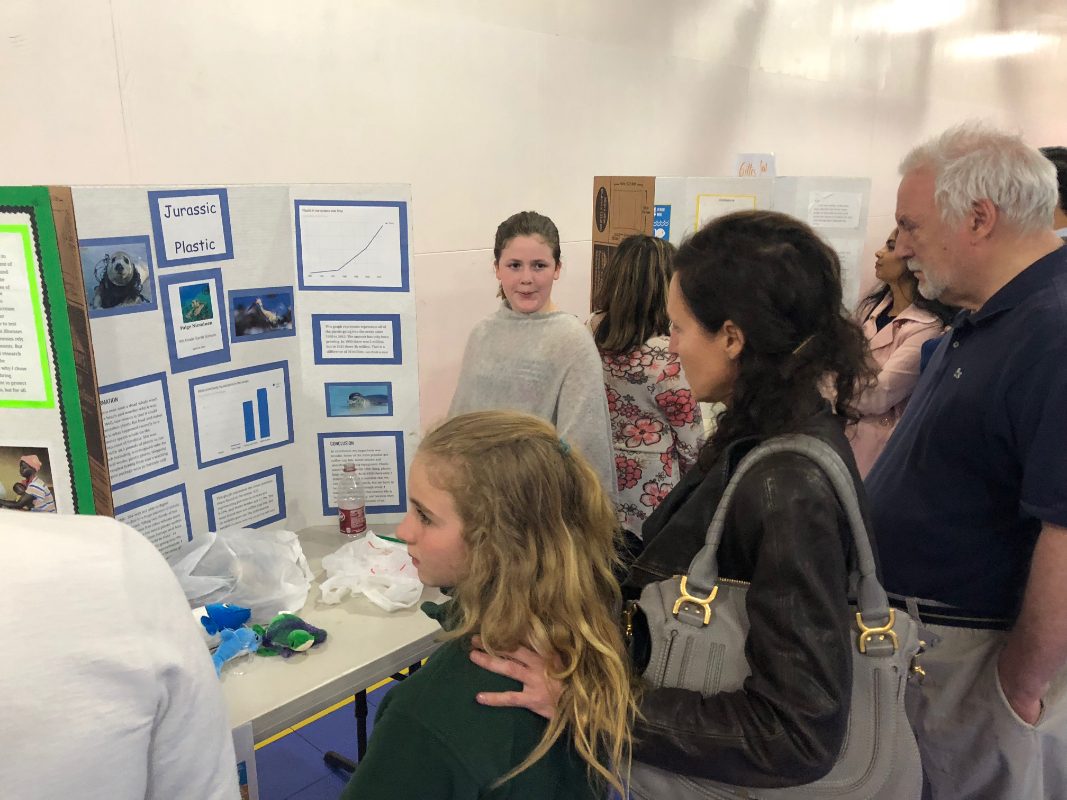
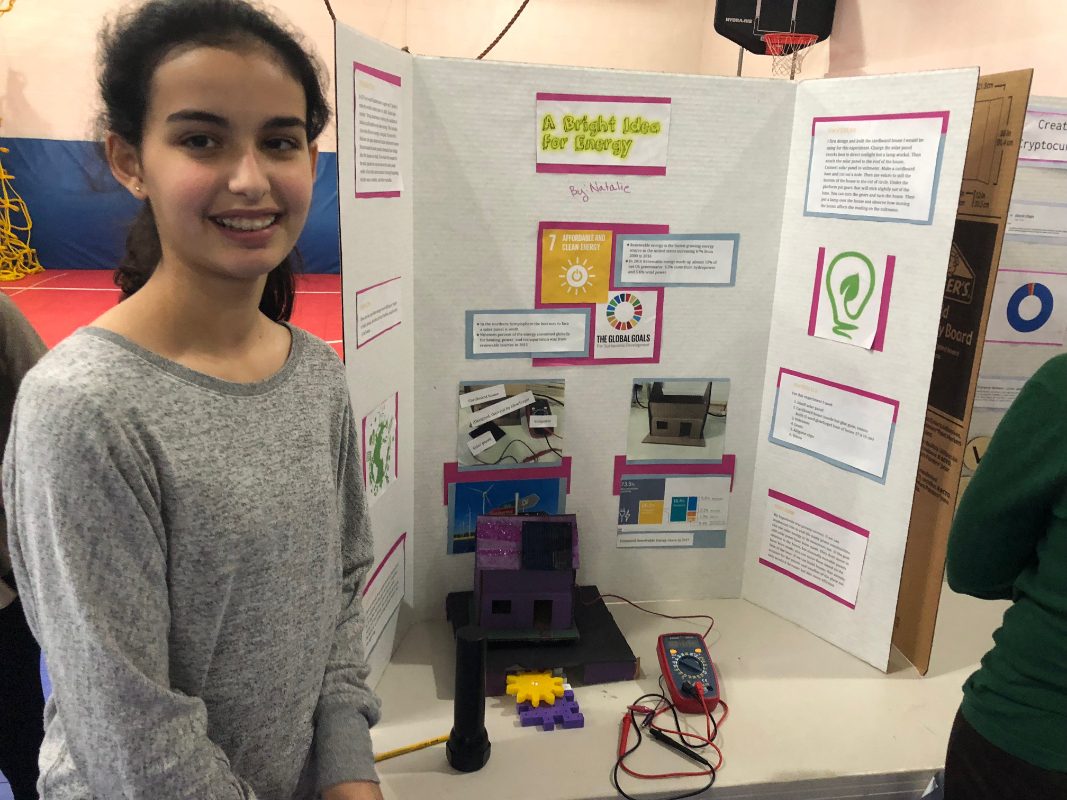
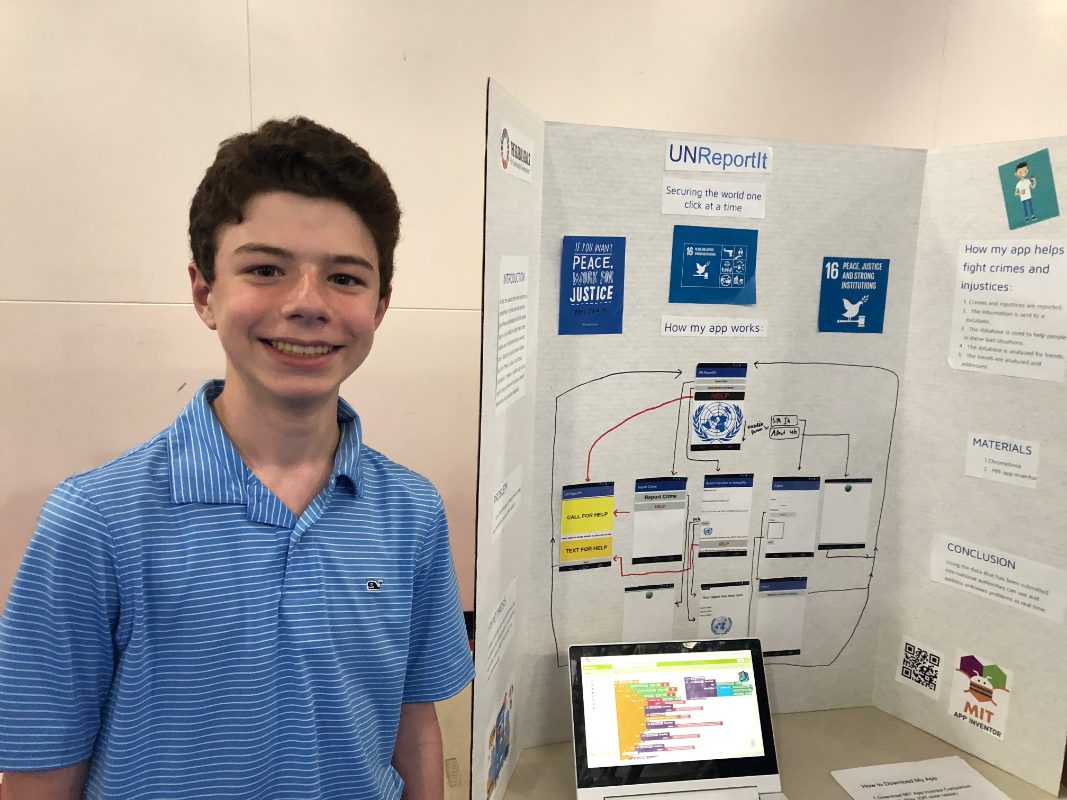
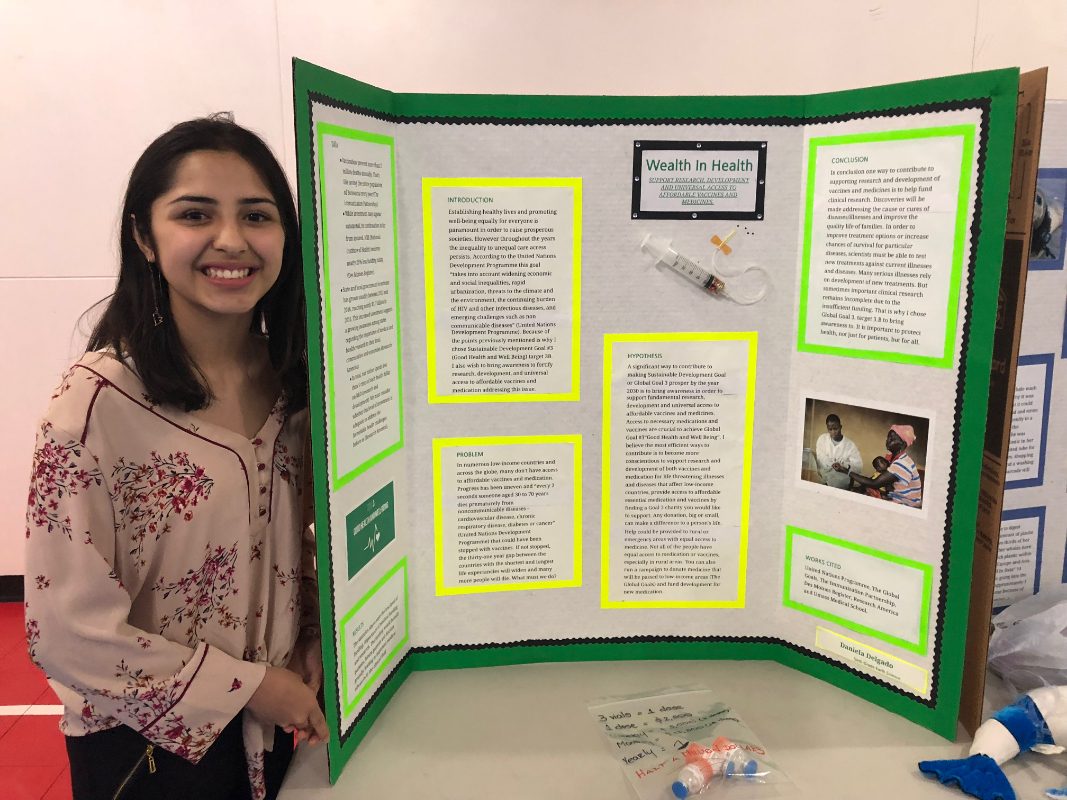
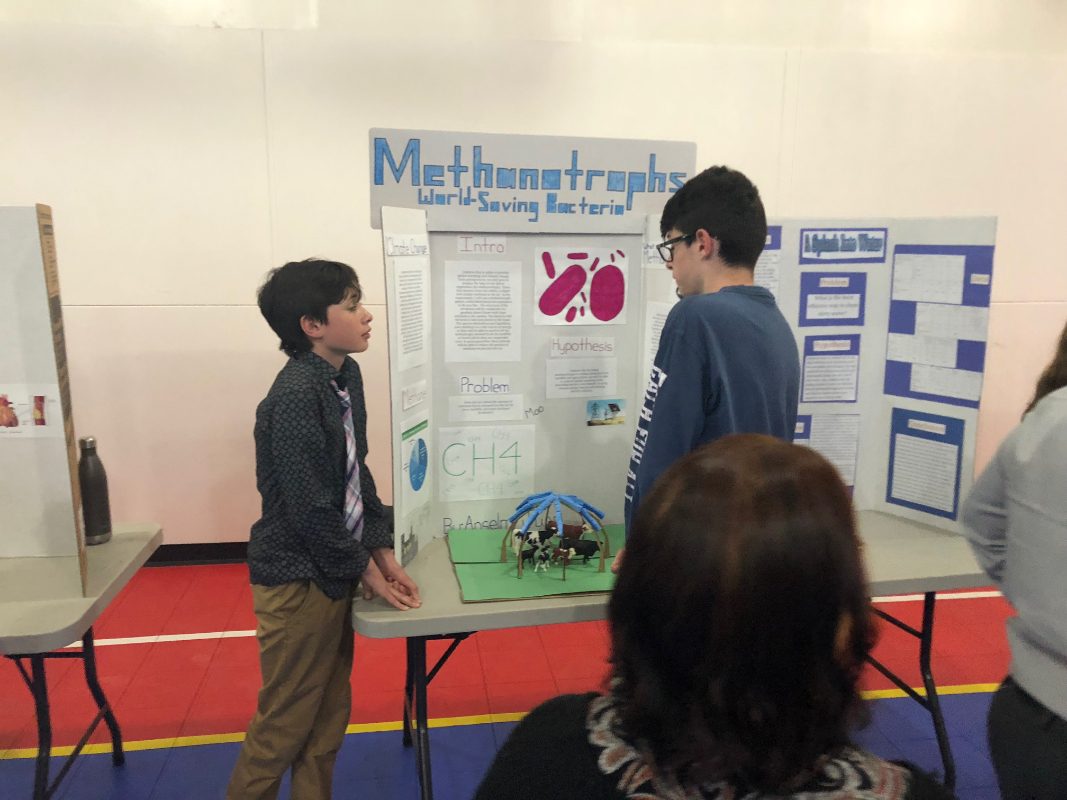
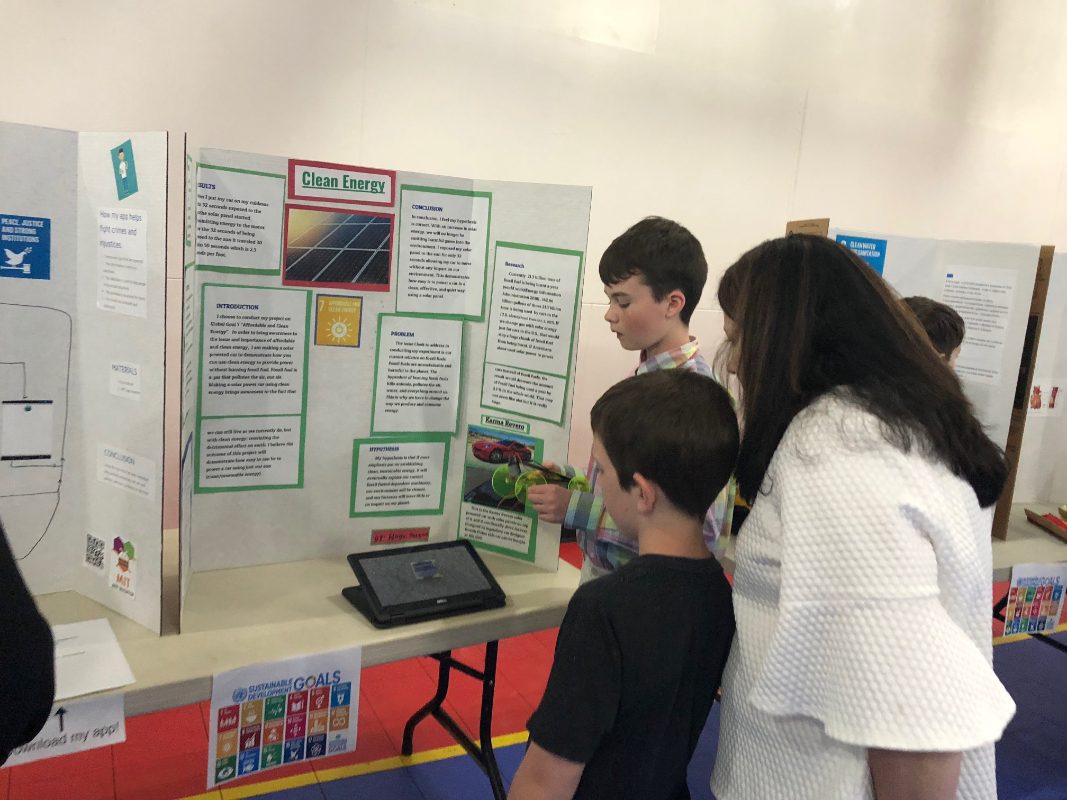
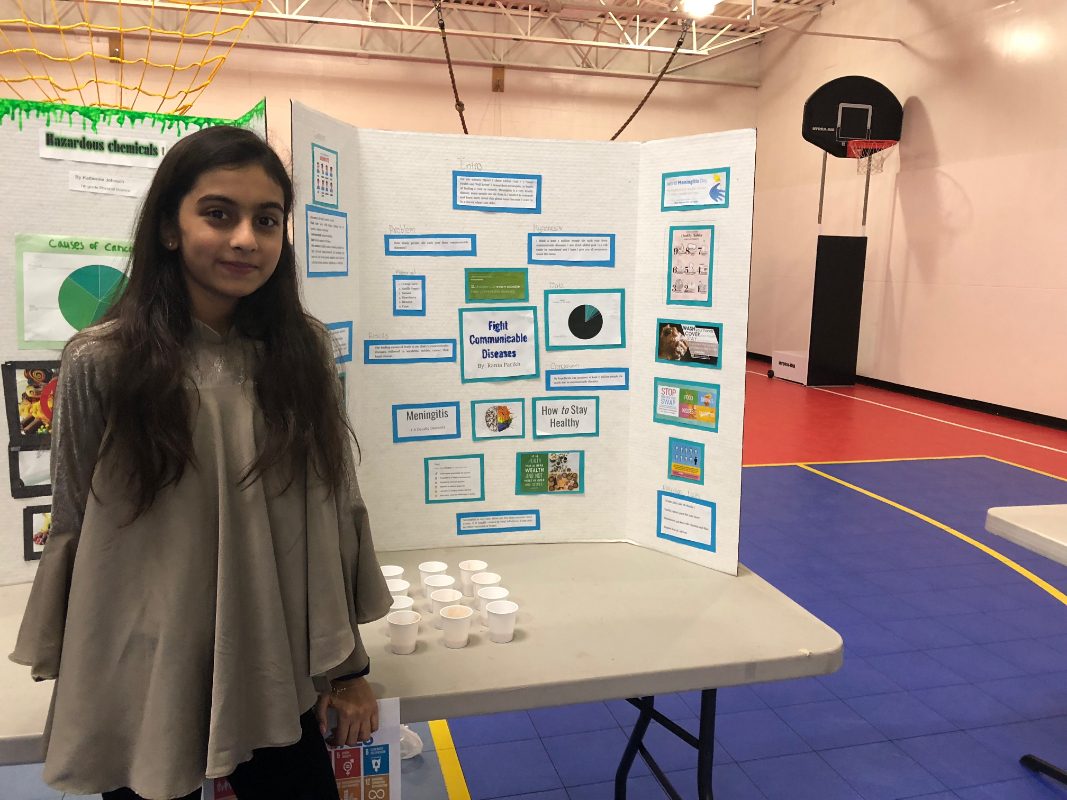
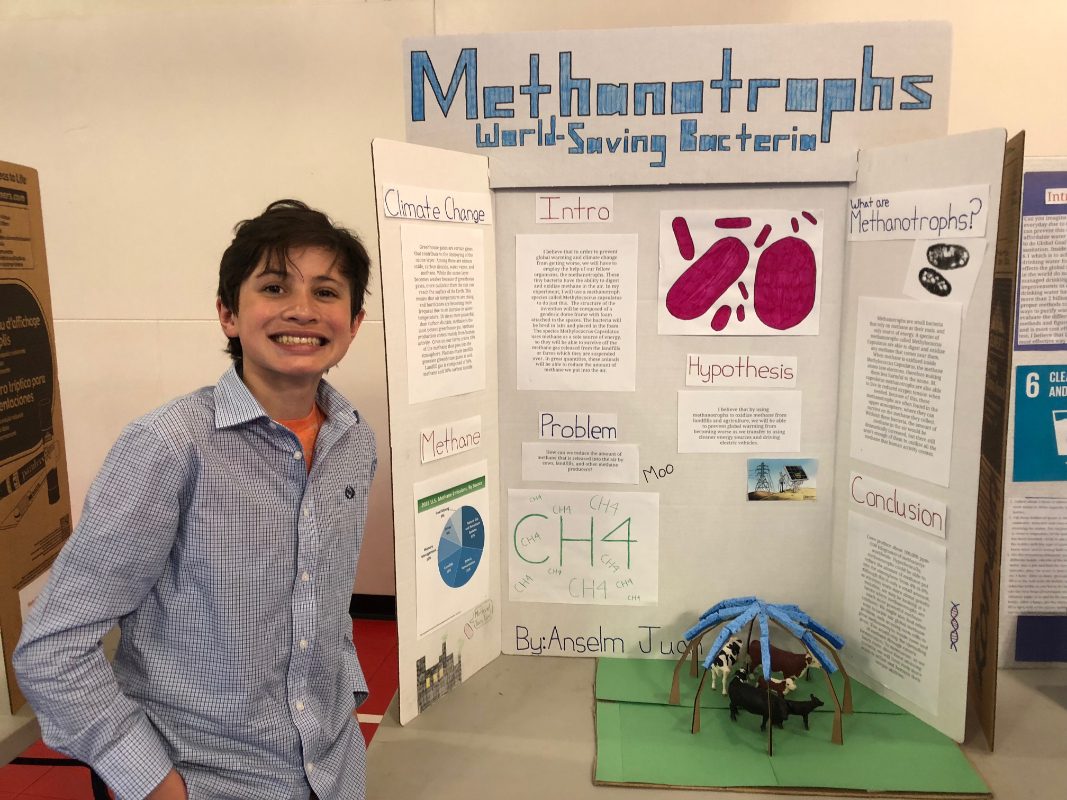
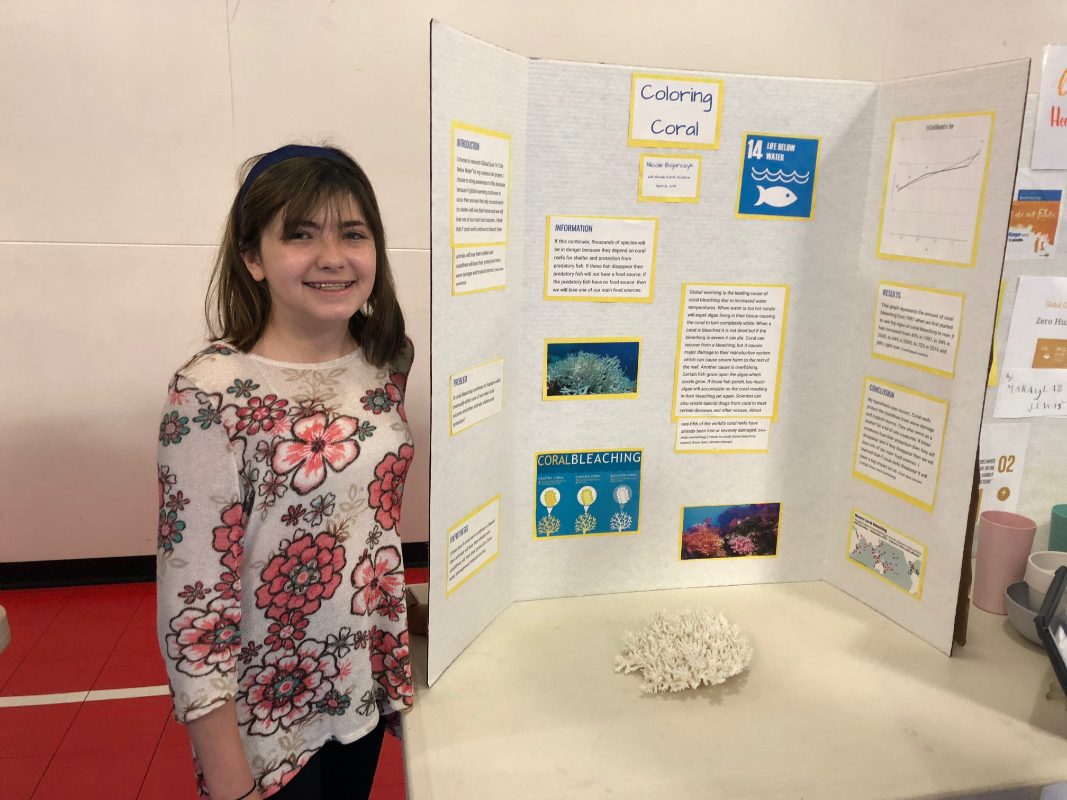
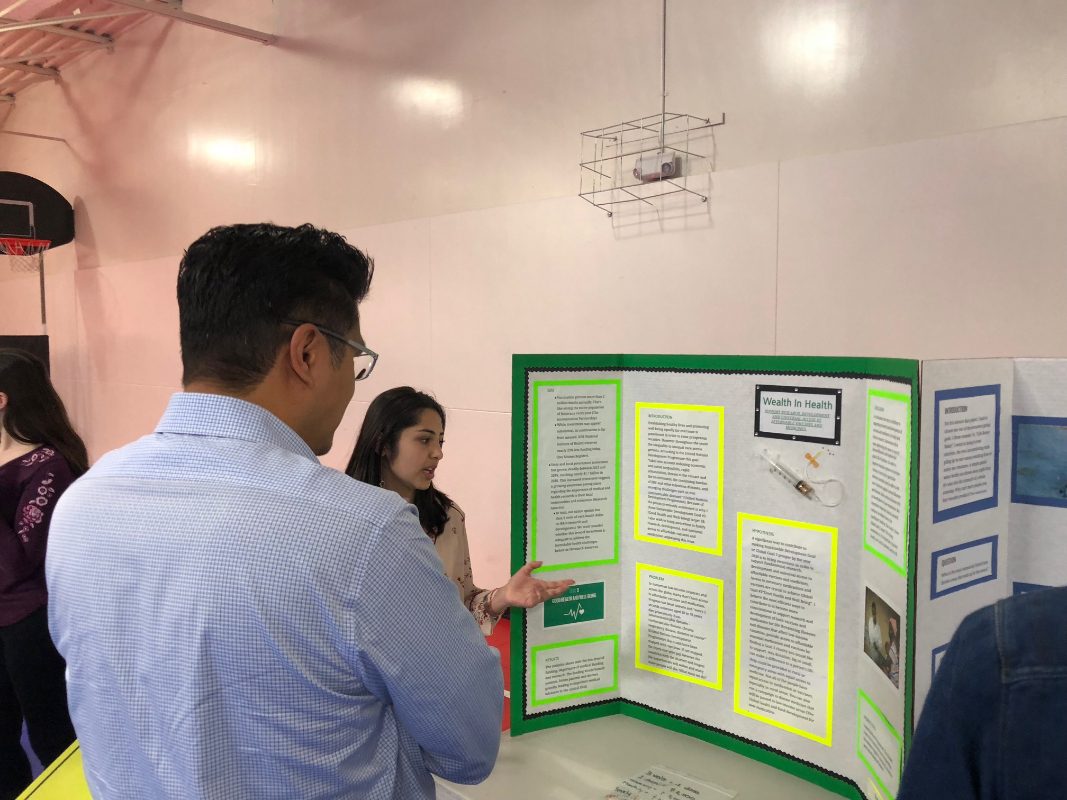
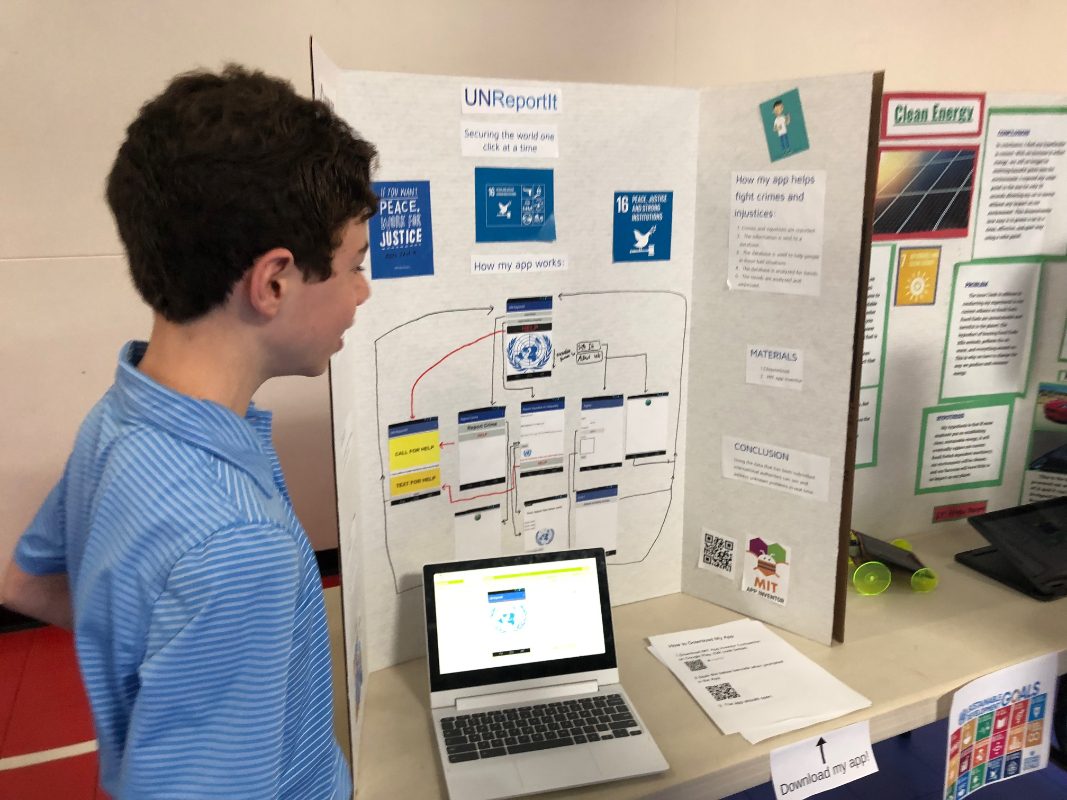
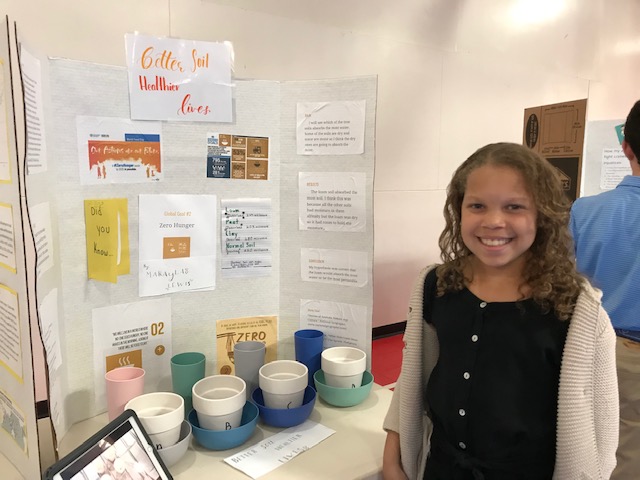
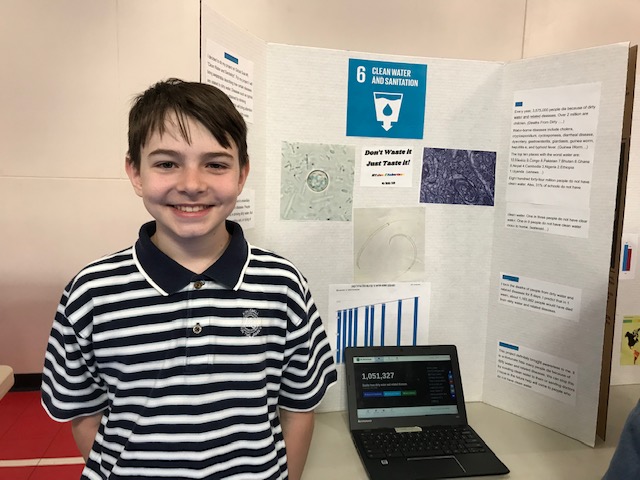
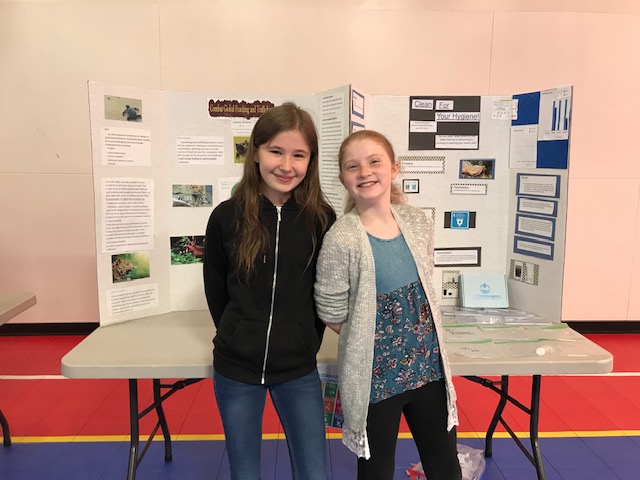
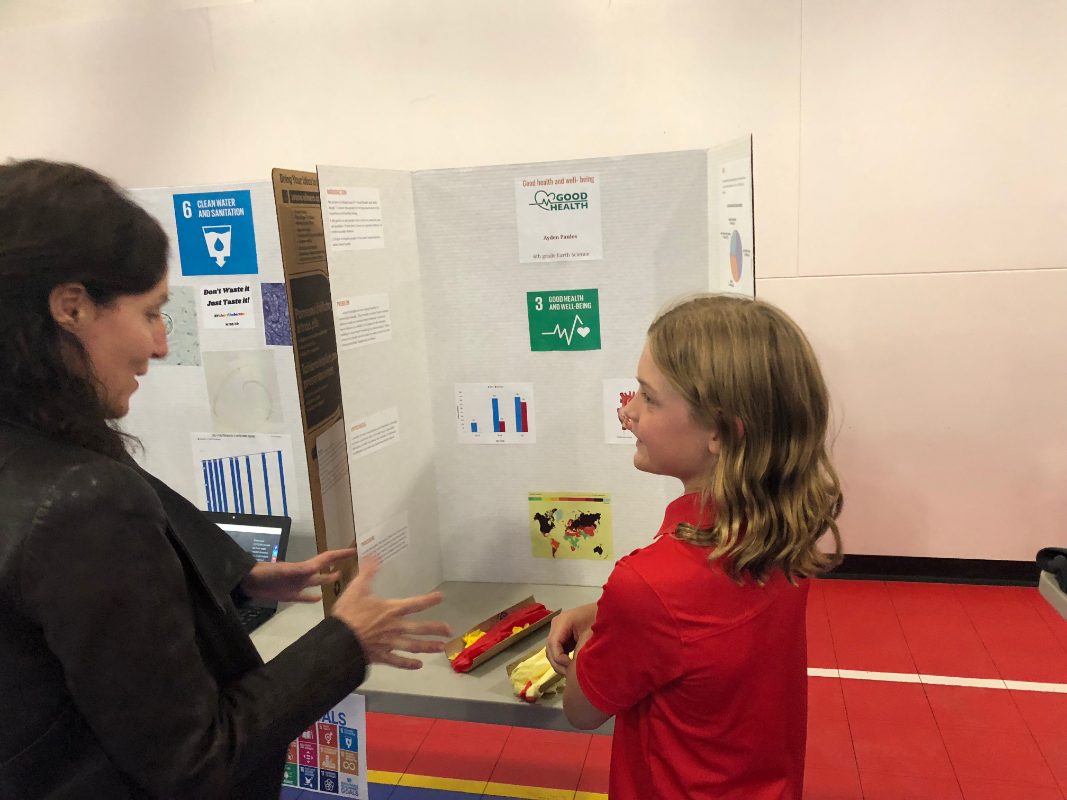
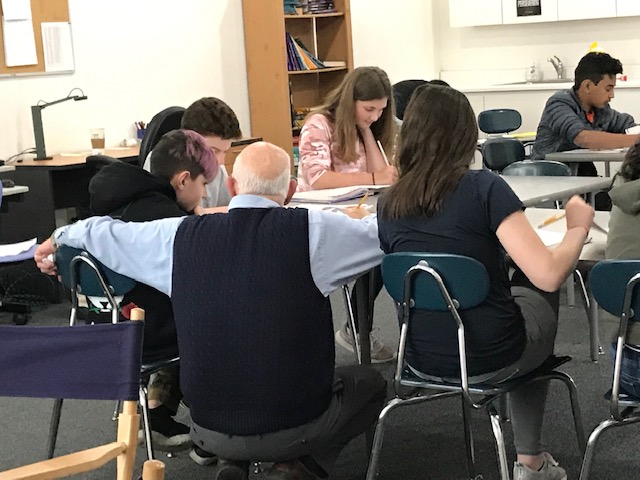
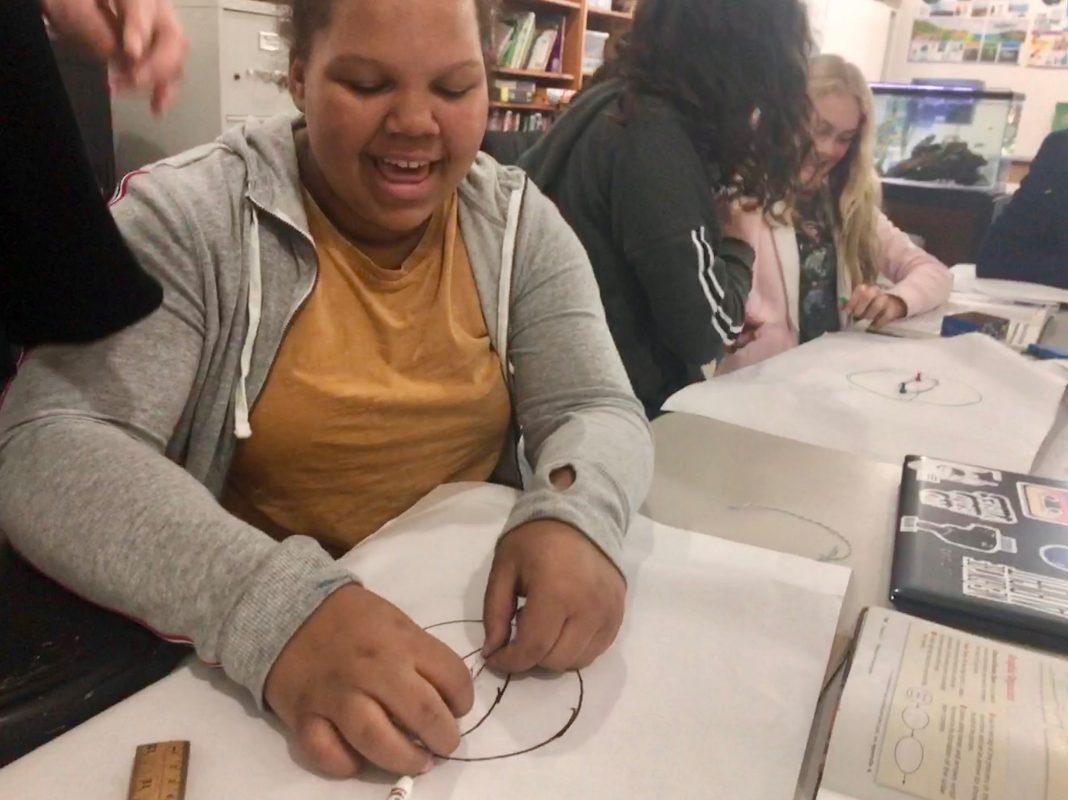
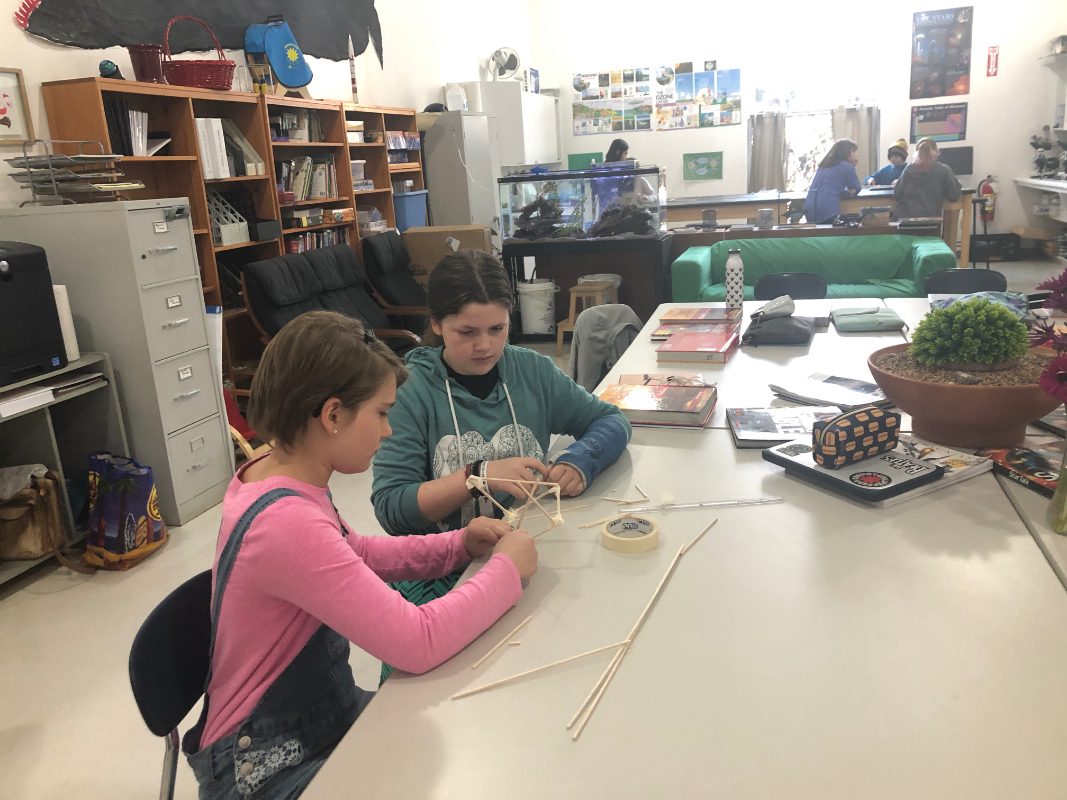
6th and 7th year science students are busy working on their science fair projects. This year’s project is based on the United Nations’ Global Goals. Each student will choose one global goal to research and represent as part of their project. Students have an option to construct/design a solution to the problem stated or represent the importance of addressing the goal for our future. 8th year students began their unit, Planets of our Solar System. Currently, they are working on accurately representing planetary alignment, spacing, and formation.

In Math, the 6th years continue their geometry unit learning how to find the area and perimeter of polygons and circles.  They are also working with square roots and irrational numbers.  In addition, they will be introduced to the Pythagorean Theorem. The 7th years continue working with functions and linear equations. They have just learned how to graph a linear equation using slope-intercept form. Their linear function unit will end with their ability to graph linear inequalities. The 8th years worked on polynomials and factoring. Their work includes adding and subtracting polynomials along with factoring. Soon, they will be working with multiplying binomials including special case binomials.

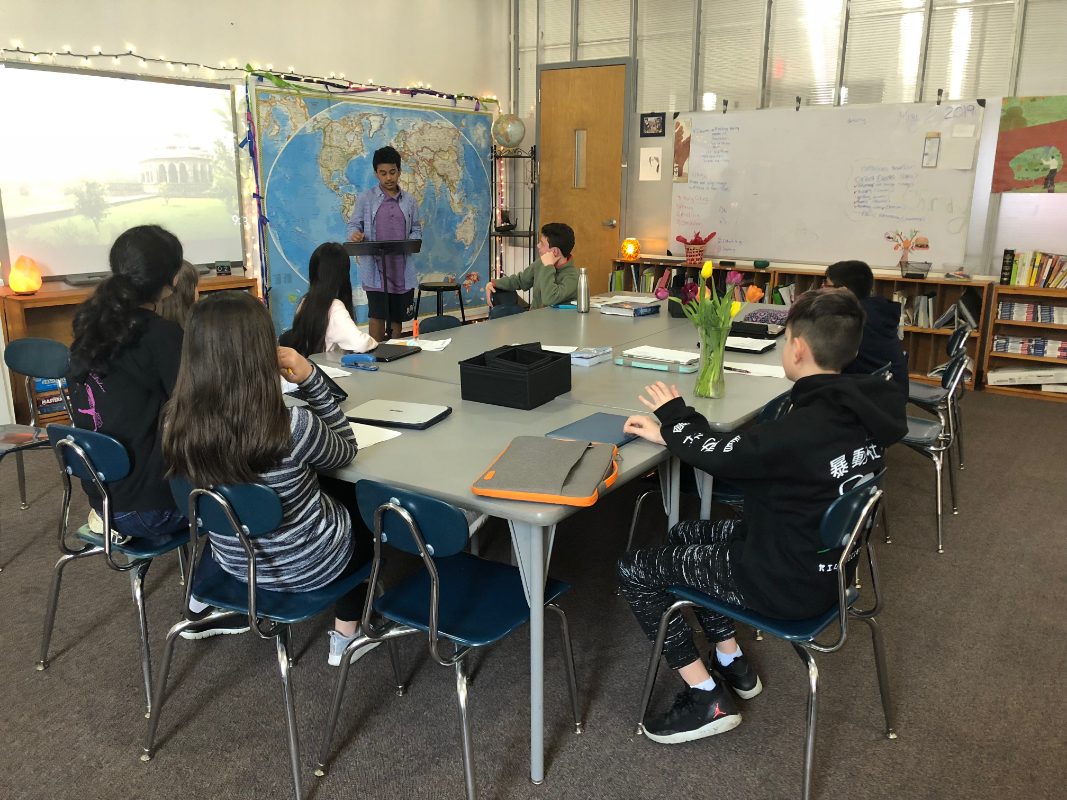
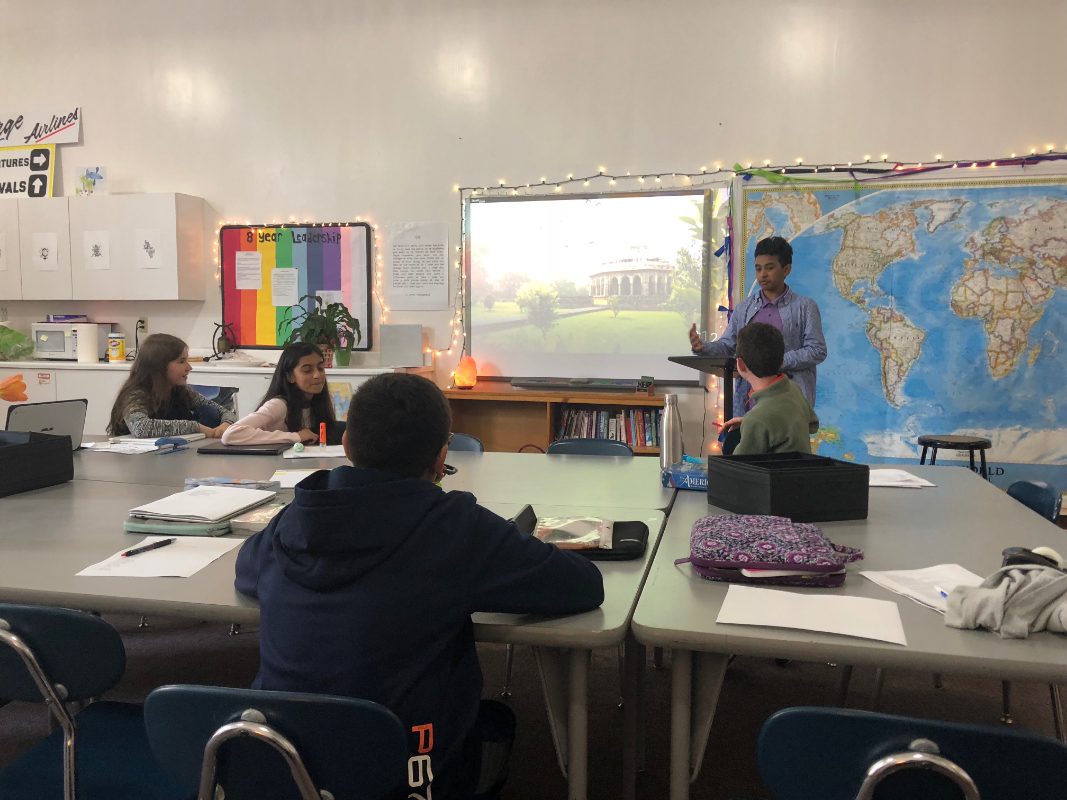
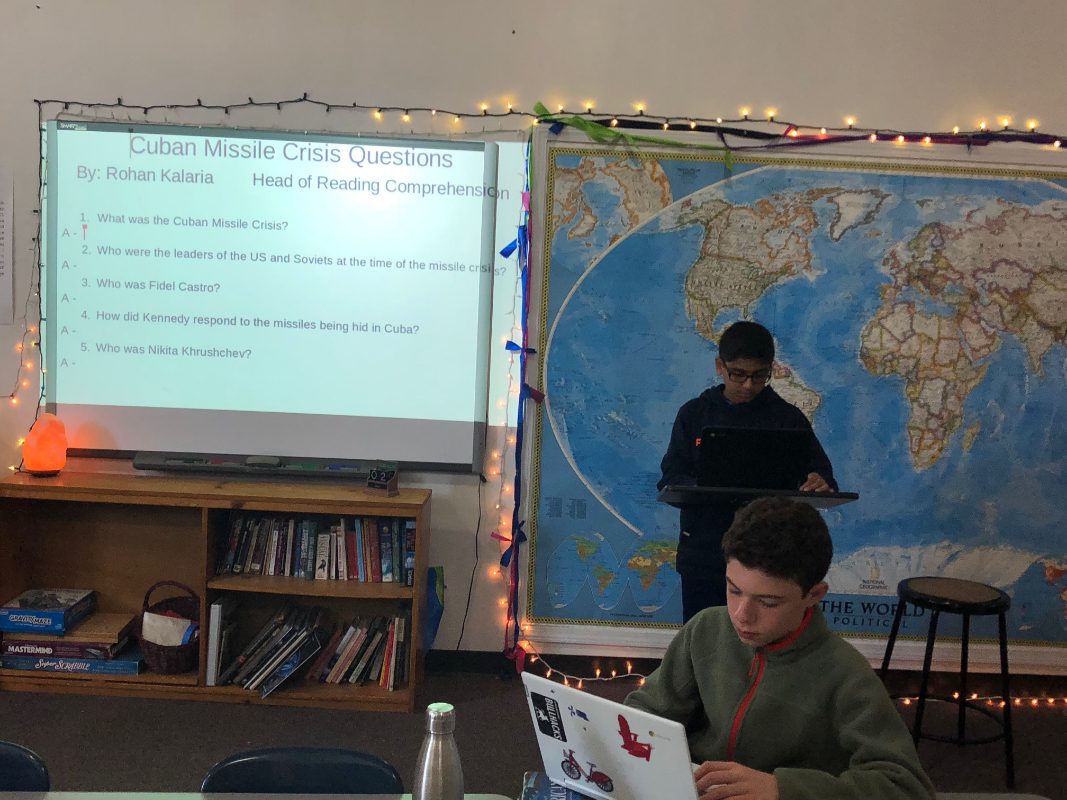
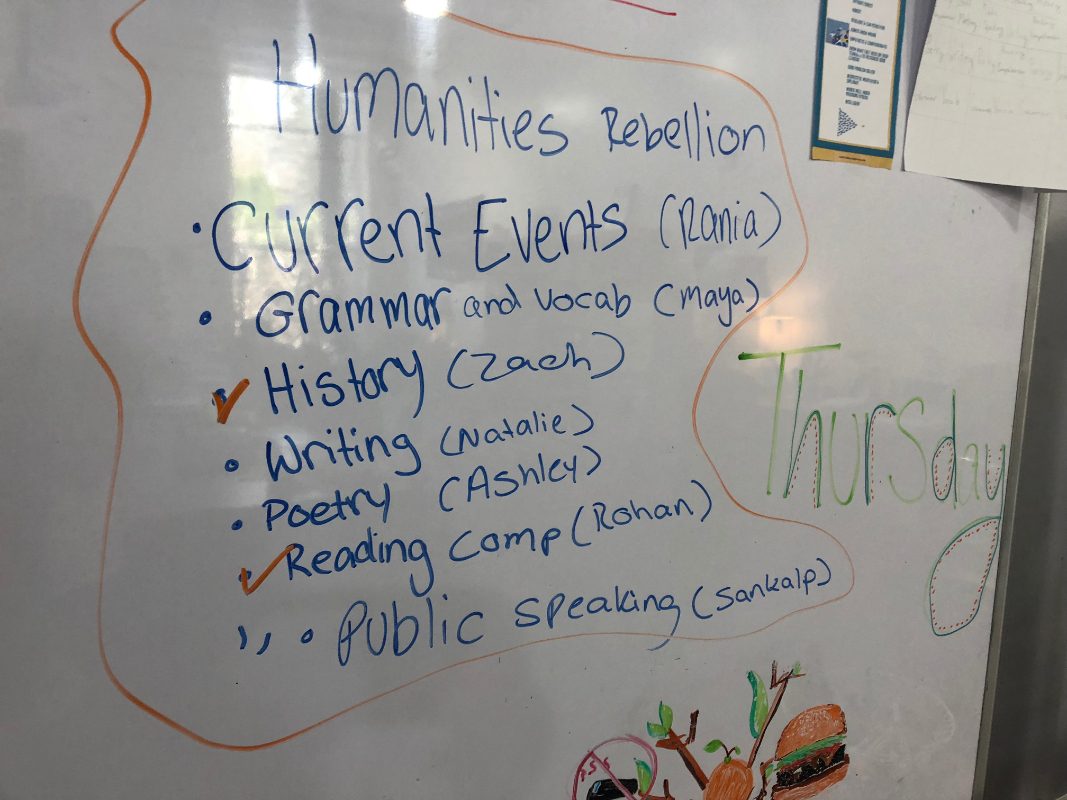
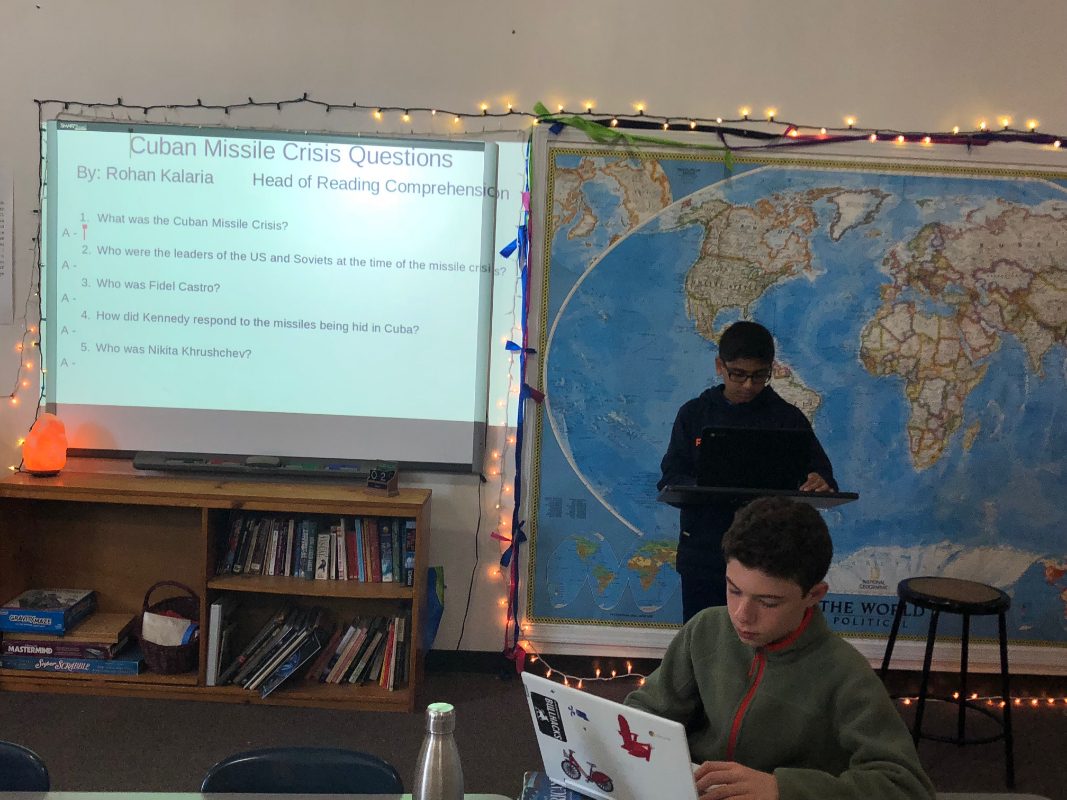
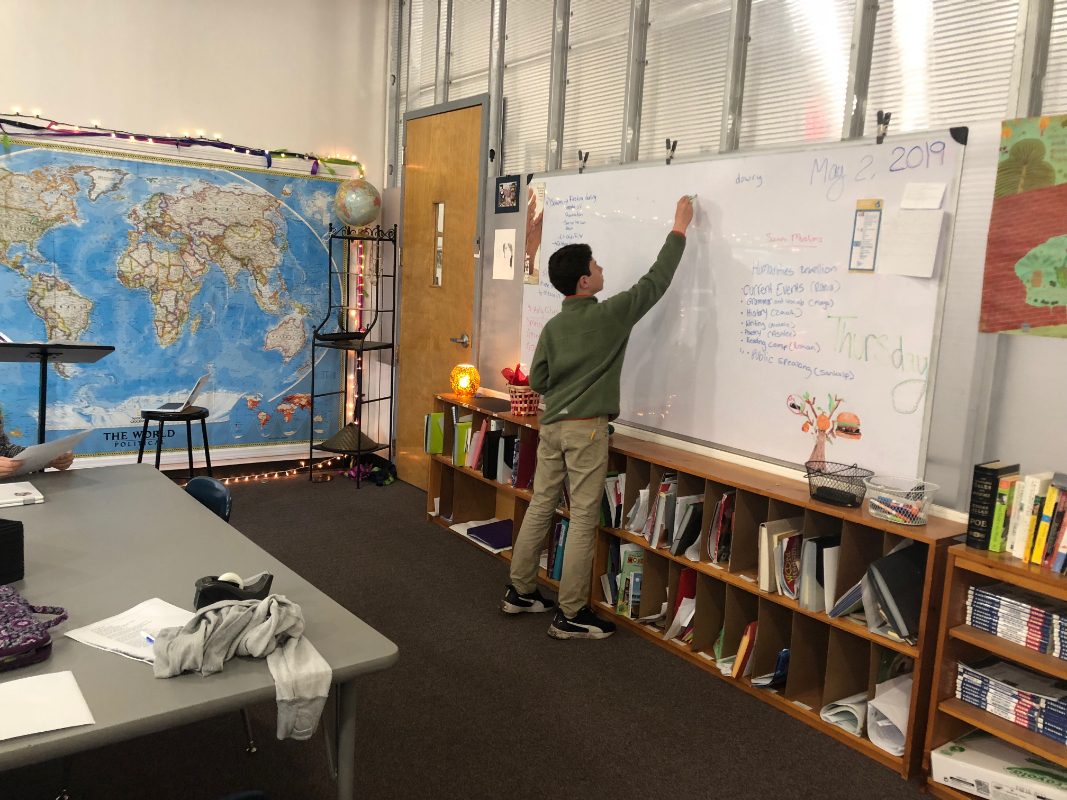
6th year Humanities students are working on their essay for The Egypt Game. They are about the character progression of April using evidence from the novel. Also, 6th year students are learning about another ancient civilization in the Indus Valley on the India-Pakistan border before beginning their study of Afghanistan’s history and culture. 7th year students read and annotated the novel, A Long Walk to Water by Linda Sue Park this week. They also studied the political history of Sudan and South Sudan as well as the conflict that has consumed its modern, and current, history. 8th years spent the week studying African American history from the late 1800s through the early 1900s in the U.S. They studied legislation including the 14th and 15th amendments as they applied to people of color during this time, Jim Crow Laws, and the southern Black Codes. Then, they learned about Booker T. Washington, George Washington Carver, W.E.B. DuBois, and Marcus Garvey. This was interesting, as they had different ideas about the future for African Americans. We also studied the origins of the NAACP and some of the work they currently do. We are excited to look at the Harlem Renaissance and begin reading Witness by Karen Hesse. Finally, 6th and 7th years had an exciting return to current events after taking a long break due to research fair and the play.

Don’t forget to mark your calendar for 3 wonderful events on Wednesday, April 17th!

Art Show from 3:30 pm – 5:30 pm

Elementary and Middle School student artwork will be showcased in the Commons!

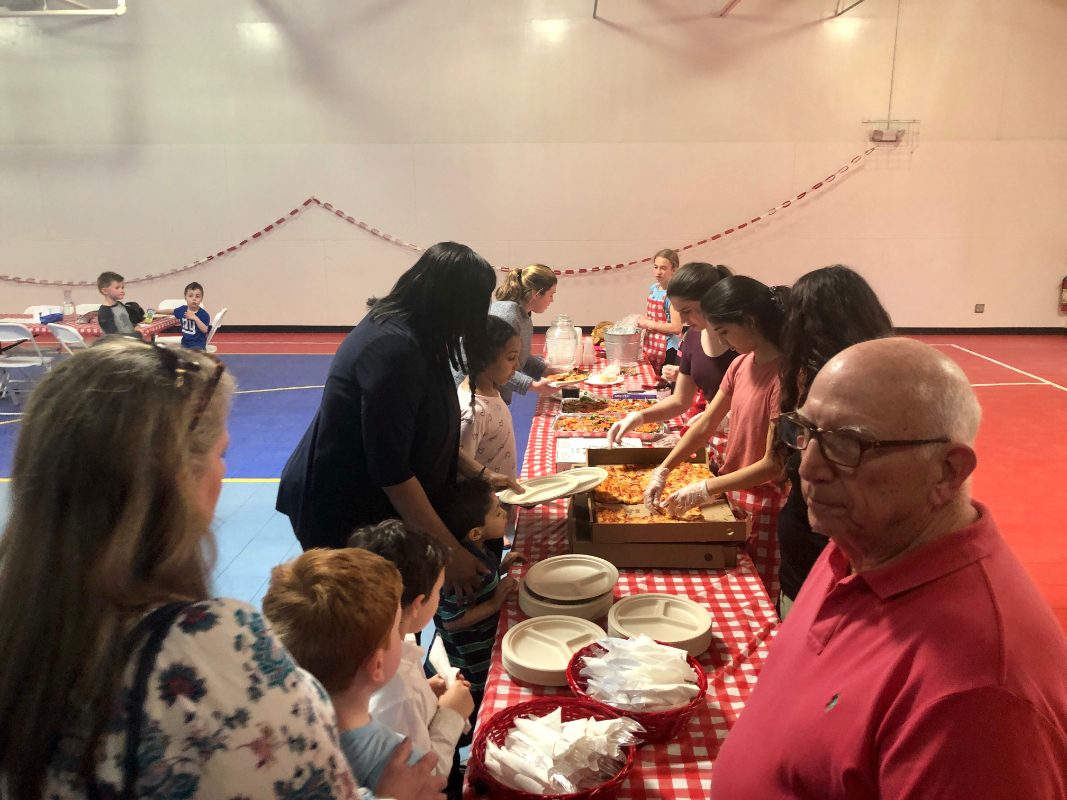
FWM Family Pizza & Salad Dinner from 5:00 pm – 6:00 pm

Dine with us! Service and hospitality provided by Middle School students in the GYM!

Log in and place your order here:

https://www.myfwm.org/schools/myfwm.org/forms/?id=MTM%3D

Deadline for orders to be submitted by April 12

Parent & Child Night from 5:30 pm – 6:30 pm

Work alongside your child by engaging in the many Montessori works in his or her classroom!


Middle School: Signs of Spring

Before I begin to talk about our times since we have been back from break, I would like to give a huge thank you to all of the parents, family, and friends of the middle school for your support during our play, Flight 1927. Your presence and your feedback were so important to the kids and teachers. We had a great time doing it!
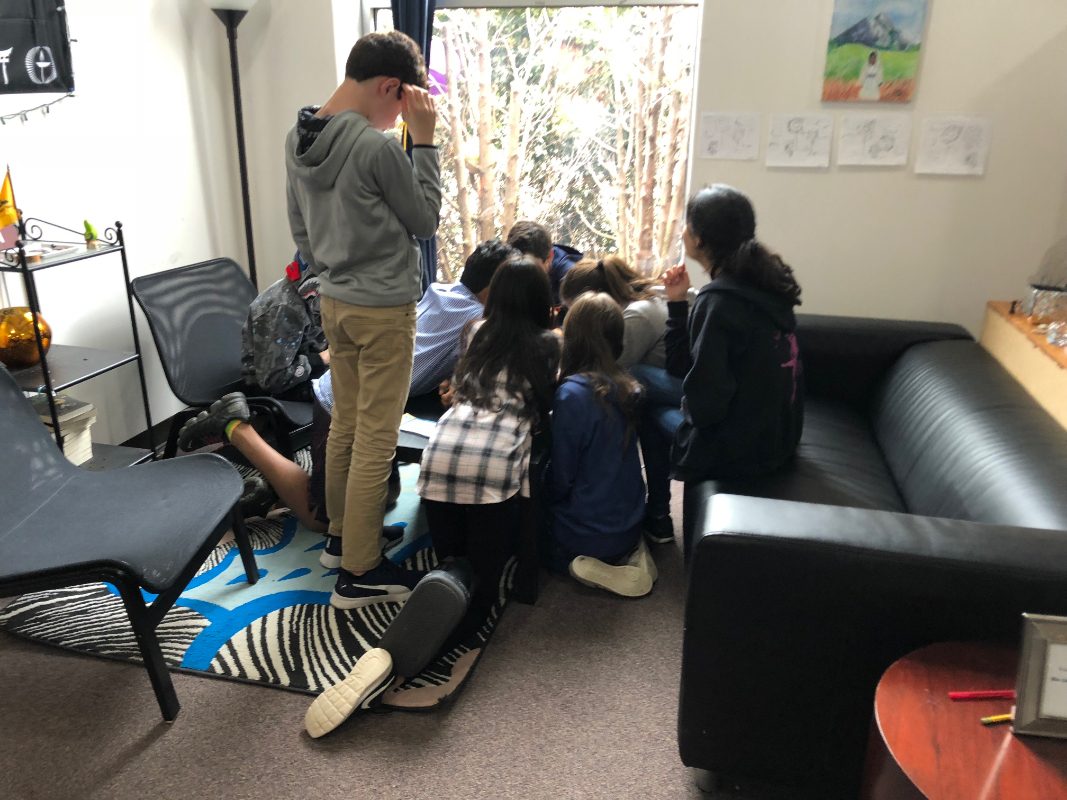
This week we were lucky to travel to the Yale Peabody Museum of Natural History in New Haven. We walked through the museum and were particularly impressed by the dinosaur exhibit. Afterwards, the 6th and half of the 7th years toured the Ancient Egypt exhibit and had a lively lecture from Richard, the resident expert. The other half of 7th years and 8th year students visited David Friend Hall, the gem and mineral gallery. Students were taught a lesson on the identification of minerals upon entering the exhibit. Students were amazed at the natural colors, shape, and sizes many of the minerals displayed. The museum also let us know that they would be opening a Mesopotamia exhibit soon, so we look forward to that in the coming years!
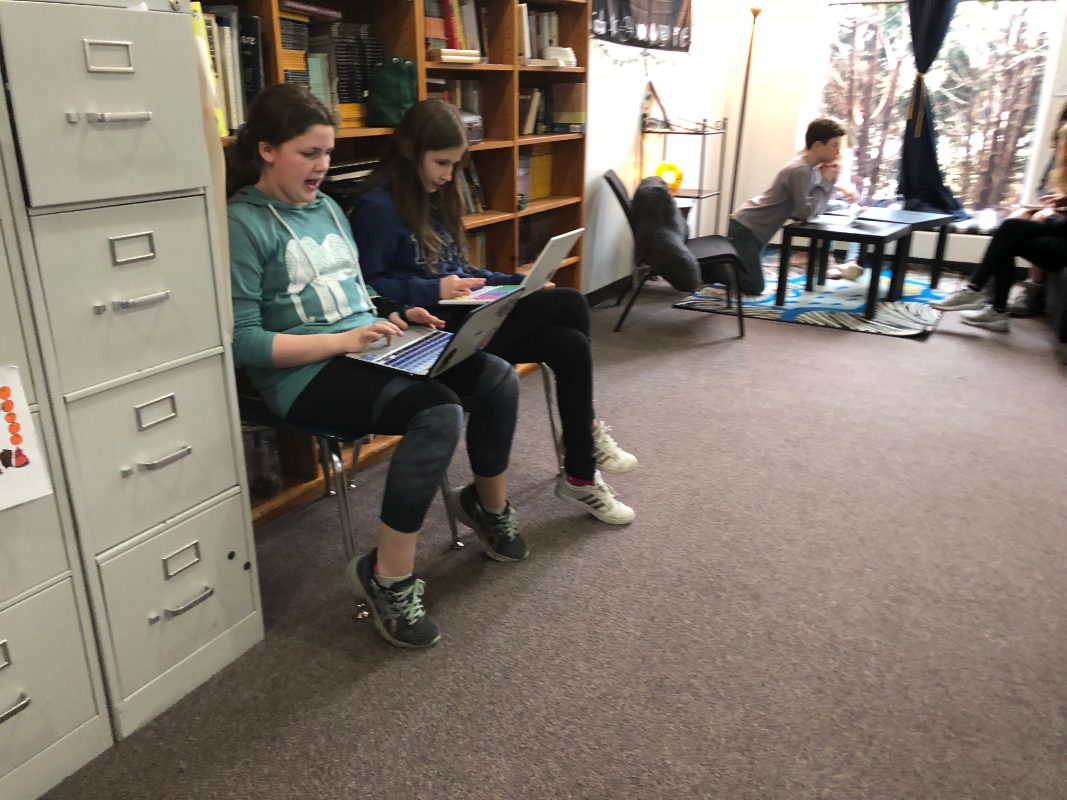
Now, let’s talk about signs of spring in middle school: a renewed sense of enthusiasm for classes, excitement about end-of-the year events that are now around the corner, and, for the 8th years, the reality that expert project presentations are coming fast and furious.

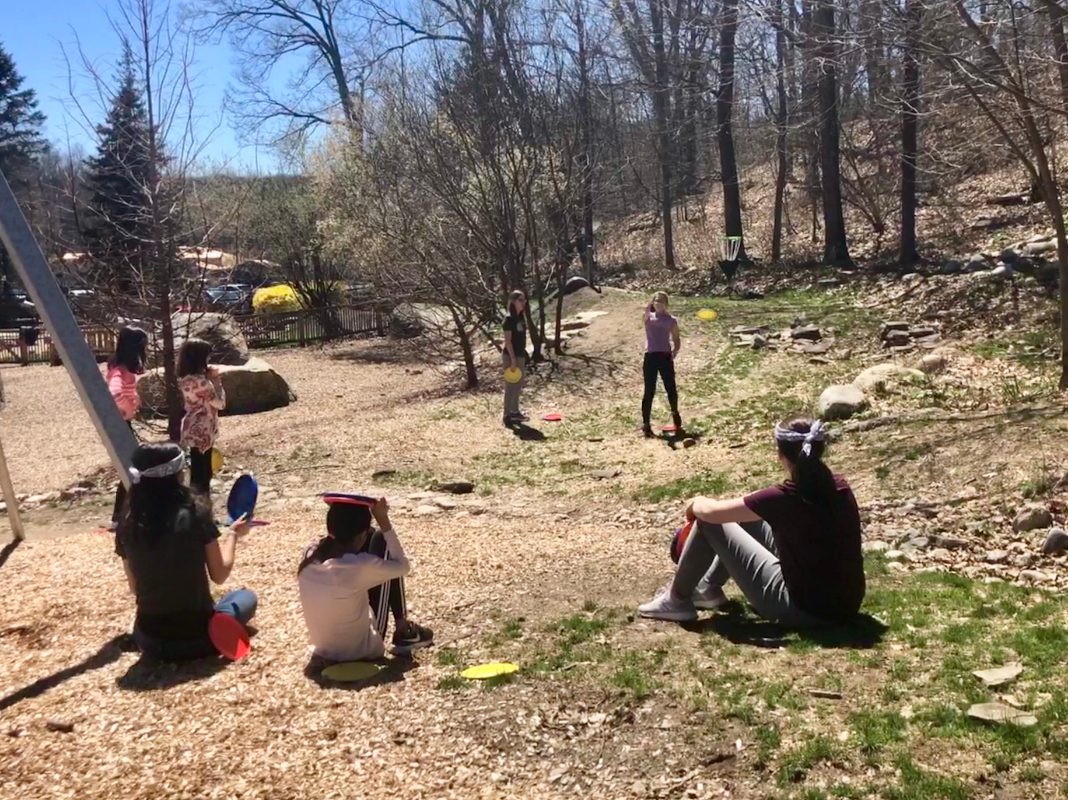
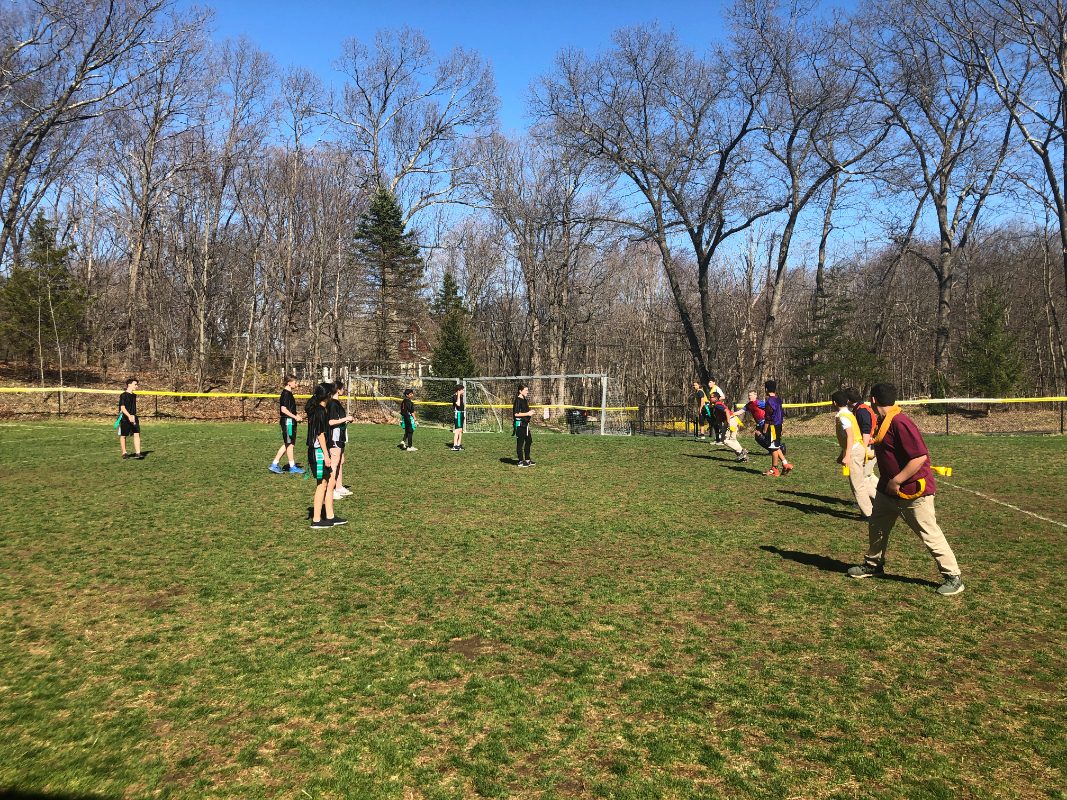
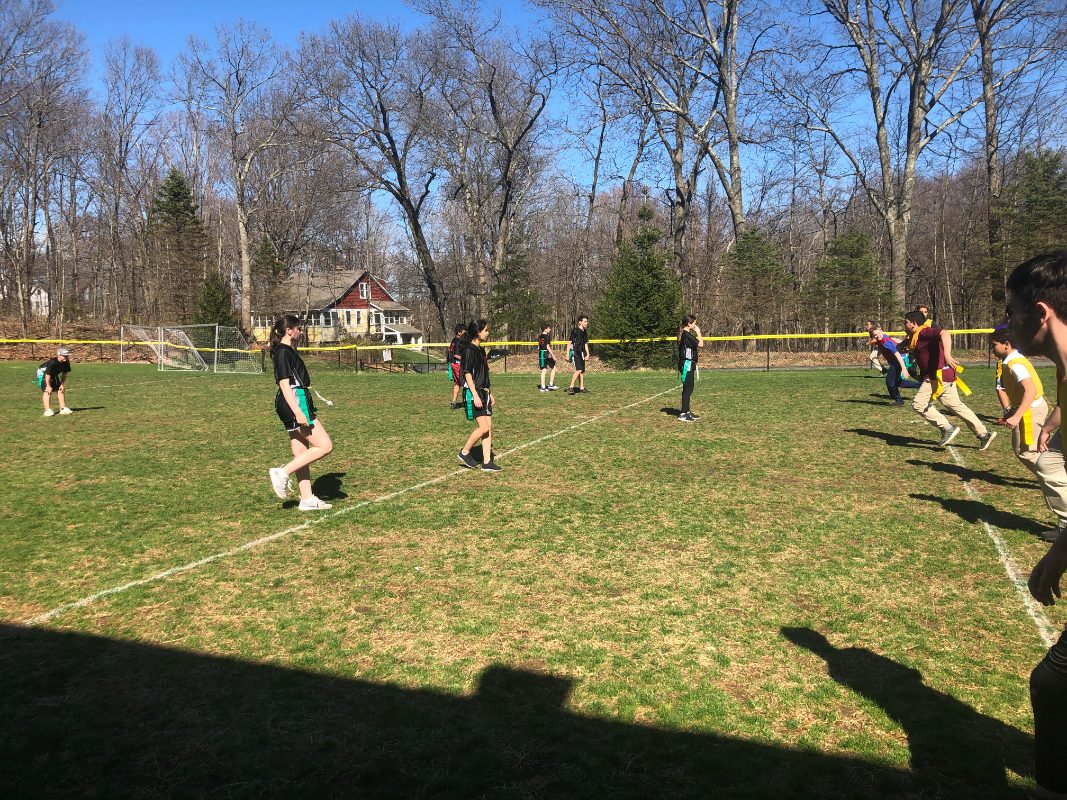
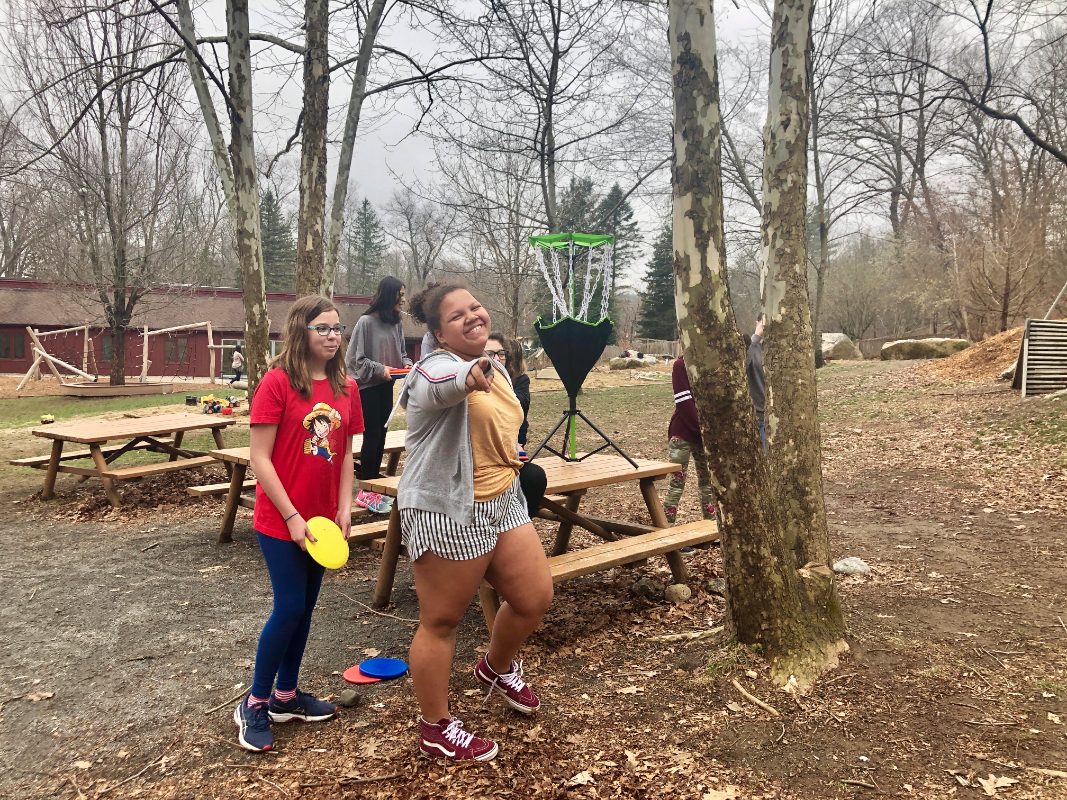
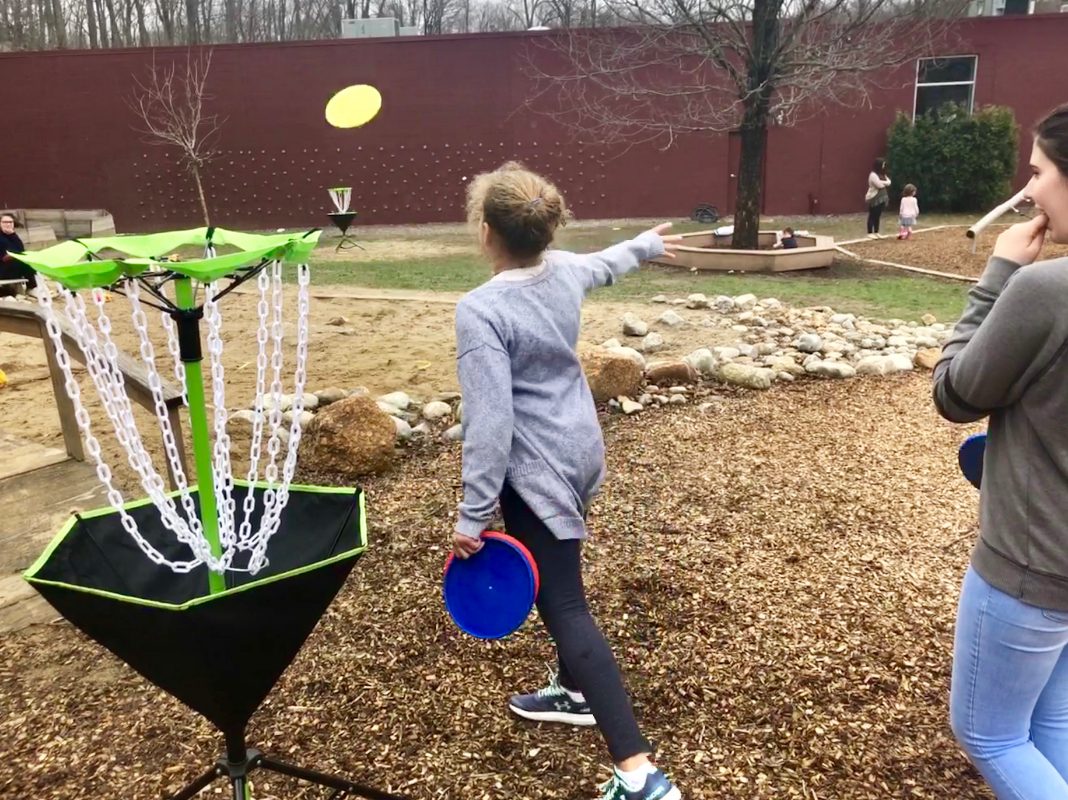
We have spent time outside every day this week. That being said, it has been in the upper 30s and low 40s at our morning recess time and will be chillier next week. Your children should be dressed for this type of weather with warm, outer layers as well as limbs covered. If they wish to wear shorts, they may change into them after recess. Thank you for your attention to this.


Middle School: What is a Montessori Immersion Week?

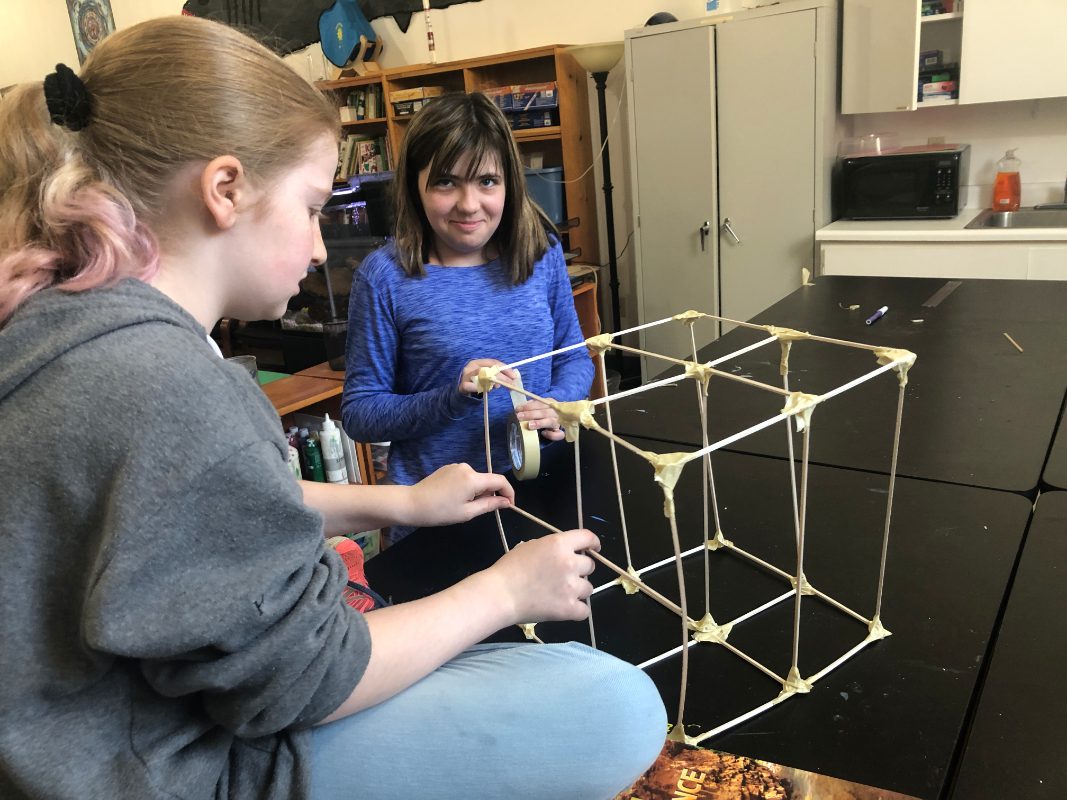
Maria Montessori believed it is important to give adolescents opportunities to create and build things with their own hands, to understand the process of working toward a larger goal, and to immerse themselves deeply in meaningful work.

At FWM, we expect a lot from our students during the school week. We know that challenging academics will help our students get ready for the path that lies ahead. Because we are committed to the development of the whole child, we embrace the prospect of giving students the opportunity to be creative in a different setting and to see each other’s strengths in a new light.

FMW’s Middle School Immersion week focused on the production of Flight 1927.

The students came up with the basis for the story. They developed the plot line, designed the scenes, developed the characters, and wrote the play in its entirety-scenes and dialog.

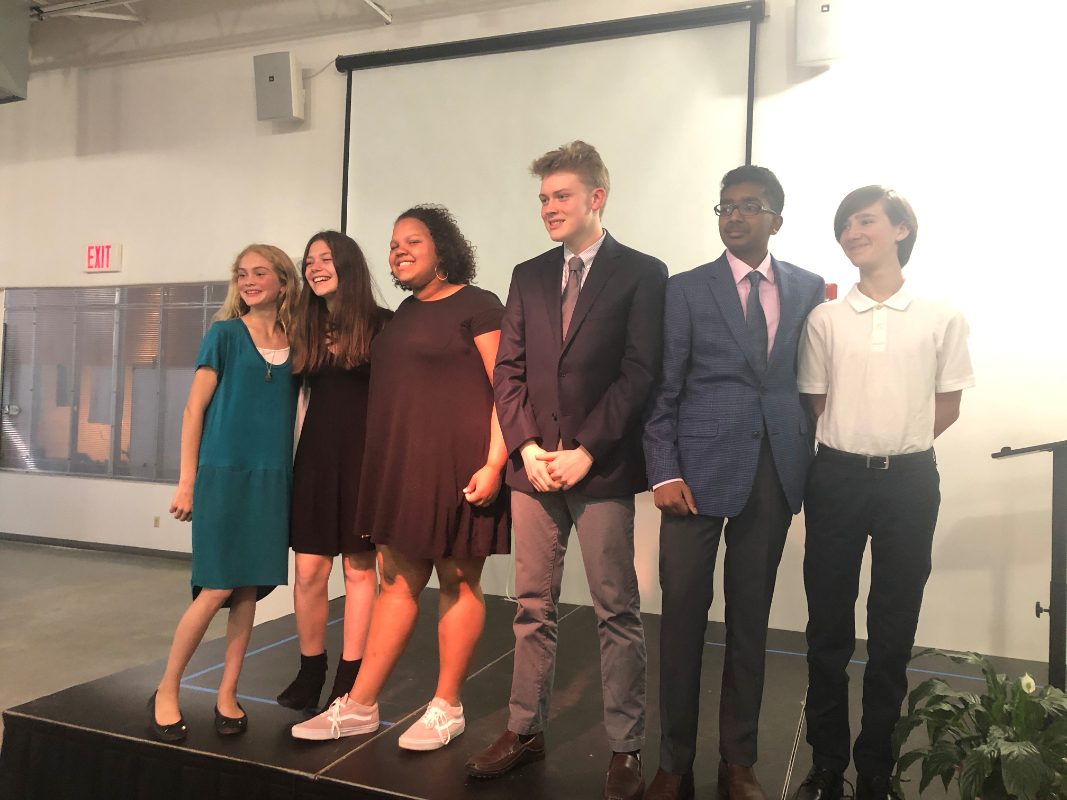
The result: Thursday night’s performance of Flight 1927!

BRAVO to FWM’s Middle School Students!

Purposeful work done with honesty and passion is what drives our students to success on any path they choose to follow.


Middle School: Flight 1927, pt.1

This has been an exciting week for middle school as they received their final, revised scripts of the play they composed, Flight 1927. Writing a 10-scene, 36-page script is no easy feat, but the middle school students made this a smooth process.

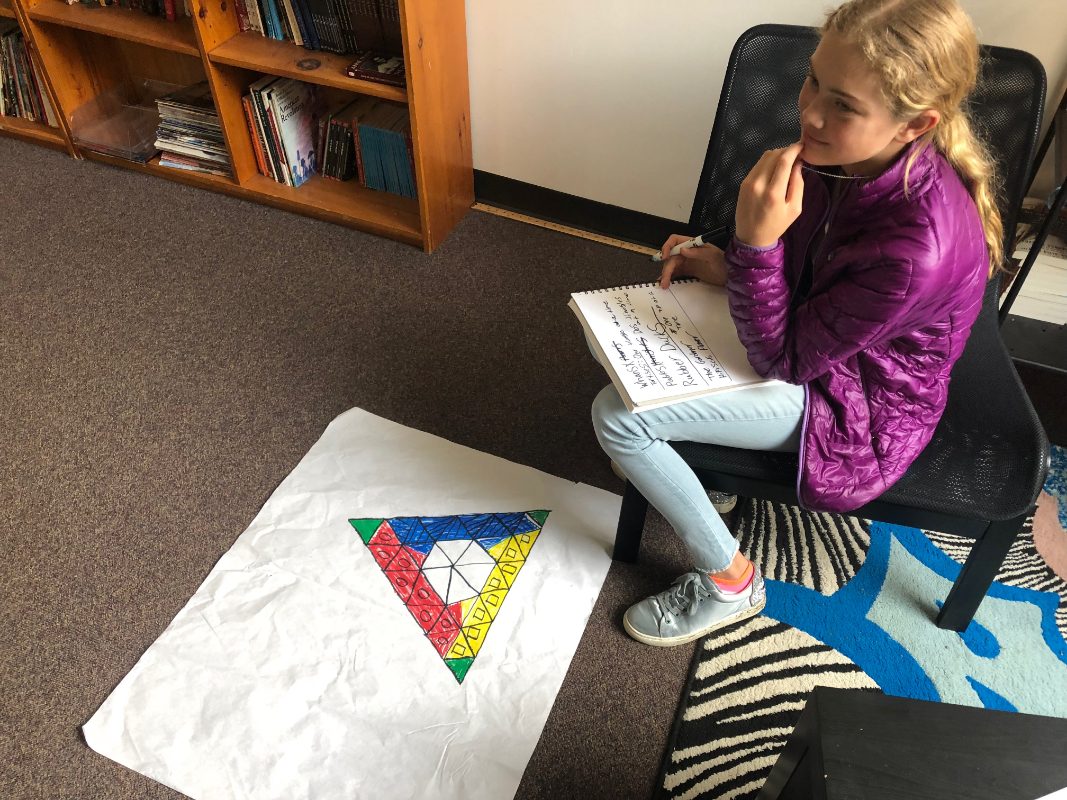
While writing the lines was the last piece of the play composition, the students have been working for a couple of months on the plot. This trimester, I offered an elective that specifically focused on developing the middle school play. Initial creative decisions were made by the 8th years. From there, the elective group (which comprised of half of the middle school students) kept those decisions in mind, and they came up with ideas for the overall play premise. Those ideas were narrowed down to two, which were voted on by the entire middle school. Next, the plot line needed to be developed: what major conflict will take us through the plot? How will it start? What’s the turning point? How will the conflict resolve? The elective broke into 4 groups, which then met during some advisory periods as well as elective periods, to develop a plot line, physically draw it, and insert the scene ideas that will help it be accomplished. Those 4 plot lines were presented during electives. The final plot for Flight 1927 came from one of those presentations. It was an obvious choice-there was no voting. The kids were excited about one of them, and it kept sparking new ideas.

Character development is the next pivotal piece in developing the play. Who will bring this story to life? Each student had a chance to develop a character, whether it was to be played by them or someone else. This involved imagining a personality, appearance, how they will affect the plot, and writing examples of what this character might say. The magic comes in when each student presents his/her character. The rest of the class can contribute ideas, which then solidifies their role. The last two years, characterization has been a favorite portion of the process for me.

Finally, it’s time to write! This year, the writing process was done differently. After re-reading student reflections from last year and referring to my own notes, I thought we would try writing the play in concentrated, longer chunks of time. This way, we would have more time in Humanities for our regular classes. We used two mornings and a few class periods on other days to write. Students were divided into scene-writing groups where their characters would be appearing. They spent 1-2 hours together developing dialogue using the scene summary that was developed from the original plot. After all scenes were written, I went through each to ensure that plot goals were carried through, digressions were removed, characters stayed true to who they were supposed to be, and the play came together the way it was originally intended.

I could not be more proud of this group of middle school students. What an amazing product! I loved hearing their laughs as they read through the play in its entirety for the first time. What an incredible learning experience for all of us! Now, it’s time to put on a show. See you next Thursday night!


Middle School: Week in Review

It’s been a fun week as we progress in our writing of the Middle School Play! While we have had the plot figured out, adding characters with fun personalities and writing dialogue has been exciting. The biggest challenge is threading important pieces of the plot through the scenes in order to keep the play’s intended focus. Costuming and props are also being designed and decided. We can’t wait to share it with you in two weeks!

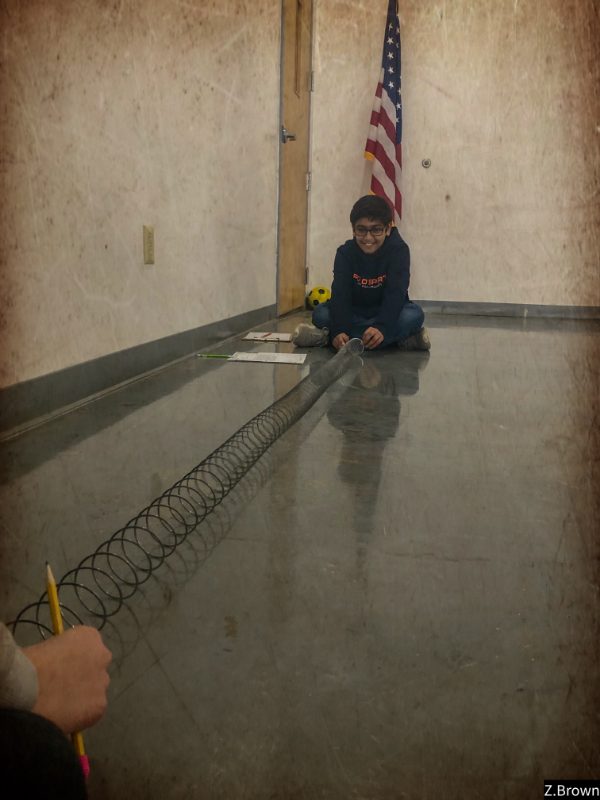
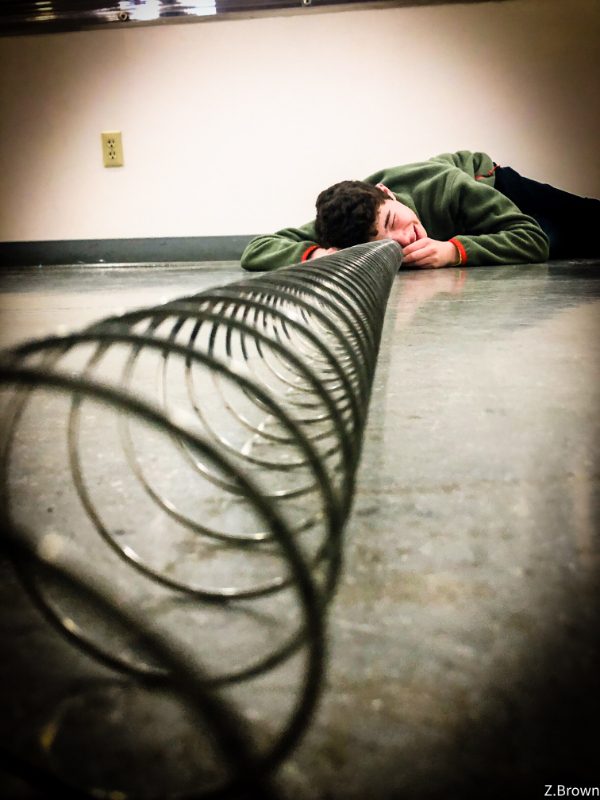
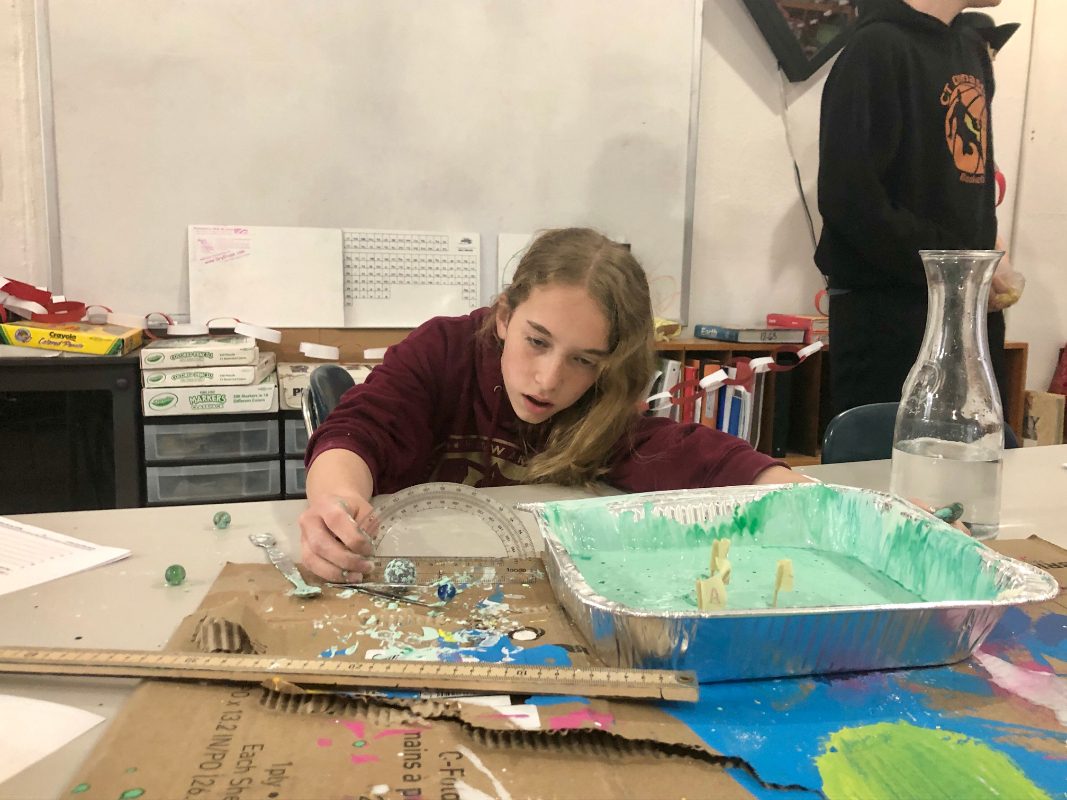
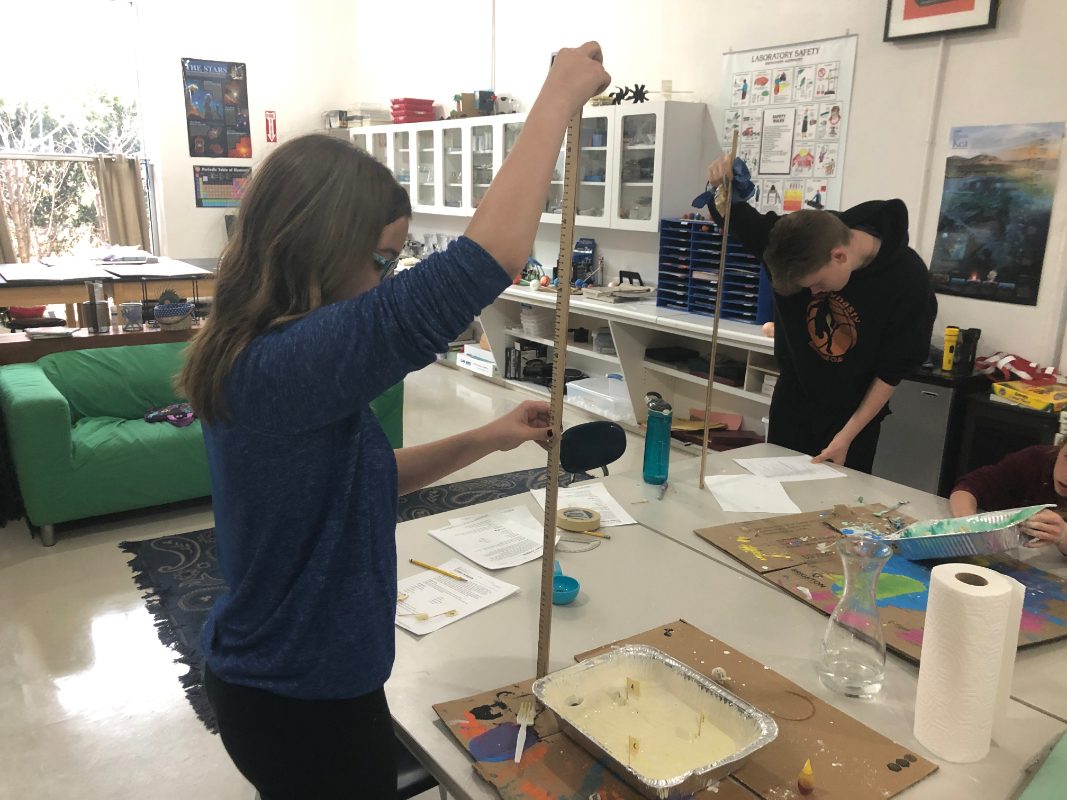
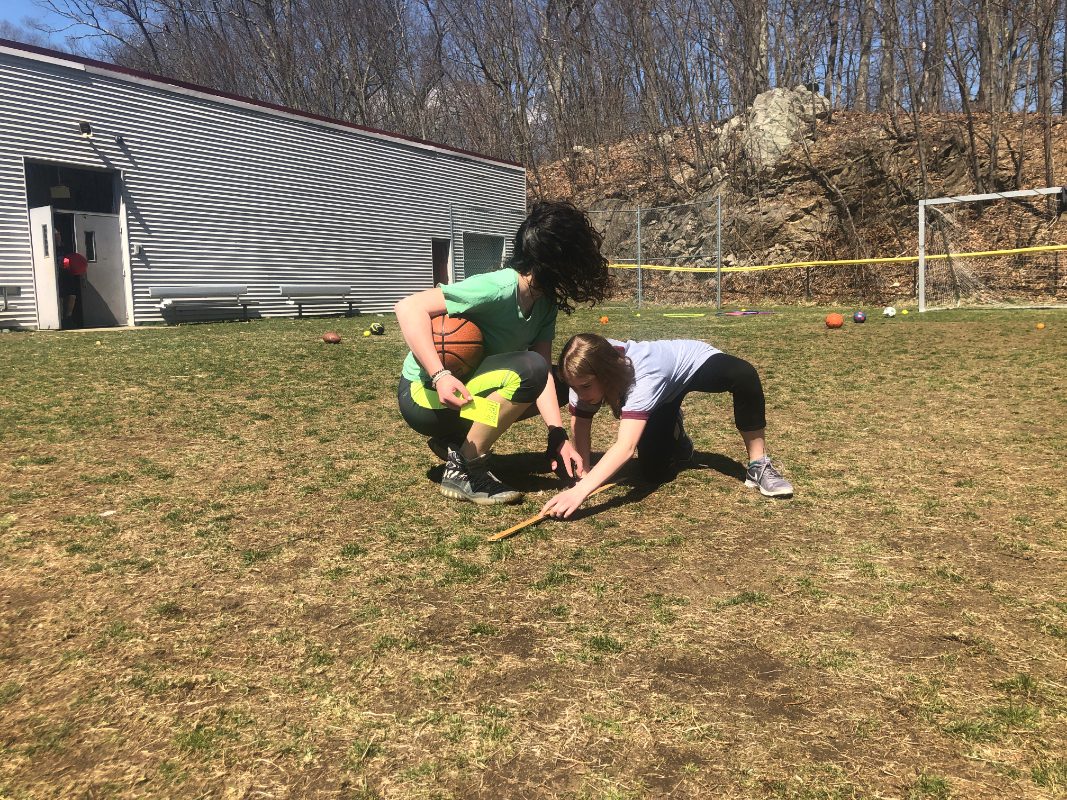
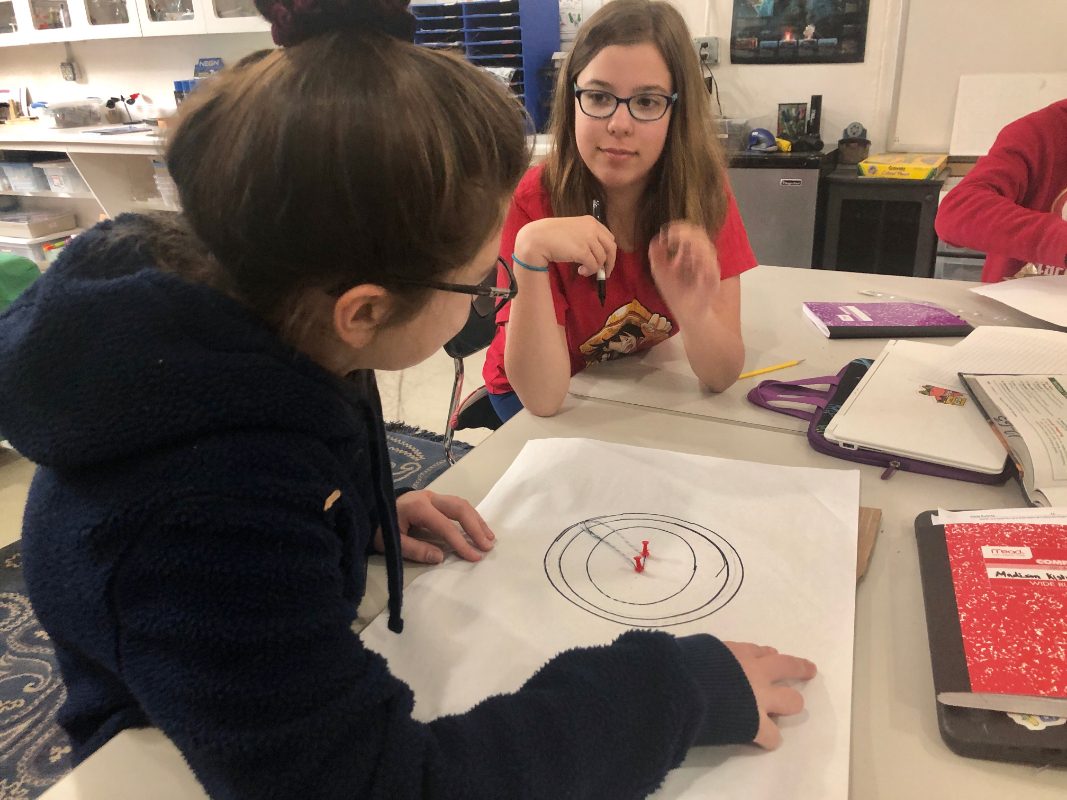
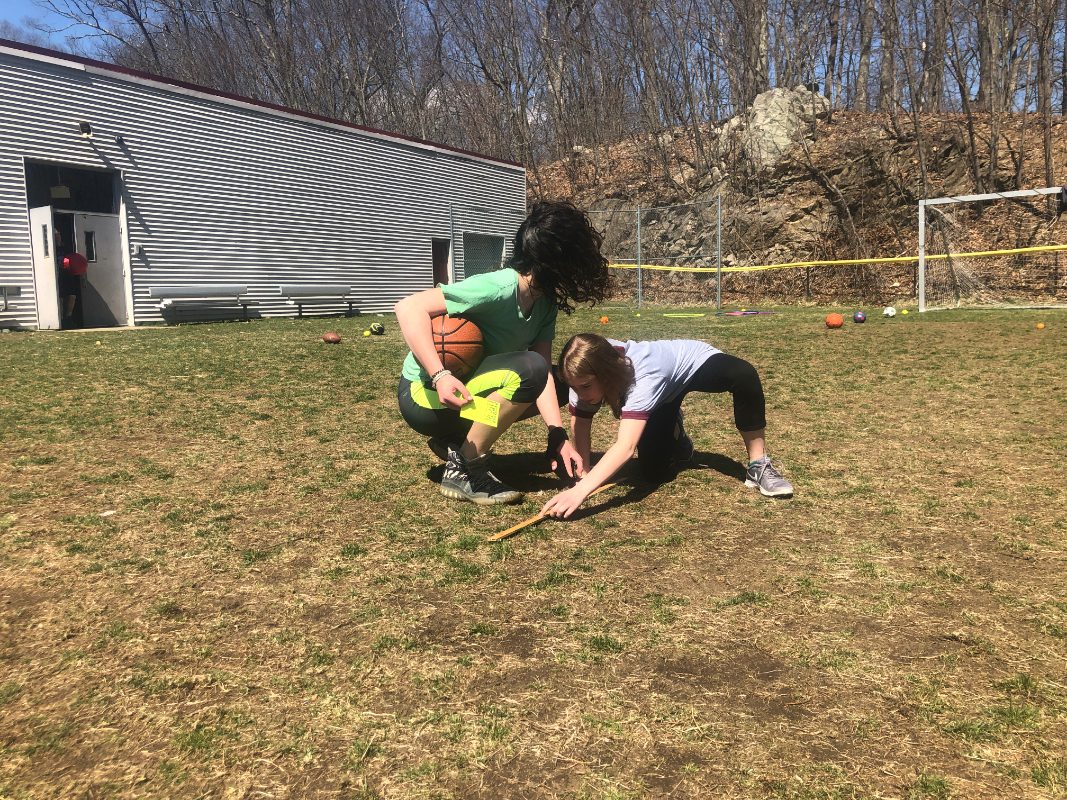
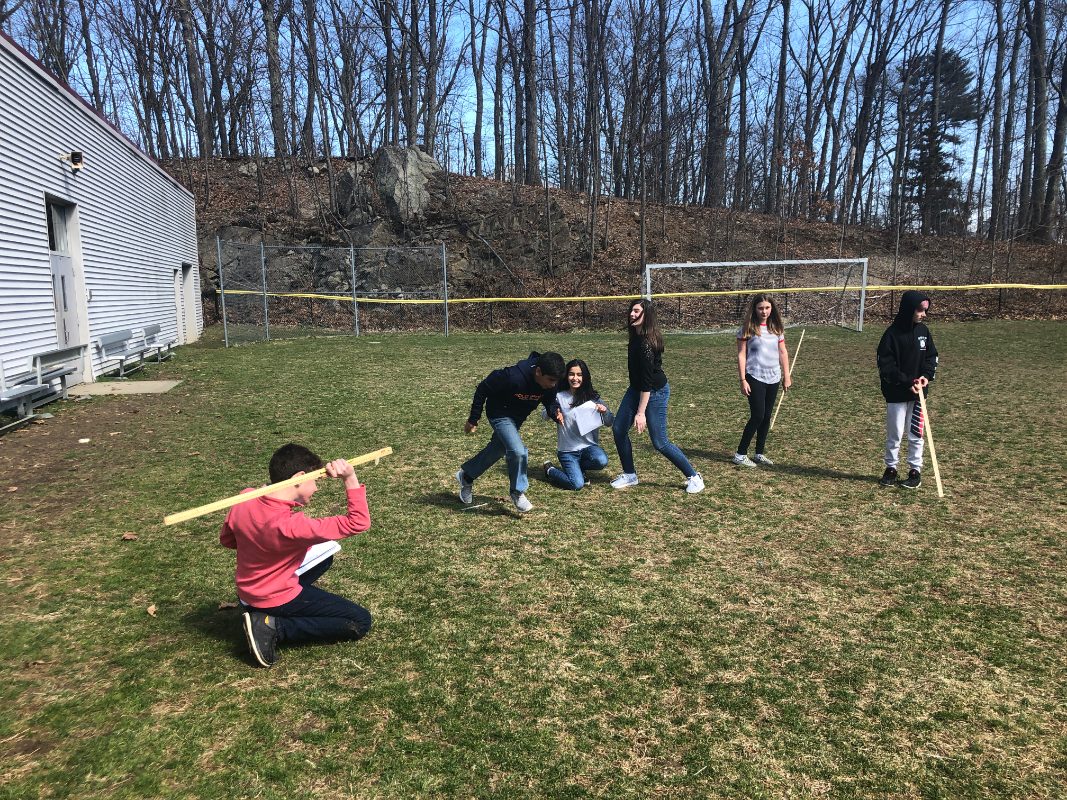
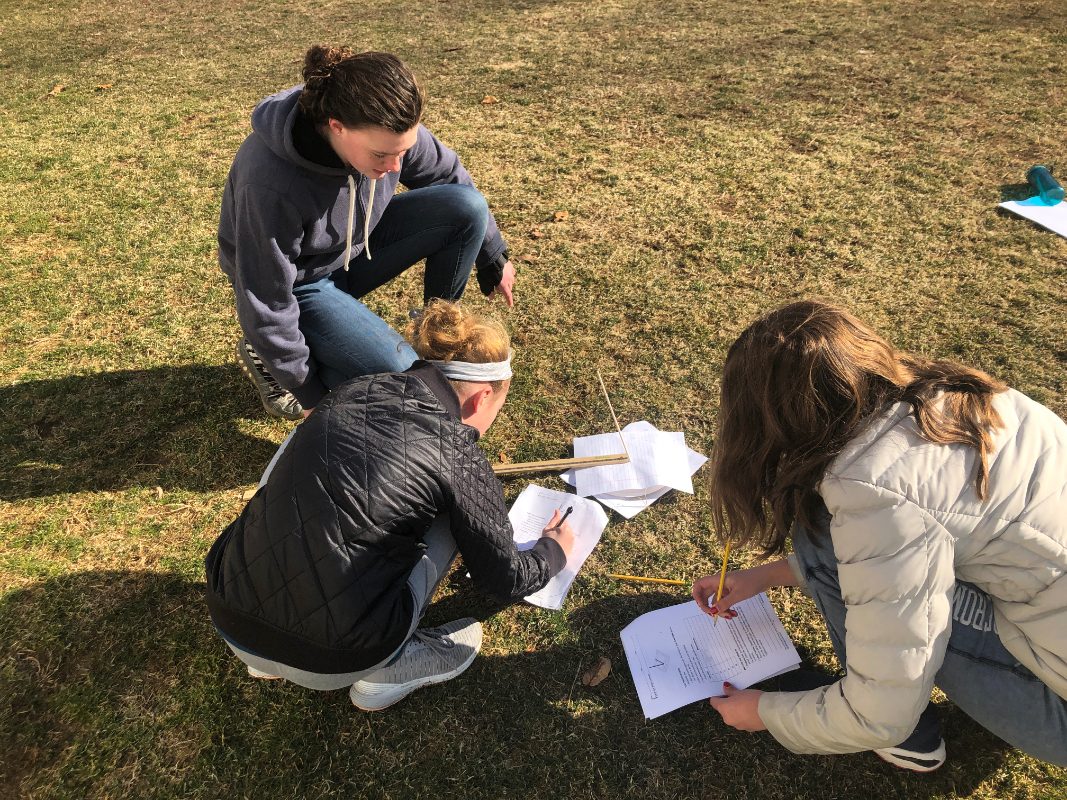
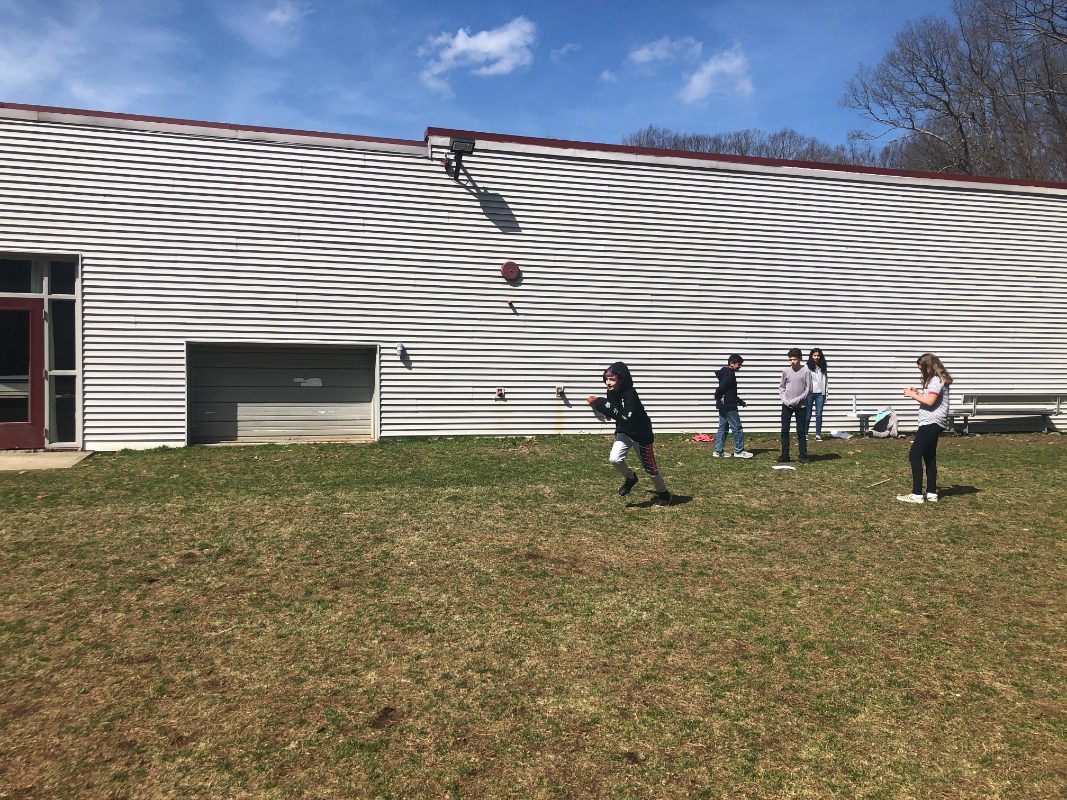
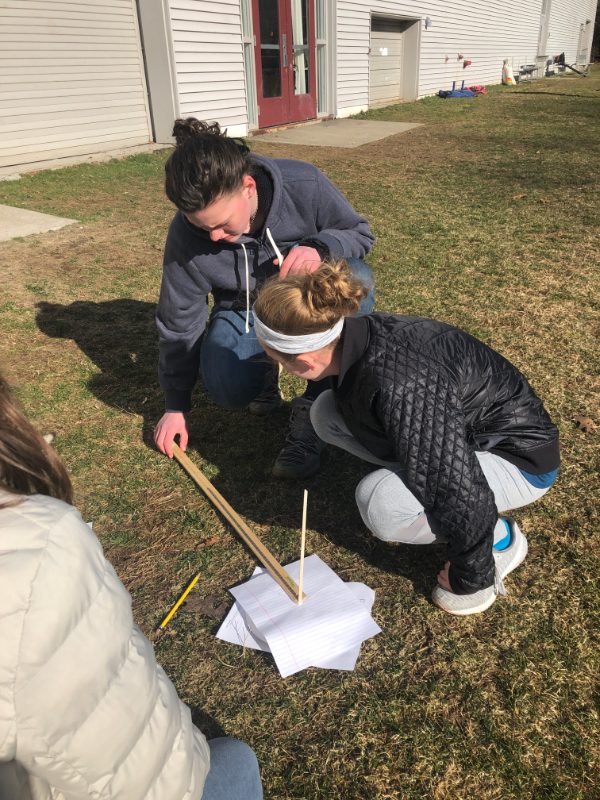
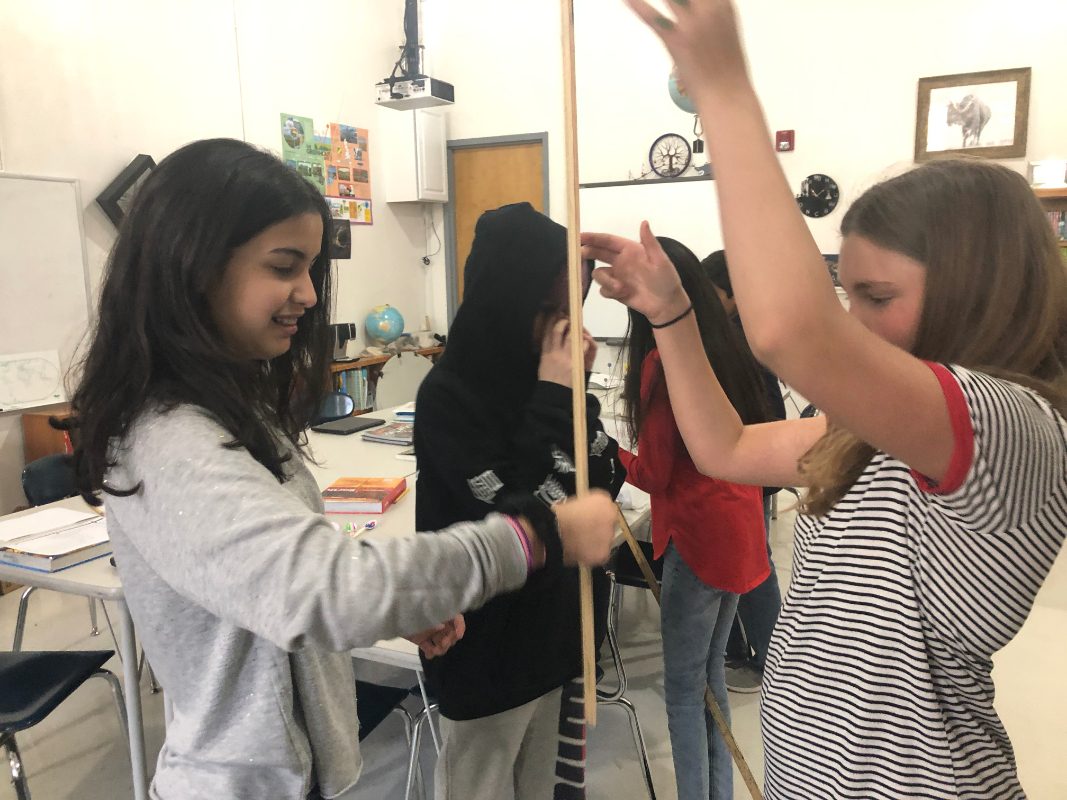
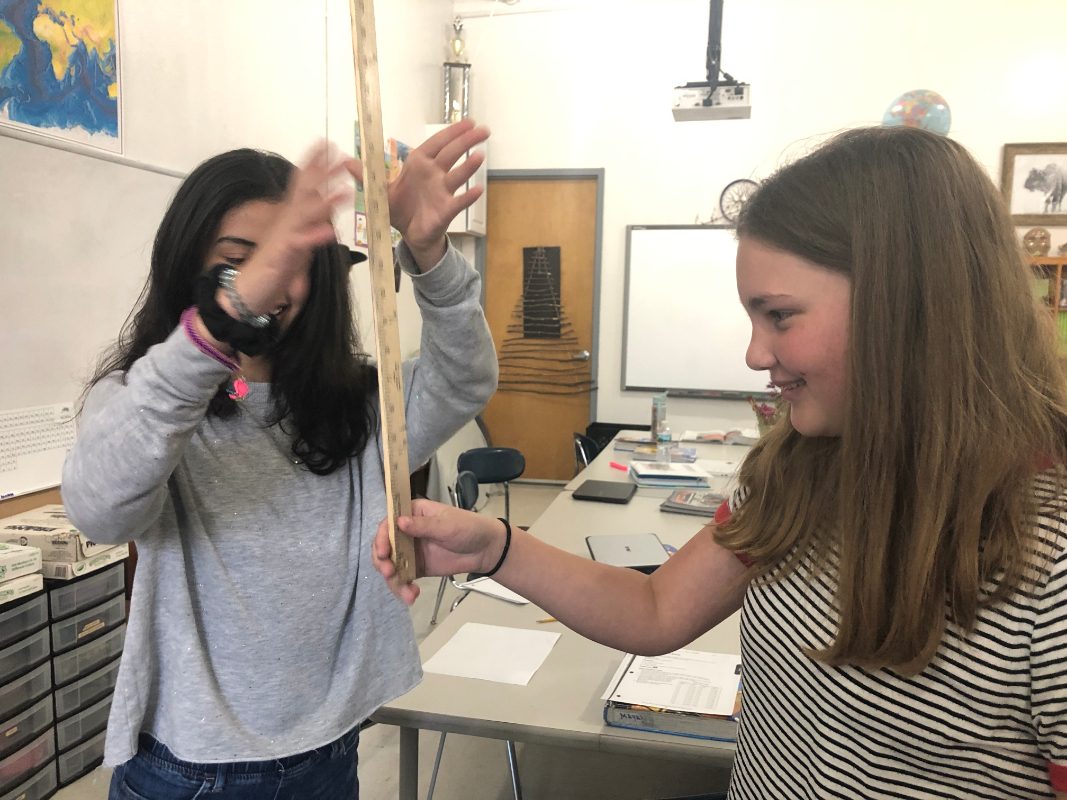
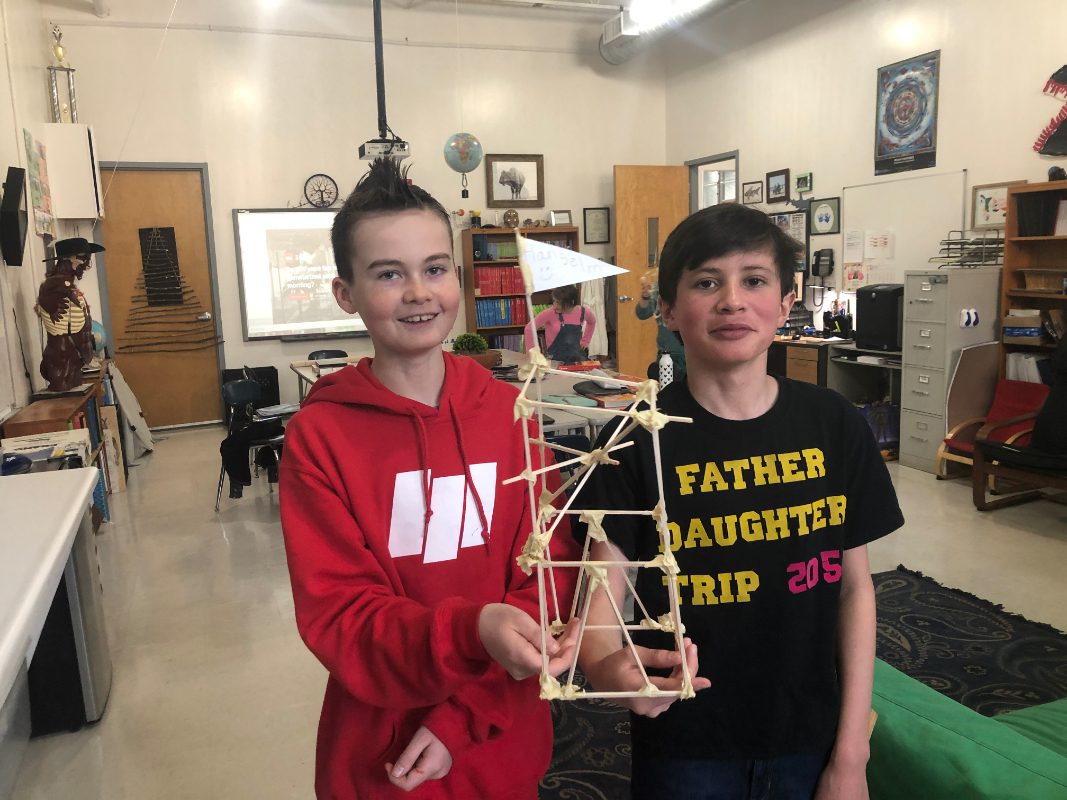
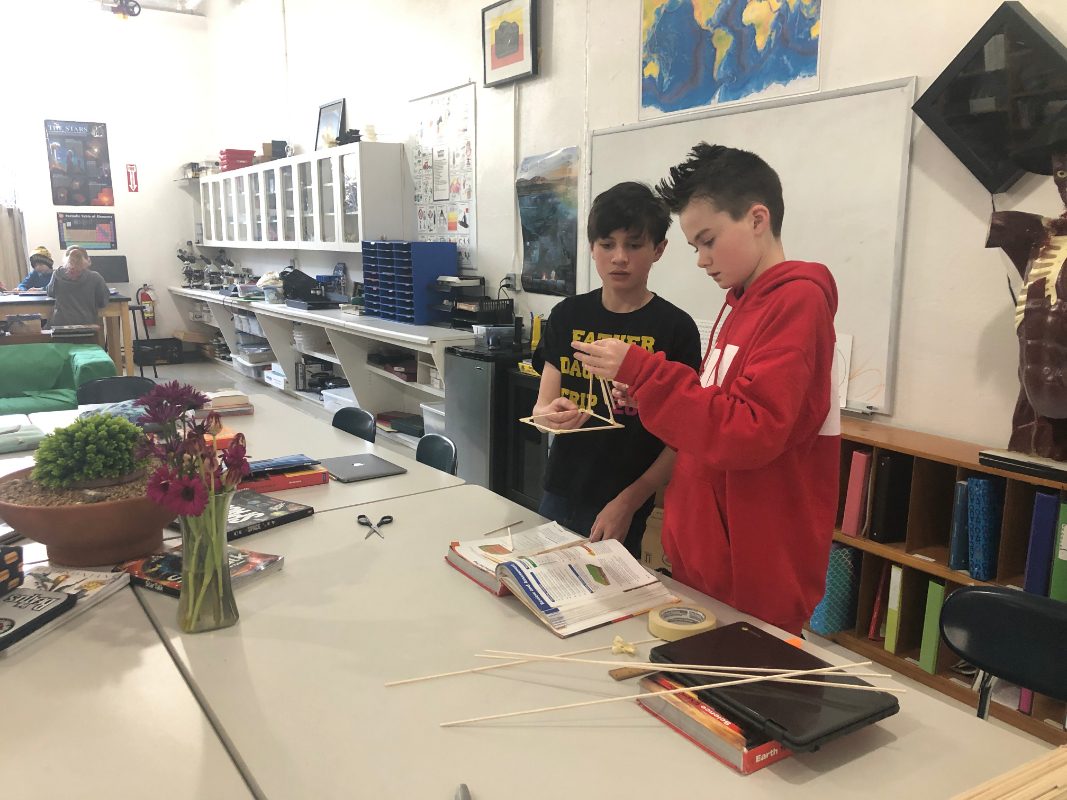
In addition to play writing, sixth year Earth Science students began their unit on earthquakes. Students used compasses and protractors to locate the epicenter of earthquakes. In seventh year Physical Science, students are discovering differences and similarities between speed and velocity. Eighth year Earth Science students were able to test their water turbines concluding their unit on natural resources.

Math classes moved along this week as well. The sixth years are continuing their geometry unit.  This week, in addition to expanding their understanding of congruency, they learned about the area of polygons.  This unit includes their ability to estimate and find the actual area of a polygon. The seventh years continued to work with linear functions.  They have worked with slope and how to graph and write equations using the slope-intercept form.  Shortly, the class will be introduced to direct variation and will learn to fit lines to data. The eighth years expanded their knowledge of exponents and their properties. They worked with powers with the same base, powers of powers, and powers of products. Included in their unit are negative exponents and rewriting solutions that necessitate changing negative exponents to positive exponents.

Next week will prove to be exciting as we transition to immersion for the week’s end! Stay tuned!


Middle School: Top 10 Skills Middle School Students Need to Thrive, and How Parents Can Help

Please enjoy this article published by the Washington Post:

Top 10 Skills Middle School Students Need to Thrive, and How Parents Can Help

By Phyllis L. Fagell

February 29, 2016

In elementary school, I was too shy to address my teachers by name. I would hover nearby, hoping they would realize I had a question. I also was the new girl, and the existing cliques seemed impenetrable. To make matters worse, I was a late reader and had difficulty articulating half the alphabet. Family members would euphemistically say I was just “slow out of the gate.” I had my work cut out for me.

By middle school, I was ready to throw myself into the mix. It wasn’t always pretty. I got tossed out of classes for giggling uncontrollably. I navigated earning my first “D” and getting demoted in math. I had a knack for choosing overly dramatic and bossy friends, and I accidentally dyed my hair brassy orange. I agreed to go to a school dance with a boy, only to panic when I realized this involved actually going to a dance with a boy. I got busted for passing notes in class and for finishing overdue homework in the girls’ bathroom.

On the plus side, I figured out how to connect with teachers, and I learned I could solve math problems when I made an effort. I discovered that books kindled my imagination and provided a mental escape. Sports played a useful role too, allowing me to burn off excess energy and improve my focus. I shifted social groups more than a few times. Overall, it was the typical junior high experience, one I relive frequently as a middle school counselor and as the parent of kids in seventh and eighth grade. Long before social emotional learning became a buzzword in education circles, I was stumbling along, acquiring self-awareness and problem-solving skills.

There is no manual to develop “soft” skills like perseverance and resilience. Just as I did, most kids learn through trial and error. As parents, our quest to protect our children can be at odds with their personal growth. It can feel counter-intuitive, but we mainly need to take a step back. I have come to believe that certain social emotional skills are particularly useful as kids navigate middle school and beyond. Here are my top 10 skills, and ways parents can help without getting in the way.


Top 10 Social Emotional Skills For Middle School Students

  1. Make good friend choices. This typically comes on the heels of making some questionable choices. Kids figure out quickly which friends instill a sense of belonging and which ones make them feel uncomfortable. It can be helpful to ask your children these questions: Do you have fun and laugh with this person? Can you be yourself? Is there trust and empathy? Common interests are a bonus.


  1. Work in teams and negotiate conflict. I don’t think many students get through middle school without feeling like they had to carry the load on at least one group project. Maybe they didn’t delegate and divide the work effectively at the onset. Perhaps they chose to take ownership to avoid a poor grade. Help them understand what happened and consider what they might have done differently.


  1. Manage a student-teacher mismatch. Unless there is abuse or discrimination, don’t bail them out by asking for a teacher change. Tell them they still can learn from a teacher they don’t like. Let them know it’s a chance to practice working with someone they find difficult. Remind them that if they can manage the situation, they won’t feel powerless or helpless the next time. Focus on concrete barriers to success in the class, not the interpersonal conflict. Is it miscommunication? Study skills?


  1. Create organization and homework systems. Make sure they are the architects of this process. Encourage them to come up with solution-oriented plans and tweak them as needed. Do they need to use their planner? Create a checklist? Their motivation will come from ownership. If they say they don’t care, remind them that they don’t have to be invested in a particular outcome in order to change their behavior. People who hate exercise can still choose to lift weights.


  1. Monitor and take responsibility for grades. If you care more than they do about their grades, why should they worry? Let them monitor their own grades, and if they don’t do well, don’t step in to advocate for assignment extensions or grade changes. Let them carry the burden and experience the connection between preparation, organization and grades.  Conversely, if they are perfectionists, they will learn they can survive and manage the disappointment of a low grade.


  1. Learn to self-advocate. By middle school, they should be learning how to ask teachers for help or clarification. This may be in person or through email. When students bond with teachers, they connect more intimately with the material too. Unless there is no other option, try not to reach out on their behalf.


  1. Self-regulate emotions. Children often need assistance labeling strong emotions before they can regulate them. Help your kids identify any physical symptoms that accompany their stressors. This may help them know when to take a breath or hit the “pause” button before reacting. In real time, point out when they handle an emotional situation well. Discuss the strategy they implemented—maybe they took a break or listened to music. Also, help them make connections between their thoughts, feelings and behaviors. Are they stuck in all-or-nothing thinking? Are they consistently self-critical?


  1. Cultivate passions and recognize limitations. When your children are fired up about something, run with it and encourage exploration. Seize the opportunity to help them go deep. Get books, go to museums and be supportive even if the subject does not excite you. In the process, you will help them figure out what drives them. On the other hand, it is okay if they struggle in a specific area. That too is useful information. No one needs to be good at everything.


  1. Make responsible, safe and ethical choices. Teach them to respect their bodies, and to make safe and healthy decisions. It is equally important to talk about how to avoid putting others at risk. Have open conversations and discuss plans for different scenarios they may encounter. Try not to be overly reactive if they ask shocking or distressing questions. Keep the lines of communication open.


  1. Create and innovate. Our changing world needs imaginative creators and divergent thinkers. It also can build confidence to think independently and outside the box. As your kids do their homework, read required texts and take standardized tests, remind them that these benchmarks are not the only ways to measure success. Encourage them to make connections across material from different classes, and to build, write, invent and experiment.


Phyllis L. Fagell is a licensed clinical professional counselor and school counselor in Bethesda. She tweets @pfagell.


Middle School: A Brisk Week in Review

A shortened week has not put a damper on our momentum in middle school!

Humanities 6 & 7 classes are currently reading novels and continuing their studies of ancient Egypt and the Masai culture. They are also revising their corrected drafts of their research papers and giving a first run-through of their presentations in preparation for next week’s Research Morning. 8th years presented compelling current event topics that caused us to deviate a bit from plans to divulge in these topics. Conversations about perspective, biased information, and media influence were all critical for the events from the Catholic high school student who had an interaction with an Indigenous American to the importance of mental health for all.

In math, The 6th years will begin their geometry unit after taking a cumulative assessment on units 1 through 6. In this unit they will define terms and be able to determine angle measurement using their knowledge of equations. They will also be introduced to congruent and similar figures. The 7th years began their unit on percent. In this unit they will be finding the percent of a number and solve percent word problems. Included also will be finding the percent of change, markups, tips, discounts, and sales tax.  They will also be calculating interest and account balances. The 8th years continue working on their graphing and solving systems of equation using graphing, substitution and elimination.  Next week we will begin graphing linear inequalities and systems of inequalities.

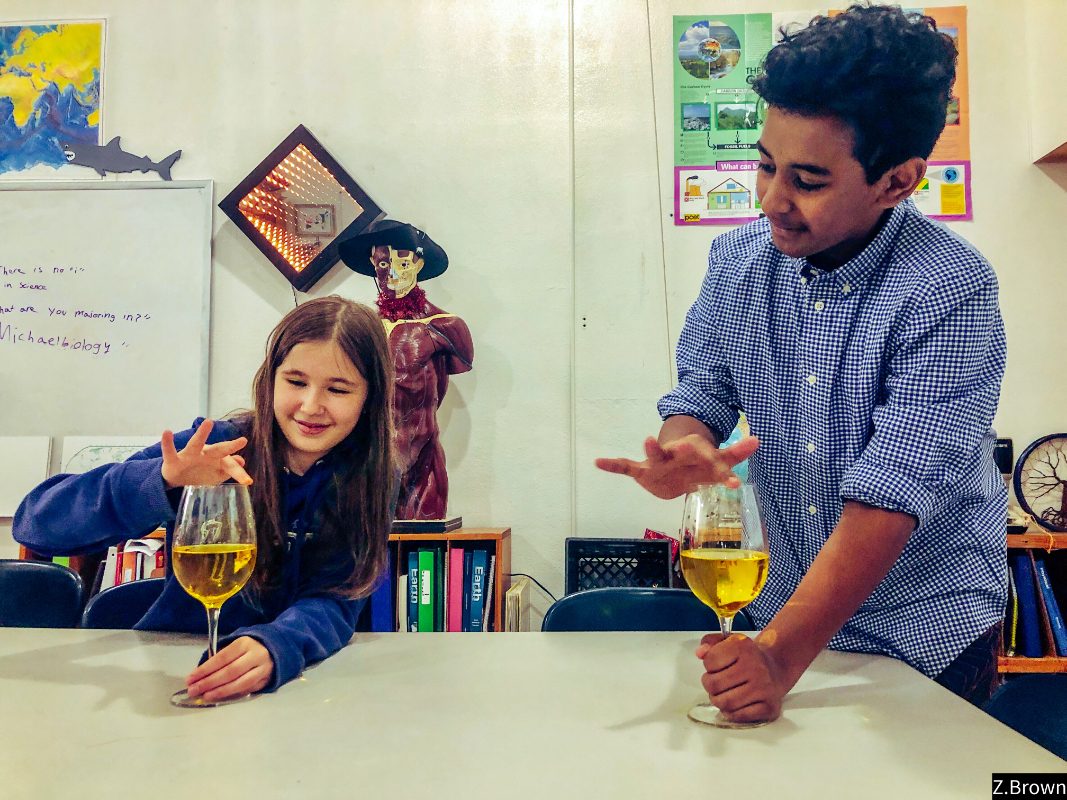
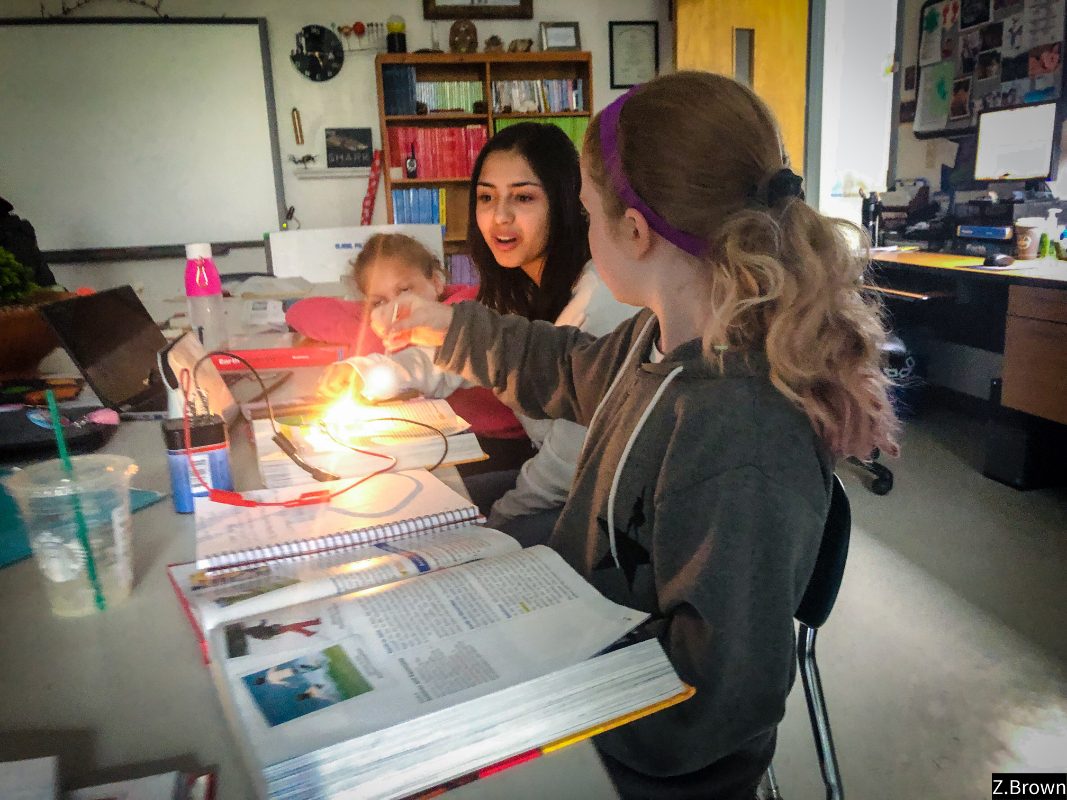
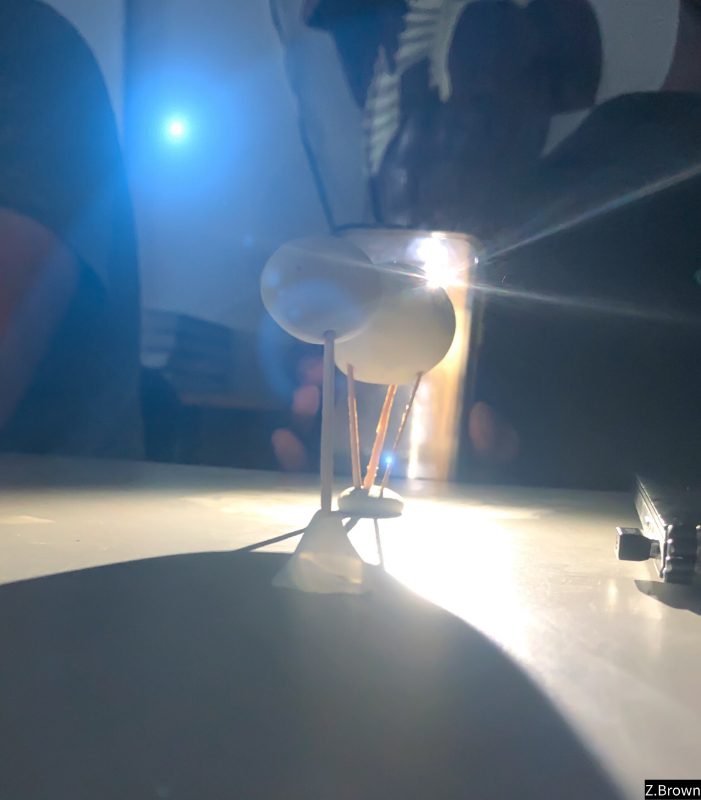
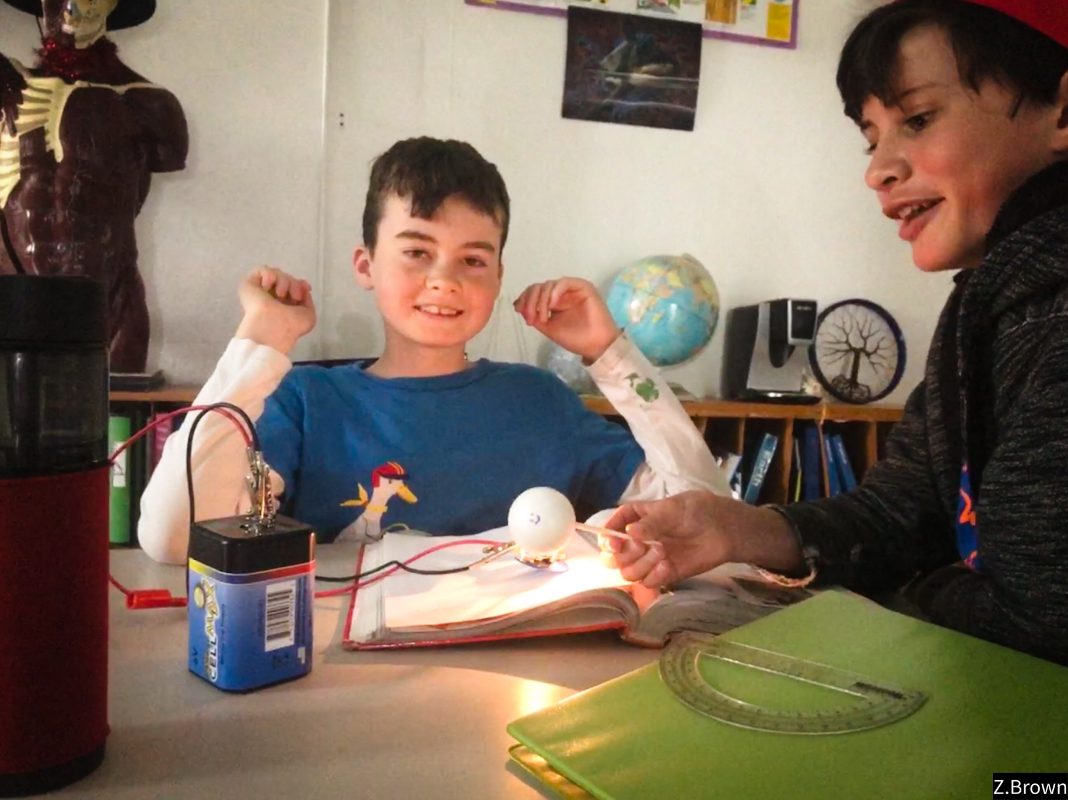
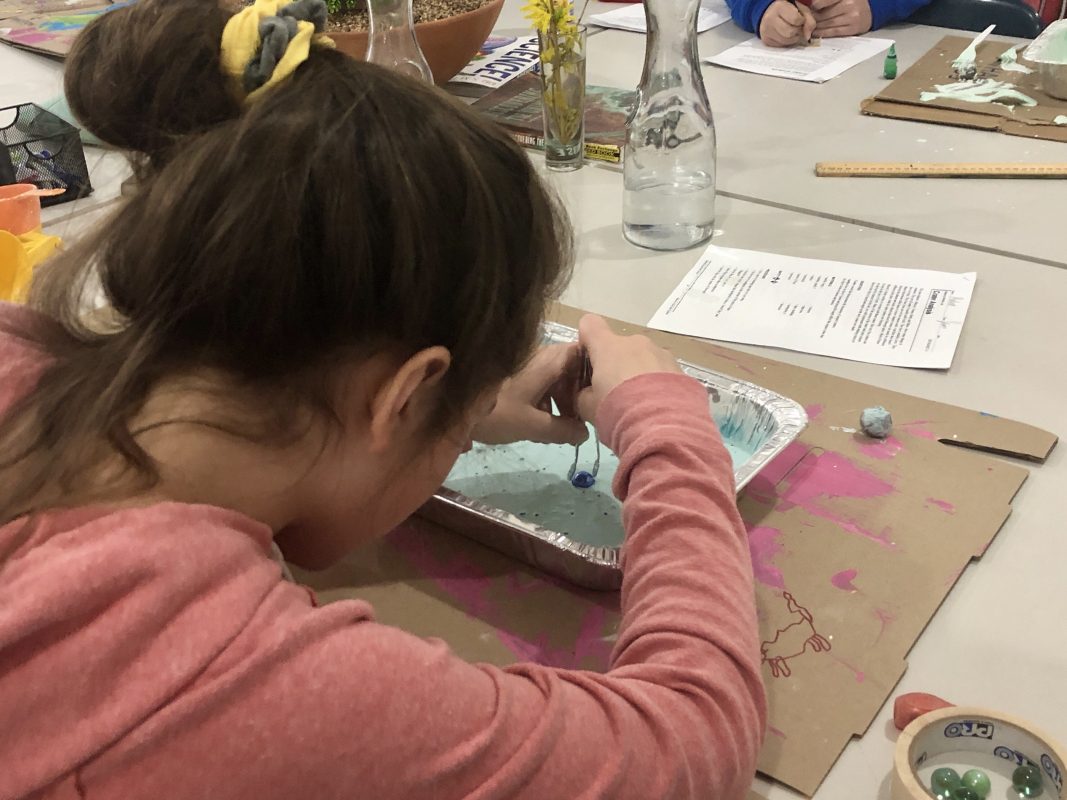
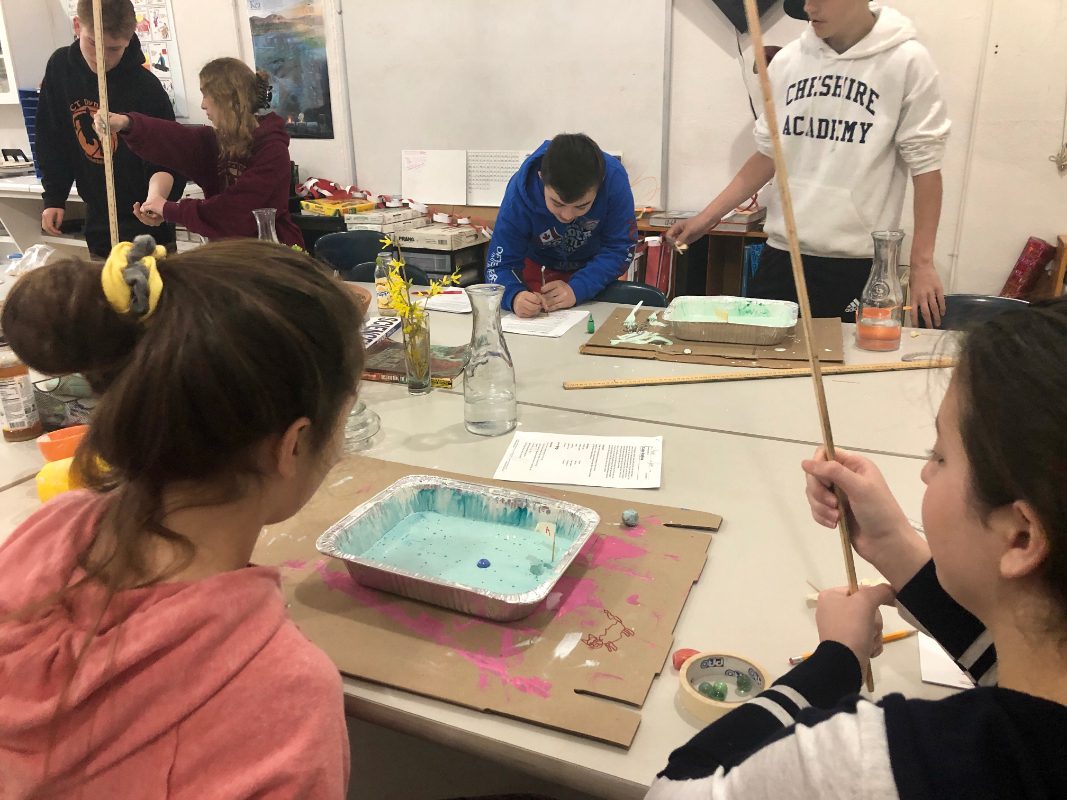
In Science, the 6th year Earth Science students are creating a stop motion video representing aspects of plate tectonics. Students can choose from a variety of mediums for creating their videos. Students have chosen to create them on continental drifting, convection currents, Pangaea, and the layers of Earth’s interior. 7th year students are continuing their unit on atoms and bonding. Students recently finished writing their lab report titled, Shedding Light on Ions, which required students to determine what kinds of compounds produce ions in a solution. 8th year students tested their wind turbines as part of their natural resources unit. Each group built their own turbine out of plastic cups, foam core, wooden dowel, and string.  Each turbine’s purpose was to wind a string with determined weight around the dowel when wind (hairdryer) was applied. Following construction of the wind turbine, students are working on designing and creating a hydroelectric turbine.

****Middle School Teachers’ Plea: PLEASE send your child (children) to school with appropriate clothing (no shorts), winter coats, and appropriate accessories. Believe us, we know it’s difficult for you, but it’s a requirement in frigid January and February temperatures. Thank you :-)****


Middle School: Critical Learners

According to the Oxford Dictionary, “critical thinking” is defined as, “The objective analysis and evaluation of an issue in order to form a judgement.” Last Thursday evening, we were lucky to listen to Dr. Steven Pearlman, one of the founders of The Critical Thinking Initiative and director of Interdisciplinary Writing and Reasoning at the University of St. Joseph in West Hartford. He spoke at length about the importance of critical thinking skills in a growing and changing world, thus making the case for the Montessori educational philosophy.

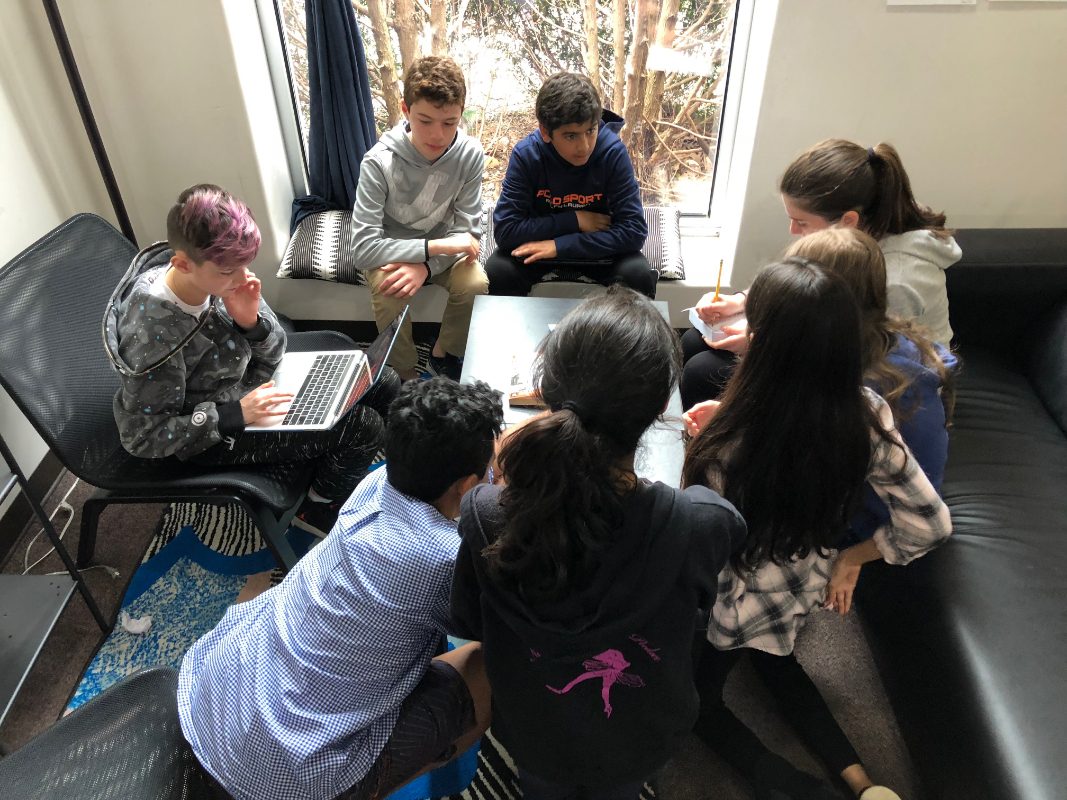
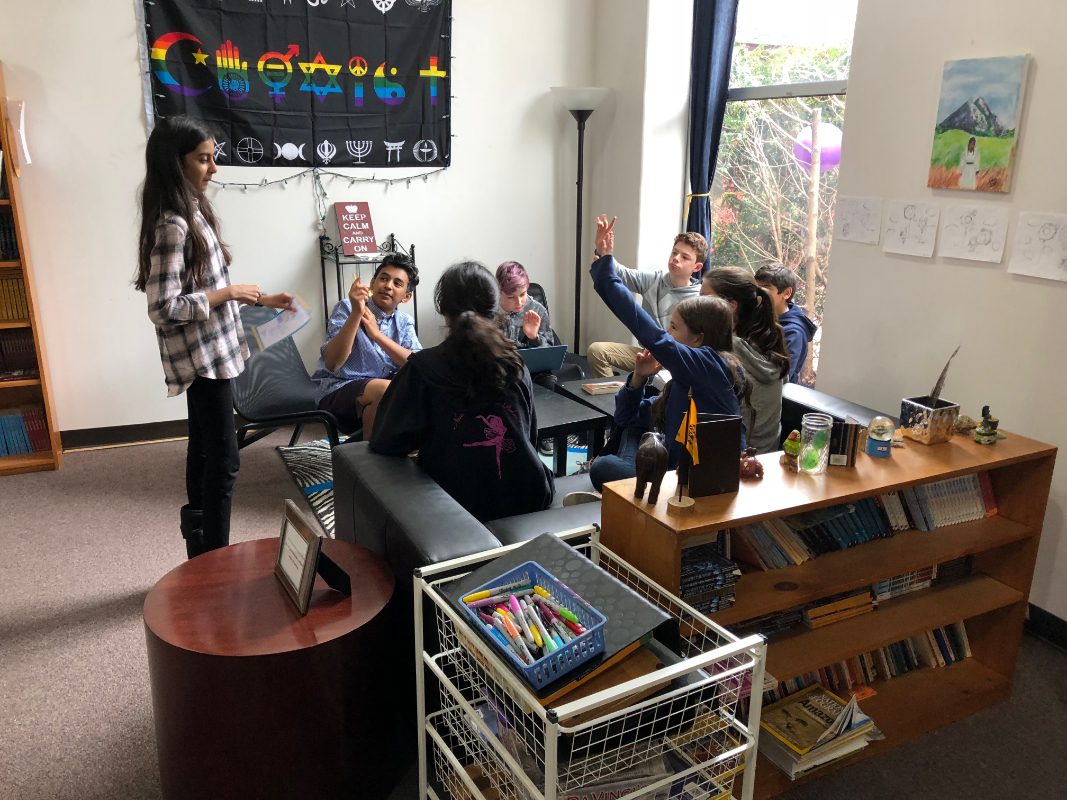
Listening to Dr. Pearlman was both validating and concerning for me as an educator. It was exciting to hear that a lot of what goes on in our middle school enables students to flex their critical thinking muscles: annotating text to lead discussion; choosing a world issue, deciding its impact on society, and presenting it to peers for further discussion; a collaborative project that creates a community where all flaws have been ironed out; and, embarking on an internship that is a glimpse of the real-world workforce and reflecting on this experience. These are only a few of the ways we enable critical thinking. The goal is a student-centered classroom where everything from learning environment to pursuing interests, and reflections on the way material is absorbed are present.

My concerns came with Dr. Pearlman’s data about the way critical thinking is not being activated and nurtured in educational institutions in this country. The most shocking data came with monitoring of a student’s brainwaves over a school week in a public school. The areas with least brain activity (almost none) were class time, screen time, and homework. Class time?! What does this mean as our middle school students go on to high schools? How can we ensure that they can activate the part of their brains for critical thinking as well as sustain topic interests?

Thankfully, I think students of a Montessori education will be more prepared and successful as they have already built the foundation for being active learners and approaching material in a critical way. They know how to initiate further inquiry on a topic of interest as well as delve into it. Montessori students have been guided to ask questions to further learning as well as to make connections and parallels between topics. Instead of waiting for more material to be given to them, they will go and find the material.

I am excited for our students’ futures. They will be the innovative leaders of this country and world. Based on what I see, we will be in good hands.