Middle School: Week in Review

It has been a chilly and busy week in middle school.

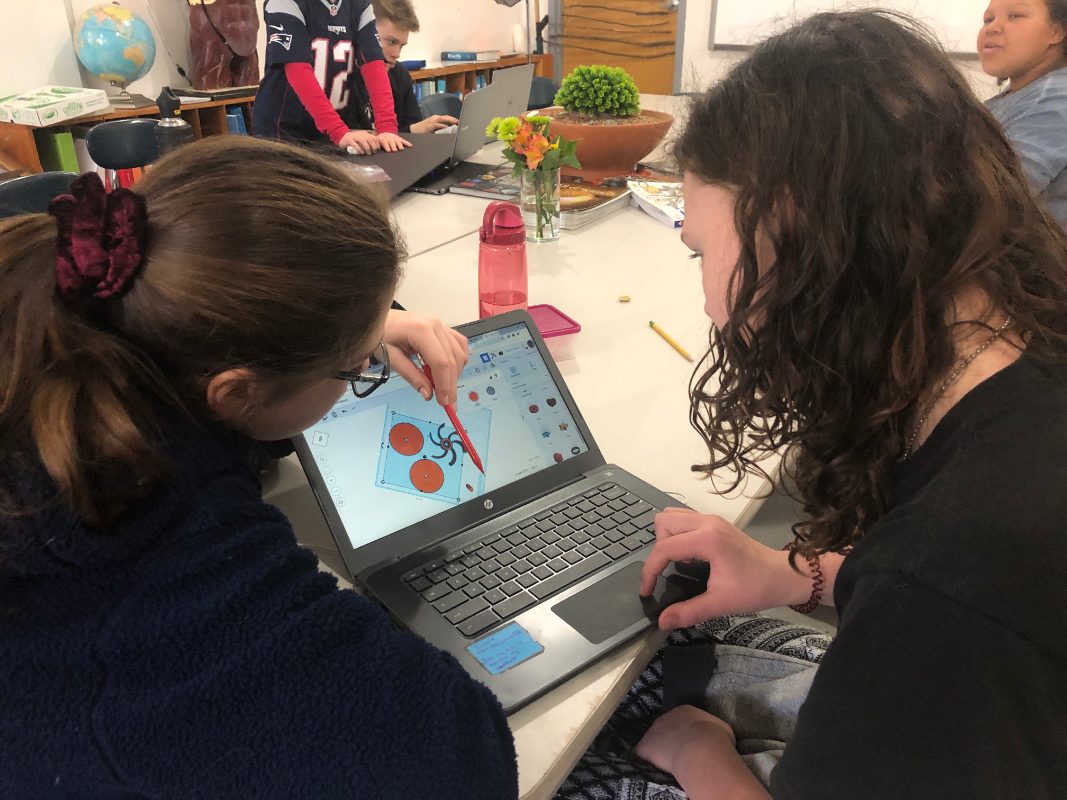
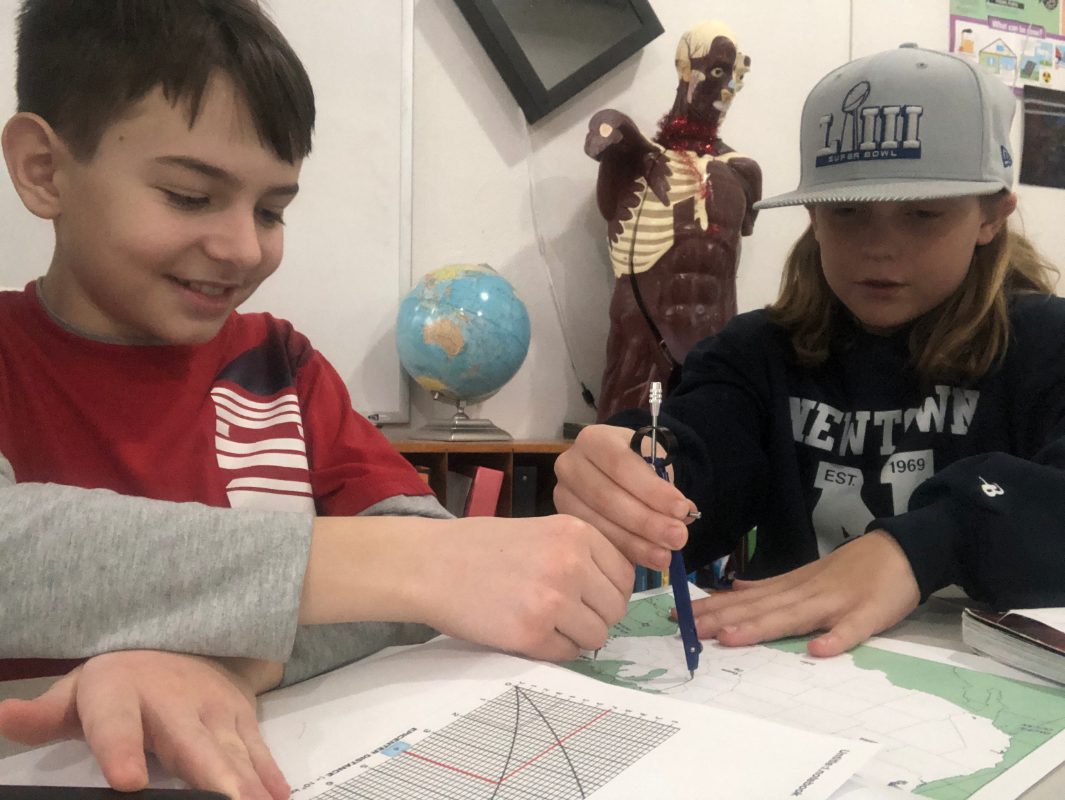
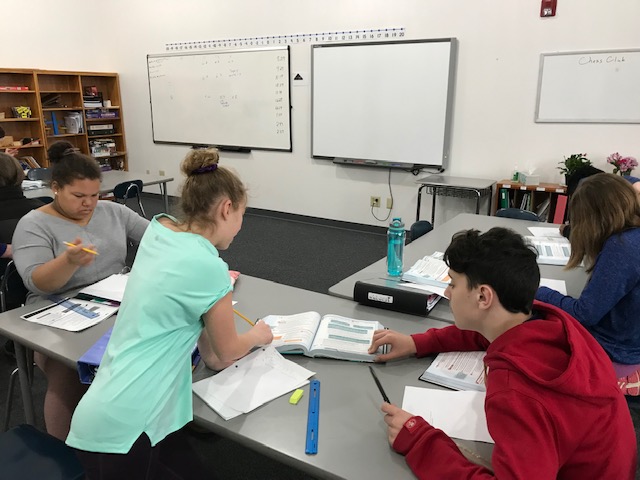
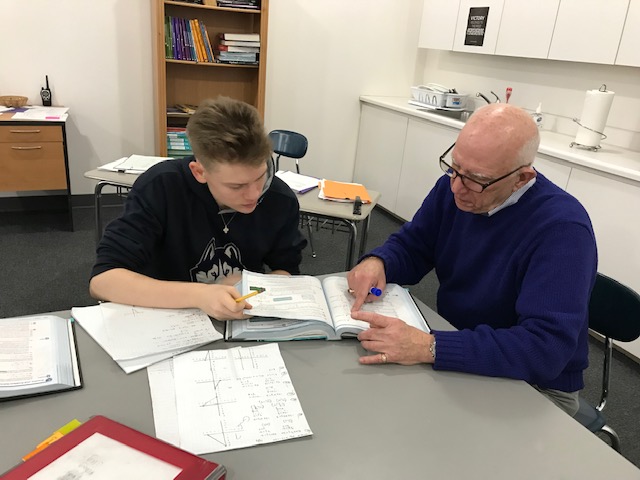
In math, the 8th years finished chapter five and are now moving on to learning various methods for solving systems of equations and inequalities.  They have already been introduced to solving systems by graphing.  After CTP5 testing, they will be introduced to solving systems of equations by substitution and elimination and will also learn applications of linear systems. The 7th years are almost finished with chapter 6 in their textbook but will have to wait until after CTP5 testing to take their cumulative test 5.  In the meantime, they are continuing to work on similar and congruent figures and will soon be introduced to probability and odds. Like the 7th years, 6th years will have to wait until after CTP5 testing to finish chapter 6.  They continue to work on percents; this includes solving percent problems using both equations and proportions.  In their remaining units, they will increase their ability to apply percents and find percent of change.

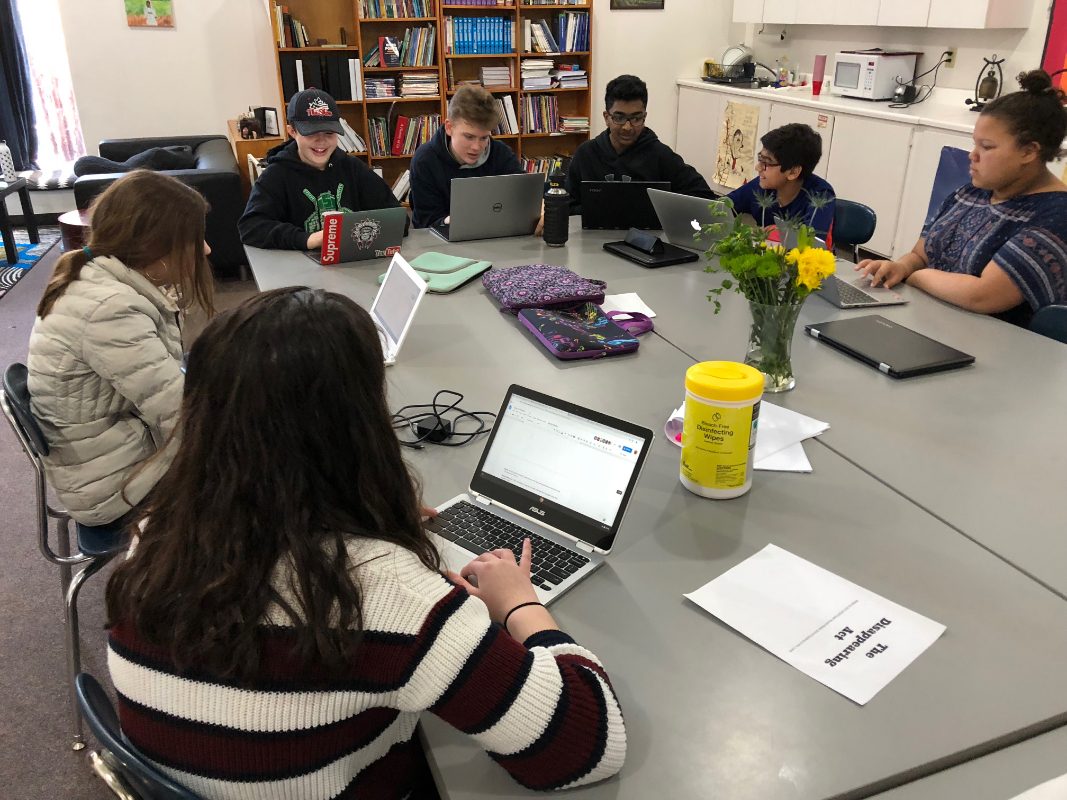
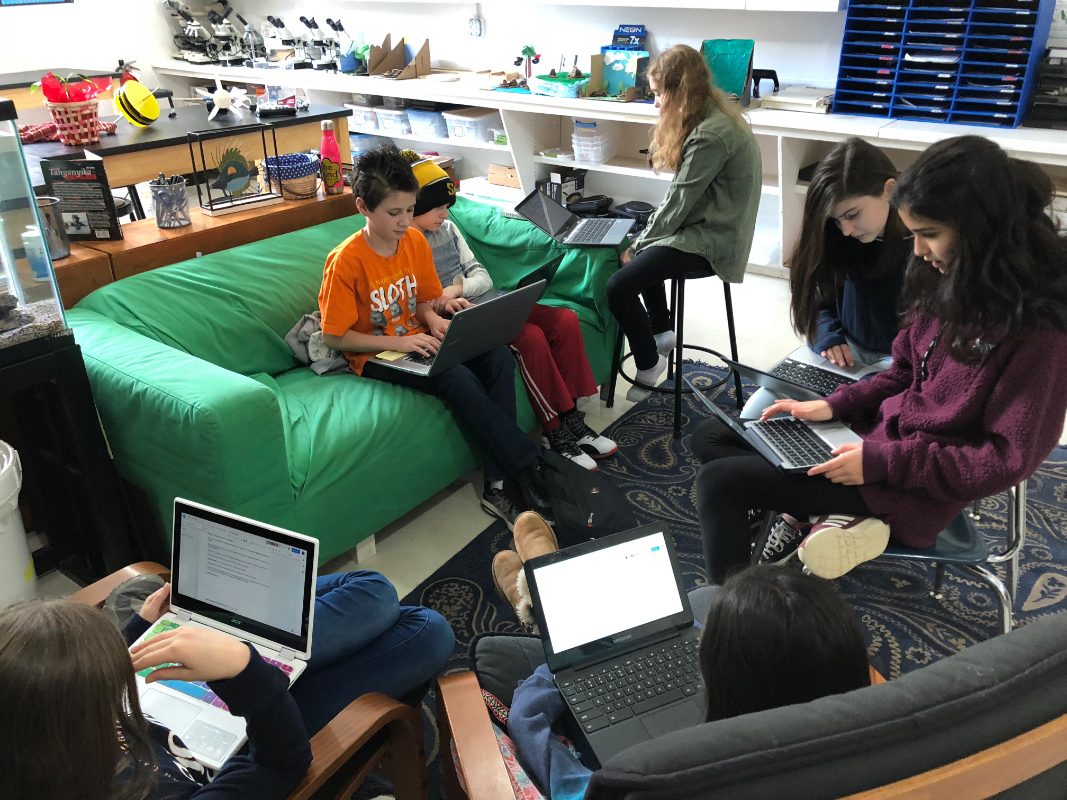
In all humanities classes this week, we worked on grammar topics: possessive nouns, independent and dependent clauses, and compound and complex sentences. In 6th and 7th year classes, we reviewed effective introductions for expository writing,  how to use parenthetical citations, and how to turn research into organized writing. Students will be drafting their research papers this weekend. 6th and 7th years also continued in their respective class novels: The Egypt Game and Facing the Lion. 6th years learned about Nefertiti and 7th years discussed cultural differences between the Maasai and American people. 8th years continued with their vocabulary unit and learned about Abraham Lincoln’s obstacles as he came to be elected President just prior to the Civil War. They also talked about the differing American views of the impending war.

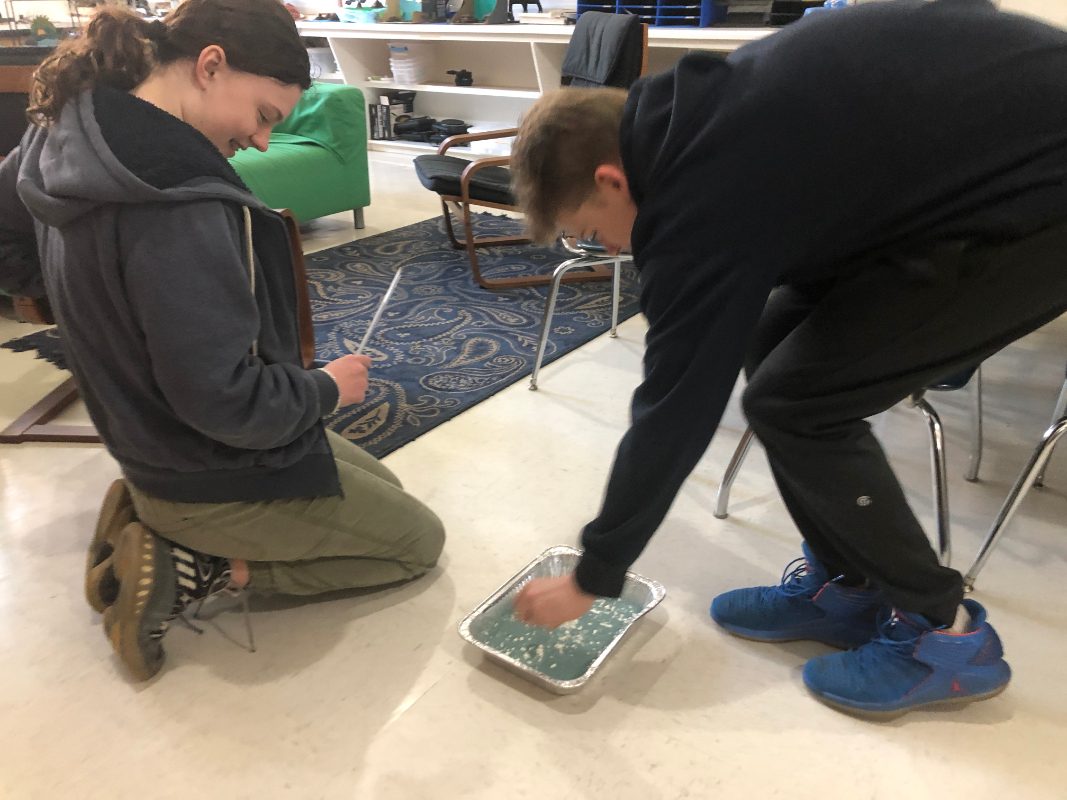
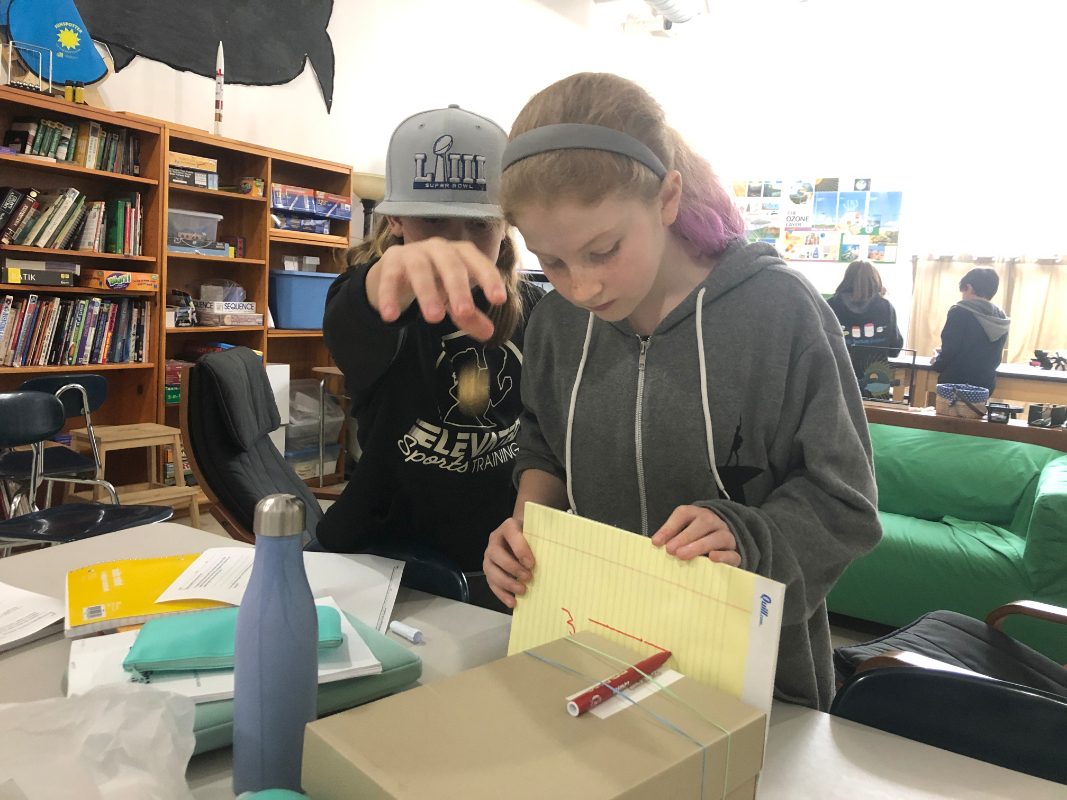
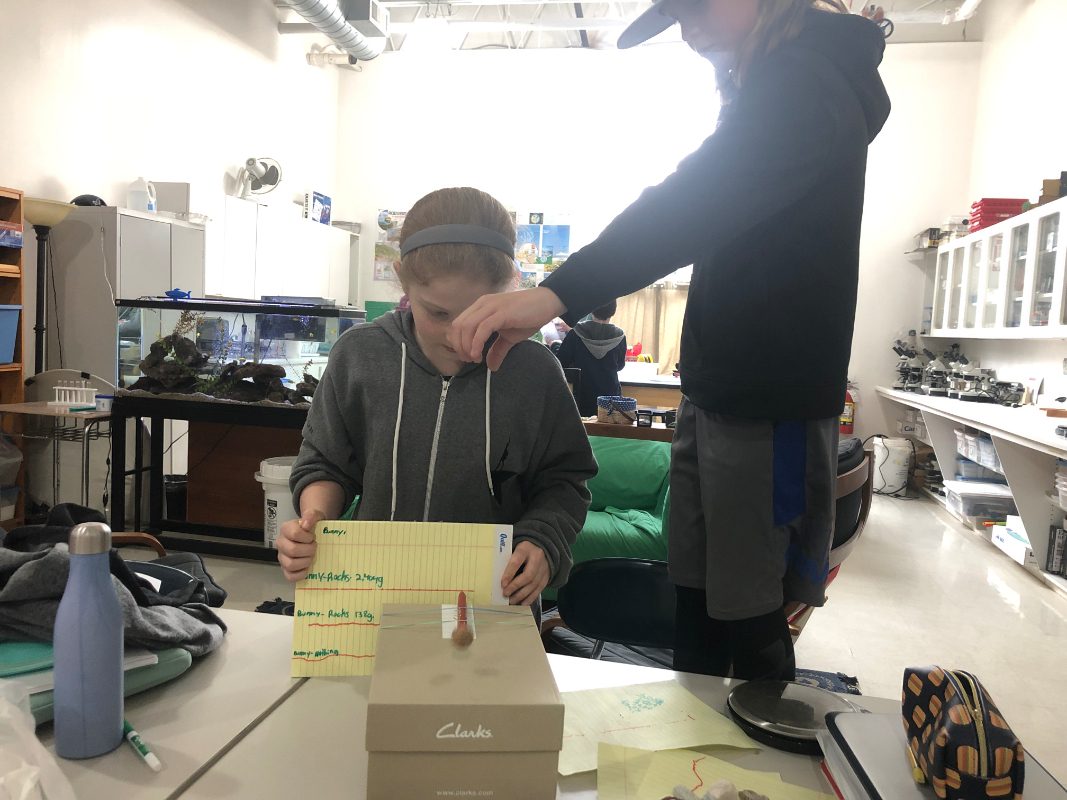
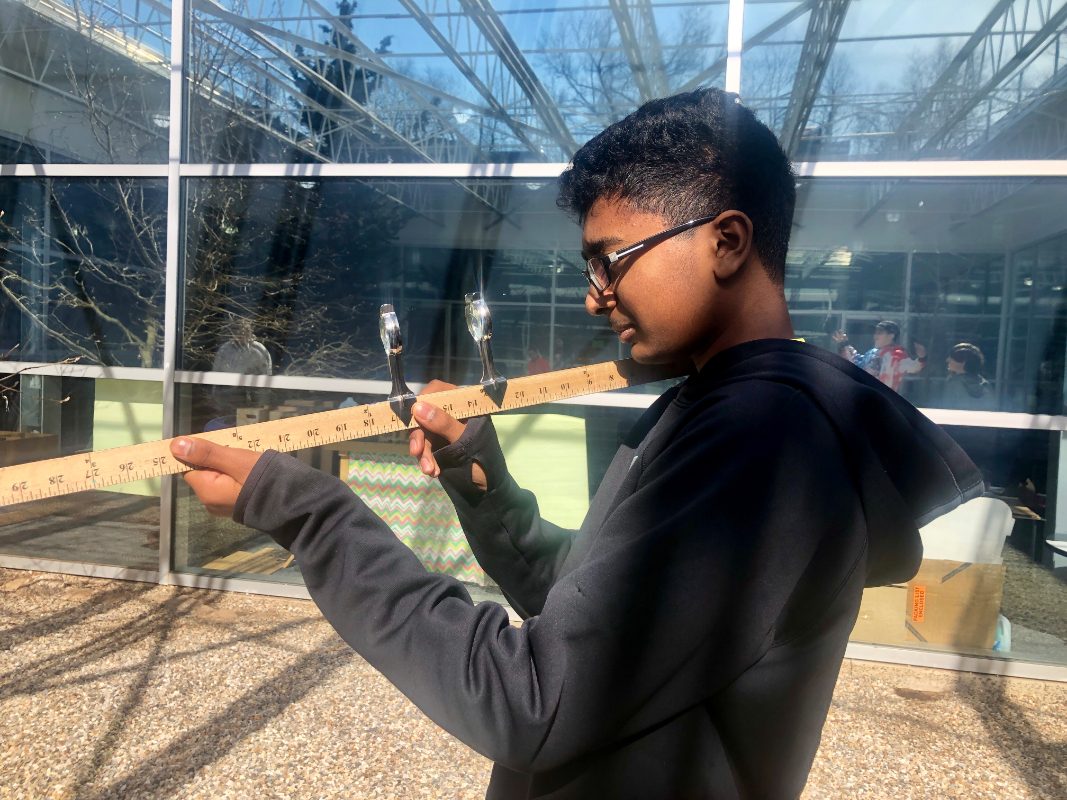
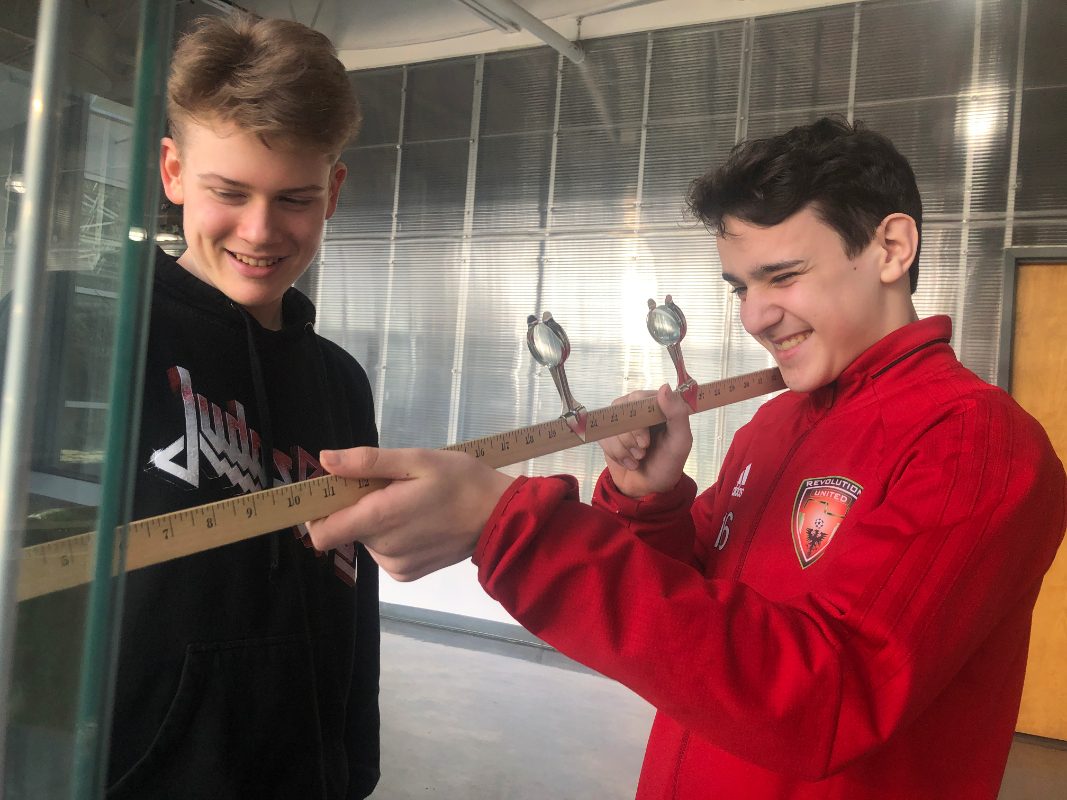
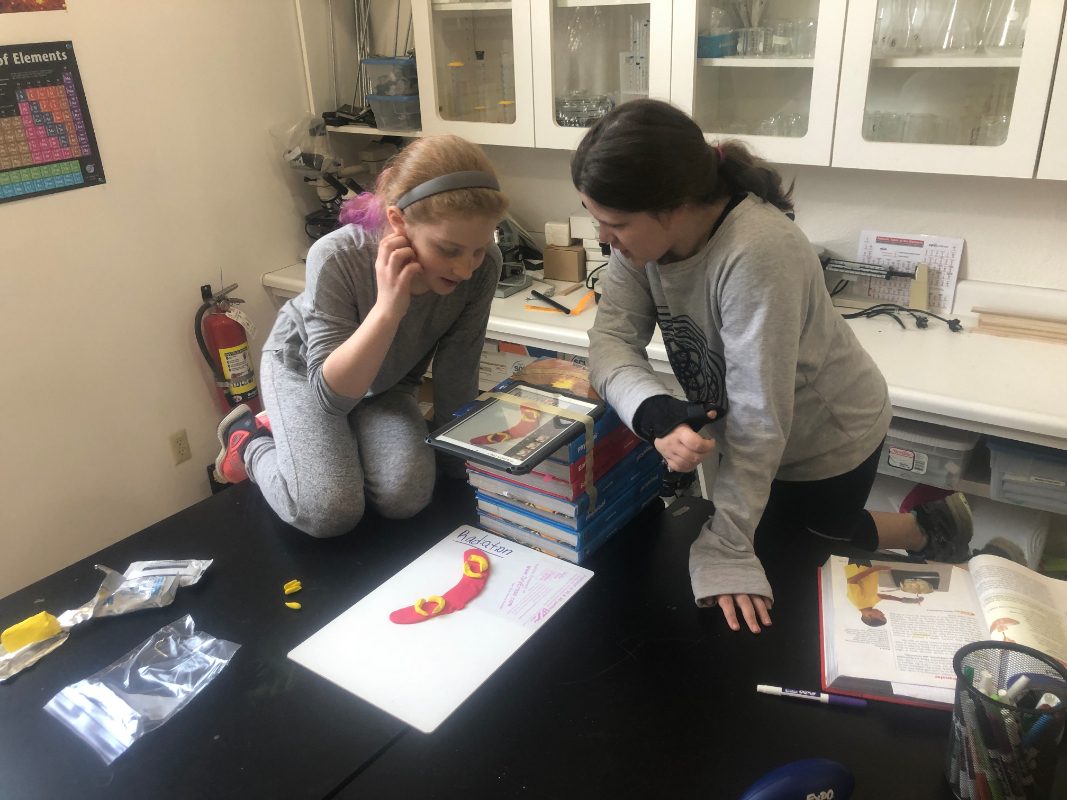
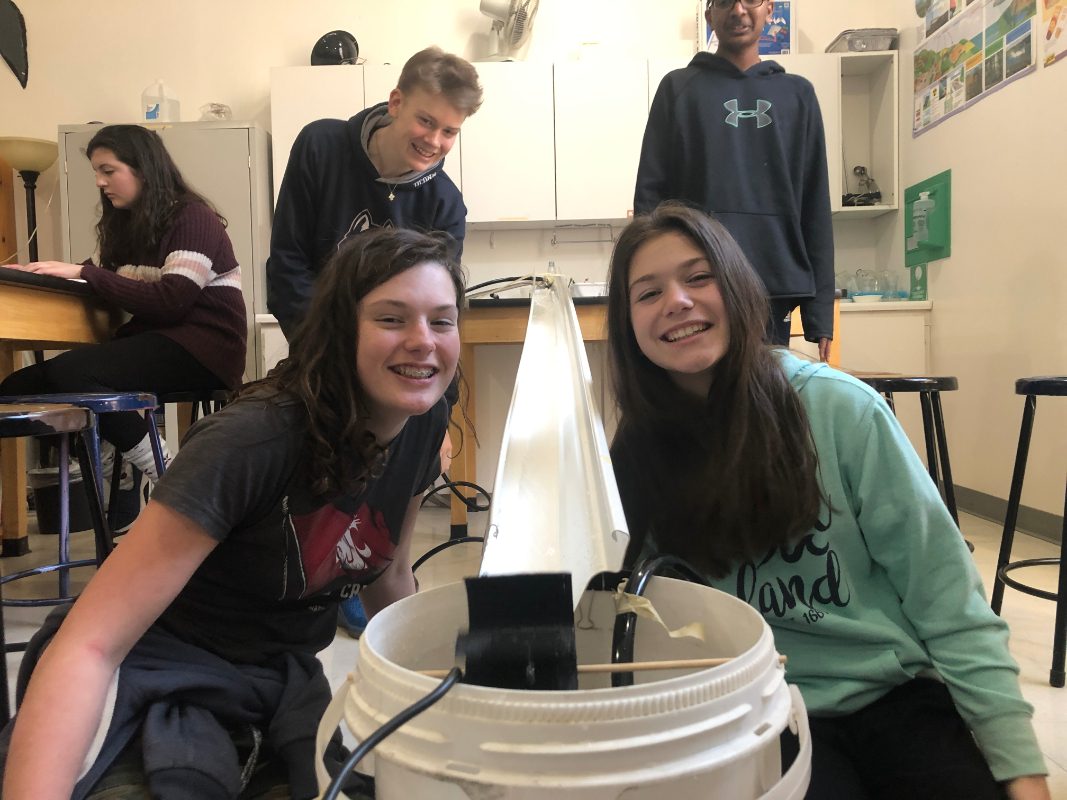
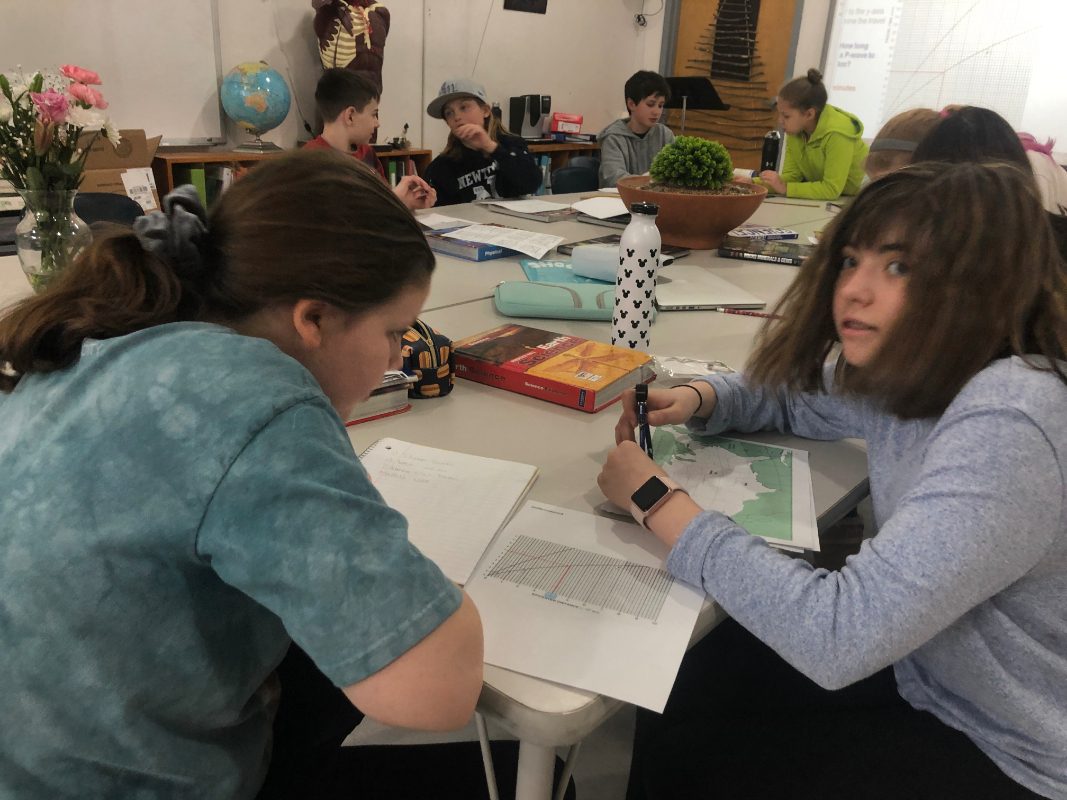
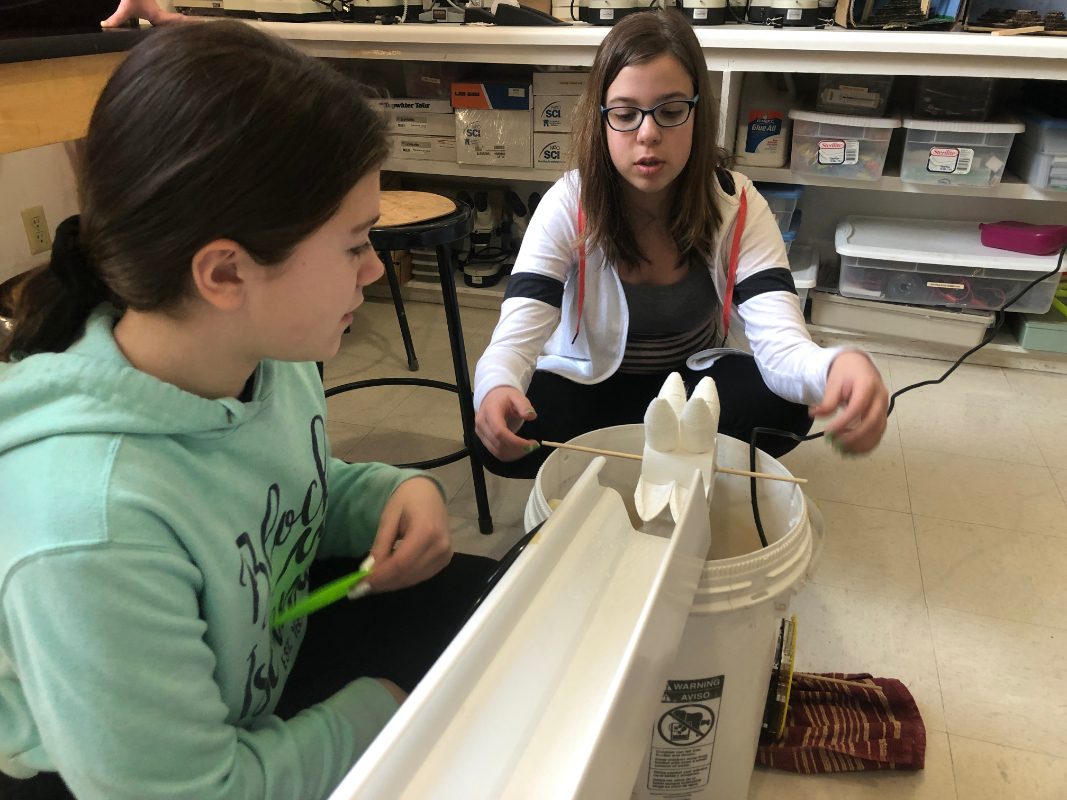
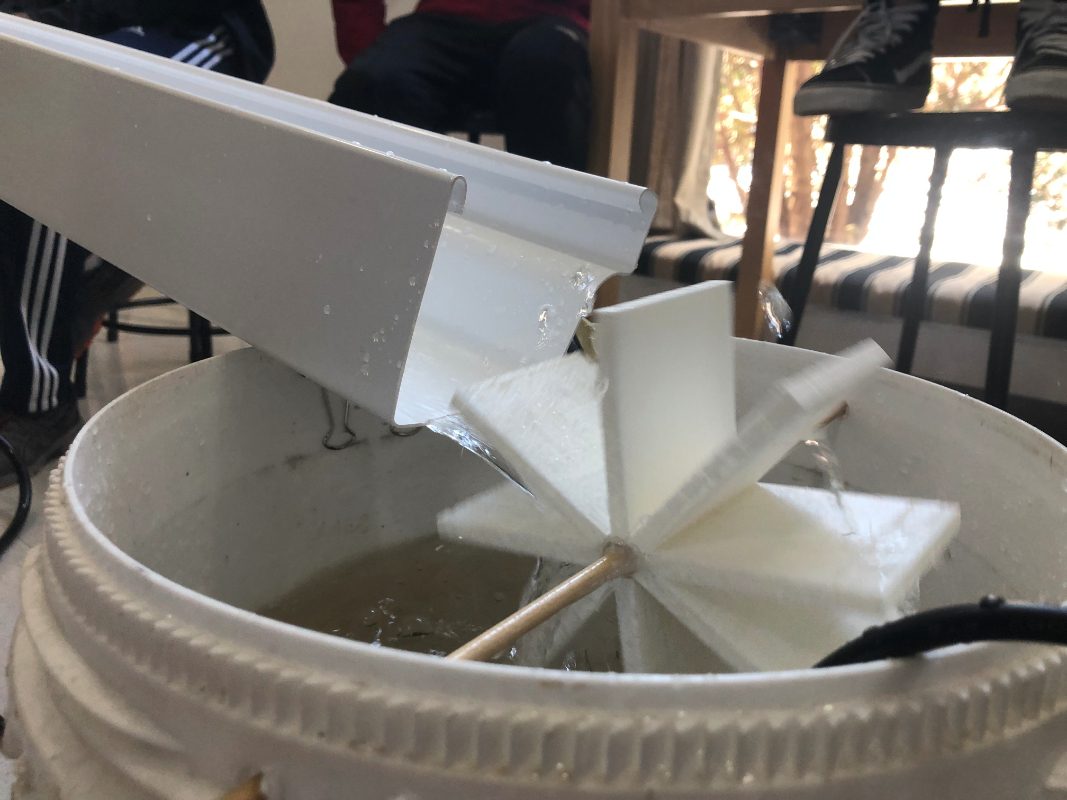
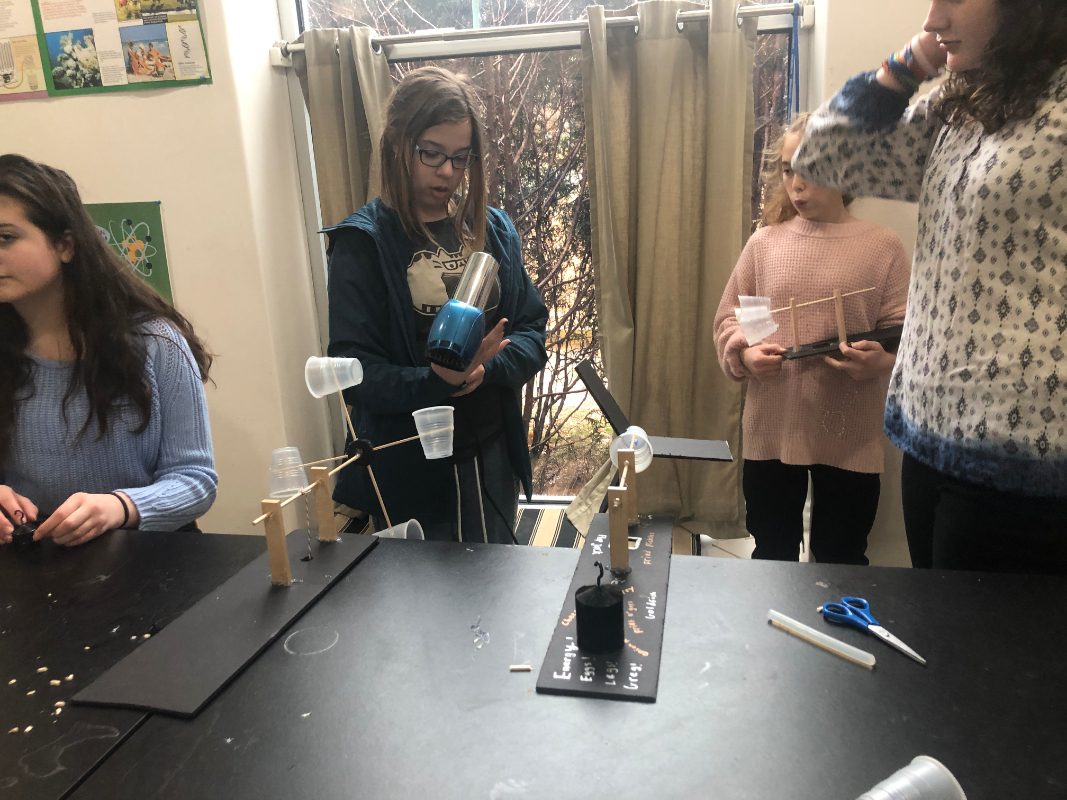
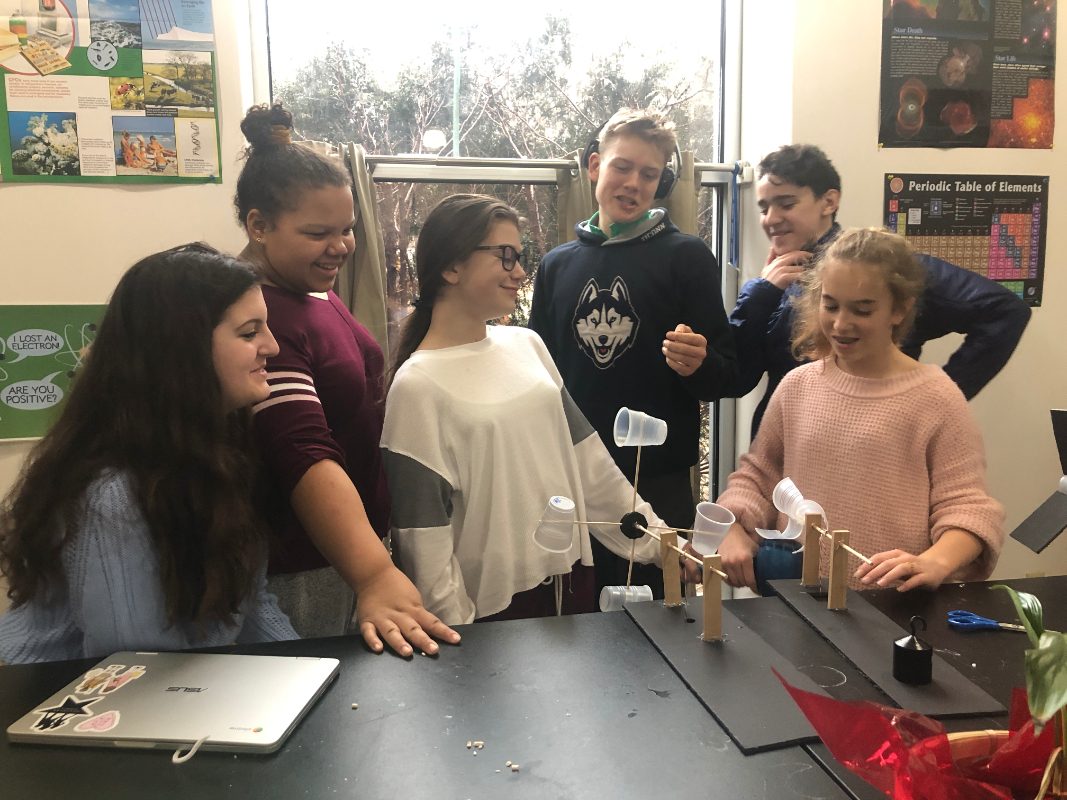
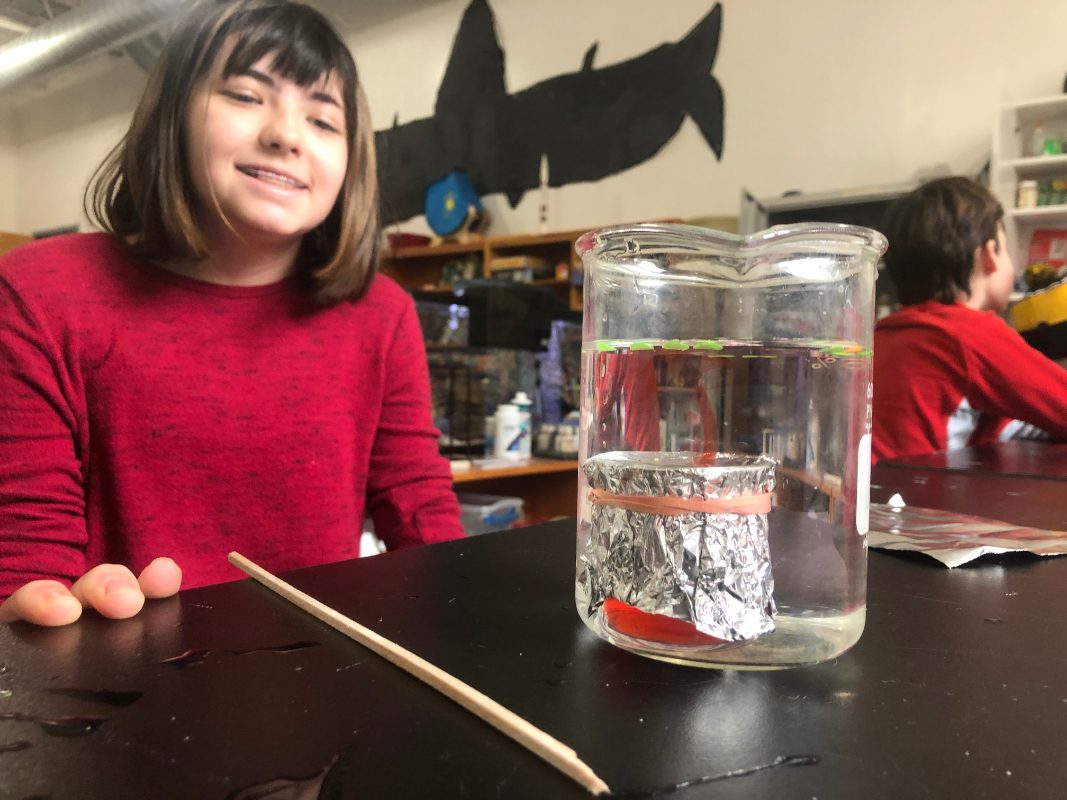
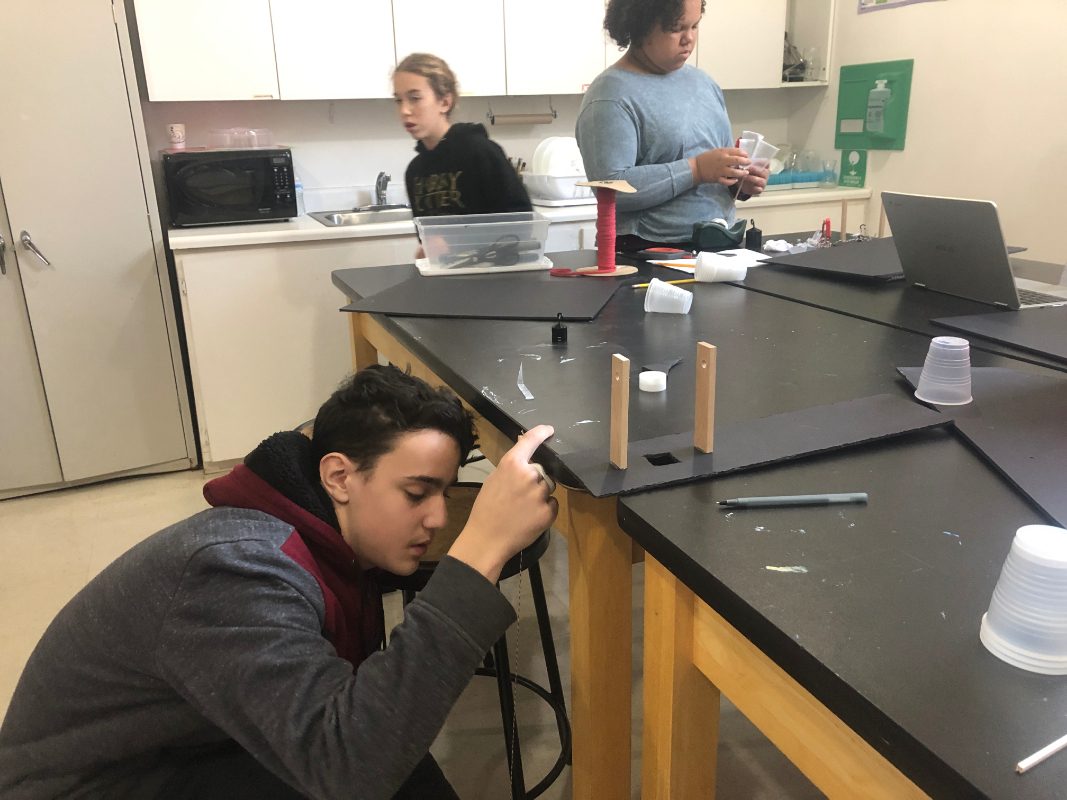
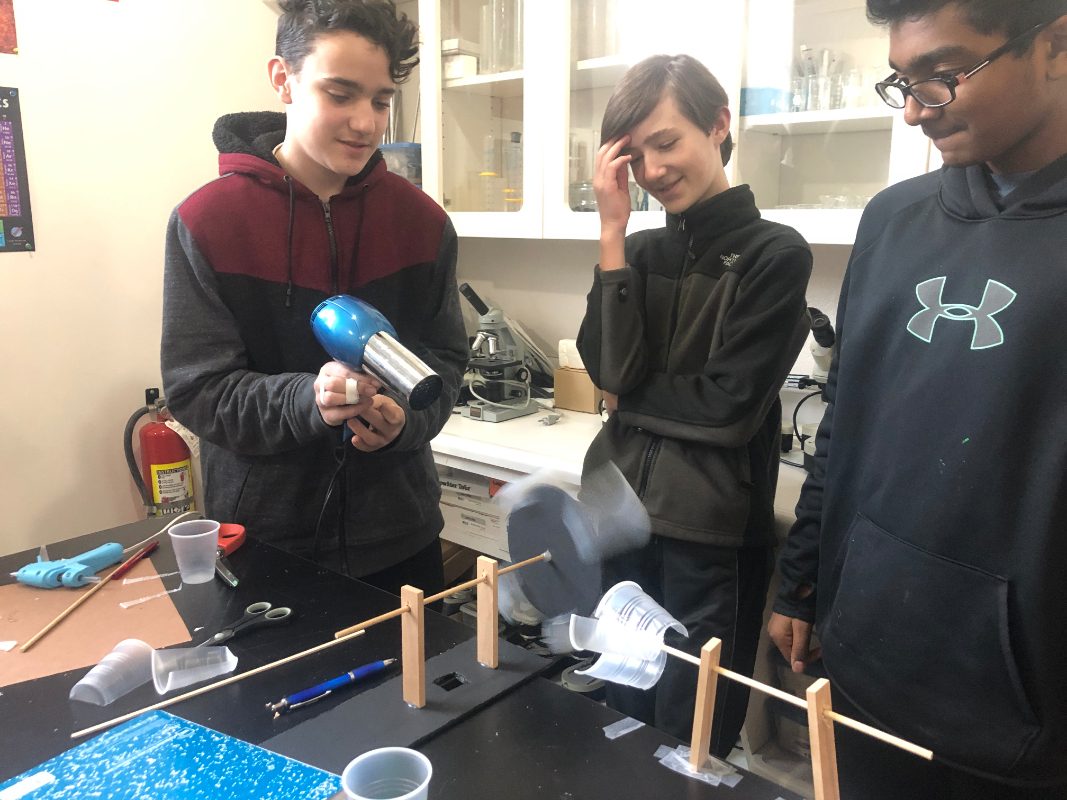
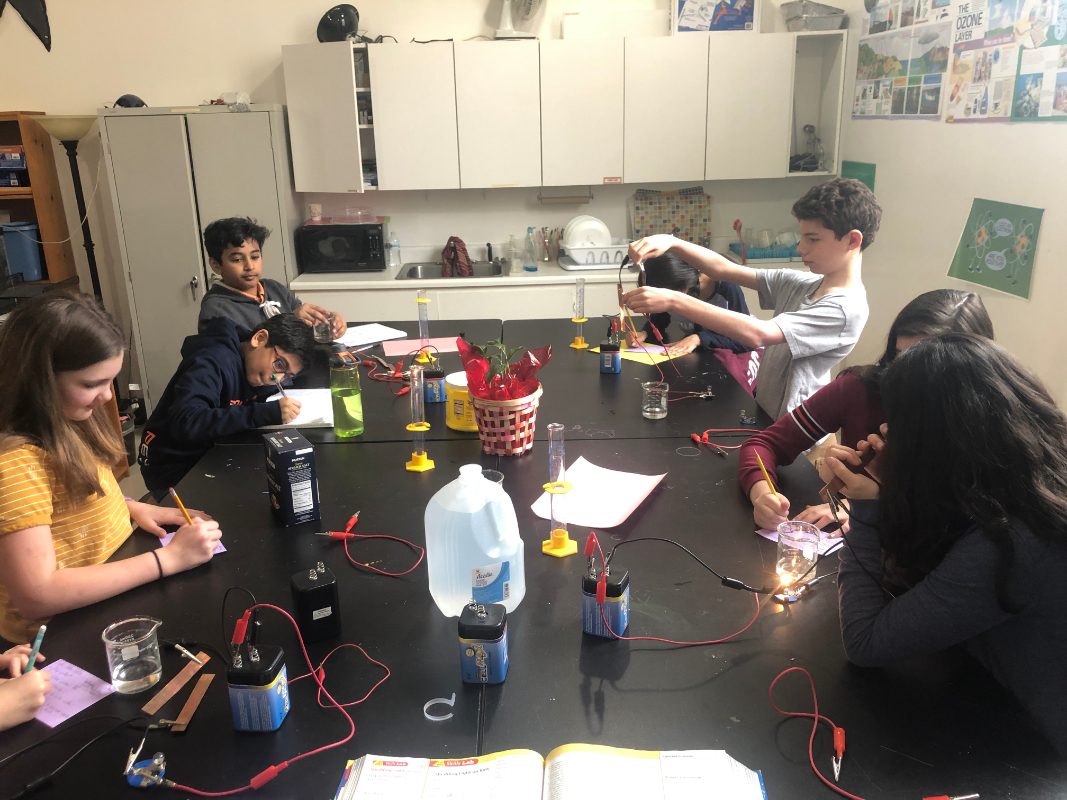
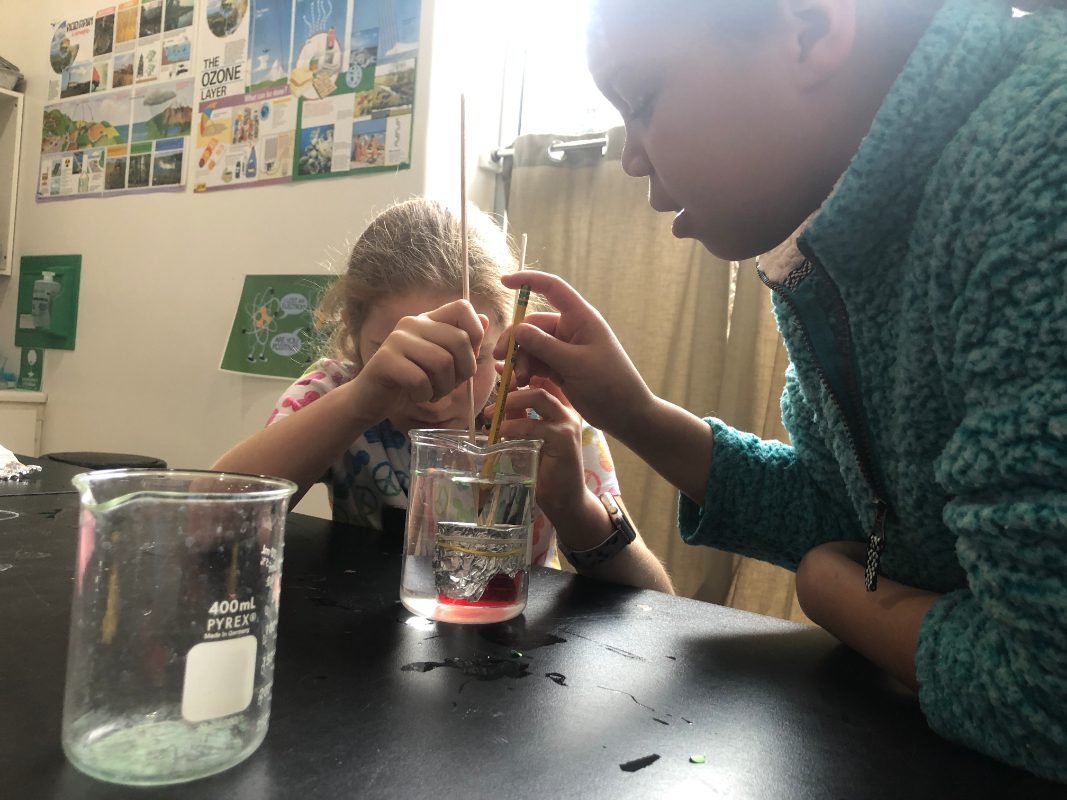
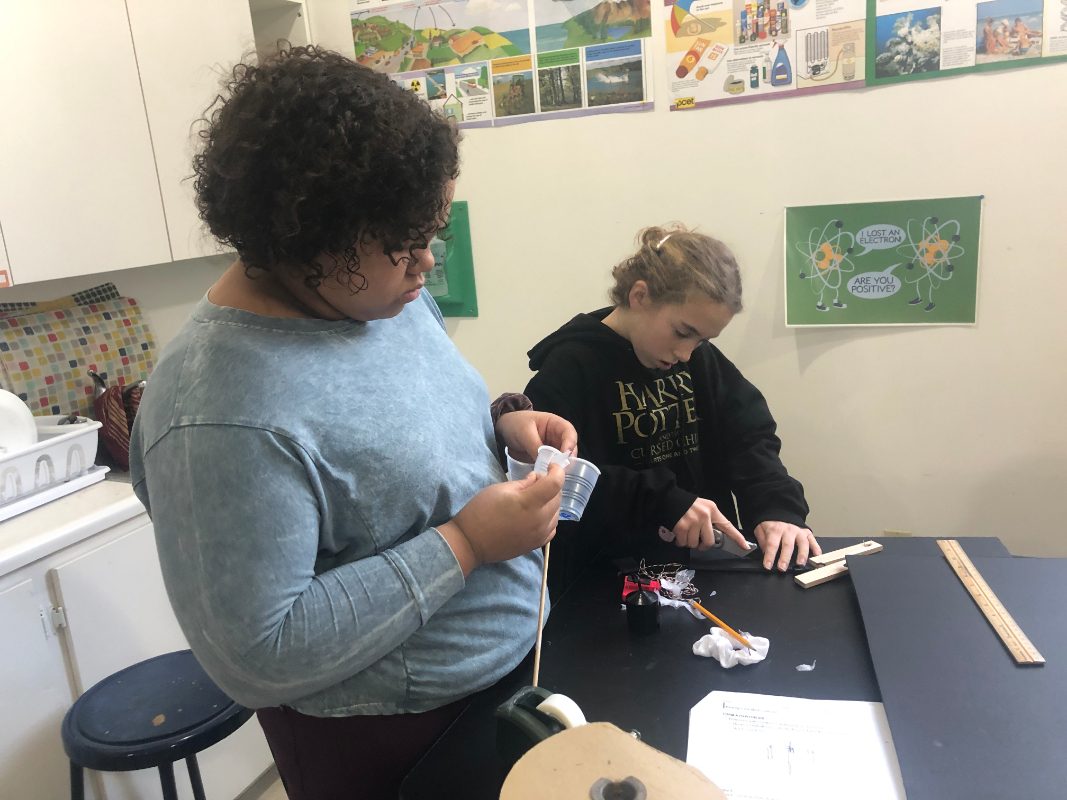
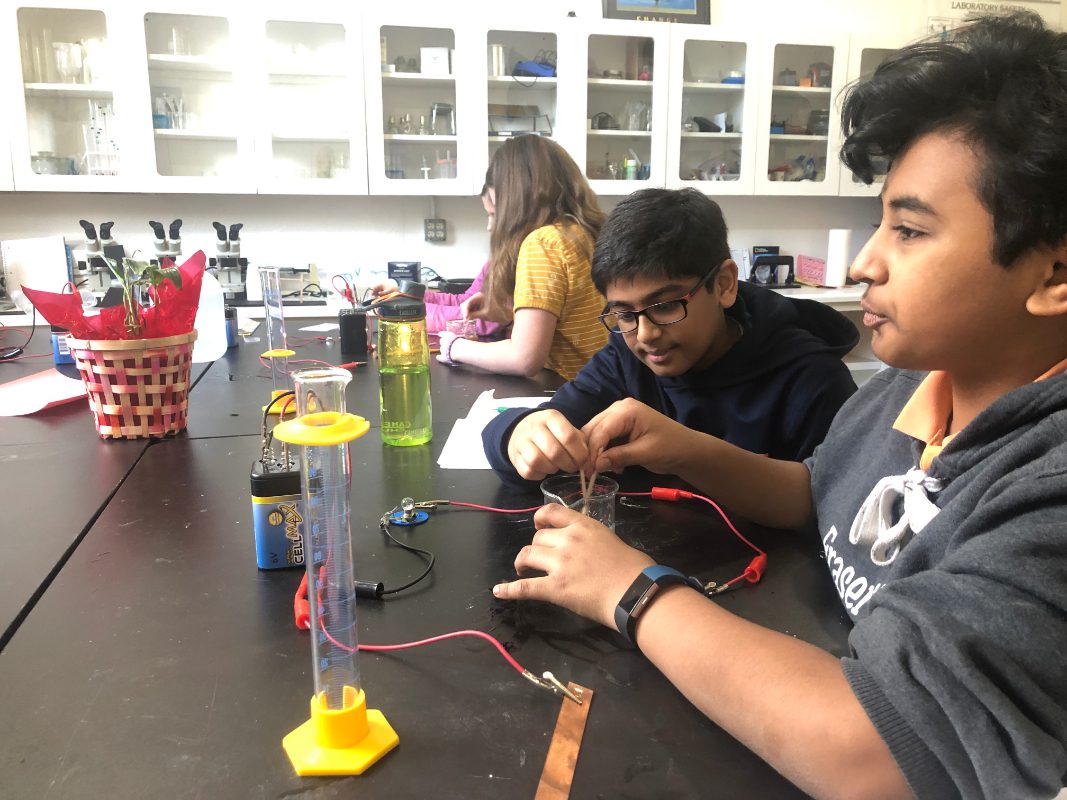
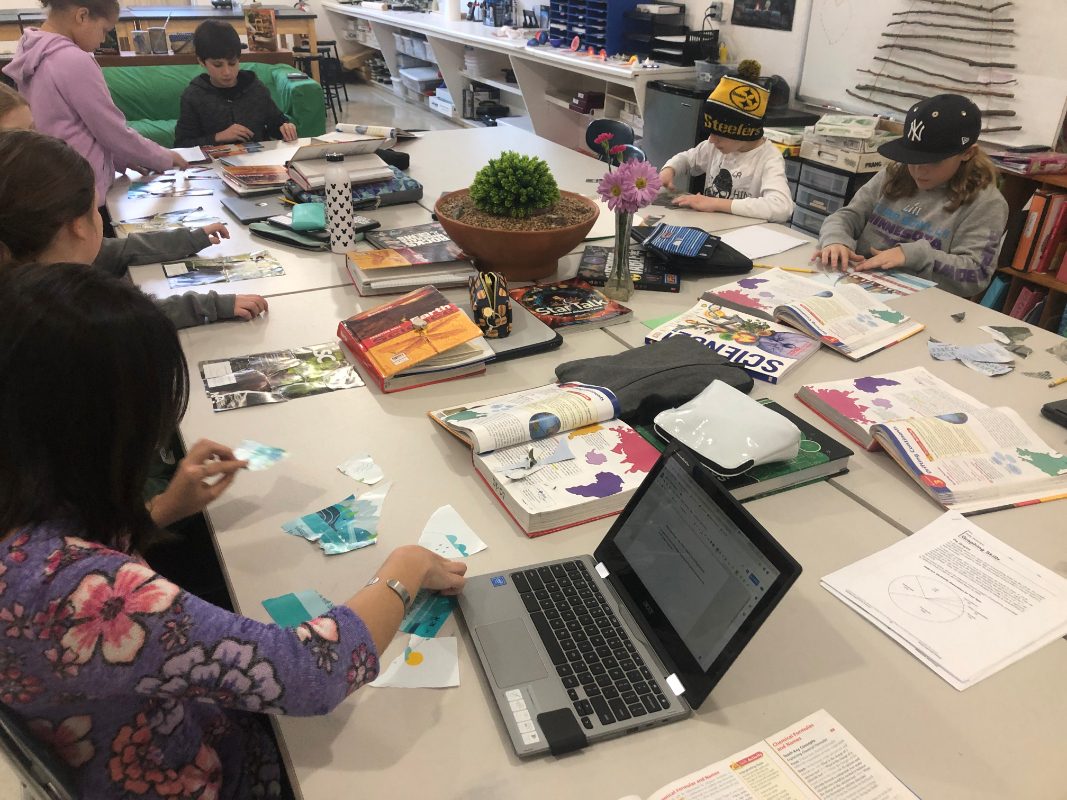
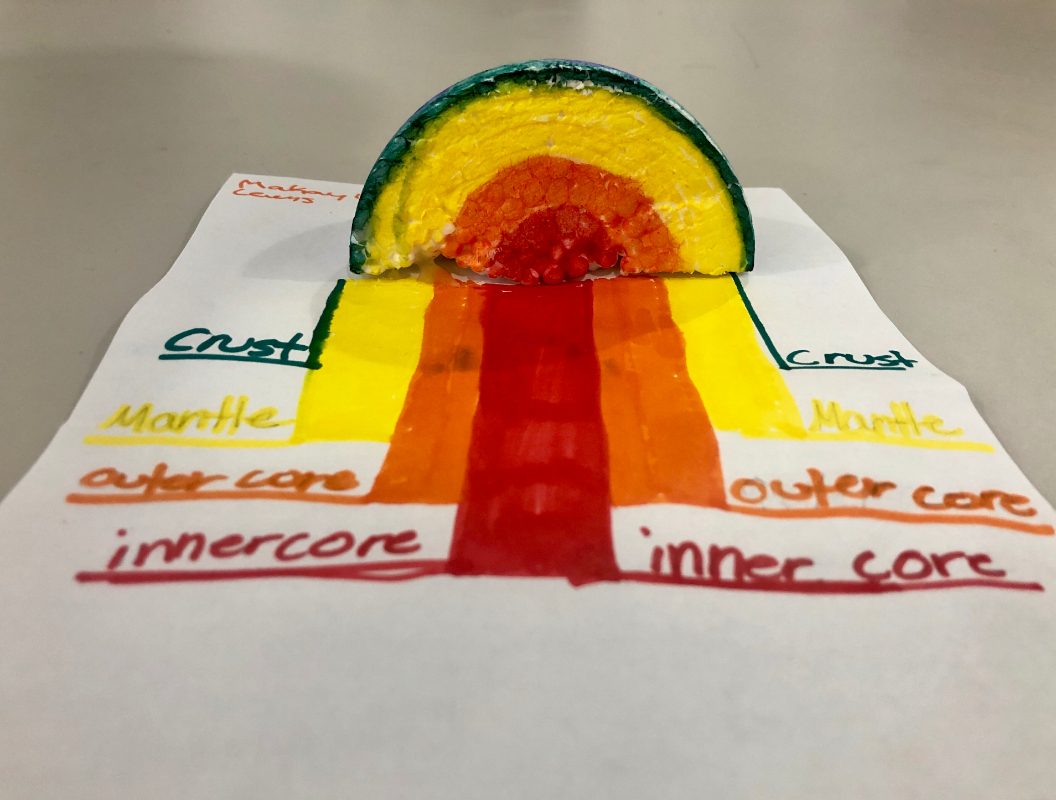
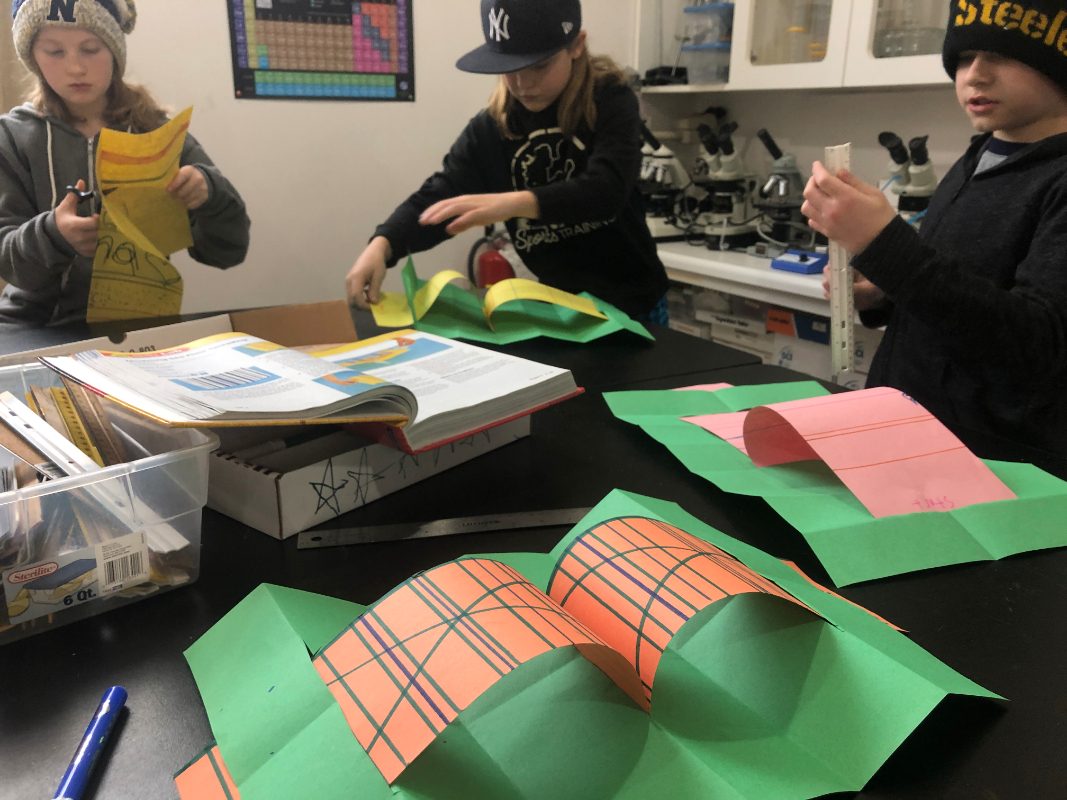
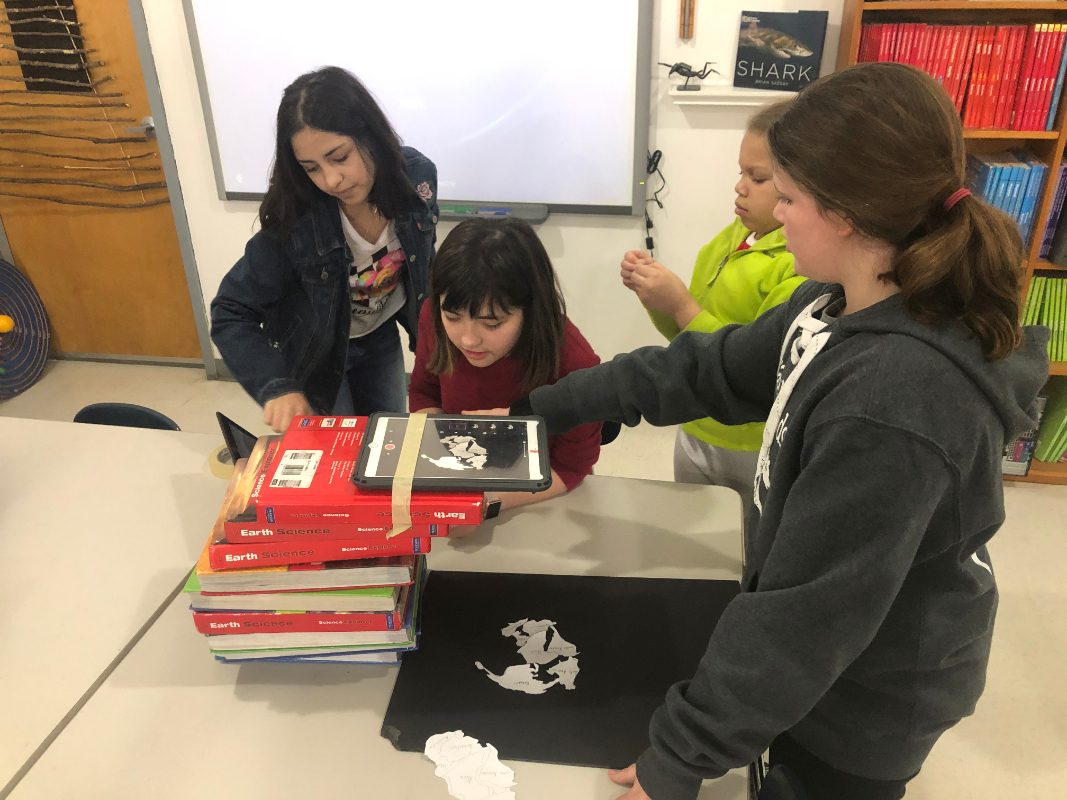
6th grade Earth Science students are exploring the layers of Earth’s interior and the driving force behind tectonic plates. Students have conducted experiments demonstrating both convection (transfer of heat) and sea-floor spreading. 7th grade students conducted laboratory experiments demonstrating ionic bonding. These experiments consisted of students testing the electrical conductivity between tap and distilled water with and without ionic compounds present. 8th grade students are constructing wind turbines to show alternative sources of energy other than fossil fuels, which are estimated to run out within 200 years based on current uses. The 8th grade is currently studying a unit titled, Resources and Energy. Within this unit, students are learning the risks/rewards to using fossil fuels in addition to alternative energy resources such as solar, hydroelectric, and geothermal practices.

**Please ensure your child/children come to school with a water bottle as well as winter clothing, including covered skin and winter jackets.

Have a great weekend!


Middle School: Looking Forward


It’s a new year with so much to look forward to, but before I get to that, I must acknowledge a few items occurring before we left for winter break.

What an exciting end to 2018! Our holiday celebration and concert were great fun. Students were high energy and full of joy. Our 8th years did a great job preparing and executing our Alternative Gifts Market, which would not have been made possible without the generosity of the FWM community. The 8th years raised more than their $5,000 goal! They could not have been happier to earn that money for the charities they felt strongly about. Additionally, we want to thank the middle school students and families for our holiday gifts; your kindness is appreciated.

Jumping to this past week, all middle school students are doing research! 6th and 7th year students have completed topic proposals for their research projects surrounding the theme, Innovators and Inventions Changing the World. The proposals included their topic, what they want their audience to leave knowing, a thesis statement to use as their “north star” for the project, and questions to guide their research. We also reviewed the importance of using reliable sources, paraphrasing, and using the guided research note doc to organize notes and sources.  These projects will be incredibly diverse! Meanwhile, the 8th year students have chosen topics and written thesis statements for their expert projects.

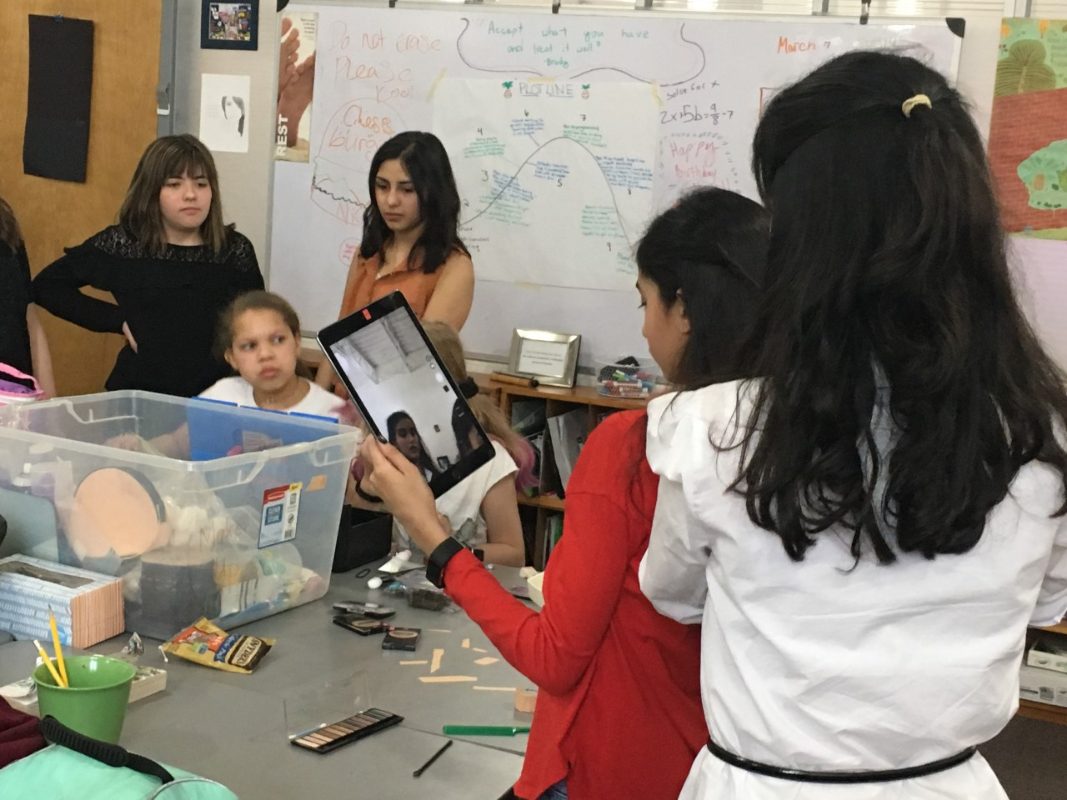
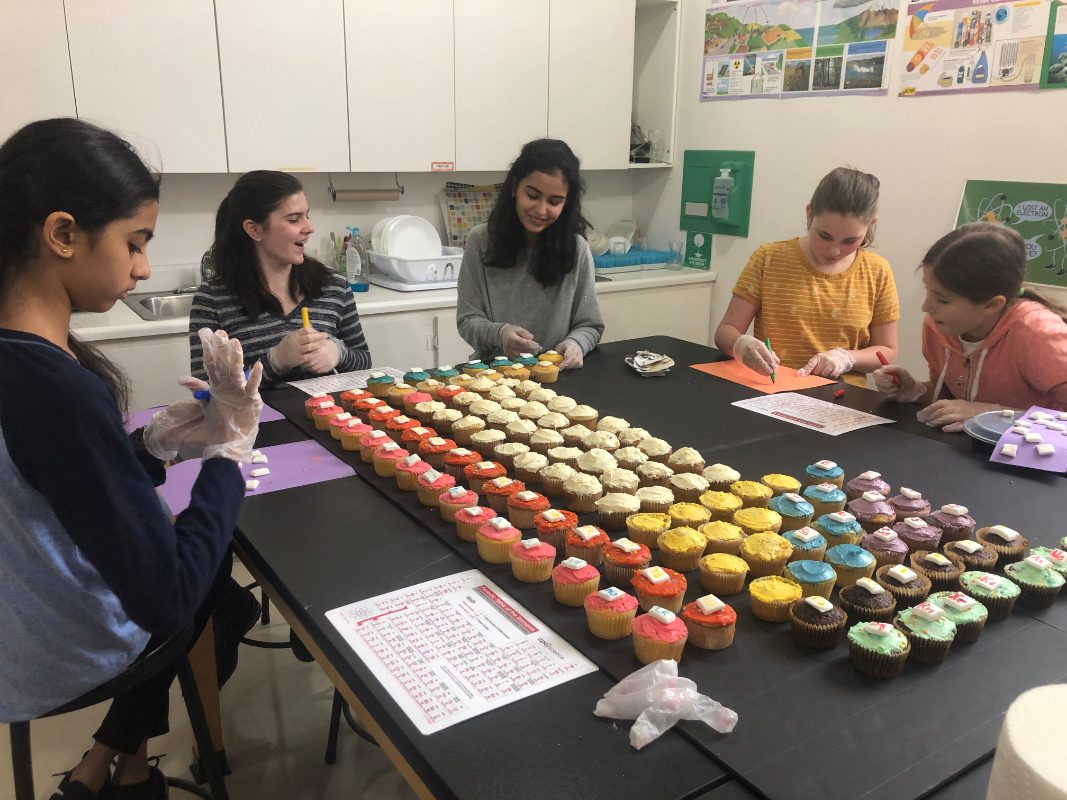
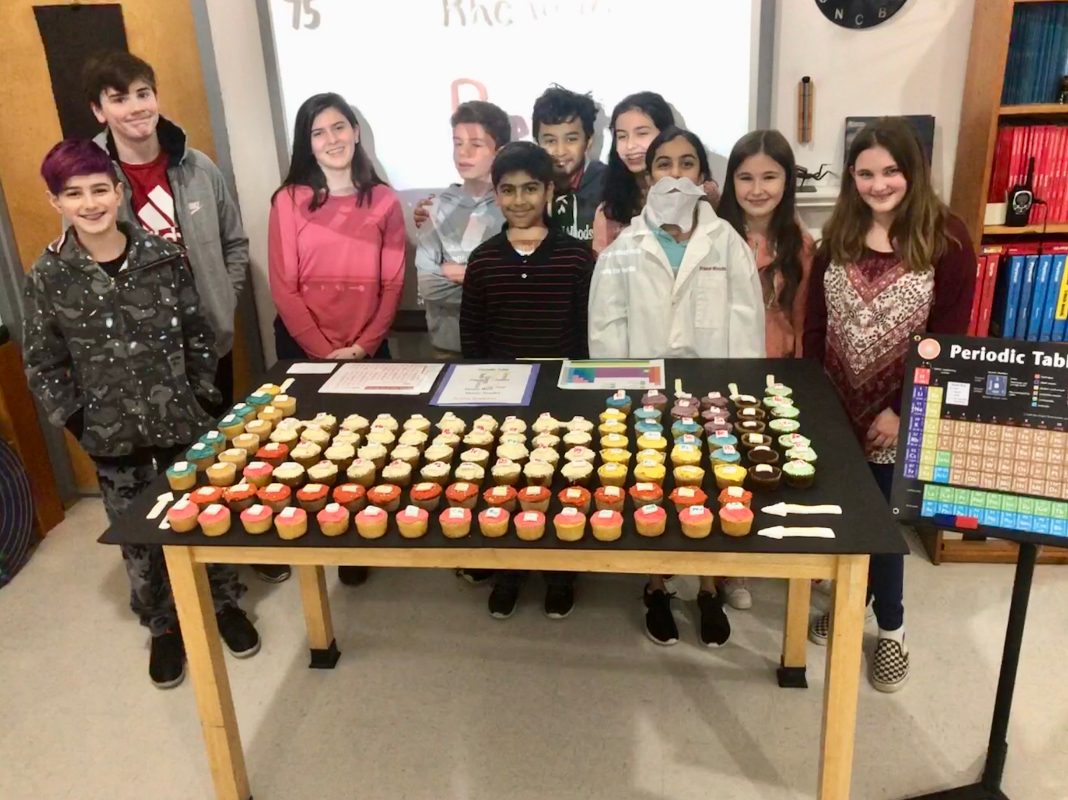
Science was exciting this week with the Periodic Table of cupcakes! The presentation by the 7th years was well researched, clear, and interesting. They combined both scientific facts and history as well as reflected on the way they decorated and arranged the cupcakes. There was even a student dressed as Dmitri Mendeleev, one of the major contributors to the periodic table! Well done!

Also in Humanities, 6th year students began studying ancient Egypt and reading Zilpha Keatley Snyder’s, The Egypt Game. 7th year students are beginning Facing the Lion by Joseph Lemosolai Lekuton. Before we begin studying the Maasai people centered in the novel, we discussed nomadic v. urban cultures and traditional v. modern cultures. Also, we talked about the effects of Western influence and European colonization in parts of the African continent. Finally, the 8th years continued their studies and discussed the causes of the Civil War.

In math, the 6th years are finishing unit 5 in their textbooks and will soon take a cumulative test on units 1-5.  Next week they will begin working on percents.  This will include changing percents to decimals and/or fractions and back, percents greater than 100% and less than 1% and finding a percent of a number.  They will also work with percent increase and decrease. The 7th years are currently working on ratios and proportions.  They have been introduced to similar and congruent figures and learning how to find missing sides when presented with two similar figures.  Next, they will be making scale drawings before moving on to probability. The 8th years continued working on their graphing skills.  They have learned to find the slope of a line and to write the equation of a line when they know the slope and one point.  They will be introduced to writing equations for parallel and perpendicular lines and scatter plots. Their unit will culminate with graphing absolute value functions.

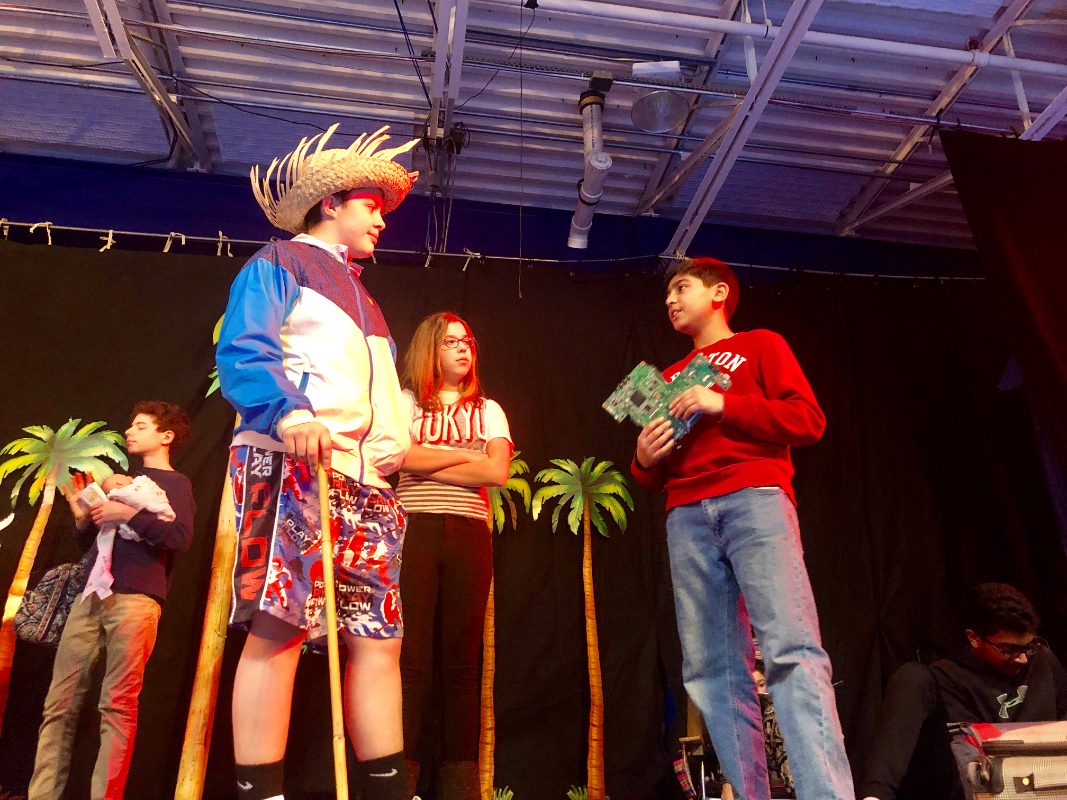
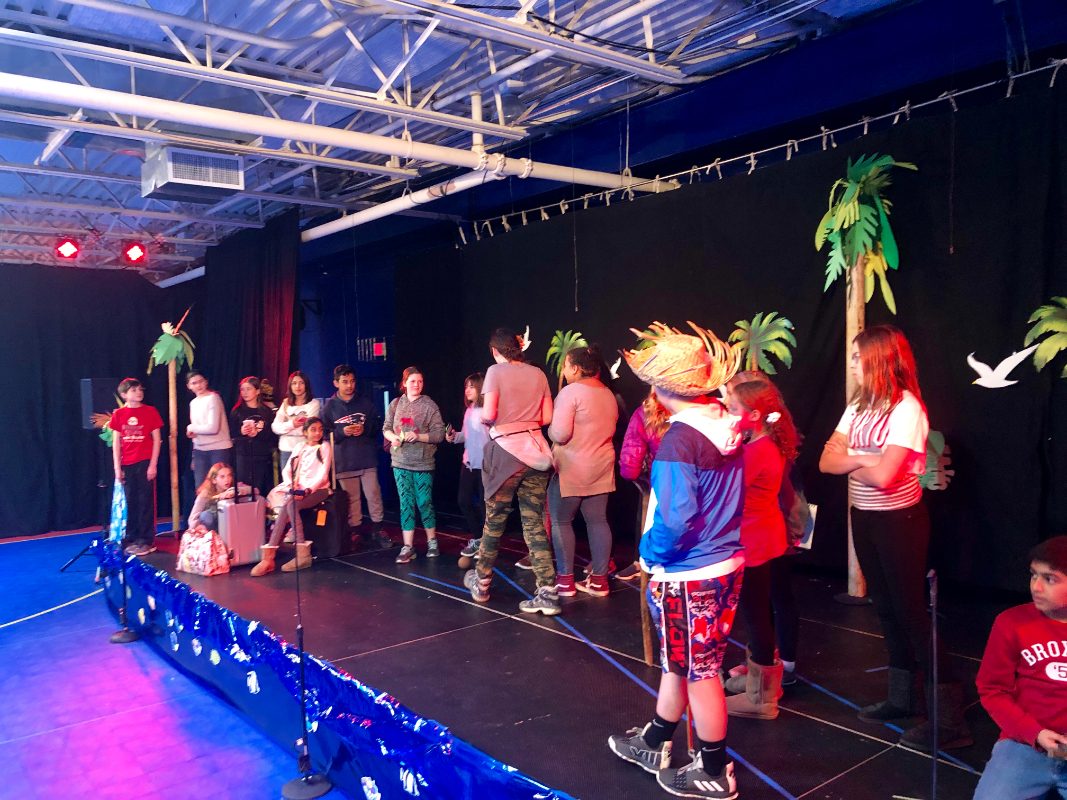
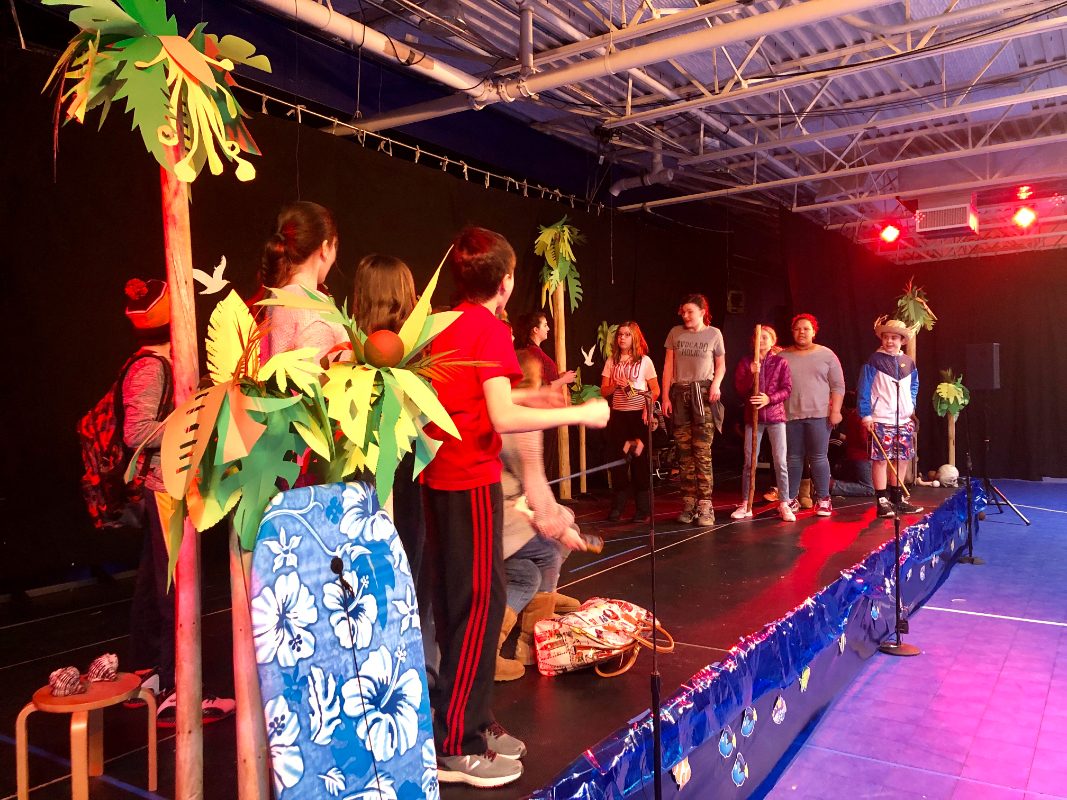
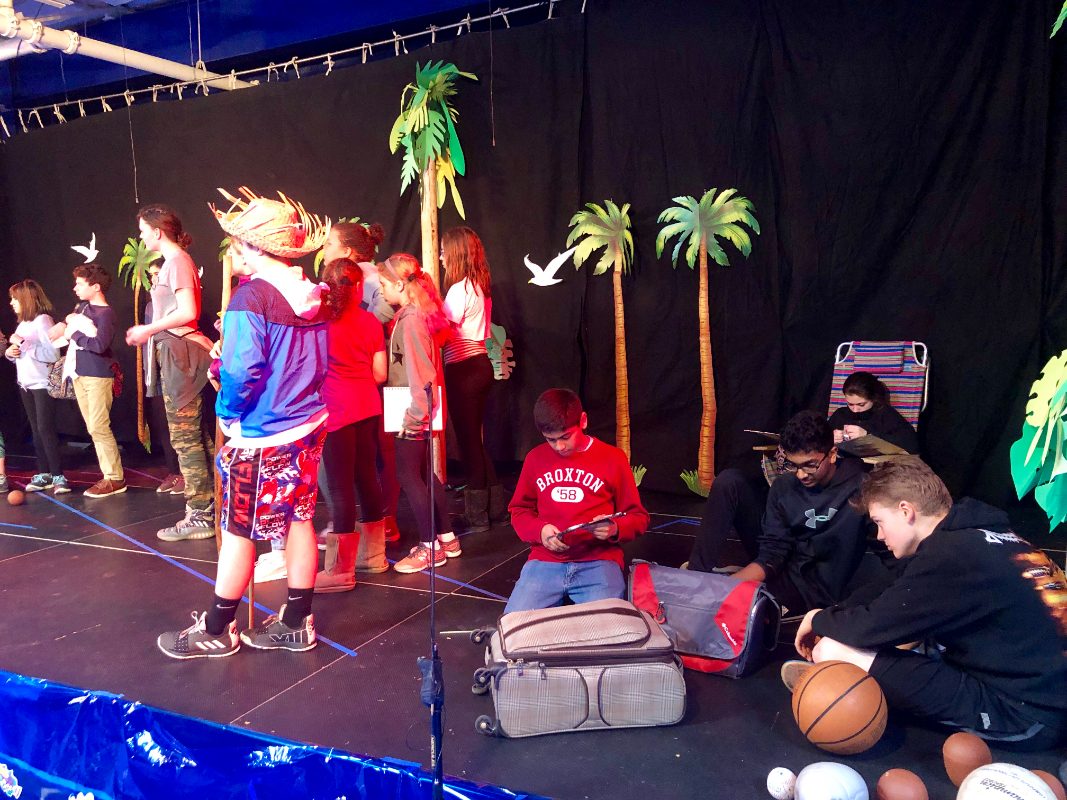
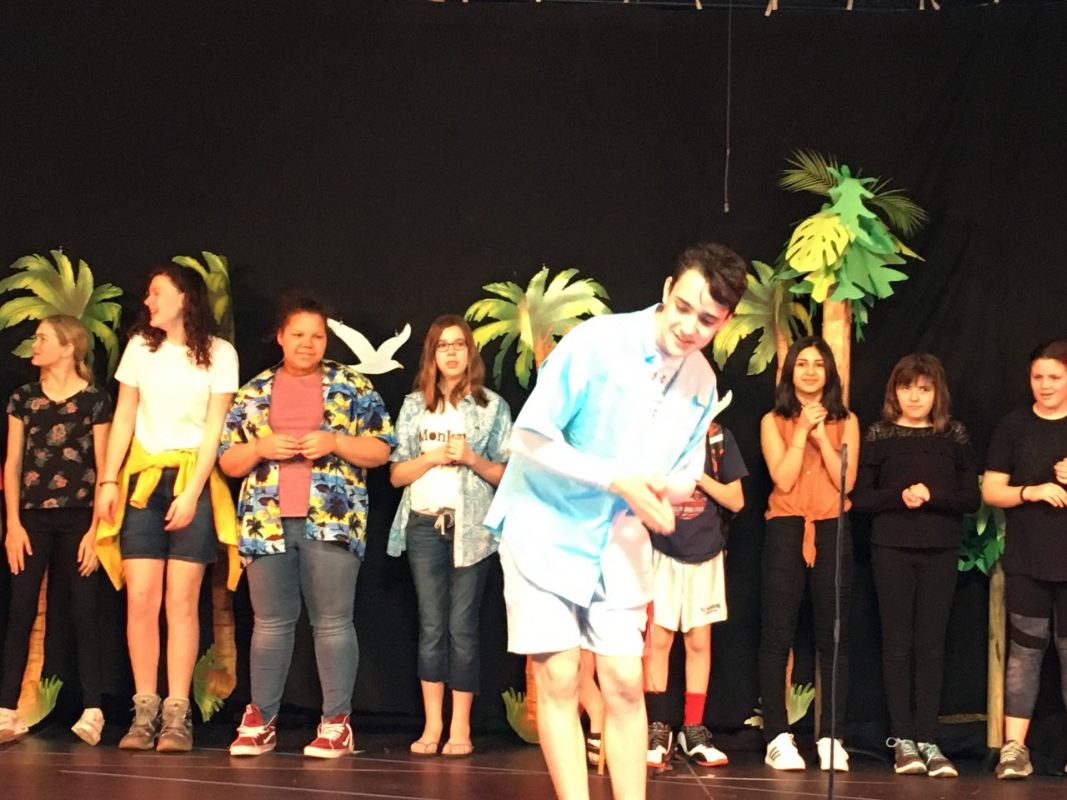
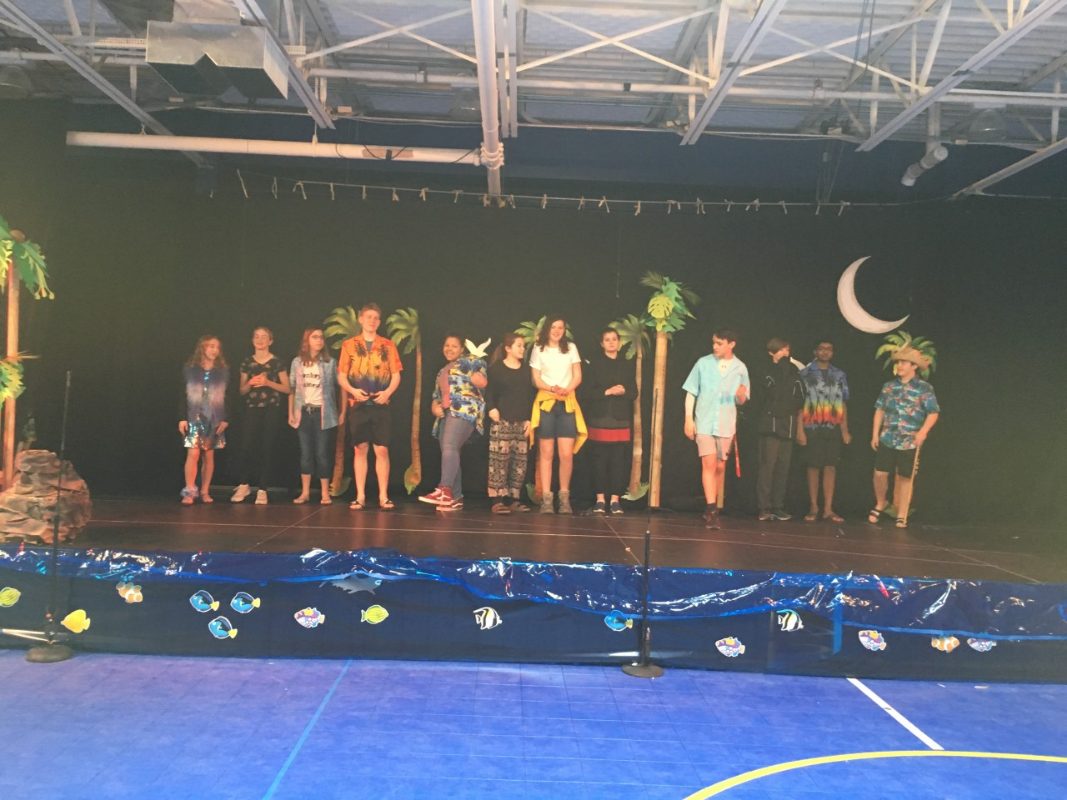
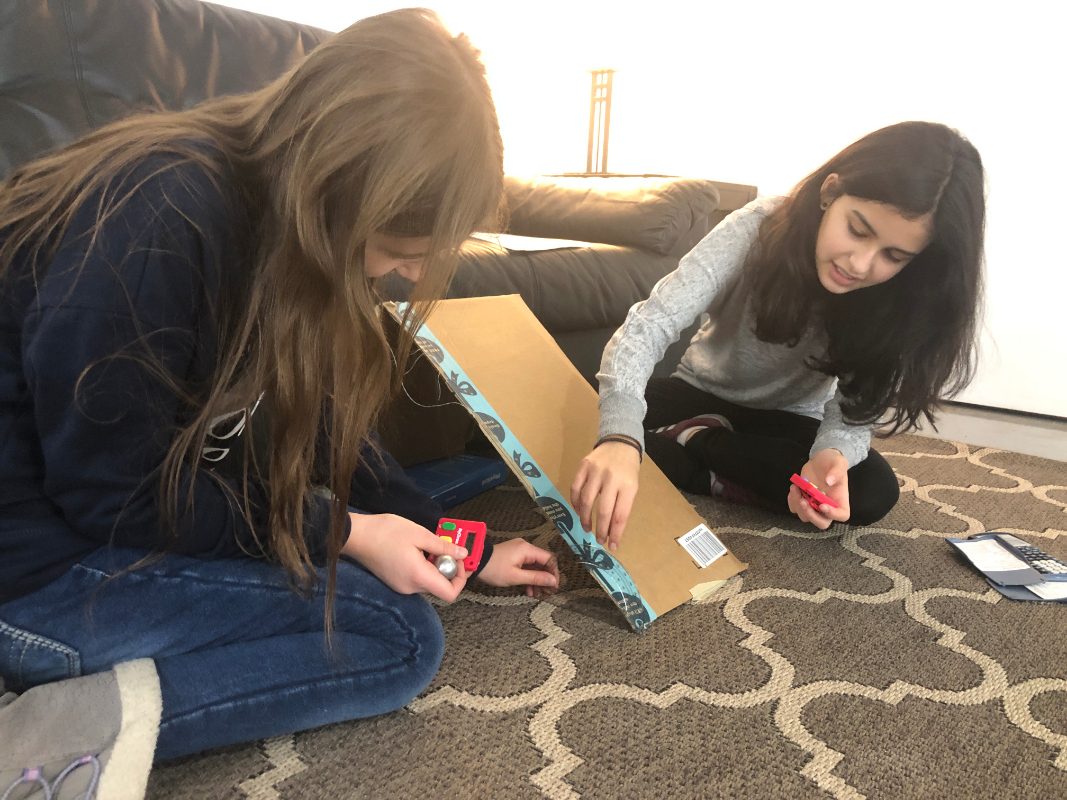
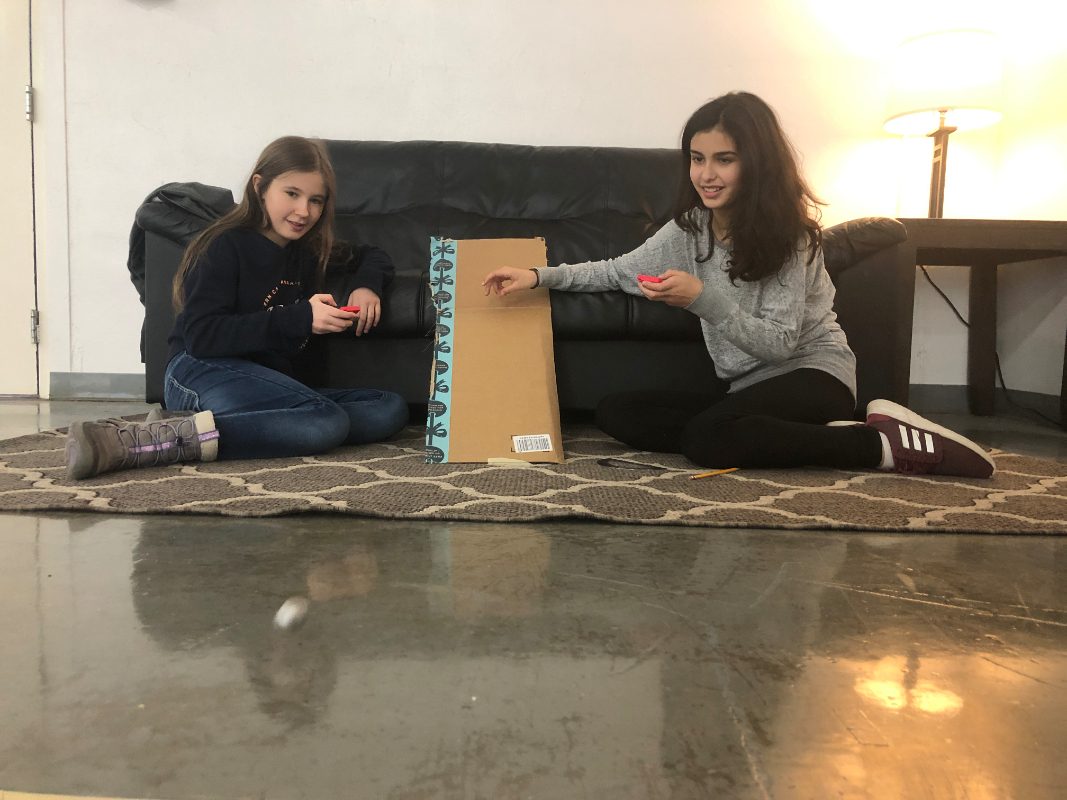
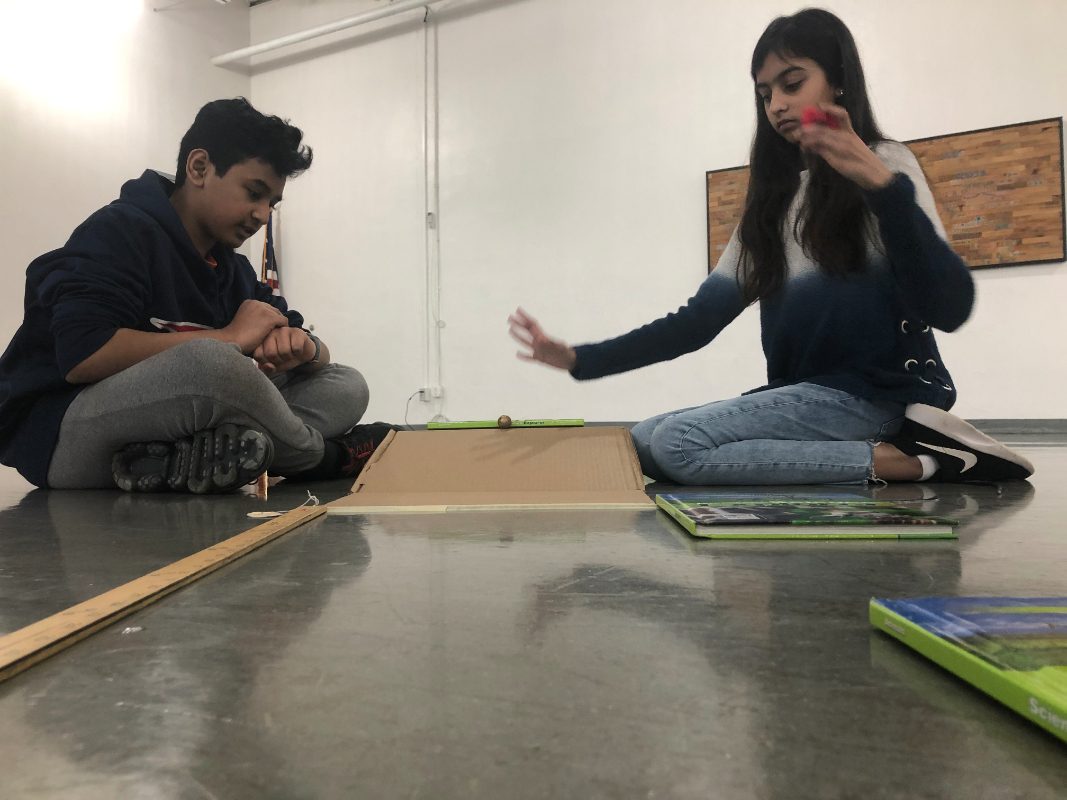
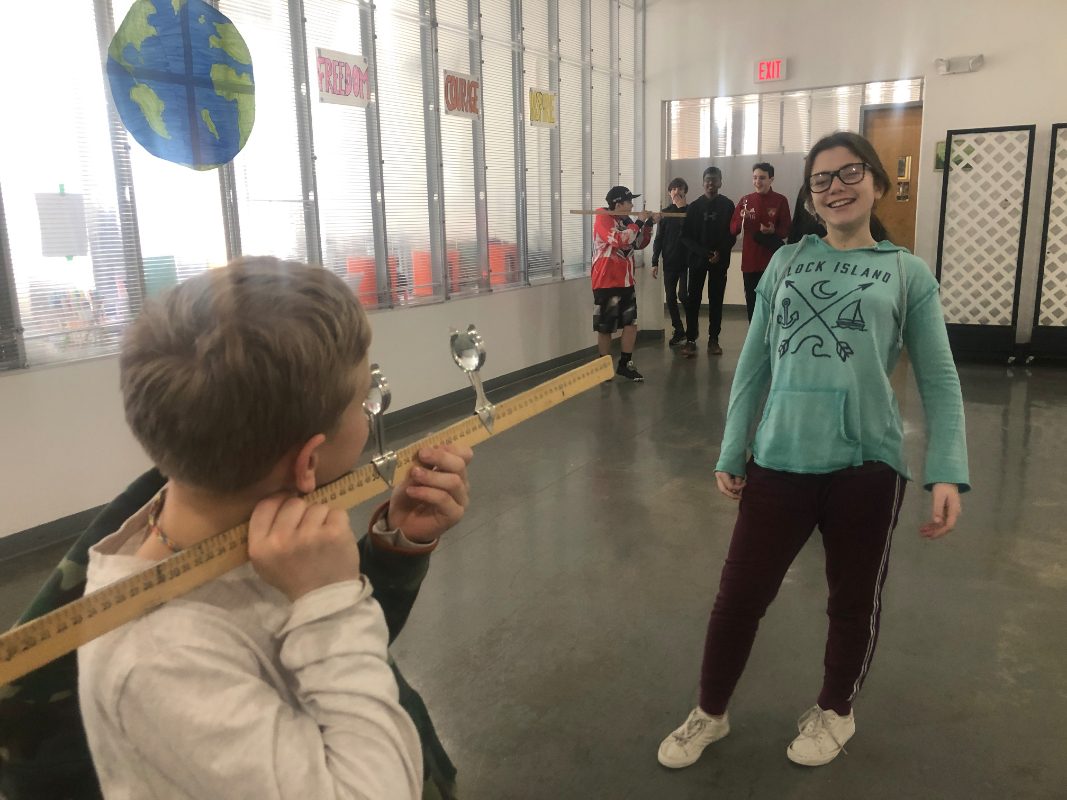
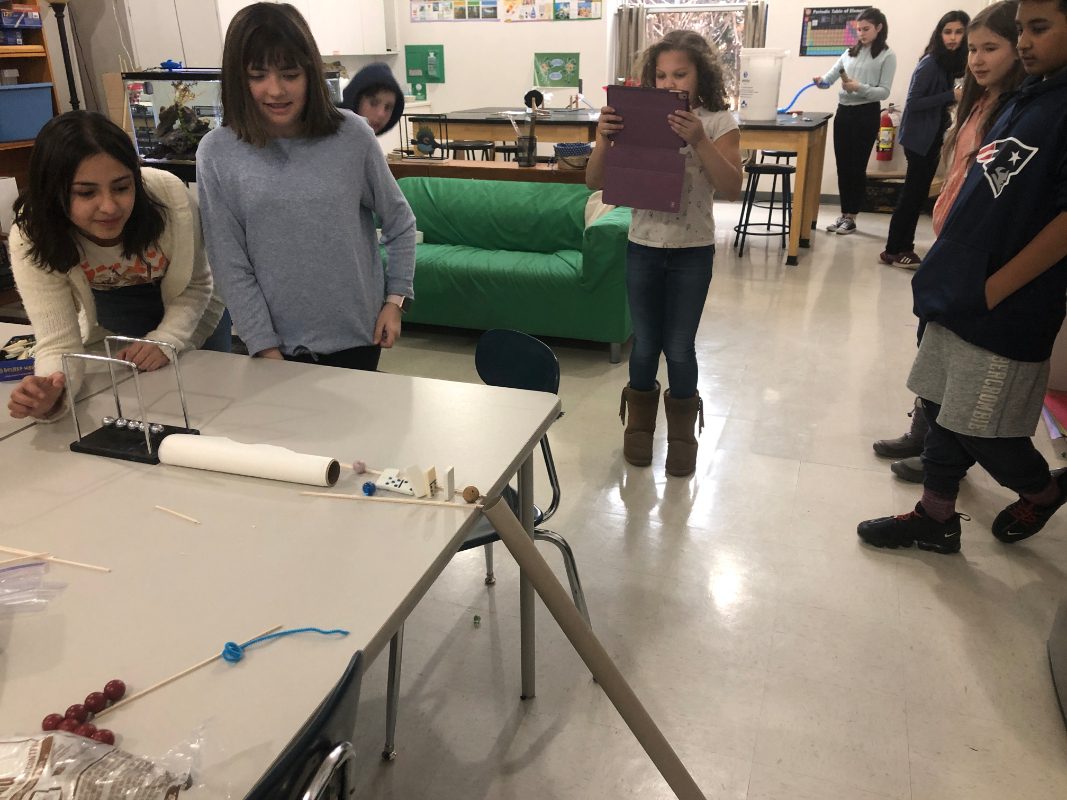
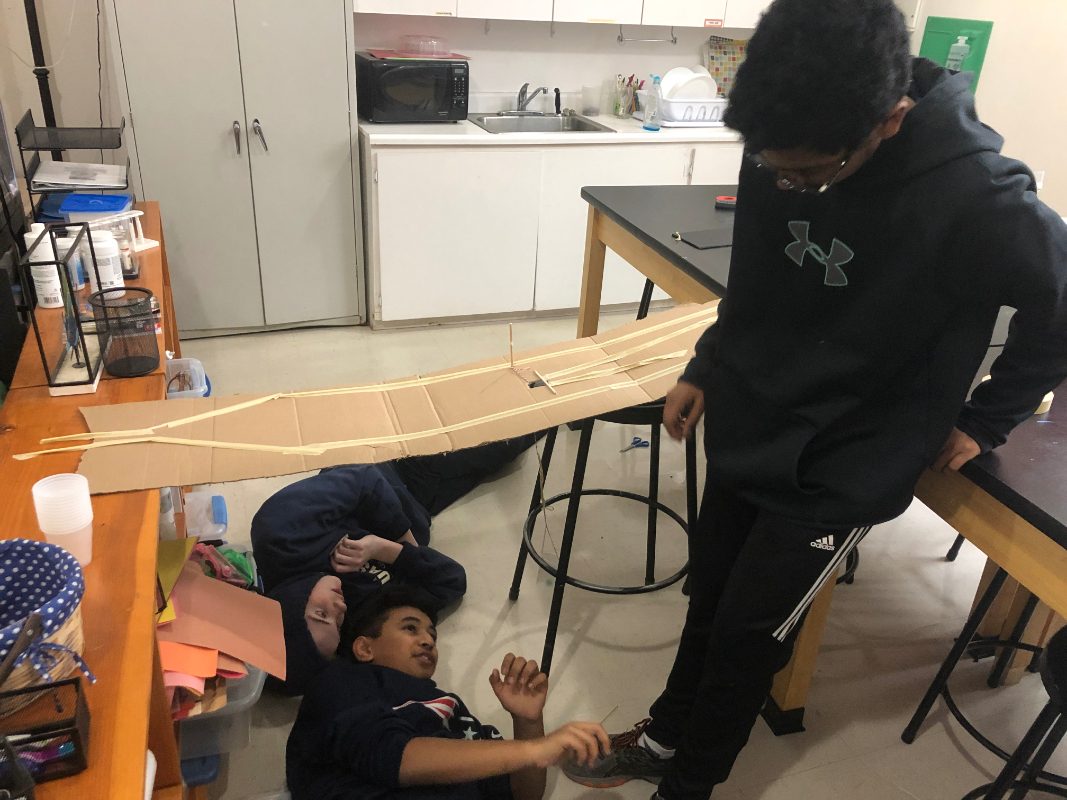
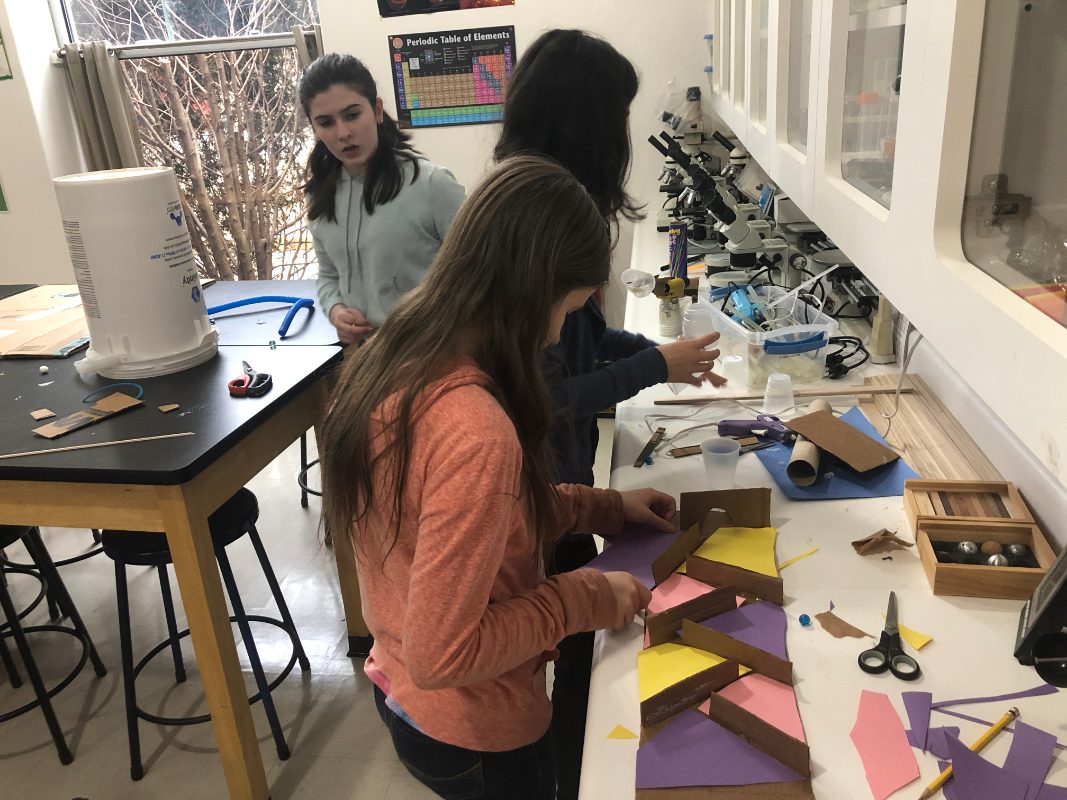
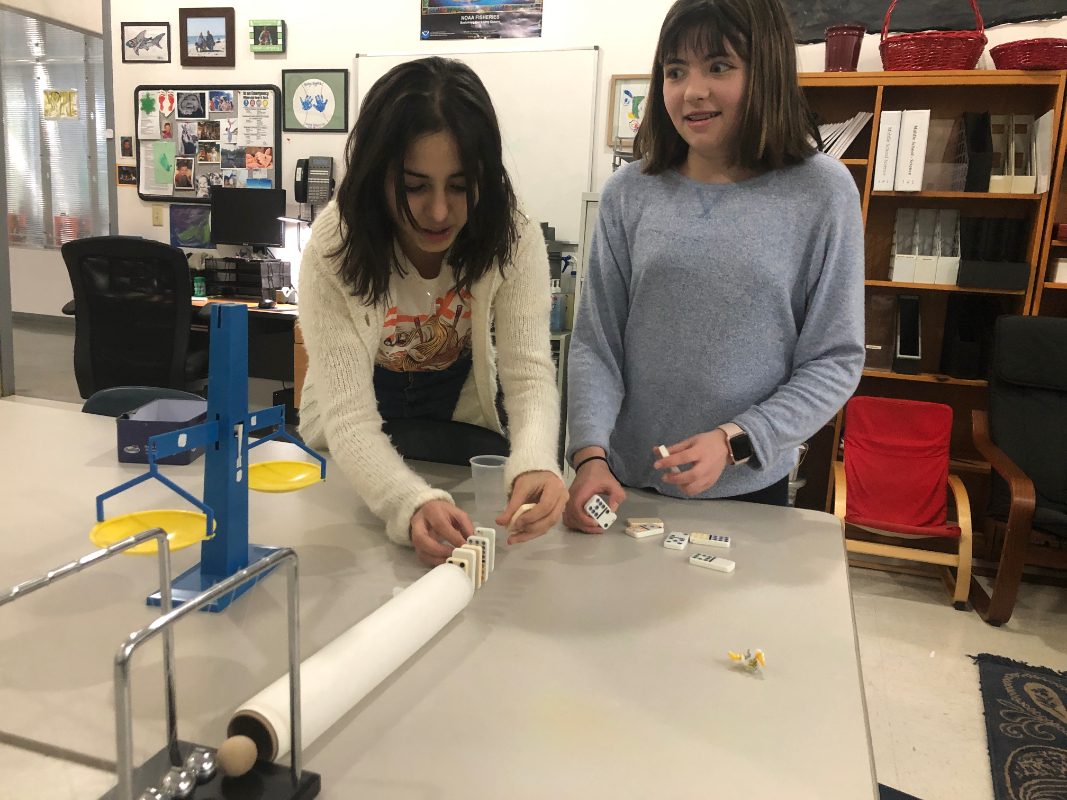
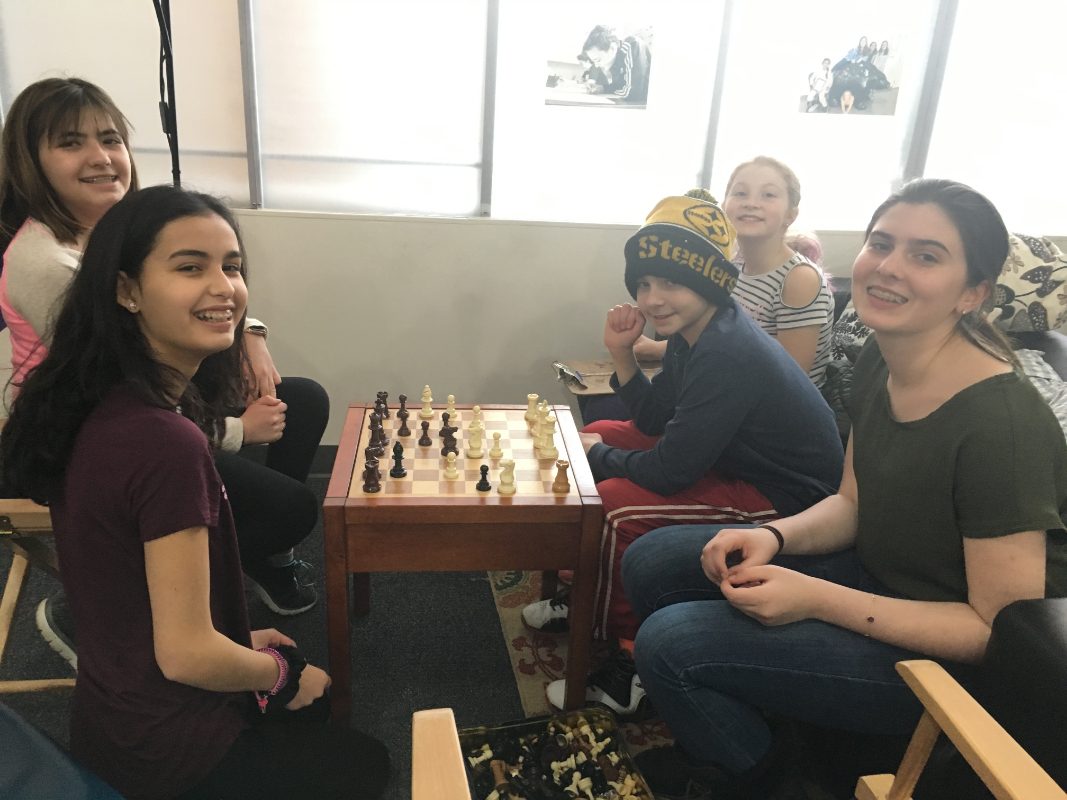
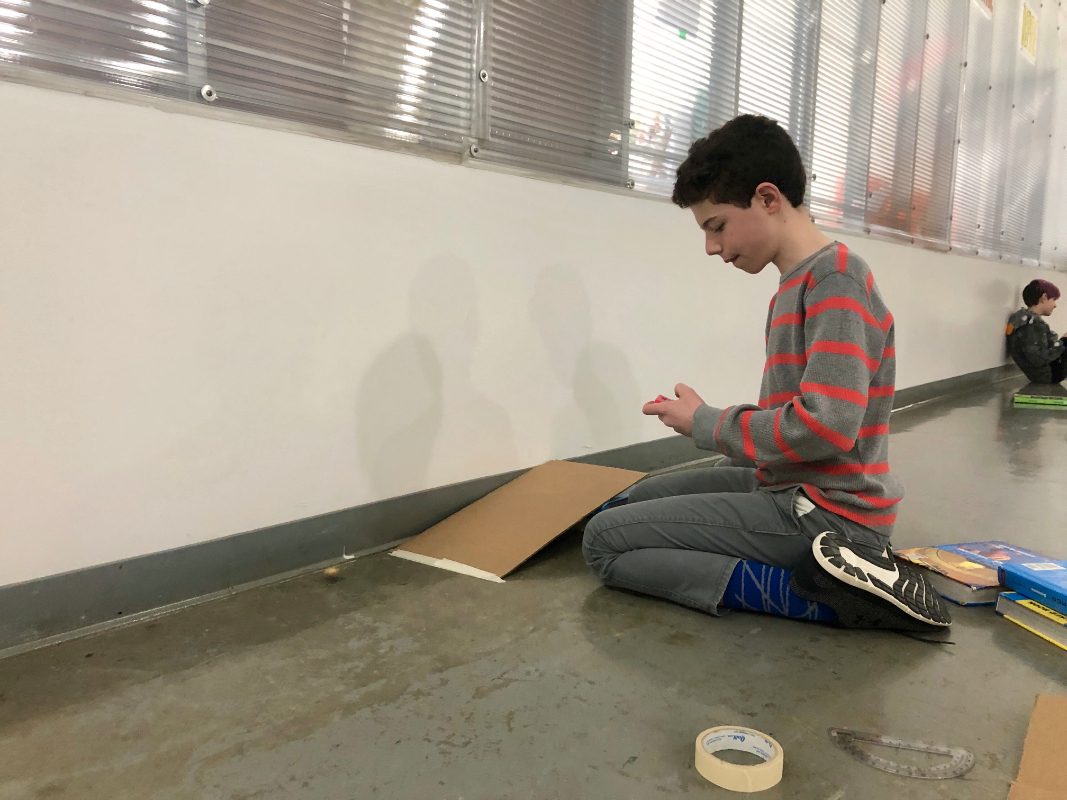
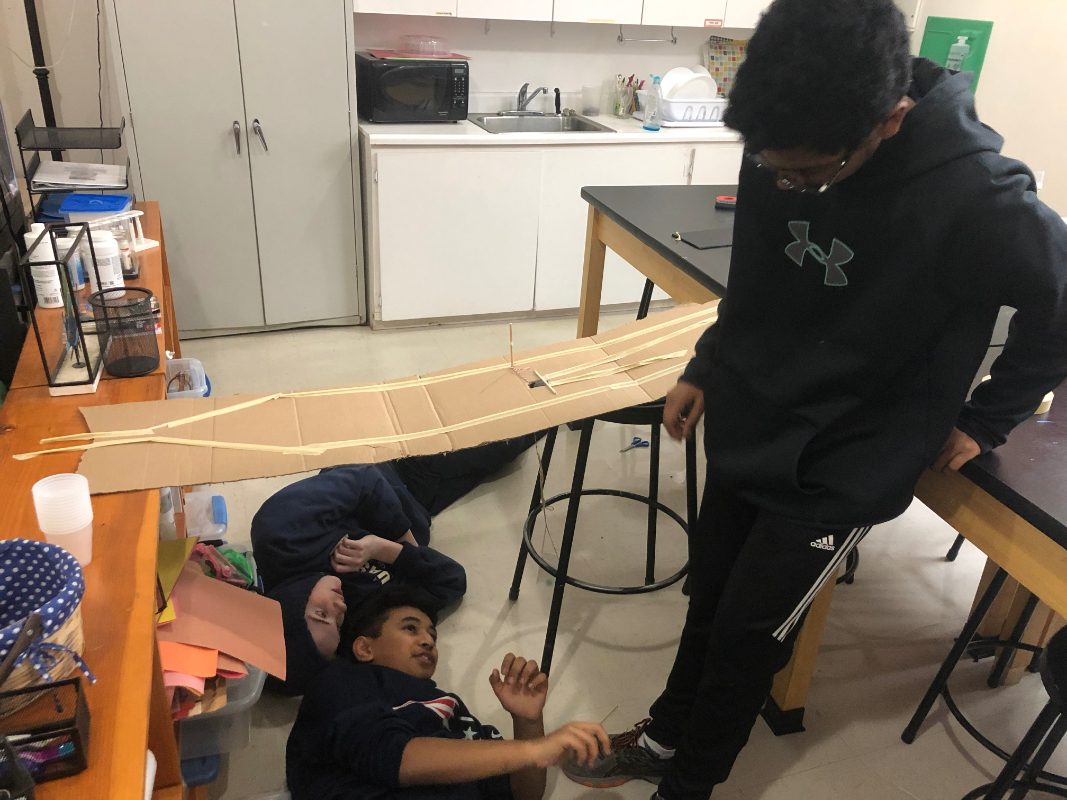
Finally, the middle school students started new community service groups and electives. Electives this trimester are the Rube Goldberg project, chess, and writing the middle school play. A lot of exciting and thoughtful work being done in electives this trimester!

While this post was long, the middle school teachers are excited about all of the work being done. There is so much to report this time of year!


Middle School: Authentic Assessment and A Week in Review

As we wrap up our last full week of 2018, I always reflect upon my year. The other day, a student gifted me with her art project (led by the incredible Ms. Reid). It brought full-circle another reason that I choose to teach at a small, independent school: authentic assessment. While we have tests and quizzes, it is the observations and presentation of material in unconventional ways by the students that prove they are truly learning.

The painting (see photo gallery), inspired by Native American artist and member of the Navajo Nation, Shonto Begay, demonstrates the state of Indigenous Americans in our country. Begay paints beautiful landscapes with the realities of life on today’s reservations. The student’s painting does just that- in front of the serene, mountainous landscape, is a girl without facial features, symbolizing the lack of attention plaguing today’s population. Additionally, she has western clothing, showing assimilation and loss of culture due to colonization. Finally, the woman is hiding a bottle behind her back, which demonstrates the challenge of addiction that can be seen in reservations. We spent a good chunk of our fall in 8th year Humanities studying the history of the U.S. through the lens of Indigenous Americans.

This is what teaching is all about. Whether it is science, math, physical education, or the arts, when a child shows mastery of an entire unit through something other than a test, it is a complete victory. Applied knowledge across the curriculum and moments like this one are what “fill the gas tank” for a teacher.

A Week in Review:

In math, The 6th years are progressing nicely.  This week we began our investigation of proportions.  After covering rations, the class learned about unit rates and how to determine the “better buy.”  They then moved on to proportions.  Next up students will be exploring similar figures. The 7th years continue their work with fractions that include variables.  They learned how to reduce, find the greatest common factor, finding the least common multiple, adding, subtracting and multiplying using their previously acquired prime factorization skills. Finally, the 8th years have been introduced to slope, direct variation, and rate of change.  Also introduced was slope-intercept form of a linear equation (y=mx+b).  They will be using this information to draw graphs and write equations when they know two points on a line.

In science, the 6th and 8th years continued working on identifying igneous, sedimentary, and metamorphic rocks. Students discovered the process of how metamorphic rocks are created using heat and pressure with clay and beads while demonstrating the layers of sedimentary rock using soil samples and water. The 7th years finished their unit on the periodic table of elements and are planning for the construction of the periodic table of cupcakes.

In humanities, the 6th years were assessed in geography of the Middle East and North Africa and pondered the question, “Can modern humans know the history of a group of people who did not have writing, or can we only really know about people who kept written records of their activities and achievements?” 7th years are studying sub-Saharan Africa, and continued to explore the continent by studying South African history, particularly apartheid, and western influence in traditional cultures, beginning with Mali. Finally, the 8th years looked at the Great Compromise decided upon by the Continental Congress and resulting 3/5 Compromise that were decided upon at the Constitutional Convention of 1787. Both affected people of color in our country.

The middle school teachers hope you have a lovely winter break with your families!


Middle School: Tying up the Trimester

Happy Friday! Another full week of middle school has come and gone. Trimester 1 has come to a close, and we will embrace new goals and lessons as we finish 2018. This week, we were lucky to have Officer Felicia from the Newtown Police Department visit with K-9, Aris, a sprightly, 2-year old German Shepherd. Demonstrations in apprehension and nosework were given as well as information on the process of acquiring and training a K-9 police dog. It is clear that the bond between Officer Felicia and her partner, Aris, is unbreakable.

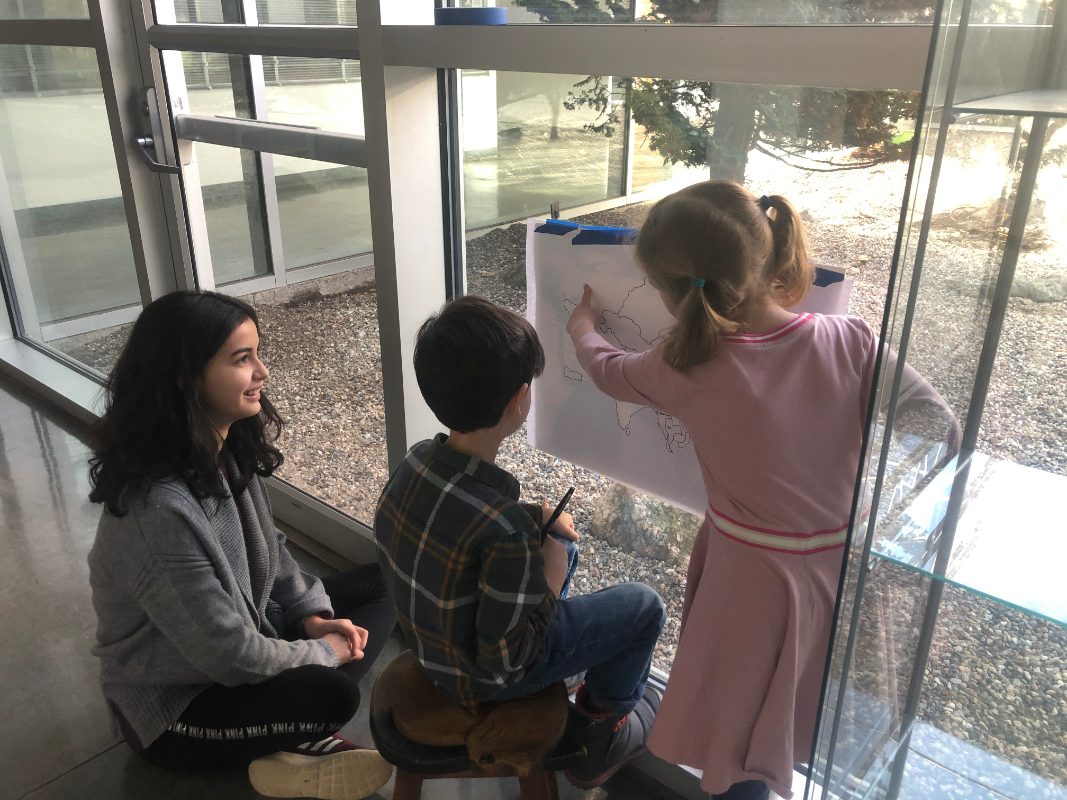
This week in Humanities, 6th years began their unit on the Middle East and North Africa. They looked at the geography of the regions and began studying Mesopotamia. 7th years began their unit on Sub-Saharan Africa, also looking at the geography of the region including human geography and natural resources. 8th years began their unit on Black America, studying the origins of slavery in the colonies and the forming of classes with early legislation supporting both.

Math classes remained busy this week. The 8th years  just finished unit four, an introduction to functions.  The students learned how to represent functions using tables, equations, and graphs. They also learned how to find terms in arithmetic sequences. They will continue their work with linear functions as we begin unit five, which starts with slope and direct variation. 7th years also finished unit four covering factors, fractions and exponents. Students learned factoring monomials, finding common factors and common multiples, simplifying and comparing fractions, multiplying and dividing powers, and finally writing numbers in scientific notation. It was a full chapter! Next, they will begin chapter 5 learning rational numbers and equations. 6th years  have also completed unit four, covering equations and inequalities. The students learned how to solve one and two-step equations, and one and two-step inequalities. Unit four also included the graphing of inequalities. Next up are ratios, rates, and proportions!
In Science, 6th & 8th year students are working on identifying the formation of crystal structures based on the cooling process of magma. The seventh years are continuing their work and investigations on the periodic table of elements. Students are discovering how the arrangement of the periodic table of elements has come to be.
Enjoy the weekend!
**Two notes to parents: Please send your child/children in with water bottles for their daily drinks. We are trying not to use plastic, disposable cups in the classroom. 
Secondly, it is getting cold outside! Please make sure students come in with winter jackets and clothing that covers the legs. 
Thank you for your attention to this!

Middle School: Trasitions- A Parent’s Guide

Please Enjoy the following article from Parent Toolkit

Parent Toolkit provides parents with a comprehensive guide to helping their children succeed in school and life, whether they’re just  starting out in pre-school or preparing their college applications. It is produced by NBC News Education Nation and supported by Pearson.

Guiding Our Children Through School Transitions: Middle School by Sharon Sevier

Ah, middle school, the time during which every parent gains a full understanding of why some animals eat their young. Seriously, I do love middle school students. They live in a world of black and white. There’s no gray. Things are either a crisis or they are nothing. I often referred to my students as my “drama and trauma kings and queens,” and they earned that title every year.

My daughter is a middle school counselor, and I love talking to her about these years. She’s very trendy, funny, and sassy, and the kids gravitate towards her like nobody’s business. She tells it like it is with her students, and she gets away with saying things to them that their parents would not dare, for fear of having their heads bitten off.

Middle school is a time when many kids regard their parents as being “dumb,” “over-protective,” and “not knowing anything.” When I got my Ph.D., I thought my kids (then in middle school) would be so proud of their mom. What I realized is that they thought those three letters were wrong; they thought they should be “DTD”…Dumber Than Dirt. It was tough to go through but, parents, we do get revenge. Once my kids had children of their own, I became the smartest woman on Earth!! So it does come full circle.

Here’s what happens in the middle school years: our children become more and more independent. In 6th grade, it’s the transition between elementary and middle school. There’s a bit more coddling in their academic setting, and the students have a healthy sense of unease as they enter the social world of middle school. By the end of 6th grade, they’ve pretty much got it all figured out, and their social world bursts open with wild abandon. For the next two years, they think they are standing at the mountain top and they know it all. Mood swings are rampant, popularity becomes a curse and a blessing, body image, attire, and being cool all take precedence over anything else. So how do parents navigate these years keeping their kids safe and in check, while also keeping their sanity?

Here are a few of my favorite tips, and also a few from my daughter:

• Stay in contact with the school, especially with the school counselor, and allow them to “be the heavy” when you’re struggling to get through to your child. I often had conversations with parents who were so frustrated because their child would not listen to them. So I offered to “be the heavy” for them. I’d call the student in and would “talk turkey” with them, saying basically what the parent had said. In fact, I remember the day one of my students said, “you sound like my mom,” before he left. I was thinking, “yeah, that’s because I just talked to her!”

Seriously, school counselors have different credibility in middle school than parents. We can say the exact same things that you do and the kids will listen because we’re not you! School counselors become a godsend at this age and they can be a great resource and support, but you have to talk to them and trust them. Don’t be embarrassed about telling them about family life issues. The more information the counselor has, the more s/he can help you, your child, and the teachers. School counselors are there to help. They’re not there to be in or know your business. We care about your child’s success in every facet of his/her life, and we want to be good advocates.

• Continue with the set time for homework, and stay on top of grades. Don’t wait for the teachers to contact you; you can also contact them. Most middle schools today have an online student management system that allows parents to see their child’s progress. You can check grades, as well as attendance. I’d suggest making it a weekly event, maybe during homework time, that you sit down with your child and review what’s online in the student management system. Teachers have well over 100 students they are dealing with on a daily basis. Parents, generally, have only a couple of students they are in charge of. Parents need to stay on top of their child’s grades, and they need to contact teachers when they have questions/concerns. There is no excuse for a parent to say “I didn’t know” when so much information is readily available.
Have a specified time and place for homework each school night. Don’t accept, “I don’t have any homework.” If there is no homework, they can always review what was taught that day or they can read. You must be firm and let your child know that the homework time and place are in cement–no negotiation. When they are finished with their homework, ask to see it. I wouldn’t suggest reviewing it, but check it for completion. They have to know that you take this seriously, and you are going to be checking.

If I may, I’d like to beg and plead with you about the place for homework. Please don’t send your kids off to their rooms, armed with technology, to do homework. Have them do homework in a central place in your home where your presence is apparent. NO cell phones during homework time. They will take things much more seriously if you put some strong parameters on homework completion. They make think you are the spawn of Satan for taking their cell phone but, trust me, they’ll live through it and their work will be better quality.

• Technology…the good, bad and ugly. No doubt, technology is alive, well and rampant. We love it, we hate it. Our kids adore it. It’s their life line, it’s their life. My daughter, the middle school counselor, feels very strongly about middle school students having free reign with technology. She suggests that parents check the sites their kids are going to, and that means reading what’s posted there. Too often, middle school students get caught up in things they shouldn’t, and it can have disastrous effects. You are the parent, monitor the technology! There are ways that you can block sites, monitor use, and monitor what’s being communicated. You can also cancel the cell phone. If your child isn’t using technology safely and appropriately, cancel it. It’s a tough lesson, and they will say that you are ruining their life and they hate you, but you are doing them a favor. Make them earn the privilege back. Notice what I said. It’s a privilege to have a cell phone; it’s not a right. Technology is wonderful when used for good, but it can turn into a nightmare without supervision.

• Vary friendships. Middle school is that time of life when kids change friends like it’s their job. Girl bullying, boy bullying, and popularity requirements are the bane of the middle school student’s existence, and of their parents’. It doesn’t happen to everyone, but it happens enough. I always strongly urge parents to identify their child’s passions and interests and get them into groups outside of school. These groups enlarge the friendship circle and, if things aren’t going well at school, there are always other people to hang out with. Church, Scouts, athletics, volunteer work, dance, and hobbies/talents all offer students a chance to grow, blossom, and be with different people. If you find your child hanging with the same kids all the time and/or afraid to do things without those people, it’s time to change things up. Having just one or two friends is a sure sign of future trouble, you just know that, at some point, they are going to cease getting along and the world will collapse. If they have other friends, outside of school, they’ll be in much better shape.

 Don’t rescue your child from natural consequences. Be a parent…not a friend. My sister-in-law is a character. She’s very honest and blunt, and I love it. She told me about a conversation she had with her two daughters. It went something like this, “I’m your parent, not your friend. I don’t need more friends and, if I did, I wouldn’t choose you.” I cracked up. Now, let me tell you, she loves her kids beyond belief, but she was making a point, I’m your parent! I’m not here to be your friend.

Being a parent means setting boundaries, setting rules, having expectations that stick, and allowing your child to suffer the consequences of their actions. If your child flunks a test, don’t blame the teacher. Your child should be the first one you talk to. If the teacher says your child isn’t doing homework and your child says s/he is, make them show it to you each night. If your child goes to an unacceptable website at school, and gets in trouble for it, don’t blame the school. Kids learn from their consequences. If we take away their accountability, they will never learn responsibility. It’s ok not to be the “cool mom” or the “cool dad.” “Cool” only matters if you need a sweater. It’s the “mom” and “dad” word that matters the most. Be one, and be tough! Your kids will love you for it.

Good luck with middle school! Keep your eyes and ears open, and ask for help when you need it. You are surrounded by support, and you are SMART and strong to ask for it! One last aside, I told my daughter, the middle school counselor, that I was writing this blog. I read her what I wrote about getting my Ph.D. and she said, “that’s not true! I was very proud of you.” Then she blamed her brother for being the one who thought I should have been “DTD”. Kids…


This Week in Middle School

The weather is brisk, the holiday season is looming, and the end of the trimester is in sight. How can it be that we have been together almost three months? The time is flying by because we have been working hard in the classroom.

In math class the student continue the work of becoming mathematical problem solvers. The 6th years began the solving of equations and were introduced to the addition and subtraction property of equality.  The 8th years took a cumulative assessment and the entire class did exceptionally well.  They were also began finding the greatest common factor of monomials using prime factorization.

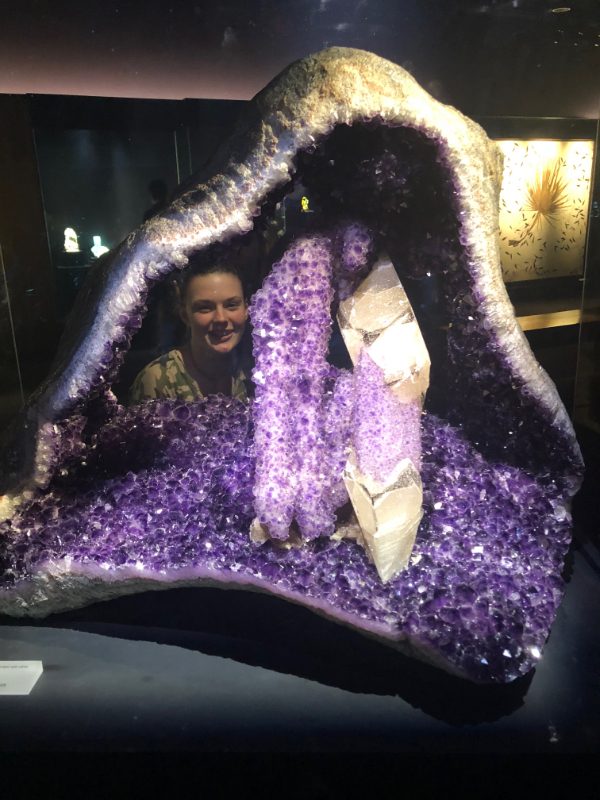
6th year students worked this week on identifying the density of minerals (quartz, marble, granite). This was determined by measuring each sample’s mass and volume. Students also had the opportunity to crack open geodes. Through the use of microscopes, the crystal formation of each geode was able to be observed under high magnification. Students will continue to work on defining the unique properties/characteristics of minerals. The 7th year students are discovering the atom (atomos – uncuttable). Students theorized how the periodic table of elements was originally assembled by Dmitri Mendeleev. The 8th years, also working with minerals, constructed crystalline structures representing silica tetrahedral chains.

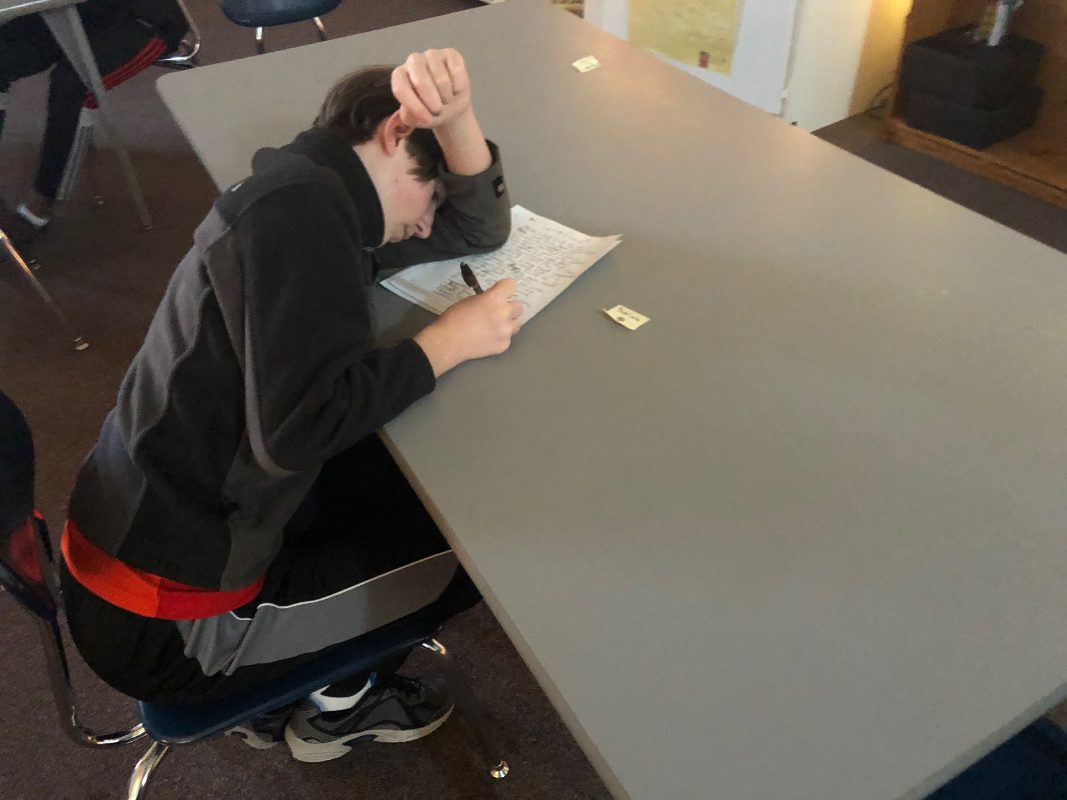
6th year humanities classes worked on their essay writing skills. We focused on effective, introductions including hooks and thesis statements, organization, and outlining as a prewriting tool. Students have finished their outlines, written their introductions, and will finish drafting next week. 7th year students revised their papers for their community project. This long-term project is just about ready to be presented. Learning about different systems of government and their effectiveness, economic structures, judicial systems, allocating essential resources, diversity, living off of the environment, and healthcare systems were all learning experiences this project brought forth. Finally, 8th years are off campus and doing their internships. On Monday they went over how to gain the best experience in the time they are given by asking thoughtful questions, strategies for the work environment, making observations, and respectful ways to communicate.

We can’t wait to hear about the amazing experiences the 8th years had this week!


Middle School: A Week in Review

Another action-packed week has passed in Middle School! In addition to academics, Middle School students inaugurated the new zip line on Wednesday. They also listened to a presentation from the Botsford Volunteer Fire Department.

This week in Math, 8th years worked on union and intersections of sets along with solving absolute value inequalities. 7th years are working on factoring and reducing fractions with variables included in their examples. 6th years continue to work on adding, subtracting, multiplying and dividing fractions.  In addition, they continue to expand their mathematical vocabulary. Middle School students are making excellent progress in math this week!

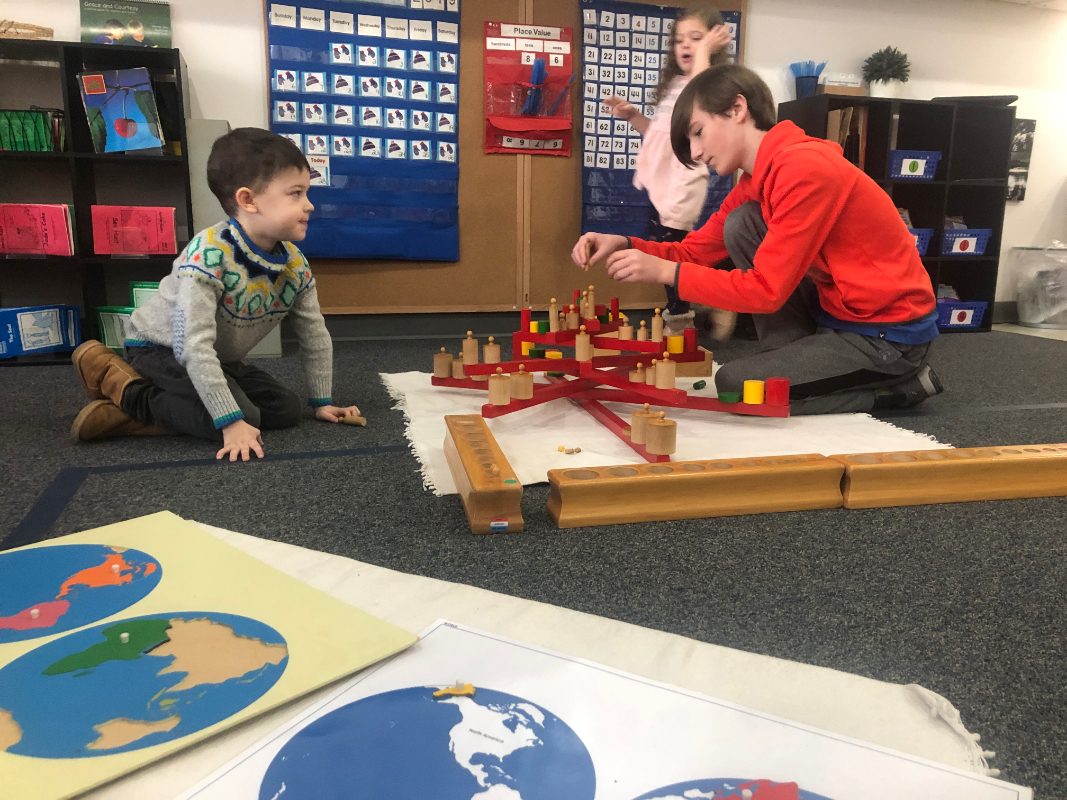
The 6th and 8th year Earth Science classes have finished their unit on mapping Earth’s surface. Next, students will begin their unit on geology. The 7th years have started their unit on atoms. Throughout this chapter, students will explore the structure and history of the atom and atomic theory.
All Humanities classes completed vocabulary lessons and reviewed the midterm elections, discussing all that they were hearing but didn’t quite understand. What does it mean that the House majority has changed? We even spoke about the basic differences in issue stances on taxes, healthcare, immigration policy, and the 2nd amendment, which are important issues to both parties. 8th year Humanities students are nearing the end of their in-class read, The Absolutely True Diary of a Part-Time Indian, after a week hiatus to draft personal narratives. Internships are next week starting on Tuesday, so students reviewed the guidelines and expectations for their required work while they are out. They also completed some grammar work on comma usage on compound and complex sentences. 7th years are wrapping up their Community presentations. 6th years worked on editing skills as well as expository writing lessons.

Middle School: A Week in Review

With the excitement of Halloween, it was an energized week in Middle School. Costumes were top-notch for those who dressed up! This week’s cooking elective made three tasty treats for the Halloween party: a chocolate mousse cemetery, a black cat cake, and pumpkin pie muddy buddies. Aside from the festivities, classes were productive and insightful.

In Humanities, we had a writing-focused week. 6th years are writing their final piece for the empathy and compassion unit and using the knowledge from their descriptive writing lessons to enhance it. They are writing a multi-paragraph letter to the main character of Out of My Mind, Melody, and responding to a specific instance in the book they can personally relate to. The 7th years finished drafts of their multi-page persuasive papers for their Community project, the culmination of their unit on Utopian/Dystopian societies. 8th years have started each day with a mini-lesson, specific to a writing technique that is the applied to their personal narrative drafts.

The 6th and 8th year science classes have been busy working on their topography projects. Students used the glow forge to program, scan, and cut each layer to accurately represent elevations of their map. The 7th years represented Boyle’s and Charles’ Law (volume, pressure, temperature) using a variety of materials. Students were able to demonstrate Boyle’s Law by exerting pressure on a liquid and recording the decrease in volume of gas.

Math classes were busy this week. 6th years continued to work on fractions, 7th years are working to solve inequalities, and 8th years are solving inequalities as well as compound inequalities.

Thank you for your time, meeting with us during conferences. We greatly enjoyed discussing your child’s/children’s progress!

Global Culinary Night is Thursday, November 8th from 6:30-8:00pm.

This is a FWM entire family event.

Grab your “passport” and travel along with us as we visit countries near and far, sampling foods at each stop! This community event is for FWM families to gather together and share a unique dish from their cultural, ethnic, or regional background while also sampling dishes from other FWM families’ cultures.