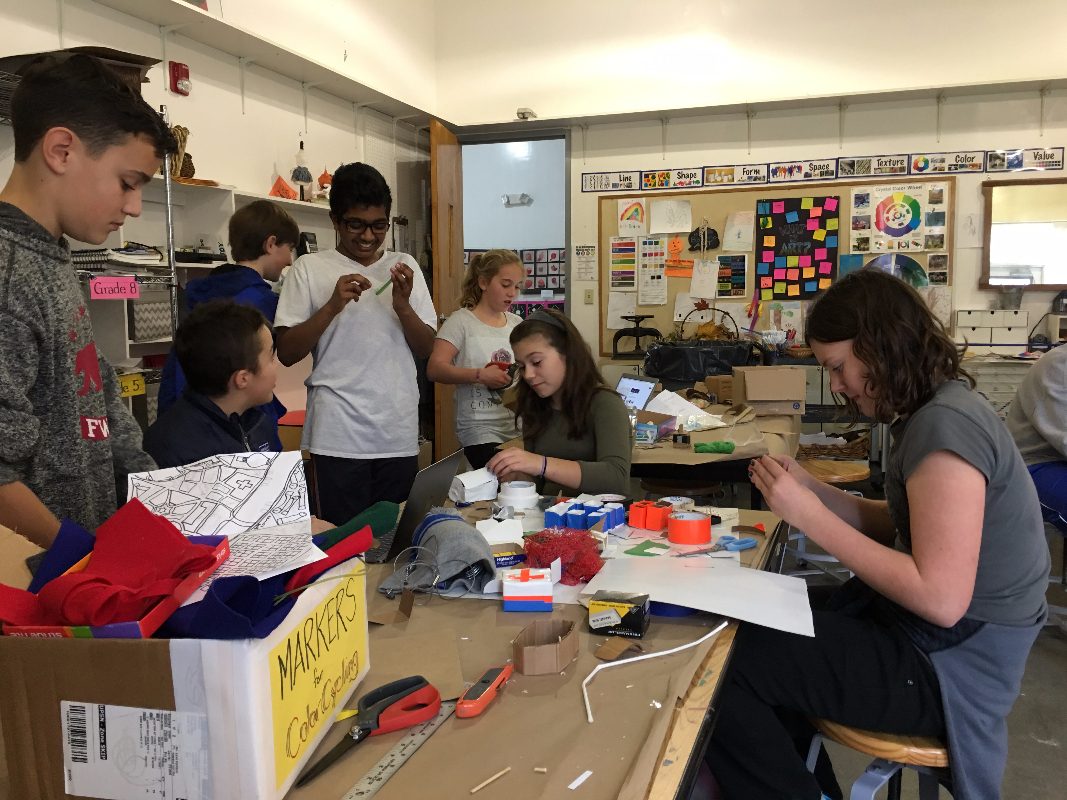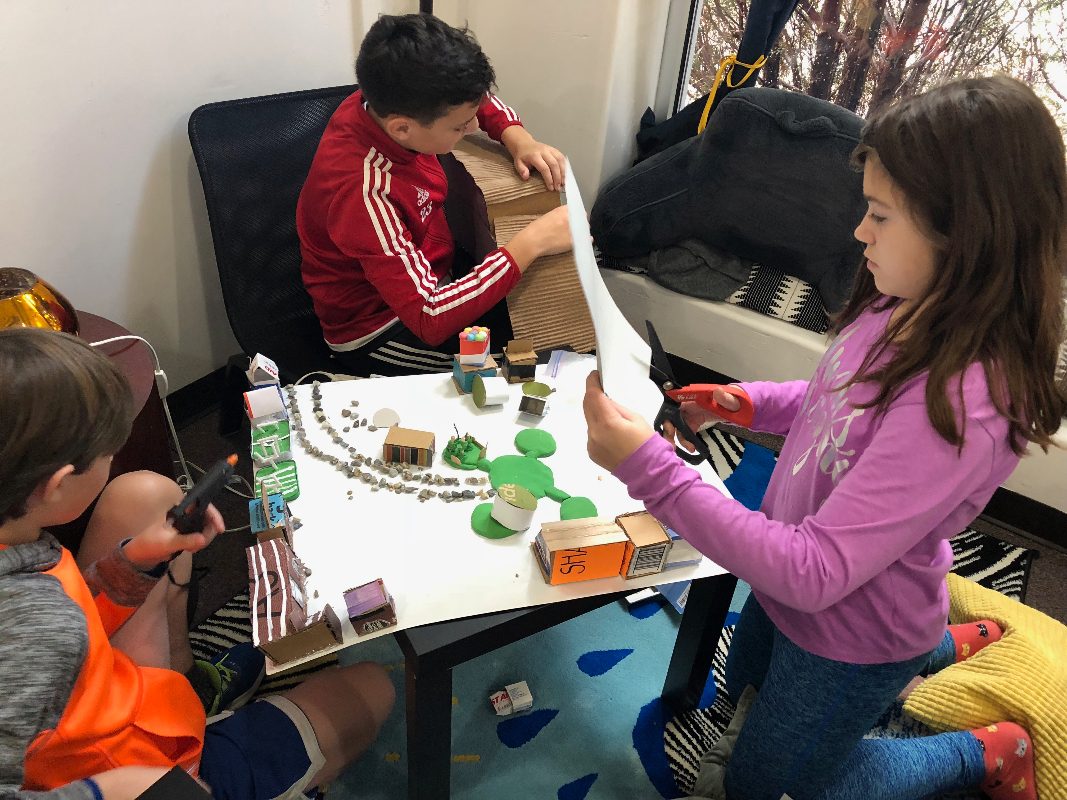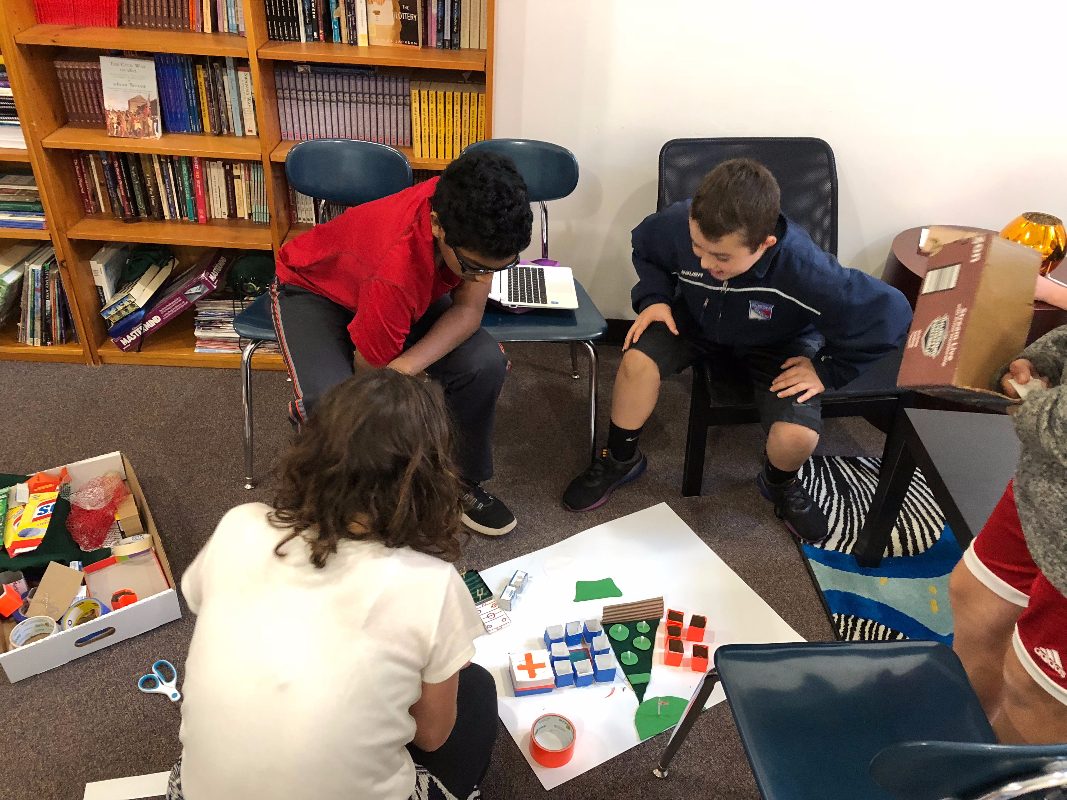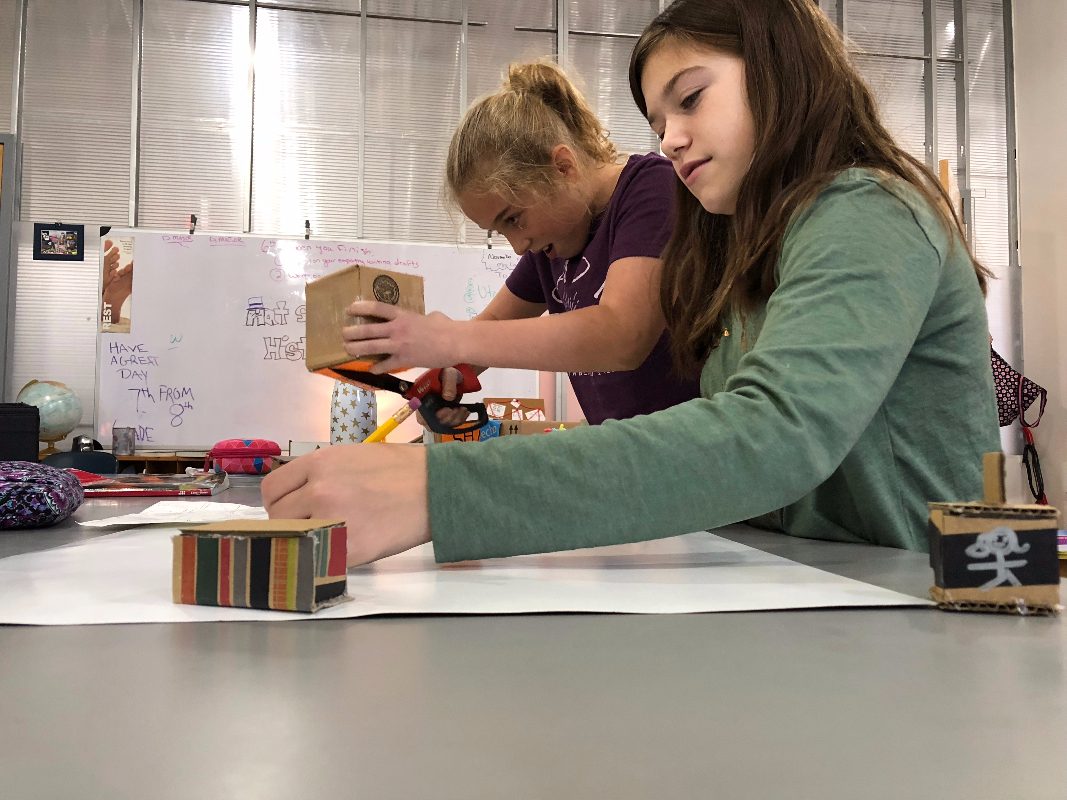
Seventh Year’s Utopian Societies Brought to Life in Art Humanities Class


Collaboration and Creativity in the Art Studio!

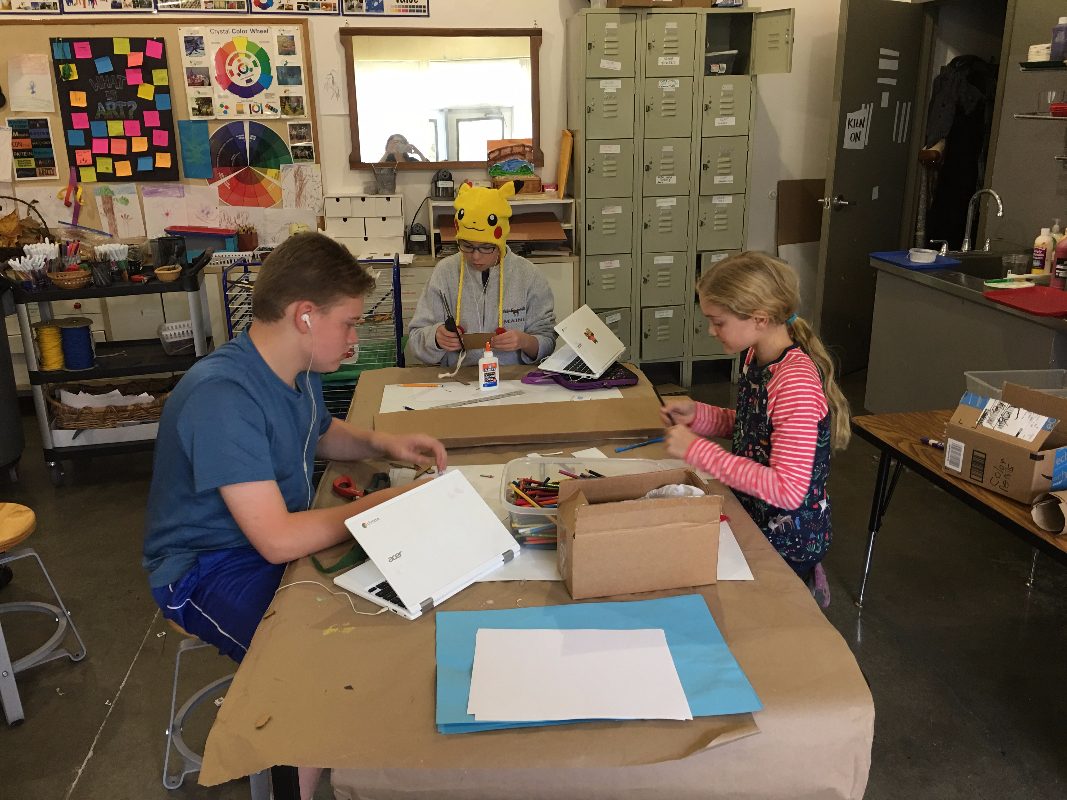
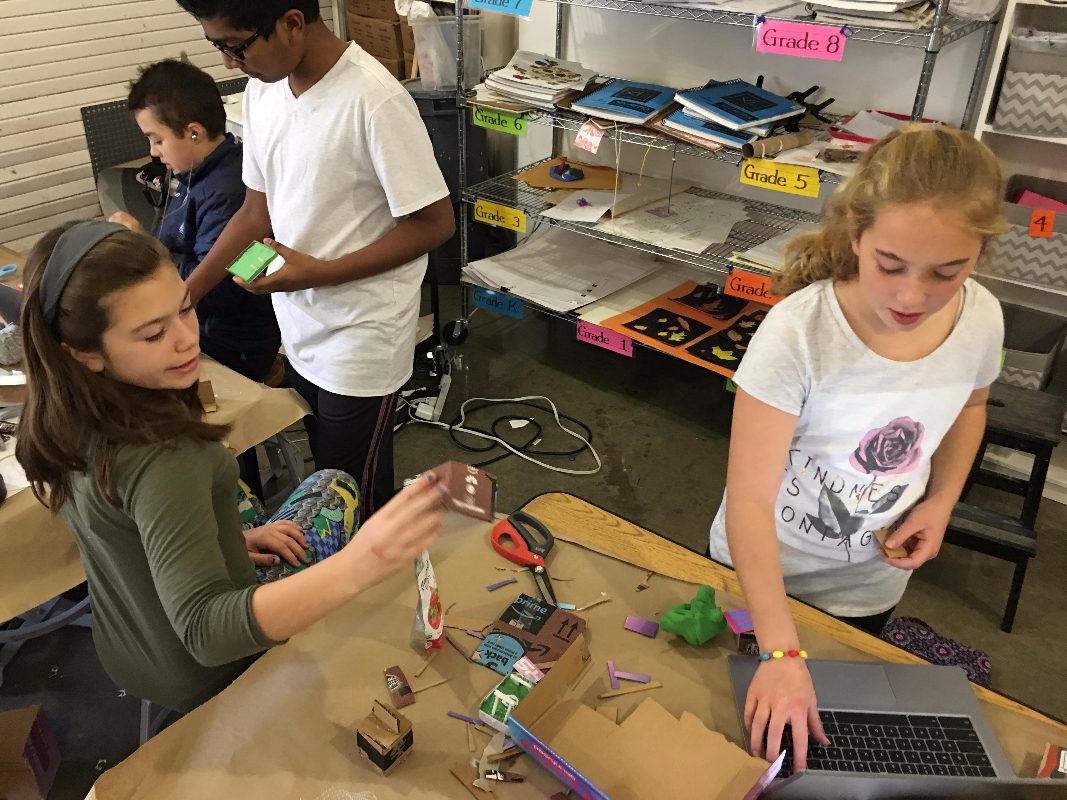
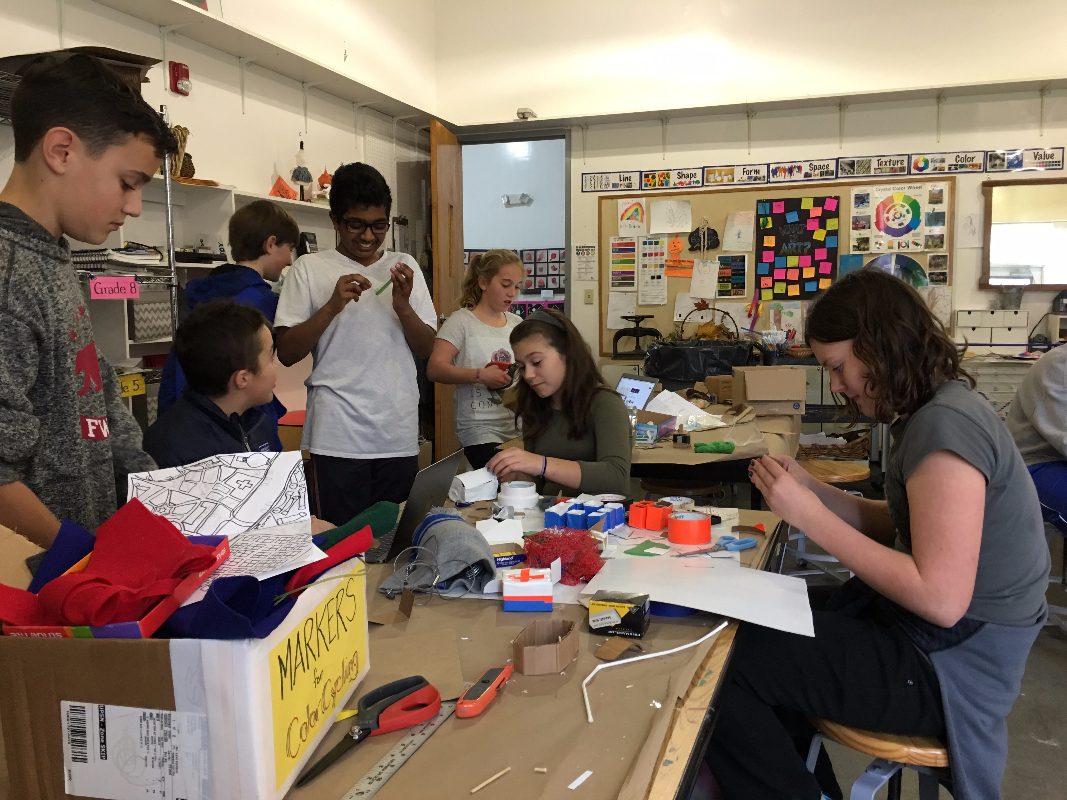
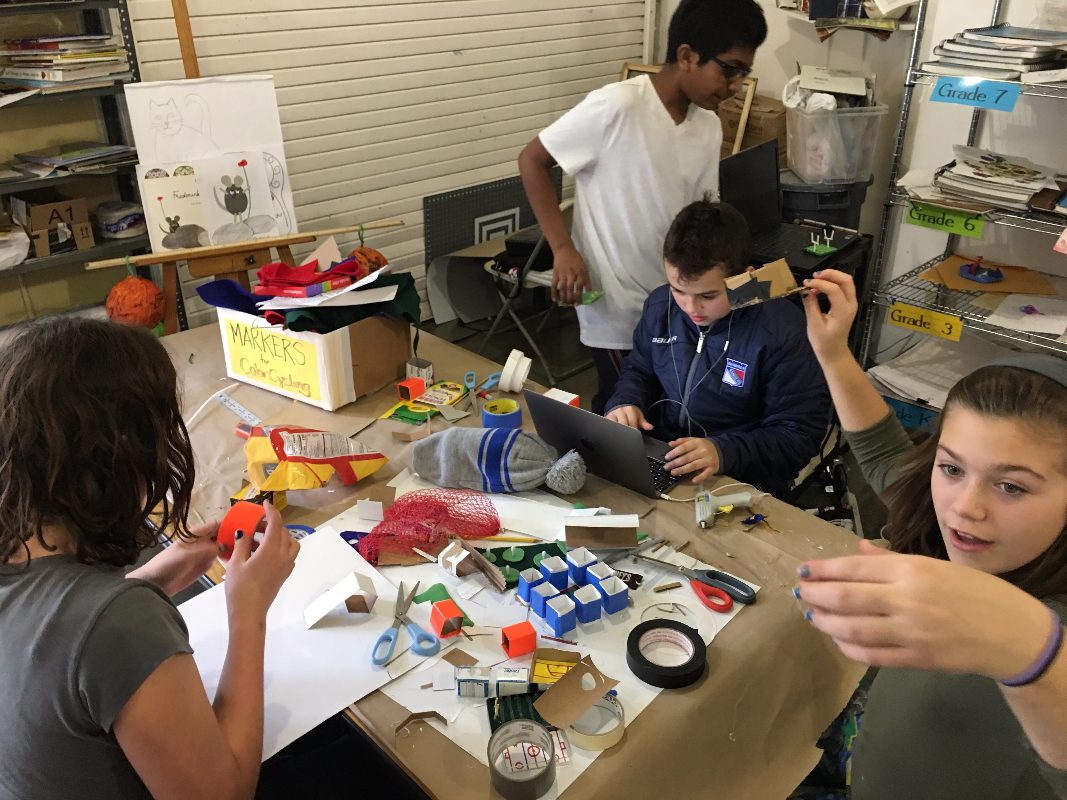
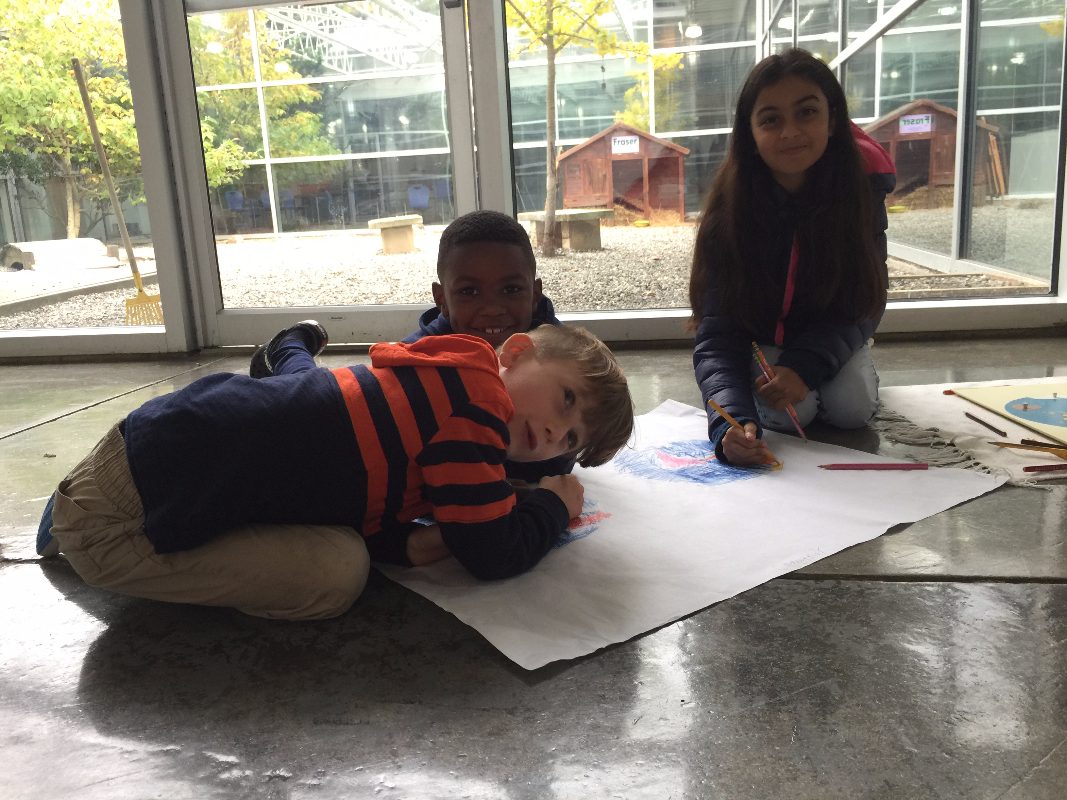
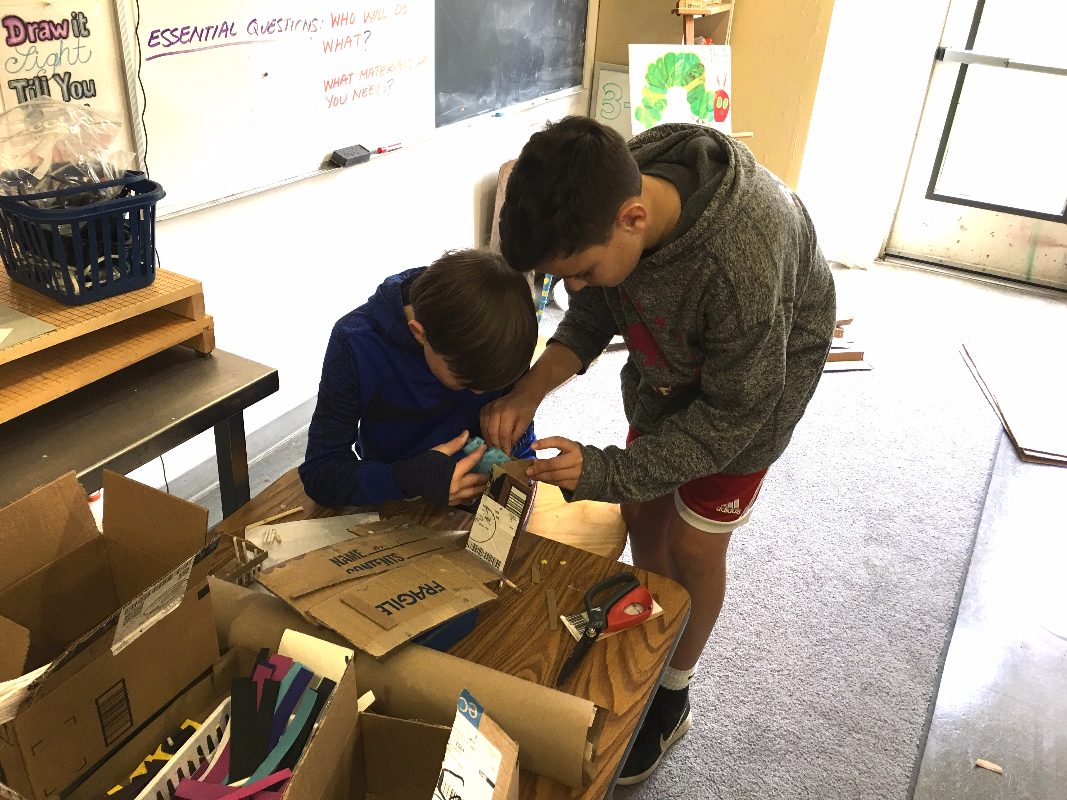
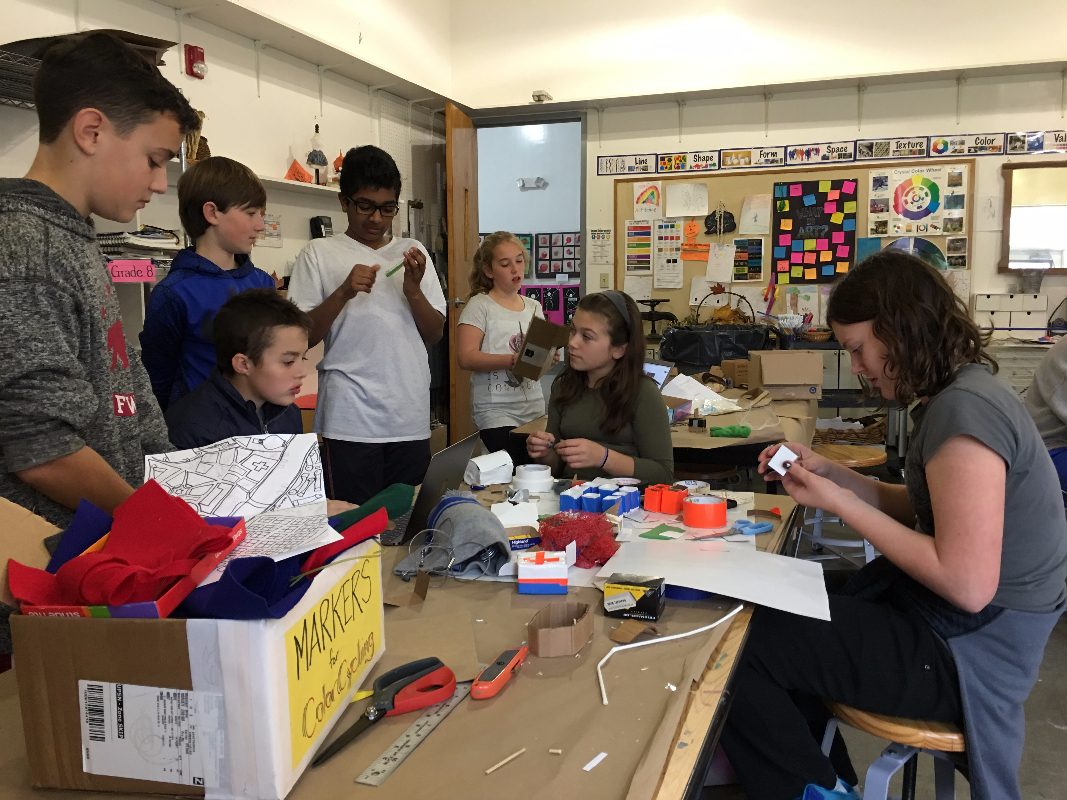
This term’s Seventh Year Art Humanities Class focused on the creation of three dimensional Utopian Societies. The idea behind the Art and Humanities classes are to bring the themes and concepts students are reading about and discussing in Humanities into physical actuality. The art studio became the hands-on laboratory for what each team determined would be included in their societies. Whether that be a pet store for the animal lover, which one team included or a giant putting green for the sport enthusiast is something another team chose to execute. Not only was the content chosen by each team, but both the materials and methods for execution were student-choice based. This project was open ended and student centered, so student engagement was maximized. This kind of experimentation is inherently focused on the creative process rather than the final product . That being said, the final outcomes were really exceptional. Each one reflecting the unique vision of each individual group.


Middle School: A Tasty Week in Review


It’s been another fun week in Middle School! Parent-Child Night was a blast, and we enjoyed having parent visitors in our classroom environments.

The 6th years wrapped up their unit on percents and are now working on a money unit. The 7th years are wrapping up a linear equation with one variable unit, and the 8th years are continuing to work with quadratic equations.

In Humanities, the 6th years began their unit on the Middle East and North Africa, learning the geography of the regions, 7th years are a day away from presenting their utopias, and 8th years continue to study the effects of colonization on Indigenous Americans throughout America’s timeline.

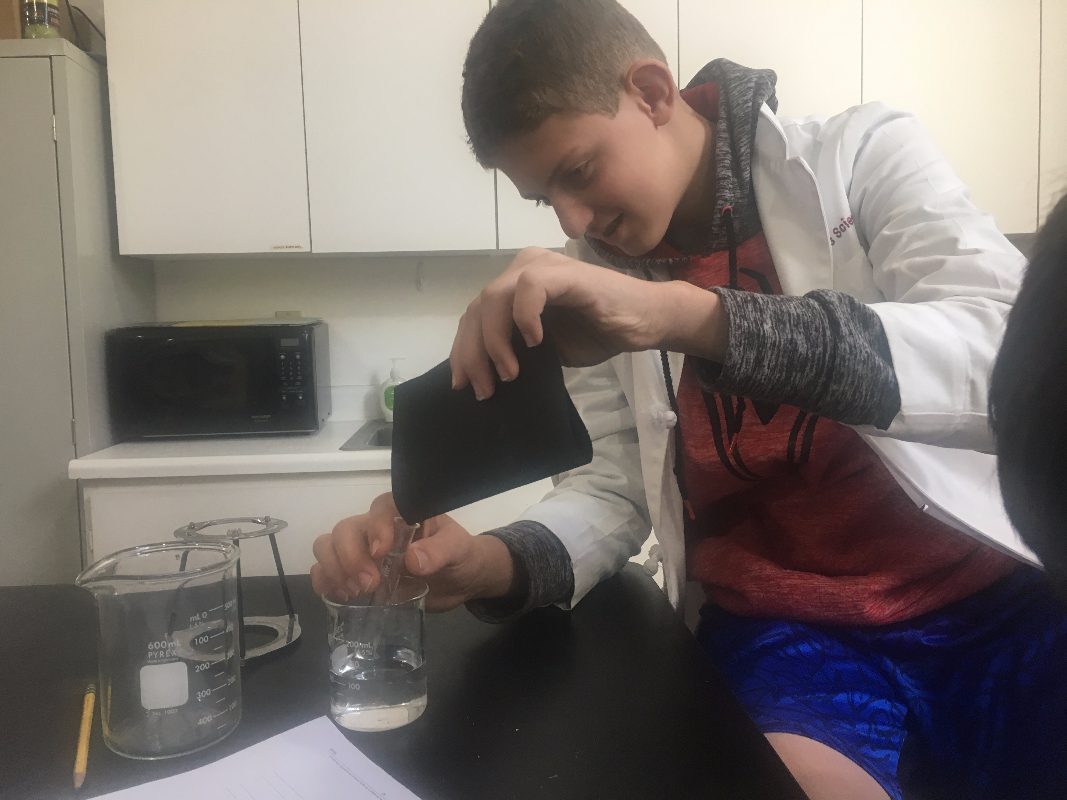
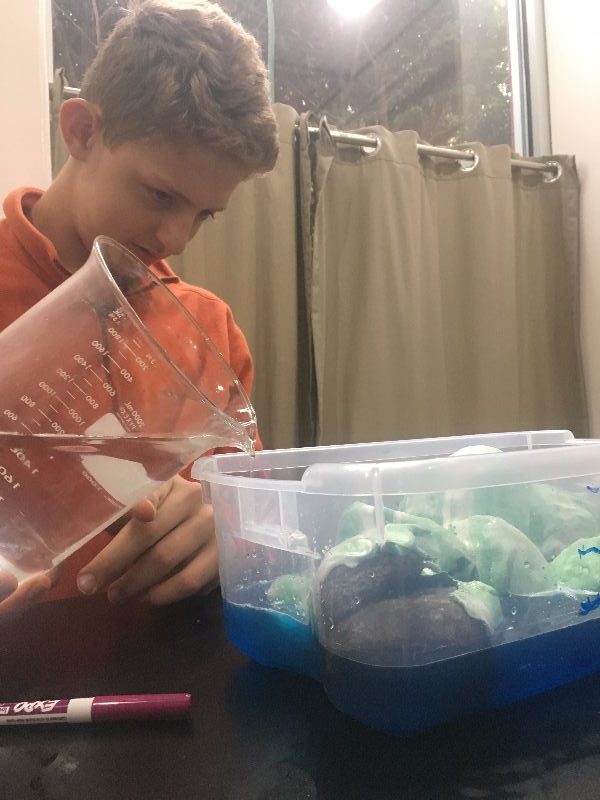
It’s been a busy week in Science! 8th years conducted experiments exploring the formation of crystals as part of their rock unit. Students created a salt solution in test tubes to determine how temperature affected the formation of crystals. Students each placed one test tube in a beaker of ice, room temperature, and boiling water. The longer it took for the solution to cool resulted in larger crystals (granite); the slower it took to cool resulted in minimal crystallization (pumice). 7th years created representations of Boyle’s and Charles’ Law (volume, pressure, temperature). 6th years presented the history/discovery of metals (iron, steel, bronze, copper) as a part of their unit on “Properties of Minerals”.

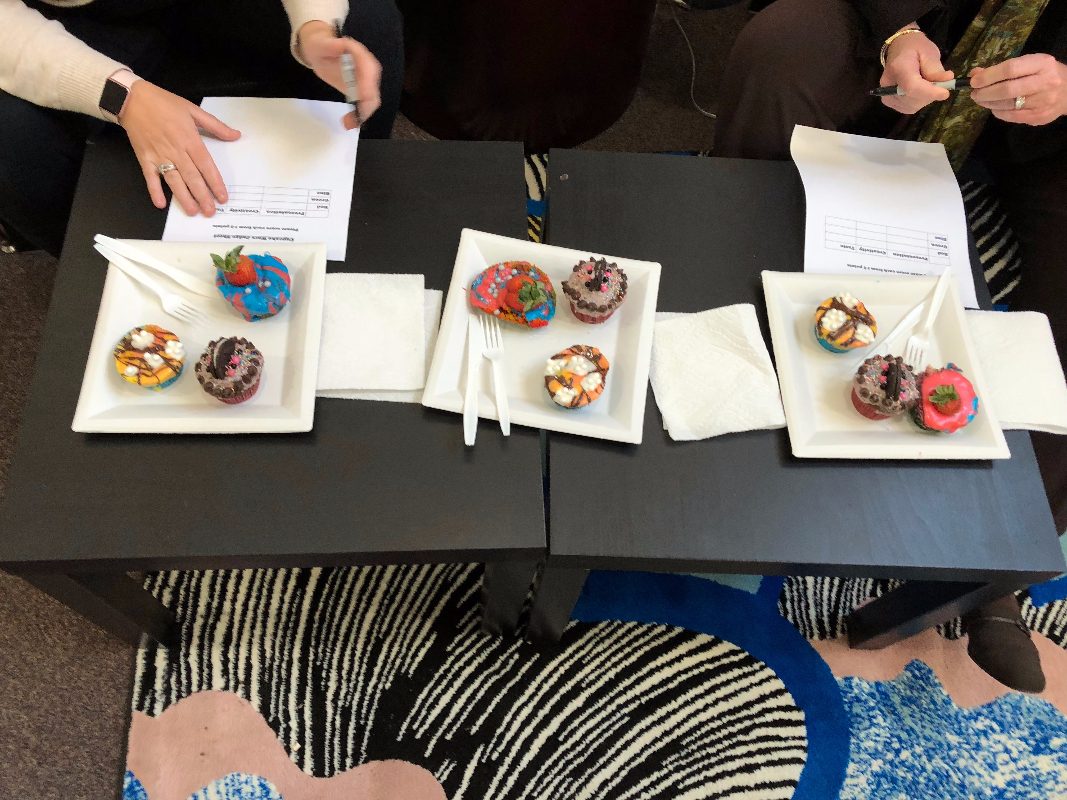
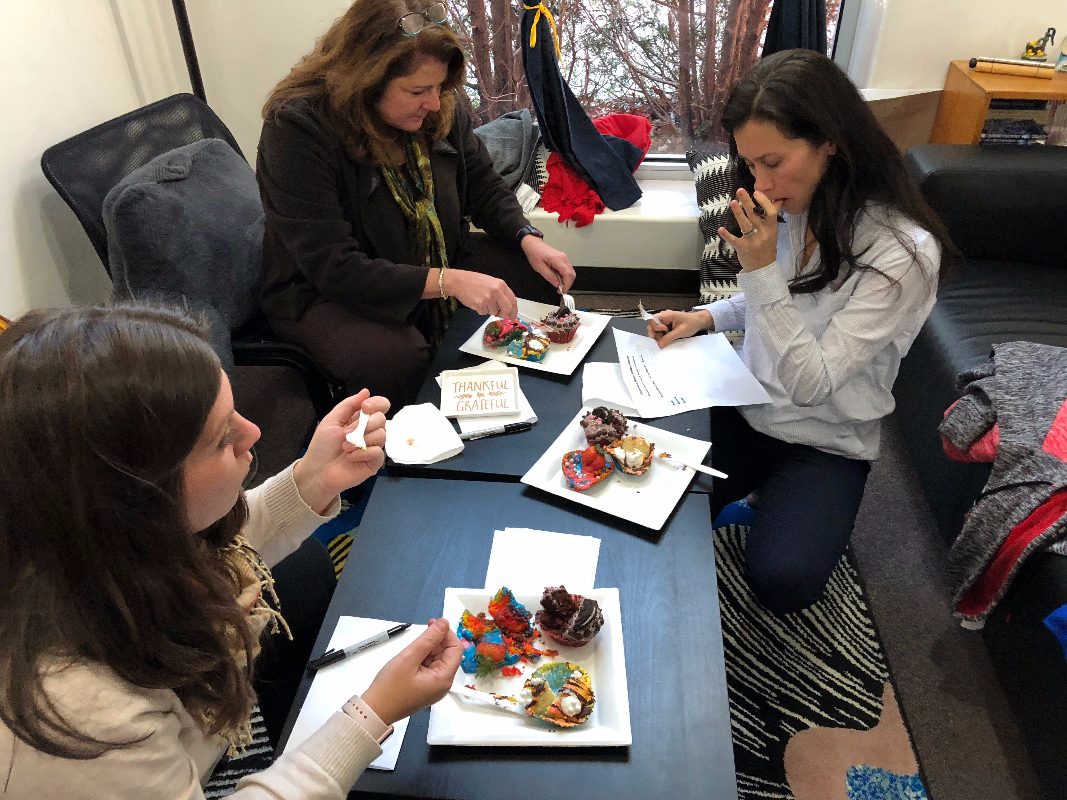
This week during electives, it was a particularly fun week. Fantasy Football reviewed statistics and proposed trades, Nature prepared for their upcoming dissection, and cooking participated in Cupcake Wars. Everyone had a chance to sample cupcakes, and there were even guest judges! The winning cupcake was a chocolate cupcake with chocolate chips and an Oreo-sprinkle buttercream frosting.

With Thanksgiving on the horizon, we are looking forward to a week of gratitude and reflection.


Middle School: Stop! Now, go!


**It’s getting cold, and we are outside everyday for recess! When the weather is below 50 degrees, students need a warm, outer layer, and limbs covered!**

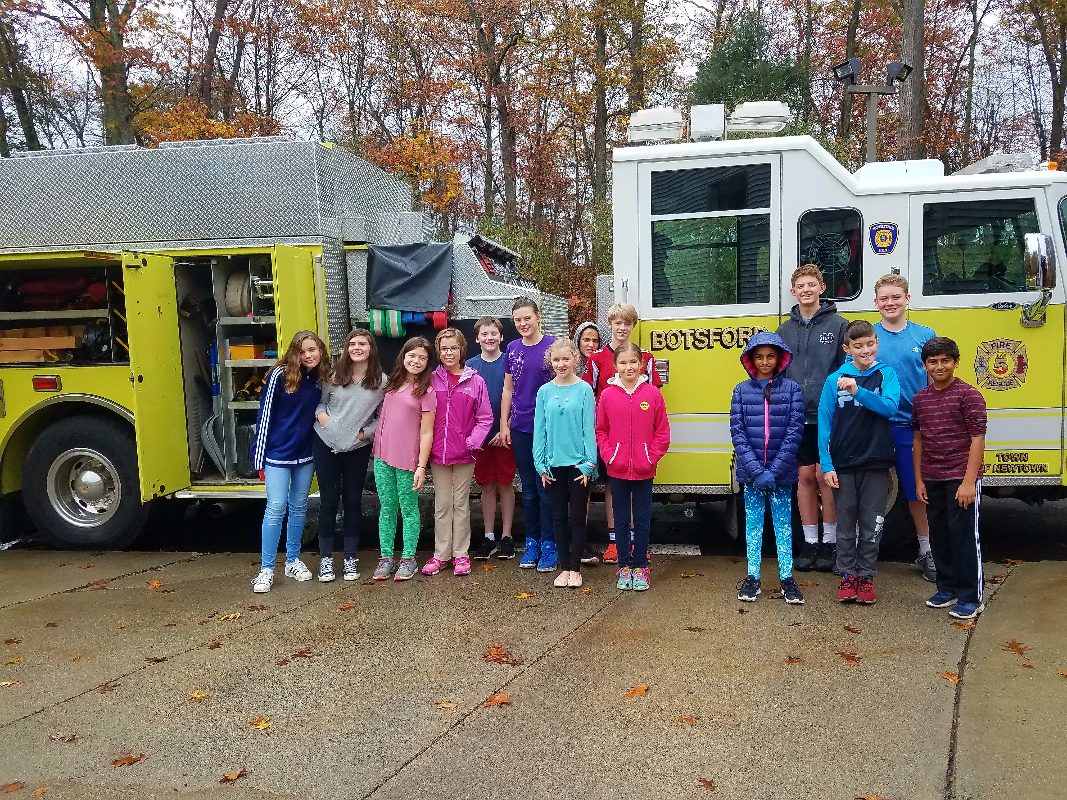
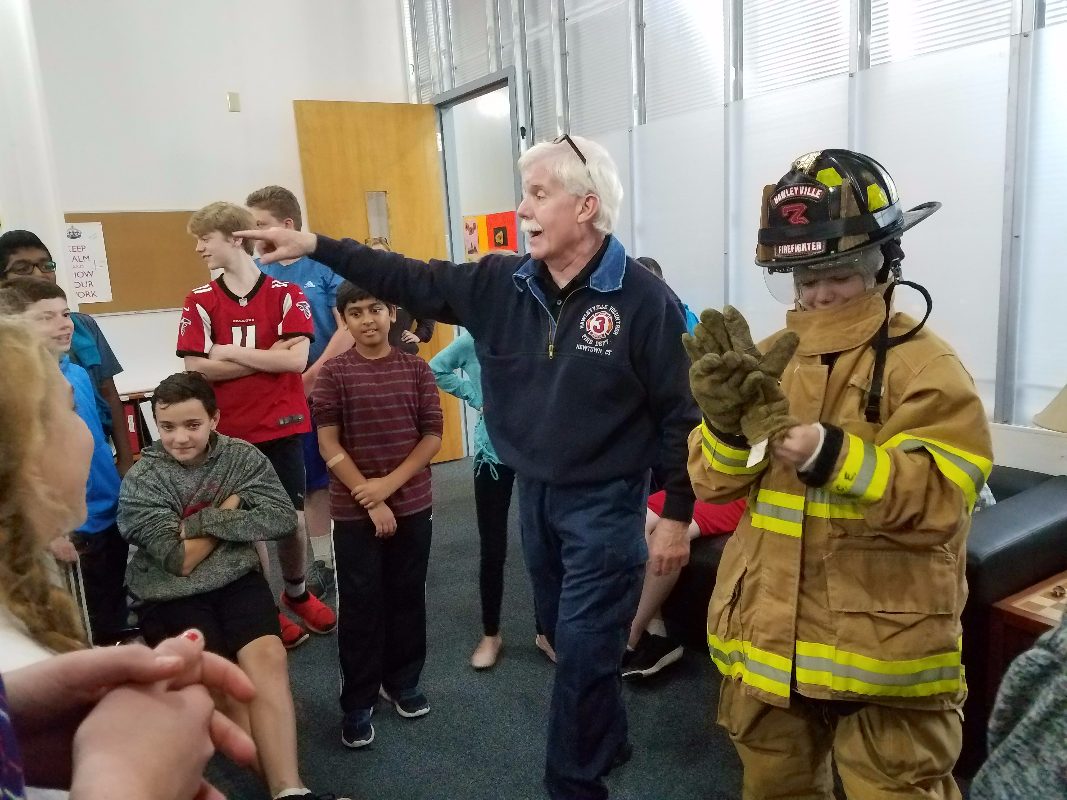
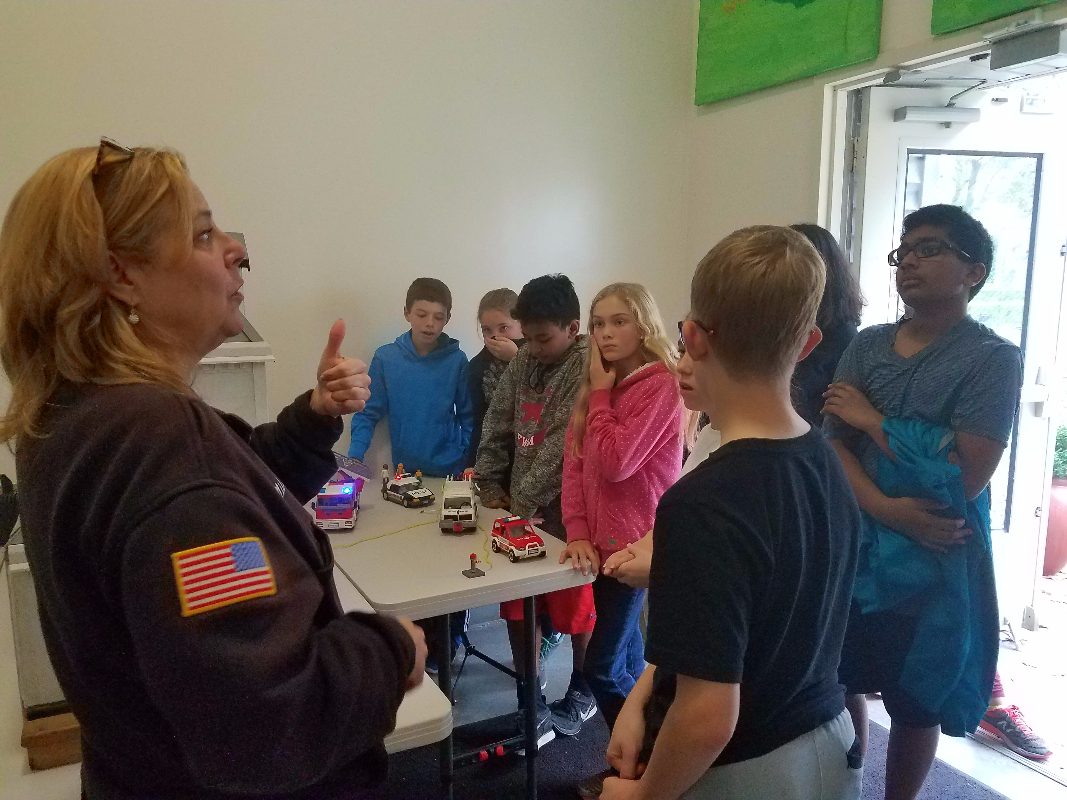
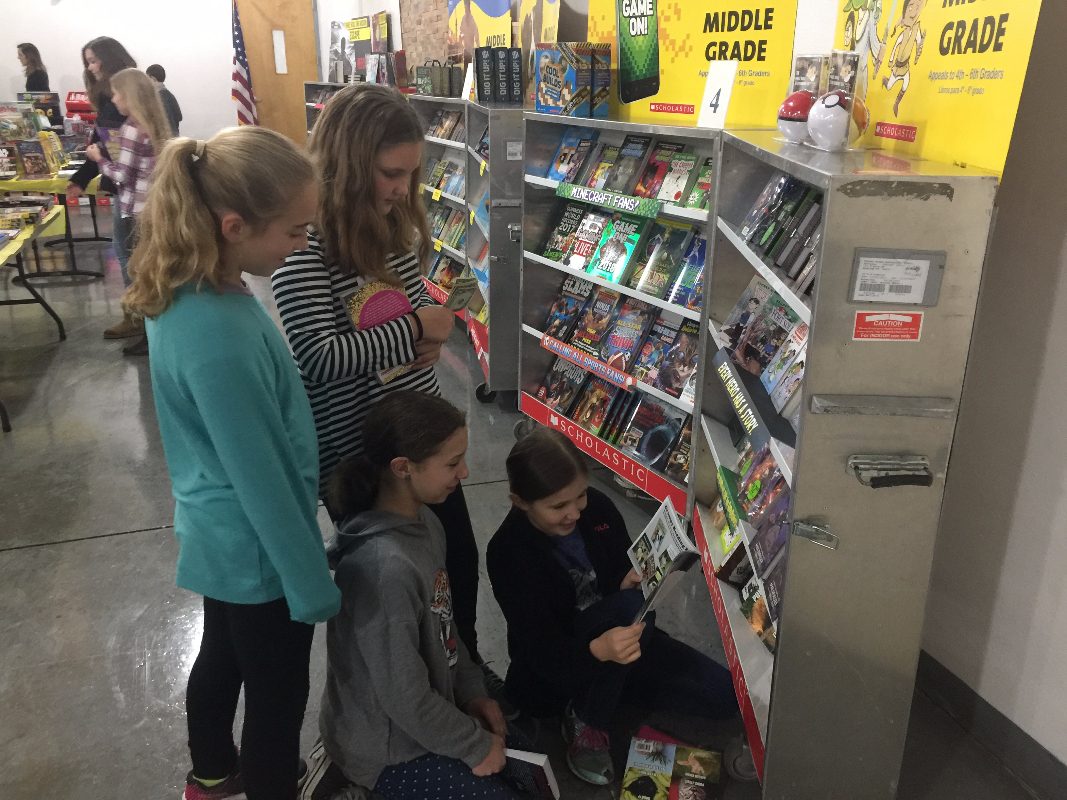
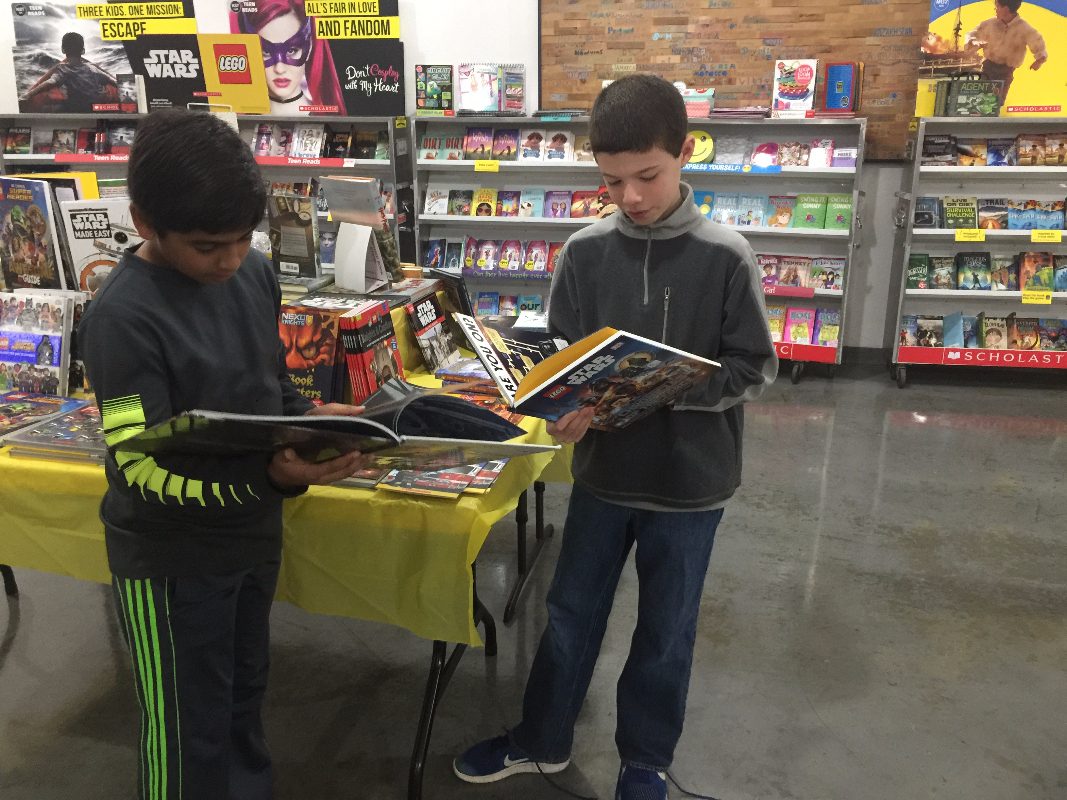
What a week! Book fair, Fall Family Festival, Fire Safety, and fabulous learning. The middle school students were sad to see this year’s book fair close down and there were students making purchases right up until closing. On Monday, students had a visit and presentation from the Botsford Fire Department that was informative and interesting.

In Math,  6th years continued working on percent word problems, 7th years worked on fractional equations, and 8th years on factoring quadratic equations. In Humanities, 6th years presented some fantastic current events that inspired thoughtful discussion, 7th years worked on presentations for their utopia projects, and 8th years used A Different Mirror to discuss the idea of a Master Narrative and what the effects of this idea are for different groups of people in the U.S.

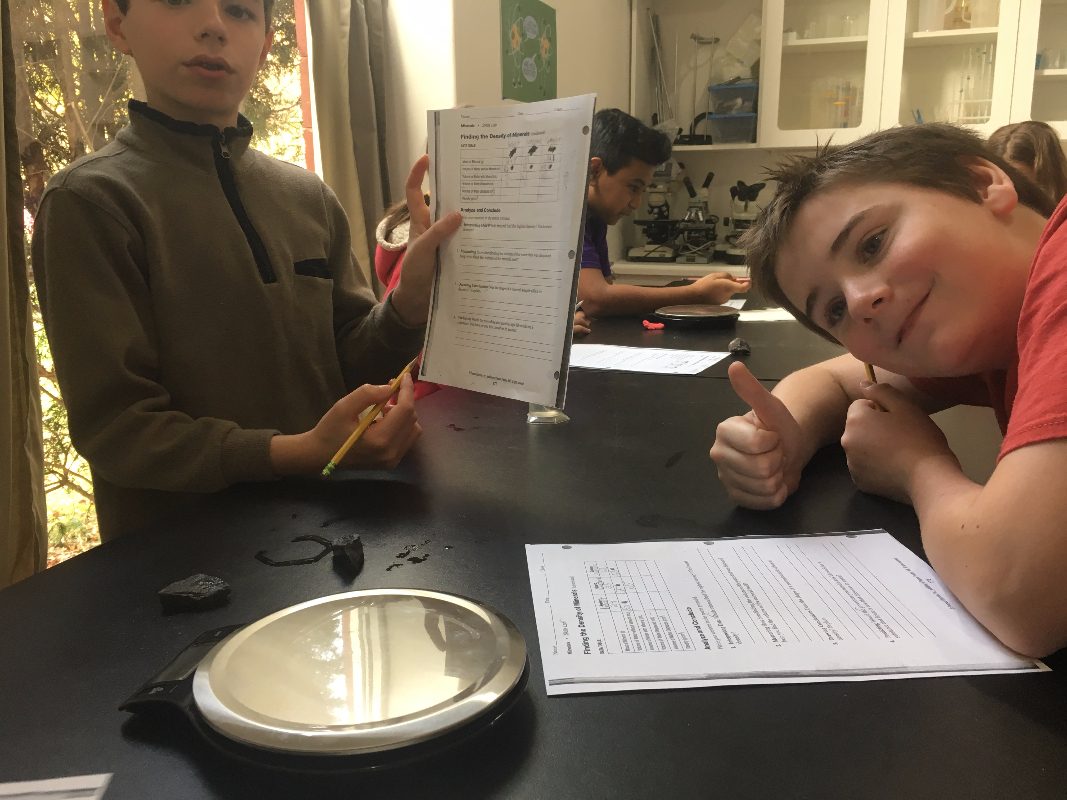
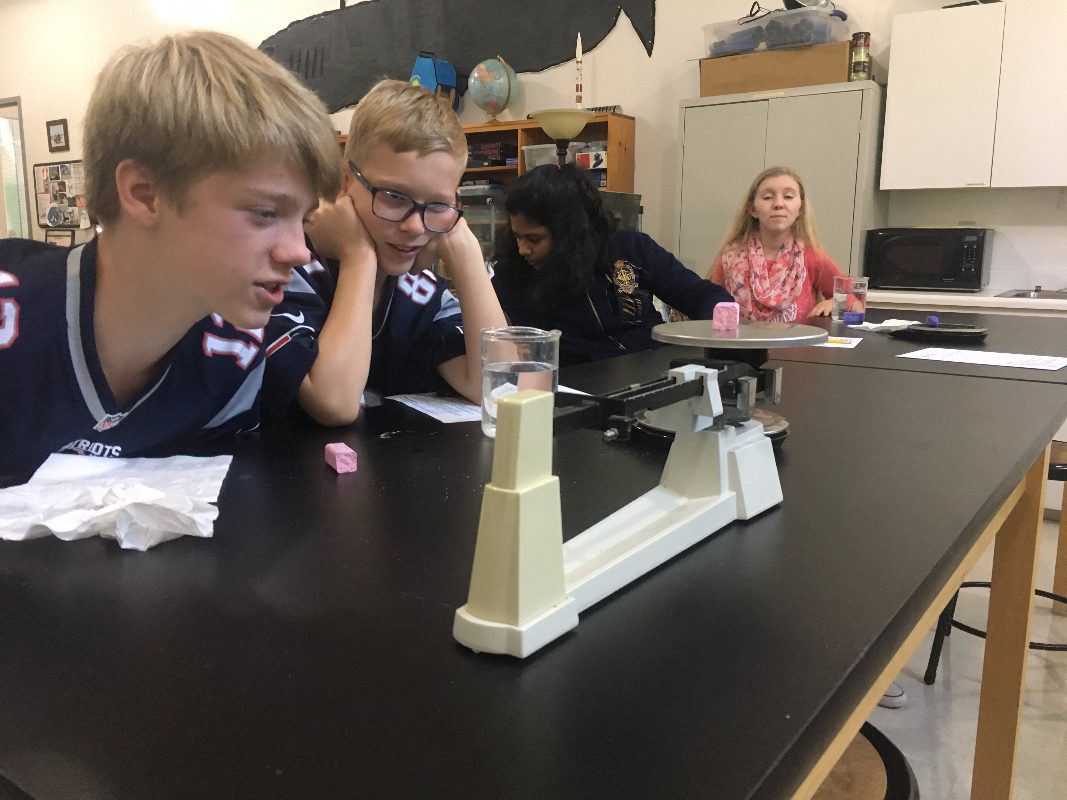
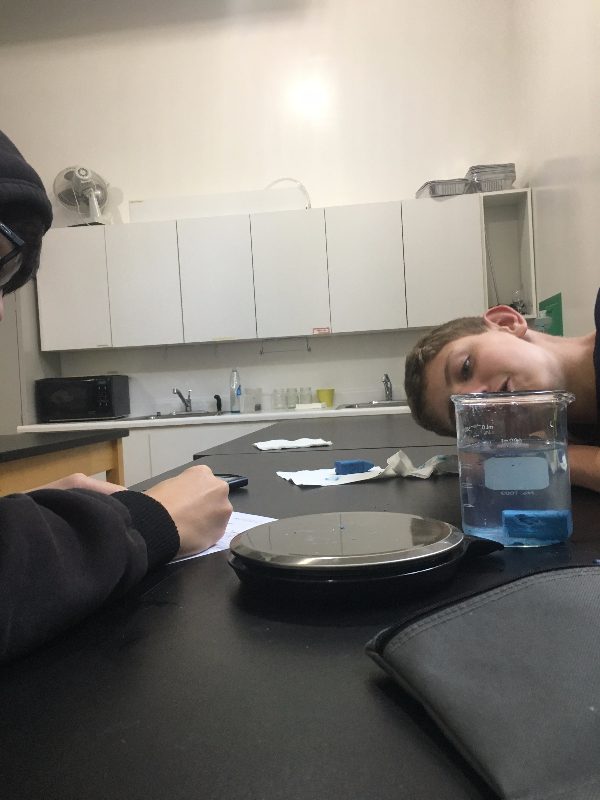
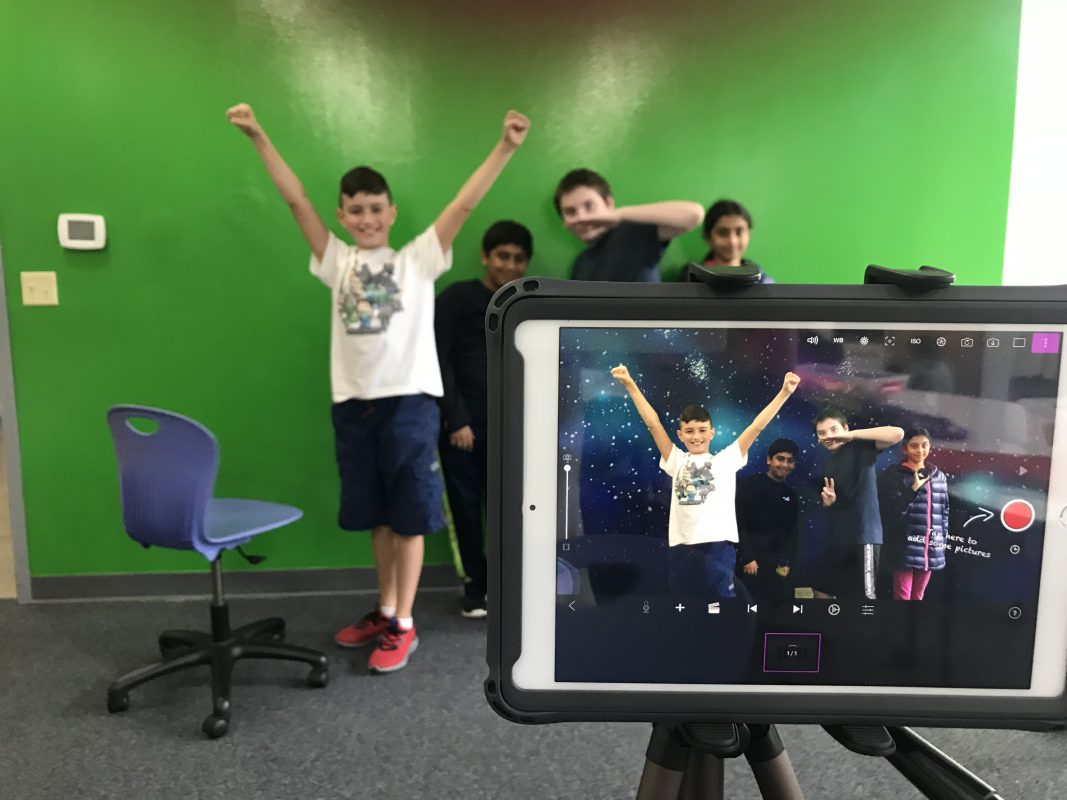
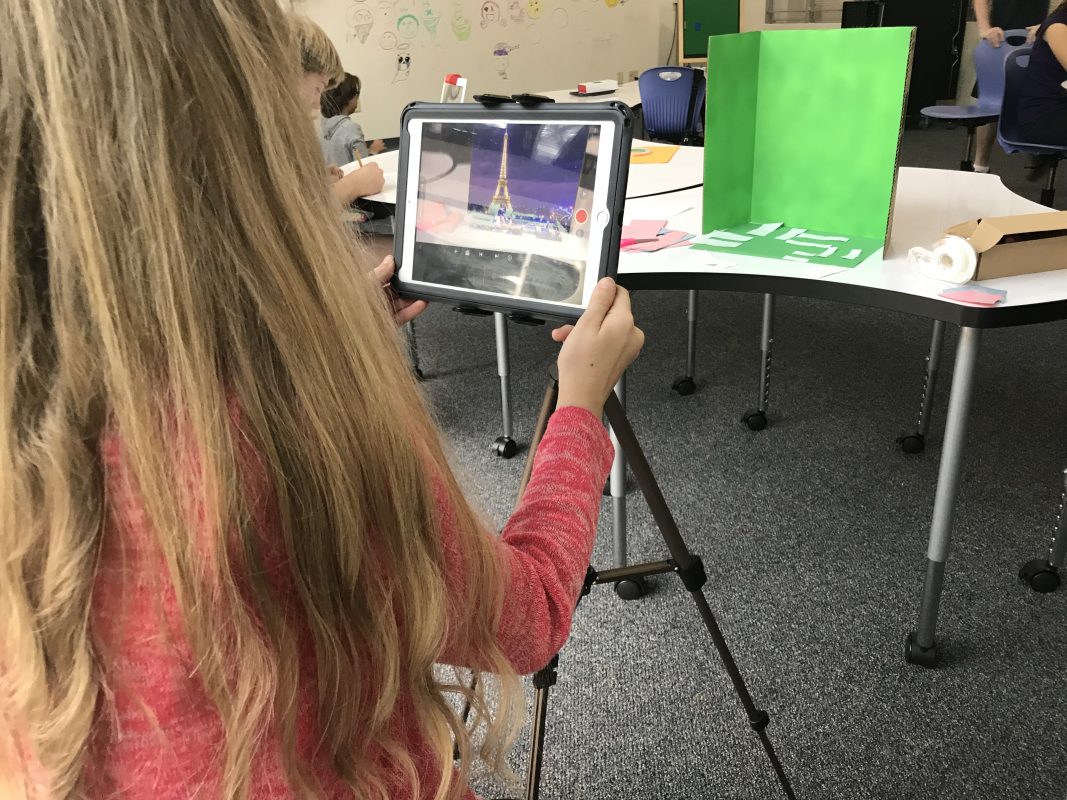
While 6th yrs are discovering the density of minerals using a triple beam balance (mass) and graduated cylinder (volume) in Science, 7th and 8th year classes had exciting adventures with stop-motion animation. 7th years completed their stop motion project on states of matter using leftover Halloween candy, and 8th years completed their stop motion project on balancing equations, ionic and covalent bonding.  Check out their videos!


Middle School: A Jam-Packed Week in Review

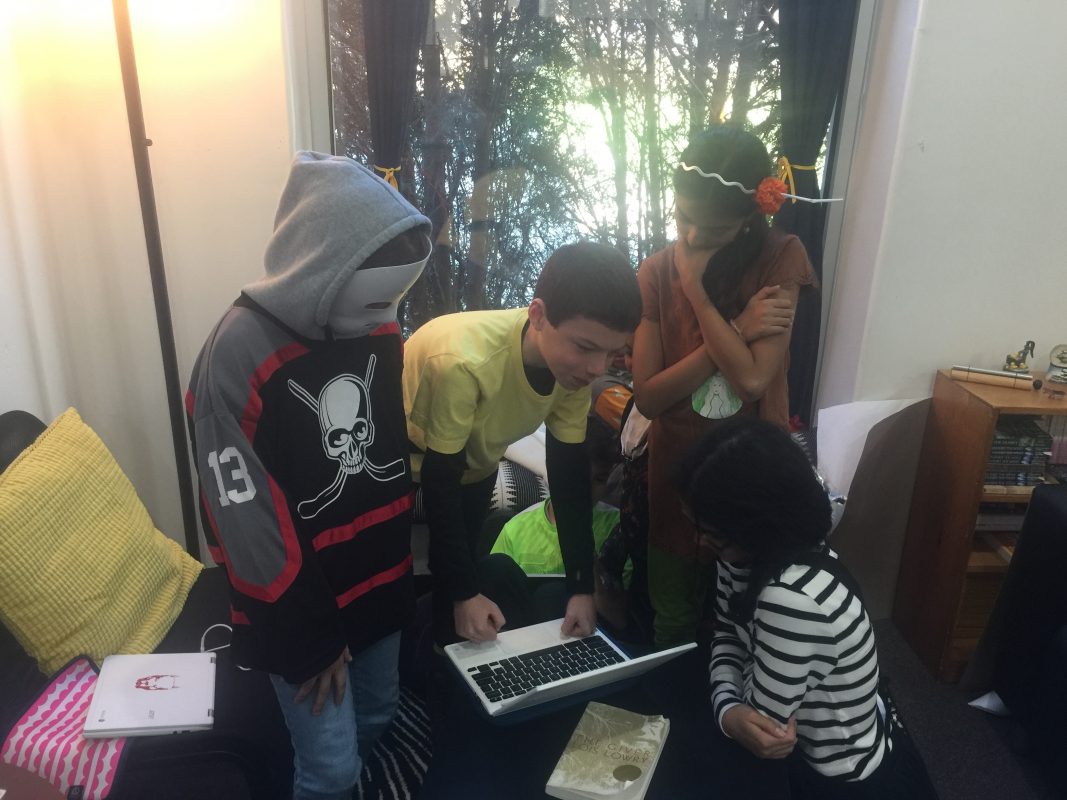
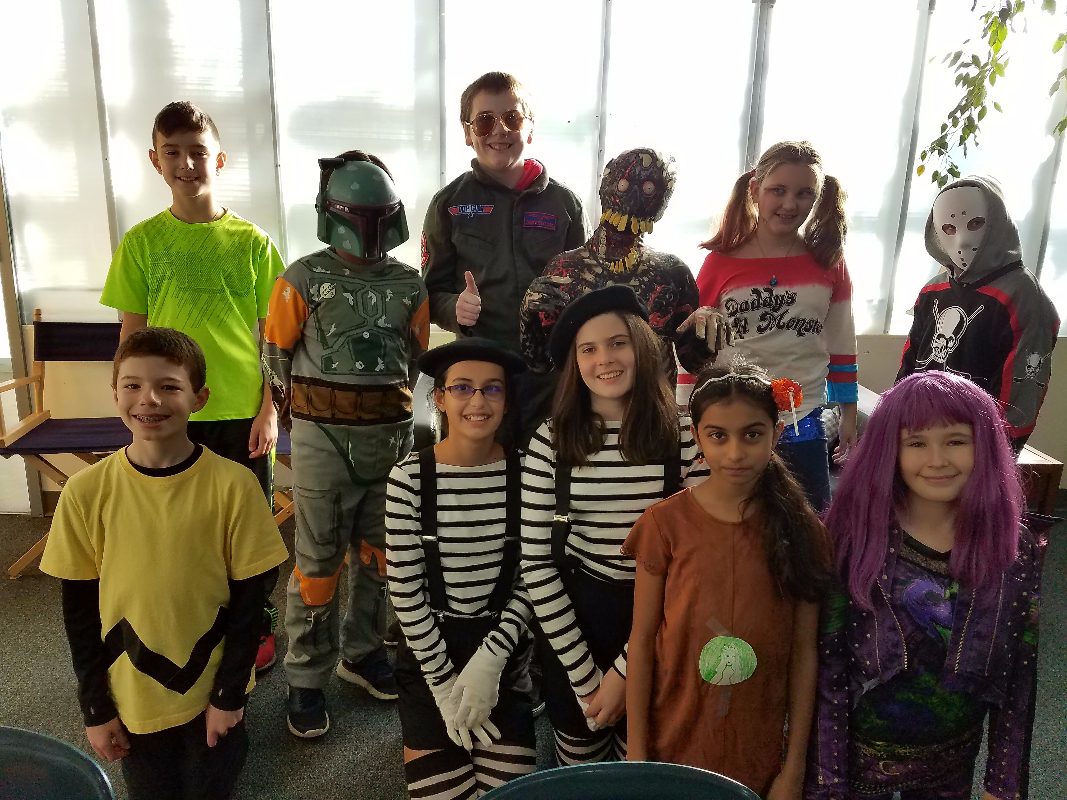
A wind storm, Halloween, the Book Fair, and the Walk-a-Thon for Puerto Rico; this week was anything but the usual. Wonderful costumes were abound on Tuesday, and the middle school students enjoyed watching their younger classmates become enthralled in the day.

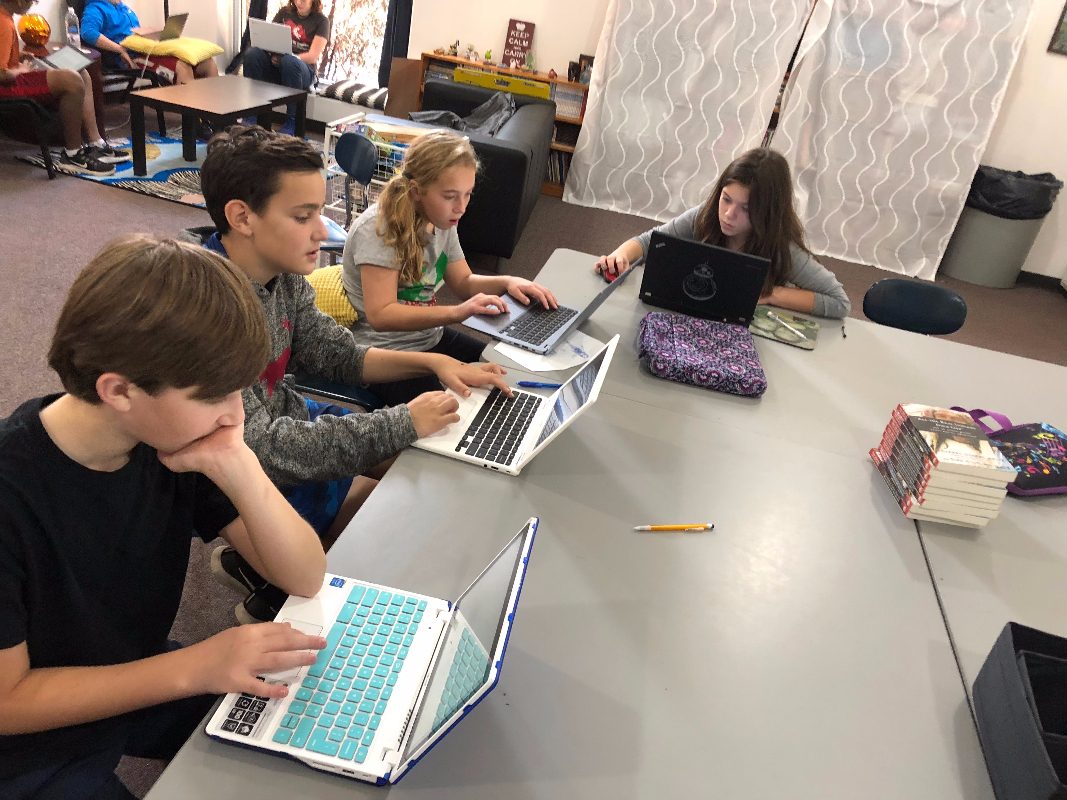
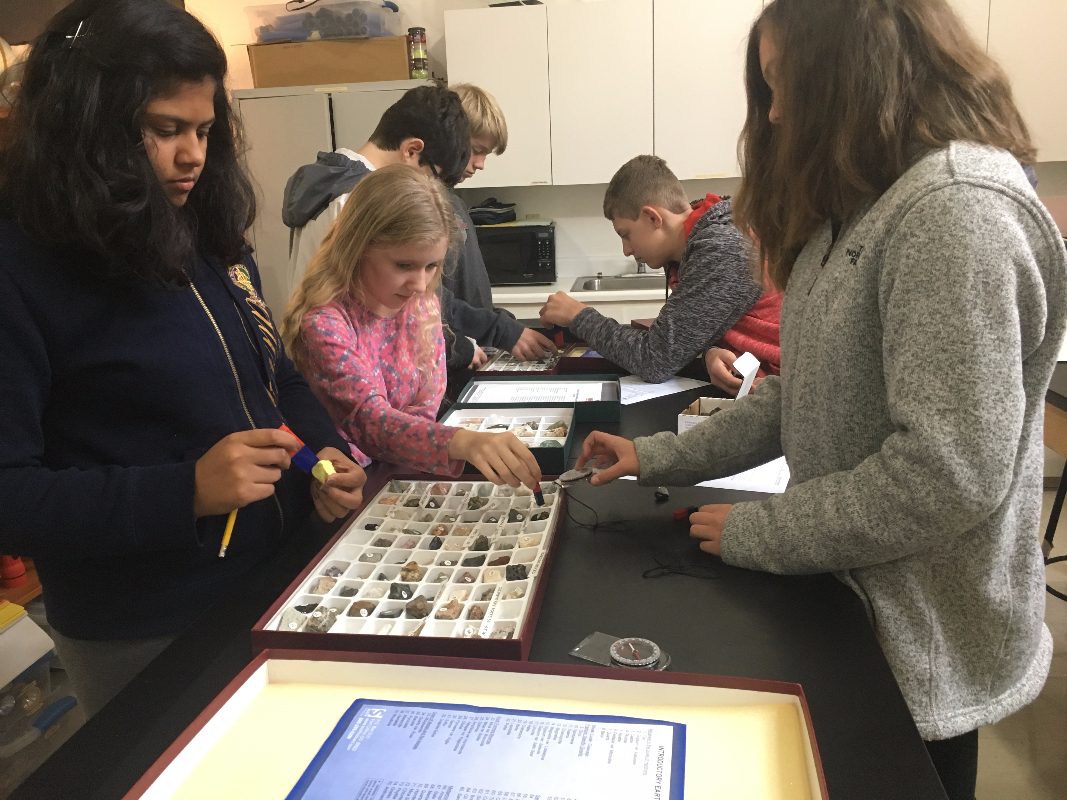
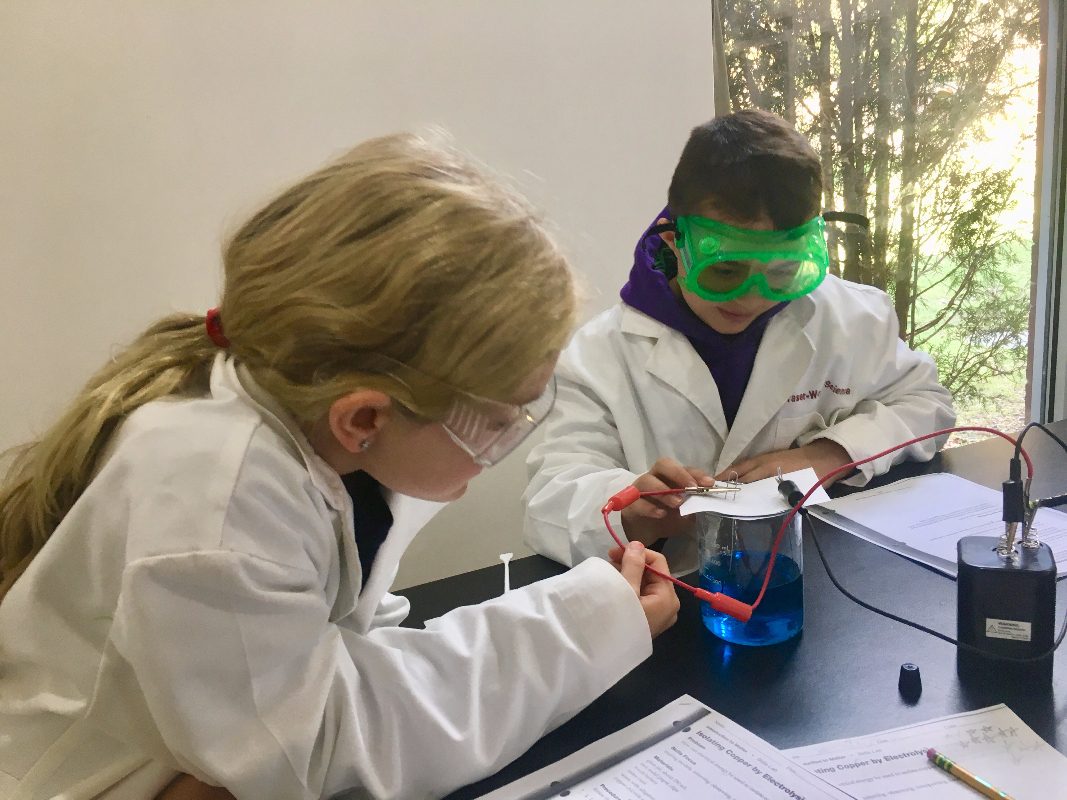
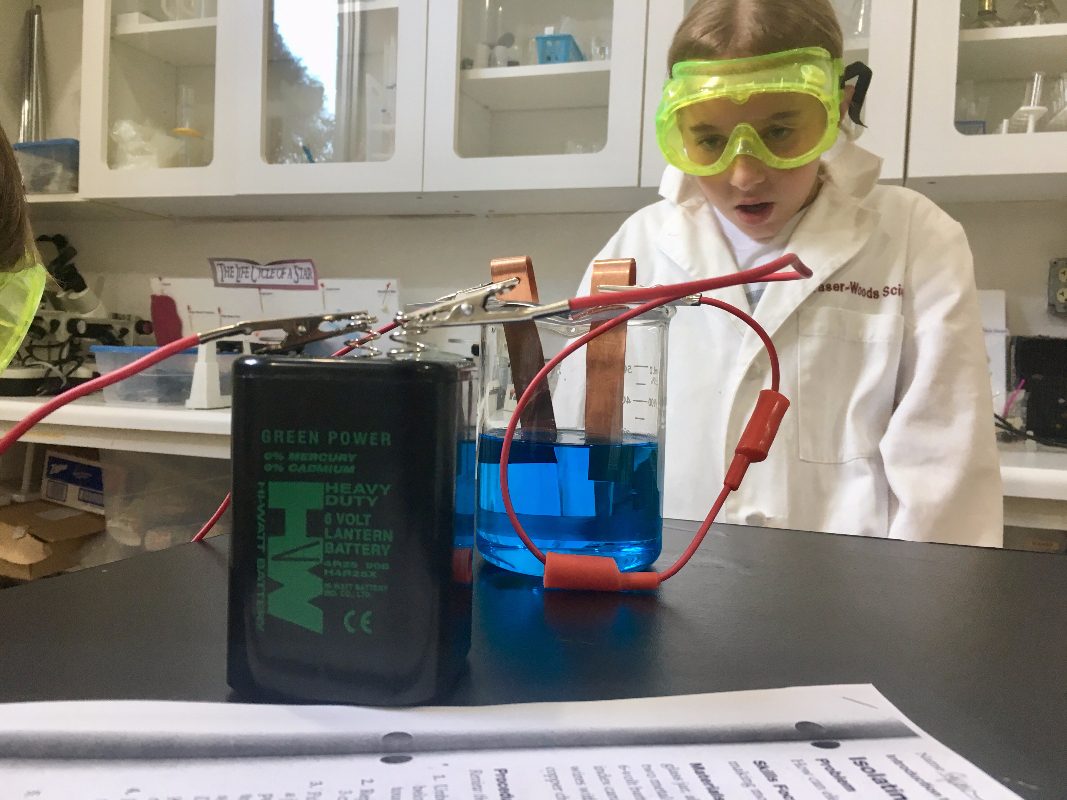
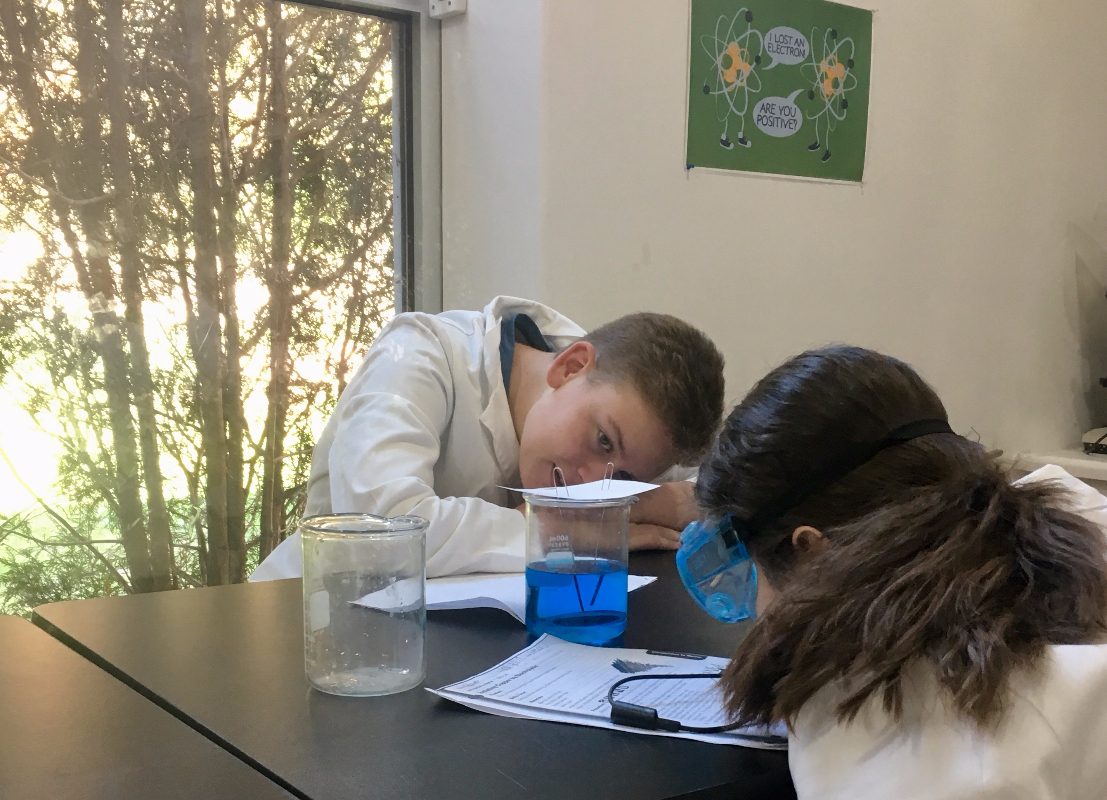
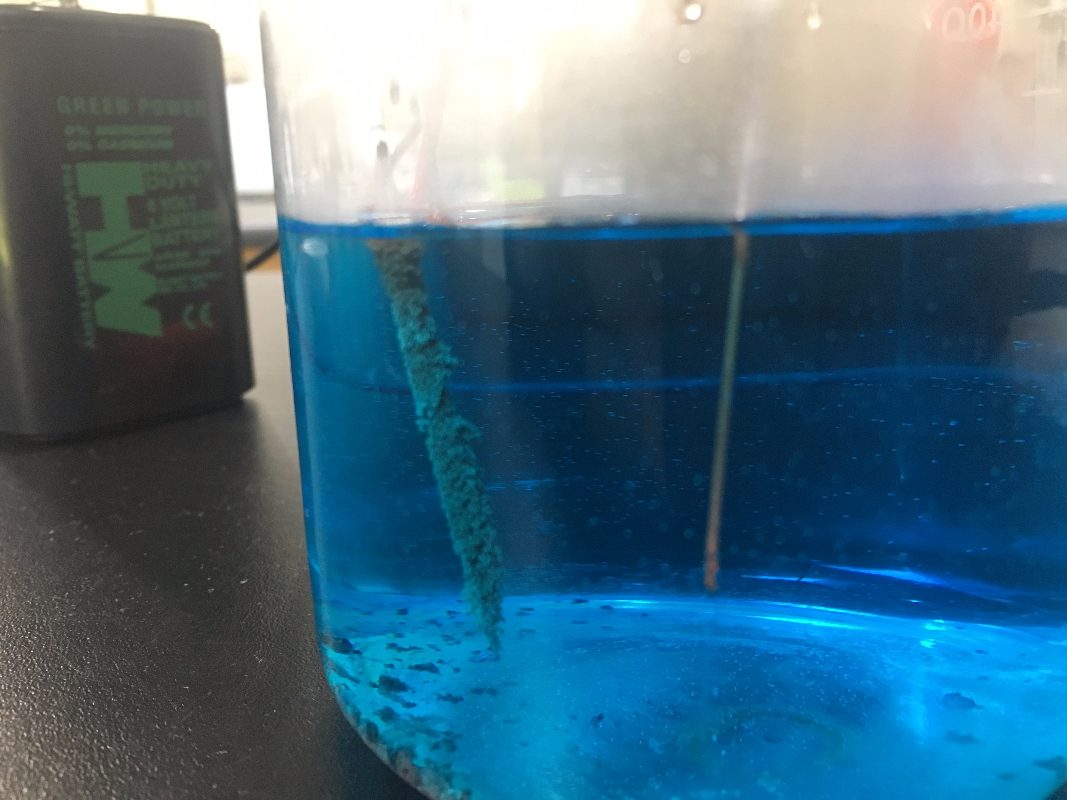
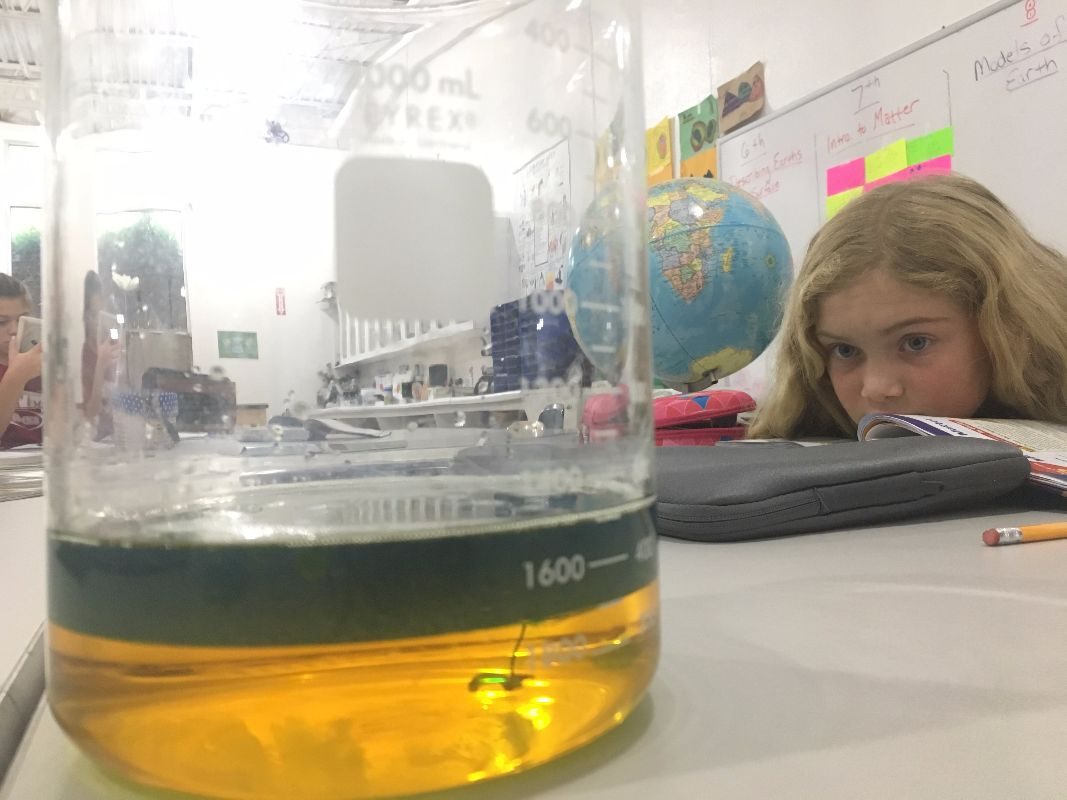
Despite the hectic hum of the school this week, classes moved forward. 6th year Humanities students did some creative Halloween-themed writing and began their final writing piece to wrap up their unit on empathy and compassion, 7th year students are still finalizing persuasive writing in groups for their community project, and 8th years began reading Ronald Takaki’s, A Different Mirror for Young People: A History of Multicultural America and discussed the concept of freedom in the U.S. by analyzing the Declaration of Independence and how it applies to different groups of people living in our country. In math, 6th years continued working on percent word problems, 7th years on solving and checking algebraic equations, and 8th years worked on factoring. In Science, 6th years are studying the properties of minerals, 7th years focused on isolating copper by electrolysis, and 8th years are learning about the minerals in Earth’s crust.

This weekend’s Fall Family Festival on Saturday from 10-2 will be the end of an exciting week at FWM. See you there!


Middle School Poets Society

“We don’t read and write poetry because it’s cute. We read and write poetry because we are members of the human race. And the human race is filled with passion.” – Walt Whitman

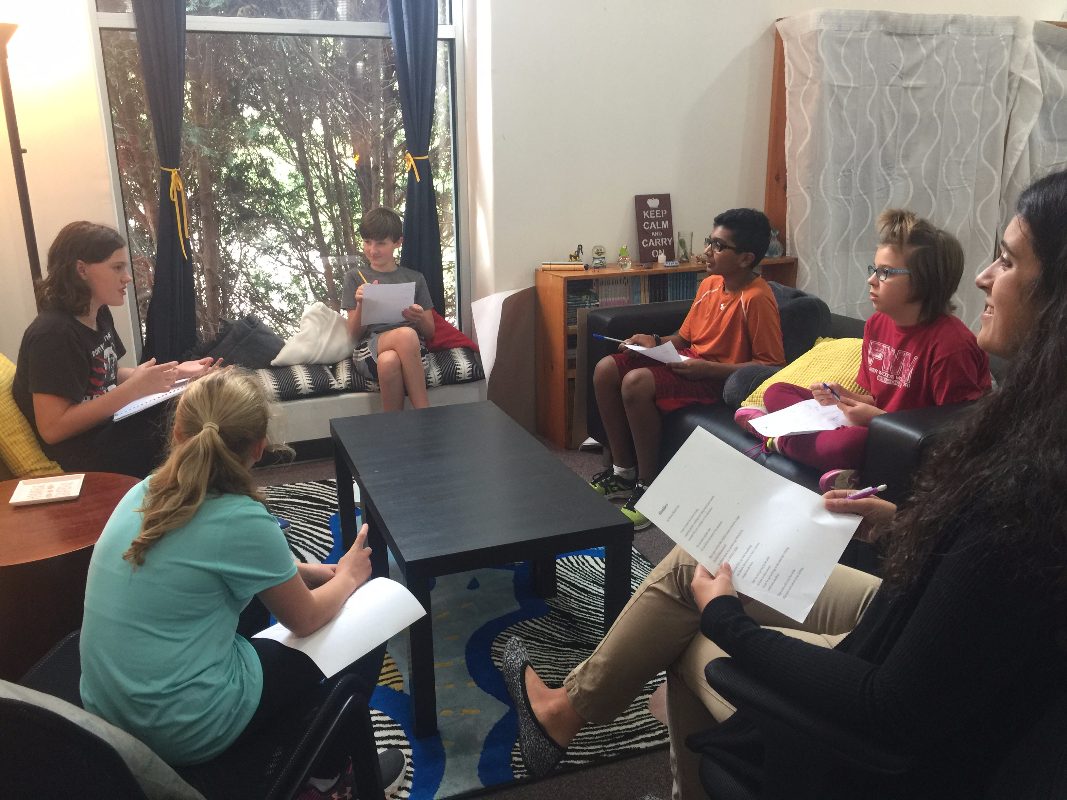
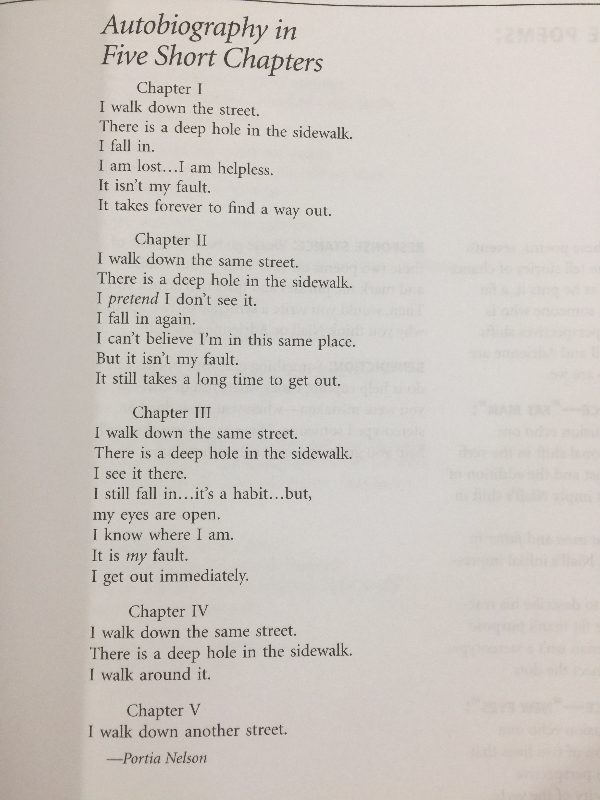
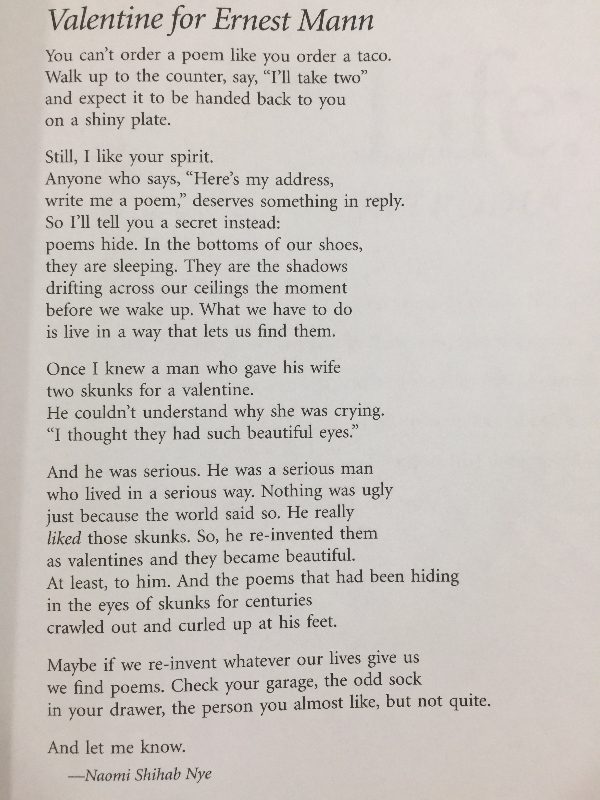
Every Tuesday, 6th, 7th, and 8th year Humanities classes start with poetry. While it is no secret among my students that I am a poetry enthusiast, there is a method to my madness. Poetry is an important part of a student’s journey as a growing reader and writer. Some of the top educators in the field use poetry regularly in their classes. I take great pleasure in Poetry Tuesdays in my classroom, when I share a poem or two and have fantastic discussions about the piece(s) revolving around meaning, opinion, poet’s word choice, etc. Sometimes, we even compose.

Nanci Atwell, author of In the Middle, founder of the Center for Teaching and Learning in Maine, and recipient of several national and global teaching awards, is an educator that has inspired my teaching since I was in graduate school. She used poetry daily in her middle school English classes. After attending one of her writing conferences for educators several ago, she validated something that was already brewing inside me from a young age: poetry is the most important genre for budding readers and writers.

What amazes me the most is the writing process, which I share with the middle school students. Word choice is critical in a poem; each word must be carefully considered because so much meaning is conveyed in few words. Robert Frost said,”No tears in the writer, no tears in the reader”- a mantra I use frequently in the classroom. I try to instill in the students consideration for their words, emotions, and senses in order to relay them to their readers in all forms of writing.

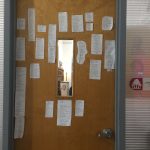
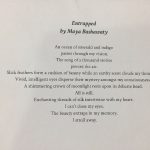
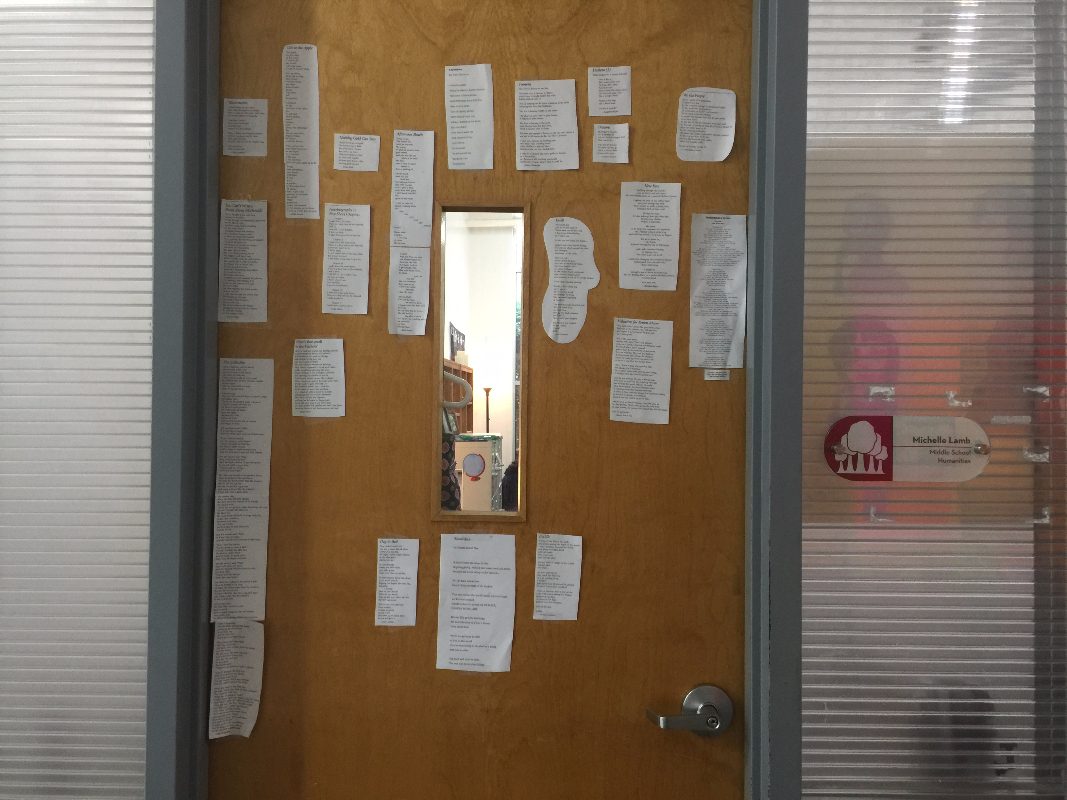
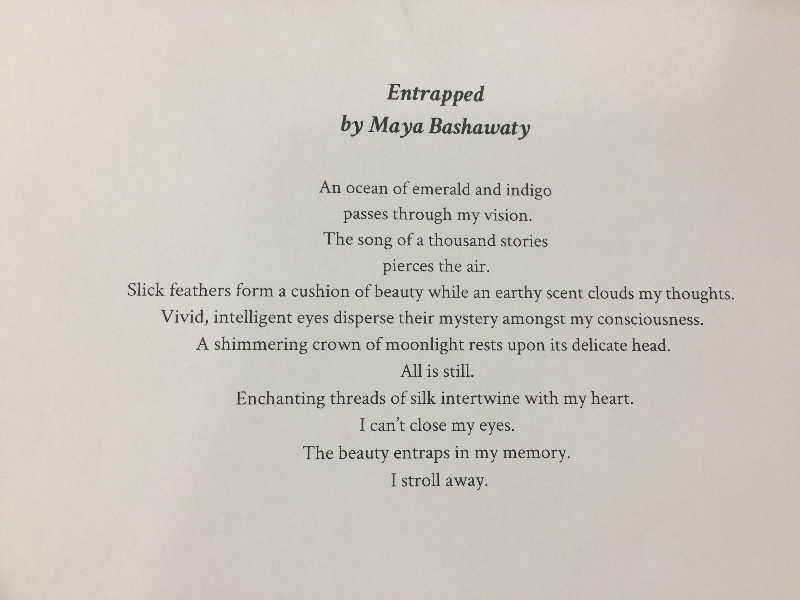
I want my students to realize that poetry isn’t just about love or death; it’s about anything and everything. A poem can be written about poetry itself, food, places, art, people, emotions, experiences, objects -anything! The middle school students have read mostly contemporary poems containing purposeful messages, beautiful figurative language, imagery, humor, philosophy, and feeling. Poetry is a treasure that I share with 6th, 7th, and 8th years, and weekly poems can be viewed on my door (an idea from sixth grade), with the current poems in the center.


Middle School: A Week in Review

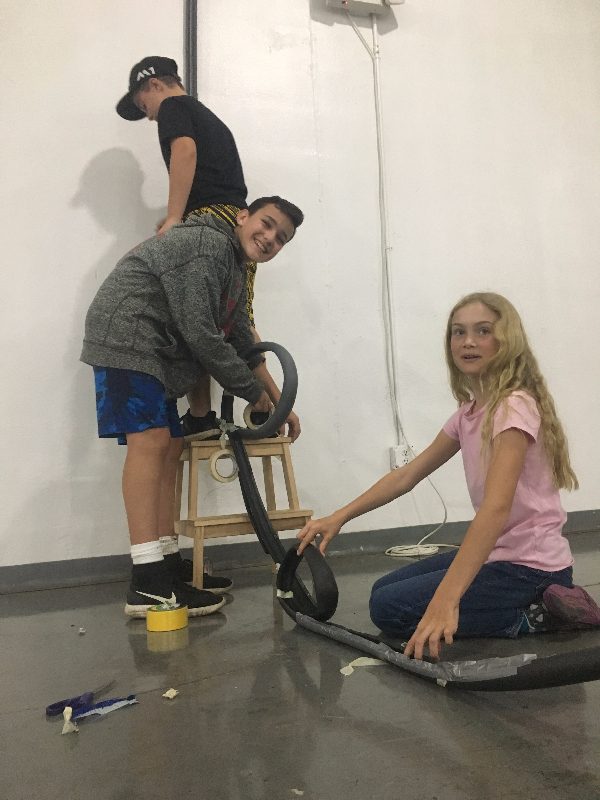
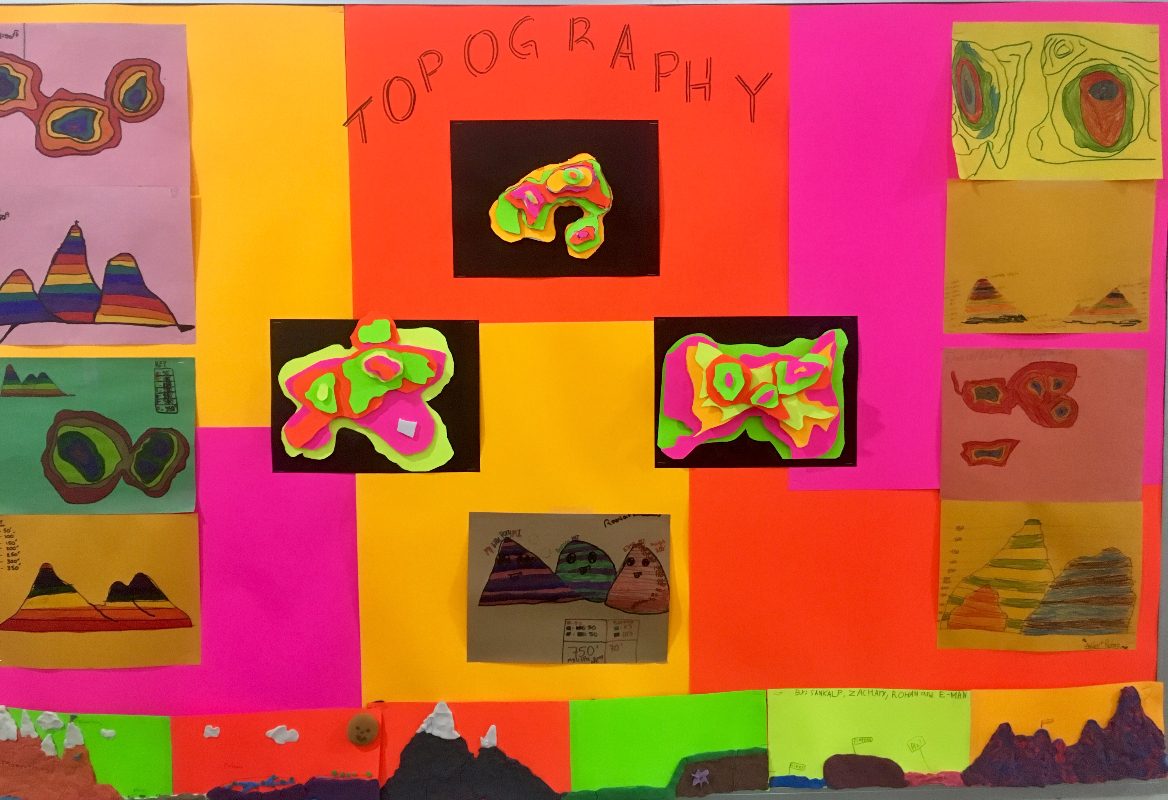
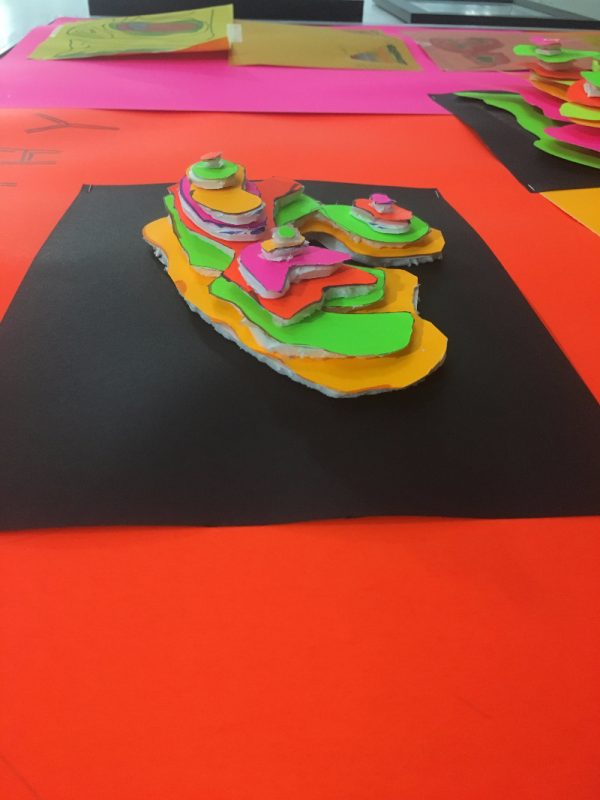
This week brought more excitement in Middle School. In Humanities classes, 6th years finished their class novel, Out of My Mind, 7th years are finishing up drafts of their persuasive papers for their utopias, and 8th years revised their irony in literature essays. In Science, 6th years wrapped up their unit on Earth’s Surface, including topography and land forms. 7th years enjoyed creating marble roller coasters made of foam pieces of insulation cut in half, exhibiting both potential and kinetic energy. 8th years finished their 3-D representations of topography along with labs determining density and the conservation of mass. Finally in Math, 6th years worked on percentages, 7th years worked on equations, and 8th years wrapped up a unit on linear equations.
*A friendly reminder: Advisory period begins promptly at 8:10 am.  This is when Advisor check-ins, Mindfulness practices, and 8th grade Leadership meetings take place.  Thank you for your support. 


Lights, Camera, Action!

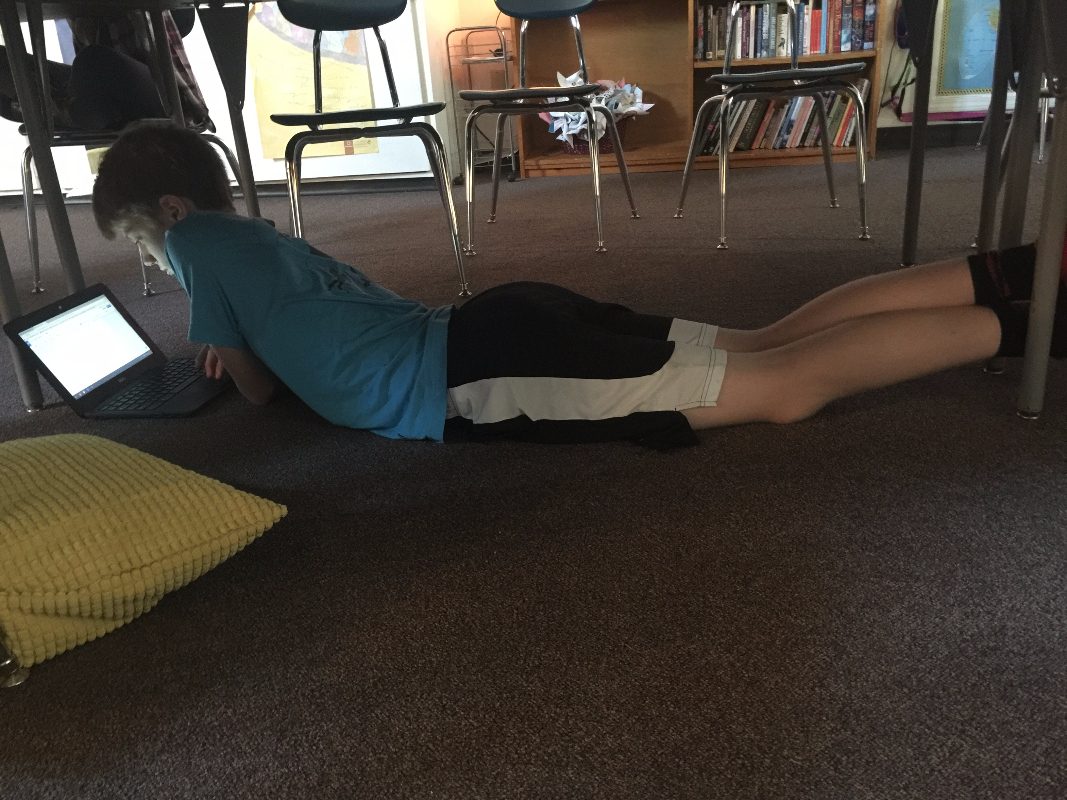
This week our Middle School students were introduced to stop motion animation! With our beautiful permanent green wall and our portable mini green screens, students now have the ability to create any type of animation or movie that they can dream of! Students bonded over the excitement and even put on a magic show for me- all in one class period.

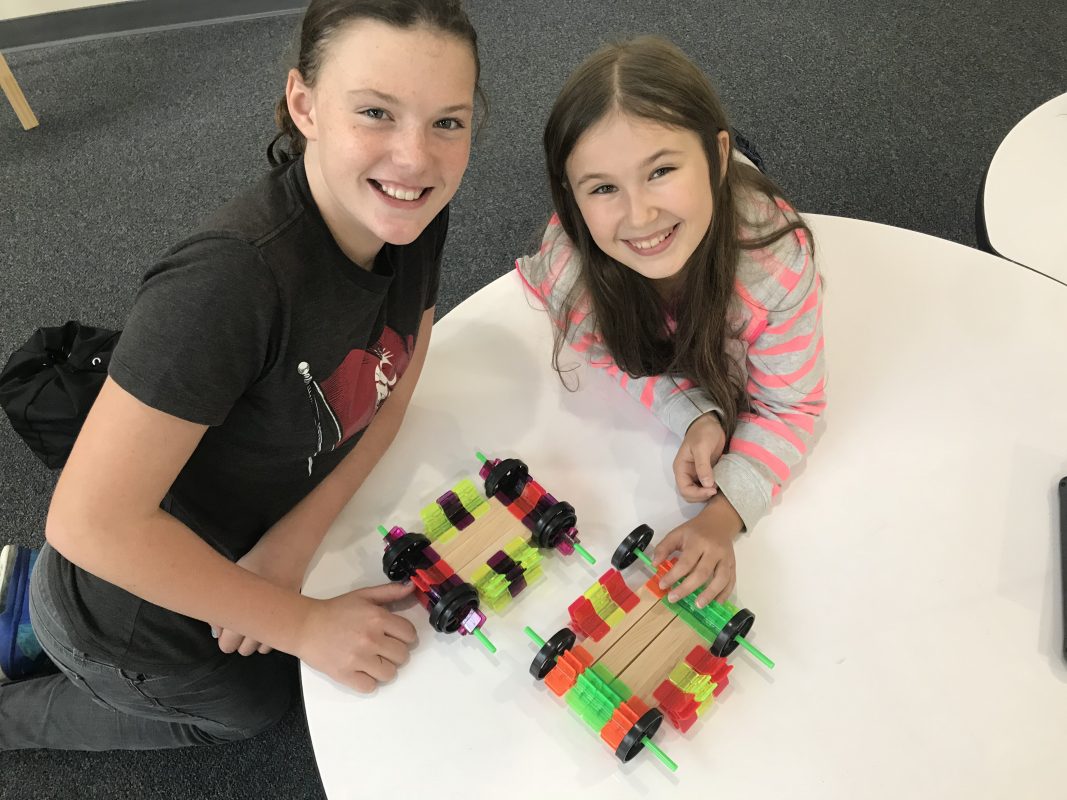
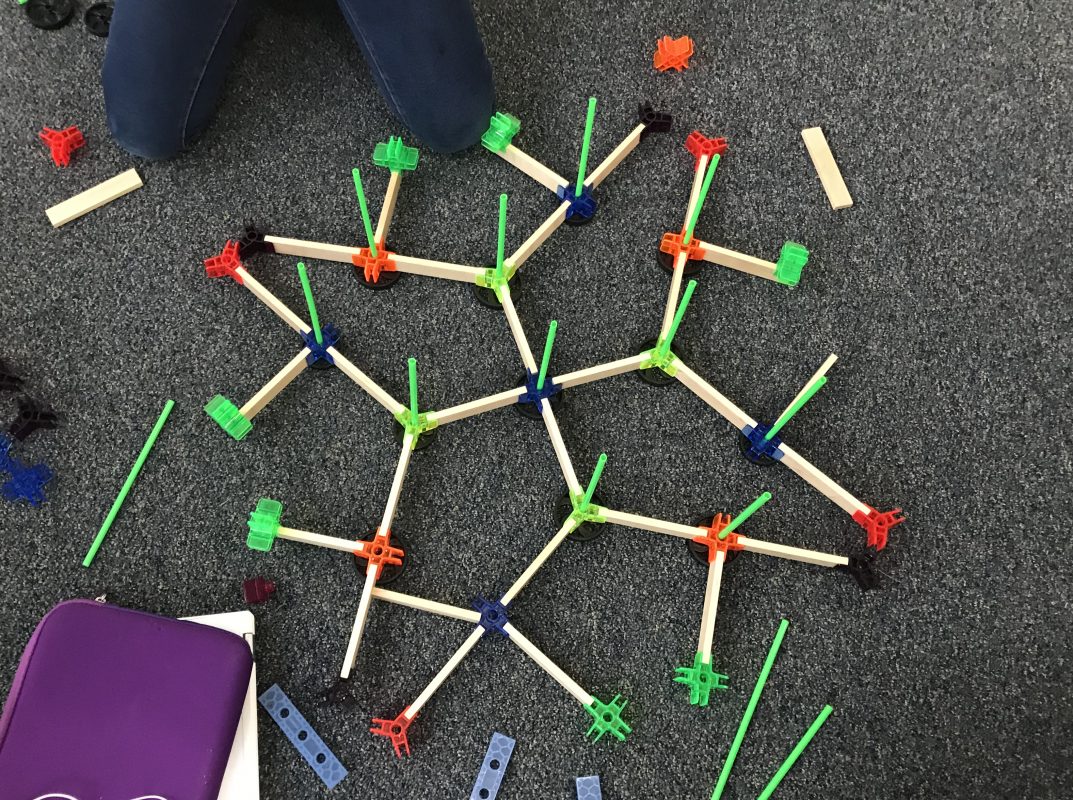
We’ve also added “Brackitz” to our MakerSpace. Brackitz are plastic connectors that fit onto our beloved Kēva Planks to allow for even more inventing and designing. Our students’ imaginations continue to grow in many different directions (literally and physically!) Students quickly found them useful and designed elaborate structures and even cars with wheels!

Bravo, to our students who continue to take design risks with the willingness to try and try again.


Middle School: Focus on Mindfulness

This week’s classes brought about creative labs, different forms of writing,  collaboration, and more practice in mindfulness.

The purpose of mindfulness is to be able to focus on the present. Tied in with inner resiliency, which is one’s ability to recognize and handle your emotions in productive ways, and emotional intelligence, these practices can help reduce anxiety and stress while improving focus both in and out of school. One huge benefit of mindfulness is to help students focus on the positive experiences they encounter each day.

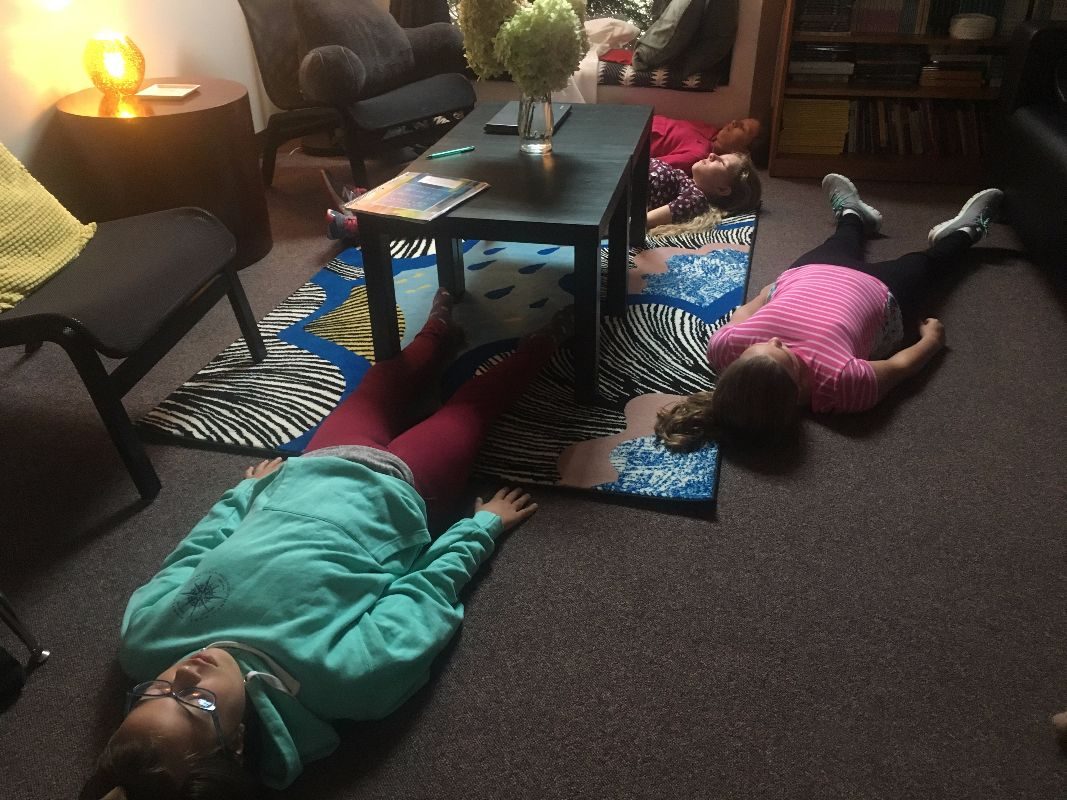
Throughout the year, the middle school has spent 2-3 advisory periods a week working on mindfulness and inner resiliency. They have done exercises in focus and emotional intelligence. Also, they have learned the importance of using their breath as an anchor to keep them focused and different techniques of breathing that allow the most oxygen to enter their lungs. Through a variety of meditations, students are learning what does and does not work to help relax them. Some forms of meditation can actually create stress, so with students beginning to meditate, it is important to do different types for short periods of time.

Why meditation as a mindfulness practice? Students are instructed through the guided meditations to focus on the breath. If any thought, emotion, or physical tension is noticed during this time, they are to recognize it and then go back to the breath. Some may even visualize it being blown away or floating off. The more this is practiced, the quicker students can become focused on their breathing, thus improving overall focus. Like it has been explained to the middle school, it isn’t a sprint; you can’t expect to be able to feel completely relaxed and able to clear your mind after only a few tries. It is a practice. 

Whether you are a believer in these practices or not, you are urged to look into it. Who doesn’t want to focus on the positive experiences and be able to navigate the negative ones a bit easier? Maybe it’s just a conversation with your child about some of the exercises we have done (ask them about Body Scan and Mood Meter) or look into some research. You may even be interested in a Mindfulness Based Stress Reduction course (MBSR). You could even talk about how you use mindfulness in every day life; perhaps you are someone who needs to go for a run, listen to music, or write when you are feeling stressed. Those are mindful, resilient practices you may use to get focused and relieve stress. We are excited to see the benefits as the year continues!

“Mindfulness means being awake. It means knowing what you are doing.” -Jon Kabat Zinn