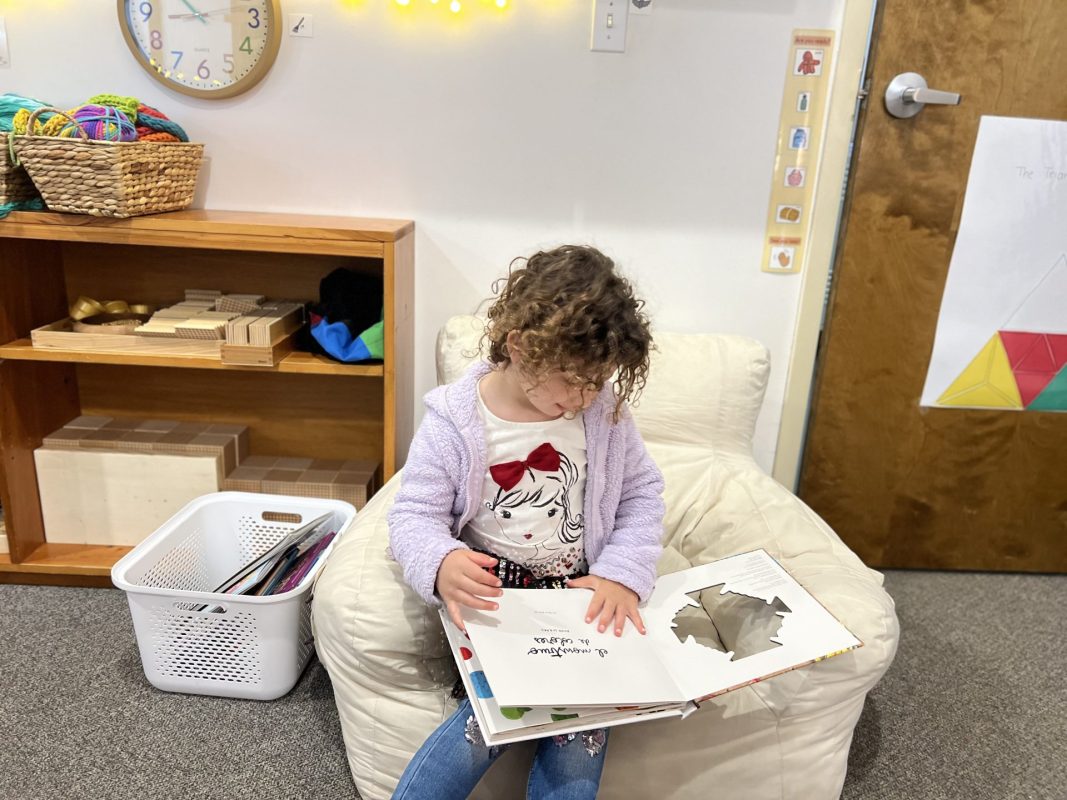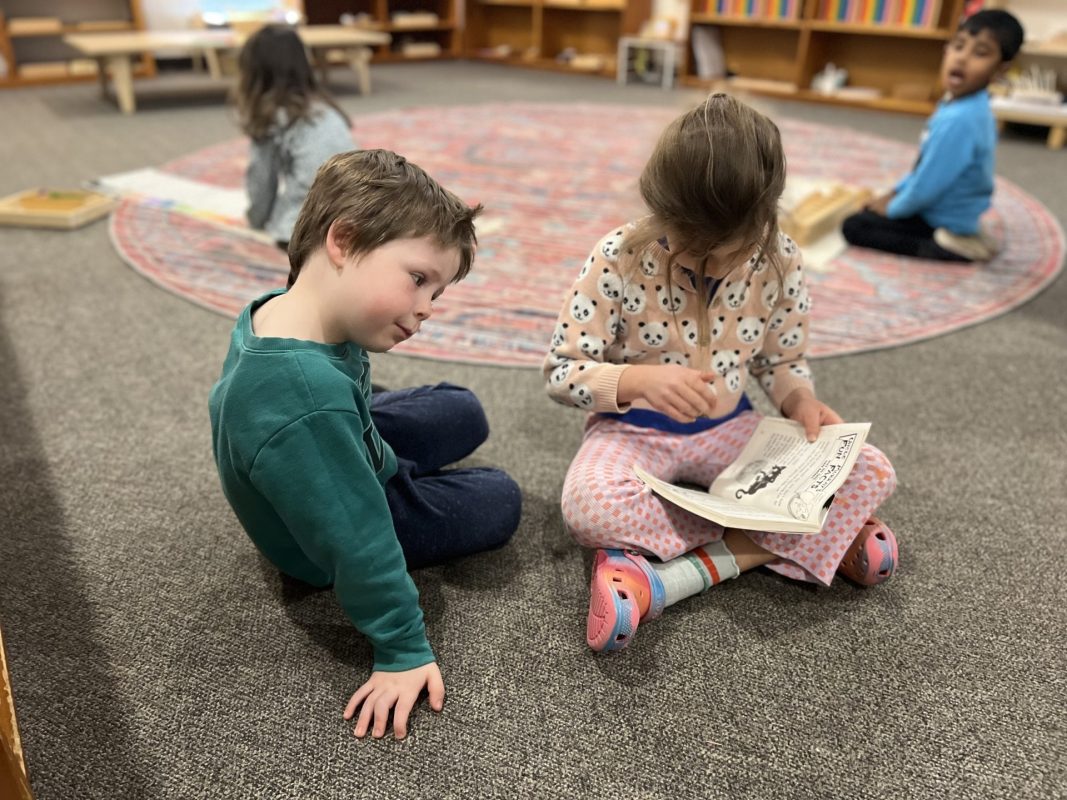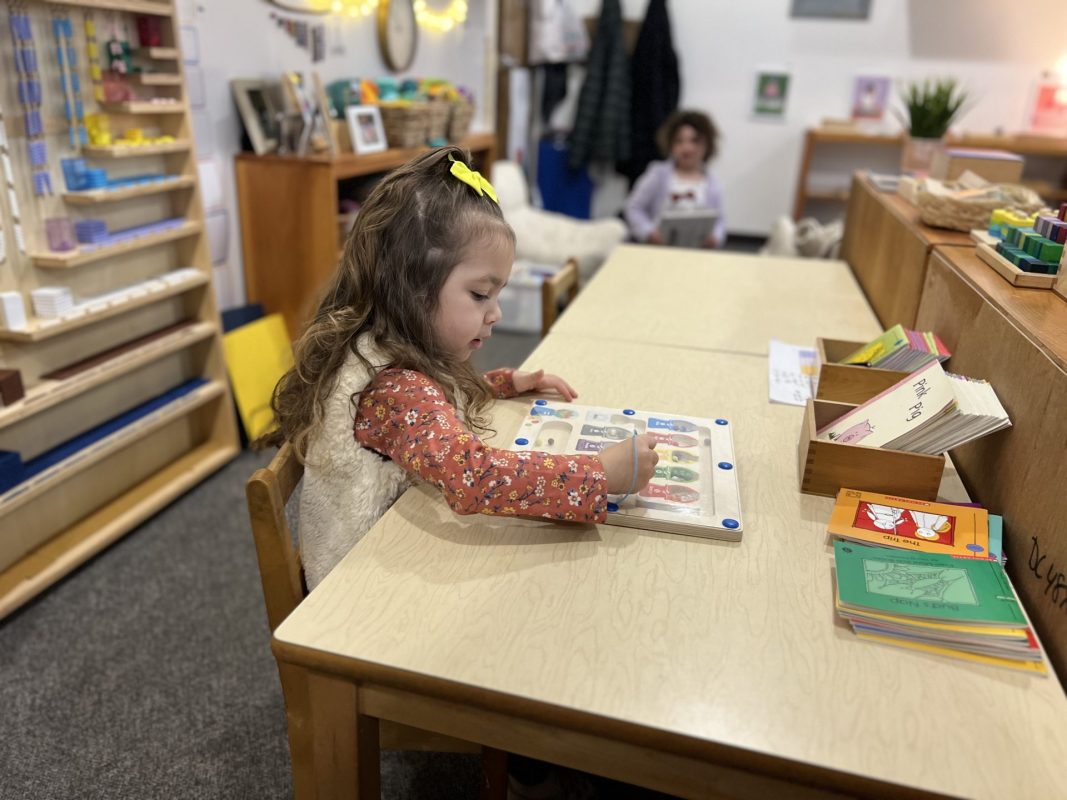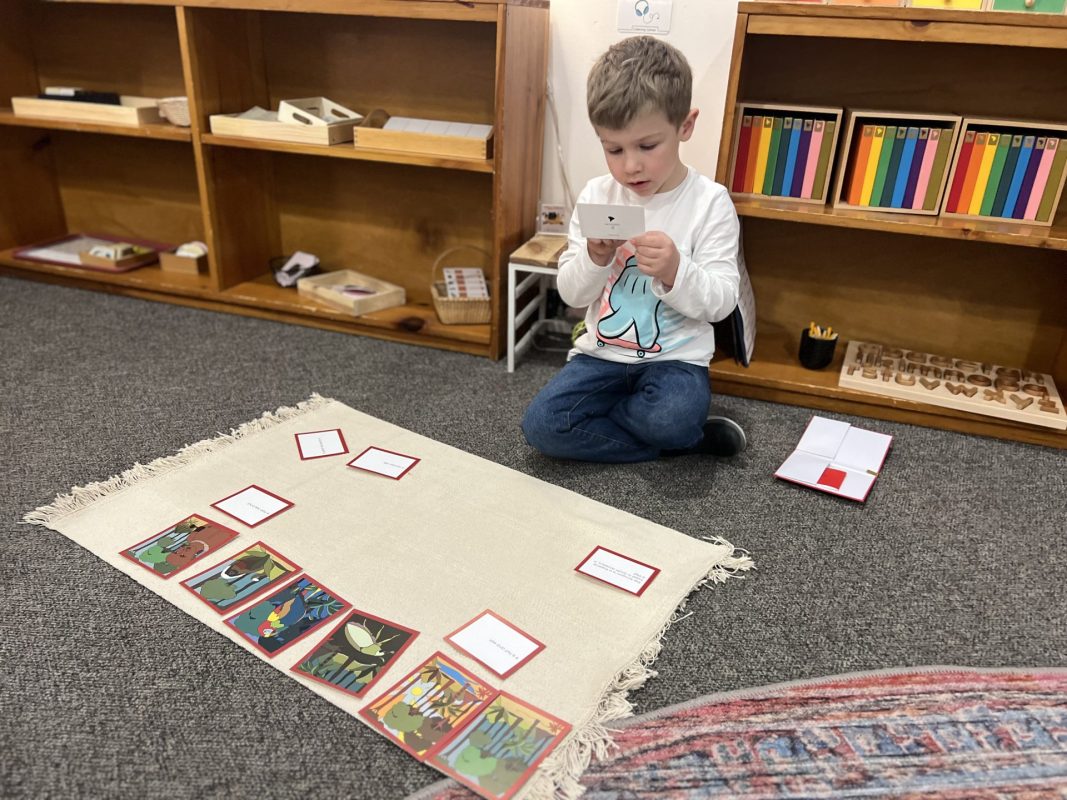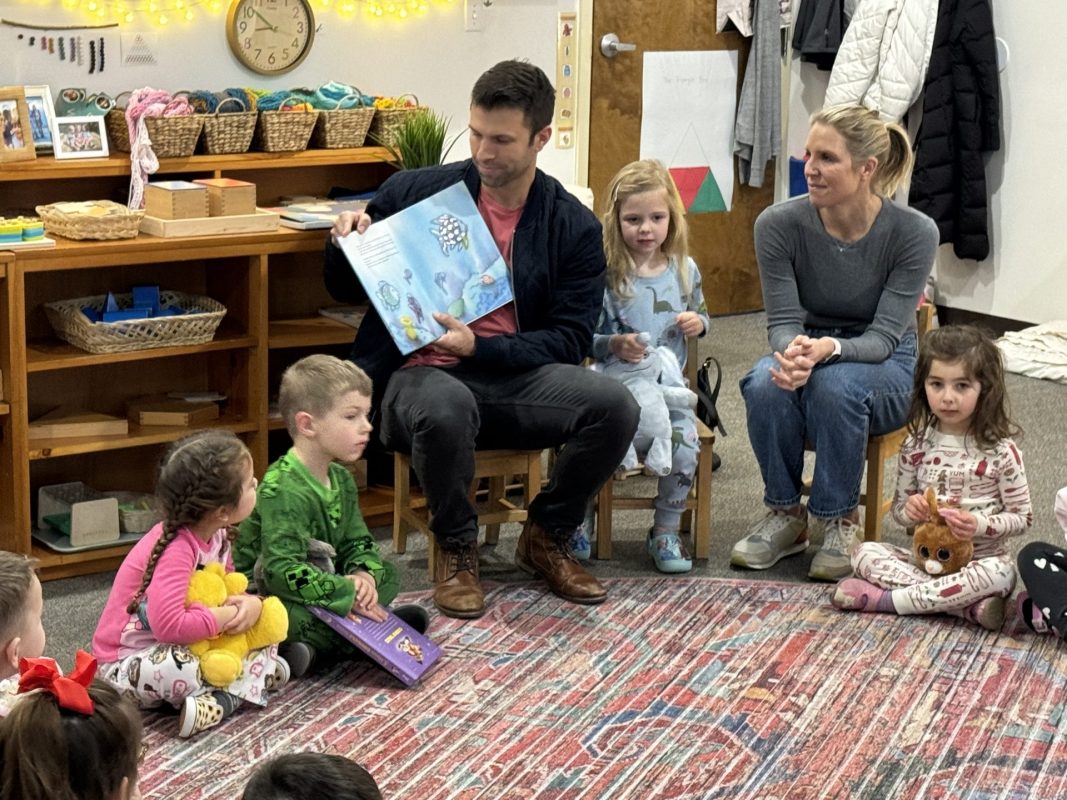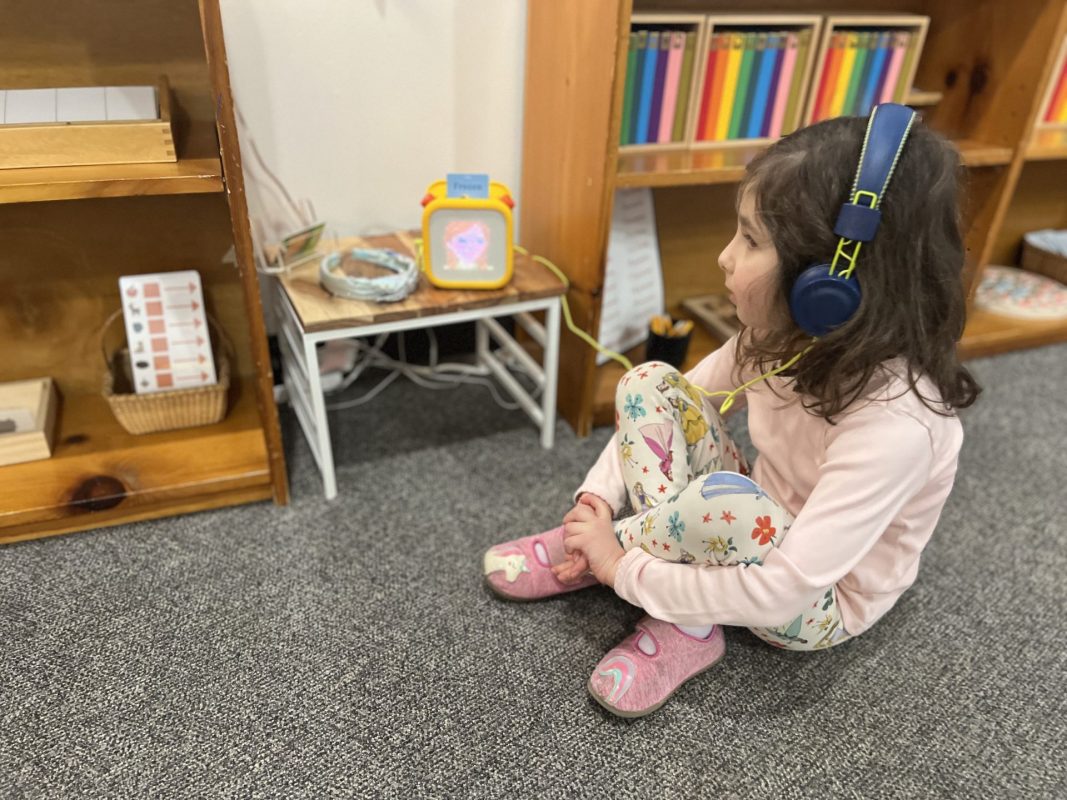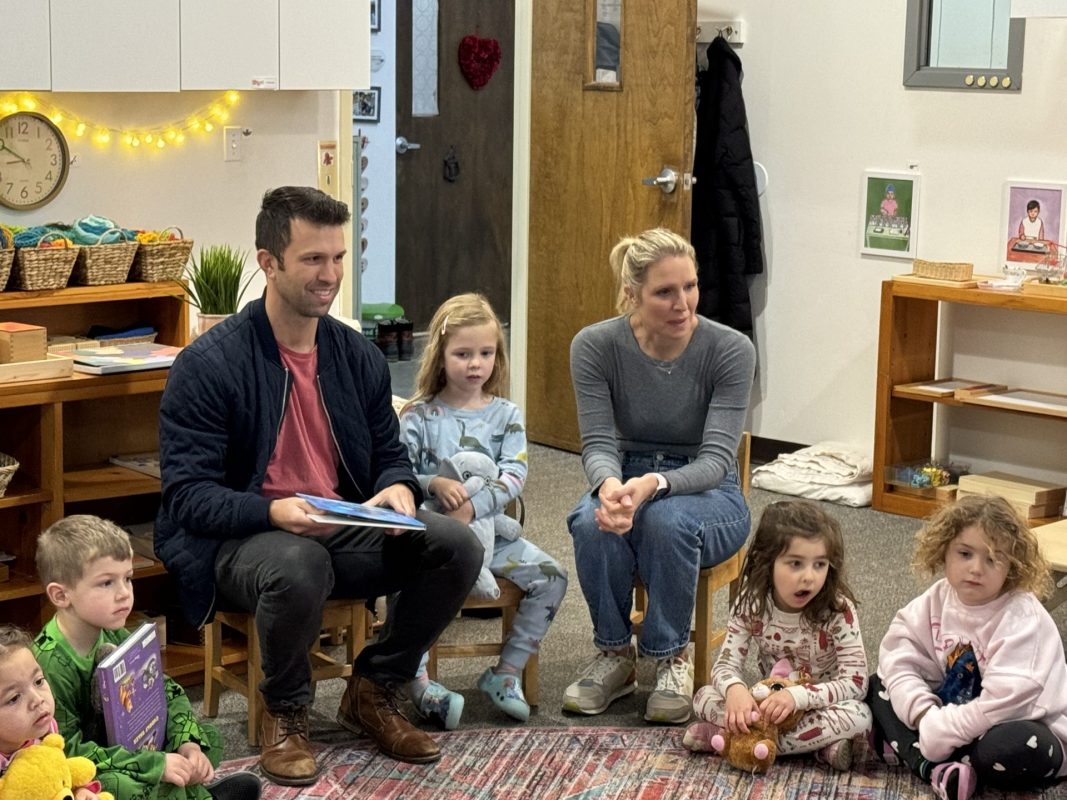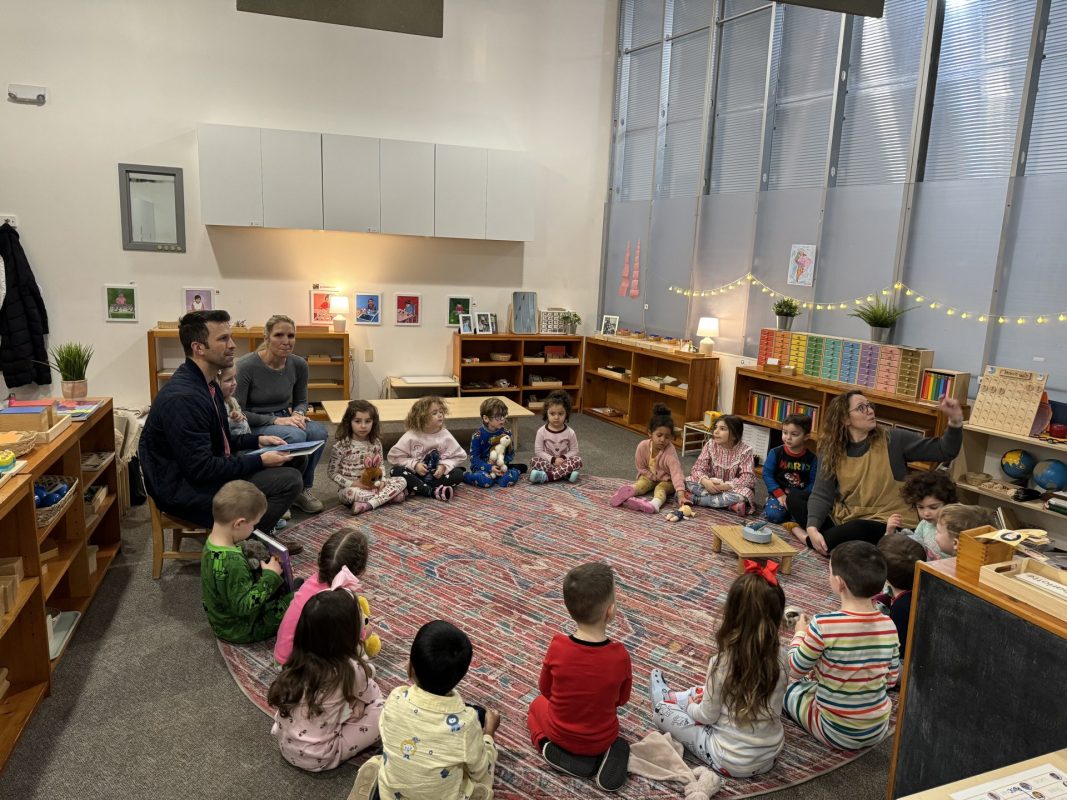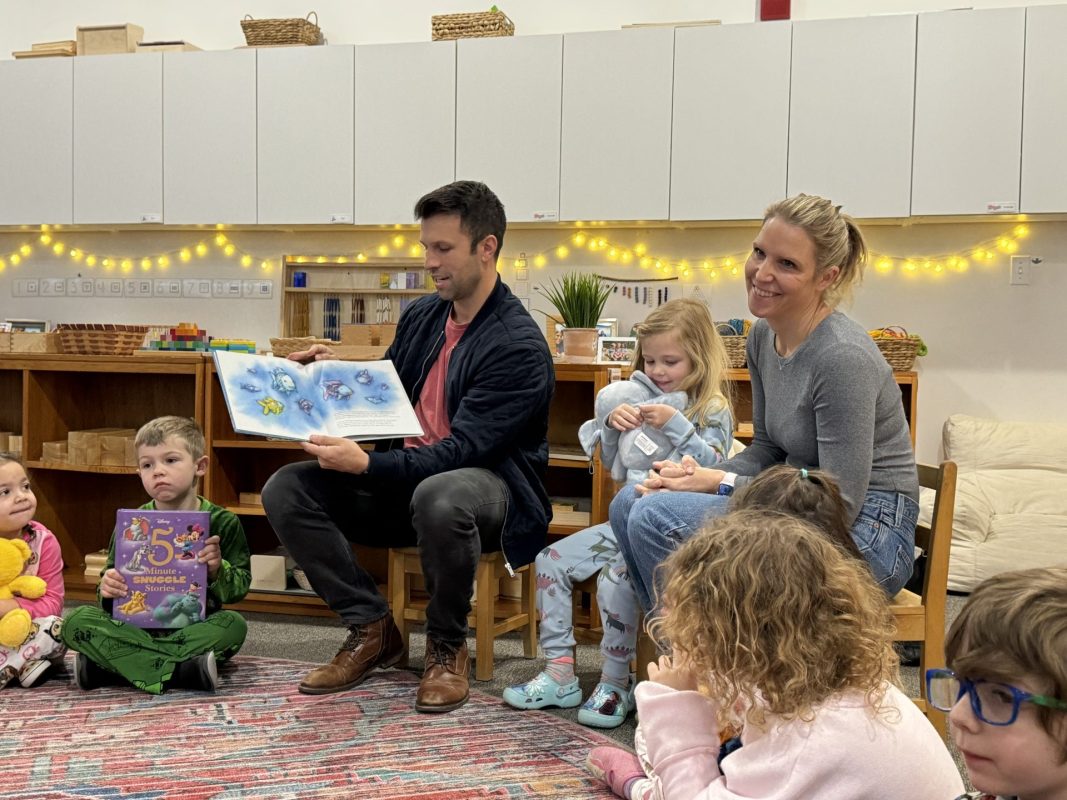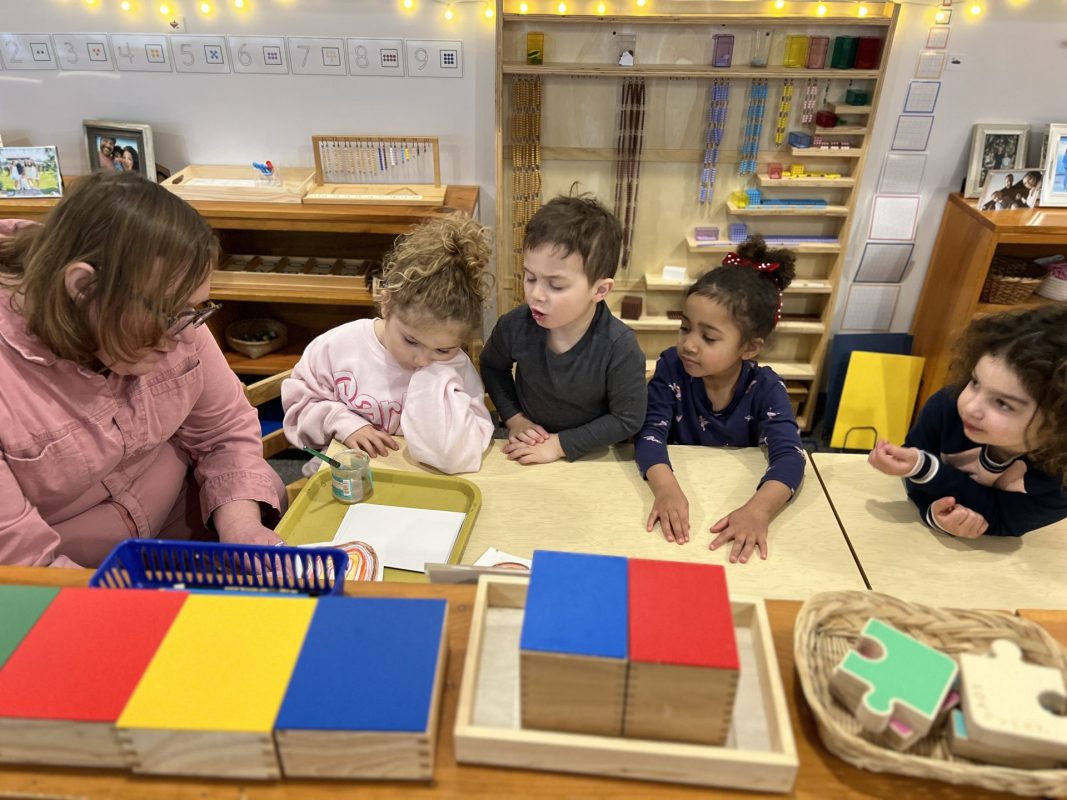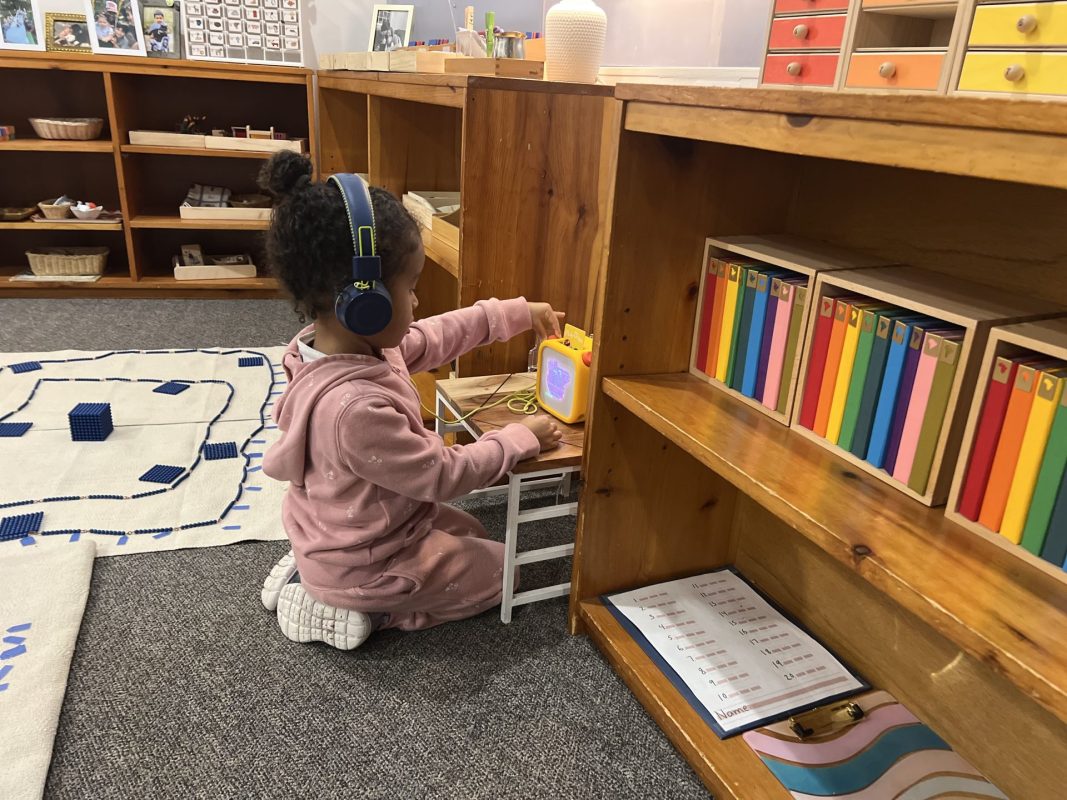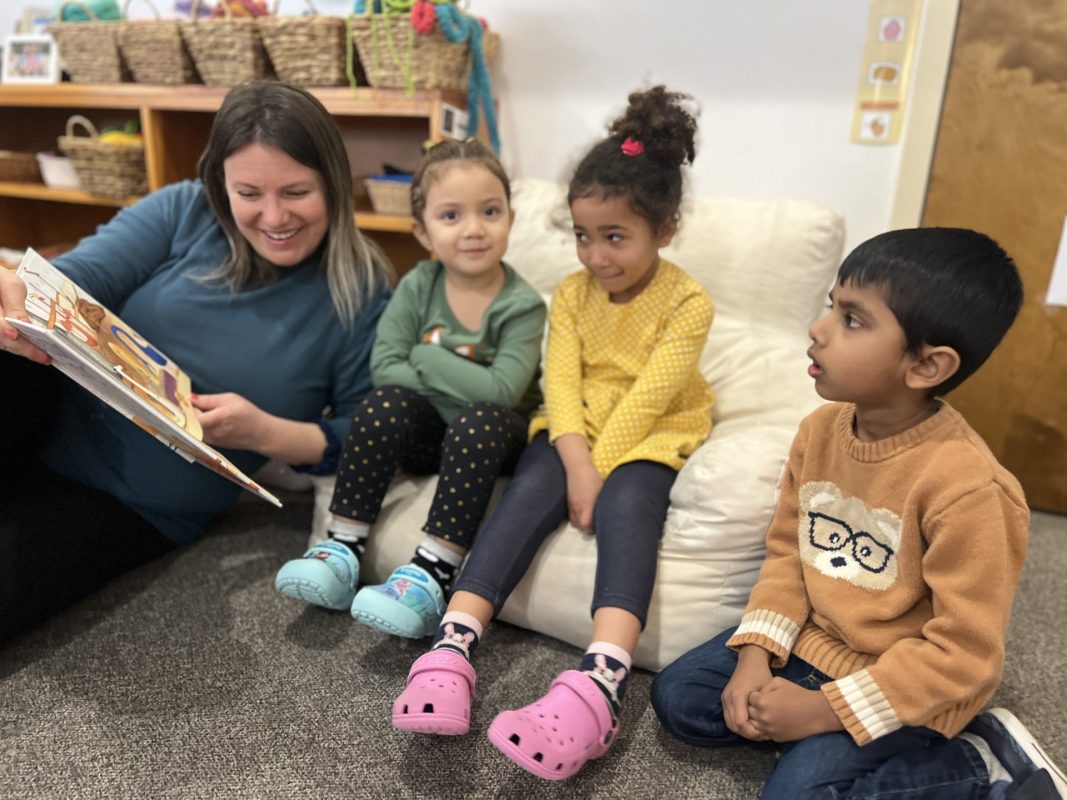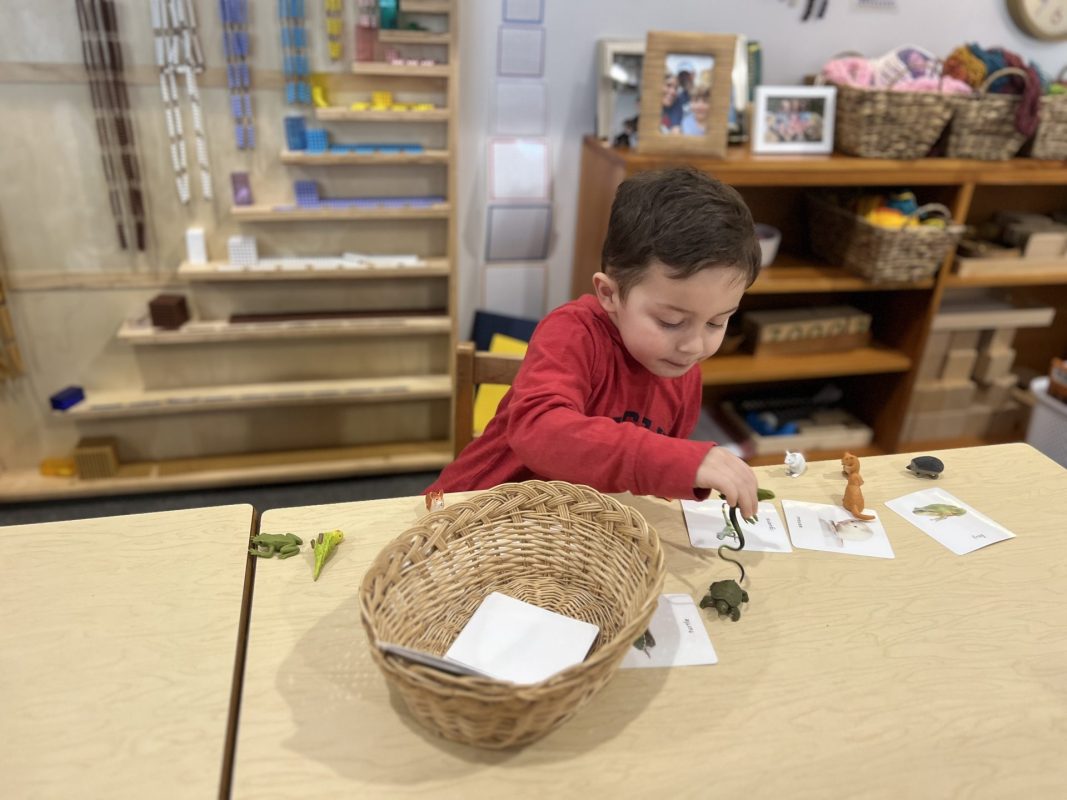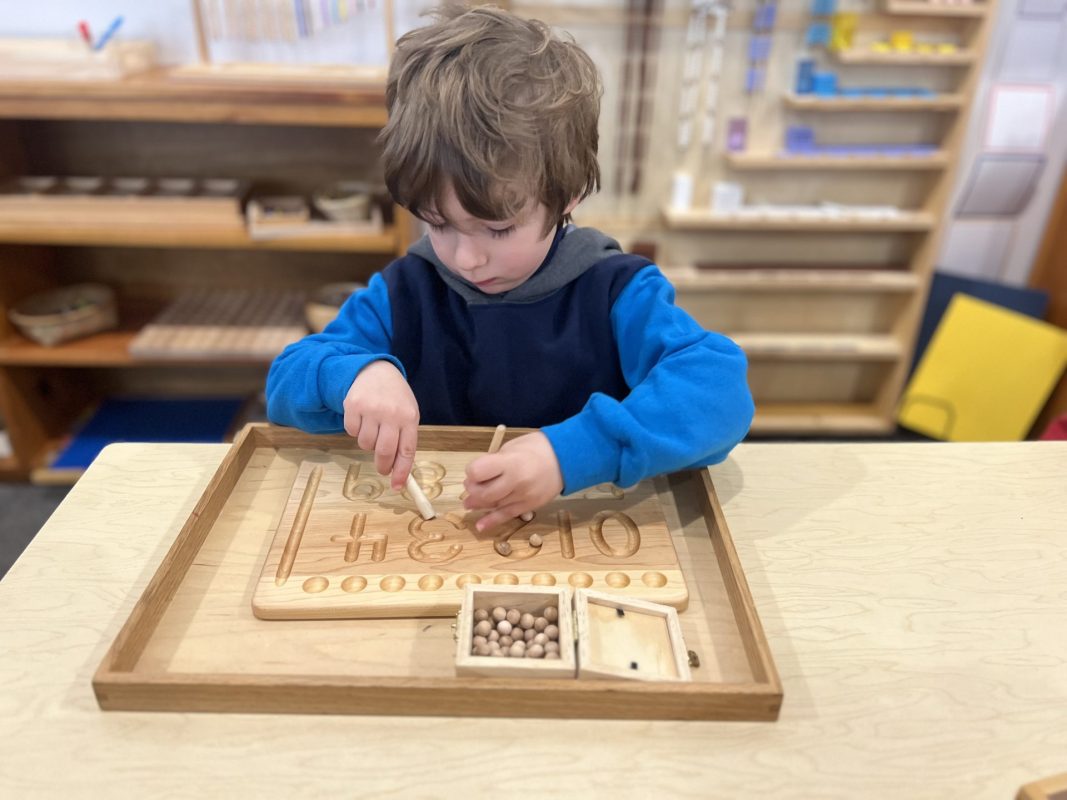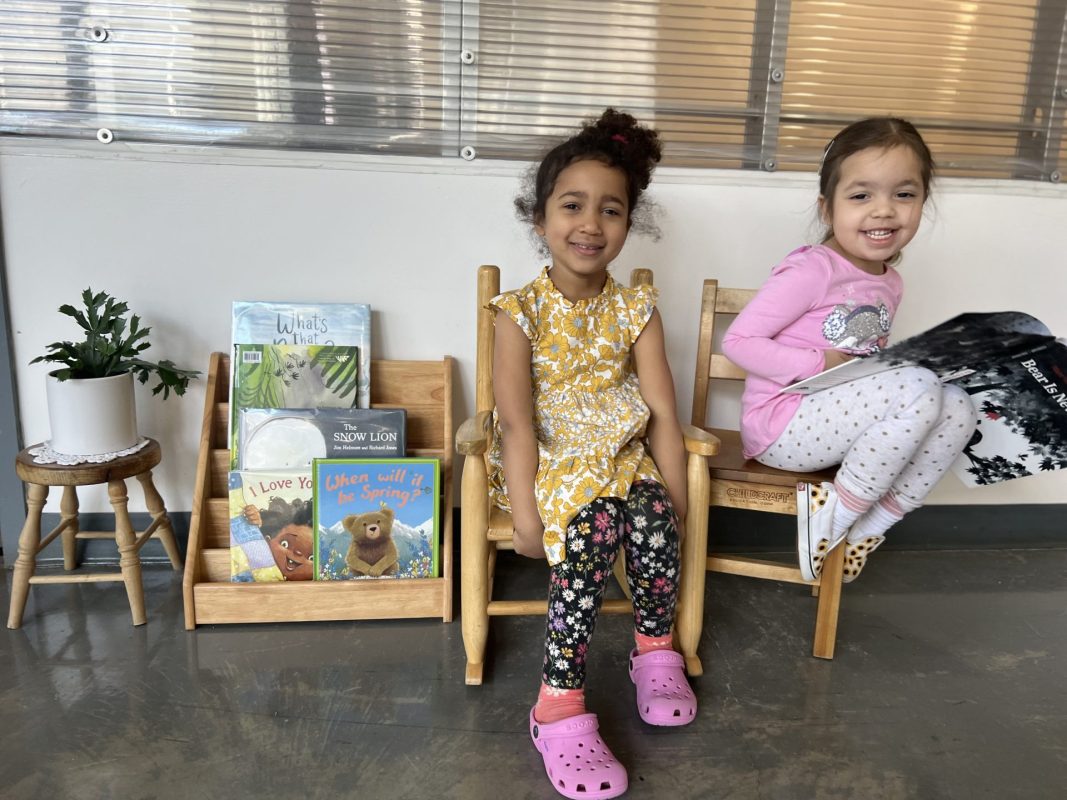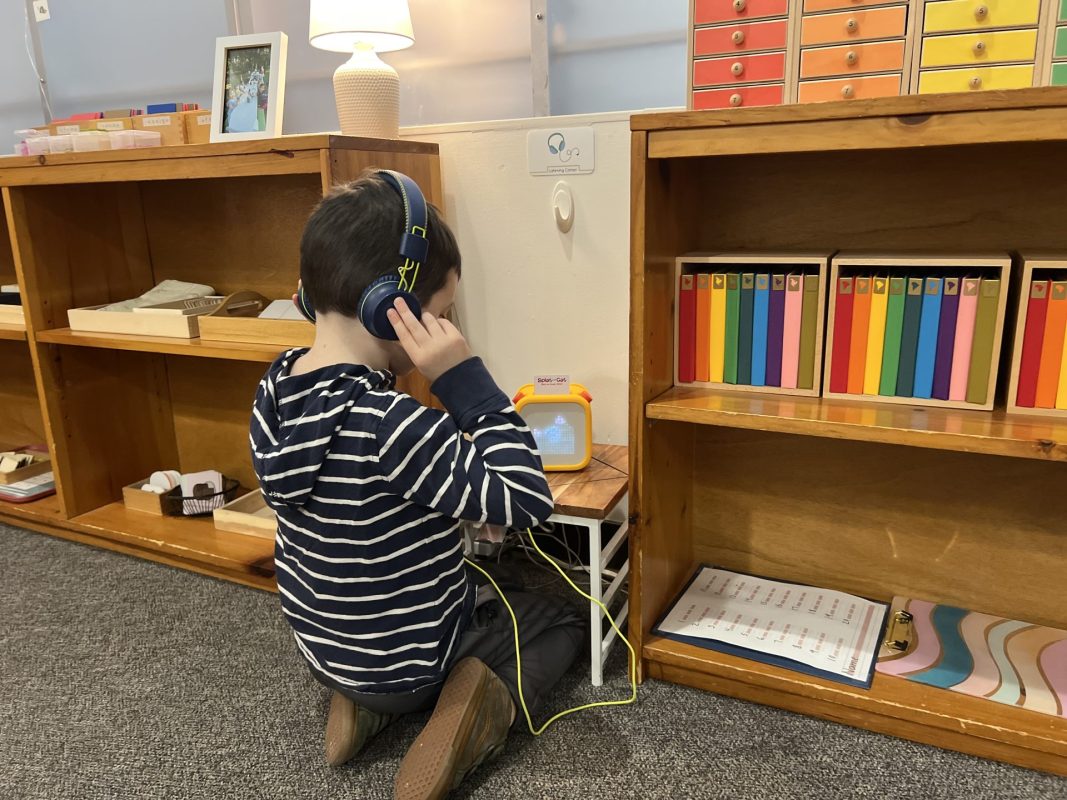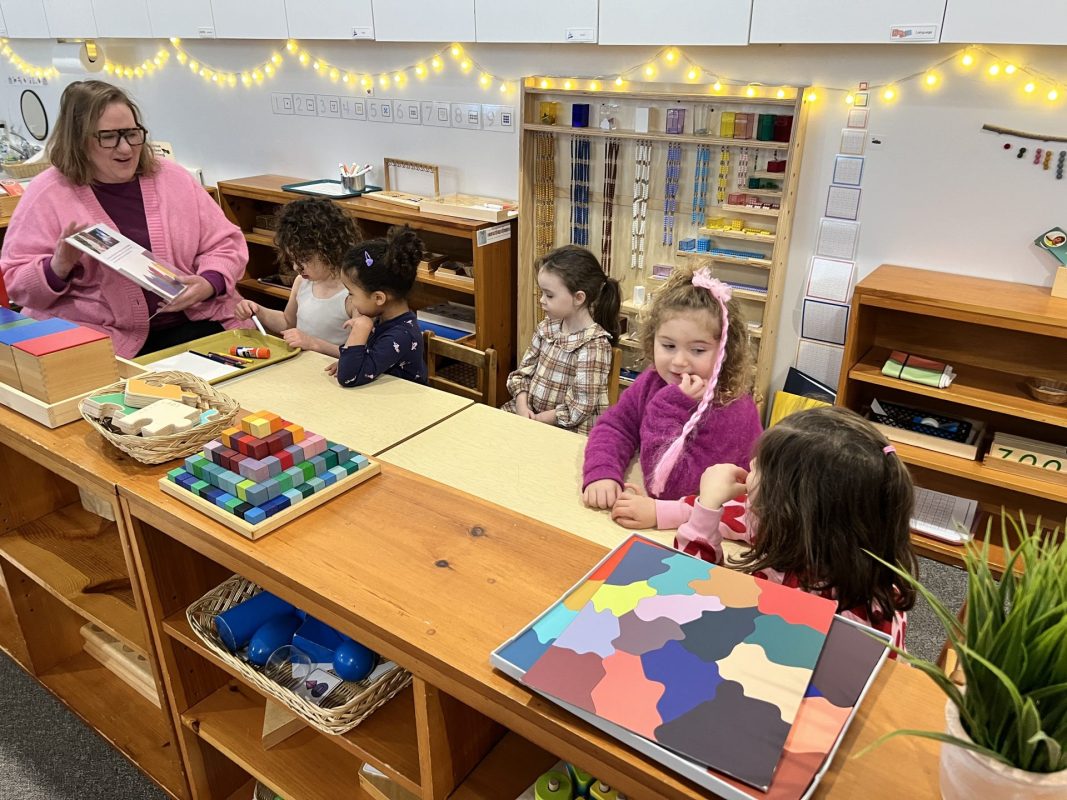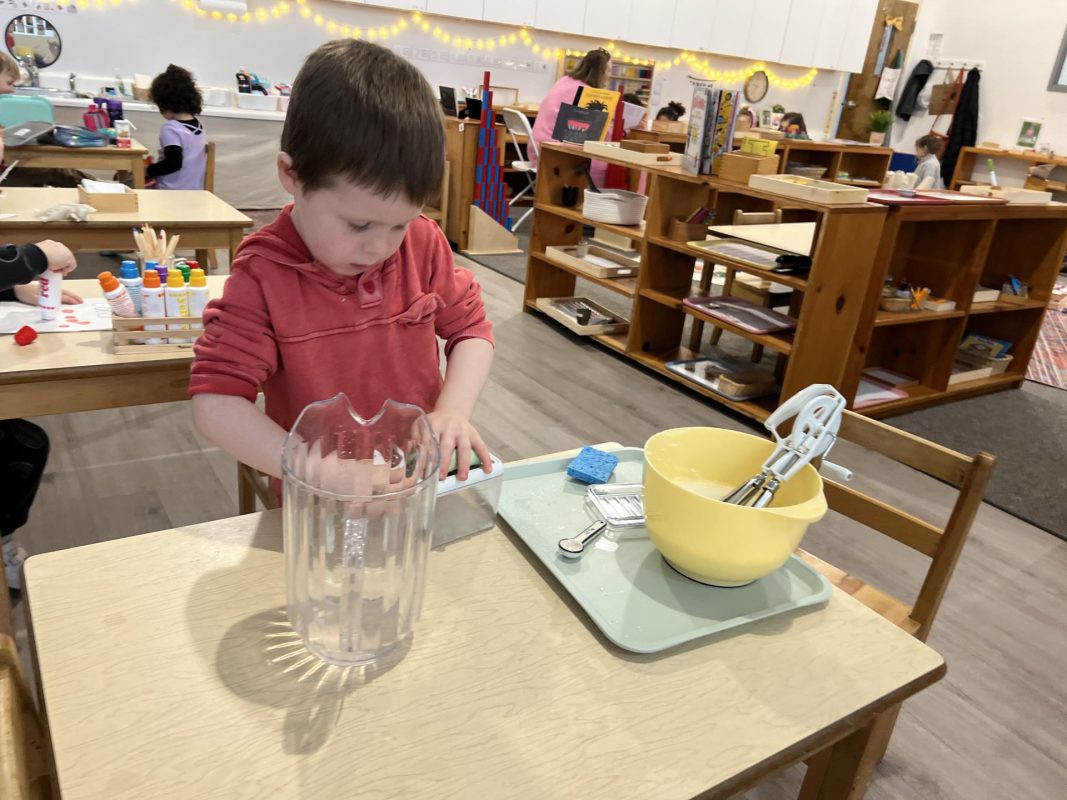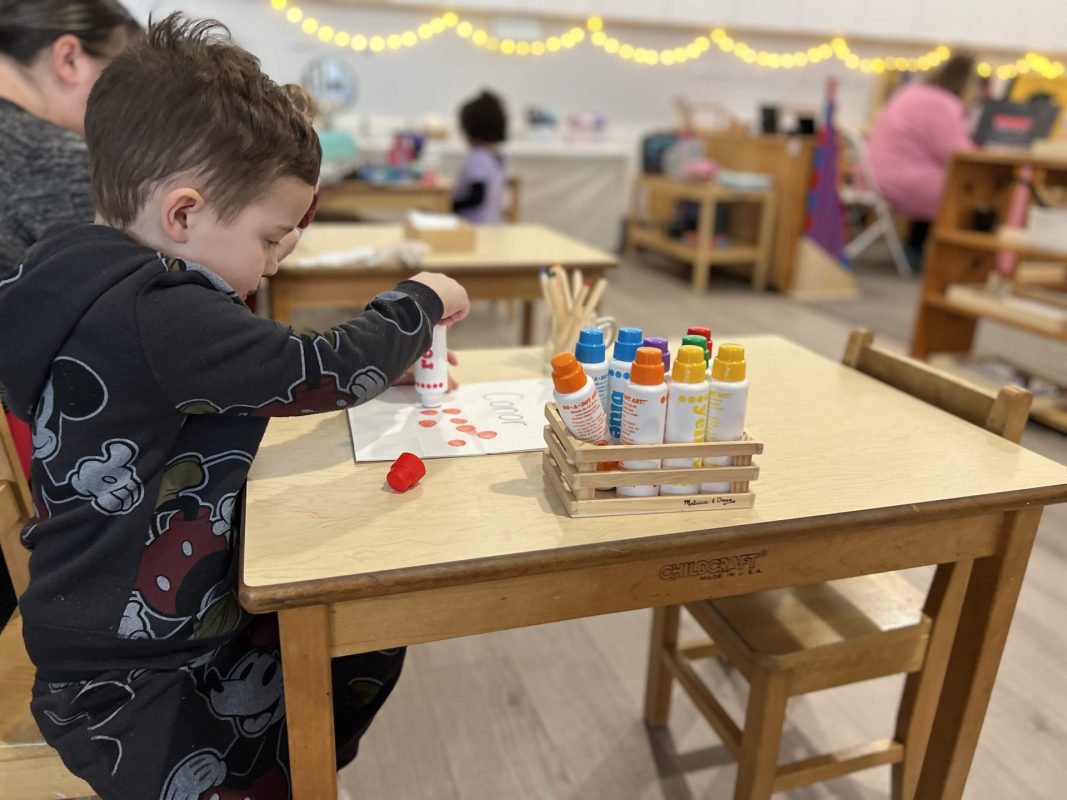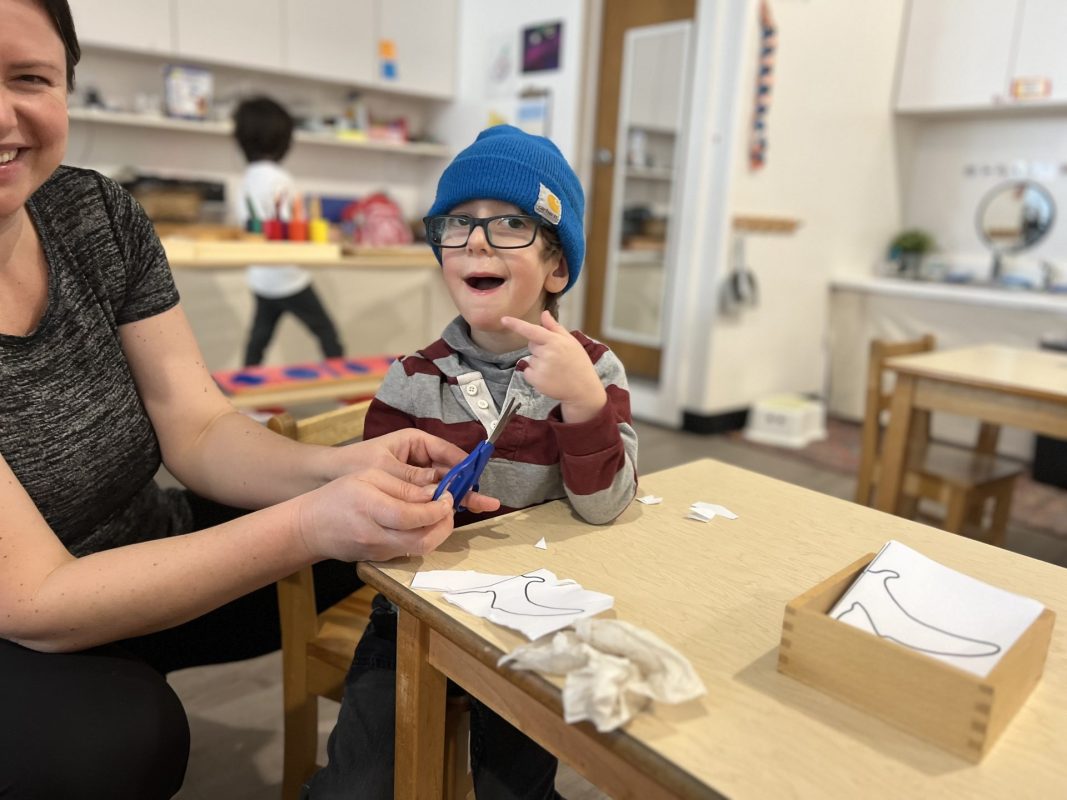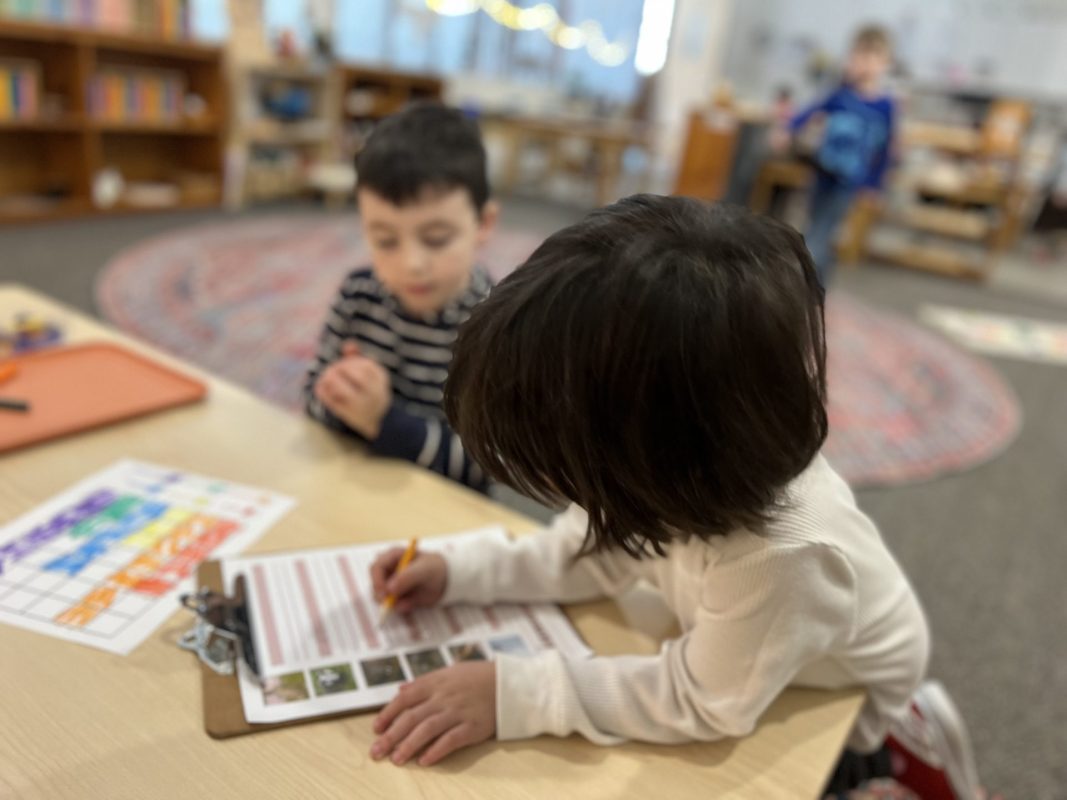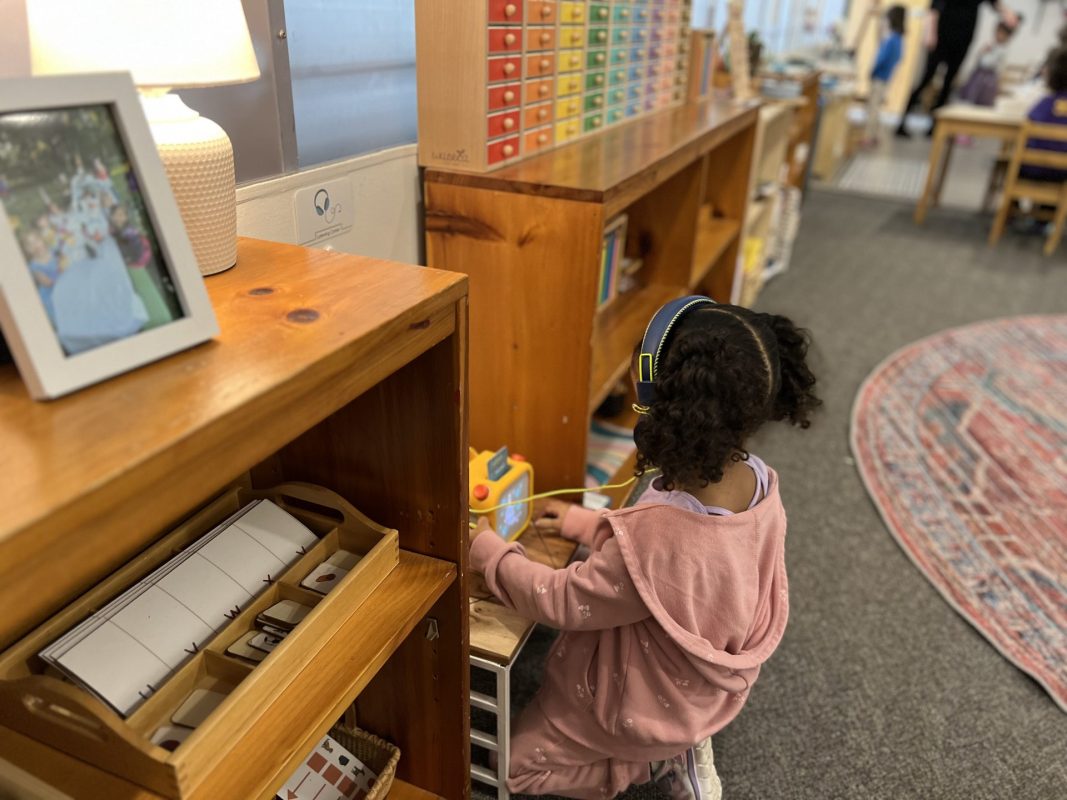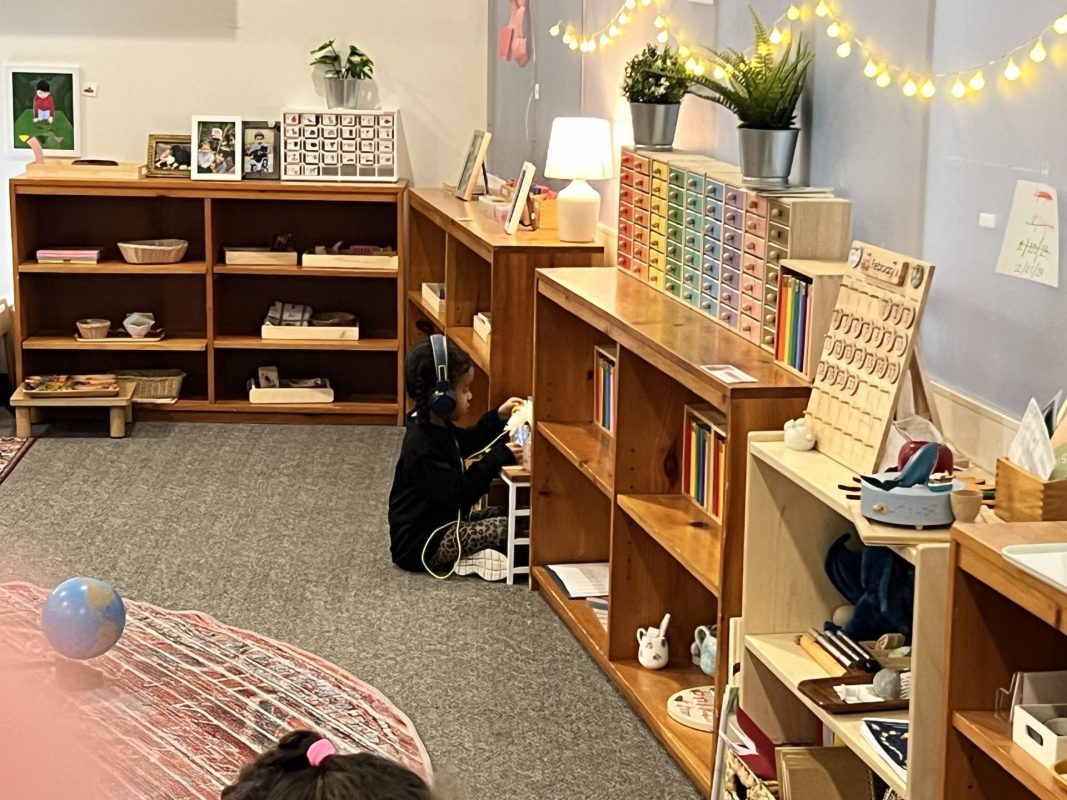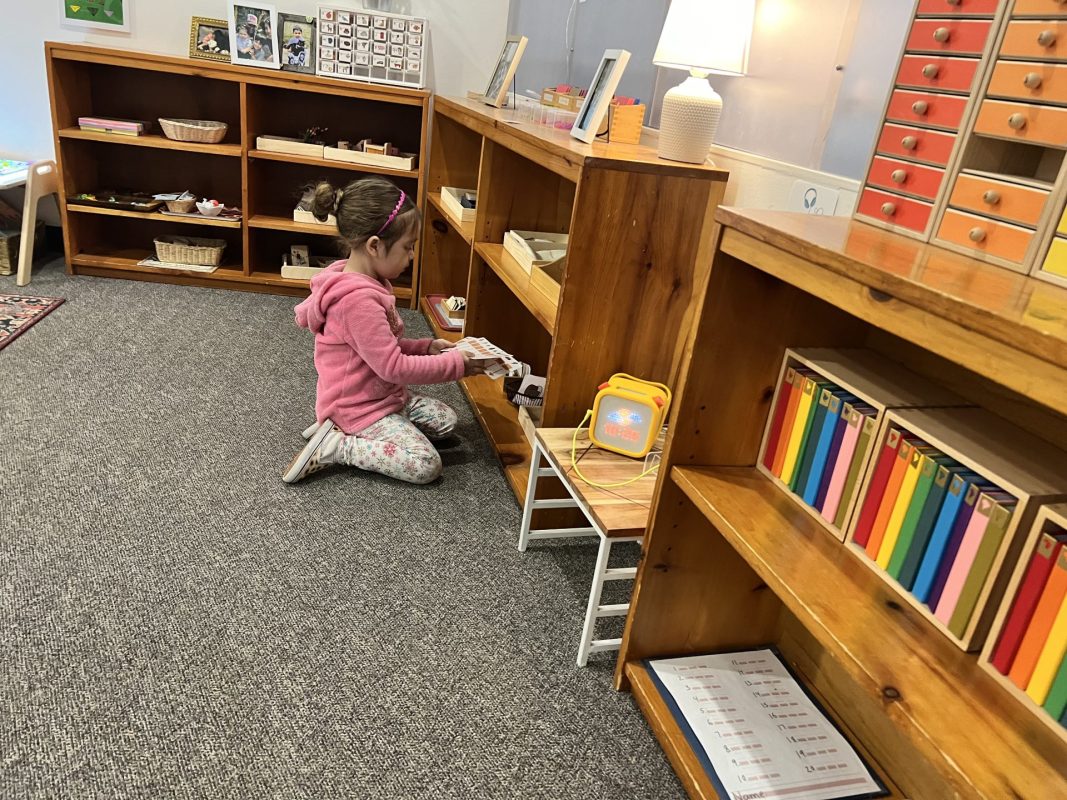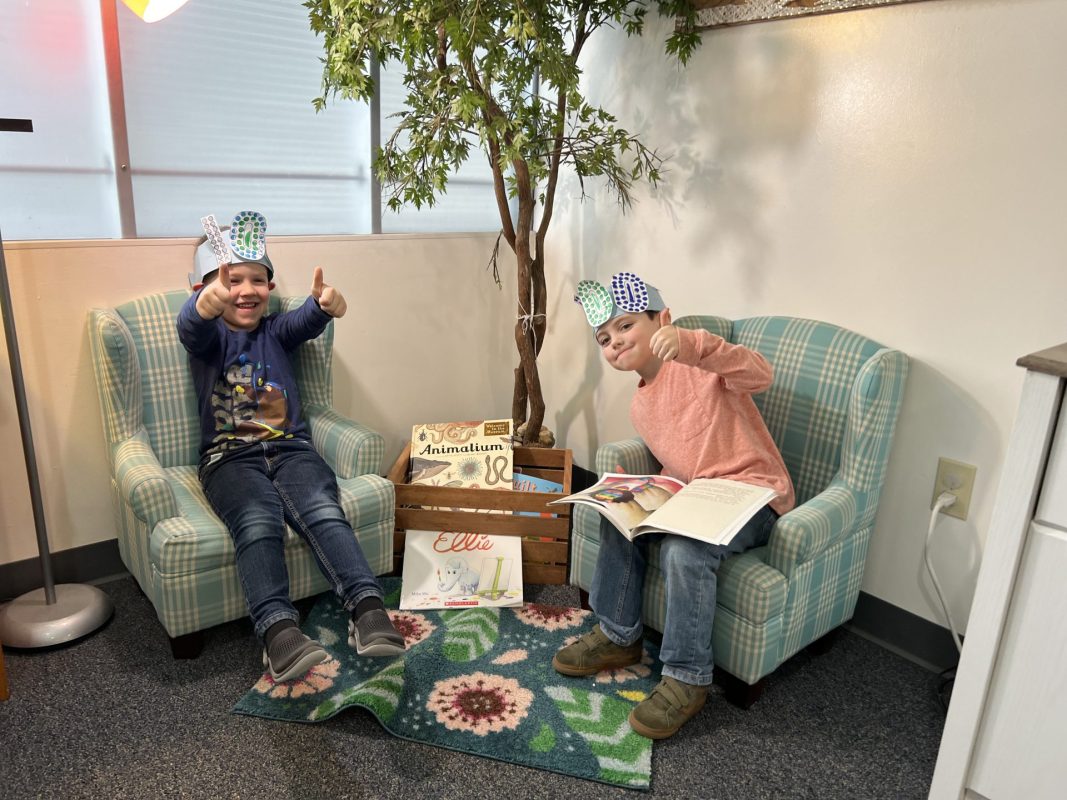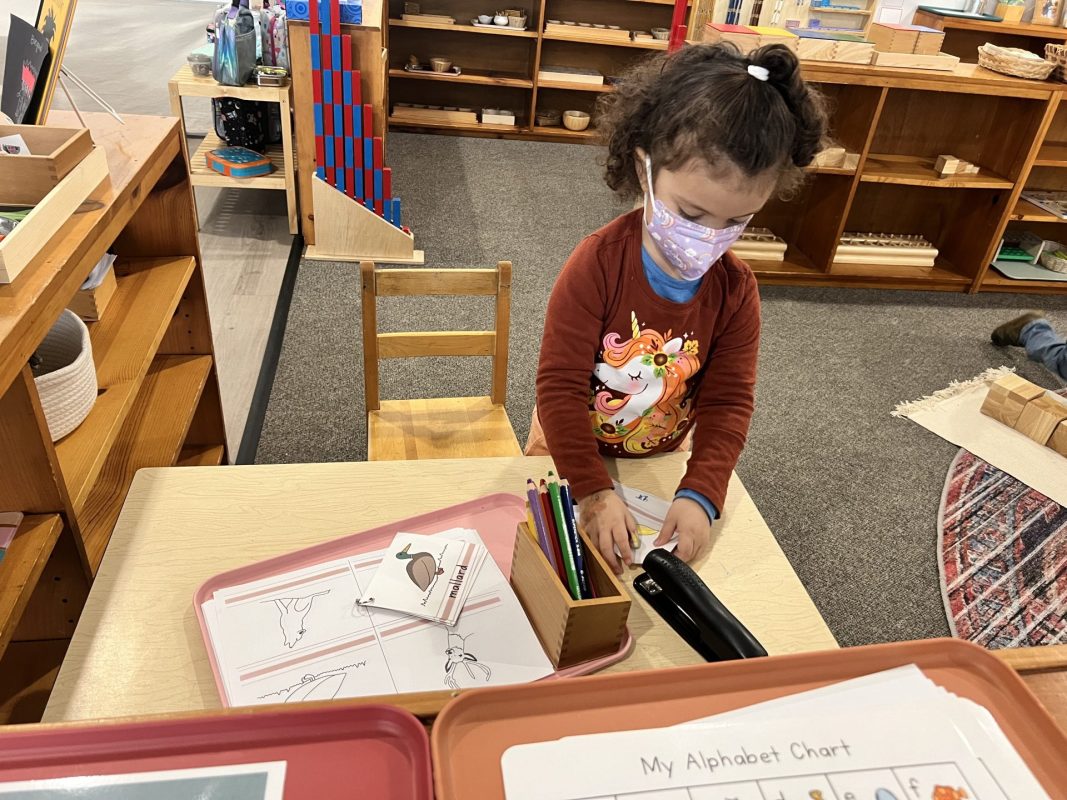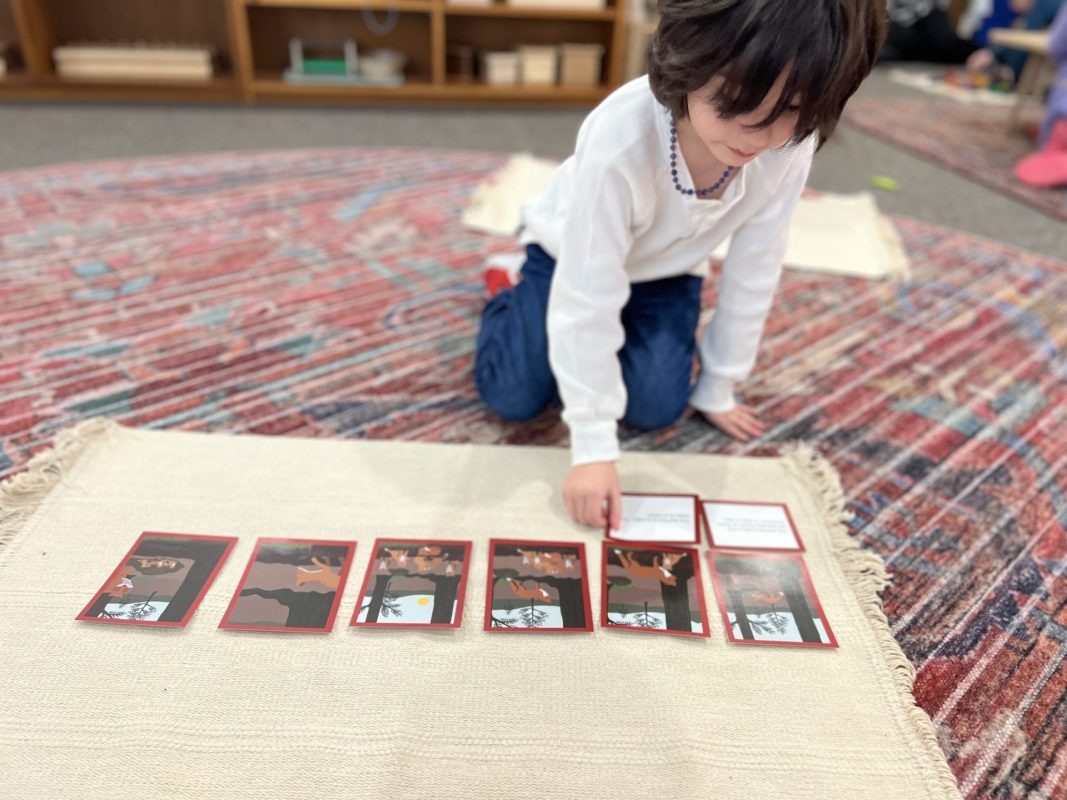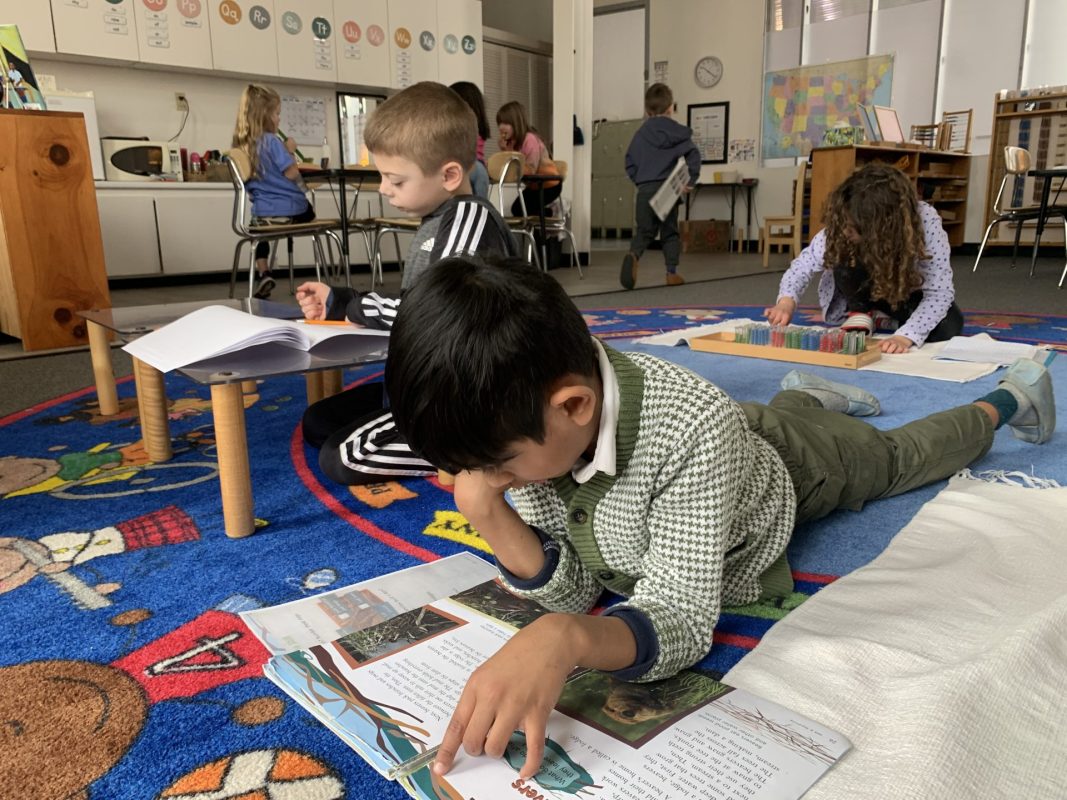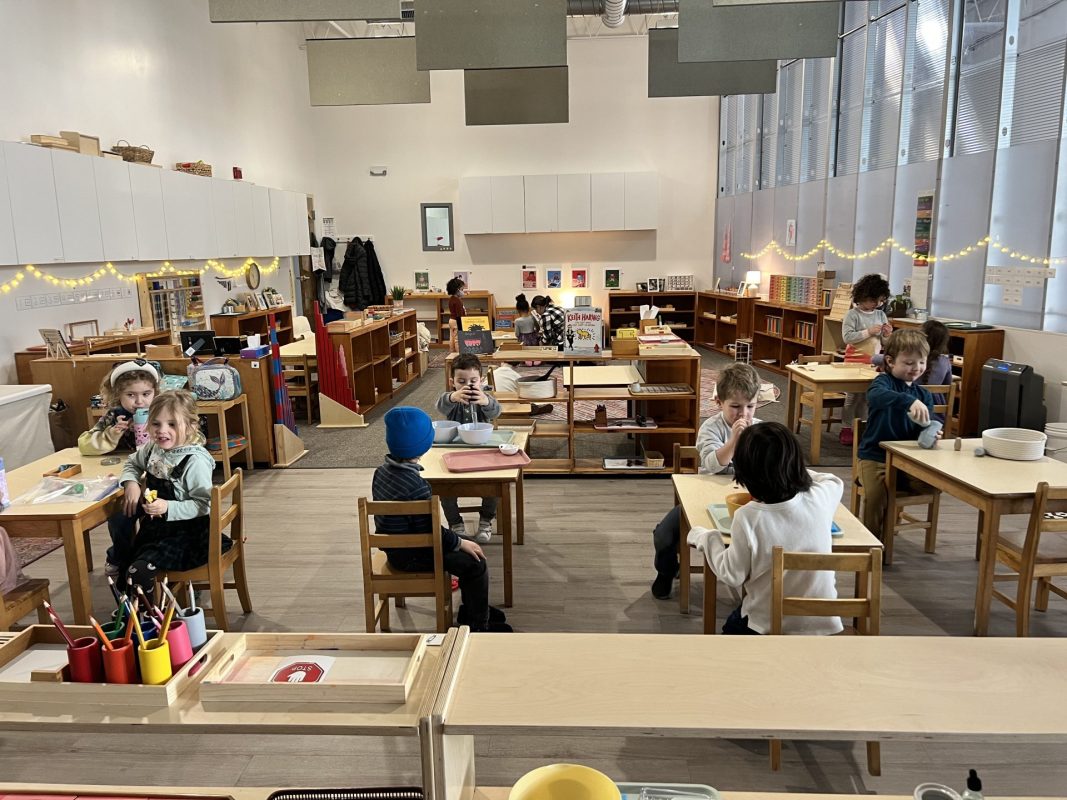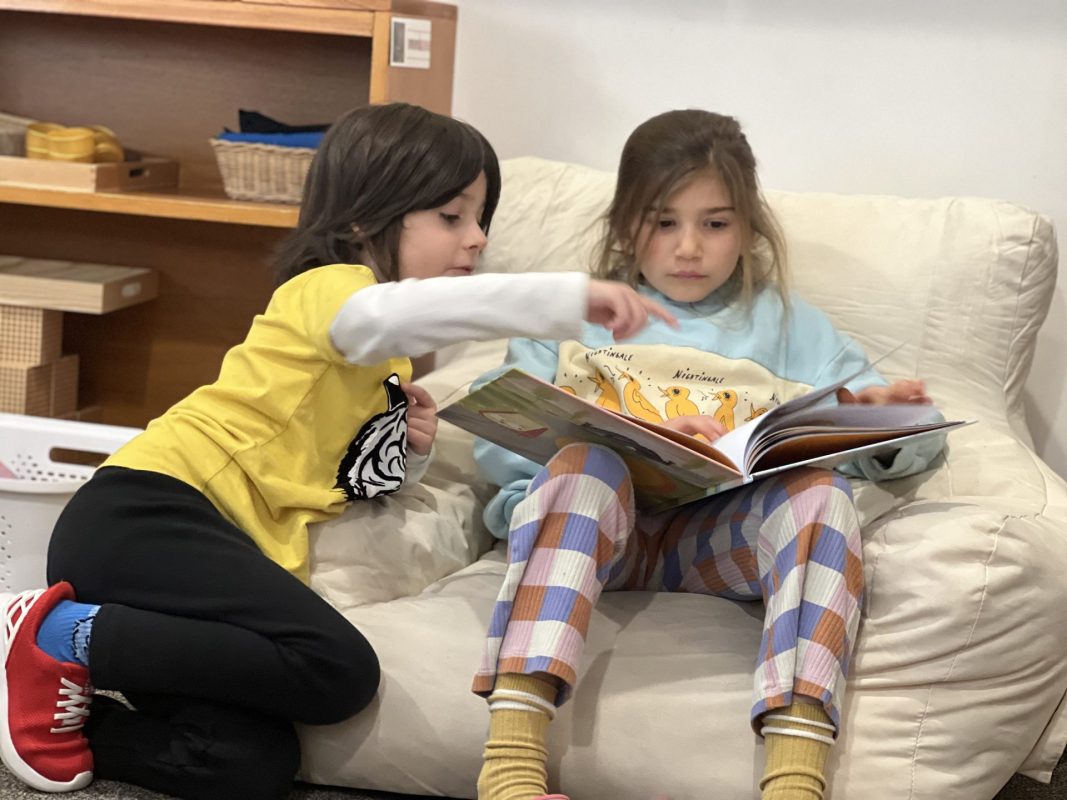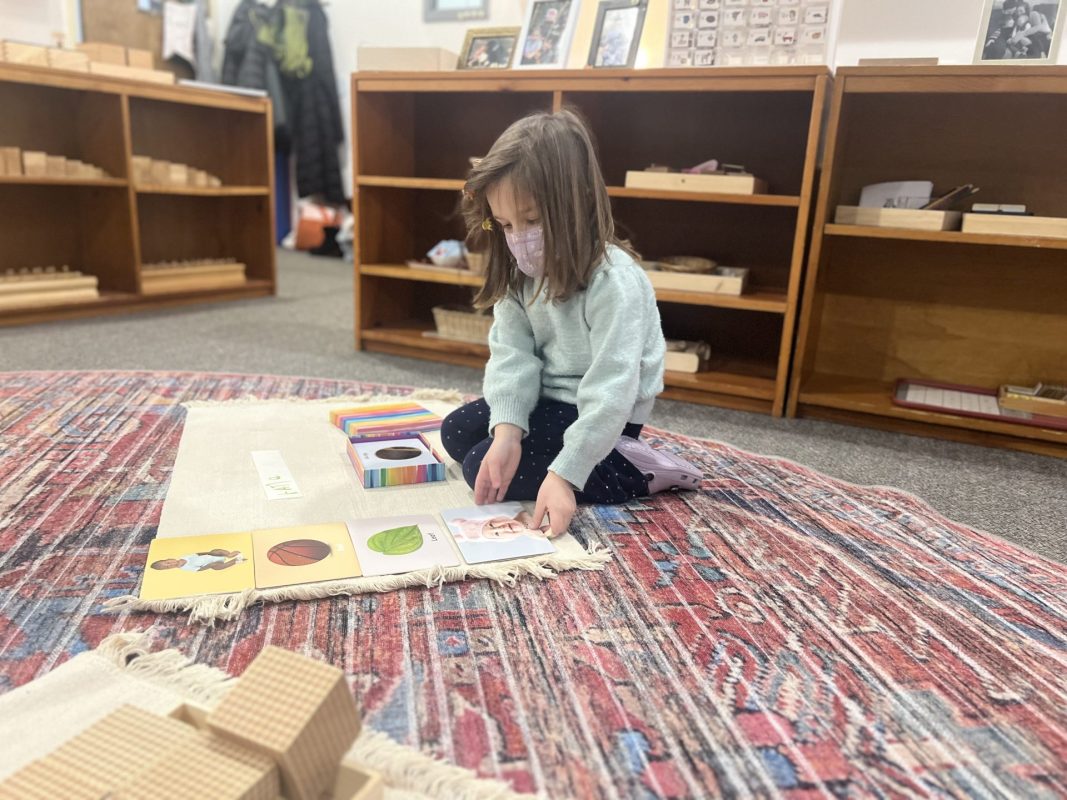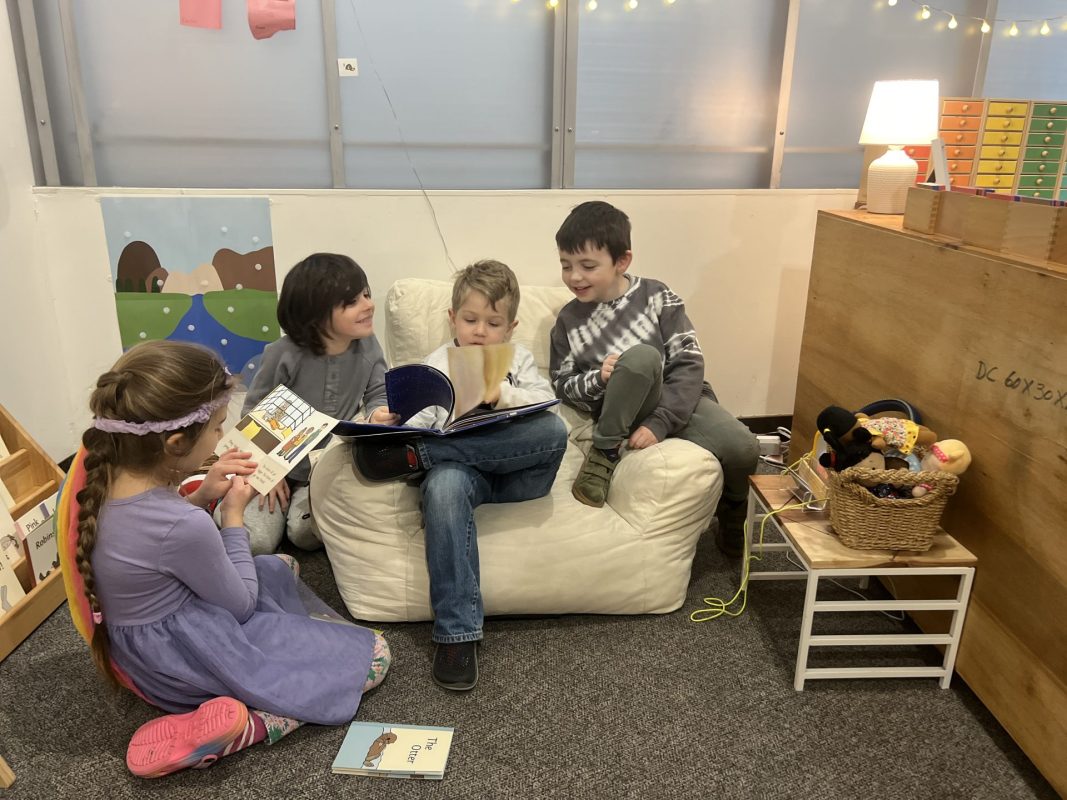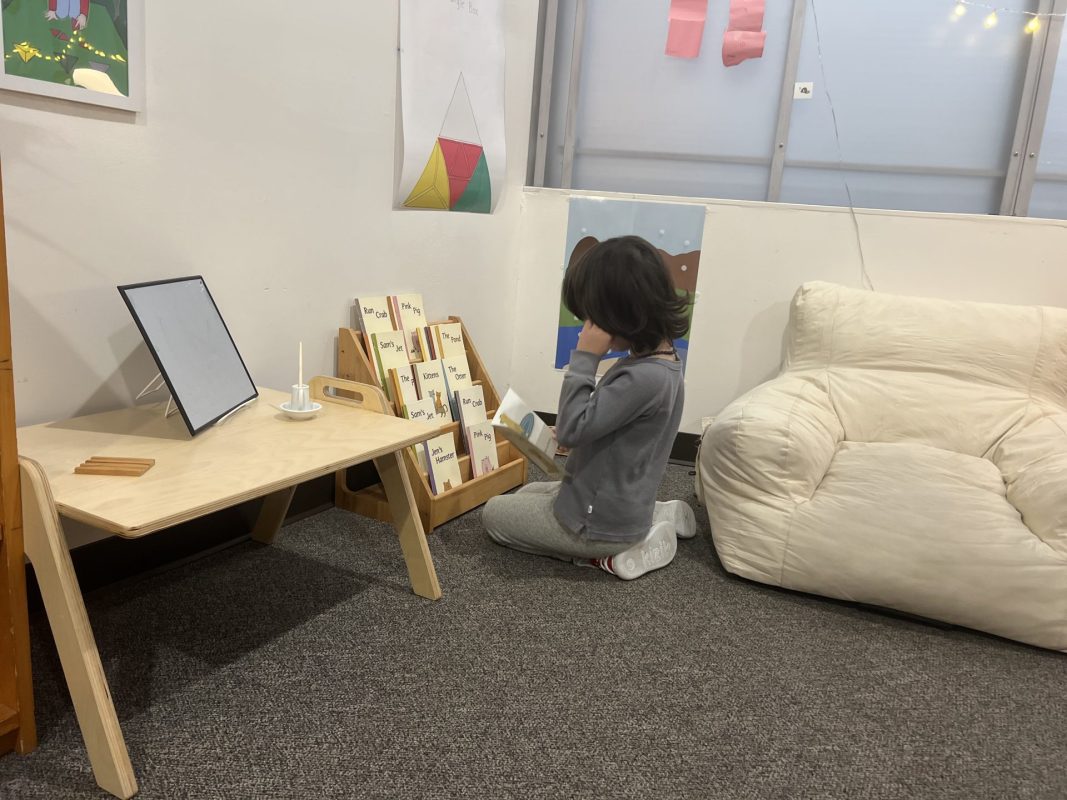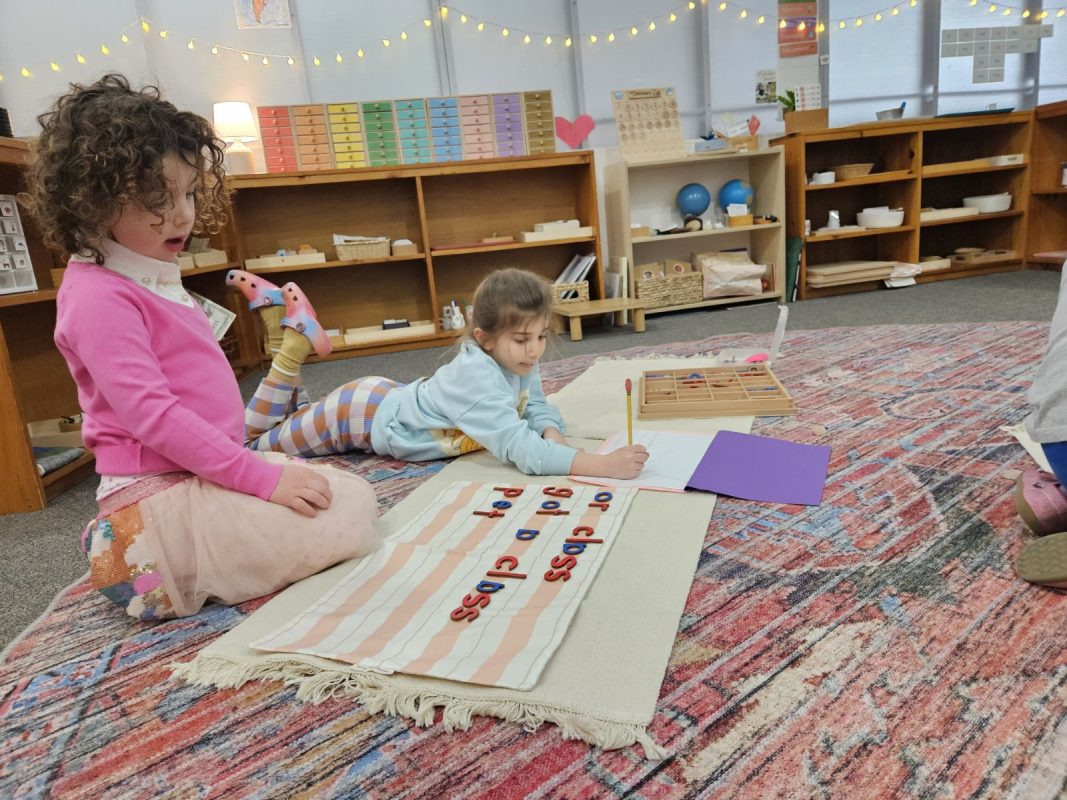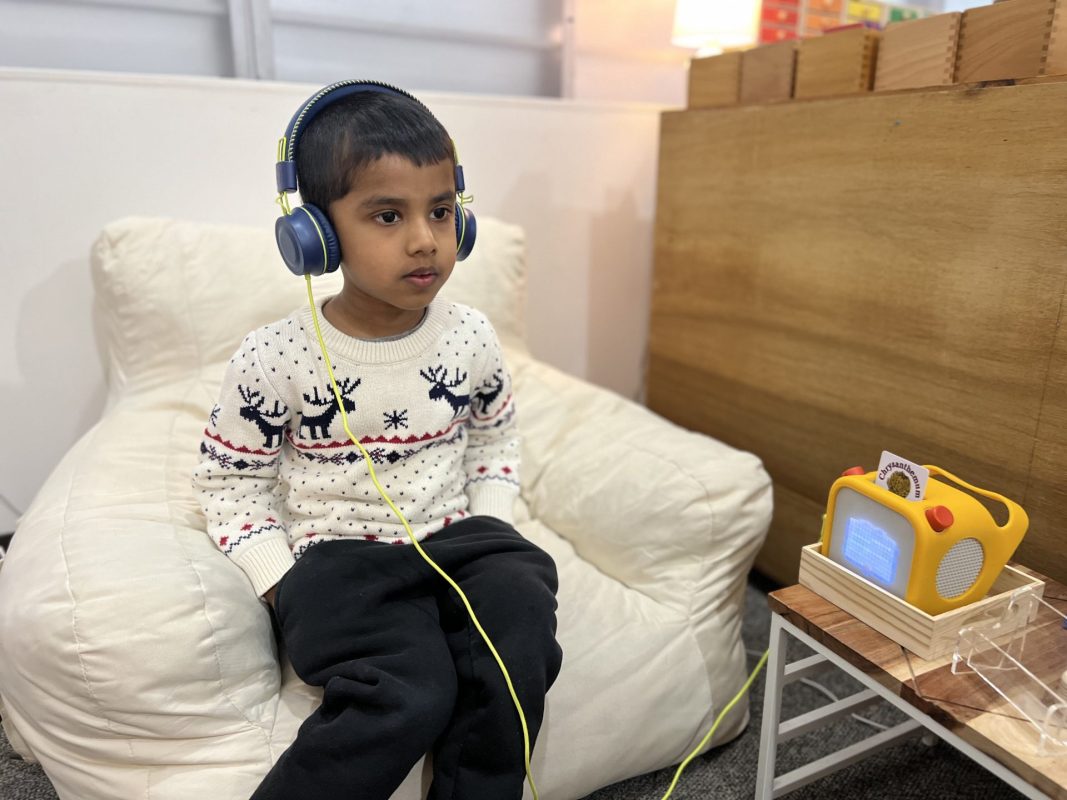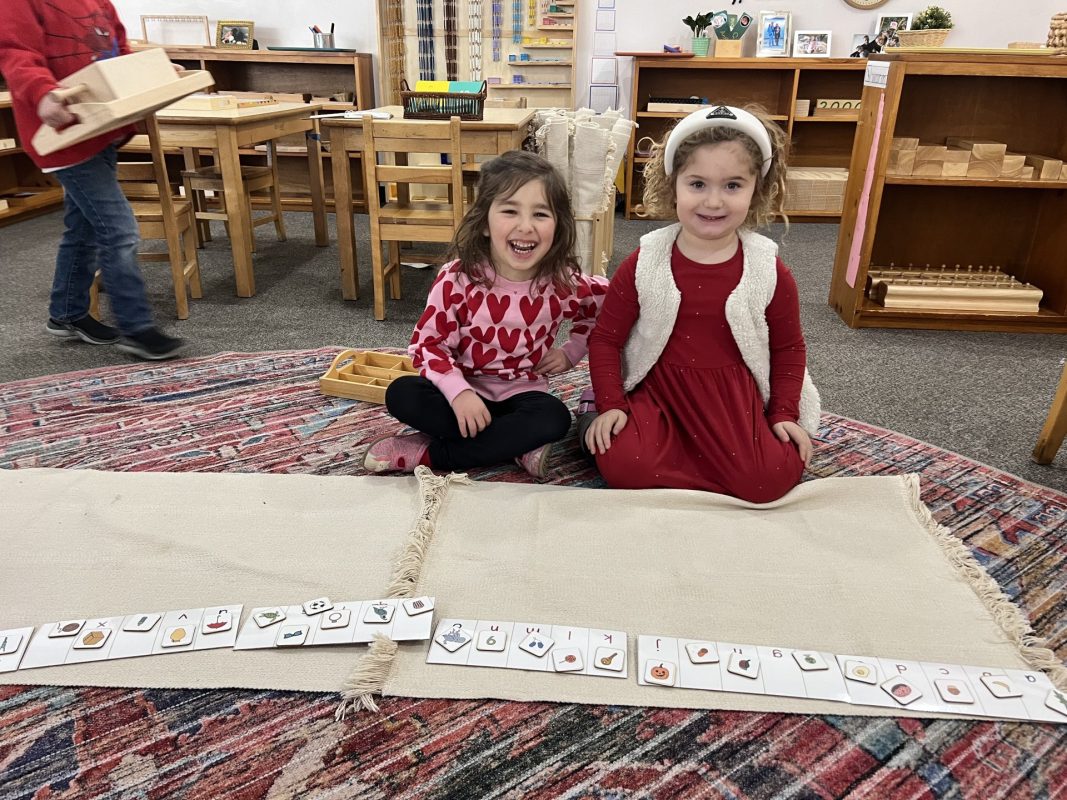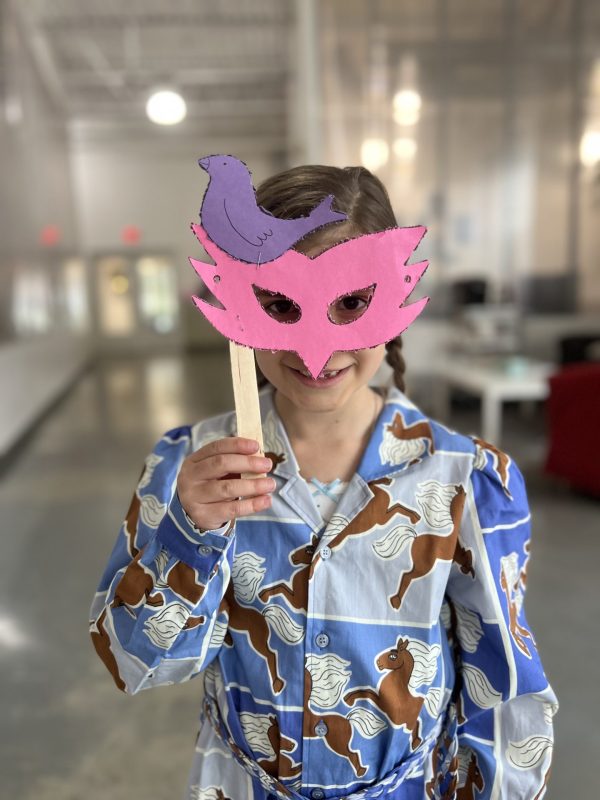
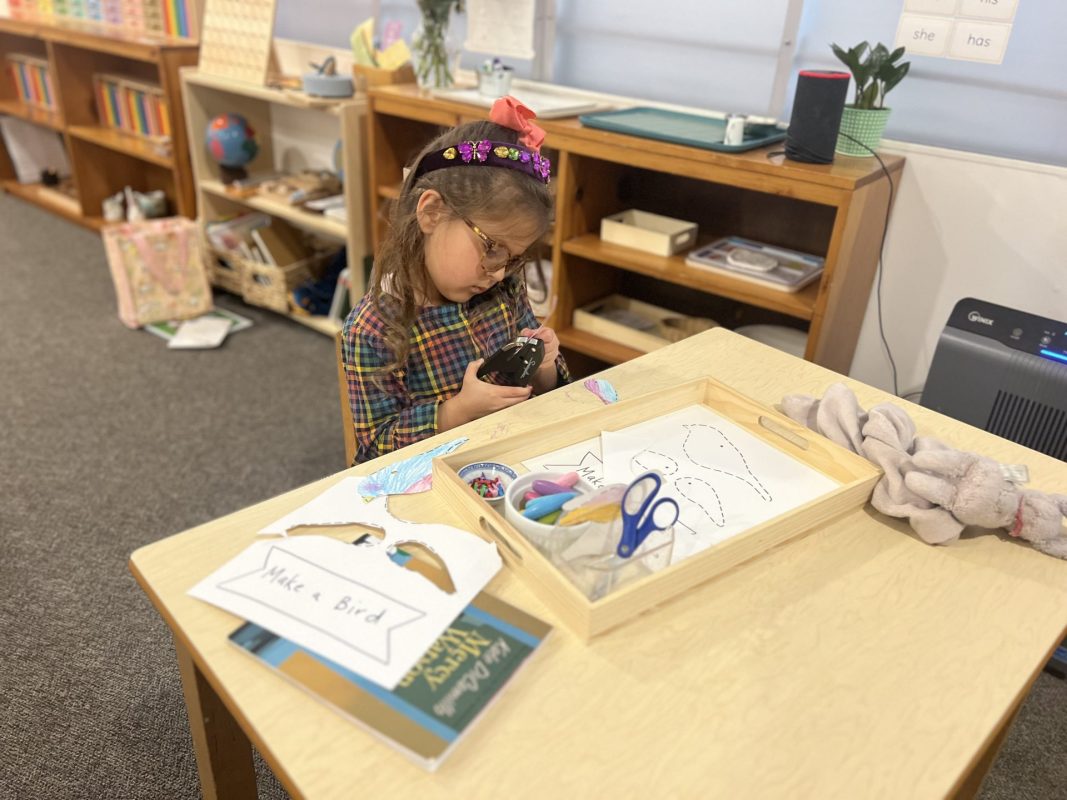
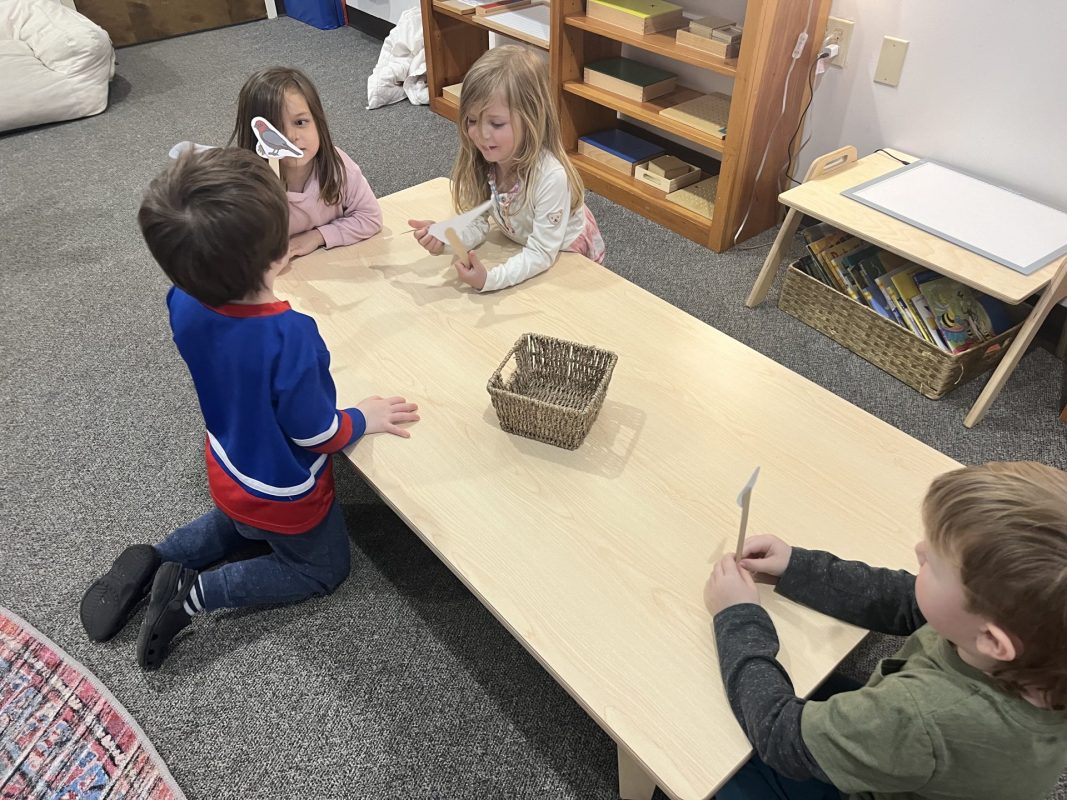
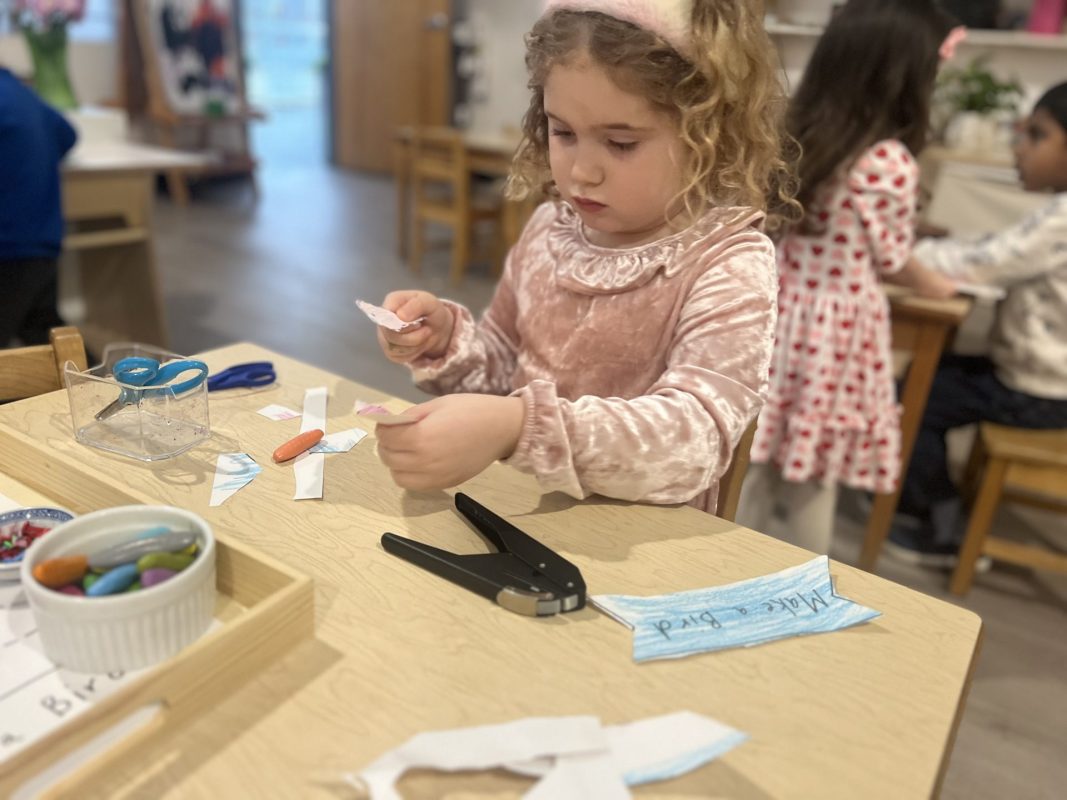
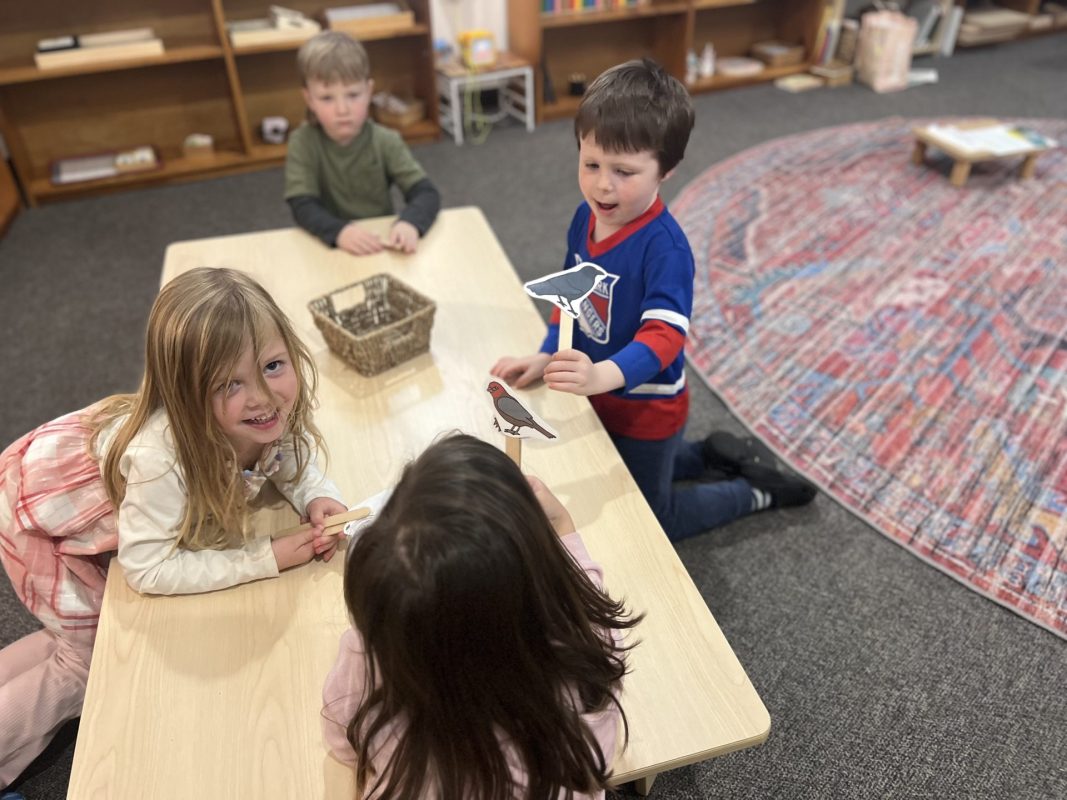
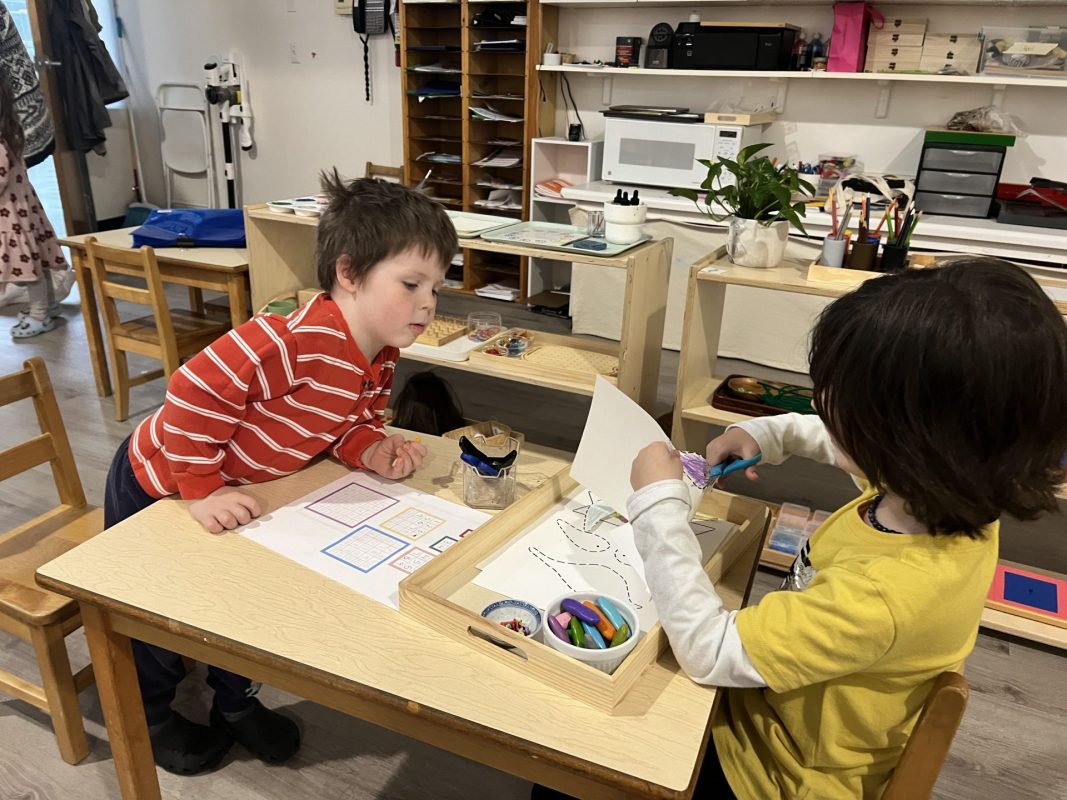
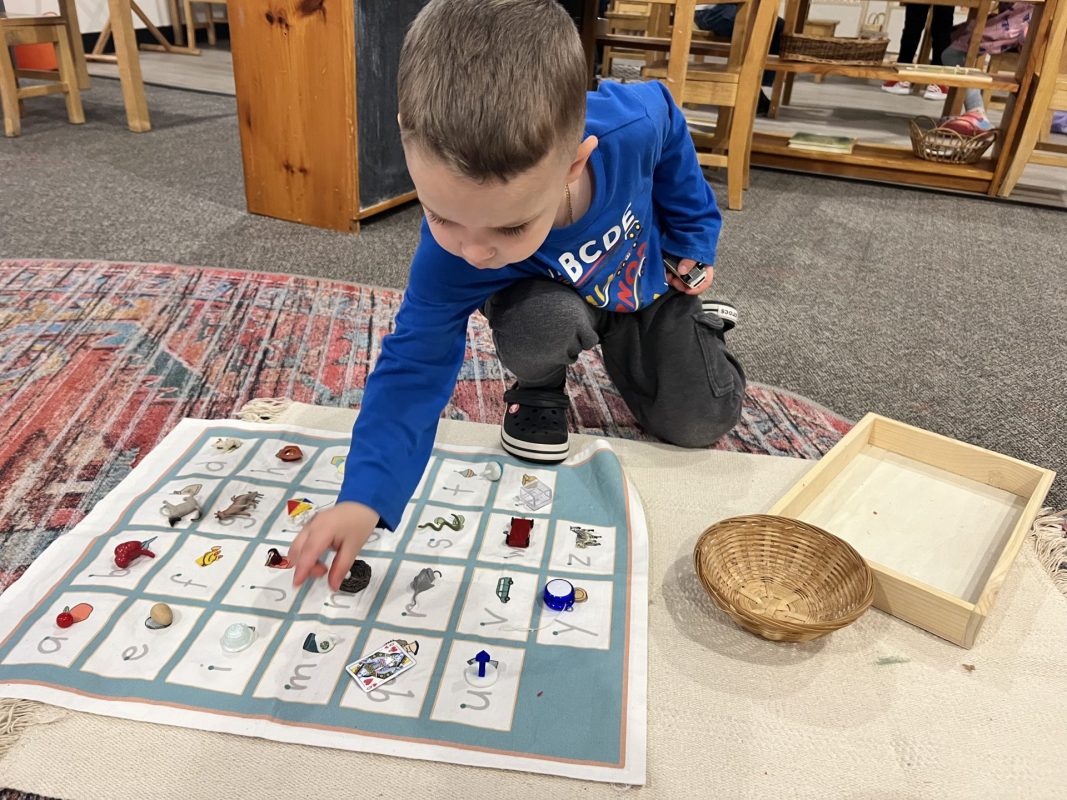
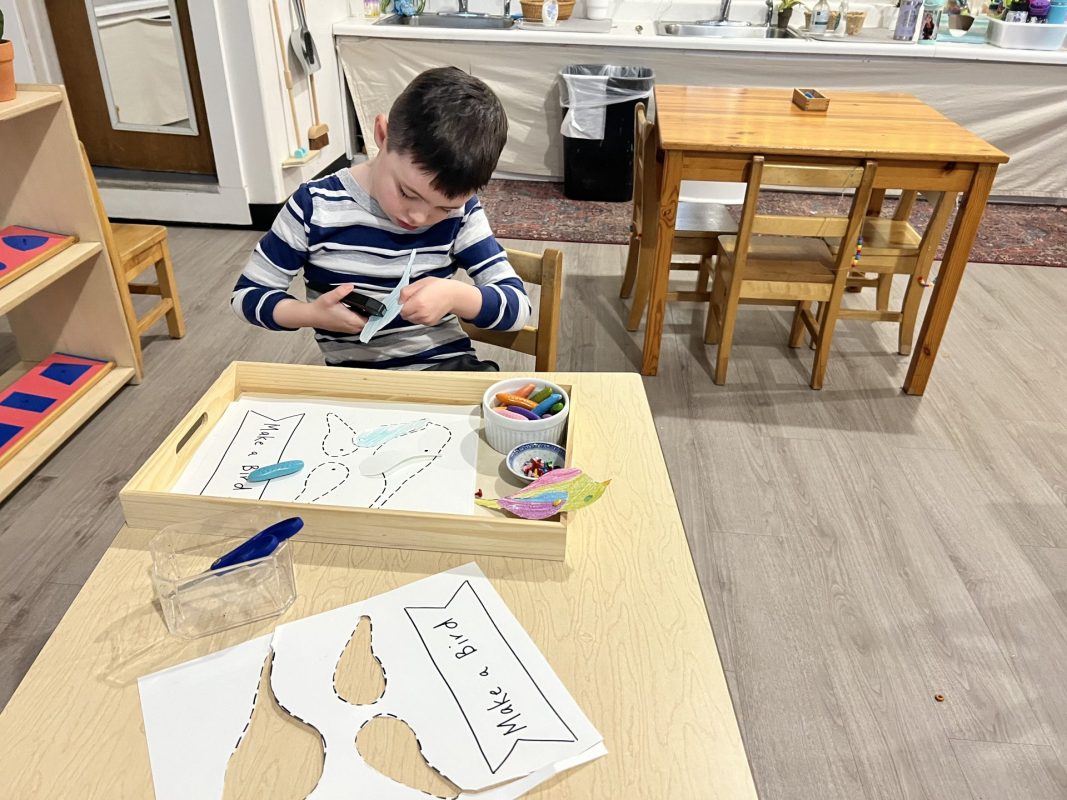
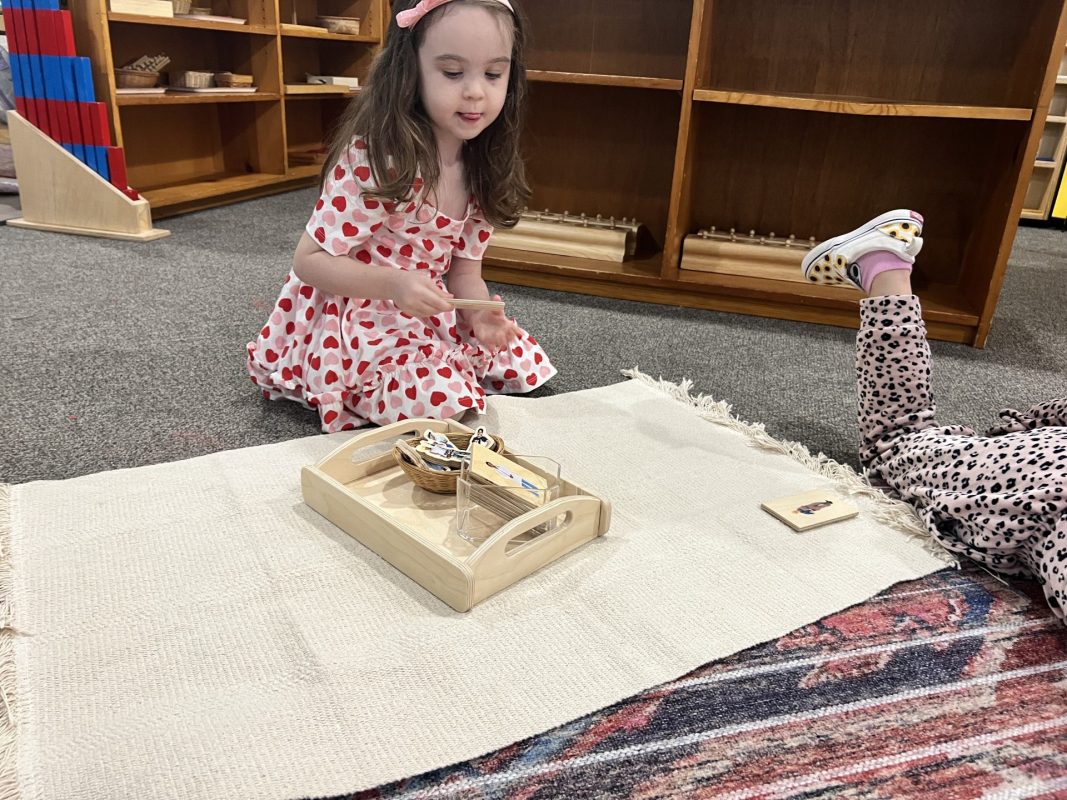
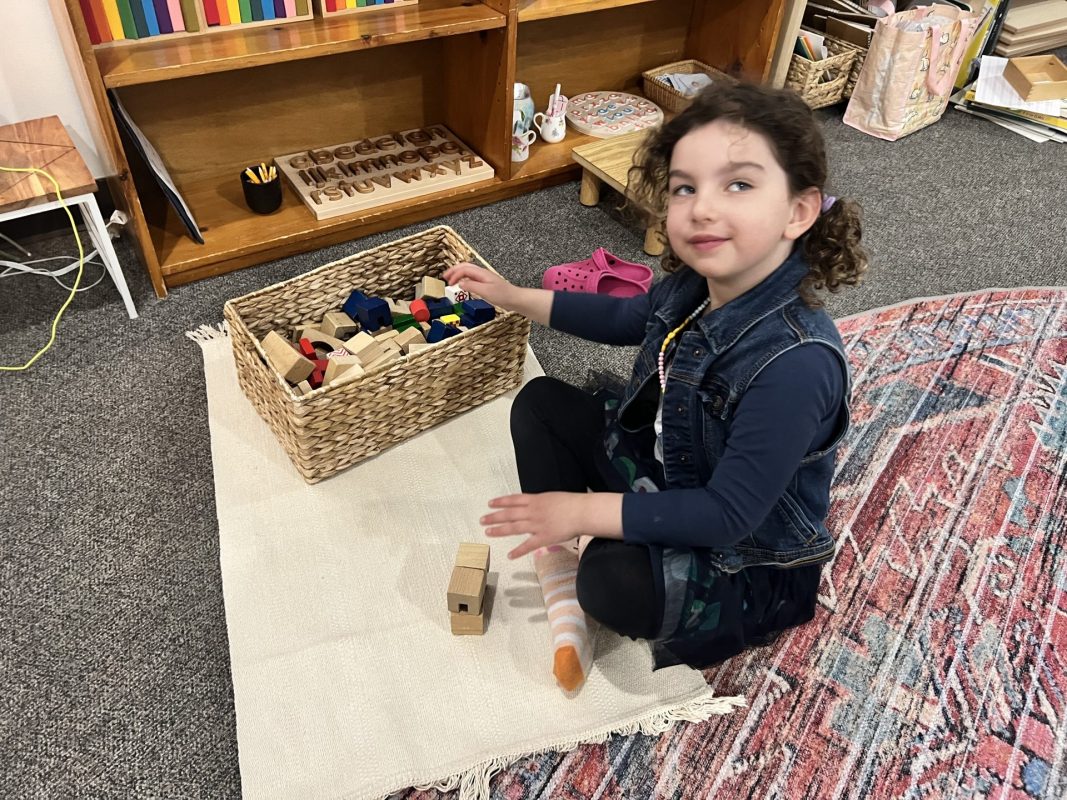
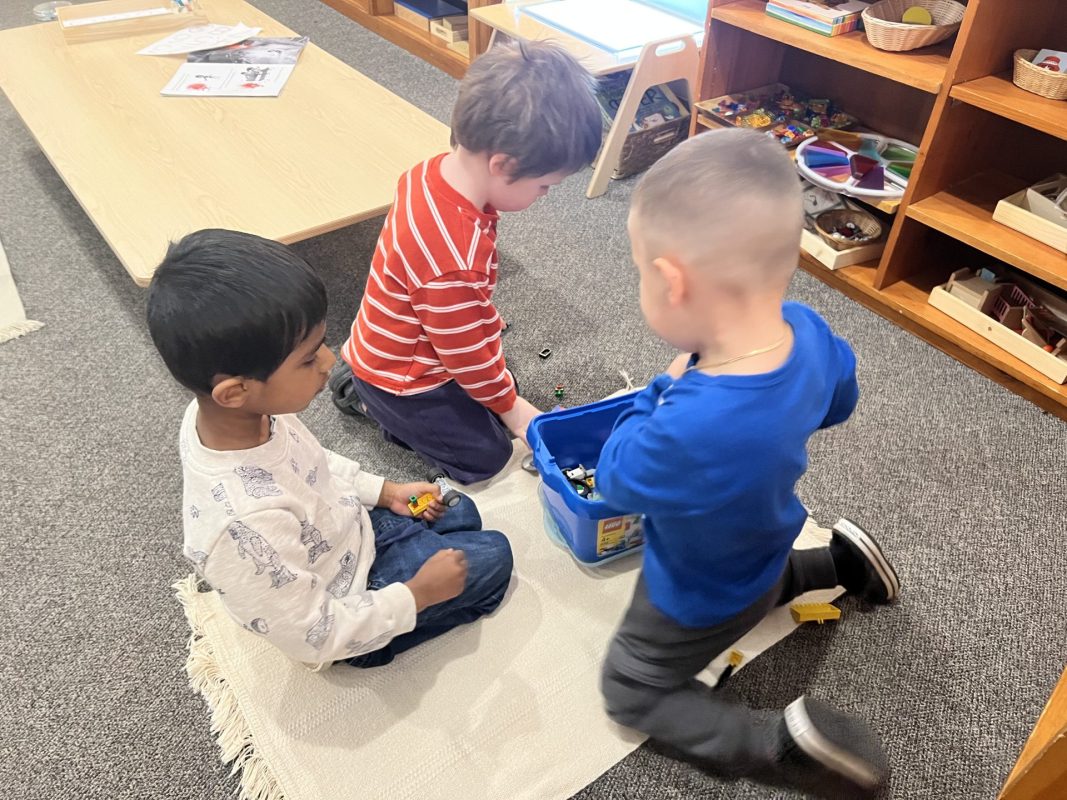
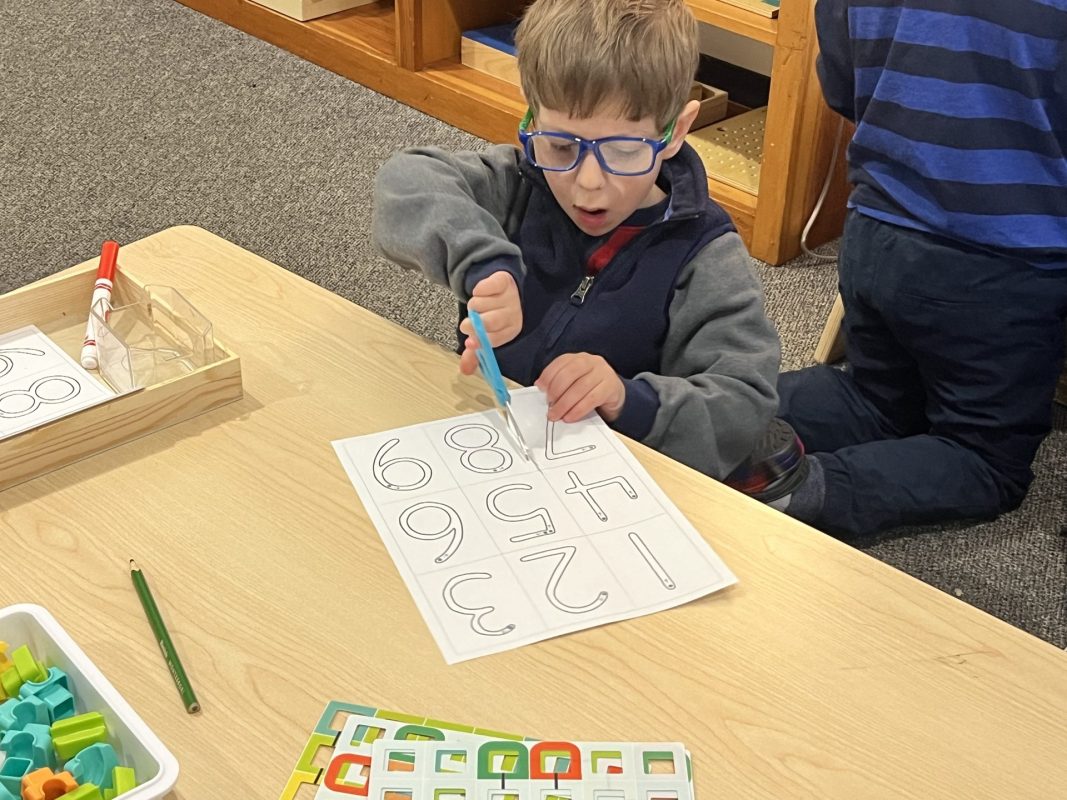

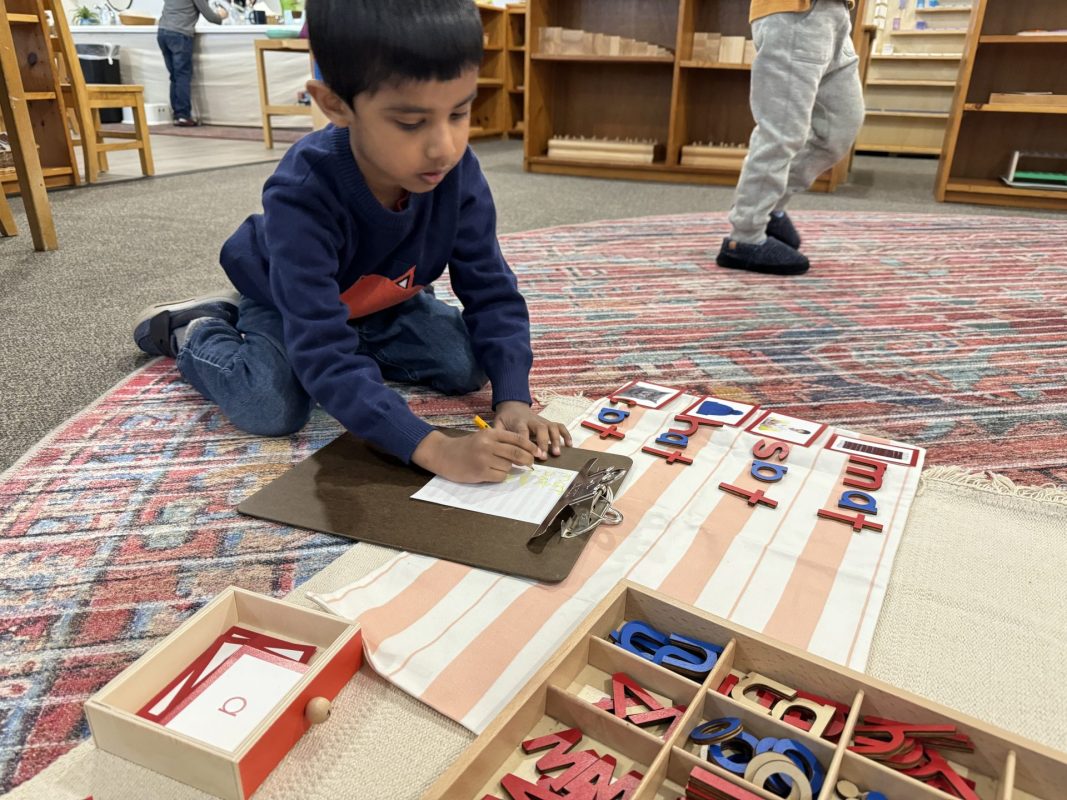
Our April study is one of my favorites of the entire year! We are studying everything about birds. We are learning about many birds we may see in our own backyards, like Blue Jays, American Robins, Goldfinches, Crows, and Black-Capped Chickadees. We look at photos of birds, learn their names, and even get to listen to their beautiful songs! In one of our Sunshine Spots, children can look at an interactive book and hear bird calls from many different backyard birds.
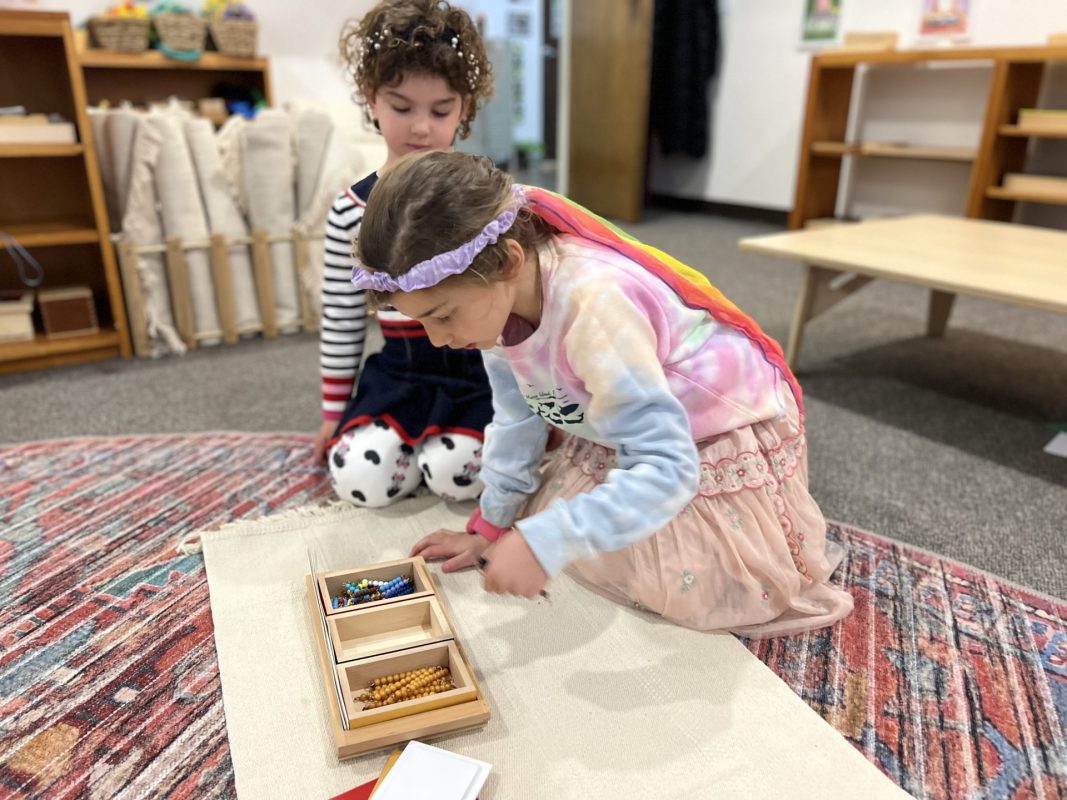
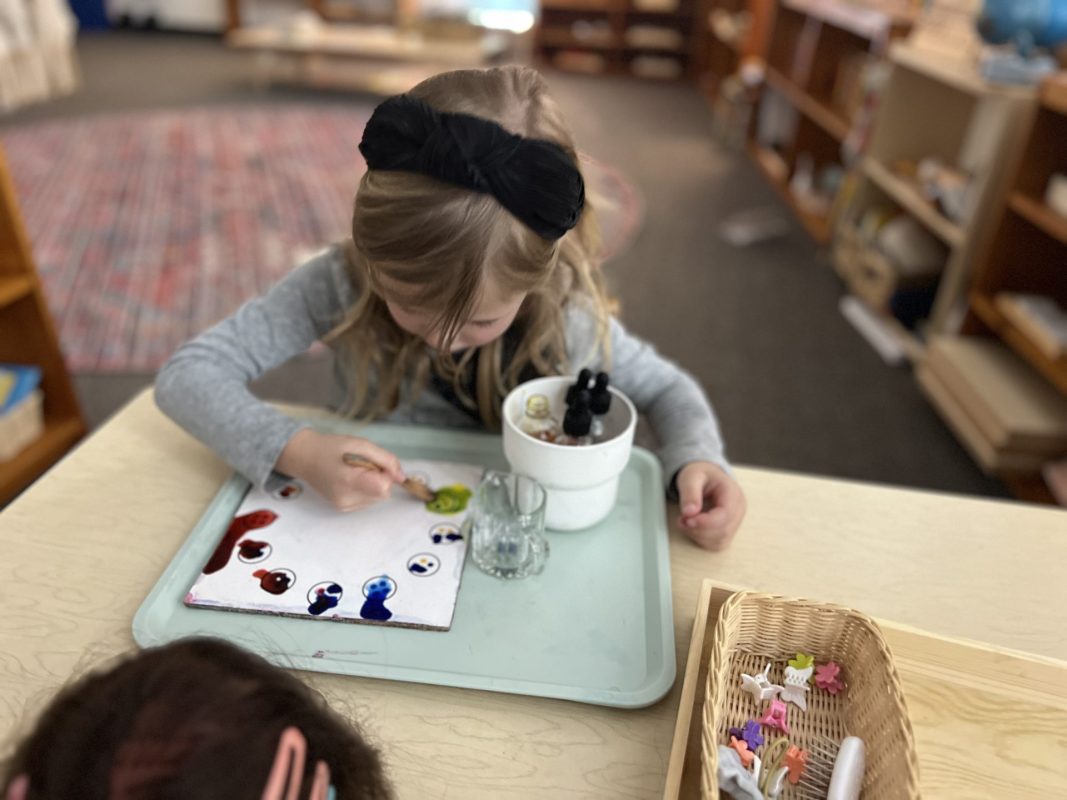
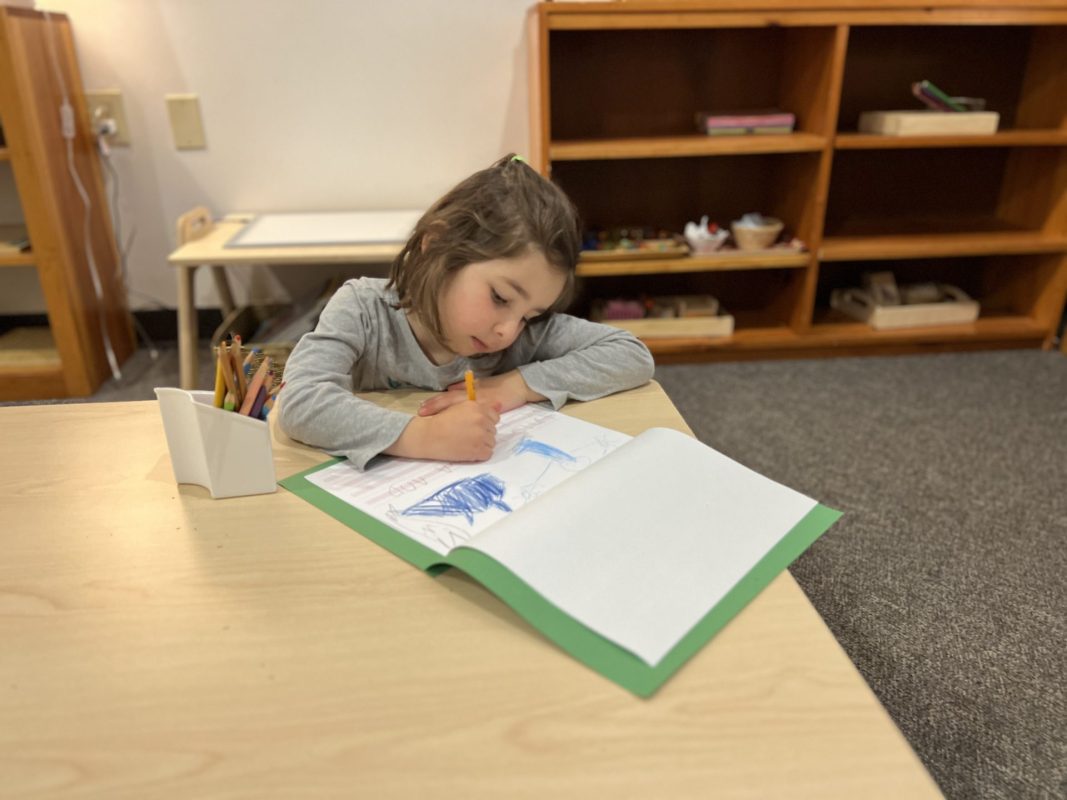
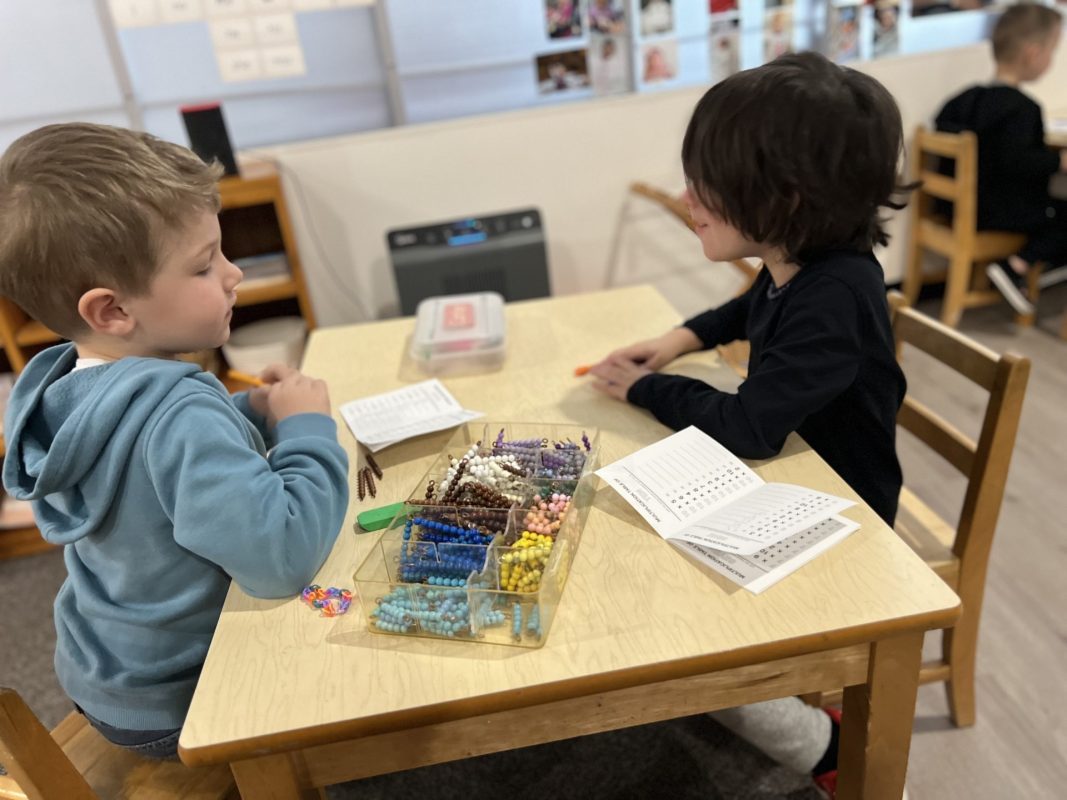
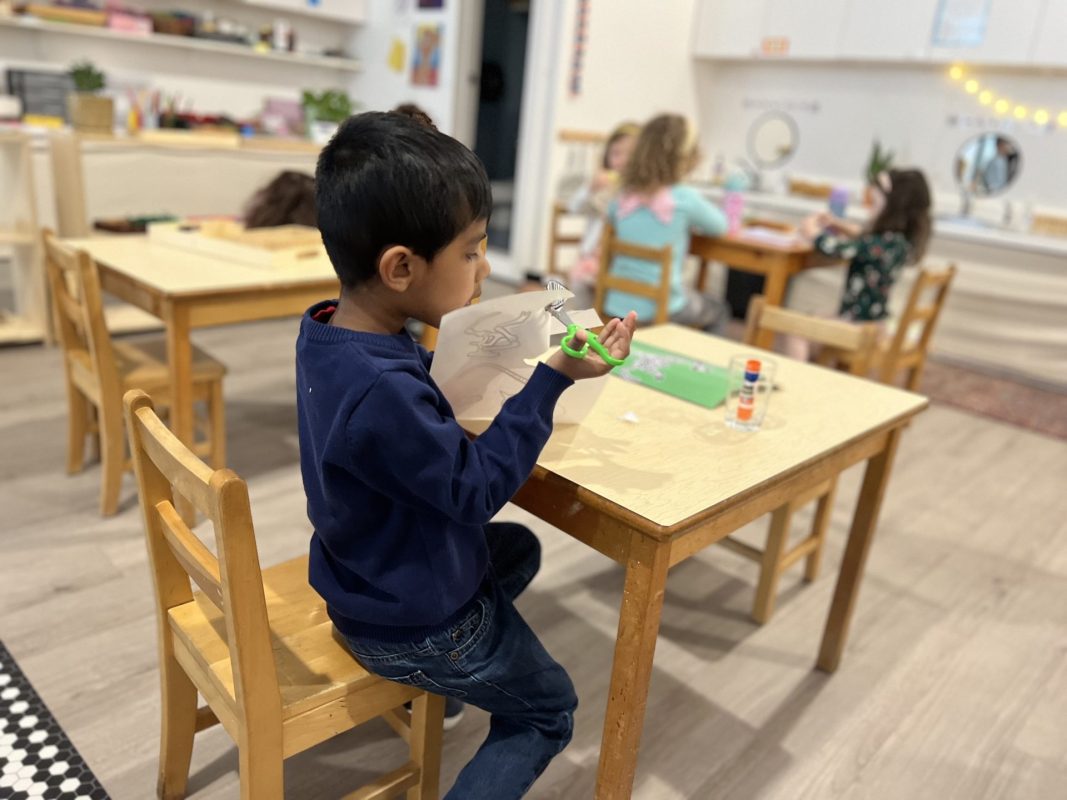
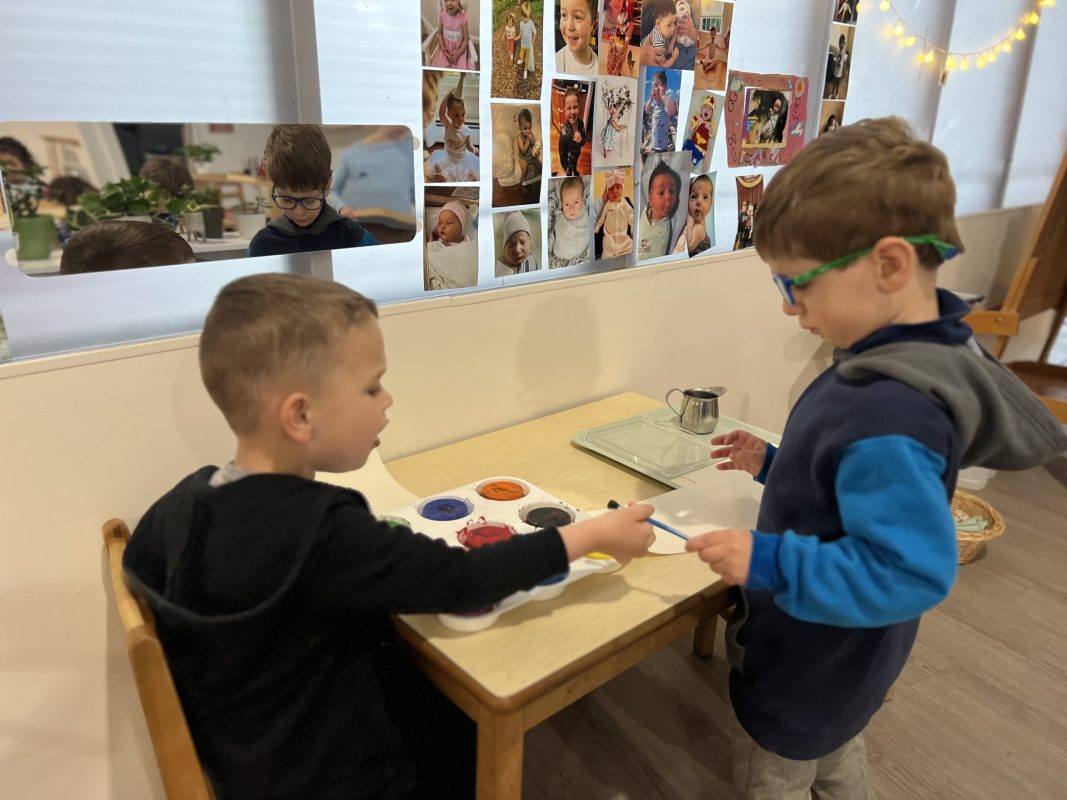
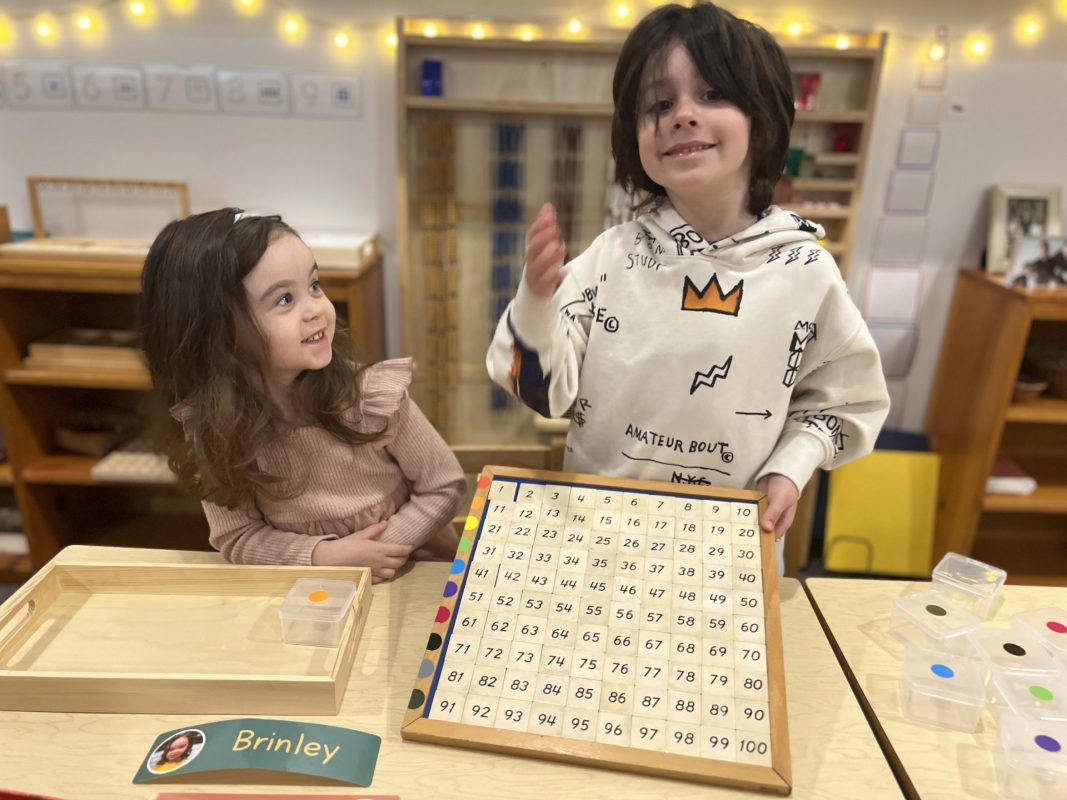
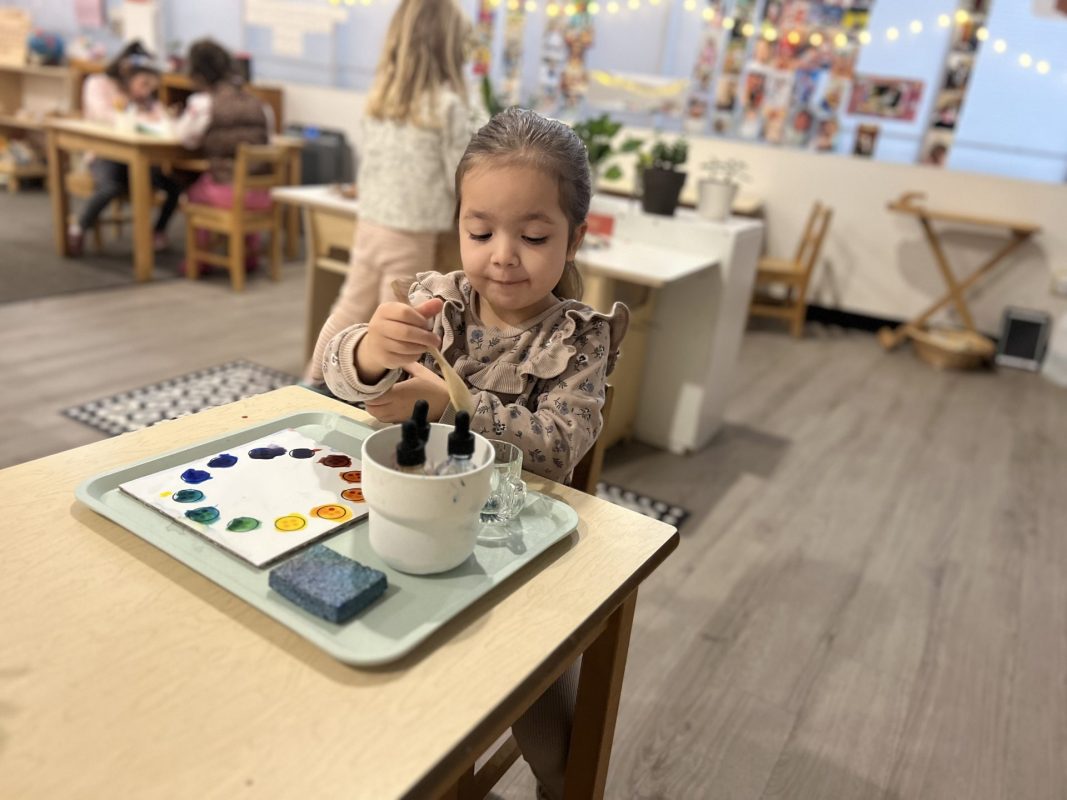
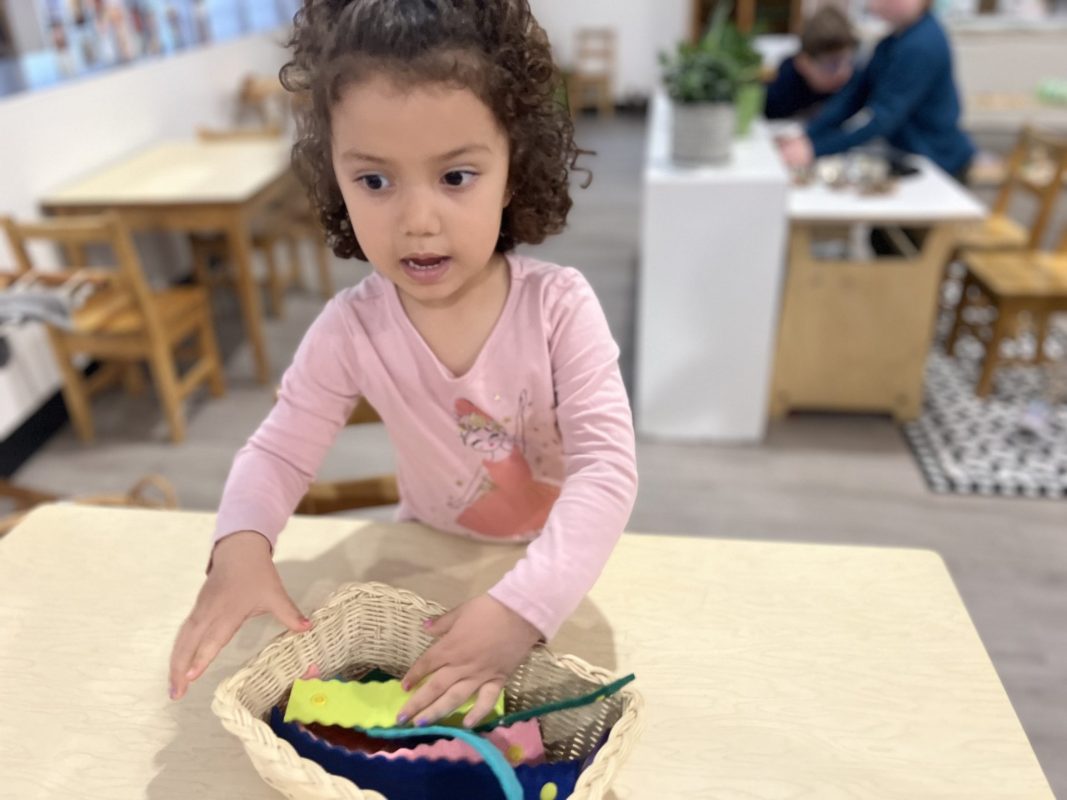
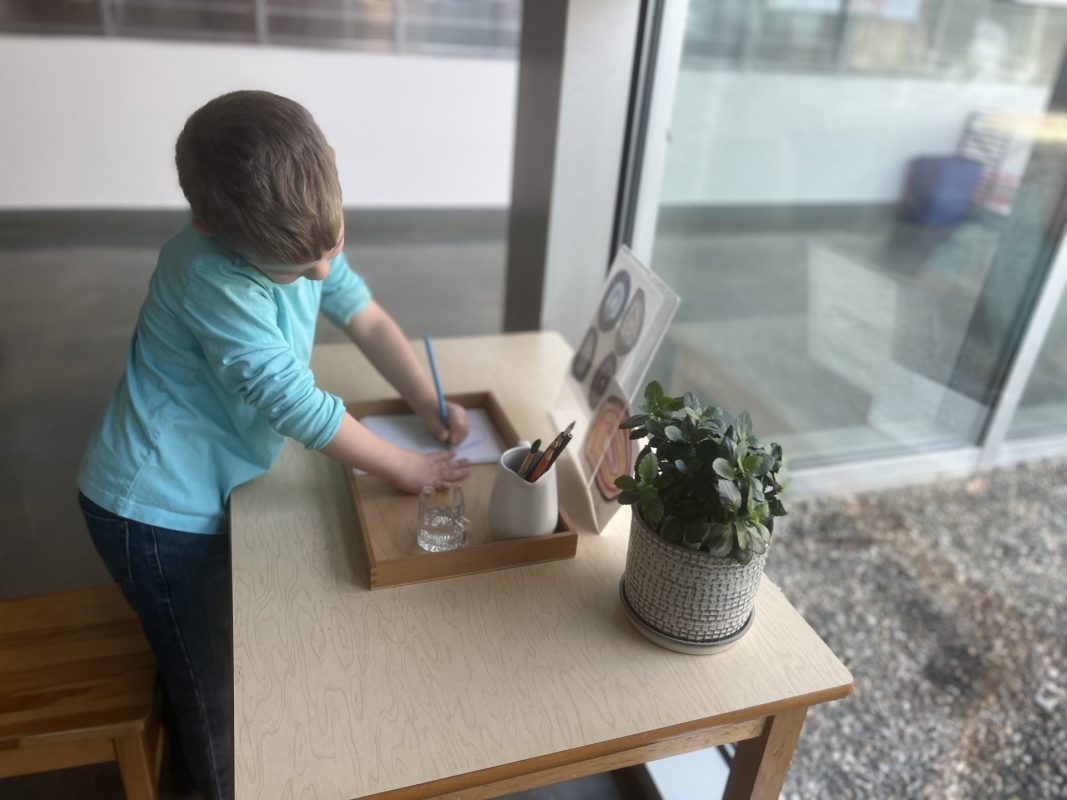
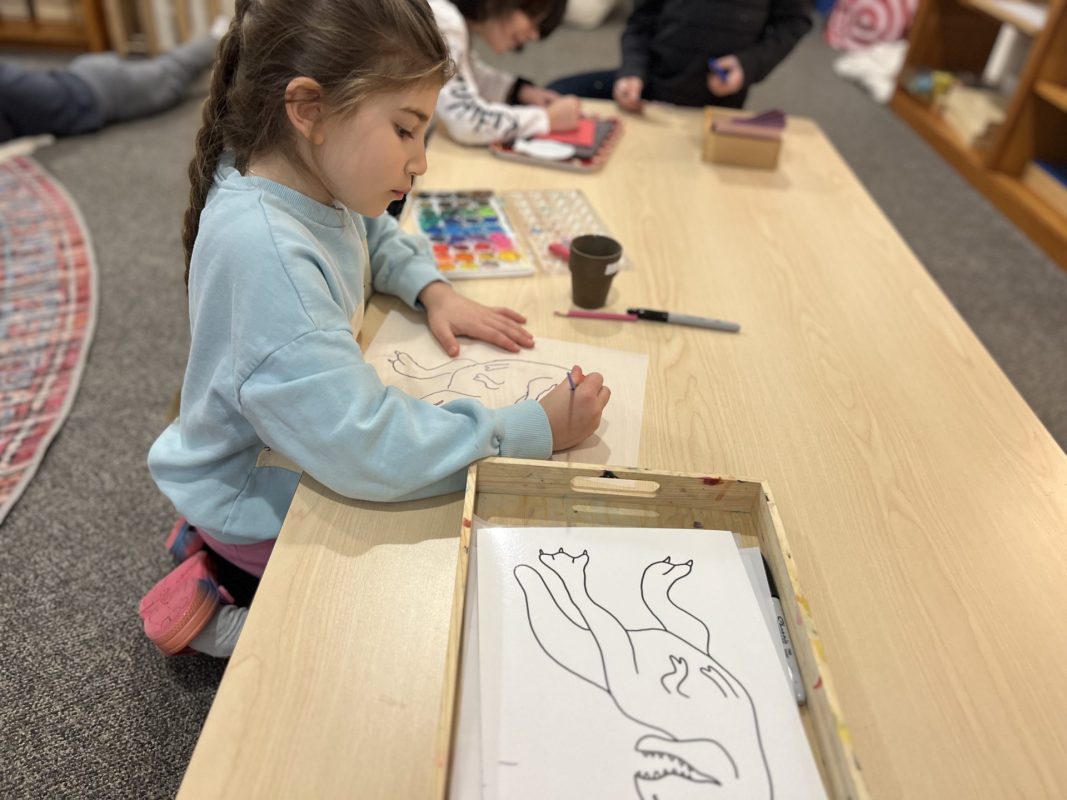
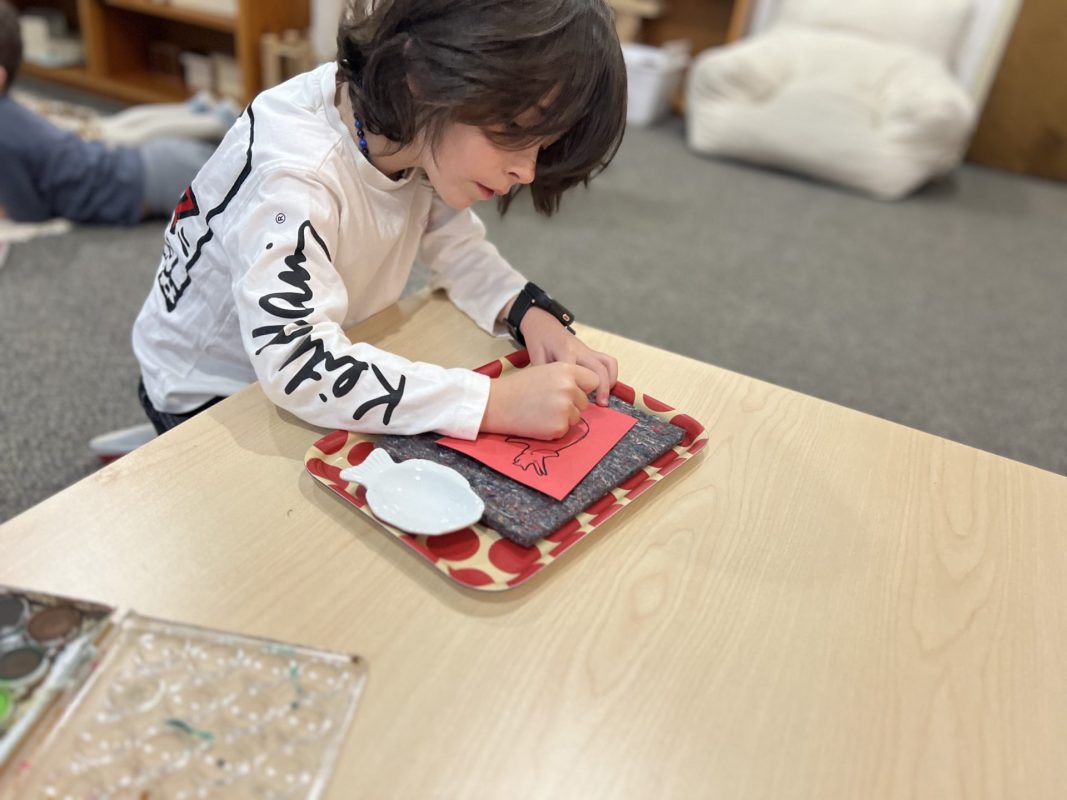
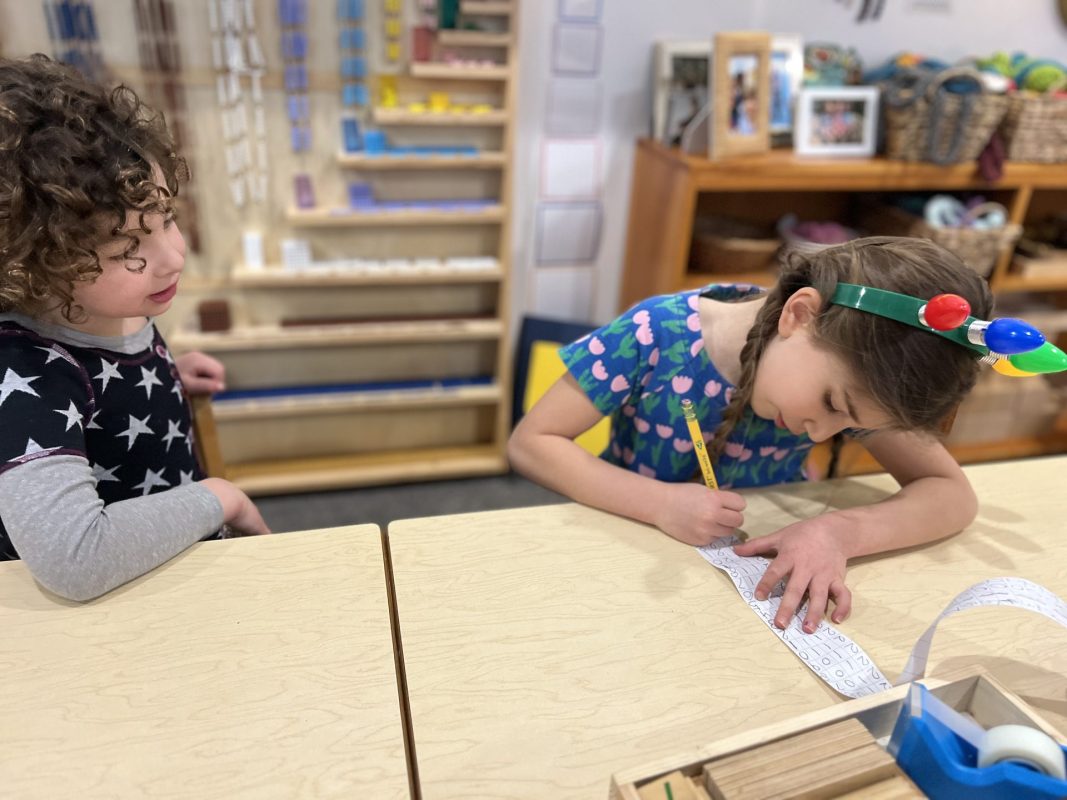
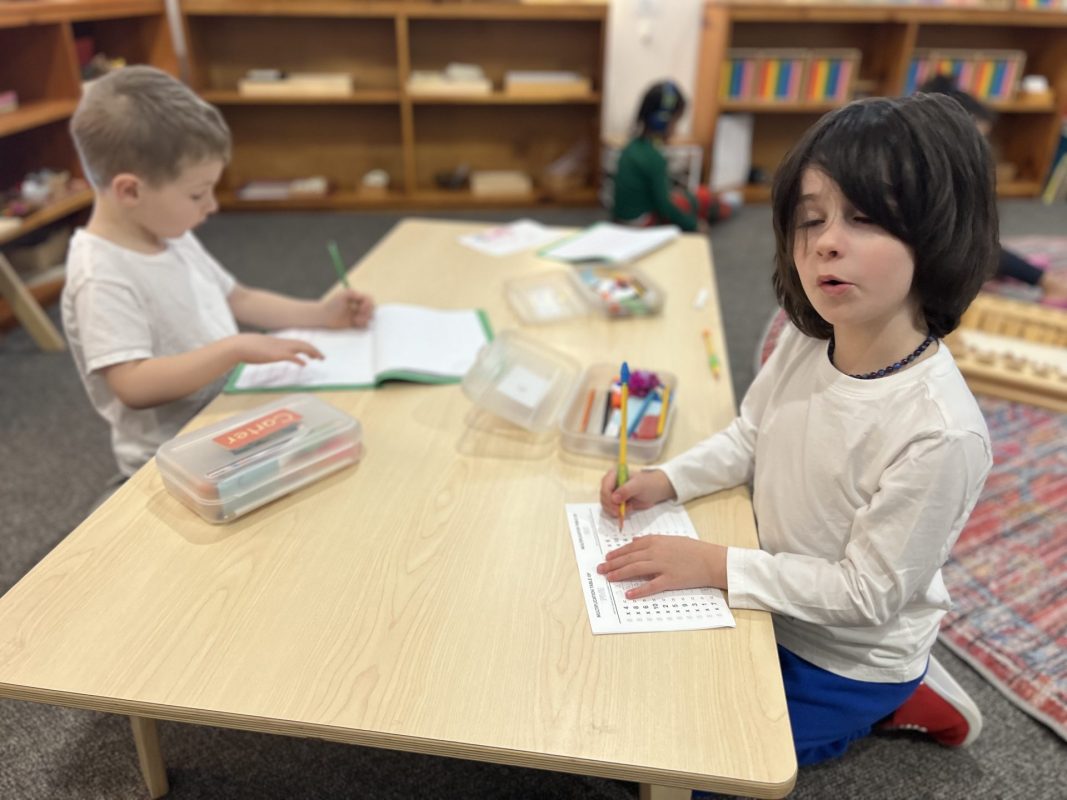
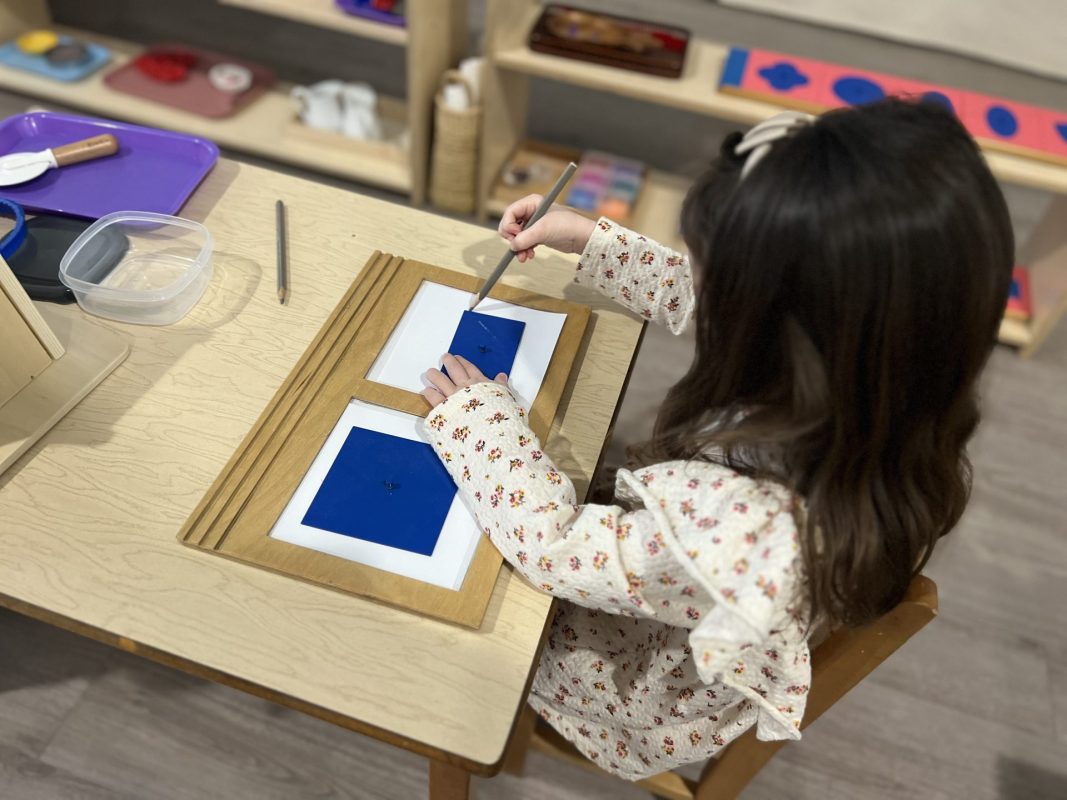
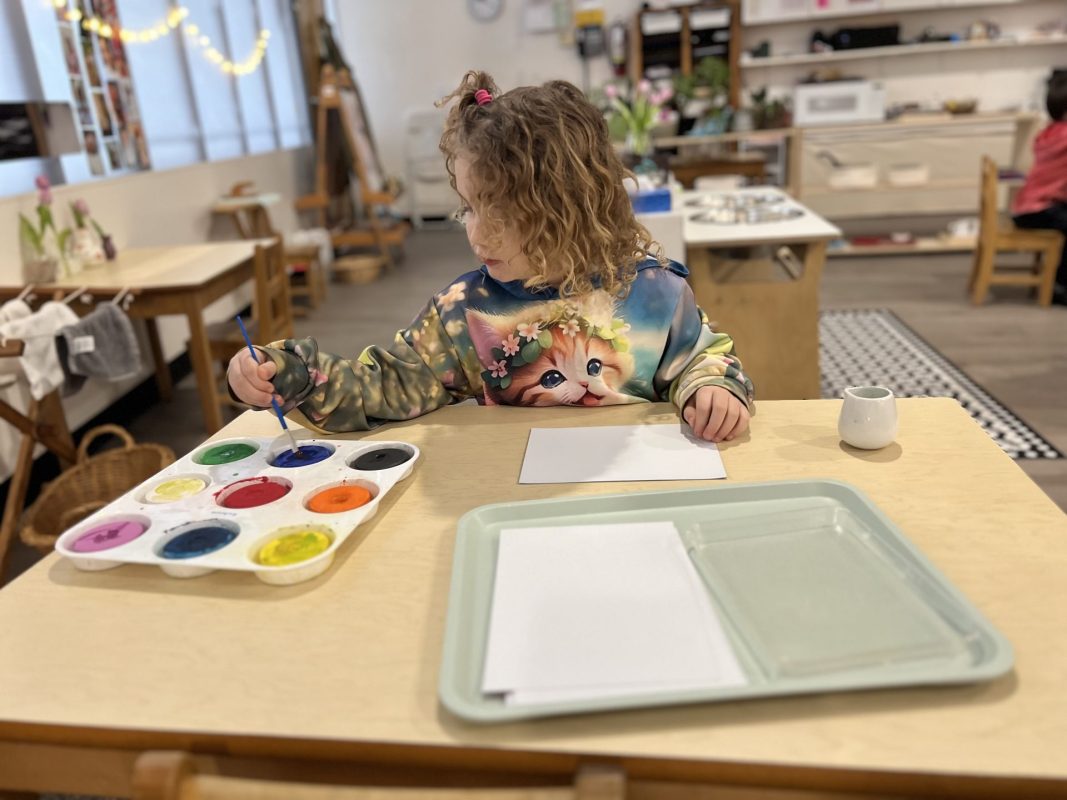
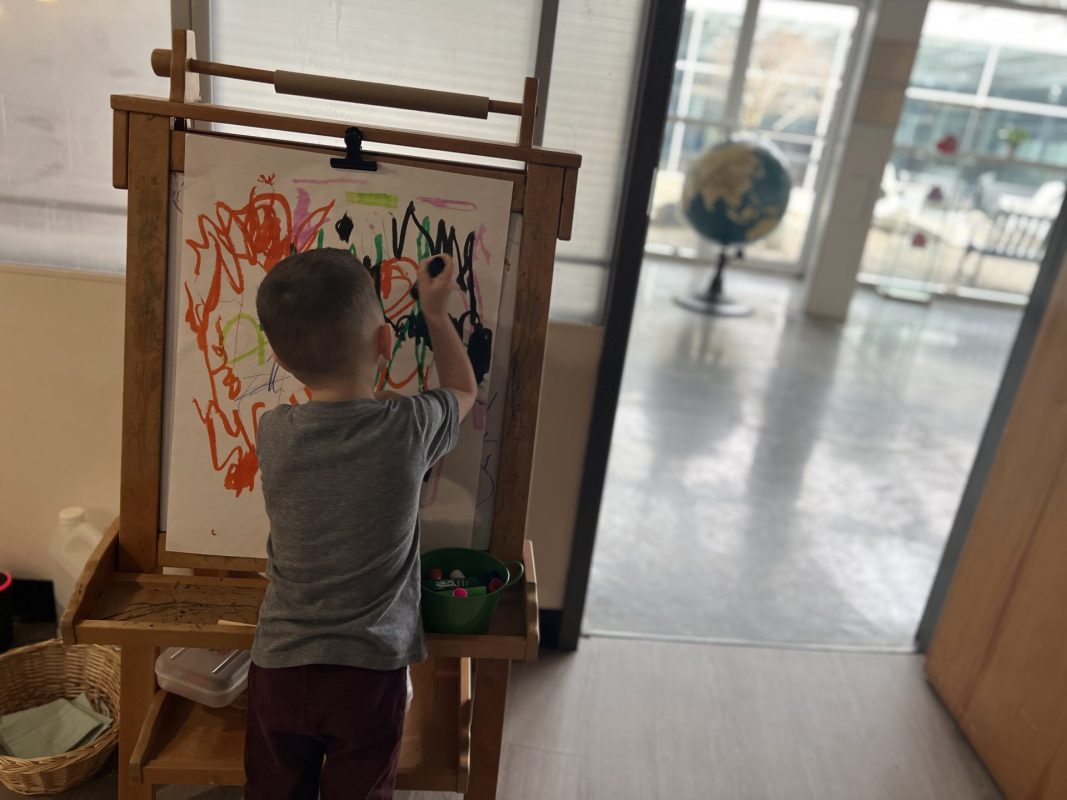
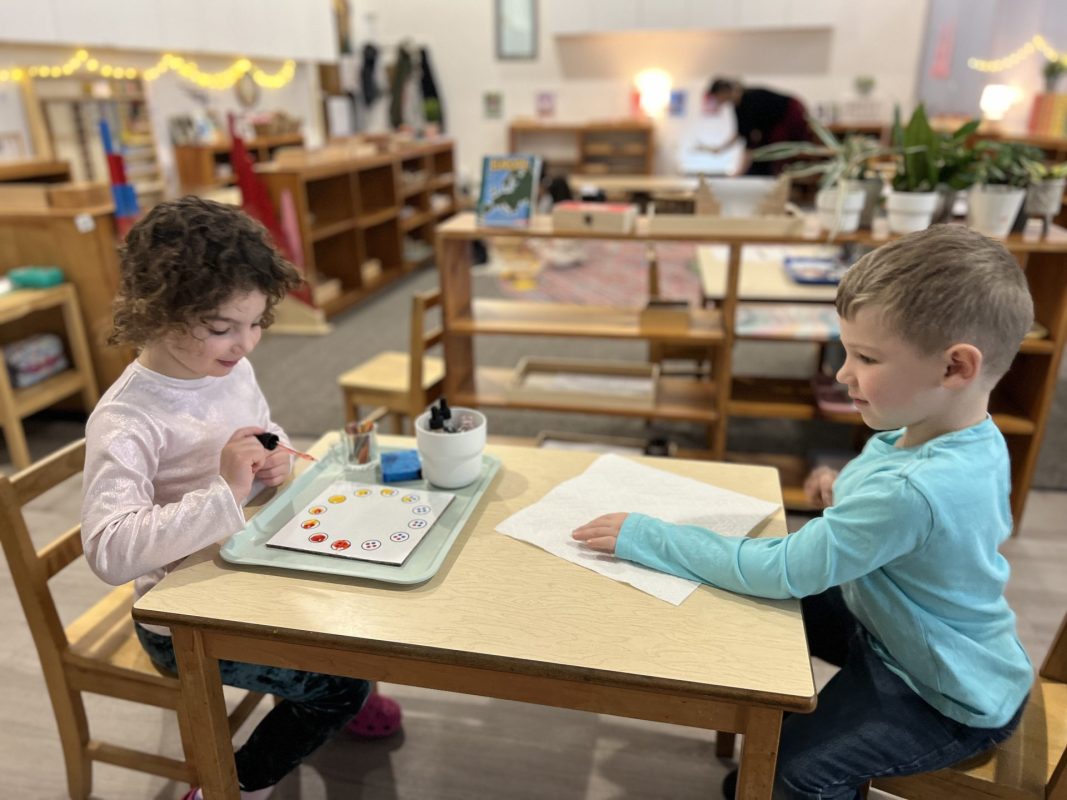
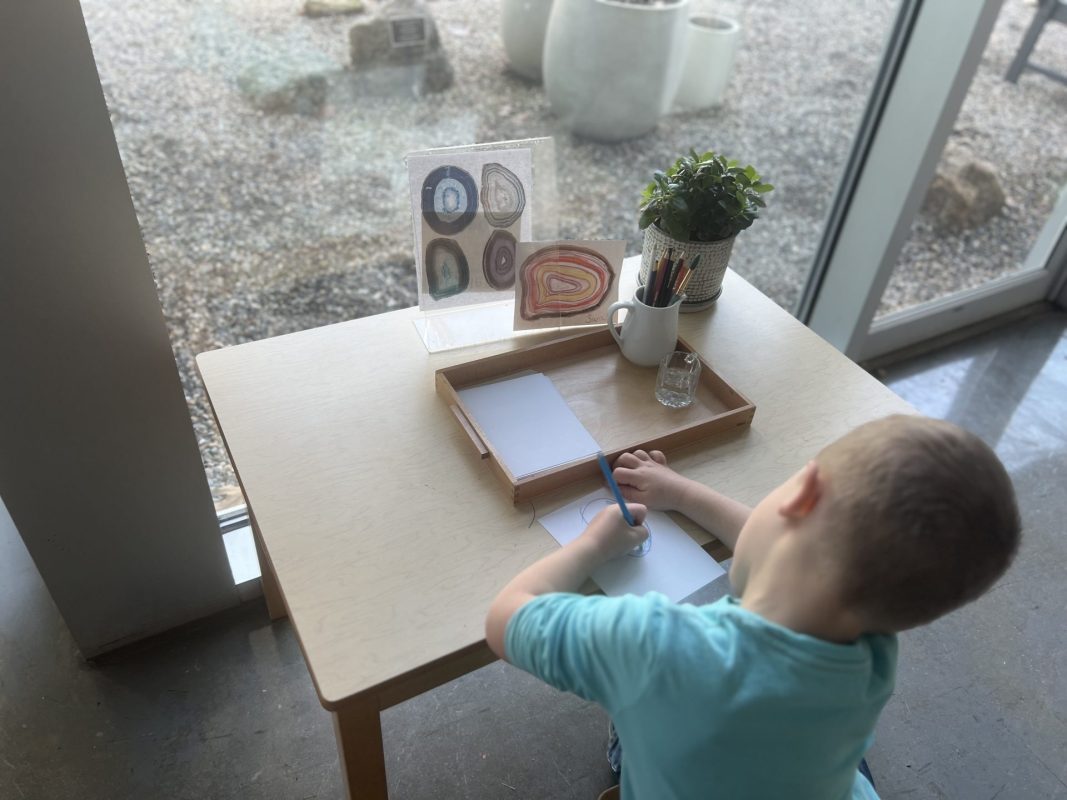
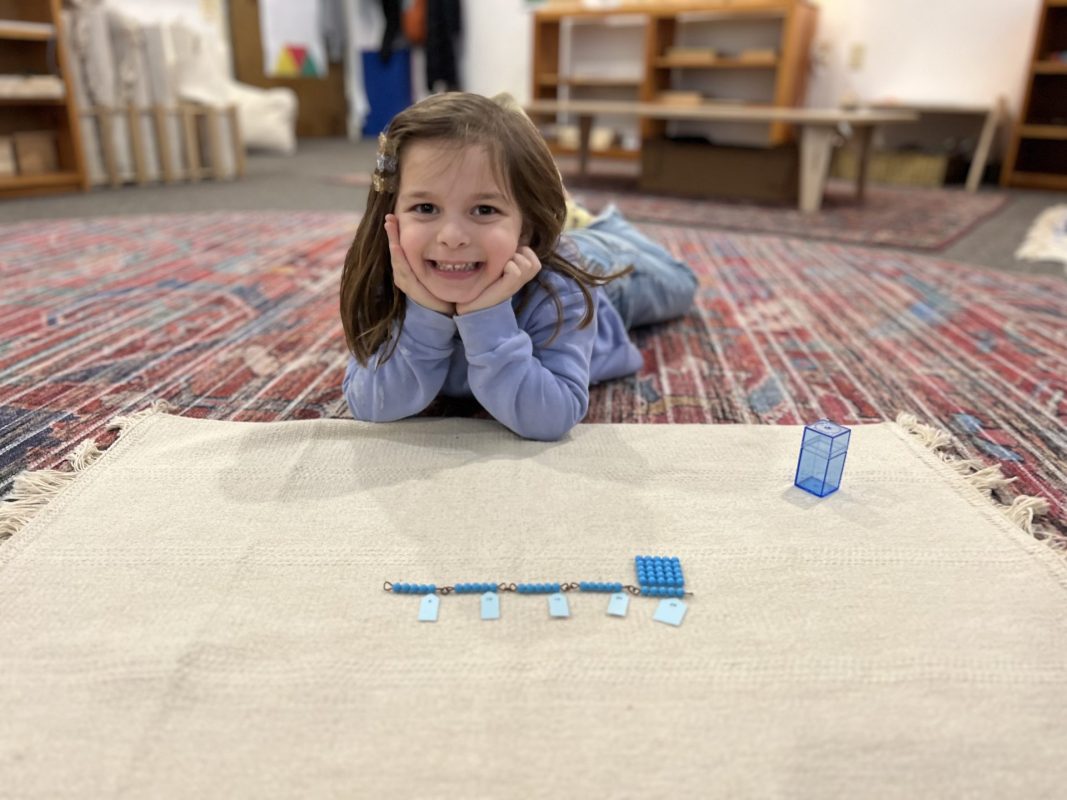
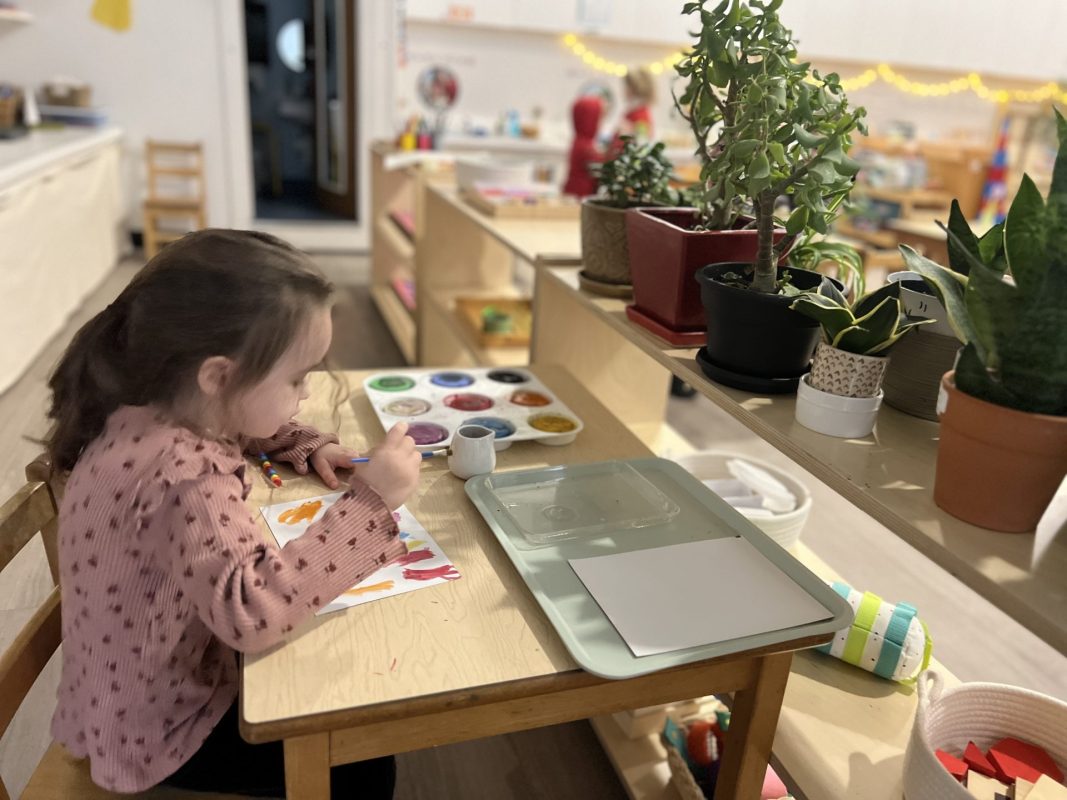
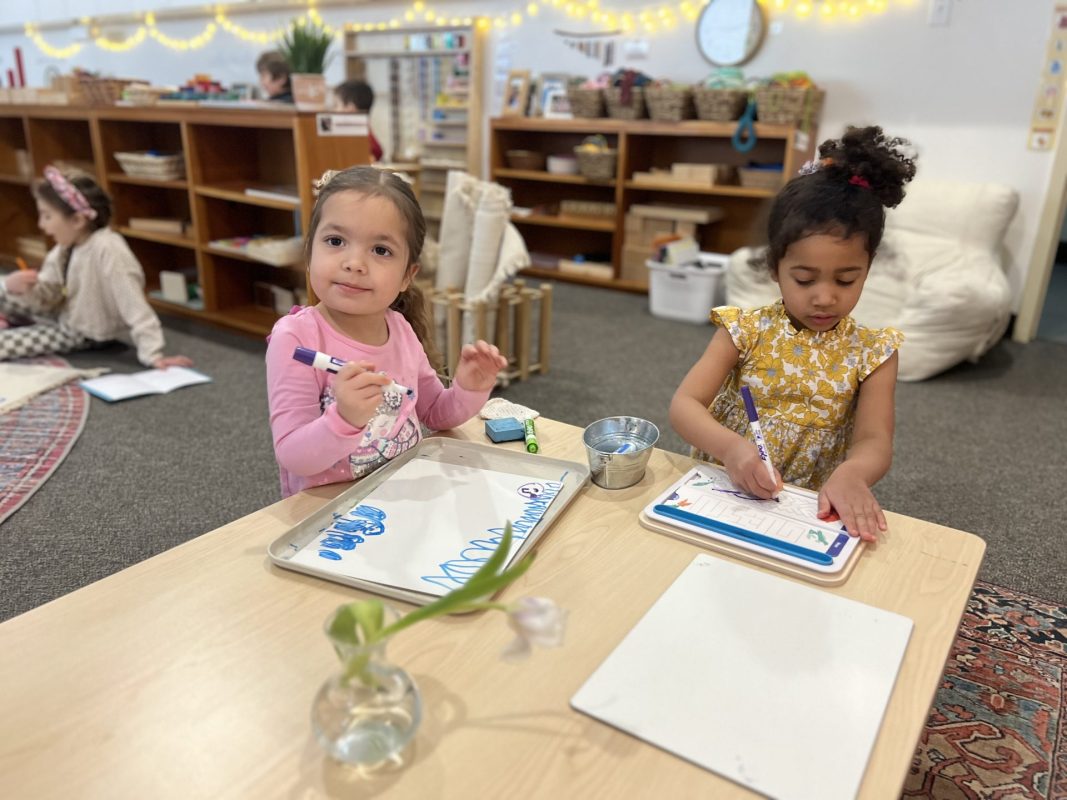
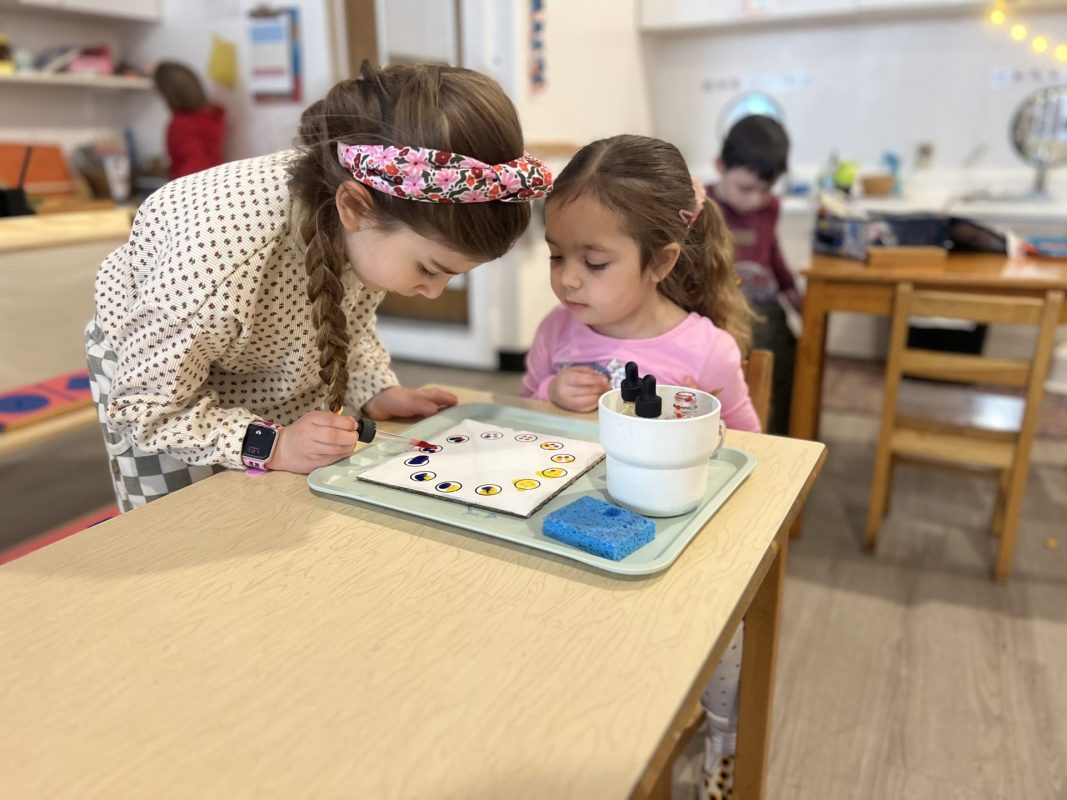
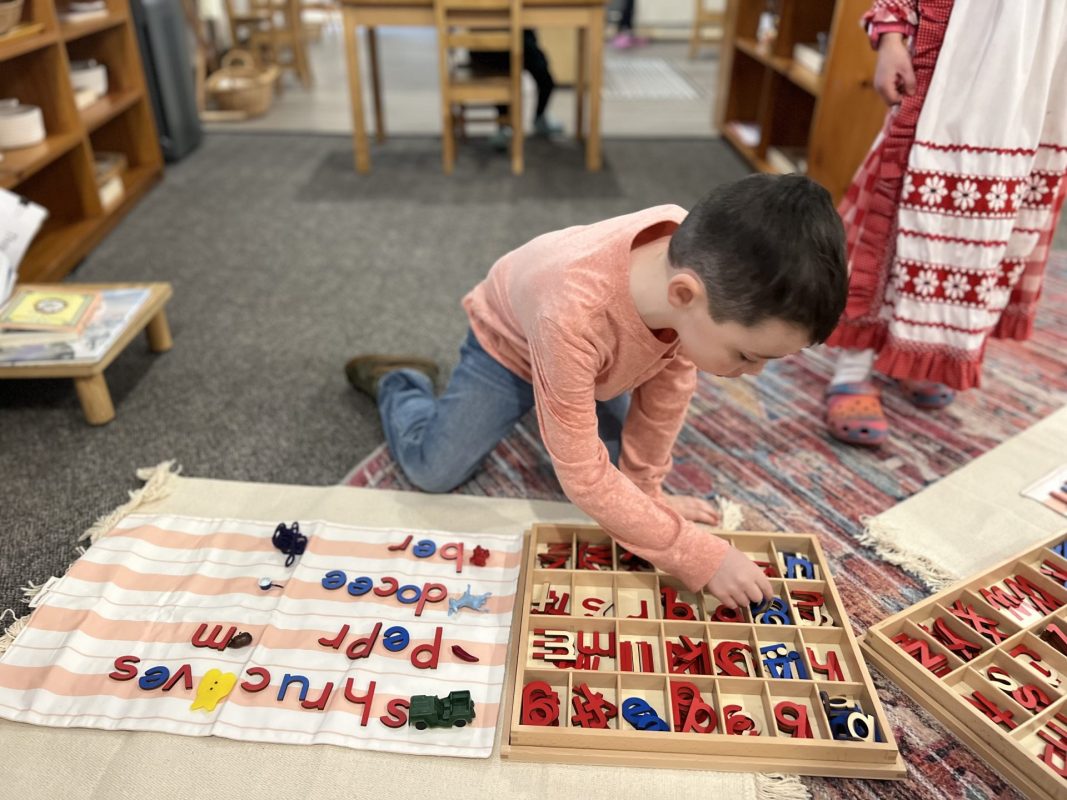
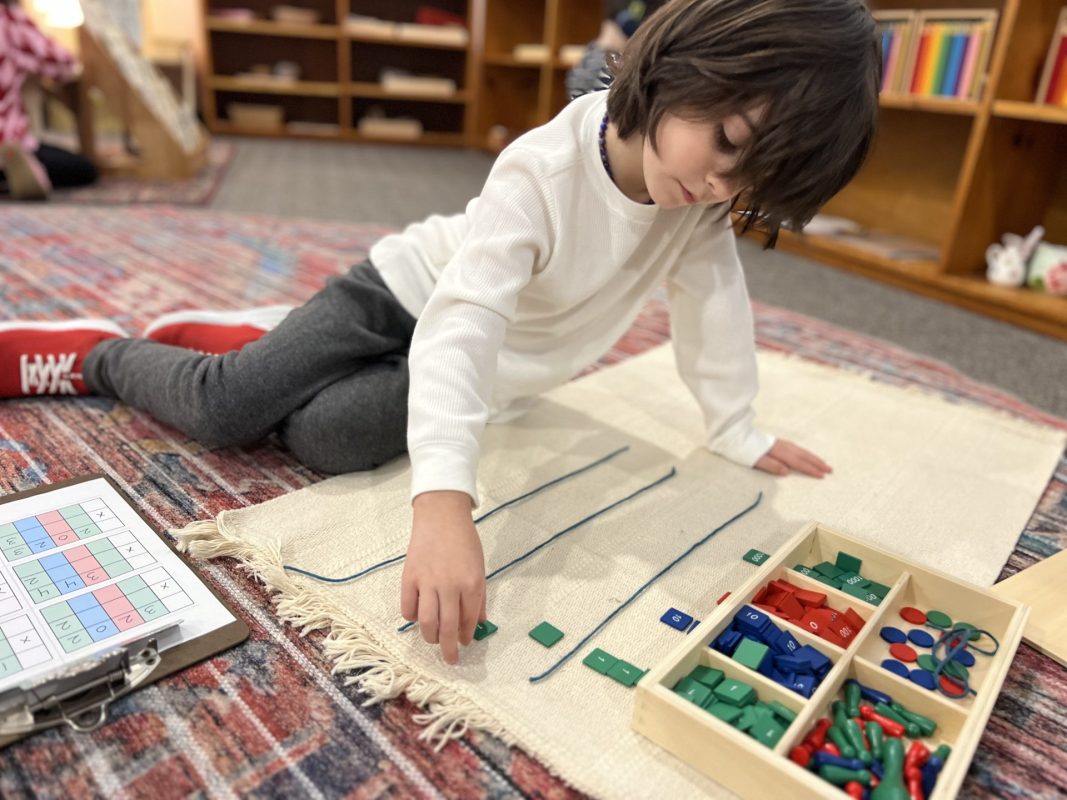
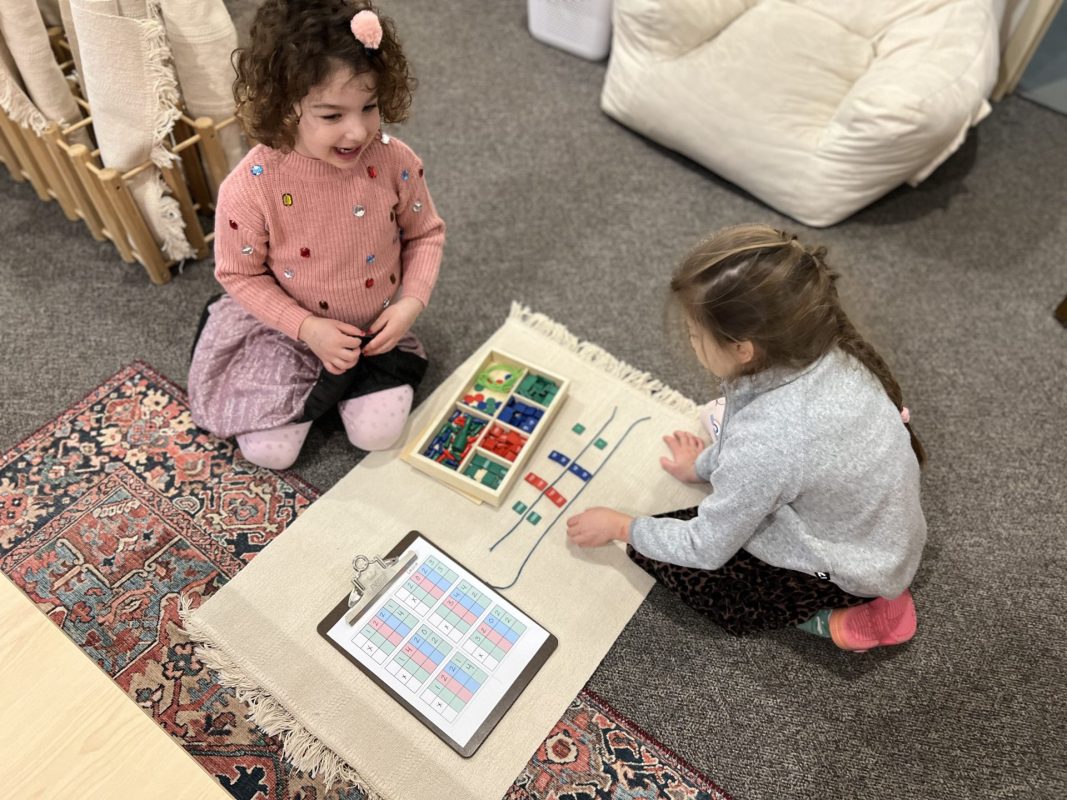
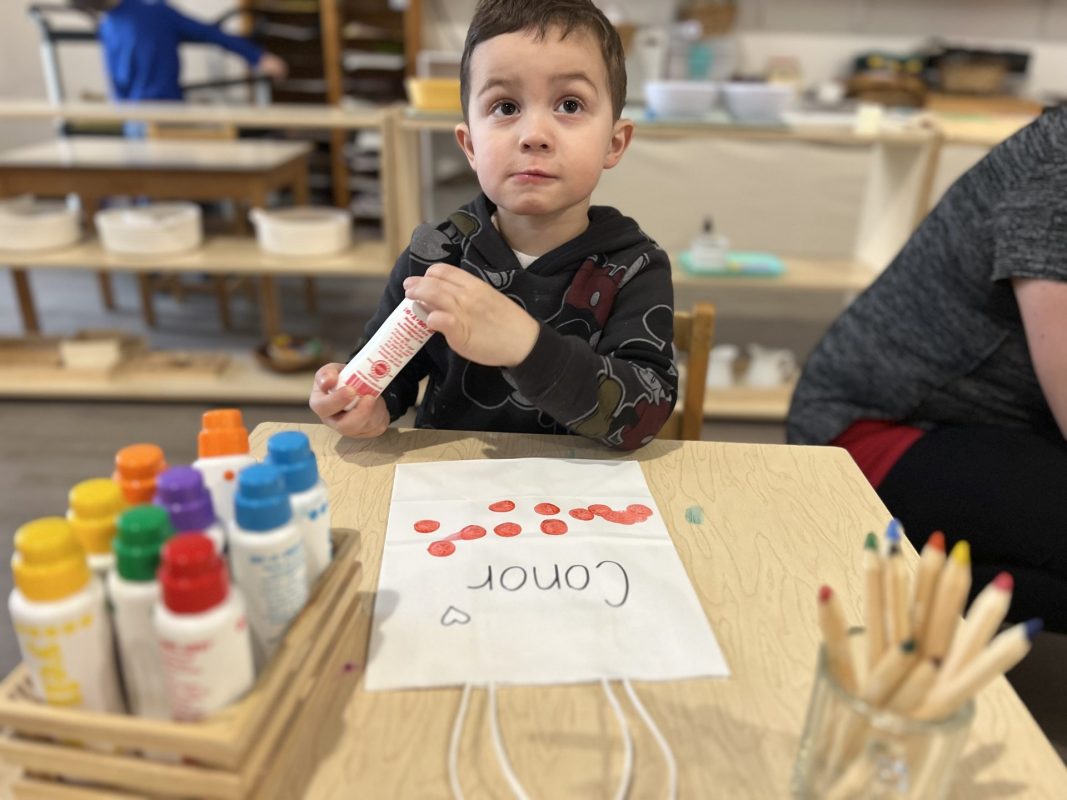
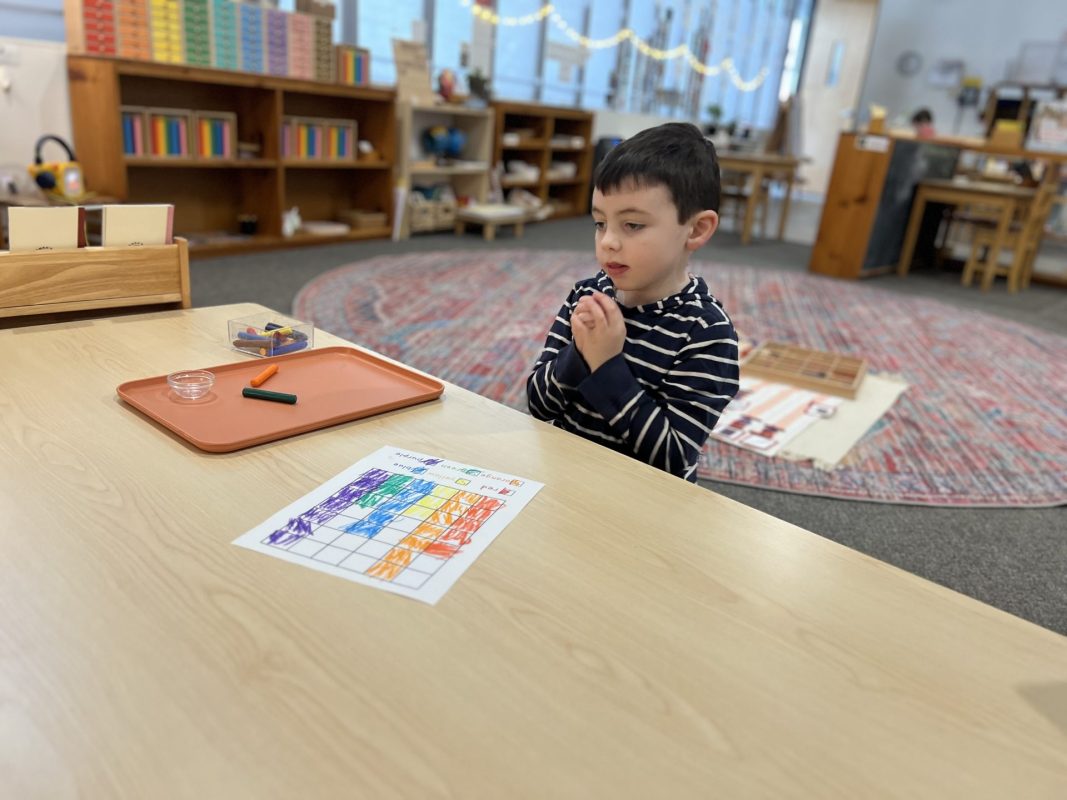
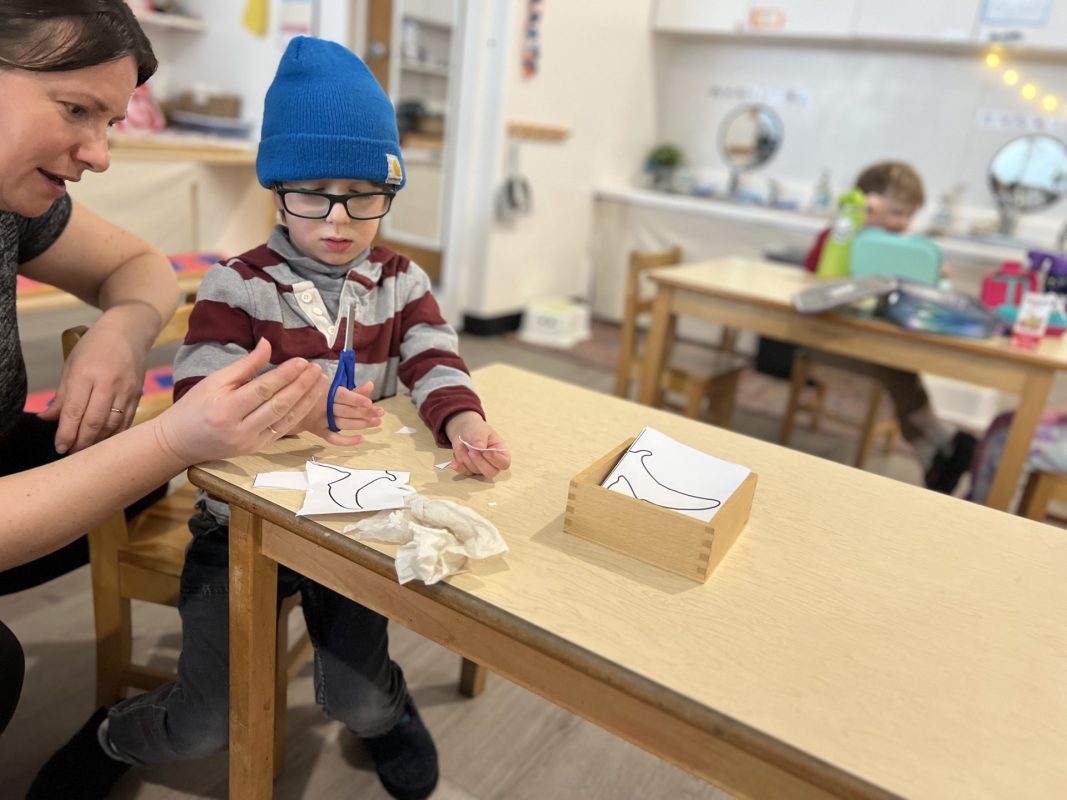
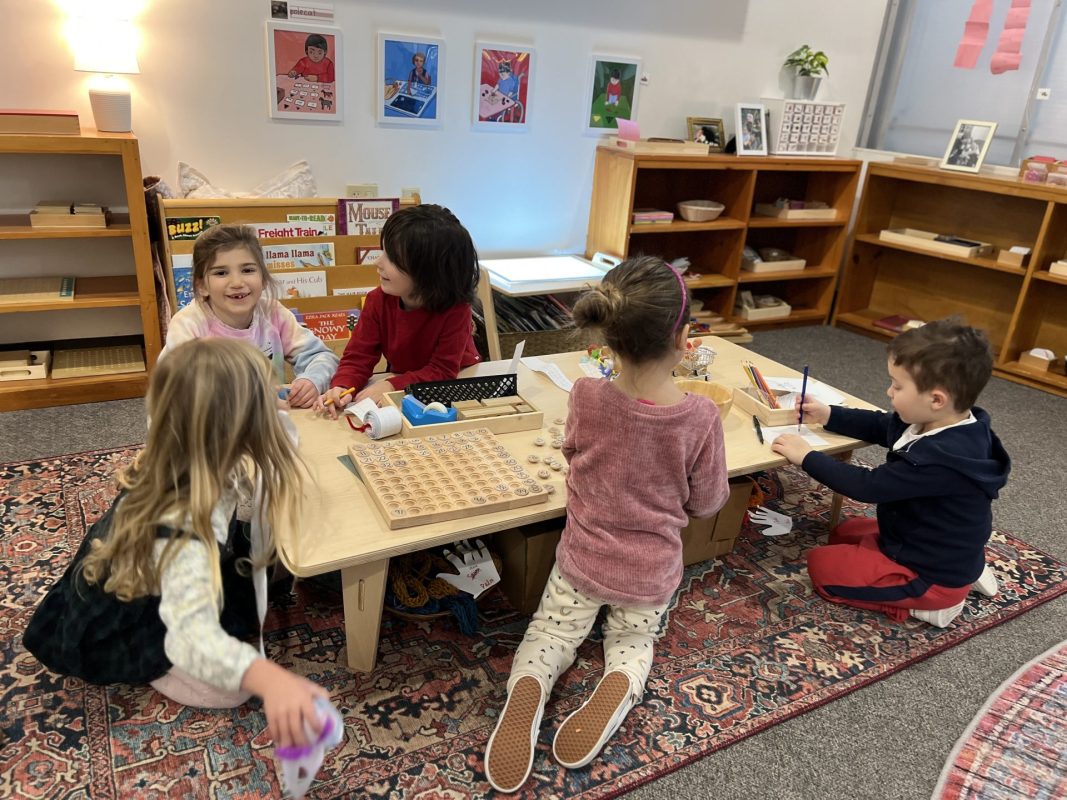
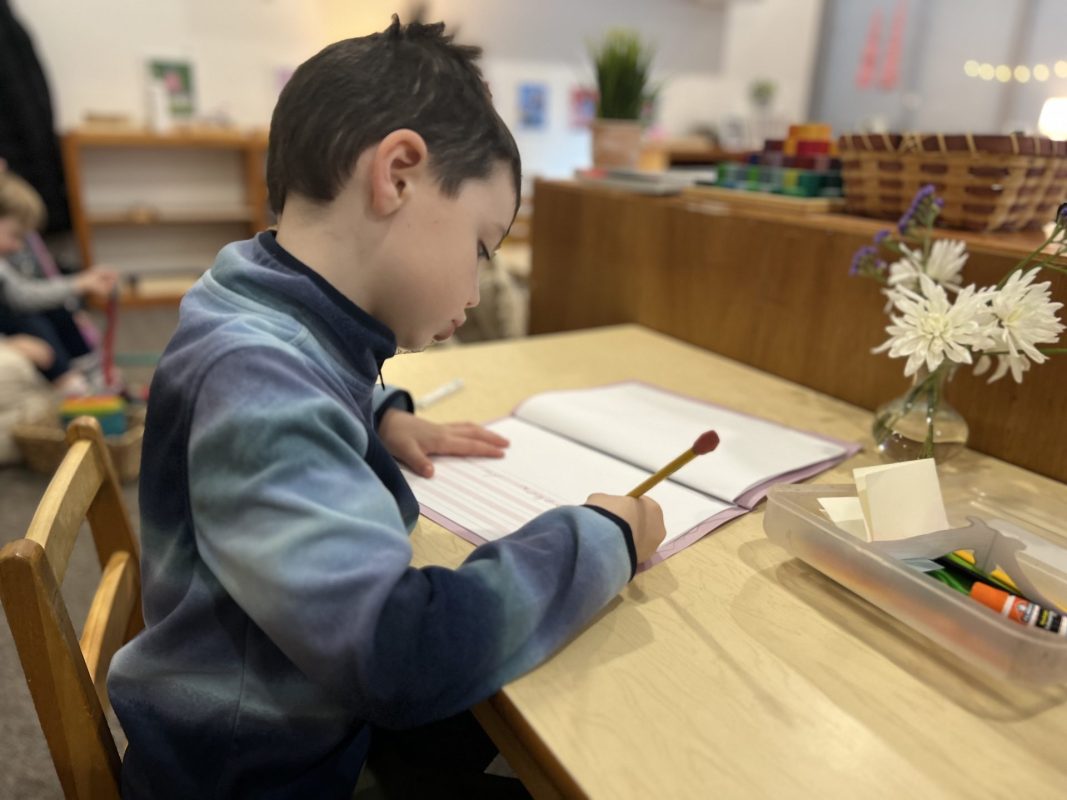
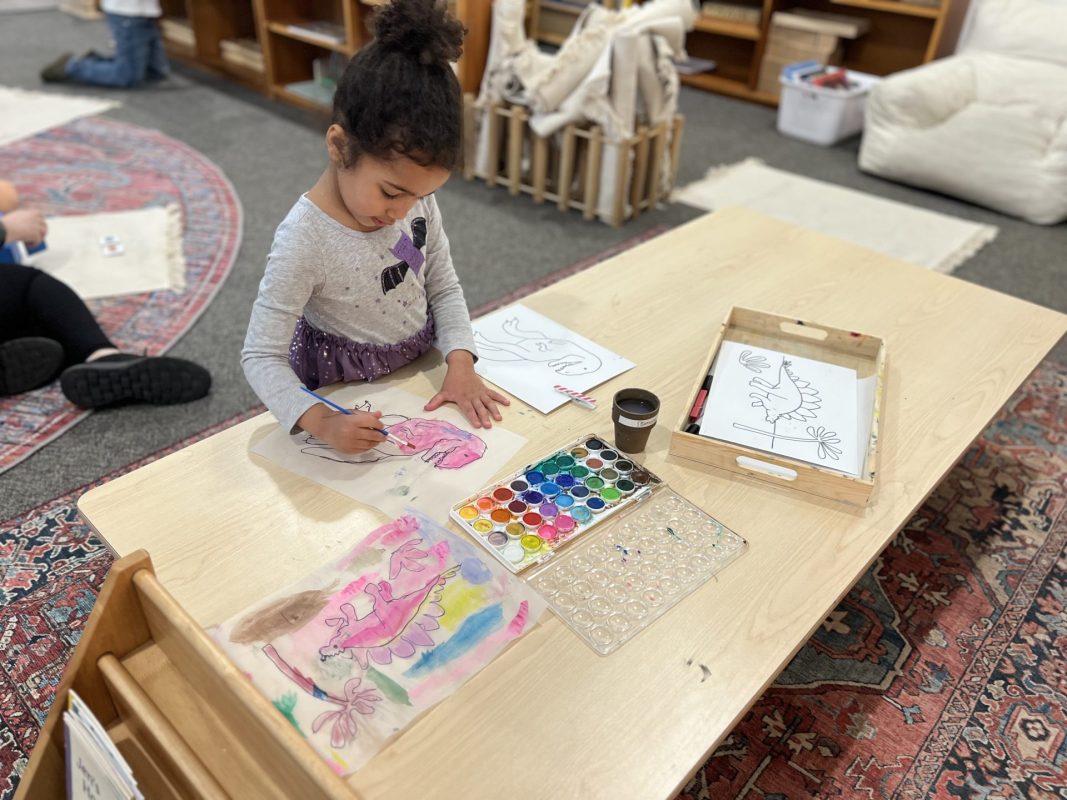
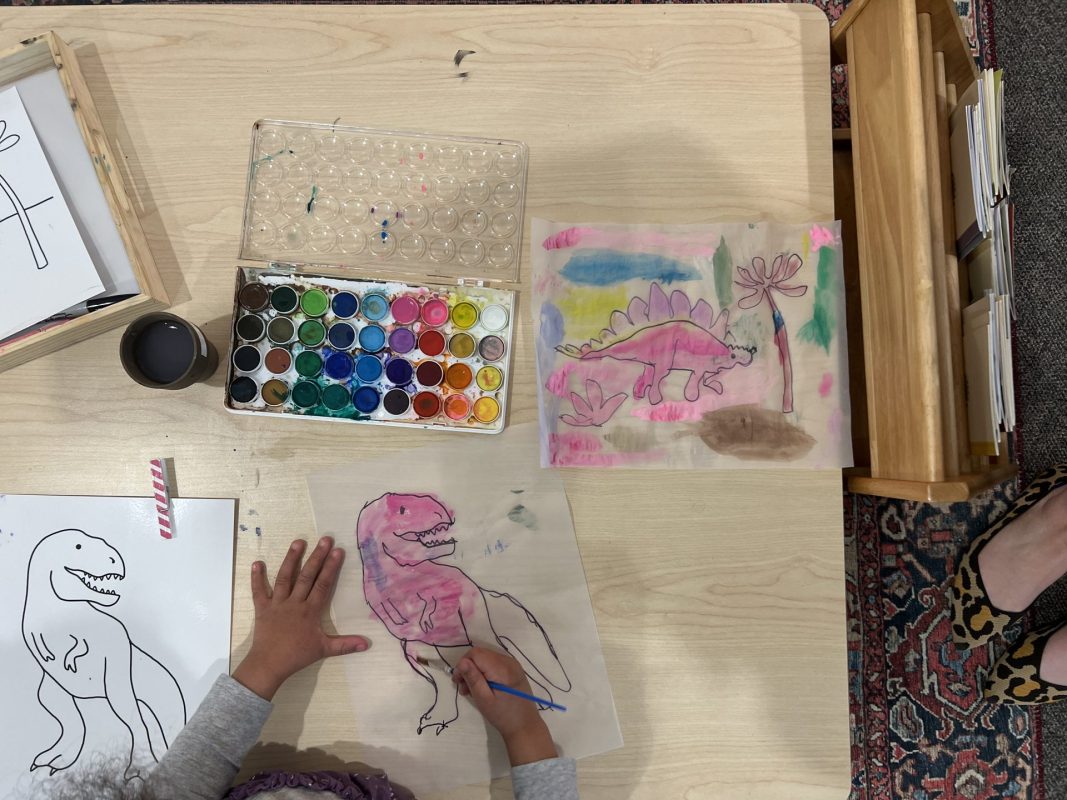
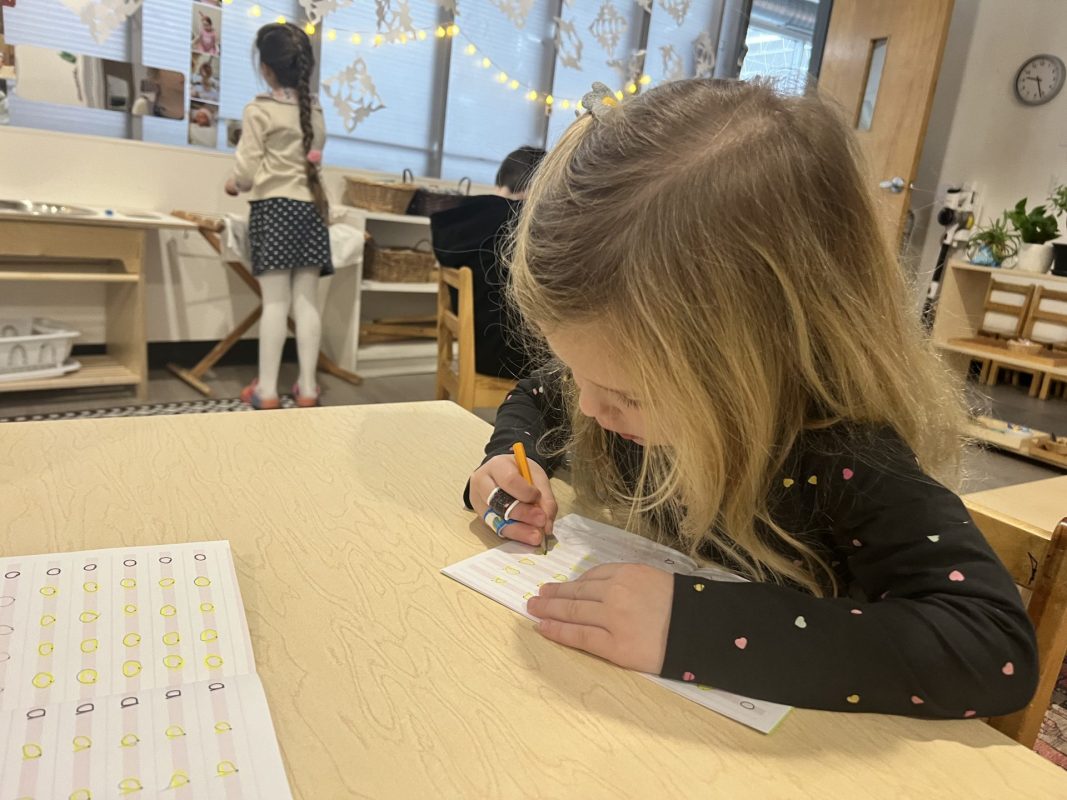
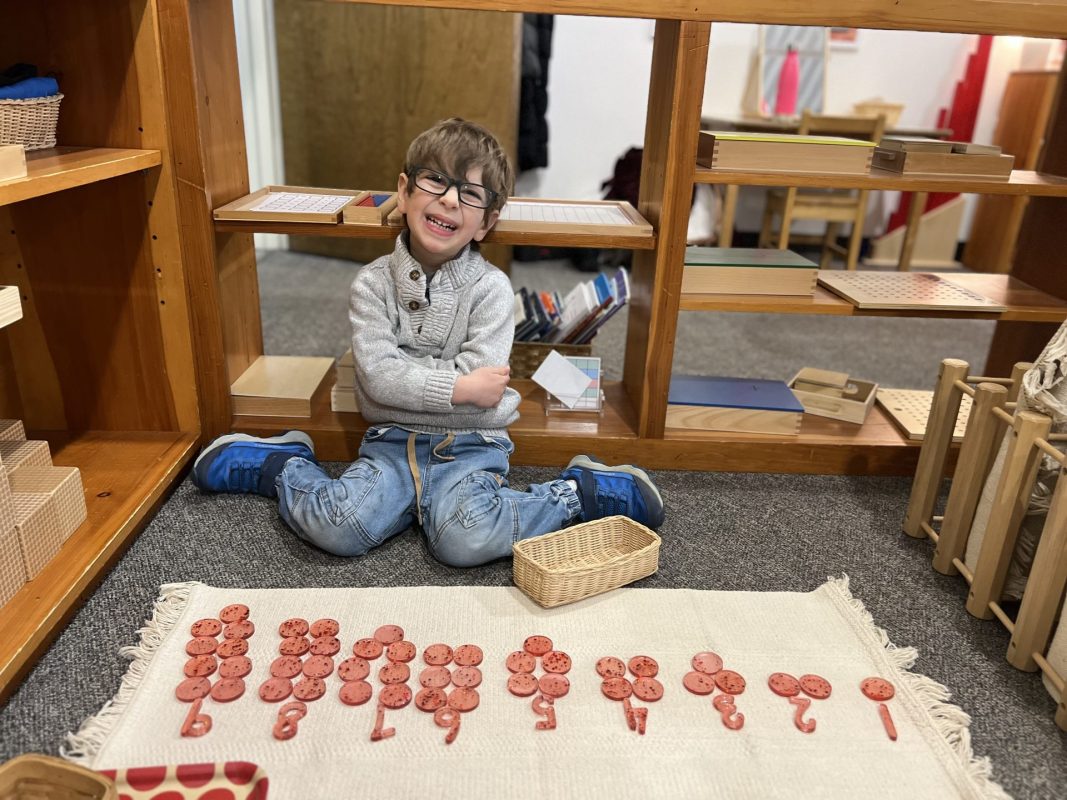
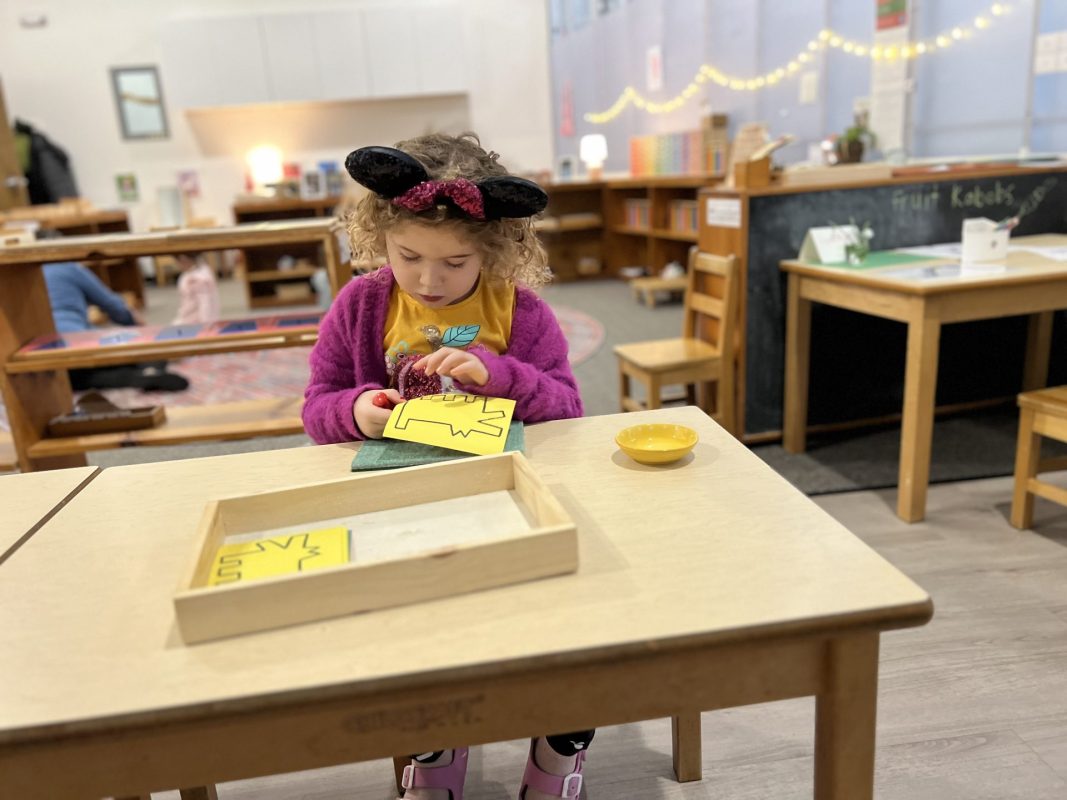
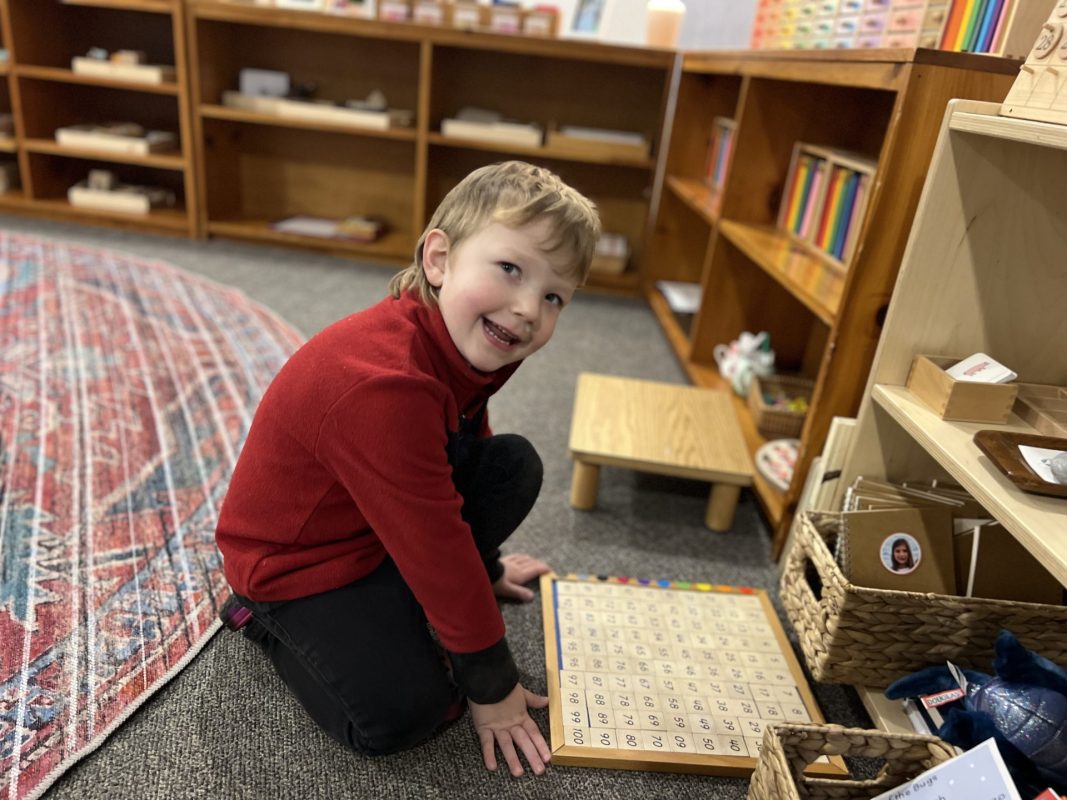
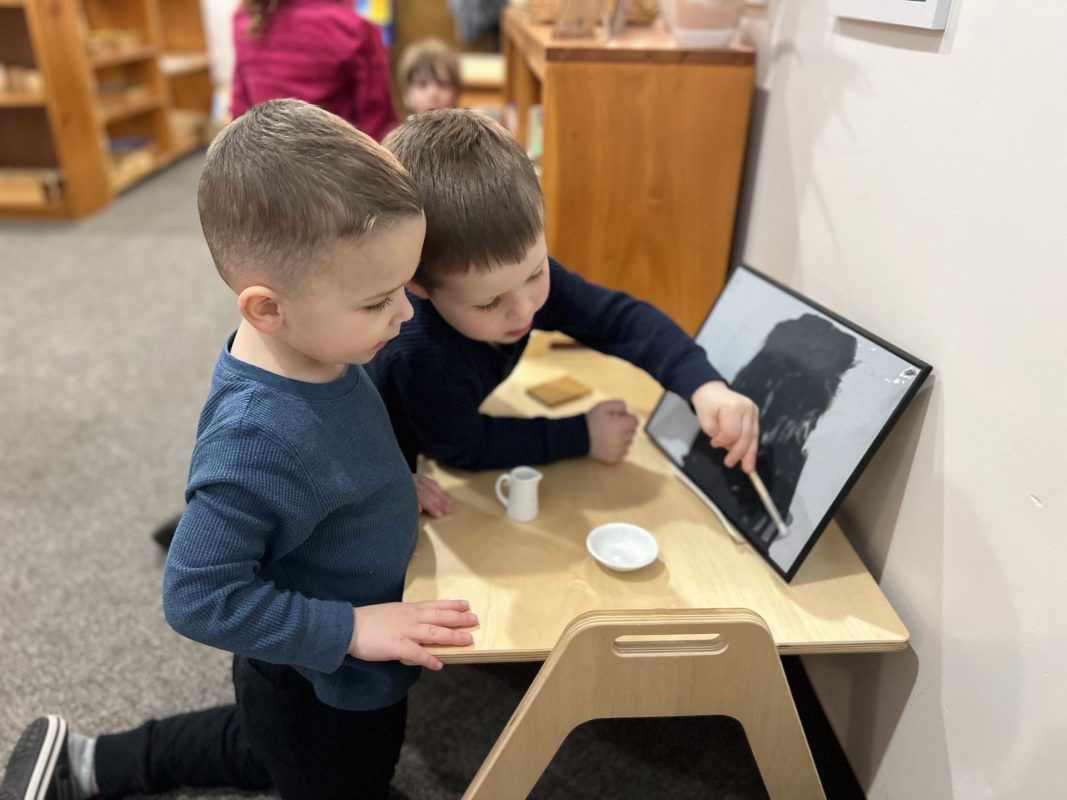
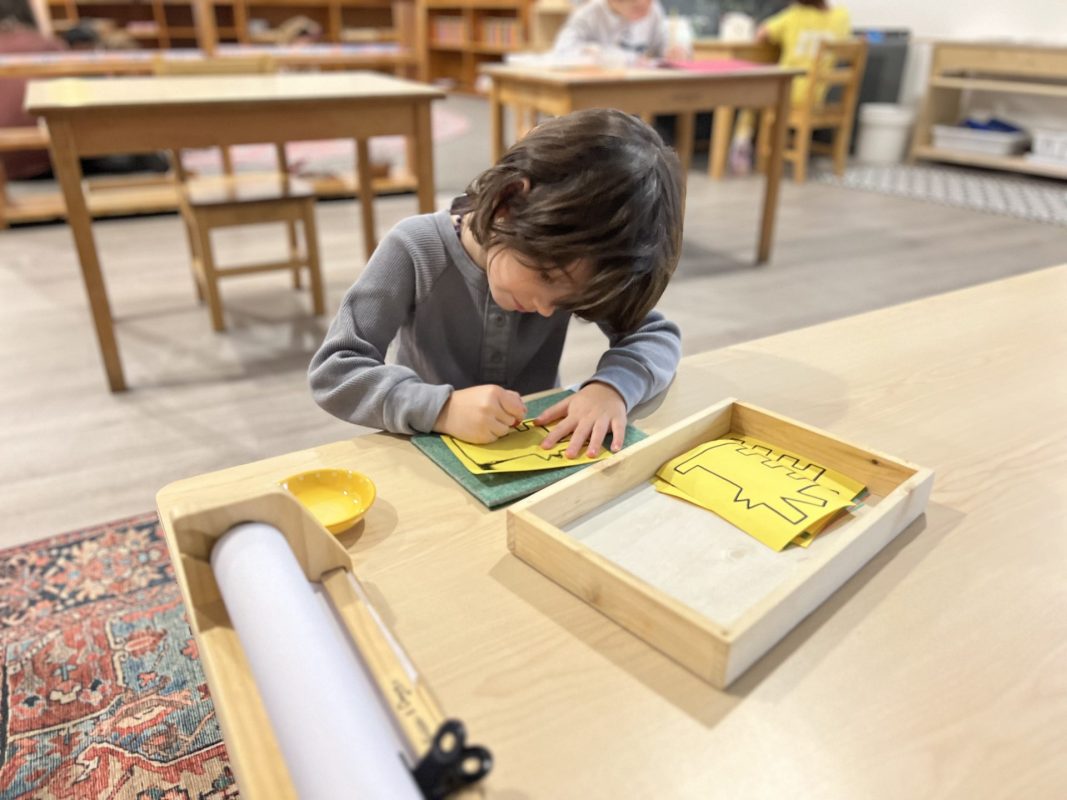
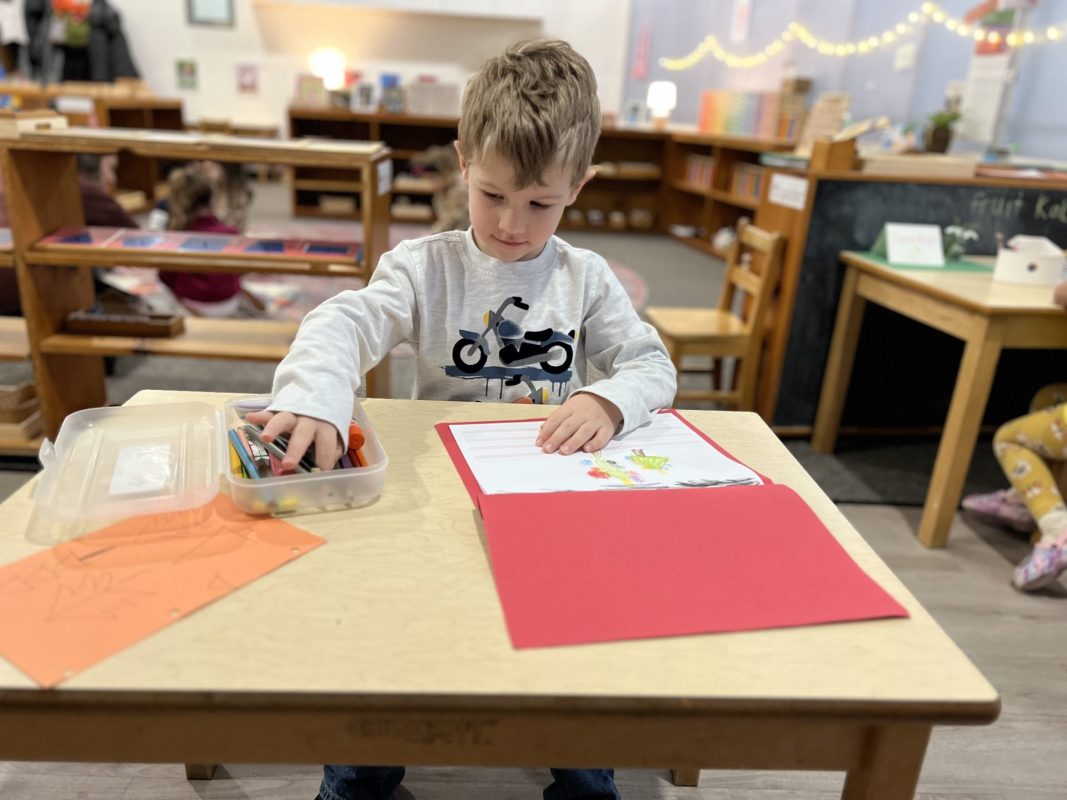
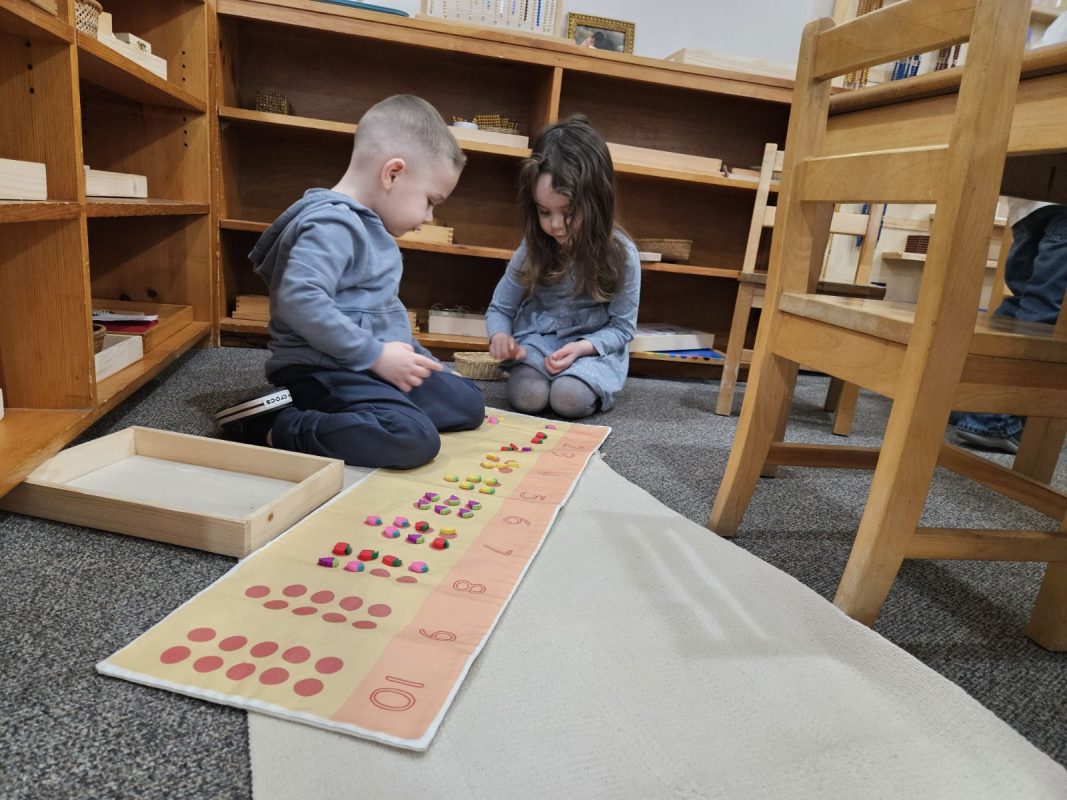
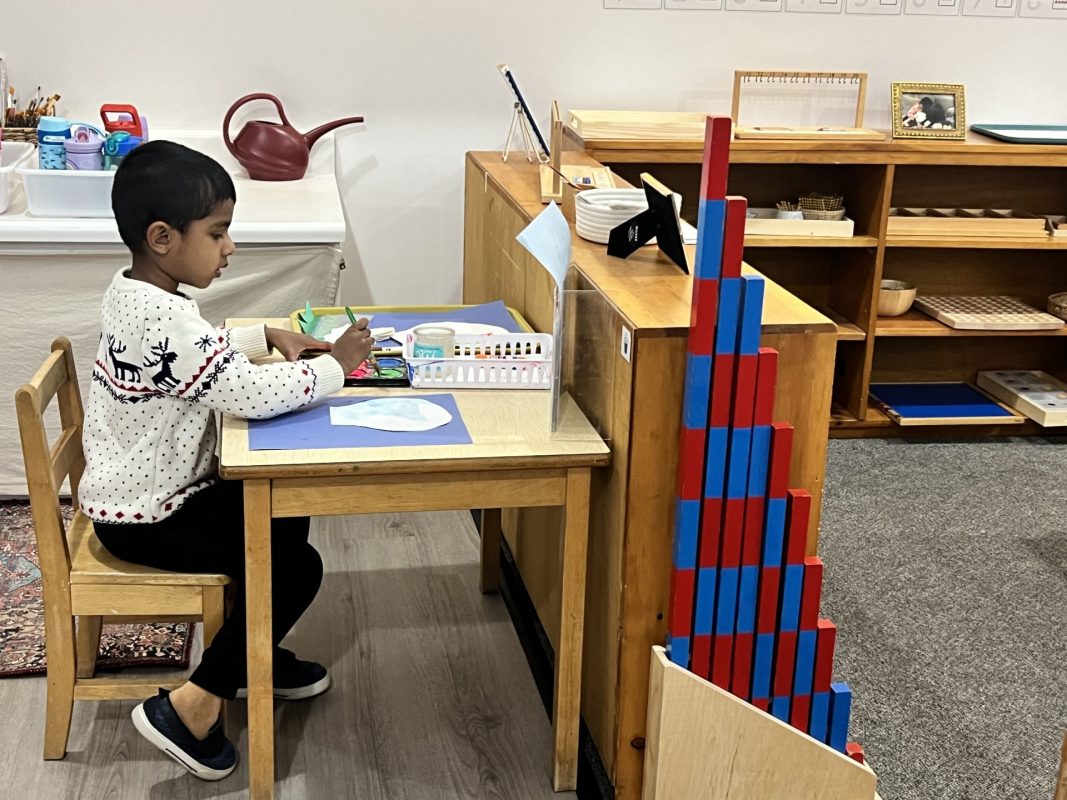
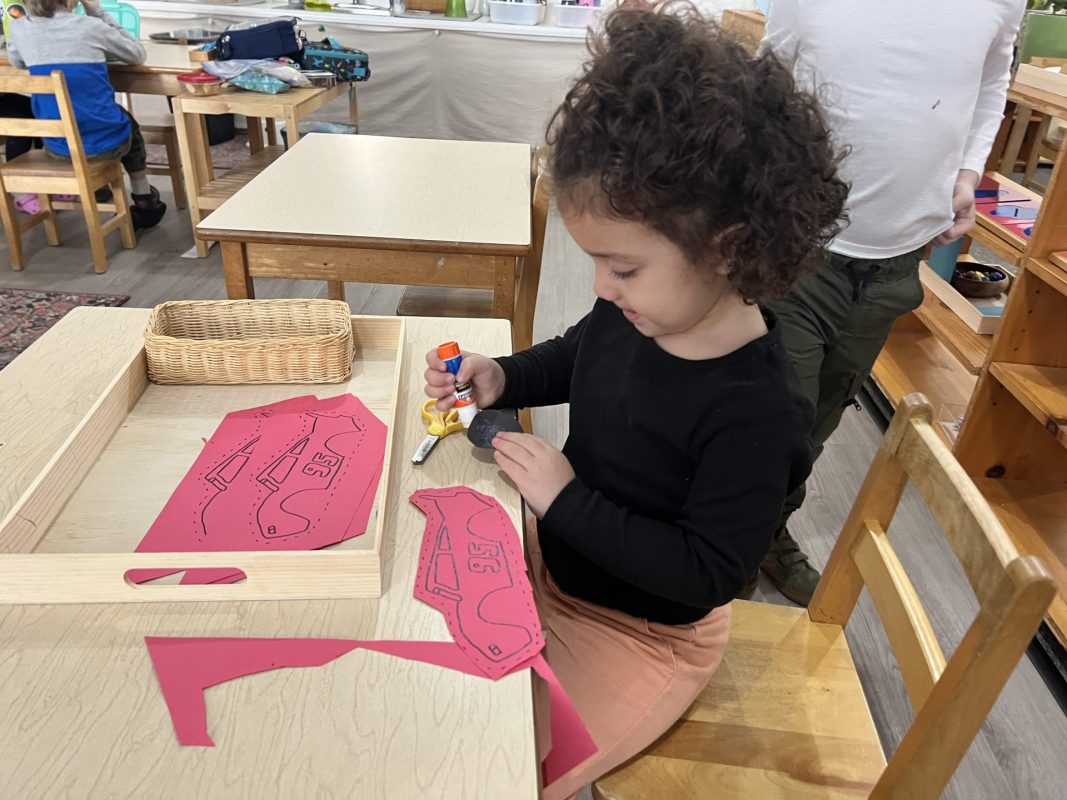
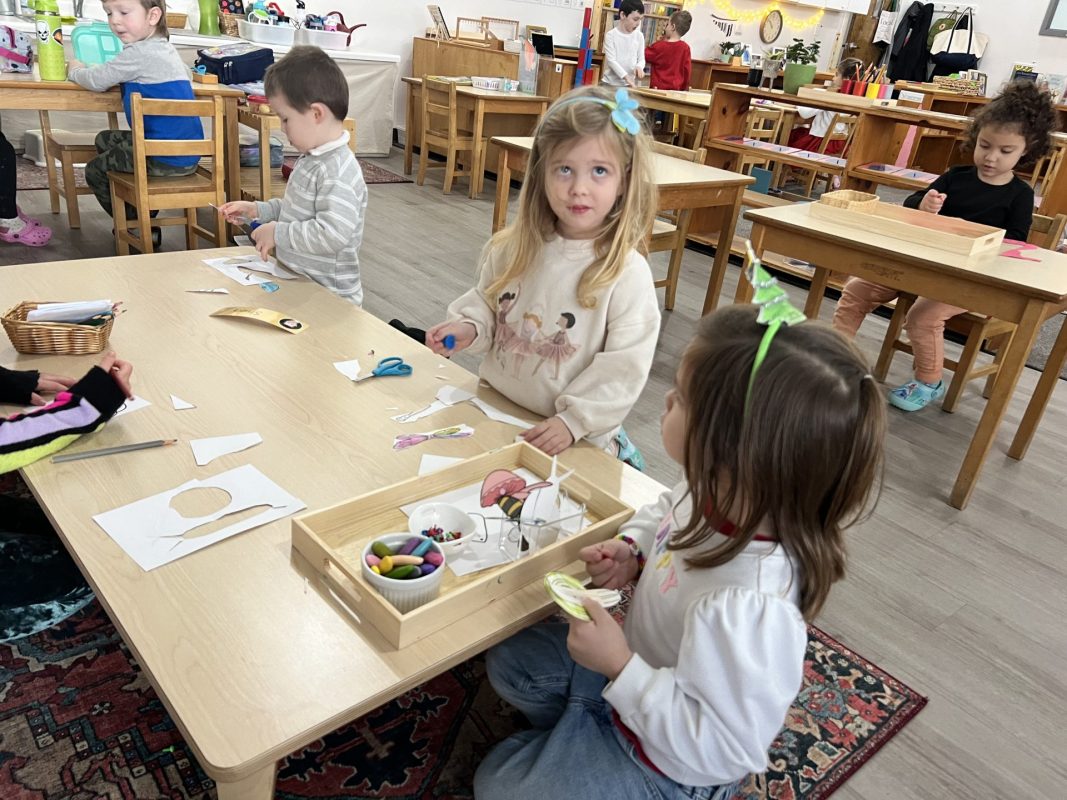
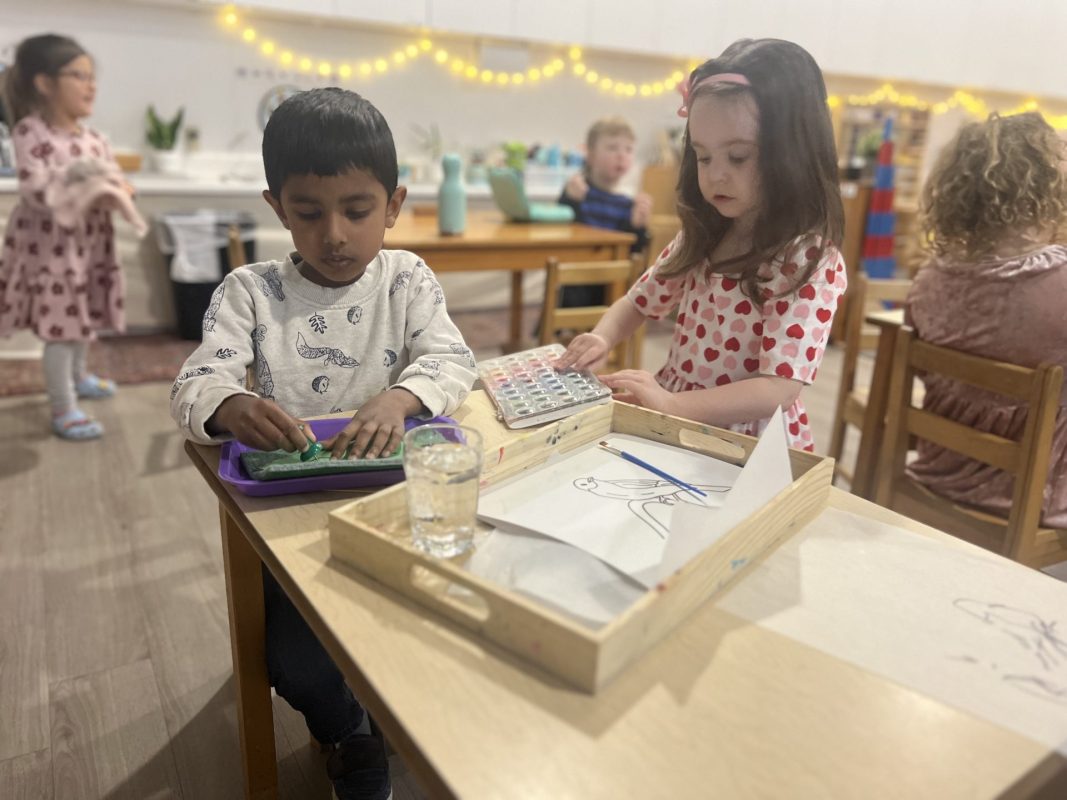
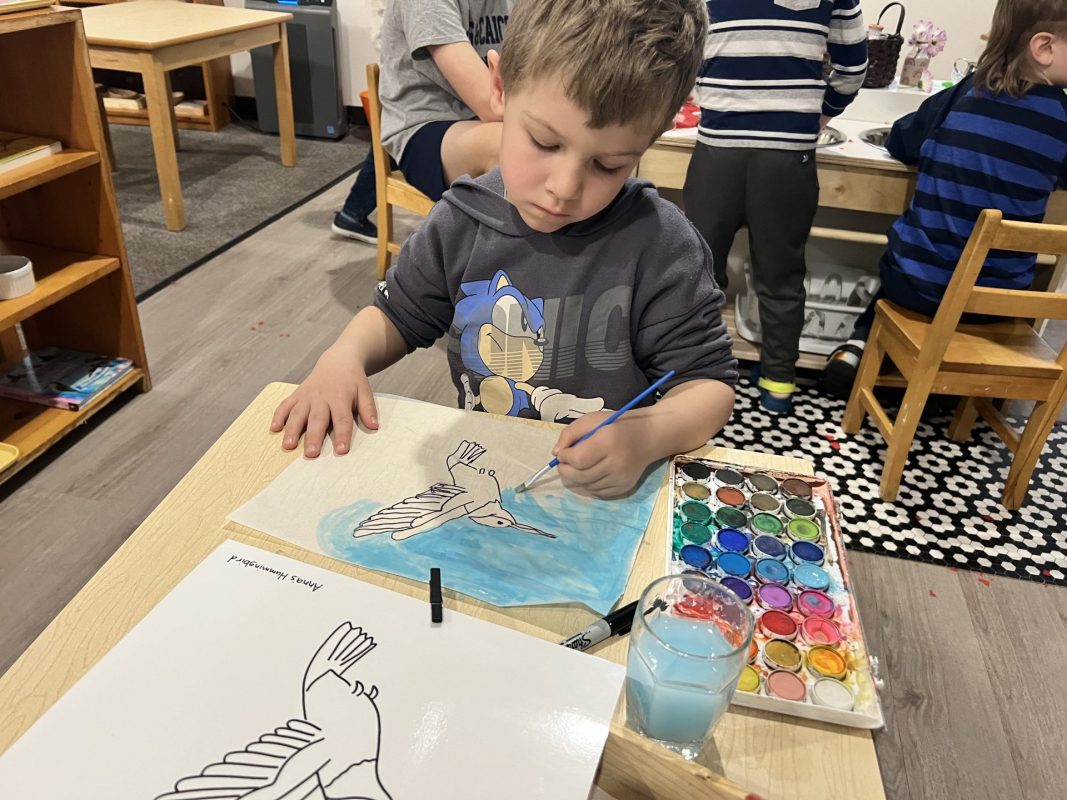
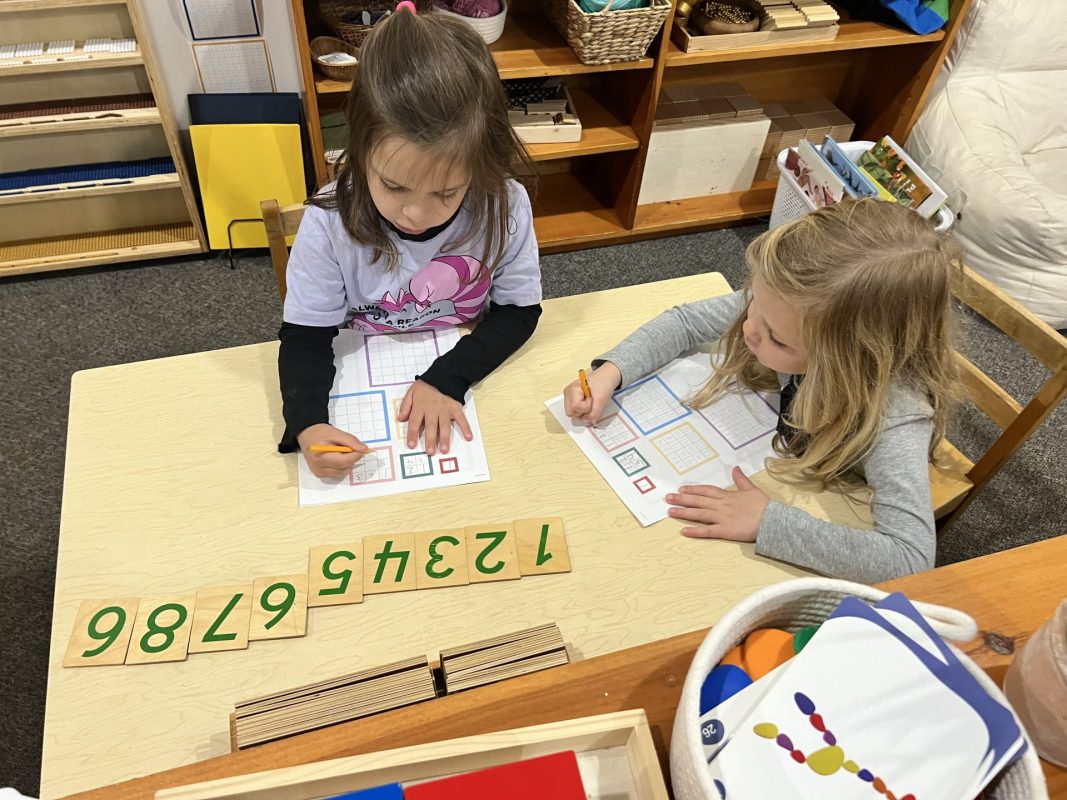
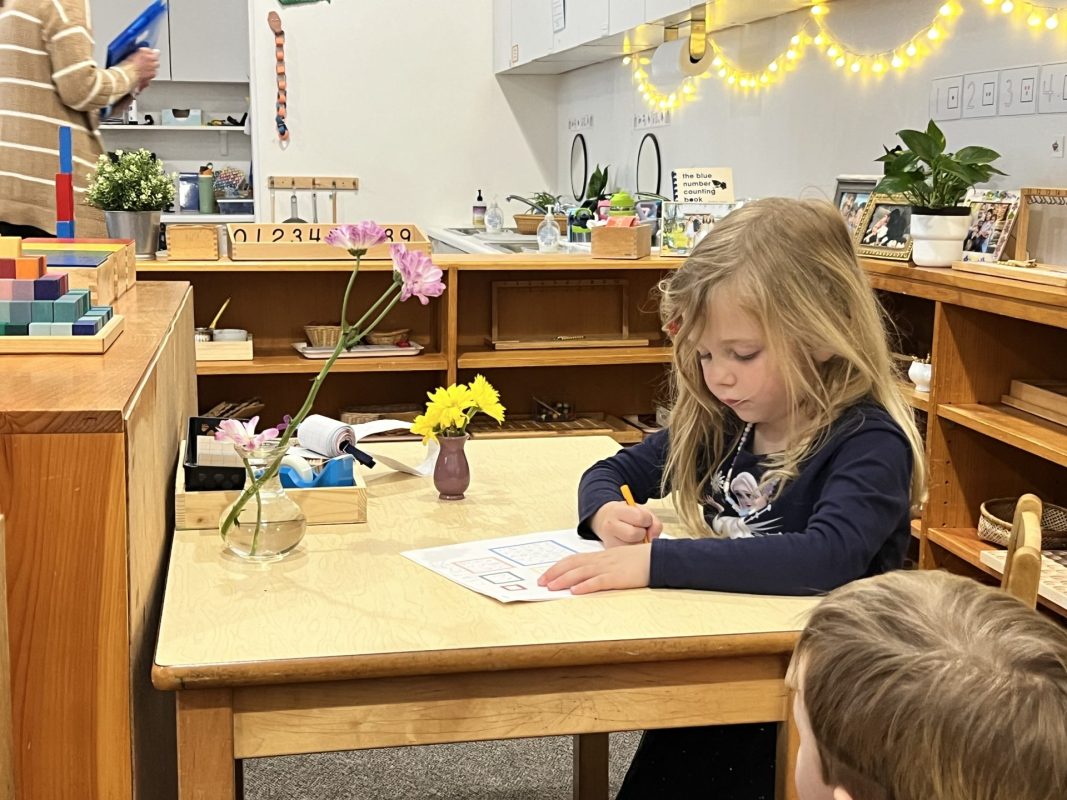
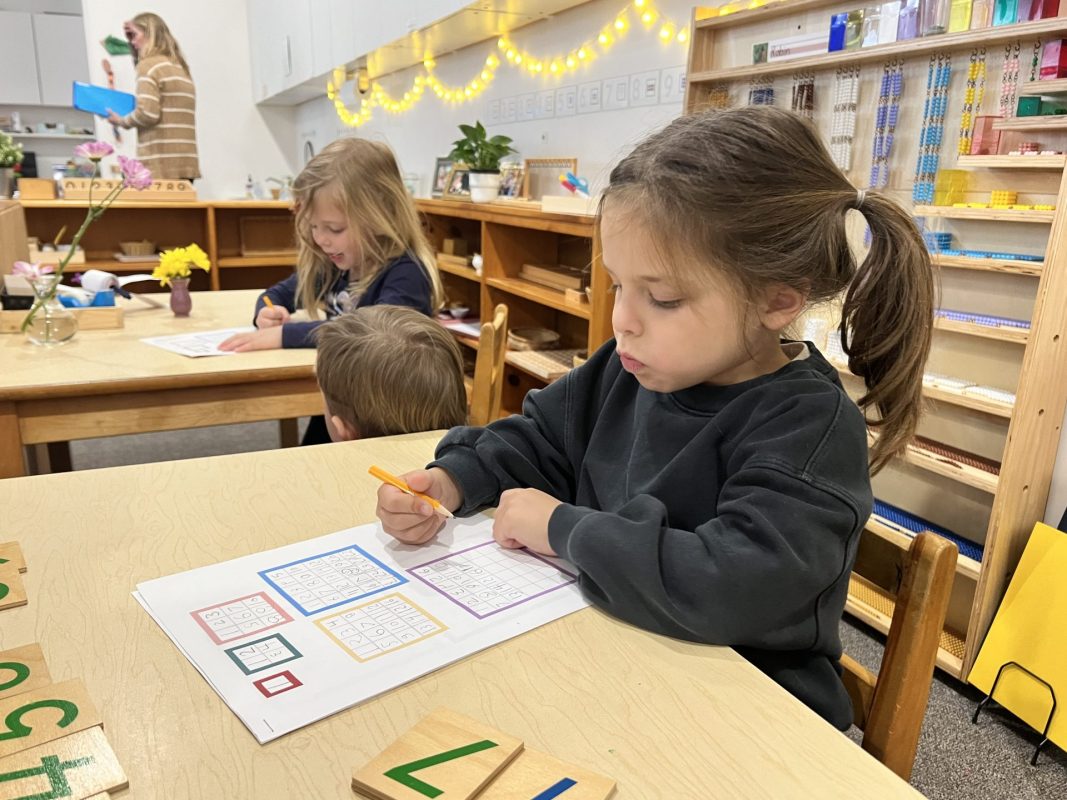
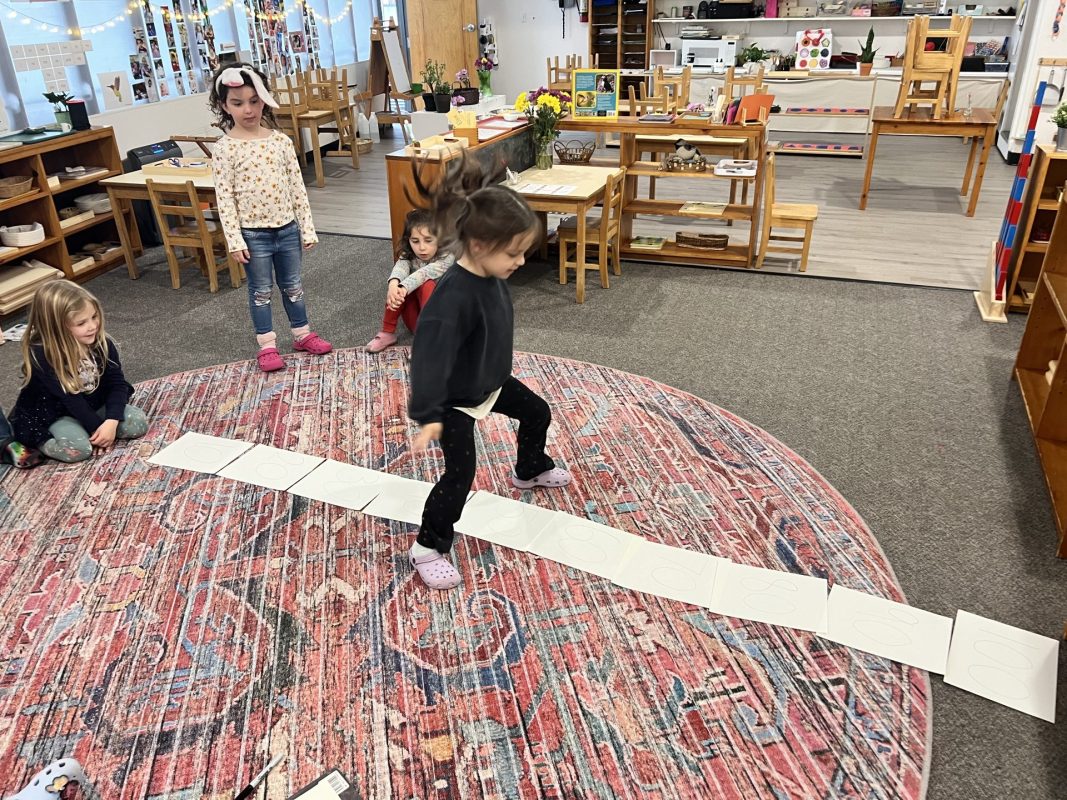
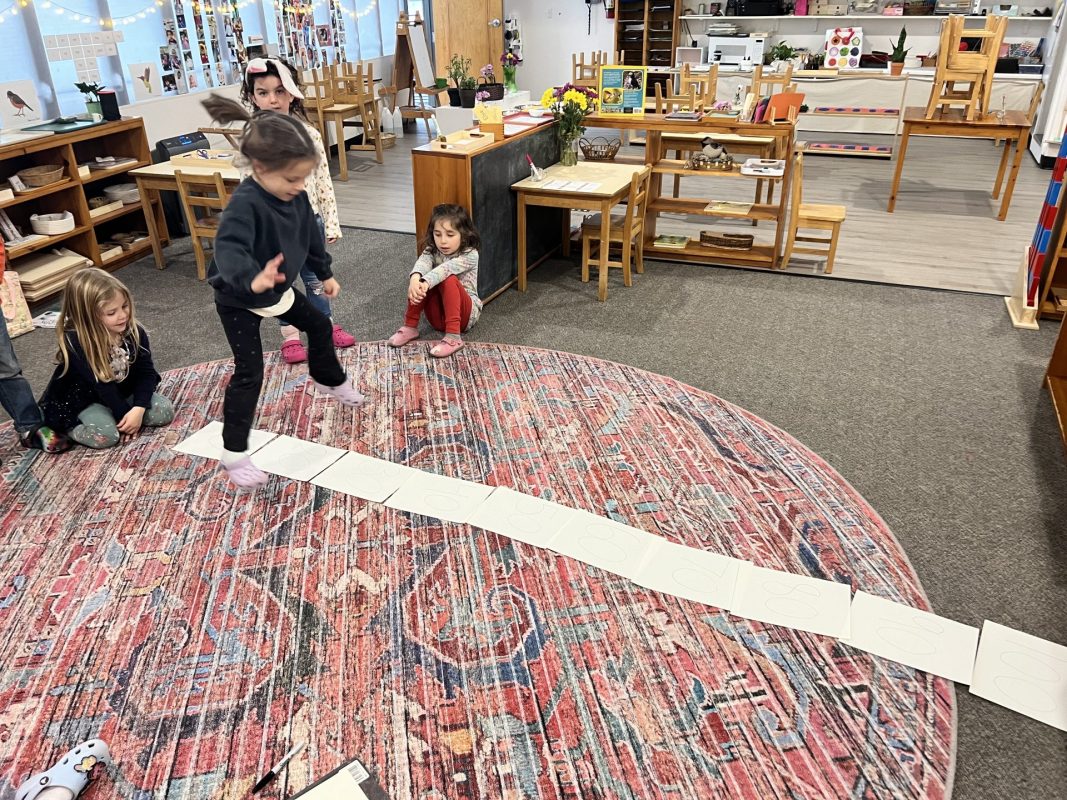
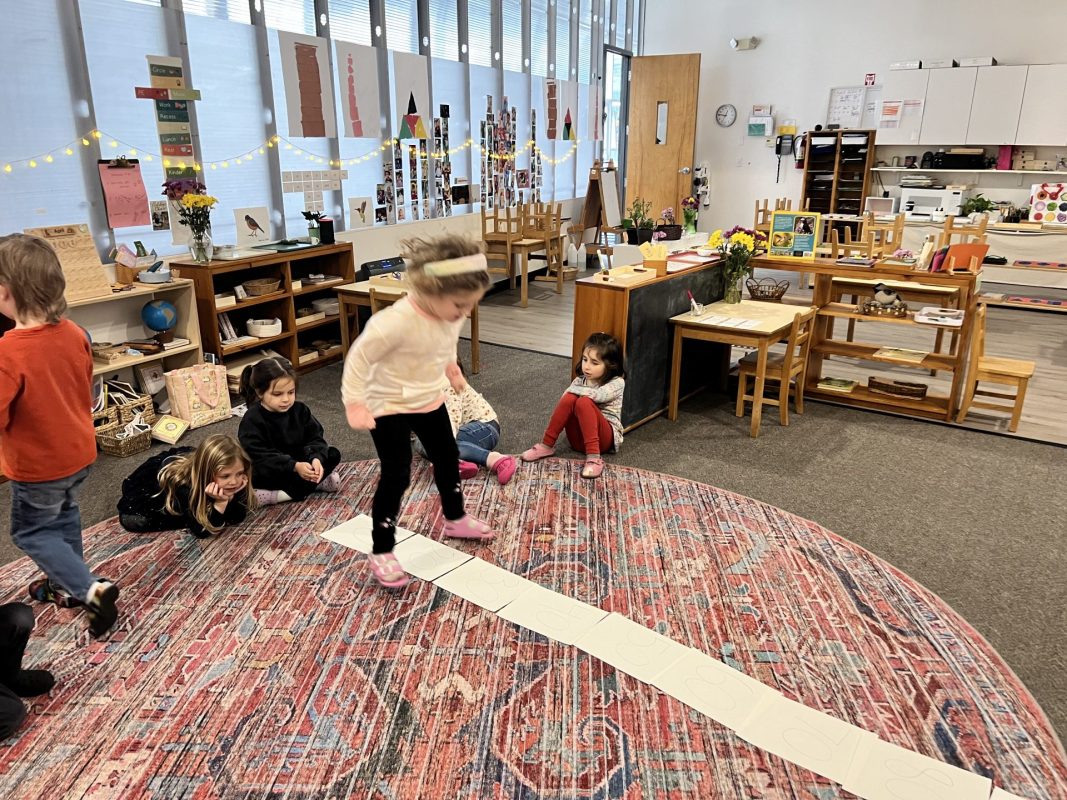
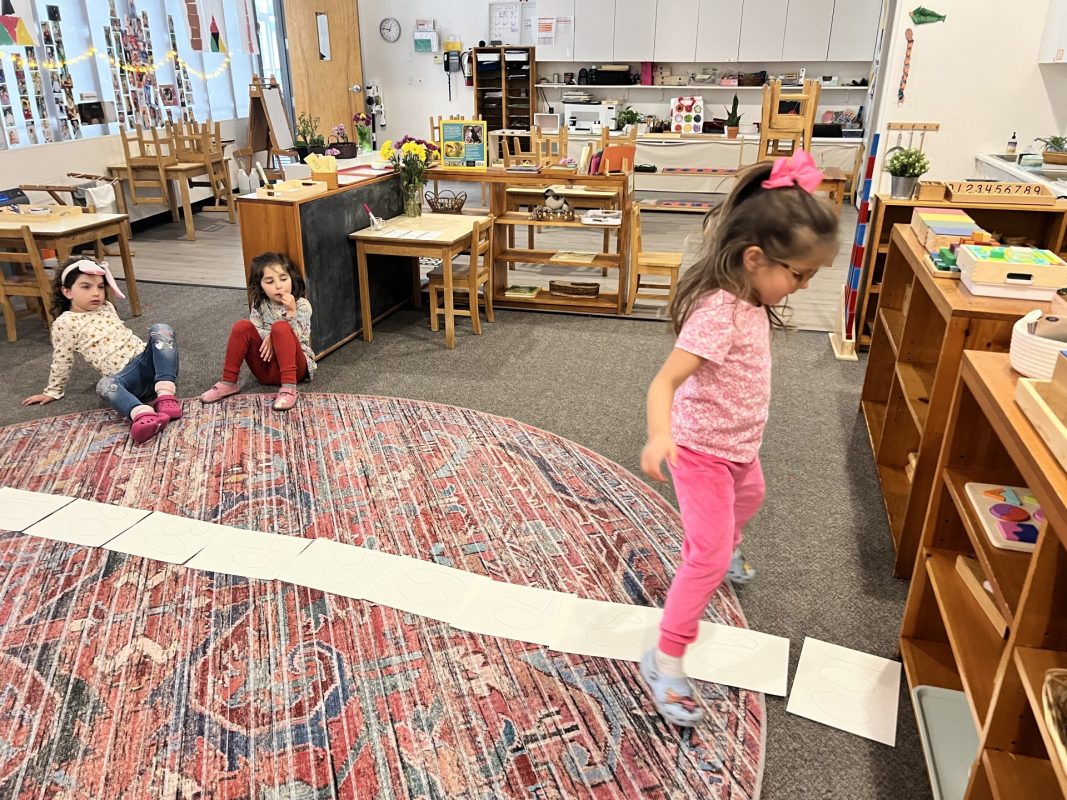
We incorporate birds into our math work by counting birds and making feather booklets where we write numbers. Children have been tracing hummingbirds and Stellars Jay and painting them with beautiful watercolors. There is even a pretend bird’s nest where a mama bird is caring for her four eggs!
Our Parent/Teacher Conferences are coming up on Friday, April 12th and 19th. Please look out for the Sign Ups on Monday!
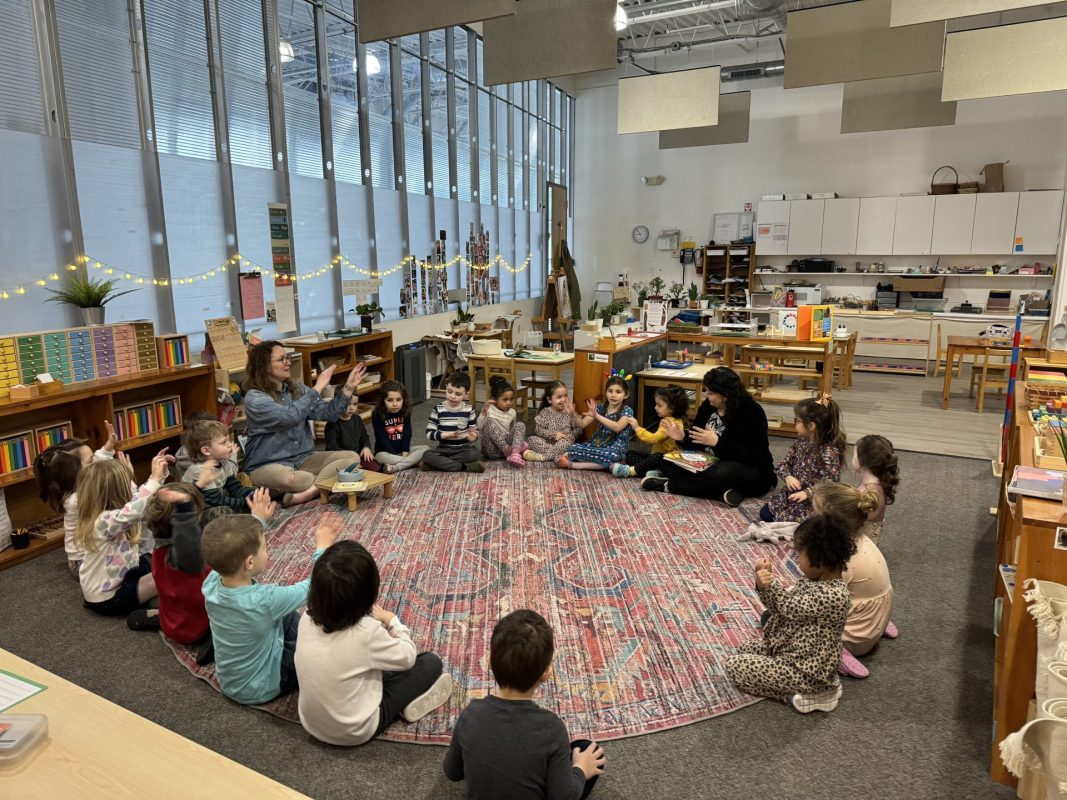
The children have really been enjoying singing songs about birds. Ask your child to sing Two Little Black Birds or Red Red Robin.
Our absolute favorite is Jennie Jenkins. You and your child can sing along!