Ms. Marissa: Sewing Circles and Spritzers!

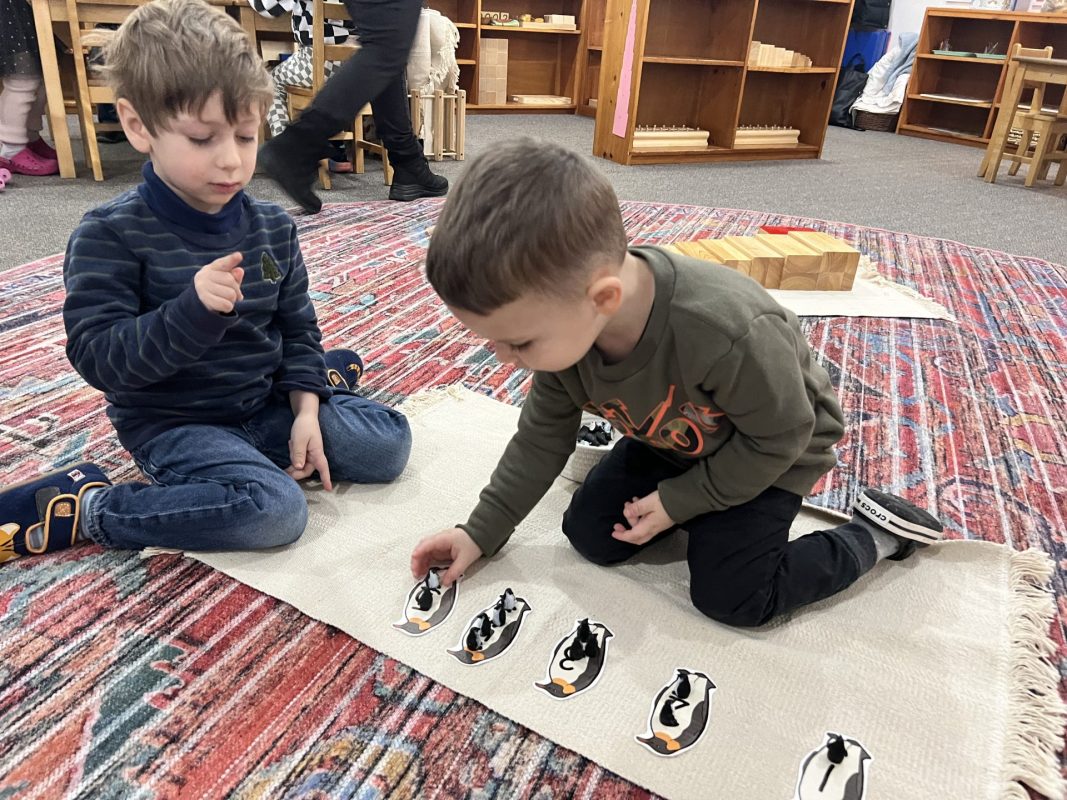
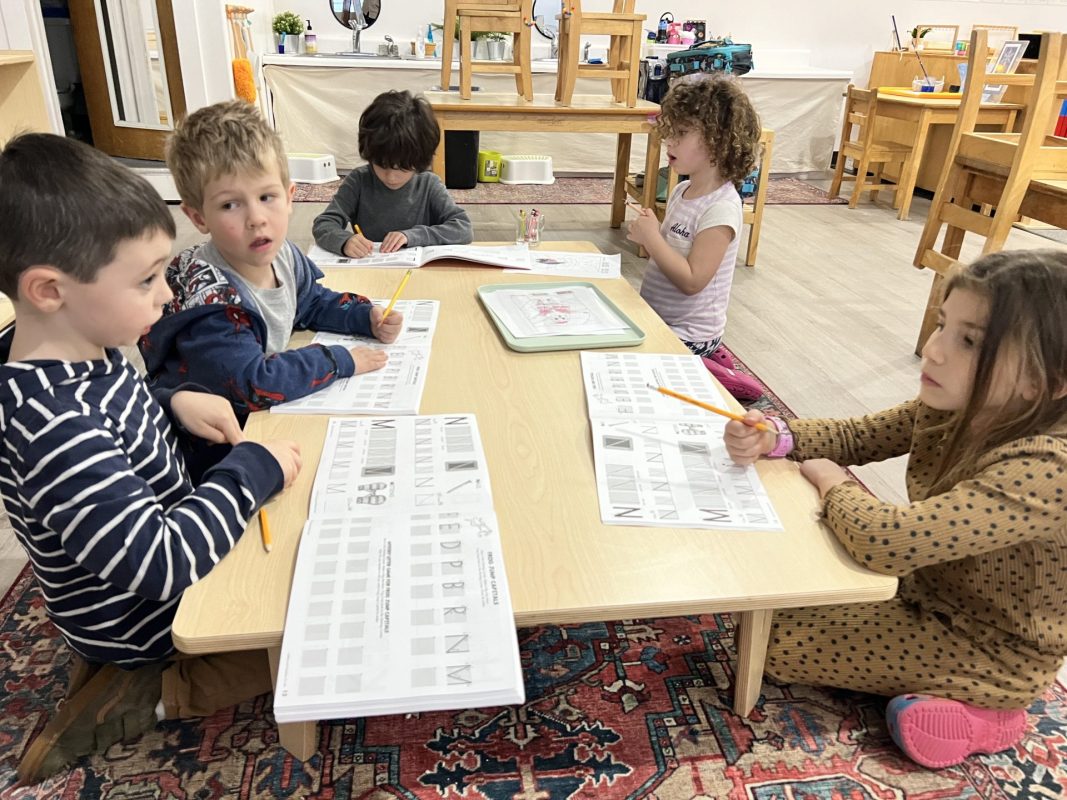
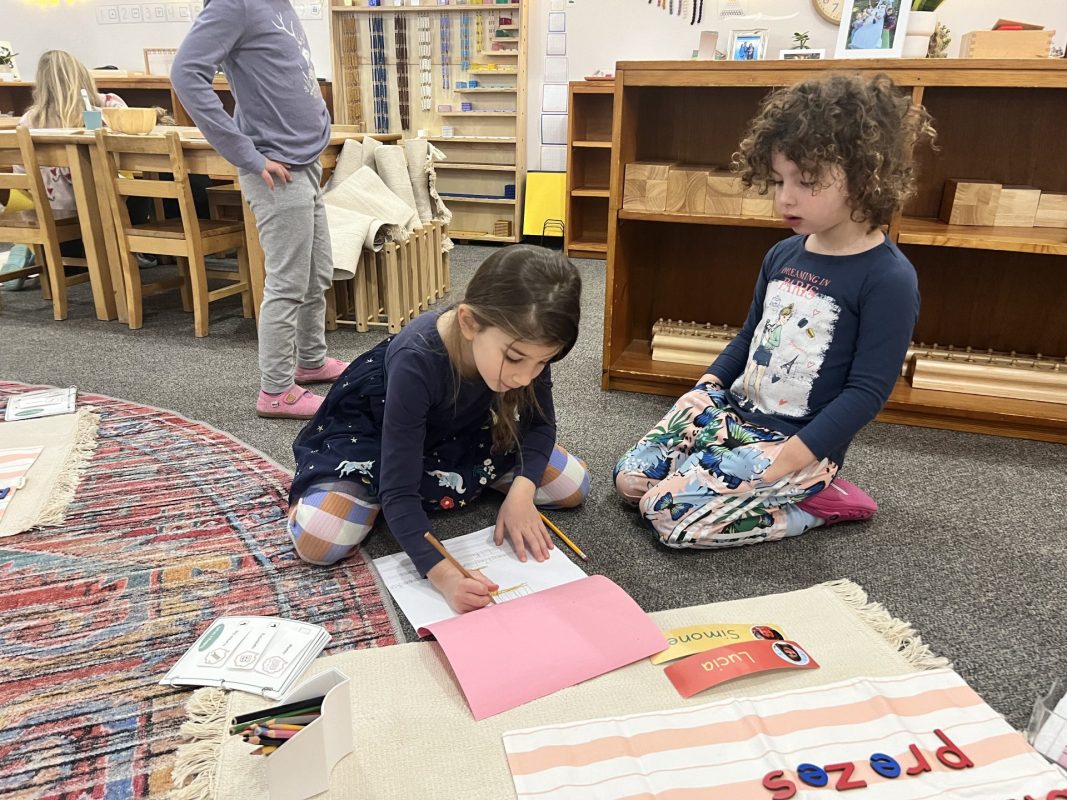
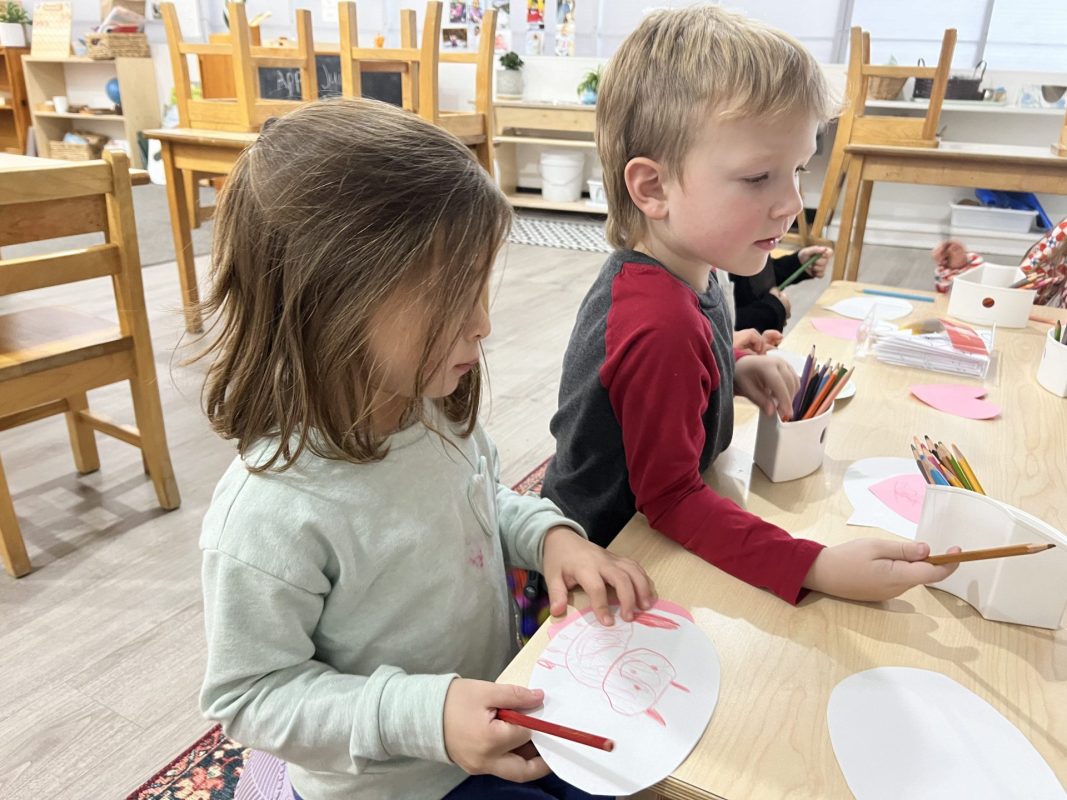
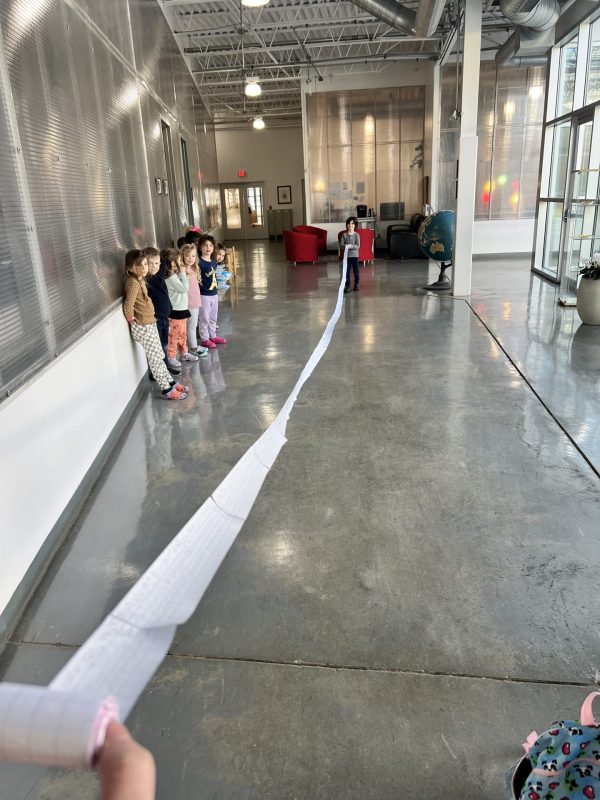
This past week we tried to have as many calm moments as possible with all the excitement happening next week! We really dug into our Montessori roots by creating new activities in the classroom that have extra points of interest and call for concentration from the children.

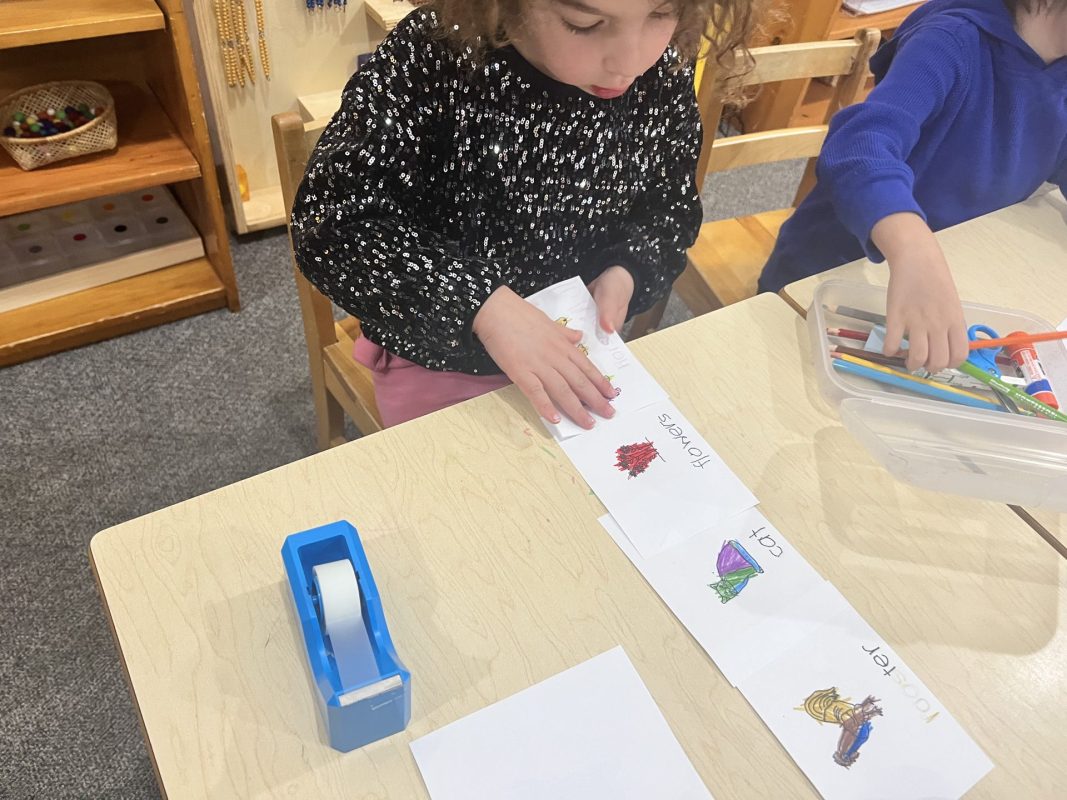
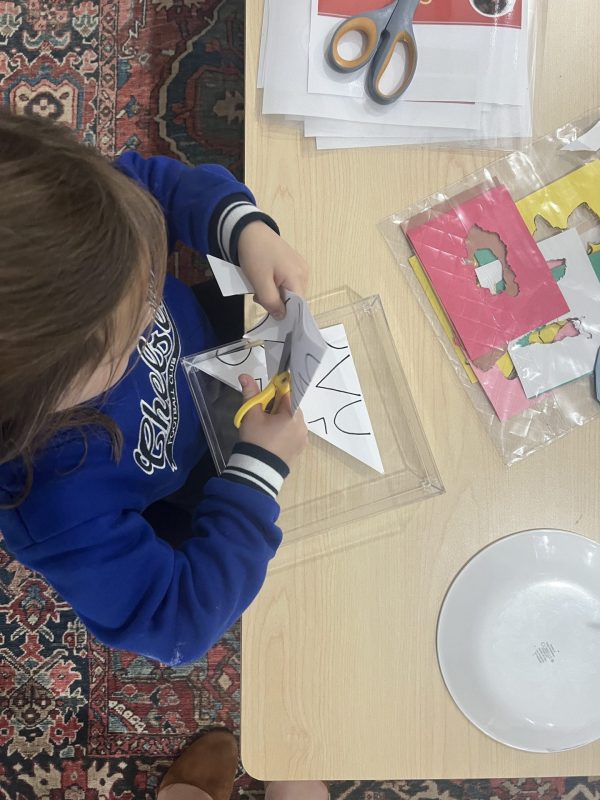
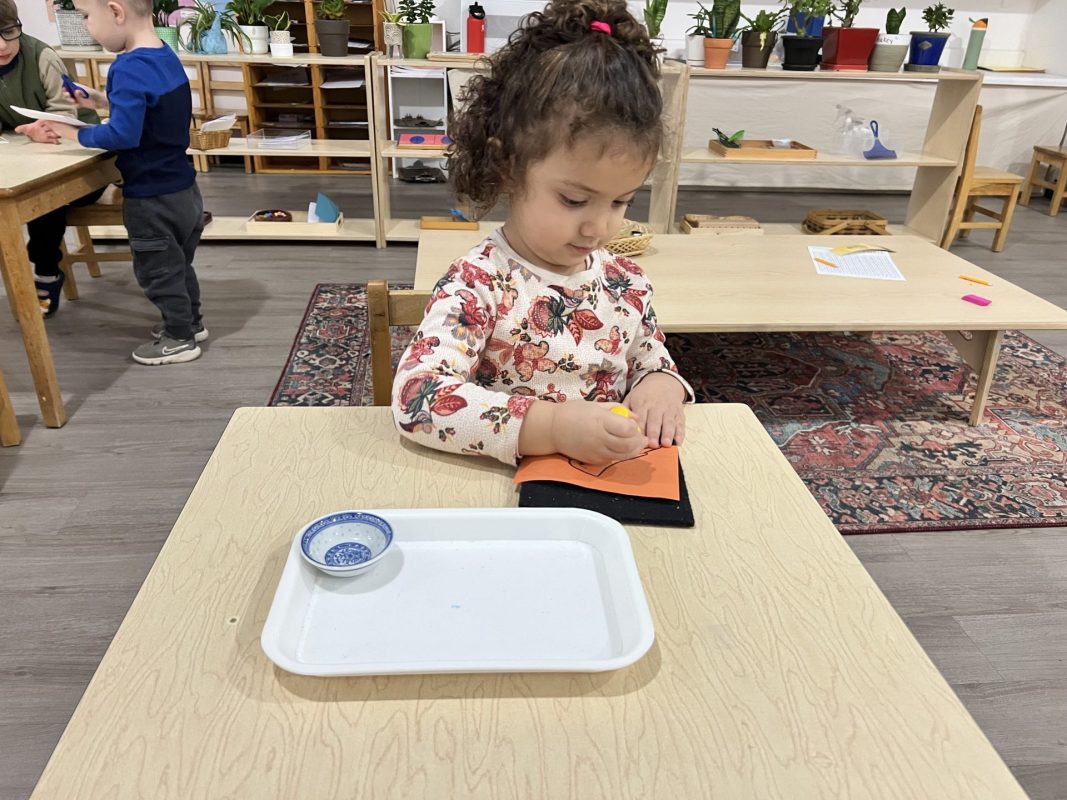
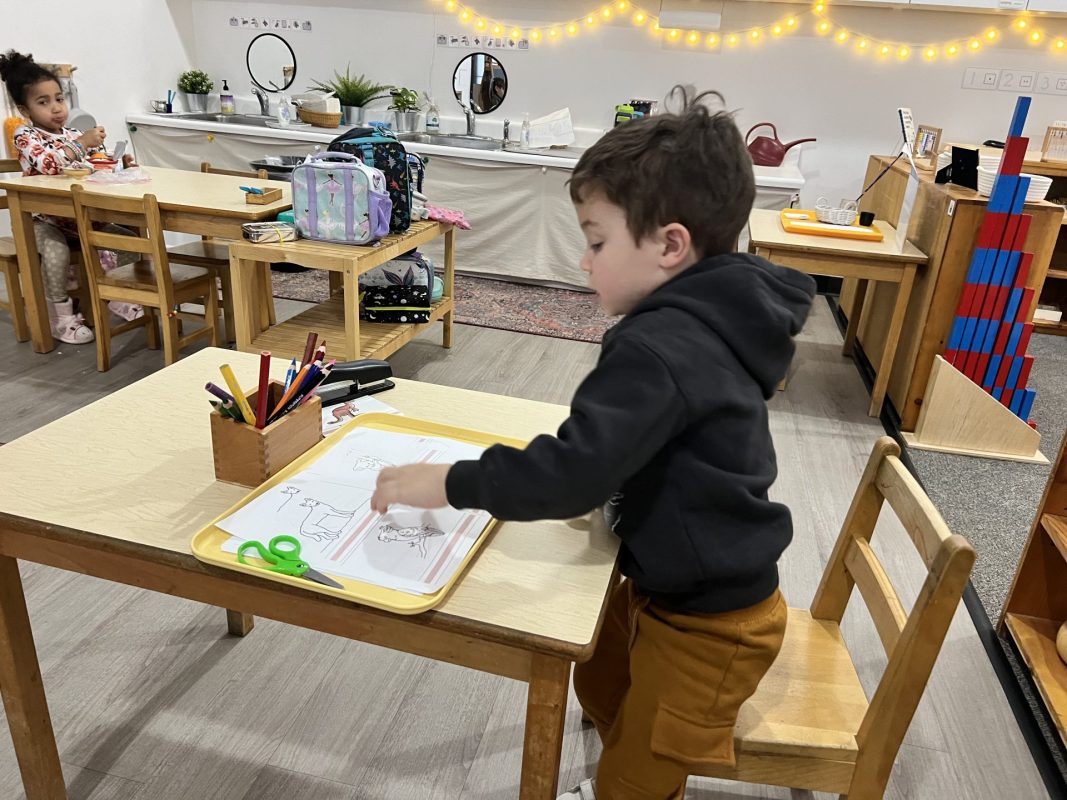
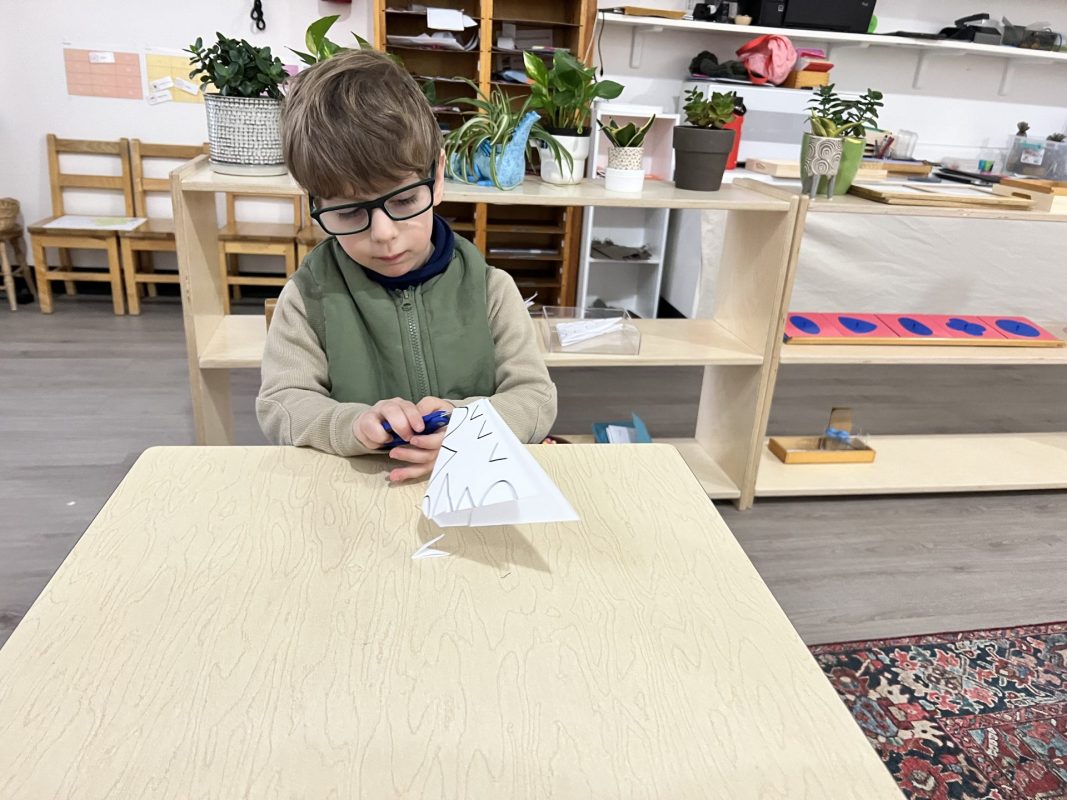
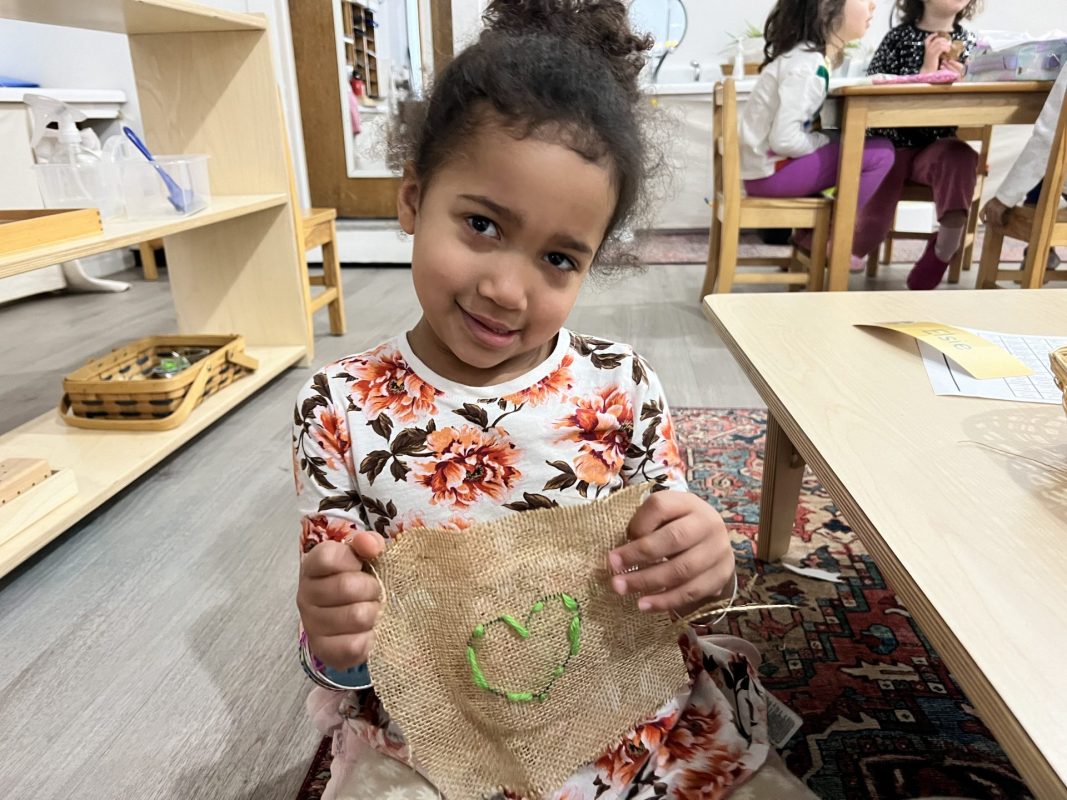
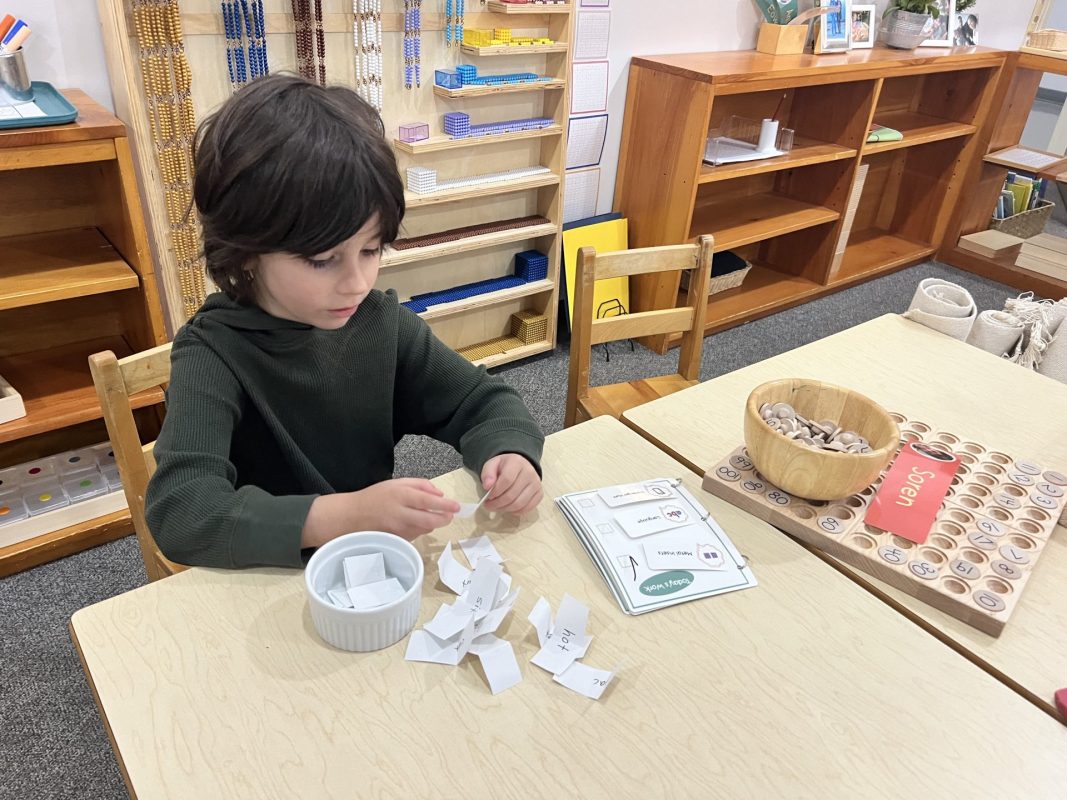
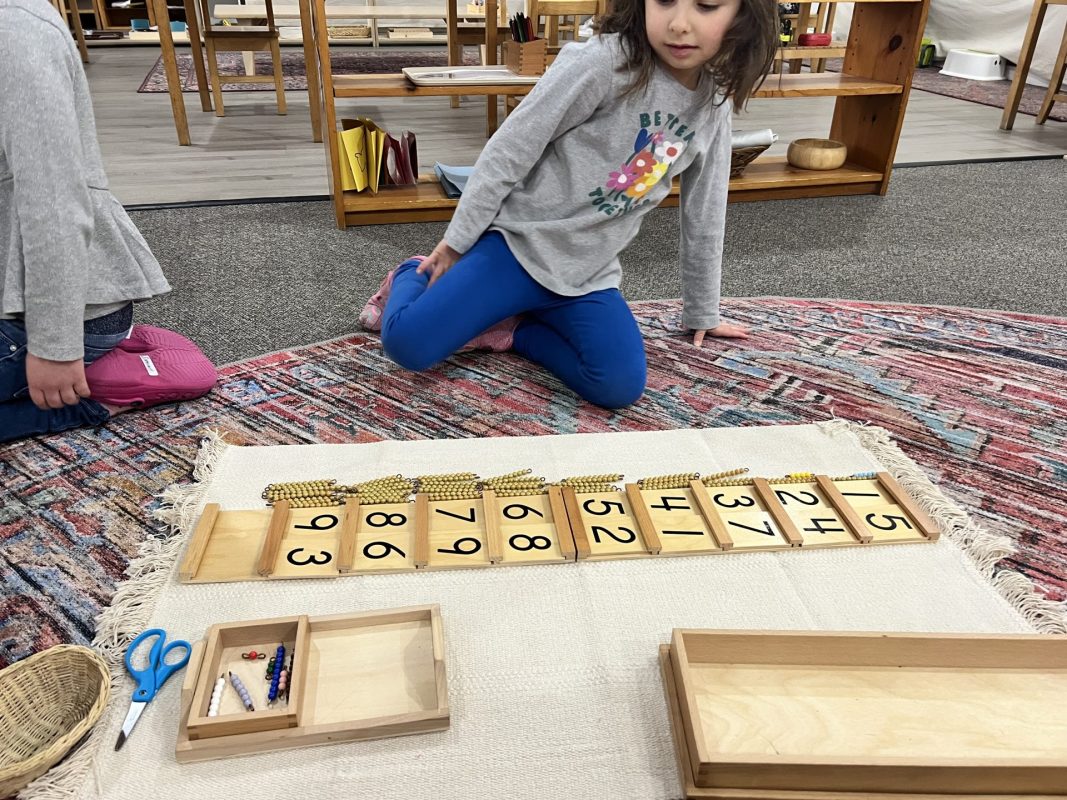
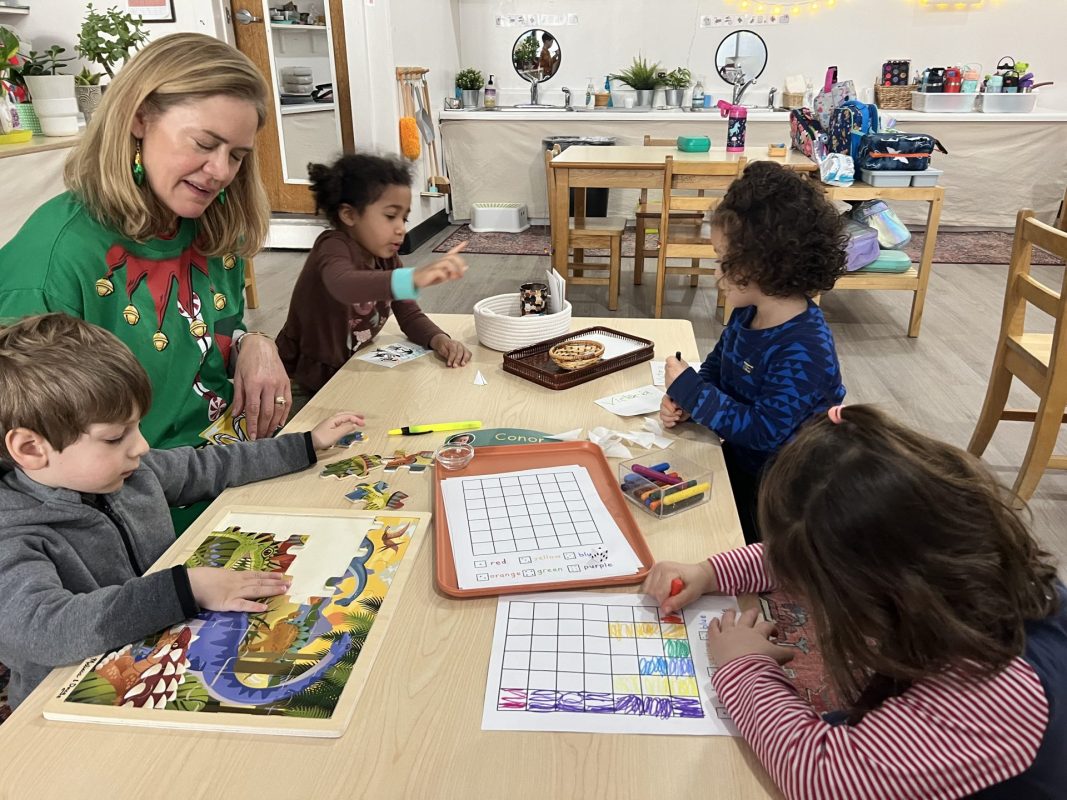
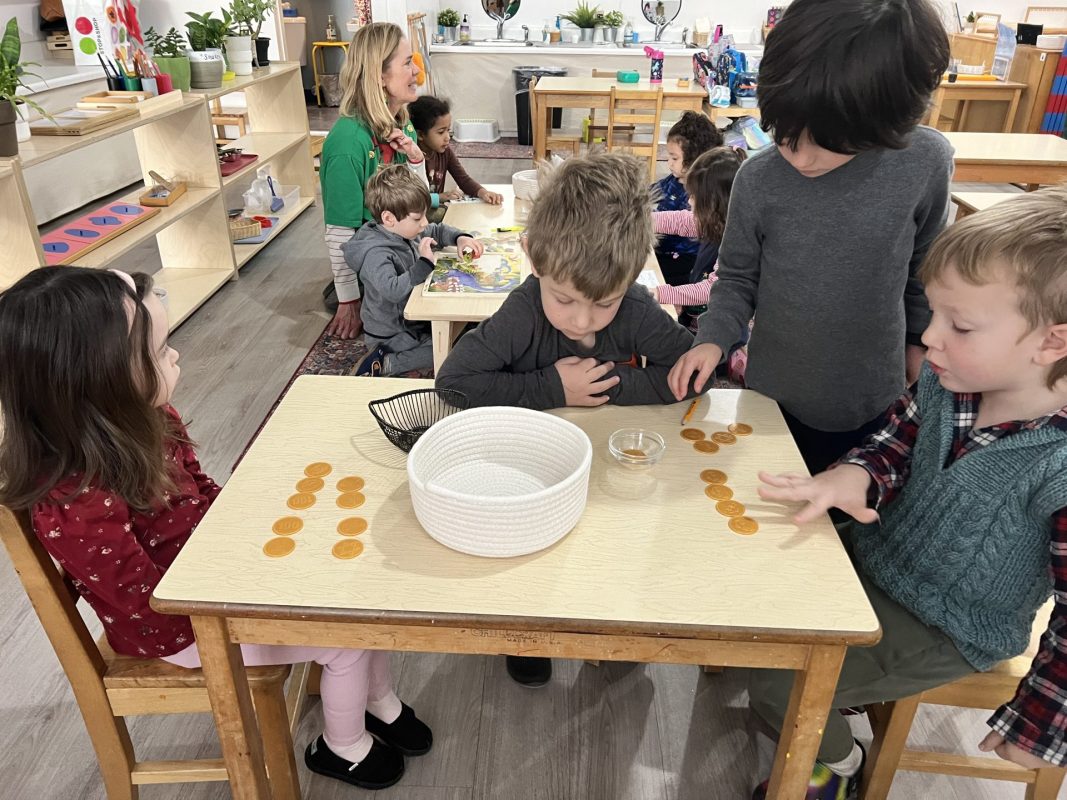
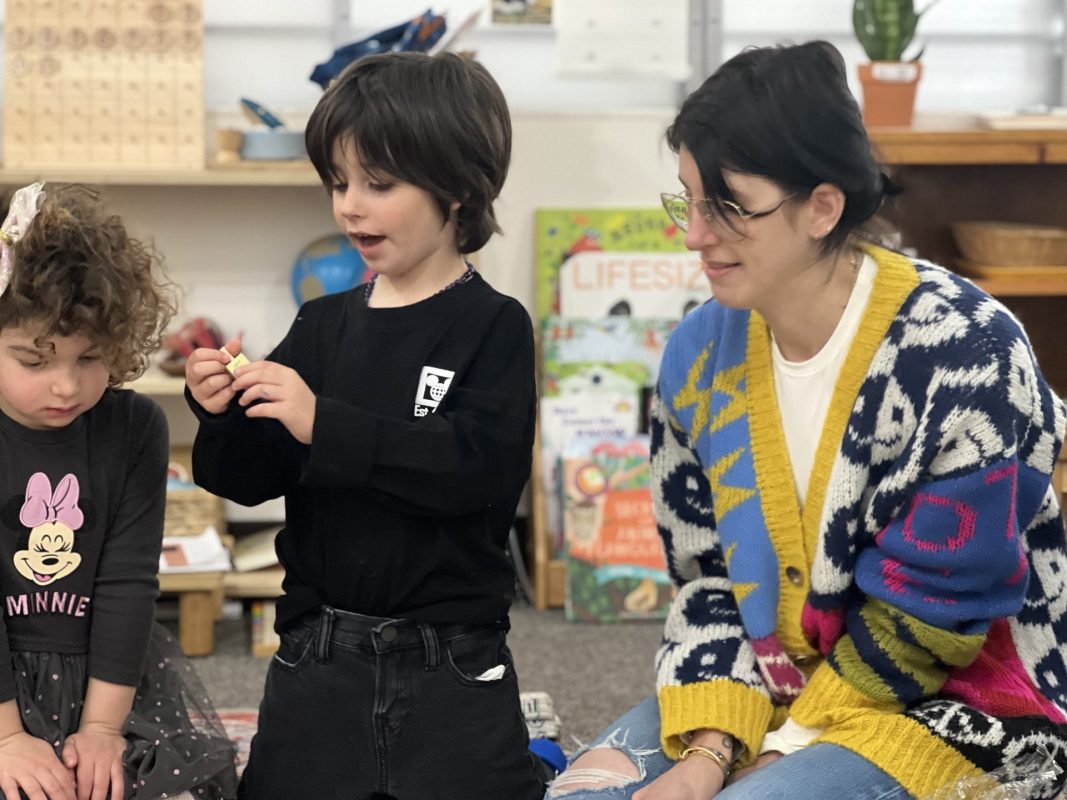
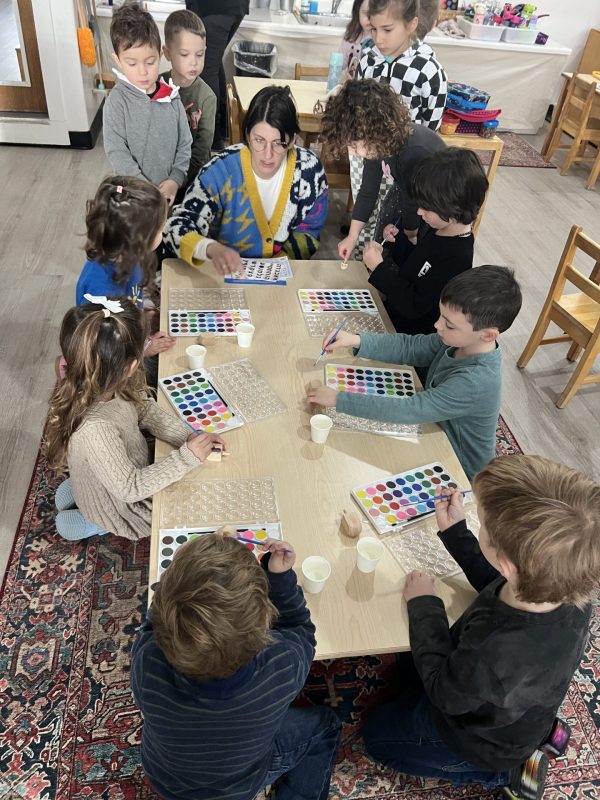
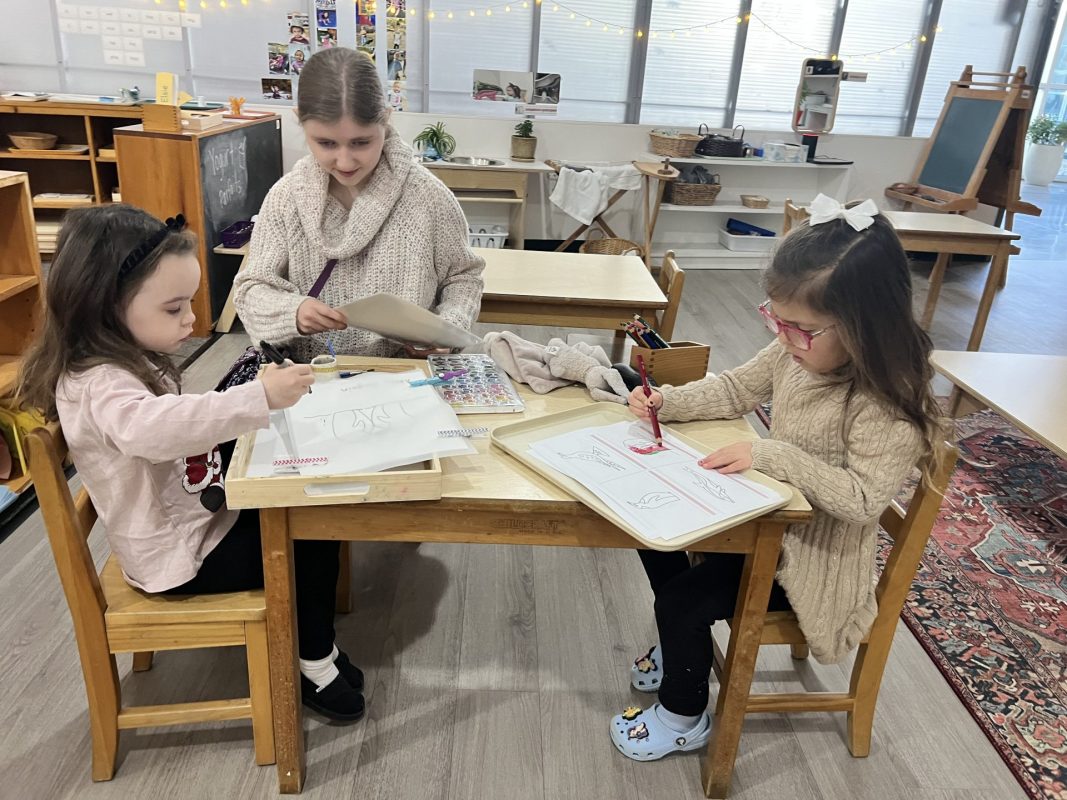
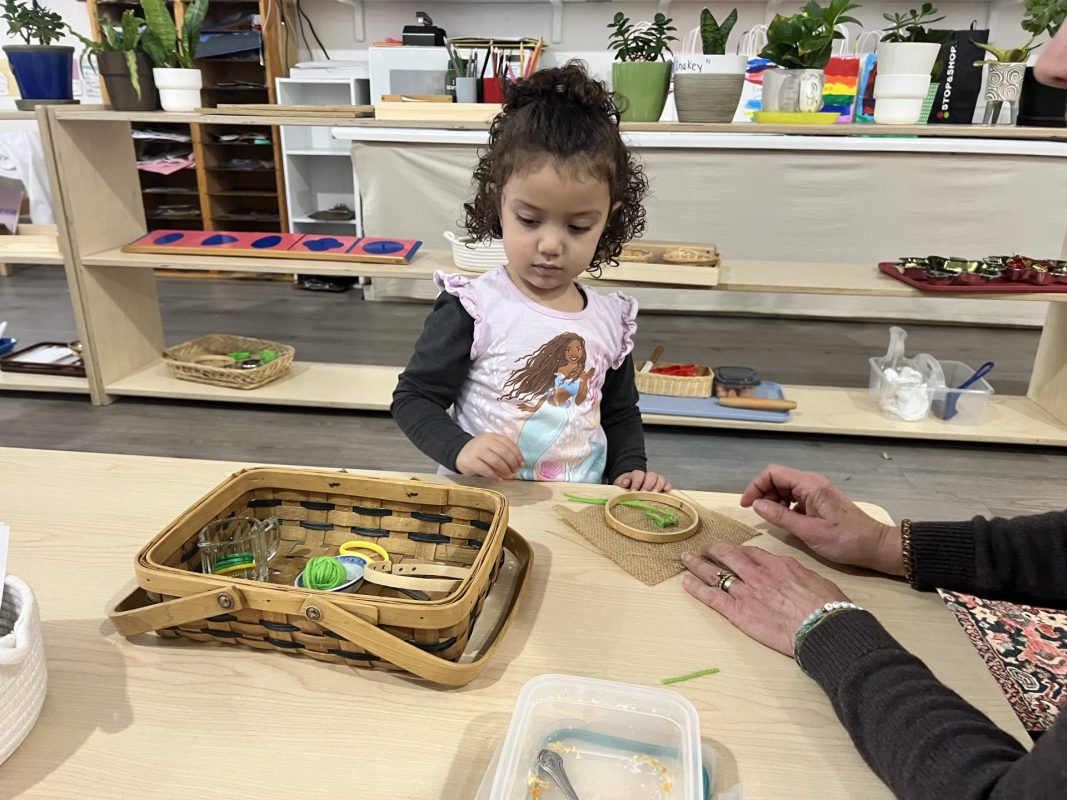
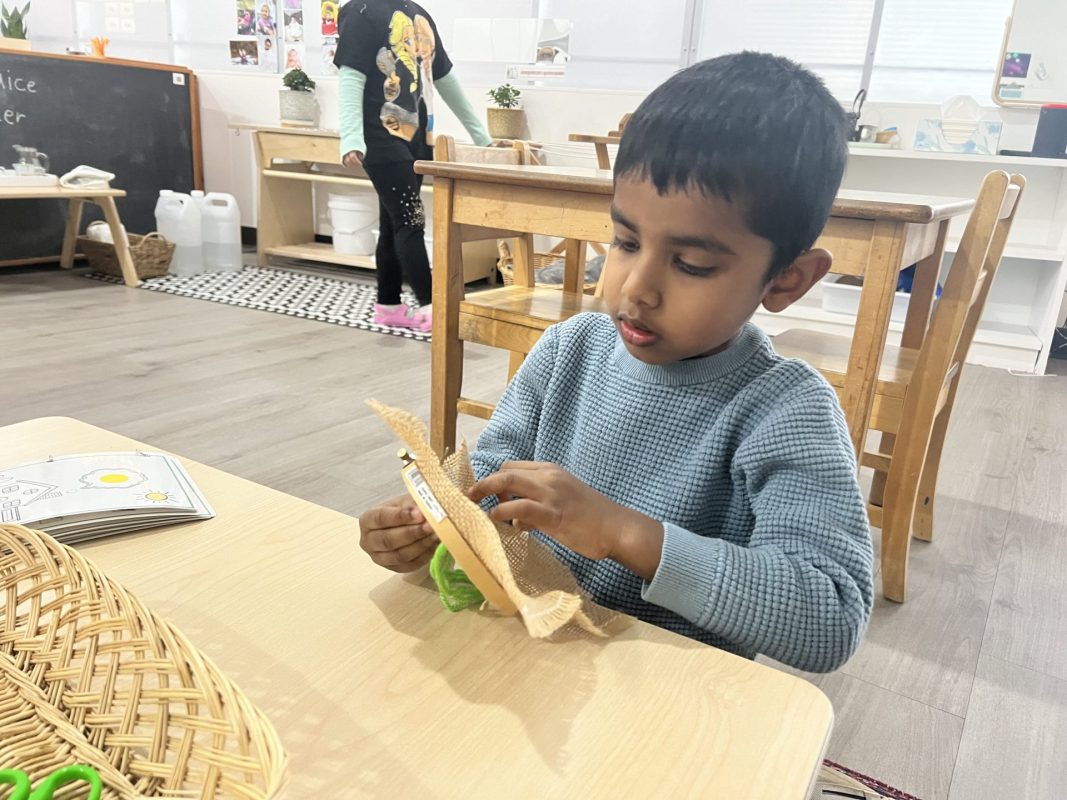
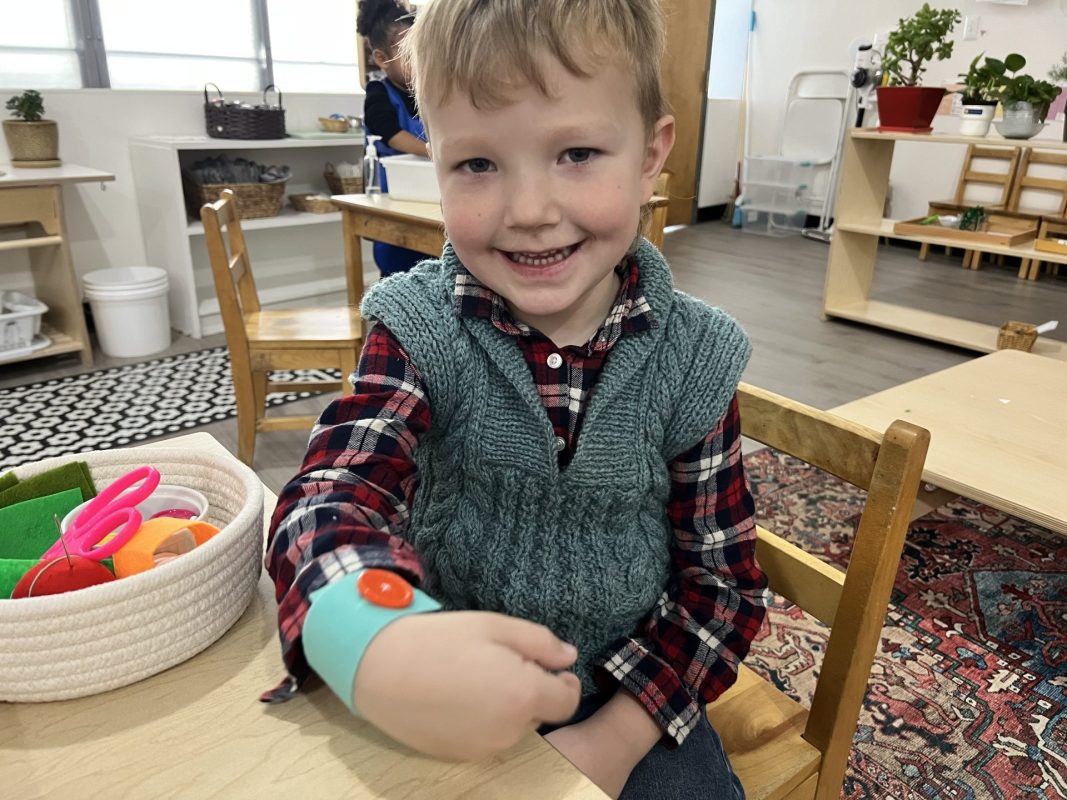
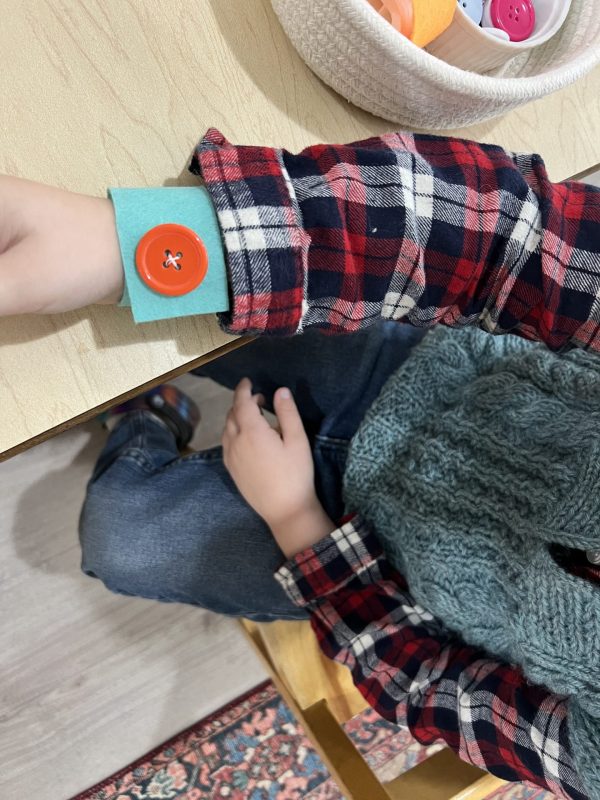
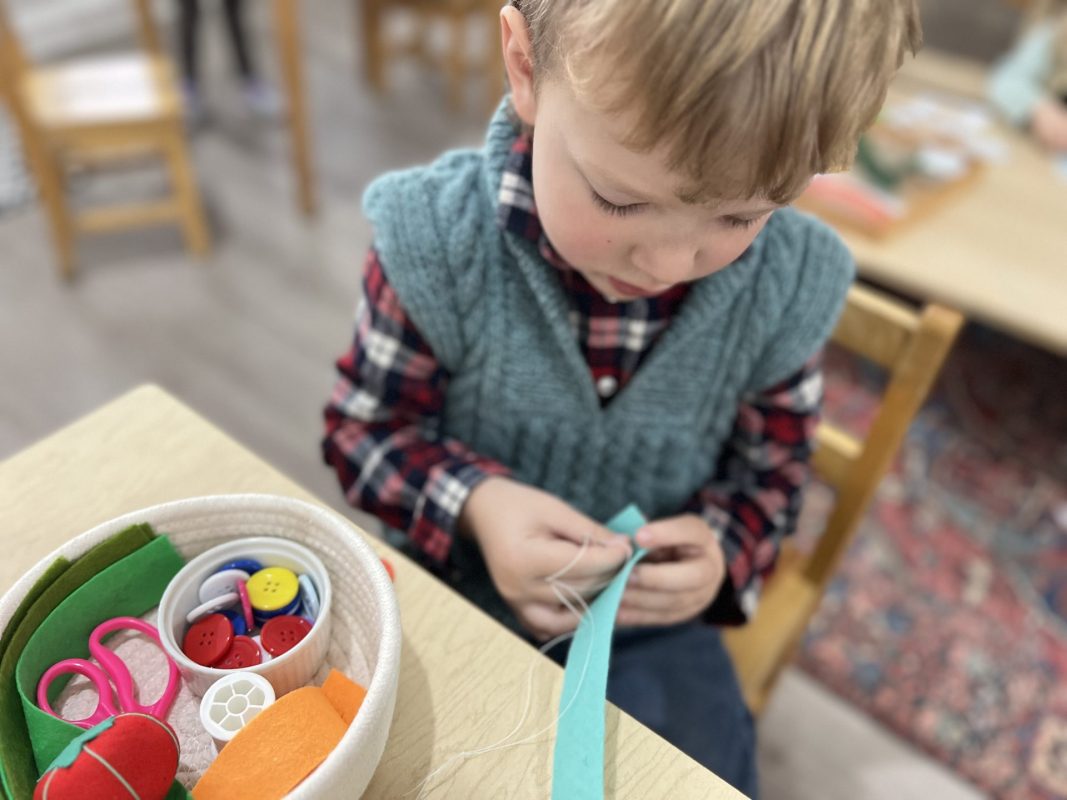
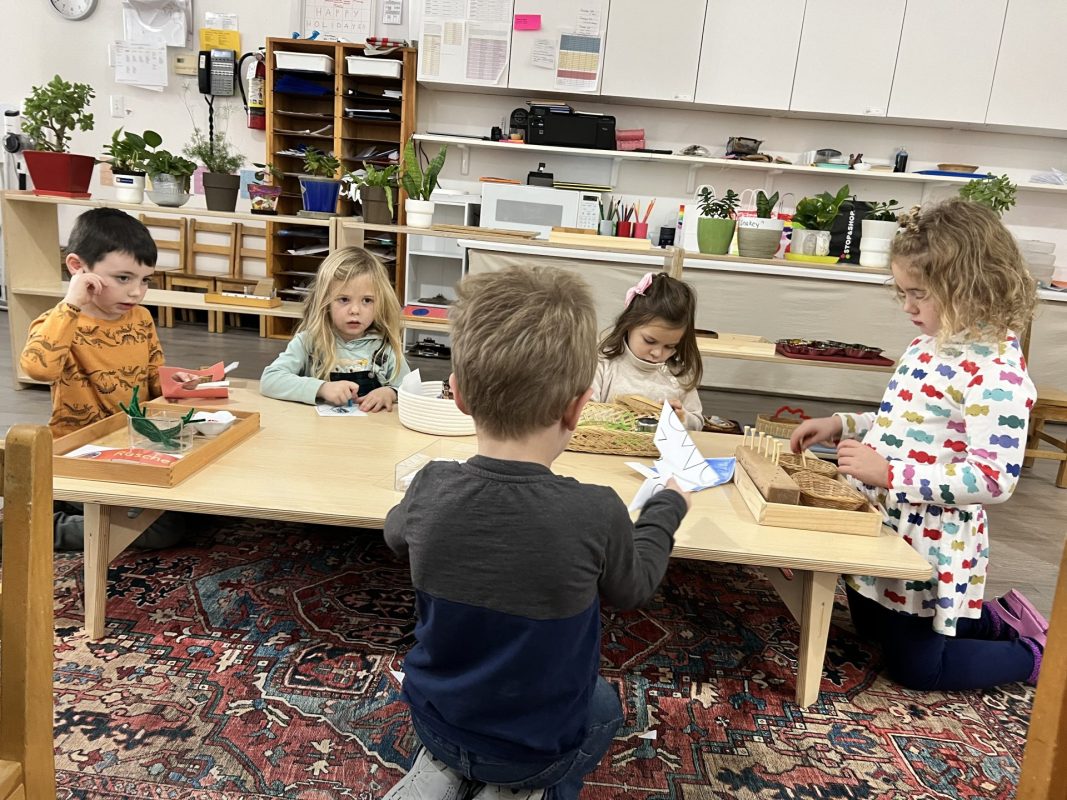
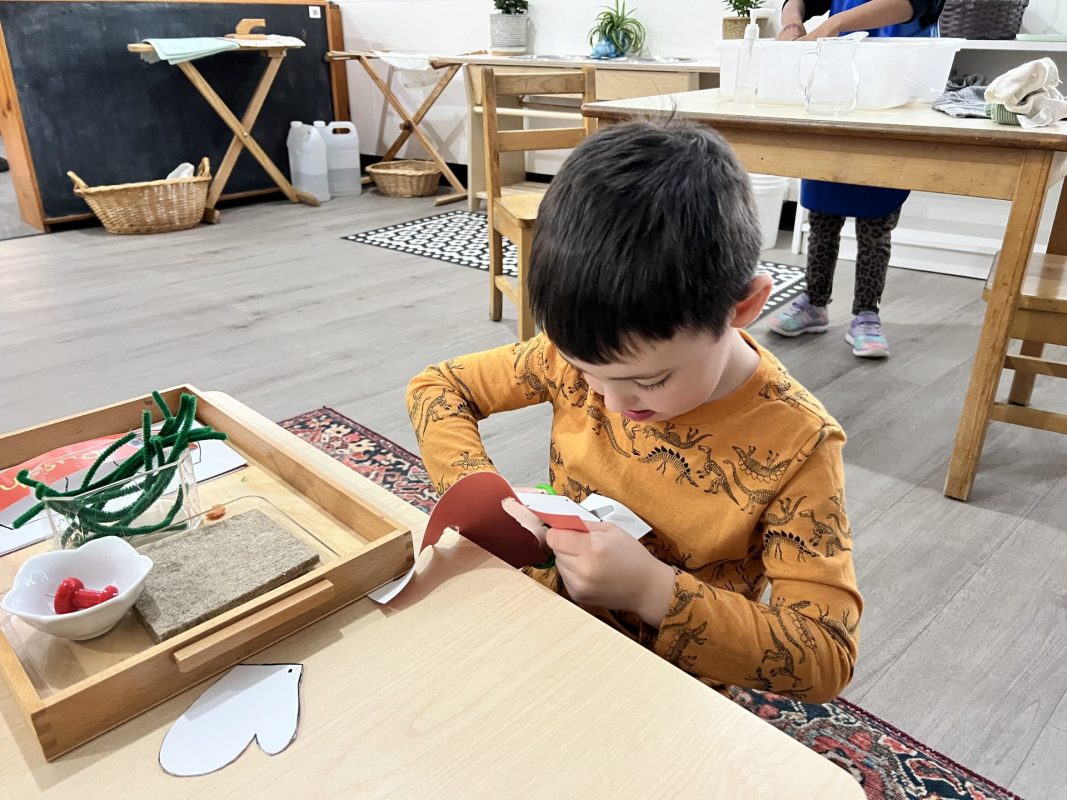
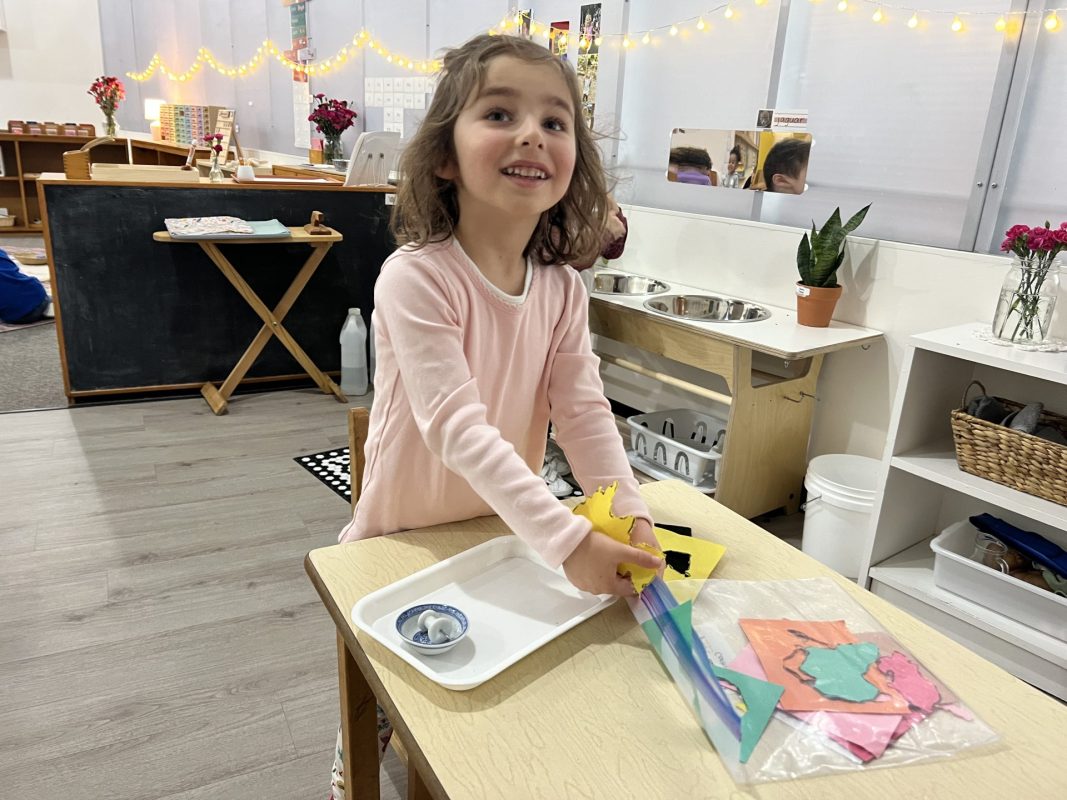
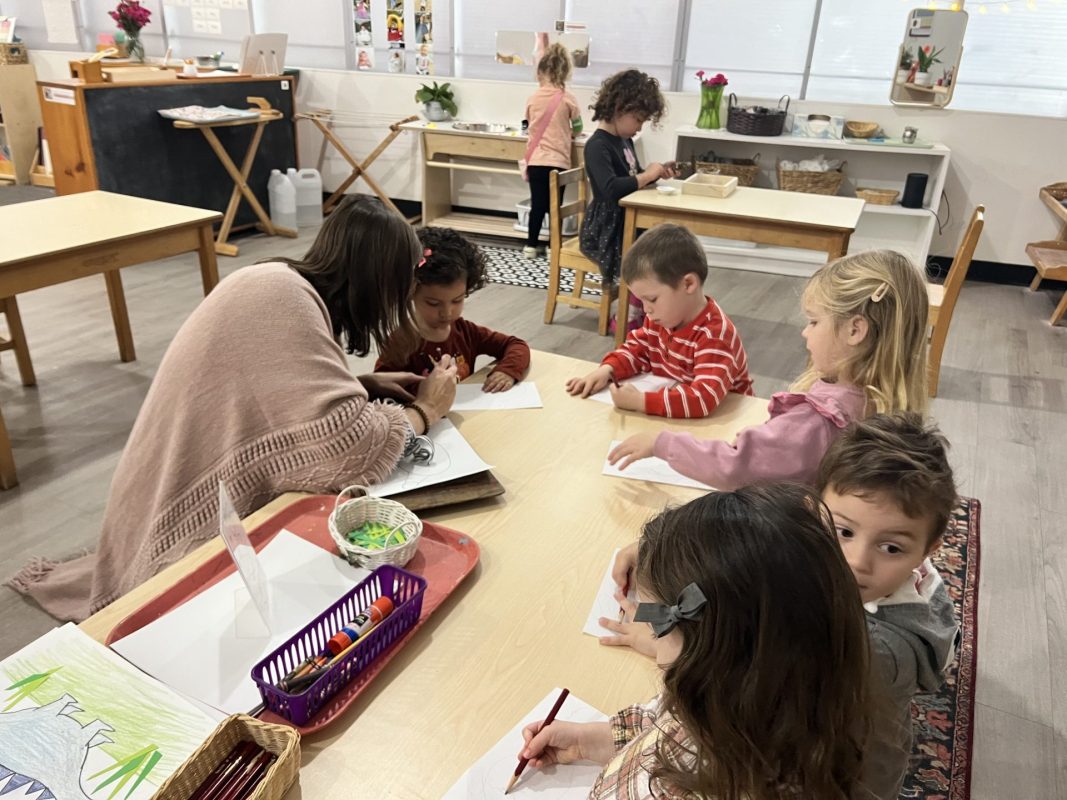
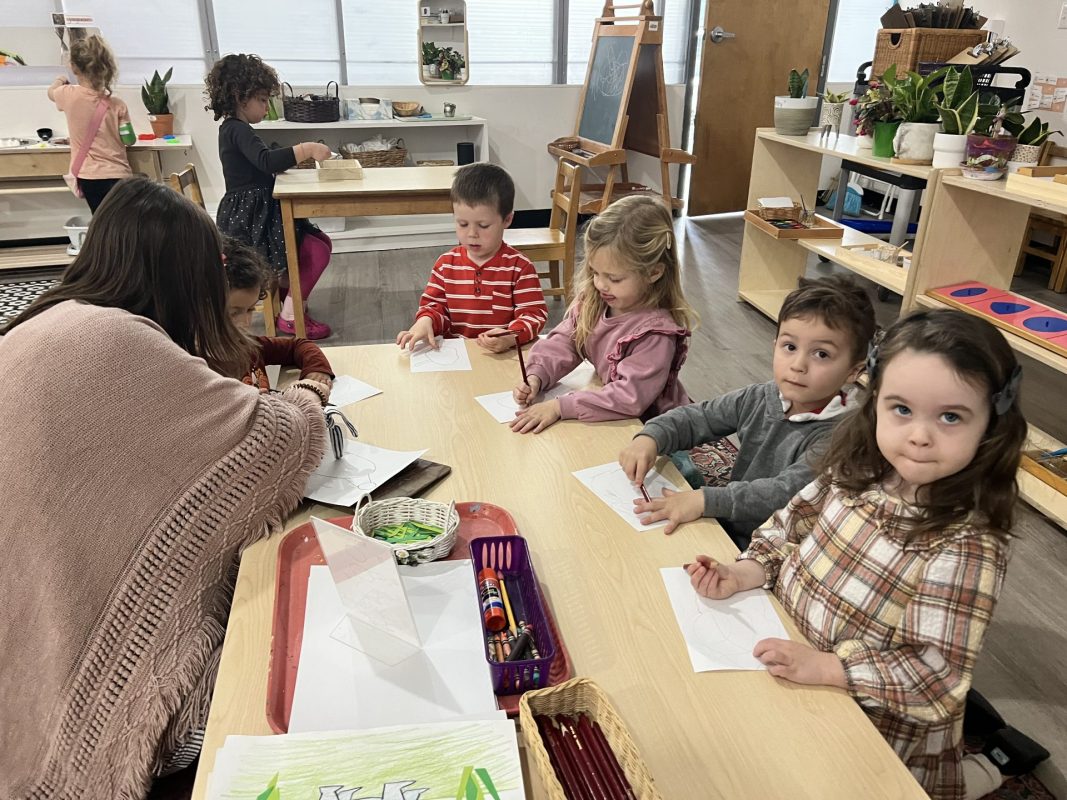
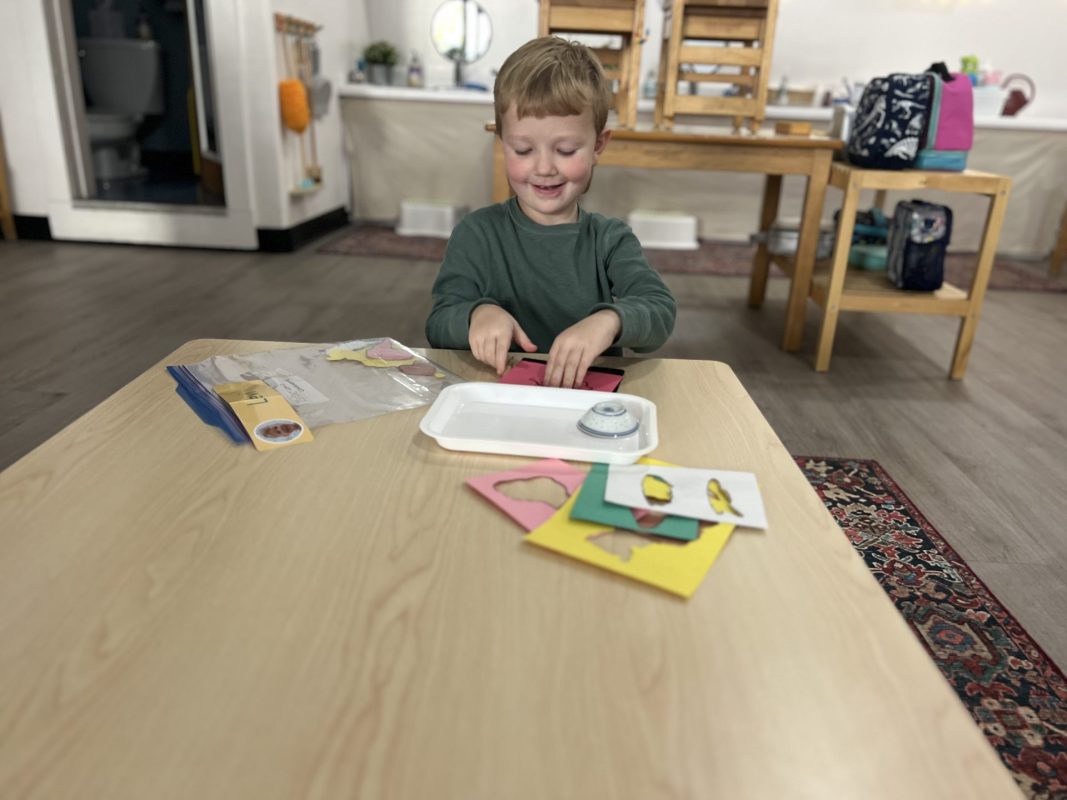
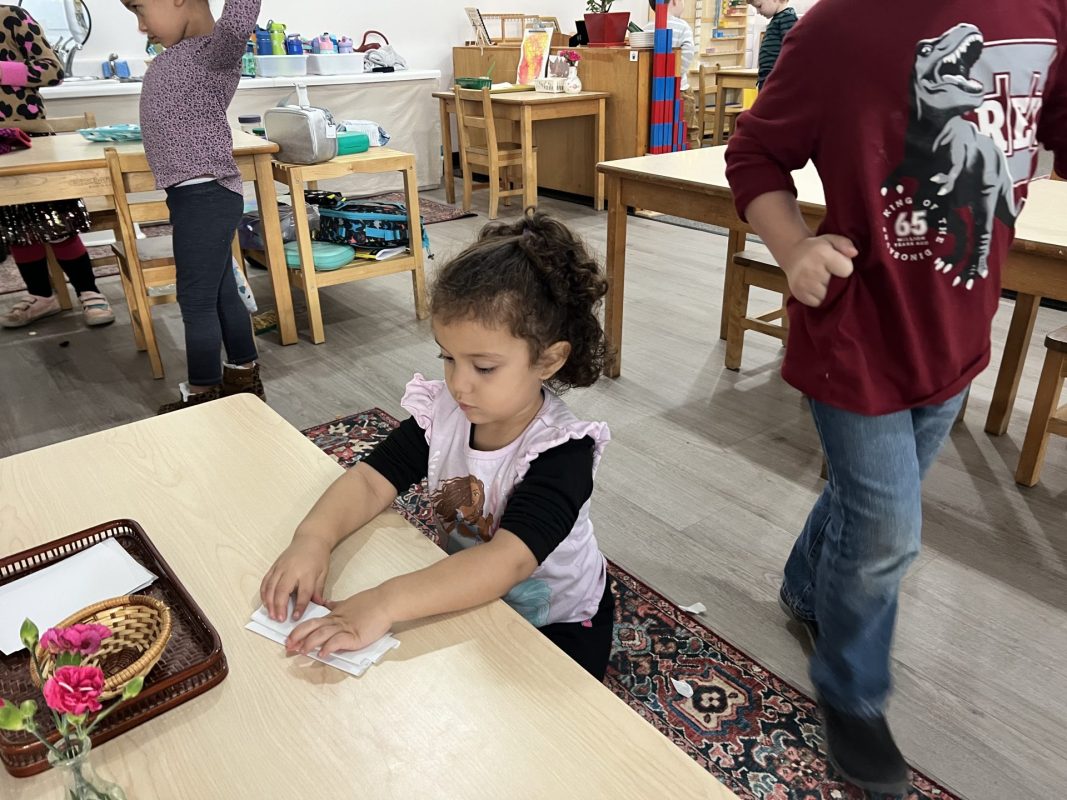
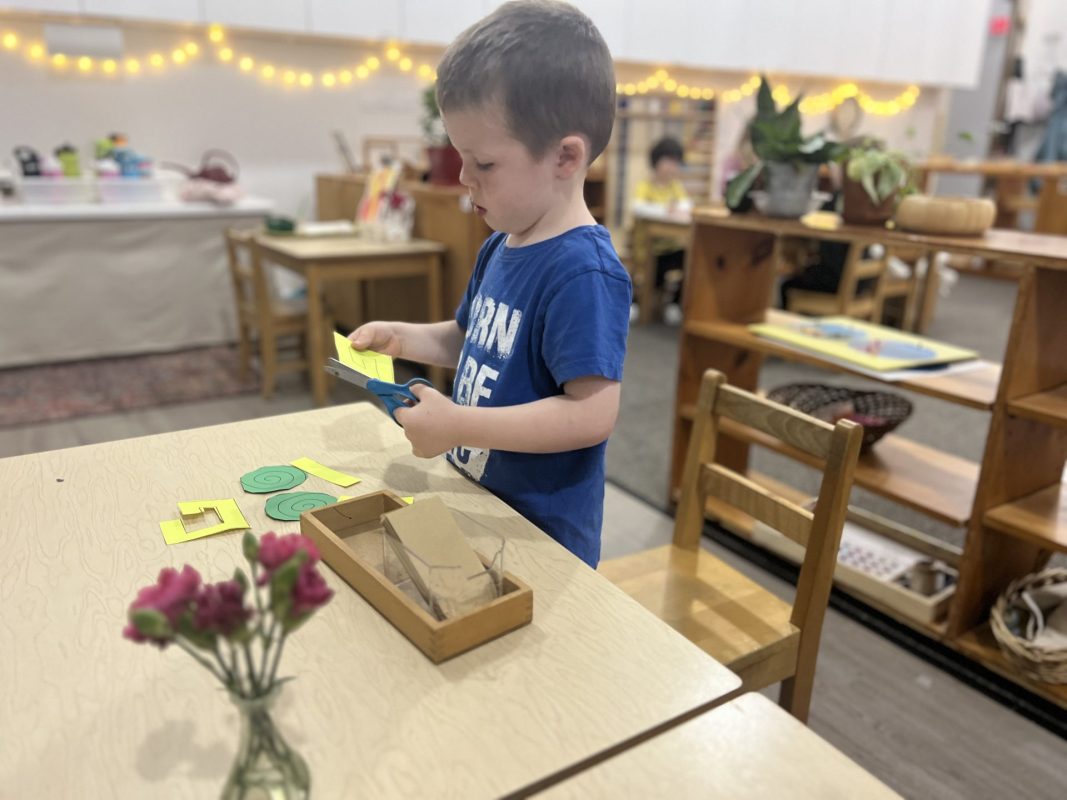
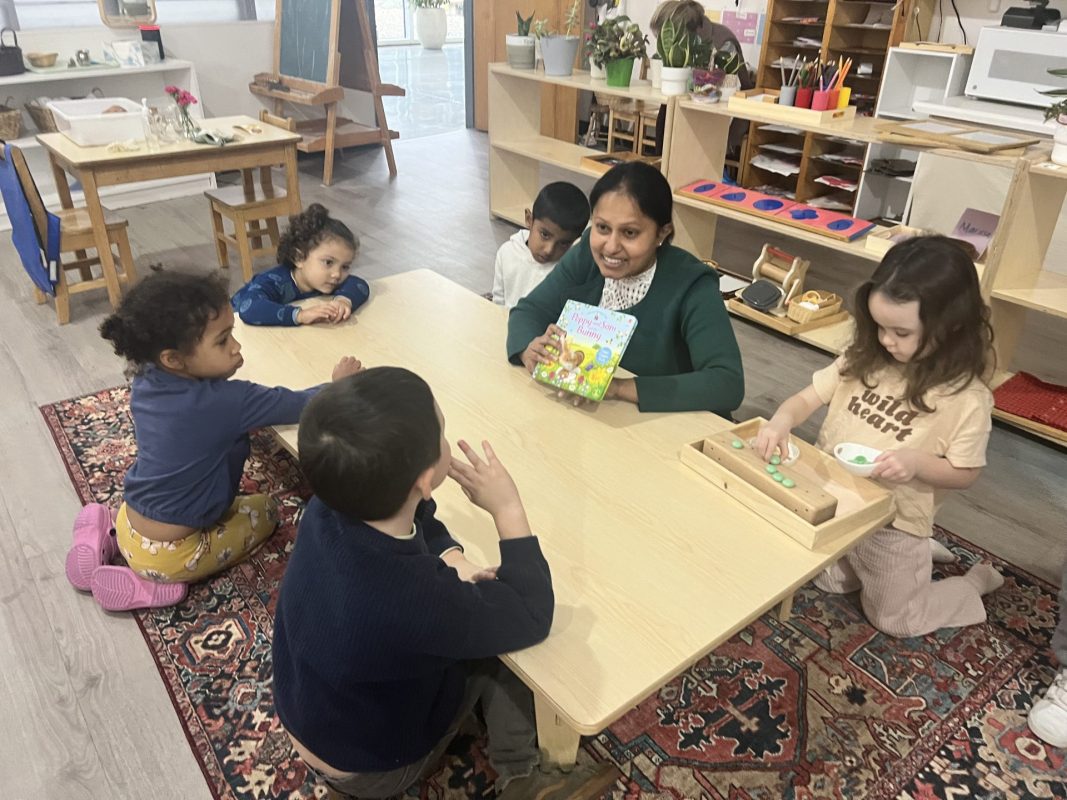
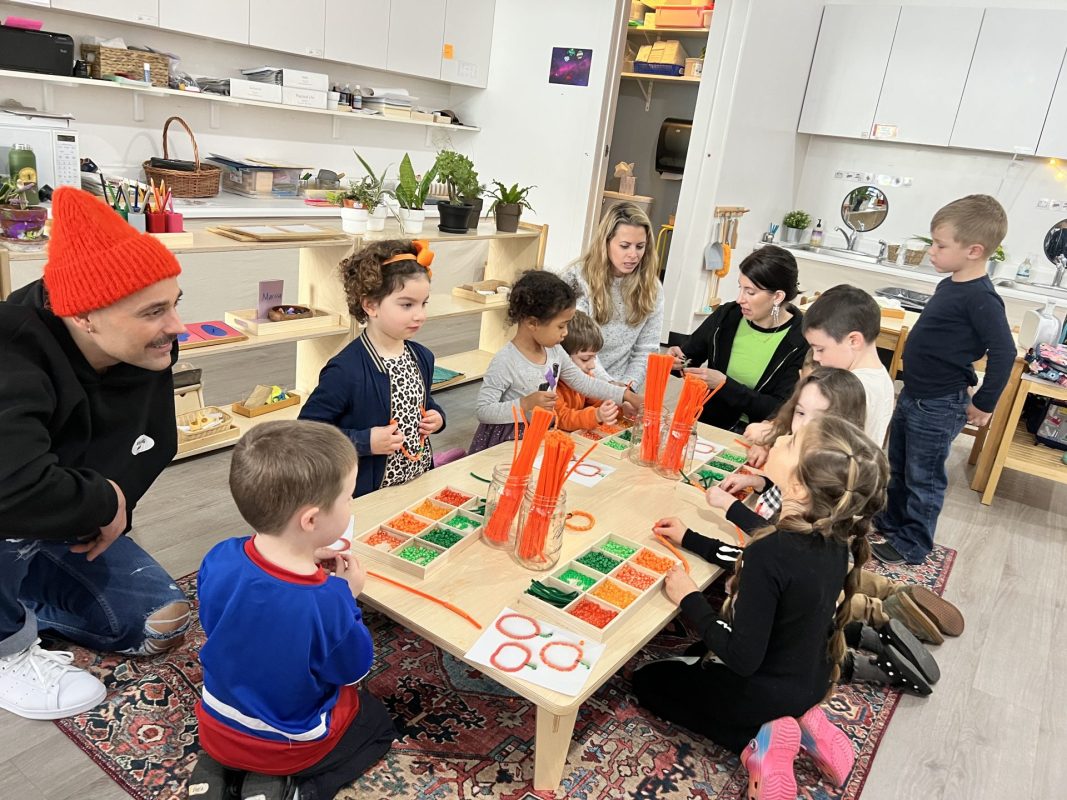
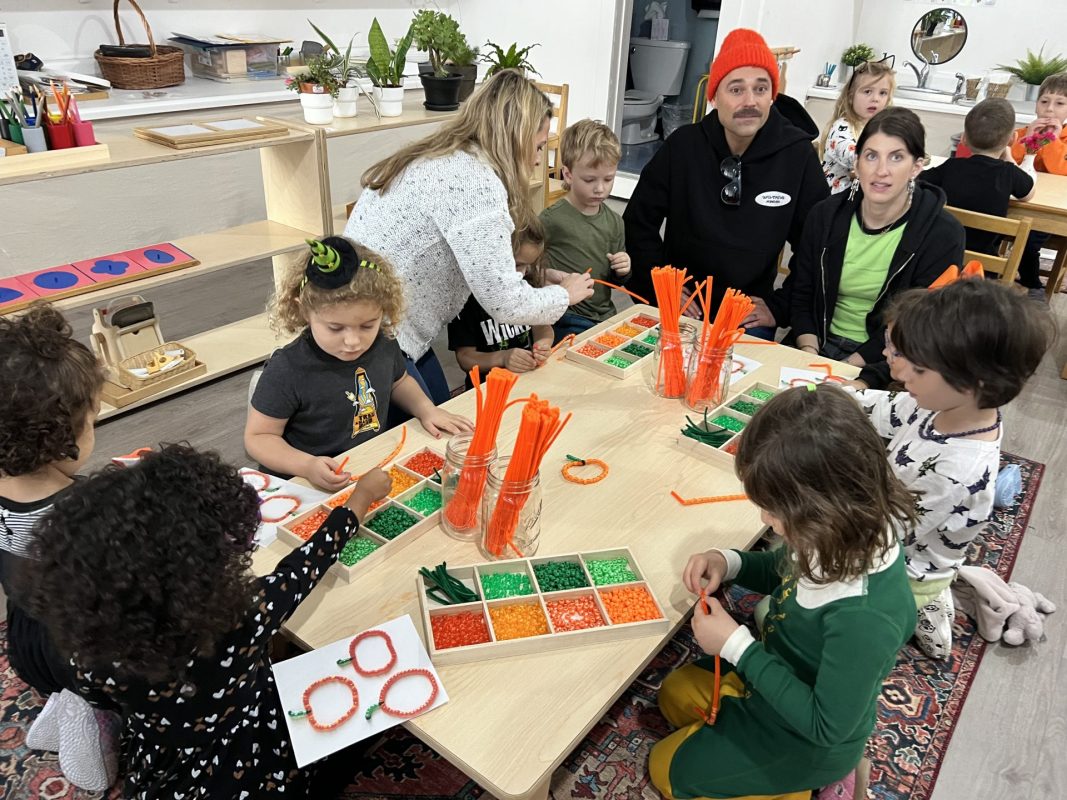
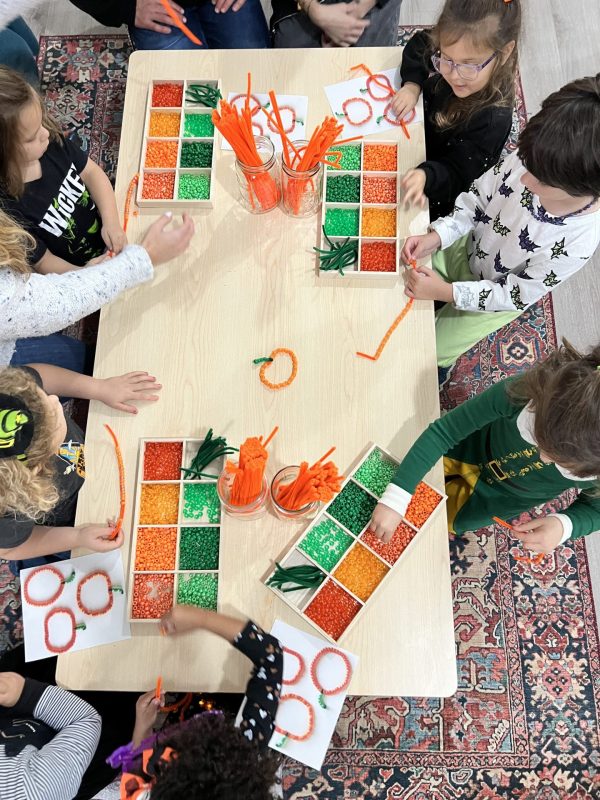
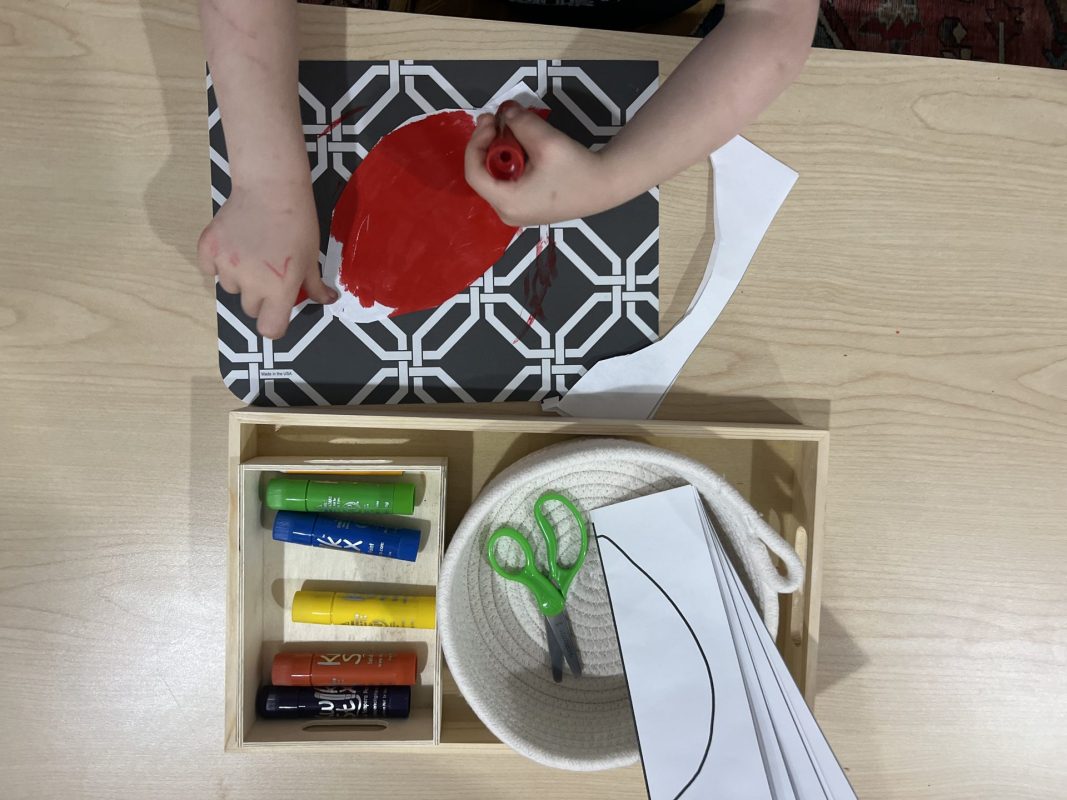
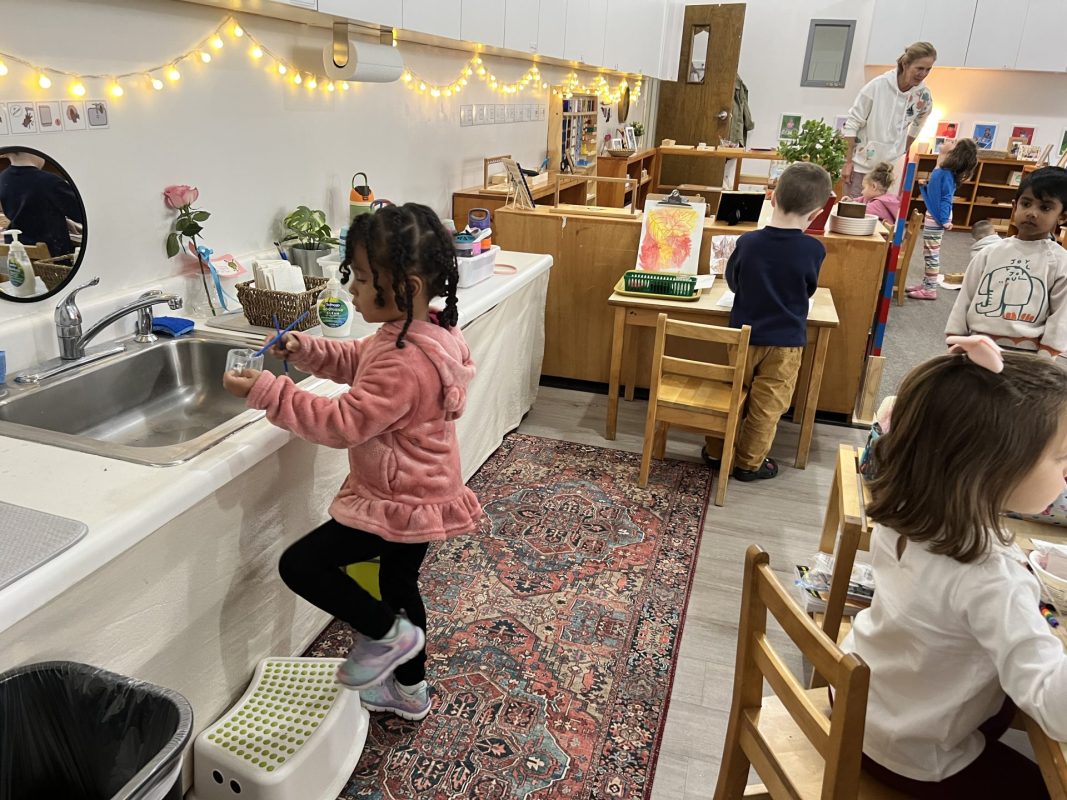
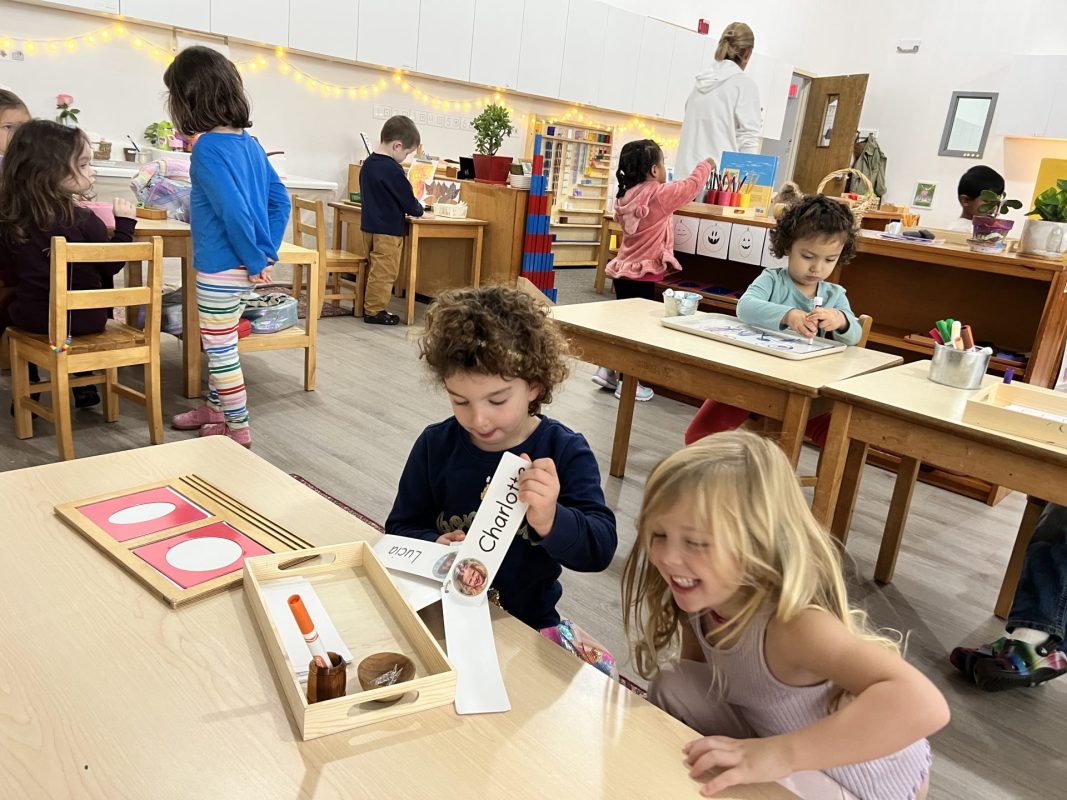
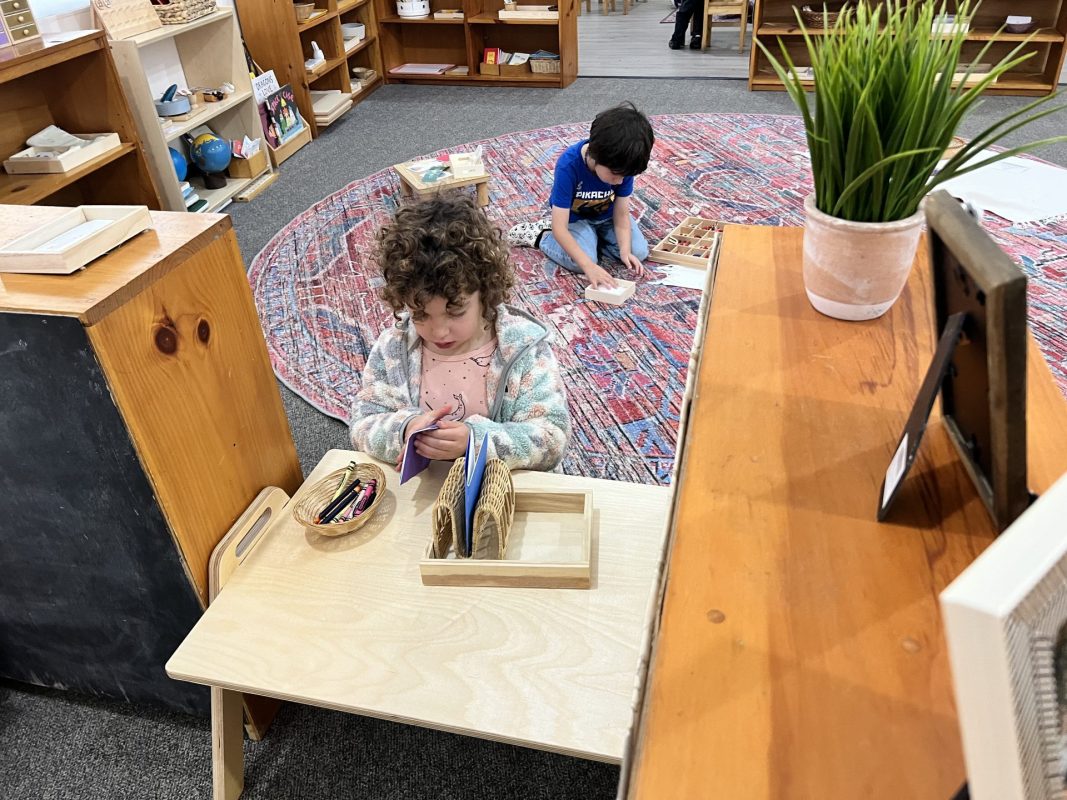
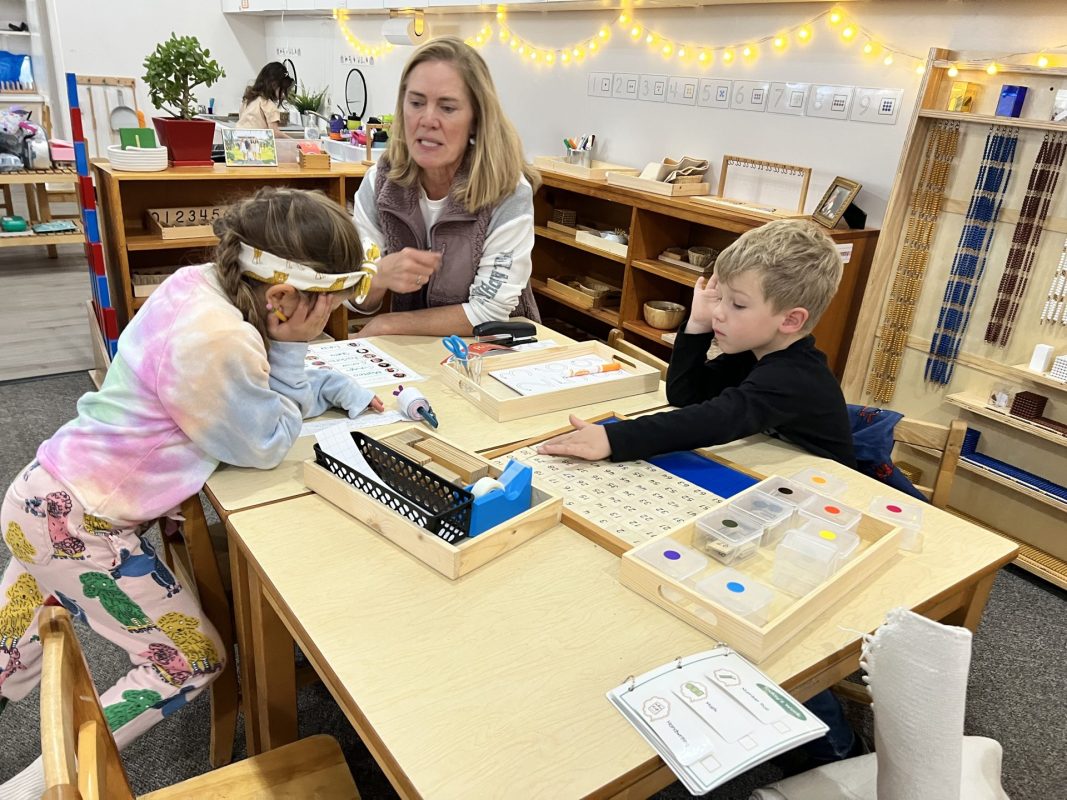
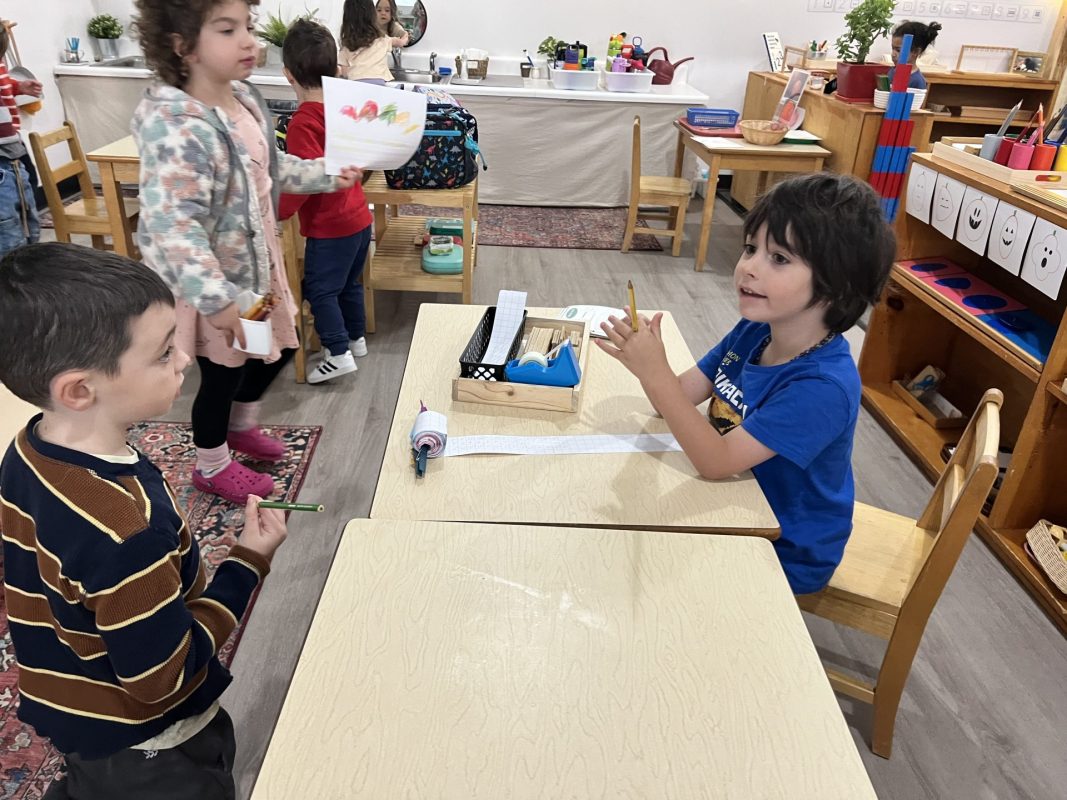
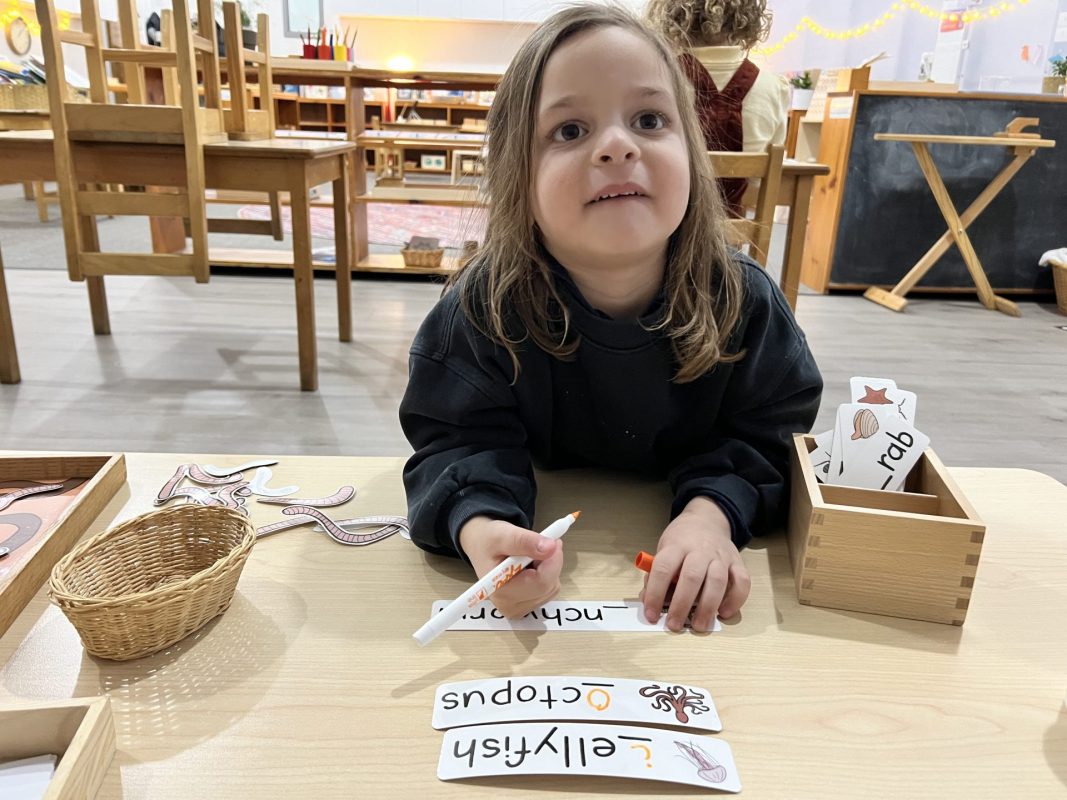
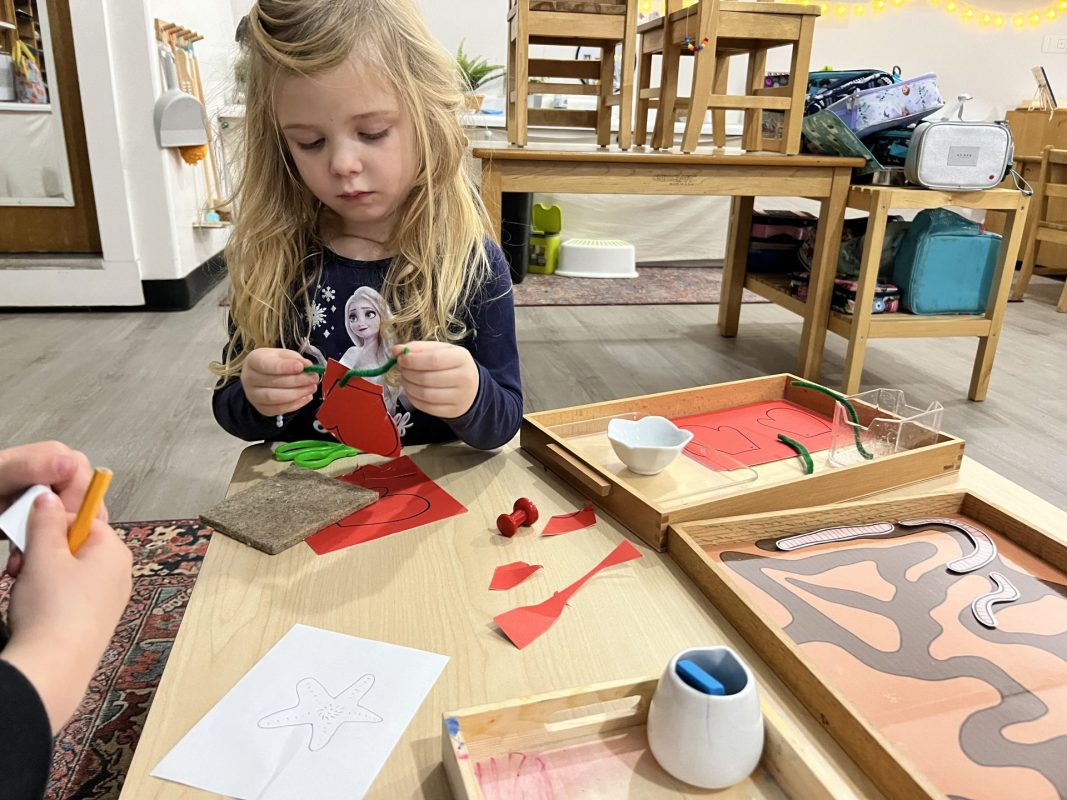
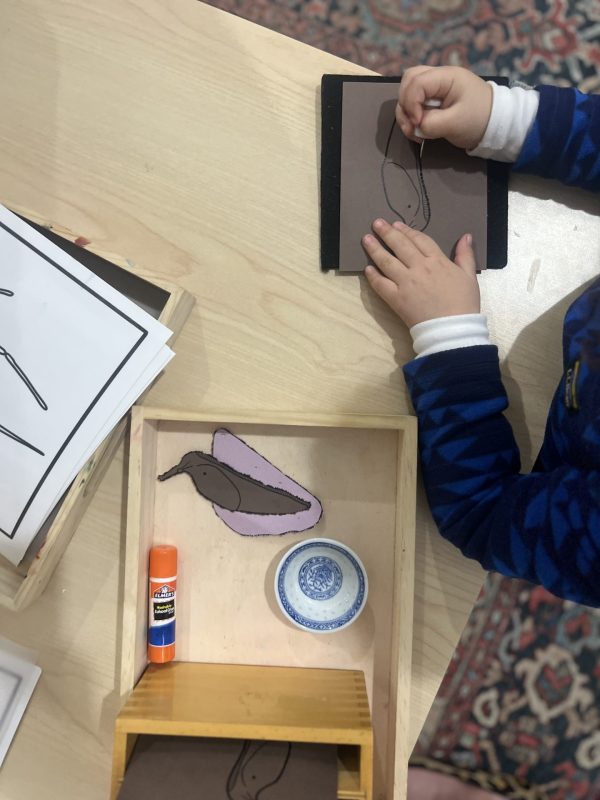
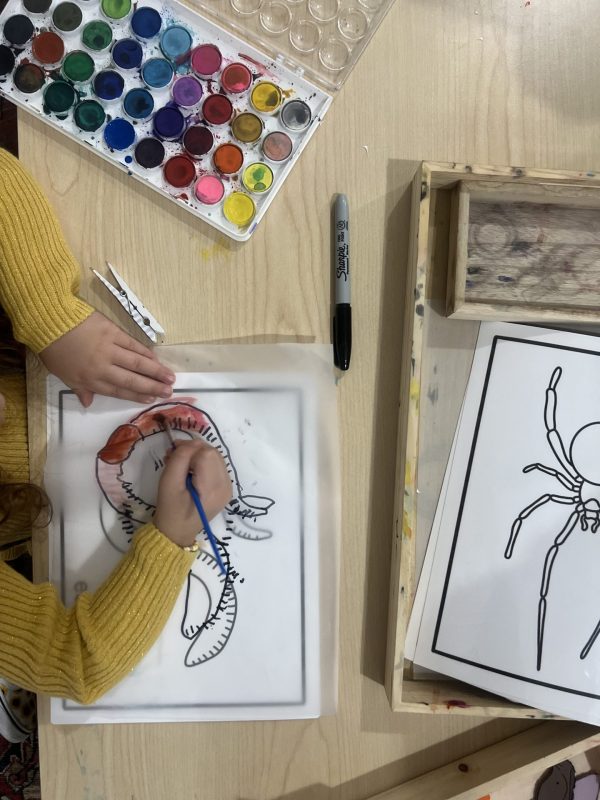
We have three new sewing works out in Practical Life. We have had many “sewing circles” this week around our large community tables. Even our youngest students have joined in on the fun! We have learned how to embroider, sew a button onto fabric, and make button-closed bracelets. All these activities include cutting, threading needles, and tying knots! Although many children will not master all of these skills, we create as many opportunities for everyone to complete at least part of the work. You may start getting many button bracelets at home this week!

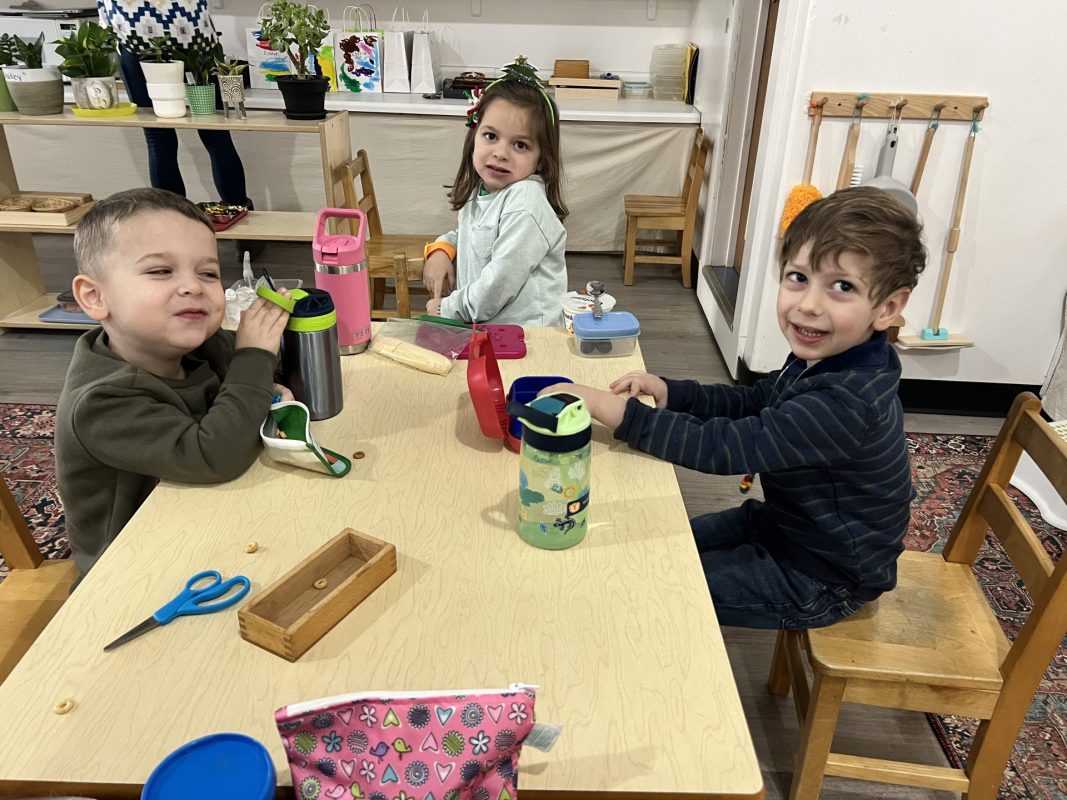
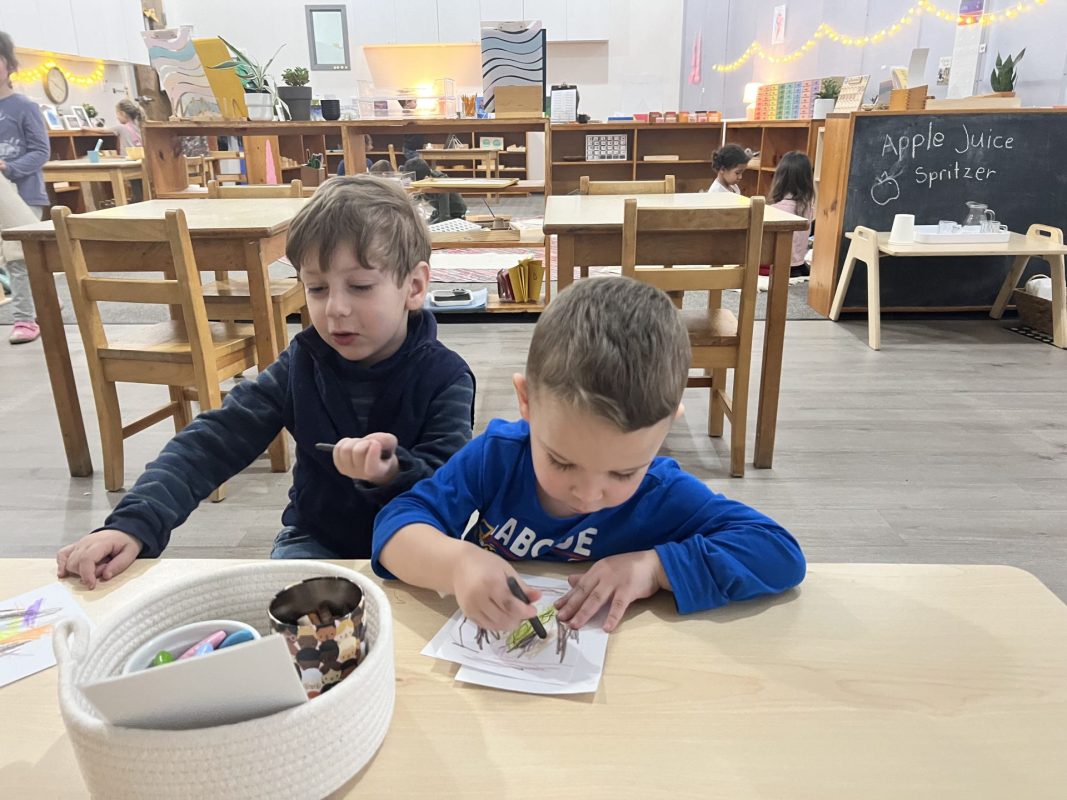
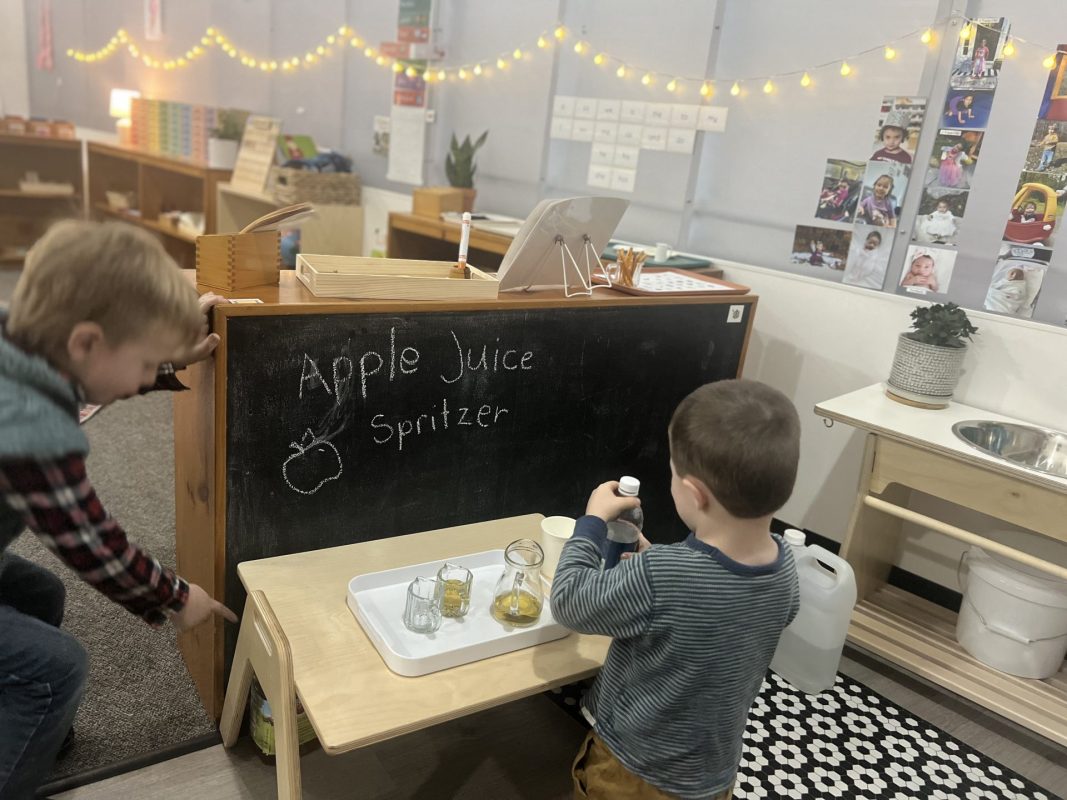
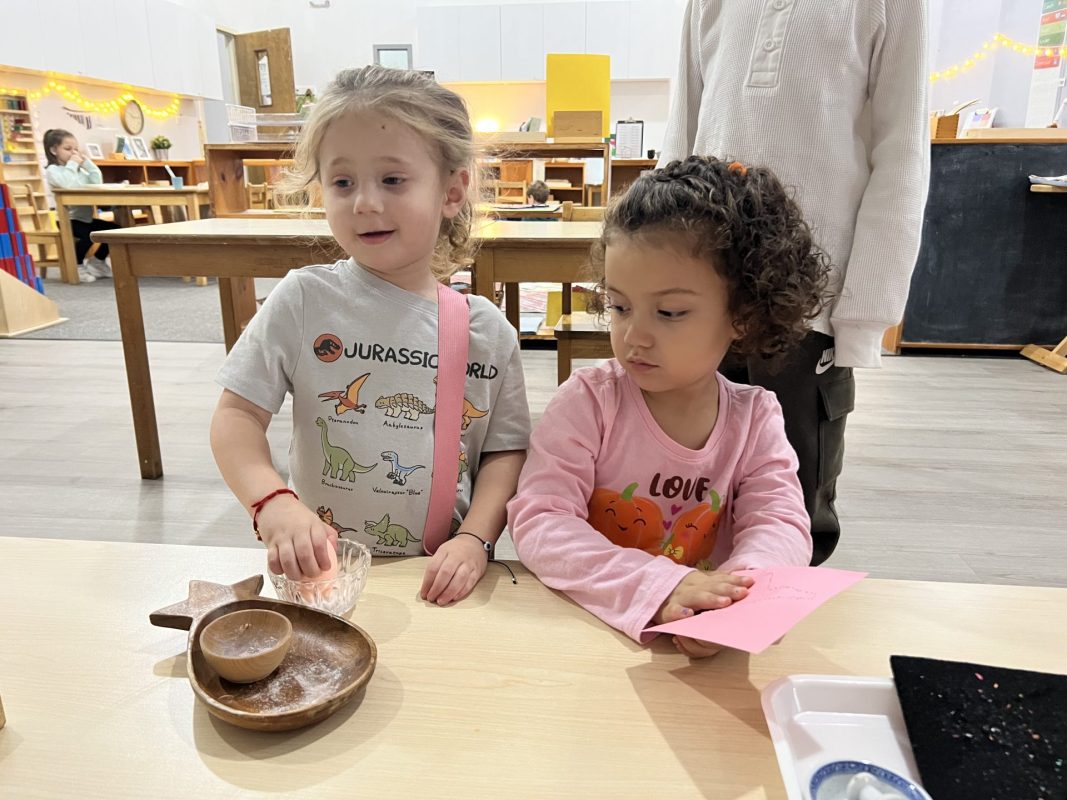
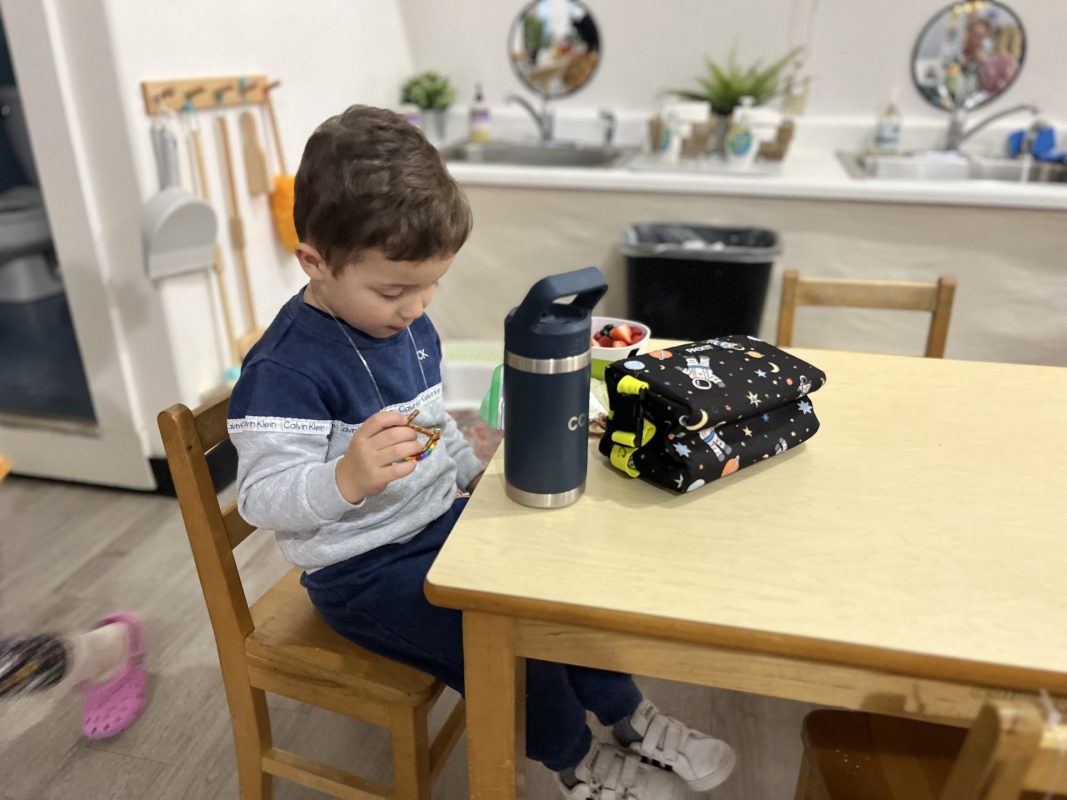
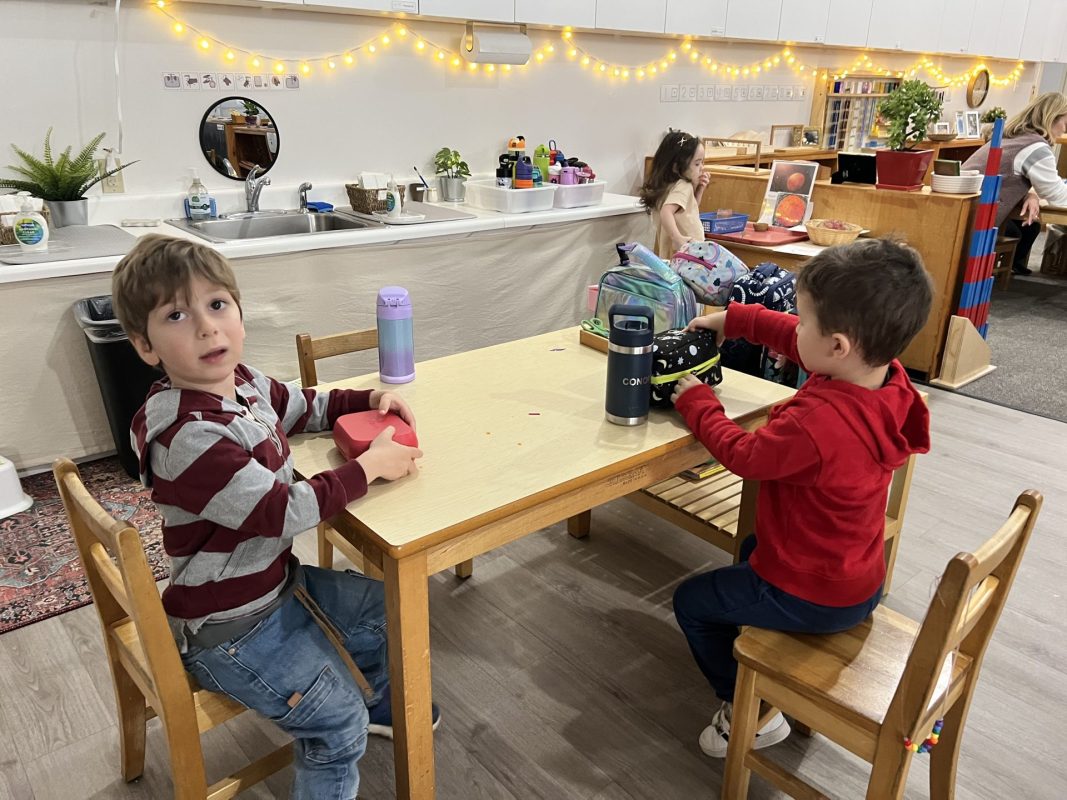
We also enjoyed “apple juice spritzers” as our Food Preparation this week. If you ever want to get a child to focus on their work, include making their own snack as part of it! Our Food Prep table was ALWAYS busy, and the children really enjoyed mixing apple juice and seltzer water for a nice refreshing drink.

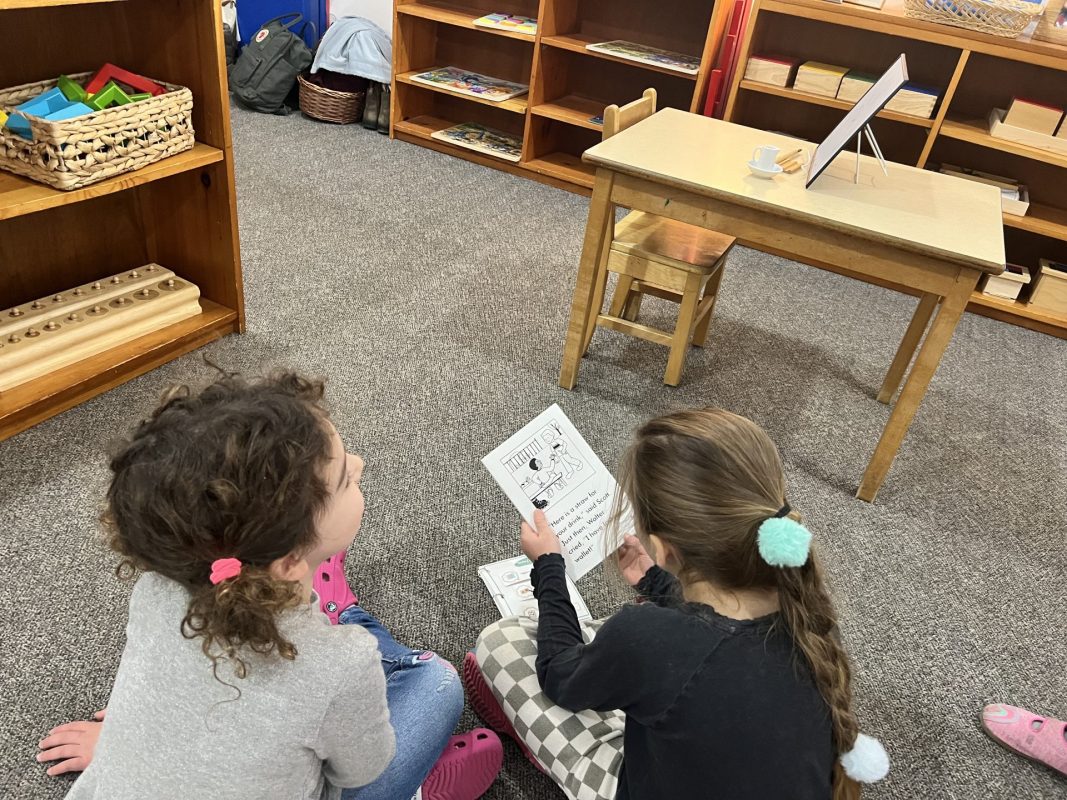
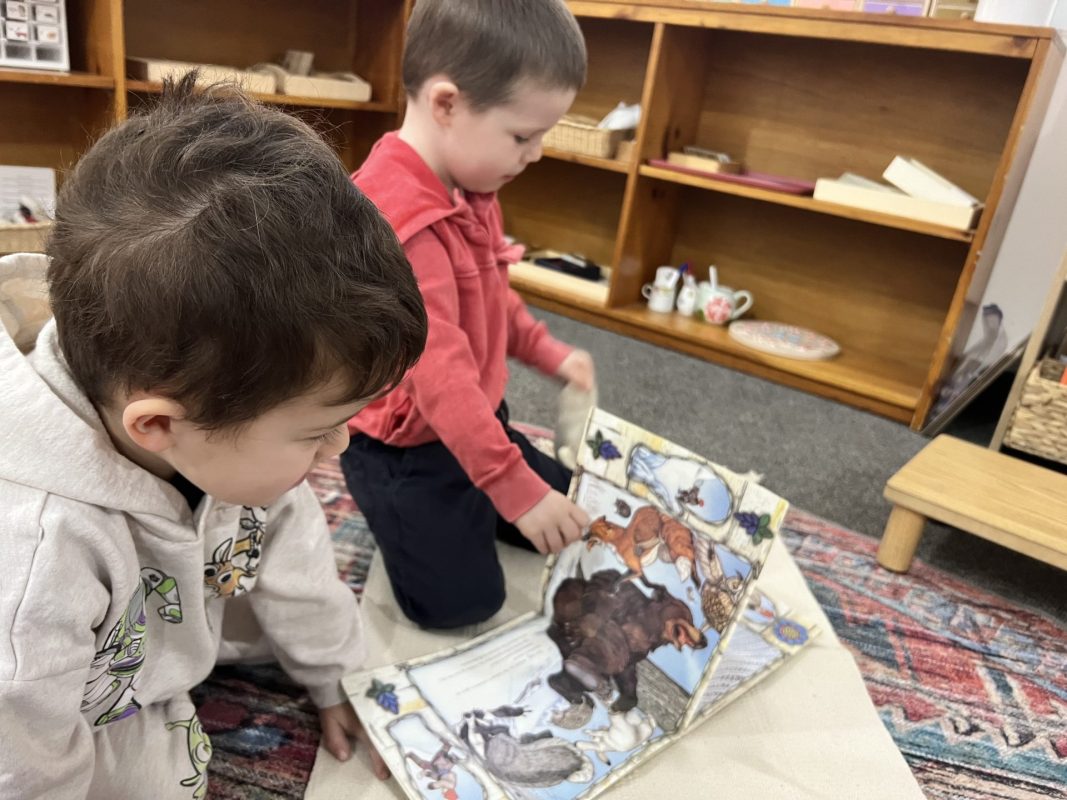
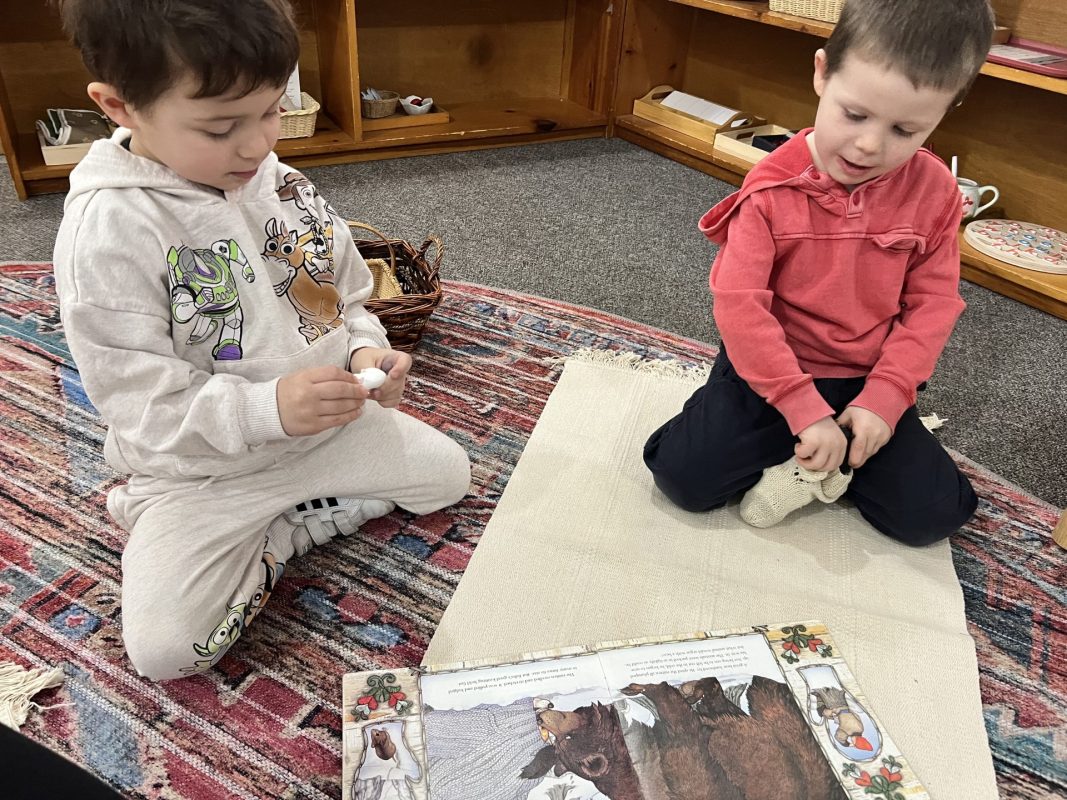
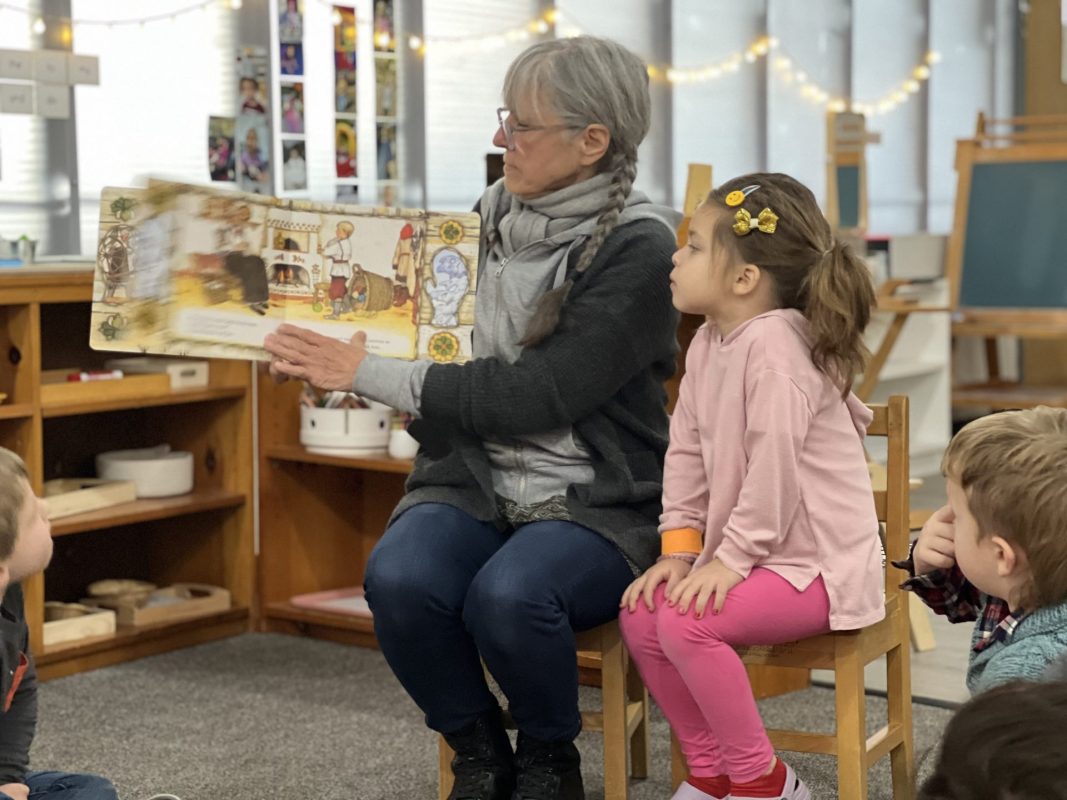
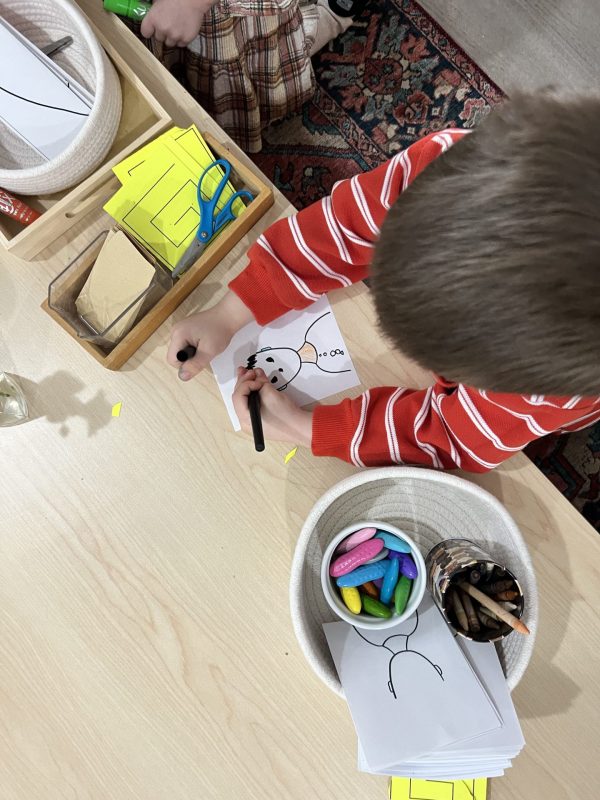
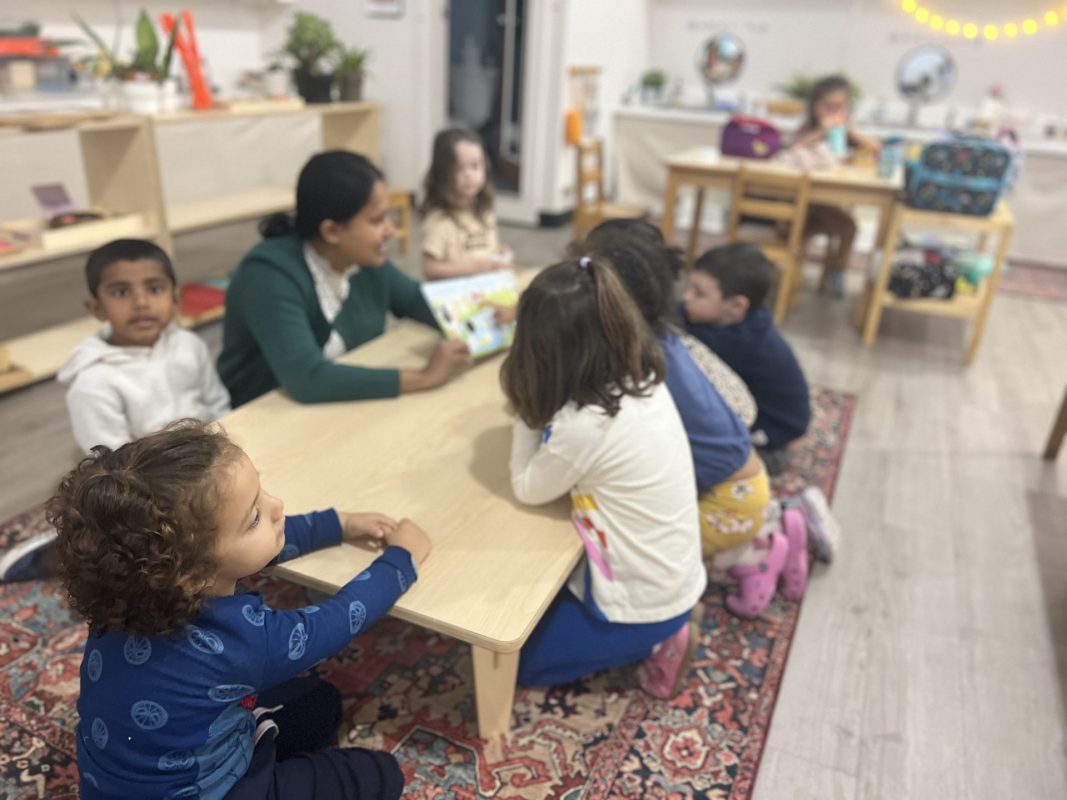
We also starting one of three books focusing on “social thinking” or social/emotional learning. This week’s book is titled “Thoughts and Feelings,” where we learned that we all have brains (our thought makers) that are connected to our hearts (our feelings keepers). We learned that the thoughts inside of our brains affect the feelings inside of our hearts. This helps children realize how their actions can affect others.

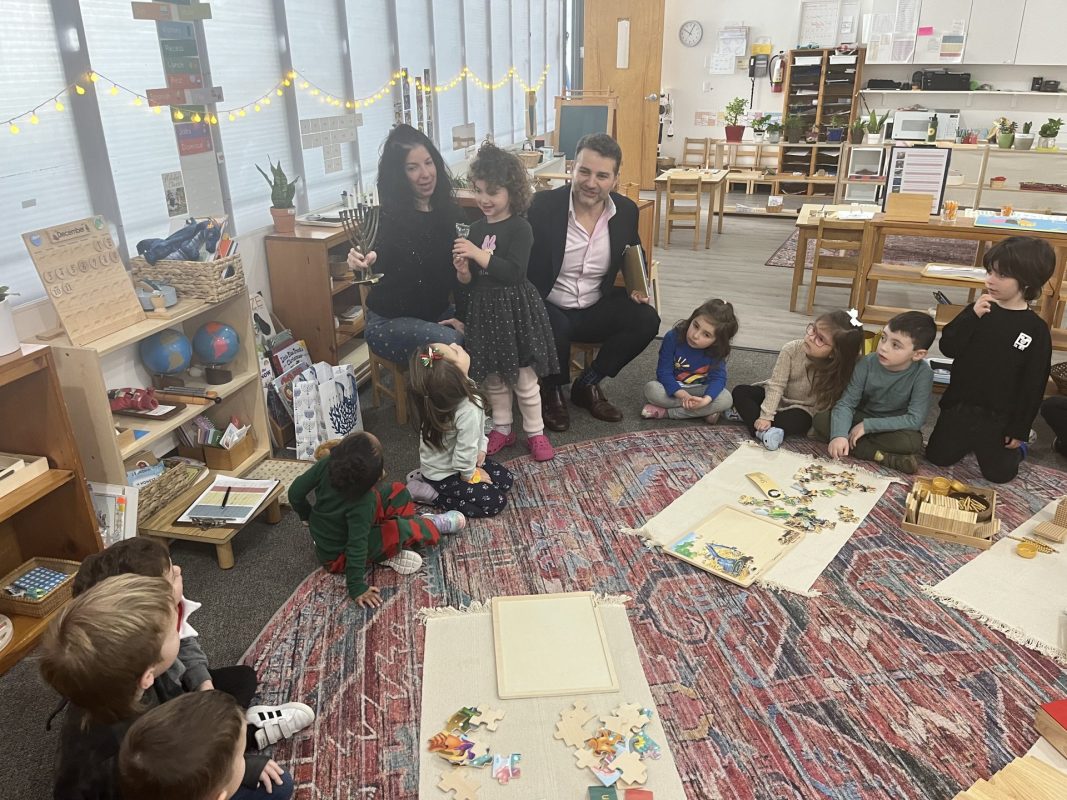
Next week we have such a fun-filled and busy week with Christmas reading and crafts, Hanukkah reading and crafts, our bi-weekly parent reader, our holiday concert, and a birthday celebration!

Have a wonderful weekend,

Marissa & Sue


Ms. Marissa: It’s Off to Work I Go!

When a child works, he does not do so to attain some further goal.  His objective in working is the work itself. Maria Montessori

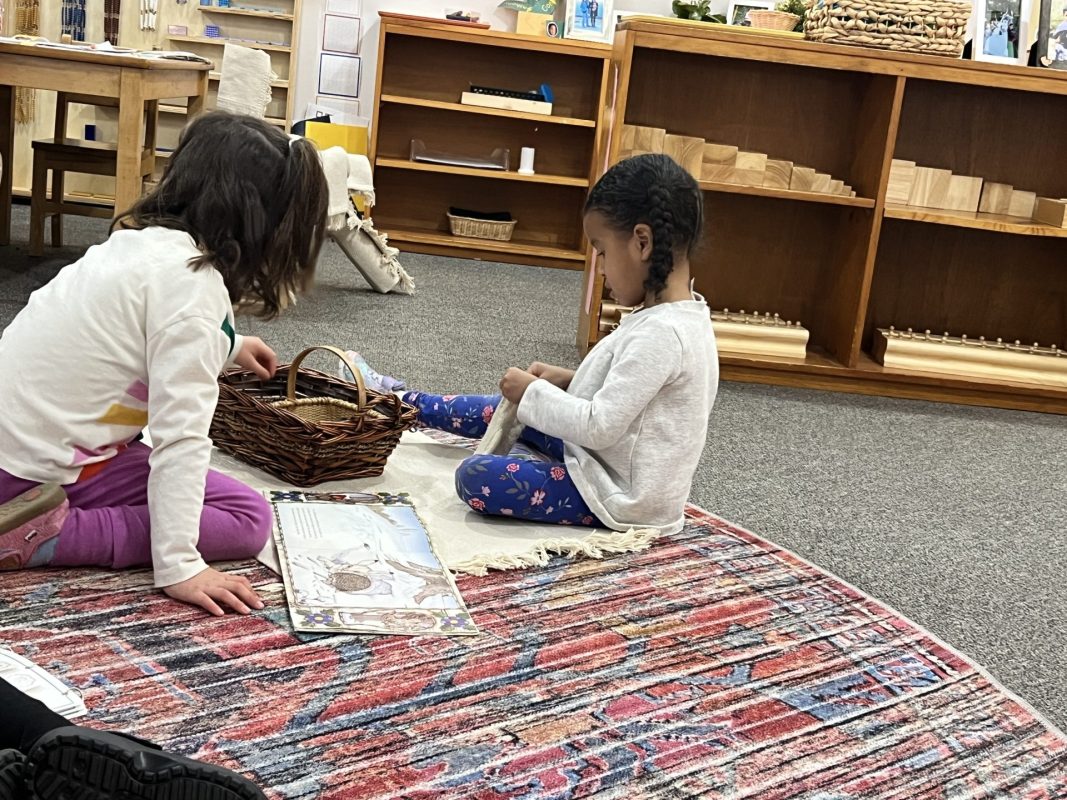
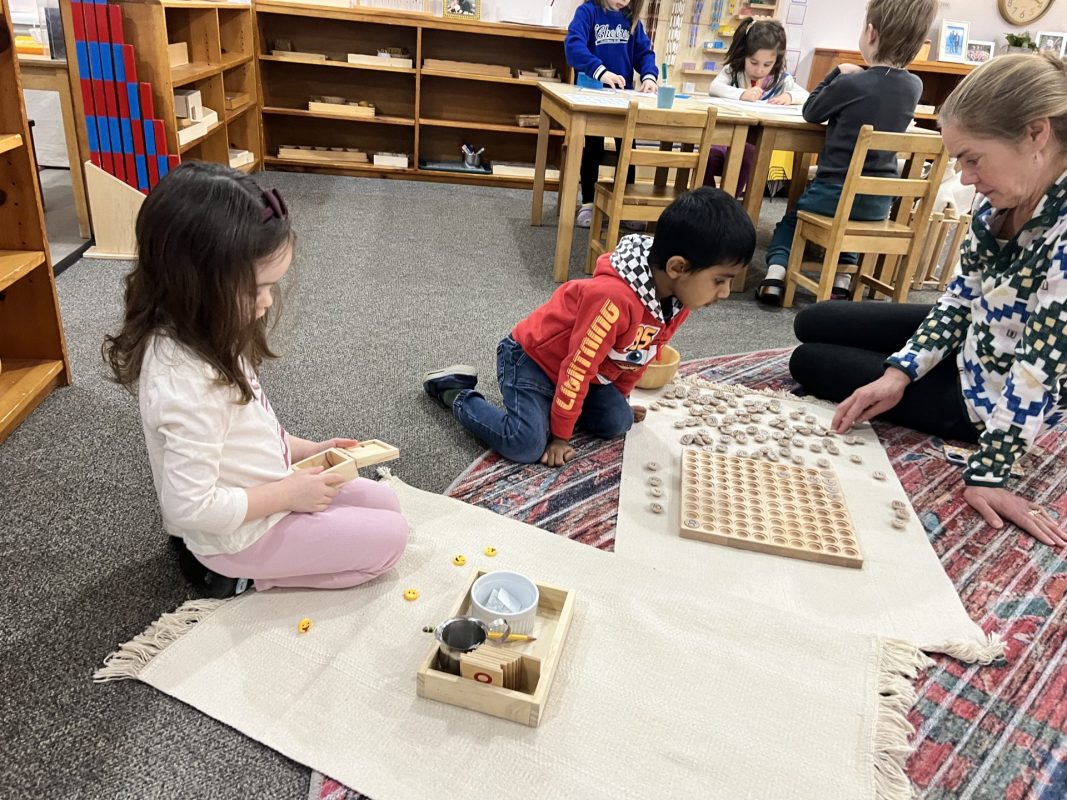
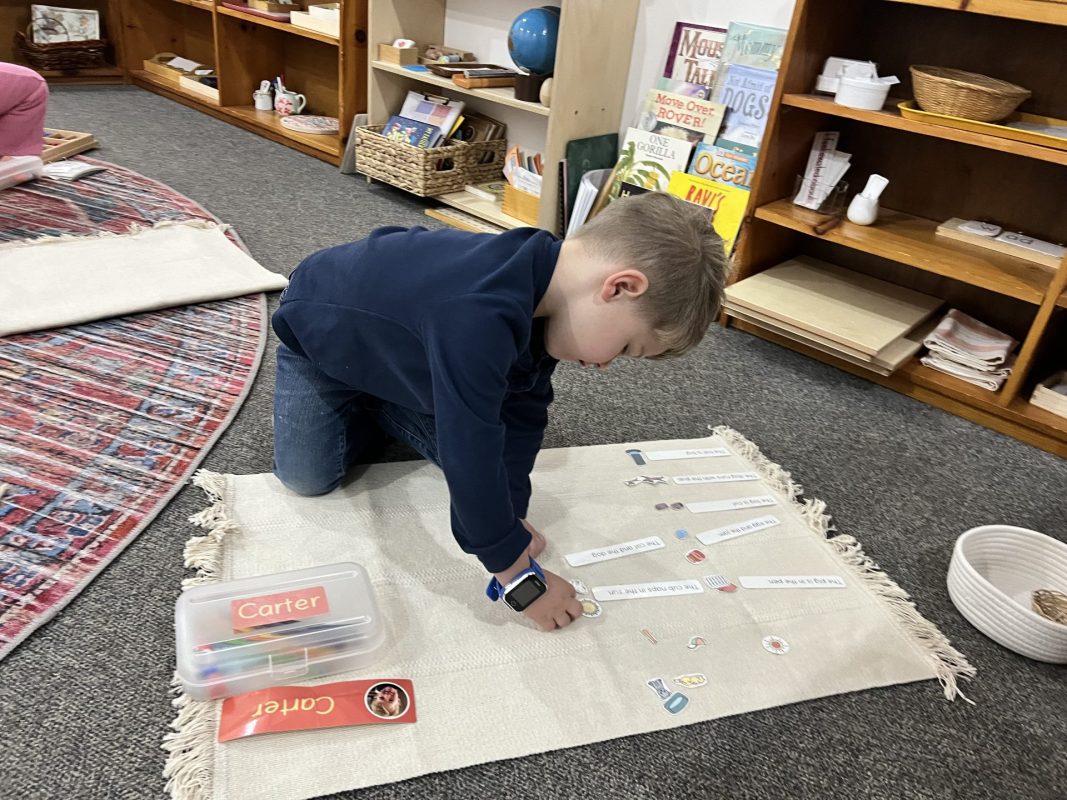
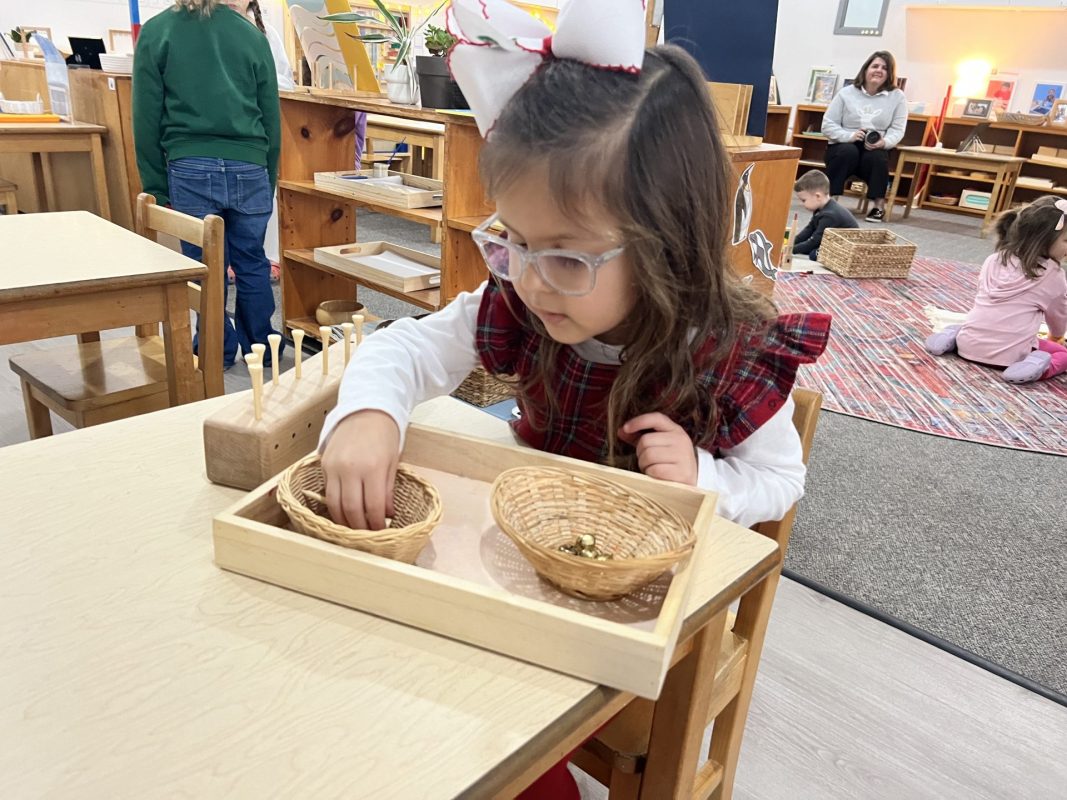
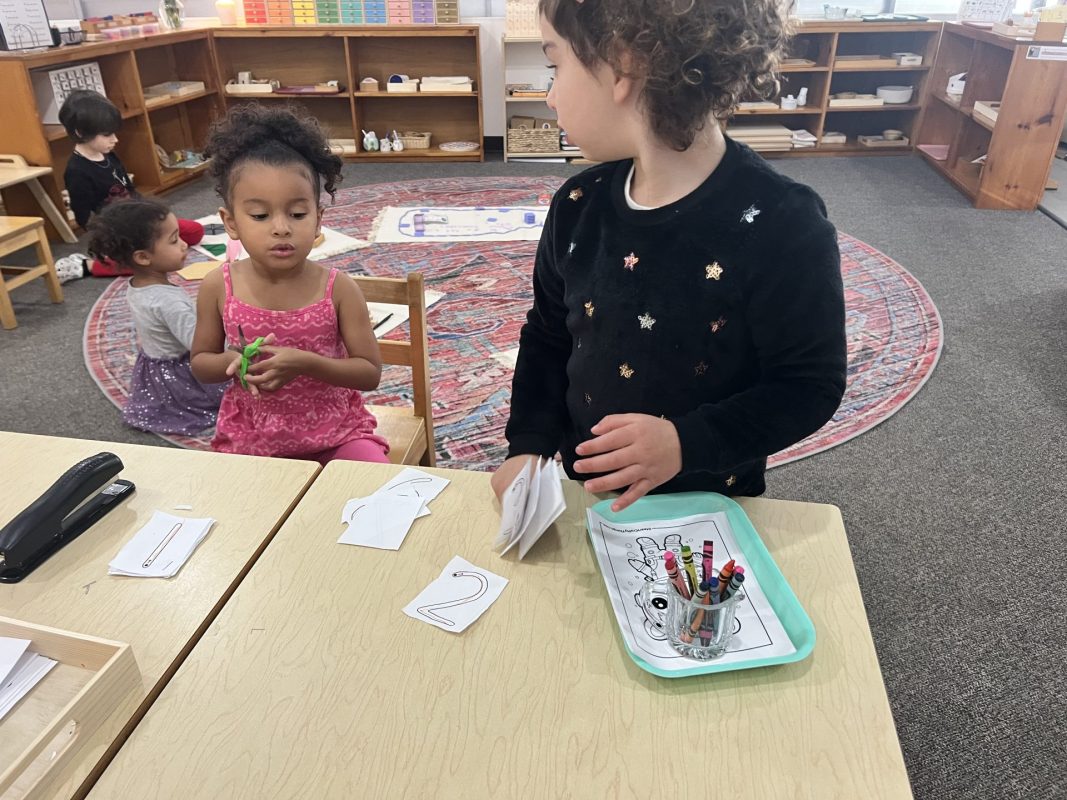
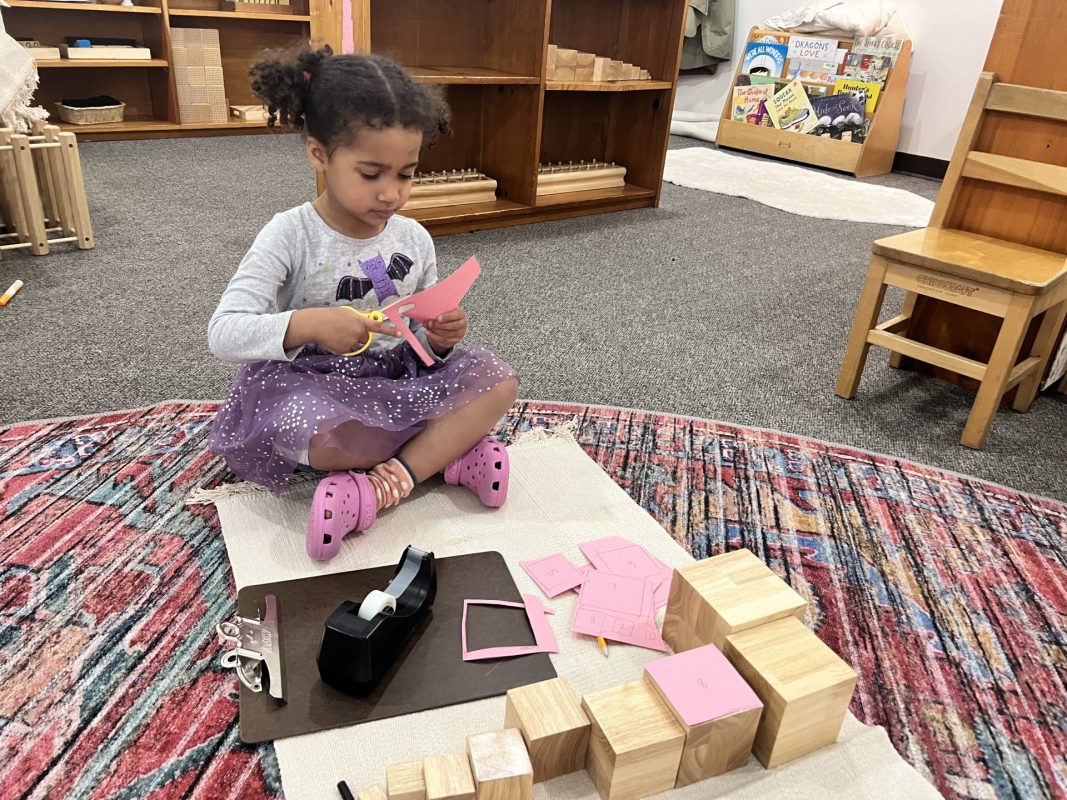
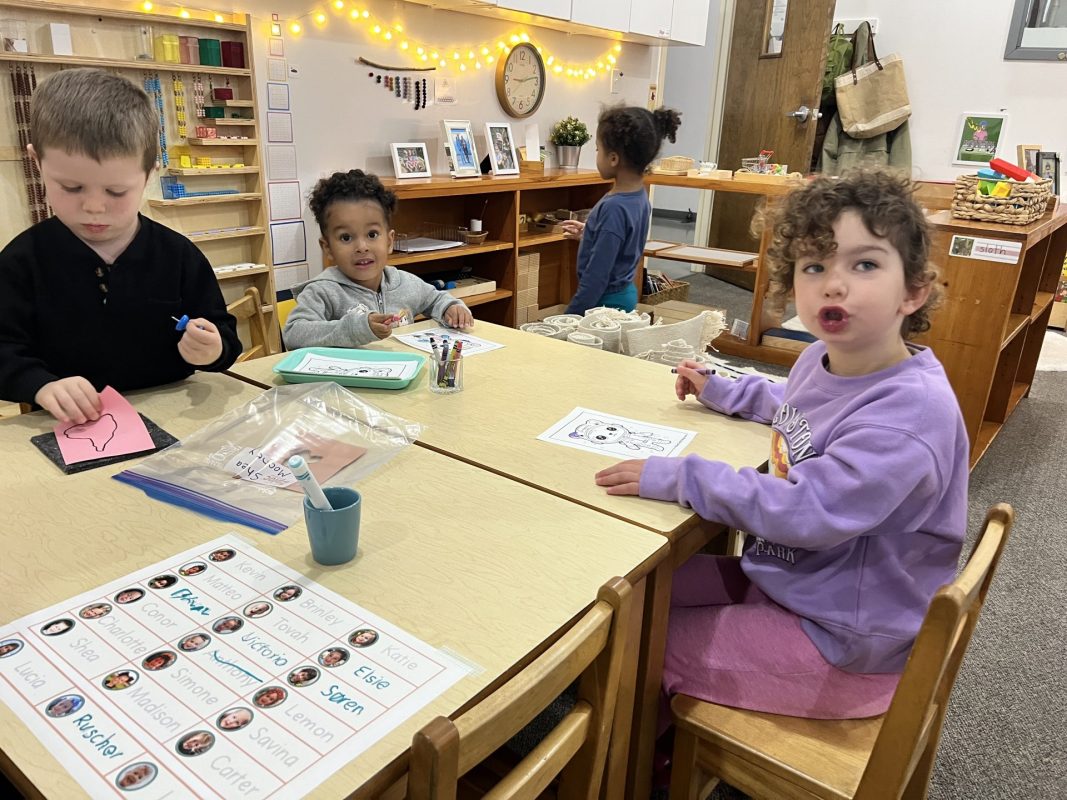
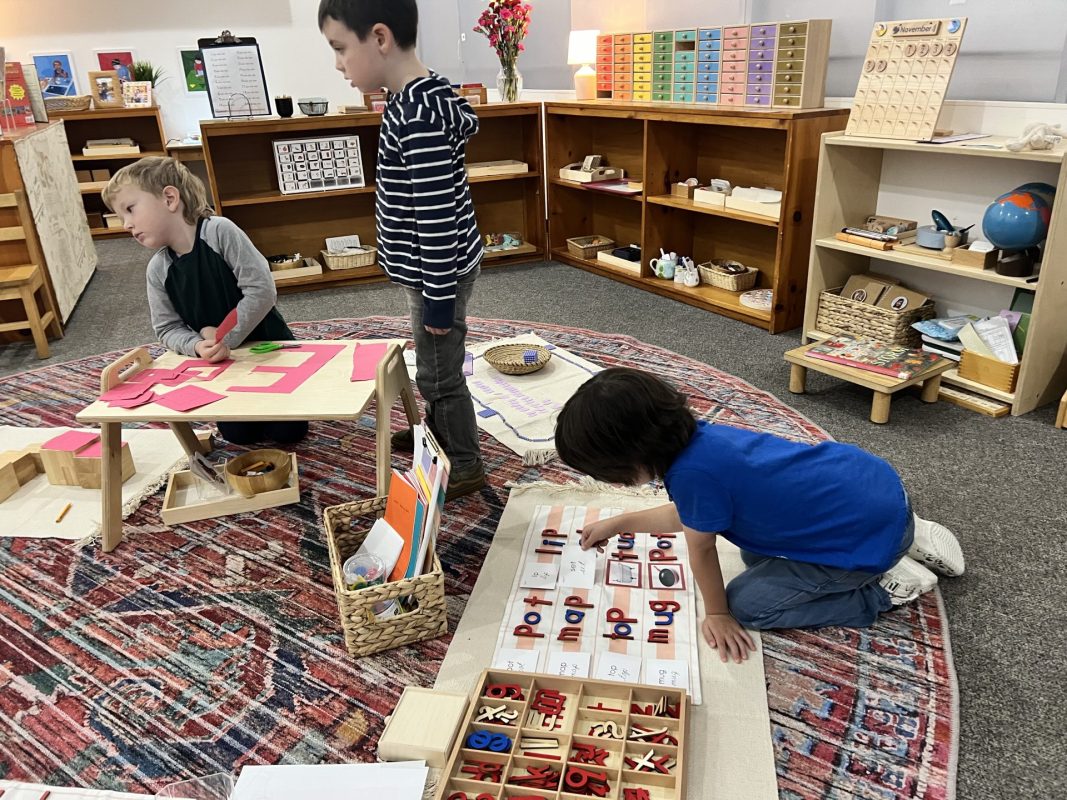
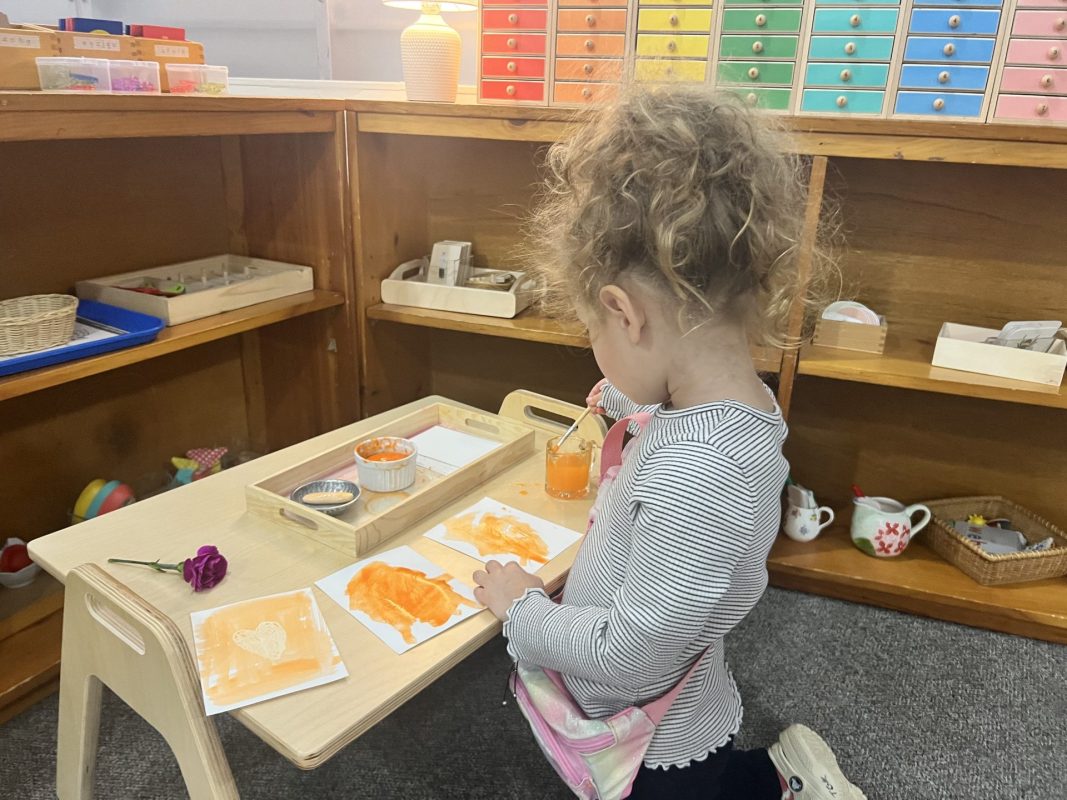
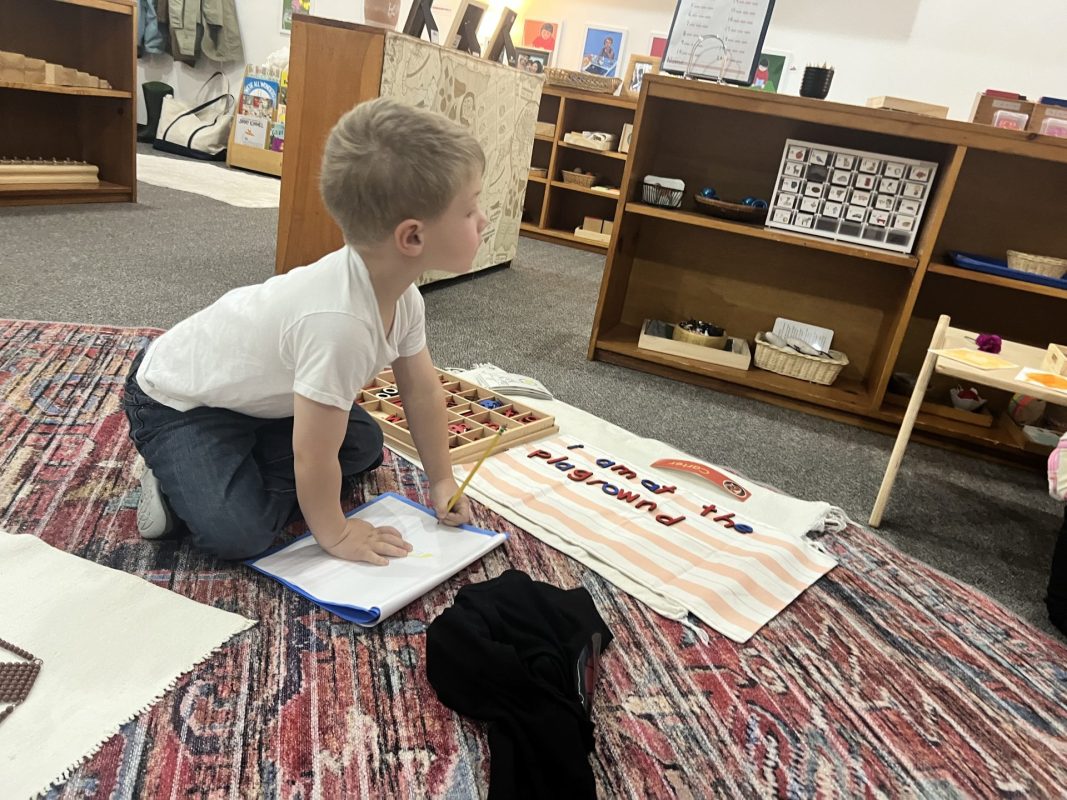
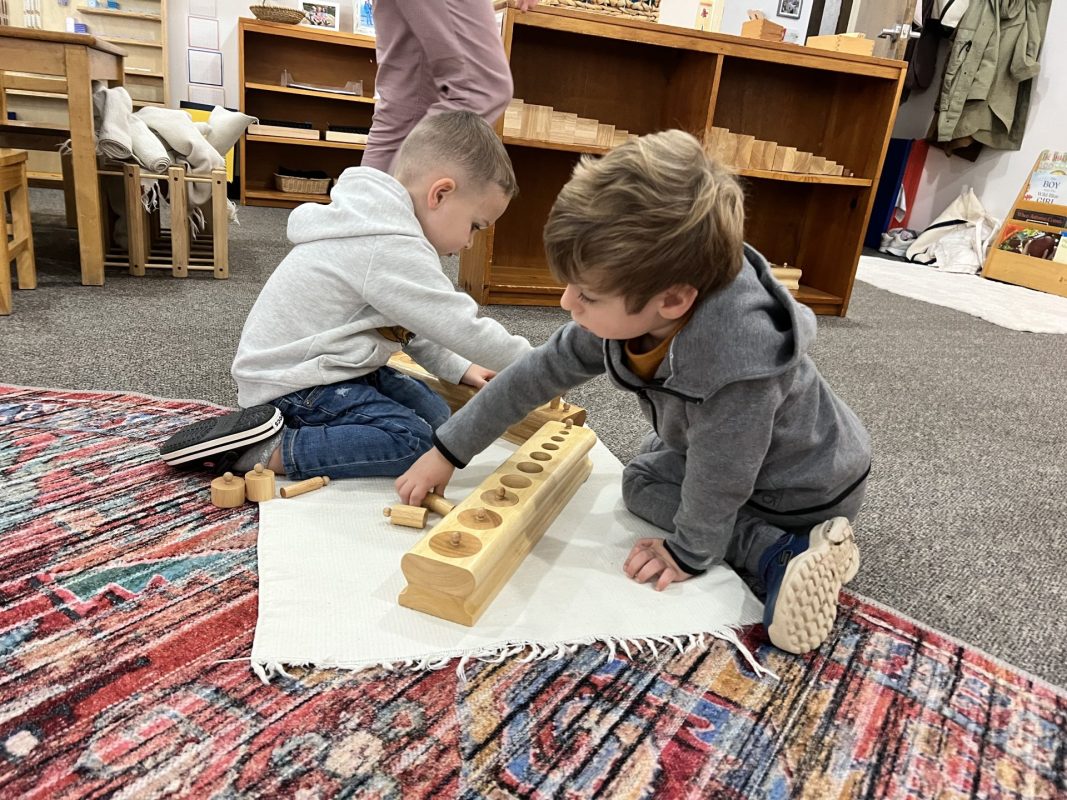
One of Maria Montessori’s most noted quotes is “play is the child’s work.”  We’re sure by now you have heard your child talk about their work at school. Dr. Montessori preferred the word work rather than the word play to describe the learning process children are constantly undergoing. Work conveys the amount of effort that children put into their physical, social, emotional, and academic growth. As adults, our definition of work has a very different meaning.

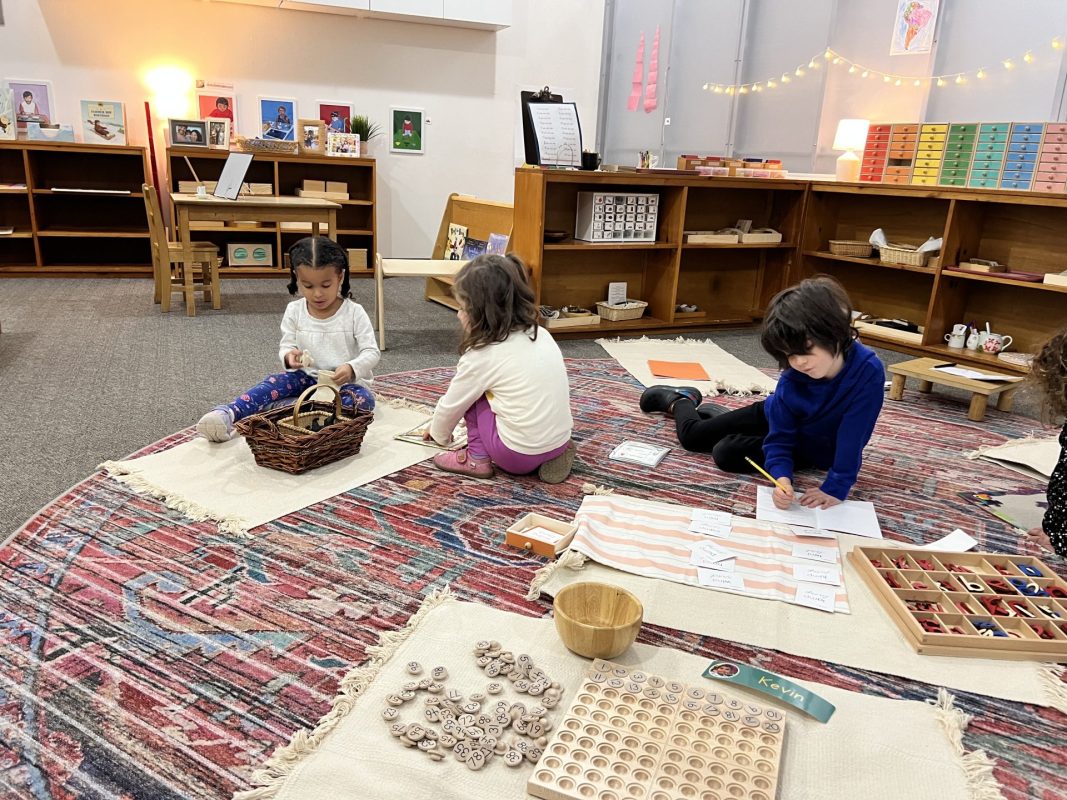
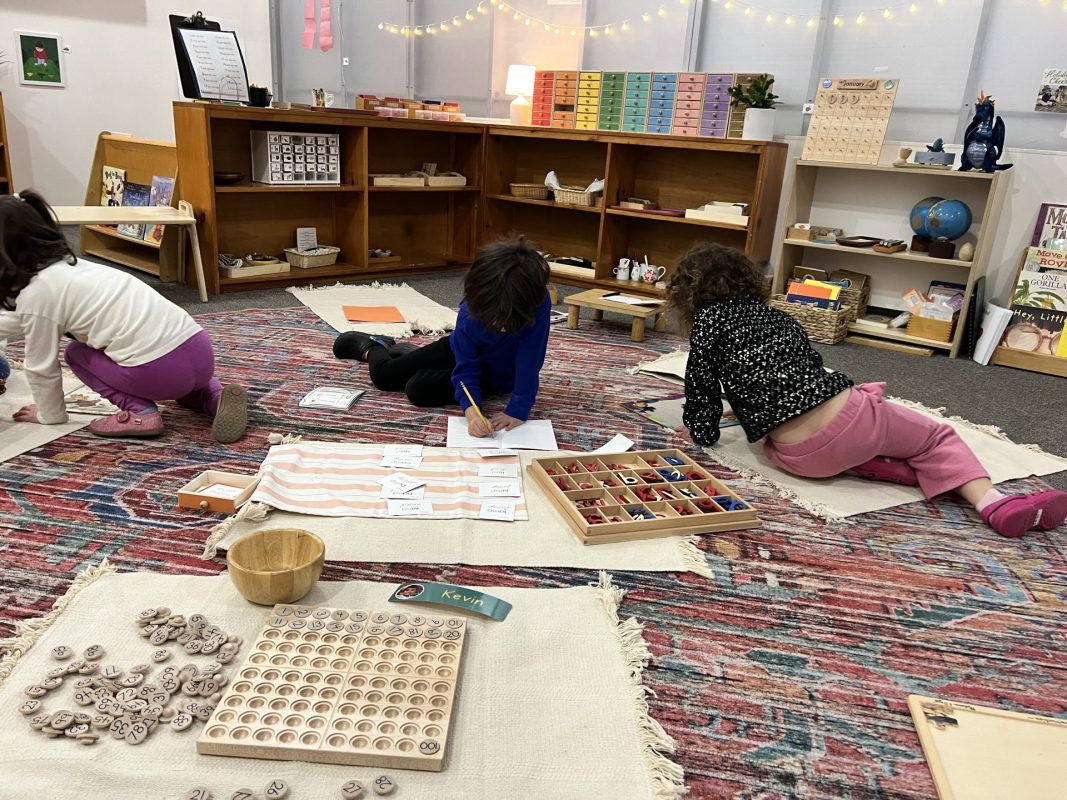
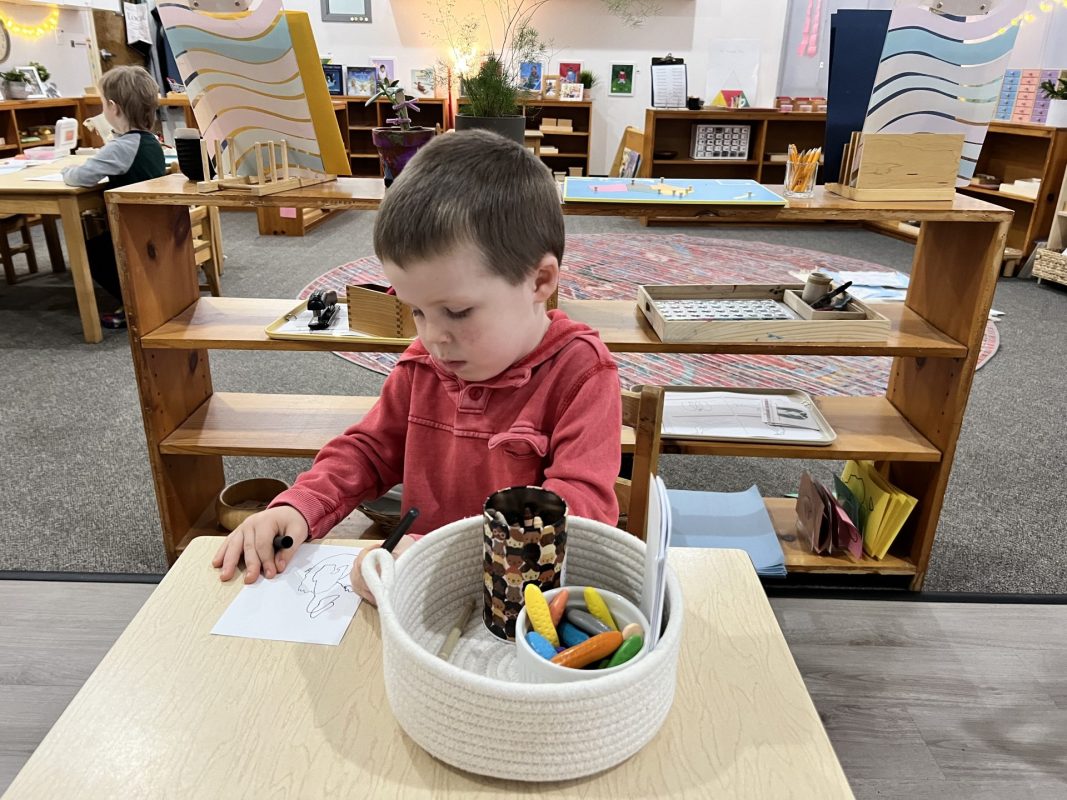
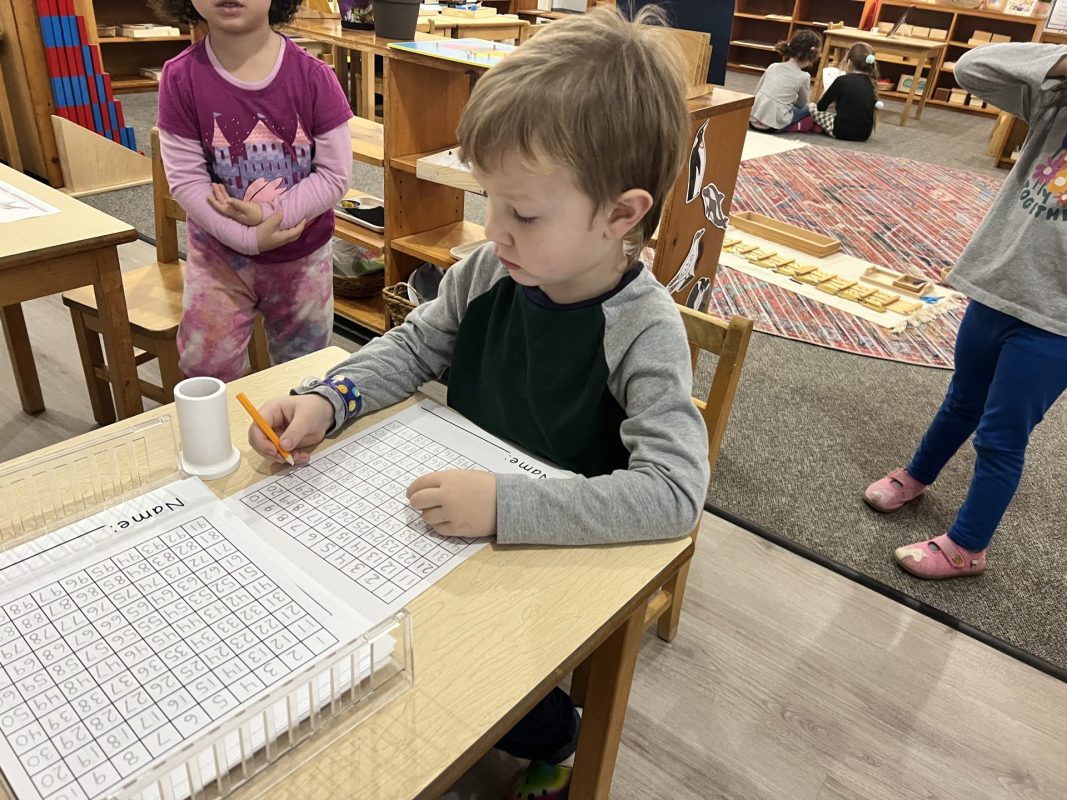
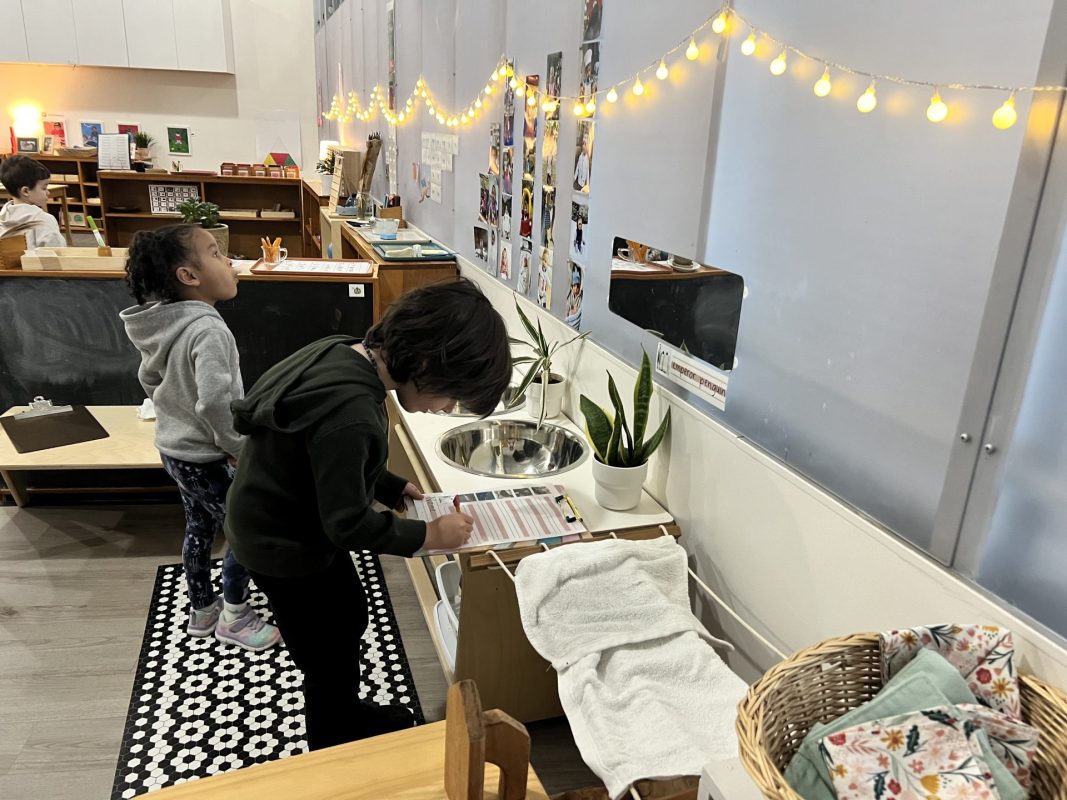
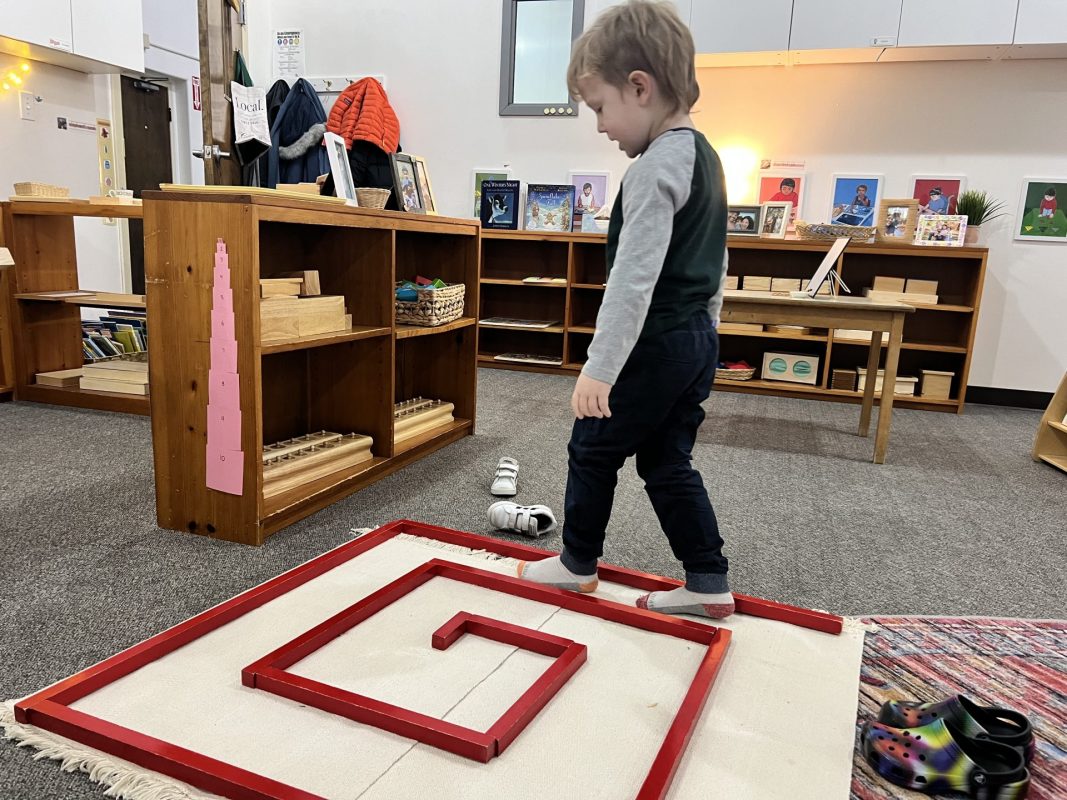
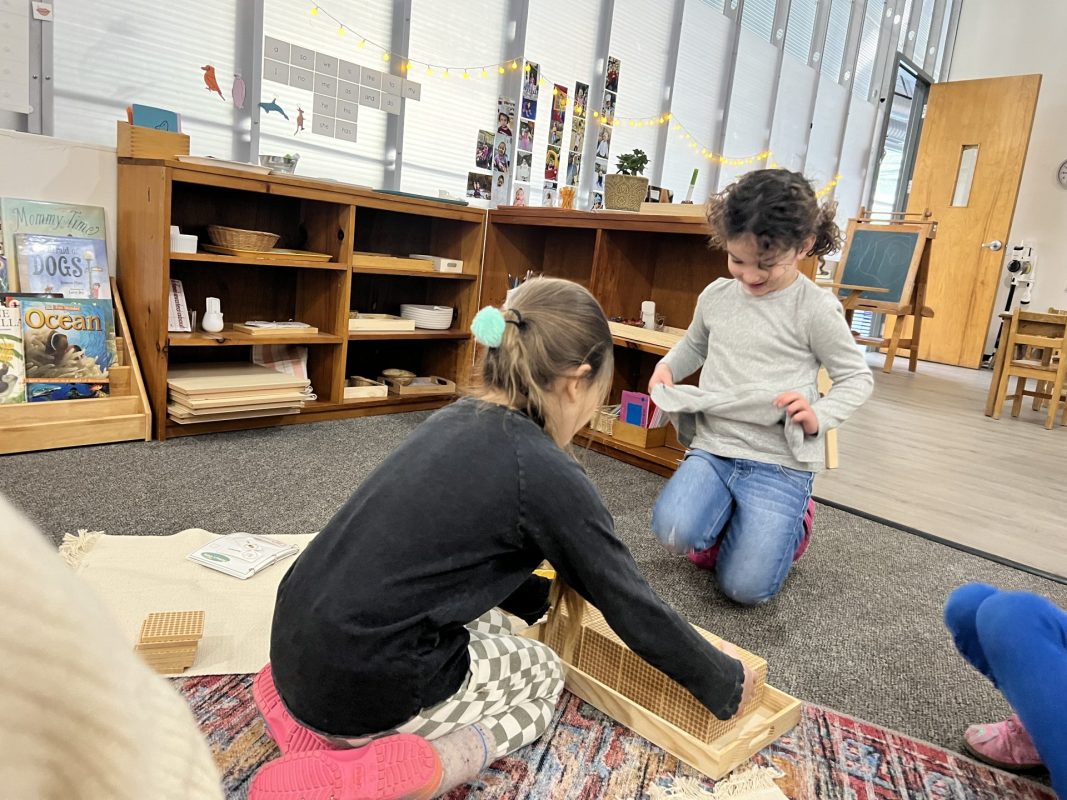
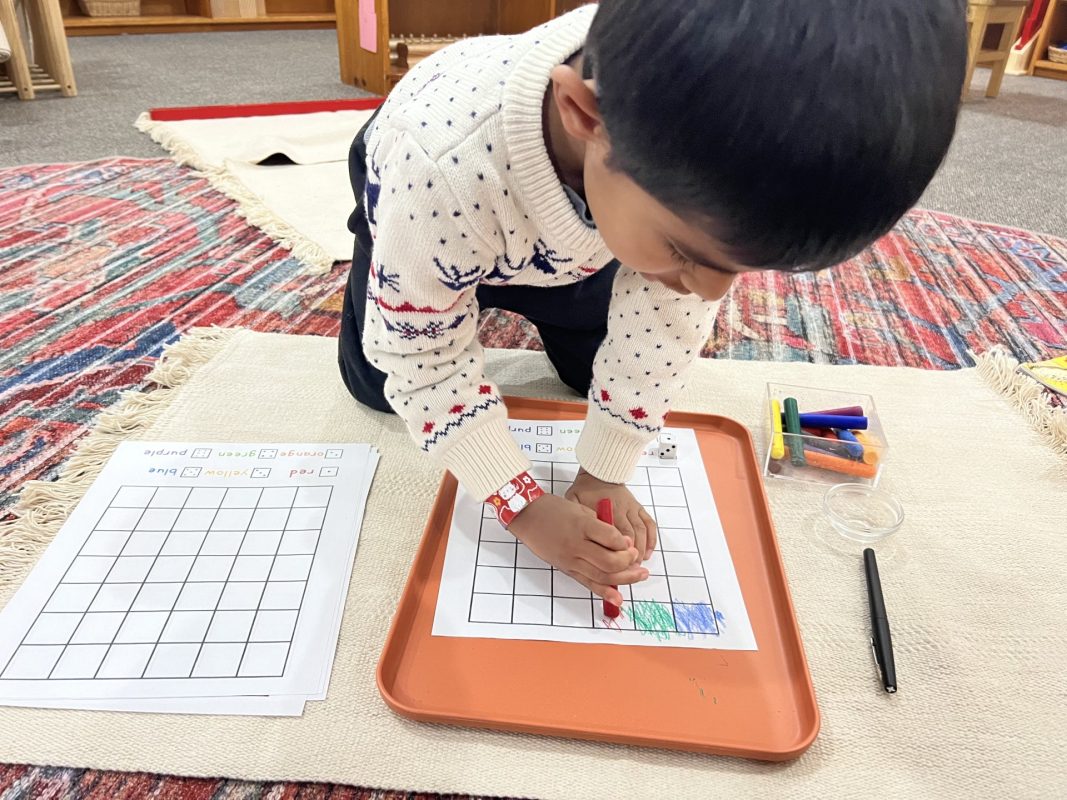
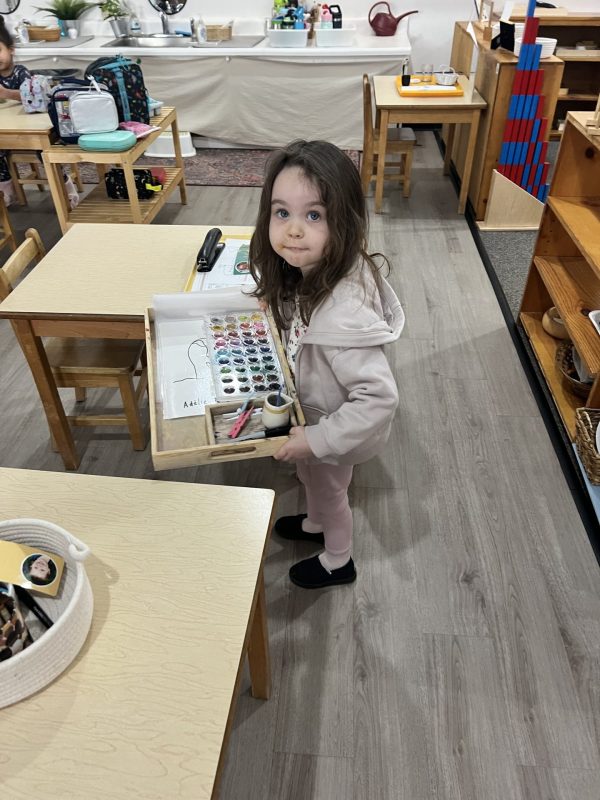
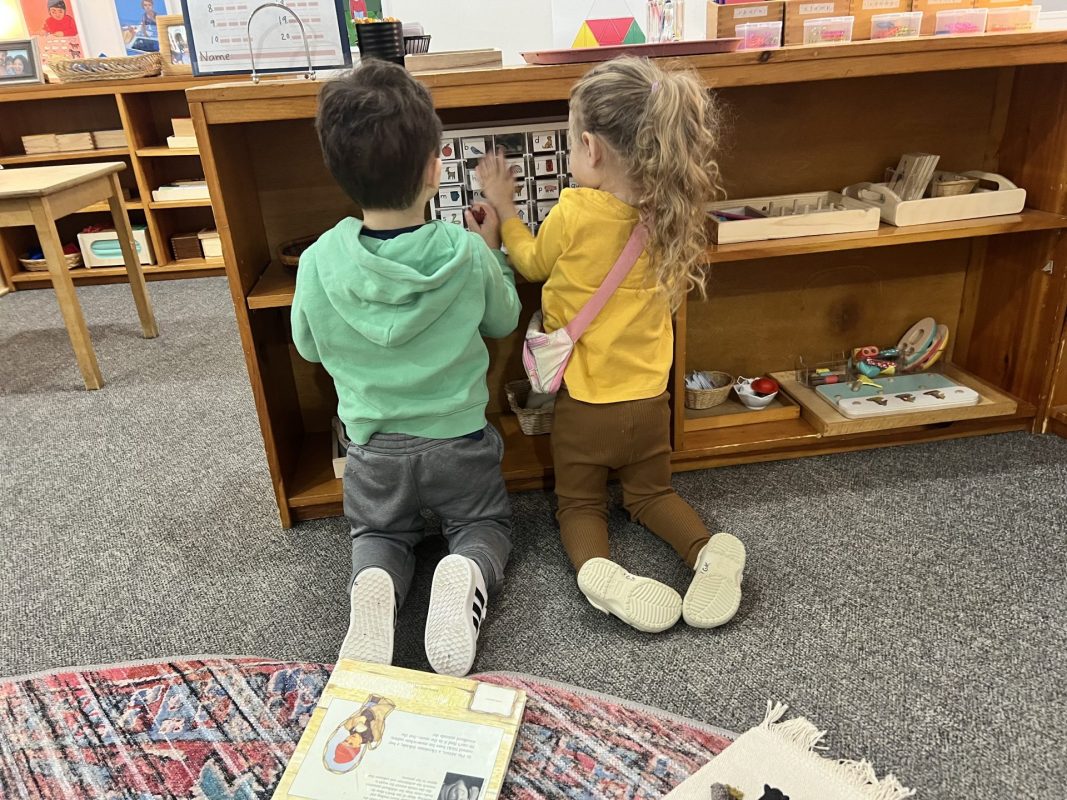
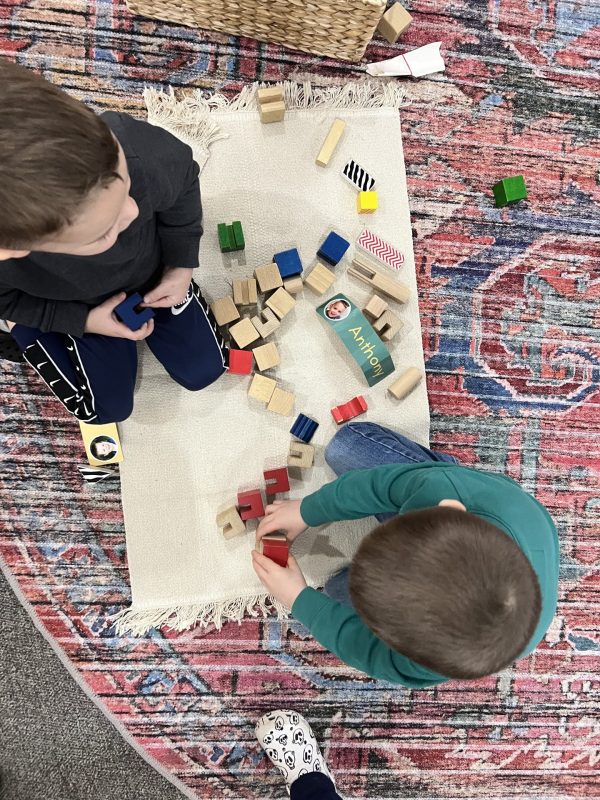
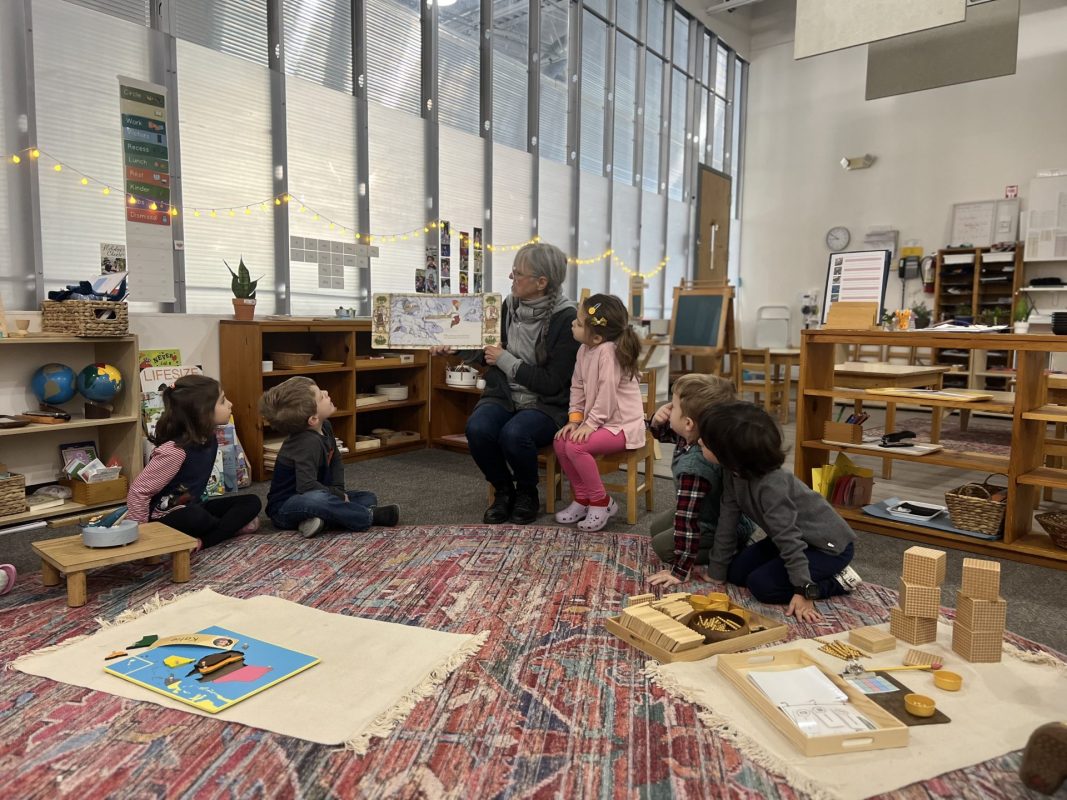
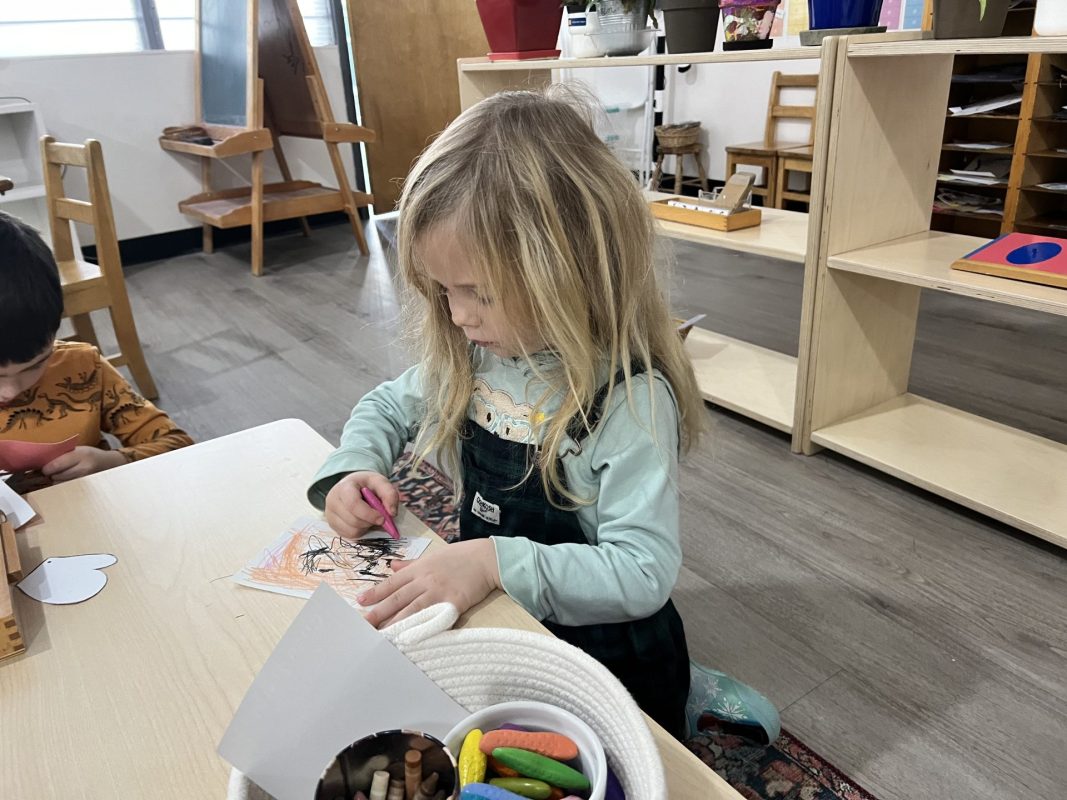
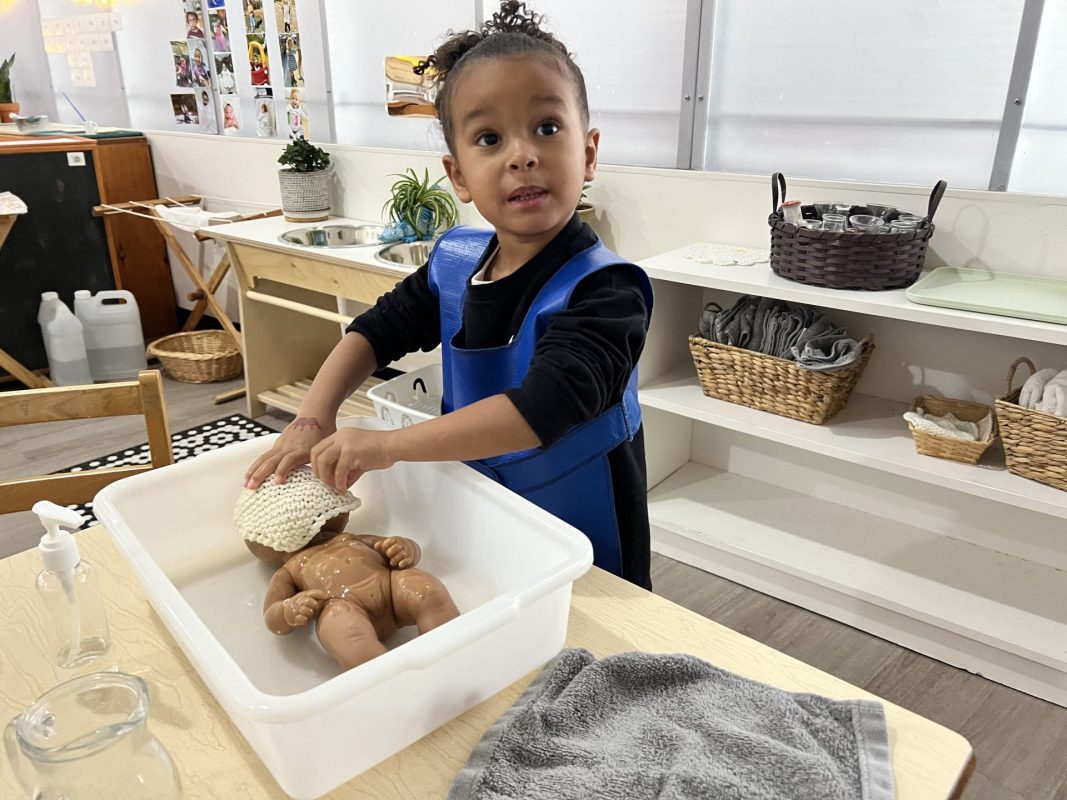
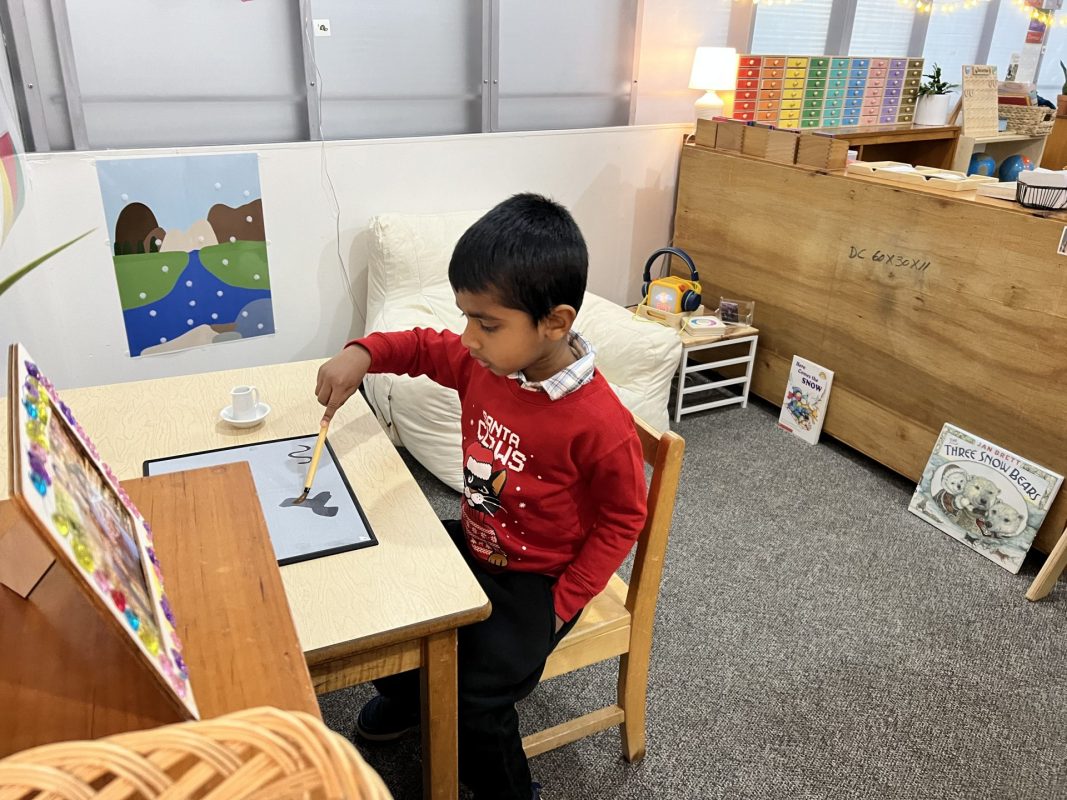
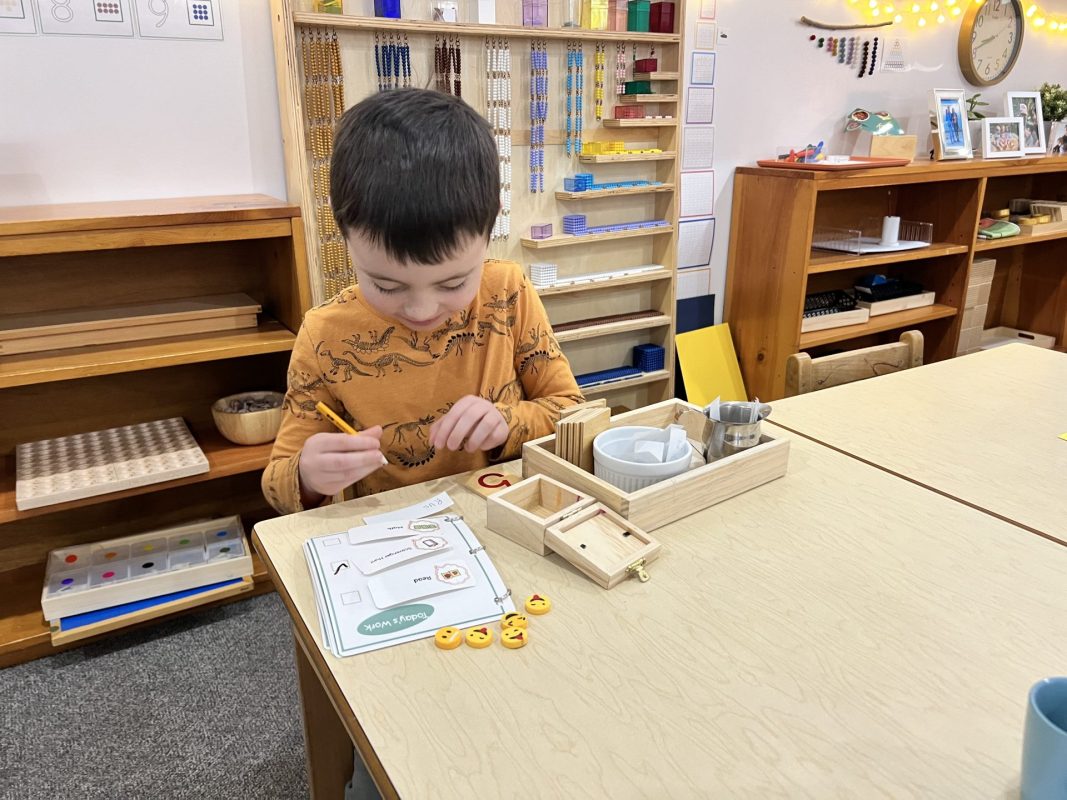
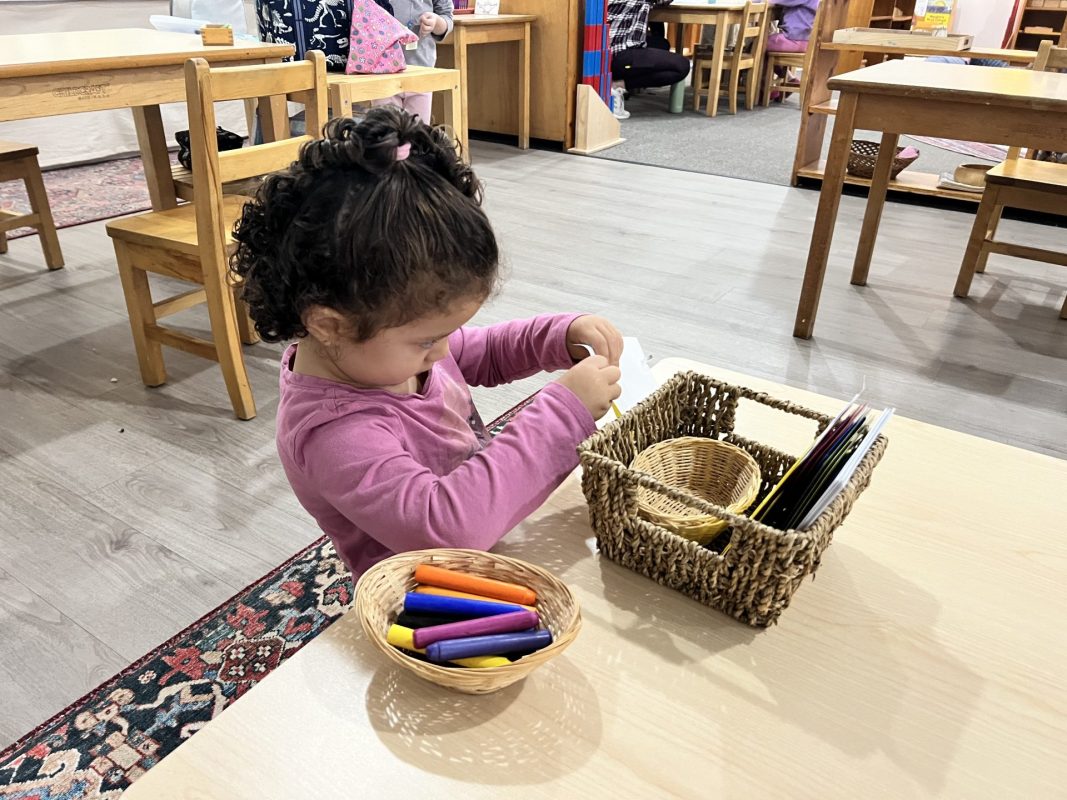
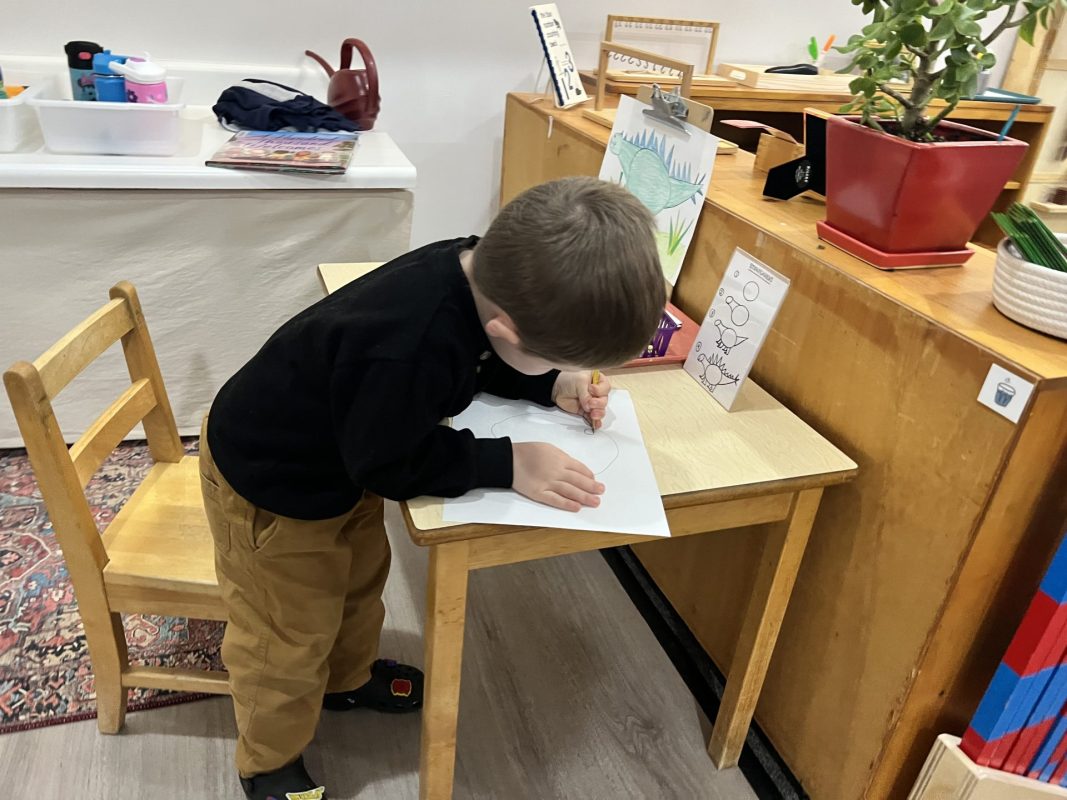
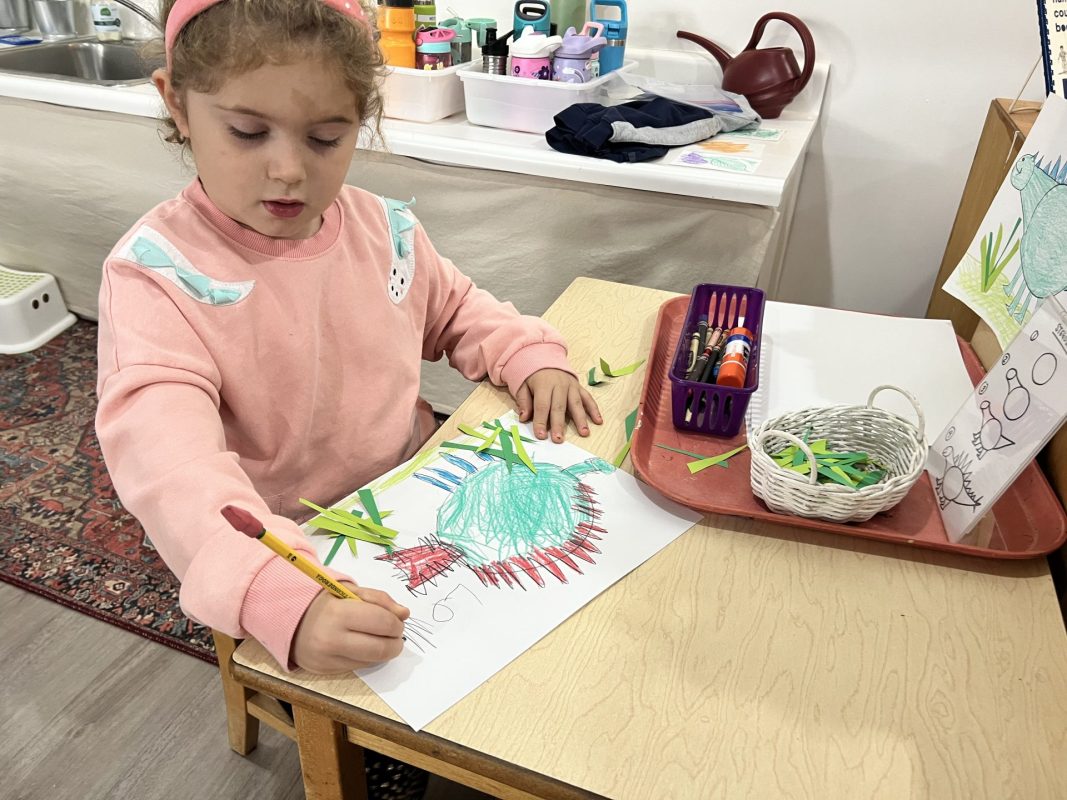
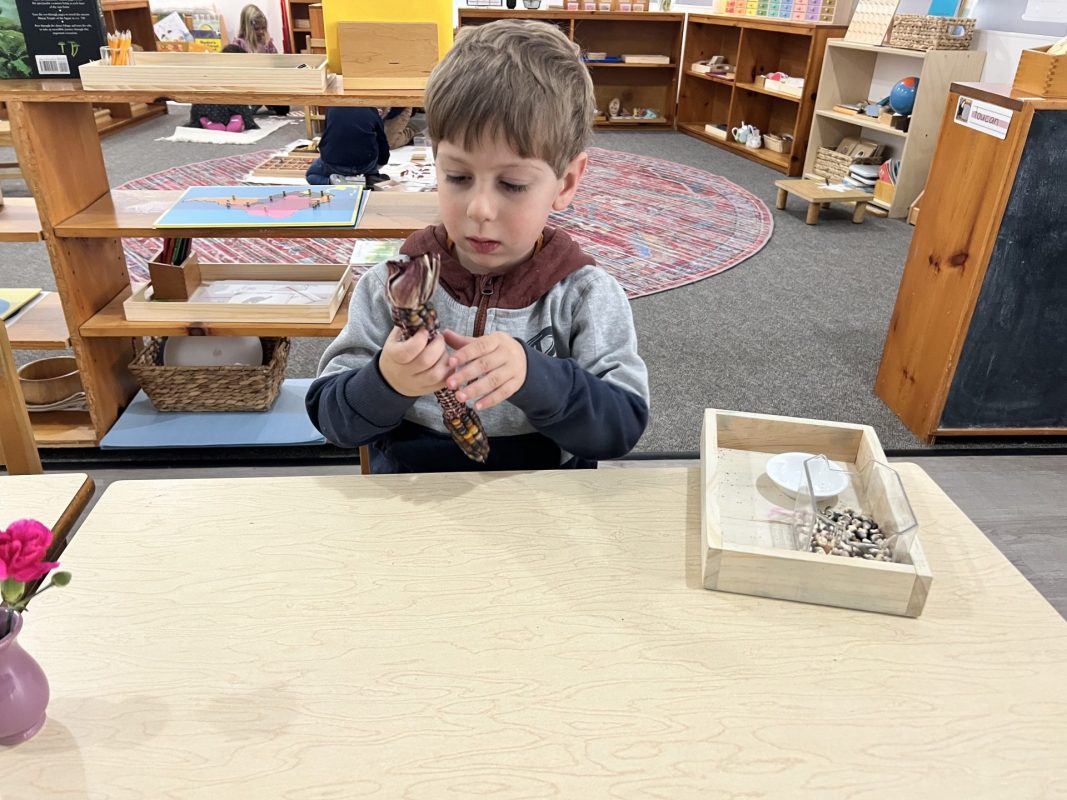
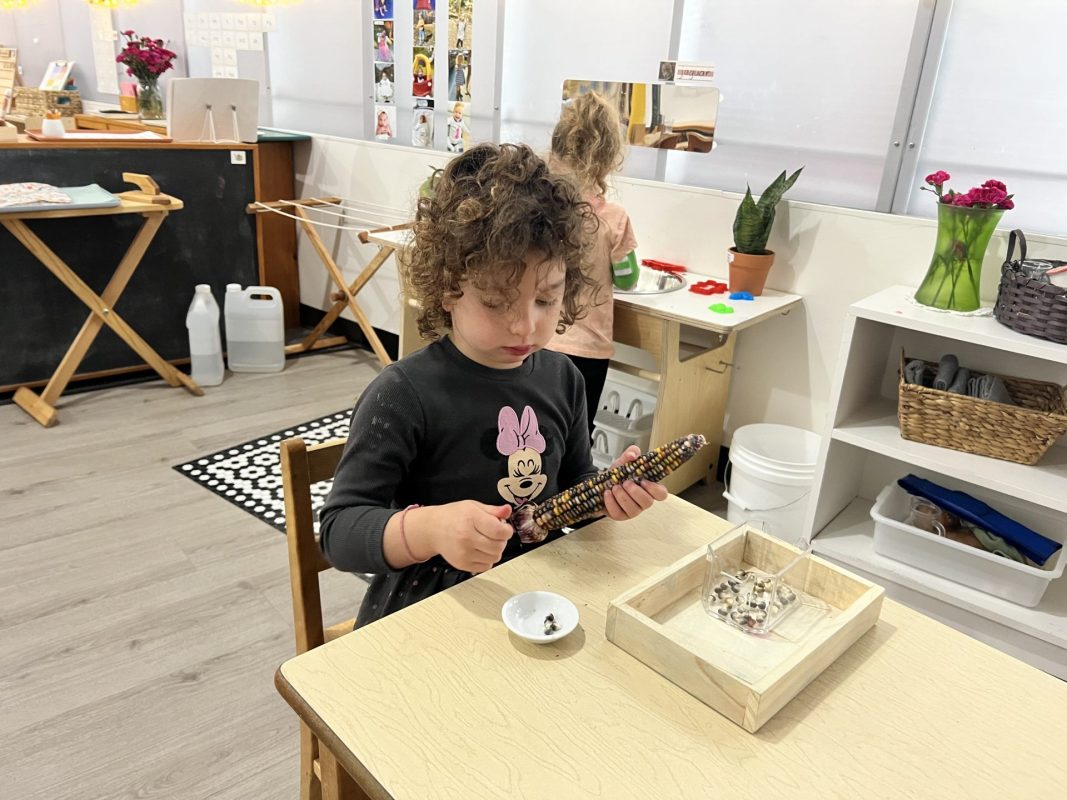
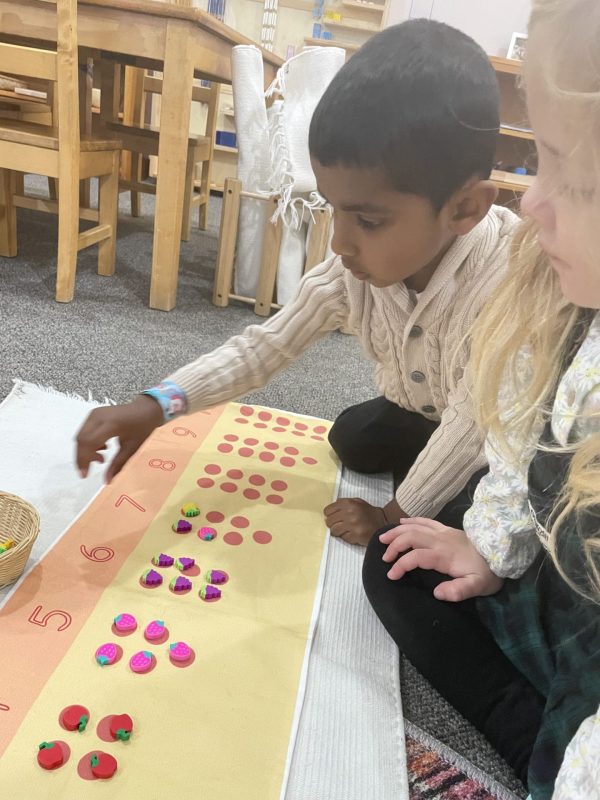
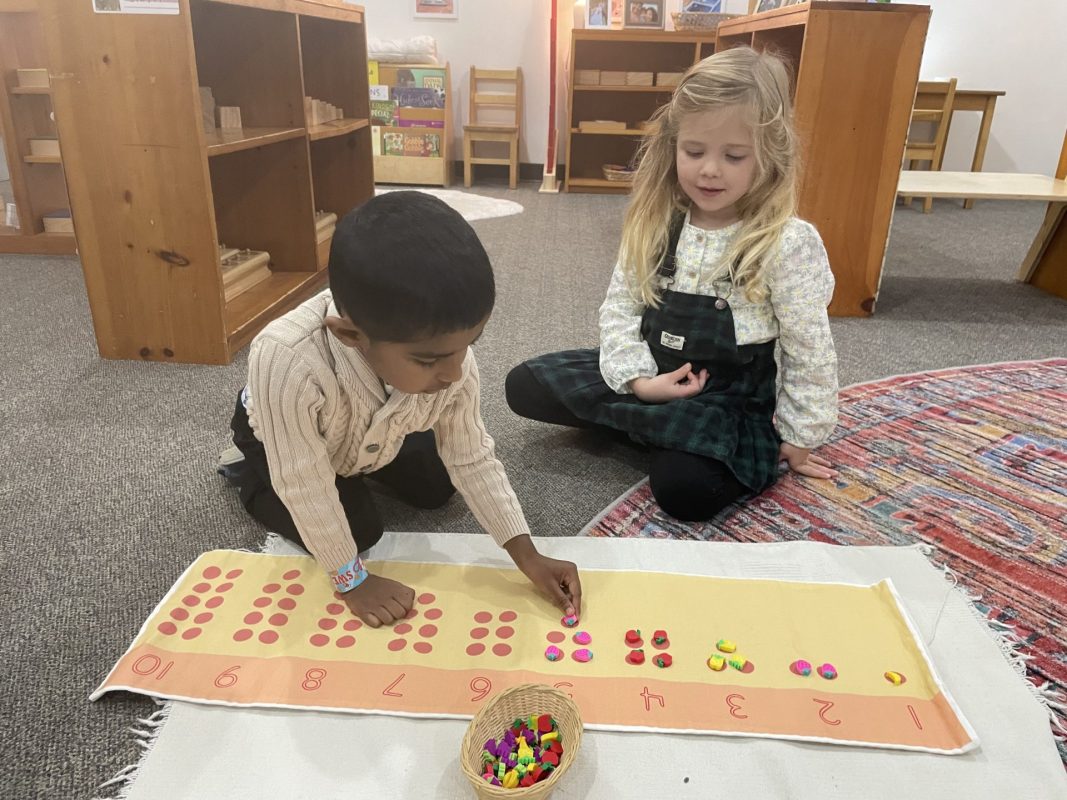
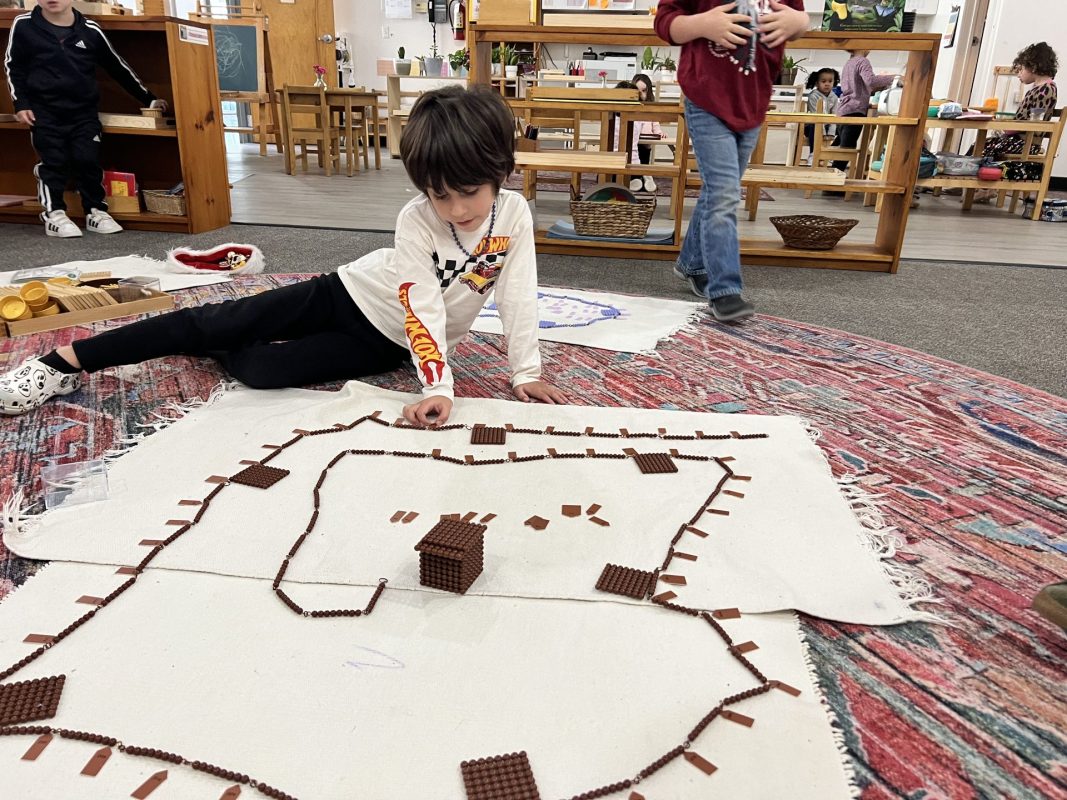
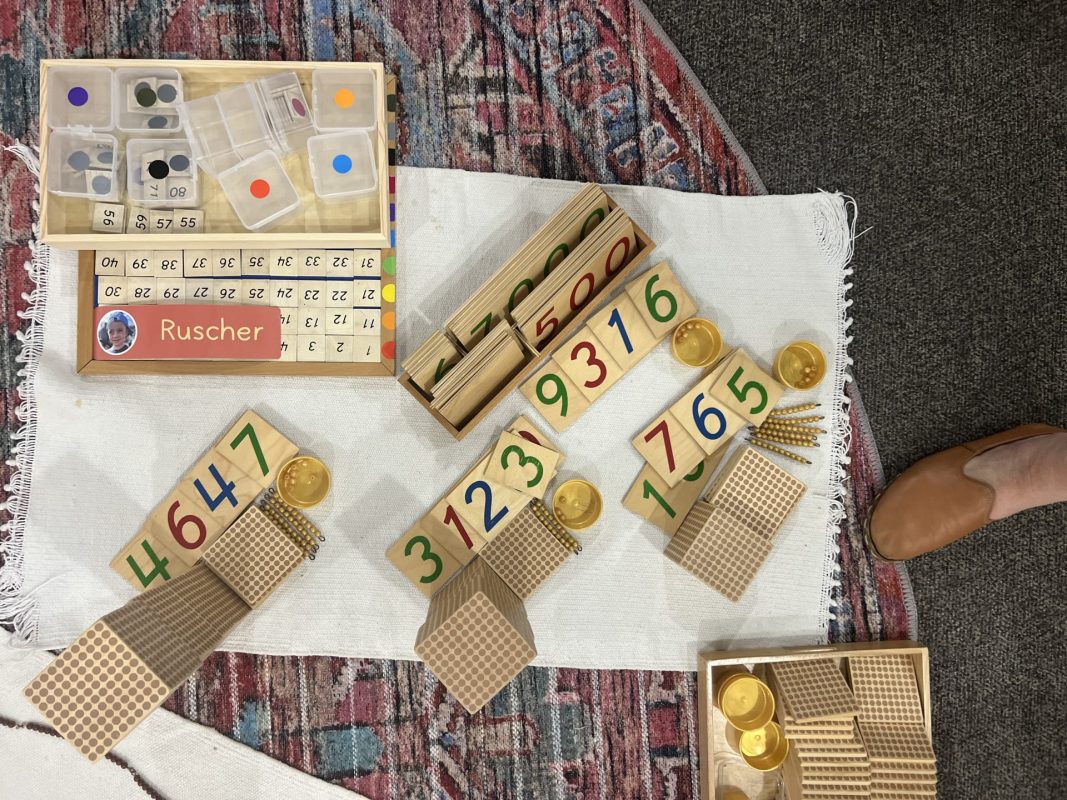
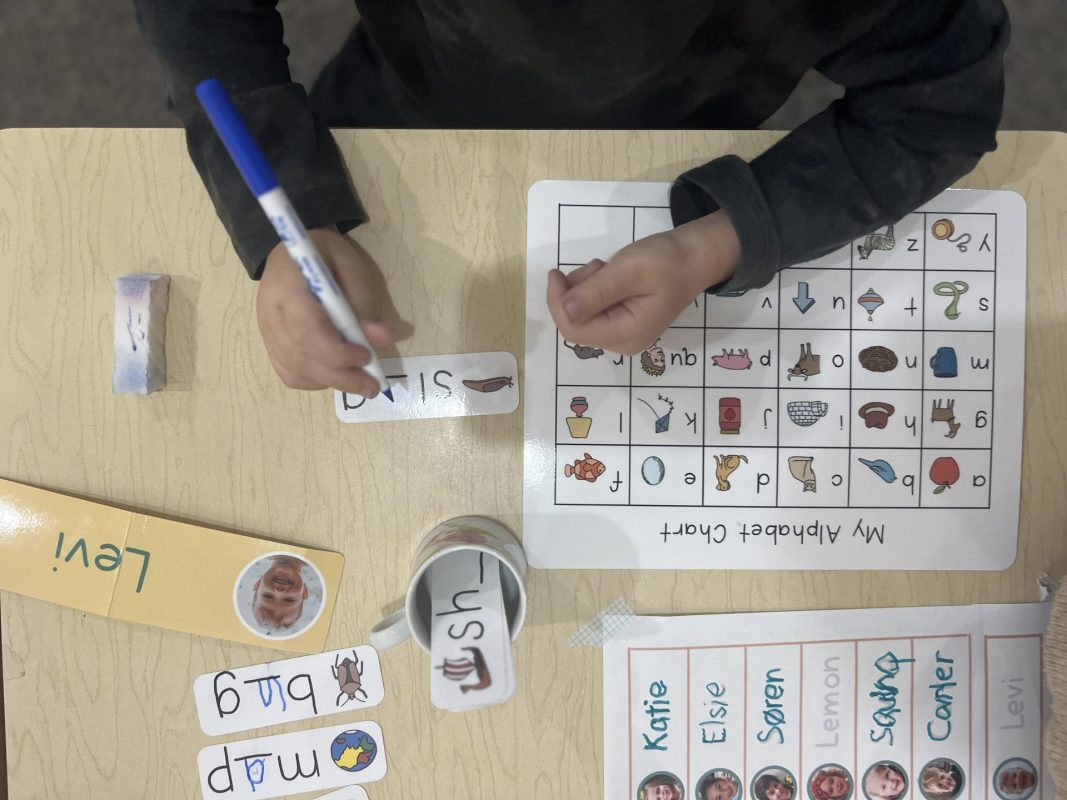
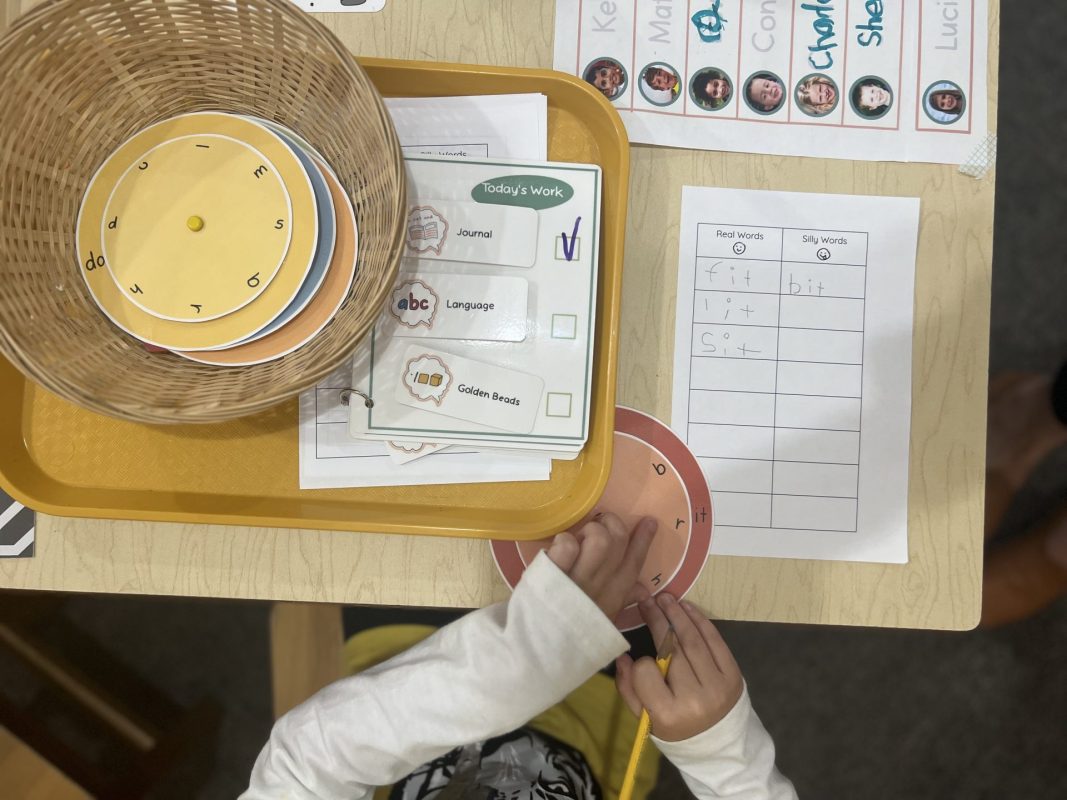
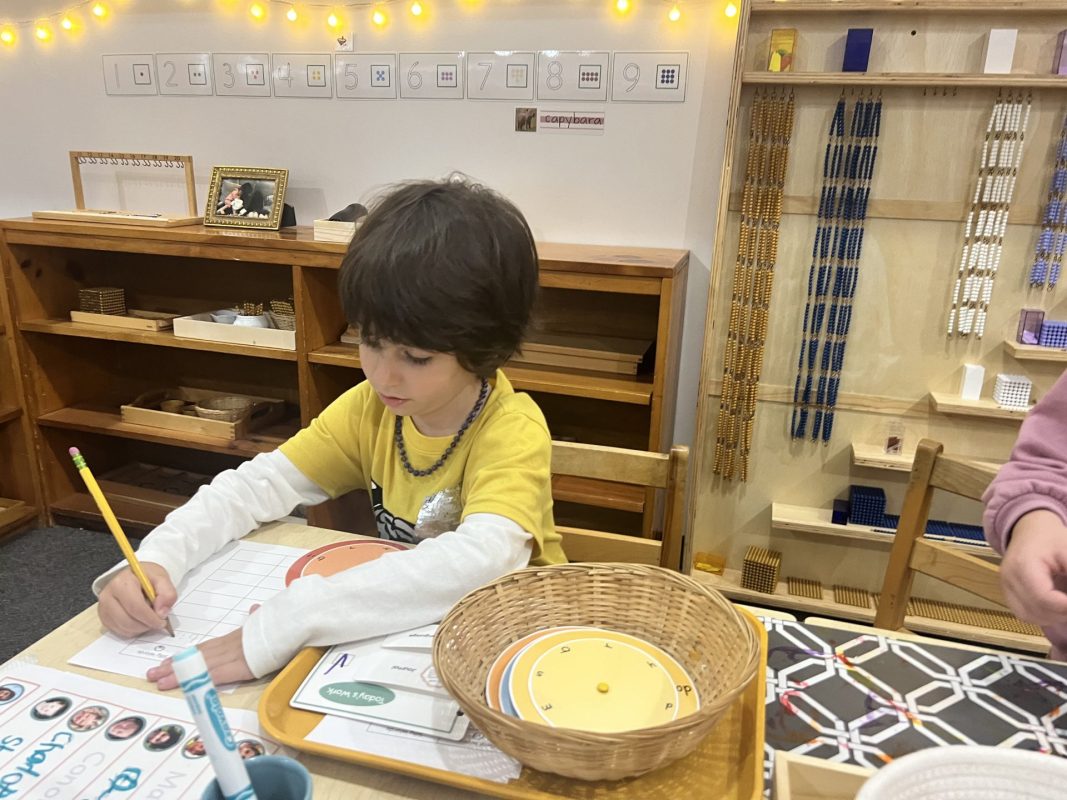
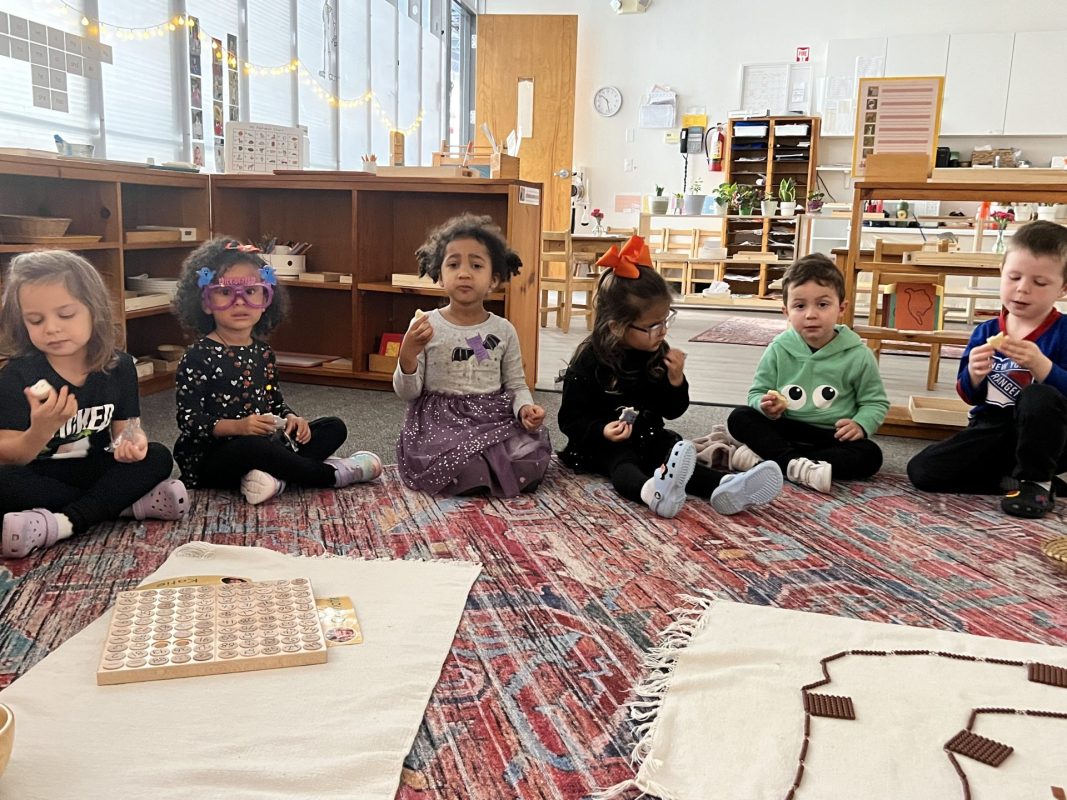
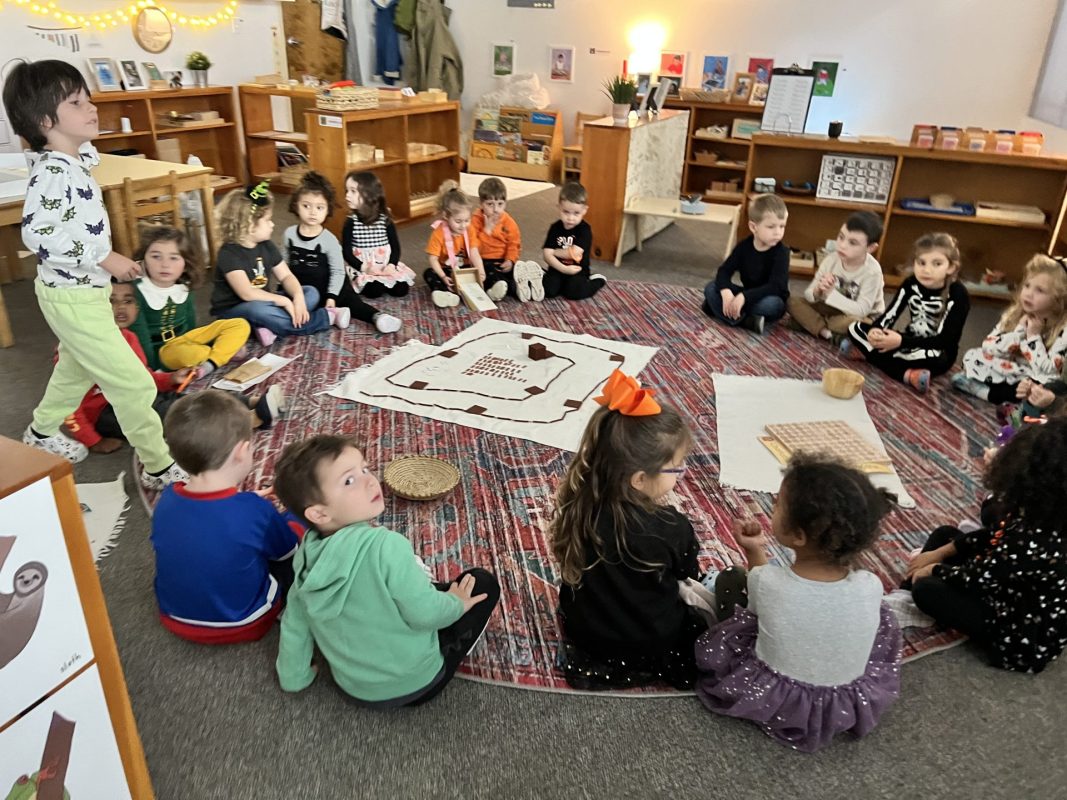
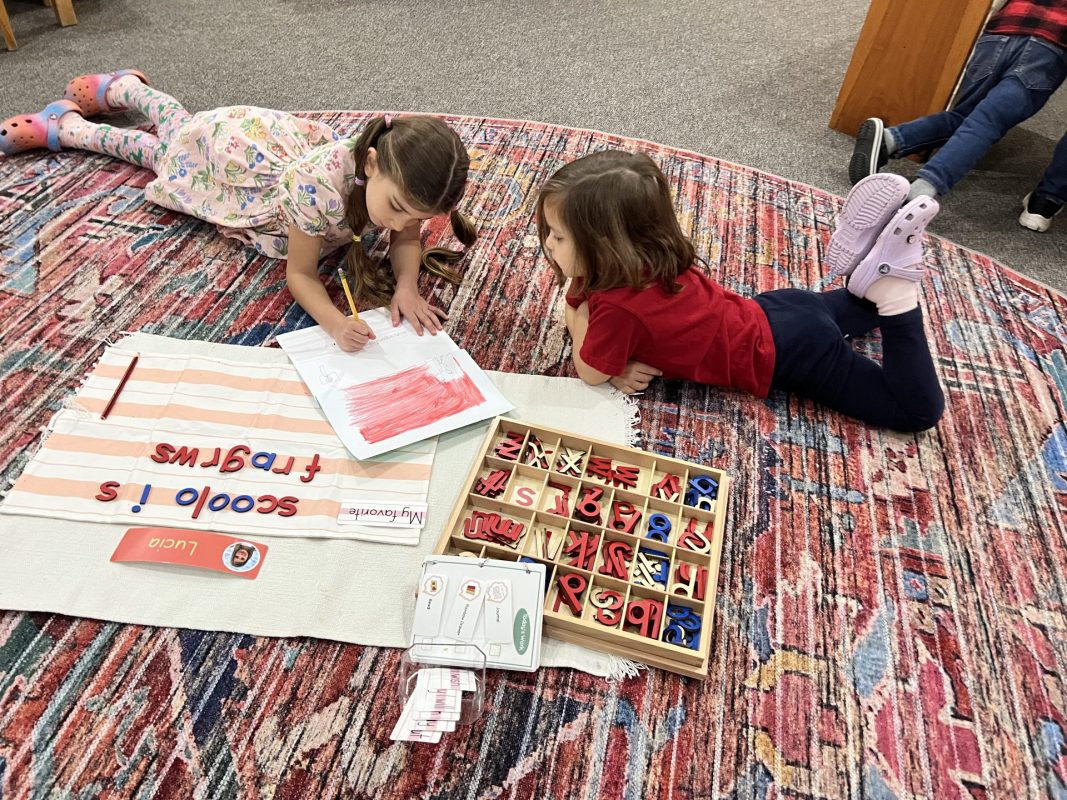
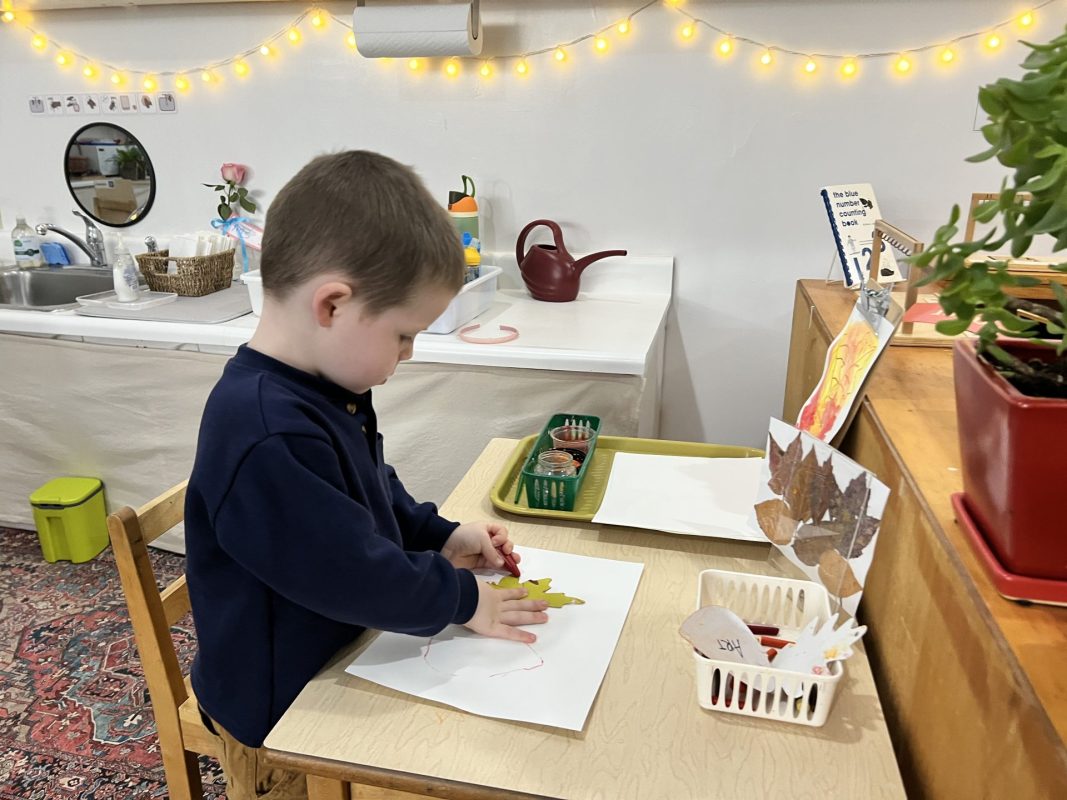
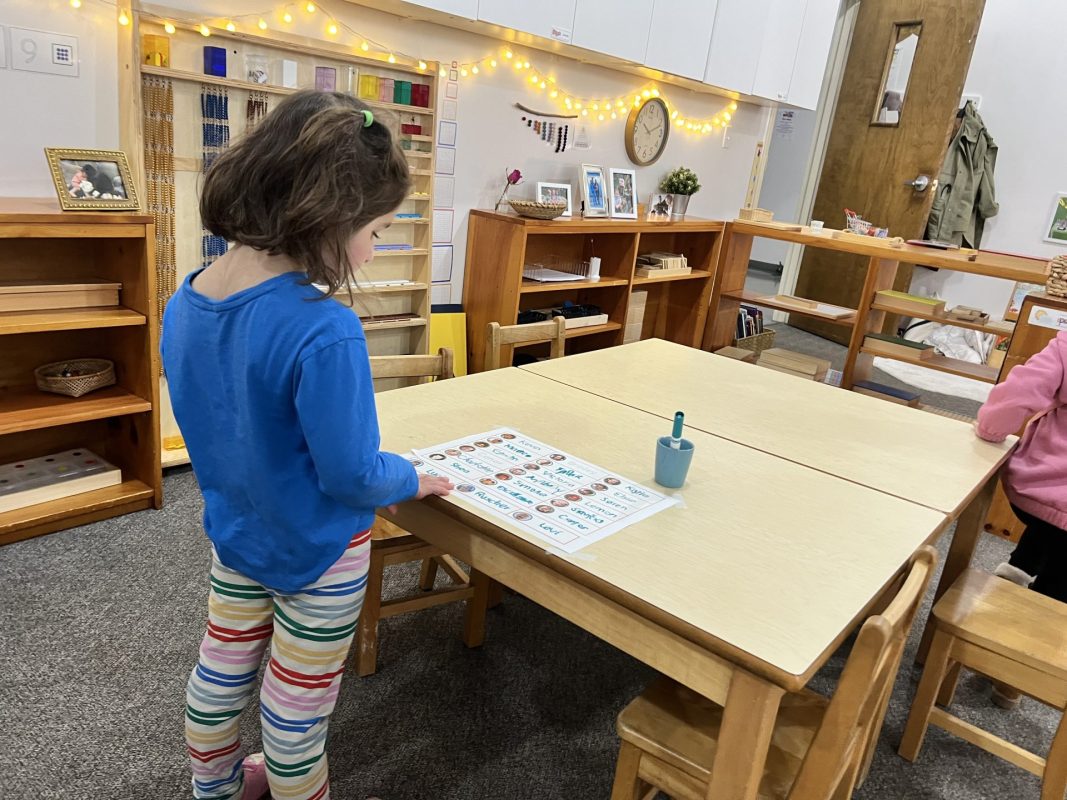
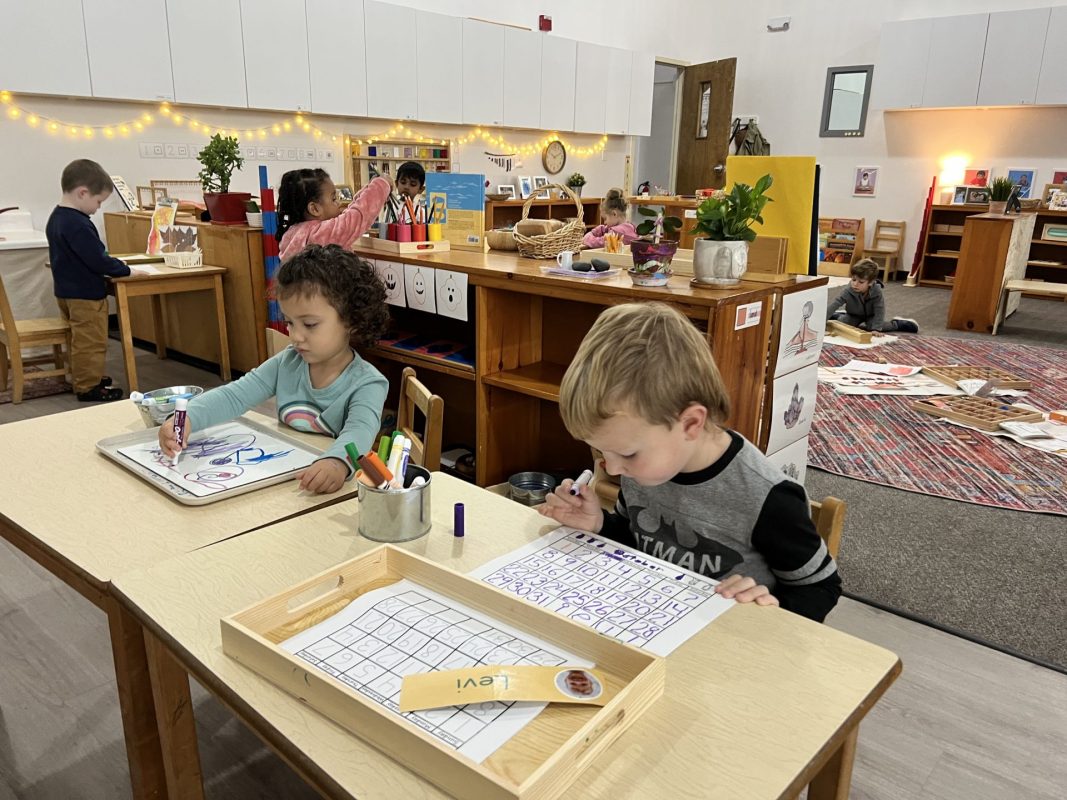
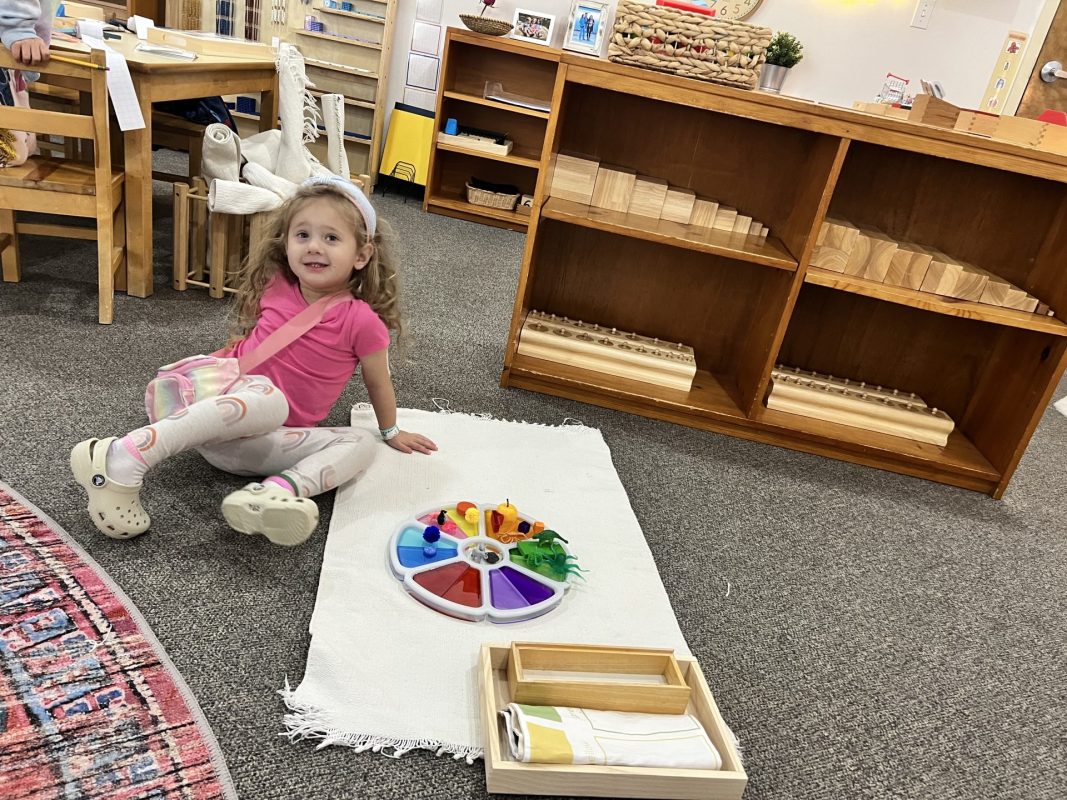
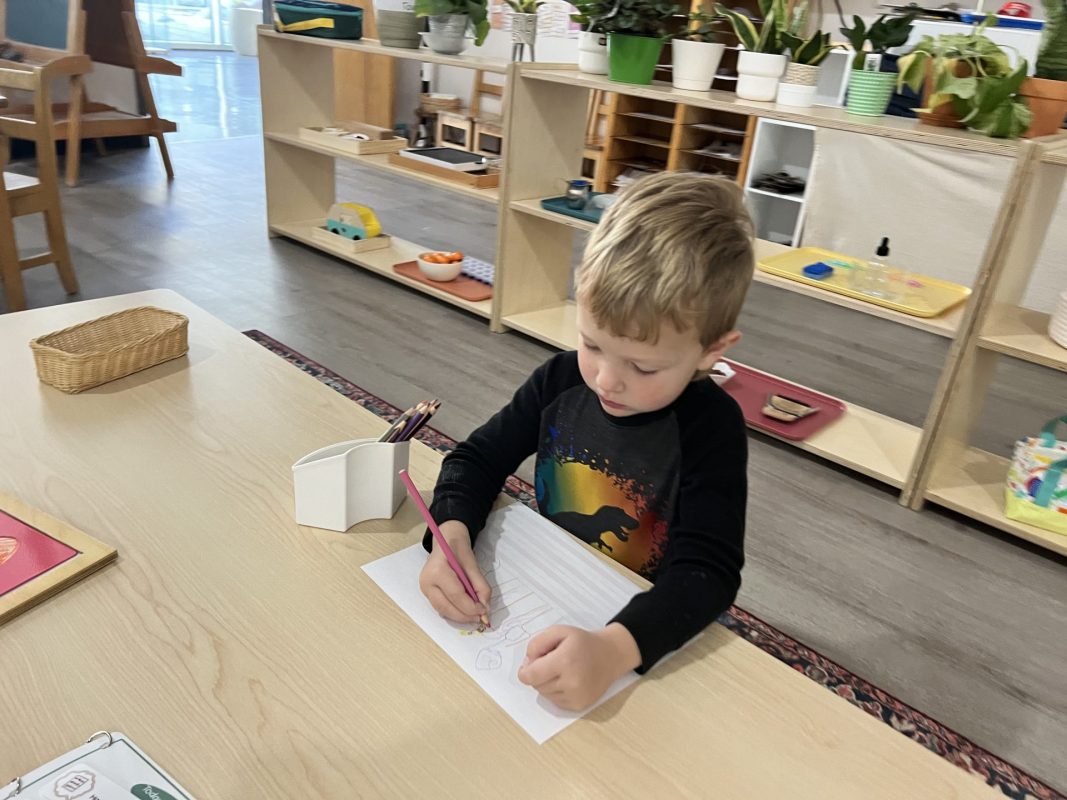
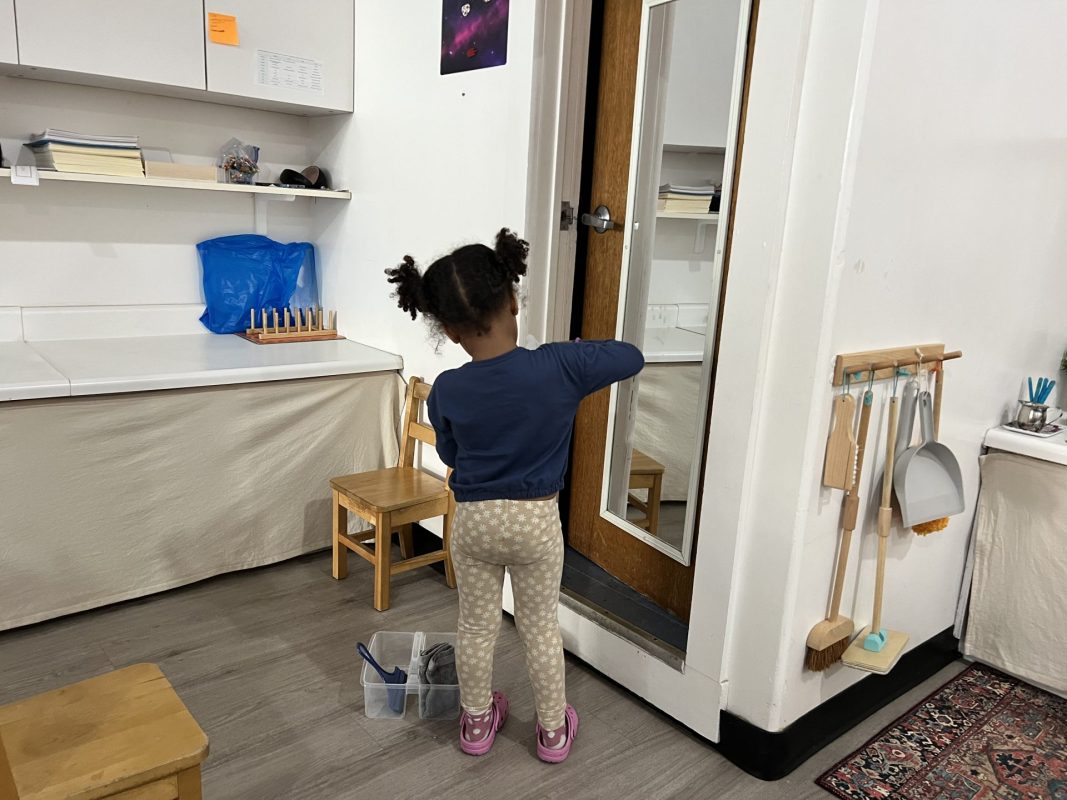
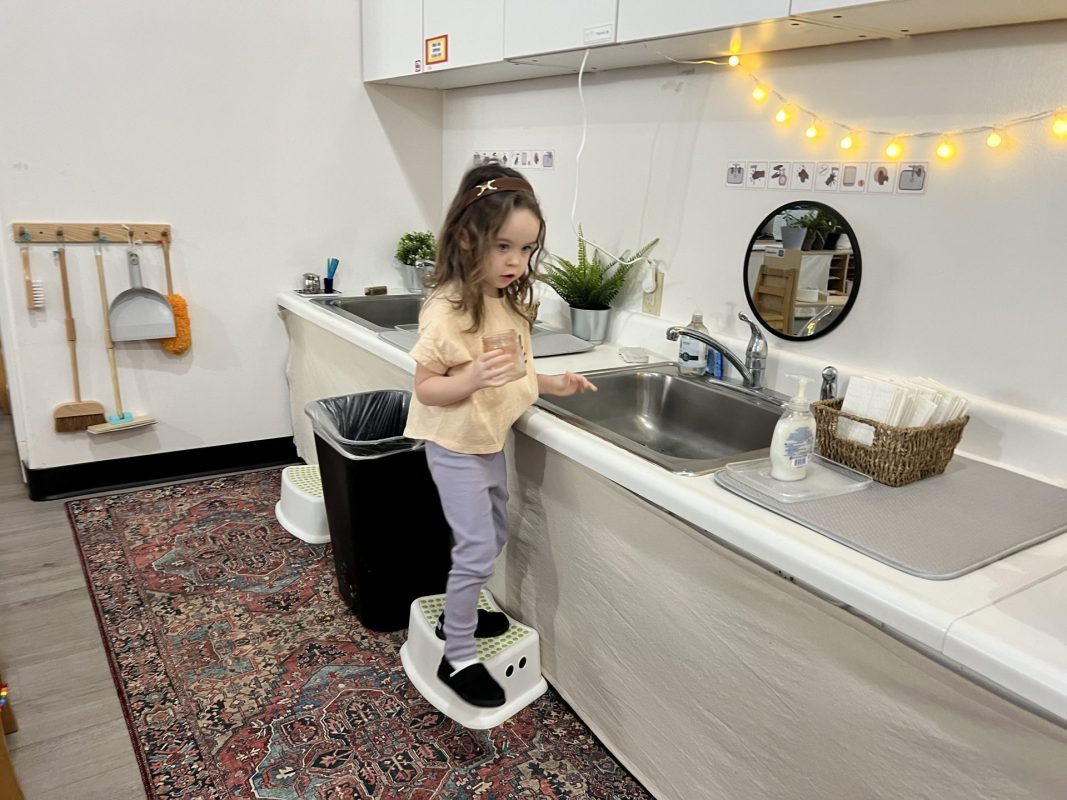
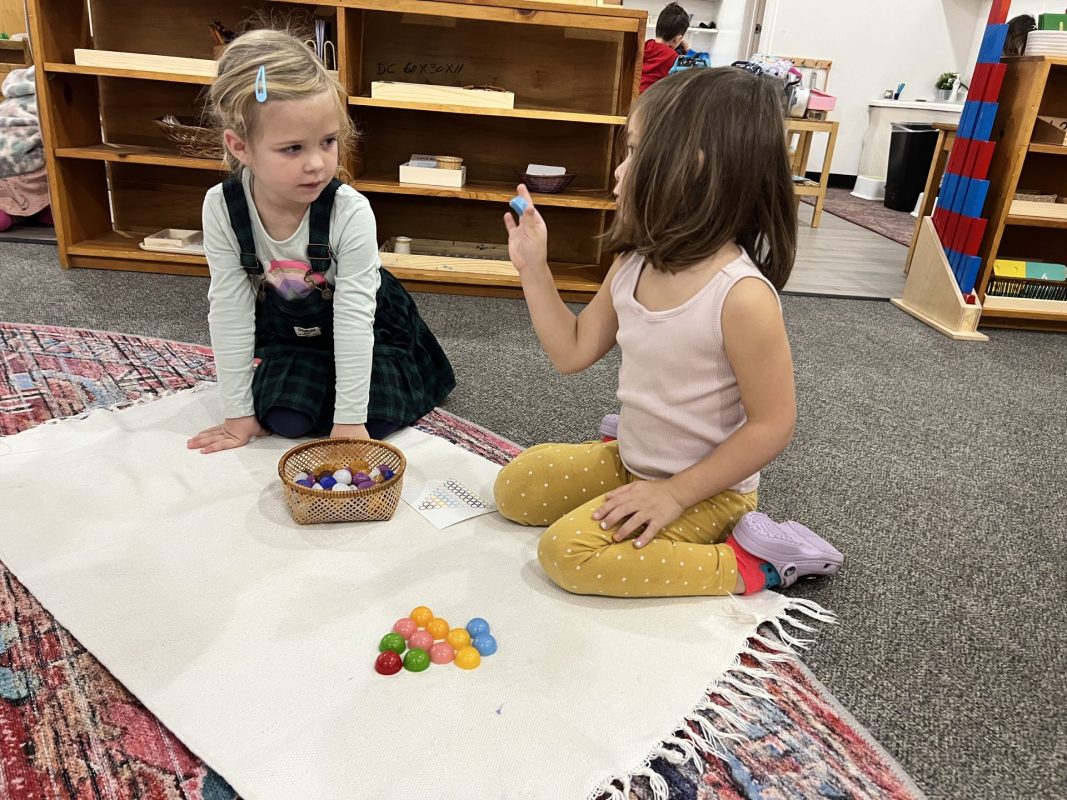
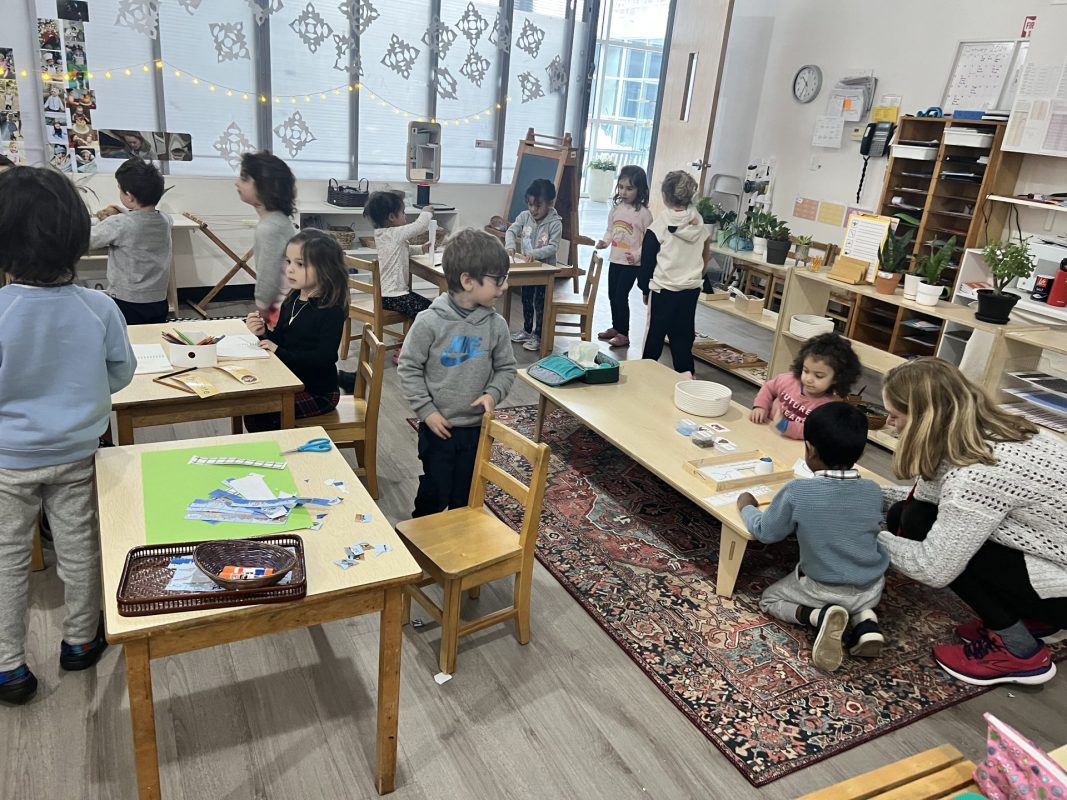
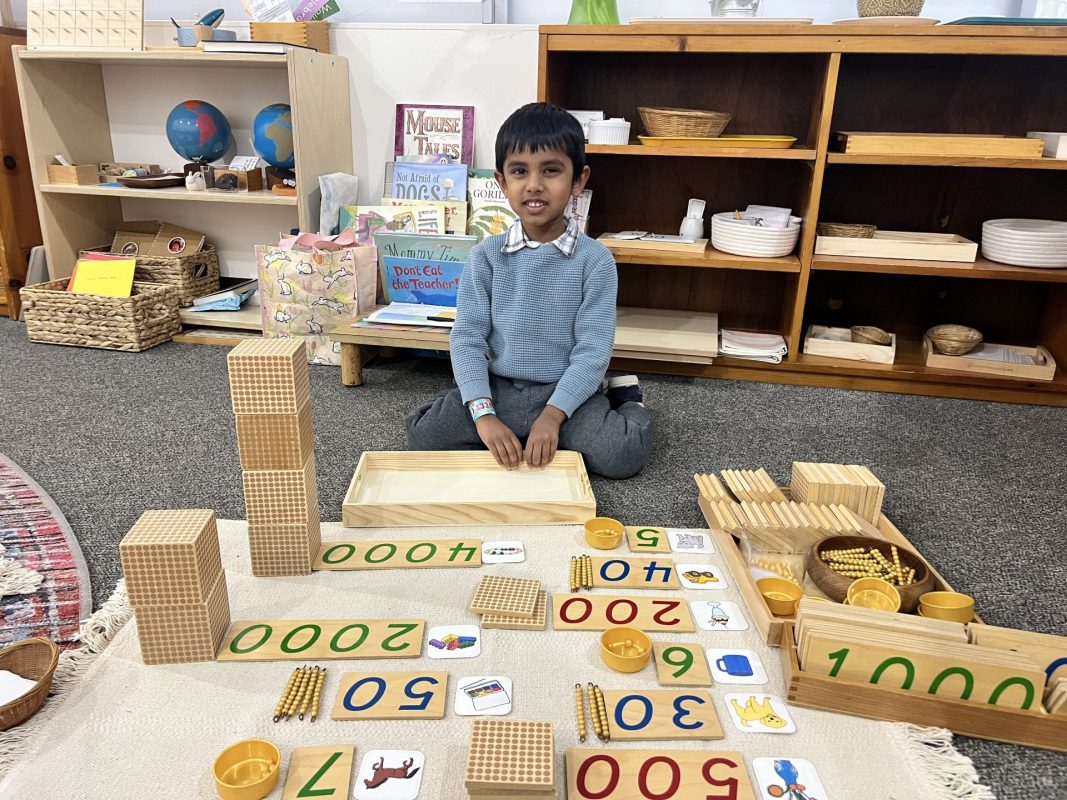
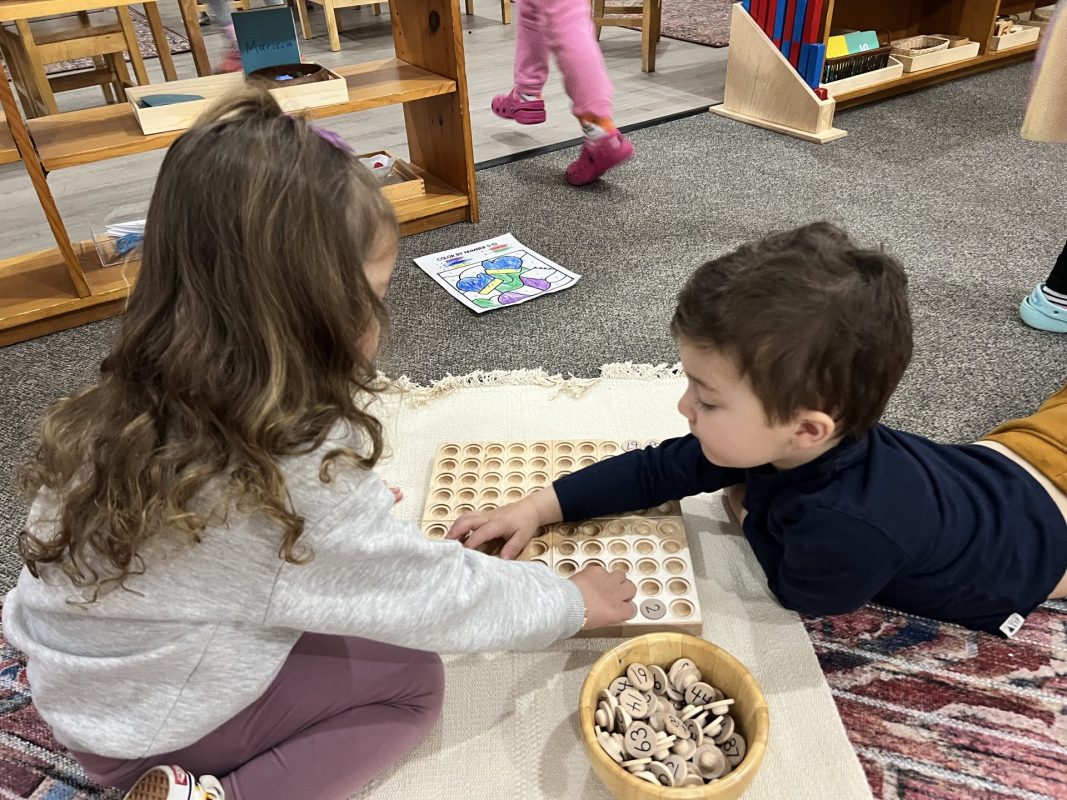
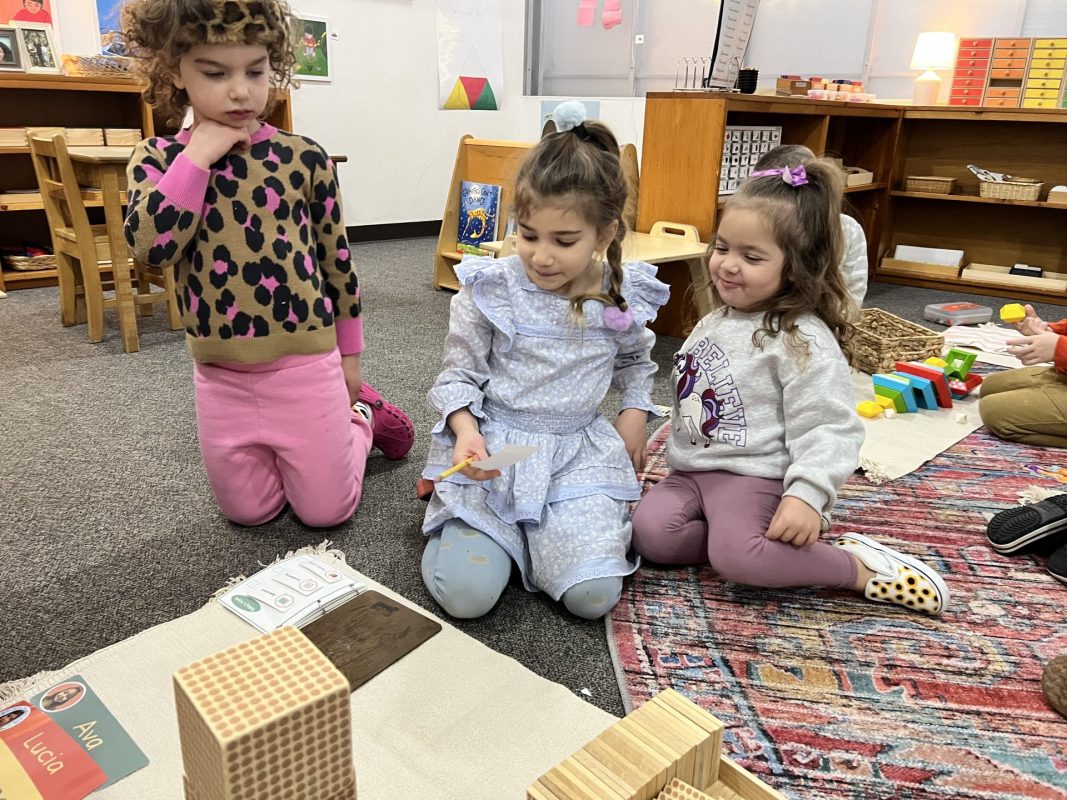
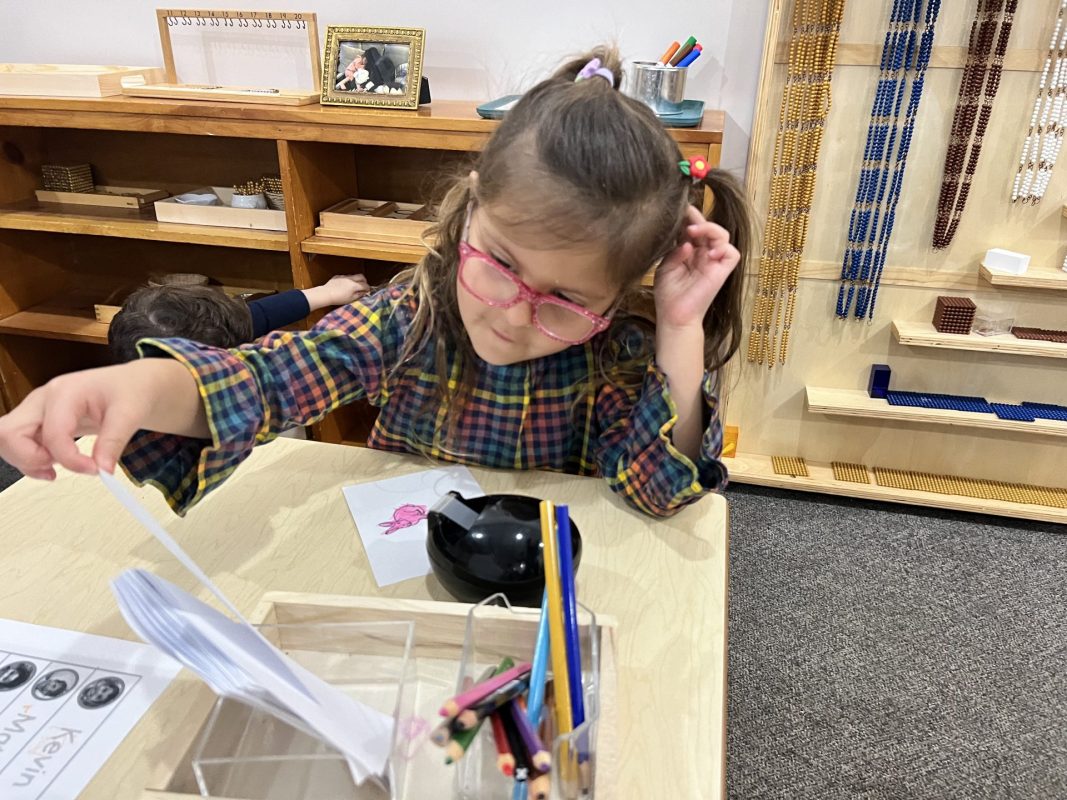
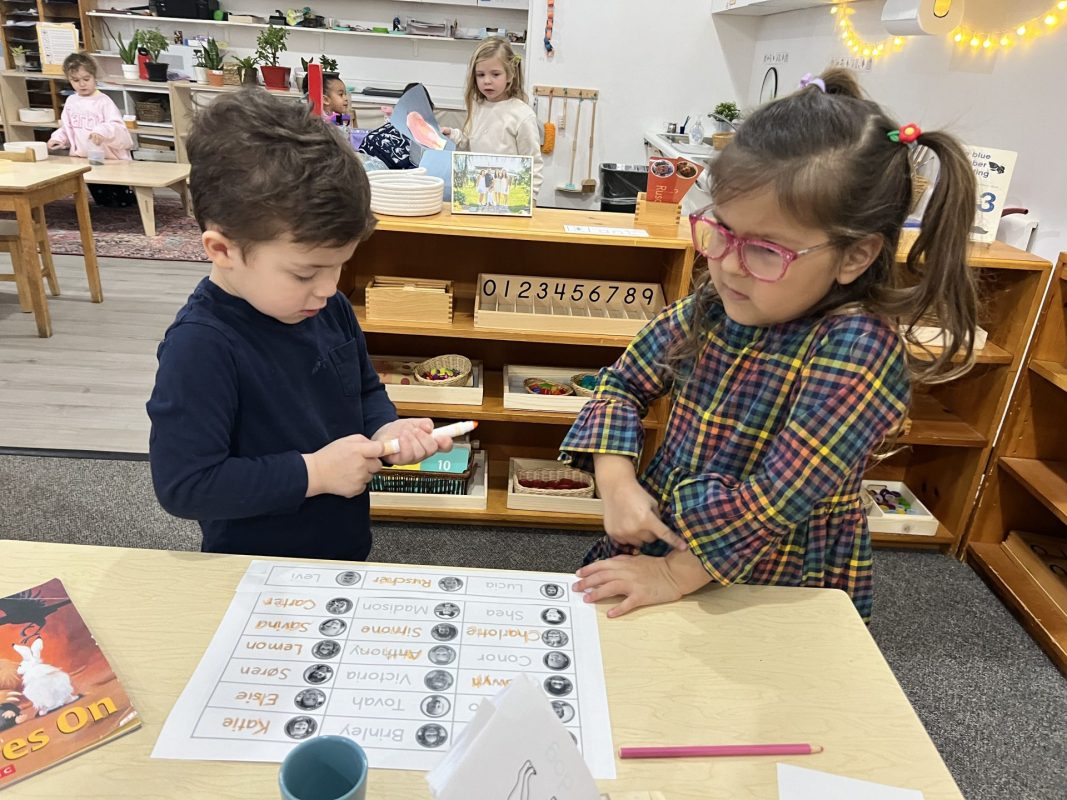
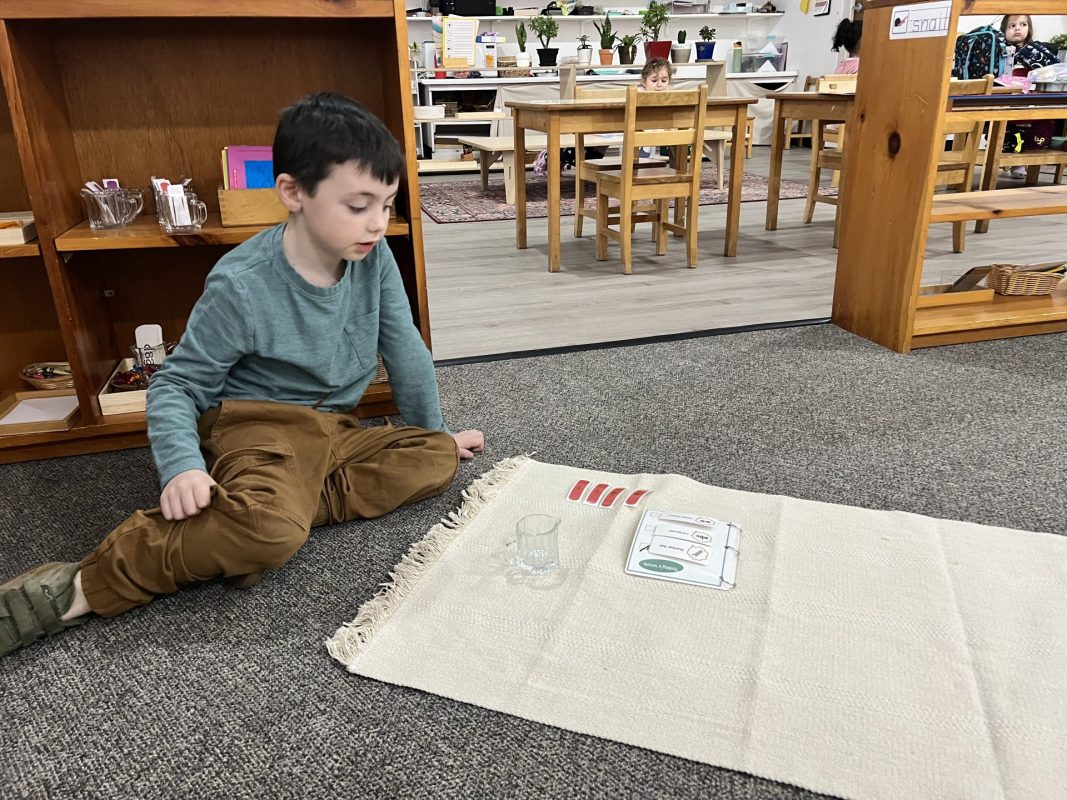
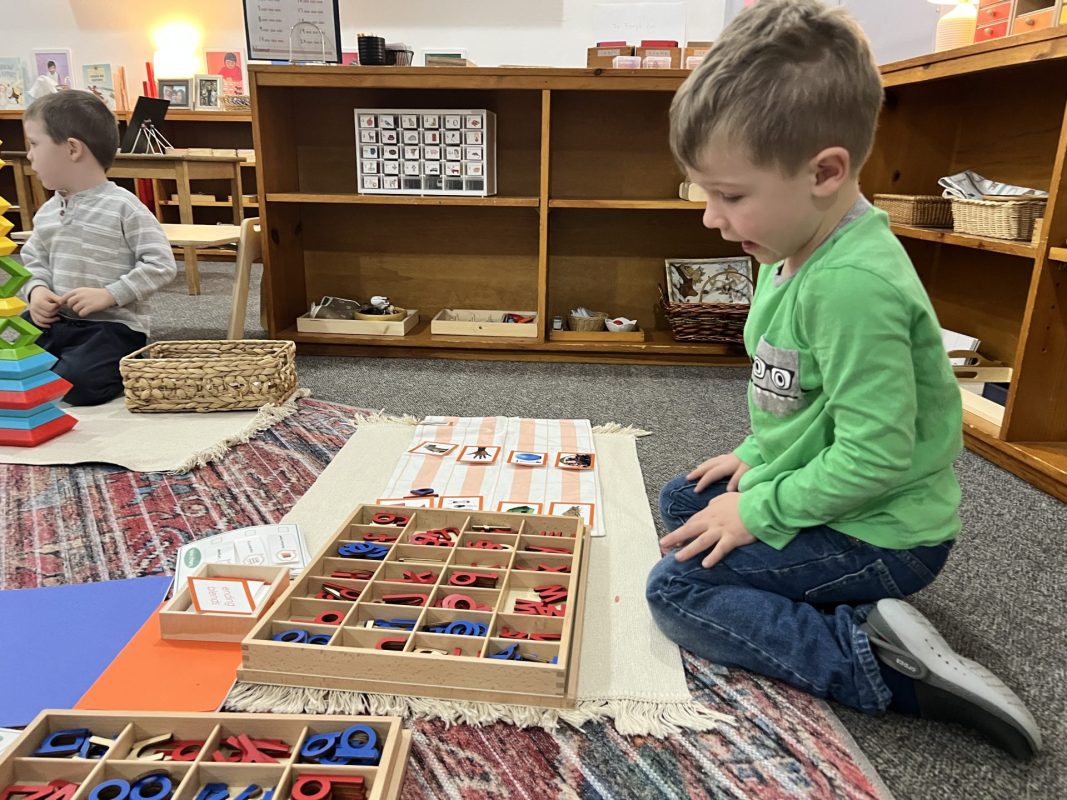
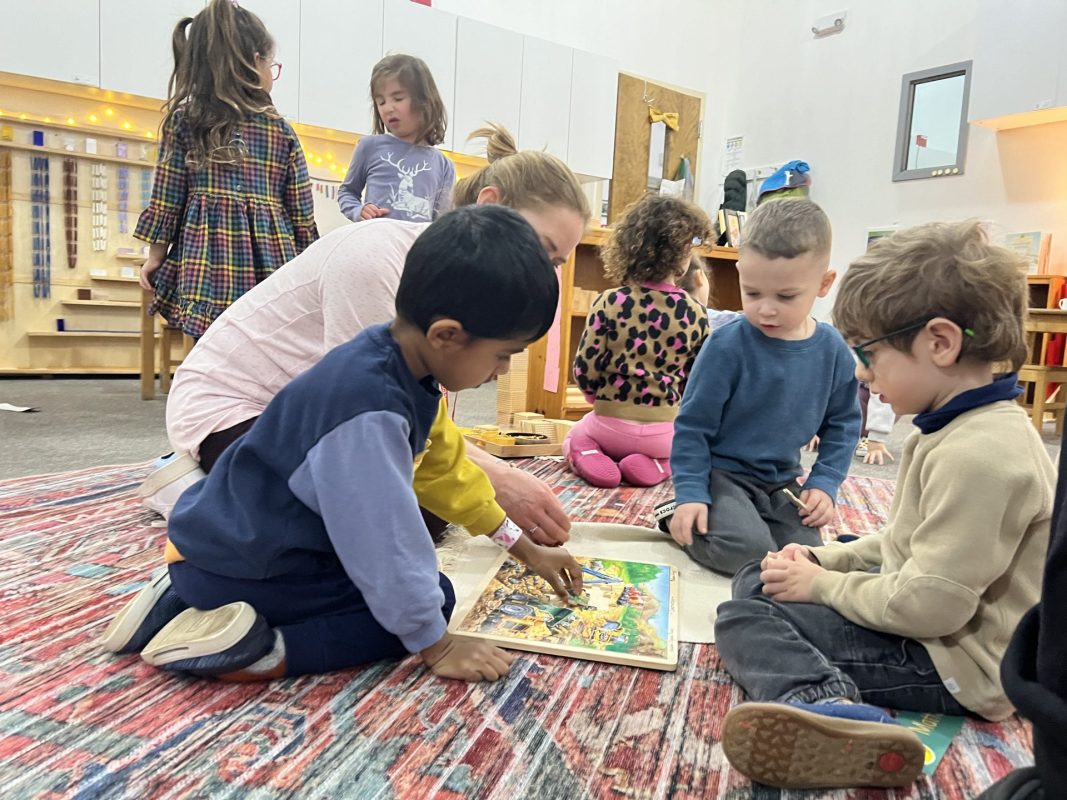
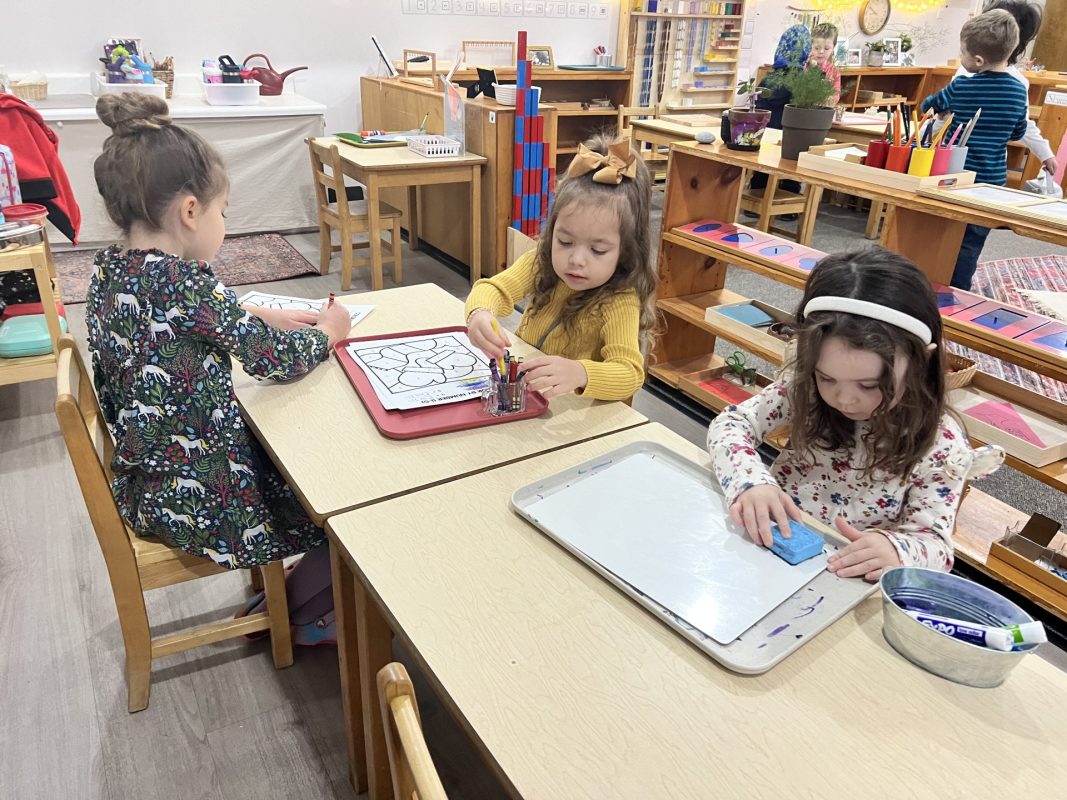
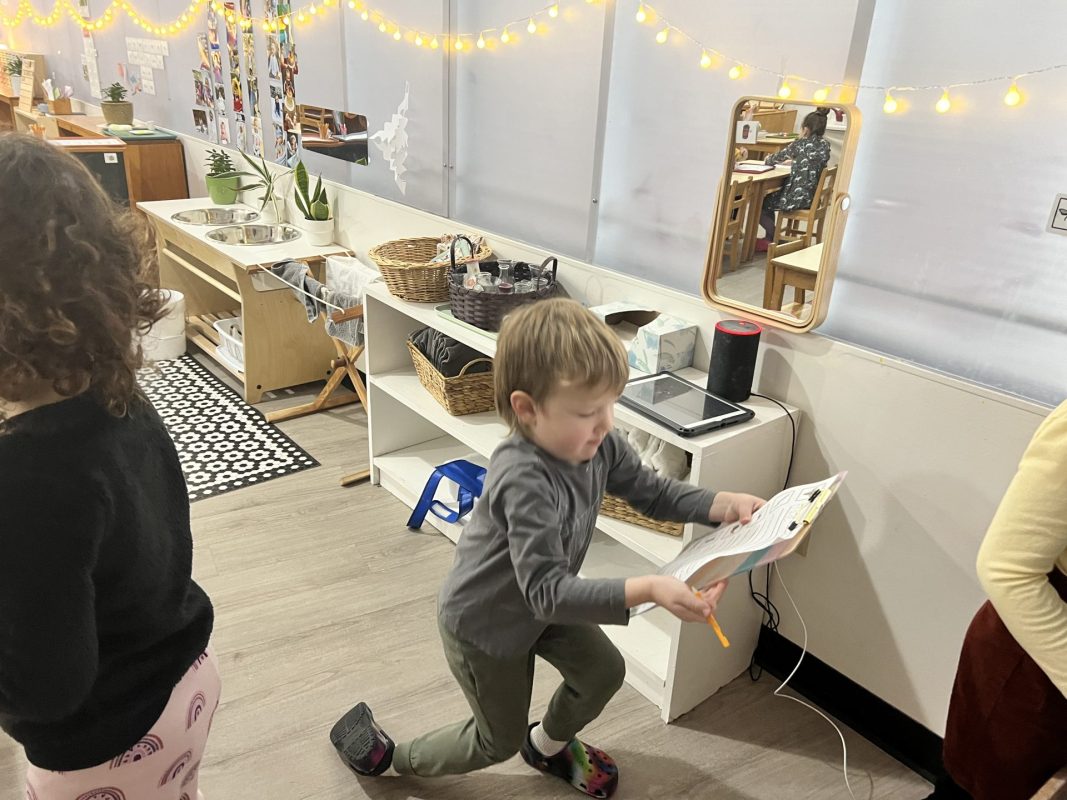
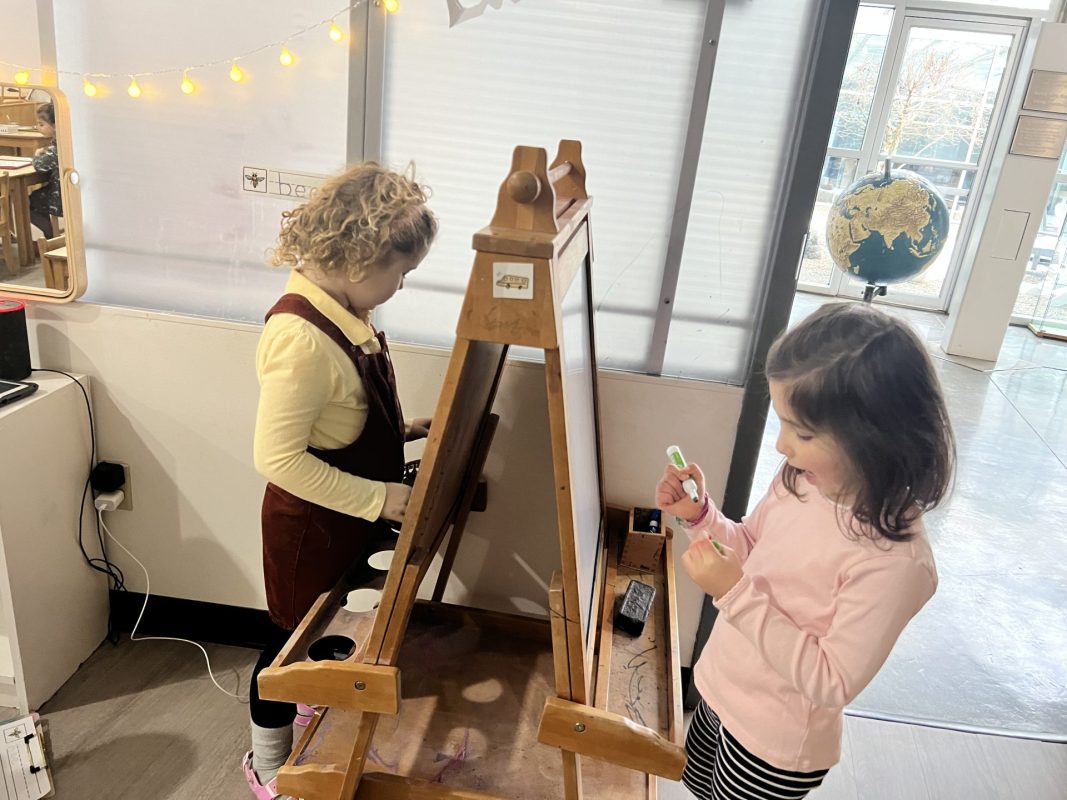
Children are driven by a strong, unconscious internal growth process to seek out experiences that will meet their needs. Our role as Montessori teachers is to provide a well-prepared environment that encourages children to be independent and learn at their own pace. The children are free to choose their work and to use it repeatedly. So, while they are ‘working’ each child is also building independence, coordination, self-discipline, and concentration.

Enjoy your work!

Marissa & Sue


Ms. Marissa: In November’s Gusty Gale

You may have heard your child recite one of our silly monthly poems at home! This month we are practicing our November Poem from Maurice Sendak’s book Chicken Soup with Rice.

“In November’s
gusty gale
I will flop
my flippy tail
and spout hot soup.
I’ll be a whale!
Spouting once
spouting twice
spouting chicken soup
with rice.”

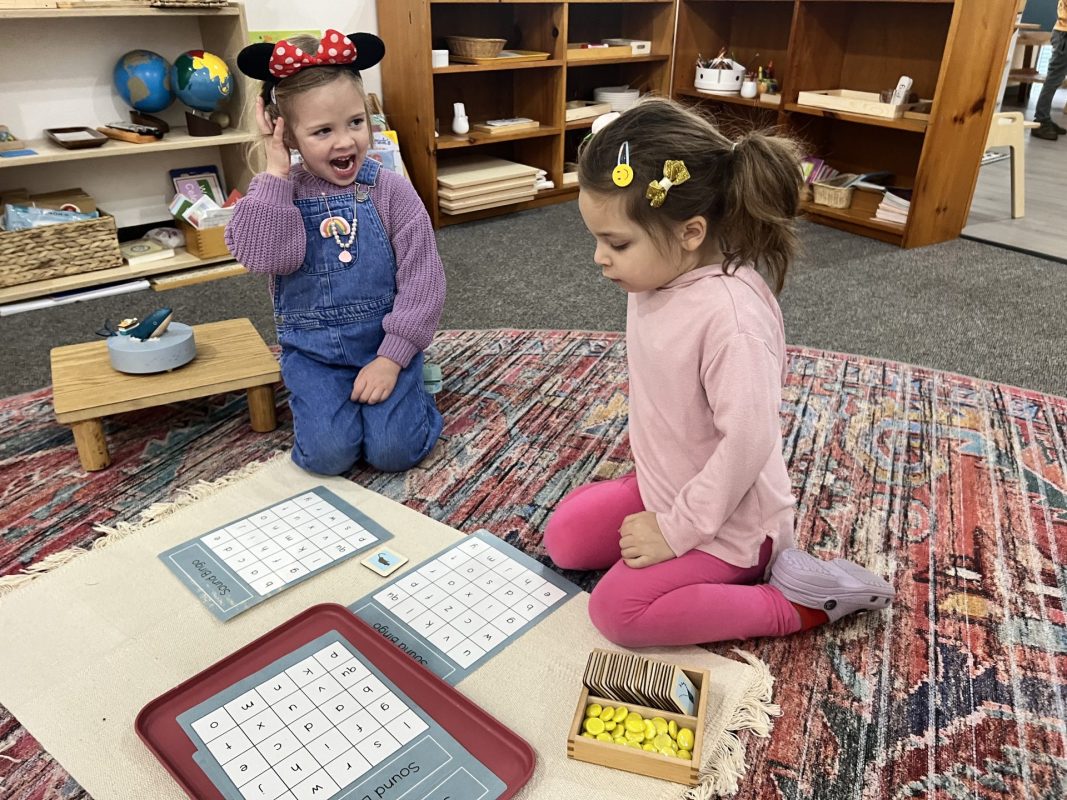
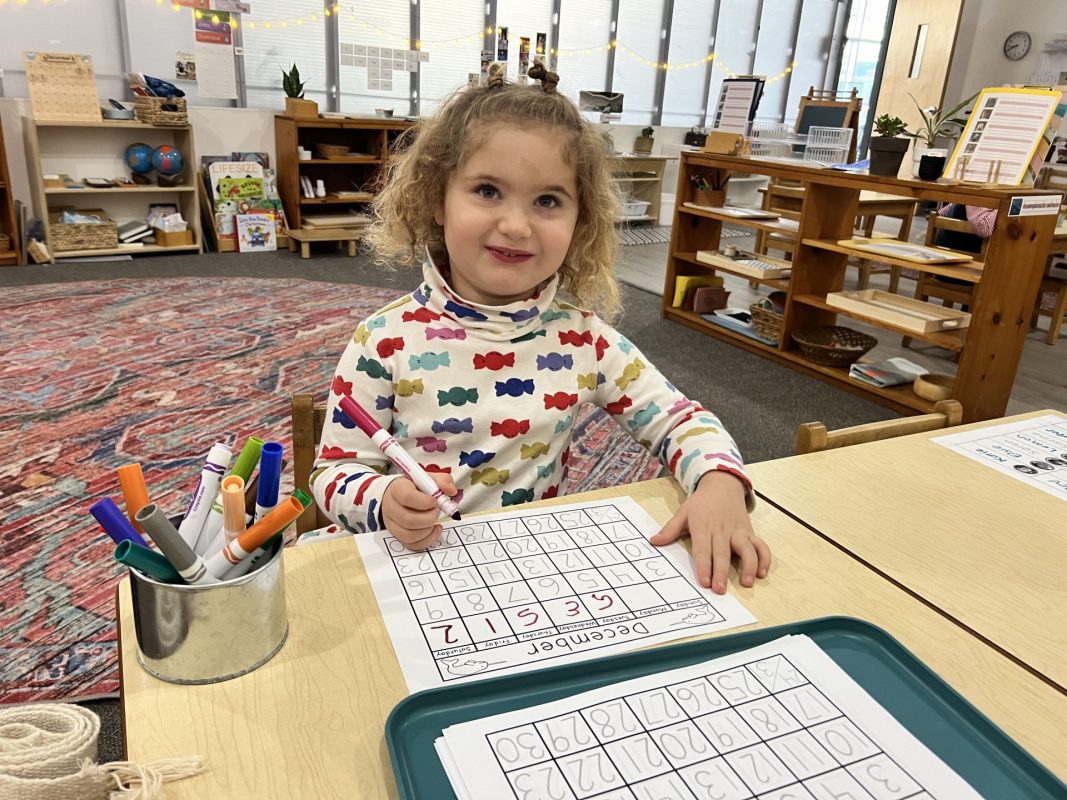
The children enjoy learning poems from this book in particular. This month’s has a tricky tempo, and we are learning how to read poetry in different ways. As we get through the month, volunteers recite the poem for the class. It is challenging to remember all the words! We usually practice as a group each morning after we sing our morning song, the days of the week and months of the year, and do our calendar.

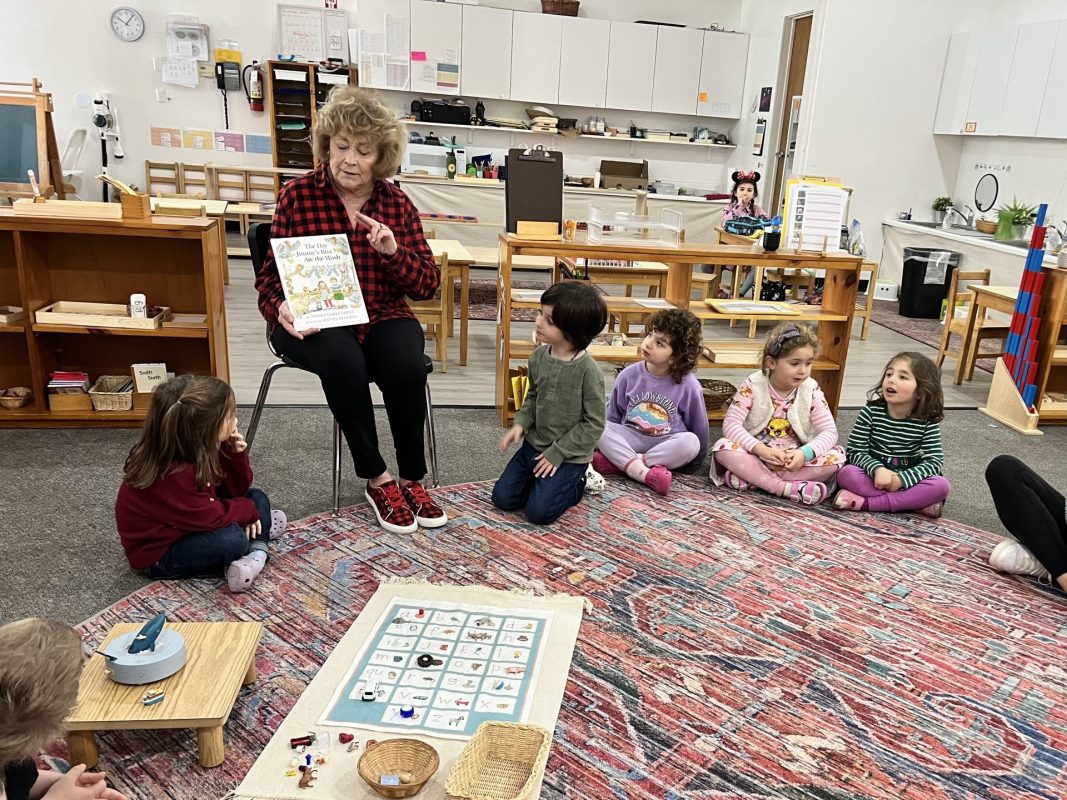
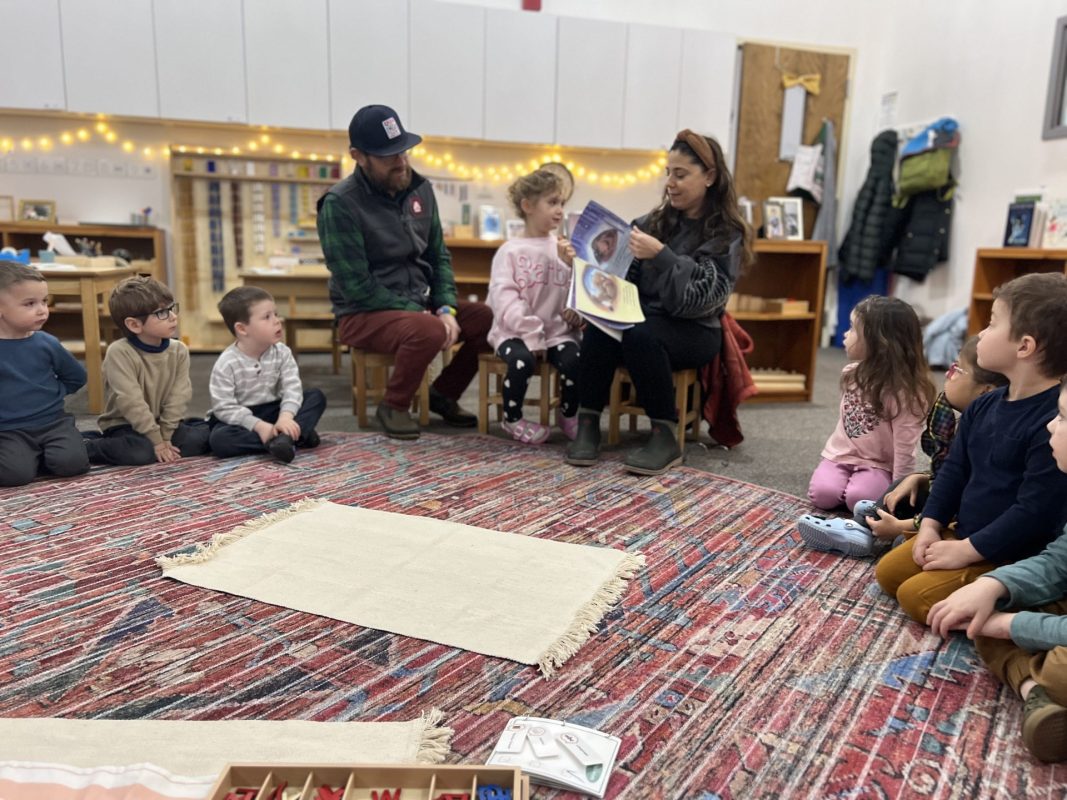
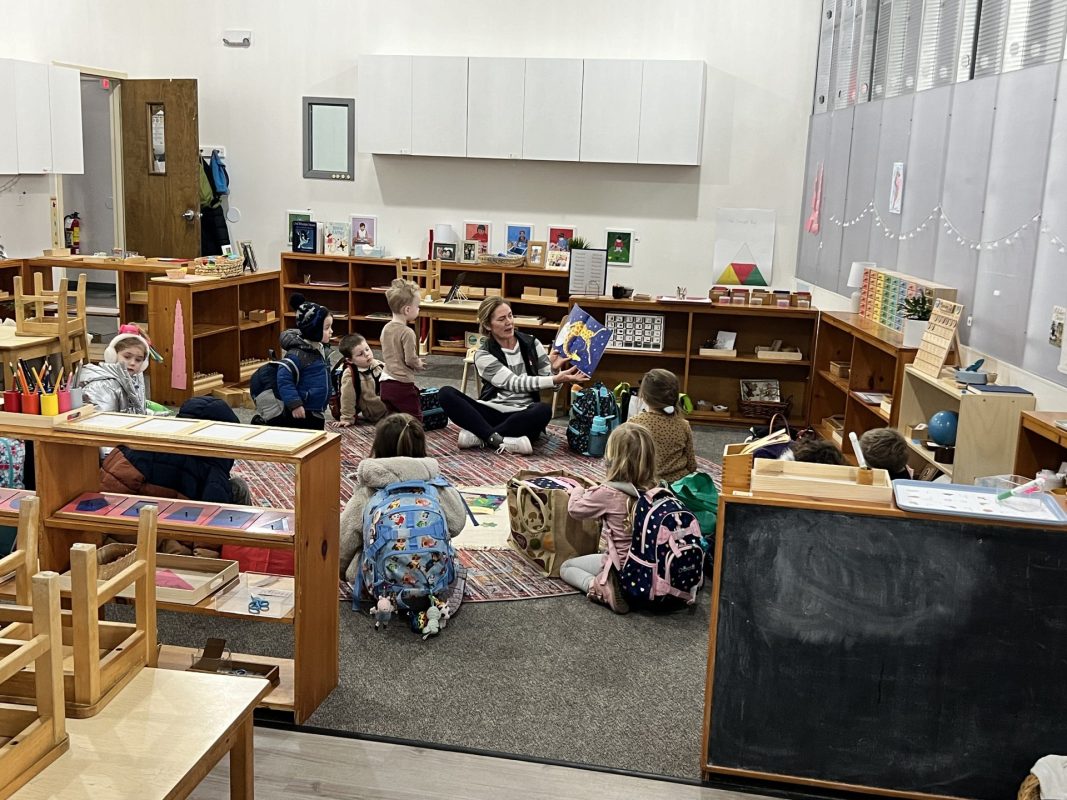
Circle time is a wonderful part of our day. It brings the class together; we sing, practice different movements, open up with questions and comments, and have a group lesson. Integrating poetry into circle time brings so many benefits like public speaking, rhyming, storytelling, comprehension, and of course – silliness! We reinforce the poem each month with paper booklets – maybe you’ve seen them come home in Friday folders! Try asking your child if they remember their chicken soup poem for November.

On Wednesday, the children were treated to a presentation honoring the meaning of Diwali.  Diwali represents new beginnings and the victory of light over darkness, good over evil.  This five-day festival is observed around the world, and its rituals vary by region. Homes are brightly illuminated with diyas (candles) and oil lamps, and people decorate their homes with rangoli.  While gathering with family and friends, people often wear fine clothes and jewelry.  We are grateful for the time and effort that Paromita Dutt Kunzweiler, Punam Patel, Supreeti Saika, Mithu Talukdar, Chamaini Niyangoda, Radha Priya Gupta, and Hema Ganesan volunteered in order to share with the children this beautiful and meaningful tradition.

Have a wonderful weekend!

Warmly,

Marissa & Sue


Ms. Marissa: First Stop, South America!

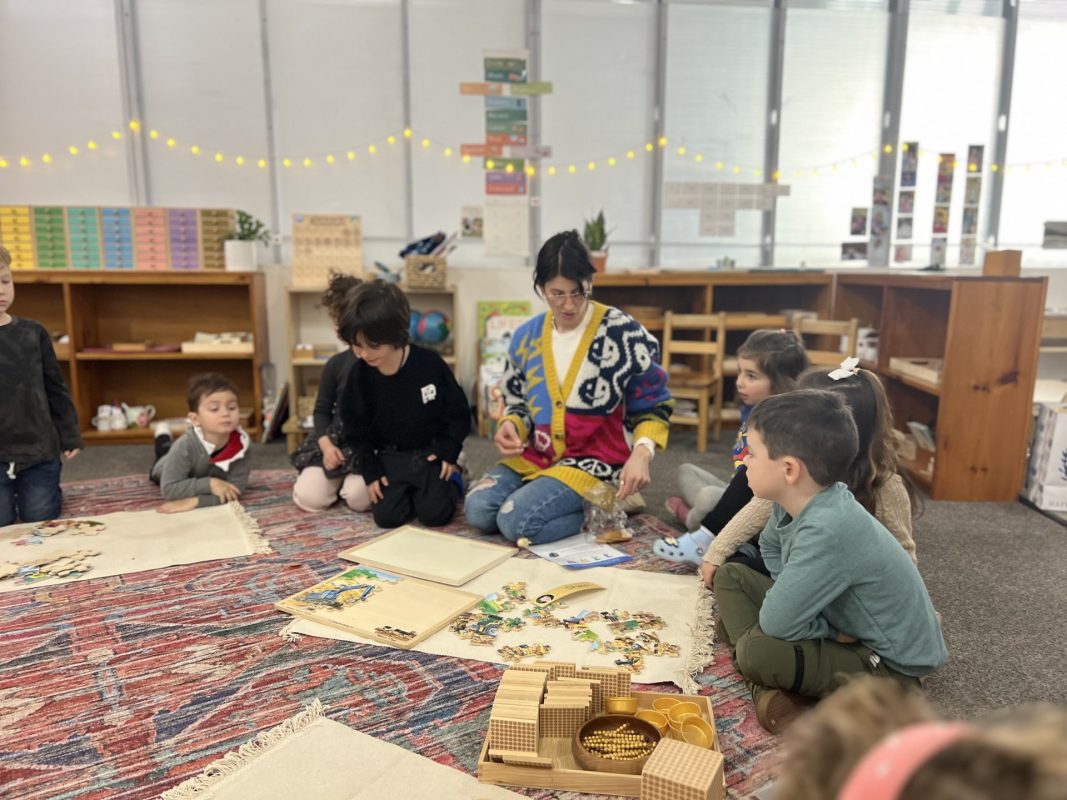
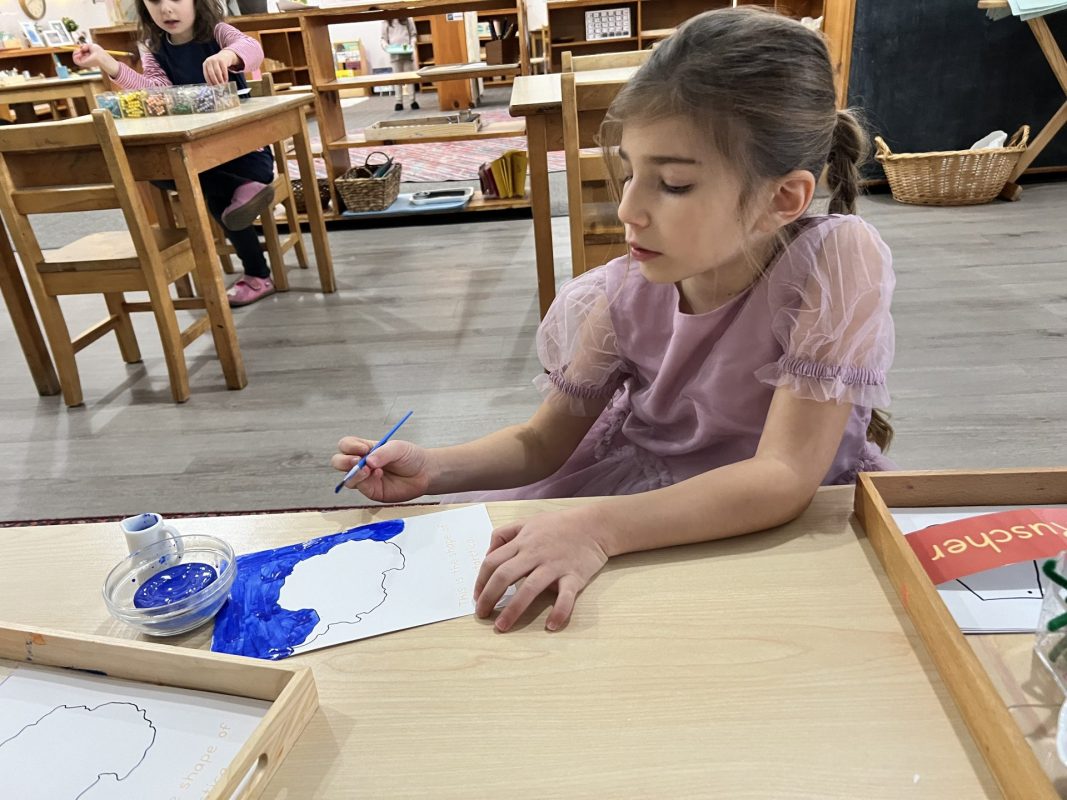
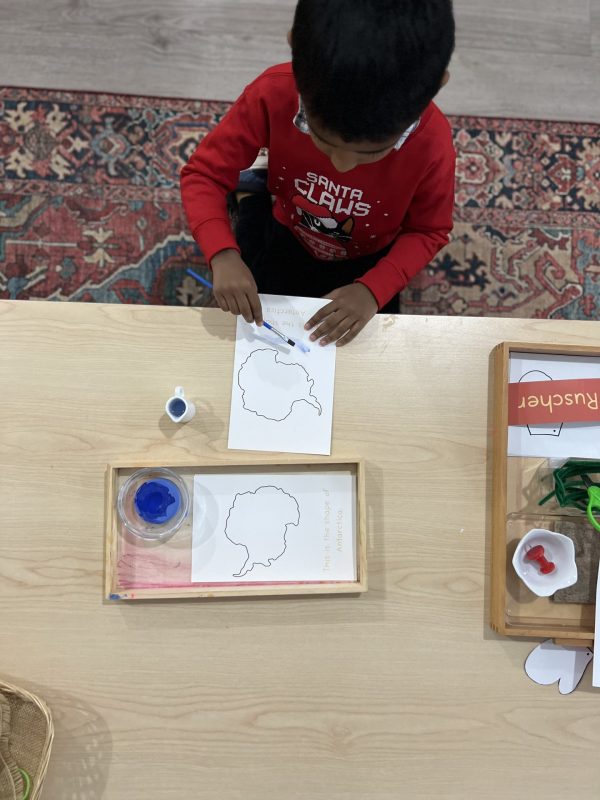
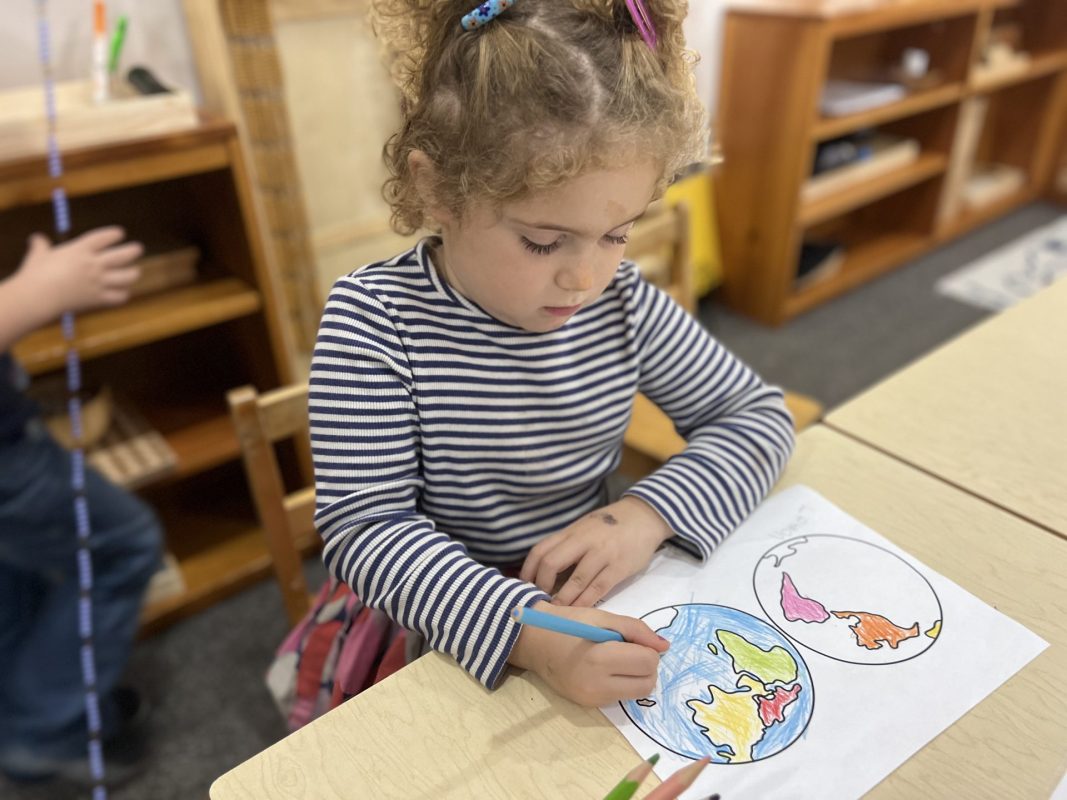
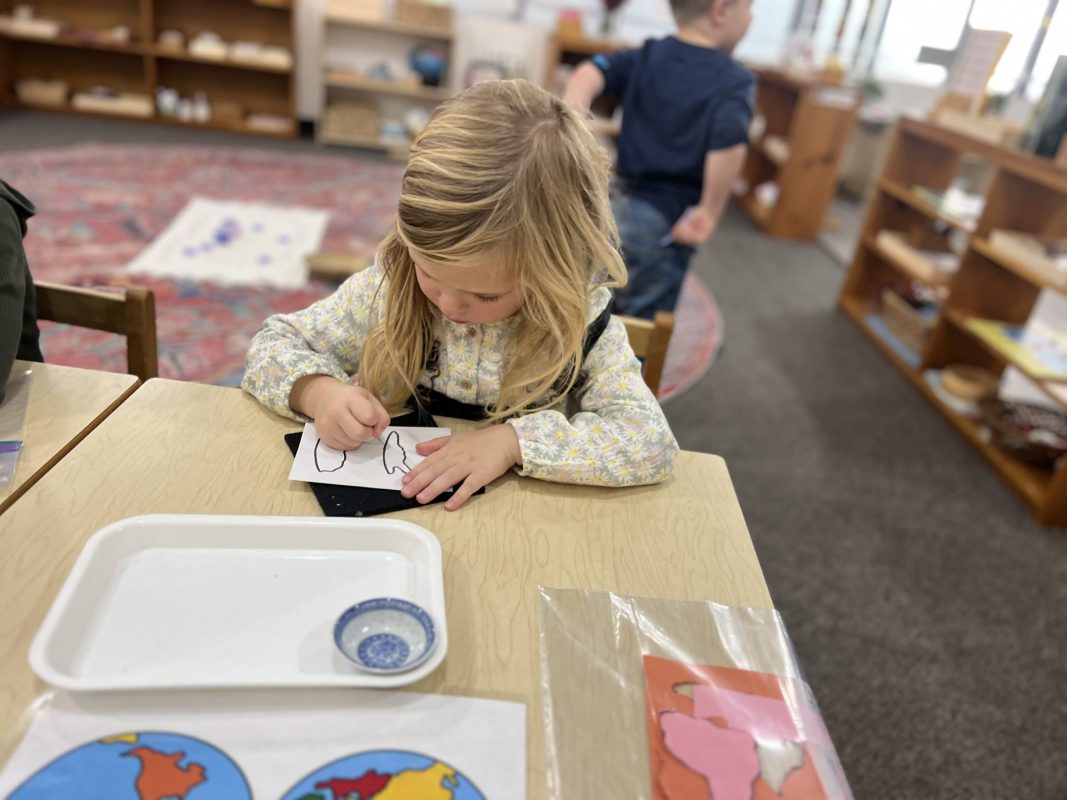
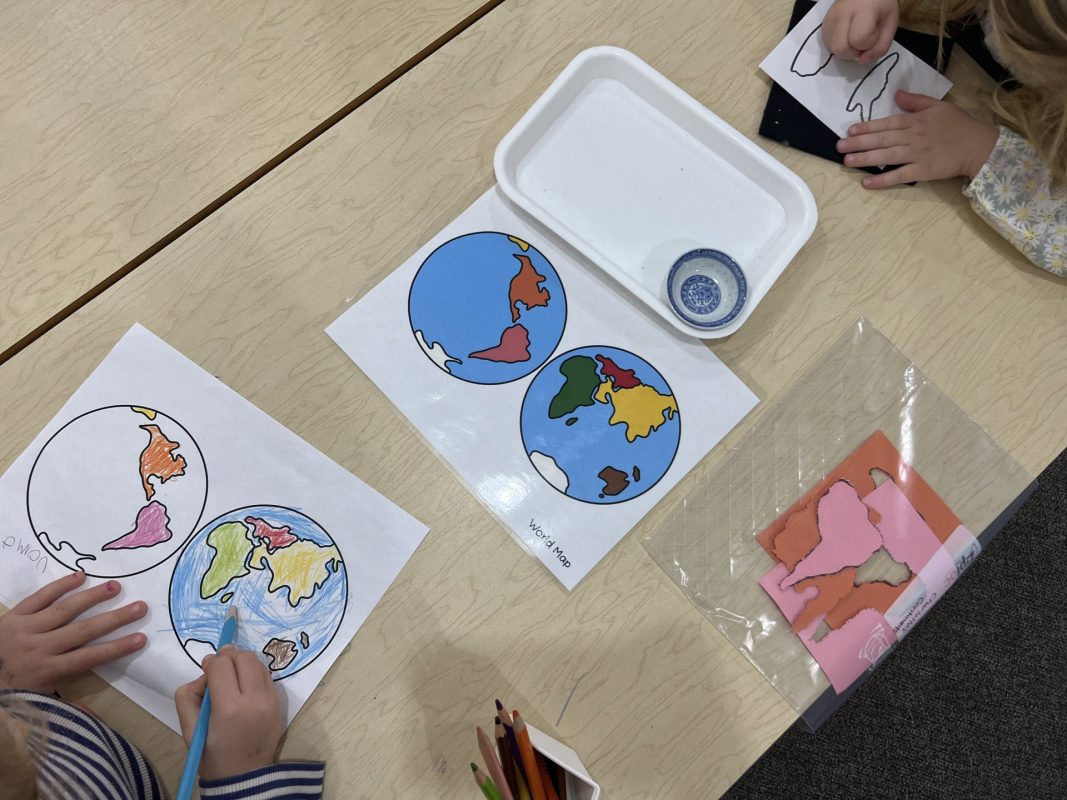
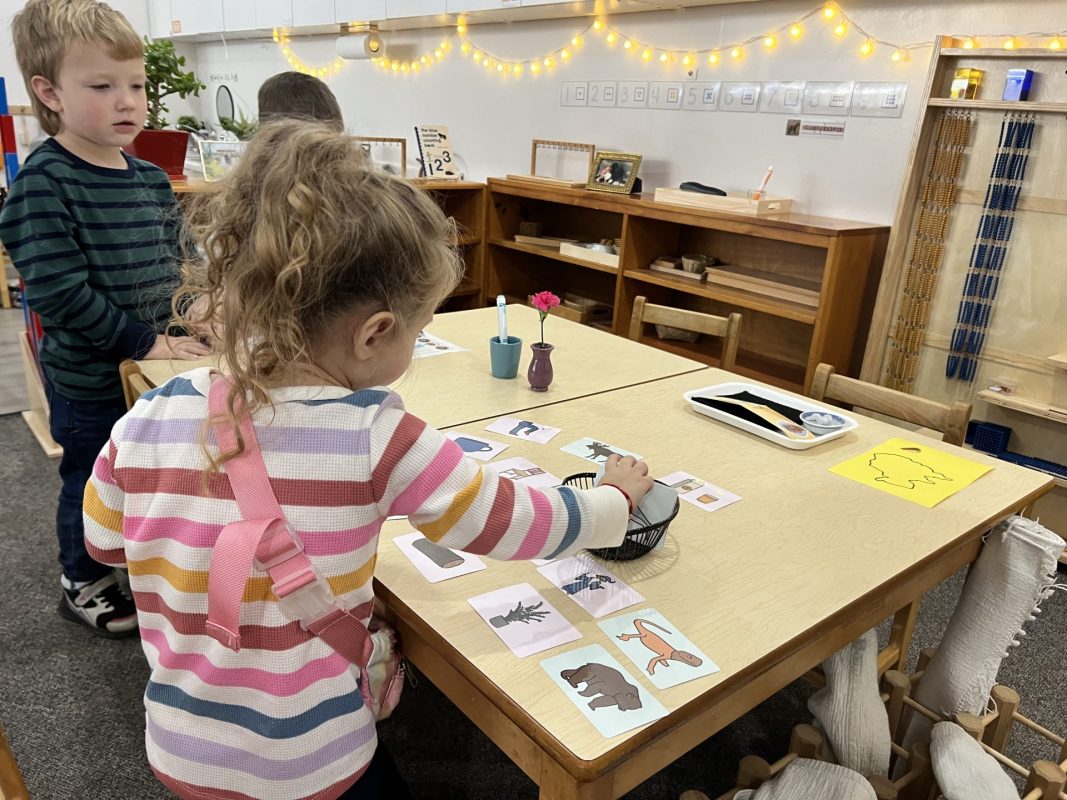
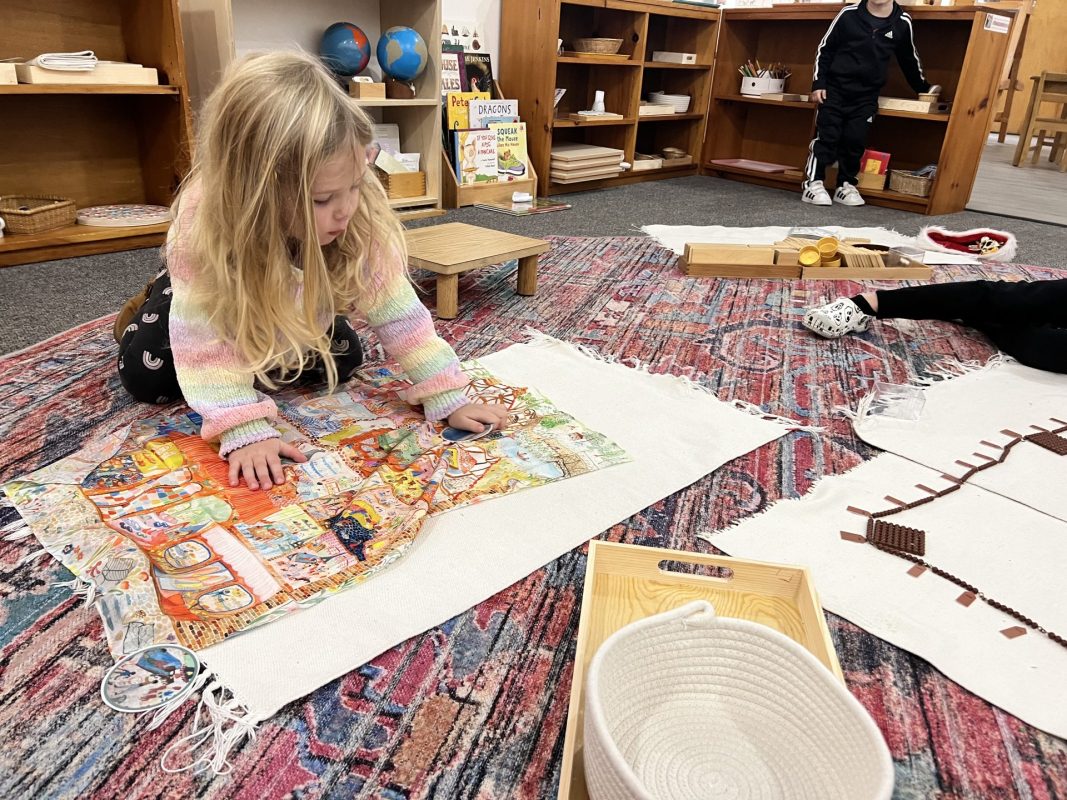
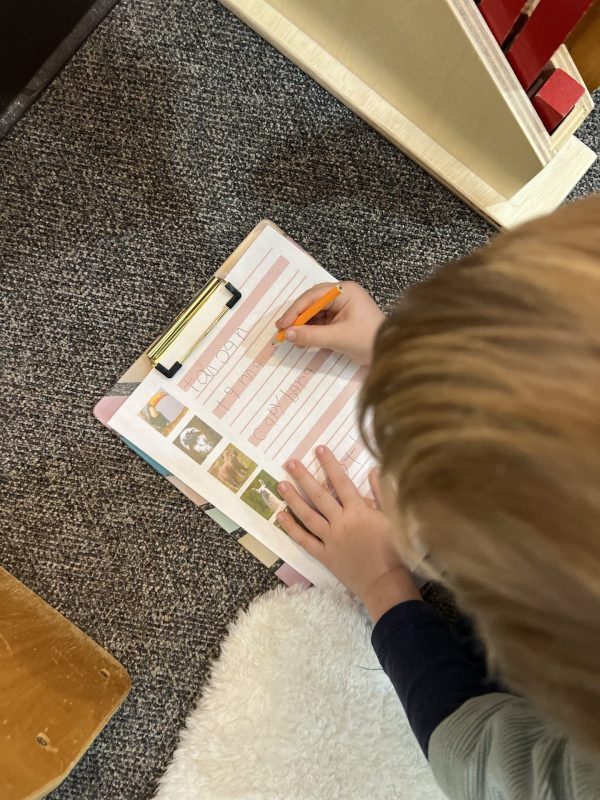
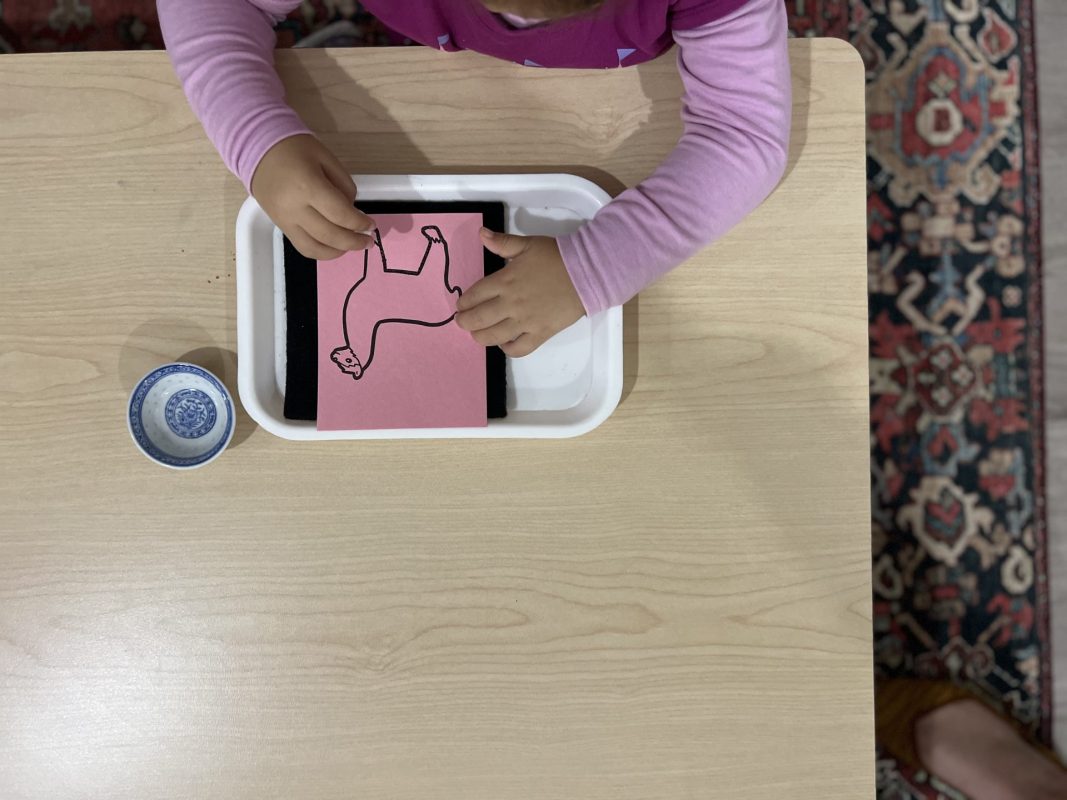
These last couple of months have been a busy and exciting time with your children. We have traveled through space, explored the eight planets, discovered that the sun is a star, and rocketed back to planet Earth. We are now exploring the first of seven continents, South America.  You may hear your children call it the pink continent. This is because, on the Montessori globe and map, South America is indeed pink. We will continue to explore the animals native to South America, map South America’s countries, examine topography, and study how a continent’s proximity to the equator impacts its climate.

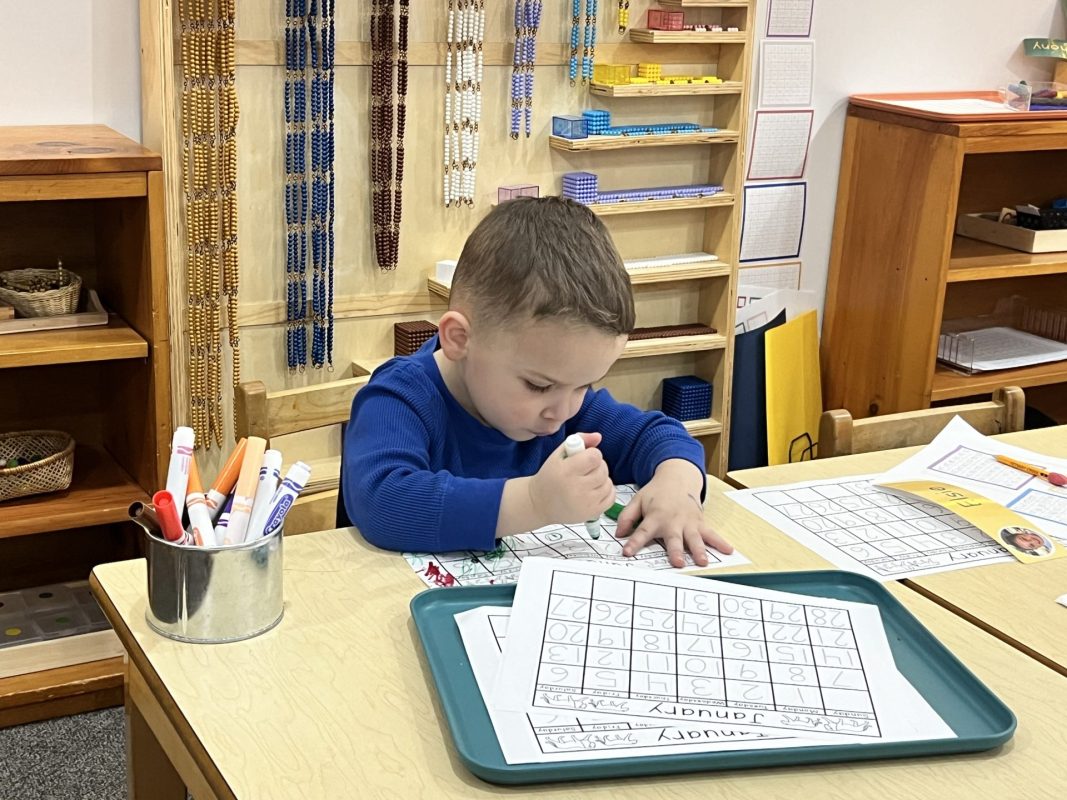
The Montessori cultural studies curriculum provides children with an opportunity to explore the whole world, including the continents, countries, people, animals, terrain, music, and arts. Children use didactic Montessori materials to familiarize themselves with the needs of all humans for such things as food, housing, and clothing. This early cultural awareness helps cultivate independent, joyful citizens of our world.

Wishing everyone a week filled with peace and love!

Marissa & Sue


Ms Marissa: A Pumpkin Filled October!

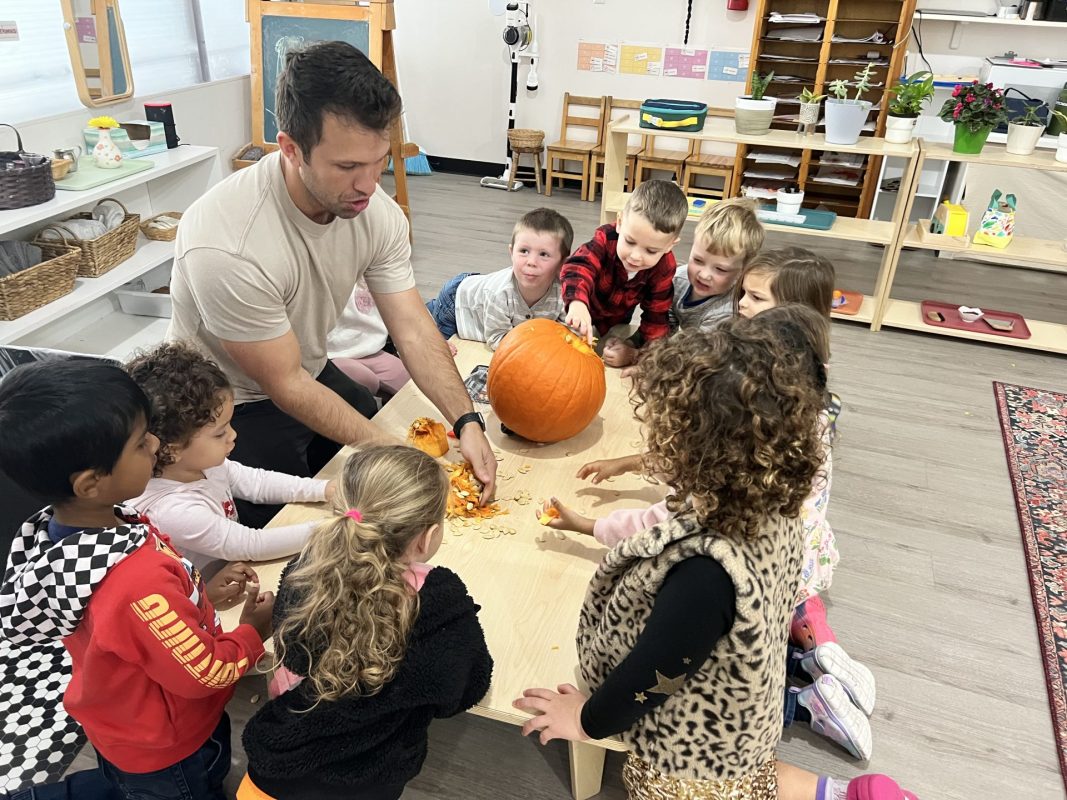
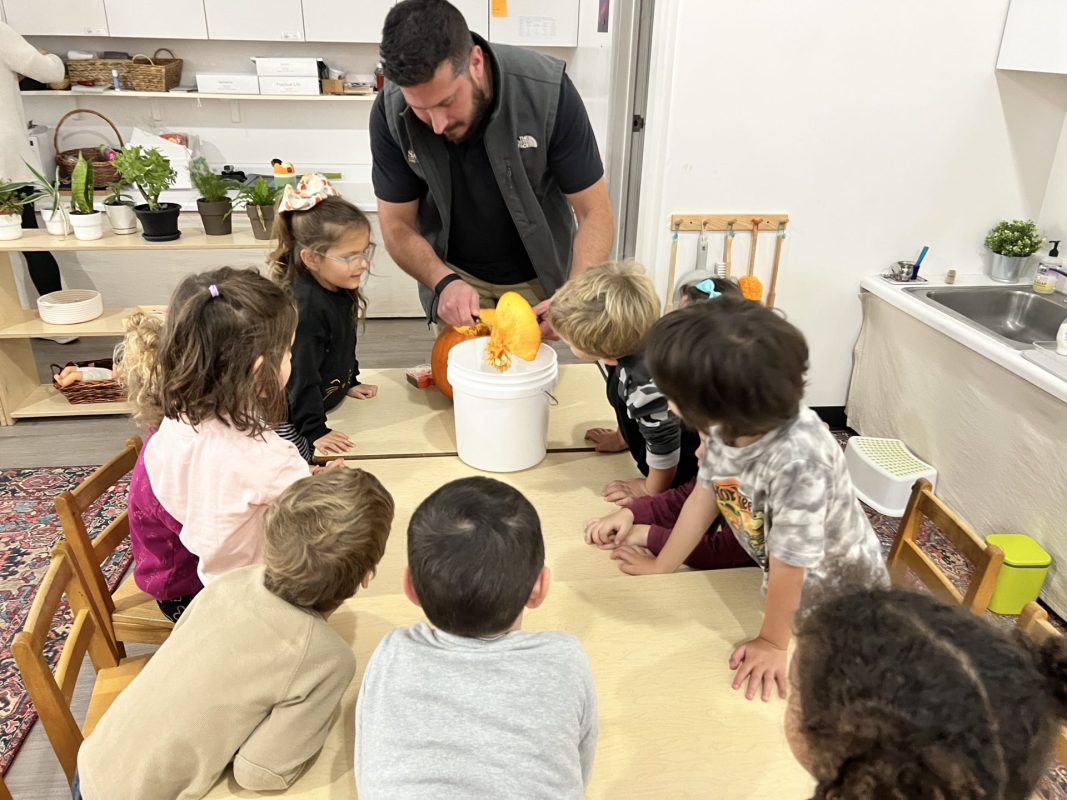
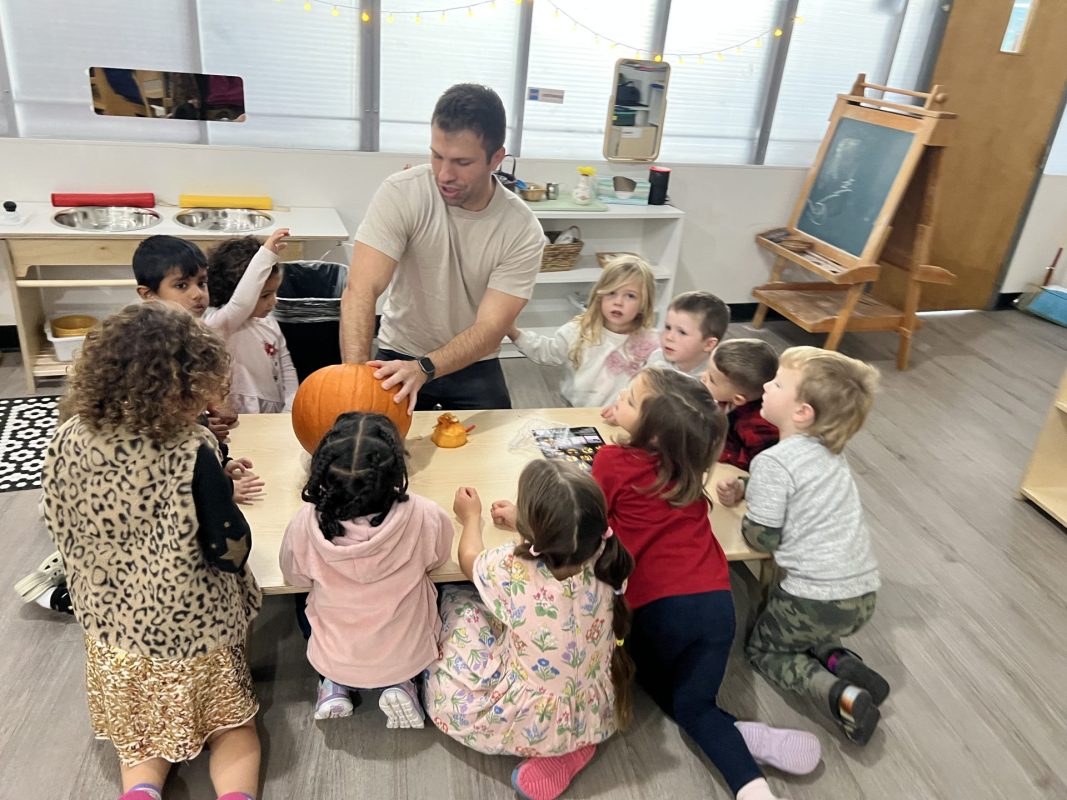
Welcome to our pumpkin patch!  There are pumpkins everywhere in our class. Having pumpkins in the classroom provides many opportunities for the children to observe and introduce basic science and math concepts.

In Practical Life, we have pumpkin spooning, pumpkin pouring, pumpkin scrubbing, and pumpkin grasping. In Science, we learned about the parts of a pumpkin and the pumpkin’s life cycle. We compared pumpkins and categorized them as small, medium, and large. We are using our five senses to determine what pumpkins look, smell, feel, sound, and taste like.

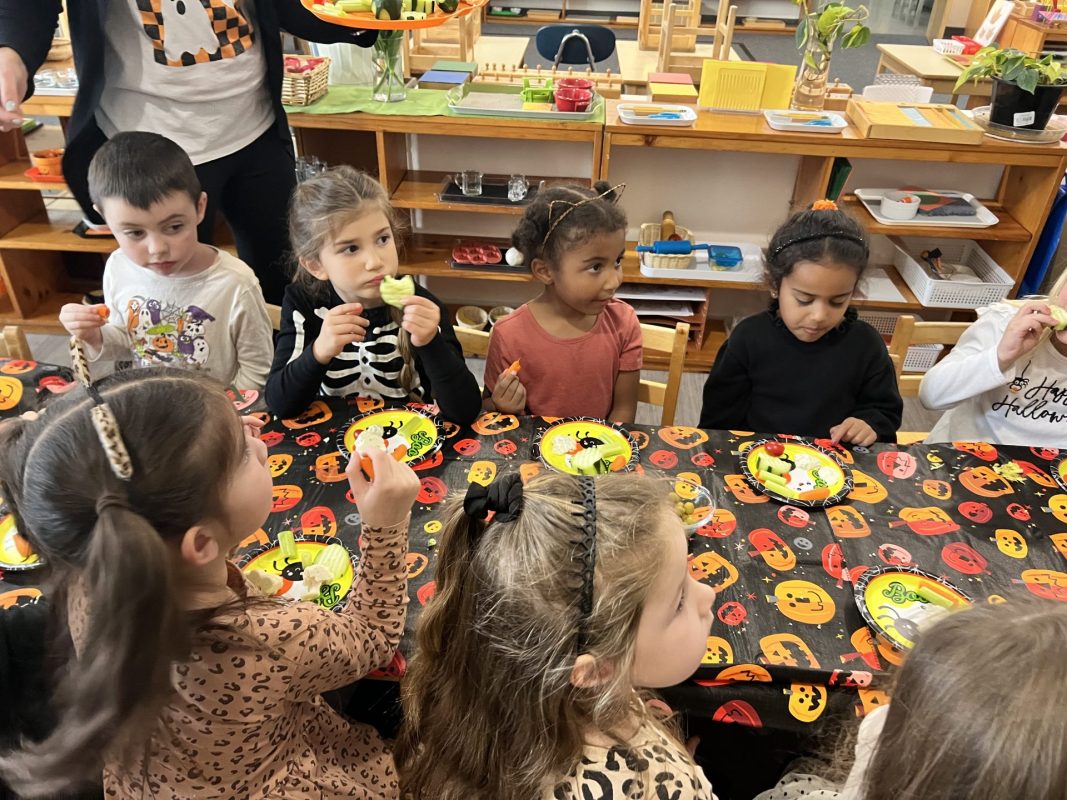
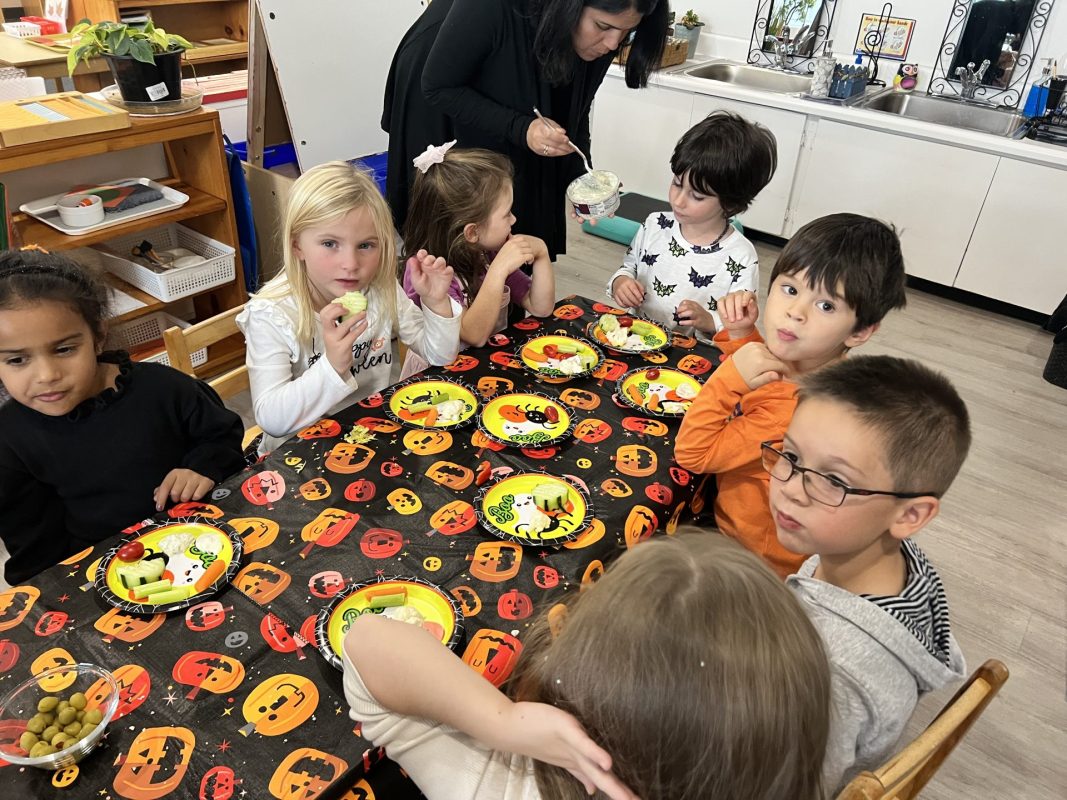
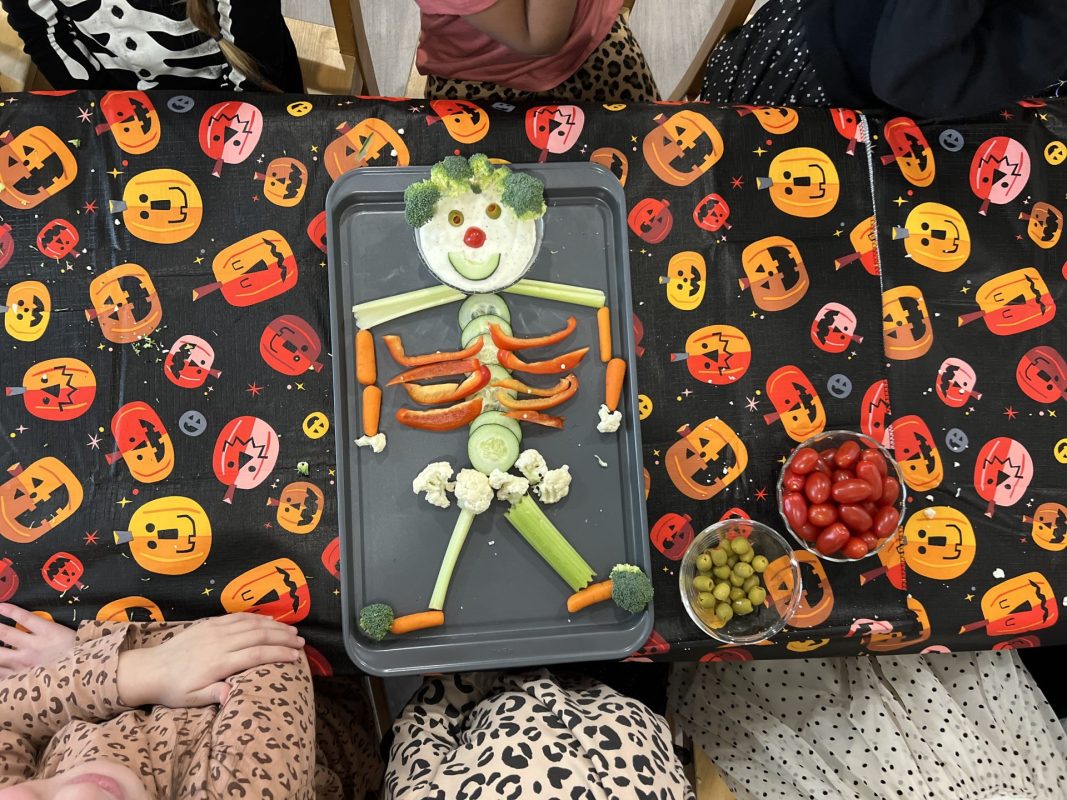
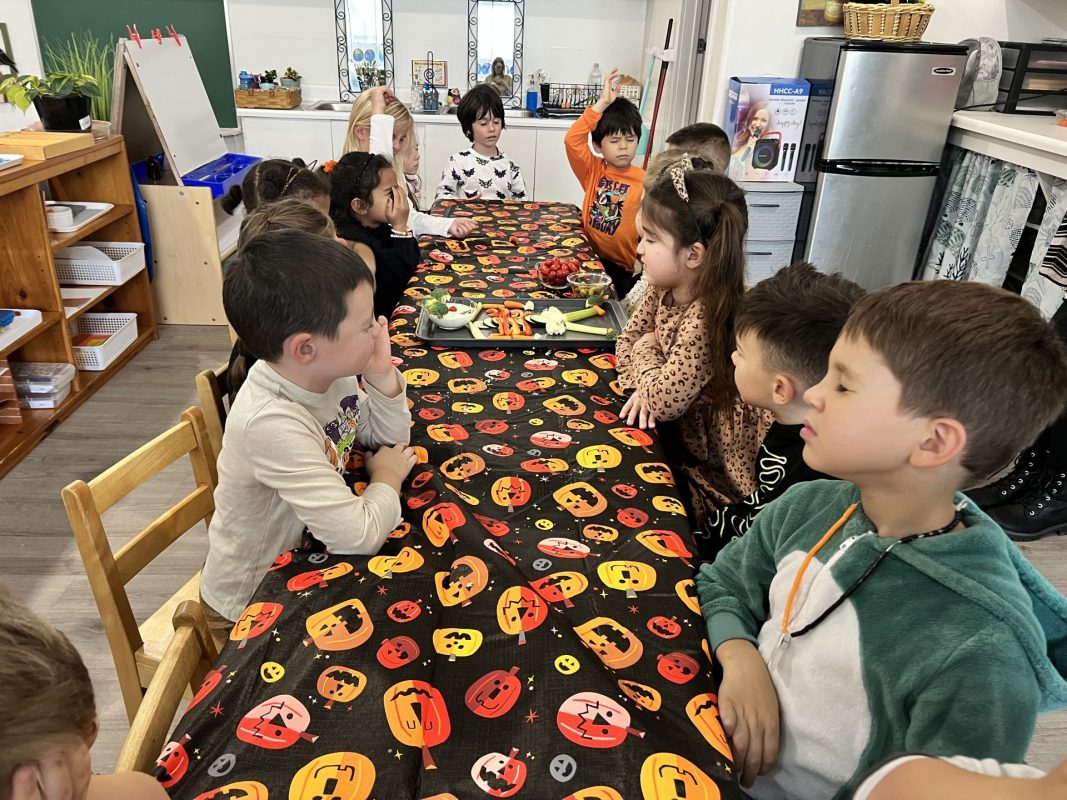
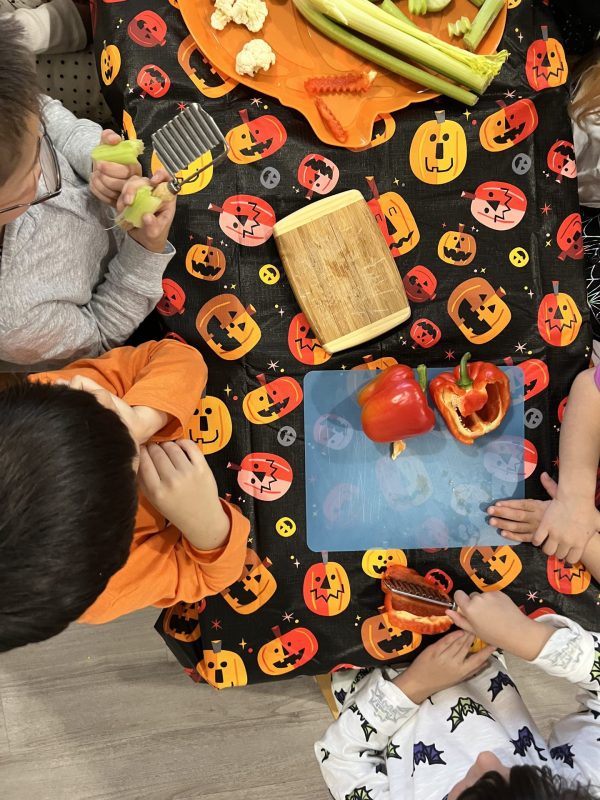
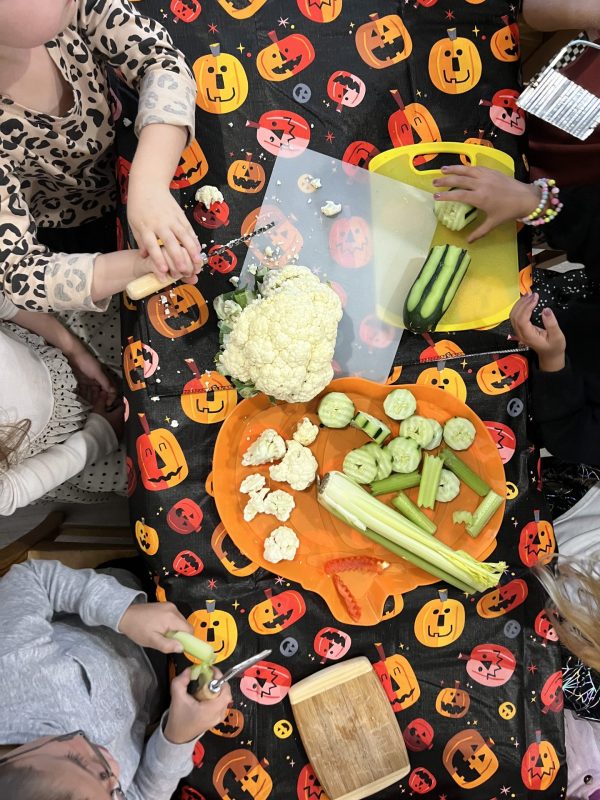
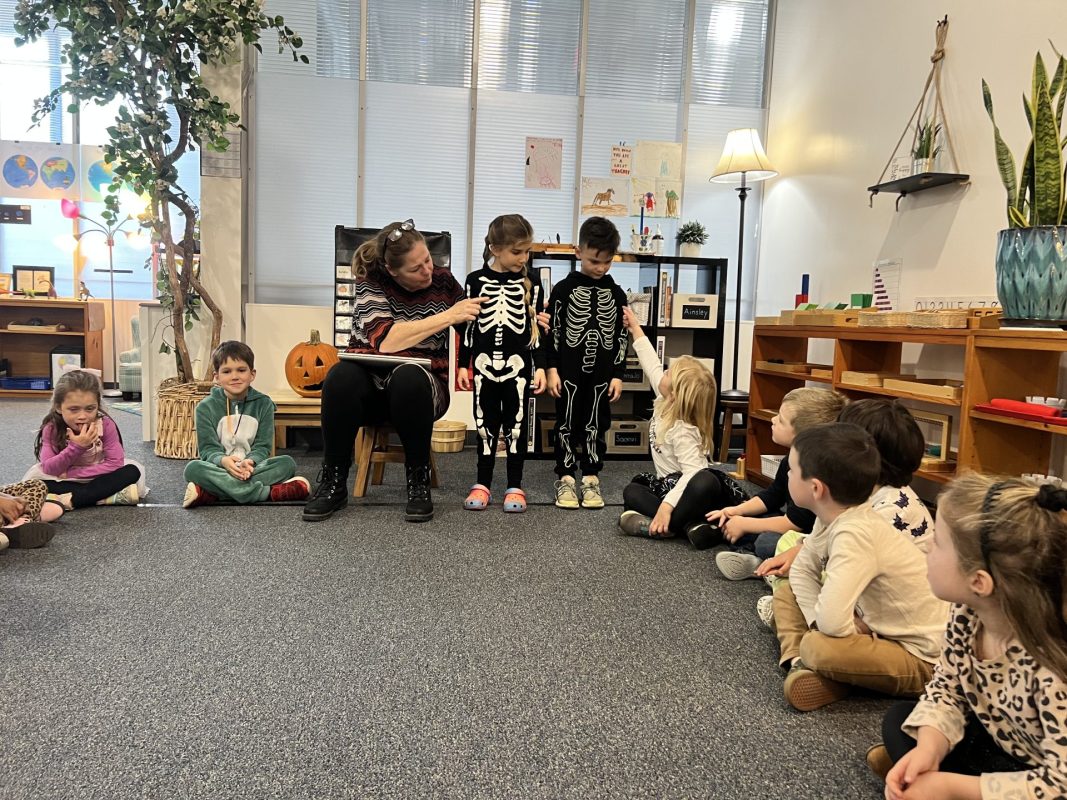
On Tuesday, we had a small in-class Harvest Celebration where each child had the opportunity to visit our “pumpkin patch” and pick their own pumpkin, make a yarn spider web, and have a fun snack.  Last but not least, meet Skelly, our veggie skeleton prepared by the kindergarten students.  It is always so wonderful to hear the children say they don’t like this vegetable or that one and then devour all of it! All of this was possible because of parents helping behind the scenes.  A huge shout out to everyone for sharing their time and energy with us to provide these wonderful opportunities for the children. We are very grateful and truly blessed.

Wishing you a week filled with peace and love.

Marissa & Sue

Ms. Marissa: The Three Period Lesson

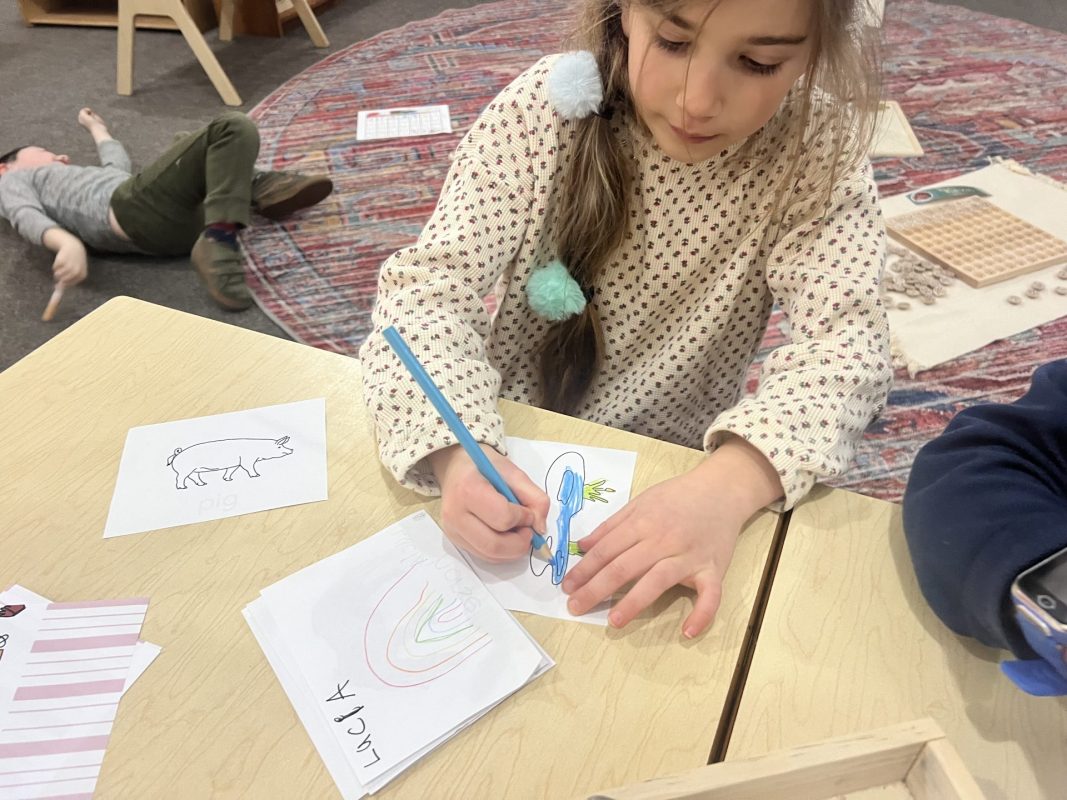
When we introduce new concepts or materials to the children, we often do so using a three-period lesson. This is an important tenet of Montessori education and it helps to move the child from basic understanding of a concept to mastery.

Period One is the introduction stage. In this stage we are isolating new vocabulary to the children. For example, if we are introducing the color tablets, we say, “This is blue.”  Repeating that statement and allowing the child to manipulate the blue color tablet are crucial during this stage.

Period Two is all about association and recognition. It is often a separate lesson. We do not ask the children to remember the vocabulary or recall the concept.  We are simply reinforcing the concept taught in Period One. We use words such as “Show me the blue tablet,” or “Can you place the blue tablet on your lap?”

Period Three is the recall stage and the first time we ask the child to remember the concept independently. We ask them, “What is this?” when showing them the blue color tablet. We are careful not to begin Period Three until we know they are ready for success.

Every time a child masters a new concept it builds the foundation for the next lesson or concept to be taught.

On Monday, the Kindergarten children had the opportunity to visit New Pond Farm in Redding.  We had a wonderful time walking around and learning about the different animals that live on the farm. The highlight of our field trip was when the children used previously shorn fleece, washed and combed it and then made a bracelet to keep.

Have a wonderful weekend!

Marissa & Sue

Ms. Marissa: Starting BIG and Ending small

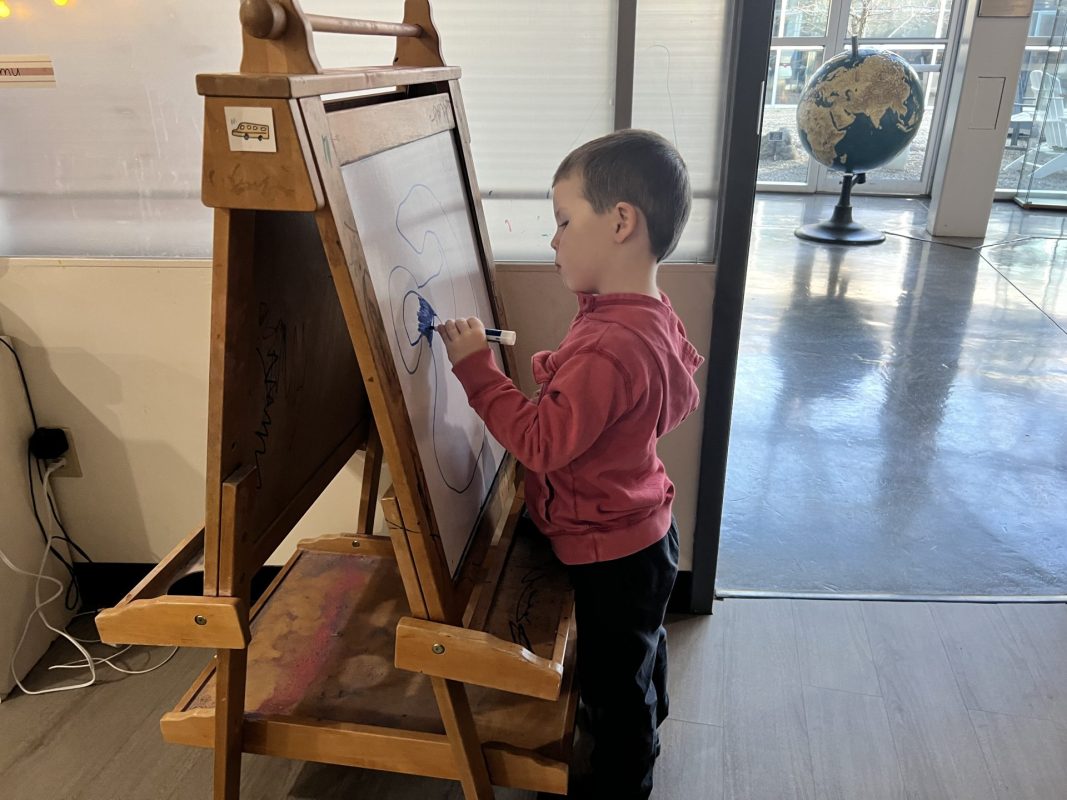
The Montessori approach to teaching Geography is unique and comprises two components: physical and political geography, also known as Culture. From the beginning of the school year, we weave Geography lessons and terminology into our day as we learn about our physical world. The Geography materials are always fascinating to the children and are a springboard for wonderful discussions.

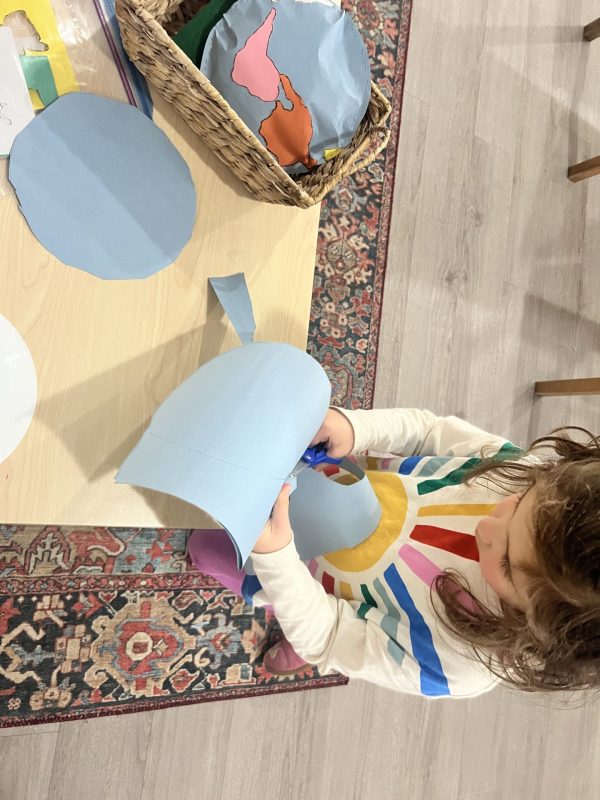
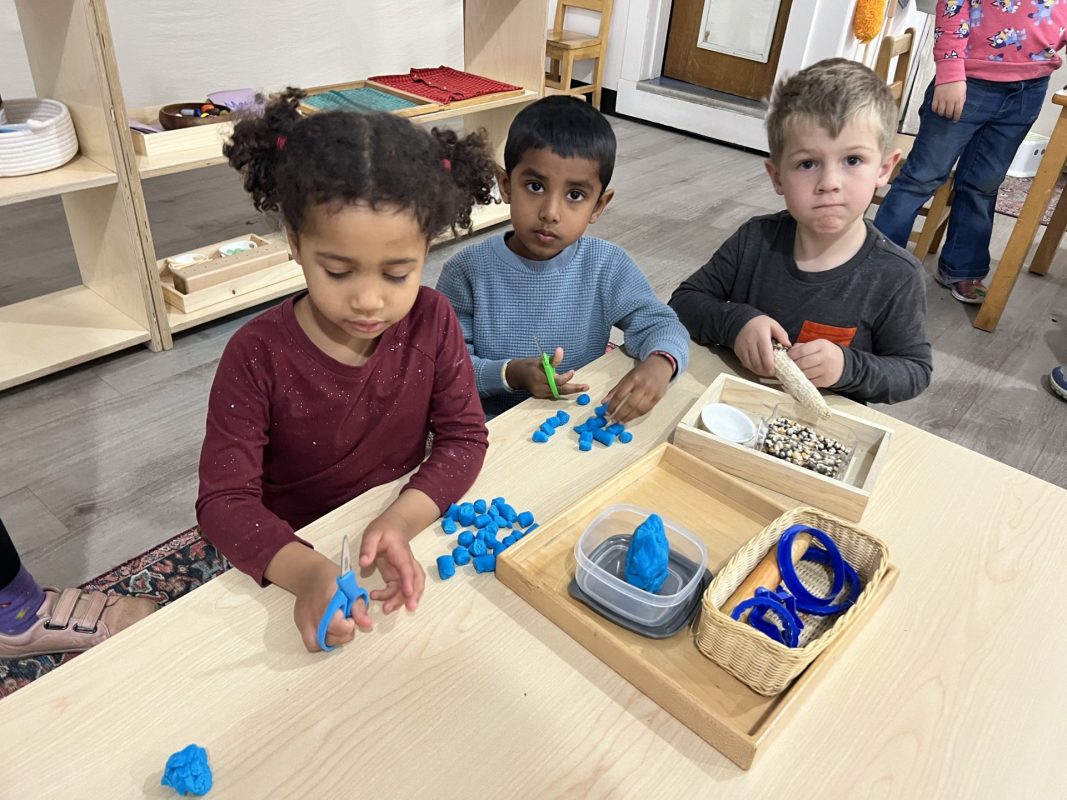
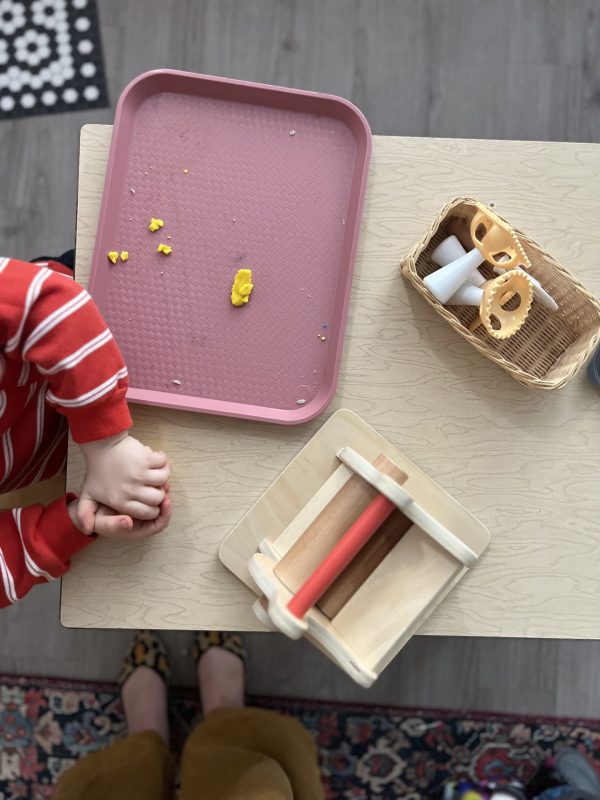
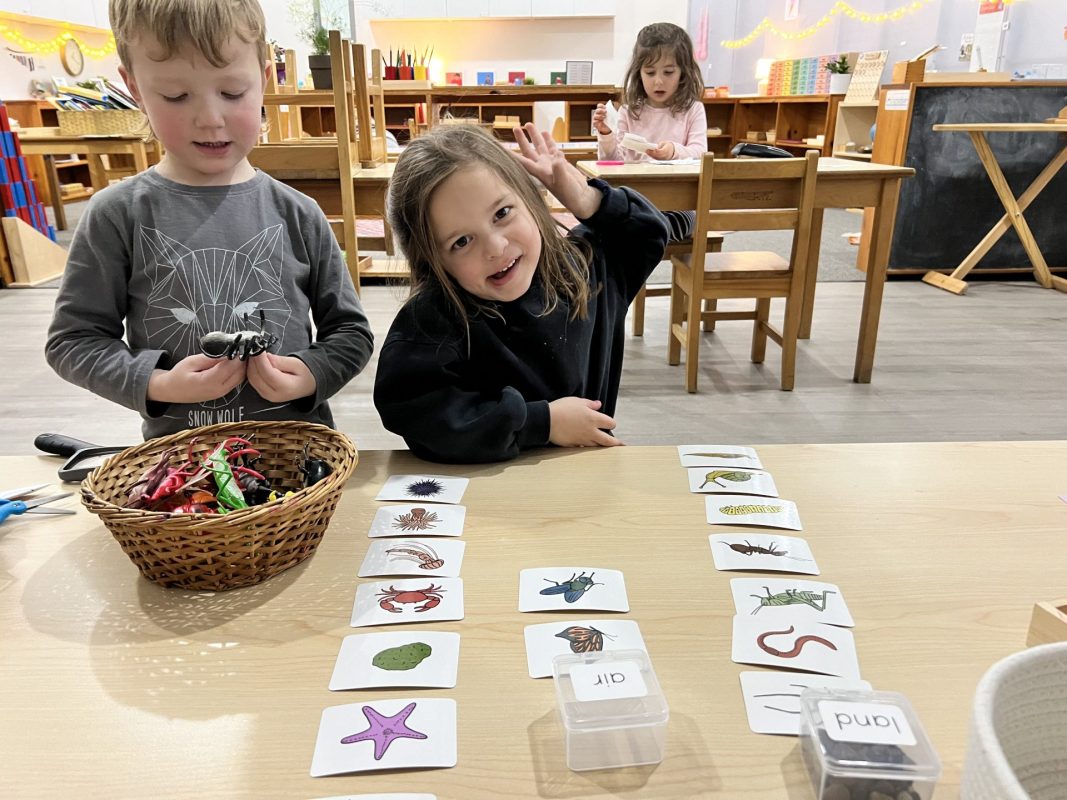
We start the school year by zooming way out from ourselves and studying the Solar System (we end the year by studying the human body and ourselves). This month, we are moving on to our own planet, Earth. We categorize the planet Earth into air, land, and water. We sort what we would find in each of these different components of our world. Next, we introduce the geometric solid known as a sphere to the children and compared it to the shape of the globe. We start with a sandpaper globe that helps to distinguish land and water. The colored globe comes next, and we begin to teach the continent names (we start that towards the end of the month!). We make a sphere out of play dough and cut it in half to help them visualize the concept of a hemisphere. Simultaneously, the children are learning about landforms that introduce the concept of lake, island, bay, cape, peninsula, gulf, isthmus, strait, archipelago, and a system of lakes. These sensory experiences help the children learn about their physical world.

Our goal is to encourage the children to appreciate the beauty and wonder found in the similarities and differences around the world. Our classroom has a cultural shelf with artifacts from each continent.

I look forward to seeing some of you this week for our conferences!

Have a wonderful weekend!

Marissa & Sue

Ms. Marissa: Weekly Folder Fun Facts

As adults, we must remember that we want things done as quickly as possible so they are finished and out of the way. In contrast, the child is interested and content in the doing, not the done.” –Margaret Stephenson, The Art of Montessori in the Home.

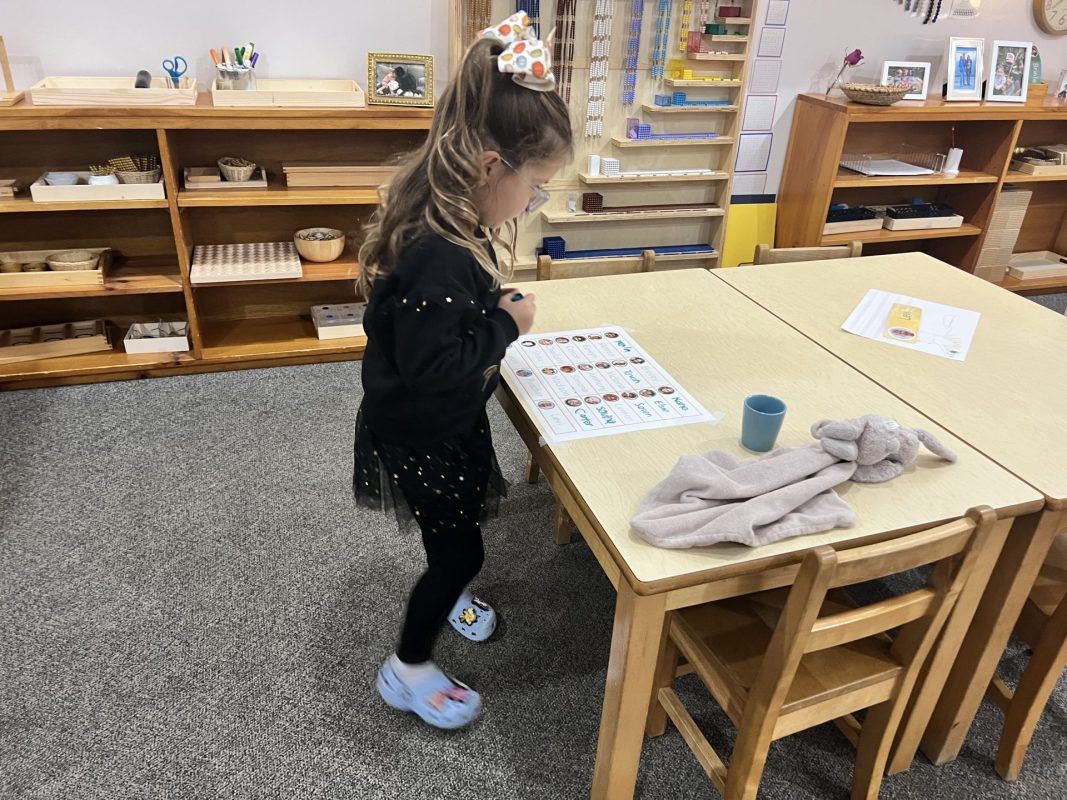
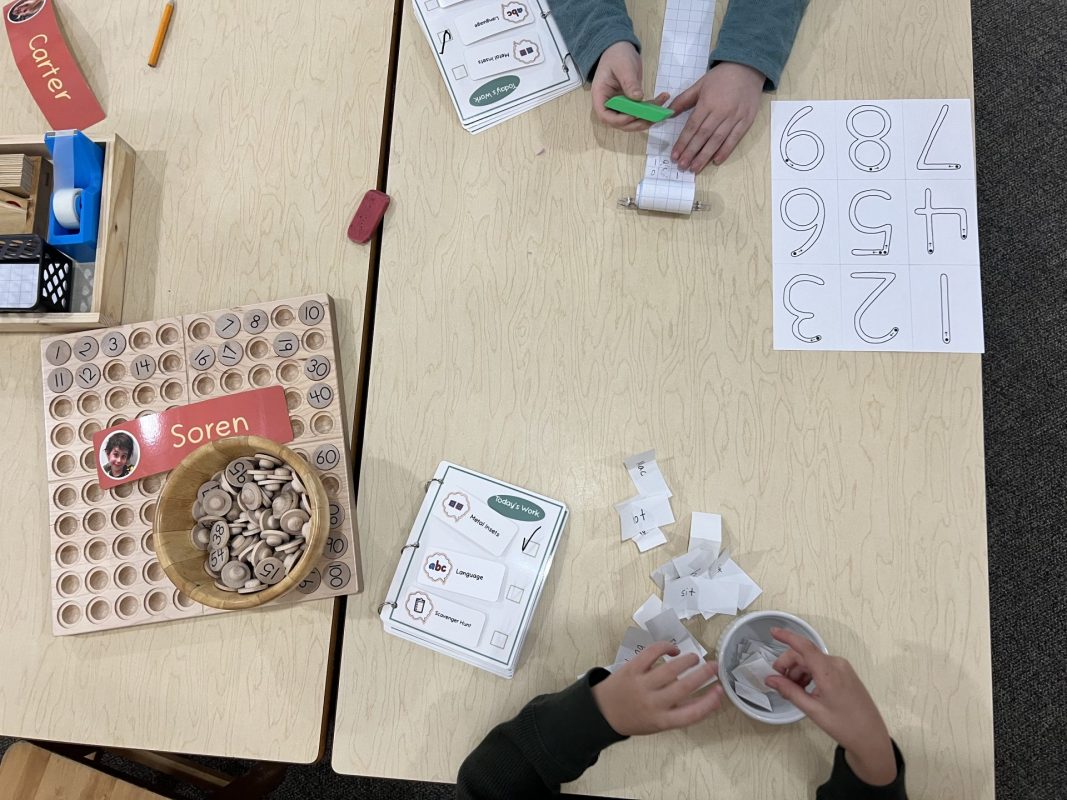
Each Thursday, we send home Weekly Folders with the work the children have completed over the past week. We often receive emails asking why there was so little work inside and what exactly the children are doing.

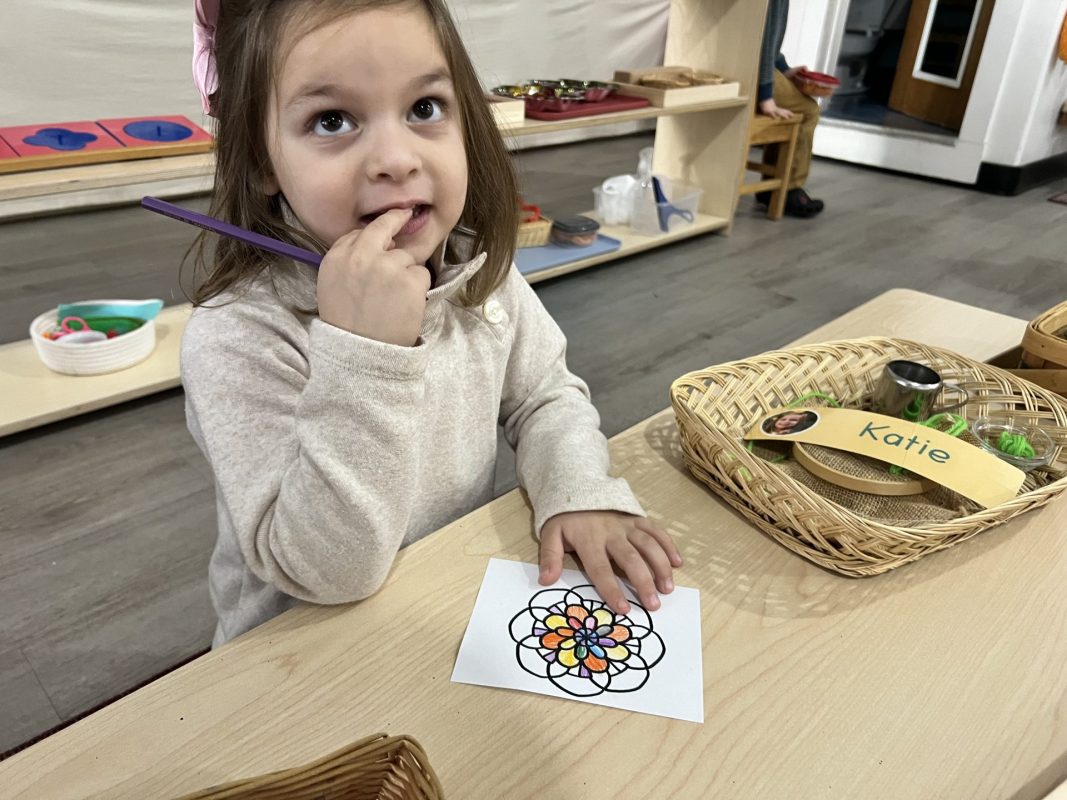
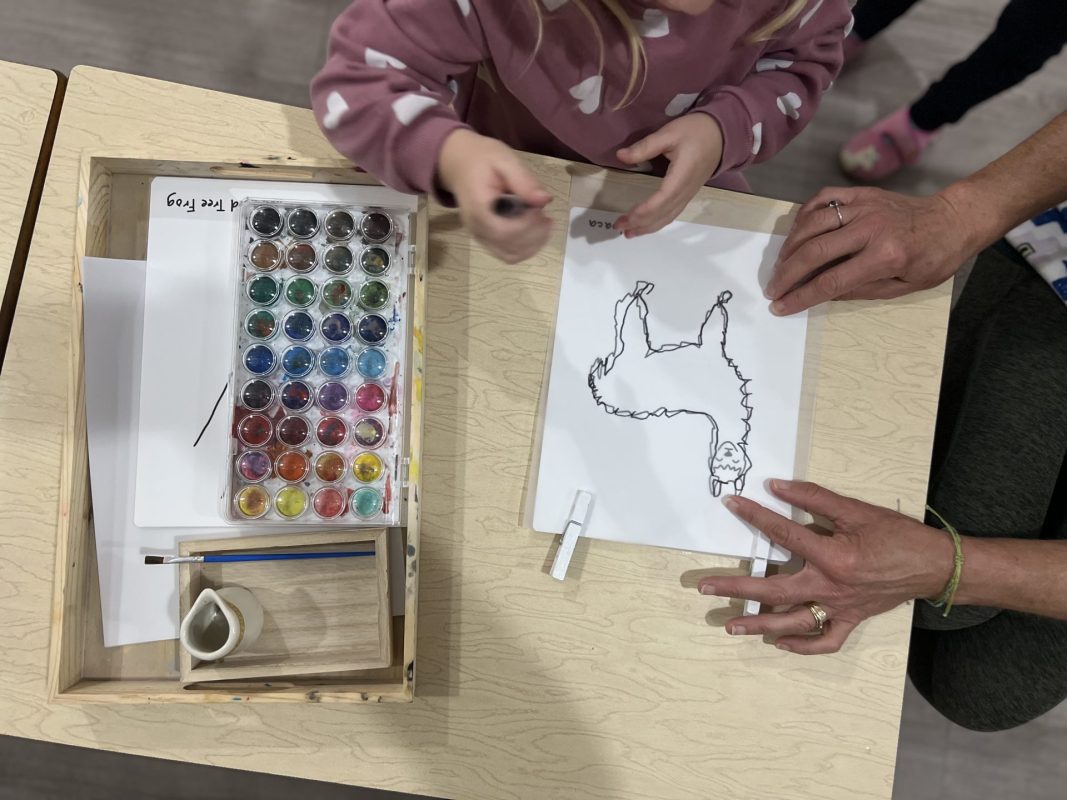
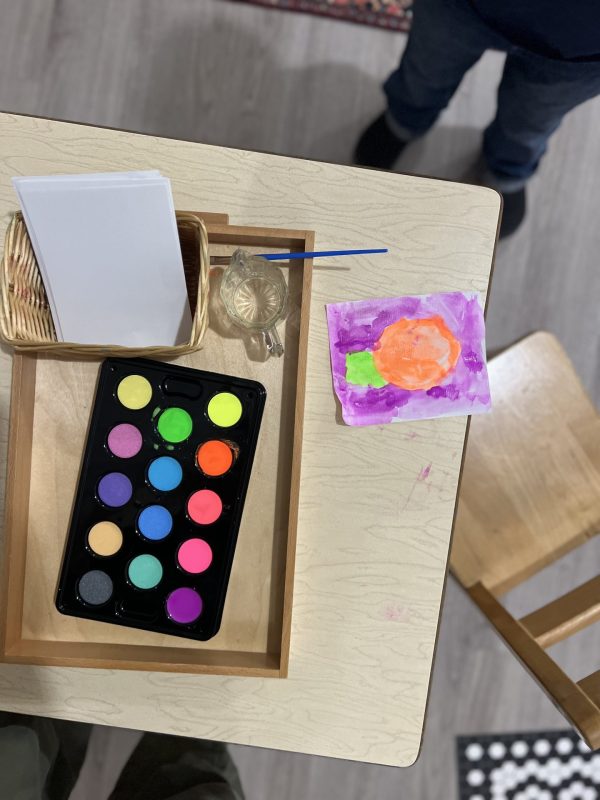
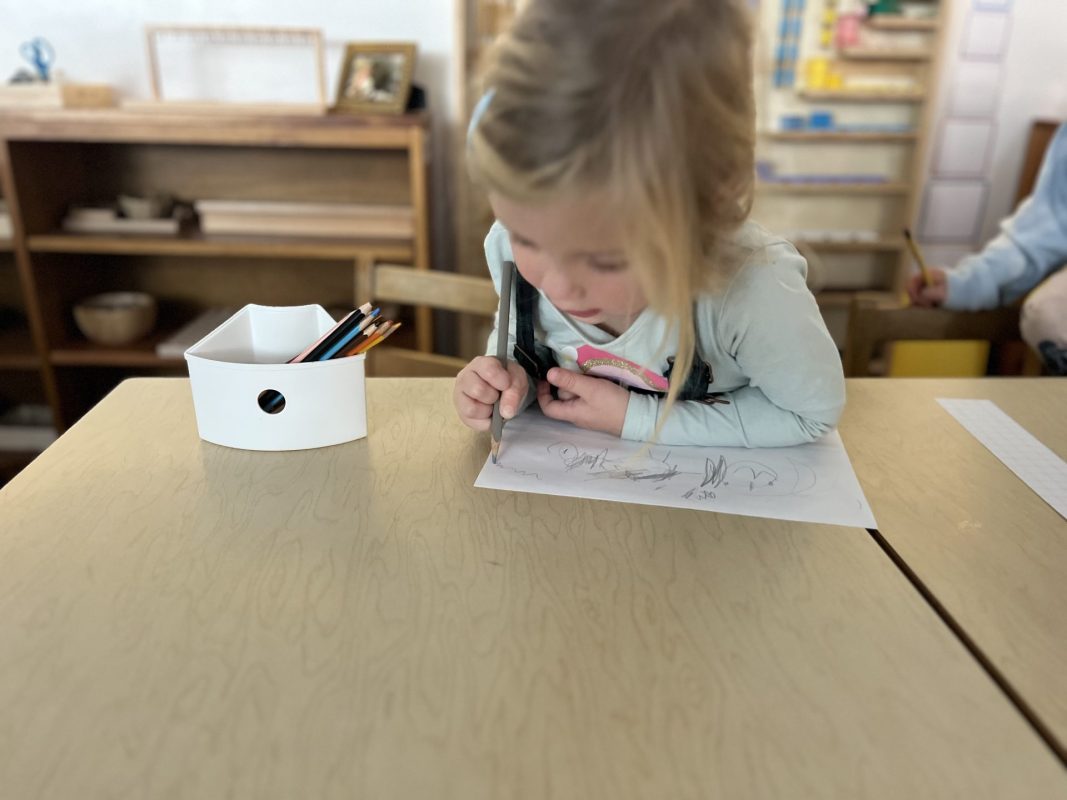
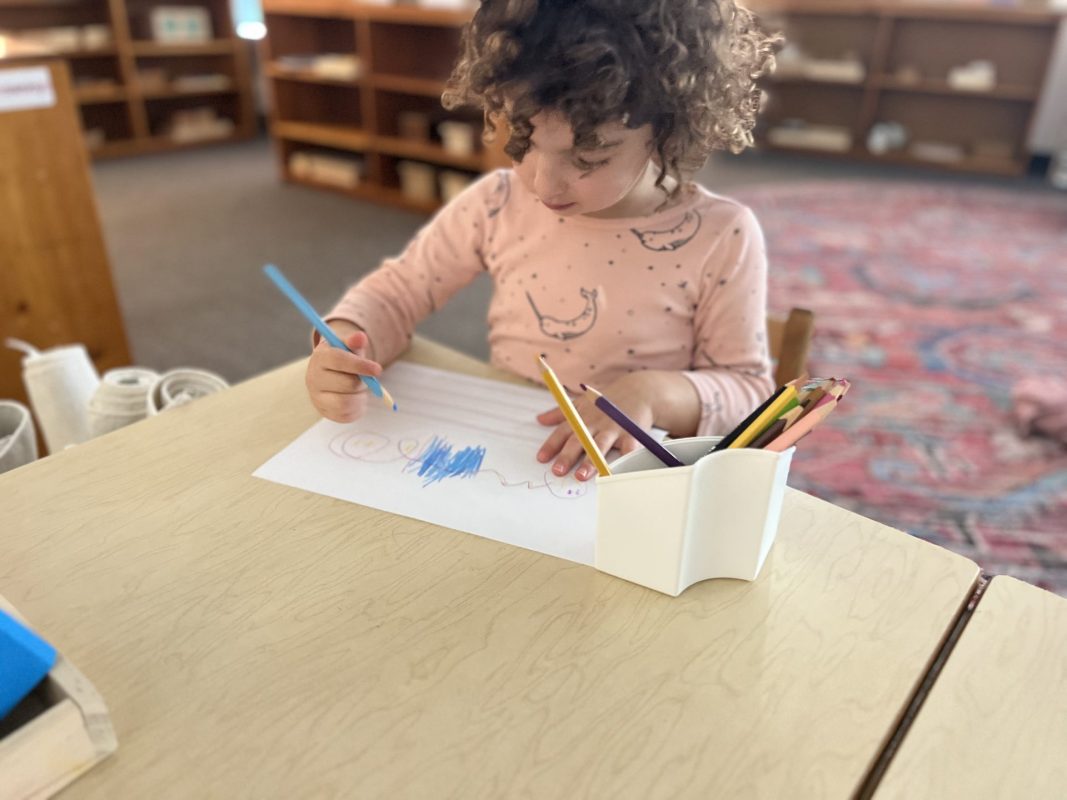
Sometimes, it can be difficult to accept the idea of focusing on the process, not the product. What exactly does that mean? Many works in the Montessori classroom do not end with a physical product the children will bring home to share with everyone. There is often no way to visually assess what a child is learning. Overall, as a society, we are product-driven and often base our success on this factor. The experience a child has when working with the materials is truly what is most important. However, it can often be unsettling when you hear they did “nothing” day after day.

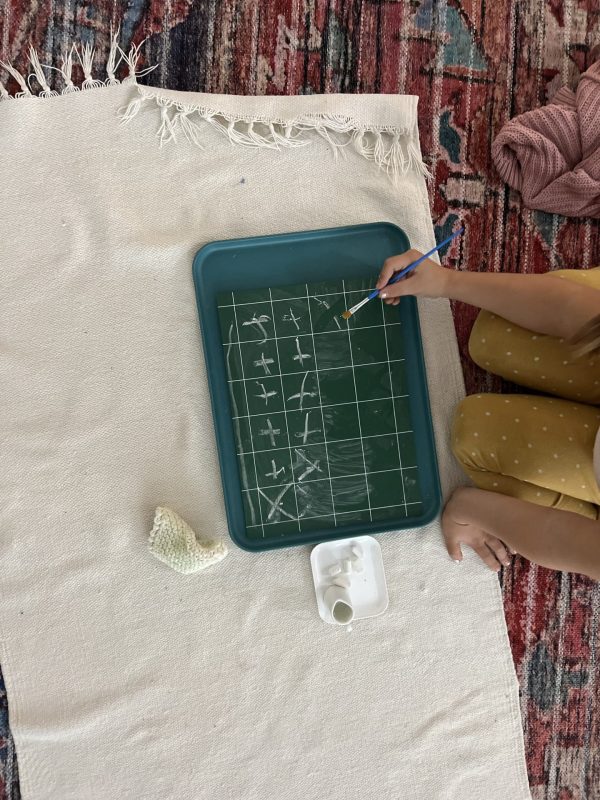
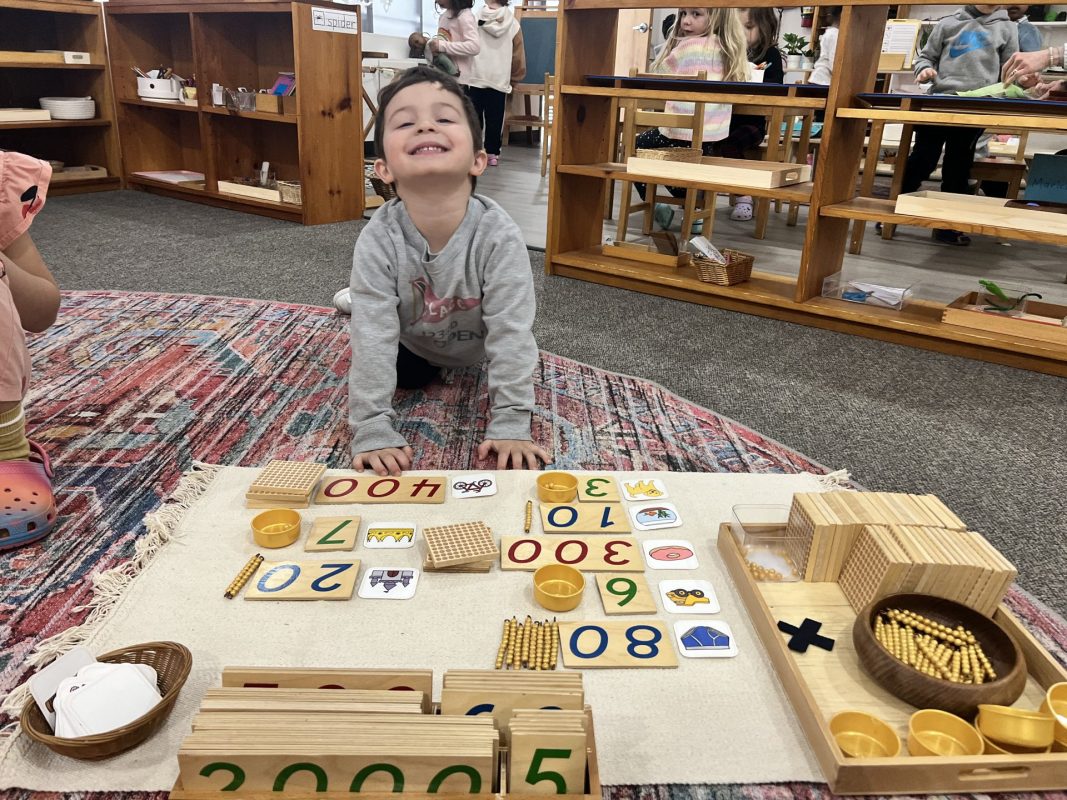
Research shows children ages three to six learn best through their hands. To truly understand a concept, they need to explore it through touch. This is why so many lessons in the Montessori environment are not based on memorization alone. Most concepts we teach involve tracing, manipulating, and exploring with their hands. Perhaps most importantly, focusing on the process protects the child’s intrinsic motivation to learn and understand. External factors such as recognition, praise, or reward do not influence it. We truly value and encourage the time and experience with the materials.
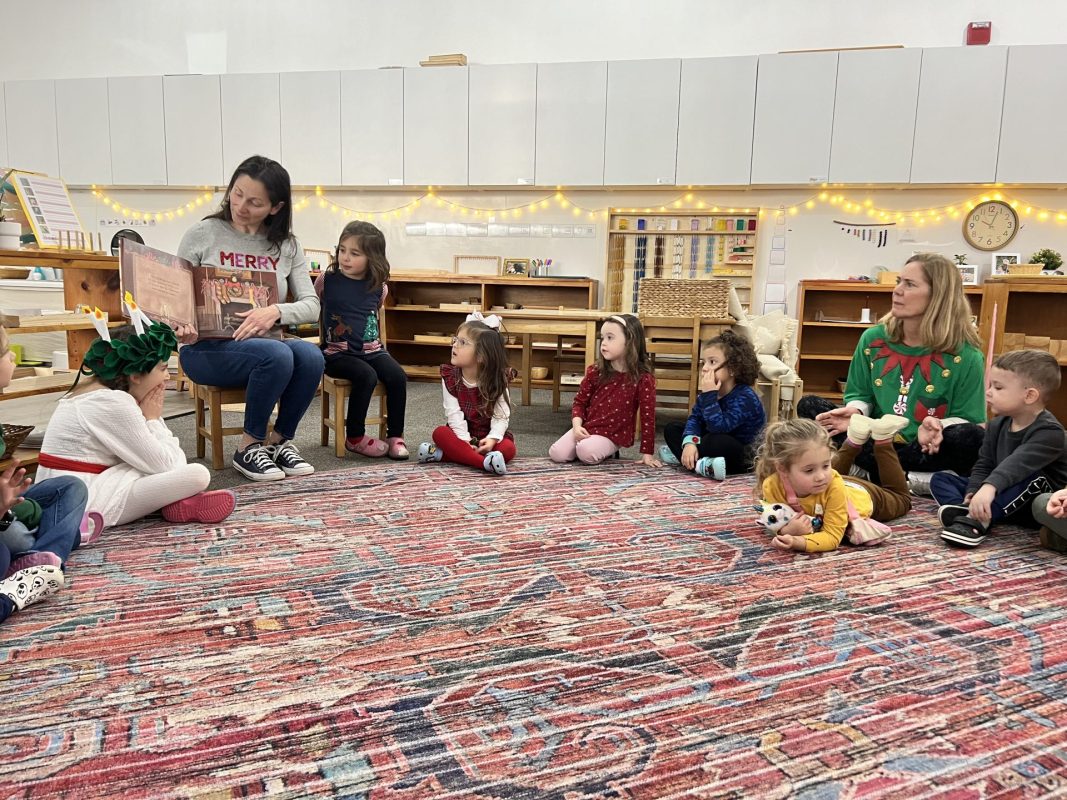
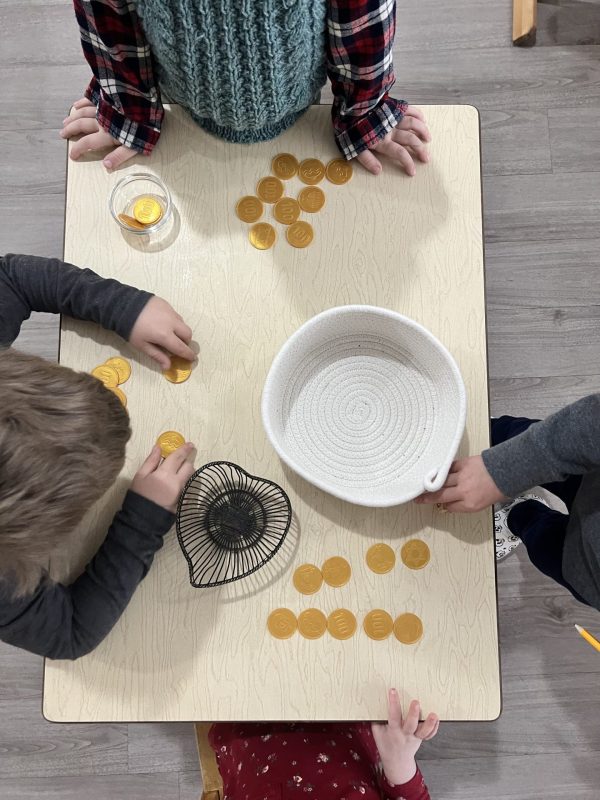
So, if your child’s folder comes home with little to no work, know that their accomplishments can’t always ‘fit’ in that folder. Maybe after weeks and weeks of trying, they learned how to zipper their coat, or perhaps they can finally carry a work without it dropping. Maybe after observing a lesson day after day, your child tried it independently for the first time. The list of skills each child can accomplish will never be fully represented in the Weekly Folder. So please enjoy the work in there, but know it will never be an accurate portrayal of all the children are learning and accomplishing.

Fall conferences are scheduled for Thursday, October 26th. In addition to this date, I am offering six slots on Friday, October 20th. Please click here to sign up and choose your time. We look forward to seeing everyone during conferences and sharing our goals for your child for the year.

Wishing you a week filled with peace and love.

Marissa and Sue