Mrs. Doyle’s Class: “I’m Off To Work!”


When a child works, he does not do so to attain some further goal.  His objective in working is the work itself. – Maria Montessori

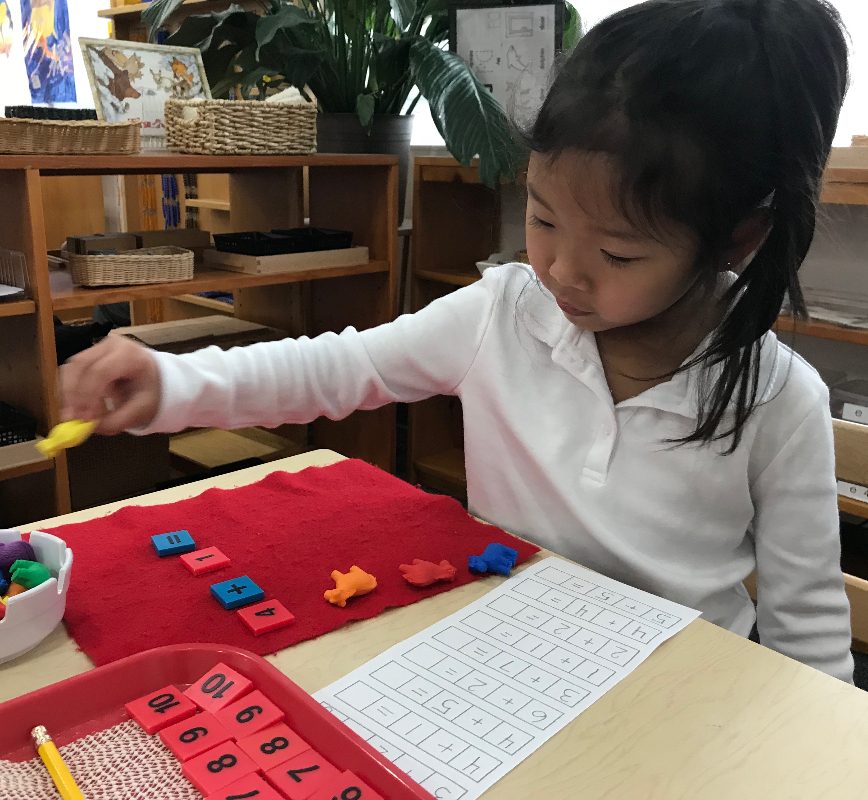
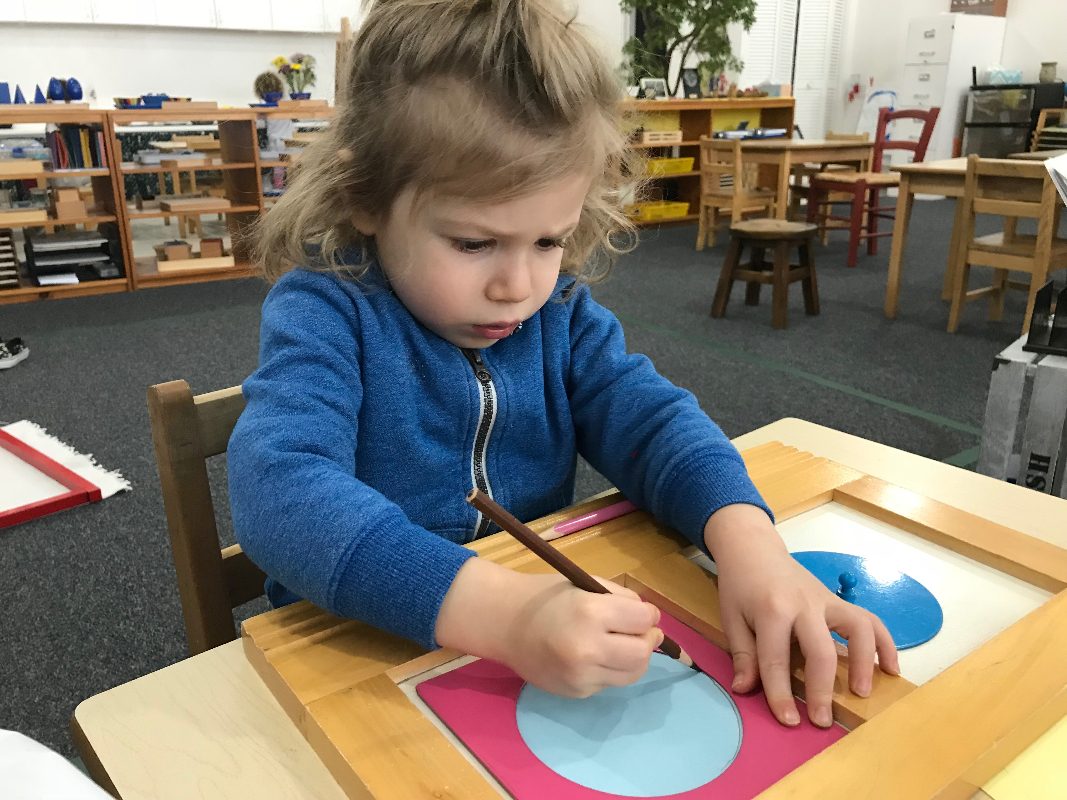
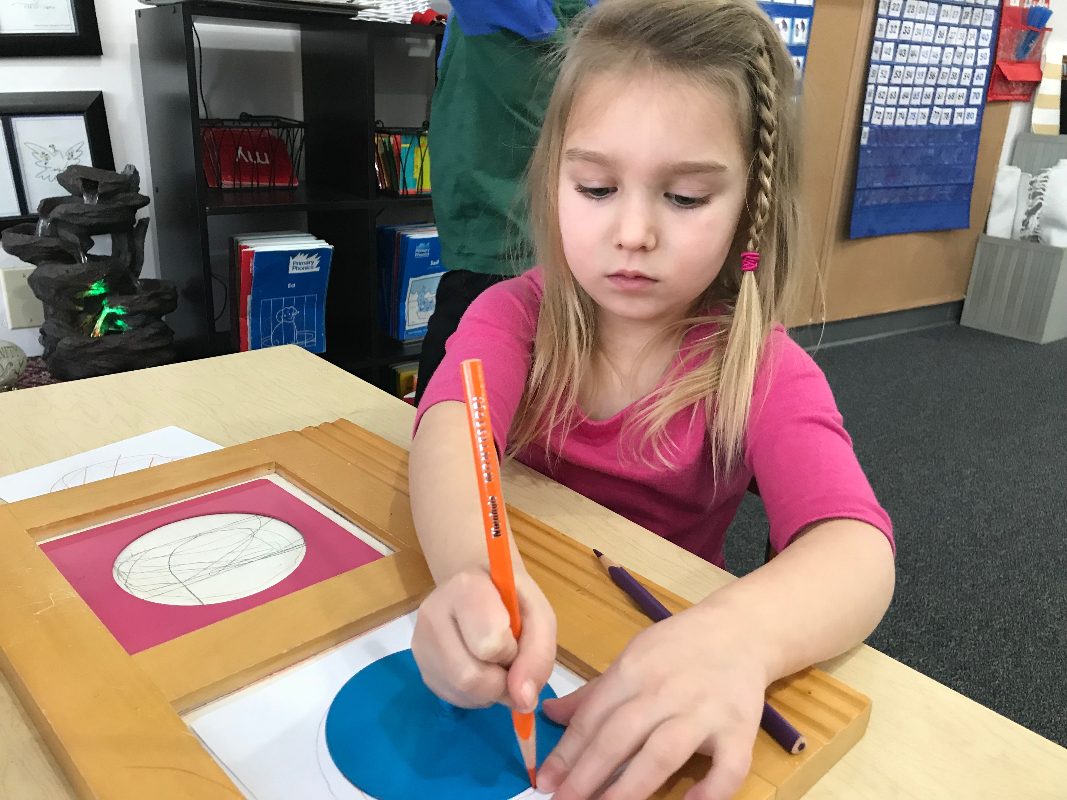
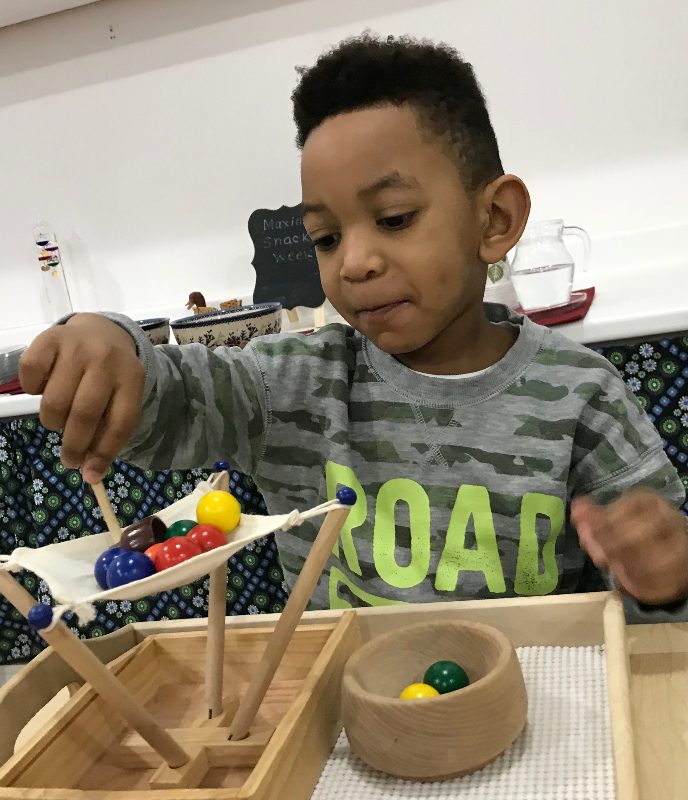
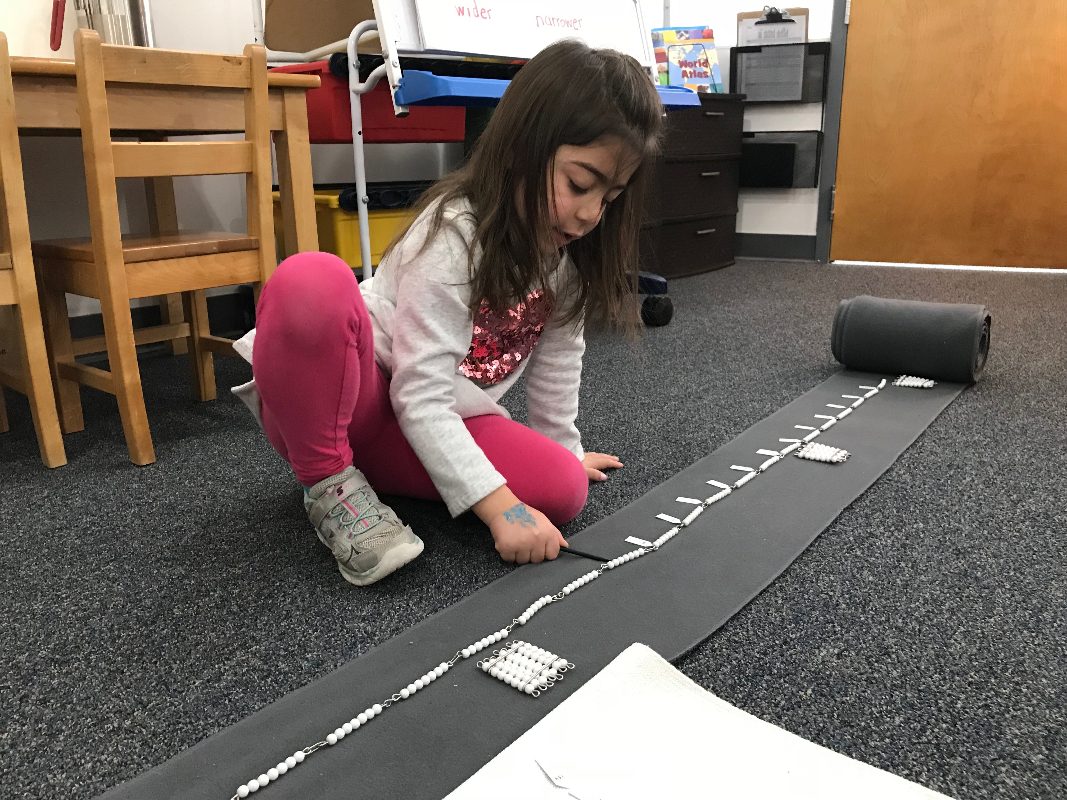
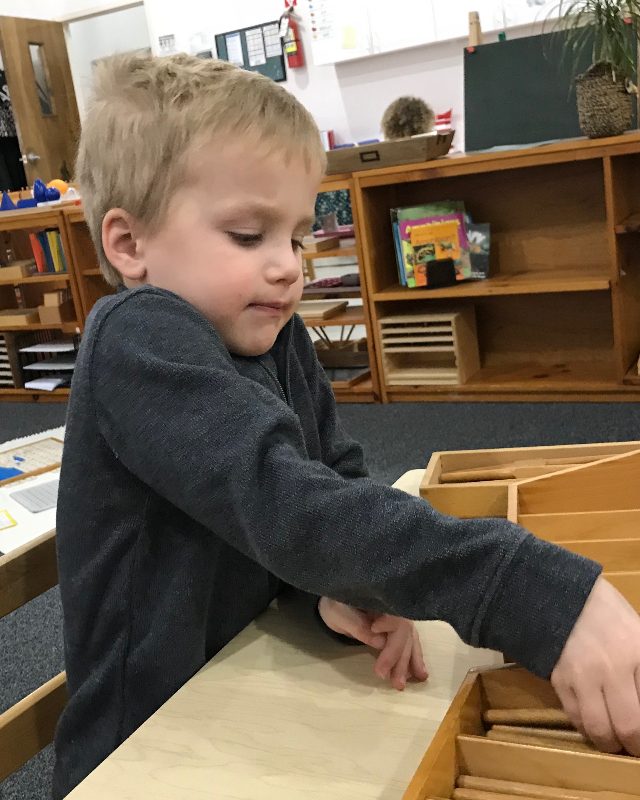
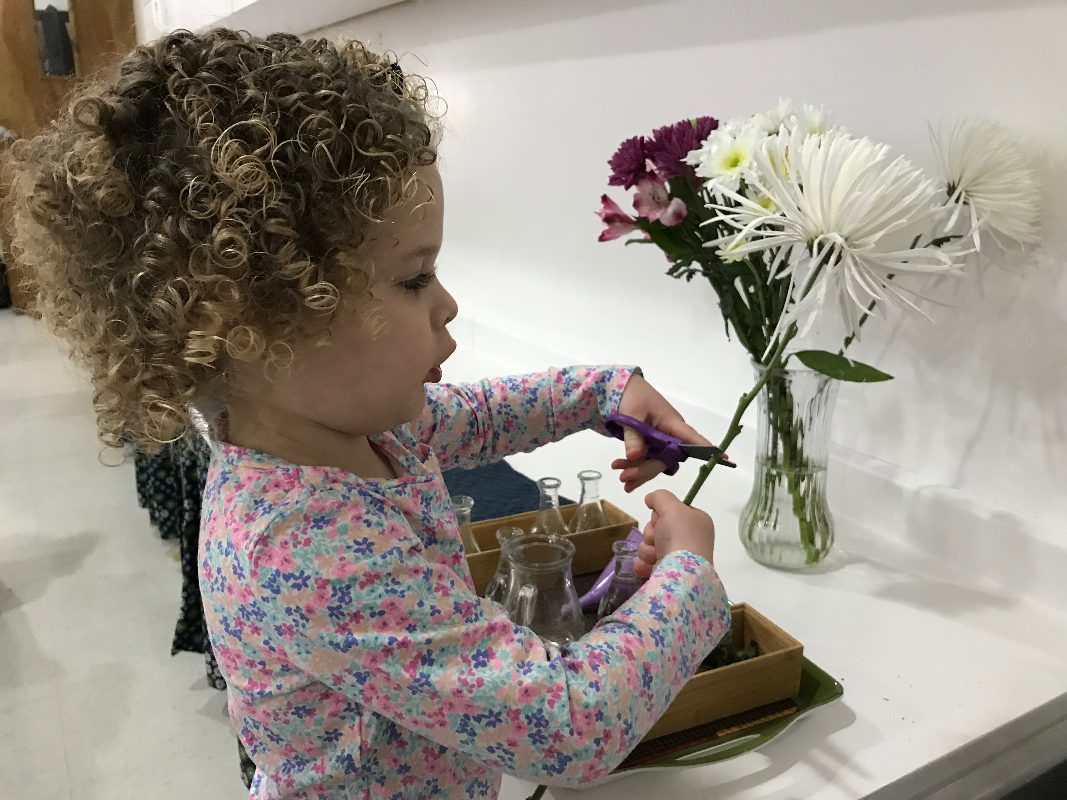
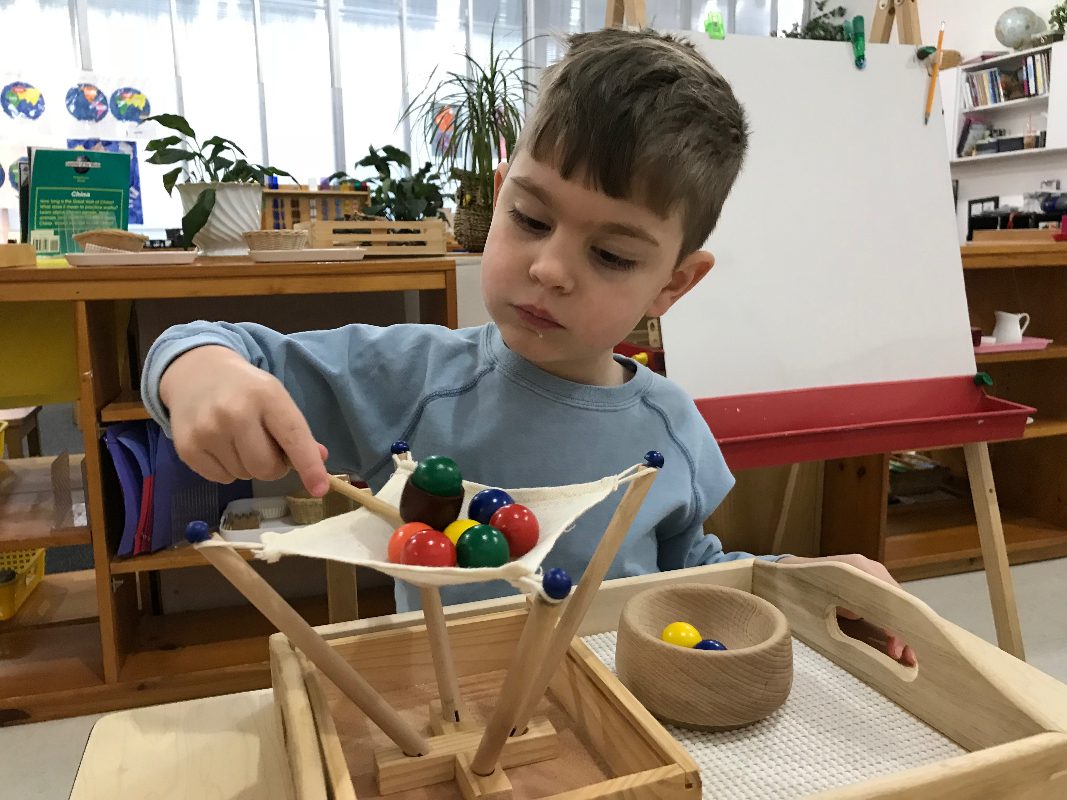
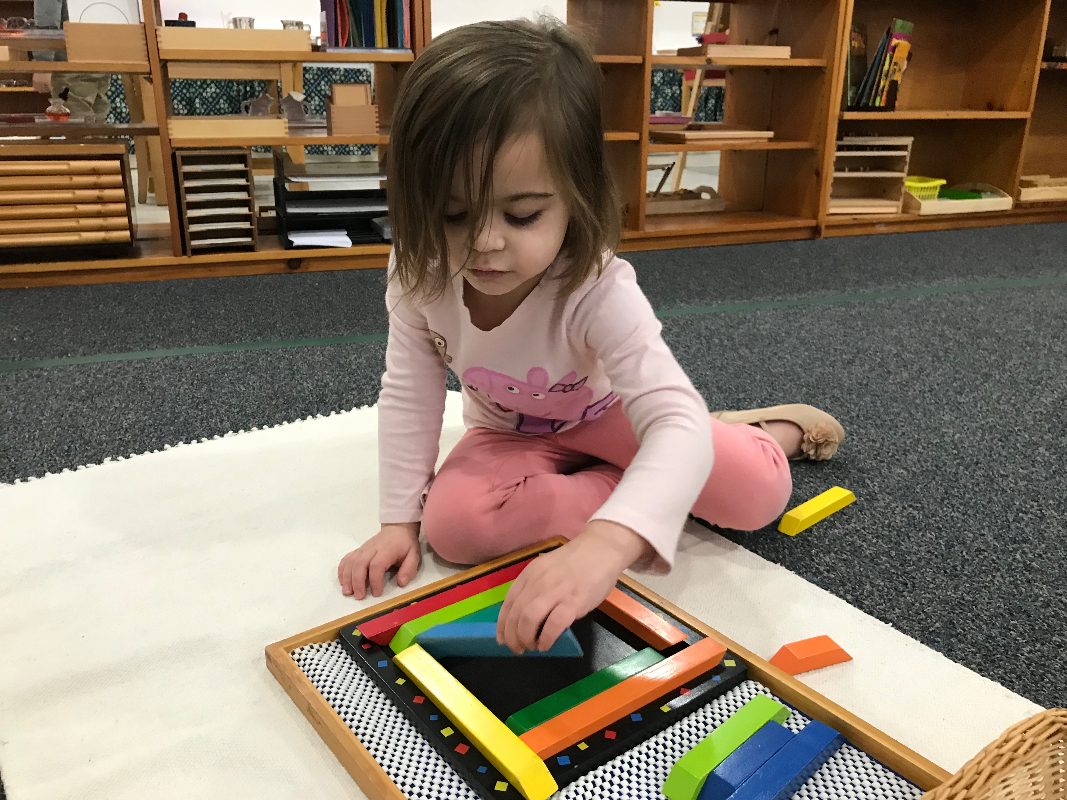
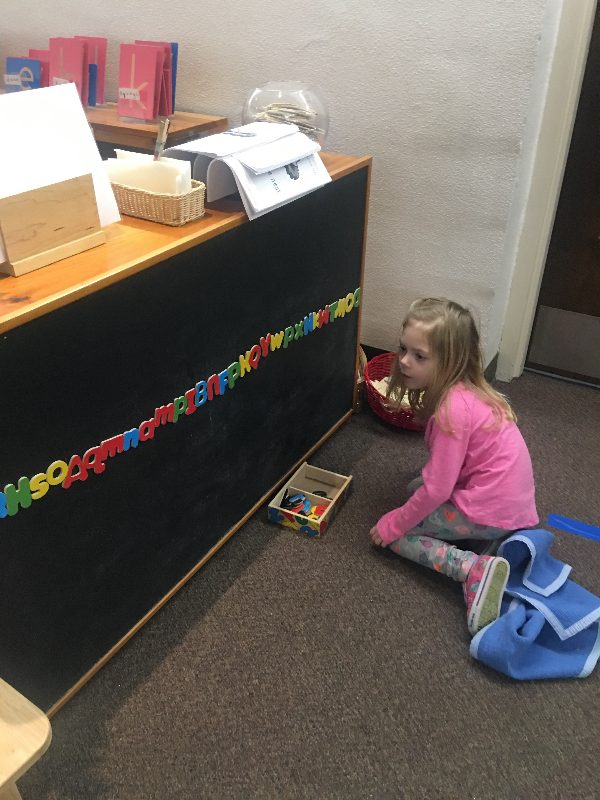
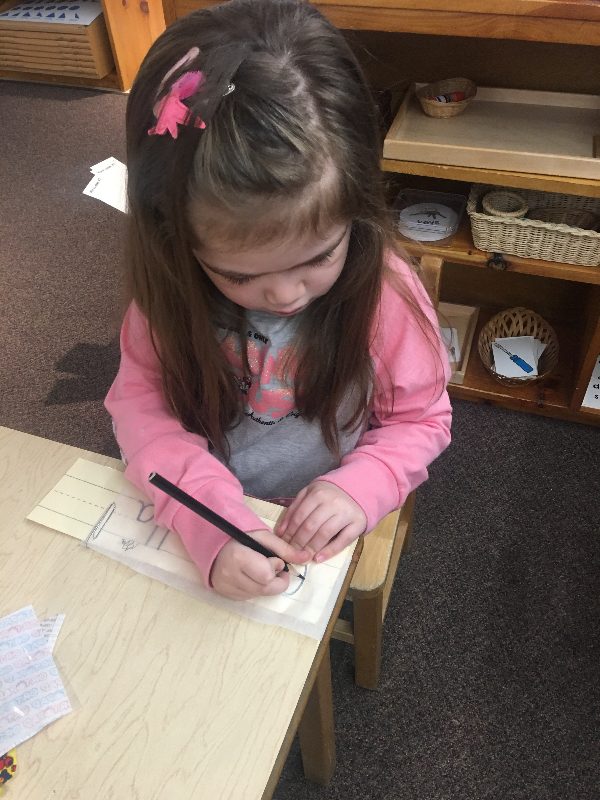
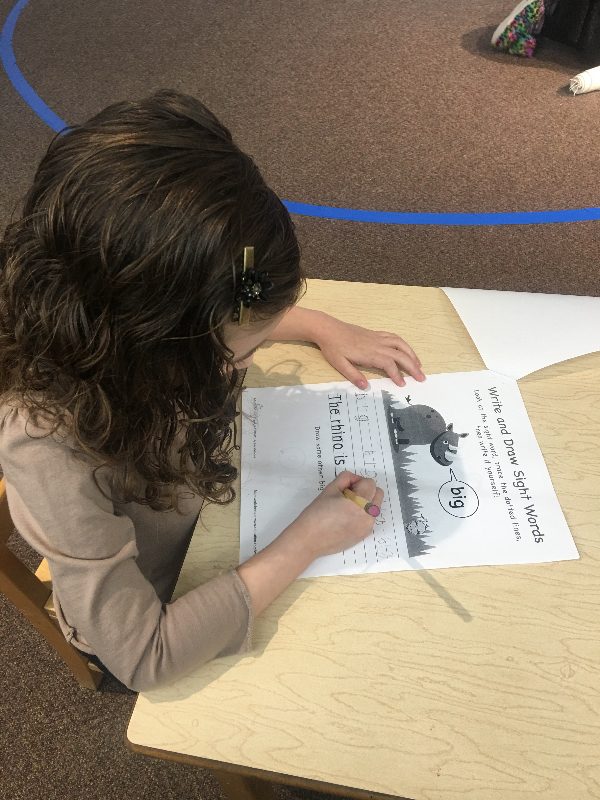
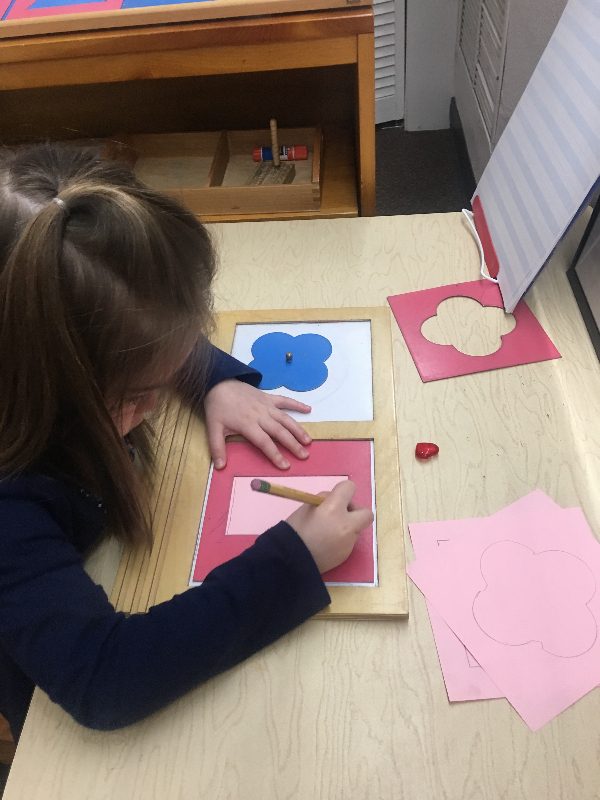
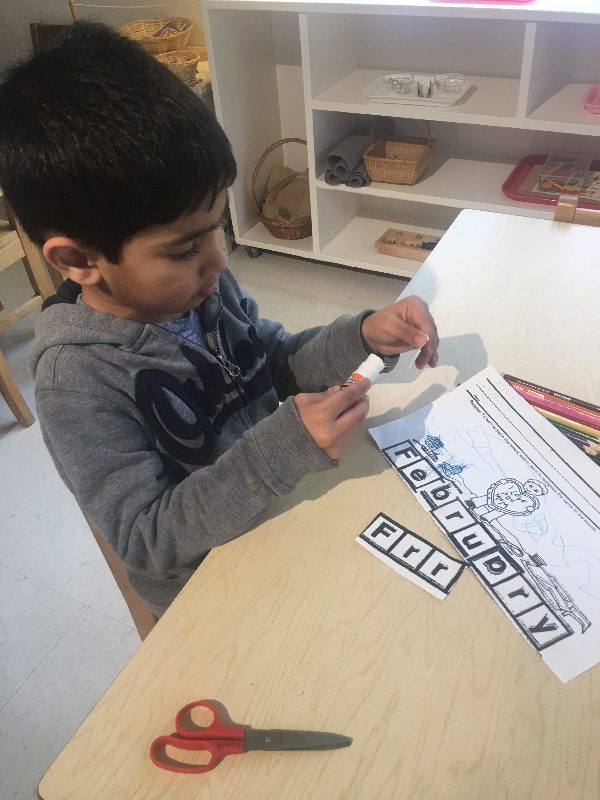
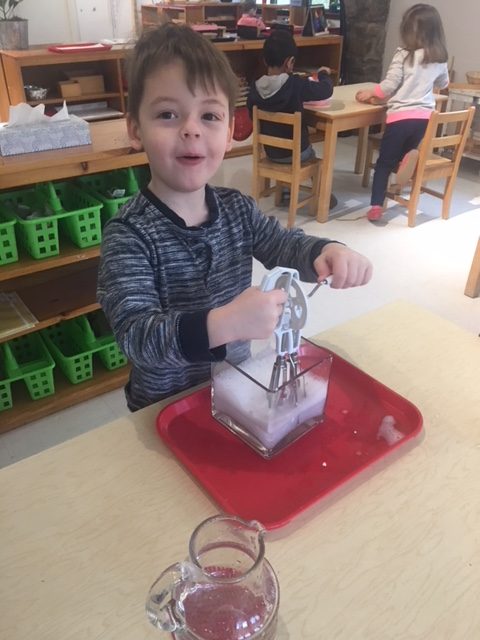
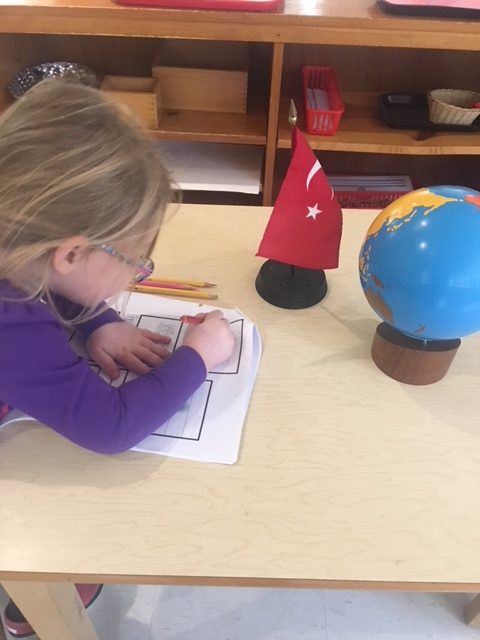
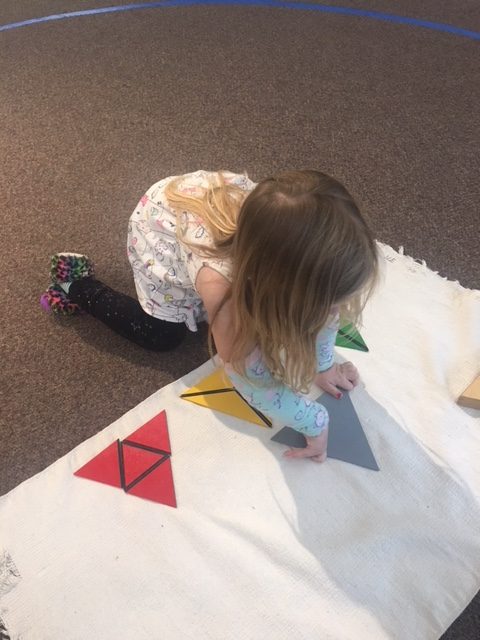
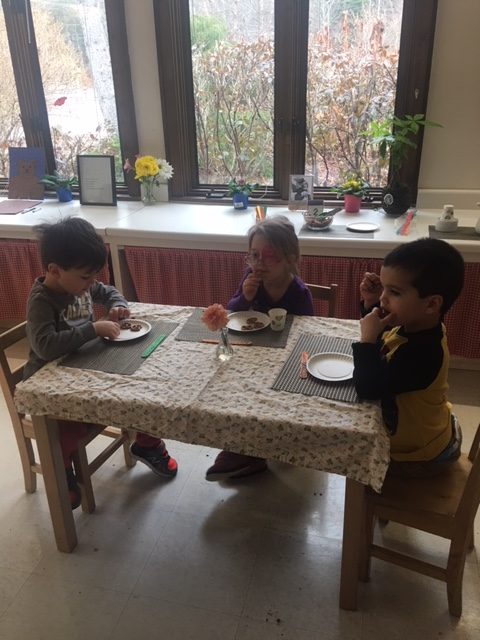
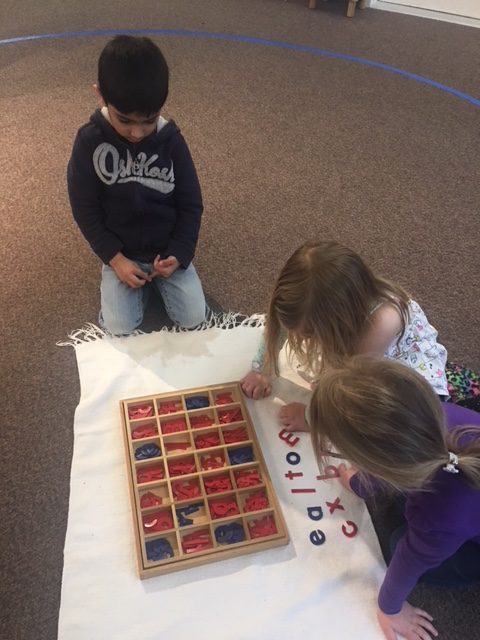
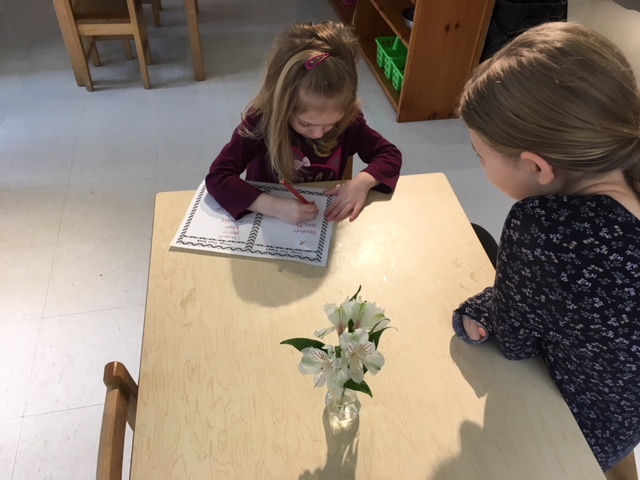
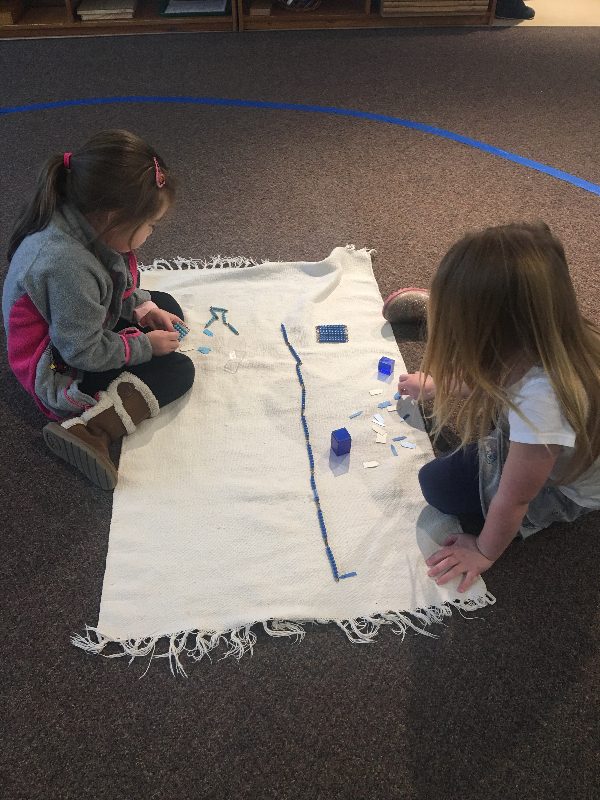
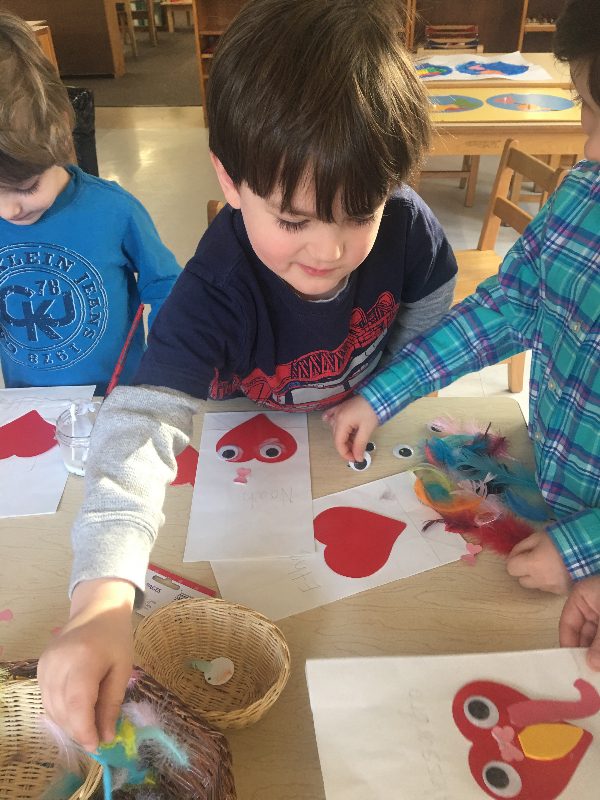
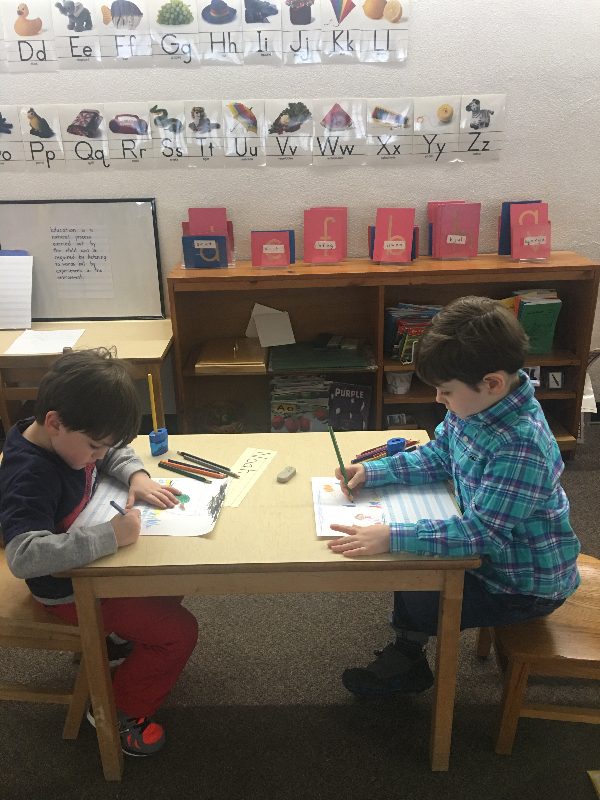
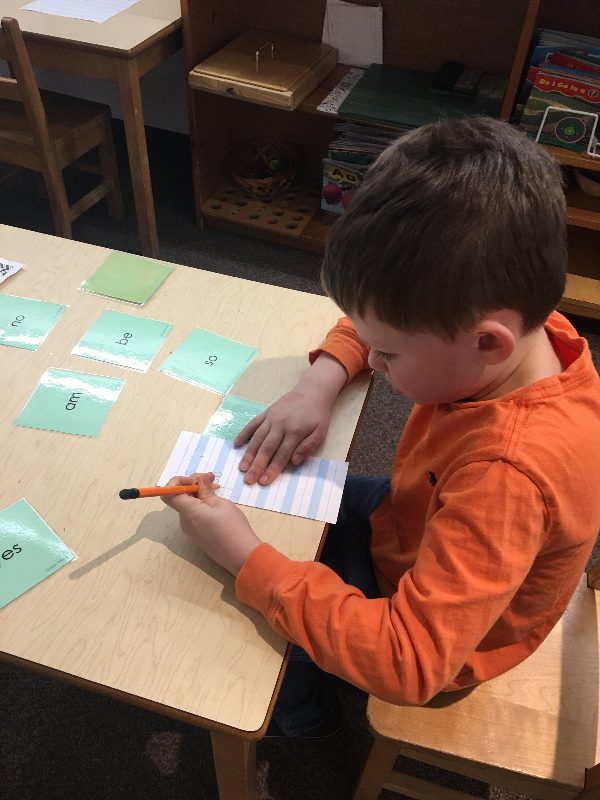
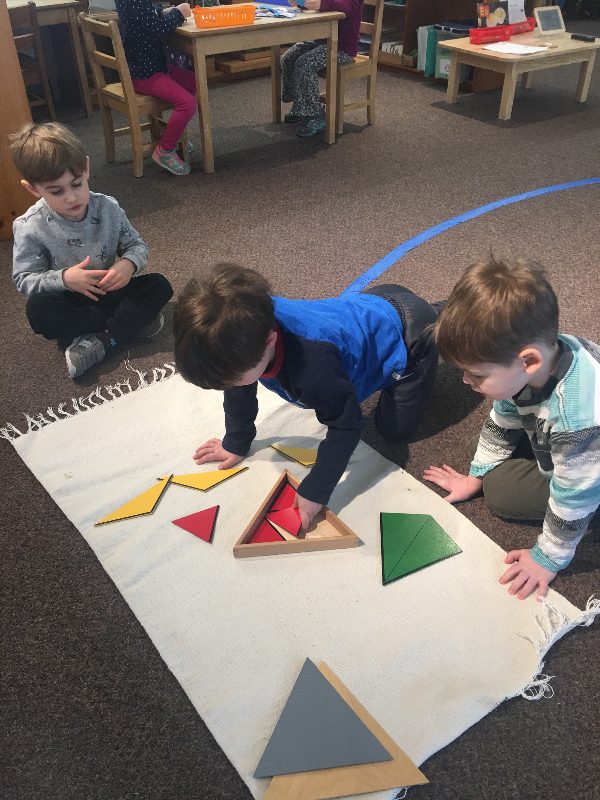
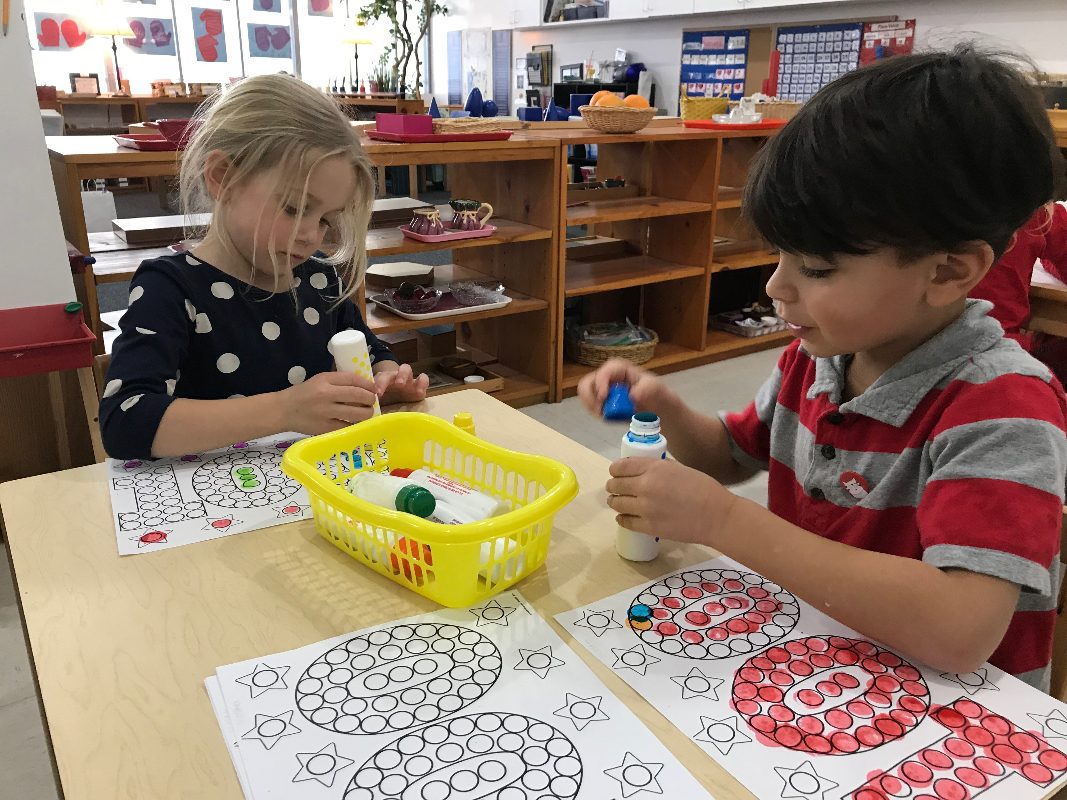
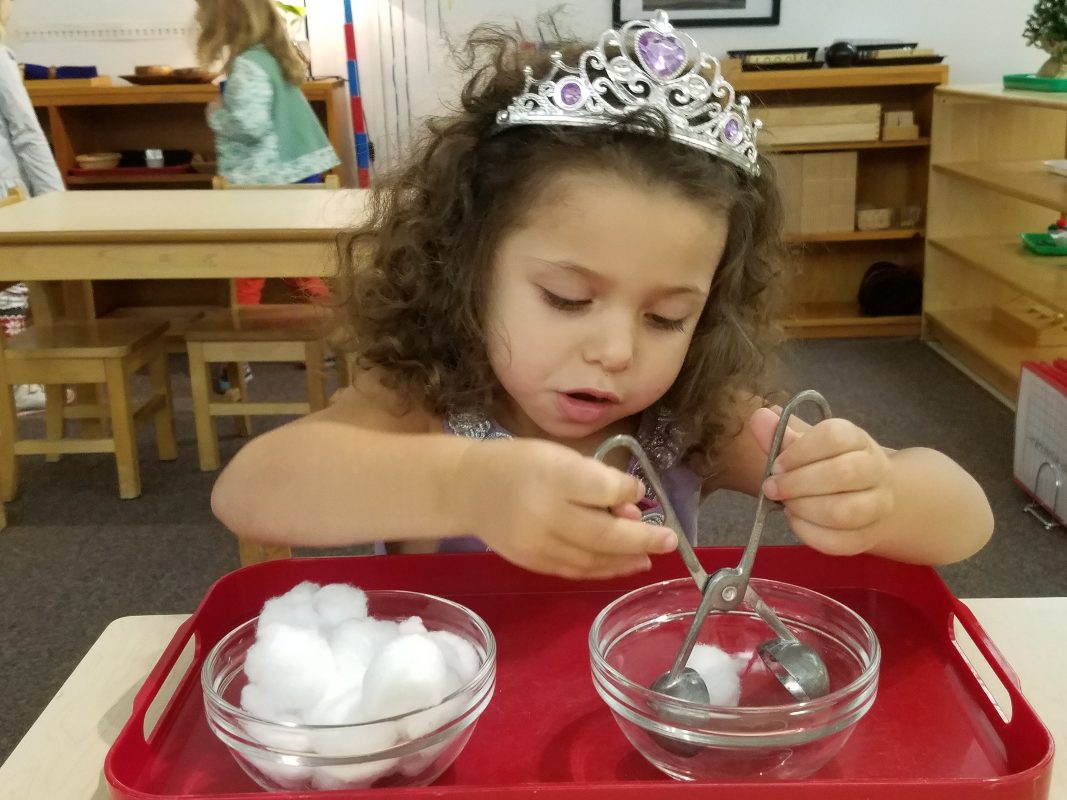
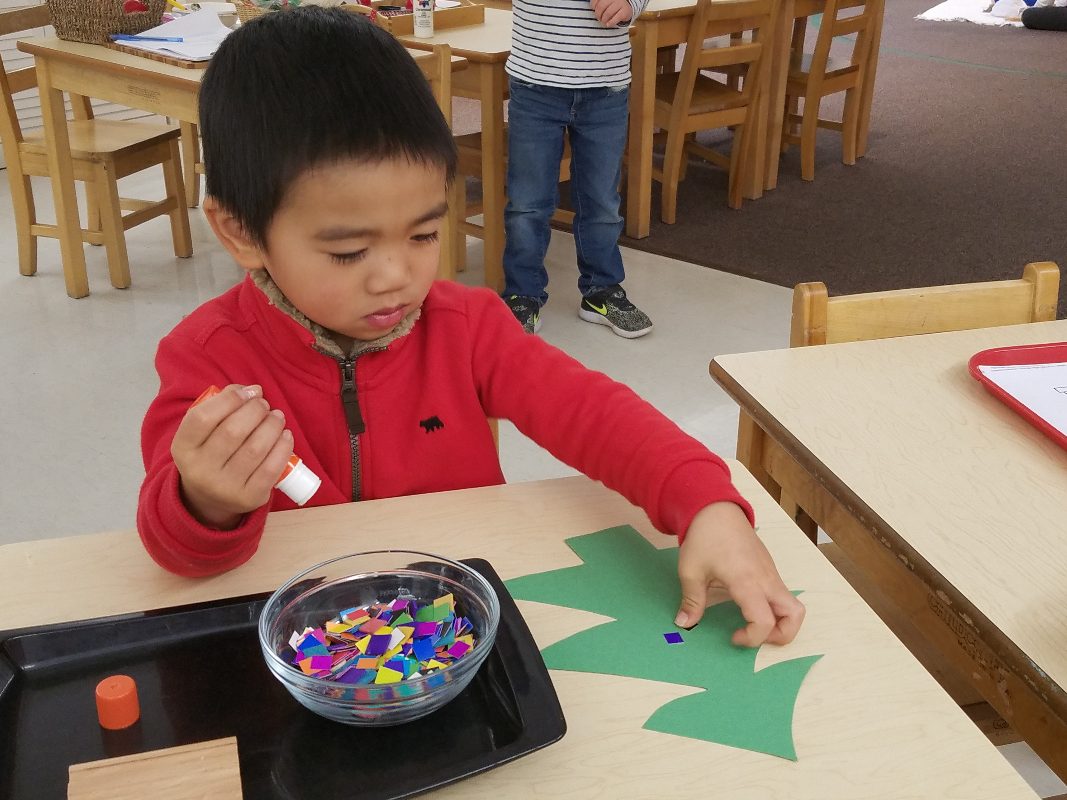
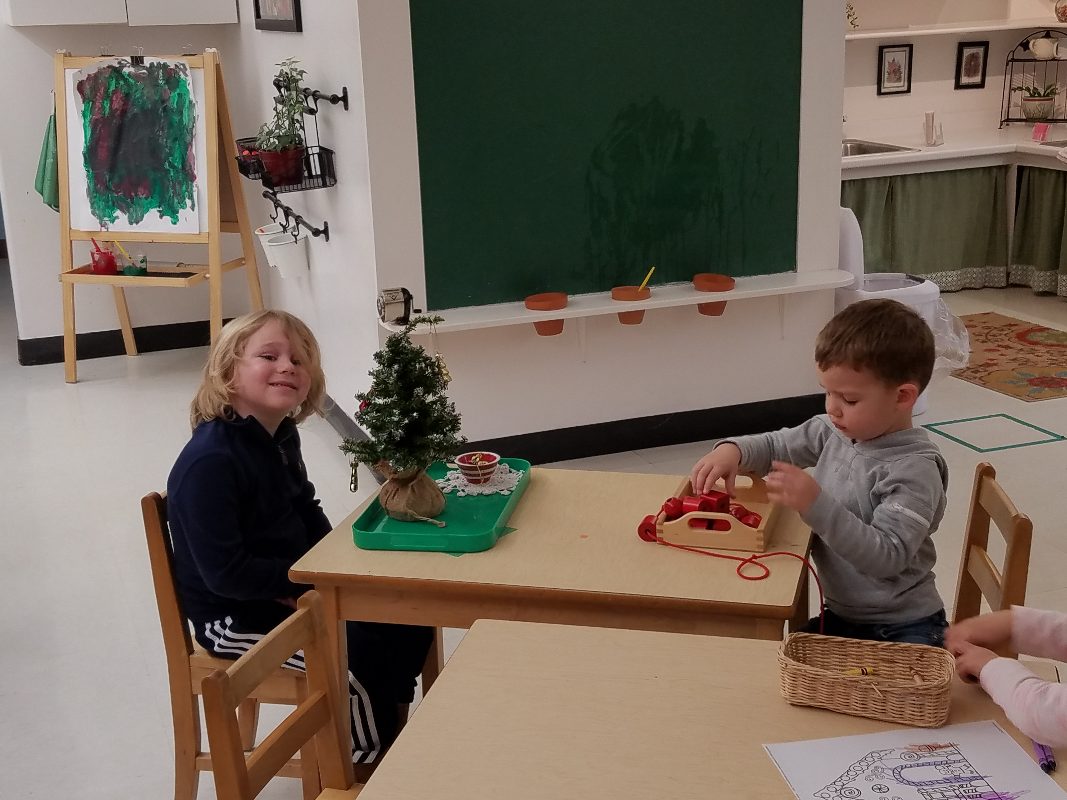
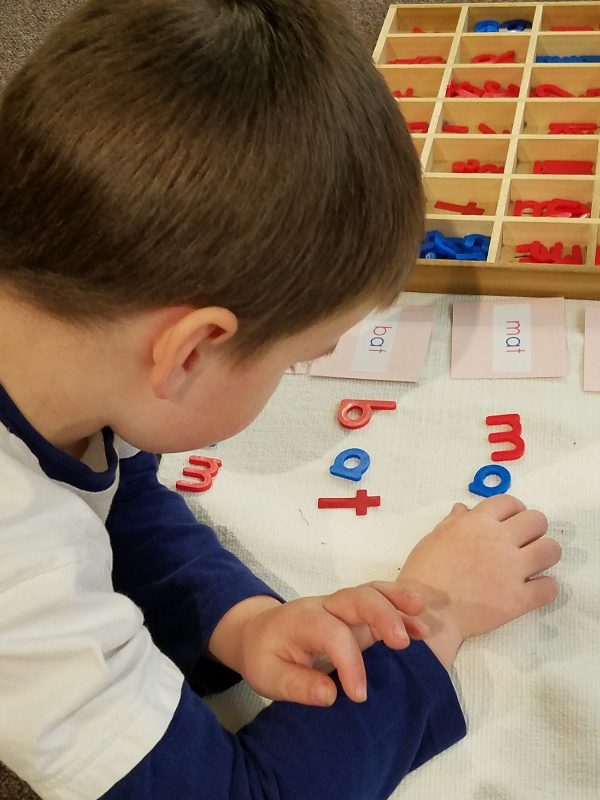
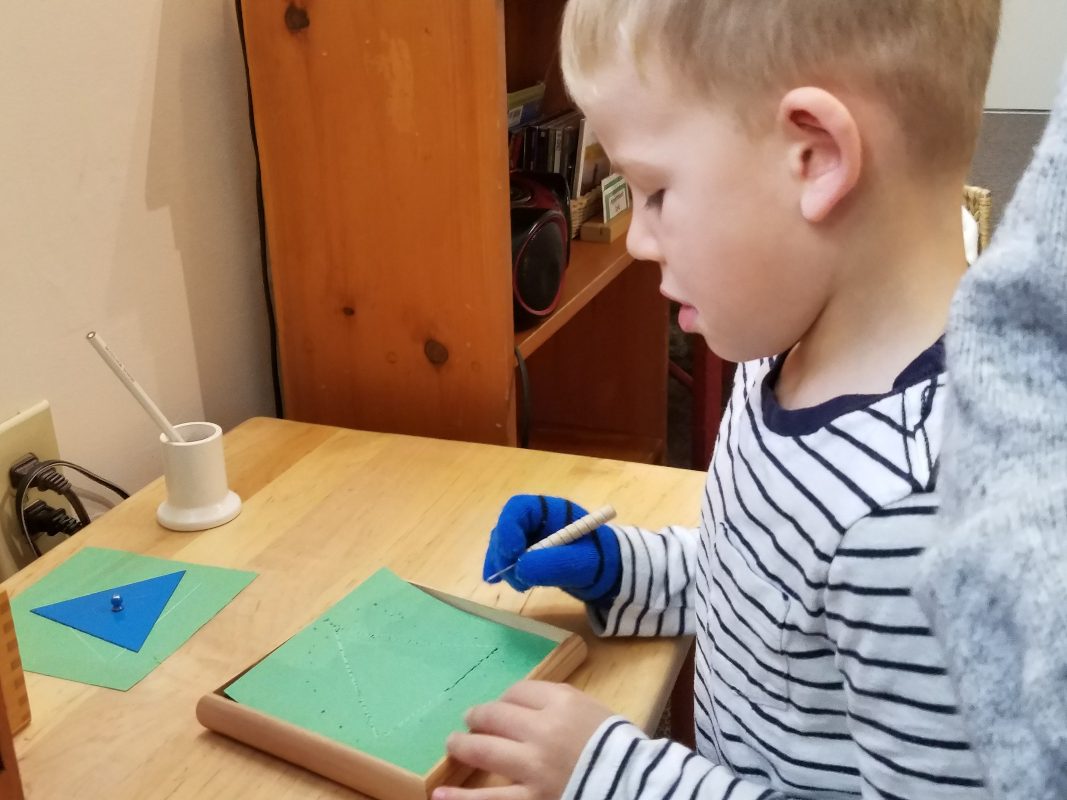
One of Maria Montessori’s more famous quotes is “play is the child’s work.”  We’re sure by now you have heard your child talk about their work at school. Maria Montessori preferred the word work rather than the word play to describe the learning process children are constantly undergoing. Work conveys the amount of effort that children put into their physical, social, emotional, and academic growth. As adults, our definition of work has a very different meaning.

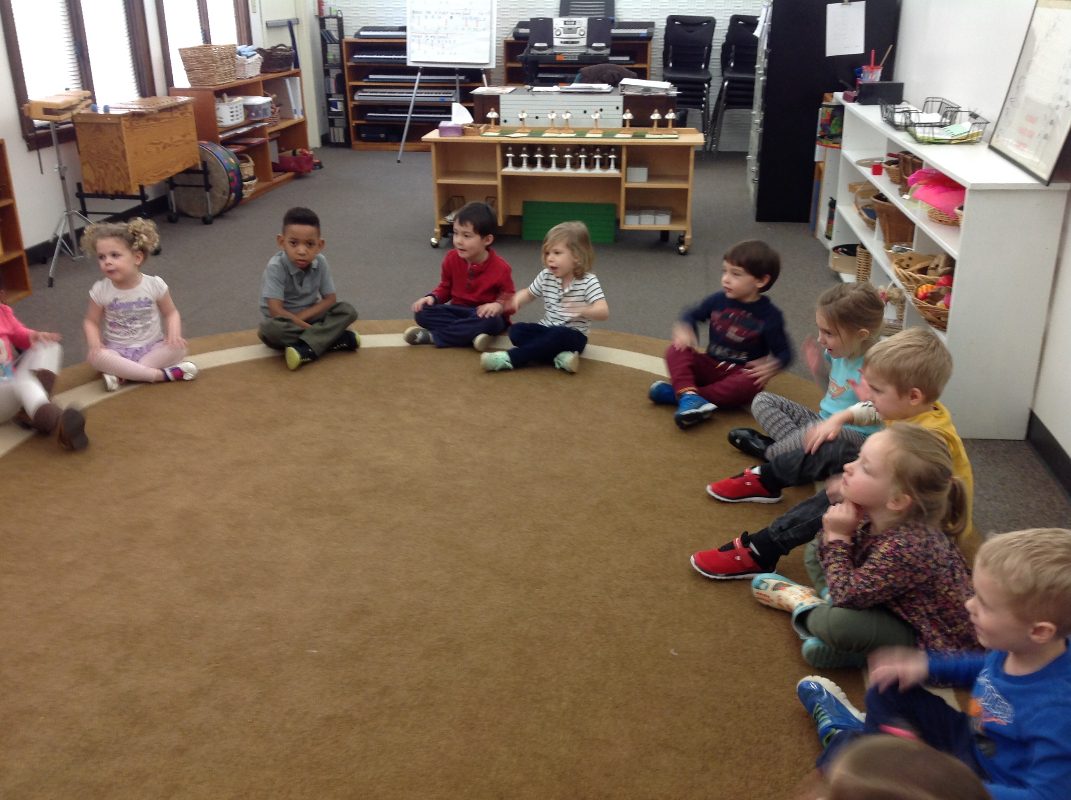
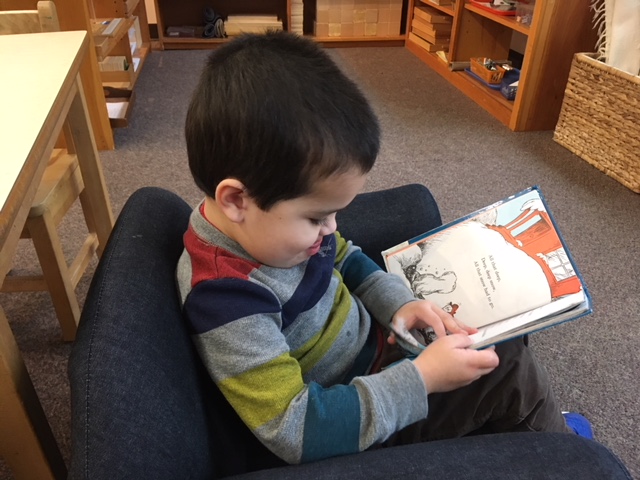
Children are driven by a strong unconscious internal growth process to seek out experiences that will meet their needs. Our role as Montessori teachers is to provide a well-prepared environment that encourages children to be independent and learn at their own pace. The children are free to choose their work and to use it repeatedly. So, while they are ‘working’ each child is also building independence, coordination, self-discipline, and concentration.

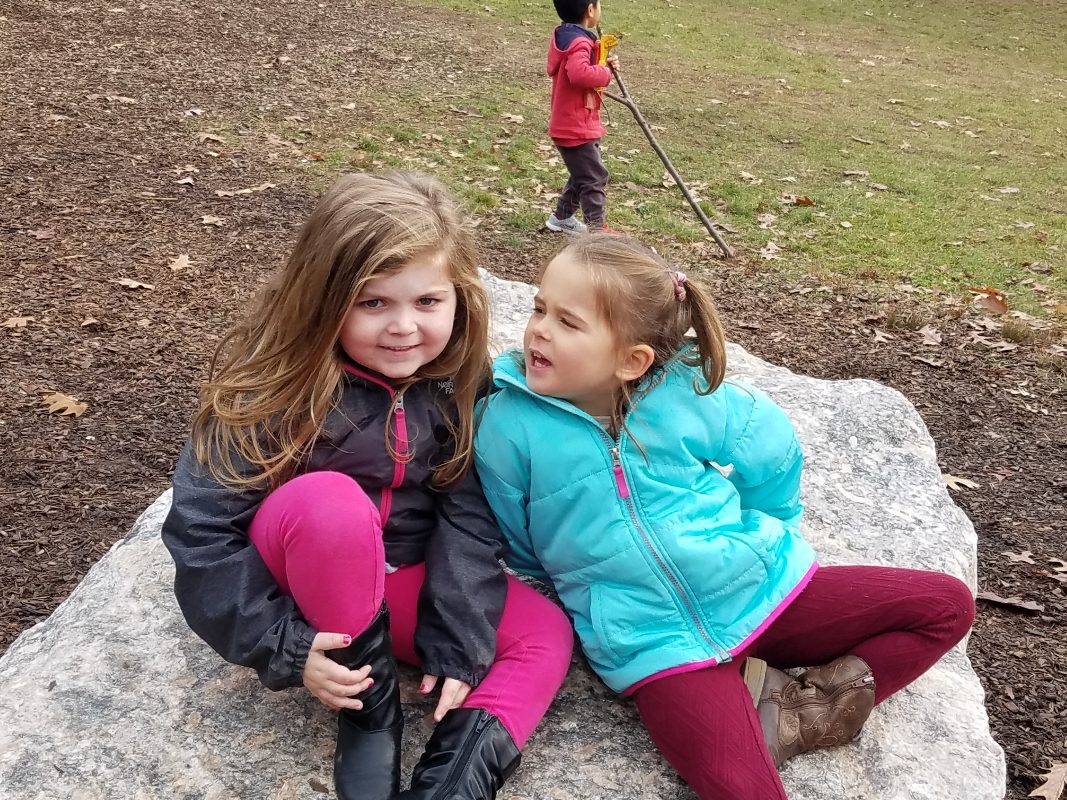
One thing that is most definitely not any type of work is welcoming new friends to our class.  Our new friend, A.J. joined our class this week and we are thrilled to have him.  After just a few days it feels as if he has always been here.

Have a wonderful week!

Michelle and Sonja


Mrs. Santayana: Importance of Everyday Living to a Three Year Old


Learning is an exciting process of discovery, leading to concentration, motivation, self-discipline, and a love of learning.

The sensitive period for order begins to reveal itself as the child reaches his second year and lasts for about two years, being most marked in the child’s third year. The child displays an almost passionate interest in the order of things both in time and space. What is perhaps not as universally recognized is that this age is also one in which there is a sensitive period for refining the senses. The child is not only interested in external sensory impressions; his attention is also directed by nature at this stage to his own bodily actions-the sensitive period for learning good manners. It is an important part of the teacher’s duty to give definite and precise lessons on how to behave with “grace and courtesy”. This includes such matters as how to sit down and stand up properly, how to beg pardon for small offenses such as passing in front of another person, interrupting a friend working, how to open and shut door, how to hand objects to another person, how to carry a tray, and so forth.

The task of the teacher is one of preparing the child for a great exploration, leading to communication between self and others, a far different endeavor than merely teaching a child to write and read. The preparation in the classroom for this exploration begins with Practical Life (Daily Living exercises). The child is first introduced to some of the exercises of daily living. This is because they involve simple and precise tasks, which the young child has already observed adults perform in his home environment and therefore wishes to imitate.

A child, when captivated by a piece of work, repeats the same series of movements time after time. He becomes completely absorbed by repeating the activity. The real aim is to satisfy the unconscious needs, and this is why the operation is formative, for the child’s repetition lays down in his nervous system an entirely new system of controls, establishing fresh coordinations between his muscles, coordinations not given by nature, but having to be acquired. In all these activities, the child may be said to be playing. But this kind of play is effortless, and it leads him to acquire the new powers which will be needed for his future. The imitativeness in children is a kind of inspiration which leads them to self-constructive work. By “work” Montessori did not mean mechanical drudgery, but physical and mental activity freely chosen by an individual-activity that has meaning for him because it promotes his own growth or contributes to society.

Practical Life experiences are the primary means of preparing the child for social life. The universal principle is work.

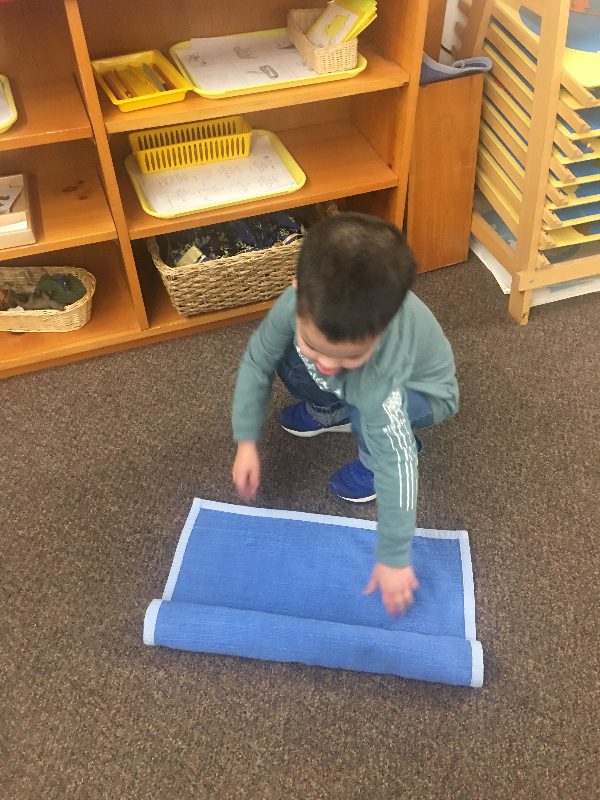
There are dressing frames which enable a child to learn to button and lace. There are brooms with which he can sweep the floor. All these objects invite a child to do something, to carry out a real task with a practical goal to be obtained. To unroll and roll rugs after they have been used, to spread out a tablecloth and fold it up and replace it carefully after it is used, to eat correctly and afterwards to clean up, are tasks which not only require increasing skills but also a gradual development of character because of the patience necessary for their execution and the sense of responsibility for their successful accomplishment.

Please read the following message about ticks.

With last week’s warm temperatures, ticks that were dormant have become active. Therefore, it is essential that parents begin checking their children for ticks at the end of the day. Please read the following important information from the Center for Disease Control and Prevention.

Check your clothing for ticks. Ticks may be carried into the house on clothing. Any ticks that are found should be removed. Tumble dry clothes in a dryer on high heat for 10 minutes to kill ticks on dry clothing after you come indoors. If the clothes are damp, additional time may be needed. If the clothes require washing first, hot water is recommended. Cold and medium temperature water will not kill ticks effectively.

Shower soon after being outdoors. Showering within two hours of coming indoors has been shown to reduce your risk of getting Lyme disease. Showering may help wash off unattached ticks and it is a good opportunity to do a tick check.

Check your body for ticks after being outdoors. Conduct a full body check upon return from potentially tick-infested areas, which even includes your back yard. Use a hand-held or full-length mirror to view all parts of your body. Check these parts of your body and your child’s body for ticks:

  • Under the arms
  • In and around the ears
  • Inside belly button
  • Back of the knees
  • In and around the hair
  • Between the legs
  • Around the waist
2018 Winter Olympic Games!


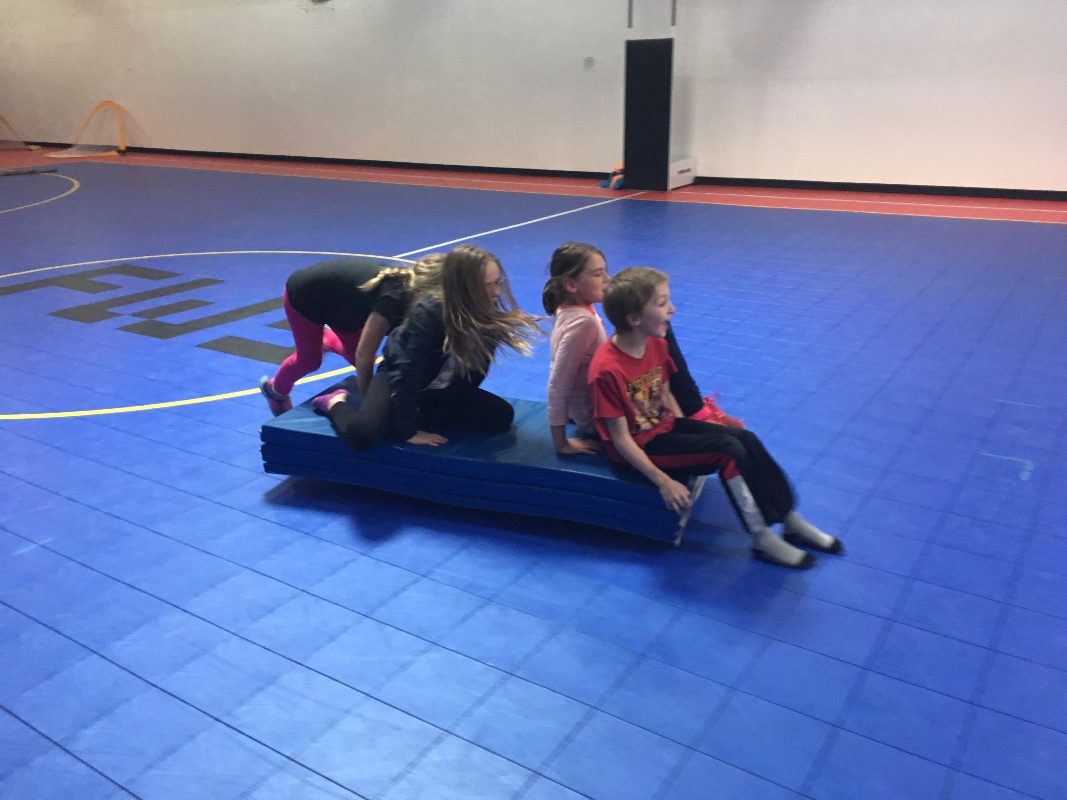
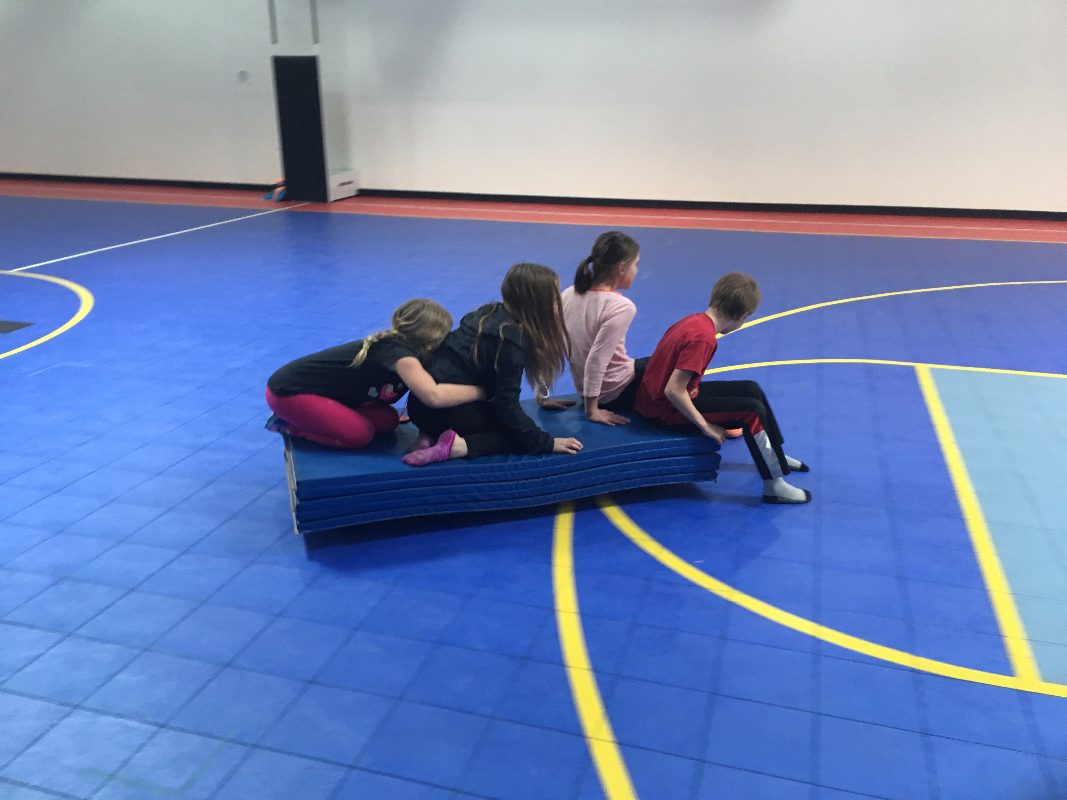
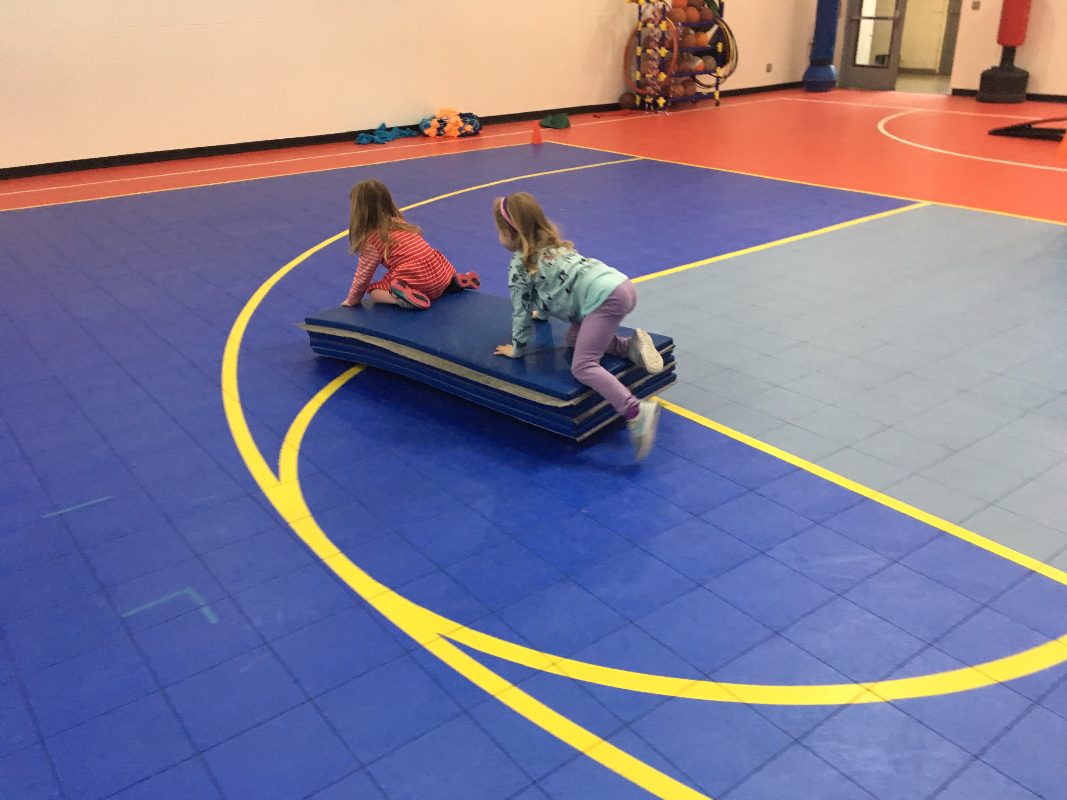
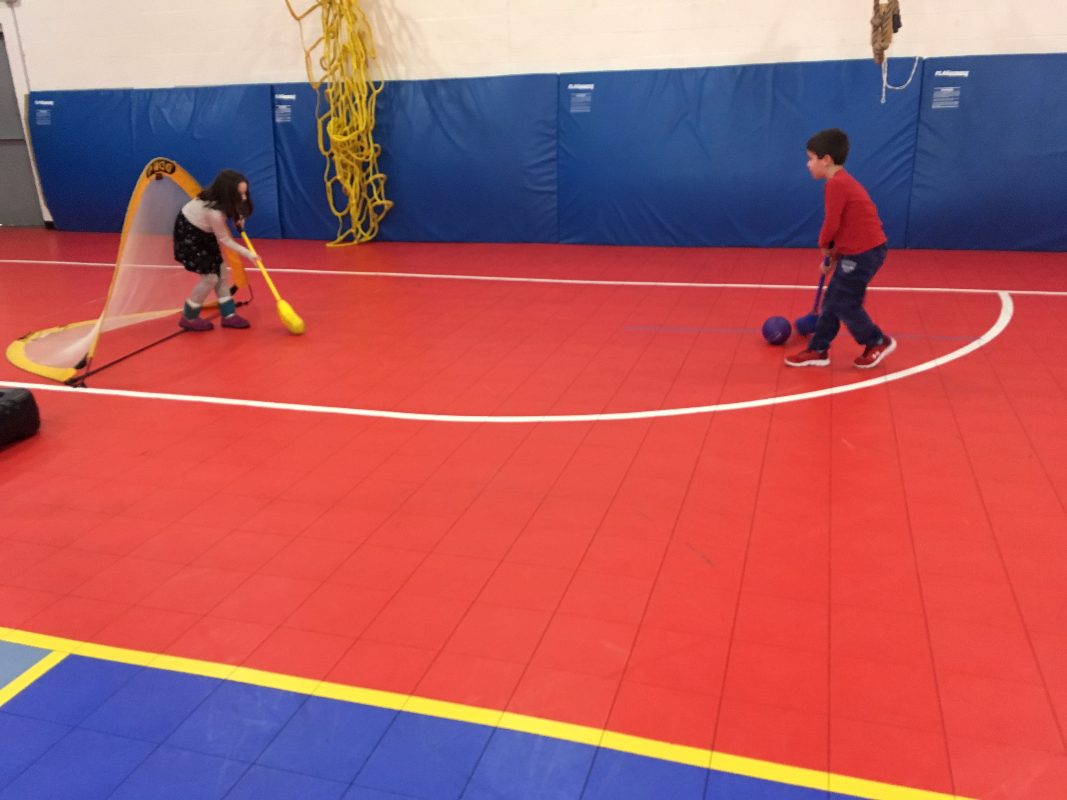
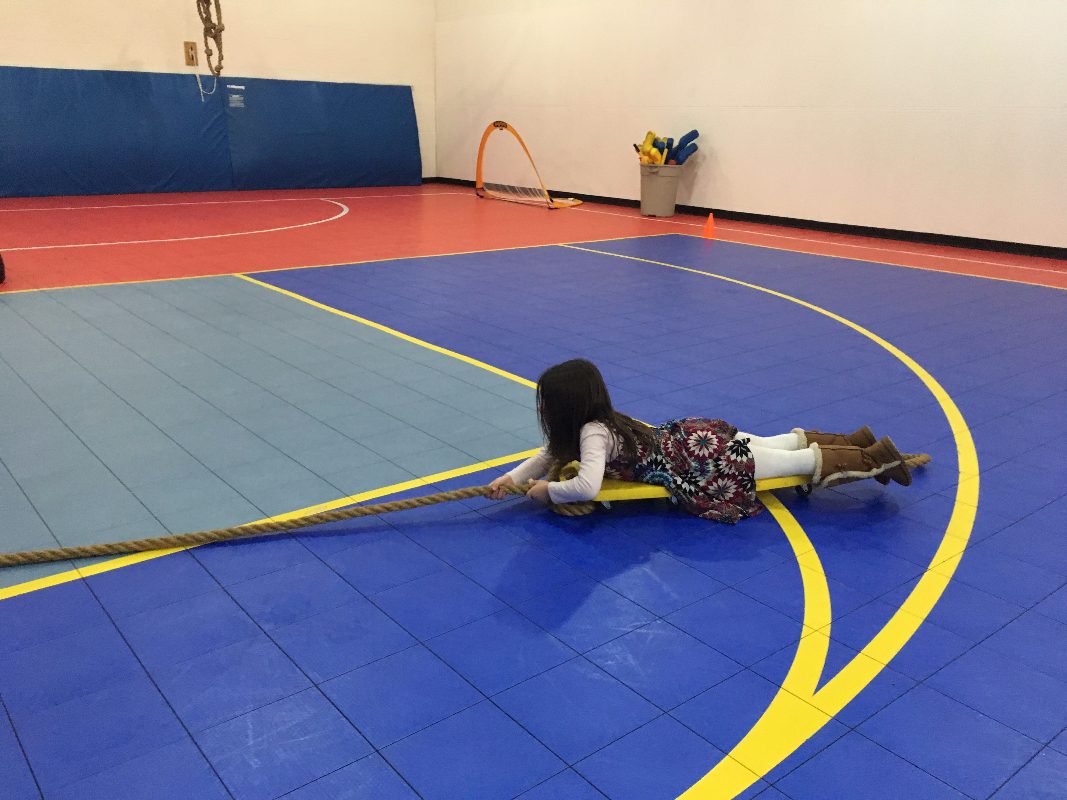
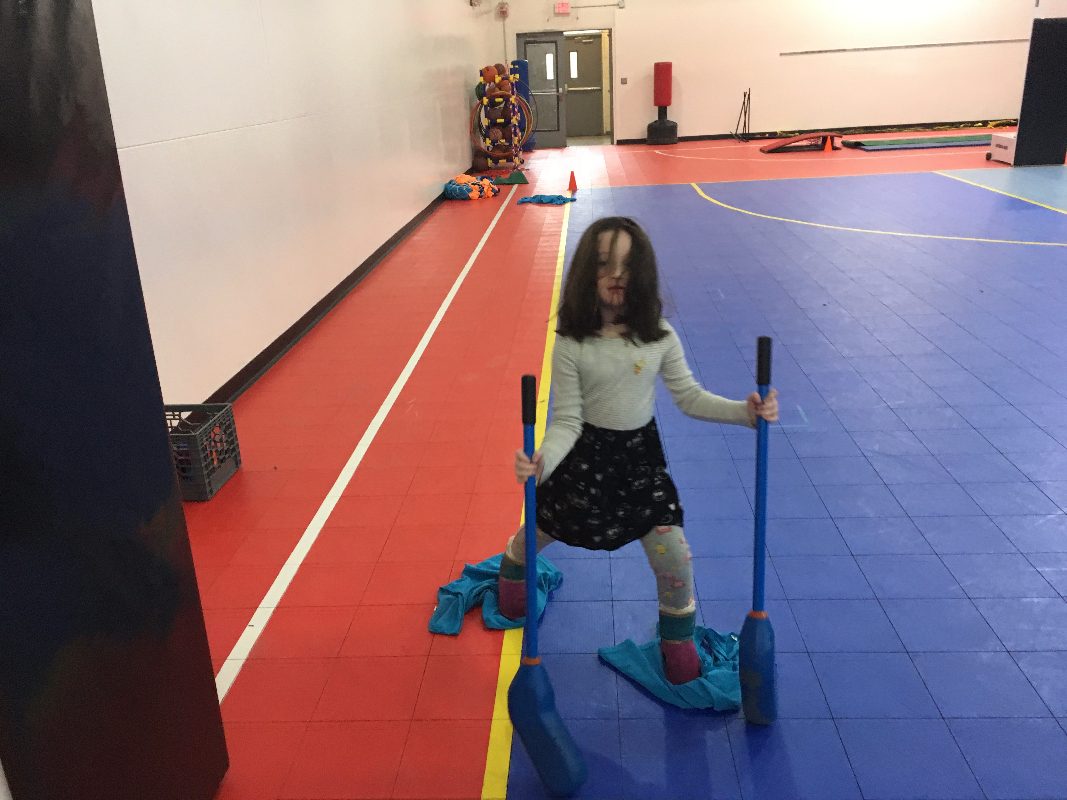
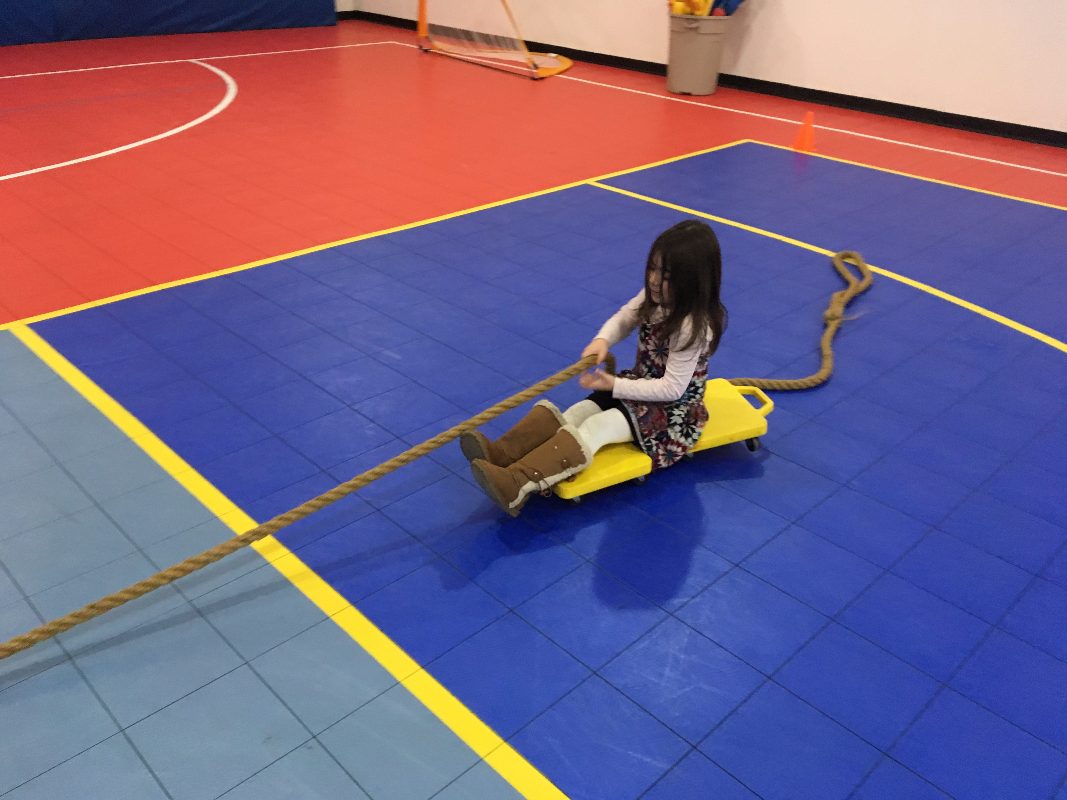
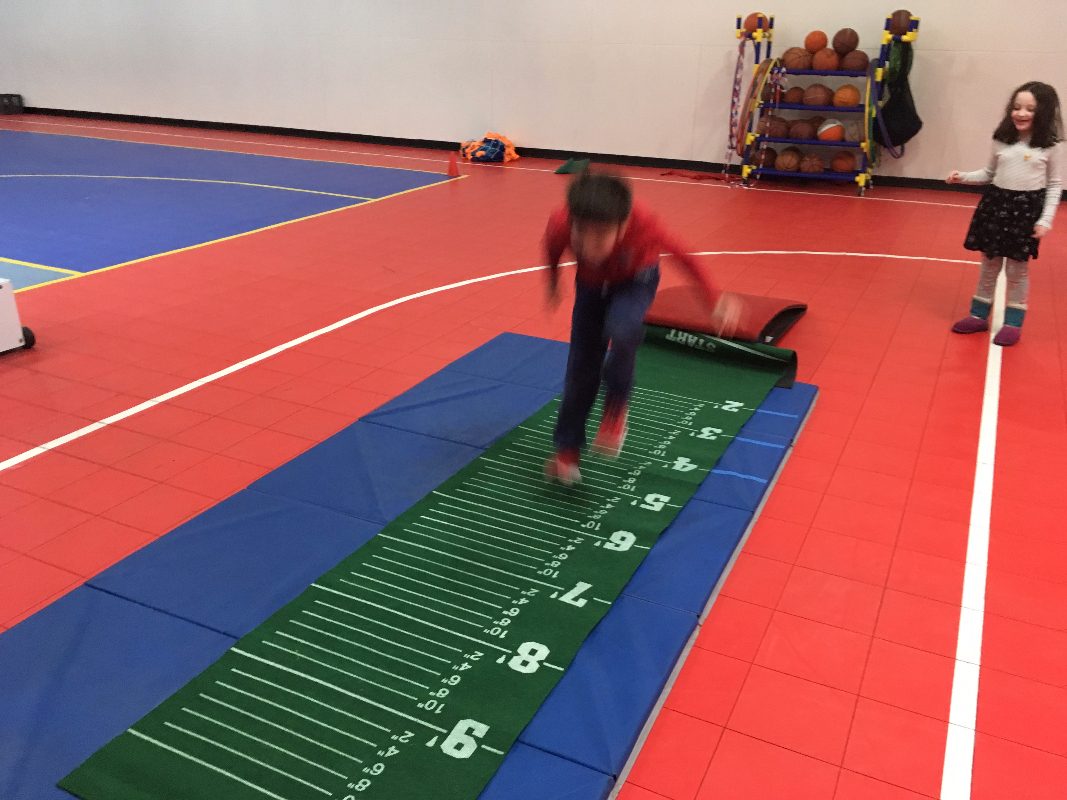
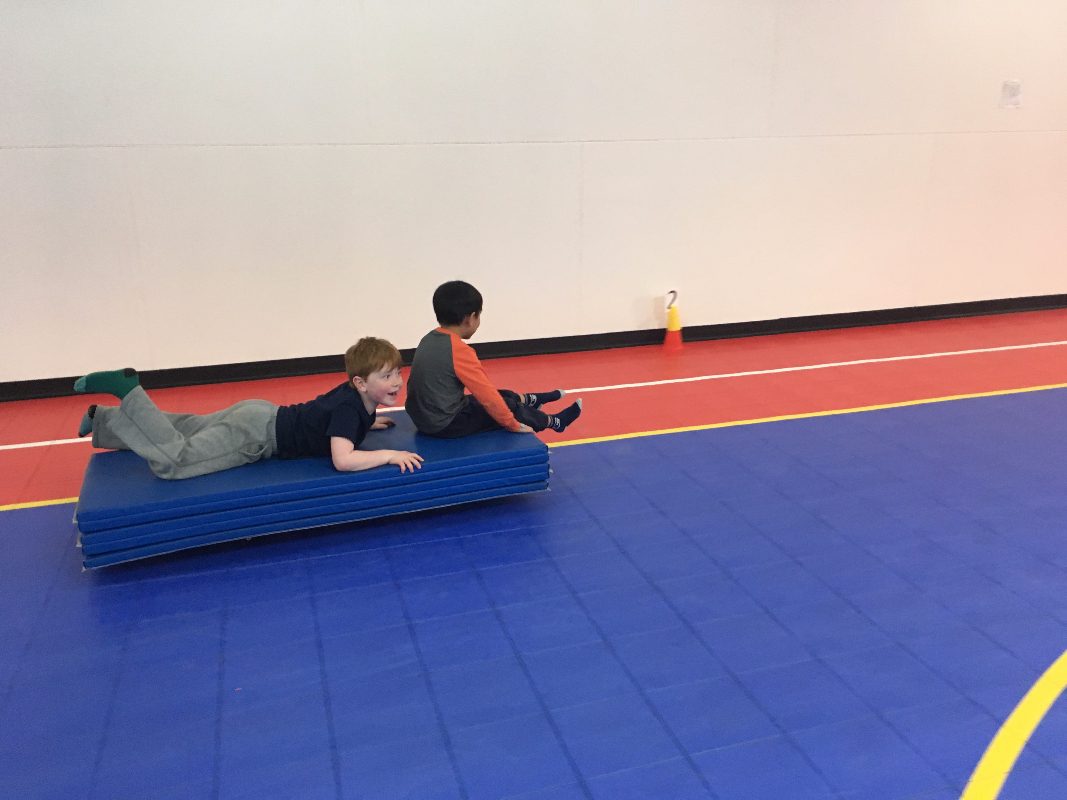
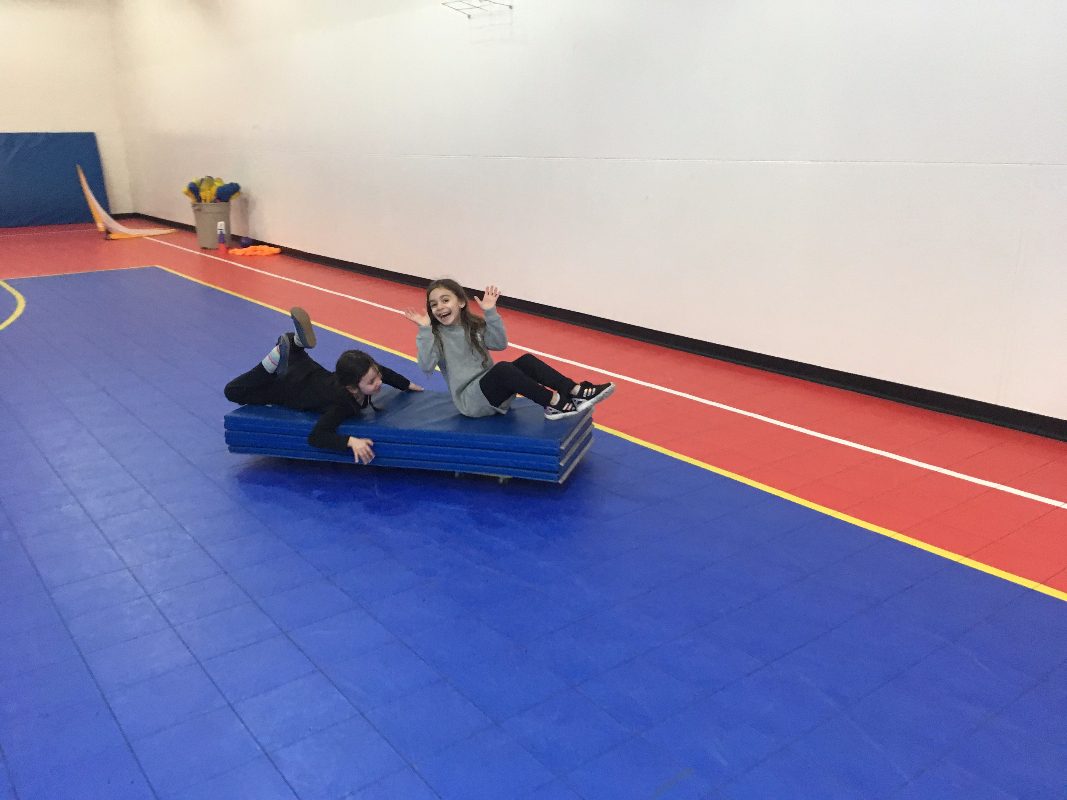
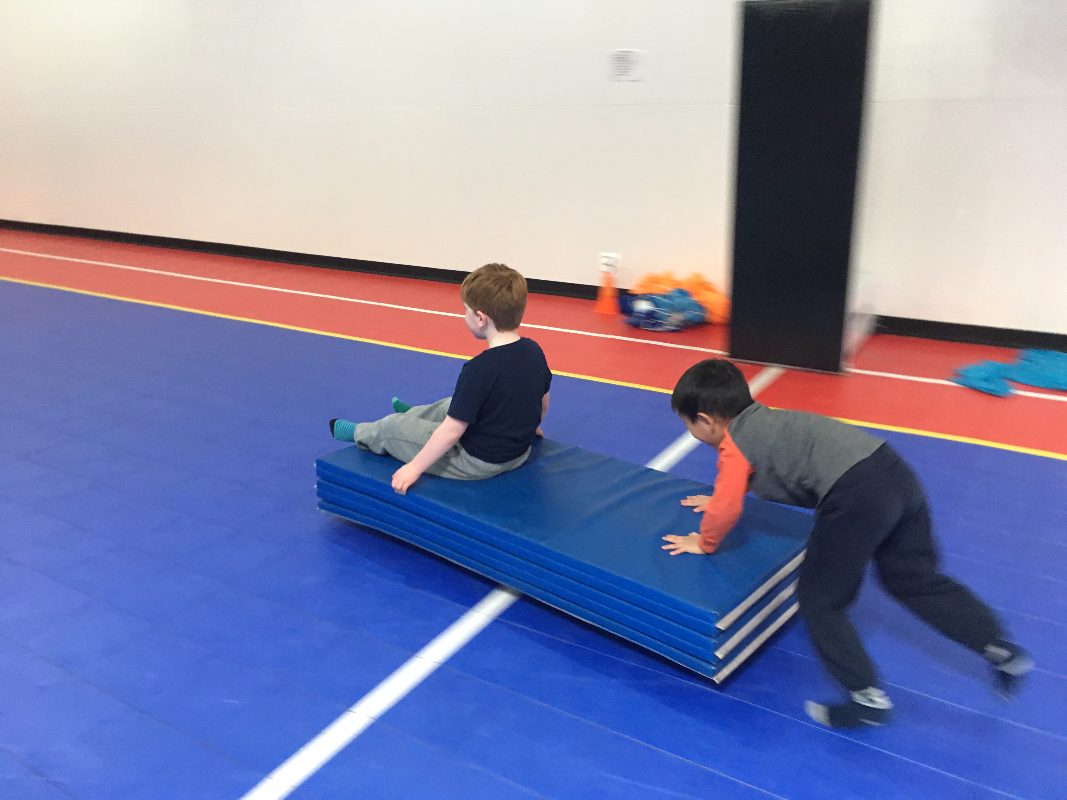
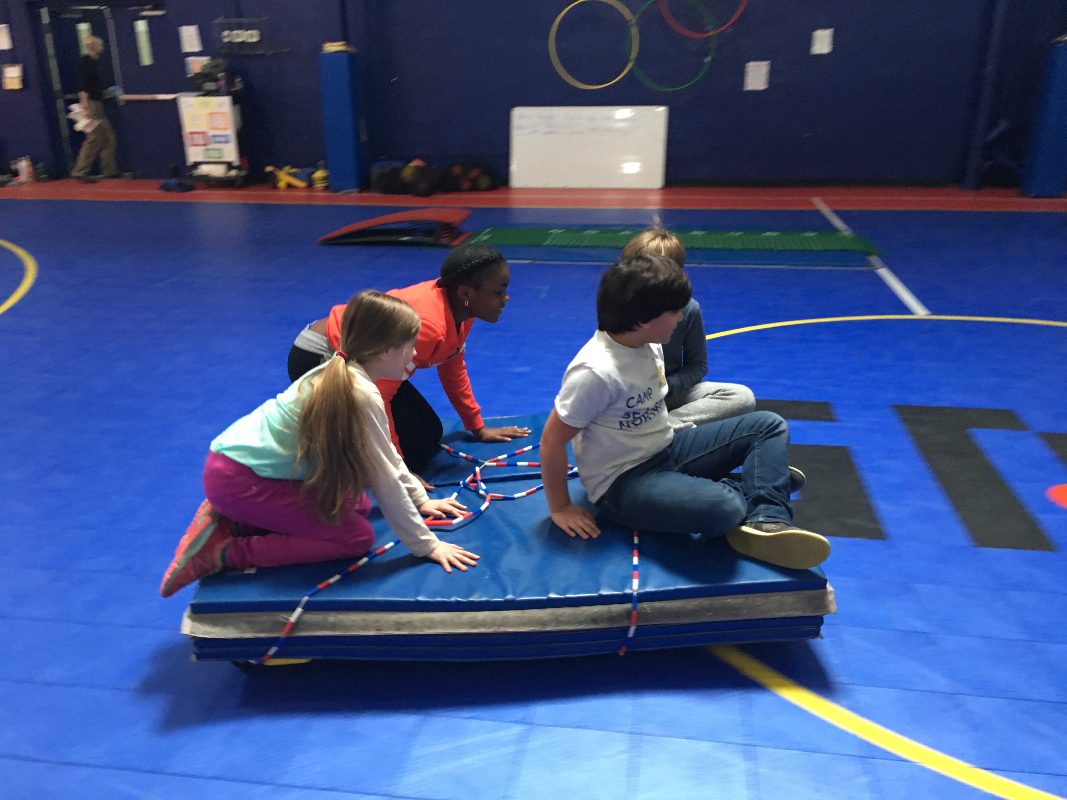
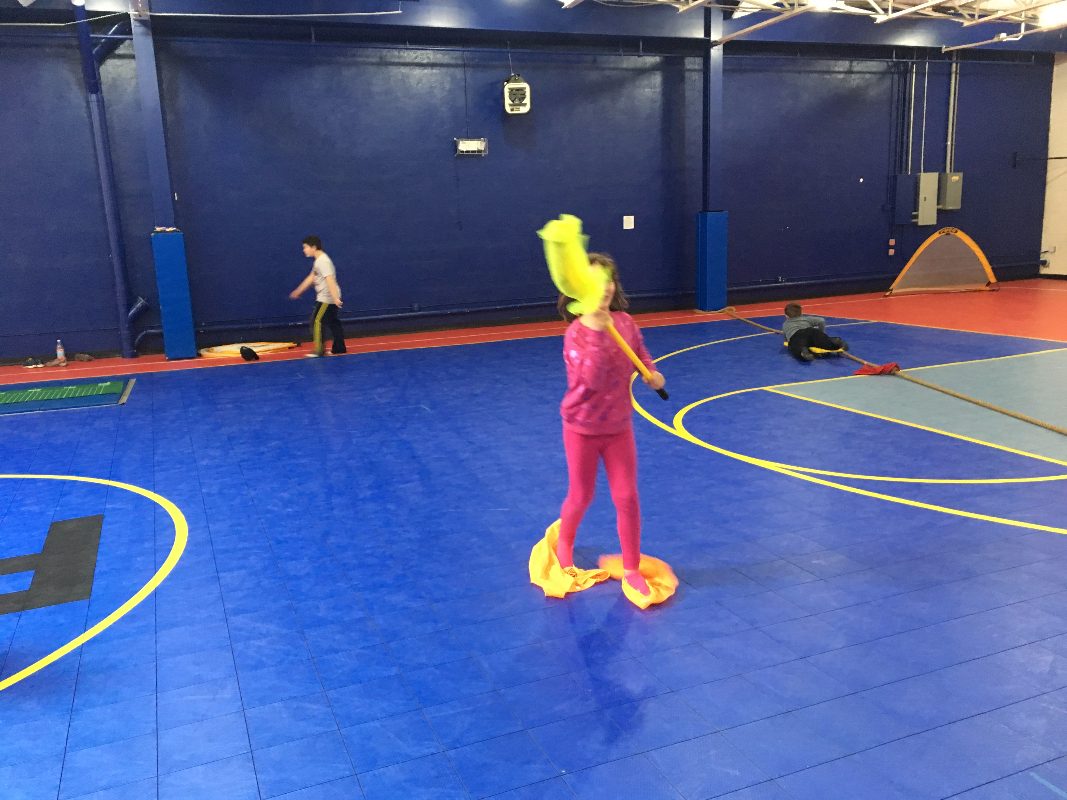
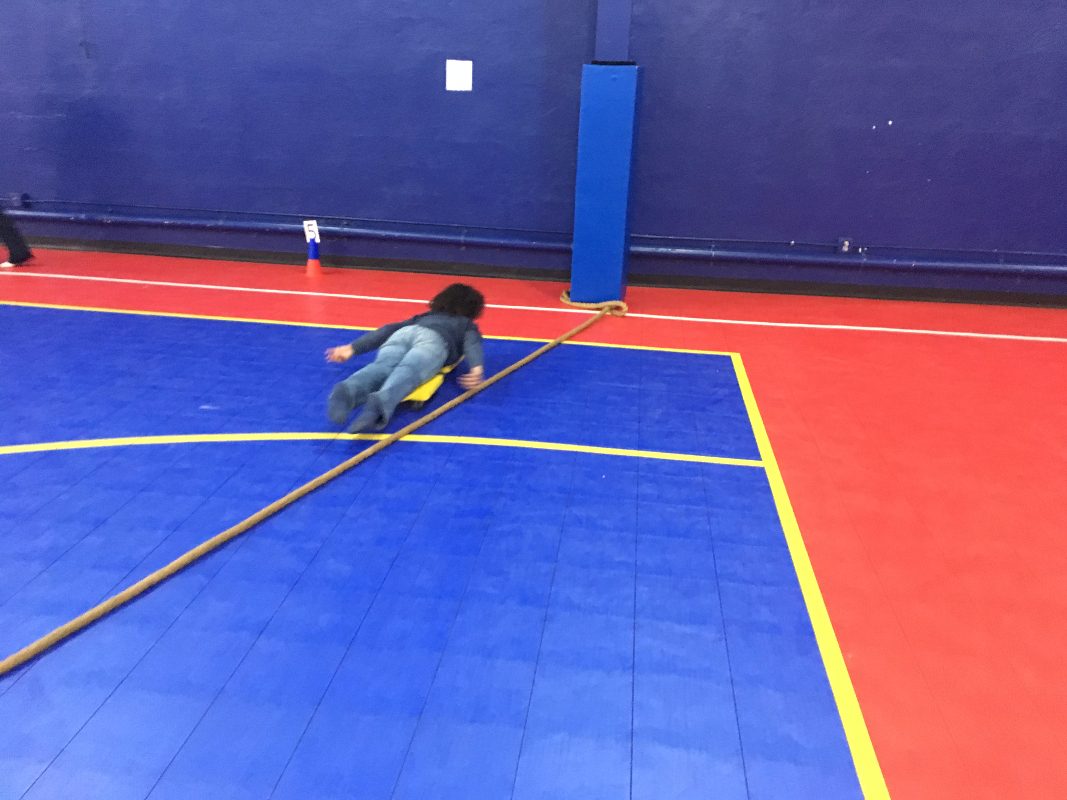
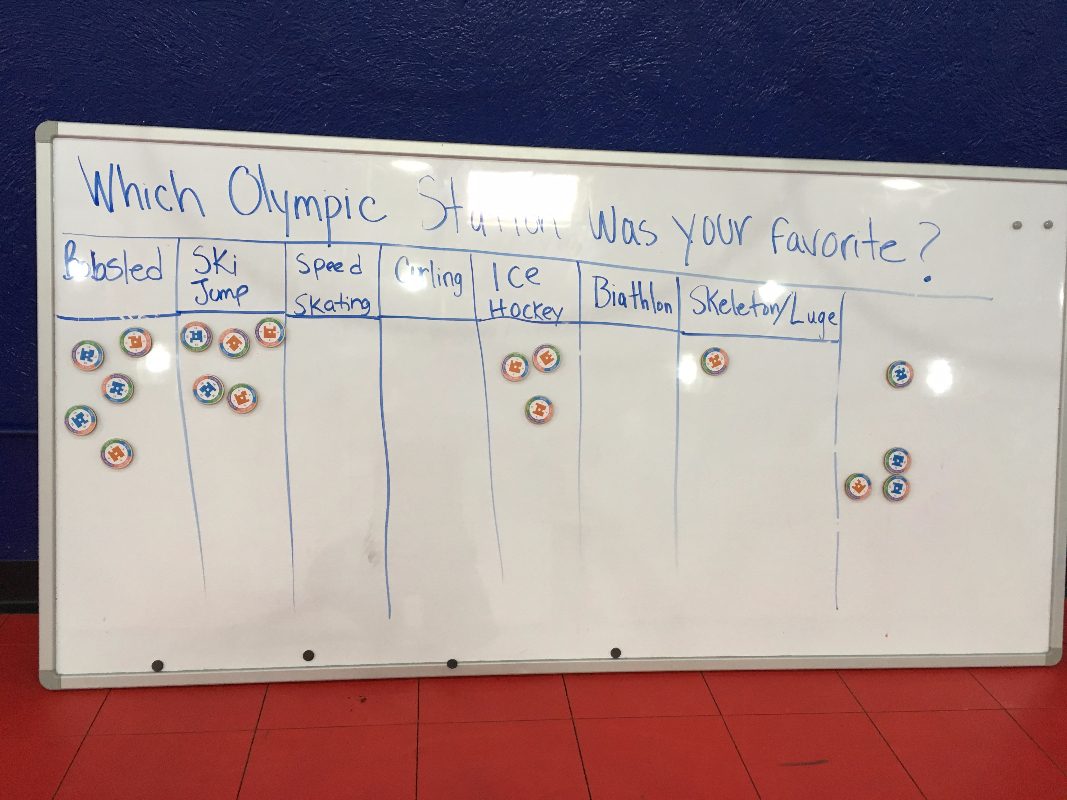
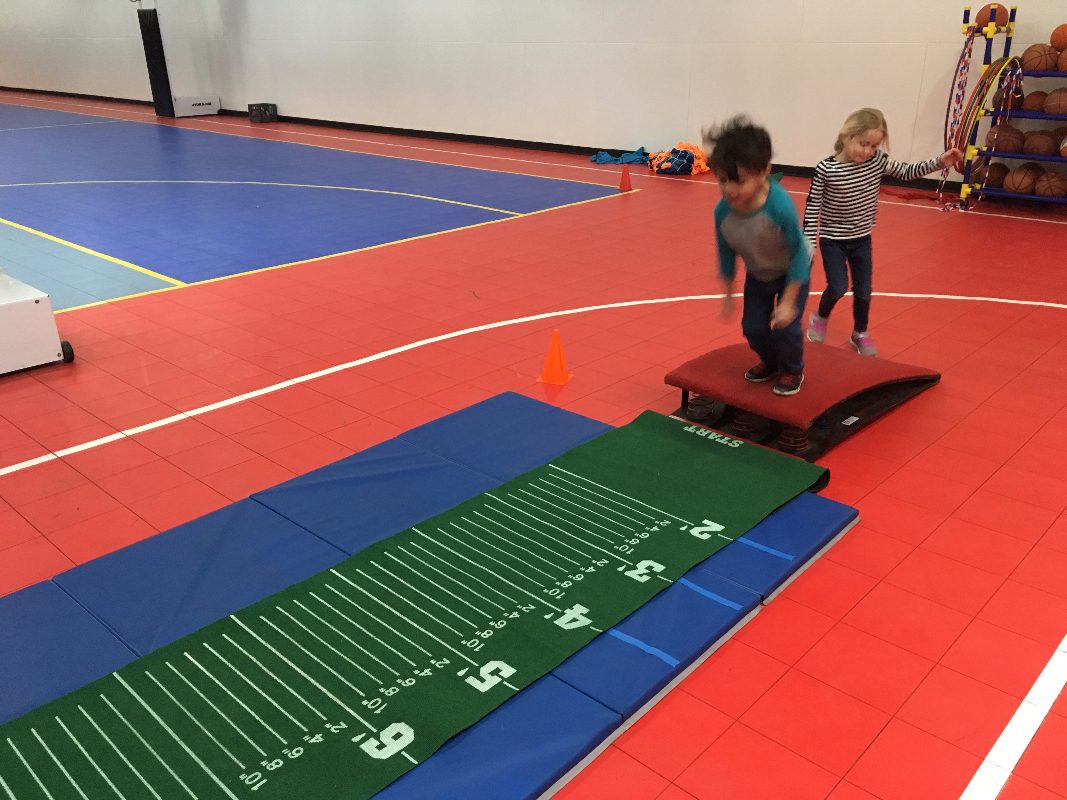
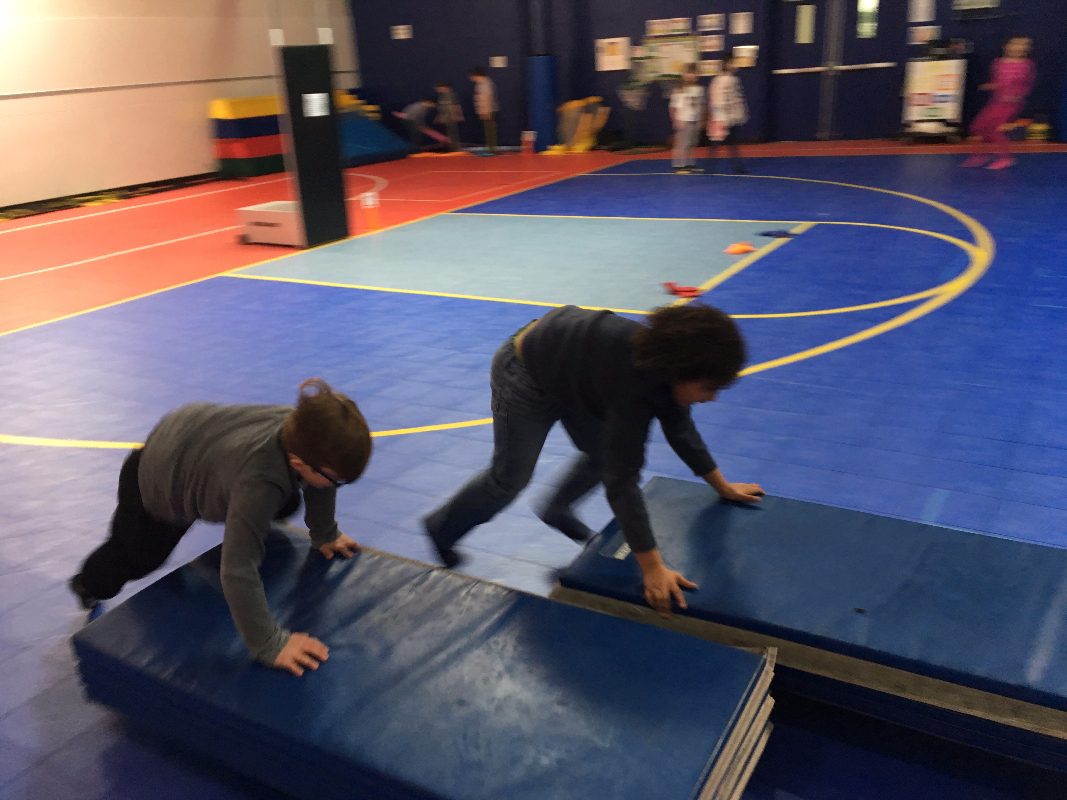
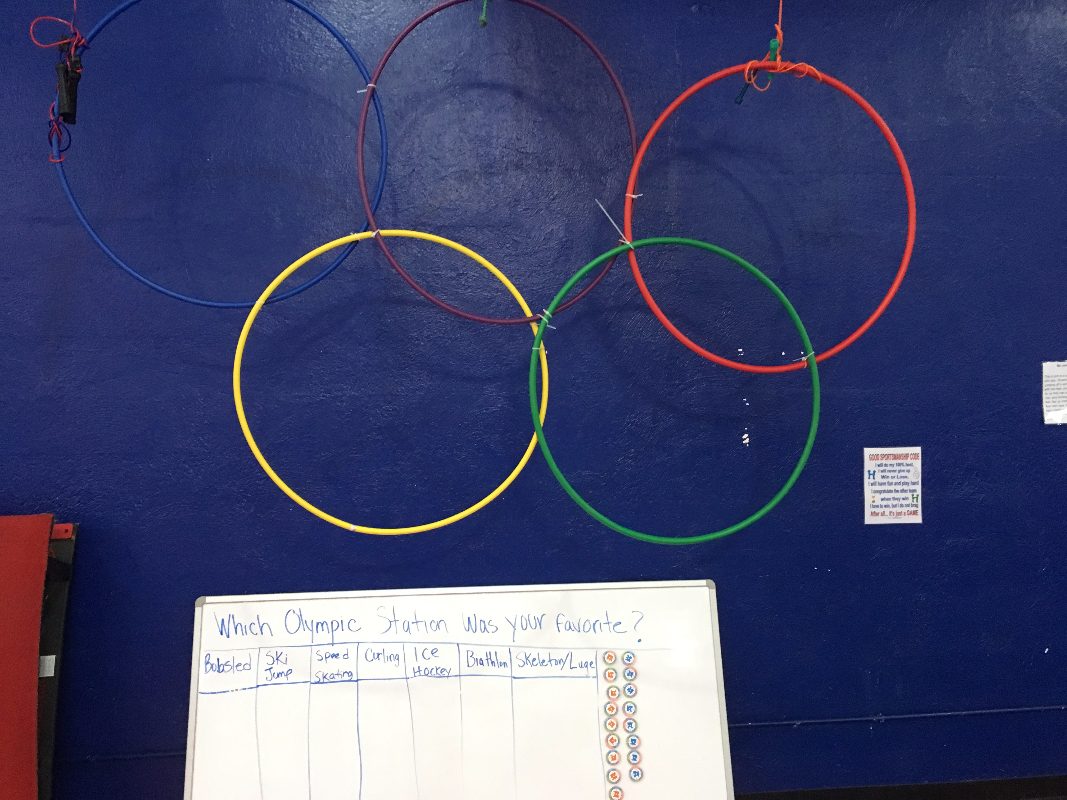
The Extended Day, Lower Elementary, and Upper Elementary participated in Winter Olympic Games stations in class. The students were questioned on their knowledge as to why there are only five rings and what the colors represented. They were also asked where they Olympics were taking place and what continent that country  was located in. The students participated in the following winter Olympic Game stations: Curling, Biathlon, Speed Skating, Ice Hockey, Skeleton/Luge, Ski Jump, and Bobsled. At the end of class the students assessed which station they liked the most. The stations they most enjoyed was the bobsled and ski jump!

Delightful Rhyming

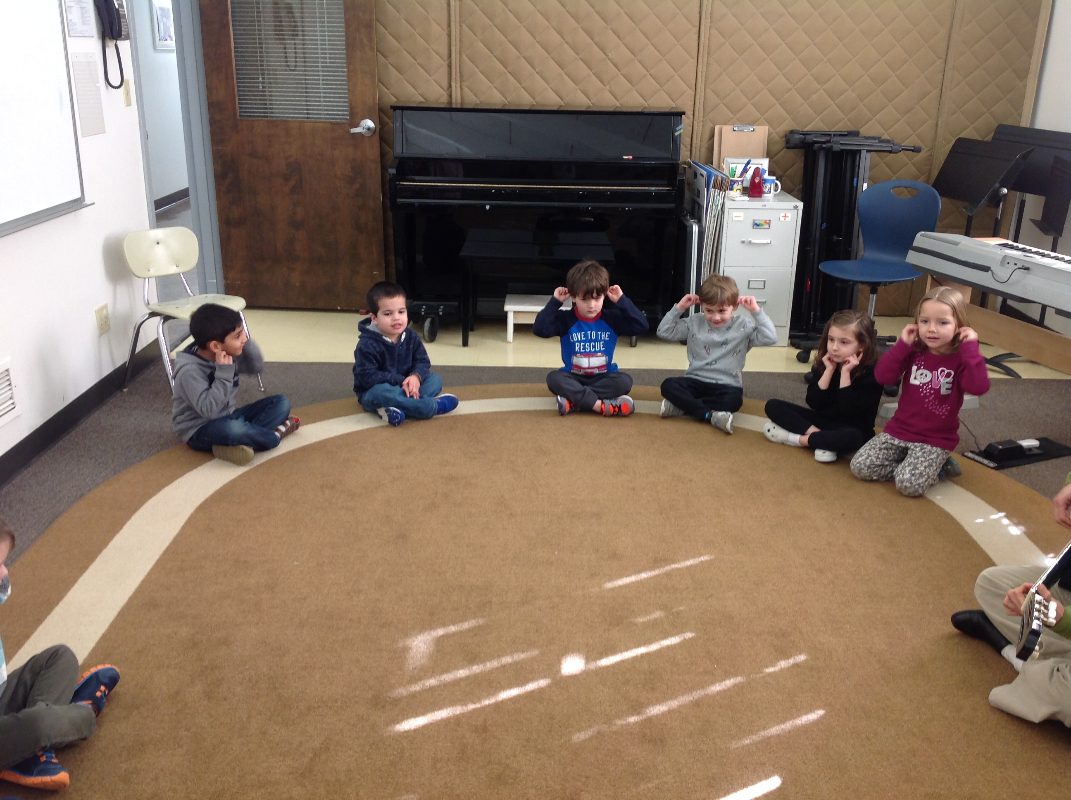
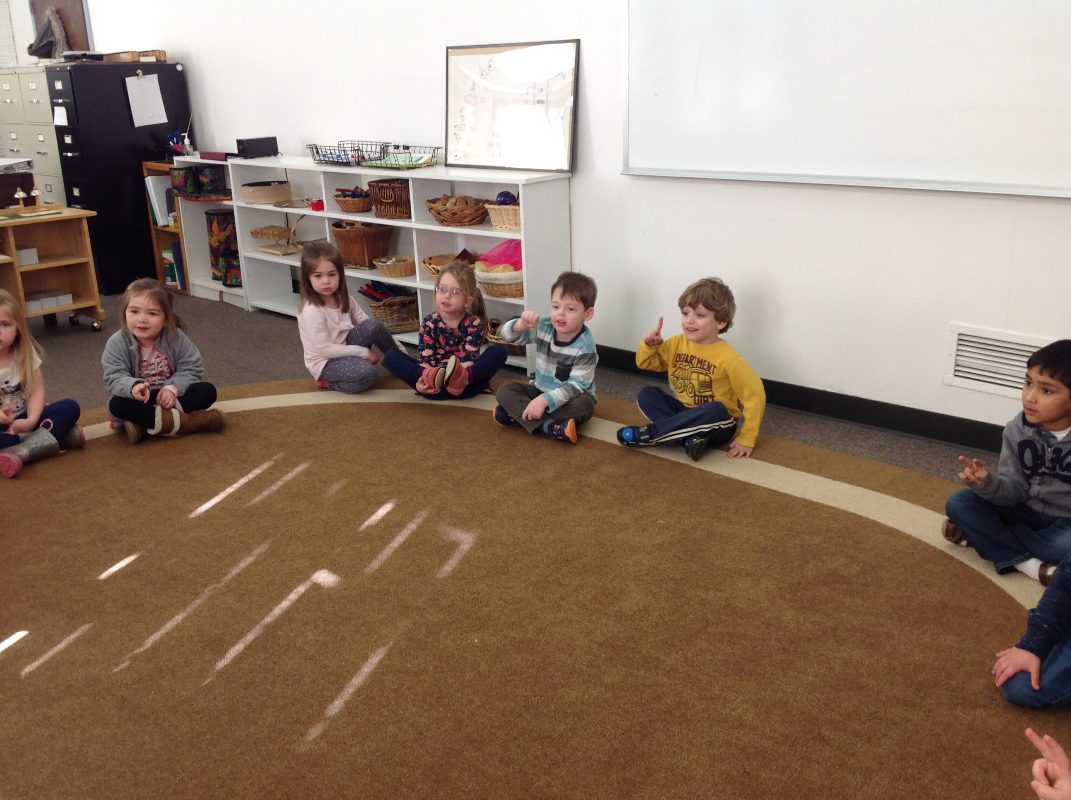
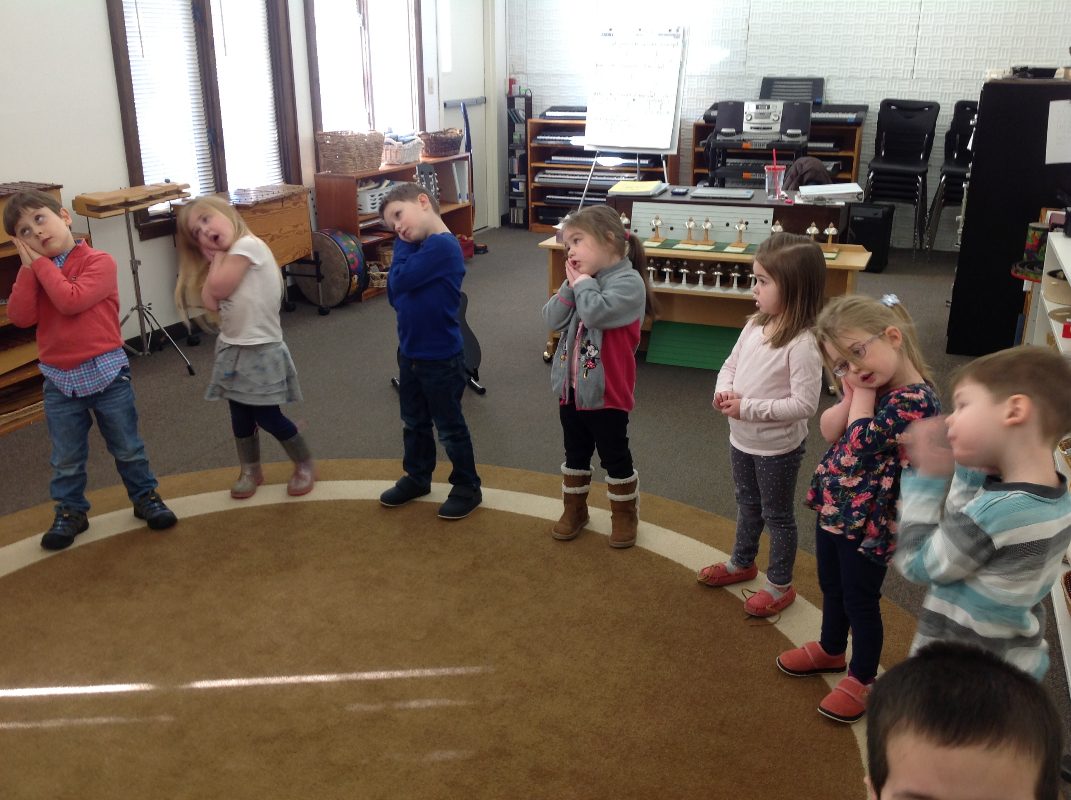
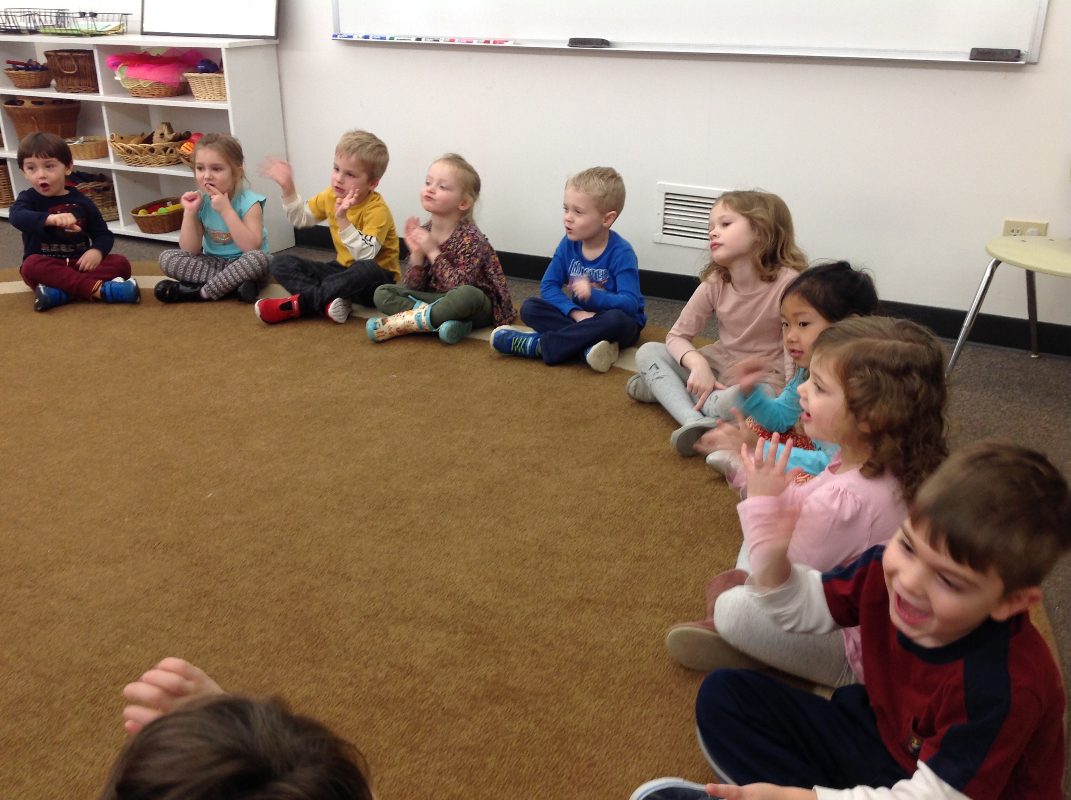
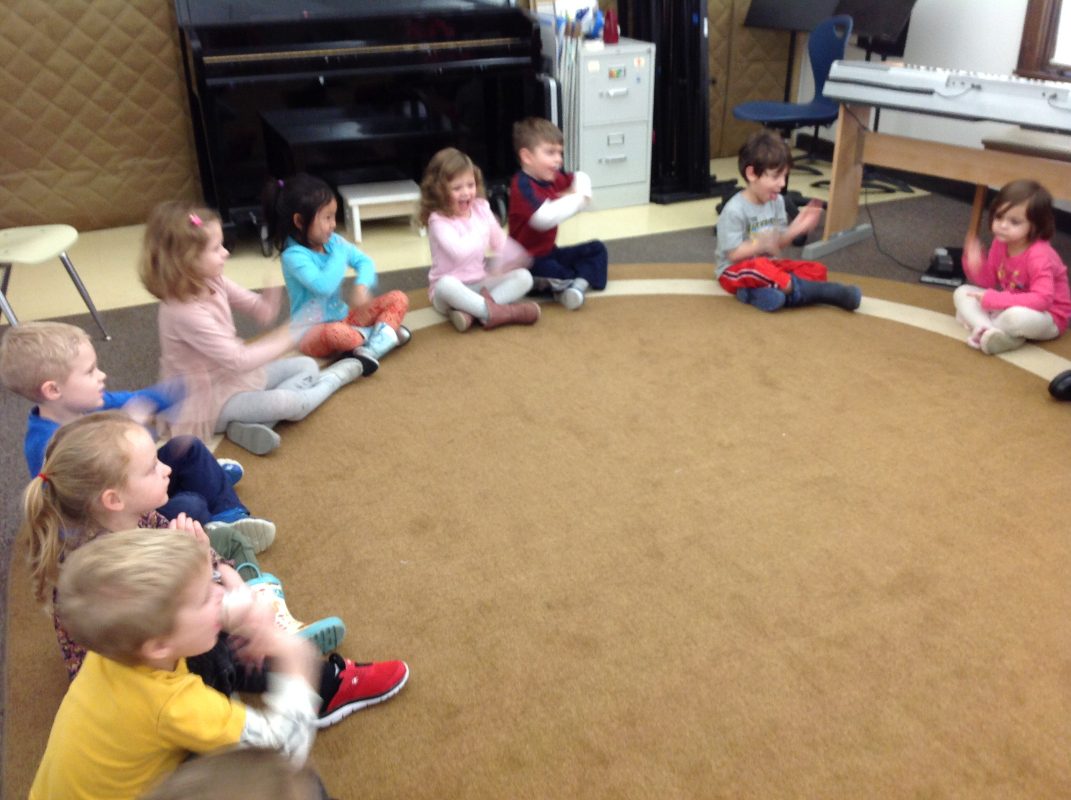
Our Lower School children enjoyed learning rhyming songs with accompanying movements. These young children, who possess absorbent minds, love chanting poems and singing songs especially when they rhyme. Beyond the delighted participation, there have been lots of research proving the benefits of ‘Nursery rhymes’ for lower school aged children. Below are some of the most significant findings:
Cognitive Development

  • Repetition of rhymes and stories are good for the brain, teaching how language works and building memory capabilities.
  • Nursery rhymes help develop inferencing skills, both with encountering new words and in reading comprehension.
  • Because these verses are made up of patterns, they are easy first memorization pieces.

Speech

  • Nursery rhymes are important for language acquisition and help with speech development.
  • They help children develop auditory skills such as discriminating between sounds and developing the ear for the music of words.
  • Rhymes like these help kids articulate words, modulate voices (practicing pitch, volume, and inflection) and enunciate clearly by saying them over and over without fear of criticism.
  • Nursery rhymes are excellent, natural choice for a first recitation selection.
  • The mouth and tongue muscles are developed as children say these rhymes.
  • Listening comprehension is a foundational skill that is often skipped, but nursery rhymes can help ensure this crucial ability (that precedes reading comprehension) is covered.

Reading

  • Nursery rhyme knowledge provides an excellent foundation for later literary works.
  • They are a great introduction to stories since many contain a beginning, middle, and end (sequencing).
  • Familiarity with nursery rhymes makes good readers, even despite differences in social background (Bryant, Bradley, Maclean & Crossland, 1989).
  • Work with these verses helps children detect the phonetic segments of words.

Language

  • Nursery rhymes increase vocabulary
  • They help children assimilate language.
  • They are a wonderful introduction to poetry.
  • They promote spelling skills.
  • Verses like these introduce literary devices like alliteration, onomatopoeia, and imagery.

Creativity

  • Nursery rhymes expand children’s imagination.
  • They promote creative dramatization when kids act the scenarios out.

History

  • These classic verses preserve culture and provide something in common between multiple generations (a good way to bond with grandparents or when meeting new people!)
  • Nursery rhymes teach history and connect a child to the past.

Math

  • Nursery rhymes are full of patterns, sequencing, numbers, and counting (forwards and backward).
  • They also discuss size, weight and other important math vocabulary.

Physical

  • Since many nursery rhymes involve movement, coordination and physicality are integrated with their readings (Think “Ring Around the Rosey” or “London Bridge.”)
  • Coordinating fingerplays are helpful to fine motor skill development.

Social and Emotional

  • Nursery rhymes develop humor.
  • Because of the connection between movement, rhythm, and words, singing these songs can be a great group activity.
  • Children can learn social skills from many of the rhymes.
  • Nursery rhymes are familiar and can thus provide comfort and support to youngsters in uncomfortable situations.

Mrs. Santayana: Sink and Float

Thank you Lisa Jackson for helping us make our Valentine’s Day celebration a success!

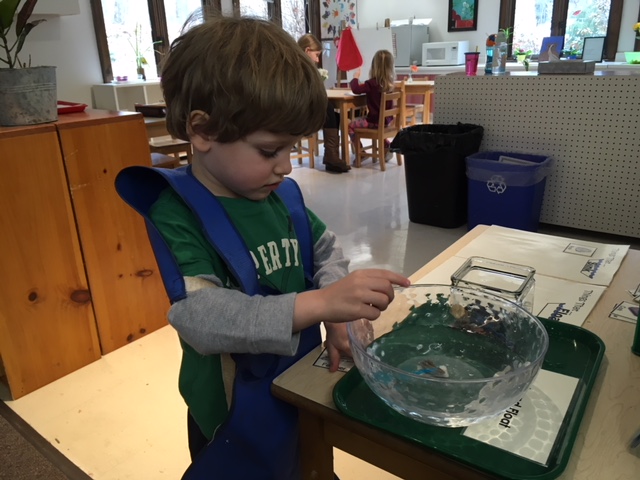
In Science, we have been experimenting with Sink and Float. This is a great hands on activity that really gets the children thinking and predicting. The children are learning that some objects have molecules that are packed closely together. Others have molecules that are packed more loosely. This is density. Objects with tightly packed molecules are denser and objects sink. A paper clip or a penny is dense and will sink. Objects with more loosely packed molecules are less dense and objects float. Cork or plastic drinking straws float.

The Extended Day children also celebrated the 100th day of school during their afternoon class. This is always a beloved and exciting tradition in Kindergarten. Since the first day of school the children have been counting by 1’s, 5’s and 10’s until they reached 100. Today, the children made 100 day headbands, used the writing prompt “If I had $100 dollars I would buy….” and took turns estimating how many items were in jars to see who could guess the correct amount. Last but not least, they enjoyed a great snack but not before making the number 100 out of pretzels and cookies.


Mrs. Doyle’s Class: Let’s Celebrate!


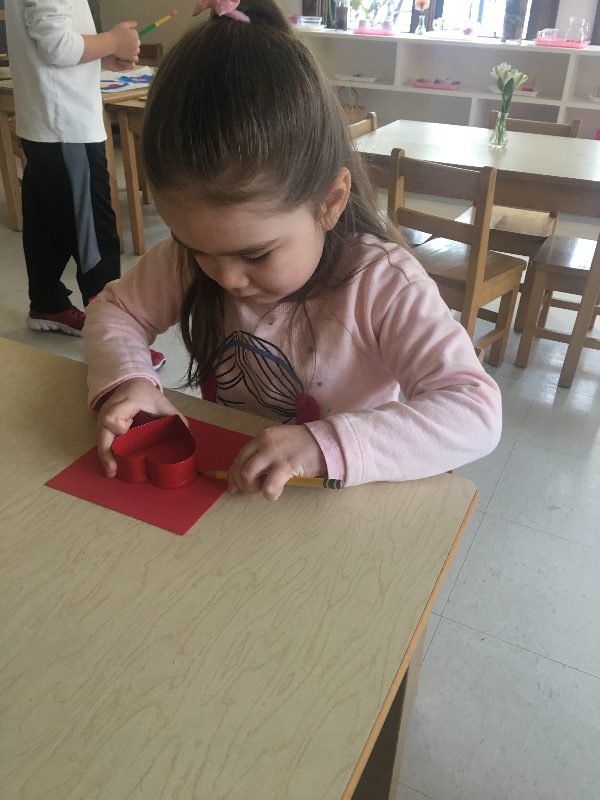
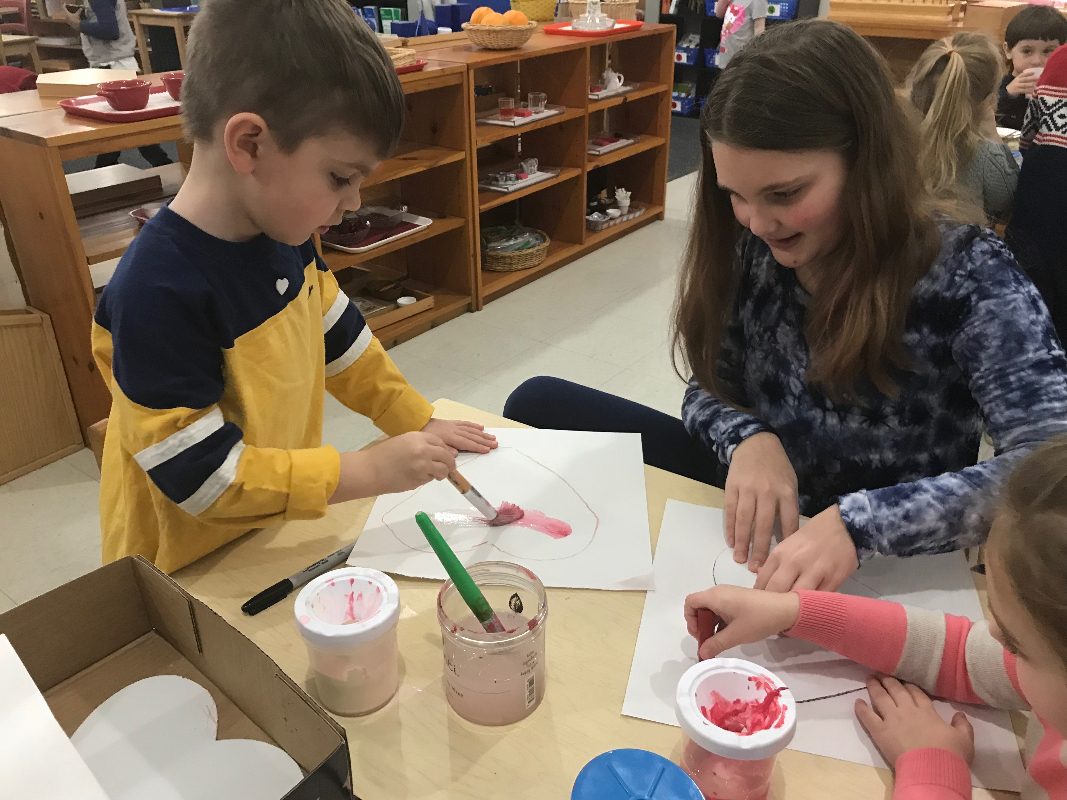
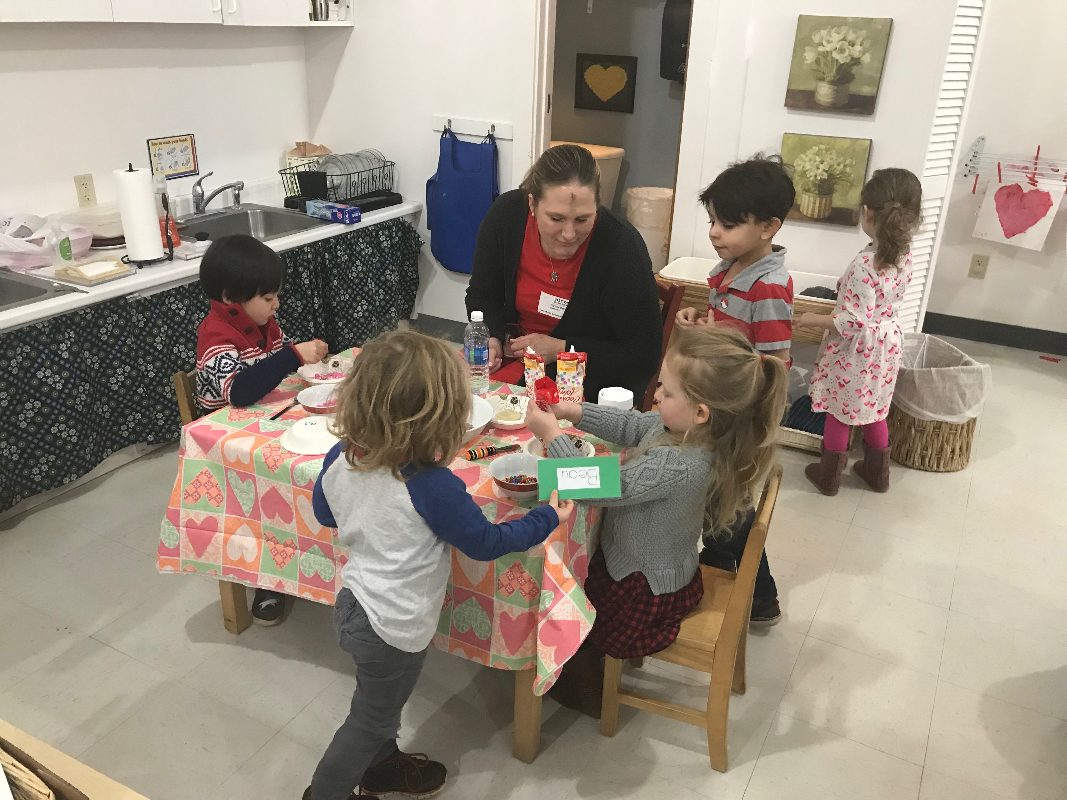
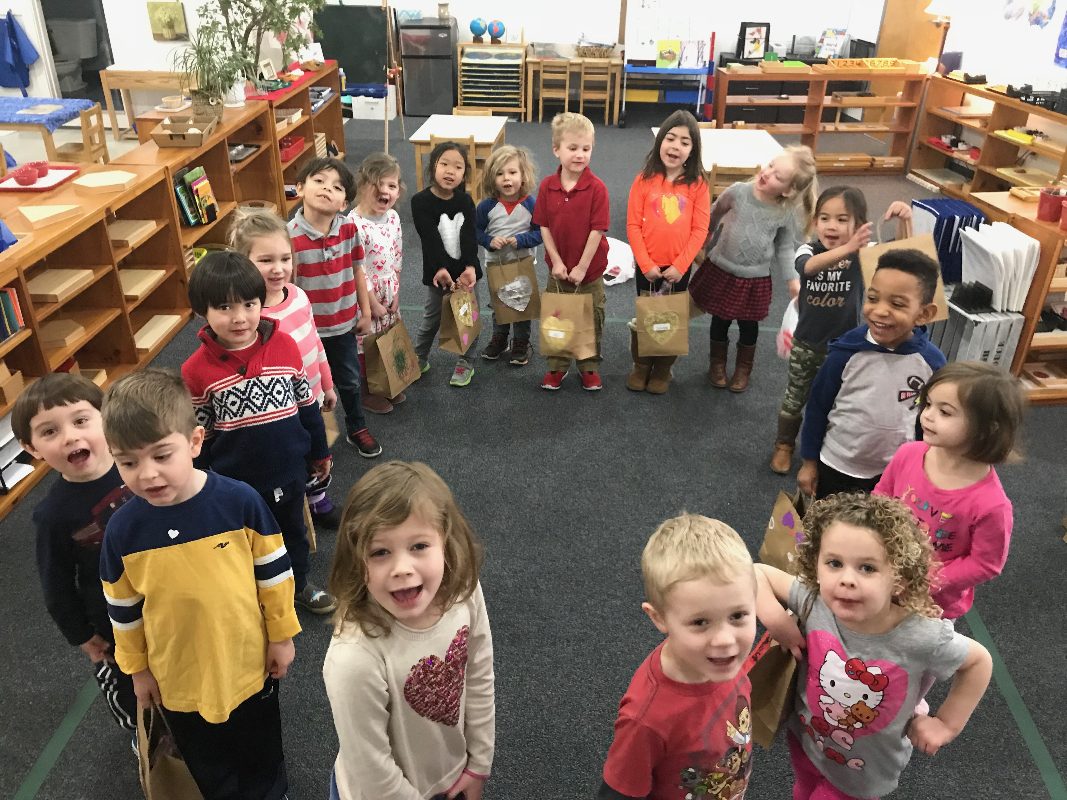
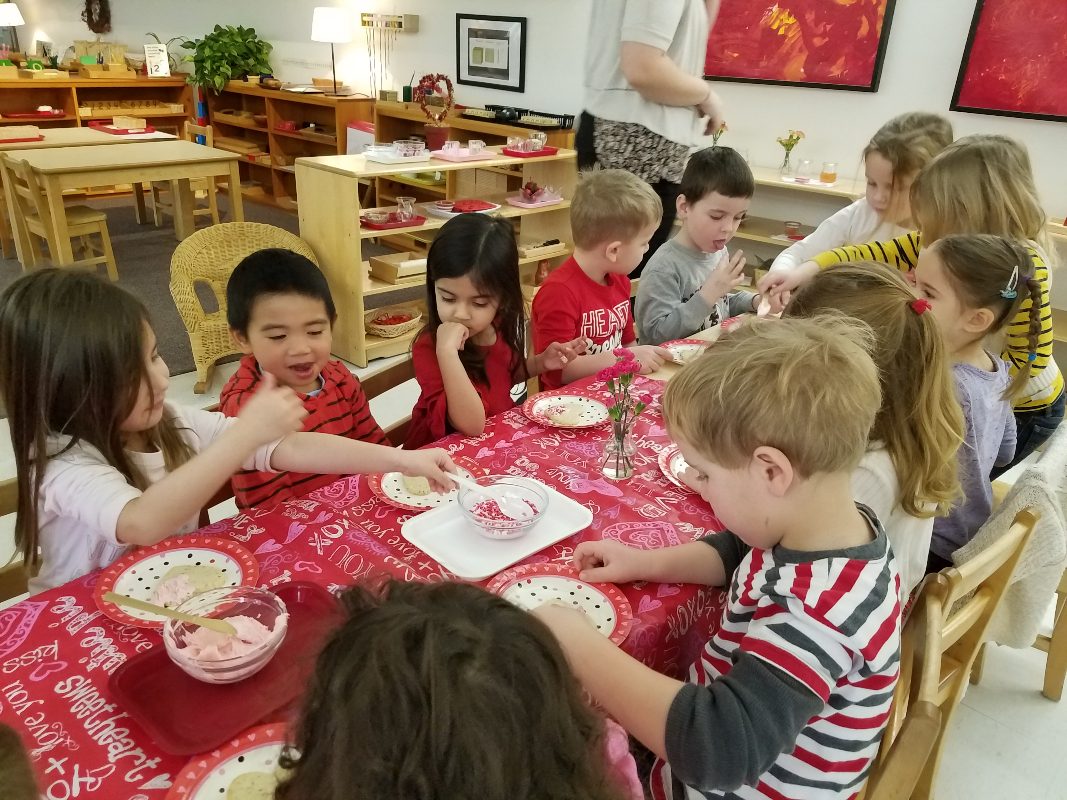
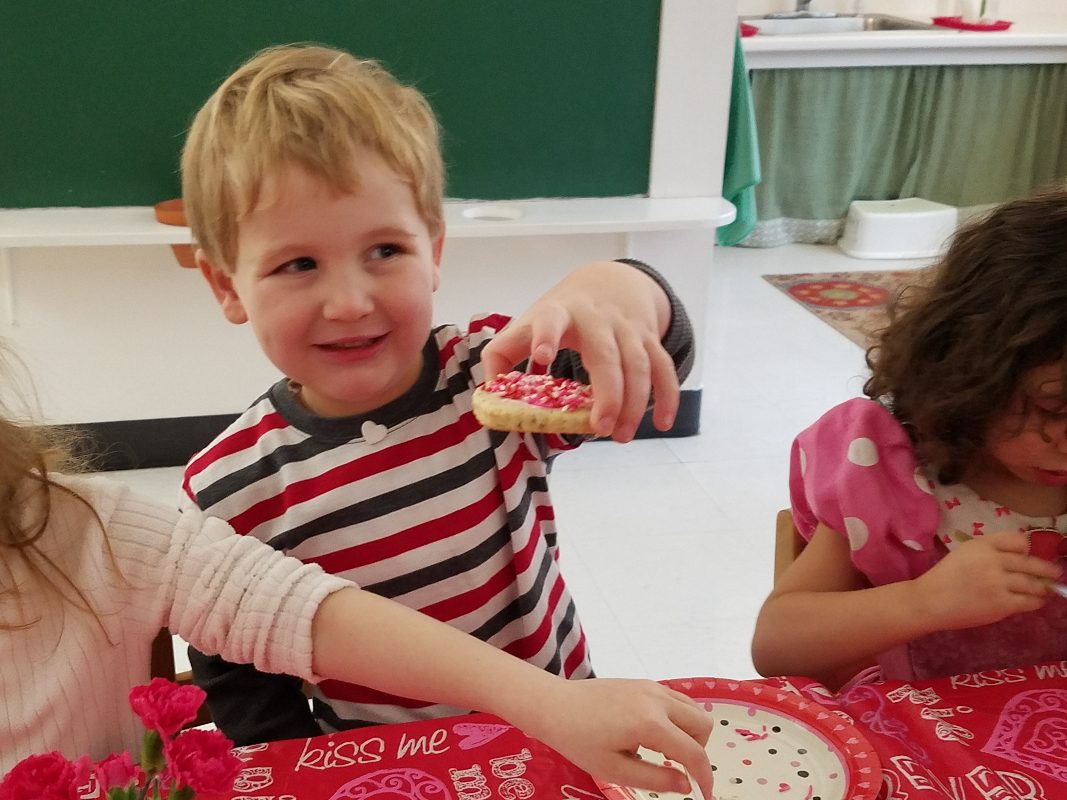
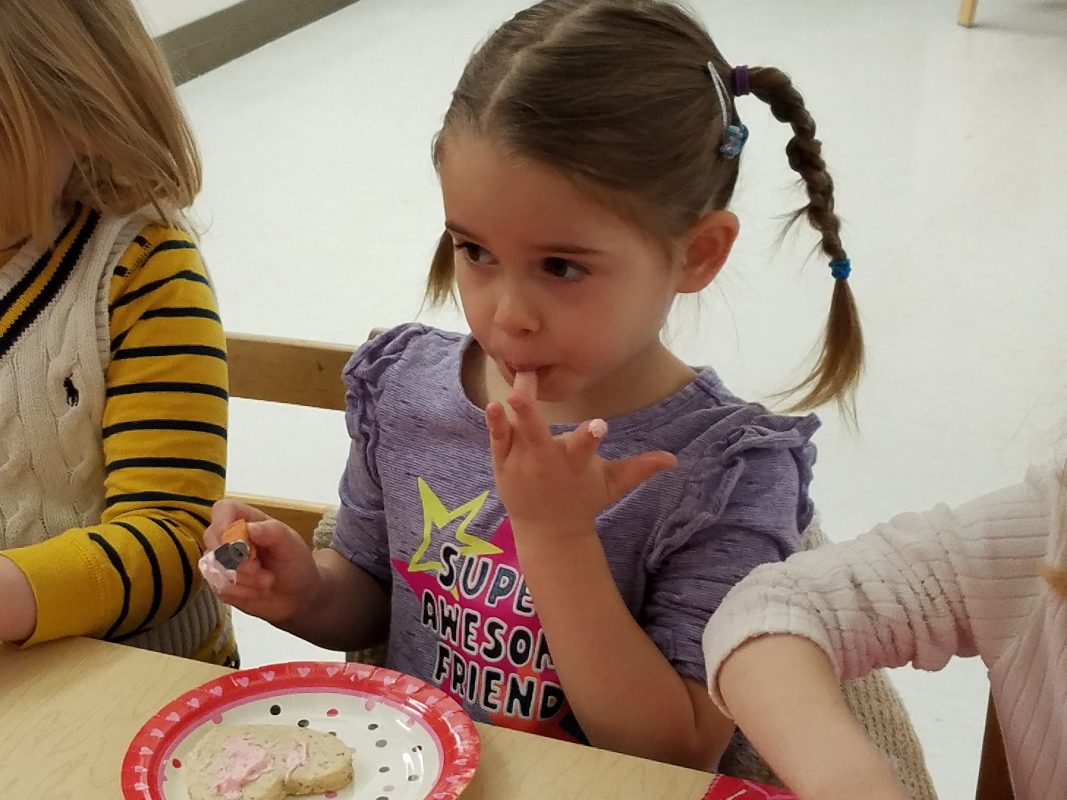
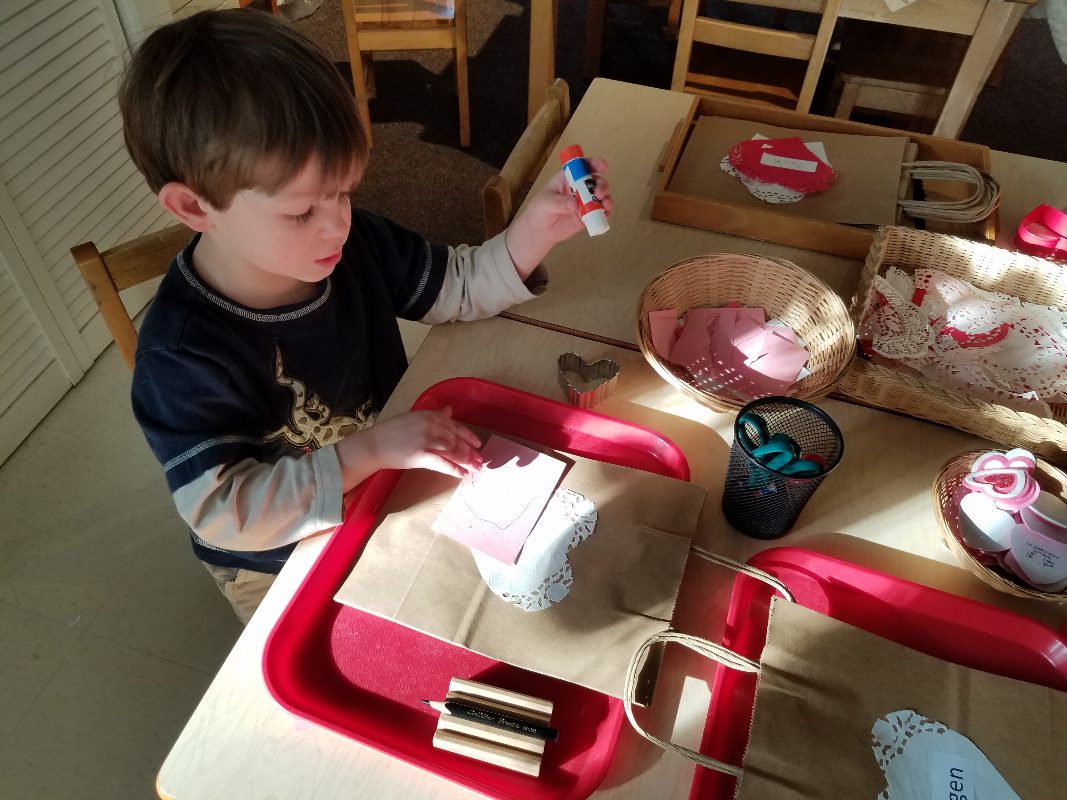
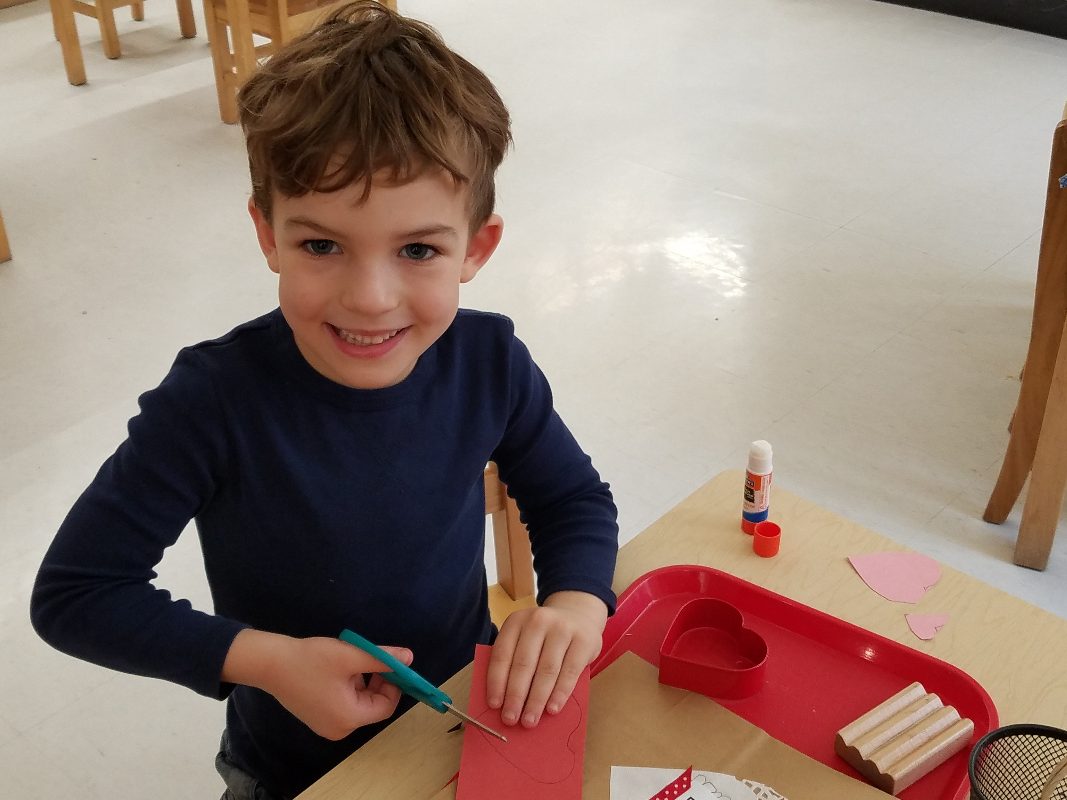
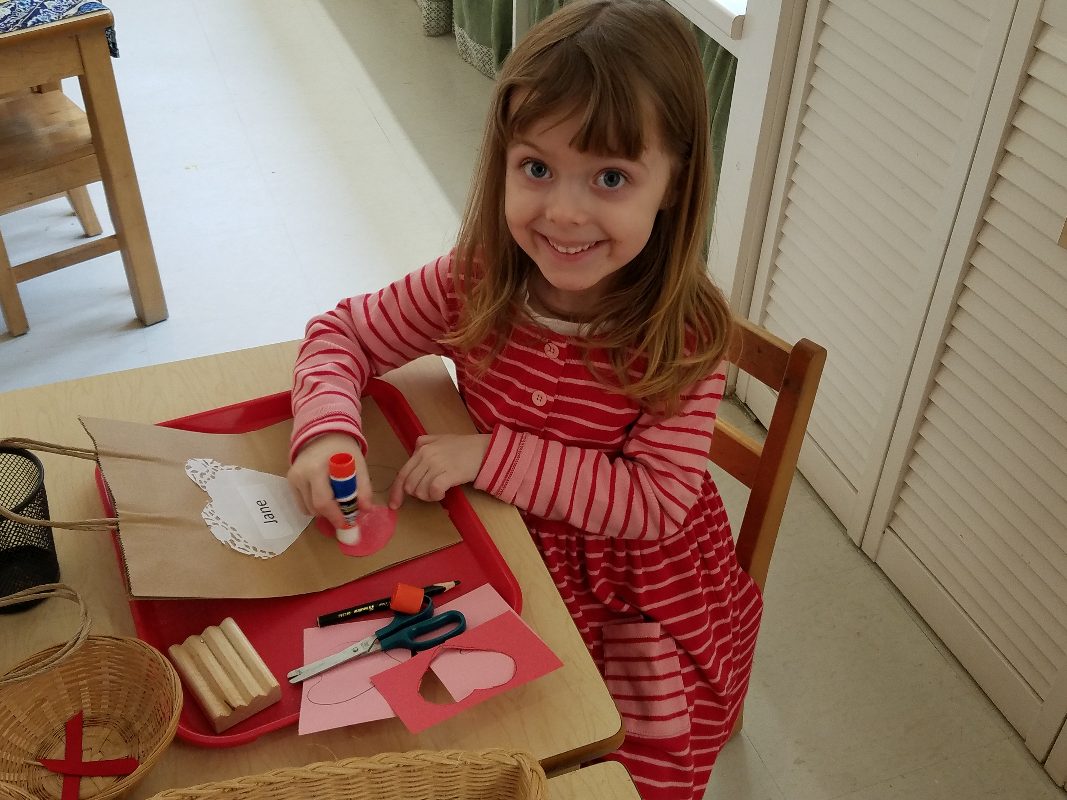
What a busy week we had.  Wednesday was Valentine’s Day and we had a celebration during our morning class. A.J.’s mom, Christi made delicious cookies and brought in toppings so that the children were able to decorate them. We then gathered at our meeting and each child delivered valentines to his/her friends.

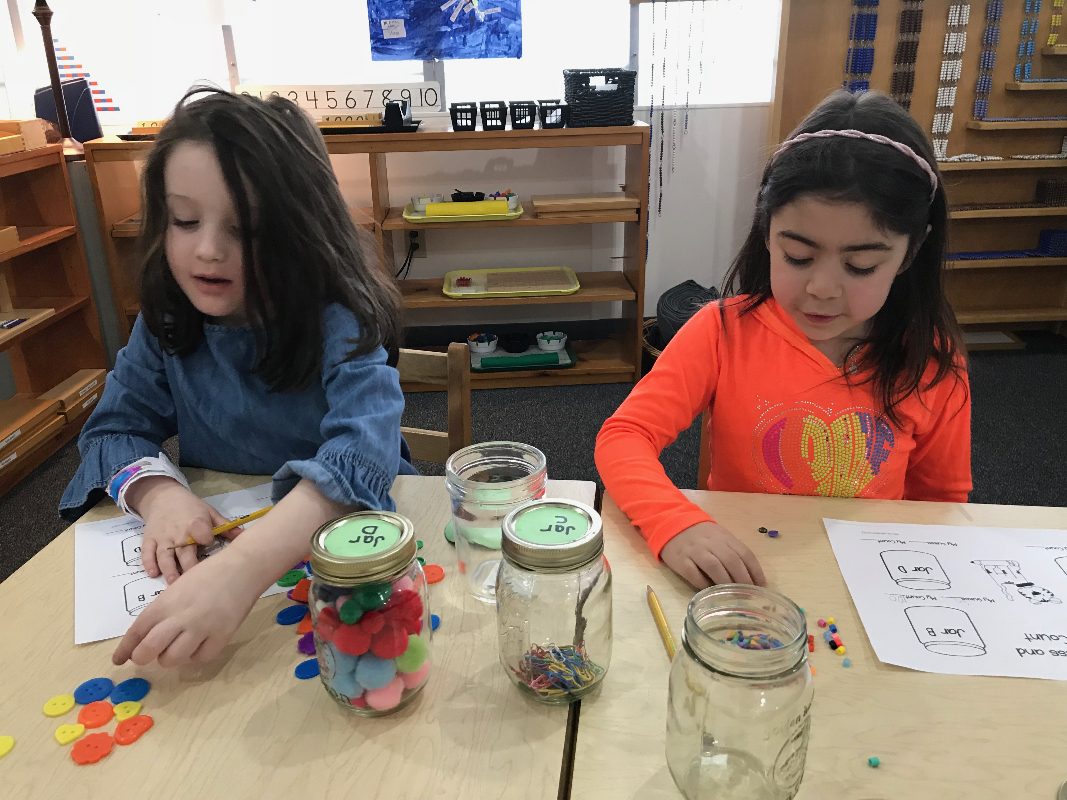
The Extended Day children also celebrated the 100th day of school during our afternoon class. This is always a beloved and exciting tradition in Kindergarten. Since the first day of school we have been counting by 1’s, 5’s and 10’s until we reached 100.  Today, the children made 100 day headbands, used the writing prompt “If I had $100 dollars I would buy….” and took turns estimating how many items were in jars to see who could guess the correct amount. Last but not least, we had a great snack but not before making the number 100 out of pretzels and cookies.

At the end of the day, a student said, “Love is in the air today” and we couldn’t agree more.

Have a great week.

Michelle and Sonja


Mrs. Carroll’s Class: Happy Hearts!


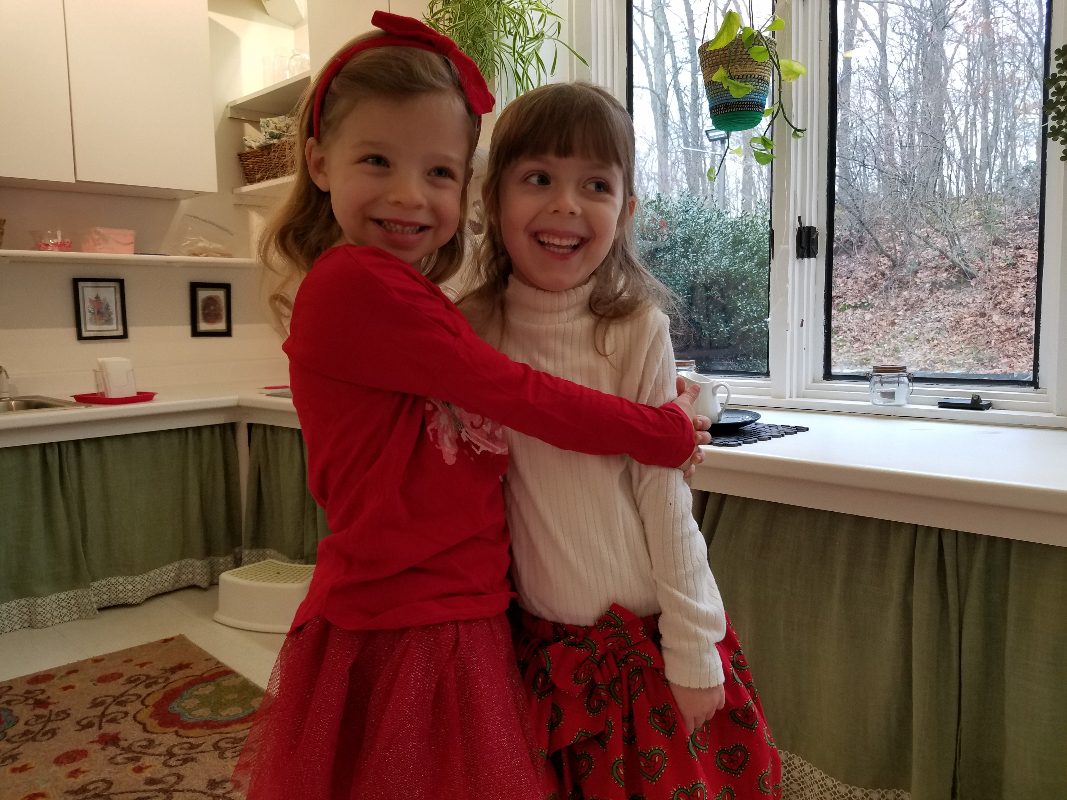
We’ve had so much fun preparing for and enjoying Valentine’s Day. This week the children distributed notes and treasures to friends, decorated delicious cookies, and agreed that the true meaning of Valentine’s Day is about friendship and love.

The Extended Day children also celebrated the 100th day of school during their afternoon class. This is always a beloved and exciting tradition in Kindergarten. Since the first day of school the children have been counting by 1’s, 5’s and 10’s until they reached 100. Today, the children made 100 day headbands, used the writing prompt “If I had $100 dollars I would buy….” and took turns estimating how many items were in jars to see who could guess the correct amount. Last but not least, they enjoyed a great snack but not before making the number 100 out of pretzels and cookies.

May your hearts be happy!

Cindy & Samantha


Mrs. Carroll’s Class: Creating Rituals In Our Families

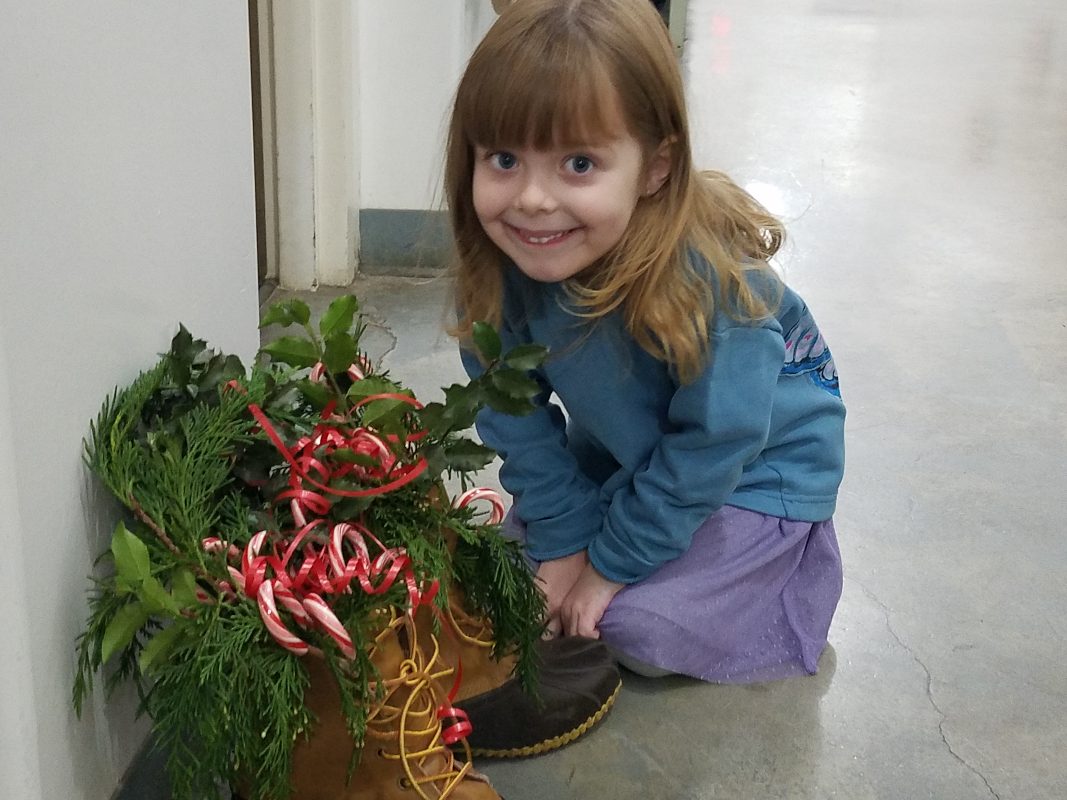
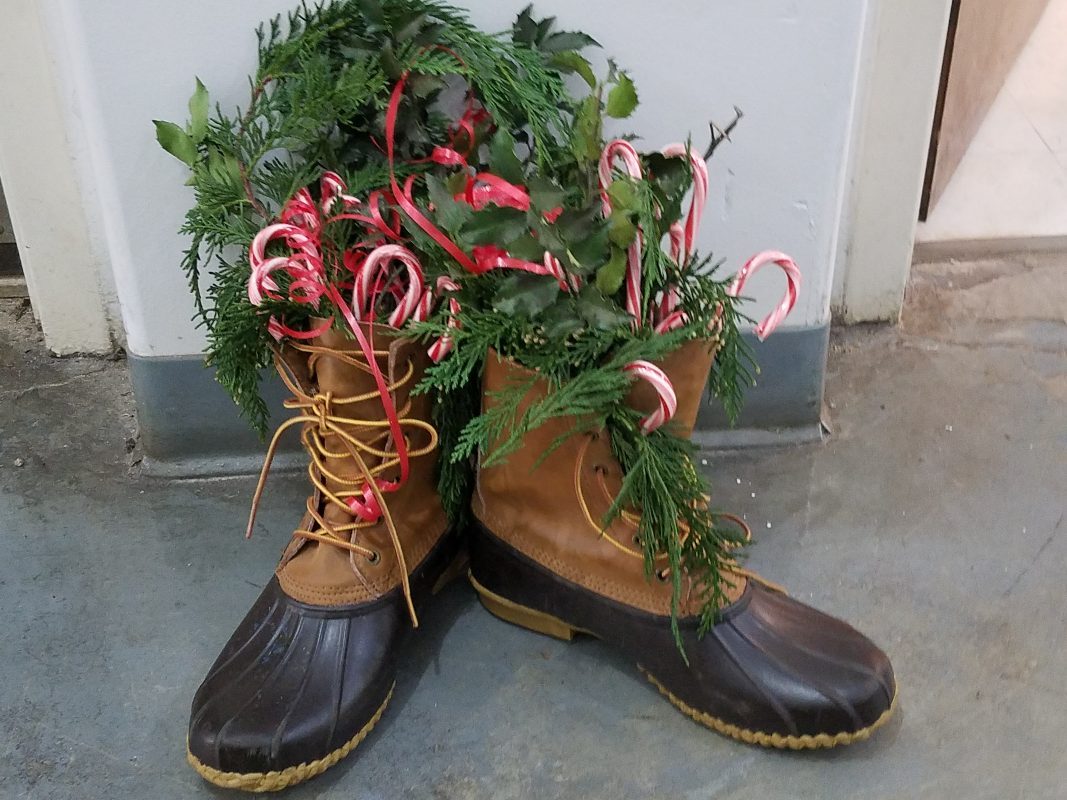
‘Tis the season for celebrations!   We began our week with a visit from St. Nicholas, a Christian bishop who helped the needy and influenced future generations to demonstrate kindness.   The children were inspired to perform random acts of kindness themselves, and surprised to see that St. Nicholas had filled our boots with sweet treats.  In the comming week we will honor the many beautiful and wondrous ways that people celebrate the diverse collection of holiday celebrations from around the World.  All of these celebrations are a wonderful way to reinforce the idea that people around the world have distinctive yet similiar celebrations.

Learning about the holidays of different cultures embraces the Montessori principals of inclusion and peace, and helps students understand that celebrations have had a great significance to people throughout time and across all cultures.  Rituals and celebrations are a large part of human history. They have to do with your culture, your time and place in history. So let’s take a look at creating rituals in our own families, specifically towards the end of the year, the festive season.

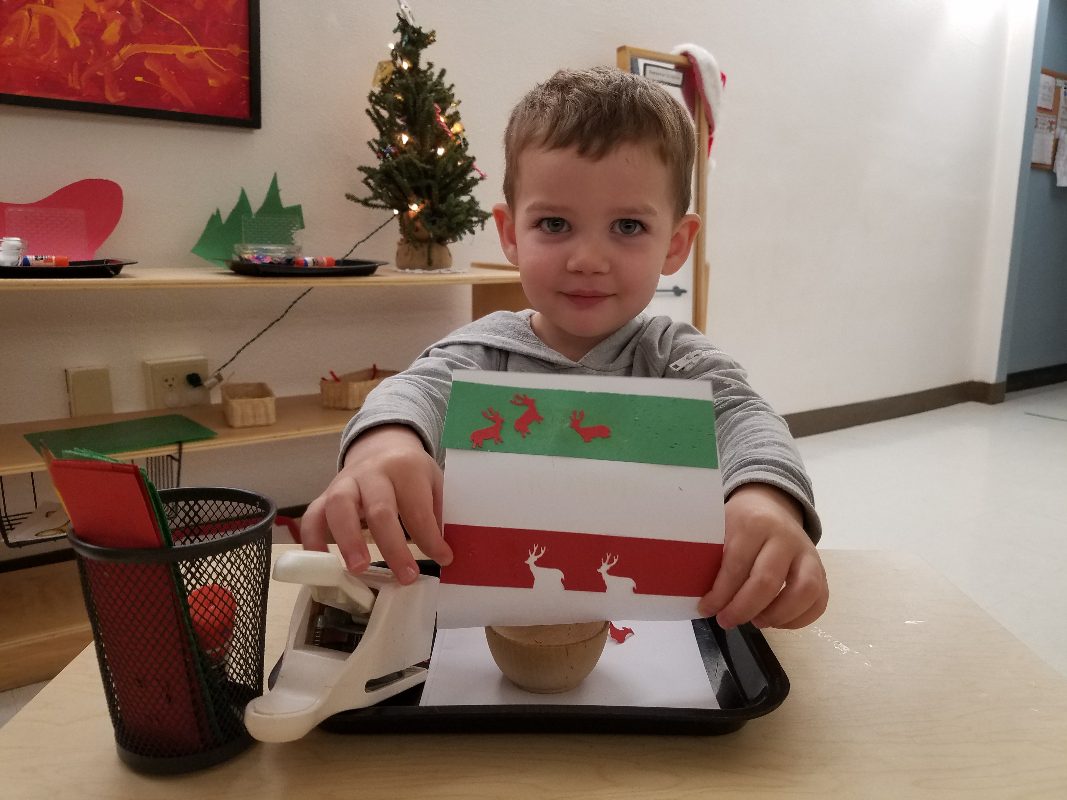
Your children will be bringing home a very special gift for you this week. Please enjoy this token of love and gratitude. We had a great time creating these gifts and know you will appreciate your children’s creative efforts.