Mrs. Carroll’s Class: Three, Trois, Tres, Drei


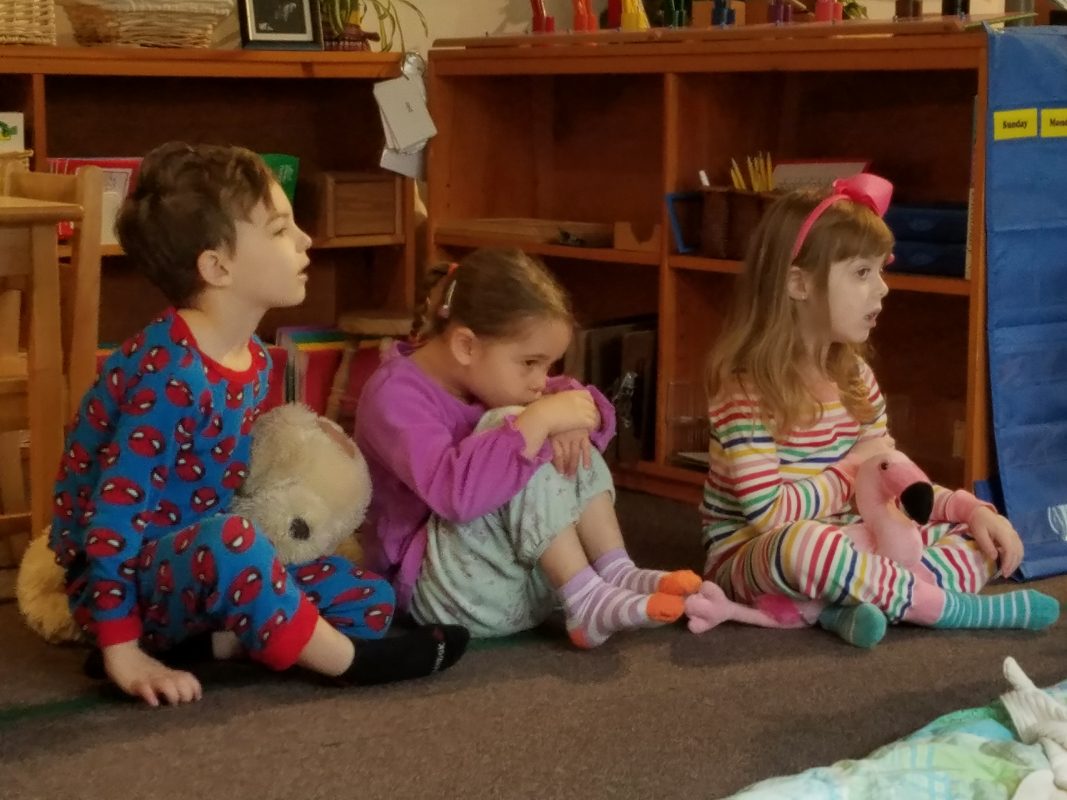
Who are our Montessori three-year-olds?

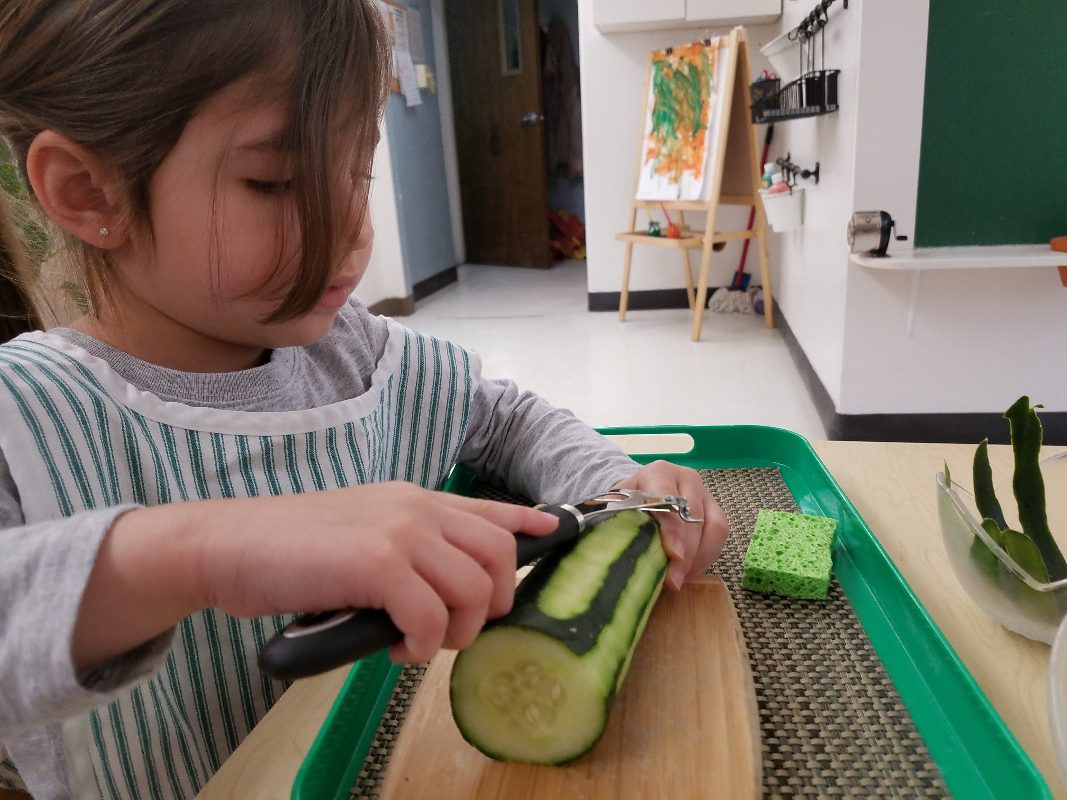
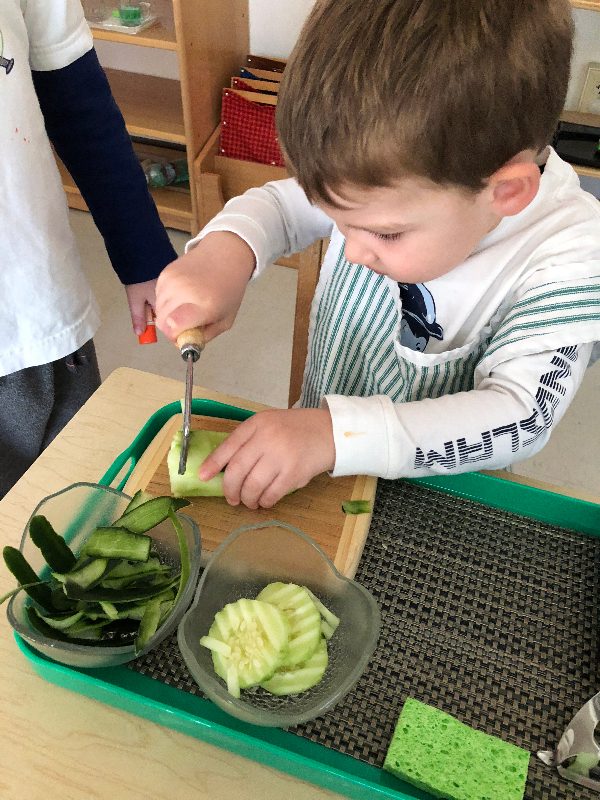
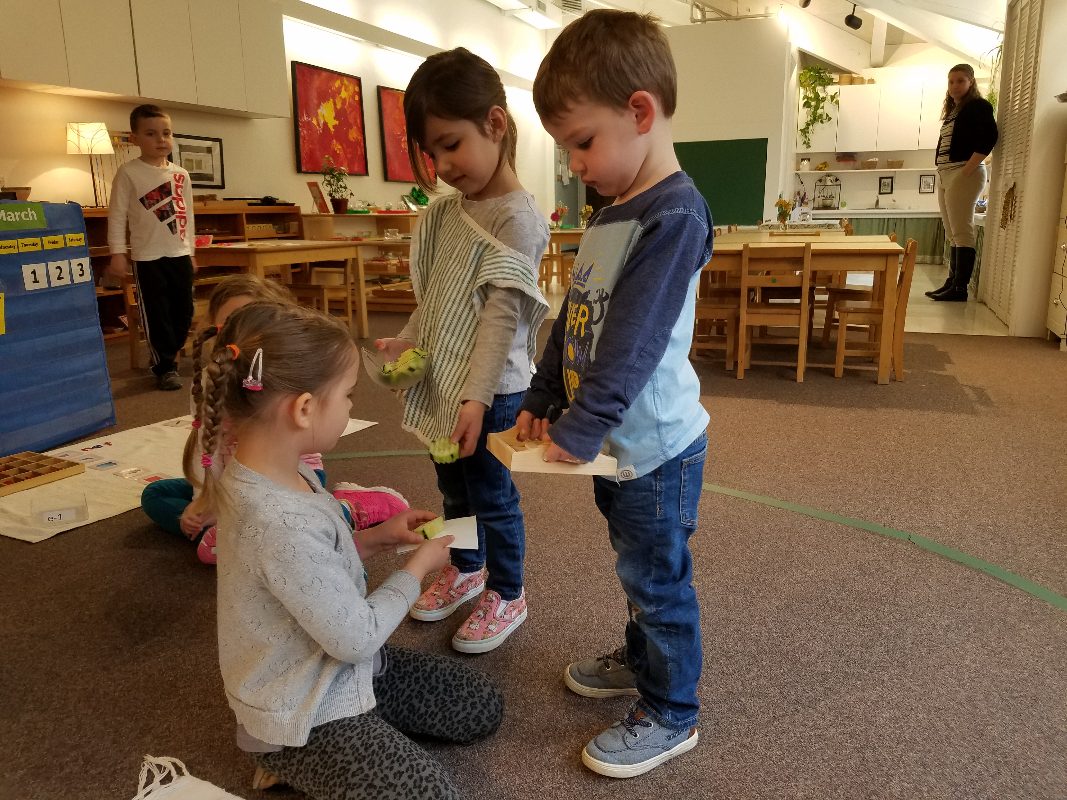
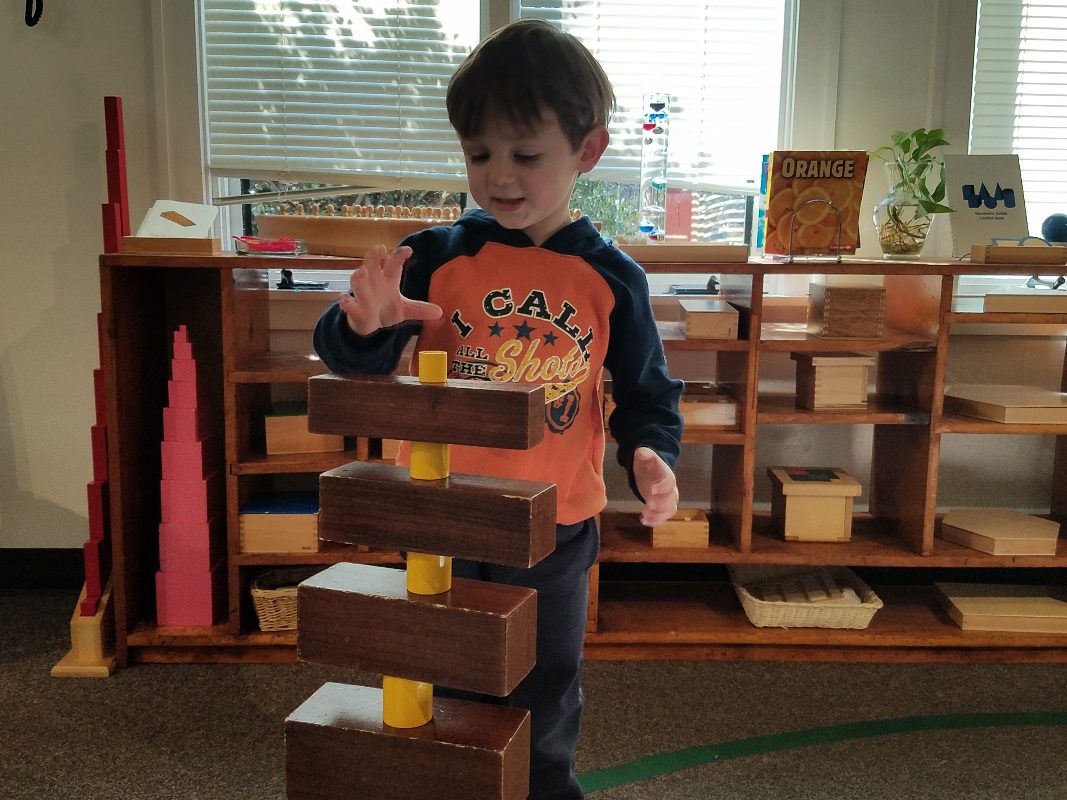
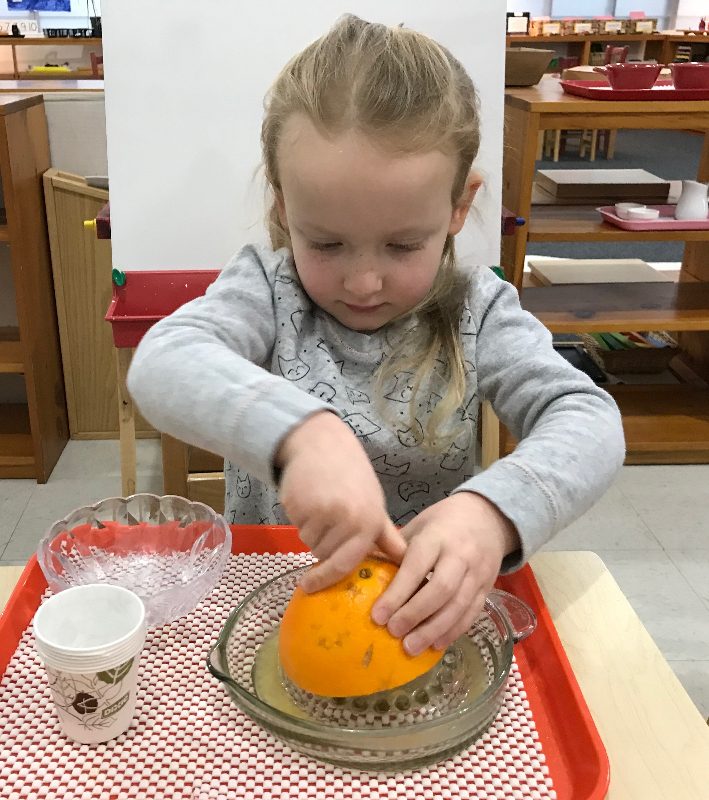
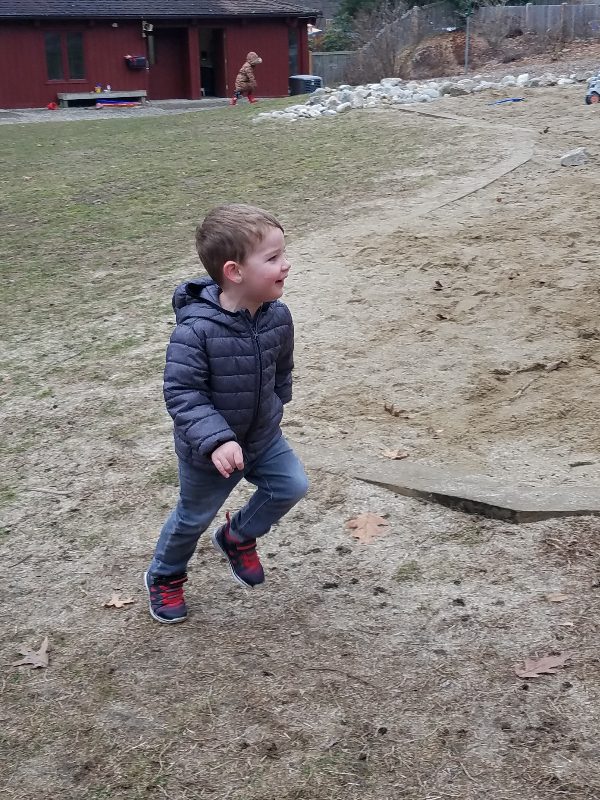
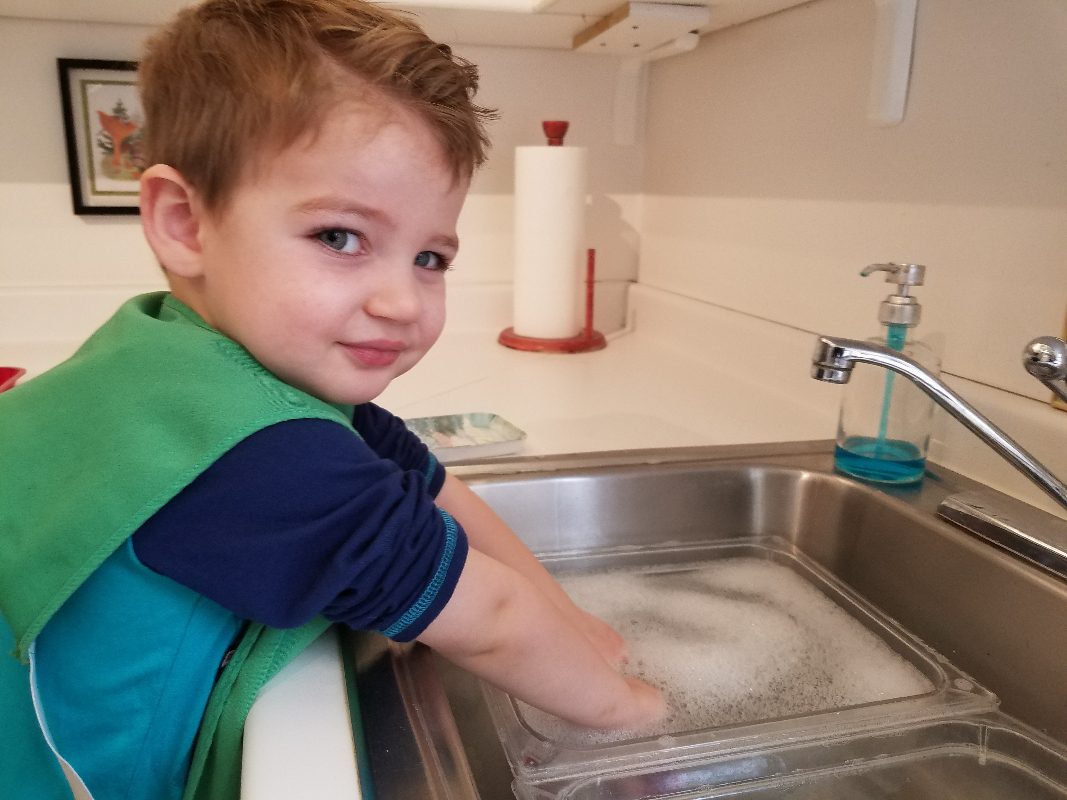
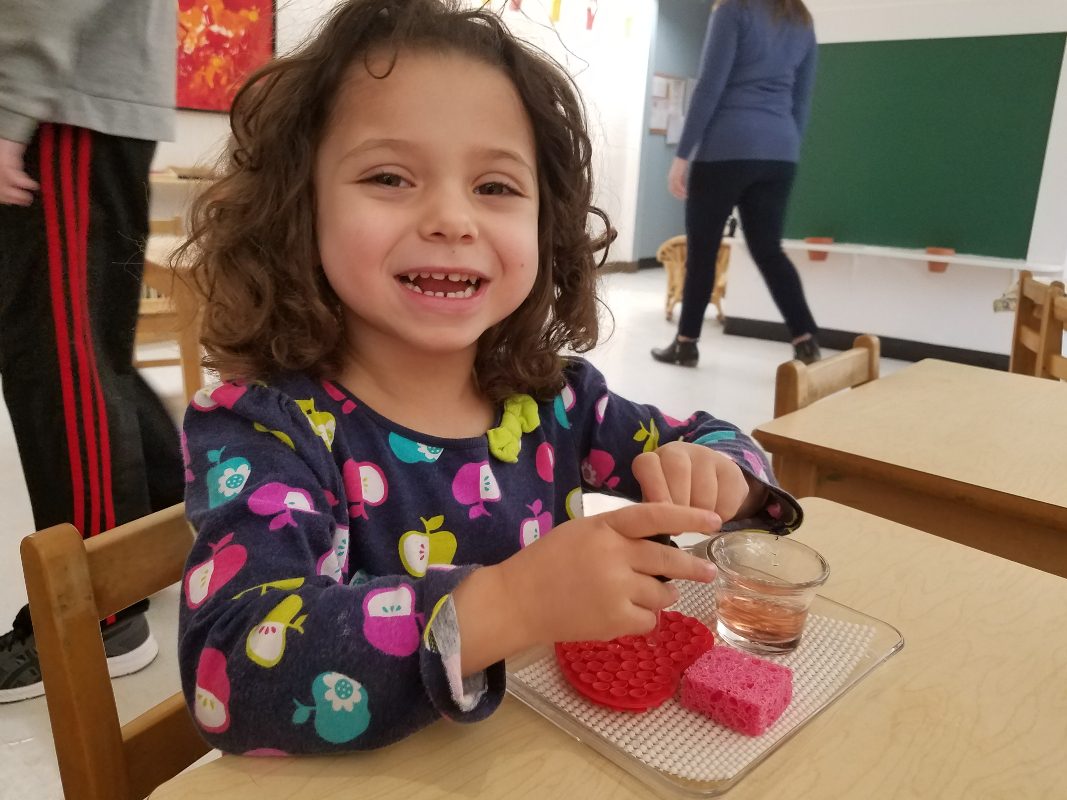
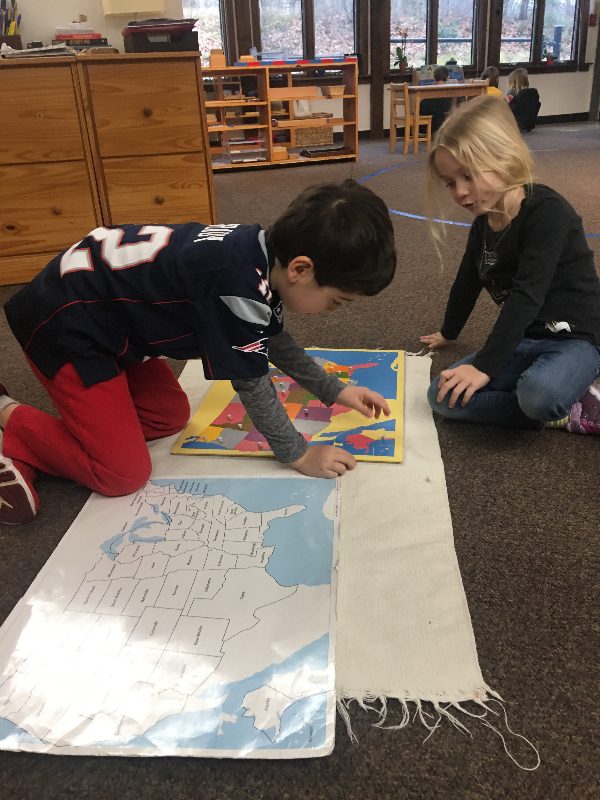
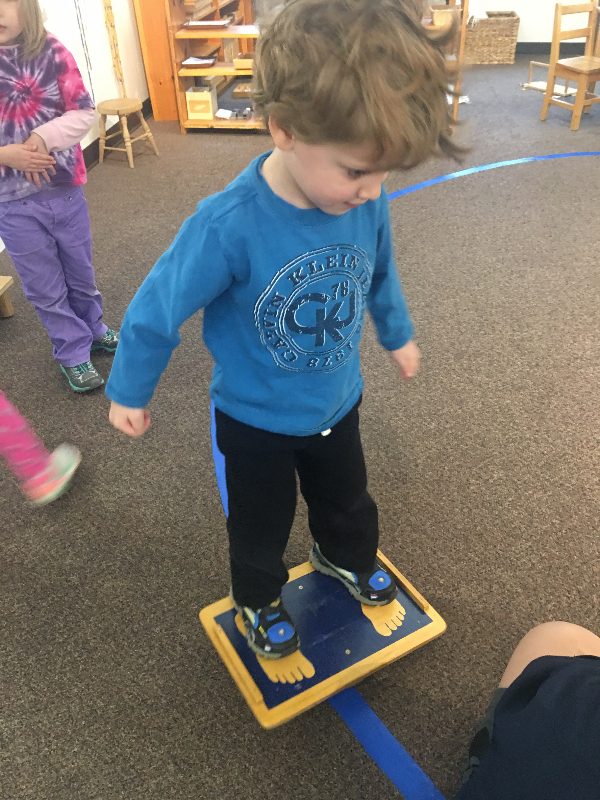
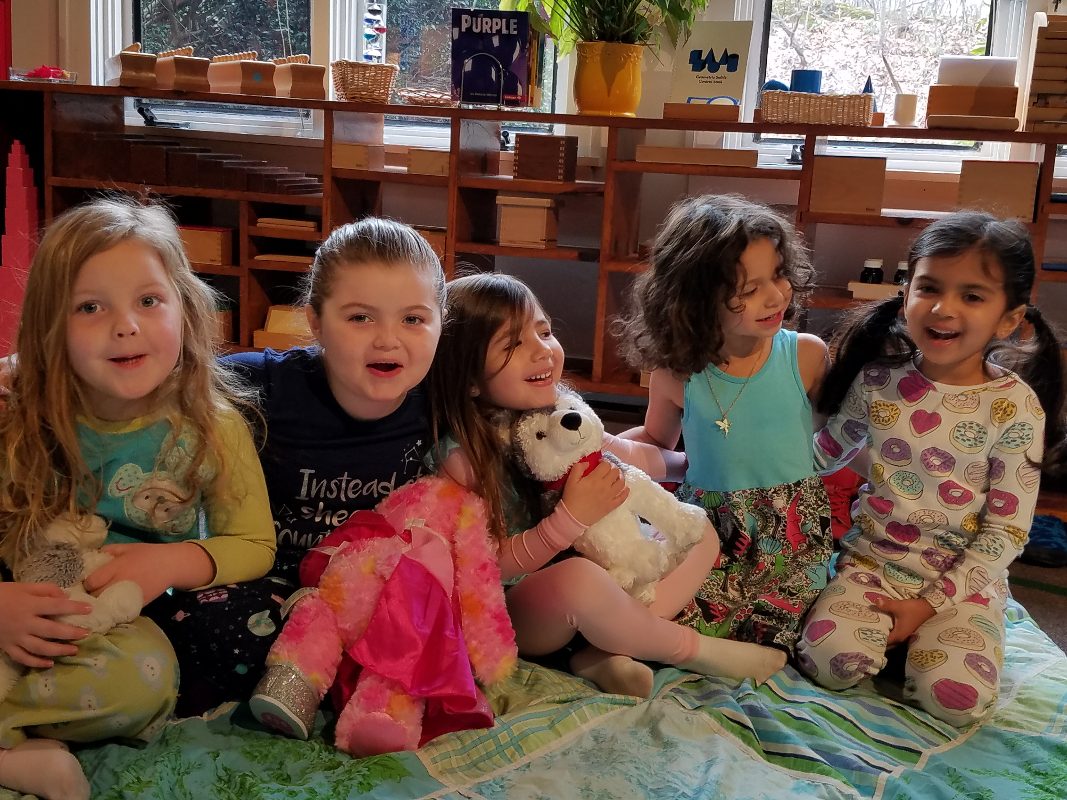
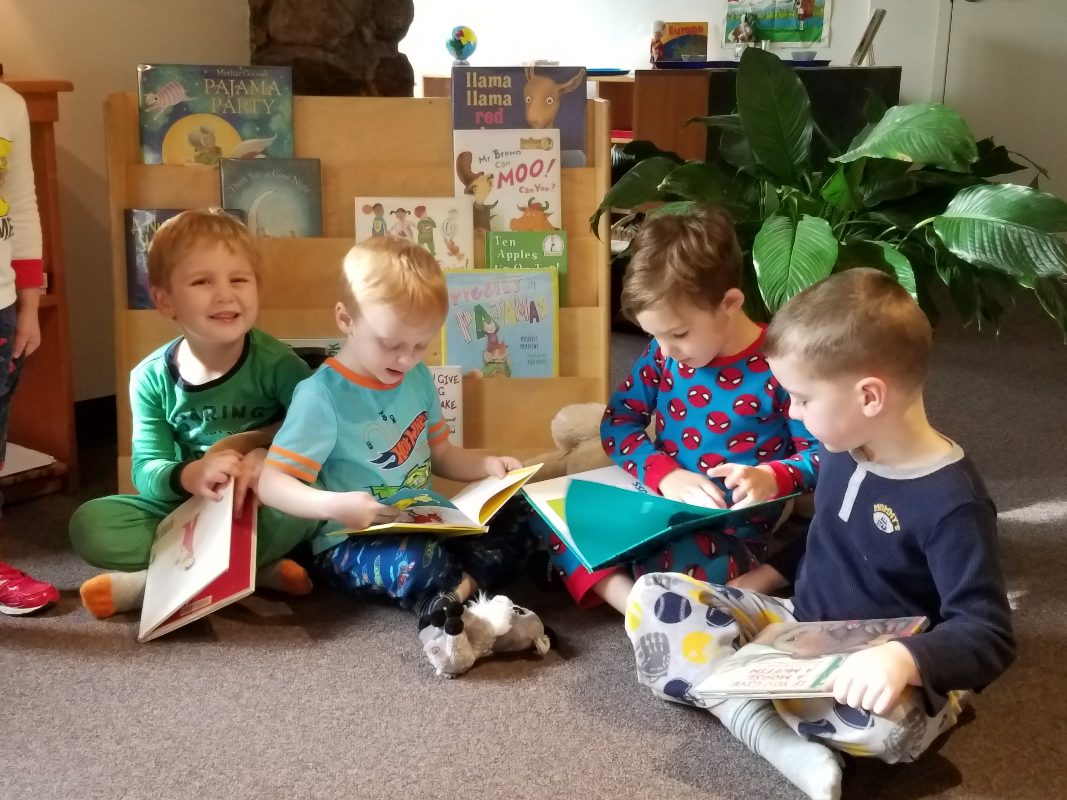
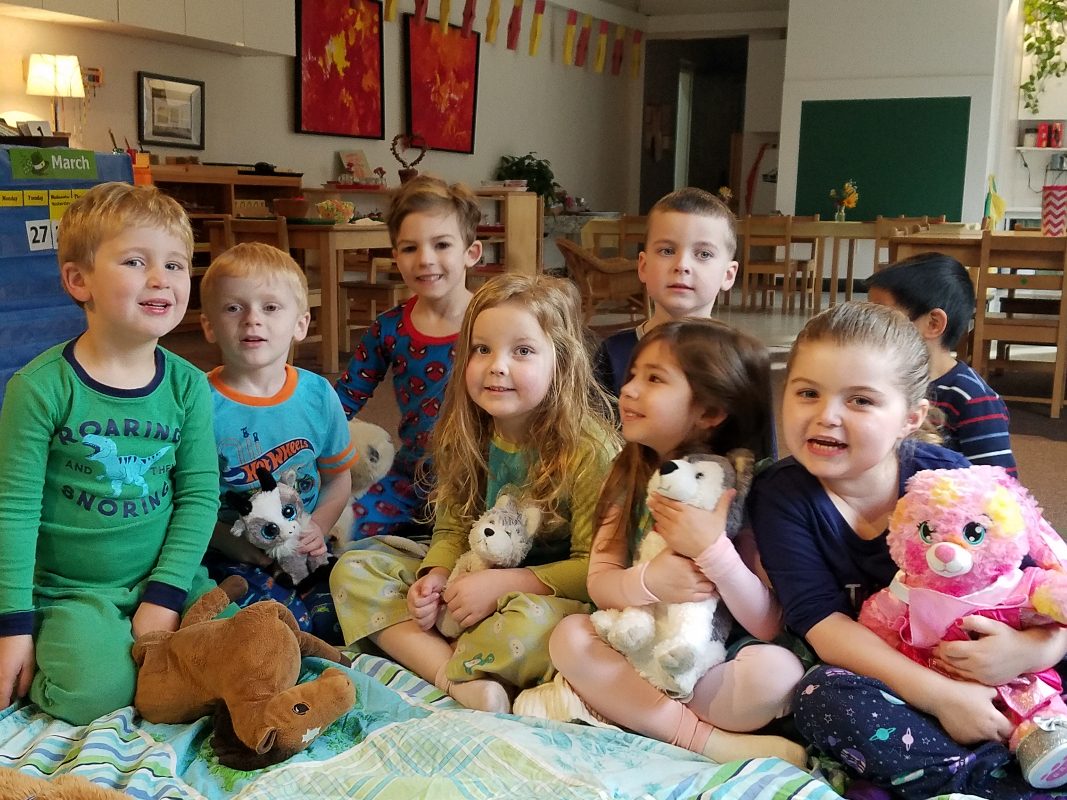
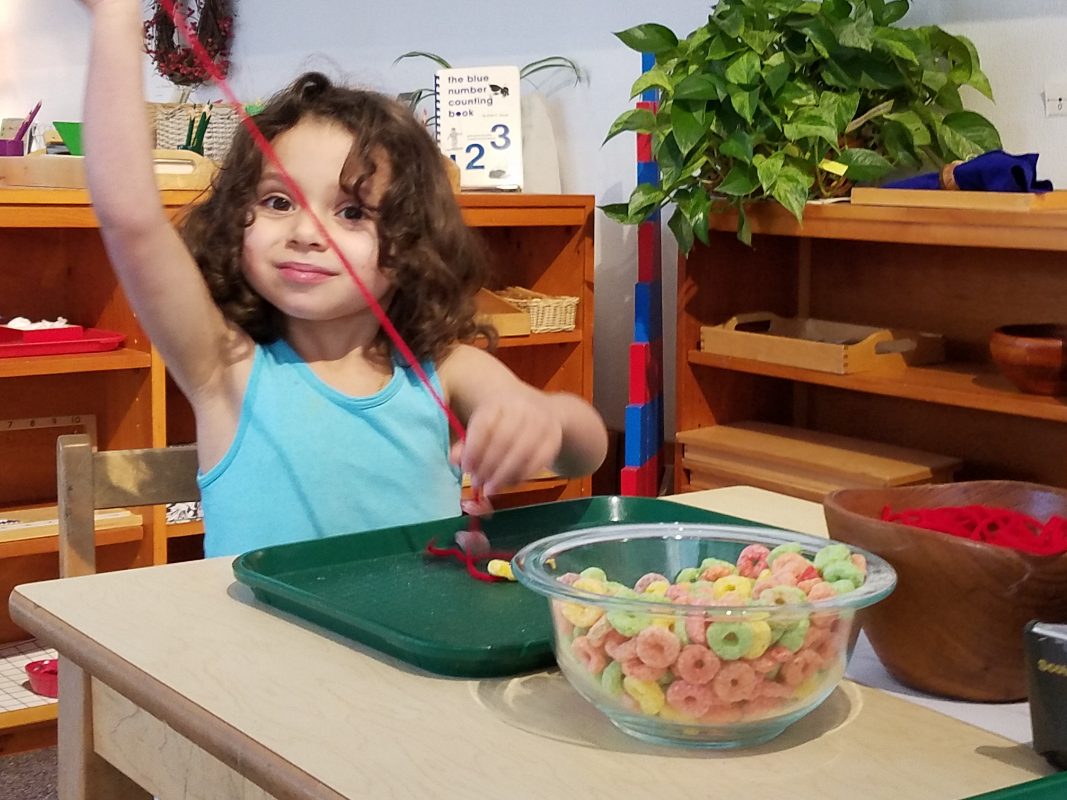
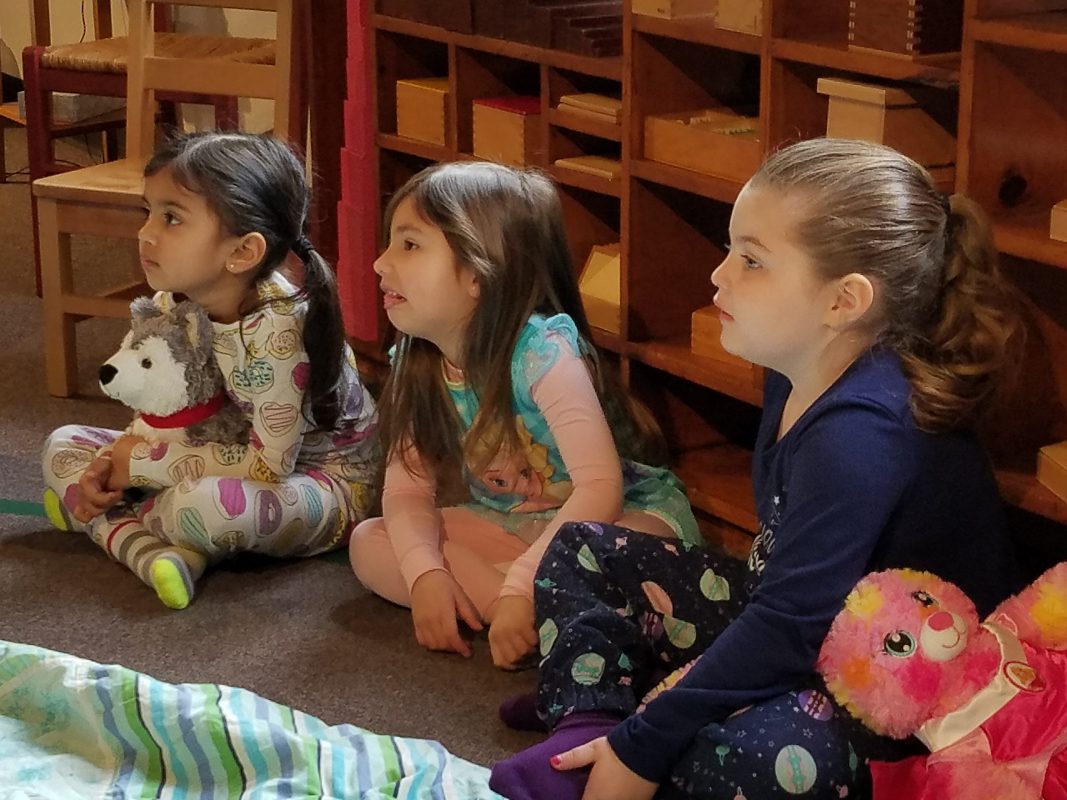
Simply put, they are children on a path toward a questioning habit of mind. They possess an emotional sturdiness and a special kind of grounding that comes from knowing yourself and trusting in your own abilities. They are the three-year-olds who wipe away their friends’ tears, wash their own dishes, self-initiate lessons, and confidently contribute their opinions and experiences in a group setting amongst older peers and much older teachers.

They are an amazing group of children who have traveled so far yet have just begun their Montessori journey.

Have a wonderful week,

Cindy and Samantha


Writers Are Thinkers!

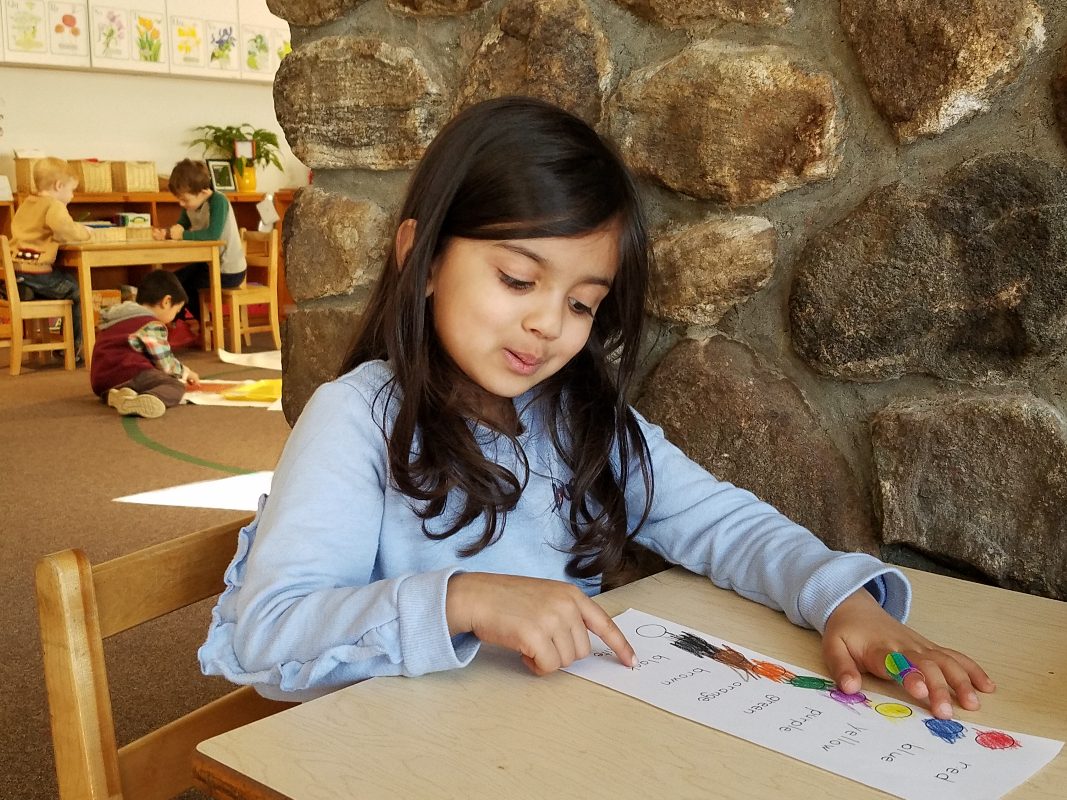
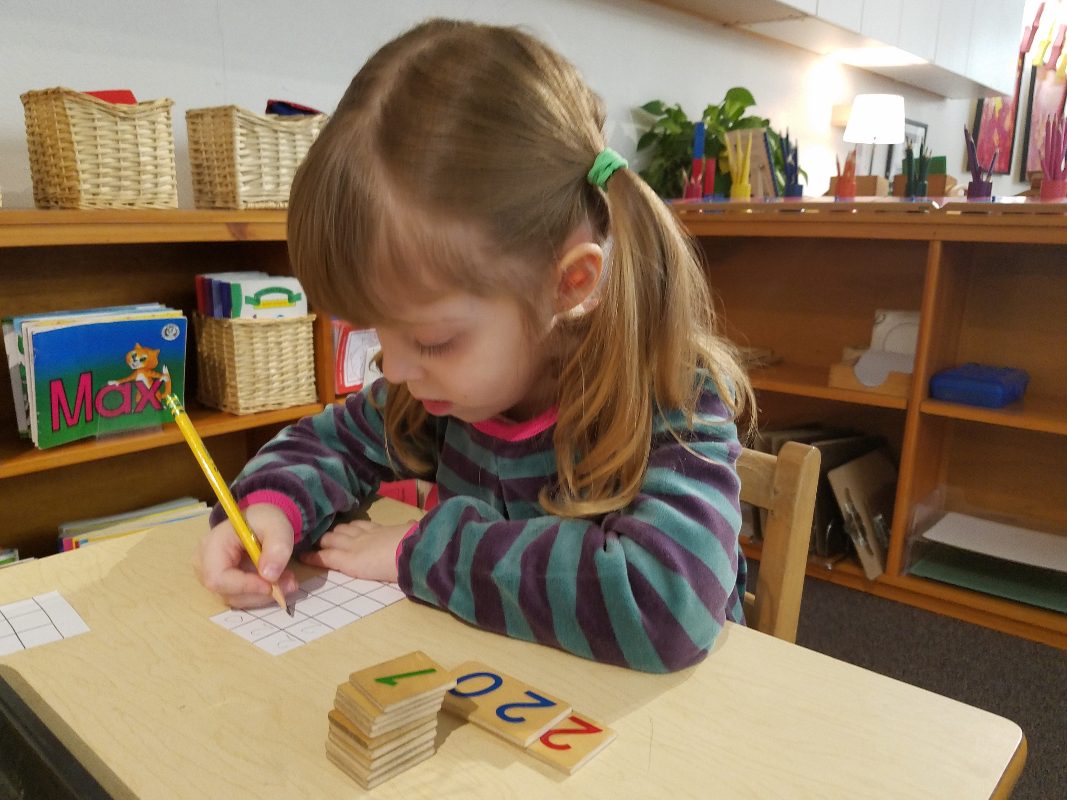
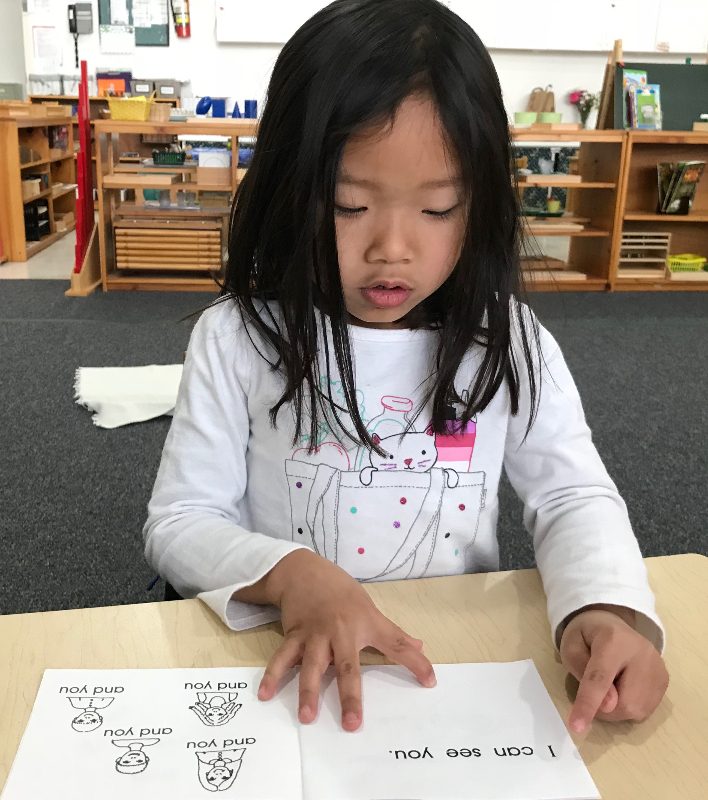
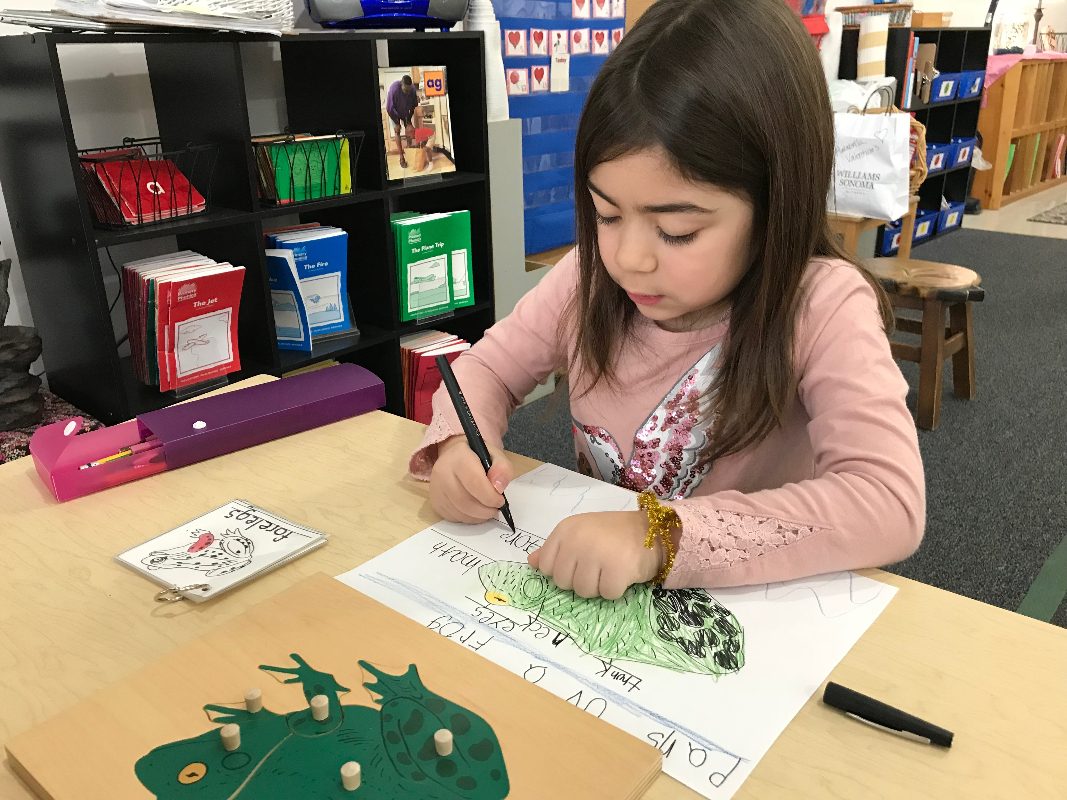
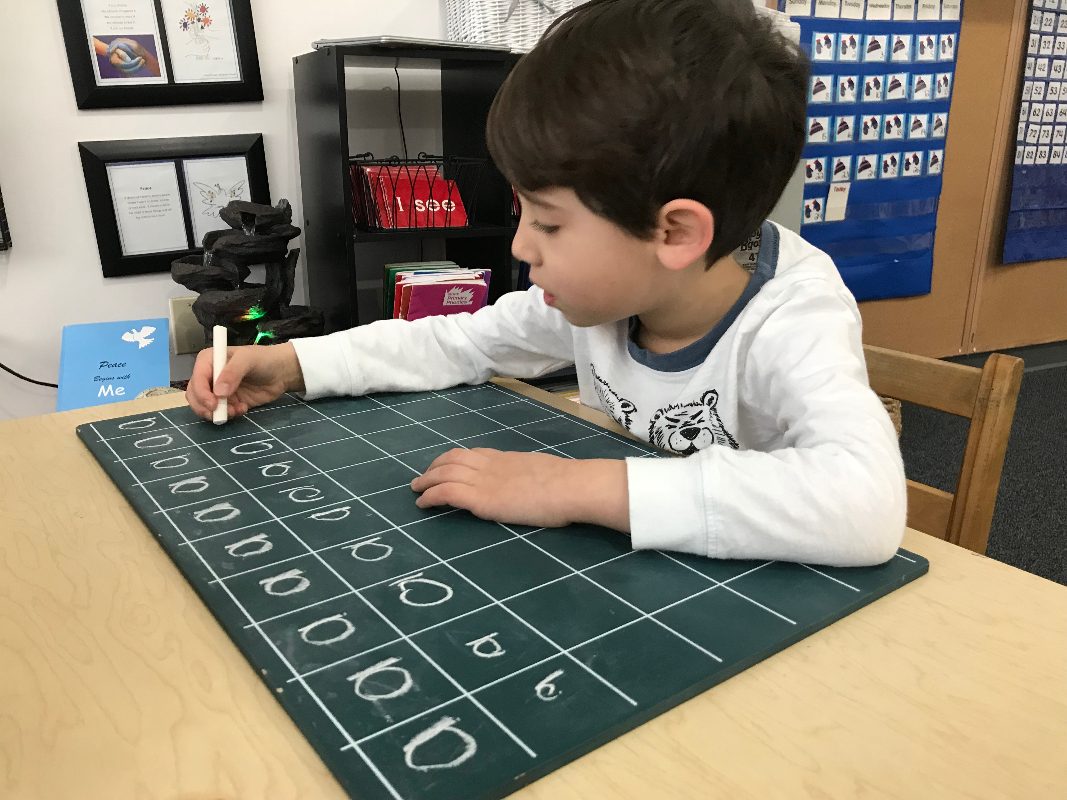
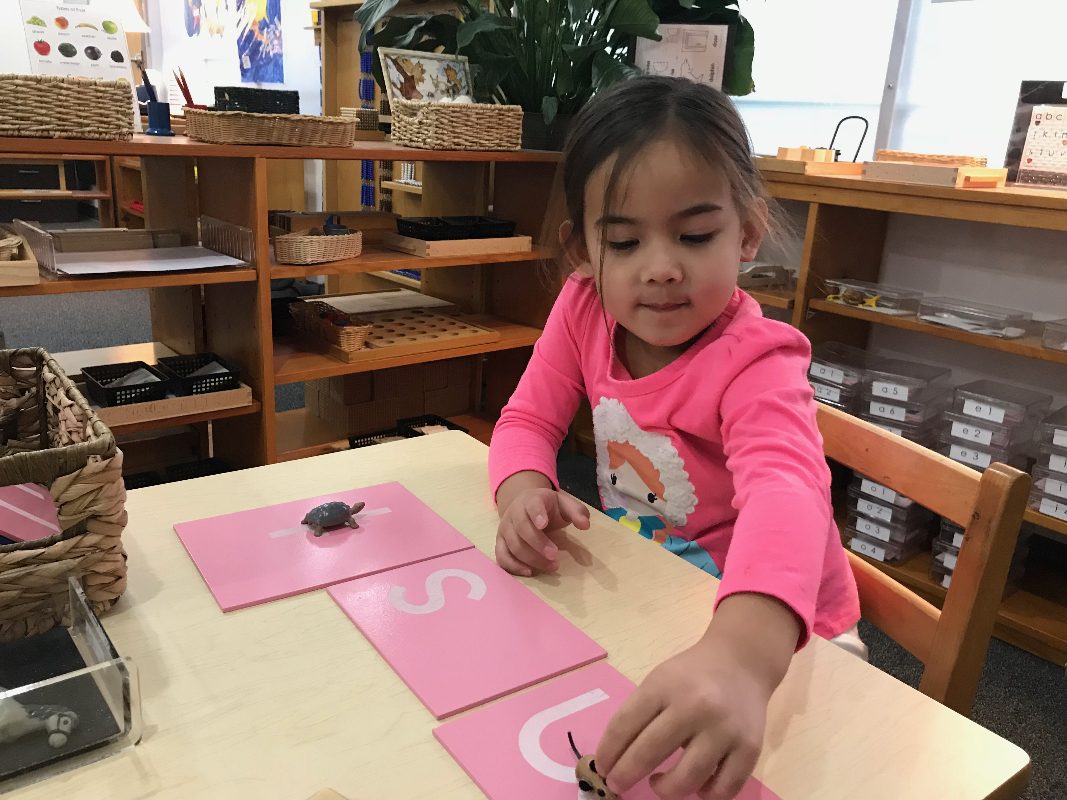
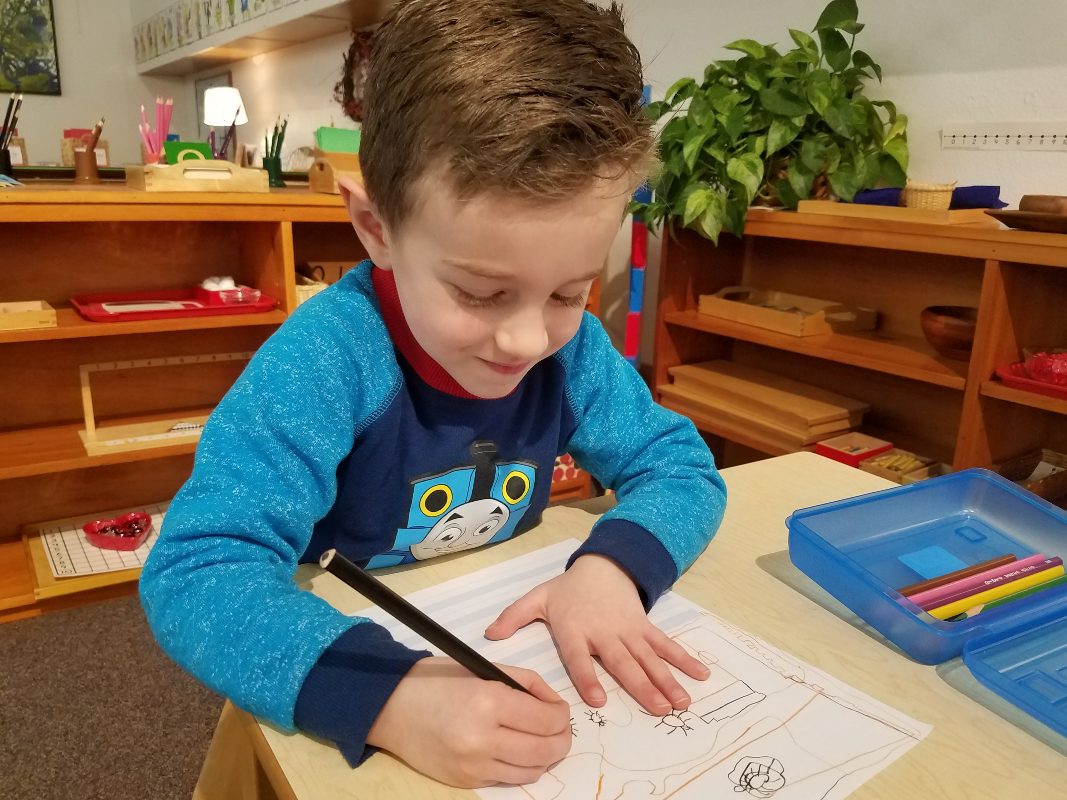
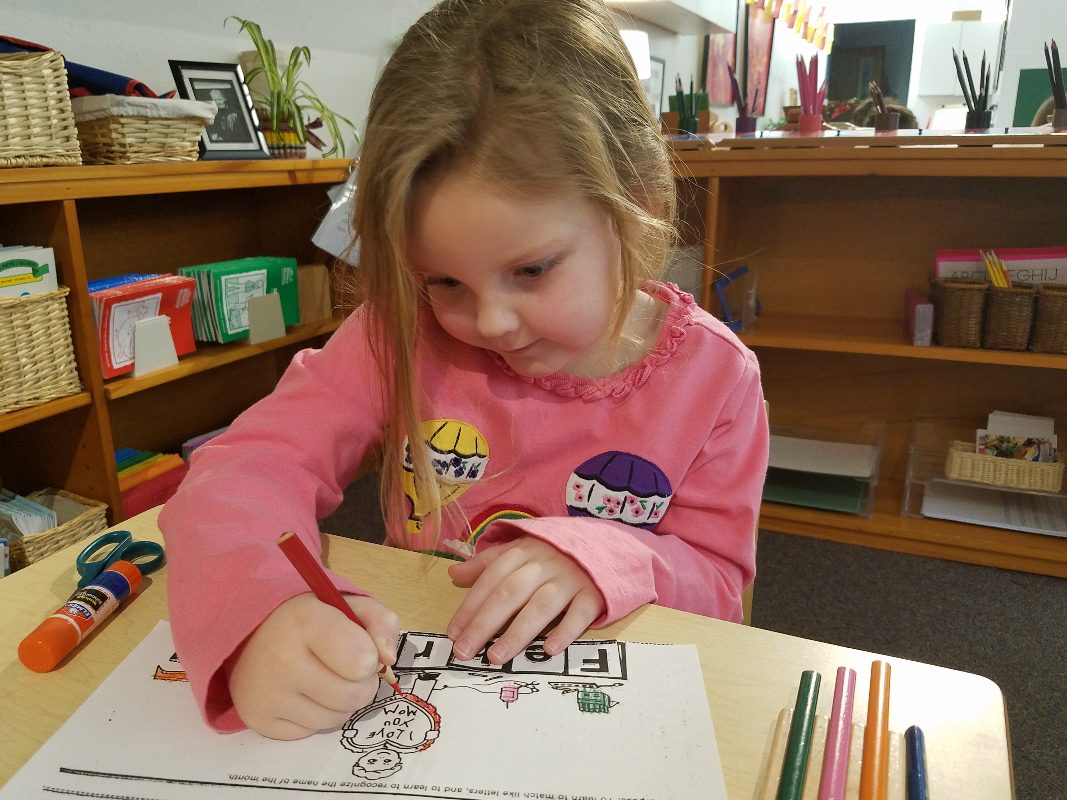
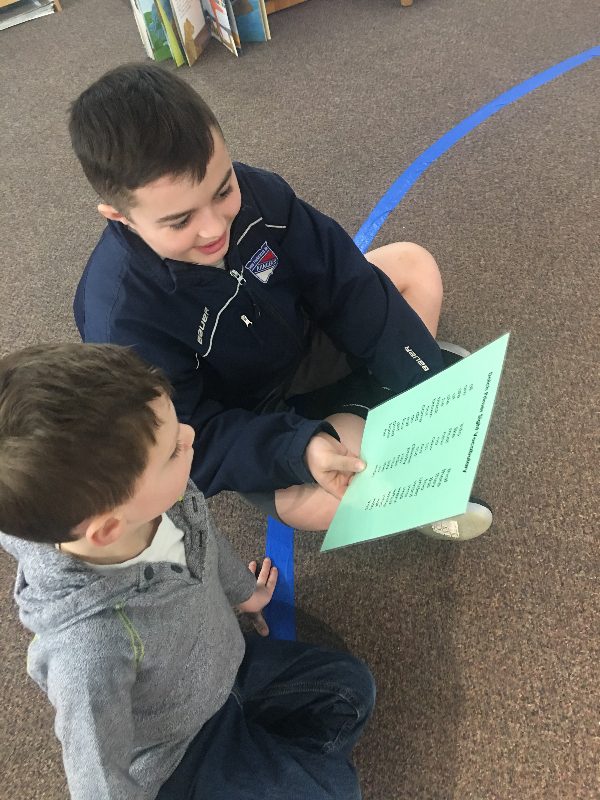
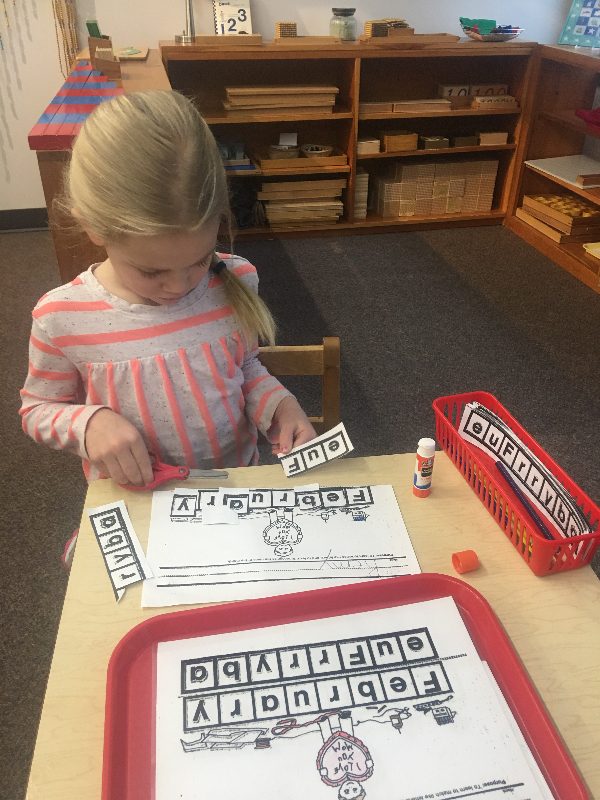
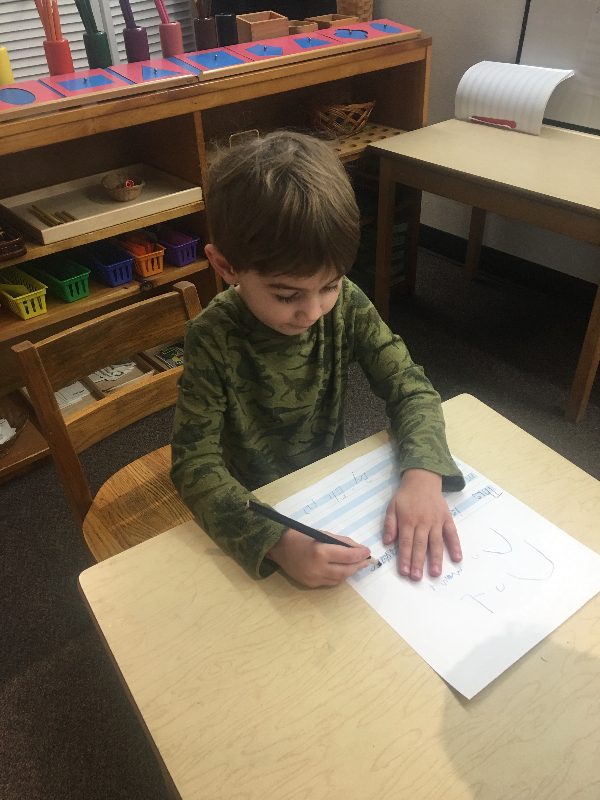
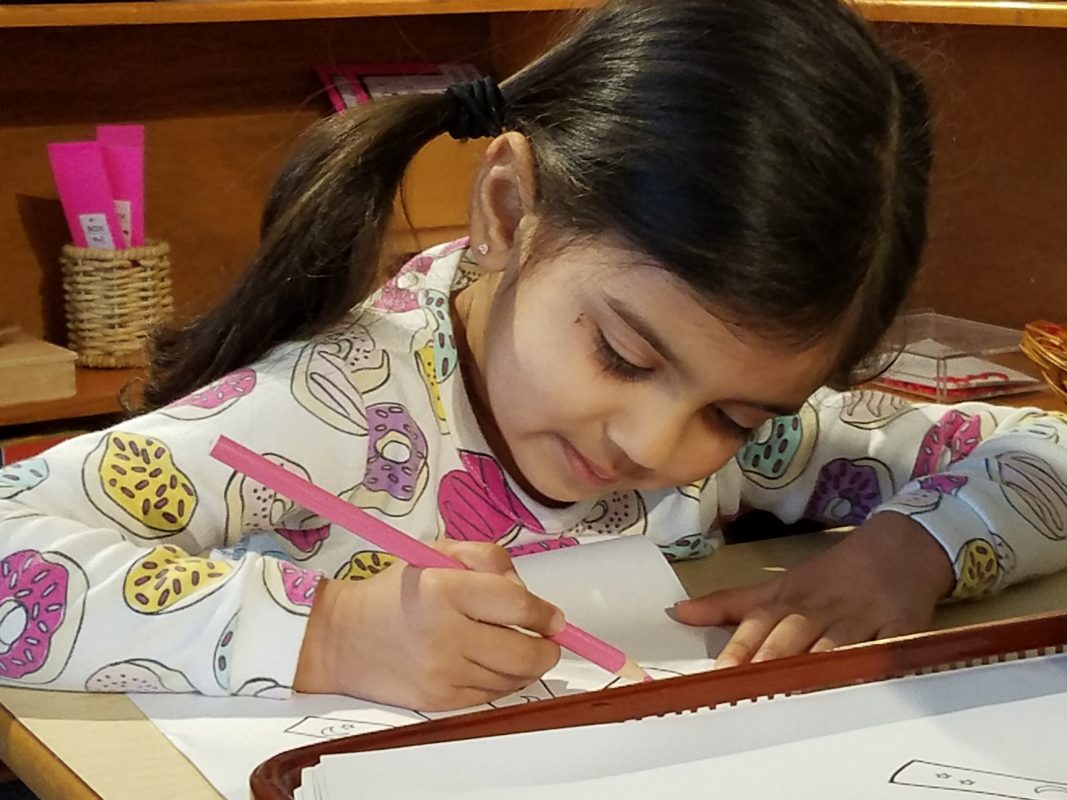
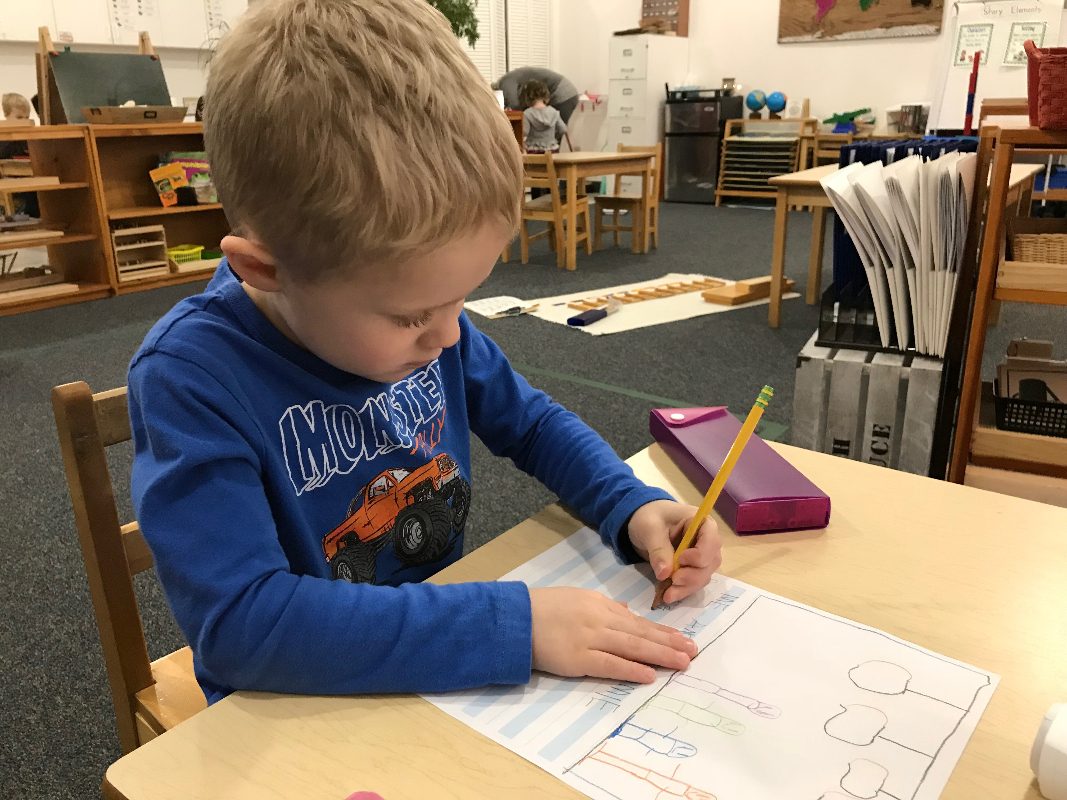
We continue  in our quest for reading, seen by many of our friends who are filling in their picture stories and journals, reading books in the classroom and bringing them home to practice with a parent. The children are learning that writing goes from left to right and from top to bottom and how to use the space available. As a child continues to progress, you will see a mix of letters and squiggles in the writing. Often a child will practice repeatedly what he/she knows, for instance, the alphabet. Eventually, letters will dominate the writing. Usually the letters are in random order and do not form words. The lack of spaces between the letters is common in these early stages. You may help your child to find words on cereal boxes, street signs, and, of course, in books. Remember to praise your child in every stage of writing development because….Writers Are Thinkers.

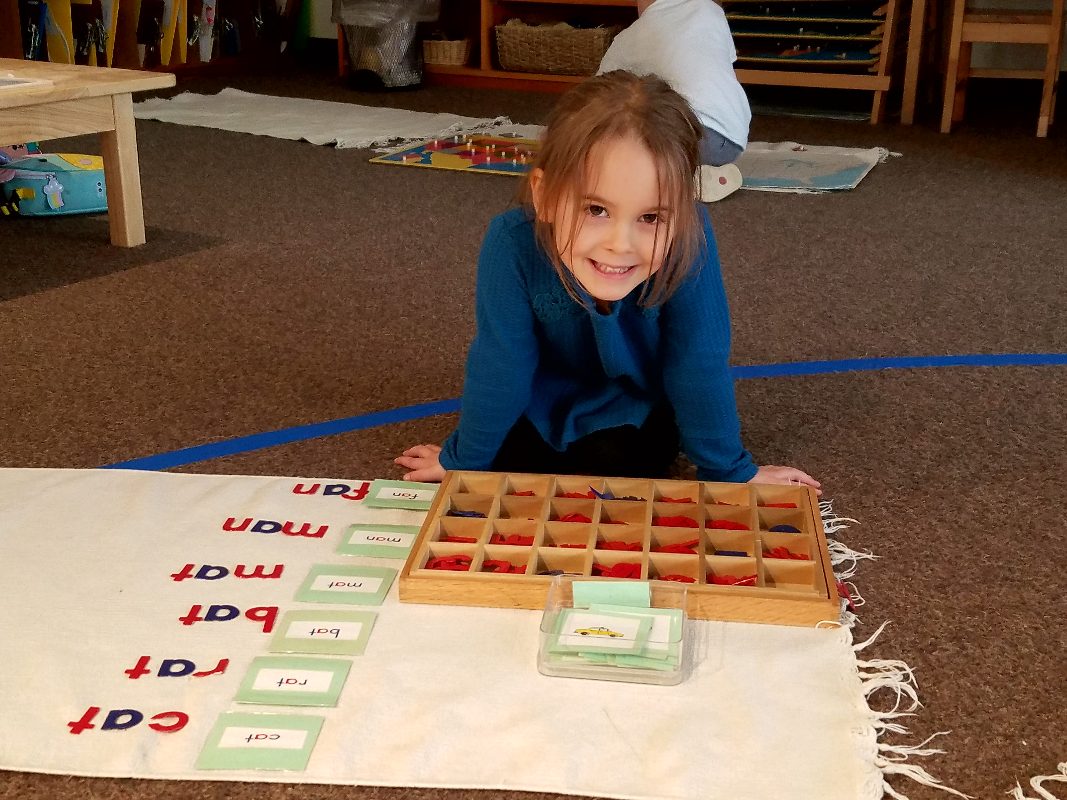
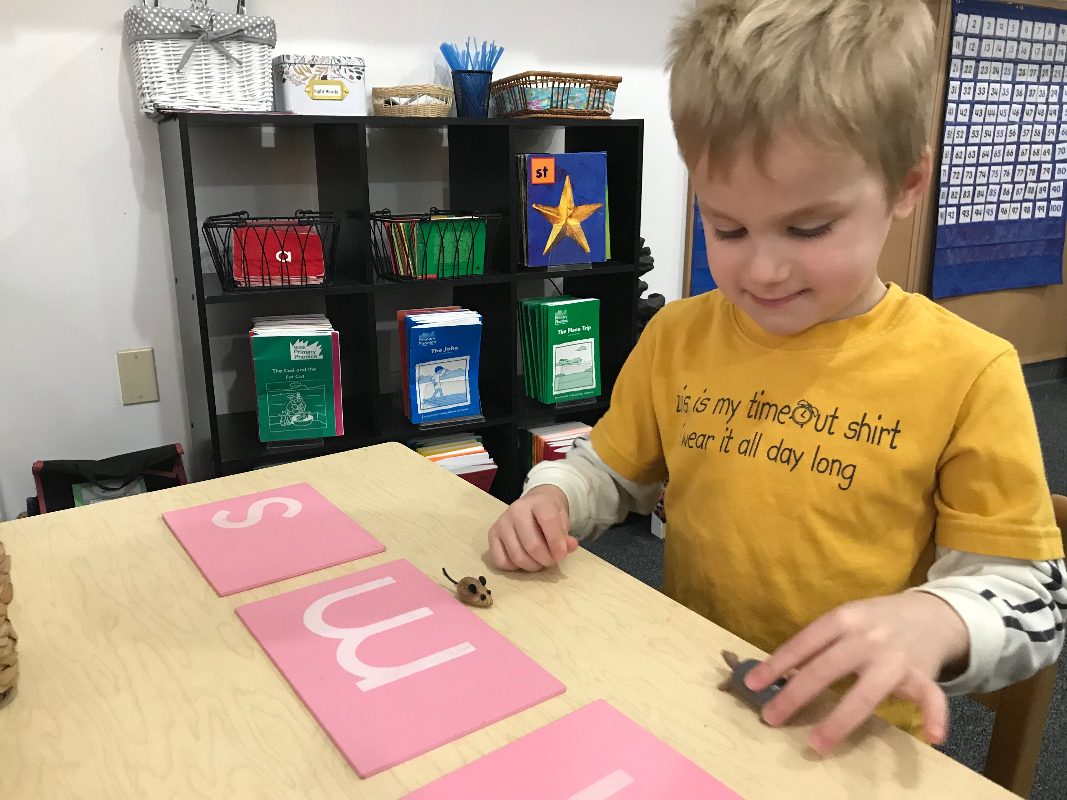
We often ask the child”What sound do you hear?” and teach the child to say the word slowly. This helps him/her to record the letters in the order that match the sounds he/she hears.

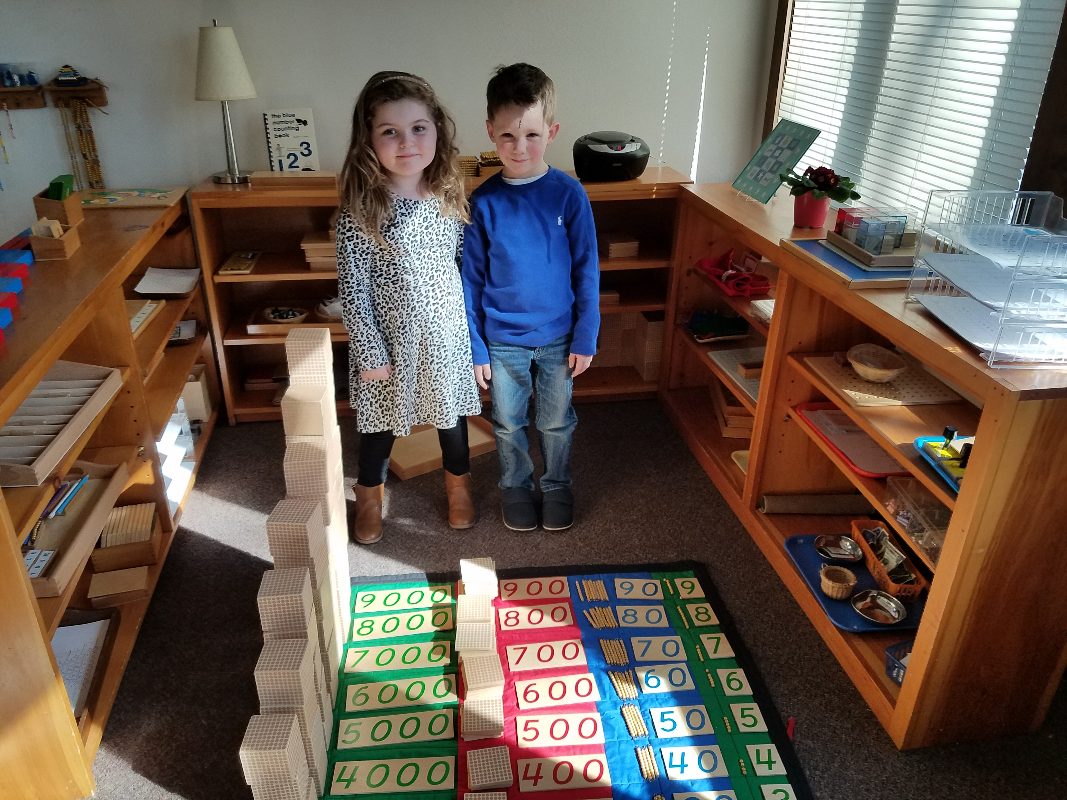
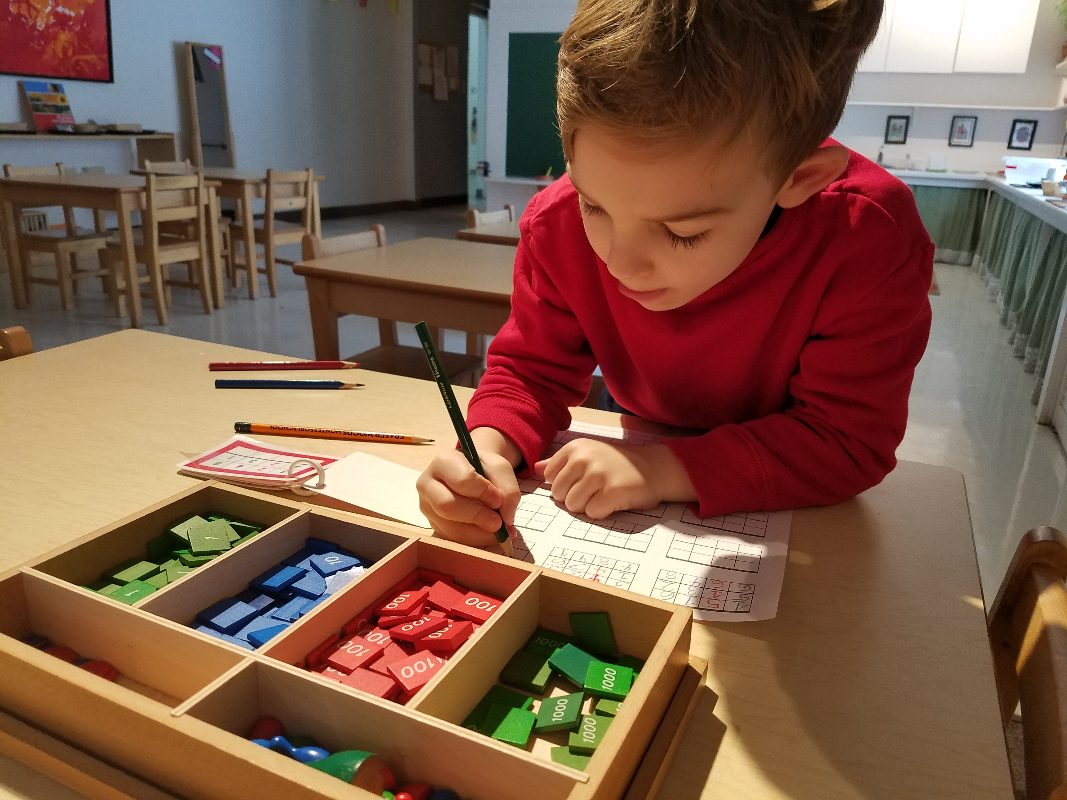
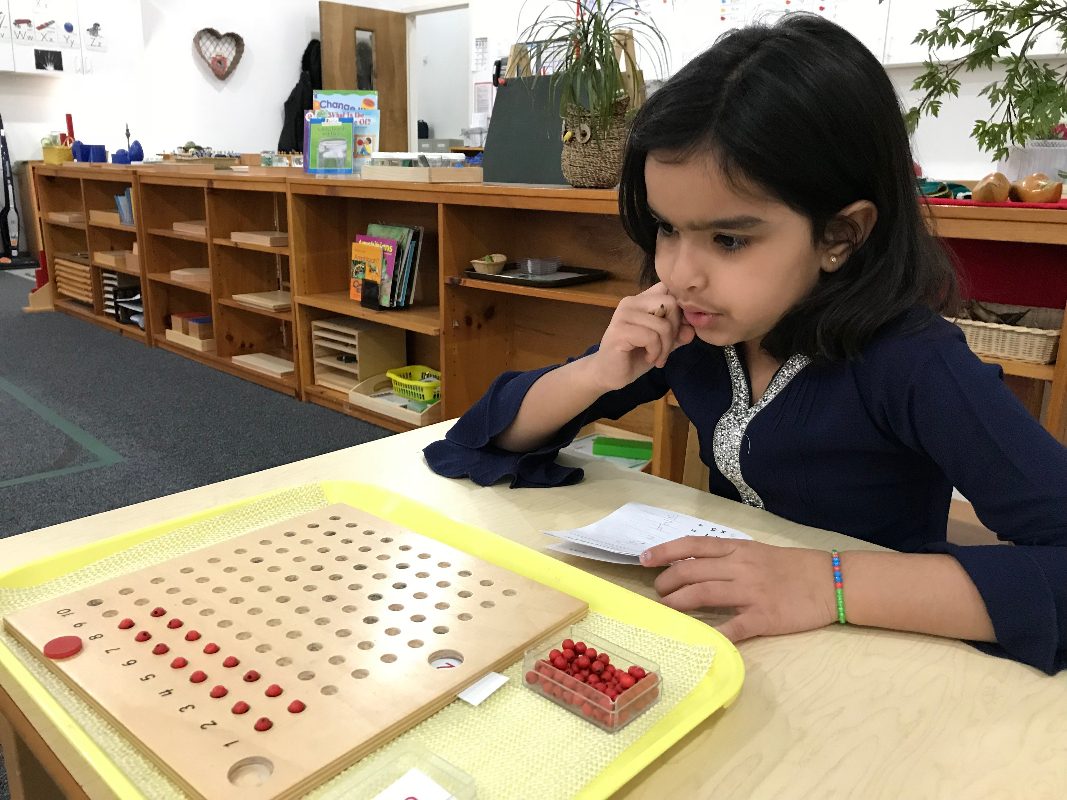
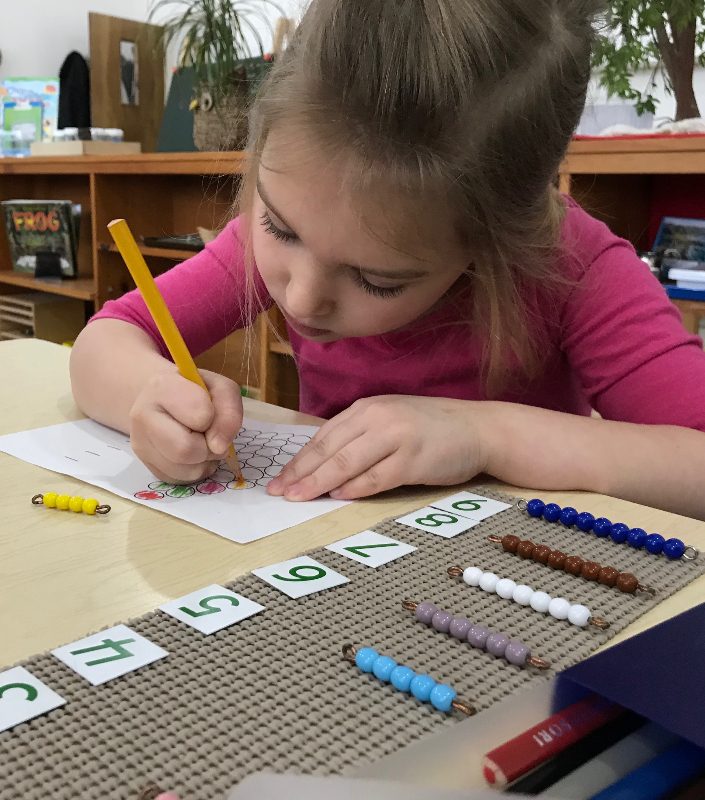
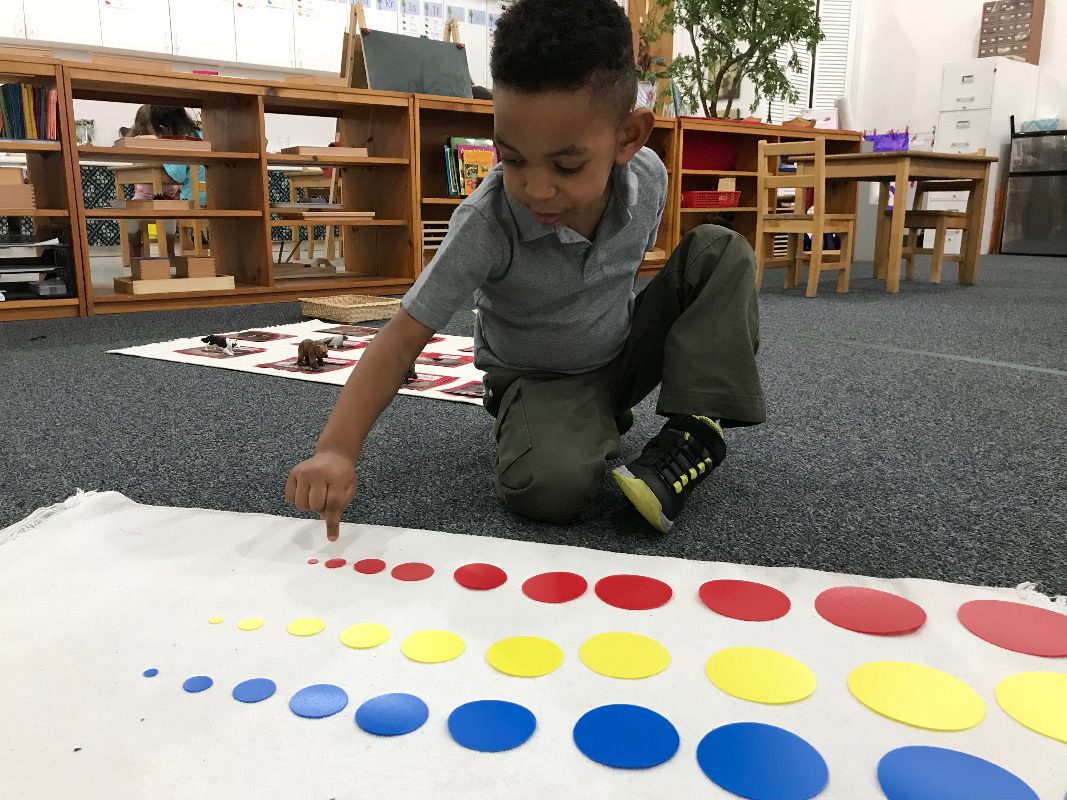
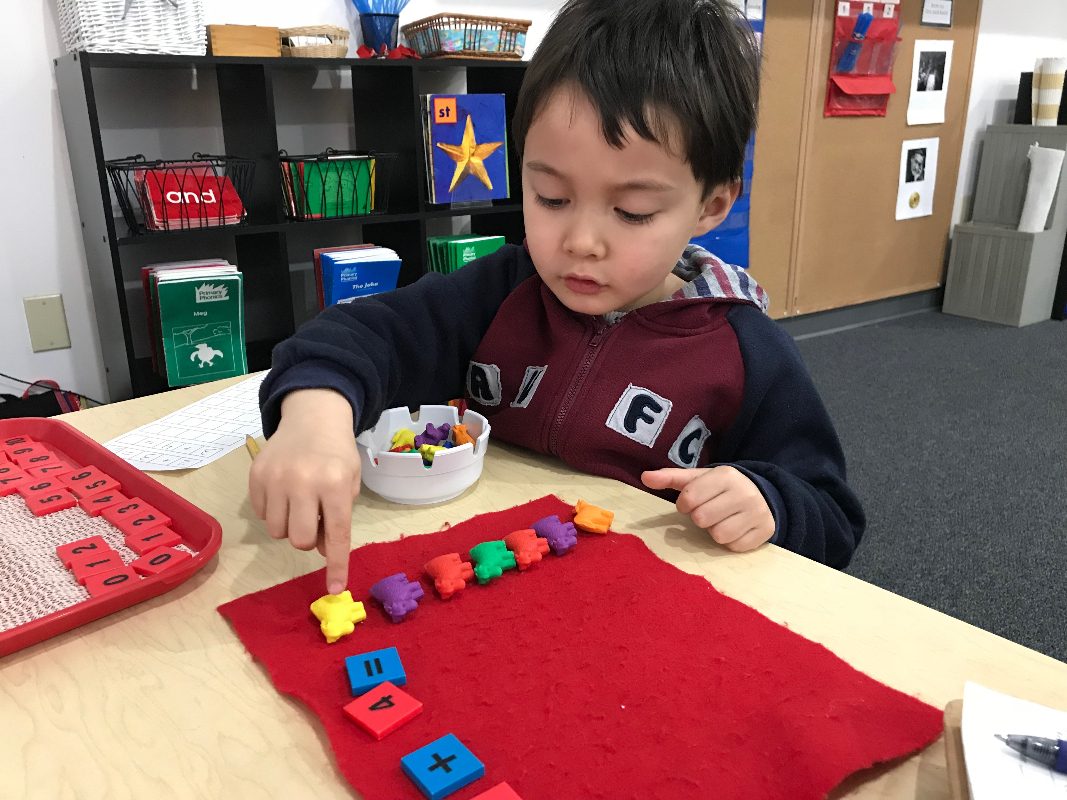
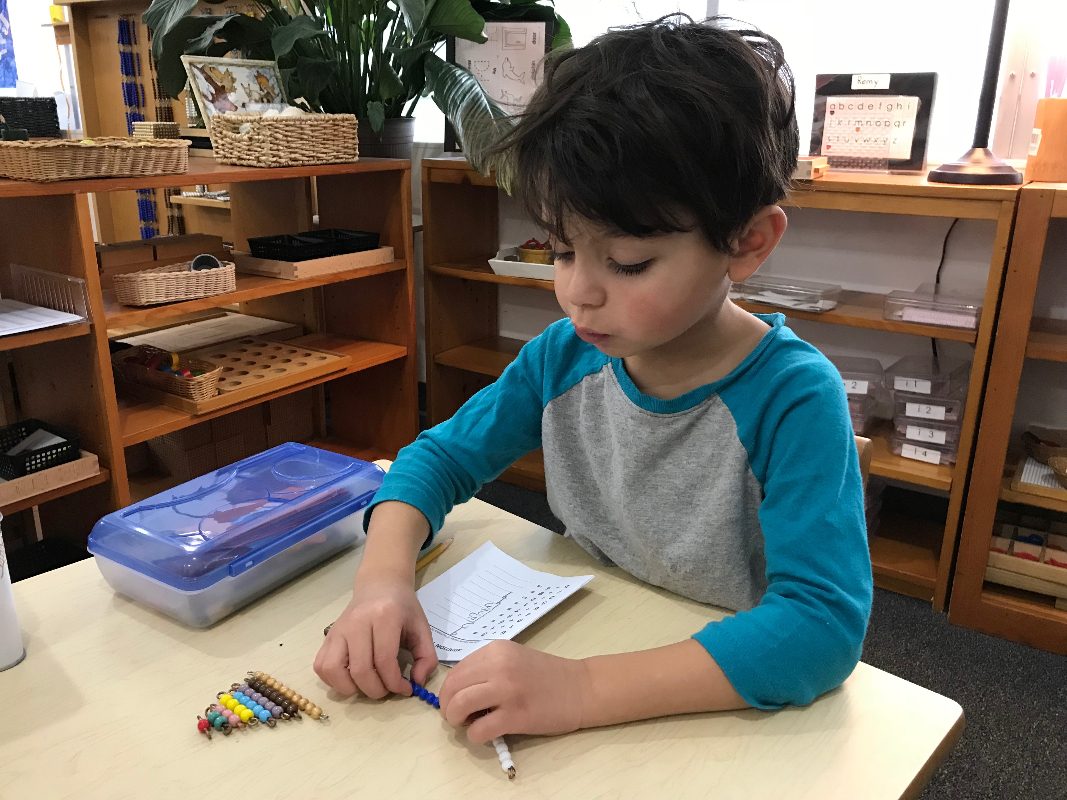
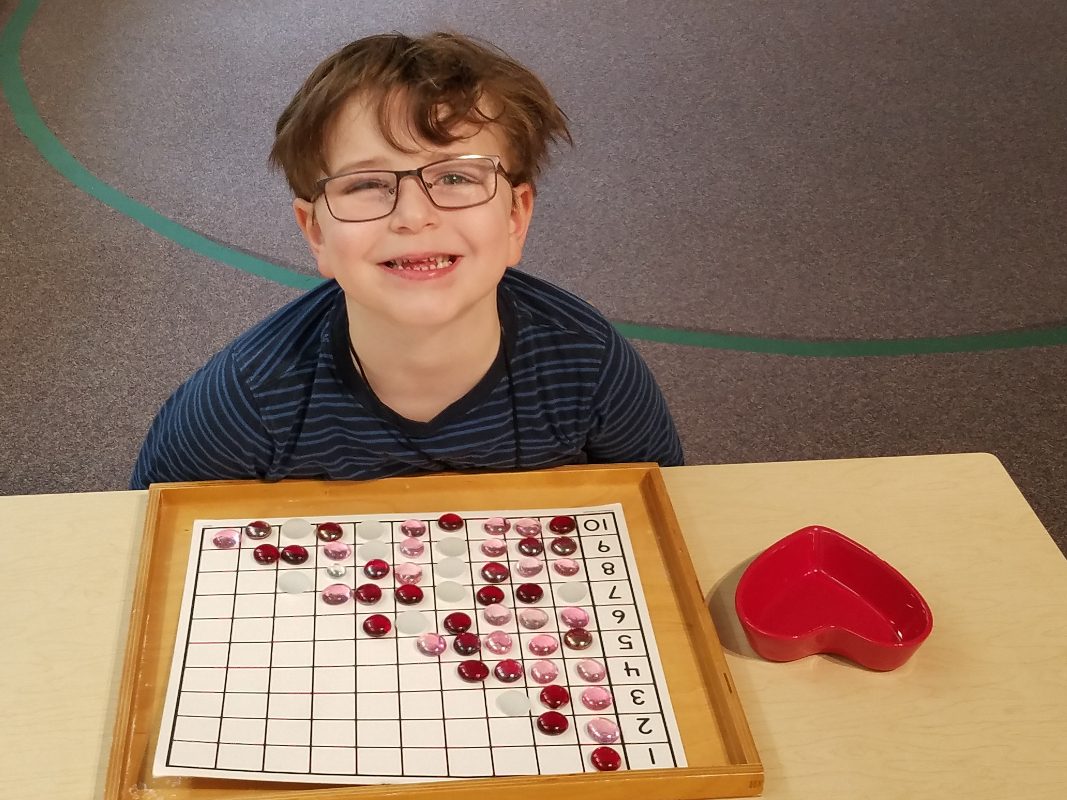
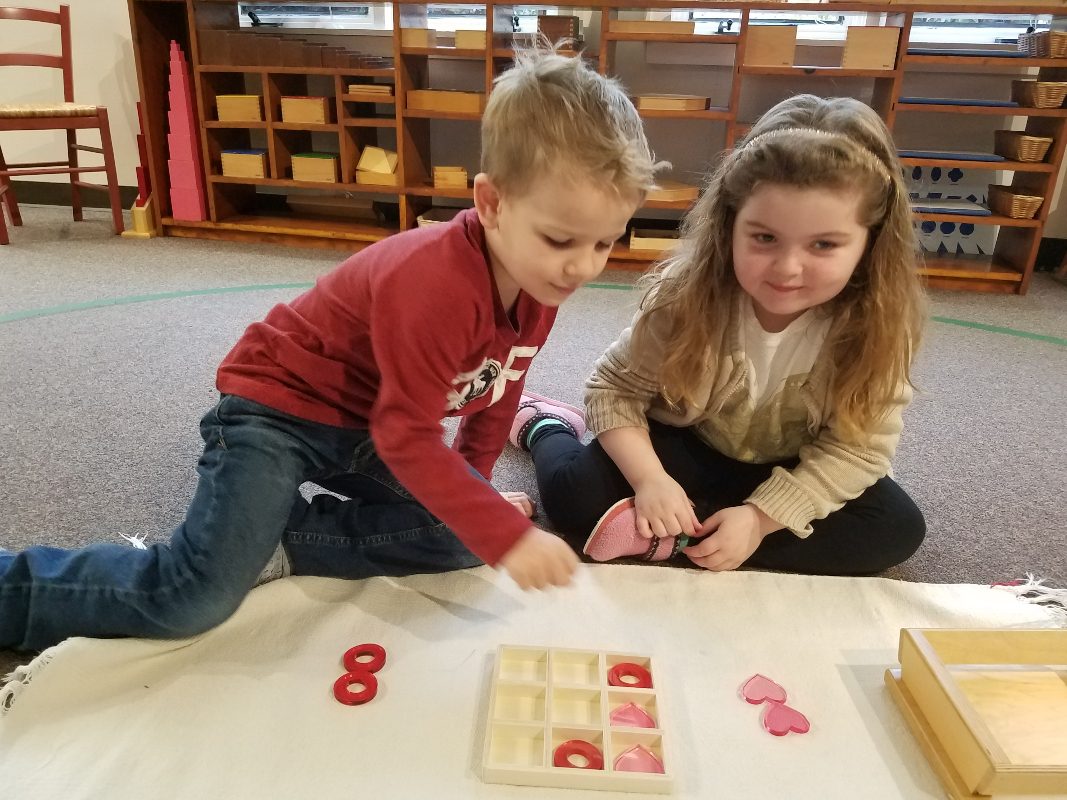
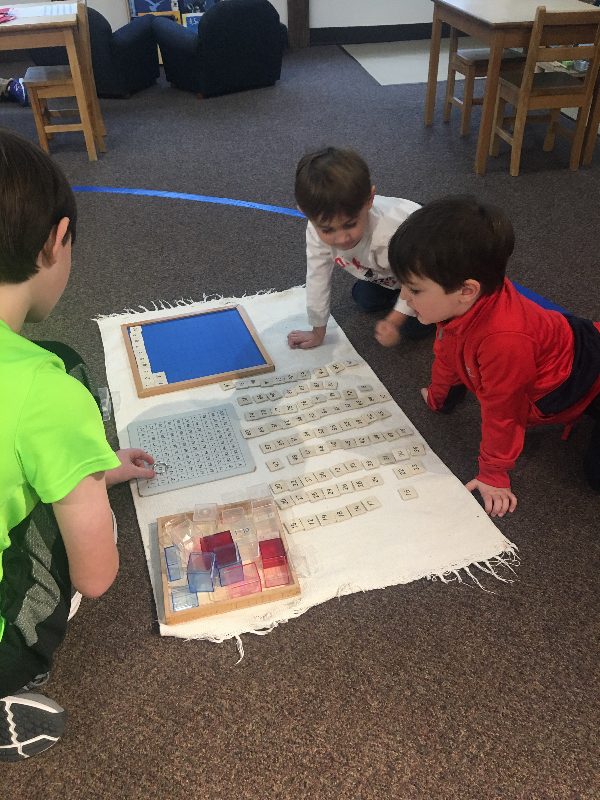
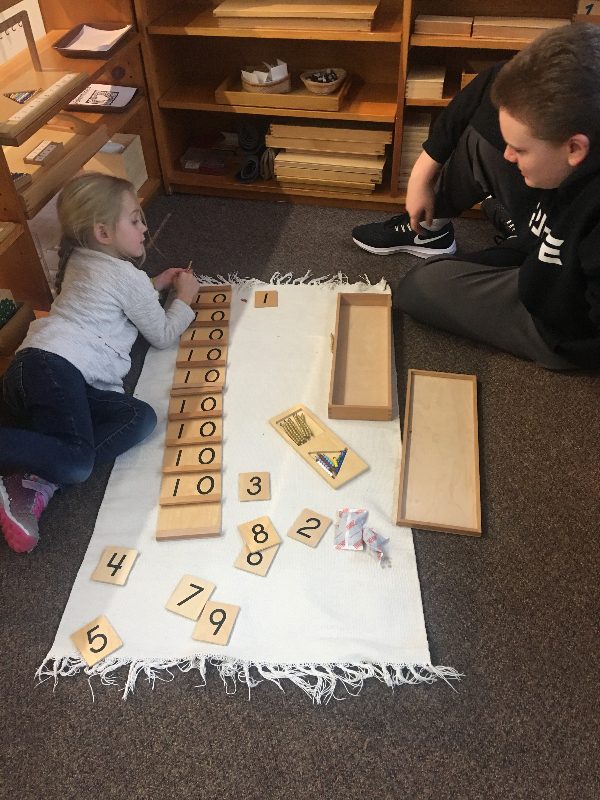
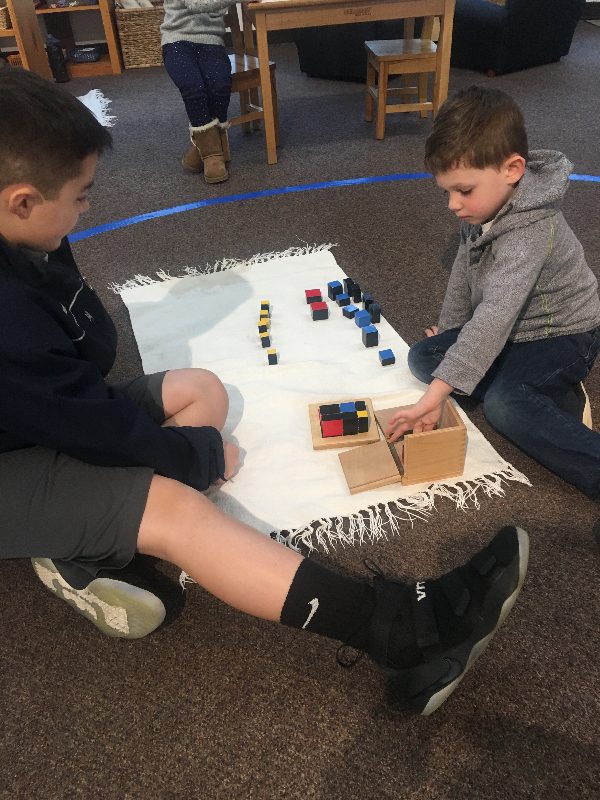
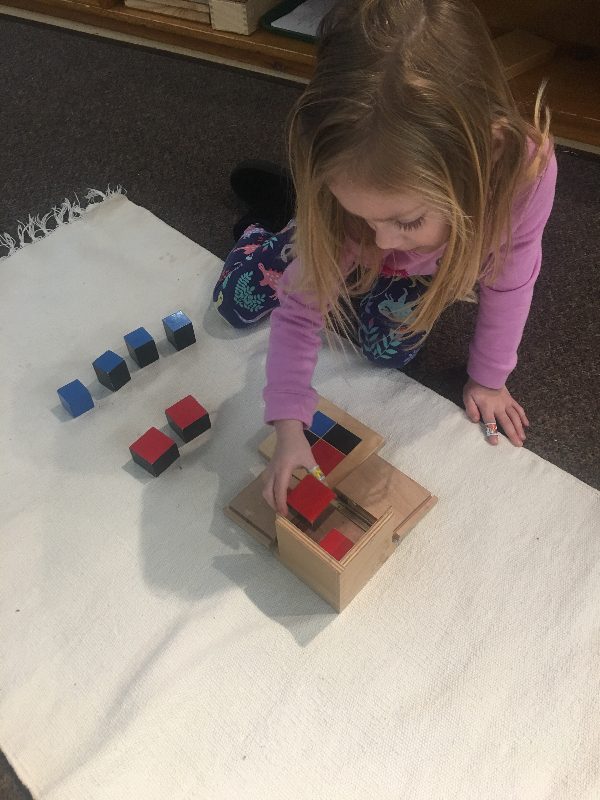
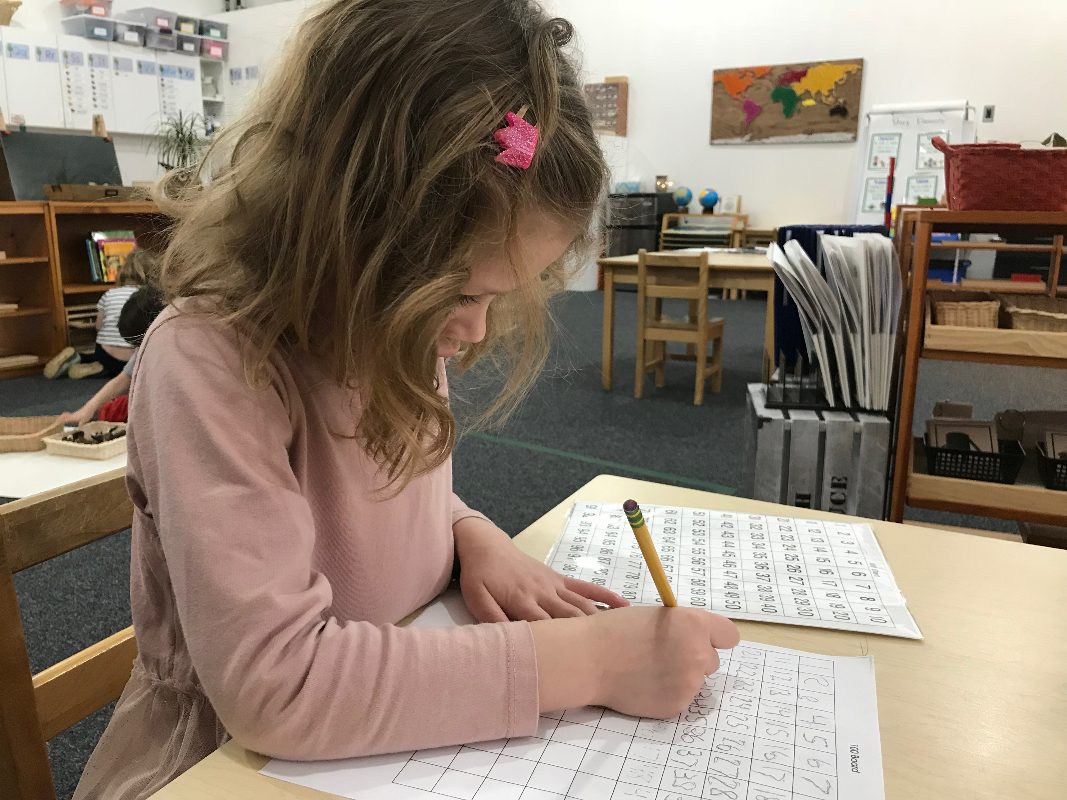
Our love of math continues to grow, in playing the Memory Game, the Exchange Game, and the Fetching Game (Number Composition).

Our Extended Day students spent the morning in a Lower Elementary class. This day provided the children an opportunity to see what it will be like next year when they are Lower Elementary students. This is a wonderful time to make new friends and to renew old friendships.


Lower Elementary Visitors

This week we had our first Moving Up day of the year. Third-year students spent the morning in Upper Elementary and Extended Day students spent some time with us in Lower Elementary.

Multi-age groupings are an advantage of a Montessori classroom. They give the children the opportunity to go through a cycle of being mentored, practicing mentoring, and becoming the mentor. This week our third-year students practiced being mentees and our first-year students practiced being mentors to their Extended Day friends. It was a joy to see students at both levels completely engaged and happy working with their future classmates. Our first-year students did a wonderful job planning work that was enjoyable and interesting for the Extended Day students.

We hope you will take advantage of the opportunity on Thursday evening to attend the Moving Up Information Night to learn about Upper Elementary. It is also a great time to schedule an observation. This is especially important for third-year parents, but all are welcome!


Mrs. Doyle’s Class: Snakes, Alligators and Lizards, Oh My!

We are now ready to move from our study of mammals to reptiles.  Building on the knowledge that each class of animals has different characteristics that help us distinguish which class they belong to, we introduce these unique characteristics and learn how to correctly classify animals.

We learned that reptiles:

  • Are cold-blooded.  Therefore, a reptiles body reacts to the temperature of their surrounding.
  • They are covered in scales.  Reptiles do not have hair or fur.  Their scales help to protect their body.
  • They are vertebrates so they have a backbone.
  • Most of them lay eggs on land.  They also have very strong instincts so from birth they need to be able to survive independently.
  • They breathe air and have lungs.

Some animals that belong to the reptile class are snakes, alligators, crocodiles, turtles and lizards.

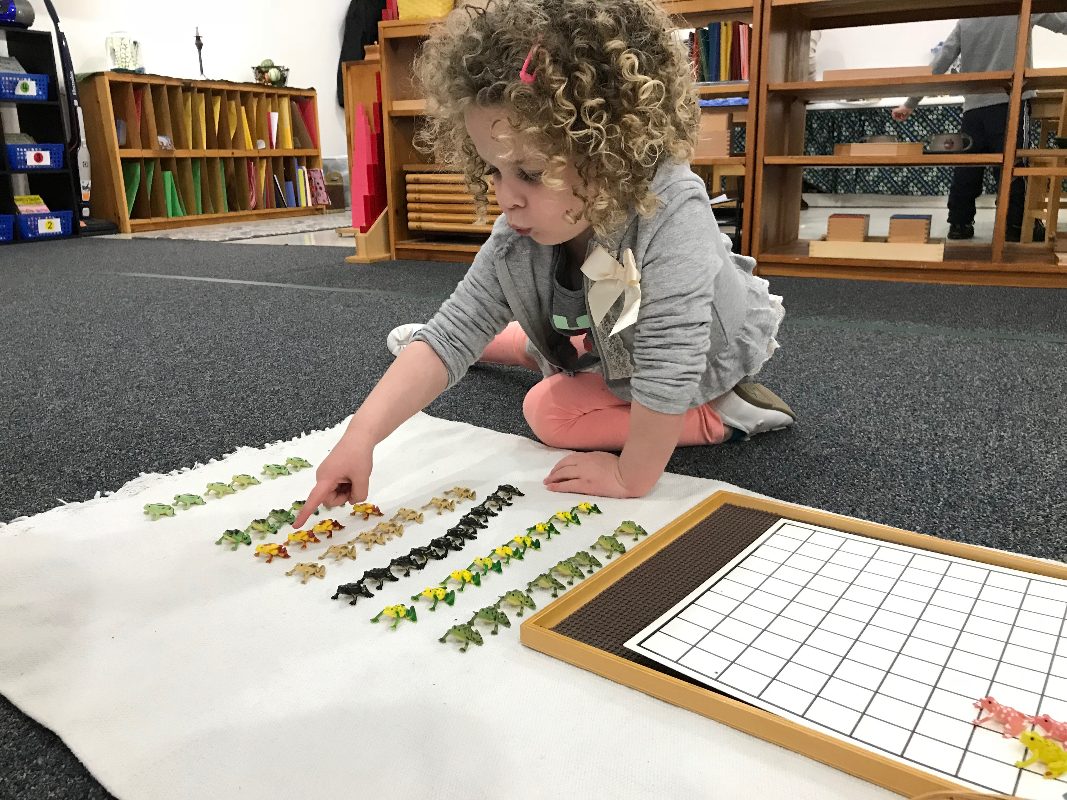
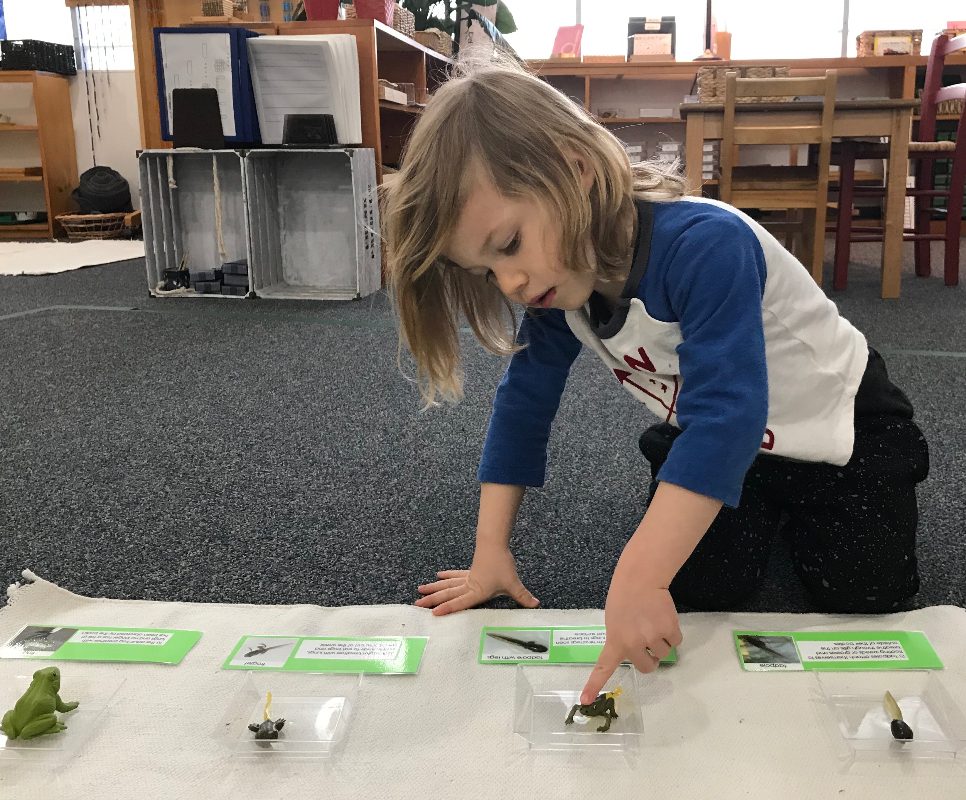
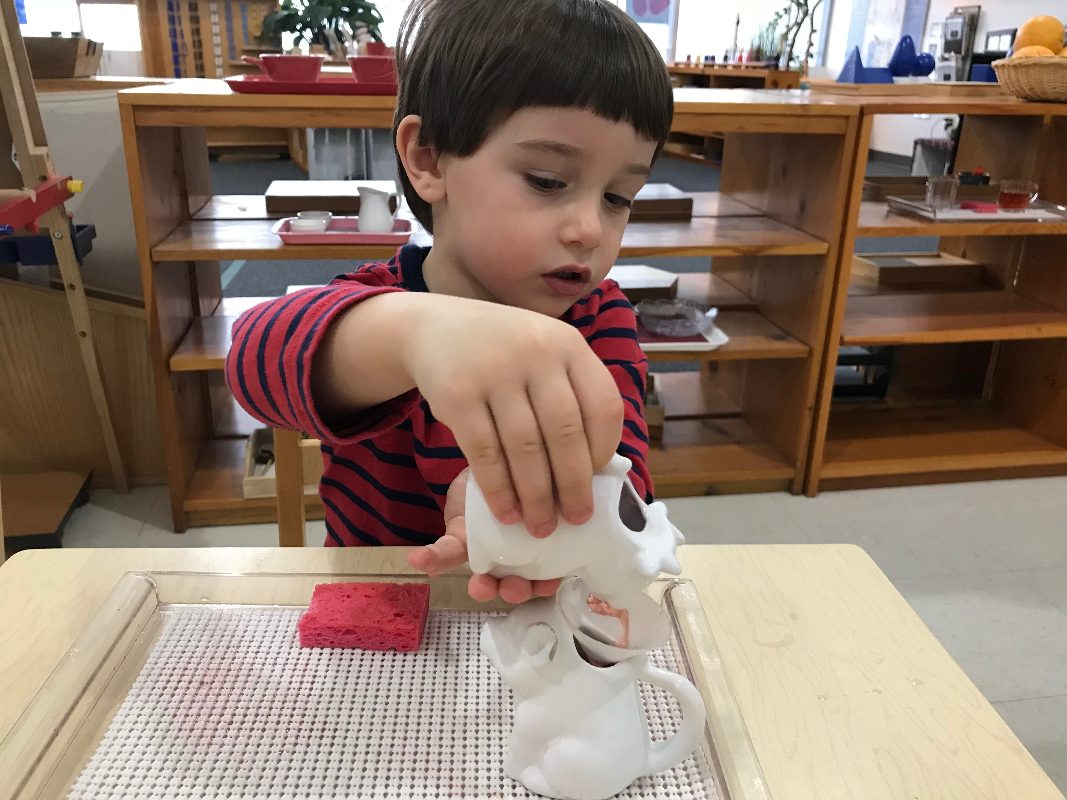
As we introduce a different science concept, we also gently weave the topic into the other areas of the classroom.  For example, we know have turtle scrubbing in the classroom.  In math, the  counters and manipulative used will be reptiles.  This is a great springboard for discussions to take part all day long.

A big thank you to Mr. & Mrs. Fowler who came in this week to expand on our studies about migration. The children really enjoyed it!

Have a wonderful week!

Michelle and Sonja


Mrs. Carroll’s Class: Dare To Dream

This week we celebrate the vibrant spirit and colorful heart of Martin Luther King Jr..  Though the details of his message remain abstract, children can and do understand components of his dream. Our classroom focus on peaceful problem solving, lively discussions, stories and role-play have ignited an understanding that actions can affect people’s feelings and that all feelings are o.k., but not all actions are. We will continue to provide the tools to foster peaceful problem solving and acknowledge Dr. King’s dream throughout the school year.

Our dream is that one day your children may grow up to be world changers who will work together in challenging situations to establish creative solutions and make critical connections to others.

Dare to dream,

Cindy and Samantha


Mrs. Doyle’s Class: Animals in Winter

This week we are learning that Winter can be very harsh for animals.  The weather and lack of food can make their survival difficult.  So to help ensure their survival, animals will hibernate, migrate or adapt to their surroundings.

Some animals hibernate for the winter by going into a deep sleep.  Their body’s temperature drops, their heartbeat and breathing slow down and they use very little energy.  Animals that migrate, travel to other places where the weather is warmer and they will be able to find food.  Animals that adapt, remain and stay active in their environment. They adapt to the changing weather and their behavior and  bodies may change too.
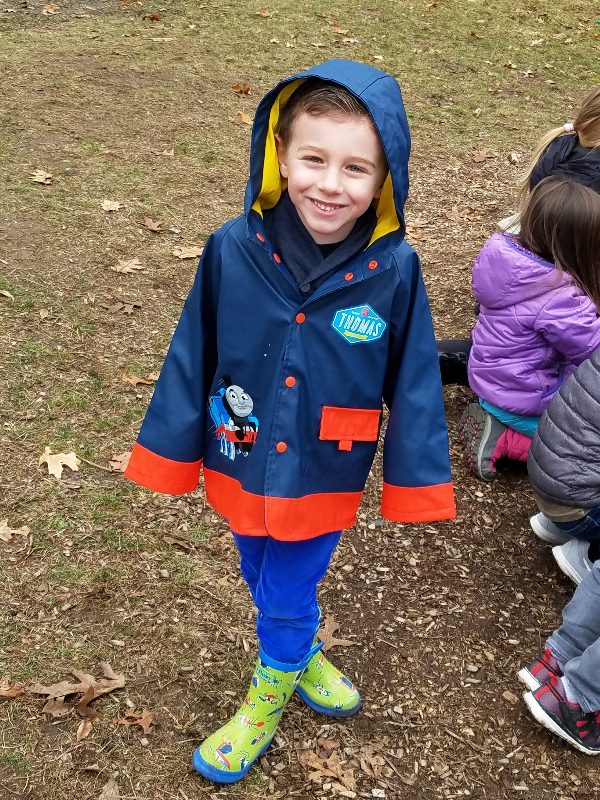
So, how many of us during these past few frigid weeks are thinking about hibernating or migrating?

Have a warm and happy week!

Michelle and Sonja


Mrs. Santayana’s Class: Adding Fun To Learning


A weeks worth of fun learning in three days!

“If we try to think back to the dim and distant past… what is it that helps us reconstruct those times, and to picture the lives of those who lived in them? It is their art… It is thanks to the hand, the companion of the mind, that civilization has arisen.”
—Maria Montessori, The Absorbent Mind

Maria Montessori gives us perspective on many things. Please enjoy this perspective on art, from an excerpt taken from the article, Art in the Montessori Environment, Montessori Services.

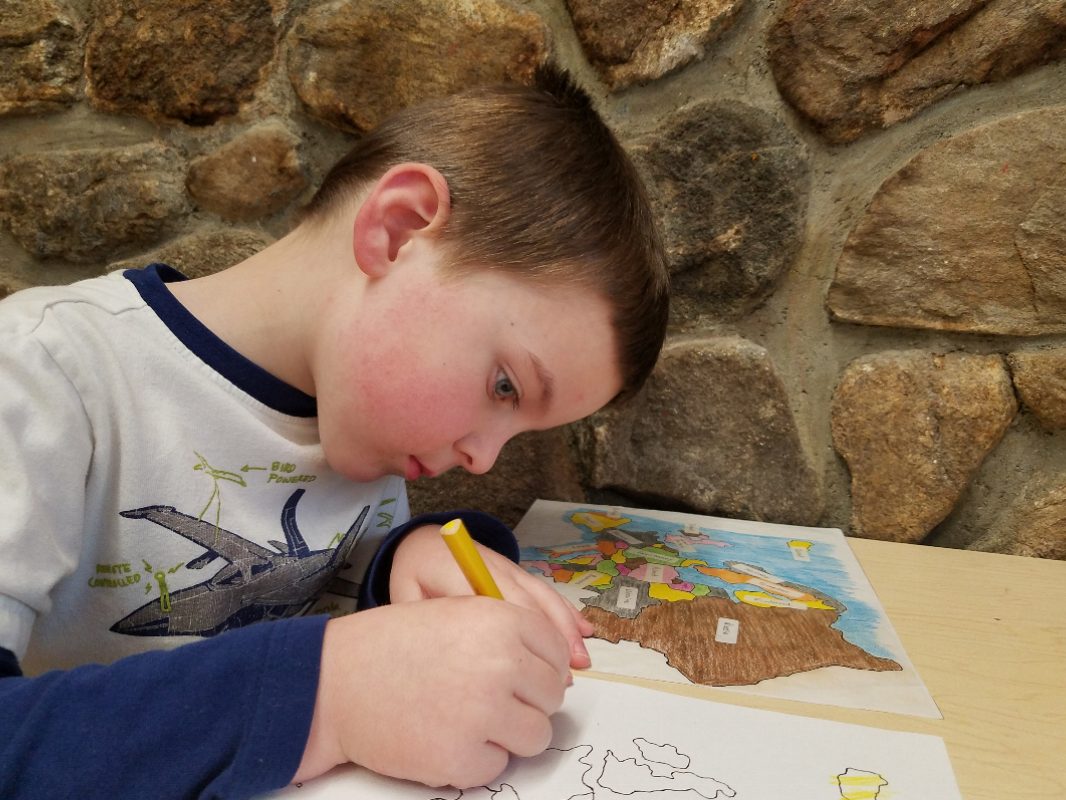
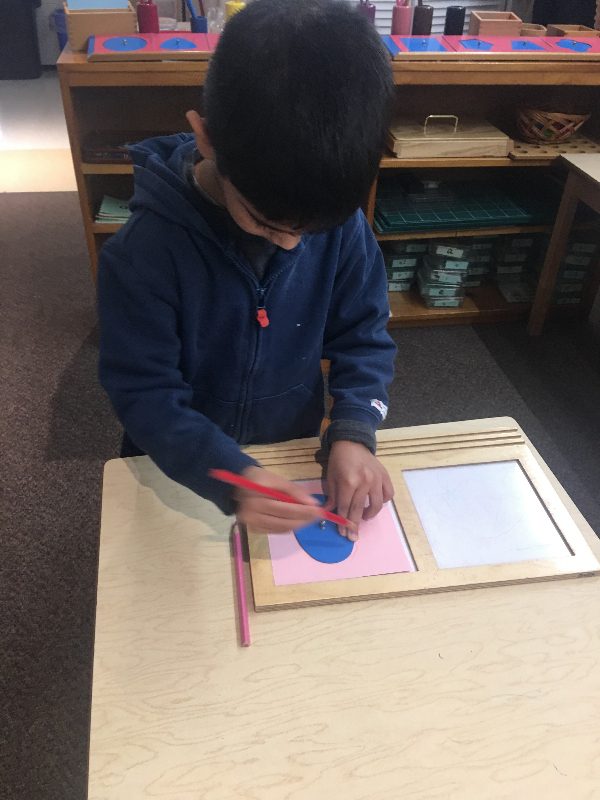
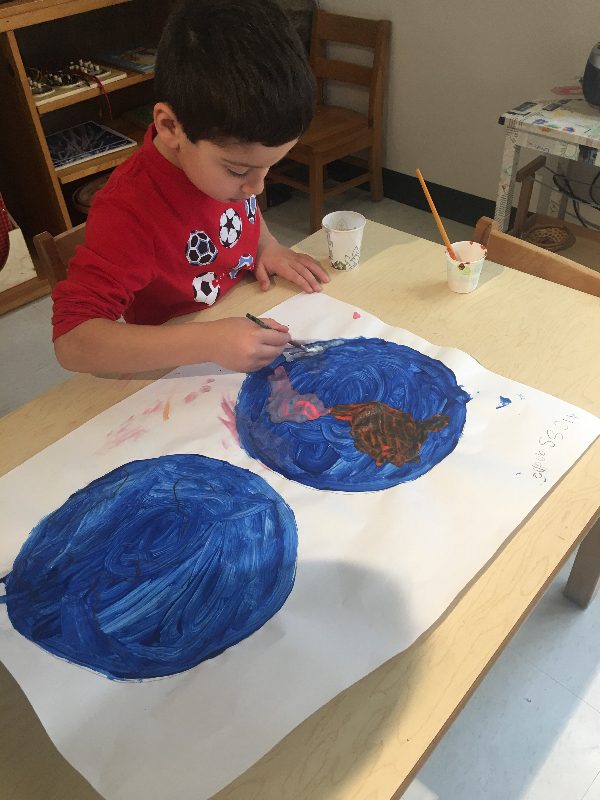
When it comes to art, it is the process not the product that is important to the child. As adults, our goal is to produce a product. The child interacts with the world differently. The child works to develop self. The focus is on the process not the product. Once a child creates something, he does not feel the need to keep the product. It is the process that gives him satisfaction and inner joy.

“The human hand, so delicate and so complicated, not only allows the mind to reveal itself but it enables the whole being to enter into special relationships with its environment… man ‘takes possession of his environment with his hands.’ His hands, under the guidance of his intellect transform this environment and thus enable him to fulfill his mission in the world.”
—Maria Montessori, The Discovery of the Child


Mrs. Santayana: Matter on the Move!

The Montessori learning environment is much different than the traditional model. Instead of information passing from the teacher to the student, the teacher is skilled in putting the child in touch with the environment, and helping him learn to make intelligent choices and to carry out research in a prepared environment. The teacher then protects the students’ concentration from interruption. This fosters a love of lifetime learning in the student. Keep in mind the learning  triangle: the student,  teacher, and the environment. It is the role of the adult to prepare ,and continue to prepare, the environment, to link the child to it through well-thought-out introductions to books and materials, projects, and lessons, which nurture the child’s exploration and creativity.

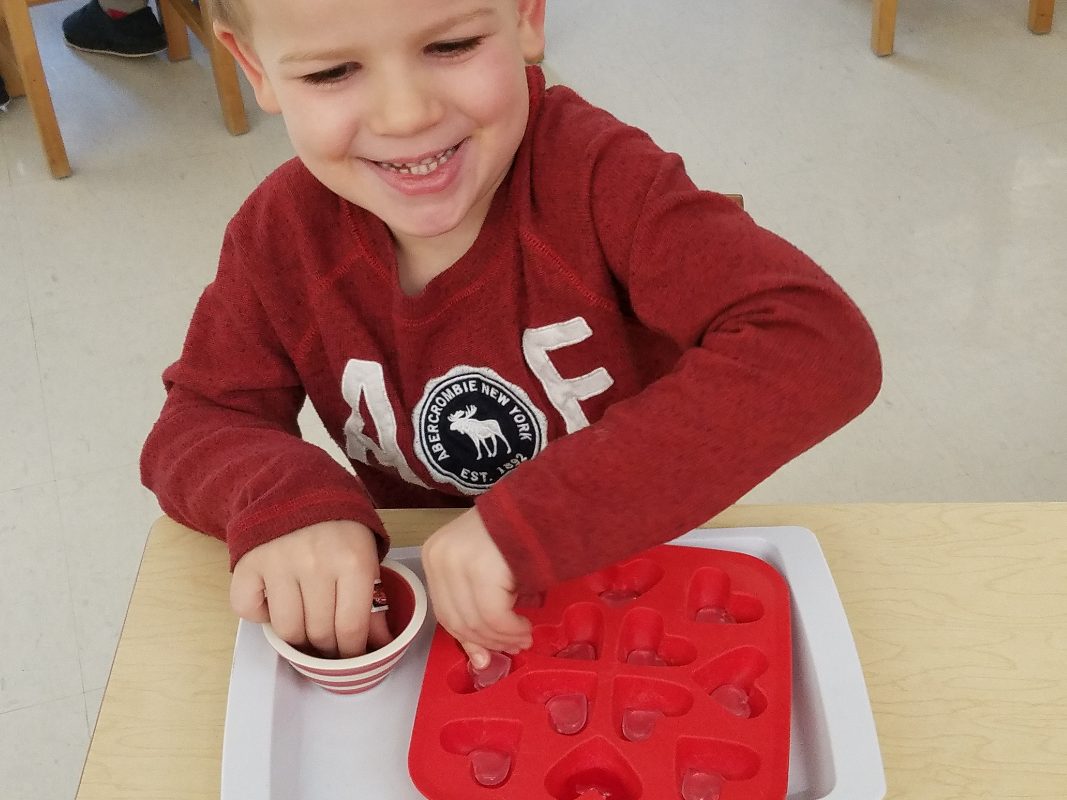
In Science, we have been experimenting with states of matter. Matter exists in three states. These are solids, liquids and gasses. The children have been observing and making predictions and conclusions about solid, liquid and gas. The children have learned that all states of matter have molecules. The children learned that when the air temperature drops, in time the liquid in the container changes into a solid. This is called freezing.  Some of the observations were: solid ice is cold, it is hard, it is soft.

A few gentle reminders:

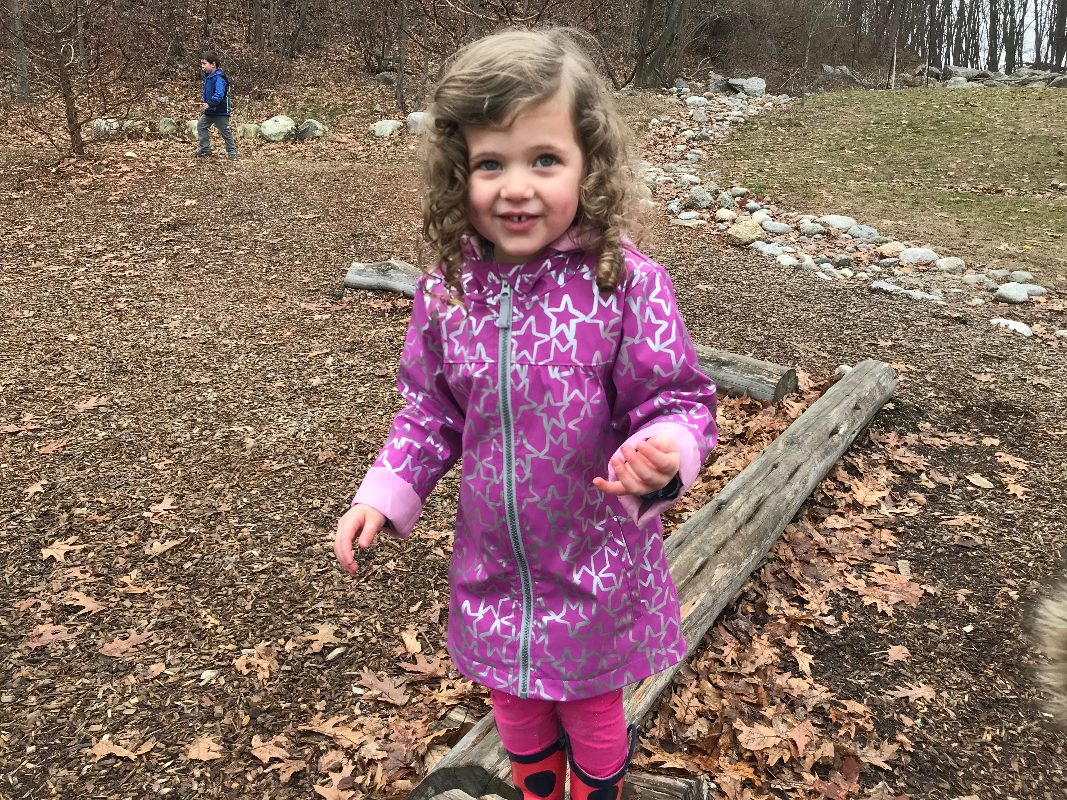
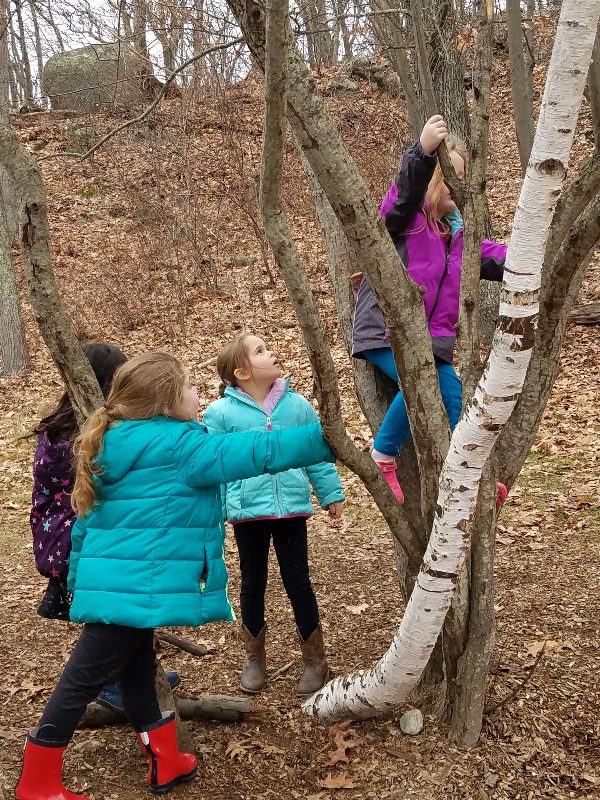
We take the children outside when the temperature is above 20 degrees.   Please be sure that your child has snow pants, boots, warm coat, gloves and hat.

When classroom linens are returned to the classroom please remember to send in a bouquet of fresh flowers.  The children enjoy flower arranging in Practical Life.