Mrs. Santayana: Earth Day, Every Day!

We depend on the Earth for the air we breathe, the food we eat, and the water we drink. The Earth supplies energy to heat and cool our homes, operate factories, and run automobiles. This is why caring for the Earth is so important.

A healthy Earth allows us to live longer and healthier lives. It provides us with beautiful things to see and fun things to do. Taking care of the Earth is everybody’s responsibility.

The children learned that recycling helps keep Earth clean. We can recycle cans, bottles, paper, and plastic. People can make new things from trash, then not as much trash is left on Earth. Plastic yogurt cups can be recycled into toothbrushes and worn out toothbrushes can be recycled to make special plastic such as benches.

As the children now know, “being green” means that you care about the environment and that you do what you can to help the Earth. Recycling paper and cans, reducing waste by helping pick up litter, carrying a lunch bag that can be used over and over, and protecting wildlife are all examples of “green” activities.
Mrs. Carroll’s Class: Kick Off Your Shoes!


“Let the children be free; encourage them; let them run outside when it is raining; let them remove their shoes when they find a puddle of water; and when the grass of the meadows is wet with dew, let them run on it and trample it with their bare feet; let them rest peacefully when a tree invites them to sleep beneath its shade; let them shout and laugh when the sun wakes them.” Maria Montessori

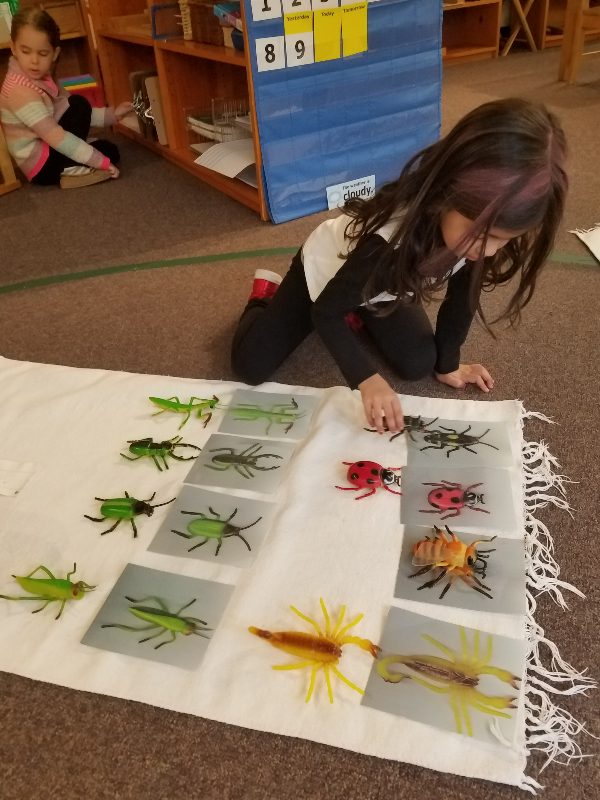
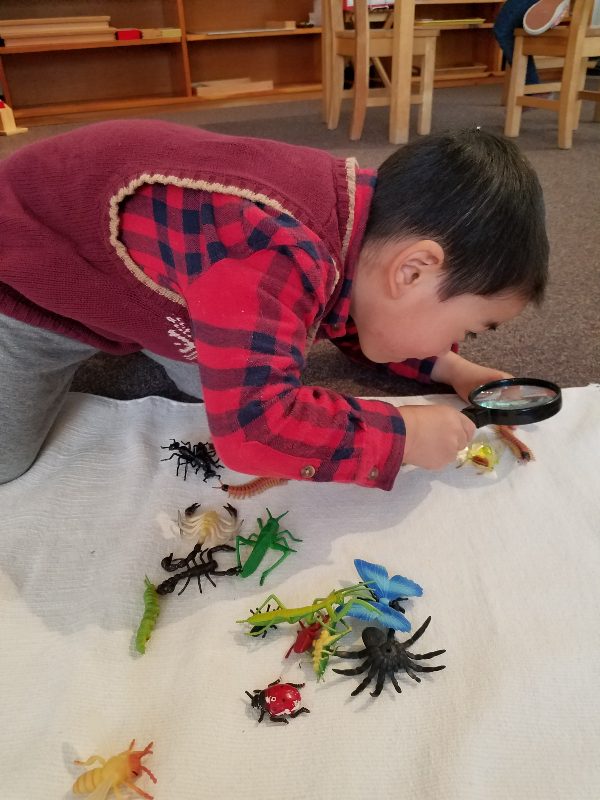
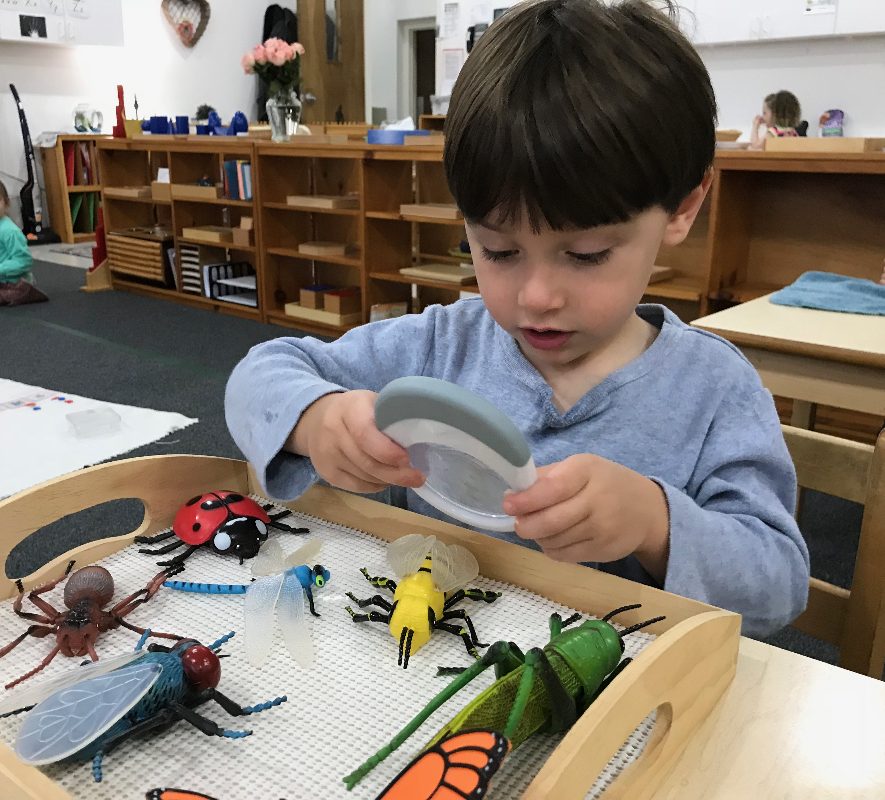
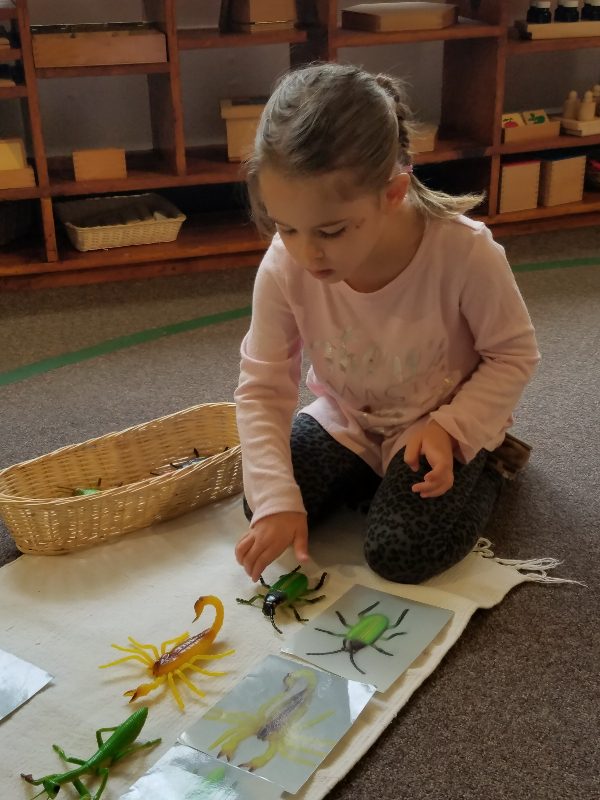
We are continuing our studies on insects and have spent time each day exploring a few of the ten million insect species.
Fun Facts Shared:
Only female mosquitos bite
Only male crickets chirp
Most insects hatch from eggs
Spiders are not insects
Bees are found on every continent except Antarctica.

I encourage you to take some time this weekend to explore nature with your child.  Allow yourself to see things through your child’s eyes, and celebrate his or her pride in “teaching” you a thing or two about the characteristics of an insect.

Warmest thoughts,

Cindy & Samantha


Mrs. Doyle’s Class: Africa…It’s a Continent Not A Country

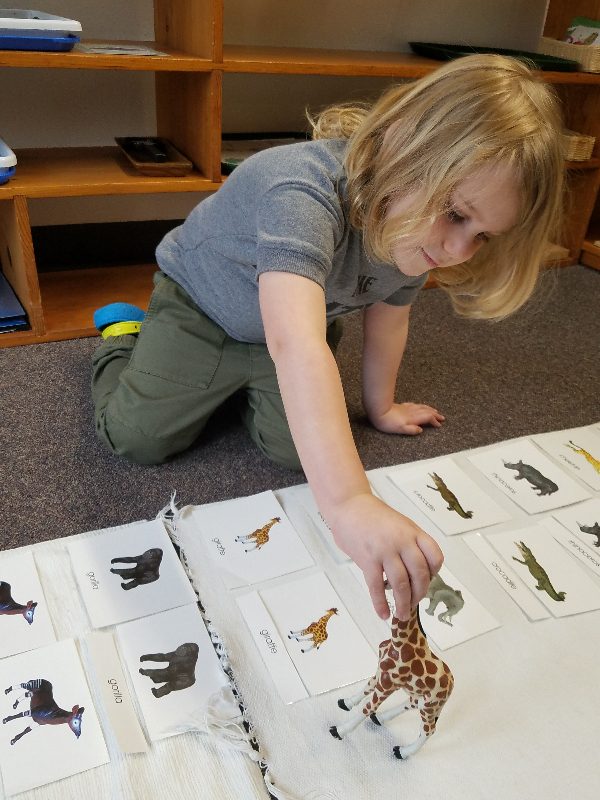
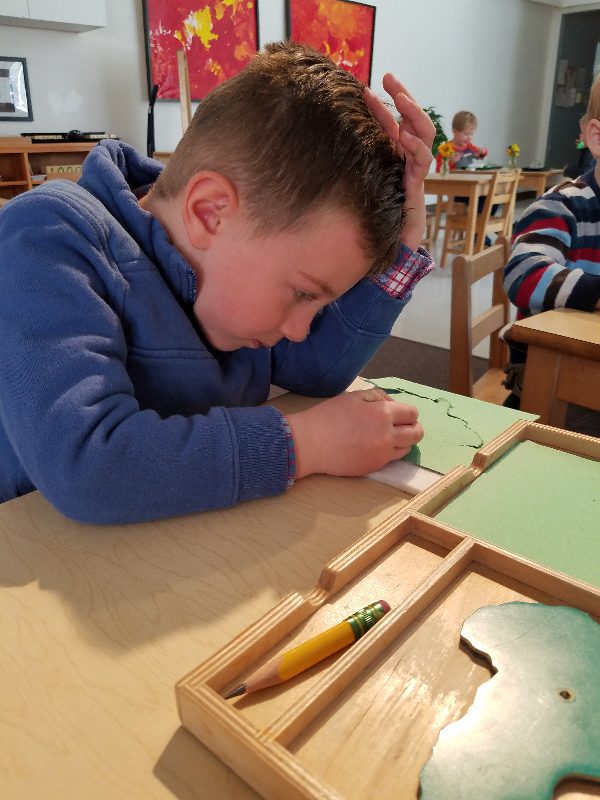
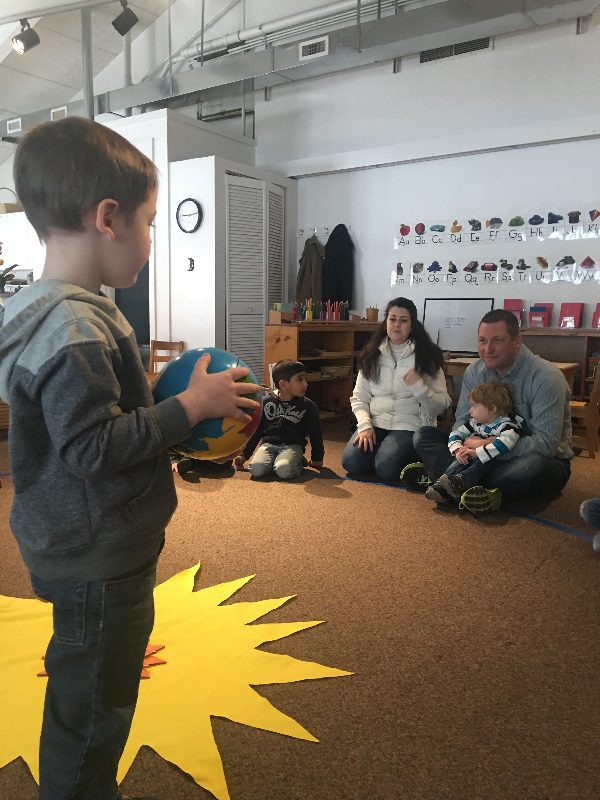
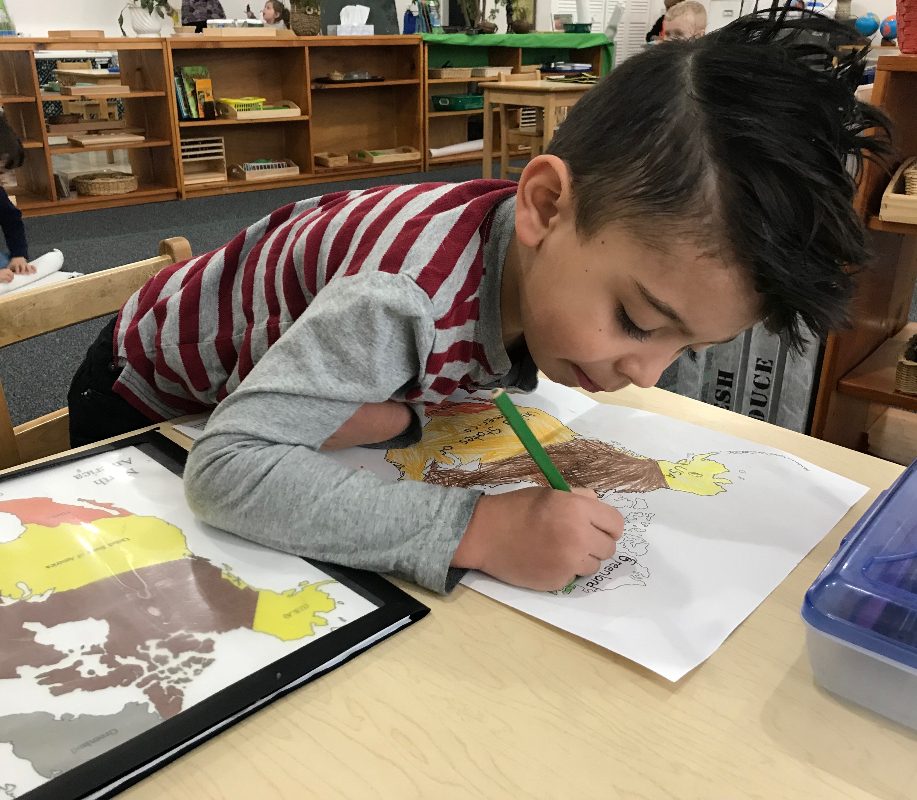
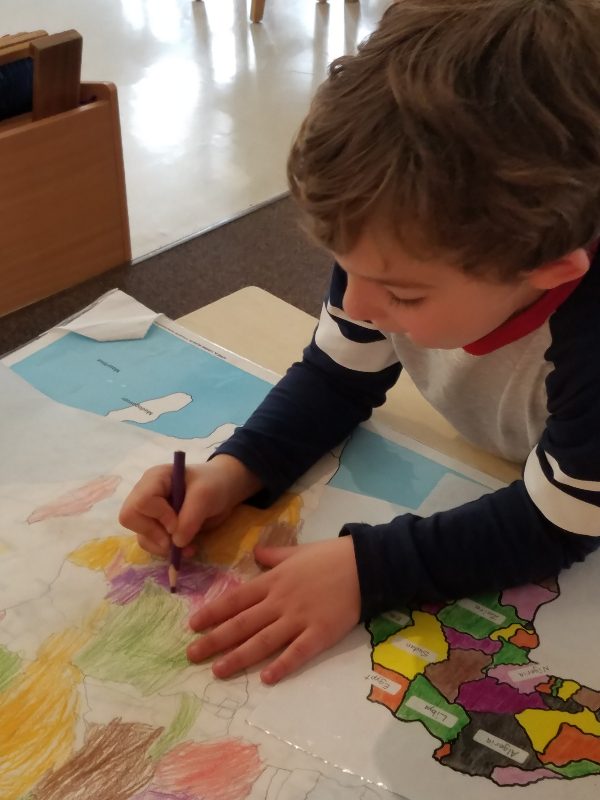
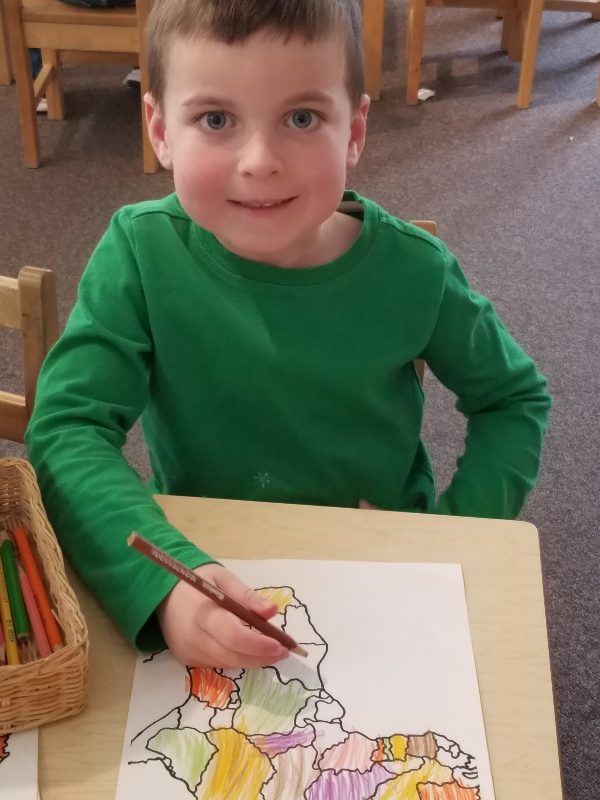
Each time we study a new continent, we first find it on the globe of the world, then we locate the continent on the world map, and finally, we study the individual continent using the specific continent maps. Currently, the children are learning about the continent of Africa. Over the course of the next few weeks, we will learn about the geography, culture, weather, animals, and people of Africa.

We are learning lots of fun and fascinating facts about the continent of Africa.

  • Africa is the second largest continent, with 54 countries.
  • The longest river in the world, the Nile, is located in Africa.
  • Over one thousand languages are spoken by the people in Africa.
  • The Sahara, the world’s largest desert is located here.
  • The highest mountain in Africa is Mount Kilimanjaro. It is so tall that glaciers can be found at its summit even though the mountain is near the equator.
  • Africa is the most centrally located continent in the world. Both the prime meridian and the equator cut across it.
  • The world’s tallest animal, the giraffe, and the largest land animal, the African elephant are found in Africa.

Wishing everyone a wonderful week!

Michelle & Sonja


Mrs. Santayana: My Five Senses
 

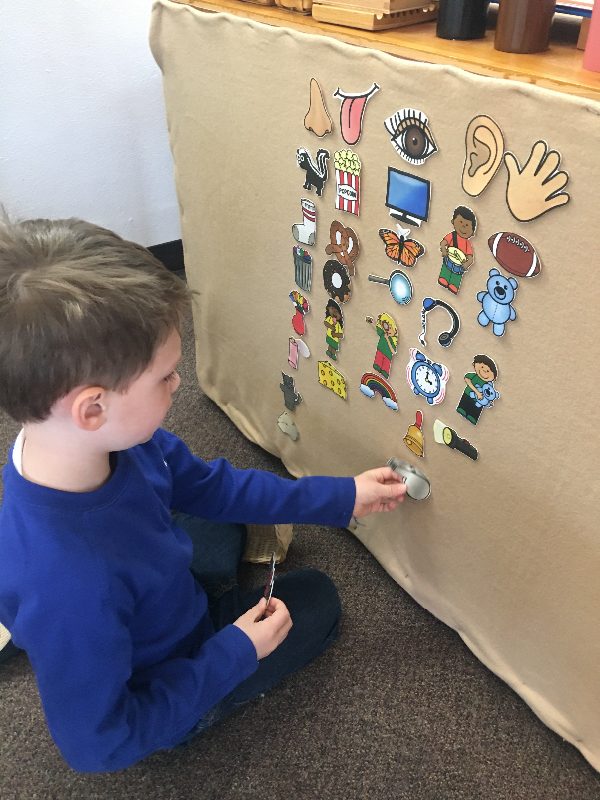
We all have something special that helps us learn about the world and know what is happening around us. Seeing, hearing, smelling, touching, and tasting are all senses. Our senses guide us in our everyday life. Our five senses can warn us of dangers.
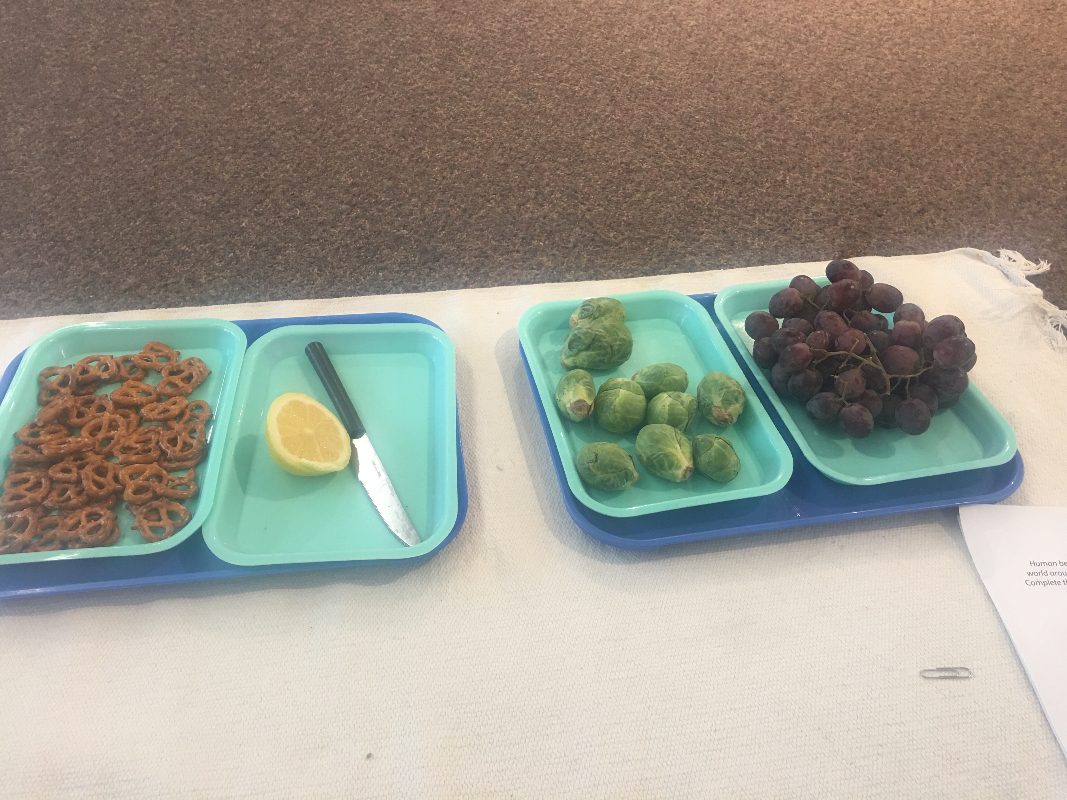
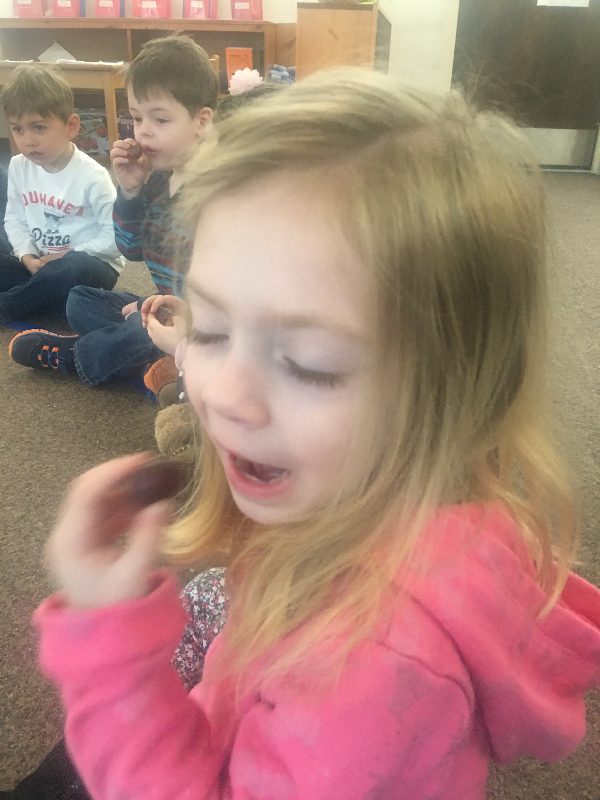
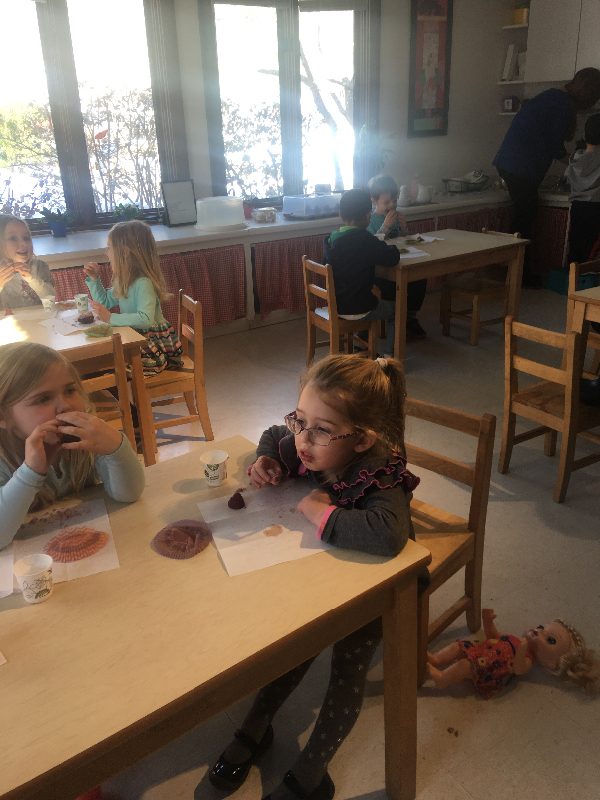
The children love our tasting tray of sweet grapes, sour lemons, bitter brussel sprouts, and salty pretzels. The favorites were salty and sweet. Everyone enjoyed it for snack! Digestive enzymes in saliva begin to dissolve food into base chemicals that are washed over the papillae and detected as tastes by the taste buds. Bitter foods are generally found unpleasant, while sour, salty, sweet, and savory tasting foods generally provide a pleasurable sensation.

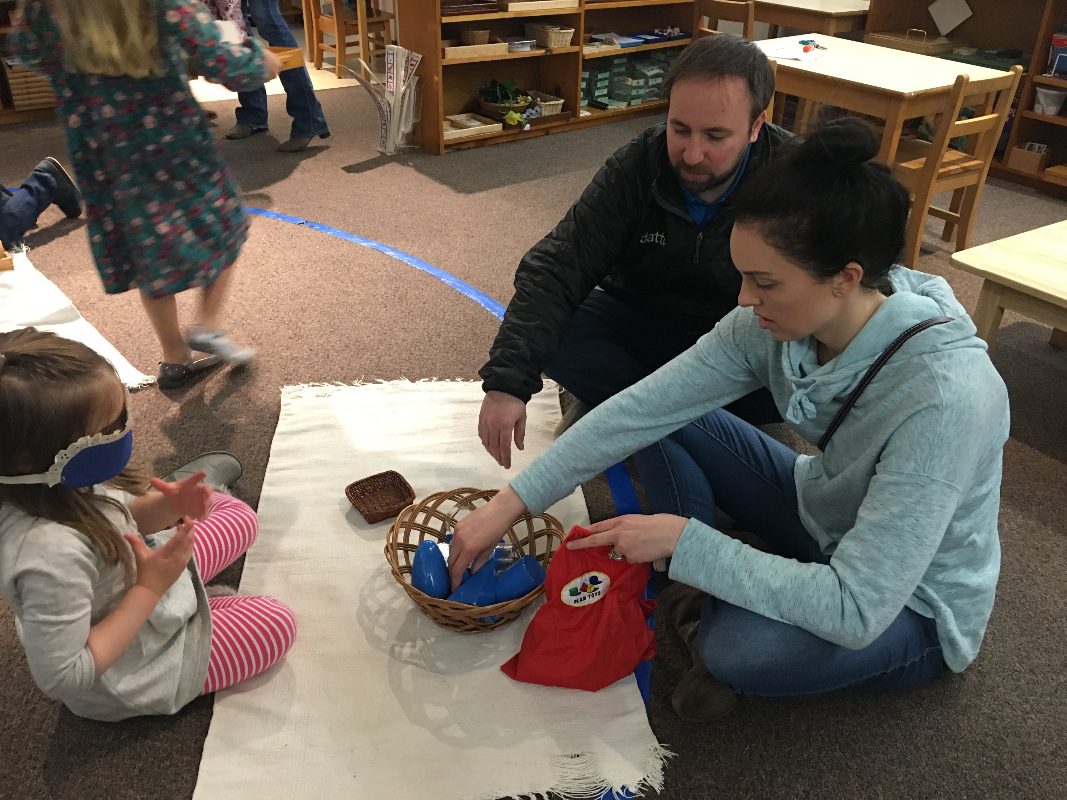
Have you ever noticed that whenever you pop a bag of popcorn in the microwave, somehow the entire family knows and shows up to share the tasty treat? That’s because it’s a ‘multisensory’ snack, or a snack that incorporates all five senses. The children enjoyed the popcorn science experiment for all five senses. We encouraged the children to describe how they use each body part to learn about things. For example, eyes are for seeing and observing, ears are for listening, a nose is for smelling, etc. They then enjoyed the tasty snack! We talked about their observations and asked questions like, “If the popcorn smelled like garbage, would you still want to eat it?” and “If the popcorn felt slimy, would you still want to touch it?”


Mrs. Santayana: Magnets! What’s the Attraction?


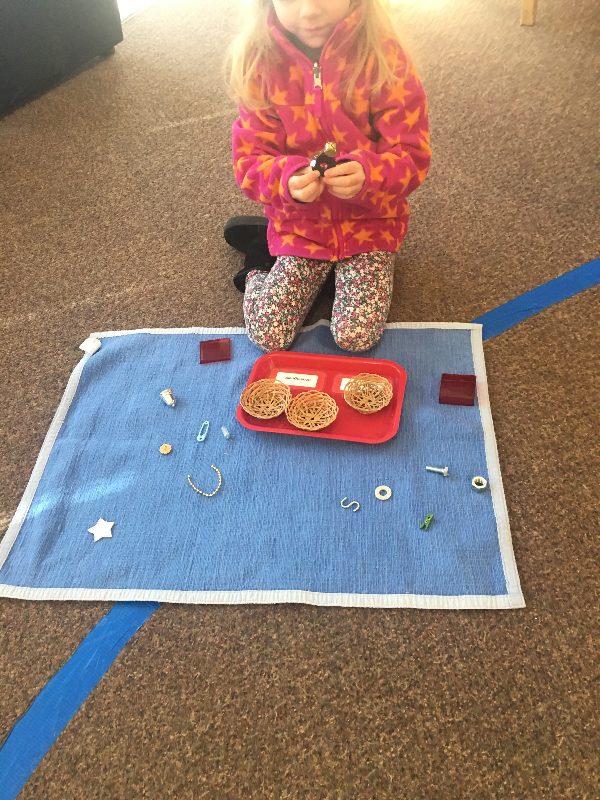
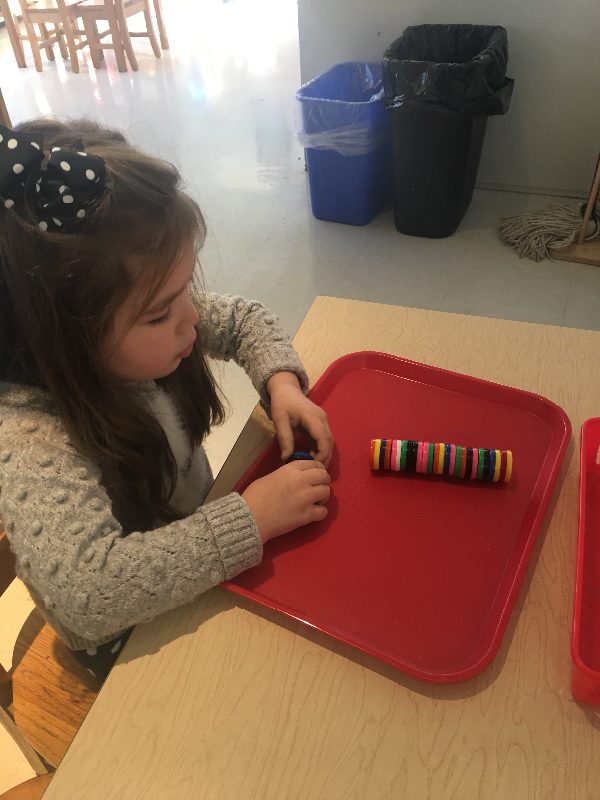
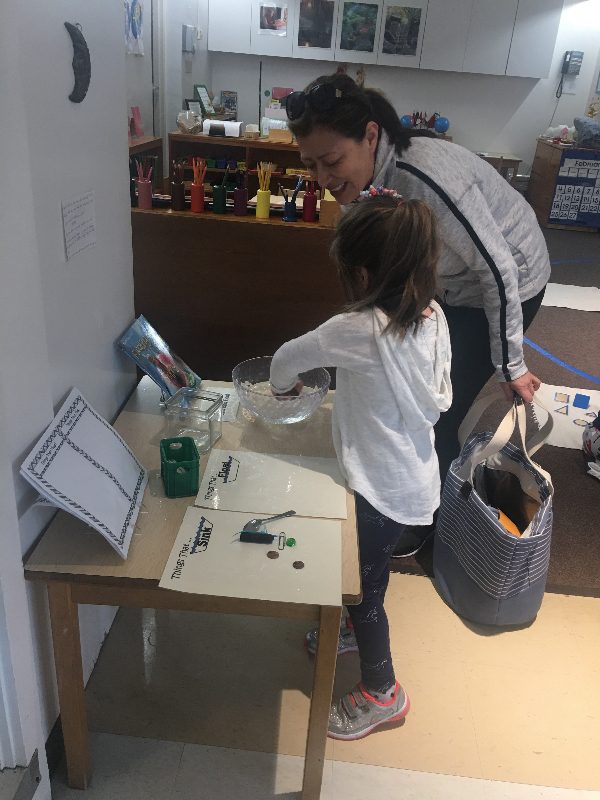
Children of all ages have a natural “attraction” to magnets. We challenged our students to be detectives when searching for things that are attracted to the magnet. The children were able to orally define the vocabulary words: magnet, attract, and repel.

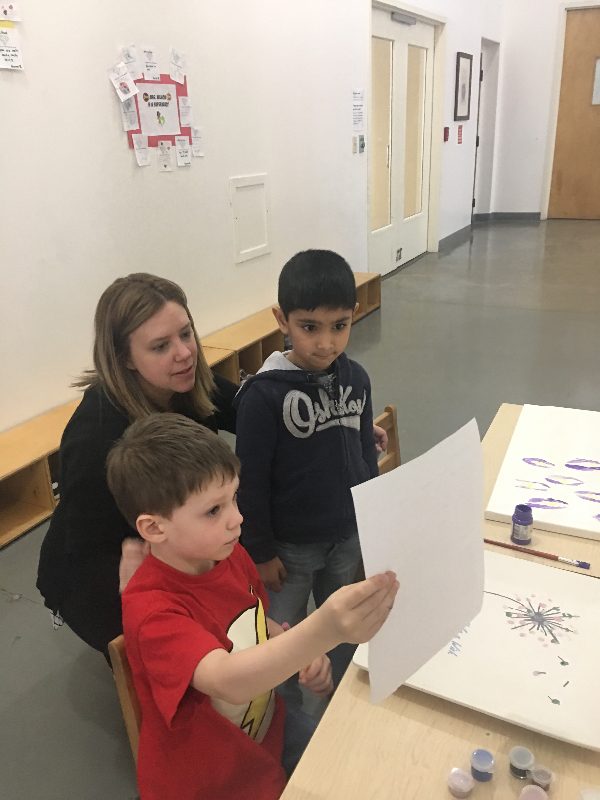
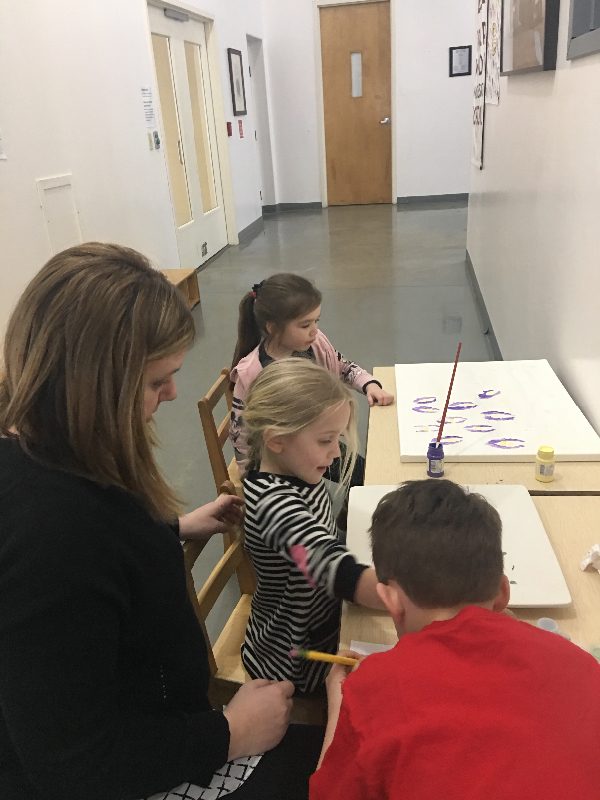
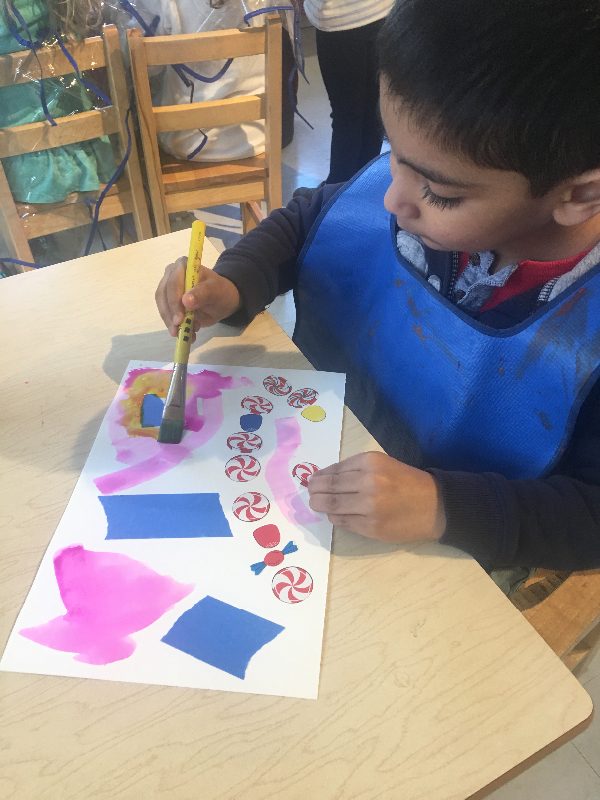
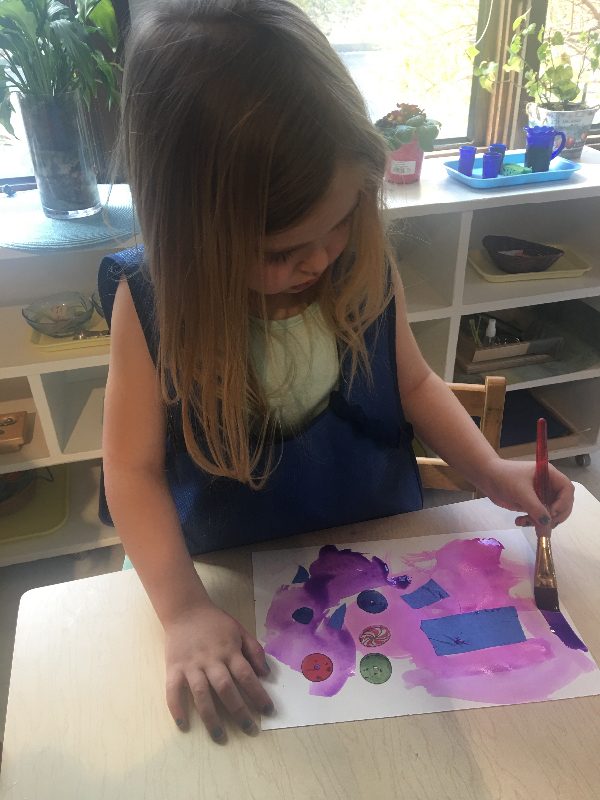
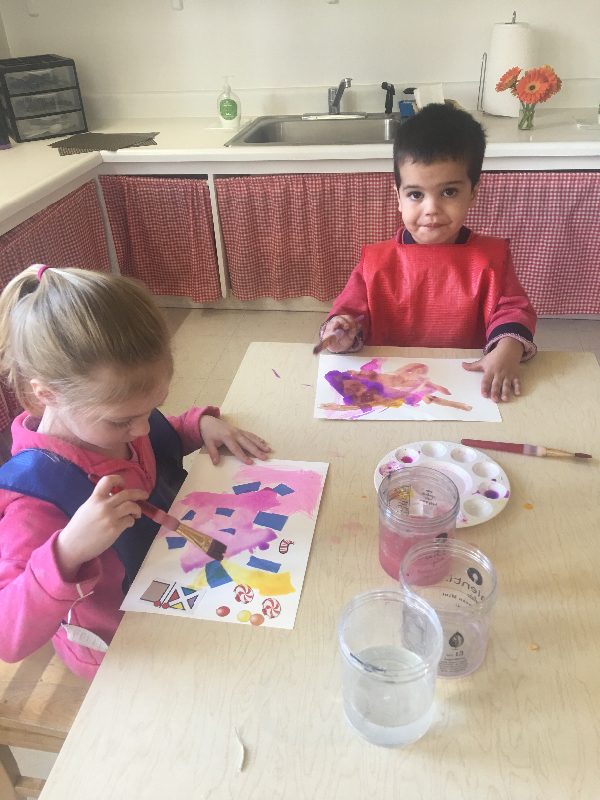
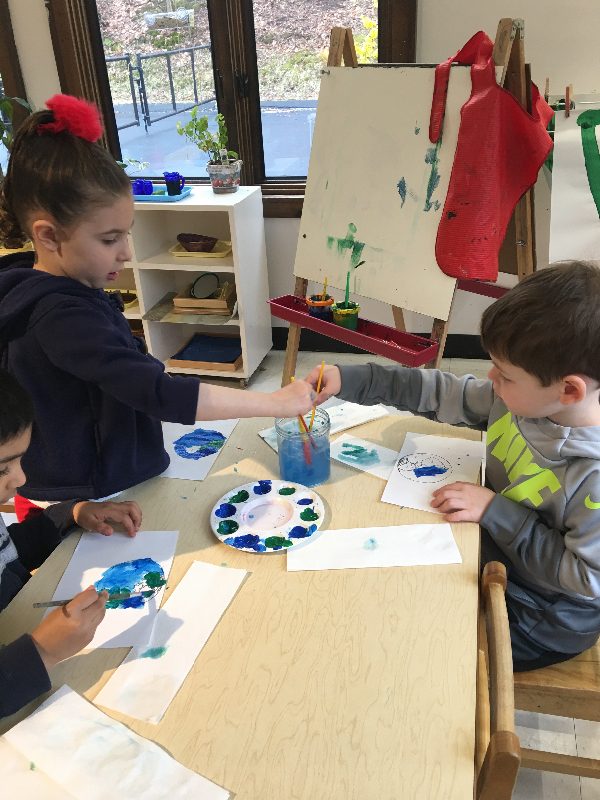
We have been so busy working in the classroom, finger painting for the auction, and experimenting with magnets, that we didn’t see the days fly by.

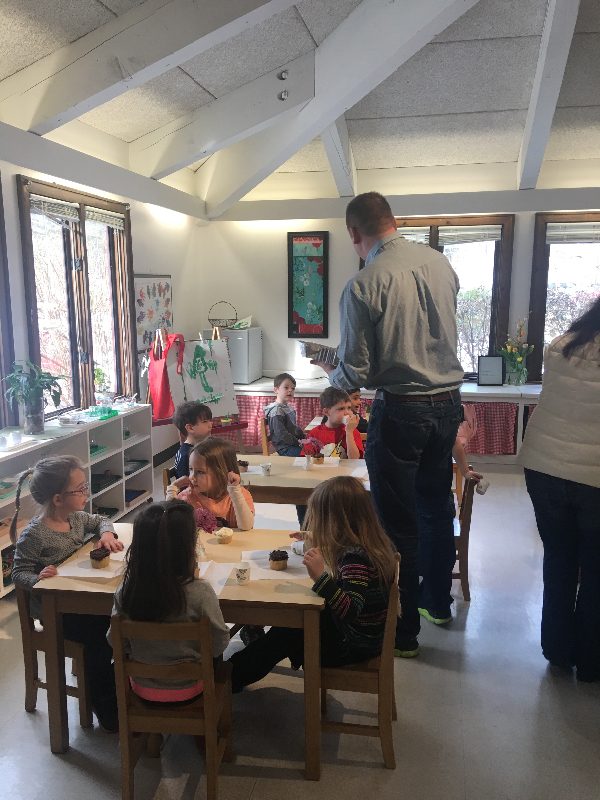
Montessori birthday walks were celebrated by Adeline and John. As always, the children loved to see the lighting of the candle to represent the sun. Thank you Samantha and Aaron for the delicious cupcakes! And thank you Laura and Michael for the yummy cupcakes too!

A special thanks to Lisa Jackson for all her help to make our auction pieces a success. We could not have done it without her.

Since Spring will be here soon, the children are looking forward to beautiful sunny and warm days that lie ahead! I would like to remind everyone about extra clothes, spring coats, a change of sneakers or shoes, and indoor shoes as it tends to be muddy this time of year.

Happy Spring!


Mrs. Doyle’s Class: Moving Like Molecules!

We hope everyone had a peaceful and relaxing break! It’s great to be back in the classroom and see everyone’s happy faces and excitement to be with their friends.

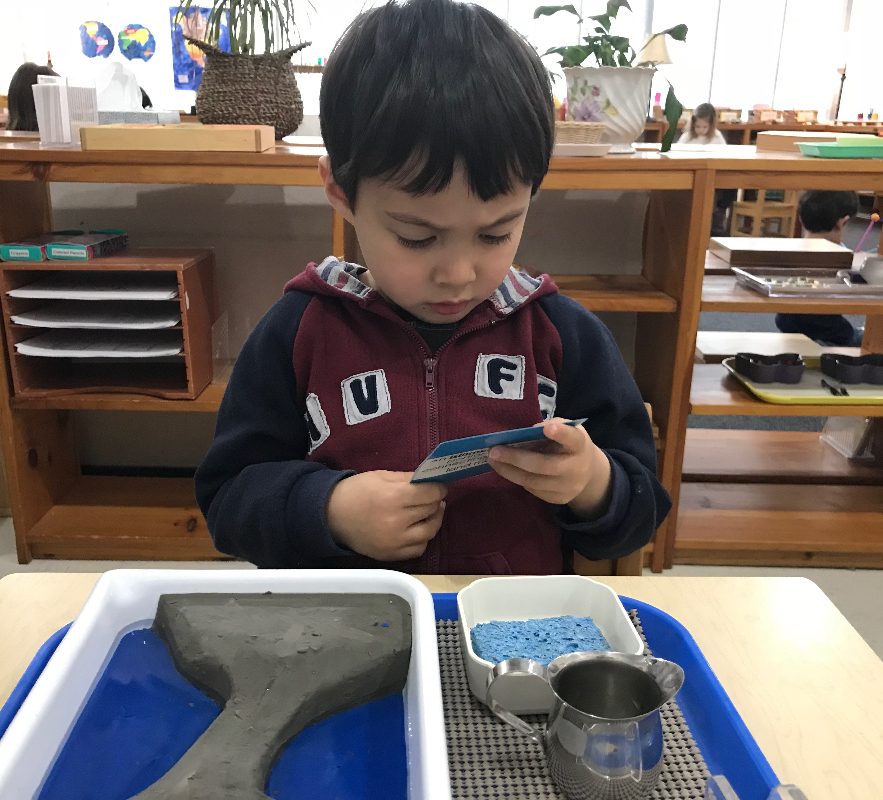
We are beginning our science unit on States of Matter. Matter is all around us. Everything that you can touch, taste, smell and see is made of matter. There are three states of matter: solids, liquids, and gases.

We are learning that solids have a definite shape because these molecules are very close together and do not move very much. The shapes of solids do not change unless some type of force makes them change.   Liquid matter does not have its own shape. The tiny molecules in liquids are not as close together as solid molecules and they move around more. Liquids take the shape of the container they are in. Gas matter also does not have its own shape. The molecules in gas are far apart and they move around a lot. Gases spread out and fill up their container too.

The children love taking part in experiments that help highlight the different properties of solids, liquids and gases. Ask them to show you how molecules in different states move!

Wishing everyone a wonderful week!

Michelle and Sonja


Mrs. Santayana: About India and Dr. Seuss’s Birthday Celebration

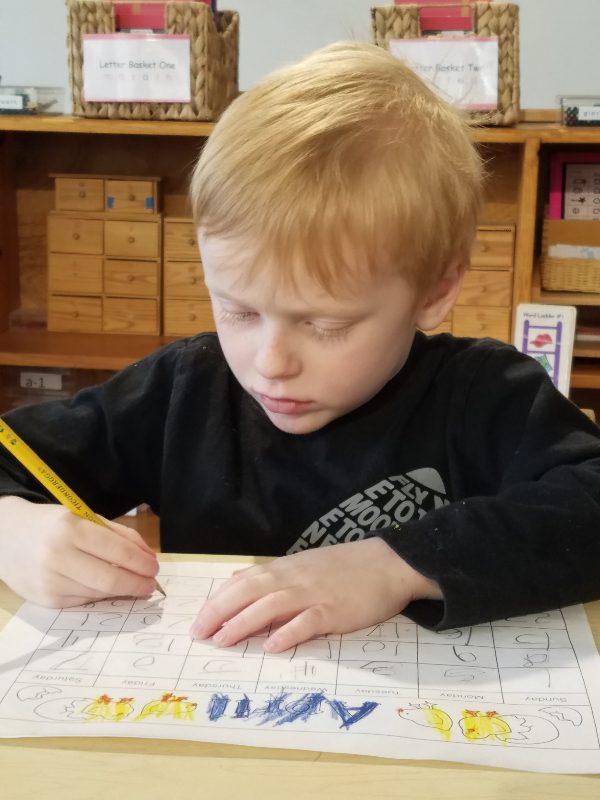
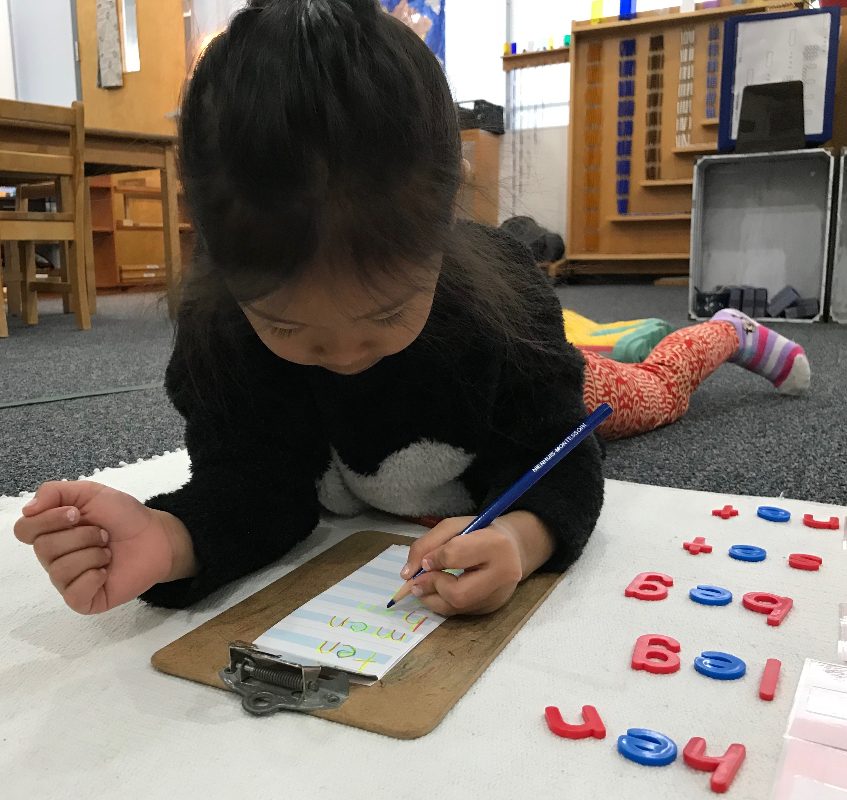
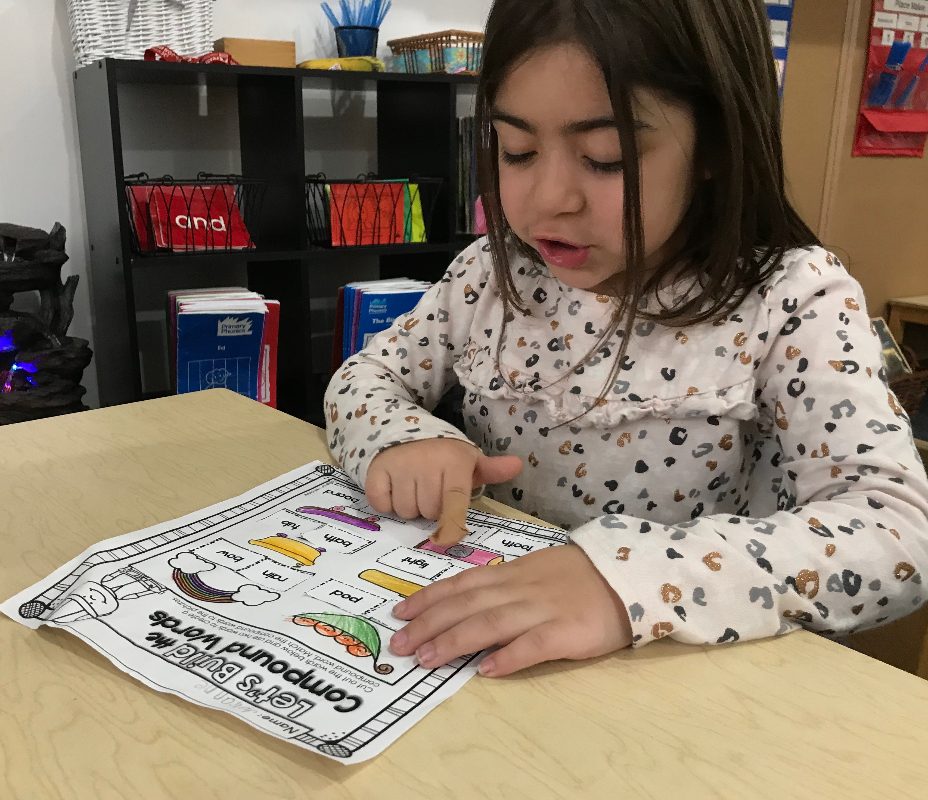
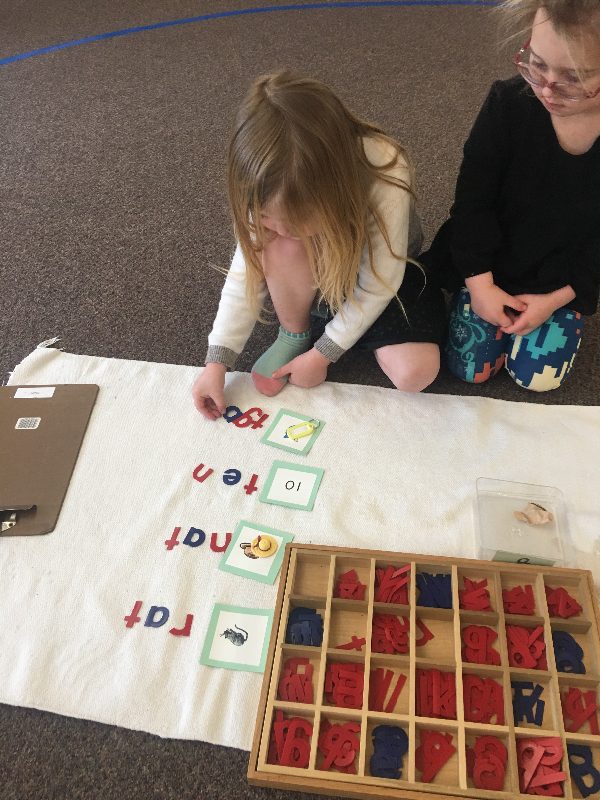
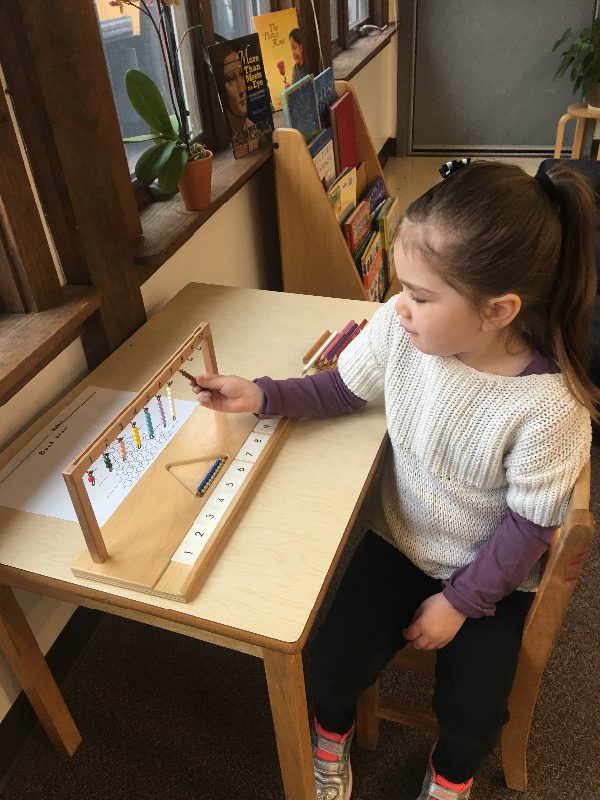
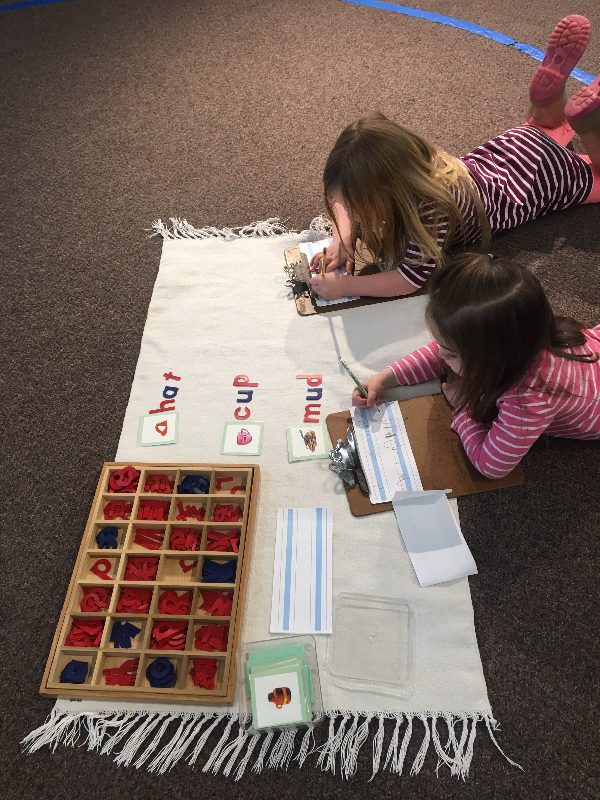
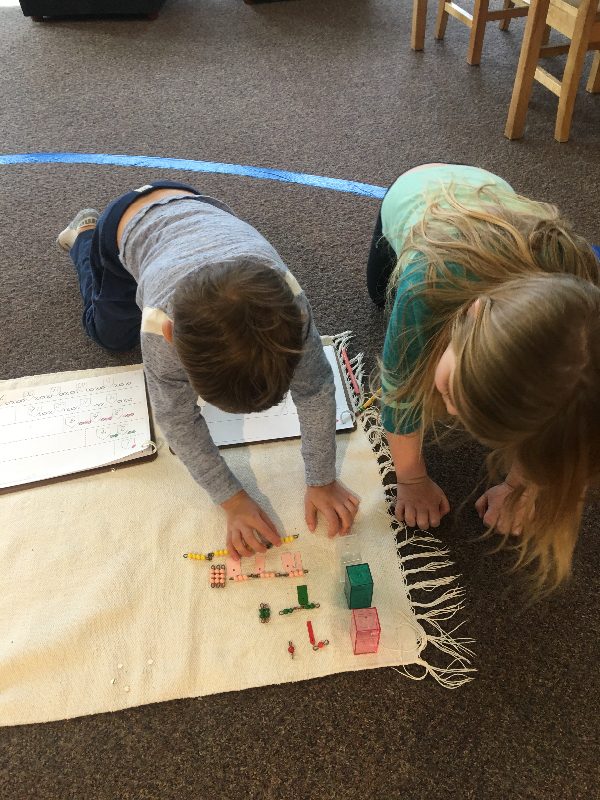
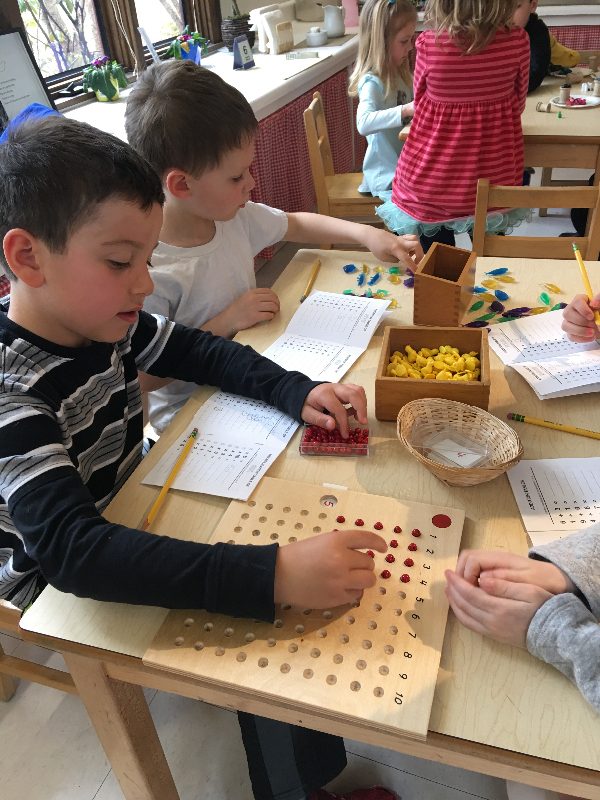
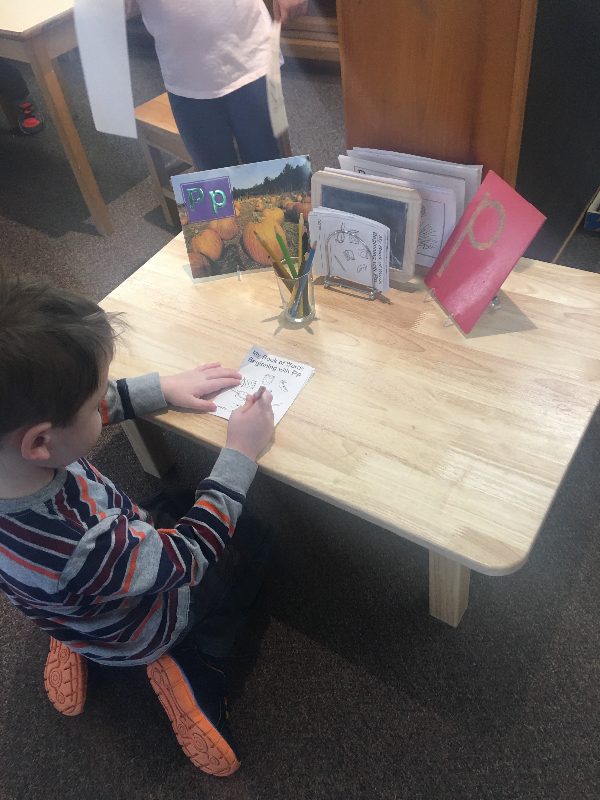
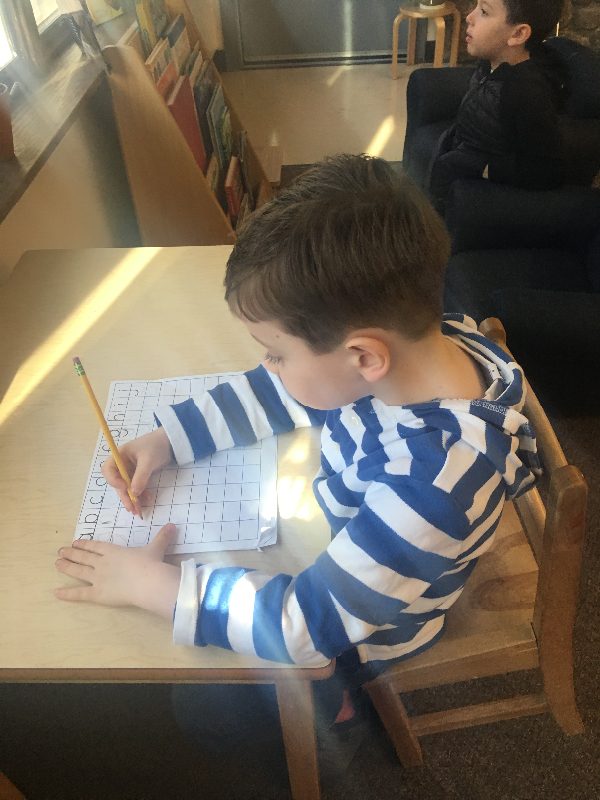
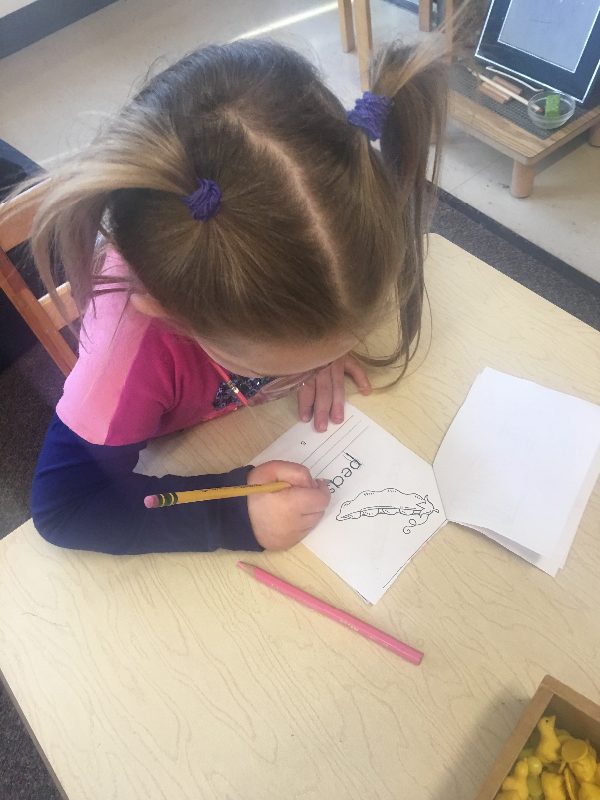
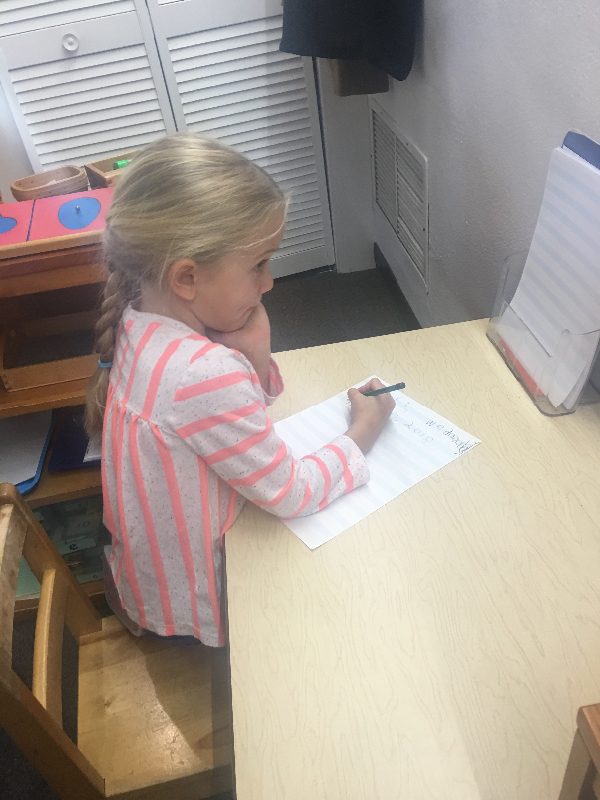
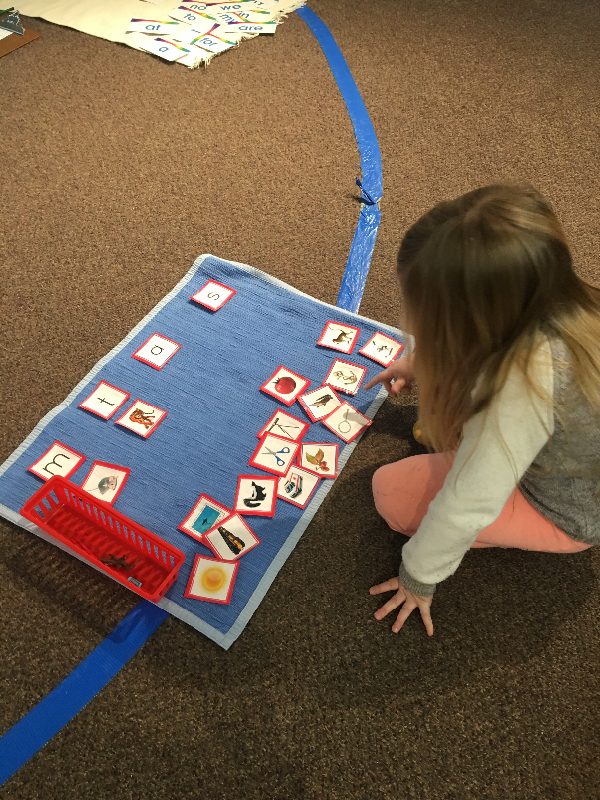
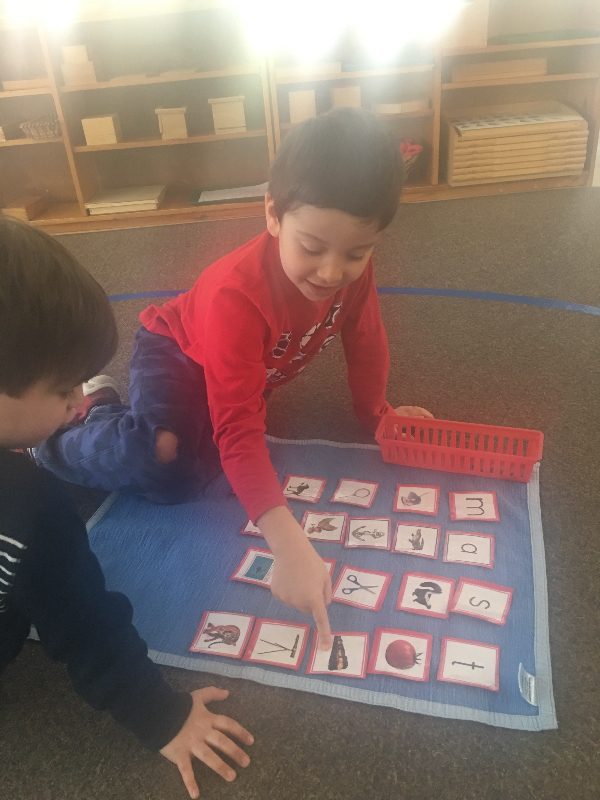
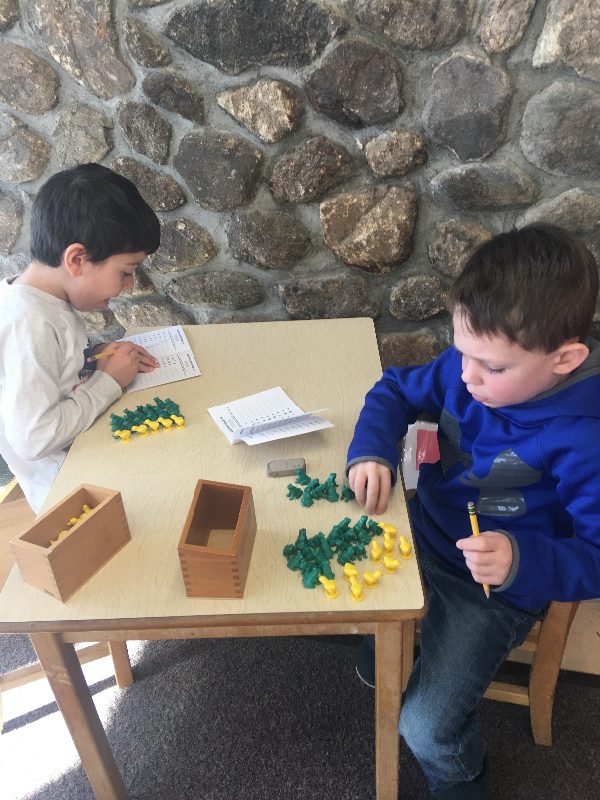
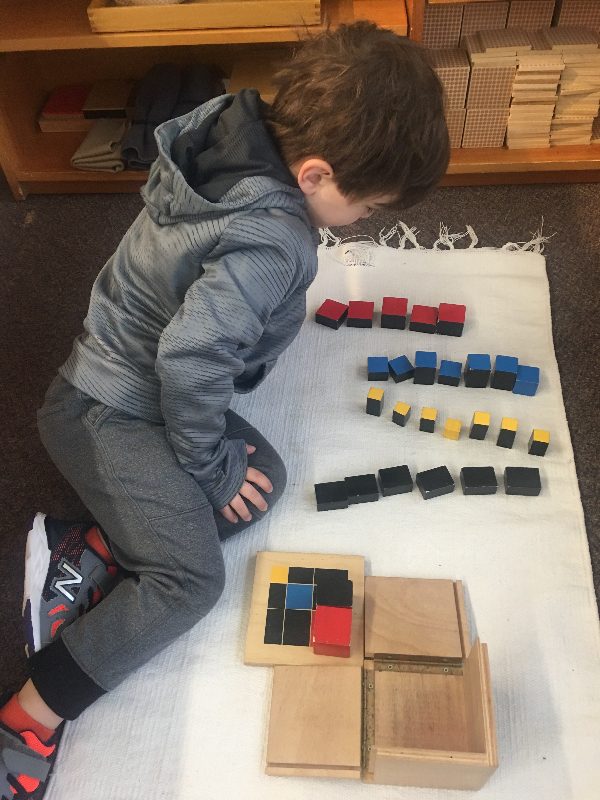
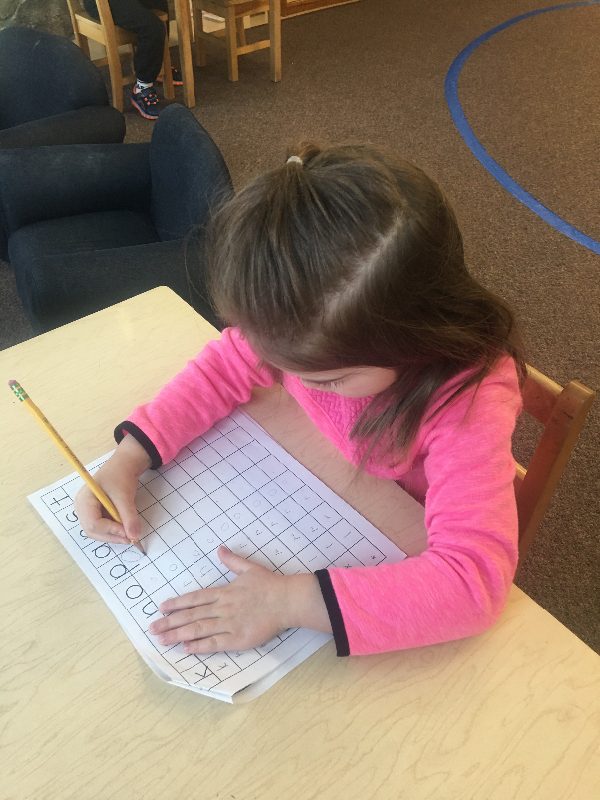
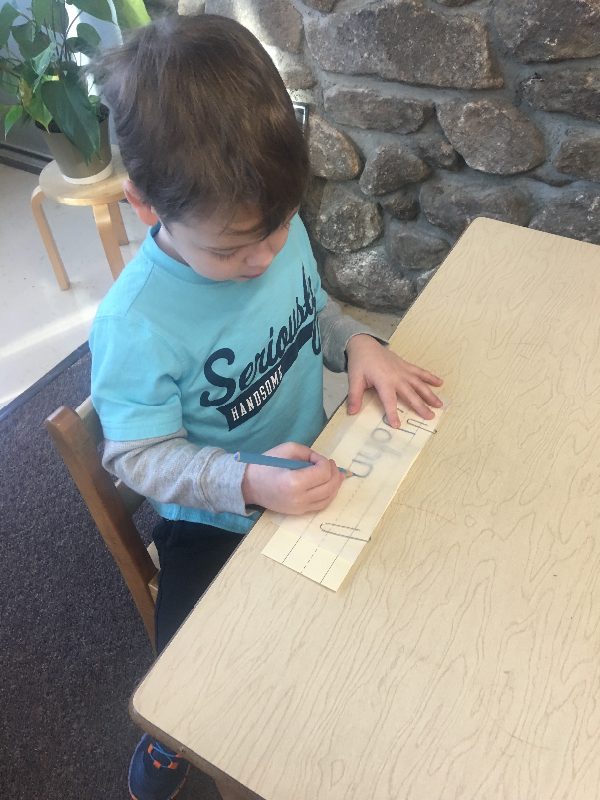
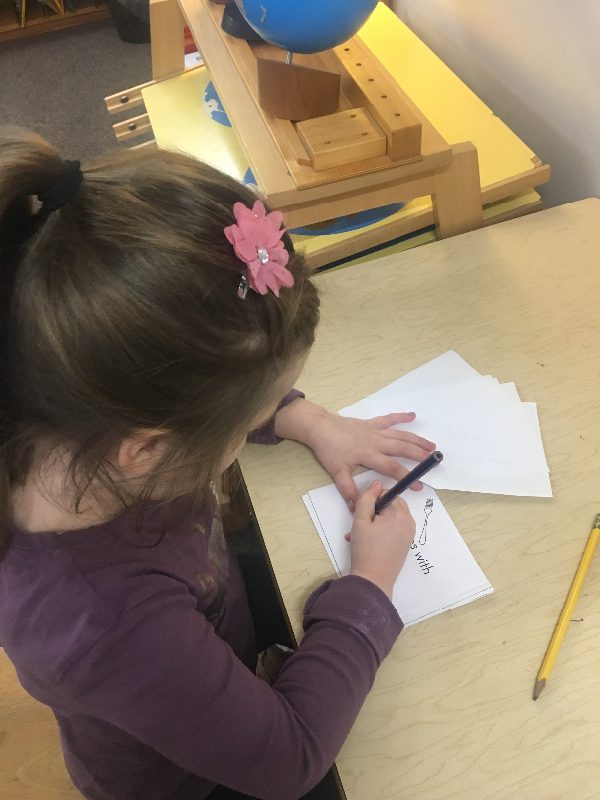
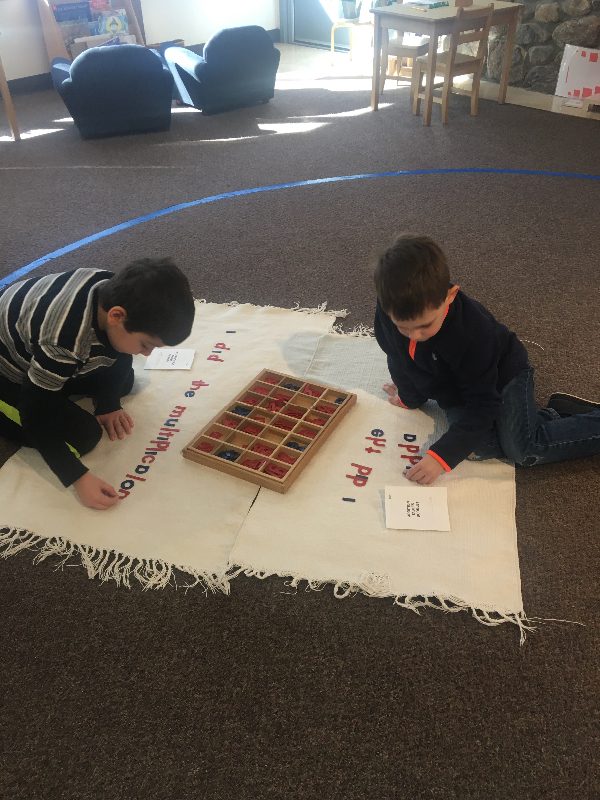
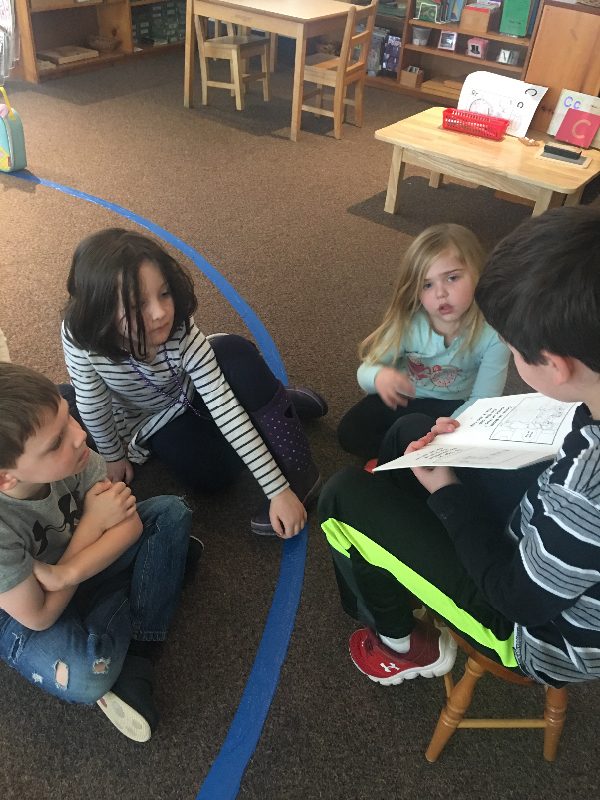
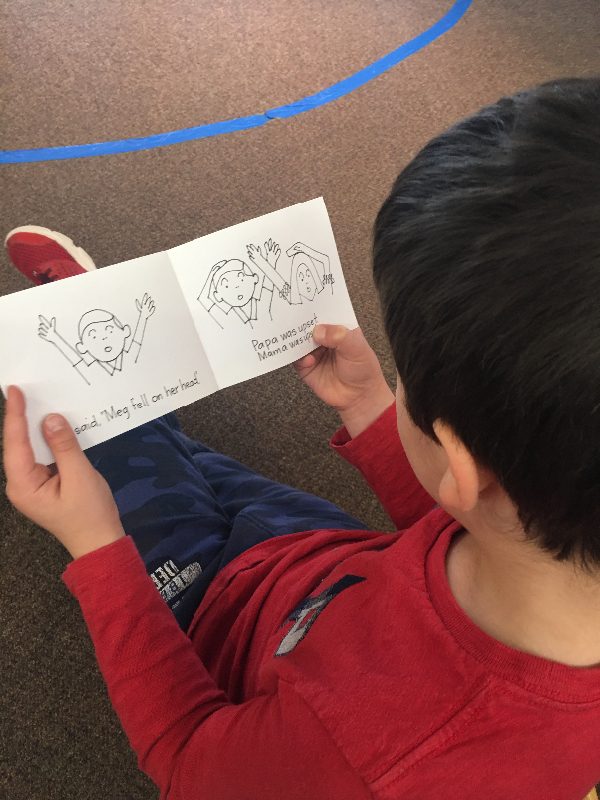
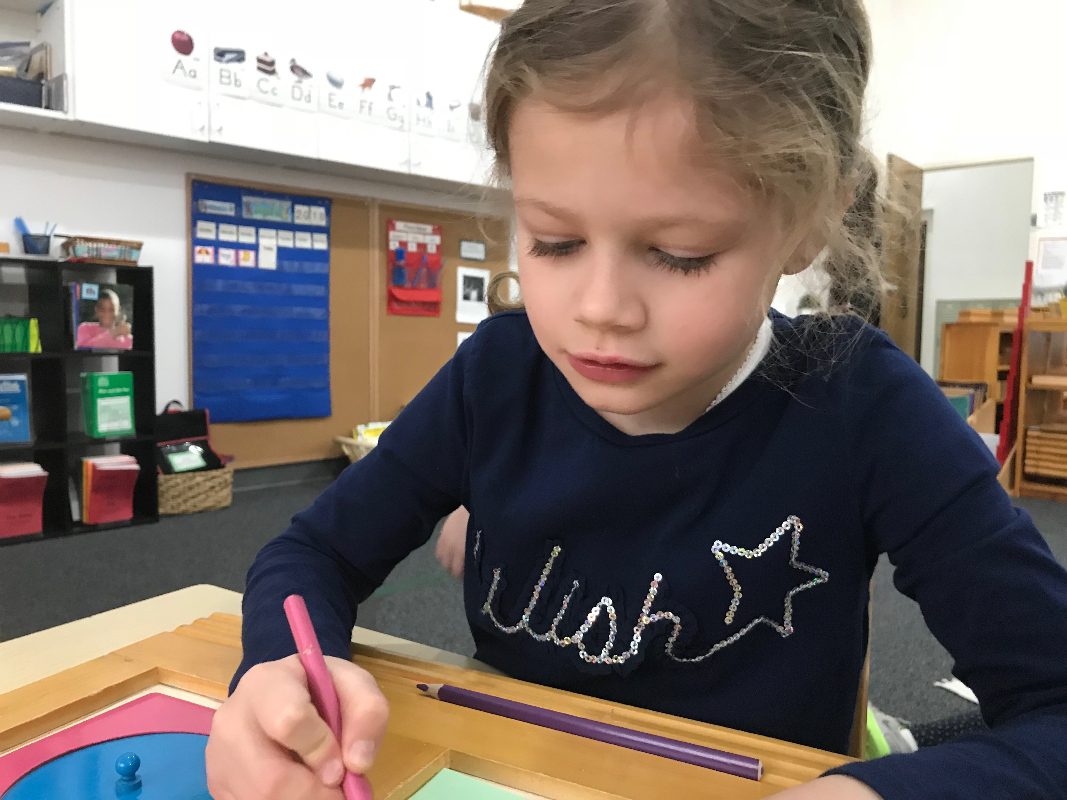
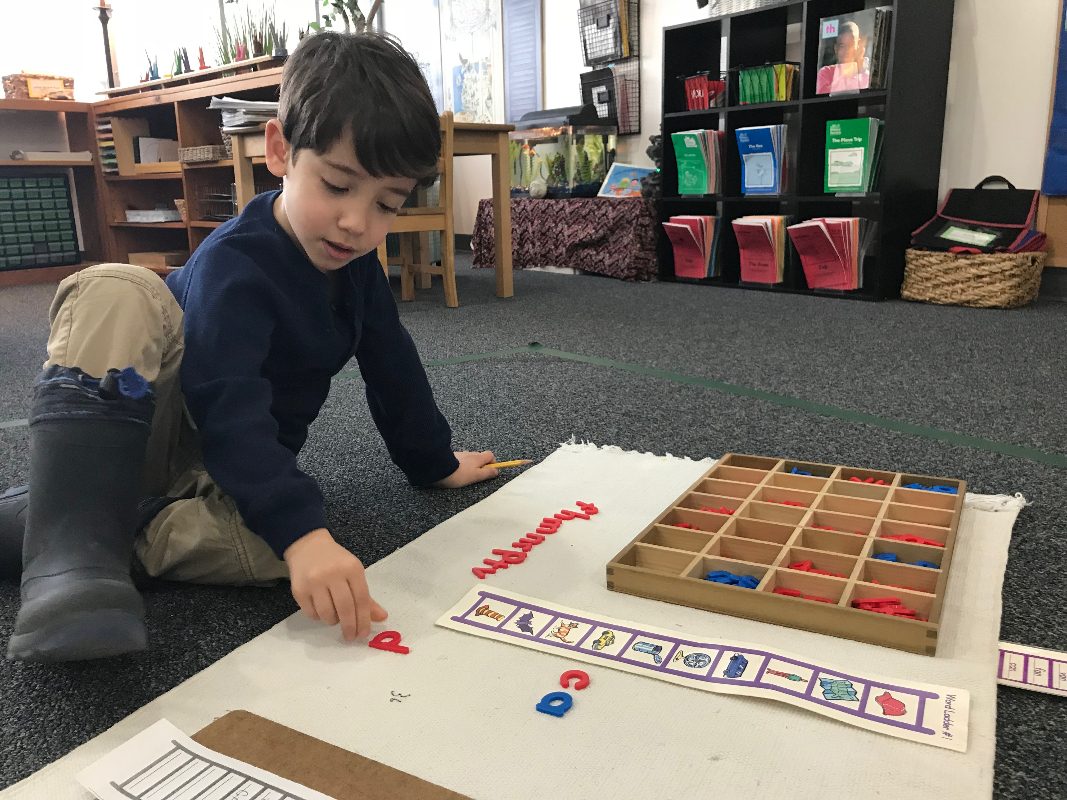
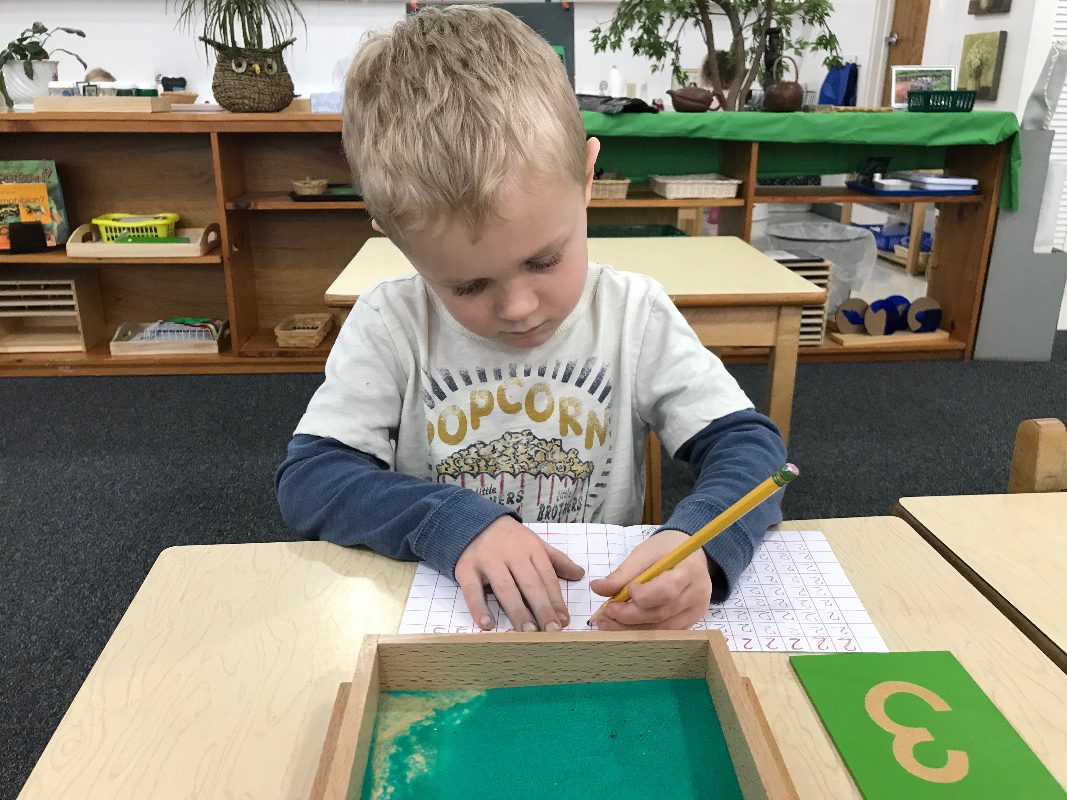
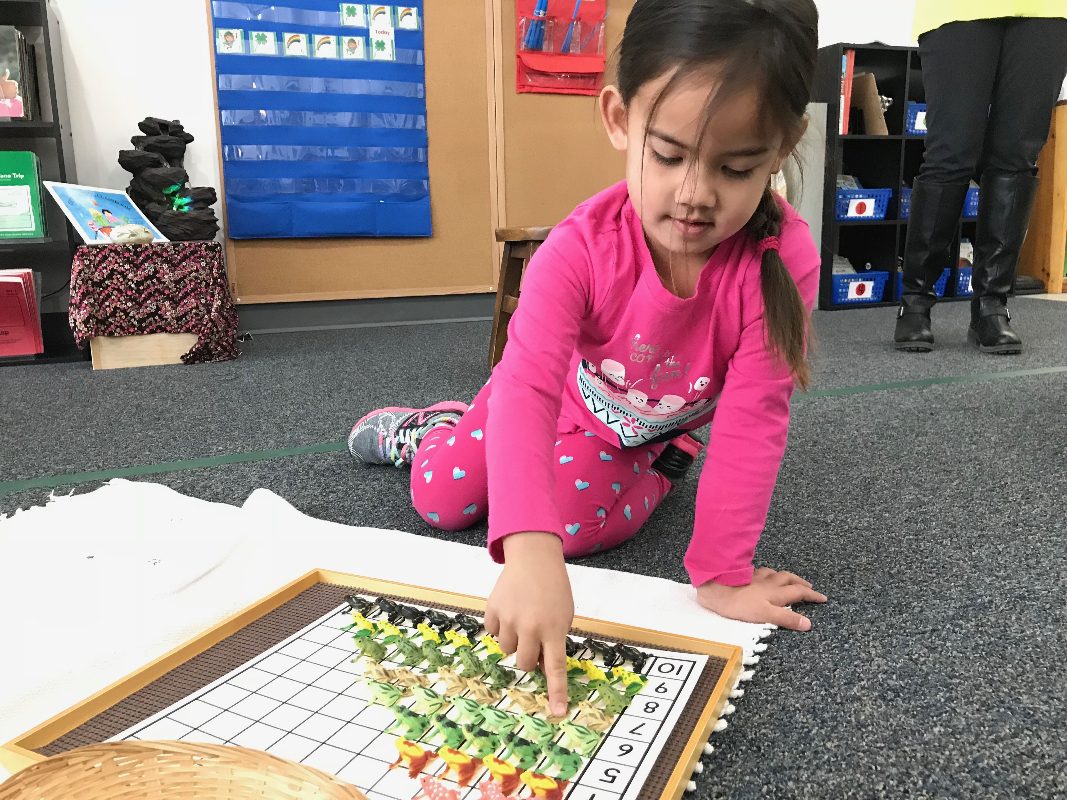
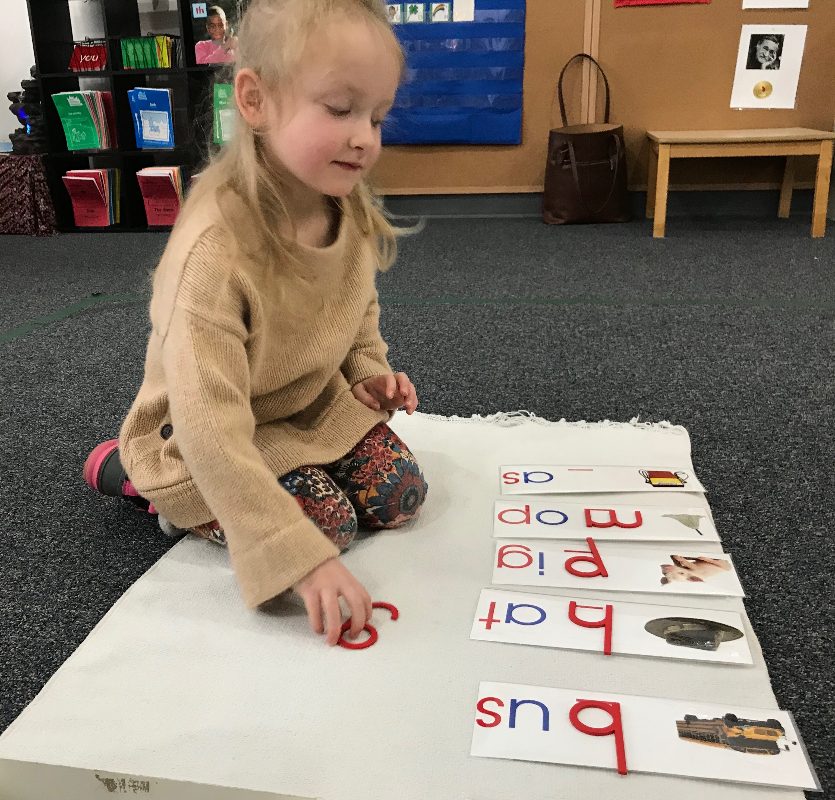
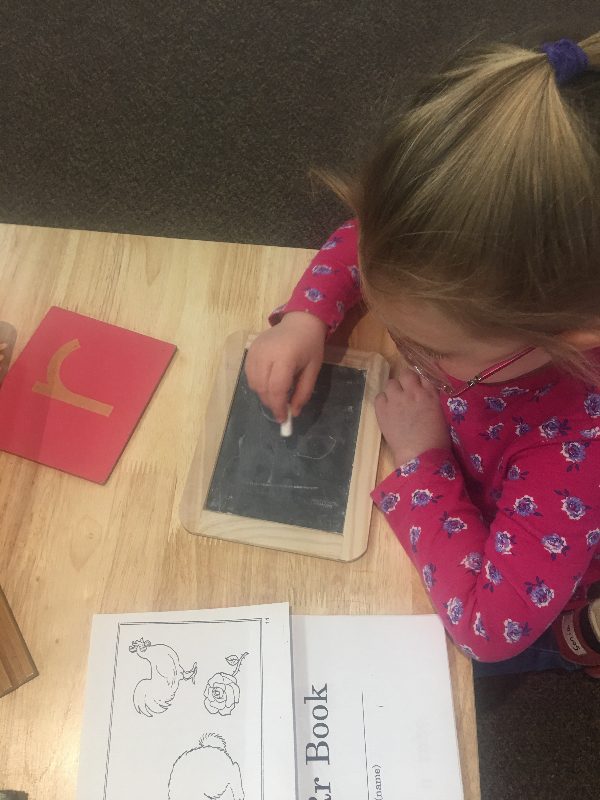
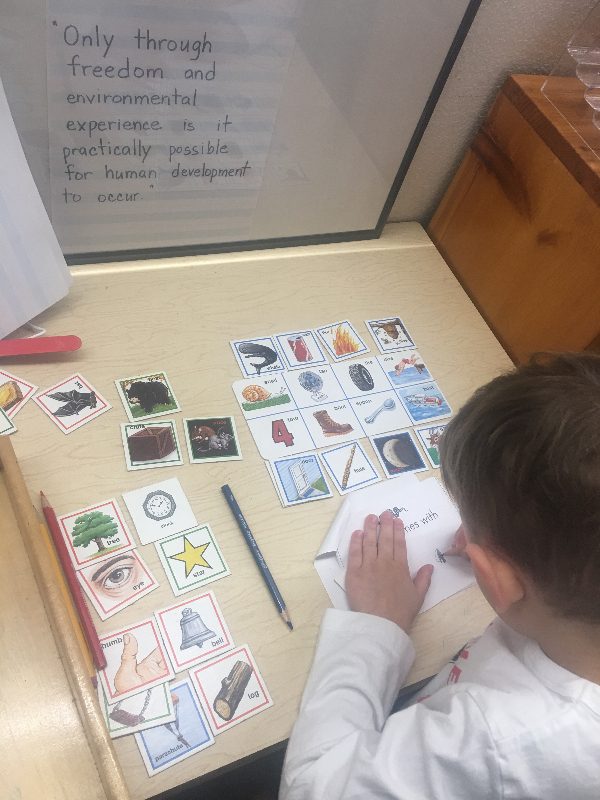
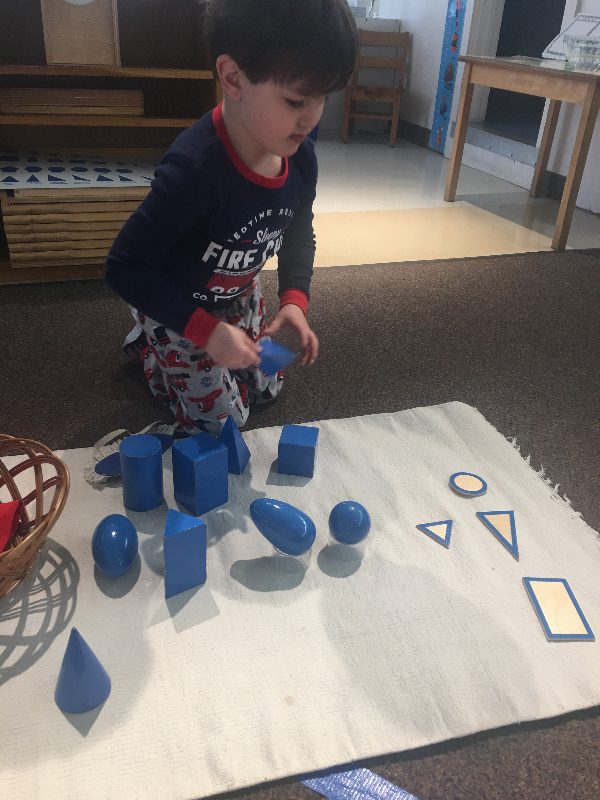
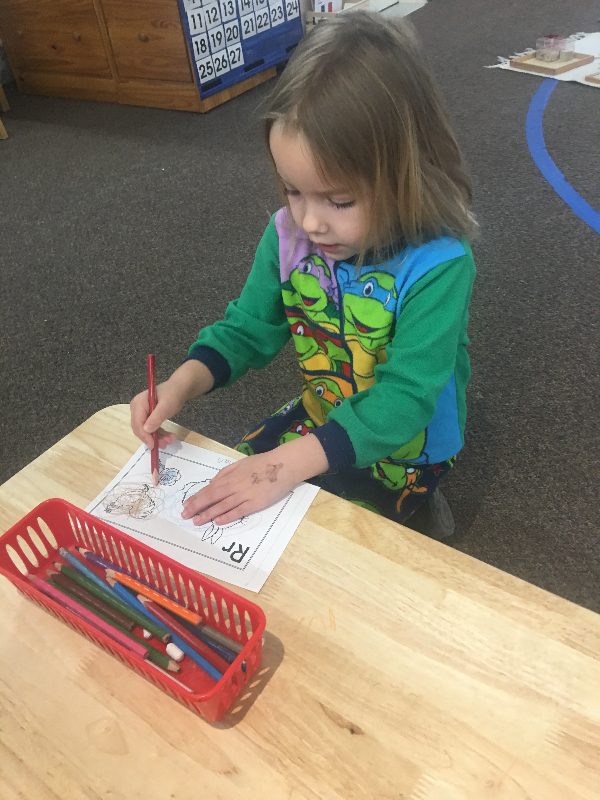
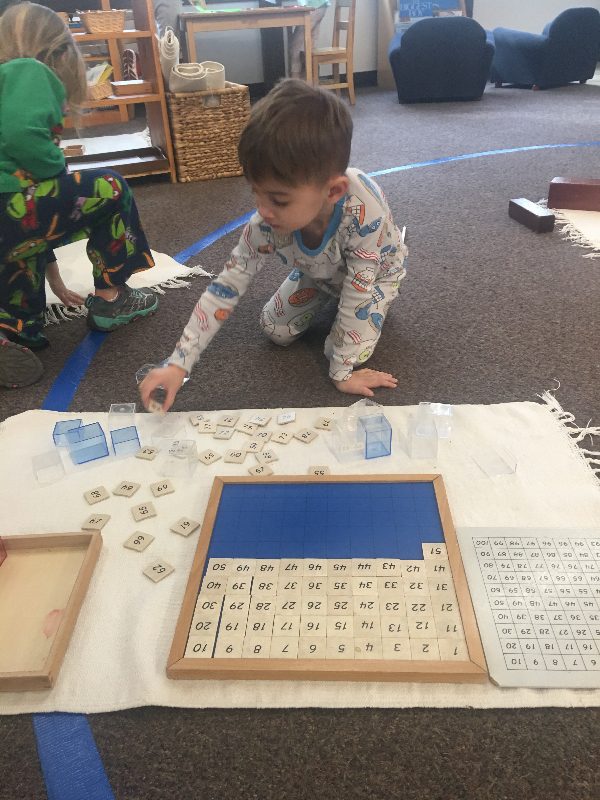
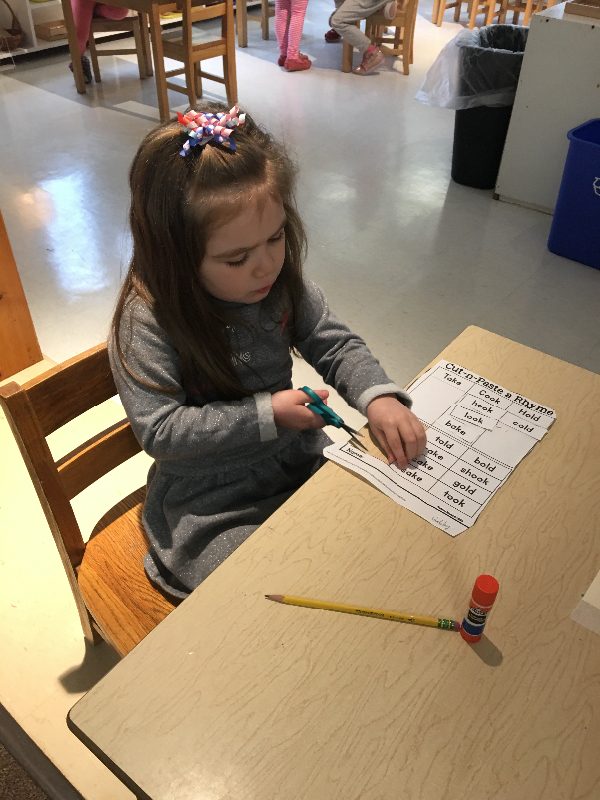
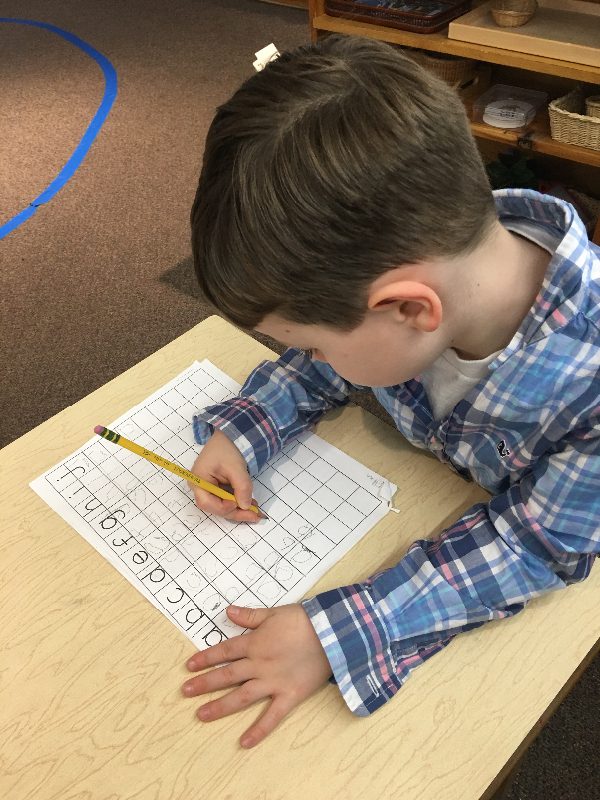
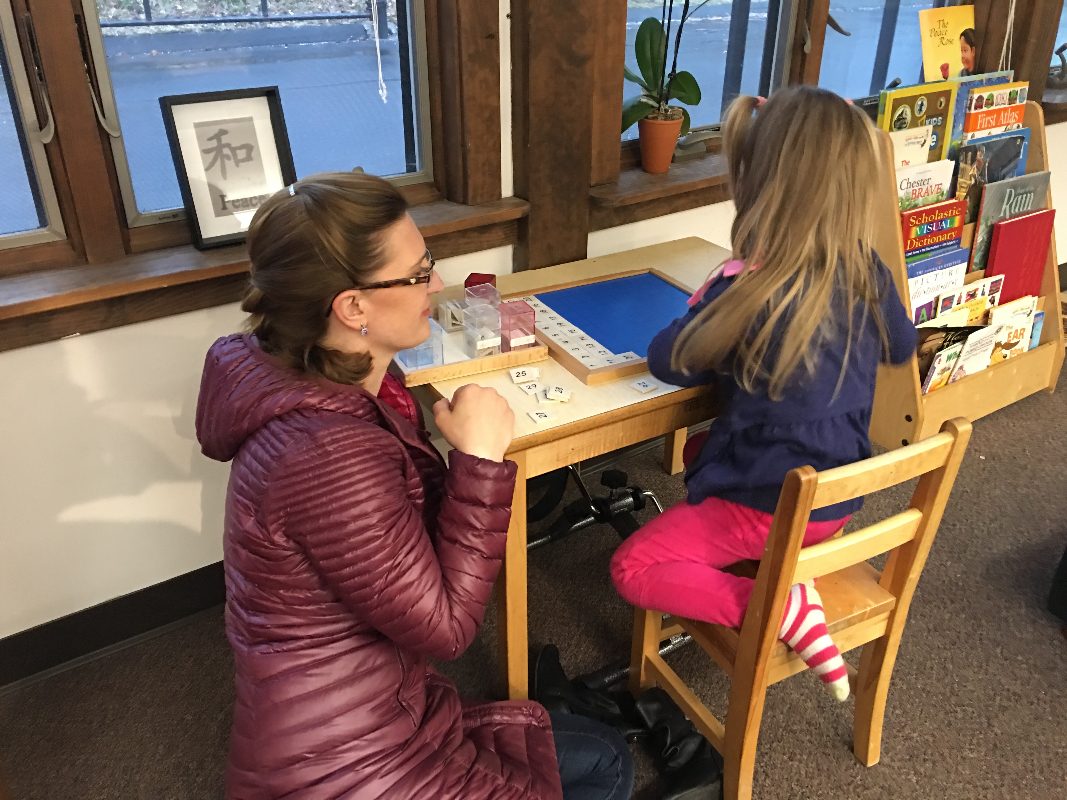
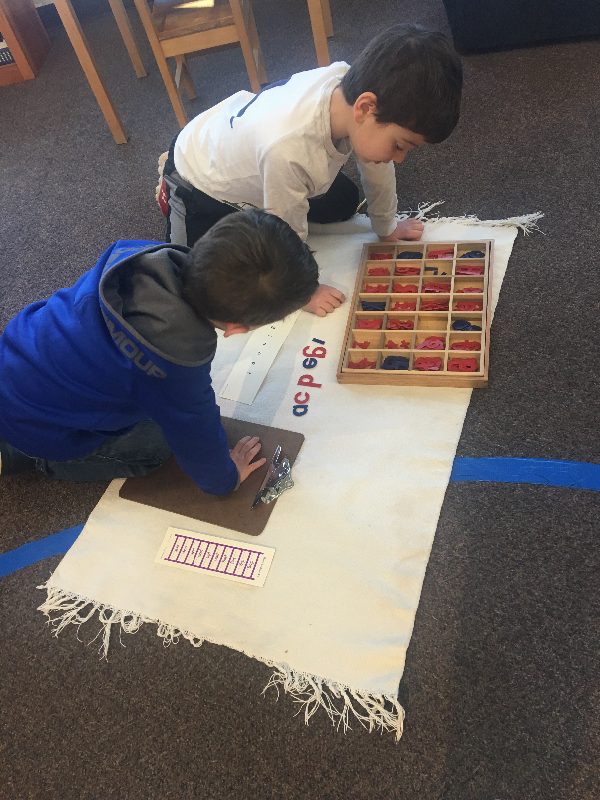
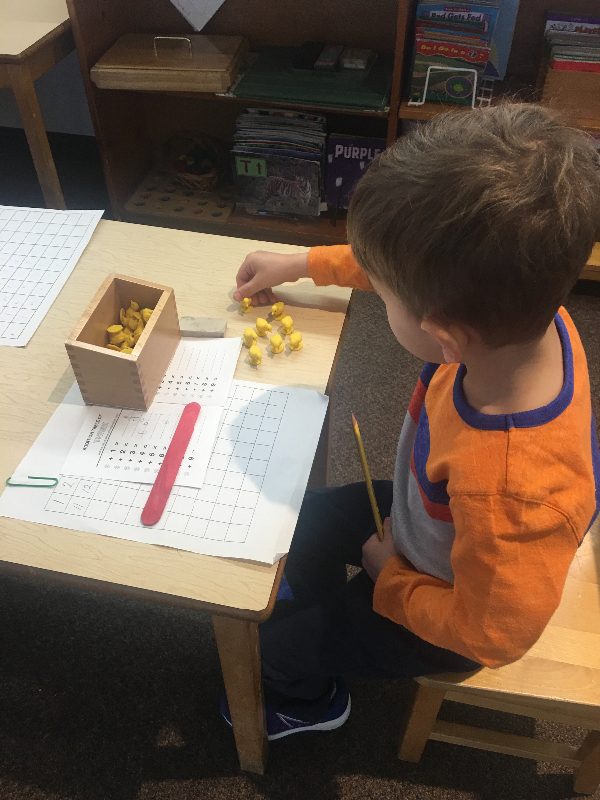
We continue our quest for writing and reading, as many of our friends are filling in their picture stories and reading books in the classroom; and our love of math, as we play the Memory Game, the Exchange Game, the 100 Board, and Number Composition.

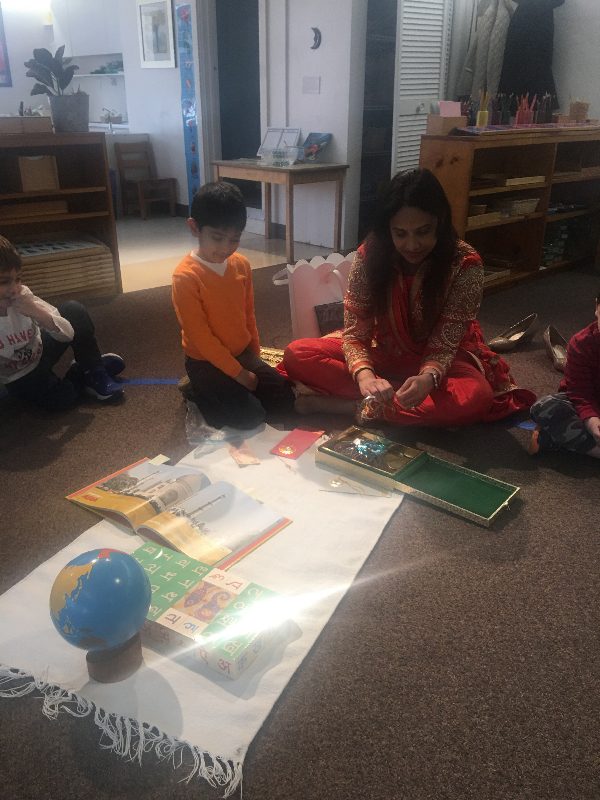
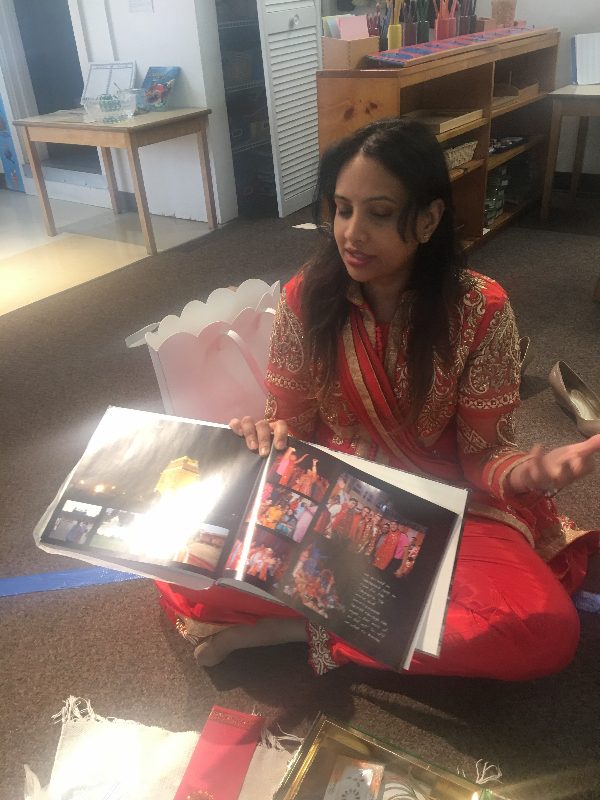
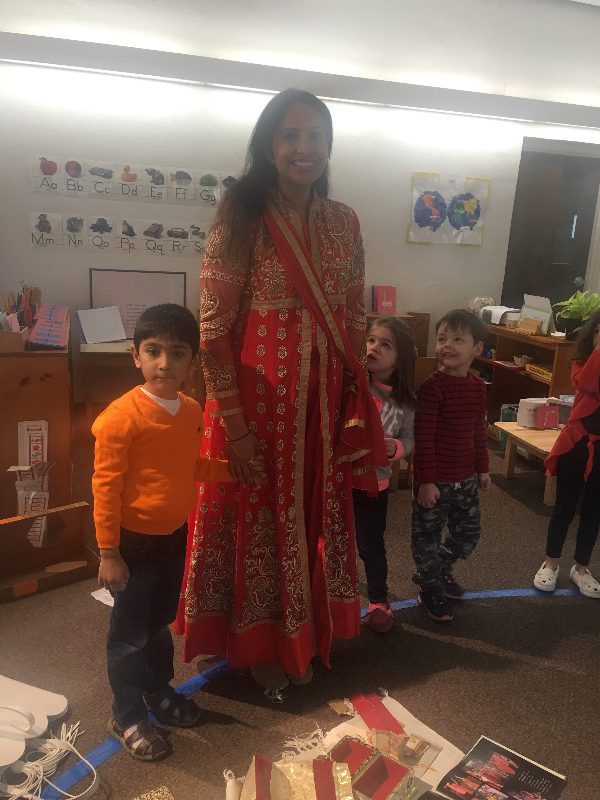
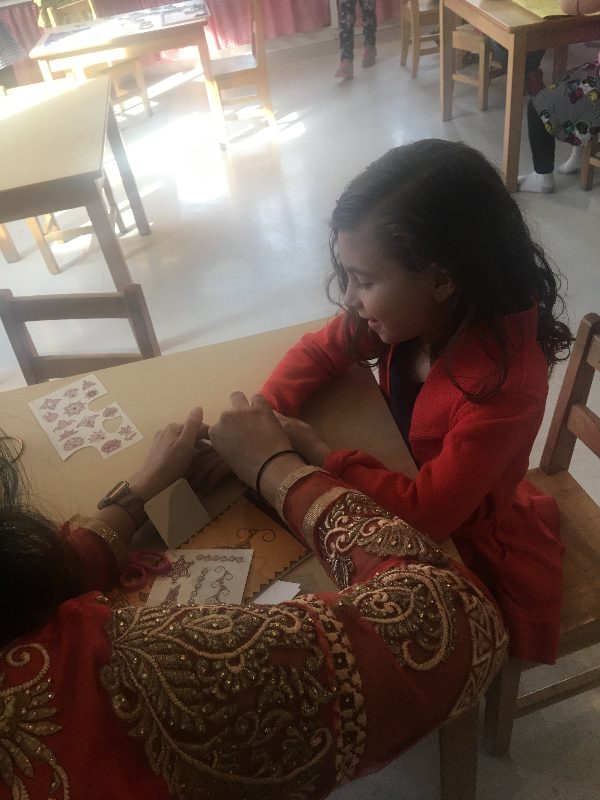
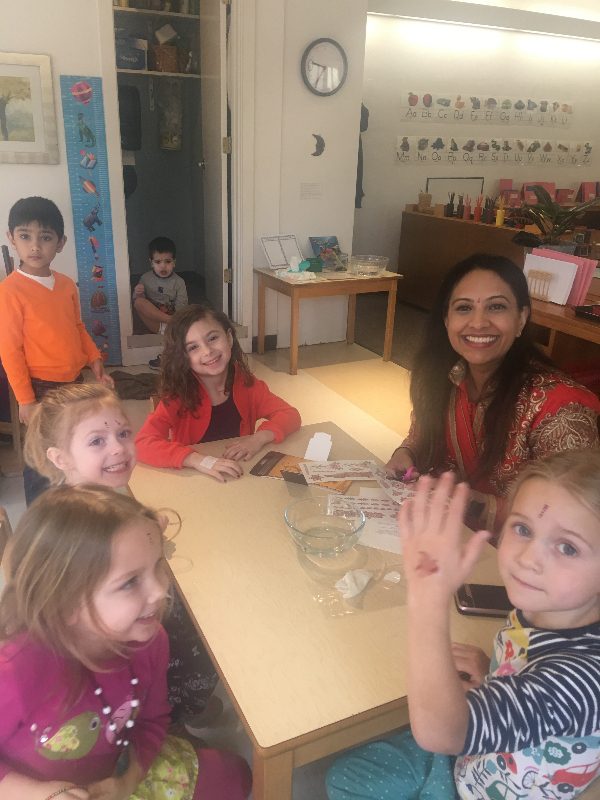
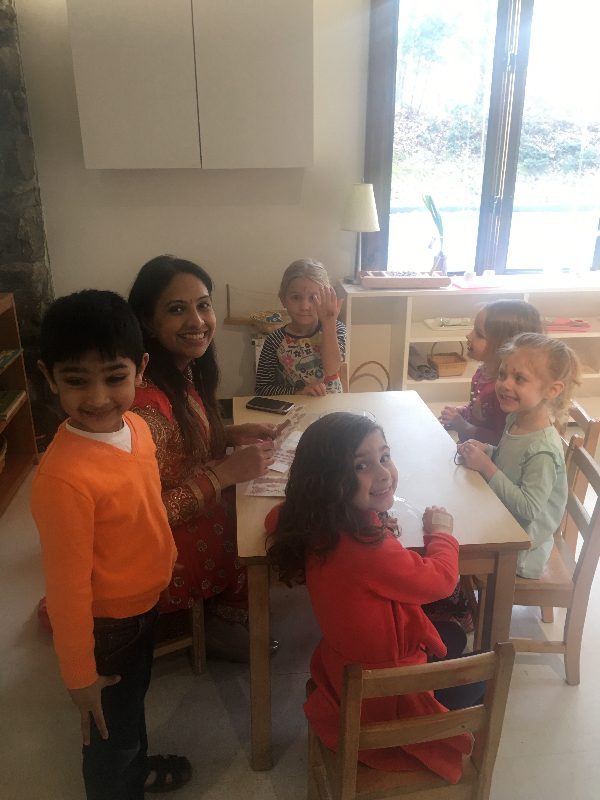
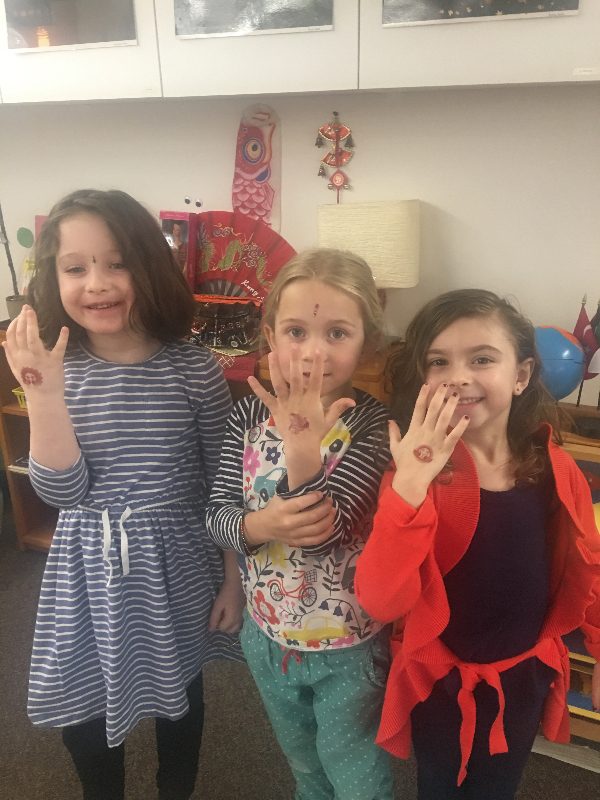
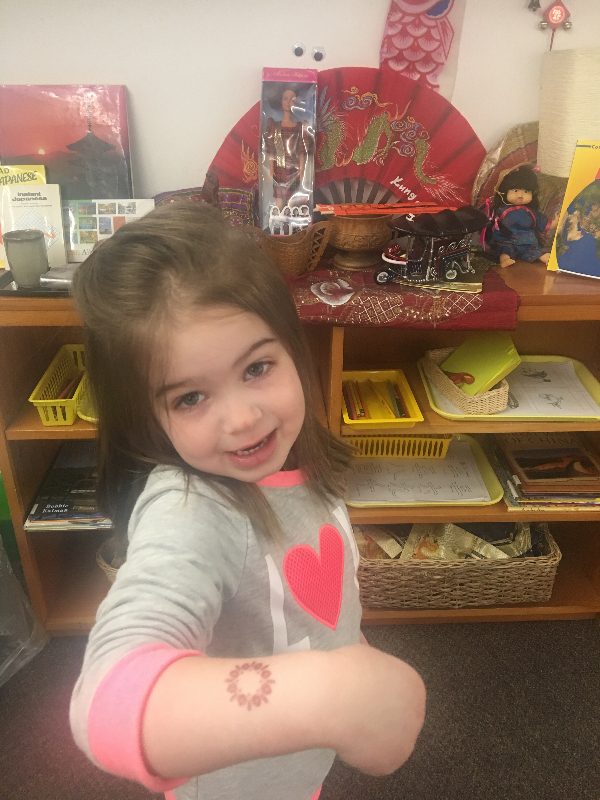
Thank you Mrs. Archna Johar (Deven’s mom) for a beautiful presentation of India. The children learned about the culture: the combination of language (the various dialects), religion, and social structure. We learned about the clothing, currency, and holidays. We were introduced to the alphabet, which is called Devanagari script. She explained about the tattoo tradition in India. Used as a sign of status, tattoos have been around in India since ancient times. Most of the children had the opportunity to get temporary tattoos from Mrs. Johar! She also introduced the Bindi. A bindi means “point, drop, or small particle.” A bindi is a colored dot or decoration worn on the center of the forehead. Bindi in Hinduism, Buddhism, and Jainism is associated with ajna chakra, and Bindu is known as the third eye chakra. Thank you for providing snack for the day as well!

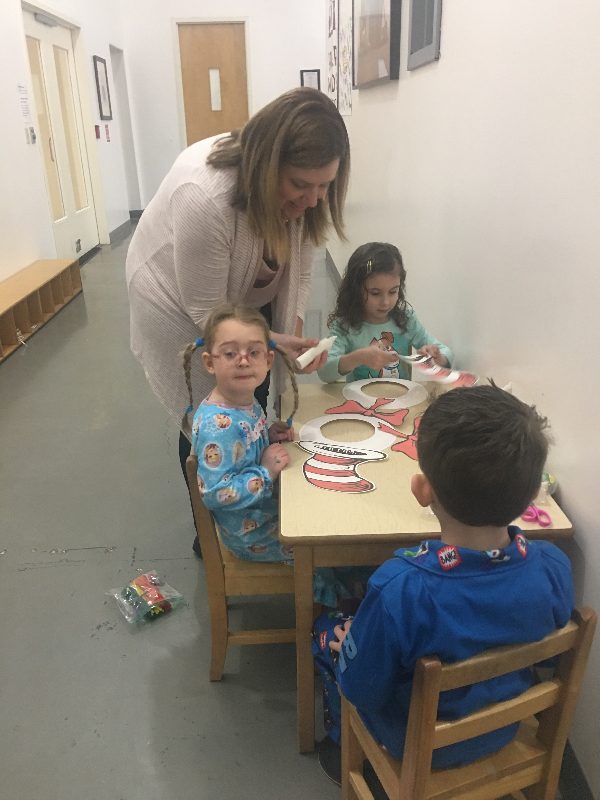
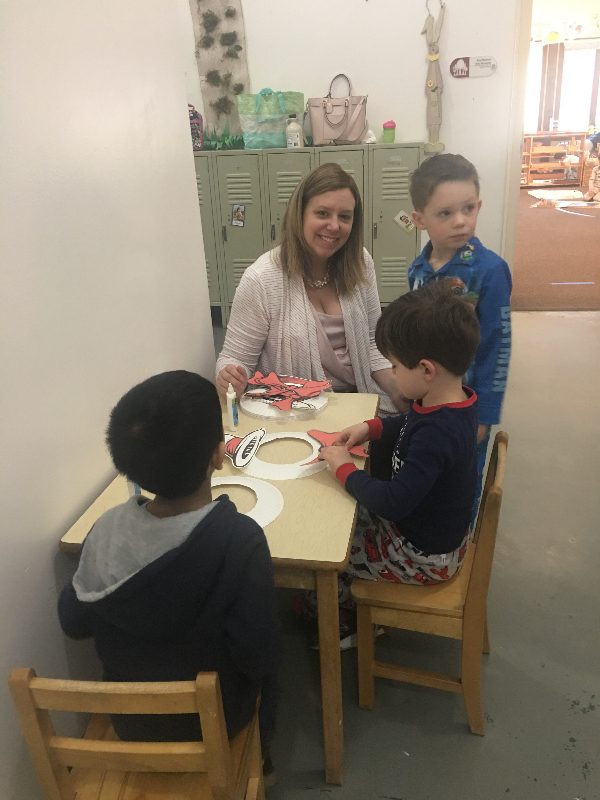
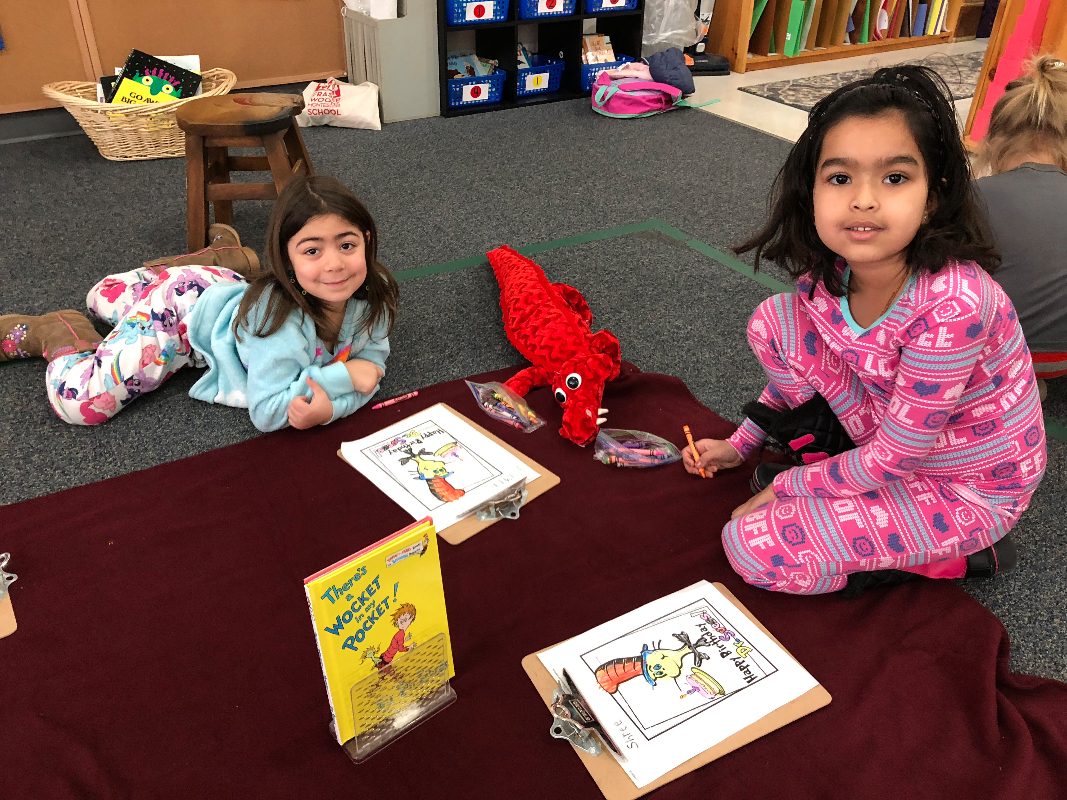
Thank you Mrs. Lisa Jackson (Mason’s mom) for providing materials and helping the children create a Dr. Seuss Cat in the Hat project! Such a treat!

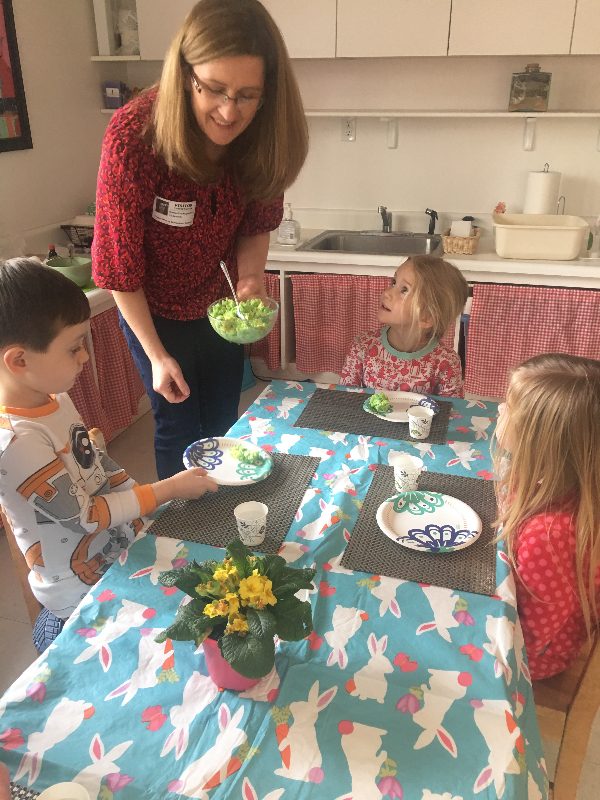
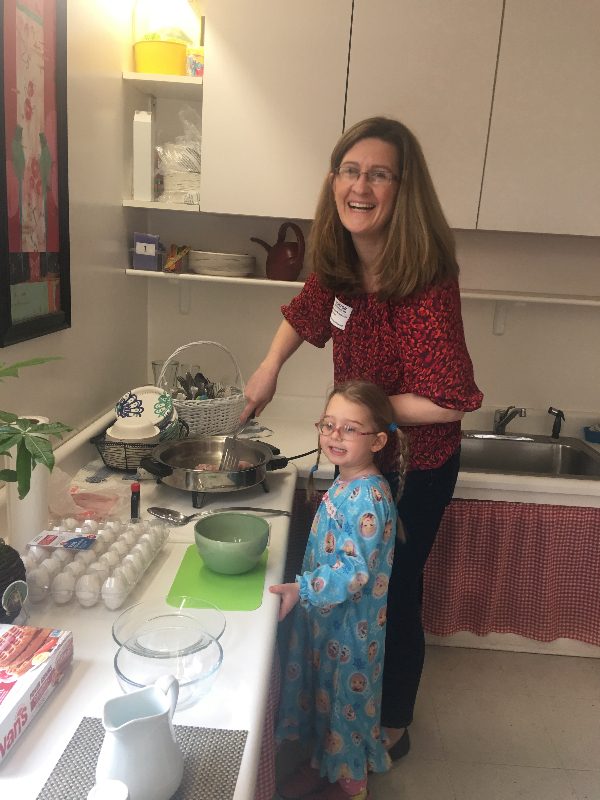
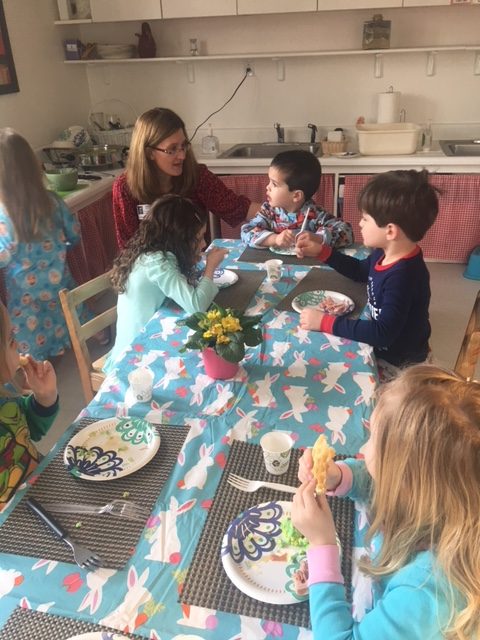
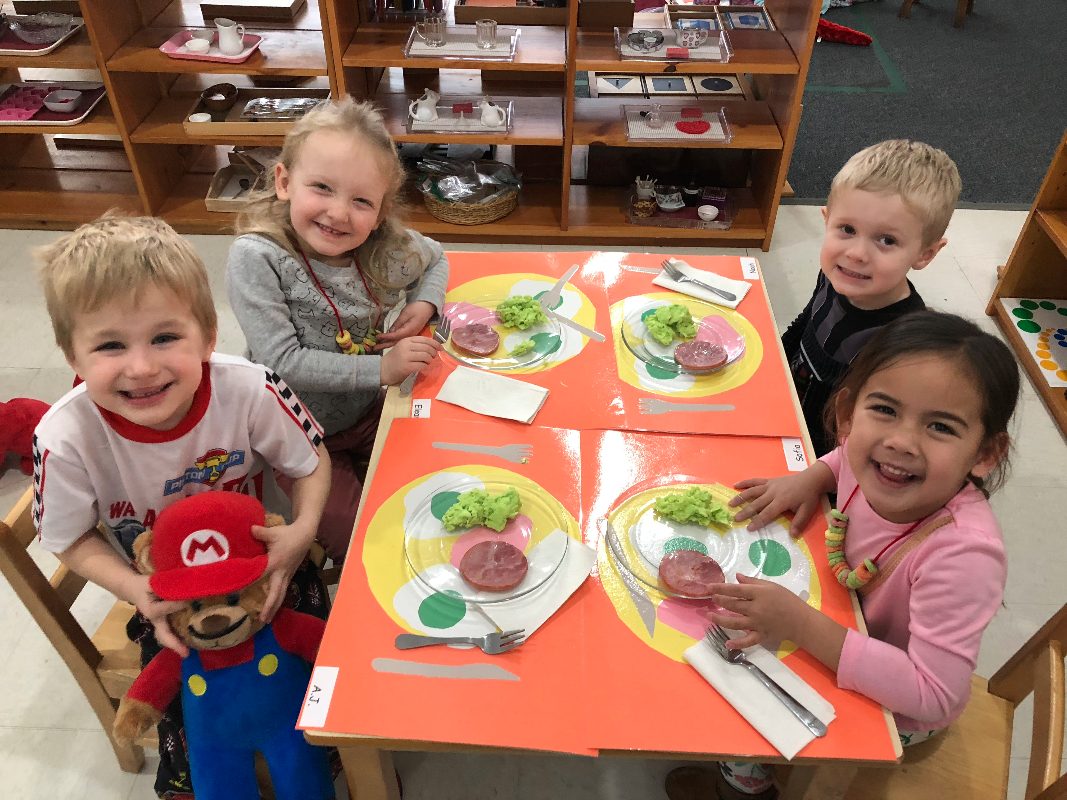
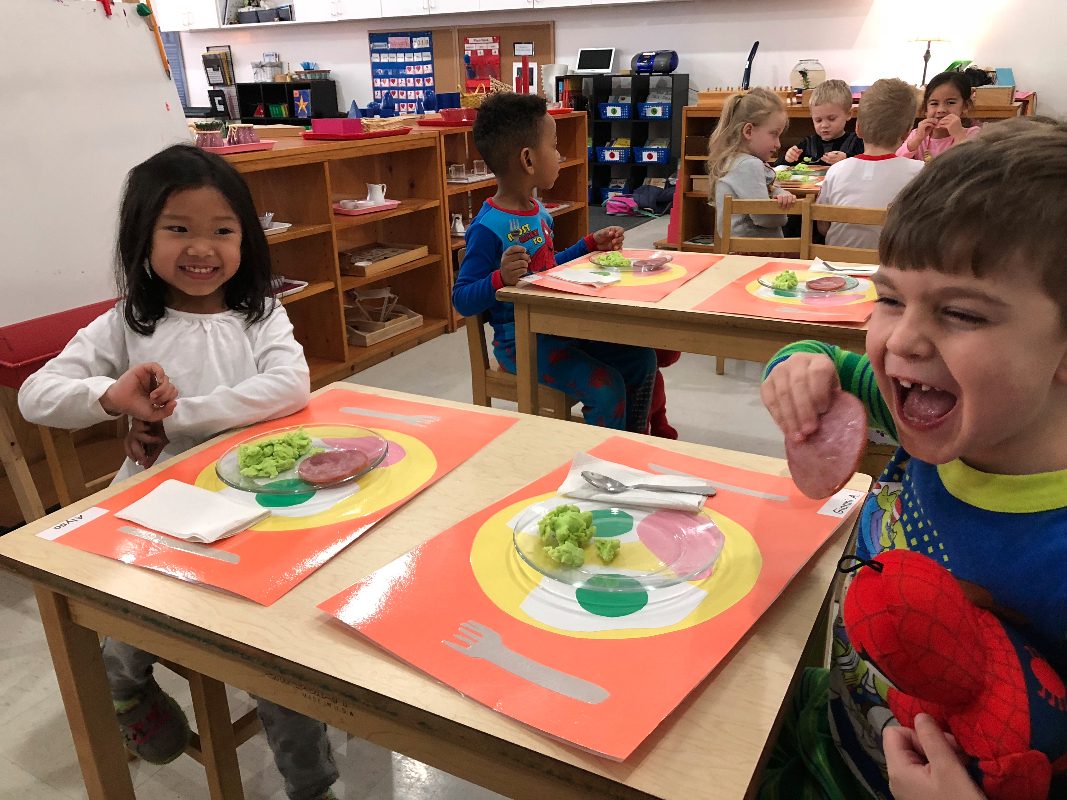
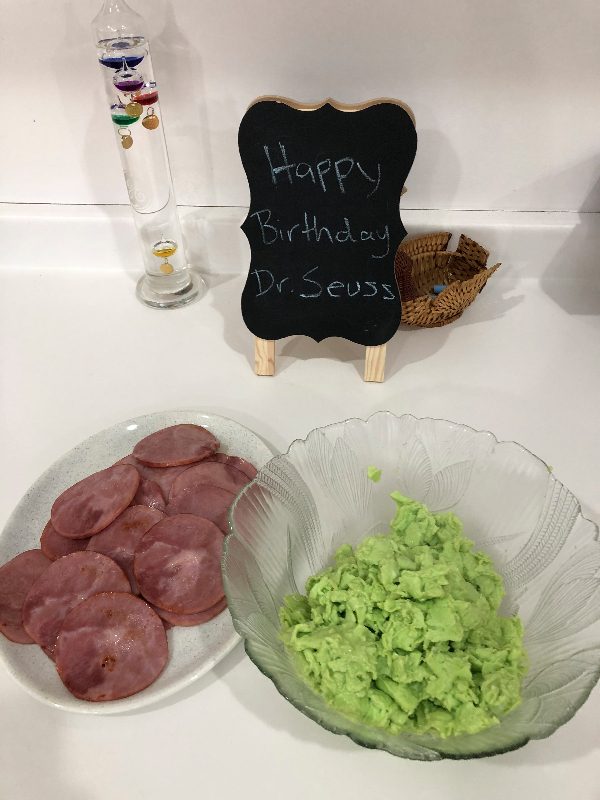
Thank you Mrs. Samantha McGoldrick (Adeline’s mom) for helping cook and serve Dr. Seuss green eggs and ham together with waffles, syrup, and orange juice. The children loved it!

Thank you to everyone who contributed and made our Dr. Seuss birthday celebration a success!

I would like to take this opportunity to thank the many parents for your kind and thoughtful words written on our super hero cards!


Mrs. Doyle’s Class: Today Is Your Day, Dr. Seuss!

We had a fun day celebrating Dr. Seuss’s birthday.  Schools and libraries across the nation enjoy taking part in a nationwide reading celebration called Read Across America.  This fun tradition is an exciting way to bring together children and books and is celebrated on Dr. Seuss’s birthday, March 2nd.

Here are few fun facts about Dr. Seuss:

  • Dr. Seuss’ real name was Theodor Seuss Geisel.
  • He has written and illustrated 44 children’s books.
  • The book Green Eggs and Ham is made up of 50  sight words. Dr. Seuss’s editor bet him that he could not write a book using fewer words than The Cat in the Hat which had 225 words. Clearly, Dr. Seuss won that bet!

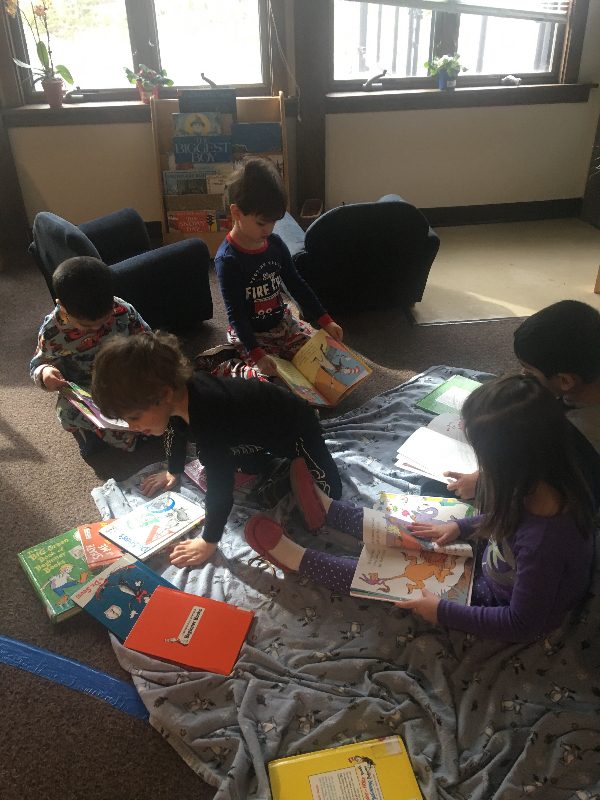
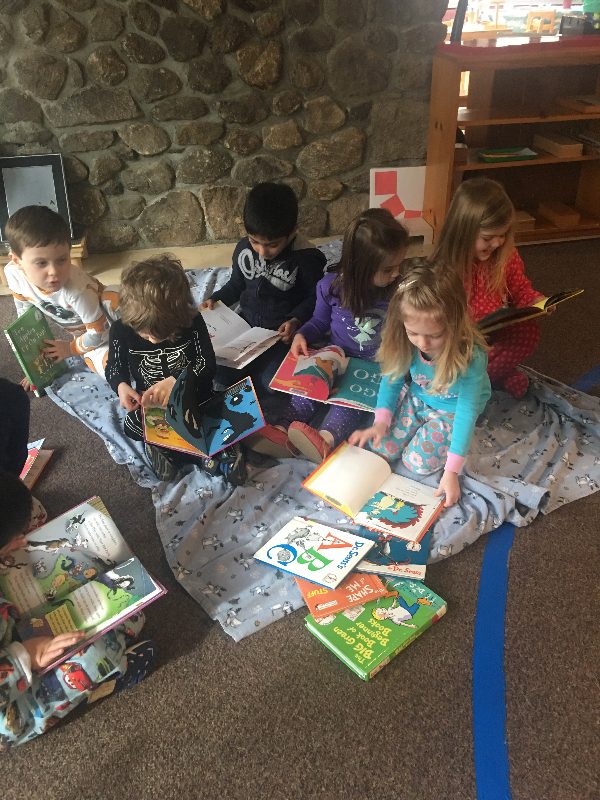
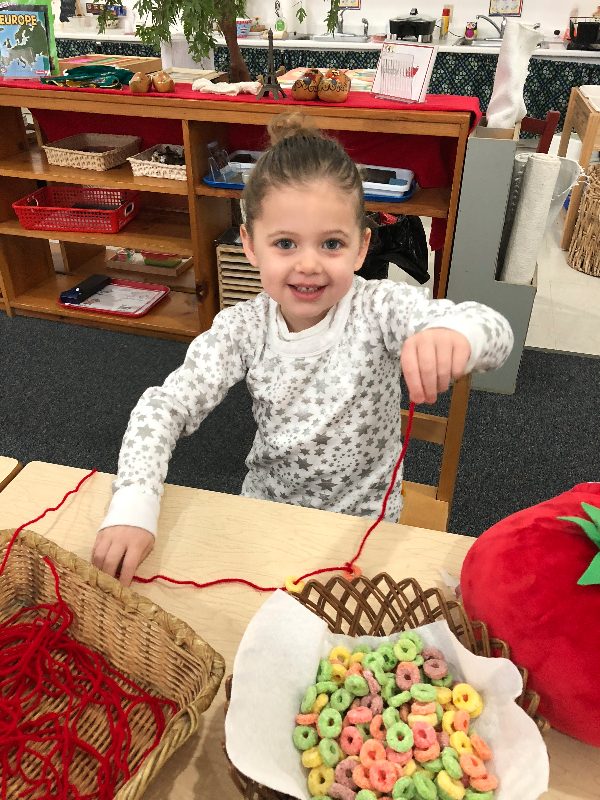
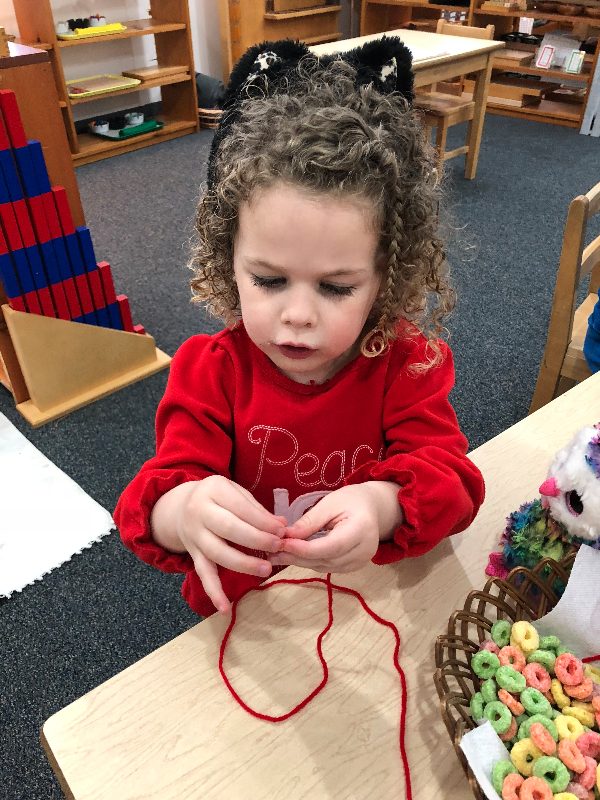
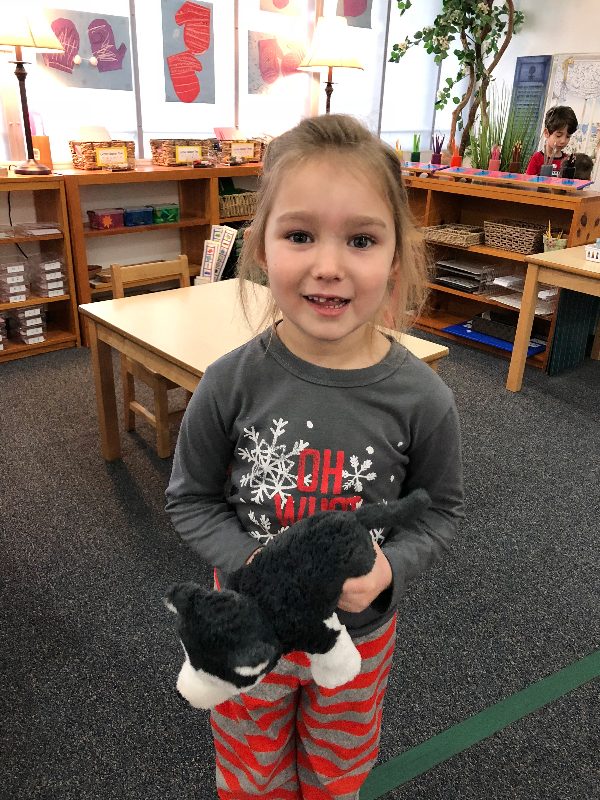
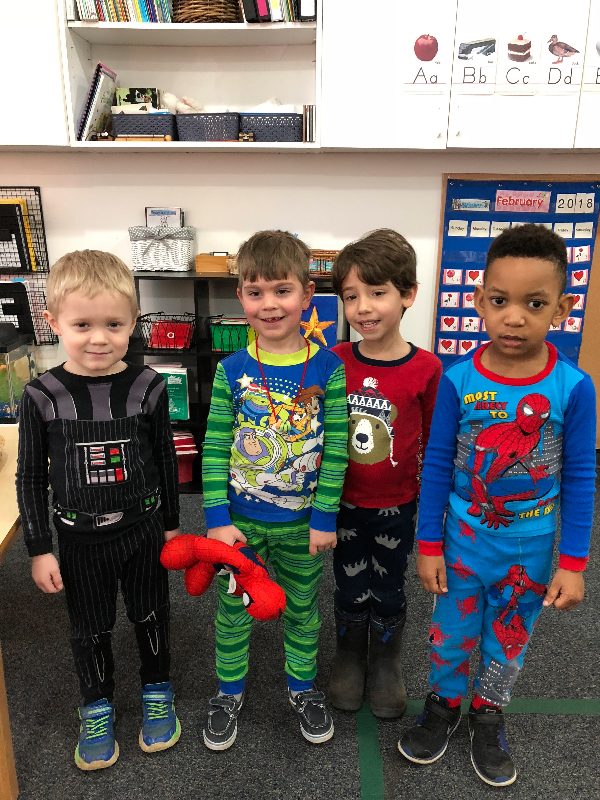
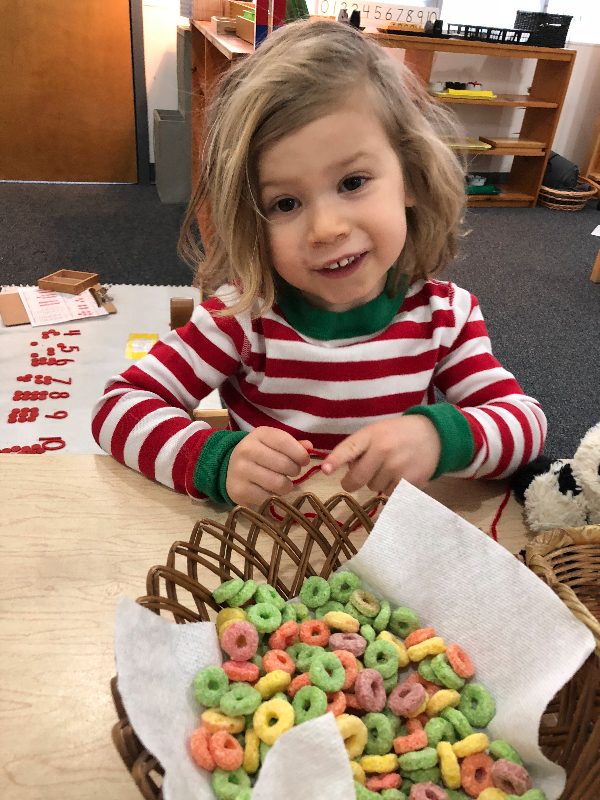
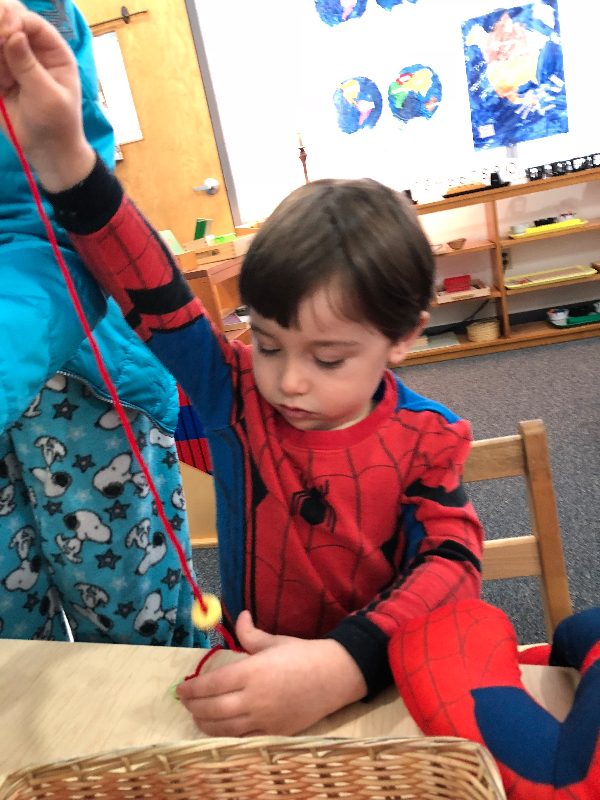
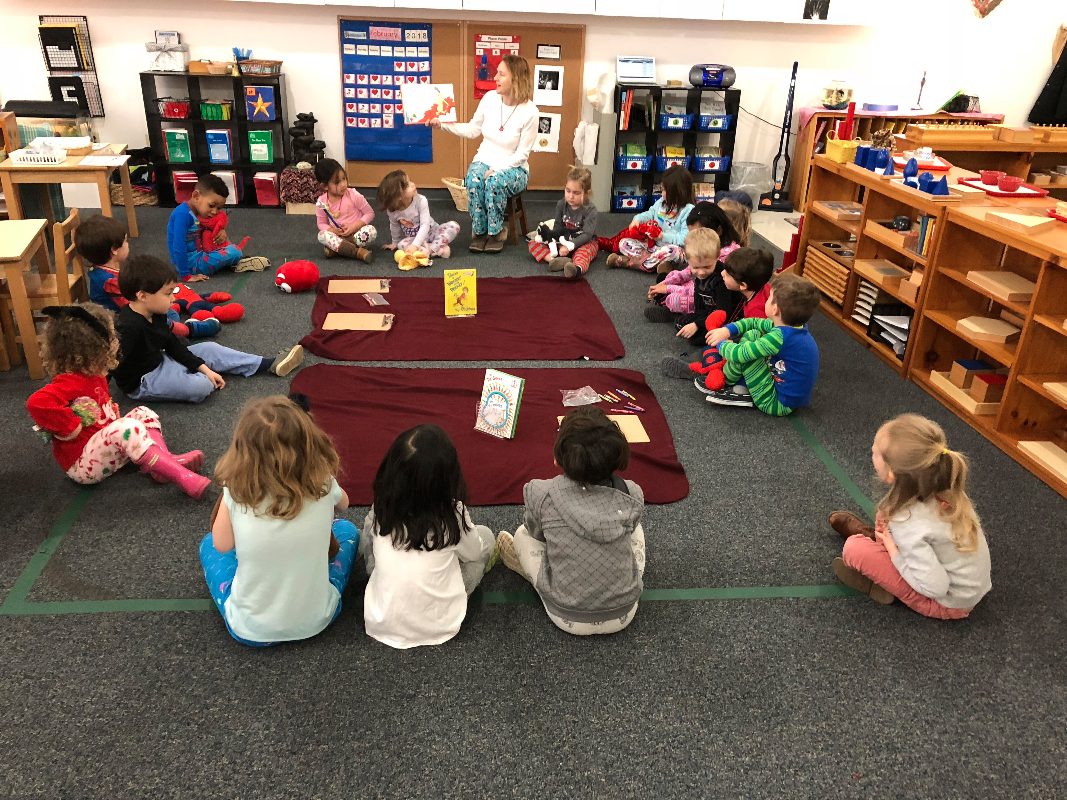
Here at FWM the children enjoyed wearing their pajamas to school and bringing in a favorite stuffed animal. We read Green Eggs and Ham and then actually got to experience eating those two foods for snack. Of course, we ate our delicious green eggs and ham on our special placemats! It was so much fun to ask them what they thought of green eggs and ham before they ate and then afterwards!

“The more that you read. The more things you will know.  The more that you learn, the more places you’ll go.”   -Dr. Seuss