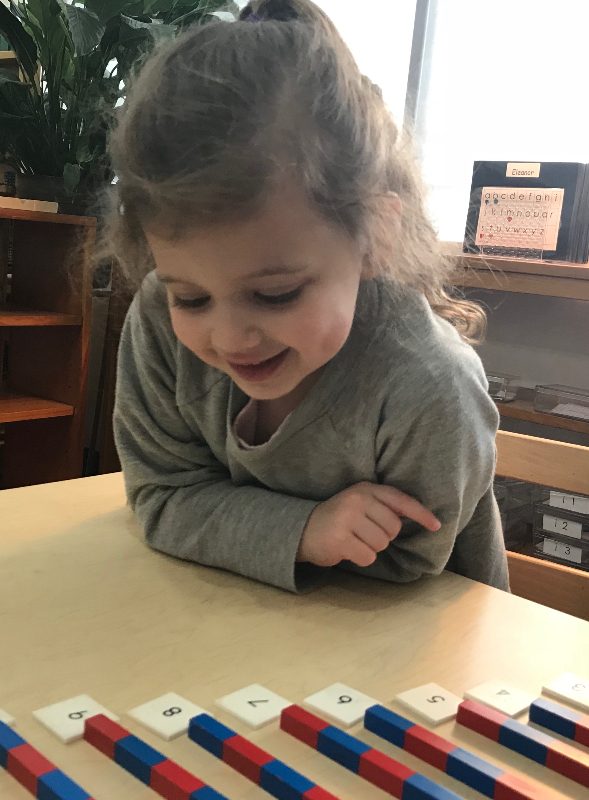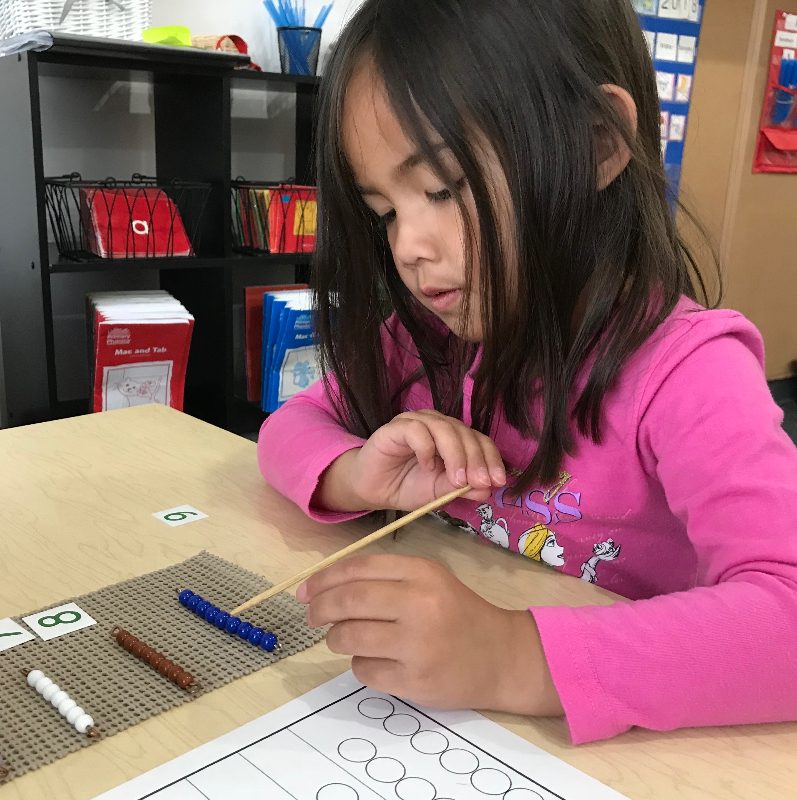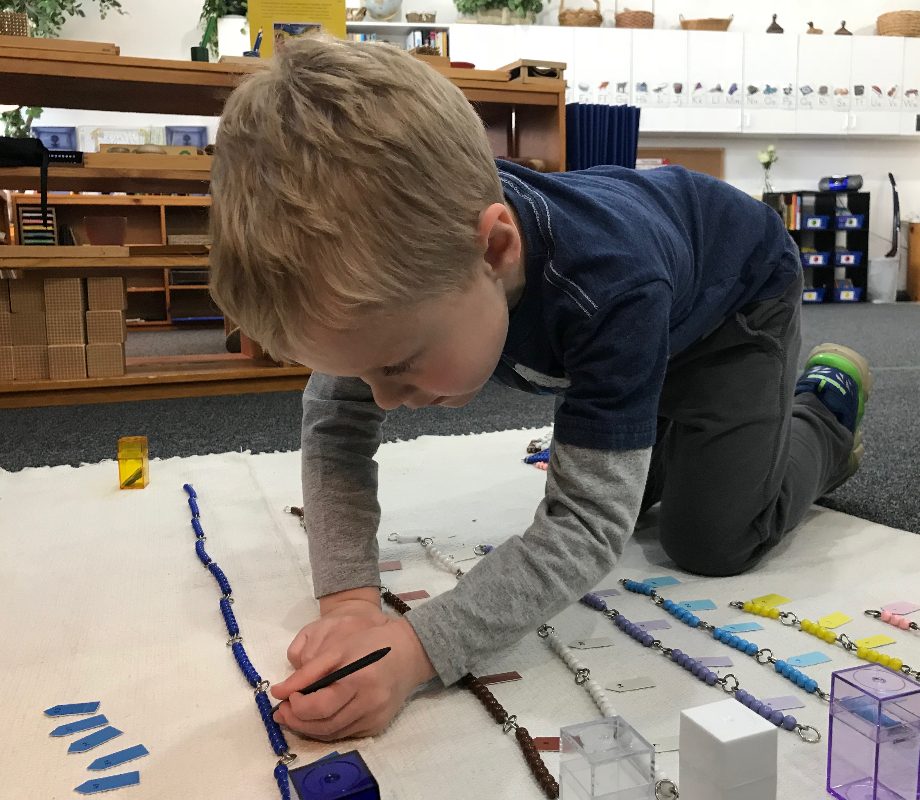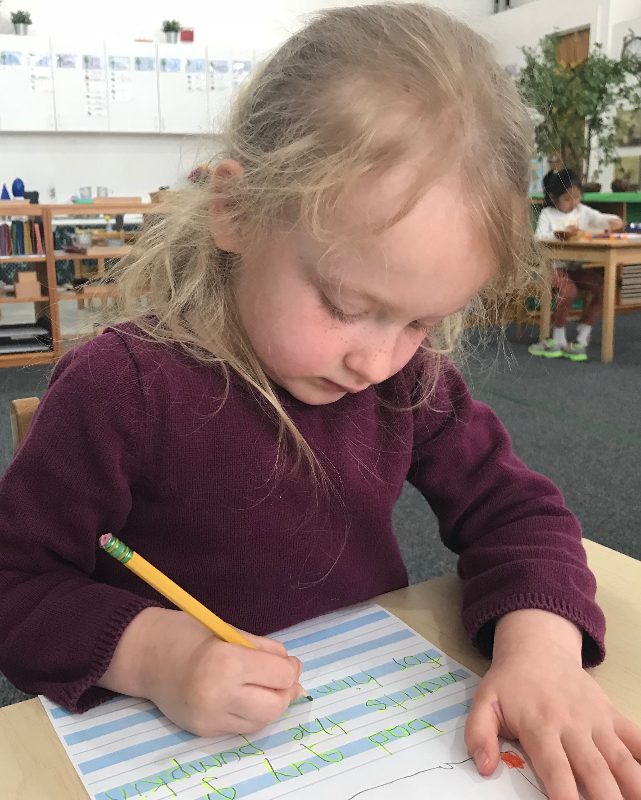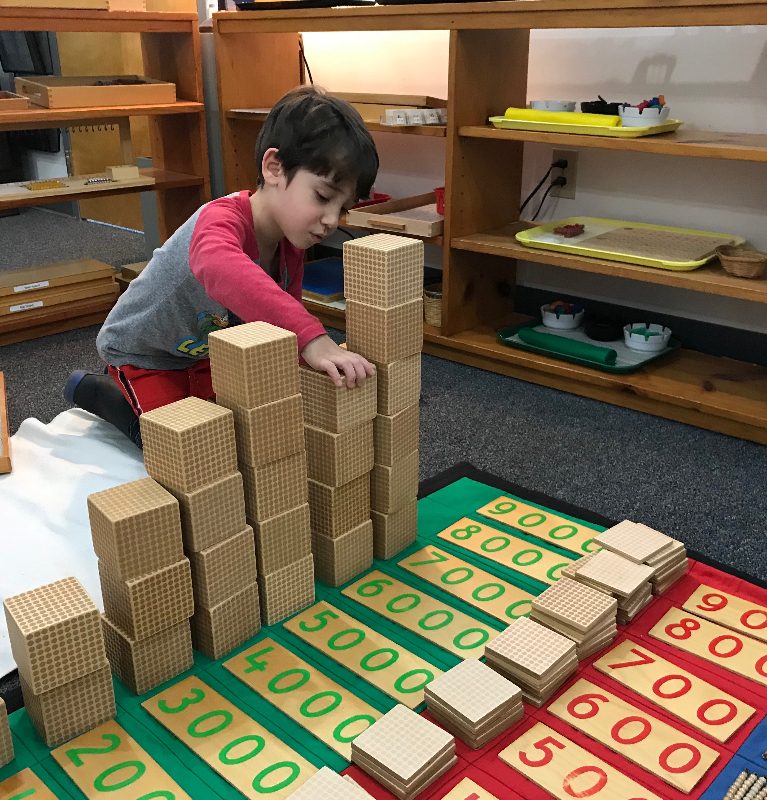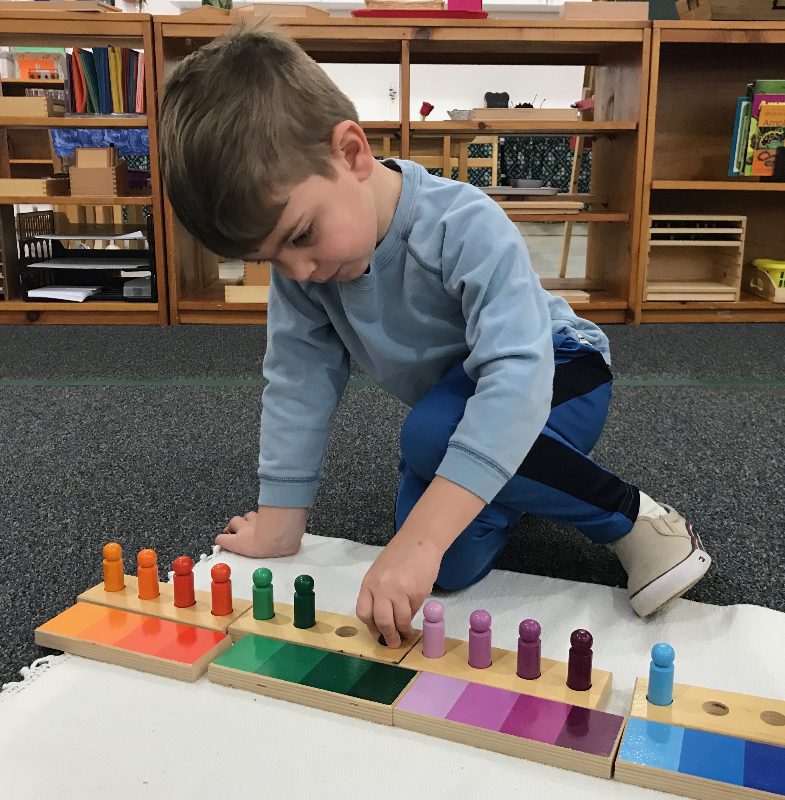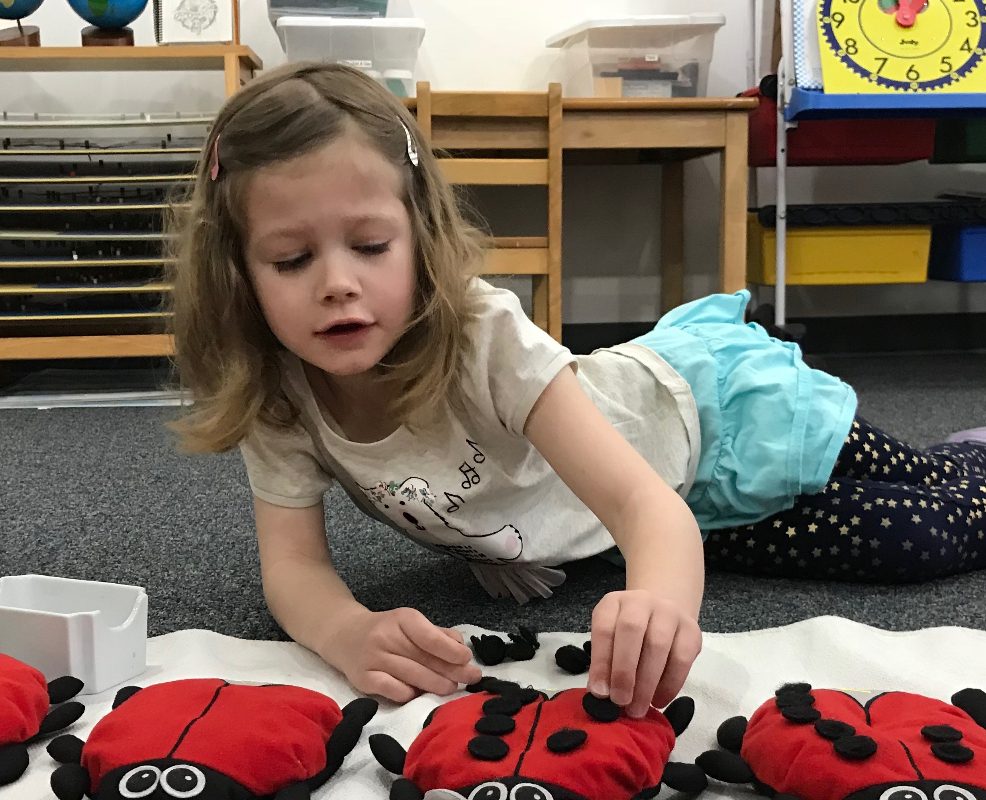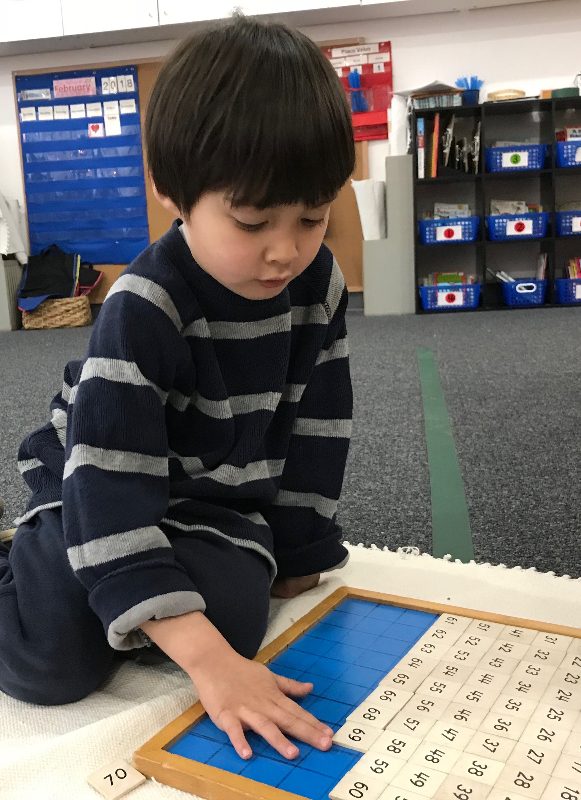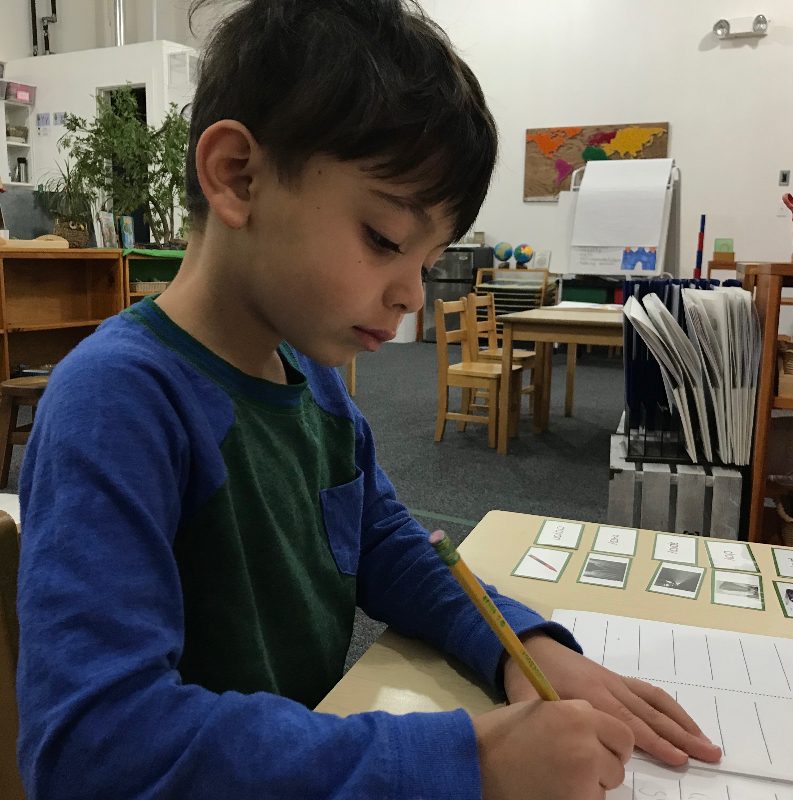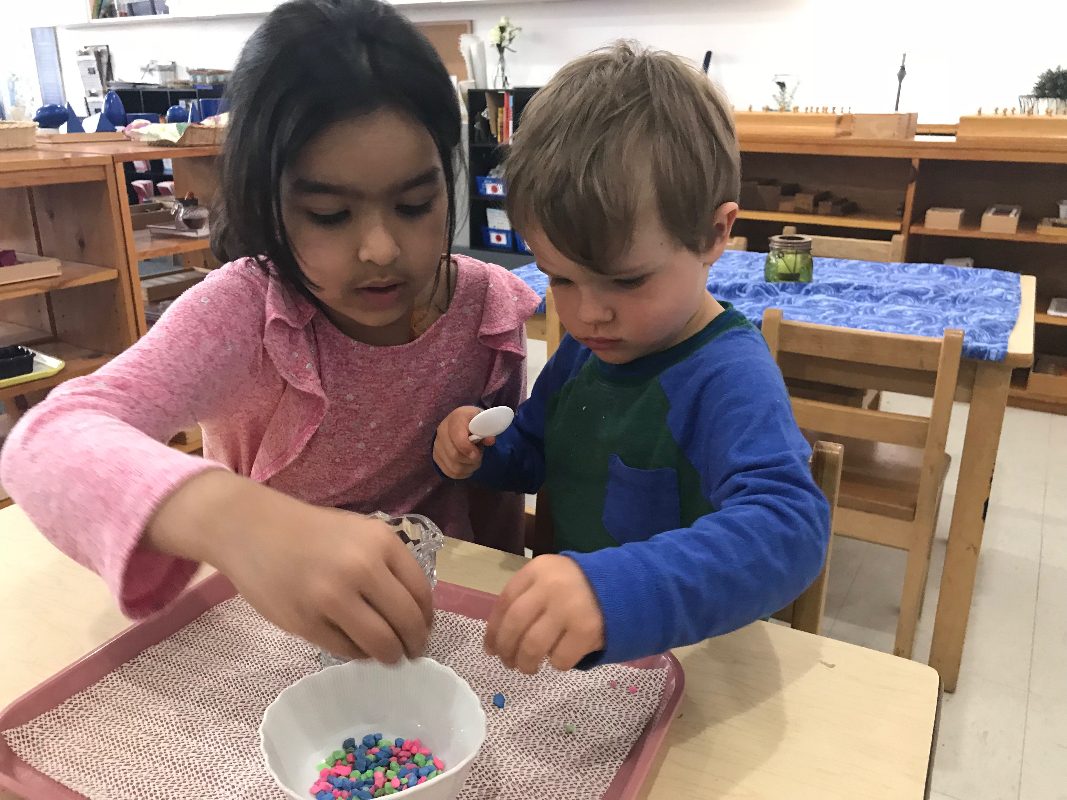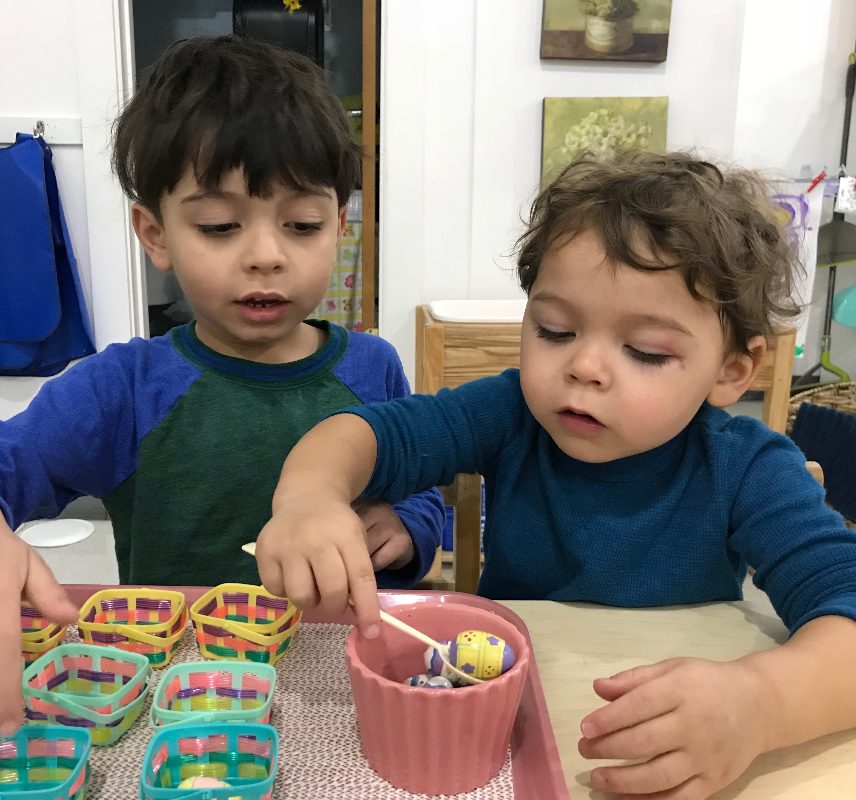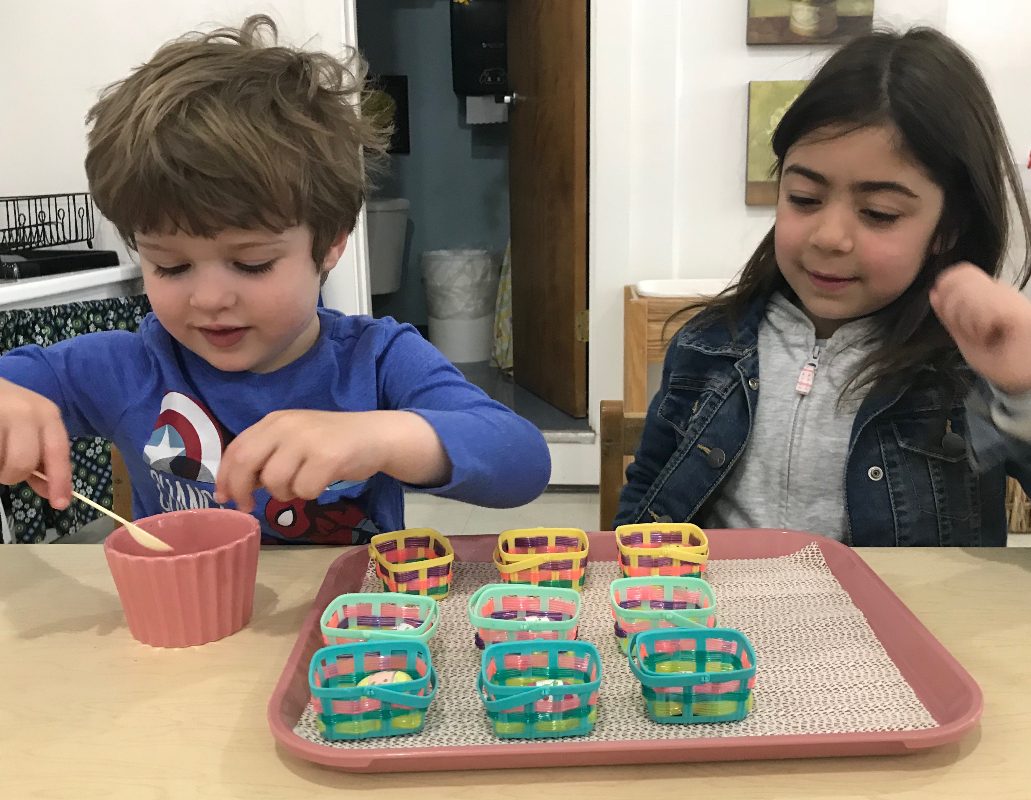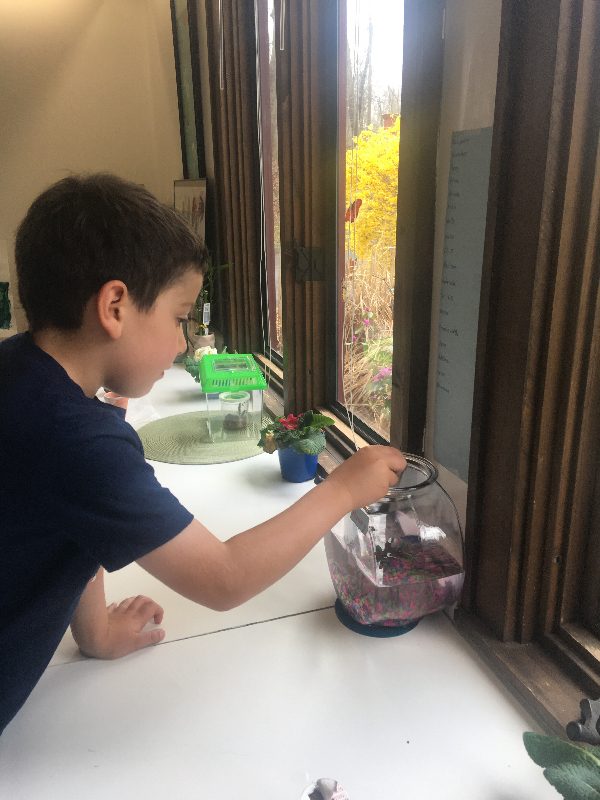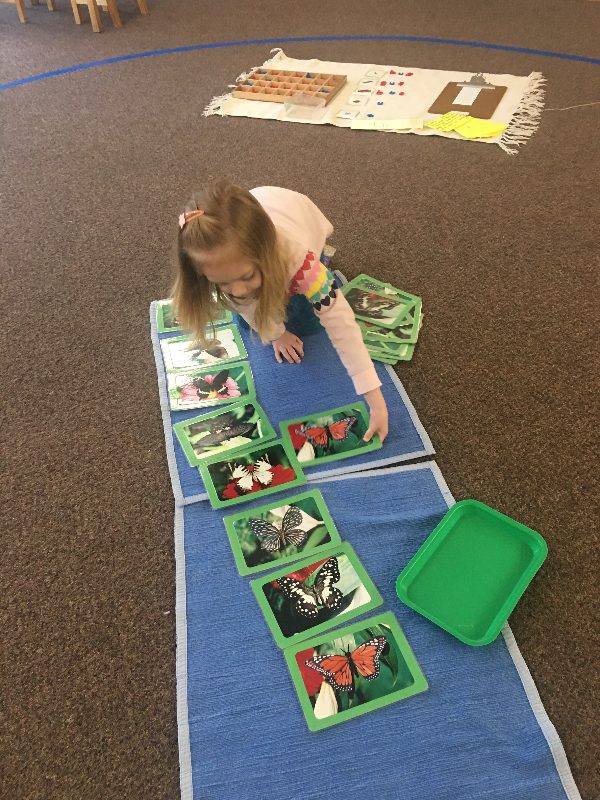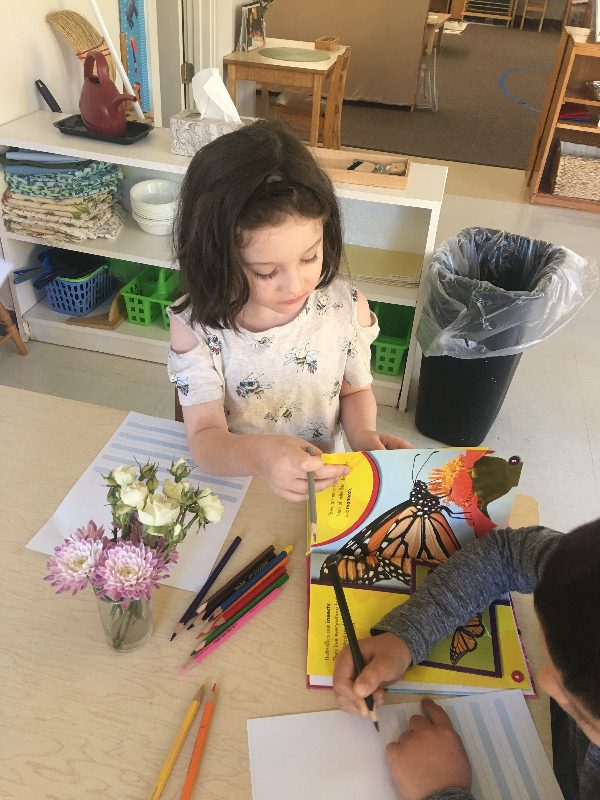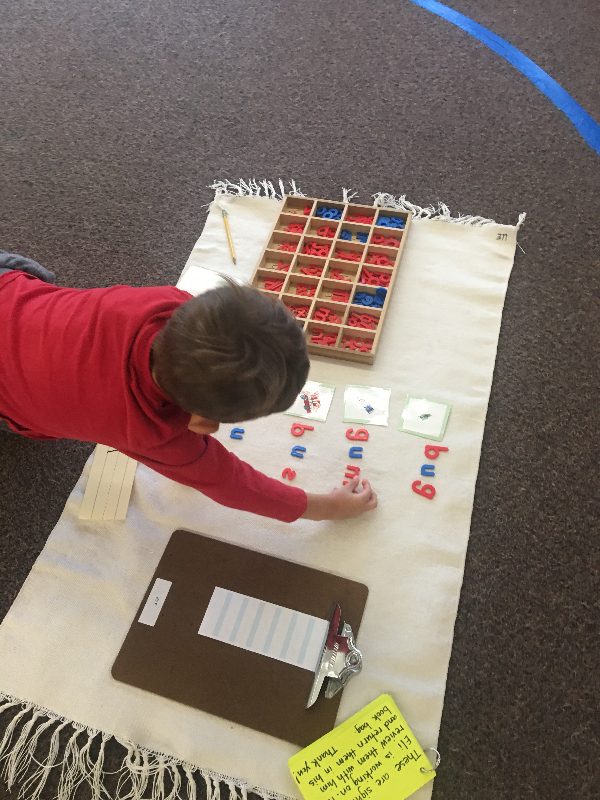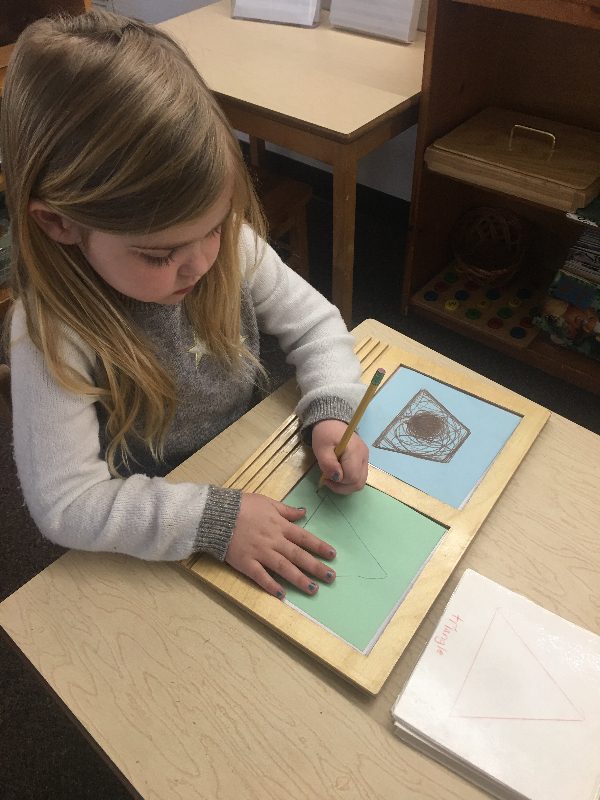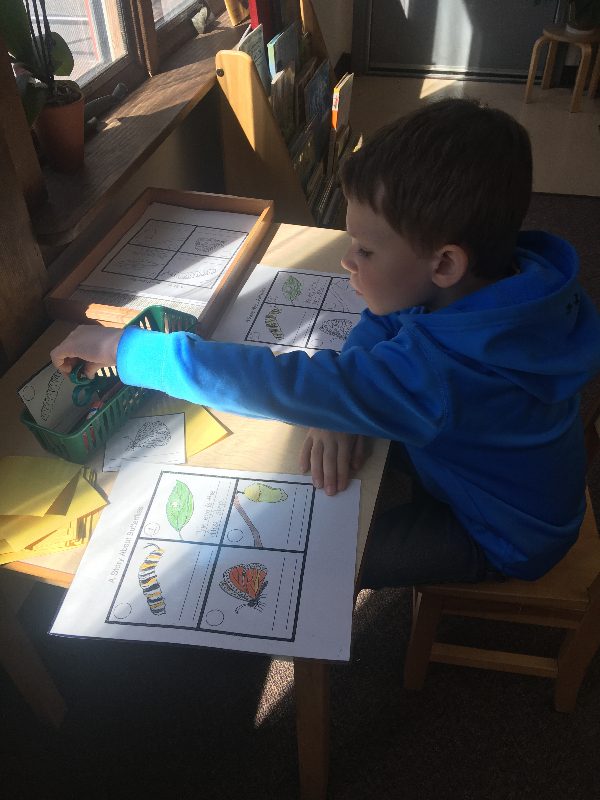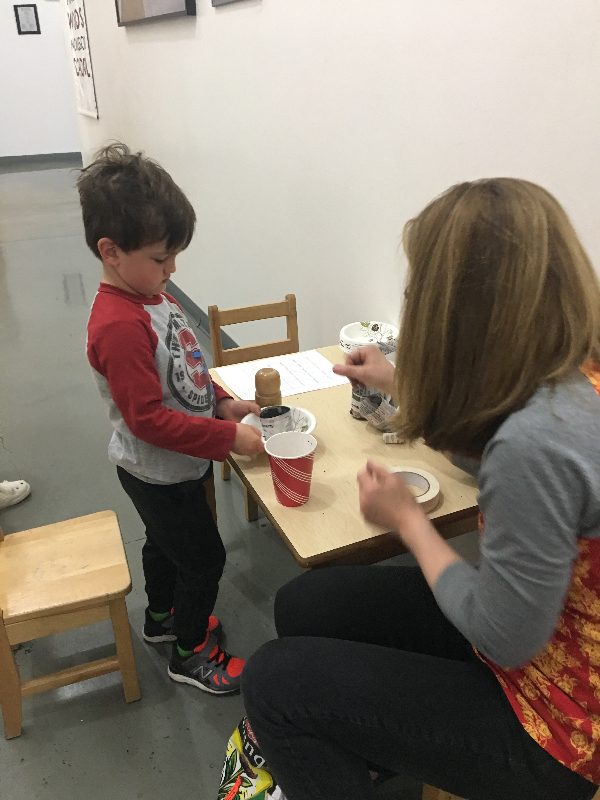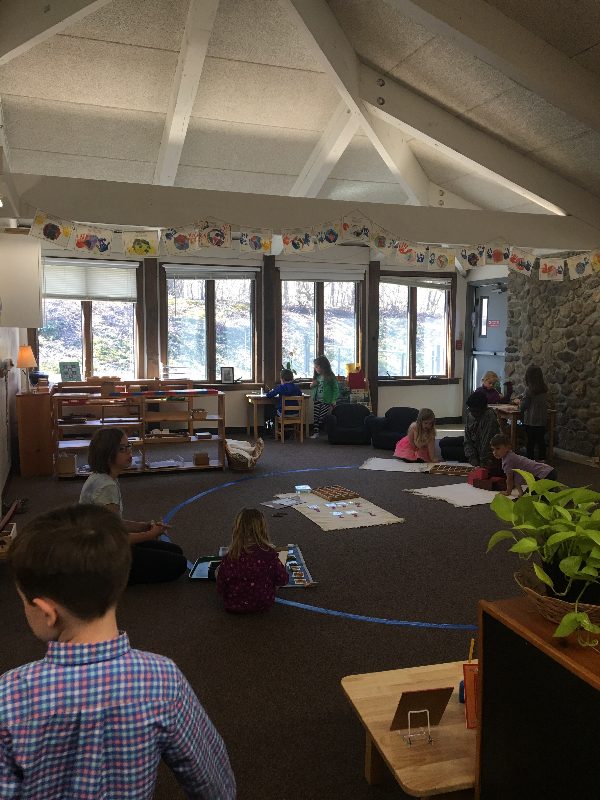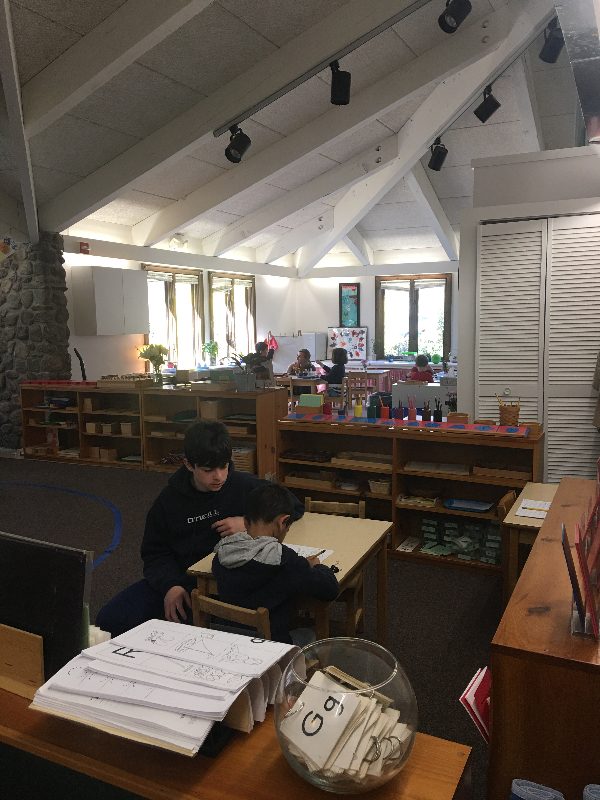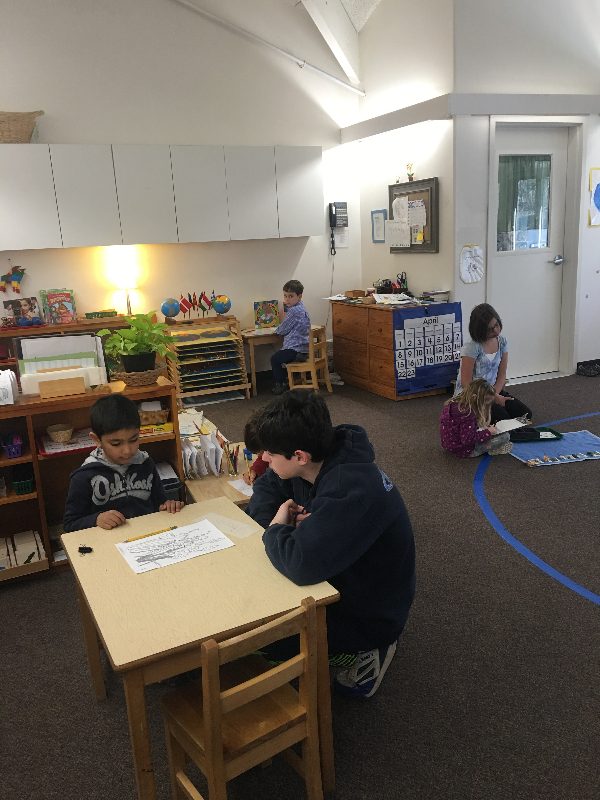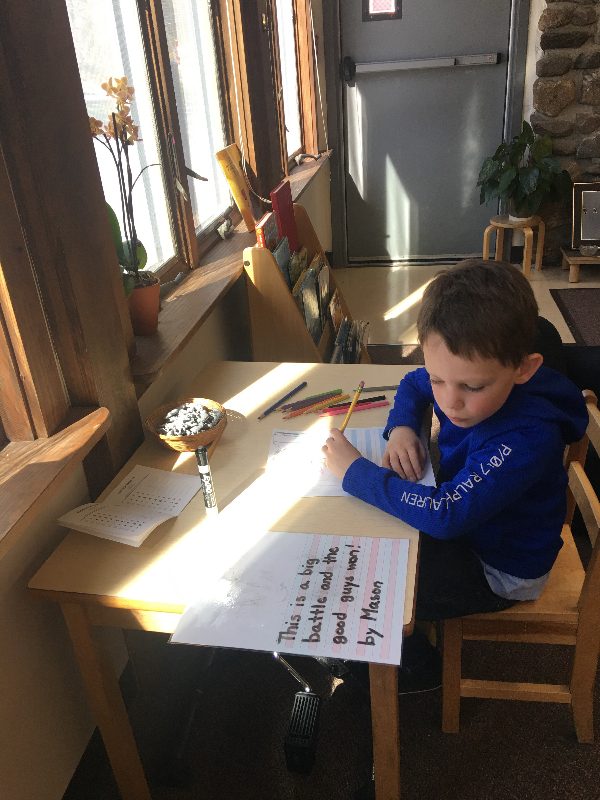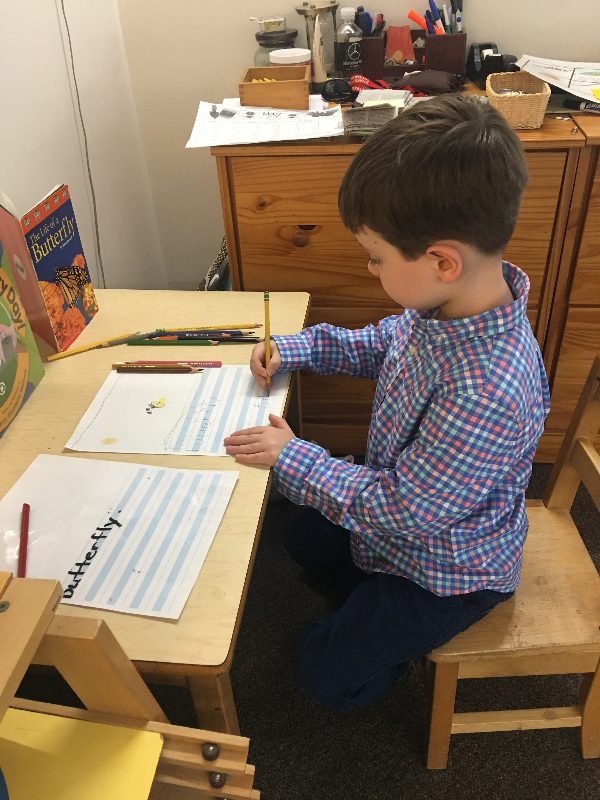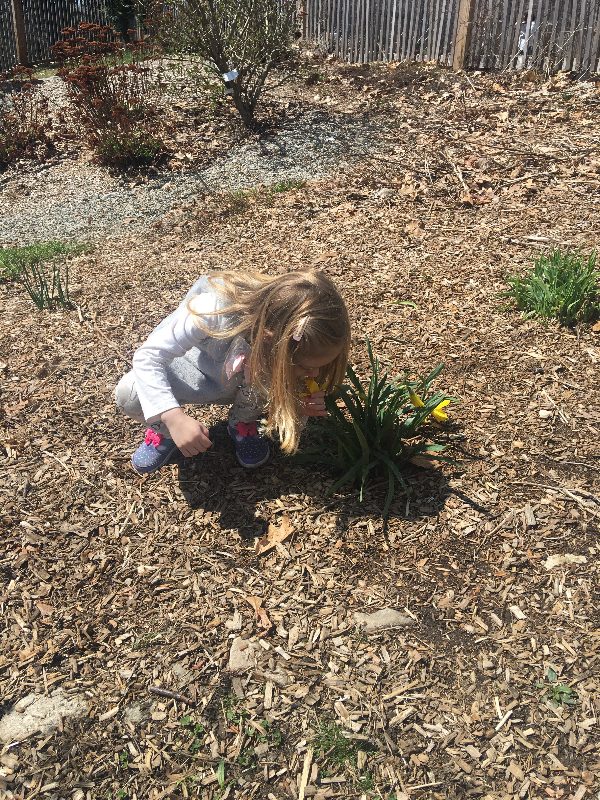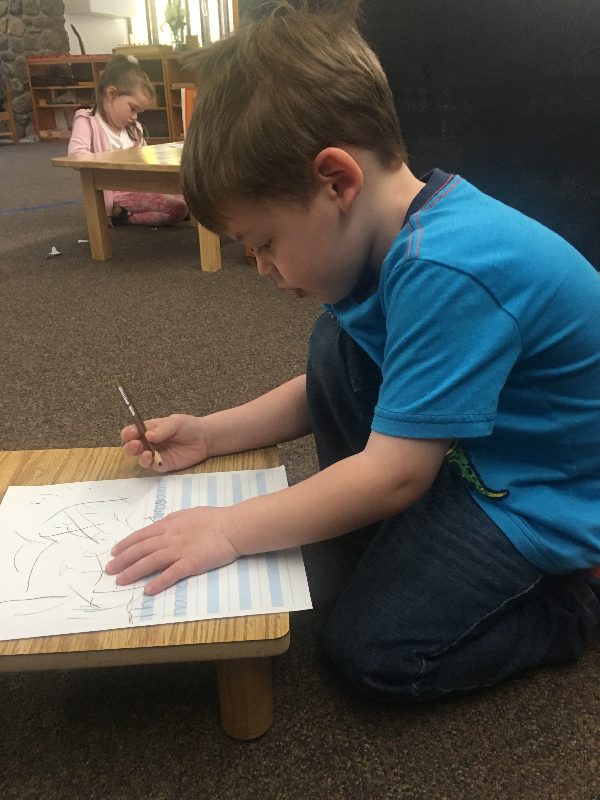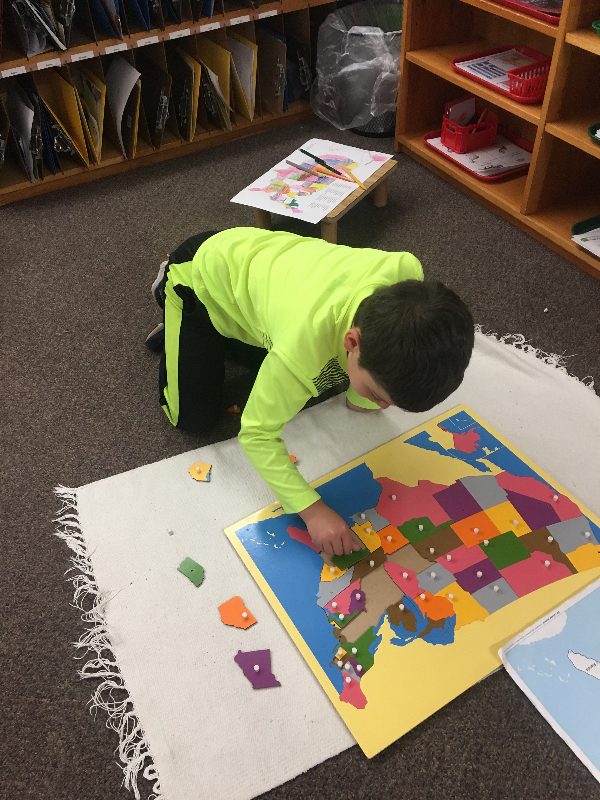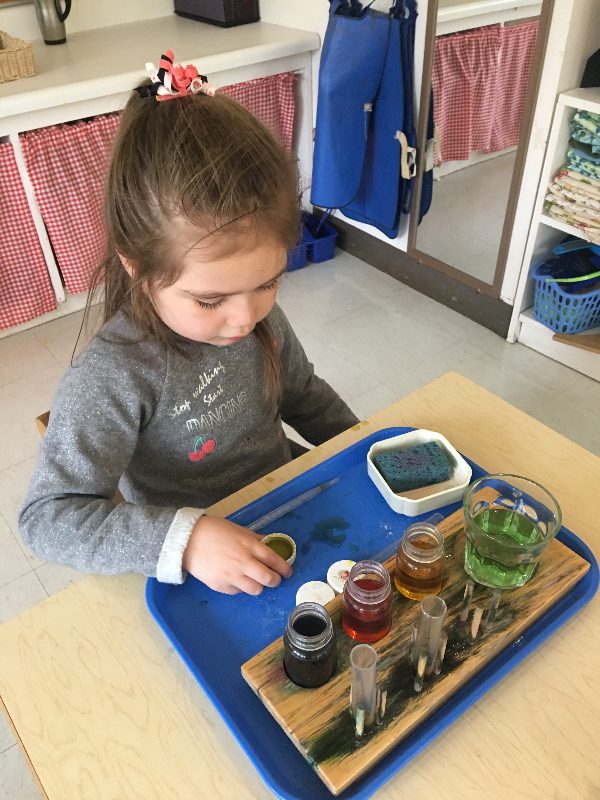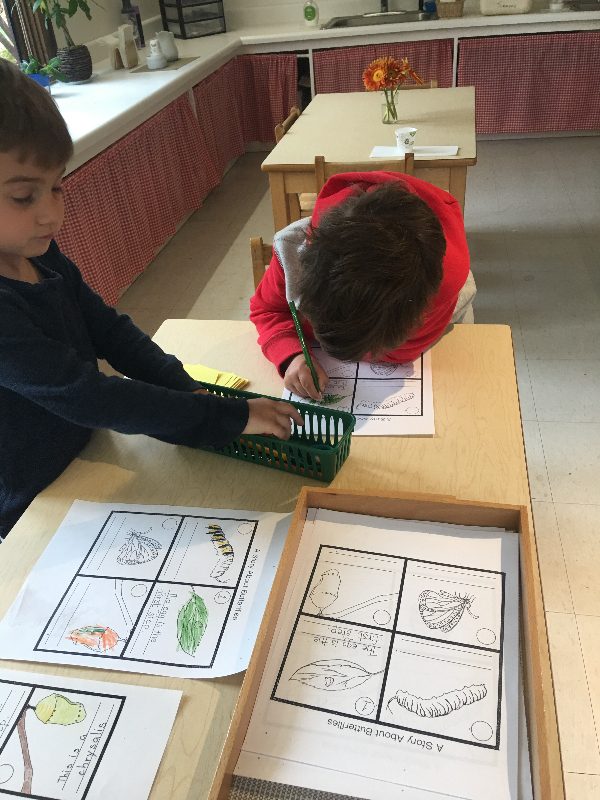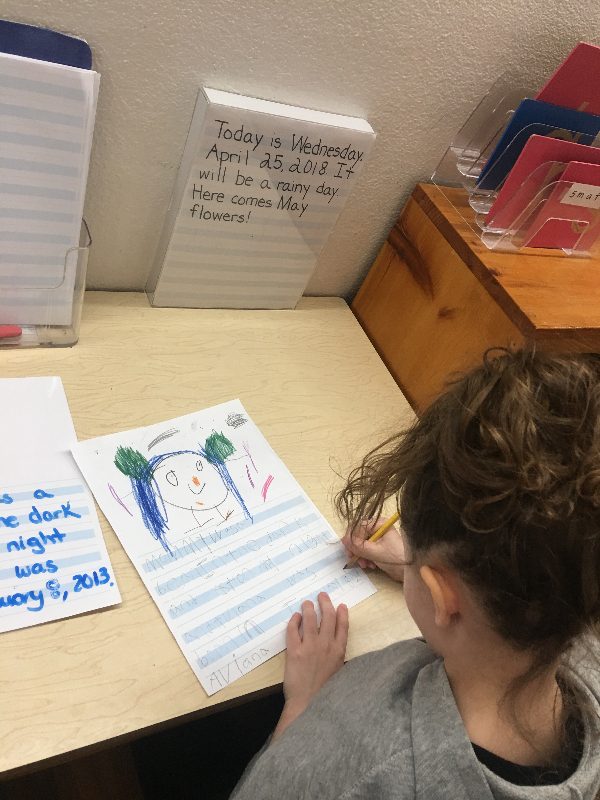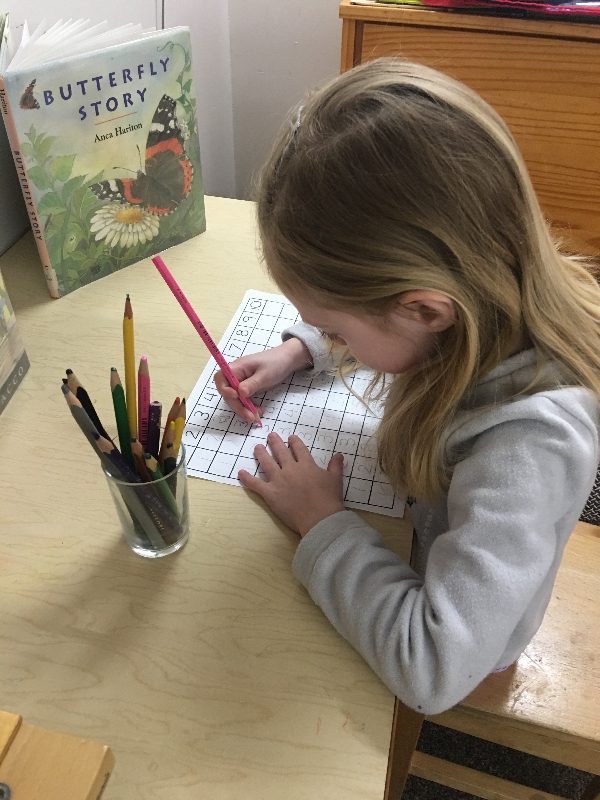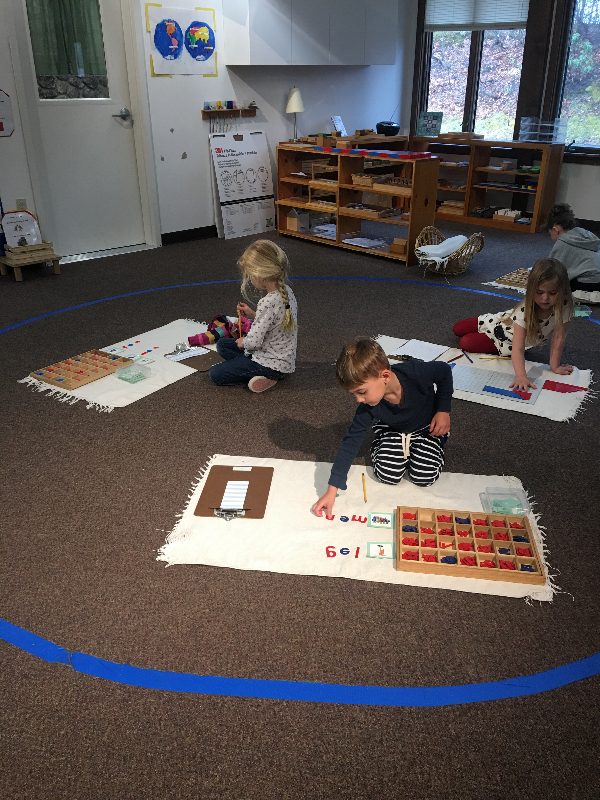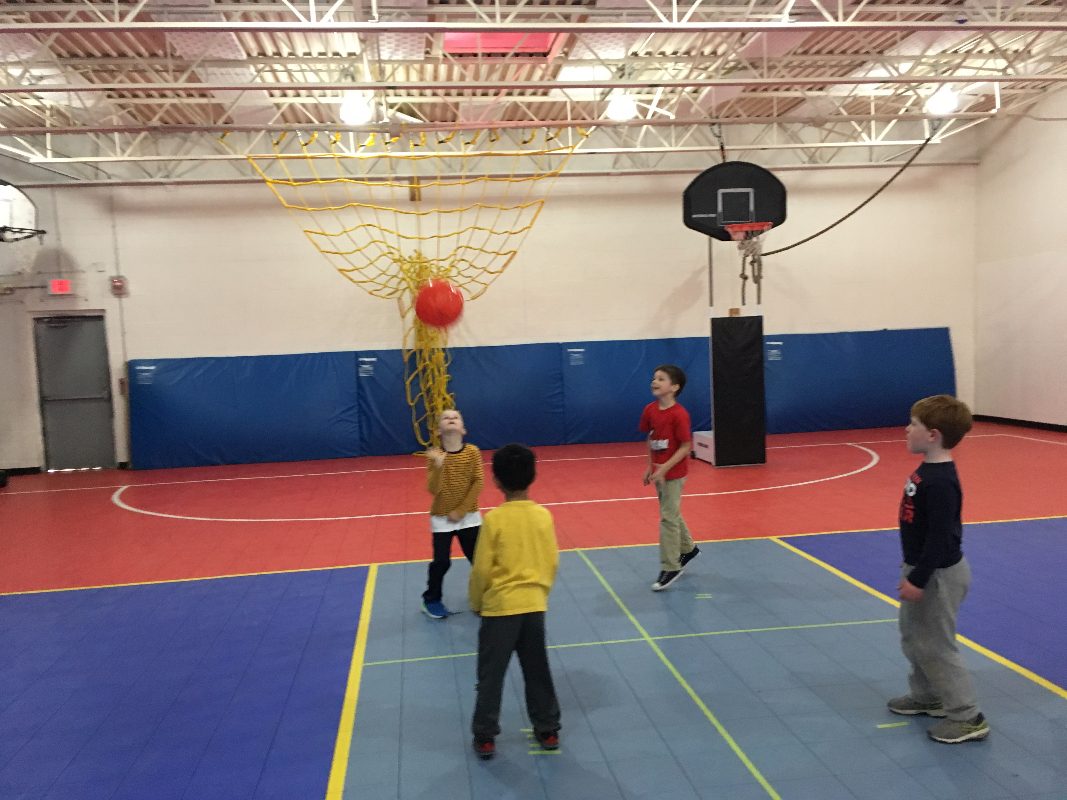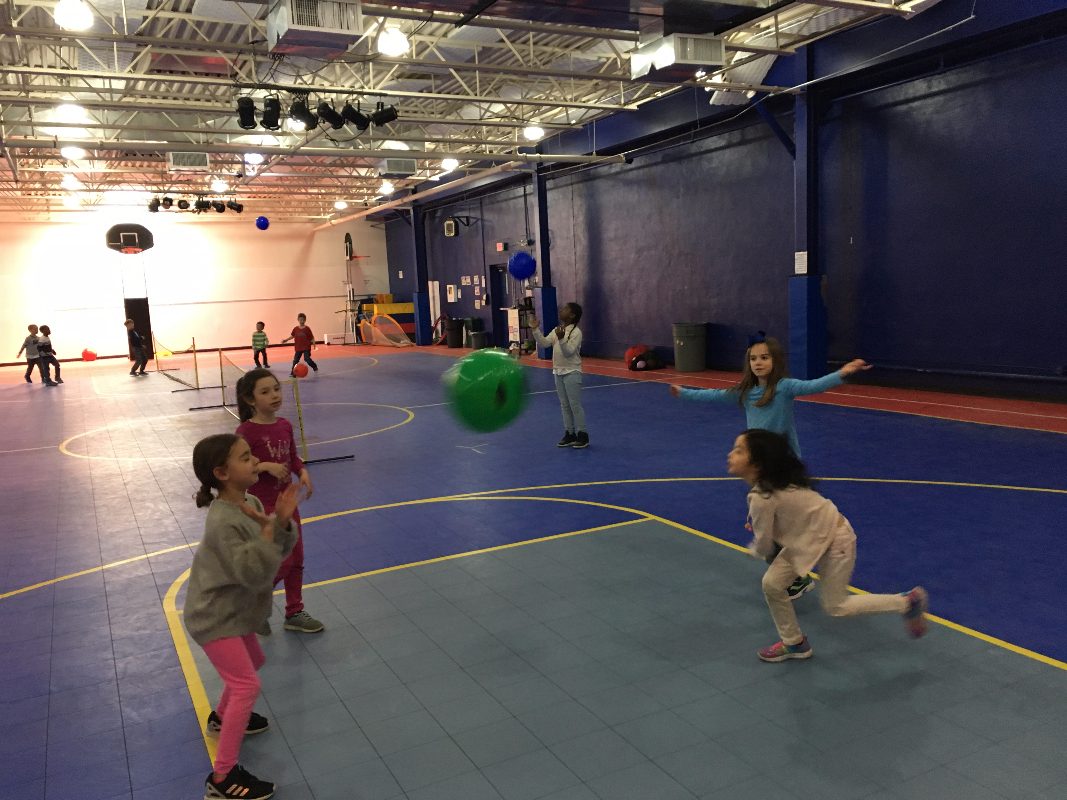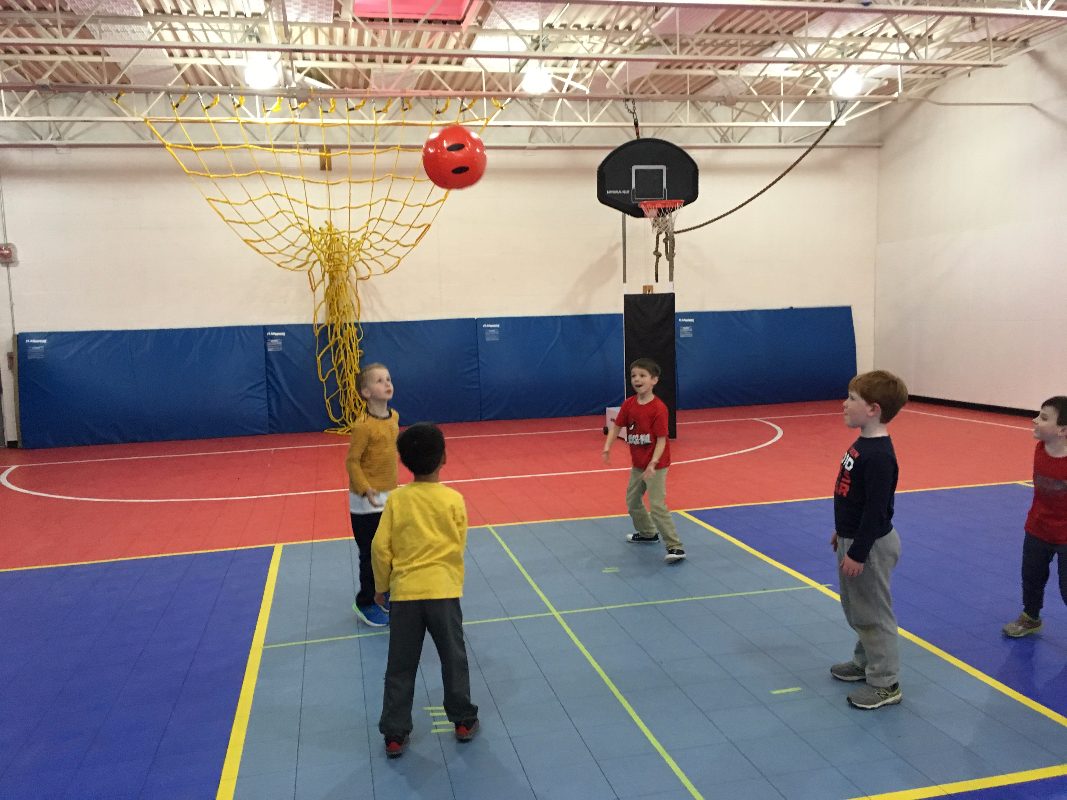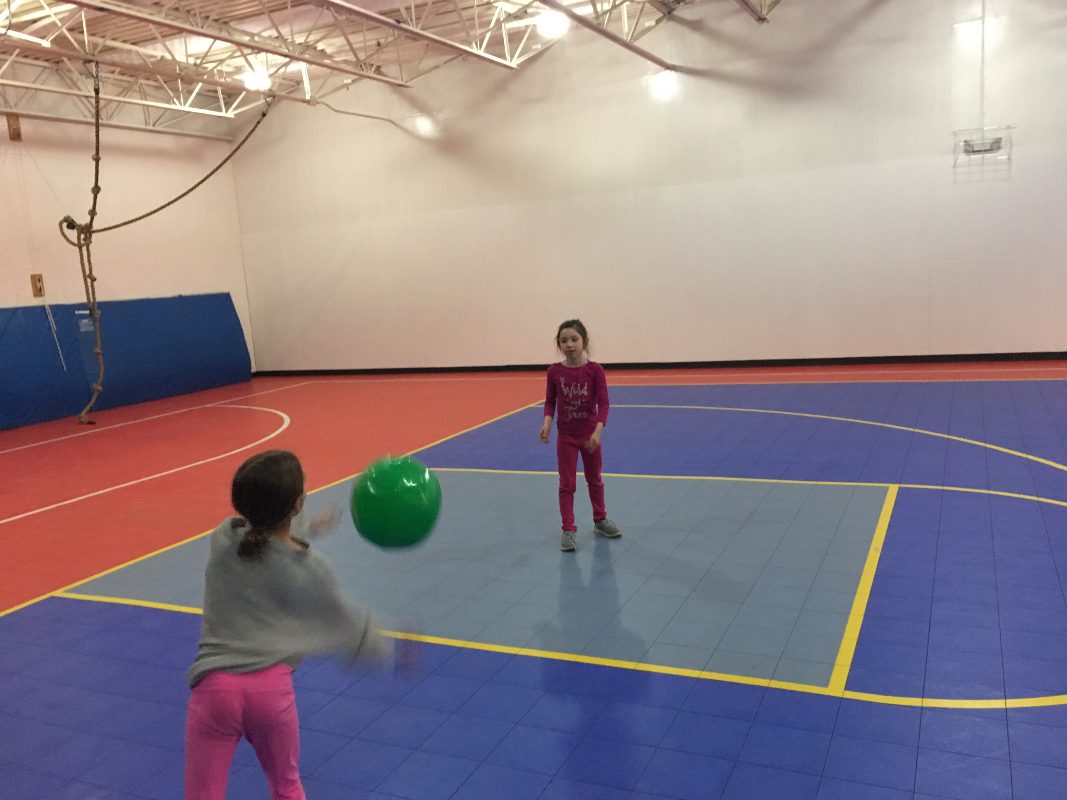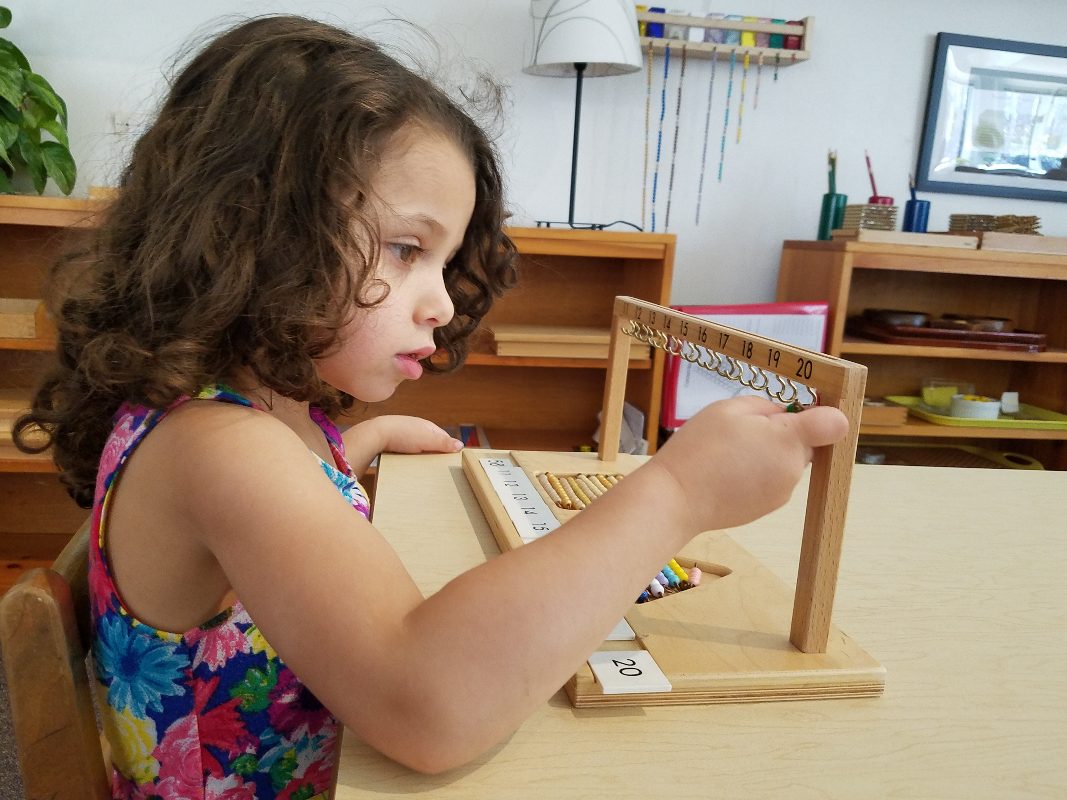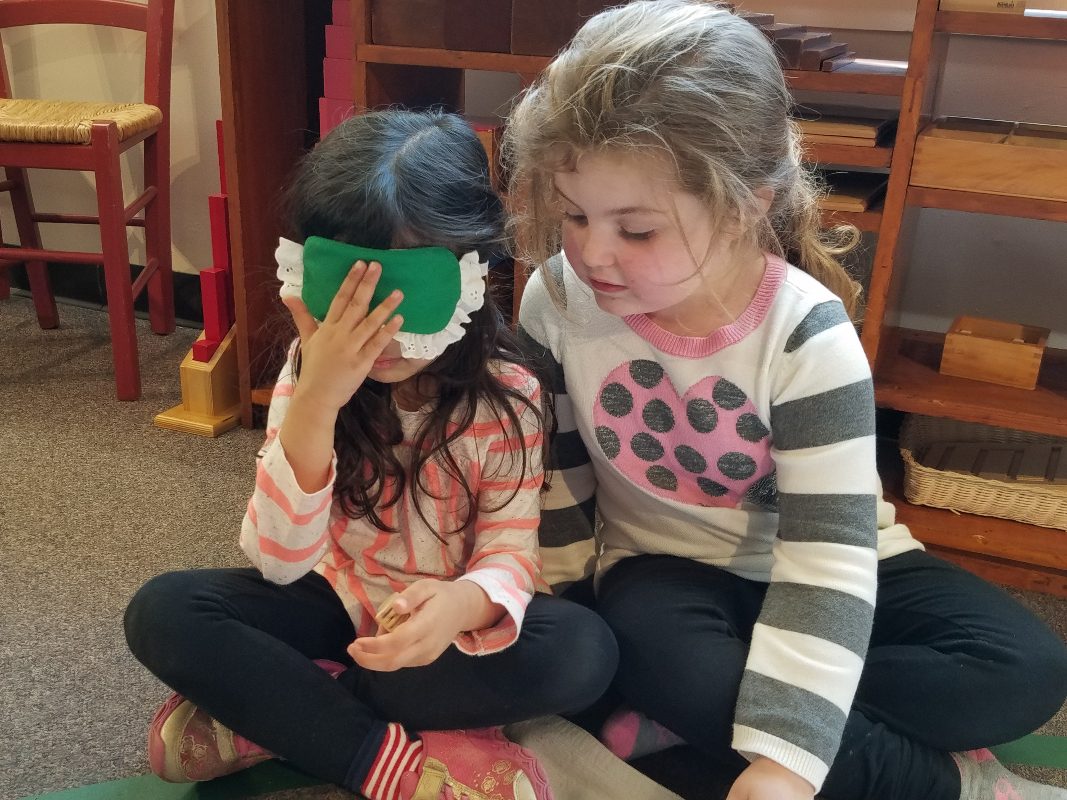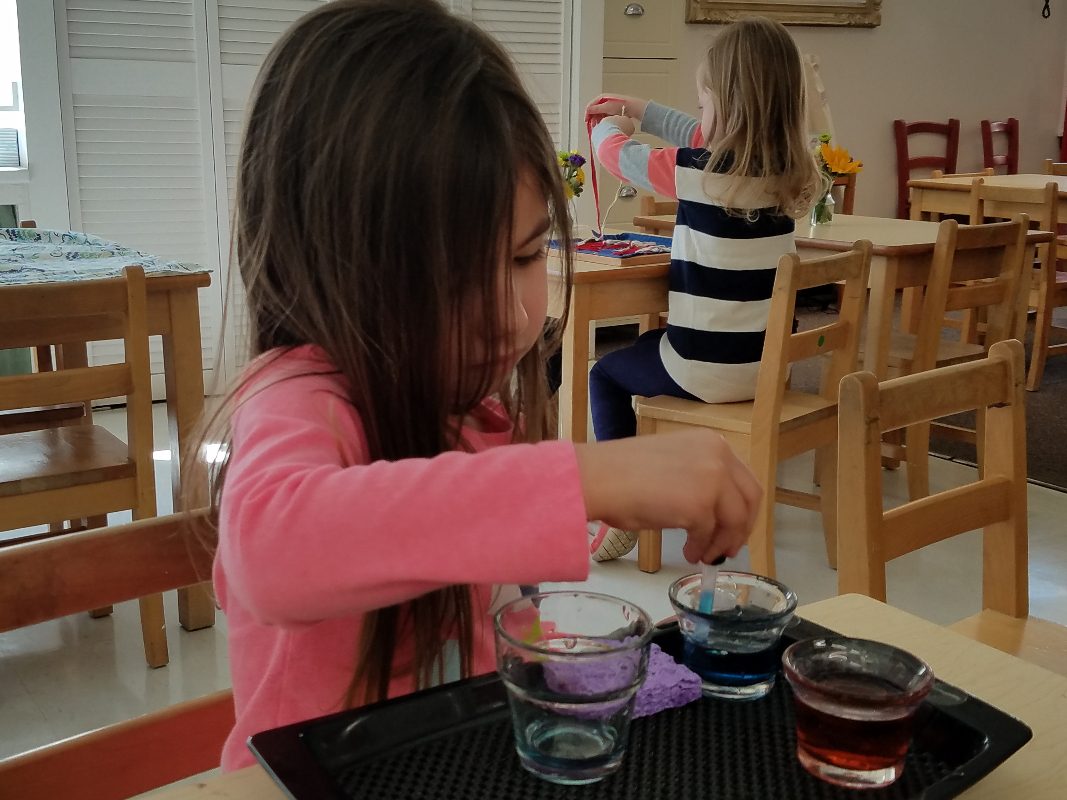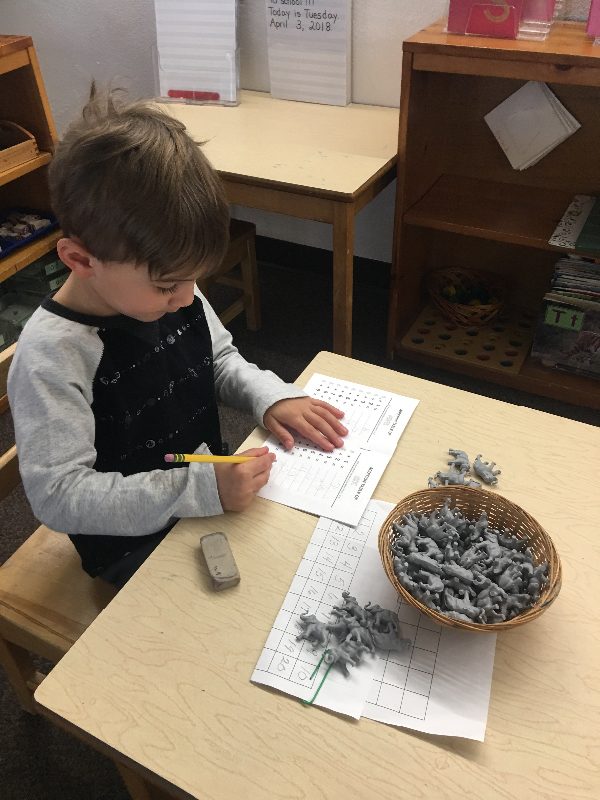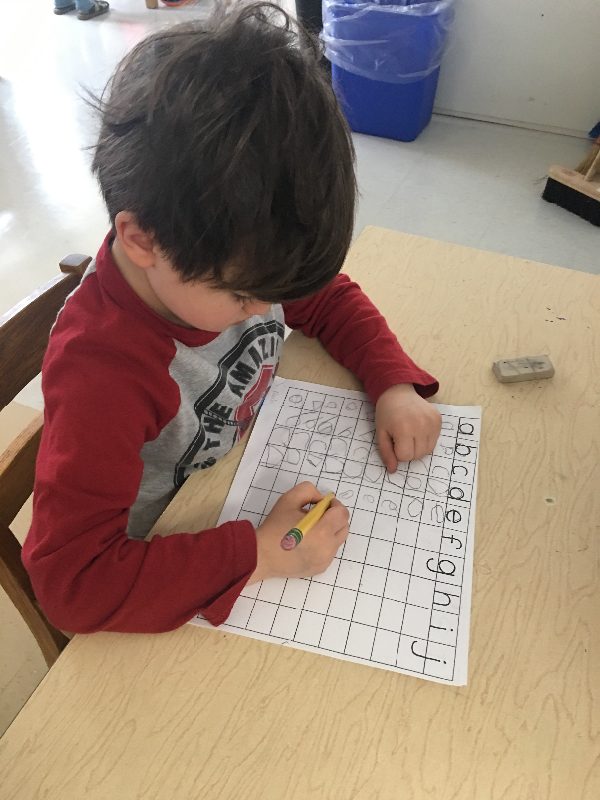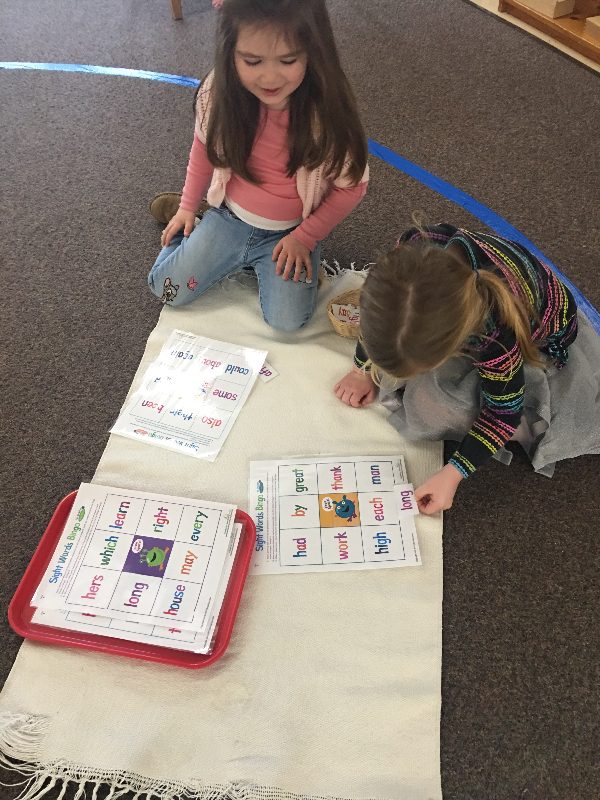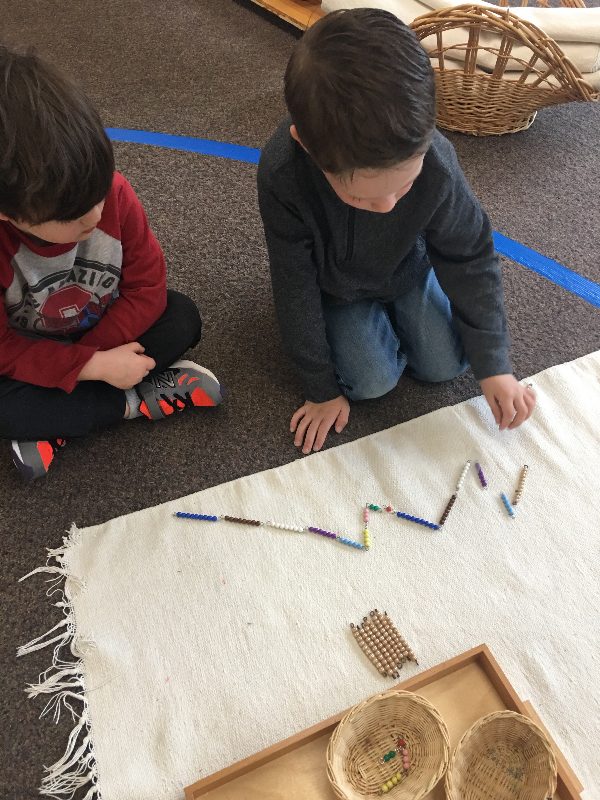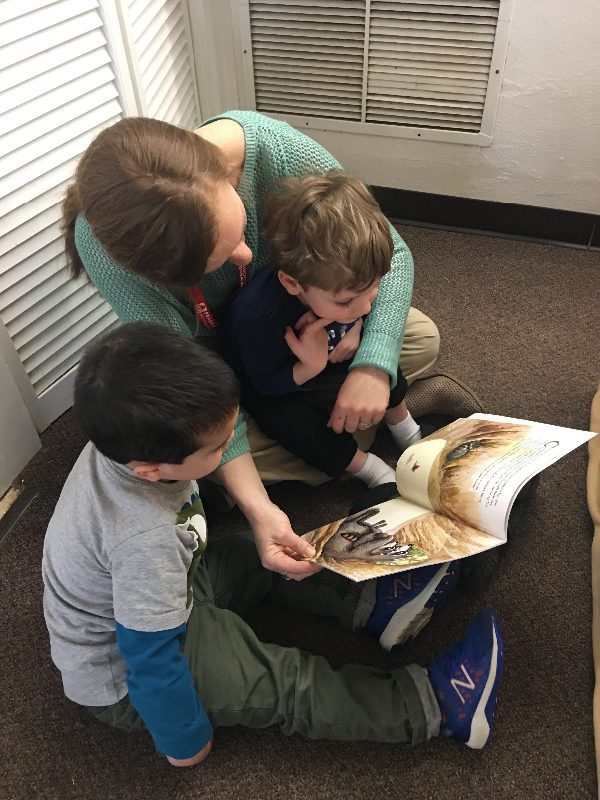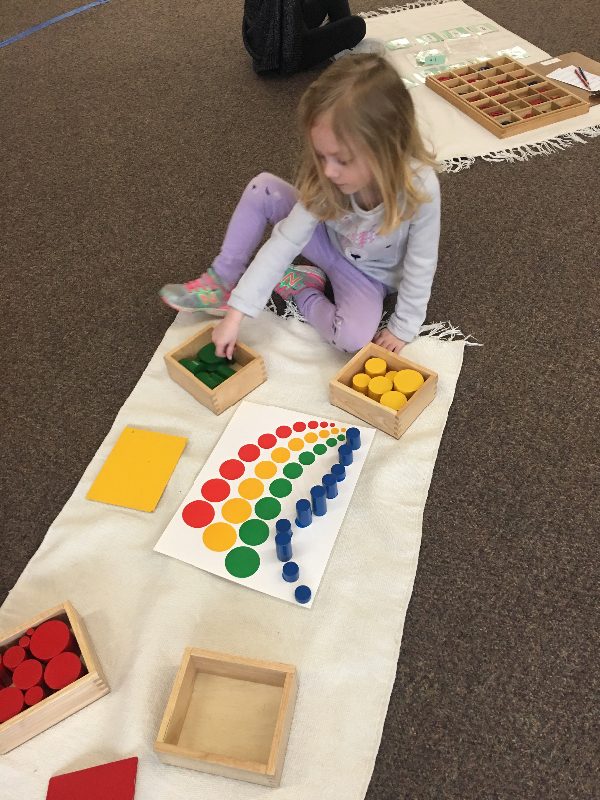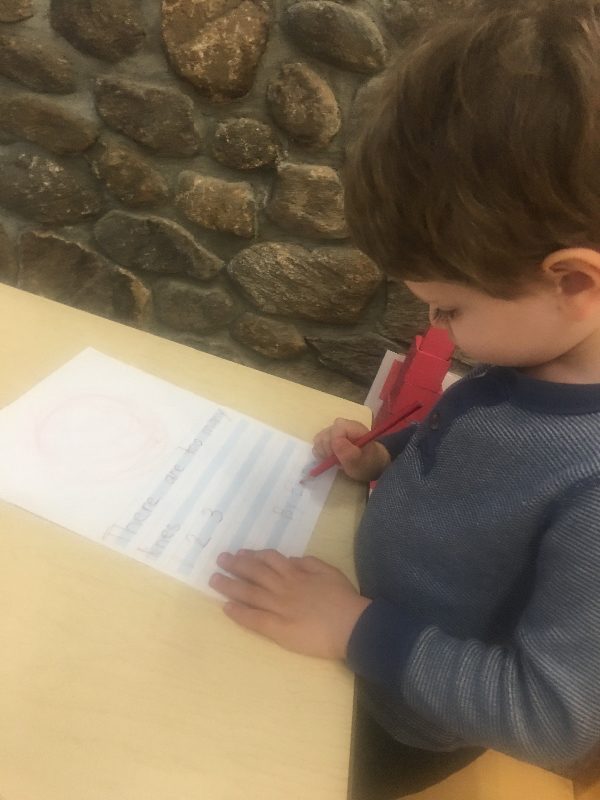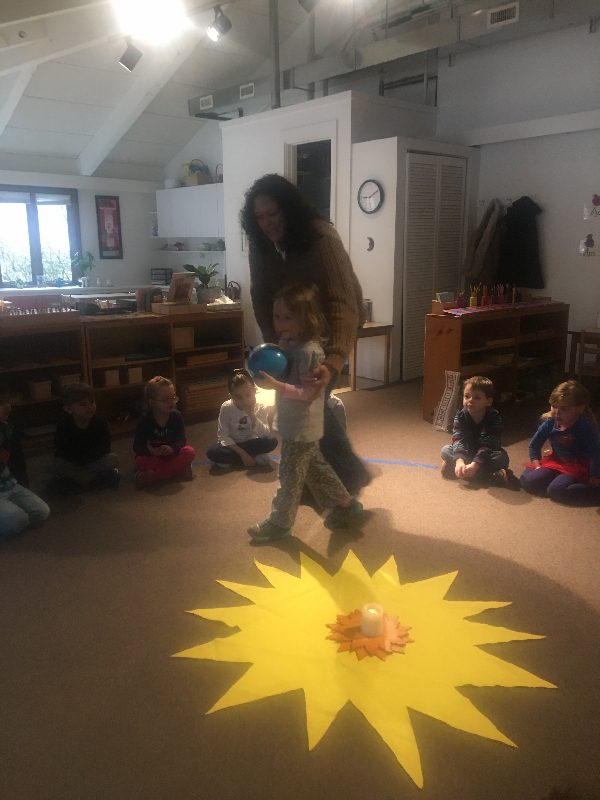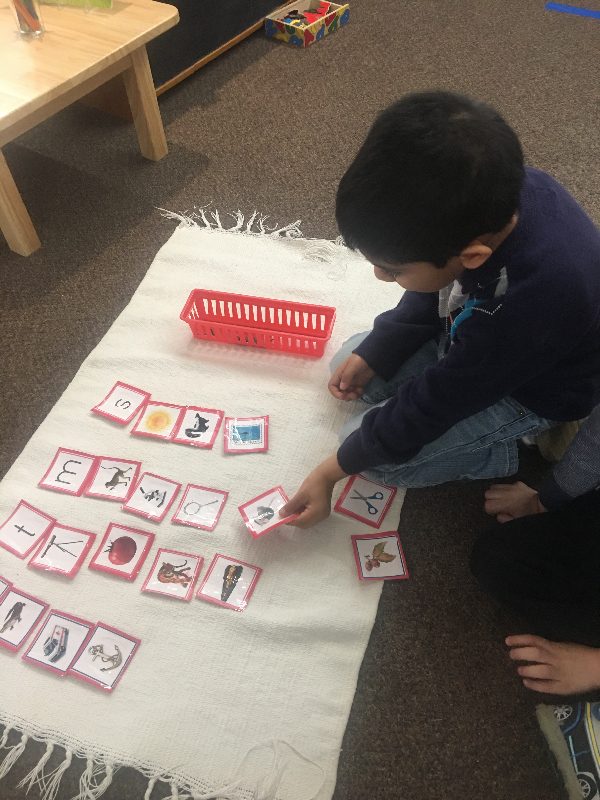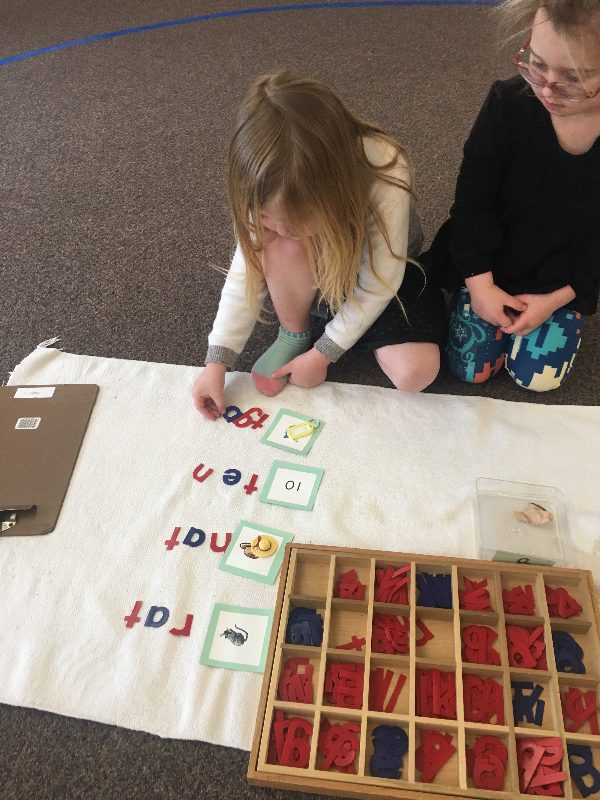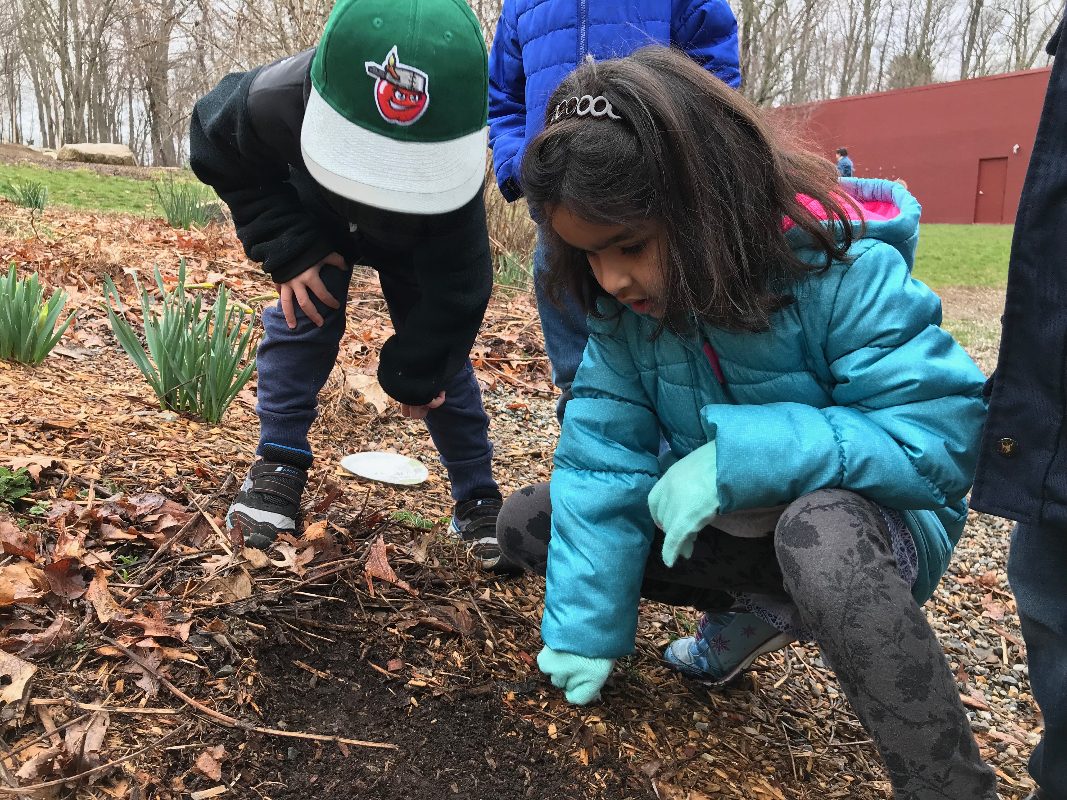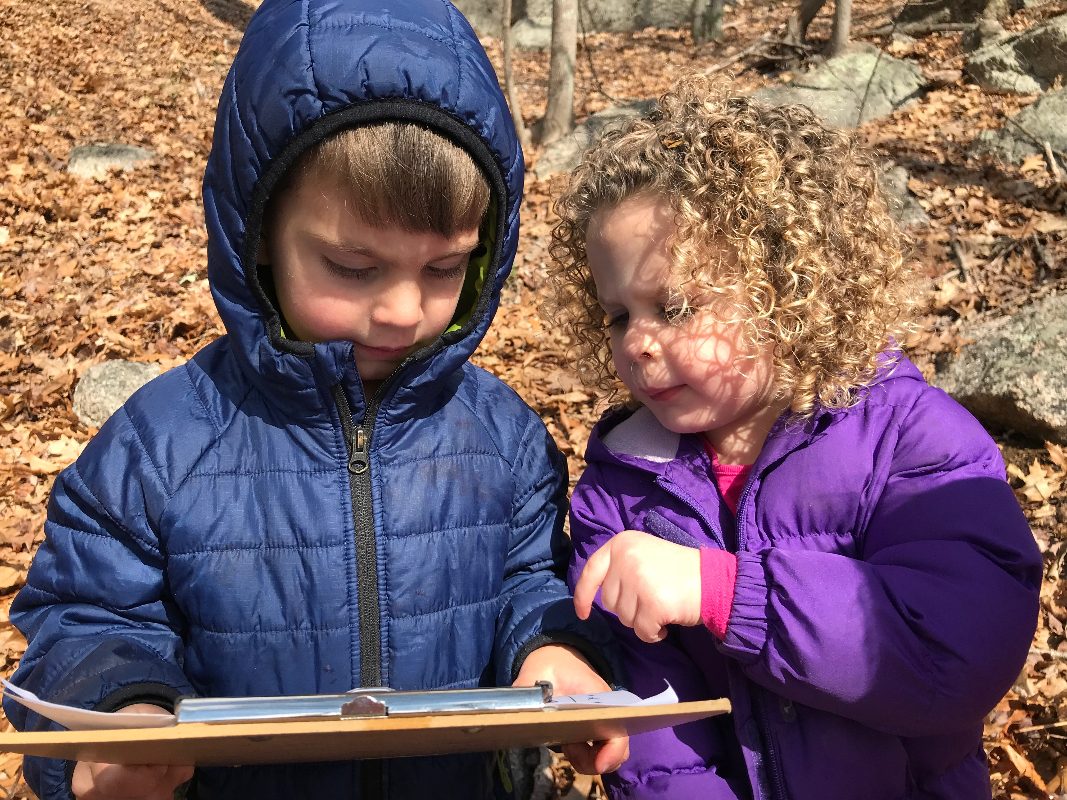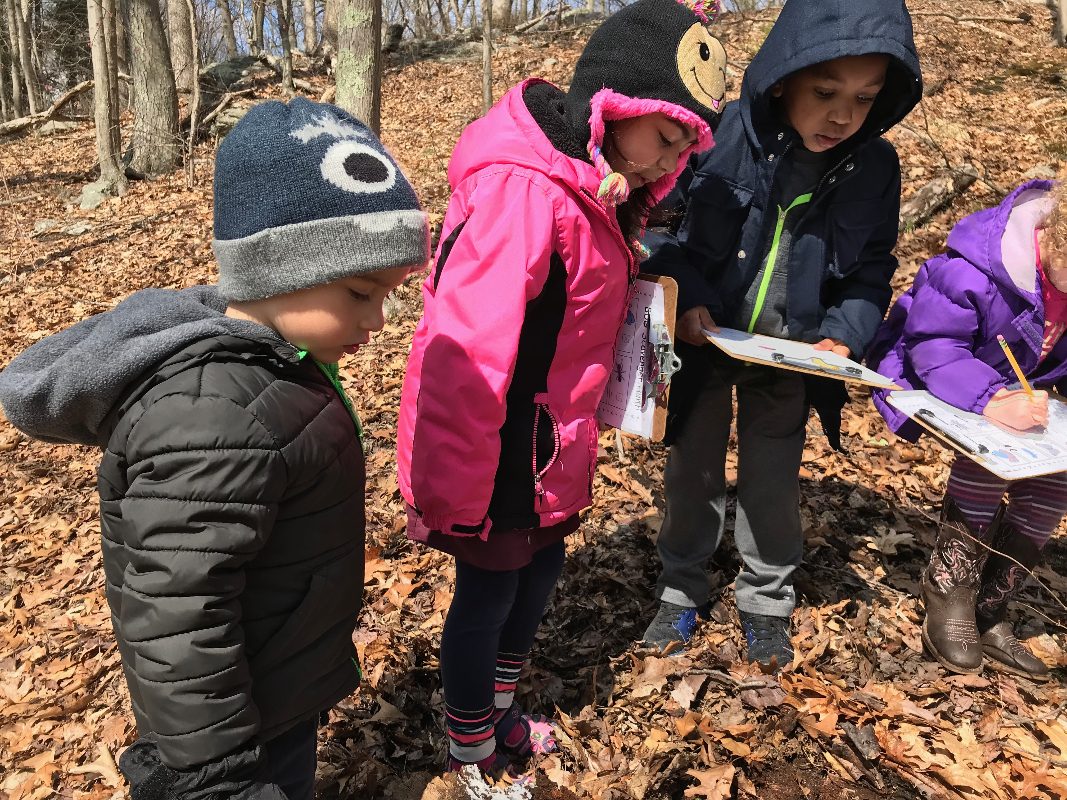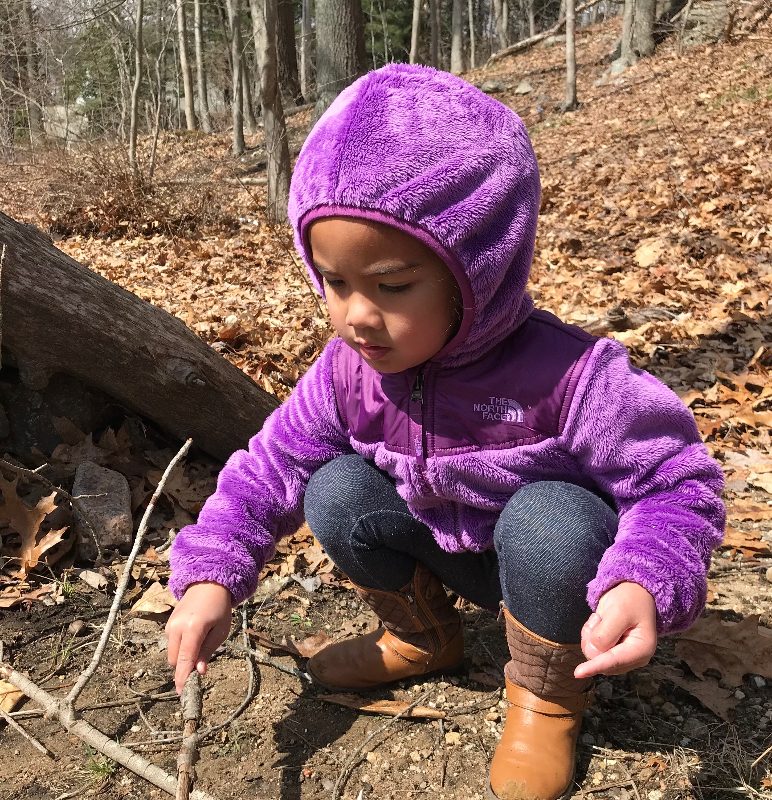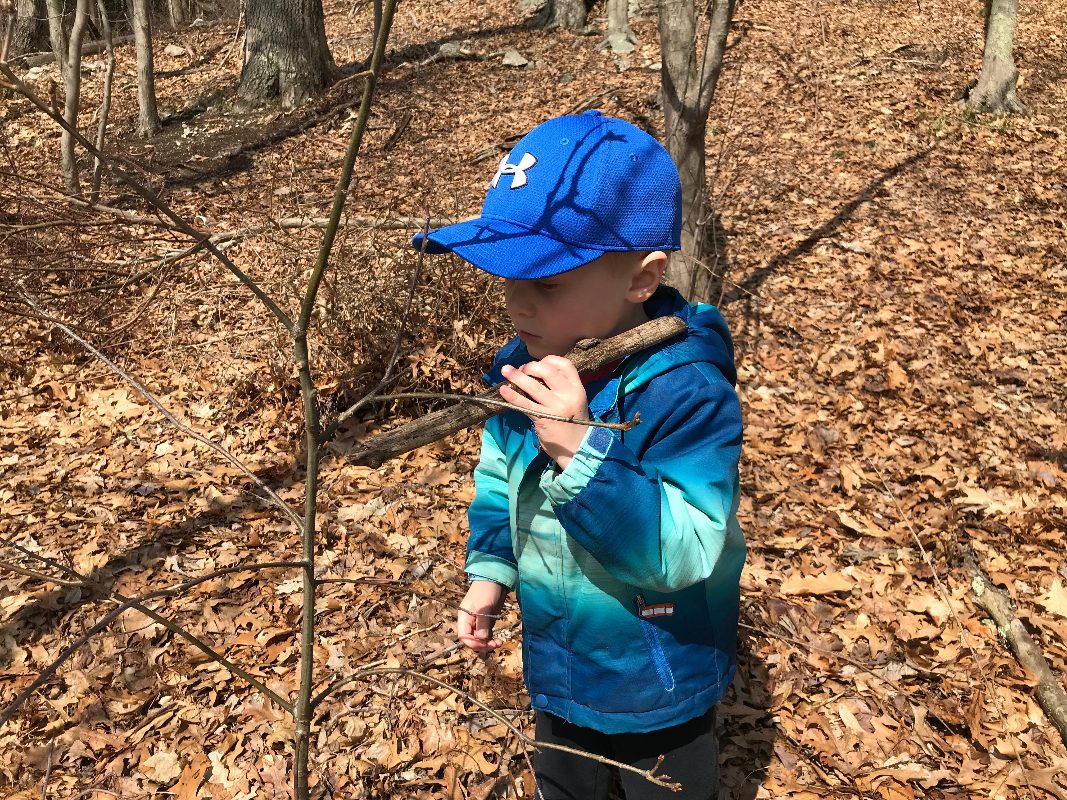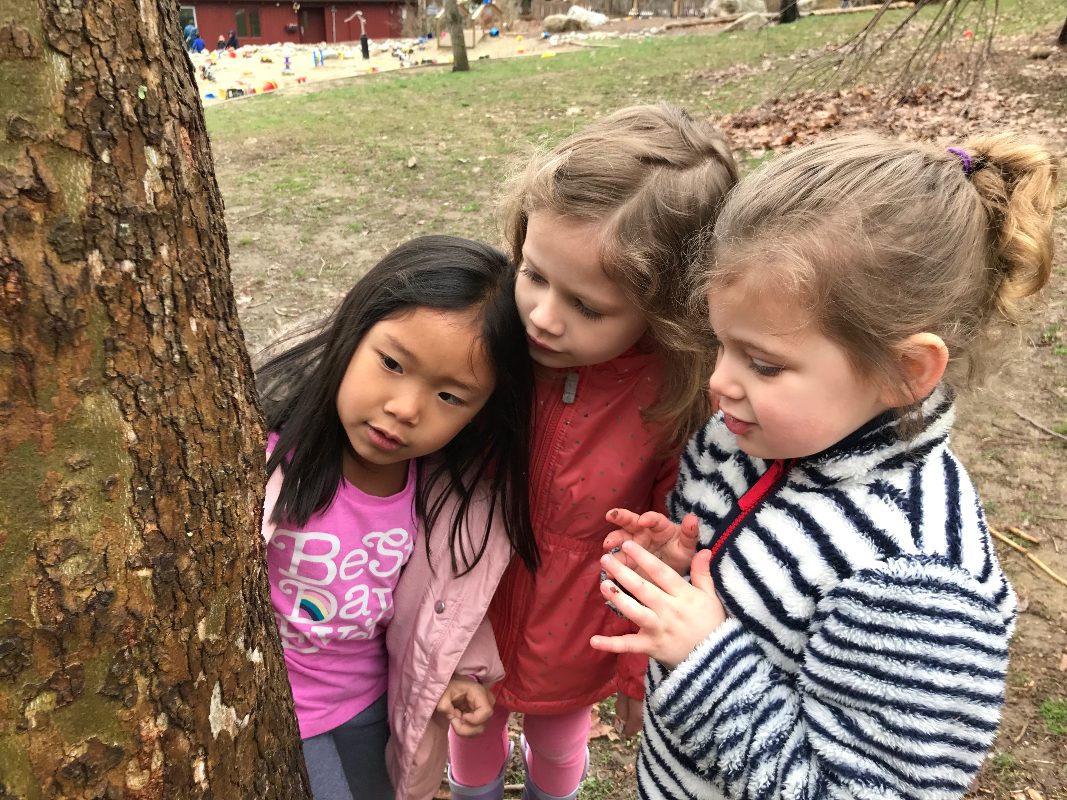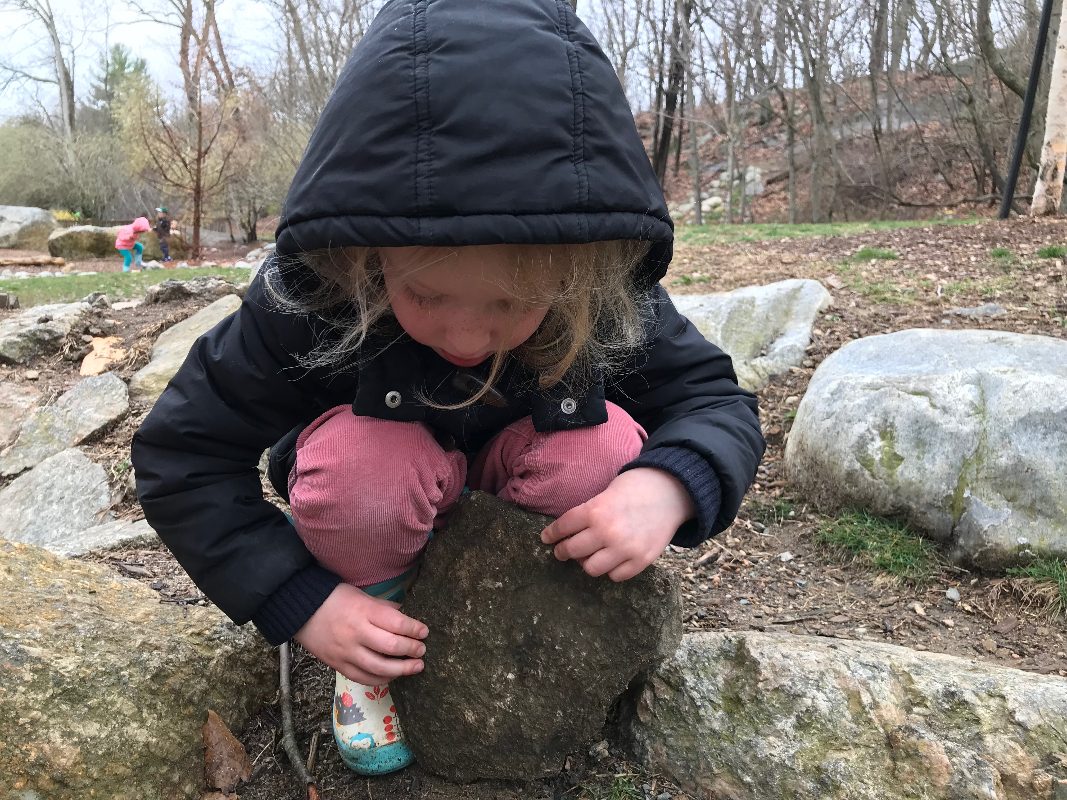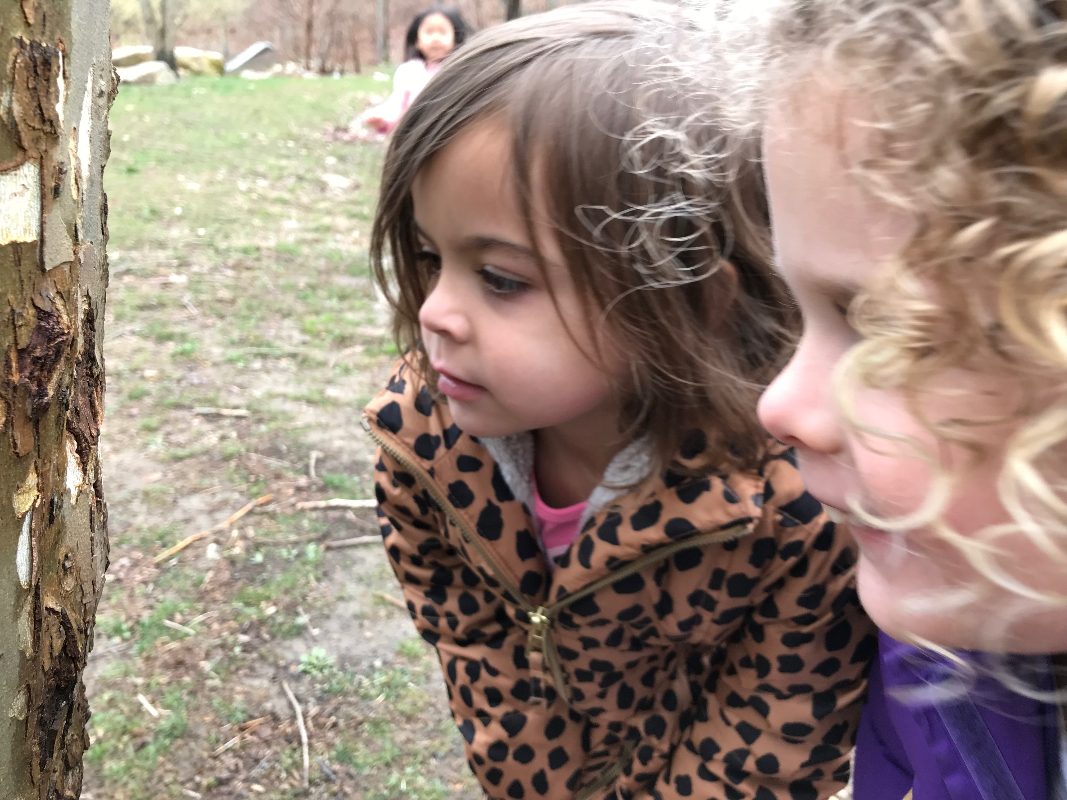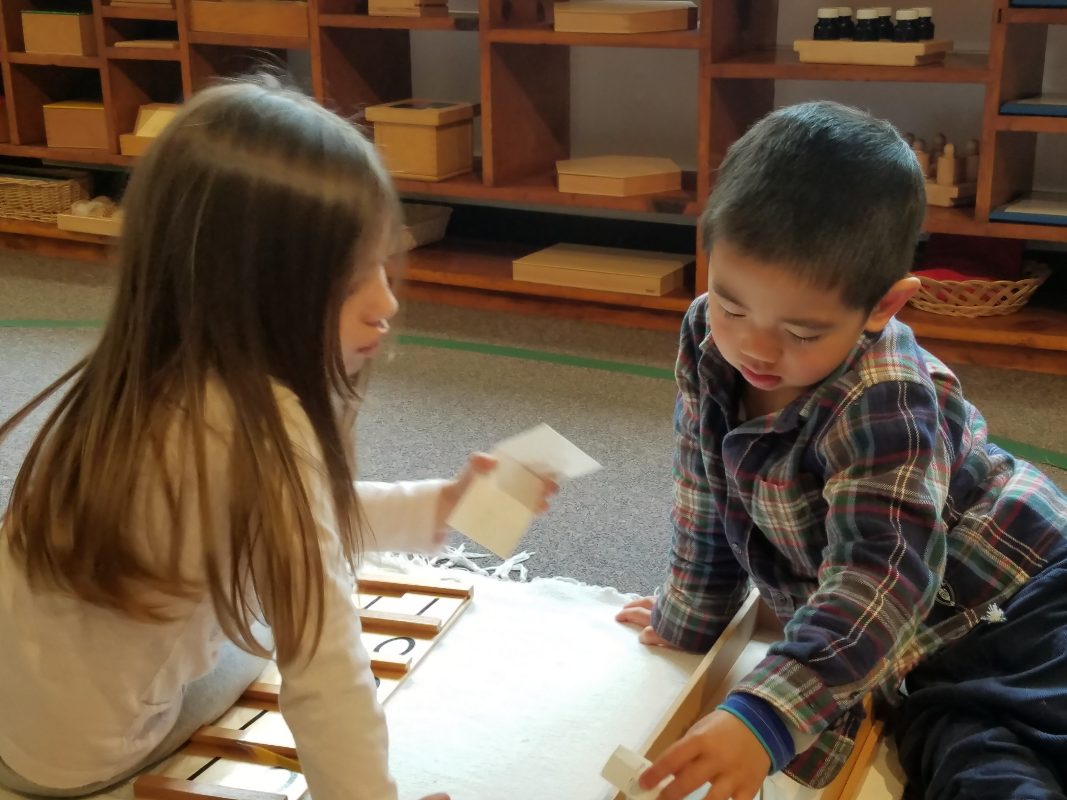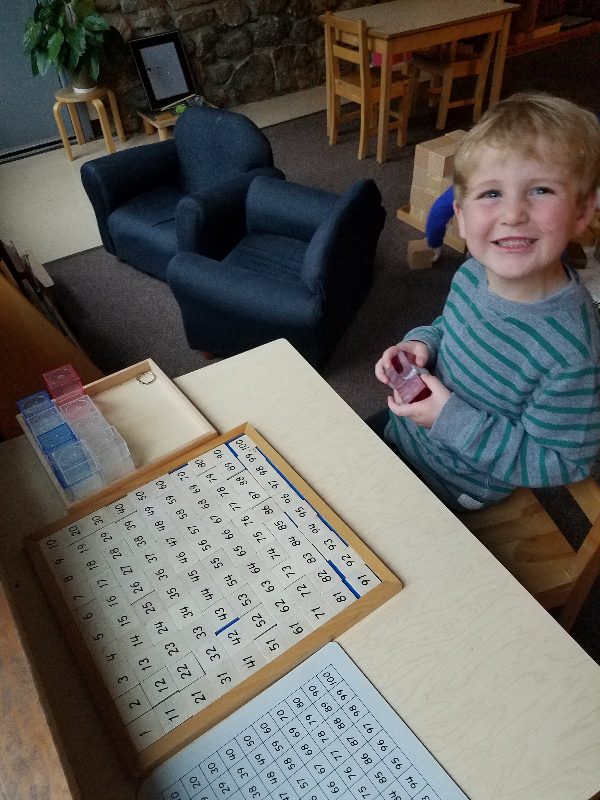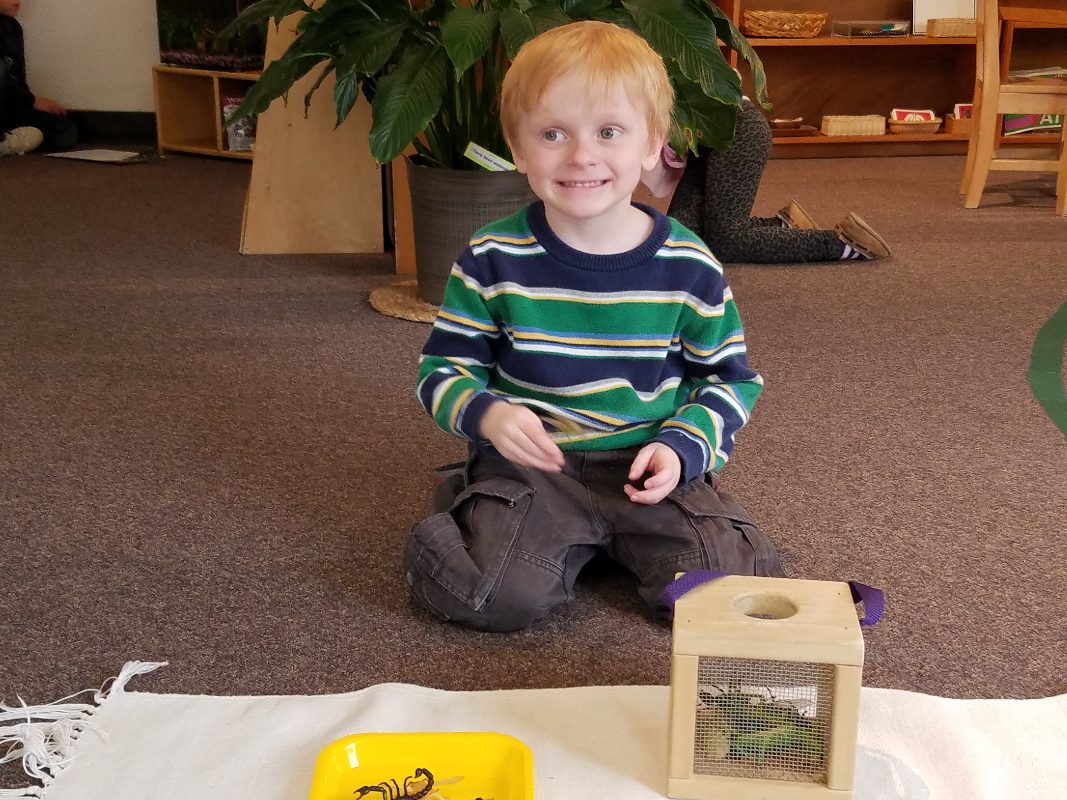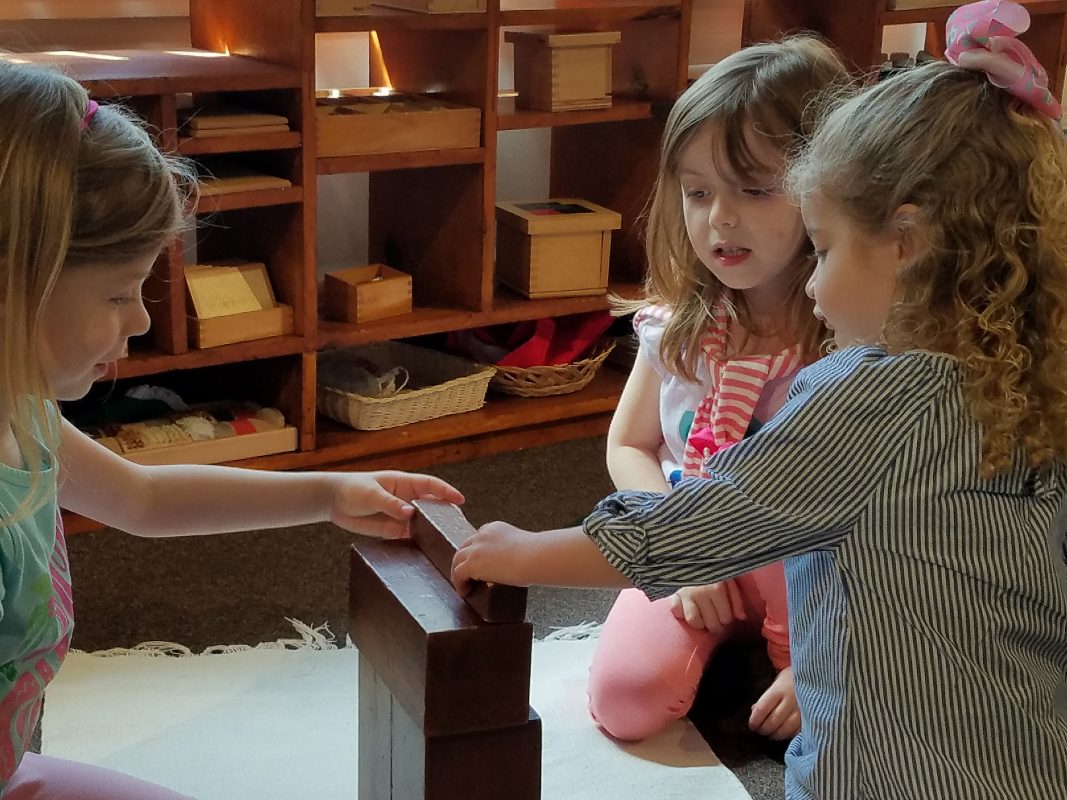
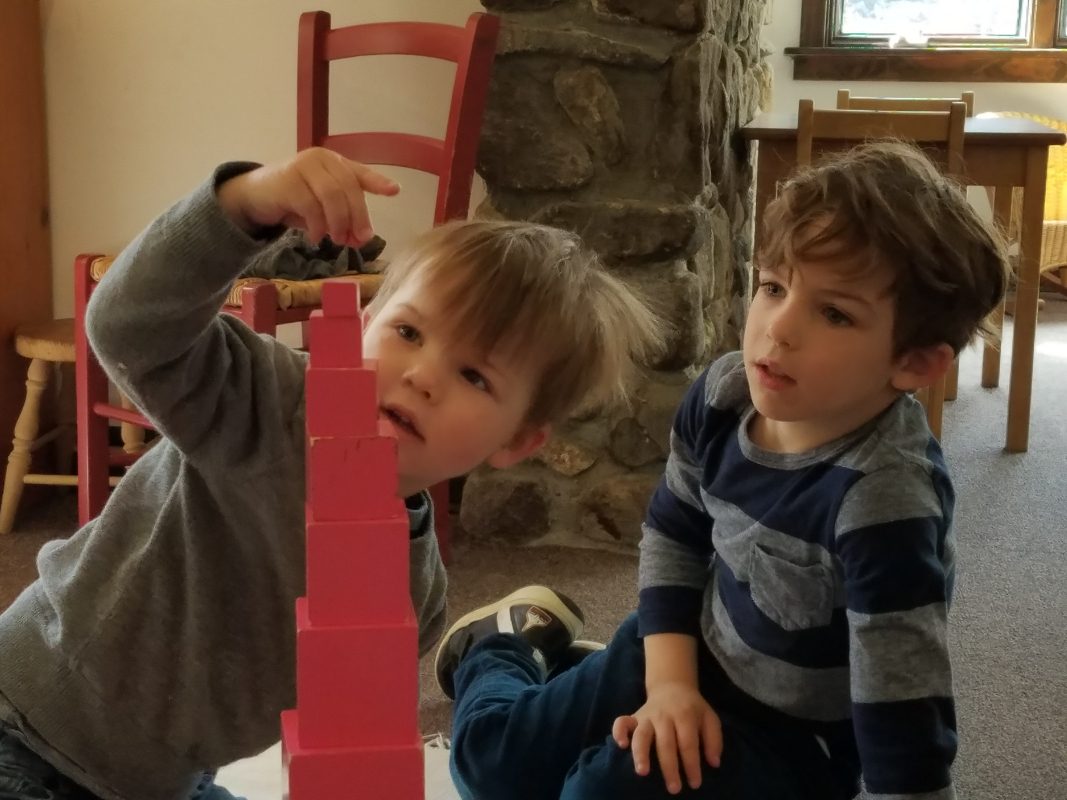
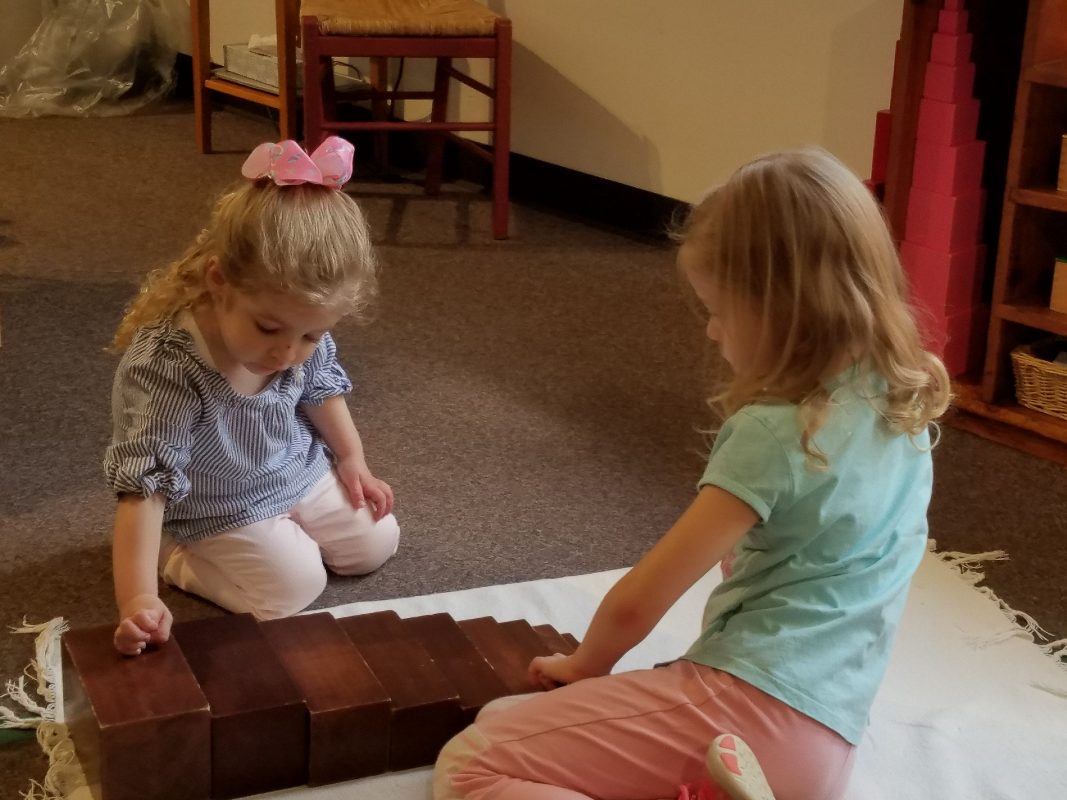
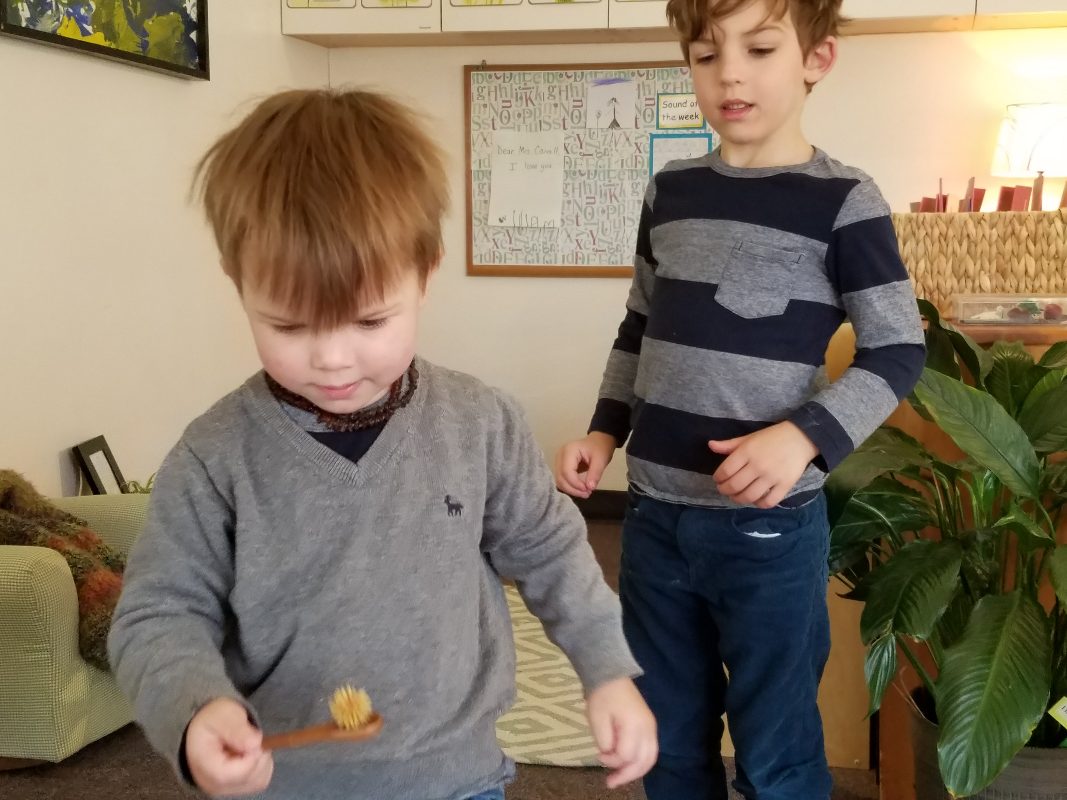
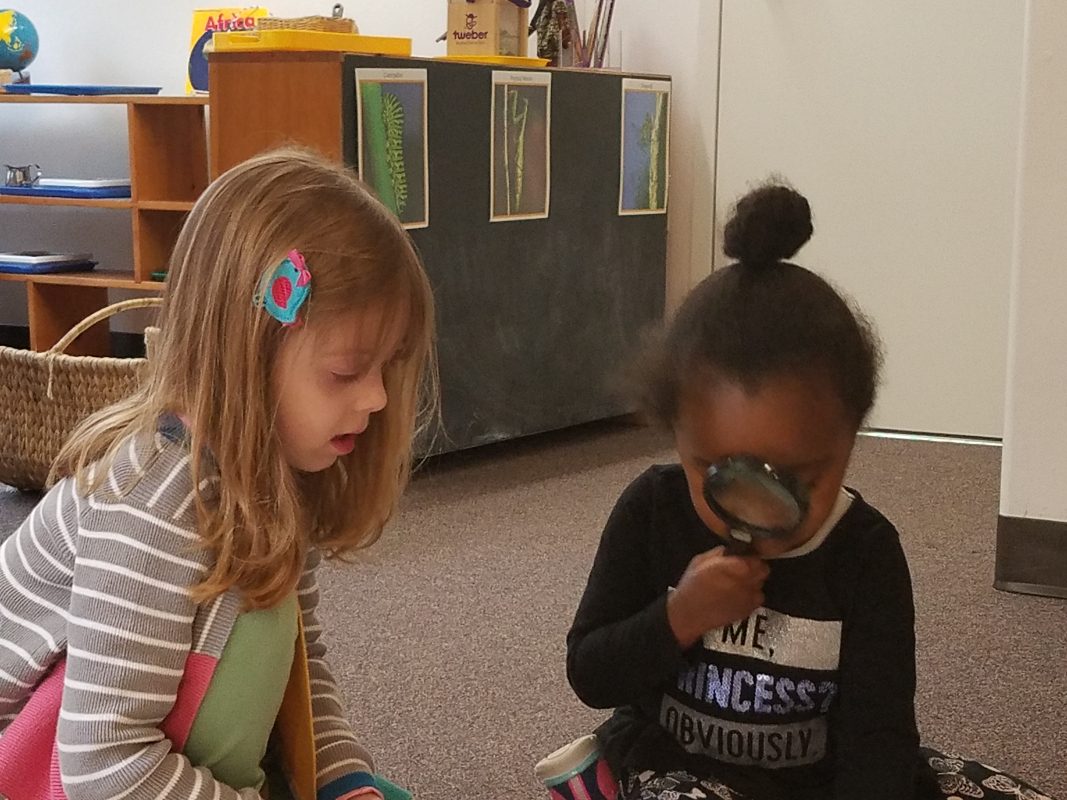
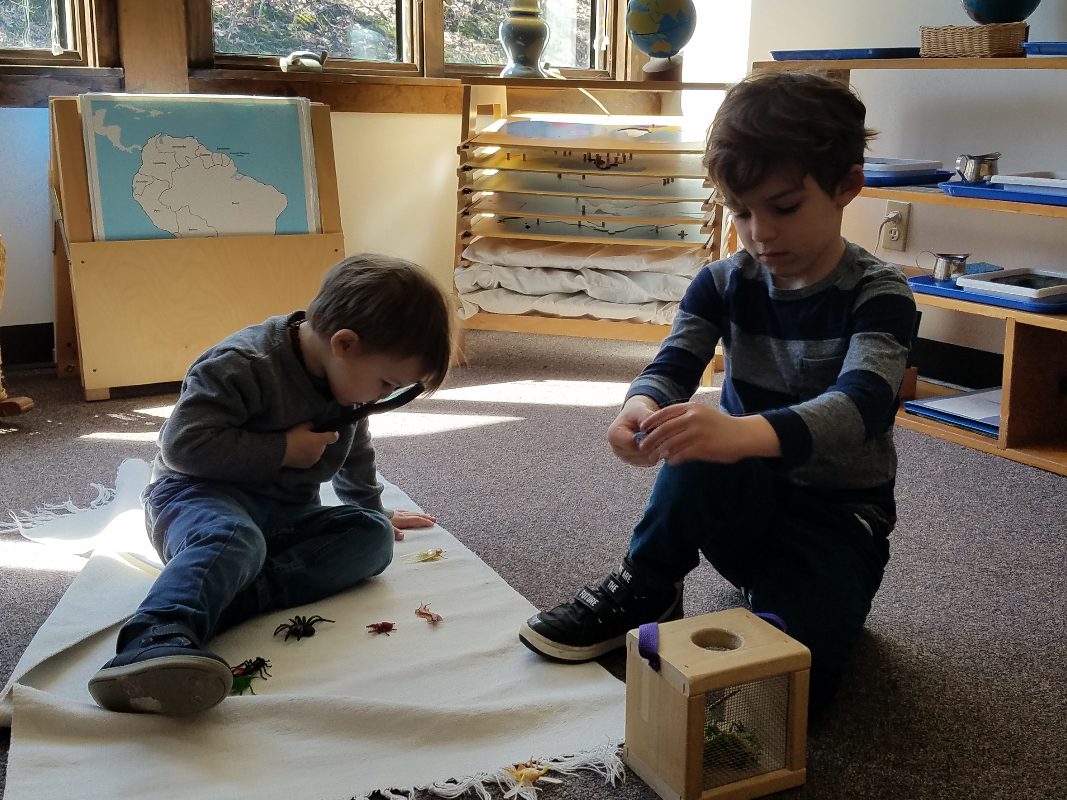
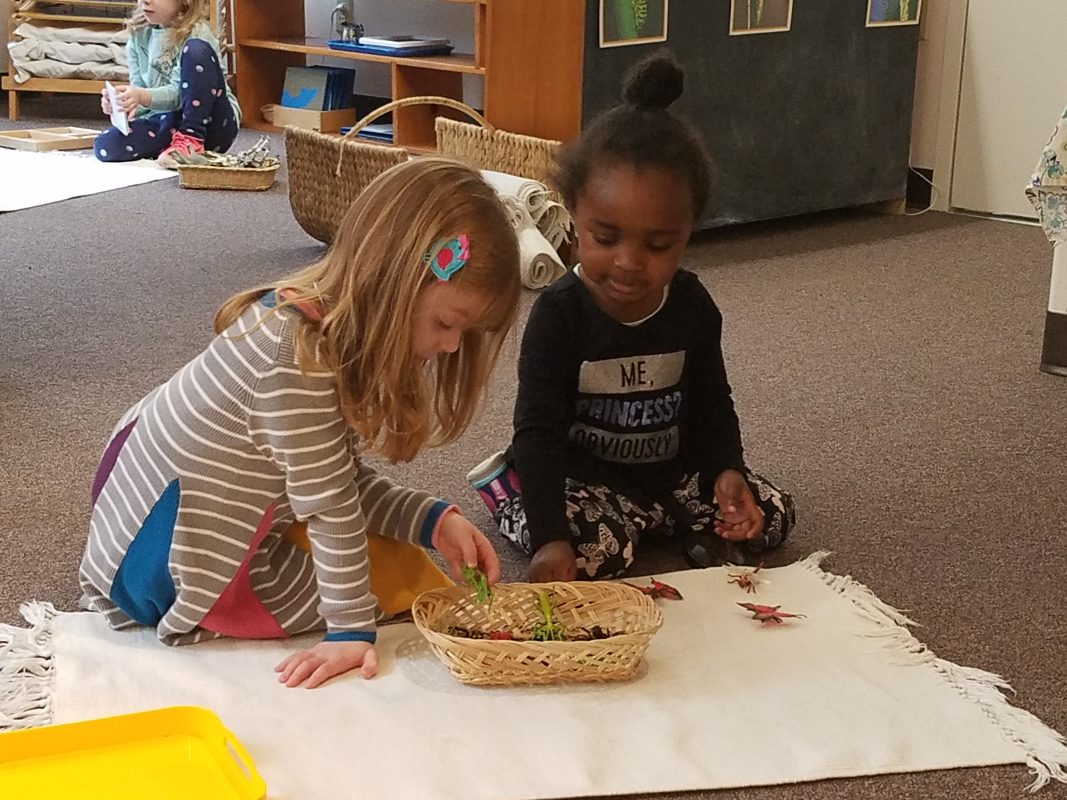
Learning is an exciting process of discovery, leading to concentration, motivation, self-discipline, and a love of learning.
The sensitive period for order begins to reveal itself as the child reaches his second year and lasts for about two years, being most marked in the child’s third year. The child displays an almost passionate interest in the order of things both in time and space. What is perhaps not as universally recognized is that this age is also one in which there is a sensitive period for refining the senses. The child is not only interested in external sensory impressions; his attention is also directed by nature at this stage to his own bodily actions-the sensitive period for learning good manners. It is an important part of the teacher’s duty to give definite and precise lessons on how to behave with “grace and courtesy”. This includes such matters as how to sit down and stand up properly, how to beg pardon for small offenses such as passing in front of another person, interrupting a friend working, how to open and shut door, how to hand objects to another person, how to carry a tray, and so forth.
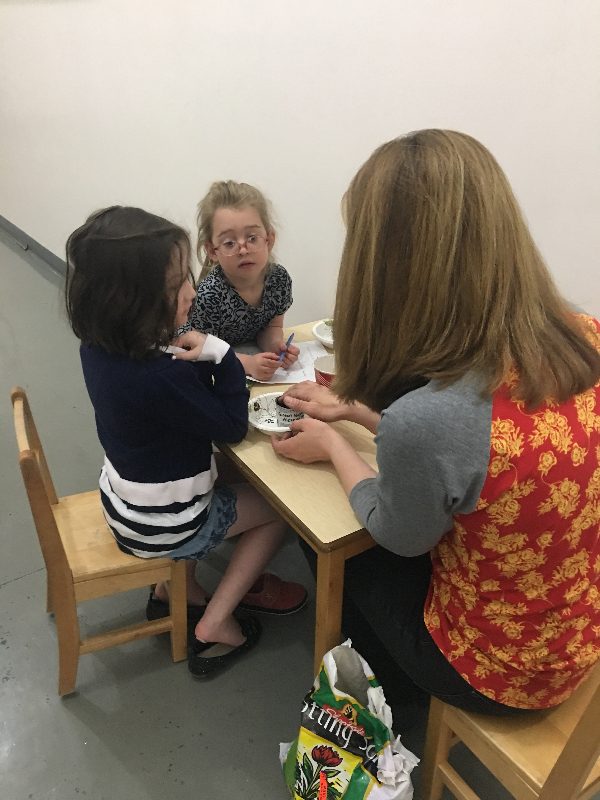
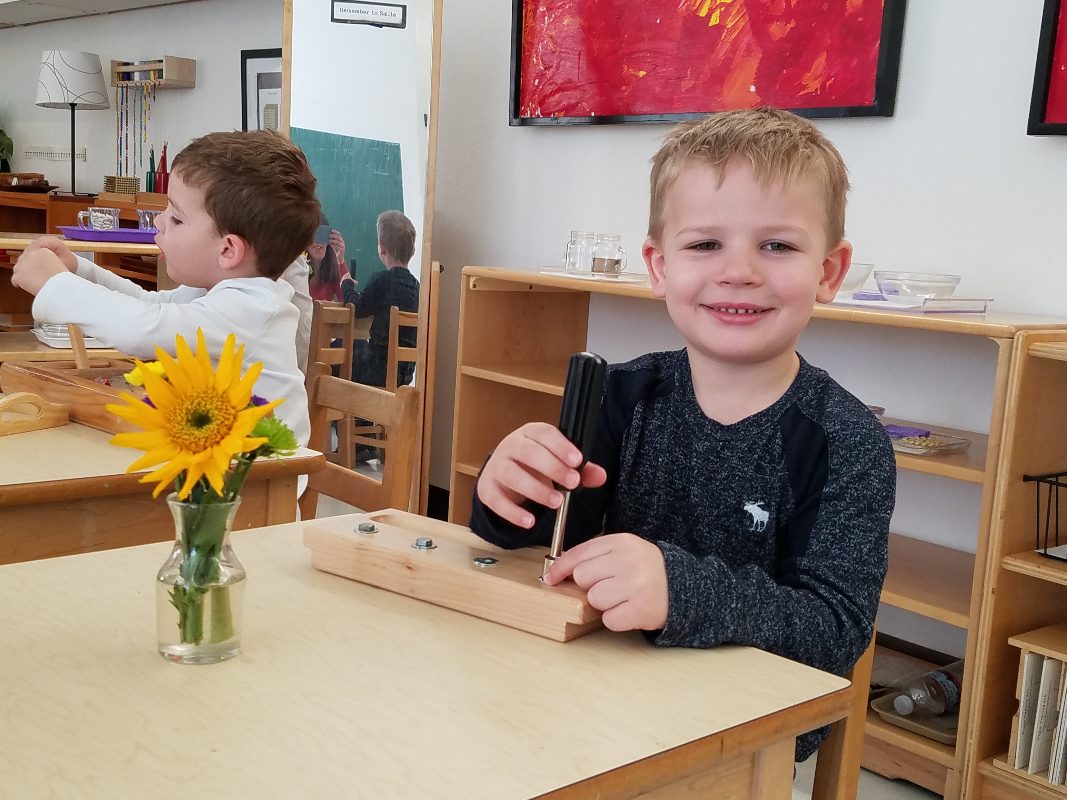
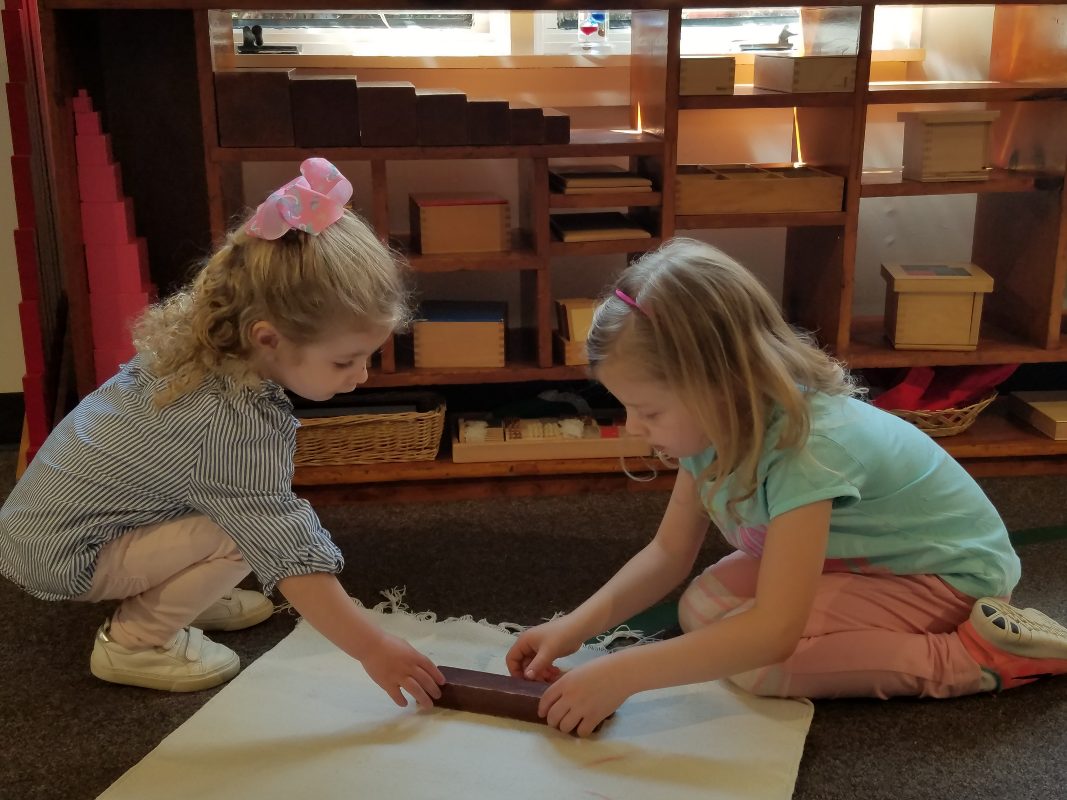
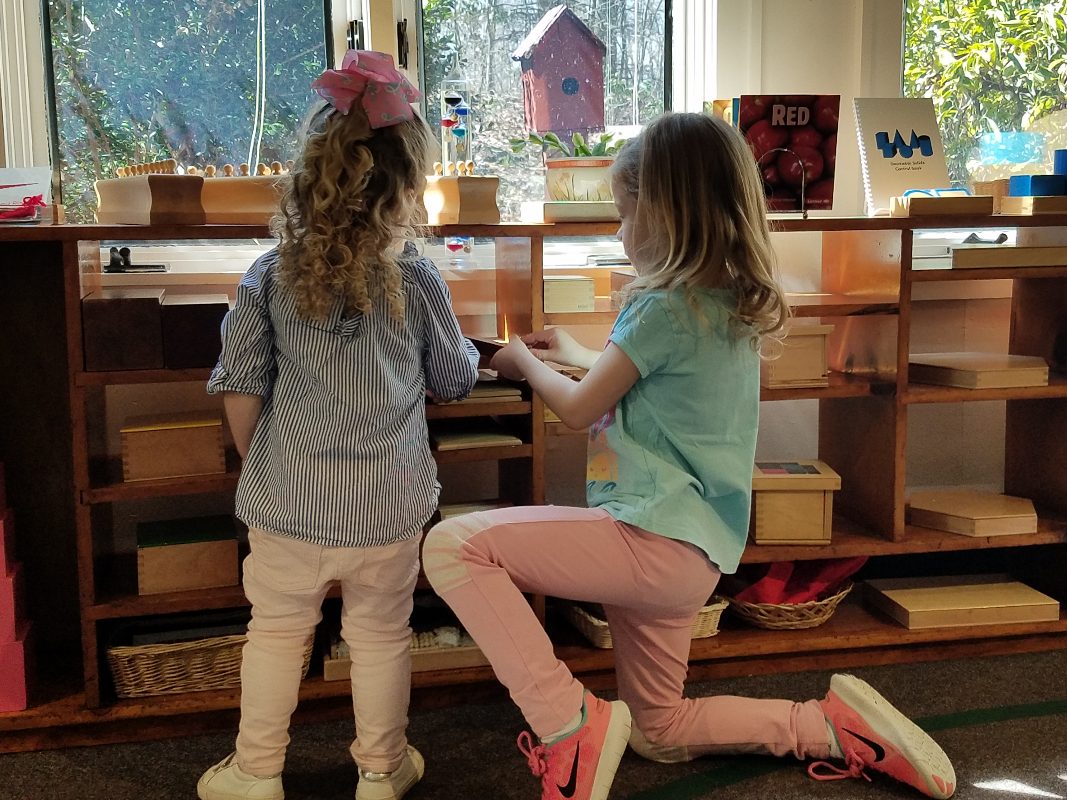
The task of the teacher is one of preparing the child for a great exploration, leading to communication between self and others, a far different endeavor than merely teaching a child to write and read. The preparation in the classroom for this exploration begins with Practical Life (Daily Living exercises). The child is first introduced to some of the exercises of daily living. This is because they involve simple and precise tasks, which the young child has already observed adults perform in his home environment and therefore wishes to imitate.
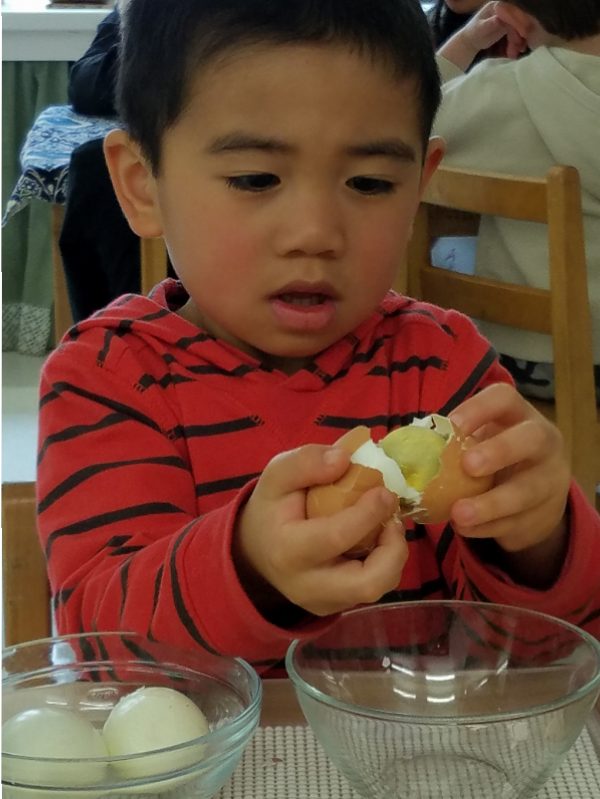
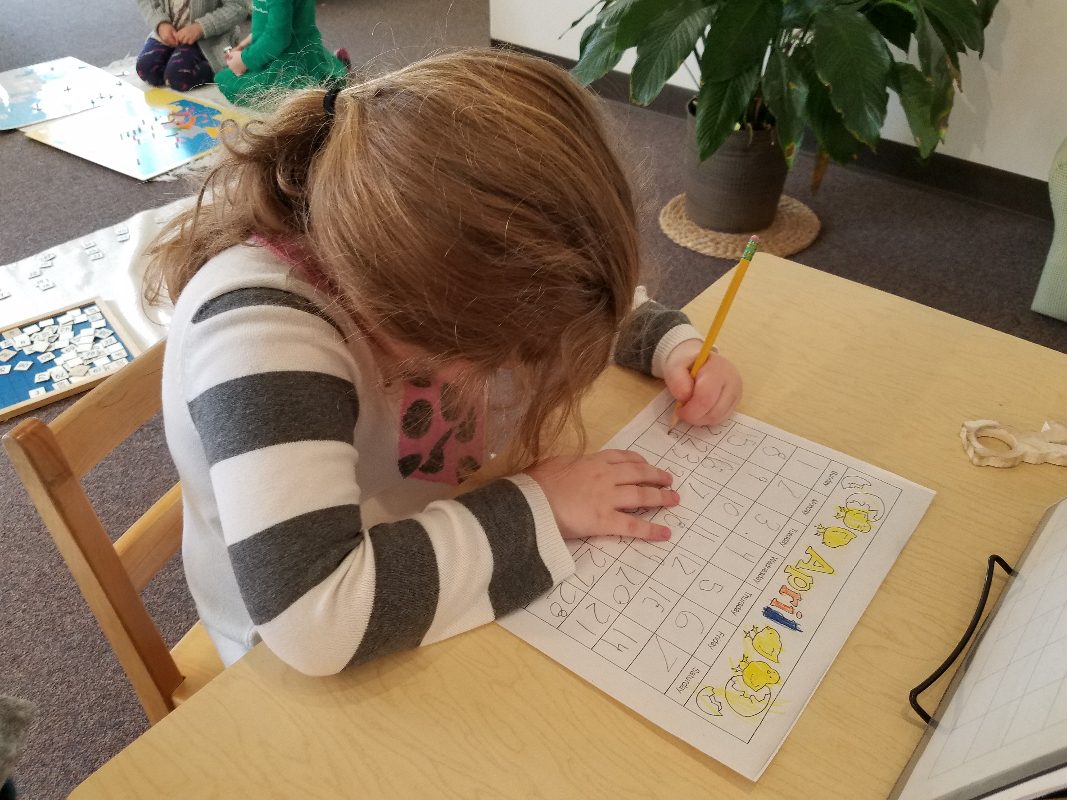
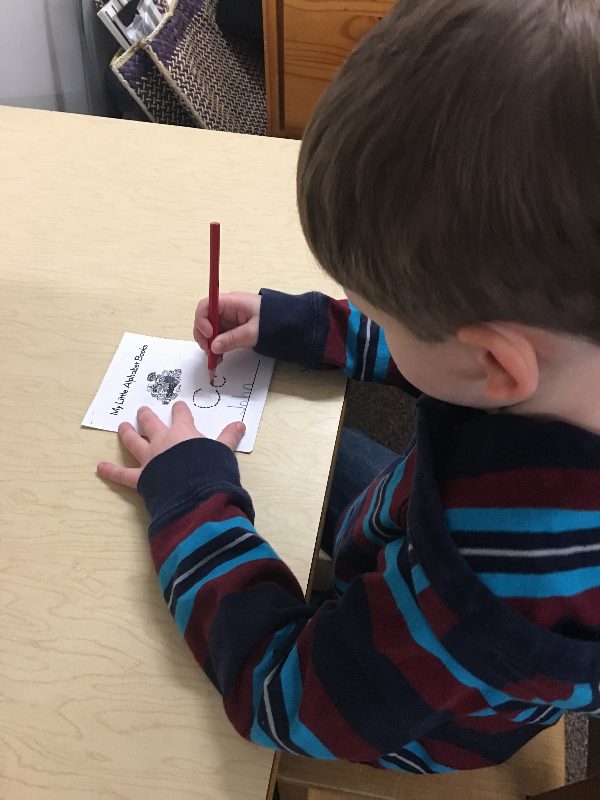
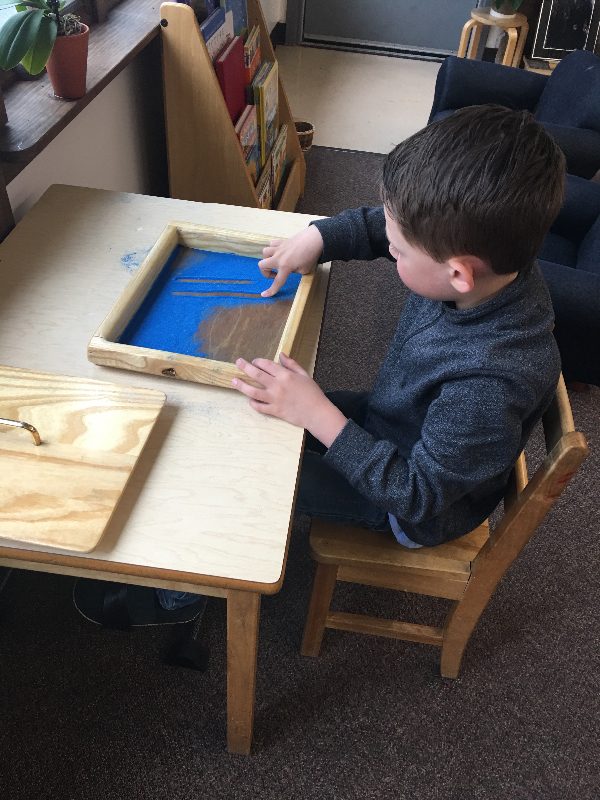
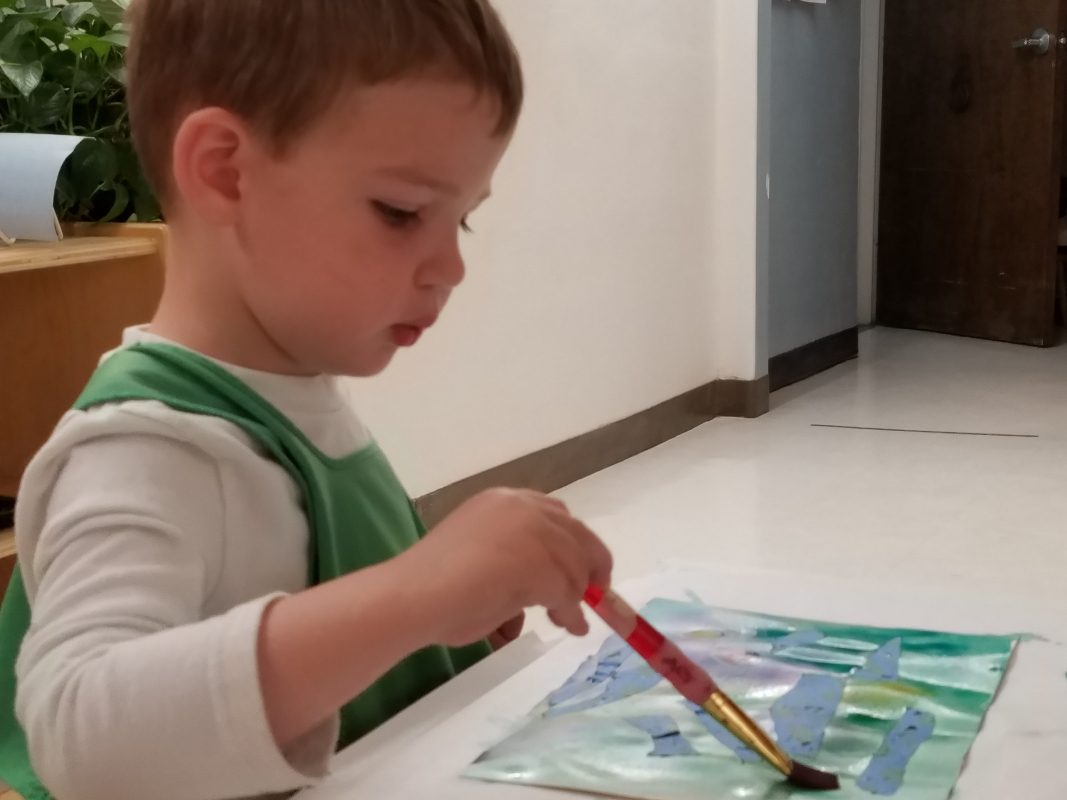
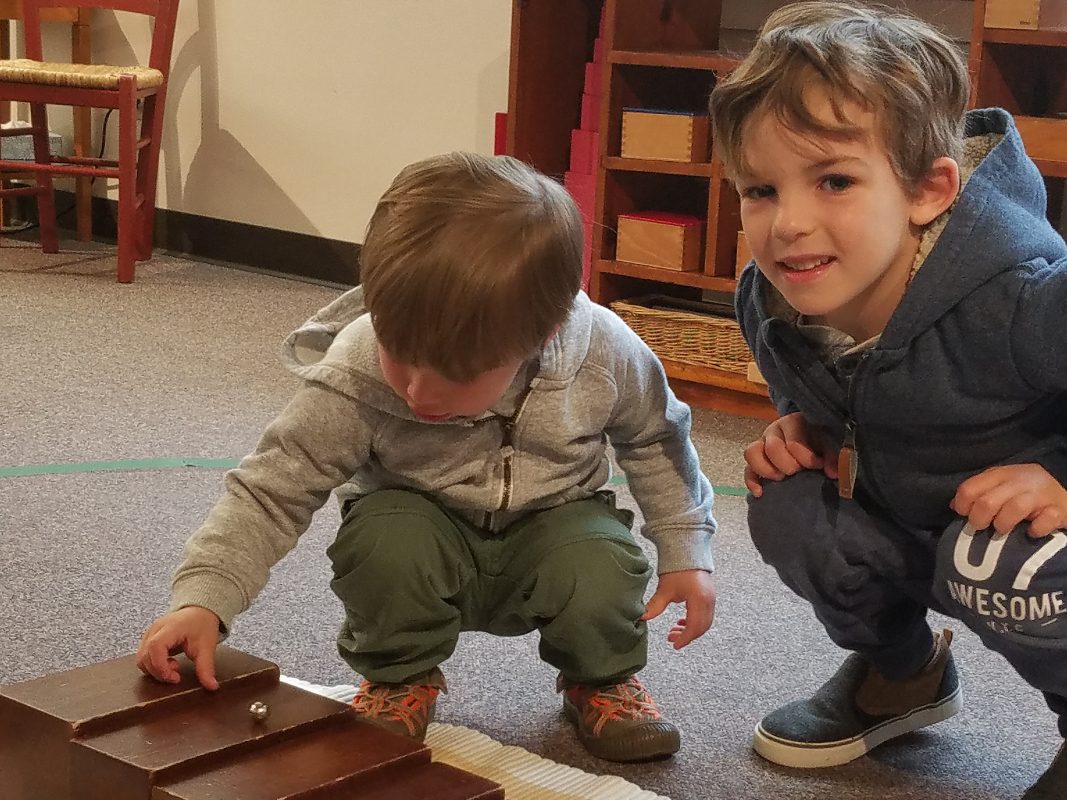
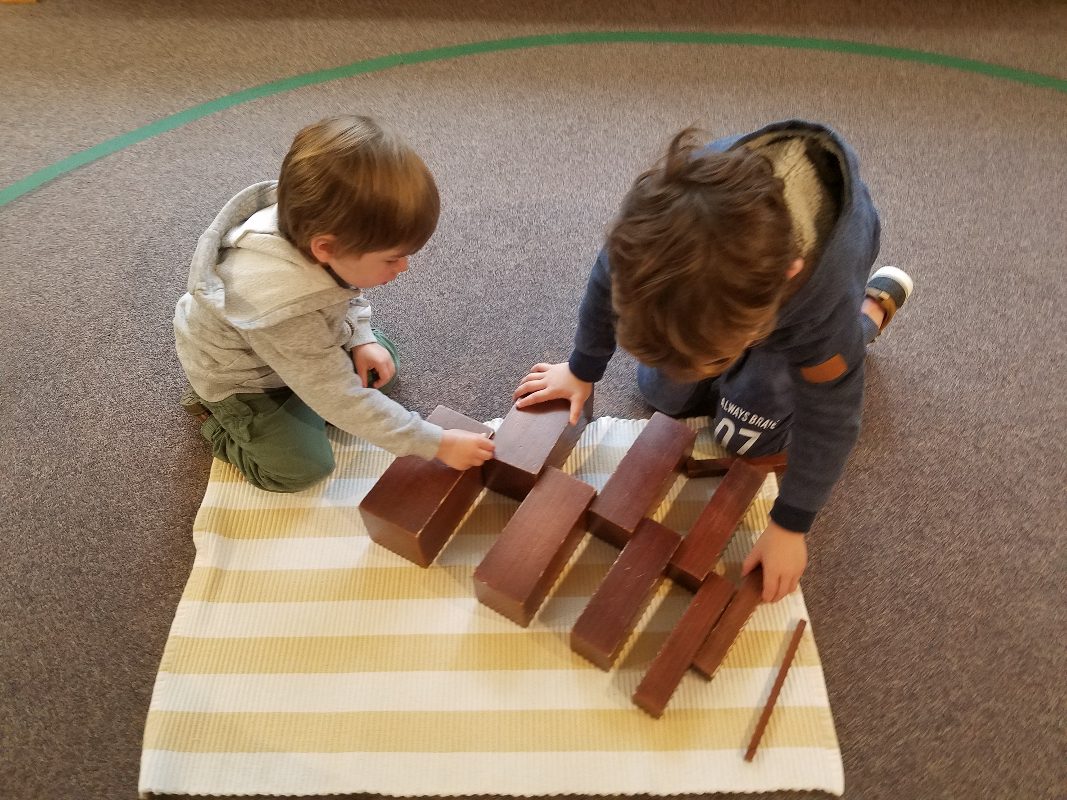
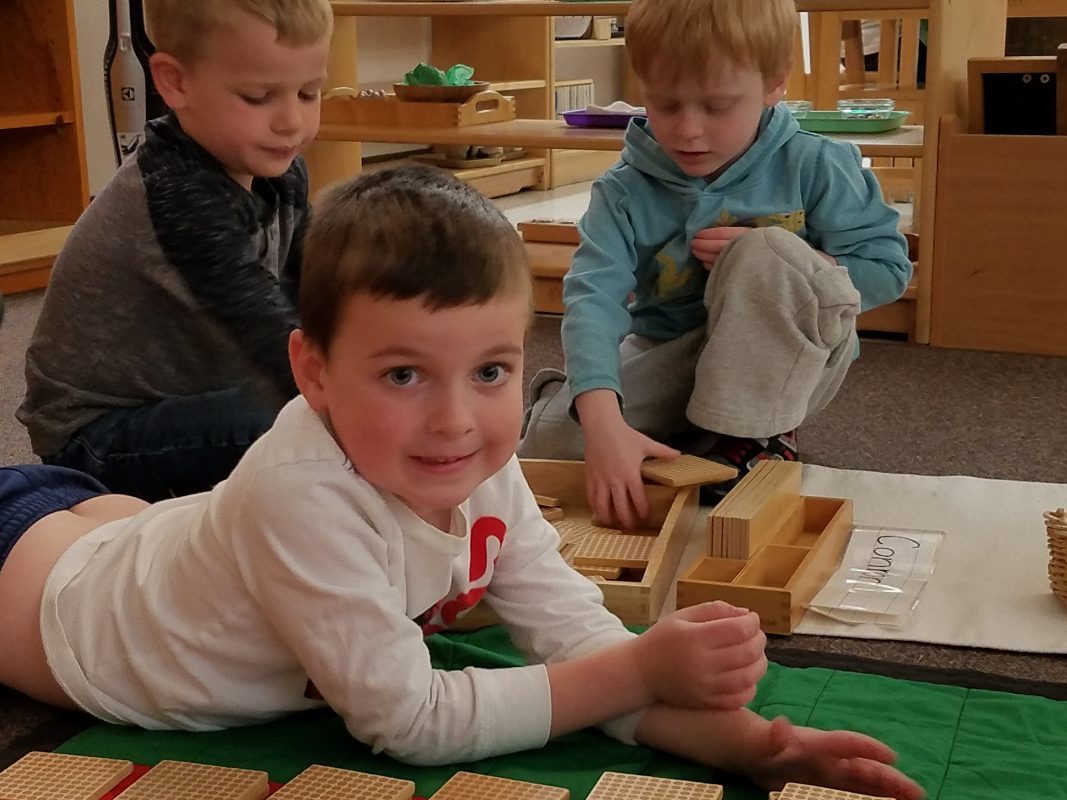
A child, when captivated by a piece of work, repeats the same series of movements time after time. He becomes completely absorbed by repeating the activity. The real aim is to satisfy the unconscious needs, and this is why the operation is formative, for the child’s repetition lays down in his nervous system an entirely new system of controls, establishing fresh coordinations between his muscles, coordinations not given by nature, but having to be acquired. In all these activities, the child may be said to be playing. But this kind of play is effortless, and it leads him to acquire the new powers which will be needed for his future. The imitativeness in children is a kind of inspiration which leads them to self-constructive work. By “work” Montessori did not mean mechanical drudgery, but physical and mental activity freely chosen by an individual-activity that has meaning for him because it promotes his own growth or contributes to society.
Practical Life experiences are the primary means of preparing the child for social life. The universal principle is work.
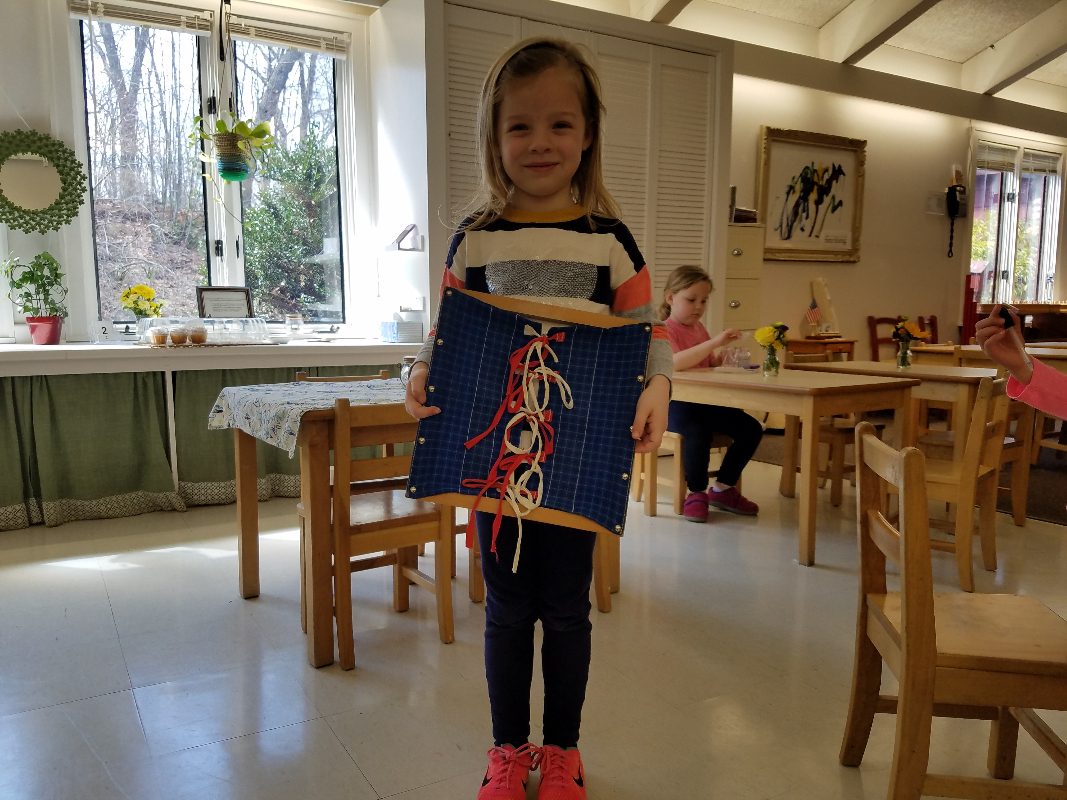
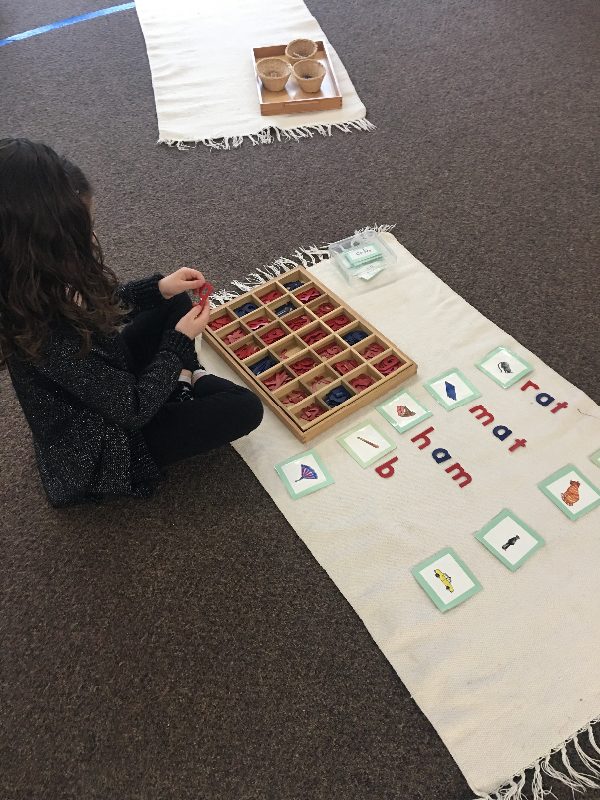
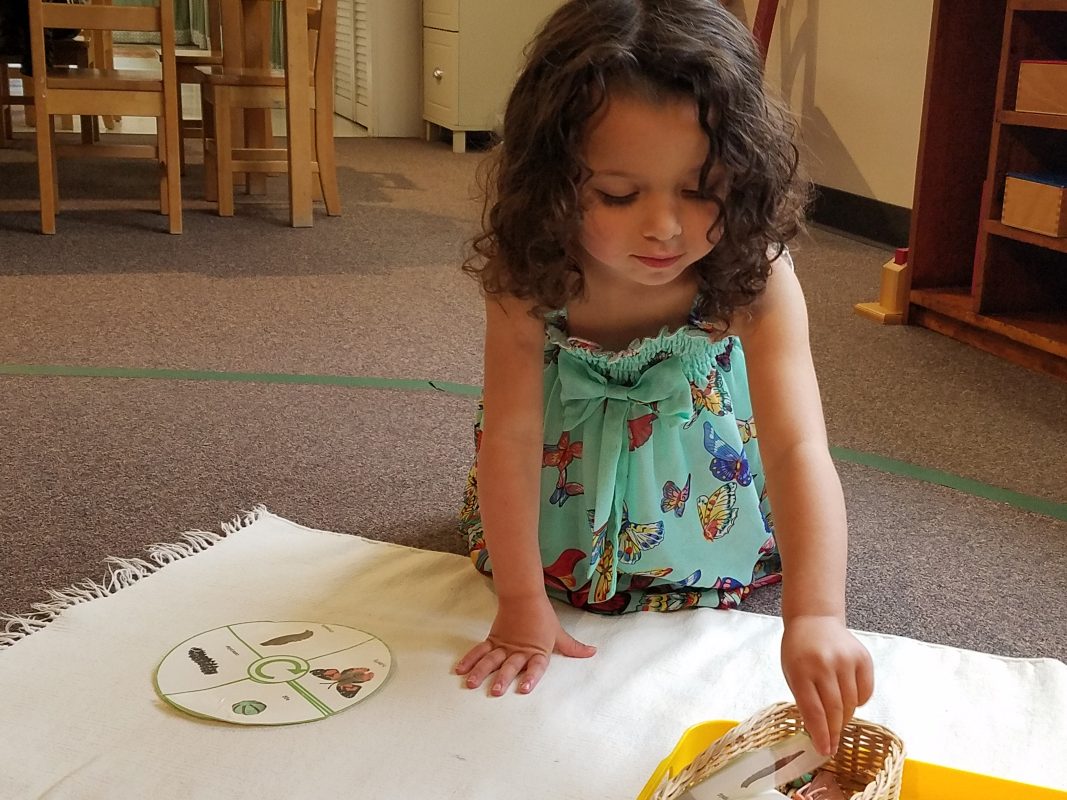
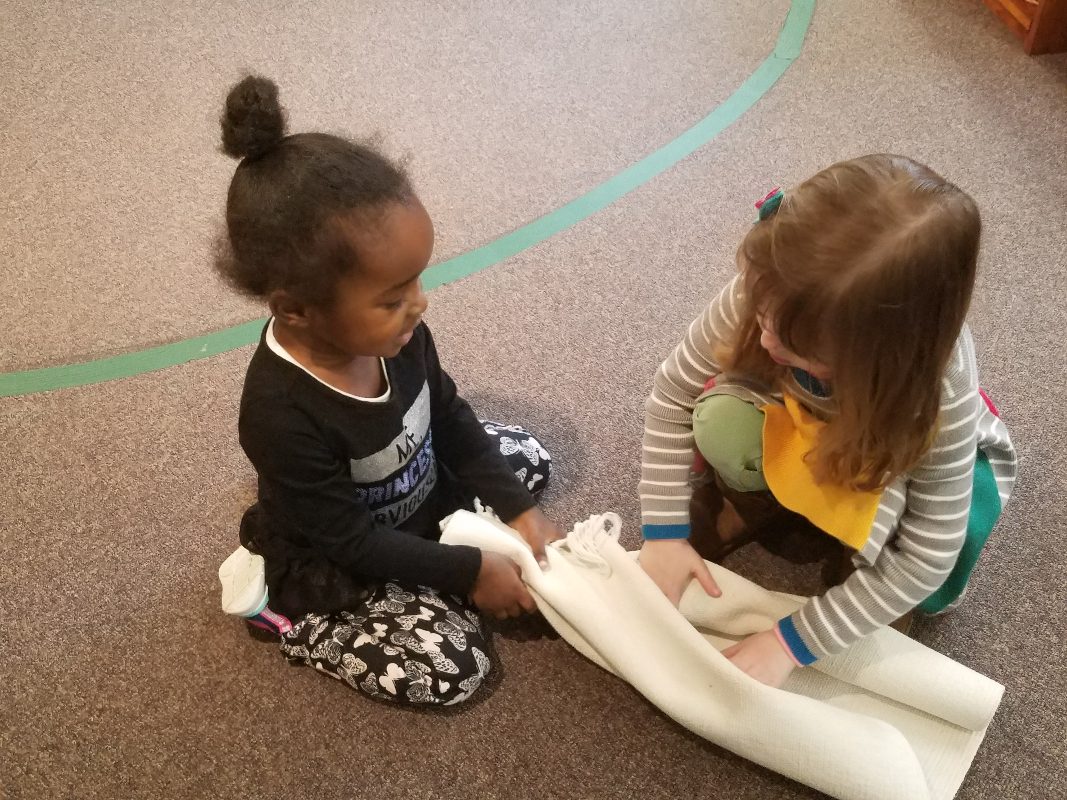
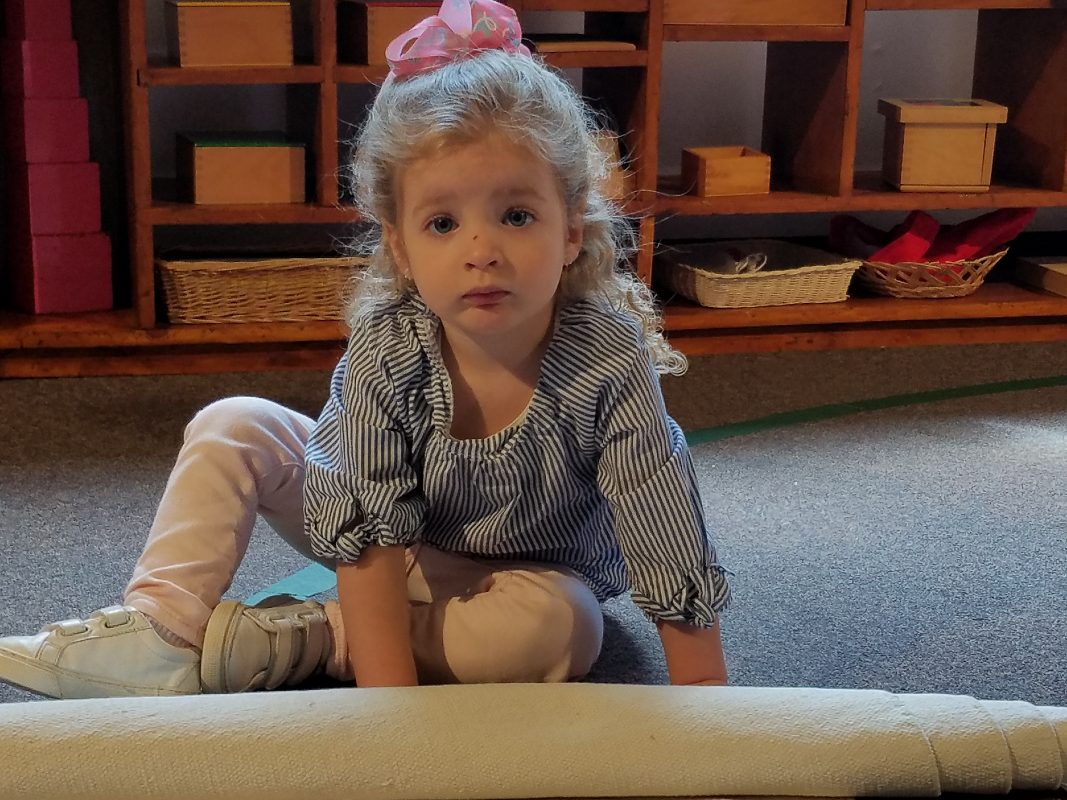
There are dressing frames which enable a child to learn to button and lace. There are brooms with which he can sweep the floor. All these objects invite a child to do something, to carry out a real task with a practical goal to be obtained. To unroll and roll rugs after they have been used, to spread out a tablecloth and fold it up and replace it carefully after it is used, to eat correctly and afterwards to clean up, are tasks which not only require increasing skills but also a gradual development of character because of the patience necessary for their execution and the sense of responsibility for their successful accomplishment.
Please read the following message about ticks.
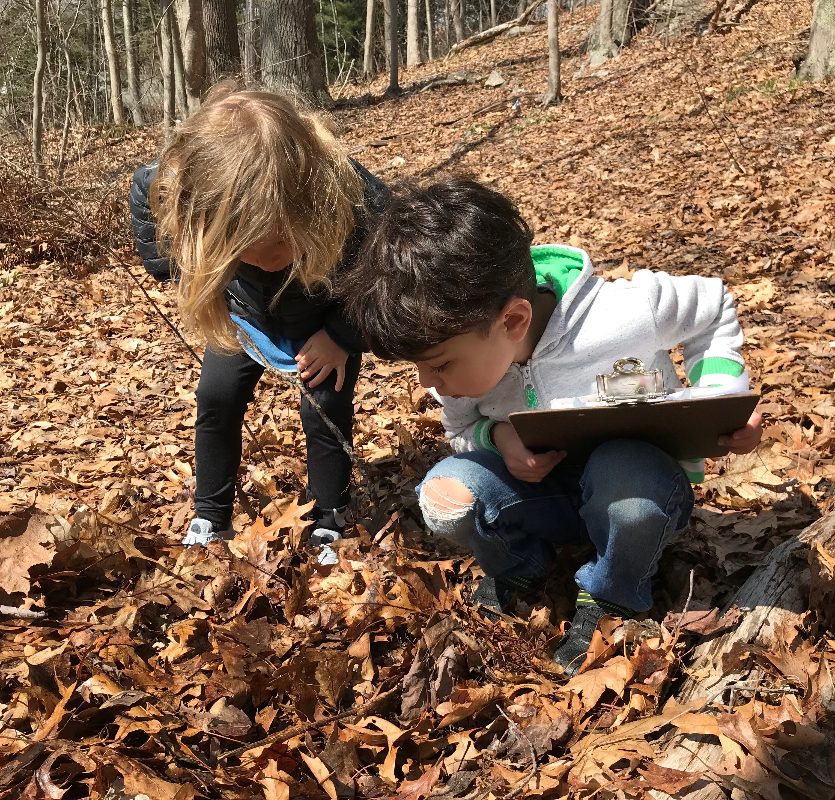
With last week’s warm temperatures, ticks that were dormant have become active. Therefore, it is essential that parents begin checking their children for ticks at the end of the day. Please read the following important information from the Center for Disease Control and Prevention.
Check your clothing for ticks. Ticks may be carried into the house on clothing. Any ticks that are found should be removed. Tumble dry clothes in a dryer on high heat for 10 minutes to kill ticks on dry clothing after you come indoors. If the clothes are damp, additional time may be needed. If the clothes require washing first, hot water is recommended. Cold and medium temperature water will not kill ticks effectively.
Shower soon after being outdoors. Showering within two hours of coming indoors has been shown to reduce your risk of getting Lyme disease. Showering may help wash off unattached ticks and it is a good opportunity to do a tick check.
Check your body for ticks after being outdoors. Conduct a full body check upon return from potentially tick-infested areas, which even includes your back yard. Use a hand-held or full-length mirror to view all parts of your body. Check these parts of your body and your child’s body for ticks:
- Under the arms
- In and around the ears
- Inside belly button
- Back of the knees
- In and around the hair
- Between the legs
- Around the waist